GROSSMONT POST ACUTE CARE
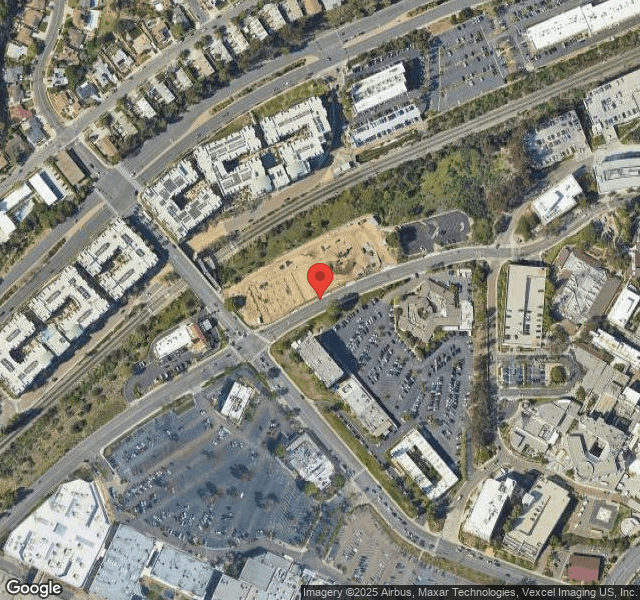
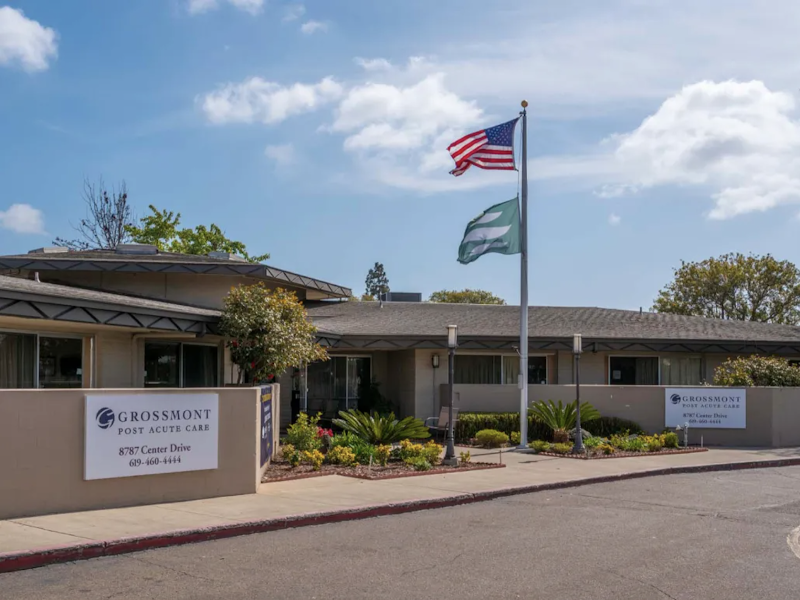
8787 CENTER DRIVE, LA MESA, CA 91942 (619) 460-4444
For profit - Limited Liability company 90 Beds THE ENSIGN GROUP Data: November 2025
Trust Grade
58/100
#365 of 1155 in CA
Last Inspection: July 2023

Over 2 years since last inspection. Current conditions may differ from available data.

Overview

Grossmont Post Acute Care has a Trust Grade of C, which means it's average and in the middle of the pack for nursing homes. It ranks #365 out of 1,155 in California, placing it in the top half of facilities statewide, and #44 out of 81 in San Diego County, indicating only a few options are better nearby. The facility is showing improvement, as issues decreased from 9 in 2023 to 3 in 2024. Staffing is rated 4 out of 5 stars, which is a strength, yet the turnover rate is concerning at 57%, significantly higher than the state average of 38%. However, there are some serious concerns, including an incident where a staff member inappropriately touched a cognitively impaired resident, and issues with food safety that led to a resident experiencing unintentional weight loss. Overall, while there are strengths in staffing and RN coverage, families should be aware of the concerning incidents and ongoing challenges.

Trust Score
C
58/100
In California
#365/1155
Top 31%
Safety Record
Moderate
Needs review
Inspections
Getting Better
9 → 3 violations
Staff Stability
⚠ Watch
57% turnover. Above average. Higher turnover means staff may not know residents' routines.
Penalties
✓ Good
$11,466 in fines. Lower than most California facilities. Relatively clean record.
Skilled Nurses
✓ Good
Each resident gets 59 minutes of Registered Nurse (RN) attention daily — more than average for California. RNs are trained to catch health problems early.
Violations
⚠ Watch
42 deficiencies on record. Higher than average. Multiple issues found across inspections.
★★★★☆
4.0
Overall Rating
★★★★☆
4.0
Staff Levels
★★★★★
5.0
Care Quality
★★★☆☆
3.0
Inspection Score
Stable
2023: 9 issues
2024: 3 issues

The Good

  • 4-Star Staffing Rating · Above-average nurse staffing levels
  • 5-Star Quality Measures · Strong clinical quality outcomes
  • Full Sprinkler Coverage · Fire safety systems throughout facility
  • No fines on record

Facility shows strength in staffing levels, quality measures, fire safety.

The Bad

Staff Turnover: 57%

11pts above California avg (46%)

Frequent staff changes - ask about care continuity

Federal Fines: $11,466

Below median ($33,413)

Minor penalties assessed

Chain: THE ENSIGN GROUP

Part of a multi-facility chain

Ask about local staffing decisions and management

Staff turnover is elevated (57%)

9 points above California average of 48%

The Ugly 42 deficiencies on record

1 actual harm
Aug 2024 2 deficiencies 1 Harm
SERIOUS (G) 📢 Someone Reported This

A family member, employee, or ombudsman was alarmed enough to file a formal complaint

Actual Harm - a resident was hurt due to facility failures

Free from Abuse/Neglect (Tag F0600)

A resident was harmed · This affected 1 resident

**NOTE- TERMS IN BRACKETS HAVE BEEN EDITED TO PROTECT CONFIDENTIALITY** Based on observation, interview, and record review, the facility failed to ensure one resident (Resident 1), who was cognitively...

Read full inspector narrative →
**NOTE- TERMS IN BRACKETS HAVE BEEN EDITED TO PROTECT CONFIDENTIALITY** Based on observation, interview, and record review, the facility failed to ensure one resident (Resident 1), who was cognitively impaired and dependent on staff for care, was free from abuse when certified nursing assistant (CNA) 2 called the resident an ass then smacked the side of his head with an open hand while telling the resident, That's for hitting me last week. As a result, Resident 1 became agitated and attempted to hit staff back. In addition, Resident 1 had seemed guarded following the incident, per staff interview. This deficient practice had the potential to cause Resident 1 to experience fear, humiliation, and emotional distress. Findings: A review of Resident 1's admission Record, dated 7/26/24, indicated the resident was admitted to the facility on [DATE] with diagnoses to include Parkinsonism (condition characterized by balance issues and tremors), unspecified psychosis (thoughts not based in reality), and dementia (condition characterized by impaired memory and judgement) with behavioral disturbance. A review of Resident 1's annual History and Physical, dated 4/10/24 indicated, the resident, Does not have the capacity to understand and make decisions. On 7/26/24, the California Department of Public Health (CDPH, state agency that licenses and certifies skilled nursing facilities) received a SOC 341 report (document used to report suspected abuse) dated 7/26/24, from the facility. The facility's SOC 341 document indicated, the facility was reporting an incident of suspected physical abuse perpetuated by CNA 2 against Resident 1 and that the incident had been witnessed by a student certified nursing assistant (SCNA). On 7/30/24 at 10:29 A.M., a telephone interview was conducted with SCNA. SCNA stated on 7/26/24 she went to help CNA 2 and CNA 3 give Resident 1 a shower. SCNA stated she, along with CNA 2 and CNA 3, were inside the shower room with Resident 1. SCNA stated they transferred Resident 1 from his wheelchair into the shower chair. SCNA stated Resident 1 was calm and cooperative at that time. SCNA stated CNA 2 was not talking nicely about the resident and had told her Resident 1 always fights and tries to hit staff and, He's an ass. SCNA stated CNA 2 then smacked Resident 1 with an open hand on the side of his head while stating, That's for hitting me last week. SCNA stated Resident 1 became agitated, had an angry expression on his face, and raised both hands in a motion to hit CNA 3 who stood directly in front of him. SCNA stated CNA 2 had been standing off to the side and was not standing in the resident's line of sight. SCNA stated CNA 2 left the shower room and that she remained behind with CNA 3 to help shower the resident. SCNA stated CNA 3 had to calm Resident 1 back down by rubbing his back. SCNA stated, It didn't feel right . [CNA 2] wasn't treating [Resident 1] like a human . SCNA stated what she saw was abusive. SCNA stated Resident 1, Seemed too confused to report such an incident himself. SCNA stated she reported the incident immediately to her CNA instructor. On 8/1/24 at 9:55 A.M., an onsite visit and interview with the administrator (ADM) was conducted to investigate the facility reported allegation of abuse. The ADM stated she had finished her investigation of the 7/26/24 incident with Resident 1 and CNA 2 and provided a copy of the results of the investigation. The ADM stated she had substantiated SCNA's report of the incident, and that CNA 2 had acted inappropriately. The ADM stated CNA 2 had been terminated and that CNA 3 had also been terminated for failing to come forward about what occurred with Resident 1 on 7/26/24. The ADM stated CNA 2 had been hit by Resident 1 a couple of weeks ago and a facility incident report for work-related injuries was filed. A review of the facility's document titled [facility name] Confidential Abuse Investigation dated 7/30/24, and completed by the director of staff development (DSD) and ADM, indicated, .Interviews .[SCNA] was advised [by CNA 2] to be careful as [Resident 1] tends to be combative and hit staff during care . [CNA 2] tapped the side of [Resident 1's] head and said, ' That's for punching me.' . [CNA 2] denied tapping [Resident 1] on the head or making the comment .Findings: Although [CNA 2's] alleged actions likely stemmed from immaturity without intent to harm, the action is demeaning towards an elderly resident who lacks the capacity to make decisions and is not representative of [Facility]. [CNA 2's] employment with [facility] has been terminated. In addition, after much thought and consideration, decision was made to terminate [CNA 3] as well On 8/1/24 at 10:43 A.M., a telephone call was placed to CNA 3. CNA 3 did not respond or return the phone call. On 8/1/24 at 11:40 A.M., a joint interview and record review was conducted with the DSD. The DSD stated she conducted the facility's abuse prevention and dementia training. The DSD provided CNA 2 and CNA 3's training records for review and stated they were both trained on abuse prevention and dementia care. The DSD stated her staff training had included scenarios of joking around or horseplay and tapping or smacking a resident as not acceptable or appropriate behavior and such things were considered abuse. The DSD stated based on the abuse training provided by the facility, CNA 2 would have known her behavior was wrong. The DSD stated she interviewed CNA 3 about what had happened during Resident 1's shower and CNA 3 had put her head down and claimed to have not seen or heard anything on 7/26/24 during Resident 1's shower. The DSD stated this was not believable and, There's no way she didn't hear or see what happened. The DSD stated CNA 3's employment had been terminated because she would not tell the truth about what had happened. The DSD stated CNA 2 and CNA 3 were, Really good friends. The DSD reviewed the facility document titled Employee Incident Report dated 7/8/24, for CNA 2, which indicated, .I [CNA 2] was taking [Resident 1's] brief off. While I was bent over [Resident 1] closed fisted, punched me in my face right side under eye The document listed CNA 3 and CNA 4 as a witness to the incident. The DSD further stated the SCNA started clinical training at the facility on 7/23/24 and would not have had knowledge of CNA 2 being hit by Resident 1 on 7/8/24 unless that was indeed what CNA 2 had said in the shower room on 7/26/24. On 8/1/24 at 12:14 P.M., an interview was conducted with CNA 4. CNA 4 stated Resident 1 was very confused and would sometimes try to hit or kick when he was touched during care. CNA 4 stated she had not been hit by the resident because she dodged it, or would attempt care later if the resident was agitated. CNA 4 stated she did not take Resident 1's behavior personally, because he did not understand what he was doing. CNA 4 stated on 7/8/24, she was helping CNA 2 and CNA 3 with Resident 1 when she heard a smack sound and CNA 2 said, My eye. CNA 4 stated she did not see the physical contact but that CNA 2's eye had a red mark and CNA 2 had to put ice on it. CNA 4 further stated discussing a resident's behavior, even if they were confused, should be done privately and not in front of the resident. CNA 4 stated it was never okay to use improper language with a resident or to smack a resident's head. CNA 4 stated she received abuse prevention training at the facility and according to her training, calling a resident an ass and smacking them on the head would be considered physical and verbal abuse. CNA 4 stated a cognitively intact person would feel bad about being treated like that. On 8/1/24 at 12:46 P.M., an interview was conducted with CNA 5. CNA 5 stated she knew Resident 1 well and had provided care to him since his admission to the facility. CNA 5 stated she heard Resident 1 would hit staff, but she had not seen or experienced that from the resident. CNA 5 stated Resident 1 had memory issues and was confused. The reported incident on 7/26/24 was discussed with CNA 5. CNA 5 stated she believed in the moment things were taking place, Resident 1 would have been able to understand that he was being discussed and was called an ass. CNA 5 stated Resident 1 would probably get agitated in that situation and start mumbling. CNA 5 stated Resident 1 was a military veteran and if he was smacked on the head, he could get triggered and would probably try to defend himself. CNA 5 became tearful and stated she was upset to have heard what had been reported to have happened to Resident 1 on 7/26/24 during care. CNA 5 stated when she worked on 7/29/24, after having had time off, Resident 1 seemed, Guarded, hesitant to accept care, and more agitated than usual. CNA 5 further stated she had not been aware of the report that Resident 1 had been called an ass and smacked on the head a few days prior to returning to work. CNA 5 stated she had not understood at that time why Resident 1 had acted different on her first day back to work. CNA 5 wiped the tears from her eyes and stated, This is abuse, picking on someone who can't defend themselves or report what happened. CNA 5 stated as a reasonable person, if she experienced what Resident 1 had, she would feel upset and want to defend herself, too. On 8/1/24 at 12:37 P.M., an observation was conducted of Resident 1 while inside the resident's room. Resident 1 was in bed with the blanket pulled up to his chin. Resident 1 had his eyes closed and did not respond to interview attempt. Resident did not have any observable facial/head injuries. On 8/1/24 at 1:19 P.M., an interview was conducted with licensed nurse (LN) 6. LN 6 stated Resident 1 was severely cognitively impaired and depended on staff to provide care. LN 6 stated Resident 1 could not walk and that it took two to three staff to safely move him between locations. LN 6 stated she heard Resident 1 could hit staff, but she had not seen it or experienced it herself. LN 6 stated she was off on 7/26/24. What was reported to have occurred on 7/26/24 between Resident 1 and CNA 2, was discussed with LN 6. LN 6 stated it was unacceptable to discuss a resident's behavior in front of the resident, even if they were confused. LN 6 stated the facility had provided training related to abuse. LN 6 stated based on her facility training, being called an ass and smacked on the head was physical and emotional abuse. LN 6 further stated it was abuse even if the resident was confused, not hit hard, or the staff thought it was a joke. LN 6 stated Resident 1 was vulnerable and was not capable of telling anyone what had occurred on 7/26/24. LN 6 stated if what happened to Resident 1 had happened to her, she would feel, Hurt, upset, and emotionally distressed. On 8/1/24 at 2:05 P.M., an interview was conducted with the assistant director of nursing (ADON). The ADON stated Resident 1 was cognitively impaired, had poor recall, and responded in a non-verbal way with mumbling that could not be understood. The ADON stated she was aware of the reported incident on 7/26/24 with CNA 2 and Resident 1. The ADON stated she had received facility training related to abuse. The ADON stated based on her training, what had occurred to Resident 1 was abuse. The ADON stated it was still considered abuse even though Resident 1 was confused and had memory issues. The ADON stated if it had happened to her, I'd feel bad. On 8/1/24 at 2:45 P.M., a telephone interview was conducted with CNA 2. CNA 2 stated she helped CNA 3 transfer Resident 1 from his wheelchair into the shower chair while in the shower room on 7/26/24. CNA 2 stated she had been assigned two student CNAs to follow her that day and she had not worked with them before. CNA 2 stated she had asked one of them if she wanted to observe the resident's shower care. CNA 2 stated Resident 1 had been agitated, grabbed onto the shower handrail, and would not let go, and had been trying to bite CNA 3. CNA 2 stated she told the student that Resident 1 was combative and to watch out because he hits. CNA 2 stated that was all that she said about Resident 1. CNA 2 was asked if the resident's behavior should have been discussed in front of the resident. CNA 2 stated, It should be done privately but [Resident 1's] AOx1 [only had awareness to self] and can't understand so I thought it was a good time to tell her [SCNA]. CNA 2 stated she pushed Resident 1's shoulders back when he tried to bite CNA 3 but did not touch the resident anywhere else. CNA 2 denied smacking Resident 1's head or calling the resident an ass. CNA 2 was asked how the student CNA would have known that she had been hit by Resident 1 previously. CNA 2 stated, Oh, well, I told her that he [Resident 1] punched me then, too. On 8/2/24 at 1:15 P.M., an interview was conducted with the administrator (ADM). The director of nursing was also present. The ADM was asked if what happened to Resident 1 on 7/26/24 was abuse. The ADM stated the incident on 7/26/24 between Resident 1 and CNA 2 was an inappropriate interaction that she attributed to CNA 2's age and immaturity. The ADM stated the incident was substantiated and CNA 2 and CNA 3's employment had been terminated as a result. A review of the facility's policy titled Abuse: Prevention of and Prohibition Against, dated 11/2017, indicated, It is the policy of this facility that each resident has the right to be free from abuse . exploitation and mistreatment The policy defined abuse as .willful infliction of injury, unreasonable confinement, intimidation, or punishment with resulting physical harm, pain or mental anguish .Instances of abuse of all residents, irrespective of any mental or physical condition, cause physical harm, pain, or mental anguish . Willful, as used in this definition of abuse, means the individual must have acted deliberately, not that the individual must have intended to inflict injury or harm . Mental abuse includes, but is not limited to humiliation, harassment, and threats of punishment or deprivation . Mistreatment means inappropriate treatment . of a resident . Physical abuse includes but is not limited to hitting, slapping . Verbal abuse includes the use of oral .language that willfully includes disparaging and derogatory terms to residents . regardless of their age, ability to comprehend, or disability
CONCERN (D) 📢 Someone Reported This

A family member, employee, or ombudsman was alarmed enough to file a formal complaint

Potential for Harm - no one hurt, but risky conditions existed

Comprehensive Care Plan (Tag F0656)

Could have caused harm · This affected 1 resident

**NOTE- TERMS IN BRACKETS HAVE BEEN EDITED TO PROTECT CONFIDENTIALITY** Based on interview and record review, the facility failed to implement one resident's (Resident 1) written care plans related to...

Read full inspector narrative →
**NOTE- TERMS IN BRACKETS HAVE BEEN EDITED TO PROTECT CONFIDENTIALITY** Based on interview and record review, the facility failed to implement one resident's (Resident 1) written care plans related to behavior as evidenced by angry outbursts after the resident hit a staff member during care. As a result of this deficient practice, Resident 1's behavior was not documented in the resident's clinical record and it was not reported to the physician as indicated in the resident's written care plans. This had the potential for the resident's behavior to go unmanaged. Findings: A review of Resident 1's admission Record, dated 7/26/24, indicated the resident was admitted to the facility on [DATE] with diagnoses to include Parkinsonism (condition characterized by balance issues and tremors), unspecified psychosis (thoughts not based in reality), and dementia (condition characterized by impaired memory and judgement) with behavioral disturbance. A review of Resident 1's written behavior care plan for angry outbursts and the potential to physically harm self and staff, dated 4/27/22, indicated, .Interventions .Monitor/document/report to MD [medical doctor] of danger to self and others A review of Resident 1's written care plan for the use of a psychotropic medication (drugs used to control thoughts, behavior and/or mood) for behavior management of Parkinson's Disease related psychosis as evidenced by angry outbursts dated 2/8/22, indicated, .Interventions . Monitor/record occurrence of for targeted behavioral symptoms and document A review of the facility document titled Employee Incident Report dated 7/8/24, for certified nursing assistant (CNA) 2, indicated, .Time of incident 12:55 P.M.I [CNA 2] was taking [Resident 1's] brief off. While I was bent over [Resident 1] closed fisted, punched me in my face right side under eye The document listed CNA 4 as a witness to the incident. On 8/1/24 at 12:14 P.M., an interview was conducted with CNA 4. CNA 4 stated Resident 1 was very confused and would sometimes try to hit or kick when he was touched during care. CNA 4 stated she had not been hit by the resident because she dodged it, or would attempt care later if the resident was agitated. CNA 4 stated she did not take Resident 1's behavior personally, because he did not understand what he was doing. CNA 4 stated on 7/8/24, she was helping CNA 2 and CNA 3 with Resident 1 when she heard a smack sound and CNA 2 said, my eye. CNA 4 stated she did not see the physical contact but that CNA 2's eye had a red mark and CNA 2 had to put ice on it. A review of Resident 1's medication administration record (MAR) for July 2024, indicated the resident was being monitored every shift for number of episodes of target behavior angry outbursts. The MAR indicated Resident 1 had zero angry outbursts during all three shifts on 7/8/24. On 8/1/24 at 1:19 P.M., a joint interview and record review was conducted with licensed nurse (LN) 6. LN 6 reviewed the Employee Incident Report dated 7/8/24, for CNA 2, and stated Resident 1 punching CNA 2's face was considered an angry outburst. LN 6 reviewed Resident 1's July 2024 MAR and stated 7/8/24 should not have been documented as zero episodes. LN 6 reviewed Resident 1's two written care plans (dated 2/8/22 and 4/27/22) related to angry outbursts and stated the care plans were not implemented. LN 6 reviewed Resident 1's clinical record and stated the resident's angry outburst was not recorded and the MD was not called. LN 6 stated Resident 1's MD should have been called as the MD may have wanted further treatment or to evaluate the resident. LN 6 stated Resident 1's written care plans should have been implemented as it was important to make sure care goals were achieved. LN 6 further stated documenting the episodes of angry outbursts was important to make sure Resident 1's psychotropic medication was addressing his target behavior. On 8/1/24 at 2:05 P.M., a joint interview and record review was conducted with the assistant director of nursing (ADON). The ADON stated on 7/8/24, when Resident 1 hit CNA 2's face, that was considered an angry outburst and harm to staff. The ADON reviewed Resident 1's clinical record and stated Resident 1's angry outburst should have been documented and the resident's MD should have been notified of the behavior. The ADON stated Resident 1's MAR for 7/8/24 should not be recorded as zero episodes of the target behavior. The ADON stated Resident 1's behavior care plans related to angry outbursts should have been implemented. The ADON stated either Resident 1's MAR was inaccurate on 7/8/24, or the resident's LN was not made aware of the behavior and should have been notified. The ADON stated the LN had to be aware of the resident's behavior to implement the care plans. On 8/1/24 at 2:45 P.M., a telephone interview was conducted with CNA 2. CNA 2 stated Resident 1 had hit her eye on 7/8/24 and that she reported it to the resident's LN. CNA 2 stated she could not recall the LN's name. On 8/1/24 at 3:58 P.M., a joint interview and record review was conducted with LN 7. LN 7 reviewed Resident 1's MAR for 7/8/24 monitoring episodes of target behavior angry outbursts and stated she had documented zero episodes. LN 7 reviewed the Employee Incident Report dated 7/8/24, for CNA 2. LN 7 stated she was working and providing care to Resident 1 on 7/8/24 when the incident took place at 12:55 P.M. LN 7 stated no one had notified her that this had happened, and she was completely unaware Resident 1 had hit CNA 2. LN 7 stated she should have been informed right away and that she would have called the MD and documented the incident. LN 7 reviewed Resident 1's two written care plans related to angry outbursts (dated 2/8/22 and 4/27/22) and stated these care plans were not implemented and they should have been. A review of the facility's undated policy titled Care Planning/Care Conference did not provide guidance related to care plan implementation.
May 2024 1 deficiency
CONCERN (D) 📢 Someone Reported This

A family member, employee, or ombudsman was alarmed enough to file a formal complaint

Potential for Harm - no one hurt, but risky conditions existed

Accident Prevention (Tag F0689)

Could have caused harm · This affected 1 resident

**NOTE- TERMS IN BRACKETS HAVE BEEN EDITED TO PROTECT CONFIDENTIALITY** Based on interviews and record reviews, the facility failed to follow their own policy when Resident 1 was transferred from bed ...

Read full inspector narrative →
**NOTE- TERMS IN BRACKETS HAVE BEEN EDITED TO PROTECT CONFIDENTIALITY** Based on interviews and record reviews, the facility failed to follow their own policy when Resident 1 was transferred from bed to wheelchair without the use of a gait belt (assistance safety device). This failure resulted in Resident 1 ' s injury of chipped fracture to his right tibia (shin bone). Findings. A review of the Facility ' s undated admission Record indicated, Resident 1 was admitted on [DATE] with diagnoses that included Repeated Falls, Cognitive Communication Deficit and Retention of Urine Unspecified. An interview on 4/23/24 at 10:55 A.M., with Certified Nursing Assistant (CNA) 1 was conducted. CNA 1 stated she was supposed to be watching lights and provide assistance to residents when needed. CNA 1 stated if a resident wants to be left alone, CNA 1 will leave them alone but would be watching from a distance. A phone interview on 4/29/24 at 4:13 P.M., with CNA 2 was conducted. CNA 2 stated, she worked with Resident 1 that night of 3/15/24. CNA 2 stated at around 5:45 A.M., she asked Resident 1 if he wanted to go to the bathroom and Resident 1 agreed. CNA 2 transferred Resident 1 from the bed to his wheelchair with the use of a [NAME] steady (manual lift). After being transferred, Resident 1 slid from the wheelchair while being assisted by CNA 2 to the floor. CNA 2 stated she did not have a gait belt on him since he required minimal (the assisting person or device are required to perform 25 % of the work or a mobility task) assistance. CNA 2 acknowledged she should always have her gait belt with her to use with Resident 1 ' s transfers. An interview on 4/23/24 at 11:20 A.M., with the Assistant Director of Nursing (ADON) was conducted. The ADON stated Resident 1 required moderate (the assisting person or device are required to perform 50% of the work or mobility task) assistance with transfers as assessed by the Physical Therapist. The ADON stated the staff needs to always have the gait belt with them during transfers and ambulating residents in the facility. A phone interview on 4/29/2024 at 4:34 P.M., with the Director of Nursing (DON) was conducted. The DON stated the staff should always have their gait belts in their possession. The DON stated Resident 1 was a partial 1 per rehab assessment, and Resident 1 required moderate assistance with transfers and ambulation. A phone interview with family member (FM)1 on 4/24/24 at 9:04 A.M., was conducted. FM1 stated, the Administrator (ADM) told and confirmed that her husband did not have a gait belt on him when he fell and that he was assisted to the floor when he slid from his wheelchair. FM1 stated the facility stated it was a witnessed fall. FM1 stated her husband had a history of falls and had injured his right leg previously and then again at the facility as a result of the fall. A record review of Resident 1 ' s MDS (minimum data set- tool assessment ) dated, 3/8/24 indicated, Resident 1 ' s cognition was severely impaired or a score of 5 (0-7 indicated severe cognitive impairment; 8-12 indicated moderate cognitive impairment; 13-15 indicated cognition is intact). A record review of the Physical Therapy Treatment Encounter notes dated, 3/13/2024 indicated, Resident 1 required moderate assistance of 1 person during sit to stand and transfers from chair/bed and to chair transfers and uses a front wheel walker as an assistive device. A record review of the Emergency Department visit at the Acute hospital on 3/15/24 indicated, final result impression of the x-rays of Resident 1 ' s tibia and fibula (calf bone) indicated Non-displaced acute medial tibial plateau fracture with associated A record review of the Facility ' s undated Gait Belt Policy indicated .#3 cnas/nas are required to have always assigned gait belt in their possession . #4 gait belts should be used when transferring and ambulating residents if and indicated .
Jul 2023 9 deficiencies
CONCERN (D)

Potential for Harm - no one hurt, but risky conditions existed

Assessment Accuracy (Tag F0641)

Could have caused harm · This affected 1 resident

**NOTE- TERMS IN BRACKETS HAVE BEEN EDITED TO PROTECT CONFIDENTIALITY** Based on observation, interview and record review, the facility failed to ensure a Minimum Data Set (MDS, an assessment tool) wa...

Read full inspector narrative →
**NOTE- TERMS IN BRACKETS HAVE BEEN EDITED TO PROTECT CONFIDENTIALITY** Based on observation, interview and record review, the facility failed to ensure a Minimum Data Set (MDS, an assessment tool) was accurately coded for one of 18 residents (Resident 59) reviewed for accurate MDS. This failure had the potential for Resident 59 to receive inappropriate care due to inaccurate diagnosis. Findings: A review of Resident 59's admission Record indicated Resident 59 was admitted to the facility on [DATE] with diagnoses to include Benign Prostatic Hypertrophy (BPH, also called enlarged prostate). During a reconciliation of Resident 59' medication administration record and Resident 59's physician order on 7/26/23 at 9:53 A.M., Resident 59 was diagnosed with BPH. Resident 59's hospital records prior to admission to the facility did not indicate diagnosis of BPH. During a concurrent interview and record review on 7/26/23 at 10:50 A.M., with the minimum data set nurse (MDSN), the MDSN reviewed Resident 59's MDS dated [DATE] section I-1400. The MDSN stated Resident 59 was coded incorrectly with a diagnosis of BPH. The MDSN stated I'm not sure why she has BPH, she is a female. We should re-assure that the diagnosis is really there but this one was really an error. We will modify MDS due to coding error. I will modify today. During an interview on 7/27/23 at 2:20 P.M., with the Director of Nursing (DON), the DON stated the MDSN should have coded Resident 59 with correct diagnosis because she did not have a prostate. A record review of the facility's undated policy titled Resident Assessment, Accuracy of Assessments, indicated, It is the policy of this facility to ensure that the assessment accurately reflect the resident's status .
CONCERN (D)

Potential for Harm - no one hurt, but risky conditions existed

Comprehensive Care Plan (Tag F0656)

Could have caused harm · This affected 1 resident

**NOTE- TERMS IN BRACKETS HAVE BEEN EDITED TO PROTECT CONFIDENTIALITY** Based on observations, interviews and record reviews, the facility failed to ensure the nutrition care plan was implemented for ...

Read full inspector narrative →
**NOTE- TERMS IN BRACKETS HAVE BEEN EDITED TO PROTECT CONFIDENTIALITY** Based on observations, interviews and record reviews, the facility failed to ensure the nutrition care plan was implemented for one of 18 residents reviewed for care plans. (Resident 6) This failure resulted in Resident 6 not receiving foods listed in the care plan, which may have led to the resident's continued gradual weight loss. Cross reference F692, F800 Findings: Resident 6 was admitted to the facility on [DATE] with a diagnosis of Dysphagia, Oropharyngeal Phase (swallowing problem occurring in the mouth and/or throat) according to the admission Record. A review of Resident 6's Minimum Data Set (MDS-tool that measures health status), dated 6/10/23 indicated a Brief Interview of Mental Status (BIMS) score of 15, cognitively intact. During a dining room observation on 7/24/23 at 1:00 P.M., Resident 6 was having lunch. Resident 6 was observed eating the soup and stated he did not want the rest of the meal. Resident 6 requested a strawberry yogurt from staff. An interview was conducted on 7/25/23, at 10:31 A.M., with Certified Nurse Assistant (CNA) 22. CNA 22 stated she had not seen any snacks provided to residents. During an interview on 7/25/23, at 10:46 A.M., with Resident 6, Resident 6 stated he had lost 30 lb (pounds) since he had been ill and lost 10 lb in the facility. Resident 6 stated snacks have not been offered and food preferences have not been updated. Resident 6 further stated no menu or alternates have been provided to him. There was no menu or snack list observed in Resident 6's room. A review of Resident 6's care plan, dated 6/28/23 indicated, snacks and an intervention dated 7/19/23 indicated, RD to meet with resident weekly+to update food preferences, offer alternatives, encourage greater intakes. The care plan further indicated an intervention dated 7/25/23, RD will check with resident 1x daily . During an interview and concurrent record review on 7/26/23, at 10:44 A.M., with the Registered Dietitian (RD), the RD stated she checked in with the resident but there was no documentation regarding Resident 6's intake of snacks or the supplement. The RD further stated there was no RD coverage on the weekends and therefore Resident 6 will not be checked daily according to the care plan. The RD acknowledged she could not verify whether the nutrition care plan interventions for Resident 6 were consistently implemented, but they should have been carried out as documented. During a review of the facility's policy and procedure (P&P) titled, Weight Change Protocol, dated 2023, the P&P indicated, .A care plan is to be developed stating the problems, the goal, and the approaches, interventions to accomplish the goal .The facility RD will assess, nutritionally diagnosis, suggest interventions, monitor, and evaluate the success of the interventions .
CONCERN (D)

Potential for Harm - no one hurt, but risky conditions existed

Deficiency F0692 (Tag F0692)

Could have caused harm · This affected 1 resident

**NOTE- TERMS IN BRACKETS HAVE BEEN EDITED TO PROTECT CONFIDENTIALITY** Based on observation, interview and record review, the facility failed to ensure adequate nutrition was provided for one of two ...

Read full inspector narrative →
**NOTE- TERMS IN BRACKETS HAVE BEEN EDITED TO PROTECT CONFIDENTIALITY** Based on observation, interview and record review, the facility failed to ensure adequate nutrition was provided for one of two sampled residents with severe weight loss in less than one month. (Resident 6) This failure had the potential to result in Resident 6's further unintentional and unplanned weight loss. Cross reference F656, F800 Findings: During a review of professional reference titled, Practice Paper of the American Dietetic Association, dated 2010, indicated , . In older adults, a 5% or more unplanned weight loss in 30 days often results in protein-energy undernutrition as critical lean body mass is lost . that may trigger sarcopenia [a condition characterized by loss of skeletal muscle mass and function] and functional decline [a loss of independence in self-care capabilities and deterioration in mobility and in activities of daily living]. (Practice Paper of the American Dietetic Association: Individualized Nutrition Approaches for Older Adults in Health Care Communities, October 2010 Journal of the American Dietetic Association) . During a review of professional reference titled, Involuntary Weight Loss can lead to Muscle Wasting . Depression and an increased rate of Disease Complications (www.aafp.org/afp American Family Physician). Dated 2/15/02, indicated, . Various studies demonstrated a strong correlation between weight loss and morbidity and mortality. One study showed that nursing home patients had a significantly higher mortality rate in the six months after losing 10 percent of their body weight, irrespective of diagnoses or cause of death. In another study, institutionalized elderly patients who lost five percent of their body weight in one month were found to be four times more likely to die within one year . During a review of professional reference titled, The Academy of Nutrition and Dietetics Evidence Analysis Library regarding Unintended Weight Loss for Older Adults Evidence-Based Nutrition Practice Guidelines dated 2007-2009, indicated, . The Registered Dietitian should monitor and evaluate weekly body weights of older adults with unintended weight loss, until body weight has stabilized, to determine effectiveness of medical nutrition therapy (MNT) . Resident 6 was admitted to the facility on [DATE] with a diagnosis of Dysphagia, Oropharyngeal Phase (swallowing problem occurring in the mouth and/or throat) according to the admission Record. A review of Resident 6's Minimum Data Set (MDS-tool that measures health status), dated 6/10/23 indicated a Brief Interview of Mental Status (BIMS) score of 15, cognitively intact. During an interview on 7/25/23, at 10:46 A.M., with Resident 6, Resident 6 stated he had lost 30 lb (pounds) since he had been ill and lost 10 lb in the facility. Resident 6 stated snacks have not been offered and food preferences have not been updated. Resident 6 was observed with boost (a nutritional supplement) at the bedside. Resident 6 stated he received Boost every three days and will request for boost daily from staff. During a review of Resident 6's weight history on 7/26/23, the weight record in the electronic medical record indicated: 202 lb on 6/28/23 200.6 lb on 7/1/23 188.5 lb on 7/8/23 175 lb on 7/15/23 172.4 lb on 7/23/23 During a record review on 7/25/23 of the facility's Nutrition Assessment signed by the RD on 7/6/23, the assessment indicated Despite poor po intakes resident accepts boost plus at times, will recommend adding this routinely bid to lunch and dinner meals. In addition, Resident 6's physician's order dated 7/7/23 indicated, Boost plus with meals BID, and on 7/14/23 the physician's order indicated, Boost bid with meals. During a concurrent interview and record review on 7/26/23, at 9:31A.M., with the Registered Dietitian (RD), the RD stated she did not specify which meal Resident 6 was to receive the boost and was unsure which meal tray it was sent to. The RD further acknowledged there was no record of the amount of boost Resident 6 consumed daily. The RD stated it was important to know how much boost was consumed to competently calculate calories for the resident. The RD further stated Resident's 6 weight loss was unintentional. During an interview of the facility's Medical Director (MD) on 7/27/23 at 11:08 A.M., the MD stated all efforts to improve nutrition should be documented. The MD further stated if interventions were carried out as written as an order and care plan, interventions should make a positive difference in a resident's weight status. During a review of the facility's policy and procedure (P&P) titled, Weight Change Protocol, dated 2023, the P&P indicated, .The facility RD will assess, nutritionally diagnosis, suggest interventions, monitor, and evaluate the success of the interventions .Calculate energy, protein, and fluid needs using perimeters as in the initial assessment.
CONCERN (D)

Potential for Harm - no one hurt, but risky conditions existed

Medical Records (Tag F0842)

Could have caused harm · This affected 1 resident

**NOTE- TERMS IN BRACKETS HAVE BEEN EDITED TO PROTECT CONFIDENTIALITY** Based on Interview and Record Review, the facility failed to accurately record medications given for one of one resident reviewe...

Read full inspector narrative →
**NOTE- TERMS IN BRACKETS HAVE BEEN EDITED TO PROTECT CONFIDENTIALITY** Based on Interview and Record Review, the facility failed to accurately record medications given for one of one resident reviewed for IV medication administration. This failure had the potential for harm, leading to missed or additional medication being given. Findings: The admission Summary for Resident 217 indicated that the Resident was admitted on [DATE], with health problems that included: urinary tract infection (UTI). The Physician admitting orders included: Zosyn (an antibiotic) 3.375 grams , via IV (given through a soft flexible tube inserted in a vein), four times a day for nephrolithiasis (kidney stones) with UTI until 7/29/23. The physician order included administration times of 1 A.M., 7 A.M., 1 P.M. and 7 P.M. On 7/26/23, at 11:19 A.M. a concurrent record review and interview was held with the Director of Staff Development (DSD), the Director of Nursing (DON) and the Infection Preventionist Nurse (IP). The e-MAR (the electronic health record for Medication Administration Record) was reviewed, and out of 42 opportunities for Zosyn administration, (the RN administering the medication signs that it was given) there were 10 missed opportunities when the RN did not record the administration of the IV antibiotic. The IP and DON stated that inaccurate documentation could lead to inadequate or overdosing of a medication, harming the patient. The DON stated that education will be completed with all RN staff administering IV medications, and that the problem has been added to QAPI.
CONCERN (D)

Potential for Harm - no one hurt, but risky conditions existed

Infection Control (Tag F0880)

Could have caused harm · This affected 1 resident

Findings: 2. A Meal Tray delivery was observed on 7/24/23 at 12:40 PM. The Business Office Manger (BOM) was seen delivering a meal tray to a room, returning to the cart, retrieving another tray, and d...

Read full inspector narrative →
Findings: 2. A Meal Tray delivery was observed on 7/24/23 at 12:40 PM. The Business Office Manger (BOM) was seen delivering a meal tray to a room, returning to the cart, retrieving another tray, and delivering to the other resident in the room. Hand Hygiene (HH- the process of rubbing the hands with Alcohol Based Sanitizing Liquid until dry) was not observed. The BOM returned to the cart, retrieved another tray, and delivered to another resident room. The BOM then performed HH. The BOM retrieved a meal tray from the cart and handed the tray to staff wearing gown, gloves, N95 mask, and face shield, in the doorway of a room. No HH was performed. The BOM then returned to the cart, retrieved a meal tray and handed the meal tray to staff, similarly garbed, in the doorway of another room. No HH was performed. The BOM returned to the cart, retrieved and handed a meal tray to staff in the doorway of the same room. No HH was performed. The BOM returned to the meal cart, retrieved a tray, and handed it to the staff in the doorway of the same room. No HH was performed. The BOM selected another tray from the cart and handed it to staff in the doorway of the room. No HH was performed. The BOM selected another meal tray from the cart and handed it to staff in the doorway of the room. The BOM then performed HH and left the area. On 7/24/23 at 12:49 P.M., The DSD was interviewed. The DSD stated the importance of hand hygiene between delivery of meals to residents was to minimize the risk of infection from one resident, or from high touch surfaces to another resident. The DSD stated the residents are at high risk for infection due to their physical conditions, and staff need to perform adequate infection control practices. The DSD agreed that HH should have been done between meal tray delivery by the BOM. Based on observation, interview and record review, the facility failed to implement their Infection Prevention Program, when: 1. A Certified Nursing Assistant (CNA 3) did not disinfect the vital signs machine between each resident use. 2. The Business Office Manager (BOM) did not perform hand hygiene when delivering meal trays to the residents. This failure had the potential to spread infections between residents. Findings: 1. On 7/25/23 at 2:58 P.M.,an observation was conducted with CNA 3. CNA 3 went to residents' room and took the vital signs of the two residents. CNA 3 then exited the first room and went to another resident's room without sanitizing the vital sign machine. On 7/25/23 at 3:01 P.M., an interview was conducted with CNA 3. CNA 3 stated she had nine residents and had already took their vital signs. CNA 3 stated the process was the vital sign machine should be sanitized between each resident use. CNA 3 stated she did not wipe the vital sign machine after taking each resident's vital signs. CNA 3 stated she should have sanitized after each use to prevent infection and transmission of disease. On 7/27/23 at 9:37 A.M., an interview was conducted with the Infection Preventionist. The IP stated the expectation was for the staff to sanitize the critical items like the vital sign machine to prevent transmission of infection. On 7/27/23 at 2:20 P.M., an interview was conducted with the Director of Nursing (DON). The DON stated the expectation was the staff should have sanitized the vital sign machine in between resident use to prevent transmission of infection. A review of the facility's undated Infection Control policy, indicated, It is the policy of this facility to provide supplies and equipment that are adequately cleaned and disinfected .1. Supplies and equipment will be cleaned immediately after use .
CONCERN (D)

Potential for Harm - no one hurt, but risky conditions existed

Room Equipment (Tag F0908)

Could have caused harm · This affected 1 resident

Based on observations, interviews, and document reviews, the facility failed to ensure essential kitchen equipment and vents were maintained and operational according to standards of practice and faci...

Read full inspector narrative →
Based on observations, interviews, and document reviews, the facility failed to ensure essential kitchen equipment and vents were maintained and operational according to standards of practice and facility policy. This deficient practice had the potential to negatively affect the temperature of hot and cold foods and expose clean dishes to contaminants from a dirty ceiling vent, which could have led to foodborne illness in 81 residents. During the initial kitchen tour on 7/24/23 at 10:16 A.M. with the Registered Dietitian (RD) and the Dietary of Dietary (DD), a cord connected to the tray line steam table was observed hanging out of the socket. The RD and the DD stated the cord should not be exposed because it may cause damage and it was a safety risk. There was a large air vent with black and gray dirt and lint contaminants observed blowing air directly above a clean dish drying rack. The RD and DD further acknowledged the dirty vent above the clean dish rack and stated it should be clean. During a kitchen observation and interview with the DD on 7/24/23 at 11:45 P.M., there was an outdoor freezer with four cases of three ounce ice cream cups inside. The internal thermometer read 20 degrees Fahrenheit (F) and the ice cream cups cartons were melted, bendable, and soft. The DD stated the freezer gaskets should be cleaned and the internal temperature was warmer than usual because the freezer was outside. The DD stated there was not enough voltage inside the kitchen for the ice cream freezer. The DD acknowledged the freezer temperature should be cold enough to freeze ice cream so it was rock solid. During an interview on 7/26/23 at 3:46 PM with the Maintenance Director (DM), and Administrator (ADMIN), the DM stated the facility did not have a policy to repair epuipment in the facility. The DM further stated the facility did not have a binder for departments to document maintenance issues or requests. The ADMIN acknowledged the facility did not have a Maintenance Service policy and procedure but stated they should have one. The DM acknowledged the cord extending from the steam table with exposed red and gray wires, the dirty ceiling vent blowing air above a clean dish rack, and the outdoor ice cream freezer should have been working in proper order and clean without repair issues. According to the 2022 Federal FDA Food Code, section 4-501.11, titled Good Repair and Proper Adjustment, Proper maintenance of equipment .helps ensure that it will continue to operate as designed. Failure to properly maintain equipment could lead to violations of the associated requirements of the Code that place the health of the consumer at risk. For example, refrigeration units in disrepair may no longer be capable of properly cooling or holding time/temperature control for safety foods at safe temperatures . During a review of the facility's policy and procedure (P&P) titled Refrigerator and Freezer dated 2023, the P&P indicated, Maintaining a clean .freezer can improve the safety and quality of your foods 5. Wipe down gaskets with soapy water .How to keep your .freezer working efficiently: .2. Periodically check door gaskets and replace, if damaged .5. Make sure to maintain clear and adequate airflow on outside condensing units . During a review of the facility's P&P titled, Hoods, Filters, and Vents dated 2023, the P&P indicated, Vents must be free of dust and dirt .
CONCERN (F)

Potential for Harm - no one hurt, but risky conditions existed

Deficiency F0800 (Tag F0800)

Could have caused harm · This affected most or all residents

Based on observations, interviews, and record reviews the facility failed to ensure effective dietetic systems related to food and nutrition services were executed according to facility policy and sta...

Read full inspector narrative →
Based on observations, interviews, and record reviews the facility failed to ensure effective dietetic systems related to food and nutrition services were executed according to facility policy and standards of practice when: 1. A resident's (Resident 6), nutrition care plan was not carried out, and experienced unintentional weight loss. 2. Kitchen staff were not trained in day-to-day food safety and sanitation practices. 3. Residents' meals were not served at palatable temperatures according to policy. 4. Expired foods, dirty dishes, and dirty equipment were found in the kitchen. 5. Kitchen equipment was not maintained for proper operation. These deficient practices led to a resident to experience unintentional weight loss, and exposed 81 residents to unsafe and unsanitary food practices, which may have further compromised their nutrition status. Cross reference F656, F692, F802, F804, F812, and F908 Findings: According to the Federal FDA Food Code section 2-103.11, titled Person in Charge (PIC), .The PERSON IN CHARGE shall ensure that .(H) EMPLOYEES are using proper methods to rapidly cool time/temperature control for safety foods that are not held hot or are not for consumption within 4 hours, through daily oversight of the employees routine monitoring of FOOD temperatures during cooling; .the person in charge should develop a cleaning regimen that is based on the soil that may accumulate in those particular items of equipment . 1. During a record review of Resident 6's care plan, dated 6/28/23 indicated, snacks, and an intervention dated 7/19/23 indicated, RD to meet with resident weekly+to update food preferences, offer alternatives, encourage greater intakes. The care plan further indicated an intervention dated 7/25/23, RD will check with resident 1x daily . During a record review of Resident 6's weight history on 7/26/23, the weight record in the electronic medical record indicated: 202 lb on 6/28/23, 200.6 lb on 7/1/23, 188.5 lb on 7/8/23, 175 lb on 7/15/23, and 172.4 lb on 7/23/23. A record review on 7/25/23, at 11:26 A.M. of the facility's Nutrition Assessment, signed 7/6/23, indicated, Despite poor po intakes resident accepts boost plus at times, will recommend adding this routinely bid to lunch and dinner meals. In addition, Resident 6's physician's order dated 7/7/23 indicated, Boost plus with meals BID, and on 7/14/23 the physician's order indicated, Boost bid with meals. During a concurrent interview and record review on 7/26/23, at 9:31A.M., with the Registered Dietitian (RD), the RD stated she did not specify which meal Resident 6 was to receive the boost and was unsure which meal tray it was sent to. The RD further acknowledged there was no record of the amount of boost Resident 6 consumed daily. The RD stated it was important to know how much boost was consumed to competently calculate calories for the resident. During an interview and concurrent record review on 7/26/23, at 10:44 A.M., with the Registered Dietitian (RD), the RD stated she checked in with the resident but there was no documentation regarding Resident 6's intake of snacks or the supplement. The RD further stated there was no RD coverage on the weekends and therefore Resident 6 will not be checked daily according to the care plan. The RD acknowledged she could not verify whether the nutrition care plan interventions for Resident 6 were consistently implemented, but they should have been carried out as documented. The RD further stated Resident's 6 weight loss was unintentional. 2. During the kitchen observation and interview on 7/24/23 at 4:20 P.M. with a Diet Aide (DA) 2, a Certified Nurse Assistant (CNA) 22 translated in Spanish the responses of DA 2 about the manual three compartment sink. DA 2 stated if the dishwasher was broken, a manual wash would be done at the three-compartment sink. DA 2 stated she would check the water temperature with the thermometer and the sink water temperatures should be 120 degrees Fahrenheit (F) in all three sinks. DA 2 was not able to verbalize the entire process for the 3 compartment sink manual dishwashing. DA 2 stated she was trained by another Diet Aide on the process. During an interview on 7/26/23, at 10:44 A.M. with the Registered Dietitian (RD), the RD stated she took over employee monitoring to improve their tasks. The RD stated the dietary staff were informed of and trained on identified concerns in the kitchen but there was no in-service record pertaining to manual dishwashing or the cool down process. The facility's policy and procedure (P&P) titled, 3-Compartment Procedure for Manual Dishwashing, dated 2023 was reviewed. The P&P indicated supplies needed and five steps to complete a manual dishwashing procedure. 3. During a breakfast meal test tray process on 7/25/23 at 7:40 A.M., the DD and the Consultant Dietary Manager (CDM) took temperatures and tasted a regular diet meal tray and pureed diet meal tray for acceptable temperature and palatability. The test tray for regular and pureed meals included a Spanish egg omelet with salsa on top, a carton of milk, cranberry juice and wheat toast. The temperature for the eggs in the regular tray was 142ºF. The puree eggs temperature was 119ºF. The DD acknowledged the regular omelent eggs temperature and puree omelet temperature, then stated they could be warmer. During a review of the facility's policy and procedure (P&P) titled, Meal Service, dated 2023, the P&P indicated, .3. The food will be served on trayline at the recommended temperature .Meat 160ºF-170ºF .Scrambled eggs 150ºF-170º . 4. During a concurrent observation and interview of kitchen conducted on 7/24/23 at 12:00 P.M. with the DD, an outside freezer was observed with cases of ice cream cups. The freezer was against a short brick wall under the sun. The ice cream cups were not frozen and soft. The freezer door inner gasket was observed with dark brown and black stains and was not clean. According to the DD, the freezer was kept outside because there was not enough voltage inside the kitchen. During a dining room lunch observation on 7/24/23, at 1:00 P.M., one resident was observed with a sherbet ice cream on the tray which was almost 100 percent melted. During a review of the facility's policy and procedure (P&P) titled, Meal Service, dated 2023, the P&P indicated, .7. The goal is to serve cold food cold . During a review of the facility's policy and procedure (P&P) titled, Sanitation, dated 2023, the P&P indicated, .11. All .equipment shall be kept clean, maintained in good repair, and shall be free from breaks, corrosions, open seams . 5. During the initial kitchen tour on 7/24/23 at 10:16 A.M. with the Registered Dietitian (RD) and the Dietary of Dietary (DD), a cord connected to the tray line steam table was observed hanging out of the socket. The RD and the DD stated the cord should not be exposed because it may cause damage and it was a safety risk. There was a large air vent with black and gray dirt and lint contaminants observed blowing air directly above a clean dish drying rack. The RD and DD further acknowledged the dirty vent above the clean dish rack and stated it should be clean. During an interview with the Facility Administrator (ADMIN) on 7/26/23 at 2:54 P.M regarding kitchen operations, the ADMIN stated it was her expectation that the DD train and educate the kitchen staff on correct kitchen operations, updated the staff with current changes in duties, and took input from the RD and the residents when needed to improve the department operations. According to the 2022 Federal FDA Food Code, section 4-501.11, titled Good Repair and Proper Adjustment, Proper maintenance of equipment .helps ensure that it will continue to operate as designed. Failure to properly maintain equipment could lead to violations of the associated requirements of the Code that place the health of the consumer at risk. For example, refrigeration units in disrepair may no longer be capable of properly cooling or holding time/temperature control for safety foods at safe temperatures .
CONCERN (F)

Potential for Harm - no one hurt, but risky conditions existed

Deficiency F0802 (Tag F0802)

Could have caused harm · This affected most or all residents

Based on observation, interview and record review, the facility failed to ensure kitchen staff received the competencies and training needed to perform their job duties when: 1. A [NAME] could describ...

Read full inspector narrative →
Based on observation, interview and record review, the facility failed to ensure kitchen staff received the competencies and training needed to perform their job duties when: 1. A [NAME] could describe the cool down process for cooked foods, and 2. A Diet Aide could not describe the correct temperatures of the three-compartment sink for manual dish washing These failures placed residents at risk of cross contamination and acquiring food-borne illnesses. Findings: 1. During an interview on 7/24/23 at 9:40 A.M. with [NAME] (CK 1) and the Director of Dietary (DD), CK 1 stated there was no cool down process for foods, but only for meats. CK 1 stated if they cooled meats to serve later, they would cool it for a couple of hours, label it, date it then place it in the refrigerator. CK 1 further stated it had been a while since he received training on the cool down process. The DD acknowledged CK 1 did not correctly verbalize the cool down process for cooked foods. According to the 2022 Federal FDA Food Code, section 3-501.14 titled Cooling, .Time/temperature control for safety foods are subject to the growth of a variety of pathogenic microorganisms the Food Code provision for cooling provides for cooling from 135ºF to 41°F or 45°F in 6 hours, with cooling from 135ºF to 70°F in 2 hours. The 6-hour cooling parameter, with an initial 2-hour rapid cool, allows for greater flexibility in meeting the Code. The initial 2-hour cool is a critical element of this cooling process . 2. During the kitchen observation on 7/24/23, at 4:20 P.M., Diet Aide (DA) 2 was interviewed. A Certified Nurse Assistant (CNA) 22 translated in Spanish the responses of DA 2 regarding the manual three compartment sink temperatures. DA 2 stated if the dishwasher was broken, a manual wash would be done at the three-compartment sink. DA 2 stated she would check the water temperature with the thermometer and the sink water temperatures should be 120 degrees Fahrenheit (F) in all three sinks. DA 2 was not able to verbalize the entire process for the 3 compartment sink manual dishwashing. DA 2 stated she was trained by another Diet Aide on the process. During an interview on 7/26/23, at 10:44 A.M. with the Registered Dietitian (RD), the RD stated she took over employee monitoring to improve on their tasks. The RD stated the dietary staff were informed of identified concerns in the kitchen for training but there was no in-service record pertaining to manual dishwashing or the cool down process. According to the 2022 Federal Food Code section 4-603.16, titled Rinsing Procedures, .(A) Use of a distinct, separate water rinse after washing and before sanitizing if using: A 3-compartment sink .A 3-step washing, rinsing, and sanitizing procedure in a warewashing system . According to the 2022 Federal Food Code section 4-501.19, titled Manual Warewashing Equipment, Wash Solution Temperature, The wash solution temperature required in the Code is essential for removing organic matter . According to the 2022 Federal Food Code section 4-501.111, titled Manual Warewashing Equipment, Hot Water 2Sanitization Temperatures, If the temperature during the hot water sanitizing step is less than 171 Fahrenheit (F), sanitization will not be achieved. As a result, pathogenic organisms may survive and be subsequently transferred from utensils to food. The facility's policy and procedure (P&P) titled, 3-Compartment Procedure for Manual Dishwashing, dated 2023 was reviewed. The P&P indicated supplies needed and five steps to complete a manual dishwashing procedure.
CONCERN (F)

Potential for Harm - no one hurt, but risky conditions existed

Food Safety (Tag F0812)

Could have caused harm · This affected most or all residents

Based on observation, interview and record review, the facility failed to ensure food safety and sanitation practices were met in the kitchen according to standard of practice when: 1. A tray with f...

Read full inspector narrative →
Based on observation, interview and record review, the facility failed to ensure food safety and sanitation practices were met in the kitchen according to standard of practice when: 1. A tray with fourteen small glasses of milk and four glasses of juice each dated 7/14/23, were on the shelf for use in the walk-in refrigerator. 2. The kitchen's clean dish storage area had dirty serving utensils and food items stored on them. 3. The ceiling vent was full of grayish-black dust. 4. The facility did not use a cool down process for ambient temperature prepared foods. 5. An ice cream freezer door gasket had dark brown and black stains and was not clean. These failures exposed residents' to contaminated food and unsanitary practices, which had the potential to place them at risk of developing a foodborne illness. Findings: 1. During an initial kitchen tour on 7/24/23 at 8:50 A.M. conducted with the facility's Director of Dietary (DD) and Lead [NAME] (LCK), inside the walk-in refrigerator there was a tray with twelve small 4 ounce glasses of milk covered with plastic wrap on top and other beverages next to them. The milk and other beverages were dated 7/18/23. The DD acknowledged all the cups of milk and beverages were outdated and should have been discarded. The facility's policy and procedure (P&P) titled, Refrigerator and Freezer, dated 2023, the P&P indicated, .3. Check all foods at least weekly, being mindful of expiration and use by dates. 2. During the kitchen tour on 7/24/23 at 8:50 A.M., the clean area with containers filled with serving utensils was observed with a water bottle, Starbucks coffee cup and a cleaning spray on the counter. A serving scoop inside the clean container was observed to have a small brown debris. Diet Aide 2 (DA 2) stated both the water bottle and coffee belonged to her and should have been stored outside of the kitchen, not in the clean area. Another clean area at the bottom of the microwave counter were clean, small plastic glasses inside a container. A dirty tray was observed on top of the container. DA 2 confirmed that the tray was dirty. During an interview on 7/24/23, at 8:50 A.M. with the DD, the DD stated it was everyone's responsibility to check the clean area. Beside the microwave a beverage/juice machine dispenser was observed. The DD stated the aides cleaned the nozzles of the dispenser daily. The DD further stated there was no cleaning log for the nozzles. According to the FDA Food Code, 1022 4-601.11, .it is the standard of practice to ensure non-food contact surfaces of equipment shall be kept free of an accumulation of dust, dirt, food residue, and other debris. During a review of the facility's policy and procedure (P&P) titled, Sanitation, dated 2023, the P&P indicated, .11. All utensils, counters, shelves, and equipment shall be kept clean, maintained in good repair and shall be free from breaks, corrosion, open seam, cracks, and chipped areas . 3. During the initial kitchen tour on 7/24/23, at 10:16 A.M. with the RD and the DD, the ceiling vent above the steam table was observed with full of grayish-black dust. The RD and the DD stated the ceiling vent should be clean. The Director of Maintenance (DM) was interviewed on 7/26/23, at 3:41 P.M. The DM stated there was no maintenance repair request or binder for the kitchen maintenance issues and there was no facility policy maintenance service. The DM further stated the ceiling vent should have been cleaned. According to the Federal FDA Food Code 2022, section 6-501.12, titled Cleaning, Frequency and Restrictions, .(A)PHYSICAL FACILITIES shall be cleaned as often as necessary to keep them clean . During a review of the facility's P&P titled, Hoods, Filters, and Vents dated 2023, the P&P indicated, Vents must be free of dust and dirt . 4. During an interview on 7/24/23 at 9:20 A.M. with [NAME] 1 (CK 1) regarding the cool down process of food, CK 1 stated meats were the only foods needing cool down for a couple of hours, then date and label it. A follow up interview and concurrent record review was conducted with the LCK. The LCK stated they did not need to conduct any cool down process because food was served right out of the oven. The LCK presented a cool down log dated 2022. The LCK was not able to provide cool down process for the tuna salad in the walk-in refrigerator. During an interview on 7/24/23, at 4:03 P.M. with [NAME] 2 (CK 2) about cool down of ambient temperature foods, CK 2 stated he did not write the temps on a log when preparing tuna salad. During a review of the facility's policy and procedure (P&P) titled, Cooling and Reheating of Potentially Hazardous or Time/Temperature Control for Safety Food, dated 2023, the P&P indicated, .Cooked Potentially Hazardous Food (PHF) or Time/Temperature Control for Safety (TCS) food shall be cooled and reheated in a method to ensure food safety. 5. During a concurrent observation and interview were conducted on 7/24/23 at 12:00 P.M. with the DD, a freezer outside the kitchen was observed during the kitchen tour. The freezer was against a short brick wall under the sun. Inside the freezer were cups of ice cream which were not frozen. In addition, the ice cream freezer door gasket was observed with dark brown and black stains and was not clean. According to the DD, the freezer was kept outside because there was not enough voltage inside the kitchen. During a dining room observation on 7/24/23, at 1:00 P.M., one resident was observed with a sherbet ice cream on the tray which was almost melted. During a review of the facility's policy and procedure (P&P) titled, Meal Service, dated 2023, the P&P indicated, .7. The goal is to serve cold food cold . During a review of the facility's policy and procedure (P&P) titled, Sanitation, dated 2023, the P&P indicated, .11. All .equipment shall be kept clean, maintained in good repair, and shall be free from breaks, corrosions, open seams .
Dec 2022 1 deficiency
CONCERN (D) 📢 Someone Reported This

A family member, employee, or ombudsman was alarmed enough to file a formal complaint

Potential for Harm - no one hurt, but risky conditions existed

Pharmacy Services (Tag F0755)

Could have caused harm · This affected 1 resident

**NOTE- TERMS IN BRACKETS HAVE BEEN EDITED TO PROTECT CONFIDENTIALITY** Based on interview and record review, the facility failed to ensure nursing staff administered medications according to physicia...

Read full inspector narrative →
**NOTE- TERMS IN BRACKETS HAVE BEEN EDITED TO PROTECT CONFIDENTIALITY** Based on interview and record review, the facility failed to ensure nursing staff administered medications according to physician's orders and facility policy for one of one sampled resident (Resident 1). As a result, a Licensed Nurse (LN) administered medications to the wrong resident (Resident 1). Resident 1 was transferred to a hospital and admitted to the ICU. During an interview on 11/16/22 at 9:35 A.M., the Assistant Director of Nursing (ADON) stated that she was notified the morning of 11/10/22 of an incident where LN 1 administered medications around 8:05 A.M., on 11/10/22 to the wrong resident. LN 1 had given Resident 1 the roommate's (Resident 2) medications. According to the ADON, LN 1 recognized the error immediately after it occurred and notified Resident 1's physician (MD 1). MD 1 ordered a bolus of IV fluids to be given to the resident and to monitor closely. After lunch, Resident 1 became more sleepy and her heart rate went down to 44, so 911 was called. The resident was administered Narcan (an opioid reversal medication) before transferring to the hospital. When interviewed on 11/16/22 at 9:55 A.M., LN 1 stated she was the medication nurse on 11/10/22. According to LN 1, it was a busy morning with many residents asking for pain medication after breakfast. LN 1 was then informed that Resident 1 was requesting a pain medication. LN 1 stated, There was a lot of distraction. I thought I saw her name, since both Resident 1 and 2's last names start with the same letter. LN 1 stated when she went back to the medication cart to get Resident 2's medications, I realized I gave her [Resident 1] the roommates meds. According to LN 1, she immediately notified the physician, Resident 1's family member, and the DON. The resident was alert and talking at the time. Then after lunch, the resident became more sleepy, and her blood pressure and heart rate dropped. MD 1 was in the facility and assessed the resident. MD 1 then decided to send the resident to the hospital. The resident received a dose of Narcan prior to going to the hospital. LN 1 acknowledged she did not verify the resident's identity prior to administering the medications to Resident 1. LN 1 stated, What I missed was checking with the patient when giving. I didn't check her wristband beforehand. Resident 1's clinical record was reviewed on 11/16/22. Resident 1 was admitted to the facility on [DATE] with diagnoses that included diabetes, atrial fibrillation, and intestinal obstruction, per the resident's admission Record. According to the nurses notes, dated 11/10/22, LN 1 documented that around 8:30 A.M., LN 1 noticed that the wrong medications were given to the resident. Per the note, the medications inadvertently given to Resident 1 included amlodipine (a blood pressure medication), gabapentin (used to treat nerve pain), venlafaxine (an antidepressant), rifampin (an antibiotic), and oxycodone (a narcotic pain medication). The note further indicated that around 1:30 P.M., Resident 1's vital signs were: 94/48 blood pressure, and pulse 46, and the resident was having a difficult time staying awake. MD 1 was made aware and ordered Narcan to be given. According to Resident 2's physician's orders for November 2022, the following were prescribed for Resident 2 but given to Resident 1: amlodipine 5 mg; give 1 tablet once a day ascorbic acid (vitamin C) 500 mg; give 1 tablet once a day aspirin 81 mg; give 2 tablets once a day ferrous sulfate (iron) 325 mg; give 1 tablet once a day gabapentin 300 mg give 1 capsule twice a day venlafaxine 150 mg give 2 capsules once a day oxycodone 5 mg give 1 tablet every four hours as needed for moderate pain rifampin 300 mg give 2 capsules once a day Resident 1's physicians orders for November 2022 were reviewed. The resident was not prescribed amlodipine, gabapentin, rifampin, oxycodone, iron, or vitamin C supplements. The hospital records were reviewed on 11/17/22. According to the ED Note, dated 11/10/22, the resident was, accidentally given her roommates medications around 8 or 8:30 this morning by staff at the nursing home. These medications include gabapentin and Norco [oxycodone] which are both known to be sedating. The ED note further indicated the resident had several episodes of apnea (cessation of breathing) in the ED that required Narcan administration, and .given the need for constant monitoring of her respiratory status, patient was upgraded to the ICU. The hospital records indicated that the resident subsequently improved and was transferred to the stepdown unit on 11/11/22 at 10:40 P.M. According to the Discharge summary, dated , 11/14/22, Patient did extremely well in the ICU and her symptoms completely resolved within 24 to 48 hours. The note further indicated, .there has been no significant consequence of the medication error that occurred in the nursing home. Per the Discharge Summary, the resident returned to normal baseline self and was discharged to another skilled nursing facility on 11/14/22. According to the facility's nursing policy and procedure, titled Six Rights of Medication Administration, revised 2/2018, The six rights of medication administration are as follows in order to ensure safety and accuracy of administration. 1. Right Resident - Resident is identified prior to medication administration . According to the facility's undated Medication Administration policy and procedure, Identification of the resident must be made prior to administering medications to the resident.
Dec 2022 4 deficiencies
CONCERN (D) 📢 Someone Reported This

A family member, employee, or ombudsman was alarmed enough to file a formal complaint

Potential for Harm - no one hurt, but risky conditions existed

Deficiency F0557 (Tag F0557)

Could have caused harm · This affected 1 resident

**NOTE- TERMS IN BRACKETS HAVE BEEN EDITED TO PROTECT CONFIDENTIALITY** Based on observation, interview and record review, the facility failed to ensure one of three residents (Resident 2) was treated...

Read full inspector narrative →
**NOTE- TERMS IN BRACKETS HAVE BEEN EDITED TO PROTECT CONFIDENTIALITY** Based on observation, interview and record review, the facility failed to ensure one of three residents (Resident 2) was treated in a dignified manner. As a result, Resident 2 was not provided with morning care, and was wearing a hospital gown and socks with her hair sticking straight up, crust in the corner of her right eye, and dry and cracked lips in front of her visitor. Findings: Resident 2 was admitted to the facility on [DATE] with diagnoses which included difficulty in walking and need for assistance with personal care, per the facility's Record of Admission. A review of Resident 2 ' s MDS (Minimum Data Set - assessment tool) and comprehensive assessment of a resident's mental and functional capabilities sections C and GG, dated 10/25/2022, indicated Resident 2 had a BIMS (Brief Interview of Mental Status) score of 13 (cognitively intact) and required partial/moderate assistance with self-care. On 12/7/2022 at 12:34 P.M., an observation and interview was conducted with Resident 2. Resident 2 was observed sitting slumped over in a wheelchair, next to her bed, wearing a hospital gown and socks. Resident 2 ' s hair was sticking straight up, her right eye had crust in the corner, her lips were dry and cracked and her face was covered with dried scabs. Resident 2 stated she had not received any grooming and wanted a bed bath rather than a shower because she was not feeling well. Resident 2 stated that she received terrible care here and the lack of grooming made her feel disgusted. She also stated a visitor was coming and it had been 3 days since she had worn clothes. On 12/7/2022 at 12:52 P.M., an interview was conducted with CNA (Certified Nurse Assistant) 1 inside resident 2 ' s room. CNA 1 observed Resident 2 ' s appearance and stated, she needs to be dressed and clothes were available for Resident 2. On 12/7/2022 at 1:50 P.M., an observation and interview was conducted with Resident 2. Resident 2 was observed sitting in a wheelchair eating lunch wearing a hospital gown and socks with a blanket over her shoulders. Resident 2 stated her visitor had already left and it is almost time to sleep and nobody still has assisted me. On 12/7/2022 at 2:35 P.M., a joint interview was conducted with the ADON (Assistant Director of Nursing) and the DON (Director of Nursing). The DON stated, the CNA should have come earlier in the day to help Resident 2 with her ADL ' s (Activities of Daily Living) including grooming and personal and oral hygiene. The ADON stated, not having care prior to Resident 2 ' s visitor arriving effected Resident 2 ' s dignity and self-image. According to the facility ' s undated policy, titled Resident Rights, Dignity and Respect, indicated Residents will be appropriately dressed in clean clothes and be well groomed.
CONCERN (D) 📢 Someone Reported This

A family member, employee, or ombudsman was alarmed enough to file a formal complaint

Potential for Harm - no one hurt, but risky conditions existed

ADL Care (Tag F0677)

Could have caused harm · This affected 1 resident

**NOTE- TERMS IN BRACKETS HAVE BEEN EDITED TO PROTECT CONFIDENTIALITY** Based on observation, interview, and record review, the facility failed to provide the necessary services to maintain grooming a...

Read full inspector narrative →
**NOTE- TERMS IN BRACKETS HAVE BEEN EDITED TO PROTECT CONFIDENTIALITY** Based on observation, interview, and record review, the facility failed to provide the necessary services to maintain grooming and personal and oral hygiene for one of three residents (Resident 2), reviewed for quality of life. As a result, Resident 2 was not provided with morning care, and was wearing a hospital gown and socks with her hair sticking straight up, crust in the corner of her right eye, and dry and cracked lips at two o ' clock in the afternoon. Findings: Resident 2 was admitted to the facility on [DATE] with diagnoses which included difficulty in walking and need for assistance with personal care, per the facility's Record of Admission. A review of Resident 2 ' s MDS (Minimum Data Set - assessment tool) and comprehensive assessment of a resident's mental and functional capabilities sections C and GG, dated 10/25/2022, indicated Resident 2 had a BIMS (Brief Interview of Mental Status) score of 13 (cognitively intact) and required partial/moderate assistance with self-care. On 12/7/2022 at 12:34 P.M., an observation and interview was conducted with Resident 2. Resident 2 was observed sitting slumped over in a wheelchair next to her bed wearing a hospital gown and socks. Resident 2 ' s hair was sticking straight up, her right eye had crust in the corner, her lips were dry and cracked and her face was covered with dried scabs. Resident 2 stated she had not received any grooming and wanted a bed bath rather than a shower because she was not feeling well. She also stated it had been 3 days since she had worn clothes. Resident 2 stated that she received terrible care here and the lack of grooming made her feel disgusted. On 12/7/2022 at 12:52 P.M., an interview was conducted with CNA (Certified Nurse Assistant) 1 inside resident 2 ' s room. CNA 1 observed Resident 2 ' s appearance and stated, she needs to be dressed and clothes were available for Resident 2. On 12/7/2022 at 1:50 P.M., an observation and interview was conducted with Resident 2. Resident 2 was observed sitting in a wheelchair eating lunch wearing a hospital gown and socks with a blanket over her shoulders. Resident 2 stated it is almost time to sleep and nobody still has assisted me. On 12/7/2022 at 2:35 P.M., an interview was conducted with the DON (Director of Nursing). The DON stated, the CNA should have come earlier in the day to help Resident 2 with her ADL ' s (Activities of Daily Living) including grooming and personal and oral hygiene. According to the facility ' s undated policy, titled ADL, Services to carry out, indicated Residents will receive necessary services to maintain good nutrition, grooming, personal hygiene, oral hygiene.
CONCERN (D) 📢 Someone Reported This

A family member, employee, or ombudsman was alarmed enough to file a formal complaint

Potential for Harm - no one hurt, but risky conditions existed

Accident Prevention (Tag F0689)

Could have caused harm · This affected 1 resident

**NOTE- TERMS IN BRACKETS HAVE BEEN EDITED TO PROTECT CONFIDENTIALITY** Based on observation, interview and record review, the facility failed to evaluate and analyze the root cause of a fall for one ...

Read full inspector narrative →
**NOTE- TERMS IN BRACKETS HAVE BEEN EDITED TO PROTECT CONFIDENTIALITY** Based on observation, interview and record review, the facility failed to evaluate and analyze the root cause of a fall for one of three residents (Residents 1), reviewed for accidents. As a result, Resident 1 fell three times while receiving care at the facility. Findings: Resident 1 was admitted to the facility on [DATE] with diagnoses which included fracture of left femur (break in upper bone of left leg), difficulty in walking and need for assistance with personal care, per the facility's Record of Admission. A review of Resident 1 ' s Fall Risk Evaluation (assessment to see how likely it is a patient will fall), dated 11/23/2022, indicated Resident 1 had a disoriented mental status and a score of 11 (high risk for fall). A review of Resident 1 ' s Care Plan (a document that identifies existing needs and recognizes potential needs or risks), dated 11/23/2022, indicated Resident 1 was at risk for falls and listed interventions including instruct patient to use call light when assistance is needed and be sure call light is within reach. The care plan was updated on 11/24/2022 to include a fall incident where Resident 1 was found laying on the floor on his left side at the foot of the bed. The care plan was updated on 11/28/2022 to include a fall incident where Resident 1 was lying on the floor on his right side next to his bed. The care plan was updated on 11/29/2022 to include a witnessed fall in the rehab gym. Resident 1 ' s Progress Notes (part of a medical record where healthcare professionals record details to document a patient's clinical status), dated 11/28/2022, were reviewed. The notes indicated Resident 1 ' s bed alarm started to alarm at 9:50 A.M. The resident was found on the floor next to his bed in the center of the room. A body assessment was completed, vitals taken, a left hip x-ray ordered and the resident was returned to bed. A progress note dated, 11/29/2022, indicated Resident 1 fell in the rehab gym and this was his third fall since being admitted to the facility. The IDT (Interdisciplinary team) note for Resident 1, dated 11/28/2022, was reviewed. The incident happened on 11/24/2022 at 130am . patient was found by the CNA (Certified Nurse Assistant) laying on his left side on the floor at the foot of the bed . According to the patient he was trying to get up from bed but he lost his balance. The IDT note, dated 12/2/2022, indicated on 11/28/2022 at 0950 according to the LN (Licensed Nurse), alarm went off staff [sic], went immediately went [sic] to the patient ' s room and found the patient on the floor next to his bed laying on his right side. When patient was asked about the incident, there is no recollection . on 11/29/2022 at around 1045 in the rehab gym . According the therapist, patient experienced a slow fall forward and slid out on his wheelchair. On 12/7/2022 at 2:09 P.M., a telephone interview was conducted with Resident 1 ' s wife with Resident 1 present. Resident 1 ' s wife stated, upon admission to the facility on [DATE], there were problems communicating with the CNA and the LN (Licensed Nurse) took 30 minutes to arrive to the room. Resident 1 ' s wife stated around 1:30 A.M., Resident 1 needed help to the bathroom. Resident 1 ' s wife stated the call light was not answered and Resident 1 was calling out with his voice but received no response. Resident 1 ' s wife stated Resident 1 tried to get out of bed and fell. Resident 1 ' s wife stated a bed alarm was put in place after the first fall. Resident 1 ' s wife stated the second fall occurred after Resident 1 was left unattended in his room after a physical therapy session. Resident 1 ' s wife stated the third fall occurred during a physical therapy session. On 12/7/2022 at 2:35 P.M., an interview was conducted with the DON (Director of Nursing). The DON stated a root cause analysis was important after a fall so proper fall intervention could be implemented for the resident. The DON acknowledged the root cause analysis for Resident 1 ' s fall incidents were not thorough. The DON acknowledged that the facility did not identify that Resident 1 ' s call for assistance was the cause of the resident ' s fall on 11/24/2022. The DON also acknowledged that the cause of Resident 1 ' s second fall was not thoroughly investigated. According to the facility ' s undated policy, titled Falls Prevention, indicated a post fall assessment including recommendations and care plan changes will be completed . to investigate the circumstances surrounding each resident fall and implement actions to reduce the incidence of additional falls .
CONCERN (D) 📢 Someone Reported This

A family member, employee, or ombudsman was alarmed enough to file a formal complaint

Potential for Harm - no one hurt, but risky conditions existed

Deficiency F0725 (Tag F0725)

Could have caused harm · This affected 1 resident

**NOTE- TERMS IN BRACKETS HAVE BEEN EDITED TO PROTECT CONFIDENTIALITY** Based on interview and record review, the facility failed to answer call lights within a reasonable time for three of three resi...

Read full inspector narrative →
**NOTE- TERMS IN BRACKETS HAVE BEEN EDITED TO PROTECT CONFIDENTIALITY** Based on interview and record review, the facility failed to answer call lights within a reasonable time for three of three residents (Residents, 1, 2 and 3), reviewed for sufficient staffing. As a result: 1. Resident 1 tried to walk to the bathroom unassisted and fell. 2. Resident 2 had to wait up to 30 minutes for her needs to be addressed. 3. Resident 3 leaked urine and feces and had to wait for staff to get clean. Findings: 1. Resident 1 was admitted to the facility on [DATE] with diagnoses which included fracture of left femur (break in upper bone of left leg), difficulty in walking and need for assistance with personal care, per the facility's Record of Admission. On 12/7/2022 at 2:09 P.M., a telephone interview was conducted with Resident 1 ' s wife with Resident 1 present. Resident 1 ' s wife stated, upon admission to the facility on [DATE], there were problems communicating with the CNA (Certified Nursing Assistant) and the LN (Licensed Nurse) took 30 minutes to arrive to the room. Resident 1 ' s wife stated around 1:30 A.M., Resident 1 needed help to the bathroom. Resident 1 ' s wife stated the call light was not answered and Resident 1 was calling out with his voice but received no response. Resident 1 ' s wife stated Resident 1 tried to get out of bed and fell. 2. Resident 2 was admitted to the facility on [DATE] with diagnoses which included difficulty in walking and need for assistance with personal care, per the facility's Record of Admission. A review of Resident 2 ' s MDS (Minimum Data Set - assessment tool) and comprehensive assessment of a resident's mental and functional capabilities sections C and GG, dated 10/25/2022, indicated Resident 2 had a BIMS (Brief Interview of Mental Status) score of 13 (cognitively intact) and required partial/moderate assistance with self-care. On 12/7/2022 at 12:34 P.M., an interview was conducted with Resident 2. Resident 2 stated that she received terrible care here and had to wait up to 30 minutes for her needs to be addressed. 3. Resident 3 was admitted to the facility on [DATE] with diagnoses which included difficulty in walking and need for assistance with personal care, per the facility ' s Record of Admission. On 12/7/2022 at 12:15 P.M., an interview was conducted with Resident 3. Resident 3 stated she waits five minutes or more for her call light to be answered. Resident 3 stated she began to leak urine and have a bowel movement in her undergarments earlier in the day while waiting for staff to answer her call light. Resident 3 was told by a staff member to start yelling nurse, nurse if no one comes to answer the call light. On 12/7/2022 at 2:35 P.M., a joint interview was conducted with the ADON (Assistant Director of Nursing) and the DON (Director of Nursing). The ADON stated, call lights should be answered immediately to attend to the residents ' needs and avoid injuries. The DON stated a reasonable time to answer the call light depends on the resident and what they think is too long. According to the facility ' s undated policy, titled Call Light/Bell, indicated . answer the light/bell within a reasonable time .
Jul 2019 13 deficiencies
CONCERN (D)

Potential for Harm - no one hurt, but risky conditions existed

Resident Rights (Tag F0550)

Could have caused harm · This affected 1 resident

**NOTE- TERMS IN BRACKETS HAVE BEEN EDITED TO PROTECT CONFIDENTIALITY** Based on observation, interview and record review, the facility failed to treat with dignity, one of two residents (162) reviewe...

Read full inspector narrative →
**NOTE- TERMS IN BRACKETS HAVE BEEN EDITED TO PROTECT CONFIDENTIALITY** Based on observation, interview and record review, the facility failed to treat with dignity, one of two residents (162) reviewed for resident rights. This failure had the potential to affect Resident 162's physical, mental, emotional and psychosocial well-being. Findings: Resident 162 was admitted to the facility on [DATE], with a diagnoses of cellulitis (bacterial infection of the skin) on her lower legs and difficulty walking per the facility's admission Record. On 7/8/19, a record review was conducted for Resident 162. Resident 162's BIMS (a cognitive assessment) was 15, indicating she was cognitively intact. On 7/8/19 at 9 A.M., an interview with Resident 162 was conducted. Resident 162 stated that she did not want CNA 4 to take care of her. Resident 162 stated CNA 4 did not help her when something was poking her in the back, making her uncomfortable. Resident 162 stated CNA 4 did not move her from the wheelchair to the bed, when she requested it. Resident 162 stated two days later she informed an unknown staff member that she did not want CNA 4 to care for her anymore. Resident 162 stated the staff member did not inquire why she did not want CNA 4 caring for her anymore. Resident 162 further stated when CNA 4 started her shift that same day, she came to the resident's bedside and glared at her. Resident 162 stated she felt confronted by CNA 4 when CNA 4 stated, I thought we were cool. During the interview, Resident 162 was observed to have tears in her eyes while telling her story. Resident 162 stated she told CNA 4 she did not want her involved in her care. Resident 162 stated she was unable to sleep that evening until she knew CNA 4's shift was over. Resident 162 further stated she felt worried that reporting this incident would cause her future care to be negatively effected. On 7/8/19 at 3:56 P.M., an interview was conducted with CNA 4. CNA 4 stated at the start of her shift, the ADON told her Resident 162 requested not to have her as a CNA. CNA 4 stated she approached the resident and asked her why she did not want to have her care for her. CNA 4 stated Resident 162 told her she wanted another CNA to care for her. CNA 4 stated she now realized she should not have approached Resident 162. On 7/10/19 at 11:32 A.M., an interview was conducted with the ADON. The ADON stated Resident 162 informed her she did not want CNA 4 to care for her anymore. The ADON stated she did not ask Resident 162 why she did not want to be cared for by CNA 4. The ADON stated she told CNA 4 to ask Resident 162 about the situation. The ADON stated she should not have sent CNA 4 to speak with Resident 162. The ADON further stated the resident could have viewed this as threatening and be made to feel unsafe. The ADON further stated she should have investigated to ensure no abuse had occurred. On 7/11/19 at 2:58 P.M., an interview was conducted with the DON. The DON stated Resident 162 was not treated with dignity when CNA 4 was instructed to go back into her room. Per the facility's undated policy, titled Resident Rights, .The resident has the right: 1. To be treated with consideration, respect, and full recognition of his or her dignity and individuality .
CONCERN (D)

Potential for Harm - no one hurt, but risky conditions existed

Abuse Prevention Policies (Tag F0607)

Could have caused harm · This affected 1 resident

**NOTE- TERMS IN BRACKETS HAVE BEEN EDITED TO PROTECT CONFIDENTIALITY** Based on observation, interview, and record review, the facility failed to implement the facility's procedures for investigating...

Read full inspector narrative →
**NOTE- TERMS IN BRACKETS HAVE BEEN EDITED TO PROTECT CONFIDENTIALITY** Based on observation, interview, and record review, the facility failed to implement the facility's procedures for investigating potential abuse for one of one resident (162) reviewed. This failure had the potential for resident abuse to not be reported and investigated. Findings: Resident 162 was admitted to the facility on [DATE], with a diagnoses of cellulitis (bacterial infection of the skin) on her lower legs and difficulty walking per the facility's admission Record. On 7/8/19, a record review was conducted for Resident 162. Resident 162's BIMS (a cognitive assessment) was 15, indicating she was cognitively intact. On 7/8/19 at 9 A.M., an interview with Resident 162 was conducted. Resident 162 stated that she did not want CNA 4 to take care of her. Resident 162 stated CNA 4 did not help her when something was poking her in the back, making her uncomfortable. Resident 162 stated CNA 4 did not move her from the wheelchair to the bed, when she requested it. Resident 162 stated two days later, she informed an unknown staff member that she did not want CNA 4 to care for her anymore. Resident 162 stated the staff member did not inquire why she did not want CNA 4 caring for her anymore. Resident 162 further stated when CNA 4 started her shift that same day, she came to the resident's bedside and glared at her. Resident 162 stated she felt confronted by CNA 4, when CNA 4 stated, I thought we were cool. During the interview, Resident 162 was observed to have tears in her eyes while telling her story. Resident 162 stated she told CNA 4 that she did not want her involved in her care. Resident 162 stated she was unable to sleep that evening until she knew CNA 4's shift was over. Resident 162 further stated she felt worried that reporting this incident would cause her future care to be negatively effected. On 7/8/19 at 3:56 P.M., an interview was conducted with CNA 4. CNA 4 stated at the start of her shift, the ADON told her Resident 162 requested not to have her as a CNA. CNA 4 stated she approached the resident and asked her why she did not want to have her care for her. CNA 4 stated Resident 162 told her she wanted another CNA to care for her. CNA 4 stated she now realized she should not have approached Resident 162. On 7/10/19 at 11:32 A.M., an interview was conducted with the ADON. The ADON identified herself as the unknown staff member that Resident 162 spoke to regarding CNA 4. The ADON stated she did not ask Resident 162 why she did not want to be cared for by CNA 4. The ADON stated she told CNA 4 to ask Resident 162 about the situation. The ADON stated she should not have sent CNA 4 to speak with Resident 162. The ADON stated the resident could potentially view this as threatening and be made to feel unsafe. The ADON stated she should have reported the incident to the ADM. The ADON further stated she should have investigated to ensure no abuse had occurred. The ADON stated CNA 4 should not have been allowed back in Resident 162's room. The ADON further stated, It is important to investigate for the protection of the resident. On 7/11/19 at 2:58 P.M., an interview was conducted with the DON. The DON stated that once Resident 162 requested a change in her CNA assignment, it should have been done. The DON stated CNA 4 should not have gone back into Resident 162's room. The DON further stated, Protocol was not followed, an investigation should have happened. Per the facility policy, titled Abuse Prevention, revised February 2008, .Investigation .When an incident or allegation of resident abuse .is reported, the Administrator immediately will appoint a staff member who will investigate the incident .
CONCERN (D)

Potential for Harm - no one hurt, but risky conditions existed

Comprehensive Care Plan (Tag F0656)

Could have caused harm · This affected 1 resident

**NOTE- TERMS IN BRACKETS HAVE BEEN EDITED TO PROTECT CONFIDENTIALITY** Based on observation, interview, and record review, the facility failed to ensure care plan interventions were developed and imp...

Read full inspector narrative →
**NOTE- TERMS IN BRACKETS HAVE BEEN EDITED TO PROTECT CONFIDENTIALITY** Based on observation, interview, and record review, the facility failed to ensure care plan interventions were developed and implemented for two of 18 residents (364, 362) reviewed for care plans when: 1. A care plan for hearing aids was not developed for Resident 364. 2. A care plan related to swallow precautions was not implemented for Resident 362. Findings: 1. Resident 364 was admitted to the facility on [DATE] with diagnoses which included unspecified hearing loss, bilateral (reduced hearing in both ears) per the facility's admission Record. An observation was conducted on 7/8/19 at 4:43 P.M. Resident 364 was sitting in a wheelchair outside of her room. Resident 364 was not wearing hearing aids. A concurrent observation and interview was conducted on 7/9/19 at 2:39 P.M. with Resident 364. Resident 364 was sitting in a wheelchair in her room. A visitor was seated on the opposite side of the overbed table in front of Resident 364. Resident 364 stated she could not hear very well. Resident 364 was not wearing a hearing aid. Resident 364 stated she did not know where her hearing aid was. Resident 364's visitor suggested that she thought Resident 364's husband may have taken the hearing aid, or was getting new batteries for the hearing aid. Resident 364 replied to her visitor's statement, saying, No, he isn't. A review of Resident 364's IDT Care Plan Review note, dated 6/24/19, was conducted. This record indicated Resident 364 was .hard of hearing with bilateral hear aids . A review of Resident 364's MDS (an assessment tool), dated 7/2/19, was conducted. MDS Section B0200 Hearing, Ability to hear, a 0 indicating adequate was marked. Under Section B0300 Hearing aid or other hearing appliance used, a 0 indicating No was marked. An observation was conducted on 7/11/19 at 9:21 A.M. Resident 364 was sitting in a wheelchair in her room. Resident 364 wore hearing aids in both ears. A small opened package that contained one battery was on top of the overbed table. Resident 364 stated, .found my hearing aids . wearing them . An interview was conducted on 7/11/19 at 9:30 A.M. with LN 11. LN 11 stated Resident 364 was not hard of hearing and did not wear any hearing aids. A concurrent interview and review of Resident 364's record was conducted on 7/11/19 at 11:48 A.M. with the LNS. The LNS was not sure if Resident 364 wore hearing aids. The LNS stated there was no documentation that staff assisted or ensured that Resident 364 wore hearing aids. A concurrent interview and review of Resident 364's record was conducted on 7/11/19 at 2:31 P.M. with the MDSN. The MDSN stated she completed Resident 364's admission MDS dated [DATE]. The MDSN stated Resident 364 was not wearing hearing aids during the MDS assessment. The MDSN stated staff used an emoji of care in the resident's room. The MDSN referred to a white sign in Resident 364's room that indicated, Staff flip over. On the back side of this sign was a drawing of ears with a hearing aid in each ear. The MDSN stated this emoji was circled to indicate that the resident wore hearing aids. A concurrent interview and review of Resident 364's Inventory of Personal Effects (IPE) form dated 6/22/19, was conducted on 7/11/19 at 11:48 A.M. with the LNS. The LNS stated this form was completed when Resident 364 was admitted to the facility. The LNS stated that according to the IPE form, Resident 364 had hearing aids for both of her ears. The LNS reviewed Resident 364's clinical record and stated she was not sure when Resident 364 wore her hearing aids. The LNS stated she was unsure if staff assisted, offered, or reminded Resident 364 to wear them. The LNS stated a care plan related to the use and care of Resident 364's hearing aids had not been developed. An interview was conducted on 7/11/19 at 3:42 P.M. with the DON. The DON stated that residents with hearing aids should be assisted, offered, or reminded of its use, and acknowledged that a care plan that addressed its use should have been developed for Resident 364. 2. Resident 362 was admitted to the facility on [DATE] with diagnoses which included dysphagia (difficulty swallowing), per the facility's admission Record. Per Resident 362's physician's order dated 7/1 through 7/31/19, Resident 362 was placed on strict aspiration precautions (practices that help prevent food or fluids from entering an individual's airway). Per the same record, Resident 362 was assisted with RNA dining, three times per day, seven days per week, to cue safe swallowing strategies. A concurrent observation and interview was conducted on 7/8/19 at 4:29 P.M. with Resident 362's daughter. Resident 362's daughter stated she was visiting her mother, and brought juice for her mother to enjoy. Resident 362 was sitting in a wheelchair, holding a cup that contained orange-colored liquid. The cup had a straw. A concurrent observation and interview was conducted on 7/9/19 at 1:28 P.M. with RNA 15. RNA 15 stated Resident 362 was able to feed herself, but ate in the dining room because she needs help when swallowing. Resident 362 was observed sitting in front of a table in the dining room . Her lunch tray was set on the table. There were two drinking cups covered with clear plastic wrap. A straw was poked through the plastic wrap of each cup. An observation was conducted on 7/10/19 at 3:02 P.M. Resident 362 was sitting in a wheelchair in her room. The overbed table was positioned in front of her wheelchair. A plastic drink pitcher and a cup with a straw was on top of the table. A review of Resident 362's care plan titled, Swallowing problem r/t (related to) dysphagia, dated 7/8/19 was conducted. This care plan included an intervention that indicated, .Do not use straws. An interview was conducted on 7/10/19 at 3:13 P.M. with LN 16. LN 16 stated that Resident 362 was on strict aspiration precautions that included the need to .sit up straight, close supervision during all meals with RNA dining, nectar thick liquids with no straw . no straw because she might cough. A concurrent interview and review of Resident 362's care plan titled, Swallowing problem r/t dysphagia, dated 7/8/19 was conducted on 7/10/19 at 3:48 P.M. with LN 16. LN 16 referred to the care plan and stated she was aware Resident 362 should not use straws, but was not sure if other staff knew this. During an interview with the DON on 7/11/19 at 4:01 P.M., the DON acknowledged that the intervention for Resident 362 to not use straws was not followed.
CONCERN (D)

Potential for Harm - no one hurt, but risky conditions existed

Deficiency F0657 (Tag F0657)

Could have caused harm · This affected 1 resident

**NOTE- TERMS IN BRACKETS HAVE BEEN EDITED TO PROTECT CONFIDENTIALITY** Based on observation, interview, and record review, the facility failed to update a resident's care plan to reflect their curren...

Read full inspector narrative →
**NOTE- TERMS IN BRACKETS HAVE BEEN EDITED TO PROTECT CONFIDENTIALITY** Based on observation, interview, and record review, the facility failed to update a resident's care plan to reflect their current condition for one of three residents (56) reviewed for the Bowel and Bladder Program. This failure had the potential to result in Resident 56 receiving inappropriate care for toileting. Findings: Resident 56 was admitted to the facility on [DATE] with a diagnosis of back pain related to a compression fracture (the collapsing of bone tissue in a back bone) per the facility's admission Record. On 7/8/19 a review of Resident 56's MDS (an assessment tool), dated 6/23/19, was conducted. Her BIMS (a cognitive assessment tool) score was 15, indicating Resident 56 was mentally alert and aware. On 7/8/19 at 3:51 P.M., an interview with Resident 56 was conducted. Resident 56 stated she was always continent (able to control bowel and bladder) and never has an accident. She stated she did require assistance to walk to the restroom. On 7/9/19 at 1:27 P.M., an interview with CNA 1 was conducted. CNA 1 stated Resident 56 used to be incontinent (loss of bowel and/or bladder control), but was not any longer. CNA 1 stated if Resident 56 needed to use the restroom, she would use the call light. CNA 1 stated he did not need to offer to take Resident 56 to the restroom because she would notify them when she needed to use the bathroom. On 7/10/19, a review of Resident 56's Point of Care Response History for Bladder Continence dated 6/28/19 through 7/10/19 was conducted. Per this record, the resident was documented as being continent. Resident 56's Bowel and Bladder care plan, dated 6/15/19, was reviewed. The care plan indicated Resident 56 was incontinent of bowel and bladder. The care plan interventions included, .Offer/Assist to toilet/commode/bedpan Q (every) 2 hours while awake per facility protocol . On 7/11/19 at 10:12 A.M., a joint interview and record review was conducted with LN 1. LN 1 acknowledged Resident 56's Bowel and Bladder care plan did not reflect her current status. LN 1 stated Resident 56's Bowel and Bladder care plan should have been updated when the resident became continent. On 7/11/19 at 1:48 P.M., an interview with the ADON was conducted. The ADON stated the Bowel and Bladder care plan for Resident 56 should have been updated when the resident became continent. On 7/11/19 at 3:03 P.M., an interview was conducted with the DON. The DON stated care plans needed to be updated when a resident's condition changed. Per the facility's policy titled Comprehensive Person-Centered Care Planning, revised August 2017, .6. The resident's comprehensive plan of care will be .revised .as needed and necessary .
CONCERN (D)

Potential for Harm - no one hurt, but risky conditions existed

Deficiency F0658 (Tag F0658)

Could have caused harm · This affected 1 resident

**NOTE- TERMS IN BRACKETS HAVE BEEN EDITED TO PROTECT CONFIDENTIALITY** Based on interview and record review, the facility failed to ensure professional standards of quality were met when neurological...

Read full inspector narrative →
**NOTE- TERMS IN BRACKETS HAVE BEEN EDITED TO PROTECT CONFIDENTIALITY** Based on interview and record review, the facility failed to ensure professional standards of quality were met when neurological examinations (an assessment for level of consciousness, pupil reaction, vital signs, sensory and motor responses for early indication of a head injury) were not conducted for one of five residents (48) reviewed for falls. As a result, there was the potential for Resident 48 to have an undetected, untreated head injury. Findings: Resident 48 was admitted to the facility on [DATE], with diagnoses which included difficulty walking, per the facility's admission Record. On 7/8/19, Resident 48's medical record was reviewed. Per the facility's progress notes, dated 7/3/19 at 3:52 P.M., titled Change of Condition, .Patient was lying in the middle of the room on the floor, in front of his wheelchair.M.D. made aware. Orders received to initiate neurological (neurological) checks x (for) 72 hours and monitor vital signs. The clinical record did not include evidence that a 72-hour neurological flowsheet was initiated or completed for Resident 48. On 7/10/18 at 10:40 A.M., an interview and review of Resident 48's medical record was conducted with the DON. The DON stated she expected LNs to perform 72-hour neurological checks after any unwitnessed fall. The DON stated the purpose of neurological checks was to catch any early signs of a potential head injury. The DON stated neurological assessments included checking the resident's hand grips for equal strength, assessing pupil size, vital signs and the resident's level of consciousness. The DON stated neurological checks should be performed at certain time intervals such as every 15 minutes, every hour, every four hours and then every 8 hours. The DON stated they had a pre-printed neurological assessment flowsheet which included the required time intervals and areas to evaluate. The DON stated Resident 48's progress notes only documented vital signs and level of consciousness. The DON could not locate a neurological flowsheet in Resident 48's chart. The DON requested additional time to locate Resident 48's neurological flowsheet. On 7/11/19 at 10:25 A.M., an interview was conducted with LN 21. LN 21 stated any resident with an unwitnessed fall required neurological checks for three days following the fall. LN 21 stated the neurological assessments were documented at specific time intervals, on a pre-printed neurological form. LN 21 stated the purpose of doing the neurological assessments was to identify any early signs of closed head injuries, which could be fatal to the resident. On 7/11/19 at 2:01 P.M., a subsequent interview was conducted the with DON. The DON stated Resident 48's neurological flowsheet from the unwitnessed fall could not be located. The DON stated if the neurological assessments were not documented, then they were not performed. Per the facility's policy, titled Neurological Evaluation, dated May 2017, . a neurological assessment for any unwitnessed fall .for a minimum of seventy-two (72) hours. A neurological assessment flowsheet will be utilized .
CONCERN (D)

Potential for Harm - no one hurt, but risky conditions existed

ADL Care (Tag F0677)

Could have caused harm · This affected 1 resident

**NOTE- TERMS IN BRACKETS HAVE BEEN EDITED TO PROTECT CONFIDENTIALITY** Based on interview and record review, the facility failed to provide scheduled and requested showers for one of one resident (16...

Read full inspector narrative →
**NOTE- TERMS IN BRACKETS HAVE BEEN EDITED TO PROTECT CONFIDENTIALITY** Based on interview and record review, the facility failed to provide scheduled and requested showers for one of one resident (162) reviewed for ADL. This failure had the potential to affect Resident 162's self-image and confidence. Findings: Resident 162 was admitted to the facility on [DATE] with diagnoses of cellulitis (bacterial infection of the skin) on her lower legs and difficulty walking per the facility's admission Record. On 7/8/19 Resident 162's clinical record was reviewed. Resident 162's BIMS (a cognitive assessment), dated 7/5/19, score was 15, indicating Resident 162 was mentally alert and aware. On 7/8/19 at 4:41 P.M., an interview with Resident 162 was conducted. Resident 162 stated she had received only one shower since she was admitted 11 days ago. Resident 162 stated she was told she was only scheduled for showers on Saturdays, and could not have a shower unless she was scheduled. On 7/10/19 at 3:40 P.M., a joint interview and record review was conducted with the DSD. A review of the facility's shower schedule showed Resident 162 was scheduled to receive showers during the evening shift on Tuesdays and Saturdays. On Resident 162's POC Response History under the Bathing task, it was documented that the resident had received two showers in the past 11 days (July 6, 2019 and July 9, 2019). There was no documentation of Resident 162 refusing a shower. During the record review, the DSD compared the CNA assignment sheets with the shower schedule and stated the showers were assigned incorrectly. The DSD stated a mistake had been made, and some residents may have missed their showers. The DSD stated, Showers are important for hygiene, dignity, preventing skin breakdown, and infection control. On 7/11/19 at 10:49 A.M., an interview with LN 1 was conducted. LN 1 stated residents should be showered as scheduled and when they wanted to be. LN 1 stated showers promoted comfort, cleanliness and self-respect. On 7/11/19 at 2:54 P.M., an interview with the DON was conducted. The DON stated Resident 162 should have received a shower when she wanted one, for hygiene and for preference. The DON stated the staff should find a way to fit it into their schedule if the resident requested one. Per the facility policy titled, Activities of Daily Living, Care, and Hygiene revised May 2017, It is the policy of this facility to promote cleanliness, sanitation, hygiene, and assist in necessary Activities of Daily Living .will include, but not limited to: Appropriate Bathing and/or Showers .
CONCERN (D)

Potential for Harm - no one hurt, but risky conditions existed

Quality of Care (Tag F0684)

Could have caused harm · This affected 1 resident

**NOTE- TERMS IN BRACKETS HAVE BEEN EDITED TO PROTECT CONFIDENTIALITY** Based on observation, interview, and record review, the facility failed to ensure a physician's order related to the use of an a...

Read full inspector narrative →
**NOTE- TERMS IN BRACKETS HAVE BEEN EDITED TO PROTECT CONFIDENTIALITY** Based on observation, interview, and record review, the facility failed to ensure a physician's order related to the use of an arm sling was followed for one of four residents (362) reviewed for rehabilitation. This failure had the potential to affect Resident 362's comfort and physical well-being. Findings: Resident 362 was admitted to the facility on [DATE] with diagnoses which included hemiplegia (paralysis of one side of the body) and hemiparesis (slight paralysis or weakness on one side of the body) following cerebral infarction (also known as a stroke - damage to tissues in the brain due to loss of oxygen to the area), per the facility's admission Record. A clinical record review of Resident 362 was conducted. The physician's order dated 7/3/19 indicated, Left arm sling when OOB (out of bed) and not on for rehab (rehabilitation therapy) . An observation was conducted on 7/8/19 at 9:10 A.M. Resident 362 was sitting in a wheelchair outside of her room. Resident 362 was not wearing an arm sling. An observation was conducted on 7/8/19 at 4:35 P.M. Resident 362 was sitting in a wheelchair in the outside patio. Resident 362 was not wearing an arm sling. An observation was conducted on 7/9/19 at 1:22 P.M. Resident 362 was sitting in a wheelchair in the dining room eating lunch. Resident 362 was not wearing an arm sling. An observation was conducted on 7/9/19 at 2 P.M. Resident 362 was sitting in a wheelchair beside her bed. Resident 362 was not wearing an arm sling. An observation was conducted on 7/10/19 at 3:02 P.M. Resident 362 was sitting in a wheelchair in her room. Resident 362 was not wearing an arm sling. An interview was conducted on 7/10/19 at 3:13 P.M. with LN 16. LN 16 stated Resident 362 had left side weakness and should wear an arm sling when she was out of her bed. An interview was conducted on 7/11/19 at 3:53 P.M. with the DON. The DON acknowledged that Resident 362 had left sided weakness with a physician's order to wear the left arm sling for comfort.
CONCERN (D)

Potential for Harm - no one hurt, but risky conditions existed

Accident Prevention (Tag F0689)

Could have caused harm · This affected 1 resident

**NOTE- TERMS IN BRACKETS HAVE BEEN EDITED TO PROTECT CONFIDENTIALITY** Based on observation, interview, and record review, the facility failed to accurately assess two of five residents (7, 362), rev...

Read full inspector narrative →
**NOTE- TERMS IN BRACKETS HAVE BEEN EDITED TO PROTECT CONFIDENTIALITY** Based on observation, interview, and record review, the facility failed to accurately assess two of five residents (7, 362), reviewed for falls. These failures had the potential to place Residents 7 and 362 at a higher risk for falls and/or injuries. Findings: 1. Resident 7 was admitted to the facility on [DATE] with diagnoses of respiratory failure with hypoxia (inability to get enough oxygen) and weakness per the facility's admission Record. A review of Resident 7's MDS (assessment tool) dated 4/10/19 was conducted. Resident 7's BIMS (a cognitive assessment) score was 3, indicating Resident 7 had difficulty being alert and aware. On 7/8/19 at 8:27 A.M., an interview was conducted with Resident 7. Resident 7 stated he could not remember if he had a fall in the facility. On 7/9/19 at 8:40 A.M., a review of Resident 7's medical record was conducted. Resident 7's fall risk evaluation, dated 4/3/19, indicated a score of 13, identifying the resident at a high risk for falls, based on the facility's fall risk evaluation tool. The section of the evaluation which assessed for Predisposing Diseases/Condition included two points for the diagnosis of weakness for a predisposing disease. Resident 7's progress note dated 6/21/19 at 7 P.M., indicated Resident 7 was found on the floor, in his room, next to his bed. Resident 7's updated fall risk evaluation dated 6/21/19 was incomplete; the section which referred to Resident 7's Gait/Balance/Ambulation (walking) was left blank. The section of the evaluation which assessed for Predisposing Diseases/Condition did not consider Resident 7's diagnosis of weakness, resulting in zero points for that section. Resident 7's total evaluation score was seven, which identified the resident at a medium risk for falls. On 7/9/19 at 3:58 P.M., an interview was conducted with CNA 5. CNA 5 stated he was often assigned to care for Resident 7. CNA 5 stated he did not know if Resident 7 had any falls. CNA 5 further stated he did not believe Resident 7 was a fall risk and that the resident was not on fall precautions. On 7/11/19 at 9:41 A.M., a joint interview and record review was conducted with the LNS. In reviewing Resident 7's Fall Risk Evaluation, dated 6/21/19, the LNS stated the evaluation was incomplete. The LNS further stated Resident 7's Fall Risk Evaluation was inaccurate, the nurse who completed the evaluation did not consider Resident 7's diagnosis of weakness. The LNS stated weakness was a condition which predisposed a resident to falls. On 7/11/19 at 2:49 P.M., an interview with the DON was conducted. The DON stated staff not being aware of resident's fall risk status and their interventions, placed residents at risk for further falls. The DON stated Resident 7's Fall Risk Evaluation was not complete and accurate. Per the facility's policy, titled Fall Management System, dated April 2018, .It is the practice of this facility to provide each resident with appropriate evaluation and interventions to prevent falls . 2. Resident 362 was admitted to the facility on [DATE] with diagnoses which included hemiplegia (paralysis of one side of the body) and hemiparesis (slight paralysis or weakness on one side of the body) following cerebral infarction (also known as a stroke - damage to tissues in the brain due to loss of oxygen to the area), and osteoporosis (loss of bone density that causes the bones to become weak and brittle), per the facility's admission Record. An observation was conducted on 7/8/19 at 4:29 P.M. Resident 362 was sitting in a wheelchair in the outside patio. A review of Resident 362's record titled Fall Risk Evaluation, dated 6/29/19, was conducted. Under section H. Predisposing Diseases/Condition was instruction for the LN to mark as followed: Respond below based on the following predisposing conditions: Hypotension (low blood pressure), CVA (cerebrovascular accident - stroke), .Osteoporosis . The option 0. None present was marked. A concurrent interview and review of the Fall Risk Evaluation, dated 6/29/19, was conducted on 7/9/19 at 4:17 P.M. with the LNS. The LNS stated that Resident 362 was admitted with diagnoses which included stroke (CVA) and osteoporosis. The LNS acknowledged that the Fall Risk Evaluation was not accurately completed when the option, 0. None present was marked. An interview was conducted on 7/11/19 at 3:56 P.M. with the DON. The DON acknowledged that the fall risk evaluation for Resident 362 was not accurately completed. Per the facility's policy, titled Fall Management System, dated April 2018, .It is the practice of this facility to provide each resident with appropriate evaluation and interventions to prevent falls .
CONCERN (D)

Potential for Harm - no one hurt, but risky conditions existed

Incontinence Care (Tag F0690)

Could have caused harm · This affected 1 resident

**NOTE- TERMS IN BRACKETS HAVE BEEN EDITED TO PROTECT CONFIDENTIALITY** Based on observation, interview, and record review, the facility failed to implement incontinence (loss of bowel and/or bladder ...

Read full inspector narrative →
**NOTE- TERMS IN BRACKETS HAVE BEEN EDITED TO PROTECT CONFIDENTIALITY** Based on observation, interview, and record review, the facility failed to implement incontinence (loss of bowel and/or bladder control) interventions for one of three residents (163) reviewed for the facility's Bowel and Bladder Incontinence Program. This failure had the potential to result in Resident 163 not improving his bowel and bladder continence (control of bowel and/or bladder). Findings: Resident 163 was admitted to the facility on [DATE] with diagnoses of difficulty walking and Type 2 Diabetes (condition which effects the body's ability to control blood sugar) per the facility's admission Record. On 7/8/19 a review of Resident 163's MDS (assessment tool) dated 7/2/19 was conducted. Resident 163's BIMS (a cognitive assessment) score was 10, which indicated he was moderately alert and aware. On 7/8/2019 at 10:30 A.M., an interview was conducted with Resident 163. Resident 163 stated sometimes it took a long time to receive care when he needed toileting or needed a soiled brief changed. He stated that sometimes, I am waiting and waiting and waiting. On 7/9/19 at 4:10 P.M., an interview was conducted with CNA 5. CNA 5 stated he took care of Resident 163 on 7/9/19 during the morning shift (7 A.M.-3 P.M.). CNA 5 stated Resident 163 should be checked and changed every two hours. CNA 5 stated Resident 163 required extensive assistance to the toilet and that he was incontinent. CNA 5 stated he was unsure if Resident 163 was on a bowel and bladder program. On 7/10/19 at 1:43 P.M., a record review of Resident 163's Bowel and Bladder Evaluation was conducted. The Bowel and Bladder Evaluation, dated 6/25/19, indicated the resident was incontinent of bowel and bladder, and identified Resident 163 as a Possible Candidate for the Bowel and Bladder Program. On 7/10/19 at 1:48 P.M., a record review of Resident 163's bowel and bladder care plan, dated 6/24/19, was conducted. The bowel and bladder care plan identified Resident 163 as incontinent. Interventions for Resident 163 included placing him on the Bowel and Bladder Program and, Offer/Assist to toilet/commode/bedpan/urinal Q (every) two hours while awake per facility protocol. On 7/11/19 at 9:22 A.M., a joint interview and record review was conducted with the LNS. The LNS stated that Resident 163 was on the Bowel and Bladder Program. The LNS stated Resident 163 should be encouraged to use the toilet at least every two hours or as needed. The LNS stated Resident 163's Bowel and Bladder Program was not followed. On 7/11/19 at 2:47 P.M., an interview with the DON was conducted. The DON stated the CNAs should have encouraged Resident 163 to use the restroom or urinal, as indicated in the resident's bowel and bladder program. Per the facility's undated policy, titled Bowel and Bladder Program, It is the policy of this facility to develop an individualized, goal-oriented approach to elimination, restore and/or maintain continence .
CONCERN (D)

Potential for Harm - no one hurt, but risky conditions existed

Respiratory Care (Tag F0695)

Could have caused harm · This affected 1 resident

**NOTE- TERMS IN BRACKETS HAVE BEEN EDITED TO PROTECT CONFIDENTIALITY** Based on observation, interview, and record review, the facility failed to ensure O2 was administered per physician's order for ...

Read full inspector narrative →
**NOTE- TERMS IN BRACKETS HAVE BEEN EDITED TO PROTECT CONFIDENTIALITY** Based on observation, interview, and record review, the facility failed to ensure O2 was administered per physician's order for one of one residents (52), reviewed for oxygen therapy. This failure had the potential to affect the health and well-being of Resident 52. Findings: Resident 52 was admitted to the facility on [DATE] with diagnoses which included systolic congestive heart failure (weakness of the heart that leads to a buildup of fluid in the lungs) per the facility's admission Record. An observation was conducted on 7/11/19 at 9:12 A.M. Resident 52 was sitting in a wheelchair in his room. Resident 52 wore a nasal cannula (NC; device used to deliver supplemental oxygen or increased air flow to an individual in need of respiratory help). The O2 was set and delivered at four (4) L/min (liter per minute - flow rate). A concurrent observation and interview was conducted on 7/11/19 at 10:15 A.M. with LN 11. Resident 52 wore a NC. The O2 was set and delivered at 4 L/min. LN 11 stated Resident 52 was supposed to receive O2 at two (2) L/min. LN 11 stated that sometimes therapy staff (referring to physical and/or occupational therapy staff) titrated (adjusted) the resident's O2, but he would need to check Resident 52's record to verify if there was an order for the O2 flow rate to be titrated to 4 L/min. A joint interview and review of Resident 52's record was conducted with LN 11 and LN 12 on 7/11/19 at 10:34 A.M. Resident 52's physician's order dated 6/6/19 indicated, O2 at 2 L/min per nasal cannula as needed . LN 12 stated it was not typical for therapy staff to titrate O2. LN 12 stated that therapy staff .would usually let the nurse know, and the nurse would get an order to change it (referring to the O2). LN 12 stated that Resident 52 had .pneumonia (inflammation of the lung), which makes him need the oxygen . LN 11 and 12 could not find physician's orders for Resident 52's O2 to be titrated to 4 L/min. A concurrent interview and review of Resident 52's clinical record was conducted on 7/11/19 at 12:13 P.M. with the LNS. The LNS reviewed a therapy note dated 7/10/19. This record indicated that Resident 52's O2 was delivered at 4 L/min. The LNS reviewed Resident 52's Order Summary Report. This record included a physician's order dated 6/6/19, for O2 at 2 L/min per nasal cannula as needed . The LNS stated there was no order to titrate Resident 52's O2 to 4 L/min. The LNS acknowledged Resident 52 should have received O2 at 2 L/min as ordered by the physician, and not 4 L/min. During an interview with the DON on 7/11/19 at 3:55 P.M., the DON acknowledged that Resident 52's O2 should have been administered as ordered by the physician. A review of the facility's undated policy titled, Oxygen, Use of was conducted. This policy indicated, .The following guidelines will be observed in oxygen administration. 1. The O2 should be administered as prescribed Physician Orders .
CONCERN (D)

Potential for Harm - no one hurt, but risky conditions existed

Deficiency F0697 (Tag F0697)

Could have caused harm · This affected 1 resident

**NOTE- TERMS IN BRACKETS HAVE BEEN EDITED TO PROTECT CONFIDENTIALITY** Based on observation, interview, and record review, the facility failed to ensure pain was appropriately managed and assessed fo...

Read full inspector narrative →
**NOTE- TERMS IN BRACKETS HAVE BEEN EDITED TO PROTECT CONFIDENTIALITY** Based on observation, interview, and record review, the facility failed to ensure pain was appropriately managed and assessed for two of six residents (39) (63), reviewed for pain management. These failures had the potential to affect the physical and psychosocial well-being of Residents 39 and 63. Findings: 1. Resident 39 was admitted to the facility on [DATE] with a diagnosis of cerebral infarction (stroke - damage to tissues in the brain due to loss of oxygen to the area) per the facility's admission Record. On 7/8/19 a record of MDS (an assessment tool) dated 6/13/19 was conducted. Resident 39's BIMS (a cognitive assessment) score of 13, indicated Resident 39 was mentally alert and aware. On 7/8/19 at 9:40 A.M., an interview was conducted with Resident 39. Resident 39 stated she had pain in her right leg on some nights, caused by muscle spasms. Resident 39 stated, sometimes her pain was 8 out of 10 on the pain scale (0 being no pain, 10 indicated extreme pain). Resident 39 stated she was given Tylenol for the extreme pain in her right leg. The resident stated the Tylenol brought the pain to a more tolerable level of 5 out of 10, but that she preferred to have less pain than that. Resident 39 stated she asked for pain medication before the leg spasms began, but was told she needed to wait until the pain actually occurred. On 7/11/19 at 11:04 A.M., a joint interview and record review was conducted with the LNS. Resident 39's physician orders indicated: Tylenol 325 mg. Give 2 tablets by mouth every 4 hours as needed for Mild Pain (1-3) on pain scale. No other pain medications were ordered for Resident 39. Resident 39's MAR for the month of July 2019 recorded the resident's pain above 3 on five separate occasions, with the pain scale ranging between 4 and 7: July 2, 4:55 A.M., the pain was rated 7. July 5, (no time documented), the pain was rated 4. July 6, 3:41 A.M., the pain was rated 6. July 7, 4:35 A.M., the pain was rated 4. July 7, 8:53 P.M., the pain was rated 6. The LNS acknowledged there were no nurse's progress notes indicating the doctor was called to request stronger pain medication. The LNS stated, Resident 39's pain was not managed effectively. She acknowledged that calling a doctor to receive further pain medication orders was an appropriate intervention for pain higher than the level ordered. The LNS further stated that pre-medicating a resident was an appropriate intervention. The LNS stated, We don't want pain to be strong. On 7/11/19 at 3:10 P.M., and interview was conducted with the DON. The DON stated the doctor should have been called to address Resident 39's pain. The DON stated, We should be an advocate for the resident. If the resident wanted pain medication, she should have gotten it. Per the facility's policy titled Recognition and Management of Pain, dated July 2017, .The facility assists each resident with pain management to maintain the highest practicable level of well-being and functioning by .evaluating pain and working with the resident .If the pain management program is not effective, the licensed nurse will contact the resident's physician . 2. Resident 63 was admitted to the facility on [DATE] with diagnoses which included orthopedic aftercare (care provided for healing and recovery after an injury to the bones or muscles) per the facility's admission Record. A concurrent observation and interview was conducted on 7/8/19 at 9:36 A.M. with Resident 63. Resident 63 was sitting in a wheelchair in her room. Resident 63 wore a splint (device worn to support and protect injured/broken bone) on her right leg. A review of Resident 63's physician's order dated 7/1 through 7/31/19 was conducted. This record included orders for .Norco (medication to treat pain) 5-325 mg .2 tablet .every 6 hours as needed for severe pain . Tylenol (medication to treat pain) Tablet 325 mg .2 tablet .every 4 hours as needed for pain . A review of Resident 63's progress notes, titled eMAR- Medication Administration Note (eMARN) was conducted. The eMARN dated 7/8/19 at 5:44 P.M., indicated that two tablets of Tylenol 325 mg were administered when Resident 63 complained of pain in her right leg. At 11:34 P.M., a follow-up assessment to monitor the effectiveness of the Tylenol was completed. The eMARN dated 7/8/19 at 9:15 P.M., indicated that two tablets of Norco 5-325 mg were administered when Resident 63 complained of severe pain in her right leg. At 11:33 P.M., a follow-up assessment to monitor the effectiveness of the Norco was completed. An interview was conducted on 7/10/19 at 4:07 P.M. with LN 13. LN 13 stated that when a resident was administered a medication to treat pain, the licensed nurse reassessed for effectiveness of the pain medication .20 minutes .or within the hour that the PRN (medication that was administered as needed) was given. An interview was conducted on 7/11/19 at 9:07 A.M. with LN 14. LN 14 stated that licensed nurses checked for pain medication effectiveness between 30 minutes to 1 hour after the pain medication was administered. LN 14 stated residents were reassessed .within the hour to see if it (pain medication) was effective so the resident isn't waiting so long. A concurrent interview and review of Resident 63's eMARN was conducted on 7/11/19 at 11:52 A.M. with the LNS. The LNS stated the Tylenol that was administered on 7/8/19 at 5:44 P.M. was reassessed for effectiveness six hours later, at 11:34 P.M. The LNS stated the Norco that was administered on 7/8/19 at 9:15 P.M. was reassessed for effectiveness two hours later, at 11:33 P.M. The LNS stated that an assessment for the effectiveness of a pain medication should be completed within 30 minutes to one hour. The LNS acknowledged that two to six hours was too long of a time delay to reassess the effectiveness of pain medications. An interview was conducted on 7/11/19 at 3:40 P.M. with the DON. The DON stated it was her expectation that reassessment for the effectiveness of a pain medication was completed, 30 minutes to one hour after a pain medication was administered.
CONCERN (D)

Potential for Harm - no one hurt, but risky conditions existed

Food Safety (Tag F0812)

Could have caused harm · This affected 1 resident

Based on observation, interview, and record review, the facility failed to remove expired milk that was stored for resident consumption. This failure had the potential to affect the quality of foods c...

Read full inspector narrative →
Based on observation, interview, and record review, the facility failed to remove expired milk that was stored for resident consumption. This failure had the potential to affect the quality of foods containing milk, prepared for residents who consumed food from the kitchen. Findings: A concurrent interview and inspection of the facility's kitchen walk-in refrigerator was conducted on 7/8/19 at 7:58 A.M. with the DSS. Four one-gallon containers of milk were stored on the refrigerator shelf. One container was opened with approximately one quarter of milk remaining in the container. Each gallon container had a best by date of 7/6/19. The DSS stated the facility had just received the milk on 7/8/19, and did not know why the best by dates were 7/6/19. The DSS acknowledged that the milk was outdated and should not have been in the refrigerator. An interview was conducted on 7/11/19 at 3:50 P.M. with the DON. The DON acknowledged that the four one-gallon containers of milk with best by dates of 7/6/19 were expired, and should not have been accepted upon delivery or stored in the refrigerator for resident consumption when they were received on 7/8/19. The facility's undated policy titled, Accepting Food Deliveries indicated . 3.Staff will refuse or remove any foods not safe for consumption .
CONCERN (D)

Potential for Harm - no one hurt, but risky conditions existed

Infection Control (Tag F0880)

Could have caused harm · This affected 1 resident

**NOTE- TERMS IN BRACKETS HAVE BEEN EDITED TO PROTECT CONFIDENTIALITY** Based on observation, interview, and record review, the facility failed to ensure infection control practices were followed when...

Read full inspector narrative →
**NOTE- TERMS IN BRACKETS HAVE BEEN EDITED TO PROTECT CONFIDENTIALITY** Based on observation, interview, and record review, the facility failed to ensure infection control practices were followed when: 1. An RNA did not perform hand hygiene before and after resident contact during meal service for four of 11 residents. 2. A CNA did not perform hand hygiene after removing dirty gloves. 3. A CNA served a resident's meal tray in an unsanitary manner. These failures had the potential to spread infection among residents, staff, and visitors. Findings: 1. On 7/8/19 at 12:39 P.M., a meal service observation was conducted in the resident dining room. RNA 23 was observed touching the shoulder and clothing of a female resident, seated at table one while applying a food drape. RNA 23 then went to another female resident at the same table and began unwrapping a straw, placing it in her juice and removing food covers from the second resident's food tray. On 7/8/19 at 12:42 P.M., RNA 23 was observed getting a tray and bringing it to a male resident seated at table two, without washing or disinfecting her hands in between resident contact. RNA 23 was observed cutting the male resident's meat, opening the milk container, opening the butter and buttering the bread roll with bare hands. On 7/8/19 at 12:45 P.M., RNA 23 was observed returning to table one without washing or disinfecting her hands. RNA 23 squatted next to the original female resident and assisted with the meal by holding the resident's fork. On 7/8/19 at 12:47 P.M., RNA 23 stood from a squatting position, patted the female resident's back and clothing and walked to table three. RNA 23 placed a food drape on a male resident seated at table three. On 7/8/19 12:48 P.M., RNA 23 placed disinfectant on her hands and went to the food cart to deliver a food tray to table three. On 7/8/19 at 1:02 P.M., an interview was conducted with RNA 23. RNA 23 stated she should have sanitized her hands after touching the residents and opening their food containers. RNA 23 stated it was important to wash and sanitize hands because bacteria could be passed from resident to resident, which might cause infections. On 7/8/19 at 1:06 P.M., an interview was conducted with the ICN. The ICN stated hand sanitation should always be done between resident contact and especially during meal service. The ICN stated by not performing hand hygiene residents were at risk for cross contamination and infections. On 7/11/19 at 2:05 P.M., an interview was conducted with the DON. The DON stated hand hygiene should always be performed during meal service and resident contact. The DON stated it was an infection control issue and bacteria could spread from one resident to another. Per the facility's policy, titled Infection Control Prevention and Control, revised September 2017, .The hand hygiene procedures will be followed by staff involved in direct resident contact .or their food . Surveyor: Crocker, [NAME] 2. On 7/8/19 at 8:06 A.M., CNA 2 and CNA 3 were observed assisting Resident 164 to the bathroom. CNA 3 removed his gloves and proceeded to the clean linen closet, without performing hand hygiene. CNA 3 reached into the clean linen closet and removed some wash cloths. CNA 3 returned to assist CNA 2 in the bathroom and was observed donning new gloves. Hand hygiene was not observed between glove changes. On 7/8/19 at 11:15 A.M., an interview was conducted with CNA 3. CNA 3 stated he should have performed hand hygiene before and after wearing gloves. Per the facility's policy, titled Infection Control Prevention and Control, dated August 2017, .The hand hygiene procedures will be followed by staff involved in direct resident contact. 3. On 7/8/19 at 8:06 A.M., CNA 2 was observed assisting Resident 164 to the bathroom. After helping the resident in the bathroom, CNA 2 did not remove her gloves. CNA 2 was observed setting-up Resident 164's breakfast tray in her room. CNA 2 touched the resident's food, drinks, and utensils while still wearing the dirty gloves. On 7/8/19 at 11:15 A.M., an interview was conducted with CNA 2. CNA 2 stated she should have taken off her gloves and performed hand hygiene before serving Resident 164's breakfast. CNA 2 stated, It's important to have good hand hygiene for infection control. Per the facility's policy, titled Infection Control Prevention and Control, revised September 2017, .The hand hygiene procedures will be followed by staff involved in direct resident contact .or their food .
Jun 2018 12 deficiencies
CONCERN (D)

Potential for Harm - no one hurt, but risky conditions existed

Deficiency F0552 (Tag F0552)

Could have caused harm · This affected 1 resident

**NOTE- TERMS IN BRACKETS HAVE BEEN EDITED TO PROTECT CONFIDENTIALITY** Based on interview and record review, the facility failed to provide documentation that informed consent was obtained by a pract...

Read full inspector narrative →
**NOTE- TERMS IN BRACKETS HAVE BEEN EDITED TO PROTECT CONFIDENTIALITY** Based on interview and record review, the facility failed to provide documentation that informed consent was obtained by a practitioner for one of five sampled residents (31) reviewed for psychoactive medication use. This failure did not provide the resident's RP the right to be fully informed in advance of the proposed treatment in order to make a decision. Findings: Resident 31 was admitted to the facility on [DATE] with a diagnoses which included unspecified dementia (a type of memory loss) without behavioral disturbance per Resident admission Record. Resident 31's physician's orders dated 5/1/18, indicated Risperidone (an antipsychotic medication) was ordered as follows: (i) Risperidone 0.5 mg orally was given in the morning for agitation (ii) Risperidone 1.0 mg orally was given in the evening for agitation (iii) Risperidone 0.5 mg orally as needed twice a day for agitation A review of Resident 31's eMAR indicated Resident 31 received the Risperidone as ordered by the physician from the time of admission [DATE]). A review of the Verification of Informed Consent for Psychoactive Medication was conducted. Resident 31's responsible party, the nurse, and the psychiatrist provided written documentation that approved the use of Risperidone four days after initiating the use of the medication. On 5/31/18 at 11 A.M., a concurrent interview and record review of the consent form and nursing progress notes was conducted with the DON. The DON stated based on the two documents reviewed the medication was administered before informed consent was obtained from the responsible party. Per the facility's policy entitled Informed Consent - CA indicated .4. The facility shall verify with the resident's physician or other health professional, that the resident or his/her surrogate decision maker gave informed consent prior to the initiation of the psychotherapeutic drugs
CONCERN (D)

Potential for Harm - no one hurt, but risky conditions existed

Safe Environment (Tag F0584)

Could have caused harm · This affected 1 resident

**NOTE- TERMS IN BRACKETS HAVE BEEN EDITED TO PROTECT CONFIDENTIALITY** 3. On 6/1/18 at 8:57 A.M., a concurrent observation and interview was conducted with HSKG in the dirty linen room. The dirty lin...

Read full inspector narrative →
**NOTE- TERMS IN BRACKETS HAVE BEEN EDITED TO PROTECT CONFIDENTIALITY** 3. On 6/1/18 at 8:57 A.M., a concurrent observation and interview was conducted with HSKG in the dirty linen room. The dirty linen room contained dirty laundry containers (located on one side of the room), and discharged resident belongings (located on the other side of the room). Both areas were separated by a small concrete partition rising approximately six inches from the floor. HSKG stated CNA's could access the room at any time because they had a code to the door. HSKG stated the belongings were left by discharged residents. On 6/1/18 at 10:29 A.M., a concurrent observation and interview was conducted with the DSD. The DSD observed the dirty laundry room and the discharged residents' belongings that were being held for pick up. The DSD stated the discharged resident belongings should not be in an area that was not secured. On 6/1/18 at 10:48 A.M., a concurrent observation and interview was conducted with CNA 7. CNA 7 was observed entering the code on the door to the dirty laundry room where discharged resident belongings were kept. CNA 7 stated, We all have the code. On 6/1/18 at 10:58 A.M., a concurrent observation and interview was conducted with SS 1 and SS 2. SS 1 and SS 2 were observed opening the partially closed door to the dirty laundry room. SS 1 and SS 2 observed two resident belonging bundles uncovered and unlabeled. SS 1 and SS 2 stated the resident's belongings were not secured. SS 1 and SS 2 agreed staff had access to discharged residents' belongings in the dirty linen room. SS 1 and SS 2 stated the policy for discharged residents' belongings that were left behind were to be bagged and labeled by the assigned nursing staff. The CNAs brought the discharged residents' belongings to the dirty linen room and placed them on the shelf. On 6/1/18 at 12:01 P.M., a concurrent observation and interview was conducted with the DON. The DON observed the dirty laundry room and agreed staff should not have access to discharged residents' belongings. Per the facility's policy titled Admission, Discharge, and Transfer; Subject: Personal Property, Resident's revised 07/07, indicated It is the policy of this facility to provide space and safety for resident's personal property Based on observation, interview and record review, the facility failed to ensure that: 1. One of 18 sampled resident's room reflected a homelike environment. (42) 2. One of 18 sampled resident's missing property was not communicated to the necessary personnel so attempts to locate the missing items could be made. (42) 3. Sixteen belongings left by discharged residents were secured, consistently labeled and inventoried. As a result, there was a potential for decreased homelike environment and quality of life. Findings: 1. Resident 42 was admitted to the facility on [DATE] with diagnoses which included dementia (type of memory loss), per the admission History and Physical. On 5/29/18 at 2:01 P.M., an observation of Resident 42's room was conducted. Resident 42 was lying in bed, on his back with the bed in a low position. Resident 42's bed was pushed up against the north wall. To the left of Resident 42's head, on the north wall was a large circular patch repair to the wall. The repair was estimated to be 10 inches X 10 inches, and was a light plaster color compared to the rest of the wall, which was tan. On 5/30/18 at 8:51 A.M., a concurrent observation and interview was conducted in Resident 42's room with the RP. The RP stated the wall did not look very appealing and she would have liked it to look more presentable. On 5/31/18 at 8:12 A.M., an interview was conducted with the MS. The MS stated he checked the rooms at the beginning of every month and made notes on needed repairs. The MS stated staff would also add needed repairs to the maintenance log, which was kept at the nursing station. The MS stated the logs were checked every morning. On 5/31/18 at 11:33 A.M., a concurrent observation and interview was conducted with LN 10 of Resident 42's room. LN 10 stated Resident 42's wall did not look good and no, she had not added it to the maintenance repair book. On 5/31/18 at 2:04 P.M., a concurrent observation, interview and record review was conducted with the MS. The maintenance logs did not have entries related to Resident 42's wall. The notes from May's monthly inspection of the residents rooms did not have documentation of Resident 42's wall needing repairs. Resident 42's room was viewed with the MS and the MS stated Ya, that doesn't look good. The MS further stated he repaired this wall about a month ago by plastering and sanding. The MS stated he did not have time to paint the wall because they were always moving patients in and out of the rooms. The facility did not have a policy specific for repairing resident rooms. 2. Resident 42 was admitted to the facility on [DATE], with diagnoses which included dementia (type of memory loss), per the admission History and Physical. On 5/30/18 at 8:51 A.M., an interview was conducted with Resident 42's RP. The RP stated Resident 42's clothing was taken home regularly by her and washed. Last week, the RP noticed Resident 42 was missing a pair of pants that were checkered black and white and a long sleeved green shirt from his closet. The RP stated she checked the closet, along with the facility's laundry room and she could not locate the missing items. The RP further stated she told the CNA, who said she would be informing the SS. The RP stated she had not heard back from anyone since. On 5/30/18 at 10:41 A.M., an interview was conducted with CNA 10. CNA 10 stated if a resident's items went missing, she would check the resident's inventory list, check the resident's closet, check in the laundry room, and if they still could not be found, she would tell the charge nurse. On 5/30/18 at 11:02 A.M., an interview was conducted with CNA 11. CNA 11 stated if items went missing she would check the closet of the resident and then she would tell the DSD. CNA 11 did not know of any forms for tracking and reporting of lost items. On 5/30/18 at 12:40 P.M., an interview was conducted with LN 12. LN 12 stated if items were reported lost, all areas would be checked, including the laundry room. If the items could not be found, LN 12 would tell the SS. LN 12 stated there were no forms available for staff to complete, to report missing or lost resident belongings. On 05/30/18 at 12:50 P.M., an interview was conducted with the SS 2. The SS 2 stated they have Loss and Theft forms, which were kept at the nursing station for staff to complete. The SS 2 checked her records and could not locate any record of missing items for Resident 42. The SS 2 stated if missing property could not be located, it was the facility's responsibility to replace the property. Per the facility's policy, entitled Theft and Loss, updated 5/18, indicates .7. If not found-a Loss Report (kept at the nurses station) will be filled out and forwarded to the Social Services Department .
CONCERN (D)

Potential for Harm - no one hurt, but risky conditions existed

Comprehensive Care Plan (Tag F0656)

Could have caused harm · This affected 1 resident

**NOTE- TERMS IN BRACKETS HAVE BEEN EDITED TO PROTECT CONFIDENTIALITY** 3. Resident 309 was admitted to the facility on [DATE] with a diagnosis to include aftercare following joint replacement surgery...

Read full inspector narrative →
**NOTE- TERMS IN BRACKETS HAVE BEEN EDITED TO PROTECT CONFIDENTIALITY** 3. Resident 309 was admitted to the facility on [DATE] with a diagnosis to include aftercare following joint replacement surgery per the facility's Resident Face Sheet. Resident 309's care plan for communication indicated .monitor effectiveness of communication strategies and assistive devices .use of adaptive equipment: .hearing aids . On 5/29/18 at 9:08 A.M., a concurrent observation and interview was conducted with Resident 309. Resident 309 placed a hand to his left ear and said I can't hear. Resident 309 shrugged his shoulders and put his hands in the air. Resident 309 was observed with hearing aid in his left ear and no hearing aid in his right ear. LEFT OR RIGHT EAR? On 05/29/18 at 2:34 P.M., an interview was conducted with LN 6. LN 6 stated she communicated with Resident 309 by writing on paper for him to read. LN 6 stated Sometimes he can't hear me. On 5/30/18 at 8:10 A.M., Resident 309 was observed in his room with one hearing aid in his left ear. On 5/30/18 at 12:49 P.M., an interview was conducted with Resident 309's family member. Resident 309's family member confirmed the resident used hearing aids in both ears. On 5/31/18 at 8:28 A.M., a concurrent observation and interview was conducted with Resident 309. Resident 309 was observed yelling from his room for help to go to the restroom. Resident 309 stated he could not hear and kept looking at me. Resident 309's hearing aids for the right and left ear were absent. On 6/1/18 at 12 P.M., an interview was conducted with the DON. The DON agreed the care plan for communication should have been implemented. Per the facility's policy, entitled Comprehensive Person Centered Care Planning, revised 8/17, indicated .4. The comprehensive care plan .will include a resident's needs identified in the comprehensive assessment . The facility's Comprehensive Person Centered Care Plan policy did not provide the guidance for implementation of a care plan. 2. Resident 8 was re-admitted on [DATE] with diagnoses to include dysphagia (difficulty swallowing) per the facility admission Record. On 5/30/18 a record review of Resident 8's Order Summary Report was conducted. Per the Order Summary Report dated 5/21/18 , .RNA Feeding Program 3X/day 7 days a weeks as tolerated . On 5/30/18 at 7:47 A.M., an observation was conducted with CNA 12. CNA 12 was observed assisting Resident 8 with eating inside the resident's room. On 5/30/18 at 8:53 A.M., an interview was conducted with CNA 12. CNA 12 stated Resident 8 was on RNA Feeding Program (assistance with eating from an RNA) and Resident 8 usually ate in the dining room. CNA 12 stated Resident 8 was on contact precautions (infection that can be transmitted by touching), and could not eat in the dining room therefore, the CNAs were assisting the resident with eating in the resident's room. On 5/30/18 at 12:08 P.M., observation was conducted with CNA 12. CNA 12 was observed assisting Resident 8 with eating in the resident's room. On 5/30/18 a record review of Resident 8's nurses notes was conducted. Per the facility's nurses notes dated 5/30/18 at 5:34 P.M., Resident unable to come to the dining room today due to isolation (contact) precaution. Resident was fed and monitoring by CNA in the room . On 5/31/18 at 11:32 A.M., an interview was conducted with RNA 1. RNA 1 stated Resident 8 was on RNA program for feeding and usually ate in the dining room. RNA 1 stated when Resident 8 was placed in contact precautions, food was brought in Resident 8's room and the CNA helped Resident 8 eat. RNA 1 stated she assisted other residents in RNA Feeding Program in the dining room. On 6/01/18 at 1:17 P.M., an interview was conducted with the DON. The DON stated the Physician's order for RNA feeding should have been implemented. The DON stated if the plan of care or physician order could not be followed, the physician should have been notified. Per the facility's policy, entitled Comprehensive Person Centered Care Planning, revised 8/17, indicated .4. The comprehensive care plan .will include a resident's needs identified in the comprehensive assessment . The facility's Comprehensive Person Centered Care Plan policy did not have guidance for implementation of a care plan. Based on observation, interview, and record review, the facility failed to implement Plan of Care Interventions for 3 of 18 sampled residents (12, 8, 309) when: 1. A fall mat was not present for a resident at risk for falls. (12) 2. RNA feeding was not provided as ordered. (8) 3. Hearing aides were not consistently provided. (309) These failures had the potential to negatively affect the residents health and safety. Findings: 1. Resident 12 was admitted to the facility on [DATE], with diagnoses which included difficulty walking and muscle weakness, per the facility's admission Record. On 5/29/18, Resident 12's medical record was reviewed. Per the facility's Progress notes, titled Fall Committee IDT dated 4/16/18 and 5/21/18, Resident 12 had two unwitnessed falls at the facility, one in his room on 4/12/18, and one in his bathroom on 5/18/18. The IDT met after each fall and recommended Resident 12 have a landing mat (fall mat) to prevent injurious fall. On 5/29/18 at 2:52 P.M., Resident 12 was observed sitting in a wheelchair in his room and a fall mat (a mat place on the floor beside the bed) was not present in the room. On 5/30/18 at 7:58 A.M., 1:28 P.M., and 2:33 P.M., Resident 12 was observed in bed, with no fall mat on the floor or in the room. On 5/31/18 at 10:22 A.M., Resident 12 was observed in bed watching TV and no fall mat was present. On 5/31/18 at 10:56 A.M., a concurrent observation and interview was conducted with CNA 12. CNA 12 stated a fall mat was not present in Resident 12's room. CNA 12 further stated if a fall mat was part of Resident 12's care plan, then a mat should have been in his room. On 5/31/18 at 11:33 A.M., an interview was conducted with LN 10. LN 10 stated the ADON told her they had a meeting that morning and felt the fall mat might be a tripping hazard. LN 10 stated she did not know why a fall mat had not been present the past two days, but there was a mat there before. On 5/31/18 at 11:49 A.M., an interview was conducted with the ADON. The ADON stated they met that morning and determined Resident 12 was doing better and no longer needed a fall mat. The ADON stated Resident 12 had a fall mat in the room and it had not been removed yet. A concurrent observation with the ADON was made of Resident 12's room and a fall mat could not be located. The ADON stated she did not know where Resident 12's fall mat went. The ADON stated they should have implemented a fall mat, because they had not revised the care plan yet to remove the fall mat.
CONCERN (D)

Potential for Harm - no one hurt, but risky conditions existed

Pressure Ulcer Prevention (Tag F0686)

Could have caused harm · This affected 1 resident

**NOTE- TERMS IN BRACKETS HAVE BEEN EDITED TO PROTECT CONFIDENTIALITY** Based on observation, interview and record review, the facility failed to implement the use of floating the heel (elevating the ...

Read full inspector narrative →
**NOTE- TERMS IN BRACKETS HAVE BEEN EDITED TO PROTECT CONFIDENTIALITY** Based on observation, interview and record review, the facility failed to implement the use of floating the heel (elevating the heel off the surface of the bed) for one of 18 sampled residents. (42) This failure had the potential for the pressure ulcer to worsen. Findings: Resident 42 was admitted to the facility on [DATE], with diagnoses which included weakness, difficulty walking and need for assistance with personal care, per the facility's admission Record. On 5/29/18 at 9:27 A.M., Resident 42 was observed lying on his back in bed with a gauze on his right foot and ankle. [NAME] hospital slippers were covering the feet, and both feet were resting directly on the mattress. On 5/29/18 at 1:28 P.M., Resident 42's medical record was reviewed. Per the facility's Licensed Nursing Weekly Note, dated 4/30/18, Resident 42 was identified as having a deep soft tissue injury (persistent, reddish-purple discoloration) on his right heel prior to admission. The facility's Care Plan, dated 4/15/18, entitled, Potential for Pressure Injury due to immobility, listed an intervention for Float Heels (no contact between the heel and the bed). On 5/29/18 at 2:42 P.M., Resident 42 was observed lying on his back in bed with his heels resting on the mattress. On 5/30/18 at 9:41 A.M., an observation and interview was conducted with Resident 42's RP, while at the bedside. Resident 42 had both heels resting on the mattress. The RP stated Resident 42 did not need anything under his right foot to keep it elevated, because the wound was on the very bottom of his foot. On 5/30/18 at 2:07 P.M., Resident 42 was observed lying on his back in bed, both of his feet were resting on the mattress. On 5/31/18 at 10:56 A.M., a concurrent observation and interview was conducted with CNA 12. CNA 12 stated Resident 42's feet were not currently being floated, but they have floated the heels in the past by placing a pillow under the ankles. CNA 12 stated if floating the heels was in the care plan, then Resident 42's heels should have been elevated. CNA 12 stated she had not put anything under the resident's legs to float them today. On 5/31/18 at 11:28 A.M., an observation and interview was conducted with LN 13, while doing a dressing change on Resident 42's right heel. LN 13 stated Resident 42 had a blister on the right heel upon admission, then the wound developed eschar (dead tissue found in a full-thickness wound). LN 13 stated the size of the wound was approximately 3 x 4 cm (centimeters) and had consistently remained the same size. On 5/31/18 at 11:33 A.M. an interview was conducted with LN 10. LN 10 stated they were supposed to float Resident 42's heels and they had in the past. On 5/31/18 at 11:59 A.M., a concurrent record review with the ADON of Resident 42's care plan was conducted. The care plan dated 4/15/18 and 5/12/18 had Float Heels as an intervention for the right heel pressure ulcer. The ADON stated the CNA's and LN's should have floated Resident 42's heels, as indicated in the resident's care plan. On 5/31/18 at 2:04 P.M., an additional interview was conducted with LN 13. LN 13 stated floating heels was important on someone with a heel ulcer, because it relieves pressure and promotes healing. On 5/31/18, the facility's record, entitled, LN-Skin Pressure Ulcer Weekly, for Resident 42's right heel was reviewed: 4/30/18: 3 x 2.9 (length x width) centimeters (cm). Stage: Status Deep Tissue Injury (SDTI) 5/7/18: 2.6 x 2.8 cm. Stage: SDTI 5/14/18: 2.4 x 2.0 cm. Stage: Unable to determine (UTD) 5/21/18: 1.5 x 1.6 cm. Stage UTD 5/28/18: 3.0 x 2.5 cm. Stage UTD Per the facility's policy and procedures, entitled Skin Assessment, revised 5/07, indicated, .4. The care plan will be updated and implemented based on the needs identified by the comprehensive assessment .
CONCERN (D)

Potential for Harm - no one hurt, but risky conditions existed

Accident Prevention (Tag F0689)

Could have caused harm · This affected 1 resident

**NOTE- TERMS IN BRACKETS HAVE BEEN EDITED TO PROTECT CONFIDENTIALITY** Based on observation, interview and record review, the facility failed to implement the interventions related to fall prevention...

Read full inspector narrative →
**NOTE- TERMS IN BRACKETS HAVE BEEN EDITED TO PROTECT CONFIDENTIALITY** Based on observation, interview and record review, the facility failed to implement the interventions related to fall prevention for 1 of 18 sampled residents (253). This failure had the potential for the resident to have further fall incidents. Findings: Resident 253 was readmitted to the facility on [DATE] with diagnoses to include difficulty in walking, need for assistance in personal care, unspecified dementia (type of memory loss) and history of falling per the facility admission Record. A review of Resident 235's fall risk assessments, dated 5/07/18 and 5/15/18, indicated the resident was a high risk for falls. Per the facility's Progress Notes dated 5/17/17 at 14:57, indicated Fall Committee IDT .happened on 5/14/18 at approximately 8:30 am in patient room .was trying to get out of bed to use the bathroom when .feet slipped out from underneath .and then fell on the floor .Risk Factors: .medication side effects, weakness, unsteady gait, .incontinence, history of fall . Per the facility's Progress Note dated 5/22/18 at 10:09 A.M., Fall Committee IDT .happened on 5/19/18 at approximately 6:25a.m., in patient room .found pt on the floor .pt stated 'I'm trying to go up to the bathroom, lost balance and fell on the floor.' .Risk factors: Impaired safety awareness ., weakness, unsteady gait, .incontinence, history of fall . On 5/31/18 at 8:55 A.M., an interview was conducted with CNA 17. CNA 17 stated Resident 253 would like to use the bathroom before breakfast. CNA 17 stated Resident 253 was incontinent for urine. CNA 17 stated Resident 253 fell in the facility when the resident attempted to go to the bathroom without calling for help. On 5/31/18 at 2:36 P.M., an interview was conducted with Resident 253's RP. The RP stated Resident 253 had two falls in the facility. The RP stated Resident 253 sustained an injury on the second fall and was transferred to the hospital. On 6/1/18 at 9:04 A.M., a concurrent observation and interview was conducted with CNA 18 and the DON. CNA 18 stated the white triangle sign next to Resident 253's name, which was posted outside the room, meant Resident 253 was a fall risk. The DON stated the white triangle meant Resident 253 was on Bowel and Bladder Program. On 6/1/18 at 10:29 A.M., a concurrent interview and record review with LN 12 was conducted. LN 12 stated Resident 253 had a fall on 5/14/18 and a second fall on 5/19/18. LN 12 stated Resident 253 had an injury after the second fall on 5/19/18. LN 12 stated Bowel and Bladder Program was added to the fall care plan after the first fall (5/14/18). LN 12 acknowledged that the Bowel and Bladder Program was added to the care plan because Resident 253 attempted to get up to the bathroom unsupervised which resulted in a fall. A review of Resident 253's care plan related to falls, dated 5/15/18 was conducted. One of the interventions documented in the care plan, indicated, Started on a bowel and bladder program. Assist resident to the bathroom every 2 hours . This care plan was revised on 5/25/18 with a new intervention that indicated the bowel and bladder program was, .accelerated to every 1 hour . A review of Resident 253's record for the Bowel and Bladder Program was conducted. 1.) On 5/14/18 documentation from 12 A.M. to 7:30 A.M. was left blank 2.) On 5/28/18 documentation from 12 A.M. to 3:30 P.M. was left blank 3.) On 5/29/18 documentation from 12 A.M. to 6:30 A.M. and 2:30 P.M. to 11:30 PM. Was left blank. 4.) On 6/1/18 documentation from 12 A.M. to 6 AM was left blank On 6/1/18 at 1:28 P.M., a concurrent interview and record review was conducted with the DON. The DON stated that the fall prevention intervention, which included the bowel and bladder program, was not consistently implemented. Per the facility's policy and procedure entitled, Fall Risk Assessment, revised 5/07, indicated .It is the policy of this facility to identify the resident who is at risk for potential falls, and to initiate a preventive plan of care to reduce fall occurrence .2. Any resident identified as high risk will have a prevention protocol initiated and documented on the care plan .
CONCERN (D)

Potential for Harm - no one hurt, but risky conditions existed

Incontinence Care (Tag F0690)

Could have caused harm · This affected 1 resident

**NOTE- TERMS IN BRACKETS HAVE BEEN EDITED TO PROTECT CONFIDENTIALITY** Based on observation, interview and record review, the facility did not consistently implement a bowel and bladder program for o...

Read full inspector narrative →
**NOTE- TERMS IN BRACKETS HAVE BEEN EDITED TO PROTECT CONFIDENTIALITY** Based on observation, interview and record review, the facility did not consistently implement a bowel and bladder program for one of 18 sampled residents (253) per the resident's care plan. As a result, this had the potential to negatively affect Resident 253's health and well being. Findings: Resident 253 was admitted to the facility on [DATE] with diagnoses to include, need for assistance in personal care and unspecified dementia (type of memory loss) per the facility's admission Record. A review of the facility's LN-Bowel and Bladder Evaluation, dated 5/10/18 and 5/27/18, indicated Resident 253's score was an 8. (score 5-8 = Likely Candidate for Bowel and Bladder re-training). A review of Resident 253's care plan related to Risk of Bowel and Bladder incontinence, dated 5/28/18, indicated one of the interventions was .Bowel and Bladder Program- (a program that evaluates and is used to develop an individualized, goal oriented approach to elimination, with the intent that the resident attains the highest level of independence in bladder continence). On 5/31/18 at 8:55 A.M., an interview was conducted with CNA 17. CNA 17 stated Resident 253 liked to use the bathroom before breakfast. CNA 17 stated Resident 253 was incontinent for urine. CNA 17 stated Resident 253 fell in the facility when the resident attempted to go to the bathroom unsupervised. On 6/1/18 at 9:04 A.M., a concurrent observation and interview was conducted with CNA 18 and the DON. CNA 18 stated Resident 253 was previously continent. CNA 18 stated when Resident 253 returned to the facility, the resident had episodes of incontinence because she needed more assistance with ADL's. CNA 18 stated the white triangle sign next to Resident 253's name, which was posted outside the room, meant Resident 253 was a fall risk. The DON stated the white triangle meant Resident 253 was on Bowel and Bladder Program. On 6/1/18 at 9:23 A.M., a concurrent interview and record review was conducted with CNA 12. CNA 12 stated Resident 253 was both continent and incontinent. CNA 12 stated Resident 253 was on an every two hour round bowel and bladder program. CNA 12 stated blanks in the Bowel and Bladder document meant that the Bowel and Bladder Program was not consistently implemented for Resident 253. A review of the facility's Bowel and Bladder Program was conducted. 1.) On 5/28/18 documentation from 12 A.M. to 3:30 P.M., was left blank 2.) On 5/29/18 documentation from 12 A.M. to 6:30 A.M. and 2:30 P.M. to 11:30 PM., was left blank. 3.) On 6/1/18 documentation from 12 A.M. to 6 A.M., was left blank On 6/1/18 at 2 P.M., an interview was conducted with the ADON and the MDS nurse. The MDS nurse stated Resident 253 was a candidate for Bowel and Bladder retraining. The ADON stated that Bowel and Bladder Program for Resident 253 should have been consistently implemented to help the resident regain urinary continence. Per the facility's policy and procedure entitled, Clinical Best Practices Section: Bladder Program Subject: Assessment/Voiding Diary, revised on 11/10, indicated .4. If the Resident is identified as a candidate for the bowel bladder program .should initiate the program and educate the Resident .6. Residents .identified as appropriate for bladder retraining .will document in CareTracker or via written flow sheet the resident's episodes of continence/incontinence and the results of toileting effort .
CONCERN (D)

Potential for Harm - no one hurt, but risky conditions existed

Deficiency F0698 (Tag F0698)

Could have caused harm · This affected 1 resident

**NOTE- TERMS IN BRACKETS HAVE BEEN EDITED TO PROTECT CONFIDENTIALITY** Based on observation, interview, and record review, the facility failed to ensure one of one dialysis residents received consist...

Read full inspector narrative →
**NOTE- TERMS IN BRACKETS HAVE BEEN EDITED TO PROTECT CONFIDENTIALITY** Based on observation, interview, and record review, the facility failed to ensure one of one dialysis residents received consistent care for a dialysis graft (access to remove fluid and toxins when kidneys do not work). This failure put the resident (307) at risk for complications to the graft site due to the lack of monitoring. Findings: Resident 307 was admitted to the facility on [DATE] with a diagnosis that included End Stage Renal Disease (kidneys no longer work well) per Resident Face Sheet. On 5/30/18 at 8:45 A.M., a concurrent observation and interview was conducted with Resident 307. Resident 307 stated the graft (dialysis access site) was recently placed in her left upper arm. Resident 307 stated the nursing staff had not looked at her graft since she arrived on 5/24/18. Per the History and Physical dated 5/26/18, Resident 307 was able to understand and make decisions. Per the same History and Physical, the resident was alert and oriented. On 5/30/18 at 1:33 P.M., a concurrent interview and record review was conducted with LN 7. LN 7 stated Resident 307's record had no documentation for checking Resident 307's dialysis graft for patency every shift. LN 7 stated a dialysis access graft should be checked every shift. Per the eMar and nursing progress notes, Resident 307's dialysis graft assessment for a positive bruit (audible sound of blood flow) and thrill (a vibration felt when touching the access site) was lacking on the following days and shifts: 1. On 5/24/18 on the 3 P.M. to 11 P.M. shift and 11 P.M. to 7 A.M. shift. 2. On 5/25/18 on the 3 P.M. to 11 P.M. shift and 11 P.M. to 7 A.M. shift. 3. On 5/26/18 on the 3 P.M. to 11 P.M. shift and 11 P.M. to 7 A.M. shift. 4. On 5/27/18 on the 3 P.M. to 11 P.M. shift and 11 P.M. to 7 A.M. shift. 5. On 5/28/18 on the 3 P.M. to 11 P.M. shift. On 6/1/18 at 8:42 A.M., a concurrent interview and policy review was conducted with the DON. The DON stated Resident 307's dialysis access should be monitored for a bruit and thrill every shift. The DON stated If we don't monitor it for complications they will not have a site to use for dialysis. Per the facility's policy entitled Renal Dialysis, Care of Resident, Hemodialysis Access Site, Diet/Fluid Restrictions, Care Plan; revised 6/2009 indicated .it is the policy of this facility to provide standards in the care of the residents on renal dialysis and the care of the vascular access site for hemodialysis AV fistula and AV graft sites are checked for condition and bruit and thrill every shift .
CONCERN (D)

Potential for Harm - no one hurt, but risky conditions existed

Drug Regimen Review (Tag F0756)

Could have caused harm · This affected 1 resident

**NOTE- TERMS IN BRACKETS HAVE BEEN EDITED TO PROTECT CONFIDENTIALITY** Based on interview and record review, the facility's pharmacy consultant failed to identify irregularity related to the use of a...

Read full inspector narrative →
**NOTE- TERMS IN BRACKETS HAVE BEEN EDITED TO PROTECT CONFIDENTIALITY** Based on interview and record review, the facility's pharmacy consultant failed to identify irregularity related to the use of an anti-psychotic medication for one of five residents (253), reviewed for anti-psychotic medication administration (a medication for mental illness). As a result, this had a potential to negatively affect the resident health and well-being. Findings: Resident 253 was re-admitted on [DATE] with diagnoses to include unspecified dementia (type of memory loss) without behavioral disturbance per the facility admission Record. A review of Resident 253's Order Summary Report, dated 5/24/18 indicated, an order for Seroquel (medication for mental illness) 25 mg one-half tablet in the morning and one tablet at bedtime. Per the order, the resident's behavior to be monitored for the use of Seroquel was agitation and constant yelling every shift. On 5/31/18 at 8:55 A.M., an interview was conducted with CNA 17. CNA 17 stated Resident 253 was very calm and had no behavioral concerns. On 5/31/18 at 9:08 A.M., an interview was conducted with LN 17. LN 17 stated Resident 253 was on Seroquel for two weeks, but was unsure why the resident was on the medication. LN 17 stated Resident 253 had no episodes of agitation or yelling. On 5/31/18 at 10:20 A.M., an interview was conducted with the DON. The DON stated agitation was not an acceptable/appropriate indication for Resident 253's use of Seroquel. The DON stated the pharmacist should catch medication irregularities during the pharmacist's weekly drug regimen review. On 5/31/18 at 2 P.M., a phone interview was conducted with the Pharmacist. The Pharmacist stated agitation and yelling were not acceptable indications for Resident 253's use of Seroquel. The Pharmacist stated he may have missed it during his drug regimen review on 5/27/18. The pharmacist further stated there was no reason to use Seroquel for Resident 253. On 6/1/18 at 1:23 P.M., a concurrent interview and record review with the DON was conducted. The DON was unable to locate any documentation to support the use of Seroquel for Resident 253. Per the facility's undated policy, entitled Pharmacist Medication Regimen Review indicated .review consist of review and analysis of prescribed medications .must be reviewed .by a licensed pharmacist .
CONCERN (D)

Potential for Harm - no one hurt, but risky conditions existed

Medication Errors (Tag F0758)

Could have caused harm · This affected 1 resident

**NOTE- TERMS IN BRACKETS HAVE BEEN EDITED TO PROTECT CONFIDENTIALITY** 2. Resident 31 was admitted to the facility on [DATE] with diagnoses that included unspecified dementia (type of memory loss) wi...

Read full inspector narrative →
**NOTE- TERMS IN BRACKETS HAVE BEEN EDITED TO PROTECT CONFIDENTIALITY** 2. Resident 31 was admitted to the facility on [DATE] with diagnoses that included unspecified dementia (type of memory loss) without behavioral disturbance per Resident admission Record. The resident was discharged on 5/25/18. Resident 31's physician's orders dated 5/1/18, indicated Risperidone, an antipsychotic medication, was ordered as follows: (i) Risperidone 0.5 mg orally was given in the morning for agitation (ii) Risperidone 1.0 mg orally was given in the evening for agitation (iii) Risperidone 0.5 mg orally as needed twice a day for agitation Resident 31's eMAR for the month of May was reviewed. Resident 31 received the scheduled dose(s) of Risperidone as ordered. Resident 31 received as needed Risperidone one time during her stay on 5/17/18 at 6 P.M. Per the eMAR, Resident 31's record indicated zero behavioral outbursts for the month of May. The psychiatrist progress note, dated 5/5/18, the psychiatrist indicated in Resident 31's record will con't (continue) her current routine dosing (for Risperidone) secondary to her resisting care, difficult to re-direct and pushing staff away. Her PRN medication is used sparingly. On 5/31/18 at 11 A.M., a concurrent interview and record review was conducted with the DON. The DON stated the psychiatrist wrote Resident 31's reason for receiving Risperidone was due to resisting care. The DON reviewed the psychiatrist progress notes and stated resisting care was not an indication for the use of antipsychotic medications. Per the facility's policy, titled Nursing Administration - Antipsychotic Drugs; Policy Number: NACT 12 dated 5/2007, indicated .8. Antipsychotic medication should not be used if the only indication is one or more of the following: Wandering Poor self-care Restlessness Impaired Memory Mild Anxiety Insomnia Unsociability Inattention or indifference to surroundings Fidgeting Nervousness Uncooperativeness Verbal expressions or behavior that are not due to the conditions listed under 'Indications' and do not represent a danger to the resident or others . Based on observation, interview and record review, the facility failed to provide appropriate indication(s) for the use of antipsychotic medication (used to treat psychotic-mental disorders) for two of five residents (253, 31) reviewed for antipsychotic medication use. As a result, this had the potential to affect residents' health and well-being. Findings: 1. Resident 253's was re-admitted on [DATE] with diagnoses to include unspecified dementia (type of memory loss) without behavioral disturbance per the facility's admission Record. A review of Resident 253's Order Summary Report, dated 5/24/18 indicated, an order for Seroquel 25 mg half tablet in the morning and one tablet at bedtime. Per the order, the resident's behavior to be monitored for the use of Seroquel was agitation and constant yelling every shift. On 5/31/18 at 8:55 A.M., an interview was conducted with CNA 17. CNA 17 stated Resident 253 was very calm and had no behavioral concerns. On 6/1/18 at 9:09 A.M., an interview with CNA 18 was conducted. CNA 18 stated Resident 253 was pleasant and had no behavioral concerns. On 6/1/18 at 9:34 A.M., a concurrent interview and record review was conducted with LN 12. LN 12 was unable to locate any documentation to support the use of Seroquel for Resident 253. On 6/1/18 at 1:23 P.M., a concurrent interview and record review with the DON was conducted. The DON was unable to locate any documentation to support the use of Seroquel for Resident 253. Per the facility's policy revised date 5/07, entitled Policy/Procedure - Nursing Administration Section: Care and Treatment Subject: Antipsychotic Drugs Policy Number NACT 12 indicated .2. The use of an antipsychotic must meet the criteria .a. criteria: .The behavioral symptoms present a danger to the resident or to others .
CONCERN (D)

Potential for Harm - no one hurt, but risky conditions existed

Deficiency F0761 (Tag F0761)

Could have caused harm · This affected 1 resident

Based on observation, interview, and record review, the facility failed to ensure medications were stored properly when: 1. A single sealed oral (taken by mouth) medication was not labeled. 2. An op...

Read full inspector narrative →
Based on observation, interview, and record review, the facility failed to ensure medications were stored properly when: 1. A single sealed oral (taken by mouth) medication was not labeled. 2. An opened medication was not labeled with an open date and a beyond-use-date (BUD, a date after which a medication should not be used or stored); 3. External medications (applied on the outside of the body) were stored in the same compartment as the internal medications (put inside the body); 4. An inhaler was not stored per the manufacturers' guidelines. As a result, the facility could not ensure medications were safe for administration. Findings: 1. On 6/1/18 at 7:51 A.M., a concurrent observation and interview was conducted with LN 10 while inspecting the medication cart #4. One single foiled-packaged oral medication, labeled Pradaxa (a drug used to prevent blood clots) 150 mg (milligrams) was in the right second drawer, along with topical medications (a cream or ointment applied to the skin). The single medication had no pharmacy sticker or resident's name attached to it. LN 10 stated that medication should not be stored there and it should have a resident's name on it. On 6/1/18 at 8:36 A.M., an interview was conducted with the DON. The DON stated all medications have to be labeled with residents' names. Per the facility's policy and procedure, entitled Medication Storage and Labeling, undated, 1. All prescription medications used in the facility must have a pharmacy label that includes .a. Resident's name . 2. On 6/1/18 at 8:02 A.M., a concurrent observation and interview was conducted with LN 11 while inspecting the medication cart #1. An inhaler (a device used for inhaling medicinal vapors), labeled, Qvar (used to assist with breathing) 10 mcq, (micrograms) stored in the right third drawer, had no handwritten opened date and BUD date. LN 11 stated all inhalers need to have an open date and an expiration date. On 6/1/18 at 8:36 A.M., an interview was conducted with the DON. The DON stated all medications, such as inhalers needed to have an open date. Per the facility's policy and procedure, entitled Medication Storage and Labeling, undated, Date Open Procedures .2. Date Open Stickers- Certain products have limited expiration dates after the product has been mixed or opened for the first time .4. It will be the responsibility of the Nursing Staff to enter the opening date on all manufacturers' labels or blank Pharmacy labels 3. On 6/1/18 at 8:05 A.M., a concurrent observation and interview was conducted with LN 11. While inspecting the medication cart #1, in the left third drawer, a topical medication (place on the outside of the skin) in a white round container with a screw top lid, labeled Cloni (0.2%-0.2/100) Gaba (6%-6/100) Keta 15%-15/100 Lido 10% 10/100, (used to treat pain) was stored with oral (by mouth) medications. Additionally, in the front of the left third drawer was a 4-ounce tube of topical over-the-counter medication labeled, Bengay, Extra strength cream (used to treat minor aches and pains). LN 11 stated these medications should have been stored with the other topical medications. On 06/1/18 at 8:36 A.M., an interview was conducted with the DON. The DON stated all medications have to be stored separately to avoid error. The DON could not list which reference the facility used for Nursing Standards of Care. The facilities undated policy, entitled Medication Storage and Labeling, undated, did not provide instructions and guidance related to proper storage of internal and external medications. 4. On 6/1/18 at 8:07 A.M., a concurrent observation and interview was conducted with LN 11 while inspecting the medication cart #1. An inhaler, labeled Advair 5/25, with 14 doses was opened and left in the foil packaging. Per manufacturing guideline insert, entitled, Medication Guide, Advair Diskus Take ADVAIR Diskus out of the foil pouch just before you use it for the first time. Safely throw away the pouch. On 06/1/18 at 8:36 A.M., an interview was conducted with the DON. The DON stated she had a list of how inhalers were stored and for how long, before they reach their beyond-use-date. She did not know if Advair was on the list. Per the facility's undated policy, entitled Medication Storage and Labeling, undated, All drugs will be labeled and stored in a manner consistent with the manufacturers published specifications .
CONCERN (D)

Potential for Harm - no one hurt, but risky conditions existed

Deficiency F0804 (Tag F0804)

Could have caused harm · This affected 1 resident

Based on observation, interview and record review, the facility did not ensure that two foods were pureed according to a recipe for 4 residents. As a result, there was potential to provide a nutritio...

Read full inspector narrative →
Based on observation, interview and record review, the facility did not ensure that two foods were pureed according to a recipe for 4 residents. As a result, there was potential to provide a nutritionally inadequate meal for residents needing a pureed diet. Findings: On 05/31/18 at 10:56 A.M., an observation of the puree process (a method of food preparation) for lunch was conducted. The menu for the day included chicken and summer mac (macaroni) and cheese. The facility cook (cook 1) had opened a binder indicating puree recipes for chicken and summer mac and cheese for six servings or 12 servings. [NAME] 1 acknowledged that there were four residents who required a pureed diet. On 5/31/18 at 10:58 A.M., an interview was conducted with [NAME] 1. [NAME] 1 acknowledged that there was no recipe for four servings. [NAME] 1 stated, We just do the math in our head, estimate how much we need. On 5/31/18 at 11:06 A.M., an interview was conducted with the DSS. The DSS stated, We only have recipes for six and 12 servings, otherwise, we just have to guess. On 6/1/18 at 11:35 A.M., a concurrent interview was conducted with the RD and the DON. The RD stated, Puree should use a recipe; it is important for nutrients and calorie count and can lead to possible weight loss. The DON stated she agreed. Per the facility's document titled, Shape and Serve Puree Food Directions undated, had three columns: food; 6 servings; 12 servings. There were no other serving size choices available. The facility had no policy related to how to measure servings outside the ones developed.
CONCERN (E)

Potential for Harm - no one hurt, but risky conditions existed

Infection Control (Tag F0880)

Could have caused harm · This affected multiple residents

Based on observation, interview and record review, the facility did not establish a sanitary division between dirty and clean within the laundry room. This had the potential to contaminate clean line...

Read full inspector narrative →
Based on observation, interview and record review, the facility did not establish a sanitary division between dirty and clean within the laundry room. This had the potential to contaminate clean linens and resident belongings with soiled linens. Findings: On 6/1/18 at 8:57 A.M., a concurrent observation and interview was conducted with HSKG. HSKG observed the dirty laundry area with clean linen and resident property in the same room. The dirty laundry bins lids' were touching clean resident property. The gray laundry containers for soiled laundry had black sticky substance spattered around the inside of the container. The gray containers were unlined. On 6/1/18 at 10:29 A.M., a concurrent observation and interview was conducted with the DSD. The DSD observed the dirty laundry room which contained clean resident property. The DSD observed the lids of the soiled laundry containers touching the clean resident property. The DSD observed clean pillows without protective covering and clean bagged linens and blankets located in the same room a few feet from the soiled linen containers. The DSD stated clean laundry should not be with dirty laundry. The DSD stated the dirty container lids should not be touching the clean resident belongings. On 6/1/18 at 10:48 A.M., a concurrent observation and interview was conducted with CNA 7. CNA 7 was observed putting soiled laundry into the uncovered gray containers in the laundry room. CNA 7 stated keeping clean laundry separate from dirty laundry was what they were told to do. CNA 7 stated clean items should not be stored with dirty items. On 6/1/18 at 12:01 P.M., a concurrent observation and interview was conducted with the DON. The DON agreed the clean unprotected pillows, clean linens and clean resident property should not be stored with dirty items. Per the facility's policy and procedure, entitled Environmental Services-Laundry and Linen, dated 2013, indicated, .Purpose of the procedure is to provide a process for the safe and septic (sic) handling, washing, and storage of linen . Separate soiled and clean linen at all times .consider all soiled linen to be potentially infectious .minimize possible contamination of the environment .
Understanding Severity Codes (click to expand)
Life-Threatening (Immediate Jeopardy)
J - Isolated K - Pattern L - Widespread
Actual Harm
G - Isolated H - Pattern I - Widespread
Potential for Harm
D - Isolated E - Pattern F - Widespread
No Harm (Minor)
A - Isolated B - Pattern C - Widespread

Questions to Ask on Your Visit

  • "Why is there high staff turnover? How do you retain staff?"
  • "Can I speak with families of current residents?"
  • "What's your RN coverage like on weekends and overnight?"

Our Honest Assessment

Strengths
  • • Licensed and certified facility. Meets minimum state requirements.
Concerns
  • • 42 deficiencies on record, including 1 serious (caused harm) violation. Ask about corrective actions taken.
  • • $11,466 in fines. Above average for California. Some compliance problems on record.
  • • Grade C (58/100). Below average facility with significant concerns.
  • • 57% turnover. Above average. Higher turnover means staff may not know residents' routines.
Bottom line: Mixed indicators with Trust Score of 58/100. Visit in person and ask pointed questions.

About This Facility

What is Grossmont Post Acute Care's CMS Rating?

CMS assigns GROSSMONT POST ACUTE CARE an overall rating of 4 out of 5 stars, which is considered above average nationally. Within California, this rating places the facility higher than 99% of the state's 100 nursing homes. This rating reflects solid performance across the metrics CMS uses to evaluate nursing home quality.
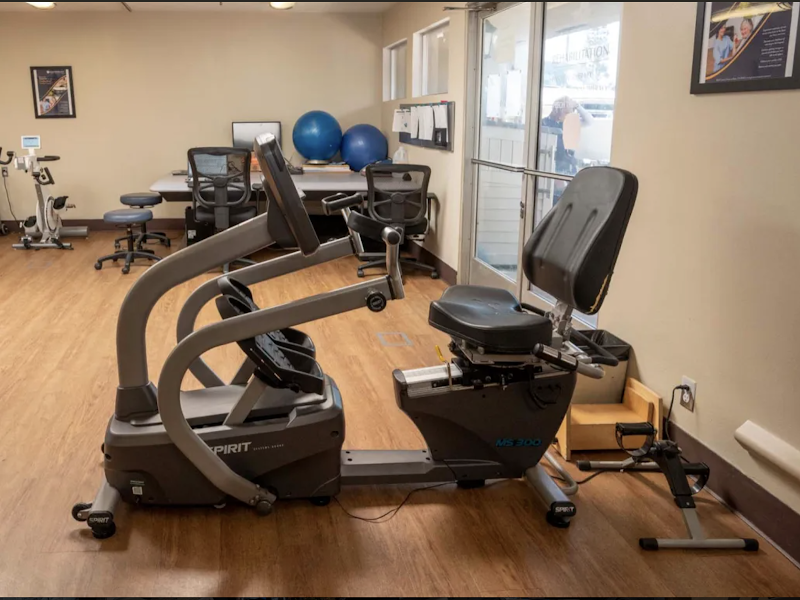
How is Grossmont Post Acute Care Staffed?

CMS rates GROSSMONT POST ACUTE CARE's staffing level at 4 out of 5 stars, which is above average compared to other nursing homes. Staff turnover is 57%, which is 11 percentage points above the California average of 46%. High turnover can affect care consistency as new staff learn residents' individual needs.

What Have Inspectors Found at Grossmont Post Acute Care?

State health inspectors documented 42 deficiencies at GROSSMONT POST ACUTE CARE during 2018 to 2024. These included: 1 that caused actual resident harm and 41 with potential for harm. Deficiencies causing actual harm indicate documented cases where residents experienced negative health consequences.
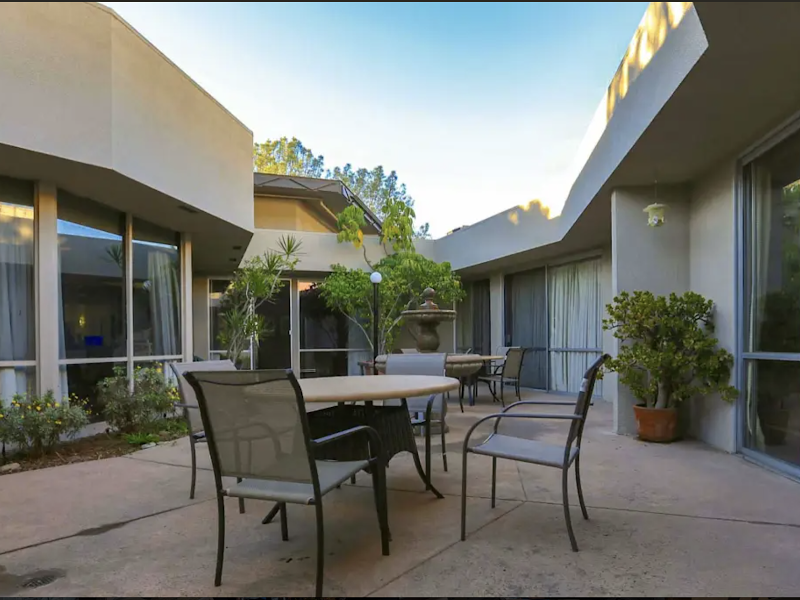
Who Owns and Operates Grossmont Post Acute Care?

GROSSMONT POST ACUTE CARE is owned by a for-profit company. For-profit facilities operate as businesses with obligations to shareholders or private owners. The facility is operated by THE ENSIGN GROUP, a chain that manages multiple nursing homes. With 90 certified beds and approximately 77 residents (about 86% occupancy), it is a smaller facility located in LA MESA, California.
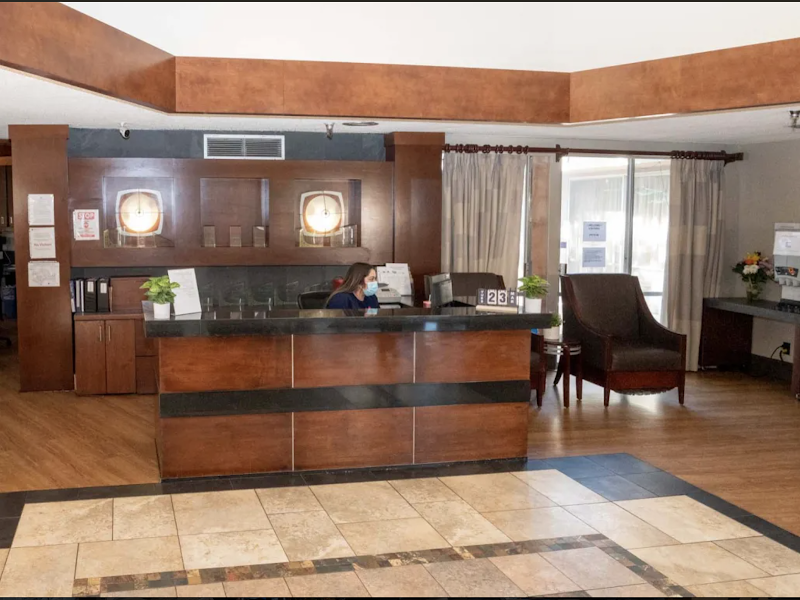
How Does Grossmont Post Acute Care Compare to Other California Nursing Homes?

Compared to the 100 nursing homes in California, GROSSMONT POST ACUTE CARE's overall rating (4 stars) is above the state average of 3.2, staff turnover (57%) is significantly higher than the state average of 46%, and health inspection rating (3 stars) is at the national benchmark.

What Should Families Ask When Visiting Grossmont Post Acute Care?

Based on this facility's data, families visiting should ask: "How do you ensure continuity of care given staff turnover, and what is your staff retention strategy?" "Can I visit during a mealtime to observe dining assistance and food quality?" "How do you handle medical emergencies, and what is your hospital transfer rate?" "Can I speak with family members of current residents about their experience?" These questions are particularly relevant given the facility's high staff turnover rate.

Is Grossmont Post Acute Care Safe?

Based on CMS inspection data, GROSSMONT POST ACUTE CARE has a clean safety record: no substantiated abuse findings (meaning no confirmed cases of resident harm), no Immediate Jeopardy citations (the most serious violation level indicating risk of serious injury or death), and is not on the Special Focus Facility watch list (a federal program monitoring the lowest-performing 1% of nursing homes). The facility has a 4-star overall rating and ranks #1 of 100 nursing homes in California. While no facility is perfect, families should still ask about staff-to-resident ratios and recent inspection results during their visit.

Do Nurses at Grossmont Post Acute Care Stick Around?

Staff turnover at GROSSMONT POST ACUTE CARE is high. At 57%, the facility is 11 percentage points above the California average of 46%. High turnover means new staff may not know residents' individual needs, medications, or preferences. It can also be disorienting for residents, especially those with dementia who rely on familiar faces. Families should ask: What is causing the turnover? What retention programs are in place? How do you ensure care continuity during staff transitions?

Was Grossmont Post Acute Care Ever Fined?

GROSSMONT POST ACUTE CARE has been fined $11,466 across 1 penalty action. This is below the California average of $33,194. While any fine indicates a compliance issue, fines under $50,000 are relatively common and typically reflect isolated problems that were subsequently corrected. Families should ask what specific issues led to these fines and confirm they've been resolved.

Is Grossmont Post Acute Care on Any Federal Watch List?

GROSSMONT POST ACUTE CARE is not on any federal watch list. The most significant is the Special Focus Facility (SFF) program, which identifies the bottom 1% of nursing homes nationally based on persistent, serious quality problems. Not being on this list means the facility has avoided the pattern of deficiencies that triggers enhanced federal oversight. This is a positive indicator, though families should still review the facility's inspection history directly.