PARKWAY HILLS NURSING & REHABILITATION
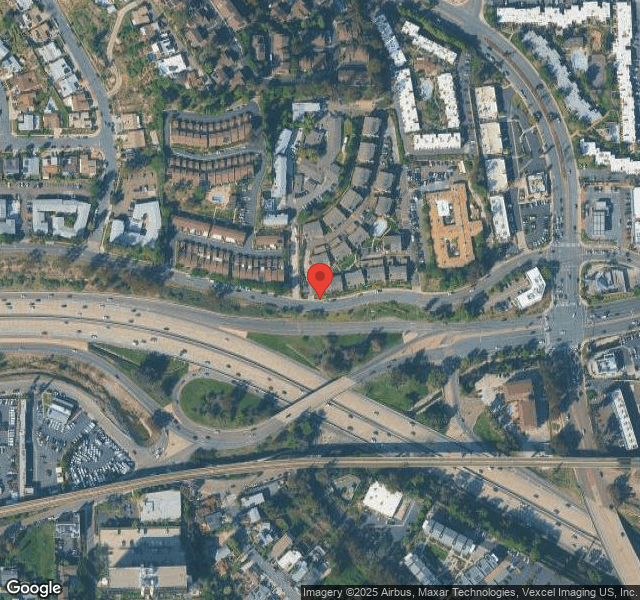
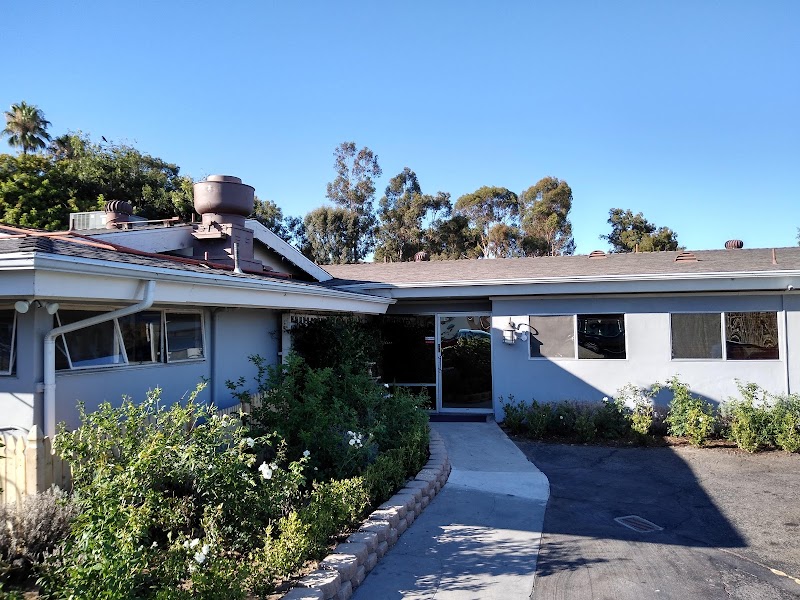
7760 PARKWAY DRIVE, LA MESA, CA 91942 (619) 469-0124
For profit - Individual 60 Beds MADISON CREEK PARTNERS Data: November 2025
Trust Grade
58/100
#653 of 1155 in CA
Last Inspection: August 2024

Within standard 12-15 month inspection cycle. Federal law requires annual inspections.

Overview

Parkway Hills Nursing & Rehabilitation in La Mesa, California has a Trust Grade of C, which means it is average and in the middle of the pack compared to other facilities. It ranks #653 out of 1155 facilities in California, placing it in the bottom half, and #65 out of 81 in San Diego County, indicating that only a few local options are better. Unfortunately, the facility is worsening, with reported issues increasing from 4 in 2023 to 19 in 2024. Staffing is a relative strength, with a turnover rate of 30%, which is below the California average of 38%, but RN coverage is only average. While there have been no fines, there are concerning incidents, such as a resident experiencing tooth pain for over five months without timely dental care, and safety issues like loose handrails and taped flooring that could lead to falls.

Trust Score
C
58/100
In California
#653/1155
Bottom 44%
Safety Record
Moderate
Needs review
Inspections
Getting Worse
4 → 19 violations
Staff Stability
✓ Good
30% annual turnover. Excellent stability, 18 points below California's 48% average. Staff who stay learn residents' needs.
Penalties
✓ Good
No fines on record. Clean compliance history, better than most California facilities.
Skilled Nurses
⚠ Watch
Each resident gets only 22 minutes of Registered Nurse (RN) attention daily — below average for California. Fewer RN minutes means fewer trained eyes watching for problems.
Violations
⚠ Watch
49 deficiencies on record. Higher than average. Multiple issues found across inspections.
★★★☆☆
3.0
Overall Rating
★★★☆☆
3.0
Staff Levels
★★★★☆
4.0
Care Quality
★★★☆☆
3.0
Inspection Score
Stable
2023: 4 issues
2024: 19 issues

The Good

  • 4-Star Quality Measures · Strong clinical quality outcomes
  • Low Staff Turnover (30%) · Staff stability means consistent care
  • Full Sprinkler Coverage · Fire safety systems throughout facility
  • No fines on record
  • Staff turnover is low (30%)

    18 points below California average of 48%

Facility shows strength in quality measures, staff retention, fire safety.

The Bad

3-Star Overall Rating

Near California average (3.1)

Meets federal standards, typical of most facilities

Chain: MADISON CREEK PARTNERS

Part of a multi-facility chain

Ask about local staffing decisions and management

The Ugly 49 deficiencies on record

1 actual harm
Aug 2024 15 deficiencies
CONCERN (D)

Potential for Harm - no one hurt, but risky conditions existed

Assessment Accuracy (Tag F0641)

Could have caused harm · This affected 1 resident

**NOTE- TERMS IN BRACKETS HAVE BEEN EDITED TO PROTECT CONFIDENTIALITY** Based on observations, interviews, and record review, the facility failed to accurately code the Minimum Data Set (MDS: a nursin...

Read full inspector narrative →
**NOTE- TERMS IN BRACKETS HAVE BEEN EDITED TO PROTECT CONFIDENTIALITY** Based on observations, interviews, and record review, the facility failed to accurately code the Minimum Data Set (MDS: a nursing assessment tool) for one of five residents (Resident 31) reviewed for vaccination status. As a result, the facility sent Resident 31's MDS to the federal database with inaccurate vaccination status. Cross Reference F883 Findings: 1. A review of Resident 31's admission Record indicated Resident 31 was re-admitted to the facility on [DATE] with diagnoses which included a history of congestive heart failure (is a long-term condition that occurs when the heart is not able pump enough blood to meet the body's needs. This can happen when the heart is too weak or stiff to pump properly, or if it can't fill up with enough blood. As a result, blood backs up in the heart, or becomes congested). A record review of Resident 31's MDS dated [DATE], indicated a Brief Interview for Mental Status (BIMS- developed by reviewing the resident's status during the prior seven-day period) score of 15 points out of 15 possible points which indicated Resident 31 was cognitively (pertaining to memory, judgement and reasoning ability) intact. On 8/23/24 at 9:48 A.M., a concurrent interview and record review was conducted with the Infection Prevention (IP) nurse, in the conference room. The IP stated that Resident 31 had a consent form dated 1/20/24 during vaccine season (October 1 through March 31 annually) 2023-2024 but did not receive an updated pneumonia (a respiratory infection caused by bacteria, virus or fungi that causes the lungs to be inflamed making it hard for oxygen to circulate in the blood stream that can cause discomfort and difficulty with breathing) vaccine according to the Center's for Disease Control (CDC) vaccine recommendations. The IP nurse stated it was important to offer and administer an updated pneumonia vaccine to prevent pneumonia and because Resident 31 had a history of pneumonia. The IP reviewed Resident 31's MDS on 5/25/24 Section O0300 Pneumococcal Vaccine (Is the resident's Pneumococcal vaccination up to date?) that was coded 1 for yes. The IP stated that the MDS was inaccurately coded because an updated pneumonia vaccine was not administered. On 8/23/24 at 10:00 A.M., a record review was conducted in Resident 37's electronic vaccination record. There was no documentation of an updated pneumonia vaccine administered. On 8/23/24 at 11:29 A.M., an interview was conducted with Resident 31, in Resident 31's room. Resident 31 stated he received the COVID-19 (coronavirus: A highly contagious respiratory disease caused by the SARS-CoV-2 virus) and Flu (influenza: contagious respiratory disease caused by different strains of viruses) vaccine but was not offered or given an updated pneumonia vaccine. Resident 31 stated I'd consent to it if they offered me an updated pneumonia vaccine. On 8/23/24 2:30 P.M., an interview with the Director of Nursing (DON) was conducted. The DON stated Resident 31's MDS should be corrected to reflect an accurate assessment since the pneumonia vaccine was not up to date to accurately reflect Resident 31's assessment status. The DON stated that her expectations were for the MDS should be coded per the Resident Assessment Instrument (RAI: MDS manual for coding) A review of Centers for Medicare and Medicaid Services (CMS, a federal agency) RAI Manual 3.0 October 2023, (Page O-17) Section O0300A: Pneumococcal Vaccine . Code 0, no: if the resident's pneumococcal vaccination status is not up to date or cannot be determined. Proceed to item O0300B, If Pneumococcal vaccine not received, state reason
CONCERN (D)

Potential for Harm - no one hurt, but risky conditions existed

Comprehensive Care Plan (Tag F0656)

Could have caused harm · This affected 1 resident

**NOTE- TERMS IN BRACKETS HAVE BEEN EDITED TO PROTECT CONFIDENTIALITY** Based on observation, interview, and record review, the facility failed to update a resident centered care plan for one resident...

Read full inspector narrative →
**NOTE- TERMS IN BRACKETS HAVE BEEN EDITED TO PROTECT CONFIDENTIALITY** Based on observation, interview, and record review, the facility failed to update a resident centered care plan for one resident (Resident 6) with a continuous positive airway pressure (CPAP - a machine that delivers mild air pressure through the nose to keep breathing airways open while asleep) machine reviewed for care plans. This deficient practice had the potential for Resident 6 to not receive a resident centered and appropriate care and treatment. Findings: Resident 6 was admitted to the facility on [DATE] with diagnoses including obstructive sleep apnea (OSA- a problem in which breathing pauses during sleep due to blocked airways) according to the facility's admission Record. During an observation on 8/21/24 at 8:56 A.M. Resident 6 was in bed with a red hat covering her eyes. Resident 6 did not respond when greeted. A CPAP machine was observed on top of a plastic container with 2 drawers on the right side of the bed. The mask for the CPAP machine was on top of Resident 6's bed. During an interview on 8/21/24 at 11:16 A.M. with licensed nurse (LN) 1, LN 1 stated Resident 6 applied the CPAP mask on at night and removed it in the morning. During a concurrent record review and interview on 8/22/24 at 9:22 A.M. with the Minimum Data Set Nurse (MDSN- a nurse who assessed and evaluated the quality of care being given to residents), the MDSN reviewed Resident 6's care plans dated 2/8/24. The MDSN stated the care plan for the CPAP did not include the settings and the cleaning of the CPAP's tubing and mask. The MDSN further stated if it was not documented, it was not done. During a review of the facility's policy and procedure (P&P) titled Care Plans, Comprehensive Person-Centered revised March 2022, the P&P indicated, . The care plan interventions are derived from a thorough analysis of the information gathered as part of the comprehensive assessment .The comprehensive, person-centered care plan .describes the services that are to be furnished to attain or maintain the resident's highest practicable physical, mental, and psychological well-being .
CONCERN (D)

Potential for Harm - no one hurt, but risky conditions existed

ADL Care (Tag F0677)

Could have caused harm · This affected 1 resident

**NOTE- TERMS IN BRACKETS HAVE BEEN EDITED TO PROTECT CONFIDENTIALITY** 2. Resident 30 was admitted to the facility on [DATE] with diagnoses including dementia (an impairment of brain function, such a...

Read full inspector narrative →
**NOTE- TERMS IN BRACKETS HAVE BEEN EDITED TO PROTECT CONFIDENTIALITY** 2. Resident 30 was admitted to the facility on [DATE] with diagnoses including dementia (an impairment of brain function, such as memory loss and judgment) and muscle weakness according to the facility's admission Record. During observation and interview on 8/20/24 at 9:44 A.M. with Resident 30, Resident 30's fingernails were observed to be long and jagged. Resident 30 stated he did not feel well and would like assistance to have his fingernails trimmed. During observation and interview on 8/21/24 at 9:52 A.M., Resident 30 was observed walking into his room with a cane. Resident 30 stated nobody had trimmed his fingernails. Resident 30's fingernails were observed to be long and jagged. During observation and interview on 8/22/24 at 7:53 A.M., Resident 30 stated nobody had assisted him with his fingernails. Resident 30's fingernails were observed to be long and jagged. An interview was conducted and on 8/22/24 at 8:38 A.M. with certified nurse assistant (CNA) 11. CNA 11 stated the facility policy allowed CNAs to trim resident's fingernails if the resident did not have diabetes (a condition of having too much sugar circulating in the blood), and a physician trimmed the toenails for residents. CNA 11 stated shaving and nail care were provided during resident's shower days. CNA 11 further stated it was dangerous for residents to have long fingernails and bacteria can enter the fingernails. An interview was conducted on 8/22/24 at 10:30 A.M. with licensed nurse (LN) 1. LN 1 stated she expected CNAs to trim residents' fingernails when they were long if residents did not have diabetes. LN 1 stated it was important to trim fingernails when long because it can scratch the resident and cause a skin tear. During an interview on 8/23/24 at 8:32 A.M. with the Director of Staff Development (DSD), the DSD stated she expected residents to look clean with nail care provided on shower days and as needed. The DSD stated long fingernails can have bacteria and can cause a scratch. A review of Resident 30's shower sheet titled, Skin observation-Bath/Shower/Other, dated 8/20/24 was conducted. The shower sheet indicated, Nails Clipped, not needed .Need clipping, No . During an interview on 8/23/24 at 11:32 A.M. with the Director of Nurses (DON), the DON stated she expected nail care for residents to be done once a week on shower days and CNAs should file fingernails if a resident had diabetes. Review of facility policy and procedure entitled Fingernails/Toenails, Care of dated February 2018 indicated .1. Nail care to be done weekly with showers and as needed for care and cleaning .6. Stop and report to nurse supervisor if there is evidence of ingrown nails, infections, pain, or nails are too hard or too thick to cut with ease . During a review of the facility's policy and procedure (P&P) titled Activities of Daily Living (ADLs), Supporting dated March 2018, the P&P indicated, .Appropriate care and services will be provided for residents .including appropriate support and assistance with .a. Hygiene (bathing, dressing, grooming, and oral care) . Based on observation, interview, and record review, the facility failed to ensure 2 of 9 residents (Resident 43 and Resident 30) reviewed for activities of daily living (ADL-basic tasks of everyday life) received assistance with nail care. This deficient practice had the potential to affect the residents' dignity, cause infection from the debris under the fingernails and cause injury from having long, jagged fingernails. Findings: 1. Review of Resident 43's admission record indicated Resident 43 was admitted on [DATE] with diagnoses which include Hemiplegia (Loss of strength in the arm, leg, and sometimes face on one side of the body) and Hemiparesis (one-sided muscle weakness). Review of Minimum Data Set (MDS-A standardized assessment tool used to evaluate the health status of residents in Medicare and Medicaid certified nursing homes) Section C-Cognitive Patterns dated June 20,2024 indicated a Brief Interview for Mental Status (BIMs-a test that assesses a patient's orientation, learning, and memory) score of 13, which indicated intact cognition. Review of MDS section GG- Functional Abilities and Goals dated June 20, 2024, indicated that Resident 43 was assessed as .Functional Limitation in range of motion .A. Upper extremity. Resident 43 was classified as 1. Dependent-a helper completed all activities for resident. Resident 43's personal hygiene was classified as 02. Substantial/maximal assistance-Helper does MORE THAN HALF the effort. Helper lifts or holds trunk or limbs and provides more than half the effort. Review of Resident 43's Care Plan dated 12/19/23 indicated .Impaired physical mobility as manifested by impaired gait, balance, decreased range of motion, requires assistance with ADL needs .Interventions .Keep, clean dry, well-groomed at all times . On 8/20/24 at 11:13 A.M., an observation and interview were conducted with Resident 43 in the resident's room. Resident 43 was observed with a splint on his left hand and forearm. Resident 43's right hand had long nails on all fingers. Resident 43's right thumb nail appeared thick, gray, and was covered in orange yellowish substance. Resident 43's right thumb nail curved down around exterior of his right thumb. Resident 43 stated that his thumb got caught in a motor, years ago, and he attached an acrylic (artificial) nail to protect it. Resident 43 stated nobody had cut it, because they were afraid. On 8/22/24 at 1:45 P.M., an observation and interview were conducted with Resident 43 in the courtyard of the facility. Resident 43's right fingernails were observed unchanged from 8/20/24, long with debris under nail. Resident 43 stated that he asked the Certified Nursing Assistant (CNA) to cut them, but she didn't. Resident 43 stated he thought the last time someone cut this right thumb nail was his primary doctor a few years ago. Resident 43 stated that podiatry cut his toenails, but no one had cut the nails on his right hand for a long time. Resident 43 stated that he is able to cut his own left-hand fingernails, but since his left hand is weak, he cannot cut his right-hand fingernails. On 8/22/24 at 1:50 P.M., an interview with CNA 11 was conducted. CNA 11 stated that the resident's fingernails should be cut at least once a week when the resident gets a shower. CNA 11 stated the importance of cutting a resident's fingernails was to prevent injury from scratching and to prevent infection from dirt and debris under the nails. On 8/22/24 at 2 P.M., an interview with CNA 12 was conducted. CNA 12 stated that she did not cut Resident 43's nails because she thought he might be sick and wanted to ask the Licensed Nurse (LN) before cutting his nails. CNA 12 stated the expectation is to cut the fingernails once a week when the resident showers. CNA 12 stated the importance of cutting the nails weekly is to prevent injury from scratching and infection from the jam under his nails. On 8/22/24 at 2:10 P.M., an observation of Resident 43's fingernails and interview with Licensed Nurse (LN) 1 was conducted. LN 1 stated that resident's fingernails should be cut at least once a week with their shower. LN 1 stated that the importance of trimming resident's fingernails is to prevent injury from scratching and infection prevention from dirt under resident's fingernails. On 8/22/24 at 2:30 P.M., a concurrent observation and interview of Resident 43's fingernails with the Director of Nursing (DON) were conducted. The DON stated the expectation is that the resident's fingernails should be trimmed weekly with their shower. The DON stated the importance of trimming resident's fingernails weekly is to prevent injury from sharp nails and infection from any residue under the nails. Review of facility policy and procedure titled Fingernails/Toenails, Care of, dated February 2018 indicated .1. Nail care to be done weekly with showers and as needed for care and cleaning .6. Stop and report to nurse supervisor if there is evidence of ingrown nails, infections, pain, or nails are too hard or too thick to cut with ease .
CONCERN (D)

Potential for Harm - no one hurt, but risky conditions existed

Respiratory Care (Tag F0695)

Could have caused harm · This affected 1 resident

**NOTE- TERMS IN BRACKETS HAVE BEEN EDITED TO PROTECT CONFIDENTIALITY** Based on observation, interview and record review, the facility failed to ensure a physician's order for the settings of a conti...

Read full inspector narrative →
**NOTE- TERMS IN BRACKETS HAVE BEEN EDITED TO PROTECT CONFIDENTIALITY** Based on observation, interview and record review, the facility failed to ensure a physician's order for the settings of a continuous positive airway pressure (CPAP-a machine that delivers mild air pressure through the nose to keep breathing airways open while asleep) was ordered for one (Resident 6) of three residents reviewed for respiratory care. This deficient practice had the potential for Resident 6 to receive inappropriate care and treatment which could lead to a decline in Resident 6's respiratory status. Findings: Resident 6 was admitted to the facility on [DATE] with diagnoses including obstructive sleep apnea (OSA- a problem in which breathing pauses during sleep due to blocked airways) according to the facility's admission Record. During an observation on 8/21/24 at 8:56 A.M. Resident 6 was in bed with a red hat covering her eyes. Resident 6 did not respond when greeted. A CPAP machine was observed on top of a plastic container with 2 drawers on the right side of the bed. The mask for the CPAP machine was on top of Resident 6's bed. During an interview on 8/21/24 at 11:16 A.M. with licensed nurse (LN) 1, LN 1 stated Resident 6 applied the CPAP mask on at night and removed it in the morning. LN 1 stated the respiratory therapist (RT) was responsible for maintaining the CPAP machine. An interview and concurrent record review was conducted with the RT on 8/22/24 at 10:29 A.M. The RT stated Resident 6 brought her own CPAP machine from home. The RT reviewed the physician's orders for Resident 6 and stated there was no order for the CPAP settings. The RT stated the order indicated to apply CPAP during sleep hours at the preprogrammed settings and she did not know what the preprogrammed setting was. The RT stated there should be an order for the settings to check for accuracy and prevent Resident 6 from having shortness of breath. During a review of Resident 6's care plan date initiated on 2/8/24, the care plan indicated, Ineffective airway/SOB (shortness of breath) secondary to Medical Diagnosis . During an interview on 8/22/24 at 3:45 P.M. with Resident 6, Resident 6 stated staff should know the CPAP settings because they touch the buttons, and the settings could be altered. During an interview on 8/23/24 at 11:23 A.M. with the Director of Nurses (DON), the DON stated CPAP settings should be in the physician's order for staff to be aware of what to provide the resident. During a review of the facility's policy and procedure (P&P) titled, CPAP/BIPAP Support, dated March 2015, the P&P indicated, .Document the following in the resident's medical record .3. Mode and settings for the CPAP . The P&P did not provide guidance for staff regarding obtaining a physician's order for the CPAP machine prior to administration to the resident.
CONCERN (D)

Potential for Harm - no one hurt, but risky conditions existed

Deficiency F0761 (Tag F0761)

Could have caused harm · This affected 1 resident

**NOTE- TERMS IN BRACKETS HAVE BEEN EDITED TO PROTECT CONFIDENTIALITY** Based on observation, interview, and record review, the facility failed to ensure one resident medications (Resident 1) were sec...

Read full inspector narrative →
**NOTE- TERMS IN BRACKETS HAVE BEEN EDITED TO PROTECT CONFIDENTIALITY** Based on observation, interview, and record review, the facility failed to ensure one resident medications (Resident 1) were secured and locked during a medication storage inspection. This failure had the potential for medication misuse, divergence (another person taking medications or medications used wrongfully), and unauthorized person to have access to the medications. Findings: A review of Resident 1's admission Record indicated Resident 1 was re-admitted to the facility on [DATE] with diagnoses which included a history of epilepsy (also known as seizures - uncontrolled jerking, blank stares, loss of consciousness). A record review of Resident 1's Minimum Data Set (MDS- a nursing assessment tool that is used to develop a plan of care) dated 7/3/24, indicated a Brief Interview for Mental Status (BIMS- developed by reviewing the resident's status during the prior seven day period) score of 11 out of 15 possible points which indicated Resident 1 had moderate cognitive (pertaining to memory, judgement and reasoning ability) deficits. On 8/21/24 at 10:13 A.M., an observation and interview was conducted with Resident 1 and CNA 1, in Resident 1's room. Resident 1's bedside table had an unlabeled and unattended clear medication cup that contained six medications (two white oblong shaped pills, one red circle pill, one yellow circle pill, one golden gel pill, and one oblong shaped yellow pill) placed at the top left of Resident 1's bedside table. Resident 1 stated that LN 2 had left the medication cup on the table for Resident 1 to take later. CNA 1 stated she was taking care of Resident 1's room mate and witnessed the medication cup with medications on Resident 1's table. CNA 1 stated that LN 2 was just in Resident 1's room passing medications. CNA 1 stated that medications should not be kept at the bedside and unattended for the safety of the resident. On 8/21/24 at 10:14 A.M., an interview was conducted with LN 2, in Resident 1's room. LN 2 stated I should not have left the medications at resident's (Resident 1) bedside. LN 2 stated that Resident 1 did not want to take her medications when she was in her (Resident 1) room as to the reason why she left the medications unattended in order for LN 2 not to be late administering the rest of the medications to other residents. LN 2 stated Resident 1's medications included Clonazepam for stabilizing Resident 1's anxiety, a medication for fenofibrate for high triglyceride (fat in the bloodstream), fish oil capsule as a supplement, a multi-vitamin supplement, a vitamin D supplement pill, and Depakote (mood stabilizer). On 8/21/24 at 10:18 A.M., an interview was conducted with LN 4, in Resident 1's room. LN 4 stated no medications should be left at the bedside due to potential to not be given [sic] or medications diverged to someone else to take meds and cause med errors. Lastly, LN 4 stated medications left unattended could also cause an emergent choke hazard for Resident 1. On 8/22/24 at 2:21 PM an interview was conducted with the DON. The DON stated her expectations were for LN's to not leave medications unattended for safety and to avoid medication divergence that can potentially happen if left unattended along with side effects not addressed appropriately. A review of facility's policy and procedure titled STORAGE OF MEDICATIONS undated, indicated, .The facility stores all drugs and biologicals in a safe, secure,, and orderly manner .
CONCERN (D)

Potential for Harm - no one hurt, but risky conditions existed

Infection Control (Tag F0880)

Could have caused harm · This affected 1 resident

**NOTE- TERMS IN BRACKETS HAVE BEEN EDITED TO PROTECT CONFIDENTIALITY** 2. Resident 6 was admitted to the facility on [DATE] with diagnoses including obstructive sleep apnea (OSA- a problem in which b...

Read full inspector narrative →
**NOTE- TERMS IN BRACKETS HAVE BEEN EDITED TO PROTECT CONFIDENTIALITY** 2. Resident 6 was admitted to the facility on [DATE] with diagnoses including obstructive sleep apnea (OSA- a problem in which breathing pauses during sleep due to blocked airways) according to the facility's admission Record. During an observation on 8/21/24 at 8:56 A.M., Resident 6 was in bed with a red hat covering her eyes. Resident 6 did not respond when greeted. A CPAP machine was observed on top of a plastic container with two drawers on the right side of the bed. The mask for the CPAP machine was on top of Resident 6's bed. During an observation on 8/21/24 at 11:16 A.M. Resident 6 was not in her room. Resident 6's bed was unmade, and the CPAP mask was on the floor. During an interview on 8/21/24 at 11:16 A.M. with licensed nurse (LN) 1, LN 1 stated Resident 6 applied the CPAP mask on at night and removed it in the morning. LN 1 stated the licensed nurses were responsible for keeping the mask inside a plastic bag when not in use for infection control and the respiratory therapist (RT) was responsible for cleaning and maintaining the CPAP machine. A concurrent observation and interview was conducted with the RT on 8/21/24 at 11:34 A.M. Inside Resident 6's room, Resident 6's CPAP mask was on top of a plastic container with two drawers. The RT stated Resident 6 refused to have the mask to be stored in a plastic bag. The RT stated the tubing and mask were cleaned weekly and they were last cleaned last Tuesday, 8/13/24. The RT stated she did not clean the tubing and mask yesterday, 8/20/24 and there was no documentation in Resident 6's records when she last cleaned them. An interview with Resident 6 was conducted on 8/22/24 at 3:45 P.M. Resident 6 was in bed and stated she never told staff not to store her CPAP mask in a plastic bag. During an interview on 8/23/24 at 11:23 A.M. with the DON, the DON stated the CPAP mask should be stored in a plastic bag for infection control. During a review of the facility's policy and procedure (P&P) titled, Policies and Practices-Infection Control, dated October 2018, the P&P indicated, . The objectives of our infection control policies and practices are to . Provide guidelines for the safe cleaning and reprocessing of reusable resident-care equipment . During a review of the facility's policy and procedure (P&P) titled, CPAP/BIPAP Support, dated March 2015, the P&P did not provide guidance to staff regarding storage of CPAP masks when not in use. Based on observation, interview, and record review, the facility failed to implement and maintain infection control procedures for three (Resident 27, Resident 34 and Resident 6) of 17 residents reviewed for infection control when: 1. Oxygen tubing was not changed weekly for two residents (Resident 27 & 34) per policy and procedure . 2. CPAP mask for Resident 6 was not stored properly. These deficient practices had the potential for residents to transmit infectious microorganisms and increase the risk of infection for residents and staff. Findings: 1. a. Review of Resident 27's admission Record indicated that Resident 27 was admitted on [DATE] for diagnoses which included Chronic Respiratory Failure (a long-term condition that makes it difficult to breathe and exchange oxygen and carbon dioxide in the body), Chronic Obstructive Pulmonary Disease (COPD-a group of lung diseases that damage the airways and other parts of the lungs, making it difficult to breathe), and Congestive Heart Failure (a long-term condition that happens when your heart can't pump blood well enough to give your body a normal supply). Review of Resident 27 Minimum Data Set (MDS-A standardized assessment tool used to evaluate the health status of residents in Medicare and Medicaid certified nursing homes) section C dated June 24, 2024 indicated a Brief Interview for Mental Status (BIMs- a test that assesses a patient's orientation, learning, and memory) score of 11, indicating moderate cognitive impairment for the resident. Review of Resident 27's physician orders dated 7/2/2024 indicated Oxygen at 2-3 LPM (Liters per minute) titrate (adjust) as needed for COPD to keep Oxygen saturation (a measure of oxygen in blood) greater than 91% . On 8/20/24 at 9:05 A.M., an observation and interview were conducted with Resident 27. Resident 27 was observed on oxygen via nasal cannula. Oxygen tubing was labeled 8/6/24 at end of tubing connected to oxygen machine. Resident 27 stated that she was unsure of when oxygen tubing was last changed or how often they changed the tubing. On 8/21/24 at 10:20 A.M., an observation and interview were conducted with Resident 27. Resident 27 stated they changed her tubing last night. No label or date on tubing was observed. On 8/22/24 at 10: 15 A.M., an observation of Resident 27's oxygen tubing was conducted. No label or date on tubing was observed. b. Review or Resident 34's admission Record indicated that Resident 34 was admitted on [DATE] for diagnoses which included Congestive Heart Failure, Chronic Respiratory Failure, and Shortness of Breath. Review of Resident 34's MDS section C dated June 28, 2024, indicated a BIMs score of 15 meaning intact cognitive abilities for the resident. Review of Resident 34's physician orders dated 5/20/24 indicated Oxygen at 2 LPM via nasal cannula (tube for oxygen that goes in your nose) PRN (as needed) SOB (Shortness of breath) (COPD) ***Keep O2 saturation > (greater than) 90% . On 8/20/24 at 9:58 A.M. an observation and interview were conducted with Resident 34. Resident was observed on oxygen via nasal cannula. Oxygen tubing was labeled 8/6/24 at end of tubing connected to oxygen machine. Resident 34 stated that staff were supposed to change the tubing every week, but she was unsure when it was last changed. On 8/21/24 at 10:15 A.M., an observation and interview were conducted with Resident 34. Resident 34 stated they changed her tubing last night. No label or date on tubing was observed. On 8/22/24 at 10: 17 A.M., an observation of Resident 34's oxygen tubing was conducted. No obvious labeling on tubing was observed. On 8/22/24 at 10:20 A.M., an interview with the Respiratory Therapist (RT) was conducted. The RT stated that she does tubing changes for nasal cannula once a week. The RT stated that she had been on emergency leave for her sister and 8/6/24 was the last day she was at facility. The RT stated that she labeled tubing with paper tape and a marker because she was in a hurry that day. The RT stated that she changed the tubing on 8/21/24 and she labeled tubing with permanent marker on the side of the tubing. Then RT stated the tubing should have been changed on 8/13/24, but she was not there to change it. The RT stated the expectation was that oxygen tubing should be changed once a week and labeled clearly with date of change. The RT stated the importance of changing and clearly labeling oxygen tubing was to help prevent infection from the tubing. On 8/22/24 at 1:35 P.M., an interview with Licensed Nurse (LN )1 was conducted. LN 1 stated the expectation was for the RT to change oxygen tubing weekly. LN 1 stated that if the RT is unavailable, LN should change the tubing, and clearly label the date tubing was changed. LN 1 stated the importance of changing tubing weekly and labeling the tubing clearly was to prevent infection from bacteria growth in the tubing. On 8/22/24 at 2:30 P.M., an interview was conducted with the DON. The DON stated the expectation was to change the oxygen tubing weekly and that it should be clearly labeled with date changed. The DON stated the importance of changing tubing weekly was to prevent infection from the tubing. On 8/23/24 at 1:45 P.M. an interview was conducted with the IP. The IP stated that the expectation was for staff to change oxygen tubing weekly and to clearly label with date of change. The IP stated that it's important to change the tubing weekly and label the date of change to prevent bacterial growth in tubing which could cause infection in the residents. Review of policy titled Policies and Practices-Infection Control dated October 2018 indicated This facility's infection control policies and practices are intended to facilitate maintaining as a safe, sanitary and comfortable environment and to help prevent and manage transmission of diseases and infections .
CONCERN (D)

Potential for Harm - no one hurt, but risky conditions existed

Deficiency F0883 (Tag F0883)

Could have caused harm · This affected 1 resident

**NOTE- TERMS IN BRACKETS HAVE BEEN EDITED TO PROTECT CONFIDENTIALITY** Based on observation, interview, and record review, the facility failed to offer and/or administer an updated pneumococcal vacci...

Read full inspector narrative →
**NOTE- TERMS IN BRACKETS HAVE BEEN EDITED TO PROTECT CONFIDENTIALITY** Based on observation, interview, and record review, the facility failed to offer and/or administer an updated pneumococcal vaccine for two of five residents (Resident 31 and Resident 37) reviewed for immunization. These failures increased the risk to compromise the health and well-being of Resident 31 and Resident 37 with respiratory infections and other complications associated with pneumonia (a respiratory infection caused by bacteria, virus or fungi that causes the lungs to be inflamed making it hard for oxygen to circulate in the blood stream that can cause discomfort and difficult to breath). Cross Reference F641 Findings: 1. A review of Resident 31's admission Record indicated Resident 31 was re-admitted to the facility on [DATE] with diagnoses which included a history of congestive heart failure ( a long-term condition that occurs when the heart is not able pump enough blood to meet the body's needs). A record review of Resident 31's Minimum Data Set (MDS- a nursing assessment tool that is used to develop a plan of care) dated 5/21/24, indicated a Brief Interview for Mental Status (BIMS- developed by reviewing the resident's status during the prior seven-day period) score of 15 points out of 15 possible points which indicated Resident 31 was cognitively (pertaining to memory, judgement, and reasoning ability) intact. On 8/23/24 at 9:48 A.M., a concurrent interview and record review was conducted with the Infection Prevention (IP) nurse. The IP stated that Resident 31 had a consent form dated 1/20/24 during vaccine season (October 1 through March 31 annually) 2023-2024 but did not receive an updated pneumonia vaccine (medication to prevent pneumonia) according to the Centers for Disease Control (CDC-government agency monitoring infections) vaccine recommendations. The IP nurse stated it was important to offer and administer an updated pneumonia vaccine to prevent pneumonia because Resident 31 had a history of pneumonia. On 8/23/24 at 10 A.M., a record review was conducted of Resident 37's electronic vaccination record. There was no documentation of an updated pneumonia vaccine administered and/or refusal to consent. On 8/23/24 at 11:29 A.M., an interview was conducted with Resident 31, in Resident 31's room. Resident 31 stated he was offered and received a COVID-19 (coronavirus: A highly contagious respiratory disease caused by the SARS-CoV-2 virus) and Flu (influenza: contagious respiratory disease caused by different strains of viruses) vaccine but was not offered or given an updated pneumonia vaccine. Resident 31 stated, I'd consent to it if they offered me an updated pneumonia vaccine. On 8/23/24 2:30 P.M., an interview with the DON was conducted. The DON stated it was important that all residents be offered and administered vaccine if consented. The DON stated Resident 31 should have been administered an updated pneumonia vaccine to prevent pneumonia and other respiratory complications. A review of facility's policy and procedure titled PNEUMOCOCCAL VACCINE revised October 2023, indicated .4. Pneumococcal vaccines are administered to residents (unless medically contraindicated, already given, or refused) per our facility's physician-approved pneumococcal vaccination protocol .7. Administration of the pneumococcal vaccines are made in accordance with current Centers of Disease Control (CDC) recommendations at the time of the vaccination . 2. A review of Resident 37's admission Record indicated Resident 37 was re-admitted to the facility on [DATE] with diagnoses which included a history of epilepsy (also known as seizures - uncontrolled jerking, blank stares, loss of consciousness) who required nutritional and medication administration through a G-tube (GT -gastronomy tube: a surgical opening on the abdomen for nutritional and/or medication administration). A record review of Resident 37's MDS dated [DATE] indicated that Resident 37 was unable to participate with a cognitive (the mental processes that take place in the brain, including thinking, attention, language, learning, memory, and perception) brief interview for mental status and indicated that his cognitive skills for daily decision making was severely impaired (never/rarely made decisions). On 8/23/24 at 9:48 A.M., a concurrent interview and record review was conducted with the IP nurse. The IP stated that Resident 37 had a consent form dated 10/16/23 for vaccine season (October 1 through March 31 annually) 2023-2024 but did not have a check mark for consent or refusal for pneumonia vaccine. The IP nurse stated that the pneumonia vaccine was not offered to Resident 37 if the refusal section was left blank and unchecked. The IP nurse stated it was important to offer an updated pneumonia vaccine to Resident 37 because of his current health status with the dependence of a gastronomy tube (G-tube: a surgical opening on the abdomen for nutritional and/or medication administration) that put Resident 37 as a high-risk potential for pneumonia infections and associated respiratory complications. On 8/23/24 at 10 A.M., a record review was conducted of Resident 37's electronic vaccination record. There was no documentation of an updated pneumonia vaccine administered and/or refusal to consent. On 8/23/24 2:30 P.M., an interview with the DON was conducted. The DON stated it was important that all residents be offered and administered vaccines if consented. The DON stated Resident 37 should have been administered an updated pneumonia vaccine to prevent pneumonia and other respiratory complications. A review of facility's policy and procedure titled PNEUMOCOCCAL VACCINE revised October 2023 indicated .4. Pneumococcal vaccines are administered to residents (unless medically contraindicated, already given, or refused) per our facility's physician-approved pneumococcal vaccination protocol .7. Administration of the pneumococcal vaccines are made in accordance with current Centers for Disease Control and Prevention (CDC) recommendations at the time of the vaccination .
CONCERN (E)

Potential for Harm - no one hurt, but risky conditions existed

Safe Environment (Tag F0584)

Could have caused harm · This affected multiple residents

**NOTE- TERMS IN BRACKETS HAVE BEEN EDITED TO PROTECT CONFIDENTIALITY** Based on observation, interview, and record review, the facility failed to provide a safe and homelike environment for residents...

Read full inspector narrative →
**NOTE- TERMS IN BRACKETS HAVE BEEN EDITED TO PROTECT CONFIDENTIALITY** Based on observation, interview, and record review, the facility failed to provide a safe and homelike environment for residents residing in the facility when: 1. Hallway floors were taped and with missing floorings, 2. A handrail was observed loose and wobbly. This failure had the potential for residents to trip, fall and sustain injury. Findings: 1. During the initial tour of the facility on 8/20/24 at 8:26 A.M., the hallway floors were observed to have gray duct tape (tape used for general sealing, patching holes, and repairs) to secure the flooring. Multiple duct tapes extended from the flooring in the front nursing station to both hallways of the facility. One hallway had missing flooring in front of room [ROOM NUMBER] which created an uneven surface. a. Resident 30 was admitted to the facility on [DATE] with diagnoses including muscle weakness according to the facility's admission Record. On 8/21/24 at 9:52 A.M. Resident 30 was observed walking into room [ROOM NUMBER] using a cane. During an interview on 8/22/24 at 7:53 A.M. with Resident 30, Resident 30 stated the tape on the floors was bothersome. Resident 30 stated there was no glue to keep the flooring stable. Resident 30 stated he walked with a cane and made sure he had shoes on to prevent injury. Resident 30 further stated he can get hurt while walking down the hallways. During a review of Resident 30's care plan date initiated on 9/18/23, the care plan indicated, At risk for accidents, FALLS r/t (related to) .unsteady gait . b. Resident 32 was admitted to the facility on [DATE] with diagnoses including history of falling and muscle weakness according to the facility's admission Record. During an interview and observation on 8/23/24 at 8:25 A.M. with Resident 32, Resident 32 was observed walking in the halls without an assistive device (cane or walker). Resident 32 stated his room was in 21C, just past the area with missing flooring. Resident 32 stated the missing flooring Could be a problem. I get scared. An interview and joint observation was conducted on 8/22/24 at 8:25 A.M. with the maintenance director (MT). The MT observed the missing flooring in front of room [ROOM NUMBER] and the hallway flooring with duct tape. The MT stated the flooring was already taped up when he started in April 2024. An interview was conducted on 8/23/24 at 11:23 A.M., with the Director of Nurses (DON). The DON stated she was aware of the condition of the floors in the hallways and the flooring was a tripping hazard. 2. On 8/22/24 at 7:55 A.M., the handrail outside room [ROOM NUMBER] was observed to be wobbly and with a loose screw to secure the handrail. During an interview and joint observation on 8/22/24 at 8:14 A.M. with CNA 21, CNA 21 stated the handrail outside room [ROOM NUMBER] was loose. CNA 21 stated the handrail could be harmful for residents and staff. CNA 21 also observed the missing flooring outside of room [ROOM NUMBER] and stated the area with the missing flooring was dangerous for staff and residents because of the uneven surface. CNA 21 further stated usually there was a caution sign in the hallway, but none was observed today, 8/22/24. An interview and joint observation was conducted on 8/22/24 at 8:25 A.M. with the MT. The MT observed the handrail outside room [ROOM NUMBER] with a loose screw. The MT stated he did not have a routine schedule to check handrails and was just notified about the broken handrail. The MT stated he should have a schedule to check handrails to prevent injury. During a review of the facility's policy and procedure titled Homelike Environment dated February 2021, the policy indicated, .Residents are provided with a safe, clean, comfortable and homelike environment .
CONCERN (E)

Potential for Harm - no one hurt, but risky conditions existed

Deficiency F0727 (Tag F0727)

Could have caused harm · This affected multiple residents

Based on interview and record review the facility failed to staff a Registered Nurse (RN) for at least 8 hours a day for 18 days from January 1, 2024 through March 31 of 2024. This failure had the pot...

Read full inspector narrative →
Based on interview and record review the facility failed to staff a Registered Nurse (RN) for at least 8 hours a day for 18 days from January 1, 2024 through March 31 of 2024. This failure had the potential for residents and staff to receive inadequate supervision and for residents to not receive an appropriate quality of care. Findings: Review of PBJ Staffing Data Report, CASPER Report 1705 (a report that can helped Skilled Nursing Facilities identify areas for improvement in care and operations) for January 1st through March 31, 2024 indicated ,No RN (Registered Nurse) hours was triggered for 19 days. On 8/23/24 at 9:15 A.M., a concurrent interview with the Staffing Coordinator (SC) and record review of staffing log for January 1st through March 31, 2024 was conducted. SC stated her records indicated the following days did not have an RN scheduled for at 8 least hours: January 1, 6, 7, 8, 20, 28 February 2, 3, 9 10, 11, 24, 25 March 2, 3, 9,10,17 SC stated that staffing numbers for Licensed Nurses (LN) and Certified Nursing Assistants (CNAs) were within limit those days, but they were unable to retain the services of an RN. SC stated facility had no waivers for staffing. SC stated that when they do not have a RN on schedule they have tried to accommodate with more LN's. SC stated they have tried in past to use registry for RNs, but registry can be undependable. SC stated the expectation is the facility should have RN at least 8 hours a day. SC stated the importance of having an RN at least 8 hours a day is to give Intravenous medication (IV-within the vein) and to oversee patient care and safety. On 8/23/24 at 10 A.M., an interview with the Director of Nursing (DON) was conducted. The DON stated that the facility should have an RN at least 8 hours a day, 7 days a week. The DON stated the importance of having an RN for at least 8 hours a day was for the RN to manage other staff, oversee resident care, insert IV's and give IV medication to residents. Review of the undated facility policy titled Staffing indicated, .Facility provides sufficient number of staff with the skills and competency necessary to provide care and services for all residents in accordance with resident care plans and facility assessment .4. Direct care staffing information per day (including agency and contract staff) is submitted to the CMS payroll-based journal system on the schedule specified by Centers for Medicare and Medicaid Services (CMS- government agency) but no less than once a quarter .
CONCERN (E)

Potential for Harm - no one hurt, but risky conditions existed

Unnecessary Medications (Tag F0759)

Could have caused harm · This affected multiple residents

**NOTE- TERMS IN BRACKETS HAVE BEEN EDITED TO PROTECT CONFIDENTIALITY** Based on observations, interviews, and record review, the facility failed to prevent medication errors of less than 5% for three...

Read full inspector narrative →
**NOTE- TERMS IN BRACKETS HAVE BEEN EDITED TO PROTECT CONFIDENTIALITY** Based on observations, interviews, and record review, the facility failed to prevent medication errors of less than 5% for three of eight sampled residents (Resident 37, Resident 31, and Resident 33) during medication pass observation with three licensed nurses (LN 1, LN 2 and LN 3) when: 1. LN 1 administered medications to Resident 37's gastronomy tube (G-tube: a surgical opening on the abdomen for nutritional and/or medication administration) omitting one medication to be administered and the full dose of medications administered (eight medication errors) . 2. LN 2 did not administer Resident 31's morning medications (9:00 A.M.) as scheduled for more than three hours (nine medication errors). 3. LN 3 did not administer Resident 33's Januvia (oral medication that lowers blood sugar) as scheduled due to medication not available in medication cart (one medication error). As a result, there were 18 medication errors and 36 total opportunities during a medication pass observation. The facility's medication error rate was 50%. Cross Reference F760 Findings: 1. A review of Resident 37's admission record indicated Resident 37 was re-admitted to the facility on [DATE] with diagnoses which included a history of epilepsy (also known as seizures - uncontrolled jerking, blank stares, loss of consciousness)who required nutritional and medication administration through a G-tube. A record review of Resident 37's MDS (Minimum data set: nursing facility assessment tool) dated 7/29/24 indicated that Resident 37 was unable to participate with a cognitive (the mental processes that take place in the brain, including thinking, attention, language, learning, memory, and perception) brief interview for mental status and indicated that his cognitive skills for daily decision making was severely impaired (never/rarely made decisions). On 8/21/24 at 8:45 A.M., an observation, interview, and medication reconciliation (record review for safety prior to administration of medications) was conducted with LN 1, in Resident 37's room. LN 1 administered the following medications to Resident 37 via G-tube: - Benztropine is a medication for extrapyramidal symptoms (EPS- side effects of long-term use of psychotropic [medications that affects how the brain works and causes changes in mood, awareness, thoughts, feelings, or behavior medications] that exhibit a drug induced movement disorder). LN 1 crushed the medication in a plastic pill bag than transferred the contents into a clear unlabeled 30 ml (milliliters) medication cup and diluted (adding water to help administer medication through a G-tube) with 10 ml of water. Prior to administration LN 1 was unsure which medication she was administrating to Resident 37 because of similar white diluted unlabeled medication cups she had taken to Resident 37's room then mixed all the medication cups with the same G-tube syringe to the other remaining medications to be administered. After administrating the medication, LN 1 flushed Resident 37's G-tube site with 10ml of water for the next medication to be administered. The medication cup contained white remnants (undissolved crushed medication particles not administered) remaining in the medication cup. LN 1 stated there were still remnants in the medication cup. - Calcium is a supplement for nutrition. LN 1 crushed the medication in a plastic pill bag than transferred the contents into a clear unlabeled 30 ml medication cup and diluted with 10 ml of water. After administrating the medication, LN 1 flushed Resident 37's G-tube site with 10mL's of water for the next medication to be administered. The medication cup contained white remnants remaining in the medication cup. LN 1 stated there were still remnants still in the medication cup. - Vitamin D (a supplement for nutrition). LN 1 crushed the medication in a plastic pill bag than transferred the contents into a clear unlabeled 30 ml medication cup and diluted with 10 ml of water. After administrating the medication, LN 1 flushed Resident 37's G-tube site with 10ml of water for the next medication to be administered. The medication cup contained light orange remnants remaining in the medication cup. LN 1 stated there were still remnants in the medication cup. - Clonazepam is a medication used to treat anxiety (uneasy feeling), stop seizures or relax tense muscles. LN 1 crushed the medication in a plastic pill bag than transferred the contents into a clear unlabeled 30 ml medication cup and diluted with 10 ml of water. After administrating the medication, LN 1 flushed Resident 37's G-tube site with 10mL's of water for the next medication to be administered. The medication cup contained white with a light orange eraser tip sized remnants remaining in the medication cup. - MVI (multivitamin) is a supplement for nutrition. LN 1 crushed the medication in a plastic pill bag than transferred the contents into a clear unlabeled 30 ml medication cup and with 10 ml of water then re-diluted the medication cup with an additional 20 ml of water and re-administered the medication. After administrating the medication, LN 1 continued to flush Resident 37's G-tube site with an additional 10 ml of water for the next medication to be administered. The medication cup contained a golden brown thickened undissolved remnant remaining in the medication cup. - Levetiracetam is a medication for epilepsy management. LN 1 missed medication administration of medication until it was pointed out that medication was not given. LN 1 stated she had forgotten to administer medication because it had clear liquid that she thought had already been administered. LN 1 stated it was important Resident 37 received this medication to prevent seizures. On 8/21/24 at 9:00 A.M., an observation, interview and medication reconciliation record review was conducted with LN 1, in Resident 37's room. LN 1 administered the following medications to Resident 37 via G-tube: - Irbesartan is a medication to manage high blood pressure (BP) and prevent heart complications. Prior to medication administration LN 1 took Resident 37's BP on Resident 37's left wrist with the result of 110/78. LN 1 crushed the medication in a plastic pill bag than transferred the contents into a clear unlabeled 30 ml medication cup and diluted with 10 ml of water. After administrating the medication, LN 1 continued to flush Resident 37's G-tube site with an additional 10 mL's of water for the next medication to be administered. The medication cup contained white remnants remaining in the medication cup. LN 1 stated there were still remnants still in the medication cup. On 8/21/24 at 9:20 A.M., an observation, interview and medication reconciliation record review was conducted with LN 1, in Resident 37's room. LN 1 administered the following medications to Resident 37 via G-tube: - Divalproex a medication for mood stability associated with depression (a constant feeling of sadness and loss of interest). LN 1 opened the capsule (is a small tube that contains powdered or liquid medication) and removed the medication granules and transferred the granules in a clear unlabeled medication cup then added 10 ml's of water then took the medication to Resident 37 to administer the medication. LN 1 used a small plastic spoon to mix the contents of the granules then transferred to the 60 ml syringe for administration. LN 1 stated that the granules in the syringe was getting clogged at the tip and that she was having problems getting the granules down in Resident 37's feeding tube so she removed the syringe and diluted the syringe with an additional 40 ml's of water then attempted to administer again in Resident 37's G-tube. LN 1 stated that there was still resistance to Resident 37's tube and removed the syringe with the medication granules still intact. LN 1 stated she should have used warm water to try and dissolve the granules prior to administration. LN 1 stated the medication cup and the syringe cup still had white undissolved granules along with the 60 ml syringe. On 8/21/24 at 10:00 A.M., an interview was conducted with LN 1. LN 1 stated the medications she administered to Resident 37's G-tube all still had remnants in them. LN 1 stated because the medications were not fully dissolved prior to administering all of Resident 37's medications, Resident 37 did not get the full dosage of his medications. LN 1 stated it was important that Resident 37 get the full dosage of all his medications to manage Resident 37's health complications to prevent seizures, hypertension (high blood pressure), stabilize his anxiety/mood and for nutritional support because Resident 37 relied on the G-tube for medication and nutritional management. On 8/22/24 at 2:04 P.M., an interview was conducted with the Director of Nursing (DON). The DON stated that her expectations for medication administration for all residents in the facility is that the medication nurses give medications according to their medication administration policy (right resident, right medication, right dosage, right time, and right route/method). The DON stated it was important to administer medications according to the five rights per policy to prevent complications for example a resident with hypertension to have their BP medications given per Physician's order to manage BP and prevent a hypertensive crisis, stroke, dizziness, anything cardiac related. For depression/psychotropic medications to have the intended therapeutic effects and levels, and seizure medications to prevent seizures. The DON stated prior to administering medications to Resident 37's G-tube, medications should be fully dissolved without remnants to get the complete dosage for the medication's intended therapeutic effects and safety. A review of the facility's policy and procedure titled ADMINISTRATING MEDICATIONS THROUGH AN ENTERAL TUBE undated, indicated, .General Guidelines . 1. Request liquid forms of medications from the pharmacy, if possible. 8. This procedure is contraindicated if the tube is obstructed .9. Dilute Medication . 2. A review of Resident 31's admission Record indicated Resident 31 was re-admitted to the facility on [DATE] with diagnoses which included a history of congestive heart failure (is a long-term condition that occurs when the heart is not able to pump enough blood to meet the body's needs. This can happen when the heart is too weak or stiff to pump properly, or if it can't fill up with enough blood. As a result, blood backs up in the heart, or becomes congested). A record review of Resident 31's Minimum Data Set (MDS- a nursing assessment tool that is used to develop a plan of care) dated 5/21/24, indicated a Brief Interview for Mental Status (BIMS- developed by reviewing the resident's status during the prior seven-day period) score of 15 points out of 15 possible points which indicated Resident 31 was cognitively (pertaining to memory, judgement and reasoning ability) intact. On 8/21/24 at 9:47 A.M., an observation was conducted in Resident 31's room. Resident 31 was asleep wearing a hospital gown laying in his bariatric (an oversized bed) bed. On 8/21/24 at 12:32 P.M., an observation, interview, and medication reconciliation (record review for safety prior to administration of medications) was conducted with LN 2, outside of Resident 31's room. LN 2 stated that she missed all of Resident 31's morning medications because Resident 31 was with the rehabilitation (rehab) therapy team. LN 2 stated the following medications were not administered at the scheduled 9 A.M., medication rounds which included: - Metformin an oral medication for diabetes (when the body is unable to control blood sugar in the blood stream leading to circulatory problems that can affect the heart, nerves, kidneys, eyes and cause multi-system complications) management. - Diltiazem a medication to prevent high blood pressure (BP). - Metoprolol Tartrate a medication that helps control BP. - Duloxetine a medication that treats depression (a constant feeling of sadness and loss of interest). - Senna a medication that helps prevent constipation. - Theragram multivitamin a supplement that supports nutrition. - Folic Acid (Vitamin B9) a supplement for nutritional health that can help the body make red blood cells. - Pregabalin medication to help with pain associated to neuropathy (nerve pain). - Magnesium Oxide is a supplement that can help with digestive problems heart burn (burning sensation in the chest associated with gas reflux). On 8/21/24 at 12:41 P.M., an observation and interview was conducted with Resident 31 and LN 2, in Resident 31's room. Resident 31 stated he did not go to rehab in the morning and stated I get rehab at 1 P.M. and complained of a chronic 8 out of 10 shoulder pain but denied a headache. LN 2 stated I must have missed him in the morning then showed Resident 31's electronic medication administration record (MAR) that highlighted resident with the color red. Per LN 2 that Resident 31's MAR showed red to indicate medications were late. LN 2 stated all of Resident 31's 9 A.M., medications were three hours late and was not given on time. LN 2 stated it was important that Resident 31 get all his medications in a timely manner and that three hours was not an acceptable time frame. LN 2 stated Resident 31 was on hypertensive medications with a BP of 177/100 heart rate (HR) 89 and stated Resident 31 had two medications (Diltiazem and Metoprolol) to help control his BP and stated complications could include a hypertensive crisis (a rapid spike in BP that can result in a stroke). LN 2 stated Resident 31 was also on medications for diabetes (Metformin) and stated complications could include hyperglycemia (high blood sugar if left untreated can lead to a decreased level of consciousness). LN 2 stated Resident 31 was also on medication for depression (Duloxetine) and it was important that resident 31 to receive medication to continue the therapeutic effects to manage depressive symptoms. Lastly, LN 2 stated all of Resident 31's ordered medications should have been given timely to prevent complications with nutrition and health. On 8/22/24 at 2:08 P.M., a concurrent interview and record review was conducted with the Director of Nursing (DON) on Resident 31's clinical chart. Resident 31's progress note indicated that on 8/21/24 of a BP of 177/100 with a HR of 89 was observed on 8/21/24 during a medication pass observation with LN 1 at 12:41 P.M. The DON stated Resident 31 should have gotten his medications on time and that administering medications three hours late was not acceptable. The DON stated complications from Resident 31 not taking his BP medications on time to include uncontrolled blood pressure and a hypertensive crisis along with diabetic medications were important for the intent of keeping blood sugars stable. The DON stated it was important that meds are administered timely for the medications to continue its intended level of efficacy (effectiveness), safety, and therapeutic effects for health management for any resident's health diagnosis. A review of the facility's policy and procedure titled ADMINISTERING MEDICATIONS undated, indicated, .General Guidelines .7. Medications are administered within (1) hour of their prescribed time . 3. A review of Resident 33's admission Record indicated Resident 33 was admitted to the facility on [DATE] with diagnoses which included a history of type two diabetes mellitus (when the body is unable to control blood sugar in the blood stream leading to circulatory problems that can affect the heart, nerves, kidneys, eyes and cause multi-system complications). A record review of Resident 33's Minimum Data Set (MDS- a nursing assessment tool that is used to develop a plan of care) dated 6/18/24, indicated a Brief Interview for Mental Status (BIMS- developed by reviewing the resident's status during the prior seven day period) score of 15 points out of 15 possible points which indicated Resident 31 was cognitively (pertaining to memory, judgement and reasoning ability) intact. On 8/22/24 at 8:21 A.M., an observation, interview, and medication reconciliation (record review for safety prior to administration of medications) was conducted with LN 3, in front of Resident 33's room. LN 3 stated Resident 33's Januvia (oral medication to control blood sugar) was not in the medication cart during the reconciliation of medications. LN 3 stated that he would not be able to administer Resident 33's Januvia because it was unavailable. LN 3 stated he was unaware if the medication had been ordered and needed to notify pharmacy to get the medication delivered. LN 3 stated it was important for Resident 33 to receive her Januvia medication for diabetes management and complications could include hyperglycemia (high blood sugar if left untreated can lead to a decreased level of consciousness). On 8/22/24 at 2:04 P.M., an interview was conducted with the Director of Nursing (DON). The DON stated that her expectations for medication administration for all residents in the facility is that the medication nurses give medications according to their medication administration policy (right resident, right medication, right dosage, right time, and right route/method). The DON stated it was important to administer medications according to the five rights per policy to prevent complications and for residents safety. The DON stated Resident 33's diabetic medication (Januvia) should be administered to continue the efficacy of the medication and it's intended use to control hyperglycemia and prevent further complications associated with diabetes. A review of the facility's policy and procedure titled ADMINISTERING MEDICATIONS undated, indicated, .General Guidelines .7. Medications are administered within (1) hour of their prescribed time .
CONCERN (E)

Potential for Harm - no one hurt, but risky conditions existed

Deficiency F0760 (Tag F0760)

Could have caused harm · This affected multiple residents

**NOTE- TERMS IN BRACKETS HAVE BEEN EDITED TO PROTECT CONFIDENTIALITY** Based on observation, interview, and record review, the facility failed to ensure three of eight sampled residents (Resident 37,...

Read full inspector narrative →
**NOTE- TERMS IN BRACKETS HAVE BEEN EDITED TO PROTECT CONFIDENTIALITY** Based on observation, interview, and record review, the facility failed to ensure three of eight sampled residents (Resident 37, Resident 31, and Resident 33) were free from significant medication errors when: 1. LN 1 administered medications to Resident 37's gastronomy tube (G-tube: a surgical opening on the abdomen for nutritional and/or medication administration) omitting one medication to be administered and the full dose of medications administered. 2. LN 2 did not administer Resident 31's morning medications (9:00 A.M.) as scheduled for more than 3 hours. 3. LN 3 did not administer Resident 33's Januvia (oral medication that lowers blood sugar) as scheduled due to medication not available in medication cart. As a result, Resident 37, Resident 31 and Resident 33 had the potential for serious health complications to cause discomfort and/or jeopardizes his or her health and safety. Cross Reference 759 Findings: 1. A review of Resident 37's admission record indicated Resident 37 was re-admitted to the facility on [DATE] with diagnoses which included a history of epilepsy (also known as seizures - uncontrolled jerking, blank stares, loss of consciousness) who required nutritional and medication administration through a G-tube(gastronomy tube: a surgical opening on the abdomen for nutritional and/or medication administration). A record review of Resident 37's MDS (Minimum data set: nursing facility assessment tool) dated 7/29/24 indicated that Resident 37 was unable to participate with a cognitive (the mental processes that take place in the brain, including thinking, attention, language, learning, memory, and perception) brief interview for mental status and indicated that his cognitive skills for daily decision making was severely impaired (never/rarely made decisions). On 8/21/24 at 8:45 A.M., an observation, interview, and medication reconciliation (record review for safety prior to administration of medications) was conducted with LN 1, in Resident 37's room. LN 1 administered the following significant medications to Resident 37 via G-tube: - Benztropine is a medication for extrapyramidal symptoms (EPS-side effects of long-term use of psychotropic [medications that affects how the brain works and causes changes in mood, awareness, thoughts, feelings, or behavior medications] that exhibit a drug induced movement disorder). LN 1 crushed the medication in a plastic pill bag than transferred the contents into a clear unlabeled 30 ml (milliliters) medication cup and diluted (adding water to help administer medication through a G-tube) with 10 ml of water. Prior to administration LN 1 was unsure which medication she was administrating to Resident 37 because of similar white diluted unlabeled medication cups she had taken to Resident 37's room then mixed all the medication cups with the same G-tube syringe to the other remaining medications to be administered. After administrating the medication, LN 1 flushed Resident 37's G-tube site with 10 ml of water for the next medication to be administered. The medication cup contained white remnants (undissolved crushed medication particles not administered) remaining in the medication cup. LN 1 stated there were still remnants still in the medication cup. - Clonazepam is a medication used to treat anxiety, stop seizures or relax tense muscles. LN 1 crushed the medication in a plastic pill bag than transferred the contents into a clear unlabeled 30 ml medication cup and diluted with 10 ml of water. After administrating the medication, LN 1 flushed Resident 37's G-tube site with 10mL's of water for the next medication to be administered. The medication cup contained white with a light orange eraser tip sized remnants remaining in the medication cup. - Levetiracetam is a medication for epilepsy management. LN 1 missed medication administration of medication until it was pointed out that medication was not given. LN 1 stated she had forgotten to administer medication because it had clear liquid that she thought that the medication had already been administered. LN 1 stated it was important Resident 37 received this medication to prevent seizures. On 8/21/24 at 9 A.M., an observation, interview and medication reconciliation record review was conducted with LN 1, in Resident 37's room. LN 1 administered the following significant medications to Resident 37 via G-tube: - Irbesartan is a medication to manage high blood pressure (BP) and prevent heart complications. Prior to medication administration LN 1 took Resident 37's BP on Resident 37's left wrist with the result of 110/78. LN 1 crushed the medication in a plastic pill bag than transferred the contents into a clear unlabeled 30 ml medication cup and diluted with 10 ml of water. After administrating the medication, LN 1 continued to flush Resident 37's G-tube site with an additional 10 mL's of water for the next medication to be administered. The medication cup contained white remnants remaining in the medication cup. LN 1 stated there were still remnants in the medication cup. On 8/21/24 at 9:20 A.M., an observation, interview and medication reconciliation record review was conducted with LN 1, in Resident 37's room. LN 1 administered the following significant medications to Resident 37 via G-tube: - Divalproex a medication for mood stability associated with depression (a constant feeling of sadness and loss of interest). LN 1 opened the capsule (is a small tube that contains powdered or liquid medication) and removed the medication granules and transferred the granules in a clear unlabeled medication cup then added 10 ml's of water then took the medication to Resident 37 to administer the medication. LN 1 used a small plastic spoon to mix the contents of the granules then transferred to the 60 ml syringe for administration. LN 1 stated that the granules in the syringe was getting clogged at the tip and that she was having problems getting the granules down in Resident 37's feeding tube so she removed the syringe and diluted the syringe with an additional 40 ml's of water then attempted to administer again in Resident 37's G-tube. LN 1 stated that there was still resistance to Resident 37's tube and removed the syringe with the medication granules still intact. LN 1 stated she should have used warm water to try and dissolve the granules prior to administration. LN 1 stated the medication cup and the syringe cup still had white undissolved granules along with the 60 ml syringe. On 8/21/24 at 10 A.M., an interview was conducted with LN 1. LN 1 stated the medications she administered to Resident 37's G-tube all still had remnants in them. LN 1 stated because the medications were not fully dissolved prior to administering all of Resident 37's medications, Resident 37 did not get the full dosage of his medications. LN 1 stated it was important that Resident 37 get the full dosage of all his medications to manage Resident 37's health complications to prevent seizures, hypertension (high BP), and stabilize his anxiety (feeling uneasy)/mood and for nutritional support because Resident 37 relied on the G-tube for medication and nutritional management. On 8/22/24 at 2:04 P.M., an interview was conducted with the Director of Nursing (DON). The DON stated that her expectations for medication administration for all residents in the facility is that the medication nurses give medications according to their medication administration policy (right resident, right medication, right dosage, right time, and right route/method). The DON stated it was important to administer medications according to the five rights per policy to prevent complications for example a resident with hypertension to have their BP medications given per Physician's order to manage BP and prevent a hypertensive crisis (extremely high blood pressure), stroke (brain attack), dizziness, anything cardiac related. For depression/psychotropic medications to have the intended therapeutic effects and levels, and seizure medications to prevent seizures. The DON stated prior to administering medications to Resident 37's G-tube, medications should be fully dissolved without remnants to get the complete dosage for the medication's intended therapeutic effects and safety. A review of the facility's policy and procedure titled ADMINISTRATING MEDICATIONS THROUGH AN ENTERAL TUBE undated, indicated, .General Guidelines . 1. Request liquid forms of medications from the pharmacy, if possible. 8. This procedure is contraindicated if the tube is obstructed .9. Dilute Medication . 2. A review of Resident 31's admission Record indicated Resident 31 was re-admitted to the facility on [DATE] with diagnoses which included a history of congestive heart failure (is a long-term condition that occurs when the heart is not able to pump enough blood to meet the body's needs. This can happen when the heart is too weak or stiff to pump properly, or if it can't fill up with enough blood. As a result, blood backs up in the heart, or becomes congested). A record review of Resident 31's Minimum Data Set (MDS- a nursing assessment tool) dated 5/21/24, indicated a Brief Interview for Mental Status (BIMS- developed by reviewing the resident's status during the prior seven-day period) score of 15 points out of 15 possible points which indicated Resident 31 was cognitively (pertaining to memory, judgement and reasoning ability) intact. On 8/21/24 at 9:47 A.M., an observation was conducted in Resident 31's room. Resident 31 was asleep wearing a hospital gown laying in his bariatric (oversized bed) bed. On 8/21/24 at 12:32 P.M., an observation, interview, and medication reconciliation (record review for safety prior to administration of medications) was conducted with LN 2, outside of Resident 31's room. LN 2 stated that she missed all of Resident 31's morning medications because Resident 31 was with the rehabilitation (rehab) therapy team. LN 2 did not administer the following significant medications as ordered during her morning (9 A.M.) medication rounds which included: - Metformin an oral medication for diabetes (when the body is unable to control blood sugar in the blood stream leading to circulatory problems that can affect the heart, nerves, kidneys, eyes and cause multi-system complications) management. - Diltiazem a medication to prevent high blood pressure (BP). - Metoprolol Tartrate a medication that helps control BP. - Duloxetine a medication that treats depression (a constant feeling of sadness and loss of interest). - Senna a medication that helps prevent constipation. - Pregabalin medication to help with pain associated to neuropathy (nerve pain). On 8/21/24 at 12:41 PM an observation and interview was conducted with Resident 31 and LN 2, in Resident 31's room. Resident 31 stated he did not go to rehab in the morning and stated that I get rehab at 1 P.M. and complained of a chronic 8/10 shoulder pain but denied a headache. LN 2 stated I must have missed him in the morning then showed Resident 31's electronic medication administration record (MAR) that highlighted resident with the color red. Per LN 2 that Resident 31's MAR showed red to indicate medications were late. LN 2 stated all of Resident 31'2 9 A.M., medications were three hours late and was not given on time. LN 2 stated it was important that Resident 31 get all his medications in a timely manner and that three hours was not an acceptable time frame. LN 2 stated Resident 31 was on hypertensive medications with a BP of 177/100 heart rate (HR) 89 and stated Resident 31 had two medications (Diltiazem and Metoprolol) to help control his BP and stated complications could include a hypertensive crisis (a rapid spike in BP that can result in a stroke). LN 2 stated Resident 31 was also on medications for diabetes (Metformin) and stated complications could include hyperglycemia (high blood sugar if left untreated can lead to a decreased level of consciousness). LN 2 stated Resident 31 was also on medication for depression (Duloxetine) and it was important that resident 31 to receive medication to continue the therapeutic effects to manage depressive symptoms. LN 2 stated all of Resident 31's ordered medications should have been given timely to prevent complications with nutrition and health. On 8/22/24 at 2:08 P.M., a concurrent interview and record review was conducted with the Director of Nursing (DON) on Resident 31's clinical chart. Resident 31's progress note indicated that on 8/21/24 of a BP of 177/100 with a HR of 89 was observed on 8/21/24 during a medication pass observation with LN 1 at 12:41 P.M. The DON stated Resident 31 should have gotten his medications on time and that administering medications three hours late was not acceptable. The DON stated complications from Resident 31 not taking his BP medications on time to include uncontrolled blood pressure and a hypertensive crisis along with diabetic medications were important for the intent of keeping blood sugars stable. The DON stated it was important that medications are administered timely for the medications to continue its intended level of efficacy (effectiveness), safety, and therapeutic effects for health management for any resident's health diagnosis. A review of the facility's policy and procedure titled ADMINISTERING MEDICATIONS undated, indicated, .General Guidelines .7. Medications are administered within (1) hour of their prescribed time . 3. A review of Resident 33's admission Record indicated Resident 33 was admitted to the facility on [DATE] with diagnoses which included a history of type two diabetes mellitus (abnormal blood sugar in the body). A record review of Resident 33's Minimum Data Set (MDS- a nursing assessment tool that is used to develop a plan of care) dated 6/18/24, indicated a Brief Interview for Mental Status (BIMS- developed by reviewing the resident's status during the prior seven day period) score of 15 points out of 15 possible points which indicated Resident 31 was cognitively (pertaining to memory, judgement and reasoning ability) intact. On 8/22/24 at 8:21 A.M., an observation, interview, and medication reconciliation (record review for safety prior to administration of medications) was conducted with LN 3, in front of Resident 33's room. LN 3 stated Resident 33's Januvia (oral medication to control blood sugar) was not in the medication cart during the reconciliation of medications. LN 3 stated that he would not be able to administer Resident 33's Januvia because it was unavailable. LN 3 stated he was unaware if the medication had been ordered and needed to notify pharmacy to get the medication delivered. LN 3 stated it was important for Resident 33 to receive her Januvia medication for diabetes management and complications could include hyperglycemia (high blood sugar). On 8/22/24 at 2:04 P.M., an interview was conducted with the DON. The DON stated that her expectations for medication administration for all residents in the facility is that the medication nurses give medications according to their medication administration policy (right resident, right medication, right dosage, right time, and right route/method). The DON stated it was important to administer medications according to the five rights per policy to prevent complications and for residents safety. The DON stated Resident 33's diabetic medication (Januvia) should be administered to continue the efficacy of the medication and it's intended use to control hyperglycemia and prevent further complications associated with diabetes. A review of the facility's policy and procedure titled ADMINISTERING MEDICATIONS undated, indicated, .General Guidelines .7. Medications are administered within (1) hour of their prescribed time .
CONCERN (E)

Potential for Harm - no one hurt, but risky conditions existed

Deficiency F0802 (Tag F0802)

Could have caused harm · This affected multiple residents

Based on observation, interview, and record review the facility failed to ensure kitchen staff (dishwashers) had the competency to use, operate, document and check the water temperatures of two low te...

Read full inspector narrative →
Based on observation, interview, and record review the facility failed to ensure kitchen staff (dishwashers) had the competency to use, operate, document and check the water temperatures of two low temperature dishwashers. This failure increased the risk of food borne illness being transmitted via dirty dishware. On 8/21/24 at 8 A.M., a concurrent observation of low temperature dishwasher, interview with Dishwasher (DW) 11, and record review of Dish Machine Temperature Log was conducted. DW 11 stated that the process for washing the dishes was to spray the dishes in sink to rinse off food, place the dishes in the rack in the machine, turn on the machine to do it's rinse, then do a check for chlorine after the rinse cycle. DW 11 was observed taking chlorine sample at water exit site from the machine, not directly on dishes that had just been rinsed. DW 11 was unsure where to take temperature reading for the log. DW 11 pointed to the chlorine test strip when asked about the temperature. Review of Dish Machine Temperature Log with DW 11 indicated the temperature was logged at 120 degrees farenheit (F) for that morning. Return demonstration of how DW 11 took temperature was conducted. DW 11 ran dish washing machine, took her reading on the machine's thermometer, temperature at 8:05 A.M. was 115 degrees F. Water temperature at water exit site taken independently with surveyor's thermometer with reading at 110 degrees F. DW 11 stated she took the temperature by the machine's thermometer that morning on 8/21/24. DW 11 was not sure what the appropriate temperature should be. On 8/21/24 at 8:30 A.M., a concurrent observation of the low temperature dishwasher, interview with Dietary Manager (DM), and record review of Dish Machine Temperature Log was conducted. DM observed a return demonstration of DW 11 checking temperature of water and chlorine sample after rinse. DM also placed an independent kitchen thermometer at point of rinse, while surveyor's thermometer was placed at rinse water exit site from machine. Kitchen thermometer reading was 110 degrees F inside the machine, surveyor's thermometer at rinse water at exit site was 105 degrees F. DM stated that the machine was not getting up to the appropriate temperature for rinse and they would need to use the three compartments sink for manual washing the rest of the dishes. DM stated that the importance of getting rinsing temperature to 120 degrees F was that the dishes needed to be at the temperature to get the dishware clean and disinfected. Dish Machine Temperature Log reviewed with DM. Wash: and Rinse numbers were all the same for the whole log despite having different measurements that morning. DM stated that the dishwashers were probably not taking the temperature and just writing in same number. On 8/21/24 at 8:40 A.M., a concurrent observation of low temperature dishwasher and interview was conducted with DM and DW 11. A return demonstration of DW 11 testing chlorine levels on dishware was conducted with DM observing. DW 11 took sample from exit water site from the machine. DM stated that DW 11 should have taken the sample from the clean plate after rinse. DM stated that she didn't know the parameters for chlorine disinfection. DM stated that the importance of taking the sample on the dishes was to ensure dishes were getting sanitized by chlorine. On 8/22/24 at 8:30 A.M., a concurrent observation of low temperature dishwasher and interview with DW 12 and DM was conducted. DW 12 was observed washing dishes. DW 12 asked to read temperature gauge on dish machine, temperature reading was 125 F. DW 12 observed taking chlorine sample from rinse water exit site, not directly on washed dishware. DW 12 stated that he was unaware of taking chlorine sample on the dishware. Return demonstration of chlorine sampling was done with DM observing. DW 12 stated the importance of appropriate dishwashing was to disinfect and clean the dishes for the residents, so they don't get sick. DM stated that her expectation was for her staff to take the chlorine sample on the dishware right after the dishwashing machine finished the cleaning cycle. On 8/22/24 at 8:55 A.M., an interview with the DM was conducted. The DM stated that the expectation was the dishwashers should understand the reason they take temperatures and chlorine samples, and why they document them. DM stated that it's important to understand when the numbers are off, so they know when the machine is not working appropriately and may need maintenance. DM stated the importance of dishwasher competency was to prevent food born illness from spreading via contaminated dishes. Review of policy titled DISHWASHING indicated .All dishes will be properly sanitized through the dishwasher .8. A temperature log (and chlorine log for low temperature machines) will be kept and maintained by dishwashers to assure that the dish machine is working correctly .9. The dishwasher will run the dish machine until temperature is within manufacturer's recommendations .use machine at a range of 120-140 F. The chlorine should read 50-100 PPM on dish surface in final rinse .
CONCERN (E)

Potential for Harm - no one hurt, but risky conditions existed

Deficiency F0804 (Tag F0804)

Could have caused harm · This affected multiple residents

Based on observation, interview and record review, the facility failed to ensure food served to all residents was in a palatable, flavorful manner that maintained the nutritional value of the menu ite...

Read full inspector narrative →
Based on observation, interview and record review, the facility failed to ensure food served to all residents was in a palatable, flavorful manner that maintained the nutritional value of the menu items served. This failure had the potential to decrease residents' meal intake and contribute to weight loss. The facility census was 55. Findings: During a dining observation and interviews with residents on 8/20/24 from 9:00 A.M. to 12:45 P.M., residents' food concerns included: .Cooks can't cook grilled cheese sandwich . .Macaroni and cheese were dry . Sometimes food can be cold . .Meat is bland, noodles come with no sauce, too many carrots . .I always get broccoli. I won't eat that . . Food is cold, had no taste . .Food had no taste; meat was hard to cut . .Food was gritty, not good . .I'm a Vegetarian and they keep giving me fish . .I get food for lunch that is salty, and I'm a on renal diet .it's unhealthy . .I always get chicken or ham sandwich for my lunch sack, but would prefer peanut butter and jelly sandwich . .Food was overcooked, oversalted, water-down soups, and not enough fresh fruit . Review of the facility's menu dated 8/20/24 indicated the Regular Diet meal for lunch was: Roast turkey with gravy, bread stuffing, broccoli with garlic, wheat roll and glazed apple square. The Pureed Diet meal was pureed versions of regular diet. On 8/21/24 at 12:45 P.M., a test tray observation and interview was conducted with the Dietary Manager (DM) and the Registered Dietician (RD), for two test trays (Pureed and Regular). Menu that day on 8/21/24 for both diets included: Fish Italiano, Scalloped Potatoes, Italian Herb Vegetables, Red & [NAME] salad, and peach crisp. Temperatures of each dish was taken by DM with kitchen thermometer. Observed temperatures were as follows: Fish Italiano was 140 degrees Fahrenheit (F), Scalloped Potatoes was 140 degrees F, Italian Herb Vegetables was 135 degrees F, salad and peach crisp were served at room temp and temperature was not taken. Fish Italiano had a soft texture but was bland and needed seasoning. Scalloped potatoes were soft and bland and needed seasoning. Italian Herb Vegetables were overcooked with a mushy texture; taste was bland and needed seasoning. Pureed versions of regular diet dishes were sampled. Pureed dishes all had the consistency of applesauce and had considerably more seasoning and were not bland. DM stated that they use broth and juices from dishes to add liquid to puree. DM stated that they provided the residents on regular diet with salt and pepper and Mrs. Dash (seasoning with no sodium and with herbs) for those with limited salt diet. On 8/22/24 at 8:55 A.M., an interview with DM was conducted. DM stated that the expectation was residents should be able to eat and enjoy all their meals. DM stated residents should enjoy the flavor of the food. DM stated the importance of residents eating their meals was because residents who don't eat, can lose weight, and that can affect their health negatively. Review of facility's policy titled Resident Food Preferences dated July 2017 indicated, .9. The Food Services Department will offer a variety of foods at each scheduled meal, as well as access to nourishing snacks throughout the day and night .
CONCERN (E)

Potential for Harm - no one hurt, but risky conditions existed

Food Safety (Tag F0812)

Could have caused harm · This affected multiple residents

Based on observation, interview, and record review the facility failed to ensure: 1. Soy sauce and teriyaki glaze were stored per manufacturer's recommendation, 2. The low temperature dishwasher reac...

Read full inspector narrative →
Based on observation, interview, and record review the facility failed to ensure: 1. Soy sauce and teriyaki glaze were stored per manufacturer's recommendation, 2. The low temperature dishwasher reached appropriate rinsing temperature for sanitization of dishware. These failures increased the chances of residents getting foodborne illness. Findings: 1. On 8/20/24 at 8:14 A.M., an observation of the kitchen storeroom and interview with Dietary Manager (DM) was conducted during the initial tour. Opened containers of soy sauce and teriyaki glaze were observed on a shelf in dry storeroom. Soy sauce was dated 8/6/24 and teriyaki glaze was dated 8/4/24. Review of manufacturer's recommendations on container labels indicated REFRIGERATE AFTER OPENING. DM stated that she was unaware that soy sauce and other soy based sauces needed to be refrigerated. DM disposed of sauces in the garbage. On 8/23/24 at 7:50 A.M., an interview with DM was conducted. DM stated that expectation was that her staff would read the food labels and follow the directions for storage on labels. DM stated the importance of proper food storage was to not serve the residents spoiled or contaminated food and prevent food borne illness. Review of policy titled STORAGE OF FOOD AND SUPPLIES dated 2023, indicated .11. Liquid foods .which have been opened will be tightly closed, labeled, and dated .Check food labels closely to verify if a food needs to be refrigerated once opened. 2. On 8/21/24 at 8 A.M., a concurrent observation of the low temperature dishwasher, interview with Dishwasher (DW) 11, and record review of Dish Machine Temperature Log was conducted. DW 11 was unsure where to take temperature reading for the log. DW 11 pointed to the chlorine test strip when asked about the temperature. Review of Dish Machine Temperature Log with DW 11 indicated the temperature was logged at 120 degrees Fahrenheit (F) for that morning on 8/21/24. Return demonstration of how DW 11 takes temperature was conducted. DW 11 ran machine rinse, took the reading on the machine's thermometer at 8:05 A.M. which was 115 degrees F. Water temperature at water exit site taken independently with surveyor's thermometer was 110 degrees F. DW 11 stated she took the temperature that morning by the machine's thermometer. DW 11 was not sure what the appropriate temperature should be. On 8/21/24 at 8:30 A.M., a concurrent observation of low temperature dishwasher, interview with Dietary Manager (DM), and record review of Dish Machine Temperature Log was conducted. DM observed a return demonstration of DW 11 checking temperature of water and chlorine sample after rinse. DM also placed an independent kitchen thermometer at point of rinse, while surveyor's thermometer was placed at rinse water exit site from machine. Kitchen thermometer reading was 110 degrees F inside the machine and surveyor's thermometer at rinse water exit site was 105 degrees F. DM stated that the machine is not getting up to the appropriate temperature for rinse and they would need to use the three compartment sink for manual washing for the rest of the dishes. DM stated that the importance of getting rinsing temperature to 120 degrees F was that the dishes needed that temperature to get the dishware clean and disinfected. Dish Machine Temperature Log was reviewed with DM. Wash and Rinse numbers were all the same for the whole log despite having different measurements that morning. DM stated that the dishwashers were probably not taking the temperature and just writing in same number. On 8/22/24 at 8:55 A.M., an interview with DM was conducted. DM stated that the expectation was that her dishwashing machine should reach 120 degrees F or greater. DM stated that the importance of dishwashing machine reaching a rinse temperature of 120 degrees F or greater was to make sure the dishwashing machine was working according to manufacturer's guidelines to prevent food born illness from spreading via contaminated dishes. Review of policy titled DISHWASHING indicated .All dishes will be properly sanitized through the dishwasher .8. A temperature log (and chlorine log for low temperature machines) will be kept and maintained by dishwashers to assure that the dish machine is working correctly .9. The dishwasher will run the dish machine until temperature is within manufacturer's recommendations .use machine at a range of 120-140 F. The chlorine should read 50-100 PPM on dish surface in final rinse .
MINOR (B)

Minor Issue - procedural, no safety impact

Deficiency F0912 (Tag F0912)

Minor procedural issue · This affected multiple residents

**NOTE- TERMS IN BRACKETS HAVE BEEN EDITED TO PROTECT CONFIDENTIALITY** Based on observation and review of the Client Accommodations Analysis (document with measurements of the square footage of the u...

Read full inspector narrative →
**NOTE- TERMS IN BRACKETS HAVE BEEN EDITED TO PROTECT CONFIDENTIALITY** Based on observation and review of the Client Accommodations Analysis (document with measurements of the square footage of the useable living space of individual resident rooms and approved capacities), the facility failed to provide the minimum of 80 square feet (sq. ft.) per resident in 4 of 28 resident rooms. Findings: The facility's Analysis of Accommodations was reviewed. Resident rooms [ROOM NUMBERS] each accommodated two resident occupancy providing 143 total square feet of space per room. Each room provided 71.5 of sq. ft. per resident. Resident room [ROOM NUMBER] accommodated three residents, providing a total of 221 sq. ft. of room space with 73.66 sq. ft. of room space per resident. Resident room [ROOM NUMBER] accommodated four resident occupancy providing a total 304 sq. ft. per room with 76 sq. ft. per resident. The variations in room size requirements are not observed to adversely affect the resident's health, safety, quality of care or quality of life during the survey. The Department recommends continuance of the room size variance/waiver for Rooms 2, 4, 6 and 21.
Aug 2024 1 deficiency
CONCERN (D) 📢 Someone Reported This

A family member, employee, or ombudsman was alarmed enough to file a formal complaint

Potential for Harm - no one hurt, but risky conditions existed

Deficiency F0914 (Tag F0914)

Could have caused harm · This affected 1 resident

**NOTE- TERMS IN BRACKETS HAVE BEEN EDITED TO PROTECT CONFIDENTIALITY** Based on observation and interview, the facility failed to equip resident rooms with curtains to ensure complete visual privacy ...

Read full inspector narrative →
**NOTE- TERMS IN BRACKETS HAVE BEEN EDITED TO PROTECT CONFIDENTIALITY** Based on observation and interview, the facility failed to equip resident rooms with curtains to ensure complete visual privacy for one of two sampled residents (1). As a result, there was the risk of facility residents observing Resident 1 while she received personal care. Findings: Per the facility's admission Record, Resident 1 was admitted to the facility on [DATE] with diagnoses to include, heart failure, need for assistance with personal care, functional quadriplegia (inability to move the arms or legs). On 7/25/24 at 10:31 A.M., an observation and interview was conducted with Resident 1. There was a privacy curtain for Resident 1's bed that other residents would have had to enter in order to access the room's shared bathroom. The privacy curtain for Resident 1's bed, did not separate the walkway to the bathroom door from Resident 1's bed. Resident 1 stated, she did not have any privacy at the facility. Resident 1 further stated, if her roommate needed to use the bathroom while Resident 1 was receiving personal care from staff, the roommate would have had a full view of Resident 1's body because there was no curtain between her bed and the walkway to the room's shared bathroom. On 7/25/24 at 10:50 A.M., an interview was conducted with Resident 2, who was the roommate of Resident 1. Resident 2 stated, if she walked to the bathroom while Resident 1 was receiving personal care from staff, she would have had to enter Resident 1's privacy curtain, and would have had a clear view of Resident 1. On 7/25/24 at 11:15 A.M., an observation and interview was conducted with the Maintenance Director. The Maintenance Director stated, if Resident 1's curtain was closed, the other resident's in her room would not have had access to the shared bathroom without passing Resident 1's privacy curtain. The Maintenance Director further stated, it would have been a simple fix to add a curtain between Resident 1's bed and the walkway to the room's shared bathroom. Per the facility's policy, titled Confidentiality of Information and Personal Privacy, revised October 2017, .The facility will strive to protect the resident's privacy regarding .personal care .
Jan 2024 1 deficiency
CONCERN (D) 📢 Someone Reported This

A family member, employee, or ombudsman was alarmed enough to file a formal complaint

Potential for Harm - no one hurt, but risky conditions existed

Accident Prevention (Tag F0689)

Could have caused harm · This affected 1 resident

Based on interview and record review, the facility failed to ensure neuro checks (used to assess an individual's neurological functions and level of consciousness) was completed after a resident ' s (...

Read full inspector narrative →
Based on interview and record review, the facility failed to ensure neuro checks (used to assess an individual's neurological functions and level of consciousness) was completed after a resident ' s (Resident 1) fall for one of three sampled residents. This failure had the potential to place Resident 1's health at risk. Findings: On 1/2/24, an unannounced onsite at the facility was conducted related to a complaint on quality of care. During a review of the facility's admission Record, dated 6/23/21, the admission Record, indicated, Resident 1 was admitted to the facility, with diagnoses which included dyskinesia (uncontrolled, involuntary movement). During a review of Resident 1 ' s minimum data set (MDS, an assessment tool), dated 6/30/21, indicated Resident 1's brief interview for mental status (BIMS, ability to recall) score was 14, which meant Resident 1's cognition was intact. During a review of Resident 1 ' s acute care hospital (ACH) record dated 8/19/21 at 6:59 A.M., the Emergency Department Physician documented Resident 1 had bruises on her head and scrapes to right forehead and temporal region. During a review of Resident 1 ' s Family Nurse Practitioner (FNP) consultation note dated 8/19/21 at 10:30 A.M., the FNP documented Resident 1 had multiple bruising, scrapes and swelling on right forehead secondary to a fall on 8/18/21. During an interview with a Certified Nursing Assistant (CNA) 1 on 1/2/24 at 1:18 P.M., CNA 1 stated Resident 1 required total assistance. CNA 1 stated she remembered Resident 1 to not use the call lights, She doesn ' t know how to use it, so I remember we check on her. During a joint review of Resident 1 ' s medical record and an interview with the Minimum Data Set Nurse (MDSN) on 1/2/24 at 1:44 P.M., the MDSN stated per the medical record, Resident 1 had an unwitnessed fall on 8/18/21 in the evening shift. The MDSN stated the Licensed Nurse (LN) 1 who wrote the progress notes no longer work in the facility. The MDSN stated the interdisciplinary team (IDT, group of healthcare professionals to plan, coordinate and deliver personalized health care) notes, dated 8/20/21, indicated, one of the new interventions implemented was neuro checks. The MDSN stated there was no documentation of monitoring Resident 1, the entry was at 2:55 A.M., and the next entry was at 6:02 A.M. when the staff found Resident 1 unresponsive. The MDSN stated there should be a neuro checks for an unwitnessed fall to see if there was any side effect or late reaction from the fall. The MDSN stated it could have been in a separate sheet. During a telephone interview with Licensed Nurse (LN) 2 on 1/4/24 at 7:07 A.M., LN 2 stated he and the CNA did the neuro check on Resident 1 and that the resident was stable. LN 2 stated there was no neuro check sheet on hand but would ask the medical records. During a telephone interview with the Director of Nursing (DON) on 1/4/24 at 5:49 P.M., the DON stated there was no neuro checks that was found in Resident 1 ' s medical record. The DON stated neuro checks should have been started on Resident 1 to monitor changes and interventions should have been done. During a review of the facility ' s policy, titled, Assessing Falls and Their Causes, revised March 2018, the policy indicated, The purposes of this procedure are to provide guidelines for assessing a resident after a fall .Equipment and Supplies: The following equipment and supplies will be necessary when performing this procedure: 1. Equipment to assess vital signs, such as stethoscope; sphygmomanometer or electronic blood pressure device; and oral or rectal thermometer; 2. Tools to assess resident ' s level of consciousness and neurological status, if necessary . Steps in the Procedure, After a Fall: 1. If a resident has just fallen, or is found on the floor without a witness to the event, evaluate for possible injuries to the head, neck, spine, and extremities .7. Document any observed signs or symptoms of pain, swelling, bruising, deformity, and/or decreased mobility; and any changes in level of responsiveness/consciousness and overall function. Note the presence or absence of significant findings .
Jan 2024 2 deficiencies
CONCERN (E) 📢 Someone Reported This

A family member, employee, or ombudsman was alarmed enough to file a formal complaint

Potential for Harm - no one hurt, but risky conditions existed

Comprehensive Care Plan (Tag F0656)

Could have caused harm · This affected multiple residents

**NOTE- TERMS IN BRACKETS HAVE BEEN EDITED TO PROTECT CONFIDENTIALITY** Based on interview and record review, the facility failed to complete a breathing treatment as ordered for two of two sampled re...

Read full inspector narrative →
**NOTE- TERMS IN BRACKETS HAVE BEEN EDITED TO PROTECT CONFIDENTIALITY** Based on interview and record review, the facility failed to complete a breathing treatment as ordered for two of two sampled residents (1, 2). As a result, the residents had a risk of decreased lung function. Findings: 1 Per the facility's admission Record, Resident 1 was admitted to the facility on [DATE] with diagnoses to include Chronic Respiratory Failure (difficulty breathing). Per the facility's Pulmonary Orders treatment log, dated 12/22/23, there was an order for staff to complete the incentive spirometer (a device to improve the ability to breathe) with Resident 1 four times per day. From 12/1 through 12/22/23 there were 85 opportunities to sign that the task was completed, and nine of the opportunities were left unsigned. 2 Per the facility's admission record, Resident 2 was admitted to the facility on [DATE] with diagnoses to include heart failure. Per the facility's Pulmonary Orders treatment log, dated 12/22/23, there was an order for staff to complete the incentive spirometer (a device to improve the ability to breathe) with Resident 2 four times per day. From 12/1 through 12/22/23 there were 85 opportunities to sign that the task was completed, and nine of the opportunities were left unsigned. On 1/5/24 at 9:48 A.M., a telephone interview and record review of the Pulmonary Orders treatment log was conducted with the Director of Staff Development (DSD). The DSD stated, the nurses who did not sign the log either did not know they were supposed to do it, or they forgot. The DSD further stated, the Incentive Spirometer should have been signed on the treatment log.
CONCERN (E) 📢 Someone Reported This

A family member, employee, or ombudsman was alarmed enough to file a formal complaint

Potential for Harm - no one hurt, but risky conditions existed

Deficiency F0727 (Tag F0727)

Could have caused harm · This affected multiple residents

Based on interview and record review, the facility failed to have a registered nurse (RN) on duty for eight hours per day on 21 of 31 sampled days. As a result, there was a risk of decreased quality o...

Read full inspector narrative →
Based on interview and record review, the facility failed to have a registered nurse (RN) on duty for eight hours per day on 21 of 31 sampled days. As a result, there was a risk of decreased quality of care and facility and resident oversight. Findings: On 12/22/23 at 11:23 A.M., an interview was conducted with Licensed Nurse (LN) 1. LN 1 stated, their facility had an RN work on some days, but not every day. On 1/2/24 at 11:30 A.M., a telephone interview and record review was conducted with the Director of Staff Development (DSD) of the License Nurses Monthly Schedule for December 2023. The DSD stated, they had three RNs who worked at the facility, who were scheduled to work on a total of 10 of 31 days in the month of December. On 1/5/24 at 10 A.M., a telephone interview was conducted with the Administrator. The administrator stated, they should have had an RN scheduled for at least eight hours per day, but they were not able to schedule one every day in December.
Jun 2023 4 deficiencies 1 Harm
SERIOUS (G) 📢 Someone Reported This

A family member, employee, or ombudsman was alarmed enough to file a formal complaint

Actual Harm - a resident was hurt due to facility failures

Deficiency F0790 (Tag F0790)

A resident was harmed · This affected 1 resident

**NOTE- TERMS IN BRACKETS HAVE BEEN EDITED TO PROTECT CONFIDENTIALITY** Based on interview and record review, the facility failed to provide timely dental services and referral for outside care and tr...

Read full inspector narrative →
**NOTE- TERMS IN BRACKETS HAVE BEEN EDITED TO PROTECT CONFIDENTIALITY** Based on interview and record review, the facility failed to provide timely dental services and referral for outside care and treatment for one of three residents (Resident 1). In addition, the facility failed to provide clinical oversight of the social services department to ensure that dental services were being provided. As a result, Resident 1 had experienced tooth pain which lasted for over five months, developed infection of teeth, and was unable to eat the food she enjoyed. Findings: A review of Resident 1 's admission Record dated 5/8/23, indicated the resident had been admitted to the facility on [DATE] with diagnoses to include end stage heart failure and was receiving palliative care/hospice (comfort care). On 5/4/23 at 2:15 P.M., an interview was conducted with Resident 1 while inside the resident ' s room. Resident 1 stated she had tooth pain that had lasted for months and sometimes the pain kept her up at night and she could not sleep. Resident 1 stated, The pain just drives you crazy. Resident 1 stated when the pain got so bad, she had one tooth pulled and it was infected, and she had to go on antibiotics. Resident 1 stated she needed to have all her remaining teeth pulled and to be fitted for dentures. Resident 1 stated when she or her family asked about getting her dental concerns addressed, the facility ' s social worker (SW) 1 would tell her, We ' re working on it. Resident 1 stated the facility was not following up on her dental care needs. Resident 1 further stated she had trouble chewing food because of the pain and missed being able to eat the food she enjoyed. Resident 1 stated she was tired of having soup. On 5/4/23 at 2:45 P.M., an interview was conducted with SW 1. SW 1 stated it was her job to coordinate routine and emergency dental services for the residents and to arrange and facilitate residents ' dental appointments and transportation. SW 1 stated she had been working on Resident 1 ' s dental concerns and referrals and that it had been complicated having to coordinate with hospice, different providers, and insurance issues. A review of Resident 1 ' s clinical record was conducted. Resident 1 ' s progress notes indicated: 10/29/22 Resident 1 complained of having a toothache. There was no documentation this was reported to the resident ' s physician or the facility ' s dentist. 11/2/22 Resident 1 was complained of having a toothache. There was no documentation this was reported to the resident ' s physician or the facility ' s dentist. 11/15/22 Resident 1 complained of having a toothache. 11/16/22 Resident 1 complained of having a toothache. 1/16/23 Resident 1 ' s daughter met with SW 1 to discuss dental surgery scheduling. The resident ' s daughter reported the dentist provided a referral. SW 1 asked the resident ' s daughter to provide a copy of the referral. 1/18/23 SW 1 informed Resident 1 that nursing was working on scheduling her appointment for hospital dental work. 1/23/23 SW 1 spoke to resident ' s daughter and reminded nursing to schedule appointment for (oral surgeon). 1/25/23 Licensed nurse (LN) called oral surgeon ' s office and was informed they did not accept Resident 1 ' s Medicaid (a state funded program) insurance. SW 1 was notified. 2/8/23 SW 1 received call from oral surgeon ' s office that they do not accept Medicaid. SW 1 would follow up with Resident 1 and her family. 2/10/23 Resident 1 verbalized having a toothache. There was no documentation this was reported to the resident ' s physician or the facility ' s dentist. 2/17/23 SW 1 discussed Resident 1 ' s dental appointment concerns with the resident ' s family and that the referred oral surgeon did not accept Medicaid. SW 1 and family to find a Medicaid provider. 2/25/23 Resident 1 had a toothache. There was no documentation this was reported to the resident ' s physician or the facility ' s dentist. 2/26/23 Resident 1 had a toothache. There was no documentation this was reported to the resident ' s physician or the facility ' s dentist. 2/27/23 Resident 1 had a toothache. There was no documentation this was reported to the resident ' s physician or the facility ' s dentist. 2/27/23 Resident 1 went out for a dental appointment. 3/14/23 (Hospice note) Resident 1 reported having tooth pain. 3/20/23 Resident on antibiotics for tooth infection. 3/23/23 Resident complained of tooth pain. There was no documentation this was reported to the resident ' s physician or the facility ' s dentist. 3/26/23 .Pt [patient] continues to report severe tooth pain. There was no documentation this was reported to the resident ' s physician or the facility ' s dentist. 4/3/23 SW 1 documented she was unaware Resident 1 ' s family scheduled an outside dental appointment for 4/6/23. On 5/5/23 at 2:05 P.M., a joint interview and record review was conducted with LN 1. LN 1 stated she was familiar with Resident 1 and that the resident had been in her assigned section since February 2023. LN 1 stated Resident 1 frequently complained of toothache and mouth pain. LN 1 stated Resident 1 usually complained of tooth pain around lunchtime and that it hurt to chew the food. LN 1 stated Resident 1 received routine Percocet (a strong pain medication that was not prescribed for the resident ' s dental concerns) around lunchtime, and she did not always document when the resident complained of having tooth pain around that time because a routine pain medication was being given. LN 1 stated she did not know what to do when the resident complained about tooth pain because that was considered a dental issue. LN 1 then stated that pain was a nursing concern, and that the resident ' s physician should have been notified. LN 1 stated Resident 1 ' s tooth pain was not a routine dental concern but required emergency dental care. LN 1 stated pain could indicate infection and that needed to be taken care of promptly. LN 1 reviewed Resident 1 ' s progress notes from October 2022 through current date of interview. LN 1 stated when Resident 1 complained of having tooth pain, there was no documentation that the LN had notified the physician or facility dentist. LN 1 further stated Resident 1 had complained of tooth pain since October 2022 and, It ' s been going on too long . LN 1 stated, Toothaches hurt. I wouldn ' t want to go more than a week without having something done about it. On 5/5/23 at 11:16 A.M., a telephone interview was conducted with Resident 1 ' s family member (FM) 1. FM 1 stated Resident 1 first complained of a toothache in October 2022 and that she had reported it to SW 1 and a LN whose name she could not recall. FM 1 stated Resident 1 frequently complained of tooth pain and that it kept her up at night and was throbbing. FM 1 stated the family had to bring soup in for Resident 1 to eat because she could not chew regular food without having a lot of pain. FM 1 stated Resident 1 had not been able to enjoy the food she liked to eat because it hurt to bite down. FM 1 stated it bothered her hearing how often Resident 1 was experiencing tooth pain and the Facility ' s lack of action. FM 1 stated Resident 1 was not a complainer, and it was significant when the resident kept talking to her about the pain. FM 1 stated she began emailing SW 1 in November 2022 in an effort to get Resident 1 ' s dental needs addressed. FM 1 stated Resident 1 ' s jaw and cheek area had been swollen starting around February 2023. FM 1 stated Resident 1 had a toothache for months until the business office manager (BOM) had seen one of her emails to SW 1 in February 2023 when SW 1 was not at work. FM 1 stated the BOM made an appointment to have Resident 1 seen by a dentist in a matter of one day. FM 1 stated she did not understand why SW 1 had been unable to address Resident 1 ' s dental needs for months. FM 1 stated she had accompanied Resident 1 on that February dental appointment where an infected tooth had been extracted. FM 1 stated Resident 1 needed all her remaining teeth extracted. FM 1 stated she had a difficult time getting the facility to assist with this. FM 1 stated due to lack of facility assistance, she had set up an outside appointment for Resident 1 to have all remaining teeth extracted (for 4/6/23). FM 1 stated when Resident 1 got to the appointment they would not see a patient in a gurney. FM 1 stated Resident 1 had to be sent back to the facility unseen by the outside provider. FM 1 stated this was frustrating. FM 1 stated this had gone on for too long and Resident 1 should not have been in pain and discomfort like this for months. A review of email correspondence between FM 1 and SW 1 was reviewed and indicated: 11/7/22, from FM 1, .Can you please provide an update on when the dentist will visit [Resident 1]? She is waiting on a new partial denture and is also experiencing a lot of pain in one of her back teeth right now. 11/8/22, from SW 1, .The dentist will here [sic] tomorrow before 4 pm, and [Resident 1] is first on her list. 1/17/23, from FM 1, .The doctor for [Resident 1], said that you would schedule the appointment at the hospital for her teeth to be taken care of, and the procedure has already been approved. Is there any word on the date yet? 2/22/23, from FM 1, .I have been emailing you [SW 1] since 11/7/2022 trying to get the procedure done for [Resident 1 ' s] teeth. I just received a call from her and she stated she was up all night with a terrible toothache. It ' s not right that she has had this same problem for months and nothing has been done. It would be appreciated if someone at [facility name] could arrange the care she needs as soon as possible as she is in a lot of pain and has been waiting a very long time. (The BOM was included in this email) 2/23/23, from FM 1 to the BOM, .Aren ' t these arrangements for dental care for [Resident 1] a matter that the facility would take care of? I emailed [SW 1] several weeks ago and her last email indicated that she was looking into it. 2/23/23, from the BOM, . Usually yes, the social worker at the facility handles these .Is any dentist that can get her in the soonest preferred? 2/23/23, from FM 1, . The soonest appointment is definitely preferred. [Resident 1] should not have to be up all night with a toothache. Because the matter was not addressed four months ago when I sent the first email, it has now become urgent. 4/26/23, from FM 1, .I just had a 40 minute phone conversation with [state sponsored insurance]. They stated that [facility name] should have a dentist that comes in and takes care of the dental needs of long term patients .If your onsite dentist is unable to provide the care [Resident 1] needs they are required .to provide a referral to someone who can help .The neglect of [Resident 1 ' s] oral care has gone on for an unacceptable period of time. 4/26/23, from SW 1, .Yes the facility has an in house dentist [dentist name], she has seen and evaluated [Resident 1]. [Dentist name] also provided the referral for the hospital doctor for the tooth extractions needed which you are aware . 4/26/23, from FM 1, .I am unaware that any referral that [dentist name] may have provided 6 or more months ago. If she did so, why didn ' t [facility] follow up and be sure [Resident 1] got to an appointment at the hospital for the necessary treatment? Last Saturday one of her teeth actually fell out while she was eating breakfast and she is in a lot of pain every day. Full dentures need to be made for [Resident 1] and an oral surgeon located to remove all her teeth immediately. This has now become an urgent matter. On 5/5/23 at 3:30 P.M., a joint interview and record review was conducted with the director of staff development (DSD). The DSD stated a resident ' s pain, including mouth or dental pain, needed to be addressed right away. The DSD stated Resident 1 ' s tooth pain could have been from infection and that was not appropriate for the social services department to manage. The DSD stated dental pain was considered an emergency dental need and nursing should have been involved. The DSD reviewed Resident 1's progress notes and stated Resident 1 should have been seen right away back in October 2022 when the resident first reported the toothache. A review of Resident 1 ' s Dental Referral Form dated 12/1/22, indicated the facility ' s dentist (DDS) 1 had referred the resident to be seen and treated by an oral surgeon for extraction of all remaining upper teeth and teeth numbered 24, 19, and 18 (specific location of the teeth). The referral also indicated the resident was bedbound and required a gurney. A review of Resident 1 ' s hospice physician ' s letter dated 3/16/23, indicated, .[Resident 1] needs dental treatment in a hospital to extract her teeth. Please work with the family to get this procedure scheduled On 5/23/23 at 3:22 P.M., a telephone interview was conducted with FM 1. FM 1 stated she was unaware DDS 1 had made a referral for Resident 1 to be seen by an oral surgeon on 12/1/22. FM 1 stated they had been given the run around by the facility about insurance issues for Resident 1 ' s needed dental treatment. FM 1 stated the facility did not discuss any problems with Resident 1 ' s Medicaid that would impede the resident ' s access to treatment. FM 1 stated Resident 1 ' s family had the ability to pay cash for the resident ' s needed dental treatment. FM 1 stated the facility did not discuss a cash option to Resident 1 and her family in order to expedite the resident ' s treatment. FM 1 stated the whole thing had taken too long and Resident 1 was in pain. FM 1 stated, She [Resident 1] should be eating tacos by now, and be able to enjoy her favorite food. On 5/24/23 at 8:36 A.M., an interview was conducted with certified nursing assistant (CNA) 2. CNA 2 stated she regularly took care of Resident 1. CNA 2 stated Resident 1 complained about her teeth and mouth pain nearly every meal. CNA 2 stated she did not know how long Resident 1 had been complaining of tooth pain because it had been going on for so long. CNA 2 stated Resident 1 would tell her that it hurt to chew and that she had to eat soup. CNA 2 stated Resident 1 was tired of eating soup. On 5/24/23 at 8:45 A.M., an interview was conducted with CNA 3. CNA 3 stated Resident 1 had complained for a long time about having tooth pain. On 5/24/23 at 8:50 A.M., a joint interview and record review was conducted with the BOM. The BOM stated he recalled being part of a bedside interdisciplinary team (IDT, different facility disciplines) meeting for Resident 1 sometime back in December 2022 or January 2023. The BOM stated during the IDT, Resident 1 ' s family discussed the resident ' s dental concerns and SW 1 had told them she was working on it. The BOM stated arranging dental care, making resident dental appointments, and arranging transportation to dental appointments was managed by the social services department or SW 1. The BOM stated sometime after the IDT, he started getting added to FM 1 ' s emails to SW 1. The BOM stated he had noticed FM 1 complaining about Resident 1 ' s dental pain and It was a lot of pain complaints. The BOM stated when he asked SW 1 about it, she would say she had taken care of the issue. The BOM stated in February 2023, when SW 1 was out, he got involved because Resident 1 ' s issue seemed urgent. The BOM stated it was not his job responsibility but, When a resident ' s in pain, you have to handle it. The BOM stated he had no difficulty and did not encounter any insurance issues and was able to schedule an emergency dental appointment a day or two later for Resident 1. The BOM reviewed resident 1 ' s Dental Referral Form dated 12/1/22 and stated, It shouldn ' t have taken so long to set something up. The BOM stated a reasonable amount of time to coordinate with Resident 1 ' s hospice, insurance, outside providers, and establish an appointment should take no longer than a week. The BOM stated if there were issues with Resident 1 ' s Medicaid, there should have been a care conference and the option to pay cash should have been discussed. The BOM stated toothaches were painful and needed to be handled right away. A review of Resident 1 ' s emergency dental visit documentation dated 5/16/23, indicated, .patient was seen at our office for dental emergency treatment on 02/27/23. Emergency exam 4 periapical [around the root of the tooth] x-rays taken. Patient presented with severe pain lower left posterior # 18. Extensive root and furcation [where tooth root splits into separate parts] decay, tooth is unsalvageable and needs to be extracted . Full thickness flap raised, bone removed DB [debridement, the removal of dead or infected tissue] .I prescribed Flagyl [antibiotic] . Patient was seen again on 3/13/23 for comprehensive oral examination, unsalvageable remaining upper and lower teeth recommend removal of all teeth and fabricate full upper denture and full lower denture. I referred patient to oral surgeon [name omitted], to remove all teeth On 5/24/23 at 10:52 A.M., a joint interview and record review was conducted with DDS 1 by telephone. DDS 1 stated she provided care and treatment to residents in nursing homes. DDS 1 stated she did not perform root canals or complicated extractions and that she would refer the resident to an outside provider if she was unable to provide the care herself inside the nursing home. DDS 1 stated Resident 1 had a partial denture on top that had been attached to broken teeth. DDS 1 stated she examined Resident 1 in August and September 2022, and the resident had no complaints of pain at that time. DDS 1 stated she saw Resident 1 in November 2022, and the resident complained of pain but declined more invasive treatment at that time. DDS 1 stated she saw Resident 1 again on 12/1/22, and the resident had required a root canal and/or extractions and she made the referral on 12/1/22 for the resident to be seen by an oral surgeon. DDS 1 stated the referral had been given to facility staff. DDS 1 stated Resident 1 required treatment in a hospital type of setting due to her medical condition. DDS 1 stated it was her expectation that the facility assisted Resident 1 in making the referral appointment since the resident was not able to do that on her own. Resident 1 ' s emergency dental visit documentation dated 5/16/23, was reviewed with DDS 1. DDS 1 stated Resident 1 ' s #18 tooth had become infected at the root and the dentist removed the infected tissue and prescribed an antibiotic to prevent the spread of the infection. DDS 1 stated the facility had not contacted her about Resident 1 after the 12/1/22 visit and she had been unaware of Resident 1 ' s 2/27/23 outside emergency dental visit. DDS 1 stated she had assumed the referral she made for Resident 1 on 12/1/22 had been carried out timely. DDS 1 stated she had a routine visit to other residents in facility on 4/12/23 and stopped by to see Resident 1. DDS 1 stated Resident 1 refused to be seen because her family was setting up a hospital appointment for her teeth. DDS 1 stated she had been surprised in April 2023, to learn her referral made on 12/1/22 for Resident 1 ' s oral surgery had not been acted upon. DDS 1 stated her referral for Resident 1 on 12/1/22 had not been carried out in a timely manner. DDS 1 stated if the 12/1/22 referral had been carried out the same month it was made, Resident 1 could have avoided further pain and tooth infection. DDS 1 stated one or two weeks was too long to have dental pain. On 5/24/23 at 12:02 P.M., an interview was conducted with Resident 1 while inside the resident ' s room. Resident 1 stated she still had tooth pain and described it as being an on and off pain. Resident 1 stated she was still waiting to have her teeth extracted at the hospital. Resident 1 stated she was told SW 1 no longer worked at the facility. Resident 1 stated, So there ' s no one to take care of it until there ' s a new social worker. Can you believe that? Resident 1 stated, It ' s aggravating. Resident 1 stated lunch was on the way, and it was probably soup again. Resident 1 stated she missed being able to eat tacos. On 5/24/23 at 2:15 P.M., an interview was conducted with the director of nursing (DON). The medical records director (MRD) was also present. The DON stated she had been In the dark about Resident 1 ' s dental issues. The DON stated she was unaware Resident 1 had a dental treatment referral from 12/1/22 that had not been carried out. The DON stated nursing should have been involved with Resident 1 ' s dental concerns since there was pain involved. The DON stated dental pain was a clinical concern and it should not have been managed by the social services department. The DON stated it was her expectation for dental referrals to be carried out in a timely manner. The DON stated while social services could make appointments and arrange transportation, there should have been clinical oversight to ensure dental care and treatment was being provided to the residents. On 5/24/23 at 4:55 P.M., an interview was conducted with the administrator (ADM). The DON and MRD were also present. Resident 1 ' s ongoing dental pain, tooth infection, and not being able to enjoy preferred foods, were discussed with the ADM. The ADM stated he had been unaware of Resident 1 ' s dental concerns and that SW 1 had been let go due to work performance issues. The ADM stated, Moving forward there would be clinical oversight to make sure residents ' dental needs were followed up on. The ADM stated for Resident 1 ' s dental issues to have been unresolved for over five months was weird and it should not have gone on for so long without being resolved. A review of Resident 1 ' s hospital progress note dated 6/2/23, indicated the resident had received oral surgery.[Resident 1] with jaw pain and dental pain . Multiple abscessed teeth [pockets of pus caused by infection], status post surgical extraction teeth . debridement maxilla mandible [upper and lower jaw] by [surgeon ' s name] A review of the facility ' s policy titled Emergency Dental Care revised April 2007, indicated, . 1. Emergency dental care is available on a 24-hour basis. 2. Should a resident need emergency dental care, the dental consultant shall be notified so that arrangements for the emergency care can be made. 3. Social Services shall contact the consultant dentist to set up the appointment . 4. Emergency dental services include services needed to treat an acute episode of acute pain in teeth, gums, or palate [roof of the mouth]; or otherwise damaged teeth, or any problem of the oral cavity appropriately treated by a dentist that requires immediate attention.
CONCERN (D) 📢 Someone Reported This

A family member, employee, or ombudsman was alarmed enough to file a formal complaint

Potential for Harm - no one hurt, but risky conditions existed

Comprehensive Care Plan (Tag F0656)

Could have caused harm · This affected 1 resident

**NOTE- TERMS IN BRACKETS HAVE BEEN EDITED TO PROTECT CONFIDENTIALITY** Based on observation, interview, and record review, the facility failed to develop resident-specific written care plans that add...

Read full inspector narrative →
**NOTE- TERMS IN BRACKETS HAVE BEEN EDITED TO PROTECT CONFIDENTIALITY** Based on observation, interview, and record review, the facility failed to develop resident-specific written care plans that addressed the oral and dental care needs for two of three residents (Resident 1 and Resident 5) when: 1. Resident 1 did not have a comprehensive assessment (head to toe nursing assessment of the whole body including dental/oral) performed upon admission to facilitate the development of an oral/dental care plan. 2. Resident 5 did not have a dental/oral care plan developed. As a result, there was the potential for residents ' oral and dental care needs to go unmet. Findings: 1. A review of Resident 1 ' s admission Record dated 5/8/23, indicated the resident was admitted to the facility on [DATE] with diagnoses to include end stage heart failure and was receiving palliative care (comfort care). On 5/4/23 at 2:15 P.M., an interview was conducted with Resident 1 inside the resident ' s room. Resident 1 stated she had tooth pain that lasted for months and that she had to go on antibiotics for a tooth infection. On 5/5/23 at 2 P.M., a joint interview and record review was conducted with licensed nurse (LN) 1. LN 1 stated there was no written care plan developed for the resident ' s dental and oral care needs. LN 1 stated there should have been a written care plan that included Resident 1 ' s dental pain and what treatment was being done to address it. LN 1 stated written care plans guided the residents ' care. On 5/5/23 at 3:30 P.M., a joint interview and record review was conducted with the director of staff development (DSD). The DSD stated there was no written care plan for the resident ' s dental and oral care needs. The DSD stated there should have been a written dental and oral care plan developed for Resident 1, so nursing was aware of what was going on and how to provide the oral care. On 5/24/23 at 10:12 A.M., a joint interview and record review was conducted with the director of nursing (DON). The DON stated nurses did not perform dental/oral assessments and that they only do oral and dental assessments upon a resident ' s change of condition. The DON was asked how the nurse would know when there was a change in condition without an assessment to establish the resident ' s baseline condition (what was considered normal for the resident). The DON did not provide an answer. The DON then stated there should be an oral/dental assessment done during the comprehensive admission assessment. At 10:20 A.M., the medical record director (MRD) joined the interview and reviewed Resident 1 ' s clinical record. The MRD stated Resident 1 did not have a comprehensive assessment done upon admission [DATE]). The MRD stated there was no documentation of any dental or oral nursing assessments done for Resident 1 during the resident ' s stay in the facility. The DON stated Resident 1 should have had an oral and dental assessment performed by the LN upon admission. The DON stated, Assessment drives care plan, and that Resident 1 should have had a written care plan that addressed her oral and dental needs based on the nursing assessment. 2. A review of Resident 5 ' s admission Record indicated the resident was admitted to the facility on [DATE]. On 5/24/23 at 12:40 P.M., an observation and interview was conducted with Resident 5 inside the resident ' s room. Resident 5 stated she was sick a couple months ago and facility staff accidentally threw away her bottom denture. Resident 5 stated a replacement should be available to her within a month. Resident 5 was observed wearing a full upper denture and no lower denture was present. On 5/24/23 at 2:40 P.M., a joint interview and record review was conducted with the DON and MRD. The DON and MRD stated there was no written plan of care that addressed the resident ' s dental and oral care needs. The DON stated there should have been an oral and dental care plan developed for Resident 5. The DON acknowledged the written dental and oral care plan should have also been developed to address Resident 5 ' s missing bottom denture. A review of the facility ' s policy titled Routine Dental Care revised April 2007, indicated, .1. The nursing care staff will conduct ongoing oral health assessments to assure that each resident receives adequate oral hygiene A review of the facility's policy titled admission Assessment and Follow Up: Role of the Nurse revised September 2012, indicated, .The purpose of this procedure is to gather information about the resident's physical .condition upon admission for the purposes of managing the resident, initiating the care plan, .8. Conduct a physical assessment, including the following systems: .c. Teeth and gums A review of the facility ' s policy titled Care Plans, Comprehensive Person-Centered revised March 2022, indicated, A comprehensive person-centered care plan that includes measurable objectives and timetables to meet the resident ' s physical, psychosocial and functional needs is developed and implemented for each resident . 3. Care plan interventions are derived from a thorough analysis of the information gathered as part of the comprehensive assessment .describes the services that are to be furnished
CONCERN (D) 📢 Someone Reported This

A family member, employee, or ombudsman was alarmed enough to file a formal complaint

Potential for Harm - no one hurt, but risky conditions existed

Deficiency F0865 (Tag F0865)

Could have caused harm · This affected 1 resident

Based on interview and record review, the facility failed to implement their action plans to identify and correct a deficiency that was identified during a complaint investigation when the facility's ...

Read full inspector narrative →
Based on interview and record review, the facility failed to implement their action plans to identify and correct a deficiency that was identified during a complaint investigation when the facility's Plan of Correction (POC) dated 7/7/23 with compliance date 7/9/23, was not followed. As a result, the facility remained in non-compliance and this had the potential to affect the quality of care for all the residents in the facility. (Cross Reference F842) Findings: 1. Resident 1's orthopedic (musculoskeletal) appointment documentation was not available in the resident's clinical record and Resident 2's optometry (eye) appointment did not take place as it was indicated in the resident's clinical record. 2. The facility's audits were inaccurate and incomplete and did not identify these discrepancies. 3. The facility's QAPI (Quality Assurance Program Improvement) committee did not thoroughly review the POC audits, determine its compliance rate, and take needed action to ensure substantial compliance. A review of the facility's POC dated 7/7/23, indicated, .Medical Records Director (MRD) will request and ensure post-outside ancillary service provider documentation is received, reviewed by the DON [director of nursing] then uploaded into resident medical record .DON or DSD [director of staff development] will perform 5 random weekly audits x 4 [weeks] of the MRD to verify that outside ancillary service provider documentation is uploaded into the medical record . Findings of the audit will be reviewed during monthly QAPI meeting for the next 90 days until 100% compliance is achieved. Audit findings will be discussed by the Administrator and DON and any needed action will be taken to ensure substantial compliance . Date of compliance 7/9/23. A review of the facility's document titled [facility name] F-842 Checklist to Ensure Completion of POC Week 1 Weekly Review of 5 Residents Appointment Documentation Audit Period: 7/9/23 through 7/14/23, indicated, Resident 1 had been seen by orthopedics on 7/12/23 and Documentation filed into EHR [electronic health record] was marked Y (yes) and the audit had been completed by the director of nursing (DON). On 8/2/23 at 11:35 A.M., a joint interview and record review was conducted with the DON. Resident 1's clinical record was reviewed. The DON stated there was no documentation from Resident 1's orthopedic appointment on 7/12/23 in the resident's EHR. On 8/2/23 at 12:15 P.M., a joint interview and record review was conducted with the DON. The DON stated the facility's 7/9/23 through 7/14/23 audit of Resident 1's orthopedic documentation from 7/12/23 had been inaccurate and had failed to capture the discrepancy. The DON stated, It got missed. The DON acknowledged the facility's POC with compliance date 7/9/23, had not been fully implemented. A review of the facility's document titled [facility name] F-842 Checklist to Ensure Completion of POC Week 2 Weekly Review of 5 Residents Appointment Documentation Audit Period: 7/15/23 through 7/21/23, indicated, Resident 2 had an appointment for optometry and the rest of the audit categories for Resident 2 were blank. On 8/2/23 at 3:57 P.M., a joint interview and record review was conducted with the DON. The DON reviewed Resident 2's clinical record and [facility name] F-842 Checklist to Ensure Completion of POC Week 2 Weekly Review of 5 Residents Appointment Documentation Audit Period: 7/15/23 through 7/21/23, and stated she was still trying to figure out if Resident 2 had gone to an optometry appointment on 7/18/23 and where the documentation for the appointment was at. The DON stated the audit for 7/15/23 through 7/21/23 was not complete yet. The DON stated the issue with Resident 2's appointment should have been figured out and the audit should have been complete at the time the audit was done. The DON stated the facility had a QAPI meeting on 7/27/23. The DON stated the POC audits were not thoroughly discussed or reviewed in the QAPI meeting, the facility's compliance was not determined, and corrections for discrepancies had not been identified or addressed. On 8/2/23 at 5:01 P.M., a joint interview was conducted with the facility's administrator (ADM), DON, and chief nursing officer. The ADM stated it was his expectation that POC audits were accurate and complete. The ADM acknowledged the POC audits were not thoroughly reviewed during the facility's QAPI meeting held on 7/27/23 and the facility's compliance had not been determined. A review of the facility titled Quality Assurance and Performance Improvement (QAPI) Program Governance and Leadership revised March 2020, indicated, . e. Focuses on problems and opportunities that reflect processes, functions and services provided to the residents . 4. The responsibilities of the QAPI Committee are to: a. Collect and analyze performance indicator data and other information; b. Identify, evaluate, monitor and improve facility systems and processes . 5. b. Choosing and implementing tools that best capture and measure data about the chosen indicators; c. Appropriately interpreting data within the context of standards of care, benchmarks, targets and the strengths and challenges of the facility; and d. Communicating the information gathered and their interpretation
CONCERN (E) 📢 Someone Reported This

A family member, employee, or ombudsman was alarmed enough to file a formal complaint

Potential for Harm - no one hurt, but risky conditions existed

Medical Records (Tag F0842)

Could have caused harm · This affected multiple residents

**NOTE- TERMS IN BRACKETS HAVE BEEN EDITED TO PROTECT CONFIDENTIALITY** Based on observation, interview, and record review, the facility failed to ensure three of three residents ' (Residents 1, 2, an...

Read full inspector narrative →
**NOTE- TERMS IN BRACKETS HAVE BEEN EDITED TO PROTECT CONFIDENTIALITY** Based on observation, interview, and record review, the facility failed to ensure three of three residents ' (Residents 1, 2, and 3) medical records were complete when documentation of assessments, care, and/or treatment from providers outside the facility were not available for review. As a result, the residents ' medical records were incomplete and did not provide necessary information related to the residents ' condition. Findings: 1. A review of Resident 1 ' s admission Record dated 5/8/23, indicated the resident was admitted to the facility on [DATE] with diagnoses to include end stage heart failure and was receiving palliative care (comfort care). On 5/4/23 at 2:15 P.M., an interview was conducted with Resident 1 while inside the resident ' s room. Resident 1 stated she had tooth pain that lasted for months and that she had to go on antibiotics for a tooth infection. Resident 1 stated she had been seen by the dentist but did not recall the dates of each visit. A review of Resident 1 ' s progress notes dated, 2/27/23 indicated, the resident went to a dental appointment. There was no documentation in Resident 1 ' s clinical record of what transpired during the resident ' s dental visit. A review of Resident 1's progress notes dated, 3/9/23 indicated, the resident had a dental appointment on 3/13/23. A review of Resident 1 ' s social services note dated, 3/16/23 indicated, the resident ' s daughter was inquiring about the antibiotics ordered by the dentist after the resident's treatment. On 5/5/23 at 2 P.M., a joint interview and record review was conducted with licensed nurse (LN) 1. LN 1 stated there was no documentation of what occurred during the resident ' s dental visit on 2/27/23. LN 1 stated there was no documentation Resident 1 had gone to a dental appointment on 3/13/23. LN 1 stated she recalled Resident 1 going out for a dental appointment around that timeframe and returning with an order for antibiotics. LN 1 stated the antibiotic order from the dentist Got lost in the shuffle and had not been followed up on promptly. LN 1 stated it had taken a few days to find the antibiotic order. LN 1 stated the documentation in Resident 1 ' s clinical record was unclear as to whether or not the resident went out for dental appointment, what treatment was provided during the appointment, what follow up care was needed after the appointment, and what the resident ' s antibiotics were for, after the dental visit. On 5/5/23 at 3:30 P.M., a joint interview and record review was conducted with the director of staff development (DSD). The DSD stated Resident 1 had been seen by the facility ' s dental provider. The DSD stated there was no documentation in the resident ' s clinical record of dental exams that were done by the facility ' s dental provider. The DSD stated that documentation should be part of the resident ' s medical record to know what was being done and if further care or treatment was needed. A review of Resident 1 ' s dental documentation (received via email on 5/9/23) indicated the resident had been evaluated and/or treated by the facility dentist on 8/3/22, 9/16/22, 11/9/22, 12/1/22, and 4/27/23. A review of Resident 1 ' s emergency dental visit documentation dated, 5/16/23 (received 5/16/23 and provided by Resident 1 ' s family member via email) indicated, the resident had been evaluated by an outside dental provider on 2/27/23, had an infected tooth extracted, and had been ordered antibiotics. The documentation further indicated Resident 1 was evaluated again on 3/13/23 and provided a referral for oral surgery. A review of the facility ' s contract with the facility ' s dental provider titled Dental Services Agreement, dated 5/17/23, indicated, .The provider agrees to .provide accurate and timely documentation . of services provided to residents of the facility 2. A review of Resident 2 ' s admission Record indicated, the resident was admitted to the facility on [DATE] with diagnoses to include Alzheimer ' s disease (progressive disease that destroys memory and other important mental functions). The California Department of Public Health received a complaint alleging Resident 2 had a fractured right humerus (upper arm) and medical care had not been provided to the resident in a timely manner. An onsite visit was conducted on 5/4/23 to investigate the complaint. A review of Resident 2 ' s x-ray results dated, 4/25/23 indicated, .Proximal right humeral fracture A review of Resident 2 ' s progress notes dated, 4/25/23 indicated, the resident sustained a witnessed fall on 4/24/23, sustained a right humerus fracture, and was sent out to the hospital for further evaluation. A review of Resident 2 ' s interdisciplinary team (IDT) notes dated 4/26/23, indicated the resident had returned to the facility with no right humerus fracture. There was no documentation in Resident 2 ' s clinical record of the hospital visit on 4/25/23 and evaluation whether or not there was a right humeral fracture. On 5/4/23 at 4:10 P.M., an observation was conducted and an interview was attempted with Resident 2 inside the resident ' s room. Resident 2 was wiggling around in bed and fidgeting with her adult brief. Resident 2 mumbled and was not cognitively able to participate in an interview. Resident 2 was not observed to have either arm in a cast or sling. On 5/5/23 at 11:55 A.M., a joint interview and record review was conducted with the DSD. The DSD stated the information the facility received, indicating the resident did not have a right humeral fracture, was provided to the licensed nurse (LN) in report (communication usually over the phone between the nurse at the facility and the nurse at the hospital to provide verbal information about the resident ' s visit). The DSD stated nurse report had the possibility of being wrong. The DSD stated the IDT should have verified the accuracy of the nurse report by reviewing the hospital documentation. The DSD stated there was discharge paperwork sent with Resident 2 from the hospital visit dated 4/25/23 that had insufficient information regarding the resident ' s treatment and did not indicate if a humeral fracture had been evaluated and ruled out. The DSD stated the hospital documentation the facility had was for a lay person who was cognitively able to understand their medical condition and what had happened at the hospital. The DSD stated the hospital documentation provided to the facility was not appropriate for a receiving facility that was going to continue providing care to the resident. The DSD stated Resident 2 had been sent out to the hospital on 4/25/23 to be evaluated for a right humeral fracture. The DSD stated based on the hospital documentation it was unclear if the resident had a fracture or not. The DSD stated clear documentation of a resident ' s medical evaluation and care and treatment provided should have been acquired within 24-hours of care/treatment being rendered. On 5/5/23 at 2 P.M., a joint interview and record review was conducted with LN 1. LN 1 stated it was unclear whether or not the resident had a right humeral fracture. LN 1 stated the hospital discharge documents dated 4/25/23, were not suitable for continuity of care. LN 1 stated the IDT should have requested appropriate hospital documentation to verify whether or not Resident 2 had a fracture. LN 1 stated nurses ' report had the potential to be incorrect. LN 1 stated statements given during the nurse report should be supported with appropriate documentation. A review of Resident 2 ' s hospital documentation (received via email on 5/9/23) and dated 4/25/23 indicated, XR [x-ray] humerus right .Impression 1. Old healed fracture of the proximal right humerus. No acute osseous [bone] abnormality 3. A review of Resident 3 ' s admission Record indicated, the resident was admitted to the facility on [DATE] with diagnosis to include dementia (condition characterized by impairment of memory and judgement). The California Department of Public Health received a facility reported incident alleging Resident 3 called Resident 4 a racial slur and then was hit on the head by Resident 4. An onsite visit was conducted to investigate the allegation on 5/24/23. A review of Resident 3 ' s progress notes dated, 5/9/23 indicated, Resident 3 alleged he was hit by Resident 4 and that the LN had observed purplish discoloration to Resident 3 ' s outer earlobe. Resident 3 was to be sent out to the hospital for evaluation. A review of Resident 3 ' s IDT note dated 5/11/23 indicated, the resident was evaluated at the hospital on 5/10/23 and the imaging of the resident ' s head revealed no fractures or internal bleeding. There was no documentation in Resident 3 ' s clinical record of the hospital evaluation and imaging results done on 5/10/23. On 5/24/23 at 10:30 A.M., an interview was conducted with the medical records director (MRD). The MRD stated there were difficulties getting documentation from outside providers. The MRD stated that documentation of care and treatment from outside providers and hospital visits should be part of the resident ' s clinical record. The MRD stated the documentation, if it was missing or insufficient, should be followed up on within 24 to 48 hours of care/treatment being provided. On 5/24/23 at 2:15 P.M., a joint interview and record review was conducted with the director of nursing (DON). The MRD was also present. The DON stated the documentation of the resident ' s hospital evaluation on 5/10/23 was not in the resident ' s clinical record. The DON stated the evaluations, care, and/or treatment provided to residents from all providers should be in the residents ' medical records. On 5/24/23 at 4:55 P.M., an interview was conducted with the administrator (ADM). The DON and MRD were also present. The ADM stated all documentation of care and treatment rendered to residents should have been in the residents ' medical records. A review of the facility ' s policy titled Charting and Documentation revised July 2017, indicated, .All services provided to the resident . shall be documented in the resident ' s medical record .7. Documentation of procedures and treatments will include care- specific details, including: .c. The assessment data
Dec 2021 16 deficiencies
CONCERN (D)

Potential for Harm - no one hurt, but risky conditions existed

Deficiency F0552 (Tag F0552)

Could have caused harm · This affected 1 resident

**NOTE- TERMS IN BRACKETS HAVE BEEN EDITED TO PROTECT CONFIDENTIALITY** Based on interview and record review, the facility failed to ensure six medication consents that required a physician's signatur...

Read full inspector narrative →
**NOTE- TERMS IN BRACKETS HAVE BEEN EDITED TO PROTECT CONFIDENTIALITY** Based on interview and record review, the facility failed to ensure six medication consents that required a physician's signature were signed for one of five sampled residents (16). As a result Resident 16 received medication without proper education. Findings: Resident 16 was admitted to the facility on [DATE] with diagnoses including Dementia (memory loss) and psychosis (a mental disorder characterized by a disconnection from reality) per facility's admission Record. Resident 16's clinical record titled, informed consents for Anxiolytic (medication to reduce anxiety); Hypnotic (medication for sleep); Antipsychotics (medication to treat mental disorder); Antidepressant (medication to treat mood disorder), all dated 9/14/21, was conducted. All the consents for Resident 16 did not have a physician's signature. On 12/17/21 at 4:23 P.M., a concurrent interview and record review of Resident 16's informed consent with LN 20 was conducted. LN 20 acknowledged Resident 16's medication consents, dated 9/14/21, did not have a physician's signature. LN 20 further stated the consents should have a physician's signature. On 12/20/21 at 3:17 P.M., an interview with the DON was conducted. The DON stated her expectation was for the physician to sign the informed consents. The DON further stated the informed consents could not be validated for accuracy if a physician's signature is missing. On 12/20/21 at 5:15 P.M., the DON stated the facility did not have a policy for informed consents.
CONCERN (D)

Potential for Harm - no one hurt, but risky conditions existed

Deficiency F0578 (Tag F0578)

Could have caused harm · This affected 1 resident

**NOTE- TERMS IN BRACKETS HAVE BEEN EDITED TO PROTECT CONFIDENTIALITY** Based on observation, interview, and record review, the facility failed to clarify a Physician's Order for Life Sustaining Treat...

Read full inspector narrative →
**NOTE- TERMS IN BRACKETS HAVE BEEN EDITED TO PROTECT CONFIDENTIALITY** Based on observation, interview, and record review, the facility failed to clarify a Physician's Order for Life Sustaining Treatment (POLST) for one of two sampled residents (19). This failure had the potential for residents to receive inaccurate life sustaining measures during an emergency. Findings: Resident 19 was admitted to the facility on [DATE] with diagnoses which included chronic kidney disease (progressive disease that causes kidney damage) and malignant neoplasm of colon (progressively worsening cancer) per the facility's admission Record. A record review of Resident 19's history and physical notes was conducted. Per the physician's history and physical notes dated 9/28/21, Resident 19 had the capacity to understand and make decisions. Resident 19's clinical record had two POLST forms, both dated 9/28/21. One form was signed by Resident 19, and the other form was signed by a person with an unreadable relationship to the resident. On 12/14/21 at 3:02 P.M. a joint interview and record review with LN 41 was conducted of Resident 19. LN 41 stated she did not know why there were two POLST forms signed by two different people. LN 41 stated both forms contained two different interventions under, Section B. Medical Interventions. In addition, LN 41 stated the POLST should have been clarified with the physician. On 12/14/21 at 3:23 P.M., an interview was conducted with the SSD. The SSD stated there should only be one POLST form in Resident 19's chart in order to avoid confusion. The SSD further stated that the POLST should have been clarified with the physician. On 12/21/21 at 9:43 A.M., an interview was conducted with the DON. The DON stated that Resident 19's POLST should have been reviewed upon admission and clarified with the physician. Per the facility's policy titled Physician Orders for Life Sustaining Treatment (POLST) dated 11/2018, . A legally recognized health care decision-maker may execute, revise, or revoke the POLST form for a resident only if the resident lacks decision-making capacity .
CONCERN (D)

Potential for Harm - no one hurt, but risky conditions existed

Free from Abuse/Neglect (Tag F0600)

Could have caused harm · This affected 1 resident

**NOTE- TERMS IN BRACKETS HAVE BEEN EDITED TO PROTECT CONFIDENTIALITY** Based on observation, interview, and record review, the facility failed to monitor and clarify with the physician the use of phy...

Read full inspector narrative →
**NOTE- TERMS IN BRACKETS HAVE BEEN EDITED TO PROTECT CONFIDENTIALITY** Based on observation, interview, and record review, the facility failed to monitor and clarify with the physician the use of physical restraint (any device that the individual cannot remove easily which restricts freedom of a person's bodily movement) for one of one sampled resident (23). As a result, Resident 23 complained of hand and shoulder pain. Findings: Resident 23 was admitted to the facility on [DATE] with diagnoses which included muscle weakness, cognitive (thinking) communication deficit, and hemiplegia and hemiparesis (one side of the body paralyzed) per the facility's admission Record. During the initial tour of the facility on 12/14/21, Resident 23 was heard screaming, Help, help, somebody please. Resident 23 was observed laying on her bed with her right arm raised. Resident 23's right hand was observed to have a white colored mitten. Resident 23 stated she had the mitten for, Five months, I'm not sure why they put it on me. Resident 23 stated she could only move her right arm and staff fed her for meals. Resident 23 was observed on 12/17/21 at 10:15 A.M. Resident 23 was screaming for help and stated she had pain on her right arm. Resident 23's right hand mitten was observed to have a white colored tape wrapped around the wrist area. On 12/17/21 at 11:15 A.M., a joint observation and interview was conducted of Resident 23 with the DON. The DON observed Resident 23's mitten and attempted to remove the white tape. The DON stated, This is not right, they are not suppose to tape the hand mittens on a resident. The DON further stated that the tape was tight and was difficult to remove. While the DON was removing the tape on the hand mitten, Resident 23 stated, My arm and shoulder hurts. Resident 23's clinical record was reviewed. Per the Nurse Practitioner's order dated 3/20/20 at 17:48 (5:48 P.M.), Mittens/socks on both hands . Per the facility's care plan dated 3/20/20, [Resident 23] have behavioral problem and the care plan did not include a time frame for the hand mitten use under the section, Interventions. On 12/17/21 at 4:46 P.M., an interview was conducted with the SSD. The SSD stated Resident 23's hand mittens should not have been taped because it was considered as an abuse. On 12/21/21 at 9:43 A.M., an interview was conducted with the DON. The DON stated she was not sure how often the restraint should be reordered. The DON stated that there should have been a reassessment of the hand mitten restraint use. In addition, the DON stated the hand mitten order should have been clarified with the physician especially the duration. Per the facility's policy titled Use of Restraints, dated 4/2017, . 2 .IF the resident cannot remove a device in the same manner in which the staff applied it given that resident's physical condition . and this restricts his/her typical ability to change position or place, that device is considered a restraint . 9 . The order shall include the following . c. The type of restraint, and period of time for the use of restraint . 16. Restrained individuals shall be reviewed regularly .
CONCERN (D)

Potential for Harm - no one hurt, but risky conditions existed

Deficiency F0604 (Tag F0604)

Could have caused harm · This affected 1 resident

**NOTE- TERMS IN BRACKETS HAVE BEEN EDITED TO PROTECT CONFIDENTIALITY** Based on observation, interview, and record review, the facility failed to reevaluate the use of a hand mitten physical restrain...

Read full inspector narrative →
**NOTE- TERMS IN BRACKETS HAVE BEEN EDITED TO PROTECT CONFIDENTIALITY** Based on observation, interview, and record review, the facility failed to reevaluate the use of a hand mitten physical restraint (any device that the individual cannot remove easily which restricts freedom of a person's bodily movement) for one of one sampled resident (23). Failure to reassess the need of a physical restraint have the potential for residents to be placed for injury and affect their quality of life. Findings: Resident 23 was admitted to the facility on [DATE] with diagnoses which included muscle weakness, cognitive (thinking) communication deficit, and hemiplegia and hemiparesis (one side of the body paralyzed) per the facility's admission Record. Resident 23's clinical record was reviewed. Per the Nurse Practitioner's order dated 3/20/2020 at 17:48 (5:48 P.M.), Mittens/socks on both hands . Per the facility's care plan dated 3/20/2020, [Resident 23] have behavioral problem and the care plan had no time frame for the hand mitten use under the section, Interventions. Resident 23's Treatment Administration Record (TAR) from September through December 2021 indicated that Resident 23 was using hand mittens. On 12/21/21 9:43 A.M., an interview was conducted with the DON. The DON stated she was not sure how often the restraint should be ordered. In addition, the DON stated the hand mitten order should have been clarified with the physician especially the duration. Per the facility's policy titled Use of Restraints dated 4/2017, . 9 . The order shall include the following . c. The type of restraint, and period of time for the use of restraint . 16. Restrained individuals shall be reviewed regularly .
CONCERN (D)

Potential for Harm - no one hurt, but risky conditions existed

Comprehensive Care Plan (Tag F0656)

Could have caused harm · This affected 1 resident

**NOTE- TERMS IN BRACKETS HAVE BEEN EDITED TO PROTECT CONFIDENTIALITY** Based on interview and record review, the facility failed to develop a resident centered care plan for antipsychotic medications...

Read full inspector narrative →
**NOTE- TERMS IN BRACKETS HAVE BEEN EDITED TO PROTECT CONFIDENTIALITY** Based on interview and record review, the facility failed to develop a resident centered care plan for antipsychotic medications (medication to treat mental illness) for two of five sampled residents (2, 32). This failure had the potential for the staff not to recognize behavioral changes and possible side/adverse effects in Resident 2 and 32. Findings: A. Resident 2 was admitted to the facility on [DATE] with diagnoses including anxiety disorder (excessive, and persistent worry and fear about everyday situations) and psychosis (a mental disorder characterized by a disconnection from reality) per facility's admission Record. Per Resident 2's Order Summary Report, dated 12/21/21, QUEtiapine Fumarate, an antipsychotic medication, was ordered on 3/15/21. Resident 2 did not have a care plan for this antipsychotic medication. B. Resident 32 was admitted to the facility on [DATE] with diagnoses including schizophrenia (mental disorder in which people interpret reality abnormally) per facility's admission Record. Per Resident 32's Order Summary Report, dated 12/21/21, QUEtiapine Fumarate, an antipsychotic medication was ordered on 11/11/21. Resident 32 did not have a care plan for this antipsychotic medication. On 12/20/21 at 4:01 P.M., a concurrent interview and record review of Resident 2's care plan was conducted with LN 21. LN 21 acknowledged there was no care plan for Resident 2's antipsychotic medication. LN 21 further stated care plan for antipsychotic medication should have been created. On 12/20/21 at 4:25 P.M., an interview with the DON was conducted. The DON stated she expected an antipsychotic medication care plan to be initiated for Resident 2 and 32. The DON further stated it was important to have a care plan to know the interventions and goals of the medication treatment. According to the facility's policy titled Care Plans, Comprehensive Person-Centered, revised December 2016, .A comprehensive, person-centered care plan that includes measurable objects and timetables to meet the resident's physical, psychosocial and functional needs is developed and implemented for each resident .
CONCERN (D)

Potential for Harm - no one hurt, but risky conditions existed

Deficiency F0660 (Tag F0660)

Could have caused harm · This affected 1 resident

**NOTE- TERMS IN BRACKETS HAVE BEEN EDITED TO PROTECT CONFIDENTIALITY** Based on interview and closed record reviews, the facility failed to develop a discharge plan for one of two sampled residents (...

Read full inspector narrative →
**NOTE- TERMS IN BRACKETS HAVE BEEN EDITED TO PROTECT CONFIDENTIALITY** Based on interview and closed record reviews, the facility failed to develop a discharge plan for one of two sampled residents (49). Resident 49 left the facility against medical advice (AMA- leaving the facility without a doctor's approval) thirteen days after his admission date. This failure had the potential for Resident 49 to not receive appropriate coordination of care upon discharge. Findings: Resident 49 was admitted to the facility on [DATE] with diagnoses to include hypertensive urgency (high blood pressure with minimal to no symptoms and no signs or symptoms of organ damage) per the admission Record. A record review of Resident 49's clinical record was conducted. Resident 49's Nursing Note, dated 10/21/2021, indicated Resident 49 approached facility staff and, .will be leaving today to be picked up by his friend. Resident 49's progress notes did not show any documentation related to discharge planning. Resident 49 did not have a care plan focused on discharge planning. Resident 49's Physician Discharge Summary, signed and dated by the physician on 11/20/2021, indicated resident was discharged on 10/21/2021 AMA. On 12/17/2021 at 3:55 P.M., an interview was conducted with the DON. The DON stated all residents should have a discharge plan developed at least within three days of admission to the facility by the interdisciplinary team, along with a care plan related to discharge. According to the facility's policy titled, Discharge Summary and Plan, revised December 2016, .4. Every resident will be evaluated for his or her discharge needs and will have an individualized post-discharge plan.
CONCERN (D)

Potential for Harm - no one hurt, but risky conditions existed

Quality of Care (Tag F0684)

Could have caused harm · This affected 1 resident

**NOTE- TERMS IN BRACKETS HAVE BEEN EDITED TO PROTECT CONFIDENTIALITY** Based on observation, interview, and record review, the facility failed to coordinate a scheduled hospice visit and plan of care...

Read full inspector narrative →
**NOTE- TERMS IN BRACKETS HAVE BEEN EDITED TO PROTECT CONFIDENTIALITY** Based on observation, interview, and record review, the facility failed to coordinate a scheduled hospice visit and plan of care for one of two hospice residents reviewed for hospice care (39). This failure had the potential for miscommunication among health care givers. Findings: Resident 39 was admitted to the facility on [DATE] with diagnoses which included malignant neoplasm (progressively worsening cancer) of right lung, neoplasm of bone and spinal cord. Resident 39's clinical record was reviewed. The following information was obtained from the facility's hospice binder: A. November 2021 [Hospice] Personalized Visit Schedule calendar with signatures on 11/4, 11/5, and 11/12/21. B. An [unknown month] Personalized Visit Schedule Calendar with one signature on unknown month/13/unknown year. C. Two Interdisciplinary Plan of Care Revision/Physician Orders dated 11/12/21 and 12/2/21. On 12/20/21 at 9:30 A.M., an interview was conducted with the SC. The SC stated hospice visited the residents three times a week. The SC stated hospice came and saw the resident but was not sure if they documented their visits. On 12/20/21 at 3:49 P.M., a joint interview and record review was conducted of Resident 39 with the SSD. The SSD stated facility staff knew Resident 39 was a hospice resident, but was not sure if they knew the resident's overall hospice condition. In addition, the SSD stated she was not sure how often the hospice staff visited the residents. The SSD reviewed the hospice's Personalized Visit Schedule form then stated that Resident 39 was only visited three times last November. The SSD further stated she was not sure how many times Resident 39 was visited for the month of December because there was, Inconsistent documentation. On 12/21/21 at 10 A.M., an interview was conducted with the DON. The DON stated that the hospice calendar was inconsistent and did not matched the date on the progress notes. The DON stated the expectation was for the facility staff to communicate with the hospice nurse about the plan of care of the resident. Per the facility's policy titled Hospice Program - [Facility Name] 2021, .10 . it is the responsibility of the facility to meet the resident's personal care and nursing needs .These include: d. Communicating with the hospice provider (and documenting such communication) to ensure that the needs of the resident are addressed . 13. Coordinated care plans for residents receiving hospice services will include the most recent hospice plan of care as well as the care and services provided by our facility .
CONCERN (D)

Potential for Harm - no one hurt, but risky conditions existed

Deficiency F0725 (Tag F0725)

Could have caused harm · This affected 1 resident

Based on interview, and record review, the facility failed to ensure there was enough staff coverage to meet the residents' needs. This failure had the potential to affect the quality of care and life...

Read full inspector narrative →
Based on interview, and record review, the facility failed to ensure there was enough staff coverage to meet the residents' needs. This failure had the potential to affect the quality of care and life of all the residents in the facility. Findings: During the survey entrance on 12/14/21 at 8:47 A.M., the ADM and the DON was not present in the facility. Subsequently, the ADM was not in the facility on 12/15, 12/16, and 12/17/21. On 12/20/21 at 7:11 A.M., an interview and record review with LN 44 was conducted of the facility's staffing schedule. The night shift schedule for CNAs dated 12/19/21 indicated there were three CNAs scheduled to work. LN 44 stated there was one CNA left in the building from night shift and the two CNAs, Just left. On 12/20/21 at 7:14 A.M., an interview was conducted with CNA 42. CNA 42 stated his shift started at 11 at night and ended at 7:30 in the morning. CNA 42 stated that staff should finish their full eight hour shift to make sure residents' needs were met. On 12/20/21 at 7:29 A.M., an interview was conducted with the SC. The SC stated staff who worked in the facility were all 8 hour shifts and they should clock out once they finished their 8 hour shift. On 12/21/21 at 9:43 A.M., an interview was conducted with the DON. The DON stated staff should never clock out early and not finish their 8 hour shift. During the QAPI meeting on 12/21/21 at 12:00 P.M., the ADM stated clocking out early was not a best practice and needed to be addressed. The ADM further stated that staff leaving early could affect the coverage for the residents and did not meet the facility's expectations. Per the facility's undated policy titled Daily Work Assignments- [Facility Name], . 6. Change in work assignments may not be made for personal reasons .
CONCERN (D)

Potential for Harm - no one hurt, but risky conditions existed

Pharmacy Services (Tag F0755)

Could have caused harm · This affected 1 resident

**NOTE- TERMS IN BRACKETS HAVE BEEN EDITED TO PROTECT CONFIDENTIALITY** Based on observation, interview, and record review, the facility failed to provide a medication that required titration(graduall...

Read full inspector narrative →
**NOTE- TERMS IN BRACKETS HAVE BEEN EDITED TO PROTECT CONFIDENTIALITY** Based on observation, interview, and record review, the facility failed to provide a medication that required titration(gradually lowering a drug's dosage over a prolonged period) as ordered by a physician for one of three sampled residents (2). As a result Resident 2 did not receive the full benefits of the drug treatment. Findings: Resident 2 was admitted to the facility on [DATE] with diagnoses including ulcerative colitis (inflammation in the digestive tract) per facility's admission Record. On 12/20/21 at 9:46 A.M., a medication administration observation was conducted with LN 19. LN 19 stated Resident 2 had a scheduled dose of prednisone (a medication to reduce inflammation). LN 19 was observed searching for Resident 2's prednisone in the medication cart. LN 19 stated she needed to contact the pharmacy because Resident 2's prednisone was out of stock. Per Resident 2's Order Summary Report, dated 12/20/21, .prednisone 20 mg give 1 tablet by mouth one time a day for COLITIS . Per Resident 2's MAR, dated December 2021, Resident 2 was given prednisone 40 mg from 12/11/21 to 12/16/21. Consequently, Resident 2 was scheduled to take prednisone 20 mg from 12/17/21 to 12/21/21. This document indicated prednisone was not given on 12/18/21, 12/19/21, and 12/20/21. Per Resident 2's Progress Notes, dated 12/18, 12/19/21, a LN documented, pharmacy delivery was pending for prednisone. Per Resident 2's Progress Notes, dated 12/20/21, a LN documented prednisone was not available. On 12/20/21 at 2:07 P.M., an interview with the PC was conducted. The PC stated it was important for the nurses to follow the tapering dosage (gradually lowering a drug's dosage over a prolonged period) for prednisone. On 12/20/21 at 3:17 P.M., an interview with the DON was conducted. The DON stated she expected the nurses to give the medication according to the physician's order. According to the facility's policy, titled Administering Medications, revised April 2019, .4. Medications are administered in accordance with prescriber orders, including any required time frame .7. Medications are administered within one (1) hour of their prescribed time, unless otherwise specified .
CONCERN (D)

Potential for Harm - no one hurt, but risky conditions existed

Deficiency F0761 (Tag F0761)

Could have caused harm · This affected 1 resident

Based on observation, interview, and record review, the facility failed to ensure two emergency kits (Ekits) were locked, secured, and accounted for. Failure to secure Ekits had the potential for drug...

Read full inspector narrative →
Based on observation, interview, and record review, the facility failed to ensure two emergency kits (Ekits) were locked, secured, and accounted for. Failure to secure Ekits had the potential for drug diversion and inappropriate medication use. Findings: On 12/16/21 at 11:07 A.M., a joint observation and interview was conducted with the ICP in the facility's medication storage. Inside the medication room were a total of six Ekits, one of which was not sealed, and the other was partially sealed with a string tie. In addition, there was a medium-sized container that contained multiple bubble packs that had medications with resident names. Inside the medication refrigerator were two opened vials of medication labeled Daptomycin (an antibiotic) that both contained approximately 1/3 of yellow-tan colored fluid inside. Per the ICP, when a medication was taken out of the Ekit, the seal should be replaced and the medications should be reordered from the pharmacy. The ICP further stated she was not sure why the Ekits were not sealed properly, and what medications were taken out. On 12/16/21 at 11:50 A.M., an interview and record review was conducted with the DON. The DON stated the Ekits should always be sealed and, This was not an acceptable practice. The DON further stated that one medication was taken out of the Ekit on 11/9/21. The DON stated, Whoever removed the medication should have sealed the Ekit correctly, and called the pharmacy for a refill. The DON stated all discontinued medications should have been placed in the incinerator bins for disposal, and to not leave them exposed in the container. On 12/20/21 at 2:07 P.M., an interview was conducted with the facility's PC. The PC stated she was not aware that the Ekits were opened because, The facility did not send a request for refill. In addition, the PC stated that Ekits should always be kept sealed all the time for safety purposes. Per the facility's policy titled Storage of Medications revised 4/2019, . 5. Discontinued, outdated, or deteriorated drugs or biologicals are returned to the dispensing pharmacy or destroyed . The facility did not provide a policy about proper storage and safety of Ekits.
CONCERN (D)

Potential for Harm - no one hurt, but risky conditions existed

Food Safety (Tag F0812)

Could have caused harm · This affected 1 resident

Based on observation, interview, and review of facility documents the facility failed to ensure food was stored in accordance with professional standards of food service safety when: A. multiple food ...

Read full inspector narrative →
Based on observation, interview, and review of facility documents the facility failed to ensure food was stored in accordance with professional standards of food service safety when: A. multiple food items were in the refrigerator or freezer with no dates and not properly sealed; B. staff's personal items were stored in the kitchen next to the refrigerator; C. a window sill in the food storage room was not clean; and D. two dented cans. These failures to ensure effective food and nutrition service operations may result in placing residents at risk for food borne illness and the growth of harmful organisms. Findings: A. On 12/14/2021 at 9:20 A.M., a joint observation and interview was conducted with the Cook. There were three trays holding plastic cups filled with white, red, and amber colored fluid with no labels with date and description. Upon observation of the freezer, was a blue plastic bag with frozen carrots with no label. In the same freezer, was an open box with an open plastic bag of beef patties. The [NAME] stated the bag of carrots and beef patties should have been put into a new resealable bag and dated. Upon observation of the refrigerator, was an unsealed bag of grated cheese, filled halfway, with no label. The [NAME] stated the cheese should be in a sealed plastic bag and dated. B. On 12/14/21 at 9:25 A.M., a black sweater was observed hanging on a chair between the refrigerator and food prep counter. On 12/15/21 at 9 A.M., a sweater was observed again, hanging on a chair between the refrigerator and food prep counter. The [NAME] stated, It's my sweater, it shouldn't be there but there was no where else to put it. C. On 12/14/21 at 9:40 A.M., a window next to the coffee cart was observed to have multiple black, fuzzy particles. On 12/14/21 at 9:45 A.M., the MA was interviewed. The MA stated the particles were dust balls. The MA stated he did not know who was responsible for cleaning the window. On 12/14/21 at 10:10 A.M., the MD was interviewed. The MD stated, I don't know who is responsible for cleaning the window in the food storage room. On 12/20/21 at 4 P.M., the ADM was interviewed. The ADM stated, Since food is stored in that storage room, the kitchen staff is responsible for keeping it clean. D. On 12/14/21 at 10:15 A.M., a concurrent observation and interview was conducted of the back food storage room. Two dented cans were observed on the food shelf in the storage room. The [NAME] stated, These cans shouldn't be here. Dented cans should be on a separate cart with a Do not use sign. The [NAME] further stated, We're supposed to return them or throw them out. There is a chance the food in dented cans are contaminated. The 2017 Federal FDA Food Code reference was reviewed. The reference stated the following: Storage of personal items: 6-305.11 (B)-Lockers or other suitable facilities are to be provided for the storage of employee personal possessions. Dented cans: 3-1-1.11 Food is to be safe and unadulterated. 3-101.11 (Annex)- According to the FDA, dented, pitted, and rusted cans can potentially be a serious hazard. 3-202.15 (Annex)- damaged cans may allow the entry of bacteria or other contaminants and must be returned. 3-202.15- Food packages are to be in good condition and protect the integrity of the food and not exposed to adulteration or potential contaminants. Ready-to-Eat food storage: 3-302.11- Food is to be protected from cross contamination by separating raw animal foods during storage preparation, holding and displaying from ready-to-eat food (raw and cooked).
CONCERN (D)

Potential for Harm - no one hurt, but risky conditions existed

Medical Records (Tag F0842)

Could have caused harm · This affected 1 resident

**NOTE- TERMS IN BRACKETS HAVE BEEN EDITED TO PROTECT CONFIDENTIALITY** Based on observation, interview, and record review, the facility failed to maintain accurate physician's progress notes for one ...

Read full inspector narrative →
**NOTE- TERMS IN BRACKETS HAVE BEEN EDITED TO PROTECT CONFIDENTIALITY** Based on observation, interview, and record review, the facility failed to maintain accurate physician's progress notes for one of one sampled resident (23). This failure had the potential for Resident 23 to receive inaccurate treatments and wrong medical information. Findings: Resident 23 was admitted to the facility on [DATE] with diagnoses which included muscle weakness, cognitive (thinking) communication deficit, and hemiplegia and hemiparesis (one side of the body paralyzed) per the facility's admission Record. Resident 23's clinical record was reviewed. Resident 23's three pages of physician's progress notes dated April 2021 indicated a different resident's name on the first two pages. The progress notes contained resident's history of present illness, review of systems, exam, and data review. In addition, the physician progress notes contained assessment, plans, and goals. On 12/20/21 at 10:34 A.M., a joint interview was conducted with the ICP and the RMRC. The ICP stated the physician's progress notes were in Resident 23's chart and did not know how long it had been there. The ICP stated the first two pages were for the wrong resident and it should not have been placed in Resident 23's chart. The RMRC stated she did not know how it happened and was not sure who was responsible for checking the resident charts. On 12/20/21 at 11:30 A.M., an interview was conducted with the DON. The DON stated nurses should be checking the documents as part of their routine chart checks. The DON stated no one was assigned to do chart audits because they don't have someone in medical records.
CONCERN (E)

Potential for Harm - no one hurt, but risky conditions existed

Safe Environment (Tag F0584)

Could have caused harm · This affected multiple residents

**NOTE- TERMS IN BRACKETS HAVE BEEN EDITED TO PROTECT CONFIDENTIALITY** Based on observation, interview and record review, the facility failed to maintain a safe and home-like environment when; A. Ten...

Read full inspector narrative →
**NOTE- TERMS IN BRACKETS HAVE BEEN EDITED TO PROTECT CONFIDENTIALITY** Based on observation, interview and record review, the facility failed to maintain a safe and home-like environment when; A. Ten of 54 resident rooms (Rooms 5, 6A, 6B, 16, 17, 18, 20, 27, 28A, and 28B) had power strips that were not UL (Underwriters Laboratories, nationally recognized standards for safety) certified and had multiple electrical cords plugged into power strips that were not fastened to the wall or floor, B. Six of 24 resident rooms had a broken window ( Rooms 14, 16, 21, 24, 25, and 26). C. Six of 24 rooms had temperature levels that were not within a comfortable range (Rooms 12, 14, 16, 25, 26, and 27). D. One resident (36) had a space heater that was not UL certified, and E. The facility did not have a permanent generator. These failures to ensure a safe, comfortable and homelike environment may result in power outage, fire or hypothermia (A potentially dangerous drop in body temperature). Findings: A. On 12/15/21 at 8:30 A.M., a concurrent observation and interview was conducted with the MD during a tour of the facility. The MD stated, Power strips should have a sticker with the UL certification and the power strip should be fastened to the wall or the floor. During the tour with MD, the following was observed: room [ROOM NUMBER]- Power strip was not UL certified, room [ROOM NUMBER] A- Power strip was not UL certified, not secured, and had two electrical cords plugged in, room [ROOM NUMBER] B- Power strip was not UL certified, room [ROOM NUMBER]- Power strip was not UL certified, not secured, and had two electrical cords plugged in, room [ROOM NUMBER]- Power strip was not UL certified, not secured and had five electrical cords plugged in, room [ROOM NUMBER]- Power strip was not UL certified and had one electric cord plugged in, room [ROOM NUMBER]- Power strip on floor, not secured, and had two electrical cords plugged in, room [ROOM NUMBER]- Power strip was not UL certified, not secured, and had three electrical cords plugged in; one being another extension cord with an electrical device plugged in, room [ROOM NUMBER] A- Power strip was not UL certified, room [ROOM NUMBER] B- Power strip was UL certified but was on the bedside table and not secured with two electrical cords plugged in. On 12/17/21 at 10 A.M., an interview was conducted with the MA. The MA stated, A low quality power strip could heat up and could be a fire hazard - that's why we check for the UL certification. On 12/20/21 at 4 P.M., a telephone interview was conducted with the MD. The MD stated, There are many electrical devices that do not go through me to get certified because they are usually brought in at admission and I am not told about them. B. On 12/14/21 at 9 AM, an interview was conducted with Resident 37. Resident 37 stated, It's cold in this room. The window on the right side was observed to be open about two inches. The MD stated, The window is broken. It won't shut all the way. On 12/17/21 at 12 noon a concurrent interview and observation was conducted with the MD. All windows in the resident's rooms were observed. MD used a ruler to measure gaps in the windows. The findings were as follows: room [ROOM NUMBER]-the window on the left side was opened 5.5 inches. The MD stated, The handle to open and close the window is broken. room [ROOM NUMBER]- the window was opened about 3 inches wide. The MD stated, The handle to open and close the window is missing. room [ROOM NUMBER] - the window on the left side could not fully close. The window on the right side had blue tape covering a crack on the glass and was able to close all the way but did not lock. The MD stated he did not notice the blue tape on the window and did not know how long it had been there. room [ROOM NUMBER]- the window was opened and did not have a handle to open and close the window. room [ROOM NUMBER]- the glass on the window was separated from the window frame and created a gap, which measured 1 inch wide by 27 inches long. room [ROOM NUMBER]- The window had a gap between the glass and frame on the left side of the window. MD measured the gap to be 1/2 inch by 2.7 inches long. C. On 12/20/21 at 9 A.M., a concurrent interview and observation was conducted with the MA. The MA used the facility's laser thermometer to measure the temperature of the rooms. room [ROOM NUMBER]- Resident 13 was observed in his wheel chair wearing a thick, layered winter coat. Resident 13 stated, It gets very cold in this room. Sometimes I have to sleep with my coat on. The MA measured the temperature of the room, it was 64.9 degrees Fahrenheit. room [ROOM NUMBER]- Resident 38 was observed sitting in his wheelchair wearing a jacket with the hood over his head, Resident 38 said. It is very cold in my room, especially at night. Resident 38 stated, I sleep with my jacket on. The MA measured the room temperature. It was 60.1 degrees Fahrenheit. room [ROOM NUMBER]- The MA measured the temperature of room [ROOM NUMBER]. It was 63.7 degrees Fahrenheit. room [ROOM NUMBER]- The MA measured the temperature of room [ROOM NUMBER]. It was 64.8 degrees Fahrenheit. room [ROOM NUMBER]- Resident 37 said, Its still cold in my room. The MA measured the temperature of room [ROOM NUMBER]. It was 68.6 degrees Fahrenheit. On 12/20/21 at 9:45 A.M., The MA acknowledged that the room temperatures were out of range and that the proper temperature range should be 71 degrees Fahrenheit to 81 degrees Fahrenheit. D. On 12/17/21 at 10 A.M., a concurrent observation and interview was conducted with the MD. Resident 36 stated, I've had my space heater since I was admitted in March. Upon observation, a power strip was plugged into the room's wall outlet. The electrical cords for the bed, a fan, and a space heater were all plugged in to the power strip. The MD stated, The power strip is not UL certified and the fan and space heater have not been approved for use in the facility. E. On 12/14/21 at 3: 08 P.M., the facility lights were observed to be flickering. The MD stated, The electricity went out and the generator just kicked on. On 12/14/21 at 3:11 P.M., the MD stated, The electricity is back on now. On 12/17/21 at 9:11 A.M., during an observation in the facility's hallway the lights were flickering. At 9:12 A.M. the lights went out. The MD instructed staff to get extension cords to access power through the red emergency outlets. On 12/17/21 at 9: 14 A.M. during observations and interviews, it was observed that the extension cords plugged into the red emergency outlets were not providing electricity to the lights and other devices requiring electric power such as oxygen concentrators which were in use by Residents 6, 22, and 34 and Low Air Loss mattresses which were in use by Residents 1, 2, 4, 15, 18, 27, 34, 39 and 40. At 9:14 A.M. the MD stated, I don't know why the generator did not turn on this time. The MD further stated, I contacted the company we rent the generator from. They are sending someone to see what went wrong. LNs were observed providing oxygen tanks to Residents 6, 22 and 34. CNAs, LNs, PT, OT and Activities staff were observed assisting residents on to wheelchairs as the Low Air Loss Mattresses were deflating. Food from two refrigerators were disposed of when the refrigerator's internal temperatures went out of safe range. It was observed that the facility did not have electrical power for approximately 57 minutes. The generator kicked on at 10:10 A.M. after the rental company arrived to fix it. According to the facility's policy titled, Emergency Generator or Alternate Energy Source, revised April 2019, .10. Permanent generator will be used in accordance with NFP 110 and Life Safety Code requirement, including location, testing, fuel storage and maintenance. Per the facility's policy titled, Electrical Safety for Residents, dated January 2011 indicated, . 2. Inspect electrical outlets, extension cords, power strips and electrical devices as part of routine fire safety and maintenance inspections .3. Portable space heaters are not permitted in the facility. Per the facility's policy titled, Supervision, Maintenance Services, revised May 2008, .1. The day-to-day maintenance operation is under the supervision of the Maintenance Director .3. Duties and responsibilities of the Maintenance Director are outlined in his/her job description. Per the Director of Maintenance job description, . Ensure the safe and proper functioning of the environment and equipment that are necessary to care for the resident population in the facility.
CONCERN (E)

Potential for Harm - no one hurt, but risky conditions existed

QAPI Program (Tag F0867)

Could have caused harm · This affected multiple residents

Based on observation, interview, and record review, the facility failed to identify and consistently maintain a QAPI plan when: A. Current Infection control practice standards were not followed during...

Read full inspector narrative →
Based on observation, interview, and record review, the facility failed to identify and consistently maintain a QAPI plan when: A. Current Infection control practice standards were not followed during medication administration and staff screening for COVID-19 (a highly contagious respiratory disease that could affect the entire body); B. Resident room windows were broken and not repaired, non certified for safe use power extension cords were used, and facility generator did not function during power outage; C. Facility staffing coverage not monitored and; D. Two emergency medication kits were not properly secured and accounted for. This failure had the potential to affect the safety, quality of life and care of all the residents in the facility. See F880, F584, F725, and F761. Findings: On 12/21/21 at 7:45 A.M., an interview was conducted with the SSD. The SSD stated she was not aware of any QAPI projects in the facility. The SSD stated, I was handed a paper yesterday indicating I was the project lead for anti-psychotic medication. On 12/21/21 at 8:19 A.M., an interview was conducted with LN 41. LN 41 stated she did not know what QAPI meant. On 12/21/21 at 8:30 A.M., an interview was conducted with CNA 43. CNA 43 stated she did not know what QAPI meant or knew of any projects that the facility was doing. On 12/21/21 at 8:43 A.M., an interview was conducted with the HSK. The HSK stated she had never heard of QAPI or attended any meeting. On 12/21/21 at 8:58 A.M., an interview was conducted with the OT. The OT stated there were no current QAPI projects at the facility. On 12/21/21 at 9:01 A.M., an interview was conducted with the COTA. The COTA stated he did not heard of any QAPI projects since he started working in the facility, 8 months ago. On 12/21/21 at 12:05 P.M., a joint interview and record review of the facility's QAPI plan was conducted with the ADM, DON, ICP, and facility's Regional Consultant. The ADM stated the QAPI committee included himself, the Medical Director, DON, the facility's department directors and they met every month and quarterly. The facility's QAPI binder contained meeting minutes from April, May, June, July, and November 2021 and did not address the issues stated above. The facility's document titled Quality Assurance Performance Improvement Plan indicated, . The facility leadership team, including the administrator and director of nurses are responsible and accountable for developing, leading, and closely monitoring the QAPI program . The Committee maintains a QAPI manual that contains meeting minutes, PIP's (Performance Improvement Projects), and data analysis reports. The facility's document titled Quality Assurance Performance Improvement Plan indicated, . The plan was established on October 2021. The Plan will be reviewed in an annual basis and as needed .
CONCERN (E)

Potential for Harm - no one hurt, but risky conditions existed

Infection Control (Tag F0880)

Could have caused harm · This affected multiple residents

B. On 12/20/21 at 9:46 A.M., a medication administration observation was conducted with LN 19. LN 19 was observed to be placing a wrist BP monitor on Resident 19's wrist in the resident's room. LN 19 ...

Read full inspector narrative →
B. On 12/20/21 at 9:46 A.M., a medication administration observation was conducted with LN 19. LN 19 was observed to be placing a wrist BP monitor on Resident 19's wrist in the resident's room. LN 19 placed the wrist BP monitor on the medication cart without sanitizing. On 12/20/21 at 9:46 A.M., an interview with LN 19 was conducted. LN 19 stated she did not wipe the wrist BP monitor with every resident use because she did not want the BP monitor to get wet. On 12/20/21 at 3:17 P.M., an interview with the DON was conducted. The DON stated she expected the nurse to clean and sanitize the BP monitor between each resident use. The facility's policy titled, Infection Prevention Quality Control Program, revised February 2021,was reviewed. The policy indicated, 1. The infection prevention and control program is developed to address the facility-specific infection control needs and requirements identified in the facility assessment and the infection control risk assessment .The elements of the infection prevention and control program consist of coordination/oversight, policies/procedures/surveillance, data analysis prevention infection and employee health and safety .d. the committee meets regularly at least quarterly, and consists of team members across disciplines. B. On 12/16/21 at 8:34 A.M., a medication administration observation was conducted with LN 41. LN 41 was observed not doing a hand hygiene before and after administering medications to a resident. LN 41 was observed using a wrist blood pressure (BP) monitor on a resident without sanitizing the equipment before and after use. LN 41 was interrupted before proceeding with the medication administration. On 12/16/21 at 8:59 A.M., an interview was conducted with LN 41. LN 41 stated she forgot to do hand hygiene and sanitize the BP monitor. The BP monitor was observed in LN 41's front scrub pocket. On 12/16/21 at 9:15 A.M., a medication administration observation was conducted with LN 44. LN 44 was observed dispensing medications without performing hand hygiene. LN 44 then proceeded to enter a resident's room with a BP monitor without sanitizing the equipment. LN 44 was interrupted before proceeding with the medication administration. LN 44 stated she forgot to sanitize her hands then stated, I should have. LN 44 further stated that she did not sanitized the BP cuff and only did it, Every two residents. On 12/16/21 at 9:33 A.M., an interview was conducted with the ICP. The ICP stated that LNs are expected to do hand hygiene before and after medication administration. The ICP further stated that BP monitors should be sanitized before and after resident use. Based on observation, interview and record review, the facility did not maintain proper infection control practices based on current standards when: A. Two staff members (CNA 11, CNA12) did not screen for COVID-19 prior to clocking in for work; B. Staff did not properly sanitize medical equipment and did not perform hand hygiene between residents during medication administration (LN 19, LN 41, LN 44). These failures to ensure proper infection control practices based on current standards had the potential to spread infection in the facility. Findings: A. Upon entering the front entrance of the facility on 12/14/2021 at 8:47 A.M., instructions were given by facility staff to check temperature and answer screening questions on an electronic tablet. On 12/15/2021 at 7:20 A.M., two staff members were observed entering a side gate of the facility from the parking lot, instead of the front entrance. On 12/16/2021 at 8:30 A.M., an interview was conducted with the ICP. The ICP stated all staff members are required to screen for COVID-19 at the front entrance of the facility prior to clocking into work. The ICP stated an in service on the screening process was given to staff members on 12/15/2021. On 12/17/2021 at 7 A.M., CNA 11 was observed entering the side gate of the facility from the parking lot. On 12/17/2021 at 7:07 A.M., CNA 12 was observed entering the side gate of the facility from the parking lot. On 12/17/2021 at 2:10 P.M., an interview was conducted with CNA 12. CNA 12 stated she clocks into work and then screens. CNA 12 stated the screening process started a few months ago but cannot recall if there was an in service. She stated someone from the company who set up the tablet showed her how to use it. On 12/17/2021 at 2:55 P.M., an interview was conducted with CNA 11. CNA 11 stated she screens at the front entrance and then clocks in. She stated she was in serviced on how to use the tablet by the people who installed it. A review of the facility's screening sheets, and time adjustment request forms dated 12/17/2021 was conducted. According to CNA 11's time adjustment request form, CNA 11 clocked in at 7 A.M. and screened at 7:05 A.M. According to CNA 12's time adjustment request form, CNA 12 clocked in at 7 A.M., the screening sheet did not list CNA 12's name. On 12/21/2021 at 1:25 P.M., an interview was conducted with the DON. The DON stated all staff members need to screen first before going to the back of the facility to clock in. The DON stated, It's important to screen first because a staff might have symptoms that they were not aware of. Per the facility's policy titled, Coronavirus Disease 2019 (COVID-19) Plan for [name of facility] dated, September 2021 was reviewed. The policy indicated, Due to the higher risk of severe illness and death from COVID-19 among elderly persons and those with chronic medical conditions, the facility has developed policies for the safe care and treatment of residents with COVID-19 .Infection Prevention and Control . The facility screens, including temperature checks, and documents every individual entering the facility (including staff) for COVID-19 symptoms.
MINOR (B)

Minor Issue - procedural, no safety impact

Deficiency F0912 (Tag F0912)

Minor procedural issue · This affected multiple residents

**NOTE- TERMS IN BRACKETS HAVE BEEN EDITED TO PROTECT CONFIDENTIALITY** Based on observation and review of the Client Accommodations Analysis (document with measurements of the square footage of the u...

Read full inspector narrative →
**NOTE- TERMS IN BRACKETS HAVE BEEN EDITED TO PROTECT CONFIDENTIALITY** Based on observation and review of the Client Accommodations Analysis (document with measurements of the square footage of the useable living space of individual resident rooms and approved capacities), the facility failed to provide the minimum of 80 square feet (sq. ft.) per resident in 4 of 28 resident rooms. Findings: The facility's Analysis of Accommodations was reviewed. Resident rooms [ROOM NUMBERS] each accommodated two resident occupancy providing 143 total square feet of space per room. Each room provided 71.5 of sq. ft. per resident. Resident room [ROOM NUMBER] accommodated three residents, providing a total of 221 sq. ft. of room space with 73.66 sq. ft. of room space per resident. Resident room [ROOM NUMBER] accommodated four resident occupancy providing a total 304 sq. ft. per room with 76 sq. ft. per resident. The variations in room size requirements are not observed to adversely affect the resident's health, safety, quality of care or quality of life during the survey. The Department recommends continuance of the room size variance/waiver for Rooms 2, 4, 6 and 21.
Nov 2019 10 deficiencies
CONCERN (D)

Potential for Harm - no one hurt, but risky conditions existed

Deficiency F0578 (Tag F0578)

Could have caused harm · This affected 1 resident

**NOTE- TERMS IN BRACKETS HAVE BEEN EDITED TO PROTECT CONFIDENTIALITY** Based on interview and record review, the facility failed to ensure the Physicians Orders for Life Sustaining Treatment (POLST) ...

Read full inspector narrative →
**NOTE- TERMS IN BRACKETS HAVE BEEN EDITED TO PROTECT CONFIDENTIALITY** Based on interview and record review, the facility failed to ensure the Physicians Orders for Life Sustaining Treatment (POLST) forms were accurate and matched the facility's code status (the level of medical interventions a person wished to have if their heart or breathing stopped) for one of two residents reviewed for advanced directives (55). This failure had the potential for Resident 55 to receive the incorrect care in the event of an emergency. Findings: Resident 55 was re-admitted to the facility on [DATE], per the facility's admission Record. On [DATE], a record review was conducted. Resident 55 had a POLST in the paper chart, dated [DATE], with .Do Not Attempt Resuscitation/DNR . checked. Resident 55's physician's orders, dated [DATE], did not include a DNR order. On [DATE] at 11:51 A.M., a concurrent interview and record review was conducted with LN 11. LN 11 stated if a resident stopped breathing, the nurse would look in the physician's orders to see the resident's code status. LN 11 stated, I always see it (the code status) in the orders. If I don't see the DNR, that means she's a full code and I would start CPR. The orders were reviewed, and LN 11 stated, There is no order, but the POLST is marked DNR. We could have made a mistake. On [DATE] at 3:01 P.M., an interview was conducted with the DON and the RNCR. The DON stated, The expectation is for all residents, upon admission, to have the POLST and the orders match. The RNCR stated, This might have caused us to not honor the wishes of our resident. Per the facility's policy, titled Physician Orders for Life Sustaining Treatment (POLST), .The POLST is a .form that complements an advance directive by converting an individual's wishes regarding life-sustaining treatment and resuscitation into physician orders .
CONCERN (D)

Potential for Harm - no one hurt, but risky conditions existed

ADL Care (Tag F0677)

Could have caused harm · This affected 1 resident

**NOTE- TERMS IN BRACKETS HAVE BEEN EDITED TO PROTECT CONFIDENTIALITY** Based on observation, interview, and record review, the facility failed to provide adequate oral care for one of one sampled res...

Read full inspector narrative →
**NOTE- TERMS IN BRACKETS HAVE BEEN EDITED TO PROTECT CONFIDENTIALITY** Based on observation, interview, and record review, the facility failed to provide adequate oral care for one of one sampled resident (7) reviewed for oral care. This failure did not ensure Resident 7 was maintained with a healthy mouth, which had the potential to increase the risk of infection and cause discomfort. Findings: Resident 7 was re-admitted to the facility on [DATE], with diagnoses which included adult failure to thrive (loss of appetite, eating and drinking less than usual, resulting in weight loss), per the facility's admission Record. On 11/18/19, a review of Resident 7's medical record was conducted. Resident 7's MDS assessment (a health status screening tool), dated 11/15/19, indicated Resident 7 was dependent on staff for eating, personal hygiene, toilet use, dressing and mobility. On 11/18/19 at 8:07 A.M., an observation of Resident 7 was conducted. The resident was observed in her bed with her eyes closed and mouth open. The breakfast tray was observed untouched on the bedside table. On 11/18/19 at 9:02 A.M., an observation of Resident 7 was conducted. The resident was in bed with her eyes closed and mouth open. The resident's lips were noted to be dried, and cracked, with food particles noted under the upper teeth and light reddish color noted around her mouth and teeth. On 11/19/19 at 9:25 A.M., an observation of Resident 7 was conducted. The resident's eyes were closed and her mouth was open. The resident's lips were dry, and cracked, with a light reddish color noted around her mouth and teeth. On 11/19/19 at 9:30 A.M., a joint observation and interview was conducted with the DSD in Resident 7's room. The DSD looked at the resident and stated, it appeared oral care had not been provided to Resident 7. The DSD stated Resident 7 should have received oral care after breakfast for the resident's comfort and to avoid an infection. On 11/19/19 at 9:40 A.M., a joint observation and interview was conducted with CNA 7. CNA 7 stated oral care was not provided to Resident 7. CNA 7 stated oral care should be provided to the residents to avoid an infection. On 11/20/19 at 10:30 A.M., an interview with the DON was conducted. The DON stated oral care should be provided to dependent residents to avoid an oral infection. A review of the facility's policy, dated March 2018, titled Activities of Daily Living (ADLs), Supporting, indicated .Residents who are unable to carry out activities of daily living independently will receive the service necessary to maintain good nutrition, grooming and personal and oral hygiene . 2. Appropriate care and services will be provided for residents who are unable to carry out ADLs independently .a. hygiene (bathing, dressing, grooming and oral care) .
CONCERN (D)

Potential for Harm - no one hurt, but risky conditions existed

Unnecessary Medications (Tag F0759)

Could have caused harm · This affected 1 resident

**NOTE- TERMS IN BRACKETS HAVE BEEN EDITED TO PROTECT CONFIDENTIALITY** Based on observation, interview, and record review, the facility failed to ensure the medication error rate was 5% or less. Thi...

Read full inspector narrative →
**NOTE- TERMS IN BRACKETS HAVE BEEN EDITED TO PROTECT CONFIDENTIALITY** Based on observation, interview, and record review, the facility failed to ensure the medication error rate was 5% or less. This failure resulted in two medication errors out of 27 opportunities for a medication error rate of 7.41 %. Findings: Resident 9 was re-admitted to the facility on [DATE] with diagnoses which included atrial fibrillation (irregular heart beat) and hypotension (low blood pressure), per the facility's admission Record. 1a. On 11/20/19 at 8:26 A.M., a concurrent medication administration observation and interview with LN 1 was conducted. LN 1 administered Metoprolol TAR (a blood pressure medication) to Resident 9. The medication label indicated hold if SBP (systolic blood pressure-the top number in a blood pressure reading) less than 110 and HR (heart rate) less than 60. LN 1 stated he did not check Resident 9's blood pressure and pulse before he administered the medication. LN 1 stated he should have checked the resident's blood pressure and pulse to see if the medication was safe to administer. On 11/20/19, a review of Resident 9's record was conducted. Per the physician's order, dated 9/17/19, Resident 9 was prescribed Metoprolol Tartrate, for high blood pressure. The order was to not give the medication if the SBP was less than 100 or the heart rate was less than 60. On 11/20/19 at 11:45 A.M., an interview with the DON and RNCR was conducted. The RNCR stated the LNs should have followed the physician's order before the medication was administered to ensure the resident's safety. The DON stated she expected the LNs to verify orders when administering medications to avoid errors and adverse outcome. A review of the facility's policy, revised December 2012, titled Administering Medications, .medications shall be administered in a safe and timely manner . 8. The following information must be checked /verified for each resident prior to administering medications . b. Vital signs, if necessary . 1b.Resident 42 was admitted to the facility on [DATE], per the facility's admission Record. On 11/29/19, a review of Resident 42's medical record was conducted. Resident 42's MAR for November 2019 indicated Resident 42 received five medications, including furosemide (a medication to eliminate fluids from the body). On 11/18/19 at 9:52 A.M., a concurrent observation and interview with Resident 42 was conducted. The resident was observed in bed awake. On Resident 42's bedside table were four pills inside a medicine cup. No nurse was present in the room. Resident 42 stated he asked the nurse to leave the medications on the bedside table and the nurse did. On 11/18/19 at 9:55 A.M., a concurrent observation and interview with LN 2 was conducted. LN 2 stated he had left the medications on Resident 42's bedside table. LN 2 stated he should not have left the medications unattended, and he should have waited in the room until Resident 42 took all of his prescribed medications. On 11/20/19 at 11:45 A.M., an interview with the DON was conducted. The DON stated LNs should not leave medications unattended at the resident's bedside. The DON further stated, leaving medications unattended at the bedside was unacceptable. Per the facility's policy, revised December 2012, titled Administering Medications, .medications shall be administered in a safe and timely manner . 17 . medications will not be left at the resident's bedside .
CONCERN (D)

Potential for Harm - no one hurt, but risky conditions existed

Deficiency F0761 (Tag F0761)

Could have caused harm · This affected 1 resident

Based on observation, interview, and record review, the facility failed to ensure medications were stored in a manner to maintain the integrity for one of two medication carts. This failure had the po...

Read full inspector narrative →
Based on observation, interview, and record review, the facility failed to ensure medications were stored in a manner to maintain the integrity for one of two medication carts. This failure had the potential to decrease the medication stability and effectiveness. Findings: On 11/20/19 at 8:26 A.M., a concurrent observation and interview with LN 1 was conducted during a medication administration. LN 1 took the Gabapentin oral solution (a medication used to treat seizure and nerve pain) from the medication cart drawer and administered the medication to Resident 9. The medication was labeled store in refrigerator. LN 1 stated the medication had been stored in the medication cart but should have been stored in the refrigerator. On 11/20/19 at 11:14 A.M., an interview with Pharmacist 1 was conducted. Pharmacist 1 stated Gabapentin liquid solution should have been stored in the refrigerator at all times, per the manufacturer's recommendation. Pharmacist 1 further stated, if the medication was not stored at the proper temperature, it would affect the stability and the effectiveness of the medication. On 11/20/19 at 11:45 A.M., an interview with the DON was conducted. The DON stated LN 1 should have followed the medication label and should have stored it in the refrigerator. A review of the facility's policy, revised April 2019, titled Storage of Medications , .1. Drugs and biological's used in the facility are stored in locked compartments under proper temperature, light and humility controls . 11. Medications requiring refrigeration are stored in a refrigerator located in the drug room at the nurses'station or other secured location . A review of the manufacturer's guidelines for Amneal Pharmaceuticals for Gabapentin Oral Solution, revised September 2011, Storage .Store refrigerated .
CONCERN (D)

Potential for Harm - no one hurt, but risky conditions existed

Menu Adequacy (Tag F0803)

Could have caused harm · This affected 1 resident

Based on observation and interview, the facility failed to ensure dietary staff provided adequate protein when residents requested substitute foods. As a result, there was a potential for residents t...

Read full inspector narrative →
Based on observation and interview, the facility failed to ensure dietary staff provided adequate protein when residents requested substitute foods. As a result, there was a potential for residents to not receive adequate protein to meet their recommended nutritional needs. This affected 11 of 58 residents who received an alternate protein item. Findings: On 11/19/19 at 11:38 A.M., an observation of the lunch tray line was conducted. The lunch menu included 3 oz. of protein for the fish fillet. The alternate menu items for the fish fillet included 2 oz. of protein for the cheese quesadilla and 2 oz. of protein for the grilled cheese sandwich. 1a. On 11/19/19 at 11:48 A.M., [NAME] 1 was observed grilling the cheese quesadillas. [NAME] 1 stated she used a blue scooper for scooping the shredded white cheese. On 11/19/19 at 12:56 P.M., an interview was conducted with the CDM. The CDM stated there was 1 to 1.5 oz. of cheese per quesadilla, which should be 3 oz. of protein per quesadilla. On 11/19/19 at 1:09 P.M., an interview was conducted with DA 2. DA 2 stated she prepared the cheese quesadillas. DA 2 stated she took a handful of shredded cheese and put it on the tortilla. DA 2 stated she was not sure how much cheese she grabbed for each quesadilla. DA 2 stated she should have used the #12 scooper, which was 3 oz. to measure the cheese. On 11/20/19 at 10:46 A.M., an interview was conducted with [NAME] 1. [NAME] 1 stated she used the #16 blue scooper (approximately one-fourth cup or two ounces) and she should not have used that one. [NAME] 1 stated they were not taught to weigh the shredded cheese. On 11/20/19 at 11:15 A.M., the recipes were reviewed. Per the cheese quesadilla recipe, a serving size of one quesadilla was a half cup of cheese, which provided 2 oz. of protein. On 11/21/19 at 8:55 A.M., an observation and interview was conducted with the CDM. The CDM stated they used any available shredded cheese from fine to course to make the cheese quesadillas. The CDM stated they ran out of the white cheese they used on 11/19/19 and currently had a fine shredded yellow cheese. The CDM stated the white shredded cheese was heavier than the fine shredded yellow cheese. The CDM demonstrated the process for measuring shredded cheese. The CDM used a #8 scooper and scooped up the cheese with some of the cheese running over the top of the scooper. The CDM stated the #8 scooper was equivalent to a half cup or 4 oz. Then the CDM weighed the cheese, which came out to 1.6 oz. The CDM stated, .maybe we're doing it wrong when she saw how much a scoop of shredded cheese weighed. The CDM stated dietary staff should weigh the shredded cheese for cheese quesadillas. On 11/21/19 at 9:58 A.M., an interview was conducted with the RD. The RD stated dietary staff were not following the correct alternative menu. The RD stated when a resident choose a quesadilla as an alternate for their protein, it should have been either a cheese quesadilla with a half cup of refried beans or chicken quesadilla to ensure the resident received the adequate amount of protein. The RD stated it was not acceptable to grab a handful of shredded cheese, and it should have been measured to ensure adequate protein was provided for each quesadilla. 1b. On 11/19/19 at 11:59 A.M., [NAME] 1 was observed making grilled cheese sandwiches using two slices of yellow cheese. [NAME] 1 stated there was two slices of cheese in each grilled cheese sandwich. On 11/19/19 at 12:56 P.M., an interview was conducted with the CDM. The CDM stated staff were supposed to use three slices of cheese for the grilled cheese sandwiches. On 11/20/19 at 10:46 A.M., an interview was conducted with [NAME] 1. [NAME] 1 stated they were not taught to weigh the cheese in making grilled cheese sandwiches. On 11/20/19 at 11:15 A.M., a recipe was reviewed. Per the grilled cheese sandwich recipe, a serving size of one sandwich provided 2 oz. of protein. The recipe further indicated, Sliced cheese may not weigh 1 oz per slice. Make sure to weigh cheese to know how many slices equal 2 oz. On 11/21/19 at 8:55 A.M., an observation and interview was conducted with the CDM. The CDM took two slices of yellow cheese, which weighed 0.9 oz. The CDM weighed another two slices of cheese, which weighed 0.8 oz. The CDM stated dietary staff should weigh the slices of cheese in making grilled cheese sandwiches. On 11/21/19 at 9:58 A.M., an interview was conducted with the RD. The RD stated dietary staff should have weighed the slices of cheese. The RD further stated it should have been three slices of cheese in every grilled cheese sandwich to ensure there was adequate protein.
CONCERN (D)

Potential for Harm - no one hurt, but risky conditions existed

Food Safety (Tag F0812)

Could have caused harm · This affected 1 resident

Based on observation, interview, and record review, the facility failed to ensure the dietary staff maintained sanitary conditions in the kitchen when: 1. hand hygiene was not practiced, 2. hair was n...

Read full inspector narrative →
Based on observation, interview, and record review, the facility failed to ensure the dietary staff maintained sanitary conditions in the kitchen when: 1. hand hygiene was not practiced, 2. hair was not restrained, 3. sanitizer solution was not at an appropriate concentration, and 4. food temperatures were not checked prior to service. These failures had the potential to cause food borne illness. Findings: 1. On 11/19/19, observations were made of the CDM in the kitchen. At 10:42 A.M., the CDM did not wash her hands upon entering the kitchen. At 10:45 A.M., the CDM did not wash her hands upon re-entering the kitchen. At 11:00 A.M., the CDM did not wash her hands upon re-entering the kitchen. The CDM opened a kitchen drawer and put something in the drawer. At 11:22 A.M., the CDM re-entered the kitchen, did not wash her hands, and brought in a tape dispenser to assist a DA in taping a box. At 11:32 A.M., the CDM re-entered the kitchen, did not wash her hands, and touched cooking pots and large mixing bowls. At 11:34 A.M., the CDM did not wash her hands upon re-entering the kitchen. On 11/21/19 at 9:06 A.M., an interview was conducted with the CDM. The CDM stated she expected staff to wash their hands every time they entered the kitchen. The CDM acknowledged she should have washed her hands every time she entered the kitchen. On 11/21/19 at 9:41 A.M., an interview was conducted with the RD. The RD stated she expected staff to wash their hands every time they entered the kitchen to prevent food borne illness. The RD stated it was an infection control issue when staff did not wash their hands. Per the facility's undated policy, titled Hand Washing Procedure, Hand washing is important to prevent the spread of infection .When hands need to be washed: 1. Before starting work in kitchen . 2. On 11/19/19 at 11:06 A.M., an observation and interview was conducted with [NAME] 1 in the kitchen. [NAME] 1's hairnet did not cover the front part of her hair. [NAME] 1 stated she had applied hair spray to the front of her hair and had worn her hairnet in this way for years. [NAME] 1 stated she should have covered all of her hair. On 11/21/19 at 9:06 A.M., an interview was conducted with the CDM. The CDM stated she expected staff to cover all of their hair. The CDM stated [NAME] 1 should have covered her hair completely. The CDM stated it was important to cover one's hair because hair could harbor bacteria and it's not palatable if you find hair in your food .it's gross. On 11/21/19 at 9:43 A.M., an interview was conducted with the RD. The RD stated she expected staff to cover all of their hair with a hairnet to prevent food borne illness. The RD stated it was not acceptable for [NAME] 1 to not cover all of her hair. The RD further stated it was also an infection control issue. Per the facility's policy, revised 2015, titled Dress Code for Women and Men, Proper Dress .Women .6. Hair net or hat which completely covers the hair. 3. On 11/20/19 at 10:11 A.M., an observation and interview was conducted with DA 1. DA 1 pulled out the red sanitation bucket from under her workstation. DA 1 took a test strip and dipped it into the red sanitation bucket for 16 seconds. Then DA 1 measured the color of the test strip, which was at 100 ppm. DA 1 stated, I didn't count when she dipped the test strip into the red sanitation bucket. DA 1 stated the concentration of the sanitation should be between 100 to 200 ppm. DA 1 read the instructions on the test strip container, which indicated Immerse for 10 seconds . DA 1 acknowledged she did not follow the instructions and should have. DA 1 re-tested the chemical concentration of the red sanitation bucket and the test strip was still at 100 ppm. On 11/21/19 at 9:06 A.M., an interview was conducted with the CDM. The CDM stated she expected staff to follow the instructions on the test strip containers. The CDM stated DA 1 should have dipped the test strip in the sanitation container for 10 seconds and it should be between 200-300 ppm. On 11/21/19 at 9:49 A.M., an interview was conducted with the RD. The RD stated she expected staff to know how to use the test strips properly to prevent food borne illnesses. Per the facility's undated policy, titled Dilution Control Systems, Testing Instructions .2. Dip the strip into the sanitizing solution for 10 seconds .4 .Acceptable Range: 200-400 ppm. 5. If reading is below 200 ppm, prepare a fresh sanitizer solution. 4. On 11/19/19 at 10:58 A.M., an interview was conducted with [NAME] 1. [NAME] 1 stated two residents were on a puree diet. At 11:38 A.M., a kitchen observation of the lunch tray line was conducted. [NAME] 1 used a thermometer to take the temperature of the items on the tray line, including the pureed items. [NAME] 1 stated the pureed items did not reach the minimum temperature and put the pureed items back into the oven. At 11:56 A.M., [NAME] 1 microwaved a bowl of soup for one minute 35 seconds. [NAME] 1 removed the bowl of soup from the microwave and put it on Resident 55's tray. [NAME] 1 did not check the temperature of the soup. At 12:13 P.M., [NAME] 1 removed the pureed items from the oven and put them on the tray line. [NAME] 1 added the pureed items to the plate and put it on the resident's tray. [NAME] 1 did not check the temperature of the pureed items prior to plating. At 12:22 P.M., [NAME] 1 microwaved a bowl of soup for one minute 35 seconds. [NAME] 1 removed the bowl of soup from the microwave and put it on Resident 53's tray. [NAME] 1 did not check the temperature of the soup. [NAME] 1 stated dietary staff used individual canned soup, emptied the contents of the can into a bowl, and microwaved it. On 11/20/19 at 10:46 A.M., [NAME] 1 stated she was supposed to check the temperature of the soup after microwaving it and prior to putting it on the resident's tray. [NAME] 1 stated dietary staff did not usually check the temperature of microwaved food items. [NAME] 1 stated she should have re-checked the temperature of the pureed food prior to plating it. [NAME] 1 stated the purpose of checking the temperature was to prevent sickness and bacteria as well as to ensure residents did not get burned from the soup. On 11/21/19 at 9:06 A.M., an interview was conducted with the CDM. The CDM stated she expected [NAME] 1 to check all the temperatures on the tray line prior to plating. The CDM stated [NAME] 1 should have checked the temperature of the soup after microwaving it and should have re-checked the temperature of the pureed food prior to plating it. The CDM stated it was important to check the temperatures to ensure it [food] doesn't harbor bacteria. On 11/21/19 at 9:44 A.M., an interview was conducted with the RD. The RD stated she expected dietary staff to check the temperature of foods while it was on the tray line and after microwaving the soup. The RD stated it was important to check the temperatures of the food to ensure it was at the right temperature to prevent food borne illness. Per the facility's policy, dated 2018, titled Section 5: Meal Service, Procedure .2. The Food and Nutrition services staff member will take the food temperatures prior to service of the meal with a thermometer .
CONCERN (D)

Potential for Harm - no one hurt, but risky conditions existed

Infection Control (Tag F0880)

Could have caused harm · This affected 1 resident

Based on observation, interview and record review, the facility failed to practice proper infection control procedures when: 1. A LN failed to properly sanitize a bedside table and a plastic tray used...

Read full inspector narrative →
Based on observation, interview and record review, the facility failed to practice proper infection control procedures when: 1. A LN failed to properly sanitize a bedside table and a plastic tray used to carry medications; and, 2. A LN was unable to describe the proper procedures for sanitizing a glucometer (a device used to check blood sugar levels). These failures had the potential to spread infection throughout the facility. Findings: 1. On 11/20/19 at 8:26 A.M., a concurrent medication administration observation and interview with LN 1 was conducted. LN 1 removed a medication tray from the medication cart and placed the medication cups on the tray without sanitizing the medication tray. LN 1 entered Resident 9's room and placed the medication tray, a cup of water, and a 60 ml syringe on the bedside table without sanitizing it or placing a barrier. LN 1 brought an uncovered water pitcher from the medication cart into Resident 9's room and placed it on bedside table. After administering the medications, LN 1 brought the water pitcher and the medication tray back to the medication cart. LN 1 did not sanitize the medication tray. LN 1 proceeded to the next room for medication administration. LN 1 placed the medications on the medication tray for the next resident. LN 1 stated he should have had a barrier for the bedside table when using the bedside table to administer medications to Resident 9. LN 1 stated he should have sanitized the medication tray in between residents, and he should not have brought the water pitcher back to the medicine cart. LN 1 stated he did not follow the infection control procedures. On 11/20/19 at 9:32 A.M., an interview with the DSD was conducted. The DSD stated the bedside table should have been wiped with a disinfectant, and a barrier should have been placed on the table. The DSD further stated the medication tray should have been disinfected before going from one room to another. The DSD stated, the water pitcher should have been discarded or kept in the room. The DSD stated infection control procedures were not followed properly by LN 1, and it was not acceptable. On 11/20/19 at 9:45 A.M., an interview with the DON was conducted. The DON stated she expected all staff to follow infection control procedures at all times. A review of the facility's policy, revised December 2012, titled Administering Medications, .22. Staff shall follow established facility infection control procedures (e.g., handwashing, antiseptic technique, gloves, isolation precautions, etc.) for the administration of medications . 2. On 11/20/19 at 11:38 A.M., during a medication cart observation, an interview was conducted with LN 11. LN 11 stated she cleaned the glucometer before and after each use, using an alcohol pad. LN 11 stated she did not use bleach wipes to clean the glucometer, and did not know the dry time (the time it took for a piece of equipment to thoroughly dry, resulting in sanitized equipment) for the bleach wipes. On 11/20/19 at 11:43 A.M., an interview was conducted with LN 1. LN 1 stated the glucometer must be cleaned with bleach wipes from the drawer in the medication cart. LN 1 stated the dry time was two minutes. On 11/20/19 at 2:05 P.M., an interview was conducted with the DSDR. The DSDR stated using the right supplies for cleaning the glucometer was covered in orientation. The DSDR stated, The nurse should have known that, the manufacturer's directions are taught and a return demonstration of the skill is observed. On 11/20/19 at 3:01 P.M., an interview was conducted with the DON. The DON stated, Staff should use the antimicrobial [bleach] wipes every use, or there is a risk of cross-contamination. Per the facility's policy, titled Cleaning and Disinfection of Resident-Care Items and Equipment, revised October 2018, .Reusable resident care equipment will be .sterilized between residents according to manufacturers' instructions.
CONCERN (D)

Potential for Harm - no one hurt, but risky conditions existed

Safe Environment (Tag F0921)

Could have caused harm · This affected 1 resident

Based on observation and interview, the facility failed to ensure eight unsampled residents were provided a quiet environment. The facility did not make attempts to assist the resident's affected with...

Read full inspector narrative →
Based on observation and interview, the facility failed to ensure eight unsampled residents were provided a quiet environment. The facility did not make attempts to assist the resident's affected with alternative interventions such as, headphones or ear plugs to ensure they had a restful night from the noise of an agitated resident. This failure had the potential to cause lack of sleep and anxiety for the affected residents. Findings: On 11/19/19 at 8:59 A.M., a confidential group meeting was conducted. Five of six CRs expressed concerns regarding a resident (Resident 308) who screamed and yelled for several hours each evening. Per CR 3, he could not close his own door to lessen the noise due to his roommate's preference. CR 1 had asked staff to close the door of Resident 308, and she was told no, it would be a safety concern. CR 1, 2, 3, 4, and 5 stated they lost sleep most nights due to Resident 308's screaming. CR 1-5 stated staff was very aware of the noise and did their best to help Resident 308, but staff had not been able to lessen the noise. CR 3 stated he did not want to speak to his nurse or DON because, If they move her (Resident 308) because of my complaint, some other poor resident won't be able to sleep and that doesn't help anyone. On 11/19/19 at 12:15 P.M., an observation of Resident 308 was conducted. Resident 308 was in her room in bed and stated she had dropped her lunch tray. Resident 308 then started screaming and yelling loudly. Two CNAs entered the room to assist Resident 308, but the resident continued to scream and yell. On 11/19/19 at 1:03 P.M., a concurrent interview and observation of the hallway near Resident 308 was conducted. Lunch trays had been served, and a loud crashing noise was heard from inside Resident 308's room. CNA 1 stated Resident 308 had thrown a second lunch tray on the floor. CNA 1 stated Resident 308 yelled often to get staff to come to the room, even though she was able to use the call light. CNA 1 stated many of the other residents complained to her about Resident 308's screaming. On 11/20/19 at 11:38 A.M., an interview with CNA 2 was conducted. CNA 2 stated Resident 308 screamed all the time. On 11/21/19 at 9:38 A.M., an interview with the SSD was conducted. The SSD stated he was aware of Resident 308's yelling and screaming. On 11/21/19 at 9:51 A.M., an interview was conducted with the DON and the SSD. The DON and the SSD both stated they had not offered any interventions, such as ear plugs or headphones, to the other residents affected by Resident 308's screaming. On 11/21/19 at 10:28 A.M., an interview was conducted with Resident 40. Resident 40's room was two rooms away from Resident 308. Resident 40 stated he heard Resident 308 screaming most nights, mostly at shift change, around 10 P.M. Resident 40 stated the facility had not discussed the noise or offered any solutions to him. On 11/21/19 at 10:42 A.M., an interview was conducted with Resident 42. Resident 42's room was two rooms away from Resident 308. Resident 42 stated it was hard to sleep at night due to the screaming from Resident 308. Resident 42 stated he had complained to the SSD and was told the facility was working on the problem. Per Resident 42, no solution or tools were provided by the facility for him to deal with the noise. On 11/21/19 at 11:11 A.M., an interview was conducted with Resident 49. Resident 49's room was four rooms away from Resident 308, and she stated she could hear the screaming clearly. Resident 49 stated, The screaming is annoying, it wakes me up sometimes. I called the police once, I don't know if they came. Another time I walked down to Resident 308's room and asked her to be quiet, I told her she was making everyone anxious. When administration goes home, she(Resident 308) knows to start yelling. Resident 49 stated she had not been offered a solution or tools by the facility.
CONCERN (E)

Potential for Harm - no one hurt, but risky conditions existed

Deficiency F0802 (Tag F0802)

Could have caused harm · This affected multiple residents

Based on observation, interview, and record review, the facility failed to ensure dietary staff were able to safely and effectively carry out the functions of the food and nutrition services when: 1. ...

Read full inspector narrative →
Based on observation, interview, and record review, the facility failed to ensure dietary staff were able to safely and effectively carry out the functions of the food and nutrition services when: 1. Dietary staff were unable to demonstrate and verbalize the sanitation process with the red sanitation buckets and the dish machine; 2. Dietary staff were unable to measure ingredients according to the recipe; and, 3. Dietary staff did not check food temperatures prior to serving. These failures had the potential to result in the growth of bacteria and food borne illness. Findings: 1a. On 11/20/19 at 10:11 A.M., an observation and interview was conducted with DA 1 in the kitchen. DA 1 pulled out the red sanitation bucket from underneath the workstation. DA 1 took a test strip and dipped it into the red sanitation bucket for 16 seconds. DA 1 compared the test strip from the color chart of the test strip container, which was at 100 ppm. DA 1 stated, I didn't count when she dipped the test strip into the red sanitation bucket. DA 1 stated the concentration of the sanitation should be between 100 to 200 ppm. DA 1 read the instructions on the test strip container, which indicated Immerse for 10 seconds . DA 1 acknowledged she did not follow the instructions and should have. DA 1 stated she was trained to follow the instructions on the test strip container and she was last trained in September 2019. 1b. On 11/21/19 at 8:19 AM, an observation and interview was conducted with DA 1. DA 1 took a test strip from the container to check the concentration of sanitizing solution in the dish machine. DA 1 dipped the test strip into the dish machine water for 13 seconds and measured the color, which was between 50-100 ppm. DA 1 stated, I counted to 10. DA 1 read the instructions on the test strip container, which indicated Dip and remove quickly .Required chlorine concentration 100 ppm . DA 1 stated she did not follow the instructions indicated on the test strip container when using the test strip. On 11/21/19 at 9:06 A.M., an interview was conducted with the CDM. The CDM stated she expected staff to follow the instructions on the test strip containers. The CDM stated DA 1 should have dipped the test strip into the red sanitation bucket for 10 seconds, and the concentration of the sanitation should be between 200-300 ppm. The CDM further stated DA 1 should have dipped the test strip into the dish machine water and removed it quickly; the concentration of the sanitation should be 100 ppm. On 11/21/19 at 9:49 A.M., an interview was conducted with the RD. The RD stated she expected staff to use the test strips properly to prevent food borne illness. Per the facility's undated policy, titled Dilution Control Systems, Testing Instructions .2. Dip the strip into the sanitizing solution for 10 seconds .4 .Acceptable Range: 200-400 ppm. 5. If reading is below 200 ppm, prepare a fresh sanitizer solution. The facility did not have a policy addressing the concentration of the sanitizing solution in the dish machine. 2. On 11/19/19 at 11:38 A.M., a kitchen observation of the lunch tray line was conducted. The lunch menu included fish fillet. The alternate menu items for the fish fillet included cheese quesadilla and grilled cheese sandwich. At 11:48 A.M., [NAME] 1 was observed grilling the cheese quesadillas. [NAME] 1 stated she had prepared the cheese quesadillas using a blue scooper to portion the shredded white cheese. At 11:59 A.M., [NAME] 1 was observed making grilled cheese sandwiches using two slices of yellow cheese. [NAME] 1 stated there was two slices of cheese in each grilled cheese sandwich. At 12:56 P.M., an interview was conducted with the CDM. The CDM stated there was 1 to 1.5 oz. of cheese per quesadilla. The CDM stated dietary staff were supposed to use three slices of cheese for the grilled cheese sandwiches. At 1:09 P.M., an interview was conducted with DA 2. DA 2 stated she assisted in preparing the cheese quesadillas. DA 2 stated she took a handful of shredded cheese and put it on the tortilla. DA 2 stated she was not sure how much cheese she grabbed for each quesadilla. DA 2 stated she should have used the #12 scooper, which was 3 oz., to measure the cheese. On 11/20/19 at 10:46 A.M., an interview was conducted with [NAME] 1. [NAME] 1 stated she used the #16 blue scooper (approximately one-fourth cup or two ounces) and she should not have used that one. [NAME] 1 stated they were not taught to weigh the cheese. On 11/20/19 at 11:15 A.M., the recipes were reviewed. Per the cheese quesadilla recipe, a serving size of one quesadilla contained half a cup of cheese. Per the grilled cheese sandwich recipe, a serving size was one sandwich, and it further indicated, Sliced cheese may not weigh 1 oz per slice. Make sure to weigh cheese to know how many slices equal 2 oz. On 11/21/19 at 8:55 A.M., an observation and interview was conducted with the CDM. The CDM demonstrated the process for measuring shredded cheese. The CDM used a #8 scooper and scooped up the cheese with some of the cheese running over the top of the scooper. The CDM stated the #8 scooper was equivalent to half a cup or four ounces. Then the CDM weighed the cheese, which came out to 1.6 oz. The CDM stated, maybe we're doing it wrong when she saw how much a scoop of shredded cheese weighed. The CDM took two slices of yellow cheese and weighed them on the scale, which weighed 0.9 oz. The CDM weighed another two slices of cheese, which weighed 0.8 oz. The CDM stated dietary staff should weigh out the cheese. On 11/21/19 at 9:58 A.M., an interview was conducted with the RD. The RD stated it was not acceptable to grab a handful of shredded cheese, and it should have been measured. The RD stated dietary staff should have weighed the slices of cheese. The RD further stated it should have been three slices of cheese in every grilled cheese sandwich. 3. On 11/19/19 at 10:58 A.M., [NAME] 1 stated two residents were on a puree diet. At 11:38 A.M., a kitchen observation of the lunch tray line was conducted. [NAME] 1 used a thermometer to take the temperature of the items on the tray line, including the pureed items. [NAME] 1 stated the pureed items did not reach the minimum temperature and put the pureed items back into the oven. At 11:56 A.M., [NAME] 1 microwaved a bowl of soup for 1 minute 35 seconds. [NAME] 1 removed the bowl of soup from the microwave and put it on Resident 55's tray. [NAME] 1 did not check the temperature of the soup. At 12:13 P.M., [NAME] 1 removed the pureed items from the oven and put them on the tray line. [NAME] 1 added the pureed items to the plate and put it on the resident's tray. [NAME] 1 did not check the temperature of the pureed items prior to plating. At 12:22 P.M., [NAME] 1 microwaved a bowl of soup for 1 minute 35 seconds. [NAME] 1 removed the bowl of soup from the microwave and put it on Resident 53's tray. [NAME] 1 did not check the temperature of the soup. [NAME] 1 stated dietary staff used individual canned soup, emptied the contents of the can into a bowl, and microwaved it. On 11/20/19 at 10:46 A.M., an interview was conducted with [NAME] 1. [NAME] 1 stated she was supposed to check the temperature of the soup after microwaving and prior to putting the soup on the resident's tray. [NAME] 1 stated dietary staff did not usually check the temperature of microwaved food items. [NAME] 1 stated she should have re-checked the temperature of the puree prior to plating it. [NAME] 1 stated the purpose of checking the temperature was to prevent sickness and bacteria as well as to ensure residents did not get burned from the soup. On 11/21/19 at 9:06 A.M., an interview was conducted with CDM. The CDM stated she expected [NAME] 1 to check all the temperatures of the food on the tray line. The CDM stated [NAME] 1 should have checked the temperature of the soup after microwaving it and should have re-checked the temperature of the puree prior to plating it. The CDM stated it was important to check the temperatures to make sure the soups were not too hot for the resident and to ensure it [food] doesn't harbor bacteria. On 11/21/19 at 9:44 A.M., an interview was conducted with the RD. The RD stated she expected dietary staff to check the temperature of foods while it was on the tray line and after microwaving the soup. The RD stated it was important to check the temperatures of the food to ensure it was at the right temperature to prevent food borne illness. Per the facility's policy, dated 2018, titled Section 5: Meal Service, Procedure .2. The Food and Nutrition services staff member will take the food temperatures prior to service of the meal with a thermometer .
MINOR (B)

Minor Issue - procedural, no safety impact

Deficiency F0912 (Tag F0912)

Minor procedural issue · This affected multiple residents

**NOTE- TERMS IN BRACKETS HAVE BEEN EDITED TO PROTECT CONFIDENTIALITY** Based on observation, interview and review of the Client Accommodations Analysis (a document with measurements of the square foo...

Read full inspector narrative →
**NOTE- TERMS IN BRACKETS HAVE BEEN EDITED TO PROTECT CONFIDENTIALITY** Based on observation, interview and review of the Client Accommodations Analysis (a document with measurements of the square footage of the useable living space of individual resident rooms and approved capacities), the facility failed to provide the minimum required 80 square feet per resident in four of 28 resident rooms. Findings: The facility's Analysis of Accommodations was reviewed on 11/20/19. rooms [ROOM NUMBERS] accommodated two residents, and the square feet totaled 151 per room. Each room provided 79.5 square foot per resident. Residents interviewed had no concerns. room [ROOM NUMBER] accommodated three residents, the square feet totaled 224 of room space with 75 square feet of room space per resident. Residents interviewed had no concerns. room [ROOM NUMBER] accommodated four residents, the square feet totaled 304 of room space with 76 square feet per resident. Residents interviewed had no concerns. The variations in room size requirements were not observed to adversely affect the resident's health, safety, quality of care or quality of life during the survey. The Department recommends continuance of the room size variance/waiver for Rooms 2, 4, 6, and 21.
Understanding Severity Codes (click to expand)
Life-Threatening (Immediate Jeopardy)
J - Isolated K - Pattern L - Widespread
Actual Harm
G - Isolated H - Pattern I - Widespread
Potential for Harm
D - Isolated E - Pattern F - Widespread
No Harm (Minor)
A - Isolated B - Pattern C - Widespread

Questions to Ask on Your Visit

  • "Can I speak with families of current residents?"
  • "What's your RN coverage like on weekends and overnight?"

Our Honest Assessment

Strengths
  • • No fines on record. Clean compliance history, better than most California facilities.
  • • 30% annual turnover. Excellent stability, 18 points below California's 48% average. Staff who stay learn residents' needs.
Concerns
  • • 49 deficiencies on record, including 1 serious (caused harm) violation. Ask about corrective actions taken.
  • • Grade C (58/100). Below average facility with significant concerns.
Bottom line: Mixed indicators with Trust Score of 58/100. Visit in person and ask pointed questions.

About This Facility

What is Parkway Hills Nursing & Rehabilitation's CMS Rating?

CMS assigns PARKWAY HILLS NURSING & REHABILITATION an overall rating of 3 out of 5 stars, which is considered average nationally. Within California, this rating places the facility higher than 0% of the state's 100 nursing homes. This mid-range rating indicates the facility meets federal standards but may have areas for improvement.
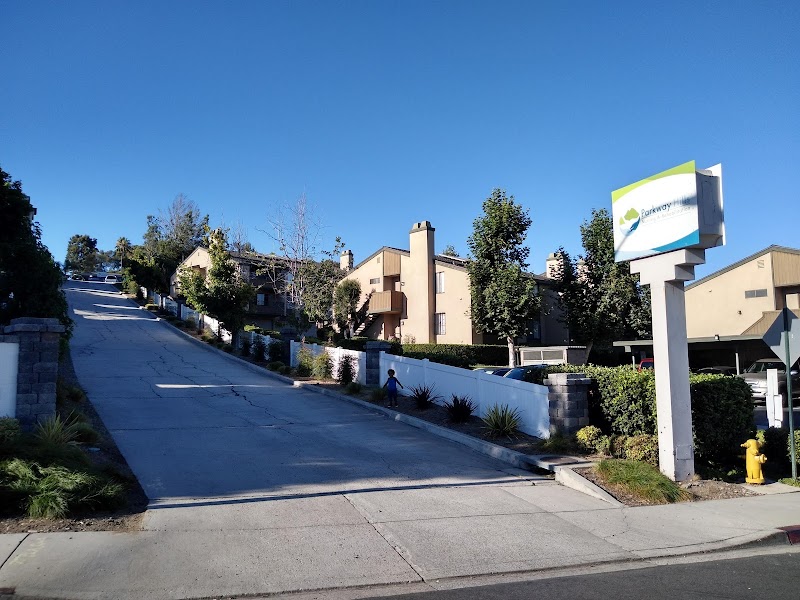
How is Parkway Hills Nursing & Rehabilitation Staffed?

CMS rates PARKWAY HILLS NURSING & REHABILITATION's staffing level at 3 out of 5 stars, which is average compared to other nursing homes. Staff turnover is 30%, compared to the California average of 46%. This relatively stable workforce can support continuity of care.

What Have Inspectors Found at Parkway Hills Nursing & Rehabilitation?

State health inspectors documented 49 deficiencies at PARKWAY HILLS NURSING & REHABILITATION during 2019 to 2024. These included: 1 that caused actual resident harm, 45 with potential for harm, and 3 minor or isolated issues. Deficiencies causing actual harm indicate documented cases where residents experienced negative health consequences.
Who Owns and Operates Parkway Hills Nursing & Rehabilitation?

PARKWAY HILLS NURSING & REHABILITATION is owned by a for-profit company. For-profit facilities operate as businesses with obligations to shareholders or private owners. The facility is operated by MADISON CREEK PARTNERS, a chain that manages multiple nursing homes. With 60 certified beds and approximately 55 residents (about 92% occupancy), it is a smaller facility located in LA MESA, California.
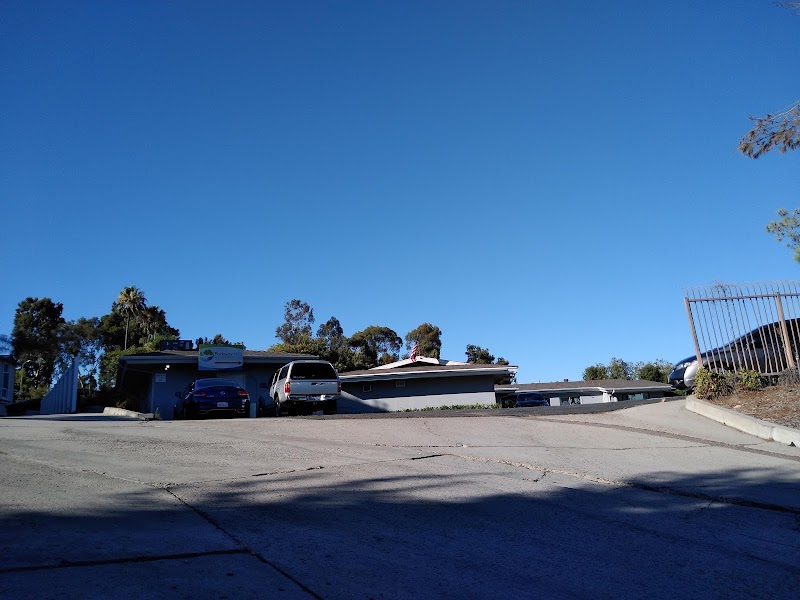
How Does Parkway Hills Nursing & Rehabilitation Compare to Other California Nursing Homes?

Compared to the 100 nursing homes in California, PARKWAY HILLS NURSING & REHABILITATION's overall rating (3 stars) is below the state average of 3.1, staff turnover (30%) is significantly lower than the state average of 46%, and health inspection rating (3 stars) is at the national benchmark.

What Should Families Ask When Visiting Parkway Hills Nursing & Rehabilitation?

Based on this facility's data, families visiting should ask: "Can I visit during a mealtime to observe dining assistance and food quality?" "How do you handle medical emergencies, and what is your hospital transfer rate?" "Can I speak with family members of current residents about their experience?"

Is Parkway Hills Nursing & Rehabilitation Safe?

Based on CMS inspection data, PARKWAY HILLS NURSING & REHABILITATION has a clean safety record: no substantiated abuse findings (meaning no confirmed cases of resident harm), no Immediate Jeopardy citations (the most serious violation level indicating risk of serious injury or death), and is not on the Special Focus Facility watch list (a federal program monitoring the lowest-performing 1% of nursing homes). The facility has a 3-star overall rating and ranks #100 of 100 nursing homes in California. While no facility is perfect, families should still ask about staff-to-resident ratios and recent inspection results during their visit.

Do Nurses at Parkway Hills Nursing & Rehabilitation Stick Around?

Staff at PARKWAY HILLS NURSING & REHABILITATION tend to stick around. With a turnover rate of 30%, the facility is 16 percentage points below the California average of 46%. Low turnover is a positive sign. It means caregivers have time to learn each resident's needs, medications, and personal preferences. Consistent staff also notice subtle changes in a resident's condition more quickly.

Was Parkway Hills Nursing & Rehabilitation Ever Fined?

PARKWAY HILLS NURSING & REHABILITATION has no federal fines on record. CMS issues fines when nursing homes fail to meet care standards or don't correct problems found during inspections. The absence of fines suggests the facility has either maintained compliance or corrected any issues before penalties were assessed. This is a positive indicator, though families should still review recent inspection reports for the full picture.

Is Parkway Hills Nursing & Rehabilitation on Any Federal Watch List?

PARKWAY HILLS NURSING & REHABILITATION is not on any federal watch list. The most significant is the Special Focus Facility (SFF) program, which identifies the bottom 1% of nursing homes nationally based on persistent, serious quality problems. Not being on this list means the facility has avoided the pattern of deficiencies that triggers enhanced federal oversight. This is a positive indicator, though families should still review the facility's inspection history directly.