LAGUNA HILLS HEALTH AND REHABILITATION CENTER
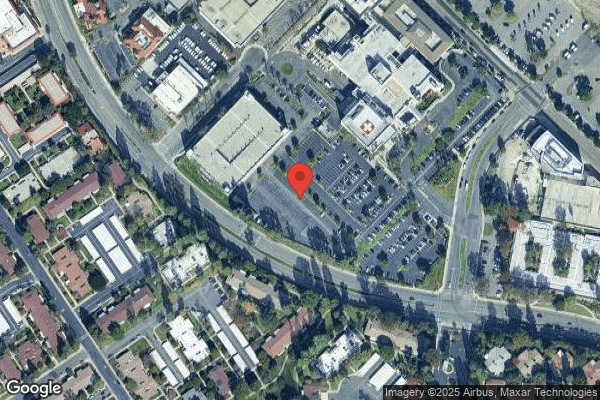
24452 HEALTH CENTER DRIVE, LAGUNA HILLS, CA 92653 (949) 837-8000
For profit - Corporation 208 Beds CAMBRIDGE HEALTHCARE SERVICES Data: November 2025
Trust Grade
33/100
#1054 of 1155 in CA
Last Inspection: August 2025

Inspected within the last 6 months. Data reflects current conditions.

Overview

Laguna Hills Health and Rehabilitation Center has received a Trust Grade of F, indicating significant concerns about the quality of care provided. Ranking #1054 out of 1155 in California places it in the bottom half of facilities, and at #69 out of 72 in Orange County, it offers few local alternatives that are better. The facility is showing some improvement, with issues decreasing from 46 in 2024 to 40 in 2025, but it still reported a total of 150 issues, including one serious incident of failing to properly manage pressure injuries for residents, which resulted in one resident needing to be transferred to an acute care hospital. Staffing is average with a turnover rate of 34%, which is better than the state average, and it has average RN coverage, providing some reassurance that residents receive appropriate medical attention. However, the facility has incurred fines of $9,750, which is not alarming but indicates some compliance issues, and there were also concerns about maintaining sanitary conditions in the kitchen and ensuring resident safety in their living environments.

Trust Score
F
33/100
In California
#1054/1155
Bottom 9%
Safety Record
Moderate
Needs review
Inspections
Getting Better
46 → 40 violations
Staff Stability
○ Average
34% turnover. Near California's 48% average. Typical for the industry.
Penalties
✓ Good
$9,750 in fines. Lower than most California facilities. Relatively clean record.
Skilled Nurses
⚠ Watch
Each resident gets only 24 minutes of Registered Nurse (RN) attention daily — below average for California. Fewer RN minutes means fewer trained eyes watching for problems.
Violations
⚠ Watch
150 deficiencies on record. Higher than average. Multiple issues found across inspections.
★☆☆☆☆
1.0
Overall Rating
★★★☆☆
3.0
Staff Levels
★★★☆☆
3.0
Care Quality
★☆☆☆☆
1.0
Inspection Score
Stable
2024: 46 issues
2025: 40 issues

The Good

  • Full Sprinkler Coverage · Fire safety systems throughout facility
  • No fines on record
  • Staff turnover below average (34%)

    14 points below California average of 48%

Facility shows strength in fire safety.

The Bad

1-Star Overall Rating

Below California average (3.1)

Significant quality concerns identified by CMS

Staff Turnover: 34%

11pts below California avg (46%)

Typical for the industry

Federal Fines: $9,750

Below median ($33,413)

Minor penalties assessed

Chain: CAMBRIDGE HEALTHCARE SERVICES

Part of a multi-facility chain

Ask about local staffing decisions and management

The Ugly 150 deficiencies on record

1 actual harm
Sept 2025 3 deficiencies
CONCERN (D) 📢 Someone Reported This

A family member, employee, or ombudsman was alarmed enough to file a formal complaint

Potential for Harm - no one hurt, but risky conditions existed

Report Alleged Abuse (Tag F0609)

Could have caused harm · This affected 1 resident

**NOTE- TERMS IN BRACKETS HAVE BEEN EDITED TO PROTECT CONFIDENTIALITY** Based on interview, medical record review, and facility P&P review, the facility failed to implement their P&P to ensure timely ...

Read full inspector narrative →
**NOTE- TERMS IN BRACKETS HAVE BEEN EDITED TO PROTECT CONFIDENTIALITY** Based on interview, medical record review, and facility P&P review, the facility failed to implement their P&P to ensure timely reporting of a reasonable suspicion of a crime related to injuries of unknown source in accordance with Section 1150B of the Act for one of six sampled residents (Resident 4). * The facility failed to report timely to the CDPH, L&C Program, Long-Term Care Ombudsman office, and local law enforcement agency when Resident 4 was discovered with a discoloration to her right eyebrow region. This failure had the potential to compromise or impede the protection of Resident 4 and the other residents at the facility.Findings: Review of the facility's P&P titled Abuse, Neglect, Exploitation or Misappropriation - Report and Investigating revised 9/2022 showed all reports of resident abuse (including injuries of unknown origin), neglect, exploitation, or theft/misappropriation of resident property are reported to local, state and federal agencies (as required by current regulations). If a resident abuse, neglect, exploitation, misappropriation of resident property or injury of unknown source is suspected, the suspicion must be reported immediately to the administrator and to other officials according to state law. Immediately is defined as within two hours of an allegation involving abuse or result in serious bodily injury or within 24 hours of an allegation that does not involve abuse or result in serious bodily injury. Review of the SOC 341 - Report of Suspected Dependent/Elder Abuse dated 9/10/25, showed the facility had reported an allegation of abuse to the CDPH, L&C Program on 9/10/25 at 1357 hours, regarding the discoloration around the eye of Resident 4. The document showed Resident 4 was visited by Family Member 1 on 9/10/25, and Family Member 1 reported to the Administrator that he would like an investigation done. Medical record review for Resident 4 was initiated on 9/11/25. Resident 4 was readmitted to the facility on [DATE]. Review of Resident 4's MDS assessment dated [DATE], showed Resident 4 had severely impaired cognition and was dependent on the facility staff for mobility. Review of Resident 4's Change in Condition Evaluation dated 9/8/25 at 2245 hours, written by LVN 2, showed Resident 4 was found with a coin-sized skin discoloration to the right eyebrow region. Resident 4's provider and resident representative were notified. Review of Resident 4's Skin/Wound Note dated 9/9/25 at 1153 hours, showed a skin assessment was done for Resident 4. The licensed nurse noted a purple discoloration around the right eye area measuring 5 cm x 1.5 cm and the skin was intact. The documentation showed Resident 4 had no complaints of pain, nor discomfort during the skin assessment and no other skin issues were noted. On 9/11/25 at 0940 hours, an interview was conducted with Family Member 1. Family Member 1 stated Resident 4 required total assistance from the facility staff for activities of daily living and mobility. Family Member 1 stated he was notified about a discoloration to Resident 4's right eye on 9/8/25 between 2230 to 2300 hours. Family Member 1 stated he visited Resident 4 on 9/10/25, noticed she was bruised around her right eye, and had spoken with the Administrator to tell him he thought the bruising was caused by abuse to Resident 4. On 9/11/25 at 1528 hours, an interview and concurrent medical record review was conducted with LVN 2. LVN 2 stated CNA 2 had reported Resident 4 had a skin discoloration to her right eyebrow on 9/8/25 around 2100 to 2200 hours. LVN 2 stated he went to assess Resident 4 and Resident 4 had a coin-sized dark red in color discoloration to her right eyebrow. LVN 2 stated he was not sure where the discoloration came from and stated he and CNA 2 did not witness when Resident 4 developed the discoloration. LVN 2 further stated he attempted to ask Resident 4 what had happened; however, Resident 4 did not answer any questions at that time. On 9/11/25 at 1607 hours, an interview and medical record review was conducted with the DON. The DON was informed and acknowledged the findings. The DON stated Family Member 1 was notified at the time the discoloration was discovered, had visited Resident 4 on 9/10/25. The DON added Family Member 1 wanted the facility to investigate Resident 4's skin discoloration. The DON stated the facility did not know how Resident 4 got the skin discoloration and verified Resident 4 was unable to verbalize how she had gotten the skin discoloration. The DON stated the facility did not know the source of the injury until after the facility had conducted their investigation. On 9/15/25 at 1305 hours, an interview was conducted with the Administrator. The Administrator verified he was the facility's abuse coordinator and stated when someone reported an abuse, he would send the SOC 341 to the CDPH, L&C Program, ombudsman, and law enforcement if he was available. The Administrator stated he reported Resident 4's skin discoloration to her right eye because Family Member 1 wanted the facility to investigate. The Administrator stated Resident 4 did not remember how the skin discoloration happened and there were no witnesses. The Administrator stated it was unknown how Resident 4 got the skin discoloration and it would be reportable under normal circumstances. The Administrator stated Resident 4 was prone to accidents and reporting would be a gray area from his standpoint. On 9/15/25 at 1343 hours, an interview was conducted with the Administrator. The Administrator acknowledged the above findings.
CONCERN (D) 📢 Someone Reported This

A family member, employee, or ombudsman was alarmed enough to file a formal complaint

Potential for Harm - no one hurt, but risky conditions existed

Deficiency F0627 (Tag F0627)

Could have caused harm · This affected 1 resident

**NOTE- TERMS IN BRACKETS HAVE BEEN EDITED TO PROTECT CONFIDENTIALITY** Based on interview and closed medical record review, the facility failed to provide one of six sampled residents (Resident 1) su...

Read full inspector narrative →
**NOTE- TERMS IN BRACKETS HAVE BEEN EDITED TO PROTECT CONFIDENTIALITY** Based on interview and closed medical record review, the facility failed to provide one of six sampled residents (Resident 1) sufficient preparation and orientation to ensure a safe discharge from the facility. * The facility failed to inform Resident 1 her insurance would not cover the cost of her physician ordered DME (a hospital bed and wheelchair), prior to her discharge from the facility. This failure had the potential to compromise Resident 1's ability to make an informed decision regarding her discharge plan of care, potentially leading to financial hardship, physical and psychosocial distress. Findings: On 9/10/25 at 0919 hours, a telephone interview was conducted with Resident 1. Resident 1 stated she was supposed to receive a hospital bed upon her discharge to home from the facility, however, she did not receive it. Resident 1 stated she was using her recliner chair, was unable to care for herself, had a lot of issues with her mobility, and only had a walker to assist with ambulation. Closed medical record review for Resident 1 was initiated on 9/10/25. Resident 1 was admitted to the facility on [DATE], with diagnoses including cellulitis (infection of the skin) of the right and left lower limbs, and lymphedema (chronic swelling in the soft tissues, most frequently in the arms or legs). Resident 1 was discharged from the facility on 8/27/25. Review of Resident 1's H&P examination dated 6/30/25, showed Resident 1 had the capacity to understand and make decisions. Review of Resident 1's Order Summary Report dated 9/11/25, showed the following physician's orders:- dated 8/26/25, to discharge home on 8/27/25, per the resident's request with home health RN for safety, PT, OT, bath aide, and wound care; and- dated 8/27/25, for DME: hospital bed and ultralight wheelchair for safety and bed mobility. Review of Resident 1's Discharge Instruction Form/Recapitulation of Stay dated 8/27/25, showed Resident 1 had medical equipment arrangements upon discharge, however, the discharge instructions did not state the information about what DME was arranged, the company to contact, or when the DME would be provided. Further review of Resident 1's medical record failed to show documented evidence Resident 1's DME arrangements were set up by the facility prior to the resident's discharge. On 9/10/25 at 1505 hours, an interview and concurrent closed medical record review was conducted with the SS Staff. The SS Staff stated she assisted with arranging the home health, caregiver resources, transportation, and DME upon discharge of a resident. The SS Staff stated she would obtain the order for the DME from the physician and contact the DME company before the resident discharged , if the resident was able to receive the DME. The SS Staff stated if the resident requested to leave the day before the discharge, she sometimes would not receive a response from the DME company right away but would contact the resident the day after the discharge. The SS Staff stated Resident 1 discharged to her home on 8/27/25, and had physician's orders to discharge with a hospital bed and wheelchair. The SS Staff stated she was made aware Resident 1 was not eligible for her insurance to cover the DME on 8/27/25, and communicated this information to the SSD at around 1100 hours. The SS Staff stated she was not working on 8/27/25, and was not sure if the SSD communicated this information to Resident 1. The SS Staff verified she did not inform Resident 1 regarding her ineligibility for the DME prior to her discharge. On 9/10/25 at 1615 hours, an interview and concurrent closed medical record review was conducted with the SSD. The SSD stated if there was a physician's order for the DME, she expected her staff to inform the resident if their insurance or DME company could not provide the DME and a progress note to document the conversation had occurred with the resident. The SSD stated the SS Staff had made the referral for Resident 1's DME and knew Resident 1 would discharge on [DATE]. The SSD stated if the facility staff knew it was not possible to have the DME in place prior to the resident's discharge, she expected her staff to educate the resident about the timeframe for the services to be set-up. The SSD stated she did not communicate to Resident 1 the information regarding Resident 1's ineligibility for the DME. The SSD verified there was no documented evidence Resident 1 was notified regarding her DME services prior to or after her discharge from the facility. On 9/15/25 at 1343 hours, an interview was conducted with the Administrator. The Administrator acknowledged the above findings.
MINOR (B) 📢 Someone Reported This

A family member, employee, or ombudsman was alarmed enough to file a formal complaint

Minor Issue - procedural, no safety impact

Deficiency F0628 (Tag F0628)

Minor procedural issue · This affected multiple residents

**NOTE- TERMS IN BRACKETS HAVE BEEN EDITED TO PROTECT CONFIDENTIALITY** Based on interview, closed medical record review, and facility P&P review, the facility failed to ensure a notice of transfer/di...

Read full inspector narrative →
**NOTE- TERMS IN BRACKETS HAVE BEEN EDITED TO PROTECT CONFIDENTIALITY** Based on interview, closed medical record review, and facility P&P review, the facility failed to ensure a notice of transfer/discharge was provided to the resident or the resident's responsible party for one of six sampled residents (Resident 2) prior to the resident's discharge from the facility. * The facility failed to provide the written notice pf transfer/discharge to Resident 2 or the resident's responsible party prior to the resident's discharge from the facility. In addition, the facility failed to ensure a copy of Resident 2's notice of transfer/discharge was provided to the State Long-Term Care Ombudsman prior to the planned discharge date . This failure had the potential to violate Resident 1's rights to appeal their discharge. Findings: Review of the facility's P&P titled Transfer or Discharge, Facility-Initiated dated 10/2022 showed under the section notice of transfer or discharge (planned), showed the resident and his or her representative are given a thirty day advance written notice of an impending transfer or discharge from this facility. A copy of this notice is sent to the office of the State Long-Term Care Ombudsman at the same time the notice of transfer or discharge is provided to the resident and representative. Under the section notice of transfer or discharge (emergent or therapeutic leave), showed under the following circumstances, the notice is given as soon as it is practicable but before the transfer or discharge if the resident's health improves sufficiently to allow a more immediate transfer or discharge. Closed medical record review for Resident 2 was initiated on 9/10/25. Resident 2 was readmitted to the facility on [DATE], and discharged on 8/27/25. Review of Resident 2's medical record failed to show a notice of transfer/discharge was provided to Resident 2, Resident 2's representative, or to the LTC Ombudsman on or prior to his discharge on [DATE]. On 9/10/25 at 1505 hours, an interview and concurrent closed medical record review was conducted with the SS Staff. The SS staff stated she would provide the notice of transfer/discharge two days prior to the resident's discharge date or when the resident stated they wanted to go home. The SS staff stated Resident 2 was discharged on 8/27/25, per his wife's request. The SS Staff verified there was no documented evidence a notice of transfer/discharge was provided to Resident 2 or Resident 2's representative. On 9/11/25 at 1341 hours, an interview and concurrent closed medical record review was conducted with the SSD. The SSD stated the social services department was responsible for providing the notice of transfer/discharge. The SSD stated if the resident had requested to be discharged , the facility would provide the notice on the date the resident requested to be discharged . The SSD stated Resident 2's wife had requested Resident 2 to be discharged , and the discharge order was placed on 8/26/25, for him to discharge on [DATE]. The SSD verified there was no documented evidence a notice of transfer/discharge was provided to Resident 2, Resident 2's representative, or to the LTC ombudsman prior to his discharge from the facility.
Aug 2025 29 deficiencies
CONCERN (D)

Potential for Harm - no one hurt, but risky conditions existed

Resident Rights (Tag F0550)

Could have caused harm · This affected 1 resident

**NOTE- TERMS IN BRACKETS HAVE BEEN EDITED TO PROTECT CONFIDENTIALITY** Based on observation, interview, and facility P&P review, the facility failed to ensure one of 169 residents (nonsampled Residen...

Read full inspector narrative →
**NOTE- TERMS IN BRACKETS HAVE BEEN EDITED TO PROTECT CONFIDENTIALITY** Based on observation, interview, and facility P&P review, the facility failed to ensure one of 169 residents (nonsampled Resident 17) was provided care in a manner that promoted dignity and respect. * The facility failed to provide Resident 17 with privacy during bedside toileting. This failure had the potential for the resident to experience a decline in her psychosocial well-being. Findings: Review of the facility's P&P titled Dignity revised February 2021 showed the staff will maintain and protect resident privacy during personal cares. Medical record review for Resident 17 was initiated on 8/18/25. Resident 17 was readmitted to the facility on [DATE]. Review of Resident 17's Order Summary Report showed a physician's order dated 2/4/21, for the resident to use a bedside commode. On 8/21/25 at 0928 hours, Resident 17 was observed being transferred to a bedside commode by CNA 1. Resident 17's privacy curtain was pulled closed but the basin, which was under the resident's commode and approximately six inches above the commode, was observed from the hallway due to the gap between the privacy curtain and the floor. CNA 1 was heard asking the resident if she wanted her room door closed, and the resident declined. On 8/21/25 at 0947 hours, Resident 17 was still observed sitting on the commode. The commode basin was still observed on the floor, where contents going into the commode could potentially be observed from the hallway. On 8/21/25 at 1004 hours, an interview was conducted with CNA 1. CNA 1 stated Resident 17 just had a bowel movement while on the commode. On 8/21/25 at 1007 hours, an interview was conducted with Resident 17, who was now sitting in her wheelchair. Resident 17 stated she was not aware her commode basin was visible from the hallway, even with the privacy curtain pulled closed. The resident stated she just assumed the privacy curtain hid everything, and preferred her commode basin not be visible from the hallway during use. On 8/21/25 at 1048 hours, a follow-up interview was conducted with CNA 1. CNA 1 stated Resident 17's bedside commode was an over-the-toilet commode, and did not have place to attach a basin. CNA 1 stated she realized the resident's commode basin was viewable from the hallway under the privacy curtain, when the resident wanted her door to remain open. When asked if there was anything to block the view of the resident's commode basin during use, the CNA stated she did not think so. When asked about the trash receptacle located in the room, the CNA tested it by moving a trash receptacle next to the privacy curtain. CNA 1 verified the trash receptacle extended above the bottom of the privacy curtain and could have obstructed the view of the commode basin from the hallway.
CONCERN (D)

Potential for Harm - no one hurt, but risky conditions existed

Deficiency F0554 (Tag F0554)

Could have caused harm · This affected 1 resident

**NOTE- TERMS IN BRACKETS HAVE BEEN EDITED TO PROTECT CONFIDENTIALITY** Based on observation, interview, medical record review, and facility P&P review, the facility failed to ensure the medications w...

Read full inspector narrative →
**NOTE- TERMS IN BRACKETS HAVE BEEN EDITED TO PROTECT CONFIDENTIALITY** Based on observation, interview, medical record review, and facility P&P review, the facility failed to ensure the medications were safely administered to two of 33 final sampled residents (Residents 158 and 174). * Resident 158 had a bottle of Total Beets (dietary supplement) 650 mg chewable at the bedside. Resident 158 did not have a physician's order to self-administer the Total Beets 650 mg or to keep any medication at the bedside. * Resident 174 had the bottle of Instaflex Advanced (dietary supplement) at the bedside. Resident 174 had no physician's order to keep any medication at the bedside. These failures had the potential to negatively impact Resident 158 and 174's physiological well-being and the potential for the residents to administer the medications inaccurately. Findings: Review of the facility's P&P titled Administering Medications revised 4/2023 showed the medications are administered in a safe and timely manner, and as prescribed. The residents may self-administer their own medications only if the attending physician, in conjunction with the interdisciplinary care planning team, has determined that they have the decision-making capacity to do so safely. 1. On 8/18/25 at 0919 hours, an observation and concurrent interview was conducted with Resident 158. A bottle labeled Total Beets (supplement) 650 mg was observed on Resident 158's bedside table. The label on the bottle showed the supplement contained 10 mg of Niacin (vitamin B3), 2 mg of vitamin B6, and 25 mcg of vitamin B12 per serving. Resident 158 stated he took the Total Beets every day. Medical record review for Resident 158 was initiated on 8/18/25. Resident 158 was admitted to the facility on [DATE]. Review of Resident 158's MDS assessment dated [DATE], showed Resident 158 was cognitively intact. Review of Resident 158s Order Summary Report dated 8/26/25, failed to show a physician's order for the self-administration of the Total Beets 650 mg medication. Review of Resident 158's plan of care failed to show a care plan problem was initiated or developed to address the resident's self-administration of the Total Beets 650 mg medications. On 8/19/25 at 1027 hours, Resident 158 was observed in bed. The bottle of Total Beets 650 mg medication was observed on Resident 158's bedside table. On 8/20/25 at 1107 hours, an interview and concurrent medical record review for Resident 158 was conducted with LVN 1. LVN 1 stated for the self- administration of the medications, the IDT determined if the resident could safely self-administer the medication. LVN 1 stated there should be a physician's order specific to the medication the resident would self-administer and a care plan developed for the self-administration of the medication. LVN 1 further stated the medication would be kept in the medication carts and for the independent residents, the medication could be kept in the resident's room, however it should be locked so the other residents could not get access to the medication. LVN 1 reviewed Resident 158's medical record and verified Resident 158 had no physician's order or a care plan for the self-administration of the Total Beets 650 mg medication. LVN 1 stated the medication should not be left at the bedside. On 8/20/25 at 1130 hours, a follow-up interview was conducted with LVN 1. LVN 1 stated she went to Resident 158's room and verified the above findings. 2. On 8/18/25 at 1126 hours, an observation and concurrent interview was conducted with Resident 174. A bottle labeled Instaflex Advanced medication was observed at Resident 174's bedside. When asked about the medication, Resident 174 stated the medication was for her stomach and she self-administered the medication. Resident 174 further stated the medication inside the bottle was not what was on the bottle label. Medical record review for Resident 174 was initiated on 8/18/25. Resident 174 was admitted to the facility on [DATE]. Review of Resident 174's medical record failed to show a Self-Administration of Medication Assessment was done for Resident 174. Review of Resident 174's Order Summary Report dated 8/21/25, failed to show the physician's order for the self-administration of medications. Review of Resident 174's plan of care failed to show a care plan problem was initiated or developed to address the resident's self-administration of the medications. On 8/20/25 at 1032 hours, an interview and concurrent medical record review for Resident 174 was conducted with RN 5. RN 5 stated for the self- administration of medications by the residents, the resident needed to be assessed by the physician, as well as an assessment by the IDT, to ensure the resident could safely administer the medications. RN 5 stated there should be a physician's order for the self-administration of medications and the medication should be kept in a locked drawer. RN 5 reviewed Resident 174's medical record and verified the resident had no physician's order to self- administer medications and a self-administration of medication assessment was not done. When asked about the bottle labeled Instaflex Advanced medication at Resident 174's bedside, RN 5 stated the bottle was found by the CNA yesterday and was removed. On 8/25/25 at 1025 hours, an interview was conducted with the DON. The DON stated for the self-administration of medications, the resident should have an assessment for the self-administration of medications to determine if the resident was alert and capable of administering the medications. The DON stated if the resident had the capacity and was able to self-administer the medication, there should be a physician's order for the self-administration of the medication and a care plan would be developed to address the resident's self-administration of the medication. The DON further stated the medication kept at the resident's bedside should be locked and the facility staff entering the room should observe for any medications at the bedside to prevent other residents from having access to the medications. On 8/25/25 at 1044 hours, an interview was conducted with the Administrator and DON. The Administrator and DON were informed and acknowledged the above findings.
CONCERN (D)

Potential for Harm - no one hurt, but risky conditions existed

Deficiency F0558 (Tag F0558)

Could have caused harm · This affected 1 resident

**NOTE- TERMS IN BRACKETS HAVE BEEN EDITED TO PROTECT CONFIDENTIALITY** Based on observation, interview, medical record review, and facility P&P review, the facility failed to provide the reasonable a...

Read full inspector narrative →
**NOTE- TERMS IN BRACKETS HAVE BEEN EDITED TO PROTECT CONFIDENTIALITY** Based on observation, interview, medical record review, and facility P&P review, the facility failed to provide the reasonable accommodation to meet the needs of two of two final sampled residents (Resident 8 and 49) reviewed for communication needs. * The facility failed to ensure the appropriate communication devices were used by staff to meet Residents 8 and 49's daily needs. This failure had the potential to negatively impact the resident's psychosocial well-being and result in delayed provision of care.Findings: Review of the facility's P&P titled Accommodation of Needs Communication revised 3/2021 showed the following: - In order to accommodate the individual needs and preferences, staff attitudes and behaviors are directed towards assisting the residents in maintaining independence, dignity, and well-being to the extent possible and in accordance with the residents’ wishes including interacting with the residents in ways that accommodate the physical or sensory limitations of the residents, promote communication, and maintain dignity. Review of the facility's P&P titled Translation and/or Interpretation of Facility Services revised on 11/2020 showed the following: - The facility’s language access program will ensure that individuals with limited English proficiency (LEP) shall have meaningful access to information and services provided by the facility; - When encountering LEP individuals, staff members will conduct the initial language assessment (e.g. “I Speak Cards”) and notify the staff person in charge of the language access program; - It is understood that providing meaningful access to services provided by this facility requires also that the LEP residents’ needs and questions are accurately communicated to the staff. Oral interpretation services therefore including interpretation from the LEP resident’s primary language back to English; and - Staff shall be trained upon hire and at least annually on how to provide language access services to LEP residents. 1. During an observation on 8/18/25 at 1225 hours, Resident 49 was lying in bed awake, alert, and verbally responsive. Resident 49 was greeted in English; however, Resident 49 did not speak and understand English. There were communication cards in the Chinese language available and posted on Resident 49’s wall. On 8/18/25 at 1240 hours, an observation and concurrent interview was conducted with CNA 4. CNA 4 spoke to Resident 49 in English while providing care. CNA 4 did not use the communication cards in Chinese language or request a Chinese speaking staff to communicate with the resident. CNA 4 stated she used gestures to communicate with Resident 49 and verified she did not speak any Chinese. CNA 4 further stated Resident 49 speaks and understands the Chinese language. Medical record review for Resident 49 was initiated on 8/20/25. Resident 49 was admitted to the facility on [DATE]. Review of Resident 49’s care plan for communication dated 7/4/25, showed the following: - Resident 49 cannot communicate easily with staff; - Resident 49 wanted or needed an interpreter to communicate with a doctor or health care staff; and - Resident 49’s primary language is Chinese. Review of Resident 49's H&P examination dated 7/5/25, showed Resident 49 had the capacity to understand and make decisions. Review of Resident 49’s MDS assessment dated [DATE], showed Resident 49’s Brief Interview for Mental Status (BIMS) score was 8, indicating moderate cognitive impairment. On 8/19/25 at 1350 hours, an interview was conducted with CNA 5. CNA 5 stated Resident 49 spoke Chinese and could not understand English. On 8/19/25 at 1504 hours, an interview was conducted with the ADON. The ADON stated a non-English speaking residents must have communication cards in their preferred language available in each resident’s room provided by the Activities Department for any staff to use. The ADON further stated staff could call the language translation line if needed. In addition, the ADON stated the staff not using the appropriate communication devices would prevent the resident's needs to be met. On 8/25/25 at 1054 hours, an interview was conducted with the Administrator and DON. The Administrator and DON were informed and acknowledged the above findings. 2. On 8/18/25 at 1231 hours, an observation of Resident 8 and concurrent interview was conducted with CNA 8. Resident 8 was lying on bed with head of the bed slightly elevated. CNA 8 communicated with Resident 8 in English using hand gestures, however there were communication card boards posted on Resident 8's wall. CNA 8 stated she thought Resident 8 spoke Japanese and she communicated with the resident by using hand gestures. CNA 8 further stated the staff additionally rely on the resident’s wife for translation. CNA 8 stated she only made herself understood by using hand gestures and added Resident 8's wife was usually present. On 8/20/25 at 1150 hours, an observation of Resident 8 and concurrent interview was conducted with CNA 10. Resident 8 was seated on his wheelchair and CNA 10 communicated with Resident 8 in English using hand gestures. CNA 10 asked Resident 8 about his dialysis appointment, however the resident did not answer. CNA 10 stated she uses only the hand gestures to communicate with Resident 8 and Resident 8's wife was usually available for translation. Medical record review for Resident 8 was initiated on 8/18/25. Resident 8 was admitted to the facility on [DATE], and readmitted on [DATE]. Review of Resident 8's MDS assessment dated [DATE], showed Resident 8’s BIMS score was 10, indicating moderate cognitive impairment. Review of Resident 8's H&P examination dated 5/21/25, showed Resident 8 could make needs known. On 8/20/25 at 1252 hours, an interview was conducted with the ADON. The ADON stated Resident 8 spoke Korean, and the resident’s wife was always available at the bedside to translate. The ADON was informed two CNAs communicated with Resident 8 by using hand gestures. Resident 8’s wife was not at the bedside. The ADON verified the CNAs should have used the communication card boards posted on the wall and should have reached out to the charge nurses for oral interpretation services for clear interpretation and understanding when providing care to Resident 8. On 8/22/25 at 1443 hours, the DON was informed and verified the above findings.
CONCERN (D)

Potential for Harm - no one hurt, but risky conditions existed

Grievances (Tag F0585)

Could have caused harm · This affected 1 resident

Based on interview, facility document review, and facility P&P review, the facility failed to ensure all grievances filed during 2025 were available for review to ensure they were followed up on appro...

Read full inspector narrative →
Based on interview, facility document review, and facility P&P review, the facility failed to ensure all grievances filed during 2025 were available for review to ensure they were followed up on appropriately. * The facility did not file and kept copies of the residents' grievances. This failure resulted in the state agency being unable to verify grievances were follow-up on per policy. Findings: Review of the facility's Grievance/Complaints, Filing P&P dated 2001 showed once a grievance is filed, the SSD will review and investigate the allegations and submit a written report of findings to the administrator withing five working days. The SSD, Administrator, and facility staff will take immediate action to prevent future potential violations of residents' rights while the grievance is being investigated. The Administrator will review the findings with the SSD to determine what corrective action is needed, if any. The resident, or person filing the grievance, will be informed of the investigation findings verbally, and in writing. A copy of the written summary will also be filed in the business office. The results of all grievances will be maintained on file for three years. On 8/19/25 at 1339 hours, an interview and concurrent facility document review was conducted with the SSD and Social Services Staff 1. The SSD stated she started working at the facility approximately one week. The SSD provided the grievance binder which had tabs labeled for each month. There were no grievance forms in the binder. Social Services Staff 1 stated there have been grievances this year, and they both would see if they could locate them. On 8/19/25 at 1427 hours, an interview was conducted with the Administrator. The Administrator stated both he and the SSD review grievances weekly and the binder should not be empty. The Administrator stated he did not keep a copy of the grievances. On 8/20/25 at 0820 hours, an interview was conducted with the Business Office Manager. The Business Office Manager stated she did not file copies of the residents' grievances. The Business Office Manager further stated she was not aware the P&P showed she should be filing copies of the grievance written summaries. On 8/20/25 at 0858 hours, a follow-up interview was conducted with the SSD. The SSD stated SS Staff 1 was able to locate one missing grievance dated 6/26/25, but there were still other missing grievances.
CONCERN (D)

Potential for Harm - no one hurt, but risky conditions existed

Deficiency F0605 (Tag F0605)

Could have caused harm · This affected 1 resident

**NOTE- TERMS IN BRACKETS HAVE BEEN EDITED TO PROTECT CONFIDENTIALITY** Based on observation, interview, medical record review, and facility P&P review, the facility failed to ensure two of five final...

Read full inspector narrative →
**NOTE- TERMS IN BRACKETS HAVE BEEN EDITED TO PROTECT CONFIDENTIALITY** Based on observation, interview, medical record review, and facility P&P review, the facility failed to ensure two of five final sampled residents reviewed for unnecessary medications (Residents 13 and 61) and one of one final sampled resident reviewed for behavioral-emotional management (Resident 133) were free from unnecessary psychotropic drugs. * Resident 13 did not have the monthly behavior summaries for the targeted behaviors for the Prozac (antidepressant) and divalproex sodium (an anticonvulsant medication also used for behaviors associated with bipolar disorder) medications. In addition, the facility failed to monitor the resident for orthostatic hypotension related to the resident's Zyprexa (antipsychotic medication) use when the resident was readmitted on [DATE]. * The facility failed to ensure the monthly behavioral summary was completed for Resident 61's Zyprexa medication. * Resident 133, who had a diagnosis of dementia, was prescribed Ativan (antianxiety medication and Seroquel (antipsychotic medication). For the Seroquel medication, there was no documented diagnosis, or diagnosis of bipolar disorder or psychosis prior to starting the routine Seroquel medication. Additionally, there was no informed consent obtained prior to starting the Seroquel medication. For the Ativan medication, there were no nonpharmacological interventions implemented during the administration of the PRN medication. For both the Ativan and Seroquel medications, there were no least restrictive measures attempted prior to the initiation of the medications, and no side effect monitoring or behavior monitoring was implemented upon the start of the medications. These failures had the potential to place the residents at risk of receiving unnecessary medications and increased risk of serious medication adverse reactions.Findings: Review of the facility’s P&P titled Antipsychotic Medication Use revised 7/2022 showed the residents will not receive medications that are not clinically indicated to treat a specific condition. The attending physician and other staff will gather and document information to clarify a resident’s behavior, mood, function, medical condition, specific symptoms, and risks to the resident and others. The attending physician will identify, evaluate and document, with input from other disciplines and consultants as needed, symptoms that may warrant the use of antipsychotic medications. Diagnosis of a specific condition for which antipsychotic medications are necessary to treat will be based on a comprehensive assessment of the resident. For enduring psychiatric conditions, antipsychotic medications will not be used unless behavioral symptoms are not due to a medical condition or problem, persistent or likely to reoccur without continued treatment, not sufficiently relieved by non-pharmacological interventions, not due to environmental stressors, and not due to psychological stressors. The residents (and/or resident representatives) will be informed of the recommendation, risks, benefits, purpose and potential adverse consequences of antipsychotic medication use. The staff will observe, document, and report to the attending physician information regarding the effectiveness of any interventions, including antipsychotic medications. The nursing staff shall monitor for and report side effects and adverse consequences of antipsychotic medication to the attending physician. Review of the facility’s P&P titled Psychotropic Medication Use/Informed Consent dated 3/2024 showed consideration of the use of any psychotropic medication is based on comprehensive review of the resident. This includes evaluation of the resident’s signs and symptoms in order to identify underlying causes. The non-pharmacological approaches are used (unless contraindicated) to minimize the need for medications, permit the lowest possible dose, and allow for discontinuation of medications when possible. Before prescribing a psychotherapeutic drug, the prescriber must personally examine the resident and obtain written consent signed by the resident or the resident’s representative along with, the signature of the health care professional declaring the required material information has been provided. The signed written consent must be recorded in the resident’s medical record. Before initiating treatment with psychotherapeutic drugs, facility staff must verify that the resident’s health record contains written informed consent with the required signatures. 1. a. Medical record review for Resident 133 was initiated on 8/18/25. Resident 133 was admitted to the facility on [DATE], with diagnoses including dementia. Review of Resident 133’s H&P examination dated 8/14/25, showed Resident 133 was not capable of decision making and had a diagnosis of dementia without behavioral disturbance. The H&P examination failed to show if Resident 133 was evaluated for and diagnosed with bipolar disorder or psychosis for the use of the Seroquel medication. Review of Resident 133’s Order Summary Report dated 8/22/25, showed the following physician’s orders: - dated 8/12/25, to admit to hospice with a diagnosis of senile degeneration of the brain; - dated 8/12/25 and discontinued on 8/13/25, to administer Ativan oral tablet 0.5 mg one tablet by mouth every six hours as needed for anxiety manifested by inability to relax; - dated 8/13/25 and discontinued on 8/19/25, to administer Ativan oral tablet 0.5 mg one tablet by mouth every six hours as needed for anxiety manifested by inability to relax for 14 days 8/27/25; - dated 8/19/25, to administer Ativan oral tablet 0.5 mg one tablet by mouth every six hours as needed for anxiety until 8/27/25, manifested by shortness of breath; - dated 8/15/25 and discontinued on 8/19/25, to administer Ativan oral tablet 0.5 mg, give 0.5 ml by mouth every eight hours for antianxiety agent; - dated 8/19/25, to administer Ativan oral tablet 0.5 mg, give 0.5 ml by mouth every eight hours for anxiety manifested by physical restlessness causing distress; - dated 8/19/25, to monitor for the antipsychotic medication side effects, every shift for Seroquel use; - dated 8/15/25 and discontinued on 8/19/25, to administer Seroquel 12.5 mg by mouth at bedtime for bipolar disorder manifested by angry outburst comfort measure; - dated 8/19/25, to administer Seroquel 12.5 mg by mouth at bedtime for psychosis manifested by sudden angry outburst; - dated 8/19/25, to monitor for for anxiety manifested by complaints of shortness of breath every shift until 8/27/25; - dated 8/19/25, to monitor for anxiety manifested by physical restlessness causing distress every shift for Ativan use; - dated 8/19/25, to monitor for psychosis manifested by sudden angry outburst, tally by hashmarks every shift; - dated 8/19/25, to monitor for side effects and adverse reactions for antipsychotic medication every shift; - dated 8/20/25, to monitor for side effects for antianxiety medication every shift; - dated 8/19/25, to monitor for side effects for antianxiety medication for the use of Ativan medication every shift; and - dated 8/202/25, to provide non-pharmacological behavioral interventions every shift. Further review of Resident 133’s medical record failed to show a documented evaluation and diagnosis of bipolar disorder or psychosis. b. Review of the Facility Verification of Informed Consent dated 8/20/25, showed Resident 133’s representative was not provided informed consent until 8/20/25, for the Seroquel medication. However, further review of Resident 133’s Facility Verification of Informed Consent forms failed to show an informed consent was obtained by the physician prior to initiation of the Seroquel medication. c. Review of Resident 133’s MAR dated 8/2025 showed Resident 133 was administered the Seroquel medication daily from 8/15 through 8/22/25, the Ativan medication 0.5 ml every eight hours daily from 8/16 through 8/22/25, and the PRN Ativan medication 0.5 mg tablet on 8/13 and 8/15/25. However, review of Resident 133’s medical record failed to show least restrictive measures were implemented prior to starting Resident 133 on the Ativan medication on 8/12/25, and prior to starting the Seroquel medication on 8/15/25. d. Further review of Resident 133’s medical record failed to show documented evidence of the side effects or behavioral monitoring was done upon starting the Ativan and Seroquel medications. The side effects and behavioral monitoring was not initiated until 8/19/25. In addition, there was no documented evidence Resident 133 received non-pharmacological interventions for the use of the PRN Ativan medication. On 8/18/25 at 1149 hours, Resident 133 was observed laying in bed, restless and fidgeting. On 8/21/25 at 0835 hours, an interview and concurrent medical record review was conducted with the ADON. The ADON stated for psychotropic medications initiated in the facility, the licensed nurses monitored the resident’s behavior and informed the doctor of the behavior. The nurse practitioner would then come and evaluate the resident and obtain an informed consent for the medication. The ADON stated monitoring for the side effects and behaviors were done once the medication was given and the monitoring would be documented in the MAR. The ADON verified Resident 133 had no diagnosis of bipolar disorder or psychosis upon the initiation of the Seroquel medication. The ADON verified there was no informed consent obtained prior to initiating the Seroquel medication. The ADON verified there was no documented evidence to show the least restrictive measures were implemented prior to initiating the Seroquel or Ativan medication. The ADON verified there was no documented evidence the non-pharmacological interventions were provided until 8/19/25. The ADON additionally verified there was no documented evidence the side effect or behavioral monitoring was completed for the Seroquel or Ativan medications until 8/19/25. On 8/25/25 at 1000 hours, an interview and concurrent medical record review was conducted with the DON. The DON acknowledged the above findings. 2. Medical record review for Resident 13 was initiated on 8/18/25. Resident 13 was readmitted to the facility on [DATE]. a. Review of Resident 13’s Order Summary Report showed a physician’s order dated 8/16/25, to administer divalproex sodium (used to treat bipolar disorder) delayed release 250 mg by mouth two times a day for a mood stabilizer. Review of Resident 13’s MAR for August 2025 showed a physician’s order dated 2/2/25, and discontinued on 8/16/25, to administer divalproex sodium 250 mg twice a day for mood stabilization manifested by episodes of agitation and yelling out. Review of Resident 13’s medical record failed to show any monthly behavior summaries for the targeted behaviors for the divalproex sodium medication were completed since February 2025. On 8/22/25 at 1452 hours, an interview and concurrent medical record review was conducted with the ADON. The ADON stated the residents receiving psychotropic medications should have the monthly behavior summaries for the targeted behaviors of the psychotropic medication. The ADON verified she was unable to locate Resident 13’s monthly behavior summary for the resident's divalproex sodium medication use. b. Review of Resident 13’s Order Summary Report showed a physician order dated 8/16/25, to administer Prozac (antidepressant) 10 mg by mouth daily for depression manifested by verbalization of isolation as evidenced by a lack of interest or motivation. Review of Resident 13’s MAR for August 2025 showed a physician’s order dated 7/2/25, and discontinued on 8/16/25, to administer Prozac 10 mg by mouth daily for depression manifested by verbalization of isolation and evidenced by lack of interest or motivation. Review of Resident 13’s medical record failed to show a monthly behavior summary for the targeted behavior of the Prozac medication was completed for July 2025. On 8/22/25 at 1452 hours, an interview and concurrent medical record review was conducted with the ADON. The ADON verified she was unable to locate Resident 13’s monthly behavior monitoring summary for July 2025 for the Prozac medication. c. Review of Resident 13’s Order Summary Report showed the following physician’s orders: - dated 8/16/25, to administer Zyprexa 2.5 mg by mouth, every morning for schizophrenia (chronic mental health condition characterized by a combination of positive, negative, and cognitive symptoms that significantly impair a person's daily functioning)- dated 8/16/25, to administer Zyprexa 5 mg by mouth, every evening for schizophrenia. Review of Resident 13’s MAR for August 2025 showed a physician’s order dated 4/16/25, and discontinued on 8/16/25, to check for orthostatic hypotension every Sunday due to the Zyprexa medication use, by checking the resident’s blood pressure while laying and sitting. On 8/22/25 at 1452 hours, an interview and concurrent medical record review was conducted with the DON. The DON stated the residents on antipsychotic medications should have weekly monitoring for orthostatic hypotension since hypotension was a side effect of the antipsychotic medications. The DON reviewed Resident 13’s physician’s orders and verified the facility failed to ensure an order was obtained during the resident's readmission to the facility for orthostatic monitoring related to the resident’s Zyprexa medication use. 3. Medical record review for Resident 61 was initiated on 8/19/25. Resident 61 was admitted to the facility on [DATE]. Review of Resident 61’s MDS assessment dated [DATE], showed Resident 61’s BIMS score was 10, indicating moderate cognitive impairment. Review of Resident 61's H&P examination dated 12/16/24, showed Resident 61 had the capacity to understand and make decisions. Review of Resident 61's Order Summary Report dated 8/20/25, showed a physician’s order dated 6/27/25, to administer Zyprexa 10 mg one tablet by mouth at bedtime for schizophrenia manifested by paranoid thoughts as evidence by stated of being left alone or abandoned. Review of Resident 61’s Psychoactive Summary for the Zyprexa medication showed the behavior manifestation of “anger outburst” from January to July 2025. However, the behavior manifestation for the Zyprexa medication was changed on 6/27/25, to monitor for paranoid thoughts as evidence by stated of being left alone or abandoned. Further review of Resident 61’s medical record failed to show any monthly behavior summaries of the targeted behavior of the Zyprexa medication were completed since 6/27/25, when the manifestation was changed. On 8/20/25 at 1200 hours, an interview and concurrent medical record review was conducted with LVN 7. LVN 7 reviewed Resident 61’s medical record and verified the above findings. LVN 7 stated she was assigned to review the residents’ psychotropic medications, complete the monthly Psychoactive Summary, and attend the Gradual Dose Reduction (GDR) review with the IDT team. LVN 7 stated the physician’s orders must be carried out completely and accurately including completing a new Psychoactive Summary form when the behavior manifestation was changed. Furthermore, LVN 7 stated the importance of an accurate and complete monthly Psychoactive Summary would be vital because it showed the effectiveness of the medication prior to the GDR review. On 8/21/25 at 0923 hours, an interview was conducted with the DON. The DON stated the monthly Psychoactive Summary must be completed by the assigned licensed nurse. Furthermore, the DON stated the licensed nurses must complete a new monthly Psychoactive Summary when there were changes in the medication order including the dose, diagnosis, and/or manifestation. On 8/25/25 at 1054 hours, an interview was conducted with the Administrator and DON. The Administrator and DON were informed and acknowledged the above findings.
CONCERN (D) 📢 Someone Reported This

A family member, employee, or ombudsman was alarmed enough to file a formal complaint

Potential for Harm - no one hurt, but risky conditions existed

Investigate Abuse (Tag F0610)

Could have caused harm · This affected 1 resident

**NOTE- TERMS IN BRACKETS HAVE BEEN EDITED TO PROTECT CONFIDENTIALITY** Based on interview, medical record review, facility document review, and facility P&P review, the facility failed to thoroughly ...

Read full inspector narrative →
**NOTE- TERMS IN BRACKETS HAVE BEEN EDITED TO PROTECT CONFIDENTIALITY** Based on interview, medical record review, facility document review, and facility P&P review, the facility failed to thoroughly investigate an allegation of facility staff to resident physical abuse, for one of two residents (final sampled resident, Resident 73) reviewed for abuse * Resident 73's roommate (Resident 170) alleged she witnessed a female staff member hit Resident 73 on the arm during care. The facility failed to conduct an interview with the RN assigned to care for Resident 73, during the time in which the alleged incident occurred. Additionally, the facility failed to conduct an interview with the CNA assigned to the station, which Resident 73 resided in at the time of the allegation. * The facility failed to interview other residents residing in the facility to determine if other residents were potentially the victim of physical abuse. These failures potentially inhibited the facility's ability to determine if resident abuse occurred and posed the risk for further abuse. Findings: Review of the facility's P&P titled Abuse Investigation and Reporting revised 7/2017 showed all reports of resident abuse shall be thoroughly investigated by facility management. The individual conducting the investigation will, at a minimum: Interview any witnesses to the incident, interview staff members (on all shifts) who have had contact with the resident during the period of the alleged incident. Interview other residents to whom the accused employee provides care or services. Upon the conclusion of the investigation, the investigator will record the results of the investigation on approved documentation forms and provide the completed documentation to the Administrator. Medical record review for Resident 170 was initiated on 8/18/25. Resident 170 was admitted to the facility on [DATE], and readmitted on [DATE]. Review of Resident 170's H&P examination dated 8/20/25, showed Resident 170 was oriented and had capacity. On 8/20/25 at 0900 hours, an interview was conducted with Resident 170. Resident 170 was asked to describe the alleged incident she allegedly witnessed involving her roommate (Resident 73). Resident 170 stated Resident 73 had a behavior of striking out at the facility staff when Resident 73 was asked to do something she did not wish to do. Resident 170 stated early in the morning she witnessed Resident 73 sitting in her wheelchair in the hallway outside of their room. Resident 170 stated she saw Resident 73 hit a white female staff member, at which time the white female staff member then hit Resident 73 on the hand. Resident 170 stated she believed the white female staff member hit Resident 73 on the hand to teach Resident 73 not to strike out at the facility staff. Resident 170 stated she believed the white female was a staff member, however, was unsure and did know the white female staff member's name. Resident 170 stated the facility staff interviewed her regarding her allegation. Medical record review for Resident 73 was initiated on 8/18/25. Resident 73 was admitted to the facility on [DATE], and readmitted on [DATE]. Review of Resident 73's Change of Condition notes dated 8/10/25 at 1600 hours, showed Residents 73's roommate (Resident 170) allegedly observed a female staff member hit Resident 73 at approximately 0530 hours. An interview with the alleged victim (Resident 73) was attempted, however, Resident 73 had impaired cognition and was not interviewable. On 8/20/25 at 1506 hours, an interview and concurrent facility document review was conducted with the DON. The DON stated Resident 170 alleged Resident 73 was hit on the arm by a white female staff member during care, on 8/10/25 at approximately 0530 hours. The DON stated the facility conducted an investigation specific to Resident 170's allegation and was unable to substantiate Resident 73 was abused. Review of the facility's investigation was conducted with the DON. The facility's investigation failed to show documentation an interview was conducted with the RN (RN 7) assigned to care for Resident 73, at the time of the allegation. The investigation also failed to show documentation an interview was conducted with a CNA (CNA 17), who was assigned to the station (Station B), in which Resident 73 resided at the time of the allegation. Further review of the facility's investigative findings failed to show interviews were conducted with other residents who resided in Station B, who may have potentially been victims of facility staff to resident abuse. The DON verified the findings. The DON verified there was no documentation contained within the facility's investigation to show RN 7 and CNA 17 were interviewed. The DON stated the facility failed to interview the other residents who resided in Station B, who may have potentially been victims of staff to resident abuse. The DON stated these interviews should have been conducted in accordance with the facility's practice and P&P for abuse. On 8/20/25 at 1520 hours, an interview and concurrent facility document review was conducted with the facility's Abuse Coordinator, the Administrator. The Administrator verified the findings and stated in accordance with the facility's P&P for abuse, the other residents who resided in Station B should have been interviewed during the course of the facility's investigation. The Administrator also stated RN 7 and CNA 17 should have been interviewed during the course of the facility's investigation, specific to Resident 170's allegation.
CONCERN (D)

Potential for Harm - no one hurt, but risky conditions existed

Deficiency F0645 (Tag F0645)

Could have caused harm · This affected 1 resident

**NOTE- TERMS IN BRACKETS HAVE BEEN EDITED TO PROTECT CONFIDENTIALITY** Based on interview and medical record review, the facility failed to ensure the PASRR Level 1 screening contained accurate infor...

Read full inspector narrative →
**NOTE- TERMS IN BRACKETS HAVE BEEN EDITED TO PROTECT CONFIDENTIALITY** Based on interview and medical record review, the facility failed to ensure the PASRR Level 1 screening contained accurate information specific to mental illness for one of two final sampled residents (Resident 13) reviewed for PASRR. * Resident 13 had a diagnosis of schizophrenia (chronic mental illness that impairs thought, perception, and behavior, making it difficult to function in daily life) however, PASRR Level 1 screening showed Resident 13 had no diagnosis of a mental illness. This failure had the potential for Resident 13 not receiving a Level II Mental Health Evaluation, which posed the risk for Resident 13 not receiving recommendations for specialized services that supplement nursing facility care to address resident mental health needs. Findings: Medical record review for Resident 13 was initiated on 8/18/25. Resident 13 was admitted to the facility on [DATE], and readmitted on [DATE]. Review of Resident 13's MAR showed a physician's order dated 4/15/25, for Zyprexa (antipsychotic medication) 5 mg orally to be administered at bedtime for schizophrenia. Review of Resident 13's PASRR Level I Screening results dated 7/31/25, showed Resident 13 had no diagnosis of a serious mental illness. On 8/25/25 at 0847 hours, an interview and concurrent medical record review was conducted with the MDS Coordinator. The MDS Coordinator was asked to describe the purpose of a PASRR Level 1 Screening. The MDS Coordinator stated the PASRR Level 1 screening functioned to screen and evaluate residents for serious mental illness. Additionally, the results of the PASRR Level 1 screening may necessitate a Level II Mental Health Evaluation be conducted, to determine if a resident could benefit from specialized mental health services. The MDS Coordinator reviewed Resident 13's medical record and verified Resident 13's PASRR Level I Screening dated 7/31/25, showed Resident 13 had no diagnosis of a serious mental illness. The MDS Coordinator stated this information was incorrect as Resident 13 did have a diagnosis of schizophrenia. The MDS Coordinator stated she would complete a new PASRR Level 1 Screening to show Resident 13 did have a diagnosis of schizophrenia.
CONCERN (D)

Potential for Harm - no one hurt, but risky conditions existed

Comprehensive Care Plan (Tag F0656)

Could have caused harm · This affected 1 resident

**NOTE- TERMS IN BRACKETS HAVE BEEN EDITED TO PROTECT CONFIDENTIALITY** Based on observation, interview, medical record review, and facility P&P review, the facility failed to develop and implement a ...

Read full inspector narrative →
**NOTE- TERMS IN BRACKETS HAVE BEEN EDITED TO PROTECT CONFIDENTIALITY** Based on observation, interview, medical record review, and facility P&P review, the facility failed to develop and implement a plan of care to reflect the individual care needs for three of 33 final sampled residents (Residents 8, 158, and 174) and two nonsampled resident (Residents 52 and 166). * The facility failed to develop a comprehensive person-centered care plan addressing Resident 8's change of condition dated 8/12/25, regarding Resident 8's right posterior forearm with popped boils, and redness and tenderness on the surrounding site. * The facility failed to develop a comprehensive person-centered care plan to reflect the individualized care needs of Resident 52's abdominal fold moisture associated skin damage (MASD) and treatment. * The facility failed to ensure the interventions for Resident 158's plan of care to address the use of the Dexcom sensor (measures the glucose level at regular intervals) were implemented. * The facility failed to develop a plan of care to address the individualized care of Resident 166's behavior and presence of a safety hazard (scissors) at Resident 166's bedside. * The facility failed to develop a comprehensive person-centered care plan addressing Resident 174's pain and the use of the oxycodone (narcotic) medication for pain. These failures had the potential risk of not providing the appropriate, consistent, and individualized care to the residents. Findings: Review of the facility’s P&P titled Care Plans, Comprehensive Person-Centered revised 3/2022 showed the comprehensive, person-centered care plan describes the services that are to be furnished to attain or maintain the resident’s highest practicable physical, mental, and psychosocial well-being, including: services that would otherwise be provided for the above, but are not provided due to the resident exercise his or her rights, including the right to refuse treatment. 1. Review of the facility's P&P titled Blood Glucose monitoring devices (undated) showed to apply the sensor according to the manufacturer's instructions. The staff performing this procedure should record the following information in the resident's medical record: the date and time the sensor was applied. Review of the Dexcom G6 System User Guide revised 11/2022 under the section Choose Sensor Site showed do not use the same site for two sensors in a row. Precaution… change your insertion site with each sensor. Using the same site too often might not allow the skin to heal, causing scarring or skin irritation. Medical record review for Resident 158 was initiated on 8/18/25. Resident 158 was admitted to the facility on [DATE]. Review of Resident 158’s MDS assessment dated [DATE], showed Resident 158 was cognitively intact. Review of Resident 158s Order Summary Report dated 8/20/25, showed the following physician’s orders dated 8/14/24: - Resident 158 may use and self-administer the diabetic sensor (Dexcom 6 continuous glucose monitoring) every day. - Resident 158 may use the diabetic sensor (Dexcom 6 continuous glucose monitoring) for blood glucose check. The licensed nurse to check and ask the resident the blood glucose result and document, before meals and at bedtime. Review of Resident 158’s plan of care showed the following care plan problems: - dated 8/14/24, addressing Resident 158’s risk for hypoglycemia/hyperglycemia related to Diabetes Mellitus. The interventions included the use of Resident 158’s personal insulin pump per the physician’s order, may use and self-administer the diabetic sensor every day, and to monitor and assure position changes. - dated 9/6/24, addressing Resident 158’s use of the diabetic Dexcom continuous glucose monitoring sensor. The interventions included monitoring for any complications to the device every shift. Further review of Resident 158’s medical record failed to show the documentation the licensed nurses were monitoring and assessing Resident 158’s diabetic sensor locations. On 8/18/25 at 0919 hours, during the initial tour of the facility, Resident 158 was observed lying in bed with a blood sugar monitoring device on his left arm. Resident 158 stated the sensor on his left arm transferred the blood sugar data to his telephone. On 8/21/25 at 1348 hours, an interview and concurrent medical record review for Resident 158 was conducted with LVN 4. LVN 4 stated Resident 158 had a special Dexcom blood sugar monitoring device. When asked, LVN 4 stated Resident 158’s Dexcom sensor was on his abdomen. LVN 4 stated she did not document the location of Resident 158’s Dexcom sensor. LVN 4 reviewed Resident 158’s medical record and stated there was no documentation to show the licensed nurses were documenting the location and monitoring the Dexcom sensor. On 8/21/25 at 1454 hours, a follow up interview was conducted with LVN 4. LVN4 stated she spoke with Resident 158 and the resident verified his Dexcom sensor was on his left arm. LVN 4 stated Resident 158 informed her the Dexcom sensor was recently changed about five days ago. On 8/25/25 at 1025 hours, an interview was conducted with the DON. The DON stated for a resident using the Dexcom sensor, there should be a physician’s order, a care plan, and the licensed nurse should check with the resident and document the blood sugar results in the resident's medical record. Additionally, the DON stated the licensed nurses should monitor the location of the sensor and whether the sensor site was being rotated. On 8/25/25 at 1044 hours, an interview was conducted with the Administrator and DON. The Administrator and DON were informed and acknowledged the above findings. 2. On 8/18/25 at 0947 hours, during the initial tour of the facility, Resident 174 was observed in bed. Resident 174 stated she had pain in her back and knees and was administered the oxycodone pain medication as needed. Medical record review for Resident 174 was initiated on 8/18/25. Resident 174 was admitted to the facility on [DATE]. Review of Resident 174’s Order Summary Report dated 8/21/25, showed the following physician’s orders dated 8/1/25: - to administer oxycodone 10 mg one tablet every four hours as needed for moderate pain (pain level between 4 to 6, on a pain scale with 0=no pain, and 10=severe pain), and - to administer oxycodone 15 mg one tablet every six hours as needed for severe pain (pain level from 8 to 10). Review of Resident 174’s MAR for 8/2025 showed Resident 174 was administered the oxycodone 10 mg and oxycodone 15 mg medications as needed for pain. Review of Resident 174’s plan of care failed to show a care plan problem to address Resident 174’s pain or the use of the oxycodone pain medication. On 8/20/25 at 1032 hours, an interview and concurrent medical record review for Resident 174 was conducted with RN 5. RN 5 stated Resident 174 complained of back pain and was administered the oxycodone 10 mg or 15 mg pain medication as needed. RN 5 reviewed Resident 174’s medical record and verified the above findings. RN 5 stated Resident 174 should have a care plan to address Resident 174’s pain and the use of the oxycodone narcotic pain medication. On 8/25/25 at 1025 hours, an interview was conducted with the DON. The DON stated a care plan should be initiated for any care issues that the residents had. On 8/25/25 at 1044 hours, an interview was conducted with the Administrator and DON. The Administrator and DON were informed and acknowledged the above findings. 3. Review of the facility’s P&P titled Charting and Documentation revised July 2017 showed all services provided to the resident, progress toward the care plan goal, or any changes in the resident’s medical, physical functional or psychosocial condition, shall be documented in the resident’s medical record. The medical record should facilitate communication between the interdisciplinary team regarding the resident’s condition and response to care. Medical record review of Resident 52 was initiated on 8/24/25. Resident 52 was admitted to the facility on [DATE]. Review of Resident 52’s H&P examination date 4/27/25, showed Resident 52 had the capacity to make medical decisions. Review of Resident 52’s Order Summary Report dated 8/25/25, showed a physician’s order dated 4/25/25, to apply nystatin external powder (an antifungal medication used various fungal and yeast infections) to the resident's abdominal fold topically every day shift for MASD. Review of Resident 52’s Comprehensive Care Plans did not show a care plan problem addressing the MASD to Resident 52’s abdominal fold. On 8/24/25 at 0920 hours, an interview and concurrent medical record review was conducted with the IP. The IP verified there was no care plan developed addressing the MASD on Resident 52’s abdominal fold. The IP further stated, “it should have been addressed. On 8/24/25 at 1113 hours, an interview and concurrent medical record review was conducted with the ADON. The ADON verified Resident 52 had no care plan developed addressing the MASD on the resident's abdominal fold since the resident's admission to the facility. The ADON stated, “if there is an order there should be a care plan.” 4. Review of the facility's P&P titled Personal Property revised August 2022 showed if items that belong to a resident are in plain view, and these pose a risk for the residents' health and safety, the items may be confiscated by facility staff. The circumstances, description of the item and rationale for confiscating are documented in the resident's record. On 8/19/25 at 1018 hours, during the initial tour of the facility, an observation and concurrent interview was conducted with LVN 2 and CNA 4 for Resident 166. Resident 166 was observed with a pair of scissors on top of the resident's overbed table. LVN 2 was asked if Resident 166 was allowed to have the pair of scissors at the bedside. LVN 2 stated no and that he would it remove it right away. CNA 4 was observed giving the scissors to LVN 2. CNA 4 was asked if Resident 166 could have the pair of scissors at the bedside. CNA 4 stated Resident 166 was not allowed to have the pair of scissors at the bedside and was unsure on how the resident got it. CNA 4 further stated Resident 166 was independent and walked around the facility. Medical record review was initiated on Resident 166 on 8/20/25. Resident 166 was admitted to the facility on [DATE]. Review of Resident 166’s MDS assessment dated [DATE], showed Resident 166 had a BIMS score of 10, indicating moderate cognitive impairment. Review of Resident 166’s plan of care did not show a care plan problem addressing the safety hazard related to the resident's use and storage of the pair or scissors at the bedside. On 8/20/25 at 1443 hours, an interview and concurrent medical record review was conducted with the MDS Coordinator. The MDS Coordinator was informed and verified there was no care plan addressing the resident's use and storage of the pair of scissors at the bedside. The MDS Coordinator stated the licensed nurse who observed the pair of scissors needed to initiate the care plan for the resident. The MDS Coordinator further stated a daily communication dashboard was available for the IDT review for follow-up documentations, including the completion of care plans were done. On 8/22/25 at 1013 hours, an interview and concurrent medical record review was conducted with the ADON. The ADON was informed and verified there was no care plan developed addressing the resident's use and storage of the pair of scissors at the bedside. The ADON further stated the licensed nurse who observed the pair of scissors was responsible for initiating the care plan. On 8/24/25 at 1245 hours, an interview was conducted with the Administrator and DON. The Administrator and DON were informed and acknowledged the above findings. 5. Medical record review for Resident 8 was initiated on 8/18/25. Resident 8 was admitted to the facility on [DATE], and readmitted on [DATE]. Review of Resident 8's MDS assessment dated [DATE], showed Resident 8’s BIMS score was 10, indicating moderate cognitive impairment. Review of Resident 8's H&P examination dated 5/21/25, showed Resident 8 could make needs known. Review of Resident 8's Change in Condition dated 8/12/25, showed Resident 8 was noted with two popped boils to right posterior forearm with redness and tenderness to surrounding site, and treatment was initiated. Review of Resident 8's plan of care failed to show a care plan problem was developed addressing Resident 8's change of condition dated 8/12/25. On 8/20/25 at 1230 hours, an interview and concurrent medical record review was conducted with the ADON for Resident 8. The ADON was asked if she could provide documentation to show the care plan problem addressing the resident's change in condition regarding the popped boils on the resident's posterior forearm. The ADON verified there was no care plan developed to address the resident's popped boils. On 8/22/25 at 1443 hours, an interview was conducted with the DON. The DON was informed and verified the above findings.
CONCERN (D)

Potential for Harm - no one hurt, but risky conditions existed

Quality of Care (Tag F0684)

Could have caused harm · This affected 1 resident

**NOTE- TERMS IN BRACKETS HAVE BEEN EDITED TO PROTECT CONFIDENTIALITY** Based on interview and medical record review, the facility failed to provide the necessary treatment and services for one of fiv...

Read full inspector narrative →
**NOTE- TERMS IN BRACKETS HAVE BEEN EDITED TO PROTECT CONFIDENTIALITY** Based on interview and medical record review, the facility failed to provide the necessary treatment and services for one of five final sampled residents (Resident 1) reviewed for unnecessary medications. * The facility failed to ensure Resident 1's orthostatic BP (blood pressure) was accurately monitored as ordered by the physician. This failure had the potential to negatively affect Resident 1's health and well-being. Findings: Medical record review for Resident 1 was initiated on 8/18/25. Resident 1 was readmitted to the facility on [DATE]. Review of Resident 1's Order Summary Report dated 8/22/25, showed the following physician's orders: - dated 8/8/25, to monitor for orthostatic BP lying and sitting every day shift, for lying blood pressure; and - dated 8/8/25, to monitor for orthostatic BP lying and sitting every day shift, for sitting blood pressure. Review of Resident 1's plan of care showed a care plan focus addressing Resident 1's altered cardiovascular status and risk for hypertension (high blood pressure) and hypotension (low blood pressure) dated 7/5/25. The interventions included to administer the antihypertensive medications as ordered and to monitor for side effects such as orthostatic hypotension and increased heart rate and effectiveness. Review of Resident 1's MAR for 8/2025 showed the following: - on 8/9/25, the BP readings were 115/67 mmHg for the sitting and lying positions;- on 8/13/25, the BP readings were 126/70 mmHg for the sitting and lying positions; - on 8/14/25, the BP readings were 131/64 mmHg for the sitting and lying positions; - on 8/16/25, the BP readings were 127/76 mmHg for the sitting and lying positions; - on 8/17/25, the BP readings were 127/85 mmHg for the sitting and lying positions; - on 8/19/25, the BP readings were 128/68 mmHg for the sitting and lying positions; - on 8/20/25, the BP readings were 132/76 mmHg for the sitting and lying positions; and- on 8/21/25, the BP readings were 137/76 mmHg for the sitting and lying positions. On 8/21/25 at 1317 hours, an interview and concurrent medical record review was conducted with LVN 2. LVN 2 stated Resident 1 was being monitored for orthostatic BP due to the antipsychotic drug side effects. LVN 2 stated he took the orthostatic BP by taking Resident 1's BP lying first, had the resident sit up, waited three minutes, then checked his BP again in a sitting position. LVN 2 stated the BP for the lying and sitting positions should be a little different. Upon review of Resident 1's orthostatic BP readings documented in the MAR for 8/2025, LVN 2 stated the matching BP readings were an error and documented the BP readings wrong. LVN 2 was unable to provide the documented evidence to show the accurate orthostatic BP readings were taken for the days that he was caring for Resident 1 (8/14, 8/17, 8/19, 8/20 and 8/21/25). On 8/25/25 at 1000 hours, an interview and concurrent medical record review was conducted with the DON. The DON stated for the orthostatic BP monitoring, the BP readings could not be the same number for both lying and sitting positions every time the readings were taken.
CONCERN (D)

Potential for Harm - no one hurt, but risky conditions existed

Pressure Ulcer Prevention (Tag F0686)

Could have caused harm · This affected 1 resident

**NOTE- TERMS IN BRACKETS HAVE BEEN EDITED TO PROTECT CONFIDENTIALITY** Based on interview, medical record review, and facility P&P review, the facility failed to ensure the necessary care and service...

Read full inspector narrative →
**NOTE- TERMS IN BRACKETS HAVE BEEN EDITED TO PROTECT CONFIDENTIALITY** Based on interview, medical record review, and facility P&P review, the facility failed to ensure the necessary care and services were provided to prevent the development or worsening of pressure injuries (localized area of skin damage and underlying tissues caused by prolonged pressure or shear forces) for two of three final sampled residents (Residents 7 and 37). * The facility failed to ensure Resident 7's low air loss (LAL) mattress setting was set for the resident's weight. * The facility failed to ensure Resident 37's LAL mattress unit was not on the statique mode and failed to ensure the LAL mattress setting was appropriate for Resident 37's weight. Additionally, the facility failed to ensure Resident 37's heel protectors were in place as per the resident's care plan. These failures placed the residents at risk of developing new pressure injuries and/or worsening of the existing ones.Findings: Review of the facility's P&P titled Pressure Ulcers/Skin Breakdown - Clinical Protocol dated 4/2018 showed the physician will order pertinent wound treatments, including pressure-reducing surfaces, wound cleansing and debridement approaches, dressings (occlusive, absorptive, etc.), and the application of topical agents. Review of the facility’s P&P titled Support Surface Guidelines revised 2/2024 showed individuals at risk for developing pressure ulcers should be placed on a redistribution support surface, such as foam, gel, static air, alternating air, or air-loss or gel when lying in bed. Follow any air support mattress manufacture guidelines in conducting safety operations and use during care and or transfers. 1. Medical record review for Resident 7 was initiated on 8/19/25. Resident 7 was admitted to the facility on [DATE]. Review of Resident 7’s Skin and Wound Evaluation dated 7/20/25, showed the resident had a Stage 3 pressure injury (full thickness skin loss that involves damage to the subcutaneous fat layer) on the sacrum, which was present on admission. The Stage 3 pressure injury had the following measurements: 0.8 cm (length) x 0.6 cm (width) and the depth was not applicable. The wound was composed of 10% epithelial tissue (forms the covering of all body surfaces) and 90% granulation tissue (a type of new, temporary tissue that forms in response to an injury or wound). Review of Resident 7’s plan of care showed a care plan problem dated 7/20/25, addressing the resident’s Stage 3 pressure ulcer on the sacrum. The interventions included providing a pressure-reducing mattress. Review of Resident 7's H&P examination dated 7/21/25, showed Resident 7 was non-weight bearing (restrictions to not place weight or pressure on a specific injured or surgically operated limb) on her left upper extremity due to a ligament tear. Review of Resident 7’s Skin and Wound Evaluation dated 8/4/25, showed the resident had a Stage 3 pressure injury on the sacrum, which was present on admission. The Stage 3 pressure injury had the following measurements: 3.6 cm (length) x 2 cm (width) and the depth remained not applicable. The wound was noted to have 80% slough (pale yellow dead tissue within a wound). Review of Resident 7's Order Summary Report dated 8/19/25, showed a physician's order dated 8/4/25, for a LAL mattress for wound management. The order showed to keep the settings according to the manufacturer's recommendation or per the resident’s comfort and to monitor for functionality and placement every shift. However, further review Resident 7’s care plan for the resident’s Stage 3 pressure ulcer on the sacrum, the interventions failed to include the instructions to keep the LAL settings per the manufacturer’s recommendations or resident's comfort. In addition, the interventions failed to include the monitoring of the LAL mattress’ functionality and placement. On 8/18/25 at 0900 hours, Resident 7 was observed lying on her back on a LAL (low air loss mattress) mattress. The LAL mattress control panel was set to level 180. On 8/18/25 at 1235 hours, Resident 7 was observed sitting upright on the same LAL mattress, with the LAL mattress control panel still set to level 180. Review of Resident 7's Monthly Weight Report for August 2025 showed Resident 7 weighed 132 lbs on 8/4/25, and 128 lbs on 8/11/25. On 8/19/25 at 1055 hours, an observation and concurrent interview was conducted with LVN 8. Resident 7 was observed lying on her back on a LAL mattress. The LAL mattress control panel showed the comfort level setting was at level 190. LVN 8 stated according to the weight guidelines for the LAL mattress, the setting should have been at level 120, based on Resident 7’s weight. LVN 8 verified the LAL mattress was set 70 lbs higher than the appropriate setting for Resident 7. LVN 8 verified the findings. On 8/19/25 at 1530 hours, a follow-up interview and concurrent medical record review was conducted with LVN 8. LVN 8 was asked for the documentation to show the monitoring of the LAL mattress’ functionality or placement every shift, LVN 8 was unable to show the documentation. 2. On 8/18/25 at 0828 hours, during the initial tour of the facility, Resident 37 was observed lying on a LAL mattress. The LAL mattress unit was turned on and set on the eight light setting (out of ten 10 settings) for firmness, with the setting between 300 and 400 pounds. The sticker on the LAL mattress device showed ”250-300” and the “statique” setting was on. Additionally, Resident 37’s boot protectors were observed on the chair. Medical record review for Resident 37 was initiated on 8/18/25. Resident 37 was admitted to the facility on [DATE], and readmitted on [DATE], with the diagnosis of paraplegia (a condition characterized by the loss or impairment of motor and sensory functions in both legs). Review of Resident 37’s plan of care showed a care plan problem dated 9/6/22, addressing Resident 37’s high risk for skin breakdown. The interventions included to apply the left and right heel protector and provide the LAL mattress for wound management. May keep the settings according to the manufacturer’s recommendation of per the resident’s comfort. Review of Resident 37’s MDS assessment dated [DATE], showed Resident 37 was at risk for developing a pressure ulcer/injury. Further review of the MDS assessment showed Resident 37 required substantial/maximal assistance, where the helper does more than half the effort, for bed mobility to roll from left and right, and Resident 37 was dependent on the staff to move from the sit to lying position. Review of Resident 37’s Order Summary Report dated 8/20/25, showed a physician's order dated 8/30/23, for the LAL mattress for wound management. May keep the settings according to the manufacturer’s recommendation or per the resident’s comfort. Review of Resident 37’s Weights and Vitals Summary showed on 8/1/25, Resident 37 weighed 191 pounds. On 8/19/25 at 1016 and at 1311 hours, Resident 37 was observed in bed. The LAL mattress unit was observed on, set at the 8th light setting for firmness, and the “statique” light was observed on. Resident 37’s heel protector boots were observed on the linen hamper in Resident 37’s room. The staff was not observed in the room providing care to Resident 37. On 8/19/25 at 1317 hours, an interview and concurrent observation was conducted with CNA 2. CNA 2 stated for the residents on a special mattress, whenever CNA 2 entered the residents' room, he checked to see if the special mattress unit was on and the mattress was inflated. CNA 2 stated he did not touch the special mattress unit. CNA 2 stated Resident 37 could assist with turning and reposition while in bed and required two facility staff members for transfers. CNA 2 stated Resident 37 had a special mattress and the boot protectors which he applied for Resident 37 whenever the treatment nurse asked him. CNA 2 verified Resident 37’s heel protector boots were on the linen cart and stated he had not applied the boots for Resident 37 today. On 8/19/25 at 1340 hours, an observation and concurrent interview was conducted with LVN 5. LVN 5 stated the LAL mattress setting was set per the manufacturer's setting which was based off of the resident's weight or per the resident's comfort. LVN 5 stated if the LAL mattress setting was set per the resident’s comfort, there should be the documentation in the resident's medical record. LVN 5 stated every shift, the licensed nurses were responsible for checking the functionality of the LAL mattress unit and ensuring the LAL mattress setting was set appropriately for the resident. LVN 5 stated some residents had a sticker placed on the LAL unit to indicate the setting the LAL mattress should be set at. LVN 5 stated if there was a sticker, the licensed nurses should check the current LAL mattress setting and compare the numbers with the numbers on the sticker. Additionally, LVN 5 stated the licensed nurse should also check to ensure the numbers on the sticker accurately reflected the resident’s current weight. LVN 5 stated If the setting was set too firm there was a potential risk of affecting the resident's wound management or healing, or place the resident at risk for developing skin breakdown. When asked about the statique setting, LVN 5 stated the statique setting was used when providing wound treatments or incontinent care to the residents. LVN 5 stated in the statique setting, the air in the mattress would not be alternating. LVN 5 stated the LAL mattress setting should not be set at statique for a long period. LVN 5 stated Resident 37’s heel protector boots should be worn whenever the resident is in bed. LVN 5 verified the above findings and stated the LAL mattress setting should not be set at over 300 pounds and should not be in the statique mode. On 8/21/25 at 1022 hours, an observation and concurrent interview was conducted with LVN 5. Resident 37 was observed lying in bed and the LAL mattress unit was observed on and set at the sixth light setting, between 200 and 300 pounds. LVN 5 verified the above findings and stated the LAL mattress setting should be set around 190 lbs. LVN 5 stated she changed the LAL mattress setting yesterday and did not know who did changed the setting. On 8/25/25 at 1025 hours, an interview was conducted with the DON. The DON stated for the residents at risk for developing pressure ulcers, if there was a physician’s order for the use of a LAL mattress, the LAL mattress setting would be based on the manufacture's recommendation or adjusted according to the resident’s weight or comfort. The DON further stated the resident's weights were obtained at least monthly, and the LAL mattress setting should be changed accordingly. The DON stated the treatment nurse and the licensed nurses were expected to check the LAL mattress unit when entering the resident’s room, to ensure the settings were appropriate for the resident. On 8/25/25 at 1044 hours, an interview was conducted with the Administrator and DON. The Administrator and DON were informed and acknowledged the above findings.
CONCERN (D)

Potential for Harm - no one hurt, but risky conditions existed

Deficiency F0688 (Tag F0688)

Could have caused harm · This affected 1 resident

**NOTE- TERMS IN BRACKETS HAVE BEEN EDITED TO PROTECT CONFIDENTIALITY** Based on interview, medical record review, and facility P&P review, the facility failed to ensure the treatment was provided to ...

Read full inspector narrative →
**NOTE- TERMS IN BRACKETS HAVE BEEN EDITED TO PROTECT CONFIDENTIALITY** Based on interview, medical record review, and facility P&P review, the facility failed to ensure the treatment was provided to prevent the decline in the ROM functions for one of two final sampled resident (Resident 61) reviewed for ROM functions. * The facility failed to ensure the RNA services were provided as ordered by the physician for Resident 61. This failure had the potential for decline in the residents' ROM functions and mobility.Findings: Review of the facility's P&P titled Restorative Nursing Services (undated) showed the residents will receive restorative nursing care as needed to help promote optimal safety and independence. Review of the facility's P&P titled Restorative Nursing Services revised on 7/2017 showed documentation in the medical record will be objective, complete, and accurate. On 8/18/25 at 0959 hours, during the initial tour, Resident 61 was observed lying in bed. Resident 61 stated she received the ROM exercises three weeks ago. Medical record review for Resident 61 was initiated on 8/19/25. Resident 61 was admitted to the facility on [DATE]. Review of Resident 61's MDS assessment dated [DATE], showed Resident 61's BIMS score was 10, indicating moderate cognitive impairment. Review of Resident 61's H&P examination dated 12/16/24, showed Resident 61 had the capacity to understand and make decisions. On 8/19/25 at 1038 hours, an interview was conducted with RNA 1. RNA 1 was asked if Resident 61 was receiving RNA services. RN 1 stated Resident 61 started with the RNA services last week. RNA 1 stated Resident 61 was cooperative with the RNA services. On 8/20/25 at 0840 hours, a follow up observation and concurrent interview was conducted with Resident 61. Resident 61 was observed lying in bed with a blue splint on her left hand. Resident 61 was asked if she had been receiving RNA services and she stated she did not receive any RNA exercises last week. Review of Resident 61's Order Summary Report dated 8/20/25, showed the following physician's orders:- dated 7/24/25, for the RNA to provide PROM exercises for left upper extremity (LUE) and apply the hand splint to the resident's left hand for six to eight hours as tolerated every day shift every Monday, Tuesday, Wednesday, Thursday, and Friday; and - dated 8/7/25, for the RNA to provide bilateral lower extremity (BLE) exercises using the Omnicycle bike (motorized rehabilitation system to help the resident exercise when they have limited strength, endurance or muscle control) as tolerated three times a week, every day shift, every Monday, Wednesday, and Friday. Review of Resident 61's medical record failed to show the RNA documentation for the following:- PROM on LUE and splint on 8/6-8/8/25, 8/11-8/15, and 8/18/25; and- Omnicycle bike on BLE three times a week on dates 8/8, 8/11, 8/13, and 8/18/25. On 8/21/25 at 0814 hours, an interview and concurrent medical record review was conducted with RNA 2. RNA 2 stated all the RNAs must document the RNA services provided in their assigned resident's medical record. RNA 2 stated if the RNA services were not documented, then it was not done. RNA 2 reviewed Resident 61's RNA orders and RNA tasks and verified the above findings. RNA 2 stated if not applicable was documented, then it meant the specific RNA service was not provided. On 8/21/25 at 0901 hours, an interview and concurrent medical record review was conducted with the DON. The DON reviewed Resident 61's medical record and verified the above findings. The DON stated if not applicable was documented then it meant the specific RNA service was not provided. In addition, the DON stated if the RNA services were not documented, then it was not done. The DON stated the residents' RNA orders must be provided and documented accurately. Furthermore, the DON stated the negative outcome for the residents who failed to receive the ordered RNA services would include a decline in the residents' function. On 8/25/25 at 1054 hours, an interview was conducted with the Administrator and DON. The Administrator and DON were informed and acknowledged the above findings.
CONCERN (D)

Potential for Harm - no one hurt, but risky conditions existed

Respiratory Care (Tag F0695)

Could have caused harm · This affected 1 resident

**NOTE- TERMS IN BRACKETS HAVE BEEN EDITED TO PROTECT CONFIDENTIALITY** Based on observation, interview, medical record review, and facility P&P review, the facility failed to ensure five of five fina...

Read full inspector narrative →
**NOTE- TERMS IN BRACKETS HAVE BEEN EDITED TO PROTECT CONFIDENTIALITY** Based on observation, interview, medical record review, and facility P&P review, the facility failed to ensure five of five final sampled residents (Residents 16, 47, 96, 108, and 158) and one nonsampled resident (Resident 115) reviewed for respiratory care were provided the appropriate respiratory care. * The facility failed to ensure Resident 16 was administered the continuous oxygen at two liters per minute via the nasal cannula as per the physician's order. * The facility failed to ensure Resident 47 was administered with oxygen as ordered by the physician. * The facility failed to ensure Resident 96's oxygen tubing was not touching the trash bin at the bedside. In addition, the facility failed to ensure the nebulizer mask and tubing were labeled, dated, and not touching the floor. * The facility failed to ensure the oxygen tubing and humidifier were labeled and dated for Resident 108. In addition, the facility failed to ensure the administration and effectiveness of oxygen per the physician's order were documented. The facility failed to ensure the oxygen delivery equipment was stored in sanitary manner. Resident 108's nasal cannula was observed lying on the portable oxygen tank, and not stored inside a clean bag when not in use. * The facility failed to ensure Resident 115's nasal cannula tubing was stored in a sanitary manner, not in a respiratory bag. * The facility failed to ensure Resident 158's CPAP (Continuous Positive Airway Pressure) mask was stored inside a plastic bag when not in use, and failed to clean the CPAP mask as per the physician's orders. These failures had the potential to affect the respiratory health and well-being of the residents in the facility. Findings: Review of the facility's P&P titled Oxygen Administration revised 2/2024 showed to verify that there is a physician's order for this procedure and to review the physician's orders or facility protocol for oxygen administration. Review of the facility's P&P titled CPAP/BiPAP Support revised 4/2025 under the section General Guidelines for Cleaning, showed masks, nasal pillows and tubing: to clean daily by placing in warm, soapy water and soaking/agitating for five minutes. Mild dish detergent is recommended Rinse with warm water and allow it to air dry between uses. 1. On 8/18/25 at 0919 hours, during the initial tour of the facility, an observation and concurrent interview was conducted with Resident 158. The Resmed CPAP machine was observed on Resident 158’s bedside drawer. The CPAP mask was observed hanging on Resident 158’s grab bar and not stored inside a storage bag. When asked if the facility cleaned Resident 158’s CPAP mask, Resident 158 stated his CPAP mask was not cleaned daily and the licensed nurse may have cleaned the CPAP mask a while ago. Medical record review for Resident 158 was initiated on 8/18/25. Resident 158 was admitted to the facility on [DATE], with a diagnosis of obstructive sleep apnea (a sleep disorder characterized by repeated episodes of breathing cessation (apnea) or shallow breathing (hypopnea) during sleep). Review of Resident 158’s MDS assessment dated [DATE], showed Resident 158 was cognitively intact. Review of Resident 158's Order Summary Report dated 8/20/25, showed a physician’s order dated 9/8/23, to clean the nasal mask daily by placing the nasal mask in warm, soapy water and soaking/agitating for five minutes. To rinse with warm water and allow it to air dry between uses, every day shift. Review of Resident 158’s MAR for 8/2025 showed the documentation by the licensed nurses (including LVN 1) for the cleaning of the nasal mask from 8/1/25 to 8/19/25 during the 0700 to 1500 hour shift. On 8/19/25 at 1027 hours, Resident 158 was observed in bed. Resident 158’s CPAP mask was observed hanging on Resident 158’s left-side grab bar. The CPAP mask was not observed stored inside a storage bag. On 8/20/25 at 0831 hours, an interview was conducted with CNA 16 for Resident 158. CNA 16 verified Resident 158’s use of the CPAP machine. CNA 16 stated he did not touch Resident 158’s CPAP mask. CNA 16 stated when he arrived on his shifts, the CPAP mask had already been removed and placed next to Resident 158. On 8/20/25 at 0917 hours, Resident 158 was observed in bed and the CPAP mask was observed hanging on Resident 158’s left-side grab bar. The CPAP mask was not observed stored inside a storage bag. Resident 158 stated he kept the CPAP mask nearby so he could wear the mask when he takes a nap during the day. On 8/20/25 at 1107 hours, an interview and concurrent medical record review for Resident 158 was conducted with LVN 1. LVN 1 stated for the residents with the CPAP machine, the CPAP mask was washed and cleaned with soap and water and the air dried. LVN 1 stated the CPAP mask should be stored in a plastic bag and kept at the resident’s bedside when not in use, for infection control purposes. LVN 1 verified Resident 158’s use of the CPAP machine. LVN 1 stated she had never cleaned Resident 158's CPAP mask. When asked about her documentation in the resident's MAR, LVN 1 stated she asked the CNA assigned for the shift, if they had cleaned Resident 158's CPAP mask, and if the CNA informed her the CPAP mask was cleaned, she would document in the MAR. LVN 1 reviewed Resident 158’s physician’s order and stated the licensed nurses should be responsible for the cleaning of Resident 158’s CPAP mask. On 8/20/25 at 1125 hours, an interview was conducted with CNA 2. CNA 2 stated he was assigned as Resident 158’s CNA on 8/19/25 (yesterday, during the 0700 to 1500 hours shift). CNA 2 stated he was not aware Resident 158 had a CPAP and denied ever cleaning Resident 158’s CPAP mask. On 8/20/25 at 1130 hours, a follow-up interview was conducted with LVN 1. LVN 1 stated she visited Resident 158’s room and spoke with Resident 158. LVN 1 verified the above findings. On 8/20/25 at 1202 hours, an interview was conducted with the DSD. The DSD stated the cleaning of the CPAP machine and CPAP masks was done by the licensed nurses and not by the CNAs. On 8/25/25 at 1025 hours, an interview was conducted with the DON. The DON stated the licensed nurses were responsible for the cleaning of the residents' CPAP masks. The DON stated the CPAP masks should be cleaned daily, after each use. The DON further stated after the CPAP mask was cleaned and air-dried, the CPAP mask should be placed inside of the storage bag for the next usage. The DON stated if the resident refused, the licensed nurse should explain the risk and benefits to the resident and if the resident still refused, then there should be a care plan to address the resident's refusal. The DON stated the licensed nurses should continue to offer to clean the CPAP mask. On 8/25/25 at 1044 hours, an interview was conducted with the Administrator and DON. The Administrator and DON were informed and acknowledged the above findings. 2. During the initial tour of the facility on 8/18/25 at 1044 hours, Resident 96 was observed receiving oxygen at two LPM via nasal canula from the oxygen machine. Resident 96's nasal canula tubing was touching the trash bin at the bedside. In addition, Resident 96's nebulizer machine was observed on top of the bedside drawer and the nebulizer tubing and mask were undated and placed inside the drawer with the nebulizer tubing touching the floor. Medical record review for Resident 96 was initiated on 8/19/25. Resident 96 was admitted to the facility on [DATE], with the diagnosis of chronic obstructive pulmonary disease (COPD, group of lung diseases that cause ongoing inflammation and damage to the airways and air sacs in the lungs). Review of Resident 96's H&P examination dated 8/5/25, showed Resident 96 had the capacity to understand and make decisions. Review of Resident 96's Order Summary Report dated 8/19/25, showed the following physician's orders: - dated 8/18/25, to administer oxygen at three LPM via nasal cannula continuously every shift. - dated 8/4/25, to administer albuterol (medication used to help relax the airways and improve breathing) sulfate inhalation solution 0.083 % inhalation orally via nebulizer machine one time a day for COPD. On 8/18/25 at 1244 hours, an observation and concurrent interview was conducted with RN 5 at Resident 96's bedside. RN 5 was asked about the resident's nebulizer machine tubing and mask. RN 5 verified Resident 96 was receiving oxygen therapy and the nebulizer medication. RN 5 was asked if the nebulizer tubing and mask were labeled, RN 5 verified there was no label on the nebulizer mask and tubing in place. RN 5 verified and acknowledged the oxygen tubing was touching the trash bin at the bedside. On 8/25/25 at 1304 hours, an interview and concurrent medical record review for Resident 96 was conducted with the DON. The DON was informed and verified the findings. 3. On 8/18/25 at 1138 hours, during the initial tour of the facility, Resident 47 was in bed receiving 3.5 LPM of oxygen via nasal cannula. Medical record review for Resident 47 was initiated on 8/18/25. Resident 47 was admitted to the facility on [DATE]. Review of Resident 47’s Order Summary Report dated 8/20/25, showed a physician’s order dated 7/25/25, to administer oxygen at two to three LPM via nasal cannula continuously every shift for congestive heart failure (CHF, when the heart can't pump blood efficiently, leading to a buildup of fluid in the lungs and body). On 8/18/25 at 1151 hours, an interview and concurrent medical record review for Resident 47 was conducted with LVN 1. LVN 1 verified Resident 47 was receiving 3.5 LPM of oxygen. LVN 1 reviewed Resident 47’s physician's orders and verified the physician’s orders showed the oxygen was to be administered at two to three LPM via nasal cannula. LVN 1 verified Resident 47 was receiving the wrong rate of oxygen. On 8/22/25 at 1354 hours, an interview and concurrent medical record review for Resident 47 was conducted with the DON. The DON verified Resident 47’s oxygen order was for two to three LPM continuously via nasal cannula and a setting at 3.5 LPM would be incorrect. 4. Review of the facility's P&P titled Oxygen Administration revised on 2/2024, showed the following under the Documentation section: - The date and time the procedure was performed; - The name and title of the individual who performed the procedure; - The rate of oxygen flow, route, and rationale; - The frequency and duration of the treatment; - The reason for prn administration; - All assessment data obtained before, during, and after the procedure; and - How the resident tolerated the procedure. a. On 8/18/25 at 1044 hours, during the initial tour, Resident 108 was observed lying in bed awake and receiving oxygen two LPM via nasal cannula with an empty humidifier. Resident 108’s nasal cannula tubing and humidifier were observed without a label and date. On 8/18/25 at 1054 hours, an observation and concurrent interview was conducted with the ADON. The ADON verified Resident 108 was receiving an oxygen at two LPM via nasal cannula with an empty humidifier. Resident 108’s nasal cannula tubing and humidifier were observed without a label and date. The ADON verified the above findings. In addition, The ADON stated the oxygen tubing was scheduled to be changed every Sunday during the night shift. Medical record review for Resident 108 was initiated on 8/19/25. Resident 108 was admitted to the facility on [DATE]. Review of Resident 108's H&P examination dated 6/18/25, showed Resident 108 had no capacity to make decisions. Review of Resident 108’s MDS assessment dated [DATE], showed Resident 108’s BIMS score was 7, indicating severe cognitive impairment. Review of Resident 108's Order Summary Report dated 8/20/25, showed the following physician’s orders: - dated 6/16/25, to change the oxygen nasal cannula every week on Sunday during the night shift and as needed with a name and label date; and - dated 6/19/25, to administer oxygen at one to two LPM via nasal cannula as needed for shortness of breath and to maintain oxygen saturation at 92% and above. b. Review of Resident 108’s MAR failed to show documented evidence of the oxygen administration as ordered on 8/18/25, and the effectiveness for the oxygen therapy. Review of Resident 108’s progress notes dated 8/18-8/19/25, failed to show documented evidence of Resident 108’s use of oxygen as needed, its indication, and effectiveness. On 8/19/25 at 1309 hours, an interview and concurrent medical record review were conducted with RN 6. RN 6 reviewed Resident 108's MAR dated 8/2025 and progress notes dated 8/18-8/19/25, and verified there was no documentation to show the PRN oxygen administration and its effectiveness on 8/18/25. On 8/19/25 at 1455 hours, an interview and concurrent medical record review was conducted with the ADON. The ADON reviewed Resident 108’s MAR and verified there was no documentation to show the PRN oxygen administration and its effectiveness on 8/18/25. The ADON stated the licensed nurses must document the PRN administration of oxygen and its effectiveness. Furthermore, the ADON stated the oxygen tubing and humidifier must be labeled and dated. On 8/25/25 at 1054 hours, an interview was conducted with the Administrator and DON. The Administrator and DON were informed and acknowledged the above findings. c. On 8/18/25 at 1117 hours, an observation and concurrent interview was conducted with Resident 108 and LVN 4. Resident 108 was observed lying in bed. A portable oxygen tank was observed adjacent to Resident 108’s bed. Resident 108 stated she used the portable oxygen tank when she utilized her wheelchair. A nasal cannula was observed attached to the oxygen tank. The nasal cannula was observed hanging from the oxygen tank and touching the side of the oxygen tank. LVN 4 verified the findings and stated Resident 108’s nasal cannula should have been stored in a clean plastic bag when not in use, to promote infection control. LVN 4 stated she would discard the nasal cannula. 5. On 8/18/25 at 1019 and 1128 hours, an observation was conducted in Resident 115’s room. Resident 115’s oxygen nasal cannula was observed hanging from the top of Resident 115’s oxygen concentrator. The tubing was labelled, however, was open to air and not stored in a respiratory bag. On 8/18/25 at 1135 hours, a observation and interview was conducted with LVN 6 in Resident 155’s room. LVN 6 stated Resident 115 received oxygen depending on her oxygen saturation level and had a PRN order for oxygen if her oxygen saturation was less than 92%. Resident 115’s oxygen set-up was observed, with the nasal cannula hanging from the top of Resident 115’s oxygen concentrator. LVN 6 stated administered oxygen to Resident 115 earlier that morning. LVN 6 acknowledged the findings. LVN 6 stated the nasal cannula should be stored in a storage bag to prevent infection control problems. LVN 6 stated she could not use the nasal cannula again and proceeded to throw the oxygen set-up away. Medical record review for Resident 115 was initiated on 8/18/25. Resident 115 was admitted to the facility on [DATE]. Review of Resident 115’s Order Summary Report dated 8/20/25, showed a physician’s order dated 3/24/25, to administer oxygen two to five LPM via nasal cannula every eight hours as needed for shortness of breath or oxygen saturation less than 92%. On 8/25/25 at 1000 hours, an interview was conducted with the DON. The DON was informed and acknowledged the findings. The DON stated the nasal cannula should be stored in a storage bag when not in use. 6. On 8/18/25 at 0856 hours, during the initial tour of the facility, an observation was conducted with Resident 16. Resident 16 was observed lying on her bed with the head of bed slightly elevated. Resident 16 was observed receiving oxygen at 3.5 LPM via nasal cannula. Medical record review for Resident 16 was initiated on 8/18/25. Resident 16 was admitted to the facility on [DATE]. Review of Resident 16's H&P examination dated 6/4/25, showed Resident 16 had no capacity to make medical decisions. Review of Resident 16's Order Summary dated 8/21/25, showed a physician's order dated 6/2/2025, to administer oxygen at two LPM via nasal cannula continuously. On 8/18/25 at 1142 hours, an observation, interview, and concurrent medical record review for Resident 16 was conducted with the MDS Assistant. The MDS Assistant verified Resident 16's oxygen rate was at 3.5 LPM. The MDS Assistant reviewed Resident 16's physician's order for the oxygen and verified the oxygen rate should be at two LPM continuously as ordered by the physician. The MDS Assistant stated she would adjust the oxygen rate immediately as per the physician's order. On 8/18/25 at 1221 hours, a follow-up an observation and concurrent interview was conducted with the MDS Assistant. Resident 16 was observed lying on the bed and receiving oxygen rate of two LPM via nasal cannula. The MDS Assistant was asked to assess Resident 16's oxygen saturation and stated the resident's oxygen saturation was at 100%. On 8/22/25 at 1443 hours, an interview was conducted with the DON. The DON was informed and acknowledged the above findings.
CONCERN (D)

Potential for Harm - no one hurt, but risky conditions existed

Deficiency F0698 (Tag F0698)

Could have caused harm · This affected 1 resident

**NOTE- TERMS IN BRACKETS HAVE BEEN EDITED TO PROTECT CONFIDENTIALITY** Based on observation, interview, medical record review, and facility P&P review, the facility failed to ensure the dialysis care...

Read full inspector narrative →
**NOTE- TERMS IN BRACKETS HAVE BEEN EDITED TO PROTECT CONFIDENTIALITY** Based on observation, interview, medical record review, and facility P&P review, the facility failed to ensure the dialysis care was provided for two of two final sampled residents (Residents 8 and 58). * The facility failed to ensure Resident 8's physician's order for 1000 ml fluid restriction was followed and carried out accordingly. * The facility failed to ensure Resident 58's physician's order for 1500 ml fluid restriction was followed and carried out accordingly. In addition, the facility failed to monitor the resident's fluid intake accurately. These failures had the potential for the residents not being provided with the appropriate care and treatment, and the possibility of medical complications related to dialysis. Findings: Review of the facility's P&P titled Encouraging and Restricting Fluids revised on 10/2010 showed the purpose of this procedure is to provide the resident with the amount of fluids necessary to maintain optimum health. This may include encouraging or restricting fluids. Under the General guidelines section included the following: - Follow specific instructions concerning fluid intake or restrictions. - Be accurate when recording fluid intake. - When a resident has been placed on restricted fluids, remove the water pitcher and cup from the room. - Be sure an intake and output record is maintained in the resident's room. Under the Restricting fluids section showed to record the amount of fluid consumed on the intake side of the intake and output record. Record fluid intake in ml. Additionally, under the Documentation section showed the amount (in ml) of fluids consumed by the resident during the shift and the type of liquid consumed (i.e., tea, milk, coffee, soup, etc.). 1. Medical record review for Resident 8 was initiated on 8/18/25. Resident 8 was admitted to the facility on [DATE], and readmitted on [DATE]. Review of Resident 8's H&P examination dated 5/21/25, showed Resident 8 could make their needs known. Review of Resident 8's MAR for July 2025 showed a physician's order dated 2/8/25, for fluid restriction of 1000 ml per day as follows: * Nursing to provide 160 ml of fluids: - 80 ml for the 7-3 shift; -80 ml for 3-11 shift; and - 0 ml for 11-7 shift, for a total of 160 ml. * Dietary to provide 840 ml of fluids: - 360 ml for breakfast - 240 ml for lunch - 240 ml for dinner, for a total of 840 ml. Review of Resident 8's MAR for July 2025 showed the licensed nurses' documentation showed checked marks every shift to monitor for Resident 8's fluid intake, however the MAR did not indicate the specific amount in ml for Resident 8's fluid consumption. Review of Resident 8's progress notes did not show any documentation of the specific amount of fluid intake the resident consumed for each shift and the total amount of fluid intake per day for July 2025. On 8/20/25 at 1150 hours, an observation and concurrent interview was conducted with CNA 10 for Resident 8. The resident's bedside table was observed with one opened can of carbonated drink. CNA 10 was asked if she was aware Resident 8 was on a fluid restriction. CNA 10 stated she was not aware and the outgoing CNA did not endorse to her about the resident's fluid restriction. CNA 10 stated she was not informed by the charge nurses about the resident's fluid restriction. On 8/20/25 at 1252 hours, an interview and concurrent medical record review was conducted with the ADON. The ADON was asked to provide documentation from the licensed nurses to show the amount of fluid the resident consumed per day for July 2025. The ADON verified she could not find any documentation to show the resident's fluid intake per day. The ADON further verified the licensed nurses should have documented the amount of fluid the resident consumed in milliliters instead of a check mark in Resident 8’s MAR. Additionally, the ADON verified the CNAs and charge nurses should have communicated with each other when the residents were on fluid restriction. The ADON was informed and acknowledged there should not be any unmonitored fluids on the resident's bedside table when the resident had fluid restrictions. On 8/22/25 at 1443 hours, an interview was conducted with the DON. The DON verified the above findings. 2. On 8/20/25 at 0839 hours, an observation and concurrent interview was conducted with Resident 58. Resident 58 was observed in bed awake and stated she went to dialysis yesterday and it was tiring. Resident 58 was observed with a dry dressing bandage to Resident 58's left forearm dialysis access site. Resident 58 was observed with a glass of water with a straw on top of the over the bed table and a full water pitcher. There were also two cans of soda on top of the bedside drawer and two bottles of flavored drink. Medical record review for Resident 58 was initiated on 8/19/25. Resident 58 was admitted to the facility on [DATE], with end stage renal disease (condition when the kidneys can no longer adequately filter waste and excess fluids from the blood) and required hemodialysis. Review of Resident 58's H&P examination dated 6/3/25, showed Resident 58 had the capacity to understand and make decisions. Review of Resident 58's MAR for August 2025 showed a physician's order dated 8/19/25, for fluid restriction of 1500 ml per day as follows: * Nursing to provide 660 ml of fluid: - 220 ml for the 11-7 shift; - 220 ml for the 7-3 shift; and - 220 ml for the 3-11 shift. * Dietary to provide 840 ml of fluid: - 360 ml at breakfast; - 240 ml at lunch; and - 240 ml at dinner. Review of Resident 58's Fluid Intake Task for the past 30 days showed the documented the daily total fluid intake (only from the meal trays during meals) from the CNAs ranged from [PHONE NUMBER] ml, which exceeded the prescribed dietary fluid intake of 840 ml of fluid. For example:- On 7/23/25, Resident 58 had a total of 1440 ml fluid intake. - On 7/31/25, Resident 58 had a total of 1440 ml fluid intake.- On 8/4/25, Resident 58 had a total of 1440 ml fluid intake. Review of Resident 58's MAR for August 2025 showed the licensed nurses' documentation had checked marks every shift to monitor for Resident 58's fluid intake, however, the MAR did not indicate the specific amount of Resident 58's fluid consumption. On 8/20/25 at 1112 hours, an observation and concurrent interview was conducted with CNA 12 at Resident 58's bedside. CNA 12 stated she aware Resident 58 have a limit on for the resident's fluid intake but did not know what the resident's fluid intake limit was. CNA 12 verified Resident 58 had a water pitcher, bottle of flavored drinks and soda cans at the resident's bedside. CNA 12 stated the charge nurse informed her about the resident's fluid intake limit. CNA 12 stated she measured the resident's fluid intake after the resident ate her meals and record the amount in the computer. On 8/20/25 at 1154 hours, an interview and concurrent medical record review for Resident 58 was conducted with RN 5. RN 5 was asked about Resident 58's fluid restriction. RN 5 verified and acknowledged Resident 58 had an physician's order for 1500 ml per day fluid restriction. RN 5 was asked on how the facility made sure the facility staff followed the physician's order for the fluid restriction. RN 5 stated she instructed the CNAs to measure and record the fluid intake for the resident. RN 5 was asked to review the recorded amount of fluid intake of the resident for the past 30 days. RN 5 verified the recorded amount of fluid were not accurate because the CNAs only recorded the dietary fluids per meal and the allocated fluids for the nursing staff were not documented. RN 5 also verified the fluid amount recorded were not consistent. RN 5 was asked about the resident's fluids at the bedside. RN 5 verified the presence of the water pitcher, soda cans, and flavored liquids at the resident's bedside. RN 5 stated Resident 58 should not have more than the fluids ordered at the bedside. RN 5 instructed the resident regarding the fluid intake limit she could drink. On 8/25/2025 at 1304 hours, an interview and concurrent medical record review for Resident 58 was conducted with the DON. The DON was informed and verified the findings.
CONCERN (D)

Potential for Harm - no one hurt, but risky conditions existed

Deficiency F0700 (Tag F0700)

Could have caused harm · This affected 1 resident

**NOTE- TERMS IN BRACKETS HAVE BEEN EDITED TO PROTECT CONFIDENTIALITY** Based on observation, interview, medical record review, and facility P&P review, the facility failed to ensure two of four final...

Read full inspector narrative →
**NOTE- TERMS IN BRACKETS HAVE BEEN EDITED TO PROTECT CONFIDENTIALITY** Based on observation, interview, medical record review, and facility P&P review, the facility failed to ensure two of four final sampled residents (Residents 10 and 130) reviewed for grab bar use remained free from accident hazards associated with the use of elevated grab bars. *The facility failed to ensure the less restrictive interventions were used prior to the installation of the grab bars for Residents 10 and 130. This failure had the potential to put the residents at risk for entrapment and serious injuries.Findings: Review of the facility's P&P titled Bed Safety and Bed Rails revised on 8/2022, showed the following: - For the purpose of this policy “bed rails” include side rails, safety rails, and grab or assist bars; - The use of bed rails or side rails (including temporarily raising the side rails for episodic use during care) is prohibited unless the criteria for use of bed rails have been met, including attempts to use alternatives, interdisciplinary evaluation, resident assessment, and informed consent; and - Prior to the installation or use of a side or bed rail, alternatives to the use of side or bed rails are attempted. Alternatives may include roll guards, foam bumpers, lowering the bed and/or use of concave mattresses to reduce rolling off the bed. 1. During the initial tour observation on 8/18/25 at 1014 hours, Resident 130 was lying in bed awake, alert, and verbally responsive. Resident 130’s bed had elevated bilateral grab bars. Resident 130 stated he used the grab bars to turn and reposition in bed. On 8/18/25 at 1032 hours, an observation and concurrent interview was conducted with CNA 6 and LVN 4. Resident 130’s bed had elevated bilateral grab bars. CNA 6 and LVN 4 verified the above findings. CNA 6 stated Resident 130 used the grab bars to turn in bed. Medical record review for Resident 130 was initiated on 8/20/25. Resident 130 was admitted to the facility on [DATE]. Review of Resident 130's Order Summary Report showed a physician’s order dated 4/21/24, for bilateral grab bars for mobility, positioning, and transfer. Review of Resident 130's H&P examination dated 4/17/25, showed Resident 130 had the capacity to understand and make decisions. Review of Resident 130’s MDS assessment dated [DATE], showed the resident’s Brief Interview for Mental Status (BIMS) score was 10, indicating moderate cognitive impairment. In addition, Resident 130’s mobility assessment under Section GG dated 6/5/25, showed Resident 130 required moderate to dependent assistance from staff. Review of Resident 130’s Side Rail Utilization assessment dated [DATE], failed to show a less restrictive alternative was used and Resident 130’s description of response to less restrictive alternatives was left blank. On 8/20/25 at 1100 hours, an interview and concurrent medical record review was conducted with the ADON. The ADON verified Resident 130’s Side Rail Utilization assessment failed to show a less restrictive alternative was used and Resident 130’s description of response to less restrictive alternatives was left blank. The ADON stated since Resident 130 was alert, she did not attempt to use less restrictive measures and Resident 130 requested the grab bars. In addition, the ADON stated the less restrictive alternatives must be offered and attempted on initial and quarterly assessments prior to applying the grab bars. On 8/21/25 at 0950 hours, an interview was conducted with the DON. The DON stated the licensed nurses must assess the residents for appropriateness and benefits of the grab bar use, offer and use less restrictive alternatives, complete the Side Rail Utilization assessment, obtain physician's order and responsible party’s consent, check for bed entrapment, and formulate a care plan. Furthermore, the DON stated negative outcome for inappropriate use of grab bars would be entrapment and considered a restraint. On 8/25/25 at 1054 hours, an interview was conducted wit the Administrator and DON. The Administrator and DON were informed and acknowledged the above findings. 2. Medical record review for Resident 10 was initiated on 8/19/25. Resident 10 was admitted to the facility on [DATE]. Review of Resident 10’s Order Summary Report showed a physician’s order dated 7/31/25, for the use of bilateral grab bars for bed mobility, transfers, and repositioning. Review of Resident 10’s Side Rail Utilization assessment dated [DATE], showed the section on side rail usage for “less restrictive alternatives used” was left blank. The section describing the resident’s response to less restrictive alternatives to side rails was also left blank. On 8/18/25 at 0815 hours, Resident 10 was observed lying in bed with the bilateral grab bars in place. On 8/18/25 at 1230 hours, Resident 10 was observed sitting upright with bilateral grab bars. On 8/19/25 at 1045 hours, an interview and concurrent medical record review was conducted with LVN 7. When asked whether any least restrictive measures were offered to the resident prior to the use of the grab bars, LVN 7 stated that the resident requested the grab bars, and no other alternatives were offered. LVN 7 further stated other less restrictive alternatives should have been offered prior to implementing the use of grab bars. LVN 7 verified the findings.
CONCERN (D)

Potential for Harm - no one hurt, but risky conditions existed

Pharmacy Services (Tag F0755)

Could have caused harm · This affected 1 resident

**NOTE- TERMS IN BRACKETS HAVE BEEN EDITED TO PROTECT CONFIDENTIALITY** Based on observation, interview, medical record review, and facility P&P review, the facility failed to provide the pharmaceutic...

Read full inspector narrative →
**NOTE- TERMS IN BRACKETS HAVE BEEN EDITED TO PROTECT CONFIDENTIALITY** Based on observation, interview, medical record review, and facility P&P review, the facility failed to provide the pharmaceutical services for four of 33 final sampled residents (Residents 8, 37, 58, and 174) to ensure the accurate administration of the medications. * The facility failed to ensure the accurate documentation of the controlled medications for Resident 174. This failure posed the risk of diversion of controlled medications and medication administration errors. * The facility failed to ensure Resident 8, 37, and 58's insulin injection sites were rotated. These failures had the potential to negatively affect the residents' health conditions and posed the risk for possible complications.Findings: Review of the facility’s P&P titled Controlled Substances revised 11/2022 showed the controlled substance inventory is monitored and reconciled to identify loss or potential diversion manner that minimized the time between loss/diversion and detection/follow-up. The system of reconciling the receipt, dispensing and disposition of controlled substances includes the following: a. Records of personnel access and usage; b. Medication administration records c. Declining inventory records; and d. Destruction, waste, and return to pharmacy records. The nursing staff count controlled medication inventory at the end of each shift, using these records to reconcile inventory count. The nurse coming on duty and the nurse going off duty make the count together and document and report any discrepancies to the Director of Nursing Services. Review of the facility’s P&P Administering Medications revised 4/2023 showed the individual administering the medication initials the resident’s MAR on the appropriate line or eMAR after giving each medication and before administering the next ones. 1. Medical record review for Resident 174 was initiated on 8/18/25. Resident 174 was admitted to the facility on [DATE]. Review of Resident 174’s Order Summary Report dated 8/21/25, showed the following physician’s orders dated 8/1/25: - to administer oxycodone (narcotic pain medication) 10 mg one tablet every four hours as needed for moderate pain (pain level between 4 to 6, on a pain scale with 0=no pain, and 10=severe pain); and - to administer oxycodone 15 mg one tablet every six hours as needed for severe pain (pain level from 8 to 10). Review of Resident 174’s Antibiotic or Controlled Drug Record for the oxycodone 10 mg showed the medication was removed on 8/15/25 at 2235 hours. However, review of Resident 174’s MAR for 8/2025 failed to show the documented evidence the oxycodone 10 mg medication was administered on 8/15/25 at 2235 hours. Review of Resident 174’s Antibiotic or Controlled Drug Record for the oxycodone 15 mg showed the medication was removed on the following dates and times: - on 8/9/25 at 0000 hours; and - on 8/16/25 at 1758 hours. However, review of Resident 174’s MAR for 8/2025 failed to show the documented evidence the oxycodone 15 mg medication was administered for the above dates and times the medication was documented removed. On 8/21/25 at 1259 hours, an interview and concurrent medical record review for Resident 174 was conducted with the DON. The DON stated for the administration of the narcotic medications, the licensed nurses should document on the controlled drug record, the date, time, and licensed nurse’s initials upon removal of the narcotic medication. The DON stated after the licensed nurse completed the administration of the narcotic medication to the resident, the licensed nurse should document in the resident’s MAR. The DON reviewed Resident 174’s medical records and verified the above findings. On 8/25/25 at 1044 hours, an interview was conducted with the Administrator and DON. The Administrator and DON were informed and acknowledged the above findings. 2. Review of the facility’s P&P titled Subcutaneous Injections revised 3/2011 showed to select the appropriate injection sites and to assists the resident to a comfortable position and ask him/her to relax the arm, leg, or abdomen, depending on the site chosen for the injections. According to the DailyMed- National Library of Medicine, the administration instructions for the approved routes of administration for the Humalog (insulin medication) insulin injections, showed to rotate the injection site within the same region from one injection to the next to reduce the risk of lipodystrophy (a complete or partial loss of and/or abnormal distribution of adipose (fat) tissue in certain areas of your body) and localized cutaneous amyloidosis (a rare condition where abnormal proteins called amyloid proteins accumulate in various organs and tissues, leading to damage and dysfunction). Medical Record Review for Resident 37 was initiated on 8/18/25. Resident 37 was admitted to the facility on [DATE], and readmitted on [DATE]. Review of Resident 37’s Order Summary Report dated 8/20/25, showed the following physician’s orders : - dated 12/17/23, to administer Humalog Kwik Pen 100 unit/ml subcutaneously before meals and at bedtime as per the sliding scale: if the blood sugar was: 0 to 150 mg/dL = 0 units; 151 to 200 mg/dL = 2 units; 201 to 250 mg/dL = 4 units; 251 to 300 mg/dL = 6 units; 301 to 350 mg/dL = 8 units; 351 to 400 mg/dL = 10 units. If the blood sugar level was greater than 401 mg/dL, administer 10 units and inform the physician. Review of Resident 37’s MAR for 8/2025 showed the following dates and times when Resident 37 was administered the insulin injections on the same location/injection sites: - on 8/1/25 at 2013 and 2237 hours, the licensed nurse documented the insulin administration sites in the left lower quadrant of the abdomen; - on 8/2/25 at 1611 and 2128 hours, 8/4/25 at 1630 and 2136 hours, 8/8/25 at 1826 and 2127 hours, and 8/15/25 at 1657 and 2141 hours, the licensed nurse documented the insulin administration sites in the right under arm, axilla; - on 8/16/25 at 0611 and 1123 hours, the licensed nurses documented the insulin administration sites in the right arm; and - on 08/16/25 1730 and 2142 hours, the licensed nurse documented the insulin administration sites in the left arm. On 8/21/25 at 1326 hours, an interview and concurrent medical record review for Resident 37 was conducted with LVN 4. LVN 4 stated for the administration of the insulin injections, the licensed nurses should check the resident’s MAR to determine the last administered injection site. LVN 4 stated the residents were asked where they wanted the insulin injection to be administered, however if the resident chose the same site as the most recent previous injection, the licensed nurse should explain the risk and benefits of rotating the injection sites and suggest another site. LVN 4 stated if the resident refused to rotate the injection site, the licensed nurse would document in the progress notes. LVN 4 reviewed Resident 37’s medical record and verified the above findings. LVN 4 stated there were no progress notes to show the documentation Resident 37 refused to rotate his insulin injection sites. On 8/25/25 at 1025 hours, an interview was conducted with the DON . The DON stated for the administration of insulin, the licensed nurses were expected to review the resident’s medical records to determine the last administration site. The DON stated the insulin injection sites should be rotated to prevent atrophy or complications related to continued use of that site. On 8/25/25 at 1044 hours, an interview was conducted with the Administrator and DON. The Administrator and DON were informed and acknowledged the above findings. 3. Medical record review for Resident 58 was initiated on 8/19/25. Resident 58 was admitted to the facility on [DATE]. Review of Resident 58's Order Summary Report dated 8/19/25, showed a physician's order dated 6/1/25, to administer Lispro (insulin medication) Insulin solution as per the sliding scale subcutaneously before meals and at bedtime. Review of Resident 58’s Location of Administration Report for July 2025 for Resident 58’s Lispro insulin injection showed the injection sites were not rotated on the following dates and times: - on 7/1/25 at 1713 hours, and 7/3/25 at 1149 hours, the insulin medication was administered subcutaneously to the left upper quadrant of the abdomen. -on 7/21/25 at 2047 hours, 7/22/25 at 1803 hours, and 7/22/25 at 2023 hours, the insulin medication was administered subcutaneously to the right under arm (axilla). On 8/20/2025 at 1154 hours, an interview and concurrent medical record review for Resident 58 was conducted with RN 5. RN 5 was asked about the administration of the insulin to Resident 58. RN 5 stated Resident 58 was on insulin medication as ordered by the physician. RN 5 reviewed the location of administration for the insulin on Resident 58's in MAR. RN 5 verified and acknowledged the injection site for the insulin were not rotated for Resident 58 on the above dates and times. RN 5 stated the injection sites should be rotated to prevent complication on the injection sites. On 8/25/2025 at 1304 hours, an interview and concurrent medical record review for Resident 58 was conducted with the DON. The DON was informed and verified the findings. 4. Medical record review for Resident 8 was initiated on 8/18/25. Resident 8 was admitted to the facility on [DATE], and readmitted on [DATE]. Review of Resident 8's H&P examination dated 5/21/25, showed Resident 8 could their make needs known. Review of Resident 8's Order Summary dated 8/21/25, showed a physician's order dated 5/9/25, to administer 12 units of Lantus (insulin medication) insulin solution subcutaneously at bedtime for diabetes mellitus and to rotate the site of injection. Review of Resident 8’s Location of Administration Report for July and August 2025 for Resident 8’s Lantus insulin injection showed the injection sites were not rotated on the following dates and times: - on 7/4/25 at 2242 hours, 7/5/25 at 2248 hours, 7/25/25 at 2028 hours, 7/26/25 at 2139 hours, 8/1/25 at 2200 hours, 8/2/25 at 2031 hours, 8/9/25 at 2042 hours, 8/10/25 at 2043 hours, 8/14/25 at 2136 hours, 8/15/25 at 2229 hours, and 8/16/25 at 2139 hours, the insulin medication was administered subcutaneously to the left lower quadrant of the abdomen. Review of Resident 8's progress notes did not show documentation if the non rotated location sites of the Lantus injection were preferred by Resident 8 and no documentation to show the licensed nurses explained the risks and benefits to Resident 8 and the resident's legal representative for the non rotated injection sites for the Lantus medication. On 8/20/25 at 1230 hours, an interview and concurrent medical record review was conducted with the ADON for Resident 8. The ADON reviewed the location of the Lantus injection sites in the MAR for July and August 2025. The ADON verified the above findings and stated the Lantus injection sites should have been rotated. On 8/22/25 at 1443 hours, an interview was conducted with the DON. The DON verified the above findings.
CONCERN (D)

Potential for Harm - no one hurt, but risky conditions existed

Deficiency F0757 (Tag F0757)

Could have caused harm · This affected 1 resident

**NOTE- TERMS IN BRACKETS HAVE BEEN EDITED TO PROTECT CONFIDENTIALITY** Based on interview and medical record review, the facility failed to ensure one of five residents (Resident 1) reviewed for unne...

Read full inspector narrative →
**NOTE- TERMS IN BRACKETS HAVE BEEN EDITED TO PROTECT CONFIDENTIALITY** Based on interview and medical record review, the facility failed to ensure one of five residents (Resident 1) reviewed for unnecessary medications were properly monitored for the signs and symptoms of bleeding related to the use of anticoagulant (prevents blood clots) medication. * The facility failed to ensure Resident 1 was monitored for the signs and symptoms of bleeding for the use of heparin (anticoagulant medication) medication. This failure had the potential for the resident to develop significant side effect of bleeding and negatively affect the resident's health condition and well-being. Findings: According to DailyMed, an online reference for clinical drug information, the most common adverse reactions to heparin are hemorrhage (bleeding), thrombocytopenia (a serious antibody-mediated reaction), heparin-induced thrombocytopenia and heparin-inducted thrombocytopenia and thrombosis (blood clotting), injection site irritation, and general hypersensitivity reactions. Medical record review for Resident 1 was initiated on 8/18/25. Resident 1 was readmitted to the facility on [DATE]. Review of Resident 1's Order Summary Report dated 8/22/25, showed the following physician's orders:- dated 8/8/25, to administer heparin sodium injection solution 5000 unit/ml, inject 5000 units subcutaneously every 12 hours for DVT; and- dated 8/18/25, to monitor for any signs of bleeding every shift for the use of heparin medication. Review of Resident 1's plan of care showed a care plan focus for Resident 1's altered cardiovascular status dated 7/5/25. The interventions included to administer the anticoagulant medication per the physician's order and to monitor for signs and symptoms of bruising, bleeding, and to notify the physician if noted. Further review of Resident 1's medical record failed to show documented evidence Resident 1 was being monitored for bleeding from 8/8/25 through 8/17/25. On 8/21/25 at 1317 hours, an interview and concurrent medical record review was conducted with LVN 2. LVN 2 stated Resident 1 was receiving the heparin medication for DVT prophylaxis. LVN 2 stated for the residents on heparin injections, the licensed nurses would monitor the resident for signs and symptoms of bleeding and document the monitoring on the electronic MAR. LVN 2 stated Resident 1 should have had a physician's order for the monitoring of the signs and symptoms of bleeding when the medication was started. LVN 2 verified there was no documented evidence Resident 1 was being monitored for bleeding from 8/8 through 8/17/25. On 8/25/25 at 1000 hours, an interview and concurrent medical record review was conducted with the DON. The DON stated the licensed nurses would monitor for bleeding and bruising for the residents who had a heparin injection. The DON further stated the monitoring for bleeding should have been done as soon as the medication was started. The DON was informed and acknowledged the above findings.
CONCERN (D)

Potential for Harm - no one hurt, but risky conditions existed

Deficiency F0761 (Tag F0761)

Could have caused harm · This affected 1 resident

Based on observation, interview, medical record review, facility document review, and facility P&P review, the facility failed to provide the necessary pharmacy services to ensure the proper storage, ...

Read full inspector narrative →
Based on observation, interview, medical record review, facility document review, and facility P&P review, the facility failed to provide the necessary pharmacy services to ensure the proper storage, labeling, and disposal of medications. * The facility stored the tuberculin (used in a skin test to help diagnose tuberculosis (TB) infection in persons at increased risk of developing active disease) solutions past the 30 days from the time it was opened. * The tuberculin solutions stored in the refrigerator in Medication Room A and B were not labeled with an open date. * A container of Super Sani Cloth Wipes was observed with faded expiration date inside Medication Room A * Resident 1's ice cream was stored inside the medication refrigerator in Medication Room A. * Three insulin (medication to lower blood sugar levels) pens did not have a pharmacy prescription labels for one nonsampled resident (Resident 167). One of two medication refrigerators' (Medication Room B) temperature was not kept under proper temperature controls. In addition, an ice buildup was observed along the back wall of the medication refrigerator. * The oral medications were stored with IV supplies inside Medication Cart B. * Medication Cart D contained single use dressings and skin staple remover stored in opened packaging. In addition, there were opened packaging of steri-strips; and steri-strips exposed without its original packaging. * Expired medications/supplies were not removed from Medication Carts B and D. * The facility failed to properly discard the refused/discontinued medications from Medication Cart C. These failures had the potential for the medications to not be effective, medications getting misplaced, ruining the integrity of the drugs and biologicals stored inside the medication refrigerator, cross contamination, and using wipes which may no longer be effective to protect against infection.Findings: Review of the facility’s P&P titled Pharmacy Services Overview revised 4/2019 showed medications are received, labeled, stored, administered and disposed of according to all applicable state and federal laws and consistent with standards of practice. Review of the facility's P&P titled Medication Labeling and Storage revised 2/2023 showed if the facility has discontinued, outdated or deteriorated medications or biologicals, the dispensing pharmacy is contacted for instructions regarding returning or destroying these items. Review of the solution information shown on the box of Tuberculin Purified Protein Derivative showed once entered, the vial should be discarded after 30 days. 1. a. On 8/19/25 at 1052 hours, an inspection of Medication Room A and concurrent interview was conducted with LVN 7. Inside the medication refrigerator, the following was observed: - one vial of tuberculin solution was labeled with an open date of 7/15/25. The box of the tuberculin vial showed “Once entered, the vial should be discarded after 30 days.” A second tuberculin solution did not have an open date on it. LVN 7 verified the findings and stated the solutions should be discarded.- two jars of ice cream belonging to Resident 1 were stored inside the ice compartment of the medication refrigerator.- a total of three insulin pens for Resident 167 were observed without the pharmacy prescription labels on the individual pens. In addition, a container of Super Sani Cloth Wipes (alcohol-free, ready-to-use wipes, disposable wipes designed for both cleaning and disinfection in healthcare environments) was observed with a faded expiration date. LVN 7 verified the expiration date on the container was not legible. LVN 7 verified all the above findings. b. On 8/19/25 at 1107 hours, an inspection of Medication Room B and concurrent interview was conducted with LVN 7. During the inspection, the following was observed:- the medication refrigerator was observed to have a temperature of 32 degrees Fahrenheit.- one tuberculin solution with an open date of 6/25/25, was observed inside this refrigerator. LVN 7 verified the findings and stated the tuberculin solution should not be in the refrigerator. In addition, an ice buildup was observed along the back wall of the medication refrigerator. LVN 7 verified the above findings. Review of the facility’s 8/2025 Refrigerator Temperature Log showed the refrigerator temperature range was to be kept between 36- and 46-degrees Fahrenheit. On 8/19/25 at 1333 hours, a follow-up inspection of the refrigerator inside Medication Room B was conducted with LVN 2. LVN 2 verified the refrigerator’s internal temperature was 28 degrees Fahrenheit, which was out of the normal temperature range. 2. On 8/22/25 at 0800 hours, an inspection of Medication Cart B and concurrent interview was conducted with RN 1. During the inspection, Medication Cart B was observed with one bottle of nitroglycerin (medication to treat chest pain) sublingual tablets stored with the IV supplies inside the first drawer of the medication cart. When asked if the bottle of the nitroglycerin tablets should have been stored with the IV supplies, RN 1 stated her presumption was the NOC (night) supervisor may have kept the bottle of medications inside Medication Cart B, in case, and was not sure where the supervisor obtained the medication. RN 1 further stated the nitroglycerin sublingual tablets should be kept inside the medication cart with medications if ordered by physician or in the cubex for emergency use. 3. On 8/22/25 at 0845 hours, an inspection of Medication Cart D and concurrent interview was conducted with LVN 5. During the inspection, the following was observed:- two opened packaging of steri-strips;- two half sized steri-strips exposed, without its original packaging; and- an opened packaging of skin staple remover. LVN 5 verified the above findings and stated these items should have been discarded and should have not been there. Review of the packaging of the Skin Staple Remover with gauze sponge showed Caution: check packaging; not sterile if damaged, wet, seal is broken or passed expiration date. 4. On 8/22/25 at 0800 hours, an inspection of Medication Cart B and concurrent interview was conducted with RN 1. During the inspection, Medication Cart B was observed to have a universal male to female white Luer lock cap. RN 1 was not able to read the expiration date on the packaging. On 8/22/25 at 0833 hours, an interview and concurrent verification of the expiration date of the Luer lock was conducted with RN 4. RN 4 verified the expiration date was 11/3/24, and stated there should be no expired supplies inside the carts. 5. On 8/22/25 at 0901 hours, an inspection of Medication Cart D and concurrent interview was conducted with LVN 5. During the inspection, Medication Cart D was observed with two packs of Puracol Ultra Powder Collagen wound dressing with an expiration date of 7/20/25. LVN 5 verified the findings and stated the expired wound dressing should not be in the cart. 6. On 8/22/25 at 930 hours, an inspection of Medication Cart C and concurrent interview was conducted with LVN 4. During the inspection, the bottom drawer of the medication cart was a plastic container, like a sharps container, filled with different colored melted substances, with visible blue capsule appearance on the top portion of the container, and formed oblong, dry, pinkish appearance tablets, not immersed in water. LVN 4 verified the findings. When asked about the facility’s process of discarding discontinued and refused medications, LVN 4 stated she did not know. LVN 4 further stated there was a big container inside the medication room in Station B to discard refused medications. On 8/22/25 at 1013 hours an interview was conducted with the DON. The ADON was informed of the following findings: - nitroglycerin sublingual tablets were stored with IV supplies in Medication Cart B in the IV cart; - opened skin staple remover, opened packaging of steri-strips and exposed steri-strips without packaging inside Medication Cart D; - expired IV Luer lock from Medication Cart B; and- expired Puracol Powder Collagen Wound Dressing from Medication Cart D. The ADON verified the above findings and stated the nitroglycerin sublingual tablets should have been kept inside a medication cart, no opened packaging left inside the cart, unused content of staple remover should have been discarded right away, and expired items should have been removed from the medication carts. On 08/22/25 at 1245 hours, an interview was conducted with the Administrator and DON. The Administrator and DON acknowledged the above findings.
CONCERN (D)

Potential for Harm - no one hurt, but risky conditions existed

Deficiency F0808 (Tag F0808)

Could have caused harm · This affected 1 resident

**NOTE- TERMS IN BRACKETS HAVE BEEN EDITED TO PROTECT CONFIDENTIALITY** Based on observation, interview, medical record review, facility document review, and facility P&P review, the facility failed t...

Read full inspector narrative →
**NOTE- TERMS IN BRACKETS HAVE BEEN EDITED TO PROTECT CONFIDENTIALITY** Based on observation, interview, medical record review, facility document review, and facility P&P review, the facility failed to ensure one of 166 residents who received food from the kitchen during the dining observation received the appropriate diet as ordered by the physician. * The facility failed to ensure Resident 132 was served the super soup with lunch as ordered by the physician. This failure posed the risk of the resident's nutritional needs not being met. Findings: Review of the facility's P&P titled Therapeutic Diets revised 10/2017 showed a therapeutic diet is considered a diet ordered by a physician, practitioner, or dietician as part of treatment for a disease or clinical condition, to modify specific nutrients in the diet, or to alter the texture of a diet. Review of the facility's document titled Diet Roster Rollup (undated) showed 166 of 168 residents residing in the facility received food prepared in the kitchen. Medical record review for Resident 132 was initiated on 8/18/25. Resident 132 was readmitted to the facility on [DATE]. Review of Resident 132's Nutrition assessment dated [DATE], showed a recommendation by the registered dietician to place Resident 132 on a fortified diet for weight stabilization. Review of Resident 132's Order Summary Report dated 8/22/25, showed a physician's order dated 7/2/25, to provide Resident 132 with a fortified, high protein diet with regular texture and thin liquids consistency. On 8/18/25 at 1203 hours, LVNs 5 and 8 were observed outside of the kitchen checking the residents' lunch trays on the meal cart. LVN 5 stated she was checking if the diet was correct and if the resident got the correct drinks. On 8/18/25 at 1323 hours, Resident 132 was in her room with her lunch tray placed in front of her. Resident 132's lunch meal ticket showed she would receive a fortified, high protein diet with regular texture. Resident 132's lunch meal ticket additionally showed she would receive the soup [NAME] jour (soup of the day) and the super soup. Resident 132's meal tray was only observed with one soup, the soup [NAME] jour. On 8/18/25 at 1328 hours, an observation and concurrent interview was conducted with CNA 15. CNA 15 verified Resident 132 did not receive the super soup as shown on her meal ticket. On 8/18/25 at 1322 hours, an observation and concurrent interview was conducted with the DSS. The DSS stated Resident 132 should have received the super soup instead of the soup of the day, and the super soup was served to the residents with the fortified diets. The DSS stated if the resident had both the soup of the day and the super soup ordered, then the resident should only receive the super soup.
CONCERN (D) 📢 Someone Reported This

A family member, employee, or ombudsman was alarmed enough to file a formal complaint

Potential for Harm - no one hurt, but risky conditions existed

Infection Control (Tag F0880)

Could have caused harm · This affected 1 resident

**NOTE- TERMS IN BRACKETS HAVE BEEN EDITED TO PROTECT CONFIDENTIALITY** Based on observation, interview, medical record review, facility document review, and facility P&P review, the facility failed t...

Read full inspector narrative →
**NOTE- TERMS IN BRACKETS HAVE BEEN EDITED TO PROTECT CONFIDENTIALITY** Based on observation, interview, medical record review, facility document review, and facility P&P review, the facility failed to maintain the infection control program and practices to help prevent the development and transmission of diseases and infections. * The line listings for May and June 2025 which documented residents who received antibiotics and were listed as not meeting McGeer's Criteria were inaccurately reported during the Infection Control Committee meeting. In addition, a resident with an MDRO (Multidrug-Resistant Organism) infection was not accurately documented in the report. In addition, the facility failed to identify, track and monitor infections in the facility from January to April 2025. * There was no documented evidence of recommendations to address the high incidence of of E. Coli and proetues miraabilis. Additionally, the Infection Control Committee Minutes failed to show documented evidence of follow up post report of MDRO infections from May to July 2025. * The facility failed to discuss during the Infection Control Committee meeting about the June 2025 antibiogram and the correlation with the organism E. coli and the cases of UTIs in the facility, and failed to show documentation of protocols in place to attempt to decrease or address the MDRO infection rate in the facility. * There were brown stains in Resident 1's room. * The facility failed to ensure basins and bed pans found in shared restrooms in Rooms B, C and D were labeled. Additionally, the facility failed to ensure Resident 2's urinal was labeled. * The facility failed to ensure Resident 6's urinary catheter tubing was kept off the floor. * The facility failed to ensure EBP were followed for Resident 7 when performing the wound and indwelling urianry catheter care. * The facility failed to ensure a clean diaper was placed on Resident 37 post urinary catheter care. * The facility failed to ensure proper infection control techniques were followed when handling the clean linens for Resident 49. * The facility failed to ensure CNA 11 donned the appropriate PPE upon entering Resident 174's contact isolation room. These failures had the potential for the transmission of communicable diseases to other residents and employees throughout the facility. Findings: 1. Review of the facility's P&P titled Surveillance for Healthcare-Associated Infections revised 4/2012 showed the purpose of the surveillance of infections is to identify both individual cases and trends of epidemiologically significant organisms and Healthcare-Associated Infections, to permit interventions, and to prevent future infections. After removing duplicates and negative reports, prioritize the reports as follows: a. Multidrug-resistant reports (All multidrug-resistant reports require immediate attention. Ensure that appropriate precautions, if needed, are in place. If this is a new or unexpected report notify the Administrator, Director of Nursing Services, and Medical Director, b. Blood cultures. Wound cultures if there are corresponding signs and symptoms that indicate infection, d. Appropriately collected positive sputum cultures. e. Urine cultures combined with urinalysis results that show a urinary tract infection, and corresponding signs and symptoms of infection are present. a. Review of the facility’s line listing for May 2025 showed seven residents were listed as not meeting McGeer’s criteria. In addition, 17 residents were identified as having MDROs. Review of the facility’s line listing for June 2025 showed five residents were listed as not meeting McGeer’s criteria. In addition, 18 residents were identified as having MDROs. Review of the facility’s Infection Control Committee Meeting minutes dated 6/4/25, showed mapping data indicating four residents were listed as not meeting McGeer’s criteria. There were no in-house residents with MDROs, and one case was community-acquired. Review of the facility’s Infection Control Committee Meeting minutes dated 7/30/25, showed mapping data indicating four residents were listed as not meeting McGeer’s criteria. There were no in-house residents with MDROs, and four cases were community-acquired. On 8/21/25 at 0900 hours, an interview and concurrent medical record review was conducted with the IP. The IP stated she conducted rounds, reviewed new antibiotic orders, and monitored infections to determine whether they originated upon admission or developed in-house. The IP stated she documented this information on the line listing. The IP verified she was unable to locate the infection surveillance log or line listings for January, February, March, and April 2025. The IP further stated she began documenting antibiotic use and infections starting 5/16/25. The IP stated during the Infection Control Committee Meeting on 6/4/25, there were four residents identified whose antibiotic use did not meet McGeer’s criteria. The IP further stated during the Infection Control Committee Meeting on 7/30/25, there were two residents identified whose antibiotic use did not meet McGeer’s criteria. The IP acknowledged the discrepancies for the May and June 2025 line listings not matching the number of residents on the committee meeting minutes. The IP stated for June 2025, there were three residents given antibiotics for prophylaxis, but the computer system incorrectly categorized them as not meeting McGeer’s criteria and did not allow her to make corrections. The IP further stated she reported MDRO cases for May and June 2025 and acknowledged the discrepancies between the MDRO line listing and the number of MDRO infections reported to the Infection Control Committee. The IP stated there were challenges in navigating and analyzing the data collection entered in the line listings for May, June, and July 2025, due to the automatic data generated by the computer system. The IP stated she included the MDRO override under the resident who had a UTI. The IP verified the findings. On 8/21/25 at 1100 hours, an interview was conducted with the DON. The DON stated she was unable to locate the antibiotic line listings or infection surveillance logs from January through April 2025. The DON verified these findings. On 8/25/25 at 1000 hours, an interview was conducted with the Administrator and DON. The DON and the Administrator were informed of the above findings. b. On 8/19/25 at 1215 hours, a concurrent interview and facility document review was conducted with the IP. Review of the facility's May, June, and July 2025 QAPI minutes with the IP showed the facility had MDRO infections. The Infection Control Monitoring Graphs related to the organisms showed a high incidence of the E. Coli organism and the proteus mirabilis organism. There was no documented evidence of any recommendations to address the high incidence of E. Coli and proetues miraabilis in the residents. Furthermore, there was no documented evidence of follow up post report of MDRO infections from May to July 2025 in the Infection Control Committee Minutes. The IP verified the findings. 2. Review of facility's P&P titled Enhanced Barrier Precaution BLUE DOT Program, undated, showed to initiate EBP:iv. Place blue dot at the door by the name.v. Place EBP signage and personal protective equipment: gowns and gloves, and eye protection as indicated.vi. Ensure alcohol-based hand rub and disinfectant wipes are readily available. Medical record review for Resident 7 was initiated on 8/19/25. Resident 7 was admitted to the facility on [DATE]. Review of Resident 7’s care plan for EBP related to indwelling urinary catheter dated 7/21/25, showed interventions including the following: - Place EBP signage at the door - Provide gowns and gloves at door entry - Use gown and gloves during high contact resident care activities (dressing, bathing, transfers, hygiene, toileting, brief changes, changing linens, device care, wound care. On 8/19/25 at 1110 hours, an observation was conducted outside Resident 7’s room. There was no EBP sign posted on the wall outside Resident 7's door. Additionally, there was no storage organizer for the isolation cart with PPE by the front of the door. On 8/19/25 at 1120 hours, a wound care observation was conducted for Resident 7. RN 2 and LVN 8 entered the room and prepared to provide care for Resident 7 without wearing disposable gowns. RN 2 assisted LVN 8 to provide wound treatment and indwelling catheter care. LVN 8 removed the old dressings from the sacrum and placed the soiled dressings in a plastic bag. LVN 8 doffed her gloves, performed hand hygiene, donned new gloves, and proceeded with wound care on the sacrum. The sacral wound had yellowish slough, moderate serous drainage. LVN 8 was not wearing a disposable gown. After applying a dry dressing to cover Resident 7's wound, LVN 8 doffed her gloves, performed hand hygiene, and proceeded to clean the perianal area and urinary catheter. LVN 8 and RN 2 were not wearing gowns during or after the completion of wound and indwelling urinary catheter care. On 8/19/25 at 1140 hours, an interview was conducted with LVN 8 and RN 2. LVN 8 stated the resident was on EBP and there was a blue dot next to the resident’s name by the door. LVN 8 acknowledged she should have worn a gown when providing wound and indwelling urinary catheter care. RN 2 confirmed Resident 7 was on EBP due to the indwelling urinary catheter. RN 2 and LVN 8 both verified there was no EBP sign and isolation cart outside of Resident 7’s room. LVN 8 stated signage and an isolation PPE cart should have been posted for visitors and staff. LVN 8 and RN 2 verified the findings. 3. Review of the facility's P&P titled Laundry and Bedding revised on 9/2022 showed the following: - Clean linen is stored separately, away from soiled linens at all times; and - Clean linen is kept separate from contaminated linen On 8/18/25 at 0852 hours, during an initial tour observation, Resident 49 was asleep in bed. CNA 4 entered the room and placed towels, linens, and a brief on top of Resident 49’s pillow prior to assisting Resident 49’s roommate. The clean towels, linens and brief were not covered with a plastic bag. On 8/18/25 at 0858 hours, an observation and concurrent interview was conducted with the DSD. The DSD verified the clean towels, linens and brief were placed on top of Resident 49’s pillow and were not covered with a plastic bag. The DSD stated clean linens and towels must be placed in a plastic bag or clean surface to follow infection control. The DSD stated the clean linens including towels must not touch the used linens. In addition, dirty linens must also be placed inside a plastic bag. On 8/18/25 at 1240 hours, an interview was conducted with CNA 4. CNA 4 verified she placed the clean towels and linens on top of Resident 49’s used pillow. CNA 4 stated clean linen must be handled and placed inside a plastic bag to prevent transfer of germs. Furthermore, CNA 4 stated her last in-service for infection control was 5/2025 from a different facility. On 8/20/25 at 0823 hours, an interview was conducted with the IP. The IP stated the clean linen includes towels, pillowcases, blankets, and gowns. The IP stated the clean linen must be handled and placed by staff in a plastic bag or on a clean surface. In addition, the IP stated clean linen must not be placed on top of the bed with used linen. The IP stated following the infection control policy is a must to prevent the transmission of pathogens to residents. On 8/25/25 at 1054 hours, an interview was conducted with the DON and Administrator. The DON and Administrator were informed and acknowledged the above findings. 4. Review of the facility’s P& P titled, Cleaning, Disinfection and Storage of Resident-Care Items and Equipment revised 9/2022 showed resident- care equipment, including reusable items and durable medical equipment will be cleaned and disinfected according to current CDC recommendations for disinfection and the OSHA Bloodborne Pathogens Standard. Single resident-use items are cleaned/disinfected between uses by a single resident. a. On 8/18/25 at 0848 hours, an observation was conducted of Room B’s restroom. Two unlabeled basins were found on top of a chair in the bathtub, two unlabeled basins were found on the sink and one unlabeled bedpan was found uncleaned with used, wet toilet paper. Residents 8 and 52 resided in Room B and shared the restroom. b. On 8/18/25 at 0915 hours, an observation was conducted of Room D’s restroom. Two unlabeled basins were found under the sink and two labeled bedpans were on the bathtub. Residents 23 and 34 resided in Room D and shared the restroom. c. On 8/18/25 at 0922 hours, an observation was conducted of Room C’s restroom. Two unlabeled basins were found on a metal shelf of the sink. Residents 93 and 164 resided in Room C and shared the restroom. On 8/18/25 at 0923 hours, an observation and concurrent interview was conducted with the Case Manager. The Case Manager verified all the basins and bedpans in Rooms B, C and D should have been labeled, cleaned and stored properly for infection prevention and control. d. On 8/18/25 at 0947 hours, an initial tour observation was conducted. There was an unlabeled urinal on Resident 2’s bedside table. On 8/18/25 at 0950 hours, an observation and concurrent interview was conducted with the ADON. The ADON verified Resident 2’s urinal should had been labeled for infection control prevention. On 8/22/25 at 1443 hours, an interview was conducted with the DON. The DON verified the above findings. 5. Review of the facility’s P&P titled Isolation- Categories of Transmission-Based Precautions, revised 9/2022 showed contact precautions are implemented or residents known or suspected to be infected with microorganisms that can be transmitted by direct contact with the resident or indirect contact with environment surfaces or resident-care items in the resident’s environment. Staff and visitors wear gloves (clean, non-sterile) when entering the room. Staff and visitors wear a disposable gown upon entering the room and remove before leaving the room and avoid touching potentially contaminated surfaces with clothing after the gown is removed. Medical record review for Resident 174 was initiated on 8/18/25. Resident 174 was admitted to the facility on [DATE]. Review of Resident 174’s Order Summary Report showed a physician’s order dated 8/5/25, to place Resident 174 on contact isolation for MRSA, Carbapenem Resistant Enterobacterales (gram-negative bacteria, that have developed resistance to carbapenem antibiotics). Resident 174 on transmission-based precautions: contact isolation room placement, single room isolation with all services to be brought to the resident every shift. a. On 8/18/25 at 1051 hours, Resident 174 observed was sleeping in bed. There was a contact precautions sign posted at Resident 174’s door. The sign showed “Stop, Contact Precautions, see nurse before entering the room: Clean hands on room entry, wear a gown on room entry, wear gloves on room entry, clean hands when exiting. On 8/18/25 at 1257 hours, CNA 11 was observed, entered and exited Resident 174’s room with Resident 174’s lunch tray. CNA 11 did not don a gown upon entering the room. On 8/18/25 at 1258 hours, an interview and concurrent facility document review of the Contact Precautions sign posted outside Resident 174’s room was conducted with CNA 11. CNA 11 stated she thought she only needed to don a gown if she was providing direct care to the resident. CNA 11 reviewed the sign again and verified she should have worn a gown before entering the room. On 8/21/25 at 0923 hours, an interview was conducted with the IP. The IP stated the facility staff were in-serviced on the signages outside of the residents’ doors and the appropriate PPE to don when entering the residents’ room. The IP stated the signage applied to all facility staff entering the room. The IP stated for the residents on contact isolation, the facility staff were expected to don a gown upon entry into the room. On 8/22/25 at 1354 hours, an interview was conducted with the DON. The DON verified all facility staff should don full PPE upon entering any contact isolation room. b. On 8/20/25 at 0758 hours, CNA 3 was observed, entered and exited Resident 174’s room with Resident 174’s breakfast tray. CNA 3 did not don a gown upon entry into the room. On 8/20/25 at 0802 hours, an interview concurrent facility document review of the Contact Precautions sign posted outside Resident 174’s room was conducted with CNA 3. CNA 3 stated Resident 174 informed her she needed to be changed. CNA 3 stated she saw Resident 174 was done with her breakfast tray, so she entered the room to pick up Resident 174’s tray. CNA 3 reviewed the sign outside of Resident 174’s door and stated the sign showed to wear a gown and gloves on room entry. CNA 3 verified she did not wear a gown or gloves and stated she should have. On 8/21/25 at 0923 hour, an interview was conducted with the IP. The IP stated the facility staff were in-serviced on the signages outside of the residents’ doors and the appropriate PPEs to don when entering the residents’ room. The IP stated the signage applied to all facility staff entering the room. The IP stated for the residents on contact isolation, the facility staff was expected to don a gown upon entry into the room. On 8/25/25 at 1044 hours, an interview was conducted with the Administrator and DON. The Administrator and DON were informed and acknowledged the above findings. 6. Review of the facility’s P&P titled Catheter Care, Urinary revised 8/2024 showed the purpose of this procedure is to prevent urinary catheter-associated complications, including urinary tract infections. Under the section titled infection control, showed to be sure the catheter tubing and drainage bag are kept off the floor. On 8/18/25 at 1024 hours and 1229 hours, and on 8/19/25 at 0941 hours, an observation was conducted in Resident 6’s room. Resident 6’s urinary catheter tubing was lying on the floor. On 8/19/25 at 0954 hours, an observation and concurrent interview was conducted with the ADON. The ADON verified Resident 6’s catheter tubing was on the floor. The ADON proceeded to raise Resident 6’s bed higher to lift the urinary catheter tubing off the floor. The ADON stated the urinary catheter tubing should be off the floor for infection control. On 8/25/25 at 1000 hours, an interview was conducted with the DON. The DON acknowledged the findings. 7. On 8/19/2025 at 1031 hours, an observation of Medication Room C and concurrent interview was conducted with the DON. There was a soiled band aid and a used open vial on the floor. The DON stated Medication Room C was no longer used to store medications and verified the finding. The DON further stated the items should not be on the floor. 8. On 8/22/25 at 808 hours, an observation was conducted of Resident 1’s room. There were brown stains on the floor tiles and lower wall to the left of Resident 1's bed. Resident 1’s room was on contact precautions. On 8/22/25 at 1118 hours, an interview was conducted with Housekeeper 1. Housekeeper 1 verified the finding. Medical record review for Resident 1 was initiated on 8/22/25. Resident 1 was readmitted to the facility on [DATE]. Review of Resident 1's H&P examination dated 7/6/25, showed Resident 1's diagnoses included urinary tract infection and sepsis related to E. Coli. 9. Medical record review for Resident 37 was initiated on 8/18/25. Resident 37 was admitted to the facility on [DATE], and readmitted on [DATE]. Review of Resident 37’s Order Summary Report showed a physician’s order dated 4/3/24, to administer indwelling urinary foley catheter care every shift, and as needed. Review of Resident 37’s H&P examination dated 8/24/25, showed Resident 37 had neurogenic bladder (a condition where the nerves that control the bladder do not function properly, leading to difficulty with urination) and frequent urinary tract infections. On 8/21/25 at 0958 hours, an observation of Resident 37’s urinary catheter care and concurrent interview was conducted with LVN 5. LVN 5 opened Resident 37’s diaper and cleaned the urinary catheter with soap and water. After LVN 5 was done with the urinary catheter care, LVN 5 attempted to cover Resident 37 with the used diaper. LVN 5 did not apply a new diaper. LVN 5 verified the diaper had pinkish-colored drainage. LVN 5 then asked the CNA to assist her to change Resident 37’s diaper. On 8/21/25 at 1022 hours, an interview was conducted with LVN 5. LVN 5 stated she did not notice the pinkish-colored drainage on the diaper, and she should have checked prior to attempting to reapply the used diaper. LVN 5 stated she should have used a new diaper to prevent any contamination. On 8/25/25 at 0958 hours, an interview was conducted with the IP. The IP stated for the residents who wear a diaper, the licensed staff cleaning the urinary catheter should check the diaper before reapplying to see if the diaper was clean or if there was any drainage observed. The IP stated if drainage was observed on the diaper, a new diaper should be used to prevent any contamination. On 8/25/25 at 1044 hours, an interview was conducted with the Administrator and DON. The Administrator and DON were informed and acknowledged the above findings.
CONCERN (D) 📢 Someone Reported This

A family member, employee, or ombudsman was alarmed enough to file a formal complaint

Potential for Harm - no one hurt, but risky conditions existed

Antibiotic Stewardship (Tag F0881)

Could have caused harm · This affected 1 resident

**NOTE- TERMS IN BRACKETS HAVE BEEN EDITED TO PROTECT CONFIDENTIALITY** Based on interview, medical record, facility document review, and facility P&P review, the facility failed to implement the faci...

Read full inspector narrative →
**NOTE- TERMS IN BRACKETS HAVE BEEN EDITED TO PROTECT CONFIDENTIALITY** Based on interview, medical record, facility document review, and facility P&P review, the facility failed to implement the facility's antibiotic stewardship program. * The facility failed to ensure the residents' physicians were informed when the residents who received antibiotics (Residents 190 and 191) did not meet the McGeer's Criteria, as documented for May 2025 line listing. In addition, the facility failed to follow-up on the urine laboratory results for one sampled resident (Resident 37) and one nonsampled resident (Resident 28), as documented for June 2025 line listing to determine if the antibiotic use met the McGeer's criteria. This failure had the potential for inaccurately identifying for true infections and potentially inhibiting the residents' physicians from discontinuing unnecessary antibiotic treatments.Findings: Review of the facility's P&P titled Antibiotic Stewardship dated 12/2024 showed the purpose of the antibiotic stewardship program is to monitor the use of antibiotics in our residents. Orientation, training and education of staff will emphasize the importance of antibiotic stewardship and will include how inappropriate use of antibiotics affects individual residents and the overall community. When a culture and sensitivity (C&S) is ordered lab results and the current clinical situation will be communicated to the prescriber as soon as available to determine if antibiotic therapy should be started, continued, modified, or discontinued. Further review of the facility’s P&P showed when a resident is admitted from the emergency department, acute care facility, or other care facility, the admitting nurse will review discharge and transfer paperwork for current antibiotic/anti-infective orders. Review of the facility’s surveillance log for May 2025 showed two nonsampled residents (Residents 190 and 191) received antibiotics when the residents did not meet the McGeer’s Criteria for true infection. Review of the surveillance log for June 2025 showed one nonsampled resident (Residents 28) and one sampled resident (Resident 37) also received antibiotics when the residents did not meet the McGeer’s Criteria for true infection. For example, Resident 28 had a positive UA result, and the culture results reported “multiple organisms isolated, probable contaminant; repeat culture if indicated.” Resident 37 was documented as awaiting UA culture results. Medical record review for Resident 28 was initiated on 8/18/25. Resident 28 was admitted to the facility on [DATE], and readmitted on [DATE]. Medical record review for Resident 37 was initiated on 8/18/25. Resident 37 was admitted to the facility on [DATE], and readmitted on [DATE]. Medical record review for Resident 190 was initiated on 8/18/25. Resident 190 was admitted to the facility on [DATE], and readmitted on [DATE]. Medical record review for Resident 191 was initiated on 8/18/25. Resident 191 was admitted to the facility on [DATE], and readmitted on [DATE]. On 8/21/25, at 0900 hours, an interview and concurrent facility document review was conducted with the IP. The IP stated the infection surveillance log or line listing was used to monitor for the appropriate antibiotic use, and to reduce unnecessary treatments. When the IP was asked to provide the surveillance logs for January, February, March, and April 2025 which included the antibiotic use in the facility, the IP stated she had asked the DON and other staff, however, they were unable to locate the surveillance logs for those months. The IP further stated the previous IP did not provide her with any documentation. The current IP began documenting antibiotic use and infections as of 5/16/25. In addition, the IP was asked whether Residents 190 and 191’s physicians were informed about the residents who received antibiotics when the residents did not meet the McGeer’s Criteria for true infection. The IP stated the licensed nurses should have informed the physician in such cases, however, the IP was unable to locate any documentation to confirm the information provided. The IP was also asked whether the physicians were informed about the urine culture results for Residents 28 and 37, and whether there was any follow-up about repeat urine culture for Resident 28 and awaiting UA results for Resident 37. The IP stated the licensed nurses should have informed and followed up with the physician, however, the IP was not able to find documentation the physicians were notified. The IP verified the findings. On 08/21/25 at 1100 hours, an interview was conducted with the DON. The DON stated she was unable to locate the antibiotic line listings or infection surveillance logs for January through April 2025. The DON verified the findings. On 08/25/25 at 1000 hours, an interview was conducted with the Administrator and DON. The Administrator and DON were informed of the above findings.
CONCERN (D)

Potential for Harm - no one hurt, but risky conditions existed

Deficiency F0909 (Tag F0909)

Could have caused harm · This affected 1 resident

**NOTE- TERMS IN BRACKETS HAVE BEEN EDITED TO PROTECT CONFIDENTIALITY** Based on observation, interview, medical record review, facility document review, and facility P&P review, the facility failed t...

Read full inspector narrative →
**NOTE- TERMS IN BRACKETS HAVE BEEN EDITED TO PROTECT CONFIDENTIALITY** Based on observation, interview, medical record review, facility document review, and facility P&P review, the facility failed to ensure the residents' entrapment assessments were accurate and complete for three of four final sampled residents (Residents 8, 72, and 130) reviewed for the grab bar use. * The facility failed to ensure the entrapment assessments of the grab bars were accurate and complete for Residents 8, 72, and 130. In addition, the quarterly entrapment assessments were not completed for the listed residents. This failure had the potential to negatively impact the residents, resulting in possible entrapment, serious injury, and death.Findings: According to the Hospital Bed System Dimensional and Assessment Guidance to Reduce Entrapment by the Food and Drug Administration issued on 3/10/06, the term entrapment describes an event in which a patient/resident is caught, trapped, or entangled in the space in or about the bed rail, mattress, or hospital bed frame. Patient entrapment may result in deaths and serious injuries. These entrapment events have occurred in openings within the bed rails, between the bed rails and mattresses, under bed rails, between split rails, and between the bed rails and head or foot boards. The population most vulnerable to entrapment are elderly patients and residents, especially those who are frail, confused, restless, or who have uncontrolled body movement. The seven areas in the bed system where there is potential for entrapment are: - Zone 1: within the rail; - Zone 2: under the rail, between the rail supports or next to a single rail support; - Zone 3: between the rail and the mattress; - Zone 4: under the rail, at the ends of the rail; - Zone 5: between split bed rails; - Zone 6: between the end of the rail and the side edge of the head or foot board; and - Zone 7: between the head or foot board and the mattress end. Review of the facility's P&P titled Bed Safety and Bed Rail revised on 8/2022 showed the following: - Regardless of mattress type, width, length, and/or depth, the bed frame, bed rail, and mattress will leave no gap wide enough to entrap a resident’s head or body. Any gaps in the bed system are within the safety dimensions established by the FDA; - Maintenance staff routinely inspect all beds and related equipment to identify risks and problems including potential entrapment risks; - The maintenance department provides a copy of inspections to the administrator and report results to the QAPI committee for appropriate action. Copies if the results and QAPI committee recommendations are maintained by the administrator and /or safety committee. 1. On 8/18/25 at 0914 hours, during the initial tour, Resident 72 was observed lying in bed with the bilateral grab bars elevated. Resident 72 stated she used the grab bars to help reposition in bed. On 8/18/25 at 0924 hours, an observation and concurrent interview was conducted with CNA 7. Resident 72 was observed lying in bed with the bilateral grab bars elevated. CNA 7 verified the findings and stated Resident 72 used the grab bars to help turn and reposition while in bed. On 8/19/25 at 1111 hours, an observation and concurrent interview was conducted with RN 6. Resident 72 was observed lying in bed with the bilateral grab bars elevated. RN 6 verified the findings and stated Resident 72 used the grab bars to help reposition while in bed. Medical record review for Resident 72 was initiated on 8/20/25. Resident 72 was admitted to the facility on [DATE]. Review of Resident 72’s MDS assessment dated [DATE], showed Resident 72’s BIMS score was 7, indicating severe cognitive impairment. In addition, Resident 72’s mobility assessment under Section GG showed Resident 72 required moderate to dependent assistance from the facility staff. Review of Resident 72's Order Summary Report dated 8/20/25, showed a physician’s order dated 9/7/23, may apply the bilateral grab bars as an enabler for bed mobility and positioning. Review of Resident 72’s Bed Entrapment assessment dated [DATE], showed the following: - Bed inspected and determined for risk of entrapment marked Yes; - Zone 3 showed zero gap; - Zone 6 showed 22 inches; and - Zone 7 showed 2 inches. However, Resident 72’s Bed Entrapment assessment dated [DATE], failed to show if Zones 6 and 7 passed or failed the assessment. In addition, Resident 72’s grab bars were not assessed for entrapment every quarter. On 8/21/25 at 1330 hours, an interview and concurrent facility document review was conducted with the Maintenance Director. The Maintenance Director stated the maintenance staff was responsible for checking for entrapment. The Maintenance Director stated when the maintenance staff receive the physician’s order for the grab bars from by the licensed nurses, the maintenance staff would install the grab bars and measure for the bed entrapment using a tape measure. In addition, the Maintenance Director stated after the measurements and assessment form were completed, the Bed Entrapment assessment form would be placed in the Bed Entrapment binder. The Maintenance Director was asked if the maintenance staff reported the outcome of the entrapment assessment to the licensed nurses. The Maintenance Director stated the maintenance staff did not report the results to the licensed nurses. The Maintenance Director stated the bed entrapment assessment must be done every three months. The Maintenance Director reviewed Resident 72’s Bed Entrapment assessment dated [DATE] and verified the above findings. Furthermore, the Maintenance Director stated he had not seen this kind of bed entrapment assessment form before. 2. On 8/18/25 at 1014 hours, during the initial tour, Resident 130 was observed lying in bed with the bilateral grab bars elevated. Resident 130 stated he used the grab bars to help turn and reposition while in bed. On 8/18/25 at 1032 hours, an observation and concurrent interview was conducted with CNA 6 and LVN 4. Resident 130 was observed with the bilateral grab bars elevated. CNA 6 and LVN 4 verified the findings and CNA 6 stated Resident 130 used the grab bars to help turn in bed. Medical record review for Resident 130 was initiated on 8/20/25. Resident 130 was admitted to the facility on [DATE]. Review of Resident 130's H&P examination dated 4/17/25, showed Resident 130 had the capacity to understand and make decisions. Review of Resident 130’s MDS assessment dated [DATE], showed Resident 130’s BIMS score was 10, indicating moderate cognitive impairment. In addition, Resident 130’s mobility assessment under Section GG showed Resident 130 required moderate to dependent assistance from the facility staff. Review of Resident 130's Order Summary Report dated 8/20/25, showed a physician’s order dated 4/21/24, for the bilateral grab bars for mobility, positioning, and transfer. Review of Resident 130’s Bed Entrapment assessment dated [DATE] showed the following: - Bed inspected and determined for risk of entrapment marked Yes; - Zone 3 showed zero gap; - Zone 6 showed 28 inches; and - Zone 7 showed 2.5 inches. However, Resident 130’s Bed Entrapment assessment dated [DATE], failed to show if Zones 6 and 7 passed or failed the assessment. In addition, Resident 130’s grab bars were not assessed for entrapment every quarter. On 8/21/25 at 1330 hours, interview and concurrent facility document review were conducted with the Maintenance Director. The Maintenance Director reviewed Resident 130’s Bed Entrapment assessment dated [DATE], and verified the above findings. On 8/25/25 at 0957 hours, an interview and concurrent facility record review was conducted with the ADON. The ADON reviewed Resident 130’s Bed Entrapment assessment dated [DATE]. The ADON was asked what it meant if it was marked, “Yes” under the question Bed inspected and determined for risk of entrapment. The ADON stated it meant there was risk of entrapment. The ADON verified the above findings. In addition, the ADON stated the Maintenance Director, and the maintenance staff were responsible for completing the bed entrapment assessments. The ADON stated the entrapment assessment must be completed initially and then quarterly at the same time when the Side Rail Utilization Assessment for grab bars was completed. Furthermore, the ADON stated there should have neem a Bed Entrapment assessment completed on 5/25/25, three months after the previous assessment, however, it was not completed. On 8/25/25 at 1054 hours, an interview was conducted with the Administrator and DON. The Administrator and DON were informed and acknowledged the above findings. 3. Medical record review for Resident 8 was initiated on 8/18/25. Resident 8 was admitted to the facility on [DATE], and readmitted on [DATE]. Review of Resident 8's Bed Entrapment assessment dated [DATE], showed the following: -Bed inspected and determined for risk of entrapment assessment was marked “Yes.” -Zone 3 showed 1 inch on each side, -Zone 6 showed 16 inches on each side and -Zone 7 showed 1 inch on each side. However, further record review of Resident 8's Bed Entrapment Assessment failed to show if Zones 6 and 7 passed or failed the assessment. Additionally, there was no documentation to show the Bed Entrapment Assessment was completed quarterly for Resident 8. Review of Resident 8's Order Summary dated 8/21/25, showed a physician's order dated 3/27/25, for the bilateral grab bars to assist with bed mobility, positioning, and transfer. On 8/21/25 at 1330 hours, an interview and a concurrent facility document review was conducted with the Maintenance Director. The Maintenance Director verified the quarterly Bed Entrapment Assessment was not completed for Resident 8. The Maintenance Director further verified there was the Bed Entrapment Assessment form dated 3/6/25, failed to show if Zones 6 and 7 had passed or failed the assessment. On 8/22/25 at 1443 hours, an interview was conducted with the DON. The DON was informed and verified the above findings.
CONCERN (E)

Potential for Harm - no one hurt, but risky conditions existed

Accident Prevention (Tag F0689)

Could have caused harm · This affected multiple residents

**NOTE- TERMS IN BRACKETS HAVE BEEN EDITED TO PROTECT CONFIDENTIALITY** Based on observation, interview, and facility P&P review, the facility failed to ensure the environment remained free from accid...

Read full inspector narrative →
**NOTE- TERMS IN BRACKETS HAVE BEEN EDITED TO PROTECT CONFIDENTIALITY** Based on observation, interview, and facility P&P review, the facility failed to ensure the environment remained free from accident hazards for one of four final sampled residents (Resident 42) and two nonsampled residents (Residents 26 and 166) reviewed for accidents. * The facility failed to post signage on Resident 42's room to indicate the oxygen was in use. * The facility failed to ensure the resident rooms contained secured closet/storage cabinets for 103 of 103 resident rooms. * A pair of long scissors was observed on Resident 166's overbed table. These failures posed the risk for injuries to the residents, staff, and visitors.Findings: 1. On 8/19/25 at 1010 hours, an observation was conducted of Resident Room E. Resident 26 resided in Room E. A closet/storage cabinet was observed adjacent to Resident 26’s wall and bed. The closet/storage cabinet was unsecured. On 8/19/25 at 1029 hours, an observation and concurrent interview was conducted with the Maintenance Director. The Maintenance Director verified Resident 26’s room (Room E) contained an unsecured closet/storage cabinet. The Maintenance Director was asked how many resident rooms were within the facility. The Maintenance Director stated the facility consisted of 103 resident rooms. The Maintenance Director was then asked how many resident rooms contained unsecured closet/storage cabinets. The Maintenance Director stated all the 103 resident rooms contained unsecured closet/storage cabinets. The Maintenance Director stated the resident closet/storage cabinets were unsecured as the resident rooms were in the process of being refurbished. The Maintenance Director stated the facility ordered new resident closet/storage cabinets for all the resident rooms throughout the facility (103 rooms). The Maintenance Director stated all of the residents closet/storage cabinets would be secured, to prevent the possibility of tipping over during an earthquake, which could result in injuries to the residents. 2. Review of the facility’s P&P titled Personal Property revised August 2022 showed the residents are permitted to retain and use personal possessions as space permits, unless doing so would infringe on the right or health and safety of other residents. Medical record review was initiated on Resident 166 on 8/20/25. Resident 166 was admitted to the facility on [DATE]. Review of Resident 166’s MDS assessment dated [DATE], showed Resident 166 had a BIMS score of 10, indicating moderate cognitive impairment. Review of Resident 166’s plan of care showed a care plan problem dated 7/2/25, addressing Resident 166' risk for impaired cognitive function or impaired thought process related to the disease process and medications side effects. On 8/19/25 at 1018 hours, during the initial tour of the facility, an observation and concurrent interview was conducted with LVN 2 and CNA 4 for Resident 166. Resident 166 was observed with a pair of scissors on top of the resident's overbed table. LVN 2 was asked if Resident 166 was allowed to have the pair of scissors at bedside. LVN 2 stated no and that he would it remove it right away. CNA 4 was observed giving the scissors to LVN 2. CNA 4 was asked if Resident 166 could have the pair of scissors at the bedside. CNA 4 stated Resident 166 was not allowed to have the pair of scissors at the bedside and was unsure on how the resident got it. CNA 4 further stated Resident 166 was independent and walked around the facility. On 8/19/25 at 1329 hours, an interview was conducted with RN 1. RN 1 was informed of the above findings and verified the pair of scissors was removed from Resident 166's bedside. RN 1 stated Resident 166 was not allowed to have the pair of scissors because I know how this resident is.” RN 1 further stated no residents in the facility were supposed to have scissors at the bedside. On 8/20/25 at 1013 hours, an interview and concurrent medical review was conducted with the ADON. The ADON was informed and verified the above findings. The ADON stated an immediate in service/training would be provided to the nursing staff regarding the safety hazard (scissors) observed at Resident 166's bedside. However, the ADON verified there was no in service/training provided to address the safety hazard observed at Resident 166's bedside on 8/19/25. On 8/24/25 at 1245 hours, an interview was conducted with the Administrator and DON. The Administrator and DON were informed and verified the above findings. 3. Review of facility's P&P titled Oxygen Administration dated 02/24 showed for portable oxygen cylinder should be strapped to the stand. When providing an oxygen therapy to the residents in the room who needed an oxygen, the licensed nurse should place a no smoking sign on the outside of the room entrance door and a Oxygen in Use sign should be placed over the resident's bed. On 8/18/25 at 1012 hours, Resident 42 was observed in bed. A portable oxygen cylinder tank with a holder was observed inside Resident 42's room. There was no posted signage observed for the use or presence of oxygen in Resident 42's room. Medical record review for Resident 42 was initiated on 8/19/25. Resident 42 was admitted to the facility on [DATE]. Review of Resident 42's Order Summary Report dated 8/19/25, showed a physician's order dated 8/12/25, to administer oxygen at two liters per minute via nasal cannula as needed for shortness of breath. On 8/18/25 at 1252 hours, an observation, interview and concurrent medical record review for Resident 42 was conducted with RN 5. RN 5 was summoned to Resident 42's room. RN 5 verified and acknowledged the presence of the portable oxygen tank with a holder in Resident 42's room. RN 5 was asked if there were any posted signage for the use of oxygen in the room doorway or inside the room. RN 5 verified and acknowledged there was no posted signage in the room for the use of oxygen. On 8/25/2025 at 1304 hours, an interview and concurrent medical record review for Resident 42 was conducted with the DON. The DON was informed and verified the findings.
CONCERN (E)

Potential for Harm - no one hurt, but risky conditions existed

Food Safety (Tag F0812)

Could have caused harm · This affected multiple residents

Based on observation, interview, facility document review, and facility P&P review, the facility failed to ensure the sanitary requirements were met in the kitchen. * The facility failed to ensure Sta...

Read full inspector narrative →
Based on observation, interview, facility document review, and facility P&P review, the facility failed to ensure the sanitary requirements were met in the kitchen. * The facility failed to ensure Station A ice machine drainpipe maintained an air gap (space between the water outlet and the flood level of the drain that prevents backflow of waste water from the drain) at the floor sink drain. This failure had the potential to result in waterborne illnesses in a highly susceptible resident population. * The facility failed to ensure proper storage of refrigerated food in the kitchen. * The facility failed to ensure the kitchen equipment was clean and in good condition. * The facility failed to ensure the broom and dustpan were stored in a sanitary manner. * The facility failed to ensure proper covering, labeling, and dating of foods in the refrigerator used for the residents' food brought in by visitors and failed to ensure the expired foods were discarded. * The facility failed to ensure the freezer used for the residents' food brought in by the visitors had a thermometer and was monitored for temperature. * The facility failed to ensure the ice machine in the kitchen had an airgap. These failures had the potential to cause foodborne illnesses in a medically vulnerable resident population who consumed food prepared in the kitchen.Findings: Review of the facility’s document titled Cambridge Laguna Hills Diet Roster Rollup (undated) showed 166 of 168 residents residing in the facility received food prepared in the kitchen 1. Review of the facility’s P&P titled Food Receiving and Storage revised 11/2022 showed foods shall be received and stored in a manner that complies with safe food handling practices. All foods stored in the refrigerator or freezer are covered, labeled and dated. During the initial tour of the kitchen with the DSS on 8/18/25 at 0813 hours, there were two uncovered sheet pans filled with cake in the walk-in refrigerator. The DSS verified the findings. 2. Review of the facility’s P&P titled Sanitization revised 11/2022 showed all utensils, counters, shelves and equipment are kept clean, maintained in good repair and are free from breaks, corrosions, open seams, cracks and chipped areas that may affect their use or proper cleaning. Seals, hinges and fasteners are kept in good repair. According to the USDA Food Code 2022 Section 4-601.11, Equipment, Food-Contact Surfaces, Nonfood-Contact Surfaces, and Utensils, the food-contact surfaces of cooking equipment and pans shall be kept free of encrusted grease deposits and other soil accumulations. Nonfood-contact surfaces of equipment shall be kept free of an accumulation of dust, dirt, food residue, and other debris. According to the USDA Food Code 2022 Section 4-101.11 Multiuse, Characteristics, materials that are used in the construction of utensils and food-contact surfaces of equipment may not allow the migration of deleterious substances or impart colors, odors, or tastes to food under normal use conditions shall be safe, durable, corrosion-resistance and nonabsorbent, sufficient in weight an thickness to withstand repeated ware washing, resistant to pitting, chipping, crazing, scratching, scoring, distortion, and decomposition. During the initial tour of the kitchen with the DSS on 8/18/25 at 0813 hours, the following was observed: - one stand mixer with a chipped, rusted, and corroded base; - one can opener with dried yellow food residue on the blade; - two drawers containing utensils with dried yellow food residues and crumbs inside of the drawer. - one whisk with a corroded handle; - one whisk with dried brown food residues; - one pot and one pan with corroded rubber handles; and - one pancake dropper with built-up black and gray dust. The DSS verified the above findings. 3. According to the USDA Food Code 2022 Section 6-501.113 Storing Maintenance Tools, Maintenance tools such as brooms, mops, vacuum cleaners, and similar items shall be stored so they do not contaminate food, equipment, utensils, linens, and single-service and single-use articles; and stored in an orderly manner that facilitates cleaning the area used for storing the maintenance tools. During the initial tour of the kitchen with the DSS on 8/18/25 at 0813 hours, there was one broom and one dustpan stored on the floor in the area leading to the facility’s dining room. On 8/25/25 at 1014 hours, the DSS, DON, and Administrator acknowledged the above findings. 4. Review of the facility’s P&P titled Food Receiving and Storage revised 11/2022 showed foods shall be received and stored in a manner that complies with safe food handling practices. All foods belonging to residents are labeled with the resident’s name, the item and the “use by” date. Other opened containers are dated and sealed or covered during storage. Review of the facility’s P&P titled Foods Brought by Family/Visitors revised 8/2024 showed food brought by family/visitors is labeled, dated and stored in a manner that is clearly distinguishable from facility prepared food. The nursing staff and/or designee will discard perishable foods weekly on or before the “use/best by” date. The nursing and/or food service staff will discard any foods prepared for the residents that show obvious signs of potential foodborne danger (for example, mold growth, foul odor, past due package expiration dates). During an observation of the residents’ refrigerator inside Medication Room A with RN 1 on 8/18/25 at 0850 hours, the following was observed: - two bottles of immunity drink labeled with “good”, not labeled with a name, room number, or date; - one bottle of protein drink, unlabeled; - one opened bag of tamales, unsealed, exposing the tamales; - one sealed package of Klondike bars and three individual bars, unlabeled; - two bottles of sealed Sprite, unlabeled; - one container of cottage cheese with no expiration date; - one container of cut fruits, labeled with two dates, 8/15/25 and 8/17/25; - one opened carton of milk, unlabeled; and - one bag containing an In-N-Out burger and fries, not fully sealed, dated 8/16/25. RN 1 stated they labeled the residents’ food with name, room number, and the date they received the food item. RN 1 stated they threw the perishable food items away after 24 hours. RN 1 verified the above findings. 5. Review of the facility’s P&P titled Food Receiving and Storage revised 11/2022 showed foods shall be received and stored in a manner that complies with safe food handling practices. Refrigerators must have working thermometers and are monitored for temperature according to state-specific guidelines. Review of the facility’s P&P titled Refrigerators and Freezers revised 11/2022 showed this facility will ensure safe refrigerator and freezer maintenance, temperatures, and sanitation, and will observe food expiration guidelines. Monthly tracking sheets for all refrigerators and freezers are posted to record temperatures. Food service supervisors or designated employees check and record refrigerator and freezer temperatures daily with first opening and at closing in the evening. During an observation of the residents’ refrigerator inside Medication Room A with RN 1 on 8/18/25 at 0850 hours, the freezer portion of the residents’ refrigerator had residents’ food items inside. There was no freezer temperature log and no thermometer in the freezer. RN 1 verified the findings. RN 1 stated the evening and night shift charge nurse or supervisor was responsible for checking the refrigerator temperatures. On 8/18/25 at 1014 hours, the DSS, DON, and Administrator acknowledged the above findings. The DON stated the perishable foods should not be kept for longer than 24 hours. The DON stated they labeled the residents’ food with the name and date it was brought in. 6. a. According to the USDA Food Code 2022 Section 5-202.13, Backflow Prevention, Air Gap, an air gap between the water supply inlet and the flood level rim of the plumbing fixture, equipment, or nonfood equipment stall be at least twice the diameter of the water supply inlet and may not be less than 25 mm (one inch). Providing an air gap between the water supply outlet and the flood level rim of a plumbing fixture or equipment prevents contamination that may be caused by backflow. During the initial tour of the kitchen with the DSS on 8/18/25 at 0813 hours, the kitchen ice machine’s drainpipe was on the floor and touching the drainage inlet, surrounded by a puddle of water. The DSS stated the drainpipe was knocked over and proceeded to fix the drainpipe. On 8/19/25 at 1340 hours, a concurrent observation and interview was conducted with the DSS. The kitchen ice machine’s drainage pipe was observed touching the drainage inlet. The DSS verified the findings and proceeded to fix the drainpipe. b. On 8/21/25 at 1307 hours, an observation and concurrent interview was conducted with the Maintenance Director. Station A resident ice machine had a pipe draining water from the ice storage compartment of the ice machine into a floor sink drain. The air gap between the pipe outlet and the flood level of the floor sink drain was not maintained, as evidenced by the pipe outlet extending into the floor sink drain. The Maintenance Director verified the findings and stated an air gap needed to be maintained, to ensure no backflow of contaminated drain water entered the ice machine. The Maintenance Director stated he had ordered a new pipe.
MINOR (B)

Minor Issue - procedural, no safety impact

Deficiency F0578 (Tag F0578)

Minor procedural issue · This affected multiple residents

**NOTE- TERMS IN BRACKETS HAVE BEEN EDITED TO PROTECT CONFIDENTIALITY** Based on interview, medical record review, and facility P&P review, the facility failed to obtain and maintain a copy of the adv...

Read full inspector narrative →
**NOTE- TERMS IN BRACKETS HAVE BEEN EDITED TO PROTECT CONFIDENTIALITY** Based on interview, medical record review, and facility P&P review, the facility failed to obtain and maintain a copy of the advance directives (a legal document stating a person's wishes about receiving medical care if the person is no longer able to make medical decisions) for one of two final sampled resident (Resident 61) reviewed for advance directives. * The facility failed to obtain a copy of Resident 61's advance directives. This failure had the potential for the resident's decisions regarding their healthcare and treatment options not to be honored.Findings: Review of the facility's P&P titled Advance Directive revised on 9/2022 showed the resident has the right to formulate an advance directive, including the right to accept or refuse medical or surgical treatment. Advanced directives are honored in accordance with state law and facility policy. Medical record review for Resident 61 was initiated on 8/19/25. Resident 61 was admitted to the facility on [DATE]. Review of Resident 61's MDS assessment dated [DATE], showed Resident 61's BIMS score was 10, indicating moderate cognitive impairment. Review of Resident 61's H&P examination dated 12/16/24, showed Resident 61 had the capacity to understand and make decisions. Review of Resident 61's Advance Health Directive Acknowledgement form dated 12/27/24, showed Resident 61 had an Advance Health Directive and the facility requested a copy. Review of Resident 61's Multi-Interdisciplinary Care Conference dated 6/24/25, showed the Social Service department left a voicemail to Resident 61's sister. However. there was no follow up documented thereafter. On 8/20/25 at 0924 hours, an interview and concurrent medical record review were conducted with Social Service Staff 1. Social Service Staff 1 reviewed Resident 61's Advance Health Directive Acknowledgement form dated 12/27/24, and verified the above findings. Social Service Staff 1 showed Resident 61's Multi-Interdisciplinary Care Conference dated 6/24/25, which showed Social Service department left a voicemail to Resident 61's sister, however, there was no follow up documented thereafter. Social Service Staff 1 was asked to show a copy of Resident 61's advance directive, however, Social Service Staff 1 stated it was not available. Social Service Staff 1 stated a copy of Resident 61's Advance Directive must be available in the resident's medical record since the Social Service department was aware of it upon the resident's admission to the facility. On 8/20/25 at 0924 hours, an interview and concurrent medical record review were conducted with the SSD. The SSD was asked about the process of obtaining a copy of the advance directives from the responsible party. The SSD stated when the resident or responsible party informed the Social Service department of the availability of the resident's advance directive, the Social Service department must request a copy and document the request. The SSD stated if the requested copy was not received after a week, the Social Service department must follow up continuously up to three times and document the attempts. Furthermore, the SSD stated if the resident had an advance directive, a copy must be available in the resident's medication record a soon as possible. On 8/25/25 at 1054 hours, an interview was conducted with the Administrator and DON. The Administrator and DON were informed and acknowledged the above findings.
MINOR (B)

Minor Issue - procedural, no safety impact

Deficiency F0583 (Tag F0583)

Minor procedural issue · This affected multiple residents

Based on observation, interview, and facility P&P review, the facility failed to ensure the medical record was safeguarded to protect the confidential health information of the residents for one of ei...

Read full inspector narrative →
Based on observation, interview, and facility P&P review, the facility failed to ensure the medical record was safeguarded to protect the confidential health information of the residents for one of eight medication carts (Medication Cart A). * The facility failed to ensure the computer monitor for Medication Cart A, which showed resident information, was not left unattended. This failure had the potential for the residents' personal and health information to be accessed by the unauthorized users.Findings: Review of the facility's P&P titled Confidentiality and Non-Disclosure Agreement (undated) showed the purpose of this policy is to maintain an adequate level of security to protect resident and facility information from unauthorized access, use or disclosure. Only authorized users are granted access to resident and facility information. Review of the facility's P&P titled Protected Health Information (PHI), Management and Protection of revised 4/2014 showed it is the responsibility of all personnel who have access to resident and facility information to ensure that such information is managed and protected to prevent unauthorized release or disclosure. On 8/19/25 at 0947 hours, Medication Cart A was observed in the hallway with the computer monitor turned on and unattended. The computer screen showed resident information. A facility staff and a resident were observed sitting in the hallway on the chairs adjacent to Medication Cart A. Six facility staff were observed walking in the hallway and passing by Medication Cart A. On 8/19/25 at 0953 hours, LVN 8 was observed turning Medication Cart A's computer off. LVN 8 stated she turned off the computer because it was showing a resident's photo and medication information. LVN 8 stated she did not know who was responsible for Medication Cart A. LVN 8 stated when leaving the medication cart unattended, the computer monitor should be locked so there was no resident information showing to provide resident's privacy. On 8/25/25 at 1000 hours, an interview was conducted with the DON. The DON stated all the PHI should be covered and the licensed nurses should log off the computer when leaving the medication cart. The DON was informed and acknowledged the findings.
MINOR (B)

Minor Issue - procedural, no safety impact

Deficiency F0657 (Tag F0657)

Minor procedural issue · This affected multiple residents

**NOTE- TERMS IN BRACKETS HAVE BEEN EDITED TO PROTECT CONFIDENTIALITY** Based on observation, interview, medical record review, and facility P&P review, the facility failed to ensure the comprehensive...

Read full inspector narrative →
**NOTE- TERMS IN BRACKETS HAVE BEEN EDITED TO PROTECT CONFIDENTIALITY** Based on observation, interview, medical record review, and facility P&P review, the facility failed to ensure the comprehensive plan of care for two of 33 final sampled residents (Residents 8 and 42) were revised to reflect the residents' current care needs and interventions. * Resident 8's plan of care for dialysis site was not revised to address Resident 8's change of condition dated 8/11/25, to show the dialysis site was noted with green discharge. * Resident 42's care plan for respiratory problem was not revised to address the resident's shortness of breath condition and use of the oxygen. These failures posed the risk of not providing the residents with individualized and person-centered care. Findings: Review of the facility’s P&P titled Care Plans, Comprehensive Person-Centered revised 3/2022 showed assessment of the residents are ongoing and care plans are revised as information about the residents and the residents' conditions change. 1. Medical record review for Resident 8 was initiated on 8/18/25. Resident 8 was admitted to the facility on [DATE], and readmitted on [DATE]. Review of Resident 8's MDS assessment dated [DATE], showed Resident 8’s BIMS score was 10, indicating moderate cognitive impairment. Review of Resident 8's H&P examination dated 5/21/25, showed Resident 8 could make their needs known. Review of Resident 8's Order Summary dated 8/21/25, showed a physician's order dated 2/8/25, to monitor the right upper arm dialysis site for tenderness, redness or bleeding every shift and to document findings outside of baseline and call primary physician. Review of Resident 8's Change in Condition documentation dated 8/11/25, showed Resident 8's right arm was swollen and the dialysis site was noted to be with green discharge. Review of Resident 8's Plan of Care dated 6/30/25, showed a care plan problem addressing Resident 8's renal insufficiency related to dialysis. The interventions included to monitor/document/report to the MD as necessary any signs and symptoms of infection to access site as redness, swelling, warmth or drainage. However, Resident 8's plan of care did not show it was revised to address Resident 8's change of condition on 8/11/25, when Resident 8's right arm was swollen and the dialysis site was noted with green discharge. On 8/20/25 at 1230 hours, an interview and concurrent medical record review was conducted with the ADON. The ADON was asked if she could provide documentation to show the revision of Resident 8's plan of care to address the resident's change of condition on 8/11/25 . The ADON verified the resident's plan of care was not revised. On 8/22/25 at 1443 hours, an interview was conducted with the DON. The DON was informed and verified the above findings. 2. On 8/18/25 at 1012 hours, during the initial tour of the facility, an observation and concurrent interview was conducted with Resident 42. Resident 42 was observed in bed awake and stated she was doing fine but sometimes she needed the oxygen. Resident 42 was observed with a portable oxygen tank with a holder inside the room. Medical record review for Resident 42 was initiated on 8/16/24. Resident 42 was admitted to the facility on [DATE]. Review of Resident 42's H&P examination dated 7/22/25, showed Resident 42 had the capacity to understand and make decisions. Review of Resident 42's plan of care showed a care plan problem dated 8/1/25, addressing Resident 42's respiratory status of difficulty of breathing. The interventions included to provide necessary care for Resident 42's breathing problem. However, there was no documented evidence the administration of the oxygen was documented as an interventions for the respiratory problem of Resident 42. Review of Resident 42's Order Summary Report dated 8/19/25, showed the following physician's orders: - dated 8/12/25, to administer oxygen at two liters per minute via nasal cannula as needed for shortness of breath, titrate to keep oxygen saturation above 92 %. - dated 8/12/25, to monitor the oxygen saturation every shift and to notify the physician if oxygen saturation is below 92 %. On 8/19/25 at 1357 hours, an interview and concurrent medical record for Resident 42 was conducted with RN 5. RN 5 was asked about Resident 42's use of the oxygen. RN 5 verified and acknowledged the resident had physician's order for the use of the oxygen as needed due to shortness of breath. RN 5 was asked about the resident's plan of care and RN 5 was able to show the care plan problem addressing the resident's respiratory status. However, when RN 5 was asked for the care plan intervention for the oxygen used for the resident's shortness of breath as needed, RN 5 verified the new physician's order for the oxygen and condition of the resident were not included in the care plan interventions. On 8/25/25 1305 hours, an interview and concurrent medical record review for Resident 42 was conducted with the DON. The DON was informed and verified the findings.
MINOR (B)

Minor Issue - procedural, no safety impact

Garbage Disposal (Tag F0814)

Minor procedural issue · This affected multiple residents

Based on observation, interview, and facility P&P review, the facility failed to ensure the garbage was properly stored in two of three garbage dumpsters. * Two of three garbage dumpsters were observe...

Read full inspector narrative →
Based on observation, interview, and facility P&P review, the facility failed to ensure the garbage was properly stored in two of three garbage dumpsters. * Two of three garbage dumpsters were observed overfilled with trash, causing the lids to not fully close. This failure had the potential to attract pests/rodents that carry diseases.Findings: According to the USDA Food Code 2022, 5-501.113, Covering Receptacles, receptacle and waste handling units for refuse, recyclables, and returnable shall be kept covered with tight-fitting lids or doors if kept outside the food establishment. Review of the facility's P&P titled Food-Related Garbage and Refuse Disposal revised 10/2017 showed the outside dumpsters provided by the garbage pickup services will be kept closed and free of surrounding litter. On 8/19/25 at 1356 hours, an observation and concurrent interview was conducted with the Maintenance Director. Two of three garbage dumpsters located outside of the facility were observed with trash overfilled, causing the lids to not be able to fully close. In addition, there were scattered trash items in the area surrounding the garbage dumpsters, such as used gloves, paper, masks, corn, and condiment packets. The Maintenance Director acknowledged the findings and stated the garbage dumpster lids did not fully close all the way because there were trash on the inside. On 8/25/25 at 1014 hours, an interview was conducted with the DON, Administrator, and DSS. The DON, Administrator, and DSS were informed and acknowledged the above findings.
MINOR (B)

Minor Issue - procedural, no safety impact

Deficiency F0838 (Tag F0838)

Minor procedural issue · This affected multiple residents

**NOTE- TERMS IN BRACKETS HAVE BEEN EDITED TO PROTECT CONFIDENTIALITY** Based on interview and facility document review, the facility failed to ensure the Facility Assessment addressed or included the...

Read full inspector narrative →
**NOTE- TERMS IN BRACKETS HAVE BEEN EDITED TO PROTECT CONFIDENTIALITY** Based on interview and facility document review, the facility failed to ensure the Facility Assessment addressed or included the following:1. Active involvement of required individuals in developing the Facility Assessment;2. A plan to maximize recruitment and retention of direct care staff; and3. A contingency plan for staffing needs. This failure had the potential to not meet the residents' care needs if the assessed population's needs and resources were not comprehensively identified and addressed.Findings: According to the CMS QSO-24-13-NH dated 6/18/24, with an implementation dated 8/8/24, the CMS had issued a revised guidance for long-term care facility assessment requirement. The Facility Assessment should address and included the active involvement of the direct care staff in developing the Facility Assessment. Also a plan to maximize recruitment and retention of direct care staff member, and a contingency plan for staffing needs for the events not to activate the facility's emergency plan. Review of the Facility's assessment dated [DATE], did not show the direct care staff member, direct care representatives, residents, residents' representatives, and residents' family members were actively involved in developing the Facility Assessment and a plan to maximize recruitment and retention of the direct care staff, or include a contingency plan for the staffing needs. On 8/25/25 at 0859 hours, an interview and concurrent facility document review of the Facility Assessment was conducted with Administrator. The Administrator verified the Facility Assessment was dated 7/1/24, and acknowledged he was not aware of the new update of the Facility Assessment from the CMS. The Administrator verified there were no direct care staff, direct care representatives, residents, resident representatives, and family members actively involved in developing the Facility Assessment. The Administrator further verified there were no plan to maximize recruitment and retention of the direct care staff, or include a contingency plan for the staffing needs. The Administrator verified and acknowledged the Facility Assessment was not updated based on the latest update from the CMS.
MINOR (B)

Minor Issue - procedural, no safety impact

Medical Records (Tag F0842)

Minor procedural issue · This affected multiple residents

**NOTE- TERMS IN BRACKETS HAVE BEEN EDITED TO PROTECT CONFIDENTIALITY** Based on interview, medical record review, and facility P&P review, the facility failed to ensure the medical record for three o...

Read full inspector narrative →
**NOTE- TERMS IN BRACKETS HAVE BEEN EDITED TO PROTECT CONFIDENTIALITY** Based on interview, medical record review, and facility P&P review, the facility failed to ensure the medical record for three of 33 final sampled residents (Residents 3, 169 and 174) were accurate. * The facility failed to ensure Resident 3's physician's orders for tube feeding specified a start time. * The facility failed to ensure Resident 169's RNA documentation was coded accurately. * The facility failed to ensure Resident 174's MAR was accurate. These failures had the potential for the residents' care needs not being met as their medical information was inaccurate.Findings: Review of the facility’s P&P titled Charting and Documentation revised 7/2017 showed all services provided to the resident, progress toward the care plan goals, or any changes in the resident’s medical, physical, functional, or psychosocial condition shall be documented in the resident’s medical record. The following information is to be documented in the resident’s medical record: a. Objective observations; b. Medications administered, c. Treatments or services performed, d. Changes in the resident’s condition, e. Events, incidents or accidents involving the resident, and f. Progress toward or changes in the care plan goals and objectives Documentation in the medical record will be objective (not opinionated or speculative) complete, and accurate. 1. Medical record review for Resident 174 was initiated on 8/18/25. Resident 174 was admitted to the facility on [DATE]. Review of Resident 174’s Order Summary Report dated 8/21/25, showed the following physician’s orders dated 8/1/25: - to administer oxycodone (narcotic pain medication) 10 mg one tablet every four hours as needed for moderate pain (pain level between 4 to 6, on a pain scale with 0=no pain, and 10=severe pain); and - to administer oxycodone 15 mg one tablet every six hours as needed for severe pain (pain level from 8 to 10). Review of Resident 174’s Antibiotic or Controlled Drug Record for the oxycodone 15 mg showed the oxycodone 15 mg medication was removed on the following dates and times: - on 8/9/25 at 1425 hours, and - on 8/10/25 at 1030 hours. However, review of Resident 174’s MAR for 8/2025 showed Resident 174 was administered the oxycodone 10 mg (instead of the oxycodone 15 mg) on 8/9/25 at 1425 hours. Further review of the MAR showed the licensed nurse documented the administration of the oxycodone 15 mg medication to Resident 174 on 8/10/25 at 0859 hours (an hour and 31 minutes before the documented time of the removal of the medication on the Antibiotic or Controlled Drug Record). On 8/21/25 at 1259 hours, an interview and concurrent medical record review for Resident 174 was conducted with the DON. The DON stated for the administration of the narcotic medications, the licensed nurses should document on the controlled drug record, the date, time, and licensed nurse’s initials upon removal of the narcotic medication. The DON stated after the licensed nurse completed the administration of the narcotic medication to the resident, the licensed nurse should document the administration of the medication in the resident’s MAR. The DON reviewed Resident 174’s medical record and verified the above findings. On 8/25/25 at 1044 hours, an interview was conducted with the Administrator and DON. The Administrator and DON were informed and acknowledged the above findings. 2. Medical record review for Resident 169 was initiated on 8/19/25. Resident 169 was admitted to the facility on [DATE], and readmitted on [DATE]. Review of Resident 169's Documentation Survey Report dated 8/19/25, showed the following: - On 7/8, 7/10, and 7/29/25, the RNA Active Range of Motion (AROM) for the right upper extremity (RUE) and left extremity, scheduled three times per week, was documented with code 97 (Not Applicable) for Resident 169. - On 7/2, 7/8, 7/10, and 7/29/25, the RNA Passive Range of Motion (PROM) for the left upper extremity, scheduled three times per week, was documented with code 97. - On 7/29/25, the RNA application of a resting hand splint to the left hand for 6 to 8 hours as tolerated, five times per week, was documented with code 97. On 8/19/25 at 1015 hours, an interview and concurrent medical record review were conducted with RNA 1. When asked about the RNA documentation for Resident 169, RNA 1 stated he provided the following interventions to Resident 169: AROM for the right upper extremity, PROM for the left upper extremity, and application of a hand splint to the left hand. RNA 1 was asked about the use of code 97 in the documentation. RNA 1 stated that it was likely miscoded and should have been documented as code 98, indicating the resident refused the interventions. RNA 1 further explained the CNA documentation was marked as not applicable because the tasks were not within the CNA's scope. When the CNAs documented code 97, the RNA staff were unable to override or correct it. RNA 1 acknowledged this was an ongoing issue at the facility and verified the above findings. 3. Medical record review for Resident 3 was initiated on 8/19/25. Resident 3 was readmitted to the facility on [DATE]. Review of Resident 3’s H&P examination dated 7/20/25, showed Resident 3 had no capacity to make medical decisions. Review of Resident 3’s Order Summary Report showed a physician’s order dated 7/29/25, to provide Nepro (enteral feeding formula) via G-tube for a total of 700 ml/20 hr 1260 Kcal at rate of 35 cc/hr x 20 hrs or until dose met for every shift. On 8/18/25 at 1226 hours, Resident 3 was observed sitting in a wheelchair with a disconnected GT feeding. The enteral feeding pump (GT machine) was turned off. On 8/19/25 at 1325 hours, Resident 3 was observed in bed with the GT connected, but the enteral feeding pump was turned off. On 8/19/25 at 1330 hours, an interview and concurrent medical record review was conducted with LVN 1. LVN 1 stated Resident 3’s enteral feeding pump was off because almost all the enteral GT feedings for the residents in the facility are started at 1400 hours. LVN 1 reviewed Resident 3’s enteral feeding orders and verified the order should have had a specified start time. On 8/20/25 at 1130 hours, an observation of Resident 3 and a concurrent interview was conducted with LVN 1. LVN 1 verified the GT feeding was still running for Resident 3. LVN 1 stated on the prior evening, new enteral feed orders were entered for Resident 3 adjusting the feeding rate. LVN 1 showed the new enteral feeding rate was set on the enteral feeding pump. LVN 1 stated the GT feeding was paused several times throughout the night, so the GT feeding would continue until dose was complete or change the bottle at 1400 hours and start the new GT feeding per the physician’s order. On 8/21/25 at 0934 hours, an interview and concurrent medical record review was conducted with RN 3. RN 3 verified there was no start time specified in Resident 3’s enteral feeding order. RN 3 verified all the enteral feeding orders should have a start time. On 8/21/25 at 1002 hours, an interview and concurrent medical record review was conducted with the DON. The DON verified there was no start time specified in Resident 3’s enteral feeding order. The DON verified Resident 3’s enteral feeding order was incorrect because it did not specify the start time.
Jul 2025 1 deficiency
CONCERN (D) 📢 Someone Reported This

A family member, employee, or ombudsman was alarmed enough to file a formal complaint

Potential for Harm - no one hurt, but risky conditions existed

Quality of Care (Tag F0684)

Could have caused harm · This affected 1 resident

**NOTE- TERMS IN BRACKETS HAVE BEEN EDITED TO PROTECT CONFIDENTIALITY** Based on interview, medical record review, and facility P&P review, the facility failed to ensure the resident received the trea...

Read full inspector narrative →
**NOTE- TERMS IN BRACKETS HAVE BEEN EDITED TO PROTECT CONFIDENTIALITY** Based on interview, medical record review, and facility P&P review, the facility failed to ensure the resident received the treatments and services in accordance with the professional standards of practice when one of five sampled residents (Resident 1) did not receive the wound treatments and medications as ordered by the physician. In addition, the facility failed to notify the physician of the missed medication administrations. These failures had the potential to result in negative health outcomes to the resident.Findings: Review of the facility's P&P titled Pressure Ulcers /Skin Breakdown - Clinical Protocol revised 4/2018 showed the physician will order pertinent wound treatments, including pressure reduction surfaces, wound cleansing and debridement approaches, dressings, and application of topical agents. Review of the facility's P&P titled, Administering Medications revised 4/2019 showed the medications are administered in a safe and timely manner, and as prescribed. Medications are administered in accordance with prescriber orders, including any required time frame. Medical record review for Resident 1 was initiated on 7/10/25. Resident 1 was admitted to the facility on [DATE], and readmitted on [DATE]. a. Review of Resident 1's Order Summary Report from 3/7 to 3/26/25, showed the following physician's orders for wound treatments:- dated 3/7/25 and discontinued on 3/14/25, to cleanse Resident 1's left lower thigh surgical incision with staples with normal saline, pat dry, and cover with dry dressing; monitor for signs and symptoms of infection/ and reevaluate every shift.- dated 3/14/25, to cleanse Resident 1's left lower thigh surgical incision, status post staple removal with steri-strips with normal saline, pat dry, and cover with dry dressing; monitor for signs and symptoms of infection; and reevaluate every shift. Review of Resident 1's TAR for March 2025 showed the following:- on 3/13, 3/14, 3/21 and 3/25/25, for the left lower thigh surgical incision wound treatment administrations for the evening shift were left blank. Further review of Resident 1's progress notes for March 2025 failed to show documentation to explain the reason for not performing the wound care as ordered for the above dates for the left lower thigh surgical incision wound treatment. Additionally, there was no documented evidence the physician was notified of the missed wound treatments. b. Review of Resident 1's Order Summary Report dated 7/14/25, showed the following physician's orders for the wound treatments:- dated 7/4/25, to apply ciclopirox external solution 8 % (antifungal medication) to Resident 1's left toenail bed topically every day shift for onychomycosis (nail fungus);- dated 7/4/25, to apply ciclopirox external solution 8 % to Resident 1's right toenail bed topically every day shift for onychomycosis; and- dated 7/4/25, to apply nystatin external powder 100000 units/gram (antifungal medication) to Resident 1's groin area topically every day shift for moisture associated dermatitis (skin damage caused by prolonged exposure to moisture). Review of Resident 1's TAR dated July 2025, showed the following:- for the ciclopirox medication, the administrations for both physician's orders on 7/5/25 were signed by a licensed nurse and marked with 10, indicating other - specify; and- for the nystatin medication, the administration on 7/5/25 was signed by a licensed nurse and marked with 10, indicating other - specify. Review of Resident 1's eMAR - Medication Administration Notes for July 2025 showed the following:- dated 7/5/25, for the nystatin medication, there was no documentation why the medication was not administered; and- dated 7/5/25, for the ciclopirox medication, there was no documentation why the medication was not administered. Further review of Resident 1's progress notes for July 2025 failed to show documentation why the ciclopirox and nystatin medications were not administered on the above dates. Additionally, there was no documented evidence the physician was notified of the missed administrations of the medications. On 7/14/25 at 1433 hours, an interview and concurrent medical record review for Resident 1 was conducted with LVN 1. LVN 1 stated after she provided a wound treatment, she would sign the TAR and a check mark on the TAR would appear, indicating the wound treatment was administered. LVN 1 stated she was Resident 1's main treatment nurse for March 2025. LVN 1 reviewed Resident 1's March 2025 blank treatment administrations for Resident 1's left lower thigh surgical incision. LVN 1 verified the findings and stated the charge nurse should administer the wound treatments for the evening and night shifts. LVN 1 stated the blank administrations meant the wound treatment was either not administered or not marked as administered. LVN 1 stated when 10 was marked on the TAR, it meant other, and the licensed nurse would need to write a progress note to specify the reason why the wound treatment or medication was not administered. LVN 1 was unable to state why the nystatin and ciclopirox medications were not given and marked with 10 on 7/5/25. On 7/14/25 at 1600 hours, an interview and concurrent medical record review for Resident 1 was conducted with the DON. The DON stated if the TAR was left blank, it meant that the licensed nurse forgot to mark it as given or it was not given. Additionally, the DON stated if the wound treatment/medication was marked 10, it meant other, and the licensed nurse should write a progress note to specify the reason why the treatment/medication was not given. The DON was unable to provide documented evidence to show why Resident 1's wound treatments and medications were not provided for the above dates. c. Review of Resident 1's Order Summary Report dated from 3/7 to 3/26/25, showed the following physician's orders:- dated 3/7/25, with a start date of 3/8/25, to administer meloxicam (nonsteroidal anti-inflammatory drug used for treating chronic musculoskeletal conditions) 15 mg 0.5 tablet by mouth one time a day for pain management;- dated 3/8/25, with a start date of 3/8/25, to administer fluticasone-salmeterol (medication used to improve breathing) 250-50 one puff inhalation orally every 12 hours for asthma (chronic respiratory disease that inflames and narrows the airways); and- dated 3/7/25, with a start date of 3/7/25, to administer gabapentin (a medication used to treat neuropathic pain) 100 mg one capsule by mouth two times a day for neuropathic pain (nerve pain). Review of Resident 1's MAR dated March 2025 showed the following:- on 3/8, 3/9, 3/10, and 3/11/25 at 0900 hours, for the meloxicam medication, the administrations were signed by a licensed nurse and marked with 10, indicating other - specify;- on 3/8 and 3/9/25 at 0900 hours, for the fluticasone-salmeterol medication, the administrations were left blank and were not signed by a licensed nurse;- on 3/8, 3/24, and 3/25/25 at 0900 hours, for the gabapentin medication, the administrations were signed by a licensed nurse and marked with 10, indicating other - specify; and- on 3/7 and 3/22/25 at 1700 hours, for the gabapentin medication, the administrations were signed by a licensed nurse and marked with 10, indicating other - specify. Review of Resident 1's eMAR - Medication Administration Notes for March 2025 showed the following documentation:- dated 3/7/25, the documentation showed New admit arrived after start times. However, the documentation did not indicate which medication the note was written for;- dated 3/8/25, for the gabapentin and meloxicam medications, the documentation showed Medication unavailable, will follow up with the pharmacy;- dated 3/9/25, for the meloxicam medication, the documentation showed On order;- dated 3/10/25, for the meloxicam medication, the documentation showed On order;- dated 3/11/25, the documentation showed Pending pharmacy delivery, physician made aware, give when delivered. However, the documentation did not indicate which medication the note was written for;- dated 3/22/25, for the gabapentin medication, the documentation showed Wait delivery;- dated 3/24/25, for the gabapentin medication, the documentation showed Med on order; and- dated 3/25/25, for the gabapentin medication, there was no note written to indicate why the medication was not given. Further review of Resident 1's eMAR - Medication Administration Notes and progress notes for March 2025 failed to show documentation regarding the blank administration record for the fluticasone-salmeterol medication. Additionally, there was no documented evidence the physician was notified of the missed administrations of the medications. d. Review of Resident 1's Order Summary Report dated 7/14/25, showed the following physician's orders:- dated 7/3/25, with a start date of 7/3/25, to administer carboxymethylcellulose sodium (lubricant eye drop used for dry eyes) ophthalmic solution one drop in both eyes four times a day for dry eyes; and- dated 7/5/25, with a start date of 7/6/25, to administer carboxymethylcellulose sodium ophthalmic solution 0.5 % one drop in both eyes four times a day for dry eyes. Review of Resident 1's MAR dated July 2025 showed the following:- on 7/4 and 7/5/25, at 0900 and 1300 hours, for the carboxymethylcellulose sodium medication, the administrations were signed by a licensed nurse and marked with 10, indicating other - specify;- on 7/4, 7/5, and 7/6/25 at 1700 hours, for the carboxymethylcellulose sodium medication, the administrations were signed by a licensed nurse and marked with 10, indicating other - specify;- on 7/3, 7/4, 7/5 and 7/6/25 at 2100 hours, for the carboxymethylcellulose sodium medication, the administrations were signed by a licensed nurse and marked with 10, indicating other - specify;- on 7/6/25 at 0900 and1300 hours, for the carboxymethylcellulose sodium 0.5 % medication, the administrations were signed by a licensed nurse and marked with 10, indicating other - specify; and- on 7/6 and 7/7/25 at 1700 and 2100 hours, for the carboxymethylcellulose sodium 0.5 % medication, the administrations were signed by a licensed nurse and marked with 10, indicating other - specify. Review of Resident 1's eMAR - Medication Administration Notes for July 2025 showed the following documentation:- dated 7/3/25, for the carboxymethylcellulose sodium medication, the documentation showed Medication unavailable, will follow up with pharmacy due to resident being a new admit;- dated 7/4/25 at 0919 hours, for the carboxymethylcellulose sodium medication, the documentation showed Med unavailable, will follow up with pharmacy due to resident being a new admit;- dated 7/4/25 at 1205 hours, for the carboxymethylcellulose sodium medication, there was no note written to indicate why the medication was not given;- dated 7/4/25 at 2151 hours, for the carboxymethylcellulose sodium medication, the documentation showed In transit from pharmacy;- dated 7/5/25 at 1110 hours, for the carboxymethylcellulose sodium medication, the documentation showed In transit from pharmacy;- dated 7/5/25 at 1422 hours, for the carboxymethylcellulose sodium medication, there was no note written to indicate why the medication was not given;- dated 7/5/25 at 2309 hours, for the carboxymethylcellulose sodium medication, the documentation showed In transit from pharmacy;- dated 7/5/25 at 2310 hours, for the carboxymethylcellulose sodium medication, the documentation showed In transit from pharmacy;- dated 7/6/25 at 1007 hours, for the carboxymethylcellulose sodium medication 0.5 %, the documentation showed Duplicate;- dated 7/6/25 at 1421 hours, for the carboxymethylcellulose sodium medication 0.5 %, the documentation showed Duplicate;- dated 7/6/25 at 1700 hours, for the carboxymethylcellulose sodium medication 0.5 %, the documentation showed Pending pharmacy delivery;- dated 7/6/25 at 1700 hours, for the carboxymethylcellulose sodium medication 0.5%, the documentation showed Pending pharmacy delivery;- dated 7/6/25 at 2101 hours, for the carboxymethylcellulose sodium medication, there was no note written to indicate why the medication was not given;- dated 7/6/25 at 2102 hours, for the carboxymethylcellulose sodium medication 0.5 %, the documentation showed Pending pharmacy delivery;- dated 7/7/25 at 1904 hours, for the carboxymethylcellulose sodium medication 0.5 %, there was no note written to indicate why the medication was not given;- dated 7/7/25 at 2102 hours, for the carboxymethylcellulose sodium medication, there was no note written to indicate why the medication was not given; and- dated 7/7/25 at 2221hours, for the carboxymethylcellulose sodium medication 0.5 %, there was no note written to indicate why the medication was not given. Further review of Resident 1's progress notes for July 2025 failed to show documented evidence the physician was notified of the missed administrations of the medications. On 7/14/25 at 1535 hours, an interview and concurrent medical record review for Resident 1 was conducted with LVN 2. LVN 2 stated the licensed nurses signed the eMAR to show the medication was given to the resident and if the licensed nurse mark 10, it meant other, and the licensed nurse would have to write a progress note. On 7/14/25 at 1600 hours, an interview and concurrent medical record review for Resident 1 was conducted with the DON. The DON stated the medications should be given as ordered by the physician and the MAR must have a check mark (signed by the licensed nurse). The DON stated if the MAR was left blank, it meant the licensed nurse forgot to mark it as given or it was not given. However, the DON stated she would not know for sure. Additionally, the DON stated if the medication was marked 10 it meant other, and the licensed nurse should write a progress note for why the medication was not given. Resident 1's MAR for March 2025 and July 2025 was reviewed. The DON verified the above findings. The DON stated the licensed nurses should have contacted the physician immediately when it was known the medications were not available and should write a progress note if the medication administration was marked as 10. The DON stated for the blank administrations for the fluticasone-salmeterol medication, the licensed nurse either forgot to sign the MAR or the medication was not given. For the gabapentin medication, the DON stated they should not be running out of the medication and did not know why the medication was not available on 3/22, 3/24, and 3/25/25. However, the DON stated the medication should have been followed up with before it ran out.
Jun 2025 3 deficiencies
CONCERN (D) 📢 Someone Reported This

A family member, employee, or ombudsman was alarmed enough to file a formal complaint

Potential for Harm - no one hurt, but risky conditions existed

Accident Prevention (Tag F0689)

Could have caused harm · This affected 1 resident

**NOTE- TERMS IN BRACKETS HAVE BEEN EDITED TO PROTECT CONFIDENTIALITY** Based on observation, interview, medical record review, and facility P&P review, the facility failed to ensure one of 10 sampled...

Read full inspector narrative →
**NOTE- TERMS IN BRACKETS HAVE BEEN EDITED TO PROTECT CONFIDENTIALITY** Based on observation, interview, medical record review, and facility P&P review, the facility failed to ensure one of 10 sampled residents (Resident 5) remained free from the accident hazards. The facility failed to implement the floor mat as per the physician's orders and plan of care. This failure had the potential to place Resident 5 at risk for serious injuries. Findings: Review of the facility's P&P titled Falls and Fall Risk, Managing revised 3/2018 showed based on the previous evaluations and current data, the staff will identify interventions related to the resident's specific risks and causes to try to prevent the resident from falling and to minimize complications from falling. The staff, with the input of the attending physician, will implement a resident-centered fall prevention plan to reduce the specific risk factor(s) of falls for each resident at risk or with a history of falls. In conjunction with the attending physician, the staff will identify and implement relevant interventions (e.g., hip padding or treatment of osteoporosis, as applicable) to try to minimize serious consequences of falling. On 6/3/25 at 1315 hours, Resident 5 was observed lying in bed with both legs towards the left corner of the bed. There was one floor mat observed on the left side of the bed and no floor mat was observed on the right side of the bed. Medical record review for Resident 5 was initiated on 6/3/25. Resident 5 was admitted to the facility on [DATE], and readmitted on [DATE]. Review of Resident 5's MDS assessment dated [DATE], showed Resident 5 had moderately impaired cognition. Review of Resident 5's Post-Fall Review dated 4/27/25, showed the IDT recommended the implementation of the floor mats to both sides of the bed for safety. Review of Resident 5's Order Summary Report showed a physician's order dated 4/28/25, for a low bed and to implement floor mats to both sides of Resident 5's bed for safety. Review of Resident 5's plan of care showed the following care plan problems: - dated 4/27/25, addressing Resident 5 was found on the floor in a semi-sitting position with his back leaning on the wall. The interventions included to implement floor mats to both sides of the bed for safety. - dated 5/4/25, addressing Resident 5 was found on the floor. The intervention included floor mats to the sides of the bed. Review of Resident 5's Fall Risk assessment dated [DATE], showed Resident 5 had a history of multiple falls within the last six months and Resident 5 was at risk for falls. Review of Resident 5's Post- Fall Review dated 5/4/25, showed the IDT recommendations to continue with the RNA program and implementations of the floormats to the sides of the bed, to remind the resident to use call light, and to implement the bowel and bladder toileting program. On 6/3/25 at 1545 hours and 6/4/25 at 0805 hours, Resident 5 was observed lying in bed. A floor mat was observed on the left side of Resident 5's bed. There was no floor mat observed in place on the right side of the bed. On 6/4/25 at 0810 hours, an interview and concurrent observation of Resident 5 was conducted with CNA 1. CNA 1 stated Resident 5 was at risk for falls. CNA 1 stated for the residents who were at risk for falls, the bed should be in the lowest position and frequent visual checks should be provided. When asked about Resident 5's fall risk preventions, CNA 1 stated Resident 5's fall risk interventions included keeping the bed in the lowest position and implementing the floor mats. CNA 1 verified Resident 5 had a floor mat on the left side of the bed. When asked about a floor mat on the right side of Resident 5's bed, CNA 1 checked and stated the other floor mat was against the wall on the right side of the bed. CNA 1 further stated she did not know why the right floor mat was not being used. On 6/4/25 at 0820 hours, an interview and concurrent medical record review for Resident 5 was conducted with LVN 1. LVN 1 verified the above findings. LVN 1 stated there should be floor mats on both sides of Resident 5's bed as per the physician's orders. On 6/4/25 at 1100 hours, an interview was conducted with the DON. The DON stated for the residents who have had a fall and had a physician's order for the bilateral floor mats, the floor mats should be implemented as ordered by the physician. On 6/4/25 at 1650 hours, the Administrator and DON were informed and acknowledged the above findings.
CONCERN (D) 📢 Someone Reported This

A family member, employee, or ombudsman was alarmed enough to file a formal complaint

Potential for Harm - no one hurt, but risky conditions existed

Deficiency F0697 (Tag F0697)

Could have caused harm · This affected 1 resident

**NOTE- TERMS IN BRACKETS HAVE BEEN EDITED TO PROTECT CONFIDENTIALITY** Based on interview, medical record review, and facility P&P review, the facility failed to provide the necessary care and servic...

Read full inspector narrative →
**NOTE- TERMS IN BRACKETS HAVE BEEN EDITED TO PROTECT CONFIDENTIALITY** Based on interview, medical record review, and facility P&P review, the facility failed to provide the necessary care and services to maintain the highest practicable physical, mental, and psychosocial well-being for one of 10 sampled residents (Resident 6). * The facility failed to conduct the complete pain assessment for Resident 6 prior to the administration of pain medication. In addition, the facility failed to follow the physician's order regarding pain management for Resident 6. These failures put the resident at risk for the resident's pain being improperly managed. Findings: Review of the facility's P&P titled Pain-Clinical Protocol dated 10/2022 showed the staff will reassess the individual's pain and related consequences at regular intervals, at least each shift for acute pain or significant changes in levels of chronic pain and at least weekly in stable chronic pain. Review should include frequency, duration and intensity of pain, ability to perform activities of daily living (ADLs), sleep pattern, mood, behavior, and participation in activities. The staff will evaluate and report the resident/patient's use of standing and PRN analgesics. Depending on the characteristics of pain, the physician may start with PRN doses or supplement standing doses with PRN doses for breakthrough pain. If there are more than occasional analgesic requests, the physician will consider changing to regular administration of at least one analgesic with another medication for PRN use, increasing the standing dose of an existing analgesic, switching to another analgesic, and/or adding nonpharmacological measures. Review of Resident 6's care plan dated 4/7/25, showed to address pain, the interventions included administering the prescribed pain medication, determining the cause of pain, and identifying activities that aggravate it, and documenting pain characteristics using pain management scales. Medical record review for Resident 6 was initiated on 6/4/25. Resident 6 was admitted to the facility on [DATE]. Review of Order Summary Report dated 6/3/25, showed the following: - A physician's order dated 4/5/25, to administer acetaminophen (medication used to relieve pain) oral tablet 325 mg, give two tablets by mouth every four hours as needed for mild pain 1-3 (using the pain scale of 0 to 10 with 0 = no pain and 10 = worst pain) in 24 hours. - A physician's order dated 4/5/25, to administer hydrocodone-acetaminophen (medication used to relieve pain) oral tablet 5-325 mg one tablet by mouth every four hours as needed for moderate to severe pain 4-10 in 24 hours. Review of Resident 6's MAR for 4/2025 showed the following: - On 4/5/25 at 2331 hours, the pain level was 6; acetaminophen oral tablet 325 mg, two tablets were administered. - On 4/7/25 at 1813 hours, the pain level was 7; acetaminophen oral tablet 325 mg, two tablets were administered. - On 4/14/25 at 1547 hours, the pain level was 8; acetaminophen oral tablet 325 mg, two tablets were administered. - On 4/20/25 at 0147 hours, the pain level was 7; acetaminophen oral tablet 325 mg, two tablets were administered. - On 4/20/25 at 2011 hours, the pain level was 8; acetaminophen oral tablet 325 mg, two tablets were administered. - On 4/24/25 at 0215 hours, the pain level was 7; acetaminophen oral tablet 325 mg, two tablets were administered. - On 4/26/25 at 2338 hours, the pain level was 7; acetaminophen oral tablet 325 mg, two tablets were administered. - On 4/28/25 at 1943 hours, the pain level was 5; acetaminophen oral tablet 325 mg, two tablets were administered. On 6/4/25 at 1020 hours, an interview and concurrent medical record review for Resident 6 was conducted with LVNs 3 and 6. LVNs 3 and 6 were asked when the acetaminophen was administered to Resident 6, and the location of the pain. LVNs 3 and 6 stated they were unable to locate the documentation and would ask the DON. On 6/4/25 at 1220 hours, an interview and concurrent medical record review for Resident 6 was conducted with LVN 6. LVN 6 stated she had asked the DON, but they could not locate documentation describing the pain, including its location, characteristics, frequency, and aggravating/alleviating factors. When was asked what medication should be administered if Resident 6 reported a pain level greater than 3, LVN 6 stated the hydrocodone-acetaminophen oral tablet 5-325 mg (one tablet) medication should be given for pain levels between 4 and10. LVN 6 also stated clarification should have been sought from the physician regarding whether Resident 6 preferred the Tylenol medication, and proper documentation should have been made. LVN 6 verified the findings. On 6/4/25 at 1340 hours, an interview and concurrent medical record review for Resident 6 was conducted with LVN 3. LVN 3 stated the licensed nurse should have assessed the pain, including the characteristics, before administering pain medication. After administering the medication, the nurse should document the pain characteristics-including intensity, location, and frequency in the MAR and progress notes. On 6/4/25 at 1700 hours, the DON was informed of and acknowledged the above findings.
CONCERN (D) 📢 Someone Reported This

A family member, employee, or ombudsman was alarmed enough to file a formal complaint

Potential for Harm - no one hurt, but risky conditions existed

Medical Records (Tag F0842)

Could have caused harm · This affected 1 resident

**NOTE- TERMS IN BRACKETS HAVE BEEN EDITED TO PROTECT CONFIDENTIALITY** Based on interview, medical record review, and facility P&P review, the facility failed to ensure the medical records for two of...

Read full inspector narrative →
**NOTE- TERMS IN BRACKETS HAVE BEEN EDITED TO PROTECT CONFIDENTIALITY** Based on interview, medical record review, and facility P&P review, the facility failed to ensure the medical records for two of 10 sampled residents (Residents 4 and 6) were accurate. * The facility failed to ensure Resident 4's Fall Risk Assessments and Neurological Assessments were completed accurately after Resident 4 had a fall. Additionally, the facility failed to ensure Resident 4's Change in Condition evaluations were completed accurately. * The facility failed to ensure Resident 6's TAR was complete. These failures had the potential for Residents 4 and 6's care needs not being met as their medical information were inaccurate. Findings: Review of the facility's P&P titled Charting and Documentation (undated) showed all observations, medications administered, services performed, etc. must be documented in the resident's clinical records. All incidents, accidents, or changes in the resident's condition must be recorded. Documentation of procedures and treatments shall include care-specific details and shall include at a minimum: a. The date and time the procedure/treatment was provided; b. The name and title of the individual(s) who provided the care; and c. The assessment data and/or any unusual findings obtained during the procedure/treatment. Review of the facility's P&P titled Change in a Resident's Condition or Status, revised 2/2021 showed the facility promptly notified the resident, his or her attending physician, and the resident representative of changes in the resident's medical/mental condition and/or status. Prior to notifying the physician or healthcare provider, the nurse will make detailed observations and gather relevant and pertinent information for the provider, including (for example) information prompted by the eInteract SBAR Communication Form. 1. Closed medical record review for Resident 4 was initiated on 6/3/25. Resident 4 was admitted to the facility on [DATE], and readmitted on [DATE]. Review of Resident 4's H&P examination dated 5/1/25, showed Resident 4 had the capacity to make medical decisions. a. Review of Resident 4's eInteract Change in Condition Evaluation dated 5/8/25 at 1300 hours, showed the reason for the change in condition was Resident 4 had a fall on 5/8/25 around 1145 hours. Under the Vital Signs Evaluation, where the question was asked,1. Are these the most recent vital signs taken after the change in condition occurred? The evaluation from the licensed nurse showed a selection of yes as a response. Further review of the Change in Condition Evaluation showed the following vital signs and the documented time the vital signs were obtained: - for the most recent blood pressure: the nurse documented 141/74 mmHg, obtained on 5/8/25 at 0914 hours (more than two hours before the fall occurred), - for the most recent pulse: the licensed nurse documented 88 beats per minute, obtained on 5/8/25 at 0914 hours (more than two hours before the fall occurred), - for the most recent respirations: the licensed nurse documented 18 breaths per minute, obtained on 5/2/25at 1815 hours (more than five days before the fall occurred), - for the most recent temperature: the licensed nurse documented 97.9 degrees F, obtained on 5/4/25 at 1117 hours (four days before the fall occurred), and - for the most recent oxygen saturation: the licensed nurse documented 96 %, obtained on 5/4/25 at 1117 hours (four days before the fall occurred). b. Review of Resident 4's eInteract Change in Condition Evaluation dated 5/10/25 at 1821 hours, showed Resident 4 had a change in condition related to unresponsiveness, altered mental status, and blood sugar greater than 500 mg/dL. Under the Vital Signs Evaluation, where the question was asked, 1. Are these the most recent vital signs taken after the change in condition occurred? The evaluation from the licensed nurse showed a selection of yes as a response. Further review of the documented vital signs showed the licensed nurse documented the most recent temperature was 97.9 degrees F, obtained on 5/4/25 at 1117 hours (six days before Resident 4's change in condition). Review of Resident 4's Progress Notes from a licensed nurse's entry dated 5/10/25 at 2048 hours, showed documentation the licensed nurse called the Acute Hospital A's Emergency Department to follow-up on Resident 4's admitting diagnosis of: Hypoxia/fever. On 6/4/25 at 1115 hours, an interview and concurrent closed medical record review for Resident 4 was conducted with the DON. The DON stated for any resident in which a change in condition was identified, the licensed nurse should initiate the Change in Condition Evaluation. The DON stated when a change in condition was identified, the licensed nurse should obtain a new set of vital signs for the resident. The DON further stated a previously taken vital sign should not be documented in the Change in Condition Evaluation. The DON reviewed Resident 4's medical record and verified the above findings. When asked what Resident 4's temperature was on 5/10/25, prior to her transfer to Acute Hospital A, the DON stated she could not find the documentation. c. Review of Resident 4's MDS assessment dated [DATE], showed Resident 4 was coded for the diagnoses of fractures and other multiple traumas. Further review of Resident 4's MDS assessment showed Resident 4 was coded for having a fall in the last month prior to her admission to the facility. Review of Resident 4's Admission/readmission Data Tool dated 4/29/25, under the Fall Risk Assessment, showed the licensed nurse documented Resident 4 had one to two falls within the last six months; Resident 4 was taking hypoglycemic agents, antihypertensives, nonsteroidal anti-inflammatory drugs, and narcotics. Resident 4 had one to two predisposing conditions. The Fall Risk Assessment showed Resident 4 was at risk for falls. Review of Resident 4's Progress Notes from a licensed nurse's entry dated 5/8/25 at 1225 hours, showed documentation Resident 4 had a fall at around 1145 hours and was found sitting on the trash bin located between the toilet seat and the bathtub. Review of Resident 4's Fall Risk assessment dated [DATE] at 1520 hours, showed the licensed nurse documented Resident 4 had no history of falls within the last six months. The section for Resident 4's medication use was left blank. Further review of the assessment showed the licensed nurse documented Resident 4 did not have any predisposing conditions. The assessment showed based on the answers selected, Resident 4 was not at risk for falls. On 6/4/25 at 1115 hours, an interview and concurrent closed medical record review for Resident 4 was conducted with the DON. The DON stated upon admission to the facility, every Resident was assessed for the risk for falls. The DON stated, if the resident had a fall while at the facility, the resident's fall risk would be reassessed, and a new fall risk assessment should be completed. The DON reviewed Resident 4's medical record and verified the above findings. The DON stated Resident 4's fall risk assessment on 5/8/25, was incomplete and inaccurate. d. Review of Resident 4's Progress Notes from a licensed nurse's entry dated 5/8/25 at 1225 hours, showed documentation Resident 4 had a fall around 1145 hours and was found sitting on the trash bin located between the toilet seat and the bathtub. Review of Resident 4's eInteract Transfer Form dated 5/10/25 at 1820 hours, showed Resident 4 was transferred to Acute Hospital A on 5/10/25 at 1700 hours for altered mental status. Review of Resident 4's MDS assessment dated [DATE], showed Resident 4 had an unplanned discharge to a short-term general hospital (acute care hospital) on 5/10/25. Review of Resident 4's Neurological Assessment Flowsheet initiated on 5/8/25 at 1145 hours, showed the licensed nurse documented a neurological assessment for Resident 4 on 5/10/25 at 1930 hours, and on 5/11/25 at 0330 hours (when Resident 4 was no longer at the facility). On 6/4/25 at 1115 hours, an interview and concurrent closed medical record review for Resident 4 was conducted with the DON. The DON stated after a resident had a fall, the neurological assessment would be conducted to evaluate the resident for any cognitive or altered mental status related to the potential hemorrhage or trauma to the brain. The DON stated the neurological assessment should be initiated after the fall (for 72-hours), stopped if the resident was transferred to the acute care hospital for further evaluation, and upon the resident's return, if within the 72-hour time frame, the neurological assessment should be resumed. The DON reviewed Resident 4's medical record and verified the above findings and stated the nursing documentation should be accurate. On 6/4/25 at 1650 hours, the Administrator and DON were informed and acknowledged the above findings. 2. Medical record review of Resident 6 was initiated on 6/4/25. Resident 6 was admitted to the facility on [DATE]. Review of Resident 6's Order Summary Report dated 6/3/25, showed a physician's order dated 4/6/25, to treat left heel pressure injury by painting with povidone iodine and leaving it open to air every day shift. Review of Resident 6's TAR for 4/2025 showed the following: - From 4/6 to 4/10, and 4/13/25, documentation for the prescribed treatment of the left heel pressure injury was left blank. On 6/4/25 at 1400 hours, an interview and concurrent medical record review for Resident 6 was conducted with LVN 5. LVN 5 stated she had completed the treatment but forgot to document it. LVN 5 acknowledged she should have documented the treatment after completing it. LVN 5 verified the findings.
Jan 2025 1 deficiency
MINOR (B) 📢 Someone Reported This

A family member, employee, or ombudsman was alarmed enough to file a formal complaint

Minor Issue - procedural, no safety impact

Medical Records (Tag F0842)

Minor procedural issue · This affected multiple residents

**NOTE- TERMS IN BRACKETS HAVE BEEN EDITED TO PROTECT CONFIDENTIALITY** Based on interview and medical record review, the facility failed to ensure the medical record was complete and accurately docum...

Read full inspector narrative →
**NOTE- TERMS IN BRACKETS HAVE BEEN EDITED TO PROTECT CONFIDENTIALITY** Based on interview and medical record review, the facility failed to ensure the medical record was complete and accurately documented for one of nine sample residents (Resident 1). * The facility failed to ensure the documentation on the TAR for Resident 1 was complete and accurate. This failure had the potential for the resident's care needs not being met as the medical record was incomplete. Findings: Medical record review for Resident 1 was initiated on 1/24/25. Resident 1 was admitted to the facility on [DATE]. a. Review of Resident 1's TAR showed the following physician's order: - dated 6/26/24, to monitor Resident 1's pain before, during, and after the treatment every day shift for wound care, - dated for 2/28/24, for wound care to Resident 1's right buttock skin abrasion, - dated 12/30/24, for wound care to Resident 1's right dorsal foot, and - dated 5/10/24, for wound care to Resident 1's right heel. Further review of Resident 1's TAR showed no documentation if the above physician's treatment orders were performed on 11/10, 12/14, 12/21, 12/27, 12/28/24, 1/7, 1/11, and 1/22/25, for the morning shifts (0700-1500 hours). b. Missing documentation for Resident 1's right lateral malleolus wound care as per the physician's order dated 8/29/24 (which was discontinued on 1/7/25), on 11/10, 12/14, 12/21, 12/27, 12/28/24, and 1/7/25, for the morning shifts. c. Missing documentation for Resident 1's right lateral malleolus wound care as per the physician's order dated 1/7/25, on 1/11 and 1/22/25, for the morning shifts. d.Missing documentation for the following physician's orders: to apply Resident's 1 left knee immobilizer on at all times every shift (dated 6/16/24), monitor Resident 1's left lower extremity pitting edema (dated 7/28/23),and off load Resident 1's right heel using pillows when in bed (dated 9/4/24), on the following dates: - 11/3, 11/4, 11/5, 11/15/24, for the evening shifts (1500-2300 hours); - 11/8, 11/11, 12/6, 12/7/24,for the night shifts (2300-0700 hours); and - 11/10, 12/14, 12/21, 12/27, 12/28/24, 1/7, 1/11, and 1/22/25, for the morning shifts. On 1/24/25 at 1105 hours, a concurrent medical record review and interview was conducted with RN 4. RN 4 verified all above missing documentation on Resident 1's TAR for November 2024 through January 2025. RN 4 stated the TAR should have been completed by the licensed nurses, and not left blank. On 1/24/25 at 1153 hours, an interview was conducted with the DON. The DON was informed and acknowledged the above findings.
Jan 2025 3 deficiencies
MINOR (B) 📢 Someone Reported This

A family member, employee, or ombudsman was alarmed enough to file a formal complaint

Minor Issue - procedural, no safety impact

Deficiency F0558 (Tag F0558)

Minor procedural issue · This affected multiple residents

**NOTE- TERMS IN BRACKETS HAVE BEEN EDITED TO PROTECT CONFIDENTIALITY** Based on observation, interview, and medical record review, the facility failed to provide the reasonable accommodations to meet...

Read full inspector narrative →
**NOTE- TERMS IN BRACKETS HAVE BEEN EDITED TO PROTECT CONFIDENTIALITY** Based on observation, interview, and medical record review, the facility failed to provide the reasonable accommodations to meet the care needs for one of 10 sampled residents (Resident 7). * The facility failed to ensure Residents 7's call light was kept within the resident's reach. This failure had the potential to negatively impact the resident's psychosocial well-being or result in a delay to provide care and services to the resident. Findings: Medical record review for Resident 7 was initiated on 12/19/24. Resident 7 was admitted to the facility on [DATE] andreadmitted on [DATE]. Review of Resident 7's MDS dated [DATE], showed under Section B, Resident 7 usually made self-understood and usually understood others. On 12/20/24 at 0848 hours, Resident 7 was observed screaming and asking for someone to give him sugar. LVN 6 was observed standing by the medication cart next to Resident 7's room. On 12/20/24 at 0855 hours, Resident 7 was observed lying on her bed with the head of the bed elevated and the breakfast tray was on the bedside table in front of him. Resident 7's call light was observed clipped to the head of the bed on the left side corner of the bed mattress. On 12/20/24 at 0905 hours, an interview was conducted with Resident 7. Resident 7 stated it was hard to get help in the facility. Resident 7 stated he could not find his call light, which made him feel frustrated. Resident 7 stated he needed to yell out for help, but no staff ever came to help him most of the time. Resident 7 then asked to get him sugar. On 12/20/24 at 0907 hours, an interview was conducted with LVN 6. LVN 6 stated Resident 7 was usually able to use call light to get help. LVN 6 verified Resident 7's call light was not within the resident's reach and clipped on the corner of Resident 7's bed mattress. LVN 6 was then observed placing Resident 7's call light within reach and instructed the resident to use the call light when he needed help.
MINOR (B) 📢 Someone Reported This

A family member, employee, or ombudsman was alarmed enough to file a formal complaint

Minor Issue - procedural, no safety impact

Report Alleged Abuse (Tag F0609)

Minor procedural issue · This affected multiple residents

**NOTE- TERMS IN BRACKETS HAVE BEEN EDITED TO PROTECT CONFIDENTIALITY** Based on interview, medical record review, facility document review, and facility P&P review, the facility failed to implement t...

Read full inspector narrative →
**NOTE- TERMS IN BRACKETS HAVE BEEN EDITED TO PROTECT CONFIDENTIALITY** Based on interview, medical record review, facility document review, and facility P&P review, the facility failed to implement their P&P for ensuring the reporting of a reasonable suspicion of a crime in accordance with section 1150B of the Act when the facility failed to report the allegation of staff-to-resident abuse timely as per the facility's P&P for one of 10 sampled residents (Resident 4). This failure had the potential for a resident abuse not being identified and reported at a facility with a highly vulnerable resident population and posed the risk of continued abuse of the residents. Findings: Review of the facility's P&P titled Abuse Investigation and Reporting revised July 2017 showed an alleged violation of abuse, neglect, exploitation, or mistreatment (including injuries of unknown source and misappropriation of resident property) will be reported immediately, but not later than: (a) Two hours if the alleged violation involves abuse or has resulted in serious bodily injury; or (b) 24 hours if the alleged violation does not involve abuse and has not resulted in serious bodily injury. Verbal/written notices to agencies may be submitted via special carrier, fax, e-mail, or by telephone. Closed medical record review for Resident 4 was initiated on 12/6/24. Resident 4 was admitted to the facility on [DATE]. Review of the SOC 341 - Report of Suspected Dependent/Elder Abuse dated 11/23/24, showed the facility had reported an allegation of abuse to the CDPH, L&C Program on 11/27/24 at 1942 hours, Resident 4 as the alleged victim and LVN 3 as the alleged suspected abuser. Further review of the SOC 341 form showed under Section E (Incident Information), the date and time of the incident was on 11/22/24 around 2300 hours. On 12/5/24 at 1605 hours, a telephone interview was conducted with Resident 4. Resident 4 stated the alleged abuse incident with LVN 3 occurred on 11/22/24. Resident 4 further stated he notified RN 1 of the incident on 11/22/24. On 12/19/24 at 1041 hours, a telephone interview was conducted with LVN 3. LVN 3 verified the alleged abuse incident occurred on 11/22/24, and was reported to the Administrator, DON, and RN 1 on 11/22/24 (the same date of the incident). On 12/19/24 at 1430 hours, a telephone interview was conducted with RN 1. RN 1 verified the alleged abuse incident occurred on 11/22/24, and stated the DON and Administrator were informed. On 1/2/24 at 1543 hours, an interview was conducted with DON 1. DON 1 verified the alleged abuse incident occurred on 11/22/24, and she was informed by LVN 3 and RN 1. DON 1 verified she had faxed the SOC 341 form to the CDPH, LC& Program on 11/27/24, five days after the incident occurrence. On 1/3/25 at 1200 hours, an interview was conducted with Administrator 2. Administrator 2was informed and acknowledged the above findings.
MINOR (B) 📢 Someone Reported This

A family member, employee, or ombudsman was alarmed enough to file a formal complaint

Minor Issue - procedural, no safety impact

Comprehensive Care Plan (Tag F0656)

Minor procedural issue · This affected multiple residents

**NOTE- TERMS IN BRACKETS HAVE BEEN EDITED TO PROTECT CONFIDENTIALITY** Based on interview, medical record review, and facility P&P review, the facility failed to provide the necessary care and servic...

Read full inspector narrative →
**NOTE- TERMS IN BRACKETS HAVE BEEN EDITED TO PROTECT CONFIDENTIALITY** Based on interview, medical record review, and facility P&P review, the facility failed to provide the necessary care and services for oneof 10 sampled residents (Resident 8) to help attain and maintain their highest practicable physical well-being. * The facility failed to notify the physician of the resident's three-pound weight loss in one week as care planned. This failure had the potential to negatively affect the resident's health and well-being. Findings: Medical record review for Resident 8 was initiated on 12/31/24. Resident 8 was admitted to the facility on [DATE]. Review of Resident 8's H&P examination dated 12/18/24, showed Resident 8 had fluctuating capacity to understand and make decisions. Review of Resident 8's MDS dated [DATE], showed under Section B, Resident 8 was rarely or never made self-understood and usually understood others. The MDS also showed under Section GG, Resident 8 had limitation in range of motion to one side of the upper and lower extremities and dependent with eating. Review of Resident 8's Weight and Vitals summary showed the following: On 12/22/24 at 1154 hours, 143 lbs. On 12/23/24 at 1047 hours, 143 lbs. On 12/30/24 at 1059 hours, 140 lbs. (three pounds weight loss in a week) Review of Resident 8's plan of care showed a care plan problem dated 12/24/24, addressing the resident'snutritional problem and risk for unavoidable weight loss related to Resident 8's therapeutic and/or altered texture diet. The interventions included to monitor, record, and report to the MD as needed for signs and symptoms of malnutrition: emaciation, muscle wasting, and significant weight loss (three lbs. in one week, greater than 5% in one month, greater than 7.5% in three months and/or greater than 10% in six months). Further review of Resident 8's medical record failed to show the physician was notified of Resident 8's weight loss of three lbs. in one week from 12/23 to 12/30/24, as care planned. On 1/2/24 at 1014 hours, an interview was conducted with LVN 8. LVN 8 verified Resident 8's physician was not notified of the resident's three-pound weight loss from 12/23 to 12/30/24. On 1/3/25 at 0934 hours, an interview was conducted with RN 5. RN 5 verified Resident 8 had episodes of poor oral intake and lost three lbs. in one week from 12/23 to 12/30/24. RN 5 stated Resident 8's physician should have been notified of the weight loss as per the resident's care plan intervention. On 1/3/25 at 1200 hours, an interview was conducted with DON 2. DON 2 was informed and acknowledged the above findings.
Oct 2024 1 deficiency
MINOR (B) 📢 Someone Reported This

A family member, employee, or ombudsman was alarmed enough to file a formal complaint

Minor Issue - procedural, no safety impact

Infection Control (Tag F0880)

Minor procedural issue · This affected multiple residents

**NOTE- TERMS IN BRACKETS HAVE BEEN EDITED TO PROTECT CONFIDENTIALITY** Based on observation, interview, medical record review, and facility P&P review, the facility failed to ensure the appropriate i...

Read full inspector narrative →
**NOTE- TERMS IN BRACKETS HAVE BEEN EDITED TO PROTECT CONFIDENTIALITY** Based on observation, interview, medical record review, and facility P&P review, the facility failed to ensure the appropriate infection control practices designed to provide a safe and sanitary environment were implemented. *CNA 3 failed to perform hand hygiene after removing his gloves. This failure posed the risk of the development and transmission of infections in the facility. Findings: Review of the facility's P&P titled Handwashing/Hand Hygiene revised 10/2023 showed the facility considers hand hygiene the primary means to prevent the spread of healthcare associated infections. Additionally, The P&P showed hand hygiene was to be done immediately after glove removal. Medical record review for Resident 7 was initiated on 10/14/24. Resident 7 was admitted to the facility on [DATE]. Review of Resident 7's H&P examination dated 7/9/24, showed Resident 7 had the capacity to understand and make medical decisions. On 10/14/24 at 1630 hours, CNA 3 was observed at Resident 7's bedside putting soiled sheets and towels into a clear plastic bag. CNA 3 then observed removing his gloves, put them in the garbage, and left the room. CNA 3 did not perform hand hygiene. CNA 3 was then observed taking the sheets from the clean linen cart and putting them at Resident 7's bedside. On 10/14/24 at 1635 hours, an interview was conducted with CNA 3. When CNA 3 was asked what type of care he had just provided to Resident 7, CNA 3 stated he changed Resident 7's soiled brief and cleaned him up. When asked about hand hygiene, CNA 3 acknowledged he did not perform hand hygiene after removing his gloves. CNA 3 stated he should have performed hand hygiene after he removed his gloves, because he was in a hurry. CNA 3 stated he normally would have also washed his hands at the sink in case the gloves had holes in them. On 10/14/24 at 1700 hours, the Administrator, DSD, and IP were informed and acknowledged the findings.
Sept 2024 1 deficiency
CONCERN (D) 📢 Someone Reported This

A family member, employee, or ombudsman was alarmed enough to file a formal complaint

Potential for Harm - no one hurt, but risky conditions existed

Pharmacy Services (Tag F0755)

Could have caused harm · This affected 1 resident

**NOTE- TERMS IN BRACKETS HAVE BEEN EDITED TO PROTECT CONFIDENTIALITY** Based on observation, interview, medical record review, and facility P&P review, the facility failed to provide the pharmaceutic...

Read full inspector narrative →
**NOTE- TERMS IN BRACKETS HAVE BEEN EDITED TO PROTECT CONFIDENTIALITY** Based on observation, interview, medical record review, and facility P&P review, the facility failed to provide the pharmaceutical services to meet the need for one of nine sampled residents (Resident 3). * The facility failed to ensure Resident 3's scheduled medications for the morning shift were administered within 60 minutes of the scheduled time as per the facility's P&P. This failure had the potential to negatively impact Resident 3's health outcomes. Findings: Review of the facility's P&P titled Administering Medications revised April 2019 showed the medications are administered within one hour of their prescribed time unless otherwise specified (for example, before and after meal orders). During the initial tour of the facility on 9/18/24 at 0815 hours, an interview was conducted with Resident 3. Resident 3 stated a staff took his blood pressure reading at around 0738 hours and his blood pressure was higher than 175 mmHg. Resident 3 stated the nurse did not administer his morning medications yet. Resident 3 was upset and had to call the nurse to give his scheduled medications and the nurse was late on administering his medications. On 9/18/24 at 0950 hours, an observation was conducted with CNA 1 for Resident 3. Resident 3 pressed his call light button and CNA 1 came into Resident 3's room. When CNA 1 asked what Resident 3 needed, Resident 3 asked for his nurse to give his morning medication. On 9/18/24 at 0957 hours, an observation was conducted with LVN 1 for Resident 3. LVN 1 came into Resident 3's room and Resident 3 asked for his morning medications. On 9/18/24 at 1023 hours, an observation and concurrent interview was conducted with LVN 1 for Resident 3. LVN 1 went into Resident 3's room and took his blood pressure reading using a digital machine which showed a blood pressure reading of 179/110 mmHg. After, LVN 1 took Resident 3's blood pressure reading using a manual blood pressure cuff. LVN 1 stated Resident 3's blood pressure reading was 164/84 mmHg. On 9/18/24 at 1039 hours, a medication administration observation was conducted with LVN 1 for Resident 3. LVN 1 administered the following medications to Resident 3: - losartan (medication to lower blood pressure) 50 mg one tablet; - aspirin EC (antiplatelet medication) 81 mg one tablet; and - Voltaren (pain mediation) gel two grams. Medical record review for Resident 3 was initiated on 9/18/24. Resident 3 was admitted to the facility on [DATE]. Review of Resident 3's H&P examination dated 2/13/24, showed Resident 3 had the capacity to make medical decisions. Review of Resident 3's Order Summary Report for September 2024, showed the following physician's orders: - dated 2/13/24, to administer aspirin EC low dose tablet 81 mg one tablet by mouth one time a day for CVA prophylaxis. - dated 4/5/24, to administer losartan 50 mg by mouth one tablet one time a day for hypertension (high blood pressure), hold if SBP less than 110 mmHg. - dated 7/3/24, to apply diclofenac sodium external gel 1% topically to the affected site three times a day for pain. Review of Resident 3's Medication Administration Audit Report for September 2024 showed LVN 1 administered the losartan, aspirin, and Voltaren gel medications on 9/18/24 at 1044 hours. On 9/18/24 at 1105 hours, an interview and concurrent medical record review was conducted with LVN 1. LVN 1 verified the above finding. LVN 1 stated she had one hour before and one hour after the scheduled medication time to administer Resident 3's medications. LVN 1 stated she had many distractions, which was why she gave Resident 3's medication more than 60 minutes of the scheduled administered time. On 9/20/24 at 0910 hours, an interview and concurrent medical record review was conducted with the DON. The DON verified and acknowledged the above finding.
Aug 2024 3 deficiencies
CONCERN (D) 📢 Someone Reported This

A family member, employee, or ombudsman was alarmed enough to file a formal complaint

Potential for Harm - no one hurt, but risky conditions existed

Safe Environment (Tag F0584)

Could have caused harm · This affected 1 resident

Based on observation, interview, facility document review, and facility P&P review, the facility failed to maintain a clean AC unit for one sampled resident (Resident 6) and one nonsampled resident (R...

Read full inspector narrative →
Based on observation, interview, facility document review, and facility P&P review, the facility failed to maintain a clean AC unit for one sampled resident (Resident 6) and one nonsampled resident (Resident C). This failure had the potential to negatively affect the residents' health and well-being. Findings: Review of the facility's P&P titled Homelike Environment revised 2/2021 showed the residents are provided with a safe, clean, comfortable and homelike environment. The facility staff and management maximizes, to the extent possible, the characteristics of the facility that reflect a personalized, homelike setting. These characteristics include a clean, sanitary, and orderly environment. 1. On 8/23/24 at 1110 hours, a concurrent observation and interview was conducted with the Housekeeping Supervisor. The Housekeeping Supervisor stated outside casing of the AC unit for every room in the facility was cleaned every day. The air outlet blade for Room A's AC was wiped with a white paper towel. A black ash residue was wiped from the air outlet blade. The Housekeeping Supervisor confirmed the AC air outlet blade was dirty. Review of the facility document titled Deep Clean Calendar for August 2024 showed Room A was cleaned on 8/5/24. The Deep Clean Check Off List dated 8/5/24, showed the room must be sanitized, dusted, and dirt free when done. On 8/23/24 at 1120 hours, a concurrent observation and interview was conducted with the Maintenance Director. The Maintenance Director stated the filter and everything inside the AC unit for every room in the facility were cleaned every six months. An observation of inside the AC unit for Room A was conducted with the Maintenance Director. There was thick dust and calcified white, black, and brown particles on the inside of the AC unit. The Maintenance Director confirmed the inside of the AC unit for Room A was not clean. Review of the facility document titled Rooms A/C Filters for January and June 2024 showed Room A were cleaned/done on 1/12 and 6/11/24. 2. On 8/23/24 at 1138 hours, a concurrent observation and interview was conducted with the Maintenance Director. There was thick dust, stone like dirt and rusty grill inside the AC unit for Room B. The Maintenance Director confirmed the inside of the AC unit for Room B was not clean. Review of the facility document titled Rooms AC Filters for June 2024 showed Room B was cleaned/done on 6/21/23. On 8/23/24 at 1350 hours, the Administrator was informed and acknowledged the above findings.
CONCERN (D) 📢 Someone Reported This

A family member, employee, or ombudsman was alarmed enough to file a formal complaint

Potential for Harm - no one hurt, but risky conditions existed

Transfer Requirements (Tag F0622)

Could have caused harm · This affected 1 resident

**NOTE- TERMS IN BRACKETS HAVE BEEN EDITED TO PROTECT CONFIDENTIALITY** Based on interview, medical record review, and facility P&P review, the facility failed to ensure one of six sampled residents (...

Read full inspector narrative →
**NOTE- TERMS IN BRACKETS HAVE BEEN EDITED TO PROTECT CONFIDENTIALITY** Based on interview, medical record review, and facility P&P review, the facility failed to ensure one of six sampled residents (Resident 5) was properly discharged from the facility. This failure had the potential to place Resident 5 at risk for not receiving proper care while at home. Findings: Review of the facility's P&P titled Transfer or Discharge, Facility-Initiated dated 10/2022 showed the transfer is appropriate because the resident's health has improved sufficiently so the resident no longer needs the services provided by the facility. A member of the interdisciplinary team will review the final post-discharge plan with the resident and family at least 24 hours before the discharge is to take place. Closed medical record review for Resident 5 was initiated on 8/23/24. Resident 5 was admitted to the facility on [DATE], and discharged on 8/5/24. Review of Resident 5's H&P examination dated 7/25/24, showed Resident 5 had the capacity to make medical decisions. Review of Resident 5's Order Summary Report dated 8/2/24, showed an order to have a home health RN for medication management and a home health PT for safety. Review of Resident 5's Discharge Order dated 8/2/24, showed the LCD (local coverage determination) 8/4/24, DC (discharge) home 8/5/24, one time only for one day. Review of Resident 5's Notice of Transfer or discharge date d 8/5/24, showed Resident 5's effective discharge date was 8/5/24, and the planned discharge was to home. The verbal consent was obtained via telephone with Resident 5's family member. Review of Resident 5's Discharge Instruction Form/Recapitulation of Stay dated 8/5/24, showed the following information: - The initial discharge goal was return to the community with intent to return home in accordance with discharge plan. - In-home care or services were checked yes; however, there was no information listed for the agency, contact, and phone number. - Under the medication education section, verbal and written education provided was checked. - Teaching/training was given to the resident. - Discharge information/recap of stay form, pharmacy discharge medication summary form, personal inventory form and advance directive/POLST form were all checked; however, the resident/RP signature section was blank. Review of Resident 5's Progress Note dated 8/5/24 at 1938 hours, showed Resident 5 was discharged home. On 8/27/24 at 0803 hours, an interview was conducted with the ADON with RN 2 present. The ADON and RN 2 were asked about the protocol for discharge. The ADON stated the nurse doing the discharge should assess the resident, explain the discharge, go over the medication list and provide the remaining medications. The ADON was asked if they provided the discharge papers and instructions to the resident or their representative. The ADON stated they provided all documents pertaining to discharge to the resident or their representative and should be documented in the progress notes. The ADON confirmed there was no documentation of Resident 5's discharge. The ADON was asked if they should have a copy of the documents received by the resident or representative. The ADON stated the facility should have a copy of the discharge instructions signed by the resident or representative. On 8/27/24 at 1015 hours, a subsequent interview was conducted with the ADON. The ADON confirmed there were no discharge documents or list of medications provided to Resident 5 or representative. Furthermore, the ADON stated if instructions were given over the telephone, the discharge instruction paper should be signed by at least two nurses to confirmed it was given to Resident 5. On 8/27/24 at 1430 hours, the Administrator was informed and acknowledged the above findings.
CONCERN (D) 📢 Someone Reported This

A family member, employee, or ombudsman was alarmed enough to file a formal complaint

Potential for Harm - no one hurt, but risky conditions existed

Deficiency F0757 (Tag F0757)

Could have caused harm · This affected 1 resident

**NOTE- TERMS IN BRACKETS HAVE BEEN EDITED TO PROTECT CONFIDENTIALITY** Based on interview, medical record review, and facility P&P review, the facility failed to ensure one of six sampled residents (...

Read full inspector narrative →
**NOTE- TERMS IN BRACKETS HAVE BEEN EDITED TO PROTECT CONFIDENTIALITY** Based on interview, medical record review, and facility P&P review, the facility failed to ensure one of six sampled residents (Resident 5) was free from the unnecessary drugs. * Resident 5 was administered oxycodone-acetaminophen oral tablet 10-325 mg (narcotic pain medication to manage pain) when Resident's 5 pain level was below the ordered parameters to administer the medication. This failure had the potential for Resident 5 to receive unnecessary medication and experience adverse effects from the medication. Findings: According to Lexicomp, an online reference for clinical drug information, the warnings/precautions and concerns related to the adverse effects of oxycodone-acetaminophen included sedation, confusion, and constipation. According to the facility's P&P titled Specific Medication Administration Procedures effective date 4/08 showed to administer medications in a safe and effective manner. Under Procedure - to read medication label before administering. Closed medical record review for Resident 5 was initiated on 8/23/24. Resident 5 was admitted to the facility on [DATE], and discharged on 8/5/24. Review of Resident 5's Order Summary Report showed a physician's order dated 7/24/24, to administer oxycodone-acetaminophen oral tablet 10-325 mg one tablet by mouth every six hours as needed for severe pain levels of 8-10 (on a 0-10 pain scale with 0 = no pain and 10 = worst pain). Review of Resident 5's MAR for August 2024 showed Resident 5 was administered oxycodone-acetaminophen 10-325 mg on the following dates and pain levels: - On 8/1/24 at 2318 hours, with a pain level of 2 - On 8/2/24 at 0816 hours, with a pain level of 7 - On 8/3/24 at 0817 hours, with a pain level of 5; and at 2333 hours, with a pain level of 3 - On 8/5/24 at 0001, with a pain level of 7 On 8/27/24 at 0803 hours, a concurrent interview and medical record review was conducted with the ADON and RN 2. The ADON and RN 2 both stated to follow the doctor's order for medication administration. The ADON and RN 2 both confirmed oxycodone-acetaminophen was administered to Resident 5 for a pain level below 8-10. The ADON and RN 2 further confirmed no physician's order for the administration of oxycodone-acetaminophen for a pain below 8-10.
Aug 2024 34 deficiencies
CONCERN (D) 📢 Someone Reported This

A family member, employee, or ombudsman was alarmed enough to file a formal complaint

Potential for Harm - no one hurt, but risky conditions existed

Resident Rights (Tag F0550)

Could have caused harm · This affected 1 resident

**NOTE- TERMS IN BRACKETS HAVE BEEN EDITED TO PROTECT CONFIDENTIALITY** Based on observation, interview, and facility P&P review, the facility failed to ensure one of 35 final sampled residents (Resid...

Read full inspector narrative →
**NOTE- TERMS IN BRACKETS HAVE BEEN EDITED TO PROTECT CONFIDENTIALITY** Based on observation, interview, and facility P&P review, the facility failed to ensure one of 35 final sampled residents (Resident 13) was provided care in the manner that promoted dignity and respect. * The facility failed to ensure an effective communication with Resident 13 in a language understood by the resident. This failure had the potential to negatively impact the resident's emotional well-being, and a risk for not providing the appropriate treatment for Resident 13. Findings: Review of the facility's P&P titled Communication Barriers, Reduction of (undated) showed the following: - It is the policy of the facility that interpreter services are provided to ensure resident communication is effective, as able, in a language they understand; - The facility will make arrangements for interpreters or alternate means of communication such as pictures, sign language, Braille, etc., to enhance communication between the resident and staff; - Bilingual employees, family members, clergy, or other outside resources may be used in this capacity to reduce communication barriers; - Methods instituted to assist the resident in communication their needs will be identified in the resident care plan; - The facility will identify interpreter services to ensure that resident retain effective communication, as able, via interpretive services or other communication devices/ tools; and - Information regarding interpretive services is located in the facilities EMR (electronic medical record) homepage. Medical record review for Resident 13 was initiated on 8/12/24. Resident 13 was readmitted to the facility on [DATE]. Review of Resident 13's Progress Note H&P examination dated 4/15/24, showed Resident 13 needed assistance with decision-making capabilities. Review of Resident 13's Activity Participation Review dated 7/11/24, showed Resident 13 only spoke his primary language (non-English) and he would be provided with communication board. Review of Resident 13's plan of care showed a care plan problem dated 4/10/24, addressing Resident 13's dependence on physical needs related to language barrier. The interventions included all staff to converse with the resident while providing care. On 8/13/24 at 0815 hours, an observation for Resident 13 and concurrent interview with CNA 12 was conducted. Resident 13 was observed awake and lying in bed. A communication board for Resident 13's primary language was observed on the cork board hanging on the wall in the resident's room. CNA 12 was observed talking to Resident 13 in English. When asked what language Resident 13 spoke, CNA 12 stated Resident 13 could speak a little English. When asked if she used any communication board or an interpreter, CNA 12 stated she did not used any communication board or an interpreter because Resident 13 could speak English. On 8/13/24 at 1257 hours, an observation for Resident 13 and concurrent interview and medical record review was conducted with RN 1. Resident 13 was observed awake and sitting up in bed. Resident 13 was screaming help, help and a cup containing water was observed spilled. RN 1 was observed talking to Resident 13 in English, and not using any communication board or language line. Ob 8/14/24 at 0813 hours, an observation and concurrent interview was conducted with Resident 13. Resident 13 was observed awake and lying in bed. Resident 13 stated he spoke and understood his primary language and could only understand very, very simple English. When asked how the staff conversed with him, Resident 13 stated no one spoke to him in his primary language when he had pain on his heels. Resident 13 stated none of the staff were able to understand him, and they did not use the communication board. Resident 13 stated he found it very difficult to communicate with the staff because he did not understand them. On 8/14/24 at 0912 hours, an observation for Resident 13 and concurrent interview with CNA 13 was conducted. Resident 13 was observed awake and lying in bed. A communication board for Resident 13's primary language observed on the cork board hanging on the wall in the resident's room. CNA 13 stated Resident 13 spoke his primary language but could speak a little bit of English. CNA 13 stated Resident 13 called his family member to interpret for him in English. When asked how she would communicate with Resident 13 if his family member was not available to interpret in English, CNA 13 stated she was not sure what to do. On 8/14/24 at 1037 hours, LVN 3 and CNA 13 were observed providing care to Resident 13. LVN 3 and CNA 13 were observed speaking to Resident 13 in English. LVN 3 was observed instructing Resident 13 to be on his side and to push the call light button, Resident 13 was observed looking at the staff and not answering back. On 8/14/24 at 1046 hours, an interview and concurrent medical record review for Resident 13 was conducted with LVN 3. LVN 3 stated Resident 13 spoke his primary language. LVN 3 stated she looked at Resident 13's facial expression and the noises he made to be able to understand the resident. LVN 3 stated when the staff did not understand Resident 13, they called Resident 13's family member to interpret for him in English. When asked how she would communicate with Resident 13 if his family member was not available to interpret in English, LVN 3 stated she was not sure what to do as she had not experience that challenge. LVN 3 stated she was not aware of any communication board or a language line service. On 8/14/24 at 1322 hours, an interview and concurrent medical record review for Resident 13 was conducted with LVN 6. LVN 6 stated Resident 13 spoke his primary language. LVN 6 stated there was a communication board in the nursing station, not in the resident's room. When asked if she used the communication board to communicate with Resident 13, LVN 6 answered no. LVN 6 stated she used her assessment such as his facial expressions to be able to understand Resident 13. On 8/15/24 at 0842 hours, an interview and concurrent medical record review for Resident 13 was conducted with the DON. The DON stated Resident 13 spoke his primary language. The DON stated the facility staff called Resident 13's family member to interpret for him in English as this was requested by the family member. When asked what the facility had provided to accommodate for Resident 13's language barrier as he did not speak English, the DON stated the staff should use the communication board and their language line service.
CONCERN (D) 📢 Someone Reported This

A family member, employee, or ombudsman was alarmed enough to file a formal complaint

Potential for Harm - no one hurt, but risky conditions existed

Deficiency F0558 (Tag F0558)

Could have caused harm · This affected 1 resident

**NOTE- TERMS IN BRACKETS HAVE BEEN EDITED TO PROTECT CONFIDENTIALITY** 5. Medical record review for Resident 22 was initiated on 8/12/24. Resident 22 was admitted to the facility on [DATE], and was r...

Read full inspector narrative →
**NOTE- TERMS IN BRACKETS HAVE BEEN EDITED TO PROTECT CONFIDENTIALITY** 5. Medical record review for Resident 22 was initiated on 8/12/24. Resident 22 was admitted to the facility on [DATE], and was readmitted on [DATE]. Review of Resident 22's annual MDS dated [DATE], showed Resident 22 had a BIMS score of 12 which meant the resident's cognition was moderately impaired. On 8/12/24 at 0820 hours, an observation and concurrent interview with CNA 10 was conducted in Resident 22's room. Resident 22 was observed in bed with call light on top of the resident's bedside drawer, adjacent to the resident's bed and not within reach. CNA 10 verified Resident 22's call light was on top of the bedside drawer and not within reach. CNA 10 stated call lights were kept within reach to ensure the resident's safety and allow residents to communicate to staff. On 8/19/24 at 1350 hours, an interview with the Administrator and DON was conducted. The Administrator and DON acknowledged the above findings. Based on observation, interview, medical record review, and facility P&P review, the facility failed to provide reasonable accommodations to meet the needs for three sampled residents (Residents 13, 22, and 166) and three nonsampled residents (Residents 50, 77, and 109). * The facility failed to ensure Residents 50 and 77 were provided with assistance in a timely manner. * The facility failed to ensure Residents 109 and 166's call lights were answered in a timely manner. * The facility failed to ensure Residents 13, 22, and 50's call lights were within the resident's reach. These failures had the potential to negatively impact the residents' psychosocial well-being or result in a delay to provide care. Findings: Review of the facility's P&P titled Call Light revised 1/2024 showed the purpose of this procedure is to ensure the timely responses to the resident's requests and needs. Each resident is provided with a means to call staff directly for assistance from his/her bed, from toileting/bathing facilities and from the floor. The P&P further showed upon admission and as needed, resident call light shall be within reach. (will move this statement under findings when all the HFENs have written their tags) The facility's call light P&P also showed each resident is provided with a means to call staff directly for assistance from his/ her bed, from toileting/bathing facilities and from the floor. Call system communication may be audible or visual. The system be wired or wireless. The resident call system remains functional at all times. If audible communication is used, the volume is maintained at an audible level that can be easily heard. If visual communication is used, the lights remain functional. The resident call system is routinely maintained and tested by the maintenance department. The purpose of this procedure is to ensure timely responses to the resident's requests and needs. 1. On 8/13/24 at 1010 hours, review of the Resident Council minutes for three consecutive months: 6/10, 7/8, and 8/12/24, showed the call lights were concerns. On 8/13/24 at 1049 hours, an observation and concurrent interview was conducted with multiple residents during the Resident Council meeting. When asked about the response time for the call lights, Residents 50, 77, and 109's call lights were not answered timely, staff were not deployed properly, and there were staff shortage. On 8/14/24 at 1043 hours, an observation and concurrent interview was conducted with Resident 50. When asked about the response time for the call lights, Resident 50 stated the call light response time was depended on who the staff was and how many residents he/she had. Resident 50 described a time when she waited for 40 minutes before the afternoon shift staff assisted her from the bathroom back to her bed. Resident 50 stated she needed assistance from the bathroom to get back to her bed. Resident 50 stated she knew she waited that long because she kept track of the time on her cell phone. Resident 50 stated she used to feel upset and frustrated but did not anymore because she knew the staff were busy. Medical record review for Resident 50 was initiated on 8/14/24. Resident 50 was admitted to the facility on [DATE] and readmitted on [DATE]. Review of Resident 50's MDS dated [DATE], showed Resident 50 was cognitively intact. Review of Resident 50's plan of care showed the care plan intervention included an extensive assistance with one person assistance with toilet use, bed mobility, personal hygiene, oral care, dressing, and transfer. Resident 50 required total assistance with one person assistance with bathing. 2. On 8/14/24 at 1023 hours, an observation and concurrent interview was conducted with Resident 77. When asked about the response time for the call lights, Resident 77 described a time when he waited for an hour and a half before the night shift staff changed his soiled incontinence brief. Resident 77 stated he knew he waited that long because he looked at the clock. Resident 77 stated he felt not too good because it got to a point when the bed sheet got wet, and he had to wait until the morning to had it change. Medical record review for Resident 77 was initiated on 8/14/24. Resident 77 was admitted to the facility on [DATE], and readmitted on [DATE]. Review of Resident 77's MDS dated [DATE], showed Resident 77 was cognitively intact. Review of Resident 77's plan of care showed the care plan interventions included an extensive assistance with one person assistance with toilet use, bed mobility, personal hygiene, oral care, dressing, and transfer. Resident 77 required total assistance with one person assistance with bathing. On 8/19/24 at 1604 hours, the DON was informed and acknowledged above findings. 4. Medical record review for Resident 166 was initiated on 8/12/24. Resident 166 was admitted to the facility on [DATE]. Review of Resident 166's H&P examination dated 7/25/24, showed Resident 166 had mental capacity. On 8/13/24 at 1752 hours, an interview was conducted with Resident 166 and Family Member 1. Resident 166 stated call-light response time was horrible. Family Member 1 stated it frequently took from 30 minutes to an hour for staff to respond to the call light. Family Member 1 stated one time, it took so long waiting for a staff to respond to the call light and assist Resident 166 to the bathroom, and the resident had an accident in their bed. Family Member 1 stated the staff still had not responded to the call light, so they ended up cleaning up and changing the resident. Family Member 1 stated the family frequently stayed with Resident 166, even overnight, and now if it took too long for staff to respond, they usually assisted the resident themselves to the restroom without staff's assistance. Resident 166 stated he did not like having to wait so long for assistance. 3. Medical record review for Resident 109 was initiated on 8/14/24. Resident 109 was admitted to the facility on [DATE]. Review of Resident 109's MDS dated [DATE], showed Resident 109 had intact cognition. On 8/14/24 at 0913 hours, an interview was conducted with Resident 109. Resident 109 stated she had a concern about the facility staff not answering her call light on time. Resident 109 stated she needed to wait 20 minutes when she needed an assistance in going to the bathroom. Resident 109 stated she looked at her personal cellphone for the time when she was waiting for the nurse's assistance. Resident 109 stated she had an incontinent episode for bowel and bladder while waiting for assistance. Resident 109 stated she was wearing a disposable brief at night because she did not want to dirty herself. Resident 109 stated she felt ashamed and neglected in the facility. On 8/19/24 at 1526 hours, an interview for Resident 109 was conducted with CNA 5. CNA 5 stated Resident 109 was able to make her needs known to staff and was able to use the call light. CNA 5 stated Resident 109 was able to use the bathroom using her wheelchair. CNA 5 verified Resident 109 was using disposable briefs at night. On 8/19/24 at 1630 hours, an interview was conducted with the DON. The DON was informed and verified the above findings. 6. On 8/13/24 at 0806 hours, Resident 13 was observed lying in bed. A thick blanket was observed on the resident, up to his chest. A bedside table was observed in front of the resident. The call light cord can be seen thru the blanket, but the call light button was underneath the bedside table. Resident 13 stated he had pain on his feet. When asked to press his call light, Resident 13 tried to pull the cord but could not get and reach the call light button underneath the bedside table. There was no staff observed in the hallway. On 8/13/24 at 0815 hours, CNA 13 was asked to go to Resident 13's room. The bedside table was observed slightly turned towards the left side of the bed. The call light cord could be seen thru the blanket, but the blanket was folded over the call light button on the resident's lap. Resident 13's call light button was not within the resident's reach. CNA 13 verified the findings. CNA 13 stated Resident 13 could use the call light. Medical record review for Resident 13 was initiated on 8/12/24. Resident 13 was admitted to the facility on [DATE]. Review of Resident 13's MDS dated [DATE], showed Resident 13 had severe cognitive impairment, and the resident required partial/moderate assistance from staff for mobility. On 8/19/24 at 1046 hours, an interview was conducted with the DSD. When asked about the call light, the DSD stated the staf had to ensure the call light was within the resident's reach.
CONCERN (D)

Potential for Harm - no one hurt, but risky conditions existed

Notification of Changes (Tag F0580)

Could have caused harm · This affected 1 resident

**NOTE- TERMS IN BRACKETS HAVE BEEN EDITED TO PROTECT CONFIDENTIALITY** Based on interviews, medical record review, and facility P&P review, the facility failed to ensure the physician and resident's ...

Read full inspector narrative →
**NOTE- TERMS IN BRACKETS HAVE BEEN EDITED TO PROTECT CONFIDENTIALITY** Based on interviews, medical record review, and facility P&P review, the facility failed to ensure the physician and resident's responsible party were notified of the significant unplanned weight loss for one of 35 final sampled residents (Resident 25). This failure resulted in a delay in the communication of Resident 25's significant unplanned weight to the physician and responsible party, which had the potential to negatively impact the resident's well-being. Findings: Review of the facility's P&P titled Weight Management Standard updated May 2023 showed in part, Practice: evaluate residents with significant weight changes to ensure timely intervention by the facility interdisciplinary team to determine and achieve best possible clinical outcomes . MD and RP (responsible party) notification: Nursing: Complete SBAR/COC significant weight changes 5% in one month, 10% in six months. MD and RP notified. Medical record review for Resident 25 was initiated on 8/15/24. Resident 25 was admitted to the facility on [DATE], and readmitted from the acute care hospital on 6/17/24. Review of Resident 25's weight and vital signs summary showed the following: - on 5/14/24, an admission weight of 118 lbs., - on 6/10/24, a weight of 116 lbs., - on 6/18/24, a readmission weight of 110 lbs, 8 lbs or 6.7% weight loss since 5/14/24. On 8/19/24 at 0843 hours, an interview and concurrent medical record review for Resident 25 was conducted with the ADON. The ADON verified the physician was not notified of Resident 25's significant unplanned weight loss upon readmission on [DATE]. On 8/19/24 at 0912 hours, an interview and concurrent medical record review for Resident 25 was conducted with the DON. The DON verified Resident 25 experienced an unplanned significant weight loss upon readmission from the acute care hospital on 6/18/24. The DON stated the nursing staff was responsible to complete a change of condition assessment or progress note regarding significant unplanned weight loss. The DON added the physician and RP should be notified of any change in condition including unplanned significant weight loss. The DON verified Resident 25's family member was her RP. The DON was unable to find documentation the physician and RP were notified of the significant unplanned weight loss upon readmission from the hospital.
CONCERN (D) 📢 Someone Reported This

A family member, employee, or ombudsman was alarmed enough to file a formal complaint

Potential for Harm - no one hurt, but risky conditions existed

Transfer Requirements (Tag F0622)

Could have caused harm · This affected 1 resident

**NOTE- TERMS IN BRACKETS HAVE BEEN EDITED TO PROTECT CONFIDENTIALITY** Based on interview, medical record review, facility P&P review, and facility document review, the facility failed to ensure the ...

Read full inspector narrative →
**NOTE- TERMS IN BRACKETS HAVE BEEN EDITED TO PROTECT CONFIDENTIALITY** Based on interview, medical record review, facility P&P review, and facility document review, the facility failed to ensure the discharge process was properly followed for one of three sampled residents (Resident 150) reviewed for transfer and discharge. * Resident 150's medical record failed to show the physician's documentation Resident 150 was ready for discharge. This failure had the potential for an unsafe discharge from the facility for the resident. Findings: Review of the facility's P&P titled Transfer or Discharge Documentation (undated) showed the resident discharges or transfers because health of individuals in the facility would be endangered, the basis for the transfer or discharge must be documented in the resident's medical record by the attending physician. Medical record review for Resident 150 was initiated on 8/12/24. Resident 150 was admitted to the facility on [DATE]. Review of Resident 150's Notice of Proposed Transfer/discharge date d 6/4/24, showed Resident 150's discharge was appropriate because the safety of individuals in the facility was endangered due to Resident 150's noncompliant with the facility's policy related to bringing alcohol into the facility. Review of Resident 150's medical record failed to show any documented evidence Resident 150 was ready to discharge from the facility to the community. There was no documented evidence showing Resident 150's physician documented the basis for the resident's discharge prior to providing the notice to Resident 150. On 8/19/24 at 1552 hours, an interview was conducted with the Administrator. The Administrator stated Resident 150 did not have any noncompliant issue before the incident of alcohol found in the facility which was brought in by Resident 150. The Administrator verified the physician's documentation to show Resident 150's did not contain a basis for discharge.
CONCERN (D)

Potential for Harm - no one hurt, but risky conditions existed

Assessment Accuracy (Tag F0641)

Could have caused harm · This affected 1 resident

**NOTE- TERMS IN BRACKETS HAVE BEEN EDITED TO PROTECT CONFIDENTIALITY** Based on interview and medical record review, the facility failed to accurately coded the MDS assessments for four of 35 final s...

Read full inspector narrative →
**NOTE- TERMS IN BRACKETS HAVE BEEN EDITED TO PROTECT CONFIDENTIALITY** Based on interview and medical record review, the facility failed to accurately coded the MDS assessments for four of 35 final sampled residents reviewed for the MDS assessments (Residents 52, 66, 127, and 161). * Resident 52's three MDS assessments were coded incorrectly for the resident's weight. * Resident 66's MDS was coded incorrectly regarding the resident's two falls. * Resident 127's MDS was coded incorrectly for the PASRR Level II screening. * Resident 161's MDS was not coded for the use of the CPAP machine. These failures had the potential for not providing necessary care and services to meet the care needs for these residents. Findings: 1. Review of CMS's Long Term Care Resident Assessment Instrument 3.0 User's Manual revised October 2023 showed for entering the resident's weights, use the most recent weight in the past 30 days, and if a resident cannot be weighed, use the standard no-information code (-). Medical record review for Resident 52 was initiated on 8/12/24. Resident 52 was readmitted to the facility on [DATE]. Review or Resident 52's Weight Summary showed the last recorded weight was 220 lbs on 9/4/23. Review of Resident 52's MDS assessments showed the following: - An MDS dated [DATE], showed the resident's weight as 220 lbs. - An MDS dated [DATE], showed the resident's weight as 220 lbs. - An MDS dated [DATE], showed the resident's weight as 220 lbs. On 8/14/24 at 1328 hours, an interview was conducted with Resident 52. Resident 52 stated the resident was last weighed almost a year ago and had been refusing to have the weight measured since it was too hard on the resident now to get weighed. On 8/14/24 at 1346 hours, an interview and concurrent medical record review were conducted with the MDS Coordinator. The MDS Coordinator reviewed Resident 52's medical record and stated it had been over 11 months since the resident was last weighed. The MDS Coordinator then reviewed the RAI tool and verified the RAI showed the resident's weights should have been coded with a (-) for no information for the above three MDS assessments. 2. Medical record review for Resident 66 was initiated on 8/12/24. Resident 66 was readmitted to the facility on [DATE]. Review of Resident 66's eINTERACT Change In Condition Evaluation - V 5.1 dated 5/25/24, showed the resident had a fall. Review of Resident 66's eINTERACT Change In Condition Evaluation - V 5.1 dated 5/28/24, showed the resident had a fall. Review of Resident 66's MDS dated [DATE], showed the resident did not have any falls since the last MDS assessment. Resident 66's previous MDS assessment was dated 4/15/24. On 8/15/24 at 0944 hours, an interview and concurrent medical record review was conducted with the MDS Coordinator. The MDS Coordinator reviewed Resident 66's eINTERACT Change In Condition Evaluations - V 5.1 dated 5/25 and 5/28/24, and verified the resident had two falls. The MDS Coordinator reviewed Resident 66's MDS dated [DATE], and verified the MDS was coded incorrectly and showed the resident did not have any falls since their previous assessment on 4/15/24. 3. Medical record review for Resident 127 was initiated on 8/12/24. Resident 127 was readmitted to the facility on [DATE]. Review of Resident 127's PASRR Individualized Determination Report dated 1/30/23, showed a Level II screening was completed and the resident had a significant medical condition with mental stressors that required nursing care and listed recommended specialized services to address the resident's mental health needs. Review of Resident 127's MDS dated [DATE], showed when asked if the resident was considered by the state level II PASRR process to have serious mental illness and/or intellectual disability or a related condition, the assessment code was no. On 8/14/24 at 1512 hours, an interview and concurrent medical record review was conducted with the MDS Coordinator. The MDS Coordinator reviewed Resident 127's MDS dated [DATE], and PASRR Individualized Determination Report dated 1/30/23, and stated the resident did have a positive Level II screening and the MDS was coded incorrectly. 4. Medical record review for Resident 161 was initiated on 8/12/24. Resident 161 was admitted to the facility on [DATE], with a diagnosis of sleep apnea (a serious sleep disorder in which breathing repeatedly stops and starts). Review of Resident 161's MDS dated [DATE], showed in Section O- Special Treatments, Procedures, and Programs, under the Non-invasive Mechanical Ventilator, the CPAP was left blank. Further review of the medical record showed the resident had an order for CPAP use. On 8/15/24 at 0906 hours, an interview and concurrent medical record review for Resident 161 was conducted with MDS Coordinator. The MDS Coordinator verified the above findings. On 8/19/24 at 1508 hours, an interview and concurrent medical record review for Resident 161 was conducted with the DON. The DON was informed and verified the above findings. Cross reference to F695, example #5.
CONCERN (D)

Potential for Harm - no one hurt, but risky conditions existed

Comprehensive Care Plan (Tag F0656)

Could have caused harm · This affected 1 resident

**NOTE- TERMS IN BRACKETS HAVE BEEN EDITED TO PROTECT CONFIDENTIALITY** Based on interview, medical record review, and facility P&P review, the facility failed to ensure the care plans for four of 35 ...

Read full inspector narrative →
**NOTE- TERMS IN BRACKETS HAVE BEEN EDITED TO PROTECT CONFIDENTIALITY** Based on interview, medical record review, and facility P&P review, the facility failed to ensure the care plans for four of 35 final sampled residents (Residents 23, 73, 87, and 161) were developed and implemented. * The facility failed to develop a care plan for Humulin R insulin (medication used to lower blood sugar levels in the body) per sliding scale for Resident 87. * The facility failed to develop a care plan problem to address Resident 23's use of blood glucose (a simple sugar which is an important energy source in living organism) monitoring device. * The facility failed to develop a care plan problem to address Resident 161's use of CPAP machine at the bedside. * The facility failed to develope a care plan problem to address Resident 73's use of the following medications: Cymbalta, Insulin Lispro, Plavix, Seroquel, and Trazodone. These failures put the residents at risk of not receiving resident-centered care. Findings: Review of the facility's P&P titled Care Plans - Baseline revised 3/2022 showed a baseline plan of care to meet the resident's immediate health and safety needs is developed for each resident within 48 hours of admission. The P&P further showed the baseline care plan includes instructions needed to provided effective, person-centered care of the resident that meet professional standards of quality care and must include the minimum health care information necessary to properly care for the resident including, but not limited to the following: a. Initial goals based on admission orders and discussion with the resident/representative; b. Physician orders; c. Dietary orders; d. Therapy services; e. Social services; and f. PASRR recommendations, if applicable Review of the facility's P&P titled Care Plans, Comprehensive Person-Centered revised 3/2022 showed a comprehensive, person-centered care plan that includes measurable objectives and timetables to meet the resident's physical, psychosocial, and functional needs is developed and implemented for each resident. The comprehensive, person-centered care plan is developed within seven days of the completion of the required MDS assessment (admission, annual, or significant change in status), and no more than 21 days after admission. 1. Medical record review for Resident 87 was initiated on 8/12/24. Resident 87 was admitted to the facility on [DATE], and readmitted back to the facility on 5/16/24. Review of Resident 87's significant change MDS dated [DATE], showed Resident 87 had a BIMS score of 6 which meant the resident's cognition was severely impaired. Review of Resident 87 physician's orders dated August 2024 showed the following order: - dated 5/16/24, for Humulin R Injection Solution 100 unit/ml per sliding scale Review of Resident 87's Plan of Care showed no documented evidence a resident-centered care plan was initiated for Humulin R insulin. On 8/19/24 at 1321 hours, an interview and concurrent medical record review was conducted with LVN 8. LVN 8 verified Resident 87 had orders for Humulin R insulin per sliding scale; however, there was no resident-centered care plan for Humulin R insulin. On 8/19/24 at 1350 hours, an interview was conducted with the Administrator and DON. The Administrator and DON acknowledged above findings. 4. Review of the facility's P&P titled Care Plans, Comprehensive Person-Centered revised 3/2022 showed the interdisciplinary team (IDT), in conjunction with the resident and his/ her family or legal representative, develops and implements a comprehensive, person-centered care plan for each resident. Medical record review for Resident 73 was initiated on 8/13/24. Resident 73 was admitted on [DATE], and readmitted to the facility on [DATE]. Review of Resident 73's quarterly MDS dated [DATE], showed Resident 73 had moderate cognitive impairment. Review of Resident 73's Order Summary Report dated August 2024 showed the following physician's orders: - dated 7/21/24, for Insulin Lispro (a fast-acting, synthetic insulin used to treat Type 1 and 2 diabetes) Injection Solution 100 unit/ml per sliding scale. - dated 7/22/24, for Cymbalta (a medication used to treat depression and anxiety) oral capsule 30 mg three capsules by mouth once daily. - dated 7/22/24, for Plavix (is an antiplatelet drug used to prevent blood clots) oral tablet 75 mg one tablet by mouth once daily. - dated 7/21/24, for Seroquel (is an antipsychotic medication used to treat several kinds of mental health conditions including schizophrenia and bipolar disorder) oral tablet 25 mg one-half tablet by mouth at bedtime -7/22/24, for Trazodone HCL (is a medication used to treat depression, anxiety, or a combination of depression and anxiety) oral tablet 50 mg give one tablet by mouth at bedtime Review of Resident 73's Plan of Care did not show the care plan was developed to address Resident 73's use of Cymbalta, Insulin Lispro, Plavix, Seroquel, and Trazodone. There were no documented care interventions in place to address Resident 73's above medications used . On 8/19/24 at 1450 hours, an interview and concurrent medical record review was conducted with LVN 16. LVN 16 verified Resident 73 had orders for Cymbalta, Insulin Lispro per sliding scale, Plavix, Seroquel, and Trazodone; however, did not have a resident-centered care plan for Cymbalta, Insulin Lispro per sliding scale, Plavix, Seroquel, and Trazodone. On 8/19/24 at 1510 hours, an interview and concurrent medical record review was conducted with RN 4. RN 4 verified the above findings. On 8/19/24 at 1604 hours, the DON was informed and acknowledged the above findings. 2. Medical record review for Resident 23 was initiated on 8/14/24. Resident 23 was admitted to the facility on [DATE]. Review of Resident 23's Internal Medicine Progress Note dated 5/24/24, showed Resident 23 was admitted to the facility with the diagnosis including diabetes mellitus (a group of diseases that resulted in too much sugar in the blood). Review of Resident 23's plan of care failed to show documented evidence a care plan problem was developed to address Resident 23's use of the blood glucose monitoring device. On 8/15/24 at 1352 hours, an interview and concurrent medical record review for Resident 23 was conducted with RN 3. RN 3 verified there was no care plan formulated for Resident 23's use of the blood glucose monitoring device. Cross reference to F684, example #2. 3. Medical record review for Resident 161 was initiated on 8/12/24. Resident 161 was admitted to the facility on [DATE]. Review of Resident 161's admission Record dated 7/9/24, showed Resident 161 had a diagnosis of sleep apnea (a serious sleep disorder in which breathing repeatedly stops and starts). Review of Resident 161's plan of care failed to show documented evidence a care plan problem was developed to address Resident 161's use of CPAP machine at bedside. On 8/15/23 at 0906 hours, an interview and concurrent medical record review for Resident 161 was conducted with the MDS Coordinator. The MDS Coordinator verified there was no care plan was formulated for Resident 161's use of CPAP machine at bedside. On 8/19/24 at 1508 hours, an interview and concurrent medical record review for Residents 23 and 161 was conducted with the DON. The DON was informed of the findings and verified the above findings. Cross reference to F695, example #5.
CONCERN (D)

Potential for Harm - no one hurt, but risky conditions existed

Deficiency F0657 (Tag F0657)

Could have caused harm · This affected 1 resident

**NOTE- TERMS IN BRACKETS HAVE BEEN EDITED TO PROTECT CONFIDENTIALITY** Based on observation, interview, medical record review and facility P&P review, the facility failed to ensure the comprehensive ...

Read full inspector narrative →
**NOTE- TERMS IN BRACKETS HAVE BEEN EDITED TO PROTECT CONFIDENTIALITY** Based on observation, interview, medical record review and facility P&P review, the facility failed to ensure the comprehensive plan of care for one of 35 final sampled residents reviewed for care plans (Resident 46) was revised to reflect the residents' current care needs and interventions. * Resident 46's care plan for risk for aspiration and tube feeding intolerance was not revised to address the correct enteral feeding formula, free water, and infusing rate ordered. This failure posed the risk of not providing the resident with individualized and person-centered care. Findings: Review of the facility's P&P titled Care Plan's Comprehensive Person-Centered revised 3/22 showed a comprehensive, person-centered care plan that included measurable objectives and timetables to meet the resident's physical, psychosocial, and functional needs is developed and implemented for each resident. Assessments of the residents are ongoing and care plans are revised as information about the residents and the resident's condition change. On 8/13/24 at 1104 hours, Resident 46 was observed in bed with the head of bed elevated and the GT feeding of Glucerna (enteral feeding formula) 1.5 cal infusing at 55 ml/hr via GT. Resident 46 was also observed with free water infusing at 45 ml/hr via GT. Medical record review for Resident 46 was initiated on 8/12/24. Resident 46 was admitted to the facility on [DATE], and readmitted on [DATE]. Review of Resident 46's H&P examination dated 2/14/23, showed Resident 46 did not have the capacity to understand and make decisions. Review of Resident 46's Order Summary Report for August 2024 showed the following physician's orders: - dated 6/24/24, to administer enteral feed every shift with the enteral feeding formula Glucerna 1.5 at a rate of 55 ml/hr for 20 hours, for a total of 1100 ml/1650 kcal; and to start at 1400 hours and off at 1000 hours or until dose met. - dated 6/24/24, to administer free water via enteral pump at 45 ml/hr for 20 hours, to provide 900 ml in 24 hours; and start at 1400 hours and off at 1000 hours or when volume was complete. Review of Resident 46's plan of care showed a care plan problem dated 6/14/23, addressing Resident 46's risk for aspiration and risk for enteral tube feeding intolerance. The care plan showed the intervention to administer the enteral feeding formula Diabetic Source via GT for a total of 1200 ml/1440 kcal at the rate of 60 ml/hr for 20 hours or until the dose was met. The care plan intervention also showed to administer free water via the enteral pump at 40 ml/hr for 20 hours to provide 800 ml in 24 hours. On 8/14/24 at 1042 hours, an interview was conducted with LVN 4. LVN 4 verified the above findings and stated the care plan should have been revised to reflect Resident 46's most current plan of care. On 8/19/24 at 1515 hours, an interview was conducted with the DON. The DON stated the care plans should be revised when there was a change in the resident's care, to provide resident-centered care. The DON was informed and acknowledged the above findings.
CONCERN (D) 📢 Someone Reported This

A family member, employee, or ombudsman was alarmed enough to file a formal complaint

Potential for Harm - no one hurt, but risky conditions existed

Deficiency F0679 (Tag F0679)

Could have caused harm · This affected 1 resident

**NOTE- TERMS IN BRACKETS HAVE BEEN EDITED TO PROTECT CONFIDENTIALITY** Based on observation, interview, medical record review, and facility document review, the facility failed to provide an individu...

Read full inspector narrative →
**NOTE- TERMS IN BRACKETS HAVE BEEN EDITED TO PROTECT CONFIDENTIALITY** Based on observation, interview, medical record review, and facility document review, the facility failed to provide an individualized and ongoing activity program to meet the needs and interests of one of 35 final sampled residents (Resident 13). * The facility failed to ensure Resident 13 was provided with his preferred activities in his primary language. This failure had the potential for Resident 13 to experience feelings of social isolation and depression. Findings: On 8/13/24 at 0806, 0815, 0824, and 1231 hours; and 8/14/24 at 0754 and 0806 hours, Resident 13 was observed awake and lying in bed. The TV was on in an English program. There was no radio observed in the room. On 8/13/24 at 0815 hours, an observation for Resident 13 and concurrent interview with CNA 12 was conducted. Resident 13 was observed awake and lying in bed. The TV was turned on in an English program. CNA 12 verified the TV was on English program. CNA 12 stated Resident 13 could speak a little bit of English. On 8/14/24 at 0813 hours, an observation and concurrent interview was conducted with Resident 13. Resident 13 was observed awake and lying in bed. The TV was on in an English program. There was no radio observed in the room. Resident 13 stated he spoke and understood his primary language and could only understand very, very simple English. When asked about the TV being on in an English program, Resident 13 stated he did not know what was going on with the TV as he did not watch it because he could not understand it. Resident 13 stated it was not in his primary language and did not even know if the TV was on in an English program. When asked if he had any activities other than watching TV, Resident 13 did not know any other activities. Review of Resident 13's MDS dated [DATE], showed Resident 13 had severe cognitive impairment and required partial/moderate assistance to dependent from staff for mobility. Review of Resident 13's Activity Participation Review dated 7/11/24, showed Resident 13 only spoke his primary language, and his preferred activities were computer/internet, discussions/reminiscence with family/staff, and watching TV/movies. Review of Resident 13's plan of care showed a care plan problem dated 4/10/24, to address Resident 13's independence on staff for activities, cognitive stimulation, and social interaction. The goal was for the resident to maintain involvement in cognitive stimulation, social activities three to five times weekly as desired. The interventions included to assure the activities were compatible with the resident's physical and mental capabilities, known interest and preferences; the resident needed one to one bedside/in-room visits and activities, and when the resident choose not to participate in organized activities, to turn on TV and music in room to provide sensory stimulation. On 8/14/24 at 1443 hours, an interview and concurrent medical record review for Resident 13 was conducted with the Activities Director. The Activities Director stated they documented Resident 13's activity attendance electronically, to which the Activities Director provided a copy. Review of Resident 13's activity attendance for July and August 2024 showed Resident 13 was mostly provided with one-on-one room visits and ukulele treat. In addition, only two activities were provided on the weeks of 7/14, 7/21, and 8/4/24. The Activities Director verified the above findings. When asked about Resident 13's activities, the Activities Director stated they provided one to one room visits two to three times weekly. The Activities Director verified there was no documentation of the frequency of one-to-one room visits as two to three times weekly, but Resident 13's plan of care to address the resident's activities showed the goal was for the resident to maintain involvement in cognitive stimulation, social activities three to five times weekly as desired. When asked what activities were provided during the one-to-one room visits, the Activities Director stated they engaged in a small conversation with the resident and turned the TV on. When asked if he used the communication board or language line services during the one-to-one room visits, the Activities Director answered no, and he stated he used hand and body gestures. When asked if the facility provided a TV channel in Resident 13's primary language, the Activities Director stated the TV was turned on in an English program, and not in Resident 13's primary language. When asked if the facility provided music in the room, and in Resident 13's primary language, the Activities Director stated he went to Resident 13's room to play the ukulele for Resident 13, but not in the resident's primary language. The Activities Director verified there was no radio provided for Resident 13, and no music provided in Resident 13's primary language.
CONCERN (D)

Potential for Harm - no one hurt, but risky conditions existed

Quality of Care (Tag F0684)

Could have caused harm · This affected 1 resident

**NOTE- TERMS IN BRACKETS HAVE BEEN EDITED TO PROTECT CONFIDENTIALITY** Based on observation, interview, medical record review, and facility P&P review, the facility failed to ensure the quality care ...

Read full inspector narrative →
**NOTE- TERMS IN BRACKETS HAVE BEEN EDITED TO PROTECT CONFIDENTIALITY** Based on observation, interview, medical record review, and facility P&P review, the facility failed to ensure the quality care and services were provided for four of 35 final sampled residents (Residents 13, 23, 120, and 122). * The facility failed to ensure Resident 13's pacemaker (a small device placed in the chest to control abnormal heartbeat) was monitored for complications related to his pacemaker and failed to ensure the information regarding Resident 13's pacemaker was in his medical record as per the facility's P&P. * The facility failed to ensure a physician's order was obtained, the assessment was completed, and the appropriate instructions were obtained to maintain the appropriate care of a blood glucose monitoring device for two final sampled residents (Residents 23 and 120). * The facility failed to follow the physician's order for Resident 122 to receive a health shake (nutritional supplement) with meals. These failures had the potential for the residents to not receive the necessary care and services to maintain their highest physical well-being. Findings: 1. Review of the facility's P&P titled Pacemaker, Care of a Resident with revised 12/2015 showed if the pulse generator or battery fails, or if the leads become displaced, the pacemaker may not work properly, leading to bradyarrhythmias (abnormal heart rhythm that causes a resting heart rate to be abnormally slow). To monitor the resident for pacemaker failure by monitoring for signs and symptoms of bradyarrhythmia. Symptoms associated with bradyarrhythmias may include: syncope (fainting), shortness of breath, dizziness, fatigue, and/or confusion. To make sure the resident had a medical identification card that indicates he or she has a pacemaker. The medical record must contain this information as well. Further review of the facility's P&P showed for each resident with a pacemaker, to document the following in the medical record and on a pacemaker identification card upon admission: a. The name, address, and telephone umber of the cardiologist; b. Type of pacemaker; c. Type of leads; d. Manufacturer and model; e. Serial number; f. Date of implant; and g. Paced rate. Medical record review for Resident 13 was initiated on 8/12/24. Resident 13 was admitted to the facility on [DATE], with a diagnosis of presence of cardiac pacemaker. Review of Resident 13's H&P examination, dated 4/16/24, showed Resident 13 had congestive heart failure (heart is unable to pump enough blood to maintain the needs of the body) status-post pacemaker. Review of Resident 13's Order Summary Report for August 2024 failed to show any orders to monitor Resident 13 for pacemaker complications, such as low heart rate, low blood pressure, dizziness, or syncope. Review of Resident 13's Admission/readmission Data Tool dated 4/9/24, failed to show documentation of the presence of Resident 13's pacemaker. Review of Resident 13's admission summary dated [DATE], failed to show documentation of Resident 13's pacemaker. Review of Resident 13's plan of care failed to show a care plan to address Resident 13's pacemaker. Further review of Resident 13's medical record failed to show documentation of Resident 13's cardiologist (a physician who treats heart conditions), type of pacemaker, pacemaker manufacturer, model, serial number, date of implant, and paced rate set on the pacemaker. On 8/19/24 at 1315 hours, an interview was conducted with RN 1. RN 1 was asked about the facility's policy for a resident with a pacemaker. RN 1 stated on admission, the residents were assessed for the presence of a pacemaker and documented in the admission assessment. RN 1 stated if the resident had a pacemaker, there would be a physician's order to monitor the resident for signs of pacemaker malfunction such as hypotension, low heart rate, syncope, or dizziness. When asked, RN 1 stated she was not aware Resident 13 had a pacemaker. On 8/19/24 at 1329 hours, an interview and concurrent observation of Resident 13 was conducted with RN 1. Resident 13 was observed with a pacemaker on the left side of chest. RN 1 verified the finding. On 8/19/24 at 1336 hours, an interview and concurrent record review for Resident 13 was conducted with RN 1. RN 1 verified the above findings. On 8/19/24 at 1515 hours, an interview was conducted with the DON. The DON stated for the residents admitted to the facility with a pacemaker, there should be monitoring of the resident's heart rate per the physician's order, and the residents medical record should contain a pacemaker information card with the following information: pacemaker setting, types of leads, serial number, type of pacemaker, and cardiologist contact information. The DON was informed and acknowledged the above findings. 4. Medical record review for Resident 122 was initiated on 8/12/24. Resident 122 was admitted to the facility on [DATE], and readmitted on [DATE]. Review of the Order Summary Report dated 8/14/24, showed a physician's order dated 9/11/23, for a health shakes with meals. During the lunch meal observation on 8/12/24 at 1225 hours, in the dining room, Resident 122's lunch meal tray ticket showed a fortified high protein diet pureed texture with one health shake. However, the lunch meal for Resident 122 did not include a health shake. CNA 1 confirmed the health shake was missing and stated he would get one from the kitchen. 2. Medical record review for Resident 23 was initiated on 8/14/24. Resident 23 was admitted to the facility on [DATE], with a diagnosis of diabetes mellitus (a group of diseases that resulted in too much sugar in the blood). On 8/14/24 at 1057 hours, an observation and concurrent interview was conducted with Resident 23. Resident 23 stated he monitored his blood sugar level with the use of blood sugar monitor placed on his left arm. Resident 23 stated the nurse placed the machine on the monitor probe and the blood sugar reading appeared automatically. Resident 23 was able to show the blood sugar monitor probe placed on his left arm. Review of Resident 23's Order Summary Report dated 8/14/24, showed a physician's order dated 10/18/22, to administer Humalog Kwikpen (fast acting insulin) solution per sliding scale subcutaneously before meals and at bedtime for DM as follows: if the blood sugar result = 151 to 200 mg/dl, no insulin; if blood sugar less than 70 mg/dl give orange juice and notify the Medical Doctor (physician); if the blood sugar result = 201 to 250 mg/dl, give 2 units of insulin; if the blood sugar result = 251 to 300 mg/dl, give 4 units of insulin; if the blood sugar results = 301 to 350 mg/dl, give 6 units of insulin; if the blood sugar results = 351 to 400 mg/dl, give 8 units of insulin; and if the blood sugar more than 400 mg/dl, give 10 units of insulin and notify the Medical Doctor. However, there was no physician's order for the use of the blood glucose monitoring device and care for the monitor probe placed on the resident skin documented. Further review of Resident 23's medical record failed to show documented evidence for the use of the blood glucose monitoring device. On 8/14/24 at 1436 hours, an interview for Resident 23 was conducted with LVN 15. LVN 15 verified Resident 23 was on blood glucose monitoring and using the Freestyle (a continuous blood sugar monitoring system which provides real time blood sugar readings and can be accessed via a mobile device) blood glucose monitor device. LVN 15 stated Resident 23 had the blood glucose monitoring probe placed on the left arm. LVN 15 was able to show the blood glucose monitoring device and stated he placed the monitoring device on top of the probe, and it would show the result of the blood glucose level of the resident. LVN 15 verified there was no physician's order for the use of the monitoring blood glucose device and care for the probe embedded in the skin of the resident. LVN 15 also verified there were no assessment and documentation about the blood glucose monitoring device. On 8/15/23 at 1352 hours, an interview and concurrent medical record review for Resident 23 was conducted with RN 3. RN 3 verified there was no physician's order for the use of the blood glucose monitoring device and care of the skin where the probe was placed. Cross reference to F656, example #2. 3. On 8/12/24 at 1129 hours, during the initial rounds of the facility, an observation and concurrent interview was conducted with Resident 120. Resident 120 stated she had diabetes and continuously monitoring her blood sugar. Resident 120 stated she had a blood glucose scanner called Dexcom 7 (a continuous blood sugar monitoring system which provides real time blood sugar readings and can be accessed via a mobile device). Resident 120 was able to show the blood glucose monitoring probe placed on her abdomen. Resident 120 stated she placed the probe and cover with transparent dressing. Resident 120 stated she changed the blood glucose monitor probed every ten days. Medical record review for Resident 120 was initiated on 8/14/24. Resident 120 was admitted to the facility on [DATE], with a diagnosis of diabetes mellitus (a group of diseases that resulted in too much sugar in the blood). Review of Resident 120's Order Summary Report dated 8/15/24, failed to show a physician's order for the use of the blood glucose monitoring device since admission of the resident and the care of the monitor probe placed on the skin of the resident. Review of Resident 120's care plan showed a care plan problem dated 7/30/24, addressing Resident 120's diagnosis of diabetes. There was no documented evidence a care plan problem was developed to address Resident 120's DEXCOM 7 device, with interventions to show monitoring of the probe device, surrounding tissue, dressing changes, etc,. On 8/14/24 at 0840 hours, an interview and concurrent medical record review for Resident 120 was conducted with LVN 14. LVN 14 stated he was aware of the resident using the DEXCOM blood glucose monitor. LVN 14 stated Resident 120 refused sometimes to do the finger stick blood sugar check because it was hurting her finger and so they used and based the blood glucose reading on Resident 120's blood glucose monitoring device machine. LVN 14 verified there were physician's order to monitor the blood sugar via finger stick before meals and acknowledged there was no physician's order to monitor the blood sugar result and have an insulin sliding scale based on the result on the DEXCOM blood sugar monitor device. LVN 14 verified there were no physician's order for the care and maintenance of the device, such as skin care on the placement of the monitor probe. On 8/14/24 at 0842 hours, an interview and concurrent medical record review for Resident 120 was conducted with RN 2. RN 2 verified there were no assessment and physician's order for the use of the DEXCOM 7 blood glucose monitoring device. On 8/19/24 at 1508 hours, an interview and concurrent medical record review for Residents 23 and 120 was conducted with the DON. The DON was informed and verified the above findings.
CONCERN (D) 📢 Someone Reported This

A family member, employee, or ombudsman was alarmed enough to file a formal complaint

Potential for Harm - no one hurt, but risky conditions existed

Pressure Ulcer Prevention (Tag F0686)

Could have caused harm · This affected 1 resident

**NOTE- TERMS IN BRACKETS HAVE BEEN EDITED TO PROTECT CONFIDENTIALITY** Based on observation, interview, medical record review, and facility P&P review, the facility failed to ensure the necessary car...

Read full inspector narrative →
**NOTE- TERMS IN BRACKETS HAVE BEEN EDITED TO PROTECT CONFIDENTIALITY** Based on observation, interview, medical record review, and facility P&P review, the facility failed to ensure the necessary care and services related to pressure injuries (areas of damaged skin caused by staying in one position for a long time which reduces blood flow to the area and causes the skin to die and develop a sore) were provided for one of three final residents (Resident 13) reviewed for pressure injuries. * Resident 13's wound treatments was not performed as per the physician's orders. * The facility failed to ensure Resident 13's heels were offloaded (suspension of the heel in the air by placing pillows under the lower leg so as not to place pressure on the Achilles tendon and the heel to prevent or heal ulcers, wounds, and other conditions) as per the physician's order. These failures have the potential to delay Resident 13's wound healing. Findings: 1. Review of the facility's P&P titled Wound Care revised 2/24 showed the purpose of this procedure is to provide guidelines for the care of wounds to promote healing. Under the section Steps in the Procedure, showed to clean the wound as ordered. Medical record review for Resident 13 was initiated on 8/12/24. Resident 13 was admitted to the facility on [DATE], and had a diagnosis of unstageable (not stageable due to coverage of the wound bed by slough and/or eschar) pressure ulcer of the right heel. Review of Resident 13's MDS dated [DATE], showed Resident 13 was at risk for pressure injuries and had an unhealed and unstageable pressure injury. a. Review of Resident 13's Order Summary Report showed a physician's order dated 6/10/24, for the right heel pressure injury, to cleanse with normal saline (NS), pat dry, apply Santyl (topical medicine that removes dead tissue from wounds to promote wound healing) and mupirocin (topical medicine used to treat secondarily infected traumatic skin lesions due to specific bacteria) to the wound bed and cover with foam dressing one time a day and as needed if dislodged or soiled. Review of Resident 13's Treatment Administration Record (TAR) for August 2024 showed the wound treatments were provided for Resident 13's right heel from 8/1 to 8/15/24. Review of Resident 13's plan of care showed a care plan problem dated 6/12/24, addressing Resident 13's altered skin integrity related to pressure ulcer on the right heel, unstageable. The care plan interventions included to administer treatment as ordered and monitor/report effectiveness vs side effects. The interventions also showed to cleanse the right heel with NS, pat dry, apply Santyl and mupirocin to the wound bed and cover with the foam and dressing one time a day and as needed if dislodged or soiled as ordered. On 8/15/24 at 0811 hours, a wound treatment observation was conducted with LVN 3 and the Wound Consultant. The Wound Consultant was observed cleansing Resident 13's right heel pressure injury with a Gentell wound cleanser. On 8/15/24 at 1244 hours, an interview and concurrent record review for Resident 13 was conducted with LVN 3. LVN 3 reviewed Resident 13's treatment orders for the right heel pressure injury and verified NS was not used to cleanse the right heel pressure injury during the wound treatment observation. LVN 3 stated when the Wound Consultant conducted her weekly wound evaluations, she preferred to use wound cleanser to cleanse the wounds. LVN 3 was asked if there was a physician's order for wound cleanser to be used to cleanse Resident 13's wounds when the Wound Consultant was at the facility to conduct wound evaluations. LVN 3 stated there were no orders for wound cleanser to be used. LVN 3 further stated wound treatments should be administered per the physician's order and the physician should be notified if a different product was being used. On 8/19/24 at 0856 hours, a telephone interview was conducted with the Wound Consultant. The Wound Consultant stated normal saline and wound cleanser were not the same products. The Wound Consultant stated if the order was to cleanse with normal saline, normal saline should be used to cleanse the wound. On 8/19/24 at 1515 hours, an interview was conducted with the DON. The DON stated the treatments should be administered as ordered by the physician and if a different product was used, there should be a new order by the physician. The DON was informed and acknowledged the above findings. b. Review of Resident 13's Order Summary Report dated 8/13/24, showed the following physician's orders dated: - 4/16/24, to apply heel boots on bilateral lower extremities for skin maintenance; and - 7/3/24, to offload heels with pillows while not wearing heel boots every shift for skin maintenance. Review of Resident 13's Plan of Care showed a care plan problem addressing Resident 13's altered skin integrity related to pressure ulcer on the right heel. One of the interventions included to float the heels with pillow while in bed if indicated. On 8/13/24 at 0815 hours, an observation for Resident 13 and concurrent interview was conducted with CNA 12. CNA 12 was asked to go to Resident 13's room. When asked about Resident 13's skin condition, CNA 12 stated Resident 13 had a pressure ulcer on the heels. When asked to lift Resident 13's blanket, Resident 13 was observed not wearing the boots, and both heels were touching the surface of the pillow. CNA 12 verified the findings. On 8/14/24 at 0912 hours, an interview was conducted with CNA 13. CNA 13 was asked if she put anything to Resident 13's heels or offloaded Resident 13's heels, CNA 13 answered no and stated Resident 13 did not have any skin condition, but only dry skin on the legs. On 8/14/24 at 1037 hours, LVN 3 and CNA 13 were observed providing care to Resident 13. LVN 3 and CNA 13 were observed repositioning Resident 13. LVN 3 and CNA 13 did not apply boots to Resident 13 but observed placing a pillow underneath Resident 13's lower leg. Resident 13's left heel was observed touching the surface of the mattress and his right heel was touching the left heel. Then, LVN 3 and CNA 13 were observed placing a blanket over Resident 13. On 8/14/24 at 1046 hours, an observation for Resident 13 and concurrent interview and medical record review for Resident 13 was conducted with LVN 3. LVN 3 stated Resident 13 had a pressure ulcer on the right heel and was supposed to wear the boots, or offload the heels. LVN 3 was asked to lift Resident 13's blanket, Resident 13 was observed not wearing the boots, and his left heel was observed touching the surface of the mattress and his right heel was touching the left heel. LVN 3 verified the above findings.
CONCERN (D)

Potential for Harm - no one hurt, but risky conditions existed

Deficiency F0692 (Tag F0692)

Could have caused harm · This affected 1 resident

**NOTE- TERMS IN BRACKETS HAVE BEEN EDITED TO PROTECT CONFIDENTIALITY** Based on interview, medical record review, and P&P review, the facility failed to ensure the nutritional status was assessed per...

Read full inspector narrative →
**NOTE- TERMS IN BRACKETS HAVE BEEN EDITED TO PROTECT CONFIDENTIALITY** Based on interview, medical record review, and P&P review, the facility failed to ensure the nutritional status was assessed per the facility's P&P for one of 35 final sampled residents (Resident 25.) This failure posed the risk of nutritional interventions not being implemented in a timely manner. Findings: Review of the facility's P&P titled Nutrition Assessment revised 10/2017, showed in part, 1. The dietitian, in conjunction with the nursing staff and healthcare practitioners, will conduct a nutritional assessment for each resident upon admission (within current baseline assessment timeframes) and as indicated by a change in condition that places the resident at risk for impaired nutrition .3. The nutritional assessment will be conducted by the multidisciplinary team and shall identify at least the following components: d. Dietitian: 1) An estimate of calorie, protein, nutrient and fluid needs; 2) Whether the resident's current intake is adequate to meet his or her nutritional needs . Review of the facility document titled MNA (Mini Nutritional Assessment- a screening and assessment tool that can identify geriatric patients age [AGE] and above who are malnourished or at risk of malnutrition) showed normal nutritional status score 24-30 points; at risk of malnutrition score 17-23.5 points; and malnourished less than 17 points. Medical record review for Resident 25 was initiated on 8/15/24. Resident 25 was admitted to the facility on [DATE], and readmitted on [DATE]. Review of Resident 25's weight and vital signs summary showed the following: - on 5/14/24, the admission weight of 118 lbs., - on 6/10/24, a weight of 116 lbs., - on 6/18/24, the readmission weight of 110 lbs, 8 lbs or 6.7% significant weight loss since 5/14/24. Review of the IDT Weight Management Assessment completed on 6/18/24, by RD 1 showed in part, Resident 25 had experienced weight loss of six pounds in one week/month and weight loss was likely unavoidable related to elevated WBC, to FU (follow up) PRN (as needed). Resident 25's calorie, protein, and fluid needs and assessment of Resident 25's intake were not included in the IDT weight management assessment. Review of the IDT Wound Management Assessment completed on 6/19/24, by LVN 5 showed in part, sacrococcygeal (tailbone) unstageable PI present upon readmission on [DATE]. Review of Resident 25's progress notes completed by RD 1 on 6/23/24, showed to improve skin integrity due to pressure sore. Add Prostat (a protein supplement) 30 ml QD (every day), vitamin C, Zinc (supplement) x 14 days. Needs estimate: 1300-1800 calories, 60-100 gm of protein, 1300-1800 cc of water. Resident 25's intake was not assessed to determine if her intake was meeting the estimated calorie, protein, and fluid needs. Review of the Mini Nutrition Assessment completed by the DSS on 7/2/24, showed in part, Resident 25 had a moderate decrease in food intake, weight loss between 1 and 3 kg (kilogram), nutritional status score: 6 (0-7 points: malnourished). Review of the Nutrition Assessment completed by RD 1 on 7/2/24, showed in part, intake 51-75% of meals, skin ulcers: stage 3, 4, DTI, unstageable, difficulty swallowing, estimated caloric needs: 1200-1800 calories, estimated fluid needs: 1200-1800, estimated protein needs: 60-100 gm, Comment/Recommendations: resident with history of significant weight changes mostly recently trending weight loss .PO (oral) intake remains moderate to good . pressure sore noted. The Nutrition Assessment did not include an assessment of Resident 25's intake and whether it met her estimated calorie, protein, or fluid needs. On 8/15/24 at 1416 hours, a telephone interview was conducted with the [NAME] President of Integrated Services (VPIS). The VPIS confirmed the P&P titled Nutritional Assessment showed the RD was responsible to assess the resident's current intake with their nutritional needs. The VPIS stated the facility used the MNA scoring system to prioritize nutrition assessments. The VPIS stated her expectation of completion of the MNA nutritional screening was within the 72-hours of admission and high-risk residents should be assessed by the RD within seven days of screening. The VPIS added the facility technically had 14 days to complete the nutritional assessment. Resident 25's medical record was reviewed with the VPIS. The VPIS confirmed RD 1 failed to assess Resident 25's intake with her estimated calorie, protein, and fluid needs. The VPIS stated she had noticed during her visits to the facility, RD 1 calculated the residents' calorie, protein, and fluid needs; however did not assess whether the residents' intake was meeting their estimated calorie, protein, and fluid needs. The VPIS provided an email dated 6/21/24, addressed to the facility's Administrator, RD 1, and the DON with a summary of her visit which included recommendations to include the resident's estimated energy (calorie) and protein needs and include the % of needs met and to address % of meals and supplements consumed.
CONCERN (D)

Potential for Harm - no one hurt, but risky conditions existed

Deficiency F0694 (Tag F0694)

Could have caused harm · This affected 1 resident

**NOTE- TERMS IN BRACKETS HAVE BEEN EDITED TO PROTECT CONFIDENTIALITY** Based on interview, and medical record review, the facility failed to provide the necessary care and services to maintain the in...

Read full inspector narrative →
**NOTE- TERMS IN BRACKETS HAVE BEEN EDITED TO PROTECT CONFIDENTIALITY** Based on interview, and medical record review, the facility failed to provide the necessary care and services to maintain the intravenous accesses for one of one sampled resident (Resident 161) reviewed for IV care. * The facility failed to ensure a physician's order was obtained for the peripheral intravenous access sites rotation every 72 hours and as needed. This failure had the potential to delay the identification of intravenous complication of the resident. Findings: Medical record review for Resident 161 was initiated on 8/12/24. Resident 161 was admitted to the facility on [DATE], with a diagnosis of local infection of the skin and subcutaneous tissue (deepest layer of the skin). Review of Resident 161's Internal Medicine History & Physical/Progress Note dated 7/10/24, showed Resident 161 had the mental capacity to make medical decisions. Review of Resident 161's Order Summary Report dated 8/15/24, showed a physician's order dated 8/14/24, to administer daptomycin (antibiotic) 600 mg intravenously one time a day for skin infection for 14 days. Review of Resident 161's Plan of Care showed a care plan problem dated 8/13/24, addressing Resident 161's intravenous therapy. The plan of care interventions included to rotate the peripheral sites every 72 hours and as needed. On 8/14/24 at 0811 hours, an interview and concurrent medical record review for Resident 161 was conducted with RN 3. RN 3 verified Resident 161 was on IV antibiotic for skin infection. RN 3 verified the peripheral IV access was on the left wrist of Resident 161. RN 3 was asked if there was a physician's order to rotate the IV access sites every 72 hours and as needed. RN 3 verified there was no physicians order to rotate the peripheral IV access sites. On 8/19/24 at 1508 hours, an interview and concurrent medical record review for Resident 161 was conducted with the DON. The DON was informed of the above finding and verified the finding.
CONCERN (D)

Potential for Harm - no one hurt, but risky conditions existed

Respiratory Care (Tag F0695)

Could have caused harm · This affected 1 resident

**NOTE- TERMS IN BRACKETS HAVE BEEN EDITED TO PROTECT CONFIDENTIALITY** 6. On 8/13/24 at 1104 hours, Resident 46 was observed lying in bed and receiving supplemental oxygen at 3 liters per minute via ...

Read full inspector narrative →
**NOTE- TERMS IN BRACKETS HAVE BEEN EDITED TO PROTECT CONFIDENTIALITY** 6. On 8/13/24 at 1104 hours, Resident 46 was observed lying in bed and receiving supplemental oxygen at 3 liters per minute via nasal cannula. Medical record review for Resident 46 was initiated on 8/12/24. Resident 46 was admitted to the facility on [DATE], and readmitted on [DATE]. Review of Resident 46's Order Summary Report for August 2024 showed a physician's order dated 11/1/23, to continuously administer oxygen at 2 liters per minute via nasal cannula every shift for acute and chronic respiratory failure. On 8/14/24 at 0844 hours, Resident 46 was observed in bed receiving supplemental oxygen at 3 liters per minute via nasal cannula. When asked about Resident 46's oxygen, Family Member 2 stated Resident 46 was receiving 3 liters of oxygen via nasal cannula. On 8/14/24 at 1042 hours, an interview and concurrent medical record review for Resident 46 was conducted with LVN 4. LVN 4 was asked how much oxygen Resident 46 was receiving. LVN 4 stated Resident 46 should be on 2 liters per minute of oxygen via nasal cannula. An interview and concurrent observation of Resident 46 was conducted with LVN 4. LVN 4 verified the above findings and stated the oxygen should be set at 2 liters per minute as ordered by the physician. Resident 46's responsible party was at bedside and stated Resident 46's oxygen had always been set at 3 liters per minute. On 8/19/24 at 1515 hours, an interview as conducted with the DON. The DON stated the oxygen should be administered to the residents as ordered by the physician. The DON further stated if the residents were administered more oxygen than prescribed, there may be the risk of over oxygenation which may lead to negative resident outcomes. The DON was informed and acknowledged the above findings. Based on observation, interview, medical record review, and facility P&P review, the facility failed to ensure seven of eight final sampled residents (Residents 1, 46, 53, 81, 107, 142, and 161) with respiratory orders were properly maintained and administered as ordered. * The facility failed to ensure Resident 1's oxygen tube was dated and labeled. * The facility failed to ensure Resident 81's CPAP mask had a storage bag. * The facility failed to ensure Resident 107 received oxygen as ordered, oxygen nasal cannula was properly labeled and had an oxygen storage bag. * The facility failed to ensure Resident 142's oxygen tubing was labeled, dated, and placed in a plastic bag when not in use. * The facility failed to ensure Resident 161 had a physician's order for CPAP use with a CPAP machine at the bedside. * The facility failed to ensure Resident 46 received oxygen at 2 liters per minute via nasal cannula as per the physician's order. * The facility failed to follow the physician's order for Resident 53's oxygen therapy. These failures had the potential for the residents to not receive oxygen as ordered and adequate respiratory care. Findings: Review of the facility's P&P titled Oxygen Administration revised on 2/2024 showed oxygen therapy is administered by way of an oxygen mask, nasal cannula, and/or nasal catheter. a. The oxygen mask is a device that fits over the resident's nose and mouth. It is held in place by an elastic band laced around the resident's head. b. The nasal cannula is a tube that is placed approximately one-half inch into the resident's nose. It is held in place by an elastic band placed around the resident's head. c. The nasal catheter is a piece of tubing inserted through the resident's nostrils into the back of his/her mouth. It is held in place by a piece of skin tape attached to the resident's forehead and/or check. 1. Medical record review for Resident 1 was initiated on 8/12/24. Resident 1 was admitted to the facility on [DATE], and readmitted on [DATE]. Review of Resident 1's annual MDS dated [DATE], showed Resident 1 had a BIMS score of 3 which meant the resident's cognition was severely impaired. Review of Resident 1's physician's orders dated August 2024 showed the following physician's orders: - dated 8/18/24, to change oxygen nasal cannula every week on Sunday and as needed (with name and date label) every night shift and oxygen humidifier every week on Sunday and as needed when consumed (with name and date label). On 8/12/24 at 0816 hours, an observation was conducted in Resident 1's room. Resident 1 was observed with an oxygen via nasal cannula not dated with the name and date attached to an oxygen concentrator. On 8/12/24 at 0842 hours, an observation and concurrent interview with the IP was conducted. The IP verified Resident 1's oxygen nasal cannula tube was not labeled with the date and name as ordered by the physician. The IP stated the oxygen nasal cannula tube should be labeled with the name and date as ordered, and to ensure the correct resident was receiving the oxygen and for infection control. The IP further stated the nasal cannula were to be changed weekly on Sunday night to prevent mold and bacteria build up. On 8/19/24 at 1350 hours, an interview with the Administrator and DON was conducted. The Administrator and DON acknowledged above findings. 2. Medical record review for Resident 81 was initiated on 8/12/24. Resident 81 was admitted to the facility 9/1/23. Review of Resident 81's quarterly MDS dated [DATE], showed Resident 81 had a BIMS score of 15 which meant the resident was cognitively intact. Review of Resident 81's physician's orders dated August 2024 showed the following physician's orders: - dated 9/8/23, for CPAP machine cleaning: Wipe machine with warm, soapy water and rinse at least once a week on Saturdays and as needed everyday shift on Saturdays. - dated 9/8/23, to monitor the CPAP machine functionality and placement every 3-11 and 11-7 shifts every evening and night shift. - dated 9/8/23, to apply CPAP with nasal mask at night and off when awake. On 8/12/24 at 0947 hours, an observation was conducted in Resident 81's room. A CPAP machine was observed on top of Resident 81's bedside drawer and the CPAP nasal mask observed on the resident's bed. The CPAP nasal mask was observed not stored inside a storage bag. Resident 81 stated he wears a CPAP at night and during the day when he takes a nap. On 8/12/24 at 1045 hours, an observation and concurrent interview with LVN 7 was conducted in Resident 81's room. LVN 7 verified Resident 81's CPAP nasal mask was on the resident's bed and not properly stored in a bag. LVN 7 stated the CPAP nasal mask was stored in a storage bag for infection control as the CPAP nasal mask could harbor bacteria if not stored properly. On 8/19/24 at 1350 hours, an interview with the Administrator and DON was conducted. The Administrator and DON acknowledged above findings. 3. Medical record review for Resident 107 was initiated on 8/12/24. Resident 107 was admitted to the facility on [DATE]. Review of Resident 107's quarterly MDS dated [DATE], showed Resident 107 had a BIMS score of 13 which meant the resident was cognitively intact. Review of Resident 107's physician's orders dated August 2024 showed the following physician's orders: - dated 5/31/24, to administer oxygen at 2 liters per minute via nasal cannula every shift, . - dated 10/1/23, to change the oxygen nasal cannula every week on Sunday and as needed (with name and date label) one time a day every Sunday and oxygen humidifier every week on Sunday and PRN when consumed (with name and date label) at bedtime every Sunday. On 8/12/24 at 0900 hours, an observation in Resident 107's was conducted. Resident 107 was observed wearing an oxygen nasal cannula not dated with the name and date as ordered by the physician and the oxygen concentrator was observed turned off. Further observation showed Resident 107 did not have an oxygen storage bag. Resident 107 stated he was on continuous oxygen. On 8/12/24 at 0908 hours, and observation and concurrent interview with LVN 2 was conducted in Resident 107's room. LVN 2 verified the oxygen concentrator was turned off and stated Resident 107 was on continuous oxygen. LVN 2 further verified the oxygen nasal cannula was not labeled with the name and date and there was oxygen storage bag. LVN 2 stated the oxygen should be administered as ordered and if the resident did not want the oxygen, she would have to inform the resident's physician for as needed oxygen orders. LVN 2 stated the oxygen nasal cannula should be properly labeled with a storage bag available for infection control. On 8/19/24 at 1350 hours, an interview with the Administrator and DON was conducted. The Administrator and DON acknowledged above findings. 7. Review of the facility's P&P titled Oxygen Administration revised 2/2024 showed to verify that there is a physician's order for this procedure. Review the physician's orders or facility protocol for oxygen administration. On 8/12/24 at 0853 hours, during the initial tour, Resident 53 was observed lying in bed with HOB (head of bed)elevated and oxygen on via nasal cannula which was attached to the oxygen machine concentrator setting at 4 liters per minute. On 8/14/24 at 0840 hours, during an observation, Resident 53 was observed lying in bed with oxygen on via nasal cannula which was attached to the oxygen machine concentrator setting at 3.5 liters per minute. Medical record review for Resident 53 was initiated on 8/15/24. Resident 53 was admitted to the facility on [DATE]. Review of Resident 53's Order Summary Report dated August 2024 showed a physician's order dated 3/11/24, for oxygen administration at 2 liters per minute via nasal cannula continuously every shift and a physician's order dated 8/12/24, for oxygen administration at 2 liters per minute via nasal cannula as needed for SOB (shortnes of breath) or oxygen saturation <93% for diagnosis of asthma. Review of Resident 53's care plan showed the resident had oxygen therapy related to respiratory illness (asthma) and an intervention dated 11/13/23, was for oxygen at 2-3 liters per minute via nasal cannula as needed for SOB or oxygen saturation level <93%. On 8/15/24 at 1332 hours, an observation and concurrent interview was conducted with LVN 9. LVN 9 verified the oxygen machine concentrator was set at 4.5 liters per minute and the physician's order for the oxygen was to administer at 2 liters per minute continuously for Resident 53. On 8/19/24 at 1604 hours, the DON was informed and verified the above findings. 4. On 8/12/24 at 1029 hours, during the initial tour of the facility, a concurrent observation and interview was conducted with Resident 142. Resident 142 stated she used oxygen therapy occasionally. A portable oxygen was observed placed behind Resident 142's wheelchair with an oxygen tubing hung on the handle of the wheelchair unlabeled and undated. Medical record review for Resident 142 was initiated on 8/12/24. Resident 142 was admitted to the facility on [DATE]. Review of Resident 142's Physician H&P and Progress note dated 7/17/24, showed under the Resident Capacity section, Resident 142 had the capacity to understand and make decisions. Review of Resident 142's Order Summary Report dated 8/13/24, showed a physician's order dated 7/30/24, to administer oxygen at two liters per minute via nasal cannula as needed for shortness of breath. On 8/13/24 at 1222 hours, an observation and concurrent interview for Resident 142 was conducted with RN 2. RN 2 verified the oxygen nasal cannula tubing was unlabeled and placed on the handle of the wheelchair. RN 2 stated the oxygen tubing should have been labeled and placed on a respiratory bag when not in use. On 8/19/24 at 1306 hours, an interview and concurrent medical record review for Resident 142 was conducted with the DON. The DON was informed of the above findings and verified the findings. 5. Review of the facility's P&P titled CPAP/BiPAP Support dated 3/2015 showed to review the physician's order and the resident medical record to determine the oxygen need of the resident in preparation for the use of CPAP machine. Under the general guidelines for cleaning of the CPAP machine showed a specific cleaning instructions should be obtained from the manufacturer of the device. Documentation in the resident's medical record should include the device started and duration of the therapy, mode and setting of the device, oxygen concentration and flow of the device, and the oxygen saturation during the therapy. On 8/12/24 at 1131 hours, during the initial tour of the facility, a concurrent observation and interview was conducted with Resident 161. Resident 161 was observed with a CPAP machine on top of the bedside drawer. Resident 161 stated the CPAP tubing and mask were inside the drawer. Review of the ResMed AirSence 10 (C-PAP machine) user guide (undated) showed under the caring for the device section to regularly clean the tubing assembly, water tub, and mask to prevent the growth of the germs that can adversely affect the health of the resident. Medical record review for Resident 161 was initiated on 8/12/24. Resident 161 was admitted to the facility on [DATE] with a diagnosis of sleep apnea (a serious sleep disorder in which breathing repeatedly stops and starts). Review of Resident 161's Internal Medicine H&P/Progress Note dated 7/10/24, showed Resident 161 had the mental capacity to make medical decisions. Review of Resident 161's Order Summary Report dated 8/15/24, showed a physician's order dated 8/14/24, to apply CPAP ResMed Airsense 10 with a setting: Pressure 5.0. humidifier 4.0 Auto 72 degrees at bedtime and remove in AM. However, the physician's order for CPAP machine use for Resident 161 was 37 days after admission. On 8/13/24 at 1456 hours, an interview was conducted with CNA 14 for Resident 161. CNA 14 verified Resident 161's use of the CPAP machine at bedside. CNA 14 stated Resident 161 was able to remove the CPAP mask and placed in a clear plastic bag inside the drawer. CNA 14 stated Resident 161 cleaned her own CPAP machine. On 8/14/24 at 0827 hours, an interview and concurrent medical record review was conducted with RN 2 for Resident 161. RN 2 verified Resident 161's use of the CPAP machine at bedside. RN 2 was asked for the physician's order for the use and care of the CPAP machine at bedside for Resident 161. RN 2 verified there was no physician's order for the use and care of the CPAP machine at bedside. On 8/19/24 at 1508 hours, an interview and concurrent medical record review was conducted with the DON for Resident 161. The DON was informed of the above findings and verified the findings. Cross references to F641, example #4 and F656, example #3.
CONCERN (D) 📢 Someone Reported This

A family member, employee, or ombudsman was alarmed enough to file a formal complaint

Potential for Harm - no one hurt, but risky conditions existed

Deficiency F0697 (Tag F0697)

Could have caused harm · This affected 1 resident

**NOTE- TERMS IN BRACKETS HAVE BEEN EDITED TO PROTECT CONFIDENTIALITY** Based on observation, interview, medical record review, and facility P&P review, the facility failed to ensure appropriate pain ...

Read full inspector narrative →
**NOTE- TERMS IN BRACKETS HAVE BEEN EDITED TO PROTECT CONFIDENTIALITY** Based on observation, interview, medical record review, and facility P&P review, the facility failed to ensure appropriate pain management for two of three final sampled residents (Residents 13 and 824) reviewed for pain management. * The facility failed to accurately document monitoring of highest level of pain and failed to administer pain medication according to the physician's order for Resident 824. * The facility failed to administer pain medication according to the physicians' orders for Residents 13. These failures put Residents 13 and 824 at risk for ineffective pain management. Findings: Review of the facility's P&P titled Pain Assessment and Management revised 10/22 showed the pain management program is based on appropriate assessment and treatment of pain, based on professional standards of practice, the comprehensive care plan, and the resident's choices related to pain management. Pharmacological interventions (i.e. analgesics) may be prescribed to manage pain, however they do not usually address the cause of pain and can have adverse effects on residents (e.g., drowsiness, increased risk of falling; loss of appetite). When opioids are used for pain management, the resident is monitored for medication effectiveness, adverse effects, and potential overdose. The medication regimen is implemented as ordered. Results of the interventions are documented and communicated directly to the provider when appropriate. Further review of the facility's P&P showed to monitor the resident's pain and consequences of pain at least each shift for acute pain or significant levels of chronic pain and at least weekly in stable chronic pain. 1. On 8/13/24 at 1430 hours, an interview was conducted with Resident 824. Resident 824 stated she had pain in her neck and legs and the facility was administering Norco (opioid, narcotic pain medication) for her pain. Medical record review for Resident 824 was initiated on 8/12/24. Resident 824 was admitted to the facility on [DATE]. Review of Resident 824's H&P examination dated 8/12/24, under the Assessment and Plan section, showed Resident 824 had back pain and to continue pain management with Norco oral tablet 10-325 mg one tablet by mouth every six hours as needed for severe pain, level 8-10 (on a pain scale 0-10 with 0= no pain and 10=worst pain). Review of Resident 824's Order Summary Report for August 2024 showed the following physician's orders dated 8/9/24: - to monitor for the highest pain level on a scale of 0 to 10 (on a 0 to 10 pain scale, 0 = no pain and 10 = worst pain) every shift, - to administer Norco 10-325 mg one tablet by mouth every six hours as needed for severe pain (8-10), - to administer Tylenol (an analgesic) 325 mg one tablet by mouth every four hours as needed for mild pain (1-3), - to administer Tylenol 325 mg, two tablets by mouth every four hours as needed for moderate pain (4-7), not to exceed 3000 mg in 24 hours from all sources. Review of Resident 824's MAR for August 2024 showed Resident 824 was administered Norco 10-325 mg one tablet by mouth every six hours as needed for severe pain (8-10) on the following dates and times, for the following pain levels: - on 8/12/24 at 1640 and 2336 hours, a pain level of 8. - on 8/13/24 at 1041 hours, a pain level of 0; and at 1754 hours, a pain level of 7. Further review of Resident 824's MAR for August 2024 showed the following documented entries for the monitoring of Resident 824's highest pain level, for every shift: - on 8/12/24, a pain level of 0 was documented on all shifts (0700 to 1500 hours, 1500-2300 hours, and 2300-0700 hours shifts) - on 8/13/24, a pain level of 0 was documented on all shifts. On 8/14/24 at 1401 hours, an interview and concurrent record review for Resident 824 was conducted with RN 1. RN 1 verified on 8/13/24 at 1041 hours, she administered Norco 10-325 mg one tablet by mouth to Resident 824. RN 1 verified the pain level was documented as 0. RN 1 also verified Norco 10-325 mg was administered on 8/13/24 at 1754 hours, for a pain level of 7. When asked, RN 1 stated the physician's order for Norco 10-325 mg was for severe pain level between 8 to 10. On 8/14/24 at 1455 hours, a follow-up interview was conducted with RN 1. RN 1 stated she had incorrectly documented Resident 824's pain in the MAR on 8/13/24 at 1041 hours. On 8/15/24 at 1419 hours, an interview and concurrent medical record review for Resident 824 was conducted with the DON. The DON verified the above findings and stated documentation should be accurate to reflect the resident's current condition. The DON further stated the licensed nurses were expected to administer the pain medication as ordered by the physician for the indicated pain level reported by the resident. The DON stated if the pain medications were administered for a pain level outside of the physician's order, the nurse was expected to contact the physician and obtain an order and document in the progress notes. Concurrent record review of Resident 824's Progress Notes was conducted with the DON. The DON verified there were no documentation in Resident 824's medical record to show the nurse contacted the physician to obtain an order to administer Norco 10-325 mg for a pain level of 7 on 8/13/24. The DON was informed and acknowledged the above findings. 2. Medical record review for Resident 13 was initiated on 8/12/24. Resident 13 was admitted to the facility on [DATE]. Review of Resident 13''s Order Summary Report dated 8/13/24, showed the following physician's order dated 5/10/24, to administer Tylenol (over the counter pain medication) 325 mg one tablets by mouth every four hours as needed for mild pain, levels of 1-3. Review of Resident 13's MAR for July 2024 showed Resident 13 was administered the Tylenol 325 mg medication on the following dates and times when the resident's pain level was not within the levels of 1-3 as ordered: - On 7/5/24 at 0950 hours, Resident 13 was documented with a pain level of 0. - On 7/12/24 at 0922 hours, Resident 13 was documented with a pain level of 0. - On 7/14/24 at 1315 hours, Resident 13 was documented with a pain level of 0. - On 7/15/24 at 0846 hours, Resident 13 was documented with a pain level of 0. - On 7/18/24 at 0958 hours, Resident 13 was documented with a pain level of 0. - On 7/24/24 at 1726 hours, Resident 13 was documented with a pain level of 4. - On 7/26/24 at 0010 hours, Resident 13 was documented with a pain level of 4. Further review of Resident 13's medical record failed to show a pain medication was prescribed for pain levels above 3. On 8/15/24 at 0842 hours, an interview and concurrent medical record review for Resident 13 was conducted with the DON. The DON was informed and verified the above findings.
CONCERN (D)

Potential for Harm - no one hurt, but risky conditions existed

Deficiency F0698 (Tag F0698)

Could have caused harm · This affected 1 resident

**NOTE- TERMS IN BRACKETS HAVE BEEN EDITED TO PROTECT CONFIDENTIALITY** Based on interview, and medical record review, the facility failed to accurately administer the midodrine (for low blood pressur...

Read full inspector narrative →
**NOTE- TERMS IN BRACKETS HAVE BEEN EDITED TO PROTECT CONFIDENTIALITY** Based on interview, and medical record review, the facility failed to accurately administer the midodrine (for low blood pressure medication) medication during the dialysis (a process of removing excess water solutes and toxins from the blood in people whose kidneys can no longer perform these functions naturally) days for one of two sampled residents (Resident 128) reviewed for dialysis care. In addition, the facility failed to monitor the orthostatic hypotension (blood pressure drops when the resident was standing and sitting down) blood pressure accurately related to the hypotensive medication use. These failures posed the risk for medical complications for Resident 128 on the scheduled dialysis days. Findings: a. On 8/19/24 at 1330 hours, an interview was conducted with Resident 128. Resident 128 stated the dialysis schedule days were Tuesdays, Thursdays, and Saturdays at 0930 hours, in the morning. Resident 128 stated he took his medications before going to dialysis. Medical record review for Resident 128 was initiated on 8/19/24. Resident 128 was admitted to the facility on [DATE], and readmitted to the facility on [DATE]. Review of Resident 128's H&P examination dated 8/5/24, showed Resident 128 had the capacity to make medical decisions. Review of Resident 128's Order Summary Report dated 8/12/24, showed the following physician's orders: - dated 8/2/24, for dialysis schedule on Tuesdays, Thursdays, and Saturdays with a chair time at 1015 hours. - dated 8/2/24, to administer midodrine Hcl 10 mg tablet by mouth three times a day for hypotension and to hold if systolic (highest number on blood pressure reading) blood pressure more than 140 mmHg. Review of Resident 128's MAR for August 2024 showed the Midodrine medication dose scheduled for 1300 hours was administered to Resident 128 while the resident was not in the facility for dialysis on the following days: - On 8/3, 8/6, 8/8, 8/13, 8/15, and 8/17/24 at 1300 hours. b. Review of Resident 128's MAR for July 2024 showed the orthostatic blood pressures (sitting and lying) were scheduled to be monitored every day. However, the blood pressure readings for both positions (lying and sitting) were the same as follows: - On 7/1/24, the blood pressure readings were 137/77 mmHg for the sitting position and 137/77 mmHg for the lying position. - On 7/2/24, the blood pressure readings were 129/79 mmHg for the sitting position and 129/79 mmHg for the lying position. - On 7/3/24, the blood pressure readings were 140/87 mmHg for the sitting position and 140/87 mmHg for the lying position. - On 7/4/24, the blood pressure readings were 107/69 mmHg for the sitting position and 107/69 mmHg for the lying position. - On 7/6/24, the blood pressure readings were 126/76 mmHg for the sitting position and 126/76 mmHg for the lying position. - On 7/7/24, the blood pressure readings were 127/73 mmHg for the sitting position and 127/73 mmHg for the lying position. - On 7/8/24, the blood pressure readings were 100/66 mmHg for the sitting position and 100/66 mmHg for the lying position. - On 7/9/24, the blood pressure readings were 132/77 mmHg for the sitting position and 132/77 mmHg for the lying position. - On 7/10/24, the blood pressure readings were 111/63 mmHg for the sitting position and 111/63 mmHg for the lying position. - On 7/13/24, the blood pressure readings were 127/72 mmHg for the sitting position and 127/72 mmHg for the lying position. - On 7/18/24, the blood pressure readings were 118/64 mmHg for the sitting position and 118/64 mmHg for the lying position. - On 7/19/24, the blood pressure readings were 121/68 mmHg for the sitting position and 121/68 mmHg for the lying position. - On 7/20/24, the blood pressure readings were 118/89 mmHg for the sitting position and 118/89 mmHg for the lying position. - On 7/22/24, the blood pressure readings were 103/66 mmHg for the sitting position and 103/66 mmHg for the lying position. - On 7/24/24, the blood pressure readings were 100/61 mmHg for the sitting position and 100/61 mmHg for the lying position. On 8/19/24 at 1332 hours, an interview and concurrent medical record review for Resident 128 was conducted with LVN 12. LVN 12 verified Resident 128 went to the scheduled dialysis days on Tuesdays, Thursdays, and Saturdays at 0930 hours. LVN 12 verified the licensed nurses administered medication to Resident 128 on dialysis days. LVN 12 verified Resident 128 returned to the facility around 1430 to 1500 hours, from dialysis. LVN 12 was asked to review the MAR for August 2024. LVN 12 verified the 1300 hour dose for Midodrine medication was administered to the resident because the licensed nurses signed their initials on the days when Resident 128 was not in the facility for dialysis. LVN 12 was asked about the orthostatic blood pressure monitoring of Resident 128. LVN 12 reviewed the MAR for July 2024 and verified the orthostatic blood pressure monitoring were inaccurate because of the same blood pressure readings for both positions (sitting and lying). On 8/19/24 at 1605 hours, an interview and concurrent medical record review for Resident 128 was conducted with the DON. The DON was informed and verified the above findings.
CONCERN (D)

Potential for Harm - no one hurt, but risky conditions existed

Pharmacy Services (Tag F0755)

Could have caused harm · This affected 1 resident

**NOTE- TERMS IN BRACKETS HAVE BEEN EDITED TO PROTECT CONFIDENTIALITY** Based on interview, medical record review, facility document review, and facility P&P review, the facility failed to ensure the ...

Read full inspector narrative →
**NOTE- TERMS IN BRACKETS HAVE BEEN EDITED TO PROTECT CONFIDENTIALITY** Based on interview, medical record review, facility document review, and facility P&P review, the facility failed to ensure the narcotic medication count matched the narcotic count sheet, disposed narcotic count sheets were signed by two license nurses, and the blood pressure medication for Resident 32 had monitoring parameters as evidence by: * The facility failed to ensure the narcotic medication count matched the narcotic count sheet for four out of 14 final nonsampled residents (Residents 43, A, B, and C). * The facility failed to ensure the disposed narcotic count sheets were signed by two license nurses as per the facility's P&P for one of 35 final sampled residents (Resident 128) and three of 14 final nonsampled residents (Residents 76, 165, and 475). * The facility failed to ensure the metoprolol tartrate (blood pressure medication) medication for Resident 32 had parameters to hold the medication. These failures had the potential to result in medication diversion (the illegal use or distribution of a prescription medication that was not originally intended by the prescriber) and unsafe handling of the medications. Findings: Review of the facility's P&P titled IIA5: Controlled Medications revised 8/2014 showed medications included in the Drug Enforcement Administration (DEA) classification as controlled substances are subject to special handling, storage, disposal, and record keeping in the facility, in accordance with federal and state laws and regulations. The P&P further showed the following: C. When a controlled medication is administered, the licensed nurse administering the medication immediately enters the following information on the accountability record and the Medication Administration Record (MAR): 1. Date and time of administration. 2. Amount administered. 3. Signature of the nurse administering the dos on the accountability record at the time the medication is removed form the supply. 4. Initials of the nursing administering the dose on the MAR after the medication is administered. D. When a dose of a controlled medication is removed from the container for administration but refused by the resident or not given for any reason, it is not placed back in the container. It must be destroyed according to facility policy in the presence of two licensed nurses and the disposal documented on the accountability record on the line representing that dose. The same process applies to the disposal of unused partial tablets and unused position of single dose samples. According to the DEA, oxycodone (pain medication) and hydrocodone combination products including Hydrocodone-Acetaminophen (pain medication) is categorized as a Schedule II narcotic. The DEA labels Scheduled II drugs as having a high potential for abuse and considered dangerous. Furthermore, the DEA defines benzodiazepines as depressants that produce sedation and hypnosis, relieve anxiety and muscle spasms, and reduce seizures including medications lorazepam (anti-anxiety medication), alprazolam (anti-anxiety medication), and temazepam (hypnotic medication). The DEA showed benzodiazepines can cause extreme drowsiness, confusion, decreased reflexes, respiratory depression, and impaired coordination. 1. On 8/13/24 at 1140 hours, medical records reviews and concurrent interview with the IP was conducted. a. The IP verified Resident A's physician order dated 8/9/24, showed to administer alprazolam 0.25 mg to give one tablet by mouth every eight hours as needed. The IP verified Resident A's narcotic count sheet showed there was 19 alprazolam tablets available; however, the medication bubblepack showed 18 alprazolam tablets remained. b. The IP verified Resident C's physician orders dated 8/6/24, showed to administer Pregabalin 50 mg (pain medication) one capsule by mouth three times a day. The IP verified Resident C's narcotic count sheet showed there was 30 Pregabalin capsules available; however, the medication bubblepack showed 29 capsules remained. On 8/13/24 at 1539 hours, medical record review and concurrent interview with the IP was conducted. c. The IP verified Resident B's physician orders dated 8/3/24, showed to administer hydrocodone/acetaminophen (Norco) 5-325 mg (pain medication) give one tablet by mouth every four hours as needed. The IP verified Resident B's narcotic count sheet showed there was 19 Norco 5-325 mg tablets available; however, the medication packet showed 18 tablets remained. d. The IP verified Resident 43's physician's order dated 8/5/24, showed to administer Lacosamide (seizure medication) give one tablet by mouth two times a day. The IP verified Resident 43's narcotic count sheet showed there was 15 Lacosamide tablets available; however, the medication packet showed 14 tablets remained. The IP stated the nurses should sign the narcotic count sheets once the residents receive the narcotic mediation to ensure the accountability of the narcotic medications. 2. On 8/15/24 at 1232 hours, a facility document review and concurrent interview with the DON was conducted in the DON's office. The following facility documents were reviewed: - Resident 128's narcotic count sheet for Norco 5-325 mg, dated 4/24/24; - Resident 76's narcotic count sheet for lorazepam 0.5 mg, dated 8/14/24; - Resident 165's narcotic count sheet for Norco 5-325 mg, dated 8/14/24; and - Resident 475's narcotic count sheet for temazepam 15 mg, dated 8/14/24. The DON verified the above narcotic count sheets showed no documented evidence of two license nurses' signatures as per the facility's P&P. The DON stated there should have been two license nurses' signatures to ensure the narcotic medication count was accurate and verified by two license nurses. 3. Medical record review for Resident 32 was initiated on 8/12/24. Resident 32 was admitted to the facility on [DATE], and readmitted on [DATE]. Review of Resident 32's quarterly MDS dated [DATE], showed Resident 32 had a BIMS score of 00 which meant the resident's cognition was severely impaired. Review of Resident 32's physician orders for August 2024 showed to administer metoprolol tartrate 50 mg (blood pressure medication) give one tab by GT at 0900 hours. On 8/15/24 at 1553 hours, an interview and concurrent medical record review with LVN 9 was conducted. LVN 9 verified Resident 32's physician's order included metoprolol tartrate medication. LVN 9 verified the metoprolol tartrate order did not include parameters to hold the medication for low blood pressure or heart rate. Moreover, LVN 9 stated metoprolol tartrate should have parameters to ensure the medication was not administered if the heart rate and blood pressure outside of the normal range since the medication can further lower the blood pressure and heart rate. On 8/19/24 at 1350 hours, an interview with the Administrator and DON was conducted. The DON stated he expected the licensed nurses to sign the narcotic count sheet once the narcotic medication was administered. The DON further stated signing the narcotic count sheet ensured narcotic medications were accounted and avoid narcotic diversion. The DON also stated the blood pressure medication metoprolol tartrate should have blood pressure and heart rate parameters. The Administrator and DON acknowledged all above findings.
CONCERN (D)

Potential for Harm - no one hurt, but risky conditions existed

Drug Regimen Review (Tag F0756)

Could have caused harm · This affected 1 resident

**NOTE- TERMS IN BRACKETS HAVE BEEN EDITED TO PROTECT CONFIDENTIALITY** Based on interview, medical record review, and facility document review, the facility failed to act upon the Consultant Pharmaci...

Read full inspector narrative →
**NOTE- TERMS IN BRACKETS HAVE BEEN EDITED TO PROTECT CONFIDENTIALITY** Based on interview, medical record review, and facility document review, the facility failed to act upon the Consultant Pharmacist's recommendations timely for one of five residents reviewed for unnecessary medications (Resident 25.) * Resident 25's Consultant Pharmacist's recommendations were not followed up on timely for June and July 2024. This failure had the potential for not addressing the care needs for this resident. Findings: Medical record review for Resident 25 was initiated on 8/12/24. Resident 25 was admitted to the facility on [DATE], and readmitted on [DATE]. Review of Resident 25's H&P examination dated 2/6/26, failed to show documentation the resident had a psychiatric diagnosis. Review of Resident 25's Order Summary Report dated 8/14/24, showed a physician's order dated 6/17/24, for risperidone (an antipsychotic medication) 0.25 mg for psychotic features manifested by angry outbursts. Review of the Consultant Pharmacist's Medication Regimen Review for the period from 6/1/23 through 6/26/24, showed the recommendation as follows: Resident 25's order for risperidone had an unapproved/inappropriate diagnosis and psychotic features was not a diagnosis. Please clarify the diagnosis with the physician. Review of the Consultant Pharmacist's Medication Regimen Review for the period from 7/1/23 through 7/23/24, showed the recommendation as follows: Resident 25's order for risperidone had an unapproved/inappropriate diagnosis and psychotic features was not a diagnosis. Please clarify the diagnosis with the physician. On 8/15/24 at 1401 hours, an interview and concurrent record review were conducted with the ADON. The ADON reviewed Resident 25's medical record and the Resident 25's Consultant Pharmacist's Medication Regimen Review recommendations for June and July 2024 and verified the facility failed to follow-up on the pharmacist's recommendations. On 8/19/24 at 1257 hours, the ADON stated they were unable to find an appropriate diagnosis for Resident 25's risperidone use. On 8/19/24 at 1309 hours, and interview was conducted with the DON. The DON stated for the pharmacist's monthly drug regimen review findings, once the facility received the pharmacist's report, the nursing staff would call the physician to follow-up on the pharmacist's recommendations within seven days.
CONCERN (D) 📢 Someone Reported This

A family member, employee, or ombudsman was alarmed enough to file a formal complaint

Potential for Harm - no one hurt, but risky conditions existed

Deficiency F0757 (Tag F0757)

Could have caused harm · This affected 1 resident

**NOTE- TERMS IN BRACKETS HAVE BEEN EDITED TO PROTECT CONFIDENTIALITY** Based on observation, interview, and medical record review, the facility failed to ensure two of 35 final sampled residents (Res...

Read full inspector narrative →
**NOTE- TERMS IN BRACKETS HAVE BEEN EDITED TO PROTECT CONFIDENTIALITY** Based on observation, interview, and medical record review, the facility failed to ensure two of 35 final sampled residents (Residents 13 and 46) were free from unnecessary drugs. * Resident 46 was administered carvedilol (blood pressure medication) when the resident's blood pressure or heart rate was below the parameters prescribed by the physician. * Resident 13 was administered carvedilol (medication to treat high blood pressure) on numerous occasions when Resident13's systolic blood pressure was below the parameter prescribed the physician. These failures had the potential for the residents to receive unnecessary medications and develop significant side effects such as bradycardia (abnormally low heart rate) and/or hypotension (abnormally low blood pressure). Findings: Review of Lexicomp, an online reference for clinical drug information showed adverse effects of carvedilol included bradycardia and hypotension. 1. Medical record review for Resident 46 was initiated on 8/12/24. Resident 46 was admitted to the facility on [DATE], and readmitted on [DATE]. Review of Resident 46's Order Summary Report for August 2024 showed a physician's order dated 2/14/23, to administer carvedilol 3.125 mg one tablet via GT two times a day for hypertension (high blood pressure). The physician's order showed to hold thecarvedilol if the systolic blood pressure (the top reading in a blood pressure measurement) less than 110 mmHg or if the heart rate less than 65 bpm (beats per minute). Review of Resident 46's MAR for August 2024 showed Resident 46 was administered carvedilol 3.125 mg when Resident 46's blood pressure or heart rate was below the parameters prescribed by the physician on the following dates: - on 8/2/24 at 0900 hours, Resident 46's systolic blood pressure was 98 mmHg, - on 8/10/24 at 1700 hours, Resident 46's systolic blood pressure was 106 mmHg, - on 8/11/24 at 0900 hours, Resident' 46's heart rate was 64 bpm, - on 8/12/24 0900 hours, Resident' 46's heart rate was 62 bpm, - on 8/13/24 0900 hours, Resident' 46's heart rate was 62 bpm, and - on 8/14/24 0900 hours, Resident' 46's heart rate was 62 bpm. On 8/14/24 at 1042 hours, an interview and concurrent medical record review for Resident 46 was conducted with LVN 4. LVN 4 verified the above findings. On 8/19/24 at 1515 hours, an interview was conducted with the DON. The DON stated all the medications should be administered to the residents as ordered by the physician. The DON further stated he expected the staff to follow the parameters for the blood pressure and heart rate when administering the blood pressure medications due to the potential risk of hypotension or bradycardia (slow heart rate). The DON was informed and acknowledged the above findings. 2. Medical record review for Resident 13 was initiated on 4/9/24. Resident 13 was admitted to the facility on [DATE]. Review of Resident 13's Order Summary Report showed a physician's order dated 4/9/24, to administer carvedilol 6.25 mg one tablet by mouth two times a day; and to hold if the systolic blood pressure less than 110 mmHg. Review of Resident 13's MAR for July and August 2024 showed Resident 13 was administered the carvedilol medication when the resident's systolic blood pressure was less than mmHg as follows: - On 7/1/24 at 1700 hours, a blood pressure of 101/50 mmHg; and - On 8/3/24 at 1700 hours, a blood pressure of 100/51 mmHg. On 8/15/24 at 0842 hours, an interview and concurrent medical record review for Resident 13 was conducted with the DON. The DON was informed and verified the above findings.
CONCERN (D)

Potential for Harm - no one hurt, but risky conditions existed

Medication Errors (Tag F0758)

Could have caused harm · This affected 1 resident

**NOTE- TERMS IN BRACKETS HAVE BEEN EDITED TO PROTECT CONFIDENTIALITY** Based on interview and medical record review, the facility failed to ensure an appropriate diagnosis for the use of the psychotr...

Read full inspector narrative →
**NOTE- TERMS IN BRACKETS HAVE BEEN EDITED TO PROTECT CONFIDENTIALITY** Based on interview and medical record review, the facility failed to ensure an appropriate diagnosis for the use of the psychotropic medication for one of five residents reviewed for unnecessary medications (Resident 25). * Resident 25's order for risperidone (an anti-psychotic medication) had an unapproved/inappropriate diagnosis. This failure had the risk of inappropriate psychotropic medication use for the resident. Findings: Medical record review for Resident 25 was initiated on 8/12/24. Resident 25 was admitted to the facility on [DATE], and readmitted [DATE]. Resident 25 was [AGE] years old. Review of Resident 25's H& P examination dated 2/6/26, failed to show the resident had a psychiatric diagnosis. Resident 25's medical record failed to show an approved diagnosis for the risperidone medication use. Review of Resident 25's Order Summary Report dated 8/14/24, showed a physician's order dated 6/17/24, for risperidone (an antipsychotic medication) 0.25 mg for psychotic features manifested by angry outbursts. Review of the Consultant Pharmacist's Medication Regimen Review for the period from 6/1/23 through 6/26/24, showed Resident 25's order for risperidone has an unapproved/inappropriate diagnosis and psychotic features was not a diagnosis. On 8/15/24 at 1401 hours, an interview and concurrent record review were conducted with the ADON. The ADON reviewed Resident 25's medical record and verified the risperidone did not have an appropriate diagnosis for the use of this medication.
CONCERN (D)

Potential for Harm - no one hurt, but risky conditions existed

Unnecessary Medications (Tag F0759)

Could have caused harm · This affected 1 resident

**NOTE- TERMS IN BRACKETS HAVE BEEN EDITED TO PROTECT CONFIDENTIALITY** Based on observation, interview, medical record review, and the facility P&P, the facility failed to ensure the medication error...

Read full inspector narrative →
**NOTE- TERMS IN BRACKETS HAVE BEEN EDITED TO PROTECT CONFIDENTIALITY** Based on observation, interview, medical record review, and the facility P&P, the facility failed to ensure the medication error rate was below 5%. The facility's medication error rate was 6.06%. * The facility failed to ensure LVN 10 administered Resident 4's calcium-vitamin D3 600-12.5 mg-mcg (vitamin supplement) and sennosides 8.6 mg (stool softener medication) as ordered. This failure had the potential to cause negative outcome for Resident 4. Findings: Review of the facility's P&P titled Medication and Treatment Orders revised 7/2016 showed drugs and biologicals that are required to be refilled must be reordered form the issuing pharmacy not less than three days prior to the last dosage being administered to ensure that refills are readily available. Medical record review for Resident 4 was initiated on 8/12/24. Resident 4 was admitted to the facility on [DATE], and readmitted back to the facility on 6/21/23. Review of Resident 4's quarterly MDS dated [DATE], showed Resident 4 had a BIMS score of 8 which meant the resident's cognition was moderately impaired. Review of Resident 4's physician's orders dated August 2024 showed the following: - Calcium-Vit D3 600-12.5 mg-mcg one capsule by mouth QD (daily), an order date of 9/10/23. - Sennosides 8.6mg 1 tab by mouth BID (two times a day), an order date of 6/21/23. On 8/14/24 at 0945 hours, a medication administration observation was conducted with LVN 10 for Resident 4. LVN 10 did not administer calcium-vitamin D3 600-12.5 mg-mcg and sennosides 8.6 mg as ordered. On 8/14/24 at 1032 hours, an interview was conducted with LVN 10. LVN 10 verified calcium-vitamin D3 and sennoside medications were not administered as ordered. LVN 10 further stated the facility did not have the medications available and would have to order more from pharmacy. On 8/19/24 at 1350 hours, an interview was conducted with the Administrator and DON. The Administrator and DON acknowledged above findings.
CONCERN (D)

Potential for Harm - no one hurt, but risky conditions existed

Deficiency F0761 (Tag F0761)

Could have caused harm · This affected 1 resident

**NOTE- TERMS IN BRACKETS HAVE BEEN EDITED TO PROTECT CONFIDENTIALITY** Based on observation, interview, and facility P&P review, the facility failed to store the drugs, biologicals, and medical suppl...

Read full inspector narrative →
**NOTE- TERMS IN BRACKETS HAVE BEEN EDITED TO PROTECT CONFIDENTIALITY** Based on observation, interview, and facility P&P review, the facility failed to store the drugs, biologicals, and medical supplies in a safe manner as evidenced by the following: * The facility failed to ensure one of 14 medications for Resident 32 was not left unattended on top of the medication cart. * The facility failed to dispose of the expired medications inside Medication Room C. * The facility failed to ensure the oral and external medications were stored separately for Resident 159. * The facility failed to ensure the unlabeled medications were not kept in the medication cart, OTC medications were properly labeled with the date opened, and expired medications and opened medical supplies were properly disposed. * The facility failed to ensure the medication destruction container was not overfilled and properly disposed of medications and biologicals. * The facility failed to ensure the medication was not left at Resident 475's bedside. These failures had the potential to cause unsafe handling and storage of the residents' medications. Findings: Review of the facility's P&P titled ID1: Medication Storage in the Facility dated 4/2008 showed medication and biologicals are stored safely, securely, and properly, following manufacturer's recommendations or those of the supplier. The P&P further showed the following: B. The medication supply is accessible only to licensed nursing personnel, pharmacy personnel, or staff members lawfully authorized. Only licensed nurses, pharmacy personnel, and those lawfully authorized are allowed access to medications. Medication rooms, carts, and medication supplies are locked or attend by persons with authorized access. C. Orally administered medications are kept separate from externally used medications such as suppositories, liquids, and lotions. M. Outdated, contaminated, or deteriorated medications and those in containers that are cracked, spoiled or without secure closures are immediately removed from stock, disposed of according to procedures for medication disposal, and reordered from the pharmacy if a current order exists. N. Medication storage areas are kept clean, well-lit, and free of clutter and extreme temperatures. 1. Medical record review for Resident 32 was initiated on 8/12/24. Resident 32 was admitted to the facility on [DATE], and readmitted back to the facility on 4/2/24. Review of Resident 32's quarterly MDS dated [DATE], showed Resident 32 had a BIMS score of 00 which meant the resident's cognition was severely impaired. Review of Resident 32's physician's orders dated August 2024 showed the following: - dated 812/23, to administer ipratropium bromide (medication used to open the air ways in the lungs) inhalation solution 0.02 % 2.5 ml inhale orally via nebulizer four times a day for respiratory failure. On 8/14/24 at 0902 hours, an observation and concurrent interview was conducted with LVN 9. LVN 9 was observed leaving Resident 32's ipratropium bromide one unit dose vial unattended on top of the medication cart. LVN 9 verified he left Resident 32's medication on top of the medication cart unattended. LVN 9 stated medications should not be left unattended to ensure unauthorized personnel, including other residents had no access to the medication and use it. 2. On 8/15/24 at 1319 hours, an observation and concurrent interview was conducted with the IP in Medication Room C. The OTC medication cabinet was observed unlocked and stored one opened bottle of aspirin 325 mg (pain medication) with an opened date of 2/9/24, and had expired on 12/2024. The IP verified the OTC medication cabinet should be locked and only stored new, unopened OTC medications. The IP stated the opened aspirin bottle should not be stored in the OTC medication cabinet. 3. On 8/13/24 at 1049 hours, an observation and concurrent interview was conducted with the IP for Medication Cart 1. One brown paper bag labeled with Resident 159's name was observed with the following oral and external medications stored together. - Three acetaminophen suppository (pain medication). - Five bisacodyl suppository (stool softener medication). - Six tablets of ondansetron (nausea and vomiting medication). - Six tablets of hyoscyamine (muscle cramp medication). The IP stated oral and external medications such as the suppository medications should have been separated. The IP further stated separating oral and external medications prevented medications given through the wrong route. 4. Review of the facility's medication carts and medication storage rooms with the IP showed the following: Medication Cart 1: - One opened bottle of milk of magnesium (laxative and antacid medication) with no open date. - One opened bottle of Pink Bismuth (heartburn medication) with an open date since 2/15/23. - One opened bottle of guaifenesin liquid (cough medication) with no open date. - One opened bottle of niacin (supplement medication) with no open date, and had expired on 7/2024. - One opened bottle of Florastor (probiotic medication) with no open date. - Six tablets of anti-diarrheal medications with no open date. - One opened bottle of 21st Century A Eye Health (supplement medication) with no open date. - One opened bottle of 21st Century High Potency Slow Release Iron (supplement medication) with no open date. - One opened bottle of Geri-Lanta (antacid medication) with no open date opened. - One opened bottle ClearLax (laxative medication) with no open date. - One opened bottle of iron (supplement medication) with no open date. - One opened bottle of brimonidine 0.2% (eye drop medication) with no open date. - One opened bottle of Timoptic 0.5% (eye drop medication) with no open date. - One opened bottle of naproxen (pain medication) with no open date. - One opened bottle of cetirizine (allergy medication) with no open date. - One opened bottle of melatonin (sleep supplement medication) with no open date. - One opened bottle of of zinc (supplement medication) with no open date. - One opened bottle of magnesium oxide (supplement medication) with no open date opened. Medication Cart 2: - One unidentified and unlabeled white tablet medication found on the top right drawer of the medication cart. - One opened bottle of lactulose (stool softener medication) with no open date. - One opened bottle senna 8.6 (stool softener medication) with no open date. - One opened bottle of ferrous gluconate 240mg (supplement medication) with no open date, and had expired on 5/2024. - One opened bottle of Geri-Tussin DM (cough medication) with no open date. - One opened bottle of fluticasone propionate (nasal spray medication) with no open date. Medication Cart 3: - Five unidentified and unlabeled white tablet medications found on the top left drawer of medication cart. - Eight out of 11 insulin pens (blood sugar medication) with no open date. - One opened bottle of One Daily Multivitamin (supplement medication) with no open date. - One opened bottle of Cayenne Complex 600 mg (supplement medication) with no open date. Medication Cart 5: - 18 povidone-iodine swabstick 10% (antiseptic medication) had expired on 4/2024. - One opened bottle of Hibiclens chlorhexidine gluconate 4.0% (antispectic skin cleanser medication) with no open date opened. Medication Cart 7: - Two suction catheter kits had expired on 7/31/24. Medication Room A: - One opened Negative Pressure Wound Therapy System had expired on 10/20/23. On 8/14/24 at 1345 hours, an observation and concurrent interview was conducted with the IP. The IP verified the above findings. The IP stated the facility should have discarded the expired medications and medical supplies to ensure infection control was maintained. The IP stated the OTC medications should have an open date to maintain the medications' efficacy and the OTC medication cabinet did not store the opened and used OTC medications. The IP further stated the unlabeled medications should not be left in the medication cart and should be discarded. 5. On 8/14/24 at 1328 hours, an observation and concurrent interview was conducted with the IP in Medication Room B. One destruction bin was observed filled past the fill-line and observed with the following: - One insulin pen - Three OTC bottles - One nasal spray - Six unidentified silver packages The IP stated the six unidentified silver packages were breathing treatment medications. The IP stated the destruction bin should only have crushed and diluted pills and liquids; however, the IP verified the above findings were inside the destruction bin. Furthermore, the IP also verified the medications inside the destruction bin overflowed past the recommended fill-line. The IP stated the destruction bins should not have whole bottles, insulin pens, or packages in the destruction bin. On 8/15/24 at 1232 hours, an interview was conducted with the DON. The DON stated the medications placed in the destruction bin should be crushed and diluted to ensure the medications would not be taken and used. The DON stated the destruction bin was incinerated and should not have packages for breathing treatments, insulin pens, and whole medication bottle placed inside of the bin. On 8/19/24 at 1350 hours, an interview was conducted with the Administrator and DON. The Administrator and DON acknowledged all the above findings. 6. On 8/12/24 at 1314 hours, during the initial tour of the facility, Resident 475's overbed table was observed to have a Nasal Spray Phenylephrine Hcl 1% (nasal decongestant) bottle on top. On 8/12/24 at 1344 hours, an observation and concurrent interview for Resident 475 was conducted with RN 2. RN 2 verified the nasal spray medication at the resident's bedside had no label of the resident name. RN 2 was asked if there was a physician's order for the medication and if Resident 475 was able to self-administer her own medication. RN 2 reviewed the medical record and verified there were no physician's orders for Resident 475's medication and self-administration of her own medication. On 8/19/24 at 1057 hours, an interview was conducted with the DON. The DON was informed of the above finding and verified the finding.
CONCERN (D)

Potential for Harm - no one hurt, but risky conditions existed

Deficiency F0801 (Tag F0801)

Could have caused harm · This affected 1 resident

Based on interview and facility document review, the facility failed to ensure the DSS met the educational requirements for the position. This failure to employ staff with the skills and educational r...

Read full inspector narrative →
Based on interview and facility document review, the facility failed to ensure the DSS met the educational requirements for the position. This failure to employ staff with the skills and educational requirements to effectively implement departmental processes in accordance with standards of practice, had the potential to jeopardize the health and well-being of the 166 residents who received food prepared in the kitchen. Findings: Review of the facility's job description for the Dietary Supervisor signed and dated by the DSS on 3/3/24, showed education/licensure requirements is completion of accredited course in dietetic training approved by the Academy of Nutrition and Dietetics (AND) (formerly known as the American Dietetic Association). Review of the facility matrix showed 166 of 172 residents consumed food prepared in the kitchen. On 8/12/24 at 0850 hours, an interview was conducted with the DSS. The DSS stated he was currently enrolled in an online course to obtain a Certified Dietary Manager certificate (an approved course in dietetic training). On 8/12/24 at 1653 hours, a telephone interview was conducted with the VPIS. The VPIS stated she was responsible for multiple departments of which food service was one. The VPIS stated the DSS had his degree in dietetic training. On 8/13/24 at 0807 hours, an additional interview was conducted with the DSS. The DSS verified he did not have any formal education or certificate in dietetic training approved by the AND. On 8/14/24 at 0918 hours, an interview was conducted with the Administrator. The job description for the DSS was reviewed with the Administrator. The Administrator verified the job description for the DSS position required an accredited course in dietetic training. The Administrator verified the DSS did not possess the appropriate training per the DSS job description.
CONCERN (D)

Potential for Harm - no one hurt, but risky conditions existed

Deficiency F0802 (Tag F0802)

Could have caused harm · This affected 1 resident

Based on observation, interview, facility document review, and facility P&P review, the facility failed to ensure one of 20 kitchen employee (DA 1) was competent in the position related duties when th...

Read full inspector narrative →
Based on observation, interview, facility document review, and facility P&P review, the facility failed to ensure one of 20 kitchen employee (DA 1) was competent in the position related duties when the manual ware washing procedure was not followed. This failure had the potential for food preparation equipment, dishware and utensils to not be cleaned and sanitized correctly. Findings: According to the USDA Food Code 2022 Section 4-501.19 Manual Ware washing Equipment, Wash Solution Temperature. The temperature of the wash solution in manual shall be maintained at not less than 110 degrees Fahrenheit (F). Review of the facility's P&P titled Guidelines for the Food and Nutrition Services Department revised 2/4/2020, under the Manual Washing section, showed in part, for the two compartment sink method as follows: 1. Fill sink #1 to the marked water line with clean hot water then add detergent according to the chemical vendor instructions. 2. Fill sink #2 to the mark line with clean hot water. 3. Wash service ware thoroughly in the hot detergent water, rinse in the clear water sink #2. 4. Drain sink #2, refill with appropriate amounts of sanitizing solution and water. 5. Use the provided test strips to test the concentration of the sanitizing solution and record on the sanitizing sink log . Review of the skills performance checklist completed by the DSS on 6/5/24, showed DA 1 met the skills for sanitation of equipment and utensils. Review of the facility's in-service on manual dishwashing, dated 7/5/24, showed DA 1 attended the training. On 8/13/24 at 1058 hours, an observation of the manual ware washing procedure and concurrent interview was conducted with DA 1 using the DSS as a translator. The manual ware washing sink was comprised of two sinks; the first sink contained soapy wash water and the second sink contained sanitizer. DA 1 was asked to demonstrate the manual ware washing procedure using the two-sink method. DA 1 stated he washed the dishes in the wash water. DA 1 was asked what the temperature of the wash water should be. DA 1 stated the water should be hot. DA 1 was asked how he measured the wash water temperature. DA 1 stated he used a thermometer but did not have a thermometer. DA 1 was asked if he did not have a thermometer how he measured the wash water temperature. DA 1 stated he felt the water with his hands and demonstrated by putting his hand in the wash water then stated the wash water should be 104-106 degrees F. Using the surveyor thermometer the wash water temperature measured 107.2 degrees F. A poster above the manual dish sink showed the wash water temperature should be 110 degrees F. DA 1 was then asked how he rinsed the dishes. DA 1 stated he used the sprayer to rinse the dishes. DA 1 stated he used the second sink to sanitize the dishes. The DSS stated the county had approved using the sprayer to rinse the dishes. On 8/19/24 at 0830 hours, an interview was conducted with the DSS. The DSS was asked how he measured the competency of the employees during the in-service given on 7/5/24, regarding manual ware washing. The DSS verified he did not check the competency of the employees during the in-service on manual ware washing. The DSS was asked about the county approving the sprayer used to rinse dishes in the manual ware washing sink. The DSS stated the county did not give anything in writing which approved using the sprayer to rinse the dishes, only that the county did not mention it was a concern.
CONCERN (D)

Potential for Harm - no one hurt, but risky conditions existed

Menu Adequacy (Tag F0803)

Could have caused harm · This affected 1 resident

Based on observation, interview, and facility document review, the facility failed to ensure the menus were followed for the residents who consumed food provided by the kitchen. * The puree recipe wa...

Read full inspector narrative →
Based on observation, interview, and facility document review, the facility failed to ensure the menus were followed for the residents who consumed food provided by the kitchen. * The puree recipe was not followed for puree chicken. * There were no recipes for the daily soup. These deficient practices had the potential to place the residents at risk of compromised nutritional status as a result of the food not meeting their nutritional needs. Findings: Review of the facility matrix showed 166 of 172 residents consumed food prepared in the kitchen. 1. Review of the facility's P&P titled Menus revised on 10/2017, showed menus are developed and prepared to meet resident choices including religious, cultural, and ethnic needs while following established national guidelines for nutritional adequacy. Review of the facility document titled Herb Baked Chicken Breast Fillet Recipe # 8218, Week three Tuesday noon meal, undated, showed herb baked chicken 19 each, thickener ¾ cup + 3 ¼ tablespoon, hot liquid, hot water or low sodium broth 3 ¼ cup. Puree: Place cooked portions needed into food processor, process to a fine texture for every five portions needed, Prepare slurry thickener and hot liquid (water or broth); mix well with a wire whip, Add ½ of the slurry to the meat. Process for one minute, if too dry, add some more slurry until meat is pudding consistency. On 8/13/24 at 1038 hours, an observation of the puree preparation and concurrent interview was conducted with [NAME] 1. [NAME] 1 stated he was preparing 20 servings of puree chicken. [NAME] 1 was observed to put ten pieces of three oz chicken breast and three ladles of broth and blended in the blender. When asked what type of broth was used, [NAME] 1 stated he used regular broth. He further stated he used one oz of broth base to six cups of water to make the chicken broth for the chicken puree. [NAME] 1 placed the pureed chicken in a steam table pan. [NAME] 1 placed an additional 10 pieces of three oz chicken in the blender and added two ladles of chicken broth and blended to mashed potato consistency. On 8/15/24 at 0954 hours, an interview was conducted with [NAME] 1. [NAME] 1 confirmed he used regular broth, and the facility did not have low sodium broth. On 8/15/24 at 0956 hours, an interview was conducted with the DSS. The DSS verified the facility did not have low sodium broth. 2. Review of the facility document titled Therapeutic Spreadsheet Cycle 2 2024, undated, showed to serve herb baked chicken, garlic rice, brussels sprouts, roll and margarine for lunch meal. On 8/13/24 at 1129 hours, during the lunch meal tray line observation, lunch trays were observed to have carrot soup. On 8/13/24 at 1135 hours, an interview was conducted with the DSS. The DSS stated soup was not in the menu; however, the soup was offered to all residents daily. The DSS further stated [NAME] 2 was responsible to prepare the soup each day. On 8/13/24 at 1429 hours, an interview was conducted with [NAME] 2. [NAME] 2 stated he cooked different types of soup every day depending on what ingredients were available. [NAME] 2 confirmed the daily soup was not on the menu and stated he did not follow a recipe. On 8/13/24 at 1508 hours, an interview was conducted with the DSS. The DSS confirmed there were no recipes for the daily soup nor was the soup included in the menu or the Therapeutic Spreadsheet.
CONCERN (D) 📢 Someone Reported This

A family member, employee, or ombudsman was alarmed enough to file a formal complaint

Potential for Harm - no one hurt, but risky conditions existed

Deficiency F0805 (Tag F0805)

Could have caused harm · This affected 1 resident

**NOTE- TERMS IN BRACKETS HAVE BEEN EDITED TO PROTECT CONFIDENTIALITY** Based on observation, interview, medical record review, and facility document review, the facility failed to ensure dietary text...

Read full inspector narrative →
**NOTE- TERMS IN BRACKETS HAVE BEEN EDITED TO PROTECT CONFIDENTIALITY** Based on observation, interview, medical record review, and facility document review, the facility failed to ensure dietary texture guidelines were followed for one of 35 final sampled residents (Resident 13) who was on a pureed diet, and honey/ moderately thick liquid consistency. * The facility failed to ensure Resident 13 was served with a well mixed of honey/moderately-thick house shake. This failure had the potential to lead to choking or aspiration (a condition in which food, liquids, saliva, or vomit is breathed into the airway) for Resident 13. Findings: According to International Dysphagia Diet Standardization Initiative (IDDSI), moderately thick liquids are Level 3 liquids, which are also known as honey-like liquids, which can be drunk from a cup or taken with a spoon and have a smooth texture with no lumps, fiber, or seeds. Medical record review for Resident 13 was initiated on 8/12/24. Resident 13 was admitted to the facility on [DATE]. Review of the resident's Order Summary Report dated 8/13/24, showed a physician's order dated 5/6/24, for the resident to have pureed/level 4 texture, honey moderately thick consistency. On 8/13/24 at 0806 hours, a breakfast tray was observed in front of Resident 13. Resident 13's breakfast tray was observed with a consumed half a cup of shake and a full cup of shake with lumps. Review of Resident 13's meal ticket showed Resident 13 was on a regular diet, pureed/ level 4 texture and honey moderately thick liquid consistency. On 8/13/24 at 0815 hours, CNA 12 was asked to go to Resident 13's room. Resident 13's breakfast tray was observed with a consumed half a cup of shake and a full cup of shake with lumps. CNA 12 verified there were lumps on the shake. CNA 12 stated the kitchen prepared the food including the drinks, and the CNAs just served the trays to the residents. On 8/13/24 at 0824 hours, an observation for Resident 13 and concurrent interview and medical record review was conducted with RN 1. Resident 13's breakfast tray was observed with a consumed half a cup of shake and a full cup of shake with lumps. RN 1 verified the findings. RN 1 stated the kitchen prepared the food including the drinks, then the charge nurse checked the trays when the tray cart arrived on the floor, and the CNAs delivered the trays to the residents. When asked if there were instructions provided by the dietary personnel regarding the drinks, RN 1 answered no. On 8/13/24 at 0831 hours, an observation for Resident 13 and concurrent interview was conducted with the DSS and Dietary Aide 2. Resident 13's breakfast tray was observed with a consumed half a cup of shake and a full cup of shake with lumps. The DSS and Dietary Aide 2 verified the findings. The DSS stated the dietary department prepared the food and the drinks. The DSS stated the shake was prepared by mixing a thickener until the desired consistency of the shake. The DSS stated the CNAs should be given instruction by their direct supervisor to shake or stir the cup to prevent the lumps from forming, before serving to the resident. O 8/19/24 at 1046 hours, an interview was conducted with the DSD. When asked about serving the meal trays to the resident including shakes mixed with thickener, the DSD stated she was informed that the thickener mixed into the drinks hardened when left for too long, so the CNAs had to mix or stir the shake again before serving to the resident.
CONCERN (D)

Potential for Harm - no one hurt, but risky conditions existed

Deficiency F0813 (Tag F0813)

Could have caused harm · This affected 1 resident

Based on observation, interview and facility P&P review, the facility failed to ensure the facility staff and resident visitors were educated on safe food handling practices when food from the outside...

Read full inspector narrative →
Based on observation, interview and facility P&P review, the facility failed to ensure the facility staff and resident visitors were educated on safe food handling practices when food from the outside was brought to the facility for resident consumption. This failure had the potential for unsafe food handling which could lead to food borne illness in the xx residents who resided in the facility. Findings: Review of the facility's P&P titled Foods Brought by Family/Visitors revised 3/2022 showed in part, safe food handling practices are explained to family/visitors in a language and format they understand. Review of the facility in-service lesson plan and attendance record titled Food Brought by Family/Visitors dated 6/17/24, showed the in-service was conducted by the IP. The in-service included policy interpretation and implementation which reviewed the policy specifics however safe food handling was not included. On 8/12/24 at 1622 hours, an observation of the refrigerator used to store the resident food brought to the facility from the outside and concurrent interview was conducted with LVN 5. When asked how the visitors were educated on safe food handling practices, LVN 5 stated she was not sure how the visitors were educated on safe food handling practices. When asked if she had received education on safe food handling, LVN 5 stated she could not remember. On 8/13/24 at 0753 hours, an interview was conducted with the IP. The IP provided an in-service lesson plan dated 6/17/24, titled Food Brought by Family/Visitors. When asked if the in-service lesson plan included information on safe food handling, the IP confirmed the in-service lesson plan did not include information on safe food handling. On 8/13/24 at 0907 hours, an additional interview was conducted with the IP. The IP was asked how the visitors were educated on safe food handling practices. The IP stated safe food handling was common sense and that no handout was provided for visitors regarding safe food handling practices. The IP added that visitors were educated on the facility's policy regarding food brought from the outside but no specific safe food handling information was provided to the visitors.
CONCERN (D)

Potential for Harm - no one hurt, but risky conditions existed

Deficiency F0849 (Tag F0849)

Could have caused harm · This affected 1 resident

**NOTE- TERMS IN BRACKETS HAVE BEEN EDITED TO PROTECT CONFIDENTIALITY** Based on interview, medical record review, and facility document review, the facility failed to provide the necessary care and s...

Read full inspector narrative →
**NOTE- TERMS IN BRACKETS HAVE BEEN EDITED TO PROTECT CONFIDENTIALITY** Based on interview, medical record review, and facility document review, the facility failed to provide the necessary care and services for one of three residents (Resident 159) reviewed for hospice services. * The facility failed to ensure Resident 159's hospice record was included in the resident's medical record. Resident 159's hospice nurse and aide visit progress notes were not found in Resident 159's the medical record. This failure posed the risk for delay in communication between the hospice provider and facility which may affect Resident 159's care. Findings: Review of the facility's contract with Hospice Provider A dated 5/17/24, showed the following: - The hospice agency and facility shall develop a process to exchange information between the interdisciplinary group and facility staff regarding development and updating of the plan of care and evaluation of care outcomes to ensure that each hospice patient receives necessary and appropriate care and services. - At each visit with a hospice patient, the hospice RN shall review and document adherence to the plan of care and the overall quality of care. - The facility shall prepare and maintain complete and detailed records concerning each hospice patient receiving facility services under this agreement in accordance with prudent record-keeping procedures and as required by applicable federal and state laws . Each clinical record shall completely, promptly, and accurately document all services provided to, and events concerning, each hospice patient, including evaluations, treatments, progress notes, authorizations to admission to hospice and/or facility . Each record shall document that the specified services are furnished accordance with this agreement and shall be readily accessible and systematically organized to facilitate retrieval by either party. Medical record review for Resident 159 was initiated on 8/12/24. Resident 159 was admitted to the facility on [DATE]. Review of Resident 159's Order Summary Report for August 2024 showed the following physician's orders: - dated 8/2/24, for hospice services with Hospice Provider A, - dated 8/2/24, for HA visits two times a week, MSW visit one time a month and as needed, SN visits three times a week and three visits as needed, and - dated 8/12/24, for HA visits three times a week, SN visits two times a week and as needed visits. Review of Resident 159's hospice visitation calendar for August 2024 showed the following: - The SN visits were scheduled on 8/2, 8/5, 8/7, 8/9, 8/10, 8/11, 8/12, and 8/13/24. - The HA vists were scheduled on 8/5, 8/7, 8/9, 8/12, 8/14, and 8/16/24. Review of Resident 159's hospice records failed to show any nursing progress notes for the above listed dates and failed to show any HA documentations for the above listed dates. On 8/14/24 at 1405 hours, an interview was conducted with RN 1. RN 1 was asked to show Resident 159's hospice binder. RN 1 stated the hospice residents no longer had a hospice binder, and all hospice record were on the electronic health records in the resident's medical records. On 8/15/24 at 1246 hours, a follow-up interview and concurrent medical record review was conducted with RN 1. RN 1 stated Resident 159 was being seen by a hospice RN everyday and the hospice RN documented her visits in her own hospice binder. RN 1 stated the hospice RN sent all progress notes to the medical records and medical records was responsible for uploading the hospice documents into the resident's medical record. RN 1 was asked how the care between the facility and hospice agency were communicated for each visit, RN 1 stated she viewed the hospice nurse's progress notes. RN 1 was asked to show the hospice RNs' progress notes for the past visits where Resident 159 was seen. RN 1 verified the progress notes of the past visits of the hospice nurse or aide visits were not uploaded in Resident 159's medical records. On 8/15/24 at 1435 hours, an interview and concurrent record review for Resident 159 was conducted with the DON. The DON stated he was the facility's hospice coordinator. The DON stated he expected all the hospice documents to be uploaded into the resident's medical records within 72 hours of the hospice nurse visits and including the hospice aide visits. The DON verified the above findings.
CONCERN (D)

Potential for Harm - no one hurt, but risky conditions existed

Antibiotic Stewardship (Tag F0881)

Could have caused harm · This affected 1 resident

Based on interview, facility document review, and facility P&P review the facility failed to monitor and address the use of antibiotics when the resident's condition did not meet McGeer's criteria (a ...

Read full inspector narrative →
Based on interview, facility document review, and facility P&P review the facility failed to monitor and address the use of antibiotics when the resident's condition did not meet McGeer's criteria (a set of specific definitions to identify true infections in long term nursing facilities) for one of 35 final sampled residents (Resident 136) and two nonsampled residents (Residents 12 and 142). This failure had the potential for antibiotics to be used when it was not indicated and the development of antibiotic-resistant bacteria. Findings: Review of the facility's P&P titled Antibiotic Stewardship-Order for Antibiotics dated December 2016 showed appropriate use of antibiotic included criteria met for clinical definition of active infection or suspected sepsis and pathogen susceptibility, based on culture and sensitivity, to antimicrobial (or therapy begun while culture is pending). Review of the facility's P&P titled Antibiotic Stewardship-Review and Surveillance of Antibiotic Use and Outcome revised December 2016 showed the IP or designee will review antibiotic utilization as a part of the antibiotic stewardship program and identify specific situation that are not consistent with the appropriate use of antibiotic. The P&P further showed at the conclusion of the review, the provider to be notified of the review findings. Review of the facility's document titled Infection Prevention and Control Surveillance Log dated July 2023 showed Residents 12, 136, and 142 were prescribed antibiotic for UTI but did not meet the McGeer Criteria. Review of the Surveillance Data Collection and Infection Control Form dated 7/2/23, showed Resident 136's infection did not meet McGeer Criteria. Review of the Surveillance Data Collection and Infection Control Form dated 7/6/23, showed Resident 142's infection did not meet the McGeer Criteria. Review of the Surveillance Data Collection and Infection Control Form (undated) showed Resident 12's infection did not meet the McGeer Criteria. Review of the medical records for Residents 12, 136, and 142 failed to show documented evidence if the physician was notified of the infections that did not meet the McGeer criteria. On 9/11/23 at 0917 hours, an interview and concurrent facility document review was conducted with the IP. The IP verified the above findings. The IP was asked about the facility's antibiotic stewardship program. The IP stated the facility used the McGeer criteria. The IP stated if a resident did not meet the criteria for an infection using McGeer criteria, the physician would be notified. When the IP was asked to show the documentation if the physicians had been notified when the infection criteria were not met for the above residents, the IP reviewed the medical records for the above residents and stated he was unable to provide the documentation.
CONCERN (D)

Potential for Harm - no one hurt, but risky conditions existed

Deficiency F0919 (Tag F0919)

Could have caused harm · This affected 1 resident

**NOTE- TERMS IN BRACKETS HAVE BEEN EDITED TO PROTECT CONFIDENTIALITY** Based on observation, interview and the facility's P&P review, the facility failed to ensure the call light system was functioni...

Read full inspector narrative →
**NOTE- TERMS IN BRACKETS HAVE BEEN EDITED TO PROTECT CONFIDENTIALITY** Based on observation, interview and the facility's P&P review, the facility failed to ensure the call light system was functioning for one of 172 residents in the facility (Resident 128). This failure had the potential for a delay of the resident alerting the staff for assistance. Findings: Medical record review for Resident 128 was initiated on 8/12/24. Resident 128 was admitted to the facility on [DATE]. On 8/12/24 at 0838 hours, an observation and concurrent interview was conducted with Resident 128. Resident 128 was in the bed and stated they pressed their call light button for staff assistance. The call light indicator did not show above the resident's doorway. Resident 128 pushed the call light button again, and the indicator light did not illuminate above the resident's doorway. The writer left the room to observe the call light panel located on the desk at the nurses' station, and did not see the resident's room illuminated, and there were no audible call-light indicator alerts. On 8/12/24 at 0844 hours, an observation and concurrent interview were conducted with CNA 11. CNA 11 was asked to push Resident 128's call light button, CNA 11 pushed the button and the indicator failed to illuminate. CNA 11 then reached behind the resident's head-of-bed and stated the call light cord was not all the way pushed or all the way in. Then, the CNA pushed the call light button, and the indicator was illuminated. On 8/13/24 at 1422 hours, an observation and concurrent interview were conducted with the Maintenance Director at Resident 128's bedside, the resident was not currently in the room. The Maintenance Director stated if the call light cord was pulled out from the wall, it would illuminate on the wall in the room, above the doorway, and at the nurses' station panel along with an audible alert. The Maintenance Director stated if the cord was only partially pulled out, it would not make any indicator alerts.
CONCERN (E) 📢 Someone Reported This

A family member, employee, or ombudsman was alarmed enough to file a formal complaint

Potential for Harm - no one hurt, but risky conditions existed

Accident Prevention (Tag F0689)

Could have caused harm · This affected multiple residents

**NOTE- TERMS IN BRACKETS HAVE BEEN EDITED TO PROTECT CONFIDENTIALITY** 3. Review of the facility's P&P titled admission Assessment and Follow Up: Role of the Nurse revised 9/2012, showed the purpose ...

Read full inspector narrative →
**NOTE- TERMS IN BRACKETS HAVE BEEN EDITED TO PROTECT CONFIDENTIALITY** 3. Review of the facility's P&P titled admission Assessment and Follow Up: Role of the Nurse revised 9/2012, showed the purpose of this procedure is to gather information about the resident's physical, emotional, cognitive, and psychosocial condition upon admission for the purpose of managing the resident, initiating the care plan, and completing required assessment instruments, including the MDS. The P&P further showed documentation should be recorded in the resident's medical record and include the following: a. The date and time the assessment was performed. b. The name and title of the individual(s) who performed the procedure. c. All relevant assessment data obtained during the procedure. d. How the resident tolerated the assessment. e. Orders obtained from the physician. f. The signature and title of the person recording the data. Medical record review for Resident 87 was initiated on 8/12/24. Resident 87 was admitted to the facility on [DATE], and readmitted on [DATE]. Review of Resident 87's significant change MDS dated [DATE], showed Resident 87 had a BIMS score of 6 which meant the resident's cognition was severely impaired. Review of Resident 87's care plan titled Pain dated 5/16/24, showed alteration in comfort due to pain related to the disease process, osteoporosis (disease that weakens the bones), status post fall with left orbital fracture (broken bones surrounding the eye), subdural hematoma (a medical condition of bleeding in the brain), and on routine pain medication of Tylenol 500 mg every 12 hours for pain management. Review of Resident 87's facility document titled admission summary dated [DATE], showed Resident 87 was readmitted back to the facility from the acute care hospital with an admitting diagnosis including subdural hematoma (a pool of blood between the brain and its outermost covering), orbital fracture (breaks in any of the bones surrounding the eye area), and left vision loss. Further review of Resident 87's progress notes showed no documented evidence of every shift, 72-hours monitoring upon return from the acute care hospital. On 8/19/24 at 1009 hours, an interview was conducted with LVN 13. LVN 13 stated the new admissions and residents returning from hospital were monitored and charted on every shift for 72-hours. LVN 13 stated monitoring residents every shift for 72-hours ensured the residents' conditions properly supervised as a new admission or readmission back from hospitalization. On 8/19/24 at 1321 hours, an interview and concurrent medical records review with LVN 8 was conducted for Resident 87. LVN 8 verified Resident 87 had a fall at the facility on 5/10/24, and returned to the facility from the acute care hospital on 5/16/24. LVN 8 stated the residents readmitted from hospitalization were on every shift, 72-hours monitoring which was charted on the resident's progress notes. LVN 8 further stated monitoring the residents ensured the facility was able to care for the residents and assess for changes in the residents' conditions compared from their baseline. LVN 8 verified Resident 87 did not have every shift, 72-hours documentation upon return from the acute care hospital; however, LVN 8 stated the facility should have after readmission from a fall with injury. On 8/19/24 at 1350 hours, an interview with the Administrator and DON was conducted. The DON stated the residents who returned from the acute care hospital after 72 hours were considered a new admit. The DON further stated he expected the licensed nurses to document every shift for 72-hours for all new admissions and residents readmitted back from the acute care hospital. The DON stated the facility had a Daily Skilled Notes charting which were completed once a day and did not replace the every shift, 72-hours monitoring. Furthermore, the DON stated monitoring every shift for 72-hours ensured the facility assessed the resident's condition and plan of care. The Administrator and DON acknowledged above findings. Based on observation, interview, medical record review, facility document review, and facility P&P review, the facility failed to provide the necessary care and services to ensure the facility's four of four dryers and two of 35 final sampled residents (Residents 13 and 87) were free from accident hazards. * The facility failed to ensure the lint screen on all four dryers were brushed and cleaned after every load or every hour per the facility's P&P. In addition, the facility failed to ensure there were no exposed foam in one dryer causing the lint to stick to the foam, and the lint was not removed thoroughly. These failures had the risk for causing fire in the facility. * The facility failed to provide one to one feeding and supervision with meals for Resident 13 and failed to ensure Resident 13 was not given whole pills. In addition, the facility failed to ensure Resident 13 was transferred from wheelchair to bed with a two-person assist. These failures had the potential for aspiration/choking and fall/injury for this resident. * The facility failed to ensure Resident 87 was monitored upon readmission after fall with injury. This failure had the potential for a delay in providing care to the resident. Findings: 1. Review of the facility's P&P titled Laundry Operations revised date 9/5/17, under Lint Screens, showed the following: - Lint screens must be brushed and cleaned after every load or every hour. If not, the screen will become packed with lint. When this occurs, the warm air moving through the system is blocked, raising the temperature in the basket, and causing a potentially dangerous situation, such as where one spark on lint can cause a fire. Torn of improperly fitted screens must be reported to facility maintenance personnel via a work order for immediate repair; - Lint build up between the drum and the sides of the dryer is the root cause of many dryer fires. This may cause a problem because in many dryers there is a heat sensor there. This sensor reads the heat of the basket and is programmed to shut the dryer down if the temperature gets too hot. So if the sensor is covered with lint, the lint acts as insulation and fools the sensor into thinking the basket is not as hot as it really is, instead of shutting the dryer down, it allows the heat to continue to pour in. It is extremely important to remove the entire front of the dryer and vacuum the entire interior; and - Lint build-up on the top compartment of the dryer is dangerous because the heat source is here. The top panel must be opened and the area must be cleaned daily. Review of the facility's document titled Dryer Lint Clean Out Schedule for August 2024 showed the dryer lint was cleaned out at 8/14/24, at 1000 hours. On 8/14/24 at 0951 hours, an inspection of the laundry area and concurrent interview and facility document review was conducted with the Housekeeping and Laundry Supervisor. When asked about the lint screens on the dryers, the Housekeeping and Laundry Supervisor stated they cleaned the lint screen every hour. The Housekeeping and Laundry Supervisor stated one of the laundry personnel cleaned the lint screen on all four dryers five minutes ago and documented in the Dryer Lint Clean Out Schedule form. When asked to open the lint compartment to check the lint screens of the four dryers, all four dryers were observed full of lint. In addition, one of the dryers was observed with an exposed foam in the inner panels of the lint compartment, which caused the lint to stick to the foam. The Housekeeping and Laundry Supervisor verified the above findings. 2. Medical record review for Resident 13 was initiated on 8/12/24. Resident 13 was admitted to the facility on [DATE]. a. Review of Resident 13's Order Summary Report dated 8/13/24, showed the following physician's order: - dated 4/9/24, for aspiration precautions: one to one feeding, sit upright 90 degrees for all meals and medication administration, and no straw; - dated 5/6/24, to provide regular NAS (no added salt) diet, pureed/ level 4 texture, and honey moderately thick consistency; and - dated 7/5/24, for supervision with meals. Review of Resident 13's Plan of Care showed a care plan problem dated 7/2/24, addressing nutrition. The interventions included one to one assistance with feeding and assist resident during mealtime. On 8/13/24 at 0806, 0815, and 0824 hours, Resident 13 was observed awake, and sitting up in bed. A breakfast tray was observed in front of the resident and Resident 13 was observed eating by himself. On 8/13/24 at 0815 hours, an observation for Resident 13 and concurrent interview with CNA 12 was conducted. Resident 13 was observed awake and sitting up in bed. A breakfast tray was observed in front of the resident and Resident 13 was observed eating by himself. CNA 12 verified Resident 13 was eating and feeding himself. CNA 12 stated Resident 13 could feed himself and she would just come to check on him. On 8/13/24 at 1231 hours, Resident 13 was observed awake and sitting up in bed. A lunch tray was observed in front of the resident and Resident 13 was observed eating by himself. On 8/13/24 at 1257 hours, an observation for Resident 13 and concurrent interview and medical record review with RN 1 was conducted. Resident 13 was observed awake and sitting up in bed. A lunch tray was observed in front of the resident. Resident 13 was observed asking for help, and a cup containing water observed to have spilled. RN 1 verified he was served with a meal tray, and Resident 13 fed himself. RN 1 stated Resident 13 was on supervised feeding, and he used to be on one to one feeding. When asked about supervised feeding, RN 1 stated the CNAs would come and check on him, to come and peek to see how he is eating. On 8/19/24 at 1046 hours, an interview was conducted with the DSD. When asked about one to one feeding and supervised feeding, the DSD stated one to one feeding and supervised feeding were almost the same thing, where one to one feeding meant the staff would feed the resident, while supervised feeding meant the resident could feed themselves but a staff had to be in the room with the resident. The DSD stated the staff had to be in the room to monitor the resident in one to one feeding and supervised feeding, during the entire duration of the feeding. b. On 8/13/24 at 0858 hours, a telephone interview was conducted with Family Member 3. Family Member 3 stated a charge nurse gave Resident 13 whole pills on 7/27 or 7/28/24. Review of Resident 13's Order Summary Report dated 8/13/24, showed the following physician's order: - dated 4/18/24, may crush all crushable medications and add/mix with applesauce due to aspiration precautions. On 8/15/24 at 0842 hours, an interview and concurrent medical record review for Resident 13 was conducted with the DON. When asked if he was informed about an incident when Resident 13 was forced by a charge nurse to take the whole pills, the DON stated she was informed by Family Member 3 about the incident. The DON stated he investigated and identified LVN 11 as the charge nurse. The DON stated LVN 11 admitted giving whole medications instead of crushing them. The DON stated he could not remember the date and time when LVN 11 gave the whole medications. Review of Resident 13's MAR for July and August 2024 did not show any documentation LVN 11 administered medications to Resident 13. On 8/15/24 at 1357 hours, an interview and concurrent facility document review was conducted with the Administrator. The Administrator stated the ADON filed a grievance report of the incident reported by Family Member 3 about a charge nurse giving a whole medication to Resident 13. Review of the facility's document titled Grievance/Complaint Resolution Report dated 8/2/24, showed Family Member 1 was concerned about a small nurse who did not crush medication. The grievance report, under Administrative Processing, showed the DON identified and inserviced the nurse. Review of the facility's document titled 1:1 Inservice Record dated 8/3/24, showed an education on following the physician's orders, administering, and how to prepare/crush medications to LVN 11. c. Review of the OT Treatment Encounter Notes dated 6/10/24, showed Resident 13 needed maximum assist with two-person assist for sit to stand/transfers. Review of Resident 13's MDS dated [DATE], showed Resident 13 was dependent from the staff for sit to stand transfer. Review of the eINTERACT Change of Condition Evaluation dated 7/26/24, showed the resident was being transferred from wheelchair to bed when the resident accidentally bumped his left lateral leg on the wheelchair, causing the resident to sustain a skin tear on the left leg. On 8/14/23 at 1356 hours, an interview for Resident 13 was conducted with RNA 2. When asked about the incident on 7/26/24, RNA 2 stated while he was transferring Resident 13 from wheelchair to bed, Resident 13 stretched his left leg and might have hit the wheelchair, which caused the skin tear. When asked how many staff transferred Resident 13 from wheelchair to bed, RNA 2 stated he transferred the resident by himself, and without any other staff assistance. On 8/15/24 at 1241 hours, an interview and concurrent medical record for Resident 13 was conducted with the OT. When asked about Resident 13's OT assessment, the OT stated per the OT encounter note, Resident 13 needed maximum assistance with two-person for sit to stand/transfers. The OT stated if Resident 13 needed maximum assist with transfers, the resident needed a Hoyer lift to be transferred for safety.
CONCERN (E)

Potential for Harm - no one hurt, but risky conditions existed

Food Safety (Tag F0812)

Could have caused harm · This affected multiple residents

Based on observation, interview, facility document review and facility P&P review, the facility failed to ensure the food safety and sanitation guidelines were followed when: 1. Food stored in the wal...

Read full inspector narrative →
Based on observation, interview, facility document review and facility P&P review, the facility failed to ensure the food safety and sanitation guidelines were followed when: 1. Food stored in the walk-in refrigerator was not labeled or dated. Additionally, food requiring monitoring of cool down temperatures was not monitored. 2. The food contact surfaces were not clean or in a cleanable condition. 3. The hair restraints were not worn by two of 20 kitchen staff and two non-kitchen staff who entered the kitchen. 4. The water temperature of the manual ware washing sink was less than 110 degrees F. 5. The process for a two-compartment ware washing sink was not followed. 6. The mops was not stored in a sanitary condition. 7. The nonfood contact surfaces of kitchen were not clean. These failures posed the risk for food borne illnesses in highly susceptible resident population of 166 facility residents who received food prepared in the kitchen. Findings: Review of the facility matrix showed 166 of 172 residents consumed food prepared in the kitchen. 1. According to the USDA Food Code 2022, Section 3-501.14 (A) Cooked time/temperature control for safety food shall be cooled: (1) Within two hours from 57 degrees Celcius (135 degrees F) to 21 degrees Celcius (70 degrees F) and (2) Within a total of six hours from 57 degrees Celcius (135 degrees F) to 5 degrees Celcius (41 degrees F) or less. a. Review of the facility document titled Special Cool Down Log undated, showed use for potentially hazardous foods prepared from ingredients at ambient temperature (room temperature) such as canned tuna. The log failed to show documentation of the cool down process for the cooked ground beef. During the initial tour of kitchen on 8/12/24 at 0743 hours, a quarter steam table pan was observed covered with foil in the walk-in refrigerator. The covered pan contained cooked ground beef and was not labeled or dated. On 8/12/24 at 1542 hours, an interview was conducted with the DSS. The DSS stated all food items inside the refrigerator should be labeled and dated. On 8/13/24 at 1450 hours, an interview and concurrent facility document review was conducted with [NAME] 2 and the DSS. [NAME] 2 verified the Special Cool Down Log failed to show documentation of the cooked ground beef seen in the walk-in refrigerator was monitored. The DSS confirmed the cooked ground beef had been discarded. b. Review of the facility's P&P titled Labeling and Dating of Food revised 1/2018 showed opened products can be stored in original containers if the container can be closed properly. All products must clearly be labeled with the date when the product was opened. Opened products that cannot be stored in their original containers must be transferred to a plastic re-usable container and covered. Appropriate coverings include plastic-wrap, foil, or tight-fitting lids, the products should be clearly labeled and dated. During the initial kitchen tour on 8/12/24 at 0743 hours, the following was observed in the walk-in refrigerator 1: - sliced meat opened in a plastic bag with no label and no date, - chopped and sliced tomatoes stored on a tray with no cover, no label, and no date; and - personal staff salsa in a yogurt container wrapped with a plastic cover was stored in the walk-in refrigerator 1 with no label and no date. On 8/12/24 at 1542 hours, an interview with the DSS was conducted. The DSS stated all food items in the refrigerator should be covered, labeled, and dated. c. Review of the facility's P&P titled Foods Brought by Family/ Visitors revised December 2021 showed food brought by family/visitors that is left with the resident to consume later will be labeled and stored in a manner that is distinguishable from facility prepared food. On 8/12/24 at 1624 hours, an observation of Refrigerator 3 and concurrent interview with LVN 5 was conducted. A can of Starbucks shot energy was observed open in the freezer without a name and date label. LVN 5 verified the findings. LVN 5 stated foods were stored in the refrigerator for a maximum of three days. 2. Review of the facility's P&P titled Sanitation revised 11/2022 showed, the food service area is maintained in a clean and sanitary manner .all utensils, counters, shelves, and equipment shall be kept clean, maintained in good repair and shall be free from breaks, corrosions, open seams, cracks, and chipped areas that may affect their use or proper cleaning. On 8/12/24 at 0743 hours, during the initial tour of kitchen, the following was observed: - food preparation area 1 was observed with crumbs, two dirty knives, a wire whisk, and a label gun. - food preparation area 2 was observed with a pan covered with foil dated 8/12/24 and a box of clean gloves on a soiled cutting board. The sink had a soiled pot, a soiled wire whisk, and a plastic container filled with soiled water and kitchen utensils. On 8/12/24 at 0910 hours, an interview was conducted with the DSS. The DSS verified food preparation areas 1 and 2 were not clean. The DSS added the food preparation areas should have been cleaned right after the food was prepared and the sink should not contain soiled pots or any kitchen utensils. a. On 8/12/24 at 0743 hours, during the initial tour of kitchen, two of two juice dispenser nozzles attached to the beverage dispensing system were observed hanging from the food preparation counter with contamination potential. The nozzle dispensers were not stored in the nozzle dispenser storage receptacle. On 8/12/24 at 0850 hours, an observation and concurrent interview was conducted with the DSS. The DSS stated the juice nozzles should have been stored in nozzle dispenser storage receptacle when not in use. The DSS placed the two juice nozzles dispenser in the storage receptacle. b. According to the USDA Food Code 2022, Section 4-501.12, Cutting Surfaces, showed surfaces such as cutting blocks that are subject to scratching and scoring shall be resurfaced if they can no longer be effectively cleaned and sanitized, or discarded if they are not capable of being resurfaced. On 8/12/24 at 0749 hours, four green cutting boards were observed to be heavily marred with knife marks. On 8/12/24 at 0850 hours, an interview was conducted with the DSS. The DSS agreed the four cutting boards were heavily marred and stated the cutting boards will be replaced. 3. According to the USDA Food Code 2022, Section 2-402.11 Effectiveness (A), Food employees shall wear hair restraints such as hats, hair coverings or nets, beard restraints, and clothing that covers body hair, that are designed and worn to effectively keep their hair from contacting exposed food; clean equipment, utensils. Review of the facility's P&P titled Preventing Foodborne Illness-Employee Hygiene and Sanitary Practices revised 11/2022 showed hair nets or caps and/ or beard restraints are worn when cooking, preparing, or assembling food to keep hair from contacting exposed food, clean equipment, utensils, and linens. On 8/12/24 at 0850 hours, the DSS was observed working on the breakfast tray line wearing a face mask with facial hair and no beard restraint. On 8/12/24 at 0910 hours, an interview was conducted with the DSS. The DSS stated he should wear a beard net. a. On 8/12/24 at 0930 hours, the Maintenance Director was observed with uncovered facial hair as he checked the ice machine. On 8/12/24 at 1535 hours, an interview was conducted with the DSS . The DSS verified the Maintenance Director should wear a facial hair covering when inside the kitchen. b. On 8/13/24 at 1038 hours, [NAME] 2 was observed with exposed arm hair while he prepared sandwiches. On 8/13/24 at 1039 hours, an interview was conducted with the DSS. The DSS stated [NAME] 2 should wear covering on his arms. c. On 8/13/24 at 1110 hours, the ice machine vendor was observed in the kitchen with facial hair not covered. The DSS asked the ice machine vendor to don a beard net. 4. According to the USDA Food Code 2022 Section 4-501.19 Manual Warewashing Equipment, Wash Solution Temperature. The temperature of the wash solution in manual shall be maintained at not less than 43 degrees Celsius (110 degrees F) or the temperature specified on the cleaning agent manufacturer's label instructions. On 8/13/24 at 1057 hours, an observation of the manual ware washing sink and concurrent interview was conducted with DA 1 using the DSS as a translator. According to the surveyor's thermometer, the wash water temperature was 107.4 degrees F. When asked how DA 1 measured the wash water temperature, DA 1 stated he did not have a thermometer. DA 1 was asked how he checked the water temperature he stated he felt the wash water with his hands. DA 1 added he changed the wash water as soon as he was finished washing the dishes. 5. Review of the facility's P&P titled HPSI Policy and Procedure Manual Guidelines for the Food and Nutrition Services Department revised 2/4/20, showed in Section F Safety and Sanitation Ware Washing, Two compartment Sink Method: 1. Fill sink #1 to the marked water line with clean hot water then add detergent according to the chemical vendor instructions. 2. Fill sink #2 to the marked line with clean hot water. 3. Wash service ware thoroughly in the hot detergent, rinse in a clear water sink#2. 4. Drain sink #2, refill with appropriate amounts of sanitizing solution and water. 5. Use the provided test strips to test the concentration of the sanitizing solution and record on the sanitizing sink log. If the solution is incorrect, notify the supervisor and DO NOT use until the correct concentration is available and verified. 6. Submerge the clean dishes in the sanitizing solution according to chemical vendor's time requirements. 7. Place sanitized dishes on the drain board to air dry. On 8/13/24 at 1046 hours, an observation of manual warewashing and a concurrent interview was conducted with DA 1 using the DSS as translator. The manual ware washing sink was comprised of two sinks; the first sink contained soapy wash water and the second sink contained sanitizer. DA 1 was asked to demonstrate the manual ware washing procedure using the two-sink method. DA 1 stated he washed the dishes in the wash water. DA 1 stated he used the sprayer to rinse the dishes. DA 1 stated he used the second sink to sanitize the dishes. The DSS commented that the county had approved using the sprayer to rinse the dishes. The surveyor asked for confirmation the county had approved using the sprayer to rinse the dishes. On 8/19/24 at 0830 hours, an interview was conducted with the DSS. The DSS was asked about the county approving the sprayer used to rinse dishes in the manual ware washing sink. The DSS stated the county did not give anything in writing which approved using the sprayer to rinse the dishes only that the county did not mention it was a concern. 6. According to the USDA Food Code 2022 Section 6-501.113 Storing Maintenance Tools. Maintenance tools such as brooms, mops, vacuum cleaners, and similar items shall be: (A) Stored so they do not contaminate food, equipment, utensils, linens and single-service and single-use articles; and (B) Stored in an orderly manner that facilitates cleaning the area used for storing the maintenance tools. Review of the facility's P&P titled Cleaning and Disinfection of Environmental Surfaces revised 8/2019 showed mop heads and cleaning cloths will be decontaminated regularly. During the initial tour of kitchen on 8/12/24 at 0743 hours, the mop room was observed with one mop in a bucket with blackish water and another mop bucket with two dirty mop heads stored inside. On 8/12/24 at 0850 hours, an interview was conducted with the DSS. The DSS acknowledged the dirty mops and mop buckets and stated the mop buckets should have been emptied immediately and the mop heads taken to the laundry. 7. According to the USDA Food Code 2022 Section 4-601.11 Equipment, Food-Contact Surfaces, Nonfood-Contact Surfaces, and Utensils (C) Nonfood contact surfaces of equipment shall be kept free of an accumulation of dust, dirt, food residue and other debris. a. During the initial kitchen tour on 8/12/24 0743 hours, there were five fans observed in the kitchen with black residue: - one boxed fan on a food preparation counter - one boxed fan on the floor by the food preparation sink - one wall fan by the ice machine - two fans in the dishwashing area On 8/12/24 at 0910 hours, an interview was conducted with the DSS. The DSS agreed the fans had black residue and stated it was maintenance responsibility to clean the fans in the kitchen. On 8/12/24 at 0930 hours, an interview with the Maintenance Director. The Maintenance Director stated the fans in the kitchen were cleaned every two months but could not verify the last time when the fans were cleaned. The Maintenance Director stated they did not keep a maintenance log for cleaning the fans in the kitchen. The Maintenance Director further stated the residue on the fans in the kitchen did not come off and agreed the fans should be replaced. b. On 8/14/24 at 1000 hours, an observation of the dishwashing and concurrent interview was conducted with the DSS. Clean plates were observed stacked on a three-tier cart. The corners of each tier of the cart had an orange-brownish residue which resembled rust. The DSS confirmed the cart had an orange-brown residue and agreed the cart should be replaced.
CONCERN (E) 📢 Someone Reported This

A family member, employee, or ombudsman was alarmed enough to file a formal complaint

Potential for Harm - no one hurt, but risky conditions existed

Infection Control (Tag F0880)

Could have caused harm · This affected multiple residents

**NOTE- TERMS IN BRACKETS HAVE BEEN EDITED TO PROTECT CONFIDENTIALITY** 5. Medical record review for Resident 13 was initiated on 8/12/24. Resident 13 was admitted to the facility on [DATE]. Review of...

Read full inspector narrative →
**NOTE- TERMS IN BRACKETS HAVE BEEN EDITED TO PROTECT CONFIDENTIALITY** 5. Medical record review for Resident 13 was initiated on 8/12/24. Resident 13 was admitted to the facility on [DATE]. Review of Resident 13's MDS dated [DATE], showed Resident 13 had severe cognitive impairment. Review of Resident 13's Order Summary Report showed the following physician's orders: - dated 6/10/24, for the right heel pressure injury, to cleanse with normal saline (NS), pat dry, apply Santyl (topical medicine that removes dead tissue from wounds to promote wound healing) and mupirocin (topical medicine used to treat secondarily infected traumatic skin lesions due to specific bacteria) to the wound bed and cover with foam dressing one time a day, and as needed if dislodged or soiled; and - dated 8/13/24, to apply triamcinolone (topical corticosteroid) for skin rash on the neck extending to the right and left shoulders one time a day for 21 days. On 8/15/24 at 0818 hours, an observation of the Wound Consultant and LVN 3 was conducted during the wound treatment observation for Resident 13. The Wound Consultant was observed removing her gloves after a bedside debridement (a medical procedure that removes dead, damaged, or infected tissue from a wound to improve the healing process) of Resident 13's right heel. The Wound Consultant was then observed donning multiple layers of gloves without performing hand hygiene. The Wound Consultant was observed applying Santyl ointment to Resident 13's right heel and covering with a foam dressing. The Wound Consultant then removed and discarded the top layer of her gloves, and with the pair of gloves underneath proceeded to remove the dressing on Resident 13's sacral area. The Wound Consultant was observed discarding the dressing and her gloves and with another pair of gloves underneath, she proceeded to clean Resident 13's sacral area with wound cleanser and gauze. The Wound Consultant was not observed performing hand hygiene in between glove use. When the Wound Consultant completed her evaluation, LVN 3 was observed with gloves on and applying triamcinolone cream on Resident 13's chest. LVN 3 was then observed removing her gloves and donned a new pair of gloves to apply bilateral sleeves on Resident 13's forearms. LVN 3 was not observed performing hand hygiene in between glove use. On 8/15/24 at 0837 hours, an interview was conducted with LVN 3. LVN 3 verified the above findings. LVN 3 stated gloves should be worn as one pair at a time, and hand hygiene should be performed in between each glove use. On 8/19/24 at 0856 hours, a phone interview was conducted with the Wound Consultant. The Wound Consultant verified she donned multiple pairs of gloves at once during the wound evaluation for Resident 13. The Wound Consultant stated gloves were single use and should be removed and hand hygiene performed in between each glove use. On 8/19/24 at 1515 hours, an interview was conducted with the DON. The DON stated when using gloves to provide care, there should be no double gloving. The DON stated the staff should use one pair of gloves per use and gloves should be discarded after each use and hand hygiene should be performed in between glove use, to prevent the transmission of infections. The DON was informed and acknowledged the above findings. 6. Review of the facility's P&P titled Coronavirus Disease (COVID -19) -Identification and Management of Ill Residents revised 5/23 showed staff who enter the room of a resident with suspected or confirmed SARS-Co V-2 infection will adhere to standard precautions and use a NIOSH (National Institute for Occupational Safety and Health)-approved particulate respirator with N95 filters of higher, gown, gloves, and eye protection (i.e., goggles or a face shield that covers the front and sides of the face). On 8/12/24 at 1241 hours, an observation was conducted of CNA 5. CNA 5 was observed wearing a face mask, gloves, and gown; and entering Resident 826's room with a lunch tray. A purple sign was observed posted outside of Resident 826's room alerting anyone entering the room to clean their hands on room entry, don an N95 mask and face shield or goggles, don gloves, prior to entering the resident's room. On 8/12/24 at 1244 hours, an interview was conducted with CNA 5. CNA 5 stated Resident 826's room was on isolation for COVID. CNA 5 stated prior to entering the resident's room, she should don a gown, gloves, face shield and N95 mask. CNA 5 verified she did not don an N95 mask or face shield when she entered Resident 826's room to drop off her lunch meal tray. Medical record review for Resident 826 was initiated on 8/12/24. Resident 826 was admitted to the facility on [DATE] with a diagnosis of COVID-19. Review of Resident 826's Order Summary Report showed a physician's order dated 8/7/24 for Transmission Based Precautions: Contact, Droplet, and Respiratory Isolation for Corona Virus for 10 days, every shift. On 8/14/24 at 1424 hours, an interview was conducted with the IP. The IP stated staff should be fully gowned with an N95 mask, gloves, and face shield when entering a COVID isolation room. On 8/19/24 at 1515 hours, an interview was conducted with the DON. The DON stated anyone entering a COVID isolation room should don gloves, gowns, face shield, and N95 mask. The DON stated the potential risk of noncompliance, may be transmission of communicable diseases to other residents and individuals in the facility. The DON was informed and acknowledged the above findings. 7. On 8/12/24 at 1245 hours, during the dining room observation, RNA 1 was observed by two surveyors feeding Resident 65 then RNA 1 assisted Resident 57 to hold the drinking cup and then assisted Resident 65 with eating again without practicing hand hygiene in between the two residents. * Medical records review for Resident 65 was initiated on 8/12/24. Resident 65 was admitted on [DATE]. Review of Resident 65's Order Summary Report dated 8/15/24, showed a physician's order dated 11/9/23, for feeding assistance for breakfast, lunch, and dinner. Review of Resident 65's Order Summary Report dated 8/19/24, showed a physician's order dated 1/27/24, for 1:1 (one resident : one nurse/staff) feeding assistance. * Medical records review for Resident 57 was initiated on 8/12/24. Resident 57 was admitted on [DATE] and readmitted on [DATE]. On 8/19/24 at 0832 hours, an interview was conducted with the IP. The IP stated the staff were expected to assist the residents in the dining room one at a time. The IP further stated if the staff was currently assisting or feeding one resident and needed to assist another resident, the staff should wash hands or call someone else to assist the resident. 3. Review of the facility's P&P titled Handwashing/Hand Hygiene revised on 10/2023 showed the facility considers hand hygiene and primary means to prevent the spread of healthcare-associated infections. All personnel are expected to adhere to hand hygiene policies and practices to help prevent and spread of infections to other personnel, residents, and visitors. In addition, the P&P showed the use of gloves does not replace hand washing hand hygiene. The P&P further showed hand hygiene is indicated for the following: a. Immediately before touching a resident. d. After touching a resident. e. After touching the resident's environment. Medical record review for Resident 32 was initiated on 8/12/24. Resident 32 was admitted to the facility on [DATE] and readmitted back to the facility on 4/2/24. Review of Resident 32's quarterly MDS dated [DATE], showed Resident 32 had a BIMS score of 00 which meant the resident's cognition was severely impaired. On 8/14/24 at 0803 hours, an observation of LVN 9 was conducted during the medication observation for Resident 32. LVN 9 was observed using the BP cuff and stethoscope to assess Resident 32's BP levels. Further observation showed LVN 9 placed the used BP cuff and stethoscope on top of the cleaned medication cart next to Resident 32's medications. On 8/14/24 at 0933 hours, an interview with LVN 9 was conducted. LVN 9 verified the BP cuff and stethoscope were not sanitized after use. LVN 9 stated he should have sanitized the BP cuff and stethoscope after use to prevent the spread of infection. 4. Medical record review for Resident 4 was initiated on 8/12/24. Resident 4 was admitted to the facility on [DATE], and readmitted on [DATE]. Review of Resident 4's quarterly MDS dated [DATE], showed Resident 4 had a BIMS score of 8 which meant the resident's cognition was moderately impaired. On 8/14/24 at 0945 hours, an observation of LVN 10 was conducted during the medication observation for Resident 4. LVN 10 did not perform hand hygiene when administering Resident 4's medications through different routes including oral, topical (applied on the skin), and subcutaneous (puncture beneath the skin). On 8/14/24 at 1032 hours, an interview with LVN 10 was conducted. LVN 10 acknowledged hand hygiene was not performed between the different medication routes. LVN 10 stated he should have performed hand hygiene between medication routes to avoid contamination and decrease the risk of spreading infection. On 8/19/24 at 1350 hours, an interview with the Administrator and DON was conducted. The Administrator and DON acknowledged above findings. Based on observation, interview, medical record review, facility document review, and facility P&P review, the facility failed to maintain the infection prevention control program and practices designed to provide a safe and sanitary environment to help prevent the transmission of communicable diseases and infections. * The facility failed to maintain an accurate infection control surveillance program for July 2024. The facility conducted surveillance only on the residents who exhibited signs and symptoms of an infection and were prescribed antimicrobial medications. The facility failed to ensure the residents exhibited signs and symptoms of an infection but were not prescribed antimicrobial medications (including residents diagnosed with Candida Auris infection) were included in the facility's infection control surveillance log, and in the monthly infection surveillance report. In addition, the facility failed to correctly classify CAIs and HAIs, and failed to correctly identify the HAIs that met or did not meet the Revised McGeers Criteria. These failures posed the risk for not identifying resident infections and thereby, preventing the implementation of interventions to control the potential transmission of communicable diseases to other residents in the facility. * The facility failed to ensure the clean linen cart did not contain a broom handle, and not dusty. This had the potential for cross contamination. * The facility failed to ensure LVN 9 sanitized the blood pressure (BP) cuff (device used to read the pressure of the blood in the circulatory system) and stethoscope (a medical instrument used to detect sounds produced in the body) after use for Resident 32. * The facility failed to ensure LVN 10 performed hand hygiene between medication routes during medication observation for Resident 4. * The facility failed to ensure the Wound Consultant performed hand hygiene in between glove uses. * The facility failed to ensure CNA 5 followed droplet precautions when entering the room of a resident on transmission-based precautions. This failure posed the risk of infection and transmission of disease-causing microorganism. * The facility failed to ensure hand hygiene practices was followed when RNA 1 failed to perform hand hygiene when assisting Residents 65 and 57 with eating in the dining room. These failures had the potential to spread infection in the facility. Findings: 1. According to the Epidemiology of Community-Acquired and Nosocomial Infections by [NAME] and [NAME], published in the International Journal of Medical Microbiology, in 2013, showed any infection occurring within the first 48 hours of hospitalization is considered community-acquired while any infection occurring after 48 hours is considered nosocomial. Review of the facility's P&P titled Infection Control Policy revised date 9/5/17, showed infections are significant source of sickness and death for nursing home residents and account for up to half of all nursing home resident transfers to hospitals. When a nursing home resident is hospitalized with a primary diagnosis of infection, the death rate can reach as high as 40 percent. The purpose of the infection control program is to investigate, control and prevent infection in the facility, and to maintain a record of incidents and corrective actions taken related to infections by reporting incidents through the proper facility chain of command. On 8/16/24 at 1103 hours, a concurrent interview, medical record review, and facility document review was conducted with the IP. The IP was asked to show the facility's infection control surveillance program for July 2024. Review of the Infection Prevention and Control Surveillance Log for July 2024 showed the following: a. The infection control surveillance was only conducted for the residents prescribed with antibiotics. There was no documented evidence of surveillance for the residents who exhibited signs and symptoms of infection but were not prescribed antimicrobial medications, such as the residents diagnosed with Candida Auris infection were included in the surveillance log. Review of the facility's document showed there were six residents with Candida Auris in the facility on enhanced barrier precautions. These six residents were not included in the surveillance log. When the IP was asked to describe the facility's infection surveillance program, the IP stated he would initially do an order listing report from the electronic health record and select the residents on antibiotic and run the report. The IP stated he would then manually enter the information of the residents prescribed with antibiotics to the surveillance log. The IP stated he conducted surveillance only on the residents with infections who were prescribed antimicrobial medications. When asked if the residents who exhibited signs and symptoms of infection but were not prescribed antimicrobial medications were included in the surveillance, the IP stated he did not include the residents who exhibited signs and symptoms of infection but were not prescribed antimicrobial medications such as those residents with Candida Auris. b. The infection control surveillance did not show an accurate classification between CAI and HAI. For example, the documentation showed Resident 38 was admitted on [DATE], and the onset of the signs of symptoms of GI (gastrointestinal) infection were on 7/19/24. This was classified as HAI. When asked about CAIs and HAIs, the IP stated CAIs or community-acquired infections were the infection the residents had before admission and would usually continue the antibiotic treatment at the facility; while HAIs or hospital-acquired infections were the infections that the residents developed in 72 hours after admission. The IP stated when he entered the resident information on the surveillance log, it automatically identified the infection as HAI or CAI based on the onset dated entered. When asked for the documentation of Resident 38's medical record to show why the infection was classified as HAI, the IP stated the resident was admitted with the antibiotic, and the infection should have been classified as HAI. c. The infection control surveillance did not show the HAIs were accurately identified as meeting or not meeting the revised McGeer Criteria. For example: - Resident 1 had the left second toe infection and was prescribed with antibiotic. This was identified as HAI, meeting the McGeer Criteria. When asked to show documentation how he identified the infection as HAI meeting McGeer Criteria, the IP showed the Daily Overview document from the electronic health record showing Resident 1 had an edema, warmth and skin discoloration (yellow/ brown toenail). This did not meet the revised McGeer Criteria for skin. - Resident 66 had the UTI and was prescribed with antibiotic. This was identified as HAI, meeting McGeer Criteria. When asked to show documentation how he identified the infection as HAI meeting McGeer Criteria, there was no documentation to show the infection met the revised McGeer Criteria for UTI. - Resident 76 had the UTI and was prescribed with antibiotic. This was identified as HAI meeting McGeer Criteria. When asked to show documentation how he identified the infection as HAI meeting McGeer Criteria, the IP showed an eInteract Change of Condition dated 7/14/24, showed Resident 76 had a gross hematuria; and the IP showed a laboratory test for UA C/S dated 7/14/24, showing the resident's urine had less than 10,000 colonies/ml gram negative bacilli. This did not meet the revised McGeer Criteria for UTI. - Resident 159 had the respiratory infection and was prescribed with antibiotic. This was identified as HAI meeting McGeer Criteria. When asked to show documentation how he identified the infection as HAI meeting McGeer Criteria, there was no documentation to show the infection met the revised McGeer Criteria for respiratory. The IP verified the above findings. The IP stated the resident's information he entered on the surveillance log would automatically populate in the Monthly Infection Prevention and Control Report which would be presented to the Infection Control Committee meeting. 2. On 8/14/24 at 0951 hours, an inspection of the laundry area and concurrent interview and facility document review was conducted with the Housekeeping and Laundry Supervisor. A clean linen cart with clean gowns was observed with a broom handle touching the gowns, and a bin collecting dust and food debris was observed under the wire shelf. The Housekeeping and Laundry Supervisor verified the above findings.
CONCERN (E)

Potential for Harm - no one hurt, but risky conditions existed

Room Equipment (Tag F0908)

Could have caused harm · This affected multiple residents

Based on observation, interview, facility document review, and facility P&P review, the facility failed to ensure the facility's ice machines were maintained in proper working condition when: - One o...

Read full inspector narrative →
Based on observation, interview, facility document review, and facility P&P review, the facility failed to ensure the facility's ice machines were maintained in proper working condition when: - One of two ice machine was not clean. - Two of two ice machines were not sanitized according to the manufacturer's instruction guide. - Two of two ice machines did not have backflow prevention. These failures posed the risk of equipment to not function properly, which could negatively impact the residents' well-being. Findings: 1. According to the USDA Food Code 2022, Section 4-601.11 Food Contact Surfaces, Nonfood Contact Surfaces, and Utensils (A) Equipment, food contact surfaces and utensils shall be clean to sight and touch. On 8/12/24 at 0930 hours, an observation of the ice machine was conducted with the Maintenance Director. The chute of Ice Machine 1 (the interior area where ice is dropped into the ice storage bin) had a black residue. The Maintenance Director confirmed the finding and agreed there should not be any residue inside the ice machine. 2. Review of the facility's P&P titled Sanitation revised on November 2022 showed the ice machine and ice storage are drained, cleaned, and sanitized per manufacturer's instructions. Review of the ice machine Cleaning/Sanitizing Procedure located on the inside cover of Ice Machine 1 showed Step 15, when water through has refilled (approximately one minute), and the display indicates; add the proper amount of ice machine sanitizer to the water through by pouring between the water curtain and evaporator. Review of Ice Machine 2 Cleaning Procedure showed Step 13: set the switch to wash position to start automatic cleaning. Water is supplying automatically. Add 30 ml of sanitizer to the water container and Step 14: wait until the sanitization cycle is complete (approximately 21 minutes) then place the switch in the OFF. Turn the switch back in wash and repeat the sanitizer cycle when sanitizer residue still in the water container. On 8/13/24 at 1110 hours, concurrent interview was conducted with the ice machine vendor. The ice machine vendor stated he was responsible for cleaning the facility's ice machine every other month. The ice machine vendor stated he took parts of the ice machine out then cleaned with the cleaner mixed with one gallon water and 16 oz. chemical and runs through clean cycle for 30-40 minutes. He sprayed the surface of the parts taken out of the machine with sanitizer using one gallon water with 2 oz of sanitizer. He then cleaned the ice bin with the cleaner, rinsed, and sanitized. The ice machine vendor stated he followed the same procedure in cleaning Ice Machine 2. The ice machine vendor confirmed he did not do Step 15 as stated in the Cleaning/Sanitizing Procedure of the manufacturer's guide for Ice Machine 1 and Cleaning Procedure, Steps 13 and 14 for Ice Machine 2. 3. According to the USDA Food Code 2022 5-402.11 Backflow Prevention, (A) a direct connection may not exist between the SEWAGE system and a drain originating from equipment in which food, portable equipment, or utensils are placed. On 8/12/24 at 0930 hours, an observation of Ice Machines 1 and 2 and concurrent interview was conducted with the Maintenance Director. The Maintenance Director was asked to show the air gap of the ice machine. The Maintenance Director showed the drainpipes of the ice machines were connected to the main sewage drain for both ice machines. On 8/12/24 at 1642 hours, an interview was conducted with the Administrator. The Administrator stated the ice machines did not have the air gap for the back flow; however, he would make sure it would be fixed.
MINOR (B)

Minor Issue - procedural, no safety impact

Safe Environment (Tag F0584)

Minor procedural issue · This affected multiple residents

**NOTE- TERMS IN BRACKETS HAVE BEEN EDITED TO PROTECT CONFIDENTIALITY** 2. Medical record review for Resident 87 was initiated on 8/12/24. Resident 87 was admitted to the facility on [DATE], and readm...

Read full inspector narrative →
**NOTE- TERMS IN BRACKETS HAVE BEEN EDITED TO PROTECT CONFIDENTIALITY** 2. Medical record review for Resident 87 was initiated on 8/12/24. Resident 87 was admitted to the facility on [DATE], and readmitted on [DATE]. Review of Resident 87's significant change MDS dated [DATE], showed Resident 87 had a BIMS score of 6 which meant the resident's cognition was severely impaired. On 8/12/24 at 1008 hours, an observation and concurrent interview with CNA 8 was conducted in Resident 87's room. CNA 8 verified of Resident 87's curtain had three large, dark red streak stains located at either side of the curtain. CNA 8 stated she observed the large, dark red streak stains on the curtains in the morning; however could not identify the type of stain. On 8/14/24 at 1043 hours, an observation and concurrent interview with the IP was conducted in Resident 32's room. The IP verified Resident 32's curtains was observed with three large, dark red streak stains. The IP stated the dark red streak stains could be blood, feces, nail polish, and berries. The IP further stated the curtains should had been cleaned to maintain infection control. On 8/19/24 at 0952 hours, an interview with the Housekeeping and Laundry Supervisor was conducted. The Housekeeping and Laundry Supervisor stated the curtains were washed monthly and as needed. The Housekeeping and Laundry Supervisor further stated the facility curtains should be free of stains to ensure the facility was presentable and maintain infection control. On 8/19/24 at 1350 hours, an interview with the Administrator and DON was conducted. The Administrator and DON acknowledged above findings. Based on observation, interview, and facility P&P review, the facility failed to ensure a clean homelike environment for two of 35 final sampled residents (Residents 87 and 127). * Resident 127's room, Room A, had a piece of missing floor trim and cracked and missing drywall. * The facility failed to ensure Resident 87's curtains were free of dark red stains. These failures had the potential to negatively impact the residents' well-being. Findings: 1. Review of the facility's P&P titled Maintenance Service revised December 2019 showed the maintenance department is responsible for maintaining the building is in a safe manner at all times. On 8/12/24 at 0826 hours, Resident 127 was observed in Room A lying in bed. On the resident's right side of the bed was a sliding glass door and next to the door, vinyl trim at the bottom of the wall was observed with a missing piece of vinyl exposing broken and crumbled drywall. Small particles of debris were observed on the floor next to the exposed damaged drywall. On 8/12/24 at 1613 hours, the missing trim and exposed crumbled drywall were still observed in Room A; however, the debris on the floor had been removed. On 8/12/24 at 1619 hours, an interview and observation was conducted with RN 3. RN 3 observed the missing vinyl trim and damaged dry wall and stated it should not be like that. The missing vinyl area measured 13 inches wide and approximately 5 inches high (length). On 8/13/24 at 1422 hours, an interview and observation was conducted with the Maintenance Director. The Maintenance Director stated they were not previously informed of the damage prior to yesterday afternoon. The Maintenance Director stated when they went to replace the missing vinyl piece, the original vinyl piece was not found in the resident's room.
Jul 2024 2 deficiencies
CONCERN (D) 📢 Someone Reported This

A family member, employee, or ombudsman was alarmed enough to file a formal complaint

Potential for Harm - no one hurt, but risky conditions existed

Free from Abuse/Neglect (Tag F0600)

Could have caused harm · This affected 1 resident

**NOTE- TERMS IN BRACKETS HAVE BEEN EDITED TO PROTECT CONFIDENTIALITY** Based on interview, medical record review, facility document review, and facility P&P review, the facility failed to protect the...

Read full inspector narrative →
**NOTE- TERMS IN BRACKETS HAVE BEEN EDITED TO PROTECT CONFIDENTIALITY** Based on interview, medical record review, facility document review, and facility P&P review, the facility failed to protect the resident's rights for one of nine sampled residents (Resident 1) to be free from the verbal abuse by the facility staff (CNA 5). This failure had the potential to cause serious psychosocial harm to Resident 1. Findings: Review of the facility's P&P titled Abuse, Neglect, Exploitation and Misappropriation Prevention Program revised 4/2021 showed the residents have the right to be free from abuse. Review of the facility's P&P titled Abuse and Neglect – Clinical Protocol revised 3/2018 showed abuse was defined as the willful infliction of injury, unreasonable confinement, intimidation, or punishment that results in physical harm, pain, or mental anguish. Review of the facility's SOC 341 Report of Suspected Dependent Adult/Elder Abuse dated 5/29/24, showed CNA 1 witnessed CNA 5 calledResident 1 names and placed a sheet over Resident 1's head. Review of the facility's investigative summary dated 6/3/24, showed an interview was conducted with CNA 1 at 1700 hours. The facility's investigativesummary showed CNA 1 stated CNA 5 told her that she managed confused/combative residents by flicking them softly, not hard enough to leave a mark, and she did it when no one was around. During the interview,CNA 1 stated when preparing to enter Resident 1's room, CNA 5 told her that Resident 1 yelled insulting the facility staff such as you're fat, you're ugly, and you need to lose weight. CNA 1 stated Resident 1 became combative while care was being provided and CNA 5 began calling Resident 1 fat, ugly, and told the resident that she needed to lose weight. CNA 1 stated when Resident 1 was placed in bed, CNA 5 covered Resident 1 with a sheet, entirely from head to toe including her face and left it like that. Review of the facility's investigative summary dated 6/3/24, showed an interview was conducted with CNA 5 on 5/29/24 at 1800 hours. The facility's investigative summary showed during the interview with CNA 5, CNA 5 admitted saying she flicked the confused, combative residents, but she was only joking when she said it and had never done it before. The facility's investigativesummary showed during the interview, CNA 5 admitted thatshe called Resident 1 fat, ugly, and needed to lose weight. CNA 5 stated the sheet naturally fell over Resident 1's face when she was covering her, but she pulled it down after she turned the call light off. Further review of the facilities investigative summary showed the facility was able to substantiate the allegation of verbal abuse and CNA 5 was terminated. Medical record review for Resident 1 was initiated on 6/5/24. Resident 1 was admitted to the facility on [DATE]. Review of Resident 1's H&P examination dated 12/26/23, showed Resident 1 did not have the capacity to understand and make medical decisions. Resident 1 had diagnoses including dementia, anxiety, and depression. Review of Resident 1's MDS dated [DATE], showed the resident had severe cognitive impairment. On 6/5/24 at 0830 hours, an interview and concurrent record review was conducted with the Administrator. The Administrator stated during the interview with CNA 5, she admitted to telling Resident 1 that she was fat, ugly, and needed to lose weight because she wanted the resident to know what it felt like to be spoken to that way. The Administrator stated CNA 5 admitted she initiated the name calling almost like retaliation. The Administrator stated during the interview with CNA 5, CNA 5 stated when she covered Resident 1 and the sheet naturally fell over Resident 1's face, but it was unintentional; and she uncovered Resident 1's face after turning off the call light. The administrator stated the verbal abuse was substantiated and CNA 5 was terminated. On 6/5/24 at 1155 hours, a telephone interview was conducted with CNA 1. CNA 1 stated she was a new employee and shadowed CNA 5 on the night of 5/28/24 - 5/29/24 as part of her orientation. CNA 1 stated at the start of the shift, CNA 5 told her that she flicked some of the combative residents but was careful not to leave a mark. CNA 1 stated CNA 5 told her that she only flicked the non-alert residents because they could not go back and tell anyone. CNA 1 stated CNA 5 told CNA 1 not to tell anyone because it was against the law. CNA 1 stated they started the end of shift rounds at about 0430 hours, and went to Resident 1's room last because CNA 5 told her that she did not want to deal with Resident 1. CNA 1 stated they went to Resident 1's room at around 0500 hours, to change Resident 1's brief and get the resident ready for the next shift. CNA 1 stated when they entered Resident 1's room,there was feces all over the place. CNA 1 stated CNA 5 told Resident 1 that it was disgusting, she was disgusting, and her son should be told about it. CNA 1 stated CNA 5 told Resident 1 that she was fat, not pretty, and needed to lose weight. CNA 1 stated prior to exiting the room, CNA 5 put a sheet over Resident 1's head, then left the room. On 6/5/24 at 1725 hours, an interview and concurrent document review was conducted with the Administrator. Reviewed the allegation regarding CNA 5 placing a sheet over Resident 1's face, and CNA 1's statement about the incident occurred when they were doing morning care rounds and the call light was not on. The Administrator stated they did not substantiate the allegation concerning CNA 5 putting the sheet over Resident 1's face because CNA 5 had stated during their interview that she turned off the call light then removed the sheet from Resident 1's face. Cross reference to F609.
CONCERN (D) 📢 Someone Reported This

A family member, employee, or ombudsman was alarmed enough to file a formal complaint

Potential for Harm - no one hurt, but risky conditions existed

Report Alleged Abuse (Tag F0609)

Could have caused harm · This affected 1 resident

**NOTE- TERMS IN BRACKETS HAVE BEEN EDITED TO PROTECT CONFIDENTIALITY** Based on interview, medical record review, facility document review, and facility P&P review, the facility failed to implement t...

Read full inspector narrative →
**NOTE- TERMS IN BRACKETS HAVE BEEN EDITED TO PROTECT CONFIDENTIALITY** Based on interview, medical record review, facility document review, and facility P&P review, the facility failed to implement their P&P for ensuring the reporting of a reasonable suspicion of a crime in accordance with section 1150B of the Act when CNA 1 witnessed CNA 5 verbally abusive toward Resident 1 and failed to report it to the supervisor during her shift. This failure had the potential for delaying the assessment and provision of care for Resident 1 and not protecting the resident for further abuse. Findings: Review of the facility's P&P titled Abuse, Neglect, Exploitation, or Misappropriation – Reporting and Investigating revised 9/2022 showed if resident abuse is suspected, the suspicion must be reported to the administrator and to other officials immediately. The P&P defined immediately as within two hours of an allegation regarding abuse. Review of the facility's SOC 341 Report of Suspected Dependent Adult/Elder Abuse dated 5/29/24, showed CNA 1 witnessed CNA 5 calledResident 1 names and place a sheet over Resident 1's head. Review of the facility's investigative summary dated 6/3/24, showed an interview was conducted with CNA 1 at 1700 hours. The facility's summary showed CNA 1 stated CNA 5 told her that she managed the confused/combative residents by flicking them softly, not hard enough to leave a mark and she did it when no one was around. During the interview, CNA 1 stated when preparing to enter Resident 1's room, CNA 5 told her that Resident 1 yelled insulting the facility's staff such as you're fat, you're ugly, and you need to lose weight. CNA 1 stated Resident 1 became combative while care was being provided and CNA 5 began calling Resident 1 fat, ugly, and told the resident that she needed to lose weight. CNA 1 stated when Resident 1 was placed in bed, CNA 5 covered Resident 1 with a sheet entirely from head to toe including her face and left it like that. Medical record review for Resident 1 was initiated on 6/5/24. Resident 1 was admitted to the facility on [DATE]. Review of Resident 1's H&P examination dated 12/26/23, showed Resident 1 did not have the capacity to understand and make medical decisions. Resident 1 had diagnoses including dementia, anxiety, and depression. Review of Resident 1's MDS dated [DATE], showed the resident had severe cognitive impairment. On 6/5/24 at 1155 hours, a telephone interview was conducted with CNA 1. CNA 1 stated she was a new employee and shadowed CNA 5 on night shift as part of her orientation. CNA 1 stated at the start of the shift, CNA 5 told her thatshe flicked some of the combative residents but was careful not to leave a mark. CNA 5 told her that she only did it to the non-alert residents because they could not go back and tell anyone. CNA 1 stated CNA 5 told her not to tell anyone because it was against the law. CNA 1 stated they started their rounds at about 0430 hours, and went to Resident 1's room last because CNA 5 told her that she did not want to deal with Resident 1. CNA 5 stated they went to Resident 1's room at around 0500 hours, to change Resident 1's brief and get the resident ready for the next shift. CNA 1 stated when they entered Resident 1's room, there was feces all over the place. CNA 1 stated CNA 5 told Resident 1 that it was disgusting, she was disgusting, and her son should be told about it. CNA 1 stated CNA 5 was cleaning Resident 1's nose and Resident 1 screamed but became silent after that. CNA 1 stated CNA 5 told Resident 1 that she was fat, not pretty, and needed to lose weight. CNA 1 stated prior to exiting the room, CNA 5 put a sheet over Resident 1's head then left the room. CNA 1 stated it made her nervous, but she was being trained by a CNA who had more experience than her. CNA 1 stated she did not know if it was qualified as abuse at the time. CNA 1 stated she texted the DSD in the morning of 5/29/24, and requested to speak with her later that day. On 6/5/24 at 0950 hours, an interview was conducted with the DSD. The DSD stated CNA 1 had texted her on 5/29/24 at 0730 hours, and requested a meeting with her about an incident that happened that night but did not explain what it was about. The DSD stated CNA 1 was coming in that day to attend a skills fair from 0800 hours to 1500 hours. The DSD stated CNA 1 spoke with her later in the day on 5/29/24, but was not sure of the exact time. The DSD stated CNA 1 told her that she was shadowing CNA 5 on the night shift and heard CNA 5 told Resident 1 that she was fat and ugly. The DSD stated, I immediately called the Administrator and told him about the abuse allegations. On 6/5/24 at 0830 hours, an interview and concurrent record review was conducted with the Administrator. The Administrator stated he was notified by the DSD of the incident on 5/29/24 at approximately 1500 hours. The Administrator stated CNA 1 was interviewed about the incident with the DON, DSD, and himself. The Administrator stated CNA 1's story was consistent. The Administrator stated CNA 1 was suspended because she did not intervene and did not notify the supervisor immediately. The Administrator stated CNA 1 was required to go through abuse training again. Cross reference to F600.
May 2024 2 deficiencies
CONCERN (D) 📢 Someone Reported This

A family member, employee, or ombudsman was alarmed enough to file a formal complaint

Potential for Harm - no one hurt, but risky conditions existed

Deficiency F0558 (Tag F0558)

Could have caused harm · This affected 1 resident

**NOTE- TERMS IN BRACKETS HAVE BEEN EDITED TO PROTECT CONFIDENTIALITY** Based on observation, interview, medical record review, and facility P&P review, the facility failed to provide the reasonable a...

Read full inspector narrative →
**NOTE- TERMS IN BRACKETS HAVE BEEN EDITED TO PROTECT CONFIDENTIALITY** Based on observation, interview, medical record review, and facility P&P review, the facility failed to provide the reasonable accommodations to meet the needs of one of eight sampled residents (Resident 3). * The facility failed to ensure Resident 3's call light was within the resident's reach. This failure created the potential to negatively impact the resident's psychosocial well-being or result in a delay to provide care. Findings: Review of the facility's P&P titled Answering the Call Light revised September 2022 showed the facility will ensure the call light is accessible to the resident when in bed, form the toilet, from the shower or bathing facility and from the floor. On 4/26/24 at 1022 hours, Resident 3 was observed lying in bed. Resident 3 stated she was dependent on the staff for her activities of daily living. Resident 3's call light button was observed on the left side of the bed clipped to the linen. When Resident 3 was asked if she could reach her call light button, Resident 3 was observed trying to reach the call light with her right hand; however, Resident 3 was not able to reach the call light. When Resident 3 was asked if this had happened before, Resident 3 answered yes and stated this happened often. Resident 3 stated she could not move to the left side of her body, so she could not reach the call light button if it was on the left side of the bed. Medical record review for Resident 3 was initiated on 4/26/24. Resident 3 was readmitted to the facility on [DATE]. Review of Resident 3's MDS dated [DATE], showed Resident 3 was cognitively intact and had impairment of the range of motion functions on one side of the upper extremity and both side of the lower extremity. Further review of the MDS showed Resident 3 was dependent on the staff for her activities of daily living. On 4/26/24 at 1039 hours, an observation for Resident 3 and concurrent interview was conducted with the IP. The IP was observed asking Resident 3 if she could reach the call light and verified Resident 3 was not able to reach the call light. The IP stated the call light should have been placed on the right side of the Resident 3's bed within Resident 3's reach. On 4/26/24 at 1640 hours, an interview with the DON was conducted. The DON verified and acknowledged the above findings.
CONCERN (D) 📢 Someone Reported This

A family member, employee, or ombudsman was alarmed enough to file a formal complaint

Potential for Harm - no one hurt, but risky conditions existed

Deficiency F0573 (Tag F0573)

Could have caused harm · This affected 1 resident

**NOTE- TERMS IN BRACKETS HAVE BEEN EDITED TO PROTECT CONFIDENTIALITY** Intakes: CA00894957, CA00896581, CA00896799, CA00896945 Based on interview, medical record review, facility document review, an...

Read full inspector narrative →
**NOTE- TERMS IN BRACKETS HAVE BEEN EDITED TO PROTECT CONFIDENTIALITY** Intakes: CA00894957, CA00896581, CA00896799, CA00896945 Based on interview, medical record review, facility document review, and facility P&P review, the facility failed to ensure the copy of the resident's medical record was provided upon request within two working days for one of eight sampled residents (Resident 2). * The facility provided Resident 2's medical records to the legal representative approximately 36 days after the initial request was received. This failure had the potential for violating Resident 2 and their legal representative rights to access their medical health information. Findings: Review of the facility's P&P titled Health Information Record Manual revised [DATE], showed the medical records, electronic/or manual, will be kept for each resident admitted for care. Further review of the P&P showed the medical records will be released only on written authorization of the resident, authorized representative, or legal guardian, or posthumously, the executer of the state. The protected health information and related medicalrecords may be used/disclosed/released only with in the limits of Federal, (including Health Insurance Portability and Accountability Act), State and local laws. On [DATE]at 1224 hours, a telephone interview was conducted with the assistant lawyer. The assistant lawyer stated Resident 2 hadexpired in the acute care hospital on [DATE], so the resident's representative of Resident 2 had filed a case against the acute care hospital through the law firm. The law firm required Resident 2's medical records from the facility. The assistant lawyer further stated the resident's representative for Resident 2 had signed the written authorization to release the medical records for Resident 2. The assistant lawyer stated she first mailed the request to the facility on [DATE], and hand delivered the request to the Medical Records Director on [DATE]. In addition, she stated the law firm had made multiple attempts to request the medical records for Resident 2. The assistant lawyer stated the facility finally delivered the requested medical records for Resident 2 on [DATE] (36 days after theirinitial request). Closed medical record review for Resident 2 was initiated on [DATE]. Resident 2 was admitted to the facility on [DATE], and discharged from the facility on [DATE]. Review of Resident 2's admission MDS dated [DATE], showed Resident 2 was cognitively intact. Review of Resident 2' s H&P examination dated [DATE], showed Resident 2 required assistance in decision making. The H&P examination further showed Resident Representative 1 was the decision maker. Review of the law firm's medical record request dated [DATE], showed Resident Representative 1 had signed the authorization to release the health information for Resident 2. Further review of the request showed the medical record for Resident 2 was delivered to the law firm on [DATE], (around 36 days after the initial request was received). Review of the law firm's second follow-up letter regarding the request for Resident 2's medical record showed the medical record and release of heath information for Resident 2 were requested for the second time on [DATE]. On [DATE] at 1506 hours, an interview was conducted with the ADON. The ADON stated the residents and/or resident's legal representatives were entitled to access their medical records. The ADON further stated the medical records department would assist with providing the residents and/or their representatives the copies of their requested medical records. On [DATE] at 1559 hours, an interview and concurrent facility document review was conducted with the Medical Records Assistant. The Medical Records Assistant stated request for release of resident's medical record required the written authorization from the resident and/or resident's legal representative, and the facility should provide the requested record within three days of the request. The Medical Records Assistant verified they received Resident 2's legal representative's request for the release of medical record around [DATE]. The Medical Records Assistant acknowledged the medical record was provided on [DATE] (36 days after the initial request was received). The Medical Records Assistant stated Resident 2's medical record should have been provided to the law firm within three days as per the facility's practice. On [DATE] at 1640 hours, an interview with the DON was conducted. The DON verified and acknowledged the above findings.
Feb 2024 2 deficiencies
CONCERN (D) 📢 Someone Reported This

A family member, employee, or ombudsman was alarmed enough to file a formal complaint

Potential for Harm - no one hurt, but risky conditions existed

Infection Control (Tag F0880)

Could have caused harm · This affected 1 resident

Based on observation, interview, and facility P&P review, the facility failed to ensure the appropriate infection control practices were implemented as evidenced by: * Two of eight linen carts were le...

Read full inspector narrative →
Based on observation, interview, and facility P&P review, the facility failed to ensure the appropriate infection control practices were implemented as evidenced by: * Two of eight linen carts were left uncovered. * Employee personal belongings were in the clean linen folding area. * Two of eight linen carts had used and dirty items on top of them. * Resident E removed the towels from the linen cart and put them back into the linen cart. These failures had the potential for spread of infection. Findings: Review of the facility's P&P titled Policies and Practices-Infection Control revised 10/2018 showed to maintain a safe, sanitary, and comfortable environment for personnel, residents, visitors, and the general public. Review of the facility's P&P titled Departmental (Environmental Services)-Laundry and Linen revised 1/2014 showed clean linen will remain hygienically clean (free of pathogens in sufficient numbers to cause human illness) through measures designed to protect it from environmental contamination, such as covering clean linen carts. 1. On 2/13/24 at 1145 hours, an observation and concurrent interview was conducted with the Housekeeper. Linen Cart 1 in Unit 4 was observed uncovered. The Housekeeper verified the findings and stated she did not know who left it uncovered. On 2/13/24 at 1152 hours, an observation and concurrent interview was conducted with LVN 6. Linen Cart 2 in Unit 4 was observed uncovered. LVN 6 verified Linen Cart 2 was left uncovered. LVN 6 stated the linen cart cover should be down to prevent the linens from becoming dirty. On 2/13/24 at 1325 hours, an interview was conducted with the IP. The IP stated the linen carts should be always covered to keep the linens clean and prevent dirt and contamination. 2. On 2/12/24 at 1440 hours, an observation of the laundry room and concurrent interview was conducted with the Laundry Aide. The following was observed: - A pink stainless mug, knitted beanie, and knitted pair of gloves were observed on the folding table in the clean area. - A jacket was hanging in the linen cart in the clean area touching the towels. The Laundry Aide verified the findings. The Laundry Aide stated the jacket was his and he did not want to lose it. The Laundry Aide stated he already saw the beanie and gloves in the folding area when he started his shift and did not know who owned those. On 2/12/24 at 1510, an interview was conducted with the Housekeeping Manager. The Housekeeping Manager stated the laundry area's clean folding area should be free of any employee's personal belongings to prevent spread of infection and contamination of linens. 3. On 2/12/24 at 1520 hours, an observation and concurrent interview was conducted with the Housekeeping Manager. Linen Cart 1 in Unit 4 was observed with a wall clock, book, sling for lift equipment, three clothes, one underwear, and an empty water bottle placed on top of the cart. The Housekeeping Manager verified the findings. The Housekeeping Manager stated the linen carts should be free of any items aside from linens to maintain cleanliness and sanitation and the sling for lift equipment should be stored in the laundry area. On 2/12/24 at 1535 hours, an observation and concurrent interview was conducted with the IP. The top of Linen Cart 2 was observed with a dirty white Styrofoam plate, white plastic spoon, fork and knife, two transparent drinking cups, blue-plate cover, food wrapper, white linen with large light-yellow stain, and a pair of gray and white striped socks on top of the cart. The IP verified the findings. On 2/13/24 at 1325 hours, during a follow-up interview, the IP stated the top of linen carts should be free of any used or unnecessary items. The IP stated each resident who used lift equipment had his/her own and should be kept at the bedside. 4. On 2/12/24 at 1500 hours, an observation and concurrent interview was conducted with Resident E. Resident E was observed sitting in his wheelchair and getting towels from the linen cart in Unit 4. Resident E was observed choosing and putting the towels on his lap. Resident E returned the towels he did not choose to the linen cart. Resident E stated he usually took towels and linens from the linen carts. On 2/13/24 at 1325 hours, an interview was conducted with the IP. The IP stated the resident were not allowed to get linens or towels from the linen carts. The IP verified the above findings were an infection control issue which could cause spread of bacteria, infections or diseases, and bed bugs if present. On 2/13/24 at 1400 hours, an interview was conducted with the DON. The DON stated the linen carts should be always covered because it was an infection control issue if left uncovered. The DON stated it was an infection control issue if the top of the linen carts had used or dirty items and if there were employee's personal belongings in the laundry room's clean area. The DON further stated the residents were not allowed to access the linen carts and the staff should be handing the linens to the residents. The DON acknowledged the above findings.
MINOR (B) 📢 Someone Reported This

A family member, employee, or ombudsman was alarmed enough to file a formal complaint

Minor Issue - procedural, no safety impact

Safe Environment (Tag F0584)

Minor procedural issue · This affected multiple residents

Based on observation, interview, and facility P&P review, the facility failed to ensure the safe, sanitary, and comfortable environment was maintained when the heavily stained linens and towels were p...

Read full inspector narrative →
Based on observation, interview, and facility P&P review, the facility failed to ensure the safe, sanitary, and comfortable environment was maintained when the heavily stained linens and towels were provided to the residents. This failure had the potential for unsanitary conditions and a negative effect on the residents' well-being. Findings: Review of the facility's P&P titled Departmental (Environmental Services)-Laundry and Linen revised January 2014 showed the clean linen will remain hygienically clean (free of pathogens in sufficient numbers to cause human illness) through measures designed to protect it from environmental contamination, such as covering clean linen carts. On 2/12/24 at 0925 hours, an observation and concurrent interview was conducted with Resident 1. Resident 1's bedsheet had two yellow stains approximately three inches in diameter on the left lower side. Resident 1 stated the linens and towels provided by the facility were stained with brown color and smelled like bacteria or not fresh. On 2/12/24 at 1441 hours, an observation of the laundry area and concurrent interview was conducted with the Laundry Aide. The Laundry Aide was observed folding the towels with several light and medium brown stains. The Laundry Aide stated the towels with stains were being provided to the residents. On 2/12/24 at 1500 hours, an observation and concurrent interview was conducted with Resident E. Resident E was observed getting the towels from a linen cart. Resident E stated he was looking for nice and clean towels because some towels had brown stains. On 2/12/24 at 1520 hours, an observation and concurrent interview was conducted with the Housekeeping Manager. Linen Cart 1 in Unit 4 had several heavily stained linens, pillowcases, and towels. The Housekeeping Manager verified the findings and stated they should not be provided to the residents. On 2/13/24 at 1400 hours, an interview was conducted with the DON. The DON stated the heavily stained linens, blankets, and towels should be replaced and not be provided to the residents because it was a dignity issue, and the residents would not be happy to use those. The DON acknowledged the above findings.
Jan 2024 1 deficiency
CONCERN (D) 📢 Someone Reported This

A family member, employee, or ombudsman was alarmed enough to file a formal complaint

Potential for Harm - no one hurt, but risky conditions existed

Quality of Care (Tag F0684)

Could have caused harm · This affected 1 resident

**NOTE- TERMS IN BRACKETS HAVE BEEN EDITED TO PROTECT CONFIDENTIALITY** Based on interview, medical record review, and facility document review, the facility failed to ensure one of the two sampled re...

Read full inspector narrative →
**NOTE- TERMS IN BRACKETS HAVE BEEN EDITED TO PROTECT CONFIDENTIALITY** Based on interview, medical record review, and facility document review, the facility failed to ensure one of the two sampled residents (Resident 1) was wearing an aspen collar when discharged to the acute care hospital. This had the potential to negatively affect resident's well-being and placed the resident at risk for further injury. Findings: Closed medical record review for Resident 1 was initiated on 12/27/23. Resident 1 was admitted to the facility on [DATE], and discharged to the acute care hospital on [DATE]. Review of Resident 1's H&P evaluation dated 12/10/23, showed Resident 1 had a mechanical ground level fall resulting in the odontoid fracture. Review of Resident 1's Medicine Discharge Summary from the acute care hospital dated 12/2/23, showed Resident 1 was admitted for the mechanical fall and found to have the odontoid fracture; and the aspen collar was recommended. Resident 1's CT of C Spine without contrast dated 11/28/23, showed the fracture of the base of the odontoid process consistent with type II odontoid fracture; this fracture was considered unstable. Review of Resident 1's Order Summary Report showed a physician's order dated 12/1/23, for the aspen collar to be used on the neck most at all times every shift. Review of Resident 1's Transfer Form dated 12/19/23, Resident 1 was transferred to the acute care hospital for shortness of breath. Further review of Resident 1's Transfer Form did not indicate the resident had any devices, treatment, and risk alerts. Review of Resident 1's Progress Notes date 12/19/23, failed to show documented evidence Resident 1 had the aspen collar in place when discharged to the acute care hospital. Review of Resident 1's Hospitalist Medicine H&P examination dated 12/19/23, showed Resident 1 was just admitted in the acute care hospital after a fall resulting in the odontoid fracture, was placed in the aspen collar, and instructed to remain in the aspen collar. Further review of the document showed Resident 1 arrived without an aspen collar in place. On 12/28/23 at 1415 hours, an interview with LVN 1 was conducted. When asked if Resident 1 was wearing an aspen collar when discharged to the acute care hospital, LVN 1 was unable to recall if Resident 1 was wearing an aspen collar when discharged to the acute care hospital. On 1/2/24 at 1133 hours, an interview with RN 1 was conducted. When asked if Resident 1 was wearing an aspen collar when discharged to the acute care hospital, RN 1 was unable to recall if Resident 1 was wearing the aspen collar when discharged to the acute care hospital. RN 1 acknowledged Resident 1 was supposed to have aspen collar all the time. On 1/2/24 at 1555 hours, an interview and concurrent closed record review was conducted with the ADON. The ADON verified Resident 1's closed medical record did not show documentation of Resident 1 wearing an aspen collar when discharged to the acute care hospital. The ADON acknowledged Resident 1 should be wearing an aspen collar when discharged to the acute care hospital.
Nov 2023 2 deficiencies
CONCERN (D) 📢 Someone Reported This

A family member, employee, or ombudsman was alarmed enough to file a formal complaint

Potential for Harm - no one hurt, but risky conditions existed

Deficiency F0558 (Tag F0558)

Could have caused harm · This affected 1 resident

**NOTE- TERMS IN BRACKETS HAVE BEEN EDITED TO PROTECT CONFIDENTIALITY** Based on interview, medical record review, and facility P&P review, the facility failed to ensure the call lights were answered ...

Read full inspector narrative →
**NOTE- TERMS IN BRACKETS HAVE BEEN EDITED TO PROTECT CONFIDENTIALITY** Based on interview, medical record review, and facility P&P review, the facility failed to ensure the call lights were answered in a timely manner forfive of 10 sampled residents (Residents 5, 6, 7, 8,and 10) * Residents 5, 6, 7, 8, and 10 expressed their concerns regarding the call lights not being answered in a timely manner. This failure had the potential for not providing the necessary care and services timely to meet the residents' care needs. Findings: Review of the facility's P&P titled Answering the Call Light revised 9/2022 showed the purpose of this procedure is to ensure timely responses to the resident's requests and needs, and to answer the call light immediately. 1. Medical record review for Resident 5 was initiated on 10/11/23. Resident 5 was admitted to the facility on [DATE]. Review of Resident 5's MDS dated [DATE], showed Resident 5 was cognitively intact and required extensive assistance for bed mobility, transfers, and toilet use. On 10/11/23 at 1025 hours, an interview was conducted with Resident 5. Resident 5 stated there were not enough CNAs and she would wait a long time, up to two hours for the call light to be answered to be turned or if she neededto have a bowel movement. Resident 5 stated she knew it took a long time for her call light to be answered because she looked at her clock. Resident 5 stated it infuriated her when she waitedthat long. 2. Medical record review for Resident 7 was initiated on 10/11/23. Resident 7 was readmitted to the facility on [DATE]. Review of Resident 7's MDS dated [DATE], showed Resident 7 required extensive assistance for bed mobility, toilet use, and personal hygiene. On 10/11/23 at 1150 hours, an interview was conducted with Resident 7. Resident 7 stated she used the call light but the staff did not answer it for a long time. Resident 7 stated the day prior, she pressed the call light at 10 PM or 11 PM and did not get help until 2 AM or 3 AM. Resident 7 stated her bed was wet and her bed had no sheets. Resident 7 stated she felt unimportant and uncared for when she had to wait that long. 3. Medical record review for Resident 10 was initiated on 10/16/23. Resident 10 was readmitted to the facility on [DATE]. Review of Resident 10's H&P examination dated 2/2/23, showed Resident 10 was capable and independent in decision making capabilities. Review of Resident 10's MDS dated [DATE], showed Resident 10 required extensive assistance for bed mobility, transfers, toilet use, and personal hygiene. On 10/16/23 at 0947 hours, an interview was conducted with Resident 10. Resident 10 stated she needed assistance to get changed and get up out of bed. Resident 10 stated she would press the call light when she needed assistance. Resident 10 stated at nighttime, the CNAs would have 15-20 residents to care for and everyday, it would take a long time for the call light to be answered. Resident 10 stated when she needed to get changed, it would take 30 minutes to almost two hours for her call light to be answered. Resident 10 stated waiting that long madeher sad and feel neglected. 4. Medical record review for Resident 8 was initiated on 10/16/23. Resident 8 was admitted to the facility on [DATE]. Review of Resident 8's H&P examination dated 3/2/23, showed Resident 8 had the capacity to understand and make decisions. Review of Resident 8's MDS dated [DATE], showed Resident 8 required extensive assistance for bed mobility, transfers, toilet use, and personal hygiene. On 10/16/23 at 1033 hours, an interview was conducted with Resident 8. Resident 8 stated he would use the call light and some CNAs did not come for one to two hours. Resident 8 stated he would be left in his wet diaper and did not feel clean and felt like he was homeless. Resident 8 stated he felt like no one was taking care of him when he waited that long. 5. Medical record review for Resident 6 was initiated on 10/16/23. Resident 6 was admitted to the facility on [DATE]. Review of Resident 6's H&P examination dated 4/9/23, showed Resident 6 was capable and independent in decision making capabilities. Review of Resident 6's MDS dated [DATE], showed Resident 6 required extensive assistance for bed mobility, toilet use, and personal hygiene. On 10/16/23 at 1107 hours, an interview was conducted with Resident 6. Resident 6 stated he had a back surgery and the staff had to help him with everything. Resident 6 stated when he pressed the call light, it would take a half and hour or more for help. Resident 6 stated he can't complain because what can he do about waiting for help. On 10/18/23 at 1630 hours, the Administrator and DON were informed of the above findings.
CONCERN (D) 📢 Someone Reported This

A family member, employee, or ombudsman was alarmed enough to file a formal complaint

Potential for Harm - no one hurt, but risky conditions existed

Deficiency F0806 (Tag F0806)

Could have caused harm · This affected 1 resident

Based on observation and interview, the facility failed to ensure the food preferences were honored for one of 10 sampled residents (Resident 7). * Resident 7 was served gravy with her meal when she d...

Read full inspector narrative →
Based on observation and interview, the facility failed to ensure the food preferences were honored for one of 10 sampled residents (Resident 7). * Resident 7 was served gravy with her meal when she disliked gravy. This had the potential to negatively impact the resident's well-being. Findings: On 10/11/23 at 1150 hours, an interview was conducted with Resident 7. Resident 7 stated she did not like gravy and received gravy a lot on her food trays. Resident 7 stated she received gravy one to two times a week and told the staff to take it away. On 10/16/23 at 1247 hours, an observation and concurrent interview was conducted with Resident 7. Resident 7 was observed sitting up in bed with her meal tray in front of her on her bedside table. The meal tray was observed with a gravy on the meat portion of the plate. Resident 7's meal ticket showed she was served Salisbury steak with gravy and showed one of her dislikes as GRAVY. Resident 7 stated it was written she did not like gravy. On 10/16/23 at 1254 hours, an observation and concurrent interview was conducted with the RD in Resident 7's room. The RD verified the above findings. The RD stated they put gravy on her Salisbury steak and would bring the tray back to the kitchen. The RD verified the tray was checked on tray line for the resident's likes and dislikes.
Oct 2023 2 deficiencies
CONCERN (D) 📢 Someone Reported This

A family member, employee, or ombudsman was alarmed enough to file a formal complaint

Potential for Harm - no one hurt, but risky conditions existed

Deficiency F0745 (Tag F0745)

Could have caused harm · This affected 1 resident

**NOTE- TERMS IN BRACKETS HAVE BEEN EDITED TO PROTECT CONFIDENTIALITY** Based on observation, interview, medical record review, and facility P&P review, the facility failed to ensure one of two sample...

Read full inspector narrative →
**NOTE- TERMS IN BRACKETS HAVE BEEN EDITED TO PROTECT CONFIDENTIALITY** Based on observation, interview, medical record review, and facility P&P review, the facility failed to ensure one of two sampled residents (Resident 5) was provided social services to coordinate Resident 5's medical appointment with an outside provider. This failure resulted in Resident 5 missing her medical appointment and feeling frustrated. Findings: Review of the facility's P&P titled Referrals, Social Services revised December 2008 showed the social services staff will help arrange the transportation for the outside agencies and clinic appointments. Medical record review for Resident 5 was initiated on 10/4/23. Resident 5 was admitted to the facility on [DATE], with the diagnosis of major depressive disorder and anemia (a condition from a lack of red blood cells) Review of Resident 5's H&P examination dated 2/2/23, showed Resident 5 was fully capable of making decisions for her care. Review of Resident 5's Progress Notes dated 9/15/23, showed the SSD was informed by Resident 5 that she missed her gynecologist appointment scheduled on 9/15/23. The Progress Notes further showed the SSD confirmed Resident 5 missed her appointment, and the SSD rescheduled Resident 5's gynecologist appointment to 9/19/23. Review of Resident 5's Order Summary showed an order dated 6/15/23, for Resident 5 to see a gynecologist for a diagnosis of abnormal bleeding/spotting in the uterine. The Order Summary further showed Resident 5 had an order dated 9/6/23, to see the gynecologist for a telehealth appointment on 9/6/23. The Order Summary did not show Resident 5 had the orders placed to communicate about Resident 5's gynecologist appointments on 9/15 and 9/19/23. On 10/4/23 at 1323 hours, an interview was conducted with Resident 5. Resident 5 stated she waited in the facility nurses' station for her gynecologist appointment on 9/15/23, but no one came to transport her. Resident 5 stated it took her months to get the appointment and stated she felt frustrated that she missed it. Resident 5 stated she wanted to get better and go home. Resident 5 was observed crying during the interview. On 10/5/23 at 1429 hours, an interview and concurrent medical record review was conducted with the SSD. When asked what the process was for coordinating the outside provider appointments and transportation for the residents, the SSD stated the doctor would first need to place an order with the details of the outside appointment. Then, the social services team would schedule the resident's appointment with the outside provider and coordinate transportation if needed. Upon concurrent review of Resident 5's medical record, the SSD verified Resident 5 missed her gynecologist appointment on 9/15/23. When asked for the reason, the SSD stated there was a miscommunication issue. The SSD stated she verified with Resident 5's provider that there was an appointment scheduled on 9/15/23, but she was unsure how the facility missed the appointment. On 10/05/23 at 1730 hours, the DON and Administrator were informed and acknowledged the above findings.
MINOR (B) 📢 Someone Reported This

A family member, employee, or ombudsman was alarmed enough to file a formal complaint

Minor Issue - procedural, no safety impact

Deficiency F0569 (Tag F0569)

Minor procedural issue · This affected multiple residents

**NOTE- TERMS IN BRACKETS HAVE BEEN EDITED TO PROTECT CONFIDENTIALITY** Based on interview, medical record review, and facility P&P review, the facility failed to convey the remaining of trust fund to...

Read full inspector narrative →
**NOTE- TERMS IN BRACKETS HAVE BEEN EDITED TO PROTECT CONFIDENTIALITY** Based on interview, medical record review, and facility P&P review, the facility failed to convey the remaining of trust fund to the responsible party within 30 days upon the death of the resident as per the facility's P&P for one of three sampled residents (Resident 3). This failure had the potential for loss of the resident's fund. Findings: Review of the facility's P&P titled Patient Trust effective [DATE], showed the facility must surrender all resident trust funds to an authorized representative within 30 days upon the death of a resident. Closed medical record review for Resident 3 was initiated on [DATE]. Resident 3 was admitted to the facility on [DATE], and had expired on [DATE]. Review of Resident 3's face sheet listed RP 1 as the financial representative and responsible party for Resident 3. Review of Resident 3's Progress Note dated [DATE] at 1024 hours, showed Resident 3 had expired on [DATE]. Review of Resident 3's trust account statement titled Resident Statement Landscape showed Resident 3's trust account was opened on [DATE], and closed on [DATE]. The statement showedResident 3's expiration on [DATE], as the reason for account closure. The statement further showed Resident 3 had a remaining balance of $3,424.93 which was issued to RP 1 on [DATE]. Review of the check attached to Resident 3's trust account statement showed the check date of [DATE], showing the facility issued $3,424.93 to RP 1, four months after the resident had expired. Review of the business office's Activity Report failed to show documentation the facility had contacted RP 1 regarding the remaining of trust funds after Resident 3's death. On [DATE] at 1112 hours, an interview and concurrent closedmedical record review was conducted with the BOM and AR Regional Resource. When asked what the process was for conveying the resident trust funds after a resident had expired, the AR Regional Resource stated the facility would identify who the expired resident's RP on the face sheet was and distribute the remaining of their trust funds to that RP within 30 days of a resident's death. The AR Regional Resource further stated the business office was expected to document in details regarding any contact they had made with a resident or their RP. Upon review of Resident 3's trust account and closed medical record, the AR Regional Resource and BOM verified the above findings. When asked about the reason why Resident 3's trust funds were distributed on [DATE] (four months later), the AR Regional Resource stated the BOM should have contacted RP 1 within 30 days of Resident 3's expiration. On [DATE] at 1730 hours, the DON and Administrator were informed and acknowledged the above findings.
Sept 2023 38 deficiencies
CONCERN (D)

Potential for Harm - no one hurt, but risky conditions existed

Deficiency F0552 (Tag F0552)

Could have caused harm · This affected 1 resident

**NOTE- TERMS IN BRACKETS HAVE BEEN EDITED TO PROTECT CONFIDENTIALITY** Based on interview, medical record review, and facility P&P review, the facility failed to properly obtain the informed consents...

Read full inspector narrative →
**NOTE- TERMS IN BRACKETS HAVE BEEN EDITED TO PROTECT CONFIDENTIALITY** Based on interview, medical record review, and facility P&P review, the facility failed to properly obtain the informed consents (permission granted in the knowledge of the possible consequences) for the use of psychotropic medications (medications affecting brain activity) and treatments from the responsible party (person designated to make decisions on behalf of the residents) for two of 35 final sampled residents (Residents 70 and 136). This failure posed the risk for Residents 70 and 136 and their responsible parties to not be informed of their medications and the potential side effects. Findings: Review of the facility's P&P titled Health, Medical Condition and Treatment Options, Informing Residents revised February 2021 showed each resident is informed of his/her total health status and medical condition, including diagnosis, treatment recommendations and prognosis, in advance of treatment and on on-going basis. If a resident has an appointed representative, the representative is also informed. 1. Medical record review for Resident 70 was initiated on 9/8/23. Resident 70 was admitted to the facility on [DATE], and readmitted on [DATE]. Review of Resident 70's H&P examination dated 7/17/23, showed Resident 70 did not have the capacity to understand and make decisions. Review of Resident 70's Order Summary Report for September 2023 showed the following: - An order dated 7/14/23, to administer bupropion (antidepressant medication) HCL 150 mg one tablet one time a day for depression manifested by verbalization of sadness. - An order dated 7/18/23, to administer Remeron (antidepressant medication) 30 mg one tablet orally at bedtime for depression manifested by poor meal intake consume less than 50 % each meal. Review of the Facility Verification of Informed Consent form for the use of Remeron dated 7/17/23, showed the informed consent was obtained from Resident 70. However, Resident 70 did not have the capacity to understand and make decisions. Review of the Facility Verification of Informed Consent form for the use of bupropion dated 9/8/23, showed the informed consent was obtained from Resident 70. However, Resident 70 did not have the capacity to understand and make decisions. On 9/11/23 at 0835 hours, an interview and concurrent medical record review was conducted with the Interim DON. The Interim DON verified the above findings. 2. Medical record review for Resident 136 was initiated on 9/7/23. Resident 136 was admitted to the facility on [DATE], and readmitted on [DATE]. Review of Resident 136's H&P examination dated 6/1/23, showed Resident 136 did not have the capacity to understand and make decisions. Review of Resident 136's Order Summary Report for September 2023 showed an order dated 7/14/23, to administer Risperdal (antipsychotic medication) 0.5 mg one tablet orally two times a day for psychotic features manifested by sudden change in mood behavior as evidenced by irritability/aggression towards staff. Review of the Facility Verification of Informed Consent form for the use of Risperdal dated 7/22/23, showed the informed consent was obtained from Resident 136. However, Resident 136 did not have the capacity to understand and make decisions. On 9/7/23 at 1026 hours, an interview and concurrent medical record review was conducted with LVN 12. LVN 12 verified the informed consent for Risperdal was obtained from Resident 136 on 7/22/23. LVN 12 stated Resident 136 was not capable to understand the side effects of the medication and make medical decisions. On 9/7/23 at 1559 hours, an interview and concurrent medical record review was conducted with the Interim DON. The Interim DON verified the informed consent for Risperdal was obtained from Resident 136. The Interim DON stated Resident 136 could not make medical decision and the informed consent should not have been obtained from her.
CONCERN (D)

Potential for Harm - no one hurt, but risky conditions existed

Deficiency F0554 (Tag F0554)

Could have caused harm · This affected 1 resident

**NOTE- TERMS IN BRACKETS HAVE BEEN EDITED TO PROTECT CONFIDENTIALITY** Based on observation, interview, medical record review, and facility P&P review, the facility failed to ensure one of 35 final s...

Read full inspector narrative →
**NOTE- TERMS IN BRACKETS HAVE BEEN EDITED TO PROTECT CONFIDENTIALITY** Based on observation, interview, medical record review, and facility P&P review, the facility failed to ensure one of 35 final sampled residents (Resident 28) and three nonsampled residents (Residents 52, 65, and 117) were assessed to determine if it was safe for them to self-administer their medications prior to self adminisering their medications. This failure had the potential for the medication interactions and inappropriate use of medications. * The medication tube labeled zinc oxide (medicated cream/ointment) and medication cup filled with white cream were observed at Resident 28's bedside table. * A bottle of calcium carbonate (antacid) was observed at Resident 52's bedside table. Resident 52's family member brought the calcium carbonate for the resident. Resident 52 was not assessed for self-administration of medications. * A bottle of Visine eye drops (medication to temporarily relieve eye redness and itching) was observed at Resident 65's bedside table. Resident 65 had self-administered the Visine eye drop without being assessed for self-administration of medications. * Systane eye drops (medication to temporarily relieve dry, irritated eyes) was kept at Resident 117's bedside table. Resident 117 had self-administered Systane eye drops without being assessed for self-administration of medications. These failures had the potential to negatively impact the residents' physiological well-being, and administer medications inaccurately. Findings: Review of the facility's P&P titled Self-Administration of Medications revised 2/2021, showed the residents have the right to self-administer medications if the interdisciplinary team has determined that it is clinically appropriate and safe for the resident to do so. As part of the evaluation comprehensive assessment, the interdisciplinary team (IDT) assesses each resident's cognitive, and physical abilities to determine whether self-administering medications is safe and clinically appropriate for the resident. If it is deemed safe and appropriate for a resident to self-administer medications, this is documented in the medical record and the care plan. Self-administered medications are stored in a safe and secure place, which is not accessible by other residents. 1. On 9/5/23 at 0943 hours, during an initial tour of the facility, Resident 28 was observed to have a clear plastic medication cup filled with white cream and a medication tube labeled zinc oxide at the resident's bedside table. On 9/5/23 at 0948 hours, an interview and concurrent observation was conducted with LVN 1. LVN 1 verified the medication should not be at the resident's bedside. When LVN 1 was asked what the white cream inside the clear plastic medication cup was, LVN 1 was not able to identify. Medical record review for Resident 28 was initiated on 9/5/2023. Resident 28 was admitted to the facility on [DATE], and readmitted on [DATE]. Review of Resident 28's Order Summary Report dated 9/13/23, showed a physician's order dated 8/30/23, to wash sacrum coccyx area with soap and water, gently pat dry with gauze, and apply zinc oxide cream every shift for skin maintenance; however, there was no physician's order for Resident 28 to self-administer the medication. Review of Resident 28's H&P examination dated 9/8/23, showed Resident 28 had no capacity to make decisions. Review of Resident 28's plan of care did not show a care plan problem was initiated to address Resident 28's ability to self-administer medication. Review of Resident 28's medical record failed to show Resident 28 was assessed for self-administration of medication. On 9/13/23 at 0948 hours, an interview and concurrent medical record review was conducted with the ADON. When asked for the facility's process regarding the resident's self-administration of medication, the ADON stated the physician's order, care plan, and assessment for self-administration of the medications were needed for the resident to self-administer medications. The ADON verified there were no physician's orders, care plan, and assessment of self-administration of the medications for Resident 28. 2. On 9/5/23 at 1506 hours, Resident 52 was observed to have a bottle of chewable calcium carbonate bottle (medication to treat upset stomach or heartburn) at bedside. On 9/5/23 at 1538 hours, an observation and concurrent interview was conducted with LVN 3. LVN 3 verified Resident 52 had a bottle of calcium carbonate at bedside. During this observation, Resident 52 stated her family brought in the medication for her. Medical record review for Resident 52 was initiated on 9/5/23. Resident 52 was admitted to the facility on [DATE], and readmitted on [DATE]. Review of Resident 52's Order Summary Report dated 9/13/23, showed a physician's order dated 2/17/17, for calcium carbonate chewable tablet 500 mg one tablet by mouth every 4 hours as needed for heartburn; however, there was no physician's order for Resident 52 to self-administer medications. Review of Resident 52's H&P examination dated 2/19/23, showed no documentation addressing Resident 52's decision making capacity. Review of Resident 52's plan of care showed a care plan problem was initated on 9/23/16, for GERD (Gastro Esopagheat Reflux Disease-a medical condition which causes burning pain in the stomach and chest after eating and worsens when lying down). However, the care plan problem did not show Resident 52 to self-administer the medication. Further review of Resident 52's medical record failed to show the resident was assessed for self-administration of medication. On 9/13/23 at 0948 hours, an interview and concurrent medical record review was conducted with the ADON. When asked for the facility's process regarding the resident's self-administration of medication, the ADON stated the physician's order, care plan, and assessment for self-administration of the medications were needed for the resident to self-administer medications. The ADON verified there were no physician's orders, care plan, and assessment for self-administration of the medications for Resident 52. The ADON also stated the medications should be stored inside the facility's medication cart or in a secure locked area. 3. On 9/5/23 at 0925 hours, during an initial tour of the facility, Resident 65 was observed to have a box of Visine eye drops at the bedside table. Resident 65 stated he had self-administered the Visine eye drops once a week, with the last self-administration a week ago. Resident 65 stated he was the one who ordered the Visine eye drops and had it shipped to the facility. On 9/5/23 at 0930 hours, an observation and concurrent interview was conducted with the Unit Manager. The Unit Manager verified the Visine eye drop was at Resident 65's bedside. Medical record review for Resident 65 was initiated on 9/5/23. Resident 65 was admitted to the facility on [DATE], and readmitted on [DATE]. Review of Resident 65's H&P examination dated 5/21/23, showed Resident 65 was capable and independent to make decisions. Review of Resident 65's Order Summary Report dated 8/31/23, did not show a physician's orders for Visine and self-administration of medications. Review of Resident 65's plan of care did not show a care plan problem to address Resident 65's ability to self-administer medications. Further review of Resident 65's medical record failed to show Resident 65 was assessed for self-administration of medication. On 9/13/23 at 0952 hours, an interview and concurrent medical record review was conducted with the ADON. When asked for the facility's process regarding the resident's self-administration of medication, the ADON stated the physician's order, care plan, and assessment for self-administration of the medications were needed for the resident to self-administer medications. The ADON verified there were no physician's orders, care plan, and completed assessment of self-administration of the medications for Resident 65. 4. On 9/11/23 at 1309 hours, an interview was conducted with Resident 117. Resident 117 stated the Systane eye drops had been kept at her bedside for the last four weeks and she had been self-administering the Systane during the duration. Resident 117 further stated she did administer the Systane eye drops herself this morning; however, two staff took the medication away from her. Medical record review for Resident 117 was initiated on 9/6/23, Resident 117 was admitted to the facility on [DATE]. Review of Resident 117's Order Summary Report dated 8/31/23, showed a physician's order dated 12/8/22, for Systane Gel 0.4-0.3% (Polyethyl Glycol-Propyl Gycol) two drops to both eyes every 4 hours as needed for dry eyes. However, there was no physician's order for Resident 117 to self-administer the medications. Review of Resident 117's H&P examination dated 7/23/23, showed Resident 117 needed assistance to make decisions. Review of Resident 117's plan of care did not show a care plan problem to address Resident's 117 ability to self-administer medications. Further review of Resident 117's medical record failed to show Resident 117 was assessed for self-administration of medications. On 9/11/23 at 1315 hours, an interview was conducted with LVN 4. LVN 4 verified Resident 117's Systane eye drops was at bedside and the supervisors took the medication On 9/11/23 at 1343 hours, an interview and concurrent medical review was conducted with RN 2. When asked for the facility's process for the resident's self-administration of medication, RN 2 stated the physician's orders, care plan, and assessment for self-administration of the medications for Resident 117 were needed. RN 2 verified there were no physician's orders, care plan, and assessment for self-administration of the medication for Resident 117.
CONCERN (D)

Potential for Harm - no one hurt, but risky conditions existed

Deficiency F0558 (Tag F0558)

Could have caused harm · This affected 1 resident

**NOTE- TERMS IN BRACKETS HAVE BEEN EDITED TO PROTECT CONFIDENTIALITY** Based on observation, interview, medical record review, and facility P&P review, the facility failed to provide the reasonable a...

Read full inspector narrative →
**NOTE- TERMS IN BRACKETS HAVE BEEN EDITED TO PROTECT CONFIDENTIALITY** Based on observation, interview, medical record review, and facility P&P review, the facility failed to provide the reasonable accommodations to meet the care needs for five of 35 final sampled residents (Residents 57, 66, 91, 135, and 682). * The facility failed to ensure Resident 682's bed was adjusted to a preferred height to transfer from bed to wheelchair and vice versa with assistance. * The facility failed to ensure Residents 57's call light was answered in a timely manner. * The facility failed to ensure Residents 66, 91, and 135's call lights were within the residents' reach. These failures had the potential to negatively impact the resident's psychosocial well-being or result in a delay to provide care and services to the residents. Findings: 1. Review of the facility's P&P titled Accommodation of Needs revised March 2021 showed the resident's individual needs and preferences, including the need for adaptive devices or modification to their physical environment, are evaluated upon admission and reviewed on an ongoing basis. During the interview on 9/5/23 at 0940 hours, Resident 682 stated her bed would not go all the way down to where her feet could touch the floor and to be able transfer from bed to wheelchair and vice versa with assistance. Resident 682 stated she had an adjustable bed at her home. Resident 682 further stated she felt she would not be discharge to her home if she was unable to transfer on her own. Medical record review for Resident 682 was initiated on 9/7/23. Resident 682 was admitted to the facility on [DATE]. Review of Resident 682's MDS dated [DATE], showed Resident 682 was cognitively intact and required extensive assistance from two staff for transfer and bed mobility. On 9/12/23 at 0755 hours, an observation and concurrent interview was conducted with CNA 8. CNA 8 stated Resident 682 required assistance from two persons with transfer from bed to wheelchair with the use of a Hoyer lift. CNA 8 was observed lowering Resident 682's bed. When CNA 8 was asked if Resident 682's bed could be adjusted to the lowest position, CNA 8 stated Resident 682's bed did not go all the way down. On 9/12/23 at 0807 hours, an interview and concurrent medical record review was conducted with PTA 1. PTA 1 stated Resident 682 was able to transfer from chair to bed in their rehab gym with moderate assistance from one staff using a bariatric table, which could be adjusted to the height of the bed Resident 682 preferred. PTA 1 stated Resident 682 was unable to get out of her bed because Resident 682's bed was high. PTA 1 further stated she was aware Resident 682's bed could not be adjusted to a lower position that Resident 682 preferred to transfer. PTA 1 stated Resident 682 could benefit from a bed that could be adjusted to a lower position to transfer better without the use of a Hoyer lift in her room. However, PTA 1 stated Resident 682 preferred the current bed in her room. After Resident 682's medical record review, PTA 1 was unable to show documented evidence to show Resident 682 preferred her current bed. On 9/12/23 at 0826 hours, the Maintenance Director was observed measuring Resident 682's bed to its lowest position using a laser measurement device, which showed a digital number of 14 inches from the lowest part of the bed's frame to the floor. On 9/12/23 at 0831 hours, an observation and concurrent interview was conducted with the Maintenance Director. The Maintenance Director measured a standard bed at its lowest position using a laser measurement device, which showed a digital number of seven inches from the lowest part of the bed's frame to the floor. The Maintenance Director stated the bed could be adjusted on the side for use as a bariatric bed. 2. During an initial tour of the facility on 9/5/23 at 1200 hours, Resident 57 was observed asking for water. Resident 57 was informed of his water on the overbed table. Resident 57 stated he did not like it. Resident 57 was observed pressing his call button at 1203 hours. Resident 57 was started screaming for help at 1213 hours, and a facility staff opened the door to ask Resident 57 what he needed but did not go inside the room. Another facility staff opened the door at 1220 hours, to ask Resident 57 what he needed; however, the facility staff instructed Resident 57 to call his assigned CNA for water. CNA 3 answered Resident 57's call light at 1233 hours, 30 minutes after Resident 57 had been asking for water. Medical record review for Resident 57 was initiated on 9/6/23. Resident 57 was admitted to the facility on [DATE]. On 9/12/23 at 1237 hours, an interview was conducted with CNA 3. CNA 3 stated the facility staff needed to respond to the resident' call light right away or he would ask other staff to respond to the call lights of the residents when he was busy. CNA 3 was informed about the observation about Resident 57's call light. CNA 3 stated he should have answered Resident 57's call light as soon as he could. On 9/12/23 at 1452 hours, an interview was conducted with the Unit Manager. The Unit Manager stated the facility staff should answer the call lights of the residents as soon as possible to attend the needs of the residents. The Unit Manager was informed of Resident 57's need for water; however, he had wait for 30 minutes. The Unit Manager stated the facility staff should have answered Resident 57 call light when it was noticed. 3. Review of the facility's P&P titled Answering the Call Light revised date 9/2022 showed the purpose of this procedure is to ensure timely responses the resident's requests and needs. The General Guidelines section showed to ensure the call light is accessible to the resident when in bed, from the toilet, from the shower, or bathing facility, and from the floor. On 9/8/23 at 0819 hours, Resident 66 was observed seated up in bed, with the bedside table infront of the resident. A thick blanket was observed under the bedside tablet with the call light cord partially seen under the blanket. Resident 66 stated he needed the nurse. When asked if he could reach his call light button, Resident 66 was observed looking for his call light. When Resident 66 was informed the call light button could be under the blanket as the call light cord was partially seen under the blanket, Resident 66 was observed pulling the blanket off; however, he could not get the blanket off him. On 9/8/23 at 0821 hours, CNA 3 was observed entering the room. CNA 3 verified the call light button was not within Resident 66's reach. CNA 3 was observed moving Resident 66's table, taking the blanket off the resident, and placing the call light button within the resident's reach. 4. On 9/5/23 at 1103 hours, Resident 91 was observed awake and in bed. Resident 91's call light button was observed on the left side of her pillow. The call light button was away from Resident 91 and not within her reach. When Resident 91 asked for her call light, she was informed the call light was on the left side of her pillow. Resident 91 stated she could not reach it. On 9/5/23 at 1107 hours, CNA 5 was asked to go inside Resident 91's room. CNA 5 verified the call light button was not within Resident 91's reach. 5. On 9/6/23 at 0813 hours, Resident 135 was observed awake and in bed. Resident 135's call light cord was clipped to the bedsheet on the left side of the bed with the call light button hanging. The call light button was away from Resident 135 and not within his reach. On 9/6/23 at 0828 hours, LVN 6 verified the call light button was not within Resident 135's reach.
CONCERN (D)

Potential for Harm - no one hurt, but risky conditions existed

Deficiency F0565 (Tag F0565)

Could have caused harm · This affected 1 resident

**NOTE- TERMS IN BRACKETS HAVE BEEN EDITED TO PROTECT CONFIDENTIALITY** Based on interview, facility P&P review, and facility document review, the facility failed to address the concerns [NAME] forth ...

Read full inspector narrative →
**NOTE- TERMS IN BRACKETS HAVE BEEN EDITED TO PROTECT CONFIDENTIALITY** Based on interview, facility P&P review, and facility document review, the facility failed to address the concerns [NAME] forth in the resident council meetings (a group of residents gathered to discuss interest and issues noted in the facility) and failed to notify the residents (Residents 16, 55, 78, 328, and 682) who filed the grievances regarding the outcomes of investigation. These failures had the potential for the residents' identified issues to go uncorrected. Findings: Review of the facility's P&P titled Grievances/Complaints, Recording and Investigating revised 4/2017 showed all grievances and complaints filed with the facility will be investigated and corrective actions will be taken to resolve the grievance(s). Further review of the P&P showed the resident, or person acting on behalf of the resident, will be informed of the findings of the investigation, as well as any corrective actions recommended within five working days of the filing of the grievance or complaint. a. Review of the facility's document titled Department Response Form from the Resident Council Meeting dated 6/12/23, showed the concerns from several residents as follows: - The residents preferred not to be woken up by a CNA asking if they needed a diaper change in the middle of the night; - The roommate's diaper change at 0500 hours, waking up the resident and CNA talked loudly during the roommate's personal care; - Council members stated the call light wait time was between 30 minutes to an hour during shift change for 1500-2300 hours; - A resident preferred not to be woken up by a nurse for PRN medication (Tylenol-pain medication) in the middle of the night when asleep; and - A resident preferred not to be woken up by the nurse for PRN sleep aid if she was sleeping soundly in the middle of the night. The Department Response Form showed to turn in response from within 72 hours. Review of the Response (Response to Include Resident Interview) showed documentation of issues/concerns addressed during inservice. Review of the form titled Inservice Lesson Plan and Attendance Record with inservice title Resident Council Follow-Up dated 6/13/23, showed multiple staff signatures. However, the inservice sheet did not show what were discussed and no lesson plan attached to the inservice sheet. b. Review of the facility's record titled Department Response Form from the Resident Council Meeting dated 7/10/23, showed the concerns which included a resident preferred her showers in the AM, not PM. The Department Response Form showed to turn in response form within 72 hours. However, review of the Response (Response to Include Resident Interview) showed no documentation of the facility's response. Review of the form titled Inservice Lesson Plan and Attendance Record with inservice title Resident Council Follow-Up dated 7/12/23, showed multiple staff signatures. However, the inservice sheet did not show what were discussed and no lesson plan attached to the inservice sheet. c. Review of the facility's record titled Department Response Form from the Resident Council Meeting dated 8/14/23, showed the concerns from several residents as follows: - The call light wait time took about an hour during night shift daily; - The CNAs were unavailable to help the residents and nowhere to be seen during change of shift prior to the 1500-2300 hours shift; - The CNAs/nurses did not introduce themselves prior to their shift; - The CNAs/nurses spoke foreign language when the residents were present; and - When the food cars were out in the hallway, the CNAs were unable to serve the meals timely and the food served became lukewarm to cold for all meals. The Department Response Form showed to turn in response form within 72 hours. However, review of the Response (Response to Include Resident Interview) showed no documentation of facility response. Review of the form titled Inservice Lesson Plan and Attendance Record with inservice title Resident Council Follow-Up dated 8/23/13, showed multiple staff signatures. However, the inservice sheet did not show what were discussed and no lesson plan attached to the inservice sheet. d. Review of the Grievance/Complaint Resolution Report showed the following residents had grievance report in the facility's grievance binder: - Resident 328 had a grievance filed by a concerned citizen on 2/22/23. The Grievance/Complaint Resolution Report Form did not show the complainant was notified of the outcome of the investigation or resolution. - Resident 55 had a grievance filed on 7/31/23. The Grievance/Complaint Resolution Report Form did not show the complainant was notified of the outcome of the investigation or resolution. - Resident 16 had a grievance filed by a family member on 8/15/23. The Grievance/Complaint Resolution Report Form did not show the complainant was notified of the outcome of the investigation or resolution. - Resident 78 had a grievance filed on 8/8/23. The Grievance/Complaint Resolution Report Form did not show the complainant was notified of the outcome of the investigation or resolution. - Resident 682 had a grievance filed on 8/30/23. The Grievance/Complaint Resolution Report Form did not show the complainant was notified of the outcome of the investigation or resolution. On 9/7/23 at 0817 hours, an interview and concurrent record review was conducted with the AD. The AD stated she facilitated during the resident council meeting, asked questions, jotted down concerns, and directed the concerns identified to the respective department heads and gave them the response form to turn in within three days. The AD further stated she followed through with the department heads by sending an email within three to five days and followed-up with another copy of the response form. When asked for the final intervention when no response was received, the AD stated she talked to her Administrator or DON. Review of the resident council minutes and response forms for 6/12, 7/10, and 8/14/23, was conducted with the AD. The AD verified the response forms did not have documentation on how the residents' concerns were followed through by the facility. When asked how she knew the concerns have been resolved for the next resident council meeting, the AD stated she asked the DSD to itemize each item on the response form. When asked for documentation the previous concerns have been resolved, the AD did not provide a response. On 9/7/23 at 1029 hours, an interview and concurrent record review was conducted with the DSD. The DSD was asked regarding the facility's process to address the concerns identified during the resident council meetings. The DSD stated the AD emailed her all the concerns, reviewed, then discussed the concerns during the in-services with staff. The DSD verified there was no documentation the concerns were addressed on the Department Response Forms for 6/12, 7/10, and 8/14/23. On 9/7/23 at 1034 hours, an interview and concurrent record review was conducted with the SSD. When asked for the facility's process regarding grievances filed, the SSD stated the facility had five working days to investigate with the Administrator and to inform and provide a copy to the complainant with the outcome of the investigation. The SSD also stated if the complainant was not satisfied with the outcome, the facility would find another resolution. On 9/7/23 at 1435 hours, an interview and concurrent document review was conducted with the SSD and Administrator. The SSD and Administrator both verified the Grievance/Complaint Resolution report for Residents 16, 55, 78, 328, and 682 did not have documentation showing the complainants were notified of the outcome of the investigation. On 9/7/23 at 1630 hours, the Administrator verified the facility did not have documentation to show the follow-up was conducted to address the concerns identified in the resident council meeting and there was no documentation of notification regarding the outcome of the grievances filed for Residents 16, 55, 78, 328, and 682.
CONCERN (D)

Potential for Harm - no one hurt, but risky conditions existed

Deficiency F0583 (Tag F0583)

Could have caused harm · This affected 1 resident

Based on observation, interview, document review, and facility P&P review, the facility failed to ensure the residents' medical records were safeguarded to protect the confidential health information ...

Read full inspector narrative →
Based on observation, interview, document review, and facility P&P review, the facility failed to ensure the residents' medical records were safeguarded to protect the confidential health information for five nonsampled residents (Residents 14, 26, 39, 119, and 125) and one closed record sampled resident (Resident 112). This failure had the potential for the residents' personal and health information to be accessed from the unauthorized users. Findings: Review of the facility's P&P titled Confidentiality of Information and Personal Privacy revised 10/2017, showed the facility will safeguard the personal privacy and confidentiality of all resident personal and medical records. On 9/5/23 at 1055 hours, during the initial tour of the facility, Room A's bathroom was observed with a green clipboard. Attached on the clipboard were the following: 1. A calendar titled July '23 listed names of several residents; 2. A form titled Outlook showing August 7, 2023 calendar of events with the names of Residents 14, 39, 112, 119, and 125; 3. A form titled Dental Office A Medical Order for Resident 26 dated 6/23/23, which included authorization for the tooth #29 extraction and Resident 26's date of birth ; 4. A form titled Long Term Care Plan Meeting Follow-up form dated 8/7/23 for Resident 39; 5. A form titled Dental Office A Medical Order for Resident 112 dated 5/1/23, which included authorizations for dental work and Resident 112's date of birth ; and 6. A form titled Long Term Care Plan Meeting Follow-Up Form dated 8/7/23 for Resident 112. On 9/5/23 at 1133 hours, an interview and concurrent medical record review was conducted with LVN 1. LVN 1 was informed of the green clipboard found in Room A's bathroom and LVN 1 acknowledged the findings. LVN 1 stated the forms should not have been left in Room A's bathroom because it was a HIPAA (Health Insurance Portability and Accountability Act) violation. On 9/5/23 at 1138 hours, an interview and concurrent medical record review was conducted with the Interim DON. The Interim DON acknowledged the findings. The Interim DON also stated it was a HIPAA violation. The Interim DON stated the green clipboard containing resident information belonged to the Social Worker. On 9/5/23 at 1145 hours, an interview and concurrent review of documents found in Room A's bathroom was conducted with the SSD, SSA 1, and SSA 2. SSA 2 stated the green clipboard containing the residents' medical records belonged to her. SSA 2 stated she had been looking for her clipboard for a couple of months; however, she was not sure where she left the forms. SSA 2 stated the forms should not have been left in the bathroom because it was a HIPAA violation. .
CONCERN (D)

Potential for Harm - no one hurt, but risky conditions existed

Investigate Abuse (Tag F0610)

Could have caused harm · This affected 1 resident

**NOTE- TERMS IN BRACKETS HAVE BEEN EDITED TO PROTECT CONFIDENTIALITY** Based on interview, medical record review, and facility P&P review, the facility failed to thoroughly investigate the allegation...

Read full inspector narrative →
**NOTE- TERMS IN BRACKETS HAVE BEEN EDITED TO PROTECT CONFIDENTIALITY** Based on interview, medical record review, and facility P&P review, the facility failed to thoroughly investigate the allegations of abuse made by two of the 35 final sampled residents (Resident 38 and 153). * The facility failed to thoroughly investigate Resident 38's allegation of abuse. This failure put Resident 38 at risk of not being protected against the alleged abuse and and other vulnerable residents at risk for abuse. * The facility failed to ensure the allegation of abuse made by Resident 153 was thoroughly investigated. This failure had the potential to put Resident 153 and other vulnerable residents at risk for abuse. Findings: Review of the facility's P&P titled Abuse, Neglect, Exploitation or Misappropriation Reporting and Investigating revised September 2022 showed all allegations are thoroughly investigated, the individual conducting the investigation at a minimum interviews the resident's roommate, family members, and visitors and documents the investigation completely and thoroughly. 1. Medical record review for Resident 38 was initiated on 9/6/23. Resident 38 was admitted to the facility on [DATE] and readmitted on [DATE]. Resident 38 had diagnoses of major depressive disorder and metabolic encephalopathy. Review of Resident 38's H&P examination dated 10/26/22, showed Resident 38 was oriented to person, place, and time. Review of Resident 38's Change of Condition Evaluation dated 9/6/23, showed Resident 38 was sexually harassed by another resident. On 9/13/23 at 1345 hours, a review of the facility's Investigation File Folder was conducted. The facility's document titled Verification of Investigation showed the staff interview was conducted by the facility; however, there was no documented evidence Resident 38's roommate and/or other residents were interviewed by the facility to identify other residents who were potentially subjected to abuse by the alleged perpetrator. On 9/13/23 at 1409 hours, an interview and concurrent facility document review was conducted with the Administrator. When asked if the facility conducted an interview with Resident 38's roommate and/or other resident relevant to Resident 38's allegation of abuse, the Administrator acknowledged the facility did not interview Resident 38's roommate and/or other residents. 2. Medical record review for Residents 153 and 690 was initiated on 9/11/23, and showed the following: - Resident 153 was admitted to the facility on [DATE]. - Resident 690 was admitted to the facility on [DATE]. On 9/13/23 at 1340 hours, a review of the facility's Investigation File Folder for a verbal altercation incident between Residents 153 and 690. Resident 690's television was loud and Resident 153 felt threatened. Review of the Verification of Investigation, under the section for Staff/Resident/Others for Resident 153's allegation of abuse, showed staff interviews were conducted by the facility; however, there was no documented evidence Resident 153's roommate and/or other resident were interviewed by the facility to identify other residents who were potentially subjected to abuse by the alleged perpetrator. On 9/13/23 at 1409 hours, an interview and concurrent facility document review was conducted with the Administrator. When asked if the facility conducted an interview with Resident 153's roommate and/or other resident related to Resident 153's allegation of abuse, the Administrator stated the resident interview was assigned to a facility staff; however, the Administrator was unable to provide documented evidence of the investigation report. The Administrator acknowledged the facility conclusion of investigation for Resident 153's allegation of abuse was completed without documented evidence of other residents interview.
CONCERN (D)

Potential for Harm - no one hurt, but risky conditions existed

Comprehensive Care Plan (Tag F0656)

Could have caused harm · This affected 1 resident

**NOTE- TERMS IN BRACKETS HAVE BEEN EDITED TO PROTECT CONFIDENTIALITY** Based on interview, medical record review, and the facility P&P review, the facility failed to develop the comprehensive plans o...

Read full inspector narrative →
**NOTE- TERMS IN BRACKETS HAVE BEEN EDITED TO PROTECT CONFIDENTIALITY** Based on interview, medical record review, and the facility P&P review, the facility failed to develop the comprehensive plans of care to reflect the individual care needs for four of 35 final sampled residents (Residents 137, 478, 680, and 682). * The facility failed to develop a care plan problem for Resident 137's use of psychotropic medication and Resident 478's use of antibiotic medication. * The facility failed to develop a care plan problem to address Resident 680's infections. * The facility failed to ensure Resident 682's activities care plan problem address her impaired vision and preference of large print reading materials. These failures posed the risk of not providing appropriate, consistent, and individualized care to these residents. Findings: Review of the facility's P&P titled Care Plans, Comprehensive Person-Centered revised March 2022 showed the comprehensive, person-centered care plan: a. includes measurable objectives and timeframes; b. describes the services that are to be furnished to attain or maintain the resident's highest practicable physical, mental, and psychosocial well-being; c. includes the resident's stated goals upon admission and desired outcomes; d. builds on the resident's strengths; and e. reflects currently recognized standards of practice for problem areas and conditions. Review of the facility's P&P titled Psychotropic Medication Use dated July 2022 showed the residents receiving psychotropic medications are monitored for adverse consequences including cardiovascular effects - orthostatic hypotension. If psychotropic medications are identified as causing or contributing adverse consequences, the prescriber will determine whether the medication should be continued. 1. Medical record review for Resident 680 was initiated on 9/8/23. Resident 680 was admitted to the facility on [DATE]. Review of Resident 680's Medical Provider Note dated 8/13/23, showed Resident 680 had severe sepsis due to MSSA bacteremia due to L5 (level 5) vertebral body possible osteomyelitis (infection in a bone) and epidural abscess (infection that forms in the space between the bones of the spine and the lining membrane of the spinal cord). Review of Resident 680's Order Summary Report for September 2023 showed a physician's order dated 8/23/23, to administer cefazolin sodium (antibiotic) intravenous solution reconstituted 2 grams intravenously three times a day until 10/1/23, for osteomyelitis, MSSA, and bacteremia. Review of Resident 680's comprehensive care plans failed to show an individualized care plan problem to address Resident 680's infections. On 9/11/23 at 0823 hours, an interview and concurrent medical record review was conducted with the Interim DON. The Interim DON verified the above finding. The Interim DON verified there was no care problem to address Resident 680's infections in his comprehensive care plan. The Interim DON stated there should be care plan problem specific to Resident 680's infections. 2. During the initial tour on 9/5/23 at 0940 hours, Resident 682 stated she had impaired vision and could only see large prints in reading materials. Resident 682 stated the activities department had not provided her reading materials with large prints. Medical record review for Resident 682 was initiated on 9/7/23. Resident 682 was admitted to the facility on [DATE]. Review of Resident 682's MDS dated [DATE], showed Resident 682 was cognitively intact, and the resident's preference of having books, newspaper, and magazine to read was somewhat important. Review of Resident 682's Comprehensive Plan of Care for Activities care plan problem revised 8/23/23, failed to address Resident 682's impaired vision and preference for a large print reading materials. On 9/8/23 at 1037 hours, an interview and concurrent medical record review was conducted with the AD. The AD verified Resident 682's care plan problem for activities was not specific to the visual needs of the resident's preference for large print reading materials due to her impaired vision. The AD stated she did not have time to check Resident 682's care plan for revision. Cross reference to F679, example #2. 3. Medical record review for Resident 137 was initiated on 9/11/23. Resident 137 was admitted to the facility on [DATE], and readmitted on [DATE], with the diagnosis including psychosis (a severe mental condition in which thought, and emotions are so affected that contact is lost with external reality). Review of Resident 137's MDS dated [DATE], showed Resident 137 had severe cognitive impairment. Review of the Order Summary Report dated 9/11/23, showed a physician's order to administer Risperdal (antipsychotic medication) 0.25 mg by mouth once a day for psychosis manifested by hitting. Review of Resident 137's plan of care failed to show documented evidence a care plan problem was developed to address Resident 137's use of antipsychotic medication. On 9/11/23 at 1109 hours, a concurrent interview and medical record review for Resident 137 was conducted with the Unit Manager. The Unit Manager was asked about the care plan for the use of Risperdal medication for Resident 137. The Unit Manager verified there was no care plan was formulated for the use of antipsychotic medication for Resident 137. 4. Medical record review for Resident 478 was initiated on 9/5/23. Resident 478 was admitted to the facility on [DATE]. Review of the Physician Progress Notes H&P examination dated 9/4/23, showed Resident 478 was admitted to the facility with the diagnosis including bacterial arthritis (joint inflammation), and IV antibiotic administration. Review of Resident 478's plan of care failed to show documented evidence a care plan problem was developed to address Resident 478's use of the antibiotic medication. On 9/11/23 at 0825 hours, an interview and concurrent medical record review for Resident 478 was conducted with RN 2. RN 2 was asked about the care plan for Resident 478's use of IV antibiotic. RN 2 verified there was no care plan formulated for the use of the antibiotic medication. On 9/11/23 at 1025 hours, an interview and concurrent medical record review for Residents 137 and 478 was conducted with the Interim DON. The Interim DON was informed and verified the findings. The Interim DON stated there should have been a care plan formulated for the use of antipsychotic and antibiotic medications for the residents.
CONCERN (D)

Potential for Harm - no one hurt, but risky conditions existed

Deficiency F0657 (Tag F0657)

Could have caused harm · This affected 1 resident

**NOTE- TERMS IN BRACKETS HAVE BEEN EDITED TO PROTECT CONFIDENTIALITY** Based on observation, interview, and medical record review, the facility failed to ensure the comprehensive plans of care for on...

Read full inspector narrative →
**NOTE- TERMS IN BRACKETS HAVE BEEN EDITED TO PROTECT CONFIDENTIALITY** Based on observation, interview, and medical record review, the facility failed to ensure the comprehensive plans of care for one of 35 final sampled residents (Resident 66) was revised to reflect the residents' current care needs and interventions. The facility failed to ensure Resident 66's plan of care was revised to address Resident 66's continuous oxygen use. This posed the risk of not providing Resident 66 with individualized and person-centered care. Findings: On 9/5/23 at 1050 hours, during the initial tour of the facility, Resident 66 was observed in bed and on room air. Medical record review for Resident 66 was initiated on 9/5/23. Resident 66 was readmitted to the facility on [DATE]. Review of Resident 66' Order Summary Report showed the physician's order dated 9/1/23, to administer oxygen at three liters per minute via nasal cannula continuously. Review of Resident 66's plan of care showed a care plan problem dated 8/10/23, addressing Resident 66's oxygen therapy as needed. The plan of care was not revised to reflect Resident 66's continuous use of oxygen as per the physician's order. On 9/8/23 at 0824 hours, an observation for Resident 66 and concurrent interview was conducted with the Unit Manager. Resident 66 was observed in bed, on room air. The Unit Manager verified the above findings. The Unit Manager verified Resident 66 was not provided continuous oxygen as per the physician's order. The Unit Manager checked Resident 66's oxygen saturation level and it was 91-92% on room air. When asked about Resident 66's plan of care to address the continuous oxygen, the Unit Manager stated the plan of care should have been revised to reflect Resident 66 on continuous oxygen therapy. Cross reference to F695, example #5.
CONCERN (D)

Potential for Harm - no one hurt, but risky conditions existed

Deficiency F0679 (Tag F0679)

Could have caused harm · This affected 1 resident

**NOTE- TERMS IN BRACKETS HAVE BEEN EDITED TO PROTECT CONFIDENTIALITY** 3. During initial tour on 9/5/23 at 1135 hours, Resident 153 was observed lying in bed, awake. Resident 153 stated he did not at...

Read full inspector narrative →
**NOTE- TERMS IN BRACKETS HAVE BEEN EDITED TO PROTECT CONFIDENTIALITY** 3. During initial tour on 9/5/23 at 1135 hours, Resident 153 was observed lying in bed, awake. Resident 153 stated he did not attend activities because the staff did not like getting him up in the wheelchair. Resident 153 further stated there was no staff from the activity department visited him to offer or perform activities with him. Medical record review for Resident 153 was initiated on 9/7/23. Resident 153 was admitted to the facility on [DATE]. Review of Resident 153's MDS dated [DATE], showed Resident 153 was independent with his cognitive skills, and required extensive assistance from two staff for bed mobility and transfer. Review of Resident 153's Activity Participation Review dated 8/25/23, showed Resident 153 received 1:1 room visits from activity staff at least two to three times weekly; and his preference for listening to music and having books, newspaper or magazines to read were somewhat important. Review of Resident 153's Comprehensive Plan of Care for Activities revised 5/5/23, showed when the resident chose not to participate in organized activities, to turn on the music in his room to provide sensory stimulation and preferred one-on-one room visits. Review of Resident 153's Daily Attendance form for activities for August 2023 showed Resident 153 was only seen on 8/2, 8/4, and 8/7/23, for 1:1 room visit. However, the form did not indicate what type of activities were offered or performed with Resident 153. Further medical record review of Resident 153 failed to show documented evidence of the Daily Attendance form for September. On 9/7/23 at 1057 hours, Resident 153 was observed lying in bed. Resident 153 stated he enjoyed watching programs where people dance. Resident 153 further stated the activity department printed the activity calendar. However, the staff did not pick him up to participate on activity program he preferred. On 9/7/23 at 1113 hours, an interview was conducted with LVN 4. LVN 4 stated Resident 153 required maximum assistance with his transfer and liked staying in his room. LVN 4 further stated Resident 153 would get up in the wheelchair after 1400 hours. On 9/8/23 at 1041 hours, an interview and concurrent facility document review was conducted with the AD. The AD stated Resident 153 preferred social events or morning program. The AD further stated she or her assistant provided one-on-one room visitation three to five times weekly. The AD verified Resident 153's Daily Attendance form showed Resident 153 was only seen on 8/2, 8/4, and 8/7/23, for one-on-one visits in Resident 153's room; and there was no documented evidence to show Resident 153 was provided with one to one visits in September 2023. 4. During the initial tour, on 9/5/23 at 0940 hours, Resident 682 stated she had impaired vision and could only see large prints in reading materials. Resident 682 stated the activities department had not provided her reading materials with large prints. Medical record review for Resident 682 was initiated on 9/7/23. Resident 682 was admitted to the facility on [DATE]. Review of Resident 682's MDS dated [DATE], showed Resident 682 was cognitively intact and her preference of having books, newspaper, and magazine to read was somewhat important. Review of Resident 682's Comprehensive Plan of Care for Activities care plan intervention revised 8/23/23, showed Resident 682 needed one-to-one bedside or in room visits if unable to attend out of room events. However, the care plan problem addressing activities did not include Resident 682's impaired vision and preference for large print reading materials. Review of Resident 682's Daily Attendance form for activities for August 2023 failed to show documented evidence Resident 682 was visited in her room or was offered activities in her room. In addition, review of Resident 682's Daily Attendance form for activities for September 2023 showed Resident 682 was provided one-on-one visit only on 9/3/23; however, the form did not indicate what type of activity was offered or performed. On 9/7/23 at 0816 hours, Resident 682 was observed awake and lying in bed. There were no reading materials observed in Resident 682's room. Resident 682 stated there was no activity staff who visited for two days to offer her activities in her room. Resident 682 pointed on the monthly activities calendar and stated she could not see it because of her poor vision. On 9/8/23 at 1011 hours, an interview was conducted with CNA 8. CNA 8 stated he took Resident 682 to activities at 1430 hours the day before. On 9/8/23 at 1037 hours, an interview and concurrent medical record review was conducted with the AD. The AD stated Resident 682 was provided room visits and activity material when her activity assessment was done until her weight bearing restrictions were changed. The AD was asked if she provided reading materials to Resident 682 and stated she did provide reading materials and word searches. The AD further stated her assistant provide room visits three to five times weekly. The AD verified Resident 682's care plan problem for activities did not include the resident's preference for large print reading materials due to her impaired vision. The AD stated she did not have time to check on Resident 682's care plan for revision. The Activity Director verified Resident 682's Daily Attendance form for August 2023 failed to show documented evidence Resident 682 was visited or offered activities in her room; and September 2023 Daily Attendance form only showed Resident 682 was provided one-on-one room visit on 9/3/23. The Activity Director stated they did provide room visits and offered activities to Resident 682 but did not document. Cross reference to F656, example #2. Based on observation, interview, medical record review, and facility P&P review, the facility failed to provide an ongoing in activity program to meet the needs and interests of four of 35 final sampled residents (Residents 47, 77, 153, and 682). This failure had the potential to affect the residents' psychosocial well-being. Findings: Review of the facility's P&P titled Activity Programs revised June 2018 showed the activities program is provided to support the well-being of residents and to encourage both independence and community interaction. Activities offered are based on the comprehensive resident-centered assessment and the preferences of each resident. Activities are considered any endeavor, other than routine ADLs, in which the resident participates, that is intended to enhance his or her sense of well-being and to promote or enhance physical, cognitive or emotional health. Activities are scheduled seven days a week. All activities are documented in the resident's medical record. 1. On 9/5/23 at 0924 hours, 9/6/23 at 0846 hours, and 9/7/23 at 0821 hours, Resident 77 was observed lying in bed, awake, idle, and staring at the wall. The television was turned off. Medical record review for Resident 77 was initiated on 9/5/23. Resident 77 was admitted to the facility on [DATE]. Review of the Resident 77's Activity Participation Review dated 7/12/23, showed Resident 77's preferred activity included watching TV/movies. The attendance and participation summary section showed Resident 77 was alert and the TV was on daily for sensory stimulation. The Activity Participation Review also indicated it was very important for Resident 77 to participate in her favorite activities. Review of Resident 77's Care Plan dated 1/12/23, showed a care plan problem addressing activities. The interventions included encouragement to participate in a group activity; and 1:1 room visit and to turn on the TV or music in room to provide sensory stimulation when Resident 77 chooses not to participate in group activities. The goal was for Resident 77 to maintain involvement in cognitive stimulation, socialization as needed. On 9/7/23 at 0926 hours, an observation and concurrent interview was conducted with the AD. Resident 77 was observed lying in bed with the TV turned off. The AD verified the observation. The AD stated Resident 77 preferred watching TV and the TV should have been turned on for Resident 77 for sensory stimulation. On 9/11/23 at 1421 hours, an interview was conducted with the Interim DON. The Interim DON was informed and acknowledged the above finding. 2. On 9/5/23 at 1012 hours, 9/6/23 at 1102 hours and 9/7/23 at 1203 hours, an observation and concurrent interview was conducted with Resident 47. Resident 47 was observed lying in bed, idle, and staring at the ceiling. The television was observed turned off and no in-room stimulation provided. Resident 47 stated she did not have any activities and was not offered any. Medical record review for Resident 47 was initiated on 9/12/23. Resident 47 was admitted to the facility on [DATE]. Review of Resident 47's Activity Participation Review dated 8/14/23, showed Resident 47 enjoyed watching television, listening to the radio, reading books, newspaper and magazines, to keep up to date with the news, to do things with a group of people, and to get some fresh air outside. Review of the Activity Daily Attendance for the month of August and September 2023, showed a check mark for one-to-one room visit. However, there was no documentation on other activities provided to the resident. Review of Resident 47's plan of care showed a care plan problem addressing the need for activities. The interventions were listed. However, the interventions were not provided during the activity observation conducted for Resident 47. On 9/12/23 at 1345 hours, an interview was conducted with CNA 4. CNA 4 stated Resident 47 was never seen participating in any activity and no activity staff went inside the room to provide any activity for the resident. CNA 4 stated Resident 47 should have at least be doing something while in bed in her room. On 9/12/23 at 1358 hours, an interview and concurrent medical record review was conducted with the AD. The AD stated the facility offered a variety of activity programs to the residents. The AD was informed of the observation of Resident 47 in her bedwithout any activity or any stimulation provided by the facility staff. The AD stated the activity staff provided one-to-one activity in-room visits three times a week. The AD verified there was no activity log for Resident 47. The Activity Director verified Resident 47 did not have any activity in the room and should have been provided for the well-being and care of the resident. On 9/13/23 at 1025 hours, an interview was conducted with the Interim DON. The Interim DON was informed of and verified the finding.
CONCERN (D)

Potential for Harm - no one hurt, but risky conditions existed

Quality of Care (Tag F0684)

Could have caused harm · This affected 1 resident

**NOTE- TERMS IN BRACKETS HAVE BEEN EDITED TO PROTECT CONFIDENTIALITY** 5. On 9/5/23 at 1520 hours, an interview was conducted with Resident 40. During the interview, Resident 40 reported she was bein...

Read full inspector narrative →
**NOTE- TERMS IN BRACKETS HAVE BEEN EDITED TO PROTECT CONFIDENTIALITY** 5. On 9/5/23 at 1520 hours, an interview was conducted with Resident 40. During the interview, Resident 40 reported she was being bullied by a CNA a few days ago, could not remember the CNA's name; however, Resident 40 identified the CNA as a small, slender black lady who worked at night. The Administrator was notified regarding Resident 40's abuse allegation. Medical record review for Resident 40 was initiated on 9/6/23. Resident 40 was admitted to the facility on [DATE], and readmitted on [DATE]. Review of Resident 40's H&P examination dated 9/6/23, showed Resident 40 had the capacity to make decisions. Review of the facility's Verification of Investigation dated 9/5/23, showed the facility identified CNA 2 as the alleged perpetrator. Review of Resident 40's plan of care showed a care plan problem initiated on 9/5/23, regarding Resident 40's allegation about CNA rough during care. The care plan interventions included to monitor the resident for signs and symptoms of emotional distress or psychosocial decline. Review of Resident 40's eInteract SBAR Summary dated 9/5/23, documented by the Interim DON, showed the Primary Care Provider feedback and recommendations to continue to monitor the resident. Review of Resident 40's Progress Notes dated 9/5-9/8/23, failed to show documented evidence of continued monitoring to assess for negative impact from the alleged abuse. On 9/8/23 at 1044 hours, interview was conducted with LVN 2. When asked regarding the facility's process to address abuse allegations, LVN 2 stated that if there was an abuse allegation, the allegation was reported to the Administrator right away, the COC was initiated by the LVNs or charge nurse, and every shift charting for the COC for 72 hours. On 9/8/23 at 1345 hours, an interview was conducted with RN 1. When asked regarding the facility's process to address abuse allegations, RN 1 stated he would assess the resident to make sure the resident was safe, report to the Abuse Coordinator, document the COC, document in the progress note and risk management note. RN 1 further stated documentation needed to be done every shift for 72 hours. On 9/13/23 at 1411 hours, an interview and concurrent medical record review for Resident 40 was conducted with the ADON. The ADON acknowledged and verified the above findings. The ADON stated the licensed nurses should document assessment every shift for 72 hours post alleged abuse incident. The ADON also verified there was no documentation of monitoring every shift for 72 hours post alleged abuse incident. Based on observation, interview, medical record review, facility document review, and facility P&P review, the facility failed to provide the necessary services to attain or maintain the highest practicable well-being for five of 35 final sampled Residents (Residents 40, 66, 91, 127, and 153). * The facility failed to ensure Resident 153's physician's orders to place the neck brace at all times and keep the knee immobilizer in place were discontinued. This failure had the potential risk of not providing appropriate care for Resident 153. * The facility failed to ensure the necssary care and services were provided timely for Resident 127 who had a fall, including the post fall assessment, neurological assessments after a fall, developinig a care plan to address the actual fall, notifing the physician and resident's representative of the incident, and conducting an investigation to determine possible causes of the fall. This failure had the potential for delay of care provided and poor health outcomes for this resident. * The facility failed to coordinate the care of Resident 66 with the contracted hospice. The hospice forms such as the hospice certification, comprehensive plan of care, assessment, and hospice calendar were not in the hospice binder or Resident 66's medical record. This failure had the potential for Resident 66 to not receive the appropriate care and treatment for hospice services. * The facility failed to ensure the injection sites for the insulin administration were rotated for Resident 91. This failure had the risk for lipodystrophy (buildup of fatty lumps) and decreased with insulin absorption. * The facility failed to monitor Resident 40 after the resident reported an allegation of abuse agaisnt a CNA. This failure had the potential for not providing the necessary care and services if the resident had a change in condition. Findings: 1. Medical record review for Resident 153 was initiated on 9/7/23. Resident 153 was admitted to the facility on [DATE]. Review of Resident 153's MDS dated [DATE], showed Resident 153 was independent with his cognitive skills. Review of Resident 153's Order Summary Report for September 2023 showed the following physician's orders: - dated 2/28/23, to leave the knee immobilizer in place on Resident 153 - dated 2/28/23, for Resident 153 to wear the neck brace at all times and record how many times the neck brace was off Review of Resident 153's care plan problem for immobilizer revised 2/28/23, showed at risk for skin alteration related to presence of immobilized on the left knee. Review of Resident 153's Occupational Therapist Evaluation and Plan of Treatment from 3/3/23-3/20/23, showed to apply Aspen collar (a neck collar designed to help minimize skin breakdown while providing motion restriction) for eight weeks until 3/10/23. Review of Resident 153's Orthopedic Progress Note dated 4/6/23, showed a recommendation to discontinue Resident 153's knee immobilizer. However, there was no documented evidence the knee immobilizer was discontinued as per the recommendation. On 9/5/23 at 1135 hours and 9/7/23 at 1057 hours, Resident 153 was observed lying in bed awake without a knee immobilizer or neck collar in place. Resident 153 stated he used to wear a neck brace and knee immobilizer when he was admitted to the facility due to a motor vehicle accident with broken bones but had not been wearing them because the devices were not in his room ever since he had a room changed. On 9/7/23 at 1113 hours, an observation, interview, and concurrent medical record review was conducted with LVN 4. LVN 4 verified Resident 153 was not wearing a neck brace or a knee immobilizer. LVN 4 verified there were no devices for a knee immobilizer or neck brace in Resident 153's room. LVN 4 verified the above findings and stated the physician's orders for the neck brace and knee immobilizer were active but was unsure of the location of Resident 153 devices. On 9/7/23 at 1210 hours, the Interim DON was informed of the above findings and acknowledged. The Interim DON stated she would clarify. On 9/7/23 at 1235 hours, an interview and concurrent medical record review was conducted with PT 2. PT 2 stated she recalled Resident 153 had restriction in one limb but could not recall which leg. 2. Review of the facility's P&P titled Fall - Clinical Protocol revised 3/2018 showed the staff will evaluate and document falls that occur while the individual is in the facility; for example, when and where they happen, any observations of the events, etc. Fall should be categorized as (a) those that occur while trying to rise from a sitting or lying to an upright position; (b) those that occur while upright and attempting to ambulate; and (c) other circumstances such as sliding out of a chair or rolling from a low bed to the floor. Falls should also be identified as witnessed or unwitnessed events. Under the Cause Identification section, showed for an individual who has fallen, the staff and practitioner will begin to try to identify possible causes within 24 hours of the fall. The staff and physician will continue to collect and evaluate information until either the cause of the falling is identified, or it is determined that the cause cannot be found or is not correctable. Under the Treatment/Management section showed based on the preceding assessment, the staff and physician will identify pertinent interventions to try to prevent subsequent falls and to address the risks of clinically significant consequences of falling. Under the Monitoring and Follow-Up section, showed the staff, with the physician's guidance, will follow-up on any fall with associated injury until the resident is stable and delayed complications such as late fracture or subdural hematoma have been ruled out of resolved. The staff and physician will monitor and document the individual's response to interventions intended to reduce falling or the consequences of falling. Review of the facility's P&P titled Change in a Resident's Condition or Status revised 3/2021 showed the facility promptly notifies the resident, his or her attending physician, and the resident representative of changes in the resident's medical/ mental condition and/ or status. The nurse will notify the resident's attending physician or physician on call when there has been an accident or incident involving the resident. Prior to notifying the physician or healthcare provider, the nurse will make detailed observations and gather relevant and pertinent information for the provider, including (for example) information prompted by the Interact SBAR Communication Form. Unless otherwise instructed by the resident, a nurse will notify the resident's representative when the resident is involved in any accident or incident that results in an injury including injuries of an unknown source. Review of the facility's P&P titled Neurological Assessment titled 10/2010 showed neurological assessments are indicated (a) upon physician's order; (b) following an unwitnessed fall; (c) following a fall or other accident/ injury involving head trauma; or (d) when indicated by resident's condition. Medical record review for Resident 127 was initiated on 9/5/23. Resident 127 was initially admitted to the facility on [DATE], and readmitted on [DATE]. Review of Resident 1's MDS dated [DATE], showed Resident 127 had a severe cognitive impairment. Resident 1 required a maximum assistance from one person for bed mobility, toileting, personal hygiene and bathing. Resident 1 required limited assistance from one person for locomotion. Review of Resident 127's Admission/readmission Data Tool v2 dated 5/22/23, under the Fall Risk Assessment, showed Resident 127 was at risk for falls. Review of Resident 127's plan of care showed a care plan problem dated 5/27/23, addressing Resident 127's high risk for falls and injuries related to bladder incontinence, bowel incontinence, limitation of mobility, and poor balance. The interventions included to place the call, don't fall sign. Review of Resident 127's Progress Notes, a health status note by RN 2 dated 8/23/23 at 1523 hours, showed around 1330 hours, the IP informed RN 2 that Resident 127 claimed she had a fall last night and in pain. RN 2 went to the resident's room to do a full body assessment. The right leg was unable to touch due to pain and discoloration to the right foot. Resident 127 was only assessed at 1330 hours; the physician was notified at 1350 hours with a stat (immediate) x-ray order; and the resident representative was notified at 1500 hours. Review of the eInteract Transfer Form V5 dated 8/23/23, showed Resident 127 was transferred to Acute Care Hospital A on 8/23/23 at 1610 hours. Review of Resident 127's Post-Fall Review dated 8/23/23 at 1604 hours, showed on 8/23/23 at 0000 hours (midnight), a CNA saw Resident 127 lying on the floor and the roommate stated the resident sat on the edge of the bed and heard her fall. Further review of the medical record showed no documented evidence an assessment of Resident 127 was completed, neurological assessments were completed after a fall, a care plan was developed to address the actual fall. There was no documented evidence the physician and/or resident's representative were notified of the incident. Review of the emergency report from Acute Care Hospital A dated 8/23/23, showed the right hip was tender, and the right lower extremity was internally rotated and painful with log roll. An x-ray of the pelvis and right hip was performed and the result showed no acute fracture was identified. Review of the Progress Notes dated 8/23/23 at 2247 hours, showed Resident 127 came back from Acute Care Hospital A. Review of the Neurological Assessment Flowsheet showed the neurological assessment was initiated only on 8/23/23 at 2247 hours, after Resident 127 came back from Acute Care Hospital A. Review of the eInteract Change in Condition evaluation - v5.1 dated 8/24/23, showed Resident 127 had a change in condition due to abnormal x-ray result to the right knee. The evaluation form showed the physician was notified and Resident 127 was transferred to Acute Care Hospital B for further evaluation. Resident 127 was then admitted to the acute care hospital for right hip ORIF surgery. Review of the radiology report showed an x-ray of the right knee, right hip, and right ankle were performed on 8/24/23. The result showed Resident 127 sustained an acute fracture of the distal femur (thighbone). Further review of the medical record showed no documented evidence the facility conducted an investigation to determine the cause to identify possible causes within 24 hours of the fall and identify pertinent interventions to try to prevent subsequent falls and to address the risks of clinically significant consequences of falling as per the facility ' s P&P. There was no documentation to show the actual time when Resident 127 was found on the floor. There was no other documentation to show other staff interviews were conducted regarding Resident 127's care or other possible witnesses to the fall. The IDT post fall follow-up review was conducted on 9/12/23 at 2115 hours. The IDT review note showed it was determined that resident sat at the edge of the bed as witnessed by the roommate and likely slid out of bed, shortly after the resident was provided incontinence care by the CNA. Review of Resident 127's Admission/readmission Data Tool dated 8/28/23, showed Resident 127 was readmitted to the facility with the right hip ORIF surgery and with an immobilizer to the right leg. On 9/13/13 at 1024 hours, an interview and concurrent medical record review was conducted with the Interim DON and Administrator. When asked about any investigation, incident report or risk assessment report conducted regarding Resident 127's fall on 8/23/23, the Interim DON stated they completed the Post-Fall Review form. When asked about the date and time of Resident 127's fall, the Administrator stated Resident 127 had a fall on 8/23/23 at around 0400 to 0500 hours. When asked how they identified the time of the fall, the Administrator stated they interviewed the CNA and LVN in charge of Resident 127 on 8/23/23, during the night shift. The Administrator stated the CNA provided an incontinence care to Resident 127' and then the CNA left the resident to dispose the trash. When the CNA went back, Resident 127 was already on the floor. The Administrator stated the LVN forgot to document about the fall. The Interim DON verified there was no documentation of a change of condition, and no neurological and physical assessment completed after Resident 127's fall. When asked about the documentation of the staff interviews, the Interim DON and Administrator were unable to provide documentation. When asked about any investigation or follow-up regarding the fall incident for Resident 127, the Interim DON and Administrator were unable to provide documentation. The Interim DON and the Administrator verified the IDT post-fall review and IDT recommendations were conducted only on 9/12/23, 15 days after Resident 127 was readmitted back to the facility. On 9/13/23 at 1456 hours, an interview and concurrent medical record review was conducted with the ADON and RN 2. The ADON stated she completed the Post-Fall Review form. The ADON verified Resident 127 had a fall incident on 8/23/23 at 2400 hours. The ADON stated she did not interview the CNA assigned to Resident 127, but there was a documentation Resident 127 fell on 8/23/23 at 2400 hours. The ADON stated she interviewed Resident 127's roommate and she was told Resident 127 sat on the edge of the bed then, Resident 127's roommate heard something fell. The ADON stated Resident 127's roommate could not tell the time, but it was on 8/23/23, during the night shift. When asked if she interviewed the LVN and RN assigned to Resident 127 on 8/23/23, the ADON answered no. When asked about the documentation of the staff interviews, the ADON and RN 2 were unable to provide documentation. When asked about any investigation or follow-up regarding the fall incident for Resident 127, the ADON and RN 2 were unable to provide documentation. 3. Review of the facility's P&P titled Hospice Program revised 7/2017 showed hospice services are available to residents at the end of life. The facility has designated the DON to coordinate care provided to the resident by the facility staff and the hospice staff. He or she is responsible for the following: - Collaborating with hospice representatives and coordinating facility staff participation in the hospice care planning process for residents receiving these services; - Communicating with hospice representatives and other healthcare providers participating in the provision of care for the terminal illness, related conditions, and other conditions, to ensure quality of care for the resident and family; - Instructions on how to access the hospice's 24-hour on-call system; - Obtaining the following information from the hospice: the most recent hospice plan of care specific to each resident; hospice election form, and physician certification and recertification of the terminal illness specific to each resident; and - Ensuring the facility staff provides orientation on the P&P of the facility, including resident rights, appropriate forms, and record keeping requirements, to hospice staff furnishing care to the residents. Review of the hospice agreement between the facility and Hospice Provider A signed 9/1/23, showed the following: - All required documentation shall be submitted within five days of service being provided. All health care professionals: MSWs (Master of Social Work), dietitians, nurses, therapists, chaplain, CHHAs (Certified Home Health Aide), homemakers, and volunteers shall submit a progress note with a client signed time sheet within the specific timeframe. - A complete physical assessment will be completed by the RN of the hospice agency, and ongoing assessments will be done each time the resident is visited by the skilled nurse. The initial assessment will include evaluation of the support services available to the resident, and their coping ability, and determine with the ongoing evaluations, what the family and the resident needs are; and - The care plan will be developed once the initial visit has been made and in collaboration with all members if the IDG (Interdisciplinary Group), including but not limited to the provider of services. The hospice agency will provide the facility with a copy of the patient's plan of care. Medical record review for Resident 66 was initiated on 9/5/23. Resident was admitted to the facility on [DATE]. Review of Resident 66's Order Summary Report showed the following physician's orders dated: - 9/3/23, to admit Resident 66 for hospice services provided by Hospice Provider A; and - 9/1/23, for nurse visits twice per week, and one to two PRN visits, and CHHA visits twice per week. Upon inspection of the hospice binder for Resident 66, the following was observed: -The Hospice A Flowsheet showed an entry dated 9/1/23, and showing vital signs, and SO2 under notes; -The Admission/RN Assessment Report was blank; and -The Continuous Care Nursing Notes, observed with a different hospice provider name, was blank. Further review of Resident 66's medical record failed to show the current hospice certification, assessment, and comprehensive plan of care, and calendar. On 9/7/23 at 0922 hours, an interview and concurrent medical record review for Resident 66 was conducted with RN 2. RN 2 verified the above findings. RN 2 verified there were no certification, assessment, comprehensive plan of care, and calendar for Resident 66 under the hospice services. On 9/8/23 at 0908 hours, an interview and concurrent medical record review for Resident 66 was conducted with the Interim DON. The Interim DON stated she was the facility's hospice coordinator. The Interim DON verified the above findings. The Interim DON stated the licensed nurses were responsible to follow-up for the updated care plan, while social services department was responsible to follow-up for the certification and other documents from the hospice provider. 4. According to Taylor's Clinical Nursing Skills seventh edition, the various sites used for subcutaneous injections (injections given in the fatty tissue, just under the skin) are the outer aspect of the upper arm, the abdomen (from below the costal margin to the iliac crest), the anterior aspect of the thigh, the upper back, and the upper ventral (front upper) or dorsogluteal area (buttocks). It is necessary to rotate sites or areas for injection to prevent buildup of fibrous tissue and permits complete absorption of the medication. Medical record review for Resident 91 was initiated on 9/5/23. Resident 91 was readmitted to the facility on [DATE]. Review of the Order Summary Report showed the following physician's orders dated: - 4/4/23, to administer 15 units of insulin NPH (immediate-acting insulin, medication used to treat diabetes) subcutaneously (SQ, given in the fatty tissue, under the skin) two times a day; and - 4/19/23, to administer regular insulin (short-acting insulin) subcutaneously before meals and at bedtime, per sliding scale, and to rotate sites. Review of the MARs for August and September 2023 showed the injection site to administer the insulin injections was not rotated. Resident 91 received insulin at the same injection site which was the abdomen left lower quadrant. For example: - On 8/2/23 at 1130, 1630, and 2100 hours; and 8/3/23 at 0630 hours, insulin was administered at the left lower quadrant of the abdomen; - On 8/4/23 at 1630 and 2100 hours and on 8/5/23 at 0630 hours, the regular insulin was administered at the left lower quadrant of the abdomen; - On 8/11/23 at 1630 and 2100 hours and on 8/12/23 at 0630 hours, the regular insulin was administered at the left lower quadrant of the abdomen; - On 8/17/23 at 1130, 1630, and 2100 hours, the regular insulin was administered at the left lower quadrant of the abdomen; - On 8/24/23 at 1630 and 2100 hours and on 8/25/23 at 0630 hours, the regular insulin was administered at the left lower quadrant of the abdomen; - On 8/25/23 at 1630 and 2100 hours and on 8/26/23 at 0630 hours, the regular insulin was administered at the left lower quadrant of the abdomen; - On 8/29/23 at 1700 hours, and on 8/30/23 at 0900 and 1700 hours, the NPH insulin was administered at the left lower quadrant of the abdomen; - On 8/30/23 at 1130, 1630, and 2100 hours, the regular insulin was administered at the left lower quadrant of the abdomen; - On 9/1/23 at 1130, 1630, and 2100 hours; and 9/2/23 at 0630 hours, the regular insulin was administered at the left lower quadrant of the abdomen; - On 9/7/23 at 1700 hours, 9/8/23 at 0900 and 1700 hours, and 9/9/23 at 0900 hours, the NPH insulin was administered at the left lower quadrant of the abdomen; and - On 9/7/23 at 1130, 1630, and 2100 hours; 9/8/23 at 0630, 1130, 1630, 2100 hours; and 9/9/23 at 0630 hours, the regular insulin was administered at the left lower quadrant of the abdomen. In addition, the MAR for August 2023 also showed the insulin was administered on the left underarm on 8/9/23, and on both arms on 8/17/23. On 9/12/23 at 1058 hours, an interview and concurrent medical record review for Resident 91 was conducted with the Unit Manager. The Unit Manager verified the above findings. There was no documentation to show Resident 91 preferred the left lower quadrant of the abdomen nor an education on why the insulin injection sites was to be rotated. The Unit Manager stated the licensed nurses should have checked which site was used from the previous insulin administration and rotated the insulin injection sites.
CONCERN (D)

Potential for Harm - no one hurt, but risky conditions existed

Accident Prevention (Tag F0689)

Could have caused harm · This affected 1 resident

**NOTE- TERMS IN BRACKETS HAVE BEEN EDITED TO PROTECT CONFIDENTIALITY** 2. On 9/5/23 at 0929 hours and 9/8/23 at 0854 hours, Resident 92 was observed lying in bed. The bed was observed to be in a high...

Read full inspector narrative →
**NOTE- TERMS IN BRACKETS HAVE BEEN EDITED TO PROTECT CONFIDENTIALITY** 2. On 9/5/23 at 0929 hours and 9/8/23 at 0854 hours, Resident 92 was observed lying in bed. The bed was observed to be in a high position to the level of mid-thigh. A fall prevention mattress was observed on the left side of the bed only. Medical record review for Resident 92 was initiated on 9/5/23. Resident 92 was admitted to the facility on [DATE]. Review of Resident 92's MDS dated [DATE], showed Resident 92 had moderate cognitive impairment, required extensive assistance for his ADL and had impairment on one side of his upper extremity. Review of Resident 92's Fall Risk assessment dated [DATE], showed Resident 92 was at risk for falls. Review of Resident 92's Physician Order dated 6/15/23, showed may have bilateral floor mats for safety per family request. Review of Resident 92's Care Plan showed a care plan problem dated 8/23/23, addressing Resident 92's high risk for fall and injuries related to bladder incontinence, bowel incontinence, communication impairment, functional range of motion limitation and limitation of mobility. The care plan intervention included bilateral floor mats as ordered and to keep bed in the lowest position. On 9/8/23 at 0910 hours, an observation and concurrent interview was conducted with the UM. The bed of Resident 92 was observed to be at the level of mid-thigh. The UM verified the observation. The Maintenance Director was called and measured the height of the bed. The bed was 22 inches high. The Maintenance Director was asked to lower the bed to its lowest and asked to measure the height of the bed at its lowest. The bed was nine inches high. The UM verified above findings. The UM stated Resident 92's bed should have been kept at the lowest position and bilateral fall prevention mattress should have been placed as identified in the care plan. On 9/11/23 at 1421 hours, an interview was conducted with the Interim DON. The interim DON was informed and acknowledged the above findings. Based on observation, interview, medical record review, facility document review, and facility P&P review, the facility failed to provide the necessary care and services to prevent accidents for two nonsampled residents (Residents 92 and 127). * Resident 127 had the right hip surgery with the immobilizer to the right knee. There was no revision of plan of care to address the use of immobilizer. There was no call, don't fall sign posted as per the care plan problem. * The facility failed to ensure Residents 92's bed was left in a low position and fall prevention mattress were in place as per the resident's care plan. These failures put the residents at high risk for falls and serious injuries. Findings: 1. Medical record review for Resident 127 was initiated on 9/5/23. Resident 127 was initially admitted to the facility on [DATE], and readmitted on [DATE]. Review of Resident 127's Admission/readmission Data Tool v2 dated 5/22/23, under the Fall Risk Assessment, showed Resident 127 was at risk for falls. Review of Resident 127's plan of care showed a care plan problem dated 5/27/23, addressing Resident 127's high risk for falls and injuries related to bladder incontinence, bowel incontinence, limitation of mobility, and poor balance. The interventions included to place the call, don't fall sign. Review of Resident 127's Admission/readmission Data Tool dated 8/28/23, showed Resident 127 was readmitted to the facility with the right hip ORIF surgery and with an immobilizer to the right leg. Review of Resident 127's Order Summary Report showed the following physician's orders: - dated 8/28/23, to monitor signs and symptoms of infection or bleeding on the right hip ORIF; may use immobilizer; and implement a no weight bearing on the right lower extremity - dated 8/29/23, to provide skilled PT five times per week for four weeks and OT five times per week for four weeks - dated 9/1/23, to monitor signs and symptoms of infection on the right hip surgical site. However, Resident 127's plan of care was not revised to include a care plan problem to address Resident 127's use of immobilizer. There was no documented evidence Resident 127 was monitored related to the use of the immobilizer on her right leg. Review of Resident 127's eInteract Change of Condition Evaluation - v5.1 dated 9/6/23, showed Resident 127 developed a skin blister on the right posterior thigh. On 9/11/23 at 0935 hours, an observation and concurrent interview was conducted with LVN 7. Resident 127 was observed lying in bed, with an immobilizer to the right leg. There was no call, don't fall sign observed in Resident 127's room. When asked about the call, don't fall sign, LVN 7 verified there was no sign placed in the room. LVN 7 stated he was not familiar with the call, don't fall sign.
CONCERN (D)

Potential for Harm - no one hurt, but risky conditions existed

Incontinence Care (Tag F0690)

Could have caused harm · This affected 1 resident

**NOTE- TERMS IN BRACKETS HAVE BEEN EDITED TO PROTECT CONFIDENTIALITY** Based on interview and medical record review, the facility failed to provide the indwelling urinary catheter (tube placed in the...

Read full inspector narrative →
**NOTE- TERMS IN BRACKETS HAVE BEEN EDITED TO PROTECT CONFIDENTIALITY** Based on interview and medical record review, the facility failed to provide the indwelling urinary catheter (tube placed in the bladder to drain urine) care to one of 35 final sampled residents (Resident 70) as ordered by the physician. This failure posed the risk of infection. Findings: Medical record review for Resident 70 was initiated on 9/6/23. Resident 70 was admitted to the facility on [DATE]. Review of Resident 70's admission record dated 9/8/23, showed Resident 70 had a diagnosis of UTI. Review of Resident 70's Physician Order dated 7/14/23, showed to insert Foley catheter size 16 with 10 cc BSD (Balloon Sinus dilation); and provide urinary indwelling catheter care every shift and as needed. Review of Treatment Administration Record dated 8/1 to 8/31/23 and 9/1 to 9/30/23, showed no documented evidence indwelling urinary catheter care was provided on the following dates and shifts: - On 8/7, 8/28, and 9/5/23, during the 1500 to 2300 hours shifts. - On 8/7, 8/8, 8/9, 8/11, 8/14, 8/15, 8/21, and 8/28/23, during the 2300 to 0700 hours shifts. On 9/7/23 at 1210 hours, an interview and concurrent medical record review was conducted with the UM. The UM verified above findings and stated there was no evidence if catheter care was provided on the above dates and time. The UM stated catheter care should have been provided every shift and as per the physician's order.
CONCERN (D)

Potential for Harm - no one hurt, but risky conditions existed

Deficiency F0694 (Tag F0694)

Could have caused harm · This affected 1 resident

**NOTE- TERMS IN BRACKETS HAVE BEEN EDITED TO PROTECT CONFIDENTIALITY** Based on interview, medical record review, and facility P&P review, the facility failed to provide the necessary care and servic...

Read full inspector narrative →
**NOTE- TERMS IN BRACKETS HAVE BEEN EDITED TO PROTECT CONFIDENTIALITY** Based on interview, medical record review, and facility P&P review, the facility failed to provide the necessary care and services to maintain the intravenous accesses for two of 35 sampled residents (Residents 31 and 478). In addition, the facility failed to ensure the PICC line external catheter and arm circumference measurements were performed and documented in the medical record for Residents 31 and 478. These failures had the potential to delay the identification of catheter related complications for these residents. Findings: Review of the facility's P&P titled Peripheral and Midline IV Dressing Changes dated March 2022 showed for midline catheters, to measure the arm circumference of the resident and compare to the baseline when clinically indicated to assess for edema (build-up of fluid in the body tissue) and possible deep-vein thrombosis (formation of blood clots inside the blood vessel). a. Medical record review for Resident 31 was initiated on 9/5/23. Resident 31 was admitted to the facility on [DATE]. Review of Resident 31's Order Summary Report dated 9/7/23, showed a physician's order dated 8/3/23, to measure the PICC line external catheter length during dressing change every Thursday, call the physician if 2 cm longer than the initial length, and to monitor the PICC line site on the right upper arm for signs of inflammatory infiltration every shift. Review of Resident 31's IV Administration Record for August 2023 showed the resident had a PICC line catheter. However, the medical record failed to show the length of the external catheter and arm circumference above the insertion site were obtained upon admission. b. Medical record review for Resident 478 was initiated on 9/5/23. Resident 478 was admitted to the facility on [DATE]. Review of Resident 478's Order Summary report dated 9/7/23, showed a physician's orders dated 9/4/23, for the PICC line as follows: -To measure the arm circumference 5 cm above PICC line insertion site during dressing change every Tuesday and as needed, -To measure PICC line external catheter length during dressing change every Tuesday, call the doctor if 2 cm longer than the initial length, and -To monitor the PICC line site for signs of inflammation every shift. Review of Resident 478's IV Administration Record for September 2023 showed the resident had a PICC line catheter. However, the medical record failed to show the length of the external catheter and arm circumference above the insertion site were obtained upon admission. On 9/11/23 at 0817 hours, an interview and concurrent medical record review for Residents 31 and 478 was conducted with RN 2. RN 2 verified Residents 31 and 478's medical record did not show the PICC line external catheter and arm circumference measurements. RN 2 stated the PICC external catheter line and resident's arm circumference measurements had to be done upon admission and with every dressing change to ensure the intravenous access line was not getting dislodged. On 9/11/23 at 1025 hours, an interview and concurrent medical record review for Residents 31 and 478 was conducted with the DON. The DON verified the above findings. The DON stated there should have been an accurate assessment and measurement of the resident's PICC line upon admission.
CONCERN (D)

Potential for Harm - no one hurt, but risky conditions existed

Respiratory Care (Tag F0695)

Could have caused harm · This affected 1 resident

**NOTE- TERMS IN BRACKETS HAVE BEEN EDITED TO PROTECT CONFIDENTIALITY** Based on observation, interview, medical record review, and facility P&P review, the facility failed to ensure seven of 35 final...

Read full inspector narrative →
**NOTE- TERMS IN BRACKETS HAVE BEEN EDITED TO PROTECT CONFIDENTIALITY** Based on observation, interview, medical record review, and facility P&P review, the facility failed to ensure seven of 35 final sampled residents (Residents 31, 37, 49, 64, 66, 478, and 685) and one nonsampled resident (Resident 688) were provided with the appropriate respiratory care when: * The facility failed to ensure Resident 685's oxygen nasal cannula tubing was labeled and dated as per the physician's order. * The facility failed to ensure Resident 688 had a physician's order for administration of oxygen and oxygen nasal cannula tubing was labeled and dated. * The facility failed to ensure Residents 31 and 478's nasal cannula (flexible tube to deliver oxygen into the nose) tubings were dated as per the facility's P&P. *The facility failed to provide Resident 66 with continuous oxygen as per the physician's order. In addition, the facility failed to ensure the nasal cannula tubing and nebulizer tubing and mask were labeled and dated. *The facility failed to ensure Resident 64's nasal cannula tubing was changed. Resident 64's nasal cannula tubing was labeled 8/14/23. * The facility failed to ensure Resident 37's nebulizer mask and tubing were labeled and dated when it was changed, oxygen cannula tubing was labeled and dated when it was changed. In addition, Resident 37 had no physician's order for CPAP use with a CPAP machine at the bedside and did not receive continuous oxygen treatment as ordered by the physician. * The facility failed to ensure Resident 49's nebulizer mask and tubing were labeled and dated when it was changed. These failures had the potential to effect the respiratory health and well-being of the residents in the facility. Findings: Review of the facility's P&P titled Oxygen Administration revised October 2010 showed to verify there is a physician's order for this procedure and review the physician's order or facility protocol for oxygen administration. 1. During the initial tour of the facility on 9/5/23 at 1044 hours, Resident 685 was observed sitting up in his wheelchair in his room. Resident 685 was observed receiving oxygen at 2 liters per minute via nasal cannula attached to an oxygen machine. Resident 685's oxygen nasal cannula tubing was observed unlabeled and undated. Medical record review for Resident 685 was initiated on 9/7/23. Resident 685 was admitted to the facility on [DATE]. Review of Resident 685 Order Summary Report for September 2023 showed the following physician's orders: - dated 8/16/23, to administer oxygen at 2 liters per minute via nasal cannula continuously for COPD, and -dated 8/20/23, to change oxygen nasal cannula weekly on Sunday and as needed with label with name and date. On 9/5/23 at 1112 hours, an observation, interview, and concurrent medical record review was conducted with RN 2. RN 2 verified Resident 685's oxygen nasal cannula tubing was unlabeled and undated. RN 2 stated the oxygen nasal cannula tubing should be dated and labeled with the resident's name, and change routinely every Sunday. 2. During the initial tour of the facility on 9/5/23 at 1123 hours, Resident 688 was observed sitting up in his wheelchair in his room and receiving oxygen via nasal cannula at two liters per minute. Resident 688's oxygen nasal cannula was unlabeled and undated. Medical record review for Resident 688 was initiated on 9/7/23. Resident 688 was admitted to the facility on [DATE]. Review of Resident 688's Order Summary Report for September 2023 showed the following physician's orders: - dated 9/6/23, to administer oxygen at 2 liters per minute via nasal cannula continuously every shift, - dated 9/10/23, to change oxygen nasal cannula weekly on Sunday and as need with date and name. There was no physician's order for oxygen administration prior to 9/6/23. On 9/5/23 at 1132 hours, an observation and concurrent interview was conducted with LVN 4. LVN 4 verified Resident 688's nasal cannula tubing was undated and unlabeled. On 9/5/23 at 1133 hours, an observation and concurrent interview was conducted with the IP. The IP verified the above finding. The IP stated the oxygen nasal cannula tubing should be dated and change every Sunday. On 9/7/23 at 1007 hours, an interview and medical record review was conducted with RN 2. RN 2 verified Resident 688 did not have an order on 9/5/23, during Resident 688 observation receiving oxygen. RN 2 stated there should be an order for oxygen prior to administering to Resident 688. 7. Medical record review for Resident 37 was initiated on 9/6/23. Resident 37 was admitted to the facility on [DATE], and readmitted on [DATE]. Review of Resident 37's Order Summary Report showed: - a physician's order dated 6/11/23, to administer Pulmicort suspension (breathing treatment) 0.25 mg per 2 ml via nebulizer every 12 hours and to administer oxygen at 2 liters per minute via nasal cannula continuously. - a physician's order dated 7/13/23, to change oxygen nasal cannula every week on Sunday and as needed with name and date label. - a physician's order date 8/12/23, to administer ipratropium bromide (breathing treatment) 2.5 ml via nebulizer four times a day. Review of Resident 37's MAR for September 2023 showed Resident 37 received the following medications: - Pulmicort suspension medication via nebulizer on 9/6, 9/7, and 9/8/23 at 0900 and 2100 hours. - ipratropium bromide medication via nebulizer on 9/6, 9/7 and 9/8/23 at 0900, 1300, 1700, and 2100 hours. - oxygen continuously at 2 liters per minute via nasal cannula every shift daily. a. On 9/7/23 at 0805 hours, and 9/8/23 at 0910 hours, an observation was conducted in Resident 37's room. A bag dated 9/4/23, was observed hanging at Resident 37's bedside drawer containing a nebulizer mask with the tubing touching the floor. On 9/8/23 at 1038 hours, an observation and concurrent interview was conducted with LVN 2 in Resident 37's room. LVN 2 verified Resident 37's nebulizer tubing was touching the floor and the nebulizer mask inside the bag dated 9/4/23, was unlabeled and undated. On 9/8/22 at 1550 hours, a follow-up observation and concurrent interview was conducted with LVN 2 in Resident 37's room. The bag dated 9/4/23, containing Resident 37's undated nebulizer mask was observed hanging on Resident 37's bedside drawer. LVN 2 verified Resident 37's nebulizer supplies were not changed. LVN 2 stated he used the same nebulizer supplies for Resident 37's breathing treatment at 1300 hours, and acknowledged Resident 37 could potentially develop an infection. On 9/13/23 at 0905 hours, an interview was conducted with the IP. When asked regarding the changing of resident's respiratory supplies, the IP stated when the resident's respiratory supplies touched the floor, it should be changed right away. The IP further stated the resident's respiratory supplies should be changed, labeled, and dated weekly and as needed for infection control. b. On 9/7/23 at 0805 hours, and 9/8/23 at 0910 hours, an observation was conducted in Resident 37's room. Resident 37 was observed on oxygen therapy via nasal cannula. Resident 37's nasal canula tubing was observed with liquid condensation, undated, and touching the floor. On 9/8/23 at 1038 hours, an observation and concurrent interview was conducted with LVN 2 in Resident 37's room. LVN 2 verified Resident 37's nasal cannula tubing had liquid condensation, undated, and touching the floor. On 9/8/22 at 1550 hours, a follow-up observation and concurrent interview was conducted with LVN 2 in Resident 37's room. Resident 37's nasal cannula tubing was observed with liquid condensation and dated 9/4/23. When asked if LVN 2 changed Resident 37's oxygen supplies, LVN 2 stated he did not. LVN 2 verified Resident 37's nasal cannula appeared to be the same, but the nasal cannula was dated 9/4/23. LVN acknowledged Resident 37 could potentially develop an infection. On 9/13/23 at 0905 hours, an interview was conducted with the IP. When asked regarding the changing of resident's respiratory supplies, the IP stated when the resident's respiratory supplies touched the floor, it should be changed right away. The IP further stated the resident's respiratory supplies should be changed, labeled, and dated weekly and as needed for infection control. c. On 9/8/23 at 0910 hours, an observation was conducted in Resident 37's room. A bag with Resident 37's name and dated 8/7/23, was also observed inside Resident 37's drawer. The bag dated 8/7/23, contained a face mask with tubing connected to the CPAP machine on Resident 37's bedside table. On 9/8/23 at 1038 hours, an observation and concurrent interview was conducted with LVN 2 in Resident 37's room. LVN 2 verified a CPAP machine was observed on top of Resident 37's drawer and the bag with Resident 37's name and dated 8/7/23, inside Resident 37's drawer contained an undated face mask. LVN 2 was unsure if Resident 37 used the CPAP machine. On 9/8/23 at 1440 hours, LVN 2 verified Resident 37 had no indication and did not have a physician's order for CPAP use and the CPAP machine at Resident 37's bedside was removed. d. On 9/8/23 at 0910 hours, an observation was conducted in Resident 37's room. Resident 37 was observed using oxygen therapy at 1 liter per minute via nasal cannula. On 9/8/23 at 1558 hours, a follow-up observation and concurrent interview was conducted with LVN 2 inside Resident 37's room. Resident 2 was observed on oxygen therapy via nasal cannula at 1 liter per minute. LVN 2 verified the finding. On 9/8/23 at 1618 hours, LVN 2 verified Resident 37 had a physician's order to administer oxygen therapy at 2 liters per minute via nasal cannula continuously. LVN 2 acknowledged Resident 37 did not receive the correct oxygen therapy as ordered by the physician. On 9/13/23 at 1347 hours, an interview was conducted with the Interim DON. When asked about the physician's orders for oxygen therapy, the Interim DON stated the resident's oxygen therapy should be administered as ordered by the physician. 8. Medical record review for Resident 49 was initiated on 9/6/23. Resident 49 was admitted to the facility on [DATE]. Review of Resident 49's Order Summary Report showed a physician's order dated 5/10/23, to administer ipratropium-albuterol inhalation solution (breathing treatment) 0.5-2.5 mg per 3 ml via nebulizer every six hours as needed for shortness of breath. Review of Resident 49's MAR for September 2023 showed the ipratropium-albuterol inhalation solution was administered on 9/6, 9/7, and 9/8/23 at 0000, 0400, 0800, 1200, 1600, and 2000 hours, with one episode of refusal on 9/8/23 at 0800 hours. On 9/6/23 at 1028 hours, 9/7/23 at 0802 hours, and 9/8/23 at 1053 hours, an observation was conducted in Resident 49's room. A bag dated 9/5/23, containing Resident 49's nebulizer mask was observed hanging on the bedside drawing. The bag date 9/5/23, and Resident 49's nebulizer tubing was observed touching the floor. On 9/8/23 at 1105 hours, an observation and concurrent interview was conducted with LVN 16. LVN 16 verified Resident 49's nebulizer bag and tubing were touching the floor and Resident 49's nebulizer mask was unlabeled and undated. LVN 6 acknowledged Resident 49 nebulizer bag and tubing should not touch the floor. On 9/13/23 at 0905 hours, an interview was conducted with the IP. When asked regarding the changing of resident's respiratory supplies, the IP stated when the resident's respiratory supplies touched the floor, it should be changed right away. The IP further stated the resident's respiratory supplies should be changed, labeled, and dated weekly and as needed for infection control. 3. On 9/5/23 at 1030 hours, Resident 31 was observed receiving oxygen through nasal cannula at 2 liters per minute. The nasal cannula was unlabeled and undated. Medical record review for Resident 31 was initiated on 9/5/23. Resident 31 was admitted to the facility on [DATE]. Review of Resident 31's Order Summary Report dated 9/7/23, showed a physician's order dated 8/31/23, to administer oxygen at 2 liters per minute through a nasal cannula as needed for low oxygen saturation levels less than 94%. On 9/5/23 at 1300 hours, an observation and interview was conducted with LVN 4. LVN 4 verified Resident 31's nasal cannula was unlabeled and undated. LVN 4 stated the oxygen tubing and humidifier bottle were changed every Sunday and as needed. 4. Medical record review for Resident 478 was initiated on 9/5/23. Resident 478 was admitted to the facility on [DATE]. During the initial tour of the facility on 9/5/23 at 0918 hours, Resident 478's oxygen concentrator machine was observed with unlabeled and undated oxygen tubing at the side of the bed with the tip of the nasal cannula placed inside the bedside drawer. On 9/5/23 at 1510 hours, an observation and concurrent interview was conducted with LVN 4. LVN 4 verified Resident 478's oxygen tubing placed inside the bedside drawer was undated and unlabeled. LVN 4 stated the oxygen tubing should have been placed in a clean clear plastic bag with a label on it. On 9/7/23 at 1152 hours, an interview and concurrent medical record review was conducted with the ADON. The ADON verified the findings and stated the oxygen tubing should have been labeled with the resident's name and date. 5. During the initial tour of the facility on 9/5/23 at 1050 hours, Resident 66 was observed in bed, on room air. A set-up bag with nasal cannula tubing and another bag with nebulizer mask were on Resident 66's bedside table; however, the bags for the nasal cannula tubing and the nebulizer mask were not labeled or dated as per the facility's P&P. On 9/5/23 at 1124 hours, an observation for Resident 66 and concurrent interview was conducted with LVN 13. LVN 13 verified the above findings. LVN 13 stated they would have to date and label the set-up bags for the nasal cannula tubing and nebulizer mask. LVN 13 was asked when they changed the nasal cannula tubing and nebulizer mask, LVN 13 stated she had to confirm when the nasal cannula tubing and nebulizer mask were changed. Medical record review for Resident 66 was initiated on 9/5/23. Resident 66 was readmitted to the facility on [DATE]. Review of Resident 66' Order Summary Report physician's orders dated 9/1/23, to administer oxygen at 3 liters per minute via nasal cannula continuously. On 9/8/23 at 0824 hours, an observation for Resident 66 and concurrent interview was conducted with the Unit Manager. Resident 66 was observed in bed, on room air. The Unit Manager verified the above findings. The Unit Manager verified Resident 66 was not provided with continuous oxygen as per the physician's order. The Unit Manager checked Resident 66's oxygen saturation level and it was 91 to 92% on room air. Cross reference to F657. 6. During the initial tour of the facility on 9/5/23 at 1030 hours, Resident 64 was observed in the wheelchair inside her room. A nasal cannula tubing was observed inside a set-up bag connected to an oxygen concentrator. The set-up bag was dated 8/14/23. On 9/5/23 at 1132 hours, an observation and concurrent interview was conducted with Resident 64, with the Unit Manager present. When asked about the oxygen nasal cannula tubing, Resident 64 stated she used it yesterday or the day before. The Unit Manager verified the set-up bag with the nasal cannula was dated 8/14/23. Medical record review for Resident 64 was initiated on 9/5/23. Resident 64 was admitted to the facility on [DATE]. Review of Resident 64's Order Summary Report showed a physician's order dated 9/6/23, to administer oxygen at 2 liters per minute via nasal cannula as needed if oxygen saturation level less than 90%.
CONCERN (D)

Potential for Harm - no one hurt, but risky conditions existed

Deficiency F0698 (Tag F0698)

Could have caused harm · This affected 1 resident

**NOTE- TERMS IN BRACKETS HAVE BEEN EDITED TO PROTECT CONFIDENTIALITY** Based on interview, medical record review, and facility P&P review, the facility failed to ensure the dialysis care was provided...

Read full inspector narrative →
**NOTE- TERMS IN BRACKETS HAVE BEEN EDITED TO PROTECT CONFIDENTIALITY** Based on interview, medical record review, and facility P&P review, the facility failed to ensure the dialysis care was provided for three of 35 final sampled residents (Residents 34, 146, and 682). * The facility failed to ensure the physician's order for 1000 ml fluid restriction (a diet which limits the amount of daily fluid consumption) was followed and carried out accordingly for Resident 682. * The facility failed to ensure the physician's order for 1500 ml fluid restriction was followed and carried out accordingly for Residents 34 and 146. These failures had the potential for medical complications related to not following the physician's order for fluid restriction. Findings: Review of the facility's P&P titled Encouraging and Restricting Fluids revised October 2010 showed to follow specific instructions concerning fluid intake or restriction; be accurate when recording fluid intake; record the amount of fluid consumed on the intake side of the intake and output record; and record intake in milliliters. 1. Medical record review for Resident 34 was initiated on 9/7/23. Resident 34 was admitted to the facility on [DATE], with End Stage Renal Disease (ESRD) required hemodialysis. Review of Resident 34's H&P Examination dated 3/15/23, showed Resident 34 had the capacity to understand and make decisions. Review of Resident 34's Order Summary Report for September 2023 showed a physician's order dated 3/23/23, for fluid restriction of 1500 ml/24 hours as follows: * Nursing to provide 660 ml of fluid: - 220 ml for the 11-7 shift - 220 ml for the 7-3 shift - 220 ml for the 3-11 shift * Dietary to provide 840 ml of fluid: - 360 ml at breakfast - 240 ml at lunch - 240 ml at dinner Review of Resident 34's Fluid Intake Task for September 2023 showed the CNAs documented the daily total fluid intake for Resident 34 with ranges from [PHONE NUMBER] ml, which the high range of total fluid intake exceeded the prescribed dietary fluid intake of 840 ml of fluid. For example: - On 9/1/23, Resident 34 had a total of 1080 ml fluid intake. - On 9/6/23, Resident 34 had a total of 1660 ml fluid intake. - On 9/7/23, Resident 34 had a total of 940 ml fluid intake. Review of Resident 34's MAR for September 2023 showed the licensed nurses' documentation with checked marks every shift to monitor for Resident 34's fluid intake, but did not indicate the specific amount for Resident 34's fluid consumption. On 9/11/23 at 1027 hours, an interview was conducted with CNA 14. CNA 14 stated Resident 34 went to dialysis and was on fluid restriction. CNA 14 stated he recorded Resident 34's fluid consumption in his shift based on what Resident 34 consumed the fluids served in his meal tray. CNA 14 further stated he was not allowed to give extra fluids to Resident 34 unless approved by the charge nurse. On 9/11/23 at 1144 hours, an interview and concurrent medical record review was conducted with LVN 4. LVN 4 verified the above findings. LVN 4 was asked how he determined how much fluid to provide to Resident 34. LVN 4 stated when the residents had a physician's order for fluid restriction, the fluid restriction order included a broken down amount of fluid between the nursing and dietary department and was preset on how much fluid should be offered or given to the residents. LVN 4 verified the documentation in Resident 34's MAR for fluid restriction showed checked marks every shift. LVN 4 stated the licensed nurses should document the exact amount of fluids Resident 34 consumed. On 9/11/23 at 1313 hours, the Interim DON was informed and acknowledged the above findings. 2. Medical record review for Resident 146 was initiated on 9/7/23. Resident 146 was admitted to the facility on [DATE], and readmitted on [DATE], with ESRD required hemodialysis. Review of Resident 146's H&P examination dated 7/10/23, showed Resident 146 had the capacity to understand and make decisions. Review of Resident 146's Order Summary Report for September 2023, showed a physician's order dated 7/29/23, for fluid restriction of 1500 ml/24 hours as follows: * Nursing to provide 600 ml of fluid: - 220 ml for the 11-7 shift - 220 ml for the 7-3 shift - 220 ml for the 3-11 shift * Dietary to provide 840 ml of fluid: - 360 ml at breakfast - 240 ml at lunch - 240 ml at dinner Further review of 146's physician's order dated 7/29/23, showed to provide fluid restriction of 1500 ml/24 hours. However, the calculation breakdown of fluid restriction 600 ml for nursing and 840 ml for dietary, which equaled to a total of 1440 ml/24 hours. In addition, the total calculation of the breakdown of fluid restriction for each shift and each meal was 1500 ml. Review of Resident 146's MAR for September 2023 showed the licensed nurses documented daily dietary and nursing fluid intake. For example: * From nursing: - On 9/823, Resident 146 had a total of 650 fluid intake from 7-3 and 3-11 shifts. - On 9/9/23, Resident 146 had a total of 720 ml fluid intake from 7-3 and 3-11 shifts. * From dietary: - On 9/823, Resident 146 had a total of 740 fluid intake from 7-3, 3-11, and 11-7 shifts. - On 9/9/23, Resident 146 had a total of 660 ml fluid intake from 7-3, 3-11, and 11-7 shifts. Review of Resident 146's Fluid Intake Task for September 2023 showed the CNAs documented daily total fluid intake. For example: - On 9/8/23, Resident 146 had a total of 900 ml fluid intake from 7-3 and 3-11 shifts. - On 9/9/23, Resident 146 had a total of 840 ml fluid intake from 7-3 and 3-11 shifts. Therefore, when adding Resident 146's fluid consumption from the MAR and Fluid Intake Task for September 2023 showed the following: - On 9/8/23, Resident 146 had a total of 2290 ml/24 hours, instead of 1500 ml/24 hours as ordered. - On 9/9/23, Resident 146 had a total of 2220 ml/24 hours, instead of 1500 ml/24 hours as ordered. On 9/11/23 at 1124 hours, an interview and concurrent medical record review was conducted with LVN 4. LVN 4 verified the above findings. LVN 4 stated the physician's order for fluid restriction total for nursing was a typo and stated it should be 660 ml, not 600 ml. LVN 4 further stated when calculating the breakdown pre-set fluid amount of 220 ml for each shift, it totaled to 660 ml. LVN 4 verified the documented fluid consumption for Resident 146's dietary for nursing and CNA documentation did not match. LVN 4 stated he documented Resident 146's fluid intake in the MAR during his shift and what the CNAs verbalized for Resident 146's fluid consumption during mealtimes at the end of their shift. LVN 4 verified Resident 146 documented fluid consumption for the above examples were more than the physician's order of 1500 ml/24 hours fluid intake. On 9/11/23 at 1313 hours, the Interim DON was informed and acknowledged the above findings. 3. Medical record review for Resident 682 was initiated on 9/7/23. Resident 682 was admitted to the facility on [DATE], with ESRD required hemodialysis. Review of Resident 682's MDS dated [DATE], showed Resident 682 was cognitively intact. Review of Resident 682's Order Summary Report for September 2023 showed a physician's order dated 8/24/23, for fluid restriction of 1000 ml/24 hours as follows: * Nursing to provide 600 ml of fluid: - 0 ml for the 11-7 shift - 80 ml for the 7-3 shift - 80 ml for the 3-11 shift * Dietary to provide 840 ml of fluid: - 360 ml at breakfast - 240 ml at lunch - 240 ml at dinner Review of Resident 682's Fluid Intake Task for September 2023 showed the CNAs documented daily total fluid intake of 1200 ml on 9/10/23, which exceeded the prescribed dietary fluid intake of 840 ml of fluid. Review of Resident 682's MAR for September 2023 failed to show the monitoring of Resident 682's fluid consumption for nursing during each shift. On 9/11/23 at 1257 hours, an interview and concurrent medical record review was conducted with LVN 14. LVN 14 verified there was no monitoring of Resident 682's fluid intake in Resident 682's MAR. When asked if LVN 14 was able to indicate how much Resident 682's fluid consumption daily for nursing during each shift, LVN 14 stated she was not able to determine how much Resident 682 consumed if the fluid intake was not recorded. On 9/11/23 at 1313 hours, the Interim DON was informed and acknowledged the above findings. The Interim DON stated the licensed nurse should record Resident 682's fluid consumption during their shift in Resident 682's MAR.
CONCERN (D)

Potential for Harm - no one hurt, but risky conditions existed

Deficiency F0700 (Tag F0700)

Could have caused harm · This affected 1 resident

**NOTE- TERMS IN BRACKETS HAVE BEEN EDITED TO PROTECT CONFIDENTIALITY** Based on observation, interview, medical record review, and facility P&P review, the facility failed to complete the assessments...

Read full inspector narrative →
**NOTE- TERMS IN BRACKETS HAVE BEEN EDITED TO PROTECT CONFIDENTIALITY** Based on observation, interview, medical record review, and facility P&P review, the facility failed to complete the assessments, attempt the least restrictive alternative measures, and obtain the physician's orders and informed consents prior to the use of side rails for three of 35 final sampled residents (Residents 64, 66, and 146). This failure had the potential to put the residents at risk for serious injuries. Findings: Review of the facility's P&P titled Bed Safety and Bed Rails revised August 2022 showed for the purpose of this policy bed rails include side rails, safety rails, and grab or assist bars. The used of bed rails or side rails (including temporarily raising the side rails for episode use during care) is prohibited unless the criteria for the use of bed rails have been met, including attempts to use alternatives, interdisciplinary evaluation, resident assessment, and informed consent. Before using bed rails for any reasons, the staff shall inform the resident or representative about the benefit and potential hazards associated with the bed rail and obtain informed consent. The following information will be included in the consent: a. The assessed medical needs that will be addressed with the use of bed rails; b. The resident's risks from the use of bed rails and how these will be mitigated; c. The alternatives that were attempted but failed to meet the resident's needs; and d. The alternatives that were considered but not attempted and the reasons. 1. On 9/6/23 at 0832 hours, and 9/7/23 at 0756, 1159, and 1525 hours, Resident 146 was observed lying in bed with a right side grab rail elevated. Medical record review for Resident 146 was initiated on 9/7/23. Resident 146 was admitted to the facility on [DATE], and readmitted on [DATE]. Review of Resident 146's H&P Examination dated 7/10/23, showed Resident 146 had the capacity to understand and make decisions. Review of Resident 146's Order Summary Report for August and September 2023 failed to show a physician's order for the use of right side grab rail. Review of Resident 146's comprehensive care plan failed to show a care problem was developed addressing the use of right side grab rail. Further medical record review of Resident 146 failed to show documented evidence least alternative measures were attempted; physician's order was obtained; informed consent was obtained; and assessment was completed prior to the use of the right side grab rail. On 9/7/23 at 0756 hours, an interview was conducted with Resident 146. Resident 146 stated he used his right side grab rail to pull himself up while in bed. On 9/7/23 at 1159 hours, an observation and concurrent interview was conducted with CNA 9. CNA 9 verified Resident 146's right side grab rail was up. CNA 9 stated Resident 146 used the grab rail to turn himself. On 9/7/23 at 1525 hours, an observation and concurrent interview was conducted with LVN 4. LVN 4 verified Resident 146's right side grab rail was up. LVN 4 stated Resident 146 used the grab rail for mobility. On 9/7/23 at 1545 hours, an interview and concurrent medical record review was conducted with RN 2. RN 2 stated prior to the installation of any side rails in a resident's bed, an assessment should be completed, a physician's order and an informed consent should be obtained, and a care plan addressing the use of a grab rail should be formulated. RN 2 further stated the maintenance department performed the entrapment assessment when the side rails were installed in a resident's bed. RN 2 verified there were no documented evidence of an assessment, inform consents, physician's order, least restrictive measures, and care plan for the use of the right side bed rail. RN 2 verified the above findings. Cross reference to F909, example #1. 2. On 9/5/23 at 1050 and 1124 hours, 9/7/23 at 1444 and 1539 hours, and 9/8/23 at 0819, 0821 and 0824 hours, Resident 66 was observed in bed with bilateral grab rails elevated. Medical record review for Resident 66 was initiated on 9/5/23. Resident was readmitted to the facility on [DATE]. Review of Resident 66's MDS dated [DATE], showed Resident 66 was cognitively intact and required extensive assistance from two staff for bed mobility. Review of Resident 66's plan of care failed to show documented evidence a care plan problem was developed to address the use of the bilateral grab rails. Further medical record review for Resident 66 failed to show a physician's order for the use of the grab rails. In addition, there was no documentation on the purpose of the bilateral grab rails and attempts of least alternative measures prior to the use of grab rails. There were no assessment and informed consent obtained prior to the use of bilateral grab rails. On 9/7/23 at 1539 hours, an observation and concurrent medical record review was conducted with CNA 7. Resident 66 was observed in bed with bilateral grab rails elevated. CNA 7 verified Resident 66's bilateral grab rails were elevated. CNA 7 stated Resident 66 used the bilateral grab rails to move and reposition during incontinence care. On 9/7/23 at 1610 hours, an interview and concurrent medical record review for Resident 66 was conducted with the UM. The UM verified the above findings. Cross reference to F909, example #3. 3. During the initial tour of the facility on 9/5/23 at 1030 hours, Resident 64 was observed in the wheelchair, inside her room. The left side grab rail was observed elevated. When asked about the left side grab rail, Resident 64 stated she used the bed rail every day. Medical record review for Resident 64 was initiated on 9/5/23. Resident 64 was admitted to the facility on [DATE]. Review of Resident 64's MDS dated [DATE], showed Resident 64 was cognitively intact and required limited assistance from one staff for bed mobility. Review of Resident 64's plan of care failed to show documented evidence a care plan problem was developed to address the use of the bilateral grab rails. Further medical record review for Resident 34 failed to show a physician's order for the use of the grab rails. In addition, there was no documentation on the purpose of the bilateral grab rails and attempts of least alternative measures prior to use of grab rails. There were no assessment and informed consent obtained prior to the use of bilateral grab rails. On 9/11/23 at 1344 hours, an interview and concurrent medical record review for Resident 66 was conducted with the UM. The UM verified the above findings. Cross reference to F909, example #4.
CONCERN (D)

Potential for Harm - no one hurt, but risky conditions existed

Pharmacy Services (Tag F0755)

Could have caused harm · This affected 1 resident

**NOTE- TERMS IN BRACKETS HAVE BEEN EDITED TO PROTECT CONFIDENTIALITY** Based on observation, interview, medical record review, facility document review, and facility P&P review, the facility failed t...

Read full inspector narrative →
**NOTE- TERMS IN BRACKETS HAVE BEEN EDITED TO PROTECT CONFIDENTIALITY** Based on observation, interview, medical record review, facility document review, and facility P&P review, the facility failed to provide the pharmaceutical services to meet the resident's needs for one nonsampled resident (Resident 18). In addtion, the facility failed to ensure the emergency kit for oral medications was replaced in a timely manner, creating the risk for not having a medication available in case of emergency. * The facility failed to ensure Resident 18's hydrocodone-acetaminophen (narcotic pain medication) was accurately reconciled. The hydrocodone-acetaminophen tablets removed showing on the Antibiotic or Controlled Drug Record did not match the electronic MAR as administered to Resident 18. This failure had the possibility of diversion of controlled medications. Findings: 1. Review of the facility's P&P titled Administering Medications revised April 2019 showed the individual administering the medication initials the resident's MAR on the appropriate line after giving each medication and before administering the next ones. Review of the facility's P&P titled Controlled Substance revised November 2022 showed controlled substance inventory is monitored and reconciled to identify loss or potential diversion in a manner that minimizes the time between loss/diversion and detection/follow-up. Medical record review for Resident 18 was initiated on 9/5/23. Resident 18 was admitted to the facility on [DATE]. Review of the MDS dated [DATE], showed Resident 18 was cognitively intact. Review of the Order Summary Report dated 9/6/23, showed a physician's order dated 7/5/23, to administer hydrocodone-acetaminophen 5-325 mg two tablets by mouth every four hours as needed for severe pain. On 9/5/23 at 1508 hours, a controlled medication reconciliation for Resident 18 was conducted with the IP. Review of Resident 18's Antibiotic or Controlled Drug Record showed hydrocodone-acetaminophen was signed out on 7/8/23 at 0240 hours. Resident 18's medication bubble pack (a package used to dispense medications) for hydrocodone-acetaminophen showed 74 tablets remaining, which matched with the number of hydrocodone-acetaminophen tablets in the Antibiotic or Controlled Drug Record. However, review of Resident 18's electronic MAR for July 2023 failed to show documented evidence hydrocodone-acetaminophen was administered to Resident 18 on 7/8/23 at 0240 hours, as shown in the Antibiotic or Controlled Drug Record. 2. Review of the facility's P&P titled Medication Ordering and Receiving from Pharmacy dated August 2014 showed if exchanging kits, the used sealed kits are replaced with the new sealed kits within 72 hours of opening. On 9/5/23 at 1522 hours, during the inspection of Medication Room C with the IP, the emergency kit for oral medications was observed sealed with two yellow cable ties. The IP stated the yellow cable ties meant the emergency kit was previously opened. The IP opened the emergency kit. The pharmacy log inside the emergency kit showed Ativan (medication to treat anxiety) was removed on 8/27/23. However, the emergency kit was not replaced within 72 hours of opening. The IP verified the finding. On 9/11/23 at 1522 hours, an interview was conducted with the Interim DON. The Interim DON was informed and acknowledged the above finding.
CONCERN (D)

Potential for Harm - no one hurt, but risky conditions existed

Drug Regimen Review (Tag F0756)

Could have caused harm · This affected 1 resident

**NOTE- TERMS IN BRACKETS HAVE BEEN EDITED TO PROTECT CONFIDENTIALITY** 3. Medical record review for Resident 96 was initiated on 9/12/23. Resident 96 was admitted to the facility on [DATE]. Review o...

Read full inspector narrative →
**NOTE- TERMS IN BRACKETS HAVE BEEN EDITED TO PROTECT CONFIDENTIALITY** 3. Medical record review for Resident 96 was initiated on 9/12/23. Resident 96 was admitted to the facility on [DATE]. Review of Resident 96's physician order dated 8/21/23, showed following: - Prednisone (steroid) oral 10 mg tablet by mouth one time a day; and, -Epotein Alfa-Epbx (medicine that stimulates red blood cell production) injection solution 1000 unit/ml subcutaneously (fatty tissue, just under the skin) at bedtime every Sunday for anemia Review of Resident 96's Consultant Pharmacist's Medication Regimen Review showed following recommendations: - On 7/30/23, showed Resident 96 had been receiving Prednisone 10 mg everyday since 5/25/23, for colitis. The document further showed chronic use of glucocorticoids (steroid) may cause HPA axis suppression (inadequate cortisol production) and [NAME] Syndrome (syndrome caused by excess cortisol hormoe). Further review of the document showed if the ongoing need for the medicine could be assessed. Under the section for the physician/prescriber response did not show any entry; and, - For the recommendation created between 8/1 and 9/1/23, showed for the medication Epoetin, the manufacturer recommended to hold the medication or reduce the dose if the hemoglobin more than 10. The document further showed please ask MD if hold parameter, hold if hemoglobin > 10 per recent lab, and Resident 96 would need a routine hemoglobin label before administering this medication. Under the section for follow through did not show any entry. Review of Resident 96 medical record failed to show documented evidence if the pharmacy consultant's recommendations in July and August 2023 for Resident 96 were acted upon. On 9/12/23 at 0901 hours, an interview and concurrent medical record review for Resident 96 was conducted with the Interim DON. The Interim DON verified the above findings. The Interim DON stated there was no documented evidence the pharmacy consultant's recommendations in July and August 2023 for Resident 96 were acted upon. Based on interview, medical record review, and facility P&P review, the facility failed to ensure the Pharmacy Consultant's recommendations from drug regimen review were acted upon for three of 35 final sampled residents (Residents 66, 96, and 127). * The Pharmacy Consultant's recommendation to verify the diagnosis for the prescribed Depakote (anticonvulsant medication used to treat mania associated with bipolar disorder, seizures, and migraine headache) medication for Resident 66 was not acted upon. * The Pharmacy Consultant's recommendation to change the instruction for the lactulose (laxative) medication administration for Resident 127 was not acted upon. * The facility failed to ensure the drug regimen review recommendations in July and August 2023 were acted upon for Resident 96. These failures posed the risk of the residents not receiving the necessary care and services or receiving unnecessary medications. Findings: Review of the facility's P&P titled Medication Regimen Reviews revised 5/2019 showed the goal of the MRR (Medication Regimen Review) is to promote positive outcomes while minimizing consequences and potential risks associated with medication. The MRR involves a thorough review of the resident's medical record to prevent, identify, report and resolve medication-related problems, medication errors and irregularities. An irregularity: refers to the use of medication that is inconsistent with accepted pharmaceutical services standards of practice, is not supported by medical evidence, and/or impedes or interferes with achieving the intended outcomes of pharmaceutical services. It may also include the use of medication without indication, without adequate monitoring, in excessive doses, and/ or in the presence of adverse consequences. 1. Medical record review for Resident 64 was initiated on 9/5/23. Resident 64 was admitted to the facility on [DATE]. Review of Resident 64's Order Summary Report showed a physician's orders dated 9/1/23, to administer Depakote 500 mg at bedtime for dementia as evidenced by anger outburst. Review of the Consultant Pharmacist's Medication Regimen Review dated 7/30/23, showed, this order has an inappropriate or unapproved diagnosis: 'dementia'. This medication cannot treat dementia, may use to treat behaviors resulting from dementia. Please verify its use with the physician and update diagnosis accordingly. The Follow-Through section on the review form was left blank. Further review of Resident 64's medical record showed no documented evidence the pharmacy consultant's recommendations were addressed. Cross reference to F758, example #4. 2. Medical record review for Resident 127 was initiated on 9/5/23. Resident 127 was initially admitted to the facility on [DATE] ,and was readmitted on [DATE]. Review of Resident 127's Order Summary Report showed a physician's orders dated 8/28/23, to administer lactulose 10 gram/15 ml by mouth three times a day for bowel management, hold for loose stool, and change to daily if the resident had a large bowel movement. Review of the Consultant Pharmacist's Medication Regimen Review dated 7/30/23, showed, to avoid confusion with direction, to check with the physician if the 'change daily until patient had large bowel movement' can be removed. The Follow-Through section on the review form was left blank. Further review of Resident 127's medical record showed no documented evidence the pharmacy consultant's recommendation was addressed. On 9/11/23 at 1344 hours, an interview and concurrent medical record review for Residents 64 and 127 was conducted with the Unit Manager. When asked about the pharmacy consultant's recommendations, the Unit Manager stated the nurses would call the prescribing physician to inform of the pharmacy consultant's recommendation. When asked about the pharmacy consultation's recommendation to verify the diagnosis for the prescribed Depakote medication for Resident 64, the Unit Manager reviewed Resident 64's medical record and verified the Depakote medication still showed it was prescribed for dementia. When asked about the pharmacy recommendation regarding Resident 127's use of the lactulose medication, the Unit Manager verified this was not verified with the attending physician.
CONCERN (D)

Potential for Harm - no one hurt, but risky conditions existed

Deficiency F0757 (Tag F0757)

Could have caused harm · This affected 1 resident

**NOTE- TERMS IN BRACKETS HAVE BEEN EDITED TO PROTECT CONFIDENTIALITY** Based on observation, interview, and medical record review, the facility failed to ensure one of 35 final sampled residents (Res...

Read full inspector narrative →
**NOTE- TERMS IN BRACKETS HAVE BEEN EDITED TO PROTECT CONFIDENTIALITY** Based on observation, interview, and medical record review, the facility failed to ensure one of 35 final sampled residents (Resident 53) was free from the unnecessary drugs. * Resident 53 was administered carvedilol (medication to treat high blood pressure) on numerous occasions when Resident 35's heart rate was below the parameter prescribed the physician. This failure had the potential for Resident 35 to develop significant side effects such as bradycardia (slower than normal heart rate). Findings: According to Lexicomp, an online reference for clinical drug information, the warnings/precautions and concerns related to the adverse effects of carvedilol included bradycardia. Medical record review for Resident 53 was initiated on 9/5/23. Resident 53 was readmitted to the facility on [DATE]. Review of Resident 53's Order Summary Report showed a physician's order dated 2/14/23, to administer carvedilol 3.125 mg two times a day for hypertension (high blood pressure, a blood pressure that is higher than normal.), hold if SBP (systolic blood pressure, top number of a blood pressure reading which measures the force the heart exerts of the walls of the blood vessels) less than 120 mmHg, or heart rate less than 65 beats per minute. Review of Resident 53's MARs for August and September 2023 showed Resident 53 was administered the carvedilol medication on numerous occasions when the resident's heart rates were below 65 beats per minute as follows: - on 8/8/23 at 1700 hours, with a heart rate of 60 beats per minute; - on 8/10/23 at 1700 hours, with a heart rate of 53 beats per minute; - on 8/11/23 at 0900 hours, with a heart rate of 64 beats per minute; - on 8/14/23 at 1700 hours, with a heart rate of 61 beats per minute; - on 8/15/23 at 1700 hours, with a heart rate of 57 beats per minute; - on 8/16/23 at 1700 hours, with a heart rate of 56 beats per minute; - on 8/22/23 at 0900 hours, with a heart rate of 61 beats per minute; - on 8/24/23 at 1700 hours, with a heart rate of 58 beats per minute; - on 8/25/23 at 0900 hours, with a heart rate of 62 beats per minute; - on 8/25/23 at 1700 hours, with a heart rate of 59 beats per minute; -on 8/27/23 at 0900 and 1700 hours, with a heart rate of 58 beats per minute; - on 8/28/23 at 1700 hours, with a heart rate of 62 beats per minute; and - on 8/29/23 at 1700 hours, with a heart rate of 58 beats per minute; On 9/11/23 at 1344 hours, an interview and concurrent medical record review for Resident 53 was conducted with the Unit Manager. The Unit Manager verified the carvedilol medication was administered to Resident 53 when her heart rate was below the parameter prescribed by the physician. The Unit Manager stated the nurses should have held the carvedilol medication when Resident 53's heart rate was below 65 beats per minute.
CONCERN (D)

Potential for Harm - no one hurt, but risky conditions existed

Medication Errors (Tag F0758)

Could have caused harm · This affected 1 resident

**NOTE- TERMS IN BRACKETS HAVE BEEN EDITED TO PROTECT CONFIDENTIALITY** Based on observation, interview, medical record review, facility document review, and facility P&P review, the facility failed t...

Read full inspector narrative →
**NOTE- TERMS IN BRACKETS HAVE BEEN EDITED TO PROTECT CONFIDENTIALITY** Based on observation, interview, medical record review, facility document review, and facility P&P review, the facility failed to ensure five of 35 final sampled residents (Residents 64, 66, 70, 136, and 137) were free from the unnecessary psychotropic drugs (any drug that affects brain activity associated with mental processes and behavior). * Resident 136 had an order for Risperdal (antipsychotic medication). The facility failed to ensure Resident 136's physician's order for Risperdal had a proper diagnosis. In addition, the facility failed to ensure Resident 136's monthly behavior summary was completed for the use of Lexapro (medication used to treat depression) and Risperdal. * The facility failed to ensure Resident 70's monthly behavior summary was completed for the use of bupropion (medication used to treat depression) and Remeron (medication used to treat depression). In addition, the facility failed to document the implementation of non-pharmacological interventions for verbalization of sadness prior to the use of bupropion. * The facility failed to ensure the PRN order for the lorazepam (antianxiety medication) for Resident 66 was limited to a 14-day duration. In addition, the facility failed to ensure an informed consent was obtained for the lorazepam medication, the physician's order for the lorazepam medication had a behavior indication for its use, and the behavior and side effects were monitored related to the use of lorazepam. * The facility failed to ensure the physician's order for the Depakote (anticonvulsant medication used to treat mania associated with bipolar disorder, seizures, and migraine headache) for Resident 64 had a correct diagnosis related to its use. In addition, the facility failed to ensure the monthly behavior summary for Resident 64 related to the use of Depakote, Rexulti (antipsychotic medication) and Prozac (antidepressant medication) medications were completed for August 2023. * The facility failed to ensure Resident 137's orthostatic blood pressure (measure the blood pressure while laying down and sitting) was monitored as ordered by the physician related to the use of an antipsychotic medication. These failures had the potential for the residents to have adverse complications from the medications and the potential of not providing the correct data to the prescriber in order to adjust the dose of the psychotropic medications for the residents. Findings: Review of the facility's P&P titled Psychotropic Medication Use dated July 2022, under the section Policy Interpretation and Implementation, showed (4) residents who have not used psychotropic medications are not prescribed or given these medications unless the medication is determined to be necessary to treat a specific condition that is diagnosed and documented in the medical record; (10) non-pharmacological approaches are used (unless contraindicated) to minimize the need for the medications, permit the lowest possible dose, and allow for discontinuation of medications when possible. 1. Medical record review for Resident 136 was initiated on 9/7/23. Resident 136 was admitted to the facility on [DATE], and readmitted on [DATE]. Review of Resident 136's H&P examination dated 6/1/23, showed Resident 136 did not have the capacity to understand and make decisions. Review of Resident 136's Order Summary Report for September 2023 showed the following: - a discontinued order dated 7/8/23, for Risperdal tablet 0.5 mg two times a day for agitation. - an order dated 7/14/23, for Risperdal tablet 0.5 mg two times a day for psychotic features manifested by sudden change in mood behavior as evidenced by irritability/aggression towards staff. - an order dated 7/22/23, to monitor behavior(s) of psychotic features manifested by sudden change in mood behavior as evidenced by irritability/aggression towards staff every shift. - an order dated 8/25/23, for Lexapro 5 mg tablet one time a day for depression manifested by verbalization of sadness as evidenced by crying. - an order dated 7/13/23, to monitor episodes of depression manifested by crying every shift. a. Review of Resident 136's Psychiatric Progress Note dated 2/23/23, showed Resident 136 had a psychiatric history of dementia and anxiety. The progress note did not show Resident 136 had a history of psychotic features. Review of Resident 136's Psychiatric Progress Note dated 7/5/23, showed Resident 136 had a psychiatric history of dementia and anxiety. The progress note showed Resident 136 had dementia with behavioral disturbances and anxiety. In addition, the progress note showed Resident 136 appeared tired, and her behavior was calm. Review of Resident 136's Internal Medicine Note dated 7/12/23, showed Resident 136 had agitation; however, the note did not show Resident 136 had psychotic features. Review of Resident 136's Psychiatric Progress Note dated 7/28/23, showed Resident 136 had a psychiatric history of anxiety and psychosis. Further review of Resident 136's medical record did not show Resident 136 had psychotic features or diagnosis of psychosis prior to the initiation of Risperdal. On 9/7/23 at 1001 hours, an observation was conducted with Resident 136. Resident 136 was observed sitting on her wheelchair inside the activities room with other residents. Resident 136 was observed interacting with the staff. Resident 136 was not observed yelling or showing aggression towards the staff. On 9/11/23 at 0835 hours, an interview and concurrent medical record review was conducted with the Interim DON. The Interim DON was informed of the above findings. The Interim DON verified there was no documentation of a psychosis diagnosis prior to the initiation of Risperdal. b. Review of Resident 136's Psychoactive Summary showed for Risperdal and Lexapro failed to show the total number of episodes of behavior and summarized for July and August 2023. On 9/7/23 at 1559 hours, an interview and concurrent medical record review was conducted with the Interim DON. When asked about who was responsible for completing the psychoactive summary, the Interim DON stated the licensed nurses were responsible. The Interim DON stated she would inform the desk nurse from the afternoon shift, before the scheduled gradual dose reduction, to complete the psychoactive summary form. The Interim DON verified the psychoactive summary for the use of Risperdal and Lexapro medications for July and August 2023 were not completed. 2. Medical record review for Resident 70 was initiated on 9/8/23. Resident 70 was admitted to the facility on [DATE], and readmitted on [DATE]. Review of Resident 70's H&P examination dated 7/17/23, showed Resident 70 did not have the capacity to understand and make decisions. Review of Resident 70's Order Summary Report for September 2023 showed the following physician's orders: - dated 7/14/23, for bupropion HCL 150 mg tablet one time a day for depression manifested by verbalization of sadness - dated 7/22/23, to monitor episodes of depression manifested by verbalization of sadness every shift - dated 7/18/23, for Remeron 30 mg tablet at bedtime for depression manifested by poor meal intake consume less than 50 % each meal a. Review of Resident 70's Psychoactive Summary showed for bupropion and Remeron failed to show the total number of episodes of behavior and summarized for July and August 2023. On 9/11/23 at 0835 hours, an interview and concurrent medical record review was conducted with the Interim DON. The Interim DON verified the psychoactive summary for the use bupropion and Remeron medications for July and August 2023 were not completed. b. Review of Resident 70's medical record failed to show documentation of non-pharmacological interventions implemented prior to the use of bupropion medication. On 9/11/23 at 1416 hours, an interview and concurrent medical record review was conducted with the ADON. The ADON stated a physician's order to provide non-pharmacological interventions should be on the MAR for the licensed nurses to document the interventions they provided prior to administering the psychoactive medication. However, the ADON verified there was no documented evidence non-pharmacological interventions were provided to Resident 70 prior to the administration of bupropion medication. 5. Medical record review for Resident 137 was initiated on 9/11/23. Resident 137 was admitted to the facility on [DATE], and readmitted on [DATE]. Review of the Order Summary Report dated 9/11/23, showed the following physician's orders: - dated 7/13/23, for Risperdal (antipsychotic medication) 0.25 mg one tablet by mouth once a day - dated 7/18/23, to check for orthostatic hypotension by checking the blood pressure in two positions (lying down and sitting) once a day every Sunday related to the use of the Risperdal. Review of the MAR for August and September 2023 showed the orthostatic blood pressures (sitting and lying) were scheduled to be monitored every Sunday. However, the blood pressure readings for both positions (lying and sitting) were the same as follows: - On 8/13/23, the blood pressure readings were 134/73 mmHg for the sitting position and 134/73 mmHg for the lying position. - On 8/27/23, the blood pressure readings were 132/79 mmHg for the sitting position and 132/79 mmHg for the lying position. - On 9/3/23, the blood pressure readings were 127/77 mmHg for the sitting position and 127/77 mmHg for the lying position. - On 9/10/23, the blood pressure readings were 126/74 mmHg for the sitting position and 126/74 mmHg for the lying position. On 9/11/23 at 1109 hours, an interview and concurrent medical record review was conducted for Resident 137 with the Unit Manager. The Unit Manager reviewed the medical record for Resident 137 and verified the licensed nurses were not checking for orthostatic hypotension accurately because of the same blood pressure readings for both sitting and lying positions. The Unit Manager stated the monitoring of the blood pressures were important and should have been accurate because the resident was taking the medications that caused hypotension. 3. Medical record review for Resident 66 was initiated on 9/5/23. Resident 66 was readmitted to the facility on [DATE]. Review of Resident 66's Order Summary Report showed an order dated 8/30/23, to administer lorazepam 0.5 ml sublingually every two hours as needed for anxiety. The physician's order showed no end date for the use of PRN Ativan, and there was no behavior manifestation related to the use of lorazepam. Review of Resident 66's medical record failed to show the physician or prescribing practitioner documented a rationale for the appropriateness of extending the PRN order for Ativan beyond 14 days. Further review of Resident 66's medical record failed to show documented evidence a consent was obtained, and the behavior manifestation and side effects were monitored related to the use of the lorazepam medication. On 9/7/23 at 1610 hours, an interview and concurrent medical record review for Resident 66 was conducted with the Unit Manager. The Unit Manager verified Resident 66's PRN order for lorazepam medication was not limited to 14 days. The Unit Manager also verified there was no consent, and no monitoring for behavior and side effects related to the use of lorazepam medication for Resident 66. 4. Medical record review for Resident 64 was initiated on 9/5/23. Resident 6 was admitted to the facility on [DATE]. Review of Resident 64's Order Summary Report showed the following physician's orders: - dated 2/22/22, to administer Prozac 40 mg one capsule by mouth one time a day for depression manifested by verbalization of feeling depressed - dated 9/1/22, to administer Depakote 500 mg one tablet by mouth at bedtime for dementia as evidenced by anger outburst - dated 4/1/23, to administer Rexulti 0.5 mg three tablets by mouth one time a day for psychotic disorder manifested by hallucinations as evidenced by seeing tings that are not present around - dated 2/22/22, to monitor for depression manifested by verbalization of feeling depressed every shift - dated 3/15/22, to monitor for episodes of sudden changes in behavior as evidenced by anger outburst every shift - dated 7/17/22, to monitor behavior of psychosis manifested by hallucinations as evidenced by seeing tings that are not present around Review of Resident 66's physician's order for Depakote did not show a correct diagnosis for its use. Review of Resident 66's MAR for August and September 2023 showed the following: - Prozac medication was administered to Resident 64 daily from 8/1 to 9/6/23, at 0900 hours. - Rexulti medication was administered to Resident 64 from 8/1 to 8/27/23, and 8/29 to 9/6/23 at 0900 hours. - Depakote medication was administered to Resident 64 from 8/1 to 9/6/23, at 2100 hours. Review of the Psychoactive Summary forms failed to show the total number of behavior episodes and any adverse reactions related to the use of the Prozac, Rexulti, and Depakote medications for August 2023. On 9/11/23 at 1344 hours, an interview and concurrent medical record review for Resident 64 was conducted with the Unit Manager. The Unit Manager verified the above findings. When asked about the incomplete monthly behavior summary related to the use of the Prozac, Rexulti and Depakote medications, the Unit Manager stated this should have been completed about seven days from the end of the month. Cross reference to F756, example #1.
CONCERN (D)

Potential for Harm - no one hurt, but risky conditions existed

Unnecessary Medications (Tag F0759)

Could have caused harm · This affected 1 resident

Based on observation, interview, medical record review, and facility P&P review, the facility failed to ensure the medication error rate was below 5%. The facility's medication error rate was 30.77%. ...

Read full inspector narrative →
Based on observation, interview, medical record review, and facility P&P review, the facility failed to ensure the medication error rate was below 5%. The facility's medication error rate was 30.77%. Two of two licensed nurses (LVNs 13 and 14) were found to have made errors during the medication administration to two nonsampled residents (Residents 85 and 683). * LVN 14 failed to properly administer the eye drops and potassium chloride (mineral supplement used to treat or prevent low amounts of potassium in the blood) to Resident 683. In addition, Resident 683 received partial doses for four medications when residual of the medications were left over in the medication cups. * LVN 13 failed to ensure Resident 85's senna (medication used to treat constipation) tablet was administered as ordered. These failures had the potential to negatively affect the residents' health conditions and posed the risk for possible complications or delay in interventions. Findings: Review of the facility's P&P titled Administering Medications revised April 2019 showed the medications are administered in accordance with prescriber orders, including any required time frames. Review of the facility's P&P titled Specific Medication Administration Procedures, Eye Drop Administration dated April 2008 showed to pull the lower eyelid down and away from the eyeball to form a pocket then instruct the resident to look upward, and place one drop into the pocket, continuing to hold the eyelid for a moment to allow the medication to distribute. 1a. On 9/5/23 at 0813 hours, a medication administration observation for Resident 683 was conducted with LVN 14. LVN 14 prepared and administered Resident 683's medications which included the following: -one drop of brimonidine tartrate (to treat open-angle glaucoma) 0.2 % into each eye -one drop of timolol maleate (to treat increased pressure in the eyes that is caused by open-angle glaucoma) 0.5 % into each eye -one tablet of Eliquis 5 mg (medication to treat and prevent blood clots) -one tablet of Lasix 20 mg (diuretic used to treat excess fluid accumulation) -one tablet of potassium chloride ER 10 mEq (potassium supplement) -one tablet of daily vitamin with mineral (supplement) -one tablet of vitamin C (supplement) 500 mg. LVN 14 was observed administering one drop of brimonidine tartrate eye drop directly onto Resident 683's left and right eyes at 0818 hours. LVN 14 was then observed administering one drop of timolol maleate eye drop directly onto Resident 683's left and right eyes at 0830 hours. b. LVN 14 was observed crushing the potassium chloride ER, mixing it with apple sauce, then administering the mixture to Resident 683 orally. c. LVN 14 was observed crushing the Eliquis, Lasix, daily vitamin with minerals and vitamin C and mixing it with apple sauce in four separate medication cups. After administering the medications, the four medications cups were each observed with medication and apple sauce residue. On 9/5/23 at 1121 hours, an interview was conducted with LVN 14. LVN 14 acknowledged eye drops should not be instilled directly onto the resident's eyes. LVN 14 verified she crushed the potassium chloride ER. LVN 14 stated potassium chloride ER was not supposed to be crushed because it was an extended-release medication. LVN 14 verified there were medication and apple sauce residue in the medication cups for Eliquis, Lasix, daily vitamin with mineral and vitamin C. LVN 14 verified Resident 683 did not receive the complete dose for the Eliquis, Lasix, daily vitamin with mineral and vitamin C. 2. On 9/5/23 at 0930 hours, a medication administration observation for Resident 85 was conducted with LVN 13. LVN 13 prepared and administered Resident 85's medications which included the following: - one tablet of aspirin (can be used to prevent stroke/heart attack) chewable 81 mg - one tablet of atorvastatin (to treat high cholesterol) 40 mg - one tablet of clopidogrel 75 mg (medication used to prevent blood clots) - one soft gel of docusate sodium (stool softener) 100 mg - one tablet of ferrous sulfate (supplement) 325 mg - one tablet of folic acid (supplement) 1000 mcg - one tablet of metoprolol tartrate (antihypertensive) 25 mg - one tablet of vitamin C 500 mg - one tablet of multivitamin with minerals. The number of medication tablets were confirmed with LVN 13 prior to administering the medications to Resident 85. Review of Resident 85's Order Summary Report showed the following medication was also ordered to be administered at 0900 hours: -An order dated 4/21/23, for senna 8.6 mg one tablet by mouth one time a day for constipation. However, LVN 13 did not administer the medication during the above medication administration observation. On 9/5/23 at 1141 hours, an interview was conducted with LVN 13. LVN 13 confirmed senna 8.6 mg was not administered to Resident 85 during the medication administration observation.
CONCERN (D)

Potential for Harm - no one hurt, but risky conditions existed

Deficiency F0760 (Tag F0760)

Could have caused harm · This affected 1 resident

**NOTE- TERMS IN BRACKETS HAVE BEEN EDITED TO PROTECT CONFIDENTIALITY** Based on interview, medical record review, and facility P&P review, the facility failed to ensure one of 35 final sampled reside...

Read full inspector narrative →
**NOTE- TERMS IN BRACKETS HAVE BEEN EDITED TO PROTECT CONFIDENTIALITY** Based on interview, medical record review, and facility P&P review, the facility failed to ensure one of 35 final sampled residents (Resident 681) was free from a significant medication error. * The facility failed to ensure Resident 681 received dorzolamide-timolol eye drop (to treat glaucoma) as ordered by the physician on multiple occasions. This failure placed Resident 681 at risk for medical complications. Findings: Review of the facility's P&P titled Administering Medications revised April 2019 showed the medications are administered in accordance with prescriber orders, including any required time frames. Medical record review for Resident 681 was initiated on 9/5/23. Resident 681 was admitted to the facility on [DATE], and readmitted on [DATE]. Resident 681 was admitted with a diagnosis of glaucoma (eye diseases that can cause vision loss and blindness). Review of Resident 681's H&P examination dated 8/9/23, showed Resident 681 had the capacity to understand and make decisions. Review of Resident 681's Order Summary Report showed a physician's order dated 8/9/23, for dorzolamide-timolol ophthalmic solution 2-0.5% one drop to both eyes two times a day for glaucoma. Review of Resident 681's MAR for September 2023 showed Resident 681 was not given dorzolamide-timolol as ordered on 9/3 and 9/4/23 at 1700 hours, and 9/5/23 0900 hours. The MAR was signed with a chart code of 10 (Other-specify). Review of Resident 681's MAR progress notes showed the following: - On 9/3/23 at 1626 hours, dorzolamide-timolol medication not available. - On 9/4/23 at 1751 hours, dorzolamide-timolol pending delivery, MD aware, ok to give when available. - On 9/5/23 at 0857 hours, dorzolamide-timolol not on hand, MD made aware. On 9/5/23 at 0808 hours, an interview was conducted with LVN 14. LVN 14 stated Resident 681 did not have a supply of dorzolamide-timolol available in Medication Cart A. On 9/5/23 at 1215 hours, a follow-up interview as conducted with LVN 14. LVN 14 stated Resident 681 did not have her dorzolamide-timolol supply available in Medication Cart A. LVN 14 stated Resident 681 did not receive her dorzolamide-timolol eye drop for the dates and times (9/3/23 and 9/4/23 at 1700 hours and on 9/5/23 at 0900 hours) as shown in the MAR. On 9/5/23 at 1617 hours, an interview was conducted with LVN 15. LVN 15 stated Resident 681's dorzolamide-timolol ophthalmic supply was still not available in Medication Cart A. On 9/11/23 at 1522 hours, an interview was conducted with the Interim DON. The Interim DON was informed and acknowledged the above findings.
CONCERN (D)

Potential for Harm - no one hurt, but risky conditions existed

Deficiency F0808 (Tag F0808)

Could have caused harm · This affected 1 resident

Based on observation, interview, and facility document review, the facility failed to ensure one nonsampled resident (Resident 72) was provided with the prescribed therapeutic diet (correct liquid con...

Read full inspector narrative →
Based on observation, interview, and facility document review, the facility failed to ensure one nonsampled resident (Resident 72) was provided with the prescribed therapeutic diet (correct liquid consistency). * Resident 72 was prescribed with pureed/level 4 with pudding extremely thick liquid consistency. Resident 72 was served with pureed with nectar mildly thick liquid consistency. This failure posed the risk of aspiration and resident's nutritional needs not being met. Findings: According to International Dysphagia Diet Standardization Initiative (IDDSI), there are different levels of liquid consistency: - Level 0, thin liquids for adults flow like water, and can flow through a straw or teat/ nipple; - Level 1, slightly thick liquids for adults are thicker than water, and can flow through a straw; - Level 2, mildly thick liquids for adults are sippable, pour quickly from a spoon but slower than thin drinks and slightly thick drinks, and needs some effort to drink this thickness using a standard straw; - Level 3, moderately thick liquids for adults can be drunk from a cup or taken with a spoon, need some effort to drink through a wide diameter straw, and have a smooth texture with no lumps, fibers or seeds; and - Level 4, extremely thick liquids for adults are usually eaten with a spoon, cannot be drunk from a cup or sucked through a straw, have a smooth texture with no lumps, hold shape on a spoon, fall off a spoon in a single spoonful when tilted, do not require chewing and not sticky. Review of the facility's document titled Thickened Liquids for Safer Swallowing (undated) showed thickened liquids give a better control of swallowing the liquids in the mouth and reduce the risk of liquids going into the windpipe or trachea, which leads to the lungs. Liquids in the lungs can cause pneumonia, a lung infection. The levels of liquid thickness are: -Thin liquids - such as water, milk, juice, coffee, or tea, Ensure, carbonated drinks, Jell-o, ice cream, sherbet, sorbet and broth-based soups. Thin liquids maybe a mixture of solids and liquids such as soups, or cereal with milk; - Nectar-like liquids - such as fruit nectars, maple syrup, eggnog, tomato juice, and cream-based soups; - Honey-like liquids - with the thickness of honey; and - Spoon - thick liquids - with the thickness of pudding. Review of the inservice class titled Food/Nutrition/Tray Accuracy showed it is the CNA's responsibility to ensure resident is receiving proper tray by ensuring resident's name matches the resident's name bracelet, and ensuring resident's diet coincides with the food/liquids on the tray. On 9/5/23 at 1218 hours, during the initial dining observation, Resident 72 was observed in the dining room being fed by RNA 3. A meal ticket for Resident 39 was observed on the table. Resident 39's meal ticket showed the diet was pureed level 4 with nectar mildly thick liquid consistency. RNA 3 was asked about the meal ticket for Resident 39. RNA 3 stopped assisting Resident 72, and he checked the food and drinks served to Resident 39. RNA 3 verified Resident 39's lunch tray was served to Resident 72. RNA 3 stated another CNA set up the food and drinks for Resident 72, and he only helped to feed Resident 72. RNA 3 went out of the dining room and came back with Resident 72's correct lunch tray. Resident 72's meal ticket showed the diet was pureed level 4 with pudding extremely thick liquid consistency. RNA 3 verified Resident 72 was served with another resident's lunch tray, and with different liquid consistency. On 9/11/23 at 1545 hours, an interview was conducted with the DSD. When asked about how they ensure the correct meal tray was delivered to the correct resident, the DSD stated the CNAs and RNAs had to make sure they gave the meal tray to the right resident by checking the name badge on the resident and the actual diet cart, and to also check the diets the residents were on. On 9/12/23 at 1330 hours, an interview was conduced with the Speech Language Therapist. When asked about the difference between pudding extremely thick and nectar mildly thick liquids, the Speech Language Therapist stated mildly thick liquids were next level up from thin liquids, which a resident could drink, and the consistency was that of a mango nectar juice, while pudding extremely thick liquids had to be given via a spoon, and the consistency was almost a pudding texture. When asked about Resident 72's diet, the Speech Language Therapist stated Resident 72 was under the speech therapy services and was prescribed with pudding extremely thick liquids due to high aspiration risk.
CONCERN (D)

Potential for Harm - no one hurt, but risky conditions existed

Infection Control (Tag F0880)

Could have caused harm · This affected 1 resident

**NOTE- TERMS IN BRACKETS HAVE BEEN EDITED TO PROTECT CONFIDENTIALITY** 2. Review of facility's P&P titled Cleaning and Disinfection of Non-Critical Patient Care Equipment dated 4/1/15, showed non-cri...

Read full inspector narrative →
**NOTE- TERMS IN BRACKETS HAVE BEEN EDITED TO PROTECT CONFIDENTIALITY** 2. Review of facility's P&P titled Cleaning and Disinfection of Non-Critical Patient Care Equipment dated 4/1/15, showed non-critical reusable resident care equipment (defined by CDC as items that come into contact with a person's intact skin but not mucous membranes) is cleaned daily, and before and after reuse. Non-critical items included stethoscopes, blood pressure cuffs, countertops, portable pumps, pulse oximeter, etc. On 9/5/23 at 0933 hours, a medication administration observation for Resident 85 was conducted with LVN 13. The following was observed: - LVN 13 checked Resident 85's blood pressure manually using a blood pressure cuff used by other residents; however, LVN 13 did not disinfect the blood pressure cuff before and after use as per the facility's P&P. - LVN 13 picked up a medication that fell underneath Resident 85's bed without donning gloves and did not perform hand hygiene after picking up the medication. LVN 13 proceeded to administer the remaining medications to Resident 85. On 9/5/23 at 1141 hours, an interview was conducted with LVN 13. LVN 13 verified she picked up the medication from underneath Resident 85's bed without donning gloves and proceeded to administer another medication to Resident 85 without performing hand hygiene. LVN 13 stated she should have washed her hands prior to continuing with the medication administration. On 9/5/23 at 1308 hours, a follow-up interview was conducted with LVN 13. LVN 13 verified during the medication administration observation with Resident 85, she did not disinfect the blood pressure cuff before and after use. 3. Review of the facility's Enhanced Standard Precaution signage showed everyone must perform hand hygiene before entering the room. Anyone participating in any of these six moments must also don gown and gloves for morning and evening care, toileting and changing incontinence briefs, caring for devices and giving medical treatments, wound care, cleaning and disinfecting the environment, and mobility assistance and preparing to leave room. During an initial tour of the facility on 9/5/23 at 1021 hours, an Enhanced Standard Precaution signage was observed outside Resident 141's room. There was a cloth compartment hung in Resident 141's door which contained gloves, gowns, and a bottle of alcohol-free wipes. Medical record review for Resident 141 was initiated on 9/6/23. Resident 141 was admitted to the facility on [DATE], and readmitted on [DATE]. Review of Resident 141's Order Summary Report for September 2023 showed the following physician's orders: - dated 8/4/23, to observe an enhanced standard precaution due to MDRO (MRSA and lumbar wound) every shift and to follow the six moments of enhanced standard precautions for PPE usage and signage at the door. - dated 8/15/23, to observe a contact isolation precautions for C. diff (clostridioides difficile, a bacteria that causes diarrhea and inflammation of the colon) every shift. On 9/6/23 at 0946 hours, an interview and concurrent medical record review was conducted with LVN 11. LVN 11 stated there was a difference between a contact precaution and enhanced standard precaution wherein for contact precaution, PPE should be worn for any physical contact with the residents and for enhanced standard precaution, PPE should be worn when following the six contact of resident care such as changing or dressing the resident. LVN 11 acknowledged Resident 141 had two active orders for transmission-based precaution. LVN 11 verified the above finding. On 9/6/23 at 0956 hours, an interview and concurrent medical record review was conducted with the IP. The IP verified and acknowledged the above finding. The IP stated the contact isolation order should be discontinued due to Resident 141 was not having episode of loose stools anymore and would follow up with the physician to discontinue the orders. The IP further stated Resident 141 should be in the enhanced standard precaution for a lumbar wound. Based on observation, interview, and facility P&P review, the facility failed to ensure the infection control practices were observed as evidenced by: * The facility failed to ensure the infection control practices were maintained in the facility's laundry room area when a food tray with traces of food was observed in the clean linen area. * During the medication administration observation, LVN 13 failed to properly disinfect the blood pressure equipment while obtaining the vital signs for Resident 85. In addition, LVN 13 failed to perform hand hygiene during the medication administration for Resident 85. * The facility failed to ensure Resident 141's transmission-based precaution physician's orders were accurate. * The facility failed to ensure the appropriate wipes were used by staff to clean the hands of nine nonsampled residents (Residents 62, 72, 73, 97, 105, 107, 130, 134, and 143) before and after meals. These failures posed the risk for transmission of disease-causing microorganisms and infections. Findings: 1. Review of the facility's P&P titled Departmental (Environmental Services)- Laundry and Linen revised January 2014 showed the facility will provide a process for a safe and aseptic handling, washing and storage of linen. Clean linen will remain hygienically clean (free of pathogens in sufficient numbers to cause human illness), through measures designed to protect it from environmental contamination, such as covering clean linen carts. On 9/8/23 at 1311 hours, an observation of the laundry area and concurrent interview was conducted with the Housekeeping Supervisor. A meal tray with traces of food was observed in the clean linen area on the top of folded linen. The Housekeeping Supervisor verified the observation and was observed taking out the tray from clean linen area. The Housekeeping Supervisor stated he had to do the laundry again for the linen that might have touched the meal tray. The Housekeeping supervisor stated the meal tray in clean linen area created the chance of contamination in the clean linen. On 9/11/23 at 1421 hours, an interview was conducted with the Interim DON. The interim DON was informed and acknowledged the above finding. 4. Review of Safety Data Sheet for Clorox Healthcare VersaSure Alcohol-Free Disinfectant Cleaner Wipes revised 2/21/20, showed to avoid contact with skin, eyes, or clothing. Prolonged or frequently repeated skin contact may cause allergic reactions in some individual. On 9/5/23 at 1241 hours, an interview and concurrent supply review was conducted with RNA 1 and LVN 5. RNA 1 was asked regarding the facility's process before and after the meals were served to the residents. RNA 1 stated the first thing was to do hand hygiene using the wipes. RNA 1 showed a plastic container labeled Clorox Versa Sure Non-Bleach Alcohol-Free Cleaner Disinfectant. On the back of the container, it had a label showing Precautionary Statements: Hazards to humans and domestic animals. Avoid contact with skin, eyes, or clothing. RNA 1 stated he used the VersaSure wipes for nine residents (Residents 62, 72, 73, 97, 105, 107, 130, 134, and 143). LVN 5 stated the process was for the residents' hands be washed or wiped with aloe vera wipes before the meals were served. LVN 5 stated the Clorox wipes should not have been used for the residents because the wipes could cause irritation to the skin. LVN 5 also verified the aloe vera wipes were not available in the dining room.
CONCERN (D)

Potential for Harm - no one hurt, but risky conditions existed

Antibiotic Stewardship (Tag F0881)

Could have caused harm · This affected 1 resident

Based on interview, facility document review, and facility P&P review the facility failed to monitor and address the use of antibiotics when the resident's condition did not meet McGeer's criteria (a ...

Read full inspector narrative →
Based on interview, facility document review, and facility P&P review the facility failed to monitor and address the use of antibiotics when the resident's condition did not meet McGeer's criteria (a set of specific definitions to identify true infections in long term nursing facilities) for one of 35 final sampled residents (Resident 136) and two nonsampled residents (Residents 12 and 142). This failure had the potential for antibiotics to be used when it was not indicated and the development of antibiotic-resistant bacteria. Findings: Review of the facility's P&P titled Antibiotic Stewardship- Order for Antibiotics dated December 2016 showed appropriate use of antibiotic included criteria met for clinical definition of active infection or suspected sepsis and pathogen susceptibility, based on culture and sensitivity, to antimicrobial (or therapy begun while culture is pending). Review of the facility's P&P titled Antibiotic Stewardship- Review and Surveillance of Antibiotic Use and Outcome revised December 2016 showed the IP or designee, will review antibiotic utilization as a part of the antibiotic stewardship program and identify specific situation that are not consistent with the appropriate use of antibiotic. The P&P further showed at the conclusion of the review, the provider to be notified of the review findings. Review of the facility's document titled Infection Prevention and Control Surveillance Log dated July 2023 showed Residents 12, 136, and 142 were prescribed antibiotic for UTI but did not meet Mcgeer Criteria. Review of Surveillance Data Collection and Infection Control Form dated 7/2/23, showed Resident 136's infection did not meet Mcgeer Criteria. Review of Surveillance Data Collection and Infection Control Form dated 7/6/23, showed Resident 142's infection did not meet Mcgeer Criteria. Review of Surveillance Data Collection and Infection Control Form undated showed Resident 12's infection did not meet Mcgeer Criteria. Review of the medical records for Residents 12, 136, and 142 failed to show documented evidence if the physician was notified of the infection that did not meet the McGeer's criteria. On 9/11/23 at 0917 hours, an interview and concurrent facility document review was conducted with the IP. The IP verified the above findings. The IP was asked about the facility's antibiotic stewardship program. The IP stated the facility used McGeer's criteria. The IP stated if a resident did not meet the criteria for an infection using McGeer's criteria, the physician was notified. When asked the IP to show the documentation if the physicians had been notified when the infection criteria were not met for above residents, the IP reviewed the medical records for the above residents and stated he was unable to provide the documentation.
CONCERN (D) 📢 Someone Reported This

A family member, employee, or ombudsman was alarmed enough to file a formal complaint

Potential for Harm - no one hurt, but risky conditions existed

Deficiency F0887 (Tag F0887)

Could have caused harm · This affected 1 resident

**NOTE- TERMS IN BRACKETS HAVE BEEN EDITED TO PROTECT CONFIDENTIALITY** Based on interview, medical record review, and facility P&P review, the facility failed to ensure two of 35 final sampled Reside...

Read full inspector narrative →
**NOTE- TERMS IN BRACKETS HAVE BEEN EDITED TO PROTECT CONFIDENTIALITY** Based on interview, medical record review, and facility P&P review, the facility failed to ensure two of 35 final sampled Residents (Residents 96 and 101) and one nonsampled resident (Resident 2) were assessed for the COVID-19 vaccination status, or offered the COVID-19 vaccine. This failure put the residents at risk for increased risk of infection and transmission of COVID-19. Findings: Review of the facility's P&P titled Coronavirus Disease (COVID-19)- Vaccination of Residents revised May 2023 showed each resident is offered the COVID-19 vaccine unless the medically contraindicated or the resident is fully vaccinated. The P&P further showed resident has the opportunity to accept or refuse a COVID-19 vaccine, to change his/her decision and the information to be provided to the resident in a format and language that is understood by the resident or representative. 1. Medical record review for Resident 2 was initiated on 9/8/23. Resident 2 was admitted to the facility on [DATE]. Review of Resident 2's medical record failed to show the COVID-19 vaccination status of the resident or if the facility had offered the COVID-19 vaccine. 2. Medical record review for Resident 96 was initiated on 9/8/23. Resident 96 was admitted to the facility on [DATE]. Review of Resident 96's medical record failed to show the COVID-19 vaccination status of the resident or if the facility had offered the COVID-19 vaccine. 3. Medical record review for Resident 101 was initiated on 9/8/23. Resident 101 was admitted to the facility on [DATE]. Review of Resident 101's medical record failed to show the COVID-19 vaccination status of the resident or if the facility had offered the COVID-19 vaccine. On 9/8/23 at 1622 hours, a concurrent interview and medical record review was conducted with the IP. The IP verified there was no documented evidence the above residents were screened for COVID-19 vaccination status, nor the COVID-19 vaccine was offered to the above residents. On 9/11/23 at 1421 hours, an interview was conducted with the Interim DON. The Interim DON was informed and acknowledged the above findings.
CONCERN (D) 📢 Someone Reported This

A family member, employee, or ombudsman was alarmed enough to file a formal complaint

Potential for Harm - no one hurt, but risky conditions existed

Deficiency F0925 (Tag F0925)

Could have caused harm · This affected 1 resident

Based on observation, interview, facility document review, and facility P&P review, the facility failed to maintain the effective pest control program to prevent the presence of flies in the kitchen. ...

Read full inspector narrative →
Based on observation, interview, facility document review, and facility P&P review, the facility failed to maintain the effective pest control program to prevent the presence of flies in the kitchen. This failure had the potential to lead to food-borne illnesses (illnesses caused by food contaminated with bacteria, viruses, parasites or toxins) in the facility residents who eat food prepared in the kitchen. Findings: According to the USDA Food Code 2022, 6-501.111, Controlling Pests, insects and other pests are capable of transmitting disease to humans by contaminating food and food-contact surfaces. Effective measures must be taken to eliminate their presence in food establishments. Review of the facility's P&P titled Pest Control revised May 2008 showed the facility maintains an ongoing pest control program to ensure that the building is kept free of insects and rodents. On 9/8/23 at 1007 hours, flies were observed flying in the food preparation area inside the kitchen. The RD verified the above findings. On 9/8/23 at 1050 hours, an observation of the trash disposal and concurrent interview was conducted with the Maintenance Director. The food waste bin was observed near the back kitchen door. When asked about the flies in the kitchen, the Maintenance Director stated they were aware of the flies in the kitchen and in the facility, and it could be from the leaking trash bins. The Maintenance Director stated they already called the trash company to replace the three dumpster and two waste bins. When asked about their pest prevention control, the Maintenance Director stated the pest prevention company came last month, to which he showed the service information. Review of the service information conducted by the pest control company dated 8/25/23, showed only ants, cockroaches, and mice were targeted during the pest control company inspection to the facility.
CONCERN (E)

Potential for Harm - no one hurt, but risky conditions existed

Deficiency F0578 (Tag F0578)

Could have caused harm · This affected multiple residents

**NOTE- TERMS IN BRACKETS HAVE BEEN EDITED TO PROTECT CONFIDENTIALITY** 9. Medical record review for resident 28 was initiated on 9/5/23. Resident was admitted to the facility on [DATE], and readmitte...

Read full inspector narrative →
**NOTE- TERMS IN BRACKETS HAVE BEEN EDITED TO PROTECT CONFIDENTIALITY** 9. Medical record review for resident 28 was initiated on 9/5/23. Resident was admitted to the facility on [DATE], and readmitted on [DATE]. Review of the MDS dated [DATE], showed Resident 28 was cognitively intact; however, an advance directive was not completed. Further review of the medical record failed to show documented evidence Resident 28 was provided with information on formulating advance directive. On 9/8/23 at 0908 hours, an interview and concurrent medical record review was conducted with the Social Services Director. When asked how she kept track regarding the acknowledge form for advance directive of the residents, the Social Services Director stated the acknowledge form was only kept in the resident's binder. 5. Medical record review for Resident 146 was initiated on 9/7/23. Resident 146 was admitted to the facility on [DATE], and readmitted on [DATE]. Review of Resident 146's H&P Examination dated 7/10/23, showed Resident 146 had the capacity to understand and make decisions. Review of Resident 146's Physician Orders for Life Sustaining Treatment (POLST) form prepared on 7/7/23, under Section D, failed to show if Resident 146 had or did not have an advance directive. Review of Resident 146's Advanced Healthcare Directive form dated 7/8/23, showed Resident 146 had an advanced directive. However, the form did not indicate if the facility had requested for a copy of Resident 146's advance directive. Review of Resident 146's Multidisciplinary Care Conference dated 2/14 and 7/19/23, failed show documented evidence a copy of advance directive was requested or information regarding advance directive was offered or provided. Further medical record review of Resident 146 failed to show documented evidence of Resident 146's advance directive or a copy was requested. On 9/7/23 at 0857 hours, a telephone interview was conducted with Resident 146's family member, Family Member 1. Family Member 1 was asked if Resident 146 had an advance directive. Family Member 1 stated he was not sure. On 9/7/23 at 0929 hours, an interview and concurrent medical record review was conducted with the SSD. The SSD verified and acknowledged the above findings. The SSD stated the resident's POLST and Advanced Healthcare Directive Acknowledgement Form information should match regarding advance directive. The SSD stated the IDT had the initial meetings with the new admitted residents within 72 hours. In the initial IDT meeting, the SSD stated she would discuss advance directive information, review the POLST and Advanced Healthcare Directive forms with the resident or resident's representative, and request a copy of the advanced directive if a resident had one. The SSD verified Resident 146's POLST, section D was not filled out and the Acknowledgement Healthcare Directive showed Resident 146 had an advance directive; however, the form did not indicate if a copy was requested. 6. Medical record review for Resident 34 was initiated on 9/7/23. Resident 34 was admitted to the facility on [DATE]. Review of Resident 34's H&P Examination dated 3/15/23, showed Resident 34 had the capacity to understand and make decisions. Review of Resident 34's Physician Orders for Life Sustaining Treatment (POLST) form prepared on 3/13/23, under Section D, failed to show if Resident 34 had or did not have an advance directive. Review of Resident 34's Advanced Healthcare Directive form dated 3/13/23, showed Resident 34 did not have an advanced directive. Review of Resident 34's Multidisciplinary Care Conference dated 3/20/23 and 7/21/23, failed to show documented evidence information on formulating an advance directive was offered or provided. Further medical record review of Resident 34 failed to show documented evidence information on formulating an advance directive was offered or provided. On 9/7/23 at 0929 hours, an interview and concurrent medical record review was conducted with the SSD. The SSD verified and acknowledged the above findings. The SSD stated she could not find documented evidence information on the formulation of an advance directive were offered or provided. 10. Review of Resident 33's medical record was initiated on 9/6/23. Resident 33 was admitted to the facility on [DATE]. Review of the Resident 33's History and Physical Examination dated 7/23/23, showed Resident 33 was oriented to, person, place, and time. Review of the Physician Orders for Life Sustaining Treatment (POLST) dated 7/26/22, showed Resident 33 did not have an advance directive. The POLST failed to show documented evidence information on the advance directive was offered to Resident 33. Review of Resident 33's Multidisciplinary Care Conference dated 9/8/22, showed the POLST and advance directive were discussed and there was no changes. Further review of Resident 33's medical record failed to show documented evidence the formulation of an advance directive was offered to Resident 33. On 9/7/23 at 1533 hours, an interview and concurrent medical record review was conducted with SSA 2. SSA 2 verified the above finding and stated there should have been documented evidence Resident 33 was offered and if Resident 33 accepted or denied the formulation of advance directive. On 9/7/23 at 1605 hours, an interview was conducted with Resident 33. When asked if the facility offered him to formulate an advance directive, he replied the facility did not offer. When Resident 33 was asked if he would like to formulate an advance directive, he replied he would think about it. On 9/11/23 at 1421 hours, an interview was conducted with the Interim DON. The Interim DON was informed and acknowledged the above finding. 7. Medical record review for Resident 47 was initiated on 9/6/23. Resident 47 was admitted to the facility on [DATE]. Review of Resident 47's MDS dated [DATE], showed Resident 47 had severe cognitive impairment. Review of Resident 47's POLST dated 8/9/23, under section D Information and Signatures, showed Resident 47 did not have an advance directive. Review of Resident 47's Advanced Healthcare Directive Acknowledgement Form dated 9/6/23, showed the form was signed by the resident's family member. However, under the resident's rights to choose about advance directives, there was no information on which option Resident 47 or her representative had chosen. 8. Medical record review for Resident 57 was initiated on 9/6/23. Resident 57 was admitted to the facility on [DATE]. Review of Resident 57's POLST dated 5/17/19, under Section D-Information and Signatures, showed Resident 57 had the capacity to make decision, but the advance directive was not available. Review of Resident 57's medical record failed to show documented evidence a copy of Resident 57's advance directive was obtained or a follow-up was made to obtain a copy of Resident 57's advance directive as per the facility's P&P. On 9/7/23 at 0918 hours, an interview and concurrent medical record review was conducted with the SSD. The SSD verified the medical record did not have a copy of Resident 47 and 57's advance directive. On 9/13/23 at 1025 hours, an interview and concurrent medical record review was conducted with the Interim DON. The Interim DON was informed and verified the findings. Based on interview, medical record review, and facility P&P review, the facility failed to provide written information regarding the rights to formulate the advance healthcare directives (legal document that states a person's wishes about receiving medical care if that person is no longer able to make medical decisions) for 10 of 35 final sampled residents (Residents 28, 33, 34, 47, 48, 57, 64, 66, 127 and 146). This failure had the potential for the residents' decisions regarding their healthcare and treatment options not being honored. Findings: Review of the facility's P&P titled Advanced Directives revised September 2022 showed the following: - Prior to admission of a resident, the social services director or designee inquires of the resident, his/her family members and/or his or her legal representative, about the existence of any written advanced directives. - The resident or representative is provided with written information concerning the right to accept or refuse medical or surgical treatment, and to formulate an advanced directive if he or she choose to do so. - Written information about the right to accept or refuse medical or surgical treatment, and the right to formulate an advance directive is provided in a manner that is easily understood by the resident or representative. - If the resident or representative indicates that he or she had not established advance directives, the facility staff will offer assistance in establishing advance directives. - If the resident or the resident representative has executed one or more advance directive(s), or executes one upon admission, copies of these documents are obtained and maintained in the same section of the residents medical record and are readily retrievable by any facility staff. 1. Medical record review for Resident 48 was initiated on 9/5/23. Resident 48 was admitted to the facility on [DATE]. Review of Resident 48's Initial History and Physical examination dated 11/2/22, showed Resident 48 had the capacity to understand and make decision. Review of Resident 48's POLST (undated), under Section D Information and Signatures, showed Resident 48 had the capacity and the resident did not have an advance directive. Review of the Advance Healthcare Directive Acknowledgment Form dated 11/2/22, showed the box for I would like to receive more information was checked off. The form showed a signature for the resident/representative; however, there was no facility staff signature. Further review of Resident 48's medical record failed to show documented evidence Resident 48 was provided with the written information regarding advance directives. 2. Medical record review for Resident 64 was initiated on 9/5/23. Resident 64 was admitted to the facility on [DATE]. Review of Resident 64's History and Physical examination dated 3/2/23, showed Resident 64 had the capacity to understand and make decision. Review of Resident 64's POLST dated 2/2/22, under Section D Information and Signatures, showed Resident 64 had capacity but failed to show whether Resident 64 had an advance directive or not. Review of Resident 64's medical record failed to show an Advance Healthcare Directive Acknowledgment Form was completed for the resident. Further review of Resident 64's medical record failed to show documented evidence Resident 64 was provided with the written information regarding advance directives. 3. Medical record review for Resident 66 was initiated on 9/5/23. Resident 66 was admitted to the facility on [DATE]. Review of Resident 66's MDS dated [DATE], showed Resident 66 was cognitively intact. Review of Resident 66's POLST showed a blank form. Review of Resident 66's Advance Healthcare Directive Acknowledgment Form showed a blank form. Further review of Resident 66's medical record failed to show documented evidence Resident 66 was provided with the written information regarding advance directives. 4. Medical record review for Resident 127 was initiated on 9/5/23. Resident 127 was initially admitted to 4/24/22 and readmitted on [DATE]. Review of Resident 127's MDS dated [DATE], showed Resident 127 had severe cognitive impairment. Review of Resident 127's POLST dated 8/28/23, showed the Section D Information and Signatures was blank. The form failed to show whether Resident 124 had an advance directive or not. Review of Resident 127's Advance Healthcare Directive Acknowledgment Form showed a blank form. Further review of Resident 127's medical record failed to show documentation Resident 127 was provided with the written information regarding advance directives. On 9/7/23 at 0752 hours, an interview and concurrent medical record review for Residents 48, 64, 66, and 127 was conducted with RN 2. RN 2 verified the above findings. When asked about the facility's process regarding the resident's advance healthcare directives, RN 2 stated the licensed nurses would complete the POLST, except Section D Information and Signatures regarding the advance healthcare directive, upon the resident's admission. RN 2 stated the social services department always handled the section about the advance healthcare directives in the POLST. RN 2 stated if the sections and signatures on the POLST were not completed or obtained, the nurses were supposed to flag the form out to indicate that it needed to be completed. RN 2 stated the Advance Healthcare Directive Acknowledgment Form was completed by either the admitting nurse, charge nurse, or RN Supervisor. RN 2 stated if a resident who had a capacity to understand and make decision wanted more information about advance healthcare directive, the nurses also helped in formulating an advance healthcare directive. RN 2 also stated the nurses would notify the social services department by placing a copy of the Advance Healthcare Directive Acknowledgment Form to the social services department office door and in the resident's electronic medical record communication so the social services could follow-up regarding the information to be provided to the residents about the advance healthcare directives. On 9/7/23 at 0807 hours, an interview and concurrent medical record review for Residents 48, 64, 66, and 127 was conducted with the SSD. The SSD verified the above findings. When asked about the facility's process regarding resident's advance healthcare directives, the SSD stated the admitting nurse would complete the POLST, including the Section D Information and Signatures regarding the advance healthcare directive, upon the resident's admission. The SSD stated the admitting nurse would also complete the Advance Healthcare Directive Acknowledgment Form. The SSD stated the POLST and the Advance Healthcare Directive Acknowledgment Form would be reviewed during the initial, quarterly, and annual care plan meeting, and upon admission of the resident under the hospice services. The SSD stated the resident and/or resident's representative were asked if the resident had an advance directive or if they needed assistance to formulate an advance directive. The SSD stated if the resident had not yet formulated an advance directive and wished to formulate an advance directive, she would provide the resident with the written information regarding how to formulate an advance directive. The SSD stated they would document this information in the progress notes or care conference notes. The SSD verified there was no documentation to show the resident or resident's representatives were asked regarding the existence of an advance directive, or a written information regarding advance healthcare directives were provided for Residents 48, 64, 66, and 127.
CONCERN (E) 📢 Someone Reported This

A family member, employee, or ombudsman was alarmed enough to file a formal complaint

Potential for Harm - no one hurt, but risky conditions existed

Deficiency F0761 (Tag F0761)

Could have caused harm · This affected multiple residents

11. Review of the facility's P&P titled Medication Storage in the Facility dated April 2008 showed medications and biologicals are stored safely, securely, and properly, following manufacturer's recom...

Read full inspector narrative →
11. Review of the facility's P&P titled Medication Storage in the Facility dated April 2008 showed medications and biologicals are stored safely, securely, and properly, following manufacturer's recommendations or those of the supplier. The medication supply is acessible only to licensed nursing personnel, pharmacy personnel, or staff members lawfully authorized. Further review of the facility's P&P showed medication rooms, carts, and medicatin supplies are locked or attended by persons with authorized access. On 9/11/23 at 1106 hours, an interview was conducted with RN 2 for Resident 117. RN 2 was standing by Medication Cart B. On 9/11/23 at 1112 hours, RN 2 was observed walking away from Medication Cart B, leaving the cart unlocked. On 9/11/23 at 1113 hours, RN 2 returned to Medication Cart B. RN 2 acknowledged and verified she forgot to lock the medication cart. RN 2 also verified the medication cart should be locked before walking away from the cart. Based on observation, interview, and facility P&P review, the facility failed to ensure the staff implemented the proper storage, labeling, and disposal of medications in a safe manner as evidenced by: * The facility failed to dispose of the expired medications in Medication Room A. * The facility failed to ensure an unopened insulin was stored properly when the unopened insulin was observed inside Medication Cart A. * The facility failed to dispose of the expired medications inside Medication Cart A. * The facility failed to ensure the medications administered orally were stored separately from the externally used medications in Medication Cart A. * The facility failed to ensure the medications administered orally were stored separately from the externally used medications in Medication Room C. * The facility failed to dispose of the insulin pens with an opened date beyond 28 days inside Medication Cart C. * The facility failed to ensure the opened insulin pens in Medication Cart C were properly labeled. * The facility failed to ensure the supplies used orally were stored separately from the externally used medications inside Treatment Cart A. * The facility failed to dispose of the expired medications inside Treatment Cart A. * The facility failed to dispose of the expired medications inside Medication Cart E. * The facility failed to ensure the medications administered orally were stored separately from the externally used medications inside Medication Cart E. * The facility failed to ensure the medications administered orally were stored separately from the externally used medications inside Medication Cart F. * Unauthorized staff was observed inside Medication Room B unaccompanied. * The facility failed to ensure the medication carts were properly locked and secured. Medication Carts C and D were left unlocked and unattended. This had the potential for unauthorized persons to have access to the medications inside the medication carts. * Medication Cart B was left unlocked and unattended. * The facility failed to ensure safe storage of the medications when unlabeled medication was observed at the bed side for Resident 12. These failures had potential to result in unsafe medication administration, cross-contamination of the medications and post the risk for non-licensed staff to have access to the medications. Findings: Review of the facility's P&P titled Medication Storage in the Facility dated April 2008 showed medications and biologicals are stored safely, securely, and properly, following manufacturer's recommendations or those of the supplier. Only licensed nurses, pharmacy personnel, and those lawfully authorized are allowed access to medications. Medication rooms, carts, and medication supplies are locked or attended by persons with authorized access. Review of the facility's P&P titled Medication Labeling and Storage revised February 2023 showed multi-dose vials that have been opened or accessed (e.g, needle punctured) are dated, and discarded within 28 days unless the manufacturer specifies a shorter or longer date for the open vial. Medications for external use, as well as hazardous drug and biologicals, are clearly marked as such, and are stored separately from other medications. 1. On 9/5/23 at 1436 hours, an inspection of Medication Room A was conducted with the IP, the following was observed: - Six boxes of povidone-iodine swab sticks had expired on 7/2023. - One opened bottle of mucus relief guaifenesin (cold and cough medication) had expired on 2/2023. The IP verified the above findings. 2. On 9/5/23 at 1436 hours, an inspection of Medication Cart A was conducted with the IP, the following was observed: - An unopened insulin lispro pen (medication used to lower blood sugar) was stored at room temperature. The pharmacy label on the insulin pen showed to refrigerate the unopened pen until used and store the pen in use at room temperature. - Six povidone-iodine swab stick packet had expired on 11/2022. - Oral glucose gel box was stored next to a bottle of fleet enema (used rectally to cleanse and stimulate bowel movement), estradiol vaginal cream (used to treat symptoms caused by menopaused) and a box of bisacodyl suppositories (a laxative used to relieve constipation which is inserted rectally). The IP verified the above findings. 3. On 9/5/23 at 1522 hours, an inspection of Medication Room C was conducted with the IP, the following was observed: - a box of bisacodyl suppositories was stored next to a box of ipratropium bromide and albuterol sulfate inhalation solution (medication used to help control symptoms of lung diseases, like asthma or chronic bronchitis), two boxes of muscle rub cream (used to relieve muscle aches), two boxes of vitamin A &D ointment, one box of hydrocortisone cream (used to treat skin conditions such as insect bites, eczema, allergies or rashes), a bottle of ClearLax powder (used to treat constipation), a bottle of Milk of Magnesia (used to treat constipation), and a bottle of liquid acetaminophen (pain relief). The IP verified the above findings. 4. On 9/5/23 at 1541 hours, an inspection of Medication Cart C was conducted with the IP, the following was observed: - An insulin lispro pen with an opened date of 8/1/23. - An insulin glargine pen with an opened date of 8/1/23. - An insulin lispro pen with an opened date of 7/24/23. - An insulin Admelog SoloStar pen with an opened date of 8/1/23. - An insulin lispro pen was observed with no opened date. - An insulin glargine pen was observed with no opened date. The IP verified the above findings. 5. On 9/6/23 at 0814 hours, an inspection of Treatment Cart A was conducted with RN 2, the following was observed: - One open bottle of mouth wash was stored next to multiple opened tubes of topical creams. - One open tube of Neosporin ointment (antibiotic ointment to provide infection protection) had expired on 6/2023. - One open tube of hydrocortisone cream had expired on 12/2020. RN 2 verified the above findings. 6. On 9/6/23 at 1022 hours, an inspection of Medication Cart E was conducted with LVN 4, the following was observed: - Two povidone-iodine swab stick packets had expired on 10/2022. - An open box of acetaminophen suppositories had expired on 12/2022. - One lubricating jelly packet had expired on 8/2023. - An open box of TheraBreath Lozenges was stored next to multiple packets of lidocaine transdermal patches (used to relieve pain/aches) at the bottom right drawer. - An open box of Refresh Plus lubricating eye drops was stored next to an open box of Imodium tablets (used to treat diarrhea), and an open box of heart burn relief tablets in the bottom left drawer. LVN 4 verified the findings. 7. On 9/6/23 at 1046 hours, an inspection of Medication Cart F was conducted with LVN 12, the following was observed: - An open bottle of Non-Aspirin PM Extra Strength was stored with a bottle of latanoprost ophthalmic solution (used to treat glaucoma). - A bottle of dorzolamide ophthalmic solution (used to treat glaucoma) was stored in a compartment with multiple bottles of over-the-counter oral medications. - An open box of Cough and Sore Throat lozenges was stored next to an open box of lidocaine transdermal patches. - A box of Mucinex tablets was stored in the same compartment containing a box of Dairy Aid tablets, a box of bisacodyl suppositories, and a bottle of enema, which is administered rectally. - A box of fluticasone propionate nasal spray (medication used to relieve symptoms of sneezing or runny nose) was stored in the same compartment containing oral glucose gels and a box of enoxaparin sodium injection (medication used to reduce the risk for blood clots). LVN 12 verified the findings. 8. On 9/6/23 at 1058 hours, an observation and concurrent interview was conducted with the RD. LVN 13 was observed unlocking Medication Room B for the RD. The RD was then observed entering Medication Room B unaccompanied by LVN 13. The RD stated he went into Medication Room B to check the residents' fridge located inside the medication room. The RD verified he was in Medication Room B unaccompanied by a licensed nurse. On 9/6/23 at 1253 hours, an interview was conducted with LVN 13. LVN 13 verified she unlocked Medication Room B for the RD. LVN 13 verified the RD was inside the medication room by himself and unaccompanied by a licensed nurse. On 9/7/23 at 1554 hours, an interview was conducted with the Interim DON. The Interim DON stated only licensed nurses were authorized personnels to have access to the medication rooms. The Interim DON stated if the RD wanted to enter the medication room, the licensed nurse must remain in the medication room and supervise the RD. On 9/11/23 at 1522 hours, a follow-up interview was conducted with the Interim DON. The Interim DON was informed and acknowledged the above findings. 12. Review of the facility's P&P titled Medication labeling and storage revised February 2023 showed drugs and biologicals used in the facility are stored in locked compartments under proper temperature, light and humidity controls and only authorized personnel have access to keys. Review of the facility's P&P titled Medication Storage in The Facility dated April 2008 showed only the licensed nurses, pharmacy personnel, and those lawfully authorized are allowed access to the medication. Medication room, carts, and medication supplies are locked or attended by person with authorized access. On 9/5/23 at 1048 hours, an observation of Resident 12's room and concurrent interview with Resident 12 was conducted. A medication cup containing a white pasty cream was observed on the bedside table in Resident 12's room. Resident 12 was observed lying in bed with the bedside table next to her on the right side of the bed. There was no licensed staff inside the room. Resident 12 stated she was not aware about medication cup with white pasty substance on her nightstand. On 9/5/23 1053 hours, a concurrent observation and medical record review was conducted with the LVN 1. LVN 1 verified the above findings. LVN 1 reviewed the medical record for Resident 12 and stated the cream could be zinc oxide cream (a medicated cream used to treat skin irritation); however, she stated she could not confirm. LVN 1 stated she was not aware how long the medication was at the bed side. LVN 1 stated the medication cream should not have been left at the bedside unattended. On 9/11/23 at 1421 hours, an interview was conducted with the Interim DON. The Interim DON was informed and acknowledged above findings. The Interim DON stated white pasty cream was considered as a medication and it should not be left at the bedside and there was a risk for other residents to have access to that medication. 9. On 9/11/23 at 1420 hours, Medication Cart D parked in the hallway was observed unlocked and unattended. A facility staff was observed passing by. On 9/11/23 at 1426 hours, LVN 9 was asked if she was in charge of the Medication Cart D, and she answered yes. LVN 9 verified Medication Cart D was left unlocked and unattended. 10. On 9/7/23 at 0742 hours, unlocked and unattended Medication Cart C was parked in the hallway near the nurses' station. There were no licensed staff observed at the nurses' station. LVN 10 was observed infront of a resident's room. A facility staff was observed passing by. On 9/7/23 at 0743 hours, LVN 10 was asked if she was in charge of the Medication Cart C, and she answered yes. LVN 10 verified Medication Cart C was left unlocked and unattended.
CONCERN (E)

Potential for Harm - no one hurt, but risky conditions existed

Deficiency F0802 (Tag F0802)

Could have caused harm · This affected multiple residents

**NOTE- TERMS IN BRACKETS HAVE BEEN EDITED TO PROTECT CONFIDENTIALITY** Based on observation, interview, facility document review, facility P&P review, and manufacturer's instruction manual review, th...

Read full inspector narrative →
**NOTE- TERMS IN BRACKETS HAVE BEEN EDITED TO PROTECT CONFIDENTIALITY** Based on observation, interview, facility document review, facility P&P review, and manufacturer's instruction manual review, the facility failed to ensure the kitchen staff had the appropriate skill set to safely perform the daily operation of the Food and Nutrition Services Department. * [NAME] 1 was unable to demonstrate the correct procedure of the thermometer calibration. This had the potential for inaccurate food temperature readings and could lead to foodborne illnesses in a highly susceptible population of residents who received food prepared in the kitchen. Findings: Review of the CMS 672 Resident Census and Conditions of Residents completed by the facility dated 9/6/23, showed 169 of 176 residents in the facility received food prepared in the kitchen. Review of the facility's P&P titled Section D: Appendix 5 Calibration Instructions: Bimetallic Stemmed Thermometer, Ice Point Method revised date 12/14/17, showed the following procedure: - Fill a two-quart measure with ice; - Add water until the container is full; - Stir the mixture and let sit one minute; - Put the thermometer stem into the ice water so the sensing area is completely submerged; - Do not let the stem touch the sides or bottom of the container; - Leave the stem in the ice water for 30 seconds until the dial stops moving; - Hold the calibration nut under the dial securely with a wrench or other tool; - Rotate the head of the thermometer until it reads 32 degrees F; - Some digital stemmed thermistors (a resistance thermometer, or a resistor whose resistance is dependent on temperature) have a reset button which should be pushed; and - Calibrate thermometers at least daily, recalibrate if dropped. Review of the Sysco Carrier Operational Guidelines for Thermometer Calibration Procedure dated 10/2019 showed the following: - Dial thermometers should be checked at a minimum of once per day; - Digital thermometers should be checked at a minimum of once per week; - Thermometers used to measure temperatures at approximately 32 degrees F; - Fill container to ¾ full with crushed ice; - Add enough water to cover ice; - Insert tip of thermometer into the ice water; - Stir ice water mixture with thermometer for 30 seconds; - Place [NAME] (National Institute of Standards and Technology) calibrated thermometer in ice water bath; - Read thermometer, making sure that the thermometer tip is not touching the container; - If thermometer is adjustable, adjust thermometer to read the same as the [NAME] thermometer; - If thermometer is not adjustable, return to the company for recalibration; - Once thermometer has been calibrated, recheck the thermometer against the [NAME] thermometer for correct setting; and - Record calibration in the thermometer log. On 9/7/23 at 1137 hours, a thermometer calibration observation and concurrent interview was conducted with [NAME] 1, with the RD present. When asked about the frequency of when the dietary staff perform the thermometer calibration, [NAME] 1 stated they calibrated the thermometers every Thursday. The following was observed: - [NAME] 1 prepared a cup with ice and water; - [NAME] 1 placed a dial thermometer into the slush. The tip of the dial thermometer was touching the bottom of the cup. The thermometer showed a reading of 31 degrees F, and [NAME] 1 was observed adjusting the dial thermometer with the wrench attachment to 32 degrees F; - [NAME] 1 placed a digital thermometer into the slush. The tip of the digital thermometer was touching the bottom of the cup. The thermometer showed a reading of 31.3 degrees. The RD stated they would have to throw the digital thermometer; and then - [NAME] 1 placed another dial thermometer into the slush. The tip of the dial thermometer was touching the bottom of the cup. The thermometer showed a reading of 31 degrees F, and [NAME] 1 was observed adjusting the dial thermometer with the wrench attachment to 32 degrees F. On 9/8/23 at 1010 hours, an interview and concurrent facility document review was conducted with the DSS and RD. When asked about in-service training provided to the food service staff regarding thermometer calibration, the DSS and RD could not provide any documentation. When asked about the frequency of when the dietary staff perform thermometer calibration, the DSS stated they calibrated the thermometers weekly, to which he showed the Weekly Thermometer Calibration Chart. Review of the Weekly Thermometer Calibration Chart showed [NAME] 1 performed the thermometer calibration weekly.
CONCERN (E)

Potential for Harm - no one hurt, but risky conditions existed

Menu Adequacy (Tag F0803)

Could have caused harm · This affected multiple residents

**NOTE- TERMS IN BRACKETS HAVE BEEN EDITED TO PROTECT CONFIDENTIALITY** Based on observation, interview, facility document review, and facility P&P review, the facility failed to ensure the menus were...

Read full inspector narrative →
**NOTE- TERMS IN BRACKETS HAVE BEEN EDITED TO PROTECT CONFIDENTIALITY** Based on observation, interview, facility document review, and facility P&P review, the facility failed to ensure the menus were followed. * The wrong scoop size was used to serve the mechanical soft pasta and chicken tenders. * The wrong scoop size was used to serve the chocolate cake. * The meal ticket for Resident 48 was not updated. Resident 48's meal ticket showed the resident was on 1800 cc fluid restriction. Resident 48's physician's order for the fluid restriction was discontinued on 2/17/23. These failures had the potential for the residents to not receive adequate nutrition and appropriate servings to meet their individual needs. Findings: Review of the CMS 672 Resident Census and Conditions of Residents completed by the facility dated 9/6/23, showed 169 of 176 residents in the facility received food prepared in the kitchen. Review of the facility's menu spreadsheet for Cycle 2 2023 for Week 3 Thursday dated 9/7/23, for lunch meal showed to serve spaghetti with meat sauce, Caesar salad, garlic bread, chocolate cake, whole milk, and water. The menu spreadsheet also showed to serve chicken tenders as alternative meal. 1. Review of the facility's recipe for Spaghetti/ Meat Sauce (Marinara) showed to serve pasta with #8 (four ounces) scoop, topped with four ounces ladle of meat sauce. Review of the facility's recipe for Chicken Tenders (2) showed to serve the chicken tenders with a #6 (five ounces) scoop, topped with an ounce of gravy or sauce. Review of the facility's Diet Roster dated 9/11/23, showed there were 49 residents on mechanical soft diet. On 9/7/23 at 1200 hours, during the trayline observation, [NAME] 2 was observed using #10 scoop (2.75 ounces) to serve the mechanical soft spaghetti, and also used #10 scoop to serve the mechanical scoop chicken tenders. On 9/7/23 at 1207 hours, an observation, interview, and concurrent traycart inspection was conducted with the DSS and RD. When asked about the scoops used for the mechanical soft spaghetti and mechanical soft chicken tenders, the DSS and RD verified the serving scoop sizes used during the plating were not as shown on the menu spreadsheet for mechanical soft spaghetti and mechanical soft chicken tenders. A traycart was seen near the kitchen door and the DSS stated the trays in the cart were ready to be delivered to the residents. The RD was asked to show the items to be served for the residents on mechanical soft diet. The RD showed one tray was served with the mechanical soft pasta, and two trays were served with the mechanical soft chicken tenders in the outgoing traycart. 2. Review of the facility's menu spreadsheet for Cycle 2 2023 for Week 3 Thursday dated 9/7/23, for lunch meal showed to serve pureed chocolate cake using #12 scoop (2.5 ounces). Review of the facility's recipe for pureed Chocolate Cake/Frosting showed to serve the pureed chocolate cake with a #12 scoop. On 9/7/23 at 1100 hours, an observation and concurrent interview was conducted with Dietary Aide 3, with the RD present. A bowl of pureed chocolate cake was observed in the food preparation area. Dietary Aide 3 stated she already made the pureed chocolate cake, to be served for lunch meal. Dietary Aide 3 stated there were 20 residents on pureed diet receiving the pureed chocolate cake. Dietary Aide 3 stated she would prepare six small portioned pureed chocolate cake, and 15 regular portioned pureed chocolate cake. Dietary Aide 3 stated she prepared the pureed chocolate cake for 21 servings to have an extra serving. Dietary Aide 3 was observed using #16 (two ounces) scoop for the small portioned pureed chocolate cake and was observed using #8 (four ounces) scoop for the regular portioned pureed chocolate cake. Dietary Aide 3 and the RD verified the recipe showing to use #12 scoop to serve pureed chocolate cake. 3. On 9/12/23 at 0831 hours, an observation and concurrent interview was conducted with Resident 48. Resident 48 was observed seated up in bed with a breakfast tray in front of the resident. Resident 48's meal ticket showed the resident was on 1800 cc fluid restriction. When asked if she was on any fluid restriction, Resident 48 stated she got all her beverages, but the kitchen did not update the meal ticket and the kitchen does not listen! Medical record review for Resident 48 was initiated on 9/5/23. Resident 48 was admitted to the facility on [DATE]. Review of Resident 48's Initial H&P examination dated 11/2/22, showed Resident 48 had the capacity to understand and make decision. Review of Resident 48's Order Summary Report did not show a physician's order for 1800 cc fluid restrictions. Review of Resident 48's physician's order dated 2/17/23, showed to discontinue 1800 cc fluid restriction. On 9/12/23 at 0933 hours, an interview and concurrent medical record review was conducted with the DSS and RD. When asked about the meal ticket, the DSS stated the meal ticket showed the resident's diet, list of food they should get for the specific mealtimes, likes, dislikes, and the tray and feeding instructions. The DSS stated if there were any changes to the resident's preferences, he would update the meal ticket. The DSS also stated if there were changes to the physician's orders, the nurses would provide a diet communication slip and he would update the meal ticket. When asked about Resident 48's meal ticket showing 1800 cc fluid restriction, the RD and DSS could not find any active physician's order for the fluid restriction. The RD and DSS verified the physician's order for the 1800 cc fluid restriction for Resident 48 had been discontinued on 2/17/23.
CONCERN (E)

Potential for Harm - no one hurt, but risky conditions existed

Food Safety (Tag F0812)

Could have caused harm · This affected multiple residents

Based on observation, interview, facility document review, and facility P&P review, the facility failed to ensure the sanitary requirements were met in the kitchen as evidenced by: * The facility fail...

Read full inspector narrative →
Based on observation, interview, facility document review, and facility P&P review, the facility failed to ensure the sanitary requirements were met in the kitchen as evidenced by: * The facility failed to ensure proper labeling and dating of opened food items in the freezer. * The facility failed to ensure the proper labeling and dating of the foods in refrigerator was in placed for the residents' food brought in by visitors. In addition, the facility failed to ensure the food items were discarded after 72 hours. * The facility failed to ensure the proper storage of the employees' belongings in the kitchen was being observed by the staff. * The facility failed to ensure the use of hair restraints was implemented by the dietary staff working in the kitchen. * The facility failed to ensure the plate warmer and egg slicer were clean. * The facility failed to ensure the cooking utensils were in good condition. These failures had the potential to cause foodborne illnesses in a medically vulnerable resident population who consumes food prepared from the kitchen. Findings: Review of the CMS 672 Resident Census and Conditions of Residents completed by the facility dated 9/6/23, showed 169 of 176 residents in the facility received food prepared in the kitchen. 1. Review of the facility's P&P titled Labeling and Dating of Food revised 1/3/18, showed all food will be dated, labeled, and prepared for storage to prevent contamination. Opened products can be stored in original container if the container can be closed properly (examples: zip bags, container with tight fitting lids, bags with twist ties). All products must be clearly labeled with the date when the product was opened. Review of the facility's P&P titled Food Storage revised date 12/14/17, showed a recommendation that all food items are to be dated upon receipt with the month, day and year (00/00/00). All opened and partially sued foods shall be dated, labeled, and sealed before being returned to the storage area. On 9/5/23 at 8/5/23 at 0805 hours, during the initial tour of the kitchen, an observation of Freezer #6 was conducted with the DSS. The following items were observed: -an opened bag of waffles with no opened date and received date; -three unopened bag of waffles with no received date; and -an opened bag of vegetable patty with no opened date and received date. The DSS verified the findings and stated the food items should have been properly labeled and dated with the received and opened dates. 2. Review of the facility's P&P titled Foods Brought by Family/Visitors revised 3/2022 showed food brought by family/visitors that is left with the resident to be consumed later will be labeled and stored in a manner that it is clearly distinguishable from the facility-prepared food. Perishable foods must be stored in resealable containers with tightly fitting lids in a refrigerator. The containers will be labeled with the resident's name, the item, and the use-by date. The nursing staff will discard the perishable foods on or before the use by date. On 9/5/23 at 0905 hours, an observation of the refrigerator used to store residents' food brought in by the visitors and concurrent interview was conducted with LVN 11. A note was observed outside the refrigerator showing Refrigerator will be cleaned everyday. Please make sure all the food is dated and after three days, it will be thrown away. Upon inspection of the refrigerator for residents' food brought in by visitors, the following was observed: - a grocery bag containing two food containers was observed labeled with a resident's name and dated 8/31/23; - a grocery bag containing tomatoes, container of cottage cheese, container of mayonnaise, a bag of hotdog and a container of mustard was observed labeled with a resident's name and dated 8/15/23; - a brown box was observed unlabeled with resident's name and showed an expiration date of 9/2/23; - one unopened Premier protein drink was observed unlabeled with resident's name, and dated 3/27/23; -a box containing three strawberry lemonade popsicles was observed with no resident's name and dated 12/31/22; - one unopened cup of strawberry ice cream was observed unlabeled with resident's name and undated; - one unopened sorbet popsicle was observed unlabeled with resident's name and undated; and -a container of ice cream labeled with resident's name but undated. LVN 11 verified the above findings. 3a. On 9/7/23 at 0935 hours, a water bottle was observed under the food preparation table area. When asked about the water bottle in the food preparation area, Dietary Aide 1 verified the water bottle was hers. Dietary Aide 1 stated it was okay to drink even when inside the kitchen. Dietary Aide 1 verified they had an employee locker for their personal property. b. On 9/7/23 at 0939 hours, a water bottle was observed near the airdrying area for the clean utensils. The RD verified the above findings. The RD acknowledged the water bottles were the dietary staff personal belongings inside the kitchen. 4. According to the USDA Food Code 2022, 2-402.22, Hair Restraints, showed food employees shall wear hair restraints such as hats, hair coverings or nets, beard restraints, and clothing that covers body hairs that are designed and worn to effectively keep their hair from contacting exposed food, clean equipment, utensils, linens, and unwrapped single-service and single-use articles. Review of the facility's P&P titled Personal Hygiene Procedure (Handout) revised 5/2013, under the Hair Care - Procedure section, showed hair is completely restrained and to wear hairnet or cap covering all hair. On 9/5/23 at 0805 hours, during the initial tour of the facility, there was no available hair nets observed at the front door of the kitchen. On 9/5/23 at 0828 hours, Dietary Aide 2 was observed in the kitchen and not wearing a hairnet. Dietary Aide 2 was observed going inside the dietary office for a hairnet. On 9/7/23 at 0940 hours, an interview was conducted with Dietary Aide 2. When asked about wearing a hairnet when inside the kitchen, Dietary Aide 2 acknowledged he went inside the kitchen on 9/5/23, not wearing a hairnet. Dietary Aide 2 stated there was no hairnet available at the front door of the kitchen, so he had to go inside the kitchen and had to get a hairnet inside the dietary office. 5. According to the USDA Food Code 2022, 4-601.11 Equipment, Food - Contact Surfaces, Nonfood Contact Surface, and Utensils, the equipment food-contact surfaces and utensils shall be clean to sight and touch, the food-contact surfaces of cooking equipment and pans shall be kept free of encrusted grease deposits and other soil accumulations; and the nonfood- contact surface of equipment shall be kept free of an accumulation of dust, dirt, food residue, and other debris. According to the USDA Food Code 2017, 4-602.13, Non- Contact Surfaces, nonfood-contact surfaces of equipment shall be cleaned at a frequency necessary to preclude accumulation of soil residues. On 9/8/23 at 1032 hours, the heated plate lowerator (plate warmer) and one egg slicer was observed with brownish substance. The DSS and RD verified the above findings. 6. According to the USDA Food Code 2017, Section 4-101.11, Multiuse, Characteristics, for materials that are used in the construction of utensils and food contact surfaces of equipment may not allow the migration of deleterious substances or impart colors, odors, or tastes to food and under normal use conditions shall be safe, durable, corrosion-resistant, nonabsorbent, finished to have a smooth, easily cleanable surface, and resistant to pitting, chipping, crazing, scratching, scoring, distortion, and decomposition. On 9/8/23 at 1032 hours, two chipped rubber spatulas, metal spatula with melted handle, one ladle with melted handle, and a melted two-pronged serving fork were observed in a bin. The DSS and RD verified the above findings.
CONCERN (E)

Potential for Harm - no one hurt, but risky conditions existed

Deficiency F0909 (Tag F0909)

Could have caused harm · This affected multiple residents

**NOTE- TERMS IN BRACKETS HAVE BEEN EDITED TO PROTECT CONFIDENTIALITY** Based on observation, interview, medical record review, facility document review, and facility P&P review, the facility failed t...

Read full inspector narrative →
**NOTE- TERMS IN BRACKETS HAVE BEEN EDITED TO PROTECT CONFIDENTIALITY** Based on observation, interview, medical record review, facility document review, and facility P&P review, the facility failed to ensure the residents' entrapment assessments were accurate, complete and the measurements were recorded during the bed inspection when identifying areas of possible entrapment with the use of bed rails for all 25 residents with grab rails. These failures had the potential to negatively impact the residents resulting in possible entrapment, serious injury, and death. Findings: According to the Hospital Bed System Dimensional and Assessment Guidance to Reduce Entrapment, the term entrapment describes an event in which a patient/resident is caught, trapped, or entangled in the space in or about the bed rail, mattress, or hospital bed frame. Patient entrapments may result in deaths and serious injuries. These entrapment events have occurred in openings within the bed rails, between the bed rails and mattresses, under bed rails, between split rails, and between the bed rails and head or foot boards. The population most vulnerable to entrapment are elderly patients and residents, especially those who are frail, confused, restless, or who have uncontrolled body movement. The seven areas in the bed system where there is a potential for entrapment are: - Zone 1: within the rail; - Zone 2: under the rail, between the rail supports or next to a single rail support; - Zone 3: between the rail and the mattress; - Zone 4: under the rail, at the ends of the rail; - Zone 5: between split bed rails; - Zone 6: between the end of the rail and the side edge of the head or foot board; and - Zone 7: between the head or foot board and the mattress end. Review of the facility's P&P titled Bed Safety and Bed Rails revised August 2022 showed for the purpose of this policy bed rails include side rails, safety rails, and grab or assist bars. Regardless of mattress type, width, length, and/or depth, the bed frame, bed rail, and mattresses will leave no gap wide enough to entrap a resident's head or body. Any gaps in the bed system are within the safety dimensions established by the FDA. Maintenance staff routinely inspects all bed and related equipment to identify risks and problems including potential entrapment risks. The maintenance department provides a copy of inspection to the administrator and report results to the QAPI committee for appropriate actions. Copies of the inspection results and QAPI committee recommendations are maintained by the administrator and/or safety committee. Review of the facility documents showed the facility had 25 residents with the use of grab rails. A concurrent observation, medical record review, and facility document review for Residents 45, 57, 64, 66, 92, and 146 showed the residents' bed entrapment assessments were not accurate, completed, or the bed inspection gap measurements were recorded from bed to side rail or bed headboard to siderail. For example: 1. On 9/6/23 at 0832 hours, and 9/7/23 at 0756, 1159, and 1525 hours, Resident 146 was observed lying in bed with a right side grab rail elevated. Medical record review for Resident 146 was initiated on 9/7/23. Resident 146 was admitted to the facility on [DATE], and readmitted on [DATE]. Review of Resident 146's H&P Examination dated 7/10/23, showed Resident 146 had the capacity to understand and make decisions. Review of Resident 146's FDA's Seven Zones of Bed Entrapment form dated 7/7/23, failed to show which side rail was being assessed and recorded measurements of gaps in the end of the rail and the side edge of the headboard and between the head board and the end of the mattress. On 9/7/23 at 0756 hours, an interview was conducted with Resident 146. Resident 146 stated he used his right side grab rail to pull himself up while in bed. On 9/7/23 at 1159 hours, an observation and concurrent interview was conducted with CNA 9. CNA 9 verified Resident 146's right side grab rail was up. CNA 9 stated Resident 146 used the grab rail to turn himself. On 9/7/23 at 1525 hours, an observation and concurrent interview was conducted with LVN 4. LVN 4 verified Resident 146's right side bed rail was up. LVN 4 stated Resident 146 used the bed rail for mobility. On 9/7/23 at 1621 hours, an interview was conducted with the Maintenance Director. The Maintenance Director stated the facility did not use the bed side rails and only used grab rails in bed. The Maintenance Director stated he performed entrapment assessment by measuring the gaps between the mattress and grab rails; and between the headboard and mattress. The Maintenance Director stated he checked for the Zones 5, 6, and 7 for the entrapment risk. The Maintenance Director stated the DON or nurses would request for the installation of residents' bed grab rail by logging the request in the maintenance binder located in each station. The Maintenance Director stated he had an Entrapment Risk Assessment form which showed directions of how to measure the different zones of entrapment and the gap measurement requirements to follow. The Maintenance Director stated he used a laser measurement device that would give an exact digital number when he measured the gaps from the bed and grab rails. On 9/7/23 at 1649 hours, an observation and a concurrent follow-up interview was conducted with the Maintenance Director. The Maintenance Director clarified he only measured Zones 6 and 7 where he would measure the gap from the headboard to the mattress and from the headboard to the rail. The Maintenance Director was observed using the [NAME] Professional GLM 20 laser measuring device which showed an exact digital number in the device screen. The Maintenance Director stated he did not record the exact measurement for the gaps for Zone 6. The Maintenance Director further stated he did not know what the safe measurement was to be consider as not a risk for entrapment. The Maintenance Director stated he showed the entrapment assessment form to the Administrator to know the entrapment assessment was completed. The Maintenance Director further stated the performance system of how to assess for entrapment assessment was new and he had no training nor in-service for the new system. The Maintenance Director verified Resident 146 FDA's Seven Zones of Bed Entrapment assessment form was marked inspected but did not have recorded measurements of the gaps and the form did not specify which grab rail was assessed. On 9/11/23 at 0830 hours, the Interim DON was informed and acknowledged the above findings . Cross reference to F700, example #1. 4. On 9/5/23 at 0929 hours, 9/8/23 at 0854 and 0910 hours, Resident 92 was observed lying in his bed with bilateral grab bars elevated. On 9/8/23 at 0910 hours, an observation and interview was conducted with the UM. The UM verified the observation and stated Maintenance Director conducted the bed entrapment assessment. Review of Physician Order dated 6/14/23, showed bilateral grab bars as enabler to assist resident during turning and repositioning. Review of the Resident 92's The FDA's Seven Zones of Bed Entrapment form dated 6/14/23, showed on the section if was the bed inspected and determined for risk of entrapment, it was marked no. However, Zones 1- 5 were not marked; and Zones 6 and 7 were encircled on the form but there was no measurements. In the section note showed currently the FDA provided dimensional recommendations for Zones 1- 4 as 80% of reported entrapment cases have occurred in these zones. 2. Medical record review for Resident 57 was initiated on 9/5/23. Resident 57 was admitted to the facility on [DATE]. On 9/5/23 at 1009 hours, 9/6/23 at 1040 hours, and 9/7/23 at 1141 hours, Resident 57 was observed in bed with upper grab rails elevated on both sides of the bed. On 9/7/23 at 1149 hours, an interview was conducted with CNA 3. CNA 3 stated Resident 57 used the grab rails to reposition himself in bed and able to grab the grab rails when assisting the resident in bed. Review of Resident 57's entrapment assessment titled The FDA's Seven Zones of Bed Entrapment dated 7/11/23, showed the assessment made by the Maintenance Director. However, on the section of the form if the bed was inspected and determined for risk of entrapment, the answer was no. In addition, there was no specific measurement of the entrapment zones documented. On 9/7/23 at 1625 hours, an interview and concurrent facility document review for Resident 57 was conducted with the Maintenance Director. The Maintenance Director was able to show the most current entrapment assessment. When asked for the measurement on each bed gap between the mattress and grab rails, the Maintenance Director was able to show the zones; however, there was no specific measurement taken from the bed. The Maintenance Director stated if there was zero measurement between the gap of the bed, it meant it was safe for the resident. However, the Maintenance Director verified there were no specific measurements taken on the bed entrapment. 3. On 9/5/23 at 1050 and 1124 hours, 9/7/23 at 1444 and 1539 hours, and 9/8/23 at 0819, 0821 and 0824 hours, Resident 66 was observed in bed with bilateral grab bars elevated. Medical record review for Resident 66 was initiated on 9/5/23. Resident 66 was admitted to the facility on [DATE], and readmitted on [DATE]. Cross-reference to F700, example #2. 4. On 9/5/23 at 1030 hours, during the initial tour of the facility, Resident 64 was observed in the wheelchair, and inside her room. The grab bar on the left side of the bed was observed elevated. When asked about the left side grab bar, Resident 64 stated she used the grab bar every day. Medical record review for Resident 64 was initiated on 9/5/23. Resident was admitted to the facility on [DATE]. Review of Resident 64's MDS dated [DATE], showed Resident 64 was cognitively intact, and required limited assistance of one staff for bed mobility. On 9/7/23 at 1627 hours, an interview and concurrent facility document review for Residents 64 and 66 was conducted with the Maintenance Director. The Maintenance Director stated he was responsible to do the entrapment risk assessment by measuring the gaps between mattress and footboard, and also in Zones 5, 6 and 7. The Maintenance Director stated they have specific measurements of the bedframe and the mattress and ensured there were no gaps. The Maintenance Director stated he documented these measurements in a log; however, the Maintenance Director could not provide documentation a bed inspection and entrapment risk assessment were performed for Residents 64 and 66. Cross reference to F700, example #3. 5. Review of the facility's P&P titled Bed Safety and Bed Rails revised 8/2022 showed regardless of mattress type, width, length, and/or depth, the bed frame, bed rail and mattress will leave no gap wide enough to entrap a resident's head or body. Any gaps in the bed system are within the safety dimensions established by the FDA. Further review of the P&P showed maintenance staff routinely inspects all beds and related equipment to identify risks and problems including potential entrapment risks. Medical record review for Resident 45 was initiated on 9/5/23. Resident 45 was admitted to the facility on [DATE], and readmitted on [DATE]. Review of Resident 45's Order Summary Report dated 9/11/23 showed a physician's order dated 10/27/22, for bilateral grab bars for bed mobility and repositioning. On 9/6/23 at 0923 hours, during the initial tour of the facility, Resident 45 was observed in bed with bilateral grab bars elevated in bed. Resident 45 stated he used the grab bars to move in bed. On 9/12/23 at 0826 hurs, Resident 45 was observed in bed with bilateral grab bars elevated in bed. Resident 45 stated he was able to use the bilateral grab bars on his own to position and turn himself in bed. Review of Resident 45's form titled The FDA's Seven Zones of Bed Entrapment dated 8/11/23, showed Zone 6 and Zone 7 were circled on the form. However, both Zones 6 and 7 did not show documentation of measurements of gaps to determine possible areas of entrapment. Furthermore, the form had a question for bed inspected and determined for risk of entrapment. The facility's response was documented on the form was marked as no. On 9/7/23 at 1621 hours, an interview was conducted with the Maintenance Director. The Maintenance Director stated the facility did not use bed side rails and only used grab rails in bed. The Maintenance Director stated he performed entrapment assessment by measuring the gaps between the mattress and grab rails; and between the headboard and mattress. The Maintenance Director stated he checked for the Zones 5, 6, and 7 for the entrapment risk. The Maintenance Director stated the DON or nurses would request for the installation of residents' bed grab rail by logging the request in the maintenance binder located in each station. The Maintenance Director stated he had an Entrapment Risk Assessment form which showed the directions of how to measure the different zones of entrapment and the gap measurement requirements to follow. The Maintenance Director stated he used a laser measurement device that would give an exact digital number when he measured the gaps from the bed and grab rails. On 9/7/23 at 1649 hours, during an interview, the Maintenance Director verified Residents 64 and 66 did not have an FDA's Seven Zones of Bed Entrapment assessment form, Residents 45 and 92's FDA's Seven Zones of Bed Entrapment assessment form was marked not as inspected.
MINOR (B) 📢 Someone Reported This

A family member, employee, or ombudsman was alarmed enough to file a formal complaint

Minor Issue - procedural, no safety impact

Transfer Notice (Tag F0623)

Minor procedural issue · This affected multiple residents

**NOTE- TERMS IN BRACKETS HAVE BEEN EDITED TO PROTECT CONFIDENTIALITY** Based on interview, medical record review, and facility P&P review, the facility failed to send a copy of the notice of transfer...

Read full inspector narrative →
**NOTE- TERMS IN BRACKETS HAVE BEEN EDITED TO PROTECT CONFIDENTIALITY** Based on interview, medical record review, and facility P&P review, the facility failed to send a copy of the notice of transfer/discharge to the representative of the Office of the State Long-Term Care (LTC) Ombudsman for one of three closed record sampled residents (Resident 112). This failure posed the risk of the LTC Ombudsman not being aware of the circumstances of the resident's transfer/discharge should an appeal be filed or requested by the resident or their representatives regarding the transfer. Findings: Review of the facility's P&P titled Transfer or Discharge Facility-Initiated dated October 2022 showed the Notice of Transfer is provided to the resident and representative as soon as practicable before the transfer and to the LTC Ombudsman when practicable. Closed medical record review for Resident 112 was initiated on 9/11/23. Resident 112 was admitted to the facility on [DATE], and transferred to the acute care hospital on 8/29/23. Review of the Notice of Transfer/discharge date d 8/29/23, showed the reason for the transfer was because Resident 112's needs could not be met in the facility. The section to document the date when a copy of the notice was sent to the LTC Ombudsman was blank. On 9/12/23 at 0935 hours, an interview and concurrent closed medical record review was conducted with the SSD. The SSD verified the above findings. The SSD stated the copies of the Notice of Transfer/Discharge forms for residents who were transferred to the acute care hospital were not sent to the LTC Ombudsman. On 9/13/23 at 0822 hours, an interview and concurrent medical record review was conducted with the Interim DON. The Interim DON verified the above findings.
MINOR (B)

Minor Issue - procedural, no safety impact

Assessment Accuracy (Tag F0641)

Minor procedural issue · This affected multiple residents

**NOTE- TERMS IN BRACKETS HAVE BEEN EDITED TO PROTECT CONFIDENTIALITY** Based on interview and medical record review, the facility failed to ensure the MDS for one of 35 final sampled residents (Resid...

Read full inspector narrative →
**NOTE- TERMS IN BRACKETS HAVE BEEN EDITED TO PROTECT CONFIDENTIALITY** Based on interview and medical record review, the facility failed to ensure the MDS for one of 35 final sampled residents (Resident 136) was accurate. This posed the risk for the resident to not have an individualized plan of care based on the resident's specific needs. Findings: Medical record review for Resident 136 was initiated on 9/7/23. Resident 136 was admitted to the facility on [DATE], and readmitted on [DATE]. Review of Resident 136's MDS dated [DATE], showed the following: - Resident 136's BIMS score was 3 which indicated Resident 136 had severe cognitive impairment. - Section I, Resident 136 did not have depression. However, review of Resident 136's diagnosis information showed Resident 136 had major depressive disorder with the onset date of 7/27/22. On 9/11/23 at 0823 hours, an interview and concurrent medical record review was conducted with MDS Coordinator 1. MDS Coordinator 1 verified the above finding. MDS Coordinator 1 stated the depression diagnosis in Section I should had been coded as yes.
MINOR (B) 📢 Someone Reported This

A family member, employee, or ombudsman was alarmed enough to file a formal complaint

Minor Issue - procedural, no safety impact

Deficiency F0804 (Tag F0804)

Minor procedural issue · This affected multiple residents

Based on observation, interview, and facility document review, the facility failed to ensure the food served was palatable. The chocolate cake was dry in texture. This had the potential for the reside...

Read full inspector narrative →
Based on observation, interview, and facility document review, the facility failed to ensure the food served was palatable. The chocolate cake was dry in texture. This had the potential for the residents to not eat the food served and could affect their nutritional status. Findings: Review of the CMS 672 Resident Census and Conditions of Residents completed by the facility dated 9/6/23, showed 169 of 176 residents in the facility received food prepared in the kitchen. Review of the facility's menu spreadsheet for Cycle 2 2023 for Week 3 Thursday dated 9/7/23, for lunch meal showed to serve spaghetti with meat sauce, Caesar salad, garlic bread, chocolate cake, whole milk, and water. On 9/7/23 at 1242 hours, a test tray inspection was conducted with the DSS and RD. The chocolate cake was observed to be dry in texture and crumbly when pressed with a fork. The DSS and RD verified the above findings. The RD described the chocolate cake as not too moist.
MINOR (B)

Minor Issue - procedural, no safety impact

Medical Records (Tag F0842)

Minor procedural issue · This affected multiple residents

**NOTE- TERMS IN BRACKETS HAVE BEEN EDITED TO PROTECT CONFIDENTIALITY** Based on interview, medical record review, and facility P&P review, the facility failed to ensure the medical record for two of ...

Read full inspector narrative →
**NOTE- TERMS IN BRACKETS HAVE BEEN EDITED TO PROTECT CONFIDENTIALITY** Based on interview, medical record review, and facility P&P review, the facility failed to ensure the medical record for two of the 35 final sample residents (Residents 49 and 127) were complete and accurate. * Resident 49's Pneumococcal Vaccination Consent and Influenza Vaccination Consent Forms were incomplete. * The facility failed to ensure accurate documentation for Resident 127 following a fall incident on 8/23/23. Resident 127 was documented to have been transferred to the acute care hospital emergency department on 8/23/23 at 0445 hours, but Resident 127 was actually transferred to the acute care hospital emergency department on 8/23/23 at 1610 hours. These failures had the potential for the resident's care needs not being met as the medical information was incomplete and inaccurate. Findings: Review of the facility's P&P titled Vaccination of Residents revised October 2019 showed all residents will be offered vaccines that aid in preventing infectious disease unless the vaccine is medically contraindicated, or the resident has already been vaccinated and the resident or the resident's legal representative may refuse vaccines for any reason. 1. Medical record review for Resident 49 was initiated on 9/7/23. Resident 49 was admitted to the facility on [DATE]. a. Review of Resident 49's Pneumococcal Vaccination Consent Form showed Resident 49's responsible party gave the verbal consent; however, the consent form did not indicate if the pneumococcal vaccine will be administered to Resident 49 or Resident 49's responsible party declined the pneumococcal vaccine. Review of Resident 49's Pneumococcal Vaccination Consent Form further showed the consent form was undated. b. Review of Resident 49's Influenza Vaccination Consent Form showed Resident 49's responsible party gave a verbal consent to administer the influenza vaccine, however, the consent form was undated. On 9/7/23 at 1427 hours, an interview and concurrent record review was conducted with the IP. The IP acknowledged the Pneumococcal Vaccine Consent Form did not indicate if the pneumococcal vaccine will be administered to Resident 49 or Resident 49's responsible party declined the pneumococcal vaccine. The IP verified Resident 49's Influenza and Pneumococcal Vaccine Consent Forms were undated. On 9/13/23 at 1347 hours, an interview was conducted with the Interim DON. The Interim DON acknowledged the Pneumococcal and Influenza Vaccination Consent Forms should be dated and should indicate if the resident's responsible party declined or gave consent for the vaccines to be administered. 2. Medical record review for Resident 127 was initiated on 9/5/23. Resident 127 was initially admitted to the facility on [DATE], and readmitted on [DATE]. Review of Resident 127's Post-Fall Review dated 8/23/23, showed the date and time of the fall was 8/23/23 at 0000 hours (midnight). The review form showed, per CNA, he saw the resident lying on the floor. Per interview with the roommate, the resident sat on the edge of the bed and heard her fall. Review of Resident 127's Progress Notes showed the following: - On 8/23/23 at 0445 hours, a health status note showed, resident was transferred to the ER (emergency room) via ambulance . - On 8/23/23 at 1523 hours, a health status note by RN 2, showed, around 1330 hours, the IP informed RN 2 Resident 127 claimed she had a fall last night and in pain. RN 2 went to the resident's room to do a full body assessment. The right leg was unable to touch due to pain and discoloration to the right foot. The MD was informed and a stat (immediate) xray was ordered and carried out. -On 8/23/23 at 2247 hours, a health status note showed Resident 127 came back from the acute care hospital emergency department. Review of the eInteract Transfer Form V5 dated 8/23/23, showed Resident 127 was transferred to Acute Care Hospital A on 8/23/23 at 1610 hours. On 9/11/23 at 1036 hours, an interview and concurrent medical record review was conducted with RN 2 and the ADON. RN 2 and the ADON verified the above findings. When asked if Resident 127 was sent out to the acute care emergency department on 8/23/23 at 0445 hours, as shown in the progress notes, RN 2 stated Resident 127 was sent to the acute care hospital emergency department on 8/23/23 at 1610 hours. RN 2 and the ADON could not explain why the nurse documented Resident 127 was transferred to the acute care hospital at 0445 hours. Cross reference to F689.
MINOR (B)

Minor Issue - procedural, no safety impact

Room Equipment (Tag F0908)

Minor procedural issue · This affected multiple residents

Based on observation and interview, the facility failed to ensure the kitchen equipment was maintained in a safe operating condition. * The facility failed to ensure Freezer #6 and the small reach-in ...

Read full inspector narrative →
Based on observation and interview, the facility failed to ensure the kitchen equipment was maintained in a safe operating condition. * The facility failed to ensure Freezer #6 and the small reach-in freezer were free of ice buildup. This failure posed the risk of equipment to not function properly, which could negatively impact the residents' well-being. Findings: According to the USDA Food Code Section 4-501.11 Good Repair and Proper Adjustment, proper maintenance of equipment to manufacturer's specifications helps ensure it will continue to operate as designed. On 9/5/23 at 0805 hours, during the initial tour of the kitchen with the DSS, the following was observed: - Freezer #6 was observed with an ice build-up on the internal left lower panel; and - The small reach-in freezer was also observed with ice build-up in the surrounding areas of the freezer. The DSS verified the above findings. On 9/7/23 at 1000 hours, the small reach-in freezer was still observed with ice build-up in the surrounding areas of the freezer. The DSS verified the above findings.
Aug 2023 3 deficiencies 1 Harm
SERIOUS (G) 📢 Someone Reported This

A family member, employee, or ombudsman was alarmed enough to file a formal complaint

Actual Harm - a resident was hurt due to facility failures

Pressure Ulcer Prevention (Tag F0686)

A resident was harmed · This affected 1 resident

**NOTE- TERMS IN BRACKETS HAVE BEEN EDITED TO PROTECT CONFIDENTIALITY** Based on observation, interview, medical record review, and facility P&P review, the facility failed to ensure the necessary car...

Read full inspector narrative →
**NOTE- TERMS IN BRACKETS HAVE BEEN EDITED TO PROTECT CONFIDENTIALITY** Based on observation, interview, medical record review, and facility P&P review, the facility failed to ensure the necessary care and services were provided to prevent the worsening of pressure injuries and promote the healing of existing pressure injuries for two of four sampled residents (Residents 1 and 3). * Resident 3 had a Stage 2 pressure injury on the back upon admission to the facility on 7/11/23. The facility failed to assess, measure, notify the physician to obtain a wound treatment order andimplement the necessary interventions to prevent further skin breakdown of Resident 3's Stage 2 pressure injury on the back. This failure resulted in Resident 3's Stage 2 pressure injury on the back deteriorating and developing into an unstageable pressure injury. Resident 3 was transferred to the acute care hospital for further evaluation of the pressure injuries on 7/29/23. * The facility failed to ensure the LAL mattress setting was consistent with Resident 1's weight. This posed the risk for Resident 1 to not benefit from the therapy provided by the LAL mattress. Findings: Review of the National Pressure Injury Advisory Panel's (NPIAP) Clinical Practice Guideline titled Prevention and Treatment of Pressure Ulcers/Injuries dated 2019 defined the pressure injury stages as follows: - Stage 1: intact skin with a localized area of non-blanchable erythema (superficial reddening of the skin), which may appear differently in darkly pigmented skin. - Stage 2: partial thickness skin loss with exposed dermis. The wound bed is viable, pink or red, moist, and may also present as an intact or ruptured serum-filled blister. Adipose (fat) tissue is not visible and deeper tissues are not visible. - Unstageable: full-thickness skin loss in which the extent of tissue damage within the ulcer cannot be confirmed because it is obscured by slough or eschar (dead tissue). Review of the facility's P&P titled Pressure Injury Risk Assessment revised 3/2020 showed to develop the resident-centered care plan and interventions based on the risk factors identified in the assessments, the condition of the skin, the resident's overall clinical condition, and the resident's stated wishes and goals. Review of the facility's P&P titled Pressure Ulcers/Skin Breakdown revised 4/2018 showed the physician will order pertinent wound treatments, including pressure reduction surfaces, wound cleansing and debridement approaches, dressings (occlusive, absorptive, etc.), and application of topical agents. 1. On 8/8/23 at 0823 hours, an interview was conducted with Family Member 1. Family member 1 stated Resident 3 had two pressure injuries on his upper and lower back areas upon admission to the facility on 7/11/23. Family Member 1 stated she requested the facility to transfer Resident 3 to the acute care hospital because she was concerned Resident 3's wounds were getting worse. Family Member 1 stated Resident 3's wounds on his back areas were increasing in size and appeared more reddened in color. Family Member 1 stated Resident 3 was in pain because of the wounds on his back. Closed medical record review for Resident 3 was initiated on 8/8/23. Resident 3 was admitted to the facility on [DATE], and discharged on 7/29/23. Review of the acute care hospital's medical record titled SNF Placement Request Report dated 7/10/23, showed Resident 3 had the Stage 2 pressure injuries to the sacrum and back. The Stage 2 back pressure injury had pink wound base and partial thickness skin loss. The pressure injury did not have drainage or odor, and the surrounding skin did not have erythema. Review of the acute care hospital's medical record titled Patient Care Transfer Summary dated 7/11/23, showed Resident 3 had the Stage 2 pressure injuries to the sacrum and upper back. Review of Resident 3's Admission/readmission Data Tool dated 7/11/23, completed by facility staff showed Resident 3 had two partial thickness skin loss (shallow open ulcer with red, pink wound bed) areas on the back and sacrum. Resident 3's Weekly Wound Evaluation dated 7/12/23, showed Resident 3 had the right and left heels Stage 1 pressure injuries and sacro coccyx Stage 2 pressure injury. The document did not include the resident's back pressure injury. Review of Resident 3's Progress Notes showed a Skin/Wound Note entry dated 7/12/23 at 2010 hours, showed the following skin alterations: - Sacro coccyx Stage 2 pressure injury measuring 3.5 cm (length) x 3.0 cm (width) x 0.1 cm (depth) and wound bed with 100% granulation, light drainage and peri wound macerated (wet, white tissue); - BUE (bilateral upper extremity) with scattered purplish skin discoloration; - Right heel Stage 1 pressure injury, wound bed with non-blanchable redness; and - Left heel Stage 1 pressure injury, wound bed with non-blanchable redness. * However, the progress note did not include the Stage 2 pressure injury on the resident's back as shown on the facility's Admission/readmission Data Tool dated 7/11/23. Review of Resdient 3's plan of care showed the care plan problems addressing the pressure injuries to the resident's sacro coccyx and right and left heels. There was no documented evidence a care plan problem was developed to address the resident's Stage 2 back pressure injury until it had deteriorated to an unstageable pressure injury identified on 7/14/23. Further review of Resident 3's medical record showed no documented evidence of wound treatment provided to the resident's Stage 2 back pressure injury. There was no documented evidence the resident's back pressure injury had healed. Review of Resident 3's IDT Wound Management assessment dated [DATE], showed Resident 3 had the pressure injuries with the wound origin documented as admitted wound, including the unstageable mid spine pressure injury, measuring 14 cm x 6 cm x UTD (unable to determine) with 100% slough. Review of Resident 3's MDS dated [DATE], showed Resident 3 was cognitively intact and required extensive assistance from two or more staff members for bed mobility (how the resident moved to and from a lying position, turned side to side, and positioned her body while in bed) and extensive assistance from one staff member for toilet use (including how the resident was cleaned after elimination and pad changes). Review of Resident 3's Treatment Administration Record for July 2023 showed a physician's order dated 7/14/23 at 0859 hours, to cleanse the unstageable mid spine pressure injury with normal saline, pat dry, apply Medihoney (healing gel used to speed up the healing of burns and wounds), and cover with a foam dressing. Review of Resident 3's plan of care showed a care plan problem dated 7/14/23, addressing the unstageable mid spine pressure injury. The interventions included to provide the treatment as ordered, assess the wound weekly, reposition the resident every two hours, assess the resident's pain and intervene accordingly, provide skin care during ADL care, and observe/report signs and symptoms of infections. Review of Resident 3's Skin & Wound Evaluation dated 7/20/23, showed Resident 3's unstageable spine pressure injury with 50% granulation (the appearance of the red, bumpy tissue in the wound bed as the wound heals), and 50% slough, measuring 5.4 cm x 1.4 cm and depth measurement not applicable. The surrounding tissue had erythema and was macerated. Resident 3 complained of a pain level of 9 on a 0 to 10 pain scale (with o = no pain and 10 = worst pain) during treatment. Review of Resident 3's Skin & Wound Evaluation dated 7/27/23, showed Resident 3's unstageable mid spine pressure injury with 100% granulation and 50% slough, measuring 7.8 cm x 1.6 cm, and depth measurement not applicable. The assessment showed the pressure injury had evidence of infection: redness/inflammation and the wound was deteriorating. The surrounding tissue was denuded (loss of epidermis caused by exposure to urine, feces, body fluids, wound exudate, or friction), macerated and had erythema. Resident 3 complained of pain level 6 during treatment. Review of Resident 3's Physician Order dated 7/29/23, showed an order to transport the resident to an acute care hospital for further evaluation of pressure injuries. On 8/9/23 at 1002 hours, an interview and concurrent closed medical record review was conducted with the DON. The DON acknowledged the above findings and verified Resident 3 had a Stage 2 upper back pressure injury upon admission to the facility on 7/11/23. The DON verified the Weekly Wound Evaluation on 7/12/23, did not show Resident 3's Stage 2 upper back pressure injury. The DON verified the initial wound treatment for the upper back pressure injury was started on 7/14/23, after the pressure injury was classified as an unstageable pressure injury. The DON verified Resident 3 did not have a physician's order for wound care consult and Resident 3 was not evaluated by the wound care specialist prior to discharging on 7/29/23. On 8/9/23 at 1025 hours, an interview and concurrent closed medical record review was conducted with LVN 3. LVN 3 stated the initial skin assessment was completed upon admission on [DATE], which showed Resident 3 having partial thickness skin loss to the back. LVN 3 stated LVN 4 completed the skin reassessment on 7/12/23. LVN 3 stated she reassessed Resident 3's wounds on 7/14/23, and observed Resident 3 with an unstageable mid spine pressure injury. LVN 3 verified she initiated the wound treatment for Resident 3's unstageable mid spine pressure injury on 7/14/23. LVN 3 stated Resident 3 was referred to a wound care specialist; however, LVN 3 verified Resident 3 did not have a physician's order for a wound care consult and Resident 3 was not evaluated by the wound specialist prior to his transfer to the acute care hospital. LVN 3 verified Resident 3's medical record did not show the facility addressed, provided wound treatment, or implemented the necessary interventions to prevent further skin breakdown of Resident 3's pressure injury on the back prior to 7/14/23. 2. Review of the Med-Aire 8 , 14027 System Manual for the LAL mattress showed the system is a high-quality powered air support surface that is specifically designed for the prevention and treatment of pressure injuries while optimizing patient comfort. The manual showed effective pressure redistribution therapy, wound management and device selection should be based on the patient's specific clinical condition and complete assessment of needs. The user can adjust the pressure level of the air mattress, using the analog pressure dial, to a desired firmness based on personal comfort or weight setting. A concurrent observation and interview with Resident 1 was conducted in Resident 1's room on 8/8/23 at 0859 hours. Resident 1 was observed lying on a LAL mattress and positioned on her back. The LAL mattress was on and set between 300 and 350 pounds. Resident 1 stated the mattress was firm and she felt uncomfortable at times when positioned on her back. Medical record review for Resident 1 was initiated on 8/8/23. Resident 1 was admitted to the facility on [DATE]. Review of Resident 1's MDS dated [DATE], showed Resident 1 had an unstageable pressure injury and required extensive assistance from two or more staff members for bed mobility. On 8/8/23 at 1423 hours, Resident 1 was observed lying on a LAL mattress. The LAL mattress was on and set between 300 and 350 pounds. On 8/8/23 at 1425 hours, an observation and concurrent interview was conducted with LVN 2. LVN 2 verified the LAL mattress was on and set at 325 pounds. LVN 2 stated the treatment nurses wereresponsible for monitoring the use and settings for the LAL mattresses. On 8/8/23 at 1443 hours, an observation and concurrent interview was conducted with LVN 1. LVN 1 was asked what the purpose of the LAL mattress was and whether Resident 1's LAL mattress was on the correct setting. LVN 1 stated the purpose of the LAL mattress was to prevent putting too much pressure on the resident's wound causing the wound to get worse. LVN 1 verified the LAL mattress was on and set between 300 and 350 pounds. LVN 1 stated the LAL mattress should be set at 100 pounds because Resident 1 weighed 93 pounds. LVN 1 stated the LAL mattress setting should be based on the resident's weight. On 8/8/23 at 1451 hours, an interview was conducted with the DON. The DON stated the treatment nurses and licensed nurses should be checking for the correct settings on the LAL mattress every shift. The DON stated the LAL mattress should be set at 100 pounds because Resident 1 weighed 93 pounds.
MINOR (B) 📢 Someone Reported This

A family member, employee, or ombudsman was alarmed enough to file a formal complaint

Minor Issue - procedural, no safety impact

Deficiency F0761 (Tag F0761)

Minor procedural issue · This affected multiple residents

Based on observation, interview, and facility P&P review, the facility failed to ensure the medications were stored in a safe and secure manner when Medication Cart A was left unlocked and unattended ...

Read full inspector narrative →
Based on observation, interview, and facility P&P review, the facility failed to ensure the medications were stored in a safe and secure manner when Medication Cart A was left unlocked and unattended and one loose unidentified capsule was observed on top of Medication Cart A. This failure posed the risk for non-licensed staff, residents, and visitors to have access to the medications. Findings: Review of the facility's P&P titled Medication Storage in the Facility dated 4/2008 showed medications and biologicals are stored safely, securely, and properly, following manufacturer's recommendations or those of the supplier. Medication rooms, carts, and medication supplies are locked or attended by persons with authorized access. On 8/9/23 at 1339 hours, Medication Cart A parked by the Nurse's Station A was observed to be unlocked and unattended. A medication cup filled with one unidentified yellow capsule was observed on top of Medication Cart A. There was one resident and facility staff observed passing by the unlocked Medication Cart A. On 8/9/23 at 1340 hours, RN 1 was observed walking past the unlocked Medication Cart A and the unattended medication on top of Medication Cart A. RN 1 stated Medication Cart A was assigned to a different licensed nurse. When asked if Medication Cart A was supposed to be left unlocked and unattended or have medications left unattended on top of the Medication Cart A, RN 1 stated no. RN 1 verified one resident was standing near the Medication Cart A when it was left unlocked and unattended.
MINOR (B) 📢 Someone Reported This

A family member, employee, or ombudsman was alarmed enough to file a formal complaint

Minor Issue - procedural, no safety impact

Infection Control (Tag F0880)

Minor procedural issue · This affected multiple residents

Based on observation, interview, and facility P&P review, the facility failed to implement their infection control program in accordance with the facility's P&P. * CNA 1 failed to wear the proper PPE ...

Read full inspector narrative →
Based on observation, interview, and facility P&P review, the facility failed to implement their infection control program in accordance with the facility's P&P. * CNA 1 failed to wear the proper PPE when performing the high-contact care for Resident 2 who was on the enhanced standard precautions. This failure posed the risk for transmission of communicable diseases to other residents in the facility. Findings: Review of the facility's P&P titled Enhanced Barrier Precautions dated 8/2022 showed enhanced barrier precautions are used as an infection prevention and control intervention to reduce the spread of multi-drug resistant organisms (MDROs) to residents. Gown and gloves are used during high contact resident care activity. Examples of high contact resident care activities requiring the use of gown and gloves include dressing. On 8/8/23 at 0940 hours, a sign was observed posted outside of Resident 2's rooms showing the six moments of enhanced standard precautions and to use hand hygiene, gown, and gloves for high contact care activities. CNA 1 was observed entering Resident 2's room and closing the door. On 8/8/23 at 0953 hours, CNA 1 was observed inside Resident 2's room without gloves or gown. CNA 1 was observed handing Resident 2 her call light, touching the resident's hands, and pulling the resident's hospital gown down over her knees and legs. On 8/8/22 at 0954 hours, an interview was conducted with CNA 1. CNA 1 verified Resident 2 was on the enhanced standard precautions and verified they were not wearingthe proper PPE when providing care to Resident 2. On 8/8/23 at 1518 hours, an interview was conducted with the IP. The IP acknowledged the above findings and stated the high contact resident care activities included fixing the resident's gown, touching the resident's hands, and handing the residents their call light. The IP stated for theresidents with the enhanced standard precautions, the staff were supposed to perform hand hygiene and don gloves and gown before entering a resident's room to perform the high contact resident care activities.
Aug 2023 5 deficiencies
CONCERN (D) 📢 Someone Reported This

A family member, employee, or ombudsman was alarmed enough to file a formal complaint

Potential for Harm - no one hurt, but risky conditions existed

Quality of Care (Tag F0684)

Could have caused harm · This affected 1 resident

**NOTE- TERMS IN BRACKETS HAVE BEEN EDITED TO PROTECT CONFIDENTIALITY** Based on interview, medical record review, and facility P&P review, the facility failed to provide the necessary care and servic...

Read full inspector narrative →
**NOTE- TERMS IN BRACKETS HAVE BEEN EDITED TO PROTECT CONFIDENTIALITY** Based on interview, medical record review, and facility P&P review, the facility failed to provide the necessary care and services to ensure two of 12 sampled residents (Residents 8 and 10) maintained their highest practicable physical, mental, and psychosocial well-being. * The facility failed to reorder Residents 8 and 10's medications before they ran out. This failure created the risk for poor health outcomes to Residents 8 and 10. Findings: Review of the facility's P&P titled Ordering and Receiving Medications from the Dispensing Pharmacy dated 4/2008 showed under the Policy section, the medications and related products are received from the dispensing pharmacy on a timely basis. The facility maintains accurate records of medication order and receipt. Under Subsection A. Ordering Medications from the Dispensary, Section 2, if not automatically refilled by the pharmacy, repeat the medications (refills) are written on a medication order form/ordered by peeling the bottom part of the pharmacy label and placing it in the appropriate area on the order form provided by the pharmacy for that purpose and ordered as follows: a. Reorder medication five days in advance of need to assure an adequate supply is on hand. 1. Medical record review for Resident 8 was initiated on 7/6/23. Resident 8 was admitted to the facility on [DATE]. On 7/11/23 at 1149 hours, a concurrent review of Resident 8's medical record and interview with LVN 8 was conducted. Review of Resident 8's Order Summary Report dated 7/2/23, showed Resident 8 had a physician's order for levocetirizine dihydrochloride (antihistamine medication) 5 mg one tablet by mouth in the evening for nasal allergies with an order dated 6/27/23 at 1411 hours. Review of Resident 8's EMAR showed on 7/1/23 at 1700 hours, the levocetirizined dihydrochloride medication was held. Review of Resident 8's nursing notes dated 7/1/23 at 1723 hours, showed the medication was not administered due to it not being available in the facility. When asked what the expectation was for ensuring the medications ordered by the physician not running out, LVN 8 stated the staff were expected to contact the pharmacy and reorder the medications when there were 5 doses remaining to ensure not running out of medications. 2. Medical record review for Resident 10 was initiated on 7/6/23. Resident 10 was admitted to the facility on [DATE]. On 7/25/23 at 0951 hours, an interview was conducted with Resident 10. When asked if they had any concerns regarding the medications, Resident 10 stated they had missed two days of their eyedrops because the medication was not reordered in time. When asked how it made Resident 10 feel, Resident 10 stated not good, and their sight was important to them. On 7/25/23 at 1144 hours, a concurrent review of Resident 10's medical record and interview with the DON was conducted. When asked to describe the expectations and process of refilling the medications, the DON stated the staff were expected to request a refill of medications when there were three to five days' worth of medications left. When asked how long it would take the pharmacy to deliver the medications, the DON stated 24 - 72 hours. When asked about the facility's expectations if a medication was missed, the DON stated the physician should be notified and the staff were expected to document the notification in the progress notes. During the concurrent interview and medical record review with the DON, the following was observed: - Per Resident 10's EMAR for July 2023, Resident 10 was not given Pantoprazole 20 mg on 7/16/23 at 0630 hours, as prescribed by the physician. The DON verified the above information and stated the medication was last reordered on 7/13/23 (less than the 5 days required by policy). The DON further verified the physician had not been made aware of the missing does and should have been. - Per Resident 10's EMAR for July 2023, Resident 10 was not given Saline Spray Solution 0.2 % 2 spray in both nostrils every 4 hours scheduled on 7/15/23 at 0000 hours and 0400 hours as prescribed by the physician. The DON verified there was no documentation explaining why the resident did not receive the medication and should have been. When asked when the medication was last ordered, the DON stated the medication was a house supply medication. When asked if there was any reason for the medication not to be administered, the DON stated no. The DON further verified the physician was not contacted for the two missing doses and should have been.
CONCERN (D) 📢 Someone Reported This

A family member, employee, or ombudsman was alarmed enough to file a formal complaint

Potential for Harm - no one hurt, but risky conditions existed

Accident Prevention (Tag F0689)

Could have caused harm · This affected 1 resident

**NOTE- TERMS IN BRACKETS HAVE BEEN EDITED TO PROTECT CONFIDENTIALITY** Based on interview, medical record review, and facility document review, the facility failed to provide adequate supervision for...

Read full inspector narrative →
**NOTE- TERMS IN BRACKETS HAVE BEEN EDITED TO PROTECT CONFIDENTIALITY** Based on interview, medical record review, and facility document review, the facility failed to provide adequate supervision for two of 12 sampled residents (Residents 4 and 7). * Resident 7 eloped from the facility undetected by staff. * A non-facility home care aide for Resident 5 was found sitting on Resident 4's bed and offered to perform care for the resident, which upset Resident 4. These failures had the potential to negatively impact the residents' well-being. Findings: 1. Medical record review for Resident 7 was initiated on 7/6/23. Resident 7 was admitted to the facility on [DATE]. Reviews of Resident 7's H&P examination dated 5/7/23, showed the resident required assistance to make decisions. Review of Resident 7's care plan initiated 5/17/23, showed a care plan problem addressing a risk of elopement related to cognitive loss, with an intervention for staff to maintain a safe environment. Review of Resident 7's telephone logs showed he called his family member on 6/20/23 at 1954 hours. Review of the facility's undated conclusion report showed Resident 7 eloped form the facility and was last observed by the staff at 1900 hours. Between 2005 - 2010 hours, the facility staff were informed by Resident 7's roommate, Resident 7 was no longer in the facility. The facility staff recovered Resident 7 at 2020 hours by following the directions that Resident 7's family member provided. During the investigation, the Administrator and DON discovered the door near nurses' station 4 did not always latch closed when opened by staff. It was determined likely when the door was opened by a staff member around 2000 hours, the door might not have latched and closed properly thereby not resetting the alarm, and Resident 7 likely exited through the open door without sounding the alarm. Review of the incident summary dated 6/21/23, showed the staff found Resident 7 in the street behind the facility at 2000 hours. On 7/10/23 at 1607 hours, an interview with Resident 7's family member was conducted. When asked how she discovered Resident 7 was missing from the facility, Resident 7's family member stated she was glad that he had his phone. Resident 7 called her from his cellphone and asked for the name of the street where they lived to get home. Resident 7's family member told Resident 7 to stay right where he was and not move. Residents 7's family member next called the facility to inform them of Resident 7's absence from the facility. However, the facility staff failed to answer the phone. Next, Resident 7's family member contacted Residents 7's roommate by calling his cellphone requesting him to alert staff to Resident 7's disappearance from the facility. Only after Resident 7's roommate informed the staff of the call from Resident 7's family member, the staff were aware of Resident 7 no longer at the facility. On 7/25/23 at 1100 hours, a concurrent review of Resident 7's medical record and investigation report and interview was conducted with the DON. When asked what part the DON had in the elopement investigation process, the DON stated they interviewed the staff. The DON further stated the door on Station 4 was not completely closed after an employee had used it. Resident 7 might have followed that employee. When asked if the door on Station 4 should had been open, the DON stated the door should be closed at all times and should only be open for emergencies. When asked if there was any emergency which caused the door to be open, the DON answered no. When asked if the elopement could have been avoided if the door would have been shut and secured, the DON stated yes. 2. Medical record review for resident 4 was initiated on 7/19/23. Resident 4 was readmitted to the facility on [DATE]. Resident 4 resided in Room B. Review of Resident 4's MDS dated [DATE], showed Resident 4 was cognitively intact. The MDS also showed Resident 4 was occasionally incontinent bladder function and frequently incontinent bowel function. Resident 4 required extensive assistance for transfers, ADL care, personal hygiene, and toileting. On 7/19/23 at 1114 hours an interview was conducted with Resident 4. Resident 4 stated while heading back to her room in her wheelchair, Home Care Aide 1 followed her from the break room to her room. Resident 4 stated they were in their wheelchair by their bed and Home Care Aide 1 sat on her bed. Home Care Aide 1 proceeded to say things that made her uncomfortable and asked her if she wanted her incontinent brief to be changed. Resident 4 stated she started yelling at him and backed him out of her room with her wheelchair, where she proceeded to notify the nursing staff of the interaction. On 7/17/23 at 1431 hours, an interview and concurrent record review were conducted with the DSD. The DSD stated Home Care Aide 1 was not an employee of the facility and not licensed as a healthcare worker, therefore, there was no background check performed by the facility. On 7/19/23 at 1508 hours, an interview was conducted with the Administrator. The Administrator stated Home Care Aide 1 was provided and scheduled by the insurance company with Resident 5's family that arranged the private care aide for Resident 5. Since the private care aide was not associated with the facility, the facility did not need to do a background check on Home Care Aide 1. The Administrator also stated Home Care Aide 1 was to be a one-to-one sitter for Resident 5's safety and was not to perform any care on the residents. On 7/25/23 at 0916 hours, a telephone interview was conducted with CNA 6. CNA 6 stated on the evening of 7/3/23, CNA 6 was walking past Room A and saw a male in scrubs sitting at the foot of Resident 4's bed, and Resident 4 was in their wheelchair by the bed. CNA 6 stated she did not recognize the male who was later identified as Home Care Aide 1, but thought he was a new nurse since he was wearing scrubs, but knew he was not the nurse assigned to Resident 4 that shift. CNA 6 stated Resident 4 and Home Care Aide 1 were sitting very close, and she thought that was not normal. CNA 6 stated she did not specifically ask Resident 4 if the resident needed assistance, but nodded at the resident to signal asking if everything was ok; and Resident 4 returned a head nod to her which she interpreted as everything was okay. CNA 6 stated she then left the room and stated a few minutes later, Resident 4 came out of her room and seemed scared. On 7/25/23 at 1027 hours, an interview was conducted with ADON 1. ADON 1 stated she was working 7/3/23, when the incident was reported to her by a CNA. She spoke to Resident 4 to verify the resident was okay, then spoke to Home Care Aide 1 who was in Resident 5's room. ADON 1 stated she asked Home Care Aide 1 if he was in Resident 4's room and he admitted to talking to one resident in her room. She informed Home Care Aide 1 that he had no business being in other residents' rooms other than his assigned resident in Room B. ADON 1 stated Home Care Aide 1 admitted to sitting on the resident's bed and that he informed Resident 4 if she needed his help with cares to let him know. ADON 1 stated she had Home Care Aide 1 leave the facility, then called the law enforcement. On 8/2/23 at 1328 hours, a follow-up interview was conducted with the Administrator. The Administrator stated Home Care Aide 1 was a one-to-one sitter for Resident 5 between the dates of 6/26/23 and 7/3/23. The Administrator was not able to provide exact dates and times Home Care Aide 1 was in the facility during those dates but believed Home Care Aide 1 was there for 12 hours shifts possibly daily.
CONCERN (D) 📢 Someone Reported This

A family member, employee, or ombudsman was alarmed enough to file a formal complaint

Potential for Harm - no one hurt, but risky conditions existed

Respiratory Care (Tag F0695)

Could have caused harm · This affected 1 resident

**NOTE- TERMS IN BRACKETS HAVE BEEN EDITED TO PROTECT CONFIDENTIALITY** Based on observation, interview, medical record review, and facility P&P review, the facility failed to ensure the resident's me...

Read full inspector narrative →
**NOTE- TERMS IN BRACKETS HAVE BEEN EDITED TO PROTECT CONFIDENTIALITY** Based on observation, interview, medical record review, and facility P&P review, the facility failed to ensure the resident's medical record had a physician's order for supplemental oxygen administration for one of 12 sampled residents (Resident 12). This failure created the risk for the resident's oxygen use not being accurately documented, including its effectiveness, and evaluating the need for continued use. Findings: Review of the facility's P&P titled Oxygen Administration revised 10/2010 showed the following: - Prior to administrating oxygen, verify there is a physician's order. - While the resident is receiving oxygen therapy, document the date and time the oxygen was administered, the rate of flow (lpm), the route and rationale for its use, the frequency and duration as well as the reason for prn administration. - Document all assessment date before, during and after administration and how the resident tolerated it. Medical record review for Resident 12 was initiated on 7/28/23. Resident 12 was admitted to the facility on [DATE]. On 7/28/23 at 0735 hours, Resident 12 was observed lying in bed with supplemental oxygen being administered via nasal canula. The flow rate regulator showed the resident was receiving oxygen at 2 lpm. On 7/28/23 at 0940 hours, Resident 12 was observed in bed with supplemental oxygen at 2 lpm. Review of Resident 12's Order Summary Report dated 7/28/23, showed Resident 12 was receiving hospice services. However, the Order Summary Report failed to show a physician's order for supplemental oxygen. Review of Resident 12's hospice documents failed to show a physician's order for oxygen administration. Review of Resident 12's Admission/readmission Data Tool v2 dated 5/26/23, showed the resident was on room air (not receiving supplemental oxygen). Review of the Resident 12's hospice staff Progress Notes showed the following: - On 5/30/23, the resident was on room air - On 6/5/23, the resident was receiving oxygen at 2 lpm. - On 6/2/23, the resident was receiving oxygen at 2 lpm via nasal canula. - On 6/9/23, the resident was receiving oxygen at 2 lpm via nasal canula. - On 6/12/23, the resident was receiving oxygen at 2 lpm via nasal canula. - On 6/14/23, the resident was receiving oxygen at 2 lpm via nasal canula. - On 6/24/23, the resident was receiving oxygen at 2 lpm. - On 7/3/23, the resident was receiving oxygen at 2 lpm via nasal canula. - On 7/24/23, the resident was receiving oxygen at 2 lpm via nasal canula. On 7/28/23 at 1422 hours, an observation, interview, and concurrent record review were conducted with LVN 4. LVN 4 stated they were assigned as Resident 12's nurse and was familiar with the resident. LVN 4 stated Resident 12 was usually on oxygen at 2-3 lpm, and believed the resident had been receiving oxygen since she was admitted . When asked to review the resident's physician's order for oxygen, LVN 4 reviewed Resident 12's orders and stated they were unable to locate an order. When asked to show documentation of how much oxygen the resident was receiving, LVN 4 was unable to locate where the facility staff documented the flow rate of oxygen being administered and when the oxygen was initiated. LVN 4 was then asked how much oxygen Resident 12 was currently receiving. LVN 4 went to Resident 12's bedside, observed the resident's oxygen flow rate regulator, and stated the resident was currently getting oxygen at 2 lpm. On 8/2/23 at 1036 hours, an interview and concurrent record review were conducted with the DON. The DON stated the hospice nurses usually wrote new orders for the facility staff to follow up on. The DON stated after she was informed Resident 12 did not have a physician's order for oxygen use, the DON reviewed the resident's medical record, including hospice records for an order. The DON then contacted the hospice for a list of current orders. The DON showed the hospice's Medication Profile for Resident 12 dated 7/31/23, which showed an order dated 6/16/23, for oxygen 2 lpm as needed for shortness of breath.
CONCERN (D) 📢 Someone Reported This

A family member, employee, or ombudsman was alarmed enough to file a formal complaint

Potential for Harm - no one hurt, but risky conditions existed

Pharmacy Services (Tag F0755)

Could have caused harm · This affected 1 resident

**NOTE- TERMS IN BRACKETS HAVE BEEN EDITED TO PROTECT CONFIDENTIALITY** Based on interview, medical record review, and facility P&P review, the facility failed to ensure the controlled medications wer...

Read full inspector narrative →
**NOTE- TERMS IN BRACKETS HAVE BEEN EDITED TO PROTECT CONFIDENTIALITY** Based on interview, medical record review, and facility P&P review, the facility failed to ensure the controlled medications were accurately accounted for one of 12 sampled residents (Resident 11). This failure had the potential to delay the identification and investigation of potential drug diversion. Findings: Review of the facility's P&P titled Controlled Substances revised 11/2022 showed the following: - Controlled substance inventory is monitored and reconciled to identify loss or potential diversion - Reconciling and dispensing controlled substances includes records of personal access and usage, medication administration records. - Wastage of controlled medications are done in the presence of the nurse and a witness who also signs the disposition sheet. Medical record review for Resident 11 was initiated on 7/25/23. Resident 11 was admitted to the facility on [DATE]. Review of Resident 11's Order Summary Report dated 7/28/23, showed an order dated 7/7/23, for oxycodone (a controlled medication for pain) 20 mg two tablets by mouth every 4 hours PRN for breakthrough pain. Review of Resident 11's oxycodone Controlled Drug Administration Record initiated on 7/7/23 showed the following: - On 7/11/23 at 0400 hours, two tablets were removed from the supply. - On 7/12/23 at 0700 hours, two tablets were removed from the supply. - On 7/14/23 at 0223 hours, two tablets were removed from the supply. - The final pill, for tablet #1 was signed out for 7/16/23 at 2000 hours, then struck through with error written next to it, leaving the tablet unaccounted for. Review of Resident 11's oxycodone Controlled Drug Administration Record initiated on 7/16/23 showed the following: - On 7/21/23 at 0630 hours, two tablets were removed from the supply. - On 7/27/23 at 0430 hours, two tablets were removed from the supply. Review of Resident 12's medication administration record for July 2023 failed to show documentation the removed oxycodone from the supply were administered to the resident on the following dates: - On 7/11/23 at 0400 hours. - On 7/12/23 at 0700 hours. - On 7/14/23 at 0223 hours. - On 7/21/23 at 0630 hours. - On 7/27/23 at 0430 hours. In addition, Resident 11's medication administration record for July 2023 showed on 7/14/23, oxycodone ordered for every four hours PRN was administered to the resident at 0035 and 0439 hours. The oxycodone removed from the supply on 7/14/23 at 0223 hours, was removed one hour and 48 minutes after the previous dose, and two hours and 16 minutes before the next documented doses administered. On 8/1/23 at 1442 hours, an interview and concurrent record review were conducted with ADON 1. ADON 1 stated all medications removed from the controlled drug supply should be signed out on the Controlled Drug Administration Record and documented on the medication administration record. Any wasted tablets should be co-signed by a licensed nurse. ADON 1 stated the purpose was to be able to track and monitor the controlled medication use and to monitor for drug diversion. ADON 1 reviewed Resident 11's medication administration record and Controlled Drug Administration Record sheets. ADON 1 verified the above oxycodone tablets removed from Resident 11's oxycodone supply were not documented on the resident's administration record and should have been. ADON 1 also verified the oxycodone removed from the supply on 7/14/23 at 0223 hours, was removed less than two hours after the previous dose, was not within the ordered time frame and should not have been administered to Resident 11. ADON 1 reviewed the Controlled Drug Administration Record sheet initiated on 7/7/23, for tablet #1, and verified the tablet was signed out for 7/16/23 at 2000 hours, then struck through with error written next to it. The ADON stated the error and stuck out entry indicated the tablet was not removed from the supply and the ADON was unable to account for the tablet.
CONCERN (D) 📢 Someone Reported This

A family member, employee, or ombudsman was alarmed enough to file a formal complaint

Potential for Harm - no one hurt, but risky conditions existed

Medical Records (Tag F0842)

Could have caused harm · This affected 1 resident

**NOTE- TERMS IN BRACKETS HAVE BEEN EDITED TO PROTECT CONFIDENTIALITY** Based on interview, medical record review, and facility P&P, the facility failed to ensure the complete and accurate medical rec...

Read full inspector narrative →
**NOTE- TERMS IN BRACKETS HAVE BEEN EDITED TO PROTECT CONFIDENTIALITY** Based on interview, medical record review, and facility P&P, the facility failed to ensure the complete and accurate medical record for one of 12 sampled residents (Resident 12) when the nursing staff failed to document Resident 12's urinary catheter replacement. This failure created the risk for the rationale for the device replacement as well as the resident's response to the procedure and other data not being included in the resident's medical record. Findings: Review of the facility's P&P titled Indwelling (Foley) Catheter Insertion, Female Resident revised 8/2022 showed after an indwelling urinary catheter is replaced, to document the date and time the procedure was performed and the indications for catheter use. Review of the facility's P&P titled Indwelling (Foley) Catheter Removal revised 8/2022 showed after removal of the catheter, to document the date and time the procedure was performed; assessment data including urine amount, color, clarity; and how the resident tolerated the procedure. Medical record review for Resident 12 was initiated on 7/28/23. Resident 12 was admitted to the facility on [DATE]. Review of Resident 12's Order Summary Report dated 7/28/23, showed an order dated 6/20/23, to change the urinary catheter PRN leaking or pulled out. On 7/28/23 at 0840 hours, an interview was conducted with Family Member 2. Family Member 2 stated Resident 12 had an indwelling urinary catheter, and on two occasions the catheter leaked. Review of Resident 12's medical record failed to show documentation the resident's indwelling urinary catheter was replaced. On 8/2/23 at 1036 hours, an interview was conducted with the DON. When asked if Resident 12 had any issues with their indwelling urinary catheter, the DON stated they were aware of one occasion when the catheter leaked, and it was replaced. On 8/2/23 at 1139 hours, an interview was conducted with LVN 5. LVN 5 stated they changed Resident 12's indwelling urinary catheter on two or three occasions. LVN 5 could not recall if they had documented the procedure. On 8/2/23 at 1326 hours, a follow-up interview was conducted with LVN 5. LVN 5 stated they were unable to locate in Resident 12's medical record when the indwelling urinary catheter was replaced and verified they should have documented the procedure.
May 2023 1 deficiency
CONCERN (D) 📢 Someone Reported This

A family member, employee, or ombudsman was alarmed enough to file a formal complaint

Potential for Harm - no one hurt, but risky conditions existed

Notification of Changes (Tag F0580)

Could have caused harm · This affected 1 resident

**NOTE- TERMS IN BRACKETS HAVE BEEN EDITED TO PROTECT CONFIDENTIALITY** Based on interview, medical record review, and facility P&P review, the facility failed to immediately notify the physician and ...

Read full inspector narrative →
**NOTE- TERMS IN BRACKETS HAVE BEEN EDITED TO PROTECT CONFIDENTIALITY** Based on interview, medical record review, and facility P&P review, the facility failed to immediately notify the physician and family member of a change in condition for one of three sampledresidents (Resident 1). This failure had the potential for delay in physician prescribing the necessary treatments and interventions, which posed the risk of negative health outcomes for Resident 1. Findings: Review of facility's P&P titled Change of Resident's Condition or Status revised February 2021 showed the following: - Our facility promptly notifies the resident, his or her attending physician, and the resident's representative of changes in the resident's medical/mental condition and/or status (e.g., changes in level of care, billing/payment, resident rights etc.). - The nurse will notify the resident's attending physician or physician on call when there has been an accident or incident involving the resident. - Unless otherwise instructed by the resident, the nurse will notify the resident's representative when the resident is involved in any accident or incident that results in an injury including injuries of an unknown source. - Except in medical emergencies, notifications will be made within 24 hours of a change occurring in the resident's medical/mental condition or status. Review of facility's P&P titled Charting and Documentation revised July 2017 showed the following: - All services provided to the resident's progress toward the care plan goals, or any changes in the resident's medical, physical, functional, or psychosocial condition, shall be documented in the resident's medical record. - The following information is to be documented in the resident medical record: Treatments or services performed. Changes in resident's condition. Events, incidents, or accidents involving the resident. - Documentation of procedures and treatments will include care-specific details, including: the date and time the procedure/treatment was provided. Notification of family, physician, or other staff if indicated. Medical record review for Resident 1 was initiated on 5/18/23. Resident 1 was admitted to the facility on [DATE]. Review of Resident 1's Physician H&P examination and Progress Note dated 2/17/23, showed Resident 1 hadthe capacity to understand and make decisions. Review of Resident 1's eInteract Change in Condition Evaluation dated 5/1/23, however, signed as completed on 5/10/23 showed Resident 1 sustained a left upper arm skin tear. Further review of this form showed no documented evidence the facility had notified Resident 1's physician and family members of the change in the resident's condition as per their P&P. On 5/19/23 at 0741 hours, an interview was conducted with LVN 1. LVN 1 was asked what the process was when the resident sustained a skin tear. LVN 1 stated the resident's physician was to be notified, the care plan was to be started, the family was to be contacted, and the initial treatment was to be performed as ordered. LVN 1 verified she took care of Resident 1 on 5/1/23, when Resident 1 sustained a skin tear to the left upper arm. LVN 1 stated she was not able to complete the documentation of Resident 1's change in condition during her 11-7 shift on 5/1/23. LVN 1 stated she was off work for five days and returned to work on 5/9/23. LVN 1 stated she then notified Resident 1's physician and family on 5/9/23, regarding Resident 1's skin tear sustained on 5/1/23. On 5/19/23 at 0920 hours, a follow-up telephone interview and concurrent medical record review was conducted with LVN 1. LVN 1 verified Resident 1's physician and family members were not notified of Resident 1's change in condition on 5/1/23, as documented. LVN 1 stated the notification to the physician and family was conducted on 5/9/23. On 5/19/23 at 1400 hours, an interview and concurrent medical record review was conducted with the DON. The DON verified Resident 1's physician and family members were not notified of Resident 1's change in condition.
May 2023 3 deficiencies
CONCERN (D) 📢 Someone Reported This

A family member, employee, or ombudsman was alarmed enough to file a formal complaint

Potential for Harm - no one hurt, but risky conditions existed

Report Alleged Abuse (Tag F0609)

Could have caused harm · This affected 1 resident

**NOTE- TERMS IN BRACKETS HAVE BEEN EDITED TO PROTECT CONFIDENTIALITY** Based on interview, medical record review, facility document review, and facility P&P review, the facility failed to implement t...

Read full inspector narrative →
**NOTE- TERMS IN BRACKETS HAVE BEEN EDITED TO PROTECT CONFIDENTIALITY** Based on interview, medical record review, facility document review, and facility P&P review, the facility failed to implement the P&P for ensuring the reporting of a reasonable suspicion of a crime in accordance with Section 1150B of the Act for two of five sampled Residents (Residents 2 and 3). Resident 3 was observed hitting Resident 2 on the head by CNA 5. The facility's staff failed to report the abuse allegations to the facility's Abuse Coordinator (Administrator) until two days later. This failure put Resident 2 and other residents at risk of further abuse. Findings: Review of the facility's P&P titled Abuse, Neglect, Exploitation or Misappropriation - Reporting and Investigating revised 9/2022 showed the following: 1. If resident abuse, neglect, exploitation, misappropriation of resident property or injury of unknown source is suspected, the suspicion must be reported immediately to the Administrator and other officials according to the State law. 2. The Administrator or the individual making the allegation immediately reports his or her suspicion to the following persons or agencies: a. The State Licensing/Certification agency responsible for surveying/licensing the facility; b. The local/State ombudsman; c. The resident's representative; d. Adult protective services (where state law provides jurisdiction in long-term care); e. Law enforcement officials; f. The resident's attending physician; and g. The facility medical director. 3. Immediately is defined as: a. within two hours of an allegation involving abuse or result in serious bodily injury; or b. within 24 hours of an allegation that does not involve abuse or result in serious bodily injury. Review of the SOC 341 dated 4/11/23, showed Resident 2 reported to the DON that on Saturday evening, her roommate hit the back of her head twice while sitting in the wheelchair along the doorway and hallway. The written report was faxed to the law enforcement agency, CDPH, L&C Program, and State Long-Term Care Ombudsman office on 4/11/23. On 4/21/23 at 1126 hours, an interview was conducted with Resident 2 at her bedside. Resident 2 was asked about her previous roommate. Resident 2 stated Resident 3 had called her derogatory names and accused her of stealing. Resident 2 stated she was in her wheelchair when Resident 3 came from behind and began hitting her on the head and neck. Resident 2 stated a CNA saw the event and stopped it. Resident 2 stated this incident caused her pain. Resident 2 stated she had moved to a different room, but she still saw Resident 3 in the hallway, and it frightened her. Resident 2 stated Resident 3 continued to call Resident 2 names when she passed her in the hallways. Medical record review for Resident 2 was initiated on 4/21/23. Resident 2 was admitted to the facility on [DATE]. Review of the eInteract Change in Condition Evaluation dated 4/11/23, showed Resident 2 stated Resident 3 hit her twice on the upper back and behind the neck on 4/8/23. On 4/21/23 at 1300 hours, an interview was conducted with CNA 8. CNA 8 stated she was assigned to Residents 2 and 3 on 4/9/23. She came back from the laundry room when she saw Resident 3 pounding on Resident 2's head. CNA 8 stated Resident 2 was sitting in her wheelchair with her back to Resident 3. CNA 8 stated she immediately ran to the residents and separated them. CNA 8 stated she reported the event to LVN 7. CNA 8 stated she did not report the event to the Administrator. On 4/21/23 at 1531 hours, an interview and concurrent medical record review was conducted with the Administrator. The Administrator was asked about the facility process when the abuse was suspected. The Administrator stated he was the Abuse Coordinator, and anyone who witnessed the abuse must report to the Supervisor and Administrator. The Administrator verified CNA 8 witnessed the alleged abuse on 4/9/23, however, stated he was not made aware and did not report or take action until 4/11/23.
CONCERN (D) 📢 Someone Reported This

A family member, employee, or ombudsman was alarmed enough to file a formal complaint

Potential for Harm - no one hurt, but risky conditions existed

ADL Care (Tag F0677)

Could have caused harm · This affected 1 resident

**NOTE- TERMS IN BRACKETS HAVE BEEN EDITED TO PROTECT CONFIDENTIALITY** Based on interview and medical record review, the facility failed to provide the ADL care for one of five sampled residents (Res...

Read full inspector narrative →
**NOTE- TERMS IN BRACKETS HAVE BEEN EDITED TO PROTECT CONFIDENTIALITY** Based on interview and medical record review, the facility failed to provide the ADL care for one of five sampled residents (Resident 5). Resident 5 was not assisted with a shower or bed bath as scheduled for over one week. This failure put Resident 5 at risk for skin breakdown and psychosocial harm. Findings: On 4/21/23 at 1121 hours, an interview was conducted at Resident 5's bedside. Resident 5 was asked about the care and services received in the facility. Resident 5 stated he was in the facility for rehabilitation services. Resident 5 stated he recently had a bandage on for a long period of time. Resident 5 stated he had not received a shower or bed bath since he came back to the facility. Resident 5 stated the staff did not offer him a shower or bath, but he preferred showers. Resident 5 stated he was not happy about not being showered. On 4/21/23 at 1336 hours, an interview was conducted with CNA 1. CNA 1 was asked about Resident 5. CNA 1 stated Resident 5's shower days were scheduled on Wednesdays and Saturdays and the resident required minimal assistance. When asked about Resident 5's cognition, CNA 1 stated Resident 5 did not have confusion. Medical record review for Resident 5 was initiated on 4/21/23. Resident 5 was admitted to the facility on [DATE], and readmitted on [DATE]. Review of Resident 5's Admission/readmission Data Tool dated 4/7/23, showed Resident 5 was alert, oriented, with intact/normal thought process. Review of Resident 5's MDS dated [DATE], showed it was very important for Resident 5 to choose between taking a shower or bed bath. Further review of the MDS showed Resident 5 was totally dependent on staff and required one-person physical assistance for bathing. Review of Resident 5's Order Summary Report showed an order dated 4/6/23, for dialysis schedule on Tuesdays, Thursdays, and Saturdays, chair time at1530 hours and pick up time at 1400 hours. Review of the facility Census showed Resident 5 was in Room A on 4/8/23, and moved to Room B on 4/13/23. Review of the Shower Schedule for Station 2 dated 10/4/23, showed Resident 5 was scheduled to have a shower on Tuesdays and Fridays during the AM shift (0700 to 1500 hours) while in Room A. Further review of the Shower Schedule Station 2 showed Resident 5 was scheduled to have a shower on Wednesdays and Saturdays during the PM shift(1500 to 2300 hours) while in Room B. Review of Resident 5's bathing task showed Resident 5 received a bath/shower/bed bath one time daily on 4/10, 4/14, and 4/19/23; and two times daily on 4/8, 4/9, 4/11-4/13, 4/15-4/18, and 4/20-4/21/23. Review of the CNA Assignments showed the following: - On 4/11/23 for the AM shift, CNA 6 was assigned to care for Resident 5, and Resident 5 was scheduled to receive a shower. - On 4/15/23 for the PM shift, CNA 3 was assigned to care for Resident 5, and Resident 5 was scheduled to receive a shower. - On 4/19/23 for the PM shift, CNA 7 was assigned to care for Resident 5, and Resident 5 was scheduled to receive a shower. On 4/21/23 at 1508 hours, an interview was conducted with CNA 3. CNA 3 was asked about Resident 5's showers and/or bed baths. CNA 3 stated Resident 5 did not receive a shower or bed bath when he was assigned to care for him because Resident 5 was at dialysis for the entire shift. When asked why CNA 3 documentedResident 5 received a bath/shower/bed bath, CNA 3 stated it must have been a mistake. On 4/21/23 at 1554 hours, a telephone interview was conducted with CNA 6. CNA 6 was asked about Resident 5's showers and/or bed baths. CNA 6 stated he was never assigned to Resident 5 and never gave the resident a shower or bed bath. When asked why the assignment sheet showed he was assigned to Resident 5 that day, he stated he did not know. When asked why the bathing task showed he signed that he provided Resident 5 with a bath/shower/bed bath on 4/11/23, CNA 6 said he allowed other staff to use his login credentials and did not remember anything. On 5/2/23 at 1235 hours, a telephone interview was conducted with CNA 7. CNA 7 stated she worked on 4/19/23 for the PM shift. CNA 7 stated she did not remember her assignment for that day, but she did not give any showers or bed baths to any residents during her shifts.
CONCERN (D) 📢 Someone Reported This

A family member, employee, or ombudsman was alarmed enough to file a formal complaint

Potential for Harm - no one hurt, but risky conditions existed

Quality of Care (Tag F0684)

Could have caused harm · This affected 1 resident

**NOTE- TERMS IN BRACKETS HAVE BEEN EDITED TO PROTECT CONFIDENTIALITY** Based on observation, interview, and medical record review, the facility failed to ensure one of five sampled residents (Residen...

Read full inspector narrative →
**NOTE- TERMS IN BRACKETS HAVE BEEN EDITED TO PROTECT CONFIDENTIALITY** Based on observation, interview, and medical record review, the facility failed to ensure one of five sampled residents (Resident 5) received care and services in accordance with professional standards of practice. Resident 5 was admitted to the facility with skin breakdown and a bandage on his left knee; however, the facility failed to obtain the physician'sorders for treatment. This failure resulted in Resident 5's bandage not being removed for 13 days, which put Resident 5 at risk for further skin breakdown. Findings: On 4/21/23 at 1121 hours, an interview was conducted at Resident 5's bedside. Resident 5 was asked about care and services received in the facility. Resident 5 stated he was in the facility for rehabilitation services. Resident 5 stated he recently had a bandage on for a long period of time. When asked what the staff did with the bandage when the resident was showered, Resident 5 stated he had not received showers since being readmitted . On 4/21/23 at 1336 hours, an interview was conducted with CNA 1. CNA 1 was asked about Resident 5. CNA 1 stated Resident 5 did not have confusion and required minimal assistance. Medical record review for Resident 5 was initiated on 4/21/23. Resident 5 was admitted to the facility on [DATE], and readmitted on [DATE]. Review of Resident 5's Admission/readmission Data Tool dated 4/7/23, showed Resident 5 was alert, oriented, and with intact/normal thought process. Further review of the document showed Resident 5 had bruising, swelling, and wounds to both legs below the knees, and redness and bruising to the coccyx (tailbone). Review of Resident 5's plan of care showed a care plan problem dated 4/7/23, addressing high risk for skin breakdown related to admitted with pressure ulcer, fragile skin, ROM (range of motion) limitation, hypertension (high blood pressure), impaired mobility, incontinence of both urine and stool, non-healing pressure ulcer site, and presence of edema (swelling). Interventions included the following: - Administer prescribed treatment - Notify physician and resident representative/surrogate decision maker for presence of skin breakdown - Observe for presence of skin breakdown during care - Provide good skin care Review of Resident 5's Order Summary Report failed to show any treatment orders related to a bandage or skin conditions. On 4/21/23 at 1335 hours, an observation and concurrent interview was conducted with LVN 1 at Resident 5's bedside. LVN 1 was asked about any treatments ordered for Resident 5. LVN 1 stated Resident 5 had no treatments. LVN 1 was asked about the bandage on Resident 5's leg. LVN 1 stated Resident 5's family member had asked him to look at the bandage on 4/20/23. LVN 1 stated he observed an old bandage on Resident 5's left knee and removed it. LVN 1 stated the bandage was not dated. LVN 1 stated he was not aware of the bandage prior to the family member bringing it to the facility's attention. LVN 1 showed the area below Resident 5's left knee where the bandage was located, and a closed abrasion (a scraped spot or area) was observed with surrounding skin intact.
Apr 2023 3 deficiencies
CONCERN (D) 📢 Someone Reported This

A family member, employee, or ombudsman was alarmed enough to file a formal complaint

Potential for Harm - no one hurt, but risky conditions existed

Resident Rights (Tag F0550)

Could have caused harm · This affected 1 resident

**NOTE- TERMS IN BRACKETS HAVE BEEN EDITED TO PROTECT CONFIDENTIALITY** Based on observation, interview, medical record review, and facility P&P review, the facility failed to ensure four of 12 final ...

Read full inspector narrative →
**NOTE- TERMS IN BRACKETS HAVE BEEN EDITED TO PROTECT CONFIDENTIALITY** Based on observation, interview, medical record review, and facility P&P review, the facility failed to ensure four of 12 final sampled residents (Residents 1, 2, 4, and 11) were provided care in a manner that promoted dignity and respect. * The facility failed to respond to the residents' call lights in a timely manner. This failure led to the residents feeling upset and posed the risk to negatively impact the resident' physical and emotional well-being. Findings: Review of the facility's P&P titled Resident Rights revised 12/2016 showed the employees shall treat all residents with kindness, respect, and dignity. Federal and state laws guarantee basic rights to all residents of this facility. These rights include the resident's right to a dignified existence and to be treated with respect, kindness, and dignity. 1. On 4/12/23 at 0933 hours, an interview was conducted with Resident 1. When asked about the care received from the staff, Resident 1 stated she normally had to wait up to 45 minutes for assistance after using her call light. Resident 1 stated she needed assistance by the staff to get to the commode, chair, or bed; and the staff need to use a Sara lift (type of lift to assist residents to transition from a sitting position to a standing position safely for transfers. Use of a Sara lift requires assistance of at least 1 person) for her to get up. On 4/12/23 at 1042 hours, a follow-up interview was conducted with Resident 1. Resident 1 stated she felt like she was a trouble to the staff and felt like a burden because she required more assistance by staff. On 4/13/23 at 0928 hours, a concurrent observation and interview was conducted with Resident 1. A Sara lift was placed outside Resident 1's room. Resident 1 stated she needed to use the commode one hour ago and that she was pooing in her diaper. Resident 1 stated she told CNA 4 an hour ago and pressed the call light 20 minutes prior at 0910 hours. Resident 1 stated CNA 4 went to get the Sara lift in the hallway for 10 minutes. Resident 1 stated waiting to use the commode this long made her feel gross and upset. LVN 4 walked into Resident 1's room and stated she would help Resident 1 at 0934 hours. At 0936 hours, CNA 4 returned to Resident 1's room to assist her and turned off the call light. On 4/13/23 at 1240 hours, an interview was conducted with CNA 4. CNA 4 verified she was aware Resident 1 needed to use the commode; however, another resident called for help first and she needed to assist them first. Medical record review for Resident 1 was initiated on 4/14/23. Resident 1 was admitted to the facility on [DATE], and readmitted on [DATE]. Review ofResident 1's History and Physical Examination dated 3/22/22, showed Resident 1 had the capacity to understand and make decisions. Review of Resident 1's MDS dated [DATE], showed Resident 1 was cognitively intact. The MDS also showed Resident 1 was totally dependence on staff for transfers and required extensive assistance for toileting. Review of Resident 1's Care Plan showed a care plan problem revised on 7/27/20, showing the resident was at high risk for falls. The interventions included to ensure the resident's call light was within reach and encourage the resident to use it for assistance as needed; and the resident needs prompt response to all requests for assistance. 2. On 4/12/23 at 1015 hours, an interview was conducted with Resident 2. Resident 2 stated he had waited up to two hours for assistance from staff. Resident 2 stated he needed all assistance to use the restroom and currently had skin issues on his back. When asked about waiting for long periods of time for assistance, Resident 2 stated the waiting made him feel bad. On 4/13/23 at 0839 hours, an interview was conducted with Resident 2. Resident 2 stated that morning, he waited for 20 minutes for a napkin because his hands were wet after eating. Resident 2 stated when he used the call light, he would call to use the bathroom and change his brief. Resident 2 stated he waited for 1-2 hours for assistance. Resident 2 stated the wait made him feel nervous and scared that he would have a bowel movement on the bed. Medical record review for Resident 2 was initiated on 4/14/23. Resident 2 was admitted to the facility on [DATE], and readmitted on [DATE]. Review ofResident 2's MDS dated [DATE], showed Resident 2 required extensive assistance for transfers and toilet use. 3. On 4/12/23 at 1446 hours, a concurrent observation and interview was conducted with Resident 4. Resident 4 was seen sitting in his wheelchair next to his bed. Resident 4 stated his call light did not work and he needed to go back to bed because he was in pain. Resident 4's call light was observed on the floor under his bed. Resident 4 stated he used the walker for ambulation but needs assistance from two people. Resident 4 was then assisted back to bed by two staff at 1456 hours. Resident 4 stated he had been waiting for 20 minutes for a CNA to come back to assist him to the bed. Resident 4 stated the staff did acknowledge that he needed to go back to bed 20 minutes prior to the interview; however, the staff left and said they would return to help him. Resident 4 stated he needed to go back to bed because he had a lot of pain and going back to bed would help relieve his pain. Resident 4 verified his pain was relieved once he got back into bed. Medical record review for Resident 4 was initiated on 4/13/23. Resident 4 was admitted to the facility on [DATE]. Review ofResident 4's History and Physical Examination dated 4/12/23, showed Resident 4 had the capacity to understand and make decisions. The document also showed Resident 4 had a right hip hemiarthroplasty for pathological femoral neck fracture (a surgery done to fix a fractured hip), and bone biopsy of the left femur (a procedure where a needle is used to retrieve a bone sample to check for bone diseases and disorders) on 4/7/23. 4. On 4/12/23 at 1016 hours, an interview was conducted with Resident 11. Resident 11 stated when he pressed the call light, sometimes the staff answered, and most of the time, they took one-half to one hour. Resident 11 stated last week, he pressed the call light around 10 AM for a diaper change and did not get assistance until 2 PM. Resident 11 stated the staff said they were busy, and he waited in his wet diaper for four hours. Medical record review for Resident 11 was initiated on 4/14/23. Resident 11 was admitted to the facility on [DATE]. Review of the MDS dated [DATE], showed Resident 11 was cognitively intact and required extensive assistance for transferring and toileting. On 4/13/23 at 1022 hours, an interview was conducted with CNAs 7 and 8. CNA 8 stated the facility was always short of CNAs. CNA 8 stated she had 10 residents to care for and did not have enough time to do the tasks. CNA 8 stated the residents complained to her almost every day they had been waiting for 20-30 minutes to be changed and receive assistance. She stated she could not remember specific residents who complained and for how long. During an interview, CNA 7 stated almost every day, the residents complained they had been waiting for hours; she told them that she was trying her best to attend to them, but she could not. On 4/13/23 at 1459 hours, during an interview with the DON, she stated the facility was aware of the call lights concerns and it was addressed in their QAPI.
CONCERN (D) 📢 Someone Reported This

A family member, employee, or ombudsman was alarmed enough to file a formal complaint

Potential for Harm - no one hurt, but risky conditions existed

Pharmacy Services (Tag F0755)

Could have caused harm · This affected 1 resident

**NOTE- TERMS IN BRACKETS HAVE BEEN EDITED TO PROTECT CONFIDENTIALITY** Based on observation, interview, medical record review, and facility policy and procedure review, the facility failed to ensure ...

Read full inspector narrative →
**NOTE- TERMS IN BRACKETS HAVE BEEN EDITED TO PROTECT CONFIDENTIALITY** Based on observation, interview, medical record review, and facility policy and procedure review, the facility failed to ensure the medications were administered in a timely manner for six of 12 final sampled residents (Residents 4, 5, 7, 9, 10, and 12). * Residents 4, 5, 7, 9, 10, and 12 received their morning medications two to four hours later than the schedule times. This failure had the potential for the residents' medical needs to go untreated. Findings: Review of the facility's P&P titled Administering Medications revised 4/2019 showed the medications are administered in accordance with prescriber orders, including any required time frame. Additionally, the P&P showed the medications are administered within one (1) hour of their prescribed time, unless otherwise specified (for example, before and after meal orders). On 4/12/23 at 1456 hours, an interview was conducted with Resident 5. Resident 5 stated he did not get his medications on time and hadnever received medications in the morning. Resident 5 stated he did not get his medications until lunch time. On 4/12/23 at 1503 hours, an interview was conducted with Resident 4. Resident 4 stated he did not get his morning medications until 1200 hours after lunch. On 4/13/23 at 1135 hours, LVN 5 was observed preparing medications outside of Room A. LVN 5verified the prepared medications were Resident 5's morning medications. LVN 5 stated the medications were scheduled for 9 AM. LVN 5 stated she still needed to pass the medications for Resident 4, both residents in Room B (Residents 7 and 12), and both residents in Room C (Residents 9 and 10). On 4/13/23 at 1156 hours, a follow-up interview with LVN 5 was conducted. LVN 5 stated she had 21 residents to take care of that day. LVN 5 stated she was assisting the residents between her medication passes and helping the CNAs to answer thecall lights. LVN 5 verified the morning medications should be administered between 8 to 10 AM. Review of the medical records for Residents 4, 5, 7, 9, 10, and 12 showed the scheduled medications were not administered to these residents timely. a. Medical record review for Resident 5 was initiated on 4/13/23. Resident 5 was admitted to the facility on [DATE]. Review of Resident 5's Medication Administration Audit Report dated 4/13/23, showed Resident 5 had eight medications scheduled at 0900 hours. However, they were administered more than two hours and 30 minutes later. For example, Resident 5 had apixaban (a blood thinning medication) 5 mg and furosemide (a medication used to reduce fluid retention) 40 mg scheduled at 0900 hours, but they were administered at 1136 hours. b. Medical record review for Resident 4 was initiated on 4/13/23. Resident 4 was admitted to the facility on [DATE]. Review of Resident 4's Medication Administration Audit Report dated 4/13/23, showed Resident 4 had 10 medications scheduled at 0900 hours. However, the 0900 hours medications were administered between 1144 and 1147 hours. c. Medical record review for Resident 7 was initiated on 4/13/23. Resident 7 was admitted to the facility on [DATE]. Review of Resident 7's Medication Administration Audit Report dated 4/13/23, showed Resident 7 had 14 medications scheduled at 0900 hours, and one medication scheduled at 1130 hours. However, the 0900 hours medications were administered between 1303 hours and 1306 hours, and the 1130 hours medication was administered at 1309 hours. d. Medical record review for Resident 9 was initiated on 4/13/23. Resident 9 was admitted to the facility on [DATE]. Review of Resident 9's Medication Administration Audit Report dated 4/13/23, showed Resident 9 had 12 medications scheduled at 0900 hours. However, the 0900 hours medications were administered between 1321 and 1324 hours (more than four hours and 20 minutes late). e. Medical record review for Resident 10 was initiated on 4/13/23. Resident 10 was admitted to the facility on [DATE]. Review of Resident 10's Medication Administration Audit Report dated 4/13/23, showed Resident 10 had four medications scheduled at 0900 hours. However, the 0900 hours medications were administered between 1330 and 1331 hours (more than four hours late). f. Medical record review for Resident 12 was initiated on 4/13/23. Resident 12 was admitted to the facility on [DATE]. Review of Resident 12's Medication Administration Audit Report dated 4/13/23, showed Resident 12 had 14 medications scheduled at 0900 hours. However, they were administered more than three hours later, between 1212 and 1256 hours. On 4/13/23 at 1458 hours, an interview and concurrent medical record review was conducted with the DON. The DON verified the above findings. The DON verified the medications should be administered between one hour before or one hour after it is scheduled.
CONCERN (D) 📢 Someone Reported This

A family member, employee, or ombudsman was alarmed enough to file a formal complaint

Potential for Harm - no one hurt, but risky conditions existed

Deficiency F0761 (Tag F0761)

Could have caused harm · This affected 1 resident

**NOTE- TERMS IN BRACKETS HAVE BEEN EDITED TO PROTECT CONFIDENTIALITY** Based on observation, interview, and medical record review, the facility failed to ensure safe storage of the medications for fo...

Read full inspector narrative →
**NOTE- TERMS IN BRACKETS HAVE BEEN EDITED TO PROTECT CONFIDENTIALITY** Based on observation, interview, and medical record review, the facility failed to ensure safe storage of the medications for four of 12 final sampled residents. * The facility failed to ensure the medications were not left unattended on a medication cart. * The facility failed to ensure Residents 2, 3, 6, and 8's medications were not left unattended in the residents' rooms. These failures had the potential to result in unsafe administration of medications. Findings: Review of the facility's P&P titled Storage of Medications revised 4/2019 showed drugs and biologicals used in the facility are stored in locked compartments under proper temperature, light and humidity controls and only persons authorized to prepare and administer medications have access to locked medications. Review of the facility's P&P titled Administering Medications revised 4/2019 showed no medications are kept on top of the cart. Additionally, the P&P showed the residents may self-administer their own medications only if the Attending Physician, in conjunction with the Interdisciplinary Care Planning Team, has determined that they have the decision-making capacity to do so safely. 1. On 4/12/23 at 1121 hours, a bottle of acetaminophen (medication that can be used to reduce pain and fever) was observed on top of an unattended medication cart. On 4/12/23 at 1127 hours, a concurrent observation and interview was conducted with LVN 1. LVN 1 verified the above findings. LVN 1 stated she saw one pill left in the bottle. LVN 1 verified the medication should not be left unattended and should have been secured inside the medication cart. When asked what the risks of leaving the medications unattended, LVN 1 stated another resident could take it and swallow the medication, oranyone could grab the medication. On 4/13/23 at 1458 hours, an interview was conducted with the DON. The DON verified the medications should not be left on the medication cart unattended. 2. On 4/12/23 at 1015 hours, an observation of Resident 2's room and concurrent interview with Resident 2 was conducted. A medication cup containing a white pasty cream was observed on top of the bedside table in Resident 2's room. Resident 2 was observed lying in bed with the bedside table next to him. There was no licensed staff inside the room. Resident 2 stated the medication cup was left in the room since the day prior and had been on his bedside table since then. Resident 2 stated the cream was for his back for itchiness. On 4/12/23 at 1026 hours, a concurrent observation and interview was conducted with LVN 2. LVN 2 verified the above findings. LVN 2 stated the cream was either calmoseptine cream (a cream used to help with skin irritation) or zinc oxide cream (a medicated cream used to treat skin irritation). LVN 2 verified the medicated cream should not be left at the bedside. On 4/12/23 at 1030 hours, an interview was conducted with LVN 3. When asked what the white pasty cream in the medication cup was, LVN 3 verified the cream was zinc oxide cream. LVN 3 stated the medications should not be left at the bedside. On 4/13/23 at 1458 hours, an interview was conducted with the DON. When asked about the unattended cream inside the medication cup, the DON verified it wasconsidered as a medication and it should not be left at the bedside and there was a risk for other residents to access that medication. Medical record review for Resident 2 was initiated on 4/14/23. Resident 2 was admitted to the facility on [DATE], and readmitted on [DATE]. Review of Resident 2's H&P examination dated 2/20/23, showed Resident 2 did not have the capacity to make decisions. 3. On 4/12/23 at 1109 hours, an observation of Resident 3's room and concurrent interview with Resident 3 was conducted. Amedication cup containing a light-yellow cream was observed on top of the bedside table in Resident 3's room. Resident 3 was observed lying in bed with the bedside table next to him. There was no licensed staff inside the room. Resident 3 stated the medication cup contained ointment for his crotch. On 4/12/23 at 1136 hours, a concurrent observation and interview was conducted with LVN 1. LVN 1 verified the above findings. LVN 1 did not know what the cream was or who put it there, and verified it should not be on the bedside table. LVN 1 verified the cream was a medication and any ointments were considered medications which should not be left at the bedside. On 4/13/23 at 1458 hours, an interview was conducted with the DON. When asked about the unattended cream inside the medication cup, the DON verified it was considered as a medication and it should not be left at the bedside and there was a risk for other residents to access that medication. 4. On 4/12/23 at 1036 hours, a medication cup containing several pills was observed on top of the overbed table in Resident 8's room. Resident 8 was observed sitting on the side of bed next to the overbed table. There was no licensed staff inside the room. LVN 6 was observed outside of Resident 8's room. On 4/12/23 at 1041 hours, LVN 6 was observed leaving the hallway. On 4/12/23 at 1047 hours, an interview was conducted with Resident 8. Resident 8 stated the nurses usually left the medications on her bedside most of the time for her to take it. On 4/12/23 at 1052 hours, an interview was conducted with LVN 6. LVN 6 verified the above findings. LVN 6 stated the medications should not have been left at the bed side. 5. On 4/13/23 at 0916 hours, a medication cup containing several pills was observed on top of the overbed table in Resident 6's room on the left side of her bed. Resident 6 was observed walking around the room. There was no licensed staff inside the room. LVN 7 was observed passing medication in another resident room across from Resident 6's room. On 4/13/23 at 0936 hours, a concurrent observation and interview was conducted with LVN 7. LVN 7 verified the above observation and stated the medications should not have been left at the bed side. On 4/13/23 at 1459 hours, an interview was conducted with the DON. The DON was informed and acknowledged the above findings. The DON stated the medications should not have been left unattended. The DON stated if the nurses left the medication at the bed side unattended, the nurses would not be able to make sure the residents actually took the medications, and there were chances for other residents to have access to those medications.
Apr 2023 2 deficiencies
CONCERN (D) 📢 Someone Reported This

A family member, employee, or ombudsman was alarmed enough to file a formal complaint

Potential for Harm - no one hurt, but risky conditions existed

Deficiency F0657 (Tag F0657)

Could have caused harm · This affected 1 resident

**NOTE- TERMS IN BRACKETS HAVE BEEN EDITED TO PROTECT CONFIDENTIALITY** Based on interview, medical record review, and facility P&P review, the facility failed to ensure the comprehensive plan of care...

Read full inspector narrative →
**NOTE- TERMS IN BRACKETS HAVE BEEN EDITED TO PROTECT CONFIDENTIALITY** Based on interview, medical record review, and facility P&P review, the facility failed to ensure the comprehensive plan of care was revised to reflect the resident's care needs for one of four sampled residents (Resident 4). The facility failed to ensure Resident 4's comprehensive care plan was revised to reflect the CPAP therapy and Ipratropium-Albuterol Inhalation Solution use and order. This failure placed Resident 4 at risk for the specific care needs not being addressed. Findings: Review of the facility's P&P titled Care Plans, Comprehensive Person-Centered revised 3/2022 showed the comprehensive, person-centered care plan: - includes measurable objectives and timeframes - describes the services that are to be furnished to attain or maintain the resident's highest practicable physical, mental, and psychosocial well-being - includes the resident's stated goals upon admission and desired outcomes - builds on resident's strengths - reflects currently recognized standards of practice for problem areas and conditions Medical record review for Resident 4 was initiated on 4/13/23. Resident 4 was admitted to the facility on [DATE]. Review of Resident 4's Initial History and Physical dated 2/6/23, showed diagnosis of COPD and OSA. Review of Resident 4's Order Summary Report showed a physician's order dated 2/6/23, may use the CPAP at night. Review of Resident 4's Order Summary Report showed a physician's order dated 2/6/23, to administer Ipratropium-Albuterol Inhalation Solution (a medication used to prevent wheezing, difficulty breathing, chest tightness, and coughing in people with COPD) 0.5-2.5 3 mg/3 ml, 0.3 ml inhale orally four times a day for COPD and 0.3 ml inhale orally every 4 hours as needed for shortness of breath. On 4/13/23 at 1545 hours, an interview and concurrent medical record review was conducted with the ADON. The ADON verified Resident 4's person-centered care plans did not include the orders of CPAP and Ipratropium-Albuterol Inhalation. The ADON stated the orders should be included in the care plans. On 4/13/23 at 1640 hours, an interview and a concurrent medical record review was conducted with the DON. The DON verified the above findings.
CONCERN (D) 📢 Someone Reported This

A family member, employee, or ombudsman was alarmed enough to file a formal complaint

Potential for Harm - no one hurt, but risky conditions existed

Respiratory Care (Tag F0695)

Could have caused harm · This affected 1 resident

**NOTE- TERMS IN BRACKETS HAVE BEEN EDITED TO PROTECT CONFIDENTIALITY** Based on interview, medical record review, and facility P&P review, the facility failed to ensure one of four sampled residents ...

Read full inspector narrative →
**NOTE- TERMS IN BRACKETS HAVE BEEN EDITED TO PROTECT CONFIDENTIALITY** Based on interview, medical record review, and facility P&P review, the facility failed to ensure one of four sampled residents (Resident 4) received the necessary care and treatment for the CPAP therapy. The facility failed to ensure Resident 4 received and accurately documented the necessary care for breathing treatment via CPAP. This failure posed the risk of Resident 4 not receiving the appropriate breathing treatment care and to experience respiratory complications. Findings: Review of the facility's P&P titled CPAP/BiPAP Support revised 3/2015 showed when a CPAP was administered, document the following: general assessment prior to the procedure, the time CPAP was started and the duration of therapy, mode and settings for the CPAP, oxygen concentration and flow, if used, how the resident tolerated the procedure, and oxygen saturation during therapy. Medical record review for Resident 4 was initiated on 4/13/23. Resident 4 was admitted to the facility on [DATE]. Review of Resident 4's History and Physical examination dated 2/6/23, showed the resident's diagnosis of COPD and OSA. Review of the facility's document titled Resident's Clothing and Procedures on admission dated 2/6/23, showed Resident 4 brought in one CPAP machine and filters with his belonging to the facility. Review of Resident 4's Order Summary Report showed a physician's order dated 2/6/23, may use CPAP machine at night. However, there were no specific orders for settings, type of mask to use, oxygen saturation level monitoring, and duration for CPAP use. Review of Resident 4's MAR for February 2023 failed to show documentation of CPAP's order. Review of Resident 4's TAR for February 2023 failed to show documentation of CPAP's order. Review of Resident 4's Daily Skilled Notes dated 2/6, 2/7, 2/8, 2/14, 2/15, 2/16, 2/21 and 2/22/23, failed to show documentation of Resident 4 received CPAP breathing treatment at night. Review of Resident 4's Progress Notes from 2/6-2/8/23, and 2/10-2/22/23, failed to show documentation CPAP breathing treatment was provided to Resident 4. On 4/13/23 at 1545 hours, an interview and concurrent medical record review was conducted with the ADON. The ADON verified the above findings. The ADON stated the CPAP order did not show in Resident 4's MAR nor TAR because the order was not registered as routinely. The ADON further stated the CPAP order should include when the CPAP was to be turned on or turned off in Resident 4's MAR for the nurses to monitor if Resident 4 received the CPAP breathing treatment. On 4/13/23 at 1640 hours, an interview and concurrent medical record review was conducted with the DON. The DON confirmed the above findings. The DON stated from her past experiences, the CPAP order included when the CPAP was to be turned on or turned off. The DON stated she did not know the facility's current protocol for the CPAP and would find out.
Mar 2023 4 deficiencies
CONCERN (D) 📢 Someone Reported This

A family member, employee, or ombudsman was alarmed enough to file a formal complaint

Potential for Harm - no one hurt, but risky conditions existed

Resident Rights (Tag F0550)

Could have caused harm · This affected 1 resident

**NOTE- TERMS IN BRACKETS HAVE BEEN EDITED TO PROTECT CONFIDENTIALITY** Based on observation and interview, the facility failed to ensure the dignity was maintained for two of three sampled residents ...

Read full inspector narrative →
**NOTE- TERMS IN BRACKETS HAVE BEEN EDITED TO PROTECT CONFIDENTIALITY** Based on observation and interview, the facility failed to ensure the dignity was maintained for two of three sampled residents (Residents 1 and 2). Residents 1 and 2's urinary drainage bags were left exposed without a privacy bag. This failure posed the risk to the residents' emotional well-being. Findings: 1. On 2/7/23 at 1524 hours, an observation of Resident 1 and concurrent interview was conducted with the IP. Resident 1 was observed lying in bed. Resident 1 had an indwelling urinary catheter attached to a urinary drainage bag. The urinary drainage bag was observed hanging from the top of the walker frame between the two handle grips. The urinary drainage bag was filled with yellow urine. Resident 1's urinary drainage bag was seen from the hallway. Facility staff and other residents were observed in the hallway. The IP stated the drainage bag should have a privacy bag covering it. Review of Resident 1's medical record was initiated on 3/9/23. Resident 1 was admitted to the facility on [DATE]. Review of Resident 1's MDS dated [DATE], showed Resident 1 had moderate cognitive impairment. 2. On 2/7/23 at 1444 hours, an observation of Resident 2 was conducted. Resident 2 was observed lying in bed. Resident 2 had an indwelling urinary catheter attached to a urinary drainage bag. The urinary drainage bag was hanging on the right side of the bed frame. The urinary drainage bag was half filled with yellow urine. Resident 2's urinary drainage bag was seen from the hallway. On 2/7/23 at 1534 hours, an observation and concurrent interview was conducted with the IP. The IP confirmed the findings and stated the urinary drainage bag should have a privacy cover on it. Review of Resident 2's medical record was initiated on 3/9/23. Resident 2 was admitted to the facility on [DATE]. Review of Resident 2's MDS dated [DATE], showed Resident 2 was cognitively intact. Cross reference to F690.
CONCERN (D) 📢 Someone Reported This

A family member, employee, or ombudsman was alarmed enough to file a formal complaint

Potential for Harm - no one hurt, but risky conditions existed

Safe Environment (Tag F0584)

Could have caused harm · This affected 1 resident

Based on observation and interview, the facility failed to provide a safe, clean, and homelike environment. * Two of six shower rooms (Shower Rooms E and F) were observed with cracked, broken, and loo...

Read full inspector narrative →
Based on observation and interview, the facility failed to provide a safe, clean, and homelike environment. * Two of six shower rooms (Shower Rooms E and F) were observed with cracked, broken, and loose tiles around the edges of the shower drains and four of six shower rooms (Shower Rooms B, C, E, and F) were observed with multiple patches of different tiles, grout lines stained with a black substance, cracked, or chipped tiles on the lower portion of the walls, and floor tiles with dark stains. This failure had the potential to place the residents at risk for injury, low self-esteem, and depression, caused by living in an unkempt environment. Findings: On 2/7/23at 1503 hours, an observation of Shower Rooms E and F and concurrent interview was conducted with the IP. The tiles around the drain were missing, cracked, and broken. The IP stated there was a safety issue with the cracked tiles. The space with missing tiles was coated with a black substance. The grout was stained. An orange substance covered the lower part of the wall and part of the floor. The IP stated the orange substance was probably chlorhexidine (topical antiseptic). The wall in the corner was covered with a dark substance. The IP stated the shower was not clean and needed to be cleaned right away. The IP stated it needed to be reported to maintenance. Shower Room F was observed with cracked, broken, and loose tiles around the drain. The IP stated there were safety concerns with the cracked, broken, and loose tiles. On 2/7/23at 1515 hours, an observation of Shower Room B and concurrent interview was conducted with the IP. The IP verified Shower Room B was dirty and needed to be rinsed and cleaned. The IP confirmed there was black substance on the tile. On 2/7/23at 1517 hours, an observation of Shower Room C and concurrent interview was conducted with the IP and Maintenance Director. The Maintenance Director confirmed there were multiple different tiles from repairs. There was a black substance covering the grout on the edges of the shower. The Maintenance Director stated someone caulked the edges and Shower Room C was supposed to be deep cleaned once a week. The maintenance director stated the other side of the shower is dirty. On 2/7/23at 1528 hours, an observation of Shower Room E and concurrent interview was conducted with the IP and Maintenance Director. The Maintenance Director stated the tile wascompletely broken and needed to be replaced. A black substance was observed along the edges of the shower where the wall met the floor. The Maintenance Director rubbed a gloved finger along the edge and scooped up a thick black substance. The Maintenance Director stated this was dirt and needed to be cleaned. Cross reference to F880.
CONCERN (D) 📢 Someone Reported This

A family member, employee, or ombudsman was alarmed enough to file a formal complaint

Potential for Harm - no one hurt, but risky conditions existed

Incontinence Care (Tag F0690)

Could have caused harm · This affected 1 resident

**NOTE- TERMS IN BRACKETS HAVE BEEN EDITED TO PROTECT CONFIDENTIALITY** Based on observation, interview, medical record review, and facility P&P review, the facility failed to provide the appropriate ...

Read full inspector narrative →
**NOTE- TERMS IN BRACKETS HAVE BEEN EDITED TO PROTECT CONFIDENTIALITY** Based on observation, interview, medical record review, and facility P&P review, the facility failed to provide the appropriate care and services to prevent aUTI for one of three sampled residents (Resident 1). * The staff failed to ensure proper positioning of Resident 1's urinary drainage bag to prevent urine from flowing back into the bladder. This posed the risk for Resident 1 to develop a catheter-associated urinary tract infection (CAUTI). Findings: Review of the CDC's article (undated) titled Frequently Asked Questions about Catheter-associated Urinary Tract Infections showed a CAUTI occurs when germs (usually bacteria) enter the urinary tract system (including the bladder and the kidneys) through the urinary catheter and cause infection. Review of the CDC's article dated 2009 titled Guideline for Prevention of Catheter-Associated Urinary Tract Infections showed prevention of CAUTI's include keeping the urinary drainage bag lower than the bladder to prevent urine from back-flowing into the bladder. Review of the facility's P&P titled Catheter Care, Urinary revised 8/2022 showed the drainage bag should always be positioned lower than the bladder to prevent urine from flowing back into the urinary bladder. On 2/7/23 at 1524 hours, during a tour of the facility with the IP, Resident 1 was observed lying in bed. Resident 1's walker was parked on the right side of the bed, visible from the doorway. Resident 1 had an indwelling urinary catheter attached to a urinary drainage bag. The urinary drainage bag was observed hanging on top of the walker frame between the two handle grips, approximately two feet above the level of Resident 1's bladder. The IP stated the drainage bag should be positioned below the bladder to prevent infection. Review of Resident 1's medical record was initiated on 3/9/23. Resident 1 was admitted to the facility on [DATE]. Review of Resident 1's MDS dated [DATE], showed Resident 1 had moderate cognitive impairment. Review of Resident 1's plan of care showed a care plan problem dated 1/18/23, addressing the use of the indwelling urinary catheter. The approaches included to maintain the urinary drainage bag below the level of the bladder. Cross reference to F550.
CONCERN (D) 📢 Someone Reported This

A family member, employee, or ombudsman was alarmed enough to file a formal complaint

Potential for Harm - no one hurt, but risky conditions existed

Infection Control (Tag F0880)

Could have caused harm · This affected 1 resident

Based on observation, interview, and facility P&P review, the facility failed to ensure the appropriate infection control practices designed to provide a safe and sanitary environment and help prevent...

Read full inspector narrative →
Based on observation, interview, and facility P&P review, the facility failed to ensure the appropriate infection control practices designed to provide a safe and sanitary environment and help prevent the development and transmission of infections were implemented. * The facility failed to ensure the common shower rooms (Shower Rooms D and E) were cleaned and sanitized before and after use. * A soiled gauze and a bar of used soap were observed in Shower Room E. * Trash and used gloves were observed on the floor in Shower Room D. These failures posed the risk of infection and the transmission of disease-causing microorganisms. Findings: Review of the facility's P&P titled Cleaning & Disinfection of Environmental Surfaces revised 8/2019 showed environmental surfaces will be disinfected or cleaned on a regular basis when spills occur and when the surfaces are visibly soiled. On 2/7/23at 1503 hours, an observation of Shower Room E and concurrent interview was conducted with the IP. A soiled gauze with tape was observed lying on the corner shelf, and a bar of used soap was in the soap dish. Tile was missing around the drain and had a dark substance in it. The grout had a dark stain on it. An orange substance covered the lower part of the wall and part of the floor. The wall in the corner was covered with a dark substance. The IP verified it was not clean. The IP stated the gauze was used and had been removed from a resident. The IP stated the orange substance was probably chlorhexidine. The IP verified the shower was not clean and needed to be cleaned right away. The IP stated the shower should be cleaned after every use. On 2/7/23at 1510 hours, an observation of Shower Room D and concurrent interview was conducted with the IP. Trash and used gloves were observed on the floor. The IP verified Shower Room D was dirty, and the trash and gloves should have been thrown away. On 2/7/23at 1528 hours, an observation of Shower Room E and concurrent was conducted with the IP and the Maintenance Director. A black substance filled the edges of the shower where the wall met the floor. The Maintenance Director rubbed a gloved finger along the edge and scooped up a thick black substance. The Maintenance Director stated this was dirt and needed to be cleaned. Cross reference to F584.
Nov 2022 1 deficiency
CONCERN (D)

Potential for Harm - no one hurt, but risky conditions existed

Infection Control (Tag F0880)

Could have caused harm · This affected 1 resident

Based on interview, facility document review, and facility P&P review, the facility failed to provide the local public health agency (Orange Country Health Care Agency or OCHCA) information on a posit...

Read full inspector narrative →
Based on interview, facility document review, and facility P&P review, the facility failed to provide the local public health agency (Orange Country Health Care Agency or OCHCA) information on a positive case of COVID-19 at the facility. This failure had the potential for OCHCA to not have information to manage and provide guidance on a potential COVID-19 outbreak. Findings: Review of the facilities P&P titled Reportable Diseases last revised October 2018 showed if any resident or staff is suspected or diagnosed as having a reportable communicable/infectious disease according to state-specific criteria, the facility should report promptly to the appropriate local and/or state health department officials. If the disease or condition is listed as a nationally notifiable infectious disease according to the CDC, the IP or designee, notifies the state health department. Review of the facility's surveillance list for employees who were tested positive for COVID-19 (undated) showed one facility staff was tested positive for COVID-19 on 11/8/22. Further review of the facility document failed to show documented evidence the IP had notified the local public health agency of one facility staff tested positive for COVID-19 on 11/8/22, as per the facility's P&P. On 11/22/22 at 0928 hours, an interview and concurrent facility document review was conducted with the IP. When asked, the IP verified one facility staff member was tested positive for COVID-19 on 11/8/22. The IP was asked when the facility should notify OCHCA of the positive case of COVID-19 infection and send the line list (a list of staff who were suspected or confirmed to have reportable infections, including detailed information on what the signs and symptoms were, date of onset of signs and symptoms, last day the staff worked at the facility, and when the staff were tested for the infection), the IP nurse replied within 24 hours. When asked to provide documented evidence the OCHCA had been notified of the staff's positive case of COVID-19 in the facility, the IP replied she did not send the required line list to OCHCA but should have sent the line list as per the facility's P&P. When asked why sending the information was important, the IP stated so that the local public health agency would know the number of COVID-19 cases in the facility and could track cases of COVID-19 infection to prevent further outbreak. On 11/22/22 at 1506 hours, an interview was conducted with the Local Public Health Agency Nurse. The Local Public Health Agency Nurse verified the local public health agency did not receive any information pertaining to one facility staff who was tested positive for COVID-19. The Local Public Health Agency Nurse stated it was important for the facility to send the line list so the local public health agency could keep track of the staff and residents who were tested positive for COVID-19.
Understanding Severity Codes (click to expand)
Life-Threatening (Immediate Jeopardy)
J - Isolated K - Pattern L - Widespread
Actual Harm
G - Isolated H - Pattern I - Widespread
Potential for Harm
D - Isolated E - Pattern F - Widespread
No Harm (Minor)
A - Isolated B - Pattern C - Widespread

Questions to Ask on Your Visit

  • "Can I speak with families of current residents?"
  • "What's your RN coverage like on weekends and overnight?"

Our Honest Assessment

Strengths
  • • 34% turnover. Below California's 48% average. Good staff retention means consistent care.
Concerns
  • • 150 deficiencies on record, including 1 serious (caused harm) violation. Ask about corrective actions taken.
  • • Grade F (33/100). Below average facility with significant concerns.
Bottom line: Trust Score of 33/100 indicates significant concerns. Thoroughly evaluate alternatives.

About This Facility

What is Laguna Hills Center's CMS Rating?

CMS assigns LAGUNA HILLS HEALTH AND REHABILITATION CENTER an overall rating of 1 out of 5 stars, which is considered much below average nationally. Within California, this rating places the facility higher than 0% of the state's 100 nursing homes. A rating at this level reflects concerns identified through health inspections, staffing assessments, or quality measures that families should carefully consider.
How is Laguna Hills Center Staffed?

CMS rates LAGUNA HILLS HEALTH AND REHABILITATION CENTER's staffing level at 3 out of 5 stars, which is average compared to other nursing homes. Staff turnover is 34%, compared to the California average of 46%. This relatively stable workforce can support continuity of care.

What Have Inspectors Found at Laguna Hills Center?

State health inspectors documented 150 deficiencies at LAGUNA HILLS HEALTH AND REHABILITATION CENTER during 2022 to 2025. These included: 1 that caused actual resident harm, 127 with potential for harm, and 22 minor or isolated issues. Deficiencies causing actual harm indicate documented cases where residents experienced negative health consequences.
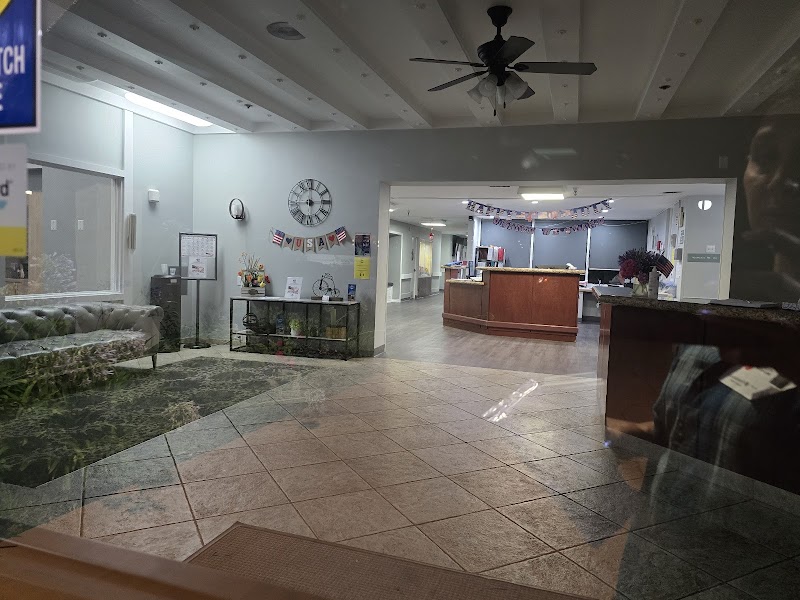
Who Owns and Operates Laguna Hills Center?

LAGUNA HILLS HEALTH AND REHABILITATION CENTER is owned by a for-profit company. For-profit facilities operate as businesses with obligations to shareholders or private owners. The facility is operated by CAMBRIDGE HEALTHCARE SERVICES, a chain that manages multiple nursing homes. With 208 certified beds and approximately 162 residents (about 78% occupancy), it is a large facility located in LAGUNA HILLS, California.
How Does Laguna Hills Center Compare to Other California Nursing Homes?

Compared to the 100 nursing homes in California, LAGUNA HILLS HEALTH AND REHABILITATION CENTER's overall rating (1 stars) is below the state average of 3.1, staff turnover (34%) is significantly lower than the state average of 46%, and health inspection rating (1 stars) is much below the national benchmark.

What Should Families Ask When Visiting Laguna Hills Center?

Based on this facility's data, families visiting should ask: "Can I visit during a mealtime to observe dining assistance and food quality?" "How do you handle medical emergencies, and what is your hospital transfer rate?" "Can I speak with family members of current residents about their experience?"

Is Laguna Hills Center Safe?

Based on CMS inspection data, LAGUNA HILLS HEALTH AND REHABILITATION CENTER has a clean safety record: no substantiated abuse findings (meaning no confirmed cases of resident harm), no Immediate Jeopardy citations (the most serious violation level indicating risk of serious injury or death), and is not on the Special Focus Facility watch list (a federal program monitoring the lowest-performing 1% of nursing homes). The facility has a 1-star overall rating and ranks #100 of 100 nursing homes in California. While no facility is perfect, families should still ask about staff-to-resident ratios and recent inspection results during their visit.

Do Nurses at Laguna Hills Center Stick Around?

LAGUNA HILLS HEALTH AND REHABILITATION CENTER has a staff turnover rate of 34%, which is about average for California nursing homes (state average: 46%). Moderate turnover is common in nursing homes, but families should still ask about staff tenure and how the facility maintains care continuity when employees leave.

Was Laguna Hills Center Ever Fined?

LAGUNA HILLS HEALTH AND REHABILITATION CENTER has been fined $9,750 across 1 penalty action. This is below the California average of $33,176. While any fine indicates a compliance issue, fines under $50,000 are relatively common and typically reflect isolated problems that were subsequently corrected. Families should ask what specific issues led to these fines and confirm they've been resolved.

Is Laguna Hills Center on Any Federal Watch List?

LAGUNA HILLS HEALTH AND REHABILITATION CENTER is not on any federal watch list. The most significant is the Special Focus Facility (SFF) program, which identifies the bottom 1% of nursing homes nationally based on persistent, serious quality problems. Not being on this list means the facility has avoided the pattern of deficiencies that triggers enhanced federal oversight. This is a positive indicator, though families should still review the facility's inspection history directly.