VILLA VALENCIA HEALTHCARE CENTER
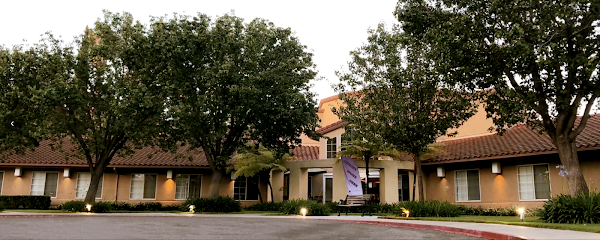
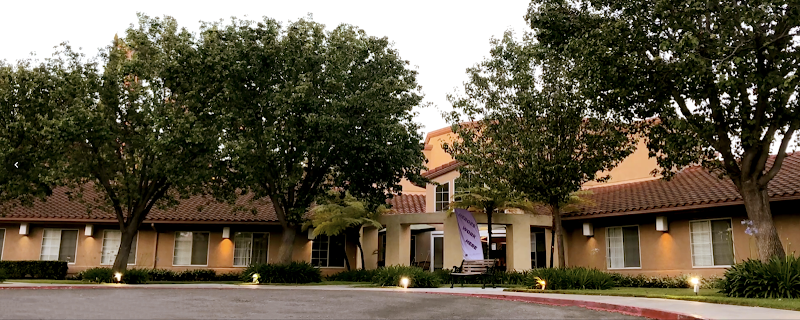
25000 CALLE DE LOS CABALLEROS, LAGUNA HILLS, CA 92653 (949) 609-7540
For profit - Limited Liability company 59 Beds ASPEN SKILLED HEALTHCARE Data: November 2025
Trust Grade
70/100
#498 of 1155 in CA
Last Inspection: May 2025

Inspected within the last 6 months. Data reflects current conditions.

Overview

Villa Valencia Healthcare Center has a Trust Grade of B, which indicates it is a good choice overall, but not without its issues. It ranks #498 out of 1,155 facilities in California, placing it in the top half, and #37 out of 72 in Orange County, meaning there are only a few better local options. Unfortunately, the facility is experiencing a worsening trend, with issues increasing from 5 in 2024 to 17 in 2025. Staffing is rated average at 3 out of 5 stars, with a turnover rate of 41%, which is similar to the California average, while it benefits from more RN coverage than 94% of state facilities, ensuring better oversight of resident care. However, there have been specific concerns regarding food safety and sanitation, including failures to maintain proper temperatures for food, ensure staff followed hand hygiene protocols, and supervise food service operations, which raises red flags about the quality of care provided. Overall, while there are strengths such as RN coverage and no fines, the increasing number of issues and specific incidents related to food safety are concerning for families considering this facility.

Trust Score
B
70/100
In California
#498/1155
Top 43%
Safety Record
Low Risk
No red flags
Inspections
Getting Worse
5 → 17 violations
Staff Stability
○ Average
41% turnover. Near California's 48% average. Typical for the industry.
Penalties
✓ Good
No fines on record. Clean compliance history, better than most California facilities.
Skilled Nurses
✓ Good
Each resident gets 71 minutes of Registered Nurse (RN) attention daily — more than 97% of California nursing homes. RNs are the most trained staff who catch health problems before they become serious.
Violations
⚠ Watch
36 deficiencies on record. Higher than average. Multiple issues found across inspections.
★★★★☆
4.0
Overall Rating
★★★☆☆
3.0
Staff Levels
★★★★☆
4.0
Care Quality
★★★★☆
4.0
Inspection Score
Stable
2024: 5 issues
2025: 17 issues

The Good

  • 4-Star Quality Measures · Strong clinical quality outcomes
  • Full Sprinkler Coverage · Fire safety systems throughout facility
  • No fines on record
  • Staff turnover below average (41%)

    7 points below California average of 48%

Facility shows strength in quality measures, fire safety.

The Bad

Staff Turnover: 41%

Near California avg (46%)

Typical for the industry

Chain: ASPEN SKILLED HEALTHCARE

Part of a multi-facility chain

Ask about local staffing decisions and management

The Ugly 36 deficiencies on record

May 2025 14 deficiencies
CONCERN (D)

Potential for Harm - no one hurt, but risky conditions existed

Deficiency F0558 (Tag F0558)

Could have caused harm · This affected 1 resident

**NOTE- TERMS IN BRACKETS HAVE BEEN EDITED TO PROTECT CONFIDENTIALITY** Based on observation, interview, medical record review, and facility P&P review, the facility failed to provide the reasonable a...

Read full inspector narrative →
**NOTE- TERMS IN BRACKETS HAVE BEEN EDITED TO PROTECT CONFIDENTIALITY** Based on observation, interview, medical record review, and facility P&P review, the facility failed to provide the reasonable accommodations to meet the needs of three nonsampled residents (Residents 16, 46, and 346). The facility failed to ensure Residents 16, 46, and 346's call lights were within the residents' reach. These failures had the potential to negatively impact the residents' psychosocial well-being or result in a delay in receiving care. Findings: 1. Review of the facility's P&P titled Call Light Answering revised 1/2025 showed it is the policy to provide the resident a means of communication with the nursing staff, to leave the resident comfortable and to place the call device within the resident's reach before leaving the room. On 5/13/25 at 1224 hours, during the initial tour of the facility, a concurrent observation and interview was conducted with Resident 346. Resident 346 was observed awake, lying in bed in her room. Resident 346 stated during the graveyard shift (2300 to 0700 hours), he used his call light because he felt pain on his left leg and wanted to reposition his legs. Resident 346 stated he pressed his call light; however, he waited for two to three hours for someone to assist him. Resident 346 could not recall exactly what the time was at night. Resident 346 stated he kept track of the time by checking his mobile phone. Resident 346 stated he could not wait any longer, so he started yelling for help, and further stated, my voice was probably scary, so somebody showed up, and they tried to calm me down and I told them I needed help. Medical record review for Resident 346 was initiated on 5/13/25. Resident 346 was admitted to the facility on [DATE]. Review of Resident 346's H&P examination dated 4/25/25, showed Resident 346 had the capacity to make decisions. Review of Resident 346's MDS assessment dated [DATE], showed Resident 346 was cognitively intact, with no impairment to upper and lower extremities, and dependent on facility to staff members for toileting, personal hygiene and bed mobility. On 5/14/25 at 1038 hours, Resident 346 was observed asleep and in bed. Resident 346's call light was observed on the floor and not within the resident's reach. On 5/14/25 at 1043 hours, a concurrent observation and interview for Resident 346 was conducted with RN 1. RN 1 verified Resident 346's call light was observed on the floor and not within the resident's reach. 2. On 5/15/25 at 0620 and 0704 hours, Resident 46 was observed asleep and in bed. Resident 46's call light was observed on the floor and not within the resident's reach. On 5/15/25 at 0707 hours, a concurrent observation and interview for Resident 46 was conducted with CNA 2. CNA 2 verified Resident 46's call light was observed on the floor and not within the resident's reach. CNA 2 stated the call light should be within reach so the resident could call for help or assistance. Medical record review for Resident 46 was initiated on 5/13/25. Resident 46 was admitted to the facility on [DATE]. Review of Resident 46's H&P examination dated 5/14/25, showed Resident 46 had the capacity for medical decision-making. 3. On 5/15/25 at 0622 and 0705 hours, Resident 16 was observed asleep and in bed. Resident 16's call light was observed hanging on the left side of the bed and not within the resident's reach. On 5/15/25 at 0710 hours, a concurrent observation and interview for Resident 16 was conducted with RNA 1. RNA 1 verified Resident 16's call light was observed hanging on the left side of the bed and not within the resident's reach. RNA 1 stated Resident 16 could use the call light. Medical record review for Resident 16 was initiated on 5/13/25. Resident 16 was admitted to the facility on [DATE]. Review of Resident 16's H&P examination dated 4/13/25, showed Resident 16 had the capacity to understand and make decisions. Review of Resident 16's MDS assessment dated [DATE], showed Resident 16 had severe cognitive impairment, with no impairment to upper and lower extremities, and needed supervision or touching assistance with personal hygiene, partial/ moderate assistance with mobility, and substantial/maximal assistance with toileting hygiene.
CONCERN (D)

Potential for Harm - no one hurt, but risky conditions existed

Quality of Care (Tag F0684)

Could have caused harm · This affected 1 resident

**NOTE- TERMS IN BRACKETS HAVE BEEN EDITED TO PROTECT CONFIDENTIALITY** Based on observation, interview, and medical record review, the facility failed to provide services to attain or maintain the hi...

Read full inspector narrative →
**NOTE- TERMS IN BRACKETS HAVE BEEN EDITED TO PROTECT CONFIDENTIALITY** Based on observation, interview, and medical record review, the facility failed to provide services to attain or maintain the highest practicable well-being for one nonsampled resident (Resident 30). * Resident 30 had a physician's orders to administer Synthroid (man-made thyroid hormone) and Ajovy (used to prevent migraines in adults) medications from the acute care hospital. However, these orders were omitted during the admission process to the facility. This failure posed the risk of the resident not being able to take the prescribed medications and could potentially cause adverse effects to Resident 30 due to missing the prescribed medications. Findings: According to GoodRx.com's article titled Thyroid Hormone Medication dated 2/11/25, showed the thyroid hormone medications provide thyroid hormone when the body does not have enough such as in hypothyroidism. Thyroid hormones play an important role in growth and development. It also regulates your metabolism and body temperature. Levothyroxine is the hypothyroidism medication prescribed the most, and it is the first-choice medication for people with the condition. After missing several doses of the thyroid medication in a row, symptoms of low thyroid levels will be noticeable, such as constipation, feeling weak or tired, muscle and joint pain, weight gain, and sensitivity to cold. Levothyroxine levels in the body start to drop significantly after about six or seven days, and will likely notice symptoms of hypothyroidism if the medication was missed a week or more. If the medication is not restarted, the levels will continue to drop, and more severe symptoms are possible. In severe cases, untreated hypothyroidism can result in a condition known as myxedema coma. Medical record review for Resident 30 was initiated on 5/13/25. Resident 1 was admitted to the facility on [DATE]. Review of Resident 30's H&P evaluation dated 4/17/25, showed the resident may make own medical needs known. Review of Resident 30's MDS assessment dated [DATE], showed the resident was cognitively intact. Review of the acute care hospital's Discharge to Post-Acute/ SNF AVS Report dated 4/17/25, under the Reconciled Home Medications section, showed the following physician's orders: - levothyroxine (Synthroid) 125 mcg tablet daily before breakfast; and - fremazumab-vfrm (Ajovy) 225 mg/1.5 ml syringe, inject under the skin. Review of Resident 30's Order Summary Report dated 4/17/25, failed to show the physician's orders for the Synthroid and Ajovy medications. Review of Resident 30's Progress Notes dated 4/17/25 at 2347 hours, showed Resident 30 brought some medications on hand, and all the orders were faxed to the facility. There was no documentation the licensed nursing staff had clarified with the physician nor any of the resident's family member about the Synthroid and Ajovy medications. Review of Resident 30's MAR for April and May 2025 showed Resident 30 was administered the Synthroid medication on 4/27 to 5/15/25. Resident 30 was administered with the Synthroid medication 10 days after admission to the facility. On 5/15/25 at 0949 hours, an interview and concurrent medical record review for Resident 30 was conducted with RN 1. RN 1 stated for Resident 30's initial admission on [DATE], she, started queuing the physician's orders into the electronic health record using the Discharge to Post-Acute/SNF AVS Report from the acute care hospital. RN 1 further stated when she was done entering the physician's order into the electronic health record, she would place a checkmark on the report form to identify the medications were entered. RN 1 verified the Discharge Post-Acute/SNF AVS Report included the Synthroid and Ajovy medications; however, they were not checked on the report. RN 1 stated she missed the Synthroid medication and did not enter the Ajovy medication because the order on the report did not include a frequency. RN 1 acknowledged she did not verify the frequency of the Ajovy medication from the resident, family member, nor the physician. On 5/15/25 at 1332 hours, an interview and concurrent medical record for Resident 30 was conducted with LVN 1. LVN 1 stated Resident 30 spoke with her about the medication, and she informed the physician on 4/26/25. LVN 1 stated Resident 30 did not tell her that she felt weak at that time. LVN 1 stated Resident 30 was not monitored for any change of condition, nor laboratory tests were ordered because she did not have a change of condition. When LVN 1 was informed that Resident 30 stated she felt weak several days after admission to the facility, LVN 1 stated, weakness has nothing to do with not taking the Synthroid medication. On 5/16/25 at 0920 hours, a telephone interview and concurrent medical record review for Resident 30 was conducted with RN 3. RN 3 stated for Resident 30, RN 1 entered the physician's orders into the electronic health record using the Discharge to Post-Acute/SNF AVS Report from the acute care hospital. RN 3 further stated when Resident 30 was transferred to the facility, RN 3 activated her medications into the electronic health record. When asked if she double checked all the medications from the medication list report from the acute care hospital were transcribed and entered into the facility's electronic health record, RN 3 answered no.
CONCERN (D)

Potential for Harm - no one hurt, but risky conditions existed

Deficiency F0694 (Tag F0694)

Could have caused harm · This affected 1 resident

**NOTE- TERMS IN BRACKETS HAVE BEEN EDITED TO PROTECT CONFIDENTIALITY** 2. Medical record review for Resident 344 was initiated on 5/13/25. Resident 344 was admitted to the facility on [DATE]. Review...

Read full inspector narrative →
**NOTE- TERMS IN BRACKETS HAVE BEEN EDITED TO PROTECT CONFIDENTIALITY** 2. Medical record review for Resident 344 was initiated on 5/13/25. Resident 344 was admitted to the facility on [DATE]. Review of Resident 344's Order Summary Report showed the following physician's orders dated 5/3/25: - To check the right upper arm midline site every shift; - To perform dressing change of PICC line site every day shift every seven days and record external catheter measurement in every dressing change; and - To perform dressing change of PICC line site as needed and record external catheter measurement in every dressing change Review of Resident 344's plan of care showed the following: - A care plan problem dated 5/5/25, to address Resident 344's IV therapy related to poor oral intake and high risk for infection on the right upper arm midline IV site. The interventions included observing IV site for redness, tenderness, swelling, puffiness, infiltration, and occlusion. Review of Resident 344's IV record for May 2025 showed the dressing change and external catheter measurement of PICC line site were documented on 5/9/25. The record did not show the resident's right upper arm circumference was measured. Further review of Resident 344's medical record did not show the resident's right upper arm circumference was measured upon admission. On 5/16/25 at 0940 hours, an interview and concurrent interview and medical record review for Resident 344 was conducted with RN 1. RN 1 verified Resident 344 had a midline catheter on his right upper arm. RN 1 stated the nurses assessed the midline catheter during the dressing change included measuring the catheter length and comparing it to the initial length upon admission. RN 1 verified the orders for the dressing change weekly and as needed were for PICC line site. RN 1 acknowledged the orders should be for midline catheter and not for PICC line. On 5/16/25 at 0956 hours, an observation and concurrent interview for Resident 344 was conducted with RN 1. RN 1 verified Resident 344 was lying in bed, and the dressing on the right upper arm midline catheter was observed with bleeding on the insertion site which was covered with a Biopatch protective disk (a polyurethane foam disc dressing impregnated with chlorhexidine gluconate or CHG, used to reduce infections around central venous or arterial catheter insertion sites) site. When asked to identify the label, RN 1 could not read the writing on the label of the dressing on the resident's right upper arm. On 5/16/25 at 1047 hours, a follow-up interview for Resident 344 was conducted with RN 1. When asked about the measurement of the arm circumference for the residents with midline catheter, RN 1 acknowledged the nurses did not measure the arm circumference upon admission. RN 1 stated the nurses only checked the site every shift, flushed the catheter before and after medication administration, changed the dressing, and measured the external catheter every seven days. Based on observation, interview, medical record review, and facility P&P review, the facility failed to provide the necessary care and services to maintain the intravenous accesses for two of two final sampled residents (Residents 5 and 344) reviewed for IV catheter devices. * The facility failed to ensure Resident 5's right upper arm circumference was measured for the use of the PICC line. * The facility failed to ensure Resident 344's right upper arm circumference with a midline catheter was measured upon admission per the facility's P&P. These failures had the potential to delay the identification of catheter related complications for the residents. Findings: According to the NIH, external length is measured at the time of insertion and used for future measurement comparison. If a PICC line is in place, arm circumference is also measured each shift and results compared to previous readings. Review of the facility's P&P titled Midline Catheter Dressing Change dated 3/2023 showed the catheter dressing changes are to be performed by RNs and IV certified LVNs according to state law and facility policy. The Policy section showed to measure the upper arm circumference (three inches or 10 centimeters above insertion site) upon admission. Medical record review for Resident 5 was initiated on 5/13/25. Resident 5 was admitted to the facility on [DATE]. Review of Resident 5's MDS assessment dated [DATE], showed the resident's cognition was moderately impaired. Review of Resident 5's Order Summary Report dated 4/30/25, showed a physician's order dated 4/17/25, to check the right upper arm PICC line site every shift. Review of Resident 5's Care Plan Report dated 5/14/25, showed a plan of care dated 4/17/25, addressing the resident's potential for IV related complications such as infection, swelling, venous thrombosis, drainage and/or fever, hemorrhage related to dislodgment/broken/disconnection. The interventions included to measure the upper arm circumference 10 cm superior to the insertion site; specify in cm. Further review of Resident 5's medical record failed to show documented evidence the measurement of Resident 5's right upper arm circumference was obtained upon admission to the facility. On 5/13/25 at 0928 hours, an observation and concurrent interview was conducted with the ADON. The ADON verified Resident 5's use of the PICC line on the right upper arm with a transparent dressing dated 5/8/25. The ADON stated Resident 5 used the PICC line for his IV antibiotic. On 5/16/25 at 0719 hours, an interview and concurrent medical record review was conducted with RN 1. RN 1 verified there was no documentation of the measurement for Resident 5's right upper arm circumference. RN 1 stated Resident 5's right upper arm circumference should have been measured to make sure there was no infiltration or complication. On 5/16/25 at 1337 hours, the Administrator and DON were informed and acknowledged the above findings.
CONCERN (D)

Potential for Harm - no one hurt, but risky conditions existed

Respiratory Care (Tag F0695)

Could have caused harm · This affected 1 resident

**NOTE- TERMS IN BRACKETS HAVE BEEN EDITED TO PROTECT CONFIDENTIALITY** 3. Medical Record review for Resident 26 was initiated on 5/13/25. Resident 26 was admitted to the facility on [DATE]. On 5/13/...

Read full inspector narrative →
**NOTE- TERMS IN BRACKETS HAVE BEEN EDITED TO PROTECT CONFIDENTIALITY** 3. Medical Record review for Resident 26 was initiated on 5/13/25. Resident 26 was admitted to the facility on [DATE]. On 5/13/25 at 0830 hours, Resident 26 was observed to have a nebulizer mask and tubing stored inside the bedside table drawer, touching the base of the drawer, and not bagged. Resident 26 stated she received a breathing treatment via nebulizer two times a day. On 5/13/25 at 0945 hours, an observation for Resident 26 and concurrent interview was conducted with RN 2. Resident 26's nebulizer tubing and mask were found to be unbagged and undated. RN 2 stated the nebulizer should be properly bagged and dated. RN 2 verified the findings. Based on observation, interview, medical record review, and facility P&P review, the facility failed to provide the necessary respiratory care services for two of two final sampled residents (Residents 26 and 344) and one nonsampled resident (Resident 21) reviewed for respiratory care services * The facility failed to ensure Resident 21's CPAP mask was stored properly when not in use. In addition, the facility failed to ensure the CPAP mask was cleaned per the facility's P&P, and the resident's care plan. * The facility failed to ensure Resident 344's nasal cannula tubing was stored inside a set-up bag when not in use. * The facility failed to ensure Resident 26's nebulizer mask and tubing were stored inside a set-up bag when not in use. These failures posed the risk for the residents' respiratory supplies and equipment to become contaminated which had the potential to negatively affect the residents' medical conditions. Findings: 1. Review of the facility's P&P titled CPAP/BiPAP Support revised 3/2015, under General Guidelines for Cleaning section, showed the following: - For machine cleaning, wipe the machine with warm, soapy water and rinse at least once a week and as needed; - For humidifier (if used), use clean, distilled water only in the humidifier chamber, clean humidifier weekly and air dry, and to disinfect, place vinegar-water solution (1:3 ratio) in clean humidifier, soak for 30 minutes and rinse thoroughly; - For filter cleaning, rinse the washable filter under running water once a week to remove dust and debris, replace the filter at least once a year, and replace disposable filters monthly; - For masks, nasal pillows and tubing, clean daily by placing in warm, soapy water and soaking/ agitating for five minutes. Mild dish detergent is recommended. Rinse with warm water and allow air dry between uses; and - For the headgear (strap), wash with warm water and mild detergent as needed, and allow to air dry. Medical record review for Resident 21 was initiated on 5/13/25. Resident 21 was admitted to the facility on [DATE]. Review of Resident 21's Order Summary Report showed a physician's order dated 3/31/25, for the CPAP per home setting, and CPAP schedule to start at 2100 hours and discontinue at 0800 hours. Review of Resident 21's MAR for May 2025 showed Resident 21 was administered with CPAP on 5/1 to 5/13/25. Review of Resident 21's plan of care showed a care plan problem dated 3/20/25, to address Resident 21's needing special care related to CPAP machine use and risk for complications. The interventions included cleaning the CPAP tubing weekly and as needed and cleaning the CPAP headgear weekly and as needed when soiled. Further review of Resident 21's medical record failed to show documented evidence of cleaning the CPAP machine, humidifier, filter, masks, nasal pillows and tubing, and headgear. On 5/13/25 at 1135 hours, during the initial tour of the facility, Resident 21 was not in the room. A CPAP mask was observed on the nightstand, and there was no set-up bag to store the CPAP mask. On 5/13/25 at 1430 hours, an observation for Resident 21 and concurrent interview was conducted with RN 2. RN 2 verified Resident 21 was asleep in bed, and his CPAP mask was on the nightstand and not in a set-up bag when not in use. On 5/16/25 at 0951 hours, an interview and concurrent medical record review for Resident 21 was conducted with RN 1. RN 1 stated the night shift nurses applied the CPAP mask to Resident 21. When asked about cleaning the CPAP, RN 1 stated she was not sure about cleaning the CPAP machine and mask. RN 1 stated there was no order to clean the CPAP machine and mask. On 5/16/25 at 0959 hours, an observation for Resident 21 and a concurrent interview was conducted with RN 1. RN 1 acknowledged Resident 21 was in bed and currently using the CPAP mask. 2. Medical record review for Resident 344 was initiated on 5/13/25. Resident 344 was admitted to the facility on [DATE]. Review of Resident 344's Order Summary Report showed a physician's order dated 5/5/25, to administer oxygen at two liters per minute via nasal cannula at bedtime. Review of Resident 344's MAR for May 2025 showed Resident 344 was administered with oxygen at two liters per minute via nasal cannula on 5/5 to 5/15/25 at 2100 hours. On 5/13/25 at 1132 hours, during the initial tour of the facility, Resident 344 was observed asleep in bed. A nasal cannula tubing was observed on top of the oxygen concentrator. On 5/13/25 at 1426 hours, an observation for Resident 344 and concurrent interview was conducted with RN 2. RN 2 verified Resident 344 was asleep in bed, and a nasal cannula tubing was on top of the oxygen concentrator and not stored in a set-up bag. RN 2 stated the nasal cannula should be stored inside the set-up bag when not in use.
CONCERN (D)

Potential for Harm - no one hurt, but risky conditions existed

Deficiency F0726 (Tag F0726)

Could have caused harm · This affected 1 resident

Based on observation, interview, and facility document review, the facility failed to ensure the competency of one of two licensed nurses (LVN 2) observed in performing a calibration of a medical equi...

Read full inspector narrative →
Based on observation, interview, and facility document review, the facility failed to ensure the competency of one of two licensed nurses (LVN 2) observed in performing a calibration of a medical equipment . LVN 2 was unable to demonstrate competency in the calibration of a glucometer. This failure had the potential of not providing care to the residents in a safe and competent manner. Findings: Review of the glucometer manufacturer's information sheet titled Assure Platinum Blood Glucose Monitoring System Quality Assurance/ Quality Control Reference Manual (undated) under the Quality Checks section showed the following: - To perform a control solution test, before testing with the Assure Platinum System for the first time, when a new bottle of test strips was opened, whenever meter or test strips may not be functioning properly, if the test test results appear to be abnormally high or low, or are not consistent, when the test strip bottle has been left open or exposed to temperatures below 39 degrees F or above 86 degrees F, or humidity levels above 8%, to check technique, when the Assure Platinum Meter has been dropped or stored below 32 degrees F or above 122 degrees F, and each time the batteries are changed; and - The first two of six steps in performing a control solution test were: Step 1: Insert test strip into the blood glucose meter, and Step 2: Press the Back or Forward button one time to enter the control solution mode (a control solution bottle will appear at the top right of the screen). Review of the facility's document titled List of Residents on Blood Sugar Check (undated) for Medication Cart A showed six residents were the list for their blood sugar checks. On 5/15/25 at 0639 hours, an inspection of the glucometer in Medication Cart A, concurrent interview and facility document review was conducted with LVN 2. The container of the test strips showed the control solution ranges from 86 to 108 mg/dl for Level 1 and 215 to 269 mg/dl for Level 2. LVN 2 stated there was one glucometer for each cart. When asked about glucometer calibration, LVN 2 stated the night shift nurses performed the glucometer calibration nightly between 1900 to 0700 hours. When asked to show how to calibrate the glucometer, LVN 2 was observed dispensing a drop of the low control solution test on the surface of an inverted medication cup, then LVN 2 inserted a test strip into the upper port of the glucometer. The test strip was brought into contact with the drop of control solution and the glucometer displayed a result of 98 mg/dl. Then, LVN 2 was observed dispensing a drop of the high control solution test on the surface of the inverted medication cup, then LVN 2 inserted a test strip into the upper port of the glucometer. The test strip was brought into contact with the drop of control solution and the glucometer displayed a result of 384. LVN 2 stated it was out of range, and he proceeded to perform another high control test, and the glucometer displayed a result of 381 mg/dl, which was still out of range. LVN 2 was not observed pressing the back or forward button, and the control solution bottle did not appear on the top right of the screen while he performed the glucometer calibration. LVN 2 verified the above findings. When asked if he received an in-service training on glucometer quality control, LVN 2 stated he had a training on glucometer calibration when he was newly hired three years ago, and he did not have an annual skills check on glucometer calibration. On 5/16/25 at 0818 hours, an interview and concurrent facility document review was conducted with the DSD/IP. The DSD/IP stated the glucometer calibration should be performed if a new glucometer was being used. The DSD/IP stated she provided an in-service training on glucometer calibration last January, to which she showed the Class Attendance Roster. Review of the facility document titled Class Attendance Roster for Assure Platinum Blood Glucose Meter dated 1/15/23, showed LVN 2 attended the class. Cross reference to F908, example #4.
CONCERN (D)

Potential for Harm - no one hurt, but risky conditions existed

Deficiency F0760 (Tag F0760)

Could have caused harm · This affected 1 resident

Based on observation, interview, medical record review, and professional standards literature review, the facility failed to ensure one of three sampled residents (Resident 5) was free of significant ...

Read full inspector narrative →
Based on observation, interview, medical record review, and professional standards literature review, the facility failed to ensure one of three sampled residents (Resident 5) was free of significant medication errors as evidenced by: * RN 4 administered Resident 5's ciprofloxacin (antibiotic) eye drop into the wrong eye. This failure had the potential for poor health outcome for this resident. Findings: According to Kozier & Erb's Fundamentals of Nursing textbook, when preparing eye medications for the residents, the MAR is checked to verify which eye is to be treated. On 5/14/25 at 0845 hours, a medication pass observation for Resident 5 was conducted with RN 4. RN 4 was observed preparing medications for Resident 5. The medications prepared included ciprofloxacin 0.3% (antibiotic)eye drop solution. The label on Resident 5's ciprofloxacin showed the eye drop was to be administered to Resident 5's left eye for Resident 5's left eye infection. RN 4 was then observed administering an eye drop to Resident 5's right eye. During the concurrent observation and review of Resident 5's May 2025 Medication Administration Record (MAR) with RN 4, RN 4 verified Resident 5's ciprofloxacin eye drop was to be instilled into Resident 5's left eye for his left eye infection. Further review of Resident 5's May 2025 MAR showed Resident 5 had an order dated 5/8/25, for ciprofloxacin solution 0.3% one drop to the left eye four times daily for left eye infection. RN 4 verified the order for Resident 5's eye drop as shown on Resident 5's 2025 MAR. RN 4 acknowledged she administered Resident 5's eye drop into the right eye instead of Resident 5's left eye as ordered by the physician. On 5/14/25 at 0910 hours, an interview was conducted with Resident 5. When asked which eye RN 4 administered his eye drop, Resident 5 verified RN 4 administered Resident 5's antibiotic eye drop into his right eye. When asked which eye Resident 5 had his infection, Resident 5 verified he had an infection to his left eye.
CONCERN (D)

Potential for Harm - no one hurt, but risky conditions existed

Deficiency F0761 (Tag F0761)

Could have caused harm · This affected 1 resident

**NOTE- TERMS IN BRACKETS HAVE BEEN EDITED TO PROTECT CONFIDENTIALITY** 2. Review of the facility's P&P titled Medication Storage in the Facility, ID 1: Storage of Medication dated 4/2008 showed medic...

Read full inspector narrative →
**NOTE- TERMS IN BRACKETS HAVE BEEN EDITED TO PROTECT CONFIDENTIALITY** 2. Review of the facility's P&P titled Medication Storage in the Facility, ID 1: Storage of Medication dated 4/2008 showed medications and biologicals are stored safely, securely, and properly, following manufacturer's recommendations or those of the supplier. The medication supply is accessible only to licensed nursing personnel, pharmacy personnel, or staff members lawfully authorized. The provider pharmacy dispenses medications in containers that meet legal requirements, including standards set forth by the United States Pharmacopeia (USP). Medications are kept in these containers. Transfer of medication from one container to another is done only by pharmacy. Medical record review for Resident 31 was initiated on 5/13/25. Resident 31 was admitted to the facility on [DATE]. Review of Resident 31's Order Summary Report dated 4/30/25, showed the physician's orders dated 4/2/25, to administer the following medications: - Mithochondria nutrition PQQ one capsule oral two times a day for supplement - Neuroprotext Px one capsule two times a day for supplement - Stress Calm Px one capsule oral at bedtime for supplement - Joint support nutrients two capsules two times a day for supplement - Megaquin one capsule oral one time a day for supplement - Neurofocus one capsule oral in the morning for supplement before breakfast - Cognicare one capsule two times a day for supplement - Same 200 one capsule one time a day for supplement - SR progesterone (a female sex hormone) 300 mg three capsules oral at bedtime - Transfer factor Multi-Immune one capsule oral in the morning for supplement before breakfast - Vitamin B 12/Methyl Folate (supplements working together to help maintain the health of the gastrointestinal tract, nervous system and the metabolism of protein and fats) 1000 mcg/800 mcg one cap sublingual On 5/13/25 at 0920 hours, a tote bag was observed hanging on a pole from Medication Cart B. The tote bag contained various pills and tablets. Medication Cart B was stationed in the hallway in front of Resident 246's room. RN 2 who was responsible for Medicine Cart B was seen walking toward the nursing station, leaving the cart unsupervised and unsecured. On 5/13/25 at 0945 hours, RN 2 was administering medication to Resident 246 behind a closed curtain. Medication Cart B with a tote bag with medications was observed to be unsupervised and unsecured. On 5/13/25 at 1005 hours, an observation, interview, and concurrent record review for Resident 246 was conducted with RN 2. When asked about the tote bag containing medications and supplements, RN 2 stated the tote bag belonged to Resident 31 and the resident's family member had brought in the medications upon admission. RN 2 stated they would retrieve the tote bag from the medication room at the beginning of their shift and return it at the end of the shift. RN 2 used the medications and supplements in the tote bag to administer them to Resident 31. During the observation, the tote bag contained the following medications and supplements: - one opened bottle of progesterone SR (used to help prevent changes in the wom in women who are taking estrogens after menopause) 300 mg contained 25 capsules - one opened bottle of Neuro Protex PX (supports focus and memory) - Three foil blister packs of Same 200 enteric-coated adenosyl L-methionine (helps maintain a stable mood and supports both joint and liver health) ( one pack contained 10 caplets) - one opened bottle of Transfer Factor Multi Immune (daily supplement to promote and maintain immune system d) - one opened bottle of Cognicare (used for management of autism and learning disorders) - one opened bottle of Bowel Mover - one opened bottle of Mitochondria Nutrition (supports healthy mental performance) - one opened bottle of [NAME] joint support nutrients - one opened bottle of Megaquin Potasium 2 (supports bone, heart, nerve, and immune function) and vitamin D3 - one opened bottle of Stress Calm PX (used to alleviate occasional symptoms of stress) - one opened bottle of Methyl B12 with L-methylfolate (supports brain function, mood, and energy levels) - two loose, unidentified tablets at the bottom of the bag RN 2 stated there was no available space in Medicine Cart B for these supplements. RN 2 acknowledged all medications and supplements should be securely stored. RN 2 was informed of the observation regarding Medication Cart B was left unsupervised and unsecured. RN 2 verified these findings and organized the third drawer of Medication Cart B to accommodate the storage of Resident 31's medications and supplements. Based on observation, interview, and facility P&P review, the facility failed to ensure proper storage and labeling of medications as evidenced by: * The label was not readable for the Advair (inhaler) * One bottle of iodine liquid was leaking and one wound cleanser bottle with brownish drops, inside the treatment cart * Two expired Sanicloth wipes containers were observed inside a storage room * Two expired Glucerna GT feeding formulas were observed stored in the emergency food storage closet * The facility failed to ensure the medications were not left unattended in Medication Cart B for one sampled resident (Resident 31). * The facility failed to ensure the medications were safely and properly stored. * The facility failed to ensure Resident 645's albuterol medication was stored properly and safely. * The facility failed to ensure the semaglutide (used to treat type 2 diabetes and for chronic weight management) medication was not left on Resident 345's bedside table unattended. * The facility failed to ensure the magnesium (supplement) medication was not left on top of Resident 28's dresser unattended. These failures posed the risk for unsafe practices and unauthorized access to the medications. Findings: 1. Review of the facility's P&P titled Medication Ordering and Receiving from Pharmacy effective date April 2014 showed medication containers having soiled, damaged, incomplete, or illegible are returned to the dispensing pharmacy for relabeling. a. On 5/14/25 at 0845 hours, a medication pass observation for Resident 5 was conducted with RN 4. RN 4 was observed preparing medications for Resident 5. The medications prepared included Advair. The label (including the dosage information) on Resident 5's Advair inhaler was observed with the print faded and was not readable. Prior to entering Resident 5's room with Resident 5's prepared medications, concurrent observation and interview was conducted with RN 4. RN 4 verified the dosage information on Resident 5's Advair was faded and not readable. b. On 5/13/25 at 1231 hours, a treatment cart inspection was conducted with RN 1. One bottle of povidine iodine liquid was observed with brown liquid leaking down the side of the iodine bottle. Also, the spray nozzle on a bottle of wound cleanser was observed with drops of brown liquid on it. The findings were verified with RN 1. c. Review of the facility's P&P titled Medication Storage in the facility effective 4/2008 showed the medication storage areas are to be kept clean, and conditions monitored and corrected when problems identified. On 05/13/25 at 1311 hours, an inspection of the central supply storage area was conducted with Central Supply 1. Two Sanicloth (brand) bleach wipes with an expiration date of 11/2024 and the other bleach wipes 3/2025 were observed inside the central supply storage area. Also, two Glucerna GT enteral feeding bottles with an expiration date of 5/1/25, were observed inside the emergency food storage area. Central Supply 1 verified the findings. 5. Review of the facility's P&P titled Medication Storage in the Facility dated 4/2008 showed the following: - Medications and biologicals are stored safely, securely, and properly, following the manufacturer's recommendations or those of the supplier. The medications supply is accessible only to licensed nursing personnel, pharmacy personnel, or staff members who are lawfully authorized; and - Only licensed nurses, pharmacy personnel, and those lawfully authorized are allowed access to medications. Medication rooms, carts, and medication supplies are locked or attended by persons with authorized access. On 5/13/25 at 1109 hours, during the initial tour in the facility, Resident 345 was not in the room and a box of semaglutide (antidiabetic) medication was observed on top of the resident's bedside table. On 5/13/25 at 1118 hours, Resident 345 was in a wheelchair, and a box of semaglutide medication was observed on top of the resident's bedside table. When asked about the semaglutide medication, Resident 345 stated she took the medication herself, every morning, and the nurses were aware. Resident 345 further stated she had the semaglutide medication because the nurses ran out of the semaglutide medication on hand. On 5/13/25 at 1125 hours, an observation for Resident 345 and concurrent interview was conducted with RN 2. RN 2 verified Resident 345 was in a wheelchair, and a box of semaglutide medication was observed on top of the resident's bedside table infront of her. RN 2 stated Resident 345 had the semaglutide medication with her because she was supposed to give it to the nurses so they could use it to administer to the resident. Medical record review for Resident 345 was initiated on 5/13/25. Resident 345 was admitted to the facility on [DATE]. Review of Resident 345's H&P examination dated 4/24/25, showed Resident 345 had the capacity to understand and make decisions. Review of Resident 345's Order Summary Report showed a physician's order dated 4/22/25, to administer Rybelsius (semaglutide) 14 mg one tablet by mouth one time a day. On 5/15/25 at 1019 hours, an interview and concurrent medical record review for Resident 345 was conducted with RN 1. RN 1 stated there should be an assessment and care plan to administer the resident's medication by herself, and to keep the medication at the bedside. RN 1 stated the assessment to self-administer the medications was conducted only when the resident requested to self-administer the medications. RN 1 verified Resident 345 was not assessed to self-administer the medication and keep medications safely. 6. On 5/13/25 at 1101 hours, during the initial tour of the facility, Resident 28 was sitting in bed, and a bottle of magnesium was observed on top of the dresser. Resident 28 stated she was not taking the magnesium medication. Resident 28 was observed placing the bottle of magnesium inside the dresser drawer. On 5/13/25 at 1128 hours, an observation for Resident 28 and concurrent interview was conducted with RN 2. RN 2 verified a bottle of magnesium was inside Resident 28's dresser drawer. Medical record review for Resident 28 was initiated on 5/13/25. Resident 28 was admitted to the facility on [DATE]. Review of Resident 28's H&P examination dated 3/19/25, showed Resident 28 may make own medical decisions. Review of Resident 28's Order Summary Report did not show a physician's order to administer magnesium medication, nor to keep the magnesium medication at the bedside. On 5/13/25 at 1249 hours, an interview and concurrent medical record review for Resident 28 was conducted with RN 2. RN 2 verified there was no physician's order to administer the magnesium medication, nor to keep the magnesium medication at the resident's bedside. 3. Review of the facility's P&P titled Medication Storage in the Facility, ID 1: Storage of Medication dated 4/2008 showed medications and biologicals are stored safely, securely, and properly, following manufacturer's recommendations or those of the supplier. The medication supply is accessible only to licensed nursing personnel, pharmacy personnel, or staff members lawfully authorized. The provider pharmacy dispenses medications in containers that meet legal requirements, including standards set forth by the United States Pharmacopeia (USP). Medications are kept in these containers. Transfer of medication from one container to another is done only by pharmacy. On 5/15/25 at 0529 hours, an observation and concurrent interview was conducted at the Nursing Station with LVN 3. Three white round tablets and four pink capsule medications were observed on the floor in front of the Nursing Station. LVN 3 was asked what the medications were, LVN 3 was not able to provide the name of those medications, whose medication, and how long the medications were on the floor. On 5/15/25 at 0725 hours, an interview was conducted with the DON. The DON was informed and acknowledged the above findings. 4. Review of the facility's P&P titled Self-Administration of Medications dated 12/2016 showed self-administered medication must be stored in a safe and secure place, which is not accessible by other residents. If safe storage is not possible in the resident's room, the medications of the residents permitted to self-administer will be stored on a central medication cart or in the medication room. Nursing will transfer unopened medication to the residents requests them. A reference review from mayoclinic.org for the albuterol (brochodilator) medication showed the recommended storage guidelines to keep the medicine in a foil pouch until ready to use it. Store at room temperature, away from heat and direct light. Do not freeze. According to WebMD.com, the albuterol nebulizer solution should be stored between 36 F to 77 F (2 C to 25 C). Protect from light. Store the albuterol vials in the foil pouch when not in use. Once the vial has been removed from the foil pouch, keep the vial for no more than two weeks. Protect from heat. Medical Record Review for Resident 645 was initiated on 5/13/25. Resident 645 was admitted to the facility on [DATE]. Review of Resident 645's H&P examination dated 5/3/25, showed the resident had the capacity to understand and make decisions. Review of Resident 645's Order Summary Report dated 5/15/25, showed an order for albuterol sulfate HFA inhalation aerosol solution 108 (90 Base) mcg/act, two puffs inhale orally every six hours as needed for wheezing/shortness of breath unsupervised self-administration. On 5/13/2 at 0932 hours, during the initial tour of the facility, a concurrent observation and interview was conducted with Resident 645. One albuterol sulfate HFA (hydrofluoroalkane) inhalation aerosol was observed at Resident 645's overbed table and was not stored in the medicine foil pouch. Resident 645 stated she had been taking the albuterol sulfate for her asthma since she was admitted to the facility. On 5/13/25 at 0958 hours, an observation and concurrent interview for Resident 645 was conducted with the DSD. The DSD was asked about the facility's process of storing the medications and leaving the medications at the bedside. The DSD stated no medication should be left at the resident's overbed table because there was a risk for the other residents to take and self-administer the medications. The DSD verified Resident 645's albuterol inhalation aerosol was on the resident's overbed table and was not stored in a safe and secure place. On 5/16/25 at 1325 hours, an interview was conducted with the Administrator and DON. The Administrator and DON were informed and acknowledged the above findings.
CONCERN (D)

Potential for Harm - no one hurt, but risky conditions existed

Deficiency F0909 (Tag F0909)

Could have caused harm · This affected 1 resident

**NOTE- TERMS IN BRACKETS HAVE BEEN EDITED TO PROTECT CONFIDENTIALITY** Based on observation, interview, medical record review, facility P&P review, and facility document review, the facility failed t...

Read full inspector narrative →
**NOTE- TERMS IN BRACKETS HAVE BEEN EDITED TO PROTECT CONFIDENTIALITY** Based on observation, interview, medical record review, facility P&P review, and facility document review, the facility failed to conduct a regular bed inspection as part of a regular maintenance program to identify areas of possible entrapment for two of two final sampled residents (Residents 17 and 344). This failure had the potential to negatively impact the residents resulting in possible entrapment, serious injury, and death. Findings: 1. According to the Hospital Bed System Dimensional and Assessment Guidance to Reduce Entrapment, the term entrapment describes an event in which a patient/resident is caught, trapped, or entangled in the space in or about the bed rail, mattress, or hospital bed frame. Patient entrapments may result in deaths and serious injuries. These entrapment events have occurred in openings within the bed rails, between the bed rails and mattresses, under bed rails, between split rails, and between the bed rails and head or foot boards. The population most vulnerable to entrapment are elderly patients and residents, especially those who are frail, confused, restless, or who have uncontrolled body movement. The seven areas in the bed system where there is a potential for entrapment are: - Zone 1: within the rail; - Zone 2: under the rail, between the rail supports or next to a single rail support; - Zone 3: between the rail and the mattress; - Zone 4: under the rail, at the ends of the rail; - Zone 5: between split bed rails; - Zone 6: between the end of the rail and the side edge of the head or foot board; and - Zone 7: between the head or foot board and the mattress end. Review of the facility's P&P titled Proper Use of Side Rails revised 12/2016 showed when side rail usage is appropriate, the facility will assess between the mattress and side rails to reduce the risk for entrapment, the amount of safe space may vary, depending on the type of bed and mattress being used. Review of the facility's P&P titled Bed Safety revised 12/2007 showed to try to prevent death/ injuries from the beds and related equipment, including the frame, mattress, side rails, headboard, footboard and bed accessories, the facility shall promote the following approaches: - Inspection by maintenance staff of all beds and related equipment as part of our regular bed safety program to identify risks and problems including potential entrapment risks; - Review gaps within the bed system are within the dimensions established by the FDA. Note: The review shall consider situations that could be caused by the resident's weight, movement or bed position; and - Identify additional safety measure for residents who have been identified as having a higher than usual risk for injury including entrapment such as altered mental status, restlessness, etc. A concurrent observation, medical record review, and facility document review for Residents 17 and 344 showed there were no regular bed inspection conducted as part of a regular maintenance program, and the residents' bed entrapment assessments were not conducted. For example: On 5/13/25 at 1132 and 1426 hours, on 5/14/25 at 1049 hours, on 5/16/25 at 0646 and 0800 hours, Resident 344 was observed asleep in bed. Bilateral halo rails were observed elevated. Medical record review for Resident 344 was initiated on 5/13/25. Resident 344 was admitted to the facility on [DATE]. Review of Resident 344's H&P evaluation dated 5/6/25, showed Resident 344 had the capacity to understand and make decisions; however, the mental clarity was fluctuated due to multiple comorbidities and medications. Review of Resident 344's Device Evaluation Tool V.2 dated 5/5/25, showed Resident 344 required a two-person extensive assistance for gait, bed mobility, and transfers. Review of Resident 344's Order Summary Report showed a physician's order dated 5/5/25, for bilateral grab rails for ease/comfort and promote independence in bed mobility, transfer, and repositioning as enabler. On 5/16/25 at 0824 hours, an interview was conducted with CNA 1. CNA 1 stated Resident 344 was alert and oriented, but very weak. CNA 1 further stated Resident 344 could move his arms and roll to the side by using the halo rails. On 5/16/25 at 0956, an interview and concurrent medical record review for Resident 344 was conducted with RN 1. RN 1 stated if the resident or a family member requested for the side rails, the PT or rehabilitation staff needed to evaluate the resident first. RN 1 stated the nurses obtained a physician's order for the side rails, verified the consent for the side rails, completed the assessment, and initiated the care plan to address the use of the side rails. RN 1 stated if there was an indication for the side rails, the nurses verbally informed the maintenance staff to install the side rails. When asked about the entrapment assessment, RN 1 stated she was not sure about the entrapment assessment. On 5/16/25 at 1020 hours, an interview for Resident 344 was conducted with the Maintenance Supervisor. The Maintenance Supervisor stated he was responsible for the monthly bed inspection in the facility, including checking the bed frame, foot board, headboard, bed remote control, call light system, side rails, and mattress, and also the repairs needed for the resident beds. When asked for any documentation of the monthly bed inspection conducted for any of the beds in the facility, the Maintenance Supervisor stated he had done the monthly bed inspection visually and could not provide any documentation. The Maintenance Supervisor stated the ADON verbally informed him if side rails needed to be installed, and the maintenance staff installed the side rails. When asked about the entrapment assessment, the Maintenance Supervisor stated he was familiar with the different zones of entrapment but did not perform any entrapment assessment as part of his monthly bed inspection. The Maintenance Supervisor further stated he had not seen any bed inspection logs, including entrapment assessments from the previous Maintenance Supervisor, and he did not have a measuring device to perform the entrapment assessment. 2. On 5/13/25 at 0826 hours, during the initial tour of the facility, Resident 17 was observed lying in bed with the bilateral grab bars elevated. Resident 17 stated she used the grab bar to get up from the bed. Medical record review for Resident 17 was initiated on 5/13/25. Resident 17 was admitted to the facility on [DATE], and readmitted on [DATE]. Review of Resident 17's MDS assessment dated [DATE], showed Resident 17 was cognitively intact. Review of Resident 17's Order Summary Report dated 4/30/25, showed a physician's order dated 4/14/25, to apply bilateral grab rail for ease and comfort in bed mobility, transfer and repositioning as enabler every shift. Further medical record review and facility document review for Resident 17 failed to show documented evidence the entrapment assessment was completed for Resident 17's use of the bilateral grab rail. On 5/14/25 at 1359 hours, an observation and concurrent interview was conducted with CNA 3. CNA 3 verified Resident 17's bilateral grab bars were elevated. CNA 3 stated Resident 17 used the bilateral grab bars for turning side to side in bed. On 5/16/25 at 0812 hours, an interview was conducted with the Maintenance Supervisor. The Maintenance Supervisor verified he did not measure Resident 17's bed entrapment zones. Moreover, the Maintenance Supervisor stated he did not measure the bed's entrapment zones in the facility. The Maintenance Supervisor stated he did not measure the bed's entrapment zones because the residents were in the facility for a short term period. The Maintenance Supervisor stated he did not have the tool for measuring the bed's entrapment zones. The Maintenance Supervisor further stated he never asked for the tool for measuring the bed's entrapment zones because he was not sure if he had to use it in this facility. The Maintenance Supervisor stated the entrapment zones should have been measured for Resident 17's safety. On 5/16/25 at 0837 hours, an interview and concurrent medical record review was conducted with the ADON. The ADON acknowledged Resident 17's bed had no entrapment assessment completed for the use of the bilateral grab rails. The ADON stated the facility staff did not specifically complete the entrapment assessment but did complete an assessment related to the use of the device. The ADON stated the entrapment assessment was important to determine if the assistive device could cause Resident 17 not to move freely or to be entrapped. On 5/16/25 at 0920 hours, an interview was conducted with the Administrator. The Administrator acknowledged the above findings. The Administrator stated the facility did not use the side rails but used grab bars or halo rail for repositioning. The Administrator stated before the Maintenance Supervisor started working in the facility, the facility borrowed the bed entrapment tool device from another facility to complete the entrapment assessment.
CONCERN (D)

Potential for Harm - no one hurt, but risky conditions existed

Deficiency F0925 (Tag F0925)

Could have caused harm · This affected 1 resident

Based on observation, interview, facility document review, and facility P&P review, the facility failed to maintain an effective pest control program to prevent the presence of flies in the kitchen. T...

Read full inspector narrative →
Based on observation, interview, facility document review, and facility P&P review, the facility failed to maintain an effective pest control program to prevent the presence of flies in the kitchen. This failure had the potential to lead to food borne illnesses (illness caused by food contaminated with bacteria, viruses, parasites or toxins) for the facility residents who consumed food prepared in the kitchen. Findings: Review of the Diet Order Tally Report dated 5/14/25, showed 53 of 54 residents consumed food prepared in the kitchen. According to the USDA Food Code 2022, 6-501.111, Controlling Pests, insects and other pests are capable of transmitting disease to humans by contaminating food and food-contact surfaces. Effective measures must be taken to eliminate their presence in food establishments. Review of the facility's P&P titled Pest Control revised 5/2008 showed the facility maintains an ongoing pest control program to ensure that the building is kept free of insects and rodents. Review of the facility's document titled Orkin Service Report dated 4/1/25, showed the following actions and observations from the previous service date of 3/25/25: - Flies were observed in the kitchen area(s) and drains. - The kitchen was checked for any pest activity and treated as needed. - The floor drains were serviced to control and/or prevent flies from breeding. Review of the facility's document titled Orkin Pest Control dated 5/13/25 at 0419 to 0526 hours, showed the kitchen area was inspected and treated. Food debris was found under the shelves, sinks, cooking area, and coolers. The recommendation showed to clean the areas for pest prevention. On 5/13/25 at 0824 hours, an observation and concurrent interview was conducted with the CDM. Flies were observed flying in Kitchen A area, where the dishwashing machine was located. The CDM acknowledged the presence of the flies in the kitchen and stated the stagnant water on the floor caused the flies to be present in the dishwashing area. On 5/16/25 at 1325 hours, an interview was conducted with the Administrator and DON. The Administrator and DON were informed and acknowledged the above findings.
CONCERN (E)

Potential for Harm - no one hurt, but risky conditions existed

Food Safety (Tag F0812)

Could have caused harm · This affected multiple residents

Based on observation, interview, facility document review, and facility P&P review, the facility failed to ensure the food safety and sanitary requirements were met in the kitchen as evidenced by: * T...

Read full inspector narrative →
Based on observation, interview, facility document review, and facility P&P review, the facility failed to ensure the food safety and sanitary requirements were met in the kitchen as evidenced by: * The facility failed to ensure the proper hand hygiene was followed during the food preparation. * The facility failed to ensure proper labeling and dating of food in the refrigerator. * The facility failed to ensure the hair restraints were worn by staff in the kitchen. * The facility failed to ensure the kitchen equipment was maintained in a sanitary condition. * The facility failed to ensure the food item in the walk-in freezer was dated and labeled. * The facility failed to ensure the ice cream freezer was in sanitary condition. These failures had the potential to cause foodborne illnesses for the 53 residents who consumed food prepared in the kitchen. Findings: Review of the Diet Order Tally Report dated 5/14/25, showed 53 of 54 residents received food prepared in the kitchen. 1. According to the USDA Food Code 2022, Section 2-301.14, Food employees shall clean their hands and exposed portions of their arms as specified under section 2-301.12 immediately before engaging in food preparation including working with exposed food, clean equipment and utensils, and unwrapped single-service and single -use articles and: (F) During food preparation, as often as necessary, to remove soil and contamination and to prevent cross contamination when changing tasks. (I) After engaging in other activities that contaminate the hands. On 5/13/25 at 0752 hours, during the initial tour of Kitchen B, an observation was conducted in Kitchen B with Dietary Aide1. Dietary Aide 1 was observed helping with the tray line preparation for breakfast with ungloved hands, left tray line preparation, and pushed the food cart with ungloved hands. Dietary Aide 1 then went back to help with the tray line without washing his hands. On 5/13/25 at 0756 hours, an observation with Dietary Aide 1 was conducted. During the tray line preparation, a packet of catsup had dropped on the floor, Dietary Aide 1 was observed picking up the packet of catsup and proceeded to continue with the tray line preparation without washing his hands. On 5/13/25 at 0805 hours, an interview and concurrent interview was conducted with the RD. The RD was informed of Dietary Aide 1's ungloved hands during the breakfast tray line preparation. The RD verified the above findings and stated all dietary staff needed to wear gloves when preparing food for residents to prevent cross contamination of food. On 5/16/25 at 0753 hours, an interview was conducted with the DSS. The DSS was informed of the above findings and stated all the dietary staff needed to wash hands when changing tasks and after picking the items from the floor. 2. Review of the facility's P&P titled Refrigerators and Freezer Storage revised 12/2004 showed all the food shall be appropriately dated to ensure proper rotation by expiration dates. Received dates (dates of delivery) will be marked on cases and on individual items removed from cases for storage. Use by dates will be completed with expiration dates on all prepared food in refrigerators. Expiration dates on unopened food will be observed and use by dates indicated once food is opened. On 5/13/25 at 0810 hours, during the initial tour of Kitchen B, an observation and concurrent interview was conducted with Dietary Aide 1. The following was observed: - 17 bowls of salad, undated - nine bowls of fruit, undated - eight cups of iced tea, undated Dietary Aide 1 verified the above findings and stated the food needed to have a label with the date when the food was prepared. 3. According to the USDA Food Code 2022, Section 2-402.11 Hair Restraints, Effectiveness, Food employees shall wear hair restraints such as hats, hair covering or nets, beard restraints, and clothing that covers body hair, that are designed and worn to effectively keep their hair from contacting exposed food, clean equipment, and utensils. Review of the facility's P&P titled Dress Code for women and men dated 2018 showed the beard and moustache (any facial hair) must wear beard restraint. On 5/13/25 at 0752 hours, an observation in Kitchen B and concurrent interview was conducted with [NAME] 1. [NAME] 1 was observed with uncovered facial hair. When asked if his facial hair should be covered, [NAME] 1 verified he needed to use a beard restraint. On 5/13/25 at 0805 hours, an interview was conducted with the RD. The RD was informed of [NAME] 1's uncovered facial hair. The RD verified the findings and stated any kitchen staff with facial hair or beard needed to use the hair restraints to prevent cross contamination of food. 4. Review of the USDA Food Code 2022, Section 4-601.11 Equipment, Food-Contact Surfaces, Nonfood-Contact Surfaces, and Utensils, (A) Equipment, food-contact surface and utensils shall be clean to sight and touch. On 5/13/25 at 0824 hours, during the initial tour of Kitchen A, an observation and concurrent interview was conducted with the CDM. The following was observed and verified by the CDM: - two green chopping boards (use to cut fruit and vegetables) with white and black residue, and - one nonstick pan with black residue on the coating. 5. Review of the facility's P&P titled Refrigerators and Freezer Storage revised 12/2004 showed all food shall be appropriately dated to ensure proper rotation by expiration dates. Received dates(dates of delivery) will be marked on cases and on individual items removed from cases for storage. Use by dates will be completed with expiration dates on all prepared food in refrigerators. Expiration dates on unopened food will be observed and use by dates indicated once food is opened. On 5/13/25 at 0831 hours, during the initial tour of Kitchen A's walk in freezer, an observation and concurrent interview was conducted with the CDM. The following was observed: - one stainless pan container of mustard, undated. - one stainless pan container of sour cream, undated - one stainless pan container of cheese with preparation date 5/8/25, and use by date 5/11/25. The CDM verified the findings and stated all the food items should be dated and labeled. 6. On 5/13/25 at 0831 hours, during the initial tour of Kitchen A, an observation and concurrent interview was conducted with the CDM. A freezer containing an ice cream was observed with ice build up. The CDM verified the findings. When asked regarding the facility's process in maintaining the freezer to prevent ice buildup, the CDM responded by saying, We are just going to clean it. On 5/16/25 at 0753 hours, an interview was conducted with the DSS. The DSS was informed and acknowledged the above findings. On 5/16/25 at 1325 hours, an interview was conducted with the Administrator and DON. The Administrator and DON were informed and acknowledged the above findings.
CONCERN (E)

Potential for Harm - no one hurt, but risky conditions existed

Infection Control (Tag F0880)

Could have caused harm · This affected multiple residents

**NOTE- TERMS IN BRACKETS HAVE BEEN EDITED TO PROTECT CONFIDENTIALITY** 7. Medical Record review of Resident 26 was initiated on 5/13/25. Resident 26 was admitted to the facility on [DATE]. On 5/13/2...

Read full inspector narrative →
**NOTE- TERMS IN BRACKETS HAVE BEEN EDITED TO PROTECT CONFIDENTIALITY** 7. Medical Record review of Resident 26 was initiated on 5/13/25. Resident 26 was admitted to the facility on [DATE]. On 5/13/25 at 0830 hours, Resident 26's disposable gown hamper (dirty) was observed touching the PPE isolation cart. 8.a. Medical Record review of Resident 18 was initiated on 5/13/25. Resident 18 was admitted to the facility on [DATE]. Review of Resident 18's plan of care dated 4/21/25, showed a care plan problem addressing the resident's EBP due to GT and indwelling urinary catheter use. The interventions included to ensure proper PPE were donned before providing high contact activities. On 5/13/25 at 0830 hours, Resident 18's disposable gown hamper (dirty) was observed touching the PPE isolation cart. Resident 18 was observed with a GT and an indwelling urinary catheter hanging on the right side of the bed frame. On 5/13/25 at 0945 hours, an observation and concurrent interview was conducted with RN 2 for Residents 18 and 26. Residents 18 and 26's disposable gown hampers were observed touching the PPE isolation carts. RN 2 acknowledged the disposable gown hamper should not be in contact with the PPE isolation cart due to the potential risk of contamination. RN 2 verified the above findings. 8b. On 5/15/25 at 0515 hours, an observation and concurrent interview was conducted with CNA 4. CNA 4 was observed assisting Resident 18 with incontinent care and dressing. CNA 4 was observed without a gown while providing assistance to Resident 18. An EBP signage was observed outside of the resident's room. When asked about the EBP guidelines for Resident 18, CNA 4 walked outside of the resident's room and stated she should have worn the gown. CNA 4 verified the above findings. 5. On 5/13/25 at 1040 hours, during the initial tour of the facility, an EBP signage was observed posted outside the door of Resident 9's room, and a bin labeled Disposable Gown Hamper and an isolation cart containing gowns were observed on the entrance of the Resident 9's room. The hamper was observed to be full of soiled gowns, preventing the lid from fully closing. Additionally, the hamper was in direct contact with the isolation cart. On 5/13/25 at 1254 hours, an observation for Resident 9's room and concurrent interview was conducted with the DSD/IP. A bin labeled Disposable Gown Hamper and an isolation cart containing gowns were observed on the entrance of the Resident 9's room. The hamper was observed to be full of soiled gowns where the sleeves of the soiled gowns were observed hanging over the edge and falling over the side of the hamper, preventing the lid from fully closing. Additionally, the hamper was in direct contact with the isolation cart. The DSD/IP verified the above findings. The DSD/IP stated the soiled gown hamper and the isolation cart should not be in contact with each other, and must be separated by a clear gap. On 5/16/25 at 0647 hours, an interview was conducted with the Housekeeper. The Housekeeper stated he helped clean the room, and he constantly emptied the trash and hampers for the isolation gowns. Medical record review for Resident 9 was initiated on 5/13/25. Resident 9 was initially admitted on [DATE], and was readmitted to the facility on [DATE]. Review of Resident 9's plan of care showed a care plan problem dated 4/14/25, to address placing the resident on EBP due to the indwelling urinary catheter and wound. 6. On 5/13/25 at 1106 and 1224 hours, an EBP signage was observed posted outside the door of Resident 346's room, and a bin labeled Disposable Gown Hamper and an isolation cart containing gowns were observed on the entrance of Resident 346's room. The hamper was in direct contact with the isolation cart and there was no clear gap between the hamper and isolation cart. On 5/13/25 at 1259 hours, an observation for Resident 346's room and concurrent interview was conducted with the DSD/IP. A bin labeled Disposable Gown Hamper and an isolation cart containing gowns were observed at the entrance of Resident 346's room. The hamper was in direct contact with the isolation cart, there was no clear gap between the hamper and isolation cart. The DSD/IP verified the above findings. Medical record review for Resident 346 was initiated on 5/13/25. Resident 346 was admitted to the facility on [DATE]. Review of Resident 346's plan of care showed a care plan problem dated 4/26/25, to address Resident 346's indwelling urinary catheter. The interventions included implementing EBP. Based on observation, interview, facility document review, and facility P&P review, the facility failed to implement the infection control practices designed to provide a safe and sanitary environment and help prevent the development and transmission of diseases and infections. * The facility failed to ensure Resident 597's onset date of infection on the monthly Infection Prevention and Control Surveillance Log was accurate. * The facility failed to ensure Resident 599's onset date of infection on the monthly Infection Prevention and Control Surveillance Log was accurate. * The facility failed to ensure the pending cultures for Residents 8 and 598 were updated on the Infection Prevention and Control Surveillance Log's Organism for March 2025. In addtion, the facility failed to ensure Resident 8's pending culture was followed up. * The facility failed to ensure the pending culture for Resident 645 on the Infection Prevention and Control Surveillance Log's Organism on Culture column for April 2025 was updated. * CNA 3 failed to perform hand hygiene after delivering the food tray to Room C and before delivering the food tray to Room B. In addition, Room C had an EBP signage on the wall by the entrance door. * The facility failed to ensure the PPE cart was not touching the soiled disposable gown hamper in Room A. * The facility failed to ensure the PPE cart was not touching the soiled disposable gown hamper in Room D. * The facility failed to ensure the soiled gown hamper was not in direct contact and separated by a clear, visible gap with the PPE isolation cart for Residents 9 and 345. In addition, the facility failed to ensure Resident 9's soiled gown hamper was not overflowing with soiled gowns preventing the lid from being fully closed. These failures posed the risk of not identifying infections and controlling the transmission of communicable disease to other resident through the facility. Findings: 1.a. According to HealthIT.gov, the date of onset often is the defining date for the beginning of a reportable condition and is used to classify cases and detect outbreaks and clusters. Exposures must be investigated in relation to the onset date. If the onset date is not captured as a distinct structural data point, public health staff must dig for it in notes or other parts of the medical record and it is inevitably vague and sometimes missing. Date of diagnosis is not the same as date of onset. Date of onset is defined as the first clinical symptom or sign for a particular condition. Review of the facility's P&P titled Infection Prevention and Control Program revised 3/6/25, showed the medical criteria and standardized definitions of infections are used to help recognize and manage infections. Review of Resident 597's Revised McGeer Criteria for Infection Surveillance Checklist showed the date of infection was 2/17/25. Review of the Infection Prevention and Control Surveillance Log for February 2025 showed the Onset Date column for Resident 597 was 2/18/25. On 5/15/25 at 0921 hours, an interview and concurrent facility document review was conducted with the DSD/IP. The DSD/IP verified Resident 597's onset date on the Infection Prevention and Control Surveillance log was 2/18/25, and the date of infection from the Revised McGeer Criteria for Infection Surveillance Checklist was 2/17/25. The DSD/IP stated the onset date on the surveillance log was the start of the Resident 597's antibiotic and not the start of the infection. The DSD/IP stated Resident 597's infection started on 2/17/25. On 5/15/25 at 1607 hours, an interview and concurrent facility document review was conducted with the DON. The DON acknowledged the above findings. The DON stated the onset date on the surveillance log was when the facility started the antibiotic and when it was ordered so they could identify if it was HAI or CAI. b. Review of the Infection Prevention and Control Surveillance Log for March 2025 showed the Onset Date column for Resident 599 was 3/8/25. Review of Resident 599's Revised McGeer Criteria for Infection Surveillance Checklist showed the date of infection was 3/6/25. On 5/15/25 at 1025 hours, an interview and concurrent facility document review was conducted with the DSD/IP. The DSD/IP verified Resident 599's onset date on the Infection Prevention and Control Surveillance log was dated 3/8/25, and the date of infection from the Revised McGeer Criteria for Infection Surveillance Checklist was on 3/6/25. The DSD/IP stated Resident 599's infection started on 3/6/25. The DSD/IP stated she would ask the IP consultant for the infection onset date and where to log the start of the residents' antibiotic. On 5/15/25 at 1637 hours, an interview and concurrent facility document review was conducted with the DON. The DON acknowledged above findings. 2.a. Review of the facility's P&P titled Infection Prevention and Control Program revised 3/6/25, showed the infection prevention and control committee is responsible for reviewing and providing feedback on the overall program. Surveillance data and reporting information is used to inform the committee of potential issues and trends. Some examples of committee reviews may include: - whether the information about culture results or antibiotic resistance is transmitted accurately and in timely fashion; and -whether there is appropriate follow-up of acute infections. Review of the Infection Prevention and Control Surveillance Log's Organism on Culture column for March 2025 showed pending cultures for Residents 8 and 598. On 5/15/25 at 1010 hours, an interview and concurrent facility document review was conducted with the DSD/IP. The DSD/IP verified the Infection Prevention and Control Surveillance Log's Organism on Culture column for March 2025 showed pending culture for Residents 8 and 598. The DSD/IP stated she should have updated the surveillance log when the laboratory results were received and reviewed from the acute care hospital. The DSD/IP stated if she never received the culture, it would be a pending culture. On 5/15/25 at 1403 hours, a follow-up interview and concurrent facility document review was conducted with the DSD/IP. The DSD/IP stated she followed up on Resident 598's pending culture and showed a positive urine culture result. The DSD/IP also acknowledged she did not follow-up on Resident 8's pending culture. The DSD/IP stated the urine culture for Resident 8 was canceled in the acute care hospital. The DSD/IP stated she did not remember how it was communicated and she did not find any communication notes for pending and cancelled culture in Resident 8's medical record. On 5/15/25 at 1629 hours, an interview and concurrent facility document review was conducted with the DON. The DON acknowledged the above findings. The DON stated the Infection Prevention and Control Surveillance Log form should have been completed. b. Review of the Infection Prevention and Control Surveillance Log's Organism on Culture column for April 2025 showed pending culture for Resident 645. On 5/15/25 at 1045 hours, an interview and concurrent facility document review was conducted with the DSD/IP. The DSD/IP verified the Infection Prevention and Control Surveillance Log's Organism on Culture column showed pending results from Hospital A for Resident 645. The DSD/IP stated Resident 645 had positive urine culture result but she forgot to update the log. The DSD/IP stated she should have updated the log for accuracy. On 5/15/25 at 1645 hours, an interview and concurrent facility document review was conducted with the DON. The DON acknowledged the above findings. 3. Review of the facility's P&P titled Handwashing/Hand Hygiene revised 8/2015 showed this facility considers hand hygiene the primary means to prevent the spread of infections. Use an alcohol-based hand rub containing at least 62% alcohol; or, alternatively, soap (antimicrobial or non-antimicrobial) and water for the following situation: Before and after assisting a resident with meals. Review of the facility's P&P titled Enhanced Barrier Precaution (EBP) updated 6/20/24, showed to maintain an infection prevention and control program designed to provide a safe, sanitary, and comfortable environment and to help prevent the development and transmission of communicable diseases and infections. Review of the facility's EBP signage showed everyone must clean their hands, including before entering and when leaving the room. On 5/13/25 at 1227 hours, CNA 3 was not observed performing hand hygiene after delivering the food tray in Room C. Room C had an EBP signage on the wall by the entrance door. CNA 3 grabbed a meal tray from the meal cart and delivered the meal tray to Room B without performing hand hygiene. On 5/13/25 at 1237 hours, an interview was conducted with CNA 3. CNA 3 stated he put Resident 17's tray down on the side table and removed the cover of the plate when he was in Room C. CNA 3 verified he did not perform hand hygiene after delivering the food tray to Room C and before delivering the food tray to Resident 33 in Room B. CNA 3 stated he usually performed hand hygiene but forgot to perform hand hygiene at the time. CNA 3 stated he should have done hand hygiene to remain free from germs. On 5/14/25 at 1556 hours, an interview was conducted with the DSD/IP. The DSD/IP acknowledged the above findings. The DSD/IP stated CNA 3 should have sanitized his hands, grabbed the tray, placed the tray on the resident's bedside table, removed the lid of the plate, sanitized his hands after coming out of the room, grabbed another tray, and gave the tray to the other resident. 4.a. Review of the facility's P&P titled Infection Prevention and Control Program revised 3/6/25, showed the prevention of infection by instituting measures to avoid complications or disseminations. On 5/13/25 at 0815 hours, during the initial tour of the facility, a PPE cart was observed touching the soiled disposable gown hamper in Room A. On 5/13/25 at 1029 hours, an observation and concurrent interview was conducted with CNA 3. CNA 3 verified the PPE cart was touching the soiled disposable gown hamper in Room A. CNA 3 stated the PPE cart should be separated from the disposable gown hamper because it could cause cross contamination. On 5/13/25 at 1223 hours, an observation and concurrent interview was conducted with the ADON. The ADON stated the facility's staff put the soiled disposable gown on the black hamper. The ADON verified the PPE cart was touching the disposable gown hamper in Room A. b. On 5/13/25 at 0835 hours, during the initial tour of the facility, a PPE cart was observed touching the soiled disposable gown hamper in Room D. On 5/13/25 at 1021 hours, an observation and concurrent interview was conducted with CNA 3. CNA 3 verified the PPE cart was touching the soiled disposable gown hamper in Room D. CNA 3 stated the PPE cart should be separated from the disposable gown hamper because it could cause cross contamination. On 5/13/25 at 1223 hours, an observation and concurrent interview was conducted with the ADON. The ADON verified the PPE cart was touching the disposable gown hamper in Room D. The ADON stated the PPE cart should not be close to the soiled disposable gown hamper but they were in a separate bin. On 5/14/25 at 1608 hours, an interview was conducted with the DSD/IP. The DSD/IP acknowledged the above findings. The DSD/IP stated the public health knew the PPE cart was close to the disposable gown hamper. The DSD/IP stated the consultant stated to continue providing little gap between the containers to avoid the PPE cart from touching the disposable gown hamper. On 5/15/25 at 0921 hours, a follow-up interview was conducted with the DSD/IP. The DSD/IP stated she called the Orange County PHN and she recommended a space between the clean PPE cart and the soiled gown hamper to avoid the dirty container touching a clean container. On 5/16/25 at 1337 hours, the Administrator and DON were informed and acknowledged the above findings.
CONCERN (E)

Potential for Harm - no one hurt, but risky conditions existed

Room Equipment (Tag F0908)

Could have caused harm · This affected multiple residents

2.a. On 5/13/25 at 1056 hours, an inspection of the facility's medication refrigerator was conducted with the DSD. The freezer compartment located inside this medication refrigerator was observed to h...

Read full inspector narrative →
2.a. On 5/13/25 at 1056 hours, an inspection of the facility's medication refrigerator was conducted with the DSD. The freezer compartment located inside this medication refrigerator was observed to have ice buildup. Some of the ice buildup was starting to melt and water drops were observed falling down onto the medication packages and medication bags stored directly below the freezer compartment. These findings were verified with the DSD. The DSD stated the nurses were responsible for doing a follow-up to defrost the refrigerators. Review of the temperature log showed LVN 4 last checked the medication refrigerator. On 5/20/25 at 1514 hours, a telephone interview was conducted with LVN 4. LVN 4 stated she did not remember when the medication refrigerator was last defrosted. When asked if any documentation was kept related to the last time the refrigerator was defrosted, LVN 4 stated there was no documentation kept related to defrosting the refrigerators. b. On 5/13/25, at 1111 hours, a central supply inspection was conducted with Central Supply 1. Inside the Central Supply Storage Room A, a specimen refrigerator was observed. When Central Supply 1 was asked to open the specimen refrigerator, ice buildup was observed inside the freezer compartment of the refrigerator. 5/14/25 at 1411 hours, the DON was shown the ice buildup observed inside the specimen refrigerator and inside the medication refrigerator. The DON was unable to explain the reason(s) for the ice buildup observed. c. On 5/15/25 at 1045 hours, a tour of the facility's rehabilitation area was conducted with PT 1. Inside the OT Room, OTA 1 was observed cleaning a velcro wrist blood pressure machine. The blood pressure machine was observed with two pieces of clear tape on the sides of the machine's face plate. The finding was verified with PT 1 and OTA 1. When asked what brand the machine was, both PT 1 and OTA 1 verified the machine did not have a name on it. When asked why the blood pressure machine's face plate had pieces of clear tape on it, OTA 1 verbalized the tape was used to hold the blood pressure machine together. 3. Review of the Assure Platinum Blood Glucose Monitoring System Quality Assurance/Quality Control Reference Manual (undated), under the Quality Checks section, showed the following: - To perform a control solution test, before testing with the Assure Platinum System for the first time, when a new bottle of test strips was opened, whenever meter or test strips may not be functioning properly, if the test results appear to be abnormally high or low, or are not consistent, when the test strip bottle has been left open or exposed to temperatures below 39 degrees F or above 86 degrees F, or humidity levels above 8%, to check technique, when the Assure Platinum Meter has been dropped or stored below 32 degrees F or above 122 degrees F, and each time the batteries are changed; and - The Step 5 in performing a control solution test showed to compare the result to the range printed on the test strip bottle. Make sure the result is within the acceptable range. If the result falls within range, the meter and test strip are working correctly. Do not use system if control solution result is out of range. Review of the facility's document titled List of Residents on Blood Sugar Check (undated) for Medication Cart A showed six residents were on the list for the blood sugar checks. On 5/15/25 at 0639 hours, an inspection of the glucometer in Medication Cart A and concurrent facility document review and interview was conducted with LVN 2. LVN 2 stated there was one glucometer for each cart. When asked about glucometer calibration, LVN 2 stated the night shift nurses performed the glucometer calibration nightly between 1900 to 0700 hours. LVN 2 stated the glucometer calibration was documented in the quality control record. Review of the facility's document titled Assure Platinum Blood Glucose Monitoring System: Quality Control Record for May 2025 showed the following: - The serial number 1040-4047897 documented on the record did not match the serial number 1040-4340423 of the glucometer machine found inside Medication Cart A; - The normal control range of 84-104 mg/dl documented on the record from 5/7 to 5/12/25, and 5/14/25, did not match the Level 1 range of 86-108 mg/dl printed on the test strip bottle with lot number 634015U; and - The high control range of 201-251 mg/dl documented on the record from 5/7 to 5/12/25, and 5/14/25, did not match the Level 2 range of 215-269 mg/dl printed on the test strip bottle. LVN 2 verified the above findings. On 5/16/25 at 0818 hours, an interview and concurrent facility document review was conducted with the DSD/IP. The DSD/IP stated the glucometer calibration should be performed if a new glucometer was being used, and the nurses should write the serial number of the new glucometer on the quality control record. Cross reference to F726. Based on observation, interview, facility document review, and facility P&P review, the facility failed to maintain the essential equipment in a clean and safe operating condition when: * The ice machine located in Kitchen B was not clean and the manufacturer's guidelines for cleaning and sanitizing were not followed. * The wrist velcro blood pressure machine was held together with a clear tape * The medication refrigerator's freezer compartment was observed with ice build-up * The refrigerator used to store specimen was observed with ice build-up in the freezer compartment * The facility failed to ensure LVN 2 accurately calibrated the glucometer in Medication Cart A. These failures had the potential for the essential equipment not to function in the way it was intended and exposed residents to unsafe practices and may lead to negative outcomes. Findings: 1. Review of the facility's census dated 5/13/25, showed 53 of 54 residents consumed food prepared in the kitchen. Review of the facility's P&P titled Ice Machine Cleaning procedure dated 2018 showed the ice machine (bin and internal components), will be cleaned monthly and the date recorded when cleaned. The Maintenance Supervisor can keep this record, or it can be posted on the ice machine. Information about the operation and care of the ice machine can be obtained from manual, the manufacturer and/or in the direction panel on the inside of the ice machine. Clean inside of ice machine with a sanitizing agent per manufacturer's instructions. Add instructions to your policies or use manufacturer procedures to clean and sanitize the machine. On 5/14/25 at 1322 hours, an interview was conducted with the DSS. The DSS stated the Maintenance Supervisor maintained the cleaning and sanitizing of the ice machine in Kitchen B. On 5/14/25 at 1411 hours, an observation of the ice machine in Kitchen B and concurrent interview with the Maintenance Supervisor, Regional RD, and DSS was conducted. The top front cover of the ice machine was removed. The ice machine was wiped with a clean white towel and brown residue was removed from the left side panel of the bin. The Maintenance Supervisor was asked when the ice machine cleaning was last completed. The Maintenance Supervisor stated the ice machine was cleaned every six months and was not able to provide documentation when the last time the ice machine was cleaned. When the Maintenance Supervisor was asked if he was aware of the brown buildup as identified during the ice machine inspection, the Maintenance Supervisor stated he was not aware. The Maintenance Supervisor, Regional RD, and DSS verified the above findings.
MINOR (B)

Minor Issue - procedural, no safety impact

Garbage Disposal (Tag F0814)

Minor procedural issue · This affected multiple residents

Based on observation, interview, and facility P&P review, the facility failed to ensure the facility's garbage and refuse was properly disposed. This failure had the potential to cause unsafe sanitary...

Read full inspector narrative →
Based on observation, interview, and facility P&P review, the facility failed to ensure the facility's garbage and refuse was properly disposed. This failure had the potential to cause unsafe sanitary conditions and potential to harbor pests and rodents. Findings: According to the USDA Food Code 2022, Section 5-501.113 Covering Receptacles: Receptacles and waste handling units for refuse, recyclables, and returnable shall be kept covered. (B) With tight-fitting or doors if kept outside the food establishment. Review of the facility's P&P titled Food-Related Garbage and Refuse Disposal revised 10/2017 showed the outside dumpsters provided by garbage pickup services will be kept closed and free of the surrounding litter. On 5/14/25 at 0745 hours, an observation of the facility's outside dumpster located on the side of the facility was conducted. One of one dumpster was observed overflowing with trash, preventing the lid from fully closing. On 5/14/25 at 0804 hours, an observation and interview was conducted with the Maintenance Supervisor. The Maintenance Supervisor stated the dumpster was collected six times a week, except on Sundays, and the dumpster was previously picked up by the city waste management on 5/13/25. The Maintenance Supervisor verified the above findings and stated the dumpster should be fully closed at all times to prevent attracting pests and rodents. On 5/16/25 at 1325 hours, an interview was conducted with the Administrator and DON. The Administrator and DON were informed and acknowledged the above findings.
MINOR (B)

Minor Issue - procedural, no safety impact

Antibiotic Stewardship (Tag F0881)

Minor procedural issue · This affected multiple residents

**NOTE- TERMS IN BRACKETS HAVE BEEN EDITED TO PROTECT CONFIDENTIALITY** Based on interview, medical record review, and facility P&P review, the facility failed to implement the antibiotic stewardship ...

Read full inspector narrative →
**NOTE- TERMS IN BRACKETS HAVE BEEN EDITED TO PROTECT CONFIDENTIALITY** Based on interview, medical record review, and facility P&P review, the facility failed to implement the antibiotic stewardship program. * The facility failed to ensure the McGeer criteria (criteria used by long-term care facilities to determine a true infection) for true infection was completed and accurate for one nonsampled residents (Resident 597) . This failure had the potential for inaccurately identifying the true infections and potentially inhibiting the residents from receiving the appropriate treatment and care. Findings: According to the CDC, antibiotics are some of the most commonly prescribed medications in nursing homes. Over the course of a year, up to 70% of nursing home residents get an antibiotic. Roughly 40% to 75% of antibiotics are prescribed incorrectly. In nursing homes, high rates of antibiotics are prescribed to prevent UTI and RTI. Prescribing antibiotics before there is an infection often contributes to misuse. Often residents are given antibiotics just because they are colonized with (carrying) bacteria that are not making the person sick. Prescribing antibiotics for colonization contributes to antibiotic overuse. When patients are transferred between facilities, for example from a nursing home to a hospital, poor communication between facilities about prescribed antibiotics (e.g., rationale, number of days) plus insufficient infection control practices can result in antibiotic misuse and the spread of antibiotic resistance. Antibiotic-related harms, such as diarrhea from C. difficile (a bacterium that can cause severe diarrhea and inflammation of the colon) can be severe, difficult to treat, and lead to hospitalizations and deaths, especially among people over age [AGE]. Review of the facility's P&P titled Antibiotic Stewardship Program (ASP) revised 6/2021 showed to establish an ASP to promote appropriate use of antibiotics while optimizing the treatment of infections, and simultaneously reducing the possible adverse events associated with antibiotic use. The Action - Changes in Policy and Procedures section showed the facility will utilize McGeer's criteria when making decision to use antibiotics empirically. Medical record review for Resident 597 was initiated on 5/15/25. Resident 597 was admitted to the facility on [DATE], and readmitted on [DATE]. Review of Resident 597's MDS assessment dated [DATE], showed Resident 597 was cognitively intact. Review of Resident 597's Revised McGeer Criteria for Infection Surveillance Checklist dated 2/17/25, showed the UTI criteria was met. However, only one of the criterion was fulfilled for the UTI surveillance definitions. Review of Resident 597's Order Summary Report dated 5/15/25, showed a physician's order dated 2/18/25, to administer cephalexin (antibiotic) 250 mg one tablet by mouth three times a day for UTI for seven days. On 5/15/25 at 0926 hours, an interview and concurrent medical record review was conducted with the DSD/IP. The DSD/IP verified Resident 597's Revised McGeer Criteria for Infection Surveillance Checklist showed the box was checked for the UTI criteria met, even though only one criterion was fulfilled for the UTI surveillance definitions. Moreover, the Revised McGeer Criteria for Infection Surveillance Checklist showed Resident 597's signs and symptoms of UTI were fulfilled and the microbiologic criteria was not fulfilled. The DSD/IP acknowledged two criteria must be fulfilled for the McGeer criteria for the UTI to be met. The DSD/IP stated Resident 597's second McGeer criteria for UTI was fulfilled but she forgot to check the box. When asked how she determined a true infection, the DSD/IP stated it was a true infection if she checked the boxes that met the criteria in the Revised McGeer Criteria for Infection Surveillance Checklist. On 5/15/25 at 1607 hours, an interview and concurrent medical record review was conducted with the DON. The DON acknowledged the above findings.
Apr 2025 1 deficiency
MINOR (B) 📢 Someone Reported This

A family member, employee, or ombudsman was alarmed enough to file a formal complaint

Minor Issue - procedural, no safety impact

Medical Records (Tag F0842)

Minor procedural issue · This affected multiple residents

**NOTE- TERMS IN BRACKETS HAVE BEEN EDITED TO PROTECT CONFIDENTIALITY** Based on interview, medical record review, and facilityP&P review, the facility failed to ensure the medical record for one of t...

Read full inspector narrative →
**NOTE- TERMS IN BRACKETS HAVE BEEN EDITED TO PROTECT CONFIDENTIALITY** Based on interview, medical record review, and facilityP&P review, the facility failed to ensure the medical record for one of three sampled residents (Resident 1) was accurate and complete. * The facility failed to ensure Resident 1's admission to the facility, refusal of care, and discharge information was accurately and/or completely documented. This failure had the potential for Resident 1 to not receive the appropriate care and can negatively impact her overall health and wellbeing. Findings: Review of the facility's P&P titled admission Assessment and Follow-up: Role of the Nurse revised 9/2012 showed the purpose of this procedure is to gather information about the resident's physical, emotional, cognitive, and psychosocial condition upon admission for the purpose of managing the resident, initiating the care plan, and completing required assessment instrument, including the MDS. The section for Documentation showed the following information should be recorded in the resident's medical record: 1. The date and time the assessment was performed. 2. The name and title of the individual(s) who performed the procedure. 3. All relevant assessment data obtained during the procedure. 4. How the resident tolerate the assessment. 5. Orders obtained from the physician. 6. The signature and title of the person recording the data. Review of the facility's P&P titled Charting and Documentation dated July 2017 showed all the services provided to the resident, progress toward the care plan goals, or any changes in the resident's medical, physical, functional or psychosocial condition, shall be documented in the resident's medical record. The medical record should facilitate communication between the interdisciplinary team regarding the resident's condition and response to care. The documentation of the procedures and treatments will include care-specific details, including:a. The date and time the procedure/treatment was provided;b. The name and title of the individual(s) who provided the care;c. The assessment data and/or any unusual findings obtained during the procedure/treatment;d. How the resident tolerated the procedure/treatment;e. Whether the resident refused the procedure/treatment;f. Notification of family, physician or other staff, if indicated; and g. The signature and title of the individual documenting. Closed medical record review for Resident 1 was initiated on 4/2/25. Resident 1 was admitted to the facility on [DATE]. Review of Resident 1's Notice of Transfer/Discharge form dated 3/15/25, showed a written documentation that Resident 1 had left the facility AMAand refused all the assessments. Review of Resident 1's Progress Note for 3/15/25 at 0636 hours, showed Resident 1 left facility at 1230 hours. Review of Resident 1's Leaving Facility Against Medical Advice form showed the licensed nurse had notified Resident 1's responsible party on 5/15/25. Review of the Physician's Discharge summary dated [DATE], showed Resident 1 had left the facility against medical advice on 3/15/25. Further review of Resident 1's nursing progress note failed to show documented time as to when Resident 1 was admitted to the facility, the nurse who spoke to the resident, and what assessments did Resident 1 had refused to be completed. On 3/27/25 at 1454 hours, an interview was conducted with RN 1. RN 1 stated Resident 1 was admitted to the facility on [DATE] at approximately 2000 hours, and Resident 1 had refused all the care provided to her, including the assessments and medication administration. RN 1 further stated at 2400 hours on 3/15/25, Resident 1 called the ambulance and left the facility against medical advice. On 4/2/25 at 1630 hours, an interview and concurrent closed record review was conducted with the DON. The DON acknowledged the findings and further stated the licensed nurses were expected to have the documentation regarding the resident's time of admission and general health condition upon arrival to the facility in addition to any refusal of the care or services. The DON also verified Resident 1's Leaving Facility Against Medical Advice form was inaccurate and proceeded to make the correction of the date.
Feb 2025 1 deficiency
MINOR (B) 📢 Someone Reported This

A family member, employee, or ombudsman was alarmed enough to file a formal complaint

Minor Issue - procedural, no safety impact

Medical Records (Tag F0842)

Minor procedural issue · This affected multiple residents

**NOTE- TERMS IN BRACKETS HAVE BEEN EDITED TO PROTECT CONFIDENTIALITY** Based on interview, medical record review, facility record review, and facility P&P review, the facility failed to document the ...

Read full inspector narrative →
**NOTE- TERMS IN BRACKETS HAVE BEEN EDITED TO PROTECT CONFIDENTIALITY** Based on interview, medical record review, facility record review, and facility P&P review, the facility failed to document the interviewed staff during their abused investigation process as per their P&P for one of four sampled residents (Resident 1). This failure had the potential to negatively impact the resident as the information was not complete. Findings: Review of the facility's P&P titled Abuse Reporting and Investigation revised 12/2022 showed to thoroughly investigate the reports of all the allegations of abuse, mistreatment, neglect, exploitation, misappropriation of resident property, or injuries of an unknown source when appropriate. The Administrator shall conduct the investigation and interview individuals who may have information relevant to the allegation including but not limited to: interview staff members (on all shifts) who have had contact with the resident during the period of the alleged night. Witness report(s) or statement(s) shall be obtained in writing; both interviewer and interviewee shall sign and date the report/statement. On 2/6/25 at 1007 hours, CDPH L&C Program received a report from the facility regarding a resident to resident incident. The report showed Resident 1 had been choked by her roommate. Medical record review for Resident 1 was initiated on 2/20/25. Resident 1 was admitted to the facility on [DATE], and readmitted on [DATE]. Review of Resident 1's eINTERACT Change in Condition Evaluation V5 dated 2/6/25, showed had received a call from the resident's family member stating that Resident 1 had been abused by her roommate. The family memberstated the resident called him and reported Resident 1's roommate went to her bed, punched, and choked Resident 1. On 2/20/25 at 1557 hours, an interview and concurrent facility document review was conducted with the DON. The DON stated the investigation process would include interviewing the victim, perpetrator, neighboring residents, CNA for that run, and licensed nurse. On 2/20/25 at 1646 hours, an interview was conducted with the Administrator. The Administrator stated he had spoken to several staff but did not document the interviews and only documented RN 1 and CNA 1's statements. The Administrator stated he did not know he had to document other staff's interviews.
Jan 2025 1 deficiency
CONCERN (D) 📢 Someone Reported This

A family member, employee, or ombudsman was alarmed enough to file a formal complaint

Potential for Harm - no one hurt, but risky conditions existed

Food Safety (Tag F0812)

Could have caused harm · This affected 1 resident

Based on observation, interview, and facility P&P review, the facility failed to ensure the sanitary requirements were met in the kitchen as evidenced by: * The facility failed to ensure the use of ha...

Read full inspector narrative →
Based on observation, interview, and facility P&P review, the facility failed to ensure the sanitary requirements were met in the kitchen as evidenced by: * The facility failed to ensure the use of hair and beard restraints was implemented by the dietary staff member working in the kitchen. This failure posed the risk to cause foodborne illnesses in a medically vulnerable resident population who consumed food prepared from the kitchen. Findings: According to the USDA Food Code 2022, Section 2-402 Hair Restraints, food employees shall wear hair restraints such as hats, hair coverings or nets, beard restraints, and clothing that covers body hair, that are designed and worn to effectively keep their hair from contacting exposed food; clean equipment, utensils, and linens; and unwrapped single service and single use articles. Review of the facility's P&P titled Dress Code for Women and Men dated 2018 showed the kitchen staff must wear a hair covering in the kitchen. The P&P also showed the kitchen staff member with beards and mustaches (any facial hair) must wear beard restraint. On 1/23/25 at 1207 hours, an observation and concurrent interview was conducted with the Dietary Services Director. The Dietary Services Director was observed without a hair covering and [NAME] 1 was observed without a beard covering inside the kitchen. The Dietary Services Director verified the findings and stated the kitchen staff member should always wear a hairnet while working in the kitchen. However, the Dietary Services Director stated he did not know if the kitchen staff member had to wear a beard covering. The Dietary Services Director stated he would have [NAME] 1 wear a mask. On 1/23/25 at 1327 hours, an interview was conducted with the Administrator and DON. The Administrator and DON was informed of the above findings. The Administrator stated the kitchen staff member should be wearing the hair and beard coverings accordingto the facility's policy.
Sept 2024 1 deficiency
MINOR (B) 📢 Someone Reported This

A family member, employee, or ombudsman was alarmed enough to file a formal complaint

Minor Issue - procedural, no safety impact

Deficiency F0552 (Tag F0552)

Minor procedural issue · This affected multiple residents

**NOTE- TERMS IN BRACKETS HAVE BEEN EDITED TO PROTECT CONFIDENTIALITY** Based on interview, medical record review, and facility P&P review, the facility failed to ensure one of three sampled residents...

Read full inspector narrative →
**NOTE- TERMS IN BRACKETS HAVE BEEN EDITED TO PROTECT CONFIDENTIALITY** Based on interview, medical record review, and facility P&P review, the facility failed to ensure one of three sampled residents (Resident 1) or their RP was informed of a new medication ordered by the physician. * The facility failed to ensure Resident 1 or Resident 1's RP was notified of a new physician's order for Levaquin (antibiotic medication). This failure had the potential for Resident 1 and their responsible party to not be informed of the medications and their potential side effects. Findings: Review of the facility's P&P titled Change in a Resident's Condition or Status revised May 2017 showed the facility shall promptly notify the resident, his or her Attending Physician, and representative of changes in the resident's medical/mental condition and/or status. Unless otherwise instructed by the resident, a nurse will notify the resident's representative when there is a change in the resident's physical, mental, or psychosocial status. Regardless of the resident's current mental or physical condition, a nurse or healthcare provider will inform the resident of any changes in his/her medical care or nursing treatments. On 9/4/24 at 0950 hours, an interview was conducted with Family Member 1. Family Member 1 stated Resident 1 was diagnosed with pneumonia and prescribed Levaquin medication at the facility. Family Member 1 stated the responsible party was not notified of the new medication, until Resident 1 began vomiting. Medical record review for Resident 1 was initiated on 9/4/24. Resident 1 was admitted to the facility on [DATE], and readmitted on [DATE]. Review of Resident 1's H&P examination dated 8/13/24, showed Resident 1 had the capacity to make medical decisions. Review of Resident 1's POLST dated 8/12/24, showed Resident 1 had a legally recognized decisionmaker. Review of Resident 1's Advance Directive dated 8/15/24, showed Resident 1 had a surrogate decisionmaker that was listed as the responsible party. Review of Resident 1's Order Summary Report dated 8/19/24, showed a physician's order dated 8/15/24, to administer Levaquin 500 mg one tablet by mouth one time a day for lobar pneumonia for seven days. However, further review of Resident 1's medical record failed to show the facility notified Resident 1 or Resident 1's RP of the new prescription for the Levaquin medication. On 9/4/24 at 1150 hours, an interview and concurrent medical record review was conducted with the ADON. The ADON stated the documentation to show the RP was notified of the new prescription for the Levaquin medication would be in Resident 1's medical record. However, the ADON verified there was no documentation to show Resident 1 or the RP was notified of the new Levaquin medication order.
Jul 2024 1 deficiency
MINOR (B) 📢 Someone Reported This

A family member, employee, or ombudsman was alarmed enough to file a formal complaint

Minor Issue - procedural, no safety impact

Notification of Changes (Tag F0580)

Minor procedural issue · This affected multiple residents

**NOTE- TERMS IN BRACKETS HAVE BEEN EDITED TO PROTECT CONFIDENTIALITY** Based on observation, interview, medical record review, and facility P&P review, the facility failed to ensure the resident's ph...

Read full inspector narrative →
**NOTE- TERMS IN BRACKETS HAVE BEEN EDITED TO PROTECT CONFIDENTIALITY** Based on observation, interview, medical record review, and facility P&P review, the facility failed to ensure the resident's physician was promptly notified of the resident's unwitnessed fall for one of three sampled residents (Resident 1) as per the facility's P&P. This failure had the potential to result in inadequate care for the Resident 1. Findings: Review of the facility's P&P titled Falls Management Program revised 1/2019 showed a definition of a fall included: - When a resident, family member or staff member said a fall occurred. - When a person was found on the floor, regardless of whether any injury resulted. - An occasion on which residents lowered themselves to the floor. -When the resident had to be lowered to the floor by a staff member to prevent a fall. The P&P further showed the licensed nurse will notify the resident's attending physician and responsible party of the fall incident and the resident's status. Review of the facility's P&P titled Change in a Resident's Condition or Status revised 5/2017 showedthe facility shall promptly notify the resident, his or her attending physician, and representative (sponsor) of changes in the resident's medical/mental condition and/or status such as changes in level of care, billing and payments, resident rights, etc.). The P&P further showed the nurse will notify the resident's attending physician or physician on call when there has been an accident or incident involving the resident. Closed medical record review for Resident 1 was initiated on 7/23/24. Resident 1 was admitted to the facility on [DATE], and transferred to the acute care hospital on 5/10/24. Review of Resident 1's MDS dated [DATE], showed Resident 1 had a BIMS score of 13 indicating the resident was cognitively intact. Review of Resident 1's eINTERACT Change in Condition Evaluation V5 dated 5/10/24, showed Resident 1 had an unwitnessed fall at 0145 hours with no injury. The resident stated she did not hit her head. The COC showed Resident 1's physician was notified on 5/10/24 at 0700 hours, more than five hours after the unwitnessed fall had occurred. On 7/24/24 at 1235 hours, a telephone interview was conducted with LVN 2. LVN 2 verified he completed the COC for Resident 1's unwitnessed fall on 5/10/24 at 0145 hours, and the resident's physician was notified at 0700 hours as documented on the COC. When asked when the physician would be notified of a fall, LVN 2 stated the resident' physician should be notified as quickly as possible to ensure the physician was made aware of the resident's condition when there wasa reported fall. LVN 2 further stated notifying the physicians of a fall ensured the resident receives the proper interventions including potential orders for laboratory tests, x-ray, monitoring, or transfer to theacute care hospital for further evaluation. On 7/24/24 at 1444 hours, a concurrent interview and closed medical record review was conducted with the ADON. The ADON verified Resident 1 had a fall on 5/10/24 at 0145 hours, and the physician was notified at 0700 hours. Further review of Resident 1's medical record showed no documented evidence the resident's physician was informed of the unwitnessed fall promptly after the fall as per thefacility's P&P. The ADON acknowledged notifying Resident 1's physician at 0700 hours was not considered promptly as indicated on the facility's P&P. The ADON stated the physicians were notified to ensure they were aware of their resident's condition and if the physician had new orders, the facility could implement the physician's orders immediately to ensure the resident received the proper care after a COC. The ADON stated falls would be considered asa COC. On 7/24/24 at 1645 hours, an interview with the DON was conducted. The DON was informed and acknowledged above findings.
Jun 2024 2 deficiencies
CONCERN (D)

Potential for Harm - no one hurt, but risky conditions existed

Deficiency F0645 (Tag F0645)

Could have caused harm · This affected 1 resident

Based on interview, record review, and facility policy review, the facility failed to submit a level I preadmission screening and resident review (PASARR) for a resident that resided in the facility g...

Read full inspector narrative →
Based on interview, record review, and facility policy review, the facility failed to submit a level I preadmission screening and resident review (PASARR) for a resident that resided in the facility greater than 30 days for 2 (Resident #3 and Resident #107) of 2 sampled residents reviewed for PASARR services. Findings included: A facility policy titled, admission Criteria, revised 03/2019, revealed, 9. All new admissions and readmissions are screened for mental disorders (MD), intellectual disabilities (ID) or related disorders (RD) per the Medicaid Pre-admission Screening and Resident Review (PASARR) process. a. The facility conducts a Level I PASARR screen for all potential admissions, regardless of payer source to determine if the individual meets the criteria for a MD, ID, or RD. 1. An admission Record indicated the facility admitted Resident #3 on 05/05/2024. According to the admission Record, the resident had a medical history that included diagnoses of bipolar disorder and major depressive disorder. An admission Minimum Data Set (MDS), with an Assessment Reference Date (ARD) of 05/09/2024, revealed Resident #3 had a Brief Interview for Mental Status (BIMS) score of 15, which indicated the resident had intact cognition. A letter from the State of California-Health and Human Services Agency Department of Health Care Services, dated 05/04/2024, reveled if Resident #3 remained in the nursing facility longer than 30 days, the facility should resubmit a new level I screening on the 31st day. Resident #3's medical record revealed no evidence to indicate a new level I screening was submitted after the 31st day of the resident's admission to the facility. 2. An admission Record indicated the facility admitted Resident #107 on 05/05/2024. According to the admission Record, the resident had a medical history that included a diagnosis of major depressive disorder. An admission Minimum Data Set (MDS), with an Assessment Reference Date (ARD) of 05/07/2024, revealed Resident #107 had a Brief Interview for Mental Status (BIMS) score of 12, which indicated the resident had moderate cognitive impairment. A letter from the State of California-Health and Human Services Agency Department of Health Care Services, dated 05/05/2024, reveled if Resident #107 remained in the nursing facility longer than 30 days, the facility should resubmit a new level I screening on the 31st day. Resident #107's medical record revealed no evidence to indicate a new level I screening was submitted after the 31st day of the resident's admission to the facility. The facility's Resident List Report, dated 06/10/2024, revealed Resident #3 and Resident #107 were residents of the facility. During an interview on 06/11/2024 at 10:46 AM, the Director of Nursing (DON) stated she was not aware of any residents that required a new Level I PASARR being submitted after 30 days. The DON stated the facility was a short-term facility, and most residents discharged within 24-28 days after admission. During an interview on 06/11/2024 at 11:36 AM, the Assistant Director of Nursing (ADON) stated she oversaw the PASARR screenings to ensure they were completed for the residents. Per the ADON, if a resident remained in the facility after 30 days, it was her responsibility to ensure that a new level I was completed. The ADON stated Resident #3's and Resident #107's letters were not reviewed and the level I had not been resubmitted. During an interview on 06/11/2024 at 11:46 AM, the Social Service Director stated she was not aware of the requirement to resubmit a level I after the resident remained in the facility after 30 days. During an interview on 06/13/2024 at 8:34 AM, the Administrator stated he expected the staff would submit the level I PASARR by the day it was required. According to the Administrator, the nurses were responsible for completion of the level I PASARR.
CONCERN (D)

Potential for Harm - no one hurt, but risky conditions existed

Medication Errors (Tag F0758)

Could have caused harm · This affected 1 resident

Based on interview, record review, and facility policy review, the facility failed to ensure a resident was monitored for psychotropic medication use and an order for a PRN (pro re nata, as needed) ps...

Read full inspector narrative →
Based on interview, record review, and facility policy review, the facility failed to ensure a resident was monitored for psychotropic medication use and an order for a PRN (pro re nata, as needed) psychotropic medication was limited to 14 days for 1 (Resident #102) of 5 sampled resident reviewed for unnecessary medications. Findings included: A facility policy titled, Psychotropic Medication Use, dated 07/2022, revealed, a. PRN orders for psychotropics medications are limited to 14 days. The policy specified, 13. Residents receiving psychotropic medications are monitored for adverse consequences, including: a. anticholinergic effects-flushing, blurred vision, dry mouth, altered mental status, difficulty urinating, falls, excessive sedation and constipation: b. cardiovascular effects-irregular heart rate or pulse, palpitations, lightheadedness, shortness of breath, diaphoresis, chest/arm pain, increased blood pressure, orthostatic hypotension: c. metabolic effects- increased cholesterol and triglycerides, poorly controlled or unstable blood sugar, weight gain: d. neurologic effects-agitation, distress, extrapyramidal symptoms, neuroleptic malignant syndrome, Parkinsonism, tardive dyskinesia, cerebral vascular events: and e. psychological effects- inability to perform ADLs [activities of daily living] or interact with others, withdrawal or decline from usual social patterns, decreased engagement in activities, diminished ability to think or concentrate. An admission Record revealed the facility admitted Resident #102 on 06/06/2024. Resident #102's care plan, initiated on 06/06/2024, revealed the resident had a diagnosis of acute renal failure. Interventions directed the staff to monitor/document/report as needed any signs/symptoms of depression. Resident #102's Order Summary Report, with active orders as of 06/12/2024, revealed an order dated 06/07/2024, for trazadone hydrochloride oral tablet 50 milligram one tablet by mouth as needed for depression manifested by the inability to sleep at bedtime. There was no end/stop date for the medication. Resident #102's Medication Administration Record, for 06/2024, revealed no evidence to indicate the staff monitored the resident for the side effects of the trazadone. During an interview on 06/12/2024 at 9:07 AM, Licensed Vocational Nurse (LVN) #1 stated PRN psychotropic medications should be ordered for 14 days only and the order should have a stop date on the 14th day. LVN #1 stated psychotropic medications must be monitored for signs and symptoms, behaviors, adverse effects, and the reaction to the medication. During an interview on 06/12/2024 at 9:56 AM, LVN #2 stated the nurses must monitor residents for the side effects of psychotropic medications. LVN #2 stated PRN psychotropic medications must have an end day after 14 days. During an interview on 06/12/2024 at 10:17 AM, the Director of Nursing (DON) stated once the nurse received an order from the physician for a PRN psychotropic medication, the order must include a stop date after 14 days. The DON stated all residents who are ordered a psychotropic medication must be monitored for their behavior(s) and the side effects of the medication. During an interview on 06/13/2024 at 7:59 AM, LVN #3 stated he received the PRN psychotropic medication order for Resident #102. LVN #3 stated it was an oversight that he did not include an end/stop date for the medication for 14 days. LVN #3 stated he did not add the monitoring of the medication side effects and adverse effects to the resident's order as required by the facility. During an interview on 06/13/2024 at 8:40 AM, the Administrator stated he expected the facility staff to follow the proper protocols for all medications. During an interview on 06/13/2024 at 8:48 AM, the Nurse Practitioner (NP) stated the order for a PRN psychotropic medication should include a stop date after 14 days. The NP stated the facility should include monitoring the resident for behaviors and the side effects of the medication.
Feb 2024 1 deficiency
CONCERN (D) 📢 Someone Reported This

A family member, employee, or ombudsman was alarmed enough to file a formal complaint

Potential for Harm - no one hurt, but risky conditions existed

Quality of Care (Tag F0684)

Could have caused harm · This affected 1 resident

**NOTE- TERMS IN BRACKETS HAVE BEEN EDITED TO PROTECT CONFIDENTIALITY** Based on interview, medical record review, facility document review, and facility P&P review, the facility failed to conduct the...

Read full inspector narrative →
**NOTE- TERMS IN BRACKETS HAVE BEEN EDITED TO PROTECT CONFIDENTIALITY** Based on interview, medical record review, facility document review, and facility P&P review, the facility failed to conduct the status post change of condition assessments for one of five sampled residents (Resident 1). * Resident 1 had a change of condition involving an episode of hypotension (low blood pressure) of 77/49 mmHg. The facility failed to follow up with the physician regarding the change of condition and failed to conduct an assessment related to the resident's change of condition prior Resident 1's emergent transfer to the acute care hospital. These failures posed the risk for changes in Resident 1's medical condition not being identified, potentially delaying necessary care and treatment, which posed the risk for negative health outcomes to the resident. Findings: Review of the National Heart, Lung, and Blood Institute's health topic titled Low Blood Pressure dated 2022 showed low blood pressure occurs when blood flows through your blood vessels at lower than normal pressures. For most adults, a normal blood pressure is usually less than 120/80 mmHg. Low blood pressure is blood pressure that is lower than 90/60 mmHg. Some people have low blood pressure all the time, and it is normal for them. Other people experience a sudden drop in blood pressure or have low blood pressure that may be linked to a health problem. This can be dangerous, as it could mean your heart, brain, or other vital organs are not getting enough blood flow. Review of the facility's P&P titled Change in a Resident's Condition or Status revised 5/2017 showed our facility shall promptly notify the resident, his or her attending physician, and representative of changes in the resident's medical/mental condition and/or status. The nurse will record in the resident's medical record information relative to changes in the resident's medical/mental condition or status. Medical record review for Resident 1 was initiated on 2/1/24. Resident 1 was admitted to the facility on [DATE], and discharged to the acute care hospital on 1/25/24. Review of Resident 1's eINTERACT Change in Condition Evaluation dated 1/24/24 at 1124 hours, showed Resident 1 had a change of condition which resulted in having an episode of hypotension. Resident 1 was assessed as appearing to be weak but not lethargic, asymptomatic; and his blood pressure was measured at 77/49 mmHg. Resident 1's bilateral lower extremities were elevated to bring up the blood pressure. The document showed the message to Resident 1's physician was sent at 1123 hours, however, there was no documented evidence the licensed nurse had followed up to contact the physician. There was no response until 1624 hours, from the physician's NP to administer IV fluids for hydration. Review of Resident 1's Occupational Therapy Treatment Encounter Note(s) dated 1/24/24 at 1418 hours, showed Resident 1 was able to participate in therapy. The note showed Resident 1's blood pressure of 85/55 mmHg with a heart rate of 121 beats per minute. The nursing staff was notified to follow up. Review of Resident 1's Physical Therapy Treatment Encounter Note(s) dated 1/24/24 at 1527 hours, showed the therapist attempted to move the resident from supine position to sitting position; however, Resident 1's BP was dropped to 72/50 mmHg. The nursing staff was notified and Resident 1 was returned to supine position.
Oct 2023 1 deficiency
CONCERN (D) 📢 Someone Reported This

A family member, employee, or ombudsman was alarmed enough to file a formal complaint

Potential for Harm - no one hurt, but risky conditions existed

Quality of Care (Tag F0684)

Could have caused harm · This affected 1 resident

**NOTE- TERMS IN BRACKETS HAVE BEEN EDITED TO PROTECT CONFIDENTIALITY** Intakes: CA00862761 Based on interview and medical record review, the facility failed to provide the necessary care and service...

Read full inspector narrative →
**NOTE- TERMS IN BRACKETS HAVE BEEN EDITED TO PROTECT CONFIDENTIALITY** Intakes: CA00862761 Based on interview and medical record review, the facility failed to provide the necessary care and services for one of two sampled residents (Residents 1) to maintain their highest physical well-being. * The facility failed to follow the physician's order to arrangefor cardiology and neurology consults for Resident 1. * Resident 1 was on multiple diuretic medications for CHF resulting in severe weight loss. The facility failed to notify the physician and ensure the interventions to manage Resident 1's significant weight loss in a timely manner. These failures had the potential to not provide the necessary care and services to meet the care needs for Resident 1. Findings: 1. Review of the facility's P&P titled Weight Monitoring and Management revised 1/2019 showed the resident who weighs less than 100 pounds and with identified weight change of three pounds in a week, or any resident who weighs 100 pounds or more and with weight change of five pounds in a week will be evaluated by the Weight Variance Committee to determine causative factors for significant weight change. The intervention will be provided to the residents with significant weight loss. Any resident weight that varies from the previous reporting period by 5% in 30 days, 7.5% in 90 days, and 10% in 180 days will be evaluated by the Interdisciplinary Team to determine the cause of weight loss. Assessment of risk factors for weight change and intervention required. The Attending Physician and Responsible Party will be notified by the licensed nurse regarding significant weight loss and weight gain. Such notification will be documented in the medical record. A plan of care addressing the significant weight variance (weight loss/weight gain) will be initiated by the licensed nurse/dietary supervisor/RD upon identification of the significant weight variance. The RD will assess nutritional intervention and provide dietary recommendation to manage identified weight loss. Closed medical record review was initiated for Resident 1 on 10/4/23. Resident 1 was admitted to the facility on [DATE], and discharged on 8/10/21. Review of Resident 1's History and Physical Examination dated 7/19/21, showed Resident 1 had a significant history of CHF with ejection fraction 20-25%, atrial fibrillation and CKD stage 3 (mild to moderate loss of kidney function) was admitted from the acute care hospital for acute exacerbation of CHF and anasarca (general swelling of the whole body). The document also showed Resident 1 had the capacity to understand and make decisions. Review of Resident 1's Order Summary Reports for July and August 2021 showed the following physician's orders: - dated 7/20/21, a consult with the cardiologist secondary to CHF - dated 8/3/21, to follow up with the neurologist Further review of the medical record failed to show documented evidence the cardiologist and neurologist were consulted as per Resident 1's physician's orders. On 10/5/23 at 1105 hours, an interview and concurrent closedmedical record review was conducted with the SSA. The SSA verified the cardiology and neurology consults were not done. 2. Review of the physician's Internal Medicine Progress Note dated 7/15/21, showed Resident 1's CHF exacerbation had improved. Resident 1 was on Lasix (also known as furosemide, a medication used to treat excessive fluid accumulation) 40 mg IV (intravenously: medication given thru the vein) two times a day and was responding well. The document showed the physician changed Resident 1's medication to Bumex (a medication that helps remove salt and excess water from the body) orally 1 mg two times a day in anticipation of discharge. Resident 1's CKD Stage 3 was stable with the laboratory blood test results as follows: - BUN 35 mg/dL (normal range: 7-23 mg/dL) - creatinine 1.38 mg/dL (normal range: 0.6 -1.4 mg/dL) Review of Resident 1's Order Summary Report for July 2021 showed the following physician's orders on admission: - dated 7/16/21, furosemide tablet 40 mg one tablet by mouth two times a day for CHF, order ended 7/19/21 - dated 7/16/21, spironolactone tablet 25 mg two tablets by mouth one time a day for adjunct with furosemide therapy - dated 7/16/21, bumetanide tablet 2 mg one tablet by mouth one time a day for CHF On 7/20/21, Resident 1's physician ordered to increase Resident 1's 40 mg of furosemide to be administered from two times a day to three times a day for CHF. Review of Resident 1's plan of care showed a care plan problem addressing the risk for cardiac distress related to CHF was initiated on 7/20/21. The goal was for the resident to be free from signs and symptoms of dehydration secondary to diuretic medication intake. The intervention included to administer furosemide 40 mg three times a day and follow up with the cardiologist. Review of Resident 1's Weights and Vitals Summary showed the following weight changes dated: - 07/16/2021 - 184 pounds; - 07/17/2021 - 185.2 pounds; - 07/19/2021 - 182.4 pounds (1.8% or 2.8 pounds weight loss in two days); - 07/26/2021 - 171 pounds (7.1% or 13 pounds weight loss from 7/16/21); - 08/02/2021 - 142 pounds (22.8% or 42 pounds weight loss from 7/16/21); and, - 08/09/2021 - 142 pounds. Review of Resident 1's Laboratory Report showed the following laboratory results: * collection date of 7/26/21: - BUN 57 mg/dL (normal range 7-23 mg/dL) - Creatinine 2.7 mg/dL (normal range 0.6 -1.4 mg/dL) * collection date of 8/1/21: - BUN 75 mg/dL - Creatinine 3.6 mg/dL * collection date of 8/9/21: - BUN pending result - Creatinine 5.7 mg/dL Further review of Resident 1's Order Summary Report for July 2021 showed on 7/29/21, the physician decreased Resident 1's order for furosemide from 40 mg to 20 mg one tablet by mouth in the morning (once a day) for CHF. Review of Resident 1's Change of Condition dated 8/3/21 at 0700 hours, showed Resident 1 had an elevated BUN. The physician's recommendation showed to discontinue furosemide/Lasix and repeat blood tests. Review of the NP's notes dated 7/20, 7/27, and 8/4/21,showed Resident 1's weights were 184 pounds. Further review of these documents showed the continued plan for Resident 1 was to take Lasix (furosemide), Bumex (bumetanide) and spironolactone. The document failed to show the accurate weight loss Resident 1 had during her stay at the facility. * Review of the medical record failed to show documented evidence the physician was notified Resident 1 lost 13 pounds or 7.1% in 10 days on 7/26/21. Furthermore, there were no interventions implemented or revisions to Resident 1's plan of care to prevent further weight loss. Resident 1 continued to be administered the combination of three diuretic medications until 7/29/23, when the physician ordered to decrease furosemide to 20 mg one tablet once a day and further discontinued the use of Resident 1's furosemide on 8/2/21. Resident 1 continued to receive bumetanide 2 mg one time a day for CHF and spironolactone 25 mg one time a day for fluid retention. Review of Resident 1's Change of Condition dated 8/5/21 at 1605 hours, showed Resident 1 lost 28 pounds in one week. The document showed Resident 1 was on three diuretics medications when he came in with ascites (abdominal swelling caused by an accumulation of fluid). Review of Resident 1's Change of Condition dated 8/10/21 at 1244 hours, showed Resident 1 had altered mental status with general weakness, loss of appetite, and decreased mobility. Review of Resident 1's Progress Notes date 8/10/21 at 1336 hours, showed Resident 1 was transferred to the acute care hospital. Review of the acute care hospital emergency room physician 's History and Physical examination dated 8/10/21, showed Resident 1 was admitted with diagnoses including confusion, hypotension, dehydration, renal failure (a condition in which the kidneys lose the ability to remove waste and balance fluids), uremia (a condition involving abnormally high levels of waste products in the blood that occurs when the kidneys no longer filter properly), urinary tract infection with hematuria (blood in urine), and hyponatremia (the sodium level in the blood is below normal). In the acute care hospital, Resident 1 was treated for severe sepsis (a occurs when chemicals released in the bloodstream to fight an infection trigger inflammation throughout the body which causes a cascade of changes that damage multiple organ systems leading them to fail) with septic and hypovolemic shock (an emergency condition in which severe fluid loss makes the heart unable to pump enough blood to the body) from enterococcus UTI. On 10/5/23 at 1240 hours, an interview and concurrent closedmedical record review was conducted with RN 1. RN 1 confirmed the change of condition was not done, and the physician was not notified when Resident 1 had a significant weight loss of 13 pounds on 7/26/21. On 10/9/23 at 1005 hours, an interview and concurrent closed medical record review was conducted with the RD. The RD acknowledged Resident 1 had a severe weight loss while in the facility. When asked about the facility's policy on how the facility managedweight loss, the RD stated when a resident wastriggered for weight loss, the resident would have their weights checked weekly, the facility would consider the root cause of the weight loss and repeat the laboratory blood tests to check BUN and Creatinine levels. The IDT meeting would be conducted and the resident's medication, if appropriate, would be adjusted. The weight loss might come from the resident having an edema or not eating. When the resident had edema, the cardiologist should be involved to adjust the medication for significant weight change. On 10/10/23 at 1442 hours, an interview and concurrent closedmedical record review was conducted with the DON. The DON verified the above findings.
Aug 2023 1 deficiency
MINOR (B) 📢 Someone Reported This

A family member, employee, or ombudsman was alarmed enough to file a formal complaint

Minor Issue - procedural, no safety impact

Medical Records (Tag F0842)

Minor procedural issue · This affected multiple residents

**NOTE- TERMS IN BRACKETS HAVE BEEN EDITED TO PROTECT CONFIDENTIALITY** Based on observation, interview, and medical record review, the facility failed to maintain the accurate medical record for one ...

Read full inspector narrative →
**NOTE- TERMS IN BRACKETS HAVE BEEN EDITED TO PROTECT CONFIDENTIALITY** Based on observation, interview, and medical record review, the facility failed to maintain the accurate medical record for one of two sampled residents (Resident 1). * The physician's order for megestrol was duplicate and documented given twice to Resident 1. * The facility failed to document the wound treatment in the Treatment Administration Record (TAR) on 2/28/23. Thes failures had the potential for the resident's care needs not being met as their medical information was inaccurate. Findings: Closed medical record review for Resident 1 was initiated on 8/23/23. Resident 1 was admitted to the facility on [DATE], with a Stage 3 coccyx pressure injury. a. Review of Resident 1's physician's order dated 2/22/23 at 1421 hours, showed to administer megestrol acetate suspension 400 mg/10 ml, 10 ml by mouth one time a day for appetite stimulant for four weeks. Review ofResident 1's physician's order dated 2/22/23 at 1647 hours, showed to administer megestrol acetate suspension 400 mg/10 ml, 10 ml by mouth one time a day for appetite stimulant. Review of Resident 1's Medication Administration Record (MAR) for February and March 2023 showed megestrol was documented given twice to Resident 1 on 2/25, 2/26, and 3/1/23. On 8/23/23 at 1515 hours, an interview and concurrent closed medical record review was conducted with Treatment Nurse 1. The treatment nurse verified the findings and stated the nurse should have discontinued one of the duplicated orders of megestrol. b. Review of Resident 1's TAR for February 2023 showed a physician's order dated 2/10/23, to cleanse the Stage 4 coccyx pressure injury with normal saline (sodium chloride in water), pat dry, apply collagen particles (promote the growing tissue and hastening healing process), then Alginate Ag (alginate wound dressing with antibacterial silver) dressing daily, and covered with a foam dressing. The TAR showed the treatment was blank for 2/28/23. On 8/28/23 at 1503 hours, a telephone interview and concurrent closedmedical record review was conducted with Treatment Nurse 2. Treatment Nurse 2 confirmed the finding and stated she provided the wound treatment for Resident 1 but forgot to document in the TAR.
Jun 2023 1 deficiency
CONCERN (D) 📢 Someone Reported This

A family member, employee, or ombudsman was alarmed enough to file a formal complaint

Potential for Harm - no one hurt, but risky conditions existed

Medical Records (Tag F0842)

Could have caused harm · This affected 1 resident

**NOTE- TERMS IN BRACKETS HAVE BEEN EDITED TO PROTECT CONFIDENTIALITY** Based on interview, medical record review, and facility P&P review, the facility failed to maintain the complete medical record ...

Read full inspector narrative →
**NOTE- TERMS IN BRACKETS HAVE BEEN EDITED TO PROTECT CONFIDENTIALITY** Based on interview, medical record review, and facility P&P review, the facility failed to maintain the complete medical record for one of two sampled residents (Resident 1). * The facility failed to consistently monitor and record Resident 1's food and fluid intake. This failure had the potential for not effectively evaluate the resident's condition. Findings: According to the facility's P&P titled Resident Hydration and Prevention of Dehydration revised 10/2017 showed the following: - Nursing will monitor and document fluid intake and the dietitian will be kept informed of status. - The Interdisciplinary Team (IDT) will update the care plan and document resident response to interventions until the team agrees fluid intake and relating factors are resolved. - If potential inadequate intake and/or signs and symptoms of dehydration are observed, intake and output monitoring will be initiated and incorporated into the care plan. Closed medical record review for Resident 1 was initiated on 5/8/23. Resident 1 was admitted to the facility on [DATE], with diagnoses including dementia and lower end of right humerus fracture. Resident 1 was transferred to the acute care hospital on 3/2/23. Review of Resident 1's initial MDS dated [DATE], showed the BIMS was unable to be completed due to Resident 1's interview status, and the resident was evaluated as having severe cognitive impairment in decision making. Additionally, Resident 1's MDS showed Resident 1 required extensive assistance with eating and drinking. Review of the Nutritional assessment dated [DATE], showed Resident 1's usual body weight was 118 pounds. The fluid needs were calculated to be at 1225 - 1470 ml per day (5 - 6 cups per day). Actual Fluid consumption was calculated at 1,000 - 1499 ml per day (4 - 6 cups per day). Review of Resident 1's occupational therapy progress notes dated 2/16/23, showed Resident 1 was totally dependent on feeding. Review of Resident 1's plan of care showed a care plan problem regarding weight loss and poor PO intake was initiated on 2/22/23, with the interventions including to monitor and record the food intake at each meal. Another care plan problem addressing the risk for dehydration or potential fluid deficit was also initiated 2/23/23, with the interventions including to monitor the oral fluid intake and offer fluid during care. a. Review of the food and fluid intake records for February 2023 showed the food intake and fluid intake were recorded at 0900, 1300, and 1800 hours. However, there were no documented evidence of the food and fluid intakes were monitored or recorded for the following dates and times: - On 2/11 and 2/18/23 at 1800 hours - On 2/12/23 at 0900 and 1300 hours b. Review of the Order Summary Report showed an order dated 2/15/23, for Ensure Plus 4 ounces with meals for supplement. However, review of the MAR for February 2023 showed no entry for Ensure Plus 4 ounces with meals for supplement. On 6/5/23 at 1443 hours, an interview with the DON was conducted. The DON stated for weight loss resident, the Ensure Plus supplement would be put in the MAR to make sure the Ensure Plus supplement was given. On 6/7/23 at 1150 hours, an interview and concurrent closed medical record review with LVN 1 was conducted. LVN 1 stated the Ensure Plus order should be noted in the MAR. LVN 1 stated if it came with meals, it was part of the meal tray. The kitchen placed it on the meal tray. When she passed the medication at noon time, she would also check the meal tray too. On 6/12/23 at 1650 hours, the Administrator, DON, and DSD were informed of the findings.
Nov 2022 11 deficiencies
CONCERN (D)

Potential for Harm - no one hurt, but risky conditions existed

Resident Rights (Tag F0550)

Could have caused harm · This affected 1 resident

**NOTE- TERMS IN BRACKETS HAVE BEEN EDITED TO PROTECT CONFIDENTIALITY** Based on observation, interview, and medical record review, the facility failed to treat one of 12 final sampled residents (Resi...

Read full inspector narrative →
**NOTE- TERMS IN BRACKETS HAVE BEEN EDITED TO PROTECT CONFIDENTIALITY** Based on observation, interview, and medical record review, the facility failed to treat one of 12 final sampled residents (Resident 258) with dignity and respect when her wish to not be touched by a male staff was not followed. This failure had the potential to result in emotional distress to the resident. Findings: Medical record review for Resident 258 was initiated on 11/8/22. Resident 258 was admitted to the facility on [DATE]. On 11/8/22 at 0920 hours, an interview was conducted with Resident 258. Resident 258 stated in the evening of her admission to the facility, a male staff entered her room and tried to touch her. However, she told the male staff to not touch her. The male staff insisted on touching her because it was his job. On 11/20/22 at 1413 hours, a telephone interview was conducted with CNA 1. CNA 1 stated he was assigned to Resident 258 when the resident was admitted to the facility. CNA 1 stated he went in the room to reposition Resident 258; however, she started screaming and stated she did not want a man to touch her. CNA 1 stated he then left the resident's room and asked a female CNA to help him with the resident. CNA 1 stated he and the female CNA went in to Resident 258's room, and he touched her with the intention of repositioning the resident; however, the resident started screaming again. CNA 1 stated he thought Resident 258 would allow him to touch her since there was a female staff present. When asked if Resident 258 consented to CNA 1 repositiong her because a female staff was present, CNA 1 replied no. CNA 1 further stated the resident was so upset and screaming that he and the female CNA had to leave the room and notify the nurse.
CONCERN (D)

Potential for Harm - no one hurt, but risky conditions existed

Deficiency F0578 (Tag F0578)

Could have caused harm · This affected 1 resident

**NOTE- TERMS IN BRACKETS HAVE BEEN EDITED TO PROTECT CONFIDENTIALITY** Based on interview, medical record review, and facility P&P review, the facility failed to determine whether the residents wishe...

Read full inspector narrative →
**NOTE- TERMS IN BRACKETS HAVE BEEN EDITED TO PROTECT CONFIDENTIALITY** Based on interview, medical record review, and facility P&P review, the facility failed to determine whether the residents wished to formulate the advance directives and failed to obtain and maintain a copy of the advance directives for three of 12 final sampled residents (Resident 7, Resident 45, & Resident 56). * The facility failed to determine whether Residents 7 and 56 wished to formulate the advance directives. * The facility failed to obtain a copy of the advance directives for inclusion in the medical record for Resident 45. These failures had the potential for the residents' decisions regarding the health care and treatment options not being honored. Findings: Review of the facility's P&P titled Advance Directives revised 11/10/22, showed upon admission, the resident will be provided with written information concerning the right to refuse or accept medical or surgical treatment and to formulate an advance directive if he or she chooses to do so. If the resident is incapacitated and unable to receive information about his or her right to formulate an advance directive, the information may be provided to the resident's legal representative. If the resident indicated that he or she has not established advance directive, the facility staff will offer assistance in establishing advance directive. The resident will be given the option to accept or decline the assistance, and care will not be contingent on either decision. Upon admission of a resident, the Social Services Director or designee will inquire of the resident, his/her family members and/or his or legal representative, about the existence of any written advance directive. 1.a. Medical record review for Resident 45 was initiated on 11/9/22. Resident 45 was admitted to the facility on [DATE]. Review of Resident 45's POLST dated 9/24/22, under Section D, showed Resident 45's advance directive was not available. Review of Resident 45's medical record failed to show a copy of the Advance Directive Acknowledgement form to show Resident 45 was provided with written information about advance directive. On 11/9/22 at 1030 hours, an interview was conducted with Resident 45. Resident 45 stated she did not remember seeing or reading a copy of an Advance Directive Acknowledgement Form. Resident 45 stated her advance directive was in her will and her spouse had a copy, and the advance directive was recently updated. On 11/10/22 at 0835 hours, an interview was conducted with the SSD. The SSD verified there was no Advance Directive Directive Acknowledgement Form and advance directive in Resident 45's medical record. b. Medical record review for Resident 56 was initiated on 11/9/22. Resident 56 was admitted to the facility on [DATE]. Review of Resident 56's POLST dated 10/27/22, showed Section D, addressing advance directive status, was blank. Review of Resident 56's medical record failed to show a copy of the Advance Directive Acknowledgement form to show Resident 56 was provided with written information about advance directive. On 11/10/22 at 0835 hours, an interview was conducted with the SSD. The SSD verified there was no Advance Directive Acknowledgement form in resident 56's medical record. The SSD stated she spoke to Resident 56's son about discharge planning, however did not discuss about the advance directive. 2. Review of the facility's P&P titled Advance Directives revised 12/2016 showed prior to or upon admission, the social services director or designee will inquire of the resident, his/her family members and/or his or her legal representative, about the existence of any written advance directives. The plan of care for each resident will be consistent with his or her documented treatment preferences and/or advance directive. Medical record review for Resident 7 was initiated on 11/8/22. Resident 7 was admitted to the facility on [DATE]. Review of the POLST dated 9/14/22, under Section D titled Information and Signatures showed the section was left blank. This means staff failed to ask Resident 7 or their legal representative if Resident 7's currently had or would like to formulate an advice healthcare directive. Resident 7's H&P examination dated 9/17/22, showed Resident 7 was determined to have the capacity to understand and make decisions by the Physician. On 11/9/22 at 1026 hours, an interview and concurrent medical record review for Resident 7 was conducted with the SSD. When asked who completed the POSLT, the SSD stated RN 1. The SSD verified the staff should have asked Resident 7's about the POLST but did not. The SSD verified there were no notes showing the staff had spoken with Resident 7 about an Advanced Healthcare Directive since his admission and should have. When asked who was responsible for ensuring the Advanced Healthcare Directive was offered or obtained, the SSD stated the Social Services Department was. On 11/10/22 at 0925 hours, an in interview and concurrent medical record review for Resident 7 was conducted with RN 1. When asked, RN 1 verified she completed the POLST. RN 1 verified the section addressing Resident 1's Advanced Healthcare Directive was left blank. RN 1 further stated the section was supposed to be completed by the Social Services Department.
CONCERN (D)

Potential for Harm - no one hurt, but risky conditions existed

Respiratory Care (Tag F0695)

Could have caused harm · This affected 1 resident

**NOTE- TERMS IN BRACKETS HAVE BEEN EDITED TO PROTECT CONFIDENTIALITY** Based on interview, medical record review, and facility P&P review, the facility failed to ensure the physician's order for oxyg...

Read full inspector narrative →
**NOTE- TERMS IN BRACKETS HAVE BEEN EDITED TO PROTECT CONFIDENTIALITY** Based on interview, medical record review, and facility P&P review, the facility failed to ensure the physician's order for oxygen treatment for one of 12 final sampled residents (Residents 7) included the dose of oxygen to be administered to the resident as per the facility's P&P. This failure posed the risk for Resident 7 to experience respiratory complications. Findings: Review of the facility's P&P titled Medications Orders dated January 2022 under the section Policy Interpretation and Implementation, Elements of the Medication Order showed the medication orders should specify the name of medication; and dose and dosage form On 11/8/22 at 0928 hours, Resident 7 was observed receiving 2.5 liters per minute of oxygen. Medical record review for Resident 7 was initiated on 11/8/22. Resident 7 was admitted to the facility on [DATE]. Review of Resident 7's Order Audit Report showed a physician's order dated 9/17/22, to administer oxygen for supplementation to keep oxygen saturation above 92% call physician if patient needs oxygen as needed for FYI (for your information). However, the physician's order failed to include the dose of oxygen to be administered, if the oxygen was to be administered continuously or as needed, and what type of device should be used for oxygen delivery. On 11/9/22 at 1037 hours, an interview and concurrent medical record review was conducted with LVN 2. LVN 2 verified the above finding. When asked what the process was for ensuring there were no error in a physician's order, LVN 2 replied the LVN would call the physician to clarify the order. When asked why it was important to have an accurate physician's order for oxygen therapy, LVN 2 stated it was important because the residents need a certain amount of oxygen, too much oxygen would hurt them while too little would not provide adequate oxygenation.
CONCERN (D)

Potential for Harm - no one hurt, but risky conditions existed

Deficiency F0802 (Tag F0802)

Could have caused harm · This affected 1 resident

Based on observation, interview, facility P&P review, and facility document review, the facility failed to ensure one of four cooks (Cook 1) had the appropriate skill set to safely perform the daily o...

Read full inspector narrative →
Based on observation, interview, facility P&P review, and facility document review, the facility failed to ensure one of four cooks (Cook 1) had the appropriate skill set to safely perform the daily operations of the Food Service Department as evidenced by: * [NAME] 1 failed to wear gloves when handling food in the kitchen. * [NAME] 1 failed to ensure the utensils used during the food preparation were air dried prior to them being used. These failures had the potential for unsafe food practices which may lead to food borne illness in a highly susceptible population of 46 residents who received food from the kitchen. Findings: Review of the CMS 672 completed by the facility dated 11/9/22, showed 46 of 46 residents residing in the facility received food prepared in the kitchen. 1. Review of the facility's P&P titled Preventing Foodborne Illnesses - Employee Hygiene and Sanitary Practices dated October 2017, under the policy interpretation and implementation section showed the contact between food and bare (ungloved) hands is prohibited. During the initial tour of the facility's satellite kitchen on 11/8/22 at 0759 hours, an observation and concurrent interview was conducted with [NAME] 1 and Diet Aide. [NAME] 1 was observed touching the resident food: muffin, pancake, and bacon with ungloved hands. Diet Aide stated [NAME] 1 was making extra plates for the residents if needed. Review of the facility document titled Food and Nutrition-Competency Checklist- Food Service Worker dated 9/26/22, showed [NAME] 1 was competent in proper glove use and understands when to have no bare hand contact. On 11/8/22 at 1143 hours, an interview was conducted with the RD. The RD acknowledged the above findings and stated gloves should be worn when touching the resident food. Cross reference to F812, example #3. 2. On 11/9/22 at 0841 hours, [NAME] 1 was observed cutting lettuce with a knife, rinsed the knife with water in the sink, and wiped the knife with a rag then proceeded to cut the lettuce. Review of the facility document titled Job Description for [NAME] digitally signed on 9/23/22, by [NAME] 1 showed the Job Duties: Essential functions includes clean and sanitize cooking utensils. On 11/9/22 at 0844 hours, an interview was conducted with the FSD. The FSD acknowledged the above findings and further stated the kitchen equipment should be air dried. The FSD was asked how the new employees were trained. The FSD stated the new employees work with another cook for one week in the skilled nursing kitchen. The new employees then had to pass a quiz and was observed to ensure they were competent before being allowed to work independently. The new employees were given online training on safe food handling as part of the orientation process. The FSD was unable to provide documentation showing [NAME] 1 had received in-service training on air drying of food service utensils. Cross reference to F812, example #12.
CONCERN (D)

Potential for Harm - no one hurt, but risky conditions existed

Menu Adequacy (Tag F0803)

Could have caused harm · This affected 1 resident

**NOTE- TERMS IN BRACKETS HAVE BEEN EDITED TO PROTECT CONFIDENTIALITY** Based on observation, interview, and facility document and P&P review, the facility failed to ensure a menu system approved by t...

Read full inspector narrative →
**NOTE- TERMS IN BRACKETS HAVE BEEN EDITED TO PROTECT CONFIDENTIALITY** Based on observation, interview, and facility document and P&P review, the facility failed to ensure a menu system approved by the RD was implemented when: 1. The diet spreadsheet (a document which referenced portion sizes and therapeutic diet extensions) and a corresponding nutritional analysis (a breakdown of macro and micronutrients provided by the diet) were not implemented and had not been reviewed and approved by the RD. 2. Puree recipes were not developed and followed for the current menu being used. These failures posed the risk of resident nutritional needs not being met which in turn could lead to compromised nutritional status including weight loss, skin breakdown and dehydration. Findings: Review of the CMS 672 form completed by the facility dated 11/9/22, showed 48 of 48 residents residing in the facility received food prepared in the kitchen. 1. Review of the facility's P&P undated titled Menu and Portion Adherence showed All portion sizes, (scoop size), should strictly match the menu spread sheet in the kitchen to maintain accuracy and optimal nutrition. Mechanically altered diets must be prepared and served according to the posted menu. Review of the facility's document (undated) titled SNC Week 2 11/7/22 to 11/13/22, a weekly menu, showed for the lunch meal on 11/8/22, creamy chicken tortilla soup, chicken fajitas, guacamole dip, refried beans, pulled pork sandwich, creamy coleslaw, and flan were to be served. The lunch meal on 11/9/22, showed cream of tomato soup, bacon wrapped hot dog, nacho chips, tortellini with cheese, italian green beans, beverage of choice, bread pudding, bread of choice. Review of the facility's document (undated) titled SNC Week 3 06/27/22 to 07/03/22, Diet Spreadsheet X-format showed for the lunch meal on 11/8/22, tortilla soup, chicken taco salad, guacamole salad, sour cream, bread of choice, rice pudding, egg salad croissant, lettuce and tomato, and potato chips were to be served. Review of the facility's document, an undated diet spreadsheet titled Wednesday showed for the lunch meal on 11/9/22, puree and mechanical soft diets included three ounces of chicken. Low concentrated sweets (a liberalized diet for residents with diabetes) diet included baked chicken, mashed potatoes and green beans for both lunch and dinner; and renal (a diet for residents with kidney disease) diets included baked chicken, pasta and green beans for lunch and baked chicken, rice and green beans for dinner. On 11/8/22 at 1032 hours an interview was conducted with the DSS. The DSS was asked to provide the facility's weekly menu and corresponding diet spreadsheets for 11/8 and 11/9/22. The DSS stated he did not have the diet spreadsheets. On 11/8/22 at 1104 hours, an interview was conducted with the DSS. The DSS provided a diet spreadsheet titled SNC Week 3 06/27/22 to 07/03/22 Diet Spreadsheet X-format. The DSS stated the diet spreadsheet was from the previous menu used on 6/27/22 to 7/3/22. The diet spreadsheet from 6/27/22 to 7/3/22, did not match the current weekly menu. The DSS stated the current weekly menu was not the same as the previously used menu, but the spreadsheet was as close as he could get to match the current weekly menu. The DSS stated the facility was in the process of implementing a new menu, but it was not ready yet. On 11/8/22 at 1130 hours, an interview was conducted with the Food Service Director (FSD) responsible for the main kitchen operations. The FSD stated he was responsible for making changes to the facility menu each week. The FSD stated a new menu was to be implemented as of October 1, 2022; however, the new menu was not ready. The FSD stated he was still using the previously used menu but making changes to the menu each week. The FSD stated he was not able to access the diet spreadsheet online since the facility's corporation had cancelled the online menu account as of October 1, 2022. On 11/8/22 at 1143 hours, an interview was conducted with the RD. The RD stated she was an outside consultant one to two days a week and was employed approximately three months ago. The RD confirmed she received a weekly menu each week to review and approve but had not received any diet spreadsheets or a nutritional analysis for the current menu to review and approve since she was employed for the facility. The RD further stated she was not aware the facility did not have a diet spreadsheets or a nutritional analysis for the current menu being used. The RD added the menus should be followed and have corresponding diet spreadsheets and a nutritional analysis to ensure the residents' nutritional needs be met and therapeutic diets served accurately. On 11/8/22 at 1323 hours, an interview was conducted with [NAME] 1 via the translator line. [NAME] 1 stated he had been employed with the facility for one month. When asked if he could read English, [NAME] 1 stated he was able to read English. [NAME] 1 confirmed he had not seen the diet spreadsheet before 11/8/22, for the lunch meal. On 11/8/22 at 1600 hours, the DSS provided an undated diet spreadsheet titled Wednesday. The DSS was asked where he obtained the diet spreadsheet. The DSS stated he had created the diet spreadsheet from the weekly menu. During the lunch meal service observation on 11/9/22 at 1203 hours, the puree and mechanical soft chicken were served using a #12 scoop (1/3 cup) which was less than a #10 scoop (3/8 cup) indicated on the undated diet spreadsheet titled Wednesday. Baked chicken was not available per the undated diet spreadsheet titled Wednesday for low concentrated sweets and renal diets. On 11/9/22 at 1434 hours an interview was conducted with the RD. The RD confirmed she was not involved in creating the undated diet spreadsheet titled Wednesday used for the lunch meal on 11/9/22, nor had she reviewed or approved it. On 11/10/22 at 1401 hours, a telephone interview was conducted with the RD. The RD confirmed menus, recipes, and spreadsheets should be available and followed. 2. On 11/9/22 at 1021 hours, an interview and concurrent observation of the puree preparation for the lunch meal service was conducted with [NAME] 2. [NAME] 2 stated he was preparing four puree servings and did not need to refer to the puree recipes because he had the puree process memorized. [NAME] 2 started by placing an unmeasured amount of raw green beans in a blender followed by four cups water. The mixture was blended. [NAME] 2 then poured an unmeasured amount of the mixture down the sink drain. [NAME] 2 stated the blender was too full so he needed to discard some of the green bean mixture. After blending the raw green bean and water mixture, [NAME] 2 discarded the entire mixture down the sink drain. [NAME] 2 went to the lunch meal service line located in the independent living dining room and returned to the kitchen with an unmeasured amount of cooked green beans in the blender. He stated the green beans were about five cups. [NAME] 2 then added an unmeasured amount of water to the blender. [NAME] 2 stated each puree green bean serving equaled about one cup of water. [NAME] 2 blended the cooked green bean and water mixture. The product had a thin liquid consistency (a substance that flows freely like that of water). [NAME] 2 then added one and a half tablespoons of thickener to the green bean mixture and blended the mixture. [NAME] 2 stated the green bean mixture should have a consistency like that of applesauce. [NAME] 2 added another Tablespoon of thickener to the green bean mixture. The blended green bean mixture was placed in a hot holding cart until lunch meal service. [NAME] 2 proceeded to puree baked chicken. [NAME] 2 obtained five pieces of chicken from the lunch meal service line located in the independent living dining room and placed the chicken in the blender with two cups of water. [NAME] 2 blended the chicken mixture then added two tablespoons of thickener to the mixture. The puree chicken mixture temperature measured 118 degrees Fahrenheit (F) and was placed in the hot holding cart until lunch meal service. On 11/9/22 at 1308 hours, an interview was conducted with the DSS. The DSS was asked to provide the recipes for puree green beans and puree chicken. On 11/10/22 at 1401 hours, a telephone interview was conducted with the RD. The RD confirmed the recipes should be available and followed. On 11/9/22 at 1525 hours, the DON provided recipes for the puree green beans and puree chicken. The DON stated the DSS gave her the recipes. The recipes provided were printed from the internet, www.foodnetwork.com. The recipes were not obtained from the menu system currently being used. The recipes were returned to the DON, and it was clarified that recipes must correlate with the current menu being used. As of the exit on 11/10/22 at 1606 hours, the recipes for the puree green beans and puree chicken were not provided by the facility. 2. Medical record review for Resident 262 was initiated on 11/8/22. Resident 262 was admitted to the facility on [DATE]. Review of Resident 262's History & Physical examination dated 10/31/22, showed the resident had the capacity to understand and make decisions. Review of the facility's weekly menu title SNC Week 2 (11/7/22 to 11/13/22) for lunch meal on 11/8/22, showed to provide the following food items: creamy chicken tortilla soup, chicken fajitas, guacamole dip, refried beans, pulled pork sandwich, creamy coleslaw, bread of choice, flan and a beverage. On 11/8/22 at 1208 hours, a facility staff member was observed delivering and setting up Resident 262's meal tray and leaving the room. Resident 262's meal tray contained sliced bread, a small bowl of coleslaw, a side salad, flan, and iced tea with a lemon slice. Resident 262 looked at the food items and stated, I do not know what is going on with it. There is no protein. Review of the meal ticket showed pulled pork, chicken fajitas, guacamolie dip, and refried beans were all crossed out; and creamy chicken tortilla soup had been selected for the residents meal; however, she did not receive the selected soup. Resident 262 stated would like to have it. On 11/8/22 at 1229 hours, an interview and concurrent observation of Resident 262's meal tray was conducted with LVN 1. LVN 1 verified Resident 262's meal tray ticket showed the resident should have served with creamy tortilla soup; however, it was not provided to the resident.
CONCERN (D)

Potential for Harm - no one hurt, but risky conditions existed

Deficiency F0806 (Tag F0806)

Could have caused harm · This affected 1 resident

Based on observation, interview, medical record review, and facility document review, the facility failed to ensure resident's food preference was followed for one of 12 final sampled residents (Resid...

Read full inspector narrative →
Based on observation, interview, medical record review, and facility document review, the facility failed to ensure resident's food preference was followed for one of 12 final sampled residents (Resident 38). This failure had the potential to negatively impact the resident's well-being. Findings: Review of the facility's weekly menu titled SNC Week 2 (11/7/22 to 11/13/22) showed on 11/8/22, residents were served pulled pork sandwich. On 11/8/22 at 1210 hours, an observation of lunch service was conducted. Resident 38 was served her lunch tray which consisted of a pulled pork sandwich. Resident 38 started eating the pulled pork sandwich. Review of Resident 38's lunch meal ticket dated 11/8/22, showed Resident 38 disliked pork. On 11/8/22 at 1212 hours, an observation and concurrent interview was conducted with the DSD. When asked what Resident 38 was eating, the DSD confirmed Resident 38 was served a pulled pork sandwich. However, the DSD verified Resident 38's meal ticket dated 11/8/22 showed Resident 38 disliked pork. The DSD acknowledged Resident 38 should not be served a pulled pork sandwich. Medical records review for Resident 38 initiated on 11/8/22. Resident 38 was admitted to facility on 9/4/22. On 11/10/22 at 1409 hours, an interview with Resident 38 was conducted. Resident 38 stated she practiced a religion which forbid the consumption of pork and did not eat pork. On 11/10/22 at 1523 hours, an interview was conducted with the DSS. When asked about resident's food preferences, the DSS stated he provided the residents upon admission the Food Preference Questionnaire form to complete to communicate their likes and dislikes. The DSS acknowledged Resident 38 should not have been served pork.
CONCERN (D)

Potential for Harm - no one hurt, but risky conditions existed

Deficiency F0813 (Tag F0813)

Could have caused harm · This affected 1 resident

Based on observation, interview, facility P&P review, and facility document review, the facility failed to ensure the policy regarding outside food brought for residents by the family or visitors was ...

Read full inspector narrative →
Based on observation, interview, facility P&P review, and facility document review, the facility failed to ensure the policy regarding outside food brought for residents by the family or visitors was followed. This failure posed the risk for potential unsafe food handling practices. Findings: Review of the facility's P&P titled Foods Brought by Family/Visitors revised on October 2017 showed in part, .all personnel involved in preparing, handling, serving, or assisting the resident with meals or snacks will be trained in safe food handling practices .7b. Containers will be labeled with the resident's name. the item, and the use by date. Further review of the policy showed no documentation regarding how long the food should be kept in the refrigerator. On 11/10/22 at 0852 hours, an interview was conducted with LVN 3. LVN 3 stated the food items brought into the facility for a resident had to be checked first to ensure it was compatible with the resident's diet. LVN 3 stated the residents' food items were to be stored in a refrigerator located in the Dining Room and should be kept for only 72 hours. When asked about reheating process, LVN 3 stated the kitchen staff would help with reheating if food items brought from outside. On 11/10/22 at 0858 hours, an inspection of the refrigerator used to store food items brought in by the family/visitors was conducted. An instruction on how to label food items with sticker which to include the name, room number, receive/open date, and discard date (seven days) among others was observed in front of the refrigerator door. One white Styrofoam container was observed unlabeled and undated. One clear plastic bag was observed labeled but undated. On 11/10/22 at 1046 hours, an interview and concurrent observation was conducted with LVN 2. LVN 2 stated the food should be labeled, dated, and kept for 72 hours. However, the paper titled Please Label Personal Foods was observed in front of the refrigerator door showed discard date is seven days. On 11/10/22 at 1111 hours, an interview was conducted with the DSD regarding education on safe food handling. The DSD stated she would look into her file. On 11/10/22 at 1231 hours, an interview and concurrent document review was conducted with the DSD. The DSD provided inservice logs titled heating of food. When asked regarding inservice for safe food handling, the DSD stated she was unable to provide documentation. On 11/10/22 at 1401 hours, a telephone interview was conducted with the RD. The RD stated seven days would be too long for foods brought from outside to be kept in the refrigerator. The RD further stated that it should be kept for three days.
CONCERN (F)

Potential for Harm - no one hurt, but risky conditions existed

Deficiency F0801 (Tag F0801)

Could have caused harm · This affected most or all residents

Based on interview and facility document review, the facility failed to ensure a qualified individual was responsible to oversee the day-to-day food service operations when: * The food service supervi...

Read full inspector narrative →
Based on interview and facility document review, the facility failed to ensure a qualified individual was responsible to oversee the day-to-day food service operations when: * The food service supervisor did not possess the qualifications necessary to oversee the day-to-day food service operations, and * The RD did not provide oversight of the food service operations. These failures had the potential for risk of food borne illness and compromising nutritional status in all 48 residents that received food prepared in the kitchen. Findings: Review of the facility's CMS 672 Resident Census and Conditions of residents completed by the facility dated 11/9/22, showed 48 of 48 residents in the facility received food prepared in the kitchen. 1. On 11/8/22 at 0928 hours, an interview was conducted with the DSS. The DSS stated he had been employed by the facility for one year and was currently in school to become a Dietary Services Supervisor. The DSS further stated the RD was employed full time. On 11/8/22 at 1143 hours, an interview was conducted with the RD. The RD stated she was a part time consultant and worked one to two days a week. On 11/9/22 at 1512 hours, an interview was conducted with the Administrator. The Administrator stated he began employment with the facility in January 2022. The Administrator stated the DSS was already employed when he started. The Administrator stated he was not aware the DSS did not possess the qualifications needed for a Dietary Services Supervisor but stated the DSS had mentioned that he wanted to complete the Dietary Service Supervisor program. On 11/10/22 at 1022 hours, a review of the DSS's employee file was conducted. The DSS was hired on 9/14/21, as a dietary aide. The job description signed and dated on 9/14/21, by the DSS showed the job duties included assistance in all food functions as directed/instructed and in accordance with established food policies and procedures. Under the section titled Education showed must possess, as a minimum an 8th grade education. On 11/10/22 at 1122 hours, an interview was conducted with the DSS. The DSS confirmed he was hired as a dietary aide. The DSS stated upon hire, the RD was employed by the facility full time. The DSS stated the RD resigned and the position was never filled. 2. On 11/8/22 at 1143 hours, an interview was conducted with the RD. The RD stated she was a part time consultant and worked one to two days a week. The RD stated she began employment with the facility approximately three months ago. The RD confirmed she did not evaluate or oversee the kitchen operations for either the skilled nursing or main kitchen where the food was prepared. On 11/9/22 at 1512 hours, an interview was conducted with the Administrator. The Administrator stated he began employment with the facility in January 2022. The Administrator confirmed the RD was a part time consultant. The Administrator stated he was not aware the RD did not oversee the skilled nursing or main kitchen where the food was prepared. Review of the facility document titled Independent Contractor Dietician Agreement signed and dated by the RD and Administrator on April 18, 2022, showed the Dietitian's duties included nutrition assessments, nutrition education, monitor significant weights, and monitor high risk patients. The Independent Contractor Dietician Agreement did not specify the number of hours the RD worked.
CONCERN (F)

Potential for Harm - no one hurt, but risky conditions existed

Food Safety (Tag F0812)

Could have caused harm · This affected most or all residents

**NOTE- TERMS IN BRACKETS HAVE BEEN EDITED TO PROTECT CONFIDENTIALITY** Based on observation, interview, facility P&P, and facility document review, the facility failed to ensure the food safety and s...

Read full inspector narrative →
**NOTE- TERMS IN BRACKETS HAVE BEEN EDITED TO PROTECT CONFIDENTIALITY** Based on observation, interview, facility P&P, and facility document review, the facility failed to ensure the food safety and sanitation requirements were met in the kitchen as evidenced by the following: * The facility failed to ensure the mechanically altered chicken prepared for the lunch meal service was served with an internal food temperature of equal to or more than 165 degrees Fahrenheit . * The facility failed to ensure the TCS (time/temperature control for safety foods - foods that require time and temperature controls to limit the growth of illness causing bacteria) were not cooled properly. * The facility failed to ensure the kitchen staff wore gloves when handling the residents' food. * The facility failed to ensure the thawing of frozen foods in the main kitchen walk-in refrigerator were covered, labeled, and dated. * The facility failed to ensure the proper storage procedures for frozen foods in the main kitchen walk-in freezer were followed. * The facility failed to ensure the expired foods were discarded. * The facility failed to ensure the proper condition of the food preparation equipment was maintained. * The facility failed to ensure the proper sanitary condition of the food contact surfaces was maintained. * The facility failed to ensure the kitchen equipment in the facility's satellite kitchen were in sanitary condition and with a cleanable surface. * The facility failed to ensure the proper sanitary condition of the kitchen equipment was sustained. * The facility failed to ensure hair restraints were used. * The facility failed to ensure the food preparation equipment was air dried. * The facility failed to ensure the food brought in by the visitors was properly stored. These failures had the potential to cause foodborne illnesses in a medically vulnerable resident population who consumed food prepared in the kitchen. Findings: Review of the facility's CMS 672 Resident Census and Conditions of residents completed by the facility dated 11/9/22, showed 48 of 48 residents in the facility received food prepared in the kitchen. 1. According to FoodSafety.gov the Safe Minimum Cooking Temperatures Charts reviewed on April 2019, showed that ground meat and meat mixtures including chicken should have an internal temperature of 165 degrees Fahrenheit. On 11/9/22 at 1124 hours, an interview was conducted with [NAME] 4. When asked for a record of the temperature of the food he had prepared in the kitchen this morning, [NAME] 4 stated he recorded the temperature of each food everyday; however, he was unable to provide documentation for the temperature of the food for 11/9/22, and further stated he wrote it down but was unable to find the food temperature log. During an observation of the food preparation on 11/9/22 at 1201 hours, [NAME] 2 was observed taking the temperatures of the food on the steam table including the mechanical soft ground chicken showing a temperature reading of 156 degrees Fahrenheit and the puree chicken with a temperature of 160 degrees Fahrenheit. On 11/9/22 at 1229 hours, an observation and concurrent interview was conducted with [NAME] 2 and the DSS. [NAME] 2 was observed scooping the puree chicken and placed the meat on the plate ready to be served. [NAME] 2 was asked to hold on the serving the meal tray. The DSS acknowledged the above readings and reheated both the mechanical soft ground and puree chicken in a skillet to reach the temperature of 165 degrees Fahrenheit. On 11/10/22 at 1401 hours, a telephone interview was conducted with the RD. The RD acknowledged the above findings and stated that the chicken should be served with a temperature of 165 degrees Fahrenheit. 2. According to the FDA Food Code 2017, Section 3-501.14 Cooling. (A) Cooked Time/Temperature Control for Safety Foods shall be cooled: (1) Within two hours from 135 degrees Fahrenheit to 70 degrees Fahrenheit. (2) Within a total of six hours from 135 degrees Fahrenheit to 41 degrees Fahrenheit. Review of the facility's P&P titled Cooling and Reheating Potentially Hazardous Foods (PHF) also called Time/Temperature Control Safety (TCS) dated 2018, showed it is the policy of the facility that cooked PHF shall be cooled and reheated in a method to ensure food safety. PHF include: a food of animal origin that is raw or heat-treated, a food of plant origin that is heat-treated or consists of raw seed sprouts, cut melons, garlic, and oil mixtures. These also include tofu, meat, fish, poultry, cooked rice, beans, pasta, potatoes and other heat-treated plant foods, soy-protein foods, shell eggs, shellfish and crustaceans, and milk and milk products. Also included would be soups and gravies made with any of the above PHF. Further review of the facility's P&P showed under Monitoring Temperature and Cooling Down Log section to document menu item, date, time temperature, and cook's initials on the Cool Down Log. a. During the initial tour of the main kitchen on 11/8/22 at 0811 hours, the following leftover food items in the walk-in refrigerator were observed: - one steamtable pan container of sausages and two slices of bacon with a use-by date of 11/3/22. - one steamtable pan container of potato salad dated 11/6/22. - one steamtable pan container of cooked rice dated 11/5/22. - one steamtable pan container of shrimp with a use by date of 11/5/22. - one steamtable pan container of seafood cream sauce with a use by date of 11/5/22. - one steamtable pan container of ribs dated 11/5/22. - one steamtable pan container of baked potatoes, undated. On 11/8/22 at 0854 hours, an interview and a concurrent facility document review was conducted with [NAME] 3. The Cooling Monitoring Form showed the listed food items were carrot, baked potatoes, and sweet potatoes dated 10/23/22. When asked about the cooling log for November 2022, [NAME] 3 stated the night cook documented in the log. b. During the initial tour of the facility's satellite kitchen on 11/8/22 at 1039 hours, the following leftover food items in the walk-in refrigerator were observed: - one container of cooked rice, undated. - one container of cooked gluten free pasta, undated. On 11/8/22 at 1143 hours, an interview was conducted with the RD. The RD acknowledged the above findings and stated the PHF should be cooled down appropriately. On 11/9/22 at 0926 hours, an interview was conducted with [NAME] 1. [NAME] 1 stated he cooked the rice for the residents on a renal diet on 11/7/22. [NAME] 1 acknowledged there was no documentation of the rice and gluten (protein found in wheat, barley, rye) free pasta being properly cooled down. On 11/9/22 at 1113 hours, an interview was conducted with the FSD. The FSD stated he did not have a cooling log. The FSD verified and acknowledged the above findings and further stated when the food items were cooled down, it was expected to be documented in the cooling log. 3. According to the FDA Food Code 2017, Section 3-301.11 Preventing Contamination from Hands, (B) Food employees may not contact exposed, ready-to-eat food with their bare hands and shall use suitable utensils such as deli tissue, spatulas, tongs, single-use gloves, or dispensing equipment. Review of the facility's P&P titled Preventing Foodborne Illness - Employee Hygiene and Sanitary Practices dated October 2017, under the policy interpretation and implementation section showed the contact between the food and bare (ungloved) hands is prohibited. During the initial tour of the SNF's satellite kitchen on 11/8/22 at 0759 hours, an observation and concurrent interview was conducted with [NAME] 1 and Diet Aide. [NAME] 1 was observed touching the residents' food items: muffin, pancake, and bacon with ungloved hands. The Diet Aide stated [NAME] 1 was making extra plates for the residents if needed. On 11/8/22 at 1143 hours, an interview was conducted with the RD. The RD acknowledged the above finding and stated it was not okay to pick up food with ungloved hands. 4. Review of the facility's P&P titled Food Preparation: Thawing of Meats showed to label defrosting meat with the pull and use by date. During the initial tour of the main kitchen with the SC (Sous Chef - the second in command in a kitchen) on 11/8/22 at 0811 hours, an observation in the walk-in refrigerator showed the thawing of the following food items: a. Three pieces of fish, uncovered, unlabeled, and undated. The SC stated it should have been covered and dated. b. Two boxes of 10 pounds white shrimp, undated. The SC stated it was taken out of the freezer yesterday and should have been dated. c. One box of 12 pounds turkey breast and ham, undated. The SC stated it should have been dated. d. Two boxes of 15 pounds beef for stew and one box of 20 pounds beef skirt, undated. The SC stated it should have been dated. e. One box of 38 pounds chicken thighs, undated. The SC verified the findings. On 11/10/22 at 1401 hours, a telephone interview was conducted with the RD. The RD acknowledged the above findings and stated when thawing food items, it should be dated. 5. Review of the facility's P&P titled Food Receiving and Storage revised October 2017 showed all foods stored in the refrigerator or freezer will be covered, labeled, and dated with the use-by date. During the initial tour of the main kitchen on 11/8/22 at 0811 hours, an observation of the walk-in freezer showed three large pork shoulders, undated. On 11/10/22 at 1401 hours, a telephone interview was conducted with the RD. The RD acknowledged and stated all food should be labeled and dated. 6. Review of the facility's P&P titled Food Preparation, Leftover Foods, under the Storage of leftovers section dated 2018, showed to use refrigerated leftovers within 72 hours. Review of the facility's P&P titled Food Receiving and Storage revised October 2017, showed all foods stored in the refrigerator or freezer will be covered, labeled, and dated with the use-by date. During the initial tour of the main kitchen with SC on 11/8/22 at 0811 hours, an observation of the walk-in refrigerator and dry storage room showed the expired foods were not discarded within the use-by date which included the following: - one steamtable pan container of sausages and two slices of bacon with a use-by date of 11/3/22 and a green tape on top labeled 11/3/22 and 11/6/22. - one steamtable pan container of shrimp with a use-by date of 11/5/22. - one steamtable pan container of seafood cream sauce with a use-by date of 11/5/22. - one steamtable pan container of baked potatoes, undated, - one plastic container of parmesan cheese with a use-by date of 11/6/22. - one plastic bag of chips with a use-by date of 10/8/22. The SC was asked about the expired food, with the past use-by date labels. The SC stated the food were expired and should had been discarded. 7. According to the FDA Food Code 2017, Section 4-601.11, The Equipment, Food-Contact Surfaces, Non-Food Contact Surfaces, and Utensils. (A) Equipment Food-Contact Surfaces and Utensils shall be clean to sight and touch. (B) the Food-Contact Surfaces of cooking equipment and pans shall be kept free of encrusted grease deposits and other soil accumulation. (C) Nonfood Contact Surfaces of the equipment shall be kept free of an accumulation of dust, dirt, food residue, and other debris. a. During the initial tour of the main kitchen with the SC on 11/8/22 at 0840 hours, one Robot Coupe food processor was observed stored on the rack next to the food preparation sink with water and food debris left in the food bowl. The SC verified and acknowledged findings. b. On 11/8/22 at 0842 hours, an observation and concurrent interview was conducted with [NAME] 4. A food slicer was observed covered with plastic. [NAME] 4 stated the equipment were clean when it was covered with plastic. [NAME] 4 removed the plastic cover from the food slicer then proceeded to disassemble the parts; however, food debris were seen on the slicer blade and other components. [NAME] 4 verified and acknowledged findings. c. On 11/8/22 at 0857 hours, two large white storage bins labeled granulated sugar and all-purpose flour were observed with brown residues on the bins. d. On 11/8/22 at 0900 hours, one ice cream scoop stored in the clean utensil bin was observed with white deposits. The SC verified and acknowledged findings and stated he would discard it. On 11/9/22 at 0816 hours, an interview was conducted with [NAME] 4. [NAME] 4 verified and acknowledged the two large white storage bins were not clean. On 11/10/22 at 1401 hours, a telephone interview was conducted with the RD. The RD stated it was expected that all kitchen equipment should be clean. 8. According to FDA Food Code 2017, Section 4-501.11 Good Repair and Proper Adjustment. (C) Cutting or piercing parts of can openers shall be kept sharp to minimize the creation of metal fragments that can contaminate food when the container is opened. On 11/9/22 at 0831 hours, an observation and concurrent interview was conducted with [NAME] 4. A large can opener was observed in the kitchen with a brown residue on the blade. [NAME] 4 verified the findings and stated the can opener blade should be replaced. On 11/9/22 at 0835 hours, an observation and concurrent interview was conducted with the FSD. The FSD verified and acknowledged the above findings. The FSD further stated they needed a new can opener blade. 9. According to the FDA Food Code 2017, Section 4-202.11, multi-use food contact surfaces shall be smooth; free of breaks, open seams, cracks, chips, inclusions, pits, and similar imperfections; free of sharp internal angles, corners, and crevices; and finished to have smooth welds and joints. a. During the initial tour in the main kitchen on 11/8/22 at 0900 hours, an observation and concurrent interview was conducted with the SC. Two scoops and one spatula were observed with melted handles. The SC verified findings and stated it would be thrown away. b. During the initial tour in the facility's satellite kitchen on 11/8/22 at 0928 hours, an observation and concurrent interview was conducted with the DSS. One blue spatula was observed with a melted handle. One large sized frying pan hanging on the side of the clean rack was observed with a dark brown residue on the base of the pan. One small sized frying pan hanging on the side of the clean rack had dark brown residue on the base of the pan. The DSS verified findings and stated the pans would be discarded. On 11/9/22 at 1130 hours, the small sized frying pan with a dark brown residue on the base of the pan was observed hanging on the side of the clean rack in the facility's satellite kitchen. On 11/9/22 at 1133 hours, an interview was conducted with the DSS and Diet Aide. When asked [NAME] the small sized frying pan was still hanging on the clean rack, the DSS stated he did not know. The Diet Aide stated the small sized frying had been discarded. 10. According to FDA Food Code 2017, Section 4-601.11 Equipment, Food-Contact Surfaces, Nonfood Contact Surfaces, and Utensils. (A) Equipment Food-Contact Surfaces and Utensils shall be clean to sight and touch. According to FDA Food Code 2017, Section 4-602.13 Nonfood-Contact Surfaces the presence of food debris or dirt on nonfood contact surfaces may provide a suitable environment for the growth of microorganisms which employees may inadvertently transfer to food. If these areas are not kept clean, they may also provide harborage for insects, rodents, and other pests. Review of the facility's P&P titled Sanitization revised October 2008 showed it is the facility's policy that the food service area shall be maintained in a clean and sanitary manner. Further review of the policy showed all kitchen areas and dining areas shall be kept clean, free from litter and rubbish, and protected from rodents, roaches, flies, and other insects. a. During the initial tour in the main kitchen on 11/8/22 at 0811 hours, the floor next to the walk-in refrigerator was observed with an accumulation of dirt and food debris. On 11/8/22 at 0838 hours, an interview was conducted with the SC. When asked about the dirty floor, the SC verified the above findings and stated everyone in the kitchen was responsible for cleaning. b. On 11/8/22 at 0904 hours, an observation and concurrent interview was conducted with the SC. A knife rack was observed with an undetermined debris in the main kitchen. The SC verified and acknowledged findings. c. During the initial tour in the facility's satellite kitchen on 11/8/22 at 0928 hours, an observation and concurrent interview was conducted with the DSS. One metal tray used for storing clean utensils was observed with food debris on the surface. The DSS stated the utensils were clean, and they should not be in a dirty tray. 11. Review of the facility's P&P titled Preventing Foodborne Illness - Employee Hygiene and Sanitary Practices dated October 2017, showed hairnets or caps and/or bread restraints must be worn to keep hair from contacting exposed food, clean equipment, utensils, and linens. On 11/9/22 at 0839 hours, an observation and concurrent interview was conducted with the Activities staff. The Activities staff was observed coming out of the walk-in refrigerator in the main kitchen without wearing a hair restraint. When asked if the hair restraint should be worn inside the kitchen, the Activities staff stated the hair restraints should be worn when inside the kitchen. On 11/10/22 at 1401 hours, a telephone interview was conducted with the RD. The RD stated everyone should wear a hair restraint when in the kitchen. 12. According to the FDA Food Code 2017, Section 4-901.11 Equipment and Utensils, Air-drying Required. After cleaning and sanitizing, Equipment and Utensils: (B) May not be cloth dried except that utensils that have been air-dried may be polished with cloths that are maintained clean and dry. a. On 11/9/22 at 0831 hours, an observation and concurrent interview was conducted with [NAME] 4. [NAME] 4 was observed drying the Robot Coupe food processor with a rag. [NAME] 4 stated he did not have the equipment to be air dried but further stated all equipment should be air dried after being sanitized. b. On 11/9/22 at 0841 hours, [NAME] 1 was observed cutting lettuce with a knife, rinsed it with water in the sink, and wiped the knife with a rag, then proceeded to cut the lettuce. On 11/9/22 at 0844 hours, an interview was conducted with the FSD. The FSD acknowledged the above findings and further stated the kitchen equipment should be air dried. 13. Review of the facility's P&P titled Foods Brought by Family/Visitors revised October 2017, under the Policy Interpretation and Implementation section showed if food brought by the family/visitors that is left with the resident to be consumed later has to be labeled and stored in a manner that it is clearly distinguishable from facility-prepared food. Further review of the P&P showed the containers will be labeled with the resident's name, the item, and the use by date and the nursing staff will discard perishable foods on or before use-by date. Review of the facility's P&P titled Food Receiving and Storage revised October 2017, under Policy Interpretation and Implementation section showed the food items and snacks kept on the nursing units must be maintained by all foods belonging to residents must be labeled with the resident's name, the item, and the use-by date among others. On 11/10/22 at 0858 hours, an inspection of the refrigerator used to store food brought in by the family/visitors was conducted. An instruction sheet on how to label food with sticker which to include the resident's name, room number, receive/open date, and discard date (seven days) among others was posted on the door of the refrigerator. One white styrofoam container was found to be unlabeled and undated and one clear plastic bag was labeled but undated. On 11/10/22 at 1046 hours, an interview was conducted with LVN 2. LVN 2 verified the above findings and stated she will discard the food items.
MINOR (B)

Minor Issue - procedural, no safety impact

Infection Control (Tag F0880)

Minor procedural issue · This affected multiple residents

Based on interview and facility document review, the facility failed to provide adequate information regarding a staff member who was tested positive for COVID-19 to the local county public health age...

Read full inspector narrative →
Based on interview and facility document review, the facility failed to provide adequate information regarding a staff member who was tested positive for COVID-19 to the local county public health agency. This failure had the potential for inaccurate surveillance which could result in the spread of infection to the residents in the facility. Findings: Review of the facility's list of employees who were tested positive for COVID-19 from 8/20/22 to 11/10/22, showed two facility staff members were tested positive for COVID-19 between 8/10/22 to 11/10/22, one of 8/22/22 and one on 10/18/22. However, there was no documented evidence the facility had reported one of the two positive COVID-19 cases to the local county public health agency, OCHCA. On 11/9/22 at 1210 hours, an interview and concurrent facility document review was conducted with the IP. When asked, the IP verified they did not provide OCHCA with the name of the staff member who was tested positive for COVID-19 on 8/22/22 and complete the required spreadsheet by OCHCA. The IP further stated the facility should have reported it to OCHCA. On 11/9/22 at 1251 hours, an interview was conducted with the OCHCA's IP Nurse assigned to the facility. The OCHCA's IP Nurse verified the facility reported a staff member was tested positive for COVID-19 on 8/22/22. However, the facility did not send the required form containing the staff name and other pertinent information. When asked the importance of providing the name of the staff who tested positive for COVID-19 and completing the required form, the OCHCA's IP Nurse replied it was important for adequate tracking of COVID-19 infections in Orange County.
MINOR (B)

Minor Issue - procedural, no safety impact

Deficiency F0885 (Tag F0885)

Minor procedural issue · This affected multiple residents

Based on interview, medical record review, and facility document review, the facility failed to ensure the residents and/or their representatives were informed of the facility's COVID-19 cases. This f...

Read full inspector narrative →
Based on interview, medical record review, and facility document review, the facility failed to ensure the residents and/or their representatives were informed of the facility's COVID-19 cases. This failure posed the risk for the residents and their families not aware of the positive COVID-19 cases or exposures in the facility. Findings: Review of the facility's list of positive COVID-19 Residents from 8/20/22 to 11/10/22, showed the following positive COVID-19 residents and staff on the following dates: -Resident 600 on 8/20/22; -Resident 601 on 8/21/22; -Resident 602 on 8/21/22; -Resident 603 on 8/22/22; and, -One staff member on 10/18/22. The facility failed to show documented evidence the residents and/or their representative were informed of the above positive COVID-19 cases. On 11/9/22 at 1210 hours, an interview and concurrent facility document review was conducted with the IP. The IP verified the above information. The IP stated the facility used an application called Clinic Connect to send automated messages to notify the residents and their family regarding positive COVID-19 cases in the facility. When asked, the IP stated they could not find documentation the residents and their families were notified of the above cases of COVID-19.
Understanding Severity Codes (click to expand)
Life-Threatening (Immediate Jeopardy)
J - Isolated K - Pattern L - Widespread
Actual Harm
G - Isolated H - Pattern I - Widespread
Potential for Harm
D - Isolated E - Pattern F - Widespread
No Harm (Minor)
A - Isolated B - Pattern C - Widespread

Questions to Ask on Your Visit

  • "Can I speak with families of current residents?"
  • "What's your RN coverage like on weekends and overnight?"

Our Honest Assessment

Strengths
  • • No major safety red flags. No abuse findings, life-threatening violations, or SFF status.
  • • No fines on record. Clean compliance history, better than most California facilities.
  • • 41% turnover. Below California's 48% average. Good staff retention means consistent care.
Concerns
  • • 36 deficiencies on record. Higher than average. Multiple issues found across inspections.
Bottom line: Mixed indicators with Trust Score of 70/100. Visit in person and ask pointed questions.

About This Facility

What is Villa Valencia Healthcare Center's CMS Rating?

CMS assigns VILLA VALENCIA HEALTHCARE CENTER an overall rating of 4 out of 5 stars, which is considered above average nationally. Within California, this rating places the facility higher than 99% of the state's 100 nursing homes. This rating reflects solid performance across the metrics CMS uses to evaluate nursing home quality.

How is Villa Valencia Healthcare Center Staffed?

CMS rates VILLA VALENCIA HEALTHCARE CENTER's staffing level at 3 out of 5 stars, which is average compared to other nursing homes. Staff turnover is 41%, compared to the California average of 46%. This relatively stable workforce can support continuity of care.

What Have Inspectors Found at Villa Valencia Healthcare Center?

State health inspectors documented 36 deficiencies at VILLA VALENCIA HEALTHCARE CENTER during 2022 to 2025. These included: 27 with potential for harm and 9 minor or isolated issues.

Who Owns and Operates Villa Valencia Healthcare Center?

VILLA VALENCIA HEALTHCARE CENTER is owned by a for-profit company. For-profit facilities operate as businesses with obligations to shareholders or private owners. The facility is operated by ASPEN SKILLED HEALTHCARE, a chain that manages multiple nursing homes. With 59 certified beds and approximately 51 residents (about 86% occupancy), it is a smaller facility located in LAGUNA HILLS, California.
How Does Villa Valencia Healthcare Center Compare to Other California Nursing Homes?

Compared to the 100 nursing homes in California, VILLA VALENCIA HEALTHCARE CENTER's overall rating (4 stars) is above the state average of 3.2, staff turnover (41%) is near the state average of 46%, and health inspection rating (4 stars) is above the national benchmark.

What Should Families Ask When Visiting Villa Valencia Healthcare Center?

Based on this facility's data, families visiting should ask: "Can I visit during a mealtime to observe dining assistance and food quality?" "How do you handle medical emergencies, and what is your hospital transfer rate?" "Can I speak with family members of current residents about their experience?"

Is Villa Valencia Healthcare Center Safe?

Based on CMS inspection data, VILLA VALENCIA HEALTHCARE CENTER has a clean safety record: no substantiated abuse findings (meaning no confirmed cases of resident harm), no Immediate Jeopardy citations (the most serious violation level indicating risk of serious injury or death), and is not on the Special Focus Facility watch list (a federal program monitoring the lowest-performing 1% of nursing homes). The facility has a 4-star overall rating and ranks #1 of 100 nursing homes in California. While no facility is perfect, families should still ask about staff-to-resident ratios and recent inspection results during their visit.

Do Nurses at Villa Valencia Healthcare Center Stick Around?

VILLA VALENCIA HEALTHCARE CENTER has a staff turnover rate of 41%, which is about average for California nursing homes (state average: 46%). Moderate turnover is common in nursing homes, but families should still ask about staff tenure and how the facility maintains care continuity when employees leave.

Was Villa Valencia Healthcare Center Ever Fined?

VILLA VALENCIA HEALTHCARE CENTER has no federal fines on record. CMS issues fines when nursing homes fail to meet care standards or don't correct problems found during inspections. The absence of fines suggests the facility has either maintained compliance or corrected any issues before penalties were assessed. This is a positive indicator, though families should still review recent inspection reports for the full picture.

Is Villa Valencia Healthcare Center on Any Federal Watch List?

VILLA VALENCIA HEALTHCARE CENTER is not on any federal watch list. The most significant is the Special Focus Facility (SFF) program, which identifies the bottom 1% of nursing homes nationally based on persistent, serious quality problems. Not being on this list means the facility has avoided the pattern of deficiencies that triggers enhanced federal oversight. This is a positive indicator, though families should still review the facility's inspection history directly.