TRABUCO HILLS POST ACUTE
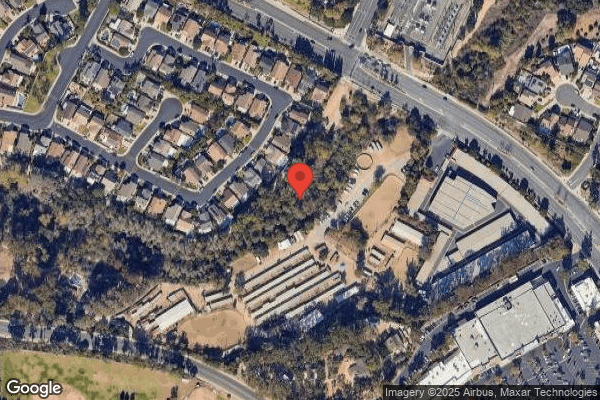

25652 OLD TRABUCO ROAD, LAKE FOREST, CA 92630 (949) 380-9380
For profit - Limited Liability company 175 Beds DAVID & FRANK JOHNSON Data: November 2025
Trust Grade
50/100
#932 of 1155 in CA
Last Inspection: October 2024

Within standard 12-15 month inspection cycle. Federal law requires annual inspections.

Overview

Trabuco Hills Post Acute has a Trust Grade of C, which means it is average and sits in the middle of the pack among nursing homes. It ranks #932 out of 1155 facilities in California, placing it in the bottom half, and #64 out of 72 in Orange County, indicating limited local options that are better. The facility is improving, with issues decreasing from 37 in 2024 to 9 in 2025. Staffing is a relative strength, rated 2 out of 5 stars, but turnover at 36% is slightly below the California average. Notably, there have been no fines, which is a positive sign. However, there are some concerning incidents. For example, the kitchen failed to follow food safety guidelines, which could risk foodborne illness among residents. Additionally, many residents were not properly assessed for the use of side rails, which raises safety concerns. Overall, while there are some strengths, particularly in staffing and compliance with fines, the facility still has significant areas needing improvement.

Trust Score
C
50/100
In California
#932/1155
Bottom 20%
Safety Record
Low Risk
No red flags
Inspections
Getting Better
37 → 9 violations
Staff Stability
○ Average
36% turnover. Near California's 48% average. Typical for the industry.
Penalties
✓ Good
No fines on record. Clean compliance history, better than most California facilities.
Skilled Nurses
⚠ Watch
Each resident gets only 21 minutes of Registered Nurse (RN) attention daily — below average for California. Fewer RN minutes means fewer trained eyes watching for problems.
Violations
⚠ Watch
87 deficiencies on record. Higher than average. Multiple issues found across inspections.
★★☆☆☆
2.0
Overall Rating
★★☆☆☆
2.0
Staff Levels
★★★★☆
4.0
Care Quality
★★☆☆☆
2.0
Inspection Score
Stable
2024: 37 issues
2025: 9 issues

The Good

  • 4-Star Quality Measures · Strong clinical quality outcomes
  • Full Sprinkler Coverage · Fire safety systems throughout facility
  • No fines on record
  • Staff turnover below average (36%)

    12 points below California average of 48%

Facility shows strength in quality measures, fire safety.

The Bad

2-Star Overall Rating

Below California average (3.1)

Below average - review inspection findings carefully

Staff Turnover: 36%

Near California avg (46%)

Typical for the industry

Chain: DAVID & FRANK JOHNSON

Part of a multi-facility chain

Ask about local staffing decisions and management

The Ugly 87 deficiencies on record

Sept 2025 2 deficiencies
CONCERN (D) 📢 Someone Reported This

A family member, employee, or ombudsman was alarmed enough to file a formal complaint

Potential for Harm - no one hurt, but risky conditions existed

Quality of Care (Tag F0684)

Could have caused harm · This affected 1 resident

**NOTE- TERMS IN BRACKETS HAVE BEEN EDITED TO PROTECT CONFIDENTIALITY** Based on interview, closed medical record review, and facility P&P review, the facility failed to provide the necessary treatmen...

Read full inspector narrative →
**NOTE- TERMS IN BRACKETS HAVE BEEN EDITED TO PROTECT CONFIDENTIALITY** Based on interview, closed medical record review, and facility P&P review, the facility failed to provide the necessary treatment and services to maintain the highest practicable well-being for one of five sampled residents (Resident 3). * The facility failed to ensure Resident 3's change in condition of aggressive behavior was monitored every shift for 72 hours. In addition, the facility failed to ensure Resident 3's plan of care was revised to address Resident 3's recent behavioral episode. This failure had the potential to negatively affect Resident 3's health and well-being and the potential risk of not providing Resident 3 with appropriate and individualized care.Findings: Review of the facility's P&P titled Care Plan Revisions Upon Status Change revised 12/19/22, showed the comprehensive care plan will be reviewed and revised as necessary, when a resident experiences a status change. The care plan will be updated with the new or modified interventions. Closed medical record review for Resident 3 was initiated on 9/5/25. Resident 3 was admitted to the facility on [DATE]. Review of Resident 3's H&P examination dated 3/16/25, showed Resident 3 had the capacity to make medical decisions. a. Review of Resident 3's progress notes dated 6/20/25 at 1930 hours, showed Resident 3 was observed exhibiting aggressive behavior, barricading himself in the room, yelling and posing as a danger to himself and others. The licensed nurse documented the IM (intramuscular) Ativan (antianxiety medication) was being administered as ordered by the physician and the resident would be monitored closely for safety. Review of Resident 3's eINTERACT Change of Condition Report dated 6/20/25 at 2000 hours, showed Resident 3 exhibited physical aggression with episodes of hitting and refusal of the medication. However, further review of Resident 3's medical record failed to show the resident's change in condition was monitored after the resident's initial change in condition was observed. b. Review of Resident 3's plan of care showed a care plan problem dated 3/20/25, addressing Resident 3's mood problem, with the goal for the resident to have improved mood state. However, further review of Resident 3's plan of care failed to show the resident's care plan was revised to include the interventions associated with the resident's change of condition regarding the recent episodes of the physical aggression on 6/20/25. On 9/5/25 at 1612 hours, an interview and concurrent closed medical record review was conducted with RN 2. RN 2 verified Resident 3's care plan was not revised to reflect the new interventions and monitoring of the resident's status related to the recent episodes of the physical aggression on 6/20/25. RN 2 stated for the residents with a change in condition, the residents should be monitored for a minimum of 72 hours and documented in the resident's progress notes. RN 2 verified there was no documented evidence to show Resident 3's condition was monitored for 72 hours, after the resident's initial change in condition was observed and documented. On 9/9/25 at 1500 hours, an interview was conducted with the Administrator and DON. The Administrator and DON were informed and acknowledged the above findings.
CONCERN (D) 📢 Someone Reported This

A family member, employee, or ombudsman was alarmed enough to file a formal complaint

Potential for Harm - no one hurt, but risky conditions existed

Pharmacy Services (Tag F0755)

Could have caused harm · This affected 1 resident

**NOTE- TERMS IN BRACKETS HAVE BEEN EDITED TO PROTECT CONFIDENTIALITY** Based on observation, interview, closed medical record review, and facility P&P review, the facility failed to provide the pharm...

Read full inspector narrative →
**NOTE- TERMS IN BRACKETS HAVE BEEN EDITED TO PROTECT CONFIDENTIALITY** Based on observation, interview, closed medical record review, and facility P&P review, the facility failed to provide the pharmaceutical services for one of five sampled resident (Resident 3). * The facility failed to ensure Resident 3's antianxiety medication was available for administration as ordered by the physician. In addition, the facility failed to ensure the May and June 2025 narcotic count sheets for Resident 3's clonazepam medication were available and kept in the resident's medical record. This failure had the potential to negatively impact the resident's health conditions and psychosocial well-being.Findings: Review of the facility's P&P titled Ordering and Receiving Controlled Medications revised 01/2025 showed Schedule II controlled medications prescribed for a specific resident are delivered to the facility only if a valid prescription has been received by the pharmacy prior to dispending. In an emergency situation, the provider pharmacy can accept a telephone order. A follow-up valid prescription is sent to the pharmacy by prescriber within seven days. Closed medical record review for Resident 1 was initiated on 9/5/25. Resident 3 was admitted to the facility on [DATE], and with medical history included generalized anxiety disorder. a. Review of Resident 3's Order Summary Report with active orders as of 7/12/25, showed a physician's order dated 4/2/25, to administer clonazepam (antianxiety medication) oral tablet 2 mg one tablet by mouth at bedtime for anxiety manifested by verbalization of anxiousness. Review of Resident's 3 MAR for June 2025 showed Resident 3's clonazepam medication was documented with the chart code 6 (6= absent from facility with meds ineffective) from 6/22 to 6/24/25 and 6/26 to 6/28/25. In addition, on 6/25/25, the MAR for the clonazepam medication was blank. Further review of Resident 3's medical record failed to show documented evidence the physician, facility's pharmacy, and resident's responsible party were informed the clonazepam medication was not administered to the resident as ordered due to the medication not being available. On 9/9/25 at 1100 hours, a telephone interview was conducted with LVN 4. LVN 4 verified Resident 3's clonazepam medication was not available to administer to the resident from 6/22 to 6/28/25. LVN 4 stated he notified the residents' responsible party, facility's pharmacy, and attending physician about the unavailability of the clonazepam medication, however, he failed to document the communication/notification in the resident's medical record. LVN 4 further stated the potential consequences of a suddenly stopping the administration of the clonazepam medication could lead to behavioral problems and withdrawals effects. b. On 9/4/25 at 1406 hours, a telephone interview was conducted with LVN 5. LVN 5 stated Resident 3's family member ordered a 30-day supply of the resident's clonazepam medication on 5/2/25. LVN 5 alleged the facility was supposed to reorder another 30- day supply of the clonazepam medication on 6/2/25, but never did. However, LVN 5 alleged the licensed nurses were signing the resident's medical record to show the clonazepam medication was administered. Review of Resident 3's MAR for May and June 2025 showed Resident 3 received the clonazepam medication as ordered by the physician except from 6/22 to 6/28/25. However, further review of Resident 3's medical record failed to show the May and June 2025 narcotic count sheet for the clonazepam medication. On 9/9/25 at 1415 hours, am interview and concurrent closed medical record review was conducted with the DON. The DON was informed and acknowledged the above findings. The DON stated she was unaware Resident 3's clonazepam medication was unavailable. In addition, the DON verified Resident 3's May and June 2025 narcotic count sheets for the clonazepam medication were not in the resident's medical record. The DON stated the resident's narcotic count sheets from the previous months were located in an overflow in the medical records department, however, the DON was unable to locate the narcotic count sheets.
Aug 2025 3 deficiencies
CONCERN (D) 📢 Someone Reported This

A family member, employee, or ombudsman was alarmed enough to file a formal complaint

Potential for Harm - no one hurt, but risky conditions existed

Quality of Care (Tag F0684)

Could have caused harm · This affected 1 resident

**NOTE- TERMS IN BRACKETS HAVE BEEN EDITED TO PROTECT CONFIDENTIALITY** Based on interview, closed medical record review, and facility P&P review, the facility failed to provide services to attain or ...

Read full inspector narrative →
**NOTE- TERMS IN BRACKETS HAVE BEEN EDITED TO PROTECT CONFIDENTIALITY** Based on interview, closed medical record review, and facility P&P review, the facility failed to provide services to attain or maintain the highest practicable well-being for one of four sampled residents (Resident 1). * The facility failed to ensure the results of Resident 1's CBC (Complete Blood Count), BMP (Basic Metabolic Panel), and urinalysis test were promptly reported to Resident 1's physician. This failure had the potential for the resident not to receive the necessary care and services to maintain their highest physical well-being and potentially delaying necessary care and treatment. Findings: Review or the facility's P&P titled Laboratory Services and Reporting reviewed/revised 12/19/22, showed the facility must provide or obtain laboratory services when ordered by a physician, physician assistant, nurse practitioner, or clinical nurse specialist in accordance with state law. The policy explanation and compliance guidelines section showed the facility is responsible for the timeliness of the services. Promptly notify the ordering physician, physician assistant nurse practitioner, or clinical nurse specialist of laboratory results that fall outside the clinical reference range. a. Closed medical record review for Resident 1 was initiated on 8/19/25. Resident 1 was admitted to the facility on [DATE], and discharged on 8/16/25. Review of Resident 1's H&P examination dated 12/7/24, showed the resident had the capacity to make medical decisions. Review of Resident 1's Order Summary Report dated 8/21/25, showed a physician's order dated 8/3/25 at 1830 hours, for stat CBC, BMP , urine analysis with culture and sensitivity. To start IV hydration 60 cc for 48 hours. Review of Resident 1's Lab Results Report dated 8/4/25, showed the following CBC report information: - Collection date: 8/4/25 at 1145 hours;- Received date: 8/4/25 at 1654 hours; and- Reported date: 8/4/25 at 2231 hours.In addition, the report showed Resident 1's WBC (White Blood Count) was 20.3 and the reference range was 4.5-11. However, further closed medical record review for Resident 1 failed to show documented evidence the CBC test results were promptly reported to Resident 1's physician. b. Review or the facility's P&P titled Urine Sample Collection reviewed/revised 12/19/22, showed to promote accurate diagnosis and treatment of a resident's medical conditions, staff shall obtain urine samples in accordance with established standards of practice. The policy explanation and compliance guidelines section showed to notify physician of results, and file results in the resident's medical record. Review of Resident 1's Lab Results Report dated 8/5/25, showed the following urinalysis report information: - Collection date: 8/4/25 at 0500 hours;- Received date: 8/5/25 at 1435 hours; and- Reported date: 8/5/25 at 1917 hours.In addition, the report showed Resident 1's urine WBC was 6-10 and the reference range was negative. The report also showed there was moderate bacteria and the reference range was none seen. However, further closed medical record review for Resident 1 failed to show documented evidence the urinalysis test results were promptly reported to Resident 1's physician. c. Review of Resident 1's Lab Results Report dated 8/5/25, showed the following BMP report information: - Collection date: 8/5/25 at 1500 hours;- Received date: 8/5/25 at 1952 hours; and- Reported date: 8/5/25 at 2229 hours.In addition, the report showed Resident 1's BUN was 57 mg/dl and the reference range was 9-23 mg/dl. However, further closed medical record review for Resident 1 failed to show documented evidence the BMP test results were promptly reported to Resident 1's physician. On 8/21/25 at 1203 hours, an interview and concurrent closed medical record review was conducted with LVN 2. LVN 2 verified Resident 1's CBC, urinalysis and BMP results were not promptly reported to the resident's physician. LVN 2 acknowledged there was no documentation to show Resident 1's physician was informed promptly regarding the resident's abnormal CBC results. LVN 2 verified the resident's urinalysis laboratory results fell outside of the clinical reference range and was not promptly reported to Resident 1's physician. LVN 2 stated the licensed nurse should have called the laboratory right away and reported the abnormal laboratory results to Resident 1's physician. On 8/21/25 at 1353 hours, an interview and concurrent closed medical record review was conducted with RN 1. RN 1 verified there was no documentation to show Resident 1's physician was informed promptly regarding the resident's abnormal CBC results. RN 1 verified the above findings. RN 1 stated the licensed nurse should have called Resident 1's physician right away and document the notification. On 8/21/25 at 1645 hours, an interview was conducted with the DON. The DON was informed and acknowledged the above findings.
MINOR (B) 📢 Someone Reported This

A family member, employee, or ombudsman was alarmed enough to file a formal complaint

Minor Issue - procedural, no safety impact

Notification of Changes (Tag F0580)

Minor procedural issue · This affected multiple residents

**NOTE- TERMS IN BRACKETS HAVE BEEN EDITED TO PROTECT CONFIDENTIALITY** Based on interview, closed medical record review, and facility P&P review, the facility failed to notify the resident's represen...

Read full inspector narrative →
**NOTE- TERMS IN BRACKETS HAVE BEEN EDITED TO PROTECT CONFIDENTIALITY** Based on interview, closed medical record review, and facility P&P review, the facility failed to notify the resident's representative regarding the resident's change in condition for one of four sampled residents (Resident 1). * The facility failed to notify Resident 1's representative when Resident 1 had poor PO (by mouth, oral) intake (refusing meals/fluids), increased weakness, and confusion, and was sleepy on 8/3/25. This failure had the potential to delay of notification of the resident's changes of condition to the resident's responsible party.Findings: Review of the facility's P&P titled Notification of Changes reviewed/revised 12/19/22, showed the purpose of this policy is to ensure the facility promptly informs the resident, consults the resident's physician; and notifies, consistent with his or her authority, the resident's representative when there is a change requiring a notification. Under the Additional considerations section for competent individuals, showed when a resident is mentally competent, such a designated family member must be notified of significant changes in the resident's health status because the resident may not be able to notify them personally, especially in the case of sudden illness or accident. Closed medical record review for Resident 1 was initiated on 8/19/25. Resident 1 was admitted to the facility on [DATE], and discharged on 8/16/25. Review of Resident 1's H&P examination dated 12/7/24, showed the resident had the capacity to make medical decisions. Review of Resident 1's eINTERACT Change in Condition Evaluation - V 5.1 dated 8/3/2025, showed the resident had poor PO intake, was refusing meals/fluids, sleepy, and had increased weakness. In addition, the mental status evaluation showed Resident 1 had increased confusion. However, further medical record review for Resident 1 failed to show documented evidence Resident 1's family member and/or resident representative was notified of the resident's changes in condition. On 8/21/25 at 1151 hours, an interview and concurrent closed medical record review was conducted with LVN 2. LVN 2 verified Resident 1's family member and/or resident representative was not notified of the resident's changes in condition. LVN 2 stated after the resident's change in condition was initiated, the resident's physician and family member should be notified. On 8/21/25 at 1645 hours, an interview was conducted with the DON. The DON was informed and acknowledged the above findings.
MINOR (B) 📢 Someone Reported This

A family member, employee, or ombudsman was alarmed enough to file a formal complaint

Minor Issue - procedural, no safety impact

Laboratory Services (Tag F0770)

Minor procedural issue · This affected multiple residents

**NOTE- TERMS IN BRACKETS HAVE BEEN EDITED TO PROTECT CONFIDENTIALITY** Based on interview, closed medical record review, and facility P&P review, the facility failed to ensure the laboratory tests fo...

Read full inspector narrative →
**NOTE- TERMS IN BRACKETS HAVE BEEN EDITED TO PROTECT CONFIDENTIALITY** Based on interview, closed medical record review, and facility P&P review, the facility failed to ensure the laboratory tests for one of four sampled residents (Resident 1) was performed as ordered. * The facility failed to ensure Resident 1's physician's order for stat CBC, urinalysis, and BMP laboratory tests were completed in a timely manner. This failure posed the risk for Resident 1 not receiving the appropriate treatment, which could significantly impact the resident's well-being. Findings: According to the Fundamentals of Nursing 10th edition, under the Types of Orders section, a stat order is also a single order, but it is carried out immediately. Review or the facility's P&P titled Laboratory Services and Reporting revised 12/19/22, showed the facility must provide or obtain laboratory services when ordered by a physician, physician assistant, nurse practitioner, or clinical nurse specialist in accordance with state law. The policy explanation and compliance guidelines section showed the facility is responsible for the timeliness of the services. Review or the facility's P&P titled Urine Sample Collection revised 12/19/22, showed to promote accurate diagnosis and treatment of a resident's medical conditions, staff shall obtain urine samples in accordance with established standards of practice. Closed medical record review for Resident 1 was initiated on 8/19/25. Resident 1 was admitted to the facility on [DATE], and discharged on 8/16/25. Review of Resident 1's H&P examination dated 12/7/24, showed the resident had the capacity to make medical decisions. Review of Resident 1's Order Summary Report dated 8/21/25, showed a physician's order dated 8/3/25 at 1830 hours, for stat CBC, BMP, and UA with C&S. Review of Resident 1's Lab Results Report dated 8/4/25, showed the CBC collection date and time was on 8/4/25 at 1145 hours. Review of Resident 1's Lab Results Report dated 8/5/25, showed the urinalysis collection date and time was on 8/4/25 at 0500 hours. Review of Resident 1's Lab Results Report dated 8/5/25, showed the BMP collection date and time was on 8/4/25 at 1145 hours. However, further closed medical record review for Resident 1 failed to show documented evidence the stat CBC, urinalysis, and BMP were collected in a timely manner. On 8/21/25 at 1203 hours, an interview and concurrent closed medical record review was conducted with LVN 2. LVN 2 verified the above findings. LVN 2 stated the licensed nurse should have collected the urine right away or as soon as possible. LVN 2 stated the licensed nurse should have called the laboratory right away because the physician's order for Resident 1's laboratory tests were ordered as a stat order. On 8/21/25 at 1353 hours, an interview and concurrent closed medical record review was conducted with RN 1. RN 1 acknowledged there was no documentation the laboratory was called right away to draw/collect the resident's ordered stat laboratory tests. RN 1 stated the licensed nurse should have endorsed to the next shift if the laboratory was called and to follow up to the laboratory staff. On 8/21/25 at 1645 hours, an interview was conducted with the DON. The DON was informed and acknowledged the above findings.
Aug 2025 2 deficiencies
CONCERN (D) 📢 Someone Reported This

A family member, employee, or ombudsman was alarmed enough to file a formal complaint

Potential for Harm - no one hurt, but risky conditions existed

Comprehensive Care Plan (Tag F0656)

Could have caused harm · This affected 1 resident

**NOTE- TERMS IN BRACKETS HAVE BEEN EDITED TO PROTECT CONFIDENTIALITY** Based on interview and medical record review, the facility failed to ensure a care plan was developed to address an incident bet...

Read full inspector narrative →
**NOTE- TERMS IN BRACKETS HAVE BEEN EDITED TO PROTECT CONFIDENTIALITY** Based on interview and medical record review, the facility failed to ensure a care plan was developed to address an incident between Janitor 1 and one of six sampled residents (Resident 6). The Maintenance Director and Janitor 1 failed to notify the charge nurse and the DON timely when Resident 6 had a verbal outburst towards Janitor 1 when she was asked to leave the laundry room for safety reasons. This failure placed the resident at risk for not having individualized interventions to address the resident's behavior. Findings: On 8/8/25 at 0913 hours, during the initial tour of the facility, an interview was conducted with Resident 6. Resident 6 stated Janitor 1 has been stalking her. Resident 6 stated she went down to the laundry room about three months ago because she ran out of clothes. Once in the laundry room, Janitor 1 told Resident 6 to leave, and she could not be down there. Resident 6 then stated Janitor 1 followed her to her room and she told him to leave her alone. Resident 6 stated the stalking happened about two months. Resident 6 stated she was speaking with another resident and claimed Janitor 1 came up and started talking to the other residents she was talking to. Resident 6 stated Janitor 1 has been told to not go near her; however, came into her room on a different occasion. Resident 6 claimed LVN 3 may have known about it. On 8/8/25 at 0951 hours an interview was conducted with the Administrator and DON. The Administrator and DON were notified of the allegation Resident 6 made against Janitor 1. The DON stated she was made aware by the Maintenance Director about a month ago about Resident 6 not being comfortable with Janitor 1 and Janitor 1 was asked not to go inside her room anymore. However, the DON stated she was not aware of the allegation made by Resident 6. When the DON was asked if she was aware of the reason as to why Resident 6 was not comfortable with Janitor 1, the DON stated no. When asked if the facility had documentation of the report received from the Maintenance Director, the DON stated it was all verbal. The DON claimed she was informed by the Maintenance Director about Janitor 1 accidentally went inside the room of Resident 6 to get the trash. On 8/8/25 at 1018 hours, a concurrent interview was conducted with the Maintenance Director, Administrator, and DON. The Maintenance Director stated Janitor 1 informed him a CNA took Resident 6 to the laundry room and left her there. Janitor 1 told Resident 6 she could not be in the laundry room and Resident 6 started cursing at Janitor 1 and telling him she could do what she wanted because she lived there. The Maintenance Director stated the incident happened about a month ago and claimed Janitor 1 reported the incident to him the following day. When asked if the incident was reported to the DON, the Maintenance Director stated he did not recall if he told all the details at the time. The Maintenance Director also stated he informed Janitor 1 to not go to Resident 6's room; however, because Janitor 1's responsibility included taking out the trash from the residents' room, it was a routine for Janitor 1 to go inside the rooms and accidentally walked inside Resident 6's room to take out the trash. Once Janitor 1 walked into Resident 6's room, he left the room and informed the Maintenance Director. The Maintenance Director informed the DON. When asked if Janitor 1 informed the nursing staff, the Maintenance Director stated he did not recall if Janitor 1 reported the incident to anyone else. The Maintenance Director further stated Janitor 1 felt he did not need to escalate the situation to the Administrator or the DON. When the DON was asked if the staff member may leave the residents in the laundry room by themselves, the DON stated the family or residents may go down to the laundry. If the resident was alert, oriented, and ambulatory, the staff may endorse the resident to go in the laundry room if there was also a staff present at the time. When the DON was asked if the facility documented when a concern was brought up, the DON stated the facility was meant to document; however, the DON stated she was not informed by a charge nurse or CNA about an incident between Janitor 1 and Resident 6. Medical record review for Resident 6 was initiated on 8/8/25. Resident 6 was admitted to the facility on [DATE]. Review of Resident 6's H&P examination dated 2/13/25, showed the resident was alert and oriented times three, had normal cognition, and had the capacity for healthcare decisions. Further review of Resident 6's medical record did not show documentation of the incident between Janitor 1 and Resident 6. There was no documented evidence a care plan was developed to address the incident and Resident 6's behavior episode towards Janitor 1, to include interventions to prevent another incident between Janitor 1 and Resident 6. On 8/8/25 at 1104 hours, an interview was conducted with LVN 3. Resident 6 identified LVN 3 as the staff who may have had knowledge of the incident between her and Janitor 1. When asked if he was made aware Resident 6 went down to the laundry room with a CNA, LVN 3 stated he did not recall hearing about the situation. When asked if he recalled if Resident 6 had an issue with the laundry, LVN 3 stated he did not recall. LVN 3 stated Resident 6 informed him Janitor 1 did not knock before entering her room to clean. LVN 3 also stated he did not recall if he was told Janitor 1 could not be near Resident 6. On 8/8/25 at 1423 hours, a telephone interview was conducted with Janitor 1. Janitor 1 stated he was in the laundry room re-supplying his cart and saw Resident 6 and a male nurse near the doors to the laundry room in the dining room. Janitor 1 stated he told the male nurse if he could take the resident; however, the nurse stated he could not. Janitor 1 also stated there was a new laundry aide who did not know the residents were not allowed to be inside the laundry room, therefore, Janitor 1 explained to the new laundry aide. Janitor 1 informed Resident 6 she could not be in the laundry room, and she had to leave. Janitor 1 stated Resident 6 then started being racist towards him and cursing at him after he asked her to leave and stated she could do what she wanted because she lived there. Janitor 1 stated he did not know who the resident was at the time, and he made the report to the Maintenance Director. Janitor 1 stated the situation between him and Resident 6 happened on a Saturday, texted the Maintenance Director on Saturday to inform him about the situation, and the Maintenance Director told Janitor 1 to tell him about it on Monday. Janitor 1 stated he went to the nursing station to ask who the resident was because he did not know the resident's name; however, did not inform a nurse about what happened. Janitor 1 acknowledged last week, while doing housekeeping, he forgot he was not to go to Resident 6's room to clean and Resident 6 got mad at him, and he left and informed the Maintenance Director about what happened. Janitor 1 stated he never followed Resident 6 to her room, or around the facility. Janitor 1 stated he went to the nursing station to figure out the resident's name but did not tell the charge nurse what happened in the laundry room. On 8/8/25 at 1545 hours, the Administrator and DON were informed and acknowledged the above findings.
MINOR (B) 📢 Someone Reported This

A family member, employee, or ombudsman was alarmed enough to file a formal complaint

Minor Issue - procedural, no safety impact

Deficiency F0554 (Tag F0554)

Minor procedural issue · This affected multiple residents

**NOTE- TERMS IN BRACKETS HAVE BEEN EDITED TO PROTECT CONFIDENTIALITY** Based on observation, interview, medical record review, and facility P&P review, the facility failed to ensure two of six sample...

Read full inspector narrative →
**NOTE- TERMS IN BRACKETS HAVE BEEN EDITED TO PROTECT CONFIDENTIALITY** Based on observation, interview, medical record review, and facility P&P review, the facility failed to ensure two of six sampled residents (Residents 2 and 4) were assessed for safe self-administration of medications. * Resident 2 was observed with a full and uncovered 16 ounces tub of zinc oxide (a medicated cream used as a protective barrier for the affected skin areas) inside his restroom. * Resident 4 was observed with Halls cough drops on the bedside table. These failures had the potential for Residents 2 and 4 to administer the medications inaccurately and may negatively impact the health and safety of the residents.Findings: Review of the facility's P&P titled Resident Self-Administration of Medication revised 12/19/22, showed a resident may only self-administer medications after the facility’s interdisciplinary team has determined which medications may be self-administered safely. The results of the interdisciplinary team assessment are recorded on the electronic health record. The care plan must reflect resident self-administration and storage arrangements for such medications. 1. Medical record review for Resident 2 was initiated on 8/7/25. Resident 2 was admitted to the facility on [DATE]. Review of Resident 2's MDS assessment dated [DATE], showed a BIMS score of 14, which meant the resident was cognitively intact. On 8/7/25 at 1015 hours, an observation and concurrent interview was conducted with Resident 2. Resident 2 stated he has been applying the zinc oxide ointment to his buttock and scrotum areas twice a day to prevent redness and skin irritation to areas during restroom use on his own, since he could walk now and help himself to the restroom. Resident 2's restroom was also observed with a full and uncovered 16 ounces tub of zinc oxide cream with a tongue depressor placed inside a large pink basin with other incontinent supplies. When asked who provided the cream, Resident 2 stated a nurse provided it to him and was not able to recall the name of the nurse. On 8/7/25 at 1029 hours, an observation and concurrent interview for Resident 2 was conducted with CNA 1. CNA 1 verified the findings and stated that medicated cream should not be left unattended. Review of Resident 2’s physician’s orders dated 8/7/25, showed a treatment order to apply the zinc oxide ointment every shift for 30 days for maintenance for resolved sacrum Stage 1 pressure ulcer. Further review of Resident 2's medical record failed to show documented evidence of the following for Resident 2 to safely self-administer medications including: - a physician's order - self-administration of medication assessment - IDT notes - a care plan addressing Resident 2's self- administration of medication On 8/7/25 at 1457 hours, an interview and concurrent medical record review for Resident 2 was conducted with Treatment Nurse 1. Treatment Nurse 1 verified Resident 2 did not have a physician’s order, assessment, and care plan to address the safe self-administration of the medications, including the medicated cream. On 8/7/25 at 1545 hours, the DON was informed and verified the above findings. 2. On 8/8/25 at 0844 hours, during the tour of the facility, Resident 4 was observed with four pieces of Halls cough drops on the resident’s bedside table. LVN 2 was in the hallway outside the resident’s room and was asked to come inside the resident’s room for an interview. When asked if the Halls cough drops were considered medications, LVN 2 stated he was not sure and would get back with a response. On 8/8/25 at 0852 hours, a follow-up interview was conducted with LVN 2. LVN 2 stated he verified with RN 2 and RN 2 informed him the Halls cough drops were considered candy. On 8/8/25 at 0856 hours, LVN 2 provided the packaging where the Halls came from. The Halls packaging showed Halls Sugar Free to relieve cough, soothes the throat, and cools nasal passages. The Halls packaging also showed Menthol 5.8 mg. LVN 2 verified the findings and stated Resident 4 should not have had the cough drops at her bedside and needed to have permission from the physician, documented in the progress notes and care plan, and self-administration of medications needed to be filled out. LVN 2 verified Resident 4 was not assessed for safe self-administration of medications, no care plan initiated, and no physician’s order was obtained for self-administration of medication. Medical record review for Resident 4 was initiated on 8/8/25. Resident 4 was admitted to the facility on [DATE]. Review of Resident 4’s H&P examination dated 7/31/25, showed the resident was alert, oriented and cognitively intact. Further review of Resident 4's medical record failed to show documented evidence of the following for Resident 4 to safely self-administer medications including: - a physician's order - self-administration of medication assessment - IDT notes - a care plan addressing Resident 4’s self- administration of medication On 8/8/25 at 1448 hours, an interview was conducted with Resident 4. Resident 4 stated a friend brought it to her and she took one Halls cough drop every night by herself. Resident 4 further stated she did not inform anyone when she was going to take it. On 8/8/25 at 1545 hours, the Administrator and DON were informed and acknowledged the above findings.
Apr 2025 1 deficiency
CONCERN (D) 📢 Someone Reported This

A family member, employee, or ombudsman was alarmed enough to file a formal complaint

Potential for Harm - no one hurt, but risky conditions existed

Deficiency F0825 (Tag F0825)

Could have caused harm · This affected 1 resident

**NOTE- TERMS IN BRACKETS HAVE BEEN EDITED TO PROTECT CONFIDENTIALITY** Based on interview, medical record review, and facility P&P review, the facility failed to ensure the rehabilitation services we...

Read full inspector narrative →
**NOTE- TERMS IN BRACKETS HAVE BEEN EDITED TO PROTECT CONFIDENTIALITY** Based on interview, medical record review, and facility P&P review, the facility failed to ensure the rehabilitation services were provided for one of four sampled residents (Resident 1). * The facility failed to ensure Resident 1 received the PT and OT services for the planned duration and frequency as documented in the initial PT and OT evaluation. This failure had the potential for Resident 1 to decline in the resident's range of motion and mobility. Findings: Review of the facility's P&P titled Purpose and Objectives of Inpatient Rehabilitation Services revised 12/2022 showed it is the objective of the rehabilitation department to provide comprehensive and integrated therapy services to restore patients to their highest level of function. The therapists will develop an individualized plan of care upon evaluation and continuous assessment during treatment plan. Review of the facility's P&P titled Physician Orders for Rehab Services revised 12/2022 showed the evaluating therapist must establish the therapy plan of care after completion of initial assessment. The plan of care shall include at a minimum, short-term and long-term goals, treatment modalities, frequency and duration of treatment and treatment diagnosis. Closedmedical record review for Resident 1 was initiated on 4/15/25. Resident 1 was admitted to the facility on [DATE], and discharged on 3/14/25. Resident 1 had a diagnosis of spinal stenosis with neurogenic claudication. Review of the Order Summary Report showed the following physician's order dated 2/28/25: - to evaluate and treat for OT as needed for rehabilitation as indicated for three days; and - to evaluate and treat for PT as needed for rehabilitation as indicated for three days. Review of Resident 1's PT Evaluation and Plan of Treatment for the certification period for 3/1 to 3/30/25, showed the plan of treatment frequency for the therapeutic exercises, neuromuscular re-education, gait training therapy; PT evaluation: moderate complexity; and therapeutic activities with frequency of five times a week for the duration of two weeks. Review of Resident 1's OT Evaluation and Plan of Treatment for the certification period for 3/3 to 4/1/25, showed the plan of treatment for the therapeutic exercises, group therapeutic procedure; OT evaluation: moderate complexity; and therapeutic activities with frequency offive times a week for the duration of two weeks. Review of Resident 1's Care Plan Report dated 3/5/25, showed a care plan problem addressing the alteration in musculoskeletal status related to muscle weakness, difficulty in walking, low back pain, spinal stenosis lumbar region with neurogenic claudication. Care plan interventions included to follow the physician's orders for weight bearing status. See physician's orders and/or treatment plan. a. Review of the Physical Therapy Treatment Encounter Note(s) showed Resident 1 received PT services for the following dates: 3/1, 3/3, 3/5 3/6, and 3/7/25. Further review of the PT Treatment Encounter Note(s) did not show PT treatment was rendered for the following dates: - for the week of 3/2 to 3/8/25, Resident 1 did not receive PT services on 3/4 and 3/8/25. - for the week of 3/9 to 3/15/25, Resident 1 did not receive PT services on 3/9, 3/10, 3/11, 3/12, and 3/13/25. Review of the Service Log Matrix for PT dated 3/1 to 3/31/25, showed Resident 1 did not receive PT services for the following dates: 3/4, 3/8, 3/10, 3/11, 3/12, and 3/13/25. b. Review of the OT Treatment Encounter Note(s) showed Resident 1 received OT services for the following dates: 3/3, 3/5, 3/6, and 3/7/25. Further review of the OT Treatment Encounter Note(s) did now show OT services were rendered for the following dates: - for the week of 3/2 to 3/8/25, Resident 1 did not receive OT services on 3/4 and 3/8/25. - for the week of 3/9 to 3/15/25, Resident 1 did not receive OT services on 3/9, 3/10, 3/11, 3/12, and 3/13/25. Review of the Service Log Matrix for OT dated 3/1 to 3/31/25, showed Resident 1 did not receive OT services for the following dates: 3/4, 3/8, 3/10, 3/11, 3/12, and 3/13/25. On 4/24/25 at 1139 hours, an interview for Resident 1 was conducted with the DOR. The DOR stated she assumed wrongly and assumed Resident 1 was plotted out for the maximum time he was to receive the PT and OT services; however, Resident 1 was not. The DORverified Resident 1's approved PT and OT sessions were not provided five times per week as planned. On 4/24/25 at 1703 hours, the interim Administrator and the DON acknowledged the above findings.
Feb 2025 1 deficiency
CONCERN (D) 📢 Someone Reported This

A family member, employee, or ombudsman was alarmed enough to file a formal complaint

Potential for Harm - no one hurt, but risky conditions existed

Deficiency F0825 (Tag F0825)

Could have caused harm · This affected 1 resident

**NOTE- TERMS IN BRACKETS HAVE BEEN EDITED TO PROTECT CONFIDENTIALITY** Based on observation, interview, medical record review, and facility P&P review, the facility failed to ensure one of 19 sampled...

Read full inspector narrative →
**NOTE- TERMS IN BRACKETS HAVE BEEN EDITED TO PROTECT CONFIDENTIALITY** Based on observation, interview, medical record review, and facility P&P review, the facility failed to ensure one of 19 sampled residents (Resident 7) was provided rehabilitative services as ordered by the physician. * Resident 7 was not evaluated and treated by the ST four times a week as ordered. This failure had the potential for Resident 7 to aspirate food and fluid into the lungs, which could result in pneumonia. Findings: Review of the facility's P&P titled Specialized Rehabilitation Services revised 12/2022 showed the facility shall provide specialized rehabilitative services, if required by the resident's comprehensive assessment and care plan, to assist them to attain, maintain or restore their highest practicable level of physical, mental, functional, and psychosocial well-being. Review of the facility's P&P titled Physician Orders for Rehab Services revised 12/2022 showed all the orders should be addressed within 72 hours of the receipt by the rehabilitationdepartment staff. Medical record review for Resident 7 was initiated on 2/13/25. Resident was admitted to the facility on [DATE]. Review of Resident 7's H&P examination dated 12/2124, showed Resident 7 was developmentally delayed and had a diagnosis of dysphagia. The H&P also showed Resident 7 was admitted to the facility for rehabilitative services after he had aspirated and gone to the acute care hospital emergency department for difficulty in breathing. Review of Resident 7's MDS dated [DATE], showed the resident had severe cognitive impairment. Review of Resident 7's Order Summary Report showed a physician's order dated 12/18/24, for Resident 7 to be evaluated and treated by the ST. Review of Resident 7's ST evaluation dated 12/21/24, showed the reason for skilled services was to assess and determine the least restrictive diet to minimize the aspiration risks. Review of Resident 7's Order Summary Report showed a physician's order dated 12/21/24, for Resident 7 to be evaluated and treated by the ST four times for a swallowing dysfunction and provideResident 7 with a pureed diet and thin liquids. On 2/13/25 at 1136 hours, an interview and concurrent medical record review was conducted with the DOR. The DOR stated Resident 7 had not received the treatment from the ST since the initial evaluation was completed on 12/21/24. The DOR stated Resident 7 was supposed to have the ST treatment four times a week. The DOR stated Resident 7's initial ST order was for the resident to be able to have thin liquids. The DOR stated Resident 7's diet was downgraded to moderately thick liquids on 1/15/25, by the nursing department staff when Resident 7 hadcoughed during eating. The DOR stated Resident 7 had declined. The DOR stated the physician was not notified when Resident 7 was not receiving the ST services as ordered. On 2/13/25 at 1445 hours, an interview was conducted with the DON. The DON stated the physician should have been notified if an order was not followed. The DON confirmed the above findings.
Nov 2024 1 deficiency
MINOR (B) 📢 Someone Reported This

A family member, employee, or ombudsman was alarmed enough to file a formal complaint

Minor Issue - procedural, no safety impact

Safe Environment (Tag F0584)

Minor procedural issue · This affected multiple residents

**NOTE- TERMS IN BRACKETS HAVE BEEN EDITED TO PROTECT CONFIDENTIALITY** Based on interview, medical record review, facility document review, and facility P&P review, the facility failed to ensure the ...

Read full inspector narrative →
**NOTE- TERMS IN BRACKETS HAVE BEEN EDITED TO PROTECT CONFIDENTIALITY** Based on interview, medical record review, facility document review, and facility P&P review, the facility failed to ensure the personal belongings were safely kept for one of four sampled residents (Resident 2). This failure resulted in the loss of Resident 2's cell phone, which had the potential to negatively impact the resident's well-being. Findings: Review of the facility's P&P titled Resident Personal Belongings revised 12/2022 showed it is the policy of the facility to protect the resident's right to possess personal belongings such as clothing and furnishings for their use while in the facility and assure personal belongings and/or possessions are rightfully returned to the resident, or to the resident's representative in the event of the resident's death or discharge from the facility. Following the discharge or death of a resident, all personal clothing and items of a customized personal nature are to be given to the designated resident representative. Inventories of all items are to be reviewed and examined by Social Services designee and the resident's representative. Recipients of such personal items at the time of discharge or death shall sign-off with their legal signature, acknowledging receipt of all personal belongings presented. On 11/8/24, Resident 2's family member filed a complaint against the facility regarding Resident 2's missing belongings. Per Resident 2's family member, upon admission to the facility, the cell phone was included in the inventory list. On 9/18/24, Resident 2 was transferred from the facility to an acute care hospital leaving Resident 2's belongings in the facility. Resident 2's family member made a call to the facility and was told the cell phone was no longer among Resident 2's personal belongings. Closed medical record review for Resident 2 was initiated on 11/15/24. Resident 2 was admitted to the facility on [DATE], and discharged on 9/25/24. Review of Resident 2's Resident Clothing and Possession Form showed Resident 2 arrived at the facility at 1600 hours by the ambulance on 8/24/24. Resident 2's belongings included the following items: - One T-Shirt - One denim - One cap - One brief - One set of car keys - One sunglasses - One cell phone without charger On 11/15/24 at 1343 hours, an interview was conducted with the SSA. The SSA stated when a resident was discharged , the resident's belongings would be placed in a bag, labeled, and brought to the social services for safekeeping. The SSA confirmed there was no cell phone seen in the bag. The SSA stated the cell phone was documented as a missing item from Resident 2's belongings. On 11/15/24 at 1526 hours, an interview was conducted with the DON. The DON acknowledged the above findings.
Oct 2024 30 deficiencies
CONCERN (D)

Potential for Harm - no one hurt, but risky conditions existed

Deficiency F0554 (Tag F0554)

Could have caused harm · This affected 1 resident

**NOTE- TERMS IN BRACKETS HAVE BEEN EDITED TO PROTECT CONFIDENTIALITY** Based on observation, interview, medical record review, and facility P&P review, the facility failed to assess two nonsampled re...

Read full inspector narrative →
**NOTE- TERMS IN BRACKETS HAVE BEEN EDITED TO PROTECT CONFIDENTIALITY** Based on observation, interview, medical record review, and facility P&P review, the facility failed to assess two nonsampled residents (Residents 113 and 980) for their self-administration of the medications. This failure had the potential to negatively impact the residents' physiological well-being and could administer the medications inaccurately. Findings: Review of the facility's P&P titled Resident Self -Administration of Medication revised 12/19/22, showed the residents have the right to self-administer medications if the interdisciplinary team has determined that it is clinically appropriate and safe for the resident to do so. The IDT teams should at a minimum consider the following: - The resident's physical capacity to : swallow without difficulty, open medication bottles, administer injections; - The resident's cognitive status, including their ability to correctly name their medication and know what conditions they are taken for; - The resident's capability to follow direction and tell time to know when medication needed to be taken for; - The resident's comprehensions of instruction for the medication they are taking, including dose timing, and signs of side effects, and when to report to facility staff; - The resident's ability to understand what refusal of medication is and appropriate steps taken by staff to educate when this occurs; and, - The resident's ability to ensure that medication is stored safely and securely. Further review of the P&P showed the result of the interdisciplinary team assessment are recorded on the electronic health records and all nurses and aids are required to report to the charge nurse on duty any medication found at the bedside not authorized for bedside storage. Unauthorized medications were to be given to the charge nurse for return to the family or responsible party. The family and responsible parties are reminded of policy and procedures regarding resident's self-administration when necessary. 1. On 10/8/24 at 0952 hours, during a concurrent observation and interview with Resident 113, bottles of medication D-mannose (supplement to prevent urinary tract infection) and [NAME] oil ( herbal supplement) were observed at the bed side table on the right side of the Resident 113's bed. Resident 113 stated she had been self-administering the above medication since she was admitted in the facility and the facility staff were aware of it. Medical record review for Resident 113 was initiated on 10/8/24. Resident 113 was admitted to the facility on [DATE]. Review of Resident 113's H&P examination dated 9/22/24, showed Resident 113 had no capacity; however, Resident 113 was able to make her needs known. Review of Resident 113's MDS dated [DATE], showed Resident 113 had moderate cognitive impairment. Review of Resident 113's Physician Order Summary dated 10/8/24, did not show an order for the above supplements. Review of the medical record failed to show documented evidence Resident 113 was assessed for self-administration of the medication. 2. On 10/8/24 at 0957 hours, a concurrent observation and interview was conducted with Resident 980. Medication carboxymethylcellulose eye drop (eye lubricant) was observed on the bed side table located at the right side of the Resident 980's bed. Resident 980 stated she had been administering this eye drop medication and the facility staffs were aware about the medication at the bed side. Medical record review for Resident 980 was initiated on 10/8/24. Resident 980 was admitted to the facility on [DATE]. Review of Resident 980'S H&P examination dated 9/29/24, showed Resident 980 had the capacity to make the medical decisions. Review of the Resident 980's MDS dated [DATE] showed Resident 980 was cognitively intact. Further review of the medical record failed to show documented evidence to show Resident 980 was assessed for self-administration of the medication. On 10/8/24 at 1044 hours, a concurrent observation, interview, and medical record review for Residents 113 and 980 was conducted with the RN 3. RN 3 verified the above observation of medications at the bedside for Residents 113 and 980. RN 3 stated he was not able to find if the self-administration of medication assessment was completed for Residents 113 and 980. On 10/10/24 at 1302 hours, an interview was conducted with the DON. The DON was informed and acknowledged above findings.
CONCERN (D)

Potential for Harm - no one hurt, but risky conditions existed

Deficiency F0558 (Tag F0558)

Could have caused harm · This affected 1 resident

**NOTE- TERMS IN BRACKETS HAVE BEEN EDITED TO PROTECT CONFIDENTIALITY** 3. On 10/10/24 at 0756 hours, an observation of Resident 97's room was conducted. Resident 97 was asleep on a side lying positio...

Read full inspector narrative →
**NOTE- TERMS IN BRACKETS HAVE BEEN EDITED TO PROTECT CONFIDENTIALITY** 3. On 10/10/24 at 0756 hours, an observation of Resident 97's room was conducted. Resident 97 was asleep on a side lying position laying on her left side. The call light and the bed remote control were on the floor and not within reach of Resident 97. Medical record review of Resident 97 was initiated on 10/10/24. Resident 97 was admitted to the facility on [DATE]. Medical record review for Resident 97 was initiated on 8/30/24. Resident 97 was admitted to the facility on [DATE]. Review of Resident 97's H&P examination dated 7/1/24, showed Resident 97 had no capacity to make decisions. Review of Resident 97's MDS Section C - Cognitive Patterns dated 7/6/24, showed Resident 97's BIMS Summary score was 7 (meaning with severe cognitive impairment). Review of Resident 97's MDS Section GG - Functional Abilities and Goals dated 7/6/24, showed Resident 97 needed substantial/maximal assistance (meaning Helper does more than half the effort. Helper lifts or holds trunk or limbs and provides more than half the effort). Review of Resident 97's plan of care showed a care plan problem revised 9/24/24, addressing the resident at risk for falls. The interventions included place the resident's call light within reach and encourage the resident to use it for assistance as needed. The resident needed prompt response to all requests for assistance. On 10/10/24 at 0952 hours, a concurrent observation of Resident 97's room and interview was conducted with RN 2. RN 2 acknowledged the call light and bed remote control were on the floor and not within the reach of Resident 97. RN 2 proceeded to go in Resident 97's room, disinfected the call light and bed remote control, and placed them within reach of Resident 97. Based on observation, interview, medical record review, and facility P&P review, the facility failed to provide reasonable accommodations to meet the needs for four of 28 final sampled residents (Residents 1, 16, 22, and 97) and one nonsampled resident (Resident 128). * The facility failed to ensure Resident 16's request for an extension cord for the resident's phone was followed up. * The facility failed to ensure the call light was within reach and accessible for Resident 128. * The facility failed to ensure the call light and bed remote control were within the Resident 97's reach. * The facility failed to ensure the call light was within reach for Residents 1 and 22. These failures had the potential to negatively impact the resident's psychosocial well-being or result in a delay to receive care. 1. On 10/8/24 at 0910 hours, during the initial tour of the facility, Resident 16 was observed awake and lying in bed. Resident 16's landline phone was observed on the bedside table. Resident 16 stated when the staff pulled the bedside table, the landline phone would fall from the table. Resident 16 stated it had been over a week since he requested for an extension cord for his landline phone because the power cord was too short. Medical record review for Resident 16 was initiated on 10/8/24. Resident 16 was readmitted to the facility on [DATE]. Review of Resident 16's MDS dated [DATE], showed Resident 16 had a moderate cognitive impairment, with impairment on one side of upper and lower extremities. On 10/10/24 at 0757 hours, a concurrent follow-up observation and interview was conducted with Resident 16. Resident 16 was observed awake and lying in bed. Resident 16's landline phone was observed on the bedside table, and a brown extension cord was observed connected to the phone power cord. Resident 16 stated his friend brought the brown extension cord since the the staff did not help even if they have been informed about it. On 10/10/24 at 0800 hours, an interview was conducted with CNA 5. When asked about Resident 16's request for an extension cord, CNA 5 stated Resident 16 requested for an extension cord last week, and even asked if he needed to sign something for it. CNA 5 stated she told the maintenance staff about Resident 16's request for extension cord, but the maintenance staff stated he would check first because of safety. CNA 5 stated she also wrote Resident 16's request for extension cord in the maintenance logbook. On 10/10/24 at 0820 hours, an interview was conducted with the Maintenance Director. When asked about the residents' maintenance requests, the Maintenance Director stated the staff informed the maintenance department by calling the maintenance thru the radio or his cellphone and wrote the residents' maintenance requests in the maintenance logbook. The Maintenance Director stated the maintenance staff checked the maintenance logbook every hour or two hours, and daily, and did the rounds daily. The Maintenance Director stated when a maintenance request was completed, the maintenance staff would write the status of the request, the date when it was completed and who completed it, to which he showed a copy of the Maintenance Request Jobs. When the Maintenance Director was informed about Resident 16's request for an extension cord, the Maintenance Director stated they informed Resident 16 that the facility was not allowed to have any extension cord because of safety issue. Review of the Maintenance Request Jobs dated 10/2/24, showed Resident 16 wants extension cord for phone. The request form showed ok status for this request, and it was completed on 03/24. The Maintenance Director verified the above findings. The Maintenance Director stated he was not sure why the maintenance staff wrote ok for this request when Resident 16 was not allowed to have an extension cord. The Maintenance Director stated it was an extension cord for Resident 16's cellphone. The Maintenance Director was informed the extension cord was for Resident 16's landline phone and not a cellphone, and also informed Resident 16 was observed with a brown extension cord in the room today, the Maintenance Director stated he would have to check. On 10/10/24 at 0835 hours, a concurrent observation for Resident 16 and interview with the Maintenance Director was conducted. Resident 16 was observed awake and lying in bed. Resident 16's landline phone was observed on the bedside table, and a brown extension cord was observed connected to the phone power cord. The Maintenance Director verified the findings. The Maintenance Director stated the landline phone and brown extension cord were brought in by the resident and should have been logged in with the social services department and checked by the maintenance department. 2. Review of the facility's P&P titled Call Lights: Accessibility and Timely Response revised 12/19/22, showed the staff will ensure the call light is within reach of resident and secured, as needed. On 10/9/24 at 1255 hours, Resident 128 was observed sitting in the wheelchair near the foot of the bed, and on the left side of the bed. Resident 128 stated she needed assistance and could not reach the call light to call the facility staff. The call light was observed near the head of the bed, on the right side of the bed and not within Resident 128's reach. On 10/9/24 at 1301 hours, CNA 10 was asked to assist Resident 128. Resident 128 was observed sitting in the wheelchair near the foot of the bed, and on the left side of the bed. The call light was observed near the head of the bed, on the right side of the bed. CNA 10 verified the call light was not within Resident 128's reach. 4.a. On 10/9/24 at 1234 hours, a concurrent observation and interview was conducted with CNA 13 in Resident 1's room. Resident 1's call light was on the nightstand and out of reach of the resident. When asked if Resident 1 was able to use his call light, CNA 13 stated Resident 1 was able to use his call light. When asked where Resident 1's call light was, CNA 13 verified Resident 1's call light was on Resident 1's nightstand, not within reach for the resident. Medical record review for Resident 1 was initiated on 10/9/24. Resident 1 was readmitted to the facility on [DATE]. Review of Resident 1's H&P examination dated 7/25/24, showed Resident 1's diagnoses included left side paralysis and wheelchair bound. b. On 10/9/24 at 1237 hours, a concurrent observation and interview was conducted with CNA 13 in Resident 22's room. Resident 22's call light was on the nightstand and out of reach of the resident. When asked if Resident 22 was able to use his call light, CNA 13 stated Resident 22 was able to use his call light. When asked where Resident 22's call light was, CNA 13 verified Resident 22's call light was on Resident 22's nightstand, not within reach for the resident. Medical record review for Resident 22 was initiated on 10/8/24. Resident 22 was admitted on [DATE]. Review of Resident 22's H&P examination dated 10/11/23, showed Resident 22 had cognitive impairment. Resident 22 was admitted to the facility with diagnoses including quadriplegia.
CONCERN (D)

Potential for Harm - no one hurt, but risky conditions existed

Deficiency F0578 (Tag F0578)

Could have caused harm · This affected 1 resident

**NOTE- TERMS IN BRACKETS HAVE BEEN EDITED TO PROTECT CONFIDENTIALITY** Based on interview, medical record review, and facility P&P review, the facility failed to ensure a copy of the advanced directi...

Read full inspector narrative →
**NOTE- TERMS IN BRACKETS HAVE BEEN EDITED TO PROTECT CONFIDENTIALITY** Based on interview, medical record review, and facility P&P review, the facility failed to ensure a copy of the advanced directive was obtained for one of 15 final sampled residents (Residents 83) reviewed for advanced directives. This failure had the potential for the resident's decisions regarding his health care and treatments to not be honored. Findings: Review of the facility's P&P titled Resident's Rights Regarding Treatment and Advance Directives revised 12/19/22, showed the following: - On admission, the facility will determine if the resident has executed an advance directive, and if not, determine whether the resident, if cognitively able to, would like to formulate an advance directive. - Upon admission, should the resident have an advance directive, copies will be made and placed on the chart as well as communicated to the staff. Medical record review for Resident 83 was initiated on 10/8/24. Resident 83 was admitted to the facility on [DATE]. Review of Resident 83's MDS dated [DATE], showed the resident's cognitive skills for daily decision making was severely impaired. Review of Resident 83's POLST dated 9/10/24, under Section D Information and Signatures showed the advance directive dated 11/20/23, was available and reviewed. However, further review of Resident 83's medical record failed to show a copy of Resident 83's advance directive for healthcare was obtained. On 10/10/24 at 1445 hours, an interview and concurrent medical record review for Resident 83 was conducted with the SSD. The SSD verified the above findings. The SSD acknowledged she documented Resident 83 had a POA for healthcare authority. When asked if she had followed up with Resident 83 regarding the resident's advance healthcare directive, the SSD stated she did; however, there was no documentation regarding the follow-up to obtain a copy of the advanced directive. On 10/11/24 at 0955 hours, an interview and concurrent medical record review for Resident 83 was conducted with the MRD. T he MRD verified there was no documented evidence a copy of Resident 83's advance directive was obtained. On 10/11/24 at 1458 hours, an interview was conducted with the DON. The DON was informed and acknowledged the above findings.
CONCERN (D)

Potential for Harm - no one hurt, but risky conditions existed

Notification of Changes (Tag F0580)

Could have caused harm · This affected 1 resident

**NOTE- TERMS IN BRACKETS HAVE BEEN EDITED TO PROTECT CONFIDENTIALITY** Based on interview, medical record review, and facility document review, the facility failed to ensure the residents' physician ...

Read full inspector narrative →
**NOTE- TERMS IN BRACKETS HAVE BEEN EDITED TO PROTECT CONFIDENTIALITY** Based on interview, medical record review, and facility document review, the facility failed to ensure the residents' physician was notified when the residents refused laboratory collection of blood for two of five final sampled residents (Residents 16 and 95) reviewed for unnecessary medication. This failure had the potential for Residents 16 and 95 not to receive appropriate treatment and could negatively affect residents' well-being. Findings: 1. Medical record review for Resident 95 was initiated on 10/8/24. Resident 95 was admitted to the facility on [DATE], and readmitted on [DATE]. Review of Resident 95's Physician Order Summary showed an order dated 7/26/24, for potassium chloride (potassium supplement) oral tablet extended release 10 meq two tablets by mouth in the evening for hypokalemia (low potassium level). Review of Resident 95's Consultant Pharmacist Medication Regimen Review from 9/1/24 to 9/16/24, showed to consider obtaining a repeat potassium level to monitor for adverse effect and effectiveness of the potassium medication. In addition, the document showed potassium therapy was started in July, but no follow up lab was done to recheck potassium level. Further review of the Consultant Pharmacist Medication Regimen Review showed per CMS regulation (F757), each residents drug regimen must be free from unnecessary drugs. An unnecessary drug is any drug when used without adequate monitoring. Under the section for follow through showed a check mark. Review of Resident 95's Physician Order dated 9/17/24, showed an order for laboratory potassium level. Review of Resident 95's medical record did not show the result for potassium level ordered on 9/17/24. Review of the Resident 95's Test Request Form dated 9/17/24, showed a request for potassium. Under the section for The Nurse Notification - Submit New Requisition, showed Resident 95 refused blood to be collected on 9/17 and 9/18/24. Further review of the medical record for Resident 95 failed to show documented evidence the physician was informed of Resident 95's refusal for blood to be collected for potassium level. On 10/11/24 at 1000 hours, a concurrent interview and medical record review for Resident 95 was conducted with the DON. The DON verified the above findings. The DON stated facility should have notified the physician when Resident 95 refused the potassium level to be collected. Cross reference to F756. 2. Medical record review for Resident 16 was initiated on 10/8/24. Resident 16 was readmitted to the facility on [DATE]. Review of Resident 16's MDS dated [DATE], showed the resident had moderate cognitive impairment. Review of Resident 16's physician's order dated 9/16/24, showed a laboratory order for CBC with differential (complete blood count, measures the number of red blood cells, white blood cells and platelets in the blood), CMP (comprehensive metabolic panel, a routine blood test to measure the body's fluid balance, levels of electrolytes like sodium and potassium, and how well the kidneys and liver are working), magnesium (a mineral in the body to help maintain muscles, nerves and bones) and procalcitonin (a protein in the blood to help identify bacterial infection and sepsis) on 9/17/24. Review of Resident 16's medical record did not show the results for the laboratory tests ordered on 9/17/24. On 10/11/24 at 1306 hours, a concurrent interview and medical record review for Resident 16 was conducted with the DON. When asked about the results of the laboratory tests, the DON stated the results were received through the electronic health record or via fax. When asked for the results of Resident 16's laboratory tests on 9/17/24, the DON verified the results were not found on Resident 16's medical record. The DON stated Resident 16 probably refused to have his laboratory drawn, to which she showed a copy of the laboratory request form. Review of Resident 16's laboratory request form dated 9/17/24, showed a request for CBC with differential, CMP, magnesium and procalcitonin. The Nurse Notification - Submit New Requisition section showed Resident 16 refused. Further review of Resident 16's medical records did not show the physician was notified when the resident refused the laboratory tests ordered on 9/17/24. The DON verified the above findings.
CONCERN (D)

Potential for Harm - no one hurt, but risky conditions existed

Deficiency F0583 (Tag F0583)

Could have caused harm · This affected 1 resident

**NOTE- TERMS IN BRACKETS HAVE BEEN EDITED TO PROTECT CONFIDENTIALITY** Based on observation, interview, medical record review, facility document review, and facility P&P review, the facility failed t...

Read full inspector narrative →
**NOTE- TERMS IN BRACKETS HAVE BEEN EDITED TO PROTECT CONFIDENTIALITY** Based on observation, interview, medical record review, facility document review, and facility P&P review, the facility failed to ensure the personal privacy was maintained for three of 28 final sampled residents (Residents 26, 72, and 931) and the resident's confidential health information on a computer was not protected for one nonsampled resident (Resident 6). * LVN 4 failed to completely close Resident 26's privacy curtain while the GT medications were being administered. Resident 26's abdomen was exposed during the procedure. * LVN 3 failed to completely close Resident 72's privacy curtain while the GT medications were being administered. Resident 72's abdomen was exposed during the procedure. * LVN 6 failed to log off from the electronic medical record where Resident 6's confidential medical information could be seen on the monitor by unauthorized personnel. These failures had the potential to negatively affect the dignity of the residents and violate the residents' privacy, and had the potential for resident's confidential health information to be accessed from the unauthorized users. Findings: Review of the facility's P&P titled Promoting/Maintaining Resident Dignity dated 12/19/22, showed it is the practice of this facility to protect and promote resident rights and treat each resident with respect and dignity as well as care for each resident in a manner and in an environment, that maintains or enhances a resident's quality of life by recognizing each resident's individuality. Compliance Guidelines showed all staff members are involved in providing care to residents to promote and maintain resident dignity and respect resident rights. Additionally, staff are to maintain resident privacy. Review of the facility's P&P titled Safeguarding of Resident Identifiable Information dated 12/19/22, showed it is the facility's policy to implement reasonable and appropriate measures to protect and maintain the safety and confidentiality of the resident's identifiable information and to safeguard against destruction or unauthorized release of information and records. Policy Explanation and Compliance Guidelines showed the following: 1. Medical records shall not be left in open area where unauthorized persons could access identifiable resident information. 2. Computer screens showing clinical record information may not be left unattended and readily observable or accessibly by other residents or visitors. Review of the facility's P&P titled Confidentiality of Personal and Medical Records dated 12/19/22, showed the facility honors the resident's right to secure and confidential personal and medical records. This includes the right confidentiality of all information contained in a resident's records, regardless of the form of storage or location of the record. Policy Explanation and Compliance Guidelines are as follows: 1. Personal and medical records include all types of records the facility might keep on a resident, whether they are medical, social, fund accounts, automated, or other. 2. Keep confidential is defined as safeguarding the content of information including written documentation, video, audio, or other computer stored information from unauthorized disclosure without the consent of the individual and/or the individual's surrogate or representative. 1. Medical record review for Resident 26 was initiated on 10/8/24. Resident 26 was admitted to the facility on [DATE]. On 10/8/24 at 0941 hours, a medication administration observation for Resident 26 was conducted with LVN 4 in Resident 26's room. LVN 4 did not pull Resident 26's privacy curtain all the way prior to accessing the resident's GT site for medication administration. Resident 26's door was open and Resident 26's abdomen was exposed during the administration of medications via GT. On 10/8/24 at 1012 hours, an interview was conducted with LVN 4. LVN 4 verified she should have fully closed the privacy curtain prior to the medication administration for Resident 26. 2. Medical record review for Resident 72 was initiated on 10/8/24. Resident 72 was admitted to the facility on [DATE]. On 10/8/24 at 0910 hours, a medication administration observation for Resident 72 was conducted with LVN 3. LVN 3 did not pull Resident 72's privacy curtain all the way prior to accessing the resident's GT site for medication administration. Resident 72's door was open and Resident 72's abdomen was exposed during the administration of medications via GT. On 10/8/24 at 1452 hours, an interview was conducted with LVN 3. LVN 3 verified the privacy curtain should have been fully closed when giving the medications via GT to Resident 72. 3. On 10/8/24 at 0834 hours, a medication administration observation for Resident 931 was conducted with LVN 3. Resident 931's room was observed with no privacy curtain and the door was left open during the medication administration observation. Resident 931 was able to be seen in her bed from the hallway through the open door. On 10/09/24 at 1452 hours, an interview was conducted with LVN 3. LVN 3 verified the findings and stated every resident room should have a privacy curtain. LVN 3 stated he should inform the maintenance about Resident 931 not having privacy curtain in her room. When asked if he contacted the maintenance to get a new curtain, LVN 3 stated he did not. 10/10/24 at 0754 hours, an interview was conducted with the DON. The DON acknowledged and verified the above findings. Cross reference to F914, example #3. 4. On 10/11/24 at 1810 hours, one desktop computer monitor at Nursing Station C was observed turned on, unattended, showing confidential resident information for Resident 6. The monitor showed Resident 6's progress notes. The DSD/IP approached Nursing Station C and verified the monitor was left on and unattended. The DSD/IP verified the username was LVN 6. The DSD/IP stated the monitor should not have been left unattended. On 10/11/24 at 1815 hours, an interview was conducted with LVN 6. LVN 6 acknowledged the findings. She stated she should have logged off because the monitor had Resident 6's health information and it could cause a concern regarding resident privacy.
CONCERN (D)

Potential for Harm - no one hurt, but risky conditions existed

Transfer Notice (Tag F0623)

Could have caused harm · This affected 1 resident

**NOTE- TERMS IN BRACKETS HAVE BEEN EDITED TO PROTECT CONFIDENTIALITY** Based on interview, medical record review, and facility P&P review, the facility failed to failed to send a copy of the notice o...

Read full inspector narrative →
**NOTE- TERMS IN BRACKETS HAVE BEEN EDITED TO PROTECT CONFIDENTIALITY** Based on interview, medical record review, and facility P&P review, the facility failed to failed to send a copy of the notice of transfer/discharge to the representative of the Office of the State Long-Term Care Ombudsman for one of four discharged residents (Resident 125) for closed record reviewed. In addition, the facility failed to provide the notice of transfer/discharge and reasons for the transfer in writing for one of 28 final sampled residents (Resident 25). These failures posed the risk for inappropriate transfers or discharges for Residents 25 and 125 and risk of not providing the residents and their representatives with access to an advocate who could inform them of their options and rights Findings: 1. Review of the facility's P&P titled Transfer and Discharge (including AMA) revised 12/19/22, showed for Non-Emergency Transfers or Discharges, the facility should provide the transfer/discharge notice to the resident/representative and Ombudsman as indicated. Closed medical record review for Resident 125 was initiated on 10/11/24. Resident 125 was admitted to the facility on [DATE], and transferred to the acute care hospital on 7/22/24. Review of Resident 125's H&P examination dated 7/5/24, showed Resident 125 had the capacity to make decision. Review of Resident 125's Order Summary Report showed an order dated 7/22/24, to transfer the resident to an acute care hospital ER with current reconciled medication list from the appointment, and bedhold for 7 days if admitted . Review of Resident 125's closed medical record did not show any documentation for the State LTC Ombudsman notification. On 10/11/24 at 1320 hours, a concurrent closed record review for Resident 125 and interview was conducted with the SSD. The SSD was asked to show any documentation of the Ombudsman notification in the closed medical record of Resident 125 and in the PCC. The SSD acknowledged she could not find any documentation of the Ombudsman notification. On 10/11/24 at 1620 hours, an interview was conducted with the DON. The DON acknowledged there was no Ombudsman notification when Resident 125 was transferred to the acute care hospital. 2. Review of the facility's P&P titled Transfer and Discharge (Including AMA) revised 12/29/22, showed the facility's transfer/discharge notice will be provided to the resident and resident's representative in a language and manner in which they can understand. The notice will include all of the following at the time it is provided: - The specific reason and basis for transfer or disorders; - The effective date of transfer or discharge; - The specific location (such as the name of the new provider or description and slash or address if the location is a residence) to which the resident is to be transferred or discharged ; - An explanation of the right to appeal the transfer or discharge to the state; - The name address (mailing and e-mail) and telephone number of the state entity which receives such appeal hearing request; - Information on how to obtain an appeal form; - Information on obtaining assistance in completing and submitting the appeal hearing request; - The name, address (mailing and email), and phone number of the representative of the office of the state long term care ombudsman; - For nursing facility residents with intellectual and developmental disabilities (or related disabilities) or with mental illness (or related disabilities), the notice will include the name mailing and e-mail address and phone number of the State agency responsible for the protection and advocacy of these populations. Medical record review for Resident 25 was initiated on 10/8/24. Resident 25 was admitted to the facility on [DATE], and readmitted on [DATE]. Review of Resident 25's Physician Order dated 6/29/24, showed an order may transfer to the acute care hospital for further evaluation related to desaturation with high blood pressure and heart rate. Review of Resident 25's Progress Note dated 6/29/24 at 1705 hours, showed Resident 25 was transferred to the acute care hospital for low oxygen saturation, high blood pressure and heart rate. Further review of the medical record for Resident 25 failed to show if the transfer discharge notice was provided in writing to the resident and/or their representative when Resident 25 was transferred to the acute care hospital on 6/29/24. On 10/11/24 at 1616 hours, a concurrent interview and medical record review for Resident 25 was conducted with RN 5. RN 5 verified the above findings and stated he was not able to find the documentation if Resident 25 and/or their representative was provided with written notification of the transfer when Resident 25 was transferred to the acute care hospital on 6/29/24. On 10/11/24 at 1626 hours, a concurrent interview and medical record review for Resident 25 was conducted with the DON. The DON was informed of the above findings and was not able to show documented evidence Resident 25 and/or their representative was provided with the written notification of the transfer when Resident 25 was transferred to the acute care hospital on 6/29/24.
CONCERN (D)

Potential for Harm - no one hurt, but risky conditions existed

Deficiency F0679 (Tag F0679)

Could have caused harm · This affected 1 resident

**NOTE- TERMS IN BRACKETS HAVE BEEN EDITED TO PROTECT CONFIDENTIALITY** Based on observation, interview, and medical record review, the facility failed to provide the individualized and ongoing activi...

Read full inspector narrative →
**NOTE- TERMS IN BRACKETS HAVE BEEN EDITED TO PROTECT CONFIDENTIALITY** Based on observation, interview, and medical record review, the facility failed to provide the individualized and ongoing activity program to meet the needs and interests of one of three final sampled residents (Resident 83) reviewed for activities. * The facility failed to provide the activities for Residents 83 to meet the resident's identified preference. This failure had the potential for the residents to experience feelings of social isolation. Findings: Medical record review for Resident 83 was initiated on 10/8/24. Resident 83 was admitted to the facility on [DATE]. Review of Resident 83's MDS dated [DATE], showed the resident's cognitive skills for daily decision making was severely impaired. Review of Resident 83's Plan of Care showed a care plan problem (undated) addressing Resident 83's risk for isolation. The care plan problem addressed the potential for social isolation due to disease and condition . The goal was for Resident 83 to participate in activities of choice (one to two times weekly). The interventions included the staff would provide 1:1 room visits to the resident on a regular basis, encourage to be up in geri-chair as tolerated, take to group activities, and place him next to other speaking resident to increase socialization and to increase physical functioning; and monitoring and addressing changes in mood state as needed. Further review of Resident 83's Plan of Care showed a care plan problem (undated) for having adjustment issues to admission. The care plan goal was for Resident 83 to receive daily opportunities for social contact. The care plan intervention was to encourage the resident to participate in activities of choice and to facilitate attendance as required. Review of Resident 83's Activity assessment dated [DATE], showed Resident 83's activity preferences included to listen to music, do things with groups of people, and go outside to get fresh air when the weather was good. On 10/8/24 at 1029 hours, during the initial tour of the facility, Resident 83 was observed lying in bed. The television was observed to be off and there was no other sensory stimulation observed. On 10/9/24 at 0803 hours, Resident 83 was observed awake in bed. The television was observed to be off. On 10/10/24 at 0956 hours, an observation and concurrent interview for Resident 83 was conducted with CNA 1. CNA 1 stated Resident 83 did not attend any activities and only got Resident 83 up when Resident 83's family requested. On 10/10/24 at 1351 hours, an interview and concurrent medical record review for Resident 83 was conducted with the Activity Director. When asked what activities were provided to Resident 83, the Activity Director stated they provided the room visits. When asked to review any documentation of the activities provided to Resident 83 during the room visits, the Activity Director showed the activity clinical notes. The Activity Director verified there were no activity notes for the week 9/22-9/28/24, to show any activities were provided for Resident 83. Further review of the Activity Notes dated 9/11 through 10/10/24, failed to show documentation room visits were provided for Resident 83 on 10/8 and 10/9/24. The Activity Director verified the findings. On 10/11/24 at 1458 hours, an interview was conducted with the DON. The DON was informed and acknowledged the findings.
CONCERN (D) 📢 Someone Reported This

A family member, employee, or ombudsman was alarmed enough to file a formal complaint

Potential for Harm - no one hurt, but risky conditions existed

Quality of Care (Tag F0684)

Could have caused harm · This affected 1 resident

**NOTE- TERMS IN BRACKETS HAVE BEEN EDITED TO PROTECT CONFIDENTIALITY** Based on interview, medical record review, and facility P&P review, the facility failed to provide the necessary care and servic...

Read full inspector narrative →
**NOTE- TERMS IN BRACKETS HAVE BEEN EDITED TO PROTECT CONFIDENTIALITY** Based on interview, medical record review, and facility P&P review, the facility failed to provide the necessary care and services to ensure two of four discharged residents (Residents 731 and 828) attained and maintained their highest practicable physical well being when: * The facility failed to provide documented evidence a follow-up call was made to the physician when Resident 828 felt light-headed and had an assisted fall and sustained skin tear on the right lower leg. In addtion, the facility failed to ensure the treatment order obtained from the physician was consistent with Resident 828's injury status post fall. * The facility failed to ensure Resident 731's urine sample was collected in a timely manner and failed to ensure Resident 731's urinalysis result was promptly reported to Resident 731's physician. Findings: Review of the facility's P&P titled Notification of Changes reviewed/revised 12/19/22, showed the purpose of the policy is to ensure the facility promptly informs the resident, consults the resident's physician; and notifies, consistent with his or her authority, the resident's representative when there is a change requiring notification. Review of the facility's P&P titled Documentation of Wound Treatments reviewed/revised 9/12/23, showed the facility completes completes accurate documentation of wound assessments and treatments, including response to treatment, change in condition, and change in treatment. Review of the facility's P&P titled Documentation in Medical Record reviewed/revised 12/19/22, showed each resident's medical record shall contain a representation of the experiences of the resident and include enough information to provide a picture of the resident's progress. 1. Closed medical record review for Resident 828 was initiated on 10/8/24. Resident 828 was admitted to the facility on [DATE], and transferred to an acute care hospital on 9/4/24. Review of Resident 828's H&P examination dated 9/3/24, showed the resident was unable to make decisions. Review of Resident 828's Fall Risk -V4 assessment dated [DATE], showed a fall risk score of 11 which meant Resident 828 was at risk for falls. Review of the Interdisciplinary Care Conference (IDT)-V 4, Section GG2b for indoor mobility (Ambulation) dated 9/2/24, showed Resident 828 was independent. Section GG2d for functional cognition showed Resident 828 was independent. Section GG3c showed Resident 828 used a walker. Review of Resident 828's Baseline Care Plan and Summary dated 8/31/24, showed the resident was alert and cognitively intact and required the physical assistance of one person with toileting and transferring from the chair to the bed and vice versa. Review of Resident 8282's eINTERACT Change in Condition (COC) Evaluation - v5.1 dated 9/4/24, showed a CNA assisted Resident 828 from bed to the bathroom with her walker. Once in the restroom, Resident 828 stated she felt light-headed. The CNA tried to assist Resident 828 to sit on the toilet, but the resident stated her legs were giving out. The CNA stated she could not hold Resident 828's full weight and she assisted Resident 828 to the bathroom floor. Resident 828's legs got caught in her walker and a large skin tear to the lower right leg and small skin tear to the left hand occurred. The COC showed Resident 828 had the following vital signs: pulse of 89 beats per minute, blood pressure of 101/61 mmHg, respiratory rate of 18 breaths per minute, oxygen saturation level of 99% on room air, and temperature of 98.8 degrees F. Further review of the eINTERACT COC dated 9/4/24, showed Resident 828's COC started on 9/3/24, during the night shift and Resident 828's primary care physician was notified on 9/4/24 at 0000 hours, awaiting response. However, further review of Resident 828's medical record failed to show a follow-up notification was made to the resident's physician by the facility's licensed nurses to inform of the resident's episode of feeling light-headed, her legs giving out, and the CNA assisting Resident 828 to the floor, until a physician's order was obtained on 9/4/24 at 0956 hours, for the injury post fall. Further review of Resident 828's medical record showed on 9/4/24 at 0956 hours, a treatment order was obtained for the left lower leg skin tear as follows: cleanse with NS (normal saline) pat dry, apply xeroform cover with calcium alginate, and secure with film dressing every three days and PRN if soiled or dislodged x 21 days every day shift. However, Resident 828's injury sustained from the fall was the right lower leg skin tear. On 10/10/24 at 1419 hours, an interview and concurrent medical record review was conducted with RN 1. RN 1 verified Resident 828 was at risk for falls. RN 1 verified Resident 828's medical record did not show the exact time her fall occurred. RN 1 stated the time of a fall should be documented in the resident's medical record. RN 1 also verified the treatment orders ordered by the physician for Resident 828's skin tear was inconsistent with the location of the skin tear in the COC documentation regarding Resident 828's fall. On 10/10/24 at 1548 hours, an interview and concurrent closed medical record review for Resident 828 was conducted with the DON. The DON stated Resident 828's fall occurred on 9/3/24, close to midnight, around the time her vital signs were taken and documented in the COC form. The DON verified the actual time of the fall should have been documented on the COC form. When asked how often the licensed nurse checked on the resident when identified with complain of feeling weak and dizzy, the DON stated the licensed nurses were doing Q shift charting; unless the resident was on medications which required other monitoring, then the licensed would document as well in the medical record. The DON verified Resident 828's physician was notified on 9/4/24 at 0000 hours, post fall, and showed documentation in the COC as awaiting response from the physician; however, there was no documentation to show a follow up was made regarding Resident 828's fall and injuries sustained post fall. The physician notification was noted on 9/4/24 at 0956 hours, when the treatment orders were obtained for the left lower leg skin tear, which was not consistent with Resident 828's skin tear on the right lower leg. The DON also verified the findings and stated the licensed nurse probably made a mistake. 2. Review or the facility's P&P titled Urine Sample Collection revised 12/19/22, showed to promote accurate diagnosis and treatment of a resident's medical conditions, staff shall obtain urine samples in accordance with established standards of practice. The policy explanation and compliance guidelines section showed to notify physician of results, and file results in the resident's medical record. Review or the facility's P&P titled Laboratory Services and Reporting revised 12/19/22, showed the facility must provide or obtain laboratory services when ordered by a physician, physician assistant, nurse practitioner, or clinical nurse specialist in accordance with state law. The policy explanation and compliance guidelines section showed the facility is responsible for the timeliness of the services. Promptly notify the ordering physician, physician assistant nurse practitioner, or clinical nurse specialist of laboratory results that fall outside the clinical reference range. a. Closed medical record review for Resident 731 was initiated on 10/9/24. Resident 731 was admitted to the facility on [DATE], and discharged on 10/7/24. Review of Resident 731's Order Summary Report for October 2024 showed a physician's order dated 10/1/24, to send UA with C&S one time only for admission labs for three days. Review of Resident 731's Lab Results Report dated 10/5/24, showed the following urinalysis report information: - Collection date: 10/5/24 at 0000 hours - Received date: 10/5/24 at 1453 hours - Reported date: 10/5/24 at 2355 hours On 10/10/24 at 1323 hours, an interview and concurrent closed medical record review was conducted with LVN 3. LVN 3 verified Resident 731's UA C&S was ordered on 10/1/24, and the urine sample for urinalysis was collected on 10/5/24. LVN 3 stated the licensed nurse who received the physician's order should have collected Resident 731's urine sample. LVN 3 stated the charge nurse would collect the urine sample most of the time. On 10/11/24 at 1731 hours, an interview was conducted with the DON. The DON stated the staff should try to collect the urine within 24 hours. If it was more than 24 hours, the staff should notify the physician and ask for a straight catheter order to collect the urine sample. b. On 10/10/24 at 1323 hours, an interview and concurrent closed medical record review was conducted with LVN 3. LVN 3 stated Resident 731's family member approached him on 10/7/24. LVN 3 further stated the resident's family member told him that she already spoke to three different staff regarding Resident 731's urinalysis result. LVN 3 stated he looked for the urinalysis result and called Resident 731's physician. LVN 3 verified the Resident 731's urinalysis result reported date was 10/5/24, and he called the physician to report the urinalysis result on 10/7/24. LVN 3 stated Resident 731's urinalysis result should have been followed up and the staff should have checked if there was a urinalysis result. On 10/11/24 at 1731 hours, an interview was conducted with the DON. The DON stated once the staff received the result of the urinalysis, the expectation was to call the resident's physician right away especially if there was an abnormal result. On 10/11/24 at 1757 hours, an interview was conducted with the DON. The DON was informed and acknowledged the above findings.
CONCERN (D)

Potential for Harm - no one hurt, but risky conditions existed

Accident Prevention (Tag F0689)

Could have caused harm · This affected 1 resident

**NOTE- TERMS IN BRACKETS HAVE BEEN EDITED TO PROTECT CONFIDENTIALITY** 2. On 10/9/24 at 0801 hours, an initial observation was conducted on Resident 97's room. Resident 97 was observed to be asleep o...

Read full inspector narrative →
**NOTE- TERMS IN BRACKETS HAVE BEEN EDITED TO PROTECT CONFIDENTIALITY** 2. On 10/9/24 at 0801 hours, an initial observation was conducted on Resident 97's room. Resident 97 was observed to be asleep on a left side lying position in a low position bed. One floor mat was in place on the left side and no floor mat was observed in place on the right side. Medical record review for Resident 97 was initiated on 10/10/24. Resident 97 was admitted to the facility on [DATE]. Review of Resident 97's Fall Risk assessment dated [DATE], showed the resident was at risk for falls. Review of Resident 97's Order Summary Report showed a physician's order dated 7/3/24, to have floor mats next to the bed as appropriate every shift. Review of Resident 97's plan of care showed a care plan problem dated 12/22/21, addressing Resident 97's risk for falls/injury. The interventions included may have floor mats next to bed as appropriate. Another care plan problem addressing the resident had behaviors of intentionally sitting or crawling on the floor. The intervention included may have floor mats or mattress on floor for soft surroundings when the resident had behaviors to sit or crawl on floor. On 10/10/24 at 0943 hours, a concurrent Resident 97's room observation and interview was conducted with RN 2. RN 2 verified the left side of Resident 97's bed was placed with a floor mat and no floor mat was placed on the right side of the bed. RN 2 further stated the housekeeping may have cleaned it and she would get it to place at the right side of Resident 97's bed. On 10/10/24 at 1620 hours, during an interview, the DON acknowledged there should be one mat placed on the right side of the bed. Based on observation, interview, medical record review, and facility P&P review, the facility failed to provide the necessary care and services to prevent accidents for one of three final sampled residents (Resident 97) reviewed for accident hazards and in the laundry area. * The facility failed to clean and maintain the heating furnace inside the laundry closet. * The facility failed to implement the bilateral floor mats as per the physician's order and plan of care. These failures had the potential for accidents with serious injuries to occur. Findings: 1. On 10/9/24, during the laundry department inspection, an observation and concurrent interview was conducted with the Laundry Supervisor. The following was observed inside the closet in the laundry area where the heating furnace was located at: - dirty floor with a lot of lint on top of the vent tubes connected to the ceiling, - a stack of linens inside a clear plastic bag stored inside the closet, and - a black discoloration on the insulator foam located on top of the furnace. The Laundry Supervisor verified the above findings. The Laundry Supervisor stated they needed to notify the Maintenance Supervisor for any problem in the laundry department. The Laundry Supervisor stated the laundry closet should have been cleaned and maintained to prevent any fire accidents. On 10/10/24 at 1029 hours, an interview was conducted with the Maintenance Director. The Maintenance Director stated he was informed by the laundry staff about the closet with a furnace inside and verified the closet was dirty, and the foam insulation with black discoloration was dirty. The Maintenance Director stated he asked the housekeeper to clean the closet in the laundry and removed the stacked of linens inside the closet. On 10/10/24 at 1622 hours, an interview was conducted with the Administrator. The Administrator was informed and verified the above findings.
CONCERN (D)

Potential for Harm - no one hurt, but risky conditions existed

Tube Feeding (Tag F0693)

Could have caused harm · This affected 1 resident

**NOTE- TERMS IN BRACKETS HAVE BEEN EDITED TO PROTECT CONFIDENTIALITY** Based on observation, interview, medical record review, and facility document review, the facility failed to provide the necessa...

Read full inspector narrative →
**NOTE- TERMS IN BRACKETS HAVE BEEN EDITED TO PROTECT CONFIDENTIALITY** Based on observation, interview, medical record review, and facility document review, the facility failed to provide the necessary GT care and services for two of two sampled residents (Residents 26 and 72) reviewed for GT care. * The facility failed to ensure the licensed staff assessed for residuals from Resident 26's GT prior to the administration of medication. * The facility failed to ensure the licensed staff verified the placement of Resident 72's GT prior to the administration of medication. Findings: Review of the facility's P&P titled Preparation and General Guidelines 11A7: Enteral Tube Medication Administration dated August 2014, showed the facility assures the safe and effective administration of enteral formulas and medications via enteral tubes. Selection of enteral formulas, routes and methods of administration, and the decision to administer medications via enteral tubes are based on nursing assessment of the resident's condition in consultation with the physician and dietician. Review of the textbook titled Nursing Skills published 2021 showed prior to the medication administration, tube placement must be verified. Bedside placement is verified by the nurse before every medication pass. Review of the textbook titled Nursing: A Concept Based Approach to Learning Volume I Second Edition published 2015 showed the following steps should be used to confirm tube placement: - Assess the abdomen for distention, bowel sounds, and tenderness using the sequence of inspection, auscultation, percussion, and palpation. - Assess tube condition and placement. - Using a 60 ml syringe, inject 30 ml of air into the feeding tube, then aspirate a small amount of stomach contents and check the pH of the aspirate. 1. Medical record review for Resident 26 was initiated on 10/8/24. Resident 26 was admitted to the facility on [DATE], and readmitted on [DATE]. Review of Resident 26's Order Summary Report dated 9/30/24, showed the physician's orders dated 2/14/24, - Check residual volume. Hold if residual exceeds 100ml. Recheck residual in one hour. Notify the physician if residual volum is more than 100 ml on the second check; and - Check GT placement every shift. On 10/8/24 at 0941 hours, a medication administration observation for Resident 26 was conducted with LVN 4. LVN4 was observed injecting 20 ml air into Resident 26's G-tube while listening over the stomach with a stethoscope to check the GT placement. However, LVN 4 did not aspirate and assess residual (the volume of fluid remaining in the stomach at a point in time) volume prior to the administration of medications via GT. On 10/8/24 at 1012 hours, an interview and concurrent medical record review for Resident 26 was conducted with LVN 4. LVN 4 verified she did not check the residual volume of Resident 26's GT prior to the administration of medications via GT. She verified the residual volume must be checked before administering medications via GT. 2. Medical record review for Resident 72 was initiated on 10/8/24. Resident 72 was admitted to the facility on [DATE]. Review of Resident 72's Order Summary Report dated 10/8/24, showed the physician's orders dated 9/5/24: - Check residual volume. Hold if residual exceeds 100 ml. Recheck residual in one hour. Notify the physician if residual volum is more than 100 ml on the second check; and - Check for tube feeding placement every shift On 10/8/24 at 0910 hours, a medication administration observation was conducted with LVN 3. LVN 3 was observed to use a syringe to pull back and assess one ml of residual from Resident 72's GT. However, LVN 3 did not use the syringe to inject air into the GT and use a stethoscope to listen to confirm placement. On 10/9/24 at 1452 hours, an interview and concurrent medical record review for Resident 72 was conducted with LVN 3. LVN 3 verified he did not inject air into the GT and listen with the stethoscope to confirm the placement of Resident 72's GT. LVN 3 stated he should have listened for the GT placement. On 10/10/24 at 0754 hours, an interview and concurrent medical record review for Residents 26 and 72 was conducted with the DON. The DON acknowledged and verified the above findings.
CONCERN (D)

Potential for Harm - no one hurt, but risky conditions existed

Respiratory Care (Tag F0695)

Could have caused harm · This affected 1 resident

**NOTE- TERMS IN BRACKETS HAVE BEEN EDITED TO PROTECT CONFIDENTIALITY** Based on observation, interview, medical record review, and facility P&P review, the facility failed to ensure the physician's o...

Read full inspector narrative →
**NOTE- TERMS IN BRACKETS HAVE BEEN EDITED TO PROTECT CONFIDENTIALITY** Based on observation, interview, medical record review, and facility P&P review, the facility failed to ensure the physician's order for oxygen therapy was followed for one of two final sampled residents (Resident 95) reviewed for oxygen administration. This failure had the potential to negatively affect the resident's medical conditions. Findings: Review of the facility's P&P titled oxygen administration revised 5/20/24, showed oxygen is administered under orders of a physician, except in the case of an emergency. In such case, oxygen is administered and ordered for oxygen are obtained as soon as practicable when the situation is under control. On 10/8/24 at 1211 hours, and 10/10/24 at 0843 and 1044 hours, Resident 95 was observed lying in bed receiving oxygen at 2 liters per minute via nasal cannula. Medical record review for Resident 95 was initiated on 10/8/24. Resident 95 was admitted to the facility on [DATE], and readmitted on [DATE]. Review of Resident 95's Physician Order Summary dated 9/9/24, showed an order for oxygen at 3 liters per minute as needed through nasal cannula to maintain oxygen saturation level greater than or equal to 92% for diagnosis acute respiratory failure. Review of Resident 95's MAR for October 2024 showed no documented evidence if Resident 95 had oxygen saturation level less than 92 % requiring administration of the oxygen. On 10/10/24 at 1044 hours, a concurrent observation, interview, and medical record review for Resident 95 was conducted with RN 4. RN 4 verified the above findings and stated Resident 95 was receiving oxygen at 2 liters per minute through nasal cannula. RN 4 reviewed the medical record and stated there was no documented evidence Resident 95 required administration of the oxygen when the facility administered as needed oxygen to Resident 95. RN 4 acknowledged there should have been documented evidence of the reason requiring oxygen administration. On 10/10/24 at 1247 hours, a concurrent interview and medical record review was conducted with the DON. The DON was informed of the above findings. The DON was not able to show documented reason for Resident 95 requiring oxygen administration.
CONCERN (D)

Potential for Harm - no one hurt, but risky conditions existed

Deficiency F0698 (Tag F0698)

Could have caused harm · This affected 1 resident

**NOTE- TERMS IN BRACKETS HAVE BEEN EDITED TO PROTECT CONFIDENTIALITY** Based on interview, medical record review, and facility P&P review, the facility failed to provide the necessary care and servic...

Read full inspector narrative →
**NOTE- TERMS IN BRACKETS HAVE BEEN EDITED TO PROTECT CONFIDENTIALITY** Based on interview, medical record review, and facility P&P review, the facility failed to provide the necessary care and services to attain or maintain the highest physical well-being for one of one final sampled residents (Resident 931) reviewed for dialysis care. * The facility failed to ensure the medications scheduled to be administered to Resident 931 on the days the resident had dialysis treatments had a physician's order to be held or were rescheduled. In addition, the facility failed to ensure Resident 931's fluid restriction was monitored by the nursing and dietary departments. These failures posed the risk for possible medical complications for Resident 931. Findings: Review of the facility's P&P titled Hemodialysis revised 6/5/23, showed the following: - The facility will assure that each resident receives care and services for the provision of hemodialysis and/ or peritoneal dialysis consistent with professional standards of practice. This will include ongoing assessment and oversight of the resident before, during and after dialysis treatments, including monitoring of the resident's condition during treatments, monitoring for complications, implementation of appropriate interventions, and using appropriate infection control practices; and - The licensed nurse will communicate to the dialysis facility via telephonic communication or written format such as a dialysis communication form or other form, that will include, but not limit itself to timely medication administration (initiated, held, or discontinued) by the nursing home and/ or dialysis facility, and nutritional fluid management including documentation of weights, resident compliance with food/ fluid restrictions or the provision of meals before, during and/ or after dialysis and monitoring intake and output measurements as ordered; and - The facility will communicate with the dialysis facility, attending physician and/ or nephrologist any significant weight changes, nutritional concerns, medication administration or withholding of certain medications prior to the dialysis treatment and document such orders. Medical record review for Resident 931 was initiated on 10/8/24. Resident 931 was readmitted to the facility on [DATE]. Review of Resident 931's Order Summary Report dated 10/10/24, showed the following physician's orders: - dated 9/25/24, to administer midodrine (medication used to treat low blood pressure) 10 mg one tablet by mouth one three times a a day for hypotension. Hold if SBP is greater than 140 mmHg; - dated 9/25/24, to administer insulin lispro (rapid acting insulin) 100 unit/ml as per sliding scale; - dated 9/26/24, for hemodialysis appointments on Mondays, Wednesdays, and Fridays; and - dated 9/26/24, for fluid restriction of 1500 ml/day total for nursing department with 300 ml in daytime, 150 ml in evening, and 150 ml in NOC (2300 to 0700 hours); and 1500 ml/day total for dietary department with 720 ml for breakfast, 240 ml for lunch, and 240 ml for dinner. Review of Resident 931's MAR for September and October 2024 showed the following: - insulin lispro 100 unit/ml as per sliding scale was held and not administered to Resident 931 on 9/27, 9/30, 10/2, 10/4, 10/7, and 10/9/24 at 1130 hours; - midodrine 10 mg tablet was held and not administered to Resident 931 on 9/27, 9/30, 10/2, 10/4, 10/7, and 10/9/24 at 1200 hours. - fluid restriction for the nursing department showed a documentation of Resident 931's fluid intake for the day shift (0700 to 1900 hours) and the night shift (1900 to 0700 hours) but did not show the total amount of the resident's daily fluid intake. Review of Resident 931's POC Response History showed Resident 931's fluid intake from 9/25 to 10/10/24, did not show the total amount of the resident's daily fluid intake. * Further review of Resident 931's medical record did not show a physician's order to hold Resident 931's medications on dialysis days nor a documentation the physician was notified when Resident 931 was not administered the lispro and midodrine medications. * In addition, further review of Resident 931's medical record did not show a monitoring of Resident 931's total daily fluid intake from the nursing and dietary departments. On 10/10/24 at 1255 hours, a concurrent medical record review and interview for Resident 931 was conducted with RN 1. When asked about Resident 931's lispro and midodrine medications, RN 1 verified the lispro and midodrine medications were held and not administered to Resident 931's due to the resident at the dialysis center on Mondays, Wednesdays, and Fridays. RN 1 verified there was no documented evidence the medications were given during the above listed days. RN 1 verified there was no documentation to show the physician was notified Resident 931 was routinely out of the facility when the medications were ordered to be administered. When asked about Resident 931's fluid restriction, RN 1 stated the charge nurses documented Resident 931's fluid intake from the medication administration in the MAR, while the CNAs documented Resident 931's fluid intake from her meal intake in the Task (POC Response History). When asked who monitored Resident 931's daily total fluid intake, RN 1 stated the charge nurses monitored the total daily fluid intake from the documentation in the MAR for nursing department. RN 1 stated she was not sure if the RD monitored the total daily fluid intake from the Task documentation for dietary department. RN 1 verified there was no documented evidence to show the nursing department, nor the dietary department was monitoring Resident 931's total amount of the resident's daily fluid intake.
CONCERN (D)

Potential for Harm - no one hurt, but risky conditions existed

Pharmacy Services (Tag F0755)

Could have caused harm · This affected 1 resident

Based on observation, interview, facility document review, and facility P&P review, the facility failed to provide the necessary pharmaceutical services when: * The facility failed to ensure all contr...

Read full inspector narrative →
Based on observation, interview, facility document review, and facility P&P review, the facility failed to provide the necessary pharmaceutical services when: * The facility failed to ensure all controlled medications were accounted for and documented. * The facility failed to ensure the licensed nurses followed the facility's process when opening and dispensing medications from the E-kit (emergency kit). These failures had the potential for drug diversion. Findings: Review of the facility's P&P titled Medication Storage in the Facility ID3: Controlled Medication Storage dated August 2014, showed medications included in the Drug Enforcement Administration (DEA) classification as controlled substances are subject to special handling, storage, disposal and recordkeeping in the facility in accordance with federal, state and other applicable laws and regulations. At each shift change, a physical inventory of all controlled medications, including the emergency supply is conducted by two licensed nurses and is documented on the controlled medication accountability record. Review of the facility's Emergency Kit Pharmacy Log showed intructions for all items used from Emergency Kit and for all orders where initial dose(s) were used from the emergency kit as follows: - Call order (including one-time or 'STAT' orders) into pharmacy - Fill out all appropriate areas in log - When completed, place top copy on pharmacy log clipboard - Return yellow copy to pharmacy in Emergency Kit 1.a. On 10/11/24 at 1241 hours, an inspection of Medication Cart A and concurrent interview was conducted with LVN 2. The form titled Controlled Substances Shift Count Log dated October 2024 had unreadable headings on each section of the column due to the black mark on the background of the form. LVN 2 verified the headings on the Controlled Substances Shift Count Log were unreadable and clarified the column sections as follows: - Column one- Date of the month; - Column two- Off Going Nurse (7p-7a); - Column three- On Coming Nurse (7a-7p) ; - Column four- Total Number of Cards/Count Sheet; - Column five- Off Going Nurse (7a-7p); - Column six- On Coming Nurse (7p-7a); - Column seven- Total Number of Cards/Count Sheet; and - Column eight- Comments Further review of the Controlled Substances Shift Count log dated 10/1 through 10/11/24, showed the following missing information: - No signatures of the On Coming Nurse for 7a-7p on 10/1, 10/2, 10/3, and 10/6/24. - No total number of cards/count sheet documented from the endorsement between 7p-7a and 7a-7p licensed nurses on 10/1, 10/2, 10/3, 10/4, 10/5, 10/6, 10/8, 10/9, 10/10, and 10/11/24. - No total number of cards/count sheet documented from the endorsement between 7a-7p and 7p-7a licensed nurses on 10/1, 10/2, 10/3, 10/4, 10/5, 10/6, 10/8, 10/9, and 10/10/24. When asked what the purpose of having the signatures on the Controlled Substances Shift Count was, LVN 2 stated it was to get the key or endorse the key between the oncoming and offgoing licensed nurses, and both licensed nurses needed to make sure all controlled medication counts were correct. LVN 2 verified all the above findings. b. On 10/11/24 at 1814 hours, an inspection of Medication Cart C and concurrent interview was conducted with LVN 6. The form titled Controlled Substances Shift Count Log dated 10/1-10/11/24, showed the following missing information: - No signatures from the Off Going Nurse (7p-7a) on 10/3, 10/4, and 10/7/24. - No signatures from the Off Going Nurse (7a-7p) on 10/1, 10/3, and 10/6/24. - No documentation for the total number of cards/count sheet from 10/1-10/11/24. LVN 6 verified all the above findings and stated the licensed staff' signatures and narcotic card counts should be completed and documented on the Controlled Substances Shift Count Log every shift. c. On 10/11/24 at 1814 hours, an inspection of Medication Cart C and concurrent count of the controlled medications and interview was conducted with LVN 6. A bubble pack of Resident 62's Morphine Sul ER (Morphine Sulfate Extended release - a pain medication that is slowly released into the body over time) 15 mg tablet showed and verified a total of 17 tablets. However, the Antibiotic or Controlled Drug Record for Resident 62 showed there were 18 tablets remaining. LVN 6 verified the number of the remaining Morphine Sul ER 15 mg tablets on Antibiotic or Controlled Drug Record for Resident 62 did not match the number of tablets remaining in the bubble pack. LVN 6 stated the record sheet was incorrect due to Morphine Sul ER 15 mg being administered to Resident 62 on 10/10/24, but not documented on the Antibiotic or Controlled Drug Record. LVN 6 also stated the night shift LVNs had performed the change of shift narcotic card count prior to her starting her shift. LVN 6 verified she should have performed the narcotic card count for Medication Cart C with another licensed staff member upon reporting to the facility for her shift. 2. On 10/11/24 at 1340 hours, an inspection of Medication Room A and concurrent interview was conducted with RN 2. An emergency kit containing oral medications was observed sealed with yellow zip ties on the counter of Medication Room A. RN 2 stated the yellow zip ties meant the emergency kit had been opened. A white form with a yellow form was visible through the clear emergency kit. Review of the Emergency Kit Pharmacy Log in Medication Room A showed the emergency kit was opened 10/5/24 at 1015 hours. On 10/11/2 at 1400 hours, RN 2 opened the emergency kit containing oral medications in Medication Room A. An Emergency Kit Pharmacy Log was observed to be inside the previously sealed (with yellow zip ties) emergency kit. The Emergency Kit Pharmacy Log showed the most recent entry was dated 10/10/24, for Potassium Chloride (supplement) 10 mEq (milliequivalent- unit of measurement used to express the amount of medication in a solution) capsule with directions to give 40 mEq once for Resident 831. RN 2 acknowledged and verified the above findings and stated the white copy of the Emergency Kit Pharmacy Log should have been on the clipboard in Medication Room A and not inside the emergency kit of oral medications. On 10/11/24 at 1638 hours, an interview and concurrent facility document review was conducted with the DON. The DON acknowledged the above findings. The DON also verified the copy of the Emergency Kit Pharmacy Log from the emergency kit for oral medication in Medication Room A was the log that was used to document the removal of medications. The DON verified the instructions written on the Emergency Kit Pharmacy Log was not followed for the use of medication from the emergency kit of oral medications in Medication Room A.
CONCERN (D)

Potential for Harm - no one hurt, but risky conditions existed

Drug Regimen Review (Tag F0756)

Could have caused harm · This affected 1 resident

**NOTE- TERMS IN BRACKETS HAVE BEEN EDITED TO PROTECT CONFIDENTIALITY** Based on interview, medical record review, and facility P&P review, the facility failed to ensure the Pharmacy Consultant's reco...

Read full inspector narrative →
**NOTE- TERMS IN BRACKETS HAVE BEEN EDITED TO PROTECT CONFIDENTIALITY** Based on interview, medical record review, and facility P&P review, the facility failed to ensure the Pharmacy Consultant's recommendations from the drug regimen review were followed through for one of five final sampled residents (Residents 95) reviewed for unnecessary medications. * The Pharmacy Consultant's recommendation for follow up laboratory to recheck the potassium level was not followed through for Resident 95. This failure posed the risk of the resident not receiving the necessary care and services or receiving unnecessary medications. Findings: Review of the facility's P&P tiled Medication Regimen Review dated 12/19/22, showed MRR (Medication Regimen Review) is a thorough evaluation of the medication regimen of a resident, with the goal of promoting positive outcomes and minimizing adverse consequences and potential risks associated with medication. The MRR includes: - The review of the medical records in order to prevent, identify, report, and resolve medication related problems medication errors or other irregularities. - Collaboration with other members of the interdisciplinary team, including the resident the family and/or resident representative. Further review of the P&P showed pharmacist shall communicate any recommendation and identified irregularities via written communication with in 10 working days of the review. Facility staff shall act upon all recommendations according to procedures for addressing medication regimen review irregularities. Medical record review for Resident 95 was initiated on 10/8/24. Resident 95 was admitted to the facility on [DATE], and readmitted on [DATE]. Review of Resident 95's Physician Order Summary showed an order dated 7/26/24, for potassium chloride oral tablet extended release 10 meq two tablets by mouth in the evening for hypokalemia (low potassium level). Review of Resident 95's MAR dated September 2024, showed Resident 95 had been receiving potassium chloride oral tablet extended release 10 meq two tablets by mouth in the evening. Review of Resident 95's Consultant Pharmacist Medication Regimen Review dated 9/1/24, to 9/16/24, showed to consider obtaining repeat potassium level to monitor for adverse effect and effectiveness of the medication potassium. In addition, the document showed potassium therapy was started in July, but no follow up lab was done to recheck potassium. Further review of the MRR showed per CMS regulation (F757), each residents drug regimen must be free from unnecessary drugs. An unnecessary drug is any drug when used without adequate monitoring. Under the section follow through, showed a check mark. Review of Resident 95's Physician Order dated 9/17/24, showed an order for potassium level. Further review showed the order for the potassium level was discontinued on 9/18/24. Review of Resident 95's test request form dated 9/17/24, showed Resident 95 refused lab to be collected on 9/17 and 9/18/24. Further review of Resident 95's medical record did not show the physician was notified regarding Resident 95's refusal for potassium level to be collected. On 10/11/24 at 1000 hours, a concurrent interview and medical record review for Resident 95 was conducted with the DON. The DON verified the above findings. The DON stated the facility should have followed through the recommendation and notified physician when Resident 95 refused the potassium level to be collected. Cross reference to F580, example #1.
CONCERN (D)

Potential for Harm - no one hurt, but risky conditions existed

Medication Errors (Tag F0758)

Could have caused harm · This affected 1 resident

**NOTE- TERMS IN BRACKETS HAVE BEEN EDITED TO PROTECT CONFIDENTIALITY** Based on interview, medical record review, and facility P&P review, the facility failed to ensure one of five final sampled resi...

Read full inspector narrative →
**NOTE- TERMS IN BRACKETS HAVE BEEN EDITED TO PROTECT CONFIDENTIALITY** Based on interview, medical record review, and facility P&P review, the facility failed to ensure one of five final sampled residents (Resident 72) reviewed for unnecessary medications was free from the unnecessary psychotropic medications (medications affecting brain activity). * The facility failed to ensure Resident 72 was monitored for the side effects related to the use of bupropion (antidepressant), escitalopram (antidepressant), and trazodone (antidepressant) medications. In addition, the facility failed to ensure the documentation of the monitoring of side effects related to the use of psychotropic medications for Resident 72 in the MAR did not have two different meanings under the chart codes. These failures had the potential to not identify which medication caused the side effects and would negatively impact Resident 72's well-being. Findings: Review of the facility's P&P titled Use of Psychotropic Drugs reviewed 12/19/22, showed the following: - Residents are not given psychotropic drugs unless the medication is necessary to treat a specific condition, as diagnosed and documented in the clinical record, and the medications is beneficial to the resident, as demonstrated by monitoring and documentation of the resident's response to the medications; - The effects of the psychotropic medications on a resident's physical, mental, and psychosocial well-being will be evaluated on an ongoing basis, such as but not limited to: upon admission (routine and as needed), during the pharmacists monthly medication review, during significant change, and in accordance with nurse assessments and medication monitoring parameters consistent with clinical standards of practice, manufacturer's specifications, and the resident's comprehensive plan of care; and - The resident's response to the medication(s), including progress towards goals and presence/ absence of adverse consequences, shall be documented in the resident's medical record. According to https://medlineplus.gov/druginfo/meds/a695033.html, the bupropion medication may cause the following serious side effects: seizures, confusion, hallucinating (seeing things or hearing voices that do not exist), irrational fears, muscle or joint pain, and rapid, pounding, or irregular heartbeat. According to https://medlineplus.gov/druginfo/meds/a603005.html, the escitalopram medication may cause the following serious side effects: unusual excitement, hallucinating, rash, hives or blisters, itching, fever, joint pain, difficulty breathing or swallowing, swelling of the face, throat, tongue, lips, or eyes, fever, sweating, confusion, fast or irregular heartbeat, severe muscle stiffness or twitching, agitation, hallucinations, loss of coordination, nausea, vomiting, or diarrhea, abnormal bleeding or bruising, nose bleeding, headache, unsteadiness, problems with thinking, concentration, or memory, seizures, and difficult or painful urination. According to https://medlineplus.gov/druginfo/meds/a681038.html, the trazodone medication may cause the following serious side effects: chest pain, fast, pounding, or irregular heartbeat, loss of consciousness or coma, fever, sweating, confusion, fast or irregular heartbeat, and severe muscle stiffness or twitching, agitation, hallucinations, loss of coordination, nausea, vomiting, or diarrhea, fainting, seizures, shortness of breath, unusual bruising or bleeding, nosebleeds, small red or purple dots on the skin, erection lasting more than six hours, headache, problems with thinking, concentration, or memory, weakness, and problems with coordination. Medical record review for Resident 72 was initiated on 10/8/24. Resident 72 was admitted to the facility on [DATE]. Review of Resident 72's Order Summary Report dated 10/10/24, showed the following physician's orders dated 9/5/24: - To administer bupropion 150 mg via GT every eight hours for depression manifested by loss of interest in daily activities; - To administer escitalopram 10 mg via GT in the morning for depression manifested by verbalization of sadness; - To administer trazodone 50 mg via GT at bedtime for depression manifested by inability to sleep at night; and - To monitor for side effects related to the use of psychotropic medications. The staff initials indicate absence of signs and symptoms of side effects. Review of Resident 72's MAR for September and October 2024 showed the following: - Resident 72 was administered the bupropion medication on 9/6 to 9/17/24, and 9/25 to 10/10/24 at 0600, 1400, 2200 hours, 9/24/24 at 1400 and 2200 hours, and 10/11/24 at 0600 hours; - Resident 72 was administered the escitalopram medication on 9/6 to 9/17/24, and 9/25 to 10/11/24 at 0600 hours; - Resident 72 was administered the trazodone medication on 9/5 to 9/17/24, and 9/24 to 10/10/24 at 2100 hours; - Resident 72 was monitored for side effects related to the use of psychotropic medications on 9/6 to 9/17/24, and 9/24 to 10/10/24 at 0700 to 1900 hours shift and 1900 to 0700 hours shift, 9/5/24 at 1900 to 0700 hours shift, and 9/23/24 at 1900 to 0700 hours shift; and - The MAR also showed Resident 72 was not monitored for the side effects related to the use of the psychotropic medications on 9/18 to 9/22/24 at 0700 to 1900 hours and 1900 to 0700 shifts, and 9/23/24 at 0700 to 1900 hours shifts. The boxes were marked with a 2, and 3. Further review of Resident 72's MAR for September and October 2024 showed the chart codes had two different meaning. For example: the number 2 meant to hold/see progress notes, and another column showed, 2 meant treatment refused, while the number 3 meant hospitalized , and another column showed 3 meant vitals outside of parameters administration. In addition, further review of Resident 72's medical record did not show the resident was monitored for the specific side effects for each antidepressant medications she was taking. On 10/11/24 at 1320 hours, a concurrent interview and medical record review for Resident 72 was conducted with the DON. The DON verified the above findings. When asked about the monitoring of the side effects related to the use of bupropion, escitalopram, and trazodone medications, the DON acknowledged the monitoring of the side effects was not specific to each of the antidepressant medication. The DON stated it was a company standard to have a monitoring for the side effects for all the psychotropic medications use, and not specific to each psychotropic medication. The DON stated they would monitor the side effects of each of the psychotropic medication only for antipsychotic medications, but not for any other psychotropic medications. When asked about the documentation of the monitoring of the side effects related to the use of the resident's psychotropic medications, the DON verified the MAR showed two different meanings under the chart codes.
CONCERN (D)

Potential for Harm - no one hurt, but risky conditions existed

Unnecessary Medications (Tag F0759)

Could have caused harm · This affected 1 resident

**NOTE- TERMS IN BRACKETS HAVE BEEN EDITED TO PROTECT CONFIDENTIALITY** Based on observation, interview, and medical record review, the facility failed to ensure the medication error rate was below 5%...

Read full inspector narrative →
**NOTE- TERMS IN BRACKETS HAVE BEEN EDITED TO PROTECT CONFIDENTIALITY** Based on observation, interview, and medical record review, the facility failed to ensure the medication error rate was below 5%. The facility's medication error rate was 13.79%. One of three licensed nurses (LVN 1) observed during the medication administration was found to have made errors. * LVN 1 failed to prepare UTI-STAT oral liquid (supplement to reduce the risk of urinary tract infections) and polyethylene glycol 3350 powder (a stool softener to relieve occasional constipation) for one nonsampled resident (Resident 829) as ordered by the physician * LVN 1 failed to assess Resident 829 about her stools or review her medical record for any loose stools prior to the administration of Colace 100 mg (stool softener), as ordered by the physician. * LVN 1 failed to administer hydrocodone-acetaminophen (narcotic pain medication) 10-325 mg to resident 829 as ordered by the physician. These failures had the potential to negatively affect the resident's health conditions. Findings: Review of the facility's P&P titled Preparation and General Guidelines IIA2: Medication Administration - General Guidelines, dated October 2017, showed medications are administered as prescribed in accordance with good nursing principles and practices and only be persons legally authorized to do so. Medications are administered in accordance with written orders of the attending physician. Medications are administered within 60 minutes of the scheduled time (One hour before and one hour after), except before or after meal orders, which are administered based on mealtimes. On 10/9/24 at 0932 hours, a medication administration observation for Resident 829 was conducted with LVN 1. LVN 1 prepared and administered Resident 829's medications which included the following: - One tablet of valsartan 40 mg (medication to treat high blood pressure) - One capsule of duloxetine HCL DR (delayed release) 20 mg (medication to treat depression) - One capsule of gabapentin 300 mg (medication to treat pain or seizures) - One tablet of docusate sodium 100 mg (stool softener) - One tablet of hydrocodone/APAP 10-325 mg Medical record review for Resident 829 was initiated on 10/8/24. Resident 829 was admitted to the facility on [DATE]. Review of Resident 829's Order Summary report dated 10/3/24, showed the following physician's orders dated 10/3/24: - gabapentin Oral Capsule 300 mg by mouth three times a day for neuropathic pain. - UTI-Stat Oral Liquid 30 ml by mouth one time a day for urinary prophylaxis. - valsartan 40 mg by mouth one time a day for HTN, to hold if SBP less than 110 mmHg. - an order dated 10/4/24 for polyethylene glycol 3350 Powder 17 grams by mouth in the morning for bowel management, to hold for loose stool. - an order dated 10/6/24, to administer Colace 100 mg capsule BID for bowel management, to hold for loose stools - an order dated 10/8/24, to administer Cymbalta oral capsule delayed release particles 20 mg by mouth one time a day for pain management - an order dated 10/8/24, to administer Hydrocodone-Acetaminophen oral tablet 10-325 mg one tablet by mouth every four hours for moderate pain (levels of 4-6) or severe pain (levels of 7-10) for 3 days. Review of Resident 829's MAR showed the medication administration times for the hydrocodone-acetaminophen 10-325 mg were for 0000, 0400, 0800, 1200, 1600, and 2000 hours. Review of Resident 829's Antibiotic or Controlled Drug Record showed an entry dated 10/9/24 at 0949 hours, for the hydrocodone-acetaminophen 10-325 mg. During the medication administration observation, LVN 1 did not prepare the UTI-Stat Oral Liquid and polyethylene glycol 3350 powder for Resident 829. LVN 1 did not ask Resident 829 if she recently had loose stools prior to giving the docusate sodium. On 10/09/24 at 1046 hours, an interview and concurrent medical record review for Resident 829 was conducted with LVN 1. LVN 1 verified she did not prepare the UTI-Stat oral liquid and polyethylene glycol 3350 powder for Resident 829. LVN 1 further stated Resident 829 always refused the medication. LVN 1 stated she should have prepared both medications, even if Resident 829 usually refused to take them because the medications were ordered to be given at 0900 hours. LVN 1 also verified the physician's order for Resident 829 for Colace 100 mg showed an instruction to hold for loose stools. In addition, LVN 1 verified she did not assess or ask Resident 829 about her stools or review the resident's medical record for loose stools before administering the medication as per the physician's order. Furthermore, LVN 1 verified the order for hydrocodone-acetaminophen 10-325 mg was ordered every four hours and was scheduled to have been given at 0800 hours. LVN 1 verified the hydrocodone-acetaminophen 10-325 mg was given at 0949 hours, which was administered late, outside the allowed time frame of within 60 minutes before and after the scheduled time.
CONCERN (D)

Potential for Harm - no one hurt, but risky conditions existed

Deficiency F0761 (Tag F0761)

Could have caused harm · This affected 1 resident

**NOTE- TERMS IN BRACKETS HAVE BEEN EDITED TO PROTECT CONFIDENTIALITY** Based on observation, interview, medical record review, facility document review, and facility P&P review, the facility failed t...

Read full inspector narrative →
**NOTE- TERMS IN BRACKETS HAVE BEEN EDITED TO PROTECT CONFIDENTIALITY** Based on observation, interview, medical record review, facility document review, and facility P&P review, the facility failed to ensure the staff implemented the proper storage, labeling, and disposal of medications and treatment supplies in a safe and secure manner; and failed to ensure the medications were safely stored and accessed by authorized personnel only. * The facility failed to ensure medications were not left unattended. One nonsampled resident (Resident 18's) medications were left unattended on top of the medication cart and on top of her bedside table during a medication administration. * The facility failed to ensure that medications administered orally were stored separately from transdermal and ophthalmic (relating to the eye and it's diseases) medications, subcutaneous injections (SQ - an injection is given in the fatty tissue, just under the skin) were stored separately from ophthalmic medications, and medications given via inhalation were stored separately from nasal and transdermal medications in Medication Cart A. * The facility failed to ensure a bottle of nasal solution was proper labeled in Medication Cart A. * The facility failed to properly monitor and record the room temperature for Medication Storage Room A. * The facility failed to properly dispose of medications in the incineration containers for Medication rooms [ROOM NUMBERS]. * The facility failed to ensure the opened insulin pen in Medication Cart C was properly labeled. * The facility failed to ensure medication container was kept in clean condition * The facility failed to ensure an expired silicone suction tubing connector was removed from Medication Cart D * The facility failed to ensure a tube of Anasept (antimicrobial skin and wound gel) cream, and a medicine cup with a white pasty cream were not left at one of 28 final sampled residents (Resident 928's) bedside. These failures had potential to result in unsafe medication administration, cross-contamination of the medications, and pose the risk for non-licensed staff or unauthorized personnel to have access to the medications. Findings: Review of the facility's P&P titled Medication Storage in the Facility ID1: Storage of Medications dated [DATE], showed medications and biologicals are to be stored safely, securely, and properly, following manufacturer's recommendations or those of the supplier. The medication supply is accessible only to licensed nursing personnel, pharmacy personnel, or staff members lawfully authorized. The P&P further showed the following: A. Only licensed nurses, pharmacy personnel, and those lawfully authorized are allowed access to medications. Medication rooms, carts, and medication supplies are locked or attended by persons with authorized access. B. Orally administered medications are kept separate from externally used medications such as suppositories,liquids, and lotions. C. Intravenously administered medications are kept separate from orally administered medications. D. Eye medications are kept separate from ear medications. E. Except for those requiring refrigeration, medications intended for internal use are stored in a medication cart or other designated area. F. Outdated, contaminated, or deteriorated medications and those in containers that are cracked, soiled, or without secure closures are immediately removed from stock, disposed of according to procedures for medication disposal, and reordered from the pharmacy if a current order exists. G. Medication storage conditions are monitored on a routine basis and corrective action taken if problems are identified. Review of the facility's P&P titled Disposal of Medications and Medication-Related Supplies dated [DATE] showed discontinued medications and medications left in the facility after a resident's discharge, which do not qualify for return to the pharmacy for credit, are destroyed. The P&P further showed the procedure for medication destruction as follows: A. All medications are placed in the proper waste container per facility policy. The facility maintains a contract with a waste disposal company specifying pick-up and disposal procedures. B. Controlled substances are retained in a securely locked area using double-lock procedures, with restricted access until destroyed by the facility director of nursing or a registered nurse employed by the facility and a consultant pharmacist. C. Non-controlled medication destruction occurs in the presence of two licensed nurses. 1. Medical record review for Resident 18 was conducted on [DATE]. Resident 18 was admitted to the facility on [DATE], and readmitted on [DATE]. On [DATE] at 0836 hours, a medication administration observation for Resident 18 was conducted with LVN 5. LVN 5 was observed dispensing the following medications into the medicine cups: - One Vitamin C (supplement) 500 mg tablet - One Eliquis (blood thinner) 2.5 mg tablet - One Gentesa (medication to treat overactive bladder) 75 mg tablet - One metformin HCL (medication to treat diabetes-high blood sugar) 850 mg tablet - One One-daily multivitamins with minerals tablet - One Geri-Kot (laxative) 8.6 mg tablet - One metoprolol (medication to treat high blood pressure) 100 mg tablet - One losartan (medication to treat high blood pressure) 25 mg tablet - One diltiazem (medication to treat high blood pressure) 90 mg tablet On [DATE] at 0858 hours, LVN 5 was observed leaving Resident 18's medications unattended on top of the medication cart while he entered the room and attended to a request from Resident 18's roommate, Resident 95. On [DATE] 0904 hours, LVN 5 was observed to begin preparing Tylenol 650 mg for Resident 95, while Resident 18's medications remained on top of the medication cart. On [DATE] at 0904 hours, LVN 5 left Resident 18's medications unattended on the medication cart while he administered medication to Resident 95. On [DATE] at 0910 hours, LVN 5 left Resident 18's medications unattended on her bedside table to remover her breakfast tray from the room. On [DATE] at 1118 hours, an interview and concurrent medical record review was conducted with LVN 5. LVN 5 verified he left the medications for Resident 18 unattended on the medication cart and the bedside table. He stated he should never leave medications unattended on the medication cart or in the resident's room. 2.a. On [DATE] at 1240 hours, an interview and concurrent inspection of Medication Cart A was conducted with LVN 2. During the Medication Cart A inspection, the following was observed: - The top drawer of Medication Cart A was observed to have an Insulin Lispro (medication to lower blood sugar level) pen was stored with a bottle of nitroglycerine (antiangina) SL and sterile eye drops. Further inspection of the top drawer of Medication Cart A showed a transdermal scopolamine (medication to prevent nausea and vomiting) patch stored with medications administered orally, sterile lubricant eye drops, and six plastic single use Carboxymethycellulose Sodium (medication to relieve eye dryness) 0.5%. LVN 2 verified the findings and stated these medications should not be stored together. b. The bottom drawer of Medication Cart A was observed with azelastice (medication to treat eye itching) HCL Nasal Solution with a smudged, unreadable open date written on the bottle. The box for the medication showed an open date of 9/29, however, there was no year written on the box. LVN 2 verified the finding and stated the open date should include the year. - Further inspection of the bottom drawer of Medication Cart A showed two medications administered via inhalation ipratropium bromide inhalation solution (medication to control symptoms of lung disease and treat air flow blockage) 0.5 mg/2.5 ml and albuterol sulfate (medications to treat and prevent breathing difficulties caused by lung disease) inhalation aerosol 90 mcg stored with two nasal spray medications (naloxone HCL nasal spray 4 mg and fluticasone 50 mcg nasal spray). In addition, ipratropium bromide and albuterol sulfate inhalation solution were stored with house supply transdermal lidocaine pain reliever gel patches with 4% lidocaine and a Trelegy Ellipta (medication to treat and prevent breathing difficulties caused by lung disease) inhaler in Medication Cart A. LVN 2 verified the findings. 3. On [DATE] at 1340 hours, an inspection of Medication Room A was conducted with RN 2. Review of the Medication Room/Refrigerator & Freezer Temperature Log for Medication Room A for [DATE] showed the log had already been filled out for [DATE], for 7 pm to 7am shift. RN 2 stated RN 4 was the one who filled out the temperature log for Medication Room A. On [DATE] at 1406 hours, an interview and concurrent facility document review was conducted with RN 4. RN 4 verified she signed the Medication room/Refrigerator & Freezer Temperature Log for Medication Room A for the [DATE], for 7 pm to 7 am shift. RN 4 stated she checked the temperatures of the fridge and freezer during the 7 am to 7 pm shift on [DATE]. RN 4 further stated she signed on the night shift slot because the previous RN signed on the 7 am to 7 pm slot for [DATE]. RN 4 verified she should have left the log as it was and made a notation of her temperature check in the comments section of the log. b. During the inspection of Medication Room A, bottles of medications were observed in the incineration bin and accessible in the incineration container inside Medication Room A. RN 2 verified the findings. When asked about the facility's process for the destruction of the medications and putting medications in the incineration bin, RN 2 stated she did not know the process and would find out. On [DATE] at 1638 hours, an interview was conducted with the DON. The DON verified the findings regarding accessible medication observed in the incineration bin in Medication Room A. She stated the licensed staff should discard all remaining medications from the blister packs and medicine bottles into the incineration container. She further stated the licensed staff should pour water on top of the medications to ensure they were destroyed and not accessible. 4. On [DATE] at 1745 hours, an interview and concurrent inspection of Medication Room C was conducted with LVN 6. The incineration container in Medication Room C was observed to have a bubble pack (a card that packages doses of medication within small, clear, or light-resistant amber-colored plastic bubbles (or blisters) containing medications, bottles of medications, eye drops, and whole pills and capsules were observed to be accessible. LVN 6 verified the findings. LVN 6 stated someone with a key to Medication Room C could access the medications in the incineration container. 5. On [DATE] at 1814 hours, an interview and concurrent inspection of Medication Cart C was conducted with LVN 6. During the inspection, the top drawer of Medication Cart C was observed to have an Insulin Lantus (medication to lower blood sugar) pen with an open date of 10/9. LVN 6 verified there was no year written on the pen and the full date should be written on all opened medications. During the inspection of Medication Cart C a container of Reguloid 100% Natural Psyllium Husk was observed with a stained label. LVN 6 stated the label was not clean and showed staining. LVN 6 verified the findings. 6. On [DATE] at 0853 hours, an interview and concurrent observation of Medication Cart D was conducted with RN 2. During the observation, a silicone suction tubing connector was observed with an expiration date of [DATE]. RN 2 acknowledged and verified the findings. 7. On [DATE] at 0947 hours, during the initial tour of the facility, Resident 928 was observed awake and lying in bed. A medication cup with a white pasty cream was observed on top of the resident's stand. A tube of Anasept (antimicrobial skin and wound gel) cream was observed inside the drawer of the resident's nightstand. Resident 928 stated the staff used the creams on her since two days ago. On [DATE] at 1016 hours, a concurrent observation and interview for Resident 928 was conducted with LVN 8. A medication cup with a white pasty cream was observed on top of the resident's stand. A tube of Anasept cream was observed inside the drawer of the resident's nightstand. LVN 8 verified the above findings. LVN 8 stated the white pasty cream could be zinc, but not sure what it was, and the creams could be from the treatment cart. Medical record review for Resident 928 was initiated on [DATE]. Resident 928 was admitted to the facility on [DATE]. Review of Resident 928's H&P examination dated [DATE], showed Resident 928 had the capacity to make medical decisions. Review of Resident 928's Order Summary Report dated [DATE], showed a physician's order dated [DATE], to apply clotrimazole (antifungal cream) 1% to sacrum/buttocks MASD (moisture-associated skin damage) topically everyday shift. Further review of Resident 928's medical record did not show a physician's order to apply Anasept cream. On [DATE] at 1345 hours, a concurrent interview and medical record review for Resident 928 was conducted with the DON. The DON verified the above findings. The DON stated the treatment creams were used as a skin barrier from the treatment cart, but the treatment creams should not be left at the bedside.
CONCERN (D)

Potential for Harm - no one hurt, but risky conditions existed

Menu Adequacy (Tag F0803)

Could have caused harm · This affected 1 resident

**NOTE- TERMS IN BRACKETS HAVE BEEN EDITED TO PROTECT CONFIDENTIALITY** Based on observation, interview, facility document review, and facility P&P review, the facility failed to follow the menu when ...

Read full inspector narrative →
**NOTE- TERMS IN BRACKETS HAVE BEEN EDITED TO PROTECT CONFIDENTIALITY** Based on observation, interview, facility document review, and facility P&P review, the facility failed to follow the menu when preparing food for the residents. * The facility failed to ensure [NAME] 1 followed the recipe when preparing puree roast beef and puree potatoes. * The facility failed to ensure the recipe for fruit plate was followed. Resident 131 was served with a plateful of cantaloupe slices and several pieces of grape when the resident requested for a fruit plate. These failures had the potential of not meeting the residents' nutritional needs which could lead to nutritional related health complications. Findings: 1. Review of the facility document Order Listing Report for dietary dated 10/9/24, showed 15 residents received pureed food prepared from the kitchen. Review of the facility's diet spreadsheet titled Daily Spreadsheet Menus dated 10/9/24, showed the lunch menu including rosemary pot roast, roasted yukon gold mashed potatoes, and fresh brussels sprouts for pureed diet. Review of the facility's P&P titled Puree Food Preparation revised 12/19/24, showed it is the policy of this facility to provide puree food that has been prepared in a manner to conserve nutritive value, palatable flavor, and attractive appearance. Further review of the P&P showed do not use water as an additive to prepare puree foods, and to follow the recipe and spreadsheets for a puree food item. a. On 10/9/24 at 1036 hours, a concurrent observation and interview was conducted with [NAME] 1. [NAME] 1 was preparing puree roast beef. [NAME] 1 was observed holding a pan of roast beef with reserved cooking liquid in it, [NAME] 1 was not observed measuring roast beef and reserved cooking liquid of roast beef. [NAME] 1 stated the facility had around 17 residents on puree diet and he used six pounds of roast beef and three cups of reserved cooking liquid. [NAME] 1 was then observed adding water from the tap (unmeasured) and blended the roast beef. Then, [NAME] 1 was observed adding two ounces of thicker to the puree roast beef for consistency. b. On 10/9/24 at 1047 hours, a concurrent observation and interview was conducted with [NAME] 1. During a puree preparation observation for puree potatoes, [NAME] 1 was observed holding a pan of butter and milk, [NAME] 1 was not observed measuring butter and milk, [NAME] 1 stated he had four ounces of butter and eight ounces of milk in the pan. [NAME] 1 was then observed adding ¼ spoon of salt and black pepper. [NAME] 1 then proceeded to add hot water without measuring it, then stated he added ¾ qt of hot water. [NAME] 1 added dry potato mix in the mixture and mixed it in the pan for consistency. [NAME] 1 was observed not measuring dry potato mixture. On 10/9/24 at 1047 hours, a follow-up interview was conducted with [NAME] 1. [NAME] 1 verified the above observation and stated he should follow the recipe while preparing puree diet. When asked [NAME] 1 to show the recipe he used to make puree roast beef and puree potatoes, he was not able to show. On 10/9/24 at 1105 hours, a concurrent interview and facility document review was conducted with the DSS. The DSS was informed of the above observation. When asked the DSS about the recipe for puree roast beef and puree potatoes. The DSS showed the recipe for Pureed Fish/Meat/Poultry, and Pureed Potatoes, Pasta, [NAME] and other Grains. Review of the facility document titled Pureed Fish/Meat/Poultry dated 10/6/21, showed for 15 serving, to add 2 and ¾ pounds of meat product, 3 cups of reserved cooking liquid 1 tbsp and 1 and ½ tsp thickener. Further review of the document showed the following directions: - Remove required portion amounts from regular prepared recipe, place in food processor. Remember to weigh meet only do not include cooking juice or gravy; - Process until meat is smooth in consistency. Gradually add broth or gravy and thickener to meat while processing. All liquid may not be required depending on texture of the meat. - Scrape down sides of processor with rubber spatula; reprocess for 30 seconds. - Ensure mixture achieves smooth, lump free and extremely thick consistency. Review of the facility's document titled Pureed Potatoes, Pasta, [NAME] and other Grains dated 11/5/21, showed for 15 residents to add 1qt and 3 and half cup of potatoes cooked and drained, 3 and ¾ cup of broth or hot 2% milk, margarine 3 tbsp, and food thicker 1 tbsp and 1 and ½ tsp. Further review of the document showed the following directions: -Remove portion required from regular prepared recipe and drain, place it in a food processor and process until smooth; - Slowly add hot broth or hot milk and margarine. If needed add thickener and process until smooth in consistency; - Scrape down sides with rubber spatula and reprocess for 30 seconds; and - Ensure mixture achieves smooth, lump free and extremely thick consistency. The DSS stated the cook should have followed the recipe for roast beef and puree potatoes, and should have measured ingredients while preparing puree diet to meet the nutritional needs of the residents. The DSS further stated the cook should not have added water during the preparation of the puree diet. On 10/9/24 at 1105 hours, an interview with the RD was conducted. The RD acknowledged above findings. On 10/9/24 at 1145 hours, a follow-up interview was conducted with the RD. The RD sated [NAME] 1 was nervous during the puree preparation observation and did not follow the recipe. The RD further stated the facility discarded the puree roast beef and puree potatoes prepared during observation and was repreparing puree roast beef and puree potatoes following the recipe. 2. On 10/9/24 at 1250 hours, Resident 131 was observed in bed, with a lunch tray. Resident 131 stated she had a concern with the fruit plate she ordered, which she ordered from the alternative menu list. Her lunch tray was observed with a plateful of cantaloupe slices and pieces of grape, a dessert, a cup of water, and a fruit cup. Resident 131 stated the fruit cup was from her breakfast tray. Resident 131 stated she was served with the fruit plate for lunch but expecting more of a variety of fruits, and cottage cheese. Resident 131 stated she only ate a couple of grapes. Resident 131 stated she could not eat the fruit plate and would just eat ice cream instead. On 10/9/24 at 1300 hours, RN 5 was asked inside Resident 131's room. Resident 131's lunch tray was observed with a plateful of cantaloupe slices and pieces of grape, a dessert, and a cup of water. RN 5 verified the above findings. RN 5 stated he would get the ice cream from the kitchen. On 10/9/24 at 1305 hours, an observation and concurrent interview was conducted with LVN 9. LVN 9 verified the above findings. LVN 9 stated he was expecting at least slices of strawberries, but today it was just the cantaloupe and grapes. Medical record review for Resident 131 was initiated on 10/8/24. Resident 131 was admitted to the facility on [DATE]. Review of Resident 131's Internal Medicine H&P evaluation/Progress Note dated 10/7/24, showed Resident 131 had the capacity to make medical decisions. Review of Resident 131's Order Summary Report dated 1010/24, showed a physician's order dated 10/6/24, for a regular diet texture, thin consistency, and chopped meals for breakfast, lunch and dinner. On 10/11/24 at 0929 hours, a concurrent facility document review and interview for Resident 131 was conducted with the DSS. When asked about alternative menu, the DSS stated the residents chose from the alternative menu list, which included fruit plate. When asked if the recipes were followed for the alternative menu, the DSS answered yes, and showed the recipe for fruit plate. Review of the facility's recipe for Cottage Cheese and Fruit Plate - 2 ounces dated 10/11/24, showed the recipe included cottage cheese, peach slices, pear halves, pineapple slices, and fresh lettuce leaf with liner. The directions included other canned fruit may be used according to the availability. The DSS verified the above findings. When asked if the fruits listed in the recipe were available, the DSS answered yes. The DSS stated he would find out why Resident 131 was served with a fruit plate with cantaloupe and grapes. On 10/11/24 at 1430 hours, the DSS stated there was another recipe for fruit plate, to which he showed a copy of the chef's choice of seasonal fruit recipe. Review of the facility's recipe for Chef Choice of Seasonal Fruit (Canned or Fresh) - (Fruit) dated 10/11/24, showed peach slices, golden delicious apples, fresh bananas, fresh strawberries, fresh pineapple, and fresh seedless green grapes. The directions showed the following: - Serve ½ cup of desired fruit using #8 scoop. Note: other canned fruits available, drain canned fruit. Applesauce, pineapple, pears, mandarin oranges, fruit cocktail, sliced apples or fresh fruit may include strawberries, grapes, apples, groups, melon, peaches, apricots, bananas, kiwi, pears and nectarines. - Section fruit appropriately; and - Serve #8 scoop of drained canned fruit or appropriate amount of fresh fruit to equal ½ cup, per portion. The DSS verified the above findings. When asked if the fruits listed in the recipe were available, the DSS answered yes. When asked why Resident 131 was not served with the fruits and serving size as shown in the recipe, the DSS stated it was the chefs choice recipe which meant the chef can choose what fruits to serve.
CONCERN (D)

Potential for Harm - no one hurt, but risky conditions existed

Antibiotic Stewardship (Tag F0881)

Could have caused harm · This affected 1 resident

**NOTE- TERMS IN BRACKETS HAVE BEEN EDITED TO PROTECT CONFIDENTIALITY** Based on interview, facility document, and facility P&P review, the facility failed to implement the antibiotic stewardship prog...

Read full inspector narrative →
**NOTE- TERMS IN BRACKETS HAVE BEEN EDITED TO PROTECT CONFIDENTIALITY** Based on interview, facility document, and facility P&P review, the facility failed to implement the antibiotic stewardship program. * The facility failed to ensure two nonsampled residents (Residents 73 and 110) were accurately and timely reviewed for the appropriate use of antibiotics. This failure had the potential for inappropriate use and increased risk of drug resistant organisms. Findings: According to the CDC, the antibiotics are among the most frequently prescribed medications in nursing homes, with up to 70% of residents in a nursing home receiving one or more courses of systemic antibiotics over a year. Studies have shown that 40-75% of antibiotics prescribed in nursing homes may be unnecessary or inappropriate. Harms from antibiotic overuse are significant for the frail and older adults receiving care in nursing homes. These harms include risk of serious diarrheal infections from Clostridium difficile, increased adverse drug events and drug interactions, and colonization and/or infection with antibiotic-resistant organisms. Review of the facility's P&P titled Antibiotic Stewardship Program revised 12/19/22, showed the Infection Preventionist will review antibiotic utilization as part of the antibiotic stewardship program and identify the specific situations that are not consistent with the appropriate use of antibiotics, including clinical findings which do not indicate continued need for antibiotics. 1. Review of the Infection Prevention and Control Surveillance Log for September 2024 showed Resident 73 was on levofloxacin 500 mg (antibiotic medication) for pneumonia (an infection in the lungs caused by a bacteria) for six days. Medical record review for Resident 73 was initiated on 10/10/24. Resident 73 was admitted to the facility on [DATE]. Review of Resident 73's Infection Screening Evaluation dated 9/5/24, under evaluation on the general findings, the recent CXR (chest x-ray) was marked as no. Under the Infection Analysis section, there was no criteria was marked if the resident's infection meets the criteria for true infection or not. Review of Resident 73's Nurses Progress Note dated 9/7/24, showed the report from the acute care hospital's x-ray result, Resident 73 had PNA (pneumonia) and started on levofloxacin 500 mg daily started 9/6/24 to six more doses at the facility. Further medical record review for Resident 73 did not show documented evidence of a copy of the x-ray result was on the resident's medical records from the acute care hospital was found. 2. Review of the Infection Prevention and Control Surveillance Log for September 2024 showed Resident 110 was on Fidaxomicin & Vancomycin (antibiotic medication) for c- diff (clostridium difficille- a bacterial infection in the large intestine that highly contagious). Medical record review for Resident 110 was initiated on 10/10/24. Resident 110 was admitted to the facility on [DATE]. Review of Resident 110's Infection Screening Evaluation dated 9/12/24, showed the resident was admitted with symptoms of diarrhea within 24 hours. The Infection Analysis section showed the resident met the McGeers criteria for true infection. Review of the Nurses Progress note dated 9/12/24, showed Resident 110 was prescribed with Vancomycin 2.5 ml four times a day for 39 days. Further medical record review for Resident 110 did not show a copy of the laboratory results from the acute care hospital to confirm the diagnosis of c-diff and if it was a true infection or not. In addition, there was no documented evidence to show the physician was informed the resident was on two antibiotic therapy. On 10/10/24 at 1501 hours, an interview and concurrent medical record review for Residents 73 and 110 was conducted with the DSD/IP. The DSD/IP verified the above findings. The DSD/IP verified there were no documentation in the residents' medical records to show the evidence of a true infection. The DSD/IP stated they should inform the physician for the antibiotic use of the residents. On 10/10/24 at 1623 hours, an interview was conducted with the Administrator and was informed of the findings. The Administrator verified the above findings. Cross reference to F880, examples #1.a, and #1.b.
CONCERN (D)

Potential for Harm - no one hurt, but risky conditions existed

Room Equipment (Tag F0908)

Could have caused harm · This affected 1 resident

Based on observation, interview and facility P&P review, the facility failed to ensure two of two glucometers (Glucometers A and B) were maintained in safe operating condition. In addition, the facili...

Read full inspector narrative →
Based on observation, interview and facility P&P review, the facility failed to ensure two of two glucometers (Glucometers A and B) were maintained in safe operating condition. In addition, the facility failed to ensure the three residents' refrigerator (in Stations A, B, and C) frozen storage area were free of ice buildup. These failures had the potential for residents requiring blood glucose checks to have inaccurate reading; and the failure had the potential for the food stored in the freezer area were not kept at the proper temperature. Findings: 1. On 10/11/24 at 12:40 hours, an interview and concurrent inspection of Medication Cart A was conducted with LVN 2. Review of the Daily Quality Control Record log for Medication Cart A dated October 2024 showed the daily Quality Control Record testing was completed with a glucometer with the serial number K008171N5044. However, the serial number of the glucometer stored in the medication cart showed a serial number of K008229N3093. LVN 2 verified there was no other glucometer stored inside the medication cart. Further review of the log showed the glucometer test strips with lot number WDO8MAQAB were opened on 10/6/24. However, the open date written on the test strips was 10/9/24. LVN 2 verified the findings. 2. On 10/11/24 at 1815 hours, an interview and concurrent inspection of Medication Cart C was conducted with LVN 6. Review of the Daily Quality Control Record log for Medication Cart C dated October 2024 did not show the serial number for Glucometer B being used for the Daily Quality Control Record testing. LVN 3 verified the log did not have the serial number for the glucometer and the serial number should be written on the log. In addition, the log for Glucometer B showed test strips with a lot number of WB27MAPCA. However, the test strips stored in Medication Cart C showed a lot number of WD08MAQAB. LVN 3 verified the findings and stated the lot numbers should match.3. On 10/8/24 at 0909 hours, a concurrent observation and interview was conducted with RN 3. Stations A, B, and C refrigerators for the residents' food was observed with ice buildup in the frozen storage area. RN 3 verified the above observation and stated the above refrigerators needed to be defrosted. On 10/11/24 at 1456 hours, an interview was conducted with the DON. The DON was informed and acknowledged above findings.
CONCERN (E) 📢 Someone Reported This

A family member, employee, or ombudsman was alarmed enough to file a formal complaint

Potential for Harm - no one hurt, but risky conditions existed

Deficiency F0700 (Tag F0700)

Could have caused harm · This affected multiple residents

**NOTE- TERMS IN BRACKETS HAVE BEEN EDITED TO PROTECT CONFIDENTIALITY** Based on observation, interview, medical record review, and facility P&P review, the facility failed to ensure 19 of 20 final sa...

Read full inspector narrative →
**NOTE- TERMS IN BRACKETS HAVE BEEN EDITED TO PROTECT CONFIDENTIALITY** Based on observation, interview, medical record review, and facility P&P review, the facility failed to ensure 19 of 20 final sampled residents (Residents 1, 13, 16, 22, 26, 29, 71, 72, 83, 84, 95, 97, 100, 101, 111, 116, 728, 928, and 931) reviewed for side rail use remained free from the accident hazards associated with the use of elevated side rails. * The facility failed to ensure the accurate and complete assessments and evaluations for the side rails use for Residents 1, 13, 16, 26, 71, 83, 84, 95, 97, 100, 101, 116, 928, and 931. * The facility failed to attempt the alternatives prior to installation of the bed rails for Residents 1, 13, 16, 22, 26, 65, 71, 84, 95, 97, 111, 116, 928, and 931. * The facility failed to obtain the informed consent for the side rails prior to the installation of the grab bars for Residents 83, 101, and 928. * The facility failed to ensure the size of the side rails whether ¼ or 1/2 side rails were not added after the informed consent for grab bars were obtained from the residents or their responsible parties for Residents 16 and 72. * The facility failed to ensure the informed consents related to the use of side rails were accurate for Resident 95 and Resident 29. * The facility failed to ensure Resident 728's informed consent was specific to the physician's order. Resident 728's physician ordered ¼ side rails, but the informed consent was both for grab bars and 1/4 side rails. * The facility failed to ensure the alternatives measures were provided prior to installation of bilateral ¼ side rails as enabler to aid bed mobility, positioning, and ADL functioning for Residents 29 and 95. In addition, the physician order did not specify bilateral side rails for Resident 95 and no physician order for bilateral side rails for Resident 29. These failures had the potential to put the residents at risk for entrapment and serious injuries. Findings: The FDA issued a Safety Alert entitled Entrapment Hazards with Hospital Bed Side Rails. Residents most at risk for entrapment are those who are frail or elderly or those who have conditions such as agitation, delirium, confusion, pain, uncontrolled body movement, hypoxia, fecal impaction, acute urinary retention, etc., that may cause them to move about the bed or try to exit from the bed. Entrapment may occur when a resident is caught between the mattress and bed rail or in the bed rail itself. Inappropriate positioning or other care related activities could contribute to the risk of entrapment. Review of the facility's P&P titled Informed Consent revised 3/25/24, showed the following: - It is the policy of the facility to uphold the rights of residents to participate to the planning and decision-making process concerning their care and treatment. When situations arise that involve complex decisions, the facility will verify that informed consent has been obtained prior to any medical intervention or treatment is initiated, including, but not limited to, the prolonged use of a device that may lead to inability to regain use of a normal body function and for transfer and discharge; and - Prior to initiating the administration of a device, licensed nursing staff shall verify with the resident or surrogate decision maker that he/ she has given informed consent for the proposed device to the prescriber. Review of the facility's P&P titled Proper Use of Bed Rails dated on 12/19/22, showed the following: - The resident assessment must include an evaluation of the alternatives that were attempted prior to installation or use of a bedrails and how this alternative failed to meet the resident's assessed needs. - The resident assessment should assess the resident's risk of entrapment between the mattress and bed rail or in the bed rails itself. - A nurse assigned to the resident will complete reassessments in accordance with the facility's assessment schedule, but not less than quarterly, upon a significant change in status, or a change in the type of bed/mattress/rails. This policy to reduce entrapment with the use of siderails has been developed utilizing the FDA Hospital Bed System Dimensional and Assessment Guidance to Reduce Entrapment. 1. Medical record review for Resident 83 was initiated on 10/8/24. Resident 83 was admitted to the facility on [DATE]. Review of Resident 83's MDS dated [DATE], showed the resident's cognitive skills for daily decision making was severely impaired. Review of Resident 83's Order Summary Report dated 10/10/24, showed a physician order dated 10/9/24, for may have one fourth side rails as enabler to aid bed mobility, positioning, and ADL functions. Review of Resident 83's Physician Documentation of Informed Consent dated 9/10/24, showed prolonged use of device order for grab bars as enablers for bed mobility (one fourth). Review of Resident 83's Bed Rails assessment dated [DATE], showed N/A for alternatives attempted prior to installation of bedrails. On 10/8/24 at 1029 hours, during the initial tour of the facility, an observation for Resident 83 was conducted. Resident 83 was observed lying in bed with bilateral side rails up. On 10/10/24 at 0752 hours, an observation and concurrent interview for Resident 83 was conducted with LVN 1. LVN 1 stated Resident 83 had bilateral side rails and was using it for bed positioning. On 10/10/24 at 0843 hours, an interview and concurrent medical record review for Resident 83 was conducted with RN 1. RN 1 verified the resident's order was for one fourth side rails as enabler and consent was for grab bars as enablers. 2. Medical record review for Resident 100 was initiated on 10/8/24. Resident 100 was admitted to the facility on [DATE], and readmitted on [DATE]. Review of Resident 100's H&P examination dated 3/29/24, showed Resident 100 did not have the capacity to make medical decisions. Review of Resident 100's Order Summary Report dated 10/10/24, showed a physician's order dated 3/6/24, for may have grab bars as enabler to aid bed mobility, positioning, and ADL functions. Review of Resident 100's Physician Documentation of Informed Consent dated 10/4/24, showed prolonged use of device order for bilateral grab bars as enablers for bed mobility (one fourth). Review of Resident 100's Bed Rails assessment dated [DATE], showed indication for use bed rails/transfer bar was for mobility/transfer purposes and the resident demonstrated ability to use equipment as an enabler. Further review of Bed Rails Assessment recommendation note showed the following: - Positioning/side of bed rails bilateral, type of bedrails left side showed assist bar/grab bar, and type of bed rails right side showed one fourth rails. On 10/8/24 at 0952 hours, during the initial tour of the facility, an observation for Resident 100 was conducted. Resident 100 was sitting in her bed with bilateral side rails up. On 10/9/24 at 0757 hours, an observation and concurrent interview for Resident 100 was conducted. Resident 100 stated she was using the side rails to pull up herself for positioning and turning. On 10/10/24 at 1342 hours, an interview and concurrent medical record review was conducted with the MDS Coordinator. The MDS coordinator verified the side rails assessment should be done upon admission and quarterly. 3. Medical record review for Resident 101 was initiated on 10/8/24. Resident 101 was admitted to the facility on [DATE]. Review of Resident 101's MDS dated [DATE], showed BIMS score of 7 (meaning severe cognitive impairment). Review of Resident 101's Order Summary Report dated 10/10/24, showed a physician's order dated 10/9/24, for may have one fourth side rails as enabler to aid bed mobility, positioning, and ADL functions. Review of Resident 101's Physician Documentation of Informed Consent dated 10/4/24, showed prolonged use of device order for bilateral grab bars as enablers for bed mobility (one fourth). Record review of Resident 101's Bed Rails assessment dated [DATE], showed alternatives that were attempted prior to installation of bedrails was documented as N/A, no bed rails. Further review of the Bed Rails Assessment recommendations notes showed N/A, no bedrails. On 10/8/24 at 0952 hours, during the initial tour of the facility, an observation for Resident 101 was conducted. Resident 101 was observed lying in her bed with bilateral side rails up. On 10/9/24 at 0818 hours, an observation and concurrent interview for Resident 101 was conducted with LVN 1. LVN 1 stated Resident 101 had bilateral side rails up and was using it for bed positioning. On 10/10/24 at 0843 hours, an interview and concurrent medical record review was conducted with RN 1. RN 1 verified Resident 101's physician order was for ¼ siderails as enabler, and the consent was for bilateral grab bars as enabler. On 10/10/24 at 1342 hours, an interview and concurrent medical record review for Resident 101 was conducted with the MDS Coordinator. The MDS coordinator verified the side rails assessment should be done upon admission and quarterly. On 10/11/24 at 1458 hours, an interview was conducted with the DON. The DON was informed of the above findings and acknowledged the findings.12. On 10/8/24 at 0848 hours, a concurrent observation and interview was conducted with Resident 116. Resident 116 was observed lying in bed and holding her cellphone. Resident 116's bed had bilateral ¼ side rails elevated. Resident 116 stated she used the bilateral ¼ side rails to get up and turn. Medical record review for Resident 116 was initiated on 10/8/24. Resident 116 was admitted to the facility on [DATE]. Review of Resident 116's MDS dated [DATE], showed Resident 116's cognition was intact. Review of Resident 116's Order Summary Report for October 2023 showed a physician's order dated 8/26/24, may have grab bars as enabler to aid bed mobility, positioning, and ADL functions. Review of Resident 116's Bed Rails - V2 dated 8/26/24, showed no documented evidence of the alternatives attempted prior to the installation of bed rails. On 10/10/24 at 0851 hours, a concurrent observation and interview was conducted with CNA 6. CNA 6 verified Resident 116 had bilateral ¼ side rails elevated. CNA 6 stated Resident 116 used the bilateral ¼ side rails all the time to reposition. On 10/11/24 at 0923 hours, a concurrent observation, interview, and medical record review was conducted with RN 1. RN 1 verified Resident 116's ¼ side rails were elevated. RN 1 stated the facility had no specification of what was available for the resident and the staff told the residents that it was an enabler. RN 1 acknowledged the Bed Rail - V2 form showed there was no alternative prior to the installation of Resident 116's bed rails. RN 1 stated she would check the Rehabilitation Department if they had the assessment, and she would provide the copy. On 10/11/24 at 1415 hours, a follow-up interview was conducted with RN 1. RN 1 stated the Rehabilitation Department had no copy of the alternatives attempted prior to installation of Resident 116's bed rails. On 10/11/24 at 1722 hours, an interview was conducted with the DON. The DON stated the bed rail assessment was initially done by the admission nurse. The DON further stated the staff from the Rehabilitation Department did the assessment and recommendation for the use of grab bar or side rails. The staff from the Rehabilitation Department would communicate to the nursing and maintenance to install the recommended grab bar or side rail. 13. On 10/8/24 at 0828 hours, a concurrent observation and interview was conducted with Resident 728. Resident 728 was observed lying in bed with bilateral ¼ siderails elevated. Resident 728 stated she used the bilateral side rails when she tried to get up from bed. Review of Resident 728's Order Summary Report for October 2024, showed a physician's order dated 10/8/24, may have 1/4 side rails as enabler to aid bed mobility, positioning, and ADL (activities of daily living) functions. Review of Resident 728's Physician Documentation of Informed Consent dated 10/6/24, showed the prolonged use of device order - grab bars as enabler to aid bed mobility, positioning, and ADL (1/4). On 10/11/24 at 0822 hours, a concurrent observation and interview was conducted with CNA 6. CNA 6 verified Resident 728 had bilateral ¼ side rails elevated. CNA 6 stated Resident 728 used the side rails to move side to side and to sit. On 10/11/24 at 0914 hours, a concurrent interview and medical record review was conducted with RN 1. RN 1 verified Resident 728's Physician Documentation of Informed Consent form included both the grab bar and ¼ side rail. RN 1 stated the facility had no specification of what was available for the resident and the staff told the residents it was an enabler. On 10/11/24 at 1722 hours, an interview was conducted with the DON. The DON stated the assigned nurse to update the informed consent only updated it as grab bars. The DON further stated the facility failed to double check the informed consent. The DON stated the unit managers added ¼ side rail to the informed consent. On 10/11/24 at 1757 hours, an interview was conducted with the DON. The DON was informed and acknowledged the above findings. 8. On 10/9/24 at 0801 hours, an initial room observation of Resident 97 was conducted. Resident 97 was asleep on the left side lying position in a low position bed, and the floor mat observed on the left side of bed but no floor mat on the right side of bed. Medical record review for Resident 97 was initiated on 10/10/24. Resident 97 was admitted to the facility on [DATE]. Review of Resident 97's Fall Risk assessment dated [DATE], showed the resident was at risk for falls. Review of Resident 97's Order Summary Report showed a physician's order dated 6/30/24, may have grab bars as enabler to aid mobility, positioning, and ADL functions. Review of Resident 97's Bed Rails assessment dated [DATE], showed the alternatives attempted was not specified and the indication for use was also not specified. On 10/10/24 at 0943 hours, a concurrent medical record review and interview was conducted with RN 2. RN 2 stated there were no alternatives tried for use of the grab bar. On 10/11/24 at 1620 hours, an interview was conducted with DON. The DON verified the findings. 9. On 10/10/24 at 0854 hours, an observation was conducted on Resident 71's room. Resident 71 was asleep on a side lying position, with the bilateral 1/4 side rail elevated. Medical record review for Resident 71 was initiated on 10/10/24. Resident 71 was admitted to the facility on [DATE]. Review of Resident 71's Order Summary Report showed a physician's order dated 10/9/24, may have ¼ side rails in bed to aid mobility and ADL functions. Further review of Resident 71's medical record failed to show alternative measures were attempted prior to the use of the quarter side rails. On 10/10/24 at 0917 hours, an observation and concurrent interview was conducted with RN 2. RN 2 acknowledged no alternative measures were provided before the physician's order dated 10/9/24, for the ¼ side rails. On 10/11/24 at 1620 hours, the DON verified no alternative measures were provided for the use of ¼ side rails. 10.a. On 10/8/24 at 1203 hours, and 10/10/24 at 0816 and 1027 hours, Resident 95 was observed lying in the bed with bilateral 1/4th side rails elevated. Medical record review for Resident 95's was initiated on 10/8/24. Resident 95 was admitted to the facility on [DATE]. Review of Resident 95's H&P examination dated 7/23/24, showed Resident 95 may make her own medical decisions. Review of Resident 95's MDS dated [DATE], showed Resident 95 had severe cognitive impairment. Further review of the MDS showed Resident 95 had no impairment in range of motion to the bilateral upper and lower extremities and required maximum to total staff assistance for ADL. Review of Resident 95's Physician Order Summary showed an order dated 10/8/24, for 1/4th side rails as enabler to aid bed mobility, positioning, and ADL functioning. Further review of the physician order did not specify one or bilateral side rail. Review of Resident 95's Bed Rails-v 2 dated 7/23/24 showed visually checked the bed, mattress, and rail to ensure its appropriateness for the resident's dimension. Under the section for alternatives attempted showed not applicable. b. Review of the Resident 95's Physician Document of Informed Consent dated 10/4/24, showed a consent for the bilateral 1/4 grab bars as enabler for mobility. Further review of the document did not show for an informed consent for the use of bilateral 1/4 side rails. 11.a. On 10/8/24 at 0952 and 1315 hours, and 10/10/24 at 0814 hours, Resident 29 was observed lying in bed, bilateral ¼ side rails were observed elevated. Medical record review for Resident 29 was initiated on 10/8/24. Resident 29 was admitted to the facility on [DATE], and readmitted on [DATE]. Review of Resident 29's MDS dated [DATE], showed Resident 29 had severe cognitive impairment. Further review of the MDS showed Resident 29 had impairment on bilateral upper and lower extremities and required total staff assistance for her ADL. Review of the Resident 29's Physician Order Summary showed an order dated 2/2/24, for grab bars as enablers to aid bed mobility, positioning, and ADL functions. Further review of the physician's order did not show an order for bilateral ¼ side rails. Review of Resident 29's Care Plan dated 8/1/24, showed a care plan problem addressing Resident 29's at risk for fall related to incontinence, poor communication, and comprehension. Review of Resident 29's Bed Rails-v 2 dated 7/24/24 showed visually checked the bed, mattress, and rail to ensure its appropriateness for the resident's dimension. Under the section for alternatives attempted showed bed rails not applicable. b. Review of the Resident 29's Facility Verification of Informed Consent dated 7/27/23, showed a consent for the grab bars and 1/4 side rails. In addition, review of the document dated 2/2/24, showed a consent for the grab bars as enabler to aid bed mobility, positioning, and ADL function. Further review of the document failed to show a consent for the use of bilateral 1/4 side rails. On 10/10/24 at 1518 hours, a concurrent observation and interview was conducted with LVN 5. LVN 5 verified the observation and stated Residents 29 and 95 had bilateral ¼ side rails elevated. On 10/10/24 at 1528 hours, a concurrent interview and medical record review for Residents 29 and 95 was conducted with RN 6. RN 6 was informed and verified the above findings. RN 6 stated the bed rails alternatives should have been attempted for Residents 29 and 95. RN 6 verified the physician's order for Resident 95 did not specify bilateral side rails and there was no physician's order for bilateral side rails for Resident 29. RN 6 further stated Resident 29 had the physician's order for grab bars; however, she was not able to find the physician's order for bilateral side rails for Resident 29. On 10/11/24 at 1456 hours, a concurrent interview and medical record review was conducted with the DON. The DON was informed and acknowledged the above findings. 4.a. On 10/8/24 at 0910 hours, 10/9/24 at 1250 hours, 10/10/24 at 0757, 0835, and 1351 hours, and 10/11/24 at 0921 hours, Resident 16 was observed in bed with the bilateral ½ (half) side rails elevated. Medical record review for Resident 16 was initiated on 10/8/24. Resident 16 was admitted to the facility on [DATE]. Review of Resident 16's MDS dated [DATE], showed the resident had moderate cognitive impairment, an impairment on one side of upper and lower extremities, and dependent with the staff assistance on bed mobility. Review of Resident 16's Bed Rails - V2 dated 8/21/24, showed no documented evidence of the alternatives attempted prior to the installation of the side rails. Review of Resident 16's PT Evaluation and Plan of Treatment dated 8/23/24, showed the bilateral bed grab bars indicated as enablers for bed mobility, not as restraints. Review of Resident 16's Order Summary Report dated 10/10/24, showed a physician's order dated 10/8/24, for the ½ side rails as enabler to aide bed mobility, positioning, and ADL functions. Further review of Resident 16's medical record showed no documented evidence of the least restrictive alternatives attempted prior to the installation of side rails. b. Review of Resident 16's Physician Documentation of Informed Consent dated 6/18/24, showed the box for prolonged use of device order was checked off, and a handwritten note grab bars for ADLs (1/2). 5.a. On 10/8/24 at 0947 hours, during the initial tour of the facility, Resident 928 was observed awake and lying in bed. There were no side rails observed on the bed. Resident 928 stated, I know I cannot have bed railings because of the gaps and all that. On 10/10/24 at 0920 hours, a facility staff was observed installing grab rails to Resident 928's bed. On 10/10/24 at 0921 hours, an interview was conducted with LVN 9. LVN 9 verified the facility staff just installed the grab bars to Resident 928's bed. On 10/10/24 at 0934 and 1353 hours, and 10/11/24 at 0922 hours, Resident 928 was observed in bed with the bilateral grab bars elevated. Medical record review for Resident 928 was initiated on 10/8/24. Resident 928 was admitted to the facility on [DATE]. Review of Resident 928's H&P examination dated 9/27/24, showed Resident 928 had the capacity to make medical decisions. Review of Resident 928's MDS dated [DATE], showed Resident 928 had moderate cognitive impairment, with no impairment on upper extremities, and dependent with the staff on bed mobility. Review of Resident 928's Bed Rails - V2 dated 9/26/24, showed no documented evidence of the alternatives attempted prior to the installation of the bed rails. Review of Resident 928's OT Evaluation and Plan of Treatment dated 9/27/24, showed the bilateral bed bars indicated to aid resident in self-positioning and mobility, and not as restraint. Review of Resident 928's Order Summary Report showed a physician's order dated 9/26/24, for grab bars as enabler to aid in bed mobility, positioning, and ADL functions. Further review of Resident 928's medical record showed no documented evidence of the least restrictive alternatives attempted prior to the installation of side rails. b. Resident 928's medical record did not show documented evidence the informed consent related to the use of side rails was obtained. On 10/10/24 at 1317, an interview and concurrent medical record review for Resident 928 was conducted with RN 1. RN 1 verified the above findings. When asked about the informed consent for bed rail use, RN 1 verified the informed consent for bed rail use was not obtained from Resident 928 prior to the installation of the side rails. 6. On 10/8/24 1215 hours, and on 10/10/24 at 0745 and 1359 hours, Resident 931 was observed in bed with bilateral grab bars elevated. Medical record review for Resident 931 was initiated on 10/8/24. Resident 931 was readmitted to the facility on [DATE]. Review of Resident 931's MDS dated [DATE], showed Resident 931 was cognitively intact, with no impairment on upper extremities, and dependent with the staff on bed mobility. Review of Resident 931's Bed Rails - V2 dated 9/25/24, showed no documented evidence of the least restrictive alternatives attempted prior to installation of bed rails. Review of Resident 931's PT Evaluation and Plan of Treatment dated 9/26/24, showed bilateral bed grab bars indicated as enablers for bed mobility, not as restraints. Review of Resident 931's Order Summary Report showed a physician's order dated 10/8/24, for grab bars as enabler to aid in bed mobility, positioning, and ADL functions. Further review of Resident 931's medical record showed no documented evidence of the least restrictive alternatives attempted prior to the installation of side rails. On 10/11/24 at 1345 hours, a concurrent interview and medical record review for Residents 16, 928, and 931. The DON verified the above findings. The DON stated the least restrictive alternatives should be attempted prior to the installation of side rails. 7. On 10/10/24 at 1110 hours, 10/9/24 at 1308 hours, 10/10/24 at 0750, 0813 and 1350 hours, and 10/11/24 at 0919 hours, Resident 72 was observed in bed with bilateral 1/4 side rails elevated. Medical record review for Resident 72 was initiated on 10/8/24. Resident 72 was admitted to the facility on [DATE]. Review of Resident 72's Progress Note H&P examination dated 9/26/24, showed Resident 72 needed assistance with decision-making capabilities. Review of Resident 72's Order Summary Report dated 10/10/24, showed a physician's order dated 10/8/24, for ¼ side rails as enabler to aide bed mobility, positioning, and ADL functions. Review of Resident 72's Physician Documentation of Informed Consent dated 9/6/24, showed the box for prolonged use of device order was checked off, and a handwritten note grab bars for ADLs (1/4). On 10/10/24 at 1322 hours, a concurrent interview and medical record review for Residents 16 and 72 was conducted with RN 1. RN 1 verified the above findings. RN 1 stated the informed consents were obtained from the residents upon admission. RN 1 stated the licensed nurses wrote grab bars for all the informed consents for side rails use. RN 1 acknowledged the size of the side rails, whether ¼ or 1/2 side rails, were added after the informed consent for grab bars were obtained from the residents or their responsible parties. On 10/11/24 at 1320 hours, a concurrent interview and medical record review for Residents 16, 72, and 928 was conducted with the DON. The DON verified the above findings. The DON stated the informed consent for side rails should be obtained prior to the installation of side rails. The DON stated the side rails should coincide to what the PT/OT recommended, informed consent, and physician's order. 14. On 10/11/24, at 0904 hours, concurrent observation of Resident 1's side rails and interview was conducted with CNA 15. When asked about Resident 1's side rails, CNA 15 stated Resident 1 held on to his side rails when he was being changed. Medical record review for Resident 1 was initiated on 10/9/24. Resident 1 was readmitted to the facility on [DATE]. Review of Resident 1's H&P examination dated 7/25/24 showed Resident 1's diagnoses included left side paralysis, anxiety, and depression. Review of Resident 1's informed consent dated 10/7/24 showed, Resident 1's device order was grab bars as enabler for mobility (1/4). Review of Resident 1's bed rail assessment dated [DATE], failed to show a reason why alternatives to Resident 1's bed rails were ineffective. 15. On 10/8/24 at 1000 hours, during an observation, Resident 13 was observed with her 1/4 mid bed rails elevated. Medical record review for Resident 13 was initiated on 10/8/24. Resident 13 was readmitted to the facility on [DATE]. Review of Resident 13's physician progress note dated 8/7/24 showed, Resident 13's diagnoses included dementia with behaviors and depression. Review of Resident 13's informed consent dated 10/4/24 showed, Resident 13's device order was grab bars as enabler for mobility (1/4). Review of Resident 13's bed rail assessment dated [DATE] failed to show a reason why alternatives to Resident 13's bed rails were ineffective. 16. On 10/11/24, at 0904 hours, a concurrent observation and interview was conducted with CNA 15. When asked about Resident 22's side rails, CNA 15 stated she did not know why Resident 22's bilateral 1/2 side rails were elevated Medical record review for Resident 22 was initiated on 10/11/24. Resident 22 was readmitted to the facility on [DATE]. Review of Resident 22's H&P examination dated 10/11/23 showed, Resident 22's diagnoses included depression. Resident 22 was cognitively impaired. Review of Resident 22's informed consent dated 10/4/24, showed Resident 22's device order was grab bars as enabler for mobility (1/4). Review of Resident 22's bed rail assessment dated [DATE], showed a reason why alternatives to Resident 22's bed rails were ineffective was the bed rails not applicable. 17. On 10/08/24 at 0945 hours, during an observation, Resident 26 was observed in bed with his bilateral upper 1/4 bed rails elevated. Medical record review for Resident 26 was initiated on 10/11/24. Resident 26 was readmitted to the facility on [DATE]. Review of Resident 26's H&P examination dated 2/16/24, showed Resident 26's diagnoses included left side paralysis, dementia, and depression. Review of Resident 26's informed consent dated 10/4/24, showed Resident 26's device order was grab bars as enabler for mobility (1/4). Review of Resident 26's bed rail assessment dated [DATE], showed a reason why alternatives to Resident 26's bed rails were ineffective was the bed rails not applicable. 18.a. On 10/09/24 at 1010 hours, during an observation, Resident 84 was observed in bed, with his 1/8 bed rails elevated. Medical record review for Resident 84 was initiated on 10/9/24. Resident 84 was admitted to the facility on [DATE]. Review of Resident 84's physician progress note dated 6/5/24, showed Resident 84 did not have capacity to make medical decisions. Resident 84's diagnoses included dementia and post status torn rotator cuff. Review of Resident 84's bed rail assessment dated [DATE], showed a reason why the alternatives to Resident 84's bed rails were ineffective was the bed rails not applicable. b. Review of Resident 84's informed consent dated 10/4/24, showed Resident 84's device order was grab bars as enabler for mobility. On 10/11/24 at 2000 hours, during an interview with the DON, the DON verified the side rails did not match what Resident 84 had consented for the grab bars. 19. On 10/09/24 at 1024 hours, during an observation, Resident 111 was observed in bed with her bilateral 1/4 bed rails elevated. Medical record review for Resident 111 was initiated on 10/9/24. Resident 111 was admitted to the facility on [DATE]. Review of Resident 111's H&P examination 9/17/24, dated showed Resident 111's diagnoses included cognitive impairment. Review of Resident 111's informed consent dated 10/6/24, showed Resident 111's device order was grab bars as enabler for mobility (1/4). Review of Resident 111's bed rail assessment dated [DATE], failed to show a reason why alternatives to Resident 111's bed rails were ineffective. On 10/11/24 at 2000 hours, the above findings were verified with the DON.
CONCERN (E)

Potential for Harm - no one hurt, but risky conditions existed

Food Safety (Tag F0812)

Could have caused harm · This affected multiple residents

6. On 10/8/24 at 1256 hours, an observation and concurrent interview was conducted with LVN 7 in the main dining room. LVN 7 pulled out a drawer containing condiments which included sugar packets, sal...

Read full inspector narrative →
6. On 10/8/24 at 1256 hours, an observation and concurrent interview was conducted with LVN 7 in the main dining room. LVN 7 pulled out a drawer containing condiments which included sugar packets, salt packets, and pepper packets. The condiment drawer was observed to have black and white granules spilled inside the drawer. LVN 7 verified the findings and stated the sugar and black pepper had spilled inside the drawer, and the drawer was not clean. Based on observation, interview, and facility P&P review, the facility failed to ensure the food safety and sanitation guidelines were followed when: * A bin with multiple pan lids were stored with food crumbs and dirt. * Two blenders, five pink and two brown meal trays were stored wet. * A cutting board with blue colored handle did not have cleanable surface. * A cart with full of dessert in multiple small bowl were unlabeled. * The appropriate hair restraint was not worn by a dietary staff. * The condiments were not stored in sanitary condition. These failures had the potential to result in foodborne illnesses for 134 of 140 residents receiving kitchen services. Findings: 1. According to FDA Food Code 2022, 4-601.11, Equipment, Food-Contact Surfaces, Nonfood Contact Surfaces, and Utensils, the equipment food-contact surfaces and utensils shall be clean to sight and touch, the food-contact surfaces of cooking equipment and pans shall be kept free of encrusted grease deposits and other soil accumulations; and the nonfood-contact surface of equipment shall be kept free of an accumulation of dust, dirt, food residue, and other debris. On 10/8/24 at 0758 hours, a concurrent observation and interview was conducted with the DSS. A bin with multiple pan lids ready to use were observed with dust and food crumbs, the DSS verified the observation and stated the bin with the clean pan lids were ready to use should not have food crumbs and dirt. The DSS was observed taking out the bin with the pan lids to the dish washing area for cleaning. 2. According to the USDA Food Code 2022, Section 4-901.11, Equipment and Utensils, Air-Drying Required, items must be allowed to drain and to air-dry before being stacked or stored. Stacking wet items prevents them from drying and may allow an environment where microorganism can begin to grow. On 10/8/24 at 0758 hours, a concurrent observation and interview was conducted with the DSS. The following was observed: - two blenders were observed on food preparation area, blenders were observed covered with lids. The DSS opened the lids of the blenders, and the two blenders were observed to be stored wet. The DSS verified the observation and stated the staff should have air dried the blenders before storing. - five pink and two brown meal trays were observed stored stacked in the clean dish storage area; the meal trays were observed to be stored wet. The DSS verified the observation and stated staff should have air dried the meal trays before stacking for storage. The DSS was observed taking the two blenders and five pink and two brown meal trays to the dish washing area for cleaning. 3. According to FDA Food Code 2022, Section 4-501.12, Cutting Surfaces, surfaces such as cutting boards and blocks that become scratched and scored may be difficult to clean and sanitize. As a result, pathogenic microorganisms transmissible through food may build up or accumulate. These microorganisms may be transferred to the foods that are prepared on such surfaces. On 10/8/24 at 0758 hours, a concurrent observation and interview was conducted with the DSS. A white cutting board with blue handles was observed to be heavily marred with brownish discoloration. The DSS verified the observation and stated the cutting board needed to be replaced. 4. Review of the facility's P&P titled Date Marking for Food Safety dated 12/29/22, showed the facility to adhere to a date marking system to ensure the safety of ready to eat, time and temperature control for food safety. Further review of the P&P showed the individual opening or preparing a food shall be responsible for date marking the food at the time the food is opened or prepared. On 10/8/24 at 0758 hours, a concurrent observation and interview was conducted with the DSS. A meal cart full of desert in a multiple small bowl were observed unlabeled in the walk-in refrigerator. The DSS verified the observation and stated those desserts were prepared yesterday; however, the staff should have labeled each dessert with dated and time it was prepared. 5. According to the USDA Food Code 2022, Section 2-402.11 (A), Food employees shall wear hair restraints such as hats, hair coverings or nets, beard restraints, and clothing that covers body hair, that are designed and worn to effectively keep their hair from contacting exposed food; clean equipment, utensils. On 10/9/24 at 1202 hours, a concurrent observation and interview was conducted with the DSS. Dietary Aid 1 was observed in the kitchen around the steam table wearing hat, which was covering half of his scalp, other half of his scalp with hair was observed not restrained and Dietary Aid 1 was not observed wearing hair net. The DSS verified the observation and stated all the kitchen staff and personnel entering the kitchen should restrain their hair. On 10/11/24 at 1405 hours, an interview was conducted with the RD. The RD was informed and acknowledged the above findings.
CONCERN (E)

Potential for Harm - no one hurt, but risky conditions existed

Infection Control (Tag F0880)

Could have caused harm · This affected multiple residents

**NOTE- TERMS IN BRACKETS HAVE BEEN EDITED TO PROTECT CONFIDENTIALITY** 3. Medical record review for Resident 72 was initiated on 10/8/24. Resident 72 was admitted to the facility on [DATE]. Review of...

Read full inspector narrative →
**NOTE- TERMS IN BRACKETS HAVE BEEN EDITED TO PROTECT CONFIDENTIALITY** 3. Medical record review for Resident 72 was initiated on 10/8/24. Resident 72 was admitted to the facility on [DATE]. Review of Resident 72's Progress Note H&P examination dated 9/5/24, showed the resident needed assistance in decision making capabilities. On 10/8/24 at 0909 hours, a medication administration observation for Resident 72 with LVN 3. LVN 3 was observed wearing two pairs of gloves during the medication administration. After accessing Resident 72's GT, LVN 3 was observed removing the top pair of gloves. However, LVN 3 did not perform hand hygiene after removing the pair of gloves and proceeded with the medication administration via GT. On 10/9/24 at 1452 hours, an interview was conducted with LVN 3. LVN 3 verified he wore two pairs of gloves during the medication administration for Resident 72. LVN 3 stated he wore two pairs of gloves because he wanted to make sure the gloves stayed clean. 4. Medical record review for Resident 931 was inititated on 10/8/24. Resident 931 was admitted to the facility on [DATE], and readmitted on [DATE]. Review of Resident 931's H&P examination dated 9/28/24, showed Resident 931 was unable to make decisions. On 10/8/24 at 0834 hours, a medication administration observation for Resident 931 was conducted with LVN 3. LVN 3 took stethoscope and blood pressure machine with cuff and used on Resident 931 to take her blood pressure (BP). After leaving Resident 931's room, LVN 3 was observed placing the stethoscope and BP machine with cuff in a white bin on the medication cart without cleaning and sanitizing the equipment. On 10/9/24 at 1452 hours, an interview was conducted with LVN 3. LVN 3 stated all equipment must be cleaned before returning it to the white bin on the medication cart. He stated that he must have cleaned the equipment, because he returned the equipment to the white bin on the medication cart after medication administration for Resident 931. However, LVN 3 was observed to have not cleaned and sanitized the stethoscope and BP machine with cuff upon exiting Resident 931's room. 5. Medical record review for Resident 829 was initiated on 10/8/24. Resident 829 was admitted to the facility on [DATE]. Review of Resident 829's H&P examination, undated, showed the resident had the capacity to understand and make decisions. On 10/9/24 at 0932 hours, a medication administration was observed for Resident 829. LVN 1 removed a BP cuff from the medication cart, donned gloves, and wiped the machine and BP cuff with Super Sani-Cloth. After cleaning the BP machine and cuff, LVN 1 was observed entering Resident 829's room without performing hand hygiene. On 10/9/24 at 1046 hours, an interview was conducted with LVN 1. LVN 1 stated she performed hand hygiene prior to entering Resident 829's room. However, she was observed not performing hand hygiene prior to entering Resident 829's room. 6. Medical record review for Resident 26 was initiated on 10/8/24. Resident 26 was admitted to the facility on [DATE], and readmitted on [DATE]. Review of Resident 26's H&P examination dated 2/16/24, showed the resident did not have the capacity to understand and make decisions. On 10/8/24 at 0937 hours, a medication administration observation for Resident 26 was conducted with LVN 4. During the medication administration observation, LVN 4 raised Resident 26's bed in a higher position, checked the piston syringe, and removed the syringe from the plastic bag. LVN 4 was observed removing the glove on her right hand and putting on a new glove without performing hand hygiene. On 10/8/24 at 1012 hours, an interview was conducted with LVN 4. LVN 4 verified she did not wash her hands after removing her glove and/or before donning the new glove and stated she should have washed her hands. 2. On 10/9/24 at 1256 hours, an observation was conducted of Resident 47's room. Resident 47's urinal was found to be hanging by the trash bin. Medical record review for Resident 47 was initiated on 10/10/24. Resident 47 was admitted to the facility on [DATE]. Review of Resident 47's H&P examination date 4/21/24, showed Resident 47 needed assistance on decision making. On 10/10/24 at 1025 hours, a concurrent observation of Resident 47's room and interview was conducted with RN 2. The urinal was still observed hanging by the trash bin. RN 2 verified there could be a risk of infection control. RN2 further stated she would check for urinal holder to hang the urinal by the bed. On 10/11/24 at 1255 hours, a subsequent interview was conducted with RN 2. RN 2 stated Resident 47 told her it was his preference to place the urinal by the trash bin. RN 2 also added risks and benefits and care plan was immediately done after being notified. RN 2 was then asked if from the previous days, Resident 47 was educated about the risks ad benefits of his urinal hanging from the trash bin. RN 2 did not answer the question. On 10/111 at 1620 hours, an interview was conducted with the DON. The DON was informed about the findings. The DON acknowledged the risk of infection control on Resident 47's urinal hanging by the trash bin. Based on observation, interview, medical record review, facility document review, and facility P&P review, the facility failed to implement their infection control surveillance program in accordance with the facility's P&P and failed to maintain the infection practices to help prevent the development and transmission of diseases and infection. * The facility failed to maintain an accurate infection surveillance program for June, July, August, and September 2024. * Resident 47's urinal was found to be hanging by the trash bin. * LVN 3 wore two pairs of gloves and failed to perform hand hygiene when the top pair of gloves was removed prior to the administration of G-tube medication for Resident 72. * LVN 3 failed to sanitize the stethoscope and blood pressure machine with cuff after using for Resident 931. * LVN 1 failed to perform hand hygiene after removing gloves during medication administration observation for Resident 829 * LVN 4 failed to perform hand hygiene after removing gloves during medication administration observation for Resident 26. These failures posed the risk for not identifying the residents infections and thereby, preventing the implementation of interventions to control the potential transmission of communicable diseases to other residents in the facility. Findings: 1. Review of the facility's P&P titled Infection Surveillance dated 12/19/22, showed the infection preventionist will conduct an ongoing surveillance and nursing staff will monitor the residents for signs and symptoms that may suggest infection, according to the current criteria and definitions of infections, and will document and report suspected infections to the charge nurse as soon as possible. The facility will collect date to properly identify possible communicable diseases or infections before the spread by identifying the date to be collected, including how often and type of data to be documented the infection site, signs and symptoms, and resident locations, including the summary and analysis of the number of residents who developed infections. The CDC's National Healthcare Safety Network (NHSN) Long Term Care Criteria, updated McGeer criteria or other surveillance criteria will be used to define the infections. Review of the facility's Monthly Infection Control Surveillance Reports for the months of June, July, August, and September 2024 showed the following residents infection surveillance data for Community Acquired Infection (CAI) (an infection presents prior to admission to the facility or developed within 48 hours of admission), Healthcare Acquired Infection (HAI) (an infection developed 48 hours after admission to the facility), and the total number of infections: - June 2024: 38 CAI, 7 HAI, and 55 total number of infections. - July 2024: 31 CAI, 11 HAI, and 49 total number of infections. - August 2024: 49 CAI, 9 HAI and 64 total number of infections. - September 2024: 49 CAI, 20 HAI and 75 total number of infections. However, there was no documented evidence on the Infection Prevention and Control Surveillance Log if the residents' infections were HAI or CAI. In addition, there was no evidence it met the McGeer's Criteria (a set of specific definitions to identify true infections in long term nursing facilities) and the total number of infections on the surveillance log did not match on the infection control monthly report. a. Review of the Infection Prevention and Control Surveillance Log for September 2024 showed Resident 73 was on levofloxacin 500 mg (an antibiotic medication) for pneumonia (an infection in the lungs caused by a bacteria) for six days. Medical record review for Resident 73 was initiated on 10/10/24. Resident 73 was admitted to the facility on [DATE]. Review of Resident 73's Infection Screening Evaluation dated 9/5/24, under evaluation on general findings, the recent CXR (chest x-ray) was marked as no. Under the Infection Analysis section, the section for the criteria was not marked if the resident's infection meets the criteria for true infection or not. Review of Resident 73's Nurses Progress Note dated 9/7/24, showed the report from the acute care hospital, x-ray result showing Resident 73 had PNA (pneumonia) and started on levofloxacin 500 mg daily started 9/6/24, to six more doses at the facility. Further medical record review for Resident 73 did not show documented evidence of a copy of the x-ray result was on the resident's medical record from the acute care hospital was found. b. Review of the Infection Prevention and Control Surveillance Log for September 2024 showed Resident 110 was on Fidaxomicin and Vancomycin (antibiotic medication) for c-diff (clostridium difficille- a bacterial infection in the large intestine that highly contagious). Medical record review for Resident 110 was initiated on 10/10/24. Resident 110 was admitted to the facility on [DATE]. Review of Resident 110's Infection Screening Evaluation dated 9/12/24, showed the resident was admitted with symptoms of diarrhea within 24 hours. The Infection Analysis section showed the resident met the McGeers criteria for true infection. Review of the Nurses Progress Note dated 9/12/24, showed the resident was prescribed with Vancomycin 2.5 ml four times a day for 39 days. Further medical record review for Resident 110 did not show a copy of the laboratory results from the acute care hospital to confirm the diagnosis of c-diff and if it was a true infection or not. In addition, there was no documented evidence to show the physician was informed that the resident was on two antibiotic therapy. On 10/10/24 at 1501 hours, an interview and concurrent facility document review was conducted with the DSD/IP. The DSD/IP verified the above findings. The DSD/IP confirmed the missing and incomplete Infection Prevention and Surveillance Log and Monthly Infection Control Surveillance. The DSD/IP stated the Monthly Infection Control Surveillance should be completed and accurate because it showed information readily available to report during their monthly and quarterly Quality Assurance meeting. The DSD/IP further stated each resident with infection were included in the Infection Prevention and Surveillance Log should have a McGeer's criteria. The DSD/IP confirmed some of the McGeer Criteria forms were missing and not completed. On 10/10/24 at 1623 hours, an interview was conducted with the Administrator. The Administrator was informed and verified the above findings. Cross reference to F881, examples #1 and #2.
CONCERN (E)

Potential for Harm - no one hurt, but risky conditions existed

Deficiency F0909 (Tag F0909)

Could have caused harm · This affected multiple residents

**NOTE- TERMS IN BRACKETS HAVE BEEN EDITED TO PROTECT CONFIDENTIALITY** 7. Medical record review for Resident 83 was initiated on 10/8/24. Resident 83 was admitted to the facility on [DATE]. Review of...

Read full inspector narrative →
**NOTE- TERMS IN BRACKETS HAVE BEEN EDITED TO PROTECT CONFIDENTIALITY** 7. Medical record review for Resident 83 was initiated on 10/8/24. Resident 83 was admitted to the facility on [DATE]. Review of Resident 83's MDS dated [DATE], showed the cognitive skills for daily decision making was severely impaired. Review of Resident 83's H&P examination dated 9/11/24, showed Resident 83 was unable to make decisions. Review of Resident 83's Order Summary Report dated 10/10/24, showed a physician order dated 10/9/24, may have one fourth side rails as enabler to aid bed mobility, positioning, and ADL functions. Review of Resident 83's Plan of Care showed an undated care plan problem for bilateral 1/4 siderails in bed for increase mobility and position. Interventions included for the maintenance to measure entrapment zones monthly and as necessary. On 10/8/24 at 1029 hours, during the initial tour of the facility, an observation was conducted for Resident 83. Resident 83 was observed lying in bed with bilateral siderails up. On 10/10/24 at 0752 hours, an observation and concurrent interview for Resident 83 was conducted with LVN 1. LVN 1 verified Resident 83 had bilateral side rails for bed positioning. On 10/11/24 at 1010 hours, a concurrent interview was conducted with the Maintenance Director and Assistant Maintenance Director regarding the facility's process of measuring the entrapment zones of the bed rails. Both verified the entrapment measurement for Zone 1 was missed and acknowledged the monthly entrapment measurement, per the plan of care intervention, was not done. 8. Medical Record Review for Resident 100 was initiated on 10/8/24. Resident 100 was admitted to the facility on [DATE], and readmitted on [DATE]. Review of Resident 100's H&P examination dated 3/29/24, showed Resident 100 did not have the capacity to make medical decisions. Review of Resident 100's Order Summary Report dated 10/10/24, showed a physician's order dated 3/6/24, for may have grab bars as enabler to aid bed mobility, positioning, and ADL functions. Review of Resident 100's Plan of Care showed an undated care plan for bilateral grab bars in bed for increase mobility and positioning. The care plan interventions included for maintenance to measure entrapment zones monthly and as necessary. On 10/8/24 at 0952 hours, during the initial tour of the facility, an observation for Resident 100 was conducted. Resident 100 was sitting in her bed with bilateral siderails up. On 10/9/24 at 0757 hours, an observation and concurrent interview was conducted with Resident 100. Resident 100 verified she was using the side rails to help pull herself up, for positioning and turning. On 10/11/24 at 1010 hours, a concurrent interview was conducted with the Maintenance Director and the Assistant Maintenance Director regarding the facility's process of measuring the entrapment zones of the bed rails. Both verified the entrapment measurement for Zone 1 was missed and acknowledged the monthly entrapment measurement, per the plan of care intervention, was not done. 9. Medical record review for Resident 101 was initiated on 10/8/24. Resident 101 was admitted to the facility on [DATE]. Review of Resident 101's MDS dated [DATE], showed a BIMS score of seven (meaning severe cognitive impairment). Review of Resident 101's Order Summary Report dated 10/10/24, showed a physician's order dated 10/9/24, for may have one fourth side rails as enabler to aid bed mobility, positioning, and ADL functions. Review of Resident 101's Plan of Care showed an undated care plan problem for bilateral 1/4 siderails in bed for increase mobility and position. Interventions included for the maintenance to measure entrapment zones monthly and as necessary. On 10/8/24 at 0952 hours, during the initial tour of the facility, an observation was conducted for Resident 101. Resident 101 was observed lying on her bed with bilateral side rails up. On 10/9/24 at 0818 hours, an observation and concurrent interview for Resident 101 was conducted with LVN 1. LVN 1 verified Resident 101 had bilateral side rails up and was using the side rails for bed positioning. On 10/11/24 at 1010 hours, a concurrent interview was conducted with the Maintenance Director and Assistant Maintenance Director regarding the facility's process of measuring the entrapment zones of the bedrails. Both verified the entrapment measurement for Zone 1 was missed and acknowledged the monthly entrapment measurement, per the plan of care intervention, was not done. On 10/11/24 at 1458 hours, an interview was conducted with the DON. The DON was informed and acknowledged the findings. 12. On 10/8/24 at 0848 hours, during the initial tour of the facility, Resident 116 was observed lying in bed and holding her cellphone. Resident 116's bed had bilateral ¼ siderail elevated. Resident 116 stated she used the bilateral ¼ side rails to get up and turn. Medical record review for Resident 116 was initiated on 10/8/24. Resident 116 was admitted to the facility on [DATE]. Review of Resident 116's MDS dated [DATE], showed Resident 116's cognition was intact. Review of Resident 116's Order Summary Report for October 2023, showed a physician's order dated 8/26/24, may have grab bars as enabler to aid for the bed mobility, positioning, and ADL functions. Review of Resident 116's Care Plan dated 8/27/24, showed for the bilateral grab bars in bed for increase mobility and positioning. The care plan intervention section showed for the maintenance to measure the entrapment zones monthly and as necessary. Review of Resident 116's Bed System Measurement Device Test Results Worksheet dated 10/6/24, failed to show Zone 1 was measured. On 10/10/24 at 0851 hours, an observation and concurrent interview was conducted with CNA 6. CNA 6 verified Resident 116 had bilateral ¼ side rails elevated. CNA 6 stated Resident 116 used the bilateral ¼ side rails all the time to reposition. On 10/11/24 at 1010 hours, an interview was conducted with the Maintenance Staff and the Maintenance Director. The Maintenance Staff stated they knew the resident needed side rail from the Rehabilitation Department. The Maintenance Staff stated he used the Bionix bed system measurement device before putting the side rails. The Maintenance Director acknowledged Zone 1 was not documented on the Bed System Measurement Device Test Results Worksheet. The Maintenance Director stated he was aware of the care plan to measure the entrapment zones monthly and as necessary. However, the Maintenance Director stated they did not measure monthly because the measurement would not change. On 10/11/24 at 1037 hours, an interview and concurrent record review was conducted with the Maintenance Director. The Maintenance Director verified Zone 1 was not documented on the Resident 116's Bed System Measurement Device Test Results Worksheet. The Maintenance Director stated the form only included Zones 2, 3, and 4. The Maintenance Director wrote pass on the headboard and the foot board section. On 10/11/24 at 1320 hours, an interview and concurrent record review was conducted with the Maintenance Director. The Maintenance Director showed the instruction to visually inspect the side rails to ensure proper function order on the Monthly Inspection of Room form. The Maintenance Director verified the monthly entrapment measurement of Resident 116's bed rail was not done. The Maintenance Director stated the instruction was to do visual inspection of the side rail. 13. On 10/8/24 at 0828 hours, during the initial tour of the facility, Resident 728 was observed lying in bed with bilateral ¼ side rails elevated. Resident 728 stated she used the bilateral ¼ side rails when she tried to get up from bed. Medical record review for Resident 728 was initiated on 10/8/24. Resident 728 was admitted to the facility on [DATE]. Review of Resident 728's H&P examination dated 10/6/24, showed Resident 728's had normal cognition and had capacity for healthcare decisions. Review of Resident 728's Order Summary Report for October 2024 showed a physician's order dated 10/8/24, may have 1/4 side rails as enabler to aid bed mobility, positioning, and ADL functions. Review of Resident 728's Bed Rails - V2 dated 10/5/24, showed the bed rail/transfer bar was indicated for mobility/transfer purposes and resident demonstrated ability to use the equipment as an enabler. Review of Resident 728's Bed System Measurement Device Test Results Worksheet dated 10/6/24, failed to show Zone 1 was measured. On 10/10/24 at 0822 hours, an observation and concurrent interview was conducted with CNA 6. CNA 6 verified Resident 728 had bilateral ¼ side rails elevated. CNA 6 stated Resident 116 used the bilateral ¼ side rails to move side to side and when she wanted to sit. On 10/11/24 at 1010 hours, an interview was conducted with the Maintenance Staff and Maintenance Director. The Maintenance Staff stated they knew the resident needed the side rails from the Rehabilitation Department. The Maintenance Staff stated he used the Bionix bed system measurement device before putting the side rails. The Maintenance Director acknowledged Zone 1 was not documented on the Bed System Measurement Device Test Results Worksheet. The Maintenance Director stated he was aware of the care plan to measure the entrapment zones monthly and as necessary. However, the Maintenance Director stated they did not measure monthly because the measurement will not change. On 10/11/24 at 1037 hours, an interview and concurrent record review was conducted with the Maintenance Director. The Maintenance Director verified Zone 1 was not documented on the Resident 728's Bed System Measurement Device Test Results Worksheet. The Maintenance Director stated the form only included Zones 2, 3, and 4. The Maintenance Director wrote pass on the headboard and the foot board section. On 10/11/24 at 1320 hours, an interview and concurrent record review was conducted with the Maintenance Director. The Maintenance Director showed the instruction to visually inspect the side rails to ensure for proper function order on the Monthly Inspection of Room form. The Maintenance Director verified the monthly entrapment measurement of Resident 728's bed rail was not done. The Maintenance Director stated the instruction was to do visual inspection of the side rail. On 10/11/24 at 1757 hours, an interview was conducted with the DON. The DON was informed and acknowledged the above findings. 14. On 10/10/24 at 0854 hours, an observation was conducted on Resident 71's room. Resident 71 was asleep on a side lying position, with bilateral 1/4 (quarter) side rail up. Medical record review for Resident 71 was initiated on 10/10/24. Resident 71 was admitted to the facility on [DATE]. Review of Resident 71's Order Summary Report showed a physician's order dated 10/9/24, may have ¼ side rails in bed to aid mobility and ADL functions. Review of Resident 71' s Bed Rails assessment dated [DATE], showed alternatives attempted was not specified, indication for use was also not specified. Review of Resident 71's plan of care showed a care plan problem dated 2/2/24 showed may have grab bars in bed as enabler to aid bed mobility, positioning and ADL functions, with goals as will prevent entrapment of limbs, neck and body parts from grab bar. No space gaps between grab bar and mattress, bed in lowest position. The interventions included to maintenance to measure entrapment zones monthly and as necessary. On 10/11/24 at 1010 hours an interview was conducted with Maintenance Director and Maintenance Assistant. The Maintenance Director verified Zone 1 measurement entrapment was missed and acknowledged the monthly entrapment measurement was not done per care plan. On 10/11/24 at 1620 hours, DON verified the findings regarding Zone 1 measurement entrapment was missed and acknowledged monthly entrapment measurement was not done performed. 10. On 10/8/24 at 1203 hours, and 10/10/24 at 0816and 1027 hours, Resident 95 was observed lying in bed with the bilateral one forth side rails were observed elevated. Medical record review for Resident 95's was initiated on 10/8/24. Resident 95 was admitted to the facility on [DATE]. Review of Resident 95's MDS dated [DATE], showed Resident 95 had severe cognitive impairment. Further review of the MDS showed Resident 95 had no impairment in range of motion on bilateral upper and lower extremities and required a maximum to total staff assistance for the ADL. Review of Resident 95's Physician Order Summary showed an order dated 10/8/24, for one fourth side rails as enabler to aid bed mobility, positioning, and ADL functioning. Review of the Resident 95's undated Care Plan showed problem addressing the bilateral one fourth side rails in bed for increase mobility and positioning, intervention included maintenance to measure entrapment zones monthly and as necessary. Review of Resident 95's Bed System Measurement Device Test Result Worksheet dated 10/6/24, did not show if Zone 1 for entrapment was measured for Resident 95. Further review of the Resident 95's medical records failed to show if the monthly entrapment measurement for the siderails was conducted as identified in the care plan. 11. On 10/8/24 at 0952 and 1315 hours, and on 10/10/24 at 0814 hours, Resident 29 was observed lying in bed, bilateral one fourth side rails were observed elevated. Medical record review for Resident 29 was initiated on 10/8/24. Resident 29 was admitted to the facility on [DATE] and was readmitted on [DATE]. Further review of the care plan dated 2/2/23, showed a problem addressing grab bars in bed as enabler to aid bed mobility, positioning and ADL functions, the interventions included maintenance to measure entrapment zones monthly and as necessary. Review of the Resident 29's Physician Order Summary showed an order dated 2/2/24, for grab bars as enablers to aid in bed mobility for positioning and for the ADL functions. Review of Resident 29's MDS dated [DATE], showed Resident 29 had severe cognitive impairment. Further review of the MDS showed Resident 29 had impairment on the bilateral upper and lower extremities and required total staff assistance for her ADL. Review of Resident 29's Care Plan dated 8/1/24, showed problem addressing Resident 29's at risk for fall related to incontinence, poor communication, and comprehension. Review of Resident 29's Bed System Measurement Device Test Result Worksheet dated 10/6/24, did not show if Zone 1 for entrapment was measured for Resident 29. Further review of the Resident 29's medical records failed to show if the monthly entrapment measurement for the siderails was conducted as identified in the care plan. On 10/10/24 at 1518 hours, a concurrent observation and interview was conducted with LVN 5. LVN 5 verified the observation and stated Residents 95 and 29 had the bilateral one fourth side rails elevated. On 10/11/24 at 1015 hours, a concurrent interview and the facility document review was conducted with the Maintenance Director. The Maintenance Director verified Zone 1 was not measured for Residents 29 and 95. The Maintenance director further stated he did not measure the monthly entrapment measurement and only performed a visual check of the side rails. On 10/11/24 at 1456 hours, an interview and medical record review for Residents 29 and 95 was conducted with the DON. The DON was informed and acknowledged the above findings. 15. On 10/10/24 at 0934 and 1353 hours, and on 10/11/24 at 0922 hours, Resident 928 was observed in bed with the bilateral grab bars elevated. Medical record review for Resident 928 was initiated on 10/8/24. Resident 928 was admitted to the facility on [DATE]. Review of Resident 928's MDS dated [DATE], showed Resident 928 had moderate cognitive impairment, with no impairment on upper extremities, and dependent with the staff on bed mobility. Review of Resident 928's OT Evaluation and Plan of Treatment dated 9/27/24, showed the bilateral bed bars were indicated to aid the resident in self-positioning and mobility, and not as restraint. Review of Resident 928's Order Summary Report showed a physician's order dated 9/26/24, for the grab bars as enabler to aid in bed mobility, positioning, and for the ADL functions. Review of Resident 928's plan of care showed a care plan problem dated 9/27/24, addressing the use of the bilateral grab bars in bed for increase mobility and positioning. The goal was for the resident to remain from injury, and prevent entrapment of limbs, neck, and body parts from the grab bar. The interventions included the following: - To complete and evaluation for enabler upon admission, readmission, quarterly, and PRN (as needed) for review of necessity; - To initially obtain informed consent from the resident and/or responsible party, and obtain consent and physician order for enabler use; and - To educate responsible of the following risk associated with the use of enablers, such as entrapment, getting caught in the enablers, getting caught between the mattress and the enablers, injury or death, strangulation, suffocation, bruising, and/or skin tears from hitting against the enabler; and - Maintenance staff to measure entrapment zones monthly and as necessary. On 10/10/24 at 0909 hours, an interview was conducted with CNA 12. CNA 12 stated Resident 928 could move her upper extremities and needed assistance with bed mobility. On 10/10/24 at 0920 hours, a facility staff was observed installing grab rails to Resident 928's bed. On 10/10/24 at 0921 hours, an interview was conducted with LVN 9. LVN 9 verified the facility staff just installed the grab bars to Resident 928's bed. On 10/10/24 at 0934 hours, Resident 928 was observed awake and lying in bed. The bilateral grab bars were observed elevated. LVN 9 verified the above findings. 16. On 10/8/24 1215 hours, and on 10/10/24 at 0745 and 1359 hours, Resident 931 was observed in bed with the bilateral grab bars elevated. Medical record review for Resident 931 was initiated on 10/8/24. Resident 931 was readmitted to the facility on [DATE]. Review of Resident 931's MDS dated [DATE], showed Resident 931 was cognitively intact, with no impairment on upper extremities, and dependent with the staff on bed mobility. Review of Resident 931's Order Summary Report showed a physician's order dated 10/8/24, for the grab bars as enabler to aid in bed mobility, positioning, and for the ADL functions. Review of Resident 931's plan of care showed a care plan problem dated 9/26/24, addressing the use of the bilateral grab bars in bed for increase mobility and positioning. The goal was for the resident to remain from injury, and prevent entrapment of limbs, neck, and body parts from the grab bar. The interventions included the following: - To complete and evaluation for enabler upon admission, readmission, quarterly, and PRN for review of necessity; - To initially obtain informed consent from the resident and/or responsible party, and obtain consent and physician order for enabler use; and - To educate responsible of the following risk associated with the use of enablers, such as entrapment, getting caught in the enablers, getting caught between the mattress and the enablers, injury or death, strangulation, suffocation, bruising, and/or skin tears from hitting against the enabler; and - Maintenance staff to measure entrapment zones monthly and as necessary. On 10/10/24 at 0914 hours, an interview was conducted with CNA 11. When asked about Resident 931's use of the bed rails, CNA 11 stated Resident 931 used the grab bars in turning and repositioning. 17. On 10/10/24 at 1110 hours, on 10/9/24 at 1308 hours, on 10/10/24 at 0750, 0813 and 1350 hours, and on 10/11/24 at 0919 hours, Resident 72 was observed in bed with the bilateral 1/4 side rails elevated. Medical record review for Resident 72 was initiated on 10/8/24. Resident 72 was admitted to the facility on [DATE]. Review of Resident 72's Progress Note H&P evaluation dated 9/26/24, showed Resident 72 needed assistance with decision-making capabilities. Review of Resident 72's Order Summary Report dated 10/10/24, showed a physician's order dated 10/8/24, for the ¼ side rails as enabler to aide bed mobility, positioning, and for the ADL functions. Review of Resident 72's plan of care showed a care plan problem revised date 10/8/24, addressing the use of the bilateral ¼ side rails in bed for increase mobility and positioning. The goal was for the resident to remain from injury, and prevent entrapment of limbs, neck, and body parts from the grab bar. The interventions included the following: - To complete and evaluation for enabler upon admission, readmission, quarterly, and PRN for review of necessity; - To initially obtain informed consent from the resident and/or responsible party, and obtain consent and physician order for enabler use; and - To educate responsible of the following risk associated with the use of enablers, such as entrapment, getting caught in the enablers, getting caught between the mattress and the enablers, injury or death, strangulation, suffocation, bruising, and/or skin tears from hitting against the enabler; and - Maintenance staff to measure entrapment zones monthly and as necessary. On 10/10/24 at 0811 hours, an interview was conducted with CNA 5. When asked about Resident 72's use of the bed rails, CNA 5 stated Resident 72 could not use the side rails by herself so CNA 5 had to guide the resident's hand to hold on to the side rails when turning and repositioning the resident. 18. On 10/8/24 at 0910 hours, 10/9/24 at 1250 hours, 10/10/24 at 0757, 0835, and 1351 hours, and 10/11/24 at 0921 hours, Resident 16 was observed in bed with the bilateral ½ side rails elevated. Medical record review for Resident 16 was initiated on 10/8/24. Resident 16 was admitted to the facility on [DATE]. Review of Resident 16's MDS dated [DATE], showed he had moderate cognitive impairment, an impairment on one side of upper and lower extremities, and dependent with the staff on bed mobility. Review of Resident 16's Bed Rails - V2 dated 8/21/24, did not show alternatives were attempted prior to the installation of the side rails. Review of Resident 16's PT Evaluation and Plan of Treatment dated 8/23/24, showed the bilateral bed grab bars were indicated as enablers for bed mobility, not as restraints. Review of Resident 16's Order Summary Report dated 10/10/24, showed a physician's order dated 10/8/24, for ½ side rails as enabler to aide bed mobility, positioning, and for the ADL functions. Review of Resident 16's plan of care showed a care plan problem revised date 10/8/24, addressing the use of the bilateral 1/2 side rails in bed for increase mobility and positioning. The goal was for the resident to remain from injury, and prevent entrapment of limbs, neck, and body parts from the grab bar. The interventions included the following: - To complete and evaluation for enabler upon admission, readmission, quarterly, and PRN for review of necessity; - To initially obtain informed consent from the resident and/or responsible party, and obtain consent and physician order for enabler use; and - To educate responsible of the following risk associated with the use of enablers, such as entrapment, getting caught in the enablers, getting caught between the mattress and the enablers, injury or death, strangulation, suffocation, bruising, and/or skin tears from hitting against the enabler; and - Maintenance staff to measure entrapment zones monthly and as necessary. On 10/10/24 at 0800 hours, an interview was conducted with CNA 5. When asked about Resident 16's use of the side rails, CNA 5 stated Resident 16 used the side rails in turning and repositioning. On 10/11/24 at 1011 hours, a concurrent interview and facility document review for Residents 16, 72, 928, and 931 was conducted with the Maintenance Director and Maintenance Staff. The Maintenance Director stated the maintenance department was responsible for the bed inspection of all the beds in the facility. The Maintenance Director stated the bed inspection including checking the bed control, wiring and making sure the bed was functioning properly was done monthly. The Maintenance Director stated they documented the monthly bed inspection in the Rooms Monthly Inspection log. When asked about the side rails, the Maintenance Director stated the maintenance department was responsible for installing the side rails. The Maintenance Director stated they would get the order from the rehabilitation department via text, or call, or through the maintenance request log. When asked about entrapment assessment, the Maintenance Director showed the Bionix safety measuring device to measure the side rails, the gaps between the gaps in between the mattress, side rails, headboard, and footboard. When asked about the monthly measurement of the entrapment zones per the residents' plan of care, the Maintenance Director stated they did not do a monthly measurement of the entrapment zones because the measurements would be the same. When asked to show the documentation of the results of the entrapment assessment using the safety measuring device, the Maintenance Director showed the Bed System Measurement Device Test Results Worksheet. Review of the facility's document titled Rooms Monthly Inspection dated 9/1/24, showed the following were inspected: overbed lights, bathroom closets, bed controls, outlets, blinds, phone, floor, TV, overbed table, curtain track, wall ceiling, wheelchairs, call light, and bedside rails for each bed in the facility. Review of the facility's document titled Bed System Measurement Device Test Results Worksheet dated 10/6/24, for Residents 16, 72, and 931 showed the entrapment Zones 2, 3, and 4 were marked P, and the headboard and footboard were marked pass. The worksheet did not show Zone 1 was measured for Residents 16, 72, and 931. In addition, review of the facility's document titled Bed System Measurement Device Test Results Worksheet did not show an entrapment assessment was conducted for Resident 928. Further review of the residents' medical records and facility documents failed to show a documented evidence the residents' entrapment assessments were completed, and the measurements were recorded for Zone 1 during the bed inspection to identify areas of possible entrapment with the use of side rails. The Maintenance Director verified the above findings. Based on observation, interview, and medical record review, the facility failed to show documented evidence Zone 1 (area of entrapment) measurement was completed for 18 of 20 final sampled residents (Residents 1, 13, 16, 22, 26, 29, 71, 72, 83, 84, 95, 100, 101, 111, 116, 728, 928, and 931) reviewed for side rail use. Also, the facility failed to conduct the monthly entrapment measurements as per the residents' care plans. These failures posed the risk of not ensuring all areas of possible entrapment to be identified. Findings: According to FDA.gov, Zone 1, is one of the seven areas for risk of resident entrapment on beds with bed rails. Zone 1 is identified as the open space within the perimeter of a bed rail. 1. On 10/09/24 at 1237 hours, concurrent observation and interview was conducted with CNA 13. CNA 13 verified Resident 1 had the bilateral 1/4 (quarter) bed rails elevated. On 10/9/24 medical record review for Resident 1 was initiated. Resident 1 was readmitted to the facility on [DATE]. Review of Resident 1's H&P examination dated 7/25/24, showed Resident 1's diagnoses included left side paralysis and anxiety. Resident 1 had impaired cognition. Review of Resident 1's Bed System Measurement Device Test Results Worksheet dated 10/6/24, failed to show documented evidence Zone 1 was measured. 2. On 10/08/24 at 1000 hours, Resident 13 was observed in bed with the bilateral mid 1/4 bed rails elevated. On 10/8/24 medical record review for Resident 13 was initiated. Resident 13 was readmitted to the facility on [DATE]. Review of Resident 13's physician's progress note dated 8/7/24, showed Resident 13 had diagnoses including seizure and dementia with behaviors. Review of Resident 13's Bed System Measurement Device Test Results Worksheet dated 10/6/24, failed to show documented evidence Zone 1 was measured. 3. On 10/11/24 at 0908 hours, Resident 22 was observed in bed with the bilateral 1/2 (half)bed rails elevated. On 10/11/24 medical record review for Resident 22 was initiated. Resident 22 was admitted to the facility on [DATE]. Review of Resident 22's H&P examination dated 10/11/23 showed Resident 22 had diagnoses including depression. Resident 22 had cognitive impairment. Review of Resident 13's Bed System Measurement Device Test Results Worksheet dated 10/6/24 failed to show documented evidence Zone 1 was measured. 4. On 10/8/24 at 0945 hours, Resident 26 was observed in bed with his bilateral upper 1/4 bed rails elevated. On 10/8/24 medical record review for Resident 26 was initiated. Resident 26 was readmitted to the facility on [DATE]. Review of Resident 26's H&P examination dated 2/16/24, showed Resident 26 had diagnoses including depression, dementia, and left side paralysis. Resident 26 had cognitive impairment. Review of Resident 26's Bed System Measurement Device Test Results Worksheet dated 10/6/24, failed to show documented evidence Zone 1 was measured. 5. On 10/9/24 at 1010 hours, Resident 84 was observed in bed with the bilateral upper bed rails elevated. On 10/9/24 medical record review for Resident 84 was initiated. Resident 84 was readmitted to the facility on [DATE]. Review of Resident 84's physician progress note dated 6/5/24, showed Resident 84 had diagnoses including dementia and post status torn rotator cuff. Resident 84 had congitive impairment. Review of Resident 84's Bed System Measurement Device Test Results Worksheet dated 10/6/24, failed to show documented evidence Zone 1 was measured. 6. On 10/08/24 at 0832 hours, Resident 111 was observed in bed with the bilateral upper 1/4 bed rails elevated. On 10/8/24 medical record review for Resident 111 was initiated. Resident 111 was admitted to the facility on [DATE]. Review of Resident 111's H&P examination dated 8/22/24, showed Resident 111 had diagnoses including intracranial hemorrhage. Resident 111 had cognitive impairment. Review of Resident 111's Bed System Measurement Device Test Results Worksheet dated 10/6/24, failed to show documented evidence Zone 1 was measured. On 10/11/24 at 1006 hours, concurrent interview and record review was conducted with the Maintenance Director and Maintenance Assistant. The Maintenance Director verified the check for Zone 1 was not documented on the residents' Bed System Measurement Device Test Results Worksheets for Residents 1, 13, 22, 26, 84, and 111.
MINOR (B)

Minor Issue - procedural, no safety impact

Resident Rights (Tag F0550)

Minor procedural issue · This affected multiple residents

**NOTE- TERMS IN BRACKETS HAVE BEEN EDITED TO PROTECT CONFIDENTIALITY** Based on observation and interview, the facility failed to ensure two of 28 final sampled residents (Residents 22 and 111) were ...

Read full inspector narrative →
**NOTE- TERMS IN BRACKETS HAVE BEEN EDITED TO PROTECT CONFIDENTIALITY** Based on observation and interview, the facility failed to ensure two of 28 final sampled residents (Residents 22 and 111) were treated with dignity and respect. This failure posed the risk of the residents' rights not being honored. Findings: 1. On 10/8/24 at 1305 hours, the staff were observed in a hallway outside the residents' rooms, using the word feeders when referring to the residents who needed assistance with eating their meals. On 10/08/24 at 1330 hours, a staff was observed at the door entry of Resident 111's room using the word feeders when referring to Resident 111. On 10/8/24, medical record review for Resident 111 was initiated. Resident 111 was admitted on [DATE]. Review of Resident 111's H&P examination dated 9/17/24, showed Resident 111 had severe cognitive, psychiatric impairment. Resident 111 had episodes of refusing to eat and needed extensive assistance for eating. 2. On 10/09/24 at 1237 hours, an interview with CNA 13 was conducted. When CNA 13 was asked about Resident 22, CNA 13 referred to Resident 22 as a feeder. When asked what the word feeder referred to, CNA 13 stated the word referred to when the residents were not able to fully feed themselves. When asked where she learned to use the word feeder, CNA 13 stated she learned the word in CNA school. On 10/8/24, medical record review for Resident 22 was initiated. Resident 22 was admitted on [DATE]. Review of Resident 22's H&P examination dated 10/11/23, showed Resident 22 had cognitive impairment. Resident 22 was admitted to the facility with diagnoses including malnutrition, quadriplegia, and had aspiration precautions.
MINOR (B) 📢 Someone Reported This

A family member, employee, or ombudsman was alarmed enough to file a formal complaint

Minor Issue - procedural, no safety impact

Comprehensive Care Plan (Tag F0656)

Minor procedural issue · This affected multiple residents

**NOTE- TERMS IN BRACKETS HAVE BEEN EDITED TO PROTECT CONFIDENTIALITY** Based on interview, medical record review, and facility P&P review, the facility failed to develop the comprehensive person-cent...

Read full inspector narrative →
**NOTE- TERMS IN BRACKETS HAVE BEEN EDITED TO PROTECT CONFIDENTIALITY** Based on interview, medical record review, and facility P&P review, the facility failed to develop the comprehensive person-centered care plan for one of four discharged sampled residents (Resident 828). This failure had the potential to negatively impact the health of the resident. Findings: Review of the facility's P&P titled Comprehensive Care Plans reviewed/revised 12/19/22, showed it is the policy of this facility to develop and implement a comprehensive person-centered care plan for each resident, consistent with resident rights, that includes measurable objectives and timeframes to meet a resident's medical, nursing, and mental and psychosocial needs that are identified in the resident's comprehensive assessment. Closed medical record review for Resident 828 was initiated on 10/8/24. Resident 828 was admitted to the facility on [DATE], and transferred to an acute hospital on 9/4/24. Review of Resident 828's H&P examination dated 9/3/24, showed the resident was unable to make decisions. Review of Resident 828's Fall Risk -V4 assessment dated [DATE], showed a fall risk score of 11 which meant Resident 828 was at risk for falls. Review of the Interdisciplinary Care Conference (IDT)-V 4, Section GG2b for indoor mobility (Ambulation) dated 9/2/24, showed Resident 828 was independent. Section GG2d for functional cognition showed Resident 828 was independent. Section GG3c showed Resident 828 used a walker. Review of Resident 828's Baseline Care Plan and Summary dated 8/31/24, showed the resident was alert and cognitively intact and required the physical assistance of one person with toileting and transferring from the chair to the bed and vice versa. Review of Resident 8282's eINTERACT Change in Condition (COC) Evaluation - v5.1 dated 9/4/24, showed a CNA assisted Resident 828 from the bed to the bathroom using a walker. Once in the restroom, Resident 828 stated she felt light-headed. The CNA tried to assist Resident 828 to sit on the toilet, but the resident stated her legs were giving out. The CNA stated she could not hold Resident 828's full weight and assisted Resident 828 to the bathroom floor. Resident 828's legs got caught in her walker and a large skin tear to the lower right leg and small skin tear to the left hand occurred. Review of Resident 828's Plan of Care failed to show a care plan was developed to address Resident 828's risk for falls based on the fall score of 11 based on the fall risk assessment conducted on 8/31/24. Further review of Resident 828's Plan of Care showed a care plan problem was initiated on 9/4/24, when Resident 828 had an actual fall due to poor balance and unsteady gait and sustained skin tears to the right lower leg and top of the left hand. On 10/10/24 at 1319 hours, an interview for Resident 828 was conducted with RN 2. RN 2 verified the residents at risk for falls were expected to have a risk for falls care plan with interventions such as close monitoring, call light within reach, and maintaining the bed in the lowest position. On 10/10/24 at 1419 hours, an interview and concurrent medical record review for Resident 828 was conducted with RN 1. RN 1 verified Resident 828 had a care plan for the actual fall on 9/4/24; however, no care plan was developed to address the risk for falls.
MINOR (B)

Minor Issue - procedural, no safety impact

Deficiency F0685 (Tag F0685)

Minor procedural issue · This affected multiple residents

**NOTE- TERMS IN BRACKETS HAVE BEEN EDITED TO PROTECT CONFIDENTIALITY** Based on observation, interview, medical record review, and facility P&P review, the facility failed to ensure the assistive dev...

Read full inspector narrative →
**NOTE- TERMS IN BRACKETS HAVE BEEN EDITED TO PROTECT CONFIDENTIALITY** Based on observation, interview, medical record review, and facility P&P review, the facility failed to ensure the assistive devices to help with vision was provided for one of 28 final sampled residents (Resident 47). This failure posed the risk of Resident 47 to not maintain his ability to see and perform his daily activities. Findings: Review of the facility's P&P titled Use of Assistive Devices revised 12/19/22, showed the purpose of this policy is to provide a reliable process for the proper and consistent use of assistive devices for those residents requiring equipment to maintain or improve function and/or dignity. The P&P showed the Policy and Explanation and Compliance Guidelines: h. sensory enhancement (glasses). 2. The use of assistive devices will be based on the resident's comprehensive assessment, in accordance with the resident's plan of care. Review of the facility's P&P titled Care of Eyeglasses revised 12/19/22, showed it is the practice of this facility to provide care to resident's eyeglasses to ensure they are clean and protected from loss and breakage when not being worn. The P&P showed the Policy and Explanation and Compliance Guidelines: 5. Missing glasses shall be reported to supervisor and/or Social Services Department. Medical record review for Resident 47 was initiated on 10/9/24. Resident 47 was admitted to the facility on [DATE]. Review of Resident 47's H&P examination date 4/21/24, showed Resident 47 needed assistance on decision making. Review of Resident 47's MDS Section B - Hearing, Speech and Vision dated 8/1/24, showed the resident with impaired vision. Review of Resident 47's Order summary Report showed an order dated 2/10/23, for latanoprost ophthalmic solution instill 1 drop in both eyes at bedtime for glaucoma. Review of Resident 47's care plan dated 2/17/23, showed the resident has impaired visual function related to glaucoma. The interventions included to remind the resident to wear glasses when up, ensure the resident is wearing glasses which are clean free from scratches and in good repair, and report any damage to nurse/family. On 10/9/24 at 1256 hours, an observation of Resident 47 and concurrent interview was conducted with Resident 47. The bulletin board located above Resident 47's headboard was observed to contain print outs on reminders or activities of the day. Resident 47 was asked if he could read the print outs from the bulletin board, the resident stated he could not read anything from the bulletin board. Resident 47 was also asked if he could read the time from the clock placed on the wall near the bathroom door, Resident 47 stated he could not read the time on the clock. On 10/9/24 at 1258 hours, an observation on Resident 47's room and concurrent interview was conducted with CNA 3 and Resident 47. CNA 3 was asked if he could find Resident 47's eyeglasses. CNA 3 looked inside the drawer of Resident 47's bedside table and only found Resident 47's eyeglasses case. CNA 3 also asked Resident 47 if he could see anything from the television, Resident 47 stated he could not see clearly on the television. CNA 3 was asked if he could find any visual assistive devices in Resident 47's room, CNA 3 stated he could not find any. Resident 47 was asked if he was able to locate his urinal. Resident 47 stated he could not see it clearly and would touch and feel in order to locate where his urinal was. On 10/9/24 at 1301 hours, a concurrent Resident 47's room observation and interview with RN 2 was conducted. RN 2 was asked if she could find Resident 47's eyeglasses in the room, RN 2 verified she was not able to find Resident 47's eyeglasses. RN 2 was also asked if there were any visual assistive devices that could help Resident 47 reading the print outs from Resident 47's bulletin board, watching TV, reading the time from the wall clock, and identifying his bathroom door. RN 2 verified she was unable to find any assistive devices in Resident 47's room. RN 2 stated she would help provide a magnifying glasses, help in getting optometrist appointment, print out larger prints for the bulletin board, and provide large print to identify Resident 47's bathroom. On 10/11/24 at 1620 hours, an interview was conducted with the DON. The DON verified the above findings.
MINOR (B) 📢 Someone Reported This

A family member, employee, or ombudsman was alarmed enough to file a formal complaint

Minor Issue - procedural, no safety impact

Deficiency F0757 (Tag F0757)

Minor procedural issue · This affected multiple residents

**NOTE- TERMS IN BRACKETS HAVE BEEN EDITED TO PROTECT CONFIDENTIALITY** Based on observation, interview, medical record review, and facility P&P review, the facility failed to ensure one of two final ...

Read full inspector narrative →
**NOTE- TERMS IN BRACKETS HAVE BEEN EDITED TO PROTECT CONFIDENTIALITY** Based on observation, interview, medical record review, and facility P&P review, the facility failed to ensure one of two final sampled residents (Resident 68) reviewed for urinary tract infection was monitored for the side effects of Bactrim (medication used to treat infections) medication. This failure had the potential to negatively impact Resident 68's well-being. Findings: Review of the facility's P&P titled Medication Monitoring revised 12/19/22, showed this facility takes collaborative, systematic approach to medication management, including the monitoring of medications for efficacy and adverse consequences. Medical record review for Resident 68 was initiated on 10/8/24. Resident 68 was admitted to the facility on [DATE], and readmitted on [DATE]. Review of Resident 68's Order Summary Report for October 2024 showed a physician's order dated 10/7/24, to administer Bactrim DS (double strength) oral tablet 800-160 mg one tablet by mouth every 12 hours for UTI for seven days. Review of Resident 68's medical record failed to show Resident 68 was monitored for the side effects of Bactrim. On 10/11/24 at 1001 hours, a concurrent interview and medical record review for Resident 68 was conducted with RN 1. RN 1 stated Resident 68 was taking Bactrim for her urinary tract infection. RN 1 verified Resident 68 had no monitoring for the side effects of Bactrim. RN 1 stated the monitoring of side effects for Resident 68 was on her care plan. RN 1 further stated the staff only monitored a resident if there was an adverse effect. RN 1 stated the staff would document in the progress note if there was an adverse effect. On 10/11/24 at 1757 hours, an interview was conducted with the DON. The DON was informed and acknowledged the above findings.
MINOR (B) 📢 Someone Reported This

A family member, employee, or ombudsman was alarmed enough to file a formal complaint

Minor Issue - procedural, no safety impact

Medical Records (Tag F0842)

Minor procedural issue · This affected multiple residents

**NOTE- TERMS IN BRACKETS HAVE BEEN EDITED TO PROTECT CONFIDENTIALITY** 2. Closed medical record review for Resident 731 was initiated on 10/9/24. Resident 731 was admitted to the facility on [DATE]. ...

Read full inspector narrative →
**NOTE- TERMS IN BRACKETS HAVE BEEN EDITED TO PROTECT CONFIDENTIALITY** 2. Closed medical record review for Resident 731 was initiated on 10/9/24. Resident 731 was admitted to the facility on [DATE]. Review of Resident 731's Progress Notes for October 2024, showed the nurses' progress note dated 10/7/24, the family of Resident 731 had signed the AMA form. Review of Resident 731's medical record failed to show a signed AMA form. On 10/10/24 at 1357 hours, an interview and concurrent medical record review was conducted with LVN 8. LVN 8 verified Resident 731's nurses progress note showed Resident 731's family signed the AMA form. LVN 8 stated to ask the medical records for the copy of the AMA form. On 10/11/24 at 1355 hours, an interview was conducted with the Medical Records Director. The Medical Records Director stated she looked at Resident 731's medical record and was not able to find the signed AMA form. The Medical Records Director stated the DON told her she was not able to find Resident 731's signed AMA form. On 10/11/24 at 1757 hours, an interview was conducted with the DON. The DON was informed and acknowledged the above findings. Based on interview, medical record review, and facility P&P review, the facility failed to ensure the medical records for one of 28 final sampled residents (Resident 69) and one closed record (Resident 731) were complete and accurately documented. * The facility failed to ensure Resident 69's POLST Section D information and signatures were documented. * The facility failed to ensure the AMA form was maintained in the resident's medical records. These failures had the potential for the residents' care needs not being met as their medical information was incomplete and inaccurate Findings: Review of the facility's P&P titled Documentation in Medical Record revised 12/19/24, showed documentation shall be accurate, relevant, and complete, containing sufficient details about the resident's care and/or responses to care. 1. Medical record review for Resident 69 was initiated on 10/9/24. Resident 69 was admitted to the facility on [DATE]. Review of Resident 69's POLST dated 8/724, failed to show the completed documentation on Section D. Section D was completely blank. On 10/9/24 at 0959 hours, a concurrent medical record review and interview was conducted with LVN 2. LVN 2 verified Section D of the POLST was blank. On 10/9/24 at 1019 hours, a concurrent medical record review and interview was conducted with RN 2. RN 2 verified Section D was blank. On 10/11/24 at 1620 hours, the DON verified Section D of the POLST was blank.
MINOR (B)

Minor Issue - procedural, no safety impact

Deficiency F0914 (Tag F0914)

Minor procedural issue · This affected multiple residents

Based on observation, interview, and facility P&P review, the facility failed to ensure one of 28 final sampled residents (Resident 931) had the ceiling suspended curtains to provide privacy. This fai...

Read full inspector narrative →
Based on observation, interview, and facility P&P review, the facility failed to ensure one of 28 final sampled residents (Resident 931) had the ceiling suspended curtains to provide privacy. This failure had the potential to negatively affect the resident's dignity, privacy, and self-esteem. Findings: Review of the facility's P&P titled Promoting/Maintaining Resident Dignity revised 12/19/22, showed it is the practice of this facility to protect and promote resident rights and treat each resident with respect and dignity as well as care for each resident in a manner and in an environment, that maintains or enhances a resident's quality of life by recognizing each resident's individuality. Compliance Guidelines showed all staff members are involved in providing care to residents to promote and maintain resident dignity and respect resident rights. Additionally, staff are to maintain resident privacy. On 10/8/24 at 0834 hours, a medication administration observation for Resident 931 was conducted with LVN 3. Resident 931's room was observed with no privacy curtain and the door was left open during the medication administration observation. Resident 931 was able to be seen in her bed from the hallway through the open door. On 10/9/24 at 1452 hours, an interview was conducted with LVN 3. LVN 3 verified the findings and stated every resident room should have a privacy curtain. LVN 3 stated he should inform the maintenance staff of Resident 931 not having a privacy curtain in her room. When asked if he contacted the maintenance staff to get a new curtain, LVN 3 stated he did not. On 10/10/24 at 0754 hours, an interview was conducted with the DON. The DON verified and acknowledged the above findings. Cross reference to F583, example #3.
Aug 2024 1 deficiency
MINOR (B) 📢 Someone Reported This

A family member, employee, or ombudsman was alarmed enough to file a formal complaint

Minor Issue - procedural, no safety impact

Notification of Changes (Tag F0580)

Minor procedural issue · This affected multiple residents

**NOTE- TERMS IN BRACKETS HAVE BEEN EDITED TO PROTECT CONFIDENTIALITY** Based on interview, medical record review, and facility P&P review, the facility failed to ensure the physician and RP were noti...

Read full inspector narrative →
**NOTE- TERMS IN BRACKETS HAVE BEEN EDITED TO PROTECT CONFIDENTIALITY** Based on interview, medical record review, and facility P&P review, the facility failed to ensure the physician and RP were notified of the skin changes for one of two sampled residents (Resident 1). This failure posed the risk of Resident 1 to experience a delay in receiving care. Findings: Review of the facility's P&P titled Notification of Changes revised 12/19/22, showed the facility is to promptly consult the resident's physician and notify the resident responsible representative when there's a change requiring notification including need to alter treatment for a resident's change in physical status. On 7/31/24 at 0900 hours, a telephone interview was conducted with Family Member 1. Family Member 1 stated on 7/28/24, they reported bruising on Resident 1's legs and arms to the facility staff. Family Member 1 stated Resident 1 was on a blood thinner medication. Family Member 1 stated she was concerned about the new onset of bruising on Resident 1's arms and legs because Resident 1 verbalized a staff member was rough with Resident 1. On 7/31/24 at 1148 hours, Resident 1 was observed in bed with generalized purple discoloration to her bilateral upper and lower extremities. When asked about her skin condition, Resident 1 stated she did not remember how she got the discoloration. Medical record review for Resident 1 was initiated on 7/31/24. Resident 1 was readmitted to the facility on [DATE]. Review of Resident 1's H&P examination dated 3/17/24, showed Resident 1's diagnoses included osteoporosis and post status fall at home. Resident 1 was being administered a blood thinner medication and no history of bruising. The H&P did not show Resident 1 had a skin rash or visible lesions. Resident 1 did not have capacity to make medical decisions. Review of Resident 1's progress note dated 7/28/24, showed Resident 1 was observed with skin discoloration. Further review of the progress notes failed to show documented evidence, Resident 1's physician and RP were notified of Resident 1's discoloration on 7/28/24. On 7/31/24 at 1611 hours, an interview was conducted with CNA 1. When asked about Resident 1's skin condition, CNA 1 stated she was aware Resident 1 had scattered bruises but did not report or document the bruising because CNA 1 thought the nurses had already been aware. CNA 1 acknowledged she should have reported the bruising to the nurses. On 8/1/24 at 1615 hours, an interview was conducted with LVN 2. When asked about Resident 1's skin condition, LVN 2 stated on 7/28/24, Family Member 1 reported Resident 1 had a change in condition to Resident 1's legs. LVN 1 acknowledged he should have completed a change in condition for Resident 1's skin status on 7/28/24.
Jun 2024 1 deficiency
CONCERN (D) 📢 Someone Reported This

A family member, employee, or ombudsman was alarmed enough to file a formal complaint

Potential for Harm - no one hurt, but risky conditions existed

Quality of Care (Tag F0684)

Could have caused harm · This affected 1 resident

**NOTE- TERMS IN BRACKETS HAVE BEEN EDITED TO PROTECT CONFIDENTIALITY** Based on interview, medical record review, and facility P&P review, the facility failed to provide the necessary care and servic...

Read full inspector narrative →
**NOTE- TERMS IN BRACKETS HAVE BEEN EDITED TO PROTECT CONFIDENTIALITY** Based on interview, medical record review, and facility P&P review, the facility failed to provide the necessary care and services to maintain the highest practicable well-being for one of two sampled residents (Resident 1). * Resident 1 had the OT recommendations for the built-up utensils from January 2024 through April 2024. However, this recommendation was not addressed throughout the resident's therapy sessions. This failure had the potential to negatively affect the resident's health condition and well-being. Findings: Review of the facility's P&P titled Notification of Changes revised 12/19/22, showed the facility must inform the resident, consult with the resident's physician and/or notify the resident's family or legal representative when there is a change requiring such notification. Circumstances requiring notification include circumstances that require a need to alter treatment. Review of the facility's P&P titled Activities of Daily Living (ADL) revised 12/19/22, showed the facility will, based on the resident's comprehensive assessment and consistent with the resident's needs and choices, ensure a resident's abilities in ADL cares do not deteriorate unless deterioration is unavoidable. Care and services may consist of the following activities of daily living: - Bathing, dressing, grooming and oral care; - Transfer and ambulation; - Toileting; - Eating to include meals and snacks; and - Using speech, language, or other functional communication systems. Closed medical record review for Resident 1 was initiated on 6/12/24. Resident 1 was admitted to the facility on [DATE], and discharged on 4/15/24. Review of Resident 1's admission MDS dated [DATE], showed Resident 1 had moderate cognitive impairment and impairment on one side of his upper extremity. The MDS also showed Resident 1 required supervision or touching assistance (helper provides verbal cues and/or touching/steadying and/or contact guard assistance as resident completes activity; assistance may be provided throughout the activity or intermittently) with eating (the ability to use suitable utensils to bring food and/or liquid to the mouth and swallow food and/or liquid once the meal is placed before the resident). Review of Resident 1's plan of care showed a care plan problem (undated) addressing the resident's risk of malnutrition related to inadequate PO intake. The interventions included for the OT to screen and provide the adaptive equipment for feeding as needed. Review of Resident 1's OT Evaluation & Plan of Treatment from 1/13/24 through 2/11/24, showed the following: - STG #5.0 - New Goal for the resident to safely perform self-feeding tasks with CGA with the use of built-up utensils for use of compensatory strategies in order to increase ability to eat in environment with minimal to no supervision or assistance needs. - LTG #5.0 - New Goal for the resident to safely perform self-feeding tasks with the set-up assistance with the use of built-up utensils for use of compensatory strategies in order to increase ability to eat in environment with minimal to no supervision or assistance needs. Review of Resident 1's Occupational Therapy OT Recert, Progress Report & Updated Therapy Plan dated 2/12/24 through 3/12/24, showed the following: - STG #5.0- Goal Met-Upgraded: for the resident to safely perform self-feeding tasks with CGA with the use of built-up utensils for use of compensatory strategies in order to increase ability to eat in environment with minimal to no supervision or assistance needs. - LTG #5.0- Goal Met-Upgraded: for the resident to safely perform self-feeding tasks with the set-up assistance with the use of built-up utensils for use of compensatory strategies in order to increase ability to eat in environment with minimal to no supervision or assistance needs. Review of Resident 1's Order Summary Report with active orders as of 4/1/24, did not show a physician's order for the built-up utensils for self-feeding. Review of Resident 1's Occupational Therapy OT Discharge summary dated [DATE],showed the resident's discharge status for self-feeding was assessed as modified independence. On 6/11/24 at 1503 hours, a telephone interview was conducted with Resident 1. Resident 1 stated he could not cut the chicken because I couldn't hold it. On 6/20/24 at 0804 hours, an interview was conducted with the OTR for Resident 1. The OTR stated Resident 1 was assessed as modified independence with self-feeding upon discharge from the facility on 4/15/24. When asked what modified independence was, the OTR stated the resident was not fully dependent and needed the adaptive equipment which was utilized for the residents with decreased hand grip or weakness. The OTR stated it was the OT's responsibility to notify the physician and request the orders for the built-up utensils. The OTR verified Resident 1 had the recommendations from the OTR from January 2024 through April 2024 to use the built-up utensils for self-feeding. The OTR verified there was no documentation to show Resident 1 was provided or trialed for the use of built-up utensils throughout his therapy sessions. On 6/20/24 at 1052 hours, an interview was conducted with the RD for Resident 1. The RD stated she had no knowledge that Resident 1 had theOT recommendations for the built-up utensils and verified there was no physicians' order for the built-up utensils. On 6/20/24 at 1510 hours, an interview was conducted with the DON and DSD. The DON and DSD were informed and acknowledged the above findings.
May 2024 1 deficiency
MINOR (B) 📢 Someone Reported This

A family member, employee, or ombudsman was alarmed enough to file a formal complaint

Minor Issue - procedural, no safety impact

Quality of Care (Tag F0684)

Minor procedural issue · This affected multiple residents

**NOTE- TERMS IN BRACKETS HAVE BEEN EDITED TO PROTECT CONFIDENTIALITY** Based on interview and medical record review, the facility failed to ensure one of two sampled residents (Resident 1) was correc...

Read full inspector narrative →
**NOTE- TERMS IN BRACKETS HAVE BEEN EDITED TO PROTECT CONFIDENTIALITY** Based on interview and medical record review, the facility failed to ensure one of two sampled residents (Resident 1) was correctly administered her blood pressure medication. This failure posed the risk of Resident 1 not receiving the appropriate treatment as ordered. Findings: Closed medical record review for Resident 1 was initiated on 5/15/24. Resident 1 was readmitted to the facility on [DATE], and discharged on 2/14/24. Review of Resident 1's H&P examination dated 2/5/24, showed Resident 1 had capacity to make decisions. Resident 1's diagnoses included high blood pressure. Review of Resident 1's MAR for January 2024 showed Resident 1 was to be administered Hyzaar (a medication used to treat high blood pressure) 100-12.5 mg tablet and to hold for SBP less than 130 mmHg. Further review of this January 2024 MAR showed Resident 1 was administered Hyzaar as follows: · On 1/1/24, with SBP 120 mmHg; · On 1/4/24, with SBP 118 mmHg; · On 1/22/24 with SBP 124 mmHg; · On 1/23/24 with SBP 124 mmHg; and · On 1/24/24 with SBP 122 mmHg. Review of Resident 1's for February 2024 showed Resident 1 was to be administered with losartan 50 mg tablet and to hold for SBP less than 130 mmHg. Further review of the February 2024 MAR showed Resident 1 was administered losartan as follows: · On 2/8/24, with SBP 128 mmHg; · On 2/9/24, with SBP 95 mmHg; · On 2/10/24, with SBP 114 mmHg; · On 2/11/24, with SBP 120 mmHg; · On 2/12/24, with SBP 126 mmHg; and · On 2/13/24, with SBP 128 mmHg. On 5/16/24 at 1145 hours, an interview was conducted with the DON. The DON verified the above findings.
Apr 2024 1 deficiency
MINOR (B) 📢 Someone Reported This

A family member, employee, or ombudsman was alarmed enough to file a formal complaint

Minor Issue - procedural, no safety impact

Deficiency F0553 (Tag F0553)

Minor procedural issue · This affected multiple residents

**NOTE- TERMS IN BRACKETS HAVE BEEN EDITED TO PROTECT CONFIDENTIALITY** Based on interview, medical record review, and facility P&P review, the facility failed to ensure one of three sampled residents...

Read full inspector narrative →
**NOTE- TERMS IN BRACKETS HAVE BEEN EDITED TO PROTECT CONFIDENTIALITY** Based on interview, medical record review, and facility P&P review, the facility failed to ensure one of three sampled residents (Resident 2) was provided the opportunity to participate in the care plan conferences. This failure had the potential for Resident 2 to not be able to choose treatment options and make decisions in care planning. Findings: Review of the facility's P&P titled Care Planning-Resident Participation revised 12/2022 showed the facility will inform the resident, in a language he or she can understand of his or her rights regarding planning and implementing care, including the right to be informed of his and her total health status. The facility will honor requests for care plan meetings and acknowledge requests for revision to the person-centered plan of care. During the initial tour of the facility on 4/25/24 at 0840 hours, Resident 2 stated she had not been invited to attend a care plan conference to discuss her care concerns. Resident 2 stated she had met the members of the IDT one by one. However, Resident 2 stated she requested to have a care plan meeting twice, and no staff had offered or set to schedule a day when to conduct a care plan meeting with her. Resident 2 stated she wanted to be informed about her laboratory results due to being susceptible to blood clots; she wanted to do therapy twice a day but she was only treated once a day; and she wanted to get all her medications settled such as the dosage for her Effexor (antidepressant medication). Resident 2 stated it would have been great to get her care settled so she could work better with goals in mind. Medical record review for Resident 2 was initiated on 4/25/24. Resident 2 was admitted to the facility on [DATE]. Review of Resident 2's H&P examination dated 4/19/24, showed Resident 2 was alert, oriented, and able to provide the detailed history. Review of Resident 2's Brief Interview for Mental Status (BIMS) Evaluation dated 4/24/24, showed a BIMS score of 15 which indicated Resident 2 had intact cognitive response. Review of Resident 2's Social Services assessment dated [DATE], did not show documented evidence Resident 2 was offered to participate in a care plan conference. Further review of Resident 2's medical record did not show documented evidence Resident 2 was offered to participate in a care plan conference. However, after an interview with Resident 2, review of the Social Services Progress Notes dated 4/25/24 at 0931 hours, showed the SSA talked to Resident 2 about discharge planning and set up the IDT meeting to discuss Resident 2's discharge planning and updates on 5/3/24 at 1100 hours. On 4/25/24 at 1637 hours, an interview and concurrent medical record review was conducted with the SSA. The SSA verified the above findings. The SSA stated she did not work Thursday and Friday of last week due to sickness. The SSA stated another social services Assistant completed the social service's assessment to discuss Resident 2's discharge plan. The SSA stated she met the resident in the morning and set up an appointment for 5/3/24. The SSA stated the care plan meeting for residents should be completed within two weeks of their admission date. The SSA verified there was no documentation to show Resident 2 was invited to attend a care plan conference to discuss her care with the IDT before she spoke to Resident 2 in the morning. On 4/26/24 at 1027 hours, an interview and concurrent medical record review was conducted with the DON. The DON stated the care plan conference was scheduled during the baseline care plan meet and greet of the IDT to the resident. The social services staff or case manager would notify the IDT when a care conference was scheduled to be conducted. The DON stated the SSA saw Resident 2 after she was interviewed by the health facilities evaluator nurse. The DON verified there was no documentation to show a care plan meeting was scheduled for Resident 2.
Mar 2024 1 deficiency
MINOR (B) 📢 Someone Reported This

A family member, employee, or ombudsman was alarmed enough to file a formal complaint

Minor Issue - procedural, no safety impact

Medical Records (Tag F0842)

Minor procedural issue · This affected multiple residents

**NOTE- TERMS IN BRACKETS HAVE BEEN EDITED TO PROTECT CONFIDENTIALITY** Based on interview, medical record review, and facility P&P review, the facility failed to accurately document the history of fa...

Read full inspector narrative →
**NOTE- TERMS IN BRACKETS HAVE BEEN EDITED TO PROTECT CONFIDENTIALITY** Based on interview, medical record review, and facility P&P review, the facility failed to accurately document the history of falls on the Fall Risk Assessment form status post an unwitnessed fall for one of five sampled residents (Resident 1). This failure posed the risk for changes in Resident 1's health condition not being identified and accurately assessed. Findings: Medical record review for Resident 1 was initiated on 3/19/24. Resident 1 was admitted to the facility on [DATE]. Review of Resident 1's eINTERACT Change in Condition Evaluation dated 3/11/24 at 2330 hours, showed Resident 1 had an unwitnessed fall on 3/11/24. Review of Resident 1's Fall Risk assessment dated [DATE], showed for the History of Falls, the numerical score of zero was documented indicating the resident had no falls within the last three months. On 3/20/24 at 1213 hours, an interview and concurrent medical record review was conducted with RN 1. RN 1 verified the inaccuracy in the documentation of Resident 1's Fall Risk assessment dated [DATE], and stated the score for the category of History of Falls should have reflected a score of two to account for Resident 1's fall on 3/11/24. The Fall Risk Evaluation score status post fall on 3/11/24, showed a total score of 8, which should have been a score of 10 if it was correctly documented. RN 1 further stated the higher the fall risk score, the more priority care the resident would need. On 3/20/24 at 1510 hours, an interview and concurrent medical record review was conducted with the DON. The DON verified Resident 1 had a fall on 3/11/24. The DON stated the accurate assessment of the Fall Risk Assessment was important in order to provide the proper interventions and plan of care to prevent future falls.
Mar 2024 1 deficiency
MINOR (B) 📢 Someone Reported This

A family member, employee, or ombudsman was alarmed enough to file a formal complaint

Minor Issue - procedural, no safety impact

Deficiency F0809 (Tag F0809)

Minor procedural issue · This affected multiple residents

**NOTE- TERMS IN BRACKETS HAVE BEEN EDITED TO PROTECT CONFIDENTIALITY** Based on interview, medical record review, facility document review, and facility P&P review, the facility failed to offer or pr...

Read full inspector narrative →
**NOTE- TERMS IN BRACKETS HAVE BEEN EDITED TO PROTECT CONFIDENTIALITY** Based on interview, medical record review, facility document review, and facility P&P review, the facility failed to offer or provide a nourishing snack to one of three sampled residents (Resident 1). This failure had the potential to negatively impact the resident's well-being. Findings: Review of the facility's P&P titled Nutritional Management revised 12/19/22, showed the monitoring of the resident's condition and care plan interventions will occur on an ongoing basis. Examples of monitoring include interviewing the resident and/or resident representative to determine if their personal goals and preferences are being met. On 3/5/24 at 1223 hours, a telephone interview was conducted with Family Member A. Family Member A stated she was in the facility on 2/28/24, visiting Resident 1. Family Member A stated Resident 1 was not offered or received snacks in between the lunch and dinner. Family Member A stated Resident 1 told her that she was hungry. Family Member A stated she was at the facility five minutes before 1800 hours, and the resident's meal tray had not arrived at that time. Medical record review for Resident 1 was initiated on 3/6/24. Resident 1 was originally admitted in the facility on 5/15/21, and readmitted on [DATE]. Review of Resident 1's H&P examination dated 10/27/23, showed Resident 1 had no capacity to understand or make medical decisions and had a diagnosis of diabetes (a long-term condition that causes high blood sugar levels). Review of Resident 1's Nutrition-Nourishment Task scheduled for 1400 hours for the past 30 days, for a question of if nourishment was consumed, showed No Data. Review of Resident 1's kitchen's snack ticket for 2/26 - 2/28/24, showed Resident 1 was to receive pudding as a snack. Review of Resident 1's progress notes for February 2024 did not show documentation Resident 1 was offered or received a snack in between meals. On 3/6/24 at 1045 hours, an interview was conducted with CNA 2. CNA 2 stated snacks from the kitchen were delivered at the nursing station around 1000 and 1400 hours. CNA 2 further stated the snacks delivered had labels with the resident's name and distributed the snacks to the appropriate residents. CNA 2 stated other residents that did not have routine snacks were offered snacks per requests. On 3/6/24 at 1102 hours, an interview and concurrent medical record review was conducted with LVN 1. LVN 1 stated the residents had snacks in between meals at 1000 and 1400 hours. LVN 1 stated if the residents requested for snacks, the staff could go to the kitchen and get snacks that were available. LVN 1 verified Resident 1's Nutrition-Nourishment Task for 1400 hours showed No Data. LVN 1 stated she was not able to determine if Resident 1 was offered or received a snack in between meals if it was documented. LVN 1 further stated the CNAs should had documented in the POC (Point of Care, an electronic care documentation system for CNAs) if snack was offered and received by the residents. On 3/6/24 at 1148 hours, an interview was conducted with the RD. The RD stated the facility provided snacks at 1000, 1400, and 2000 hours. The RD stated the residents were asked upon admission if the residents preferred receiving a snack in between meals. On 3/6/24 at 1526 hours, an interview and concurrent medical record review was conducted with the DSD. The DSD verified the above findings. The DSD showed how the CNAs should document in their POC when the resident was offered or received a snack by answering and clicking yes, no, not available, or not applicable under the question Nourishment PRN tab. The DSD stated the CNAs probably would think the question was only as needed but the CNAs should click the Nourishment PRN tab every time they offered, or a resident received a snack. On 3/6/24 at 1526 hours, a follow-up interview and concurrent facility document was conducted with the RD. The RD stated a staff member told her that Resident 1 wanted to receive a snack at 1400 hours. The RD stated she placed the request under their menu system which allowed them to print labels for the residents who routinely wanted to received snacks in between meals. The RD verified in the facility's menu system, Resident 1 was printed a label to receive the pudding on 2/26 to 2/28/24. The RD stated if the resident had a snack label, the kitchen staff would prepare the snack and delivered in the nursing station. On 3/6/24 at 1730 hours, the DON acknowledged the above findings.
Apr 2023 1 deficiency
CONCERN (D) 📢 Someone Reported This

A family member, employee, or ombudsman was alarmed enough to file a formal complaint

Potential for Harm - no one hurt, but risky conditions existed

Quality of Care (Tag F0684)

Could have caused harm · This affected 1 resident

**NOTE- TERMS IN BRACKETS HAVE BEEN EDITED TO PROTECT CONFIDENTIALITY** Based on interview, medical record review, and facility's P&P review, the facility failed to provide the necessary care and serv...

Read full inspector narrative →
**NOTE- TERMS IN BRACKETS HAVE BEEN EDITED TO PROTECT CONFIDENTIALITY** Based on interview, medical record review, and facility's P&P review, the facility failed to provide the necessary care and services to ensure three of five sampled residents (Residents 1, 2, and 3) attained and maintained their highest practicable level of physical well-being. The facility failed to administer Residents 1, 2 and 3's medications as per the physician's orders. This had the potential for the residents to not receive the appropriate care and services to treat their medical conditions. Findings: Review of the facility's P&P titled Medication Administration dated 10/2017 under the Procedure section, subsection B. Administration showed the following: - Medications are administered in accordance with written orders of the attending physician. - Medications are administered withing 60 minutes of scheduled tie (1 hour before and 1 hours after). Review of the facility's P&P titled Medication Administration dated 10/2017 under the Procedure section, subsection C. Documentation showed the following: - The individual who administers the medication dose records the administration on the resident's MAR (Medication Administration Record) directly after the medication is given. At the end of each medication pass, the person administering the medications reviews the MAR to ensure necessary doses were administered and documented. Review of the facility's P&P titled Medication Ordering and Receiving from Pharmacy dated 4/2008 showed if not automatically refilled by the pharmacy, the repeated medications (refills) are written on a medication order form/ordered by peeling the bottom part of the pharmacy label and placing, it in the appropriate area on the order form provided by the pharmacy for the purpose and ordered as follows: - Reorder medication five days in advance of need to assure an adequate supply is on hand. 1. On 4/10/23 at 1428 hours, an interview was conducted with Resident 1. When asked aboutany concerns related to not receiving the medications on time, Resident 1 stated the resident had concerns receiving the ordered medication, Lyrica, as it was not always reordered timely. Resident 1 further stated the resident was supposed to receive the medication twice a day which was prescribed to manage his pain. When asked what the longest amount of time Resident1 went without receiving the pain medication, Resident 1 stated two days. When asked when the last time the medication was not available, Resident 1 stated 4/7 and 4/8/23. Review of Resident 1's face sheet showed Resident 1 was admitted to the facility on [DATE]. Review of Resident 1's physician's order showed an order for Lyrica 150 mg by mouth two times a day for neuropathic pain dated 1/4/23. On 4/27/23 at 1444 hours, an interview and concurrent medical record review was conducted with the DON. When asked what the timeframe was to administer the medications, the DON stated one hour before and onehour after the medication was ordered to be given. When asked what the expectation was if the staff administered the medications late, the DON stated the staff would have to document the reason in the progress notes and get the order from the MD. When asked why administering the medications timely was important, the DON stated some residents had medications for blood pressure or insulin, they needed to make sure the medications were effective. When asked to describe the process for reordering the medications, the DON stated the staff followed the pharmacy policy. They should order the medications about five days before. When asked why following the policy was important, the DON stated it was important in order to have the medications on hand so the staff could administer the medications as ordered by the physician. During the above interview and concurrent medical record review for Resident 1 was conducted with the DON. The MAR for April 2023 showed the entries for Lyrica 150 mg by mouth twice a day for neuropathic pain to be administered at 0900 and 2100 hours were recorded as code 6 which referred to the progress notes. Review of Resident 1's nurses' progress notes dated 4/7/23 at 1003 and 2028 hours, showed the medications was not given at 0900 and 2100 hours, because it was pending delivery from the pharmacy. The DON verified the above information. The DON further verified the above medications were not ordered 5 days prior to running out and should have been. 2. Review of Resident 2's medical record showed Resident 2 was admitted to the facility on [DATE]. Review of Resident 2's physician's orders dated 4/17/23, showed an order for Lantus insulin 10 units subcutaneously every morning and at bedtime for diabetes. The medication was scheduledto be administered at 0800 and 2000 hours. On 4/27/23 at 1444 hours, an interview and concurrent medical record review was conducted with the DON. Review of Resident 2's MAR for April 2023 showed the following: - There was no documentation of Lantus insulin administration sites for the 2000 hours dose on 4/17 and 4/18. - There was no documentation of Lantus insulin administration sites for the 0800 hours dose on 4/20, 4/21, 4/22, and 4/27/23. - There was no documentation of Lantus insulin administration sites for the 0800 and 2000 hours doses on 4/19, 4/23, 4/24, 4/25, and 4/26/23. - The 0800 hours dose of Lantus insulin was administered late at 1017 hours on 4/18/23, with no documentation of the administration site. - The 2000 hours dose of Lantus insulin was administered late at 2212 hours on 4/20/23, at 2228 hours on 4/21/23, at 2216 hours on 4/22/23, with no documentation of administration sites. The DON verified the above findings. The DON further verified the above findings and stated it should not have been. When asked if it was important to verify and document the insulin injection sites, the DON stated yes. When asked to elaborate on why it was important, the DON stated the staff were to rotate the injection sites to prevent impairment of the resident's skin integrity by not injecting on the same sites. The DON further verified the staff were expected to document the insulin injection sites and did not do it. 3. Review of Resident 3's medical record showed Resident 3 was admitted to the facility on [DATE], and readmitted to the facility on [DATE]. Review of Resident 3's physician's orders showed an order for Enoxaparin 40 mg/0.4 ml subcutaneously in the morning for CVA dated 3/21/23, and was discontinued on 3/29/23. The medication was scheduled to be administered at 0800 hours. On 4/27/23 at 1444 hours, an interview and concurrent MAR review was conducted with the DON. Review of Resident 3's MAR for March 2023 showed the Enoxaparin medication was not administered timely as follows: - On 3/22/23, themedication was documented to be administered at 1021 hours. - On 3/23/23, themedication was documented to be administered at 1108 hours. - On 3/24/23, themedication was documented to be administered at 1239 hours. - On 3/25/23, the medication was documented to be administered at 1411 hours. - On 3/26/23, themedication was documented to be administered at 1000 hours. - On 3/28/23, the medication was documented to be administered at 1140 hours. - On 3/29/23, the medication was documented to be administered at 1054 hours. The DON further verified the above administration times were late and should not have been. The DON verified there were no notes showing the physician had been contacted about the late administration or explanation why the medications were administered late.
Apr 2023 1 deficiency
CONCERN (D) 📢 Someone Reported This

A family member, employee, or ombudsman was alarmed enough to file a formal complaint

Potential for Harm - no one hurt, but risky conditions existed

Quality of Care (Tag F0684)

Could have caused harm · This affected 1 resident

**NOTE- TERMS IN BRACKETS HAVE BEEN EDITED TO PROTECT CONFIDENTIALITY** Based on interview, medical record review, and facility P&P review, the facility failed to ensure one of two residents (Resident...

Read full inspector narrative →
**NOTE- TERMS IN BRACKETS HAVE BEEN EDITED TO PROTECT CONFIDENTIALITY** Based on interview, medical record review, and facility P&P review, the facility failed to ensure one of two residents (Resident 1) received the necessary care and services to achieve the highest practicable well-being. * The facility failed to clarify a diet order with the physician for Resident 1 who had a diagnosis of DM type II in a timely manner. * The facility failed to obtain a physician's order for blood sugar monitoring for Resident 1 who had a diagnosis of DM type II and received routine oral hypoglycemic medication in a timely manner. These failures had the potential for Resident 1's blood sugar levels to not be properly managed and result into a diabetes related complication. Findings: Review of the facility's P&P titled Nursing Care of the Resident with Diabetes Mellitus revised 4/2011 showed the facility to help the resident control his/her diabetes with diet, exercise, and insulin (as ordered). The section for Glucose Monitoring showed the physician would order the frequency of glucose monitoring. Resident whose blood sugar was poorly controlled or those taking insulin may require more frequent monitoring, depending on the situation. On 3/23/23 at 1452 hours, a telephone interview was conducted with Family Member 1. Family Member 1stated Resident 1 had diabetes for years. Family Member 1stated on 3/15/23, she spoke to the staff regarding Resident 1 getting orange juice, cinnamon pie, and his blood sugar was not being checked. Family Member 1stated she came back the next day she noticed Resident 1 was still getting similar diet. Family Member 1 stated she spoke to the staff again. Family Member 1 stated on 3/17/23, she again noticed orange juice, apple pie, and noodle on the resident's dinner tray. Family Member 1 stated she checked the resident's meal ticket, and it showed a regular diet. Family Member 1stated food that Resident 1 was receiving in the facility could make his blood sugar be extremely high. Review of themedical record for Resident 1 was initiated on 3/24/23. Resident 1 was admitted to the facility on [DATE]. Review of Resident 1's face sheet dated 3/14/23, showed Resident 1 had diagnoses including type II DMwith foot ulcer. a. Review of an untitled and undated document for Resident 1 from the acute care hospital record showed the resident's diet as dysphagia 2 (ground/minced/finely chopped), nectar thick, carbohydrate control; and aspiration precautions with one-to-one staff's assistance with feeding. Review of the undated acute care hospital records titled Orders for Post-Acute/SNF (Skilled Nursing Facility), did not show a diet order for Resident 1. Review of Resident 1's Physician Order Summary dated 3/15/23, showed a regular diet, dysphagia mechanical altered texture, thin consistency for breakfast, lunch, and dinner with the start date of 3/15/23, and end date of 3/16/23. The document also showed a regular diet mechanical soft texture, thin consistency for breakfast, lunch, and dinner with the start date of 3/16/23,and end date of 3/18/23. Review of Resident 1's Progress Notes form 3/14/23 to 3/17/23, did not show the LN clarified adiet order for Resident 1. On 3/24/23 at 1403 hours, a concurrent interview and medical record review was conducted with RN 1. RN 1 verified the above findings. RN 1 stated Resident 1 had the diagnosis of DM type II. RN 1 verified there was no documented evidence a diet order for Resident 1 was clarified with physician from 3/14/23 to 3/17/23. On 3/24/23 at 1430 hours, a telephone interview was conducted with RN 2. RN 2 stated she called the physician for admitting order for Resident 1. RN 2 stated physician ordered to continue acute care hospital orders for Resident 1. When asked if she clarified the diet order with the physician, she stated she did not clarify the diet order with physician for the Resident 1 on admission. On 3/24/23 at 1655 hours, an interview was conducted with the DON. The DON was informed of above findings. The DON verified and acknowledged above findings. The DON stated RN 2 should have clarified adiet order with the physician on admission. b. Review of Resident 1's progress notes dated 3/15/23, showed Family Member 1 approached the LN to clarify theinsulin order. Resident 1 was on Januvia (a medication used to control high blood sugar). The LN would check the resident's blood sugar levels per the family's request. Review of Resident 1's Physician Order from 3/14/23 to 3/17/23,did not show an order for blood sugar checks for Resident 1. On 4/6/23 at 1310 hours, a concurrent interview and record review was conducted with the DON. The DON verified there was no physician's order for blood sugar checks from 3/14/23 to 3/17/23, for Resident 1. The DON verified there was no documented evidence the physician was notified with the concern of blood sugar checks for Resident 1 from 3/14/23 to 3/17/23.
Apr 2023 1 deficiency
CONCERN (D) 📢 Someone Reported This

A family member, employee, or ombudsman was alarmed enough to file a formal complaint

Potential for Harm - no one hurt, but risky conditions existed

Infection Control (Tag F0880)

Could have caused harm · This affected 1 resident

**NOTE- TERMS IN BRACKETS HAVE BEEN EDITED TO PROTECT CONFIDENTIALITY** Based on observation, interview, and facility P&P review, the facility failed to maintain the proper infection control practices...

Read full inspector narrative →
**NOTE- TERMS IN BRACKETS HAVE BEEN EDITED TO PROTECT CONFIDENTIALITY** Based on observation, interview, and facility P&P review, the facility failed to maintain the proper infection control practices when one staff was observed not wearing properPPE while caring for a COVID-19 positive resident (Resident 1). This failure had the potential to spread the infection amongst the residents and staff. Findings: Review of the facility's P&P titled Coronavirus Prevention and Response dated 2022 showed the facility would respond promptly upon suspicion of illness associated with SARS-CoV-2 infection in an effort to identify, treat and prevent the spread of the virus. In the Policy Explanation and Compliance Guidelines section showed health care professional who enter the room of a resident with suspected or confirmed SARS-CoV-2 infection should adhere to standard precautions and use a NIOSH- approved particulate respirator N95 or higher, gown, gloves, and eye protection. On 3/24/23 at 1630 hours, an observation of Resident 1's room was conducted. Resident 1's room had signage posted outside, which showed Resident 1 was on droplet and contact precaution. CNA 1 was observed assisting Resident 1 inside Resident 1's room. CNA 1 was observed wearing N95 respirator and gloves. CNA 1 was not wearing eye protection and gown. Medical record review of Resident 1 was initiated on 3/24/23. Resident 1 was admitted to the facility on [DATE]. Review of Resident 1's Progress Notes dated 3/17/23 showed Resident 1 was tested positive for COVID-19 on 3/16/23. On 3/24/23 at 1640 hours, an interview with CNA 1 was conducted. CNA 1 stated she was proving care to Resident 1 who was COVID positive. CNA 1 verified she was wearing N95 and gloves but was not wearing eye protection and gown. When asked CNA 1 what the required PPE was to care for COVID-19 positive residents, CNA 1 stated N95 respirator, eye protection, gown, and gloves. CNA 1 stated she should have worn the gown and eye protection in addition to the N95 and gloves while assisting Resident 1. CNA 1 stated the required PPE (N95 respirator, eye protection, gown and gloves) should be worn to prevent the transmission of COVID-19 to herself, other residents, and staff. On 3/24/23 at 1650 hours, an interview was conducted with the DON. The DON was informed of the above findings. The DON acknowledged the findings and stated CNA 1 should have worn the eye protection and gown in addition to N95 respirator and gloves before entering the room of Resident 1.
Feb 2023 2 deficiencies
CONCERN (D) 📢 Someone Reported This

A family member, employee, or ombudsman was alarmed enough to file a formal complaint

Potential for Harm - no one hurt, but risky conditions existed

Deficiency F0802 (Tag F0802)

Could have caused harm · This affected 1 resident

Based on observation, interview, facility P&P review, and facility document review, the facility failed to ensure one of two cooks (Cook 2) possessed the appropriate skill set to safely perform the da...

Read full inspector narrative →
Based on observation, interview, facility P&P review, and facility document review, the facility failed to ensure one of two cooks (Cook 2) possessed the appropriate skill set to safely perform the daily operations of the Food and Nutrition Services Department when: * The facility failed to ensure [NAME] 2 had proper training to ensure time/temperature control for safety (TCS) foods (food that require time/temperature control for safety to limit pathogenic microorganism growth or toxin formation) were cooled properly. This failure had the potential for unsafe food practices which may lead to food borne illness in a medically vulnerable population of residents who consumed food prepared in the facility kitchen. Findings: Review of the facility's document titled [NAME] (which was signed and dated by [NAME] 2 on 8/15/22),showed the cook's job description which included the primary purpose of the job position is to prepare food in accordance with current applicable federal, state, and local standards, guidelines, and regulations, with our established policies and procedures. On 2/15/23 at 1030 hours, an observation of the kitchen and concurrent interview was conducted with the DSS and RD. Four steamtable pans that were four inches in depth were observed in the walk-in refrigerator covered with plastic wrap. Two of the steamtable pans were labeled chicken 2/14/23-2/17/23, one steamtable pan was labeled beef 2/14/23-2/17/23 and one steamtable pan was labeled peas 2/14/23/-2/17/23. The RD stated the food in the steamtable pans were leftovers from dinner the evening before. On 2/15/23 at 1100 hours, a concurrent observation, interview, and facility document review of the Cooling Log Monitoring form was conducted with the RD. The RD confirmed the Cooling Log Monitoring form had no entries for the month of February 2023. On 2/15/22 at 1200 hours, an interview was conducted with [NAME] 2. [NAME] 2 confirmed she worked in the evening of 2/14/23. When asked how leftovers were handled, [NAME] 2 stated she covered the steamtable pan with plastic wrap and dated the food with a three-day expiration date. The leftover food was then placed in the walk-in refrigerator. [NAME] 2 was asked about the cooling monitor process. [NAME] 2 stated she was not familiar with the cooling monitor process and confirmed she did not take temperatures of leftover foods. On 2/15/23 at 1530 hours, a follow-up interview was conducted with the RD. The RD confirmed leftover foods must be cooled down appropriately and recorded on the cooling monitor log. The RD added her expectation was for all cooks to be familiar with the cooling monitor process. Review of the facility's document titled In-service Attendance Record dated 12/14/22, showed the temperature food holdings and logs were covered in the in-service;however, [NAME] 2 was not in attendance. Cross reference to F812, example #1.
CONCERN (F) 📢 Someone Reported This

A family member, employee, or ombudsman was alarmed enough to file a formal complaint

Potential for Harm - no one hurt, but risky conditions existed

Food Safety (Tag F0812)

Could have caused harm · This affected most or all residents

Based on observation, interview, facility document and facility P&P review, the facility failed to ensure the food safety and sanitation guidelines were followed when: * Time/temperature control for s...

Read full inspector narrative →
Based on observation, interview, facility document and facility P&P review, the facility failed to ensure the food safety and sanitation guidelines were followed when: * Time/temperature control for safety (TCS) foods (food that require time/temperature control for safety to limit pathogenic microorganism growth or toxin formation) were not cooled properly. * Proper hand hygiene was not followed. * Thawed meat was not dated. * Hair restraints were not worn inside the kitchen. These failures had the potential to cause food borne illness in a medically vulnerable population of residents who consumed food prepared in the facility kitchen. Findings: 1. According to the USDA Food Code 2022 Section 3-501.14 titled Cooling showed (A) Cooked time/temperature control for safety food shall be cooled: (1) Within 2 hours from 57ºC (135ºF) to 21ºC (70°F); and (2) Within a total of 6 hours from 57ºC (135ºF) to 5ºC (41°F) or less. Review of the facility's P&P titled Cooling Monitor for Hazardous Foods revised 5/20/20, showed to transfer the cooked product to a container with a depth no greater than two inches and to use the Cooling Monitoring Form to record the temperature of food every hour. The food should be cooled from 140 degrees F to 70 degrees F within two hours and cooled from 70 degrees F to 41 degrees F in an additional four hours. On 2/15/23 at 1030 hours, an observation of the kitchen and concurrent interview was conducted with the DSS and the RD. Four steamtable pans that were four inches in depth were observed in the walk-in refrigerator covered with plastic wrap. Two of the steamtable pans were labeled chicken 2/14/23-2/17/23, one steamtable pan was labeled beef 2/14/23-2/17/23, and one steamtable pan was labeled peas 2/14/23/-2/17/23. The RD stated the food in the steamtable pans were leftovers from dinner the evening before. On 2/15/23 at 1100 hours, a concurrent observation, interview, and facility document review of the Cooling Log Monitoring form was conducted with the RD. The RD confirmed the Cooling Log Monitoring form had no entries for the month of February 2023. On 2/15/23at 1200 hours, an interview was conducted with [NAME] 2. [NAME] 2 confirmed she worked in the evening of 2/14/23. When asked how leftovers were handled, [NAME] 2 stated she covered the steamtable pan with plastic wrap and dated the food with a three-day expiration date. The leftover food was then placed in the walk-in refrigerator. [NAME] 2 was asked about the cooling monitor process. [NAME] 2 stated she was not familiar with the cooling monitor process and confirmed she did not take temperatures of leftover foods. On 2/15/23 at 1530 hours, a follow-up interview was conducted with the RD. The RD confirmed leftover foods must be cooled down appropriately and recorded inthe cooling monitor log. The RD added her expectation was for all cooks to be familiar with the cooling monitor process. Cross reference to F802. 2. Review of the facility'sP&P titled Handwashing and Glove Use revised 4/15/20, showed hands must be washed following contact with any unsanitary surface. The document also showed gloves must be worn when touching any ready to eat food and when gloves are used, handwashing must occur per above procedure prior to putting on gloves and whenever gloves are changed. Gloves must be changed as often as hands need to be washed. Gloves may be used for one task only. a. On 2/15/23at 1100 hours, an observation of [NAME] 1 was conducted. Using gloved hands, [NAME] 1 was observed preparing beets for the lunch meal. [NAME] 1 touched multiple unclean surfaces which included the menu binder and spice containers. [NAME] 1 inserted his gloved hand into the pepper container, grabbed a handful of pepper, and added the pepper to the beets. [NAME] 1 did not change his gloves or wash his hands during this process. On 2/15/23at 1530 hours, an interview was conducted with the RD. The RD confirmed inserting an unclean glove into a pepper container was not sanitary. b. On 2/15/23 at 1215 hours, an observation of the lunch tray line was conducted. The DSS was assisting with the lunch tray line with gloved hands. The DSS was asked to make a peanut butter and jelly sandwich. The DSS touched multiple unclean surfaces which included the reach-in refrigerator handle, the peanut butter container, the jelly container, and the bag of bread. The DSS then proceeded to touch the bread without changing his gloves or washing his hands. On 2/15/23at 1530 hours, an interview was conducted with the RD. The RD confirmed touching ready to eat food without changing gloves and washing hands was not sanitary. 3. Review of the facility's P&P titled Food Storage revised 3/9/20, showed to use use-by dates on all food stored in refrigerators. On 2/15/23 at 1030 hours, an observation of the kitchen and concurrent interview was conducted with the DSS and RD. A five-pound package of thawed stewed turkey meat was observed undated in the walk-in refrigerator. The RD stated the stewed turkey meat was thawing and should be dated when it was removed from the freezer and used within three days. The RD stated the stewed turkey meat will be discarded. 4. According to the USDA Food Code 2022 Section 2-402.11 titled Effectiveness (of Hair Restraints) showedhair can be both a direct and indirect vehicle of contamination. A hair restraint keeps dislodged hair from ending up in the food and may deter employees from touching their hair. On 2/15/23 at 1510 hours, an observation of the MT working on the hand washing sink in the kitchen was conducted. The MT was observednot wearing a hair net. When asked why he was not wearing a hair net, the MT did not answer and left the kitchen. On 2/15/23 at 1530 hours, an interview was conducted with the RD. The RD confirmed any employee in the kitchen must wear a hair net.
Nov 2022 1 deficiency
CONCERN (D) 📢 Someone Reported This

A family member, employee, or ombudsman was alarmed enough to file a formal complaint

Potential for Harm - no one hurt, but risky conditions existed

Notification of Changes (Tag F0580)

Could have caused harm · This affected 1 resident

**NOTE- TERMS IN BRACKETS HAVE BEEN EDITED TO PROTECT CONFIDENTIALITY** Based on interview, medical record review, and facility P&P review, the facility failed to notify the resident's family member o...

Read full inspector narrative →
**NOTE- TERMS IN BRACKETS HAVE BEEN EDITED TO PROTECT CONFIDENTIALITY** Based on interview, medical record review, and facility P&P review, the facility failed to notify the resident's family member of a change in condition for one of three sampled residents (Resident 1). This failure had the potential for the family members to not be able to make the appropriate decisions in the care and treatment of Resident 1. Findings: Review of the facility's P&P titled Change in a Resident's Condition or Status revised January 2012 showed the nurse will notify the resident's representative when the resident is involved in any accident or incident that results in an injury and if it is necessary to transfer the resident to a hospital. Medical record review for Resident 1 was initiated on 11/2/22. Resident 1 was admitted to the facility on [DATE]. Review of Resident 1's medical record showed a COC form was completed on 10/19/22 at 0520 hours. The COC form showed Resident 1 fell, sustained injuries, and was transferred to the acute care hospital. The COC form also showed the facility staff left a voicemail to the family/resident representative who was listed as the first emergency contact on 10/19/22 at 0545 hours, to inform of the resident's fall incident. Review of Resident 1's progress note dated 10/19/22 at 1248 hours, showed RN 1 called the second telephone number listed on the emergency contact list at approximately 1100 hours, over five hours after the incident had occurred and spoke to the family member of Resident 1. RN 1 notified the family member Resident 1 had fallen and was admitted to the acute care hospital. RN 1 also informed the family member that one of the phone numbers listed on the emergency contact list was documented incorrectly in the medical record. On 11/17/22 at 1015 hours, an interview was conducted with the DON. The DON stated the first telephone number on the emergency contact list was incorrect and the staff should have verified accuracy of the family's telephone numbers upon the resident's admission to the facility. The DON also verified the staff did not call the second telephone number listed on the emergency contact after the incident. The DON stated the reason it was important to have the correct telephone numbers on the emergency contact list was for the facility to immediately notify the resident's family whenever there was an emergency or change of condition.
Apr 2022 14 deficiencies
CONCERN (D)

Potential for Harm - no one hurt, but risky conditions existed

Deficiency F0558 (Tag F0558)

Could have caused harm · This affected 1 resident

**NOTE- TERMS IN BRACKETS HAVE BEEN EDITED TO PROTECT CONFIDENTIALITY** Based on observation, interview, and medical record review, the facility failed to accommodate the needs for one of 24 final sam...

Read full inspector narrative →
**NOTE- TERMS IN BRACKETS HAVE BEEN EDITED TO PROTECT CONFIDENTIALITY** Based on observation, interview, and medical record review, the facility failed to accommodate the needs for one of 24 final sampled residents (Resident 232). * The facility failed to ensure Resident 232 was provided with bilateral bed grab bars to enable repositioning and bed mobility as ordered by the physician. This failure had led to Resident 232 feeling helpless, upset, and uncomfortable, which had the potential to negatively impact the resident's well-being. Findings: On 4/4/22 at 0740 hours, an observation and concurrent interview was conducted with Resident 232. Resident 232's bed was observed without any side rails or grab bars in place. Resident 232 stated he requested and signed a consent form for bilateral bed grab bars to be installed for safety and repositioning. Resident 232 stated he signed the consent form during the admission and added the bilateral bed grab bars were still not currently installed. Resident 232 stated he felt very frustrated with the situation. Medical record review for Resident 232 was initiated on 4/7/22. Resident 232 was admitted to the facility on [DATE]. Review of Resident 232's MDS dated [DATE], showed the Resident 232 was cognitively intact. The document also showed Resident 232 needed the facility staff's assistance for his ADL care. Review of Resident 232's Physical Therapy Evaluation and Plan of Treatment dated 3/24/22, showed the bilateral bed grab bars were indicated for Resident 232 to use as an enabler. Review of Resident 232's Order Summary Report dated 4/7/22, showed a physician's order dated 3/24/22, to provide Resident 232 bilateral bed grab bars as enablers to assist with bed mobility and positioning. Review of Resident 232's Consent For Use of Bed Rails form dated 3/24/22, showed Resident 232 consented to the use of bilateral bed grab bars. On 4/7/22 at 1013 hours, an interview and concurrent medical record review were conducted with the Director of Rehabilitation. The Director of Rehabilitation verified the above findings and stated the facility did not have the correct bed rails compatible with Resident 232's bed. On 4/7/22 at 1015 hours, an observation and concurrent interview were conducted with the Maintenance Supervisor. The Maintenance Supervisor verified the bilateral bed grab bars were not installed for Resident 232's bed. On 4/7/22 at 1021 hours, a follow-up interview was conducted with Resident 232. Resident 232 stated he requested the bed grab bars for safety and repositioning himself in bed to decrease pain and discomfort. Resident 232 stated he was frustrated, upset, and remained uncomfortable without the bed grab bars.
CONCERN (D)

Potential for Harm - no one hurt, but risky conditions existed

Deficiency F0578 (Tag F0578)

Could have caused harm · This affected 1 resident

**NOTE- TERMS IN BRACKETS HAVE BEEN EDITED TO PROTECT CONFIDENTIALITY** Based on interview, medical record review, and facility P&P review, the facility failed to inform and provide the written inform...

Read full inspector narrative →
**NOTE- TERMS IN BRACKETS HAVE BEEN EDITED TO PROTECT CONFIDENTIALITY** Based on interview, medical record review, and facility P&P review, the facility failed to inform and provide the written information regarding the rights to formulate the advance directives for two of 20 final sampled residents (Residents 62 and 75). This had the potential for the facility to provide treatment and services against the residents' wishes. Findings: Review of the facility's P&P titled Advanced Directives and Advance Care Planning revised 4/14/20 showed the residents have the right to self-determination regarding their medical care. This includes the right of an individual to direct his or her own medical treatment, including the right to execute or refuse to execute an advance directive. 1. Review of Resident 62's medical record was initiated on 4/7/22. Resident 62 was admitted to the facility on [DATE]. Review of Resident 62's MDS dated [DATE], showed Resident 62 was cognitively intact. Review of Resident 62's Physician Orders for Life Sustaining Treatment (POLST) dated 2/26/22, showed Resident 62 had capacity and did not have an advance directive. Review of Resident 62's medical record failed to show evidence the advance directive was offered and discussed with Resident 62. On 4/7/22 at 0954 hours, an interview was conducted with Resident 62. Resident 62 stated the facility did not discuss formulating an advance directive with him. Resident 62 further stated he was interested in formulating one and would like to discuss it. On 4/7/22 at 1400 hours, an interview and concurrent medical record review was conducted with the SSD. The SSD verified the above findings. The SSD stated she was responsible for assisting resident with formulating an advance directive. The SSD stated a discussion on formulating an advance directive usually occurred a few days after a resident's admission. 2. Medical record review for Resident 75 was initiated on 4/4/22. Resident 75 was admitted to the facility on [DATE]. Review of the History and Physical Examination dated 3/11/22, showed Resident 75 could make her needs known but did not have the capacity to make medical decisions. Review of the MDS dated [DATE], showed Resident 75 was severely cognitively impaired. Review of the Physician Orders for Life Sustaining Treatment (POLST) dated 3/13/22, did not show if Resident 75 had formulated an advance directive. Further review of Resident 75's medical record failed to show documented evidence Resident 75 had an advance directive nor a follow up was conducted with Resident 75's Responsible Party 1 if Resident 75 had formulated one. On 4/7/22 at 1651 hours, a concurrent interview and medical record review was conducted with the SSD. The SSD verified there was no documented evidence in the medical record showing Responsible Party 1 had been asked if they had an advance directive or needed assistance to obtain one for Resident 75. The SSD stated the purpose of the advance directive was to ensure the medical wishes of the resident were known to the facility staff. On 4/7/22 at 1700 hours, an interview was conducted with Resident 75 and RP 1. RP 1 verified Resident 75 had formulated an advance directive; however, the facility did not ask if there was an advance directive available for Resident 75. Responsible Party 1 stated he would have provided the information to the facility to ensure the wishes of Resident 75 would be known.
CONCERN (D)

Potential for Harm - no one hurt, but risky conditions existed

Comprehensive Care Plan (Tag F0656)

Could have caused harm · This affected 1 resident

**NOTE- TERMS IN BRACKETS HAVE BEEN EDITED TO PROTECT CONFIDENTIALITY** Based on observation, interview, and medical record review, the facility failed to implement the plan of care to reflect the ind...

Read full inspector narrative →
**NOTE- TERMS IN BRACKETS HAVE BEEN EDITED TO PROTECT CONFIDENTIALITY** Based on observation, interview, and medical record review, the facility failed to implement the plan of care to reflect the individual care needs for one of 24 final sampled residents (Resident 580). * Resident 580's plan of care included the use of floor mats by Resident 580's bedside due to frequent falls; however, the facility failed to implement a fall intervention to address Resident 580 as care planned. This failure posed the risk of not providing the appropriate, consistent, and individualized care to the resident. Findings: Medical record review for Resident 580 was initiated on 4/4/22. Resident 580 was admitted to the facility on [DATE]. Review of the MDS dated [DATE], showed Resident 580 was cognitively impaired and needed extensive assistance from a staff for his ADL care. Resident 580 had balance problems and needed assistance during transfers. Review of Resident 580's Progress notes dated 3/27/22, showed Resident 580 was found on the floor on the right side of his bed laying down. Resident 580 attempted to get out of bed due to confusion. Review of Resident 580's Progress notes dated 3/29/22, showed Resident 580 was found laying on the floor of his room. Resident 580 tried to get from his bed into the wheelchair and lost his balance. Resident 580 fell back on the floor on his tailbone. Review of Resident 580's IDT meeting status post fall dated 4/1/22, showed Resident had poor safety awareness, behavior of attempting to stand and walk on his own despite of the inability to perform locomotion safely due to generalized weakness and cognitive deficit. The IDT recommended to provide a floor mat for Resident 580. Review of Resident 580's care plan dated 3/27/22, showed a care plan problem addressing Resident 580's unwitnessed falls. One of the care plan interventions included to pad the floor mat next to the bed. Review of Resident 580's physician's order dated 3/29/22, showed to apply the floor mattress by the bed for safety. On 4/4/22 at 1030 hours, Resident 580 was observed in his room. Resident 580 Resident 580 stated he had been forgetful and transferred out of bed without assistance. He stated he had fallen onto the side of his bed several times, from which he had sustained an injury. There was no floor mat observed by Resident 580's bedside as careplanned. On 4/7/22 at 1100 hours, an observation and concurrent interview were conducted with LVN 1. LVN 1 stated Resident 580 had an order and care plan for the floor mat placement due to two falls in facility. LVN 1 verified the floor mats at bedside were not implemented.
CONCERN (D)

Potential for Harm - no one hurt, but risky conditions existed

Accident Prevention (Tag F0689)

Could have caused harm · This affected 1 resident

**NOTE- TERMS IN BRACKETS HAVE BEEN EDITED TO PROTECT CONFIDENTIALITY** Based on observation, interview, and medical record review, the facility failed to provide the supervision during meals for one ...

Read full inspector narrative →
**NOTE- TERMS IN BRACKETS HAVE BEEN EDITED TO PROTECT CONFIDENTIALITY** Based on observation, interview, and medical record review, the facility failed to provide the supervision during meals for one of 20 final sampled residents (Resident 3) to prevent him from choking. * The facility failed to ensure Resident 3 was provided 1:1 close supervision during meals as ordered by the physician. This failure had the potential for the resident to aspirate food particles and a potential delay in staff intervention. Findings: 1. Medical record review for Resident 3 was initiated on 4/5/22. Resident 3 was readmitted to the facility on [DATE]. Review of Resident 3's Order Summary Report dated 4/7/22, showed a physician's order dated 3/31/22, to provide a regular diet, puree texture (a texture-modified diet used for residents with difficulty eating solid foods), and honey/moderately (thickened to a honey-like consistency) consistency for oral gratification at breakfast, lunch and dinner with 1:1 feeding due to risk for aspiration. Review of Resident 3's Speech Therapy LP Evaluation and Plan of Treatment dated 3/16/22, showed Resident 3 had a delayed cough and throat clearing, poor self-monitoring, and safety awareness during oral intake, and was dependent on others for feeding and inability to cough or clear their throat when cued. On 4/5/22 at 0914 hours, Resident 3's door was observed to be closed. Upon entering the resident's room, Resident 3 was observed to be alone in the room, up in a wheelchair with his meal tray in front of him. Resident 3 was observed taking a bite of food with a spoon from the meal tray. Resident 3 was all by himself in the room, and the staff were not around to supervise him while eating. On 4/6/22 at 0821 hours, Resident 3's door was observed to be closed. Upon entering the room, Resident 3 was sitting up in bed, with the head of their bed elevated. Resident 3's was observed to be chewing. Resident 3's meal tray was on the over-bed tray table in front of the resident. Resident 3 was all by himself in the room and staff were not around to supervise him while eating. On 4/7/22 at 0858 hours, CNA 2 was observed leaving Resident 3's room. CNA 2 stated Resident 3 was eating breakfast. CNA 3 left the resident's room, closed the door and went down the hall to answer another resident's call light. On 4/7/22 at 0900 hours, Resident 3's door was observed to be closed. Upon entering the room, Resident 3 was observed eating breakfast. Resident 3's meal tray was on a tray table in front of him. Resident 3's plate had two rounded scoops of pureed food on the plate. Resident 3 took a scoop of food from one of the scoops and slowly put it in his mouth. Resident 3 was all by himself in the room and staff were not around to supervise him while eating. On 4/7/22 at 0918 hours, an interview was conducted with CNA 3. When asked if any residents assigned to her required assistance with feeding, CNA 3 replied there was none. CNA 3 stated Resident 3 did not want to be fed by the staff. CNA 3 stated Resident 3 preferred to feed himself. CNA 3 stated sometimes she provided encouragement for Resident 3 to eat but otherwise he was able to eat on his own and did not need supervision. On 4/7/22 at 0926 hours, Resident 3's door was observed to be closed. Upon opening the room Resident 3 was sitting up in bed with his meal tray was in front of him, slightly pushed aside. Resident 3's had consumed most of his food. scoop of the food. LVN 2 stated she thought Resident 3 was done eating earlier and didn't realize he was eating unsupervised. an observation, interview and concurrent medical record review was conducted with LVN 2. LVN 2 stated Resident 3 was to be supervised for all meals due to risk for aspiration. On 4/7/22 at 1100 hours, and interview and concurrent medical record review was conducted with the ST. The ST stated Resident 3 was on tube feeding. The ST stated Resident 3 family had requested for him to receive meals for oral gratification. The ST stated Resident 3 was generally safe to eat using aspiration precautions such as small bites, eat at a slow rate, sit upright, alternate between liquids and solids, and check vocal quality and if needed, instruct the resident to swallow. The ST stated Resident 3 could feed himself with 100% close supervision and the staff to keep eyes on him to make sure he would not choke on the food.
CONCERN (D)

Potential for Harm - no one hurt, but risky conditions existed

Respiratory Care (Tag F0695)

Could have caused harm · This affected 1 resident

**NOTE- TERMS IN BRACKETS HAVE BEEN EDITED TO PROTECT CONFIDENTIALITY** Based on observation, interview, medical record review, and facility P&P review, the facility failed to provide the necessary ca...

Read full inspector narrative →
**NOTE- TERMS IN BRACKETS HAVE BEEN EDITED TO PROTECT CONFIDENTIALITY** Based on observation, interview, medical record review, and facility P&P review, the facility failed to provide the necessary care and services for one of 20 final sampled residents (Resident 73) who was on oxygen therapy. * The facility failed to follow the physician's order for Resident 73's oxygen therapy. This failure posed the risk for the resident to develop complications related to oxygen use. Findings: Review of the facility's P&P titled Administration of Medications revised 7/14/21, showed all medications are administered per the physician's order. Medical record review for Resident 73 was initiated on 4/4/22. Resident 73 was admitted to the facility on [DATE]. Review of Resident 73's MDS dated [DATE], showed the Resident 73 was cognitively intact. Review of Resident 73's Order Summary Report dated 4/6/22, showed a physician's ordered dated 3/1/22, for continuous oxygen at 2 lpm via nasal cannula (a small flexible tubes in each nostril used to administer oxygen). Review of Resident 73's Medication Administration Records for March and April 2021 showed the resident was on oxygen at 2 lpm continuously. Review of Resident 73's Occupational Therapy Treatment Encounter Notes showed Resident was on oxygen at 3 lpm on the following dates: 3/16, 3/21, 3/23, 3/30, and 3/31/22. On 4/4/22 at 1451 hours, Resident 73 was observed with oxygen being administered via nasal cannula at 3 lpm. On 4/6/22 at 0915 hours, Resident 73 was observed with oxygen being administered via nasal cannula at 3 lpm. Resident 73 stated they had been on 3 lpm for approximately three weeks. On 4/6/22 at 1505, an observation, interview, and concurrent medical record review was conducted with LVN. LVN 3 reviewed Resident 73's physician's orders and stated Resident 73 had an order for continuous oxygen to be administered at 2 lpm. LVN 3 went to Resident 73's bedside and verified the oxygen was at 3 lpm. LVN 3 verified the oxygen being administered did not match the physician's order. On 4/7/22 at 0829 hours, an interview and concurrent medical record review were conducted with the Director of Rehabilitation. The Director of Rehabilitation reviewed Resident 73's Occupational Therapy Treatment Encounter Notes and verified some of the notes from 3/16-31/22, showed the resident was on oxygen at 3 lpm.
CONCERN (D)

Potential for Harm - no one hurt, but risky conditions existed

Deficiency F0761 (Tag F0761)

Could have caused harm · This affected 1 resident

**NOTE- TERMS IN BRACKETS HAVE BEEN EDITED TO PROTECT CONFIDENTIALITY** 3. According to the facility P & P titled Storage and Expiration of Medications, Biologicals dated [DATE], under the section for...

Read full inspector narrative →
**NOTE- TERMS IN BRACKETS HAVE BEEN EDITED TO PROTECT CONFIDENTIALITY** 3. According to the facility P & P titled Storage and Expiration of Medications, Biologicals dated [DATE], under the section for procedure, it showed the facility should ensure that infusion therapy products and supplies are stored separately from other medications and biologicals, under appropriate temperature and sterility conditions, according to the manufacturers or supplier's recommendations. The facility should ensure resident medication and biological storage areas are locked and do not contain non-medication/biological items. On [DATE] at 1118 hours, an inspection and of IV Cart 1 was conducted with RN 1. The following items were observed: - A one dollar bill was observed next to intravenous supplies in the upper drawer. - A One CareFusion Female Luer Lock Cap (a cap used to cover syringes to help maintain sterility of intravenous (IV) medications) had an expiration date [DATE]. - Two transparent dressings (dressing that is used to cover the area where an IV or central line (an IV line that is inserted into a large vein typically in the neck or near the heart for therapeutic or diagnostic purposes) were removed from sterile packaging. - Three sets of sterile gloves (a type of disposable glove that are free of any germs and free from all microorganisms, they aid in the prevention of wound infections) were removed from sterile packaging. RN 1 verified the findings and acknowledged the open sterile supplies in IV cart 1 should have been discarded as they posed an infection control risk. On [DATE] at 15:50 hours, an interview was conducted with the facility DON where it was acknowledged the supplies from previously open central line kits should have been thrown away due to the infection control risk. Based on observation, interview, medical record review, and facility document review, the facility failed to ensure the medications and biologicals were properly stored and secured. * Medication Cart 1 was left unlocked and unsecured in the hallway. This failure had to the,potential for unauthorized personnel, residents, and/or visitors having access to the medications. * Two liquid medication bottles which had medication residues on the outside were found to bestored with other clean liquid medication bottles. This had the potential for medication contamination. *IV Cart 1 had a dollar bill stored with the IV supplies. In addition, the expired IV supply and sterile products were found to be outside of the original sterile packaging were observed stored in IV Cart 1. This posed the risk for the residents to be potentially exposed to the expired and contaminated medical supplies. Findings: 1. Review of a facility policy titled Storage and Expiration Dating of Medications, Biologicals revised [DATE], showed the facility should ensure that all medications and biologicals, including treatment items are securely stored in a locked cabinet/cart or locked medication room that is inaccessible by residents and visitors. During a medication pass observation on [DATE] at 1353 hours, LVN 3 took a stethoscope from Medication Cart 1 to assess Resident 62's GT. LVN 3 gathered the equipment and went into Resident 62's room. Medication Cart 1 was left unlocked. Multiple staff were observed walking by the cart, including a resident. On [DATE] at 1000 hours, an interview was conducted with LVN 3. LVN 3 acknowledged she left the medication cart unlocked when she left to check Resident 62. LVN 3 further stated she should have locked it. During an interview with the DON on [DATE] at 1645 hours, the DON stated medication carts should always be locked. 2. During an inspection of the Medication Cart 2 with the LVN 1 on [DATE] at 1350 hours, the following were observed with sticky residues on the outside of the bottle: - one bottle of lactulose (laxative medication) solution - one bottle of prosource protein drink (supplement) The lactulose solution and prosource protein drink were found stored with other clean liquid medication bottles. LVN 1 stated the bottles should be cleaned before storing the medication cart. During an interview with the DON on [DATE] at 1645 hours, the DON stated liquid medications should be stored properly and not have sticky substances on the outsides.
CONCERN (D)

Potential for Harm - no one hurt, but risky conditions existed

Deficiency F0813 (Tag F0813)

Could have caused harm · This affected 1 resident

Based on observation, interview, and facility P&P review, the facility failed to ensure the safe and sanitary storage of food brought from home for one nonsampled resident (Resident 231). This failure...

Read full inspector narrative →
Based on observation, interview, and facility P&P review, the facility failed to ensure the safe and sanitary storage of food brought from home for one nonsampled resident (Resident 231). This failure had the potential for the resident to be exposed to food borne illnesses. Findings: According to the facility's P&P titled Food from Outside Sources revised 11/18/21, showed all perishable foods should be refrigerated within two hours of receipt. Perishable foods that have been at room temperature and not consumed within four hours should be discarded. On 4/4/22 at 1031 hours, an observation and concurrent interview was conducted with Resident 231. Resident 231 was observed with two containers with food at the bedside. One container had white rice and another container had fish with curry. Both containers were undated and unlabeled. Resident 231 stated her daughter brought the food to the facility the night before. On 4/4/22 at 1036 hours, an interview was conducted with LVN 4. LVN 4 verified Resident 231 had containers with food at bedside unlabeled and undated. LVN 4 stated the family needed to check in with the nurses when the food was brought in from home. LVN 4 had to put dates on the containers. When asked how long the food should be kept at the resident's bedside, LVN 4 stated only for two hours from the time the food was heated.
CONCERN (D)

Potential for Harm - no one hurt, but risky conditions existed

Infection Control (Tag F0880)

Could have caused harm · This affected 1 resident

Based on observation and interview, the facility failed to ensure the infection control practices were maintained in the facility's laundry room area. * Laundry Staff 1 was observed eating next to a ...

Read full inspector narrative →
Based on observation and interview, the facility failed to ensure the infection control practices were maintained in the facility's laundry room area. * Laundry Staff 1 was observed eating next to a pile of clean linen. * Trash were observed under the table used for clean linen. These failures had the potential for the contamination of linen used by medically vulnerable residents in the facility. Findings: 0n 4/7/22 1500 hours, during an observation of the laundry area with Laundry Staff 1, the following was observed: 1. Laundry Staff 1 was observed sitting on the table used for folding clean linen. Laundry Staff 1 was eating and drinking juice next to a pile of clean linen. When asked if food should be eaten next to clean linen, Laundry Staff 1 stated food should be eaten in the staff breakroom to prevent possible cross contamination of the clean linens. 2. Trash was observed under table used for folding clean linen. When asked about the trash under the table, Laundry staff 1 stated the trash can was moved and he did not want to get up and throw away trash. Laundry staff 1 stated he should not be throwing trash under the table due to potential cross contamination.
CONCERN (E)

Potential for Harm - no one hurt, but risky conditions existed

Food Safety (Tag F0812)

Could have caused harm · This affected multiple residents

Based on observation, interview, and facility P&P review, the facility failed to ensure the sanitary requirements were met in the kitchen. * The facility failed to ensure the expired foods were discar...

Read full inspector narrative →
Based on observation, interview, and facility P&P review, the facility failed to ensure the sanitary requirements were met in the kitchen. * The facility failed to ensure the expired foods were discarded. * The facility failed to ensure proper covering, labeling, and dating of foods in the kitchen. * The facility failed to ensure proper thawing of frozen food from the freezer. * The facility failed to ensure the sanitizing solution in dishwasher was checked before use. * The facility failed to ensure the Dietary Aide was wearing a hair net. * The facility failed to ensure the blender was cleaned and sanitized after use. These failures had the potential to cause foodborne illnesses in a medically vulnerable resident population who consumed food prepared in the kitchen. Findings: Review of the CMS 672 Resident Census and Conditions of Residents completed by the facility dated 4/5/22, showed 88 of 93 residents in the facility received food prepared in the kitchen. 1. Review of the facility's P&P titled Food Safety dated 12/17/21, showed the facility must store, prepare, distribute and serve food in accordance with professional standards, refrigerator or freezer will be covered, labeled and dated (use by date). Review of the facility's P&P titled Food Safety, dated 12/17/21, showed facility must label food with date received if the date received is not noted on the item. On 4/4//22 at 0740 hours, during the initial tour of kitchen with Dietary Manager 1, the following items were observed: \ a. Expired food in the refrigerator included the following: - turkey slices with use by date of 3/7/22, - pickle relish with use by date of 2/28/22, - sliced cheese in container with use by date of 3/8/22, - mayonnaise with use by date of 3/9/22, and - salsa with use by date of 3/21/22. b. Unlabeled and undated food included the following: - a bottle of chocolate flavored syrup, - covered bowls filled with dry cereal. c. An Oreo Cookie Cake with an expiration date of 3/1/22 in the walk-in freezer. Dietary Manager 1 verified the findings. 2. According to the USDA Food Code 2017, 3-501.13 titled Thawing, showed Time/Temperature Control For Safety Food, the food shall be thawed under refrigeration that maintain the food temperature at 41 degrees Fahrenheit or less, or completely submerged under running water with a temperature of 70 degrees Fahrenheit or below. On 4/6/22 at 1500 hours, a tray of chicken was observed sitting on the counter at room temperature was made. [NAME] 3 stated he took the chicken out of freezer 80 minutes ago and was keeping track of the time the chicken was left sitting at room temperature. When asked about the thawing of food at room temperature, Dietary Manager 1 Dietary Manager 1 stated this was not appropriate to defrost the chicken meat at room temperature. Dietary Manager 1 stated the chicken should be taken out of freezer three days before needed and thawed in the fridge or under running water. 3. Review of the facility's P&P titled Sanitation and Maintenance dated 12/17/22, showed for the Low Temperature Dish Machine, the temperature and the sanitizer concentration (PPM) will be recorded on the Low Temperature Dish Machine Log a minimum of three times per day. On 4/4/22 at 0800 hours, an observation and interview was conducted with Dishwasher 1. When asked to perform the test strip test for the sanitizing solution, Dishwasher 1 stated he was not trained to do it. When asked who was responsible in testing the concentration of the sanitizing solution, Dishwasher 1 stated it was the Dietary Manager. Dishwasher 1 stated the previous Dietary Manager did not come in this morning and the sanitizing solution was not tested. 4. Review of the facility's P&P titled Food and Nutrition Services dated 12/31/21, showed preventing the contamination of food products will prevent foodborne illness. Under the section Personal Hygiene, proper attire for food handlers should include a hair covering (hairnets) . On 4/5/22 at 0800 hours Dishwasher 2 was observed inside the kitchen not wearing a hairnet. When asked if he should be wearing a hairnet, Dishwasher 2 stated yes. The Dietary Manager 1 verified Dishwasher 2 should be wearing a hairnet. 5. Review of the facility's P&P titled Sanitation and Maintenance dated 12/17/22, showed when cleaning fixed equipment (e.g. mixers, slicers, and other equipment that cannot be readily be immersed in water), the removable parts must be washed and sanitized and non-removable parts cleaned with detergent and hot water, rinsed, air-dried and sprayed wit a sanitizing solution (at the effective concentration). The equipment is reassembled and any food contact surfaces that may have been contaminated during the process are re-sanitized. On 4/6/22 at 1600 hours, during kitchen observation, a dirty blender with orange grease stains was observed stored with the clean equipment. [NAME] 1 and Dietary Manager 2 verified the blender was dirty with grease and should not have been stored together with the clean equipment.
MINOR (B)

Minor Issue - procedural, no safety impact

Safe Environment (Tag F0584)

Minor procedural issue · This affected multiple residents

Based on observation, interview, and facility P&P review, the facility failed to provide a safe and homelike environment for one nonsampled resident (Resident 12). * A hole with visible pipes approxim...

Read full inspector narrative →
Based on observation, interview, and facility P&P review, the facility failed to provide a safe and homelike environment for one nonsampled resident (Resident 12). * A hole with visible pipes approximately 4.5 inches wide and 6 inches in height was observed on the dry wall below Resident 12's bathroom sink. In addition, the beige walls of Resident's 12's room (Room A) was patched with a white material in nine different places and not repainted. These failures had the potential to negatively impact the quality of life and increased risk for physical discomfort for Resident 12. Findings: Review of the facility's P&P titled Keeping a Resident's Room in Order dated 2/17/22, showed it is the responsibility of all staff to create a homelike environment and promptly address any cleaning needs in an effort to keep residents' room orderly. On 4/6/22 at 1523 hours, an observation and concurrent interview was conducted with Resident 12 in Room A. Resident 12 stated approximately three weeks prior, the repairs were completed in Room A's bathroom sink, in which it was necessary to cut a hole in the wall. A hole was observed located directly below Room A's bathroom sink and was approximately 4.5 inches in width and 6 inches in height. Once the repairs were completed, the hole was left open with visible pipes. Resident 12 stated she was afraid of the possibility of mold and/or something crawling out of the hole. Resident 12 stated although she had notified the facility staff of the hole previously, it was still not repaired. Resident 12 added there were areas in Room A's wall that were spackled but never painted. In Room A, the beige walls were previously repaired with a white material in nine different areas and not painted. Resident 12 stated the walls were in this condition when she first moved into Room A on or about 2/8/22. Resident 12 stated she had previously notified the staff, but the walls were never repainted. Resident 12 stated having her room in this condition had made it not feel like her home and stated they were not use to living like this. On 4/7/22 at 1036 hours, an interview was conducted with CNA 1. CNA 1 stated when they observed or were notified by a resident of needed repairs in a room, they first notified the charge nurse and then placed the needed repairs in the maintenance logbook. On 04/07/22 at 1546 hours, an interview was conducted with the Maintenance Supervisor. The Maintenance Supervisor verified the above finding and acknowledged that the hole under Room A's bathroom sink should have been repaired after the plumbing work was completed and the repaired walls needed to be painted.
MINOR (B)

Minor Issue - procedural, no safety impact

Menu Adequacy (Tag F0803)

Minor procedural issue · This affected multiple residents

Based on observation, interview, and facility P&P review, the facility failed to ensure the menu was followed for one nonsampled resident (Resident 69). * Resident 69 was served with plain spaghetti ...

Read full inspector narrative →
Based on observation, interview, and facility P&P review, the facility failed to ensure the menu was followed for one nonsampled resident (Resident 69). * Resident 69 was served with plain spaghetti noodles when the lunch menu showed Italian meat sauce with spaghetti noodles. This failure had the potential for Resident 69's nutritional needs not being met which could further compromise their medical status. Findings: Review of the facility's P&P titled Menus, Substitutions, and Alternatives dated 12/16/21, showed the menus are planned in advance and are followed as written in order to meet the nutritional needs of the residents in accordance with established national guide and be followed. Review of the facility's P&P titled Menus, Substitutions, and Alternatives, dated 12/16/22, showed each resident's preferences are followed to the extent nutritionally equivalent as available on the menu. Review of the facility's menu cycle day 17 lunch dated 4/4/22, showed Italian meat sauce, parsley spaghetti, Italian vegetables, garlic toast, and cake were on the menu. On 4/4/22 at 1230 hours, a concurrent observation, interview and medical record review was conducted with RN 1 for Resident 69. Resident 69 was observed in his room, sitting in his bed with his lunch tray on top of the bedside table. Resident 69's lunch consisted of spaghetti noodles without any Italian meat sauce. Resident 69 stated he was not allergic to Italian meat sauce and spaghetti and wanted his complete lunch meal as shown on the menu. RN 1 reviewed Resident 69's meal ticket and verified he had no allergies to any of the food ingredients on lunch menu. RN 1 stated Resident 69 was not served the Italian meat sauce with his noodles.
MINOR (B)

Minor Issue - procedural, no safety impact

Deficiency F0806 (Tag F0806)

Minor procedural issue · This affected multiple residents

**NOTE- TERMS IN BRACKETS HAVE BEEN EDITED TO PROTECT CONFIDENTIALITY** Based on observation, interview, and facility P&P review, the facility failed to ensure food preferences were followed for one o...

Read full inspector narrative →
**NOTE- TERMS IN BRACKETS HAVE BEEN EDITED TO PROTECT CONFIDENTIALITY** Based on observation, interview, and facility P&P review, the facility failed to ensure food preferences were followed for one of 20 final sampled residents (Residents 46). * The facility failed to ensure Resident 46's food preference was followed. This failure had the potential to result in meal dissatisfaction which could lead to decreased meal intake which could lead to a compromised nutritional and medical status. Findings: Review of Facility's P&P, titled Food Preferences dated 12/16/21, showed the facility must provide each resident with a nourishing, palatable, well-balanced diet that meets his or her daily nutritional and special dietary needs, taking into consideration the preferences of each resident. Review of Resident 46's medical record was initiated on 4/4/22. Resident 46 was admitted to the facility on [DATE]. Review of Resident 46's meal ticket dated 4/4 and 4/7/22, showed a preference for 2 servings of oatmeal and poached eggs. Review of the care plan addressing Resident 46's nutritional problem dated 2/14/22, showed an intervention to honor resident's requests and food preferences a. On 4/4/22 at 0800 hours, an observation and concurrent interview was conducted with Resident 46. Resident 46 was observed sitting in her wheelchair eating breakfast. Resident 46 stated she did not like how her eggs were cooked and refused to eat them. Resident 46 stated the poached eggs were hard and not appetizing and she preferred runny poached eggs. Resident 46 stated she told the facility staff multiple times about her preference for soft eggs; however, she often received hard eggs. Resident 46 stated she had given up reminding the staff. Resident 46 stated she did not ask for another breakfast tray because it would take too long. b. On 4/7/22 at 0800 hours, an observation and concurrent interview was conducted with Resident 46. Resident 46 was observed sitting in her wheelchair in her room waiting for her breakfast tray. Resident 46 's was not served with oatmeal. Resident 46 stated she preferred 2 servings of oatmeal to eat with her poached eggs. On 4/7/22 at 0805 hours, interview with CNA 3. CNA 3 stated Resident 46 would usually have two bowls of oatmeal every day at breakfast. CNA 3 verified Resident 46 was not provided with oatmeal at breakfast. CNA 3 verified Resident 46's breakfast meal ticket showed preference of 2 servings of oatmeal. On 4/7/22 at 1000 hours an interview and concurrent record review was conducted with the RD. The RD stated she interviewed Resident 46 about her preferences for runny poached eggs and communicated the preference to the Dietary Manager. The RD reviewed Resident 46's meal tickets dated 4/4 and 4/7/22, and verified Resident 46's preferences for runny poached eggs were not included in the meal ticket. The RD stated the Dietary Supervisor did not follow through with the communication regarding Resident 46's preference.
MINOR (B)

Minor Issue - procedural, no safety impact

Garbage Disposal (Tag F0814)

Minor procedural issue · This affected multiple residents

Based on observation and interview, the facility failed to transport, store, and dispose of trash in a safe and sanitary manner. * The recycle dumpster was overfilled with cardboard and used pizza bo...

Read full inspector narrative →
Based on observation and interview, the facility failed to transport, store, and dispose of trash in a safe and sanitary manner. * The recycle dumpster was overfilled with cardboard and used pizza boxes which prevented the lid from closing. This failure had the potential to attract vermin (rats, mice and insects) and promote the spread of germs in the facility, potentially resulting in the spread of disease and foodborne illnesses. Findings: Review of the facility's P&P titled Disposal of Garbage and Refuse dated 12/17/21, showed all waste is properly contained in the dumpsters or compactors and are covered appropriately. The garbage storage area is maintained in a sanitary condition to prevent the harborage and feeding of pests. According to the FDA Food Code 2017, Section 5-501.15 Outside Receptacle, (A) Receptacles and waste handling units for refuse shall be designed and constructed to have tight-fitting lids, doors or covers. On 4/6/22 at 1400 hours, a concurrent observation and interview was conducted with Dietary Manager 2 and the Dietary Aide during the trash can disposal. The recycle dumpster was observed overfilled with cardboard, pizza boxes, and the lid was sticking up. When asked about the open recycle trash dumpster, Dietary Manager 2 verified the dumpster lid was open. Dietary Manager 2 stated the lid should be closed since the pizza boxes had food crumbs and can attract rodents.
MINOR (B)

Minor Issue - procedural, no safety impact

Medical Records (Tag F0842)

Minor procedural issue · This affected multiple residents

**NOTE- TERMS IN BRACKETS HAVE BEEN EDITED TO PROTECT CONFIDENTIALITY** 2. Medical record review for Resident 32 was initiated on 4/5/22. Resident 32 was admitted to the facility on [DATE]. Review of...

Read full inspector narrative →
**NOTE- TERMS IN BRACKETS HAVE BEEN EDITED TO PROTECT CONFIDENTIALITY** 2. Medical record review for Resident 32 was initiated on 4/5/22. Resident 32 was admitted to the facility on [DATE]. Review of Resident 32's Order Summary Report dated 4/8/22, showed the following physician's orders: -RNA for sit to stand exercise using hallway rail or sit to stand trainer as tolerated once daily three times/week dated 3/13/22; -RNA once daily three times/week as tolerated for RUE (right upper extremity) PROM (passive range of motion) and LUE (left upper extremity) AROM (active range of motion) dated 7/27/21; -RNA to apply Right elbow extension splint (equipment to prevent contracture) once daily seven times/week as tolerated dated 7/27/21; -RNA to apply Right resting hand splint once daily seven times/week as tolerated. Perform skin checks daily, dated 7/27/21. Review of Resident 32's restorative records for April 2022 showed no documentation of RNA services being provided to Resident 32. On 4/7/22 at 1428 hours, an interview and concurrent medical record review of Resident 32's restorative record was conducted with the RNA. The RNA verified Resident 32's restorative record was incomplete for all of April 2022. The RNA further stated it should have been completed and it has been a busy month. On 4/7/22 at 1640 hours, an interview was conducted with the DON . The DON stated the RNA records had to completed when services were provided. The DON further stated she expected the staff to document and complete the RNA records. 3. Medical record review for Resident 23 was initiated on 4/4/22. Resident 23 was admitted to the facility on [DATE]. Review of the Physician Orders for Life Sustaining Treatment (POLST) dated 10/27/21, did not show if Resident 23 had an advance directive. On 4/7/22 at 1107 hours, a concurrent interview and medical record review was conducted with the MDS Director. The MDS Director verified a copy of the advance directive was provided to the facility but was not found in Resident 23's medical record. On 4/7/22 at 1110 hours an interview was conducted with the Health Information Director. The Health Information Director stated Resident 23's advance directive was misfiled in the overflow medical records and should be kept in the medical record. On 4/7/22 at 1114 hours, an interview was conducted with the DON. The DON acknowledged the above findings and stated the purpose of the advance directive was for staff to know the detailed medical wishes of the resident. Based on interview and medical record review, the facility failed to ensure complete and accurate medical records for three of 20 final sampled residents (Residents 3, 32 and 75). * The facility failed to show documentation of Resident 3's indwelling catheter care. *The facility failed to show documentation of Resident 32's Restorative Nurse Aide (RNA) services. * Resident 23's advance directive was not in the current medical record. These failures resulted in inaccurate documentation of care provided and resident status and preferences. Findings: Review of the facility's P&P titled Health Information Management revised 2/4/19 showed the facility ensures that all medical records are complete, readily accessible, and systematically organized .a complete health information management record is maintained for each resident/patient . 1. Medical record review for Resident 3 was initiated on 4/5/22. Resident 3 was readmitted to the facility on [DATE]. Review of Resident 3's Order Summary Report dated 4/7/22, showed a physician's order dated 3/10/22 for catheter care to be completed every shift. Review of Resident 3's Medication Administration Records and Treatment Administration Records for March and April 2022, failed to show the order for catheter care was carried over and completed. On 4/7/22 at 1426, an interview and concurrent medical record review was conducted with LVN 2. LVN 2 verified Resident 3 had a physician's order for catheter care and the physician's order was not transcribed in the Medication Administration Records and Treatment Administration Records. On 4/7/22 at 1535 hours, an interview and concurrent medical record review was conducted with the DON. The DON stated Resident 3's indwelling catheter care should be completed every shift and documented on the Medication Administration Record or the Treatment Administration Record. The DON stated the physician's order was entered incorrectly into Resident 3's electronic health record and did not carry over to the administration records.
Apr 2019 21 deficiencies
CONCERN (D)

Potential for Harm - no one hurt, but risky conditions existed

Resident Rights (Tag F0550)

Could have caused harm · This affected 1 resident

2. On 4/23/19 at 1145 hours, a lunch observation was begun in the dining room on the second floor. The meal cart arrived in the dining room and staff was observed passing trays to residents. At 1215 h...

Read full inspector narrative →
2. On 4/23/19 at 1145 hours, a lunch observation was begun in the dining room on the second floor. The meal cart arrived in the dining room and staff was observed passing trays to residents. At 1215 hours, all the residents in the dining room were observed eating except for Residents 21 and 23, and one resident was observed finished her lunch at 1213 hours. Two CNAs were observed feeding other residents. Resident 21 pointed at Resident 23 sitting at the same table, and stated she (Resident 23) came first; she did not get a tray; and it was not fair. Resident 23 was observed watching the staff passing the lunch trays. At 1217 hours, an interview was conducted with CNA 4. CNA 4 stated the meal cart came to the dining room at 1145 hours. When asked why Residents 21 and 23 had to wait for their meal trays and Resident 23 had to wait to be fed, CNA 4 stated the other two CNAs were assisting other residents, and she had to pass all the trays to everyone before she could start feeding Resident 23. CNA 4 stated she needed to go to the other floor to get meal trays when some residents decided to eat in the dining room instead of eating in their rooms. Based on observation, interview, and medical record review, the facility failed to ensure one of 24 final sampled residents (Resident 429) and two nonsampled residents (Residents 23 and 21) were provided care in a manner that promoted dignity and respect. * The facility failed to ensure the staff responded to Resident 429's call light in a timely manner to meet the resident's care needs. This resulted in Resident 429 feeling embarrassed after soiling her incontinence briefs. * The facility failed to ensure Residents 21 and 23 received their meal trays with the rest of the residents in the dining room. Resident 23 had to wait to be fed in the dining room while other residents were eating their lunch. These had the potential to negatively impact the residents' feelings of self-worth and well-being. Findings: 1. On 4/23/19 at 0921 hours, an interview was conducted with Resident 429 and her private caregiver. Resident 429 stated she pressed her call light at 0430 hours this morning because she needed to go to the bathroom. Resident 429 stated a nursing staff came in, turned the light off and told Resident 429 they were going to come back. After half an hour, Resident 429 stated she pressed the call light again and yelled for help because she could not hold her pee. Resident 429 stated .I had to go in my diaper. I am not used to doing it that way. Resident 429 stated this happened again after she received her 0600 hours pee pill where she ended up going in her diaper again. Resident 429's private caregiver stated when she arrived at 0700 hours this morning, Resident 429 was crying because she felt embarrassed having to pee in her diaper. Resident 429 stated, It's miserable for old people to lay down and pee. All I have left is my dignity; peeing in my bed doesn't help. (Cross reference to F690)
CONCERN (D)

Potential for Harm - no one hurt, but risky conditions existed

Deficiency F0554 (Tag F0554)

Could have caused harm · This affected 1 resident

**NOTE- TERMS IN BRACKETS HAVE BEEN EDITED TO PROTECT CONFIDENTIALITY** Based on observation, interview, and medical record review, the facility failed to determine if it was safe for one of 24 final ...

Read full inspector narrative →
**NOTE- TERMS IN BRACKETS HAVE BEEN EDITED TO PROTECT CONFIDENTIALITY** Based on observation, interview, and medical record review, the facility failed to determine if it was safe for one of 24 final sampled residents (Resident 114) to self-administer medications. * Resident 114 had a box of pain relieving patches at the bedside. Resident 114 did not have an assessment, a physician's order, or a care plan problem addressing the self-administration of medications. This had the potential for Resident 114 to administer medications inaccurately. Findings: On 4/23/19 at 0830 hours, and 4/24/19 at 0939 hours, Resident 114 was observed lying in bed, with two unlabeled patches observed on each knee. Resident 114 stated she applied the patches herself because of knee pain. Medical record review for Resident 114 was initiated on 4/23/19. Resident 114 was admitted to the facility on [DATE]. Review of the medical record failed to show a physician's order for the Salonpas patch, nor an assessment was completed for Resident 114 to safely self-administer medications. Review of the plan of care failed to show a care plan problem was developed to address Resident 114's self-administration of the pain relieving patches. On 4/25/19 at 0820 hours, a box of Salonpas patches was observed on top of Resident 114's night stand. On 4/25/19 at 0823 hours, LVN 1 was called to Resident 114's room and verified the above findings. LVN 1 stated Resident 114 was not assessed to safely self-administer medications and should not be doing it. On 4/25/19 at 0824 hours, an interview was conducted with CNA 1. CNA 1 stated Resident 114 applied the Salonpas patches to her knees every day and at times Resident 114 would ask her to remove the patches.
CONCERN (D)

Potential for Harm - no one hurt, but risky conditions existed

Deficiency F0558 (Tag F0558)

Could have caused harm · This affected 1 resident

Based on observation, interview, and P&P review, the facility failed to ensure the call light was kept within reach for one of 24 final sampled residents (Resident 53). This failure resulted in Reside...

Read full inspector narrative →
Based on observation, interview, and P&P review, the facility failed to ensure the call light was kept within reach for one of 24 final sampled residents (Resident 53). This failure resulted in Resident 53 not being able to use the call light to call for assistance. Findings: Review of the facility's P&P titled Call Light, Use Of (undated) showed the purpose is to respond promptly to the resident's call for assistance. The procedural steps included to be sure all call lights are placed on the bed at all times, never on the floor or bedside stand. On 4/23/19 at 0826 hours, during the initial tour of the facility, Resident 53 was observed seated in the wheelchair in her room, eating breakfast. Resident 53's call light was observed tucked in the top drawer of her nightstand, which was located behind her. On 4/23/19 at 0916 hours, Resident 53 was observed seated in the wheelchair in her room. Resident 53's call light was observed tucked in the top drawer of her nightstand and out of Resident 53's reach. Resident 53 stated she wanted to go to the Activities Room, but could not reach the call light to call for help. Resident 53 stated she was unable to turn her body to reach the call light. CNA 1, who entered the room, verified the call light was not within Resident 53's reach.
CONCERN (D)

Potential for Harm - no one hurt, but risky conditions existed

Deficiency F0578 (Tag F0578)

Could have caused harm · This affected 1 resident

**NOTE- TERMS IN BRACKETS HAVE BEEN EDITED TO PROTECT CONFIDENTIALITY** Based on interview, medical record review, and facility P&P review, the facility failed to obtain a copy of an advance directive...

Read full inspector narrative →
**NOTE- TERMS IN BRACKETS HAVE BEEN EDITED TO PROTECT CONFIDENTIALITY** Based on interview, medical record review, and facility P&P review, the facility failed to obtain a copy of an advance directive for inclusion in the medical record for one of 24 final sampled residents (Resident 92). This had the potential for Resident 92's advanced care planning decisions regarding her health care and treatment options not being honored. Findings: Review of the facility's P&P titled Advance Directives revised 2/2018, showed an advance directive is a written document prepared by the resident as to how a resident wants medical decisions to be made should the resident lose the ability to make decisions. Medical orders for advance directives recognized by the facility include resident wishes regarding autopsy requests, organ donation, blood transfusions, tracheostomy, respiratory intubation, medication restrictions, and do not resuscitate orders. If a resident has an advance directive the social worker will request a copy of the directive so that it may become part of the medical record. Medical record review for Resident 92 was initiated on 4/23/19. Resident 92 was admitted to the facility on [DATE]. Review of Resident 92's MDS showed the resident had no cognitive impairment. Review of Resident 92's Care Plan Conference Record dated 3/25/19, showed Resident 92 had formulated an advance directive; however, the advance directive was not available at the time of the care plan conference. Review of Resident 92's medical record failed to show a copy of Resident 92's advance directive was obtained or an attempt was made to obtain Resident 92's advance directive. On 4/25/19 at 0910 hours, an interview and concurrent medical record review was conducted with the SSD. The SSD stated she reviewed advance directive information with residents at the facility. The SSD stated if a resident had formulated an advance directive she would attempt to obtain a copy of the resident's advance directive. The SSD verified Resident 92's medical record failed to show documentation an attempt to obtain Resident 92's advance directive was made.
CONCERN (D)

Potential for Harm - no one hurt, but risky conditions existed

Transfer Notice (Tag F0623)

Could have caused harm · This affected 1 resident

**NOTE- TERMS IN BRACKETS HAVE BEEN EDITED TO PROTECT CONFIDENTIALITY** Based on interview, medical record review, and facility document review, the facility failed to notify the long-term care ombuds...

Read full inspector narrative →
**NOTE- TERMS IN BRACKETS HAVE BEEN EDITED TO PROTECT CONFIDENTIALITY** Based on interview, medical record review, and facility document review, the facility failed to notify the long-term care ombudsman in writing as soon as practicable when an immediate transfer or discharge was required due to the residents' urgent medical needs. The facility failed to send copies of the notice of transfer to the long term care ombudsman for one of 24 final sampled residents (Resident 46) and one of three closed record sampled residents (Resident 19). This posed the risk of the long term care ombudsman not being aware of the circumstances should appeals be filed by the residents or their representatives regarding the transfers/discharges. Findings: 1. Medical record review for Resident 46 was initiated on 4/23/19. Resident 46 was admitted to the facility on [DATE]. Review of the facility document titled Census List showed Resident 46 was transferred out of the facility on 2/6/19, and 2/12/19. Review of Resident 46's medical record failed to show any documentation the long term care ombudsman was notified when Resident 46 was transferred to the acute care hospital. On 4/26/19 at 1609 hours, a concurrent interview and medical record review was conducted with the Case Manager. The Case Manager was asked if the long term care ombudsman was notified when Resident 46 was transferred to the acute care hospital on the above dates. The Case Manager verified she did not notify the long term care ombudsman of Resident 46's transfers. 2. Closed medical record review for Resident 19 was initiated on 4/29/19. Resident 19 was admitted to the facility on [DATE], and was transferred to the acute care hospital on 4/11/19. Review of the Progress Notes showed an entry dated 4/11/19 at 1230 hours, regarding Resident 19's physician giving an order for Resident 19 to be transferred to the acute care hospital; and an entry dated 4/11/19 at 2140 hours, showing Resident 19 was transferred out to the acute care hospital. Review of the medical record failed to show a copy of the notice of transfer/discharge. On 4/29/19 at 1400 hours, an interview and concurrent medical record review was conducted with the Case Manager. The Case Manager verified the above findings. The Case Manager was asked if the long term care ombudsman's office was notified of Resident 19's transfer. The Case Manager stated no.
CONCERN (D)

Potential for Harm - no one hurt, but risky conditions existed

Deficiency F0625 (Tag F0625)

Could have caused harm · This affected 1 resident

**NOTE- TERMS IN BRACKETS HAVE BEEN EDITED TO PROTECT CONFIDENTIALITY** Based on interview, medical record review, and facility P&P review, the facility failed to ensure the resident or the resident's...

Read full inspector narrative →
**NOTE- TERMS IN BRACKETS HAVE BEEN EDITED TO PROTECT CONFIDENTIALITY** Based on interview, medical record review, and facility P&P review, the facility failed to ensure the resident or the resident's representative was provided a written or verbal notice of the facility's bed hold policy upon transfer to the acute care hospital for one of three closed record sampled residents (Resident 19). This failure had the potential of the resident or the resident's representative not being aware of his or her rights to be able to return to the facility following a hospitalization. Findings: Review of the facility's P&P titled Bed Hold/Reservation of Room Policy revised 11/28/16, showed before a resident transfers to a hospital, the facility will provide written information to the resident or resident's representative specifying the duration of the state bed hold policy, if any, during which the resident is permitted to return and resume residence in the facility, the reserve bed payment policy, and the facility policies regarding bed hold. In cases of emergency transfer, notice at the time of transfer means the family, surrogate or resident's representative are provided with written notification within 24 hours of the transfer. Closed medical record review for Resident 19 was initiated on 4/29/19. Resident 19 was admitted to the facility on [DATE], and was transferred to the acute care hospital on 4/11/19. Review of the Progress Notes showed an entry dated 4/11/19 at 1230 hours, regarding Resident 19's physician giving an order for Resident 19 to be transferred to the acute care hospital; and an entry dated 4/11/19 at 2140 hours, showing Resident 19 was transferred out to the acute care hospital. Review of Resident 19's Bed Hold Informed Consent form showed the resident's representative signed the form on 1/23/19 (on admission). However, the section of the form for Confirmation of Transfer and Bed Hold Provision (completed at time of transfer) and 24 hour notification were blank. On 4/29/19 at 1336 hours, an interview and concurrent medical record review was conducted with RN 2. RN 2 reviewed the medical record, verified the above findings, and stated she could not find any documentation a bed hold was offered to Resident 19's representative when he was transferred out to the acute care hospital.
CONCERN (D)

Potential for Harm - no one hurt, but risky conditions existed

Quality of Care (Tag F0684)

Could have caused harm · This affected 1 resident

**NOTE- TERMS IN BRACKETS HAVE BEEN EDITED TO PROTECT CONFIDENTIALITY** 2. During an initial tour on 4/23/19 at 0810 hours, when asked about the suprapubic catheter care, Resident 112 stated his supra...

Read full inspector narrative →
**NOTE- TERMS IN BRACKETS HAVE BEEN EDITED TO PROTECT CONFIDENTIALITY** 2. During an initial tour on 4/23/19 at 0810 hours, when asked about the suprapubic catheter care, Resident 112 stated his suprapubic catheter had been cared for and the suprapubic catheter dressing was changed most of the time, but was not changed every day. Medical record review for Resident 112 was initiated on 4/23/19. Resident 112 was admitted to the facility on [DATE]. Review of the MDS dated [DATE], showed Resident 112 was cognitively intact. Review of the Treatment Administration Record for March 2019 showed an order dated 9/26/18, and 3/28/19, for suprapubic catheter care every shift. Review of Resident 112's Treatment Administration Records for March and April 2019 failed to show documentation catheter care was performed on the following shifts: - 3/3 and 3/15/19, on the day shift; - 3/29, 3/30, 4/5, 4/11, 4/18, and 4/22/19, on the evening shifts; - 4/13/19, on the night shift. Review of a physician's order dated 4/12/19 at 1955 hours, showed to administer Cipro (antibiotic) 500 mg by mouth two times a day for seven days for a urine infection. Review of the Progress Notes showed an entry dated 4/13/19 at 1750 hours, showing Resident 112 complained of suprapubic pain and his bladder was distended and leaked. Resident 112 was transferred to the acute care hospital. On 4/25/19 at 1103 hours, an interview and concurrent medical record review was conducted with LVN 13. LVN 13 stated catheter care must be performed daily by cleaning the tubing with mild soap and water, and a dressing change of the catheter insertion site. LVN 13 verified the suprapubic catheter care was not done every shift as ordered by the physician. LVN 13 stated sometimes Resident 112 got up early, and she could not change the catheter dressing while Resident 112 was sitting in the wheelchair, so she endorsed the dressing change to the next shift. 3. Review of the medical record showed Resident 36 was admitted to hospice services on 1/12/19; however, review of Resident 36's medical record failed to show documentation by the hospice staff showing the Physician's Certification for Hospice Benefit. 4. Review of the medical record showed Resident 40 was admitted to hospice services on 5/10/18; however, review of Resident 40's medical record failed to show documentation by the hospice staff showing the Physician's Certification for Hospice Benefit. On 4/24/19 at 1021 hours, an interview and concurrent medical record review was conducted with the SSA. The SSA could not locate the above documents for the Residents 36 and 40, and stated the Physician's Certifications for Hospice Benefit should have been in Resident 36's and 40's medical records. Based on observation, interview, and medical record review, the facility failed to provide the necessary care and services to ensure four of 24 final sampled residents (Residents 36, 40, 112, and 114) attained or maintained their highest practicable physical well-being. * The facility failed to follow the physician's order for Resident 114's bowel management. In addition, the facility failed to clarify multiple PRN (as needed) physician's orders for constipation. * The facility failed to follow the physician's order to provide the suprapubic catheter (a catheter inserted through the lower abdomen into the bladder to drain urine) care every shift for Resident 112. * The facility failed to obtain the physician's certification for hospice benefits from the hospice agency for Residents 36 and 40. These failures created the risk of not providing appropriate and consistent care to the residents. Findings: 1. Medical record review for Resident 114 was initiated on 4/23/19. Resident 114 was admitted to the facility on [DATE]. a. Review of the Order Summary Report showed the following physician's orders dated 3/22/19: - for Milk of Magnesia (laxative) 400 mg/5 ml, give 30 ml by mouth as needed if no bowel movement in three days; - for Dulcolax suppository (laxative) 10 mg, insert 10 mg rectally as needed if no results from Milk of Magnesia; - for Fleet enema (laxative) 7-19 gm/118 ml, insert one application rectally as needed if no results from suppository. Review of the Medication Administration Record for April 2019 showed Resident 114 was administered the Fleet enema on 4/7/19 at 0201 hours, without giving the Milk of Magnesia and the Dulcolax suppository as ordered by the physician. Further review of the Order Summary Report showed the following physician's orders dated: - 3/22/19, methylnaltrexone bromide solution (medication used to treat constipation) 12 mg/0.6 ml, inject 0.6 ml subcutaneously, every 48 hours as needed for constipation; - 4/8/19, lactulose solution (laxative) 20 gm/30 ml, give 30 ml by mouth every eight hours as needed for constipation; - 4/8/19, Fleet enema 7-19/118 ml, insert one application rectally every 24 hours as needed for constipation. There was no parameter for what medication to administer first for constipation. On 4/25/19 at 1503 hours, an interview and concurrent medical record review was conducted with LVN 2. LVN 2 verified the Fleet enema was given on 4/7/19, without trying the Milk of Magnesia and the Dulcolax suppository first, as ordered by the physician. When asked what PRN medication would she administer if Resident 114 had constipation, LVN 2 verified there were multiple physician orders which needed to be clarified.
CONCERN (D)

Potential for Harm - no one hurt, but risky conditions existed

Accident Prevention (Tag F0689)

Could have caused harm · This affected 1 resident

**NOTE- TERMS IN BRACKETS HAVE BEEN EDITED TO PROTECT CONFIDENTIALITY** 2. On 4/23/19 at 0854 hours, during the initial tour of the facility, Resident 229 was observed in bed with her right leg extend...

Read full inspector narrative →
**NOTE- TERMS IN BRACKETS HAVE BEEN EDITED TO PROTECT CONFIDENTIALITY** 2. On 4/23/19 at 0854 hours, during the initial tour of the facility, Resident 229 was observed in bed with her right leg extended and wrapped in bandages. Resident 229 was observed applying an ice pack to her right upper leg. Resident 229 stated she was newly admitted to the facility and fell in the bathroom, resulting in pain and swelling to her right knee and skin abrasions to her left knee and right arm. Medical record review for Resident 229 was initiated on 4/23/19. Resident 229 was admitted to the facility on [DATE]. Review of the Fall Risk Evaluation dated 4/9/19, showed Resident 229 was at risk for falls and required interventions. Review of the MDS dated [DATE], showed Resident 229 was cognitively intact. Review of the Change in Condition Evaluation dated 4/17/19, showed Resident 229 sustained a fall in the bathroom that morning. The Change in Condition Evaluation showed Resident 229's family member reported the fall to the nurse on the afternoon shift. On 4/24/19 at 1438 hours, an interview and concurrent medical record review was conducted with LVN 3. LVN 3 stated if a resident had a fall, the interdisciplinary team was supposed to develop and implement interventions to help prevent further falls. LVN 3 verified Resident 229's plan of care failed to show a care plan problem was created to address Resident 229's actual fall. LVN 3 verified the Fall Risk Evaluation was not completed after Resident 229 sustained the fall. On 4/24/19 at 1505 hours, an interview and concurrent facility document review was conducted with the DON. The DON stated an investigation should be conducted after residents sustain a fall. The DON stated an investigation was not conducted regarding Resident 229's fall because the nurse working the shift when Resident 229 fell was from the registry (a staffing agency) and was unfamiliar with the facility's reporting process. Based on observation, interview, and medical record review, the facility failed to provide the necessary care and services to ensure two of 24 final sampled residents (Residents 89 and 229) were free from accident hazards. * Resident 89 was in the activities room when an unleashed and unattended pet dog of a staff member jumped on her. As a result, Resident 89 sustained a skin tear to her left hand. * The facility failed to conduct an investigation after Resident 229 sustained a fall. In addition, the facility failed to conduct a post fall evaluation and failed to develop and implement post fall interventions to prevent further falls and reduce injuries to Resident 229. This posed the risk for injury to Resident 229. Findings: 1. On 4/23/19 at 1146 hours, an interview was conducted with Resident 89. Resident 89 was observed with a dressing on her left hand. When asked what it was, Resident 89 stated she sustained a skin tear when a dog jumped on her while she was in the Activities Room a few days ago. Medical record review for Resident 89 was initiated on 4/23/19. Resident 89 was admitted to the facility on [DATE]. Review of the admission MDS dated [DATE], showed Resident 89 was cognitively intact. Review of the SBAR Communication Form and Progress Note dated 4/17/19 at 1740 hours, completed by RN 4 showed Resident 89's physician was informed of a skin tear. There was no further information about the skin tear. Review of the Incident Report completed by RN 4, dated 4/17/19 at 1720 hours, showed while Resident 89 was in the activities room, a dog jumped over her and Resident 89 sustained a skin tear to her left hand. On 4/24/19 at 0948 hours, an interview was conducted with the Activities Director. The Activities Director stated she investigated what happened to Resident 89 after she learned about the incident. Resident 89 and a family member came into the activities room when a puppy jumped at Resident 89. The Activities Assistant was bringing residents to the activities room as they were preparing for an activity at 1800 hours. When asked if there was a staff member present in the Activities Room when the incident happened, the Activities Director stated there was an activity volunteer present but he did not witness the incident. The Activities Director stated the puppy belonged to the Activities Assistant, and she was not aware the Activities Assistant brought his pets to work. The Activities Director stated the activity staff or any facility staff were never allowed to bring their pets to work for the safety of the residents, staff, and visitors. On 4/24/19 at 1103 hours, a telephone interview was conducted with the Activities Assistant. The Activities Assistant verified he brought his two dogs to work on 4/17/19. When asked if he was allowed to bring his pets to work, the Activities Assistant stated he assumed it was okay to bring his pets. On 4/24/19 at 1123 hours, a follow-up interview was conducted with Resident 89. Resident 89 recalled a family member wheeled her around the hallways and they went inside the Activities Room and noticed two dogs playing outside (the garden at the back). As they went, Resident 89 recalled the owner of the dogs went out of the room. Resident 89 stated the Activities Assistant told the family member the old one was okay, the little one was a little rambunctious. Resident 89 stated the dogs were going in and out of the activities room at free when they were not leashed. Resident 89 stated her her family member was petting the old dog when all of a sudden the small dog jumped up on her. Resident 89 stated there was no staff member inside the activities room, so they went to the nurses' station and reported the incident and the skin tear on her left hand to RN 4. On 4/24/19 at 1423 hours, an interview was conducted with RN 4. RN 4 verified the above findings and stated she did not inform the owner of the dog about the incident, however, she informed the DON who instructed her to generate a report.
CONCERN (D)

Potential for Harm - no one hurt, but risky conditions existed

Incontinence Care (Tag F0690)

Could have caused harm · This affected 1 resident

**NOTE- TERMS IN BRACKETS HAVE BEEN EDITED TO PROTECT CONFIDENTIALITY** Based on interview, medical record review, and facility P&P review, the facility failed to provide necessary services to restore...

Read full inspector narrative →
**NOTE- TERMS IN BRACKETS HAVE BEEN EDITED TO PROTECT CONFIDENTIALITY** Based on interview, medical record review, and facility P&P review, the facility failed to provide necessary services to restore as much normal bladder and bowel function as possible for one of 24 final sampled residents (Residents 429). This posed the risk for further decline in the resident's bladder and bowel function. Findings: On 4/23/19 at 0921 hours, an interview was conducted with Resident 429. Resident 429 stated she never had to wear an incontinence brief when she was at home; however, she needed to wear one while in the facility because she could not go to the bathroom without assistance. Resident 429 stated she always had to wait for help to come and ended up peeing in her incontinence brief. Resident 429 stated she hoped the facility staff would come and assist her to the toilet, especially after she received her pee pills. Medical record review for Resident 429 was initiated on 4/23/19. Resident 429 was admitted to the facility on [DATE]. Review of the History and Physical Examination dated 4/15/19, showed Resident 429 could make her needs known. Review of the NRSG: Admission/readmission Collection Tool - V2 dated 4/12/19, showed Resident 429 was incontinent of bowel and bladder. Review of the medical record failed to show an Initial Urinary Incontinence Assessment was completed for Resident 429. Review of the Medication Administration Record for April 2019 showed a physician's order for Torsemide (diuretic) 20 mg tablet, scheduled to be given two times a day at 0600 and 1300 hours. Review of the plan of care showed a care plan problem was developed to address Resident 429's urinary incontinence. The only interventions/tasks were to assist with toileting and pericare as needed. There were no interventions on how to help restore or maintain Resident 429's urinary continence. Review of Resident 429's three-day Bladder Pattern Flow Record from 4/12 to 4/15/19, showed the form was not completely filled out; however, there were some check marks on entries where Resident 429 was aware of her urge to void and voided bed pan/toilet. On 4/25/19 at 0945 hours, an interview and concurrent medical record review was conducted with LVN 5. LVN 5 verified there was no Urinary Incontinence Assessment completed for Resident 429 and the three day Bladder Pattern was not completed. LVN 5 stated when the resident was aware of the urge to void, they should be placed on a trial toileting program. When asked if Resident 429 was placed on a trial toileting program, LVN 5 stated no. (Cross reference to F550, example 1)
CONCERN (D)

Potential for Harm - no one hurt, but risky conditions existed

Deficiency F0692 (Tag F0692)

Could have caused harm · This affected 1 resident

**NOTE- TERMS IN BRACKETS HAVE BEEN EDITED TO PROTECT CONFIDENTIALITY** Based on interview, medical record review, and facility P&P review, the facility failed to ensure one of 24 final sampled reside...

Read full inspector narrative →
**NOTE- TERMS IN BRACKETS HAVE BEEN EDITED TO PROTECT CONFIDENTIALITY** Based on interview, medical record review, and facility P&P review, the facility failed to ensure one of 24 final sampled residents (Resident 89) received the appropriate services to meet their nutritional needs and maintain desirable weight. The facility failed to implement and monitor the interventions specific to Resident 89's needs in a timely manner. These failures contributed to an unplanned severe weight loss of 26 pounds in 20 days for Resident 89. Findings: Review of the facility's P&P titled Nutrition Assessment Process revised 7/23/09, showed if the follow up is required after the RD completes the assessment, he or she uses the Nutrition Assessment Recommendations form. The RD writes the resident's name and room number in the appropriate column and includes the recommendation and rationale for the recommendation where indicated. In the Responsibility column, the RD marks the department (Nursing or Food and Nutrition Services) responsible for the follow up. The completed form is given to Nursing or the Director of Food and Nutrition Services. Recommendations are addressed in a timely manner (within 72 hours). The RD follows up on the nutrition recommendations that have been addressed. Medical record review for Resident 89 was initiated on 4/23/19. Resident 89 was admitted to the facility on [DATE]. Review of the admission MDS dated [DATE], showed Resident 89 was cognitively intact. Review of the Nutrition Data Collection/assessment dated [DATE], showed Resident 89 was 60 inches in height (5 feet tall) and her usual body weight was 165 pounds. Resident 89's current body weight was 161 pounds. Review of the plan of care showed a care plan problem dated 2/27/19, to address potential nutritional problem. The goals included no unplanned weight loss or gain through the next review, for edema (swelling) to improve with no signs and symptoms of dehydration, and maintain CBW (current body weight) +/- 7.5%. Review of the NRSG: Admission/readmission Collection Tool - V2 dated 2/27/19, showed Resident 89 had edema to the bilateral lower extremities and left lower hand. Review of the Medication Administration Record from 2/27 to 3/31/19, showed Resident 89 had 0 to +1 pitting edema (the degree of indentation when the edema is pressed, +1 = 2 mm). Review of the Weight Summary for Resident 89 showed the following: * On 2/26/19 = 168 pounds (admission weight). * On 3/3/19 = 161 pounds * On 3/10/19 = 145 pounds (23 pounds/13.69% weight loss in 12 days since admission date). * On 3/18/19 = 142 pounds (26 pounds/15.48% weight loss in 20 days since admission date). * On 3/24/19 = 142 pounds Review of the Order Summary Report showed a physician's order dated 3/5/19, for house shake (supplement) in the morning for weight loss. Review of the facility's P&P titled House Nourishment and Snacks, the nursing staff will document the intake. Review of the Medication Administration Record from 3/5 to 4/24/19, showed the house shake was scheduled to be given at 0830 hours daily. There was no documentation of Resident 89's intake of the house shakes. Review of the Nutritional Progress Notes showed an entry dated 3/12/19, by RD 1, regarding Resident 89's weight loss of 23 pounds since admission. RD 1 documented Resident 89's PO (by mouth) intake was 26-75%; however, review of the CNAs documentation of percentage of meals taken from 3/1 to 3/12/19, showed Resident 89's PO intake was 0-75%. RD 1 failed to review Resident 89's intake of the house shakes. RD 1 recommended a CMP (comprehensive metabolic panel, measures blood glucose level, electrolyte and fluid balance, kidney function, and liver function) for Resident 89 to be added to the helping hands program, refer to the physician for appetite stimulant, and multivitamins. Review of the medical record failed to show a Nutrition Assessment Recommendations form for the above recommendations. Review of the physician's orders dated 3/18/19, showed Helping Hands (assistance) with all meals for Resident 89 and multivitamins with minerals daily. Review of the medical record failed to show the RD's recommendation for a CMP and an appetite stimulant were referred to the physician. Review of the nutrition care plan failed to show Resident 89's weight loss and the new interventions recommended by the RD. On 4/24/19 at 1123 hours, an interview was conducted with Resident 89. Resident 89 stated her weight loss was unplanned. Resident 89 was aware she had lost fluids because she was taking a diuretic, but lost .way more than she expected.22 pounds is a lot for two weeks. Resident 89 stated she was not happy with the weight loss. On 4/25/19 at 1010 hours, an interview and concurrent medical record review was conducted with RD 1 and RD 2. RD 1 stated Resident 89's weight loss was unplanned that was why she made dietary recommendations on 3/12/19; however, RD 1 verified her recommendations were not acted upon in a timely manner. RD 1 stated she had to recommend the CMP again on 4/9/19, because they were not done the first time she recommended it. RD 1 stated she expected the nursing staff to document Resident 89's intake of the house shakes and verified they were not done. When asked for a copy of the Nutrition Assessment Recommendations form for 3/12/19, RD 1 and RD 2 stated they were going to look for it. On 4/25/19 at 1652 hours, an interview was conducted with RD 2. RD 2 stated they could not find the Nutrition Assessment Recommendations form for 3/12/19, and had searched everywhere but no one in the facility could find it. RD 2 stated she was sure RD 1 did it on the same day (3/12/19) because when she checked, the recommendations RD 1 made for other residents on 3/12/19, were acted upon in a timely manner.
CONCERN (D)

Potential for Harm - no one hurt, but risky conditions existed

Deficiency F0697 (Tag F0697)

Could have caused harm · This affected 1 resident

**NOTE- TERMS IN BRACKETS HAVE BEEN EDITED TO PROTECT CONFIDENTIALITY** Based on interview and medical record review, the facility failed to provide appropriate pain management for two of 24 final sam...

Read full inspector narrative →
**NOTE- TERMS IN BRACKETS HAVE BEEN EDITED TO PROTECT CONFIDENTIALITY** Based on interview and medical record review, the facility failed to provide appropriate pain management for two of 24 final sampled residents (Residents 114 and 429). * The facility failed to ensure Resident 114 had PRN (as needed) pain medication to manage moderate pain. As a result, the licensed nurses administered pain medication prescribed to treat mild and severe pain to manage moderate pain. Resident 114 was administered the PRN pain medications even though she was documented to have no pain. * The facility failed to ensure Resident 429 had PRN pain medication to manage severe pain. As a result, the licensed nurses administered pain medication prescribed to treat moderate pain to manage severe pain. These failures had the potential to cause the residents unnecessary pain and risk for the residents to receive unnecessary pain medication. 1. Medical record review for Resident 114 was initiated on 4/23/19. Resident 114 was admitted to the facility on [DATE]. Review of the Order Summary Report showed the following physician's orders dated 3/22/19: - acetaminophen (pain medication) 325 mg, give two tablets by mouth, every four hours as needed for mild pain (1-3) (on a pain scale of 0 to 10 with 0 = no pain and 10 = severe pain); and - morphine sulfate solution (a narcotic pain medication) 10 mg/5 ml, give 7.5 ml by mouth, every four hours as needed for a pain level of 8-10. There was no pain medication ordered to manage moderate pain or pain at a level of 4-7. Review of the Medication Administration Record for April 2019 showed Resident 114 was administered the PRN acetaminophen and morphine sulfate solution for pain level of 4-6. For example, on 4/4/19 at 1706 hours, Resident 114 was administered morphine sulfate for a pain level of 4; and on 4/12/19 at 1838 hours, Resident 114 was administered acetaminophen tablets for a pain level of 4. Resident 114 was administered the PRN acetaminophen and PRN morphine sulfate for a pain level of 0 on 4/2/19 at 1025 hours, and 4/20/19 at 0357 hours, respectively. On 4/25/19 at 0830 hours, an interview and concurrent medical record review was conducted with MDS Coordinator 1. MDS Coordinator 1 reviewed Resident 114's medical record, verified the above findings, and stated the order should have been clarified with the physician. 2. Medical record review for Resident 429 was initiated on 4/23/19. Resident 429 was admitted to the facility on [DATE]. Review of the Order Summary Report showed a physician's orders dated 4/12/19, for acetaminophen 325 mg, give two tablets by mouth as needed for mild pain (1-3) and tramadol hydrochloride (a narcotic pain medication) 50 mg, give one tablet by mouth every six hours as needed for moderate pain (4-6). There was no order for pain medication to manage severe pain (7-10). Review of the Medication Administration Record for April 2019 showed Resident 429 was administered tramadol hydrochloride for pain at a level of 7 on 4/19, 4/20, 4/21, and 4/24/19. On 4/25/19 at 0945 hours, an interview and concurrent medical record review was conducted with LVN 5. LVN 5 reviewed the medical record and verified the above findings.
CONCERN (D)

Potential for Harm - no one hurt, but risky conditions existed

Deficiency F0698 (Tag F0698)

Could have caused harm · This affected 1 resident

**NOTE- TERMS IN BRACKETS HAVE BEEN EDITED TO PROTECT CONFIDENTIALITY** 2. Review of the facility's P&P titled Dialysis dated 4/24/19, showed the facility assures each resident receives care and servi...

Read full inspector narrative →
**NOTE- TERMS IN BRACKETS HAVE BEEN EDITED TO PROTECT CONFIDENTIALITY** 2. Review of the facility's P&P titled Dialysis dated 4/24/19, showed the facility assures each resident receives care and services for the provision of hemodialysis consistent with professional standards of practice including the ongoing assessment of the resident's condition and monitoring for complications before and after dialysis treatments. The procedure includes: - assess for any signs/symptoms of infection, such as redness or edema at the shunt site, - assess the shunt for signs of clotting every eight hours, - monitor for any complaints of pain or discomfort at the access site, - document the condition of the shunt site in the clinical nursing record, and - monitor the shunt site on a routine basis (notify the physician if any unusual problems are noted with the shunt site - i.e., tenderness, bleeding). On 4/23/19 at 0807 hours, an interview was conducted with Resident 227. Resident 227 stated she received dialysis on Tuesdays, Thursdays, and Saturdays. Resident 227 stated her dialysis access site was on her right upper arm. Medical record review for Resident 227 was initiated on 4/24/19. Resident 227 was admitted to the facility on [DATE]. Review of Resident 227's plan of care showed a care plan problem dated 4/15/19, to address Resident 227 requiring hemodialysis due to end stage renal disease. The interventions included to assess the shunt site for bruit (the sound of blood passing through the shunt) and thrill (the feel of the blood passing through the shunt) (a decrease in bruit and/or thrill may indicate clotting or stenosis [narrowing or stricture]). Review of Resident 227's medical record failed to show documentation the shunt site was assessed for bleeding and/or for signs and symptoms of infection (including pain, redness, discharge) and failed to show documentation the bruit and thrill was assessed on every shift. On 4/24/19 at 1031 hours, an interview and concurrent medical record review was conducted with LVN 7. LVN 7 stated the bruit and thrill and the shunt site was supposed to be assessed and documented each shift. LVN 7 verified there was no documentation to show the bruit and thrill and the shunt site was assessed on each shift. On 4/24/19 at 1053 hours, an interview was conducted with the DON. The DON stated the nurses were supposed to assess the shunt site for bruit and thrill on each shift to ensure the shunt was patent. If the bruit and thrill was absent, the nurses were supposed to notify the physician. The DON stated the shunt site was supposed to be assessed every shift for bleeding and for signs and symptoms of infection. The DON stated assessment of the shunt site and assessment of the shunt for bruit and thrill were supposed to be documented on the Medication Administration Record. Based on observation, interview, medical record review, and facility P&P review, the facility failed to ensure dialysis care was provided for one of 24 final sampled residents (Resident 227) and one nonsampled resident (Resident 379). * The facility failed to ensure Resident 379's transportation was scheduled so he would not miss his dialysis appointment. This posed the risk for medical complications as a result of the delay in scheduled hemodialysis services. * The facility failed to ensure Resident 227's dialysis access site was assessed and the assessment was documented. This had the potential for Resident 227 not being provided with the appropriate care and treatment and the possibility of medical complications related to the dialysis shunt Findings: Review of the facility's P&P titled Dialysis dated 4/24/19, showed the facility assures each resident receives care and services for the provision of hemodialysis consistent with professional standards of practice including the arrangement for safe transportation to and from the dialysis facility. 1. Medical record review for Resident 379 was initiated on 4/23/19. Resident 379 was admitted to the facility on [DATE]. Review of the physician's order dated 4/20/19, showed an order for dialysis on Monday, Wednesday, and Friday. The physician's order showed transportation was scheduled to pick Resident 379 up from the facility at 0800 hours, in order to transport him to the dialysis center for his appointment. On 4/24/19 at 1006 hours, an observation of Resident 379 was conducted. Resident 379 was observed in his wheelchair self-propelling himself up to the nurses ' station. Resident 379 asked RN 1 for help. Resident 379 told RN 1 he was supposed to be picked up at 0800 hours for his scheduled dialysis appointment. Resident 379 informed RN 1 he went to dialysis on Monday, Wednesday and Friday, it was 1000 hours and he could not afford to miss his appointment, his feet were swollen. RN 1 asked Resident 379 if he had gone to his dialysis appointment on Monday 4/22/19, to which Resident 379 replied, yes. On 4/24/19 at 1029 hours, an observation and concurrent interview was conducted with Resident 379. Resident 379 was observed inside his room sitting in his wheelchair. Resident 379 stated he attended his dialysis appointment on Monday 4/22/19, and was picked up as scheduled at 0800 hours and transported to his dialysis appointment. On 4/24/19 at 1120 hours, an interview was conducted with RN 1. RN 1 stated the floor nurse had the responsibility to ensure Resident 379 was picked up as scheduled and transported to his scheduled dialysis appointment. RN 1 stated the floor nurse failed to ensure Resident 379 was picked up for his dialysis appointment today.
CONCERN (D)

Potential for Harm - no one hurt, but risky conditions existed

Deficiency F0757 (Tag F0757)

Could have caused harm · This affected 1 resident

**NOTE- TERMS IN BRACKETS HAVE BEEN EDITED TO PROTECT CONFIDENTIALITY** Based on observation, interview, and medical record review, the facility failed to ensure two of 24 final sampled residents (Res...

Read full inspector narrative →
**NOTE- TERMS IN BRACKETS HAVE BEEN EDITED TO PROTECT CONFIDENTIALITY** Based on observation, interview, and medical record review, the facility failed to ensure two of 24 final sampled residents (Residents 53, and 61) were free from unnecessary drugs. * The facility failed to ensure Residents 53 and 61's pain medications had adequate indication or parameters for its use. These failures had the potential for the residents to receive unnecessary medication and develop significant side effects. Findings: 1. On 4/25/19 at 0821 hours, a medication administration observation for Resident 61 was conducted with LVN 11. Prior to the medication administration, LVN 11 asked Resident 61 if he was in pain. Resident 61 stated he had pain in the legs rated as 4 out of 10 (on a pain scale of 0 to 10 with 0 = no pain and 10 = worst pain). LVN 11 administered one tablet of hydrocodone-acetaminophen (a narcotic pain medication) 5-325 mg to Resident 61. Medical record review for Resident 61 was initiated on 4/25/19. Resident 61 was admitted to the facility on [DATE]. Review of the Order Summary Report showed an order dated 3/8/19, to administer one tablet of hydrocodone-acetaminophen 5-325 mg by mouth every four hours as needed for pain management. The physician's orders for the hydrocodone-acetaminophen failed to show adequate indication or parameters for its use (whether to administer for mild, moderate, or severe pain). On 4/25/19 at 1013 hours, an interview and concurrent medical record review was conducted with MDS Coordinator 2. MDS Coordinator 2 verified the above findings and stated the orders needed to be clarified to include parameters to show whether to administer hydrocodone-acetaminophen 5-325 mg for mild, moderate, or severe pain. 2. On 4/25/19 at 0909 hours, a medication administration observation for Resident 53 was conducted with LVN 12. Prior to the medication administration, LVN 12 asked Resident 53 if she had pain. Resident 53 stated she had pain in her right hand rated as a 6 or 7 out of 10. LVN 12 administered two tablets of acetaminophen (mild pain reliever) 325 mg to Resident 61. Medical record review for Resident 53 was initiated on 4/25/19. Resident 53 was admitted to the facility on [DATE]. Review of the Order Summary Report showed an order dated 11/20/18, to administer two tablets of acetaminophen 325 mg every four hours as needed for pain. The physician's order for the acetaminophen failed to show adequate indication or parameters for its use (whether to administer for mild, moderate, or severe pain). On 4/25/19 at 1007 hours, an interview and concurrent medical record review was conducted with MDS Coordinator 2. MDS Coordinator 2 verified the above findings and stated the orders needed to be clarified to include parameters to show whether to administer the acetaminophen 325 mg for mild, moderate, or severe pain.
CONCERN (D)

Potential for Harm - no one hurt, but risky conditions existed

Unnecessary Medications (Tag F0759)

Could have caused harm · This affected 1 resident

**NOTE- TERMS IN BRACKETS HAVE BEEN EDITED TO PROTECT CONFIDENTIALITY** Based on observation, interview, and medical record review, the facility failed to ensure the medication error rate was below 5%...

Read full inspector narrative →
**NOTE- TERMS IN BRACKETS HAVE BEEN EDITED TO PROTECT CONFIDENTIALITY** Based on observation, interview, and medical record review, the facility failed to ensure the medication error rate was below 5%. The facility's medication error rate was 23.07%. Two of four licensed nurses (LVNs 6 and 12) who were observed during medication administration were found to have errors. * LVN 12 failed to administer three of Resident 227's blood pressure medications and failed to administer two of Resident 53's medications as ordered by the physician. * LVN 6 administered the wrong dosage of docusate sodium to Resident 45. These failures had the potential to negatively affect the residents' health. Findings: 1. On 4/25/19 at 0810 hours, a medication administration observation for Resident 227 was conducted with LVN 12. Prior to the medication administration, LVN 12 stated to Resident 227 she would hold her blood pressure medications because the resident had dialysis that day. LVN 12 administered the following medications to Resident 227: - one tablet of Eliquis 2.5 mg, - three capsules of calcium acetate 667 mg, - one capsule of zinc sulfate 220 mg, and - one tablet of [NAME]-Vite. Review of the Order Details showed the following medications were ordered by the physician, but were not administered to Resident 227: - one tablet of amlodipine 5 mg one time a day at 0900 hours for hypertension, - one capsule of metoprolol extended release 100 mg one time a day at 0900 hours for hypertension, and - one tablet of furosemide 40 mg two times a day at 0900 and 1700 hours for hypertension. Review of the Order Summary Report dated 4/24/19, did not show a physician's order to hold the blood pressure medications on the days Resident 227 had dialysis. On 4/25/19 at 1015 hours, an interview and concurrent medical record review was conducted with MDS Coordinator 2. MDS Coordinator 2 verified there was no physician's order to hold Resident 227's medications on dialysis days. MDS Coordinator 2 verified a physician's order was required to hold the resident's medications. On 4/25/19 at 1023 hours, an interview was conducted with Resident 227. Resident 227 verified she did not receive her blood pressure medications earlier and stated she was surprised they were held. On 4/25/19 at 1024 hours, an interview was conducted with LVN 12. LVN 12 verified she did not administer the amlodipine, metoprolol, and furosemide to Resident 227 because she thought Resident 227 had a dialysis appointment in the morning. 2. On 4/25/19 at 0909 hours, a medication administration observation for Resident 53 was conducted with LVN 12. LVN 12 administered the following medications to Resident 53: - one tablet of bumetanide 1 mg, - one tablet of Eliquis 2.5 mg, and - two tablets of acetaminophen 325 mg. Review of the Order Details showed the following medications were ordered by the physician, but were not administered to Resident 53: - polyvinyl alcohol solution 1.4% (instill one drop into each eye two times a day at 0900 and 1700 hours for dry eyes) and - one tablet of multi-vitamin one time a day at 0900 hours. On 4/25/19 at 1026 hours, an interview was conducted with LVN 12. LVN 12 verified she did not administer the polyvinyl alcohol solution 1.4% (eye drops) and the multi-vitamin to Resident 53. LVN 12 stated she did not see the orders earlier. 2. On 4/24/19 at 1002 hours, a medication administration observation was conducted with LVN 6. LVN 6 was observed administering one capsule of docusate sodium 250 mg to Resident 45. Review of Resident 45's April 2019 Order Summary Report showed an order dated 7/4/18, for docusate sodium 100 mg one capsule by mouth twice daily. On 4/25/19 at 0801 hours, during an interview and concurrent medical record review with LVN 6, LVN 6 acknowledged he administered Resident 45 the wrong dose of docusate sodium.
CONCERN (D)

Potential for Harm - no one hurt, but risky conditions existed

Deficiency F0760 (Tag F0760)

Could have caused harm · This affected 1 resident

**NOTE- TERMS IN BRACKETS HAVE BEEN EDITED TO PROTECT CONFIDENTIALITY** Based on interview and medical record review, the facility failed to ensure one of 24 final sampled residents (Resident 46) was ...

Read full inspector narrative →
**NOTE- TERMS IN BRACKETS HAVE BEEN EDITED TO PROTECT CONFIDENTIALITY** Based on interview and medical record review, the facility failed to ensure one of 24 final sampled residents (Resident 46) was free from significant medication errors. LVN 10's failure to correctly enter the physician's order into the electronic health record resulted in a two week omission of Depakote (a seizure medication used to treat certain psychiatric conditions). This had the potential to contribute to Resident 46's increased agitation, falls, and the need for administration of Ativan (a medication used to treat anxiety). Findings: Medical record review for Resident 46 was initiated on 4/23/19. Resident 46 was readmitted to the facility on [DATE]. Review of Resident 46's Order Summary Report showed an order dated 2/4/19, for Depakote delayed release tablet 125 mg, one tablet two times a day for mood disorder manifested by yelling without apparent reason. Review of Resident 46's physician's telephone order dated 2/19/19, showed to increase the Depakote to 500 mg twice daily. Review of Resident 46's Order Summary Report Dated April, 26, 2019 showed an order dated 2/19/19, for Depakote 500 mg twice daily for mood swings manifested by yelling out without apparent reason, for 14 days. Review of Resident 46's Medication Administration Record showed Resident 46 received Depakote 500 mg twice daily from 2/20 - 3/4/19. Resident 46 did not receive Depakote from 3/6 - 3/20/19. Review of Resident 46's Progress Notes showed Resident 46 was very agitated and unable to participate in gait training. While attempting to assist Resident 46 back to bed, the resident would not follow commands and ended up being assisted to kneel on the floor on 3/14/19. Further review of the Progress Notes showed an entry dated 3/20/19 at 2218 hours. Resident 46 urinated at the nurses' station and threatened to throw it at staff. Staff assisted Resident 46 to the bathroom where he grabbed toilet water with stool and started throwing it at staff. Resident 46 threatened to punch staff and grabbed the licensed nurse. Resident 46's physician was notified and an order was obtained to give Ativan 0.5 mg one tablet. Review of Resident 46's Medication Administration Record showed Resident 46 received Ativan 0.5 mg on 3/20/19 at 2033 hours. Review of another Progress Note dated 3/21/19 at 0500 hours, showed the charge nurse heard a loud noise from Resident 46's room. Upon entering the room the nurse observe Resident 46 kneeling on the floor with both hands on the floor. Review of Resident 46's physician's Progress Note dated 4/26/19, showed Resident 46's behavior was improving with the increased dose of Depakote; however, due to a medication error, the resident had not received Depakote since 3/5/19, for about two weeks. Resident 46 was noted to have increased episodes of restlessness and anxiety and had several falls. On 4/26/19 at 1526 hours, an interview and concurrent medical record review was conducted with LVN 10. LVN 10 was asked about the discrepancy between the verbal order for Depakote and the order on the Order Summary Report. LVN 10 stated she accidentally put a 14 day duration on the order when she entered it into the computer. LVN 10 verified Resident 46 did not receive his Depakote from 3/5 - 3/21/19, when the error was noticed. LVN 10 stated staff noticed an increase in Resident 46's behaviors during the time the Depakote was omitted.
CONCERN (D)

Potential for Harm - no one hurt, but risky conditions existed

Deficiency F0761 (Tag F0761)

Could have caused harm · This affected 1 resident

Based on observation and interview, the facility failed to ensure the medication cart remained locked when not in use. This posed the risk of unauthorized persons having access to medications. Finding...

Read full inspector narrative →
Based on observation and interview, the facility failed to ensure the medication cart remained locked when not in use. This posed the risk of unauthorized persons having access to medications. Findings: On 4/29/19 at 1449 hours, Medication Cart 1 was observed parked by Station A facing the Friendship Garden hallway. The medication cart was observed to be unlocked and unattended. There were two CNAs observed going in and out of the resident rooms in the same hallway. LVN 4 who was seated in front of the computer at the nurses' station was called and verified the medication cart was unlocked and unattended.
CONCERN (D)

Potential for Harm - no one hurt, but risky conditions existed

Food Safety (Tag F0812)

Could have caused harm · This affected 1 resident

Based on observation, interview, and facility P&P review, the facility failed to ensure food safety and sanitation requirements were met in the kitchen as evidenced by: * Food items were stored on th...

Read full inspector narrative →
Based on observation, interview, and facility P&P review, the facility failed to ensure food safety and sanitation requirements were met in the kitchen as evidenced by: * Food items were stored on the floor. * Staff did not follow proper hand hygiene procedures. These failures had the potential to result in cross contamination and cause food borne illnesses in a medically vulnerable population of residents who consumed food from the kitchen. Findings: Review of the CMS 672 Resident Census and Conditions of Residents completed by the facility dated 4/23/19, showed 111 of 120 residents residing in the facility received food prepared in the kitchen. Review of the facility's P&P titled Food Safety revised 11/11/16, showed food is stored and maintained in a sanitary manner to minimize contamination and bacterial growth. All food in dry storage is to be stored six inches off the floor. 1. On 4/23/19 at 0750 hours, an observation and concurrent interview was conducted with the DM. A box containing six 108 ounce cans of pinto beans was observed on the floor of the dry storage room located inside the kitchen. The DM stated the pinto beans should not have been stored on the floor, because the floor was dirty and there was a risk of pests and rodents. 2. On 4/25/19 at 1155 hours, an observation and concurrent interview was conducted with the DM. Dishwasher 1 was observed to have entered the kitchen and opened a drawer which contained individual packages of hot chocolate and tea. Dishwasher 1 obtained several packages of hot chocolate and walked out of the kitchen. Dishwasher 1 failed to wash his hands after having entered the kitchen. The DM verified the findings and stated Dishwasher 1 should have washed his hands to prevent cross-contamination. The DM defined cross-contamination as taking bacteria from outside the kitchen (dirty items dishwasher 1 may have touched) and transferring that bacteria to food products inside the kitchen. On 4/25/10 at 1202 hours, an interview was conducted with the DM. The DM stated Dishwasher 1 informed him he placed the packages of hot chocolate on the resident coffee and hydration cart located in the resident dining room.
CONCERN (D)

Potential for Harm - no one hurt, but risky conditions existed

Garbage Disposal (Tag F0814)

Could have caused harm · This affected 1 resident

Based on observation and interview, the facility failed to ensure the garbage and refuse were properly stored in two of two dumpsters. Failure of the facility to keep the garbage covered had the poten...

Read full inspector narrative →
Based on observation and interview, the facility failed to ensure the garbage and refuse were properly stored in two of two dumpsters. Failure of the facility to keep the garbage covered had the potential to attract pests/rodents that carried diseases. Findings: On 4/23/19 at 0743 hours, an observation and concurrent interview was conducted with Housekeeper 1. Two of two dumpsters located outside of the facility adjacent to the building were observed with the lids propped open by trash bags full of garbage, preventing the lids from fully closing. Housekeeper 1 verified the findings.
CONCERN (D)

Potential for Harm - no one hurt, but risky conditions existed

Medical Records (Tag F0842)

Could have caused harm · This affected 1 resident

**NOTE- TERMS IN BRACKETS HAVE BEEN EDITED TO PROTECT CONFIDENTIALITY** Based on observation, interview, and medical record review, the facility failed to ensure the medical records for four of 24 fin...

Read full inspector narrative →
**NOTE- TERMS IN BRACKETS HAVE BEEN EDITED TO PROTECT CONFIDENTIALITY** Based on observation, interview, and medical record review, the facility failed to ensure the medical records for four of 24 final sampled residents (Residents 5 and 429) were accurate and complete. * The licensed nurses documented administering nystatin cream (an antifungal cream) to Resident 429 from 4/13 to 4/24/19; however, the label on the medication showed the date opened was 4/23/19. * LVN 4 documented an incorrect injection site for Resident 5's Basaglar (insulin). These had the potential for the residents' care needs not being met as their medical information was inaccurate and incomplete. Findings: 1. Medical record review for Resident 429 was initiated on 4/23/19. Resident 429 was admitted to the facility on [DATE]. Review of the Order Summary Report showed a physician's order dated 4/13/19, for nystatin cream, apply to perianal (around the anus) topically every shift for MASD (moisture associated skin dermatitis). Review of the Treatment Administration Record for April 2019 showed Resident 429 was administered the nystatin cream at 0700 to 1500, 1500 to 2300, and 2300 to 0700 hours shifts from 4/14 to 4/24/19. The form also showed multiple blank spaces. Review of the NRSG: Weekly Skin Integrity Data Collection dated 4/23/19, showed Resident 429 did not have MASD to the perianal area. On 4/25/19 at 1518 hours, an observation, interview, and concurrent medical record review was conducted with LVN 9. LVN 9 showed Resident 429's nystatin cream. The medication label showed the fill date was 4/12/19, and date opened was 4/23/19. When asked how they were able to administer the cream from 4/13 to 4/22/19, when the cream was not opened until 4/23/19, LVN 9 had no answer. LVN 9 stated Resident 429's MASD to the perianal area was resolved on 4/23/19 based on the NRSG: Weekly Skin Integrity Data Collection, and the physician should have been informed to discontinue the treatment. Review of the Shipment Details provided by the DON on 4/29/19, showed Resident 429's nystatin cream was filled on 4/12/19, from the pharmacy and was delivered to the facility on 4/13/19. On 4/29/19 at 1024 hours, the DON was informed and acknowledged the above findings. 2. On 4/25/19 at 0834 hours, a medication administration observation was conducted with LVN 4. LVN 4 was observed administering Resident 5's Basaglar into the resident's right lower abdominal area. On 4/25/19 at 1520 hours, a concurrent interview and medical record review was conducted with LVN 4. LVN 4 verified she documented administering Resident 5's Basaglar injection site as in the left lower abdominal area instead of the right lower abdominal area.
CONCERN (D)

Potential for Harm - no one hurt, but risky conditions existed

Safe Environment (Tag F0921)

Could have caused harm · This affected 1 resident

Based on observation and interview, the facility failed to ensure a sanitary and comfortable environment was maintained. The facility failed to maintain a clean and sanitary environment for bathrooms ...

Read full inspector narrative →
Based on observation and interview, the facility failed to ensure a sanitary and comfortable environment was maintained. The facility failed to maintain a clean and sanitary environment for bathrooms in Rooms A, B, C, and D. This had the potential to spread microorganisms between the residents and staff. Findings: Review the facility's P&P titled Keep a Resident's Room in Order (undated), showed bedpans and urinals must be covered with a plastic bag (which is to be used for transport to and from the dirty utility room). Each plastic bag will be marked with the resident's name. All personal items, e.g., razors, hairbrushes, combs, and toothpaste must be marked with the resident's name. During an initial tour on 4/23/19 at 0815 hours, the followings was identified: Inside the bathroom in Room A, which was shared between two residents: - three unlabeled basins stacked together were observed on top of the toilet; and - a soiled and unlabeled urinal was observed on top of the toilet. Inside the bathroom in Room B which was shared between two residents: - a soiled and unlabeled basin was observed on top of the toilet; and - an unlabeled bath sponge was observed hanging on the towel bar. Inside the bathroom in Room C which was shared between two residents, a soiled and unlabeled basin was observed on top of the toilet. Inside the bathroom in Room D which was shared between two residents, a soiled and unlabeled urinal was observed on top of the toilet. On 4/23/19 at 0854 hours, CNA 3 was called and verified the above items were not labeled and stored properly. CNA 3 stated the basins and personal items should have been labeled, cleaned and put in the residents' night stands after each use.
CONCERN (E)

Potential for Harm - no one hurt, but risky conditions existed

Deficiency F0694 (Tag F0694)

Could have caused harm · This affected multiple residents

**NOTE- TERMS IN BRACKETS HAVE BEEN EDITED TO PROTECT CONFIDENTIALITY** 5. On 4/23/19 at 0842 hours, during the initial tour of the facility, Resident 228 was observed in bed with a central line to th...

Read full inspector narrative →
**NOTE- TERMS IN BRACKETS HAVE BEEN EDITED TO PROTECT CONFIDENTIALITY** 5. On 4/23/19 at 0842 hours, during the initial tour of the facility, Resident 228 was observed in bed with a central line to the right side of her neck. Medical record review for Resident 228 was initiated on 4/24/19. Resident 228 was readmitted to the facility on [DATE]. Review of the Skin Check Record dated 4/8/19, showed Resident 228 had a central line to the right side of her neck. Review of Resident 228's Order Summary Report dated 4/24/19, failed to show a physician's order regarding the treatment of Resident 228's PICC to the right neck. Review of Resident 228's medical record failed to show documentation the central line dressing was changed upon admission, failed to show documentation the central line access site was assessed upon admission and every shift, and failed to show documentation the length of the central line's external catheter was measured upon admission and at least weekly with each dressing change. On 4/24/19 at 1146 hours, an interview and concurrent medical record review was conducted with RN 3. RN 3 stated Resident 228 was admitted with the central line. RN 3 stated assessments related to the central line were documented in the medical record. RN 3 stated the length of the external catheter was supposed to be measured upon admission to establish a baseline measurement and at least weekly. When asked why the length of the external catheter needed to be measured, RN 3 stated to determine if the central line was displaced. RN 3 stated assessment of the central line access site was supposed to be conducted and documented upon admission and every shift to identify and report to the physician possible signs of infection. RN 3 verified there was no documentation to show the length of the external catheter was obtained upon admission and weekly, no documentation to show the central line dressing was changed upon admission, and no documentation to show the central line access site was assessed upon admission and on every shift. Based on observation, interview, medical record review, and facility P&P review, the facility failed to ensure five of five residents with central vascular access devices, two of 24 final sampled residents (Residents 377 and 92), and three nonsampled residents (Resident 1, 228, and 328) received appropriate care regarding vascular access devices. The facility failed to ensure the vascular access devices were assessed on admission and ongoing assessments and care was provided. This posed the risk for the residents to develop complications such as catheter-related infection, catheter-associated venous thrombosis (blood clot inside the vein), catheter malposition, or dislodgement. Findings: Review of the facility's Order Listing Report dated 4/15/19, showed five residents in the facility had central vascular access devices. Review of the facility's P&P titled Central Vascular Access Device (CVAD) Dressing Change revised date 5/1/15, showed CVADs include peripherally inserted central catheter (PICC), nontunneled catheters (subclavian, jugular, femoral), tunneled catheters, and implanted venous ports. The catheter insertion site is a potential entry site for bacteria that may cause a catheter-related infection. Sterile dressing change using transparent dressings is performed upon admission, at least weekly and as needed if the integrity of the dressing has been compromised. Assessment of the vascular access site is performed upon admission, during dressing changes, and at least once every shift when not in use. The length of the external catheter is obtained upon admission, during dressing changes, and upon suspicion of change of length. Upper arm circumference is obtained upon admission if no insertion measurement is available, then weekly. Compare to baseline measurement to detect possible catheter-associated venous thrombosis; a 3 cm increase in arm circumference and edema (swelling) were associated with upper-arm DVT (deep vein thrombosis). 1. On 4/25/19 at 1005 hours, Resident 328 was observed in his room with a PICC in his right upper arm. The PICC dressing was dated 4/23/19. Review of Resident 328's Order Recap Report dated 4/1/19 - 4/30/19, showed an order dated 4/24/19, to change the PICC line dressing as needed for concern of line movement or infection. Measure upper arm circumference 10 cm above the antecubital (the bend of the elbow). If concern of line movement or infection, hold antibiotic and notify provider of significant changes or concerns. Measure upper arm circumference every Thursday day shift. Review of Resident 328's Medication Administration Report dated 4/1/19 - 4/30/19, showed Resident 328 received PICC line dressing changes on 4/15, 4/17, 4/22, and 4/23/19. Review of Resident 328's medical record failed to show Resident 328's PICC line dressing was changed on 4/8/19, as ordered, and failed to show the external catheter length was measured on 4/15, 4/17, and 4/22/19. Further review of the medical record showed Resident 328's arm circumference was measured as 22 cm on 4/17 and 4/22/19. Review of the medical record failed to show arm circumference was measured on 4/15 and 4/23/19. Review of Resident 328's Progress Note dated 4/23/19, showed Resident 328's arm circumference was measured at 28 cm. On 4/25/19 at 1051 hours, an interview and concurrent medical record review was conducted with RN 1. RN 1 reviewed Resident 328's medical record and verified the above findings. On 4/25/19 at 1522 hours, a follow-up interview and concurrent medical record review was conducted with RN 1. RN 1 reviewed Resident 328's medical record and verified on 4/23/19, Resident 328's arm circumference increased by 6 cm. RN 1 stated the physician should be notified for even a little change in arm circumference. RN 1 was unable to show any documentation the physician was notified. 2. On 4/25/19 at 1012 hours, Resident 1 was observed in her room with a PICC in her right upper arm. Medical record review for Resident 1 was initiated on 4/25/19. Resident 1 was admitted to the facility on [DATE]. Review of Resident 1's Order Recap Report showed an order dated 4/4/19, to change the PICC line dressing as needed for concern of line movement or infection. Measure upper arm circumference 10 cm above the antecubital. If concern of line movement or infection, hold antibiotic and notify provider of significant changes or concerns. Measure upper arm circumference every Sunday day shift. Review of Resident 1's Medication Administration Record dated 4/1/19 - 4/30/19, showed Resident 1 received PICC line dressing changes on 4/7, 4/14, 4/17, 4/21, and 4/23/19. Review of Resident 1's medical record failed to show documentation the external catheter length was measured on 4/7, 4/14, 4/17, and 4/21/19. On 4/25/19 at 1018 hours, an interview and concurrent medical record review was conducted with RN 1. RN 1 verified the above findings. RN 1 stated the external catheter length should be measured with each dressing change to show if the catheter was displaced. 3. Medical record review for Resident 92 was initiated on 4/23/19. Resident 92 was admitted to the facility on [DATE]. Review of the Order Summary Report dated 4/25/19 showed an order dated 3/30/19, to measure Resident 92's upper arm circumference and the PICC external catheter length every Saturday and to notify the physician if the external catheter length has changed since the last assessment/measurement. Review of Resident 92's Medication Administration Record dated 4/2019 failed to show Resident 92's upper arm circumference was measured on 4/6, 4/13, and 4/20/19, during the weekly PICC dressing changes. The Medication Administration Record failed to show Resident 92's PICC external catheter length was measured on 4/13 and 4/20/19, during the PICC dressing changes. On 4/25/19 at 1535 hours, an interview and concurrent medical record review was conducted with RN 1. RN 1 stated Resident 92 had a right upper arm PICC used for the infusion of chemotherapy. RN 1 stated the facility's policy for maintaining a PICC included obtaining measurements of Resident 92's upper arm circumference and the PICC external catheter length both on admission and during weekly PICC dressing changes. RN 1 stated the purpose of obtaining a measurement of the PICC external catheter length was to determine if the PICC was displaced, and the purpose of obtaining a measurement of the upper arm circumference was to determine signs of infection or infiltration. After reviewing Resident 92 ' s Medication Administration Record for April 2019, RN 1 verified the above findings. 4. Medical record review for Resident 377 was initiated on 4/23/19. Resident 377 was admitted to the facility on [DATE]. Review of the physician's order dated 4/19/19, showed Resident 377 had a PICC, with an order for daptomcyin (antibiotic medication) 500 mg to be administered intravenously once daily for five days to treat an infection. Review of Resident 377's medical record failed to show the PICC external catheter length was measured on admission to the facility or during the PICC dressing change performed on 4/23/19. On 4/24/19 at 1423 hours, an interview and concurrent medical record review was conducted with RN 1. RN 1 stated Resident 377 was admitted to the facility with a right upper arm PICC, and Resident 377 was receiving intravenous antibiotics via the PICC to treat an infection. RN 1 stated the facility's policy for maintaining a PICC included measuring Resident 377's upper arm circumference and the PICC external catheter length both on admission and during weekly PICC dressing changes. After review of Resident 377 ' s medical record, RN 1 verified the above findings.
Understanding Severity Codes (click to expand)
Life-Threatening (Immediate Jeopardy)
J - Isolated K - Pattern L - Widespread
Actual Harm
G - Isolated H - Pattern I - Widespread
Potential for Harm
D - Isolated E - Pattern F - Widespread
No Harm (Minor)
A - Isolated B - Pattern C - Widespread

Questions to Ask on Your Visit

  • "Can I speak with families of current residents?"
  • "What's your RN coverage like on weekends and overnight?"

Our Honest Assessment

Strengths
  • • No major safety red flags. No abuse findings, life-threatening violations, or SFF status.
  • • No fines on record. Clean compliance history, better than most California facilities.
  • • 36% turnover. Below California's 48% average. Good staff retention means consistent care.
Concerns
  • • 87 deficiencies on record. Higher than average. Multiple issues found across inspections.
  • • Grade C (50/100). Below average facility with significant concerns.
Bottom line: Mixed indicators with Trust Score of 50/100. Visit in person and ask pointed questions.

About This Facility

What is Trabuco Hills Post Acute's CMS Rating?

CMS assigns TRABUCO HILLS POST ACUTE an overall rating of 2 out of 5 stars, which is considered below average nationally. Within California, this rating places the facility higher than 0% of the state's 100 nursing homes. A rating at this level reflects concerns identified through health inspections, staffing assessments, or quality measures that families should carefully consider.
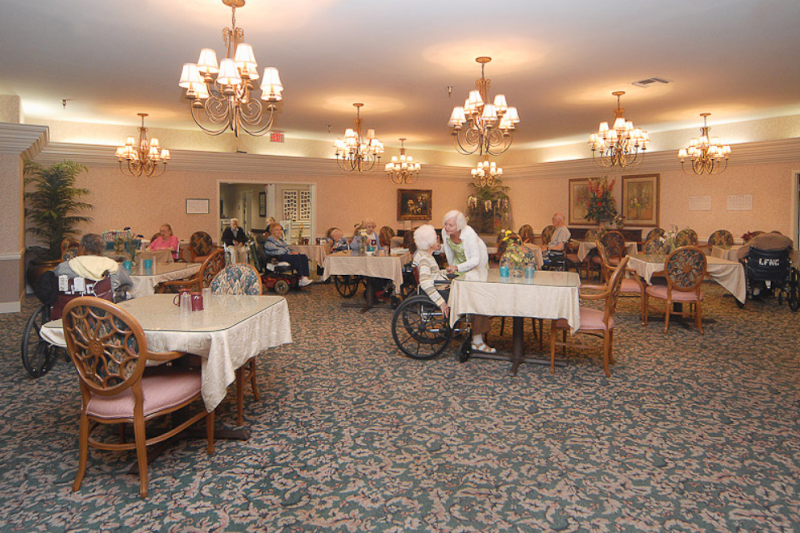
How is Trabuco Hills Post Acute Staffed?

CMS rates TRABUCO HILLS POST ACUTE's staffing level at 2 out of 5 stars, which is below average compared to other nursing homes. Staff turnover is 36%, compared to the California average of 46%. This relatively stable workforce can support continuity of care.

What Have Inspectors Found at Trabuco Hills Post Acute?

State health inspectors documented 87 deficiencies at TRABUCO HILLS POST ACUTE during 2019 to 2025. These included: 67 with potential for harm and 20 minor or isolated issues. While no single deficiency reached the most serious levels, the total volume warrants attention from prospective families.
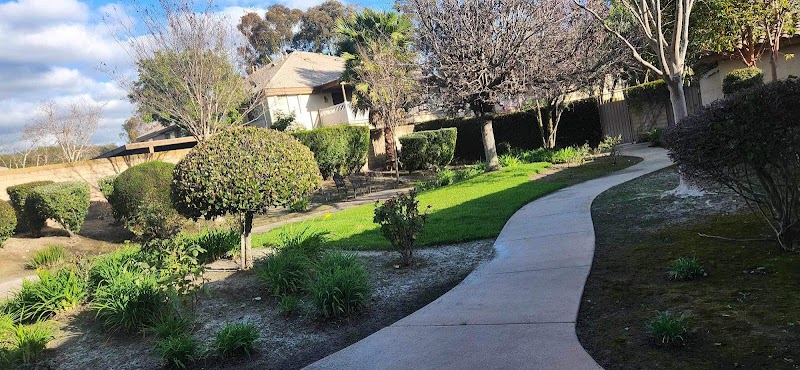
Who Owns and Operates Trabuco Hills Post Acute?

TRABUCO HILLS POST ACUTE is owned by a for-profit company. For-profit facilities operate as businesses with obligations to shareholders or private owners. The facility is operated by DAVID & FRANK JOHNSON, a chain that manages multiple nursing homes. With 175 certified beds and approximately 153 residents (about 87% occupancy), it is a mid-sized facility located in LAKE FOREST, California.
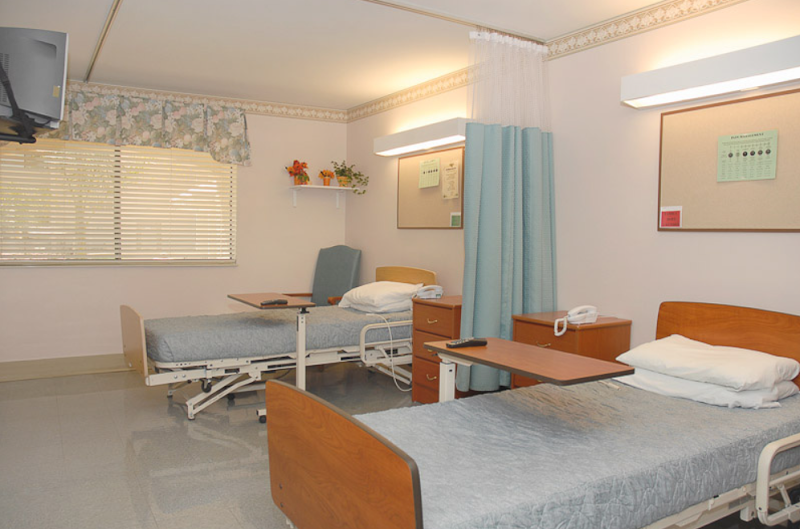
How Does Trabuco Hills Post Acute Compare to Other California Nursing Homes?

Compared to the 100 nursing homes in California, TRABUCO HILLS POST ACUTE's overall rating (2 stars) is below the state average of 3.1, staff turnover (36%) is near the state average of 46%, and health inspection rating (2 stars) is below the national benchmark.

What Should Families Ask When Visiting Trabuco Hills Post Acute?

Based on this facility's data, families visiting should ask: "Can you walk me through typical staffing levels on day, evening, and night shifts?" "Can I visit during a mealtime to observe dining assistance and food quality?" "How do you handle medical emergencies, and what is your hospital transfer rate?" "Can I speak with family members of current residents about their experience?" These questions are particularly relevant given the below-average staffing rating.

Is Trabuco Hills Post Acute Safe?

Based on CMS inspection data, TRABUCO HILLS POST ACUTE has a clean safety record: no substantiated abuse findings (meaning no confirmed cases of resident harm), no Immediate Jeopardy citations (the most serious violation level indicating risk of serious injury or death), and is not on the Special Focus Facility watch list (a federal program monitoring the lowest-performing 1% of nursing homes). The facility has a 2-star overall rating and ranks #100 of 100 nursing homes in California. While no facility is perfect, families should still ask about staff-to-resident ratios and recent inspection results during their visit.

Do Nurses at Trabuco Hills Post Acute Stick Around?

TRABUCO HILLS POST ACUTE has a staff turnover rate of 36%, which is about average for California nursing homes (state average: 46%). Moderate turnover is common in nursing homes, but families should still ask about staff tenure and how the facility maintains care continuity when employees leave.

Was Trabuco Hills Post Acute Ever Fined?

TRABUCO HILLS POST ACUTE has no federal fines on record. CMS issues fines when nursing homes fail to meet care standards or don't correct problems found during inspections. The absence of fines suggests the facility has either maintained compliance or corrected any issues before penalties were assessed. This is a positive indicator, though families should still review recent inspection reports for the full picture.

Is Trabuco Hills Post Acute on Any Federal Watch List?

TRABUCO HILLS POST ACUTE is not on any federal watch list. The most significant is the Special Focus Facility (SFF) program, which identifies the bottom 1% of nursing homes nationally based on persistent, serious quality problems. Not being on this list means the facility has avoided the pattern of deficiencies that triggers enhanced federal oversight. This is a positive indicator, though families should still review the facility's inspection history directly.