KERN VALLEY HEALTHCARE DISTRICT DP SNF
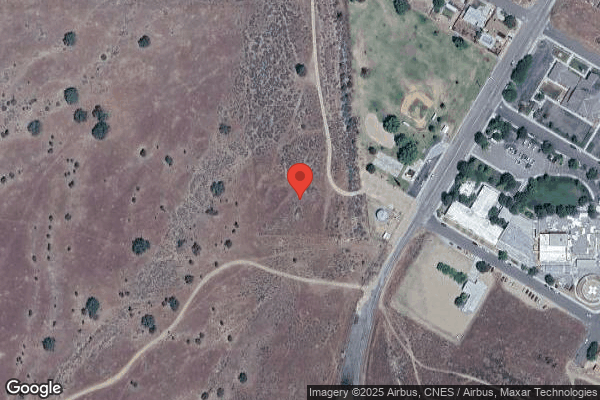
6412 LAUREL AVE, LAKE ISABELLA, CA 93240 (760) 379-2681
Government - Hospital district 74 Beds Independent Data: November 2025
Trust Grade
43/100
#832 of 1155 in CA
Last Inspection: June 2025

Inspected within the last 6 months. Data reflects current conditions.

Overview

Kern Valley Healthcare District DP SNF has a Trust Grade of D, which indicates below-average quality and some concerns about resident care. It ranks #832 out of 1155 facilities in California, placing it in the bottom half statewide, but #4 of 17 in Kern County, meaning there are only three local options that are better. The facility is worsening, with issues increasing from 8 in 2024 to 9 in 2025. Staffing is a significant weakness, receiving a poor rating of 1 out of 5 stars, and there is concerning RN coverage, with less than 1% of California facilities offering fewer RN hours. Specific incidents include a resident eloping and suffering a hip fracture due to a lack of proper care planning, and failures in food safety practices that could risk foodborne illnesses among residents. While there are some strengths, such as lower staff turnover at 30%, the overall picture suggests significant areas for improvement.

Trust Score
D
43/100
In California
#832/1155
Bottom 28%
Safety Record
Moderate
Needs review
Inspections
Getting Worse
8 → 9 violations
Staff Stability
○ Average
30% turnover. Near California's 48% average. Typical for the industry.
Penalties
⚠ Watch
$15,435 in fines. Higher than 79% of California facilities, suggesting repeated compliance issues.
Skilled Nurses
⚠ Watch
Each resident gets only 8 minutes of Registered Nurse (RN) attention daily — below average for California. Fewer RN minutes means fewer trained eyes watching for problems.
Violations
⚠ Watch
25 deficiencies on record. Higher than average. Multiple issues found across inspections.
★★☆☆☆
2.0
Overall Rating
★☆☆☆☆
1.0
Staff Levels
★★★★☆
4.0
Care Quality
★★★☆☆
3.0
Inspection Score
Stable
2024: 8 issues
2025: 9 issues

The Good

  • 4-Star Quality Measures · Strong clinical quality outcomes
  • Full Sprinkler Coverage · Fire safety systems throughout facility
  • No fines on record
  • Staff turnover below average (30%)

    18 points below California average of 48%

Facility shows strength in quality measures, fire safety.

The Bad

2-Star Overall Rating

Below California average (3.1)

Below average - review inspection findings carefully

Staff Turnover: 30%

15pts below California avg (46%)

Typical for the industry

Federal Fines: $15,435

Below median ($33,413)

Minor penalties assessed

The Ugly 25 deficiencies on record

1 actual harm
Jun 2025 1 deficiency
CONCERN (D) 📢 Someone Reported This

A family member, employee, or ombudsman was alarmed enough to file a formal complaint

Potential for Harm - no one hurt, but risky conditions existed

Report Alleged Abuse (Tag F0609)

Could have caused harm · This affected 1 resident

Based on interview and record review, the facility failed to implement their policy and procedure (P&P) on Abuse Prevention Program - Reporting for two of three sampled residents (Resident 1 and Resid...

Read full inspector narrative →
Based on interview and record review, the facility failed to implement their policy and procedure (P&P) on Abuse Prevention Program - Reporting for two of three sampled residents (Resident 1 and Resident 2) when: 1. The facility did not report an allegation of sexual abuse to the California Department of Public Health (CDPH), the Ombudsman (representatives advocating residents in long-term care facilities) and the local law enforcement (LLE) within 24 hours. 2. The facility did not complete a follow-up investigative report (FIR) within five working days. These failures had the potential to result in continuous sexual abuse and emotional distress for Resident 1 and Resident 2. Findings: 1. During a review of the SOC-341 (Report of Suspected Dependent Adult/Elder Abuse), dated 6/14/25, the SOC-341 indicated, (Activities Assistant [AA]) reported that (Resident 2) stated that (Resident 1) grabbed her breast. During a concurrent interview and record review on 6/26/25 at 1:39 p.m. with Director of Nursing (DON), the FAX Transmission Status (FTS), dated 6/16/25 was reviewed, the FTS indicated the SOC-341 was submitted to CDPH on 6/16/25 (two days after the allegation of sexual abuse on 6/14/25). DON stated there was no documentation to verify the SOC-341 was submitted to the Ombudsman and the LLE. DON stated the SOC-341 should have been submitted to CDPH, the Ombudsman and the LLE within 24 hours of the allegation of sexual abuse on 6/14/25. During a review of the facility's P&P titled, Abuse Prevention Program - Reporting, dated 2016, the P&P indicated, All reports of suspected and/or alleged sexual abuse must be immediately reported to the identified local law enforcement agency to be investigated as well as the immediate State Agency Report. Initial reporting of allegations: If an incident or allegation is considered reportable, the licensed nurse will make a report to California Department of Public Health and the Ombudsman within 24 hours. 2. During an interview on 6/26/25 at 1:39 p.m. with DON, DON stated she has not completed the FIR after the allegation of sexual abuse on 6/14/25. DON stated the FIR should have been submitted within five working days from 6/14/25 (by 6/20/25). During a review of the facility's P&P titled, Abuse Prevention Program - Reporting, dated 2016, the P&P indicated, After the report of the incident, a complete written report of the conclusion the investigation, including steps the facility has taken in response to the allegation, will be sent to California Department of Public Health within 5 business days.
Jun 2025 1 deficiency
CONCERN (D) 📢 Someone Reported This

A family member, employee, or ombudsman was alarmed enough to file a formal complaint

Potential for Harm - no one hurt, but risky conditions existed

Pharmacy Services (Tag F0755)

Could have caused harm · This affected 1 resident

**NOTE- TERMS IN BRACKETS HAVE BEEN EDITED TO PROTECT CONFIDENTIALITY** Based on interview and record review, the facility failed to follow their policy and procedure on narcotic (pain medication) cou...

Read full inspector narrative →
**NOTE- TERMS IN BRACKETS HAVE BEEN EDITED TO PROTECT CONFIDENTIALITY** Based on interview and record review, the facility failed to follow their policy and procedure on narcotic (pain medication) count, narcotic dispensing, and storage for one of three sampled residents (Resident 1). This failure resulted in missing narcotic medications and had the potential to affect Resident 1's pain control.During a review of the facility email (FEM), dated 6/24/25, the FEM indicated Resident 1's narcotic medications (morphine - a narcotic pain medication) were placed into the medication room on 6/11/25 but were not double locked in the narcotics drawer. Licensed Vocational Nurse (LVN) 1 accessed Resident 1's home medications during her evening shift (7 p.m. to 7:30 a.m.) to administer one morphine ER (extended release - medication that is released into the body over a period of time) 15 mg (milligram - a unit of measurement) pill to Resident 1. The FEM indicated, The (Resident 1's morphine) should not have been used, and the staff should have notified the provider (medical doctor) to see if an alternative pain medication . could be used to control (Resident 1's) pain. The FEM indicated, (The facility) received a new (admission) from Acute (hospital) on 6/11/25 (at 1:05 p.m.) . Resident (1) came over with a large bag of ‘at home' Narcotics . (Resident 1's) at home medications sheet (a sheet that keeps count of medications) was folded and placed in the (Resident 1's) bag. The bag was placed in the (medication) room by (Registered Nurse - RN 1). (RN 1's) name is printed as the (receiving) Nurse. However (sic) no signature was on the sheet. When I (unknown person) came on shift today I noticed the bag sitting on the med room counter and (unknown person) mentioned that (LVN 1) used (Resident 1's) at home (medications) instead of pulling from the Ekit (a container that holds different medications in case of emergency). The (medications) were counted and it was noted that the Morphine 15mg tabs were 67 in one bottle 1 used on (LVN 1's) shift (totaling 68) and the count on acute (hospital) care sheet stated 44 + 39 (83). That would make a discrepancy of 15 (pills) short. The (Acute Care Nurse - ACN) and (Facility Pharmacist - FP) from acute (hospital) should have counted before (Resident 1) left acute (hospital) and then counted with the (facility) receiving (RN 1).During an interview on 6/25/25 at 11:47 with Director of Nursing (DON), DON stated Resident 1 was admitted to the facility from the acute hospital (the facility and acute hospital share the same building) on 6/11/25. Resident 1's home medications including morphine were brought in by family and counted by the acute hospital staff. DON stated when Resident 1 was discharged from the acute hospital portion of the facility, RN 1 (facility RN) picked up Resident 1 from the acute hospital (via gurney) and was given Resident 1's home narcotic medications (morphine) from ACN. DON stated a count of Resident 1's narcotics medications was not done during the exchange from acute care to the facility. DON stated RN 1 placed Resident 1's narcotic medications (morphine) into the facility medication room but not stored in a locked area as it should have been. DON stated a count of Resident 1's narcotic medication (morphine) was not done until the next day (6/12/25). DON stated when Resident 1's narcotic medications were counted on 6/12/25 by Assistant Director of Nursing (ADON), 15 morphine ER 15 mg pills were found to be missing from the 83 pills she had brought in from home. During an interview on 6/25/25 at 12:15 p.m. with ADON, ADON stated on 6/12/25 she counted Resident 1's narcotic medications (morphine) in the facility medication room. ADON stated Resident 1's narcotic medications were on the counter and not double locked as they should have been. ADON stated she counted the medications and found 15 morphine ER 15 mg pills were missing. ADON stated she called FP, and FP verified 15 morphine ER 15 mg pills were missing. During a review of Resident 1's admission RECORD (AR), dated 6/25/25, the AR indicated, Resident 1 was admitted to the facility on [DATE] with a diagnosis of chronic obstructive pulmonary disease (COPD - a group of lung conditions that make it hard to breathe), major depressive disorder (a serious mental health condition characterized by feelings of sadness, loneliness, and hopelessness), wedge compression fracture (a type of spinal break in bone of unspecified where part of the bone collapses or [NAME] in) of lumbar vertebra (lower back), and cachexia (condition characterized by the loss of muscle and fat mass). During a review of Resident 1's Minimum Data Set (MDS) Assessment (a standardized assessment to evaluate a resident's functional abilities and healthcare needs), dated 6/19/25, under the section titled, Brief Interview for Mental Status (BIMS - an assessment of cognition [how well a person thinks, remembers, and learns]), the BIMS score was 15 (cognition intact).During an interview on 6/25/25 at 12:32 p.m. with Resident 1, Resident 1 stated she was taking narcotic medication to control pain from COPD and a fracture (broken bone) in her spine. During an interview on 6/25/25 at 1:16 p.m. with Risk Manager (RM), RM stated during Resident 1's transfer from the acute hospital to the facility ACN and RN 1 did not conduct a narcotic count of Resident 1's morphine. RM stated Licensed Vocational Nurse (LVN) 1 had taken over care for Resident 1 in the evening and a narcotic count of Resident 1's morphine was not done. RM stated LVN 1 used one of Resident 1's home morphine ER 15 mg to treat a complaint of pain (During the night of 6/11/25 and 6/12/25, no time specified). RM stated LVN 1 should not have used Resident 1's morphine medication from home. RM stated a count of narcotics to ensure accuracy should have been done per policy, the narcotic medications should have been double locked and Resident 1's home medication of morphine ER 15 mg should not have been used. During an interview on 7/2/25 at 11:05 a.m. with RN 1, RN 1 stated on 6/11/25 she went to the acute hospital to pick up Resident 1 from ACN. RN 1 stated she did not conduct a count of Resident 1's narcotic medications with ACN. RN 1 stated when she brought Resident 1 to the facility, she had placed Resident 1's narcotic medications in the facility medication room but did not lock the medication in a secure area. RN 1 stated that night (6/11/25) Resident 1's care was transferred to LVN 1, but a narcotic count was not done. During an interview on 7/21/25 at 2:29 with LVN 1, LVN 1 stated she could not recall doing a narcotic count of Resident 1's home medications when she took over her care on 6/11/25. LVN 1 stated she did give Resident 1 morphine ER 15 mg from Resident 1's home medication (During the night of 6/11/25 and 6/12/25, no time specified) due to a complaint of pain but should not have done that. During a review of Resident 1's Patient Home Medications (PHM), dated 5/25/25, the PHM indicated Resident 1 had 83 morphine ER 15 mg pills brought in from home. During a review of the facility's policy and procedure (P&P) titled, Controlled Substance Distribution and Security, dated 4/27/15, the P&P indicated, The storage, distribution and accounting of controlled substances will be done in accordance with all federal and state laws and standards of professional practice. Any controlled substance prescription dispensed to a patient within the SNF shall be issued a count sheet capable of recording each administration of all the doses dispensed. When an actual/physical controlled substance count does not match a perpetual count on a count sheet through routine use of the count sheet or random audit and the discrepancy cannot be explained on investigation, the event will be reported to the Director of Nursing as well as the facility risk management department. Lost or missing controlled substances shall be reported to the California State Board within 30 days of discovery. The product, strength and quantity shall be reported. All controlled substances will be stored utilizing double locked security. Only licensed personnel or authorized personnel under the direct supervision of licensed personnel shall have access to controlled substances stored within the (facility).On 7/18/25 at 3:52 p.m. a request for the facility's P&P on narcotic count during change of shifts was made and had not been made available and/or found at the time of this write up.
Jun 2025 5 deficiencies
CONCERN (D)

Potential for Harm - no one hurt, but risky conditions existed

Deficiency F0658 (Tag F0658)

Could have caused harm · This affected 1 resident

The facility failed to ensure tab alarm orders and informed consents were obtained for two of nine Residents (Resident 45 and Resident 14). 1. Resident 45 had no order and no informed consent for tab...

Read full inspector narrative →
The facility failed to ensure tab alarm orders and informed consents were obtained for two of nine Residents (Resident 45 and Resident 14). 1. Resident 45 had no order and no informed consent for tab alarm. 2. Reisdent 14 had no informed consent for tab alarm. This failure had the potential for staff to be untrained in the proper use of alarms. Findings: During an observation on 06/10/25 at 11:57 a.m. in Resident 45's room, Resident 45 had a tab alarm (safety monitor to prevent falls or wandering) attached from the back of the wheelchair to the back of Resident 45's T-shirt. During a review of Resident 45's Minimum Data Set (MDS-a standardized assessment tool to evaluate residents' health status and functional abilities), dated 3/19/25, the MDS indicated, Restraints and Alarms Resident chair alarm not used. During a concurrent interview and record review on 06/11/25 at 10:56 a.m. with Assistant Director of Nursing (ADON), Resident 45's Orders [undated], were reviewed. The orders indicated there was no order for a tab alarm. ADON stated there is no order for a tab alarm for Resident 45, but there should be one. During a concurrent interview and record review on 06/11/25 at 11:10 a.m. with ADON, Resident 45's Informed Consent Form (ICF), dated 1/23/25 was reviewed. The ICF indicated, Proposed Treatment: Tag transmitter to w/c [wheelchair] Reason for Treatment: Safety/Wandering in wheelchair. Resident's Signature/ Resident's Responsible Party was blank. ADON stated Resident 45's consent for the tab alarm is not signed by Resident 45's representative, and it should be. During a review of Resident 45's Care Plan (CP), dated 11/12/24 the CP indicated, Resident 45 transfers self without assistance. Interventions: bed alarm and tab arm while in W/C [wheelchair]. During an observation on 06/09/25 at 10:36 a.m. in Resident 14's room, Resident 14 was sitting in a wheelchair with a tab alarm attached from the back of the wheelchair to the back of Resident 14's T-shirt. During a review of Resident 14's MDS, dated 3/19/25, the MDS indicated, Restraints and Alarms Resident chair alarm daily. During a review of Resident 14's Orders, dated 9/4/2020, the orders indicated tab alarm while in the chair. During a concurrent interview and record review on 6/11/25 at 2:24 p.m. with Licensed Vocational Nurse (LVN) 1, Resident 14's Medical Record (MR) was reviewed. The MR indicated there was no informed consent for the tab alarm. LVN 1 stated there is no consent for the tab alarm in Resident 14's MR. During a concurrent interview and record review on 6/12/25 at 12:13 p.m. with ADON, Resident 14's MR was reviewed. The MR indicated no care plans for the tab alarm. ADON stated there are no care plans initiated for Resident 14's tab alarm. During an interview on 6/11/25 at 2:44 p.m. with ADON, ADON stated there is no alarm policy or process. During an interview on 6/11/25 at 2:56 p.m. with ADON, ADON stated when a resident has any kind of alarm the requirement is to have an order, create a care plan, obtain informed consent and place the alarm documentation in the resident's MDS.
CONCERN (D)

Potential for Harm - no one hurt, but risky conditions existed

Quality of Care (Tag F0684)

Could have caused harm · This affected 1 resident

Based on interview, and record review, the facility failed to document changes and monitor for one of two residents (Resident 22 and Resident 7) when: 1. A resident (Resident 22) had an unwitnessed fa...

Read full inspector narrative →
Based on interview, and record review, the facility failed to document changes and monitor for one of two residents (Resident 22 and Resident 7) when: 1. A resident (Resident 22) had an unwitnessed fall. This failure resulted in Resident 22's fall being undocumented. 2. A resident (Resident 7) had a medical condition not monitored. This failure had the potential for Resident 7 to not have his blood sugars monitored. Findings: 1. During a review of Resident 22's admission Record (AR) dated 11/28/23, the AR indicated, Alzheimer's disease (memory loss), fracture of left femur (broken bone), seizures (uncontrolled movements of the body), idiopathic normal pressure hydrocephalus (a condition affecting walking, cognitive, and bladder), impaired normal pressure hydrocephalus, macular degeneration (blurred or no vision), and difficulty in walking. During review of Resident 22's Brief Interview for Mental Status (BIMS), (BIMS- an assessment tool used by facilities to screen and identify memory, orientation, and judgment status of the resident. A score of 13 to 15 cognitively intact, 8-12 moderately impaired and 0-7 severe impairment) dated 3/21/25, the BIMS indicated, a score of 12 impaired. During a concurrent interview and record review on 6/11/25 at 9:04 a.m. with Assistant Director of Nursing (ADON), Resident 22's Nursing Note, dated 6/5/25 was reviewed. The Nursing Note indicated, Resident 22 had an unwitnessed fall on 6/4/25. ADON stated the nurse should have started the fall protocol and document in the care plan. During a review on Resident 22's Care Plan (CP), dated 10/15/24, the CP indicated, Falls: History of falling with left hip fracture with poor balance, unsteady gait, and dx [diagnosis] of severe osteoporosis, use of pain medication, poor vision. Resident at risk for future falls. Observe for changes in condition that may warrant increased assistance and notify the physician prn [as needed] dated 12/10/23. During a review of facility's policy and procedure (P&P) titled, Safety Management, dated 10/09, the P&P indicated, Nursing staff will assess patient/resident on admission and continuing staff using fall assessment guidelines. History for falls prior to or during hospitalization will be documented on care plan. 2. During a concurrent interview and record review on 6/11/25 at 9:09 a.m. with ADON, Resident 7's Comprehensive Care Plan, (CP) dated 11/10/24 was reviewed. The CP indicated, there were no indicators of Identify and prevent hyper/hypoglycemia (low blood sugars and when blood sugars rise above a healthy range) thru next review. ADON stated yes, the care plan should have hypo and hyperglycemic indications. During a review of Resident 7's Order Summary (OS) dated 10/1/24 and 4/5/25 was reviewed. The OS indicated, Insulin Glargine [long-acting medication] Solution 100 unit /ml [millimeter-unit of measurement] inject subcutaneously one time a day for diabetes. Hold for BS [blood sugar] less than 80. Novolin R flex pen injection solution pen injector 100 unit/ml (insulin regular (Human) Inject as per sliding scale if 0-60-0 units, follow protocol notify MD [medical doctor]; 61-150= 0 units, 151-200= 2 units, 201-250= 4 units; 251- 300 units=6 units, 301-350= 8 units; 351- 400= 10 units; 401-999=0 units notify MD for orders. During a review of facility's policy and procedure (P&P) titled, Care Plan Development Process, dated 2/8/16, the P&P indicated, Therefore, acute, temporary problems may be incorporated into the comprehensive plan of care as appropriate.
CONCERN (D)

Potential for Harm - no one hurt, but risky conditions existed

Deficiency F0790 (Tag F0790)

Could have caused harm · This affected 1 resident

Based on observation, interview, and record review the facility failed to ensure dental needs were met, and followed up for one of two sampled residents (Resident 47). This failure resulted in Residen...

Read full inspector narrative →
Based on observation, interview, and record review the facility failed to ensure dental needs were met, and followed up for one of two sampled residents (Resident 47). This failure resulted in Resident 47 not recieving dentures, feeling embarrassed, and refusing to socialize with other residents. Findings: During a review of Resident 47's admission Record (AR), the AR indicated, admission date 11/7/24. Diagnosis Information: depression [is a mood disorder that causes a constant feeling of sadness and loss of interest in daily activities]. During a review of Resident 47's Brief Interview for Mental Status (BIMS- an assessment tool used by facilities to screen and identify memory, orientation, and judgment status of the resident. Scores range from 0 to 15, with higher scores indicating better cognitive function. A score of 13-15 suggests intact cognition, 8-12 suggests moderate impairment, and 0-7 suggests severe impairment.), dated 3/19/25, the BIMS indicated Resident 47's score is 14. During a concurrent observation and interview on 6/09/25 at 10:08 a.m. with Resident 47, in Resident 47's room, Resident 47 had no teeth and it was difficult to understand what she was saying. Resident 47 stated, she had dentures before coming to the facility, but she must have lost them because she no longer has her dentures. Resident 47 stated she has asked the facility to help get her dentures so she can participate in activities; however, she is still waiting on new dentures. During an interview on 6/09/25 at 12:25 p.m. with Resident 47, Resident 47 stated she doesn't feel right participating in activities because she feels as if other residents are judging her because she does not have teeth. Resident 47 stated she feels embarrassed but would like to socialize with others but cannot because she has no teeth. During an interview on 6/11/25 at 8:46 a.m. with Activities Assistant (AA), AA stated Resident 47 has stated she will not participate in activities due to not having dentures. AA stated because Resident 47 will not join activities AA is only completing room visits twice a week at this time. AA stated not participating in activities and staying in her room can cause Resident 47 to become more depressed. AA stated Resident 47 used to come out to activities upon admission and had great socialization skills but no longer wants to come out of her room. AA stated she has not told anyone in management that Resident 47 is embarrassed to come to activities due to her not having any dentures. During a concurrent interview and record review on 6/11/25 at 11:18 a.m. with Assistant Director of Nursing (ADON), Resident 47's Medical Record (MR) was reviewed. The MR indicated upon admission a dental appointment was made for Resident 47 on 12/11/24. Resident 47 was in too much pain to go to this appointment, and it was rescheduled for 1/7/2025. On 1/7/25 Resident 47 was transported to the dental appointment and had x-rays (images taken of the inside of your mouth) completed for dentures. On 4/1/25 Resident 47 had her annual dental exam. ADON stated there was no follow up on Residents 47's dentures until 5/8/25 when Social Services called the dental office and requested an update, but no update was given. During an interview on 6/11/25 at 11:37 a.m. with Social Services Designee (SSD), SSD stated the reason there has not been a follow up for Resident 47's dentures is because the dental office is still waiting on an authorization from the insurance company which can take several months to a year to obtain. SSD stated this happened to another resident and she had to call the medical ombudsman to obtain the authorization; however, she has not done that for Resident 47. SSD stated she tries to only follow up with the dental office when she must call for other residents because it is too hard to get someone to answer the phone. SSD stated she does not document any follow up conversations into the resident's MR. During an interview on 6/11/25 at 11:43 a.m. with ADON, ADON stated SSD should document all follow up calls in the resident's MR. During a review of resident 47's Social Services Note (SSN), dated 11/7/24 the SSN indicated Resident has dentures, but they are not at facility upon admission, son to bring them at later time period resident is interested in a dental exam and she stated that her dentures hurt and don't fit right. During a review of Resident 47's Care Plan (CP), dated 11/8/24, the CP indicated Resident states, I have dentures at home but they hurt and don't fit.Interventions Coordinate arrangements for dental care. During a review of Resident 47's Activity Participation Note (APN), dated 1/4/2025, the APN indicated Had 1-1 [one-to-one] visit with resident, I asked resident if she was going to join activities, resident said not until she gets her teeth and glasses, resident is uncomfortable to be out in activities without those two items. Resident mentioned how the activities sound fun. During a review of Resident 47's APN, dated 1/26/25, the APN indicated, 1-1 room visit, resident lying in bed, I asked resident when she was going to come to activities, resident said once she gets her teeth and glasses. During a review of Resident 47's SSN, dated 2/27/25, the SSN indicated, MSW [Mental Social Worker] met with resident. resident reported she was hoping to go home with her son one day but not at this time because she would like to get her dentures. During a review of Resident 47's Psychiatry Note (PN), dated 4/24/25, the PN indicated, . she reports being moody today and frustrated she's supposed to get false teeth and it's not getting done . During a review of Resident 47's APN, dated 5/31/25, the APN indicated visited with resident, resident lying in bed, I asked resident about coming to activities, resident says not until she gets her dentures. During a review of the facility's policy and procedure (P&P) titled, Dental Services, dated 2/27/12, the P&P indicated Policy: The Skilled Nursing Facility staff will ensure that the dental care needs of its residents are met annually and as needed.
CONCERN (F)

Potential for Harm - no one hurt, but risky conditions existed

Deficiency F0727 (Tag F0727)

Could have caused harm · This affected most or all residents

Based on interview and record review the facility failed to ensure they staffed a Registered Nursed (RN) eight hours a day for seven days a week from 9/2024 to 12/2024. This failure had the potential ...

Read full inspector narrative →
Based on interview and record review the facility failed to ensure they staffed a Registered Nursed (RN) eight hours a day for seven days a week from 9/2024 to 12/2024. This failure had the potential to affect the quality of care of the residents and put the residents at risk for injury. Findings: During a review of the Payroll Staffing Data Report (PBJ) (an electronic system for facilities to submit staffing information) dated 10/1/24 to 12/31/24, the PBJ indicated, no RN hours dated 10/6,10/9,10/13,10/16,10/18,10/19,10/20,10/23/24,11/3,11/9,11/10,11/17,11/23, 11/24,11/28,11/29,11/30/24, 12/1,12/7,12/8,12/13,12/14,12/15,12/16,12/21,12/22, 12/24,12/25,12/26,12/27,12/28,12/29/24. During a concurrent interview and record review on 6/12/25 at 10:50 a.m. with Staffing Coordinator (SC) the facility's Staffing Log dated 9/2024 to 12/2024 was reviewed. The Staffing log indicated on the following dates there was no RN for the regulated eight hours per day: On 9/6/24, 6.28 RN hours worked. On 9/7/24, 0 RN hours worked. On 9/15/24, 3.68 RN hours worked. On 9/16/24, 0 RN hours worked. On 9/18/24, 7.97 RN hours worked. On 9/22/24, 0, RN hours worked. On 10/6/24,0 RN hours worked. On 10/7/24,7.92 RN hours worked. On 10/12/24,7.56 RN hours worked. On 10/13/24,0 RN hours worked. On 10/15/24,7.32 RN hours worked. On 10/16/24,0 RN hours worked. On 10/19/24,0 RN hours worked. On 10/20/24,0 RN hours worked. On 10/27/24,5.92 RN hours worked. On 11/3/24,0 RN hours worked. On 11/4/24, blank RN hours worked. On 11/9/24,0 RN hours worked. On 11/10/24,0 RN hours worked. On 11/15/24,3.97 RN hours worked. On 11/16/24,2.5 RN hours worked. On 11/17/24,0 RN hours worked. On 11/19/24,6.68 RN hours worked. On 11/22/24,6.03 RN hours worked. On 11/23/24,0 RN hours worked. On 11/24/24,0 RN hours worked. On 11/27/24,7.13 RN hours worked. On 11/28/24,0 RN hours worked. On 11/29/24,0 RN hours worked. On 11/30/ 24,0 RN hours worked. On 12/1/24, 0 RN hours worked. On 12/4/24, 5.33 RN hours worked. On 12/6/24, 7.97 RN hours worked. On 12/7/24, 0 RN hours worked. On 12/8, 0 RN hours worked. On 12/12/24, 4.8 RN hours worked. On 12/14/24, 0 RN hours worked. On 12/15/24, 0 RN hours worked. On 12/16/24, 0 RN hours worked. On 12/19/24, 6.55 RN hours worked. On 12/21/24, 0 RN hours worked. On 12/22/24, 0 RN hours worked. On 12/24/24, 0 RN hours worked. On 12/25/24, 0 RN hours worked. On 12/26/24, 0 RN hours worked. On 12/28/24, 0 RN hours worked. On 12/29/24, 0 RN hours worked. On 12/30/24, 7.57 RN hours worked. SC stated we are not getting staff. SC stated when we get applications, a requirement is they have previous skilled nursing facility experience. SC stated I reach out to registries when we do not have any applications.
CONCERN (F)

Potential for Harm - no one hurt, but risky conditions existed

Food Safety (Tag F0812)

Could have caused harm · This affected most or all residents

**NOTE- TERMS IN BRACKETS HAVE BEEN EDITED TO PROTECT CONFIDENTIALITY** Based on observation, interview, and record review, the facility failed to label and store food in a sanitary manner when: 1. F...

Read full inspector narrative →
**NOTE- TERMS IN BRACKETS HAVE BEEN EDITED TO PROTECT CONFIDENTIALITY** Based on observation, interview, and record review, the facility failed to label and store food in a sanitary manner when: 1. Food items were not closed and sealed appropriately in one of one dry storage room. 2. Food items did not have a received by date label in one of one dry storage room. These failures had the potential for Residents eating in the facility to be at risk of acquiring a foodborne illness. Findings: 1. During a concurrent observation and interview on 6/9/25 at 9:52 a.m. with [NAME] 1 in the kitchen's dry storage room, one bag of powdered Cocoa was on the shelf. The bag of Cocoa was not closed or sealed properly, it was open and exposed to room air. [NAME] 1 stated the bag should have been closed and sealed when it was opened. 2. During a concurrent observation and interview on 6/9/25 at 9:57 a.m. with [NAME] 1 in the kitchen's dry storage room, five bottles of [NAME] Brand Chocolate syrup were on the shelf of the dry storage room. All five bottles did not have a received by date. [NAME] 1 stated all food items must have a received by date label on them. During a concurrent observation and interview on 6/9/25 at 10:03 a.m. with [NAME] 1 in the kitchen's dry storage room, 11 cans of Star Kiss tuna were on the shelf of the dry storage room. All 11 cans of tuna did not have a received by date. [NAME] 1 stated all food items must have a received by date label on them. During a review of the facility's policy and procedure (P&P) titled, Food Storage, Labeling & Dating undated, the P&P indicated, It is the policy of Nutrition Services to wrap, cover, label, date, and store all foods in a safe, appropriate manner. To prevent foodborne illness. On each package, either write the expiration date, when item was received.
Apr 2025 2 deficiencies
CONCERN (D) 📢 Someone Reported This

A family member, employee, or ombudsman was alarmed enough to file a formal complaint

Potential for Harm - no one hurt, but risky conditions existed

Grievances (Tag F0585)

Could have caused harm · This affected 1 resident

Based on interview and record review, the facility failed to ensure one of three sampled residents (Resident 1) grievance were investigated and resolved. This failure had the potential for psychosocia...

Read full inspector narrative →
Based on interview and record review, the facility failed to ensure one of three sampled residents (Resident 1) grievance were investigated and resolved. This failure had the potential for psychosocial distress for Resident 1. Findings: During a review of Resident 1's Concern/Comment From, (CCF) dated 4/1/25, the CCF indicated, Today, I had a particularly upsetting interaction with (Activities Supervisor [AS]) While I was stretching my leg during the activity, (AS) told me (Resident 1), If you don't want to be here, you can just go.the comment made (Resident 1) feel unwelcome and as if (Resident 1) didn't belong. when (residents) play Yahtzee [dice game], (AS) takes it upon herself to roll the dice for us, preventing us from fully participating in the game. (AS) confronted (Resident 1) and said, Why do you always play with (activities assistant) and not me? I'm the one who bought you biscuits and gravy. (Resident 1) never asked (AS) to buy (Resident 1) anything, and this comment made (Resident 1) feel uncomfortable and awkward. During a concurrent interview and record review, on 4/11/25 at 10:19 a.m. with Social Worker (SW), SW stated once the CCF is filled out and submitted, the CCF is taken to the department responsible for handling the issue. SW stated the facility's policy and procedure (P&P) titled, Concern/Comment Procedure, indicated the CCF should be responded to and returned within 48 hours. Resident 1's CCF was reviewed. SW stated Resident 1 CCF regarding activities was filled on 4/1/25. SW stated Resident 1's CCF has not been investigated or resolved. SW stated it was not acceptable the CCF investigation was still pending 10 days after the CCF was filed. SW stated Resident 1's CCF was not handled according to the P&P. During a review of the facility's P&P titled, Concern/Comment Procedure, approved 6/3/15, the P&P indicated, Policy Statement: Residents have the right to voice concerns without discrimination or fear of reprisal. 3. When immediate resolution is not possible, the concern is routed to Social Services within 24 hours. 4. Social Service routes the concern form to the appropriate department manager, who reviews the concern, responds within 48 hours and returns the concern/comment for to [sic] Social Services or designee.
CONCERN (D) 📢 Someone Reported This

A family member, employee, or ombudsman was alarmed enough to file a formal complaint

Potential for Harm - no one hurt, but risky conditions existed

Deficiency F0679 (Tag F0679)

Could have caused harm · This affected 1 resident

Based on interview and record review, the facility failed to promote two of three sampled residents (Resident 1 and Resident 2) physical and emotional well-being. This failure resulted in Resident 1 a...

Read full inspector narrative →
Based on interview and record review, the facility failed to promote two of three sampled residents (Resident 1 and Resident 2) physical and emotional well-being. This failure resulted in Resident 1 and Resident 2 not to be able to fully take part in activities physically and the freedom to make their own choices. Findings: During a review of Resident 1's Minimum Data Set, (MDS – an assessment tool) dated 1/28/25, the MDS indicated, Resident 1's BIMS (Brief Interview for Mental Status with a range of 0-15) score was 15 (a score of 13 to 15 suggests the resident is cognitively intact). The MDS indicated Resident 1 had no impairment (loss of use) to upper extremities (shoulders, elbows, wrists, and hands). During an interview on 4/7/25 at 10:52 a.m. with Resident 1, Resident 1 stated the Activities Supervisor (AS) does not allow him to roll the dice in Yahtzee, he stated AS does not allow anyone to roll the dice. Resident 1 stated AS treats the resident like they are handicap. Resident 1 stated he chooses not to go to activities when AS is doing activities. During a review of Resident 2's MDS, dated 2/28/25, the MDS indicated, Resident 2's BIMS score was 15. The MDS indicated Resident 2 had no impairment to upper extremities. During an interview on 4/7/24 at 11:19 a.m. with Resident 2, Resident 2 stated some activities staff do not allow residents to handle the dice. Resident 2 stated she thinks it is because some staff are overly cautious. During an interview on 4/10/25 at 10:35 a.m. with Activity Assistant (AA), AA stated she allows residents to play their game, if a resident is able or wants to roll the dice she allows them too. AA stated, I respect their (residents) wishes. AA stated AS tend not to let resident make their own decisions, she will do it for them, which makes some resident not want to play with (AS). During a review of the facility's policy and procedure (P&P) titled, Activity Program, approved on 9/2/15, the P&P indicated, Policy: The Facility provides an ongoing program of activities designed to meet the interest as well as physical, mental and psychosocial well-being of each resident. Procedure: A. The activity program: . 3. Promotes physical, cognitive and/or emotional well-being; 4. Enhances to the extent practical each resident's physical, mental and psychosocial status; 5. Encourages self-respect through activities that support self-expression and choice; . 7. Reflects individual resident evaluations as well as MDS assessments. , mental and psychosocial status; 5. Encourages self-respect through activities that support self-expression and choice; . 7. Reflects individual resident evaluations as well as MDS assessments.
Nov 2024 1 deficiency 1 Harm
SERIOUS (G) 📢 Someone Reported This

A family member, employee, or ombudsman was alarmed enough to file a formal complaint

Actual Harm - a resident was hurt due to facility failures

Accident Prevention (Tag F0689)

A resident was harmed · This affected 1 resident

**NOTE- TERMS IN BRACKETS HAVE BEEN EDITED TO PROTECT CONFIDENTIALITY** Based on observation, interview, and record review, the facility failed to implement their policy and procedure (P&P) on ELOPEME...

Read full inspector narrative →
**NOTE- TERMS IN BRACKETS HAVE BEEN EDITED TO PROTECT CONFIDENTIALITY** Based on observation, interview, and record review, the facility failed to implement their policy and procedure (P&P) on ELOPEMENT (when a resident leaves the facility without the knowledge of the staff)/WANDERING (moving from place to place without a fixed plan) to evaluate for elopement, initiate a care plan (document that outlines the specific needs, goals, and interventions for a resident) and notify the physician for one of three sampled residents (Resident 1) who expressed and attempted to leave the facility. These failures resulted in Resident 1 eloping and sustaining a fall outside of the facility which resulted in a fracture (a partial or complete break of the bone) to the left hip requiring surgical intervention. Findings: During a review of Resident 1's admission RECORD (AR), dated 11/7/24, the AR indicated, Resident 1 was admitted to the facility on [DATE]. Resident 1 diagnoses including muscle weakness, anxiety (feeling of fear, dread, and uneasiness) and bipolar disorder (mental disorder where the person was having extreme mood changes). During a review of Resident 1's admission Minimum Data Set (MDS- an assessment tool) under the section Brief Interview for Mental Status (BIMS- an assessment of cognition [how well a person thinks, remembers, and learns]), dated 11/14/24, the BIMS indicated, Resident 1 had a score of 12 (cognition [how well a person thinks, remembers, and learns] moderately impaired). During a review of Resident 1's admission Elopement Risk Evaluation (ERE), dated 11/7/24, the ERE indicated, not applicable (no score- not indicated if Resident 1 was a low risk or high risk for elopement). During a review of Resident 1's Progress Notes (PN), dated 11/2024, the PN indicated the following: a. 11/9/24 – At 3:12 a.m. Resident 1 told a nurse (not specific who) I want to go home, my Son (sic) is going to pick me up .Resident (1) did tried (sic) to open double door (toward outside street), but unable to push open. b. 11/9/24 – At 6:04 p.m. Resident (1) was very angry, stating ' you are keeping me prisoner here.' Resident (1) attempted to enter other residents' room, (staff) redirected her to her room and In (sic) the processes (sic) . Resident (1) has been attempting to walk around (without) any assistance, disrespecting staff, and other resident. She (Resident 1) also attempted to enter (other area of facility), her son works in (other area of facility), screaming and cursing at him as well. c. 11/10/24 – At 4:33 p.m. (Resident 1) attempting to leave facility, with no shoes or socks on and was being physically aggressive towards staff when staff was trying to redirect (Resident 1). Staff was finally able to get (Resident 1) to sit in chair and bring her back to the hallway by (her room). d. 11/10/24 – At 8:01 p.m. Resident (1) . [was] Exit seek[ing]. Told me to call the cops. Continued to exit seek and cuss staff out. Resident educated again and she continued to cuss and yell at staff. e. 11/11/24 – At 11:29 p.m. (Resident 1) attempted to elope. (Director of Nursing) and (Certified Nursing Assistant- not identified) and cart nurses (not identified) were able to redirect (Resident 1) after several minutes of (encouragement). f. 11/15/24 – At 2:35 a.m. Resident (1) up out of her bed trying (to) leave (facility), when staff trying to redirect (Resident 1) began hitting and kicking the double doors on hall . screaming ' Help, somebody help me their holding me prisoner.' (Resident 1) was helped to nurses (sic) station. g. 11/15/24 – At 8:05 a.m. Resident (1) is showing small signs of getting use to staff and being on unit, then mood changes and resident (1) wants to elope from facility. h. 11/16/24 – At 7:30 p.m. at (6:25 p.m.), a (CNA- not identified) informed me (that the) resident (1) was not in her room. I searched the unit. At (6:29 p.m.) .all available staff was looking for (Resident 1). i. 11/17/24 – At 7:35 a.m. report from day cart nurse 11/16/24 regarding an elopement from (Resident 1). At approximately (8:00 p.m.) 11/16/24 resident (1) was returned to our facility. Resident was assessed and found two small abrasions (wearing off the skin, usually caused by a scrape or a brush burn). One to left shoulder and one to right knee. Resident (1) is alert and oriented. Resident (1) refused treatment and Is (sic) comfortable in her bed. j. 11/17/24 – At 2:04 p.m. Resident (1) having left hip pain and requesting Tylenol. Having a hard time moving around. k. 11/17/24 – At 5:49 p.m. While In the radiologist (someone that specializes in x-rays [medical imaging]) room (Resident 1) told the radiologist that she jumped a fence last night. Radiologist informed this nurse that (Resident 1) had a (left hip fracture). During an interview on 11/25/24 at 11:25 a.m. with Director of Nursing (DON), DON stated on 11/16/24 at approximately 6:30 p.m. she received a phone call from Licensed Vocational Nurse (LVN) 1, Resident 1 had eloped from the facility. DON stated on 11/16/24 at approximately 8 p.m. (approximately one and a half hours after elopement) Resident 1 was found across the street from the facility at a church in front of the glass doors lying on the grass. DON stated Resident 1 was brought back (by staff) to the facility and started complaining of left hip pain on 11/17/24 (2:04 PM). DON stated Resident 1 sustained a left hip fracture and had a surgery. During a review of Resident 1's acute hospital, Emergency Documentation (ED), dated 11/17/24, the ED indicated, Resident 1 here due to (hip) fracture. Patient ran away from her (facility) and as she jumped over a fence, landed incorrectly. Complaining of left hip pain. Admit to trauma center (a hospital unit that specializes in treating patients with life- threatening injuries) with Ortho (Orthopedic- a bone specialist). The Surgical Documentation (SD), dated 11/18/24, indicated, Resident 1 is a female who resides in (facility). She (Resident 1) attempted to ' escape', apparently by jumping a fence and fell and broke her left hip. recommended (hip surgery). The Progress Notes (HPN), dated 11/19/24, indicated, Resident 1 had a left hip hemiarthroplasty (a surgical procedure where half of the joint was replaced). During an observation and interview on 11/25/24 at 11:50 p.m. with Resident 1, in Resident 1's room, Resident 1 was noted lying in her bed and stated she left the facility without telling anyone on 11/16/24, because she felt better and wanted to go to her son's home. Resident 1 stated she climbed a fence where the church was located (across from the facility) and hurt herself (left hip). During a concurrent interview and record review on 11/25/24 at 1:31 p.m. with Assistant Director of Nursing (ADON), Resident 1's Electronic Medical Record (EMR), dated 11/2024 was reviewed. There was no care plan initiated and documented evidence the physician was notified after Resident 1 attempted to elope on 11/9/24. ADON confirmed the findings there was no care plan initiated and documented evidence the physician was notified after Resident 1 attempted to elope on 11/9/24. ADON confirmed the ERE dated 11/7/24, did not indicate a score or if Resident 1 was a low risk or high risk for elopement. ADON stated the ERE should indicate if Resident 1 was a low risk or high risk for elopement. ADON stated there was no risk for elopement assessment or evaluation noted after Resident 1 attempted to elope from the facility on 11/9/24. ADON stated Resident 1 should have been re-assessed for risk of elopement when she attempted to elope from the facility on 11/9/24. ADON stated a re-assessment for elopement would have triggered the staff to call the physician for appropriate interventions such as a wander guard (safety monitoring device). During an interview on 11/25/24 at 1:38 p.m. with DON, DON stated an elopement risk assessment should be done upon admission, every quarter, and after any attempts to elope from the facility. DON stated she does not believe the staff [not specified] knew to implement the policy. During a review of the facility's policy and procedure (P&P) titled, ELOPEMENT/WANDERING dated 2/21/17, the P&P indicated, The facility evaluates residents for wandering and/or exit seeking behavior and implements appropriate interventions as indicated via the evaluation process. Based on results of the Wandering Risk Scale, care plan interventions to manage wandering and/or exit seeking behaviors are initiated/implemented. Residents deemed at risk to elope or have.poor safety awareness . are accompanied by family, responsible party, or a facility staff member when leaving the facility for appointments and/or outings. a change in wandering/exit seeking behavior, or after an actual elopement attempt, the resident who is deemed at risk to elope is evaluated by a licensed nurse using the Wandering Risk Scale. Resident Monitoring System .The facility obtains a physicians order for the use of the device (wander guard) prior to application and after consent is received.
Apr 2024 7 deficiencies
CONCERN (D) 📢 Someone Reported This

A family member, employee, or ombudsman was alarmed enough to file a formal complaint

Potential for Harm - no one hurt, but risky conditions existed

Deficiency F0645 (Tag F0645)

Could have caused harm · This affected 1 resident

Based on interview and record review, the facility failed to ensure one of one sampled resident (Resident 21) was referred for a Preadmission and Resident Review (PASRR-screening tool used to determin...

Read full inspector narrative →
Based on interview and record review, the facility failed to ensure one of one sampled resident (Resident 21) was referred for a Preadmission and Resident Review (PASRR-screening tool used to determine if placement in a nursing facility is appropriate for those with mental illness and makes recommendations for specialized services based on the Level II evaluation) after a change in psychological status. This failure resulted in Resident 21 not receiving recommendations for specialized services to best meet her needs. Findings: During a concurrent interview and record review on 4/24/24 at 10:45 a.m. with the Social Worker (MSW) Resident 21's PASRR, dated 11/26/19 and Psychiatric Mental Health Progress Note (PMHPN), dated 8/22/23 were reviewed. The PASRR indicated, Generalized Anxiety Disorder [feelings of worry or restlessness that can interfere with daily activities]. The PMHPN indicated, Schizophrenia [mental disorder that affects a person's ability to think feel and behave clearly]. MSW stated the PASRR does not include diagnosis of schizophrenia. MSW stated Resident 21 received the new diagnosis in August 2023 and should have had a new PASRR Level 1 screening completed at that time.
CONCERN (D) 📢 Someone Reported This

A family member, employee, or ombudsman was alarmed enough to file a formal complaint

Potential for Harm - no one hurt, but risky conditions existed

Deficiency F0676 (Tag F0676)

Could have caused harm · This affected 1 resident

Based on observation, interview, and record review, the facility failed to communicate the weightbearing status to the interdisciplinary team (IDT-group of healthcare professionals from different fiel...

Read full inspector narrative →
Based on observation, interview, and record review, the facility failed to communicate the weightbearing status to the interdisciplinary team (IDT-group of healthcare professionals from different fields working together) for one of one sampled resident (Resident 13). This failure resulted in a delay of rehabilitative and restorative care to prevent further physical decline. Findings: During a concurrent observation and interview on 4/22/24 at 10:07 a.m. in Resident 13's room, Resident 13 was in bed with a brace on her right leg. Resident 13 stated she wanted to have therapy, but had not received any since she broke her leg about six weeks ago. During an interview on 4/23/24 at 10:30 a.m. with Physical Therapist (PT), PT stated she discontinued Resident 13's RNA (Restorative Nursing Assistant - light stretching and range of motion) on 3/29/24 because she was unable to determine the weightbearing status. During an interview on 4/23/24 at 12:08 p.m. with Licensed Vocational Nurse (LVN) 2, LVN 2 stated Resident 13 went to the orthopedic doctor on 3/18/24. No orders or follow up documentation was sent back to the facility regarding care or weightbearing status. During a concurrent interview and record review on 4/23/24 at 12:15 p.m. with Director of Nursing (DON), a letter from Resident 13's orthopedic clinic, dated 3/19/24 was reviewed. The letter indicated, Weightbearing is allowed with the knee brace on and the knee in full extension only. Patient instructed to be maintained in a knee immobilizer when she attempts to walk. DON stated weightbearing status should have been documented and communicated to all staff involved in Resident 13's care. During an interview on 4/25/24 at 10:41 a.m. with PT, PT stated if she had known Resident 13's weightbearing status she would not have discontinued the RNA, she would have revised it.
CONCERN (D) 📢 Someone Reported This

A family member, employee, or ombudsman was alarmed enough to file a formal complaint

Potential for Harm - no one hurt, but risky conditions existed

Incontinence Care (Tag F0690)

Could have caused harm · This affected 1 resident

Based on observation, interview, and record review, the facility failed to provide care for the Foley catheter (tube placed into the bladder to drain urine) to prevent infections and other complicatio...

Read full inspector narrative →
Based on observation, interview, and record review, the facility failed to provide care for the Foley catheter (tube placed into the bladder to drain urine) to prevent infections and other complications for one of four sampled residents (Resident 33). This failure had the potential to result in infections and injury to the penis or bladder. Findings: During an observation on 4/24/24 at 7:23 a.m. outside Resident 33's room, Resident 33's Foley catheter tubing was on the floor under the wheelchair. Licensed Vocational Nurse (LVN) 1 stated Resident 33 is currently being treated for a urinary tract infection (UTI-bladder infection) and his catheter tubing should not be on floor because of the risk for infection or getting pulled out. During an interview on 4/24/24 at 11:22 a.m. with Infection Preventionist (IP), IP stated Resident 33's catheter tubing should not have been touching the floor. IP stated Resident 33 is already at a high risk for infection. During a review of the facility's policy and procedure (P&P) titled, Indwelling Foley Catheter Care, dated 11/6/13, the P&P indicated, Drainage bags are. kept off the floor.
CONCERN (D) 📢 Someone Reported This

A family member, employee, or ombudsman was alarmed enough to file a formal complaint

Potential for Harm - no one hurt, but risky conditions existed

Deficiency F0807 (Tag F0807)

Could have caused harm · This affected 1 resident

Based on observation, interview, and record review, the facility failed to: 1. Change a physician order, and 2. Communicate the change in the dietary order to provide the dietary preferences for one ...

Read full inspector narrative →
Based on observation, interview, and record review, the facility failed to: 1. Change a physician order, and 2. Communicate the change in the dietary order to provide the dietary preferences for one of three sampled residents (Resident 33). This failure resulted in Resident 33's preferences to not be honored and had the potential to result in further weight loss. Findings: 1. During a concurrent interview and observation on 4/22/24 at 12:44 p.m. with Certified Nursing Assistant (CNA) 1 in Resident 33's room, Resident 33's meal tray contained a glass of milk that had been thickened (for those with swallowing difficulty) and a carton of reduced fat milk that had not been thickened. CNA 1 stated Resident 33 was served thickened milk by the kitchen, but Licensed Vocational Nurse (LVN) 3 told her Resident 33 was supposed to have gotten thin liquids. CNA 1 stated she went to the kitchen and got the carton of reduced fat milk. CNA 1 stated Resident 33's tray ticket indicated Resident 33's preference was for whole milk. CNA 1 stated she did not honor Resident 33's preference. During a concurrent interview and record review on 4/22/24 at 12:46 p.m. with LVN 3, Resident 33's Physician Order List (POL), dated 4/22/24 was reviewed. The POL indicated, NECTAR THICK LIQUIDS. LVN 3 stated she got in report Resident 33 is no longer on thickened liquids. LVN 3 stated she should have checked the order. LVN 3 stated the physicians order did not get updated to thin liquids but should have been. During an interview on 4/22/24 at 1:59 p.m. with Physician Assistant (PA), PA stated he came to the facility to speak with Resident 33 and his family on Friday morning around 11 a.m. to discuss comfort care options. Resident 33 had expressed that he was not happy with the thickened liquids, so he ordered the change back to thin liquids per Resident 33's request. 2. During an interview on 4/25/24 10:12 a.m. with Registered Dietician (RD), RD stated the kitchen did not get notification of PA's recommendation to change Resident 33's meal tray to thin liquids. RD stated the order had not been changed so that's why kitchen still sent out thickened liquids on Monday. RD stated the order was updated Monday, but the kitchen wasn't notified until Tuesday at lunch. RD stated on Friday she had received an email that Resident 33 wants to die eating whole food. RD stated nursing staff is supposed to notify the kitchen by submitting a dietary service request when an order has been changed and they did not. RD stated she told Registered Nurse (RN) 1 the reason the thickened milk was sent was because the kitchen was not notified of the new order. During an interview on 4/22/24 at 2:02 p.m. with Director of Nursing (DON), DON stated the change in Resident 33's diet order was not entered into the computer or communicated to dietary staff.
CONCERN (D) 📢 Someone Reported This

A family member, employee, or ombudsman was alarmed enough to file a formal complaint

Potential for Harm - no one hurt, but risky conditions existed

Infection Control (Tag F0880)

Could have caused harm · This affected 1 resident

Based on observation, interview, and record review, the facility failed to store oxygen tubing per policy for two of four sampled residents (Resident 13 and Resident 31). This failure had the potentia...

Read full inspector narrative →
Based on observation, interview, and record review, the facility failed to store oxygen tubing per policy for two of four sampled residents (Resident 13 and Resident 31). This failure had the potential to result in respiratory infections. Findings: During a concurrent observation and interview on 4/22/24 at 11:30 a.m. with Certified Nursing Assistant (CNA) 1 in Resident 13's room, Resident 13's oxygen tubing was laying on the handrail of the bed. CNA 1 stated it is supposed to go in the plastic bag. During a concurrent observation and interview on 4/22/24 at 2:56 p.m. with Registered Nurse (RN) 1 in Resident 31's room, Resident 31's oxygen tubing was on the handrail of the bed. RN 1 stated if the tubing is not in use, it should have been placed in the plastic bag to avoid contamination. During a review of the facility's policy and procedure (P&P) titled, Oxygen Therapy Supplies, dated 12/1/10, the P&P indicated, Purpose: To ensure residents receiving oxygen therapy. have clean equipment to decrease the risk of infection. All tubing will be placed in a plastic bag.
CONCERN (E) 📢 Someone Reported This

A family member, employee, or ombudsman was alarmed enough to file a formal complaint

Potential for Harm - no one hurt, but risky conditions existed

Deficiency F0725 (Tag F0725)

Could have caused harm · This affected multiple residents

Based on interview and record review, the facility failed to provide sufficient Certified Nursing Assistants (CNA) and Restorative Nursing Assistant's (RNA) to meet the needs for 20 of 31 sampled resi...

Read full inspector narrative →
Based on interview and record review, the facility failed to provide sufficient Certified Nursing Assistants (CNA) and Restorative Nursing Assistant's (RNA) to meet the needs for 20 of 31 sampled residents (Resident 3, Resident 4, Resident 5, Resident 6, Resident 8, Resident 10, Resident 11, Resident 13, Resident 15, Resident 16, Resident 17, Resident 19, Resident 21, Resident 22, Resident 23, Resident 26, Resident 29, Resident 30, Resident 40, and Resident 42). This failure had the potential for a decline in residents Range of Motion (ROM) and mobility. Findings: During an interview on 4/22/24 at 2:19 p.m. with Resident 17, Resident 17 stated the CNAs are always short staffed and it takes 45 minutes to answer the call lights. Resident 17 stated it mostly happens at night, but it also happens during the day. Resident 17 stated she has not gotten her exercises for several days or maybe weeks. During a review of Resident 17's BIMS, dated 4/25/24 the BIMS indicated, Resident 17 had BIMS score of 15 [Intact cognitive response]. During a concurrent interview and record review on 4/22/24 at 2:20 p.m. with Staffing Coordinator (SC), the NOC [Night] Shift Assignment (NSA), dated 4/20/24 was reviewed. The NSA indicated, three CNAs were scheduled for the night shift on 4/20/24. One CNA called off and the other CNA worked from 11-4 a.m. and two other CNAs from the Emergency Department (ED) were scheduled to come to the Skilled Nursing Facility (SNF) to cover for two hours. SC stated the two ED CNAs worked in the facility for a few minutes before they returned to the ED. SC stated the facility census for 4/20/24 was 43 and they were short staffed that day. SC stated they only had one CNA covering for most of the night. During an interview on 4/22/24 at 2:26 p.m. with Resident 13, Resident 13 stated the facility is short staffed and sometimes only has one CNA for everyone at night. Resident 13 stated she has waited five hours for a CNA to answer the call light. Resident 13 stated she has not received RNA since last month and stated she is ready to start moving again. During a review of Resident 13's BIMS indicated, Resident 13 had a BIMS score of 14 [Intact cognitive response]. During an interview on 4/22/24 at 2:43 p.m. with Resident 8, Resident 8 stated they are short staffed and take a long time to answer the call lights. During an interview on 4/22/24 at 3:04 p.m. with CNA 5, CNA 5 stated she worked by herself on Saturday night 4/20/24. CNA 5 stated two other CNAs from the ED came to the SNF to cover, but they only stayed for a few minutes, and they did not help with the residents. CNA 5 stated their census was 43 on 4/20/24 and she had to answer call lights and change residents by herself. During an interview on 4/24/24 at 2:51 p.m. with CNA 2, CNA 2 stated she worked day shift on 4/20/24. CNA 2 stated she gave report to the two CNAs covering from the ED since they were going to help cover in the SNF. CNA 2 stated she left at 7:19 p.m. and the CNAs from the ED had already returned to the ED leaving CNA 5 to work alone. During an interview on 4/24/24 at 2:18 p.m. with SC, SC stated for day shift they schedule four CNAs and for nights they typically schedule three CNAs. SC stated they schedule according to Census and Direct Care Service Hours per Patient Day (DHPPD) SC stated they are not always able to get 2.4 hours of DHPPD to meet the requirements. During an interview on 4/25/24 at 10:51 a.m. with CNA 6, CNA 6 stated she is a CNA/RNA. CNA 6 stated she gets pulled when she is scheduled as an RNA to do CNA work when CNAs call out. CNA 6 stated residents needing RNA do not receive RNA consistently. During an interview on 4/25/24 at 11:01 a.m. with Resident 5, Resident 5 stated he was supposed to have RNA and it has not been done for the last couple of weeks. During a review of Resident 5's Minimum Data Set [MDS-assessment tool] Section C Cognitive Patterns/Brief Interview for Mental Status (BIMS), dated 4/25/24 the BIMS indicated, Resident 5 had a BIMS score of 14 [Intact cognitive response]. During an interview on 4/25/24 at 11:06 a.m. with Resident 10, Resident 10 stated she had not received RNA in the last week. During a review of Resident 10's BIMS, dated 4/25/24 the BIMS indicated, Resident 10 had BIMS score of 15 [Intact cognitive response]. During an interview on 4/25/24 at 11:22 a.m. with Resident 29, Resident 29 stated he had not received RNA in the last week. During a review of Resident 29's BIMS, dated 4/25/24 the BIMS indicated, Resident 29 had BIMS score of 13 [Intact cognitive response]. During a concurrent interview and record review on 4/25/24 at 2:02 p.m. with Licensed Vocational Nurse (LVN) 2, RNA Weekly Schedule (RNAWS), dated 4/14/24 was reviewed. The RNAWS indicated, NO RNA services were provided on 4/14/24, 4/15/24, 4/16/24, 4/17/24, 4/18/24, 4/19/24, and 4/20/24 for Resident 3, Resident 4, Resident 5, Resident 6, Resident 8, Resident 10, Resident 11, Resident 13, Resident 15, Resident 16, Resident 17, Resident 19, Resident 21, Resident 22, Resident 23, Resident 26, Resident 29, Resident 30, Resident 40, and Resident 42. LVN 2 stated the residents did not receive RNA for the week of 4/14/24-4/20/24. LVN 2 stated they did not have enough staff to cover RNA services. During a review of Resident 3's Physician Orders List (PO) dated 3/7/23, the PO indicated, RNA to perform active/passive range of motion exercises to upper and lower extremities 3 times a week to tolerance. During a review of Resident 4's PO dated 4/10/23, the PO indicated, RNA to ambulate with front wheeled walker, ROM to right upper extremities, cup stacking, 3x's (times) weekly. During a review of Resident 5's PO dated 3/12/24, the PO indicated, RNA to active & passive range of motion exercises to upper and lower extremities to tolerance three times weekly. During a review of Resident 6's PO dated 10/8/23, the PO indicated, RNA to perform PROM [Passive range of motion] 3x weekly. During a review of Resident 8's PO dated 9/27/23, the PO indicated, RNA to perform active range of motion leg exercises and standing balance exercises two times per week. Priority one. During a review of Resident 10's PO dated 3/7/23, the PO indicated, RNA to perform heel cord stretching and foot massage 2 times weekly to tolerance. During a review of Resident 11's PO dated 3/7/23, the PO indicated, RNA to provide active range of motion exercises to upper extremities, ROM to right heel. Sit-to-stand exercises, 3 times a week to tolerance. During a review of Resident 13's PO dated 4/23/24, the PO indicated, RNA to perform minimal weight bearing and transfer 2-3 times per week as tolerated. During a review of Resident 15's PO dated 4/9/23, the PO indicated, RNA to perform passive range of motion to left shoulder, heel cord stretching, pillow under elbow, open to air three times a week to tolerance. During a review of Resident 16's PO dated 3/12/23, the PO indicated, RNA to perform range of motion exercises to right hand once weekly to tolerance. During a review of Resident 17's PO dated 3/7/23, the PO indicated, RNA to perform assisted active range of motion exercises to upper and lower extremities 3 times a week. During a review of Resident 19's PO dated 5/24/23, the PO indicated, RNA to Ambulate Resident 100 feet 3 times weekly with front wheeled walker, gait belt and close guard. Priority 1. During a review of Resident 21's PO dated 3/7/23, the PO indicated, RNA to provide neck massage, standing exercises using SA400 mechanical lift 3 times a week to tolerance. During a review of Resident 22's PO dated 3/29/24, the PO indicated, RNA/CNA to AMB 3X WKLY [Weekly] W/FWW [With front wheel walker] (WC [wheelchair] Behind for O2 [oxygen]). During a review of Resident 23's PO dated 3/7/23, the PO indicated, RNA to perform active range of motion to upper & lower extremities 3 times weekly; RNA to encourage to mobilize to tolerance in wheelchair 3 times weekly. During a review of Resident 26's PO dated 3/12/23, the PO indicated, RNA to perform range of motion exercises to right shoulder, table slides three times weekly. During a review of Resident 29's PO dated 3/12/23, the PO indicated, RNA to perform massage to right hip 2-3 times per week. During a review of Resident 30's PO dated 3/7/23, the PO indicated, RNA to ambulate 3x weekly to tolerance with 4-wheeled walker. During a review of Resident 40's PO dated 3/29/24, the PO indicated, RNA/CNA LUE [Left upper extremity] PROM X3 weekly. AMB [Ambulate] 3 X weekly. During a review of Resident 42's PO dated 3/29/24, the PO indicated, RNA to perform STS [Sit to stand] W/FWW or SA400 [Mechanical lift] 5-10 times and stand until fatigue 3 times weekly. During a review of the facility's policy and procedure (P&P) titled, Activities of Daily Living (ADL'S), dated 6/6/18, the P&P indicated, All nursing service personnel shall follow daily work assignments and perform assigned duties in accordance with professional standards of practice and facility policy. Daily personal duties. Answer call lights as quickly as feasible. Provide daily range of motion. Turn bed-ridden residents every 2 hours and as needed. Perform all assigned tasks.
CONCERN (E) 📢 Someone Reported This

A family member, employee, or ombudsman was alarmed enough to file a formal complaint

Potential for Harm - no one hurt, but risky conditions existed

Food Safety (Tag F0812)

Could have caused harm · This affected multiple residents

**NOTE- TERMS IN BRACKETS HAVE BEEN EDITED TO PROTECT CONFIDENTIALITY** Based on observation, interview, and record review, the facility failed to ensure one refrigerator and one freezer were monitore...

Read full inspector narrative →
**NOTE- TERMS IN BRACKETS HAVE BEEN EDITED TO PROTECT CONFIDENTIALITY** Based on observation, interview, and record review, the facility failed to ensure one refrigerator and one freezer were monitored for temperature control. This failure had the potential for foodborne illnesses to be spread to residents. Findings: During a concurrent observation and interview on 4/23/24 at 9:32 a.m. with Director of Nursing (DON) and Activities Director (AD) in the Day room, the Day room refrigerator nor freezer had a thermometer inside. There were drinks in the refrigerator and ice cream in the freezer. DON stated this is where food brought in from the outside would be stored. DON and AD confirmed there were no thermometers. During a concurrent interview and record review on 4/23/24 at 10:29 a.m. with Plant Operations Manager (POM), the SNF Activities Refrigerator [Day room] report ([NAME]), dated 4/23/24, was reviewed. The [NAME] indicated, There are no data to be displayed. POM stated the [NAME] indicated there was no data because the sensor had been installed that same day. POM stated food should not have been placed in the refrigerator/freezer until the sensor was placed to monitor the temperatures. During a concurrent interview and record review on 4/23/24 at 10:56 a.m. with Registered Dietician (RD), Work Order 005907 (WO), dated 2/22/24 was reviewed. The WO indicated, In the SNF dayroom there is a fridge/freezer. This unit needs to be temperature monitored in both the fridge unit and freezer unit. If resident's family bring food in from outside, this is the fridge/freezer food would be stored in. Please check the unit and if needed order and install temp monitoring system. RD confirmed she sent the WO.
May 2023 3 deficiencies
CONCERN (D)

Potential for Harm - no one hurt, but risky conditions existed

Medication Errors (Tag F0758)

Could have caused harm · This affected 1 resident

Based on interview and record review, the facility failed to follow its policy and procedure on: 1. Behavior Monitor Log for Psychotropic Medications to ensure consistent monitoring of behavior of psy...

Read full inspector narrative →
Based on interview and record review, the facility failed to follow its policy and procedure on: 1. Behavior Monitor Log for Psychotropic Medications to ensure consistent monitoring of behavior of psychotropic medication (any drug that affects brain activities associated with mental processes and behavior) for one of one resident (Resident 10). This failure had the potential to result in Resident 10 not being properly monitored to determine the appropriateness and effectiveness of medication for the exhibited behaviors. 2. Medication Monitoring and Management to ensure monitoring of side effects of psychotropic medication for one of one resident (Resident 10). This failure had the potential to result in the failure to monitor medication-related adverse consequences including mental status and level of consciousness when there is a significant change in condition/status baseline and evaluate for potential cause. Findings: 1. During a review of Resident 10's Behavior Monitor Log (BML), dated March 2023, February 2023, December 2022, November 2022, and October 2022, the BML indicated, Resident 10's behaviors were not monitored and there were missing documentation on March 1, 2023, a.m. shift, February 28, 2023, p.m. shift, December 19, 2022, a.m. shift, November 1 and 2, 2022 a.m. shift, October 20, 21, and 22, 2022 a.m. shift. During a concurrent interview and record review on 5/10/23, at 3:08 p.m., with LVN 1, Resident 10's BML dated March 2023, February 2023, December 2022, November 2022, and October 2022 was reviewed. LVN 1 stated, there are missing documentation on March 1, 2023, a.m. shift, February 28, 2023, p.m. shift, December 19, 2022, a.m. shift, November 1 and 2, 2022 a.m. shift, October 20, 21, and 22, 2022 a.m. shift. LVN 1 stated, the nurse on those shifts didn't do it (documentation of monitoring of behaviors), and the nurses are supposed to document residents behaviors. During a review of the facility's policy and procedure (P&P) titled, Behavior Monitor Log for Psychotropic Medications, dated 2011, the P&P indicated, The Behavior Monitor Log will be completed each shift even if there are no behaviors exhibited. 2. During a concurrent interview and record review, on 5/10/23, at 3:25 p.m., with LVN 1, Resident 10's Psychotropic Side Effect Monitoring log was reviewed. The log indicated, there was no monitoring for 6/21/20-3/2023. LVN 1 stated, they just started to monitor the side effects in April 2023 and there were no monitoring for March 2023 and prior months. During a review of the facility's policy and procedure (P&P) titled, Medication Monitoring and Management, dated 2015, the P&P indicated, Facility staff monitor resident for possible medication-related adverse consequences including mental status and level of consciousness when there is a significant change in condition/status baseline and evaluate for potential cause.
CONCERN (E)

Potential for Harm - no one hurt, but risky conditions existed

Deficiency F0726 (Tag F0726)

Could have caused harm · This affected multiple residents

Based on interview and record review, the facility failed to ensure eleven of 45 sampled staff (Licensed Vocational Nurse (LVN) 2, Infection Preventionist (IP), Certified Nursing Assistant (CNA) 2, CN...

Read full inspector narrative →
Based on interview and record review, the facility failed to ensure eleven of 45 sampled staff (Licensed Vocational Nurse (LVN) 2, Infection Preventionist (IP), Certified Nursing Assistant (CNA) 2, CNA 3, LVN 3, Bus Driver (BD), CNA 4, LVN 4, Resident Monitor (RM), CNA 5, and CNA 6), completed their annual infection control training, hand washing, and personal protective equipment (PPE - equipment worn to minimize exposure to hazards) return demonstration competencies. This failure had the potential to spread infection to resident, staff and visitors. Findings: During an interview on 5/11/23 at 1:10 p.m., with Learning Management Administrator (LMA), LMA stated, her role is to train and track the education training's of the staff. LMA stated, we have training's which are completed on hire and then annual trainings. During a concurrent interview and record review at 5/10/23, at 1:20 p.m., with LMA, the facility's SNF (Skilled Nursing Facility) Infection Control LMS, Hand Washing and Personal Protective Equipment (PPE) with Return Demo (demonstration) Training Compliance (SNF IC), dated 5/11/23, was reviewed. The SNF IC indicated, LVN 2, IP, CNA 2, CNA 3, LVN 3, BD, CNA 4, LVN 4, RM, CNA 5, and CNA 6 were due for training on 4/10/23. LMA stated, these staff members have not completed their annual trainings. LMA stated, there are no policies of annual trainings and competencies as they [administration] are currently working on them.
CONCERN (F)

Potential for Harm - no one hurt, but risky conditions existed

Deficiency F0699 (Tag F0699)

Could have caused harm · This affected most or all residents

Based on interview and record review, the facility failed to screen residents for trauma to provide trauma informed care (TIC-an intervention and organizational approach that focuses on how trauma may...

Read full inspector narrative →
Based on interview and record review, the facility failed to screen residents for trauma to provide trauma informed care (TIC-an intervention and organizational approach that focuses on how trauma may affect an individual's life and his or her response to behavioral health) for 28 of 42 sampled residents (Resident 26, Resident 6, Resident 30, Resident 31, Resident 11, Resident 27, Resident 22, Resident 13, Resident 15, Resident 24, Resident 19, Resident 16, Resident 194, Resident 21, Resident 4, Resident 5, Resident 10, Resident 36, Resident 1, Resident 17, Resident 37, Resident 33, Resident 12, Resident 14, Resident 20, Resident 32, Resident 8, and Resident 23). This failure had the potential for residents with a past history of trauma, to not receive TIC. Findings: During an interview on 5/10/23, at 9:43 a.m., with Director of Nursing (DON), DON stated, she did not think the facility screened for trauma on admission. DON stated, herself, the Assistant Director of Nursing (ADON), and Charge Nurse do all the admission assessments and screenings. DON stated, I understand we cannot provide trauma informed care if we do not screen for it. During an interview on 5/10/23, at 10:20 a.m., with Social Services (SS), SS stated, nursing staff do all the assessments for new admissions, but SS completes the trauma screening (questions to identify if a resident has experienced past trauma). SS stated, only new admissions are screened for trauma, and not all the residents admitted here have been screened for trauma. During a concurrent interview and record review on 5/10/23, at 10:22 a.m., with SS, Resident 26's Electronic Health Record (EHR), (undated), was reviewed. EHR had no documentation that the trauma screening tool was completed. SS stated, Resident 26 was not screened for trauma. During a concurrent interview and record review on 5/10/23, at 10:23 a.m., with SS, Resident 6's EHR, (undated), was reviewed. EHR had no documentation that the trauma screening tool was completed. SS stated, Resident 6 was not screened for trauma. During a concurrent interview and record review on 5/10/23, at 10:24 a.m., with SS, Resident 30's EHR, (undated), was reviewed. EHR had no documentation that the trauma screening tool was completed. SS stated, Resident 30 was not screened for trauma. During a concurrent interview and record review on 5/10/23, at 10:25 a.m., with SS, Resident 31's EHR, (undated), was reviewed. EHR had no documentation that the trauma screening tool was completed. SS stated, Resident 31 was not screened for trauma. During a concurrent interview and record review on 5/10/23, at 10:26 a.m., with SS, Resident 11's EHR, (undated), was reviewed. EHR had no documentation that the trauma screening tool was completed. SS stated, Resident 11 was not screened for trauma. During a concurrent interview and record review on 5/10/23, at 10:27 a.m., with SS, Resident 27's EHR, (undated), was reviewed. EHR had no documentation that the trauma screening tool was completed. SS stated, Resident 27 was not screened for trauma. During a concurrent interview and record review on 5/10/23, at 10:28 a.m., with SS, Resident 22's EHR, (undated), was reviewed. EHR had no documentation that the trauma screening tool was completed. SS stated, Resident 22 was not screened for trauma. During a concurrent interview and record review on 5/10/23, at 10:29 a.m., with SS, Resident 13's EHR, (undated), was reviewed. EHR had no documentation that the trauma screening tool was completed. SS stated, Resident 13 was not screened for trauma. During a concurrent interview and record review on 5/10/23, at 10:30 a.m., with SS, Resident 15's EHR, (undated), was reviewed. EHR had no documentation that the trauma screening tool was completed. SS stated, Resident 15 was not screened for trauma. During a concurrent interview and record review on 5/10/23, at 10:31 a.m., with SS, Resident 24's EHR, (undated), was reviewed. EHR had no documentation that the trauma screening tool was completed. SS stated, Resident 24 was not screened for trauma. During a concurrent interview and record review on 5/10/23, at 10:32 a.m., with SS, Resident 19's EHR, (undated), was reviewed. EHR had no documentation that the trauma screening tool was completed. SS stated, Resident 19 was not screened for trauma. During a concurrent interview and record review on 5/10/23, at 10:33 a.m., with SS, Resident 16's EHR, (undated), was reviewed. EHR had no documentation that the trauma screening tool was completed. SS stated, Resident 16 was not screened for trauma. During a concurrent interview and record review on 5/10/23, at 10:34 a.m., with SS, Resident 194's EHR, (undated), was reviewed. EHR had no documentation that the trauma screening tool was completed. SS stated, Resident 194 was not screened for trauma. During a concurrent interview and record review on 5/10/23, at 10:35 a.m., with SS, Resident 21's EHR, (undated), was reviewed. EHR had no documentation that the trauma screening tool was completed. SS stated, Resident 21 was not screened for trauma. During a concurrent interview and record review on 5/10/23, at 10:36 a.m., with SS, Resident 4's EHR, (undated), was reviewed. EHR had no documentation that the trauma screening tool was completed. SS stated, Resident 4 was not screened for trauma. During a concurrent interview and record review on 5/10/23, at 10:37 a.m., with SS, Resident 5's EHR, (undated), was reviewed. EHR had no documentation that the trauma screening tool was completed. SS stated, Resident 5 was not screened for trauma. During a concurrent interview and record review on 5/10/23, at 10:38 a.m., with SS, Resident 10's EHR, (undated), was reviewed. EHR had no documentation that the trauma screening tool was completed. SS stated, Resident 10 was not screened for trauma. During a concurrent interview and record review on 5/10/23, at 10:39 a.m., with SS, Resident 36's EHR, (undated), was reviewed. EHR had no documentation that the trauma screening tool was completed. SS stated, Resident 36 was not screened for trauma. During a concurrent interview and record review on 5/10/23, at 10:40 a.m., with SS, Resident 1's EHR, (undated), was reviewed. EHR had no documentation that the trauma screening tool was completed. SS stated, Resident 1 was not screened for trauma. During a concurrent interview and record review on 5/10/23, at 10:41 a.m., with SS, Resident 17's EHR, (undated), was reviewed. EHR had no documentation that the trauma screening tool was completed. SS stated, Resident 17 was not screened for trauma. During a concurrent interview and record review on 5/10/23, at 10:42 a.m., with SS, Resident 37's EHR, (undated), was reviewed. EHR had no documentation that the trauma screening tool was completed. SS stated, Resident 37 was not screened for trauma. During a concurrent interview and record review on 5/10/23, at 10:43 a.m., with SS, Resident 33's EHR, (undated), was reviewed. EHR had no documentation that the trauma screening tool was completed. SS stated, Resident 33 was not screened for trauma. During a concurrent interview and record review on 5/10/23, at 10:44 a.m., with SS, Resident 12's EHR, (undated), was reviewed. EHR had no documentation that the trauma screening tool was completed. SS stated, Resident 12 was not screened for trauma. During a concurrent interview and record review on 5/10/23, at 10:45 a.m., with SS, Resident 14's EHR, (undated), was reviewed. EHR had no documentation that the trauma screening tool was completed. SS stated, Resident 14 was not screened for trauma. During a concurrent interview and record review on 5/10/23, at 10:46 a.m., with SS, Resident 20's EHR, (undated), was reviewed. EHR had no documentation that the trauma screening tool was completed. SS stated, Resident 20 was not screened for trauma. During a concurrent interview and record review on 5/10/23, at 10:47 a.m., with SS, Resident 32's EHR, (undated), was reviewed. EHR had no documentation that the trauma screening tool was completed. SS stated, Resident 32 was not screened for trauma. During a concurrent interview and record review on 5/10/23, at 10:48 a.m., with SS, Resident 8's EHR, (undated), was reviewed. EHR had no documentation that the trauma screening tool was completed. SS stated, Resident 8 was not screened for trauma. During a concurrent interview and record review on 5/10/23, at 10:49 a.m., with SS, Resident 23's EHR, (undated), was reviewed. EHR had no documentation that the trauma screening tool was completed. SS stated, Resident 23 was not screened for trauma. During an interview on 5/10/23, at 10:50 a.m., with SS, SS stated, 28 out of 42 residents were not screened for trauma. During a review of the facility's policy and procedure (P&P) titled, Admissions to Nursing Center, dated 1/2020, the P&P indicated, A nursing assessment will be completed on all residents upon admission to the Skilled Nursing Facility. The nursing process (assessment, planning, intervention, evaluation) is used to help determine resident's needs and plan of care. Pre-admission information as well as observations and interviews made at the time of admission will be used to determine the resident's initial plan of care. P&P did not have guidance on behavior or trauma related questions.
Apr 2023 1 deficiency
CONCERN (D) 📢 Someone Reported This

A family member, employee, or ombudsman was alarmed enough to file a formal complaint

Potential for Harm - no one hurt, but risky conditions existed

Abuse Prevention Policies (Tag F0607)

Could have caused harm · This affected 1 resident

Based on interview and record review, the facility failed to ensure policy and procedures on Abuse Prevention Program – Protection and Abuse Prevention Program – Reporting were consistent....

Read full inspector narrative →
Based on interview and record review, the facility failed to ensure policy and procedures on Abuse Prevention Program – Protection and Abuse Prevention Program – Reporting were consistent. This failure resulted in placing one of three sampled resident (Resident 1) at risk for further abuse and had the potential for staff to have conflicting procedures, and place facility's residents at risk for abuse. Findings: During an interview on 3/27/23, at 10:54 AM, with License Vocational Nurse (LVN) 1, LVN 1 stated, if the abuse allegation involved a staff member, she would remove the staff member from the facility immediately. During an interview on 3/27/23, at 11:31 AM, with LVN 2, LVN 2 stated, if the abuse allegation involving a staff member, she would remove the staff member from the resident care and re-assign the staff member. LVN 2 stated, the decision is up to the Director of Nursing (DON) if the staff member is removed from facility. LVN 2 stated, the DON makes the formal call. LVN 2 stated, if there were signs and symptoms of abuse like marks on the resident, she would remove the staff member right away, but some resident can tell stories and she leave the decision to the DON. During a review of Resident 1's Progress Notes, (PN) dated 3/11/23, the PN indicated, At approximately 0930, daughter [of Resident 1] visiting bedside. Daughter stated [Resident 1] had telephoned her yesterday and claimed [certified nursing assistant (CNA)] had hit her, and was going to kill her. Daughter stated, her mother had identified her current CNA [CNA 1] as the one in her allegations. During an interview on 3/28/23, at 12:50 PM, with DON, DON stated, We completed a head-toe assessment on 3/11/23, no marks were found on [Resident 1]. DON stated, the Assistant Director of Nurses (ADON) spoke to other residents on 3/11/23, regarding the care provided by CNA 1. DON stated, Resident 1 always has a resident monitor with her and CNA 1 was re-assigned to another hallway. DON stated, CNA 1 was scheduled on 3/11/23, for day shift and she worked nights shift that day (3/11/23) as well. DON stated on 3/12/23, she spoke to Resident 1 and Resident 1 stated there was no physical contact. DON stated, We conclude the investigation on the 3/13/23. DON stated, CNA 1 worked on 3/11/23, and on the 3/12/23. DON reviewed the facility's policy and procedure (P&P) titled, Abuse Prevention Program – Protection. DON confirmed according to the P&P CNA 1 should have been sent home. DON stated, the facility's P&P titled, Abuse Prevention Program – Reporting stated it is up to DONs discretion weather or not to remove the staff member. During a review of the facility's P&P titled, Abuse Prevention Program – Protection, approval date 11/28/16, the P&P indicated, Policy: All resident (s) will be protected from the alleged offender(s). Procedure: Immediately upon receiving report of alleged abuse, the Licensed Nurse will coordinate delivery of appropriate medical and /or psychological care . Ensuring safety and well-being for the vulnerable adult is of utmost priority. Safety, security and support of the resident, their roommate, if applicable and other residents with the potential to be affected will be provided. This should include as appropriate: . B. Employees accused of alleged abuse will be immediately removed from the facility and will remain removed pending the results of a thorough investigation. During a review of the facility's P&P titled, Abuse Prevention Program – Reporting, approval date 11/28/16, the P&P indicated, Procedure: . E. If the accused is an employee of the facility, he/she will be suspended pending investigation at discretion of the facility Director of Nursing or designee until the investigation has been completed or per facility policy.
Apr 2023 1 deficiency
CONCERN (E) 📢 Someone Reported This

A family member, employee, or ombudsman was alarmed enough to file a formal complaint

Potential for Harm - no one hurt, but risky conditions existed

Quality of Care (Tag F0684)

Could have caused harm · This affected multiple residents

Based on interview and record review, the facility failed to administer medications to 11 of 11 sampled residents (Resident 1, Resident 2, Resident 3, Resident 4, Resident 5, Resident 6, Resident 7, R...

Read full inspector narrative →
Based on interview and record review, the facility failed to administer medications to 11 of 11 sampled residents (Resident 1, Resident 2, Resident 3, Resident 4, Resident 5, Resident 6, Resident 7, Resident 8, Resident 9, Resident 10 and Resident 11) according to the Medical Doctor (MD) order. This failure had the potential to result in negative health consequences. Findings: During an interview on 3/8/23, at 12:42 PM, with Licensed Vocational Nurse (LVN) 1, LVN 1 stated, she worked on 2/27/23 (7 AM to 7:30 PM) and relieved LVN 2, who worked the night shift on 2/26/23 at 7 PM, to the morning of 2/27/23 at 7:30 AM. LVN 1 stated, she received report from LVN 2 prior to LVN 2 leaving for the day. LVN 1 stated, LVN 2 did not report any unusual issues or missed resident medications. LVN 1 stated, after receiving report from LVN 2, she signed into the facility Electronic Medical Administration Record (EMAR) and noted multiple medications (not specified) were not given during LVN 2's shift. LVN 1 stated, she reported this issue to the Director of Nursing (DON). LVN 1 stated, she noted the medications that were not given were still in their bubble packs (bubble pack – a method of storage for prescribed medications that allows for tracking of the amount used). During a review of the Facility Investigative Report (FIR), dated 3/6/23, the FIR indicated, During my [DON] investigation, I [DON] noticed there were numerous holes in the [EMAR] indicating that medications were not given. I [DON] asked [LVN 1] to write me a report of her findings. During a review of Resident Medication Administration History (AH), dated February 2023, the AH indicated the following MD ordered resident medications were not given: 1. Resident 1 did not receive the medication: a. Novolog (a type of insulin used to treat diabetes) sliding scale (dosage is determined by how high or low a resident's blood sugar is) on 2/26/23 at 9 PM. 2. Resident 2 did not receive the medication: a. Humalog (a type of insulin used to treat diabetes) sliding scale on 2/26/23 at 10 PM. 3. Resident 3 did not receive the following medications: a. Hydrocodone-acetaminophen (pain medication) 10/325 mg (milligram - a unit of measurement) on 2/27/23 at 12 AM and 6 AM. b. Baclofen (a muscle relaxer) 10 mg on 2/27/23 at 6 AM. c. Potassium (a supplement) 10 meq (milliequivalent – a unit of measurement) on 2/27/23 at 6 AM. d. Megestrol (medication that helps with loss of appetite) 40 mg on 2/27/23 at 6 AM. e. Levothyroxine (a medication for thyroid issues) 75 mcg (microgram – a unit of measurement) on 2/27/23 at 6 AM. 4. Resident 4 did not receive the medication: a. Morphine Sulfate (pain medication) 15 mg on 2/26/23 at 10 PM. 5. Resident 5 did not receive the following medications: a. Furosemide (medication that helps remove excess fluid in the body) 20 mg on 10/27/23 at 6 AM. b. Pantropazole (medication for stomach acid) 40 mg on 2/27/23 at 6 AM. 6. Resident 6 did not receive the following medications: a. Omeprazole (medication for stomach acid) 40 mg on 2/27/23 at 6 AM. b. Acetaminophen (pain medication) 325 mg on 2/27/23 at 6 AM. 7. Resident 7 did not receive the following medications: a. Furosemide 20 mg on 2/27/23 at 6 AM. b. Gabapentin (medication for nerve pain) 300 mg on 2/27/23 at 6 AM. c. Levothyroxine 112 mcg on 2/27/23 at 6 AM. 8. Resident 8 did not receive the medication: a. Lasix (medication for fluid retention) 20 mg on 2/27/23 at 6 AM. 9. Resident 9 did not receive the following medications: a. Omeprazole 20 mg on 2/27/23 at 6 AM. b. Quetiapine (medication used to treat mental illness) 25 mg on 2/27/23 at 6 AM. c. Donepezil (medication to treat Alzheimer's disease) 10 mg on 2/27/23 at 6 AM. 10. Resident 10 did not receive the following medications: a. Donepezil 10 mg on 2/27/23 at 6 AM. b. Hydralazine (medication for blood pressure) 25 mg on 2/27/23 at 6 AM. 11. Resident 11 did not receive the following medications: a. Omeprazole 20 mg on 10/27/23 at 6 AM. b. Levothyroxine 88 mcg on 10/27/23 at 6 AM. c. Spironolactone (medication for fluid retention) 20 mg on 10/27/23 at 6 AM. During an interview on 3/23/23, 10:31 AM, with DON, DON confirmed the above findings. During a review of the facility's policy and procedure (P&P) titled, MEDICATION ADMINISTRATION, dated 6/3/15, the P&P indicated, Medication will be administered in a safe and effective manner. Perform 6 rights (i.e. right resident, right medication, right route, right dose, right time, right documentation) when administering medication to a resident. Document administration in the MAR/TAR [Medication Administration Record/Treatment Administration Record].
Feb 2023 2 deficiencies
CONCERN (D) 📢 Someone Reported This

A family member, employee, or ombudsman was alarmed enough to file a formal complaint

Potential for Harm - no one hurt, but risky conditions existed

Free from Abuse/Neglect (Tag F0600)

Could have caused harm · This affected 1 resident

**NOTE- TERMS IN BRACKETS HAVE BEEN EDITED TO PROTECT CONFIDENTIALITY** Based on interview and record review the facility failed to prevent one of three sampled residents (Resident 1) from neglect of ...

Read full inspector narrative →
**NOTE- TERMS IN BRACKETS HAVE BEEN EDITED TO PROTECT CONFIDENTIALITY** Based on interview and record review the facility failed to prevent one of three sampled residents (Resident 1) from neglect of care by Certified Nursing Assistant (CNA) 1. This failure resulted in Resident 1's peri-area (area between the thighs), genital area, and buttocks to be reddened and had the potential for wounds to occur. Findings: During a review of Resident 1's Face Sheet, dated 11/29/22, the Face Sheet indicated, Resident 1 was a [AGE] year-old male with history of hemiplegia (inability to move one side of the body), constipation, muscle spasms, diabetes, and major depression. During a review of Resident 1's Care Plans, dated 11/29/22, the Care Plan indicated, Resident 1 had a plan of care in place for having potential for skin rashes, fragile skin, and incontinence (unable to control) of bowel and bladder. The Care Plan indicated, Resident 1 had a goal of being without skin injuries or complications for 90 days initiated on 5/20/19. During a review of Resident 1's Brief Interview for Mental Status (BIMs - an assessment to determine a residents cognition status), dated 10/21/22, the BIMs indicated, Resident 1 had a score of 11 (score of: 13-15 Intact cognitive response; 8-12 Moderate impairment; 0-7 Severe cognitive impact) During a review of Resident 1's Minimum Data Set (MDS - an assessment tool), dated 10/21/22, the MDS indicated Resident 1 was, always incontinent of bowel and bladder and required extensive one-person assistance for personal hygiene. During an interview on 11/29/22, at 11:43 PM, with Director of Nursing (DON), DON stated, on 11/12/22, at approximately 4 PM, Licensed Vocational Nurse (LVN) 1 reported to her (DON) that CNA 1 had neglected to provide care to Resident 1. DON stated, Resident 1 had a history of being a high risk for rashes, incontinent of bowel and bladder and was on a plan to have his brief checked and changed every two hours (check and change). DON stated, LVN 1 reported to her that CNA 2 entered Resident 1's room and found him, soiled and soaking wet. LVN 1 reported to DON that Resident 1's charting for the every two-hour check and change had not been done. DON stated, CNA 1 was immediately removed from the premises so an investigation could be conducted. DON stated, CNA 1 was terminated for neglect of care on Resident 1 and for a physical altercation that occurred between her (CNA 1) and CNA 2 after she (CNA 1) discovered she was reported on. During an observation on 11/29/22, at 12:35 PM, in Resident 1's room, a sign was observed over Resident 1's bed that indicated, CONTINUE WITH EVERY 2 HOUR BRIEF CHECKS . PAT DRY GROINS (SIC), PERI-AREA, INSIDE UPPER THIGH . APPLY CORNSTARCH WITH EACH BRIEF CHECK . During a review of Resident 1's [NAME] (a tool used to communicate resident needs to staff) , dated 8/21/22, the [NAME] indicated Resident 1 was to have his brief checked and changed every two hours. During an interview on 11/29/22, at 2:25 PM, with CNA 2, CNA 2 stated, on 11/12/22 around 3:30 PM, she (CNA 2) entered Resident 1's room to answer a call light. CNA 2 stated, she checked Resident 1's brief and noted it to be completely saturated with urine and loose bowel movement. CNA 2 stated, Resident 1 had remarked that she (CNA 2) had been the first staff member to change him all day. CNA 2 stated, she changed Resident 1's brief and his skin under the brief was red. CNA 2 stated, (began to cry when stating) that it broke her heart to see Resident 1 in this condition (not being changed and skin redness being caused from it). CNA 2 stated, she reported what she saw to LVN 1. CNA 2 stated, after LVN 1 spoke with CNA 1 about what was found, CNA 1 approached her, grabbed her (CNA 2) wrist, shook it and stated, If you [CNA 2] have a problem with me [CNA 1] you need to come directly with [to] me. During an interview on 11/29/22, at 2:52 PM, with DON, DON stated, CNA 1 had been neglectful in providing care for Resident 1. DON 1 stated, Yes, she (CNA 1) was neglectful. She (CNA 1) admitted not doing it (check and change on Resident 1) and had no valid excuse. DON stated, she could not find an assessment on Resident 1's skin condition on 11/12/22 after the neglect of care was discovered. During an interview on 1/31/23, at 12:30 PM, with LVN 1, LVN 1 stated, she was working on 11/12/22 when at approximately 4 PM, CNA 2 approached her visibly upset and reported that Resident 1 was not changed all shift (shift is from 7 AM to 7:30 PM). LVN 1 stated, CNA 2 had removed saturated and soiled briefs, linen, and bed covers from Resident 1's room. LVN 1 stated, she went into Resident 1's room to assess him and noted the check and change document (sheet that is filled out every time Resident 1 was changed) was blank for the shift. LVN 1 stated, the check and change document was not filled out since 6 AM. LVN 1 stated, she assessed Resident 1 and noted he had reddened skin to his buttocks, groin, scrotum (testicles), and sacral (lower portion of the back) area. LVN 1 stated, she approached CNA 1 to see what was going on. LVN 1 stated, CNA 1 would not look at her and was continuously fidgeting. LVN 1 stated, CNA 1 began to cry and admitted to not changing Resident 1 all shift. During a review of the facility's email, dated 11/12/22, at 5:41 PM, the email indicated, DON received a message from Activities Assistant (AA). AA indicated to the DON in her email that she had entered Resident 1's room to hang the facility meal menu and Resident 1 had stated he was frustrated. AA indicated, Resident 1 stated he was frustrated because he had no interaction with his aid (CNA 1) all day. During a review of facility's policy and procedure (P&P) titled, ACTIVITIES OF DAILY LIVING (ADL'S), dated 6/6/18, the P&P indicated, All nursing service personnel shall follow daily work assignments and perform assigned duties in accordance with professional standards of practice and facility policy. Daily personal duties . Keep residents clean and dry. Assist residents with bowel and bladder functions. Perform all assigned task. During a review of the facility's P&P titled, WORK RULE GUIDELINES-RULES OF CONDUCT, dated 3/2/16, the P&P indicated, Standards of conduct . are required to required to protect the safety and well-being of all patients . While it is not intended to be an exhaustive list , the following are of unacceptable forms of conduct. Negligent treatment, abuse, or conduct which endangers the welfare of the patient . negligence resulting in injury to patient .
CONCERN (D) 📢 Someone Reported This

A family member, employee, or ombudsman was alarmed enough to file a formal complaint

Potential for Harm - no one hurt, but risky conditions existed

Quality of Care (Tag F0684)

Could have caused harm · This affected 1 resident

**NOTE- TERMS IN BRACKETS HAVE BEEN EDITED TO PROTECT CONFIDENTIALITY** Based on interview and record review, the facility failed to document one of three sampled residents (Resident 1) intervention t...

Read full inspector narrative →
**NOTE- TERMS IN BRACKETS HAVE BEEN EDITED TO PROTECT CONFIDENTIALITY** Based on interview and record review, the facility failed to document one of three sampled residents (Resident 1) intervention to check and change his brief every two hours and document an assessment for report of reddened skin. This failure had the potential for Resident 1 to have skin related injuries and/or wounds. Findings: During a review of Resident 1's Minimum Data Set (MDS – an assessment tool), dated 10/21/22, the MDS indicated Resident 1 required extensive one-person assistance for personal hygiene. The MDS indicated Resident 1 was, always incontinent (unable to control) of bowel and bladder. During a review of Resident 1's Care Plans (CP), dated 11/29/22, the CP indicated, Resident 1 had a plan of care in place for having potential for skin rashes, fragile skin, and incontinence of bowel and bladder. The Care Plan indicated Resident 1 had a goal of being without skin injuries or complications for 90 days initiated on 5/20/19. During an observation on 11/29/22, at 12:35 PM, in Resident 1's room, a sign over Resident 1's bed ndicated, CONTINUE WITH EVERY 2 HOUR BRIEF CHECKS . PAT DRY GROINS (SIC), PERI-AREA, INSIDE UPPER THIGH . APPLY CORNSTARCH WITH EACH BRIEF CHECK . During a review of Resident 1's [NAME] (a tool used to communicate resident needs to staff), dated 8/21/22, the [NAME] indicated Resident 1 was to have his brief checked and changed every two hours. During an interview on 11/29/22, at 2:25 PM, with Certified Nursing Assistant (CNA) 2, CNA 2 stated, on 11/12/22 around 3:30 PM, she went in to answer a call light in Resident 1's room and noted he was saturated with urine and loose bowel movement. CNA 2 stated, she noticed Resident 1's skin under the brief was reddened and reported it to Licensed Vocational Nurse (LVN) 1. During an interview on 1/31/23, at 12:30 PM, with LVN 1, LVN 1 stated, she was working on 11/12/22 when at approximately 4 PM, CNA 2 approached her visibly upset and reported that Resident 1 was not changed all shift (shift is from 7 AM to 7:30 PM). LVN 1 stated, CNA 2 had removed saturated and soiled briefs, linen, and bed covers from Resident 1's room. LVN 1 stated, she went into Resident 1's room to assess him and noted the check and change document (sheet that is filled out every time Resident 1 was changed) was blank for the shift. LVN 1 stated, the check and change document was not filled out since 6 AM. LVN 1 stated, she assessed Resident 1 and noted he had reddened skin to his buttocks, groin, scrotum (testicles), and sacral (lower portion of the back) area. During a concurrent interview and record review, on 11/29/22, at 2:52 PM, with Director of Nursing (DON), Resident 1's facility health record (FHR), was reviewed. DON stated, there was no check and change documentation for the dates of 11/17/22 to 11/20/22 for Resident 1. DON stated, there was no check and change documentation for the date of 11/12/22 from 6 AM to 4 PM as well. DON stated, there was no assessment documentation regarding Resident 1's skin redness on 11/12/22. DON stated, if it was not documented then the care/assessment was not done. DON stated, Resident 1's two hour check and change documentation and an assessment for skin redness on 11/12/22 should have been done.
Feb 2023 1 deficiency
CONCERN (F) 📢 Someone Reported This

A family member, employee, or ombudsman was alarmed enough to file a formal complaint

Potential for Harm - no one hurt, but risky conditions existed

Deficiency F0727 (Tag F0727)

Could have caused harm · This affected most or all residents

Based on interview and record review, the facility failed to have a registered nurse (RN) on duty eight hours a day, seven days a week. This failure had the potential to negatively affect residents ca...

Read full inspector narrative →
Based on interview and record review, the facility failed to have a registered nurse (RN) on duty eight hours a day, seven days a week. This failure had the potential to negatively affect residents care, clinical outcomes, and assessments. Findings: During a concurrent interview and record review, on 12/8/22, at 12:55 PM, with the Licensed Vocational Nurse (LVN), LVN stated, There is no RN on today. I am the charge nurse when there is no RN present, roughly twice a week. The Director of Nurses (DON) has been off three days this week. The DON's schedule is Monday thru Friday. She never works as the charge nurse. We do have an RN who works regularly, Sunday, Monday, Tuesday, 12 hour shifts. Sometimes it's a Wednesday. There is no RN on nights, ever. LVN reviewed the facility's Skilled Nursing Facility (1) Scheduled All Employees) from 11/24/22-12/7/22. LVN stated, the list of licensed nurses documented a total of 12 LVNs and one RN as the skilled nursing facility's current staff. During an interview on 12/13/22, at 10:45 AM, with DON, DON stated, Last week I was out on a medical leave of absence. I agree there was no RN on Thursday, Friday, or Saturday of last week (12/8, 12/9, 12/10). Four days a week there is no RN scheduled. The RNs who work in the Emergency Department will come over to give intravenous antibiotics. When I'm here, I'm the charge nurse. So, two days a week there is no RN on duty.
Understanding Severity Codes (click to expand)
Life-Threatening (Immediate Jeopardy)
J - Isolated K - Pattern L - Widespread
Actual Harm
G - Isolated H - Pattern I - Widespread
Potential for Harm
D - Isolated E - Pattern F - Widespread
No Harm (Minor)
A - Isolated B - Pattern C - Widespread

Questions to Ask on Your Visit

  • "Can I speak with families of current residents?"
  • "What's your RN coverage like on weekends and overnight?"

Our Honest Assessment

Strengths
  • • 30% turnover. Below California's 48% average. Good staff retention means consistent care.
Concerns
  • • 25 deficiencies on record, including 1 serious (caused harm) violation. Ask about corrective actions taken.
  • • $15,435 in fines. Above average for California. Some compliance problems on record.
  • • Grade D (43/100). Below average facility with significant concerns.
Bottom line: Trust Score of 43/100 indicates significant concerns. Thoroughly evaluate alternatives.

About This Facility

What is Kern Valley Healthcare District Dp Snf's CMS Rating?

CMS assigns KERN VALLEY HEALTHCARE DISTRICT DP SNF an overall rating of 2 out of 5 stars, which is considered below average nationally. Within California, this rating places the facility higher than 0% of the state's 100 nursing homes. A rating at this level reflects concerns identified through health inspections, staffing assessments, or quality measures that families should carefully consider.

How is Kern Valley Healthcare District Dp Snf Staffed?

CMS rates KERN VALLEY HEALTHCARE DISTRICT DP SNF's staffing level at 1 out of 5 stars, which is much below average compared to other nursing homes. Staff turnover is 30%, compared to the California average of 46%. This relatively stable workforce can support continuity of care.

What Have Inspectors Found at Kern Valley Healthcare District Dp Snf?

State health inspectors documented 25 deficiencies at KERN VALLEY HEALTHCARE DISTRICT DP SNF during 2023 to 2025. These included: 1 that caused actual resident harm and 24 with potential for harm. Deficiencies causing actual harm indicate documented cases where residents experienced negative health consequences.

Who Owns and Operates Kern Valley Healthcare District Dp Snf?

KERN VALLEY HEALTHCARE DISTRICT DP SNF is owned by a government entity. Government-operated facilities are typically run by state, county, or municipal agencies. The facility operates independently rather than as part of a larger chain. With 74 certified beds and approximately 50 residents (about 68% occupancy), it is a smaller facility located in LAKE ISABELLA, California.

How Does Kern Valley Healthcare District Dp Snf Compare to Other California Nursing Homes?

Compared to the 100 nursing homes in California, KERN VALLEY HEALTHCARE DISTRICT DP SNF's overall rating (2 stars) is below the state average of 3.1, staff turnover (30%) is significantly lower than the state average of 46%, and health inspection rating (3 stars) is at the national benchmark.

What Should Families Ask When Visiting Kern Valley Healthcare District Dp Snf?

Based on this facility's data, families visiting should ask: "Can you walk me through typical staffing levels on day, evening, and night shifts?" "Can I visit during a mealtime to observe dining assistance and food quality?" "How do you handle medical emergencies, and what is your hospital transfer rate?" "Can I speak with family members of current residents about their experience?" These questions are particularly relevant given the below-average staffing rating.

Is Kern Valley Healthcare District Dp Snf Safe?

Based on CMS inspection data, KERN VALLEY HEALTHCARE DISTRICT DP SNF has a clean safety record: no substantiated abuse findings (meaning no confirmed cases of resident harm), no Immediate Jeopardy citations (the most serious violation level indicating risk of serious injury or death), and is not on the Special Focus Facility watch list (a federal program monitoring the lowest-performing 1% of nursing homes). The facility has a 2-star overall rating and ranks #100 of 100 nursing homes in California. While no facility is perfect, families should still ask about staff-to-resident ratios and recent inspection results during their visit.

Do Nurses at Kern Valley Healthcare District Dp Snf Stick Around?

KERN VALLEY HEALTHCARE DISTRICT DP SNF has a staff turnover rate of 30%, which is about average for California nursing homes (state average: 46%). Moderate turnover is common in nursing homes, but families should still ask about staff tenure and how the facility maintains care continuity when employees leave.

Was Kern Valley Healthcare District Dp Snf Ever Fined?

KERN VALLEY HEALTHCARE DISTRICT DP SNF has been fined $15,435 across 1 penalty action. This is below the California average of $33,233. While any fine indicates a compliance issue, fines under $50,000 are relatively common and typically reflect isolated problems that were subsequently corrected. Families should ask what specific issues led to these fines and confirm they've been resolved.

Is Kern Valley Healthcare District Dp Snf on Any Federal Watch List?

KERN VALLEY HEALTHCARE DISTRICT DP SNF is not on any federal watch list. The most significant is the Special Focus Facility (SFF) program, which identifies the bottom 1% of nursing homes nationally based on persistent, serious quality problems. Not being on this list means the facility has avoided the pattern of deficiencies that triggers enhanced federal oversight. This is a positive indicator, though families should still review the facility's inspection history directly.