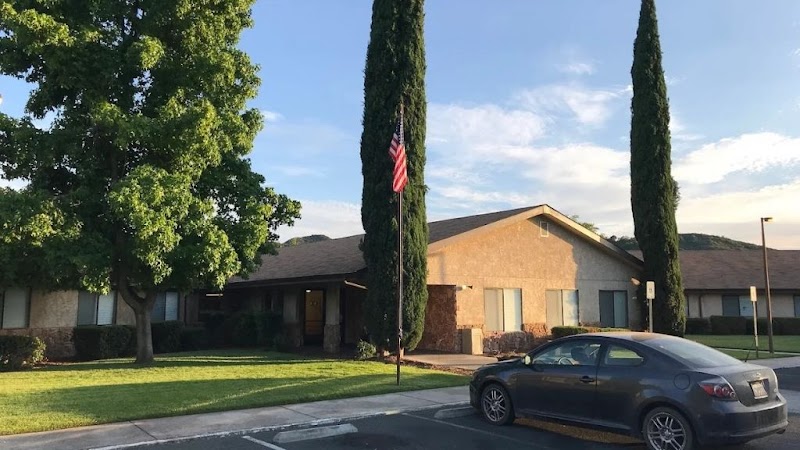
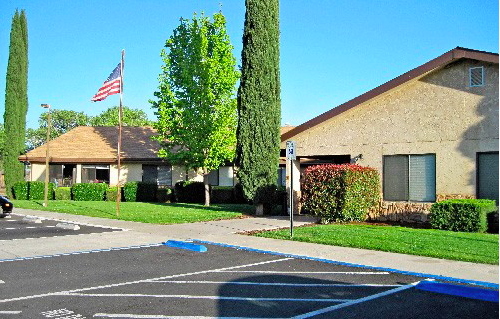

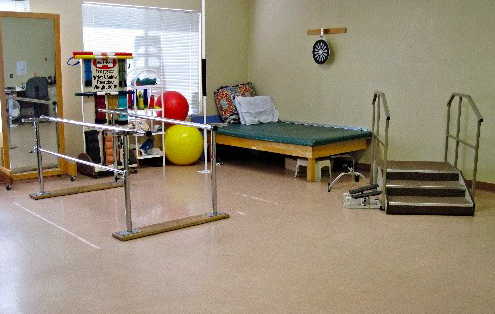
LAKEPORT POST ACUTE

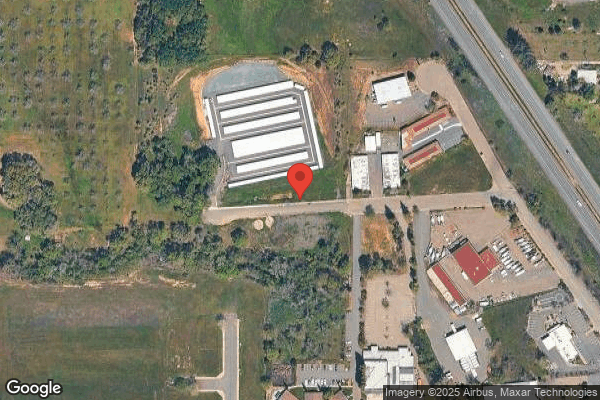
1291 CRAIG AVENUE, LAKEPORT, CA 95453 (707) 263-6382
For profit - Limited Liability company 81 Beds PACS GROUP Data: November 2025
Trust Grade
65/100
#382 of 1155 in CA
Last Inspection: June 2025

Inspected within the last 6 months. Data reflects current conditions.

Overview

Lakeport Post Acute has a Trust Grade of C+, indicating that it is slightly above average but not exceptional. It ranks #382 out of 1,155 facilities in California, placing it in the top half, and is the #1 facility out of 3 in Lake County, meaning it is the best local option. This facility is improving, with a decrease in issues from 24 in 2023 to 10 in 2025, but it still has some concerns. Staffing is rated below average at 2 out of 5 stars, with a turnover rate of 35%, which is better than the state average. However, there is less nursing coverage than 75% of California facilities, which raises concerns about the quality of care. While there have been no fines, which is a positive aspect, recent inspections revealed some significant issues. For example, the facility did not provide enough nursing staff on multiple days, which could delay timely care for residents. Additionally, there were concerns about the visibility of important information for residents, potentially impacting their ability to report issues or seek help. Overall, while there are strengths such as good quality measures and no fines, families should weigh these against the staffing challenges and recent incidents of concern.

Trust Score
C+
65/100
In California
#382/1155
Top 33%
Safety Record
Moderate
Needs review
Inspections
Getting Better
24 → 10 violations
Staff Stability
○ Average
35% turnover. Near California's 48% average. Typical for the industry.
Penalties
✓ Good
No fines on record. Clean compliance history, better than most California facilities.
Skilled Nurses
⚠ Watch
Each resident gets only 16 minutes of Registered Nurse (RN) attention daily — below average for California. Fewer RN minutes means fewer trained eyes watching for problems.
Violations
⚠ Watch
53 deficiencies on record. Higher than average. Multiple issues found across inspections.
★★★★☆
4.0
Overall Rating
★★☆☆☆
2.0
Staff Levels
★★★★★
5.0
Care Quality
★★★☆☆
3.0
Inspection Score
Stable
2023: 24 issues
2025: 10 issues

The Good

  • 5-Star Quality Measures · Strong clinical quality outcomes
  • Full Sprinkler Coverage · Fire safety systems throughout facility
  • No fines on record
  • Staff turnover below average (35%)

    13 points below California average of 48%

Facility shows strength in quality measures, fire safety.

The Bad

Staff Turnover: 35%

10pts below California avg (46%)

Typical for the industry

Chain: PACS GROUP

Part of a multi-facility chain

Ask about local staffing decisions and management

The Ugly 53 deficiencies on record

1 actual harm
Jun 2025 9 deficiencies
CONCERN (D)

Potential for Harm - no one hurt, but risky conditions existed

Deficiency F0554 (Tag F0554)

Could have caused harm · This affected 1 resident

**NOTE- TERMS IN BRACKETS HAVE BEEN EDITED TO PROTECT CONFIDENTIALITY** Based on observation, interview, and record review, the facility failed to assess one of 18 sampled residents (Resident 12) for ...

Read full inspector narrative →
**NOTE- TERMS IN BRACKETS HAVE BEEN EDITED TO PROTECT CONFIDENTIALITY** Based on observation, interview, and record review, the facility failed to assess one of 18 sampled residents (Resident 12) for the ability to self-administer medications according to facility policy. This failure resulted in the potential for errors in Resident 12's medication administration. Findings: 1. During a review of Resident 12's Care Plan Report, the Care Plan Report indicated Resident 12 was admitted on [DATE] with diagnoses that include Type 1 Diabetes Mellitus (disease that causes increased blood sugar) and left eye blindness. During a concurrent observation and interview on 6/17/25 at 10:36 AM in Resident 12's room, 5 bottles of eye drops and 2 vials of insulin (medication to treat high blood sugar) was observed on the bedside table. Resident 12 explained that the nurse provided the medications at 6 AM for the resident to self-administer. Resident 12 stated she refilled her insulin pump (medical device that measures blood sugar and administers insulin) and self-administered her eye drops around 6:00 AM that morning before going to physical therapy. Resident 12 confirmed she had been self-administering her eyedrops and insulin since she was admitted to the facility. During a concurrent record review and interview on 6/19/25 at 2:10 PM with the Director of Nursing (DON), the DON stated she was unaware Resident 12 had been self- administering medications. DON stated, the Interdisciplinary Team (IDT) should have met to evaluate Resident 12's ability to self-administer medications and developed a plan of care. The DON confirmed that the IDT had not assessed the resident per policy to determine that it is safe for Resident 12 to self-administer their medications prior to the survey. During a record review on 6/18/25 at 8:05 AM of the facility's policy and procedure (P&P) titled, Self-Administration of Medications, dated February 2021, the P&P indicated, Residents have the right to self-administer medications if the interdisciplinary team (IDT) has determined that it is clinically appropriate and safe for the resident to do so. In addition, If it is deemed safe and appropriate for a resident to self-administer medications, this is documented in the medical record and the care plan.
CONCERN (D)

Potential for Harm - no one hurt, but risky conditions existed

Comprehensive Care Plan (Tag F0656)

Could have caused harm · This affected 1 resident

Based on observation, interview, and record review, the facility failed to implement a comprehensive person centered care plan for one of 18 sampled residents (Residents 222) when Resident 222's care ...

Read full inspector narrative →
Based on observation, interview, and record review, the facility failed to implement a comprehensive person centered care plan for one of 18 sampled residents (Residents 222) when Resident 222's care plan intervention to store cigarettes and lighter in a lock box was not implemented. This failure had the potential for unauthorized access by residents which could result in harm. Findings: During an observation on 6/17/25 at 9:00 AM, in Resident 222's room, the room door was open and Resident 222 was not in the room. One cigarette lighter was on the bed and another lighter was on the nightstand. A box of cigarettes was also placed on the nightstand. During a concurrent observation and interview on 6/19/25 at 8:47 AM, with Certified Nursing Assistant (CNA) 1, in Resident 222's room, the room door was open and Resident 222 was not in the room. Two packs of cigarettes were on the bed and box containing six cigarettes packs were on top of the nightstand. CNA 1 stated that the cigarettes should not have been left out unattended to prevent other residents from unauthorized access. CNA 1 stated the cigarettes should have been locked in the nightstand. During a concurrent interview and record review on 6/19/25 at 11:02 AM, with Licensed Vocational Nurse (LVN) 1, Resident 222' s Care Plan (CP) dated 5/29/25 was reviewed. The CP indicated, . [Resident 222] has potential for injury related to smoking . Will continue to demonstrate safe smoking . Cigarettes and lighter will be stored in [Resident 222] lock box in room . LVN 1 stated direct care staff should implement care plan. LVN 1 stated the cigarettes should have been locked in the nightstand so other residents cannot access it. During an interview on 6/19/25 at 11:18 AM, with the Director of Nursing (DON), the DON stated care planned interventions should have been implemented by all staff. During a review of the facility's policy and procedure (P&P) titled, Care Plans, Comprehensive Person-Centered dated 03/2022, the P&P indicated, .A comprehensive, person-centered care plan that includes measurable objectives and timetables to meet the resident's physical, psychosocial and functional needs is developed and implemented for each resident .
CONCERN (D)

Potential for Harm - no one hurt, but risky conditions existed

Quality of Care (Tag F0684)

Could have caused harm · This affected 1 resident

Based on observations, interviews and record reviews, the facility failed to ensure quality of care when physician orders to monitor fasting blood sugar levels of Resident 35, who is on insulin medica...

Read full inspector narrative →
Based on observations, interviews and record reviews, the facility failed to ensure quality of care when physician orders to monitor fasting blood sugar levels of Resident 35, who is on insulin medication, were not followed and recorded. This deficient practice had the potential to adversely affect the resident's medical condition. Findings: During a review of the resident's record, the physician order dated 5/20/25 indicated, Check FSBG [Fasting Blood Glucose] QA.M [Every morning]. During an interview on 6/18/25 at 2:20 PM with Infection Preventionist (IP), IP stated there was an order for fasting blood glucose every day, but no fasting blood sugar values were recorded in the chart since 5/20/25. IP stated they are supposed to be monitoring the values per the Physician order. During an interview on 6/18/25 at 2:29 PM with Licensed Vocational Nurse (LVN) 1, LVN 1 stated Resident 35's blood sugar should have been checked every morning. During an interview on 6/18/25 at 2:30 PM with Resident 35, Resident 35 stated that she was told by nurses she did not need her blood sugar monitored every day. During a review of the facility's policy and procedures (P&P) titled, Diabetes - Clinical Protocol Revised December 2015, the P&P indicated .monitor blood glucose levels twice a day if on insulin .
CONCERN (D)

Potential for Harm - no one hurt, but risky conditions existed

Unnecessary Medications (Tag F0759)

Could have caused harm · This affected 1 resident

**NOTE- TERMS IN BRACKETS HAVE BEEN EDITED TO PROTECT CONFIDENTIALITY** Based on observation, interview, and record review, the facility had a medication error rate of 10 percent when three identified...

Read full inspector narrative →
**NOTE- TERMS IN BRACKETS HAVE BEEN EDITED TO PROTECT CONFIDENTIALITY** Based on observation, interview, and record review, the facility had a medication error rate of 10 percent when three identified medication errors out of 30 opportunities were observed: 1. Aspirin 81 mg (miligram- unit of measurement) enteric coated (lower strength of aspirin that is often used to help prevent heart attacks and strokes) was administered without a physician's order for two residents (Resident 34 and Resident 54). 2. Lactulose (medication used to lower ammonia, a toxin in the body) was omitted without a physician's order for one resident (Resident 321). Findings: 1. During a review of Resident 34's Face Sheet (demographics), the Face Sheet indicated Resident 34 was admitted on [DATE] with diagnoses that included hypertension (high blood pressure). During a concurrent observation and interview on 6/18/25 at 8:13 AM with Licensed Vocational Nurse (LVN) 1 in Resident 34's room, LVN 1 administered one enteric coated (coated to resist stomach acid to dissolve in the intestines) tablet of Aspirin 81 mg (lower strength of aspirin that is used to help prevent heart attacks and strokes) to Resident 34. During a review of Resident 34's record on 6/18/25 at 9:10 AM, the Physician's Order dated 6/16/21 indicated, Aspirin Tablet Chewable (intended to be chewed for faster absorption) 81 mg, give once daily. During a concurrent observation and interview with LVN 1 at 9:48 AM, the medication label on the Aspirin bottle was reviewed with LVN 1 and compared against the physician order. LVN 1 confirmed the medication order for Resident 34 was for Aspirin 81 mg chewable tab. LVN 1 stated the enteric coated Aspirin she administered did not match the physician's order for Aspirin 81 mg chewable tablet. LVN 1 stated, there was no chewable Aspirin available in the medication cart. During an interview on 6/19/25 at 10:01 AM with Pharmacy Consultant (PC), PC stated that chewable aspirin and enteric-coated aspirin were not the same medication and should not be used interchangeably. During a review of the facility's policy and procedure (P&P) titled, Administering Medications, dated April 2019, the P&P indicated that medications are administered in accordance with prescriber orders, including any required time frame. The P&P also indicated, The individual administering the medications checks the label THREE (3) times to verify the right resident, right medication, right dosage, right time and right method (route) of administration before giving the medication. 2. During a review of Resident 54's Face Sheet (demographics), the Face Sheet indicated Resident 54 was admitted on [DATE] with diagnoses that included hypertension (high blood pressure) and heart failure (condition where the heart muscle is unable to pump enough blood to meet the body's needs). During a concurrent observation and interview on 6/18/25 at 8:19 AM with LVN 1 in Resident 54's room, LVN 1 administered one enteric coated (coated to resist stomach acid to dissolve in the intestines) tablet of Aspirin 81 mg (lower strength of aspirin that is used to help prevent heart attacks and strokes) to Resident 54. During a review of Resident 54's record on 6/18/25 at 9:15 AM, the Physician's Order dated 2/27/25 indicated, Aspirin Tablet Chewable (intended to be chewed for faster absorption) 81 mg, give once daily. During a concurrent observation and interview with LVN 1 at 9:48 AM, the medication label on the Aspirin bottle was reviewed with LVN 1 and compared against the physician order. LVN 1 confirmed the medication order for Resident 54 was for Aspirin 81 mg chewable tab. LVN 1 stated the enteric coated Aspirin she administered did not match the physician's order for Aspirin 81 mg chewable tablet. During an interview on 6/19/25 at 10:01 AM with Pharmacy Consultant (PC), PC stated that chewable aspirin and enteric-coated aspirin are not the same medication and should not be used interchangeably. During a review of the facility's policy and procedure (P&P) titled, Administering Medications, dated April 2019, the P&P indicated that medications are administered in accordance with prescriber orders, including any required time frame. The P&P also indicated, The individual administering the medications checks the label THREE (3) times to verify the right resident, right medication, right dosage, right time and right method (route) of administration before giving the medication. 3. During a review of Resident 321's Face Sheet (demographics), the Face Sheet indicated Resident 321 was admitted on [DATE] with diagnoses that included hepatic encephalopathy (brain dysfunction that occurs when a damaged liver can't properly filter toxins from the blood). During a concurrent observation and interview on 6/18/25 at 8:30 AM with LVN 1 in Resident 321's room, LVN 1 prepared Resident 321's scheduled morning oral medications into a medication cup and administered the medications to Resident 321. LVN 1 did not administer Lactulose (a liquid medication) during the observation. During a review of Resident 321's record on 6/18/25 at 9:18 AM, the Physician's Order dated 5/31/25 indicated, Lactulose 45 ml (milliliters- unit of measurement), give four times daily. During an interview on 6/18/25 at 9:44 AM with LVN 1, LVN 1 confirmed she did not give the lactulose to Resident 321 during the medication pass. LVN 1 stated she forgot. During an interview on 6/19/25 at 10:01 AM with Pharmacy Consultant (PC), PC stated the significance of missing a dose of lactulose or not administering at the appropriate scheduled time was that the treatment would not work as intended. During an interview on 6/19/25 at 2:10 PM with the Director of Nursing (DON), the DON confirmed that nurses are expected to administer scheduled medications within an hour of the scheduled time of administration. DON further stated, if a dose was missed, the nurse is expected to contact the physician to determine if the medication should be given late or if the nurse should just wait until the next time of administration for the omitted medication. During a review of the facility's policy and procedure (P&P) titled, Administering Medications, dated April 2019, the P&P indicated, Medications administration times are determined by resident need and benefit .Factors that are considered include: a) enhancing optimal therapeutic effect of the medication; b) preventing potential medication or food interactions . Moreover, the P&P indicates, Medications are administered within one (1) hour of their prescribed time.
CONCERN (D)

Potential for Harm - no one hurt, but risky conditions existed

Food Safety (Tag F0812)

Could have caused harm · This affected 1 resident

Based on observation, interview, and record review, the facility failed to ensure the kitchen food preparation and storage areas were maintained in a safe and sanitary manner when two fans blowing air...

Read full inspector narrative →
Based on observation, interview, and record review, the facility failed to ensure the kitchen food preparation and storage areas were maintained in a safe and sanitary manner when two fans blowing air into the kitchen had fine white colored particles. This failure placed all residents who received food prepared in the kitchen, at risk for foodborne illness and food contamination. Findings: During a concurrent observation and interview on 6/18/25 at 11:35 AM, with the Registered Dietitian (RD), in the kitchen, a stand-up fan had fine white colored particles and was blowing air directed into the food delivery cart. A floor fan had fine white colored particles and was blowing air directed to the tray-line and food preparation area. RD stated it was dust on both fans and stated that the fans should be dust free because the dust particles can land on the food. During a review of FDA (Food and Drug Administration) Food Code 2022, 4-602.13 Nonfood-Contact Surfaces, the FDA Food Code indicated, The presence of food debris or dirt on nonfood contact surfaces may provide a suitable environment for the growth of microorganisms which employees may inadvertently transfer to food. If these areas are not kept clean, they may also provide harborage for insects, rodents, and other pests. During a review of the facility's policy and procedure (P&P) titled, Sanitization dated 11/2022, the P&P indicated, .The food service area is maintained in a clean and sanitary manner .All kitchens, kitchen area and dining areas are kept clean, free from garbage and debris .All equipment .are clean and sanitized .
CONCERN (D)

Potential for Harm - no one hurt, but risky conditions existed

Infection Control (Tag F0880)

Could have caused harm · This affected 1 resident

Based on observation, interview, and record review, the facility failed to maintain an effective infection prevention and control program when powder like substance was observed on the surface areas a...

Read full inspector narrative →
Based on observation, interview, and record review, the facility failed to maintain an effective infection prevention and control program when powder like substance was observed on the surface areas around two of two pill crushers. This failure had the potential to result in harm from cross contamination. Findings: a. During a concurrent observation and interview on 6/19/25 at 1:28 PM, with Licensed Vocational Nurse (LVN) 2 in the facility hallway, the pill crusher on the medication cart for side two of the facility was coated in white and black colored powder-like substance. LVN 2 stated the pill crusher was dirty and that it should have been cleaned to prevent cross contamination. b. During a concurrent observation and interview on 6/19/25 at 1:40 PM with LVN 1 in the facility hallway, the pill crusher on the medication cart for side one of the facility was coated in white, brown, and black colored powder-like substance. LVN 1 stated the pill crusher was dirty. During an interview on 6/19/25 at 1:47 PM with the Director of Nursing (DON), the DON stated the pill crusher should have been cleaned after each use. The DON stated any residual should be cleaned with bleach wipes before crushing another medication. During a review of the Instruction for Using (IFU) [Brand Name] pill crusher titled Cleaning and Maintenance Instructions undated was reviewed. The IFU indicated, .May be cleaned regularly with a damp cloth .Using a damp cloth, wipe clean the [Brand Name] Pill Crusher using a normal detergent and water. Wipe down with dry cloth .
CONCERN (E)

Potential for Harm - no one hurt, but risky conditions existed

Deficiency F0697 (Tag F0697)

Could have caused harm · This affected multiple residents

Based on observation, interview and record review, the facility failed to provide pain management services consistent with professional standards of practice for two of 18 sampled residents (Resident ...

Read full inspector narrative →
Based on observation, interview and record review, the facility failed to provide pain management services consistent with professional standards of practice for two of 18 sampled residents (Resident 15 and 222) when: 1. Licensed Vocational Nurse (LVN) 1 administered pain medication one hour seven minutes after Resident 15 requested pain medication and did not conduct a pain reassessment within an hour after administration. 2. Licensed Nurses did not conduct pain reassessments within an hour after administering pain medication to Resident 222. This failure had the potential for Resident 15 and 222 to have unrelieved pain and diminished quality of life. Findings: 1.During a review of Resident 15's admission Record (AR), the AR indicated the facility admitted Resident 15 on 5/22/2025, with multiple diagnoses including open wound to right foot, acute osteomyelitis (bone infection) right ankle and foot. During a review of Resident 15's Minimum Data Set, dated 5/27/25, indicated Resident 15's Brief Interview for Mental Status (BIMS) assessment score was 14. The BIMS assessment indicated Resident 15 was cognitively intact. During a concurrent observation and interview on 6/17/25 at 9:42 AM with Resident 15, Resident 15 pressed his call light. Certified Nursing Assistant (CNA) 2 responded to the call light, Resident 15 informed CNA 2 that he needed pain medication for his foot. Resident 15 stated he had pain in his right foot from exercising and this was his first time asking for pain medication since admission. During a review of Resident 15's Medication Orders (MO) dated 5/22/25, the MO indicated acetaminophen two tablets every 6 hours as needed for generalized discomfort. Monitor pain every shift 1-3 mild pain, 4-5 moderate pain, 6-9 severe pain and 10 excruciating pain. During an interview on 06/17/25 at 11:02 AM with CNA 2, CNA 2 stated she informed LVN 1 of Resident 15's request of pain medication soon after leaving his room. During a concurrent interview and record review on 6/17/25 at 11:26 AM with LVN 1, Resident 15's Medication Administration Record (MAR), dated 6/25 was reviewed. The MAR indicated, LVN 1 administered PRN (as needed) Acetaminophen 325 MG (milligram-unit of measure) for a pain level of 3 of 10 at 10:49 AM on 6/17/25 [one hour seven minutes later from Resident 15's request]. LVN 1 stated pain should be addressed within 15-20 minutes. During a concurrent interview and record review on 6/18/25 at 2:51 PM with Minimum Data Set Nurse (MDS), Resident 15's Medication Administration Note (MAN) dated 6/17/25 was reviewed. The MAN indicated LVN 1 reassessed Resident 15's pain level at 1:24 PM [two hours and 35 minutes later]. MDS stated Resident 15 had osteomyelitis (infection) to the right foot. 2. During a review of Resident 222's AR, the AR indicated the facility admitted Resident 222 on 5/28/25 with multiple diagnoses including fracture of femur (thigh bone). During a record review on 6/19/25 at 11:05 AM, Resident 222's Medication Administration Record (MAR) dated 6/25 was reviewed. The MAR indicated, Resident 222 received PRN oxycodone (pain medication) for a pain level of 7 of 10 at 6:50 AM and was reassessed 10:14 AM [3 hours and 24 minutes later]. Resident 222 also received oxycodone at 7:08 PM for a pain level of 7 of 10 and was reassessed at 10:09 PM [3 hours later]. During an interview on 6/19/25 at 9:35 AM with the Administrator (ADM), ADM stated the facility did not have a policy in place to specify the timeframe the Licensed Nurse needed to reassess PRN oral pain medication. During an interview on 6/19/25 at 11:21 AM with the Director of Nursing (DON), the DON stated Licensed Nurses should respond to pain requests quickly to assess the underlying cause and intervene. The DON stated 30 minutes to an hour was a reasonable timeframe to reassess pain to ensure pain medication was effective. During a review of the policy and procedure titled, Answering the Call Light dated 10/2010, indicated, .Answer the resident's call as soon as possible .ask the nurse supervisor for assistance .If assistance is needed when you enter the room, summon help by using the call signal . During a review of the policy and procedure titled, Pain Assessment and Management dated 3/2015, indicated, .The pain management program is based on a facility-wide commitment to resident comfort .Pain management .includes the following .Monitoring for the effectiveness of interventions .
CONCERN (E)

Potential for Harm - no one hurt, but risky conditions existed

Deficiency F0761 (Tag F0761)

Could have caused harm · This affected multiple residents

**NOTE- TERMS IN BRACKETS HAVE BEEN EDITED TO PROTECT CONFIDENTIALITY** 2. During a concurrent observation and interview on 6/19/25 at 1:40 PM, with Licensed Vocational Nurse (LVN) 1 at the medication...

Read full inspector narrative →
**NOTE- TERMS IN BRACKETS HAVE BEEN EDITED TO PROTECT CONFIDENTIALITY** 2. During a concurrent observation and interview on 6/19/25 at 1:40 PM, with Licensed Vocational Nurse (LVN) 1 at the medication cart. One box containing hemorrhoid ointment was observed with an expiration date of 4/25. LVN 1 stated the ointment was expired and should have been removed from the medication cart. During an interview on 6/19/25 at 2:17 PM, with the Director of Nursing (DON), DON stated medications should not be available for use past their expiration date because the effectiveness of the medication could not be ensured. The DON stated, staff should inspect the medication carts weekly and remove any expired medication. During a review of the facility's Policy and Procedure (P&P) titled Medication Labeling and Storage, reviewed February 2023, the P&P indicated, The nursing staff is responsible for maintaining medication storage and preparations areas in a clean, safe, and sanitary manner. If the facility has . outdated or deteriorated medications . pharmacy is contacted for instructions regarding returning or destroying these items. 3. During a review of Resident 271's Face Sheet the Face Sheet indicated Resident 271 was admitted to the facility on [DATE] with diagnoses which included Diabetes (disease causing high blood sugar levels). During a concurrent observation and interview on 6/19/25 at 1:40 PM, with Licensed Vocational Nurse (LVN) 1 at the medication cart, one opened multi-dose vial of insulin (medication used to control blood sugar) for Resident 271 was observed. The insulin vial was not labeled with the date it was opened. LVN 1 confirmed the insulin vial had been opened and used. LVN 1 stated insulin should be labeled with the date it was opened so that staff knew when it would expire. LVN 1 further stated insulin expired three months after it was opened. During an interview on 6/19/25 at 2:17 PM. with the Director of Nursing (DON), DON stated insulin should be labeled with the date it was opened and discarded 28 days after it was opened. DON stated, after 28 days, the insulin could lose potency. DON further stated, staff should label the insulin vial with the opened date so that they knew when it was time to discard it. During a review of the facility's Policy and Procedure (P&P) titled, Insulin Administration revised March 2025, the P&P indicated, Check expiration date, if drawing from an opened muli-dose vial. If opening a new vial, record an expiration date and time on the vial (follow manufacturer's recommendations for expiration after opening . During a review of the insulin manufacturer's instruction for use titled, Lantus Prescribing Information revised June 2023, the instructions indicated, Do not use after the expiration date stamped on the label or 28 days after you first open it. Based on observation, interview, and record review, the facility failed to safely store, and label drugs and supplies in accordance with acceptable standards of practice when: 1. Resident 222 had Fluticasone Propionate (nasal spray) on his bedside table. 2. Expired hemorrhoid cream was found in one of two medication carts. 3. Resident 271 was administered insulin from a previously opened but undated insulin vial. 4. Resident 12 had multiple eye drops and 2 vials of insulin on their bedside table. 5. 1 tab of Oxycodone HCl (oral pain medication) 5 mg (miligram- unit of measurement) was discarded into a non-controlled medication waste bin by Licensed Vocational Nurse (LVN) 1 without a witness. This failure had the potential to result in unauthorized access to medications and residents receiving expired medications which could lead to adverse effects. Findings: 1. During a review of Resident 222's admission Record (AR), the AR indicated the facility admitted Resident 15 on 5/28/2025, with multiple diagnoses that included respiratory disorder and Chronic Obstructive Pulmonary Disease (COPD-lung disease). During a concurrent observation and interview on 6/17/25 at 9:36 AM, with Resident 222, in Resident 222's room there was one Fluticasone Propionate located on top of Resident 222's bedside table. Resident 222 was alert and oriented. Resident 222 stated a staff member from the facility gave him the nasal spray. During a review of Resident 222 Order Summary Report (OSR) dated 5/28/25. The OSR indicated, Fluticasone inhale two times a day for COPD. During a concurrent interview and record review on 6/18/25 at 10:07 AM, with Licensed Vocational Nurse (LVN) 1, Resident 222's Physician Orders, dated June 2025, was reviewed. LVN 1 stated there was no Physician Order for bedside storage of Fluticasone Propionate. LVN 1 stated the nasal spray should not have been stored on the bedside cabinet without a physician's order. During an interview on 6/19/25 at 11:20 AM, with the Director of Nursing (DON) the DON stated medication should not have been stored in the room unless there was an order and care plan. The DON stated for safety, medications should be inaccessible to other residents. During a review of the facility's policy and procedure (P&P) titled, Bedside Medication Storage, dated 2007, the P&P indicated, .Bedside medication storage is permitted or residents who are able to self-administer medications, upon the written order of the prescriber .A written order for the bedside storage of medication is present in the resident's medical record . 4. During a review of Resident 12's care plan, the care plan indicated Resident 12 was admitted on [DATE] with diagnoses that included Type 1 Diabetes Mellitus (disease that causes increased blood sugar) and left eye blindness. During a concurrent observation and interview on 6/17/25 at 10:36 AM in Resident 12's room, 5 bottles of eye drops and 2 vials of insulin (medication to treat high blood sugar) were observed on the resident's bedside table. Resident 12 stated that the nurse provided the medications at 6 AM for the resident to self-administer. Resident 12 confirmed the medication had been sitting on her bedside table while she was in physical therapy. During an interview on 6/17/25 at 11:27 AM with Director of Nursing (DON) in Resident 12's room, DON confirmed that medications are not to be kept at the resident's bedside. The eye drops on the resident's bedside table observed by the DON were as follows: a. Atropine Sulfate Ophthalmic Solution 1% (Atropine Sulfate (Ophthalmic)- eye drops used to dilate (open) the pupil, relax the eye, and relieve eye pain from inflammation or swelling) b. Latanoprost Solution 0.005% (eye drops that help drain extra fluid from the eye to lower pressure) c. Simbrinza Opthalmic Suspension 1-0.2% (Brinzolamide-Brimonidine Tartrate- eye drop that lowers elevated pressure inside the eye) d. Timolol Maleate Gel Forming Solution 0.5% (eye drop that lowers pressure inside the eye by reducing fluid production) e. Prednisolone Acetate Ophthalmic Suspension 1% (steroid used to reduce inflammation or swelling in the eye) The two vials of Insulin Lispro (fast-acting insulin used to lower blood sugar in people with diabetes) on Resident 12's bedside table observed by the DON were as follows: a. Insulin Lispro 100 units per mL (unit of measurement) 10 mL bottle- sealed and unused b. Insulin Lispro 100 units per mL 10 mL bottle- vial empty. DON stated that medications should not be kept at the resident's bedside unsecured for the safety of the residents. During a review of the facility's policy and procedure (P&P) titled, Medication Labeling and Storage, dated February 2023, the P&P indicated, Compartments (including, but not limited to, drawers, cabinets .and boxes) containing medications .are locked when not in use. During a follow-up interview on 6/19/25 at 2:10 PM with DON, DON stated the nurse should have observed Resident 12 self-administer their medications and taken the medications back from the resident. 5. During a concurrent observation and interview on 6/18/25 at 8:40 AM with LVN 1 outside Resident 321's room, LVN 1 accidentally dropped Resident 321's morning medications, including 1 tab of Oxycodone, a controlled medication (drug that is strictly regulated because it can be addictive or easily misused). LVN 1 discarded the 1 tab of Oxycodone into a locked medication waste bin without a witness. During a follow up interview on 6/18/25 at 8:45 AM, LVN 1 stated that she should have obtained another licensed nurse to witness the disposal of the Oxycodone in the medication waste bin. During an interview on 6/18/25 at 1:45 PM. with the DON, the DON stated that if a nurse drops a controlled medication, it would be appropriate for the nurse to waste the controlled medication in the locked non-controlled medication waste container with a witness. She stated LVN 1 should have wasted the 1 tab of Oxycodone with another licensed nurse as a witness per policy. During an interview on 6/19/25 at 10:01 AM with Pharmacy Consultant (PC) via phone, PC explained that if a controlled medication was dropped during medication pass and must be discarded, the policy is for the nurse to waste with another nurse to ensure the medication was properly disposed of, inaccessible and not diverted. During a review of the facility's policy and procedure (P&P) titled, Controlled Substances, dated November 2022, the P&P indicated, Waste and/or disposal of controlled medications are done in the presence of the nurse and a witness who also signs the disposition sheet.
CONCERN (F)

Potential for Harm - no one hurt, but risky conditions existed

Deficiency F0725 (Tag F0725)

Could have caused harm · This affected most or all residents

**NOTE- TERMS IN BRACKETS HAVE BEEN EDITED TO PROTECT CONFIDENTIALITY** Based on observations, interviews and record reviews, the facility failed to provide nursing staff based on the 3.5 direct hours...

Read full inspector narrative →
**NOTE- TERMS IN BRACKETS HAVE BEEN EDITED TO PROTECT CONFIDENTIALITY** Based on observations, interviews and record reviews, the facility failed to provide nursing staff based on the 3.5 direct hours per patient day (DHPPD) for 27 out of 39 days reviewed. This failure resulted in two sampled residents, Resident 17 and Resident 37, ability to receive timely nursing care. This failure also had the potential to impact all residents in the facility. Findings: During a review of Resident 17's admission Record dated 6/18/25, the Admissions Record indicated that Resident 17 was admitted to the facility on [DATE] with the diagnosis of Cerebral Palsy (congenital disorder of movement, muscle tone, or posture), stroke (damage to brain from lack of blood supply), dementia (impairment of at least two brain function such as memory loss and judgement), and hemiplegia (muscle weakness of one side of the body). During a concurrent observation and interview on 6/17/25 at 9:30 AM with Resident 17 in his room, Resident 17 was observed laying on his right side, unable to reach his call light, and needed help to get up. Resident 17 had right hemiplegia and multiple contractures (unable to extend joints) to his elbow and hand. Resident 17 stated, It takes forever to get help here. I try to do as much as I can, but I need help. During a review of Resident 37's Minimum Data Set, dated 4/10/25, the Minimum Data Set indicated that Resident 37 was admitted to the facility on [DATE] with the diagnoses of Diabetes and Retinopathy (vision impairment). During a concurrent observation and interview on 6/17/25 at 12:40 PM, with Resident 37, in his room, Resident 37 was observed sitting on the side of his bed with the room dark (blinds pulled and lights off). Resident 37 indicated he was completely blind. Resident 37 stated, When I use the call light it takes a half hour, to an hour to get assistance. It is worse at night and on the weekends. Resident 37 stated, When I really need something, I go out to the nursing station and get it myself but I'm blind. Sometimes I call out until someone comes. During an interview on 6/19/25 at 8:30 AM with Certified Nursing Assistant (CNA) 3, CNA 3 stated, Often there is not enough staff. Today I have 15, I cannot care for the residents like I would like. During an interview on 6/19/25 at 8:45 AM with CNA 4, CNA 4 stated, Often there is not enough CNAs, I'm unable to spend as much time as needed to care for them, I feel rushed and cannot do a good job. During a review of California Department of Public Health workforce shortage waiver (staffing waiver), dated 6/14/24, the staffing waiver indicated, 2. The facility shall provide no less than 3.5 direct care service hours per patient day. During a concurrent interview and record review on 6/19/25 at 9:00 AM with the Director of Nursing (DON), Census and Direct Care Service Hours Per Patient Day (DHPPD) dated 5/31/25 through 6/8/25 was reviewed. DON verified the DHPPD indicated eight of the nine days had a DHPPD of less than 3.5. DON stated that it is her expectation that call lights are to be answered within 15 minutes. During a review of DHPPD on 6/19/25, dated from 5/1/25 through 6/8/25, 27 of the 39 days reviewed indicated insufficient staffing levels of less than 3.5. The actual DHPPD hours are: 5/3/25 - 3.27 5/4/25 - 2.92 5/5/25 - 2.94 5/10/25 - 2.90 5/11/25 - 2.97 5/16/25 - 3.23 5/17/25 - 2.73 5/18/25 - 2.89 5/19/25 - 3.28 5/20/25 - 3.26 5/21/25 - 3.40 5/23/25 - 3.37 5/24/25 - 3.04 5/25/25 - 2.45 5/26/25 - 2.55 5/27/25 -3.38 5/28/25 - 3.27 5/29/25 - 3.47 5/30/25 - 3.29 5/31/25 - 2.98 6/1/25- 2.57 6/2/25 - 3.23 6/3/25 - 3.33 6/5/25 - 3.47 6/6/25 - 3.26 6/7/25 - 2.78 6/8/25 - 1.96
Feb 2025 1 deficiency
CONCERN (E) 📢 Someone Reported This

A family member, employee, or ombudsman was alarmed enough to file a formal complaint

Potential for Harm - no one hurt, but risky conditions existed

Deficiency F0658 (Tag F0658)

Could have caused harm · This affected multiple residents

**NOTE- TERMS IN BRACKETS HAVE BEEN EDITED TO PROTECT CONFIDENTIALITY** Based on interview and record review, the facility nursing staff failed to give acetaminophen (generic for Tylenol, a medication...

Read full inspector narrative →
**NOTE- TERMS IN BRACKETS HAVE BEEN EDITED TO PROTECT CONFIDENTIALITY** Based on interview and record review, the facility nursing staff failed to give acetaminophen (generic for Tylenol, a medication for mild pain and fever reducer) as ordered to one of two sampled residents (Resident 1) when Resident 1 was given more than 3000 mg (milligrams) of acetaminophen on 29 days of 34 days at the facility. This failure to follow Resident 1 ' s physician ' s orders had the potential to cause liver damage in a vulnerable resident who had several serious medical problems. Finding: During a record review of Resident 1 ' s electronic medical record on 2/20/25 at 1:20 p.m., Resident 1 ' s face sheet (demographic information) revealed Resident 1 was admitted to the facility on [DATE] with multiple medical diagnoses including heart transplant, end-stage kidney disease, Type 2 diabetes mellitus (a chronic disease characterized by high blood sugar), broken right hip with surgical repair, and Covid-19. Further review of Resident 1 ' s face sheet revealed he was discharged on 1/6/25. Review of Resident 1's care plan revealed a focus area, dated 12/4/24, At risk for pain or discomfort due to fracture of the right femur and recent surgical repair of the right hip, [right] side rib pain. Interventions included, Administer medication as ordered. Review of Resident 1 ' s physician ' s orders revealed a physician ' s order dated 12/3/24 for Tylenol Extra Strength Oral Tablet 500 MG (Acetaminophen) Give 2 tablet [sic] by mouth three times a day for PAIN NTE (not to exceed) 3000mg of acetaminophen in 24h/day. Further review of Resident 1 ' s physician orders revealed a physician ' s order dated 12/3/24 for Tylenol Tablet 325 MG (Acetaminophen) Give 2 tablet by mouth every 6 hours as needed for Generalized Discomfort Not to Exceed 3000 mg in 24 hours. Review of Resident 1 ' s medication administration record (MAR) for December 2024 and January 2025 indicated Resident 1 received 3650 mg of acetaminophen on 17 days during his stay, 4300 mg of acetaminophen on 10 days during his stay, and 4950 mg of acetaminophen on 2 days during his stay. During a record review and concurrent interview on 2/25/25 at 1:56 p.m., Director of Nursing (DON) reviewed Resident 1 ' s physician orders during his stay 12/3/24 to 1/6/25, and Resident 1's December 2024 MAR. DON verified Resident 1 had concurrent physician orders for acetaminophen 1000 mg three times a day, for a total of 3000 mg daily, and acetaminophen 650 mg every six hours as needed. DON stated the fact that both orders indicated the acetaminophen should not exceed 3000 mg in 24 hours could be confusing to the nurses. DON verified Resident 1 ' s December 2024 MAR indicated Resident 1 was administered more than 3000 mg of acetaminophen on most days in December 2024. DON stated it was her expectation that if Resident 1 wanted more than 3000 mg of acetaminophen in 24 hours, the nurse should have called the doctor and clarified he wanted Resident 1 to have both orders. When queried, DON stated the concern with having more than 3000 mg of acetaminophen in 24 hours was that acetaminophen could hurt the liver. Review of facility policy and procedure Administering Medications, revised 4/2019, revealed, Medications are administered in a safe and timely manner, and as prescribed. If a dosage is believed to be inappropriate or excessive for a resident, or a medication has been identified as having potential adverse consequences for the resident . the person preparing or administering the medication will contact the prescriber . to discuss the concerns. Review of acetaminophen 500 mg tablet package insert on dailymed.nlm.nih.gov (accessed on 2/27/25) indicated, Liver warning: This product contains acetaminophen. Severe liver damage may occur if you take more than 4,000 mg of acetaminophen in 24 hours with other drugs containing acetaminophen .
Dec 2023 19 deficiencies 1 Harm
SERIOUS (G) 📢 Someone Reported This

A family member, employee, or ombudsman was alarmed enough to file a formal complaint

Actual Harm - a resident was hurt due to facility failures

Free from Abuse/Neglect (Tag F0600)

A resident was harmed · This affected 1 resident

Deficiency Text Not Available

Read full inspector narrative →
Deficiency Text Not Available
CONCERN (D) 📢 Someone Reported This

A family member, employee, or ombudsman was alarmed enough to file a formal complaint

Potential for Harm - no one hurt, but risky conditions existed

Deficiency F0551 (Tag F0551)

Could have caused harm · This affected 1 resident

Based on interviews and record reviews, the facility failed to ensure that a resident's, Resident 230's, responsible party, act on behalf of Resident 230 in order to support her in decision-making reg...

Read full inspector narrative →
Based on interviews and record reviews, the facility failed to ensure that a resident's, Resident 230's, responsible party, act on behalf of Resident 230 in order to support her in decision-making regarding her care, when the facility did not explain the risks and benefits of bed rails to the responsible party, and did not ask for her consent, before installing the bed rails. This failure had the potential to result in injuries to Resident 230 related to entrapment due to her cognitive impairment. Findings: A review of Resident 230's admission Record, dated 7/8/23, indicated that her medical diagnoses included, Vascular Dementia (Vascular dementia is a general term describing problems with reasoning, planning, judgment, memory, and other thought processes caused by brain damage from impaired blood flow to your brain) Severe, With Other Behavioral Disturbances, Unsteadiness on Feet, Need for Assistance with Personal Care, Cognitive Communication Deficit, Unspecified Abnormalities of Gait and Mobility, and Personal History of Healed Traumatic Fracture. The admission record indicated that Resident 230's responsible party was her stepdaughter. A review of Resident 230's MDS (Minimum Data Set-is a standardized assessment tool that measures health status in nursing home residents) Section C, Cognitive Patterns, dated 5/23/23, indicated that her BIMS (Brief Interview for Mental Status) score was three (3), meaning Resident 230 had a severe cognitive (relating to the mental process involved in knowing, learning, and understanding things) impairment. A review of Resident 230's Long Term Care Plan for Fall Risk, initiated on 11/18/22, indicated, Resident 230 is at risk for falls related to: weakness, deconditioning (the decline in physical function of the body as a result of physical inactivity and/or bedrest or an extremely sedentary lifestyle), poor safety awareness, impulsive, advanced vascular dementia, pain, RA (Rheumatoid Arthritis), smoker, COPD (chronic obstructive pulmonary disease), and impaired balance and gait. The care plan indicated a left and right bed cane (bed rail) was initiated on 11/18/22. A review of a facility document titled, Nursing-Bed Rail Observation/Assessment, dated, 5/24/23, completed by Licensed Staff M, it indicated, Why is the use of bed rail(s) being considered? Resident/Family requested- For: Positioning Enabler, under recommendations, Bed Rail (s) is/are recommended at this time due to: 1. Resident /Family Request: Checked (meaning resident or family requested the bed rail (bed cane). Under Risks, Benefits, and Informed Consent, the document indicated, Risks and benefits were explained to Resident and/or Resident Representative (responsible party) regarding medical necessity for the use of side/bed rail and entrapment risk .Risks of side/bed rail may cause entrapment, skin tears, bruises, and lacerations; debility, chest, head, or neck injury, (e. g. strangling, suffocating, bodily injury, and sometimes may result in death. The document did not indicate that this was explained to Resident 230's responsible party as evidenced by missing check marks that would signify a yes or a no response. The document did not show that it was signed by Resident 230's responsible party because Resident 230 did not have the capacity to make health care decisions and her responsible party was the surrogate decision maker which was her stepdaughter. A review of Resident 230's, Order Summary Report, active orders as of 7/1/23, the report indicated, Bilateral Bed Canes to aid in mobility. Active order as of 11/18/22. The report indicated, resident (Resident 230) did not have the capacity to understand choices, to make health care decisions and/or participate in tx (treatment) plan and the surrogate decision maker was her stepdaughter. During an interview on 11/2/23, at 12:01 p.m., with Resident 230's responsible party, she stated she was not informed about a bed rail and did not sign a consent regarding a bed rail. Resident 230's responsible party stated she did not request it and thought it was a facility protocol. Resident 230's representative provided a photo of the bed cane (bed rail) while Resident 230 was in bed. During an interview on 11/16/23, at 2:45 p.m., with Licensed Nurse M, she was asked if there was a bed rail assessment conducted in 11/18/22, when Resident 230's physician ordered the bed rail, she stated she would look for that document and send it to this surveyor. When Licensed Nurse M was asked if the bed rail was in place on 11/18/22, when Resident 230's physician ordered it, she stated, Yes. A review of Resident 230's Nursing- Bed Rail Assessment, dated 11/18/22, indicated in Section K. Risks, Benefits, and Informed Consent, Risks and benefits were explained to the Resident and/or Resident representative regarding medical necessity for the use of side/bed rail and entrapment risk. Benefits of side/bed rail may increase mobility, transfers in and out of bed, supporting self during care, turn and/or reposition, boundary identification and providing a feeling of comfort and security. Risks of side/bed rail may cause entrapment, skin tears, bruises and lacerations, disability; chest, head, neck injury (e. g. strangling, suffocating, body injury); and sometimes may result in death. The assessment did not indicate that Resident 230's responsible party was informed of the risks and benefits of this intervention, and missing information that Resident 230's responsible party acknowledged and gave her informed consent for the use of this intervention. A review of an article from the Food and Drug Administration (FDA) titled, Adult Portable Bed Rail Safety, dated 2/27/23, indicated, .This type of equipment has many commonly used names, including side rails, bed side rails, half rails, safety rails, bed handles, bed canes, assist bars, grab bars, and adult portable bed rails .Many death and injury reports related to entrapment and falls for adult portable bed rail products and hospital bed rails have been reported to the FDA and the CPSC (Consumer Product Safety Commission). All bed rails should be used with caution, especially with older adults and people with altered mental status . A review of a facility policy and procedure (P&P) titled, Bed Safety and Bed Rails, dated August 2022, indicated on the policy statement, .The use of bed rails is prohibited unless the criteria for use of bed rails have been met. Under Policy Interpretation and Implementation, the P&P indicated, Regardless of mattress type, width, length, and/or depth, the bed frame, bed rail, and mattress will leave no gap wide enough to entrap a resident's head or body. Any gaps in the bed system are within the safety dimensions established by the FDA .The resident assessment also determines potential risks to the resident associated with the use of bed rails, including the following: a. Accident Hazards (2) A resident or part of his/her body could be caught between rails, the openings of the rails, or between the bed rails and mattress .
CONCERN (D) 📢 Someone Reported This

A family member, employee, or ombudsman was alarmed enough to file a formal complaint

Potential for Harm - no one hurt, but risky conditions existed

Deficiency F0573 (Tag F0573)

Could have caused harm · This affected 1 resident

Based on interviews and record review, the facility failed to ensure that one resident, Resident 71, was provided her medical records within the accepted timeframes after she made an oral request to t...

Read full inspector narrative →
Based on interviews and record review, the facility failed to ensure that one resident, Resident 71, was provided her medical records within the accepted timeframes after she made an oral request to the Administrator in Training (AIT). This failure had the potential to result in mismanaged care if Resident 71 was not provided her medical records that would help with decision-making with regards to her healthcare and could have a negative impact on her health and well-being. Findings: A review of Resident 71's record indicated that her BIMS (Brief Interview for Mental Status) score was 13 (Score of 13-15 indicated no impairment in cognition). During an interview on 12/14/23, at 10:10 a.m., with Resident 71, she stated she spoke to the AIT and requested if she could have all her medical records which included her physical therapy records, written discharge plan, appointments with her doctor, etc. Resident stated that the Ombudsman advocated for her to get these medical records, but she still has not gotten any. During an interview on 12/15/23, ay 1:25 p.m., with the Ombudsman, she stated that she followed-up with the AIT on 11/27/23 and 12/6/23, regarding Resident 71's request for records. She stated she recently asked Resident 71 if she had received her requested records and was told that she has not received any records. During an interview on 12/15/23, at 1:40 p.m., with the AIT, he stated he spoke to Resident 71 probably on the last week of November or the first week of December 2023. He stated he shared Resident 71's request to his team but was not sure if he informed medical records about it. During an interview on 12/15/23, at 2:10 p.m. with the Medical Records Director, she stated she was not informed that Resident 71 had requested for her medical records.
CONCERN (D)

Potential for Harm - no one hurt, but risky conditions existed

PASARR Coordination (Tag F0644)

Could have caused harm · This affected 1 resident

**NOTE- TERMS IN BRACKETS HAVE BEEN EDITED TO PROTECT CONFIDENTIALITY** Based on interview and record review, the facility failed to coordinate the Medical Doctor's (MD) appointment for Level II Pread...

Read full inspector narrative →
**NOTE- TERMS IN BRACKETS HAVE BEEN EDITED TO PROTECT CONFIDENTIALITY** Based on interview and record review, the facility failed to coordinate the Medical Doctor's (MD) appointment for Level II Preadmission Screening (PASARR) for one (1) of eight (8) residents, Resident 52. This failure resulted in cancellation of MD's evaluation for mental illness and a delay of care and services needed for Resident 52. Findings: Level II PASARR is a federal requirement to help ensure that individuals who have a mental disorder or intellectual disabilities are not inappropriately placed in a nursing home for long term care. A record review of Resident 52 titled admission record indicated she was initially admitted to the facility on [DATE] with mental conditions of agoraphobia (is afraid to leave environments they know or consider to be safe) with panic disorder, Bipolar II disorder and panic disorder (episodic anxiety). A record review of Resident 52's evaluation titled Level I PASARR dated 9/27/23 was positive indicated a Level II PASARR mental health evaluation from Department of Health Services was required. A review of the letter from the Department of Health Service, for Resident 52, addressed to the Administrator titled Unable to complete evaluation for Level II PASARR dated 9/20/23, indicated After reviewing the Positive Level I Screen and speaking with staff, a Level II Mental Health Evaluation was not scheduled for the following reason: o The individual was unable to participate in the Evaluation. The case is now closed. To reopen, please submit a new Level I Screen. During an interview on 12/12/23 at 2:30 p.m. in Social Service office, Social Worker stated that the previous Social Worker did not follow up the Level II PASARR evaluation, therefore Resident 52 needed to repeat the Level I PASARR to get another MD's evaluation appointment for Level II PASARR. A review of Resident 52 medical record did not indicate there was a re-evaluation done for Level I PASARR. During an interview on 12/14/23 at 3:30 p.m. the DON stated, there was no Policy & Procedure (P&P) for PASARR. A review of the regulatory health and safety code § 483.20(e)(1) Incorporating the recommendations from the PASARR level II determination and the PASARR evaluation report into a resident's assessment, care planning, and transitions of care. A review of the regulatory health and safety code § 483.20(e)(2) Referring all level II residents and all residents with newly evident or possible serious mental disorder, intellectual disability, or a related condition for level II resident review upon a significant change in status assessment. Mental Disorder (MD) For purposes of this section, the term mental disorder is the equivalent of mental illness used in the definition of serious mental illness in 42 CFR. A review of regulatory health and safety codes §483.102(b)(1), which states: An individual is considered to have a serious mental illness (MI) if the individual meets the following requirements on diagnosis, level of impairment and duration of illness: (i) Diagnosis. The individual has a major mental disorder diagnosable under the Diagnostic and Statistical Manual of Mental Disorders, 3rd edition, revised in 1987. This mental disorder is- (A) A schizophrenic, mood, paranoid, panic, or other severe anxiety disorder; somatoform disorder; personality disorder; other psychotic disorder; or another mental disorder that may lead to a chronic disability.
CONCERN (D)

Potential for Harm - no one hurt, but risky conditions existed

Deficiency F0655 (Tag F0655)

Could have caused harm · This affected 1 resident

**NOTE- TERMS IN BRACKETS HAVE BEEN EDITED TO PROTECT CONFIDENTIALITY** Based on interviews and record reviews, the facility failed to ensure staff were aware of the Basic Care Plan (BCP, a plan that ...

Read full inspector narrative →
**NOTE- TERMS IN BRACKETS HAVE BEEN EDITED TO PROTECT CONFIDENTIALITY** Based on interviews and record reviews, the facility failed to ensure staff were aware of the Basic Care Plan (BCP, a plan that promotes continuity of care and communication among nursing home staff to increase resident safety) completion time frame and BCP's were completed timely for two out of two sampled residents (Residents 40 and 49). These failures had the potential to put residents' safety at risk and for residents not receiving the care that they need. Findings: A review of Resident 40's face sheet (demographics) indicated she was initially admitted to the facility on [DATE]. Her diagnoses included Hyperlipidemia (HLP, high cholesterol is an excess of lipids or fats in your blood), Dementia (the loss of cognitive functioning - thinking, remembering, and reasoning - to such an extent that it interferes with a person's daily life and activities) and Major Depressive Disorder (a mood disorder that causes a persistent feeling of sadness and loss of interest). Her Minimum Data Sheet Assessment (MDS, a federally mandated process for clinical assessment of all residents in Medicare and Medicaid certified nursing homes) dated 10/9/23, Brief Interview for Mental Status (BIMS, a mandatory tool used to screen and identify the cognitive condition of residents) indicated she was moderately impaired and required cues and supervision in making decisions regarding tasks of daily life. Resident 40's functional status indicated she needed supervision or touching assistance of staff when performing her Activities of Daily Living (ADL, activities related to personal care which include bathing or showering, dressing, getting in and out of bed or a chair, walking, using the toilet, and eating). A review of Resident 49's face sheet indicated she was initially admitted to the facility on [DATE]. Her diagnoses included Encephalopathy (any disease that affects the whole brain and alters its structure or how it works, and causes changes in mental function), Type 2 Diabetes Mellitus (a chronic-long-term condition, in which a high level of glucose (sugar) is present in the bloodstream) and Muscle Weakness (a lack of muscle strength). Her MDS dated [DATE] BIMS score was 12 indicating moderately impaired cognition (the mental action or process of acquiring knowledge and understanding through thought, experience, and the senses). Resident 49's functional status indicated she needed extensive assistance of 1 to 2 staff when performing her Activities of Daily Living. Resident 49 was not confined to bed. During an interview on 12/15/23 at 10:20 a.m., Licensed Staff P stated she was not sure of BCP completion time frame. Licensed Staff P stated care plans were important for residents safety and to ensure residents receive the care that they need. During an interview on 12/15/23 at 10:56 a.m., the Director of Staff Development (DSD) stated BCP should be done within 48 hours of admission. The DSD stated if a resident was readmitted to the facility, a new BCP should be completed. The DSD stated if a BCP was done late, not within 48 hours of admission, then the facility process and policy was not followed. The DSD stated BCP was important because the Interdisciplinary Team (IDT, group of dedicated healthcare professionals who work together to provide you with the care you need, when you need it) worked together to create a thoughtful, resident centered individualized care. The DSD stated if the BCP was not done on time, residents would be at risk for not receiving the individualized and thoughtful care that they need. The DSD stated residents or responsible party (RP, the person who is responsible for making health care decision or the person paying the resident's bills) were involved in baseline care planning. The DSD stated once the BCP was done, a copy should be given to the resident or RP. During a concurrent interview and Residents 40 and 49's BCP record review on 12/15/23 at 2:08 p.m., the Director of Nursing (DON) stated BCP should be completed within 48 hours of admission per facility policy. The DON stated a new BCP would be completed if a resident was readmitted to the facility. The DON verified Resident 40's BCP completion date was confusing but stated she should have another BCP done if she was readmitted on 3/2023. The DON verified Resident 49 was admitted on [DATE] however her BCP was completed 4 days later on 5/30/23. During an interview on 12/15/23 at 2:58 p.m., Licensed Staff V stated she was not sure of the completion time frame for BCP. Licensed Staff V stated care plan was important, so staff knew about residents' needs and the type of care they need. During an interview on 12/15/23 at 2:59 p.m., the DON verified there was no new BCP completed for Resident 40 when she was readmitted on [DATE] and the BCP for Resident 49 was completed late. Based on the facility's policy and procedure (P&P) titled Care Plans-Baseline, revised 12/2022, the P&P indicated a baseline plan of care should be developed for each residents within 48 hours of admission.
CONCERN (D)

Potential for Harm - no one hurt, but risky conditions existed

Quality of Care (Tag F0684)

Could have caused harm · This affected 1 resident

**NOTE- TERMS IN BRACKETS HAVE BEEN EDITED TO PROTECT CONFIDENTIALITY** Based on interviews and record reviews, the facility failed to ensure residents receive treatment and care in accordance with pr...

Read full inspector narrative →
**NOTE- TERMS IN BRACKETS HAVE BEEN EDITED TO PROTECT CONFIDENTIALITY** Based on interviews and record reviews, the facility failed to ensure residents receive treatment and care in accordance with professional standards of practice when 1. the facility failed to notify the physician of resident's blood sugar of 400 or more for one out of one sampled resident (Resident 49) 2. the facility failed to provide regular scheduled showers for three out of three sampled residents (Residents 65, 49 and 37). These failures could lead to 1. complications associated with Diabetes Mellitus such as hypoglycemia (a condition in which your blood sugar (glucose-body's main energy source) level is lower than the standard range, hyperglycemia (high blood glucose (blood sugar)and stroke (brain attack, occurs when something blocks blood supply to part of the brain or when a blood vessel in the brain bursts). 2. residents looking unkempt, undignified, feeling insecure and uncomfortable. Findings: A review of Resident 65's face sheet (demographics) indicated she was initially admitted to the facility on [DATE]. Her diagnoses included Essential Hypertension (occurs when you have abnormally high blood pressure that's not the result of a medical condition), Type 2 Diabetes Mellitus (a disease that occurs when your blood glucose, also called blood sugar, is too high), and Muscle Weakness (lack of muscle strength). Her Minimum Data Sheet Assessment (MDS, a federally mandated process for clinical assessment of all residents in Medicare and Medicaid certified nursing homes) dated 8/19/23, Brief Interview for Mental Status (BIMS, a mandatory tool used to screen and identify the cognitive condition of residents) score was 13 indicating intact cognition (the mental action or process of acquiring knowledge and understanding through thought, experience, and the senses). Resident 65's functional status indicated she needed extensive assistance of 1 to 2 staff when performing her Activities of Daily Living (ADL, activities related to personal care which include bathing or showering, dressing, getting in and out of bed or a chair, walking, using the toilet, and eating). Resident 65 was not confined to bed. A review of Resident 49's face sheet indicated she was initially admitted to the facility on [DATE]. Her diagnoses included Encephalopathy (any disease that affects the whole brain and alters its structure or how it works, and causes changes in mental function), Type 2 Diabetes Mellitus and Muscle Weakness. Her MDS dated [DATE] BIMS score was 12 indicating moderately impaired cognition. Resident 49's functional status indicated she needed extensive assistance of 1 to 2 staff when performing her Activities of Daily Living .Resident 49 was not confined to bed. 1. During an interview on 12/15/23 at 10:20 a.m., Licensed Staff P stated reporting parameters were established by the physician and should be followed. Licensed Staff P stated if the reporting parameter was not followed, it could result to blood sugar instability. Licensed Staff P stated unstable blood sugar could affect every system in the body and could result to resident getting sicker. During an interview on 12/15/23 at 11:34 a.m., the Director of Staff Development (DSD) stated blood sugar readings of 60 and below or 400 and above should be reported to the physician, however it still depends on the physician's reporting parameter order. The DSD stated the risk for not notifying the physician per reporting parameter could result to hypoglycemia where a resident becomes unresponsive and could die. The DSD stated another risk was hyperglycemia where the blood sugar was high and could lead to coma and death. During an interview on 12/15/23 at 2:08 p.m., the Director of Nursing (DON) stated staff should always follow the physician's orders. The DON did not respond when asked what the risks were if staff did not notify the physician about a residents blood sugar reading per his reporting parameter order. During a concurrent interview, physician order and blood sugar logs record review on 12/15/23 at 3:16 p.m., the Regional Nurse Consultant stated per the physician order, staff would have to call the physician for a blood sugar less than 60 and greater than 400. The Regional Nurse Consultant stated physician's orders needed to be followed. The Regional Nurse Consultant verified Resident 49's blood sugar result for the following dates: 6/7/23 447 milligram per deciliter (mg/dl, a unit of measurement), 7/2/23 403 mg/dl, 7/11/23 445 mg/dl and 7/31/23 444 mg/dl should have been reported to the physician. During a telephone interview on 12/15/23 at 3:34 p.m., Physician D stated despite having an order for blood sugar result reporting parameter, he was not notified of Resident 49's blood sugar of greater than 400. Physician 1 stated the facility will correct this and will improve. During an interview on 12/15/23 at 3:38 p.m, the Regional Nurse Consultant verified the physician was not notified on Resident 49's blood sugar result on these dates: 6/7/23 447 milligram per deciliter (mg/dl, a unit of measurement), 7/2/23 403 mg/dl, 7/11/23 445 mg/dl and 7/31/23 444 mg/dl. A review of Resident 49's physician order dated 5/26/23 indicated to notify the physician for a blood sugar result of less than 60 and greater than 400. A review of the facility's policy and procedure (P&P) titled Nursing Care of the Older Adult with Diabetes Mellitus, revised 11/2020, the P&P indicated staff should follow the provider's order for blood glucose monitoring and established provider notification protocols. 2. During an interview on 12/12/23 at 9:10 a.m., Resident 65 stated she's not receiving showers regularly. Resident 65 stated staff were busy all the time. Resident 65 stated she was so frustrated and tired of asking she just did not ask for showers anymore. A review of Resident 65's shower documentation indicated she received no showers from 11/14/23 up to11/30/23 but had 7 refusals on these dates: 11/16/23, 11/19/23, 11/20/23, 11/23/23, 11/26/23, 11/28/23 and 11/30/23. A review of Resident 65's shower documentation from 12/1/23 to 12/12/23 indicated she only received 1 shower on 12/4/23 with 4 refusals on these dates: 12/3/23, 12/7/23, 12/10/23 and 12/11/23. A review of Resident 65's shower schedule indicated she should received showers every Mondays and Thursdays. A review of Resident 65's shower schedule indicated she should have received a total of 5 showers from 11/14/23 to 11/30/23 and 4 showers from 12/1/23 to 12/14/23. During a concurrent observation and interview on 12/12/23 at 3:02 p.m., Resident 49 was noted to be unkempt and had about a week old visible facial hairs on her chin and upper lip. When asked if staff offered to shave her facial hairs, she stated no. When asked how she felt about having visible facial hair, Resident 49 kept quiet and looked away. Resident 49 stated staff did not shave her and could not recall when the last time was, she had a shower. Resident 49 stated she would love to receive showers and get a shave but sometimes staff gets busy. Resident 49 stated not receiving shower and not getting a shave saddened her and made her feel uncomfortable. Resident 49 stated she would like to receive showers and a shave and had requested it but so far she had not gotten it yet. Resident 49 stated staff were busy taking care of other residents and they don't have the time. A review of Resident 49's shower documentation indicated Resident 49 received 4 showers on these dates: 11/16/23, 11/20/23, 11/26/23 and 11/30/23 with 2 refusals on these dates: 11/19/23 and 11/23/23 between 11/14/23 to 11/30/23. Resident 49's shower documentation also indicated she received 2 showers on these dates: 12/4/23 and 12/7/23 with 3 refusals on these dates: 12/9, 12/10 and 12/11 from 12/1/23 to 12/12/23. A review of Resident 49's shower schedule indicated she should be receiving showers every Mondays, Thursdays and Sundays. Resident 49 should have received a total of 7 showers from 11/14/23 to 11/30/23 and a total of 5 showers from 12/1/23 to 12/14/23. During an interview on 12/15/23 at 9:58 a.m., Unlicensed Staff O stated the facility policy was for residents to receive 2 showers a week. Unlicensed Staff O stated showers (a place in which a person bathes under a spray of typically warm or hot water) was not the same as bed bath ( an all-over wash given to a person confined to bed). Unlicensed Staff O stated shower refusals needs to be documented and reported to the nurse. Unlicensed Staff O stated not receiving showers regularly could lead to skin infections, skin breakdown, residents could feel insecure, uncomfortable, and irritable. Unlicensed Staff O stated it would look undignified if a female resident had visible facial hair. Unlicensed Staff O stated staff should offer to shave residents' facial hair. During an interview on 12/15/23 at 10:20 a.m., Licensed Staff P stated residents should be receiving showers twice a week and if residents were not receiving showers twice a week it could lead to skin breakdown, unidentified wounds, worsening of wounds and infection. Licensed Staff P stated shower was different from bed bath. Licensed Staff P stated residents should be showered regularly, unless they refuse and female residents should be offered a shave if they have facial hair on chin and upper lip. Licensed Staff P stated not receiving showers regularly and a female resident having visible facial hairs on chin and upper lip was a dignity issue as resident would look unkempt which could result to low self-esteem. During an interview on 12/15/23 at 11:34 a.m., the Infection Preventionist (IP) stated residents should be receiving showers twice a week and as much as needed per residents' preference. IP stated risk for not receiving regular showers included skin breakdown, skin issues could be missed, infection, wound could develop and worsen. IP stated shower was not the same as bed bath. IP stated shower refusals should be reported to the physician and the responsible party (RP, the person managing the resident's money and care) and should be documented. IP stated if shower refusals were not reported to the physician and RP they would not know about the refusals and it would run the risk of missing on important interventions that could help residents to take showers. During an interview on 12/15/23 at 12:46 p.m., the Director of Nursing (DON) would not respond when asked what the next step would be if a resident had multiple shower refusals or what the risks were if resident refused showers. During a concurrent observation and interviews on 12/15/23 at 4:02 p.m., Resident 49 was in her room, still looked unkempt, hair appeared greasy, still with very visible facial hairs on chin and upper lip. Resident 49 stated she had not received a shower and a shave despite requests to staff. Resident 49 stated staff might be busy or sometimes they just lacked staff. Resident 49 stated she would like to be showered sometime after dinner tonight. Resident 49 stated staff did not shave her either despite requests. Resident 49 stated she would like for staff to shave her facial hairs. During an interview on 12/15/23 at 4:04 p.m., Licensed Staff Y was notified of Resident 49's request for shower and a shave. Licensed Staff Y verified Resident 49 had visible facial hair on her chin, upper lip and face and that she needed a shave. The nursing notes record review for Residents 49 and 65 indicated their respective physician and RP was not notified of their shower refusals. Interdisciplinary Team (IDT, a group of professional and direct care staff that have primary responsibility for the development of a plan of care for residents) notes regarding Residents 49 and 65 shower refusal was requested but was not provided. During an observation and interview on 12/12/23 at 11:10 a.m., in Resident 37's room, Resident 37 stated that he was not getting showers regularly. Resident 37 stated that he got showers once every two week or longer and not knowing when he would get a shower next. Resident 37 stated that he would like more showers than once every two weeks. Resident 37's had malodorous body odor and his hair was not combed and clean. A record review titled Brief Interview for Mental Status (BIMS) dated 1/15/2023 for Resident 37 indicated, Resident 37 was cognitively intact. A record review titled Activity of Daily Living, under shower in November 2023 for Resident 37 indicated that Resident 37 had showered 2 times in a month. A record review titled Activity of Daily Living, under shower in December 2023 for Resident 37 indicated that Resident 37 had shower on 12/11 and 12/13 during the Survey week. During an interview on 12/13/23 at 12:50 p.m., with Licensed A (Charge Nurse) stated that Certified Nursing Assistance (CNA) was responsible for entering information on showers activity. Licensed Nurse A stated when a resident refused a shower, CNA would ask resident three times and if still refused, then the Charge Nurse would talk with the resident. License Nurse A stated, when resident completely refused shower then CNA should fill out a slip titled shower day skin inspection. Licensed Nurse A stated the charge nurse would document in the electronic charting that resident refused the shower. A record review of shower scheduled for November and December 2023 indicated that Resident 37 was scheduled twice a week. A record review of shower ADLs for Resident 37 indicated, Resident 37 received once every two weeks or longer. A record review titled Progress Notes for Resident 37 indicated, no shower refusal documented. There were no shower day skin inspection sheet filled out by a CNA. A review of the facility's policy and procedure (P&P) titled Requesting, Refusing and/or Discontinuing Care or Treatment, revised 2/2021, the P&P indicated if a resident refused care or treatment, an appropriate member of the IDT would meet with the RP to determine why they were refusing care .try to address residents concerns and discuss alternative options .discuss the potential outcomes or consequences of the decision. A review of the facility's policy and procedure (P&P) titled Residents Rights, revised 2/2021, the P&P indicated residents had a right to a dignified existence.
CONCERN (D)

Potential for Harm - no one hurt, but risky conditions existed

Deficiency F0685 (Tag F0685)

Could have caused harm · This affected 1 resident

**NOTE- TERMS IN BRACKETS HAVE BEEN EDITED TO PROTECT CONFIDENTIALITY** Based on observation, interview and record review, the facility failed to help schedule an appointment for evaluation of a heari...

Read full inspector narrative →
**NOTE- TERMS IN BRACKETS HAVE BEEN EDITED TO PROTECT CONFIDENTIALITY** Based on observation, interview and record review, the facility failed to help schedule an appointment for evaluation of a hearing aid device for one resident, Resident 37. This failure resulted in Resident 37 feeling frustrated and angry due to hearing loss and not being able to hear adequately without the use of hearing aid device. Findings: A record review titled admission Record for Resident 37 indicated he was admitted on [DATE] with a condition of Hearing loss. During an observation and interview on 12/12/23 at 11:10 a.m., in Resident 37's room, Resident 37 wore a large headphone while watching television (TV). Resident 37 removed his headphone and was not able to hear what was said to him. This surveyor had to get close to Resident 37's ear and speak loudly for Resident 37 to be able to hear. Resident 37 apologized for not being able to hear well. Resident 37 stated that he requested to get a hearing aid from the Social Worker since July 2023 with no results to this date. Resident 37 stated that he was not getting information on the request for hearing aids appointment. Resident 37 stated that he was frustrated because he could not hear well and getting angry because he felt that the facility was not telling him the truth. During an interview on 12/12/23 at 2:15 p.m. Social Service Director stated that the previous Social Worker dropped the ball and did not follow up on the hearing test that was ordered. The current Social Service Director stated that she arranged the hearing test evaluation scheduled for 12/27/23 and transportation was arranged. A record review of Resident 37's Order Summary Report dated 6/15/2023 indicated Audiology referral for further evaluation and treatment of diminished hearing per Ear Nose Throat (ENT) Doctor's recommendation. Appointment was scheduled for 7/12/23. A record review titled Care Plan for Resident 37 indicated dated 9/6/23 under Focus, Hard of Hearing (HOH). Under Interventions: dated 9/6/23 Audiology referral was indicated. A review of a letter from Mendocino Lake Hearing Care dated 7/12/23 indicated that Resident 37 had a [hearing loss on both ears]. Under recommendations: 1) [A trial of hearing device to treat both ears with hearing loss is recommended]. This Surveyor requested for the Policy & Procedure (P&P) for the Hearing Aide, the facility did not have a P&P for Hearing Aid. A review of the regulation under Health & Safety Code §483.40(d) indicated, To assure that sufficient and appropriate social services are provided to meet the resident's needs. Medically related social services means services provided by the facility's staff to assist residents in attaining or maintaining their mental and psychosocial health. A review of the Health and Safety Code §483.25(a) Vision and hearing To ensure that residents receive proper treatment and assistive devices to maintain vision and hearing abilities, the facility must, if necessary, assist the resident- §483.25(a)(1) In making appointments, and §483.25(a)(2) By arranging for transportation to and from the office of a practitioner specializing in the treatment of vision or hearing impairment or the office of a professional specializing in the provision of vision or hearing assistive devices.
CONCERN (D)

Potential for Harm - no one hurt, but risky conditions existed

Deficiency F0745 (Tag F0745)

Could have caused harm · This affected 1 resident

**NOTE- TERMS IN BRACKETS HAVE BEEN EDITED TO PROTECT CONFIDENTIALITY** (2) Resident 52 Resident 52 was initially admitted to the facility on [DATE] with mental conditions of agoraphobia (is afraid to...

Read full inspector narrative →
**NOTE- TERMS IN BRACKETS HAVE BEEN EDITED TO PROTECT CONFIDENTIALITY** (2) Resident 52 Resident 52 was initially admitted to the facility on [DATE] with mental conditions of agoraphobia (is afraid to leave environments they know or consider to be safe) with panic disorder, Bipolar II disorder and panic disorder (episodic anxiety). A record review of Resident 52's evaluation for Level I PASARR dated 9/27/23 was positive indicated a Level II PASARR mental health evaluation from Department of Health Services was needed. A review of the letter for Resident 52 from the Department of Health Service, addressed to the Administrator titled Unable to complete evaluation for Level II PASARR dated 9/20/23, indicated After reviewing the Positive Level I Screen and speaking with staff, a Level II Mental Health Evaluation was not scheduled for the following reason: o The individual was unable to participate in the Evaluation. The case is now closed. To reopen, please submit a new Level I Screen. During an interview on 12/12/23 at 2:30 p.m. in Social Service office, Social Worker stated that the previous Social Worker did not follow up the Level II PASARR evaluation, therefore Resident 52 needed to repeat the Level I PASARR to get an evaluation for Level II PASARR. A review of Resident 52 medical record did not indicate there was a re-evaluation done for Level I PASARR. During an interview on 12/14/23 at 3:30 p.m. with the DON stated that there was no P&P for PASARR. A review of the health and safety code § 483.20(e)(1) Incorporating the recommendations from the PASARR level II determination and the PASARR evaluation report into a resident's assessment, care planning, and transitions of care. A review of the health and safety code § 483.20(e)(2) Referring all level II residents and all residents with newly evident or possible serious mental disorder, intellectual disability, or a related condition for level II resident review upon a significant change in status assessment. Mental Disorder (MD) For purposes of this section, the term mental disorder is the equivalent of mental illness used in the definition of serious mental illness in 42 CFR A review of health and safety codes §483.102(b)(1), which states: An individual is considered to have a serious mental illness (MI) if the individual meets the following requirements on diagnosis, level of impairment and duration of illness: (i) Diagnosis. The individual has a major mental disorder diagnosable under the Diagnostic and Statistical Manual of Mental Disorders, 3rd edition, revised in 1987. This mental disorder is- (A) A schizophrenic, mood, paranoid, panic, or other severe anxiety disorder; somatoform disorder; personality disorder; other psychotic disorder; or another mental disorder that may lead to a chronic disability. (3) Resident 37 During a concurrent observation and interview on 12/12/23 at 11:10 a.m., in Resident 37's room, Resident 37 wore a large headphone while watching television (TV). Resident 37 removed his headphone and was not able to hear what was said to him because he was hard of hearing. This surveyor had to get close to Resident 37's ear and spoke loudly to be able to hear. Resident 37 stated he apologized for not able to hear well. Resident 37 stated that he requested to get a hearing aid from the Social Worker since July 2023 and no results to this date. Resident 37 stated that he was not getting information on the request for hearing aids. Resident 37 stated that he was frustrated because of he could not hear well and getting angry because he felt that the facility was not telling the truth. During an interview on 12/12/23 at 2:15 p.m. with the Social Service stated that the previous Social Worker dropped the ball meaning she did not follow up the hearing test ordered. The current Social Service stated that she arranged the hearing test evaluation scheduled for 12/27/23 and transportation was already arranged. A record review of Resident 37's Order Summary Report dated 6/15/2023 indicated Audiology referral for further evaluation and treatment of diminished hearing per Ear Nose Throat (ENT) Doctor's recommendation. Appointment was scheduled for 7/12/23. A review of the regulation §483.40(d) indicated, To assure that sufficient and appropriate social services are provided to meet the resident's needs. Medically related social services means services provided by the facility's staff to assist residents in attaining or maintaining their mental and psychosocial health. Based on interview and record review, the facility failed to ensure sufficient and appropriate social services were provided to meet the needs of Resident 1, Resident 14, Resident 51, Resident 38, Resident 35, Resident 52 & Resident 37, when: 1. The facility did not conduct and document an Interdisciplinary Team Meeting and Care Conference for the last two quarters for Resident 1, Resident 14, Resident 51, Resident 38, Resident 35. 2. The facility did not ensure that Resident 52 had the Level II PASARR evaluation by a Medical Doctor's scheduled in 9/23. Failure to attend the scheduled Medical Doctor's appointment for Level II PASARR evaluation resulted in cancellation, and therefore Resident 52 needed to begin with the entire process for PASARR evaluation. Level II PASARR evaluation will determine the proper care and home placement. 3.The facility failed to arrange the Medical Doctor's (MD) appointment for Resident 37's evaluation for Hearing Aide device that was very much needed due to his hard of hearing since the Ear Nose Throat (ENT) Doctor recommended in July 2023. Resident 37 stated that the facility promised him multiple times that he would get the hearing aid test soon, but it did not happen. Resident 37 was very frustrated and angry for not able to hear adequately. Findings: (Refer F 657) During an interview with Resident 14 on 12/12/23, at 9:45 a.m., he stated he was concerned about getting out of the facility and back to his apartment. He stated he wanted to be back in (name of town), a town located 43 miles away, where all his friends and family were located. He stated there were rehabilitation facilities in (town) he wanted to transfer to, and had told staff of his desire to transfer, but staff had told him that he could not. Resident 14 stated he did not remember being involved in a Care Conference to talk about his plan of care. He stated it made him feel like he did not matter. During an interview on 12/12/23, at 12:50 a.m., Resident 38 stated she wanted to go home. She stated she would like to go to a group home. She stated she did not remember a meeting with staff to discuss her care while in the facility and did not know what discharge planning had been done and would like to know. During an observation and interview on 12/12/23 at 12:58 p.m., Resident 1 was observed to be wringing her hands and furrowing her eyebrows. She stated she wanted to go home. She stated she has told the staff about it and does not understand why she could not go home. She stated it had been months since she talked to someone about it and it made her feel ignored and sad. She stated it was close to Christmas and she did not want to be in the facility. During a telephone interview on 12/12/23 at 11:57 a.m., with Responsible Party S, she stated I have not been asked to participate in a care conference since he was admitted . She stated she made phone calls to the facility to find out how the resident was doing but a lot of times no one would answer the phone. She stated she had cancer and could not come into the facility and no one from the facility had called her about anything unless Resident 51 fell. She stated the last care conference she participated in was when they decided to put the resident in long term care and that has been over a year. She stated she had not participated in the plan of care for Resident 51 since he went into long term care and it made her miss Resident 51 even more. During an interview with Social Services Director on 12/14/23, at 9:44 a.m., she stated she had been in role for only three weeks and Resident 1 was one of the cases that she became aware of early in her role that she knew the previous person in this role had messed up. She stated there had been a lack of discharge planning for Resident 1 and she had to start the planning over again from the beginning. She stated this had delayed Resident 1's discharge and made the resident feel anxious and sad. During an interview with Social Services Director and Administrator in Training 12/14/23, at 2:37 p.m. Social Service Director stated she had only been in current role for three weeks and knew the previous person had not conducted Care Conferences regularly. She stated the Care Conferences should have been done once a quarter and whenever needed. During an interview on 12/15/23 at 1:27 p.m., FACILITY CONSULTANT T stated there was no documentation of Care Conferences or Interdisciplinary Team Meetings, for the past two quarters for the Resident / Responsible party for Resident 14, Resident 35, Resident 38, Resident 1 or Resident 51. During a review of a document titled admission Record, it indicated Resident 14 was admitted [DATE] with diagnoses that included Hemiplegia (Paralysis of one side of the body) and Hemiparesis (Weakness in your arms, hands, face, chest, legs and or feet that can make it hard to perform everyday activities like eating or dressing.) following Cerebral Infarction (Stroke) Affecting Right Non-Dominant (Right Side), Chronic Obstructive Pulmonary Disease (COPD) (A type of progressive lung disease that limits airflow and results in shortness of breath and a cough that worsens with time.) and Ataxia (Lack of coordination of arms and legs resulting in lack of balance, and trouble walking.). During review of a document for Resident 14, titled Minimum Data Set (MDS) summary of information to assess and manage care of residents in skilled nursing homes.) Section C Cognitive Patterns, the Brief Interview Mental Status (BIMS) (A scoring assessment system used to determine how mentally intact a resident is. 0-7 points is severely impaired, 8-12 moderately impaired and 13-15 no impairment.) indicated Resident 14 had a score of 14. During a review of a document titled admission Record, it indicated Resident 38 was admitted [DATE] with diagnoses that included Unspecified Lack of Expected Normal Physiological Development in Childhood (Someone who did not developed physically or mentally during childhood.), Obsessive-Compulsive Disorder, Unspecified (repetitive thoughts or actions without a specific diagnosis.) During review of a document for Resident 38, titled Minimum Data Set (MDS) indicated Resident 38 had a BIMS score of 13. During a review of document titled admission Record, it indicated Resident 1 was admitted [DATE] with diagnoses of Hemiplegia and Hemiparesis following Cerebral Infarction Affecting Left Non-Dominant (Left Side), COPD. During review of a document for Resident 1, titled Minimum Data Set (MDS) Section C Cognitive Patterns, the Brief Interview Mental Status (BIMS) indicated Resident 1 had a score of 14. During a review of document titled admission Record, it indicated Resident 51 was admitted [DATE] with diagnoses of Hemiplegia following Cerebral Infarction Affecting Left Non-Dominant Side, Aphasia (Difficulty / inability to talk), Unspecified Dementia with other Behavioral Disturbance (Impaired concentration, apathy, agitation). During review of a document for Resident 51, titled Minimum Data Set (MDS) Section C Cognitive Patterns, the Brief Interview Mental Status (BIMS) indicated Resident 51 had a score of 4. A document for Resident 51, titled Baseline Care Plan Person-Centered Care Planning, dated 9/7/23, indicated Social Services Resident and/or Resident Representative (RR) Interview 1. Initial Plan for Placement: a. Short Term. Review of a facility Policy and Procedure titled INTERDISCIPLINARY PLAN OF CARE CONFERENCE, not dated, indicated An Interdisciplinary Care Planning Conference identifies resident needs and establishes obtainable goals. An appropriate plan of action is designed to ensure optimal levels of activity and independence for all residents . The MDS Coordinator chairs all POC Review meetings. Conferences for all residents are held within seven (7) days following admission and every 90 days thereafter or when a change in condition occurs. The review includes the following: A review of current long-term and short-term goals. Resident care problems, goals and approaches with appropriate time frames. Discharge Planning. Resident and family education .
CONCERN (D)

Potential for Harm - no one hurt, but risky conditions existed

Menu Adequacy (Tag F0803)

Could have caused harm · This affected 1 resident

Based on observation, interviews and record reviews, the facility failed to ensure the development of a plant-based menu. This failure had the potential for vegetarian residents to not meet the recomm...

Read full inspector narrative →
Based on observation, interviews and record reviews, the facility failed to ensure the development of a plant-based menu. This failure had the potential for vegetarian residents to not meet the recommended daily intake (RDI, the average daily dietary intake level that is sufficient to meet the nutrient requirements of nearly all (97-98 per cent) healthy individuals in a particular life stage and gender group) for certain nutrients like protein or vitamins which could further compromise their medical status . Findings: During an interview on 12/13/23 at 2:31 p.m., the RD stated the facility did not have a plant based menu. The RD stated if a resident was vegetarian, they would be served the same food as the resident with a regular diet, however, they would substitute it with vegan option. The RD stated the facility did not have a menu specific to cater to resident who was vegetarian. The RD stated she was not aware having a plant based menu was a standard. When asked if she thought having a plant based menu for the facility was important to meet vegetarian resident's needs, she did not respond to this question, but she stated they had not admitted residents who was vegetarian for months now. When asked if the facility had admitted residents who was vegetarian in the past, she stated yes, but not in a while. During an interview on 12/13/23 at 3:21 p.m., [NAME] 2 stated if there were residents who were vegetarian, he would check the facility's plant based menu to plan for their meals. [NAME] 2 did not know the facility did not have a plant based menu. When asked how he could be sure the facility was serving a nutritious vegetarian meal that would meet the residents nutritional needs, he did not respond and looked at the Dietary Manager (DM) who shook her head. When asked if it was important to have varied menu for residents who were vegetarian, he did not respond. When asked if there was a risk for residents who had a vegetarian diet to not receive a meal that would meet their nutritional needs, [NAME] 2 stated there was a risk. During an interview on 12/13/23 at 3:23 p.m., the DM stated they do not have a plant based meal menu, but she had now ordered the plant based menu from the company. When asked how the facility could be sure they were serving nutritious meals that meet a vegetarian resident nutritional need, the DM did not respond. When asked if it was important to have varied menu for a resident that were vegetarian, the DM did not respond. During an interview on 2/14/23 at 5:50 a.m., [NAME] 1 stated if a resident requested a plant based meal, he would check the facility's plant based meal menu. [NAME] 1 stated he was not aware the facility did not have a plant based meal menu available to use if a resident requested a plant based meal. [NAME] 1 stated having a plant based menu was important because he needs to follow the recipe to make sure he was serving a plant based meal that would meet residents' nutritional needs. [NAME] 1 stated not having a plant based meal menu put vegetarian residents at risk for not meeting their nutritional needs. [NAME] 1 stated a plant based meal menu was important so that he could follow the recipe for a plant based meal. During an interview on 12/15/23 at 10:56 a.m., the Director of Staff Development (DSD) stated having a menu with recipe was important. The DSD stated not having a menu with recipe could lead to residents not meeting their optimal nutritional needs. The facility did not have a policy and procedure specific to vegetarian menu. A review of the facility's policy and procedure (P&P) titled Menu Planning, undated, the P&P indicated the menus are planned to meet the nutritional needs of the residents in accordance with established national guidelines and in accordance with the most recent recommended daily allowances of the food and nutrition Board of the National Research Council National Academy of Sciences .menus are planned to consider religious, cultural and ethnic needs of the residents as well as input received from residents.
CONCERN (D)

Potential for Harm - no one hurt, but risky conditions existed

Room Equipment (Tag F0908)

Could have caused harm · This affected 1 resident

Based on observation, interviews and record reviews, the facility failed to ensure the kitchen walls were in good repair when holes on the walls were noted. This failure could result in rodents and pe...

Read full inspector narrative →
Based on observation, interviews and record reviews, the facility failed to ensure the kitchen walls were in good repair when holes on the walls were noted. This failure could result in rodents and pest accessing the kitchen area through these holes which could put residents at risk for harmful diseases. During a concurrent observation and interview on 12/14/23 at 6:44 a.m., when asked about the multiple holes on the kitchen wall by the dish sanitizing machine, the Registered Dietician (RD) stated she could not identify what those holes were, but it could possibly be screw holes. When asked if those kitchen holes should be covered, she stated she does not know how deep those were, but she would notify maintenance today. The RD stated she conducted environmental rounds in the kitchen monthly. The RD stated she did not recall if she had noted these kitchen holes on her kitchen environmental rounds. During a concurrent observation and interview on 12/14/23 at 12:12 p.m., the Maintenance Director was shown the holes in kitchen wall by the dish sanitizing machine. The Maintenance Director stated these kitchen wall holes were not reported to him. The Maintenance Director stated it was important the kitchen wall holes were covered to ensure pest could not enter the kitchen through these holes for residents' safety and sanitary reason. The Maintenance Director stated the kitchen area was damp and had moisture, so it could attract pest. The Maintenance Director stated the holes on the kitchen walls would need to be covered. During an interview on 12/15/23 at 9:58 a.m., Unlicensed Staff O stated holes on the kitchen walls should be covered otherwise pest could get inside the facility through these holes and the facility could have issues with pest control. Unlicensed Staff O stated pest could contaminate residents' food and residents could get sick. During an interview on 12/15/23 at 10:20 a.m., Licensed Staff P stated holes on the kitchen walls should be covered so pest couldn't enter the facility through these holes. Licensed Staff P stated it was a safety issue as resident's food could be exposed to pests and could lead to residents getting sick. During an interview on 12/15/23 at 11:34 a.m., when asked about the holes on the kitchen wall, the DSD stated she would contact the Maintenance Director and would ask him to fill the holes on the kitchen walls. The DSD stated the holes on the kitchen walls should be covered because the facility would not want something from the outside to get inside and moisture could get in the holes in the kitchen wall and become a breeding point for pests. The DSD stated these could result to contamination, bacteria and germs could also breed in the food or kitchen items. A review of the facility's policy and procedure (P&P) titled Maintenance Services revised 12/2009, the P&P indicated the Maintenance Department is responsible for maintaining the buildings, grounds, and equipment in a safe and operable manner at all times .maintaining the building in good repair and free from hazards . the Maintenance Director is responsible for developing and maintaining a schedule of maintenance service to assure that the building was maintained in safe and operable manner.
CONCERN (E)

Potential for Harm - no one hurt, but risky conditions existed

Deficiency F0657 (Tag F0657)

Could have caused harm · This affected multiple residents

**NOTE- TERMS IN BRACKETS HAVE BEEN EDITED TO PROTECT CONFIDENTIALITY** Based on interview and record review, the facility failed to ensure five sampled residents (Resident 1, Resident 14, Resident 35...

Read full inspector narrative →
**NOTE- TERMS IN BRACKETS HAVE BEEN EDITED TO PROTECT CONFIDENTIALITY** Based on interview and record review, the facility failed to ensure five sampled residents (Resident 1, Resident 14, Resident 35, and Resident 38, Resident 51) and resident's representative(s) participated in the plan of care when Care Conferences were not held for the last two quarters according to facility Policy and Procedure. This failure had the potential to interfere with the five resident's ability to achieve and maintain their highest level of activity and independent. Findings: (Refer F 745) During an interview with Resident 14 on 12/12/23, at 9:45 a.m., he stated he was concerned about getting out of the facility and back to his apartment. He stated he wanted to be back in (name of town), a town located 43 miles away, where all his friends and family were located. He stated there were rehabilitation facilities in (name of town) he wanted to transfer to, and had told staff of his desire to transfer, but staff had told him that he could not. Resident 14 stated he did not remember being involved in a Care Conference or Team Meeting to talk about his plan of care. He stated it made him feel like he did not matter. During an interview on 12/12/23, at 12:50 a.m., Resident 38 stated she wanted to go home. She stated she would like to go to a group home. She stated she did not remember a meeting with staff to discuss her care while in the facility and did not know what discharge planning had been done and would like to know. During an observation and interview on 12/12/23 at 12:58 p.m., Resident 1 was observed to be wringing her hands and furrowing her eyebrows. She stated she wanted to go home. She stated she has told the staff about it and did not understand why she could not go home. She stated it had been months since she talked to someone about it and it made her feel ignored and sad. She stated it was close to Christmas and she did not want to be in the facility. During a telephone interview on 12/12/23 at 11:57 a.m., with Responsible Party S, she stated I have not been asked to participate in a Care Conference since Resident 51 was admitted . She stated she made phone calls to the facility to find out how the resident was doing but a lot of times no one would answer the phone. She stated she had cancer and could not come into the facility and no one from the facility had called her about anything unless Resident 51 falls. She stated the last Care Conference she participated in was when they decided to put the Resident 51 in long term care and that has been over a year. She stated she had not participated in the plan of care for Resident 51 since he went into long term care and it made her miss Resident 51 even more. During an interview with Social Services Director on 12/14/23, at 9:44 a.m., she stated she had been in role for only three weeks and Resident 1 was one of the cases that she became aware of early in her role that she knew the previous person in this role had messed up. She stated there had been a lack of discharge planning for Resident 1 and she had to start the planning over again from the beginning. She stated this had delayed Resident 1's discharge and made the resident feel anxious and sad. During an interview with Social Services Director and Administrator in Training 12/14/23, at 2:37 p.m. Social Service Director stated she had only been in current role for three weeks and knew the previous person had not conducted Care Conferences regularly. She stated the Care Conferences should have been done once a quarter and whenever needed. During an interview on 12/15/23 at 1:27 p.m., FACILITY CONSULTANT T stated there was no documentation of Care Conferences or Interdisciplinary Team Meetings, for the past two quarters for the Resident / Responsible party for Resident 14, Resident 35, Resident 38, Resident 1 or Resident 51. During a review of a document titled admission Record, it indicated Resident 14 was admitted [DATE] with diagnoses that included Hemiplegia (Paralysis of one side of the body) and Hemiparesis (Weakness in your arms, hands, face, chest, legs and or feet that can make it hard to perform everyday activities like eating or dressing.) following Cerebral Infarction (Stroke) Affecting Right Non-Dominant (Right Side), Chronic Obstructive Pulmonary Disease (COPD) (A type of progressive lung disease that limits airflow and results in shortness of breath and a cough that worsens with time.) and Ataxia (Lack of coordination of arms and legs resulting in lack of balance, and trouble walking.). During review of a document for Resident 14, titled Minimum Data Set (MDS) summary of information to assess and manage care of residents in skilled nursing homes.) Section C Cognitive Patterns, the Brief Interview Mental Status (BIMS) (A scoring assessment system used to determine how mentally intact a resident is. 0-7 points is severely impaired, 8-12 moderately impaired and 13-15 no impairment.) indicated Resident 1 had a score of 14. During a review of a document titled admission Record, it indicated Resident 35 was admitted [DATE] with diagnoses that included Brain Injury, Muscle weakness, and chronic pain. During a review of a document for Resident 35, titled MDS, Section C Cognitive Patterns, the BIMS inicated Resident 35 had a score of 14. During a review of a document titled admission Record, it indicated Resident 38 was admitted [DATE] with diagnoses that included Unspecified Lack of Expected Normal Physiological Development in Childhood (Someone who did not developed physically or mentally during childhood.), Obsessive-Compulsive Disorder, Unspecified (repetitive thoughts or actions without a specific diagnosis.) During review of a document for Resident 38, titled Minimum Data Set (MDS) indicated Resident 38 had a score of 13. During a review of document titled admission Record, it indicated Resident 1 was admitted [DATE] with diagnoses of Hemiplegia and Hemiparesis following Cerebral Infarction Affecting Left Non-Dominant (Left Side), COPD. During review of a document for Resident 1, titled Minimum Data Set (MDS) summary of information to assess and manage care of residents in skilled nursing homes.) Section C Cognitive Patterns, the Brief Interview Mental Status (BIMS) indicated Resident 1 had a score of 14. During a review of document titled admission Record, it indicated Resident 51 was admitted [DATE] with diagnoses of Hemiplegia following Cerebral Infarction Affecting Left Non-Dominant Side, Aphasia (Difficulty / inability to talk), Unspecified Dementia with other Behavioral Disturbance (Impaired concentration, apathy, agitation) During review of a document for Resident 51, titled Minimum Data Set (MDS) Section C Cognitive Patterns, the Brief Interview Mental Status (BIMS) indicated Resident 51 had a score of 4. A document for Resident 51, titled Baseline Care Plan Person-Centered Care Planning, dated 9/7/23, indicated Social Services Resident and/or Resident Representative (RR) Interview 1. Initial Plan for Placement: a. Short Term. Review of a facility Policy and Procedure titled INTERDISCIPLINARY PLAN OF CARE CONFERENCE, not dated, indicated An Interdisciplinary Care Planning Conference identifies resident needs and establishes obtainable goals. An appropriate plan of action is designed to ensure optimal levels of activity and independence for all residents . The MDS Coordinator chairs all POC Review meetings. Conferences for all residents are held within seven (7) days following admission and every 90 days thereafter or when a change in condition occurs. The review includes the following: A review of current long-term and short-term goals. Resident care problems, goals and approaches with appropriate time frames. Discharge Planning. Resident and family education .
CONCERN (E)

Potential for Harm - no one hurt, but risky conditions existed

Deficiency F0726 (Tag F0726)

Could have caused harm · This affected multiple residents

Based on observation, interviews and record reviews, the facility failed to ensure 1. they were adequately staffed for 21 out of 31 days for CNAs and nine out of 31 days for licensed nurses in 10/2023...

Read full inspector narrative →
Based on observation, interviews and record reviews, the facility failed to ensure 1. they were adequately staffed for 21 out of 31 days for CNAs and nine out of 31 days for licensed nurses in 10/2023, 19 out of 30 days for CNAS and 8 out of 30 days for licensed nurses for 11/2023 and 8 out of 12 days for CNAs and 4 out of 12 days for licensed nurses for 12/2023 which resulted in residents' complaints of assistance not being provided by staff in a timely manner and call light not being answered timely for five out of five sampled residents (Residents 380, 376, 68, 332 and 226 ) and residents feeling scared and anxious staff would not get to them on time in case of medical emergency 2. staff were provided in service on Trauma Informed Care (TIC, eliminate or mitigate triggers that may cause re-traumatization of the resident) which could result in staff not knowing how to properly and competently care for residents with trauma and staff inability to identify possible triggers that could result in re-traumatization (the reactivation of trauma symptoms via thoughts, memories, or feelings related to the past torture experience) of a resident with trauma. Findings: During an interview on 12/11/23 at 1:36 p.m., Resident 380 stated staff call light response time was an issue. Resident 380 stated the facility was short staffed but staffing at night was the worst. Resident 380 stated she had experienced having had to wait for an hour to receive her pain medication. Resident 380 stated you know it's a long time to wait especially if you were in pain. I started shaking because I was in so much pain. Anonymous Resident 1 stated the facility would do well if they add more staff at night or at least 2 more staff in the hallways to attend to the resident needs timely. During an interview on 12/11/23 at 1:49 p.m., Resident 376 stated staff answers call light between 10 to 20 mins. Resident 376 stated the facility could benefit from having more staff so they could respond to residents' needs on time. During a concurrent observation and interview on 12/11/23 at 1:52 p.m., Resident 68's call light was on. Resident 68 stated his call light had been on for a while. Resident 68 stated he had been waiting for a while for staff to help him. Resident 68 stated that so far, he had not received help from the staff yet. Resident 68 stated he probably had to wait for a while because the facility might be short staffed again. During an observation on 12/11/23 at 2:03 p.m., Resident 68's call light was still on. During an observation on 12/11/23 at 2:06 p.m., Resident 68's call light was still. Resident 68 call light was now on for the last 17 minutes. During an interview on 12/12/23 at 9:10 a.m., Resident 65 stated the facility was short staffed. Resident 65 stated she had to wait for hours before staff came to help her. Resident 65 stated staffing at night was worst. Resident 65 stated the facility did not have enough staff to care for all the residents at the facility. Resident 65 stated this made her anxious because if she needed an emergency medical attention, nobody could get to her on time. During an interview on 12/12/23 at 9:17 a.m., Resident 375 stated the facility was short staffed. Resident 375 stated he felt frustrated he had to wait for hours, especially at night, before staff comes to help him. Resident 375 stated he wondered what could happen if there was a medical emergency. During an interview on 12/12/23 at 9:52 a.m., Resident 226 stated the facility was short staffed and could do well to hire more professional staff. Resident 226 stated the facility was short staffed. Resident 226 stated it takes forever for staff to answer their call light. Resident 226 stated it scared her to think there could be a medical emergency and there were no staff that could get to her on time. During an interview on 12/12/23 at 12:59 p.m., Management Staff F stated she was the only one in charge of staffing the facility with nurses and certified nursing assistants (CNAs). Management Staff F stated she staffed the facility based on census and uses the hours patient per day (HPPD, the total number of nursing hours in a unit in a 24-hour period.) census (a complete count of residents in the facility) calculation guideline by the facility. Management Staff F stated she does not use any other guidelines when ensuring the facility was adequately staffed. During an interview on 12/13/23 at 9:00 a.m., the facility nursing consultant (NC) stated the tab that stated nurses and CNAs on the HPPD census calculation corresponds to the total number of CNAs and nurses needed in a 24 hour period based on the facility census. A record review of the HPPD census calculations indicated the facility needs in a 24 hour period based on census. For a census of 62 to 65, the facility needed 8 nurses, census of 66-72, the facility needed 9 nurses, for a census of 73 to 79, the facility needed 10 nurses and for a census of 80 to 81, the facility needed 11 nurses. For CNAs, in a 24 hour period, the facility needed for a census of 62 to 63, 18 CNAs, for a census of 64 to 66, the facility needed 19 CNAs, for a census of 67 to 69, the facility needed 20 CNAs, for a census of 70 to 73, the facility needed 21 CNAs, for a census of 74 to 76, the facility needed 22 CNAs, for a census of 77 to 79, the facility needed 23 CNAs, for a census of 80 to 81, the facility needed 24 CNAs. A review of the facility's staffing for October 2023 indicated the staffing for CNAs were not met for 21 out of 31 days on these dates: 10/1/23 Census of 81, 21 CNAs 10/2/23 Census of 80, 22 CNAs 10/6/23 Census of 79, 21 CNAs 10/7 /23 Census of 79, 21 CNAs 10/8/23 Census of 80, 21 CNAs 10/9/23 Census of 81, 22 CNAs 10/13 /23 Census of 79, 22 CNAs 10/14 /23 Census of 79, 20 CNAs 10/ 15/23 Census of 79, 21 CNAs 10/16 /23 Census of 80, 22 CNAs 10/18/23 Census of 80, 22 CNAs 10/ 20/23 Census of 79, 21 CNAs 10/21/23 Census of 80, 21 CNAs 10/22 /23 Census of 80, 20 CNAs 10/23/23 Census of 80, 21 CNAs 10/24/23 Census of 80, 22 CNAs 10/ 25/23 Census of 81, 22 CNAs 10/26/23 Census of 81, 23.5 CNAs 10/28/23 Census of 78, 22 CNAs 10/29/23 Census of 77, 20 CNAs 10/ 31/23 Census of 77, 21 CNAs A review of the facility's staffing for October 2023 indicated the staffing for licensed nurses were not met for 9 out of 31 days on these dates: 10/1/23 Census of 81, 8 licensed nurses 10/7 /23 Census of 79, 7 licensed nurses 10/8/23 Census of 80, 7 licensed nurses 10/14 /23 Census of 79, 7 licensed nurses 10/ 15/23 Census of 79, 7 licensed nurses 10/21/23 Census of 80, 7 licensed nurses 10/22 /23 Census of 80, 7 licensed nurses 10/28/23 Census of 78, 7 licensed nurses 10/29/23 Census of 77, 7 licensed nurses A review of the facility's staffing for November 2023 indicated the staffing for CNAs were not met for 19 out of 30 days on these dates: 11/4/23 Census of 74, 21 CNAs 11/5/23 Census of 74, 19 CNA's 11/6/23 Census of 73 20 CNA's 11/11/23 Census of 74, 20 CNAs 11/12/23 Census of 75, 20 CNAs 11/13/23 Census of 75, 21 CNAs 11/14/23 Census of 79, 20 CNAs 11/15/23: data requested but not provided. 11/16/23 Census of 80, 23 CNAs 11/17/23 Census of 80, 22 CNAs 11/18/23 Census of 79, 20 CNAs 11/19/23 Census of 79, 20 CNAs 11/20/23 Census of 79, 21 CNAs 11/23/23 Census of 78, 21 CNAs 11/24/23 Census of 80, 21 CNAs 11/25/23 Census of 80, 20 CNAs 11/26/23 Census of 80, 21 CNAs 11/27/23 Census of 81, 21 CNAs 11/28/23 Census of 81, 23 CNAs A review of the facility's staffing for November 2023 indicated the staffing for licensed nurses were not met for 8 out of 30 days on these dates: 11/5/23 Census of 74, 7 licensed nurses 11/11/23 Census of 74, 7 licensed nurses 11/12/23 Census of 75, 7 licensed nurses 11/15/23 data requested but not provided 11/19/23 Census of 79, 7 licensed nurses 11/23/23 Census of 78, 7 licensed nurses 11/24/23 Census of 80, 7 licensed nurses 11/25/23 Census of 80, 7 licensed nurses 11/26/23 Census of 80, 7 licensed nurses A review of the facility's staffing for December 2023 indicated the staffing for CNAs were not met for 8 out of 12 days on these dates: 12/1/23 Census of 81, 20 CNA 12/2/23 Census of 78, 19 CNAs 12/3/23 Census of 78, 18 CNAs 12/4/23 Census of 78, 21 CNAs 12/6/23 Census of 78, 20 CNAs 12/7/23 Census of 81, 22 CNAs 12/8/23 Census of 80, 22 CNAs 12/9/23 Census of 79, 20 CNAs A review of the facility's staffing for December 2023 indicated the staffing for licensed nurses were not met for 4 out of 12 days on these dates: 12/2/23 Census of 78; 7 licensed nurses 12/3/23 Census of 78; 7 licensed nurses 12/9/23 Census of 79; 8 licensed nurses 12/10/23 Census of 78; 8 licensed nurses During an interview on 12/14/23 at 11:37 a.m., Unlicensed Staff N stated sometimes the facility was short staffed and the patient load could be heavy. When asked what risk would be for the residents if the facility was short staffed, he did not respond. During an interview on 12/15/23 at 9:58 a.m., Unlicensed Staff O the facility was short staffed. When asked what risk would be for the residents if the facility was short staffed, Unlicensed Staff O stated short staffing could led to staff not giving enough time to residents so there was less individualized care time for residents. During an interview on 12/15/23at 10:20 a.m., Licensed Staff P stated there were times when the facility was short staffed. When asked what risk would be for the residents if the facility was short staffed, Licensed Staff B stated staff could get stressed out temperamental, which could lead to residents feeling anxious. Licensed Staff P stated short staffing could also lead to decreased amount of care rendered to residents. Licensed Staff P stated staff could skip care if trying to meet needs of multiple residents and staff could be not as thorough when providing care for the residents. 2. During an interview on 12/15/23 at 9:58 a.m., Unlicensed Staff O stated she could not recall if she had received an in service regarding TIC. Unlicensed Staff O stated she did not know what trauma informed care was. Unlicensed Staff O stated she would not know how to properly care for residents with trauma. Unlicensed Staff O stated not knowing how to properly care for residents with trauma could be a safety issue and could lead to inadequate care. During an interview on 2/15/23 at 10:20 a.m., Licensed Staff P stated she did not receive any in service regarding trauma informed care but would love to receive it to properly care for residents with trauma. During an interview on 12/15/23 at 11:34 a.m., the Director of Staff Development (DSD) stated she did not give an in service about trauma informed care. The DSD stated it was important staff knew how to deal with residents who had emotional, psychological and physical trauma. When asked what risk would be for the residents if staff did not receive training or in services regarding trauma informed care, the DSD stated trauma survivor residents could receive less than optimal care, staff could be insensitive and would not know what could trigger the behavior. The DSD stated it becomes counterproductive for the residents. During an interview on 12/15/23 at 2:57 p.m., Unlicensed Staff U stated he did not receive in service or training about TIC. Unlicensed Staff U stated he would not know how to properly provide care for residents who had trauma. During an interview on 12/15/23 at 2:58 p.m., Licensed Staff V she had not received a TIC training or in service. Licensed Staff V stated it was important to receive TIC training, so staff knew how to care for residents adequately and properly with trauma. A policy and procedure for Trauma Informed Care was requested but was not provided. A review of the facility assessment attachment 1 titled Medicare and Medicaid Programs; Reform of requirements for Long Term Care Facilities indicated the facility must have a sufficient nursing staff with the appropriate competencies and skill sets to provide nursing and related services to assure residents safety and attain or maintain the highest practicable physical, mental and psychosocial well being of each residents
CONCERN (E)

Potential for Harm - no one hurt, but risky conditions existed

Deficiency F0943 (Tag F0943)

Could have caused harm · This affected multiple residents

Based on interview and record review, the facility did not ensure training materials, resources, and policies and procedures explained all allegations of abuse must be reported in two hours. This fai...

Read full inspector narrative →
Based on interview and record review, the facility did not ensure training materials, resources, and policies and procedures explained all allegations of abuse must be reported in two hours. This failure resulted in staff not knowing the correct timeline to submit an SOC341 (State of California Report of Suspected Dependent Adult / Elder Abuse) (This form documents the information given by the reporting party on the suspected incident of abuse or neglect of an elder or dependent adult.), after they had become aware of an allegation of abuse. Finding: During an interview on 12/13/23, at 12:00 PM, CNA Q stated she would report allegations of abuse to charge nurse and the nurse would report and file an SOC 341. She stated the time to report is 24 hours. During an interview and record review with Director of Staff Development (DSD), on 12/14/23, at 11:15 a.m., she stated Abuse Prevention and Reporting was completed for every new hire and at annual in-services. She stated Abuse Reporting time frame was Two hours if harm and 24 hours if no harm. A review of the resources and documents used for Abuse Prevention and Reporting training indicated a document titled, Mandated Reporter California Long Term Care Ombudsman Association, not dated, indicated for allegations of Physical Abuse Serious Bodily Injury within 2 Hours Written Report SOC341 to: Licensing Agency. Physical Abuse No Serious Bodily Injury Within 24 hours: Written Report SOC341 to: Licensing Agency. Licensed Nurse O stated The Abuse Training Program information was here when I started and I did not know where it came from. During an interview and record review on 12/14/23, at 11:52 a.m., Unlicensed Staff N stated staff needed to report any abuse immediately or in two hours. He stated he was unsure but there was a resource binder at the nursing station with information on reporting abuse. Review of a document titled Mandated Reporter California Long-Term Ombudsman Association, dated 1/1/2013, Indicated Observes, has knowledge of, or reasonably suspects Physical Abuse in a Long-Term Care Facility, Serious Bodily Injury, Within 2 Hours: Written Report SOC341 to Licensing Agency. No Serious Bodily Injury Within 24 hours: Written Report SOC341 to Licensing Agency. Unlicensed Staff P stated the document was confusing. During an interview on 11/14/23 at 11:49 a.m., Licensed Nurse A stated she did not know when to report abuse to the Licensing Agency and asked Was it two hours? During an interview on 11/14/23 at 11:55 a.m., at 11:55 a.m., Licensed Nurse A stated reporting abuse should occur immediately or within 24 hours. She stated I don't know the difference for reporting abuse. During an interview on 11/14/23 at 12 p.m. Unlicensed Staff T stated Abuse reporting should be done in 36 hours? During an interview with Licensed Nurse K she stated all competency orientation documents included abuse training, and stated all staff were educated about filling out the SOC341. She stated if something happened they would have called the Director of Nursing, or Administrator. She stated an abuse allegation, if serious, would be reported in two hours or 24 hours if the abuse was non serious. She stated non serious was defined as when two residents with dementia have an exchange but then forget about it and there was no visible sign of injury. During a concurrent interview and record review, on 12/15/23, at 10:15 AM, CNA R stated she would report abuse to the abuse coordinator immediately. Review of a card in her badge carrier indicated to report abuse within 24 hours. She stated the card was given to her by the Director of Staff Development (DSD) as part of abuse training. During an interview and record review, on 12/15/23, at 11:10 a.m., Administrator In Training (AIT), stated he was the abuse coordinator for the facility and thought an Abuse allegation and a completed SOC341 should be reported immediately, or between two to 24 hours. He stated two hour reporting was for serious bodily injury and 24 hours was no visible resident injury. During a review of a document titled Mandated Reporter California Long-Term Ombudsman Association, dated 1/1/2013, it indicated Observes, has knowledge of, or reasonably suspects Physical Abuse in a Long-Term Care Facility, Serious Bodily Injury, Within 2 Hours: Written Report SOC341 to Licensing Agency. No Serious Bodily Injury Within 24 hours: Written Report SOC341 to Licensing Agency. Administrator in training stated he not aware of the requirement to report all allegations of abuse in two hours. He stated he did not know the regulation. He stated the risk of not reporting allegations of abuse in two hours to state agency was the risk being inconsistent with reporting and losing trust with resident's, resident families, and facility staff. He stated it resulted in staff confusion about required two hour reporting times. He provided a document titled, Abuse Reporting Requirements (name) Healthcare , dated 2017, indicated All alleged violations immediately but not later than 1) 2 hours-If the alleged violation involves abuse . Review of a document titled Policy: Abuse Reporting and Response, dated 9/2017, indicated The Center immediately reports all suspected and / or allegations of abuse, neglect, and exploitation of residents, misappropriation of resident property, mistreatment, and injuries of unknown source in accordance with state and federal law. The Executive Director or designee reports alleged violations to the state survey agency and other officials in accordance with state law (such as Adult Protective Services and local law enforcement) as follow: a. Immediately but not later than 2 hours . Review of a document titled (Place Building Logo here) Reportable Incident Investigation Tool, dated 07/2017, indicated Initial reporting: .Submit the appropriate state specific form (initial report) within the state's mandated reporting requirement (2 or 24 hours). Review of the State Operating Manual, dated 2017, indicated §483.12(c)(1) Ensure that all alleged violations involving abuse, neglect, exploitation or mistreatment, including injuries of unknown source and misappropriation of resident property, are reported immediately, but not later than 2 hours after the allegation is made, if the events that cause the allegation involve abuse or result in serious bodily injury, or not later than 24 hours if the events that cause the allegation do not involve abuse and do not result in serious bodily injury, to the administrator of the facility and to other officials (including to the State Survey Agency and adult protective services where state law provides for jurisdiction in long-term care facilities) in accordance with State law through established procedures. Request for a copy of the Federal Regulation about abuse reporting timeline was made to the facility, and not received before the end of survey.
CONCERN (F)

Potential for Harm - no one hurt, but risky conditions existed

Deficiency F0574 (Tag F0574)

Could have caused harm · This affected most or all residents

Based on observation, interview and record review, the facility failed to ensure that the list of information such as the name and the correct Department of the State Survey Agency, & the State Licens...

Read full inspector narrative →
Based on observation, interview and record review, the facility failed to ensure that the list of information such as the name and the correct Department of the State Survey Agency, & the State Licensure were accurate and written visibly available to all vulnerable residents, staff and visitors. This failure had the potential to result in unreported and uninvestigated complaint or any incident to the State Agency or State Licensing by a resident/s, staff and visitors who may have had concerns and requires advocacy. Findings: During an observation of the facility on 12/14/23 at 2 p.m., inside the glass of the bulletin board in Hall 500 was an approximately a 3x5 inches white paper with posting indicated The Licensing Agency having authority over this facility is: Department of Health Services, Licensing and Certification Division. During a Resident Meeting on 12/13/23 at 2:30 p.m., when residents were asked who attended the Resident Council Meetings, they stated they only knew that there was Ombudsman information posted but were not aware of the name of the State Agency or State Licensure information, which they could call for concerns about their care. During an interview on 12/ 14/23 at 3:30 p.m., Social Services (was previously the admission Coordinator) stated, the information of the State Agency & State Licensure was not included in the Welcome Packet. A review of the Health & Safety Code §483.10(g)(4) The resident has the right to receive notices orally (meaning spoken) and in writing (including Braille) in a format and a language he or she understands, including: (i) Required notices as specified in this section. The facility must furnish to each resident a written description of legal rights which includes - (C) A list of names, addresses (mailing and email), and telephone numbers of all pertinent State regulatory and informational agencies, resident advocacy groups such as the State Survey Agency, the State licensure office, the State Long-Term Care Ombudsman program, the protection and advocacy agency, adult protective services where state law provides for jurisdiction in long-term care facilities, the local contact agency for information about returning to the community and the Medicaid Fraud Control Unit;
CONCERN (F)

Potential for Harm - no one hurt, but risky conditions existed

Deficiency F0804 (Tag F0804)

Could have caused harm · This affected most or all residents

Based on observations, interviews and record reviews, the facility failed to ensure the food was palatable, was served timely and was served at temperatures in accordance with resident preferences for...

Read full inspector narrative →
Based on observations, interviews and record reviews, the facility failed to ensure the food was palatable, was served timely and was served at temperatures in accordance with resident preferences for seven out of seven sampled residents (Residents 376, 68, 65, 375, 226, 52 and 50). These failures had the potential to result in residents not eating the food served which could result in weight loss and further compromise their medical status. Findings: During an interview on 12/11/23 at 1:49 p.m., Resident 376 stated he dislike the food at the facility. Resident 376 stated food had no taste and vegetables were soggy. During an interview on 12/11/23 at 1:52 p.m., Resident 68 stated food comes in late, so it was usually cold by the time he gets it. Resident 68 stated food at the facility was not good, bland and had no taste. During an interview on 12/12/23 at 9:10 a.m., Resident 65 stated food at the facility was not great. Resident 65 stated food was very bland and had no taste. Resident 65 stated meal trays comes late so food was already cold when it gets to her. During an interview on 12/12/23 at 9:17 a.m., Resident 375 stated the facility food was so-so, and did not have a lot of taste. Resident 375 stated vegetables were usually mushy and soggy. During an interview on 12/12/23 at 9:52 a.m., Resident 226 stated the food at the facility was not good and had no taste. During an interview on 12/12/23 at 12:49 p.m., Resident 52 stated the facility food was sometimes good and sometimes it's not. Resident 52 stated sometimes food was already cold when they serve it. Resident 52 stated sometimes food arrives late and she gets hungry. During a concurrent observation and interview on 12/14/23 at 8:25 a.m., Resident 50 stated he received his meal tray at 8:20 a.m. Resident 50 stated his tray was late, just like every day his meal tray was late. During a concurrent observation and interview on 12/14/23 at 1:01 p.m., the food was sampled by the facility Registered Dietician (RD) and the surveyor. The chicken was dry, chewy, bland and needed seasoning. The peas and the cauliflower were bland and lacked flavor as well. The food was all lukewarm, the chicken temperature was 132 F, the cauliflower and peas mixture were 120 F and the pasta with sauce was 128 F. The RD stated the cauliflower was warm, the peas were less warm and the chicken had cooled down. During an interview on 12/15/23 at 9:58 a.m., Unlicensed Staff O stated if food was bland, had no taste and cold, residents might not want to eat it. Unlicensed Staff O stated a meal tray arriving 1 hour late was not acceptable. Unlicensed Staff O stated residents might lose interest in their food which could result to weight loss. During an interview on 12/15/23 at 10:20 a.m., Licensed Staff P stated late meal tray affects food palatability, temperature and the flavor would be altered. Licensed Staff P stated it would affect how much resident would consume and could possibly lead to weight loss. During an interview on 12/15/23 at 10:56 a.m., the Director of Staff Development (DSD) stated meals should arrived at residents within specified time frames and not 1 hour or more late. The DSD stated late meal tray could result in food getting cold, resident getting upset, resident losing appetite which could possibly lead to weight loss and resident not receiving their optimal nutritional needs. Based on the facility's policy and procedure (P&P) titled Food Preparation, undated, the P&P indicated food shall be prepared by methods that conserve nutritive value, flavor and appearance .poorly prepared food will not be served .may add increased amount of herbs and spices (not salt) since potency of produce may vary .prepare foods as close as possible to serving time in order to preserve nutrition, freshness and to prevent overcooking .hot foods should be held prior to service at 140 F or above .
CONCERN (F)

Potential for Harm - no one hurt, but risky conditions existed

Deficiency F0813 (Tag F0813)

Could have caused harm · This affected most or all residents

**NOTE- TERMS IN BRACKETS HAVE BEEN EDITED TO PROTECT CONFIDENTIALITY** Based on observation and interviews, the facility failed to ensure 1. residents' food items were labeled with name and dated and...

Read full inspector narrative →
**NOTE- TERMS IN BRACKETS HAVE BEEN EDITED TO PROTECT CONFIDENTIALITY** Based on observation and interviews, the facility failed to ensure 1. residents' food items were labeled with name and dated and expired food items were discarded. These failures led to unsafe and unsanitary storage of food. These failures were also a safety risk that could lead to accidental ingestion of expired food items. Findings: During an observation on 12/13/23 at 1:40 p.m., resident's refrigerator was in the staff breakroom. The refrigerator side was broken. During a concurrent observation and interview on 12/13/23 at 1:47 p.m., Unlicensed Staff AA verified she put the jar of minced garlic for the resident in room [ROOM NUMBER] in the refrigerator. Unlicensed Staff AA stated there was no name to identify who this jar of minced garlic belonged to. Unlicensed Staff AA verified the jar of minced garlic was opened but not dated. Unlicensed Staff AA stated she was unable to read the jar of minced garlic expiration date. Unlicensed Staff AA stated resident's food items should be labeled with their name, should have date on when it was opened and should have a use by date. Unlicensed Staff AA stated residents' food brought in from outside should be labeled with their name instead of room number because resident could switch rooms. Unlicensed Staff AA stated residents' food brought in from outside should be open dated and should have a use by date for safety purposes because food could get spoiled and resident could get sick if they eat it. During a concurrent observation and interview on 12/13/23 at 1:59 p.m., Licensed Staff BB verified the box of cookie dough from the freezer did not have an expiration date and there was also no indication it was dated when they received it. Licensed Staff BB stated this should be dated when staff received it. Licensed Staff BB stated this cookie dough should have been discarded for safety purposes. During a concurrent observation and interview on 12/13/23 at 2:05 p.m., Dietary Aide 1 stated he cleans the refrigerator daily and would throw away expired food items. Dietary Aide 1 verified 1 small tub of jello in the refrigerator should have been discarded on 12/9/23. Dietary Aide 1 verified the 2 prebiotic squeeze snacks did not indicate who this belonged to. Dietary Aide 1 verified the fruit and yogurt blueberry pear squeeze snack expired on 8/30/23. Dietary Aide 1 stated these items should have been discarded for residents' safety. During an observation on 12/13/23 at 2:12 p.m., a carbonated drink was noted to be opened, there was no name on the drink only a room number. The carbonated drink did not indicate when it was opened and when it should be discarded. During a concurrent observation and interview on 12/13/23 at 2:15 p.m., there were 2 supplement drinks in the resident's refrigerator with no name to indicate who these belonged to. Licensed Staff BB and CC stated resident could have brought it from home. Licensed Staff CC stated these supplemental drinks should be discarded. During an observation on 12/13/23 at 2:19 p.m., a bottle of organic prune juice was in the resident's refrigerator with no name just a room number. During an interview on 12/13/23 at 2:31 p.m., the Registered Dietician (RD) stated residents' food coming from outside had to labeled with the residents name, dated when it was received or opened and dated when it should be discarded. If there was no discard date, the food item had to be thrown within 3 days of opening it. The RD stated the rule was if 3 days had passed since it was brought in, it had to be tossed out. The RD stated food items should be labeled with resident's name and not room number because residents could change rooms. The RD stated food items should also be labeled with use by date and expired food items should be discarded for residents' safety. The RD stated residents could get sick if they consume food that was potentially expired or contaminated. During an observation on 12/14/23 at 8:20 a.m., a smoothie squeeze pack was noted in the resident's refrigerator in the staff breakroom. The smoothie squeeze pack was not labeled with name and was expired since 9/30/23. A review of the facility's policy and procedure (P&P) titled Bringing in Food for a Resident, undated, the P&P indicated food and beverages should be labeled and dated to monitor for safety .food or beverages need to be marked with residents name .food or beverage items without manufacturers expiration date will be dated upon arrival at the facility and thrown away 2 days after the date marked or if frozen 30 days. A review of the facility's policy and procedure (P&P) titled Food for Residents from Outside Sources, undated, the P&P stated food brought in from outside the facility kitchen for residents' consumption will be monitored .if opened, food must be sealed, dated to the date opened and disposed of in 2 days after opening .frozen items will be disposed of in 30 days.
CONCERN (F)

Potential for Harm - no one hurt, but risky conditions existed

Deficiency F0837 (Tag F0837)

Could have caused harm · This affected most or all residents

Based on observation, interview and record review, the Governing Body (a group of people that has the authority to exercise governance over an organization) failed to ensure to designate or appoint a ...

Read full inspector narrative →
Based on observation, interview and record review, the Governing Body (a group of people that has the authority to exercise governance over an organization) failed to ensure to designate or appoint a California Licensed Nursing Home Administrator (NHA) (Administrator is responsible for establishing and implementing policies regarding the management of the facility) who would be legally responsible for establishing and implementing policies regarding the management and operation when: 1) The Administrator in training (AIT) claimed to be the Administrator of the facility, for over 6 weeks including during the recertification survey dated 12/11/23 - 12/14/23. 2) The AIT was licensed by the State of Montana and was currently scheduled to take the reciprocity administrator licensing exam on 12/14/23. 3) The current licensee Administrator for the facility was not present in the building to provide oversite since October 2023 and during the survey on 12/11/-12/14/23. The current administrator was supervising other two facilities which were more than two hours away from this facility, a facility that he was the designated licensee Administrator. This failure had the potential to result in mismanagement and misguided of the care of vulnerable residents and false information provided by the AIT that he was the Administrator to the vulnerable residents, staff, and visitors. Findings: (1) During a concurrent observation and interview on 12/11/23 at 9:15 a.m., at the initiation of the recertification survey, the Administrator in Training (AIT) greeted the surveyors. When asked if he was the Administrator, he answered yes. The AIT stated that he had been the Administrator for 6 weeks. AIT stated that he was previously the AIT at the other affiliated facility. (2) During a concurrent observation and interview on 12/14/23 at 2 p.m., inside the glass of the bulletin board in Hall 500 was an approximately a 3x5 inches white paper with posting indicated [the name of the licensee Administrator], which was not the AIT present. When asked the AIT, who was this licensee Administrator whose name was posted on the bulletin board, the AIT stated that he was the licensee Administrator but had not been there for over 6 weeks. When the AIT was asked where the licensee Administrator was, the AIT replied, he had not been there. The AIT was asked for a copy of his current Nursing Home Administrator (NHA) license and the phone number of the licensee Administrator. A record review of AIT's Licensure provided by AIT titled Licensure as Nursing Home Administrator indicated that he was Licensed under the State of Montana active, expires at 12/31/2023. A concurrent interview and record review titled Master's or Reciprocity Application for Nursing Home Administrator Examination application on 12/14/23 at 2:30 pm. AIT stated that he applied for California Licensure for NHA. A review of an email provided by AIT from the NHA to confirm an approval for California Nursing Home Administrator State Examination for December 14, 2023, at 2 p.m. to 4 p.m. AIT stated that he was scheduled to take the test for California License for Nursing Home Administrator on 12/14/2023. When asked AIT, if he had a California Nursing Home Administrator License, AIT stated, No but he said that he was licensed in the State of Montana. AIT stated that he was in telephone contact with the Licensee Administrator regarding the current recertification Survey. During a concurrent interview and record review of the Quality Assurance Program Improvement (QAPI) on 12/15/23 at 4:3 p.m. in the large conference room, the attendance sheets dated 10/24/23 and 11/28/23 were signed by the AIT under Administrator. The licensee Administrator did not sign the attendance sheet dated 10/24/23 and 11/28/23. When the licensee Administrator (who arrived in the facility on 12/15/23) was asked about his signature in the attendance sheet for QAPI meeting, Licensee Administator stated, he was not in the facility anymore during that time. Licensee Administrator stated that he left the facility in the middle of October 2023. (3) During a telephone interview on 12/14/23 at 3:04 p.m., the Licensee Administrator stated that he was assigned to oversee other two facilities out of the area. Licensee Administrator stated that he was aware that there was a recertification survey happening in the facility and that AIT was in contact with him constantly. When asked the Administrator if the AIT should identify himself as the Administrator, Licensee Administrator stated, AIT should not have identified himself as the Administrator. When asked the Licensee Administrator if he was aware that AIT did not have a current California NHA license, Licensee Administrator answered yes. When asked Licensee Administrator, if he felt it was acceptable to assign or appoint a non-California Licensed NHA to your facility, Licensee Administrator did not respond. Licensee Administrator stated that he provided oversite of AIT over the phone. When asked Licensee Administrator if he was aware of the mileage difference between facilities that he oversees, Licensee Administrator stated, not sure. A review of the regulatory of Health and Safety code §483.70(d)(3) The governing body is responsible and accountable for the QAPI program, in accordance with §483.75(f). [§483.70(d)(3) Governing body responsibility of QAPI program will be implemented beginning November 28, 2019 (Phase 3).] A review of the regulatory of Health and Safety Code §483.70(d)(1) The facility must have a governing body, or designated persons functioning as a governing body, that is legally responsible for establishing and implementing policies regarding the management and operation of the facility. A review of the regulatory of health and Safety Code §483.70(d)(2) The governing body appoints the administrator who is- (i) Licensed by the State, where licensing is required. (ii) Responsible for management of the facility; and (iii) Reports to and is accountable to the governing body.
CONCERN (F)

Potential for Harm - no one hurt, but risky conditions existed

Deficiency F0868 (Tag F0868)

Could have caused harm · This affected most or all residents

Based on observation, interview and record review, the facility failed to ensure the Quality Assurance Committee (QAA) is composed of the required committee members, such as an active licensed Nursing...

Read full inspector narrative →
Based on observation, interview and record review, the facility failed to ensure the Quality Assurance Committee (QAA) is composed of the required committee members, such as an active licensed Nursing Home Administrator (NHA) of California during the QAPI meeting dated 10/23 & 11/23. This failure had the potential to result in mismanagement of the practices required by the Administrator to keep the vulnerable resident safe and healthy. Findings: During a concurrent observation and interview on 12/14/23 at 2 p.m., inside the glass of the bulletin board in Hall 500 was an approximately a 3x5 inches white paper with posting indicated [the name of the licensee Administrator], which was not the AIT present. When asked the AIT, who was this licensee Administrator whose name was posted on the bulletin board, the AIT stated that he was the licensee Administrator but had not been there for over 6 weeks. When the AIT was asked where the licensee Administrator was, the AIT replied, he had not been there. The AIT was asked for a copy of his current Nursing Home Administrator (NHA) license and the phone number of the licensee Administrator. A record review titled Licensure as Nursing Home Administrator under the State of Montana active, expires at 12/31/2023. A concurrent interview and record review titled Master's or Reciprocity (in exchange) Application for Nursing Home Administrator Examination application. AIT stated that he applied for Licensure for NHA. A record review titled email from the NHA to confirm an approval for California Nursing Home Administrator State Examination for December 14, 2023, at 2 p.m. to 4 p.m. for AIT. During an interview on 12/14/23 at 2:30 p.m., AIT stated that he was scheduled to take the test for License for Nursing Home Administrator. When asked AIT if he had a Nursing Home Administrator Licensed for California, AIT stated, No but he said that he was licensed in the State of Montana. AIT stated that he was in telephone contact with the Licensee Administrator regarding the recertification Survey. During a concurrent interview and record review of the Quality Assurance Program Improvement (QAPI) on 12/15/23 at 4:3 p.m. in the large conference room, the attendance sheets dated 10/24/23 and 11/23 were signed by the AIT under Administrator. The current licensee Administrator did not sign the attendance sheet dated 10/24/23 and 11/23 for QAPI/QAA.When the licensee Administrator (who arrived in the facility on 12/15/23) was asked about his signature in the attendance sheet for QAPI meeting, Licensee Administator stated, he was not in the facility anymore during that time. Licensee Administrator stated that he left the facility in the middle of October 2023. A review of the Health and Safety Code §483.75(g)(1) A facility must maintain a quality assessment and assurance committee consisting at a minimum of: (i) The director of nursing services; (ii) The Medical Director or his/her designee; (iii) At least three other members of the facility's staff, at least one of who must be the administrator, owner, a board member or other individual in a leadership role; and (i) Meet at least quarterly and as needed to coordinate and evaluate activities under the QAPI program, such as identifying issues with respect to which quality assessment and assurance activities, including performance improvement projects required under the QAPI program, are necessary
CONCERN (F)

Potential for Harm - no one hurt, but risky conditions existed

Infection Control (Tag F0880)

Could have caused harm · This affected most or all residents

Based on observations, interviews and record reviews, the facility failed to 1. ensure staff were offering and performing hand hygiene (HH, a way of cleaning one's hands that substantially reduces pot...

Read full inspector narrative →
Based on observations, interviews and record reviews, the facility failed to 1. ensure staff were offering and performing hand hygiene (HH, a way of cleaning one's hands that substantially reduces potential pathogens (harmful microorganisms) on the hands) to the residents before or after meals for 12 out of 12 sampled residents (Residents 47, 22, 40 11, 48, 50, 24, 63, 52, 72, 2 and 28), when [NAME] 1 did not perform HH and continue to cook eggs after he wiped his gloved hand in front of his shirt, and ensure staff were following the facility's guideline for donning Personal Protective Equipment (PPE, equipment worn to minimize exposure to hazards that cause serious workplace injuries and illnesses) when staff did not wear gloves when she scooped ice in the ice machine located in the kitchen 2. ensure an oxygen tubing was dated when it was changed and ensure there was a humidifier (a medical device used to humidify supplemental oxygen that provides long-lasting moisture for utmost patient comfort during oxygen therapy) when a resident was using an oxygen concentrator (a medical device that you could use if you have a condition that affects your breathing) for one out of one sampled resident (Resident 380). 3. ensure there were no flies in the kitchen, dining room, hallways and residents' room which could land on uncovered commode and urinals then land on residents' food, uncovered kitchen food and items, 4. ensure there was no urinal at a resident overbed table while he was eating his meal for one out of one sampled resident (Resident 48) and there were no food items on top of the commode for one out of one sampled resident (Resident 65). These failures could lead to cross contamination, accidental ingestion of contaminated food, gastrointestinal disease (diseases that affects the gastrointestinal (GI) tract, the passage that runs from the mouth to the anus) and infection. Findings: 1. During an observation on 12/11/23 at 12:21 p.m., Resident 47 received his lunch tray. There was no HH offered prior to eating his meal. During an observation on 12/11/23 at 12:22 p.m., Resident 22 received his lunch tray. There was no HH offered prior to eating his meal. During an observation on 12/11/23 at 12:23 p.m., Resident 40 received her lunch meal tray. There was no HH offered prior to eating her meal. During an observation on 12/11/23 at 12:25 p.m., Resident 60 received her lunch meal tray. There was no HH offered prior to eating her meal. During an observation on 12/11/23 at 12:47 p.m., Resident 11 left the dining room. There was no HH offered after eating her meal. The moist towelette (wipes used for cleaning hands) on her meal tray was left unopened. During an observation on 12/11/23 at 12:51 p.m., Resident 48 left the dining room. There was no HH offered after eating his meal. The moist towelette on his meal tray was left unopened. During an observation on 12/12/23 at 12:22 p.m., Resident 50 was served his lunch meal tray. There was no HH offered by staff prior to eating his meal. During an observation on 12/12/23 at 12:26 p.m., Resident 63 ate his dessert with his hand. There was no HH offered prior to eating his meal. Residents' 24 and 63 had their moist towelette for HH opened but not used. During an observation on 12/12/23 at 12:27 p.m., Resident 52 had her moist towelette for HH opened but not used. During an observation on 12/12/23 at 12:30 p.m., Resident 72 had her moist towelette opened but not used. During an observation on 12/12/23 at 12:32 p.m., Resident 24 left the DR. There was no HH noted after her meal. During an interview on 12/12/23 at 12:34 p.m., Resident 22 stated staff did not consistently offer HH to residents. Resident 22 stated staff should offer HH to all residents especially those who were not able to perform HH by themselves, but the staff just doesn't. During an observation on 12/12/23 at 12:42 p.m., there was no HH offered to Resident 2 after eating his lunch. The moist towelette was not used. During an observation on 12/12/23 at 12:44 p.m., there was no HH offered to Resident 52 after eating her meal. During an observation on 12/12/23 at 12:53 p.m., there was no HH offered to Resident 28 after eating her lunch. During an observation on 12/12/23 at 12:55 p.m., Resident 28 wheelchair was pushed back to her room by Management Staff F. There was still no HH offered after eating her lunch. During an observation on 12/14/23 at 5:49 a.m., Dietary Aide 2 did not perform HH prior to donning gloves. During an interview on 12/14/23 at 6:19 a.m., the Dietary Manager (DM) stated the moist towelette were placed at residents' tray for HH before meals. During an observation on 12/14/23 at 6:25 a.m., [NAME] 1 scooped ice in the ice machine with no gloves. During an interview on 12/14/23 at 6:44 a.m., the RD verified staff should wear gloves whenever they were scooping ice in the ice machine. During an observation on 12/14/23 at 6:50 a.m., [NAME] 1 removed the glove mittens he was using and proceeded to take the temperature of the chicken with no HH. The glove mitten was dirty. During an observation on 12/14/23 at 7:03 a.m., [NAME] 1 was frying eggs. [NAME] 1 wiped his gloved hand in front of his shirt. The cook did not discard his gloves and did not perform HH. [NAME] 1 continued to fry the eggs. During an observation on 12/14/23 at 7:15 a.m., Dietary Aide 3 did not perform HH prior to donning gloves. During an observation on 12/14/23 at 11:59 a.m., Dietary Aide 4's beard net was worn where it was not adequately covering his facial hair. During an interview on 12/15/23 at 9:58 a.m., Unlicensed Staff D stated staff should perform HH before and after gloving and HH should be offered to the residents before and after meals. Unlicensed Staff D stated if there was no HH offered to the residents before and after meals, residents would be at risk for infections and gastrointestinal infections. During an interview on 12/15/23 at 10:20 a.m., Licensed Staff P stated HH should be performed before and after gloving and HH should be offered to the residents before and after meals. Licensed Staff P stated if staff was cooking and he wiped his gloved hand on his shirt, he needs to remove his gloves, perform HH and then put on a new glove. Licensed Staff P stated not performing HH and not following the PPE protocol could result to potential contamination and GI infection. During an interview on 12/15/23 at 11:34 a.m., the Director of Staff Development (DSD) stated HH should be offered to the residents before and after meals and HH should be performed prior to donning and after doffing gloves. The DSD stated the cook should have performed HH and donned new gloves when he wiped his gloved hands in front his shirt. The DSD stated not adhering to HH protocol and not adhering to PPE protocol meant the facility policy was not followed and expectations were not met. The DSD stated not adhering to HH and PPE protocol could result to contamination and residents could get sick. During an interview on 12/15/23 at 12:46 p.m., the DON stated residents should be offered HH before and after meals, and staff should perform HH before donning and after doffing gloves. The DON stated there would be a risk of contamination if the HH and the PPE protocol was not followed. The DON was silent when asked what the risks for residents were when the HH and the PPE protocol was not followed. During an interview on 12/15/23 at 1:17 p.m., the RD stated there could be a possible cross contamination if HH were not being offered or done to all residents before and after meals. The RD stated this could result to food borne illness. Based on the facility's policy and procedure (P&P) titled Handwashing/Hand Hygiene, revised 10/2023, the P&P indicated hand hygiene indicated hand hygiene as the primary means to prevent the spread of healthcare associated infections .all personnel were expected to adhere to hand hygiene policies and practices to help prevent the spread of infections to other personnel, residents and visitors .hand hygiene was indicated immediately after glove removal . 2. During a concurrent observation and interview on 12/11/23 at 1:36 p.m., Anonymous Resident was using an oxygen concentrator with no humidifier and the oxygen tubing was not dated. Anonymous Resident stated her nose gets irritated, but staff don't do anything. During an observation on 12/14/23 at 8:16 a.m., Anonymous Resident oxygen tubing was still not dated and there was still no humidifier attached to the concentrator. During an interview on 12/15/23 at 10:20 a.m., Licensed Staff P stated oxygen tubing had to have an exact date when it was changed. Licensed Staff P stated not dating the oxygen tubing could lead to staff assuming it was recently changed even though it was not. Unlicensed Staff P stated this could cause bacteria to accumulate and could cause respiratory infections. Licensed Staff P stated if a concentrator was used, a humidifier should be added. Licensed Staff P stated not using a humidifier while on oxygen could lead to nasal passages irritation, nose bleeding and dry nose. During an interview on 12/15/23 at 11:34 a.m., the DSD stated the oxygen tubing orange sticker indicated the oxygen tubing was changed. The DSD stated the orange sticker still needed to have the date on when the oxygen tubing was changed. The DSD stated it was important to put on the date on when oxygen tubing was changed because debris could accumulate in the oxygen tubing and this could lead to respiratory infection. The DSD stated using a humidifier was important to keep nasal passages moist. The DSD stated if a humidifier was not used while on oxygen therapy, it could lead to dry nasal passages which could be painful, and could lead to nosebleed. The DSD stated residents would feel uncomfortable. The DSD stated residents then might not want to use oxygen which could lead to respiratory issues. During an interview on 12/15/23 at 12:46 p.m., the DON stated it was the facility's expectation to have a date on the orange sticker attached to the oxygen tubing to identify when it was last changed. The DON did not respond when asked what could happen or what the risks were for residents if an oxygen tubing were not dated to indicate when it was last changed. A review of the facility's policy and procedure (P&P) titled Oxygen Therapy- Mask and Nasal Cannula, undated, the P&P indicated humidifier bottle should be changed every 10 days and humidifier bottle must be dated. 3. During an observation on 12/11/23 at 11:17 a.m., a fly was noted in the kitchen. During a concurrent observation and interview on 12/11/23 at 1:05 p.m., Resident 50 stated there were flies in the dining room. Resident 50 stated he would slap the flies but he couldn't. Resident 50 stated the flies had been an issue because it can get into their food. During a concurrent observation and interview on 12/11/23 at 11:25 a.m., more flies were noted in the kitchen. The registered dietician (RD) stated they knew about the flies but they could not identify the source. The RD stated this was not the first time the kitchen had flies. During a concurrent observation and interview on 12/12/23 at 11:52 a.m., Resident 50 came in the dining room with red, hand shaped fly swatter. When asked what was that for, Resident 50 stated it was to kill the flies. Resident 50 stated the flies bothered him a lot as there were flies where he was eating. During an observation on 12/13/23 at 9:35 a.m., there was an uncovered thickener scoop left on top of the thickener bucket. During an observation on 12/13/23 at 9:36 a.m., the RD also saw the flies in the kitchen. The RD stated, I know. During an observation on 12/13/23 at 9:49 a.m., there were cut up eggs left uncovered in the kitchen where flies were noted. During a concurrent observation and interview on 12/13/23 at 9:56 a.m., Dietary Aide 1 was notified there was a fly that landed on the cut up eggs. Dietary Aide 1 responded by covering the cut up eggs with aluminum foil. Dietary Aide 1 did not throw the cut up eggs in the trash at that time. During a concurrent observation and interview on 12/14/23 at 6:20 a.m., there were flies noted on the uncovered butter and whisk. Dietary Aide 2 was notified, he stated oh yeah. Butter and whisk remained in the area between the oven and the stove. Dietary Aide 2 did not throw the butter nor remove the whisk in the area between the oven and the stove at that time. During an observation on 12/14/23 at 6:30 a.m., the butter and whisk that was touched by a fly was still in the area between the stove and the oven. During an observation on 12/14/23 at 7:10 a.m., [NAME] 1 transferred a scoop of brown sugar from a large tub to a little container. When done, cook 1 did not cover the large tub of brown sugar and the scoop. A fly was then noted on the brown sugar inside the tub, then it flew to the scoop that was left inside the uncovered brown sugar tub. During an interview on 12/14/23 at 7:37 a.m., the Director of Nursing (DON) asked how the facility survey was doing. She was notified there were flies in the kitchen, the dining room, and the hallways. The DON stated she didn't really knew about the flies, but she had heard it from the grapevine. During an interview on 12/14/23 at 12:12 p.m., the Maintenance Director stated he did not know why there were flies in the facility. The Maintenance Director stated it was important not to have flies in the kitchen for safety and hygienic purposes. The Maintenance Director stated flies could cause residents to get sick. During an interview on 12/15/23 at 9:58 a.m., Unlicensed Staff D made a face and appeared disgusted when asked what could potentially happen if a fly landed on uncovered kitchen items for cooking or on residents' food. Unlicensed Staff D stated residents could get sick, there would be contamination as flies could have landed on a fecal matter before landing on uncovered kitchen items for cooking and residents' food. During an interview on 12/15/23 at 10:20 a.m., Licensed Staff P stated the facility had flies. Licensed Staff P stated flies could lead to GI infection. During an interview on 12/15/23 at 11:34 a.m., the DSD stated flies were an infection control issue. The DSD stated flies throw up, could land on food after they had landed on fecal matter or trash. The DSD stated the kitchen items and food use for cooking should be covered at all times to ensure flies does not land on cooking items and food. During an interview on 12/15/23 at 12:46 p.m., the DON stated flies in the facility could lead to vector borne illness and could possibly cause residents to get sick. During an interview on 12/15/23 at 1:17 p.m., the RD stated flies carried a risk and potential for food borne illness. A review of the facility's policy and procedure (P&P) titled Pest Control, revised 5/2008, the P&P indicated the facility shall maintain an effective pest control program. 4. During an observation on 12/14/23 at 8:27 a.m., Resident 48 was eating his breakfast, and a urinal with minimal amount of urine was at his overbed table along with his meal. During an interview on 12/15/23 at 9:58 a.m., Unlicensed Staff O stated there should be no urinals at the overbed table while resident was eating for infection control purposes. Unlicensed Staff O stated there should be nothing on top of a resident commode for infection control issues and dignity. During an interview on 12/15/23 at 10:20 a.m., Licensed Staff P stated urinals at the overbed table while resident was eating and putting food items on top of the commode was not acceptable and runs the risk for contamination. Unlicensed Staff P stated residents could get sick and could have GI infection. During an interview on 12/15/23 at 11:34 a.m., the DSD stated residents should not have a urinal at the overbed table while they were eating. The DSD stated if a resident was confused, resident might consume the fluid in the urinal, or the contents of the urinal might spill on residents' food. The DSD stated this was an infection control issue and residents could get sick. The DSD stated it was not okay to have a food item on top of the commode. The DSD stated putting food item on top of the commode was a risk for infection as commode was used for bowel and bladder elimination. The DSD stated food could land on the commode, if not adequately cleaned, residents could get sick with GI infection. A review of the facility's policy and procedure (P&P) titled Resident Rights, revised 2/2021, the P&P indicated residents have a right to a dignified existence.
Nov 2023 1 deficiency
CONCERN (E) 📢 Someone Reported This

A family member, employee, or ombudsman was alarmed enough to file a formal complaint

Potential for Harm - no one hurt, but risky conditions existed

Resident Rights (Tag F0550)

Could have caused harm · This affected multiple residents

**NOTE- TERMS IN BRACKETS HAVE BEEN EDITED TO PROTECT CONFIDENTIALITY** Based on observation, interview and record review, the facility failed to treat 4 of 6 residents (Resident 1, Resident 2, Reside...

Read full inspector narrative →
**NOTE- TERMS IN BRACKETS HAVE BEEN EDITED TO PROTECT CONFIDENTIALITY** Based on observation, interview and record review, the facility failed to treat 4 of 6 residents (Resident 1, Resident 2, Resident 4, and Resident 5) with respect, dignity, and kindness when: 1. Resident 1 for waited in pain while seated in her wheelchair in soiled underwear for a half hour or more before she was assisted back to bed and cleaned. 2. Resident 2 sat on the commode or in her soiled underwear for long periods waiting for assistance and waited 2 hours for her pain medication. 3. Resident 4 waited in the toilet once or twice a day or waited 2-4 hours sitting on her soiled or wet adult diapers to get cleaned. 4. Resident 5 laid in her soiled underwear for 45 minutes or more waiting for assistance. This failure resulted in Resident 1 feeling resigned to suffer through her hip pain, Resident 2 crying, feeling the nurse was rude and disrespectful and purposely making her wait, Resident 4 feeling upset, and Resident 5 feeling upset, inadequate, dirty, and disrespected. The failure also has the potential to cause falls and more serious injuries to residents left seated in commodes and toilets waiting for assistance. Findings: During an observation and subsequent interview on 9/14/23, at 11:11 a.m., Resident 1 was seated in her wheelchair trying to maneuver her wheelchair between the foot of her bed and the chair against the wall. Resident 1 stated she needed assistance to get back to her bed. Resident 1 stated she had pressed her call light, but nobody came. Resident 1 added facility staff come in according to their own schedule and not in response to her call especially at night and early in the morning. When asked how she felt about the staff behavior, Resident 1 shrugged and stated, she could not do anything about it, there were people yelling outside, staff must attend to them first. Resident 1 stated she sat in her urine or soiled adult diapers waiting all the time. During continued observation of Hallway 300 and the Nurses station on 9/14/23, at 11:30 a.m., the call light buttons in the nurses' station indicated the light in Resident 1's room was still on. At 11:32 a.m., Licensed Nurse C (LN-C) went into Resident 1's room, asked Resident 1 what she needed, and turned off the call light before stating she will get help and walked out the room. Resident 1 stated her hip is aching and she knows it is not good for her to sit for long periods. Resident 1 stated she had been sitting more than an hour and a half now. At 11:39 a.m., CNA-B came to the room to clean and change Resident 1. During an interview on 9/14/23 at 11:40 a.m., Certified Nursing Assistant B (CNA-B) stated she was assigned to care for 12 residents. A review of Resident 1's Minimum Data set (MDS – a federally mandated clinical assessment of a resident's functional capabilities in a Medicare and Medicaid certified nursing home) dated 9/1/23, indicated, Resident 1 was admitted with a diagnosis of a displaced comminuted fracture of the shaft of the right femur (the long portion of the right thigh bone was broken in at least two places and have come out of alignment), cancer with metastases, anemia, malnutrition, and repeated falls among other conditions, had a Brief Interview for Mental Status (BIMS – a tool to screen and identify the cognitive condition of a resident upon admission into a long term care facility) score of 13 indicating Resident 1 is cognitively intact. The MDS indicated Resident 1 requires one-person extensive assistance to transfer and two-person extensive assistance to cleanse self after elimination. Resident 1 is frequently incontinent (inability to control) of bladder and bowel movement. During an interview on 9/14/23, at 11:52 a.m., Resident 2 stated it takes 2 hours for staff to respond to her call light. Resident 2 stated the nurse tells her she will get to her when she can. Resident 2 stated she'd been in her commode alone without assistance because nobody came to respond. Resident 2 cried and asked herself why she is still alive, they do not have to be rude, she felt the nurse purposely made her wait. Today Resident 2 stated she had been waiting for 2 hours to get her Oxycodone (narcotic pain medication). Resident 2 stated she does not feel the respect. She sits in herurine and feces and wait for assistance until they come. Resident 2 stated staff do not come in response to her call light. A review of Resident 2's admission MDS dated [DATE] indicated Resident 2 was admitted to the facility on [DATE] for care following joint replacement surgery for an unspecified cervical disc disorder, chronic pain syndrome, among other conditions. Resident 2 had a BIMS score of 13. A review of the facility document titled: Medication Admin (administration) Audit Report for the period between 9/1/23 to 9/14/23, indicated Resident 2 received oxycodone 5 mg (milligram, a unit of weight) on 9/14/23 at 1:28 a.m. and on 9/14/23 at 10:32 p.m. There was no record she received oxycodone around the time of the interview. During an interview on 9/14/23, at 1:57 p.m., Resident 4 stated staff tell her to wait. Once or twice a day, Resident 4 stated she gets upset because she does not like sitting in the toilet waiting to get cleaned. Resident 4 had experience waiting 2-4 hours sitting on urine and feces. There are days it happened more than twice a day. Resident 4 stated she preferred female CNAs and the male CNAs will tell her they will get someone, but nobody comes, and the male CNA do not come and check back on her. A review of Resident 4's admission MDS dated [DATE] indicated she was admitted on [DATE] with a diagnosis of respiratory failure, atrial fibrillation, congestive heart failure, renal insufficiency, and diabetes among other conditions. Her BIMS score was 13 and she required extensive 1-person assistance to transfer, and toilet use. During an interview on 9/14/23, at 2:33 p.m., Licensed Nurse A (LN-A) stated making residents wait two to five minutes is acceptable and reasonable. It also helps to inform the resident she will assist them after she is done with another resident. LN-A stated the longest wait time maybe 10-12 minutes, but 1-2 hours response is way too long and not acceptable. It will also upset residents, cause skin breakdown, urinary tract infections, and falls. During an interview on 9/14/23, at 2:49 p.m., Certified Nursing Assistant B (CNA-B) stated caring for 8 residents is manageable, but she had been assigned 12 residents for some time. CNA-B stated it was her first time to care for Resident 1. Resident 1 lets them know if she needs a change. CNA-B stated making residents wait three to five minutes is acceptable, over 10 minutes is not acceptable. CNA-B stated residents get distressed, upset, or feel ignored when they are made to wait too long. It can also cause a fall. It is degrading to leave them wet, with feces while waiting. During an interview on 9/14/23, at 3:06 p.m., Licensed Nurse C (LN-C) stated responding to a call in 5 minutes is acceptable, 15-20 minutes is not acceptable unless the call is not urgent. LN-C stated making the residents wait too long can result to a fall, choking, discomfort from pain, and skin breakdown. When asked why calls are not answered soon enough, LN-C stated, staff were either busy, in the middle of another task, assume residents put their call light on all the time, or assume it is nothing urgent. During an interview on 9/14/23, at 3:27 p.m., Resident 5 stated she gets upset when she soils her underwear with urine and feces. She had to be lifted (using a portable total body lift or a patient lift to move or transfer a patient) and had to wait 2-3 hours to get cleaned. She presses her call light when she is going to have a bowel movement but they do not come or respond for 45 minutes. CNAs get mad at her, makes her feel inadequate and dirty because they get wet with her urine without her intention. She does not feel respected. A review of Resident's 5 admission MDS dated [DATE] indicated she was admitted on [DATE] for hemiplegia and hemiparesis (hemiplegia refers to complete paralysis, while hemiparesis refers to partial weakness) following cerebral infarction (stroke) and heart failure among other disease conditions. Resident 5 required 2-person extensive assistance to transfer and toilet use. Resident 5 also has inability to control her bladder and bowel movement. A review of the facility's Policy titled: Resident Rights revised 12/2016 indicated employees shall treat residents with kindness, respect, and dignity.
Oct 2023 1 deficiency
CONCERN (D) 📢 Someone Reported This

A family member, employee, or ombudsman was alarmed enough to file a formal complaint

Potential for Harm - no one hurt, but risky conditions existed

Accident Prevention (Tag F0689)

Could have caused harm · This affected 1 resident

**NOTE- TERMS IN BRACKETS HAVE BEEN EDITED TO PROTECT CONFIDENTIALITY** Based on observation, interview and record review, the facility failed to ensure the residents were free from accidents for one ...

Read full inspector narrative →
**NOTE- TERMS IN BRACKETS HAVE BEEN EDITED TO PROTECT CONFIDENTIALITY** Based on observation, interview and record review, the facility failed to ensure the residents were free from accidents for one out of two sampled residents (Resident 1) when there were no new interventions in place when Resident 1 fell on [DATE] and again on 11/10/22 and the nurses did not follow up with the physician regarding a request for X-ray on 1/11/22 to rule out fracture. This failure resulted in Resident 1 complaining of rib pain on 11/11/22 and subsequent hospitalization on 11/14/22 due to a fractured (broken) rib. Findings: During a review of Resident 1 ' s face sheet (demographics), it indicated he was [AGE] years old with diagnoses including repeated Falls, Heart Failure, Muscle weakness and Anemia (a condition in which you lack enough healthy red blood cells to carry adequate oxygen to your body's tissues). His Minimum Data Sheet Assessment (MDS, a standardized assessment tool that measures health status in nursing home residents) dated 11/4/22, Brief Interview for Mental Status Assessment (BIMS, a screen used to assist with identifying a resident's current cognition) score of 11 indicating a moderately impaired cognition. During an interview on 2/1/23 at 12:33 p.m., Licensed Staff A verified: falls were reported to the physician immediately at least within an hour, if a resident was complaining of pain, it should be assessed and should be treated with pain medication if there was an order by the physician and if the pain is persistent the resident should be assessed and the resident should be sent out, and X-ray should be requested to rule out a fracture, All fall incidents were care planned. Licensed Staff A stated she was not aware of the facility ' s process for following up if the physician did not respond to a request for treatments. During an interview with Unlicensed Staff B on 2/1/23 at 12:54 p.m., Unlicensed Staff B stated the facility ' s fall protocol included checking on high-risk residents at least every 2 hours or less. Unlicensed Staff B stated if a resident was seen on the floor, the nurse should be notified immediately per facility ' s policy. Unlicensed Staff B further stated a report of pain following a fall should be looked into because complaints of pain were a sign a resident was hurt or had a fracture. During an interview on 2/1/23 at 1:26 p.m., Licensed Staff D stated, she was not sure about the facility ' s fall protocol. Licensed Staff D stated falls should be reported to the physician and Responsible Party (RP, responsible party is the person who is managing the resident ' s care or money) and assessed by the nurses for injury immediately. Licensed Staff D stated falls could result in broken ribs, fracture, punctured lungs or even death. Licensed Staff D stated, if a resident was complaining of persistent and severe pain, an X-ray to check for fracture should be requested to the physician. Licensed Staff D stated she was not sure of the process for follow up if the physician did not reply to request for treatment. Licensed Staff D stated, if a resident continued to complain of persistent pain, this could be indicative of a fracture. Licensed Staff D stated, if the resident was left in pain, it could lead to emotional and physical distress. Licensed Staff D further stated, residents would feel neglected, like nobody cared. During a concurrent interview, and record review of physician ' s orders, fall risk assessment and fall care plan on 2/1/23 at 2 p.m., the Director of Nursing (DON) verified Resident 1 fell on [DATE] and 11/10/22. The DON stated the facility ' s policy was to complete a fall risk assessment upon admission and after every fall. The DON verified the fall risk assessment on 11/4/22 was missed. The DON stated the fall risk assessment needed to be completed so it could be used to track falls and its risks and to prevent further falls.The DON stated all fall incidents were care planned per facility protocol, and a short-term care plan should be created after every fall with new interventions. The DON stated if there were no specific care plan interventions to address falls, resident could be at risk for further falls or injury. The DON stated it was also the facility ' s policy to complete an Interdisciplinary note (IDT, a group of dedicated healthcare professionals who work together to provide you with the care you need) anytime there was a fall. The DON verified an IDT note was completed for the fall on 11/4/22, but there was no IDT for the fall incident on 11/10/22. The DON stated, if there were no IDT notes completed, Resident 1 would continue to be at risk for further falls and injuries. The DON verified, based on the fall risk assessment completed on 11/5/22, Resident 1 scored 26, indicating high fall risk. The DON verified nurses would notify the physician after a fall incident. The DON stated nurses would report to the physician if there were complaints of pain following a fall. The DON verified an X-ray was requested by a nurse on 11/11/22, but the physician did not respond until 11/13/23. When asked what the expected turnaround time was for when to expect the physician to respond for a treatment request, specifically, Resident 1 ' s X-ray, the DON was silent. The DON stated, if Resident 1 was experiencing severe and persistent pain, he could be sent to the hospital for further evaluation. The DON was not aware on how staff should follow up with the physician when there was no response to request for treatments. Although the physician had ordered an X-ray on 11/13/22, the DON was not able to provide a documentation that an X-ray was completed prior to Resident 1 ' s discharge to the hospital on [DATE]. The DON stated the X-ray company only comes every Tuesday ' s and Thursday ' s, so the X-ray probably was not done at the facility. During an interview on 2/1/23 at 2:21 p.m. the regional consultant verified it was the facility ' s fall policy to ensure a fall risk observation was completed upon admission, and after every fall. The regional consultant stated if this was not completed, the facility was not in compliance. The regional consultant stated, per the facility policy, long-term care plans for falls would be initiated upon admission and a short-term fall care plan would be initiated after every fall incident. The regional consultant stated it was expected there would be new interventions implemented with every fall. The regional consultant verified the fall care plan for 11/4/22 and 11/10/22 did not have any specific interventions that will prevent the risk for future falls. The regional consultant stated, without any new interventions, Resident 1 could be at risk for further falls. During a review of the facility ' s policy and procedure (P&P), titled Fall and Fall Risk, Managing, revised 3/2018, the P&P indicated, staff will implement a resident-centered fall prevention plan to reduce the specific risk factors of falls .if falling recurs, staff will implement additional or different interventions .staff will re-evaluate the situation and whether it was appropriate to continue or change current interventions.
May 2023 1 deficiency
CONCERN (D) 📢 Someone Reported This

A family member, employee, or ombudsman was alarmed enough to file a formal complaint

Potential for Harm - no one hurt, but risky conditions existed

Deficiency F0551 (Tag F0551)

Could have caused harm · This affected 1 resident

**NOTE- TERMS IN BRACKETS HAVE BEEN EDITED TO PROTECT CONFIDENTIALITY** Based on interview and record review, the facility failed to ensure one of four sampled residents ' (Resident 1) rights were uph...

Read full inspector narrative →
**NOTE- TERMS IN BRACKETS HAVE BEEN EDITED TO PROTECT CONFIDENTIALITY** Based on interview and record review, the facility failed to ensure one of four sampled residents ' (Resident 1) rights were upheld when it failed to honor an agreement made with Resident 1 ' s health care agent (FM 1) regarding his choice of excluding involvement of Licensed Staff A in Resident 1 ' s care. This failure resulted in FM 1 to experience anger, distrust, and undermined his confidence in the nursing care rendered to Resident 1 for 14 months, from the agreement date of 1/17/22, until her discharge from the facility on 3/11/23. Findings: A review of Resident 1 ' s admission Record (a summary of important information about a patient) indicated she was admitted to the facility on [DATE] with diagnoses that included dementia (a general term for loss of memory, language, problem-solving and other thinking abilities that are severe enough to interfere with daily life). A review of Resident 1 ' s Advance Health Care Directive, dated 3-13-2015, designated FM 1 as her health care agent. During an interview on 5/24/23 at 2:40 p.m., FM 1 stated he met with facility staff back in January 2022 to express his concerns regarding Licensed Staff A. FM 1 stated he had been assured by the facility that Licensed Staff A would no longer be involved in Resident 1 ' s care per his request. FM 1 stated it was not until March 2023, 14 months after the agreement was made, when he found out that Licensed Staff A had continued to be part of Resident 1 ' s care, after noting numerous Progress Notes (records of the medical care a patient receives, along with details of the patient's condition) in 2022 and 2023, that were authored by Licensed Staff A. FM 1 stated the facility knew of the agreement but had broken its word. Upon discovery of the Progress Notes, FM 1 stated he was angry and distrustful of the facility and added that it had undermined his confidence in the nursing care that Resident 1 had received in the past year. A review of Resident 1 ' s Progress Notes revealed an IDT Note, dated 01/17/2022, which indicated, IDT had conference call with [FM 1] to discuss his concerns . [FM 1] mentions a specific nurse he wishes to not be involved in his mother ' s care and [FM 1] was reassured this nurse would no longer be involved at his request . Further review of Resident 1 ' s Progress Notes indicated 26 entries authored by Licensed Staff A throughout Resident 1 ' s facility admission until her discharge date on 3/11/23, with majority of the notes as IDT (Interdisciplinary Team) Note type. During an interview on 5/25/23 at 9:50 a.m., Licensed Staff A stated the IDT was a team that met to identify and discuss resident concerns and collaborated on interventions that could be done for them. Licensed Staff A stated the IDT included members from nursing, therapy, Social Services, and other departments involved in the resident ' s care. Licensed Staff A stated part of her role as the Quality Assurance Nurse included involvement with the IDT. Licensed Staff A stated she had been part of Resident 1 ' s IDT and confirmed she had authored IDT entries on Resident 1 ' s Progress Notes during the past year. Licensed Staff A stated while she was aware of FM 1 having issues with her, she was not aware of any restriction to her involvement with Resident 1 ' s care. During an interview and concurrent review of Resident 1 ' s Progress Notes on 5/25/23 at 11:11 a.m., Licensed Staff B confirmed she authored the IDT Note dated 1/17/23 and identified Licensed Staff A as the nurse indicated on the note. Licensed Staff B stated FM 1 mentioned how he did not want Licensed Staff A to be involved with Resident 1 ' s care during the meeting and she had reassured FM 1 that Licensed Staff A will not be providing direct care to Resident 1. When asked if Licensed Staff A was notified of this agreement, Licensed Staff B stated she told Licensed Staff A, For your safety, distance yourself [from Resident 1]. Licensed Staff B stated Licensed Staff A was part of Resident 1 ' s IDT but had not been providing direct care to Resident 1 since the meeting. During an interview and concurrent record review on 5/25/23 at 11:31 a.m., the Administrator stated he was present during the meeting with FM 1 and Licensed Staff B on 1/17/23. The Administrator stated Licensed Staff A was only writing on Resident 1 ' s records as an IDT member and maintained that Licensed Staff A had not provided any direct care to Resident 1 since the 1/17/23 meeting. When queried if FM 1 had been notified of the extent of Licensed Staff A ' s inclusion in Resident 1 ' s IDT after the 1/17/23 meeting, the Administrator did not respond. When asked if Licensed Staff A ' s presence in the IDT for Resident 1 could be taken as involvement in care, the Administrator stated, That ' s reaching. A review of the facility policy titled, Resident Rights, dated February 2021, indicated, Employees shall treat all residents with kindness, respect, and dignity . These rights include the resident ' s right to . self-determination . be informed of, and participate in, his or her care planning and treatment .
Apr 2023 2 deficiencies
CONCERN (D) 📢 Someone Reported This

A family member, employee, or ombudsman was alarmed enough to file a formal complaint

Potential for Harm - no one hurt, but risky conditions existed

Comprehensive Care Plan (Tag F0656)

Could have caused harm · This affected 1 resident

**NOTE- TERMS IN BRACKETS HAVE BEEN EDITED TO PROTECT CONFIDENTIALITY** Based on observation, interview and record review, the facility failed to develop and implement a care plan to manage and respon...

Read full inspector narrative →
**NOTE- TERMS IN BRACKETS HAVE BEEN EDITED TO PROTECT CONFIDENTIALITY** Based on observation, interview and record review, the facility failed to develop and implement a care plan to manage and respond to behavioral disturbances for two residents (Resident 1 and Resident 2) of five sampled residents. These failures decreased the facility ' s potential to provide supervision to prevent resident altercations. Findings: A review of Resident 1 ' s admission record indicated he was admitted to the facility on [DATE] with diagnoses which included dementia with behavioral disturbances. A review of Resident 1 ' s medical record indicated no documented evidence care plans regarding Resident 1 ' s aggressiveness toward others. During an interview on 1/20/23 at 1:55 p.m., Licensed Nurse A stated Resident 1 had a history of aggression toward other residents. During an interview on 1/20/23 at 2:05 p.m., the Activities Director stated Resident 1 had a history of being aggressive toward other residents. During an interview on 1/20/23 at 2:28 p.m., the Quality Assurance Nurse (QAN) stated Resident 1 had a history of aggression towards other residents. The QAN reviewed Resident 1 ' s care plans and confirmed no care plans had been created to manage and respond to Resident 1 ' s aggressiveness towards other residents. A review of Resident 2 ' s admission record indicated he was admitted to the facility on [DATE] with diagnoses which included dementia with behavioral disturbances. A review of Resident 3 ' s admission record indicated she was admitted to the facility on [DATE] with diagnoses which included metabolic encephalopathy (a chemical imbalance in the blood which can affect the brain). A review of a Minimum Data Set (MDS, an assessment tool), dated 11/1/22, indicated Resident 3 had mild memory problems. During an interview and observation on 1/20/23 from 2:28 p.m. to 2:58 p.m., with the QAN in her office, with the door closed, the Department heard Resident 2 continuously yelling, help me. At 2:58 p.m. the Department observed Resident 3 yell at Resident 2 to be quiet across the hallway. In an interview and record review on 1/20/23 at 3:03 p.m., the QAN stated Resident 2 did not need help when he yelled, help me. The QAN stated it was a behavior he manifested, which usually stopped once he was redirected. A review of Resident 2 ' s care plans did not indicate a care plan to manage and respond to Resident 2 behavior of continuously yelling for help. During an interview on 1/23/23 at 3:10 p.m., Resident 3 stated Resident 2 ' s behavior of continuously yelling for help had been occurring for several weeks. Resident 3 stated it bothered her and disturbed her sleep. Resident 3 stated she could hear Resident 2 from her room even with her room door closed and with headphones on. During an interview on 1/20/23 at 3:15 p.m., Nursing Aide B verified Resident 2 had a history of continuously yelling for help even when he did not need anything. A review of facility policy and procedure titled Care Planning - Interdisciplinary Team, dated March 2022, indicated, The interdisciplinary team is responsible for the development of resident care plans . [which are] Comprehensive, person-centered .[and] are based on resident assessments .
CONCERN (D) 📢 Someone Reported This

A family member, employee, or ombudsman was alarmed enough to file a formal complaint

Potential for Harm - no one hurt, but risky conditions existed

Deficiency F0947 (Tag F0947)

Could have caused harm · This affected 1 resident

Based on interview and record review, the facility failed to provide annual dementia management training to two of three sampled nurse aides. This failure decreased the facility ' s potential to ensur...

Read full inspector narrative →
Based on interview and record review, the facility failed to provide annual dementia management training to two of three sampled nurse aides. This failure decreased the facility ' s potential to ensure residents with dementia received adequate care and services. Findings: A review of Resident 1, 2, 4 and 5 ' s admission records indicated diagnoses of dementia. During an interview on 1/20/23 at 8:35 a.m., the Administrator was asked for records of dementia management training provided to staff during the last year. The Administrator provided a dementia training in-service sign-in sheet dated 1/21/21. During an interview on 1/20/23 at 11:47 a.m., Certified Nursing Assistant C (CNA C) stated she had worked for the facility for about one year. The CNA C was asked which training and/or in-services she received during this period. The CNA C did not mention dementia management training. During an interview on 1/20/23 at 11:53 a.m., Certified Nursing Assistant E (CNA E) stated she had worked for the facility for about one year. The CNA E was asked which training and/or in-services she had received during this period. The CNA E did not mention dementia management training. During an interview on 1/20/23 at 1:35 p.m., the Administrator provided the Department a dementia training sign-in sheet dated 12/15/22. A review of this record verified CNA C and E had not received dementia management training. A review of facility policy titled Dementia – Clinical Protocol, dated November 2018, indicated, Nursing Assistants will receive initial training in the care of residents with dementia and related behaviors. In-services will be conducted at least annually thereafter.
Nov 2022 1 deficiency
CONCERN (E) 📢 Someone Reported This

A family member, employee, or ombudsman was alarmed enough to file a formal complaint

Potential for Harm - no one hurt, but risky conditions existed

Infection Control (Tag F0880)

Could have caused harm · This affected multiple residents

**NOTE- TERMS IN BRACKETS HAVE BEEN EDITED TO PROTECT CONFIDENTIALITY** Based on observation, interview and record review, the facility failed to follow and implement their facility standard and trans...

Read full inspector narrative →
**NOTE- TERMS IN BRACKETS HAVE BEEN EDITED TO PROTECT CONFIDENTIALITY** Based on observation, interview and record review, the facility failed to follow and implement their facility standard and transmission-based precaution to prevent spread of infection when a Certified Nursing Assistant (CNA-R) assigned to the Red Zone (housed COVID-19 positive residents) did not properly use Personal Protective Equipment (PPE) during and after providing care to one of three COVID-19 positive residents and did not have the appropriate disposal bins to discard used PPE and linens of a COVID-19 positive resident. This failure had the potential to cause self-contamination, contacting COVID-19 and spreading COVID-19 to employees and residents of the facility. Findings: During an observation inside the Red Zone of the facility on 11/3/22, at 12:42 p.m., CNA-R came out of room [ROOM NUMBER] wearing full PPE – face mask, gown, and gloves - walked out though the entrance door of the Red Zone to throw a plastic bag of waste materials into the disposal bin located outside the door. CNA-R then walked back inside the Red Zone, took clean linen from the linen cart outside room [ROOM NUMBER], and went into room [ROOM NUMBER] and closed the door. During continued observation on 11/3/22 at 12:45 p.m., CNA-R came out of room [ROOM NUMBER] carrying two plastic bags. CNA-R disposed one plastic bag into the trash bin outside and carried the other plastic bag back and placed it in the yellow biohazard bin on the cart used by the Environmental Services (EVS) located by the door in the Red Zone. During an interview on 11/3/22, at 12:48 p.m., when asked the infection control practices in the Red Zone, CNA-R stated: wear PPE; use hand sanitizer, gown, gloves, remove gloves and use hand sanitizer before coming out of room. CNA-R stated dispose PPEs in disposal bin and trash in garbage bin. When asked why she was wearing full PPE when she came out the room to throw trash to the garbage bin outside, CNA-R stated she forgot to remove her PPE. Looking in room [ROOM NUMBER] from the hallway, there were no disposal bins by the door to the room unlike other rooms in the facility where they usually have 2 disposal bins. During an interview on 11/3/22, at 2:40 p.m., when told of observations in the Red Zone, Infection Preventionist (IP) Nurse stated, CNA-R needed re-education and agreed there should be disposal bins in room [ROOM NUMBER] for PPEs and trash. A review of the facility document titled Coronavirus Disease 2019 (COVID-19) Mitigation Plan for Skilled Nursing Facilities revised 9/21/22, indicated Trash disposal bins are positioned as near as possible to the exit outside of the resident room to make it easy for staff to discard PPE after removal, prior to exiting the room, or before care for another resident in the same room when there are units with separate cohorted spaces for both COVID-19 positives and negative residents.
Jun 2022 18 deficiencies
CONCERN (D)

Potential for Harm - no one hurt, but risky conditions existed

Deficiency F0553 (Tag F0553)

Could have caused harm · This affected 1 resident

**NOTE- TERMS IN BRACKETS HAVE BEEN EDITED TO PROTECT CONFIDENTIALITY** Based on interview and record review, the facility failed to provide 1 of 6 sampled residents (Resident 179), the opportunity to...

Read full inspector narrative →
**NOTE- TERMS IN BRACKETS HAVE BEEN EDITED TO PROTECT CONFIDENTIALITY** Based on interview and record review, the facility failed to provide 1 of 6 sampled residents (Resident 179), the opportunity to participate in care planning when no care conference meetings (A meeting between healthcare professionals and the resident to decide the resident's needs, discuss the medical team's goals, and discuss the resident's ideas for meeting those needs) were held inviting her to develop her plan of care. This failure had the potential to result in inability for Resident 179 to advocate for her needs, receive information regarding her care, and begin to develop a discharge plan with the interdisciplinary team. Findings: Record review indicated Resident 179 was admitted to the facility on [DATE] with medical diagnoses including Diabetes Mellitus (A chronic disease characterized by high levels of blood sugar) and Gangrene (Localized death and decomposition of body tissue), according to the facility Face Sheet (Facility demographic). Record review of Resident 179's MDS (Minimum Data Set-An assessment tool) dated 6/10/22 indicated her BIMS (Brief Interview of Mental Status-A cognition assessment) was 13, which indicated her cognition was intact. During an interview on 6/21/22 at 11:27 a.m., Resident 179 stated she had not been given the opportunity to be part of a care conference, and did not remember having any care conferences at the facility. Resident 179 stated she was very concerned about her discharge. During a second interview on 6/24/22 at 2:05 p.m., Resident 179 stated she had tried to speak to Social Services Staff E, with no success, as Social Services Staff E had never been in her room to speak to her. Resident 179 stated she had told level of care staff that she really needed to speak to the Social Services staff about her discharge. Resident 179 stated she was thinking about leaving the facility against medical advice, as she felt she was not making progress at the facility. Record review of Social Services Progress Notes did not indicate Resident 179 had any care conferences at the facility. The facility Administrator was asked to provide all documentation of care conferences for Resident 179 on 6/23/22 at 11:15 a.m. The following day, on 6/24/22 at 8:30 a.m., a Social Services Note documented by Social Services Staff E on 6/23/22 at 4:55 p.m., was provided to the Surveyor. This note indicated, Followed up with [Resident 179] today and again refused a care conference. During an interview with Social Services Staff E on 6/24/22 at 9:18 a.m., she stated she tried to set up a care conference with Resident 179, but Resident 179 refused. According to Social Services Staff E, Resident 179 told her there was no need for a care conference because she was going home. When asked if she documented this refusal for a care conference, Social Services Staff E stated she had not documented this refusal for a care conference. During an interview on 6/24/22 at 9:31 a.m., the Social Services Director stated care conferences were required to be held approximately five days after a resident was admitted to the facility. The Social Services Director stated that if the resident refused to have a care conference, this refusal was required to be documented. Record review of the facility policy titled, Care Planning-Interdisciplinary Team last revised in September, 2013, indicated, The care plan is based on the resident's comprehensive assessment and is developed by a care Planning/Interdisciplinary Team .The resident, the resident's family and/or the resident's legal representative/guardian or surrogate are encouraged to participate in the development of and revisions to the resident's care plan.
CONCERN (D)

Potential for Harm - no one hurt, but risky conditions existed

Transfer Notice (Tag F0623)

Could have caused harm · This affected 1 resident

Based on interview and record review, the facility failed to notify the Ombudsman for one discharged resident to the Community, Resident 80. This failure had the potential to result in unsafe discharg...

Read full inspector narrative →
Based on interview and record review, the facility failed to notify the Ombudsman for one discharged resident to the Community, Resident 80. This failure had the potential to result in unsafe discharge, accidents and worsening mental and health care. Findings: A record titled discharge summary dated 4/20/22 revealed Resident 80 had medical diagnoses of Chronic Pulmonary obstructive Disease (COPD), Infection in the leg bone, major depressive and anxiety disorder. Resident 80 lived alone. A Recapitulation of Resident's Stay revealed, Resident admitted with failure to thrive (FTT), COPD, falls at home, early dementia, anxiety/panic attacks, depression, chronic pain, infected left hip. (Name) (Resident 80) was discharged home due to HMO (Health Maintenance Organization) discharge. Medicare Coverage ends on 4/16/2022 Review of a document titled Progress notes dated 4/20/22 at 11:47 a.m. for Resident 80, revealed Licensed Staff C wrote Resident was discharge to home at 11:47 a.m. This nurse went over medication and discharge instructions. Resident assisted by staff. Further review of the record titled Progress notes revealed no documentation when the Ombudsman was notified. During an interview on 6/27/22 at 11:54 a.m., Social Services Staff E stated, she informed the ombudsman of Resident 80's discharge by fax. During a telephone interview on 6/27/2022 at 12:30 p.m., Ombudsman stated she never received any notification of Resident 80's discharge. Ombudsman stated she did not find any documents as she double checked her email account and fax machine if any documentation or notification received about Resident 80's discharge from the facility on 4/16/2022 up to 4/20/2022. The Facility did not provide a Policy & Procedure titled Notice Requirement before discharge.
CONCERN (D)

Potential for Harm - no one hurt, but risky conditions existed

Deficiency F0645 (Tag F0645)

Could have caused harm · This affected 1 resident

**NOTE- TERMS IN BRACKETS HAVE BEEN EDITED TO PROTECT CONFIDENTIALITY** Based on interview and record review, the facility failed to follow the recommendations by the State of California when they did...

Read full inspector narrative →
**NOTE- TERMS IN BRACKETS HAVE BEEN EDITED TO PROTECT CONFIDENTIALITY** Based on interview and record review, the facility failed to follow the recommendations by the State of California when they did not perform a PASARR (Pre-admission Screening and Resident Review-A federal program implemented to prevent individuals with mental illness (MI), intellectual disability (ID) or related conditions (RC) from being inappropriately placed in a Medicaid certified nursing facilities for long-term care, and ensure these individuals receive specialized services) II (Level 2) screening after 1 of 6 sampled residents (Resident 35) tested positive for a PASARR I (Level 1, initial screen)screening. This finding had the potential to result in Resident 35's inability to obtain specialized services to manage her mental illnesses, which could have resulted in incapacity to attain or maintain her highest practicable physical, mental, and psychosocial well-being Findings: Record review indicated Resident 35 was admitted to the facility on [DATE], with medical diagnoses including Fracture of Left Femur (Thigh bone), Bipolar Disorder (A chronic disorder that causes intense shifts in mood, energy levels and behavior), and Major Depressive Disorder (A mental health disorder characterized by persistently depressed mood or loss of interest in activities, causing significant impairment in daily life), according to the facility Face Sheet (Facility demographic). Record review of a facility document titled, Preadmission Screening and Resident review (PASARR) Level I Screening, dated 5/03/22 indicated, Result of Level I screening: level I-Positive. This document indicated Resident 35 was diagnosed with a mental disorder for which psychotropic medication was being used. Record review of Resident 35's medical records did not indicate Resident 35 had a PASARR screening II (Level 2, required after obtaining a positive result on the level I screening) completed at the facility. The facility Administrator was asked to provide documentation of all PASARR screenings for Resident 35 on 6/23/22 at 11:15 a.m. The following day, on 6/24/22 at 8:30 a.m., a letter documented by Social Services Staff E on 6/23/22 (no time documented) was provided to the Surveyor. This letter indicated, I [Social Services Staff E] spoke with [State representative] at CA STATE PASSR (Sic) [PASARR number] regarding [Resident 35] Level 2 PASSR (Sic), Interview has not yet happened due to the fact that they are so back logged and unable to completed (Sic). Sent over all information needed via Fax. I will continue to follow up on status weekly. During an interview on 6/24/22 at 9:12 a.m., Social Services Staff E confirmed being responsible for completing the PASARR assessment for residents and stated she had been calling the State of California every week since May, after completion of the PASARR Level I screening, to follow up on Resident 35's PASARR Level II assessment, which the State of California provided, but had not documented these follow-up calls. Social Services Staff E stated she had been calling the State two to three times per week, but had not received the PASARR Level II assessment for Resident 35. Social Services Staff E confirmed there was no documentation of this. Social Services Staff E also stated Resident 35 had declined a little bit since admission, as Resident 35 had, Kind of given up. Record review of a Psychiatric assessment dated [DATE] indicated, [Resident 35], stated she has been up and down with good days and bad days .She states she is depressed being in facility and not being able to do anything .Patient responds slowly and states she did have pain last night. Record review of the facility policy titled, Pre-admission SCREENING AND RESIDENT REVIEW, last revised in December of 2016, indicated, The facility will participate in or complete the Level I screen for all potential admissions regardless of payer source to determine if the individual meets the criterion for mental disorder .Based upon the level I screen, if an individual is determined to meet the above criterion, the facility will not admit and individual, the facility will refer the potential admission to the State PASARR representative for the Level II screening process . Upon completion of the Level II screen, the facility will review the screen recommendations and determine the facility's ability to provide the specialized services outlined.
CONCERN (D)

Potential for Harm - no one hurt, but risky conditions existed

Deficiency F0658 (Tag F0658)

Could have caused harm · This affected 1 resident

Based on observation, interviews, and record reviews, the facility failed to provide care in accordance with professional standards of practice to one out of three sampled residents, Resident # 66, wh...

Read full inspector narrative →
Based on observation, interviews, and record reviews, the facility failed to provide care in accordance with professional standards of practice to one out of three sampled residents, Resident # 66, when Resident # 66's Controlled Drug Record for Oxycodone/APAP (A combination preparation of the analgesic and antipyretic acetaminophen and the semisynthetic opioid agonist oxycodone with analgesic and antitussive properties) 5/325 MG (milligram) tablet indicated that Licensed Staff A did not sign-out the Controlled Drug Record when she prepared, and after she administered the medication to Resident # 66, and the pharmacy instruction on the medication label indicated that the frequency of the administration of this as needed pain medication was not followed. These failures had the potential to result in physical harm to Resident # 66. Findings: During a concurrent observation, interview, and record review on 6/23/22, at 9:40 a.m., with Licensed Staff B during inspection of Medication Cart # 1, the Controlled Drug Record for Resident # 66's Oxycodone/APAP 5/325 MG tablet indicated that there were supposed to be twelve (12) tablets left on the bubble pack but the actual remaining tablets were eleven (11). Licensed Staff B asked Licensed Staff A to explain the discrepancy on the count. Licensed Staff A came up to the Controlled Drug Record binder and signed her name for the missing medication (tablet #12) that indicated she gave Resident # 66 this medication on 6/23/22, at 0730 (7:30 a.m.) and signed her initials. Licensed Staff B was asked by this surveyor to check if this was signed out as given by Licensed Staff A in the EMAR (Electronic Medication Administration Record), Licensed Staff B showed the surveyor the EMAR screen which indicated that the medication was not signed out as given by Licensed Staff A. The EMAR indicated that the medication was last given by a nurse on 6/22/22, at 2330 (11:30 p.m.) The pharmacy medication label indicated that this Oxycodone/APAP prescription for Resident # 66 may be given as needed every 12 hours. Licensed Staff B stated that if Licensed Staff A administered the medication on 6/23/22, at 7:30 a.m., it was too soon because it would only be eight (8) hours since the last pain medication was administered. During a concurrent record review and interview on 6/23/22, at 10:35 a.m., with Resident # 66, he stated he received a pain medication this morning. He stated he could not recall the exact time nor the name of the medication that was given. He stated he usually asked for a pain medication in the morning. Resident # 66 had a BIMS (Brief Interview for Mental Status) score of 14, meaning his cognition was intact. During a review of Resident # 66's medical record on 6/24/22, at 2:15 p.m., his Progress Notes, authored by Licensed Staff D on 6/24/22, at 4:27 a.m., indicated, Resident (Resident # 66) on alert charting for medication error . During a review of a facility policy and procedure (P&P) titled, Medication Administration General Guidelines, dated, 01/21, the P&P indicated, Medications are administered as prescribed in accordance with manufacturer's specifications, good nursing principles and practices and only by persons legally authorized to do so. Personnel authorized to administer medications do so only after they have familiarized themselves with the medication .Prior to administration, review and confirm medication orders for each individual resident on the Medication Administration Record (MAR). Compare the medication and the dosage schedule on the resident's MAR with the medication label. If the label and MAR are different, and the container is not flagged indicating a change in directions, or if there is any other reason to question the dosage or directions, the prescriber's order are checked for the correct dosage schedule. Apply a direction change sticker to label if directions have changed from the current label. The National Library of Medicine/ National Center for Biotechnology Information's publication on Nursing Rights of Medication Administration, dated 9/12/21, indicated, Nurses have a unique role and responsibility in medication administration, in that they are frequently the final person to check to see that the medication is correctly prescribed and dispensed before administration. It is standard during nursing education to receive instruction on a guide to clinical medication administration and upholding patient safety known as the five rights' or five R's of medication administration. The five traditional rights in the traditional sequence include: 'Right patient' - ascertaining that a patient being treated is, in fact, the correct recipient for whom medication was prescribed . 'Right drug' - ensuring that the medication to be administered is identical to the drug name that was prescribed . 'Right Route' - Medications can be given to patients in many different ways, all of which vary in the time it takes to absorb the chemical, time it takes for the drug to act, and potential side-effects based on the mode of administration . 'Right time' - administering medications at a time that was intended by the prescriber. Often, certain drugs have specific intervals or window periods during which another dose should be given to maintain a therapeutic effect or level . 'Right dose' - Incorrect dosage, conversion of units, and incorrect substance concentration are prevalent modalities of medication administration error .
CONCERN (D)

Potential for Harm - no one hurt, but risky conditions existed

Deficiency F0660 (Tag F0660)

Could have caused harm · This affected 1 resident

Based on interview and record review, the facility failed to develop and implement an effective discharge planning process plan for one sampled Resident (Resident 80) when Resident 80 was discharged h...

Read full inspector narrative →
Based on interview and record review, the facility failed to develop and implement an effective discharge planning process plan for one sampled Resident (Resident 80) when Resident 80 was discharged home without proper discharge planning and without arrangements for potentially needed follow -up services. This failure had the potential to result in undetected worsening medical and mental health conditions, and potential preventable readmissions. Findings: A record titled discharge summary dated 4/20/22 revealed Resident 80 had medical diagnoses of Chronic Pulmonary obstructive Disease (COPD), Infection in the leg bone, major depressive and anxiety disorder. A Recapitulation of Resident's Stay revealed, Resident admitted with failure to thrive (FTT), COPD, falls at home, early dementia, anxiety/panic attacks, depression, chronic pain, infected left hip. (Name) (Resident 80) was discharged home due to HMO (Health Maintenance Organization) discharge. During a record review titled Progress notes dated 4/20/22 at 11:47 a.m. for Resident 80, revealed Licensed Staff C wrote Resident was discharge to home at 11:47 a.m. This nurse went over medication and discharge instructions. Resident assisted by staff. Record review of a document titled Progress notes revealed no documentation of how Resident 80 was discharged home and if there had been any discgharge planning to ensure care support to assist. During an interview on 6/27/22 at 11:54 a.m., Social Services Staff E stated Resident 80 planned to move in with her sister (Sister 1) who lived in the area. Social Services stated Resident 80 was discharged to her sister's home. Social Services Staff E stated that Sister 1 would care for Resident 80 at home. Discharge planning documentation was requested from Social Services regarding the discharge plans for Resident 80 and communication with the sister. Social Services Staff E stated she could not find any social service notes regarding the discharge plans. Social Services Staff E stated she informed Resident 80's other sister, Sister 2, regarding the discharged . Social Services Staff E stated Sister 2 accompanied Resident 80 upon discharge. During a telephone interview on 6/28/2022 at 10:55 a.m., Sister 1's husband stated Resident 80 did not stay in their home, which was located about 4 hours away from the facility. 2) During a telephone interview on 6/28/2022 at 11:13 a.m., Sister 2 stated Social Services Staff E called her on 4/19/2022 to informed her that Resident 80 was being discharged on 4/20/2022. Sister 2 stated she did not pick up or provided a ride for Resident 80 on 4/20/22. Sister 2 stated she lived approximately 10 hours away from the facility. Sister 2 stated Sister 1 lived about 4 hours away from Clearlake. Sister 2 stated Resident 80 was thrown out of the facility. During a telephone interview on 6/28/2022 at 2 p.m., Social Service Director stated her goal was to plan for a safe discharge, plan to provide equipment at home. 3) A record review titled Post Discharge Plan of Care dated 4/20/22 revealed under E) Nursing F) Personal Care, G) Transportation, H) meals, I) Housekeeping needs: Independent as able, Family will assist. Under Therapy services: Home health will assist. Reason for discharge HMO driven discharge Medicare coverage ends. A review of the Facility's Policy & Procedure titled Transfer or Discharge, Preparing a Resident for revised December 2016 revealed, on page 1, #3 f) Assisting with transportation as applicable (i.e., calling for an ambulance), g) Escorting the resident to transportation. H) completing discharge note in the medical record.
CONCERN (D)

Potential for Harm - no one hurt, but risky conditions existed

Respiratory Care (Tag F0695)

Could have caused harm · This affected 1 resident

**NOTE- TERMS IN BRACKETS HAVE BEEN EDITED TO PROTECT CONFIDENTIALITY** Based on observation, interview and record review, the facility failed to ensure one of six sampled residents (Resident 178) rec...

Read full inspector narrative →
**NOTE- TERMS IN BRACKETS HAVE BEEN EDITED TO PROTECT CONFIDENTIALITY** Based on observation, interview and record review, the facility failed to ensure one of six sampled residents (Resident 178) received appropriate respiratory care when: 1. Physician orders were not followed for supplemental oxygen (The use of oxygen as a medical treatment) administration, and; 2. A Licensed Nurse (Licensed Staff M) left Resident 178 alone and unsupervised during the administration of a nebulizer (A device for producing a fine spray of liquid, used for example for inhaling a medicinal drug) treatment. These findings had the potential to result in respiratory failure, harm and death to Resident 178. Findings: 1. Record review indicated Resident 178 was admitted to the facility on [DATE] with medical diagnoses including Chronic Respiratory Failure with Hypoxia (A condition that results in the inability to effectively exchange carbon dioxide and oxygen, and induces chronically low oxygen levels or chronically high carbon dioxide levels), Pneumonia (Lung inflammation caused by a bacterial or viral infection), and Chronic Obstructive Pulmonary Disease (A lung disease characterized by chronic obstruction of lung airflow that interferes with normal breathing), according to the facility Face Sheet (Facility Demographic). During an initial observation on 6/20/22 at 2:00 p.m., Resident 178 appeared lethargic (tired) in bed. He was observed receiving supplemental oxygen from an oxygen concentrator (A medical device that concentrates oxygen from environmental air and delivers it to a patient in need of supplemental oxygen) through a nasal cannula (A device consisting of a lightweight tube used to deliver supplemental oxygen) at 5 liters per minute (LPM). During record review on 6/22/22 at 3:34 p.m., it was noted Resident 178's physician's order for supplemental oxygen dated 6/14/22 indicated, O2 (Oxygen) @3LPM (At 3 liters per minute) VIA NASAL CANNULA CONTINUOUS PER CONCENTRATOR/TANK (Oxygen concentrator or Oxygen tank). During an observation on 6/22/22 at 4:13 p.m., Resident 178 was observed in bed receiving 3.5 LPM of supplemental oxygen from the oxygen concentrator through a face mask (A device worn over the nose and mouth through which oxygen is supplied). This was also observed by the Director of Nursing (DON) who was asked to accompany the Surveyor to Resident 178's room. During an interview with the DON on 6/23/22 at 11:34 a.m., she stated Resident 178 was supposed to receive supplemental oxygen through a nasal cannula because that was what the physician order for supplemental oxygen indicated. During a phone interview on 6/24/22 at 3:00 p.m., with Licensed Staff N, assigned to Resident 178 on 6/20/22 at 2:00 p.m. (during observation of Resident 178 receiving supplemental oxygen at 5 LPM), she stated she checked Resident 178's oxygen administration at the beginning of the shift and at the end. Licensed Staff N stated Resident 178 should have been receiving supplemental oxygen at 3 LPM, and did not know if somebody changed the settings on the oxygen concentrator. Licensed Staff N stated she did not get any training at the facility about what equipment (facemask versus nasal cannula) to use with oxygen administration regarding the volume of oxygen being delivered. During an observation on 6/24/22 at 3:40 p.m., Resident 178 was observed receiving supplemental oxygen at 3LPM using a facemask again. Record review of a document provided by the DON on 6/23/22 at 11:34 a.m., titled, O2 reference only-O2 is specifically ordered by Physician and orders are followed for each resident, indicated, Typically, your doctor will be the one to choose whether you use a portable oxygen mask or a nasal cannula, since it is generally dependent on your prescribed flow rates and oxygen concentration requirements. Record review of the facility policy titled, Oxygen Administration, last revised in October of 2010, indicated, verify that there is physician's order for this procedure. Review the physician's orders or facility protocol for oxygen administration. 2. During an observation on 6/22/22 at 4:13 p.m., Resident 178 was noted in his room, with his eyes closed (appeared to be sleeping) with a facemask attached to a nebulizer container that was almost empty, receiving supplemental oxygen from an oxygen concentrator at 3.5 LPM. It was unknown for how long Resident 178 was left alone with the nebulizer solution. The Surveyor asked staff to notify the Licensed Nurse assigned to Resident 178 to come to the room. Licensed Staff M came over and confirmed she left Resident 178 with a nebulizer treatment being administered, unsupervised. She confirmed she was not supposed to leave Resident 178 alone during the treatment. Licensed Staff M confirmed Resident 178 was supposed to be on supplemental oxygen at 3LPM, and he was at 3.5 LPM. During an interview with the DON on 6/23/22 at 11:34 a.m., she stated she spoke to Licensed Staff M about the incident on 6/22/22 at 4:13 p.m. (above), and Licensed Staff M stated she had an emergency and had to leave Resident 178 alone with the nebulizer solution, and there was no other staff available to help her. The DON stated Licensed Nurses were required to stay with the residents during the administration of nebulizer treatments. Record review of the facility policy titled, Administering Medications through a Small volume (Handheld) Nebulizer, last revised in October of 2010, indicated, Obtain a physician's order as needed .Administer therapy until medication is gone. When treatment is complete turn off nebulizer .Obtain post-treatment pulse, respiratory rate and lung sounds .Notify the physician if the resident experiences adverse effects from the medication.
CONCERN (D)

Potential for Harm - no one hurt, but risky conditions existed

Deficiency F0710 (Tag F0710)

Could have caused harm · This affected 1 resident

**NOTE- TERMS IN BRACKETS HAVE BEEN EDITED TO PROTECT CONFIDENTIALITY** Resident 48 Based on interview and record review, the facility failed to ensure resident's medical supervision such as weight lo...

Read full inspector narrative →
**NOTE- TERMS IN BRACKETS HAVE BEEN EDITED TO PROTECT CONFIDENTIALITY** Resident 48 Based on interview and record review, the facility failed to ensure resident's medical supervision such as weight loss was assessed and monitored by a Physician to one of four residents, Resident 48. This failure had the potential to results in malnourish, electrolyte imbalance and dehydration. A [AGE] year-old female with history of Parkinson's disease, Dementia without behavioral disturbance, cognitive communication deficit with a BIMS (Brief Interview for Mental Status) score of 4, (Not cognitively intact). During a record review titled Weekly Weights for Resident 48 revealed, on 5/8/2022 weighed 112 lbs., on 5/10 weighted 110.2 lbs., on 6/5 weighed 107 lbs., 6/19 weighed 104.8 lbs. Resident 48 loss 7.2 lbs. approximately within one month. A record review of Resident 48's food intakes revealed 51- 75% most of the time. A record review titled Progress Notes dated 6/22/2022 for Resident 48 written by Registered Dietician (RD) revealed that Resident continues with trending weight loss. In the past 2 weeks she is down an additional 2.1%. A record review titled Progress Notes dated 6/16/2022 for Resident 48 written by Physician H revealed, No new complaint, Plan: Long Term Care (LTC). A record review titled Weekly weights dated 6/22/2022 for Resident 48 revealed Physician signed and dated to indicate an acknowledgment of the weekly weight reports. A record review titled Care plan for Resident 48 revealed, no weight loss problem initiated, revised and plan of care. During an interview on 06/24/22 at 2:41 PM, RD stated she's aware of Resident 48 weight loss. RD stated that she informed Physician H about the weight loss, and he signed and dated the weekly weights results. RD stated that she should have written the weight loss in the care plan. RD stated that she was busy and did not get to write it in the care plan. During a telephone interview on 6/24/2022 at 4:28 p.m., Physician H (Resident 48's attending physician) stated he was aware of the weight loss of Resident 48 but did not document in the progress notes. Physician H stated, he would write and order a plan for weight loss. A review of the Facility's Policy & Procedure titled Nutrition (Impaired)/Unplanned Weight Loss revised on 9/2017 revealed on page one, 1) The nursing staff will monitor and document the eight and dietary intake of residents in a format which permits comparisons over time. 2) The staff and Physician will define the individual's current nutritional status (weight, food/fluid intake). 3) The Physician will consider whether any assessment including additional diagnostic testing is indicated to help clarify the severity or consequences of weight loss and/or impaired nutrition. Under the Cause Identification, 2) The Physician, with the help of the multidisciplinary team, will identify conditions and medications that may be cause anorexia, weight loss or increasing the risk of weight loss.
CONCERN (D)

Potential for Harm - no one hurt, but risky conditions existed

Pharmacy Services (Tag F0755)

Could have caused harm · This affected 1 resident

**NOTE- TERMS IN BRACKETS HAVE BEEN EDITED TO PROTECT CONFIDENTIALITY** Based on observations, interviews, and record reviews, the facility failed to follow its policy and procedure in ordering and re...

Read full inspector narrative →
**NOTE- TERMS IN BRACKETS HAVE BEEN EDITED TO PROTECT CONFIDENTIALITY** Based on observations, interviews, and record reviews, the facility failed to follow its policy and procedure in ordering and receiving non-controlled medications (Pharmaceutical preparations that can only be obtained through a practitioner's prescription dispensed by a pharmacist and are not considered controlled substances under the Controlled Substances Act) for one of nine sampled residents, Resident # 33, when four (4) prescription medications scheduled to be administered on 6/23/22, at 8 a.m., were not available for administration to Resident # 33. Due to this incident, Resident # 33 refused to take the rest of his medications scheduled for 8 a.m., until the facility could provide the missing prescription medications. This failure to administer Resident # 33's medications as scheduled, due to insufficient supply of his prescribed medications to meet his needs, had the potential to result in worsening of his medical conditions. Findings: During a review of Resident # 33's admission Record, dated 6/23/22, the admission record indicated Resident #33's medical diagnoses included Non-Inflammatory Pericardial Effusion (A condition in which extra fluid collects between the heart and the pericardium (the sac around the heart), Cardiac Tamponade (compression of the heart by an accumulation of fluid in the pericardial sac), Chronic Obstructive Pulmonary Disease (COPD), Unspecified Diastolic Congestive Heart Failure and Diseases of the Circulatory System. During a concurrent medication administration observation and interview on 6/23/22, at 8:20 a.m., with Licensed Staff A in room [ROOM NUMBER]-A, Resident # 33 refused to take his 8 a.m. scheduled medications because it was missing some of his prescription medications. Licensed Staff A wrote down a list of Resident # 33's missing prescriptions that included Pantoprazole Sodium Tablet Delayed Release 40 MG (milligrams) for GERD (Gastroesophageal reflux disease - occurs when stomach acid frequently flows back into the tube connecting your mouth and stomach), ProAir HFA (Albuterol Sulfate Inhalation Aerosol) Solution 108 (90) Base MCG/ACT (microgram per actuation) for COPD, Amiodarone Tablet 200 MG for CAD (Coronary artery disease is a narrowing or blockage of your coronary arteries usually caused by the buildup of fatty material called plaque), and Buspirone HCL (Hydrochloride) Tablet 15 MG for Anxiety. The Medication Administration Record (MAR) indicated that these four missing medications in Resident # 33's supply were scheduled to be administered at 8 a.m. Licensed Staff A asked the assistance of Licensed Staff B to look into the facility's Medication Storage Rooms and look for the missing medication supply for Resident # 33, but per Licensed Staff B, there was none available for Resident # 33. Licensed Staff A stated that she was the nurse who administered medications for the residents in this section yesterday, 6/22/22. Licensed Staff A stated that the attending physician would be notified that the medications were not available as prescribed, as well as the pharmacy to refill the missing prescriptions. During an observation on 6/23/22, at 8:22 a.m., with Resident # 33's medication supply, the empty bubble pack which contained Resident # 33's Amiodarone 200 MG tablet, indicated on the label, Order After 6/17/22. During a medication administration observation on 6/23/22, at 12:05 p.m., with Licensed Staff B, after the Director of Nursing (DON) verified with Licensed Staff B that all of Resident # 33's 8 a.m. scheduled medications were not administered by Licensed Staff A. Licensed Staff B administered Resident # 33 medications on 6/23/22, at 12:05 p.m. During an interview with the facility's Pharmacy Director on 06/28/22, at 8:35 a.m., the Pharmacy Director stated their pharmacy delivered medications to the facility on an on-demand basis, not on cycle refill. The pharmacy director stated the facility was responsible to re-order the medications after 6/17/22, which was the Order After date on the medication label. During an interview on 06/28/22, at 09:30 a.m., with Licensed Staff C, Licensed Staff C stated it was the nurse's responsibility to reorder refill medications from the pharmacy. Licensed staff C stated there were two ways to re-order the medications, one way was through electronic re-ordering and the other was to remove the sticker on the bubble pack and fax this to the pharmacy. Licensed Staff C stated there was no designated nurse who did the re-ordering of medications. Licensed Staff C stated that on the bubble pack, the last row of the medication had a different color which would remind the nurses to re-order the medication. During an interview on 6/28/22, at 9:38 a.m., with the DON, the DON stated that the nurses were responsible to re-order the medications for the residents. She stated that when there were three to five days of medication supply left, the nurses should re-order the medication. During a review of a facility policy and procedure (P&P) titled, Ordering and Receiving Non-Controlled Medications, dated 1/22, the P&P indicated, Medications and related products are received from the provider pharmacy on a timely basis .Re-order routine medications by the re-order date on the label to assure an adequate supply is on hand.
CONCERN (D)

Potential for Harm - no one hurt, but risky conditions existed

Medication Errors (Tag F0758)

Could have caused harm · This affected 1 resident

**NOTE- TERMS IN BRACKETS HAVE BEEN EDITED TO PROTECT CONFIDENTIALITY** Based on interview and record review, the facility failed to monitor 1 of 6 sampled residents (Resident 32) for episodes of anxi...

Read full inspector narrative →
**NOTE- TERMS IN BRACKETS HAVE BEEN EDITED TO PROTECT CONFIDENTIALITY** Based on interview and record review, the facility failed to monitor 1 of 6 sampled residents (Resident 32) for episodes of anxiety and depression, for which she was given medications with significant adverse effects. This had the potential to result in administration of unnecessary medications, which could have caused Resident 32 serious harm. Findings: Record review indicated Resident 32 was admitted to the facility on [DATE] with medical diagnoses including Chronic Obstructive Pulmonary Disease (A lung disease characterized by chronic obstruction of lung airflow that interferes with normal breathing) and Major Depressive Disorder (A mental health disorder characterized by persistently depressed mood or loss of interest in activities, causing significant impairment in daily life), according to the facility Face Sheet. Record review of Resident 32's MDS (Minimum Data Set-An assessment tool) dated 5/16/22 indicated her BIMS (Brief Interview of Mental Status-A cognition assessment) was 4, which indicated her cognition was severely impaired. Record review of Resident 32's Medication Administration Record (MAR) indicated Resident 32 had a physician's order dated 5/21/22 for Buspirone HCI (An anxiolytic used to treat certain anxiety disorders, with adverse effects including chest pain, fast or pounding heart, and mental depression). The order indicated, busPIRone HCI tablet 15 MG (Milligrams) Give 15 mg by mouth one time a day for Verbalization of Anxiety Give 15 mg QD (Daily). According to Resident 32's MAR for June, 2022, this medication was given daily at 8:00 a.m. Record review of Resident 32's MAR also indicated she had a physician's order dated 5/03/22 for Amitriptyline HCI (An antidepressant with adverse effects including chest pain or discomfort, convulsions and shortness of breath). The order indicated, Amitriptyline HCI Tablet 50 MG Give 1 tablet by mouth at bedtime for Depression. According to Resident 32's MAR for the month of June, 2022, this medication was given daily at 8:00 p.m. Record review of Resident 32's Medical Records indicated the facility was not monitoring for episodes of anxiety, for which Buspirone HCI was being administered. The facility was monitoring for symptoms of depression, in the Psychotropic MAR but not every shift was documenting the monitoring process, as required. The Psychotropic MAR for June 2022, indicated, Monitor for episode/behavior of: Negative Verbalizations about self or others and had boxes for each shift to monitor these behaviors. From 6/01/22 to 6/22/22, there were 19 shifts in which staff did not document monitoring for negative verbalizations about self or others, and left the boxes empty. During an interview with the Director of Nursing (DON) on 6/22/22 at 3:41 p.m., she confirmed there was no evidence staff were monitoring for episodes of anxiety (for which Buspirone HCI was administered daily), and left several empty boxes for depression monitoring (for which Amitriptyline HCI was administered daily). The DON stated staff should be monitoring for episodes of anxiety, and the documentation for symptoms of depression should be complete. Record review of Resident 32's Care Plan for the use of anti-anxiety medications, initiated on 5/17/22, indicated, [Resident 32] will show decreased number of episodes of anxiety through the review date, yet the facility was not tracking for these episodes of anxiety, which was confirmed by the DON through the interview on 6/22/22 at 3:41 p.m. During an interview with Physician H on 6/24/22 at 4:08 p.m., he stated staff were required to monitor for episodes of anxiety, during the administration of Buspirone HCI to help determine if the medication needed to be continued. Record review of the facility policy titled, Antipsychotic Medication Use, last revised in December, 2016, indicated, Residents will only receive antipsychotic medications when necessary to treat specific conditions for which they are indicated and effective .Based on assessing the resident's symptoms and overall situation, the Physician will determine whether to continue, adjust or stop existing antipsychotic medication The staff will observe, document and report to the Attending Physician information regarding the effectiveness of any interventions, including antipsychotic medications.
CONCERN (E)

Potential for Harm - no one hurt, but risky conditions existed

Grievances (Tag F0585)

Could have caused harm · This affected multiple residents

Based on interview and record review, the facility failed to ensure grievance forms and complaints information were visually accessible and attainable by residents in the Facility without retaliation ...

Read full inspector narrative →
Based on interview and record review, the facility failed to ensure grievance forms and complaints information were visually accessible and attainable by residents in the Facility without retaliation or fear of discrimination. This failure had the potential to result in violation of resident's rights, maltreatment, neglect, and loss of personal items. During an interview on 6/21/2022 at 2:30 p.m., at the Resident Council meeting in the Dining room, Resident 52 stated, he did not know where to get the grievance form. Resident 70 stated she did not know where the grievance forms was located. Resident 12 stated, he did not know where to get the grievance forms. Residents 52, 26, 70 ,12 & 34 stated they did not know where to find the phone number for the State Agency and how to file complaints. Resident 26 stated he did know where the forms were located. During an observation on 6/21/2022 at 3:30 p.m., Resident 26 wheeled himself to the end of the hallway where the grievance forms would be. Resident 26 did not find any grievance forms. The Ombudsman phone number was posted in the nurses' station only. The State Agency's phone number was mixed with other information under Medicare fraud, under Health Care Services at the bottom of the page, and not easily accessible. During an interview on 6/23/2022 at 9:50 a.m., Social Service Director (SSD) stated she kept a binder of grievances in her office. SSD stated that the resident had to ask a nurse for a grievance form. SSD directed the surveyor to where the forms where the forms were located. During an observation on 6/23/2022 at 10 a.m., in the nurse's station, the grievance forms were kept on top of the desk filed with other binders. The grievance forms binder was not visible and accessible. The facility did not provide a Policy & Procedure for Grievance.
CONCERN (E)

Potential for Harm - no one hurt, but risky conditions existed

Comprehensive Care Plan (Tag F0656)

Could have caused harm · This affected multiple residents

**NOTE- TERMS IN BRACKETS HAVE BEEN EDITED TO PROTECT CONFIDENTIALITY** Resident 48 Record review indicated Resident 48 had a diagnoses of Parkinson's disease, Dementia without behavioral disturbance,...

Read full inspector narrative →
**NOTE- TERMS IN BRACKETS HAVE BEEN EDITED TO PROTECT CONFIDENTIALITY** Resident 48 Record review indicated Resident 48 had a diagnoses of Parkinson's disease, Dementia without behavioral disturbance, and cognitive communication deficit. A record review titled Care Plan for Resident 48 revealed, no documented weight loss plan of care initiated or revised. Review of a document titled Weekly Weights for Resident 48 revealed the following weights for Resident 48: on 5/8/2022 112 lbs., on 5/10/22 110.2 lbs., on 6/5/22 107 lbs., on 6/19/22 104.8 lbs. Resident 48 loss 7.2 lbs. approximately within one month. Record review of Resident 48's food intake revealed 51- 75% of meals consumed most of the time. Review of a document titled Progress Notes dated 6/22/2022 for Resident 48 written by Registered Dietician (RD) revealed that Resident continues with trending weight loss. In the past 2 weeks she is down an additional 2.1%. Review of a document titled Progress Notes dated 6/16/2022 for Resident 48 written by Physician H revealed, No new complaint, Plan: Long Term Care (LTC). Review of a document titled Progress Notes dated 6/22/2022 for Resident 48 revealed Physician signed and dated to indicate an acknowledgment of the weekly weight reports. During an interview on 06/24/22 at 2:41 PM, RD stated she was aware of Resident 48 weight loss problem. RD stated that she informed Physician H about the weight loss and he signed and dated the weekly weights results. RD stated that she should have written the weight loss problem in the care plan. RD stated that she was busy and did not get to write it in the care plan. During a telephone interview on 6/24/2022 at 4:28 p.m., Physician H stated he was aware of the weight loss of Resident 48 but did not document in the progress notes. Record review of the facility policy titled, Care Planning-Interdisciplinary Team, last revised in September of 2013, indicated, A comprehensive care plan for each resident is developed within seven (7) days of completion of the resident assessment .The care plan is based on the resident's comprehensive assessment and is developed by a care Planning/Interdisciplinary Team. Findings: Resident 75 Record review indicated Resident 75 was admitted to the facility on [DATE] with medical diagnoses including Diabetes Mellitus (A chronic disease characterized by high levels of blood sugar) and Muscle Weakness, according to the facility Face Sheet. A nursing note dated 6/09/22 at 6:21 p.m., indicated, This nurse alerted by CNA (Certified Nursing Assistant) staff that this resident [Resident 75] is not acting normal' .her R (Right) ankle is swollen, but not discolored and causing her 9/10 pain (Pain scale from 0 to 10, where 0 means there is no pain, and 10 is the worst pain experienced during a person's lifetime). Resident had a witnessed fall this morning, and has chosen to remain in bed since her fall. Record review of a facility document titled Final witnessed Fall Investigation summation as of June 23, 2022, indicated Resident 75 was transferred to a General Acute Care Hospital's emergency room (ER). This document indicated, From EMERGENCY DEPARTMENT NOTE BY PCP [Name of emergency room physician] pertinent findings of right lower extremity CT Scan (Computed Tomography-A diagnostic imaging procedure) reveals: SOFT TISSUE EDEMA (Fluid in the tissues) WITH ASSOCIATED NONDISPLACED FRACTURE (Closed fracture that does not move out of alignment) OF THE MEDIAL MALLEOLUS (The inner side of the ankle at the end of the tibia [The inner and larger of the two bones between the knee and the ankle]), NONDISPLACED FRACTURE OF THE POSTERIOR MALLEOLUS (Lower back side of the tibia) AND ALSO NONDISPLACED, SLIGHTLY COMMINUTED (A bone that is broken in at least two places) FRACTURE OF THE DISTAL (Away from the center of the body) FIBULA (The outer and smaller of the two bones between the knee and the ankle) .FINAL DIAGNOSIS: Closed fracture of right ankle. During an observation on 6/21/22 at 11:20 a.m., Resident 75 was observed in bed, with a splint on her right foot and bandages around her ankle and lower foot area. Record review of the ER document titled, AFTER VISIT SUMMARY, dated 6/09/22, had very specific steps to help Resident 75's ankle fracture heal. It indicated, Wear the boot or splint as told by your health care provider. Remove it only as told by your healthcare provider. Loosen it if your toes [NAME], become numb, or turn cold and blue. Keep it clean and dry. Record review of Resident 75's care plans did not indicate Resident 75 had a care plan to care for the fractured extremity. The facility Administrator was asked (Request made in paper) to provide all care plans regarding how to care for the fracture on Resident 75's right ankle, on 6/23/22 at 11:15 a.m. The following day, on 6/24/22 at 8:30 a.m., the Surveyor received a handwritten note by the Administrator indicating there were no care plans for Resident 75's right ankle. The recommendations in the ER AFTER VISIT SUMMARY were not care planned. Resident 22 Record review indicated Resident 22 was admitted to the facility on [DATE] with medical diagnoses including Pressure Ulcer (Injury to the skin due to pressure over time) of Sacral (Lower back) Region, Unstageable (Full thickness tissue loss in which the base of the ulcer is covered by slough (yellow, tan, gray, green or brown) and/or eschar (tan, brown or black) in the wound bed), and Pressure Ulcer of Right Heel, Unstageable, according to the facility Face Sheet. Record review of Resident 22's care plans did not indicate Resident 22 had care plans specific for the two unstageable pressure ulcers. The facility Administrator was asked to provide all care plans regarding Resident 22's pressure ulcers, on 6/23/22 at 11:15 a.m. On 6/24/22 at 8:30 a.m., the Surveyor received the documents requested, but the care plan received was for risk for skin breakdown, preventative in nature, and did not indicate Resident 22 already had two unstageable pressure ulcers, not did it have specific steps to help these ulcers heal or list any treatments for them. During an interview with the Director of Staff Development (DSD) on 6/24/22 at 11:45 a.m., he stated a resident with an unstageable wound needed a care plan for it. The DSD also stated care plans should be comprehensive, resident centered and specific. Resident 32 Record review indicated Resident 32 was admitted to the facility on [DATE] with medical diagnoses including Chronic Obstructive Pulmonary Disease (A lung disease characterized by chronic obstruction of lung airflow that interferes with normal breathing) and Major Depressive Disorder (A mental health disorder characterized by persistently depressed mood or loss of interest in activities, causing significant impairment in daily life), according to the facility Face Sheet. Record review of Resident 32's Medication Administration Record (MAR) indicated Resident 32 had a physician's order dated 5/21/22 for Buspirone HCI (An anxiolytic used to treat certain anxiety disorders, with adverse effects including chest pain, fast or pounding heart and mental depression). The order indicated, busPIRone HCI tablet 15 MG (Milligrams) Give 15 mg by mouth one time a day for Verbalization of Anxiety Give 15 mg QD (Daily). According to Resident 32's MAR, this medication was given daily at 8:00 a.m. Record review of Resident 32's MAR also indicated she had a physician's order dated 5/03/22 for Amitriptyline HCI (An antidepressant with adverse effects including chest pain or discomfort, convulsions and shortness of breath). The order indicated, Amitriptyline HCI Tablet 50 MG Give 1 tablet by mouth at bedtime for Depression. According to Resident 32's MAR for the month of June, 2022, this medication was given daily at 8:00 p.m. Record review indicated Resident 32 had care plans for the use of Buspirone HCI and Amitriptyline HCI, but there were no care plans for depression or anxiety. This was confirmed by the Director of Nursing (DON) during an interview on 6/22/22 at 3:41 p.m., in which she stated residents with depression and anxiety were required to have care plans for these conditions with pharmacological (with the use of medication) and non-pharmacological (without the use of medications) interventions as needed to treat them. Record review of the facility policy titled, Care Planning-Interdisciplinary Team, last revised in September of 2013, indicated, A comprehensive care plan for each resident is developed within seven (7) days of completion of the resident assessment .The care plan is based on the resident's comprehensive assessment and is developed by a care Planning/Interdisciplinary Team. Based on observation, interview, and record review, the facility failed to develop comprehensive care plans for four sampled residents (Resident 75, Resident 22, Resident 32, and Resident 48), that were individualized and updated to show residents specific care related to their medical needs. These failures could possibly result in residents decline in health, harm, and negatively impact the residents' quality of care and services.
CONCERN (E)

Potential for Harm - no one hurt, but risky conditions existed

Deficiency F0657 (Tag F0657)

Could have caused harm · This affected multiple residents

**NOTE- TERMS IN BRACKETS HAVE BEEN EDITED TO PROTECT CONFIDENTIALITY** Resident 48 Record review indicated Resident 48 had a diagnoses of Parkinson's disease, Dementia without behavioral disturbance,...

Read full inspector narrative →
**NOTE- TERMS IN BRACKETS HAVE BEEN EDITED TO PROTECT CONFIDENTIALITY** Resident 48 Record review indicated Resident 48 had a diagnoses of Parkinson's disease, Dementia without behavioral disturbance, and cognitive communication deficit. A record review titled Care Plan for Resident 48 revealed no documented weight loss plan of care initiated or revised. Review of a document titled Weekly Weights for Resident 48 revealed the following weights for Resident 48: on 5/8/2022 112 lbs., on 5/10/22 110.2 lbs., on 6/5/22 107 lbs., on 6/19/22 104.8 lbs. Resident 48 loss 7.2 lbs. approximately within one month. Record review of Resident 48's food intake revealed 51- 75% of meals consumed most of the time. Review of a document titled Progress Notes dated 6/22/2022 for Resident 48 written by Registered Dietician (RD) revealed that Resident continues with trending weight loss. In the past 2 weeks she is down an additional 2.1%. Review of a document titled Progress Notes dated 6/16/2022 for Resident 48 written by Physician H revealed, No new complaint, Plan: Long Term Care (LTC). Review of a document titled Progress Notes dated 6/22/2022 for Resident 48 revealed Physician signed and dated to indicate an acknowledgment of the weekly weight reports. During an interview on 06/24/22 at 2:41 PM, RD stated she was aware of Resident 48 weight loss problem. RD stated that she informed Physician H about the weight loss and he signed and dated the weekly weights results. RD stated that she should have written the weight loss problem in the care plan. RD stated that she was busy and did not get to write it in the care plan. During a telephone interview on 6/24/2022 at 4:28 p.m., Physician H stated he was aware of the weight loss of Resident 48 but did not document in the progress notes. Record review of the facility policy titled, Care Planning-Interdisciplinary Team, last revised in September of 2013, indicated, A comprehensive care plan for each resident is developed within seven (7) days of completion of the resident assessment .The care plan is based on the resident's comprehensive assessment and is developed by a care Planning/Interdisciplinary Team. Resident #9 Record review indicated Resident 9 was diagnosed with Acute Respiratory failure with hypoxia (low oxygen in the blood) and Chronic obstructive Pulmonary Disease (COPD).with BIMS (Brief Interview of Mental Status) score was 12 (cognitive intact). During an observation on 6/21/22 at 8:54 a.m., Resident 9 was seating in a wheelchair with a nasal cannula (thin tubing that supplies oxygen from a source to the nose) attached to her nose.The oxygen tubing was dated 6/18/2022 indicating the date the tubing was changed. The tubing was attached to an oxygen concentrator (oxygen apparatus). The oxygen concentrator did not have a humidifier (a sterile fluid in a plastic bottle) used to moisen the oxygen. Review of a document titled Care Plan initiated on 3/7/2022 and revised on 3/23/2022 for Resident 9 revealed, Humidifier bottle changed as needed. The care plan did not indicate that the humidifier was discontinued or not in used. During an interview on 6/23/22 at 2:30 p.m., Licensed Staff F stated that Resident 9 did not like the humidifier, so the facility stopped putting it in the oxygen concentrator. During an interview on 6/24/22 at 2:03 p.m., Resident 9 stated she felt her nose and throat were dry. Resident 9 stated that she wore the oxygen continuously. Resident 9 stated she wanted to have a humidifier attached on oxygen concentrator for comfort. Resident 36 During a concurrent record review and interview on 6/24/22 12:12 p.m., with Licensed Staff B, he stated he was the charge nurse when Resident 36 fell on 6/3/22. Licensed Staff B stated he assessed Resident 36, and it did not seem that he sustained any injuries. Resident 36's record was reviewed with Licensed Staff B and he was shown that the assessments regarding the fall was not done as evidenced by the warning (highlighted in red letters) on Resident 36's medical record, that the post fall documentation were overdue and the due date for the post-assessments should have been 6/4/22. During a review of Resident 36's clinical record dated 6/22/22, at 3:41 p.m., the record indicated that the Nursing-Post-Fall Review, Change in Condition Evaluation, and Fall Risk Observation/Assessment that was supposed to have been done on 6/4/22, were all overdue for 18 days. During a review of Resident 36's Progress Notes, entries written from 6/1/22-6/9/22, did not show that a progress note was written about Resident 36's fall incident on 6/3/22. During a concurrent interview and record review on 6/24/22, at 1:50 p.m., with the Assistant Director of Nursing (ADON). The ADON stated that the nurse in charge, (Licensed Staff B), should have done the documentation on the progress notes as well the post-fall assessments. The Administrator, who was present during this concurrent interview and record review, stated he did not know why the post-fall assessments were not done. During a review of Resident 36's Care Plan, the 28-paged care plan did not show that a revision was made after his actual fall on 6/3/22. Resident 36's care plan initiated on 5/4/22, indicated that he was still a risk for fall, with no new interventions to prevent another fall incident. Based on observation, interview, and record review, the facility failed to revise comprehensive care plans for five of 21 sampled residents (Resident 75, Resident 36, Resident 24, Resident 48, and Resident 9) after having changes in condition. These failures had the potential to result in inadequate care and services provided to the residents, lack of information for facility clinicians to provide continuity and care, and deterioration of the residents' overall health. Findings: Resident 75 Record review indicated Resident 75 was admitted to the facility on [DATE] with medical diagnoses including Diabetes Mellitus (A chronic disease characterized by high levels of blood sugar) and Muscle Weakness, according to the facility Face Sheet (Facility demographic). A nursing note dated 6/09/22 at 6:21 p.m., indicated, This nurse alerted by CNA (Certified Nursing Assistant) staff that this resident [Resident 75] is not acting normal' .her R (Right) ankle is swollen, but not discolored and causing her 9/10 pain (Pain of 9 out of 10, on a scale from 0 to 10 where 0 is no pain, and 10 is the worst pain experienced during a person's lifetime). Resident had a witnessed fall this morning, and has chosen to remain in bed since her fall. Record review of a facility document titled Final witnessed Fall Investigation summation as of June 23, 2022, indicated Resident 75 suffered a closed fracture of the right ankle as a result of the fall on 6/09/22. Record review of Resident 75's plan of care to prevent falls indicated the plan was revised on 6/22/22, 13 days after Resident 75 suffered a fall at the facility, but only one new intervention was added. The new intervention indicated, Follow up with Orthopedic as scheduled. During an interview with the Director of Nursing (DON) on 6/23/22 at 3:41 p.m., the DON stated Resident 75 fell at the facility because the resident's hematocrit (the percentage of red blood cells in the body) was very low. The DON stated a care plan was only revised when it was meaningful and in this case it was not meaningful, as they (facility staff) did not know the root cause of the hematocrit being so low so they did not revise it until 6/22/22. She confirmed there was only one new intervention, which was Follow with Orthopedic as scheduled. The DON was asked how long it should take to revise a care plan for falls after a fall with injury. The DON did not answer and told the Surveyor to review the policy. The DON stated it took 13 days for the facility to revise the care plan because the old care plan was working. The DON was asked if the physician was aware that Resident 75's fall occurred because of the hematocrit being low. The DON stated she did not know what the physician was aware of. During an interview with the Director of Staff Development (DSD) on 6/24/22 at 11:45 a.m., he reviewed the care plan for prevention of falls for Resident 75 and stated the new intervention, which was, Follow up with Orthopedic as scheduled, after the fall with injury, did not seem preventative of another fall. Record review of the facility policy titled, Care Planning-Interdisciplinary Team, last revised in September of 2013, indicated, Our facility's Care Planning/Interdisciplinary Team is responsible for the development of an individualized comprehensive care plan for each resident. Resident 24 During an interview on 6/21/22 at 11:15 p.m., Resident 24 was sitting up at the side of the bed. When asking questions about her care she stated, the care was ok and the food was not that good. Resident 24 stated that her upper dentures were not fitted correctly and she has no lower dentures making it hard for her to eat solid foods. Resident 24 stated she liked her breakfast which was eggs and toast. Resident 24 stated I mash up the egg on the toast and I can eat that. Resident 24 stated she had asked to see a social worker to help her schedule a dentist appointment for her dentures but no one has come. Resident 24stated I cannot eat the food because of my dentures. I cannot chew a lot of the foods and I do not like the pureed foods. Review of Resident 24's Interdisciplinary Team notes for a weight meeting dated 5/19/22 indicated, the resident had a significant weight loss of 7.4% over the last month. During an interview on 6/23/22 at 9:30 a.m., the Registered Dietician was asked about the care planning for Resident 24's significant weight loss. She stated, Resident 24 was followed closely, but we did not specifically add her nutrition needs to the care plan. During an interview on 6/23/22 at 11:20 a.m., the social service director (SSD) was asked if anyone had spoken with Resident 24 about her dentures. The SSD stated I just saw her today. When asked why Resident 24 had not been seen before, the SSD stated she was not there all the time but did make an appointment for Resident 24 to see the dentist. The Resident's daughter had been asked to bring in another set of her mothers dentures from home. Review of Resident 24's Care Plan did not show timely revisions to the care plan that reflected current medical care needs for dental care and interventions for monitoring and changes to the Resident's diet to prevent further weight loss.
CONCERN (E)

Potential for Harm - no one hurt, but risky conditions existed

Accident Prevention (Tag F0689)

Could have caused harm · This affected multiple residents

**NOTE- TERMS IN BRACKETS HAVE BEEN EDITED TO PROTECT CONFIDENTIALITY** Based on observations, interviews, and record reviews, the facility failed to: 1. Adequately supervise one of four sampled resid...

Read full inspector narrative →
**NOTE- TERMS IN BRACKETS HAVE BEEN EDITED TO PROTECT CONFIDENTIALITY** Based on observations, interviews, and record reviews, the facility failed to: 1. Adequately supervise one of four sampled residents, Resident # 33, when he was observed smoking unsupervised in an area of the facility which was not the designated smoking area, and with an oxygen tank that was strapped at the back of his wheelchair. This failure had the potential to result in a burn injury to Resident # 33. 2. Implement interventions and actions to prevent one of six residents (Resident 75) from falling, after she fell and fractured her right ankle at the facility. This had the potential to result in another fall with injury to Resident 75. Findings: 1. During an observation on 6/20/22, at 2:18 p.m., outside the facility's main entrance, Resident # 33 was observed smoking while seated on his wheelchair and under a No Smoking sign. Resident # 33 was smoking without supervision and he was on oxygen via nasal cannula. During an interview with on 6/21/22, at 3:10 p.m., with Unlicensed Staff P, he stated Resident # 33 refused to listen when told not to smoke on non-designated smoking area of the facility. Unlicensed Staff P stated that he was aware that Resident # 33 was smoking while he was on oxygen. During an observation on 6/22/22, at 3:36 p.m., at the facility's designated smoking area, Resident # 12, # 31, and # 65 were observed being supervised by the Activities Director for their 3:30 p.m. smoke break. Resident # 33 did not participate in this scheduled smoke break. During an interview on 6/22/22, at 3:40 p.m., with the Management Staff R, she stated Resident # 33 did not participate during the scheduled smoking break times and smoked by himself unsupervised at the parking lot. Management Staff R stated Resident # 33 was non-compliant with the facility's smoking policy and had seen him smoke unsupervised with his oxygen on. When Management Staff E was asked if she was concerned for Resident # 33 safety, she stated, I was scared to death. During a review of Resident # 33 Care Plan on smoking, revised on 4/23/22, by Management Staff R, the care plan indicated, Resident # 33 has a risk for injury related to smoking. One of the interventions on the care plan indicated, Resident # 33 is a supervised smoker. During a concurrent observation and interview on 6/23/22, at 10:10 a.m., Resident # 33 was observed sitting in his wheelchair with an oxygen tank strapped at the back of his wheelchair. The oxygen tank was turned on and he was receiving oxygen at 2 (two) liters per minute. Resident # 33 stated that when he smoked, his oxygen was on at all the time but he put his cigarette away from his face. During an interview on 6/24/22, at 11:25 a.m., with the Administrator, he stated he was aware that Resident # 33 was smoking in a non-designated smoking area while his oxygen was on. The Administrator stated that he was aware that this was a safety concern and that Resident # 33 had a BIMS (Brief Interview for Mental Status) score of 15 (intact cognition), but was just non-compliant with the facility's smoking policy. During a review of the facility document titled, Smoking Policy-Residents, dated July, 2017, the policy statement stated, This facility shall establish and maintain safe resident smoking practices. Smoking is only permitted in designated resident smoking area, which are located outside of the building .Oxygen use is prohibited in smoking areas. 2. Record review indicated Resident 75 was admitted to the facility on [DATE] with medical diagnoses including Diabetes Mellitus (A chronic disease characterized by high levels of blood sugar) and Muscle Weakness, according to the facility Face Sheet (Facility demographic). Record review of Resident 75's MDS (Minimum Data Set-An assessment tool) dated 6/04/22 indicated Resident 75 required limited assistance of one person for transfers and walking in the room. A nursing note dated 6/09/22 at 6:21 p.m., indicated, This nurse alerted by CNA (Certified Nursing Assistant) staff that this resident [Resident 75] is not acting normal' .her R (Right) ankle is swollen, but not discolored and causing her 9/10 pain (Pain of 9 out of 10, on a scale from 0 to 10 where 0 is no pain, and 10 is the worst pain experienced during a person's lifetime). Resident had a witnessed fall this morning, and has chosen to remain in bed since her fall. Record review of a facility document titled Final witnessed Fall Investigation summation as of June 23, 2022, indicated Resident 75 was transferred to a General Acute Care Hospital's emergency room (ER). This document indicated, From EMERGENCY DEPARTMENT NOTE BY PCP [Name of emergency room physician] pertinent findings of right lower extremity CT Scan (Computed Tomography-A diagnostic imaging procedure) reveals: SOFT TISSUE EDEMA (Fluid in the tissues) WITH ASSOCIATED NONDISPLACED FRACTURE (Closed fracture that does not move out of alignment) OF THE MEDIAL MALLEOLUS (The inner side of the ankle at the end of the tibia [The inner and larger of the two bones between the knee and the ankle]), NONDISPLACED FRACTURE OF THE POSTERIOR MALLEOLUS (Lower back side of the tibia) AND ALSO NONDISPLACED, SLIGHTLY COMMINUTED (A bone that is broken in at least two places) FRACTURE OF THE DISTAL (Away from the center of the body) FIBULA (The outer and smaller of the two bones between the knee and the ankle) .FINAL DIAGNOSIS: Closed fracture of right ankle. During an observation on 6/21/20 at 11:20 a.m., Resident 75 was observed in bed, with a splint on her right foot and bandages around her ankle and lower foot area. Record review of Resident 75's plan of care to prevent falls indicated the plan was revised on 6/22/22, 13 days after Resident 75 suffered a fall at the facility, but only one new intervention was added. The new intervention indicated, Follow up with Orthopedic as scheduled. During an interview with the Director of Nursing (DON) on 6/23/22 at 3:41 p.m., the DON stated residents who suffered a fall at the facility were supposed to have a fall risk assessment performed after the fall. The DON stated Resident 75 fell at the facility because the resident's hematocrit (the percentage of red blood cells in the body) was very low. The DON stated a care plan was only revised when it was meaningful and in this case it was not meaningful, as they (facility staff) did not know the root cause of the hematocrit being so low so they did not revise it until 6/22/22. She confirmed there was only one new intervention, which was Follow with Orthopedic as scheduled. The DON was asked how long it should take to revise a care plan for falls after a fall with injury. The DON did not answer and told the Surveyor to review the facility policy. The DON stated it took 13 days for the facility to revise the care plan because the old care plan was working. The DON was asked if the physician was aware that Resident 75's fall occurred because of the hematocrit being low. The DON stated she did not know what the physician was aware of. The Administrator was asked on 6/23/22 to provide all fall risk assessments performed on Resident 75 since admission. On 6/24/22, the Administrator provided only one fall risk assessment for Resident 75, and this was performed on 5/24/22, the day Resident 75 was admitted to the facility. No risk assessments were provided as being performed after Resident 75 suffered a fall with injury at the facility. Record review of physician progress notes from the ER dated 6/10/22 at 4:05 p.m., indicated, Overall, my impression is that this patient [Resident 75] has slowly become anemic (Referring to anemia, which causes a lack of enough healthy red blood cells in the body to carry adequate oxygen to the body's tissues) from GI (Gastrointestinal) losses in the setting of being anticoagulated (Taking medication to prevent the formation of blood coagulation). This volume depletion has led her to have a syncopal event (Fainting or passing out), likely the cause of her injury .Plan at this point is as follows: continue IV (Intravenous) fluid rehydration .would recommend holding anticoagulation for at least a few days upon discharge. Record review indicated an IDT (Interdisciplinary) meeting about the fall was conducted on 6/20/22 at 1:50 p.m. (11 days after the fall). The documentation on the IDT meeting indicated, Continue with nursing and therapy plans of care as causative medical condition corrected. The note did not indicate what the medical condition was, or how it was corrected. During an interview with Physician H on 6/24/22 at 4:10 p.m., he was asked if he was aware of Resident 75's fall, and hospital documents indicating the fall may have occurred as a result of a syncopal episode caused by anemia. Physician H confirmed being aware. Physician H was asked if he had ordered any medications to correct this medical condition. Physician H stated he may have ordered iron, but was not sure. The Administrator was asked to provide all physician orders for Resident 75 from 6/09/22 (day of the fall) to the present (6/24/22), to see if a Physician had ordered iron to treat Resident 75's anemia. No iron orders were included in the order list provided by the Administrator on 6/24/22 at 4:50 p.m. There were no physician orders to hold Resident 75's anticoagulants for a few days either, as recommended by the ER physician (above) in his progress notes on 6/10/22 at 4:05 p.m. During an interview with the Director of Staff Development (DSD) on 6/24/22 at 11:45 a.m., he stated a fall with fracture should be reviewed by the fall committee within 24 hours of the incident. When shown the revised care plan for Resident 75 after her fall on 6/09/22, he stated the new intervention, which was, Follow up with Orthopedic as scheduled, did not seem preventative of another fall. Record review of the facility policy titled, Falls- Clinical Protocol, last revised in March of 2018, indicated, For an individual who has fallen, the staff and practitioner will begin to try to identify possible causes promptly after a fall .based on the preceding assessment, the staff and physician will identify pertinent interventions to try to prevent subsequent falls and to address the risks of clinically significant consequences of falling.
CONCERN (E)

Potential for Harm - no one hurt, but risky conditions existed

Deficiency F0725 (Tag F0725)

Could have caused harm · This affected multiple residents

**NOTE- TERMS IN BRACKETS HAVE BEEN EDITED TO PROTECT CONFIDENTIALITY** During an interview on 6/23/2022 at 2:33 p.m. Administrator stated he tried to ask for more staff to help but had no success. Ba...

Read full inspector narrative →
**NOTE- TERMS IN BRACKETS HAVE BEEN EDITED TO PROTECT CONFIDENTIALITY** During an interview on 6/23/2022 at 2:33 p.m. Administrator stated he tried to ask for more staff to help but had no success. Based on interview, and record review, the facility failed to ensure sufficient staff were available to provide care and services to residents for each shift and ensure that resident needs were met when the facility did not have sufficient staff to assign to the Red Zone (Covid 19 positive residents who were potentially infectious), and resident reported long wait times for call light responses. This failure had the potential to affect infection control, and the quality of care provided and safety to the residents in the facility. Findings: During an interview on 6/20/22 at 1:30 p.m., the Administrator and DON were asked if there were dedicated staff in the Red Zone for the positive COVID19 resident. The response from both Administrator and DON was due to their staffing shortage, they did not have dedicated staff for the Red Zone. There was one staff that worked in the Red Zone Hallway that also provide care to other residents in adjacent rooms. During interviews on 6/20/22 at 11:00 a.m. and 6/21/22 and 9:30 a.m., Resident 24, Resident 34, Resident 39 and Resident 55 stated they had to wait long times for a call bell response. Resident 24 stated she rang the call bell staff may come and tell her I'll be right back and then would not return. Resident 34 stated he liked to get up to his chair by 11:00 a.m., but there were times he did not get out of bed until 1:00 p.m. due to lack of staff available to assist. Resident 39 stated it took a while for staff to come sometimes when he rang the call bell. Resident 39 stated I am lucky I can take care of myself and I know they are short staffed. Resident 55 stated staff did not always come when the call bell was rung, and there were long wait times, greater that 30 minutes. During an interview on 6/21/22 at 2:33 p.m., Resident 52 stated the call lights were a problem. Resident 52 stated it took the CNAs (Certified Nursing Assistant) 45 minutes to answer the call light. Resident 52 stated the Licensed nurses did not come right away to give his pain medication. Resident 52 stated the facility did not have enough staff to do the work. During an interview on 6/23/2022 at 2:30 p.m. IP (Infection Preventionist) stated the facility did not have enough staff to care only for residents in the Red zone (Covid-19 positive). IP stated the staff were shared to care for residents in Yellow zone (residents who were under investigation for Covid-19), [NAME] zone (residents who had negative test for Covid-19 & no exposure) & Red zone all at the same time. During an interview on 6/27/22 at 3:15 p.m., the DON and Staffing scheduler were asked how they scheduled the staff for each shift. The DON stated they completed the schedule a month at a time and were going only by census numbers when assigning staff for each shift. The higher acuity (needing more intense care) residents had more CNAs for care and CNAs helped each other out by going to other hallways to assist with resident care. When asked what they do for any call-offs, the DON stated they asked staff to work extra shifts and staff helped each other. Review of the facility assessment dated [DATE], indicates the facility should ensure a sufficient number of qualified staff are available to meet the resident's needs.
CONCERN (E)

Potential for Harm - no one hurt, but risky conditions existed

Deficiency F0804 (Tag F0804)

Could have caused harm · This affected multiple residents

Based on observation, interview and record review, the facility failed to offer a palatable meal to the residents of the facility on regular and pureed consistencies. This had the potential to cause a...

Read full inspector narrative →
Based on observation, interview and record review, the facility failed to offer a palatable meal to the residents of the facility on regular and pureed consistencies. This had the potential to cause a negative dining experience, loss of appetite and a decrease in caloric intake for the residents of the facility. Findings: During an interview on 6/22/22 at 2:32 p.m., Resident 229, she stated she did not like the food because it was served cold every day. Record Review of Resident 229's BIMS (Brief Interview of Mental Status-A cognition assessment) score dated 6/16/22 was 15, which indicated her cognition was intact. During an interview on 6/21/22 at 11:30 a.m., Resident 178 stated the food did not taste good, and as a result, he had lost a lot of weight at the facility. Record Review of Resident 178's BIMS score dated 5/21/22 was 13, which indicated her cognition was intact During an interview on 6/22/22 at 1:41 p.m., Resident 9 stated she did not like the food because it tasted dry and no flavor. Resident 9 stated she forced herself to eat the food. During a taste tray observation and sampling on 6/22/22 at 1:10 p.m., four Surveyors participated in sampling the lunch tray, with the Registered Dietician present. The lunch tray consisted of pureed and regular entrees, including taco casserole, vegetables (green beans and zucchini), rice, fruit and salad. All surveyors agreed the vegetables were overcooked, and had no flavor at all, in the regular and the pureed consistencies. In the pureed consistency, the vegetables tasted like an unflavored gummy substance. All surveyors agreed the rice had no flavor in the regular consistency (no pureed version tasted). Record review of the facility policy titled, FOOD PREPARATION, dated 2018, indicated, The Food & Nutrition Services employee who prepares the food will sample it to be sure the food as a satisfactory flavor and consistency.
CONCERN (E)

Potential for Harm - no one hurt, but risky conditions existed

Food Safety (Tag F0812)

Could have caused harm · This affected multiple residents

Based on observation, interview and record review, the facility failed to store and prepare meals in a sanitary manner, when: 1. Expired dairy was found in one of the facility's refrigerators, 2. Flie...

Read full inspector narrative →
Based on observation, interview and record review, the facility failed to store and prepare meals in a sanitary manner, when: 1. Expired dairy was found in one of the facility's refrigerators, 2. Flies were observed in the kitchen sitting in the beverage cart, during tray line observation, and; 3. A Dietary Aid (Dietary Aid L) was observed serving beverages, and pulling up his pants in the process without washing his hands before serving more beverages. These failures had the potential to cause foodborne illness and spread of infections to the resident population. Findings: 1. During a concurrent interview and observation on 6/20/22 at 12:45 p.m., one of the facility refrigerators was observed to store two open boxes of thickened dairy milk with expiration dates of 6/19/2022. This was observed by Dietary Aid K, who was present during the observation. Dietary Aid K took the boxes away to discard them. She stated everybody in the kitchen was responsible for checking food in the refrigerators to ensure no expired food products were stored. The facility policy titled, LABELING AND DATING OF FOODS, last revised in 2020, indicated, Newly opened food items will need to be closed and labeled with an open date and used by the date that follows guidelines .Milk is to be used by its stamped expiration date. 2. During tray line observation on 6/22/22 at 11:45 a.m., Dietary Aid L was observed serving juices and placing the lids on the juice cups with gloved hands. Dietary Aid L was observed touching the area of the juice cups that would come in contact with the lips of the person drinking the fluids. Twice during this process, Dietary Aid L was observed pulling up his pants up with his gloved hands, and returning to serve the juices and putting lids on the cups, without removing his gloves or washing his hands. The Dietary Manager observed part of the process, and asked him to remove his gloves and wash his hands. The Dietary Manager stated Dietary Aid L was supposed to remove his gloves and wash his hands after touching his pants. The facility policy titled, HANDWASHING PROCEDURE, dated 2020, indicated, WHEN HANDS NEED TO BE WASHED: Before and after handling food with hands (cutting peeling, mixing, etc.) .After going to the toilet, after sneezing, after using handkerchief or tissue or after touching your hair or face. 3. During tray line observation on 6/22/22 at 11:55 a.m., two flies were observed standing on the beverage cart, in the kitchen, where the residents' juices and drinks were sitting. The flies would fly from place to place in the kitchen, but were mostly observed in the beverage cart. The Registered Dietician observed them as well, as she tried to scare them away. The Registered Dietician stated they had done, everything, to get rid of the flies unsuccessfully. Later during tray line observation, on 6/22/22 at 12:22 p.m., a gap that appeared to be 0.5 inches thick by 2 inches long was observed on top of the kitchen door that opened to the outside patio. This gap was large enough to allow flies to enter the kitchen even when the doors were closed. During a phone interview on 6/24/22 at 11:36 a.m., the Maintenance Director stated he just became aware on 6/23/22 about the flies in the kitchen, and he had already placed a sealant on the door. The Maintenance Director stated he was not aware of this problem, and he had not observed flies in the kitchen himself during his rounds. Record review of the article titled, Role of Flies as Vectors (Carriers) of Foodborne Pathogens (Disease-producing microorganisms) in Rural Areas, published on 8/04/2013 by The National Library of Medicine (A library operated by the United States Federal Government), indicated a study was conducted to evaluate flies as a vector for foodborne pathogens. The article indicated, These results demonstrate that flies can transmit foodborne pathogens and their associated toxin and resistance and the areas of higher risk are those in closer proximity to animal production sites. Record review of the undated facility policy titled, Pest Control, indicated, This facility maintains an on-going pest control program to ensure that the building is kept free of insects and rodents.
CONCERN (E)

Potential for Harm - no one hurt, but risky conditions existed

Medical Records (Tag F0842)

Could have caused harm · This affected multiple residents

**NOTE- TERMS IN BRACKETS HAVE BEEN EDITED TO PROTECT CONFIDENTIALITY** Based on observation, interview and record review, the facility failed to ensure documentation for 2 of 6 sampled residents (Res...

Read full inspector narrative →
**NOTE- TERMS IN BRACKETS HAVE BEEN EDITED TO PROTECT CONFIDENTIALITY** Based on observation, interview and record review, the facility failed to ensure documentation for 2 of 6 sampled residents (Resident 22 and Resident 79) was complete and accurate, when: 1) Resident 22's documentation on urinary catheter (a tube placed in the body to drain and collect urine from the bladder) care for the month of June, 2022, had several empty boxes, making it unable to determine if he received the care ordered by the physician. 2) Resident 79's closed record did not contain a discharge summary and comprehensive care plan These failures had the potential to result in inability for the interdisciplinary team to determine if required nursing care and services were provided to Resident 22 and Resident 79 as per physician orders, and for the physicians to be aware if their orders had been implemented. Findings: Record review indicated Resident 22 was admitted to the facility on [DATE] with medical diagnoses including Pressure Ulcer (Injury to the skin due to pressure over time) of Sacral (Lower back) Region, Unstageable (Full thickness tissue loss in which the base of the ulcer is covered by slough (yellow, tan, gray, green or brown) and/or eschar (tan, brown or black) in the wound bed), and Pressure Ulcer of Right Heel, Unstageable, according to the facility Face Sheet (facility demographic). During an observation on [DATE] at 1:30 p.m., Resident 22 was observed in bed, with a urinary catheter attached to a bag, hanging from the Resident 22's bed, containing dark yellow urine. Record review of physicians' orders dated [DATE] indicated Resident 22 had a Foley catheter (A type of urinary catheter) attached to a drainage bag. Physician orders dated [DATE] indicated, Monitor proper placement, no kinking or compression that could obstruct urine flow to gravity bag during catheter care Q (every) shift. Record review of Resident 22's Treatment Administration Record (TAR) from [DATE]st, 2022 through [DATE], indicated 13 shifts did not document providing the catheter care ordered by the physician on [DATE] (Monitor proper placement, no kinking or compression hat could obstruct urine flow to gravity bag during catheter care Q shift), as the boxes to document these services were left blank. This was confirmed by the Director of Staff Development (DSD) during an interview on [DATE] at 11:45 a.m. The DSD stated the documentation was incomplete. Record review of the facility policy titled, Charting and Documentation, last revised in July of 2017, indicated, All services provided to the resident, progress toward the care plan goals, or any changes in the resident's medical, physical, functional or psychosocial condition, shall be documented in the resident's medical record .The following information is to be documented in the resident medical record: c. Treatments or services performed .Documentation in the medical record will be objective (not opinionated or speculative), complete, and accurate. During a review and concurrent interview of a closed record on [DATE], Resident 79's record showed the resident expired on [DATE]. The record did not contain a discharge summary or a comprehensive care plan signed by the Physician. When questioning the Medical Records Director regarding the process for a closed record and what was supposed to be included, she stated she followed a checklist for documents that were required. When asked if a discharge summary and care plan were to be included and part of the record she stated, yes, but the documentation was not in Resident 79's record.
CONCERN (E)

Potential for Harm - no one hurt, but risky conditions existed

Infection Control (Tag F0880)

Could have caused harm · This affected multiple residents

**NOTE- TERMS IN BRACKETS HAVE BEEN EDITED TO PROTECT CONFIDENTIALITY** During an observation on 6/20/2022 at 3 p.m., in Hallway 400, most resident's door had yellow signage indicating staff must wear...

Read full inspector narrative →
**NOTE- TERMS IN BRACKETS HAVE BEEN EDITED TO PROTECT CONFIDENTIALITY** During an observation on 6/20/2022 at 3 p.m., in Hallway 400, most resident's door had yellow signage indicating staff must wear Personal Protective Equipment (PPE) before entering the room. Another signage with pictures indicated how to put on (don) the required PPEs such as facial mask, face shield/goggles, disposable isolation gown and gloves before entering the room. Each resident's room with yellow signage had a PPE cart near the door. Rooms 442 & 443 in Hallway 400 did not have a yellow signage in front of the door and no PPE cart by the door. During an observation on 6/20/2022 at 3:05 p.m., Licensed Nurse F wore N95 mask (special protective mask) and goggles (eye protective device) but did not don an isolation gown before entering the room with yellow signage. Multiple staff who worked in Hallway 400, entered, and exited room by room without donning isolation gown in rooms with yellow signage and without signage. During an observation on 6/20/22 at 3:10 p.m., in Hallway 400, Unlicensed Staff G delivered afternoon snack to each resident. Unlicensed Staff G entered room by room without donning isolation gown, as indicated in the yellow signage before entering the room. During an observation on 6/20/22 at 3:13 p.m., in Hallway 400, Licensed Nurse F did not don an isolation gown, entered a room with yellow signage and gave medication to a resident. During an observation on 6/20/22 at 3:15 p.m. in Hallway 400, Unlicensed Nurse O wore an N95 mask and goggle, did not don an isolation gown when he entered room [ROOM NUMBER], yellow room. Unlicensed Nurse O measured the oxygen level of Resident 42. Unlicensed Nurse O entered room [ROOM NUMBER] to measure the oxygen level of Resident 43 & in room [ROOM NUMBER] to measure the oxygen level of Resident 61. Unlicensed Nurse O did not wear isolation gown when he entered rooms [ROOM NUMBERS] to performed direct resident care. Rooms 436 & 437 had yellow signage at the entrance. During an interview on 6/20/22 at 3:30 p.m., in Hallway 400, Unlicensed Nurse O stated, he did not know that he needed to don an isolation gown. During an interview on 6/20/2022 at 3:45 p.m., Licensed Nurse F stated the Infection Preventionist (IP) instructed the staff to do not wear an isolation gown, when administering medications and passing food trays. Licensed Nurse F stated the IP instructed the staff to wear the isolation gown only if doing a direct patient care such as touching residents and cleaning. Licensed Nurse F stated she prepared and administered medications for residents who resided in Hallway 400 and 500, adjacent to each other. Hallway 500 had two residents with positive Covid-19. During an observation on 6/20/22 at 2:30 p.m., in the facility, all residents were on Patient Under Investigation (PUI) section for Covid-19 called Yellow zone. Multiple residents were wandering outside the Hallways of the Yellow zone. Resident 33 was outside of the facility smoking a cigarette. Resident 33 was from Hallway 500, part Yellow zone and Red zone, where the two residents, who had tested positive for Covid19, resided. During an interview on 6/23/2022 at 3:13 p.m., IP stated that she instructed the staff to wear isolation gowns which was required in the yellow zone only for direct resident care. IP stated she discouraged the staff to wear isolation gown when passing medication, dropping off or picking up meal trays, dropping off or picking up water pitcher and having a conversation with resident from the doorway. During an interview on 6/23/2022 at 3:13 p.m., IP stated the Red zone area was for residents with confirmed positive test for Covid-19, the Yellow zone area was for residents who were suspect for developing Covid-19 and exposed to Covid-19, and [NAME] zone area was for residents who were not exposed and had negative test for Covid-19. IP stated she converted the Hallway 500 to part Red Zone and Yellow zone area. IP stated Resident 59 & Resident 50 who were confirmed positive for Covid-19, remained in Hallway 500, Red Zone. IP stated that the same Unlicensed and Licensed staff to care for residents in Red zone and Yellow zone. Hallways 100, 200, 300 & 400 were Yellow zone together with [NAME] zone residents who were tested negative for Covid and no known exposure to Covid. IP stated that the same Licensed Nurses to care for Hallway 400, Yellow Zone and Hallway 500, Red Zone. Record review of the facility policy titled, Coronavirus Disease (COVID-19) Identification and Management of I11 Residents and Dedicated Space, last revised on 1/07/22, indicated, For patient care activities in the yellow zone (residents on transmission based precautions due to exposure such as Resident 15) HCP (Health Care Personnel) need to wear eyewear (face shield or googles), N95, gloves and gown. During dining observation on 6/21/22 at 12:30 p.m., Unlicensed Staff J was observed entering Resident 15's room to deliver his meal tray wearing only an N95 Respirator (A particulate-filtering face piece respirator that meets the U.S. National Institute for Occupational Safety and Health N95 classification of air filtration) as Personal Protective Equipment (PPE- Protective clothing or other garments or equipment designed to protect the wearer's body from injury or infection). Unlicensed Staff J was wearing goggles but they were on top of her head as a hair band, and not covering her eyes. The room had a sign outside the door indicating this room was on isolation precautions due to COVID-19, and the following PPE was required: gown, gloves, N95 respirator and eye protection. Unlicensed Staff J was observed setting the tray on Resident 15's bedside table, which was right next to the resident. The distance between Unlicensed Staff J and Resident 15 was less than six feet during the process. Right after she exited the room, on 6/21/22 at 12:32 p.m., Unlicensed Staff J was asked the reason she did not wear a gown or eye protection inside the room. Unlicensed Staff J stated she was not required to wear gown or eye protection while delivering trays. During an interview on 6/23/22 at 4:30 p.m., the Infection Preventionist stated residents on isolation precautions due to COVID-19 (Including Resident 15) had been exposed to a staff member who tested positive for COVID-19 in previous days. The Infection Preventionist stated gowns were not required to be worn in rooms on isolation precautions for COVID-19 while delivering trays, but eye protection was required, as well as the N95 respirator. Based on observation, interview, and record review, the facility failed to follow infection control practices when staff did not follow the facility's policy and procedures for infection control when entering Person Under Investigation (PUI) rooms without appropriate PPE (Personal Protective Equipment), and when residents were not cohorted, and staff moved between Red, Yellow and [NAME] zones (Red zone: residents confirmed positive test for Covid-19; Yellow zone: residents suspected of developing Covid-19 and exposed to Covid-19; [NAME] zone: residents who were not exposed and had negative test for Covid-19) potentially increasing the spread of infections. These failures had the potential to spread COVID-19 infections to other residents and staff. Findings: During an observation and concurrent interview on 6/20/22 at 13:00 p.m., CNA I entered resident room [ROOM NUMBER], a Yellow (residents on transmission based precautions due to exposure to Covid19) cohorted room not wearing Personal Protective Equipment (PPE), eyewear (faceshield or goggles) gown, and gloves when collecting a residents lunch tray. When exiting room [ROOM NUMBER], CNA I was asked what the process was for entering and exiting a PUI room. He stated he forgot to put on his PPE, and 90% of the facility residents were on PUI precautions due to exposure to COVID-19. During an interview on 6/21/22, at 11:07a.m., with Unlicensed Staff Q, she stated she was assigned to Section 500 yesterday, 6/20/22. She stated she took care of Resident # 59 while he was isolated in his room because he was positive for Covid 19. Unlicensed Staff Q stated she was the only CNA (Certified Nursing Assistant) in Section 500 yesterday and so she took care of Resident # 59 and all other residents in section 500. Unlicensed Staff Q stated that because she was the only CNA in section 500, she made it a point to provide care of Resident # 59 last, after she was done providing care for the non-covid positive residents first. Unlicensed Staff Q stated that she was now dedicated to take care of only one resident, Resident # 59. During an interview on 6/21/22 at 14:00 p.m. Administrator, DON, and IP were asked what process they follow for cohorting positive COVID an PUI residents. They stated they were following the All Facility Letters (AFL 20-74). When asked if they follow their Mitigation Plan for cohorting residents with COVID-19 or cohorting exposed residents, they stated, No. Review of AFL 20-74.1 dated July 22, 2021, indicated this AFL supersedes AFL 20-74 and provides recommendations for PPE, resident placement/movement, and staffing based on the residents' COVID-19 status.
Understanding Severity Codes (click to expand)
Life-Threatening (Immediate Jeopardy)
J - Isolated K - Pattern L - Widespread
Actual Harm
G - Isolated H - Pattern I - Widespread
Potential for Harm
D - Isolated E - Pattern F - Widespread
No Harm (Minor)
A - Isolated B - Pattern C - Widespread

Questions to Ask on Your Visit

  • "Can I speak with families of current residents?"
  • "What's your RN coverage like on weekends and overnight?"

Our Honest Assessment

Strengths
  • • No fines on record. Clean compliance history, better than most California facilities.
  • • 35% turnover. Below California's 48% average. Good staff retention means consistent care.
Concerns
  • • 53 deficiencies on record, including 1 serious (caused harm) violation. Ask about corrective actions taken.
Bottom line: Mixed indicators with Trust Score of 65/100. Visit in person and ask pointed questions.

About This Facility

What is Lakeport Post Acute's CMS Rating?

CMS assigns LAKEPORT POST ACUTE an overall rating of 4 out of 5 stars, which is considered above average nationally. Within California, this rating places the facility higher than 99% of the state's 100 nursing homes. This rating reflects solid performance across the metrics CMS uses to evaluate nursing home quality.

How is Lakeport Post Acute Staffed?

CMS rates LAKEPORT POST ACUTE's staffing level at 2 out of 5 stars, which is below average compared to other nursing homes. Staff turnover is 35%, compared to the California average of 46%. This relatively stable workforce can support continuity of care.

What Have Inspectors Found at Lakeport Post Acute?

State health inspectors documented 53 deficiencies at LAKEPORT POST ACUTE during 2022 to 2025. These included: 1 that caused actual resident harm and 52 with potential for harm. Deficiencies causing actual harm indicate documented cases where residents experienced negative health consequences.

Who Owns and Operates Lakeport Post Acute?

LAKEPORT POST ACUTE is owned by a for-profit company. For-profit facilities operate as businesses with obligations to shareholders or private owners. The facility is operated by PACS GROUP, a chain that manages multiple nursing homes. With 81 certified beds and approximately 73 residents (about 90% occupancy), it is a smaller facility located in LAKEPORT, California.

How Does Lakeport Post Acute Compare to Other California Nursing Homes?

Compared to the 100 nursing homes in California, LAKEPORT POST ACUTE's overall rating (4 stars) is above the state average of 3.2, staff turnover (35%) is significantly lower than the state average of 46%, and health inspection rating (3 stars) is at the national benchmark.

What Should Families Ask When Visiting Lakeport Post Acute?

Based on this facility's data, families visiting should ask: "Can you walk me through typical staffing levels on day, evening, and night shifts?" "Can I visit during a mealtime to observe dining assistance and food quality?" "How do you handle medical emergencies, and what is your hospital transfer rate?" "Can I speak with family members of current residents about their experience?" These questions are particularly relevant given the below-average staffing rating.

Is Lakeport Post Acute Safe?

Based on CMS inspection data, LAKEPORT POST ACUTE has a clean safety record: no substantiated abuse findings (meaning no confirmed cases of resident harm), no Immediate Jeopardy citations (the most serious violation level indicating risk of serious injury or death), and is not on the Special Focus Facility watch list (a federal program monitoring the lowest-performing 1% of nursing homes). The facility has a 4-star overall rating and ranks #1 of 100 nursing homes in California. While no facility is perfect, families should still ask about staff-to-resident ratios and recent inspection results during their visit.

Do Nurses at Lakeport Post Acute Stick Around?

LAKEPORT POST ACUTE has a staff turnover rate of 35%, which is about average for California nursing homes (state average: 46%). Moderate turnover is common in nursing homes, but families should still ask about staff tenure and how the facility maintains care continuity when employees leave.

Was Lakeport Post Acute Ever Fined?

LAKEPORT POST ACUTE has no federal fines on record. CMS issues fines when nursing homes fail to meet care standards or don't correct problems found during inspections. The absence of fines suggests the facility has either maintained compliance or corrected any issues before penalties were assessed. This is a positive indicator, though families should still review recent inspection reports for the full picture.

Is Lakeport Post Acute on Any Federal Watch List?

LAKEPORT POST ACUTE is not on any federal watch list. The most significant is the Special Focus Facility (SFF) program, which identifies the bottom 1% of nursing homes nationally based on persistent, serious quality problems. Not being on this list means the facility has avoided the pattern of deficiencies that triggers enhanced federal oversight. This is a positive indicator, though families should still review the facility's inspection history directly.