ROCKY POINT CARE CENTER
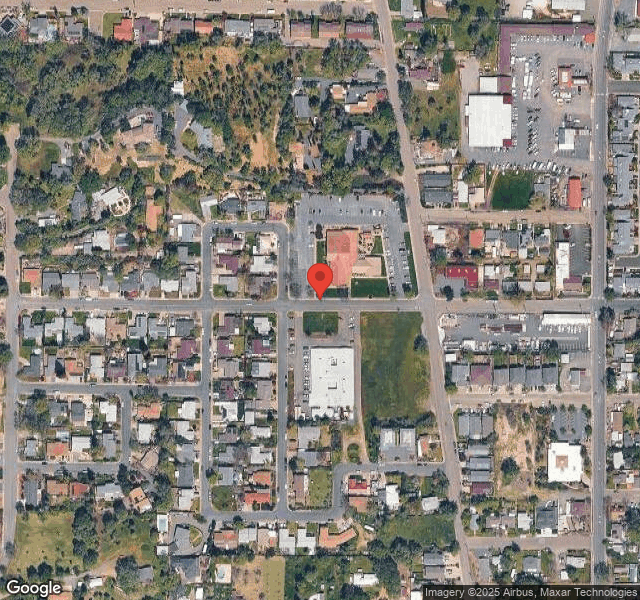
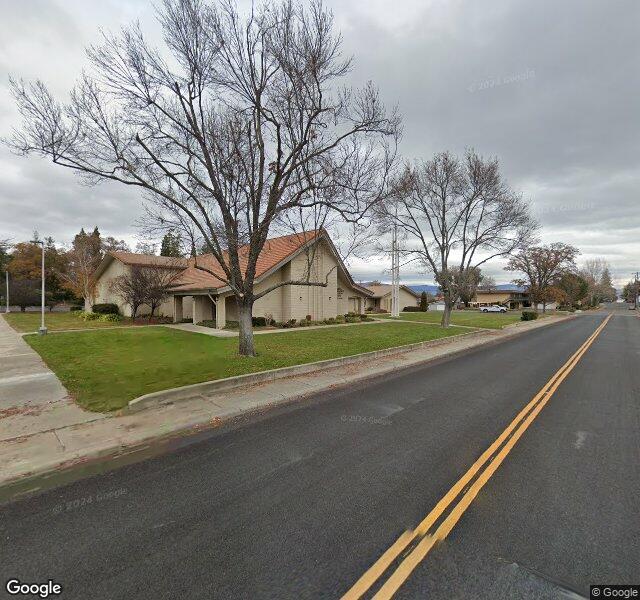
625 16TH STREET, LAKEPORT, CA 95453 (707) 263-6101
For profit - Limited Liability company 90 Beds NAHS Data: November 2025
Trust Grade
38/100
#671 of 1155 in CA
Last Inspection: June 2024

Within standard 12-15 month inspection cycle. Federal law requires annual inspections.

Overview

Rocky Point Care Center in Lakeport, California, has a Trust Grade of F, indicating significant concerns about its care quality. It ranks #671 out of 1,155 facilities in California, placing it in the bottom half, and #2 out of 3 in Lake County, meaning only one local option is better. The facility is currently improving, having reduced issues from 12 in 2024 to 4 in 2025. Staffing is a relative strength, rated 4 out of 5 stars with a turnover rate of 39%, which is comparable to the state average. However, there are serious concerns: a resident was physically abused by another resident, resulting in injuries, and multiple food safety violations were found, including serving moldy muffins and improperly stored deli meats, posing a risk to all residents. Overall, while there are some strengths in staffing, the facility faces significant challenges that potential residents and their families should consider.

Trust Score
F
38/100
In California
#671/1155
Bottom 42%
Safety Record
High Risk
Review needed
Inspections
Getting Better
12 → 4 violations
Staff Stability
○ Average
39% turnover. Near California's 48% average. Typical for the industry.
Penalties
✓ Good
$4,194 in fines. Lower than most California facilities. Relatively clean record.
Skilled Nurses
○ Average
Each resident gets 32 minutes of Registered Nurse (RN) attention daily — about average for California. RNs are the most trained staff who monitor for health changes.
Violations
⚠ Watch
35 deficiencies on record. Higher than average. Multiple issues found across inspections.
★★★☆☆
3.0
Overall Rating
★★★★☆
4.0
Staff Levels
★★★★★
5.0
Care Quality
★★☆☆☆
2.0
Inspection Score
Stable
2024: 12 issues
2025: 4 issues

The Good

  • 4-Star Staffing Rating · Above-average nurse staffing levels
  • 5-Star Quality Measures · Strong clinical quality outcomes
  • Full Sprinkler Coverage · Fire safety systems throughout facility
  • No fines on record
  • Staff turnover below average (39%)

    9 points below California average of 48%

Facility shows strength in staffing levels, quality measures, fire safety.

The Bad

3-Star Overall Rating

Near California average (3.1)

Meets federal standards, typical of most facilities

Staff Turnover: 39%

Near California avg (46%)

Typical for the industry

Federal Fines: $4,194

Below median ($33,413)

Minor penalties assessed

Chain: NAHS

Part of a multi-facility chain

Ask about local staffing decisions and management

The Ugly 35 deficiencies on record

1 actual harm
Aug 2025 1 deficiency
CONCERN (F) 📢 Someone Reported This

A family member, employee, or ombudsman was alarmed enough to file a formal complaint

Potential for Harm - no one hurt, but risky conditions existed

Food Safety (Tag F0812)

Could have caused harm · This affected most or all residents

Based on observation, interview, and record review, the facility failed to store, prepare, and serve food in a safe and sanitary manner when:1. Muffins with mold (mold is a type of fungus that can gro...

Read full inspector narrative →
Based on observation, interview, and record review, the facility failed to store, prepare, and serve food in a safe and sanitary manner when:1. Muffins with mold (mold is a type of fungus that can grow on food) were served on breakfast trays, and six residents consumed them.2. Dry goods were improperly stored when expired cocoa powder was in the storage area, a gravy packet had leaked, chocolate chips were in an open plastic bag without a date when it was opened.3. Deli meat in a refrigerator was ten days past its use by date.4. Frozen pancakes and frozen egg rolls did not have a date when they were received.5. Trash cans were uncovered during tray line (name of process where food was served on resident's plates). This failure had the potential to cause food-borne illness in 64 of 64 vulnerable residents.Findings:1. During an interview on 8/26/25 at 2:15 p.m., [NAME] A stated she received a report from Dietary Aide B (DA B) that moldy muffins were served to residents on [NAME] A's day off.During an interview on 8/26/25 at 4 p.m., Licensed Nurse C (LN C) stated the moldy muffins were served on a weekend. LN C was informed about the muffins during stand-up (a daily meeting where staff discussed significant events). LN C stated the Director of Nursing (DON) put residents who ate the moldy muffins on a 72-hour alert charting. LN C stated eating moldy muffins could have had serious effects on an immunocompromised (a condition where the system to protect the body from infections and other harmful substances was not working as well as it should) resident, or a resident with gastrointestinal (GI - having to do with the digestive tract) issues.During a concurrent record review and interview on 8/27/25 at 10:18 a.m., the DON confirmed the names of six residents (Resident 1, Resident 2, Resident 3, Resident 4, Resident 5, and Resident 6) who were on alert charting after eating moldy muffins.During an interview on 8/27/25 at 11:10 a.m., Resident 1 stated he was served a moldy muffin, and he ate it because he thought the black spots were blueberries. Resident 1 stated a Certified Nurse Assistant (CNA) later told him the black spots were mold and not blueberries.During an interview on 8/27/25 at 11:18 a.m., Licensed Nurse D (LN D) stated CNA E reported mold on the muffins during breakfast service on 8/17/25. LN D and other nursing staff removed the muffins from the breakfast trays after six residents had already consumed all or part of the moldy muffins. The muffins were individually wrapped, and it was obvious there was white or black mold on the muffins when they were unwrapped by the CNAs delivering the breakfast trays.During an interview on 8/27/25 at 11:45 a.m., DA B stated a CNA had reported the moldy muffins on the breakfast trays to [NAME] F who then stopped putting them on the breakfast trays.A record review of the facility's policy titled Food Storage revised on 12/1/21 indicated, .prepare.and serve food in accordance with professional standards for food service safety.A record review of the Food & Drug Administration (FDA) 2022 Food Code, Annex 4, Table 2a indicated, Naturally occurring chemical hazards [in food] include mycotoxins [natural toxins produced by certain types of mold.].found in.corn products.other grains. require control measures.[including] do not use spoiled or moldy food. 2. During a concurrent observation and interview on 8/26/25 at 11 a.m. in the dry storage area of the kitchen, the Food Service Manager (FSM) confirmed a container of cocoa powder expired on 8/3/25; a package of gravy mix had thick, brown leakage on the outside of the package; an open bag of chocolate chips with a disposable plastic cup in the bag and no date to indicate when the bag was opened. The FSM stated the chocolate chips were stored incorrectly. The FSM stated the chocolate chips should have been taken out of the plastic bag, stored in an airtight container with a tight lid, and an open date and a use-by-date label should have been placed on the container. The FSM disposed of the three items.A record review of the facility's policy titled Food Storage revised on 12/1/21 indicated, .All open food items will have an open date and use-by-date per manufacturer's guidelines. 3. During a concurrent observation and interview on 8/26/25 at 12:25 p.m. in the refrigerator area of the kitchen, the Food Service Manager (FSM) confirmed a plastic bin containing packages of previously frozen lunch meat was labeled on 8/17/25 for use by 8/18/25. The FSM disposed of the lunch meat.A record review of the facility's policy titled, Procedure for Freezer Storage dated 2018, indicated .Once thawed.cured meats [curing involves adding salt and preservatives and is a common form of processing for lunch meats] to be used within 5 days. 4. During a concurrent observation and interview on 8/26/25 at 12:30 p.m. in the freezer area of the kitchen, the FSM confirmed a package of frozen pancakes, and a package of frozen egg rolls did not have a received date on them. The FSM stated the food items were improperly stored in the freezer. The FSM stated that improper food storage increased the risk of food born illness for the residents and disposed of both items. A record review of the facility's policy titled, Procedure for Freezer Storage dated 2018, indicated, All frozen food should be labeled and dated. 5. During a concurrent observation and interview on 8/26/25 at 12:20 p.m. in the kitchen during tray line, the FSM confirmed four trash containers were uncovered, including one that had trash overflowing on to the floor. The FSM stated the trash containers should have been covered. The FSM asked Dietary Aide B (DA B) where the lid to the trash container was. DA B stated he did not know where the lid was.A record review of the FDA Food Code 2022, Section 5-501.113, Covering Receptacles indicated, Receptacles and waste handling units for REFUSE, recyclables.shall be kept covered: (A) Inside the FOOD ESTABLISHMENT if the receptacles and units: (1) Contain FOOD residue and are not in continuous use; or (2) After they are filled.
Jul 2025 2 deficiencies
CONCERN (E) 📢 Someone Reported This

A family member, employee, or ombudsman was alarmed enough to file a formal complaint

Potential for Harm - no one hurt, but risky conditions existed

Safe Environment (Tag F0584)

Could have caused harm · This affected multiple residents

Based on observation and interview, the facility failed to create a homelike environment for a census of 57 residents when walls in multiple residents' rooms were damaged and carpeting throughout the ...

Read full inspector narrative →
Based on observation and interview, the facility failed to create a homelike environment for a census of 57 residents when walls in multiple residents' rooms were damaged and carpeting throughout the facility was worn and stained.These failures decreased the facility's potential to ensure residents were provided a safe, clean, comfortable, homelike environment to support their overall well-being.Findings:During interval observations on 7/17/25 between 9:48 a.m. and 2:50 p.m., carpeting throughout hallways of the facility was noted to be worn with multiple stains of varying sizes and colors. The carpeting was matted down with dirt and heavy traffic at each doorway entry.During an observation on 7/17/25 at 10:16 a.m., torn wallpaper and wall damage with exposed drywall (building material) was observed in Resident 2's room. During a concurrent observation and interview on 7/17/25at 10:26 a.m., torn wallpaper in several areas in Resident 3's room was observed. Resident 3 stated, It's been that way for a long, long time. I don't know how it happened. But you can't miss it unfortunately.During a concurrent observation and interview on 7/17/25 at 10:36 a.m., torn wallpaper was observed in Resident 4's room. Resident 4 stated, It's not pretty.During an observation on 7/17/25 at 10:51 a.m., torn wallpaper and wall damage with exposed drywall was observed in Resident 5's room. During an interview on 7/17/25 at 2:51 p.m., the Administrator (ADM) acknowledged the wall damage and torn wallpaper existed in most of the residents' rooms. The ADM believed the damage had occurred due to the residents' head of beds hitting the wall with force. The ADM also stated he was aware of the old, stained carpeting and directed the maintenance team to clean it monthly. The ADM also acknowledged the carpeting made it difficult for residents to propel their wheelchairs and staff to move patient care equipment.A review of the facility's policy titled Homelike Environment dated 2001 indicated, The .management maximizes.the characteristics of the facility that reflect a. homelike setting.these characteristics include a clean, sanitary and orderly environment.
CONCERN (F) 📢 Someone Reported This

A family member, employee, or ombudsman was alarmed enough to file a formal complaint

Potential for Harm - no one hurt, but risky conditions existed

Food Safety (Tag F0812)

Could have caused harm · This affected most or all residents

Based on observation, interview and record review, the facility failed to ensure food was stored, prepared and served safely in accordance with professional standards of food service when:1. Soiled eq...

Read full inspector narrative →
Based on observation, interview and record review, the facility failed to ensure food was stored, prepared and served safely in accordance with professional standards of food service when:1. Soiled equipment was observed in a food prep area;2. The floor was noted to have solid food debris, built up dust, and dirt underneath the sink and behind the oven;3. Kitchen staff did not monitor the tray line food temperatures; and,4. Kitchen staff did not use facial hair nets.These failures posed the risk for food borne illnesses for 57 of 57 residents who resided in the facility and consumed food prepared in the kitchen.Findings:1. During an observation on 7/16/25 at 12:15 p.m., the following observations were made:The stovetop had black residue and debris in burner wells; The dishrack had visible grime and black residue; The ceiling vents over the steamtable had a large amount of dust build up; and the air conditioning unit had dust build up on the vents over the food prep table. During an interview on 7/17/25 at 12:20 p.m., the Corporate Registered Dietician (CRD) acknowledged the kitchen equipment needed to be cleaned. The CRD stated she ensured a deep cleaning was performed every month but did not have a cleaning log. The CRD further stated cleaning was not being monitored since the Dietary Manager (DM) left a few months ago. The CRD stated she was attempting to get dietary staff to take ownership for a clean kitchen.A review of a facility document titled Sanitization dated 2001, indicated, The food service area shall be maintained in a clean and sanitary manner. All.equipment shall be kept clean.According to the FDA Food Code 2022, Section 4-601.11, Food Contact Surfaces, Nonfood Contact Surfaces, and Utensils (A) Equipment, food contact surfaces, and utensils shall be clean to sight and touch, (C) Nonfood contact surfaces of equipment shall be kept free of an accumulation of dust, dirt, food residue, and other debris.2.During an observation on 7/16/25 at 12:15 p.m., food debris located on the floor in the corner by the sink and behind the stove was noted. An accumulation of dust, dried liquid, and small black particulates was noted in the area directly beneath the sink. A sample was gathered for CRD confirmation.During an interview on 7/17/25 at 2:30 p.m., the CRD was unable to identify the bits of food taken from the corner underneath the sink. The CRD again stated she was attempting to gain staff buy in to clean the kitchen and will begin to establish a routine cleaning schedule. During a review of document titled Sanitization, dated 2001, indicated All kitchens, kitchen areas.shall be kept clean, free from litter and rubbish.According to the FDA Food Code 2022, Section 6-501.12 (a), Physical facilities, including floors, walls, ceilings, and other structural components, must be cleaned as often as necessary to keep them clean. This means facilities should establish and maintain a regular cleaning schedule based on the level of activity and potential for contamination in each area.3. During a concurrent interview and observation on 7/17/25 at 11:34 a.m., [NAME] 1 (CK 1) was taking temperatures of food on the steamtable in preparation for the lunch tray line and entering the temperatures in a logbook. She stated entries in the tray line temperature log must be made with every meal to prevent the residents getting sick. During a concurrent interview and observation on 7/17/25 at 11:55 a.m., there were several temperature entries missing for several days in the tray line logbook. The CRD confirmed the missing temperature entries and stated, Food temperature logs must be filled out with each meal, every day. This helps us to keep the hot food hot. The CRD stated food temperatures below 135 degrees will begin to multiply with bacteria growth that would cause food borne illnesses amongst the residents. A review of facility policy titled Meal Serving Temperatures dated 2023, indicated, .food temperatures will be taken while the hot food items are on the steamtable just prior to serving.these temperatures will be recorded on the form called Food Temperature Log.According to the FDA Food Code 2022, Section 3-501.16, the requirements for maintaining hot foods at safe temperatures. It stipulates that hot TCS (Time/Temperature Control for Safety) foods must be held at 135 F (57 C) or above. 4.During a concurrent observation and interview on 7/17/25 at 11:45 a.m., Dietary Aide (DA) was observed not wearing a facial hair restraint while in the kitchen prepping for tray line. The DA stated he was not aware he needed to wear one. The DA obtained a surgical mask to wear from the CRD.During a concurrent observation and interview on 7/17/25 at 11:50 a.m., the CK 2 was observed not wearing a facial hair restraint while in the kitchen preparing cookies. CK 2 stated there were no facial hair restraints available. CK 2 obtained a surgical mask to wear from the CRD.During an interview on 7/17/25 at 12:15 p.m., the CRD stated she had ordered more facial hair restraints, and the order had not arrived yet. She confirmed the necessity for facial hair nets was to prevent contamination of food with hair. The CRDO confirmed surgical masks would not contain hair from dropping into food or equipment used in food prep. During a review of facility document titled Preventing Foodborne Illness-Employee Hygiene and Sanitary Practices dated 2001, indicated, Hair nets or caps and/or beard restraints must be worn to keep hair from contacting exposed food, clean equipment, utensils and linens.According to FDA Food Code 2022 2-402.11 (A) Food employees shall wear hair restraints such as hats, hair coverings or nets, beard restraints, and clothing that covers body hair, that are designed and worn to effectively keep their hair from contacting exposed food; clean equipment, utensils, and linens; and unwrapped single service and single-use articles.
May 2025 1 deficiency 1 Harm
SERIOUS (G) 📢 Someone Reported This

A family member, employee, or ombudsman was alarmed enough to file a formal complaint

Actual Harm - a resident was hurt due to facility failures

Free from Abuse/Neglect (Tag F0600)

A resident was harmed · This affected 1 resident

**NOTE- TERMS IN BRACKETS HAVE BEEN EDITED TO PROTECT CONFIDENTIALITY** Based on observation, interview, and record review, the facility failed to protect one resident (Resident 1) of three sampled re...

Read full inspector narrative →
**NOTE- TERMS IN BRACKETS HAVE BEEN EDITED TO PROTECT CONFIDENTIALITY** Based on observation, interview, and record review, the facility failed to protect one resident (Resident 1) of three sampled residents from physical abuse by Resident 2, when Resident 2 deliberately placed his hands on Resident 1 ' s chest and pushed him which caused Resident 1 to fall during an argument over a television (TV) channel inside their room. This failure resulted in a skin tear (a wound caused by direct force which separates the skin ' s layers) and an abrasion (a scrape) on Resident 1 ' s left forearm. Findings: A review of Resident 3 ' s Minimum Data Set (MDS- an assessment tool used by facilities to screen and identify memory, orientation, and judgement status of the resident) dated 3/1/25, indicated a Brief Interview for Mental Status (BIMS- a screening tool used to assess a person ' s memory and cognition (ability to think, understand, remember, and problem-solve)) score of 15, which meant his cognition was intact. A review of Resident 2 ' s MDS dated [DATE], indicated his BIMS score was 13, meaning his cognition was moderately (an observable delay) intact. A review of Resident 1 ' s MDS dated [DATE] indicated Resident 1 ' s BIMS score was 10, meaning his cognition was moderately impaired (diminished). During a concurrent observation and interview on 5/2/25 at 10 a.m. Resident 2 was sitting in his room watching TV. Resident 2 stated Resident 1 changed the channel of Resident 2 ' s television using Resident 1 ' s TV remote control. Resident 2 stated he pushed Resident 1 by placing both his hands on Resident 1 ' s chest to push him. Resident 2 stated Resident 1 fell on the floor. Resident 2 stated there were no staff in the room during that time, but Resident 3 was also in the room. During a concurrent observation and interview on 5/2/25 at 11 a.m., with Resident 1 and Resident 3, Resident 1 showed the Surveyor the island dressing (a highly absorbent layer with an adhesive border) located on his left forearm which measured 2 centimeters (cm- a unit of measure) by 2 cm. Resident 1 stated Resident 2 placed both his hands on his chest and pushed him, causing him to fall. Resident 1 pointed to the part of his bed where he hit his left forearm. Resident 3 stated each resident ' s TV remote controlled all three TV sets in the room. The Surveyor observed Resident 3 use his remote to change the channel of his TV which also changed the channel of Resident 2 ' s television. A review of Resident 1 ' s facility document titled Situation Background, Assessment, Recommendation [SBAR] dated 4/28/25 at 3:15 p.m. indicated, Incident started on 4/28/25, at 3:15 p.m.[Resident 2] pushed [Resident 1] resulting in a fall with injury .Things that make the condition or symptom worse are .TV control for [Resident 1] controls both his and [Resident 2 ' s] TV .Other relevant information .2 cm X [by] 2 cm S/T [Skin Tear] with 5 cm X 1 cm abrasion to LFA [left forearm]. A review of Resident 1 ' s progress note dated 4/28/25 at 3:15 p.m., indicated, [Certified Nursing Assistant B (CNA B)] alert [LN A] to [Resident 1] sitting on floor . [Resident 1] states resident [Resident 2] pushed him causing him to fall to floor onto buttocks . A review of Resident 2 ' s progress note dated 4/28/25 at 3:54 p.m., indicated, [Social Service Director] followed up this res [Resident 2] in regards to res-res [resident to resident] altercation this res [Resident 2] being the aggressor when I asked him why he pushed his roommate he stated ' because he changed the tv station he is fine he is not hurt. ' I explained to him [Resident 2] that we due [sic] put our hands at anyone . During a concurrent observation and interview on 5/2/25 at 11:40 a.m., the Maintenance Supervisor (MS) stated each TV in Resident 1 and Resident 2 ' s room had its own remote control and a control box. The MS acknowledged if a resident pointed their remote control toward his roommate ' s TV control box, it could change the channel. The MS stated he had received previous complaints from other residents about this, but this TV system had been in place for a while now. During an interview on 5/5/25 at 1:25 p.m., LN A stated on 4/28/25 at about 2:55 p.m., CNA B alerted him about a fall. LN A stated he saw Resident 1 sitting on the floor with his feet up on the foot of his bed facing the door. LN A stated Resident 2 admitted he had pushed Resident 1 to LN A, the Director of Nursing (DON), and CNA B. Resident 2 stated he had pushed Resident 1 because Resident 1 had changed the channel on Resident 2 ' s TV. LN A stated there was no doubt the push was deliberate, and Resident 2 had admitted it. LN A also stated Resident 1 reported he was pushed by Resident 2. During an interview on 5/5/25 at 2:08 p.m., the DON stated LN A informed her Resident 2 admitted to pushing Resident 1. The DON stated it was determined during the investigation that Resident 2 ' s action was deliberate and intentional. The DON stated she determined the reason for the altercation was there was no individuality to the TVs. The DON stated she informed the MS and the Administrator of the cause of the incident and was told by both staff that they would work on it. A review of the facility ' s policy and procedure (P&P) titled, Elder/Dependent Adult Abuse, undated, indicated, .The facility will protect the rights, safety, and well-being of each resident regardless of physical or mental condition, against any and all forms of abuse including freedom from neglect and exploitation .Abuse is .defined .as: ' The willful infliction of injury, unreasonable confinement, intimidation, or punishment with resulting physical harm, pain or mental anguish . '
Jun 2024 12 deficiencies
CONCERN (D)

Potential for Harm - no one hurt, but risky conditions existed

Deficiency F0582 (Tag F0582)

Could have caused harm · This affected 1 resident

Based on interview and record review, the facility failed to provide an explanation for not providing a SNF ABN (Skilled Nursing Facility Advanced Beneficiary Notice of Non-coverage) and a NOMNC (Noti...

Read full inspector narrative →
Based on interview and record review, the facility failed to provide an explanation for not providing a SNF ABN (Skilled Nursing Facility Advanced Beneficiary Notice of Non-coverage) and a NOMNC (Notice of Medicare Non-Coverage), to one of three residents (Resident 220), prior to discharge from the facility. This failure had the potential to prevent the resident from making an informed decision about their discharge from the facility. Findings: During an interview on 6/18/24 at 10 AM, the Administrator was given three SNF (Skilled Nursing Facility) Beneficiary Notification Review Forms (Form CMS-20052). Each form contained the name of a resident who had been discharged from the facility. Per Form CMS-20052, The intent of the checklist is to provide the surveyor with all copies of the forms issued to the resident, and if the notification was not required, an explanation of why the form was not issued. During a record review on 6/19/24 at 3:24 PM, the SNF Beneficiary Protection Notification Review for two of three Residents was completed correctly. The SNF Beneficiary Protection Notification Review for Resident 220 was not filled in. During an interview and record review on 6/20/24 at 11 AM, the Regional Director of Operations confirmed the Beneficiary Protection Notification Review for Resident 220 had not been completed correctly. The Regional Director of Operations further stated she would complete the Beneficiary Notification Review for Resident 220. During an interview and record review on 6/21/24 at 9:15 AM, the Regional Director of Operations verified the SNF Beneficiary Protection Notification Review for Resident 220 included the Medicare Part A skilled services episode start date and the last covered day of Part A services. The Regional Director of Operations also verified the SNF Beneficiary Protection Notification Review indicated the SNF ABN and the NOMNC were not acknowledged by the beneficiary or the beneficiary's representative. The Regional Director of Operations stated the facility did not have any documentation to explain why the SNF ABN and the NOMNC were not provided to Resident 220.
CONCERN (D)

Potential for Harm - no one hurt, but risky conditions existed

Deficiency F0655 (Tag F0655)

Could have caused harm · This affected 1 resident

Based on interviews and record reviews, the facility failed to ensure : 1. Staff were aware of the Baseline Care Plan (BCP, an initial person-centered care plan, completed within 48 hours of admission...

Read full inspector narrative →
Based on interviews and record reviews, the facility failed to ensure : 1. Staff were aware of the Baseline Care Plan (BCP, an initial person-centered care plan, completed within 48 hours of admission, that provides instructions for the care of the residents) completion timeframe. 2 .The BCP was completed timely for three out of three sampled residents (Residents 54, 60 and 28). These failures had the potential to lead to delayed or omitted care, missed medications or treatments, medical complications, and deconditioning. Findings: A review of Resident 54's face sheet (demographics) indicated an admission date of 3/21/24. Her diagnoses include Muscle Weakness, Lymphedema (a chronic disease marked by the increased collection of lymphatic fluid in the body, causing swelling) and Dysphagia (difficulty swallowing). A review of Resident 54's Brief Interview for Mental Status (BIMS, a mandatory tool used to screen and identify the cognitive condition of residents), dated 3/25/24, score was 14 out of 15 indicating intact cognition (the conscious and unconscious processes involved in thinking, perceiving, and reasoning). Resident 54's BCP, dated 3/27/24, was completed late. A review of Resident 60's face sheet indicated an admission date of 5/28/24. His diagnoses include Primary Hypertension (HTN, high blood pressure), Type II Diabetes Mellitus (DM, a disease in which your blood glucose, or blood sugar, levels are too high) and Muscle Weakness. A review of Resident 60's BIMS, dated 6/1/24, score was 13, indicating intact cognition. Resident 60's BCP, dated 6/10/24, was completed late. A review of Resident 28's face sheet indicated an admission date of 3/15/22. His diagnoses include Primary Hypertension (HTN, high blood pressure), Muscle Weakness and Hyperlipidemia (HLP, too many lipids or fats in your blood). A review of Resident 28's BIMS, dated 3/28/24, indicated he had both short term and long-term memory impairment. Resident 28's BCP, dated 3/23/22, was completed late. During an interview on 6/20/24 at 12:45 p.m., the Director of Nursing (DON) stated she would have to check the facility's policy on BCP completion timeframe. During an interview on 6/20/24 12:57 p.m., Licensed Staff D stated the BCP should be completed within three days. Licensed Staff D stated BCP's were important and should be completed timely because it provided staff instruction on how to care for the residents safely. During an interview on 6/20/24 at 1:03 p.m., the Director of Rehabilitation Services (DOR) stated BCP should be completed within 24 to 48 hours. The DOR stated it was important BCP's were completed timely to provide staff a view of care and provide safe care to the residents. During an interview on 6/20/24 at 1:15 p.m., the Director of Staff Development (DSD) stated BCP's should be completed within 48 to 72 hours. The DSD stated it was important BCP's were completed timely because these would provide information on how to care for the residents safely. During an interview on 6/20/24 at 1:23 p.m., the Social Services Director (SSD) stated she was part of the team that completed BCP's. The SSD stated the facility policy was to complete BCP's within 48 to 72 hours. The SSD stated it was important to complete BCP's timely so staff could provide safe care to the residents. During an interview on 6/21/24 at 9:53 a.m., the Infection Preventionist (IP) stated BCP's should be completed within 48 hours of admission. The IP stated it was important the BCP's were completed timely for residents' safety, because it guided the team on the direction of care that it needed to provide for the resident. A review of the facility's policy and procedure (P&P) titled, Care Plans-Baseline, revised 2/2024, the P&P indicated a baseline plan of care to meet the resident's immediate needs shall be developed for each resident within 48 hours of admission.
CONCERN (D)

Potential for Harm - no one hurt, but risky conditions existed

Quality of Care (Tag F0684)

Could have caused harm · This affected 1 resident

Based on observation, interviews and record reviews, the facility failed to ensure that three of eight sampled residents, Resident 2, 38, and 51, received care and services that met their physical, me...

Read full inspector narrative →
Based on observation, interviews and record reviews, the facility failed to ensure that three of eight sampled residents, Resident 2, 38, and 51, received care and services that met their physical, mental, and emotional needs, and according to the facility's policy and procedure on answering call lights and repositioning, when these residents had to wait for a long time before they were assisted after pushing their call light buttons to request for assistance from their aides. These failures had the potential to result in skin breakdown, when the residents were left soiled in urine or feces (the material in a bowel movement), or when residents were left in a certain position for a significant amount of time and could also affect their emotional well-being. Findings: A review of Resident 2's MDS (Minimum Data Set- is part of the federally-mandated process for clinical assessment of all residents in Medicare and Medicaid certified nursing homes) Section C- Cognitive (Cognitive means relating to the mental process involved in knowing, learning, and understanding things) Patterns, dated 2/22/24, indicated Resident 2 had a BIMS (Brief Interview for Mental Status) score of 14, (BIMS scores: 0-7= severe cognitive impairment; 8-12= moderate cognitive impairment; 13-15= cognition is intact). During an interview on 6/21/24, at 11:13 a.m., with Resident 2, she stated she waited as long as one hour after she pushed her call button on. She stated she pushed her call light button to be repositioned in bed. She stated she had a wall clock hanging on the wall to know how long it was taking for staff to respond to her call light. She stated she would scream for help, so the staff would respond to her call light. A review of Resident 38's MDS Section C, dated 5/11/24, indicated, Resident 38 had a BIMS score of 15, no cognitive impairment. During a concurrent observation and interview on 6/21/24, at 1:41 p.m., with Resident 38, inside her room, she stated she would wait for about ten minutes to about 45 minutes before a CNA (Certified Nursing Assistant) would come and assist her with care. She stated she usually called for assistance to use her BSC (bedside commode) for a bowel movement. She stated the longest she had to wait was about an hour. She stated she knew it was about an hour because she had a wall clock hanging on the wall. This was observed by the Surveyor, the wall clock was working and was showing the right time of the day. When the resident was asked if she had an accident while waiting for assistance to use the BSC for a bowel movement, she stated she did not, but sometimes she stated she had already lost the urgency to have a bowel movement. A review of Resident 51's MDS Section C, dated 4/19/24, indicated, Resident 51 had a BIMS score of 15, no cognitive impairment. During an interview on 6/21/24, at 11:32 a.m., Resident 51 stated one time during the NOC (night) shift, she called for assistance to have incontinence care, and she waited for around 45 minutes to an hour before somebody come to help her. She stated she knew how long she was waiting because she had wall clock hanging on the wall in front of her. During an interview with the facility's Director of Nursing (DON) on 6/21/24, at 12:23 p.m., she stated it was her expectation that residents' call lights were responded to as promptly as possible. A review of a facility policy and procedure (P&P) titled, Answering Call Lights, dated March 2023, indicated, The purpose of this procedure is to ensure timely responses to the resident's requests and needs. A review of a facility policy and procedure (P&P) titled, Repositioning, dated 2/2024, indicated under General Guidelines, Repositioning is a common, effective intervention for reducing the risk of skin breakdown, promoting circulation, and providing pressure relief.
CONCERN (D)

Potential for Harm - no one hurt, but risky conditions existed

Deficiency F0806 (Tag F0806)

Could have caused harm · This affected 1 resident

Based on observation, interviews and record reviews, the facility failed to ensure residents were not receiving food items that they did not like, for one out of three sampled residents (Residents 117...

Read full inspector narrative →
Based on observation, interviews and record reviews, the facility failed to ensure residents were not receiving food items that they did not like, for one out of three sampled residents (Residents 117). This failure could result in Resident 117 not eating the food and could put Resident 117 at risk for weight loss and inadequate nutrition. Findings: A review of Resident 117's face sheet indicated his admission date as 6/6/24, with diagnoses of Dysphagia (difficulty swallowing), Muscle Weakness and Essential Hypertension (HTN, high blood pressure). A review of Resident 117's lunch diet ticket on 6/19/24 at 12:03 p.m., indicated he disliked breaded food. A review of the menu for 6/19/24, indicated lunch included breaded fried chicken. During a concurrent observation and interview on 6/19/24 at 12:04 p.m., [NAME] 1 stated she had already finished plating for Resident 117, and verified she added a breaded fried chicken on his lunch tray. [NAME] 1 stated his meal tray was already placed in the meal cart. [NAME] 1 verified Resident 117 disliked breaded food items and should not be served with breaded chicken. [NAME] 1 stated she would update the plate and remove the breaded fried chicken. [NAME] 1 stated it was important to follow residents' preferences. [NAME] 1 stated, if a resident's meal included an item that he disliked, the resident might not eat the food. [NAME] 1 stated residents' would be upset and frustrated. [NAME] 1 stated this could cause weight loss and malnutrition (an imbalance between the nutrients your body needs to function and the nutrients it gets). During an interview on 6/19/24 at 12:07 p.m., the Registered Dietician (RD) verified Resident 117 listed breaded food items as one of his dislikes. The RD verified the fried chicken prepared for lunch was breaded. The RD stated it was important to ensure residents did not received items they disliked. The RD stated, if Resident 117 received food items that he disliked, it could lead to Resident 117 not eating the food. The RD stated residents should not be receiving food they disliked, keeping them happy. During an interview on 6/19/24 at 12:10 p.m., [NAME] 2 stated it was important to ensure Resident 117 did not receive food items which he disliked. [NAME] 2 stated, if residents received a food item they disliked, residents may not eat the food, which could result in weight loss and malnutrition. During an interview on 6/19/24 at 12:32 p.m., the Dietary Supervisor (DS) stated residents should not be receiving food items they disliked. The DS stated, if residents received a food item they disliked, it could lead to residents not eating the food item, which could result in weight loss and malnutrition. A review of the facility's policy and procedure (P&P) titled, Food and Nutrition Services, undated, the P&P indicated, Each resident is provided with nourishing, palatable, well balanced diet that meets his or her daily nutritional and special dietary needs taking into consideration the preferences of each residents .reasonable efforts will be made to accommodate resident choices and preferences . the multidisciplinary staff, including the nursing staff, the attending physician and the dietician will assess each residents nutritional needs, food likes, dislikes and eating habits as well as physical, functional and psychosocial factors that affect eating and nutritional intake and utilization.
CONCERN (D)

Potential for Harm - no one hurt, but risky conditions existed

Room Equipment (Tag F0908)

Could have caused harm · This affected 1 resident

Based on observation and interviews, the facility failed to ensure the kitchen floor was in good repair, when the linoleum (a hard, washable floor covering formed by coating burlap or canvass with lin...

Read full inspector narrative →
Based on observation and interviews, the facility failed to ensure the kitchen floor was in good repair, when the linoleum (a hard, washable floor covering formed by coating burlap or canvass with linseed oil, powdered cork, and resin, and adding pigments to create the desired colors and patterns) floor on multiple parts of the kitchen area (by the gas stove, door leading to the hallway, the sink) was coming apart and its edges were raised off the floor. This failure could be an infection control issue due to difficulty in ensuring the floor was adequately cleaned and sanitized. This failure could also be a safety issue due to being a trip hazard. Findings: During a concurrent observation and interview on 6/17/24 at 9:19 a.m., [NAME] 3 verified the linoleum floor was falling apart on different parts of the kitchen area. [NAME] 3 stated the kitchen floor should always be clean, and the floor should always be in good repair. [NAME] 3 stated she tripped on the linoleum floor by the gas range every time she went to work. [NAME] 3 stated, the linoleum flooring not being in good repair was a trip hazard and was a safety issue. During a concurrent observation and interview on 6/19/24 at 9:25 a.m., the Dietary Supervisor (DS) verified the floor was dirty, and the linoleum floor was coming apart. The DS stated the kitchen area should always be clean for health and sanitary reasons. The DS stated, a dirty kitchen could lead to residents getting sick. During an interview on 6/17/24 at 9:35 a.m., the DS stated it was not acceptable to have the linoleum floor in the kitchen falling apart. The DS stated this was an infection control issue since the floors could not be cleaned and sanitized adequately, and dirt could get into the crevices where the linoleum was coming apart. During a concurrent observation and interview on 6/19/24 at 11:30 a.m., Dietary Aide 1 (DA 1) verified the linoleum floor on different parts of the kitchen was falling apart and was a safety hazard. DA 1 stated it was not acceptable to have the linoleum flooring coming apart because it meant the floor could not be sanitized or cleaned thoroughly. DA 1 stated this was an infection control issue since the kitchen area should always be clean. DA 1 stated dirt and debris could get inside the crevices of the linoleum edges where it was coming apart. During an interview on 6/19/24 at 11:35 a.m., [NAME] 1 stated the kitchen floor should be clean at all times. [NAME] 1 stated it was not acceptable to have dirty floors, for sanitary purposes. [NAME] 1 stated it was not acceptable to have a linoleum floor falling apart, for infection control purposes and sanitary purposes. [NAME] 1 stated it was also a safety hazard as staff could trip on the edges of the broken linoleum floor. [NAME] 1 stated there was no way to adequately clean and sanitize a floor with broken linoleum, as dirt could get inside the broken linoleum edges. [NAME] 1 stated this was a big infection control issue. During a concurrent observation and interview on 6/19/24 at 11:40 a.m., [NAME] 2 stated the kitchen floor should always be clean, and it was not acceptable to have a linoleum floor in the kitchen that was falling apart. [NAME] 2 stated this was a safety risk because it put staff at risk for tripping on the edges of the linoleum. [NAME] 2 stated it was also a risk for staff not to be able to clean the floor or sanitize the floor adequately. [NAME] 2 stated dirt could get inside the linoleum floor. [NAME] 2 stated it was an infection control issue. During an interview on 6/20/24 at 9:30 a.m., the Administrator stated the linoleum floor in the kitchen needed repair. The Administrator stated this was a safety hazard for the staff. A review of the facility's policy and procedure (P&P) titled, Maintenance Service, revised 8/2022, the P&P indicated, The Maintenance Department is responsible in maintaining the buildings, grounds and equipment in safe and operable manner at all times .functions of the maintenance personnel include, but not limited to maintaining the building in good repair, maintaining the grounds, sidewalks etc.
CONCERN (D)

Potential for Harm - no one hurt, but risky conditions existed

Deficiency F0925 (Tag F0925)

Could have caused harm · This affected 1 resident

Based on observations and interviews, the facility failed to ensure the kitchen was free of flies. This failure posed a health risk, as flies carry diseases such as Salmonella (a group of bacteria tha...

Read full inspector narrative →
Based on observations and interviews, the facility failed to ensure the kitchen was free of flies. This failure posed a health risk, as flies carry diseases such as Salmonella (a group of bacteria that can cause diarrhea-passage of three or more liquid stools, in humans) and Cholera (an infectious disease that causes severe watery diarrhea), which could contaminate the food stored, prepared and served to the residents in the facility. Findings: During an observation on 6/19/24 at 12:05 p.m., the Dietary Supervisor (DS) and the Registered Dietitian (RD) both verified there was a fly in the kitchen. During a concurrent observation and interview on 6/19/24 at 12:11 p.m., [NAME] 2 verified there was a fly hovering in the kitchen. [NAME] 2 stated this was not an isolated incident, and flies could be seen in the kitchen from time to time. [NAME] 2 stated there should be no flies in the kitchen area. [NAME] 2 stated the facility could only do so much, and although they have a fan blower, it was not enough to keep the flies away. [NAME] 2 stated it was not acceptable to have flies in the kitchen for sanitary and infection control purposes. [NAME] 2 stated flies could contaminate food and could result in residents getting sick. During a concurrent observation and interview on 6/19/24 at 12:15 p.m., [NAME] 1 verified there was a fly hovering in the area where she was plating for residents' lunch. [NAME] 1 stated it was not acceptable to have flies in the kitchen. [NAME] 1 stated flies carried germs and bacteria. [NAME] 1 stated flies could land on residents' food and contaminate it. [NAME] 1 stated this could result in residents' getting sick. During an interview on 6/19/24 at 12:16 p.m., Dietary Aide 1 (DA 1) stated, from time to time, there would be flies in the kitchen. DA 1 stated this was not acceptable because flies carried diseases and germs. DA 1 stated it was unsanitary to have flies in the kitchen. DA 1 stated, if the fly got into the residents' food, residents could get sick. During an interview on 6/19/24 at 12:32 p.m., the DS stated the kitchen would have flies from time to time. The DS stated it was not acceptable to have flies in the kitchen. The DS stated this was a sanitation issue. The DS stated flies carried pathogens and bacteria, and if the fly landed on residents' food, it could cause health issues and could cause gastrointestinal (GI, made up of organs that food and liquids travel through when they are swallowed, digested, and absorbed) illness. During an interview on 6/20/24 at 9:30 a.m., the Administrator stated he was aware there was a fly in the kitchen, yesterday. The Administrator was aware there was a broken Plexiglas above the air conditioning unit. The Administrator stated the fly could have entered through that broken Plexiglas. The Administrator stated it was an infection control issue to have flies in the kitchen area where residents' food was prepared. During an interview on 6/20/24 at 10:31 a.m., the RD verified there was a fly in the kitchen, yesterday. The RD stated it was not as bad as they had it before. The RD stated there was a health risk if flies were present in the kitchen area. A request for the facility's policy and procedure (P&P) for Pest Control and Management was requested, but was not provided.
CONCERN (E) 📢 Someone Reported This

A family member, employee, or ombudsman was alarmed enough to file a formal complaint

Potential for Harm - no one hurt, but risky conditions existed

Report Alleged Abuse (Tag F0609)

Could have caused harm · This affected multiple residents

Based on interviews and record reviews, the facility failed to: 1. Ensure staff were aware of whom to report abuse allegations and the timeframe for reporting abuse allegations. 2. Report an abuse all...

Read full inspector narrative →
Based on interviews and record reviews, the facility failed to: 1. Ensure staff were aware of whom to report abuse allegations and the timeframe for reporting abuse allegations. 2. Report an abuse allegation timely, when two out of two abuse allegations (Residents 36 and 15's altercation and Resident 221's alleged abuse) were reported more than two hours later after the abuse allegation was made. These failures could lead to ongoing abuse and could result in residents feeling scared, upset, and frustrated. Findings: A review of Resident 36's face sheet (demographics) indicated an admission date of 1/14/21. His diagnoses include bipolar disorder (a mental illness that causes unusual shifts in a person's mood, energy and causes extreme mood swings that include emotional highs (mania or hypomania) and lows (depression)), Muscle Weakness and Cerebellar Ataxia (the inability to control voluntary muscle movements, which can cause problems with balance, walking (gait), speech, swallowing). Resident 36's Brief Interview for Mental Status (BIMS, a mandatory tool used to screen and identify the cognitive condition of residents), dated 4/20/24, score was 13 out of 15, indicating intact cognition (the conscious and unconscious processes involved in thinking, perceiving, and reasoning). A review of Resident 15's face sheet indicated an admission date of 3/4/24. Her diagnoses included Muscle Weakness, Vascular Dementia (caused by a range of conditions that disrupt blood flow to the brain and affect memory, thinking, and behavior) and Alzheimer's Disease (a brain disorder that slowly destroys memory and thinking skills, and eventually, the ability to carry out the simplest task). Resident 15's BIMS, dated 3/6/24, score was 3, indicating severely impaired cognition. On 3/16/24 at approximately 6:30 p.m., there was an alleged physical altercation between Residents 36 and 15. The SOC 341 (a crucial document designated for reporting suspected abuse of elders and dependent adults in California) was not completed until 3/17/24, and was not reported to the California Department of Public Health (CDPH, the State Department responsible for public health in California), the Ombudsman (a person who investigates and attempts to resolve complaints and problems), and the local Police Department (PD) until 3/17/24. A review of Resident 221's face sheet indicated an admission date of 1/20/20, with a diagnoses of Hypertension (HTN, high BP), Depression (constant feeling of sadness or loss of interest) and Anxiety (feeling of fear, dread or uneasiness). Resident 221's BIMS, dated 1/20/24, score was 1 indicating severely impaired cognition. On 9/1/22 at approximately 2 PM, a family member of Resident 221 reported to the facility that Resident 221 may have been abused. The SOC 341 was not completed until 9/2/22, and was not reported to the CDPH, the Ombudsman, and the local PD until 9/2/22. During an interview on 6/19/24 at 8:59 a.m., the Central Supply/Medical Record Assistant (CS/MRA) stated abuse allegations should be reported to CDPH, but not all abuse allegations should be reported to the Ombudsman and the local PD. The CS/MRA stated abuse allegations should be reported within 24 hours of knowing about the abuse allegation. The CS/MRA stated an abuse allegation was important to be reported timely for resident safety and to prevent further abuse. During an interview on 6/19/24 at 9:10 a.m., Unlicensed Staff A stated abuse allegations should be reported to the Ombudsman and CDPH. Unlicensed Staff A stated local PD should be notified if the abuse allegation was physical or financial. Unlicensed Staff A stated abuse allegations should be reported to these agencies within four hours after an abuse allegation was made. Unlicensed Staff A stated, if an abuse allegation was not reported timely, the abuse could continue to happen, affect the resident negatively, and trust could be broken between the resident and the staff/facility. During an interview on 6/19/24 at 9:25 a.m., Unlicensed Staff B stated abuse allegations should be reported to the Ombudsman and maybe to the California Highway Patrol (CHP, the police force that has jurisdiction over all state highways). Unlicensed Staff B stated the timeframe of reporting an abuse allegation was within 24 hours of knowing about the abuse. Unlicensed Staff B stated, if an abuse allegation was not reported timely, the abuse could continue, and it became a safety risk for the resident. Unlicensed Staff B stated it could result in a resident feeling uncomfortable. During an interview on 6/19/24 at 9:40 a.m., Licensed Staff C stated abuse allegations should be reported to CDPH, local PD and the Ombudsman within two hours if there was an injury. Licensed Staff C stated abuse allegations that did not result in injury could be reported within 24 hours. Licensed Staff C stated, if an abuse allegation was not reported timely, injury could be worse, could result in death in extreme cases and abuse could continue. Licensed Staff C stated residents could be depressed and scared. During an interview on 6/19/24 at 10:19 a.m., the Infection Preventionist (IP) stated abuse allegations should be reported to the State and Law Enforcement when necessary-within 24 hours of knowing about the abuse allegation. The IP stated, not reporting an abuse allegation timely was a safety issue that could result in recurrence and injury. During an interview on 6/19/24 at 2:19 p.m., the Director of Nursing (DON) stated abuse allegations should be reported within two hours if there was an injury and within 24 hours if the alleged abuse did not cause injury. The DON stated it was important to report abuse allegations timely for residents' safety. During a concurrent interview, SOC 341, dated 3/17/24, and Abuse Investigation and Reporting record review, on 6/20/24 at 9:30 a.m., the Administrator stated abuse allegations should be reported with two hours if there was injury and within 24 hours if there was no injury. The Administrator verified the Abuse Investigation and Reporting policy indicated to report abuse allegations within two hours of discovery. The Administrator verified the abuse allegation reporting between Residents 36 and 15 was reported late. During an interview and SOC 341 record review on 6/20/24 at 1:55 PM, the Administrator and the Regional Director of Operations confirmed Resident 221's incident of alleged abuse was reported on 9/1/22 at 2 p.m., and CDPH was notified on 9/2/22 at 9:37 AM. The Administrator and the Regional Director of Operations also stated the alleged abuse was not reported within the two-hour timeframe as required by the facility policy. A review of the facility's policy and procedure (P&P) titled, Abuse Investigation and Reporting, revised 4/2021, the P&P indicated all alleged violations of abuse neglect exploitation or mistreatment will be reported immediately but not later than two hours if the alleged violation involves abuse.
CONCERN (E)

Potential for Harm - no one hurt, but risky conditions existed

Deficiency F0697 (Tag F0697)

Could have caused harm · This affected multiple residents

Based on interviews and record reviews, the facility failed to ensure the nurses were following the Physician's Order for pain medication for one out of two sampled residents (Resident 37), when the n...

Read full inspector narrative →
Based on interviews and record reviews, the facility failed to ensure the nurses were following the Physician's Order for pain medication for one out of two sampled residents (Resident 37), when the nurses administered a pain medication that was not appropriate for the pain level Resident 37 was reporting. This failure could result in unrelieved pain, worsened pain, impaired mobility, and residents feeling upset, angry and frustrated. Findings: A review of Resident 37's face sheet (demographics) indicated an admission date of 3/21/24. Her diagnoses include Chronic Pain Syndrome (CPS, a long-standing pain that persists beyond the usual recovery period or occurs along with a chronic health condition), Essential Hypertension (HTN, high blood pressure) and right Tibial fracture (a break in the shinbone). Resident 37's Brief Interview for Mental Status (BIMS, a mandatory tool used to screen and identify the cognitive condition of residents), dated 4/30/24, score was 15 out of 15 indicating intact cognition (the conscious and unconscious processes involved in thinking, perceiving, and reasoning). A review of Resident 37's Physician Order Summary (POS, doctor's order including medications, treatments, laboratory tests) for 6/2024, indicated staff to monitor and assess level of pain using the following pain scale (PS, a way to rate or measure your pain): 0=no pain, 1 to 3=mild pain, 4 to 6=moderate pain and 7 to 10=severe pain, with a start date of 3/12/24, and an order for Acetaminophen 325 milligram (mg, a unit of weight) two tablets every six hours as needed for mild pain (1-3 PL), with a start date of 3/12/24. A review of Resident 37's Electronic Medication Administration record (EMAR, used to record drugs administered to patients in a healthcare facility) for 5/2024, indicated Resident 37 had an order for Hydrocodone-Acetaminophen 10-325 milligram (mg, a unit of weight) one tablet every 12 hours as needed for moderate pain, with a start date of 5/24/24. A review of Resident 37's EMAR for 5/2024, indicated she received Hydrocodone Acetaminophen 10-325 mg one tablet every 12 hours as needed for moderate pain (PS 4 to 6 out of 10), when she was reporting severe pain (PS 7 to 10) on these dates: 5/25/24, while her reported PS was 7 out of 10, on 5/27/24, while her reported PS was 7 out of 10, on 5/30/24, while her PS was 8 out of 10, and on 5/31/24, while her reported PS was 7 out of 10. A review of Resident 37's EMAR for 5/2024, indicated she received Acetaminophen 325 mg two tablets every six hours as needed for mild pain (PS of 1 to 3), even though she was reporting moderate pain (PS 4 to 6 out of 10). Resident 37 received this medication on 5/3/24, twice while reporting a PS of 5 out of 10, and 4 of 10, on 5/18/24, while reporting a PS of 5 out of 10, on 5/22/24, with a PS 6 out of 10, on 5/23/24, with a PS 5 out of 10, on 5/24/24, with a PS of 6 out of 10, on 5/31/24, with a PS of 4 out of 10. A review of Resident 37's EMAR for 6/2024, indicated she received Acetaminophen 325 mg two tablets every six hours as needed for mild pain (PS of 1 to 3), even though she was reporting moderate pain (PS 4 to 6 out of 10) on these dates: 6/2/24, while reporting a PS of 4 out of 10, on 6/9/24, while reporting a PS of 4 out of 10, on 6/12/24, while reporting a PS of 6 out of 10, and on 6/13/24, while reporting a PS of 4 out of 10. During a concurrent interview, POS dated 6/2024, EMAR dated 5/20/24, and 6/2024, record review, on 6/20/24 at 2:36 p.m., Licensed Staff D verified staff were using this PS to assess residents' pain level: 0=no pain, 1 to 3=mild pain, 4 to 6=moderate pain and 7 to 10=severe pain. Licensed Staff D also verified the EMAR for 5/2024, indicated Resident 37 received the following medications: Hydrocodone Acetaminophen 10-325 mg one tab every 12 hours as needed for moderate pain (PS 4 to 6), when she was reporting severe pain (PS 7 to 10) on these dates: 5/25/24, while her reported PS was 7 out of 10, on 5/27/24, while her reported PS was 7 out of 10, on 5/30/24, while her PS was 8 out of 10, and on 5/31/24, while her reported PS was 7 out of 10; Acetaminophen 325 mg two tablets every six hours as needed for mild pain (PS of 1 to 3), even though she was reporting moderate pain (PS 4 to 6). Licensed Staff D verified Resident 37 received this medication on 5/3/24, twice while reporting a PS of 5 and 4, on 5/18/24, while reporting a PS of 5, on 5/22/24, with a PS 6, on 5/23/24, with a PS 5, on 5/24/24, with a PS of 6, on 5/31/24, with a PS of 4. Licensed Staff D also verified Resident 37's EMAR for 6/2024, indicated she received Acetaminophen 325 mg two tablets every six hours as needed for mild pain (PS of 1 to 3), even though she was reporting moderate pain (PS 4 to 6) on these dates: 6/2/24, while reporting a PS of 4, on 6/9/24, while reporting a PS of 4, on 6/12/24, while reporting a PS of 6, and on 6/13/24, while reporting a PS of 4. Licensed Staff D stated that this information indicated the Physician's Order was not followed. Licensed Staff D stated it was important the Physician's Order was followed to ensure Resident 37 was receiving adequate pain relief. Licensed Staff D stated, if a resident's pain was not relieved, it could result in decline in general, residents would not be participating in therapy, and there would be delayed wound healing. Licensed Staff D stated pain decreased quality of life, and it was important that residents were comfortable and not in pain. During a concurrent interview, POS dated 6/2024, EMAR dated 5/20/24, and 6/2024 record review, on 6/20/24 at 2:39 p.m., Licensed Staff E verified staff were using this PS to assess residents pain level: 0=no pain, 1 to 3=mild pain, 4 to 6=moderate pain and 7 to 10=severe pain. Licensed Staff E also verified the EMAR for 5/2024, indicated Resident 37 received the following medications: Hydrocodone Acetaminophen 10-325 mg one tab every 12 hours as needed for moderate pain (PS 4 to 6), when she was reporting severe pain (PS 7 to 10) on these dates: 5/25/24, while her reported PS was 7 out of 10, on 5/27/24, while her reported PS was 7 out of 10, on 5/30/24, while her PS was 8 out of 10, and on 5/31/24, while her reported PS was 7 out of 10; Acetaminophen 325 mg two tablets every six hours as needed for mild pain (PS of 1 to 3), even though she was reporting moderate pain (PS 4 to 6). Licensed Staff E verified Resident 37 received this medication on 5/3/24, twice while reporting a PS of 5 and 4, on 5/18/24, while reporting a PS of 5, on 5/22/24, with a PS 6, on 5/23/24, with a PS 5, on 5/24/24, with a PS of 6, on 5/31/24, with a PS of 4. Licensed Staff E also verified Resident 37's EMAR for 6/2024, indicated she received Acetaminophen 325 mg two tablets every six hours as needed for mild pain (PS of 1 to 3), even though she was reporting moderate pain (PS 4 to 6) on these dates: 6/2/24, while reporting a PS of 4, on 6/9/24, while reporting a PS of 4, on 6/12/24, while reporting a PS of 6, and on 6/13/24, while reporting a PS of 4. Licensed Staff E stated this information indicated the Physician's order was not followed. Licensed Staff E stated it was important the Physician's Order was followed to ensure Resident 37 was receiving adequate pain relief. Licensed Staff E stated pain could decrease quality of life and could have a negative emotional impact on the resident. During a concurrent interview, POS dated 6/2024, EMAR dated 5/20/24, and 6/2024, record review, on 6/20/24 at 2:53 p.m., Licensed Staff C verified staff were using this PS to assess residents pain level: 0=no pain, 1 to 3=mild pain, 4 to 6=moderate pain and 7 to 10=severe pain. Licensed Staff C also verified the EMAR for 5/2024, indicated Resident 37 received the following medications: Hydrocodone Acetaminophen 10-325 mg one tab every 12 hours as needed for moderate pain (PS 4 to 6), when she was reporting severe pain (PS 7 to 10) on these dates: 5/25/24, while her reported PS was 7 out of 10, on 5/27/24, while her reported PS was 7 out of 10, on 5/30/24, while her PS was 8 out of 10, and on 5/31/24, while her reported PS was 7 out of 10; Acetaminophen 325 mg two tablets every six hours as needed for mild pain (PS of 1 to 3), even though she was reporting moderate pain (PS 4 to 6). Licensed Staff C verified Resident 37 received this medication on 5/3/24, twice while reporting a PS of 5 and 4, on 5/18/24, while reporting a PS of 5, on 5/22/24, with a PS 6, on 5/23/24, with a PS 5, on 5/24/24, with a PS of 6, on 5/31/24, with a PS of 4. Licensed Staff C also verified Resident 37's EMAR for 6/2024, indicated she received Acetaminophen 325 mg two tablets every six hours as needed for mild pain (PS of 1 to 3), even though she was reporting moderate pain (PS 4 to 6) on these dates: 6/2/24, while reporting a PS of 4, on 6/9/24, while reporting a PS of 4, on 6/12/24, while reporting a PS of 6, and on 6/13/24, while reporting a PS of 4. Licensed Staff C stated this information indicated the Physician's Order was not followed. Licensed Staff C stated the Physicians Order should always be followed. Licensed Staff C stated it was important for Resident 37 to be comfortable. Licensed Staff C stated pain could cause decreased quality of life. Licensed Staff C stated unrelieved pain could result in residents' feeling frustrated and upset. During a concurrent interview, POS dated 6/2024, EMAR dated 5/20/24, and 6/2024, record review, on 6/20/24 at 4:09 p.m., the Minimum Data Set Coordinator (MDSC) verified staff were using this PS to assess residents pain level: 0=no pain, 1 to 3=mild pain, 4 to 6=moderate pain and 7 to 10=severe pain. The MDSC also verified the EMAR for 5/2024, indicated Resident 37 received the following medications: Hydrocodone Acetaminophen 10-325 mg one tab every 12 hours as needed for moderate pain (PS 4 to 6), when she was reporting severe pain (PS 7 to 10) on these dates: 5/25/24, while her reported PS was 7 out of 10, on 5/27/24, while her reported PS was 7 out of 10, on 5/30/24, while her PS was 8 out of 10, and on 5/31/24, while her reported PS was 7 out of 10; Acetaminophen 325 mg two tablets every six hours as needed for mild pain (PS of 1 to 3), even though she was reporting moderate pain (PS 4 to 6). MDSC verified Resident 37 received this medication on 5/3/24, twice while reporting a PS of 5 and 4, on 5/18/24, while reporting a PS of 5, on 5/22/24, with a PS 6, on 5/23/24, with a PS 5, on 5/24/24, with a PS of 6, on 5/31/24, with a PS of 4. MDSC also verified Resident 37's EMAR for 6/2024, indicated she received Acetaminophen 325 mg two tablets every six hours as needed for mild pain (PS of 1 to 3), even though she was reporting moderate pain (PS 4 to 6) on these dates: 6/2/24, while reporting a PS of 4, on 6/9/24, while reporting a PS of 4, on 6/12/24, while reporting a PS of 6, and on 6/13/24, while reporting a PS of 4. The MDSC stated these information indicated staff were not following the physician's order. The MDSC stated pain decreased quality of life. The MDSC stated it was important to follow Physician's Order. The MDSC stated not following a Physician's Order for pain management could result in increased pain, and unrelieved pain. During an interview on 6/20/24 at 4:23 p.m., Resident 37 stated Acetaminophen would not alleviate her pain if she was experiencing moderate pain. A review of the facility's policy and procedure (P&P) titled, Pain Assessment and Management, revised 2/2024, the P&P indicated to implement the medication regimen as ordered, carefully documenting the result of the intervention
CONCERN (E)

Potential for Harm - no one hurt, but risky conditions existed

Deficiency F0804 (Tag F0804)

Could have caused harm · This affected multiple residents

During an observation, interviews, and record reviews, the facility failed to ensure residents were served food items that were palatable and at the right temperature, for four out of four sampled res...

Read full inspector narrative →
During an observation, interviews, and record reviews, the facility failed to ensure residents were served food items that were palatable and at the right temperature, for four out of four sampled residents (Residents 30, 6, 38, and 43). These failures could put the residents at risk for loss of appetite, frustration, malnutrition (condition that develops when the body is deprived of vitamins, minerals, and other nutrients it needs to maintain healthy tissues and organ), and weight loss. Findings: A review of Resident 30's Brief Interview for Mental Status (BIMS, a mandatory tool used to screen and identify the cognitive condition of residents), dated 3/18/24, score was 1, indicating severely impaired cognition (the mental process involved in knowing, learning, and understanding things). A review of Resident 6's BIMS, dated 3/22/24, score was 15, indicating intact cognition. A review of Resident 38's BIMS, dated 5/11/24, score was 15, indicating intact cognition. A review of Resident 43's BIMS, dated 5/11/24, score was 13, indicating intact cognition. During an interview on 06/17/24 at 3:29 p.m., Resident 30 stated food served at the facility had no taste and was served cold. During an interview on 6/17/24 10:35 a.m., Resident 6 stated he had issues with food served at the facility. Resident 6 stated the food was unpalatable. Resident 6 stated foods items that were supposed to be hot were served cold most of the time. During an interview on 6/17/24 at 10:41 a.m , Resident 43 stated food served in the facility was not great. Resident 43 stated sometimes food was served cold. Resident 43 stated the food had no taste. During an observation on 6/19/24 at 9:10 a.m., Unlicensed Staff A stated it was important to ensure residents' food was palatable and at the right temperature. Unlicensed Staff A stated, if food served was not palatable and hot foods were served cold, it could result in residents not eating the food, which could result in weight loss or malnutrition. During an interview on 6/19/24 at 9:25 a.m., Unlicensed Staff B stated food should be palatable and served at the right temperature because if not, then the residents would not eat the food, which could result in weight loss and emotional changes. During an interview on 6/19/24 at 9:39 a.m., Licensed Staff C stated the facility was the residents' home, and the residents needed to receive food that was nutritious, palatable and at the right temperature. Licensed Staff C stated this meant hot food was served hot and cold food should be served cold. Licensed Staff C stated, if food served was not palatable and hot foods were served cold, residents may not eat the food which could result in weight loss or malnourishment. During an interview on 6/19/24 at 10:08 a.m., Resident 38 stated food served in the facility was not nutritious and had no taste. Resident 38 stated often, she did not eat the food served to her. Resident 38 stated the facility served poor quality food. During an interview on 6/19/24 at 10:19 a.m., the Infection Preventionist (IP) stated it was important for residents to receive food that was palatable and at the right temperature, for bacteria prevention. The IP stated, if food served was not palatable and hot foods were served cold, it could result in poor healing, weight loss, and decreased appetite. The IP stated this could affect residents' health negatively. During an interview on 6/19/24 at 2:17 p.m., the Director of Nursing (DON) stated, if food served was not palatable and hot foods were served cold, it could affect residents negatively, residents may not eat the food, and residents would not be happy. During a test ray with the Dietary Supervisor (DS) on 6/19/24 at 12:37 p.m., the temperature taken by the DS showed pureed breaded fried chicken with gravy was 84 degrees, and the breaded fried chicken was at 82 degrees. The DS verified the breaded fried chicken was very salty, the meat was dry, tough, and chewy. The DS stated the breaded fried chicken and the pureed breaded fried chicken with gravy, was cold and not hot, and their temperature was not in range. The temperature taken by the DS showed the spinach temperature at 100 degrees. The DS verified the spinach was bland and lacked taste. The DM stated the spinach did not meet the temperature requirement. The DM stated the food was not palatable and was not served in the right temperature. The DM stated residents might not eat the food which could result in weight loss and malnutrition. During an interview on 6/20/24 at 10:31 a.m., the Registered Dietician (RD) stated the facility did not have an acceptable temperature range, when food was served to the residents at meal times and they depended on palatability alone. The RD stated 82 degrees temperature for a breaded fried chicken was a lower temperature than she would like. A review of the facility's policy and procedure (P&P) titled, Food and Nutrition Services, the P&P indicated, Each resident is provided with nourishing, palatable, well-balanced diet that meets his or her daily nutritional and special dietary needs taking into consideration the preferences of each residents.
CONCERN (E)

Potential for Harm - no one hurt, but risky conditions existed

Food Safety (Tag F0812)

Could have caused harm · This affected multiple residents

Based on observations, interviews and record reviews, the facility failed to ensure refrigerated items in the kitchen were clearly labeled, easily identified, and dated. These failures could compromis...

Read full inspector narrative →
Based on observations, interviews and record reviews, the facility failed to ensure refrigerated items in the kitchen were clearly labeled, easily identified, and dated. These failures could compromise food safety and could lead to residents getting sick with gastrointestinal (GI, made up of organs that food and liquids travel through when they are swallowed, digested, absorbed) illness such as Salmonella (an infection with Salmonella bacteria that causes diarrhea- passage of three or more liquid stools, fever and stomach pains), Gastroenteritis (stomach flu) and food poisoning (an illness caused by eating contaminated food). Findings: During a concurrent observation and interview on 6/17/24 at 9:25 a.m., the Dietary Supervisor (DS) verified the following items in the three-door refrigerator had no use-by or discard date: vanilla extract, chocolate syrup and a yellow mustard. There was also a bin that contained sandwiches for lunch alternates for the day, which had no labels, no date on when it was made and had no use-by date. [NAME] 3 verified the sandwiches were not labeled or dated. [NAME] 3 identified the sandwiches in the bin as peanut butter and jelly and grilled cheese sandwiches. The DS verified the tub of macaroni salad had no date on when it was made and had no use-by date. The DS stated this should be thrown away. The DS verified the two-door freezer had unlabeled items which staff had removed from the original packaging. The DS identified one of these as pork ribs. The DS verified it had no use-by date. The DS also verified there was another item removed from its original packaging, unlabeled, which the DS identified as crabby cakes. The DS verified it was not labeled and had no open or discard-by date. The DS stated, per facility policy, all food items and condiments in the refrigerator should be clearly labeled, with open and discard dates. During an interview on 6/19/24 at 11:30 a.m., Dietary Aide 1 (DA 1) stated all food items in the refrigerator had to be clearly labeled with open and discard dates. DA 1 stated food items should be clearly labeled to ensure the right food was going to be served to the residents. DA 1 stated the reason for dating food items was to ensure residents were not served food items that were spoiled, which could lead to residents getting sick. DA 1 stated food items should have a date on when to discard so staff knew when to discard food items for residents' safety. During an interview on 6/19/24 at 11:35 a.m., [NAME] 1 stated food items should be clearly labeled to ensure the right food was going to be served to the residents. [NAME] 1 stated food items in the refrigerator and freezer should be clearly labeled with open and discard dates for residents' safety. [NAME] 1 stated food items were discard-dated to ensure food served to the residents was safe for consumption. [NAME] 1 stated, not putting in the open and discard dates could lead to serving residents food that was spoiled, which could result in Salmonella and food poisoning. During an interview on 6/19/24 11:40 a.m., [NAME] 2 stated food items in the refrigerator and the freezer should be clearly labeled and should have an open and discard dates. [NAME] 2 stated this was important to ensure residents' safety. [NAME] 2 stated a discard date was important to ensure residents were not served food items that were spoiled and could make them sick. [NAME] 2 stated it was important to ensure food items were clearly labeled to ensure the right food was going to be served to the residents. During an interview on 6/20/24 at 11:24 a.m., the Registered Dietician (RD) stated food items in the refrigerator and freezer should be clearly labeled, easily identifiable and with open and use-by dates, per facility policy. The RD stated items should be clearly labeled to make sure they were using the right food and with use-by dates to ensure the facility was not serving food that was already spoiled. A review of the facility's policy and procedure (P&P) titled, Food Receiving and Storage, undated, the P&P indicated, Foods shall be received and stored in a manner that complies with safe food handling practices . all food stored in the refrigerator or freezer will be labeled, covered and dated.
CONCERN (E)

Potential for Harm - no one hurt, but risky conditions existed

Deficiency F0813 (Tag F0813)

Could have caused harm · This affected multiple residents

Based on observation, interviews and record review, the facility failed to ensure: 1. Perishable food items from home, stored in the refrigerator for the residents, was dated and labeled with the res...

Read full inspector narrative →
Based on observation, interviews and record review, the facility failed to ensure: 1. Perishable food items from home, stored in the refrigerator for the residents, was dated and labeled with the resident's name. 2. Staff were aware on the facility's policy on when to discard refrigerated food items from home. These failures could lead to cross-contamination, and unsafe and unsanitary storage of food, which were a safety risk that could lead to accidental ingestion of expired food items and food being served to the unintended residents. Findings: During a concurrent observation and interview on 6/18/24 at 2:45 p.m., the Director of Nursing (DON) stated it was important to label the food with residents' names, date when it was opened and date when to discard. The DON stated it was important to label the food with residents' names so that the food would go to the right resident. The DON stated food in the refrigerator was discarded after three days from opening to prevent residents from getting sick. The DON verified the following items were not labeled with the residents' names: -vanilla flavored chocolate chip ice cream -tub of milk and cookie ice cream -a cup of unlabeled frozen yogurt -2 tubs of opened whipped topping -grapes -box of boost -2 fruit cups -1 bottle of peach beverage -2 boost drinks -1 opened bottle of ranch dressing -2 bottles of nutritional drinks -a tub of opened cream cheese The DON verified the following items were not dated: -a cup of unlabeled frozen yogurt -2 tubs of opened whipped topping -a tub of opened cream cheese -3 tubs of opened ice cream The DON verified there was an opened bottle of ranch dressing in the refrigerator that had an open date of 4/12/24. The DON stated this should be discarded and was past the discard date. During an interview on 6/19/24 at 9:10 a.m., Unlicensed Staff D stated perishable food from outside needs to be labeled with name and room number, dated on when it was received, or opened and when to discard. Unlicensed Staff D stated perishable food items should be discarded when they did not have names on them and if they smelled bad. Unlicensed Staff D stated this was important for residents' safety to make sure food is not spoiled and they did not get sick. Unlicensed Staff D stated it was important to make sure food items were labeled with residents' names to make sure food was served to the right person. During an interview on 6/19/24 on 9:25 a.m., Unlicensed Staff B stated food items from outside should be labeled with residents' names and room number, should be dated on when they were received or opened and should be dated on when to discard. Unlicensed Staff B stated opened perishable food items should be discarded in three to five days. Unlicensed Staff B stated it was important to label the food items with the resident's name to ensure safety and to ensure they would not be given to another resident who was not supposed to have the food based on their diet. Unlicensed Staff B stated, if the resident received a food item that had a wrong diet texture, the resident could choke. Unlicensed Staff B stated it was important to identify the discard date for safety, as this could prevent staff from giving residents' spoiled food items. During an interview on 6/19/24 at 9:39 a.m., Licensed Staff C stated it was important to clearly label the food items with the resident's name to ensure it was given to the right resident, for safety reasons. Licensed Staff C stated it was also important to label the food on when it was received or opened and when to discard, for resident safety and to prevent residents' from consuming food that was spoiled. During an interview on 6/19/24 at 10:19 a.m., the Infection Preventionist (IP) stated food items in the residents' refrigerator had to be labeled with names, dated on when received or opened and dated on when the food should be discarded, for safety. The IP stated, if these were not done, the, Food From Home, policy was not followed. The IP stated, not dating the food items could be a risk for bacteria growth. The IP stated it was important to ensure food items were clearly labeled with the resident's name to prevent mix-up of residents and to ensure food items were served to the right resident. During an interview on 6/20/24 at 10:25 a.m., the Registered Dietician (RD) stated food items brought from home should be clearly labeled with the resident's name, received or open dated and once opened, should be discarded in three days to ensure food was still safe for consumption. The RD stated names should be clearly labeled to ensure the food went to the right resident. A review of the facility's policy and procedure (P&P) titled, Food from Home, undated, the P&P stated, There is a refrigerator for holding perishable food from outside the facility .the food must be dated and labeled with resident's name .the food could only be kept for 3 days in the refrigerator to avoid food borne illness .some food items are labeled with manufacturer use by date, this date may be used only if the food item is not opened, once opened they will be dated with the date opened and discarded after 3 days.
CONCERN (E)

Potential for Harm - no one hurt, but risky conditions existed

Infection Control (Tag F0880)

Could have caused harm · This affected multiple residents

Based on observations and interviews, the facility failed to ensure: 1. Hand hygiene (HH, hand-washing with water and plain or antiseptic soap or rubbing hands with an alcohol-based product in the for...

Read full inspector narrative →
Based on observations and interviews, the facility failed to ensure: 1. Hand hygiene (HH, hand-washing with water and plain or antiseptic soap or rubbing hands with an alcohol-based product in the form of a gel to clean hands and remove dirt, bacteria, and viruses) was offered and provided, for seven out of seven sampled residents (Residents 18, 29, 28, 10, 54, 1 and 14). 2. Utensils were cleaned thoroughly and stored under sanitary conditions, when there was a plate on the plate warmer noted with dried food, and kitchen utensils were not properly dried prior to storing in the drawer. These failures could lead to residents getting sick with infection if they were not offered or provided HH before and after meals. Dishes and utensils that have not been thoroughly cleaned, rinsed, and dried could result in cross-contamination and bacteria growing on dishes and utensils, which could result in residents' getting sick. Findings: 1. During an observation on 6/17/24 at 12:13 p.m., Resident 18 was not offered or provided HH prior to eating her lunch. During an observation on 6/17/24 at 12:14 p.m., Resident 10 was not offered or provided HH prior to eating her lunch. During an observation on 6/17/24 at 12:15 p.m., Resident 29 was not offered or provided HH prior to eating her lunch. During an observation on 6/17/24 at 12:16 p.m., Resident 28 was not offered or provided HH prior to eating her lunch. During an observation on 6/17/24 at 1:16 p.m., Resident 14 was wheeled out of the dining room by Unlicensed Staff B. Resident 14 was not offered or provided HH after eating her lunch. During an interview on 6/19/24 at 8:59 a.m., the Central Supply/Medical Records Assistant (CS/MRA) stated the facility policy was to offer and perform HH to the residents before and after meals. The CS/MRA stated if the HH was not offered and not done for the residents, then the facility policy was not followed. The CS/MRA stated, not washing residents' hands could result in residents getting sick with infection such as Clostridium Difficile (CDiff, a highly contagious bacteria that causes diarrhea-passage of three or more liquid, watery stools in a 24 hour period) and diarrhea. The CS/MRA stated it was important to ensure residents' hands were clean before and after meals to prevent transfer of bacteria from hands to mouth, which could make residents sick. During an interview on 6/19/24 at 9:10 a.m., Unlicensed Staff A stated it was the facility's policy was to ensure residents were offered HH before and after meals. Unlicensed Staff A stated, if the HH was not done or offered to the residents before and after meals, then the facility policy was not followed. Unlicensed Staff A stated, not performing HH for the residents before and after meals could result in residents getting sick with food poisoning and diarrhea. During an interview on 6/19/24 at 9:25 a.m., Unlicensed Staff B stated HH should be offered or provided for the residents before and after meals. Unlicensed Staff B stated, if the HH was not done, it meant the facility policy was not followed. Unlicensed Staff B stated, not providing or offering HH to the residents was a safety risk and could lead to cross-contamination, which could result in food-borne illness, such as Salmonella and Cdiff. During an interview on 6/19/24 at 9:40 a.m., Licensed Staff C stated it was the facility's policy to offer or perform HH for the residents before and after meals. Licensed Staff C stated, if HH was not done, then the facility's HH policy was not followed. Licensed Staff C stated this could put residents at risk for infection of the eyes and GI illness such as Cdiff. During an interview on 6/19/24 at 10:20 a.m., the Infection Preventionist stated it was the facility's policy to ensure HH was offered or performed for the residents before and after meals. The IP stated, if this was not done, then the policy was not followed. The IP stated, not performing or offering HH to residents before and after meals put the residents at risk for spread of bacteria between residents, residents potentially getting sick with GI illness and respiratory (organs involved in breathing) illness. During an interview on 6/19/24 at 10:45 a.m., Resident 54 stated staff did not offer or assist her with HH before and after meals. During an interview on 6/19/24 at 11:35 a.m., Resident 1 stated staff did not offer nor assist him with HH before or after meals. During an interview on 6/19/24 at 2:20 p.m., the Director of Nursing (DON) stated residents' hands should be washed before and after meals, and that was the protocol. The DON stated not ensuring residents hands were clean or not washing resident hands before and after meals, put residents at risk for possible infection. A review of the facility's policy and procedure (P&P) titled, Hand-washing/ Hand Hygiene, revised 2/2024, the P&P indicated the facility considered HH as the primary means to prevent the spread of infections .to use an alcohol based hand rub containing at least 62 percent (%, per hundred) alcohol or alternatively, soap (antimicrobial or non-antimicrobial) and water for the following situations: before and after eating or handling food 2. During a concurrent observation and interview on 6/17/24 at 9:19 a.m., [NAME] 3 verified she stored the steamer bars and utensils in the drawers while still wet. [NAME] 3 stated the steamers bars and the utensils should not be kept in the drawer while they were still wet. [NAME] 3 stated this was an infection control issue. [NAME] 3 stated these items should be dried before keeping in the drawers to prevent mold from forming. During a concurrent observation and interview on 6/17/24 at 9:20 a.m., the Dietary Supervisor verified some utensils in the drawer were still wet when stored in the drawer. The DS stated, keeping wet items in the drawer was a health hazard. During an interview on 6/19/24 at 11:30 a.m., Dietary Aide 1 (DA 1) stated kitchen utensils and steam support bars should be thoroughly dried before keeping in the drawers, for sanitary purposes and to prevent mold from forming. DA 1 stated, if a kitchen utensil was stored while it was not thoroughly dried, it could result in build up of bacteria which could contaminate residents' food and could result in residents getting sick. During an observation on 6/19/24 at 11:35 a.m., there was a plate on the plate warmer noted to have a yellow tinged dried food. During a concurrent observation and interview on 6/19/24 at 11:35 a.m., [NAME] 1 verified the plate on top of the plate warmer was not thoroughly cleaned and was noted with yellow-tinged food material which she identified as a possible egg remnant. [NAME] 1 stated it was not acceptable to use dirty plates, due to contamination, and a dirty plate was unsanitary. [NAME] 1 stated, using a dirty plate could lead to a resident getting sick. [NAME] 1 stated kitchen utensils should be thoroughly dried before storing in the drawer, to prevent bacteria build up. [NAME] 1 stated it was important to ensure kitchen utensils were thoroughly dried before storing, for residents' safety, since wet utensils could harbor bacteria which could cause residents to get sick. During an interview on 6/19/24 at 11:40 a.m., [NAME] 2 stated it was not acceptable to have a dirty plate on the plate warmer. [NAME] 2 stated this might mean the plate was not thoroughly washed and sanitized. [NAME] 2 stated dirty plates could contaminate residents' food which could result in residents getting sick. [NAME] 2 stated kitchen utensils were not supposed to be stored until they were fully air dried. [NAME] 2 stated wet utensils could harbor bacteria and could contaminate residents' food, which could result in residents getting sick or ill with gastrointestinal (GI, made up of organs that food and liquids travel through when they are swallowed, digested, and absorbed) disease. During a concurrent observation and interview on 6/19/24 at 11:47 a.m., the Registered Dietician (RD) stated it appeared like there was an old food item on the plate at the top of the plate warmer which she identified as dried egg. The RD stated this should not be used because it was unsanitary, it was an infection control issue, and residents could get sick. During an interview on 6/20/24 at 10:51 a.m., the RD stated utensils should be air dried before keeping in the drawer. The RD stated, keeping wet utensils in the drawer could cause cross-contamination and could lead to residents getting sick. The facility did not have an infection policy and procedure specific to dishwashing and storing of utensils.
Nov 2023 1 deficiency
CONCERN (D) 📢 Someone Reported This

A family member, employee, or ombudsman was alarmed enough to file a formal complaint

Potential for Harm - no one hurt, but risky conditions existed

Quality of Care (Tag F0684)

Could have caused harm · This affected 1 resident

**NOTE- TERMS IN BRACKETS HAVE BEEN EDITED TO PROTECT CONFIDENTIALITY** Based on record review and interview the facility failed to follow physician orders to get blood work done for Resident 1 which ...

Read full inspector narrative →
**NOTE- TERMS IN BRACKETS HAVE BEEN EDITED TO PROTECT CONFIDENTIALITY** Based on record review and interview the facility failed to follow physician orders to get blood work done for Resident 1 which would have included Resident 1's blood sugar level. This failure to have blood work drawn caused the facility to not identify and treat Resident 1's diabetes, resulting in elevated blood sugar levels that interfere with healing processes. Findings: During a review of Resident 1's acute care medical record, Resident 1's History and Physical dated 10/1/23, documented Resident 1 had an elevated Hbg A 1c (a measure of one's average blood sugar levels over the past 3 months) at 13.3% indicating her blood sugar was poorly controlled. During a review of the medical records, Resident 1's admission Record documented she was admitted to the facility on [DATE] from the acute care hospital. Resident 1's diagnosis included: Acute Respiratory failure, Pneumonia, Heart Failure, and Type 2 Diabetes without complications. During a review of the medical records, Resident 1's Order Summary Report (printed on 11/1/23) had the following orders for blood work: CBC on next available draw after admission, ordered 10/5/23 (prescriber entered) and end date 10/13/23; cbc, bmp, bnp one time only for follow up labs ordered 10/6/23 (prescriber entered) and end date 10/10/23; tsh, t3, t4 one time only for hypothyroid with recent abnormal lab. Ordered 10/6/23 (prescriber entered) and end date 10/10/23. [CBC: complete blood cell count BMP: basic metabolic panel, blood urea nitrogen (BUN), carbon dioxide, creatinine, glucose (sugar,) serum chloride, serum potassium, and serum sodium BNP: protein in your blood used as an indicator of heart failure. TSH, T3 and T4: thyroid gland testing] During concurrent interview and record review on 11/1/23 at 2:20 pm, Director of Nurses (DON) reviewed the order summary and acknowledged that the MD had ordered the blood work listed prior. DON reviewed the electronic record and found test results for the one of the labs ordered, the CBC. DON was not able to locate the remaining ordered blood work. DON stated that had the bmp been drawn the facility may have been able to have the MD order testing and medications for the diabetes. During an interview on 11/1/23 at 2:20 p.m., DON stated that the admission nurse enters the orders to the electronic record and sends a copy to the pharmacy. The lab sends a phlebotomist to the home at least once a week for routine labs. DON stated she would have expected the labs to have been drawn a with the routine blood draws. During a review of an email sent from the facility to the department on 11/8/23, the DON sent the following documents: Resident 1's lab requisition sheet, and the lab results report for the cbc. The lab requisition dated 10/11/23, was preprinted with a list of possible labs including the tests on the MD order sheet. The document shows that one test was checked to be done, the CBC.
Sept 2023 1 deficiency
CONCERN (D) 📢 Someone Reported This

A family member, employee, or ombudsman was alarmed enough to file a formal complaint

Potential for Harm - no one hurt, but risky conditions existed

Safe Environment (Tag F0584)

Could have caused harm · This affected 1 resident

Based on observation and interview, the facility failed to provide a safe, clean, comfortable, and homelike environment to two of two residents (Residents 1 and 2) by not ensuring their room was free ...

Read full inspector narrative →
Based on observation and interview, the facility failed to provide a safe, clean, comfortable, and homelike environment to two of two residents (Residents 1 and 2) by not ensuring their room was free of flies. This failure resulted in Residents 1 and 2's well-being and sleep being disturbed by the flies. Findings: During an observation of Residents 1 and 2's room on 8/30/23, at 3:35 p.m., two flies were in the room. During a concurrent interview, Residents 1 and 2 reported the presence of flies in their room bothered them and disturbed their sleep. During an interview on 8/30/23, at 4:15 p.m., the Administrator stated there should not be flies in residents' rooms.
May 2023 1 deficiency
CONCERN (F)

Potential for Harm - no one hurt, but risky conditions existed

Infection Control (Tag F0880)

Could have caused harm · This affected most or all residents

Based on observation, interview, and record review, the facility failed to establish and implement an ongoing infection prevention and control program designed to provide a safe and sanitary and to he...

Read full inspector narrative →
Based on observation, interview, and record review, the facility failed to establish and implement an ongoing infection prevention and control program designed to provide a safe and sanitary and to help prevent the development and transmission of communicable diseases and infections when: 1) An Unlicensed Staff A, (Laundry Personnel) reused the long rubber gloves and a rubber apron to sort dirty linen. After use of the rubber glove and dirty apron, Unlicensed Staff A hang them near the entrance of the clean linen room. Unlicensed Staff A washed her hands in the sink located away from the entrance of the clean linen and then walked across the barrel with dirty linens, passed the dirty long rubber gloves and dirty apron as she entered the clean linen room. 2) The facility did not monitor or test the water in the facility for Legionella germs. Legionella (is type of germ that cause a serious type of pneumonia (lung infection) and other opportunistic infection waterborne germs (Opportunistic infections (OIs) are infections that occur more often or are more severe in people with weakened immune systems than in people with healthy immune systems). (Most people catch Legionnaires' disease by inhaling the bacteria from water or soil.) The emergency water reserve was stored outdoor in a huge tank located on top of the hill on soil (dirt), in the back of the facility. The waterspout of the large tank was uncovered and exposed approximately 2-3 inches away from the soil it's opening to the dirt These failures had the potential to spread the infectious germs and expose residents, staff, and visitors to infectious diseases and waterborne illness. Findings: (1) During an observation on 5/26/23 at 3:54 p.m., a tour of the Laundry room together with IP (Infection Preventionist) and Maintenance Supervisor/Laundry Supervisor (MS), the Unlicensed Staff A put on a rubber material apron and long rubber material gloves to sort out dirty linen before putting in the washing machine, she then removed the long rubber gloves and rubber apron and put them on a hanger and hang them on the wall next to the entrance door to the clean linen room. The Unlicensed Staff A walked pass the barrel with dirty linen to go to the sink and washed her hands near the entrance of the dirty laundry room. Unlicensed Staff A walked pass the barrel with dirty linen and walked pass the dirty gloves and dirty apron approximately 5 - 7 inches away from her body as she entered the clean linen room. During an interview on 5/26/23 at 4 p.m., the Unlicensed Staff A stated, she was instructed by the previous IP (Infection preventionist) how to use the PPE (Personal Protective Equipment) in the laundry room that included the reusable rubber gloves and rubber apron. During an interview on 5/26/23 at 4:02 p.m., current IP stated she was not aware that Unlicensed Staff A reused rubber gloves and reusable apron. During an interview on 5/26/23 at 4:03 p.m., MS stated, he was not aware on how the staff used PPE and how to handle dirty linen in the laundry room. (2) During a concurrent observation & interview on 5/26/23 at 4 p.m., at the outdoor on the top of the hill, the emergency water was stored in a large tank. The large tank had a waterspout that was uncovered, near the ground dirt approximately 2-3 inches away. MS stated, he treated the water reserved with bleach every 6 months. MS stated he never checked the facility's water for Legionella. MS stated, he was not sure who checked the water for Legionella. MS stated, he did not have a log for Legionella test check list. During a concurrent observation & interview on 5/26/23 at 4:10 p.m., at the outdoor near the water reserved tank, IP stated, the soil/dirt would not get into the waterspout and did not contaminate the reserved water tank. During a record review titled Certificate of Prevention Infection Control training, dated 4/7/22 for Unlicensed Staff A. During a record review titled [PPE] skills checklist dated 5/26/23 indicated, Unlicensed Staff A received training on when to use PPE and how to don (put on) & doff (remove) PPE. A review of the sign-up sheets titled Hand hygiene, PPE, infectious Multi drug resistance diseases and environmental cleaning and disinfectant training/in-service dated 12/12/22, 2/9/23 indicated Unlicensed Staff A attended the trainings. A review of the facility's Policy & Procedures (P&P) titled Personal Protective Equipment (PPE) using Gowns, revised 9/2010 indicated, the purpose was to guide the use of gown. Under Objective 1) to prevent the spread of infections; 2) to prevent soiling of clothing with infectious material; 3) To prevent splashing or spilling blood or body fluids onto clothing or exposed skin; and 4) To prevent exposure to the HIV (AIDs) and Hepatitis B viruses from blood or body fluids. Under Equipment and Supplies: 1) Disposable gowns, or 2) Clean and laundered gowns when disposable gowns are not used. A review of the facility's P&P titled Personal Protective Equipment - Using Gloves, revised 9/2010 indicated, the purpose was to guide the use of gloves. Under Objectives, 1) To prevent the spread of infection; 2) To protect wounds from contamination 3) to protect hands from potentially infectious material and 4) To prevent exposure to HIV (AIDS) and Hepatitis B viruses from blood or body fluids. Under Equipment and Supplies Gloves. Under Miscellaneous 1) When gloves are indicated, use disposable single-use gloves. 2) Discard used gloves into the waste receptacle inside the examination or treatment room. The facility did not provide P&P to monitor and treatment of Legionella germs on water. A review of Health & Safety Code §483.80, indicated the facilities must be able to demonstrate its measures to minimize the risk of Legionella and other opportunistic pathogens in building water systems such as by having a documented water management program.
May 2023 1 deficiency
CONCERN (E) 📢 Someone Reported This

A family member, employee, or ombudsman was alarmed enough to file a formal complaint

Potential for Harm - no one hurt, but risky conditions existed

Safe Environment (Tag F0921)

Could have caused harm · This affected multiple residents

Based on observation, interview and record review, the facility failed to provide a clean and safe environment for two of two sampled residents, when: 1) There was a strong odor in the facility, the c...

Read full inspector narrative →
Based on observation, interview and record review, the facility failed to provide a clean and safe environment for two of two sampled residents, when: 1) There was a strong odor in the facility, the carpet had multiple large brown stains from an unknown source in each hallway, had multiple tears covered with metal tapes. 2) The carpet had not cleaned or shampooed for months. These failures had the potential to result in injury and infections, due to an unsanitary and unsafe environment for residents, visitors, and staff. Findings: During an observation on 1/23/23 at 11:30 am, during a tour of the facility, the carpets appeared old and with a strong odor smelling of wet, dirty rug. The carpets in all hallways had multiple dark brown stains. The stains measured, at the largest, approximately 2 feet x 2 feet. Some carpets appeared damaged, torn, and old. Some carpets had a metal tape to cover the damage where residents, visitors and staff frequently walked. (1) During a concurrent observation and interview on 1/23/23 at 11:40 a.m., with the ADM (Administrator) while touring the facility, this Surveyor removed the facial mask to verify the odor of carpet. The carpet odors were more evident when the facial mask was off. The facility smelled like wet, dirty carpet. This Surveyor pointed out the carpet stains and damages to the ADM. The ADM stated,she received compliments, the facility smells good. The ADM stated that the carpet in the facility was installed in 2008. The ADM stated the carpets were cleaned monthly by the maintenance. During an interview on 1/23/23 at 2:45 p.m., when Resident 2 was asked what he thought of the smell of the facility, Resident 2 stated the facility, stinks. Resident 2 stated, the carpet, stinks, has poops (bowel movement) stains on the carpet. Resident 2 stated he disliked the odor, but he just must get used to it. During an interview on 1/23/23 at 2:50 p.m. Resident 3 stated he had been living in the facility for three months, and he never witnessed anyone cleaning the carpet. Resident 3 stated the carpet needed cleaning. During an interview on 1/23/23 at 2:55 p.m., Unlicensed Staff B (Certified Nursing Assistant (CNA)), stated,she verified the stains on the carpet, and she said the stains needed to be removed. Unlicensed Staff B stated she had seen, worse than this facility. (2) During a concurrent interview and record review on 1/23/23 at 3 p.m., the Maintenance Supervisor (MS) stated the deep cleaning of the carpet was done monthly. The MS stated in December 2022, the carpet was not cleaned because the facility ran out of chemicals/solutions to clean the carpet. The MS stated he needed to consult with the Infection Preventionist for the required solution to clean and disinfect. The MS stated he did not have a logbook for carpet cleaning, only a calendar when to clean the carpet. A review of the calendar submitted by the MS revealed the dates the carpet was scheduled to be cleaned but no record to declare the carpet was cleaned on the dates specified. This Surveyor requested a copy of the logbook for carpet cleaning from the ADM. No copy of the logbook was submitted for the month of November 2022, December 2022, and January 2023. A review of the Policy & Procedures titled, Cleaning/Repairing Carpeting and Cloth Furnishings, revised 12/2009, revealed, Carpeting and cloth furnishings shall be cleaned regularly and repaired promptly. #2, Carpets shall be deep-cleaned periodically (approximately once per month) and as needed. #3. Spills of blood or body fluids shall be cleaned promptly. #4 Carpet that becomes wet shall be dried thoroughly within 72 hours.
Jul 2022 10 deficiencies
CONCERN (D)

Potential for Harm - no one hurt, but risky conditions existed

Notification of Changes (Tag F0580)

Could have caused harm · This affected 1 resident

Based on observation, interview, and record review, the facility failed to ensure that the physician was made aware of a significant weight loss for one of one sampled residents (Resident 27). This fa...

Read full inspector narrative →
Based on observation, interview, and record review, the facility failed to ensure that the physician was made aware of a significant weight loss for one of one sampled residents (Resident 27). This failure could result in continuous weight loss and harm to Resident 27. Findings: Resident 27's admission record indicated Resident 27 had diagnoses including Dementia (impairment in memory and judgement), Alzheimer's disease (progressive disease of memory loss and confusion), and Adult Failure to Thrive (weight loss, decreased appetite and poor nutrition and inactivity). During a concurrent observation and interview on 7/11/22 at 1:30 pm , Resident 27 was in her room and appeared sleeping in bed. Resident 27 appeared thin. Unlicensed staff I was at her bedside speaking with her and encouraging her to get up. Unlicensed Staff I stated Resident 27 looked so different from when she (Unlicensed Staff I) was here a few months ago. Unlicensed Staff I stated Resident 27 was up and walking around, but now she is mostly in bed. During a record review on 7/11/22 at 3:00 pm, the Patient Weight Assessments indicated Resident 27's weight on 2/10/22 was 121 pounds, weight on 3/3/22 was 120 pounds, weight on 4/4/22 was 119 pounds, weight on 5/3/22 was 121 pounds, weight on 6/2/22, 117 pounds, and weight on 7/9/22 was 97 pounds. Resident 27 had a weight loss of 20 pounds or 17% in one month from 6/2/22 to 7/9/22, and a weight loss of 22 pounds or 18.4% in three months from 4/4/22 to 7/9/22. Review of Nursing Care Plan initiated on 5/19/22, indicated Resident 27 was At risk for altered nutritional status, as evidenced by Nutritional deficiency or malnutrition/ Failure to Thrive. The interventions included Notify MD for weight variance of 5% in one month, 7.5% in 3 months or unplanned progressive weight loss. Record review of Nursing Progress Notes was conducted on 7/13/22. The Nursing Progress Notes dated 7/5/22 indicated [Resident 27] refused breakfast and dinner. The Nursing Progress Notes dated 7/10/22 indicated [Resident 27] refused breakfast and lunch. The Nursing Progress Notes dated 7/12/22 indicated that a Nutrition assessment was done which stated resident continues to decline from baseline, refusing most of meals, medications, fluids and care. On 7/14/22, a Note from Dietary indicated, resident has lost significant weight this month. Recently went to acute dehydration. Resident is consuming 13% of meals of a fortified regular diet with 60% ml med pass twice daily. Frequently refuses meals and fluids. Recommended adding Boost three times per day. During an interview on 7/14/22 at 3 pm, with Licenced Staff F, she stated she was unsure where she could find documentation that the doctor had been notified of weight loss. Licenced Staff F stated she was new to the facility. During an interview with Director of Nursing (DON) on 7/14/22 at 3:30 pm, when asked about the documentation that the doctor had been informed of Resident 27's decline and weight loss of 20 pounds over one month, the DON stated she was unsure but she would find that information. On 7/15/22 at 11:40, attempted to interview MD (physician) O by phone, MD O did not answer the phone. A message was left to MD O to call back. On 7/15/22 at 12:00, the Administrator provided an Alert note, dated 7/14/22 at 6:20 pm indicating the DON contacted MD P and informed him of Resident 27's weight loss and refusal of medications, meals and fluids.
CONCERN (D)

Potential for Harm - no one hurt, but risky conditions existed

Medication Errors (Tag F0758)

Could have caused harm · This affected 1 resident

**NOTE- TERMS IN BRACKETS HAVE BEEN EDITED TO PROTECT CONFIDENTIALITY** Based on observation, interview, and record review, the facility failed to ensure a prescribed psychotropic (a drug that affects...

Read full inspector narrative →
**NOTE- TERMS IN BRACKETS HAVE BEEN EDITED TO PROTECT CONFIDENTIALITY** Based on observation, interview, and record review, the facility failed to ensure a prescribed psychotropic (a drug that affects brain activities associated with mental processes and behavior) medication had a documented, specific diagnosis with adequate monitoring for effectiveness for one of five residents sampled for unnecessary medication review (Resident 23). This failure potentially resulted in Resident 23 taking an unnecessary medication. Findings: During an observation on 7/11/22 at 1:43 p.m., Resident 23 was in her wheelchair and self-propelled out of her room into hallway. At the nurses' station, Resident 23 asked her CNA (certified nursing assistant) for something. The CNA responded, A soda pop? They're in the med[ication] room, I don't have the keys. The CNA walked away. Resident 23 approached this surveyor and briefly discussed the warm weather in a calm and pleasant affect. Resident 23 stated she would like a soda. When asked what kind of the soda she would like, Resident 23 stated she did not care. Resident 23's nurse asked if she wanted a soda and what kind she would like. The nurse went down the hall and got Resident 23 a bottled soda. The nurse poured the soda over ice in a cup, and gave it to Resident 23. During a record review and concurrent interview on 7/14/22 at 3:35 p.m., Licensed Staff F stated she was Resident 23's nurse. Licensed Staff F stated she was monitoring Resident 23 for side effects of her anti-anxiety medication but was not monitoring her for episodes of anxiety. Licensed Staff F reviewed on her computer screen for all of the monitors ordered for Resident 23. Licensed Staff F verified monitoring for episodes of anxiety was not ordered for Resident 23. Review of Resident 23's medical record revealed she had been admitted on [DATE] from an acute care hospital. Resident 23's physician orders included an order dated 4/6/22 for buspirone (an anti-anxiety medication) 7.5 mg (milligrams, a unit of measure), give 1 tablet by mouth two times a day for anxiety. Review of Resident 23's medical diagnoses revealed no diagnosis for anxiety. Review of Resident 23's care plan revealed she had no care plan for anxiety or her use of buspirone. Review of Resident 23's MDS (minimum data set, an assessment tool) with reference date 5/10/22 indicated Resident 23 took an anti-anxiety medication on seven out of the seven previous days. During an interview on 7/15/22 at 11:08 a.m., Management Staff C reviewed Resident 23's care plan and verified Resident 23 did not have a care plan for buspirone or anxiety. Management Staff C stated a care plan should have been developed when the buspirone was ordered for Resident 23. Management Staff C stated she would add a care plan for the buspirone now. During an interview on 7/15/22 at 11:14 a.m., Director of Nursing (DON) stated Resident 23 should be monitored for instances of anxiety, and she should absolutely have a care plan for anxiety and buspirone. When asked how they evaluate the effectiveness of psychotropic medications, DON stated they reviewed the nurses' monitoring documentation. DON verified psychotropic medications should have a documented diagnosis for their use, and verified she did not see a diagnosis of anxiety in Resident 23's record. On 7/15/22 at 11:41 a.m., calls were made to Resident 23's physician and the facility's pharmacist for interview, but calls were not answered or returned. Review of facility policy and procedure Psychotropic Medication Use, last revised 3/2018, revealed, Psychotropic drugs may be used if the medication is necessary to treat a specific condition, diagnosed and documented in the medical record. Psychotropic medication management for the resident will involve the facility interdisciplinary team consideration of the following: indication and clinical need for medication, dose, duration, and adequate monitoring for efficacy .
CONCERN (E)

Potential for Harm - no one hurt, but risky conditions existed

Grievances (Tag F0585)

Could have caused harm · This affected multiple residents

Based on interview and record review, the facility failed to implement its Policy and Procedure on filing grievances/complaints by residents when: 1) Residents did not know where to get the grievance ...

Read full inspector narrative →
Based on interview and record review, the facility failed to implement its Policy and Procedure on filing grievances/complaints by residents when: 1) Residents did not know where to get the grievance forms. 2) Residents did not know how to file grievance when their right were violated. 3) Residents were in fear of discrimination and fear of retaliation from staff when they voiced their concern or grievance. These failures had the potential to result in violation of resident's rights, maltreatment, neglect, and unresolved grievances. Findings: 1) During the Resident Council interview on 7/12/2022 at 10:30 a.m. in the Dining room, 15 Residents attended, the ombudsman and this Surveyor. When asked if they know how to file grievance. 10 Residents raised hands to indicate that they don't know where to get the grievance form. During an observation on 7/13/2022 at 10 a.m., blank grievance form found inside a folder in a slot at the front door entrance of the Dining room behind the front desk screener. The slot was position above eye level when seating on a wheelchair. 2) During the Resident council interview on 7/12/2022 at 10:30 a.m., 10 Residents don't know how to file grievance. Resident 40 stated that Management Staff A wrote down in a piece of paper of her complaint sometime this year (2022). Resident 40 stated she never received any resolution to the report. During an interview on 7/13/2022 at 9:30 a.m., Management Staff Q (Activity Director) stated, he's started to work as an Activity Director 4 months ago. Management Staff Q stated, he kept a binder of grievances. Management Staff Q brought in the binder that contained up to 2018 grievances only. During an interview on 7/13/2022 at 10:30 a.m., when asked if Management Staff A (Administrator) had any recent grievances after 2018, she stated she kept the most recent grievances. When asked to provide the copy of the grievavances for review, Administrative Staff A stated she will provide the copy. No copy of the grievance received upon completion of the survey. A review of the Resident Council Minutes dated January 2022, February 2022, March 2022, April 2022, May 2022, and June 2022 revealed, residents complained about Call lights not answered timely, noise level from staff, Cell phone usage by staff during patient care, dietary menu, and Primary doctor not seeing residents. the minutes were approved by the Administrator and the note taker during the Resident Council meeting. The above monthly council meetings indicated all concerns presented by the residents continued to be unresolved. 3) During an interview at the Resident Council on 7/12/2022 at 10:30 a.m. Five residents stated they were in fear of retaliation and discrimination when a grievance was filed. During an interview on 7/13/2022 at 11 a.m., Resident 5, Resident 40 and Resident 36 stated the Director of Nursing (DON) talked to them like children. They stated the DON called them honey, sweetie, or baby when taking to them in the hallway. Resident 5, Resident 40, and Resident 36 stated they felt disrespected when treated like children. Resident 5, Resident 40, and Resident 36 stated they were angry because they were older and should not be talked to like children. Resident 5, Resident 40, ad Resident 36 stated they were afraid of retaliation from DON. Resident 5, Resident 40, and Resident 36 stated they were afraid to report to the Administration because of fear of retaliation. During an interview on 7/13/2022 at 10:30 a.m., Resident 49 stated, she felt isolated after she filed a complaint about a staff which she refused to identify. Resident 49 stated, she felt that after she complained, that staff stopped talking to her and just ignored her in the hallway. During an interview on 7/14/2022 at 11:00 a.m., Unlicensed Staff O stated, DON spoke to residents as they were little kid. Unlicensed Staff O stated, DON showed no integrity towards residents. Unlicensed Staff O stated DON told one resident to deal with it about the pain resident experienced. A review of the Facility's Policy and Procedure titled Grievances/Complaints - Staff Responsibility revised October 2017 revealed, Staff members are encouraged to guide residents about where and how to file a grievance and/or complaint when the resident believes that his/her rights have been violated. 3) Staff members will inform the resident or the person acting on the resident's behalf as to where to obtain Resident Grievance/Complaint Form. And where to locate the procedures for filing a grievance or complaint (e.g., posted on the residents' bulletin board). A review of the Facility's Policy and Procedure titled Filing Grievances/Complaints revised January 2011 revealed, Our facility will assist residents, their representatives (sponsors), other interested family members, or resident advocates file grievances or complaints when such request are made. 1) Any resident, or representative may file a grievance or complaint concerning treatment, medical care behavior of other residents, staff members, theft of property, etc. without fear of threat or reprisal in any form. 2) Residents are informed on how to file a grievance or complaint. 4) The Administrator or designee has the responsibility of investigating the grievance and/or complaint. 7)A verbal or written summary of the investigation should be provided to the resident, and a copy will be filed in the grievance binder.
CONCERN (E)

Potential for Harm - no one hurt, but risky conditions existed

Transfer Notice (Tag F0623)

Could have caused harm · This affected multiple residents

**NOTE- TERMS IN BRACKETS HAVE BEEN EDITED TO PROTECT CONFIDENTIALITY** Based on interviews and record reviews, the facility failed to follow it policy and procedure to provide a copy of transfer/disc...

Read full inspector narrative →
**NOTE- TERMS IN BRACKETS HAVE BEEN EDITED TO PROTECT CONFIDENTIALITY** Based on interviews and record reviews, the facility failed to follow it policy and procedure to provide a copy of transfer/discharge notice to the representative of the Office of the Long-Term Care (LTC) Ombudsman for two out of three sampled residents (Resident 10 and Resident 5). These failures could have prevented the Ombudsman to advocate for Resident 10 and Resident 5 and potentially resulted in inappropriate transfers/discharges from the facility. Findings: Resident 10 During a review of resident 10's Progress Notes, dated 3/29/22, at 9:10 p.m., authored by Licensed Staff A, the progress note indicated that Resident 10 was found on the bathroom floor after a fall and 911 call was placed. During a review of Resident 10's Progress Notes, dated 3/29/22, at 10:50 a.m., authored by Licensed Staff H, the progress note indicated, MD (MD O, a physician) ordered resident transfer to (name of hospital) for eval (evaluation) and treatment with a 4-7 day bed hold. Order entered by this nurse. During a review of Resident 10's Progress Notes, dated 4/9/22, at 3:16 pm, authored by Licensed Staff A, the progress note indicated, Resident arrived to facility via stretcher from the hospital. Resident alert and oriented. Resident with right PICC (Peripherally Inserted Central Catheter) single lumen and has current order for IV (Intravenous) ATB (antibiotic) and is s/p (Status post is a term used in medicine to refer to a treatment (often a surgical procedure), diagnosis or just an event, that a patient has experienced previously) right cystoscopy (Examination of the bladder and urethra using a cystoscope, inserted into the urethra). The progress note indicated that Resident 10 was admitted to the acute care hospital on 3/29/22, and was discharged back to the facility on 4/9/22. During a concurrent record review and interview with Management Staff B on 7/13/22, at 11:20 a.m., Management Staff B was asked if she provided a notice of transfer to the Ombudsman regarding Resident 10's emergency transfer to the acute care hospital on 3/29/22, Management Staff B looked at her records to check if she sent a notice of transfer to the Ombudsman on 3/39/22, or any day after this discharge date , but was not able to find the notice related to this transfer. During an interview with Management Staff A on 7/15/22, at 9:34 a.m., Management Staff A stated that if Management Staff B was not able to provide documentation that the Ombudsman was given notification of the resident's (Resident 10) transfer, then it was not done. During an interview with the Ombudsman on 7/15/22, at 9:54 a.m., the Ombudsman stated she verified her records and did not find notices of transfers/discharges for Resident 10 and Resident 5. During a review of a facility policy and procedure (P&P) titled, Transfer/Discharge Documentation, dated 4/28/2020, the policy indicated, The facility will notify the Long-Term Care Ombudsman of all facility-initiated discharges or transfers .H&S (Health and Safety) Code Section 1439.6. Resident 5 During a record review and concurrent interview on 7/15/22 at 8:55 a.m., Resident 5's discharge summary from his transfer to an acute care hospital indicated Resident 5 was hospitalized from [DATE] to 9/22/21. Requested documentation of notification to the ombudsman's office of Resident 5's transfer to the hospital on 9/16/21 from Administrator. When asked if his hospitalization would meet the requirement for notification to the ombudsman, Administrator stated, Yes, according to the [All Facilities Letter] in 2016, it should be reported to the ombudsman. During an interview on 7/15/22 at 1:07 p.m., Administrator stated Resident 5's medical record contained no documentation that the ombudsman was notified of Resident 5's hospitalization.
CONCERN (E)

Potential for Harm - no one hurt, but risky conditions existed

Comprehensive Care Plan (Tag F0656)

Could have caused harm · This affected multiple residents

**NOTE- TERMS IN BRACKETS HAVE BEEN EDITED TO PROTECT CONFIDENTIALITY** Resident 16 Resident 16 was admitted to the facility with history of Traumatic Brain Injury (TBI). During an observation on 7/11...

Read full inspector narrative →
**NOTE- TERMS IN BRACKETS HAVE BEEN EDITED TO PROTECT CONFIDENTIALITY** Resident 16 Resident 16 was admitted to the facility with history of Traumatic Brain Injury (TBI). During an observation on 7/11/2022 at 2 p.m., in the Dining room, Resident 16 quickly verbally reacted to Resident 5. The staff quickly intervene reduced the aggression by Resident 16. During an observation on 7/12/2022 at 10:30 a.m., in the Dining room, Resident 16 abruptly and verbally aggressive towards female residents. Resident 5 and Resident 24 reacted to Resident 16's verbal aggression towards female residents. During an interview on 7/12/2022 at 8:50 a.m., Management Staff D (Social Service Director) stated the staff were trained to deescalate the behavior of Resident 16. During an interview on 7/13/2022 at 4:05 p.m., Management Staff G stated anytime there was an altercation between residents, the Interdisciplinary team (IDT) met and discussed in QAPI (Quality Assurance Program). Management Staff G stated that there would be a written documentation in computer charting and a 24-hour report. Management Staff G stated, the staff's Training on Resident-to-Resident Altercation was on 5/2022. A record review titled Resident 16' Care Plan revealed, no documentation on two occasions that Resident 16 had altercation with Resident 5 and Resident 17. Resident 16 raised his legs and hit Resident 5's leg stump during a verbal altercation. Resident 16 slapped the face of Resident 17 during a verbal altercation. These two occasions were reported to the Management Staff A (Administrator). The IDT did not write a comprehensive care plan for potential aggressive behavior due to TBI of Resident 16. There was no care plan for future interventions and preventions for any verbal and physical aggression by Resident 16. Based on observations, interviews, and record reviews, the facility failed to develop comprehensive person-centered care plans to 5 of 18 sampled residents (Residents 103, 5, 23, 16, and 25), that meets the resident's medical, nursing, and mental and physical needs, that were identified in their comprehensive assessments. These failures had the potential to negatively impact Resident 103, 5, 23, 16 and 25's quality of life, as well as the quality of care and services they received. Findings: Resident 103 During a review of Resident 103's admission Record, the admission record indicated Resident 103 was admitted to the facility on [DATE]. The admission record indicated one of Resident 103's medical diagnosis was tobacco use. During a review of Resident 103's Smoking Safety Evaluation, dated 6/29/22, it indicated that supervision was required for all residents during designated smoking times. During a review of Resident 103's Care Plan on 7/12/22, at 3:01 p.m., the care plan indicated that there was no plan initiated for the risk for injuries related to smoking. During an observation on 7/14/22, at 2:30 p.m., at the facility's designated area for smoke breaks, Resident 103 was observed smoking with three other residents while supervised by a facility staff. On 7/14/22, at 4:25 p.m., a copy of Resident 103's Care Plan, provided by Management Staff A, indicated that a care plan for smoking related injuries was initiated on 7/14/22. During a review of a facility policy and procedure (P&P) titled, Smoking Policy-Residents, undated, the P&P indicated, Any smoking-related privileges, restrictions, and concerns (for example, need for close monitoring) shall be noted on the care plan, and all personnel caring for the resident shall be alerted to these issues. Resident 25 During a review of Resident 25's admission Record indicated Resident 25 had a history of Diabetes (too much sugar in the blood), Nontraumatic Intracerebral Hemorrhage (bleeding in the brain without trauma), Delusional Disorders (altered reality that is held despite evidence to the contrary) and Dementia (loss of memory, problem solving). The admission Record indicated Resident 25 was admitted on [DATE]. During the initial tour on 7/11/22 at 2:00 pm, Resident 25 was observed in bed. Resident 25 was sitting up and stated the care at the facility was good and the food was good . Resident 25 then started telling stories about her life. Resident 25 stated that she was molested as a child. Resident 25 stated that her whole family and everyone in her town was molested. During a record review on 7/12/22 at 4 pm, the Doctor's orders indicated Resident 25 was on three Psychotherapeutic medications (drugs that are used to treat problems in thought processes with perceptual and behavioral disorders). These medications included Busprione 5 milligrams for anxiety started on 5/7/21, Cymbalta 60 milligrams for major depression started on 11/4/21, and Seroquel 25 milligrams for delusional disorders ( brief or altered reality that is held despite evidence to the contrary) started on 6/7/22. Review of Residents Nursing Care Plan (NCP) identifies Cymbalta and Buspar as current medications. On 7/14/22 a Antipsychotic Care Plan was added but it did not mention the medication Seroquel or black box warning (the highest safety-related warning that medications can have assigned by the Food and Drug Administration). This was verified by the Medical Records Director. The resident has been on this medication since 6/7/22. The NCP is not specific as to what behaviors or adverse consequences to look for while on this medication. Resident 5 During an observation on 7/12/22 at 9:58 a.m., Resident 5 was outside on the patio smoking a cigarette. Review of Resident 5's medical record indicated Resident 5 was admitted on [DATE] with multiple diagnoses including Tobacco Use. Resident 5's MDS (minimum data set, an assessment tool) with reference date 9/28/21 indicated Resident 5 was a current tobacco user. Resident 5's document Smoking Safety Evaluation dated 7/11/22 indicated Resident utilizes tobacco. Resident 5's care plan did not include a care plan for smoking. During a record review and concurrent interview on 7/14/22 at 4:05 p.m., Management Staff C stated that as a smoker, Resident 5 should have a smoking care plan. Management Staff C pulled up Resident 5's care plan on her computer screen and found a care plan for smoking, date initiated 7/14/22. Resident 23 During a record review and concurrent interview on 7/14/22 at 3:35 p.m., Licensed Staff F stated she was Resident 23's nurse. Licensed Staff F stated she was monitoring Resident 23 for side effects of her anti-anxiety medication but was not monitoring her for episodes of anxiety. Licensed Staff F reviewed on her computer screen all the monitors ordered for Resident 23. Licensed Staff F verified monitoring for episodes of anxiety was not ordered for Resident 23. Review of Resident 23's medical record revealed she had been admitted on [DATE] from an acute care hospital. Resident 23 physician orders included buspirone (an anti-anxiety medication) 7.5 mg (milligrams, a unit of measure), give 1 tablet by mouth two times a day for anxiety. Review of Resident 23's medical diagnoses revealed no diagnosis for anxiety. Review of Resident 23's care plan revealed she had no care plan for her use of buspirone or anxiety. Review of Resident 23's MDS with reference date 5/10/22 indicated Resident 23 took an anti-anxiety medication on seven out of the seven previous days. During an interview on 7/15/22 at 11:08 a.m., Management Staff C reviewed Resident 23's care plan and verified Resident 23 did not have a care plan for buspirone or anxiety. Management Staff C stated a care plan should have been developed when the buspirone was ordered for Resident 23. Management Staff C stated she would add a care plan for the buspirone now. During an interview on 7/15/22 at 11:14 a.m., Director of Nursing (DON) stated Resident 23 should be monitored for instances of anxiety, and she should absolutely have a care plan for anxiety and buspirone.
CONCERN (E)

Potential for Harm - no one hurt, but risky conditions existed

Deficiency F0658 (Tag F0658)

Could have caused harm · This affected multiple residents

Based on observation, interview and record review, the facility failed to ensure that medications were given timely for eight residents (Resident 46, Resident 30, Resident 9, Resident 33, Resident 7, ...

Read full inspector narrative →
Based on observation, interview and record review, the facility failed to ensure that medications were given timely for eight residents (Resident 46, Resident 30, Resident 9, Resident 33, Resident 7, Resident 18, Resident 35, and Resident 17). This failure could result in residents having increased pain or anxiety due to delay in receiving their medications on time. Findings: During a medication pass observation on 7/13/22 at 09:20 am, with Licensed Staff F, Licensed Staff F gave Resident 46, 5 of his 08:00 medications at 09:20 am. They were as follows: Carvediol (medication for heart failure), Amlodipine (medication for high blood pressure), Lisinopril (medication for high blood pressure), Paroxetine (medication for depression), and Flomax (medication for treating the symptoms of an enlarged prostate). During a medication pass observation on 7/13/22/at 09:30 am, with Licensed Staff F, Licensed Staff F gave Resident 30, 7 of his 08:00 medications at 09:30 am. They were as follows: Clonazepam (medication used to prevent and control seizures), Cymbalta (medication for depression and anxiety), Tramadol (pain medication), Losartan (medication for high blood pressure), Gabapentin (medication for prevention of seizure or to relieve pain), Vesicare (medication to treat overactive bladder) and MultiVitamin. During a medication pass observation on 7/13/22 at 09:40 am, with Licensed Staff F, Licensed Staff F gave Resident 9, 1 her 06:54 am pain medication, Oxycodone at 09:40. Licensed Staff F gave 5 of her 08:00 medications at 09:40 am. They were as follows: Combivent Resp Aersol, Fluoxetine, Pepsid, Docusate and Senna. During a medication pass observation on 7/13/22 at 09:50 am, with Licensed Staff F, Licensed Staff F gave Resident 33, 1 of her 07:00 am medications, Amlodipine at 09:50 and 7 of her 08:00 medications at 09:50 am. They were as follows: Buspirone (medication to treat axiety), Cranberry, Megestrol Acetate, Sertraline (medication for depression), Fluticasone, Multivits, Norco (pain medication). During an interview on 7/13/22 at 10:30 with the Licensed Staff F, she stated that this was her first day shift. Licensed Staff F stated she usually worked evening shift in the other side of the hall. Licensed Staff F stated she has been working at this facility for one month. During an interview with the Management Staff G on 7/14/22 at 14:30, she stated that she worked on 7/10/22 on the floor passing medications because they were short staffed. She stated some of the medications were late, but the residents did not complain as far as she knew. During a record review of the Medication Administration Record (MAR) on 7/14/22 at 10:20 am with Medical Records Director, of the medications given on 7/10/22, revealed four medications were given late. Resident 7, Aspirin due at 08:00 given at 11:06 am by Management Staff G Resident 18, Flurosomide due at 08:00 given at 10:43 by Management Staff G Resident 35, Aminodarone due at 08:00 given at 09:20 by Management Staff G Resident 17, 08:00 medications given at 09:30 by Management Staff G The Facility Medication Policy, dated December 2012, under Policy Statement, indicated Medications shall be administered according to established schedules. Under Policy Interpretation and Implementation, it indicated that Medications are administered according to scheduled times.
CONCERN (E)

Potential for Harm - no one hurt, but risky conditions existed

Deficiency F0804 (Tag F0804)

Could have caused harm · This affected multiple residents

Based on observation, interview, and record review, the facility failed to serve a flavorful pureed food to residents on a pureed diet. This failure resulted in residents on a pureed diet being served...

Read full inspector narrative →
Based on observation, interview, and record review, the facility failed to serve a flavorful pureed food to residents on a pureed diet. This failure resulted in residents on a pureed diet being served a bland food. Findings: During a tray line observation and interview on 7/13/22 at 12:35 p.m., Dietary Staff L plated two pureed diets with pork and spinach. Dietary Staff L placed a plate cover over each plate, and handed them to Dietary Staff M, who placed them on trays with drinks and untensils. Dietary Staff M placed the trays of pureed food on the tray cart. When queried, Management Staff E verified there was no pureed starch for the pureed diet. Management Staff E stated, He (Dietary Staff L) forgot to make the rice, and stated, It's too late now. He could make cream of rice? Management Staff E spoke with another dietary staff who got a pot of water and made cream of rice. During a test tray observation with Management Staff J on 7/13/22 at 12:49 p.m., the pureed rice tasted bland. During an interview on 7/14/22 at 9:16 a.m., Management Staff E stated when Dietary Staff L realized he did not have the pureed starch prepared, he should have taken the rice prepared for the regular diet and pureed it with some broth. Management Staff E stated, He's new and it was hectic. Management Staff E stated she had another cook there to oversee Dietary Staff L and she should have caught the fact that the pureed starch had not been prepared. During an interview on 7/15/22 at 1:07 p.m., Management Staff J stated she had modified the therapeutic diet spreadsheet for the lunch menu that was served on 7/13/22. She stated the spreadsheet for the pureed diet had been changed to indicate the cook should serve the regular rice pureed with a little broth for each serving. Management Staff J stated she had given feedback to the menu company that the cream of rice for the pureed diet was too bland.
CONCERN (F)

Potential for Harm - no one hurt, but risky conditions existed

Menu Adequacy (Tag F0803)

Could have caused harm · This affected most or all residents

Based on observation, interview, and record review, the facility failed to follow the menu as posted when residents on a pureed diet were not served the rice dish, and wheat rolls were not served when...

Read full inspector narrative →
Based on observation, interview, and record review, the facility failed to follow the menu as posted when residents on a pureed diet were not served the rice dish, and wheat rolls were not served when on the menu. This resulted in residents not getting a full meal and missing an opportunity to have whole grain bread. Findings: During an interview on 7/11/22 at 12:30 p.m., Unsampled Resident 8 stated the food served was not what it said on the menu. Review of the posted menu for 7/11/22 through 7/17/22 revealed that on 7/13/22 the residents would be served Balsamic Glazed Pork, Herb Rice, Spinach with Onions, Wheat Roll, and Raspberry Bavarian for lunch. Review of the Resident Council meeting minutes dated 1/20/2022, on page titled Resident Council Discussion of New Business, the Dietary Department section indicated, Menus - concerns that menus are not being followed. Meeting minutes dated 2/17/2022, on page titled Old Business was written Dietary - concerns that menus are not being followed (unresolved). Meeting minutes dated 3/17/22, on New Business page, indicated in dietary department section, Would like more accurate menus (not receiving what's on menu). During a tray line observation and interview on 7/13/22 at 12:35 p.m., Dietary Staff L plated two pureed diets with pork and spinach. Dietary Staff L placed a plate cover over each plate, and handed them to Dietary Staff M, who placed them on trays with drinks and utensils. Dietary Staff M placed the trays of pureed food on the tray cart. When queried, Management Staff E verified there was no pureed starch for the pureed diet. Management Staff E stated, He (Dietary Staff L) forgot to make the rice, and stated, It's too late now. He could make cream of rice? Management Staff E spoke with another dietary staff who got a pot of water and made cream of rice. During an interview on 7/14/22 at 9:12 a.m., Dietary Staff M verified that during tray line, the trays placed on the tray carts were ready to go out to the residents. Dietary Staff M stated that if the tray was missing something, she would give it back to the cook before putting it on the cart. During an observation, record review and concurrent interview on 7/14/22 at 9:16 a.m., Management Staff E reviewed the menu for the upcoming three days and compared it to the food in stock to verify the food was available to prepare the menu. The menu indicated dinner on 7/16/22 would include wheat rolls. The bread rack in the dry storage area did not have wheat rolls in stock. Management Staff E stated she did not serve wheat rolls because wheat rolls dried out too fast. Management Staff E stated she served Hawaiian rolls because the residents preferred them, and held up a bag of Hawaiian dinner rolls that was on the bread rack. Management Staff E stated she had not reported that substitution to the registered dietitian, and stated that substitution should be reported. Management Staff E stated she either emailed her or called the dietitian to report substitutions. Management Staff E stated she did not keep a log of substitutions. During the same interview on 7/14/22 at 9:16 a.m., when asked about the rice for the pureed diet during tray line observation, Management Staff E reviewed the spreadsheet, which indicated the residents on pureed diet were supposed to be served Rice Sub. Management Staff E reviewed the recipe book and stated [NAME] Sub was cream of rice mixed with egg. Management Staff E stated when Dietary Staff L realized he did not have the pureed starch prepared, he should have taken the rice prepared for the regular diet and pureed it with some broth. Management Staff E stated, He's new and it was hectic. During an interview on 7/14/22 at 10:21 a.m., Management Staff J stated it was her expectation that Management Staff E report to the dietitian for approval for a substitution of Hawaiian dinner rolls for the wheat rolls. During an interview on 7/15/22 at 12:49 p.m., Management Staff K stated absolutely Management Staff E should have asked for her approval to stop serving wheat rolls and serve Hawaiian rolls instead. Management Staff K stated the dietary staff had not asked her to approve or look at this substitution. Review of facility policy and procedure Menus, last revised 10/2017, indicated, 6. The posted menu will be followed, deviations from posted menus are recorded and archived. 7. Copies of the menu (as served, including substitutions) are kept on file for at least 30 days.
CONCERN (F)

Potential for Harm - no one hurt, but risky conditions existed

Deficiency F0806 (Tag F0806)

Could have caused harm · This affected most or all residents

Based on observation, interview and record review, the facility failed to honor residents' request for more variety of fruits and seasonal fruits when the dietary department only ordered and kept in s...

Read full inspector narrative →
Based on observation, interview and record review, the facility failed to honor residents' request for more variety of fruits and seasonal fruits when the dietary department only ordered and kept in stock oranges and bananas. This failure caused residents to eat the same fruit repeatedly with no variation. Findings: During an interview on 7/11/22 at 12:20 p.m., Unsampled Resident 8 stated it was rare to have fresh fruit, we get bananas, but who wants bananas all the time? . There are no peaches, it's peach season. Review of the Resident Council meeting minutes January 2022 through June 2022 revealed the Resident Council had requested to have fresh fruit in season. Meeting minutes dated 4/21/22, on page titled Resident Council Discussion of New Business, Dietary Department section indicated, Would like fresh fruit. Meeting minutes dated 5/19/22, on page titled Old Business, Fresh fruit was marked as unresolved. Meeting minutes dated 6/16/22, on New Business page in dietary department section was written Seasonal fruits instead of with no further information. During an observation and concurrent interview on 7/14/22 at 9:16 a.m., oranges were stored in the walk in refrigerator and bananas were stored in the dry storage room. No other fruit was in stock. Management Staff E verified that oranges and bananas are the only fresh fruit in stock. Management Staff E stated bananas were the only fruit coming with the next order of food. During an interview on 7/14/22 at 9:51 a.m., when queried about feedback from the Resident Council, Management Staff E stated the feedback she has gotten from the Resident Council included that the residents wanted more variety of fruits. Management Staff E stated she could not get apples because they were a choking hazard, so she got canned apples instead. She stated she got chopped fresh melon but it was too hard, and she tried buying whole melons but they also were too hard. When asked about berries, Management Staff E stated she could not get blueberries because they were a choking hazard, She stated she did order strawberries recently, but half of them arrived bad. At 10:21 a.m., Management Staff J joined the interview. When queried about increasing variety of fruits for residents, Management Staff J stated apples and blueberries were not a choking hazard for all the residents, the residents on a regular diet could have them. Management Staff J stated peaches would be a good seasonal fruit this time of year. Management Staff E stated, We would have to pit them (the peaches), and Management Staff J stated, Yes, but we can do that. Management Staff E stated she was trying not to make the residents who cannot have those fruits feel bad by serving fruits to some residents and not to others. Management Staff J stated the dietary manual could be a reference to address concerns about which fruits were safe for the residents to eat according to their diet. During an interview on 7/15/22 at 12:49 p.m., Management Staff K stated modifications to the menu, such as adding more variety of fruits, needed to be run by her. Management Staff K stated apples could be an issue (for the residents) if served whole, blueberries were not a choking concern. Management Staff K stated the dietary staff had not asked her to approve any modifications to the menu or consulted her on serving more variety of fruits. Review of facility policy and procedure Resident Food Preferences, last revised 7/2017, indicated, Food preferences will be adhered to whenever possible.
CONCERN (F)

Potential for Harm - no one hurt, but risky conditions existed

Food Safety (Tag F0812)

Could have caused harm · This affected most or all residents

Based on observation, interview, and record review, the facility failed to keep the floors clean under the refrigerators and freezers in the kitchen. This failure could potentially attract vermin in t...

Read full inspector narrative →
Based on observation, interview, and record review, the facility failed to keep the floors clean under the refrigerators and freezers in the kitchen. This failure could potentially attract vermin in the kitchen. Findings: During an observation and concurrent interview on 7/11/22 at 12:02 p.m., an Initial tour of the kitchen was conducted. Several refrigerators and freezers on casters lined the walls adjacent to the dietary managers office. Underneath the refrigerators and freezers was accumulation of dust, debris, corn kernals, butter packets, and plastic lids. Management Staff E verified there was corn, a butter packet, and plastic lids under the refrigerators and freezers. She stated the dietary staff were expected to mop under the refrigerators and freezers nightly. Management Staff E verified the build up of debris looked like more than would happen after preparing two meals. Management Staff E verified it was not up to her standards of cleanliness. Review of the Food and Drug Administration (FDA) Food Code, last revised 2017, Chapter 4, subsection 4-6 Cleaning of Equipment and Utensils revealed, 4-601.11 Equipment, Food-Contact Surfaces, Nonfood-Contact Surfaces, and Utensils. (C) NonFOOD-CONTACT SURFACES of EQUIPMENT shall be kept free of an accumulation of dust, dirt, FOOD residue, and other debris.
Sept 2019 5 deficiencies
CONCERN (D)

Potential for Harm - no one hurt, but risky conditions existed

Abuse Prevention Policies (Tag F0607)

Could have caused harm · This affected 1 resident

**NOTE- TERMS IN BRACKETS HAVE BEEN EDITED TO PROTECT CONFIDENTIALITY** 2. Review of the Electronic Medical Record (EMR) undated Face Sheet revealed R3 was admitted to the facility on [DATE] and readm...

Read full inspector narrative →
**NOTE- TERMS IN BRACKETS HAVE BEEN EDITED TO PROTECT CONFIDENTIALITY** 2. Review of the Electronic Medical Record (EMR) undated Face Sheet revealed R3 was admitted to the facility on [DATE] and readmitted on [DATE]. Further review of the EMR Face Sheet revealed R3 was admitted to the facility on [DATE] with diagnoses which included generalized anxiety disorder and major depressive disorder. Review of the EMR quarterly MDS, with an ARD of 06/25/19, revealed R3 had a BIMS of nine out of 15, which indicated the resident had moderate cognitive impairment. During an interview on 09/23/19 at 3:25 PM, R3 stated that CNA17 was always degrading him and picking on him. R3 stated about a month ago he accidently wet himself and the CNA made him feel bad for having the accident. The resident stated CNA17 told him he [urinated] all over the room and to stop that. R3 stated CNA17 had made him feel bad, angry, and mentally abused. On 09/23/19 at 3:45 PM the Administrator was notified of an allegation of verbal abuse made by R3 against CNA17. Observation of the North Hall on 09/23/19 at 4:15 PM, revealed CNA17 standing alone in the hall outside R3's door. During an interview on 09/23/19 at 4:29 PM, CNA17 verified he was still on duty and providing resident care. During an interview on 09/23/19 at 4:30 PM, the Administrator stated that during the course of her investigation, she would keep CNA17 away from the residents who had made abuse allegations against him. On 09/23/19 at 4:52 PM, the Administrator was asked if she had completed the investigation of the alleged verbal abuse. She reported she had interviewed R30, CNA17, and additional staff but the investigation was not completed. Review of an untitled document on the facility's letterhead, dated September 23, 2019, provided by the Administrator on 09/23/19 at 6:00 PM revealed Allegation of verbal and emotional abuse by CNA, no specific time given .unable to interview resident at this time as he is soundly asleep. Interview with the staff member and he wrote a statement. This staff member has been asked not to help R3 now or in the future. He is not assigned to that area now. On 09/23/19 at 7:52 PM, the administrator stated she was suspending CNA17 now. She stated CNA17 would leave the facility immediately after he completed his suspension papers. CNA17's time clock documentation indicated he had clocked in to work on 09/23/19 at 1:54 PM and had clocked out at 8:06 PM. On 09/26/19 at 11:40 AM, the Administrator was interviewed. The facility's abuse policy and procedure was reviewed with the Administrator. When asked if she had followed the abuse policy and procedure to suspend CNA17 pending outcome of the investigation, she stated, No. She stated she had failed to protect residents from the potential for abuse by the alleged perpetrator by allowing CNA17 to work prior to the completion of an investigation into the allegations of verbal abuse against him. Based on record review, interview and policy review, the facility failed to ensure its abuse policy was implemented to protect residents from the alleged perpetrator of verbal abuse for two (Resident (R) 30 and R3) of two sampled residents who had alleged verbal abuse by CNA17. The facility allowed CNA17 to provide direct care to residents prior to the completion of a thorough investigation. This failure had the potential to result in inadequate protection from abuse for each of the 57 residents who resided in the facility at the time of the survey. Findings include: The facility's Abuse Investigation and Reporting policy and procedure, revised 10/2017, documented: .Role of the Administrator.The Administrator will suspend immediately any employee who has been accused of resident abuse, pending the outcome of the investigation. 1. Review of the Electronic Medical Record (EMR) admission Record revealed R30 was admitted to the facility on [DATE] with diagnoses which included mild recurrent major depressive disorder. Review of the EMR Medicare 60-day Minimum Data Set (MDS), with an Assessment Reference Date (ARD) of 08/21/19, revealed R30 had a Brief Interview for Mental Status (BIMS) score of 15 out of a possible 15, which indicated she was cognitively intact. During an interview on 09/23/19 at 10:05 AM, R30 stated Certified Nursing Assistant (CNA) 17 had told her to go to hell last evening. R30 stated CNA17 had pulled the privacy curtain all the way around her bed to prevent her from watching TV, although no care was being provided. On 09/23/19 at 10:20 AM, the Administrator was informed of R30's allegation of verbal abuse by CNA17. On 09/23/19 at 4:30 PM, CNA 17 was observed to be working and providing care to residents.
CONCERN (D)

Potential for Harm - no one hurt, but risky conditions existed

Investigate Abuse (Tag F0610)

Could have caused harm · This affected 1 resident

**NOTE- TERMS IN BRACKETS HAVE BEEN EDITED TO PROTECT CONFIDENTIALITY** 2. Review of the EMR undated Face Sheet revealed R3 was admitted to the facility on [DATE] and readmitted on [DATE]. Further re...

Read full inspector narrative →
**NOTE- TERMS IN BRACKETS HAVE BEEN EDITED TO PROTECT CONFIDENTIALITY** 2. Review of the EMR undated Face Sheet revealed R3 was admitted to the facility on [DATE] and readmitted on [DATE]. Further review the EMR Face Sheet, revealed R3 was admitted to the facility on [DATE] with diagnoses which included generalized anxiety disorder and major depressive disorder. Review of the EMR quarterly MDS, with an ARD of 06/25/19, revealed R3 had a BIMS of nine out of 15, which indicated the resident had moderate impaired cognition. During an interview on 09/23/19 at 3:25 PM, R3 stated that CNA17 was always degrading him and picking on him. R3 stated that about a month ago he accidently wet himself, and the CNA made him feel bad for having the accident. The resident stated CNA17 told him he [urinated] all over the room and to stop that. Continued interview with R3 revealed it made him feel bad about himself and he wanted to hit CNA17. R3 stated he felt CNA17 had mentally abused him. During an interview on 09/23/19 at 3:30 PM, CNA17 stated he provided care to R3. CNA17 stated that he did not say anything negative to the resident about him urinating on himself. On 09/23/19 at 3:45 PM the Administrator was notified of the allegation of verbal abuse made by R3 against CNA17. Observation of the North Hall on 09/23/19 at 4:15 PM, revealed CNA17 standing alone in the hall outside R3's door. During an interview on 09/23/19 at 4:29 PM, CNA17 stated he was waiting on another CNA to assist him with providing care to another resident. During an interview on 09/23/19 at 4:30 PM, the Administrator stated that after being notified of abuse allegations, CNA17 had been reassigned to care for residents other than the residents who made the allegations. The Administrator stated she had not completed an investigation yet, but while investigating she would keep CNA17 away from the two residents who had made the allegations. Continued interview, on 09/23/19 at 7:41 PM, with the Administrator revealed she was going to suspend CNA17. When asked when, the Administrator stated, tonight. Review of an untitled document on the facility's letterhead, dated September 23, 2019, provided by the Administrator on 09/23/19 at 6:00 PM, revealed Allegation of verbal and emotional abuse by CNA, no specific time given .unable to interview resident at this time as he is soundly asleep. Interview with the staff member and he wrote a statement. This staff member has been asked not to help R3 now or in the future. He is not assigned to that area now. Based on record reviews, interviews, observations, and policy review, it was determined the facility failed to protect residents from a Certified Nursing Assistant (CNA) who had allegedly verbally abused two of 22 sampled residents (Resident (R) 30 and R3). The facility allowed the CNA to provide direct care to residents prior to the completion of a thorough investigation. This failure had the potential to result in inadequate protection from abuse for the 57 residents who resided in the facility at the time of the survey. Findings include: 1. Review of the Electronic Medical Record (EMR) admission Record revealed R30 was admitted to the facility on [DATE] with diagnoses which included mild recurrent major depressive disorder. Review of EMR Medicare 60-day Minimum Data Set (MDS), with an Assessment Reference Date (ARD) of 08/21/19, revealed R30's Brief Interview for Mental Status (BIMS) score was 15 out of a possible 15, which indicated she was cognitively intact. During an interview on 09/23/19 at 10:05 AM, R30 stated CNA17 had told her to go to hell last evening. R30 stated CNA17 had pulled the privacy curtain all the way around her bed to prevent her from watching TV, although no care was being provided. On 09/23/19 at 10:20 AM, the Administrator was informed of R30's allegation of verbal abuse by CNA17. On 09/23/19 at 4:30 PM, CNA17 was observed to be working and providing care to other residents in the facility. On 09/23/19 at 4:52 PM, the Administrator was asked if she had completed the investigation of the alleged verbal abuse. The Administrator stated she had interviewed R30, CNA17, and additional staff. The Administrator verified that the investigation was ongoing and not completed while CNA17 continued providing care to other residents in the facility. On 09/23/19 at 7:52 PM, the administrator stated she was suspending CNA17 now. She stated CNA17 would leave the facility immediately after he completed his suspension papers. Review of time clock documentation revealed CNA17 had clocked in to work on 09/23/19 at 1:54 PM and had clocked out at 8:06 PM. Although a thorough investigation had not been completed, the Administrator permitted CNA17 to provide care to residents for six hours before suspending him. On 09/26/19 at 11:40 AM, the Administrator was interviewed. When asked if she had suspended CNA17 pending outcome of an investigation into the allegation of verbal abuse, she stated, No. She stated she had failed to protect residents from the potential for abuse by the alleged perpetrator by allowing CNA17 to work prior to the completion of an investigation into the allegations of verbal abuse against him.
CONCERN (D)

Potential for Harm - no one hurt, but risky conditions existed

Assessment Accuracy (Tag F0641)

Could have caused harm · This affected 1 resident

**NOTE- TERMS IN BRACKETS HAVE BEEN EDITED TO PROTECT CONFIDENTIALITY** Based on resident interview, medical record review, and staff interview, it was determined the facility failed to ensure one of ...

Read full inspector narrative →
**NOTE- TERMS IN BRACKETS HAVE BEEN EDITED TO PROTECT CONFIDENTIALITY** Based on resident interview, medical record review, and staff interview, it was determined the facility failed to ensure one of 22 sampled residents (Residents (R) 25) was assessed accurately on the Minimum Data Set (MDS: a federally mandated assessment mainly used for care planning). This failure had the potential to affect the care planning for any of the 57 residents that would be assessed and have a plan of care developed or updated from the assessment. Findings include: Review of the Electronic Medical Record (EMR) Face Sheet (a document with demographic and limited medical information), revealed R25 was admitted to the facility on [DATE] with medical diagnoses that included retention of urine (difficulty emptying bladder). Review of the EMR clinical admission report, dated 07/19/19, revealed R25 was admitted to the facility with a suprapubic urinary catheter (catheter tube surgically inserted into the bladder through the abdomen) due to a neurogenic bladder (loss of bladder control). In an interview on 09/24/19 at 12:09 PM, R25 stated he had a suprapubic catheter. Review the EMR five day/admission MDS, with an Assessment Reference Date (ARD) of 07/26/19, Section H (Bowel and Bladder) showed he was coded for having an ostomy (surgical opening in the skin by which urine is excreted). Review of the EMR 14-day MDS, with an ARD of 07/31/19, Section H showed R25 was not coded for any bowel or bladder devices. Review of the EMR 30-day MDS, with an ARD of 08/14/19, Section H showed R25 was coded for having a urinary catheter. In an interview on 09/26/19 at 12:05 PM regarding the MDS coding of R25's assessment, the MDS Coordinator verified that she had coded Section H incorrectly.
CONCERN (D)

Potential for Harm - no one hurt, but risky conditions existed

Respiratory Care (Tag F0695)

Could have caused harm · This affected 1 resident

**NOTE- TERMS IN BRACKETS HAVE BEEN EDITED TO PROTECT CONFIDENTIALITY** Based on medical record review, observations, interviews, and policy review, it was determined the facility failed to clean and ...

Read full inspector narrative →
**NOTE- TERMS IN BRACKETS HAVE BEEN EDITED TO PROTECT CONFIDENTIALITY** Based on medical record review, observations, interviews, and policy review, it was determined the facility failed to clean and air-dry nebulizer equipment between uses for one of eight residents (Resident (R) 5) receiving nebulizer treatments in a sample of 22 residents. This failure had the potential to cause pulmonary infections in the eight residents in the facility that receive nebulizer treatments. Findings include: A review of the Electronic Medical Record (EMR) Face Sheet (a document with demographic and limited medical information) revealed R5 was readmitted to the facility on [DATE] with medical diagnoses that included chronic obstructive pulmonary disease (COPD) with acute exacerbation (increase in symptoms) and shortness of breath. A review of the EMR Orders revealed a physician's order, dated 07/01/19, for Duoneb (inhalation solution)nebulizer treatments four times a day for COPD. Observation of R5's room on 09/24/19 at 12:24 PM, revealed a nebulizer machine on the bedside table with a breathing mask connected to the medication cup tubing sitting on top of the nebulizer machine. Observation of the nebulizer at R5's bedside on 09/25/19 at 11:25 AM, revealed the breathing treatment medication cup, tubing, and mask stored on top of the nebulizer machine. Observation of R5's nebulizer breathing treatment on 09/25/19 at 11:35 AM, revealed Licensed Vocational Nurse (LVN) 46 picked up the mask/med cup apparatus, opened the medication cup and added the Duoneb, closed the cup, placed the mask over R5's nose and mouth and started the machine. At 11:52 AM, R5 stated she was done with the treatment. LVN46 turned off the machine, removed the mask from R5's nose/mouth, emptied the medication cup, put the medication cup back together and placed the mask with medication cup/tubing attached into a bag attached to the front of the nebulizer machine. Observation of R5's nebulizer breathing treatment on 09/26/19 at 8:34 AM, revealed Registered Nurse (RN) 29 removed the handheld mouthpiece and medication cup from the bag attached to the nebulizer machine, opened the medication cup and added the Duoneb, closed the cup, assisted R5 in placing the mouthpiece in her mouth, and turned on the machine. During an interview on 09/26/19 at 8:48 AM, RN29 was asked what the facility's procedure was for storing the nebulizer equipment. RN 29 stated, I put the unit back in the bag and wash my hands. At 8:57 AM, RN29 removed the handheld mouthpiece from the resident and placed it on the resident's overbed table. RN29 went into the bathroom to wash her hands, returned to the bedside, and placed the handheld breathing unit into the bag attached to the front of the nebulizer. In an interview on 09/26/19 at 8:54 AM, RN29 confirmed that the nebulizer breathing mask or handheld unit was changed weekly but never washed or rinsed between uses. Review of the facility policy Administering Medications through a Small Volume (Handheld) Nebulizer, revised October 2010, revealed no procedures regarding the washing/rinsing of equipment. In an interview on 09/26/19 at 10:008 AM, the Director of Nursing (DON) confirmed the facility practice did not include the washing or rinsing of nebulizer equipment. Review of the American Association of Respiratory Care, A Guide To Aerosol Delivery Devices for Respiratory Therapists, 4th Edition (https://www.aarc.org/wp-content/uploads/2015/04/aerosol_guide_rt.pdf) revealed .Nebulizers: .nebulizers should be cleaned after every treatment. A study showed that 73% of nebulizers were contaminated with microorganisms and 30% had potentially pathogenic bacteria .The longer a dirty nebulizer sits and is allowed to dry, the harder it is to thoroughly clean. Rinsing and washing the nebulizer immediately after each treatment can go a long way in reducing infection risk .Table 19: Cleaning After Each Use: Wash hands before handling equipment. Disassemble parts after every treatment. Remove the tubing from the compressor and set it aside. The tubing should not be washed or rinsed. Rinse the nebulizer cup and mouthpiece with either sterile water or distilled water. Shake off excess water. Air dry on an absorbent towel. Store the nebulizer cup in a zippered plastic bag.
CONCERN (D)

Potential for Harm - no one hurt, but risky conditions existed

Infection Control (Tag F0880)

Could have caused harm · This affected 1 resident

**NOTE- TERMS IN BRACKETS HAVE BEEN EDITED TO PROTECT CONFIDENTIALITY** Review of the Electronic Medical Record (EMR) Resident Face Sheet (a document with demographic and limited medical information) ...

Read full inspector narrative →
**NOTE- TERMS IN BRACKETS HAVE BEEN EDITED TO PROTECT CONFIDENTIALITY** Review of the Electronic Medical Record (EMR) Resident Face Sheet (a document with demographic and limited medical information) revealed R5 was readmitted to the facility on [DATE] with medical diagnoses that included chronic obstructive pulmonary disease (COPD) with acute exacerbation (increased symptoms) and shortness of breath. Review of the EMR Orders revealed a physician's orders, dated, 07/01/19, for Duoneb (inhalation solution) nebulizer treatments four times a day for COPD. Observation of R5's nebulizer breathing treatment on 09/25/19 at 11:35 AM, revealed Licensed Vocational Nurse (LVN) 46 picked up the mask/med cup apparatus, opened the medication cup and squeezed in liquid medication, closed the cup, placed the mask over R5's nose and mouth and started the machine. LVN 46 then went into the bathroom and washed her hands for five seconds. LVN46 did not use a paper towel to turn off the water. At 11:52 AM, LVN46 turned off the machine, removed the mask from R5's nose/mouth, emptied the medication cup, and placed the mask with the medication cup into a bag attached to the front of the nebulizer machine. LVN46 left the room without washing her hands or using an alcohol-based hand rub. Observation of R5's nebulizer breathing treatment on 09/26/19 at 8:57 AM, revealed R5 stated she was done and handed the mouthpiece/medication cup unit to Registered Nurse (RN) 29. R29 opened the medication cup, emptied it, and placed it on the overbed table. RN29 went into the bathroom and washed her hands for seven seconds. RN29 returned and placed the handheld breathing unit into the bag attached to the front of nebulizer, returned to the bathroom, and washed her hands for three seconds. In an interview on 09/26/19 at 12:42 PM, LVN46 stated to properly wash your hands you would wet the hands, apply soap, scrub hands together while singing Happy Birthday - go around and between fingers, rinse, grab paper towel and turn off water faucets, grab another paper towel and dry my hands. In an interview on 09/25/19 at 12:45 PM, RN29 stated, the hand wash procedure should include a 20 second hand scrub time. Review of the facility policy Handwashing/Hand Hygiene, revised August 2015, showed: .Procedure Washing Hands: 1. Vigorously lather hands with soap and rub them together, creating friction to all surfaces, for a minimum of 20 seconds (or longer) under a moderate stream of running water, at a comfortable temperature. Hot water is unnecessarily rough on hands. 2. Rinse hands thoroughly under running water. Hold hands lower than wrists. Do not touch fingertips to inside of sink. 3. Dry hands thoroughly with paper towels and then turn off faucets with a clean, dry paper towel. 4. Discard towels into trash. Based on observations, medical record reviews, interviews, and policy review, it was determined the facility failed to ensure two nurses performed effective hand washing during a nebulizer treatment for one of 22 sampled residents (Resident (R) 5). These deficient practices had the potential to result in cross contamination of pathogens from one resident to other residents. Findings include:
Understanding Severity Codes (click to expand)
Life-Threatening (Immediate Jeopardy)
J - Isolated K - Pattern L - Widespread
Actual Harm
G - Isolated H - Pattern I - Widespread
Potential for Harm
D - Isolated E - Pattern F - Widespread
No Harm (Minor)
A - Isolated B - Pattern C - Widespread

Questions to Ask on Your Visit

  • "What safeguards are in place to prevent abuse and neglect?"
  • "Can I speak with families of current residents?"
  • "What's your RN coverage like on weekends and overnight?"

Our Honest Assessment

Strengths
  • • $4,194 in fines. Lower than most California facilities. Relatively clean record.
  • • 39% turnover. Below California's 48% average. Good staff retention means consistent care.
Concerns
  • • Multiple safety concerns identified: Federal abuse finding, 1 harm violation(s). Review inspection reports carefully.
  • • 35 deficiencies on record, including 1 serious (caused harm) violation. Ask about corrective actions taken.
  • • Grade F (38/100). Below average facility with significant concerns.
Bottom line: This facility has a substantiated abuse finding. Extreme caution advised. Explore alternatives.

About This Facility

What is Rocky Point's CMS Rating?

CMS assigns ROCKY POINT CARE CENTER an overall rating of 3 out of 5 stars, which is considered average nationally. Within California, this rating places the facility higher than 0% of the state's 100 nursing homes. This mid-range rating indicates the facility meets federal standards but may have areas for improvement.

How is Rocky Point Staffed?

CMS rates ROCKY POINT CARE CENTER's staffing level at 4 out of 5 stars, which is above average compared to other nursing homes. Staff turnover is 39%, compared to the California average of 46%. This relatively stable workforce can support continuity of care.

What Have Inspectors Found at Rocky Point?

State health inspectors documented 35 deficiencies at ROCKY POINT CARE CENTER during 2019 to 2025. These included: 1 that caused actual resident harm and 34 with potential for harm. Deficiencies causing actual harm indicate documented cases where residents experienced negative health consequences.

Who Owns and Operates Rocky Point?

ROCKY POINT CARE CENTER is owned by a for-profit company. For-profit facilities operate as businesses with obligations to shareholders or private owners. The facility is operated by NAHS, a chain that manages multiple nursing homes. With 90 certified beds and approximately 59 residents (about 66% occupancy), it is a smaller facility located in LAKEPORT, California.

How Does Rocky Point Compare to Other California Nursing Homes?

Compared to the 100 nursing homes in California, ROCKY POINT CARE CENTER's overall rating (3 stars) is below the state average of 3.1, staff turnover (39%) is near the state average of 46%, and health inspection rating (2 stars) is below the national benchmark.

What Should Families Ask When Visiting Rocky Point?

Based on this facility's data, families visiting should ask: "What safeguards and monitoring systems are in place to protect residents from abuse or neglect?" "Can I visit during a mealtime to observe dining assistance and food quality?" "How do you handle medical emergencies, and what is your hospital transfer rate?" "Can I speak with family members of current residents about their experience?" These questions are particularly relevant given the substantiated abuse finding on record.

Is Rocky Point Safe?

Based on CMS inspection data, ROCKY POINT CARE CENTER has documented safety concerns. The facility has 1 substantiated abuse finding (meaning confirmed case of resident harm by staff or other residents). The facility has a 3-star overall rating and ranks #100 of 100 nursing homes in California. Families considering this facility should ask detailed questions about what corrective actions have been taken since these incidents.

Do Nurses at Rocky Point Stick Around?

ROCKY POINT CARE CENTER has a staff turnover rate of 39%, which is about average for California nursing homes (state average: 46%). Moderate turnover is common in nursing homes, but families should still ask about staff tenure and how the facility maintains care continuity when employees leave.

Was Rocky Point Ever Fined?

ROCKY POINT CARE CENTER has been fined $4,194 across 1 penalty action. This is below the California average of $33,121. While any fine indicates a compliance issue, fines under $50,000 are relatively common and typically reflect isolated problems that were subsequently corrected. Families should ask what specific issues led to these fines and confirm they've been resolved.

Is Rocky Point on Any Federal Watch List?

ROCKY POINT CARE CENTER is not on any federal watch list. The most significant is the Special Focus Facility (SFF) program, which identifies the bottom 1% of nursing homes nationally based on persistent, serious quality problems. Not being on this list means the facility has avoided the pattern of deficiencies that triggers enhanced federal oversight. This is a positive indicator, though families should still review the facility's inspection history directly.