LAKESIDE SPECIAL CARE CENTER
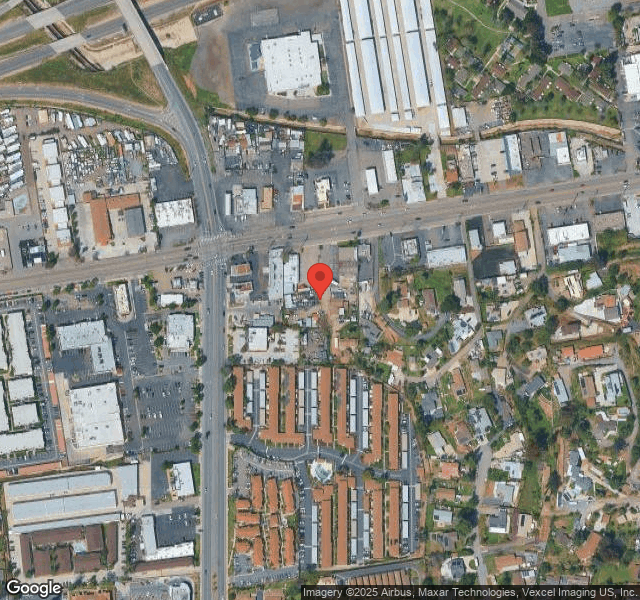
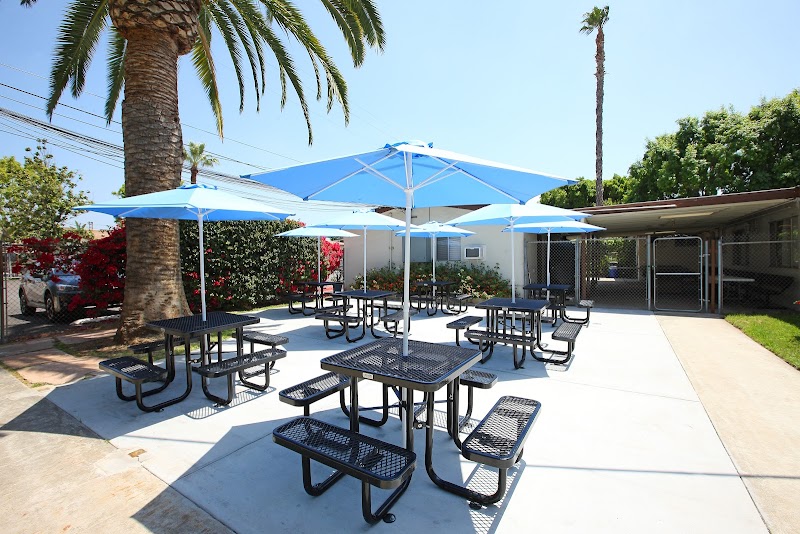
11962 WOODSIDE AVENUE, LAKESIDE, CA 92040 (619) 561-1222
For profit - Limited Liability company 94 Beds GENERATIONS HEALTHCARE Data: November 2025
Trust Grade
65/100
#383 of 1155 in CA
Last Inspection: February 2025

Within standard 12-15 month inspection cycle. Federal law requires annual inspections.

Overview

Lakeside Special Care Center has a Trust Grade of C+, which means it is slightly above average but not exceptional. In California, it ranks #383 out of 1155 facilities, placing it in the top half, and #45 out of 81 in San Diego County, indicating that only a few local options are better. The facility is facing a worrying trend, as the number of issues reported has increased from 3 to 6 over the past year. Staffing is a key strength, with a 5 out of 5 rating and a turnover rate of 35%, which is lower than the state average, suggesting that staff are stable and familiar with the residents. While there have been no fines, some specific concerns were noted, such as a failure to ensure a licensed nurse checked meal trays for residents, which could lead to incorrect diets, and incomplete food storage practices that pose a risk for foodborne illness. Overall, while there are notable strengths in staffing and no fines, the facility has areas that need significant improvement.

Trust Score
C+
65/100
In California
#383/1155
Top 33%
Safety Record
High Risk
Review needed
Inspections
Getting Worse
3 → 6 violations
Staff Stability
○ Average
35% turnover. Near California's 48% average. Typical for the industry.
Penalties
✓ Good
No fines on record. Clean compliance history, better than most California facilities.
Skilled Nurses
○ Average
Each resident gets 38 minutes of Registered Nurse (RN) attention daily — about average for California. RNs are the most trained staff who monitor for health changes.
Violations
⚠ Watch
12 deficiencies on record. Higher than average. Multiple issues found across inspections.
★★★★☆
4.0
Overall Rating
★★★★★
5.0
Staff Levels
★★★★★
5.0
Care Quality
★★☆☆☆
2.0
Inspection Score
Stable
2024: 3 issues
2025: 6 issues

The Good

  • 5-Star Staffing Rating · Excellent nurse staffing levels
  • 5-Star Quality Measures · Strong clinical quality outcomes
  • Full Sprinkler Coverage · Fire safety systems throughout facility
  • No fines on record
  • Staff turnover below average (35%)

    13 points below California average of 48%

Facility shows strength in staffing levels, quality measures, fire safety.

The Bad

Staff Turnover: 35%

11pts below California avg (46%)

Typical for the industry

Chain: GENERATIONS HEALTHCARE

Part of a multi-facility chain

Ask about local staffing decisions and management

The Ugly 12 deficiencies on record

Feb 2025 5 deficiencies
CONCERN (D)

Potential for Harm - no one hurt, but risky conditions existed

Medication Errors (Tag F0758)

Could have caused harm · This affected 1 resident

**NOTE- TERMS IN BRACKETS HAVE BEEN EDITED TO PROTECT CONFIDENTIALITY** Based on interview and record review, the facility failed to ensure two of four residents (Resident 14 and Resident 21) reviewed...

Read full inspector narrative →
**NOTE- TERMS IN BRACKETS HAVE BEEN EDITED TO PROTECT CONFIDENTIALITY** Based on interview and record review, the facility failed to ensure two of four residents (Resident 14 and Resident 21) reviewed for antipsychotic (a class of drugs that treat symptoms of mental disorder by altering brain function) medication use had an approved indication. This failure had the potential to result in unnecessary use of psychotropic medication. Findings: 1. Resident 21 was re-admitted to the facility on [DATE] with diagnoses which included schizoaffective (a mental health condition that may interfere with a resident's ability to think, manage emotions, make decisions, and relate to others) disorder per the admission Record. A review of Resident 21's medical record was conducted. Per the Order Summary Report, dated 3/28/23, Resident 21 was taking Risperidone (an antipsychotic medication) three milligrams at bedtime for schizoaffective disorder. The same document, dated 10/16/23, indicated, SCHIZOAFFECTIVE DISORDER, UNSPECIFIED AEB [As Evidence By- target behavior] requesting horny pills. On 2/13/25 at 9:35 A.M., an interview was conducted with Licensed Nurse (LN) 1. LN 1 stated Resident 21 had episodes of asking for horny pills. LN 1 further stated she would not be the best person to say if the behavior monitoring was appropriate. On 2/13/25 at 12:36 P.M., an interview was conducted with Certified Nursing Assistant (CNA) 2. CNA 2 stated Resident 21 had episodes of agitation, like yelling and screaming at the staff and peers. CNA 2 further stated that Resident 21 had an angry outburst, and she had not heard Resident 21 seeking for horny pills. On 2/13/25 at 1:08 P.M., an interview was conducted with the Consultant Pharmacist (CP). The CP stated she would have to call back to say if the behavior monitoring for Resident 21's antipsychotic medication was appropriate or not. The CP further stated she thought the behavior, such as requesting horny pills as behavior was ok but had room to improve. On 2/13/25 at 2:05 P.M., an interview was conducted with the Director of Nursing (DON). The DON stated antipsychotic medication should have specific behavior monitoring. The DON further stated behavior monitoring should have been hallucinations, risks for self-harm, or others. The DON stated requesting horny pills was not appropriate behavior monitoring for Resident 21. A review of the facility's policy and procedure (P&P) titled, Psychotropic Medication Use, dated July 2022 was conducted. The P&P indicated, .Residents will not receive medications that are not clinically indicated to treat a specific condition . Drugs in the following categories are considered psychotropic medications and are subject to prescribing, monitoring, and review requirements specific to psychotropic medications: a. Anti-psychotics .Psychotropic medication management includes .adequate monitoring for efficacy and adverse consequences .Consideration of the use of any psychotropic medication is based on comprehensive review of the resident .evaluation of the resident's signs and symptoms in order to identify underlying causes . 2. Resident 14 was admitted to the facility on [DATE] with diagnoses including Parkinsonism (a brain condition causing slowed movements, stiffness and tremors) and dementia (an impairment of brain function, such as memory loss and judgment) according to the facility's admission Record. During an observation on 2/11/25 at 7:30 A.M. Resident 14 was in his room in bed with his eyes closed. A review of Resident 14's physician's orders was conducted on 2/11/25 at 9:50 A.M. The physician's orders indicated, .Anti-Psychotic Monitor episodes of Mental Disorder/TBI [Traumatic Brain Injury] AEB [as evidenced by]: sexually inappropriate behavior-attempting to kiss staff. Drug: Haldol [a medication to treat disconnection from reality and other mental health conditions referred to as an antipsychotic medication], every shift .Order date 10/16/23 . An interview was conducted on 2/12/25 at 2:18 P.M. with Certified Nurse Assistant (CNA) 5. CNA 5 stated he had been assigned to Resident 14 and Resident 14 roamed around the halls, ate his meals wherever he wanted and took naps after smoke breaks. CNA 5 stated in the past, Resident 14 touched staff's private areas, but not lately. CNA 5 further stated Resident 14 did not strike out or provoke others. An interview was conducted on 2/12/25 at 2:25 P.M. with CNA 6. CNA 6 stated Resident 14's dementia had advanced and had repetitive talking and cursing but was not combative. CNA 6 stated he had not seen Resident 14 touching or grabbing others. CNA 6 stated Resident 14 was able to follow directions at times and other times not. During an interview and joint record review on 2/12/25 at 2:30 P.M. with Licensed Nurse (LN) 7, LN 7 stated she was assigned to Resident 14. LN 7 stated Resident 14 did not hit others but reached and grabbed staff's private areas. LN 7 reviewed the physician's orders for Resident 14. LN 7 stated Resident 14 had physician's orders for Haldol 5 mg [milligrams] twice a day for attempting to kiss staff. LN 7 stated kissing staff was not harmful and was not an appropriate behavior monitoring for the use of an antipsychotic medication. During an observation on 2/13/25 at 8:50 A.M., Resident 14 was in the hallway propelling his wheelchair using his feet and was not attempting to touch others. A review of Resident 14's Care plan for At risk for becoming physically aggressive towards others AEB unsolicited behavior, initiated on 6/3/24, revised on 2/8, and 2/15/25 was conducted. The goal of care plan indicated, Will not harm self or others . The care plan did not reflect monitoring of inappropriate sexual behavior. An interview was conducted on 2/13/25 at 12:53 P.M. with the Consultant Pharmacist (CP). The CP stated there were no recommendations for Resident 14 during the January 2025 Medication Regimen Review. The CP stated Resident 14's behavior monitoring for attempting to kiss staff for the use of Haldol was appropriate. The CP stated she was not sure of the Federal Regulations regarding appropriate behavior manifestations for the use on an antipsychotic medication for elderly residents with dementia. An interview was conducted on 2/13/25 at 1:27 P.M., with the Director of Nursing (DON). The DON stated behavior monitoring for the use of an antipsychotic medication should be when there was a risk for self-harm or harm to others. The DON further stated it was important to follow the regulations, for staff to know what they were looking for and monitor for any changes. A review of the facility's policy and procedure (P&P) titled, Psychotropic Medication Use, dated July 2022 was conducted. The P&P indicated, .Residents will not receive medications that are not clinically indicated to treat a specific condition .Drugs in the following categories are considered psychotropic medications and are subject to prescribing, monitoring, and review requirements specific to psychotropic medications: a. Anti-psychotics .Psychotropic medication management includes .adequate monitoring for efficacy and adverse consequences .Consideration of the use of any psychotropic medication is based on comprehensive review of the resident .evaluation of the resident's signs and symptoms in order to identify underlying causes .
CONCERN (D)

Potential for Harm - no one hurt, but risky conditions existed

Medical Records (Tag F0842)

Could have caused harm · This affected 1 resident

**NOTE- TERMS IN BRACKETS HAVE BEEN EDITED TO PROTECT CONFIDENTIALITY** Based on interview and record review, the facility failed to ensure a resident's medical record was completed for one of 23 samp...

Read full inspector narrative →
**NOTE- TERMS IN BRACKETS HAVE BEEN EDITED TO PROTECT CONFIDENTIALITY** Based on interview and record review, the facility failed to ensure a resident's medical record was completed for one of 23 sampled residents (Resident 99) when the licensed nurse (LN) did not document that the physician was notified of the resident's refusal for chest X-ray (CXR- an imaging test to create a picture of the structures in the chest, including the lungs, heart, and rib cage). As a result, Resident 99's medical record did not provide continuity of care between the care team. Findings: Resident 99 was admitted to the facility on [DATE] with diagnoses which included dysphagia (difficulty swallowing), per the admission Record. Per the same document, Resident 99 was transferred to the hospital on [DATE]. A review of Resident 99's medical record was conducted. Per the Progress Notes, the following data were written: On 11/14/24, LN 2 documented Resident 99's productive cough. The physician ordered a CXR to rule out pneumonia (lung infection). On 11/18/24, LN 3 documented Resident 99 refused the CXR. There was no documented evidence that the physician was made aware of the resident's refusal for CXR. On 2/13/25 at 10:30 A.M., LN 3 was interviewed. LN 3 stated she called the physician and left a message on the answering machine, but she did not receive a call back from them. LN 3 further stated she should have documented that the physician was informed of Resident 99's refusal. On 2/13/25 at 2:05 P.M., an interview was conducted with the Director of Nursing (DON). The DON stated the LNs should have documented the resident's refusal in the medical records. Per the facility's policy and procedure titled Charting and Documentation, dated 7/17, .Documentation of procedure and treatment .notification of family, physician or other staff .
CONCERN (E)

Potential for Harm - no one hurt, but risky conditions existed

Accident Prevention (Tag F0689)

Could have caused harm · This affected multiple residents

**NOTE- TERMS IN BRACKETS HAVE BEEN EDITED TO PROTECT CONFIDENTIALITY** Based on observation, interview, and record review, the facility failed to ensure a licensed nurse checked the meal trays for ni...

Read full inspector narrative →
**NOTE- TERMS IN BRACKETS HAVE BEEN EDITED TO PROTECT CONFIDENTIALITY** Based on observation, interview, and record review, the facility failed to ensure a licensed nurse checked the meal trays for nine residents in Cottage Two during dining observation. This failure put residents at risk of receiving the incorrect diet based on their medical needs. Findings: On 2/10/25 at 12:08 P.M., a lunch observation was conducted. A Staff Member (SM) was observed pushing a cart from the hallway to the dining area, calling out, Appetizer is here .Appetizer is here! The SM parked the cart inside the dining room. Residents were seated in the dining room and a female resident left the dining area to call another residents. Nine residents were seated in the dining table and were served with the appetizer [cantaloupe] and drinks. After serving the appetizer, the SM removed the appetizer cart from the dining area and returned with the meal cart On 2/10/25 at 12:15 P.M., the SM served the nine residents their meal trays. There was no licensed nurse present to provide supervision in the dining [NAME] while meal trays were being served to the residents by the SM. The residents completed their meals, carried their trays to the sorting area, and left the dining area individually. On 2/10/25, at 12:29 P.M., an interview was conducted with certified nursing assistant (CNA 1). CNA 1 entered the dining room and stated, Oh, residents were finished? CNA 1 acknowledged the LN should have been in the dining room while residents were eating and should have checked the trays before serving to the residents. On 2/10/25 at 12:45 P.M., the SM was interviewed. The SM stated she was a student and had completed the training. The SM further stated she was waiting to take the exam to become a certified nursing assistant (CNA). The SM stated she called out that the appetizer was here, but the LN did not show up and proceeded to serve the meal trays to the residents. The SM further stated the licensed nurse (LN) did not check the meal trays before she gave them to the residents. On 2/10/25 at 12:55 P.M., an interview was conducted with LN 1. LN 1 stated she should have been in the dining room to check the meal trays before the staff passed them to the residents for their safety. LN 1 further stated she should have been in the dining room while the residents were eating to ensure residents did not share foods, take other peer's food, and for safety. On 2/13/25 at 2:05 P.M., an interview was conducted with the Director of Nursing (DON). The DON stated the staff member who served the trays was a care provider and an employee of the facility. The DON stated the facility's policy was for the staff, such as the care provider, to check and pass the meal trays. The DON further stated she looked at the regulations and did not see that a licensed nurse was required to check the meal trays. Per the facility's policy and procedure titled Tray Identification, dated 4/07, .Staff (Licensed Nurse, Certified Nursing Assistant, Care Partner, Paid Feeding Assistants, and/or any other personnel trained in diets) shall check each food tray for the correct diet before serving to residents . The facility's policy and procedure did not match the regulations. Per the California Code of Regulations, dated 2010, Title 22, § 72311 - Nursing Service-General - section (c), Licensed nursing personnel shall ensure that patients [Residents] are served the diets as ordered by the attending licensed healthcare practitioner acting within the scope of his or her professional licensure.
CONCERN (E)

Potential for Harm - no one hurt, but risky conditions existed

Food Safety (Tag F0812)

Could have caused harm · This affected multiple residents

Based on observation, interview, and record review, the facility failed to ensure food stored and prepared in the kitchen was in accordance with standards of practice when food items were not labeled....

Read full inspector narrative →
Based on observation, interview, and record review, the facility failed to ensure food stored and prepared in the kitchen was in accordance with standards of practice when food items were not labeled. In addition, the temperature log was incomplete, and there was an icicle build-up in the reach-in freezer. These failures could cause food-borne illness, and icicle build-up may affect the food's palatability and texture. Based on observation, interview, and record review, the facility failed to ensure storage of food items inside the refrigerator were labeled. In addition, the temperature log was not completed, and the freezer was not maintained in a sanitary manner. These failures had the potential to cause food-borne illness and may affect the texture and palatability of food. Findings: 1. On 2/11/25 at 10:54 A.M., an initial tour of the kitchen and observation was conducted with the Director of Dietary Services (DDS). Inside the reach-in refrigerator was a transparent container with a green-colored lid with an unknown white, smooth, and creamy substance inside. The container was labeled open 2/9/25. The DDS stated the item should have been labeled with the name of the food item inside the container. In the same reach-in refrigerator was a large clear plastic tub filled with small plastic containers with lids. The small individual containers contained a smooth, creamy yellow, and white substance with similar consistency to yogurt and apple sauce. The plastic tub was unlabeled and undated. The DDS stated the stored items should have been labeled indicating the food items and the date it was prepared. A metal pan was observed on the shelf in the walk-in refrigerator. Inside the pan were two large frozen meats and unlabeled. The DDS identified the frozen meat were roast beef and should have been labeled and dated. In addition, two large amounts of thick ice build-up covered he top of shelf inside the reach-in freezer. The DDS stated temperature checks should have been done daily and documented. Per the facility's policy and procedure titled Food Safety Program, dated 1/27/12, .The temperature must be checked at least once each day .All foods prepared in operation must be covered and labeled as to contents and date of preparation prior to storage in refrigerators . 2. A review of the Daily Temperature Check log was conducted 2/10/25 at 7:55 A.M., from 2/7/25 until 2/9/25. The Daily Temperature Check log was blank. The DDS stated temperature checks should have been done daily and documented. Per the facility's policy and procedure titled Food Safety Program, dated 1/27/12, .The temperature must be checked at least once each day .All foods prepared in operation must be covered and labeled as to contents and date of preparation prior to storage in refrigerators .
MINOR (B)

Minor Issue - procedural, no safety impact

Deficiency F0912 (Tag F0912)

Minor procedural issue · This affected multiple residents

**NOTE- TERMS IN BRACKETS HAVE BEEN EDITED TO PROTECT CONFIDENTIALITY** Based on observation, interview and record review, the facility failed to meet the minimum requirement of 80 square feet (sq. ft...

Read full inspector narrative →
**NOTE- TERMS IN BRACKETS HAVE BEEN EDITED TO PROTECT CONFIDENTIALITY** Based on observation, interview and record review, the facility failed to meet the minimum requirement of 80 square feet (sq. ft.) per resident, for 26 of 27 resident rooms. This failure had the potential to affect resident's health, safety, quality of care, or quality of life. Findings: During 2/10/25 through 2/13/25, 27 resident rooms were observed. All rooms were neat and clutter free. Throughout the survey, residents were interviewed, both individually and during a group interview. The residents voiced no complaints related to privacy, the environment, or their shared rooms. A review of the facility's Client Accommodation Analysis indicated there were 27 resident rooms and 26 rooms did not meet the minimum room size requirement. There were 7 rooms in Cottage 1: room [ROOM NUMBER], had 3 resident occupancy, 72 sq. ft. per resident, totaling 216 sq. ft. room [ROOM NUMBER], had 3 resident occupancy, 72 sq. ft. per resident, totaling 216 sq. ft. room [ROOM NUMBER], had 3 resident occupancy, 72 sq. ft. per resident, totaling 216 sq. ft. room [ROOM NUMBER], had 3 resident occupancy, 74 sq. ft. per resident, totaling 222 sq. ft. room [ROOM NUMBER], had 3 resident occupancy, 74 sq. ft. per resident, totaling 222 sq. ft. room [ROOM NUMBER], had 3 resident occupancy, 72 sq. ft. per resident, totaling 216 sq. ft. room [ROOM NUMBER], had 3 resident occupancy, 72 sq. ft. per resident, totaling 216 sq. ft. There were 12 rooms (201-212) in Cottage 2. All the rooms had 4 resident occupancy, 70.4 sq. ft. per resident, totaling 281.75 sq. ft. There were 8 rooms in Cottage 3: room [ROOM NUMBER], had 3 resident occupancy, 72 sq. ft. per resident, totaling 216 sq. ft. room [ROOM NUMBER], had 3 resident occupancy, 72 sq. ft. per resident, totaling 216 sq. ft. room [ROOM NUMBER], had 3 resident occupancy, 72 sq. ft. per resident, totaling 216 sq. ft. room [ROOM NUMBER], had 3 resident occupancy, 73 sq. ft. per resident, totaling 219 sq. ft. room [ROOM NUMBER], had 3 resident occupancy, 73 sq. ft. per resident, totaling 219 sq. ft. room [ROOM NUMBER], had 4 resident occupancy, 74.5 sq. ft. per resident, totaling 298 sq. ft. room [ROOM NUMBER], had 4 resident occupancy, 74.5 sq. ft. per resident, totaling 297 sq. ft. room [ROOM NUMBER], had 2 resident occupancy, 98 sq. ft. per resident, totaling 196 sq. ft. The variations in room size requirement did not adversely affect the resident's health, safety, quality of care, or quality of life during the survey. Continuance of the room size waiver for all affected rooms was recommended.
Feb 2025 1 deficiency
CONCERN (D) 📢 Someone Reported This

A family member, employee, or ombudsman was alarmed enough to file a formal complaint

Potential for Harm - no one hurt, but risky conditions existed

Free from Abuse/Neglect (Tag F0600)

Could have caused harm · This affected 1 resident

**NOTE- TERMS IN BRACKETS HAVE BEEN EDITED TO PROTECT CONFIDENTIALITY** Based on interview and record review, the facility failed to protect one of one residents (Resident 1) from sexual abuse when a ...

Read full inspector narrative →
**NOTE- TERMS IN BRACKETS HAVE BEEN EDITED TO PROTECT CONFIDENTIALITY** Based on interview and record review, the facility failed to protect one of one residents (Resident 1) from sexual abuse when a Certified Nursing Assistant (CNA1) engaged in a consensual sexual act with a resident. This failure placed Resident 1 at risk for emotional distress, psychological trauma, mistrust of health care providers, and disruption in the patient's ability to receive proper medical care. Findings: On 1/14/25, the California Department of Public Health (CDPH) received a facility reported incident from the facility to report an incident in which CNA 1 had sexual relations with Resident 1 inside his bedroom. On 1/24/25 at 9:30 A.M. an on-site visit was conducted by CDPH to investigate the incident. According to the admission Record, Resident 1 was admitted to the facility on [DATE] with diagnoses which included bipolar disorder (a mental illness that causes extreme shifts in moods) , post-traumatic stress disorder ( a condition in which a person has difficulty recovering after experiencing or witnessing a terrifying event), schizoaffective disorder (a disorder that includes symptoms such as hallucinations, delusions with mood disorder symptoms). A review of Resident 1's Electronic Health Record indicated Resident 1 was placed under conservatorship (a legal status in which a court appoints a person to assume guardianship over an adult) on 7/8/24. According to the History and Physical dated 8/9/24, [Resident 1] does not have capacity to make medical decisions . A review of the Minimum Data Set (MDS, an assessment tool) dated 11/13/24 indicated Resident 1 was cognitively intact with a BIMS (a tool to measure cognition) score of 14. On 1/24/25 at 9:44 A.M. an interview was conducted with Resident 1. Resident 1 stated he met CNA 1 after he was admitted to the facility. Resident 1 stated, .after a couple weeks we developed a friendship. We talked about books . Resident 1 stated CNA 1 visited him at the facility on days when she was not scheduled to work. In addition, Resident 1 stated CNA 1 gifted him with three books and wrote messages for him on the inside cover of the books. Resident 1 stated he had asked her to perform a sexual act on him and .we were like friends with benefits. On 1/24/25 at 12:36 P.M. a telephone interview was conducted with CNA 1. CNA 1 stated, Basically, I developed feelings for [Resident 1] and he developed feelings for me . CNA 1 stated she had frequent conversations with Resident 1 that were unrelated to her role as his caregiver. CNA 1 stated I know it's against policy .We shouldn't be talking to residents in a way that doesn't have to do with my job . CNA 1 acknowledged purchasing books for Resident 1 as gifts. In addition, CNA 1 stated she wrote Resident 1 a letter to let him know, I daydream about hanging out with him. CNA 1 stated she started having a personal relationship with Resident 1 around late November 2024. CNA 1 stated she performed a sexual act with Resident 1 at the facility, inside his bedroom. CNA 1 stated, .I know it was wrong because it was unprofessional to have a personal relationship with a patient. That's why I confessed, I felt guilty . CNA 1 stated she believed she had an in-service at the facility regarding inappropriate relationships with residents but does not remember the date of training. A record review on 1/24/25 of CNA 1's employee file indicated 8/19/24 as the date of hire. The employee file indicated CNA 1 was given an Abuse in-service on 8/19/24 and completed the Compliance and Ethics Program on 12/6/24. On 1/24/25 at 1:09 P.M. a telephone interview was conducted with CNA 2. CNA 2 stated she was aware that CNA 1 had sexual relations with Resident 1. CNA 2 stated, [CNA 1] verbalized that she [performed a sexual act] to [Resident 1] .she told me, and I reported it to the abuse coordinator .because it sounds like sexual abuse. On 1/24/25 at 2:03 P.M. an interview was conducted with the Director of Staff Development (DSD). The DSD stated, I was very shocked, I never thought it was in [CNA 1]'s character [to perform a sexual act on a resident] . The DSD stated, [CNA 1] should have known better .you have to maintain boundaries for the benefit of the residents .because of the situation, you know, that it was between a CNA and a resident, I'd say it was abuse. On 2/6/25 at 11:30 A.M. an interview was conducted with the Director of Nursing (DON). The DON stated her expectation was for staff to always maintain professionalism with residents. The DON stated any sexual relationship between a staff member and resident is never acceptable, per the facility's policy and Code of Conduct. A record review was conducted on 1/24/25. According to the facility's undated Employee Handbook, Standards of Conduct .All employees are expected to act in a mature, professional manner at all times .19. Resident Relationships. Unauthorized socializing, to include socializing through written or on-line communication, with current or former residents within or outside the Facility, which is beyond that of meeting the resident's needs and which serves no rehabilitative purpose . A record review was conducted on 1/24/25. A review of the facility's policy titled Sexual Conduct of Residents revised 9/2023 did not provide guidance regarding interpersonal and/or sexual relations between residents and staff members. A record review was conducted on 1/24/25. A review of the facility's policy titled Abuse Prevention Program, dated 7/1/20 indicated, Our residents have the right to be free from abuse, neglect, misappropriation of resident property and exploitation. This includes but is not limited to freedom from .mental, sexual or physical abuse .
Mar 2024 2 deficiencies
CONCERN (D) 📢 Someone Reported This

A family member, employee, or ombudsman was alarmed enough to file a formal complaint

Potential for Harm - no one hurt, but risky conditions existed

Free from Abuse/Neglect (Tag F0600)

Could have caused harm · This affected 1 resident

**NOTE- TERMS IN BRACKETS HAVE BEEN EDITED TO PROTECT CONFIDENTIALITY** Based on observation, interview, and record review, the facility failed to ensure 1 of 6 residents (Resident 2) was free from ph...

Read full inspector narrative →
**NOTE- TERMS IN BRACKETS HAVE BEEN EDITED TO PROTECT CONFIDENTIALITY** Based on observation, interview, and record review, the facility failed to ensure 1 of 6 residents (Resident 2) was free from physical abuse when Resident 1, who had a history of hearing voices and responding with physical aggression, was removed from 1:1 supervision (continuous supervision provided by an assigned staff member) and placed on q15 (every 15 minutes) location monitoring which the facility had determined was ineffective in managing the resident's aggressive behavior. As a result, Resident 1, while on q15 location monitoring, hit Resident 2 in the eye. Resident 2 sustained a bruise to the right eye and was sent to the hospital for evaluation. This had the potential for Resident 2 to experience pain, psychosocial distress, and trauma. Findings: A review of Resident 2's admission Record indicated the resident was admitted to the facility on [DATE]. A review of Resident 1's admission Record indicated the resident was admitted to the facility on [DATE] with diagnoses including schizoaffective disorder (a mental disorder characterized by abnormal though processes and an unstable mood), and impulse disorder (a condition that makes it difficult to control actions or reactions). A review of Resident 1's Psychiatry Progress notes, dated 6/19/23, indicated resident had auditory hallucinations (hearing things that are not there) and he continues to endorse voices, grandiose delusions [false beliefs], and violent impulses. A review of Resident 1's nursing progress notes indicated that the resident had altercations on the following dates: · 5/14/23 at 5:35 P.M. - Resident 1 came into the dining room and hit the female resident with a full lotion container, hit the female resident in the L (left) side of the face . Resident 1 was heard swearing/posturing screaming/yelling and said ' how do you like it [expletive]? · 6/10/23 at 3:07 P.M. - Resident 1 threw water at two different CNA (certified nurse assistant) staff and half cup of water at LN (licensed nurse). Resident (Resident 1) stated he is hearing voices .Resident (Resident 1) then later went into the hallway and attempted to throw a bottle of lotion at peer, but hit CNA thigh. · 6/12/23 at 10:47 P.M. - Resident 1 was on monitoring q15 due to aggressive behavior towards peers. A review of Resident 1's Behavior note, dated 6/12/23 at 12:29 P.M., indicated Resident 1 threw water at a peer and picked up a chair and hit peer with the chair. · 12/29/23 at 1:30 P.M. - Resident 1 stuck [sic] peer in the hallway in face . · 1/6/24 at 8:17 A.M. - Resident 1 was involved in an incident in which he struck a peer. · 1/17/24 at 8:41 P.M. - the resident continued expressing thoughts of harming others, stating ' the voices in my head are telling me to hurt you. They want me to rape.' · 2/17/24 at 2:23 P.M. - writer heard a disturbance from down the hallway. [Resident 1] assaulted select peer x2 unprovoked .when conversating about why he did it he explained that the voices told him to do it. A review of Resident 1's interdisciplinary team (IDT- a group of healthcare professionals with various areas of expertise) note, dated 1/18/24 at 8:43 A.M., indicated Resident 1 became agitated while responding to internal stimulation, resulting in him assaulting a peer and as of recent [Resident 1] has been involved in multiple instances in which [Resident 1] has acted in an aggressive manner, making assaultive physical contact with peers. All the noted incidents are related to his hallucinations, voices instructing him to harm others. The note further indicated, the team has implemented various approaches; IE Q-15 checks [location monitoring] .None of the above have been successful in altering assaultive behavior. Resident 1 was sent to an acute psychiatric hospital for further evaluation per the IDT note. A review of Resident 1's IDT note dated, 1/29/24, indicated that Resident 1 returned to the facility from a psychiatric hospital. Per the IDT note, the resident was calm upon returning from the psychiatric hospital, however despite [Resident 1's] current disposition the potential for combative/assaultive behavior remain. 1:1 monitoring was implemented as a new approach ensure the safety of the residents. A review of Resident 1's IDT note, dated 2/14/2024 at 12 P.M., indicated that Resident 1's 1:1 supervision was discontinued, due to appropriately seeking out nursing staff to verbalize feelings. According to the note, Resident 1 was placed on q15 minute safety checks (location monitoring). On 2/22/24 at 12 P.M., an interview was conducted with the Program Counselor (PC). The PC stated that 1:1 monitoring worked well for Resident 1. The PC stated that 1:1 monitoring allowed Resident 1 to have a staff member present to talk to him during episodes of hearing voices/hallucinating. The PC further stated 1:1 monitoring kept others safe from Resident 1 and Resident 1 may not always self-report hearing voices if he is only on q15 monitoring. The PC stated that Resident 1 is not 100% fine, he is fine until the voices get to him. He responds well when someone is right there. On 3/6/24 at 9:15A.M., an interview with Resident 2 was conducted. Resident 2 stated while walking down the hall in Cottage 2, Resident 1 told him to eff off and hit Resident 2 on the outer corner of his right eye. Resident 2 stated he fell to his knees and had pain in his right eye. On 3/6/24 at 12:55P.M., an interview with CNA 1 was conducted. CNA 1 stated a q15 monitoring meant to see what residents are doing and where they are and that they are only documenting the resident's location. CNA 1 stated that during a 1:1 monitoring, Resident 1 was constantly reassured and reminded to report hearing voices. CNA 1 stated asking [the resident] if they are ok would help more than just looking to see where they are. On 3/7/24 at 1:50 P.M., an interview was conducted with LN 1 and LN 2. LN 1 stated that Resident 1 had no incidences of physical aggression while on 1:1 monitoring. LN 1 stated that while on 1:1 monitoring, the CNA would bring Resident 1 to the licensed nurse and talk him down. LN 1 and LN 2 both stated that 1:1 monitoring worked well for Resident 1 and Resident 1 should have stayed on 1:1 monitoring to prevent physical aggression towards others. On 3/6/24 at 12:15 P.M., a joint record review and interview was conducted with the facility's Assistant Director of Nursing (ADON). A record review indicated Resident 1 did not have any incidences of physical or verbal aggression while on 1:1 monitoring. The ADON stated that Resident 1 was placed on 1:1 safety monitoring on 1/29/24 to not put people at risk. The ADON indicated that q15 safety checks meant putting eyes on a resident and noting their location on the unit and demeanor. The ADON stated that Resident 1 should not have been downgraded to q15 safety checks from 1:1 monitoring. The ADON stated physical abuse occurred with Resident 2. On 3/6/2024 at 12:50 P.M., an interview was conducted with the administrator (ADM) who stated Resident 2 was not free from physical abuse. The ADM further stated, that's why we reported it. A review of the facility's policy titled Abuse Prevention Program effective 7/1/20 indicated Our residents have the right to be free from abuse .As part of the resident abuse prevention, the administration will: 1. Protect our residents from abuse by anyone including, but not necessarily limited to .other residents .
CONCERN (D) 📢 Someone Reported This

A family member, employee, or ombudsman was alarmed enough to file a formal complaint

Potential for Harm - no one hurt, but risky conditions existed

Comprehensive Care Plan (Tag F0656)

Could have caused harm · This affected 1 resident

**NOTE- TERMS IN BRACKETS HAVE BEEN EDITED TO PROTECT CONFIDENTIALITY** Based on interviews and record review, the facility failed to develop an individualized care plan for one of seven residents (Re...

Read full inspector narrative →
**NOTE- TERMS IN BRACKETS HAVE BEEN EDITED TO PROTECT CONFIDENTIALITY** Based on interviews and record review, the facility failed to develop an individualized care plan for one of seven residents (Resident 1) when Resident 1's care plan did not address the resident's behavior of responding to auditory hallucinations by hitting others. This failure had the potential for Resident 1 to not receive the care he needed and could potentially result in Resident 1 injuring himself or others. Findings: A review of Resident 1's undated admission Record indicated the resident was re-admitted to the facility on [DATE] with diagnoses that included schizoaffective disorder (a mental disorder characterized by abnormal though processes and an unstable mood), impulse behavior (a condition that makes it difficult to control actions or reactions). A review of Resident 1's Nursing Progress Note, dated 1/29/24, indicated the resident returned to the facility from an acute psychiatric hospital. The progress note further indicated that the recent acute stay was in relation to [Resident 1]'s increase in internal stim [sic] with commands to harm others. The progress note indicated Resident 1 was placed on 1:1 supervision (continuous supervision for the resident by an assigned staff member). A review of Resident 1's Nursing Progress Note, dated 2/14/24, indicated Resident 1 was appropriately seeking out nursing staff to verbalize feelings and 1:1 supervision discontinued per IDT (define) review .[Resident 1] placed on q15 min (every 15 minutes) safety checks (monitoring the resident's location and activity every 15 minutes). A review of Resident 1's Nursing Progress Note, dated 2/19/24, indicated Resident 1 struck another resident, Resident 2, on the side of the face. During an interview with Certified Nurse Assistant (CNA) 1 on 2/22/24 at 11:40 A.M., CNA1 stated q15 monitoring consisted of tracking and logging Resident 1's whereabouts and activity (ie. standing, sitting in bed, etc). CNA 1 stated 1:1 monitoring was effective for Resident 1 because Resident 1 would not always let staff know when he was hearing voices. CNA 1 stated that when a resident was placed on 1:1, there was always someone there to talk to. During an interview with the Program Counselor (PC), the PC stated that 1:1 monitoring kept others safe from Resident 1. The PC stated that Resident 1 did not always self-report voices and did not always tell staff how he was feeling. With 1:1 monitoring, a staff member was always present to redirect Resident 1 and [Resident 1] responded well when someone is right there. During an interview with Licensed Nurse (LN) 1 on 3/6/24 at 1:40 P.M., LN 1 stated Resident 1 had no incidents of aggression during 1:1 monitoring. LN 1 stated during 1:1 monitoring, Resident 1 told the assigned staff member when he was hearing voices. LN 1 stated the assigned staff member would bring Resident 1 to a licensed nurse for a PRN (as needed) medication before Resident 1 had an opportunity to become physically aggressive due to hearing voices. During an interview with LN 2 on 3/7/24 at 11:00 A.M., LN 2 stated the purpose of a care plan was to direct staff on what care should be provided to a resident. LN 2 stated care plan interventions should be individualized based on a resident's specific needs. LN 2 stated developing an individualized care plan provides the best possible care for a resident. On 3/7/24 at 12:15 P.M., a concurrent interview and record review was conducted with the Assistant Director of Nursing (ADON). A review of an IDT (Interdisciplinary Team) note from 1/18/24 listed various approaches implemented to address Resident 1's aggressive behavior. One of the approaches was q15 monitoring. The IDT note indicated, None of the above [approaches] have been successful in altering assaultive behavior. The ADON stated that Resident 1 should not have been downgraded to q15 safety checks from 1:1 monitoring. Per ADON, Resident 1 did not regularly self-report episodes of auditory hallucinations. The ADON stated 1:1 monitoring would have been more effective to monitor Resident 1's mood/distressed behaviors. The ADON stated individualizing the care plan for Resident 1 might have worked better for him instead of just checking his location. A review of the facility's Policy and Procedure entitled Abuse-Resident to Resident Altercation indicated, The interdisciplinary team completes a resident assessment and develops a care plan to address resident's distressed behaviors.
Mar 2024 1 deficiency
CONCERN (D)

Potential for Harm - no one hurt, but risky conditions existed

Food Safety (Tag F0812)

Could have caused harm · This affected 1 resident

Based on observation, interview, and record review, the facility failed to ensure food safety practices were maintained in the kitchen according to standards of practice and facility policy when: 1. ...

Read full inspector narrative →
Based on observation, interview, and record review, the facility failed to ensure food safety practices were maintained in the kitchen according to standards of practice and facility policy when: 1. Food ingredients did not have dates when opened and 2. Expired prune juice bottles were in the dry storage room. This deficient practice had the potential to place residents at risk of developing foodborne illness. Findings: A kitchen concurrent observation and interview was conducted on 2/27/24, at 10:40 A.M. with the dietary supervisor (DS). Containers of food ingredients were observed on a shelf next to the stove. Opened and half empty containers of imitation vanilla and corn starch were on the shelf. There were no stickers on the containers to indicate when they were first opened. The DS stated staff should have added dates when they were opened. During a concurrent observation and interview on 2/28/24, at 12:20 P.M. with the DS, two bottles of prune juices were observed on a shelf. Both bottles of prune juices had an expiration date of 1/2024. The DS stated the expired prune juices should not have been in the dry storage room. An interview was conducted with the DS on 2/29/24, at 10:59 A.M. The DS stated the date food items were opened should be placed on the containers for staff to know that they are fresh. The DS further stated expired food or beverage items should be removed from storage to prevent serving expired food or beverage to residents. A review of the facility's policy and procedure (P&P) titled, Labeling and Dating of Foods, dated 2023, the P&P indicated, .Newly opened food items will need to be closed and labeled with an open date and use by date . A review of the facility's policy and procedure (P&P) titled, Storage of Food and Supplies, dated 2023, the P&P indicated, .No food will be kept longer than the expiration on the product .
Dec 2023 1 deficiency
CONCERN (D) 📢 Someone Reported This

A family member, employee, or ombudsman was alarmed enough to file a formal complaint

Potential for Harm - no one hurt, but risky conditions existed

Accident Prevention (Tag F0689)

Could have caused harm · This affected 1 resident

**NOTE- TERMS IN BRACKETS HAVE BEEN EDITED TO PROTECT CONFIDENTIALITY** Based on interview, and record review, the facility failed to identify and eliminate the risk for elopement for 1 of 2 sampled r...

Read full inspector narrative →
**NOTE- TERMS IN BRACKETS HAVE BEEN EDITED TO PROTECT CONFIDENTIALITY** Based on interview, and record review, the facility failed to identify and eliminate the risk for elopement for 1 of 2 sampled residents (1) when the facility placed a temporary fence against the permanent wall. As a result, Resident 1 used the temporary fence to elope from a secure unit, and Resident 1's safety was at risk. Findings: Resident 1 was admitted to the facility on [DATE] with diagnoses which included schizophrenia (mental disorder) and substance use disorder, per the facility's admission Record. A record review was conducted. Per the admission Data Collection and Baseline Care Plan Tool, dated 11/14/23, Resident 1 was at risk for elopement related to involuntary placement and history of elopement. Resident 1 was placed in a locked or secured facility. Per the MDS (Minimum Data Set- assessment tool that measures health status), dated 11/22/23, Resident 1 scored 10 out of 15 (meaning Resident 1 was moderately cognitively impaired). Per the Progress Notes, dated 12/2/23 at 2:30 P.M., Licensed Nurse (LN) 1 documented that Resident 1 was AWOL (absent without official leave) by jumping the fence on the back patio; the gardener and peer notified LN 1. On 12/5/23 at 1:20 P.M., an interview was conducted with the Administrator (ADM). The ADM stated Resident 1 used the temporary six-foot fence to climb the eight-foot fence and left the secure unit. Resident 1 ran toward the east side of the building, to the gasoline station, and got inside a car. Resident 1's whereabouts were unknown. The ADM further stated if the temporary fence was not there Resident 1 would not be able to elope. On 12/5/23 at 3 P.M., an interview was conducted with the Superintendent (Supt). The Supt stated they had to access the electrical panels, and they put a temporary fence to discourage residents from wandering around the electrical panels. The Supt stated he received a report that Resident 1 used the temporary fence to leave the secure unit unassisted. The Supt further stated that the temporary fence had been placed for two weeks, and they did not anticipate that Resident 1 would climb it. Per the facility's policy and procedure, dated 9/19/22, titled Elopement/Missing Resident, .Facilities are responsible for identifying and assessing a resident's risk for leaving the facility without notification to staff and developing interventions to address this risk .
May 2022 2 deficiencies
CONCERN (D)

Potential for Harm - no one hurt, but risky conditions existed

Food Safety (Tag F0812)

Could have caused harm · This affected 1 resident

Based on observation, interview and record review, the facility failed to ensure that a beard restraint was worn by an employee during food preparation. This failure had the potential to cause foodbor...

Read full inspector narrative →
Based on observation, interview and record review, the facility failed to ensure that a beard restraint was worn by an employee during food preparation. This failure had the potential to cause foodborne illness in the facility. Finding: An observation of the kitchen's tray line (a task for staff to prepare food for serving to residents) was conducted on 5/18/22 at 12:59 P.M. The dietary aide (DA)1, who had a full beard, was adding food to the trays and was not wearing a beard restraint (covers facial hair). An interview was conducted with the Dietary Services Supervisor (DSS) on 5/18/22 at 1:04 P.M. The DSS stated, We are out of them (beard restraints); not wearing one can cause hair to fall in the food. An interview was conducted with the Director of Nursing (DON) on 5/19/22 at 10 A.M. The DON stated, It is an Infection Control issue. A review of the facility's policy titled, Employee Sanitary Practices, dated 2017, indicated, Policy: All nutrition and food service employees will practice good personal hygiene and safe food handling practices .Procedure: All employees will: 1. wear hair restraints (hair net,hat and/or beard restraint to prevent hair from contacting exposed food .
MINOR (B)

Minor Issue - procedural, no safety impact

Deficiency F0912 (Tag F0912)

Minor procedural issue · This affected multiple residents

**NOTE- TERMS IN BRACKETS HAVE BEEN EDITED TO PROTECT CONFIDENTIALITY** Based on observation, interview and record review, the facility failed to meet the minimum requirement of 80 square feet (sq. ft...

Read full inspector narrative →
**NOTE- TERMS IN BRACKETS HAVE BEEN EDITED TO PROTECT CONFIDENTIALITY** Based on observation, interview and record review, the facility failed to meet the minimum requirement of 80 square feet (sq. ft.) per resident, for 26 of 27 resident rooms. This failure had the potential to affect resident's health, safety, quality of care, or quality of life. Findings: During 5/16/22 through 5/19/22, 27 resident rooms were observed. All rooms were neat and clutter free. Throughout the survey, residents were interviewed, both individually and during a group interview, and residents' voiced no complaints related to privacy, the environment, or their shared rooms. A review of the facility's Client Accommodation Analysis indicated there were 27 resident rooms and 26 rooms did not meet the minimum room size requirement. There were 7 rooms in Cottage 1: room [ROOM NUMBER], had 3 resident occupancy, 72 sq. ft. per resident, totaling 216 sq. ft. room [ROOM NUMBER], had 3 resident occupancy, 72 sq. ft. per resident, totaling 216 sq. ft. room [ROOM NUMBER], had 3 resident occupancy, 72 sq. ft. per resident, totaling 216 sq. ft. room [ROOM NUMBER], had 3 resident occupancy, 74 sq. ft. per resident, totaling 222 sq. ft. room [ROOM NUMBER], had 3 resident occupancy, 74 sq. ft. per resident, totaling 222 sq. ft. room [ROOM NUMBER], had 3 resident occupancy, 72 sq. ft. per resident, totaling 216 sq. ft. room [ROOM NUMBER], had 3 resident occupancy, 72 sq. ft. per resident, totaling 216 sq. ft. There were 12 rooms (201-212) in Cottage 2. All the rooms had 4 resident occupancy, 70.4 sq. ft. per resident, totaling 281.75 sq. ft. There were 7 rooms in Cottage 3: room [ROOM NUMBER], had 3 resident occupancy, 72 sq. ft. per resident, totaling 216 sq. ft. room [ROOM NUMBER], had 3 resident occupancy, 72 sq. ft. per resident, totaling 216 sq. ft. room [ROOM NUMBER], had 3 resident occupancy, 72 sq. ft. per resident, totaling 216 sq. ft. room [ROOM NUMBER], had 3 resident occupancy, 73 sq. ft. per resident, totaling 219 sq. ft. room [ROOM NUMBER], had 3 resident occupancy, 73 sq. ft. per resident, totaling 219 sq. ft. room [ROOM NUMBER], had 4 resident occupancy, 74.5 sq. ft. per resident, totaling 298 sq. ft. room [ROOM NUMBER], had 4 resident occupancy, 74.5 sq. ft. per resident, totaling 298 sq. ft. room [ROOM NUMBER], had 2 resident occupancy, 98 sq. ft. per resident, totaling 219 sq. ft. The variations in room size requirement did not adversely affect the resident's health, safety, quality of care, or quality of life during the survey. Continuance of the room size waiver for all affected rooms was recommended.
Understanding Severity Codes (click to expand)
Life-Threatening (Immediate Jeopardy)
J - Isolated K - Pattern L - Widespread
Actual Harm
G - Isolated H - Pattern I - Widespread
Potential for Harm
D - Isolated E - Pattern F - Widespread
No Harm (Minor)
A - Isolated B - Pattern C - Widespread

Questions to Ask on Your Visit

  • "What safeguards are in place to prevent abuse and neglect?"
  • "Can I speak with families of current residents?"
  • "What's your RN coverage like on weekends and overnight?"

Our Honest Assessment

Strengths
  • • No fines on record. Clean compliance history, better than most California facilities.
  • • 35% turnover. Below California's 48% average. Good staff retention means consistent care.
Concerns
  • • Multiple safety concerns identified: Federal abuse finding. Review inspection reports carefully.
  • • 12 deficiencies on record. Higher than average. Multiple issues found across inspections.
Bottom line: This facility has a substantiated abuse finding. Extreme caution advised. Explore alternatives.

About This Facility

What is Lakeside Special's CMS Rating?

CMS assigns LAKESIDE SPECIAL CARE CENTER an overall rating of 4 out of 5 stars, which is considered above average nationally. Within California, this rating places the facility higher than 99% of the state's 100 nursing homes. This rating reflects solid performance across the metrics CMS uses to evaluate nursing home quality.

How is Lakeside Special Staffed?

CMS rates LAKESIDE SPECIAL CARE CENTER's staffing level at 5 out of 5 stars, which is much above average compared to other nursing homes. Staff turnover is 35%, compared to the California average of 46%. This relatively stable workforce can support continuity of care.

What Have Inspectors Found at Lakeside Special?

State health inspectors documented 12 deficiencies at LAKESIDE SPECIAL CARE CENTER during 2022 to 2025. These included: 10 with potential for harm and 2 minor or isolated issues.

Who Owns and Operates Lakeside Special?

LAKESIDE SPECIAL CARE CENTER is owned by a for-profit company. For-profit facilities operate as businesses with obligations to shareholders or private owners. The facility is operated by GENERATIONS HEALTHCARE, a chain that manages multiple nursing homes. With 94 certified beds and approximately 116 residents (about 123% occupancy), it is a smaller facility located in LAKESIDE, California.

How Does Lakeside Special Compare to Other California Nursing Homes?

Compared to the 100 nursing homes in California, LAKESIDE SPECIAL CARE CENTER's overall rating (4 stars) is above the state average of 3.2, staff turnover (35%) is significantly lower than the state average of 46%, and health inspection rating (2 stars) is below the national benchmark.

What Should Families Ask When Visiting Lakeside Special?

Based on this facility's data, families visiting should ask: "What safeguards and monitoring systems are in place to protect residents from abuse or neglect?" "Can I visit during a mealtime to observe dining assistance and food quality?" "How do you handle medical emergencies, and what is your hospital transfer rate?" "Can I speak with family members of current residents about their experience?" These questions are particularly relevant given the substantiated abuse finding on record.

Is Lakeside Special Safe?

Based on CMS inspection data, LAKESIDE SPECIAL CARE CENTER has documented safety concerns. The facility has 1 substantiated abuse finding (meaning confirmed case of resident harm by staff or other residents). The facility has a 4-star overall rating and ranks #1 of 100 nursing homes in California. Families considering this facility should ask detailed questions about what corrective actions have been taken since these incidents.

Do Nurses at Lakeside Special Stick Around?

LAKESIDE SPECIAL CARE CENTER has a staff turnover rate of 35%, which is about average for California nursing homes (state average: 46%). Moderate turnover is common in nursing homes, but families should still ask about staff tenure and how the facility maintains care continuity when employees leave.

Was Lakeside Special Ever Fined?

LAKESIDE SPECIAL CARE CENTER has no federal fines on record. CMS issues fines when nursing homes fail to meet care standards or don't correct problems found during inspections. The absence of fines suggests the facility has either maintained compliance or corrected any issues before penalties were assessed. This is a positive indicator, though families should still review recent inspection reports for the full picture.

Is Lakeside Special on Any Federal Watch List?

LAKESIDE SPECIAL CARE CENTER is not on any federal watch list. The most significant is the Special Focus Facility (SFF) program, which identifies the bottom 1% of nursing homes nationally based on persistent, serious quality problems. Not being on this list means the facility has avoided the pattern of deficiencies that triggers enhanced federal oversight. This is a positive indicator, though families should still review the facility's inspection history directly.