BELLA VISTA HEALTH CENTER
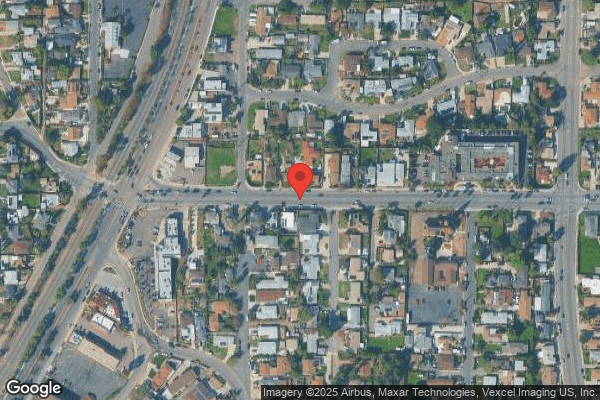
7922 PALM STREET, LEMON GROVE, CA 91945 (619) 644-1000
For profit - Limited Liability company 99 Beds Independent Data: November 2025
Trust Grade
80/100
#24 of 1155 in CA
Last Inspection: July 2024

Within standard 12-15 month inspection cycle. Federal law requires annual inspections.

Overview

Bella Vista Health Center in Lemon Grove, California has a Trust Grade of B+, indicating it is above average and recommended for families considering care options. The facility ranks #24 out of 1,155 nursing homes in California, placing it in the top half of the state, and #3 out of 81 in San Diego County, suggesting there are only two local facilities that perform better. However, the trend is worsening, with reported issues increasing from 2 in 2023 to 4 in 2024. Staffing is average, with a rating of 3 out of 5 stars and a turnover rate of 48%, which is on par with the state's average. Notably, there have been no fines reported, which is a positive sign, and the facility has more RN coverage than 86% of California facilities, enhancing the quality of care. On a more concerning note, the facility has had issues with infection control and food handling practices. For example, kitchen staff failed to wash their hands properly between tasks, which could lead to foodborne illnesses, and staff members did not consistently follow proper personal protective equipment protocols in designated isolation areas. These incidents highlight areas for improvement, despite the overall favorable ratings. Families should weigh these strengths and weaknesses when considering Bella Vista Health Center for their loved ones.

Trust Score
B+
80/100
In California
#24/1155
Top 2%
Safety Record
Low Risk
No red flags
Inspections
Getting Worse
2 → 4 violations
Staff Stability
⚠ Watch
48% turnover. Above average. Higher turnover means staff may not know residents' routines.
Penalties
✓ Good
No fines on record. Clean compliance history, better than most California facilities.
Skilled Nurses
✓ Good
Each resident gets 55 minutes of Registered Nurse (RN) attention daily — more than average for California. RNs are trained to catch health problems early.
Violations
⚠ Watch
28 deficiencies on record. Higher than average. Multiple issues found across inspections.
★★★★★
5.0
Overall Rating
★★★☆☆
3.0
Staff Levels
★★★★★
5.0
Care Quality
★★★★☆
4.0
Inspection Score
Stable
2023: 2 issues
2024: 4 issues

The Good

  • 5-Star Quality Measures · Strong clinical quality outcomes
  • Full Sprinkler Coverage · Fire safety systems throughout facility
  • No fines on record

Facility shows strength in quality measures, fire safety.

The Bad

Staff Turnover: 48%

Near California avg (46%)

Higher turnover may affect care consistency

The Ugly 28 deficiencies on record

Jul 2024 3 deficiencies
CONCERN (D)

Potential for Harm - no one hurt, but risky conditions existed

Deficiency F0645 (Tag F0645)

Could have caused harm · This affected 1 resident

Based on record review, interview, and facility policy review, the facility failed to ensure a Level I Preadmission Screening and Resident Review (PASRR) accurately reflected the presence of a diagnos...

Read full inspector narrative →
Based on record review, interview, and facility policy review, the facility failed to ensure a Level I Preadmission Screening and Resident Review (PASRR) accurately reflected the presence of a diagnosed mental disorder for 1 (Resident #44) of 5 residents reviewed for PASRR requirements. Findings included: An undated facility policy titled, Preadmission Screening and Resident Review revealed, Purpose: To ensure that all facility applicants are screened for mental illness and/or intellectual disability and to ensure coordination with the appropriate state agencies if indicated. The policy specified, II. The Facility, ensures that PASRR Level I is completed either by the transferring general acute care hospital (GACH), or by the Facility for all applicants, regardless of Payor source, prior to admission to determine if they have a serious mental illness (SMI) and/or intellectual disability, developmental disability or related condition(s) (ID/DD/RC). An admission Record revealed the facility admitted Resident #44 on 06/04/2024. According to the admission Record, the resident had a medical history that included a diagnosis of major depressive disorder, with an onset date of 06/04/2024. An admission Minimum Data Set (MDS), with an Assessment Reference Date (ARD) of 06/08/2024, revealed Resident #44 had a Brief Interview for Mental Status (BIMS) score of 12, which indicated the resident had moderate cognitive impairment. The MDS indicated the resident had an active diagnosis of depression. Resident #44's care plan included a Focus area initiated on 06/05/2024, that indicated the resident exhibited negative mood/behaviors related to depression. A Focus area, initiated on 06/06/2024, indicated the resident received citalopram (an antidepressant medication) related to a diagnosis of mental illness, specifically depression. Resident #44's Preadmission Screening and Resident Review (PASRR) Level I Screening, dated 06/03/2024, revealed the resident's diagnosis of major depressive disorder was not reflected. The question related to whether the resident had a serious diagnosed mental disorder such as depressive disorder, anxiety disorder, panic disorder, schizophrenia/schizoaffective disorder, or symptoms of psychosis, delusions, and/or mood disturbance was answered no, resulting in a negative screening; thus, a Level II evaluation was not required. During an interview on 07/25/2024 at 10:54 AM, Medical Records (MR) Staff #1 stated that she was responsible for reviewing PASRRs completed by the hospital to make sure they were correct. MR Staff #1 said if a resident had a mental illness, it had to be reflected on their PASRR. MR Staff #1 said she was responsible for submitting another PASRR if the one completed by the hospital was not accurate and did not reflect all diagnoses. During an interview on 07/26/2024 at 10:00 AM, the Director of Nursing (DON) stated facility staff pulled PASRRs from the system but indicated they should be reviewing them for accuracy and updating them if needed. During an interview on 07/26/2024 at 10:55 AM, the Administrator stated she expected PASRRs to be complete and accurate.
CONCERN (D)

Potential for Harm - no one hurt, but risky conditions existed

Deficiency F0761 (Tag F0761)

Could have caused harm · This affected 1 resident

Based on observation, interview, and facility policy review, the facility failed to ensure expired medications and/or biologicals were removed from 1 (Station 1) of 2 medication storage rooms and 1 of...

Read full inspector narrative →
Based on observation, interview, and facility policy review, the facility failed to ensure expired medications and/or biologicals were removed from 1 (Station 1) of 2 medication storage rooms and 1 of 1 central supply closet. Findings included: A facility policy titled, Storage of Medications, revised in 11/2020, indicated, The facility stores all drugs and biologicals in a safe, secure, and orderly manner. The policy specified, Discontinued, outdated, or deteriorated drugs or biologicals are returned to the dispensing pharmacy or destroyed. An observation on 07/24/2024 at 12:07 PM of the medication storage room located on Station 1 revealed a Nozin Nasal Sanitizer with an expiration date of 03/2024. During an interview on 07/25/2024 at 12:09 PM, Registered Nurse (RN) #3 stated the Nozin Nasal Sanitizer was not supposed to be in the medication storage room, because it was expired. An observation on 07/24/2024 at 12:16 PM of the central supply closet revealed two boxes of Tucks (medicated pads) with an expiration date of 03/2024. During an interview on 07/25/2024 at 12:13 PM, the Director of Nursing (DON) said a routine check of stored medications should be conducted weekly. The DON said when expired medications were found, they should be discarded. The DON confirmed the Nozin Nasal Sanitizer and two boxes of Tucks should have been discarded prior to the survey. During an interview on 07/26/2024 at 10:57 AM, the Administrator said there should be no expired medications in any medication storage areas. The Administrator stated expired medications should be removed and disposed of.
CONCERN (F)

Potential for Harm - no one hurt, but risky conditions existed

Infection Control (Tag F0880)

Could have caused harm · This affected most or all residents

Deficiency Text Not Available

Read full inspector narrative →
Deficiency Text Not Available
Feb 2024 1 deficiency
CONCERN (D) 📢 Someone Reported This

A family member, employee, or ombudsman was alarmed enough to file a formal complaint

Potential for Harm - no one hurt, but risky conditions existed

Pressure Ulcer Prevention (Tag F0686)

Could have caused harm · This affected 1 resident

**NOTE- TERMS IN BRACKETS HAVE BEEN EDITED TO PROTECT CONFIDENTIALITY** Based on observation, interview, and record review, the facility failed to provide the necessary care and treatment to a residen...

Read full inspector narrative →
**NOTE- TERMS IN BRACKETS HAVE BEEN EDITED TO PROTECT CONFIDENTIALITY** Based on observation, interview, and record review, the facility failed to provide the necessary care and treatment to a resident's (1) identified skin issues (redness of the buttocks), for one of three sampled residents, when Resident 1's physician was not informed of the resident's skin condition during admission to the facility. The delayed care and treatment to Resident 1's skin issues had the potential to worsen Resident 1's skin condition. Findings: On 2/9/24, an unannounced onsite at the facility was conducted related to a complaint on quality of care. During a review of the facility's admission Record, dated 12/31/23, the admission Record indicated Resident 1 was admitted to the facility, with diagnoses which included generalized body weakness, dementia (inability to think, remember and reason), hemiplegia (paralysis that affect one side of the body), and hemiparesis (weakness or inability to move on one side of the body). During a review of Resident 1's minimum data set (MDS, an assessment tool), dated 1/2/24, indicated Resident 1's brief interview for mental status (BIMS, ability to recall) score was 7, which meant Resident 1's cognition was severely impaired. The functional abilities section of the MDS indicated Resident 1 required maximum assistance when repositioning in bed. During a review of Resident 1's undated acute care hospital (ACH) record, indicated Resident 1 had no skin issues [no rashes or ecchymosis - bruises]. During a review of Resident 1's skin measurement observation form completed by Licensed Nurse (LN) 1 dated 1/14/24, indicated LN 1 documented Resident 1 had moisture associated skin damage (MASD, caused by prolonged exposure to various sources of moisture, including urine or stool, perspiration, wound exudate, mucus, saliva, and their contents) at the buttocks. During a review of Resident 1's Treatment Administration Record (TAR) for January 2024, indicated Resident 1 started receiving treatment of her buttocks on 1/2/24. During a joint observation of Resident 1 and an interview with Resident 1's personal caregiver (PC) on 2/9/24 at 12:13 P.M., PC stated she came to the facility every day. PC stated Resident 1 had some redness on her buttocks. PC opened Resident 1's incontinence brief and showed Resident 1's buttocks. Resident 1 had a red, open area at the buttocks, with dry flaky skin surrounding the open area. During a concurrent interview with LN 2 and a review of Resident 1's record on 2/9/24 at 4:17 P.M., LN 2 stated she admitted Resident 1 to the facility on [DATE]. LN 2 stated Resident 1 had redness on her groin and sacral area upon the initial skin assessment. LN 2 stated Resident 1 was diabetic and given her age was prone to skin issues. LN 2 stated if there was redness, there should be a barrier cream (protects the skin from external irritants) applied to the affected area. LN 2 stated she did not recall calling the physician. During a telephone interview with LN 1 on 2/15/24 at 11 A.M., LN 1 stated he did a thorough skin assessment on Resident 1 on 1/2/24 and noted Resident 1's skin redness of her buttocks and was assessed as MASD. LN 1 stated Resident 1 started getting treatment of her buttocks on 1/2/24. LN 1 stated the facility's policy was, Upon identifying the resident's skin issues, the LN has to inform the physician to get an order for the barrier cream or triad paste because you don't want the skin condition to get worse and try to treat it right away. During a telephone interview with the Director of Nursing (DON) on 2/15/24 at 2:40 P.M., the DON stated the expectation was if there were skin issues, the LNs should notify the doctor and have initiated the treatment because the skin condition could worsen overnight. During a review of the facility's policy titled, Prevention of Pressure Injuries, revised April 2020, the policy indicated, Purpose - The purpose of this procedure is to provide information regarding identification of pressure injury risk factors and interventions for specific risk factors .Prevention .Skin Care .4. Use a barrier product to protect skin from moisture .Monitoring, I. Evaluate, report and document potential changes in the skin .
Feb 2023 1 deficiency
CONCERN (D) 📢 Someone Reported This

A family member, employee, or ombudsman was alarmed enough to file a formal complaint

Potential for Harm - no one hurt, but risky conditions existed

Transfer Requirements (Tag F0622)

Could have caused harm · This affected 1 resident

**NOTE- TERMS IN BRACKETS HAVE BEEN EDITED TO PROTECT CONFIDENTIALITY** Based on staff interviews and review of the facility documents, the facility failed to ensure a safe discharge was provided for ...

Read full inspector narrative →
**NOTE- TERMS IN BRACKETS HAVE BEEN EDITED TO PROTECT CONFIDENTIALITY** Based on staff interviews and review of the facility documents, the facility failed to ensure a safe discharge was provided for one of three sampled residents (1). As a result, Resident 1 was readmitted to the acute hospital. Findings: On 2/2/23 at 1:42 P.M., an unannounced onsite visit was conducted related to inappropriate discharge. On 2/2/23, Resident 1 ' s records was reviewed. Resident 1 was readmitted to the facility on [DATE], with diagnoses which included Parkinson ' s disease (a brain disorder that causes unintended or uncontrollable movements, such as shaking, stiffness, and difficulty with balance and coordination), per the facility ' s admission Record. Resident 1's history and physical dated 11/22/22 was conducted. The physician documented, Resident 1 had the capacity to understand and make decisions. Resident 1 ' s Discharge summary dated , 1/10/23 electronically signed by a licensed nurse (LN) 2 indicated, Resident went home alert and confused for HH [Home Health], PT [physical therapy], RT [sic] and RN [name of the home health agency] via wheelchair transportation and p/u [picked up] by ambulance . On 2/2/23 at 2:10 P.M., an interview with case manager (CM) 1 was conducted. CM 1 stated Resident 1 was admitted to the facility for physical, occupational, and speech therapy. CM 1 stated Resident 1 was discharged because his insurance determinedthat Resident 1 ' s condition had improved. CM 1 stated it was a planned discharged and that Resident 1 was discharged to a board and care. CM 1 also stated the licensed nurses (LNs) were responsible to get a discharge order from the physician. On 2/2/23 at 3:25 P.M., an interview with LN 1 was conducted. LN 1 stated Resident 1 was alert and oriented, and needed some assistance because of his Parkinson ' s. LN 1 stated he was not working the day Resident 1 was discharged from the facility. On 2/2/23 at 4:36 P.M., an interview with Physical Therapist (PT) 1 was conducted. PT 1 stated Resident 1 was discharged from the physical therapy because he had progressed and his insurance was exhausted. On 2/2/23 at 4:45 P.M., a concurrent interview and record review was conducted with the Director of Nursing (DON) and CM 1. The DON stated Resident 1 was seen by the attending physician on 1/5/23 and approved him to be discharged . However, the DON stated she did not find any discharge order for Resident 1. The DON stated the expectation was for LNs to obtain a discharge order from the physician to ensure resident's safety and a confirmation from the physician that the resident was ready to go home. The DON also stated the discharge summary was not detailed that should have included resident ' s progress, treatment rendered from the time of admission until his exit (discharge) including Resident 1 ' s safe discharge. A review of the facility ' s policy, titled Discharge Summary and Plan, revised December 2016, indicated, Policy Statement: Residents will be prepared in advance for discharge .When a resident ' s discharge is anticipated, a discharge summary .will be developed to assist the resident to adjust to his/her new living environment .2. The discharge summary will include recapitulation of the resident ' s stay at this facility .shall include a description of the resident ' s: .c. course of illness, treatment and/ or therapy since entering the facility .f. ability to perform activities of daily living .h. nutritional status and requirement .3. Nursing services is responsible for: a. obtaining orders for discharge or transfer, as well as the recommended discharge services .
Jan 2023 1 deficiency
CONCERN (D) 📢 Someone Reported This

A family member, employee, or ombudsman was alarmed enough to file a formal complaint

Potential for Harm - no one hurt, but risky conditions existed

Resident Rights (Tag F0550)

Could have caused harm · This affected 1 resident

**NOTE- TERMS IN BRACKETS HAVE BEEN EDITED TO PROTECT CONFIDENTIALITY** Based on interview and record review, the facility failed to provide medical records for 1 sampled resident, Resident 1. As a re...

Read full inspector narrative →
**NOTE- TERMS IN BRACKETS HAVE BEEN EDITED TO PROTECT CONFIDENTIALITY** Based on interview and record review, the facility failed to provide medical records for 1 sampled resident, Resident 1. As a result, Resident 1's Representative received the medical records four months after requested. Findings: Per the admission Record, Resident 1 (R1) was admitted to the facility on [DATE] with diagnosis including Alzheimer's disease. On 7/13/22 at 10 A.M., R1's Resident Representative (RR2) stated, I requested my mom's medical records from the facility on 6/1/22. I attached the records request, the POA (Power of Attorney, a legally binding document that allows you to appoint someone to manage property, medical or financial matters) and my license to the email I sent. Review of R1's admission Record, contact list listed RR2 as R1's Responsible Party, POA. RR2 was listed as R1's POA for care matters and financial affairs. On 1/25/23 at 12:54 P.M., during an interview with the Administrator (ADM), ADM stated, I received an email from (RR2) on 6/1/22. I forwarded it to our Director of Medical Records (DMR). DMR went on leave around that time. The ADM further stated, I did not know that (DMR) did not receive the email. On 1/25/23 at 1 P.M. an interview was conducted with RR2. RR2 stated, I did not receive the medical records until October 3, 2022. Review of the facility's policy titled, Access to Personal and Medical Records dated, May 2017 indicated .1. A resident may submit his/her request either orally or in writing for access to personal or medical information pertaining to him/her .3. If the format requested by the resident is not available, then the record will be provided in a form and format agreed to by the resident .5. The resident may obtain a copy of his or her personal or medical record within two business days of an oral or written request.
Jan 2022 12 deficiencies
CONCERN (D)

Potential for Harm - no one hurt, but risky conditions existed

Deficiency F0557 (Tag F0557)

Could have caused harm · This affected 1 resident

**NOTE- TERMS IN BRACKETS HAVE BEEN EDITED TO PROTECT CONFIDENTIALITY** 2. Resident 297 was admitted to the facility on [DATE], with diagnoses that include left hip replacement, per the facility's adm...

Read full inspector narrative →
**NOTE- TERMS IN BRACKETS HAVE BEEN EDITED TO PROTECT CONFIDENTIALITY** 2. Resident 297 was admitted to the facility on [DATE], with diagnoses that include left hip replacement, per the facility's admission Record. On 1/25/22, a review of Resident 297's MDS (an assessment tool), dated 01/20/22, indicated a BIMS Score (Brief Interview of Mental Status-test for cognitive function) was 15 out of 15, indicating cognition was intact. On 1/24/22 at 4:11 P.M., a concurrent observation and interview was conducted with Resident 297. Resident 297 was in a room with another resident who was noted to be wandering about their room in a wheelchair opening and closing the bedside table. Resident 297 had two hospital bags at bedside labeled with his name from a hospital. Resident 297 stated, these bags have been here since admission on [DATE]. Resident 297 further stated, the staff never asked me or looked into what was in the bags and I did not tell them. Resident 297 presented one of the bags with the following medication containers: Tramadol (controlled substance for moderate pain) 50mg (milligrams) 1 tab by mouth daily PRN (as needed) Pain, Meloxicam (a medication for pain) 15mg (milligrams), 1 tab by mouth for pain, Atorvastatin (medication for cholesterol) 20mg 1 tab by mouth daily x2 bottles, Duloxetine (medication for depression) 20mg 1 tab by mouth daily, Carvedilol (medication for blood pressure) 6.25mg 1 tab by mouth daily, Xarelto (medication to prevent blood from clotting) 20mg 1 tab by mouth daily x2 bottles, Folic Acid (vitamin supplement) 1 tab by mouth daily, and Vitamin B-1 (vitamin supplement) 100mg 1 tab by mouth daily. On 1/24/22 at 5:15 P.M., an interview with LN 6 was conducted. LN 6 stated the medications should have been inventoried when the resident was admitted to the facility and this was not done. LN 6 stated medication should not be at the bedside and the bag of mediations were removed from Resident 297's room On 1/27/22 at 11:52 A.M., a concurrent interview and record review was conducted with the DON. The DON stated it was her expectation for the staff to inventory all personal items brought into the facility when a residentwas admitted . A review of Resident 297's medical chart with the DON was conducted. The DON was not able to locate an inventory sheet for Resident 297's personal property. The DON stated, The staff should have inventoried the residents' belongings upon being admitted to the facility. The DON further stated, The staff are not following the facility policy and procedure regarding personal property. According to the facility's policy, titled Personal Property, revised 2012, . 5. The resident's personal belongings and clothing shall be inventoried and documented upon admission and as such items are replenished. Based on observation, interview, and record review, the facility failed to: 1. Provide dignity and privacy to one of three residents (Resident 249) reviewed for urinary catheter (a flexible tube that collects urine from the bladder and leads to a drainage bag) care, when a dignity bag, (a solid colored bag, which covers the urine collection bag) was not properly placed over the catheter collection bag and was viewable from the hallway;. and 2. A resident's property was not safeguarded by having the property identified, inventoried and properly secured for one of one sampled residents (Resident 297), when a bag of prescription medications was found in a the residents' room. These failures had the potential to effect Resident 249's self esteem and for Resident 297's property to be lost or stolen. Findings: 1. Resident 249 was admitted to the facility on [DATE], with diagnoses which included chronic kidney disease (kidneys cannot filter blood and urine as they should), per the facility's admission Record. On 1/24/22 at 10:28 A.M., an observation was conducted from hallway. Resident 249 was in the bed closest to the doorway and a urinary catheter bag was hanging on the right side of the bed frame. The catheter bag had urine in it and the blue dignity bag was hanging by one strap next to the collection bag, with urine visible from the hallway. On 1/25/22 8:58 A.M., an observation was conducted from the hallway. Resident 249's catheter bag was attached to the right bed frame and the blue dignity bag was hanging to the right side of the collection bag. On 1/25/22 at 2:35 P.M., an observation was conducted from the hallway. Resident 249's room had been changed and his bed was viewable from the hallway. The catheter bag was lying flat on the floor and there was no dignity bag present. On 1/26/22 at 8:06 A.M., an interview was conducted with CNA 1. CNA 1 stated blue dignity bags should always be placed over urine bags, to promote the resident's dignity and privacy. On 1/26/22 at 8:08 A.M., an interview was conducted with LN 1. LN 1 stated urine collections bags should always be covered with dignity bags, no matter if the bag was visible or not. LN 1 stated dignity bags were for the resident's privacy and dignity On 1/27/22 at 8:40 A.M., an observation was conducted from the hallway. Resident 249's catheter bag was hanging on the right side of the bed frame. The dignity bag was hanging half-way below the catheter bag, with the bag and urine visible. On 1/28/22 at 11:11 A.M., an interview was conducted with the DON. The DON stated dignity bags were important for residents' dignity and privacy. The DON stated she expected urine bags to be covered at all times with blue dignity bags. According to the facility's policy titled, Dignity, dated February 2021, .12.Staff are expected to promote dignity and assist resident's; for example: a. helping the resident to keep urinary catheter bags covered
CONCERN (D)

Potential for Harm - no one hurt, but risky conditions existed

Assessment Accuracy (Tag F0641)

Could have caused harm · This affected 1 resident

**NOTE- TERMS IN BRACKETS HAVE BEEN EDITED TO PROTECT CONFIDENTIALITY** Based on observation, interview, and record review, the facility failed to accurately assess and document the dental needs for o...

Read full inspector narrative →
**NOTE- TERMS IN BRACKETS HAVE BEEN EDITED TO PROTECT CONFIDENTIALITY** Based on observation, interview, and record review, the facility failed to accurately assess and document the dental needs for one of three residents (Resident 32) reviewed for accuracy of MDS assessment. As a result, Resident 32's dental needs went unrecognized and untreated. Findings: Resident 32 was admitted to the facility on [DATE], with diagnoses which included dysphagia (difficulty swallowing), and protein-calorie malnutrition, per the facility's admission Record. On 1/25/22 at 8:45 A.M., Resident 34 was observed sitting up in bed. A breakfast tray was in front of her and 50% of the meal was consumed. Resident 34 smiled and appeared to have very few teeth in her mouth. Resident 34 did not speak when asked questions, but shook her head no, or nodded up and down for yes. On 1/25/22 at 11:59 A.M., an interview was conducted with Resident 32's Responsible Party (RP). The RP stated Resident 32 lost her dentures prior to admission to the facility. The RP stated Resident 32 could eat, but he would like her to have dentures, so she could chew better. On 1/26/22 at 8:13 A.M., an interview was conducted with CNA 3. CNA 3 stated if a resident had dental issues, they informed the LNs and it was recorded on a communication form for the SSD. CNA stated the SSD would follow up on dental needs once they were identified. On 1/26/22 at 08:18 A.M., an interview was conducted with LN 2. LN 2 stated CNAs would communicate resident dental needs to the LN and the LNs notify the SSD. On 1/26/22 at 8:50 A.M., an interview was conducted with the SSD. The SSD stated Resident 32 was last seen by the dentist on 9/18/21, and it was documented she had few teeth, but no problems eating. On 1/26/22, Resident 32's clinical record was reviewed: The Dental Progress Notes, dated 9/18/21, list the resident with upper/lower edentulous (lacking teeth). Resident indicated dentures were lost, with recommendation of follow up for replacement. The belongings inventory list, dated 1/21/21, list no dentures. The quarterly MDS (an assessment tool), dated 1/10/22, listed a cognitive score of 5, indicating severely impaired cognition. The Oral/Dental status was blank, indicating no broken or missing teeth, and no dentures. On 1/26/22 at 9:35 A.M., an interview was conducted with the MDSN. The MDSN stated when doing MDS documentation, she reviewed the medical record, interdisciplinary team meeting notes, and she would speak with the resident. The MDSN stated if she was not sure about dental needs, she would review the admission and quarterly nutrition assessment, which list the condition of a resident's teeth. The MDSN reviewed Resident 32's quarterly MDS assessment, dated 1/10/22, and stated she did not check the box, because she was under the impression the resident had proper fitting dentures. The MDSN stated she did not double check to make sure the information was correct, and she misrepresented the resident's dental needs when coding for MDS. On 1/26/22 at 9:47 A.M., an interview and record review was conducted with the DS. The DS stated she always documented teeth and dentures conditions on the admission assessments. The DS reviewed Resident 32's admission assessment dated , 1/22/21. The admission assessment did not indicate missing teeth and was left blank. The DS produced a handwritten assessment sheet, dated 1/22/21, stating she used this form to gather information at the bedside and then translated it on to the admission nutrition assessment. The handwritten sheet indicated Resident 32 had missing teeth. The DS stated she must have missed translating the dental information into the admission nutritional assessment. The DS stated her assessment was important because other departments used that information for developing direction of care, with goals and interventions. On 1/27/22 at 2:58 P.M., an interview was conducted with the DON. The DON stated all admission and quarterly assessments needed to be accurate for coding purposes through MDS. According to the facility's policy, titled Nutritional Assessment, dated October 2017, . 3. The nutritional assessment will be conducted .a. (5) current clinical conditions .that may affect a resident's nutritional status and risk factors .c. (3) The presence of chewing or allowing abnormalities, i,e. condition of mouth, teeth, gums .ability to chew or swallow food . According to CMS RAI version 3.0 manual, dated October 2016, section L0200, Dental/Oral Status, coding instructions for missing, broken teeth or ill-fitting, partial dentures.
CONCERN (D)

Potential for Harm - no one hurt, but risky conditions existed

Comprehensive Care Plan (Tag F0656)

Could have caused harm · This affected 1 resident

**NOTE- TERMS IN BRACKETS HAVE BEEN EDITED TO PROTECT CONFIDENTIALITY** Based on observation, interview, and record review, the facility failed to develop a person-centered care plan regarding refusal...

Read full inspector narrative →
**NOTE- TERMS IN BRACKETS HAVE BEEN EDITED TO PROTECT CONFIDENTIALITY** Based on observation, interview, and record review, the facility failed to develop a person-centered care plan regarding refusal of care, for one of eight residents (64) reviewed for individualized care plans. This failure had the potential to deny Resident 64 the care required to meet her daily needs. Findings: Resident 64 was admitted to the facility on [DATE], with diagnoses which included metabolic encephalopathy (an alteration in brain function and mental state), per the facility's admission Record. On 1/25/22 at 12:30 P.M., an observation was conducted in the resident's room. Resident 64 was the only occupant of the room and was asleep. A meal tray was sitting on the overbed table. The untouched meal consisted of scrambled eggs and four slices of toast on a plate. A small carton of orange juice, a container of milk, and a small carton of fortified milk shake (a drink containing extra calories and protein) sat on the tray. All drinks were unopened. On 1/26/22 at 11:45 A.M., an observation was conducted in the resident's room. Resident 64 was awake. A breakfast tray was on the bedside table. A plate contained four slices of french toast and two round meat patties. A bowl of oatmeal was beside the dinner plate. The meal on the plate and the bowl of oatmeal were untouched. On 1/27/22 at 11:33 A.M., an observation was conducted in the resident's room. A breakfast tray [NAME] the bedside table. A plate contained scrambled eggs and a large blueberry muffin. The plate of food was untouched. A small carton of milk and a glass of water (covered in plastic film) were both unopened. On 1/27/22 a record review was conducted. A review of the MDS indicated Resident 64 had a BIMS (Brief Interview for Mental Status) Score of 8 (mildly impaired) and required supervision with meals (encouragement and oversight). A review of Resident 64's food consumption was conducted under Tasks. On 1/25/22 Resident 64's percentage of amount eaten for the breakfast meal was recorded as 60% eaten. On 1/26/22 Resident 64's breakfast consumption was recorded as 70% eaten. On 1/27/22 breakfast consumption was recorded as 70% eaten. On 1/27/22 at 11:45 A.M., a joint observation and interview was conducted of Resident 64's meal tray with CNA 5. Resident 64's breakfast tray was untouched. CNA 5 stated Resident 64 had not eaten any breakfast. CNA 5 stated she had been taught to observe the amount of food consumed by a resident by assessing the percentage of food that remained on the plate. CNA 5 stated the percentage of food eaten was recorded in the electronic record under Tasks. On 1/27/22 at 11:49 A.M., a joint record review of Resident 64's food consumption assessment was conducted with CNA 5. CNA 5 stated she recorded Resident 64 had eaten 70% of her breakfast on 1/26/22 and 70% of her breakfast had been eaten on 1/27/22. CNA 5 stated she made a mistake. CNA 5 stated she had given Resident 64 some cottage cheese and fruit on 1/26/22 but this was not recorded. CNA 5 stated it was important to record food intake accurately because the doctor and the dietician needed to know how much food Resident 64 had eaten. CNA 5 stated Resident 64 might have lost weight. On 1/27/22 at 1 P.M., Resident 64's progress notes were reviewed. From admission on [DATE] through 1/27/22, Resident 64 refused to have her weekly weight taken (a total of eight attempts - 12/14/22, 12/19/21, 12/26/21, 1/2/22, 1/9/22, 1/21/22, 1/23/22 and 1/27/22). A review of Resident 64's care plan dated 12/27/21, included .Focus . Resident refuses to be weighed, uncooperative .Focus - At risk for unintended weight loss due to: resistance to care (refuses to be weighed) .throws away food .Goal - Needs will be met, and will accept care as offered. Interventions - Church Minister brings in food and resident accepts .Diet as ordered .Document and report to MD if significant weight change noted .Offer/provide substitutions if intake below 75% .Provide assistance with meals as needed . On 1/27/22 at 1:53 P.M., an interview was conducted with the RD. The RD stated Resident 64 was a challenge because she did not want to be bothered. The RD stated Resident 64 refused to allow the facility to weigh her, but Resident 64 ate a good amount of food. The RD did not know Resident 64 had refused meals. The RD stated she relied on the facility to inform her of Resident 64's food intake. The RD stated it was her expectation the facility would inform her if a resident refused meals. On 1/27/22 at 2:16 P.M., an interview and record review was conducted with the DON. The DON stated Resident 64 refused to have her weight recorded and refused meals. The DON stated Resident 64's care plan did not reflect the specific needs of the resident. The DON stated Resident 64's care plan needed to be individualized to address Resident 64's refusal of meals and refusal to have her weight recorded. The DON stated the facility would have to develop a plan of care that had measurable goals the staff could follow. The facility policy titled Care Plans, Comprehensive Person-Centered, dated 2016, included Policy Statement - A comprehensive, person-centered care plan that included measurable objectives and timetables to meet the resident's physical, psychosocial and functional needs is developed and implemented for each resident. Policy Interpretation and Implementation .8. The comprehensive, person-centered care plan will: a. include measurable objectives and timeframes .g. incorporate identified problem areas .m. aid in preventing or reducing decline in the resident's functional status and/or functional levels .10. Identifying problem areas and their causes, and developing interventions that are targeted and meaningful to the resident . The facility policy titled Interdepartmental Notification of Diet (Including Changes and Reports), dated October 2017, included .Policy Interpretation and Implementation .5. Nursing services shall notify the physician and dietitian when a nutritional problem (e.g. weight loss, pressure ulcer, eating problem, etc.) has been identified and shall collaborate with the dietitian and physician to initiate an appropriate process of clinical review for causes of the nutritional problem . The facility policy titled Weight Assessment and Intervention, dated September 2008, included Policy Statement - The multidisciplinary team will strive to prevent, monitor, and intervene for undesirable weight loss for our residents. Policy Interpretation and Implementation - Weight Assessment - 1. The nursing staff will measure residents' weights on admission, the next day, and weekly for two weeks thereafter. If no weight concerns are noted at this point, weights will be measured monthly thereafter .Care Planning .2. Individualized care plans shall address, to the extent possible: .c. time frames and parameters for monitoring and reassessment . The facility policy titled Nutrition (Impaired)/Unplanned Weight Loss - Clinical Protocol, dated September 2017, included Assessment and Recognition - 1. The nursing staff will monitor and document the weight and dietary intake of residents in a format which permits comparison over time. 2. The staff and physician will define the individual's current nutritional status (weight, food/fluid intake, and pertinent laboratory values) and identify individuals with anorexia, weight loss or gain, and significant risk for impaired nutrition . The facility policy titled Requesting, Refusing and/or Discontinuing Care or Treatment .Policy Interpretation and Implementation .5. If a resident/representative requests, discontinues or refuses care or treatment, an appropriate member of the interdisciplinary team (IDT) will meet with the resident/representative to: a. determine why he or she is requesting, refusing, or discontinuing care or treatment .c. discuss the potential outcomes or consequences (positive and negative) of the decision .
CONCERN (D)

Potential for Harm - no one hurt, but risky conditions existed

Accident Prevention (Tag F0689)

Could have caused harm · This affected 1 resident

**NOTE- TERMS IN BRACKETS HAVE BEEN EDITED TO PROTECT CONFIDENTIALITY** Based on observation, interview, and record review, the facility failed to secure a resident's personal medications, including a...

Read full inspector narrative →
**NOTE- TERMS IN BRACKETS HAVE BEEN EDITED TO PROTECT CONFIDENTIALITY** Based on observation, interview, and record review, the facility failed to secure a resident's personal medications, including a controlled substance for 1 of 1 resident (Resident 297), reviewed for accidents. In addition, residents and staff were at risk for injuries related to exposed sharps in one of two shower rooms. This failure puts residents at risk for accidents and hazards. Findings: 1. Resident 297 was admitted to the facility on [DATE], with diagnoses that include left hip replacement, per the facility's admission Record. On 1/24/22, a review of Resident 297's MDS (a health status screening and assessment tool), dated 01/20/22, indicated a BIMS (Brief Interview for Mental Status-test for cognitive function) was 15 out of 15, indicating cognition was intact. On 1/24/22 at 4:11 P.M., a concurrent observation and interview was conducted with Resident 297. Resident 297 was in a room with another resident (Resident 58) who was noted to be wandering about their room in a wheelchair, opening and closing the bedside table. Resident 297 had two hospital bags at bedside labeled with his name. Resident 297 stated, these bags have been here since admission on [DATE]. Resident 297 further stated, the staff never asked me or looked into what was in the bags and I did not tell them. Resident 297 presented one of the bags with the following medication containers in them: Tramadol (controlled substance for moderate pain) 50mg 1 tab by mouth daily PRN (as needed) Pain, Meloxicam (a medication for pain) 15mg (milligrams) 1 tab by mouth for pain, Atorvastatin (medication for cholesterol) 20mg 1 tab by mouth daily x2 bottles, Duloxetine (medication for depression) 20mg 1 tab by mouth daily; Carvedilol (medication for blood pressure) 6.25mg 1 tab by mouth daily, Xarelto (medication to prevent blood from clotting) 20mg 1 tab by mouth daily x2 bottles, Folic Acid (vitamin supplement) 1 tab by mouth daily, and Vitamin B-1 (vitamin supplement) 100mg 1 tab by mouth daily, On 1/24/22 at 5:33 P.M., an interview was conducted with CNA 6. CNA 6 stated Resident #58 had issues with wandering into the halls prior to being in isolation (covid unit) and does not like being in his room. CNA 6 further stated Resident 58 needs to be re-directed back to his room frequently and was compliant with staff direction. A review of Resident 58's care plan, dated 9/15/21, list a goal of, .Resident will have fewer to no episodes of wandering . On 1/24/22 at 5:15 P.M., an interview with LN 6 was conducted. LN 6 stated the medications should have been safely stored and secured when the resident was admitted to the facility and this was not done. LN 6 removed the bag of medications from Resident 297's room. On 1/25/22, a review of Resident 58's MDS, dated [DATE], indicated a BIMS Score was 8 out of 15, indicating moderately impaired. On 1/27/22 at 11:52 A.M., an interview was conducted with the DON. The DON stated, it was the expectation that resident medications found at bedside need to be secured & stored in a safe place. The DON stated, The staff should have asked the resident if he had brought any medications with him to the facility, so that it could be safely stored and secured. The DON further stated, The staff are not following the facility policy and procedure regarding medication storage. According to the facility's policy, titled Storage of Medications, revised November 2020, The facility stores all drugs and biologicals in a safe, secure, and orderly manner . 2. On 1/25/22 at 11:43 A.M., an observation of the unlocked shower rooms on nursing station Two was conducted. The shower room had the following used items noted: a disposable blue razor and used gloves on the floor next to a trashcan, a disposable black razor and package of blades left out on counter area, along with miscellaneous shower supplies on a bench such as clothes, towels, water bottle, and a purse. 1/25/22 at 12:09 P.M., an observation of the same shower room on nursing station two was conducted. The shower room still contained a disposable blue razor and used gloves on the floor next to a trashcan, a package of blades left out on counter area, along with miscellaneous shower supplies. On 1/25/22 at 12:42 A.M., an interview was conducted with CNA.4. CNA 4 stated, she had just finished giving a shower to a resident and was not able to dispose of the razor blades after use as there was no sharps container in the shower room. CNA 4 stated she did not know who was responsible for replacing the sharps container and would tell the LN staff about it. CNA 4 further stated, I should have disposed of the razors right away so no one would get injured, but I didn't. On 1/27/22 at 9 A.M., an interview was conducted with the DSD. The DSD stated staff have been educated in regard to disposal of sharps into sharps containers . The DSD stated all staff were expected to dispose of all sharps after use, immediately into sharps containers per the facility policy and procedure. The DSD stated, this puts staff and residents at risk for accidents. The DSD further stated, the staff are not following the facility Sharps Disposal policy and procedure. On 1/27/22 at 10:55 A.M., an interview was conducted with the DON. The DON stated, the staff are expected to follow the facility policy and procedure regarding Sharps Disposal. According to the facility's policy titled, Sharps Disposal, dated January 2012, . Sharps Disposal: .1 . Whoever uses contaminated sharps will discard them immediately or as soon as feasible into designated containers
CONCERN (D)

Potential for Harm - no one hurt, but risky conditions existed

Respiratory Care (Tag F0695)

Could have caused harm · This affected 1 resident

**NOTE- TERMS IN BRACKETS HAVE BEEN EDITED TO PROTECT CONFIDENTIALITY** Based on observation, interview, and record review, the facility failed to administer the appropriate amount of oxygen (O2), ord...

Read full inspector narrative →
**NOTE- TERMS IN BRACKETS HAVE BEEN EDITED TO PROTECT CONFIDENTIALITY** Based on observation, interview, and record review, the facility failed to administer the appropriate amount of oxygen (O2), ordered by the physician and the oxygen was administered when there was no indication of need, for one of two residents (Resident 62), reviewed for oxygen administration This failure had the potential for Resident 62 to experience hypercapnia (high carbon dioxide levels in the blood). Findings: Resident 62 was admitted to the facility on [DATE], with diagnoses which included chronic obstructive pulmonary disease (COPD-poor gas exchange in the lungs), per the facility's admission Record. On 01/24/22 at 9:19 A.M., and at 11:07 A.M., Resident 62 was observed sitting on the side of her bed with a nasal cannula (a clear plastic tube that delivers oxygen through the nostrils) in her nose. An oxygen condenser (a machine that delivers oxygen) was on the left side of the bed and was set at delivering 3 liters of oxygen per minute (lpm). On 1/25/22 at 8:19 A.M., and at 12:24 P.M., Resident 62 was sitting on the side of her bed with a nasal cannula in her nose. The oxygen condenser was delivering 3 lpm On 1/25/22, Resident 62's clinical record was reviewed. According to the physician's order, dated 12/18/21, .O2 @ 2 LPM via NC (nasal canula) if needed for SOB (shortness of breath)/wheeze related to COPD . The Nursing Progress notes for 1/24/22 and 1/25/22, had no documented evidence of resident complaining or displaying shortness of breath or wheezing. The oxygen saturations (an external device used to measure the amount of oxygen in the bloodstream) for 1/24/22 and 1/25/22, list the resident's saturations at 98-99% while on oxygen. The care plan, titled, At risk for ineffective airway exchange, dated 12/14/21, listed interventions: .Oxygen as ordered, Report to physician the presence of wheezing . The MAR dated 1/24/22 and 1/25/22, indicated no oxygen was administered until on the night shift 1/25/22 (11 P.M. through 7 A.M.). On 1/26/22 at 10:49 A.M., Resident 62 was observed asleep in bed. A nasal cannula was being used, and the oxygen condenser was delivering 2.5 lpm. On 1/26/22 at 10:58 A.M., an interview was conducted with LN 1. LN 1 stated all LNs were responsible for monitoring oxygen amounts being administered to residents. LN 1 stated if more oxygen was being delivered then ordered by the physician, it could be a problem. LN 1 stated residents could become dependent on the oxygen or their could have a lung disease, where too much oxygen could be harmful. LN 1 stated if oxygen was being delivered on a prn (as needed) bases, it should be documented in the MAR and also in the nursing progress notes, as to why it was being given. On 01/26/22 11:02 A.M., an interview was conducted with LN 3. LN 3 stated a physician's order was required to administer oxygen. LN 3 stated all LNs should be checking the resident and the oxygen level whenever they enter a resident room. LN 3 stated if more oxygen was being administered then ordered by the physician to a resident with COPD, it could be harmful, because too much oxygen altered the correct gas exchange in the lungs. LN 3 stated if oxygen was being administered, It should be documented in the nursing notes as to the reason given, and should also be recorded in the MAR. On 1/26/22 at 11:11 A.M., an interview was conducted with the DON. The DON stated LNs should be documenting when and why they were administering oxygen to a resident, based on the physician's order. The DON stated Resident 62 had COPD and too much oxygen could be harmful, because she had difficulty expelling carbon dioxide and it could build up in her blood stream. According to the facility's policy, titled Oxygen Administration, dated October 2010, . 1. Verify .review the physician's order for oxygen administration . Documentation: .3. The rate of oxygen flow and rationale . 5. The reason for prn administration .
CONCERN (D)

Potential for Harm - no one hurt, but risky conditions existed

Deficiency F0761 (Tag F0761)

Could have caused harm · This affected 1 resident

**NOTE- TERMS IN BRACKETS HAVE BEEN EDITED TO PROTECT CONFIDENTIALITY** Based on observation, interview, and record review, the facility failed to ensure a residents property was properly secured for ...

Read full inspector narrative →
**NOTE- TERMS IN BRACKETS HAVE BEEN EDITED TO PROTECT CONFIDENTIALITY** Based on observation, interview, and record review, the facility failed to ensure a residents property was properly secured for one of one sampled resident (Resident 297) when a bag of prescription medications including a narcotic was found in a the residents' room. This failure had potential for health and safety risk to other residents. Findings: Resident 297 was admitted to the facility on [DATE], with diagnoses that include left hip replacement, per the facility's admission Record. On 1/25/22, a review of Resident 297's MDS (health status screening and assessment tool), dated 01/20/22, indicated Resident 297's BIMS (Brief Interview of Mental Status-a test for cognitive function) score was 15 out of 15, indicating an intact cognition. On 1/24/22 at 4:11 P.M., a concurrent observation and interview was conducted with Resident 297. Resident 297 was in a room with another resident who was noted to be wandering about their room in a wheelchair opening and closing the bedside table. Resident 297 had two hospital bags at bedside labeled with his name from a hospital. Resident 297 stated, these bags have been here since admission on [DATE]. Resident 297 further stated, the staff never asked me or looked into what was in the bags and I did not tell them. Resident 297 presented one of the bags with the following medication containers: Tramadol(controlled substance for moderate pain) 50mg (milligrams) 1 tab by mouth daily PRN (as needed) Pain, Meloxicam (a medication for pain) 15mg 1 tab by mouth for pain, Atorvastatin (medication for cholesterol) 20mg 1 tab by mouth daily x2 bottles, Duloxetine (medication for depression) 20mg 1 tab by mouth daily, Carvedilol (medication for blood pressure) 6.25mg 1 tab by mouth daily, Xarelto (medication to prevent blood from clotting) 20mg 1 tab by mouth daily x2 bottles, Folic Acid (vitamin supplement) 1 tab by mouth daily, and Vitamin B-1 (vitamin supplement) 100mg 1 tab by mouth daily. On 1/24/22 at 5:15 P.M., an interview with LN 6 was conducted. LN 6 validated medications listed had been found in Resident #297's bedside. LN #6 stated, the medications should have been safely stored and secured when the resident was admitted to the facility; this was not done. On 1/27/22 at 11:52 A.M., an interview was conducted with the DON. The DON stated, it is the expectation that resident medications found at bedside need to be secured & stored in a safe place. The DON stated, The staff should have asked the resident if he had brought any medications with him to the facility so that it could be safely stored and secured. The DON further stated, The staff are not following the facility policy and procedure regarding medication storage. According to the facility's policy, titled Storage of Medications, revised November 2020, The facility stores all drugs and biologicals in a safe, secure, and orderly manner .
CONCERN (D)

Potential for Harm - no one hurt, but risky conditions existed

Deficiency F0813 (Tag F0813)

Could have caused harm · This affected 1 resident

Based on observation, interview, and record review, the facility failed to ensure residents' food brought into the facility from the outside, was dated and discarded timely. This failure had the pote...

Read full inspector narrative →
Based on observation, interview, and record review, the facility failed to ensure residents' food brought into the facility from the outside, was dated and discarded timely. This failure had the potential to cause the spread of food borne illness in the facility if residents consumed spoiled food. Findings: On 1/26/22 at 9:15 A.M., an interview was conducted with LN 3. LN 3 stated residents' food brought into the facility from outside had to be dated so staff would know when it should have been discarded. LN 3 stated food was stored in the refrigerator for up to 72 hours, then discarded. On 1/26/22 at 9:30 A.M., a joint observation was conducted with LN 3 of the residents' food storage refrigerator, located in the facility Conference Room. Inside the refrigerator a plastic shopping bag held a disposable container of meat in a pasta sauce, and a plastic bag with several tamales inside. The shopping bag and disposable containers of food were not dated. A separate disposable container of food (left over salad), sat on the refrigerator shelf, with no date on the container. Another plastic shopping bag held a disposable plastic container of potato salad, and several pieces of fresh fruit. The shopping bag was not dated. A third plastic shopping bag contained a banana, an apple, a container of yogurt, and a bottle of water. The shopping bag was not dated. On the inside door of the refrigerator was an opened bottle of orange juice and approximately two thirds of the orange juice remained in the bottle. The bottle was not dated. A jar of dill pickles was opened and contained three dill pickles. The jar was not dated. At 9:40 A.M., an interview was conducted with LN 3. LN 3 stated he did not know how long the food had been in the refrigerator. LN 3 stated the food should have been thrown out because it could have been spoiled. LN 3 stated it was a safety concern and the food could have caused food poisoning. At 10:05 A.M., a joint observation and interview was conducted with the DS. The DS stated the facility's conference room refrigerator was checked daily by kitchen staff. The DS stated all food brought into the facility for residents, had to have written on the package including name and the date the food was brought in. The DS stated the food should be discarded after 72 hours. The DS stated the food should have been dated, so it did not have time to spoil. The DS stated a resident could get sick if they ate stale food. The DS stated it was her expectation that staff dated all food placed in the residents' refrigerator. The facility policy titled Bringing In Food For A Resident, dated 2018, included .Food or beverages should be labeled and dated to monitor for food safety .Foods in unmarked or unlabeled containers will be marked with the current date . Prepared foods, beverages, or perishable foods that require refrigeration will be marked with the date the food was opened .Unused food will be discarded within 2 days .
CONCERN (D)

Potential for Harm - no one hurt, but risky conditions existed

Medical Records (Tag F0842)

Could have caused harm · This affected 1 resident

**NOTE- TERMS IN BRACKETS HAVE BEEN EDITED TO PROTECT CONFIDENTIALITY** Based on observation, interview, and record review, the facility failed to accurately record the amount of food consumed by one ...

Read full inspector narrative →
**NOTE- TERMS IN BRACKETS HAVE BEEN EDITED TO PROTECT CONFIDENTIALITY** Based on observation, interview, and record review, the facility failed to accurately record the amount of food consumed by one of eight residents (64), reviewed for meal intake. This failure had the potential to affect Resident 64's health because the RD and physician were unaware of the resident's lack of food intake. Findings: Resident 64 was admitted to the facility on [DATE] with diagnoses that included metabolic encephalopathy (an alteration in brain function and mental state), per the facility's admission Record. On 1/25/22 at 12:30 P.M., an observation was conducted in the resident's room. Resident 64 was the only occupant of the room. Resident 64 was asleep. A meal tray was placed on the overbed table. A meal of scrambled eggs and four slices of toast was on a dinner plate and untouched. A small carton of orange juice, a small carton of milk and a small carton of fortified milk shake (a drink containing extra calories and protein) sat on the tray. All drinks were unopened. On 1/26/22 at 11:45 A.M., an observation and interview was conducted in the resident's room. Resident 64 was awake. A breakfast tray was placed on the bedside table. A dinner plate contained four slices of French toast and two round meat patties. A bowl of oatmeal was beside the dinner plate. The meal on the dinner plate and the bowl of oatmeal were untouched. Resident 64 stated she ate a bowl of fruit for breakfast. On 1/27/22 at 11:33 A.M., an observation was conducted in the resident's room. A breakfast tray was placed on the bedside table and the dinner plate contained scrambled egg and a large blueberry muffin. The plate of food was untouched. A small carton of milk and a glass of water (covered in plastic film) were both unopened. On 1/27/22 a record review was conducted. Per the MDS, Resident 64 had a BIMS (Brief Interview for Mental Status) Score of 8 (mildly impaired) and required supervision with meals (encouragement and oversight). A review of Resident 64's food consumption was conducted under Tasks. On 1/25/22 Resident 64's percentage of amount eaten for the breakfast meal was recorded as 60% eaten. On 1/26/22 Resident 64's breakfast consumption was recorded as 70% eaten. On 1/27/22 breakfast consumption was recorded as 70% eaten. A review of the Dietary admission Assessment, dated 12/20/21, included .E. Other Notes .Current po (oral) intake inadequate to meet needs, Resident at high risk for malnutrition and weight loss. Goals .po intake 75-100% . On 1/27/22 at 11:45 A.M., a joint observation was conducted of Resident 64's meal tray with CNA 5. CNA 5 stated Resident 64 had not eaten any breakfast, Resident 64's breakfast tray was untouched. On 1/27/22 at 11:47 A.M., an interview was conducted with CNA 5. CNA 5 stated she had been taught to observe the amount of food consumed by a resident by assessing the percentage of food that remained on the plate. CNA 5 stated the percentage of food eaten was recorded in the electronic record. On 1/27/22 at 11:49 A.M., a joint record review of Resident 64's food consumption assessment was conducted with CNA 5. CNA 5 stated she recorded Resident 64 had eaten 70% of her breakfast on 1/26/22 and 70% of her breakfast had been eaten on 1/27/22. CNA 5 stated she made a mistake. CNA 5 stated she had given Resident 64 some cottage cheese and fruit on 1/26/22 but this was not recorded. CNA 51 stated it was important to record food intake accurately because the doctor and the dietician needed to know how much food Resident 64 had eaten. CNA 5 stated Resident 64 might have lost weight. On 1/27/22 at 1:53 P.M., an interview was conducted with the RD. The RD stated Resident 64 was a challenge because she did not want to be bothered. The RD stated Resident 64 ate a good amount of food. The RD did not know Resident 64 had refused meals. The RD stated she relied on the facility to inform her of Resident 64's food intake. The RD stated it was her expectation the facility would inform her if a resident refused meals. On 1/27/22 at 2:16 P.M., an interview and record review was conducted with the DON. The DON stated it was her expectation staff were accurate when resident information was recorded. The DON stated food intake records were important otherwise the facility would not know how much food was consumed and refusal to eat could affect a resident's health. The facility policy titled Charting and Documentation, dated July 2017, included .3. Documentation in the medical record will be objective (not opinionated or speculative), complete, and accurate .
CONCERN (E)

Potential for Harm - no one hurt, but risky conditions existed

Deficiency F0561 (Tag F0561)

Could have caused harm · This affected multiple residents

**NOTE- TERMS IN BRACKETS HAVE BEEN EDITED TO PROTECT CONFIDENTIALITY** Based on interview and record review, the facility failed to support four of seven residents (Residents 26, 47, 56, and 254), re...

Read full inspector narrative →
**NOTE- TERMS IN BRACKETS HAVE BEEN EDITED TO PROTECT CONFIDENTIALITY** Based on interview and record review, the facility failed to support four of seven residents (Residents 26, 47, 56, and 254), reviewed for resident rights, when their normal activity of smoking was not permitted. This failure resulted in Residents 26, 47, 56, and 254 to experience increased anxiety and anger. Findings: 1. Resident 26 was admitted to the facility on [DATE], with diagnoses of polyneuropathy (peripheral nerve deterioration) and nicotine dependence, per the facility's admission Record. On 1/26/22 at 4:05 P.M., an interview was conducted with Resident 26 in her room. Resident 26 stated about four weeks ago the facility staff told us the usual smokers could no longer go outside and smok, because the Covid virus (a highly contagious virus transported by air-particles) was in the building. Resident 26 stated she and other smokers were not in the Covid unit, so they did not understand why they could not continue to smoke. Resident 26 and others requested to have a meeting with the Administrator in Training (AIT-currently out on leave). Resident 26 stated three of the seven smokers were told by the AIT they could not smoke, because they would be blowing smoke out and spreading the infection. Resident 26 stated she argued they could distance themselves from each other. Resident 26 stated the AIT stated he would compromise, and allow them one cigarette break a day, instead of the usual three. Resident 26 stated, the one time a day never happened and she was mad because, he told them they could. Resident 26 stated the LNs offered her a nicotine patch, but she did not want one, she wanted to smoke. Resident 26 continued, stating the ADM said they could not smoke because they would have to transport resident's one at a time, down the elevator and they did not have the staff to do that. Resident 26 stated she was mad, because Covid infections cleared up in the building last week, and they still were not allowed to smoke. On 1/26/22, Resident 26's clinical record was reviewed: According to the facility's Smoking Observation Assessment, dated 11/1/21, the resident had no cognitive deficits and demonstrated clear understanding of the facility's smoking policy. According to care plan, titled, May Smoke Under Supervision, dated 11/1/21, listed, Reviewed with resident, designated smoking time and approved smoking area. 2. Resident 47 was admitted to the facility on [DATE], with diagnoses which included chronic obstructive pulmonary disease (inadequate gas exchange within the lungs), per the facility's admission Record. On 1/26/22 at 10:37 A.M., an observation and interview was conducted with Resident 47 in her room. Resident 47 stated she went to the hospital for pneumonia and returned to the facility on 1/11/22. Resident 47 stated when she returned she was told by a nurse that she could not smoke, because there was Covid infections in the building. Resident 47 stated she did not have Covid and she had to ask the nurse for a nicotine patch. Resident 47 showed me the patch on the right side of her chest and stated she did not like it, because it made her skin itchy and irritated. Resident 47 continued, stating she wanted to be able to smoke and she did not like it when people told her she could not do the one thing she had been doing most of her life. On 1/26/22, Resident 47's clinical record was reviewed: According to the facility's Smoking Observation Assessment, dated 8/31/21, the resident had no cognitive deficit and demonstrated clear understanding of the facility's smoking policy. According to care plan, titled, May Smoke Under Supervision, dated 1/17/22, listed, Reviewed with resident, designated smoking time and approved smoking area. 3. Resident 48 was admitted to the facility on [DATE], with diagnoses which included end stage renal disease (chronic kidney disease), per the facility's admission Record. On 1/25/22 at 11:18 A.M., an interview was conducted with Resident 48 in a common area. Resident 48 stated he has smoked for over 30 years. Resident 48 stated the last time he smoked was 2 weeks ago, and he was never told why he could no longer smoke. Resident 48 stated he was offered a smoking alternative, but he refused, and told the staff he wanted to be able to smoke. On 1/26/22, Resident 48's clinical record was reviewed: According to the facility's Smoking Observation Assessment, dated 10/2/21, the resident had no cognitive deficit and demonstrated clear understanding of the facility's smoking policy. According to care plan, titled, Smoking, dated 7/7/21, listed, Reviewed with resident, designated smoking time and approved smoking area. 4. Resident 56 was admitted to the facility on [DATE], with diagnoses which included chronic obstructive pulmonary disease, per the facility's admission Record. On 1/26/22 at 2:34 P.M., an interview was conducted with Resident 56 in the center patio. Resident 56 stated she was told she could not smoke until Covid was over, because they did not have enough staff to monitor the smokers. Resident 56 stated she was offered a nicotine patch. Resident 56 stated she wanted to smoke and she should be allowed to smoke. Resident 56 stated not being allowed to smoke has made her anxious and irritable. On 1/26/22, Resident 56's clinical record was reviewed: According to the facility's Smoking Observation Assessment, dated 12/6/21, the resident had no cognitive deficit and demonstrated clear understanding of the facility's smoking policy. According to care plan, titled, May Smoke Under Supervision, dated 12/6/21, listed, Reviewed with resident, designated smoking time and approved smoking area. On 1/26/22 at 11:11 A.M., an interview was conducted with the DON. The DON stated the ADM decided to close the smoking area due to a Covid outbreak. The DON stated it was a resident's right to smoke however, the facility felt safety was more important with minimizing the Covid spread. The DON stated if the AIT told them they could smoke one time a day, he should have communicated that with the rest of staff, so a plan could have been formulated for transporting and supervising those residents who wanted to smoke. The AIT was not available for an interview. On 1/26/22 at 12:02 P.M., an interview was conducted with the ADM. The ADM stated all smoking breaks were stopped when the Covid outbreak occurred. The ADM stated she offered alternatives such as nicotine gum and patches. The ADM stated she told the resident's it was temporary. The ADM stated the facility just opened up this past weekend, because the virus was clearing out. The ADM stated they had not re-instated smoking yet, but they planned to provide smoking breaks. The ADM stated it would have been difficult to transport one resident at a time, in the elevator to the smoking section. Transporting residents to the smoking area would have taken all day. The ADM stated she explained to residents, it was a safety issue to minimize the outbreak of Covid, and she only did it as a safety precaution. The ADM was unaware the AIT had a meeting with some of the smoking residents and that he had told them they could smoke once a day. The ADM stated that would have been important for her to know. The ADM stated they did try at first to minimize the smoking breaks, but the outbreak got worst, so they had to squash it until the building cleared. According to the facility's policy, titled Resident Rights, dated December 2016, ,,,1. Federal and State laws guarantee certain basic rights to all residents in the facility. These rights include the resident's right to: .e. Self determination .h. be supported by the facility in exercising his or her rights .
CONCERN (E)

Potential for Harm - no one hurt, but risky conditions existed

Deficiency F0809 (Tag F0809)

Could have caused harm · This affected multiple residents

Based on interview and record review, the facility failed to consistently offer snacks to five of six confidential residents (CR 1, CR 2, CR 3, CR 4, CR 5 ) and two unsampled residents (55, 90) review...

Read full inspector narrative →
Based on interview and record review, the facility failed to consistently offer snacks to five of six confidential residents (CR 1, CR 2, CR 3, CR 4, CR 5 ) and two unsampled residents (55, 90) reviewed for evening snacks. This failure had the potential for residents to experience hunger between meals. Findings: On 1/25/22 at 10:26 A.M., CR 1, CR 2, CR 3, and CR 4 stated they were never offered evening snack by staff. CR 1 and CR 3 stated they never knew snacks were available and yes, they would like to have something to eat at night, every once and a while. CR 2, and CR 4 stated they were aware they could get something, but they had to ask the staff when they wanted a snack. On 1/26/22 at 3:39 P.M., an interview was conducted with CR 5. CR 5 requested to remain anonymous. CR 5 stated she had been at the facility for almost a year and she had never been offered an evening snack. CR 5 stated she did not want a snack every night, but she would like to be asked. On 1/26/22 at 4 P.M., an interview was conducted with Resident 55. Resident 55 stated he used to be in another room and over there, he was offered evening snacks. Resident 55 stated since being in this new room for the past week, he had only been offered an evening snack once, which was last night. Resident 55 stated sometimes he does want something to eat before he goes to bed, and it would be nice to know it was offered and available. On 1/26/22 at 4:30 P.M., an interview was conducted with the RD. The RD stated it was important for staff to offer residents snacks between meals. The RD stated snacks helped prevent weight loss and it promoted a homelike environment. The RD stated the DS prepared snacks for designated residents, and unlabeled snacks for other residents, which were stored in the resident refrigerator for after hours. The RD stated the snacks routinely provided were fruit, sandwiches, pudding, ice cream, crackers and things like that. On 1/27/22 at 8:16 A.M., an interview was conducted with RNA 1. RNA 1 stated she worked both days and evening shifts. RNA 1 stated evening snacks were delivered to the nurses station around 7 P.M. RNA 1 stated the snacks at the nurse's station were labeled with specific resident names and were handed out to those residents. Other unlabeled snacks were stored in the resident refrigerator. RNA 1 stated if residents asked for something to eat during the evening or night shifts, she would get them a snack from the resident refrigerator. RNA 1 stated the refrigerated snacks were usually sandwiches, pudding, fruit, and crackers. On 1/27/22 at 8:29 A.M., an interview was conducted with LN 4. LN 4 stated he worked both day and evening shifts. LN 4 stated evening snacks arrived at each nursing station around 7 P.M., and were labeled with resident names and room numbers. LN 4 stated since the kitchen closes at night, a snack cooler is delivered to the nurses station, in case other residents wanted a snack at night. LN 4 stated the snack cooler was kept on a cart and residents could come request something if they got hungry. LN 4 stated they did not go around and ask each resident if they want something to eat, the residents needed to let the staff know they were hungry. On 1/27/22 at 8:56 A.M., an interview was conducted with CNA 4. CNA 4 stated she worked both the day and evening shifts. CNA 4 stated snacks arrived around 7 P.M. for designated residents and then there was a barrel with ice, that had unlabeled food for other residents. CNA 4 stated the CNAs were responsible for passing out the labeled snacks, and asking the other resident's if they wanted anything to eat. CNA 4 stated it was important to offer snacks to everyone, in order to help with nutrition, maintain blood sugars, and to make them comfortable until breakfast. CNA 4 stated she always asked her residents if they wanted anything to eat in the evening. On 1/27/22 at 10:30 A.M., an interview was conducted with Resident 90. Resident 90 stated he did not know he could have snacks during the day. Resident 90 stated no one offered him any snacks. Resident 90 stated he asked for something to eat one night around midnight, and then the staff brought him a snack. Resident 90 only recalled being given a snack one time while living in the facility. On 1/27/22 at 2:58 P.M., an interview was conducted with the DON. The DON stated she expected her staff to offer snacks to all resident's throughout the day and at evening time. The DON stated snacks were important because resident's got hungry and thirty between meals, and nutrition was very important. According to the facility's policy, titled Snacks (Between Meal and Bedtime), Serving, dated September 2010, .this procedure is to provide the resident with adequate nutrition Documentation: .1. The date and time the snack was served .7. If the resident refused the snack, the reason (s) why and the intervention taken .
CONCERN (F)

Potential for Harm - no one hurt, but risky conditions existed

Food Safety (Tag F0812)

Could have caused harm · This affected most or all residents

Based on observation, interview, and record review, the facility failed to ensure proper food handling practices, and sanitation requirements were met when: 1. Kitchen staff (KA 1) did not perform ha...

Read full inspector narrative →
Based on observation, interview, and record review, the facility failed to ensure proper food handling practices, and sanitation requirements were met when: 1. Kitchen staff (KA 1) did not perform hand hygiene between kitchen tasks, and 2. Dishwashing racks (used for storing dinnerware, cups and glasses) were worn, and covered in a gray residue. These failures had the potential to cause the spread of food borne illness to residents in the facility. Findings: 1. On 1/26/22 at 8:20 A.M., an observation was conducted in the kitchen. KA 1 washed his hands, donned (put on) disposable gloves, opened the kitchen door, proceeded out of the kitchen, opened an outside door that led to the driveway at the side of the building, and walked outside. KA 1 came back inside the facility, with the gloves still on, opened the kitchen door and proceeded to the dirty side of the dishwashing section of the kitchen and began to wash the dirty pots and pans from breakfast preparation. KA 1 did not change gloves or wash his hands after he returned to the kitchen, and before he started to wash the dishes. On 1/26/22 at 8:35 A.M., a second observation was conducted in the dishwashing area of the kitchen. KA 1 washed his hands, donned disposable gloves, and proceeded to wash dirty dishes from breakfast service, on the dirty side of the kitchen counter (an area where unclean pots, pans, dishes, and utensils were placed before being washed). KA 1 moved from the dirty side of the counter to the clean side of the counter (where pots, pans, dishes, and utensils were placed after being sterilized in the dishwasher). KA 1 did not remove his gloves or wash his hands before moving from the dirty side to the clean side of the counter. KA 1 began to stack clean water jugs from the clean side of the counter onto a cart. KA 1 did not discard the dirty gloves before handling the clean water jugs. KA 1 moved back to the dirty side of the counter, touched the inside of the trash bin with one gloved hand, then placed both hands on the back pockets of his trousers. KA 1 did not change gloves or wash his hands between these actions. At 8:40 A.M., an interview was conducted with KA 1. KA 1 stated he had attended an in-service (training) on handwashing and sanitizing about a month ago. KA 1 stated he should have changed his gloves between the kitchen tasks. At 8:45 A.M., an interview was conducted with the DS. The DS stated it was important kitchen staff used correct hand hygiene techniques because of the risk of contamination between soiled and clean surfaces, and dirty and clean kitchen utensils and equipment. On 1/27/22 at 1:30 P.M., a record review was conducted. The facility policy, titled, Hand Washing Procedure, dated 2018, included .When Hands Need To Be Washed: 1. Before starting work in the kitchen 2. After handling soiled dishes and utensils .8. Touching trash can or lid . According to the facility's, Glove Use Policy, dated 2018, .When Gloves Need To Be Changed .2. Before beginning a different task . The Food and Nutrition Services In-Service, titled Handwashing, dated 1/11/22, indicated KA 1 attended the session. The Food and Nutrition Services In-Service, titled Glove Use, dated 12/1/21, indicated KA 1 attended the session. 2. On 1/26/22 at 8:25 A.M., an observation of the facility dishwashing racks was conducted. The dishwashing racks were used to store clean dishes, bowls and glasses. The racks looked worn and had a gray substance caked on the inside and outside of the racks. On 1/26/22 at 8:30 A.M., an interview was conducted with the DS. The DS stated the dishwashing racks were old and dirty. The DS stated the dishwashing racks needed to be replaced. According to the 2017 US Food and Drug Administration (FDA) Food Code, Section 4-101.11, titled Multiuse Characteristics. Materials that are used in the construction of utensils and food contact surfaces of equipment may not allow the migration of deleterious substances or impart colors, odors, or tastes to food and under normal use conditions shall be: (A) Safe; (B) Durable, corrosion-resistant, and nonabsorbent; (C) Sufficient in weight and thickness to withstand repeated warewashing; (D) Finished to have a smooth, easily cleanable surface; and (E) Resistant to pitting, chipping, crazing, scratching, scoring, distortion, and decomposition .
CONCERN (F)

Potential for Harm - no one hurt, but risky conditions existed

Infection Control (Tag F0880)

Could have caused harm · This affected most or all residents

**NOTE- TERMS IN BRACKETS HAVE BEEN EDITED TO PROTECT CONFIDENTIALITY** Based on observation, interview, and record review, the facility failed to provide infection control standards of practice when;...

Read full inspector narrative →
**NOTE- TERMS IN BRACKETS HAVE BEEN EDITED TO PROTECT CONFIDENTIALITY** Based on observation, interview, and record review, the facility failed to provide infection control standards of practice when; In the facility's designated Red Zone: 1a. CNA 6 and Maintenance (Mnt 6) staff was observed entering and exiting (clean to dirty area) the Red Zone not donning PPE (personal protective care equipment). 1b. A resident (Resident 58) was observed wandering the halls of the Red Zone without a mask. 1c. Social service (SS 6) staff member was observed exiting an isolation room and entering a clean room without performing handwashing. 1d. CNA 8 was observed entering an isolation room not donning PPEs. 2. During lunch meal service a CNA 7 did not perform handwashing when passing resident meal trays. 3. Urinary collection bags (a bag that collects uring draining from the body) and their attached dignity bags A fabic bag that covers the urine collection bag for privacy) were allowed to touch the floor for two of three residents (Residents 249, 250), reviewed for urinary catheter care and one unsampled resident (55). As a result, residents were at risk for cross contamination of pathogens. Findings: 1a. On 1/24/22 at 8:37 A.M., an observation was conducted of the facility designated Red Zone (covid unit) - Transmission Based Precautions. CNA 6 was observed entering and exiting (clean to dirty area) Red Zone and not donning (wearing/using) PPE. On 1/24/22 at 8:48 A.M., an interview was conducted with CNA 6. CNA 6 stated, she was assigned to work with the covid residents on this date. CNA 6 stated, she did not see the signage indicating Red Zone (covid unit) - Transmission Based precautions PPE, were to be used when entering this area. CNA 6 stated, she did not know she could not go from a clean zone (non-covid) area into the Red Zone (covid area) and back into a clean zone without using PPE. CNA 6 stated, I should have donned PPE when I entered the Red Zone. On 1/24/22 at 9:06 A.M., an observation was conducted outside the facility's designated Red Zone. Mnt 6 was observed entering and exiting (clean to dirty area) the Red Zone not donning PPE. On 1/24/22 at 9:18 A.M., an interview was conducted with Mnt 6 . Mnt 6 stated, he was doing a daily check of the temperature in the hallway of the Red Zone. Mnt 6 stated, he did not see the signage indicating the Red Zone. Mnt 6 stated, he did not know he could not go between the different designated areas of the hallway (clean/dirty/clean) without using PPE. Mnt 6 stated, I guess I should have worn PPE. On 1/27/22 at 9 A.M., an interview was conducted with the ICN. The ICN stated, staff have been educated regarding the use of PPE in the isolation areas, including the Red Zone. The ICN stated, all staff were expected to use PPE anythime they wer in the Red Zone and staff should not be crossing from a clean to dirty to clean area. ICN stated, this puts staff and residents at risk for cross contamination. ICN further stated, the staff were not following the facility's infection control policy and procedures. On 1/27/22 at 10:55 A.M., an interview was conducted with the DON. The DON stated, the staff were expected to follow the facility's infection control practices and they were not. According to the facility's policy titled, Infection Control Program, dated January 2022, .Education: .10. c. signs are used to alert staff / residents / visitors of transmission Based precautions . .Services: .12.e. Staff and residents shall use personal protective care equipment (PPE) according to established facility policy governing the use of PPEs . 1b. Resident 58 was admitted to the facility on [DATE], with diagnoses which included Chronic Obstructive Pulmonary Disease (breathing problem), per the facility's admission Record. On 1/24/22 at 9:18 A.M., an observation of Resident 58 was conducted outside the facility designated Red Zone (covid unit). Resident 58 was diagnosed on [DATE] as being positive for covid by the facility surveillance (a systematic collection, analysis, and interpretation of infections) program. Resident 58 was observed on 1/24/22 at 9:42 A.M., 10:02 A.M., and 10:41 A.M., to be wheeling himself from his room into the hallway of the Red Zone without a mask on. On 1/24/22 at 5:33 P.M., an interview was conducted with CNA 6. CNA 6 stated, Resident 58 had issues with wandering into the halls, prior to being in isolation (covid unit) and Resident 58 does not like being in his room. CNA 6 further stated, Resident 58 needs to be re-directed back to his room frequently and is compliant with staff direction. On 1/25/22, a review of Resident 58's MDS (an assessment tool), 12/17/21, indicated a BIMS Score (Brief Inteview of Mental Status-a test for cognitive function) was 8 out of 15, indicating moderately impaired. A review of Resident 58's care plan, dated 9/15/21, list a goal of, .Resident will have fewer to no episodes of wandering . On 1/27/22 at 9 A.M., an interview was conducted with the ICN. The ICN stated, residents have been instructed in the use of face masks especially those in isolation rooms and the Red Zone. The ICN stated, all residents especially in the covid unit are expected to use face masks anytime they exit their room. The ICN stated, this puts staff and residents at risk for cross contamination. On 1/27/22 at 10:55A.M., an interview was conducted with the DON. The DON stated, the residents are expected to follow the facility infection control policy and procedure, to mitigate the risk of cross contamination. According to the facility's policy titled, Infection Control Program, dated January 2022, .Services: .12.e. Staff and residents shall use personal protective care equipment (PPE) according to established facility policy governing the use of PPEs . 1c. On 1/24/22 at 10:53 A.M., an observation was conducted of the hallway in nursing station Two. The Social Service staff (SS 6) was observed exiting an isolation room identified for droplet precautions and entering a non-isolation room across the hall without handwashing. On 1/24/22 at 10:56 A.M., an interview was conducted with SS 6. SS 6 stated, she was in a hurry because the resident across the hall had already called for her twice. SS 6 stated, I should have washed my hands after exiting the isolation room so I do not contaminate anyone. On 1/27/22 at 9 A.M., an interview was conducted with the ICN. The ICN stated, staff have been educated regarding handwashing. The ICN stated, all staff are expected to perform handwashing as per the standards of practice. The ICN stated, this puts staff and residents at risk for cross contamination. The ICN further stated, the staff were not following the facility infection control policy and procedure. On 1/27/22 at 10:55A.M., an interview was conducted with the DON. The DON stated, the staff are expected to follow the facility infection control policy and procedure regarding handwashing and they are not. According to the facility's policy titled, Infection Control Program, dated January 2022, .Hand Hygiene Protocol: .4. a. All staff shall follow hand hygiene practices consistent with accepted standards of practice 1d. On 1/27/22 at 3:27 P.M., an observation was conducted CNA 8 in the Red Zone (covid unit). CNA 8 was observed entering an isolation room without donning PPE. On 1/27/22 at 3:47 P.M., an interview was conducted with CNA 8. CNA 8 stated, she was assigned to work with the covid residents on this date. CNA 8 stated, she was entering the resident isolation room to answer a call light. CNA 8 stated, I should have donned PPE when I entered the resident isolation room, and I didn't. On 1/27/22 at 9 A.M., an interview was conducted with the ICN. The ICN stated, staff have been educated regarding the use of PPE in the isolation areas including the Red Zone. The ICN stated, all staff are expected to use PPEs (personal protective care equipment) anytime they are in the Red Zone (covid unit) especially when entering the resident rooms. The ICN stated, this puts staff and residents at risk for cross contamination. The ICN further stated, the staff are not following the facility infection control policy and procedure. On 1/27/22 at 10:55A.M., an interview was conducted with the DON. The DON stated, all staff are expected to follow the facility infection control policy and procedure, they are not. According to the facility's policy titled, Infection Control Program, dated January 2022, .Services: .12.e. Staff and residents shall use personal protective care equipment (PPE) according to established facility policy governing the use of PPEs . 2. On 1/25/22 at 11:53 A.M., an observation of lunch meal service was conducted in nursing station 2. CNA 7 was observed passing resident meal trays without performing handwashing between each tray pass. On 1/25/22 at 1:56 P.M., an interview was conducted with CNA 7. CNA 7 stated, he forgot about handwashing between each tray pass. CNA 7 stated, I should have washed my hands between each meal tray I passed so I do not contaminate anyone. On 1/27/22 at 9 A.M., an interview was conducted with the ICN. The ICN stated, staff have been educated regarding handwashing. The ICN stated, all staff are expected to perform handwashing as per the standards of practice. The ICN stated, this puts staff and residents at risk for cross contamination. The ICN further stated, the staff are not following the facility infection control policy and procedure. On 1/27/22 at 10:55 A.M., an interview was conducted with the DON. The DON stated, the staff are expected to follow the facility infection control policy and procedure regarding handwashing and they are not. According to the facility's policy titled, Infection Control Program, dated January 2022, .Hand Hygiene Protocol: .4. a. All staff shall follow hand hygiene practices consistent with accepted standards of practice 3a. Resident 55 was admitted to the facility on [DATE], with diagnoses which included obstructive uropathy (flow of urine is blocked), per the facility's admission Record. On 1/24/22 at 9:36 A.M., an observation was conducted inside Resident 55's room. The urinary catheter bag was hanging from the left side of the bed frame, covered in a blue dignity bag. The bottom of the dignity bag was in contact with the floor. On 1/25/22 at 2:38 P.M., Resident 55 was observed eyes shut resting in bed. The urinary catheter bag was inside a blue dignity bag and hanging on the left side of the bed. The bottom of the blue dignity bag was in contact with the floor. On 1/25/22 Resident 55's clinical record was reviewed: The MDS (an assessment tool), dated 12/12/21, list a cognitive assessment score of 11, which indicated moderately impaired cognition. According to the physician orders, dated 1/24/22, foley (name brand) catheter care every shift for infection. According to the care plan, titled Foley catheter, dated 1/23/22, list a goal of, .Resident will show no signs/symptoms of urinary infection . 3b. Resident 249 was admitted to the facility on [DATE], with diagnoses which included chronic kidney disease (the inability for the kidneys to filter blood adequately), per the facility's admission Records. On 1/25/22 at 2:35 PM an observation was conducted of Resident 249, while he was in bed. Resident 249 had been recently changed to a different room and his foley catheter bag was lying flat, directly on the floor, on the right side of the bed. The back side of the collection back was facing upwards, while the front side of the collection bag with its drainage port, was in direct contact with the floor. On 1/25/22, Resident 249's clinical record was reviewed: The MDS (an assessment tool), dated 11/20/21, list a cognitive assessment score of 8, indicating moderately impaired cognition. According to the physician orders, dated 1/18/22, foley catheter care every shift. According to the care plan, titled Foley catheter, dated 1/23/22, list a goal of, .Resident risk for septicemia (a serious blood infection) will be minimized/prevented via prompt recognition . 3c. Resident 250 was admitted to the facility on [DATE], with diagnoses which included chronic kidney disease, per the facility's admission Record. On 1/25/22 at 12:28 P.M., and at 2:48 P.M., an observation was conducted of Resident 250 while he was in bed. The urinary catheter bag, within a blue dignity bag was placed on the right side of the bed frame. The bottom of the blue dignity bag was in contact with the floor. On 1/25/22, Resident 250's clinical record was reviewed: The MDS (an assessment tool), dated 11/20/21, list a cognitive assessment score of 11, indicating moderately impaired cognition. According to the physician orders, dated 1/24/22, foley catheter care every shift for infection control. According to the care plan, titled Foley catheter, dated 1/23/22, list a goal of, .Resident will show no signs/symptoms of urinary infection . On 1/26/22 at 8:02 A.M., an interview was conducted with CNA 2. CNA 2 stated urinary catheter bags should never be touching the floor for infection control purposes. CNA 2 stated if the collection bags or the dignity bags were in contact with the floor, bacteria could be easily transmitted up, from the floor to the bladder. On 1/26/22 at 8:08 A.M., an interview was conducted with LN 1. LN 1 stated catheter bags should never be in contact with the floor. LN 1 stated pathogens could be transmitted to the catheter and then the bladder, leading to infection. On 1/26/21 at 11:11 A.M., an interview was conducted with the DON. The DON stated all urinary catheters bags should always be kept off the floor. The DON stated it was a standard of infection control practice. On 1/27/22 at 10:22 A.M., an interview was conducted with the ICN. The ICN stated foley catheters bags should never be in contact with the floor, in order to stop the transmission of bacteria. According to the facility's policy titled, Catheter Care, Urinary, dated September 2014, .Infection Control: .2. b. Be sure the catheter tubing and drainage bag are kept off the floor .
Dec 2019 10 deficiencies
CONCERN (D)

Potential for Harm - no one hurt, but risky conditions existed

Resident Rights (Tag F0550)

Could have caused harm · This affected 1 resident

**NOTE- TERMS IN BRACKETS HAVE BEEN EDITED TO PROTECT CONFIDENTIALITY** Based on observation, interview, and record review, the facility failed to provide showers for one of one resident reviewed for ...

Read full inspector narrative →
**NOTE- TERMS IN BRACKETS HAVE BEEN EDITED TO PROTECT CONFIDENTIALITY** Based on observation, interview, and record review, the facility failed to provide showers for one of one resident reviewed for dignity (Resident 286). This failure had the potential to result in Resident 286 experiencing psychosocial harm and physical harm. Findings: Resident 286 was admitted to the facility on [DATE] with diagnoses that include MRSA infection (a bacterial infection that was resistant to many antibiotics). On 12/12/19, a review of Resident 286's MDS (health status screening and assessment tool), Section C, dated 11/21/19, indicated Resident 286's BIMS Summary Score (test for cognitive function) was 14 out of 15 (cognition was intact). On 12/10/19 at 8:55 A.M., an interview with Resident 286 was conducted. Resident 286 stated since she had been at the facility, she only had two showers. Resident 286 stated she waited a week between showers, and her hair was greasy when she went to a doctor's appointment. Resident 286 stated she felt embarrassed to go to the doctor's appointment without having a shower. On 12/12/19, a review of Resident 286's Look Back Report for showers was conducted. For the dates 11/18/19, 11/22/19, 11/25/19, 11/26/19, 11/28/19, 12/2/19, 12/4/19, and 12/6/19 nursing staff charted: Bathing: Self Performance: activity itself did not occur, or the resident's family provided bathing to the resident. Bathing: Support Provided: activity itself did not occur, or the resident's family provided bathing to the resident. Type of bath: non-applicable. On 12/11/19 at 4:22 P.M., an interview with CNA 1 was conducted. CNA 1 stated residents were scheduled for showers at least twice a week. CNA 1 stated nurses who provide showers to residents should chart in the resident's medical record, and also fill out a shower sheet located at the nurse's station. CNA 1 stated Resident 286 had never refused a shower. CNA 1 further stated Resident 286 required supervision with her showers, and nursing staff should chart supervision with one-person assist for Resident 286. On 12/13/19 at 10:06 A.M., an interview and record review with LN 3 was conducted. LN 3 stated Resident 286 had her showers scheduled on Tuesdays and Fridays. LN 3 stated Resident 286 required assistance with showers and did not have family or non-staff provide her showers. LN 3 stated the shower did not occur when nursing staff documented activity did not occur. LN 3 reviewed Resident 286's Look Back Report for showers, and stated from 11/14/19 to 12/9/19 Resident 286 only had two showers. LN 3 reviewed the shower sheets, and stated for the month of December, only one sheet was completed. LN 3 stated without showers, residents could feel like they were not taken care of, and Resident 286 told LN 3 she was disappointed she did not receive a shower before leaving for her doctor's appointment. LN 3 stated Resident 286 should have the right to take a shower, a right to be clean, and feel dignified. On 12/13/19 at 3 P.M., an interview with the DON and the ADON was conducted. The DON stated showers should be offered to residents twice a week, and it was Resident 286's right to have a shower. The ADON stated residents want to feel presentable, clean and should have a right to showers. According to the facility's policy, titled Quality of Life-Dignity, Revised August 2009, .Each resident shall be cared for in a manner that promotes and enhances quality of life, dignity, respect and individuality .2. Treated with dignity means the resident will be assisted in maintaining and enhancing his or her self-esteem and self-worth .3. Residents shall be groomed as they wish to be groomed .
CONCERN (D)

Potential for Harm - no one hurt, but risky conditions existed

Deficiency F0578 (Tag F0578)

Could have caused harm · This affected 1 resident

**NOTE- TERMS IN BRACKETS HAVE BEEN EDITED TO PROTECT CONFIDENTIALITY** Based on interview and record review, the facility failed to complete a POLST (a form that gives residents more control over the...

Read full inspector narrative →
**NOTE- TERMS IN BRACKETS HAVE BEEN EDITED TO PROTECT CONFIDENTIALITY** Based on interview and record review, the facility failed to complete a POLST (a form that gives residents more control over their end-of-life care, including medical treatment) for two of two residents reviewed for advanced directives (Residents 7, 18). This failure had the potential to result in Residents 7 and 18 to not receive the end of life care they requested. Findings: 1. Resident 7 was re-admitted to the facility on [DATE] per the facility's admission Record. On 12/11/19, a review or Resident 7's History and Physical Examination, dated 9/7/19, indicated Resident 7 did not have the capacity to understand and make decisions. On 12/11/19, a review of Resident 7's physician orders, dated 9/4/19, indicated full code (facility should provide measures if a resident's heart stops beating) and to see Resident 7's POLST for additional treatment measures. On 12/11/19, a review or Resident 7's POLST, located in the resident's hard chart, indicated a blank form. On 12/11/19 at 9:41 A.M., an interview and record review with LN 3 was conducted. LN 3 stated Resident 7 was just readmitted to the facility after being at the hospital for one day. LN 3 reviewed Resident 7's hard chart, and stated the POLST was not filled out with any information, and had not been reviewed with the resident's family. LN 3 further stated Resident 7 did not have any advanced directives in her chart. LN 3 stated medical records should have Resident 7's previous POLST from the resident's prior admission. On 12/11/19, a review of Resident 7's POLST, dated 9/26/19, indicated attempt resuscitation with full treatment and long-term artificial nutrition, and signed by the physician. The POLST did not indicate Resident 7's name, and there was no signature from the resident or from a Legally Recognized Decisionmaker. In addition, the POLST indicated the POLST was discussed with Resident 7 because the resident had the capacity to make decisions. On 12/11/19 at 11:02 A.M., an interview with LN 3 was conducted. LN 3 stated Resident 7's POLST was not completed and in case of an emergency, staff would go by the POLST, and without the POLST completed, staff would not know what would be the appropriate treatment Resident 7 and her family wanted. On 12/13/19 at 3 P.M., an interview with the DON was completed. The DON stated Resident 7's POLST was important to completed, because the POLST indicated what the resident and family wanted in an emergency. According to the facility's policy, titled Physician Orders for Life Sustaining Treatment (POLST), Revised March 2018, .To help ensure that Facility honors residents' treatment wishes concerning resuscitation and life-sustaining treatment .The POLST form is designed to be a portable, authoritative and immediately actionable physician order consistent with the resident's wishes and medical condition . 2. Resident 18 was admitted to the facility on [DATE] per the facility's admission Record. On 12/11/19, a review of Resident 18's History and Physical Examination, dated 10/14/19, indicated Resident 18 was able to make his needs known but could not make medical decisions. On 12/11/19, a review of Resident 18's POLST in the resident's hard chart, indicated the Legally Recognized Decisionmaker signed the document, but no other information regarding Resident 18's treatment or a physician's signature was completed. On 12/11/19 at 9:20 A.M., an interview and record review with LN 3 was conducted. LN 3 reviewed Resident 18's medical record and stated Resident 18's POLST was not completed. LN 3 further stated Resident 18 did not have an order for life-sustaining treatment, or advanced directive in his chart. LN 3 stated Resident 18's POLST was not completed and in case of an emergency, staff would go the POLST, and without the POLST completed, staff would not know what would be the appropriate treatment for Resident 18 and her family wanted. On 12/13/19 at 3 P.M., an interview with the DON was completed. The DON stated Resident 7's POLST was important to completed, because the POLST indicated what the resident and family wanted in an emergency. According to the facility's policy, titled Physician Orders for Life Sustaining Treatment (POLST), Revised March 2018, .To help ensure that Facility honors residents' treatment wishes concerning resuscitation and life-sustaining treatment .The POLST form is designed to be a portable, authoritative and immediately actionable physician order consistent with the resident's wishes and medical condition .
CONCERN (D)

Potential for Harm - no one hurt, but risky conditions existed

Deficiency F0583 (Tag F0583)

Could have caused harm · This affected 1 resident

**NOTE- TERMS IN BRACKETS HAVE BEEN EDITED TO PROTECT CONFIDENTIALITY** Based on observation, interview, and record review, the facility did not protect a resident's confidential information for one o...

Read full inspector narrative →
**NOTE- TERMS IN BRACKETS HAVE BEEN EDITED TO PROTECT CONFIDENTIALITY** Based on observation, interview, and record review, the facility did not protect a resident's confidential information for one of 19 sampled residents (63). As a result, Resident 63's confidential information was exposed to the general public. Findings: Resident 63 was readmitted to the facility on [DATE] with diagnoses, which included abnormal posture, acquired absence of right leg below knee, and urinary tract infection, per the facility's admission Record. During the facility observation on 12/11/19 at 2:10 P.M., a computer monitor screen mounted on the wall in the facility's back hallway was on. The monitor screen had Resident 63's picture, date of birth , and room number. Care tasks were displayed on the screen, and had the potential to be accessed by unauthorized persons. There were a total of four facility staff and three residents who passed by and saw the computer screen on. On 12/11/19 at 2:19 P.M., an interview was conducted with LN 1. LN 1 stated staff should have logged off the monitor and it was the staffs' responsibility to protect the resident's confidential information. On 12/11/19 at 2:31 P.M., an interview was conducted with the ADON. The ADON stated staff were not supposed to leave the screen open because it was a, Violation of HIPAA. In addition, the ADON stated other residents or visitors could have read Resident 63's confidential information. On 12/11/19 at 2:36 P.M., a joint interview was conducted with the DSD and CNA 21. The DSD stated the process was to log off the screen to ensure resident's personal information was not accessible to everybody. CNA 21 stated she should have logged of the computer screen and not left Resident 63's confidential profile on the screen. Per the facility's policy and procedure, dated 12/16, titled, Resident's Rights, . 1. Federal and state laws guarantee certain basic rights to all residents of this facility. These rights include the resident's rights to . t. privacy and confidentiality . Per the facility's policy and procedure, dated 10/17, . 2. The facility will strive to protect the resident's privacy regarding his or her: . b. medical treatment . d. personal care .
CONCERN (D)

Potential for Harm - no one hurt, but risky conditions existed

ADL Care (Tag F0677)

Could have caused harm · This affected 1 resident

**NOTE- TERMS IN BRACKETS HAVE BEEN EDITED TO PROTECT CONFIDENTIALITY** Based on observation, interview, and record review, the facility failed to provide services and interventions to maximize functi...

Read full inspector narrative →
**NOTE- TERMS IN BRACKETS HAVE BEEN EDITED TO PROTECT CONFIDENTIALITY** Based on observation, interview, and record review, the facility failed to provide services and interventions to maximize functional abilities for two of two residents reviewed for ADLS when: 1.Resident 284 was not evaluated or provided adaptive equipment for meals, and 2. Resident 286 was not offered a shower twice a week. These failures had the potential to result in Resident 284 and 286 to experience a decline in ADLs and loss of independence. Findings: 1. Resident 284 was admitted on [DATE] with diagnoses that include muscle weakness per the facility's admission Record. On 12/12/19, a review of Resident 284's MDS (health status screening and assessment tool), Section C, dated 11/24/19, indicated Resident 284's BIMS Summary Score (test for cognitive function) was 13 out of 15 (cognition was intact). On 12/10/19 at 8:52 A.M., an observation of Resident 284 was conducted. Resident 284 was sitting up with a tray of food in front of her. A bowl of oatmeal and a cup of milk was covered with plastic wrapping. Resident 284 was observed with both hands shaking, attempting to bring a spoon of food to her mouth, and food falling off the spoon. No adaptive equipment (devices used to assist with ADLs, such as feeding) was observed on the resident's tray. On 12/10/19 at 8:55 A.M., an observation and interview with Resident 284 was conducted. Resident 284 used the call light and stated she needed help. Staff arrived immediately and Resident 284 asked for her oatmeal and milk to be uncovered. On 12/10/19 at 9 A.M., an observation and interview with Resident 284 was conducted. Resident 284's hands continued to shake while she attempted to bring a cup of milk, without a straw, up to her mouth. Once the cup reached her mouth, the milk spilled onto Resident 284's lap. Resident 284 stated I have tremors (unintentional shaking) and I need help eating. Resident 284 further stated she had to keep asking staff for help, but I shouldn't have to ask. Resident 284 stated she had hand tremors for a year, and had been gradually getting worse. On 12/10/19 at 9:39 A.M., an interview with CNA 2 was conducted. CNA 2 stated Resident 284 was a bit shaky. CNA 2 stated Resident 284 did not have an order for assistance with meal. CNA 2 stated Resident 284 would need her tray set up for meals, including removing the plastic wrap on her milk. On 12/11/19 at 3:46 P.M., an interview with CNA 1 was conducted. CNA 1 stated Resident 284 would need help with her meals at times. CNA 1 stated she noticed last week Resident 284 had trouble bringing food to her mouth because she was shaking. CNA 1 stated she notified the nurse, but did not recall which nurse. CNA 1 stated Resident 284 did not have any adaptive equipment to help her eat. On 12/11/19, a review of Resident 284's medical record was conducted. A physician's order, dated 11/17/19, indicated Resident 284 was to receive an OT evaluation. A physician's order, dated 11/18/19, indicated Resident 284 was to receive OT five times a week for four weeks for generalized muscle weakness to include ADLs. A care plan, dated 11/18/19, indicated OT was to assist Resident 284 with upper body ADL's and ADL training. According to a Physician Progress note, dated 11/7/19, Resident 284 had resting tremors, diagnosed her with essential tremors (involuntary rhythmic contractions and relaxations of muscles of unknown cause). According to a Physician Progress Note, dated 11/21/19, Resident 284 was conscious of increased shaking. According to Occupational Therapy Daily Charting, dated 12/4/19, Resident 284 needed set-up and minimal assist at times due to tremors for hygiene and grooming tasks. No Nursing Progress Notes were noted for an assessment of Resident 284's tremors. On 12/13/19 at 10:06 A.M., an interview with LN 3 was conducted. LN 3 stated Resident 284 had been having hand tremors, and was assessed by her physician regarding her tremors. LN 3 stated when he noticed the tremors, OT should have been notified to provide Resident 284 with the appropriate adaptive equipment. On 12/13/19 at 11:05 A.M., an interview and record review with OT 1 was conducted. OT 1 stated an evaluation for self-feeding was conducted with a new order, and when nursing staff noticed a change in a resident's self-feeding. On 12/13/19 at 11:20 A.M., an interview with OT 1 and OT 2 was conducted. OT 2 stated she did not evaluate Resident 284, but informed nursing staff of her recommendation for Resident 284 to use weighted utensils to eat. OT 1 stated it was important for Resident 284 be evaluated for self-feeding and to have the appropriate equipment to eat, in order to increase her independence when eating, and to improve her nutrition. On 12/13/19 at 3 P.M., an interview with the DON was conducted. The DON stated nursing staff would assist residents with meals, and would recommend OT to evaluate if there was an issue. The DON further stated Resident 284 should have been evaluated by OT and have the necessary adaptive equipment so Resident 284 could eat by herself, and be independent. According to the facility's policy, titled Activities of Daily Living (ADL), Supporting, Revised March 2018, .Residents will be provided with care, treatment and services as appropriate to maintain or improve their ability to carry out activities of daily living (ADLs). Residents who are unable to carry out activities of daily living independently will receive the services necessary to maintain good nutrition, grooming, and personal and oral hygiene . 2. Resident 286 was admitted to the facility on [DATE] with diagnoses that include MRSA infection (a bacterial infection that was resistant to many antibiotics) per the facility's admission Record. On 12/12/19, a review of Resident 286's MDS, Section C, dated 11/21/19, indicated Resident 286's BIMS (test for cognitive function) Summary Score was 14 out of 15 (cognition was intact). On 12/10/19 at 8:55 A.M., an interview with Resident 286 was conducted. Resident 286 stated since she had been at the facility, she only had two showers. Resident 286 stated she waited a week between showers, and her hair was greasy when she went to a doctor's appointment. Resident 286 stated she felt embarrassed to go to the doctor's appointment without having a shower. On 12/12/19, a review of Resident 286's Look Back Report for showers was conducted. For the dates 11/18/19, 11/22/19, 11/25/19, 11/26/19, 11/28/19, 12/2/19, 12/4/19, and 12/6/19 nursing staff charted: Bathing: Self Performance: activity itself did not occur, or the resident's family provided bathing to the resident. Bathing: Support Provided: activity itself did not occur, or the resident's family provided bathing to the resident. Type of bath: non-applicable. On 12/11/19 at 4:22 P.M., an interview with CNA 1 was conducted. CNA 1 stated residents were scheduled for showers at least twice a week. CNA 1 stated nurses who provide showers to residents should chart in the resident's medical record, and also fill out a shower sheet located at the nurse's station. CNA 1 stated Resident 286 had never refused a shower. CNA 1 further stated Resident 286 required supervision with her showers, and nursing staff should chart supervision with one-person assist for Resident 286. On 12/13/19 at 10:06 A.M., an interview and record review with LN 3 was conducted. LN 3 stated Resident 286 had her showers scheduled on Tuesdays and Fridays. LN 3 stated Resident 286 required assistance with showers and did not have family or non-staff provide her showers. LN 3 stated the shower did not occur when nursing staff documented activity did not occur. LN 3 reviewed Resident 286's Look Back Report for showers, and stated from 11/14/19 to 12/9/19 Resident 286 only had two showers. LN 3 reviewed the shower sheets, and stated for the month of December, only one sheet was completed. LN 3 stated Resident 286 should have received a shower twice a week. On 12/13/19 at 3 P.M., an interview with the DON was conducted. The DON stated showers should be offered to residents twice a week. According to the facility's policy, titled Activities of Daily Living (ADL), Supporting, Revised March 2018, .Residents will be provided with care, treatment and services as appropriate to maintain or improve their ability to carry out activities of daily living (ADLs). Residents who are unable to carry out activities of daily living independently will receive the services necessary to maintain good nutrition, grooming, and personal and oral hygiene .
CONCERN (D)

Potential for Harm - no one hurt, but risky conditions existed

Deficiency F0694 (Tag F0694)

Could have caused harm · This affected 1 resident

**NOTE- TERMS IN BRACKETS HAVE BEEN EDITED TO PROTECT CONFIDENTIALITY** Based on observation, interview, and record review the facility failed to ensure one of two residents (186) on intravenous (IV) ...

Read full inspector narrative →
**NOTE- TERMS IN BRACKETS HAVE BEEN EDITED TO PROTECT CONFIDENTIALITY** Based on observation, interview, and record review the facility failed to ensure one of two residents (186) on intravenous (IV) antibiotic therapy, had their peripherally inserted central catheter (PICC line- to provide access to a large vein for administration of medication for long-term use) monitored per professional standards and facility policy. This failure had the potential to affect Resident 186's care and delay the identification of catheter-related complications. Findings: Resident 186 was admitted to the facility on [DATE] with diagnoses which included sepsis (a potentially life-threatening complication of an infection), cellulitis (a spreading infection below the skin surface) of left lower limb, per the facility's admission Record. During an observation and interview of Resident 186 on 12/10/19 at 12 P.M., the resident stated she had a PICC line where she received antibiotics. A dressing was secured over the insertion site and dated 12/5/19. According to a review of Resident 186's physicians order, the PICC line was inserted on 12/5/19 and the dressing was to be changed every week and as needed. During an interview with LN 11 on 12/12/19 at 3:36 P.M., LN 11 stated Resident 186's PICC line dressing was changed when it was soiled or weekly. LN 11 stated when the dressing was changed the catheter was measured from the cap to the insertion site, and the diameter of the arm above the catheter was also measured. After review of Resident 186's record, LN 11 stated the resident's PICC line dressing was changed on 12/11/19, but there were no measurements of the resident's arm or the length of the PICC line. LN 11 stated, the PICC line went directly into the resident's heart and measurements ensured the catheter was in the correct place. According to a review of Resident 186's Medication Administration Record, dated 12/5 to 12/13/19, the resident received IV antibiotics every 12 hours. During an interview with the DON on 12/13/19 at 3:03 P.M., the DON stated for a resident with a PICC line, she expected the LNs to measure and document the length of the catheter and resident's arm circumference when they changed the dressing. The DON stated it was important for the measurements to be documented so the LNs knew if the PICC line was dislodged from its position. The DON stated a resident's tissues could be affected if the PICC line was not in the proper position. According to a review of the facility's undated policy, titled Peripherally Inserted Device: PICC, .Considerations: .Measure upper arm circumference baseline and routinely after placement. Measure external length of catheter baseline and routinely after placement .
CONCERN (D)

Potential for Harm - no one hurt, but risky conditions existed

Deficiency F0711 (Tag F0711)

Could have caused harm · This affected 1 resident

**NOTE- TERMS IN BRACKETS HAVE BEEN EDITED TO PROTECT CONFIDENTIALITY** Based on interview and record review, the facility did not maintain complete and accurate physician's progress notes for one of ...

Read full inspector narrative →
**NOTE- TERMS IN BRACKETS HAVE BEEN EDITED TO PROTECT CONFIDENTIALITY** Based on interview and record review, the facility did not maintain complete and accurate physician's progress notes for one of 19 sampled residents (48). As a result, the physician's progress notes and visit could not be verified for Resident 48. Findings: Resident 48 was admitted to the facility on [DATE] with diagnoses, which included urinary tract infection, cellulitis (inflammation) of left lower limb, and abnormal posture, per the facility's admission Record. Resident 48's clinical record was reviewed on 12/12/19. The facility's form titled, Physician's Progress Notes contained hand written notes, dated 10/10/19. The progress notes did not contain a physician's signature. On 12/12/19 at 3:41 P.M., a concurrent interview and record review was conducted with LN 23 and the MRA. LN 23 stated she did not know who was the physician that documented in the progress notes. LN 23 stated the physician's progress notes should have been signed and dated to indicate Resident 48 was visited. The MRA stated he did not know whose physician documented in Resident 48's clinical record. On 12/12/19 at 3:52 P.M., an interview was conducted with the DSD. The DSD stated all physician's progress should have signature, date, and time to confirm their visit with the residents. On 12/12/19 at 4 P.M., an interview was conducted with the MRD. The MRD stated she audited all the residents record and missed Resident 23's. The MRD stated all the physician's progress notes should have their signature, date, and time. In addition, the MRD stated she did not recognize the handwriting in the physician's progress notes. On 12/12/19 at 4:25 P.M., a joint interview and record review was conducted with the AIT. The AIT stated she was not sure who was the physician who wrote the progress note for Resident 48 because it was not signed. Per the facility's policy dated 9/17, titled, Physician Documentation, . Procedure .5. The attending physician will complete or review, as appropriate, and sign .
CONCERN (D)

Potential for Harm - no one hurt, but risky conditions existed

Deficiency F0761 (Tag F0761)

Could have caused harm · This affected 1 resident

Based on observation, interview, and record review, the facility did not properly dispose an unused medication. This failure had the potential for drug diversion and inefficient drug accountability an...

Read full inspector narrative →
Based on observation, interview, and record review, the facility did not properly dispose an unused medication. This failure had the potential for drug diversion and inefficient drug accountability and reconciliation. Findings: A medication cart inspection was conducted on 12/13/19 with LN 21 in Station One, medication cart number two. Inside the top left drawer of the medication cart was a blue pill cutter with a white tablet cut in half. LN 21 stated he did not know what the medication was or how long it had been there. LN 21 further stated the medication should have been disposed properly in the incinerator bin. On 12/13/19 at 11:26 A.M., an interview was conducted with the DON. The DON stated she did not know what happened and could not tell what kind of medication the white tablet was. The DON further stated nurses were not supposed to cut tablets, because it came in already precut by the pharmacy. The DON stated she did not know how long the medication was stored in the pill cutter. In addition, the DON stated the medication should have been thrown away in the incinerator bin. On 12/13/19 at 1:48 P.M., an interview was conducted with LN 22. LN 22 stated she did not use the pill cutter and was not aware there was a tablet stored inside the pill cutter. LN 22 stated she did not know what the medication was and it should have been destroyed or thrown away. On 12/13/19 at 2:15 P.M., an interview was conducted with the Pharmacist. The Pharmacist stated medications were not supposed to be stored and left in the pill cutter. In addition, the Pharmacist stated it was highly recommended that unused medications be thrown away in the incinerator bin or destroyed. Per the facility's policy, dated 4/07, titled, Storage of Medications, . The facility shall store all drugs and biologicals in a safe, secure, and orderly manner . 1. Drugs and biologicals shall be stored in the packaging, containers, or other dispensing system .
CONCERN (D)

Potential for Harm - no one hurt, but risky conditions existed

Infection Control (Tag F0880)

Could have caused harm · This affected 1 resident

**NOTE- TERMS IN BRACKETS HAVE BEEN EDITED TO PROTECT CONFIDENTIALITY** 2. Resident 80 was admitted to the facility on [DATE] with diagnoses that include benign prostatic hyperplasia (urine was blocke...

Read full inspector narrative →
**NOTE- TERMS IN BRACKETS HAVE BEEN EDITED TO PROTECT CONFIDENTIALITY** 2. Resident 80 was admitted to the facility on [DATE] with diagnoses that include benign prostatic hyperplasia (urine was blocked) per the facility's admission Record. On 12/12/19, a review or Resident 80's MDS (health status screening and assessment tool), Section C, dated 11/25/19, indicated Resident 80's BIMS Summary Score (test for cognitive function) was 13 out of 15 (cognition was intact). On 12/12/19 at 9:06 A.M., a concurrent observation of Resident 80 and interview with LN 1 was conducted. LN 1 stated she was going to provide catheter care to Resident 80 because he had an indwelling catheter (a device that drains urine). LN 1 proceeded to remove Resident 80's bedsheet, and on Resident 80's right leg, was a leg strap (fabric band around a leg to secure a urinary drainage bag in place). Above the leg strap, touching Resident 80's leg, was four-inch-wide tape wrapped around a folded catheter temperature sensor. The tape had dried brown material covering the entire surface. LN 1 stated it looked dirty and removed the tape. The catheter temperature sensor uncoiled, and dried brown material was observed along the tubing. LN 1 stated the tape should have been removed because the brown material could be stool, and was an infection control issue. On 12/12/19 at 3:32 P.M., an interview with the ICN was conducted. The ICN stated nursing staff should monitor and look at residents' legs every shift. The ICN stated the tape on Resident 80's catheter should have been observed and removed. The ICN stated not removing soiled tape was unhygienic and could cause infections. On 12/13/19 at 3 P.M., an interview with the DON was conducted. The DON stated nurses should have removed the soiled tape because it was an infection control issue. According to the facility's policy, titled Policies and Practices-Infection Control, Revised October 2018, .The objective of our infection control policies and practices are to: a. Prevent, detect, investigate, and control infections in the facility; b. Maintain a safe, sanitary, and comfortable environment for personnel, residents . Based on observation, interview, and record review, the facility failed to ensure the consistent implementation of their infection prevention and control program when: 1. The facility staff did not use aseptic (clean) technique during wound treatments on two of three residents (185, 184) observed for wound treatments These failures had the potential for an increase in risk for infection and delayed wound healing for residents with wounds in the facility. and, 2. The facility failed to keep a urinary catheter device clean for one of one sampled residents (80). As a result, there was an increased potential for infection. Findings: 1a. Resident 185 was admitted to the facility on [DATE] with diagnoses, which included fracture of left femur (broken hip) and generalized muscle weakness per the facility's admission Record. During an interview with Resident 185 on 12/10/19 at 10:05 A.M., the resident stated she had a wound on her bottom and they were doing daily treatments on her wound. On 12/12/19, the wound treatment nurse (Tx Nurse) was observed as she did the wound treatments for Resident 185's surgical incisions. Three surgical wounds were observed on the outer side of Resident 185's left leg: one on her left hip, one below her hip in-line with her left femur (thigh bone), and one approximately four inches above her knee. All three wounds had individual dressings, and staples were observed in each of the wounds when the dressings were removed. At 2:52 P.M., the Tx Nurse was observed to spray a clean gauze with wound cleanser and pat the first wound with the wet gauze. The Tx Nurse cleaned back and forth over the wound numerous times with the same wet gauze. The Tx Nurse continued to clean the other two wounds with separate moistened gauze, using the same technique of moving multiple times over each wound. On 12/12/19 at 3:01 P.M., during an observation of Resident 185's wound treatment of a Stage II pressure ulcer on the resident's coccyx (tailbone), the Tx Nurse was observed to use one gauze moistened with wound cleanser cleaning back and forth over the wound numerous times with the same gauze. The Tx Nurse then scooped up some cream from a prepared medicine cup with her gloved fingers and applied the cream to Resident 185's wound. During an interview with the ICN on 12/12/19 at 3:34 P.M., the ICN stated it was improper technique to clean back and forth over the wound using the same gauze. The ICN stated it was important not to transfer bacteria between clean and dirty areas of the wound. The ICN also stated it was not proper technique to use fingers to apply any ointment or cream. The ICN stated a tongue depressor, or cotton swab should have been used when the cream for Resident 185's pressure ulcer was applied. 1b. Resident 184 was admitted to the facility on [DATE] with diagnoses, which included history of breast and kidney cancer, difficulty walking, and generalized muscle weakness, per the facility's admission Record. On 12/13/19, the wound treatment nurse was observed as she did the wound treatment on Resident 184's Stage II pressure ulcer on her coccyx. At 9:22 A.M., both of Resident 184's buttocks were observed to have large rough reddened open areas, extending over her coccyx. The Tx Nurse was observed to apply wound cleanser to a gauze and clean the resident's wound from the outside upper left buttocks to the center of the coccyx using the same moistened gauze moving multiply times over the wound area. The Tx Nurse used the same technique from the outside right buttocks to the coccyx, and over the coccyx cleaning back and forth multiple times with a moistened gauze. During an interview with the Tx Nurse on 12/13/19 at 9:37 A.M., the Tx Nurse stated she had basic infection control training when she was first hired, but no training specific to wounds, or aseptic technique. During an interview with the DON on 12/13/19 at 3:26 P.M., the DON stated she expected the Tx Nurse to use proper aseptic technique and the Tx Nurse needed more training. The DON stated if aseptic technique was not used during wound treatments, bacteria could be introduced to the wound, increased the risk of infection, and delay wound healing. According to a review of the facility's policy titled Wound Care, dated 10/10, Purpose: The purpose of this procedure is to provide guidelines for the care of wounds to promote healing . According to a review of the facility's policy titled Employee Training on Infection Control, dated 1/12, .2. The Infection Preventionist and Administrator will identify those disciplines or individuals who need task- or job-specific infection control training beyond that provided by initial orientation or policies and procedures .
CONCERN (E)

Potential for Harm - no one hurt, but risky conditions existed

Comprehensive Care Plan (Tag F0656)

Could have caused harm · This affected multiple residents

**NOTE- TERMS IN BRACKETS HAVE BEEN EDITED TO PROTECT CONFIDENTIALITY** 3. Resident 284 was admitted on [DATE] with diagnoses that include muscle weakness, per the facility's admission Record. On 12/...

Read full inspector narrative →
**NOTE- TERMS IN BRACKETS HAVE BEEN EDITED TO PROTECT CONFIDENTIALITY** 3. Resident 284 was admitted on [DATE] with diagnoses that include muscle weakness, per the facility's admission Record. On 12/12/19, a review of Resident 284's MDS (health status screening and assessment tool), Section C, dated 11/24/19, indicated Resident 284's BIMS Summary Score (test for cognitive function) was 13 out of 15 (cognition was intact). On 12/10/19 at 9 A.M., an interview with Resident 284 was conducted. Resident 284 stated I have tremors (unintentional shaking) and I need help eating. Resident 284 further stated she had to keep asking staff for help, but I shouldn't have to ask. Resident 284 stated she had hand tremors for a year, and had been gradually getting worse. On 12/12/19, a review of Resident 284's medical record was conducted. A physician's order, dated 11/18/19, indicated Resident 284 was to receive OT five times a week for four weeks for generalized muscle weakness to include ADLs. A care plan, dated 11/18/19, indicated OT was to assist Resident 284 with upper body ADL's and ADL training. According to a Physician Progress note, dated 11/7/19, Resident 284 had resting tremors, and diagnosed her with essential tremors (involuntary rhythmic contractions and relaxations of muscles of unknown cause). On 12/13/19 at 10:06 A.M., an interview and record review with LN 3 was conducted. LN 3 stated Resident 284 was admitted to the facility for rehab. LN 3 reviewed Resident 284's medical record and stated care plans were not developed for her ADLs or tremors. LN 3 stated a care plan for Resident 284's ADLs should have been developed soon after her admission, and a care plan for Resident 284's tremor should have been developed when nursing staff became aware of the concern. LN 3 further stated on admission, as soon as we are notified by the doctor, or with any changes of condition care plans should be developed because care plans were used to let staff know how to take care of each resident. On 12/13/19 at 3 P.M., an interview with the DON was conducted. The DON stated care plans should be developed on admission, with any new issues, and with new orders. The DON stated care plans were needed for staff to see a complete image of the resident, to help follow-up on concerns, and it helps communicate how staff should provide care to the resident. According to the facility's policy, titled Care Plans, Comprehensive Person-Centered, Revised December 2016, .A comprehensive, person-centered care plan that includes measurable objectives and timetables to meet the resident's physical, psychosocial and functional needs is developed and implemented for each resident . 4. Resident 286 was admitted to the facility on [DATE] with diagnoses that include acquired absence of left leg below knee per the facility's admission Record. On 12/12/19, a review of Resident 286's MDS, Section C, dated 11/21/19, indicated Resident 286's BIMS Summary Score was 14 out of 15 (cognition was intact). On 12/10/19 at 8:55 A.M., an interview with Resident 286 was conducted. Resident 286 stated she had an infected wound on her left leg and had been taking antibiotics. On 12/12/19 a review of Resident 286's physician order, dated 12/1/19, indicated after a culture (determines if a wound was infected, and what was causing an infection) of her wound site, and start Augmentin (antibiotic) for an infection. On 12/13/19 at 10:06 A.M., an interview and record review with LN 3 was conducted. LN 3 stated Resident 286 had a change of condition when her leg wound was draining. LN 3 stated the wound was cultured, and an antibiotic was started. LN 3 reviewed Resident 286's care plans and stated there was no care plan developed for the resident's infection. LN 3 stated it was important to develop a care plan for Resident 286's infection because staff would know how to manage the wound. LN 3 further stated, when they received the order for culture and antibiotics, the care plan should have been developed. On 12/13/19 at 3 P.M., an interview with the DON was conducted. The DON stated care plans should be developed on admission, with any new issues, and with new orders. The DON stated care plans were needed for staff to see a complete image of the resident, to help follow-up on concerns, and it helps communicate how staff should provide care to the resident. According to the facility's policy, titled Care Plans, Comprehensive Person-Centered, Revised December 2016, .A comprehensive, person-centered care plan that includes measurable objectives and timetables to meet the resident's physical, psychosocial and functional needs is developed and implemented for each resident . 5. Resident 80 was admitted to the facility on [DATE] with diagnoses that include unstageable pressure ulcer (area of tissue that was compressed between a bony prominence and an external surface for a long period of time, and the severity cannot be determined with a visual exam) per the facility's admission Record. On 12/12/19, a review or Resident 80's MDS, Section C, dated 11/25/19, indicated Resident 80's BIMS Summary Score was 13 out of 15 (cognition was intact). On 12/12/19, a review of Skin Measurement Observation, dated 11/20/19, indicated Resident 80 had a wound on his left hip with 100% slough (dead tissue). On 12/12/19 at 9:06 A.M., an observation and interview with LN 1 was conducted. LN 1 was observed removing Resident 80's left hip wound dressing. LN 1 stated Resident 80's wound was a stage II pressure ulcer (a sore expanding into a deeper layer of the skin), with 100% granulation, and was non-blanchable (color of skin does not return right away when pressure released). On 12/13/19 at 10:06 A.M., an interview with LN 3 was conducted. LN 3 stated Resident 80 had a pressure ulcer on his left hip. LN 3 reviewed Resident 80's care plans, and stated Resident 80 did not have a care plan for his pressure ulcer. LN 3 further stated a care plan should have been developed when the pressure ulcer was observed, because care plans were used to communicate to staff how to take care of each resident. On 12/13/19 at 3 P.M., an interview with the DON was conducted. The DON stated care plans should be developed on admission, with any new issues, and with new orders. The DON stated care plans are needed for staff to see a complete image of the resident, to help follow-up on any concerns, and it helps communicate how staff should provide care to the resident. According to the facility's policy, titled Care Plans, Comprehensive Person-Centered, Revised December 2016, A comprehensive, person-centered care plan that includes measurable objectives and timetables to meet the resident's physical, psychosocial and functional needs is developed and implemented for each resident . Based on observation, interview, and record review, the facility did not develop person centered care plans for 5 of 19 sampled residents (48, 31, 284, 286, 80). These failures had the potential to affect the coordination of care of these residents, and create confusion among caregivers. Findings: 1. Resident 48 was admitted to the facility in 1/9/19 with diagnoses, which included urinary tract infection, cellulitis (inflammation) of left lower limb, and abnormal posture per the facility's admission Record. On 12/10/19 at 3:18 P.M., an interview was conducted with Resident 48. Resident 48 stated she enjoyed talking to her roommate and watched television in her room. Resident 48's clinical record was reviewed on 12/12/19. Resident 48 did not have a care plan related to activities she enjoyed doing. On 12/12/19 at 12:03 P.M., a joint interview and record review was conducted with the AD. The AD stated Resident 48 enjoyed reading books, magazines, playing board games with her roommate. On 12/12/19 at 3:27 P.M., an interview was conducted with the DSD. The DSD stated during admission, the baseline care plan should have been initiated which included the activities care plan. On 12/13/19 3:43 P.M., an interview was conducted with AA 1. AA 1 stated initial care plans should be done, Within three to five days. On 12/13/19 at 2:40 P.M., an interview was conducted with AA 2. AA 2 stated, All care plans, not just the activities should be updated quarterly and initiated on admission. 2. Resident 31 was admitted to the facility on [DATE] with diagnoses, which included muscle weakness and stroke per the facility's Record of Admission. On 12/10/19 at 9:43 A.M., an interview and observation of Resident 31 was conducted. Resident 31 was observed laying on his bed watching the television. Resident 31 stated he did not want to go to any activities. On 12/12/19 at 12:05 P.M., an interview was conducted with the AD. The AD stated Resident 31 enjoyed writing and would ask for pens and pencil. The AD further stated all residents should have an activities care plan and if the resident enjoyed watching the television, it should have been documented in the Activities Assessment. The AD was not able verify the resident had an activity care plan.
CONCERN (E)

Potential for Harm - no one hurt, but risky conditions existed

Pressure Ulcer Prevention (Tag F0686)

Could have caused harm · This affected multiple residents

**NOTE- TERMS IN BRACKETS HAVE BEEN EDITED TO PROTECT CONFIDENTIALITY** 3. Resident 7 was re-admitted to the facility on [DATE] with diagnoses that include hemiplegia (muscle weakness on one side of t...

Read full inspector narrative →
**NOTE- TERMS IN BRACKETS HAVE BEEN EDITED TO PROTECT CONFIDENTIALITY** 3. Resident 7 was re-admitted to the facility on [DATE] with diagnoses that include hemiplegia (muscle weakness on one side of the body) per the facility's admission Record. On 12/12/19, a review or Resident 7's MDS (health status screening and assessment tool), Section C, dated 9/7/19, indicated Resident 7's BIMS Summary Score (test for cognitive function) was 7 out of 15 (cognition was severely impaired). On 12/12/19, a review or Resident 7's medical record was conducted. A physician's Wound Assessment, dated 11/25/19, indicated Resident 7 had stage II pressure ulcers (a sore expanding into a deeper layer of the skin) on the right and left buttock. A Skin/Wound note, dated 12/9/19, indicated Resident 7's pressure ulcers were assessed and measured. On 12/12/19 at 11:02 A.M., an observation and interview with LN 1 was conducted. LN 1 was observed removing Resident 7's left buttock, coccyx (tailbone), and right buttock wound dressings. LN 1 stated all three of Resident 7's wounds were stage II pressure ulcers, were blanchable (color returns when pressure released), and with 100% granulation (new tissue growth). On 12/12/19 at 11:15 A.M., an interview and record review with LN 1 was conducted. LN 1 reviewed Resident 7's medical record and stated a weekly skin assessment was documented on 11/25/19 and 12/9/19. LN 1 stated there should have been an assessment of Resident 7's pressure ulcers weekly. LN 1 stated it was important to conduct weekly skin assessments of pressure ulcers and document the skin assessments in order to monitor for any changes and to update the treatment if needed. On 12/12/19 at 11:30 A.M., an interview with LN 2 was conducted. LN 2 stated accurate and complete pressure ulcer assessments should be done weekly. LN 2 further stated nurses should assess and document their assessment to make sure the pressure ulcer was not getting worse, and help determine when the treatment needed to be changed. LN 2 stated if an assessment was not documented, the assessment may not have been done. On 12/13/19 at 3:40 P.M., an interview with the DON was conducted. The DON stated nurses should be conducting weekly skin assessments and documenting the skin assessments of pressure ulcers to determine if pressure ulcers were changing. According to a review of the facility's policy titled Pressure Ulcers/Skin Breakdown-Clinical Protocol, dated 4/18, Assessment and Recognition: .2.The nurse shall describe and document/report the following: a. Full assessment of pressure sore including location, stage, length, width and depth . 4 .Resident 80 was admitted to the facility on [DATE] with diagnoses that include unstageable pressure ulcer (area of tissue that was compressed between a bony prominence and an external surface for a long period of time, and the severity cannot be determined with a visual exam) per the facility's admission Record. On 12/12/19, a review or Resident 80's MDS (health status screening and assessment tool), Section C, dated 11/25/19, indicated Resident 80's BIMS Summary Score (test for cognitive function) was 13 out of 15 (cognition was intact). On 12/12/19, a review of Skin Measurement Observation, dated 11/20/19, indicated Resident 80 had a wound on his left hip with 100% slough (dead tissue). On 12/12/19 at 9:06 A.M., an observation and interview with LN 1 was conducted. LN 1 was observed removing Resident 80's left hip wound dressing. LN 1 stated Resident 80's wound was a stage II pressure ulcer, with 100% granulation, and was non-blanchable (color of skin does not return right away when pressure released). On 12/12/19 at 9:40 A.M., an interview and record review with LN 1 was conducted. LN 1 stated she documented pressure ulcer assessments once a week. LN 1 reviewed Resident 80's medical record, and stated the last assessment that was documented for Resident 80's pressure ulcer was on 11/20/19. LN 1 stated no other documentation was seen regarding Resident 80's wound assessment. LN 1 stated weekly assessments of pressure ulcers, and any changes with the pressure ulcers should be documented. LN 1 stated it was important to document assessments of pressure ulcers to monitor for any changes and to update the treatment if needed. On 12/12/19 at 11:30 A.M., an interview with LN 2 was conducted. LN 2 stated accurate and complete pressure ulcer assessments should be done weekly. LN 2 further stated nurses should assess and document their assessment to make sure the pressure ulcer was not getting worse, and help determine when the treatment needed to be changed. LN 2 stated if an assessment was not documented, the assessment may not have been done. On 12/13/19 at 3:40 P.M., an interview with the DON was conducted. The DON stated nurses should be conducting weekly skin assessments and documenting the skin assessments of pressure ulcers to determine if pressure ulcers were improving or worsening. According to a review of the facility's policy titled Pressure Ulcers/Skin Breakdown-Clinical Protocol, dated 4/18, Assessment and Recognition: .2.The nurse shall describe and document/report the following: a. Full assessment of pressure sore including location, stage, length, width and depth . Based on observation, interview, and record review the facility failed to accurately assess two of three residents with pressure ulcers (damage to skin and underlying areas due to pressure) (184, 185). In addition, the facility failed to document pressure ulcer assessments in the resident's medical record for four of five residents reviewed for pressure ulcers (184, 185, 7, 80). These failures had the potential to affect these residents' care regarding wound treatment, healing, and result in further tissue damage. Findings: 1. Resident 184 was admitted to the facility on [DATE] with diagnoses, which included history of breast and kidney cancer, difficulty walking, and generalized muscle weakness, per the facility's admission Record. According to a review of Resident 184's Shower/Bath Skin Check, dated 12/10/19, .Redness L (left) and R (right) buttocks . According to a review of Resident 184's nursing progress notes and IDT notes, dated 12/11/19, .Skin tear from immobility .100% granulation . These notes also indicated the resident's wound measured 10.9 centimeters (cm) long and 7.3 cm wide. During a concurrent interview and review of Resident 184's record with the wound treatment nurse (Tx Nurse) on 12/12/19 at 2:24 P.M., the Tx Nurse stated the resident had shearing like skin tears on her buttocks. After review of pressure ulcer staging, the Tx Nurse stated her assessment of Resident 184's skin was inaccurate. The Tx Nurse stated Resident 184's skin was an open wound, on a pressure area, and should have been described as a Stage II pressure ulcer. The Tx Nurse stated she had only worked as a Tx Nurse for two months, and was only aware of wound staging after a training she had on 12/9/19. During a wound treatment observation on 12/13/19 at 9:25 A.M., both of Resident 184's buttocks had large rough reddened open areas, extending over the coccyx (tailbone). The Tx Nurse stated the red rough areas on the resident's buttocks were what she thought was the 100% granulation she documented on 12/11/19. At 9:27 A.M., when Resident 184 was repositioned, a round purplish wound was observed on the outer side of the resident's left heel. This wound was 2.1 cm long and 2.5 cm wide, and was noted with a small blister in the middle of the discoloration. After the Tx Nurse measured the wound on Resident 184's heel, she applied lotion to both of the resident's feet. At 9:35 A.M., the Tx Nurse stated this was a new wound and was unable to verbalize the proper description of the wound. At first the Tx Nurse stated it was a Stage I wound because it was not open, and then she stated it was probably unstagable. During an interview with CNA 12 on 12/13/19 at 10:30 A.M., CNA 12 stated Resident 184's heel was pinkish in color on 12/12/19. CNA 12 stated she informed the Tx Nurse of Resident 184's pink heel, and the Tx Nurse put lotion on the resident's feet. 2. Resident 185 was admitted to the facility on [DATE] with diagnoses, which included fracture of left femur (broken hip) and generalized muscle weakness per the facility's admission Record. During an interview with Resident 185 on 12/10/19 at 10:05 A.M., the resident stated she had a wound on her bottom and they were doing daily treatments on her wound. During an interview with the Tx Nurse on 12/12/19 at 2:22 P.M., the Tx Nurse stated Resident 185 received daily treatments on her wounds. The Tx Nurse stated she did measurements weekly, and documented all resident wounds on a treatment log. The Tx Nurse stated she did not routinely document her observation or assessments of the resident's wound in the medical record when she did the daily treatments. According to a review of Resident 185's Skin/Wound Note, dated 12/4/19, .Stage 1 over coccyx (tailbone) 6.6 cm x 1.0 cm . According to a review of Resident 185's care plan, dated 12/5/19, .Open area 6.6 cm long on admission . During a concurrent interview and record review with the Tx Nurse on 12/12/19 at 2:30 P.M., the Tx Nurse stated she had inaccurately identified Resident 185's pressure ulcer as Stage I, when it was actually a Stage II pressure ulcer. During an observation of wound treatment of Resident 185 on 12/12/19 at 3:01 P.M., the resident's coccyx was observed with the top layer of skin gone and a layer of skin peeling to the wound edges. During an interview with the DSD, on 12/12/19 at 3:34 P.M., the DSD stated she would expect the Tx Nurse to do weekly assessments of residents' wounds and daily progress notes of her assessments after each treatment of a resident's wound. The DSD stated she trained the CNAs but the DON was responsible for educating the LNs. During an interview with LN 13 on 12/13/19 at 10:56 A.M., LN 13 stated he completed the residents' Daily Skilled Assessments. LN 13 stated he would do rounds and assess residents on admission, including residents' skin. LN 13 stated if there was a skin problem he would sometimes go with the Tx Nurse and see a treatment. LN 13 stated sometimes when he completed the daily assessments he actually looked at the residents' wounds, but other times he just documented information reported by the wound nurse or other staff. During a telephone interview with the Wound Care Physician (Wound MD) on 12/13/19 at 2:09 P.M., the Wound MD stated wound descriptions were not consistent. The Wound MD stated the assessments of newly appointed wound treatment nurses were not always accurate. During an interview with the DON on 12/13/19 at 3:26 P.M., the DON stated the wound treatment nurse needed to be able to accurately describe wounds and stage pressure ulcers. The DON stated treatments and wound assessments needed to be documented in the residents' progress notes after each treatment. The DON acknowledged the facility's wound treatment nurse was inexperienced and did not know where, when or what to document. According to a review of the facility's policy, titled Pressure Ulcers/Skin Breakdown-Clinical Protocol, dated 4/18, Assessment and Recognition: .2.The nurse shall describe and document/report the following: a. Full assessment of pressure sore including location, stage, length, width and depth . According to a review of the facility's policy, titled Wound Care, dated 10/10, .Documentation: The following information should be recorded in the resident's medical record: 1. The type of wound care given. 2. The date and time the wound care was given .5. Any change in the resident's condition. 6. All assessment data (i.e. wound bed color, size, drainage, etc.) obtained when inspecting the wound .
Understanding Severity Codes (click to expand)
Life-Threatening (Immediate Jeopardy)
J - Isolated K - Pattern L - Widespread
Actual Harm
G - Isolated H - Pattern I - Widespread
Potential for Harm
D - Isolated E - Pattern F - Widespread
No Harm (Minor)
A - Isolated B - Pattern C - Widespread

Questions to Ask on Your Visit

  • "Can I speak with families of current residents?"
  • "What's your RN coverage like on weekends and overnight?"

Our Honest Assessment

Strengths
  • • Grade B+ (80/100). Above average facility, better than most options in California.
  • • No major safety red flags. No abuse findings, life-threatening violations, or SFF status.
  • • No fines on record. Clean compliance history, better than most California facilities.
Concerns
  • • 28 deficiencies on record. Higher than average. Multiple issues found across inspections.
Bottom line: Generally positive indicators. Standard due diligence and a personal visit recommended.

About This Facility

What is Bella Vista's CMS Rating?

CMS assigns BELLA VISTA HEALTH CENTER an overall rating of 5 out of 5 stars, which is considered much above average nationally. Within California, this rating places the facility higher than 99% of the state's 100 nursing homes. This rating reflects solid performance across the metrics CMS uses to evaluate nursing home quality.
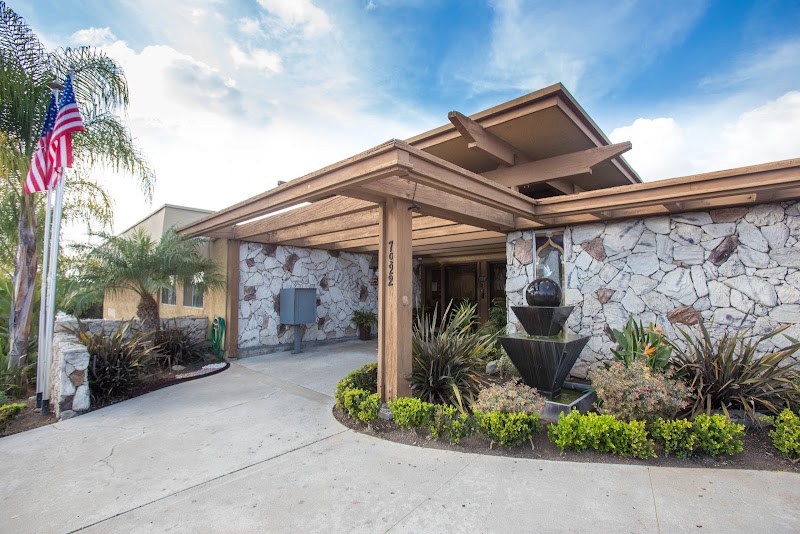
How is Bella Vista Staffed?

CMS rates BELLA VISTA HEALTH CENTER's staffing level at 3 out of 5 stars, which is average compared to other nursing homes. Staff turnover is 48%, compared to the California average of 46%.

What Have Inspectors Found at Bella Vista?

State health inspectors documented 28 deficiencies at BELLA VISTA HEALTH CENTER during 2019 to 2024. These included: 28 with potential for harm.
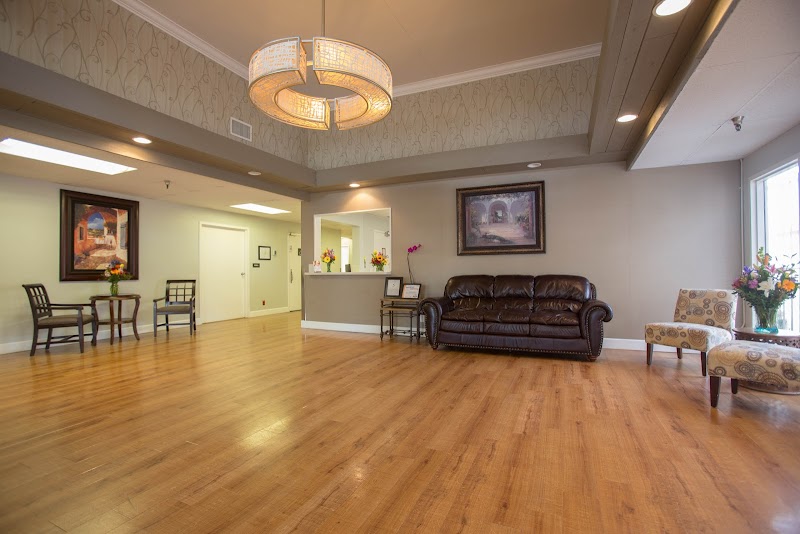
Who Owns and Operates Bella Vista?

BELLA VISTA HEALTH CENTER is owned by a for-profit company. For-profit facilities operate as businesses with obligations to shareholders or private owners. The facility operates independently rather than as part of a larger chain. With 99 certified beds and approximately 86 residents (about 87% occupancy), it is a smaller facility located in LEMON GROVE, California.
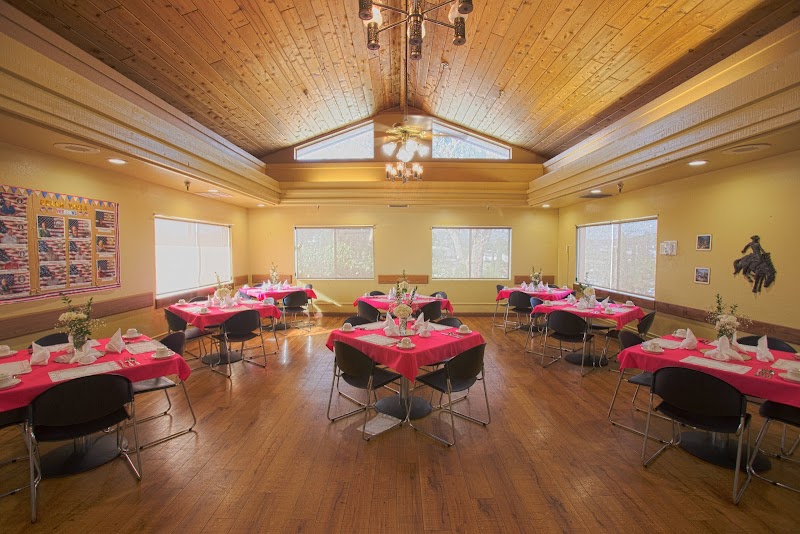
How Does Bella Vista Compare to Other California Nursing Homes?

Compared to the 100 nursing homes in California, BELLA VISTA HEALTH CENTER's overall rating (5 stars) is above the state average of 3.2, staff turnover (48%) is near the state average of 46%, and health inspection rating (4 stars) is above the national benchmark.

What Should Families Ask When Visiting Bella Vista?

Based on this facility's data, families visiting should ask: "Can I visit during a mealtime to observe dining assistance and food quality?" "How do you handle medical emergencies, and what is your hospital transfer rate?" "Can I speak with family members of current residents about their experience?"

Is Bella Vista Safe?

Based on CMS inspection data, BELLA VISTA HEALTH CENTER has a clean safety record: no substantiated abuse findings (meaning no confirmed cases of resident harm), no Immediate Jeopardy citations (the most serious violation level indicating risk of serious injury or death), and is not on the Special Focus Facility watch list (a federal program monitoring the lowest-performing 1% of nursing homes). The facility has a 5-star overall rating and ranks #1 of 100 nursing homes in California. While no facility is perfect, families should still ask about staff-to-resident ratios and recent inspection results during their visit.

Do Nurses at Bella Vista Stick Around?

BELLA VISTA HEALTH CENTER has a staff turnover rate of 48%, which is about average for California nursing homes (state average: 46%). Moderate turnover is common in nursing homes, but families should still ask about staff tenure and how the facility maintains care continuity when employees leave.

Was Bella Vista Ever Fined?

BELLA VISTA HEALTH CENTER has no federal fines on record. CMS issues fines when nursing homes fail to meet care standards or don't correct problems found during inspections. The absence of fines suggests the facility has either maintained compliance or corrected any issues before penalties were assessed. This is a positive indicator, though families should still review recent inspection reports for the full picture.

Is Bella Vista on Any Federal Watch List?

BELLA VISTA HEALTH CENTER is not on any federal watch list. The most significant is the Special Focus Facility (SFF) program, which identifies the bottom 1% of nursing homes nationally based on persistent, serious quality problems. Not being on this list means the facility has avoided the pattern of deficiencies that triggers enhanced federal oversight. This is a positive indicator, though families should still review the facility's inspection history directly.