LINCOLN MEADOWS CARE CENTER
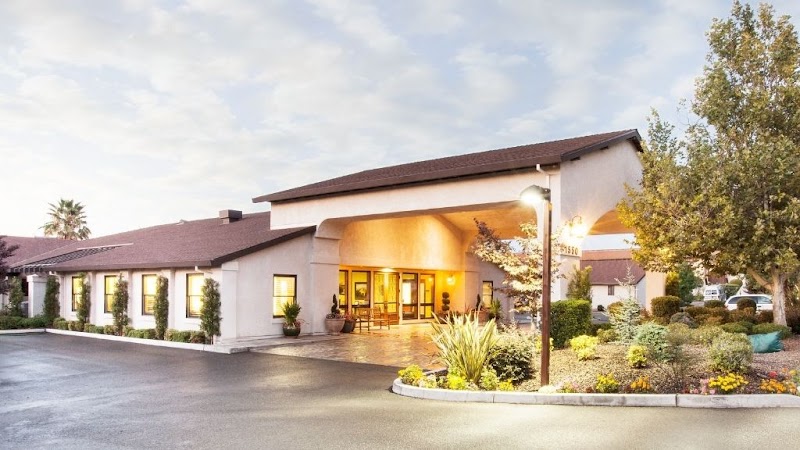
1550 THIRD STREET, LINCOLN, CA 95648 (916) 645-7761
For profit - Limited Liability company 97 Beds PACS GROUP Data: November 2025
Trust Grade
60/100
#618 of 1155 in CA
Last Inspection: March 2025

Within standard 12-15 month inspection cycle. Federal law requires annual inspections.

Overview

Lincoln Meadows Care Center has a Trust Grade of C+, indicating that it is slightly above average but not exceptional. Ranked #618 out of 1155 facilities in California, it falls in the bottom half, while its county rank of #6 out of 10 suggests there are only a few options better in Placer County. The facility is improving, with issues decreasing from 26 in 2024 to just 10 in 2025. Staffing is average with a 3/5 star rating and a turnover rate of 39%, close to the state average, but it has good RN coverage, exceeding 76% of California facilities, which is beneficial for resident care. However, there are areas of concern, such as a failure to follow dietary guidelines for therapeutic diets affecting multiple residents and issues with food safety practices, including unclean storage areas and improper food preparation procedures. Overall, while there are strengths in staffing and recent improvements, potential residents and their families should be aware of the facility's past deficiencies.

Trust Score
C+
60/100
In California
#618/1155
Bottom 47%
Safety Record
Low Risk
No red flags
Inspections
Getting Better
26 → 10 violations
Staff Stability
○ Average
39% turnover. Near California's 48% average. Typical for the industry.
Penalties
✓ Good
No fines on record. Clean compliance history, better than most California facilities.
Skilled Nurses
○ Average
Each resident gets 39 minutes of Registered Nurse (RN) attention daily — about average for California. RNs are the most trained staff who monitor for health changes.
Violations
⚠ Watch
59 deficiencies on record. Higher than average. Multiple issues found across inspections.
★★★☆☆
3.0
Overall Rating
★★★☆☆
3.0
Staff Levels
★★★★★
5.0
Care Quality
★★☆☆☆
2.0
Inspection Score
Stable
2024: 26 issues
2025: 10 issues

The Good

  • 5-Star Quality Measures · Strong clinical quality outcomes
  • Full Sprinkler Coverage · Fire safety systems throughout facility
  • No fines on record
  • Staff turnover below average (39%)

    9 points below California average of 48%

Facility shows strength in quality measures, fire safety.

The Bad

3-Star Overall Rating

Near California average (3.1)

Meets federal standards, typical of most facilities

Staff Turnover: 39%

Near California avg (46%)

Typical for the industry

Chain: PACS GROUP

Part of a multi-facility chain

Ask about local staffing decisions and management

The Ugly 59 deficiencies on record

May 2025 1 deficiency
CONCERN (D) 📢 Someone Reported This

A family member, employee, or ombudsman was alarmed enough to file a formal complaint

Potential for Harm - no one hurt, but risky conditions existed

Deficiency F0919 (Tag F0919)

Could have caused harm · This affected 1 resident

**NOTE- TERMS IN BRACKETS HAVE BEEN EDITED TO PROTECT CONFIDENTIALITY** Based on observation, interview and record review, the facility failed to ensure the call light system was functioning properly ...

Read full inspector narrative →
**NOTE- TERMS IN BRACKETS HAVE BEEN EDITED TO PROTECT CONFIDENTIALITY** Based on observation, interview and record review, the facility failed to ensure the call light system was functioning properly for 2 residents (Resident 1 and Resident 2) residing in room [ROOM NUMBER]. This failure had the potential to result in residents' needs not being met and prevent residents' communication for assistance when needed. Findings: During a review of Resident 1 ' s admission Record (AR), the AR indicated Resident 1 was admitted on [DATE] with diagnoses which included displaced comminuted fracture of left patella (kneecap was broken into multiple pieces and pieces were not properly aligned). During a review of Resident 1 ' s Minimum Data Set (MDS – a federally mandated resident assessment tool), the MDS indicated Resident 1 had moderate cognitive impairment. During a review of Resident 2 ' s AR, the AR indicated Resident 2 was admitted on [DATE] with diagnoses which included surgical aftercare following surgery on the digestive system. During a review of Resident 2 ' s MDS, the MDS indicated Resident 2 had moderate cognitive impairment. During a concurrent observation and interview on 5/9/25 at 10:57 a.m. with Resident 1 in room [ROOM NUMBER], Resident 1 ' s call light was activated but the light above the door did not turn on, and the call light panel at the nurse ' s station did not show the call. Resident 1 stated the call light had not worked since she was admitted and that she was not given a call bell. Resident 1 said she waited for someone to walk by her room and called out when she needed help. During an interview on 5/9/25 at 11:06 a.m. with Resident 2, Resident 2 stated she had experienced problems with her call light not working. Resident 2 stated that when she pushed the button, most of the time no one came, and sometimes she waited up to two hours for assistance. During a concurrent observation and interview on 5/9/25 at 11:11 a.m. with the Director of Nursing (DON), Resident 1 ' s call light was activated, but the light above the door did not turn on. DON confirmed that the call light was not working. During a concurrent observation and interview on 5/8/25 at 11:16 a.m. with Director of Staff Development (DSD) in room [ROOM NUMBER], DSD stated the button on the call light cord was not working. The DSD was observed replacing it with a new cord. The DSD then activated the call light using the new cord and confirmed that it was still not working. During a concurrent observation and interview on 5/9/25 at 11:39 a.m. with Registered Nurse (RN) 1 in room [ROOM NUMBER] ' s bathroom, RN 1 pulled the string for the emergency call light in the restroom, but it did not turn on. RN 1 attempted to activate it three more times, but it still did not work. RN 1 stated the call light was not working, and explained that if it was working, there would be a beeping sound, the light on the panel in the bathroom would turn on, and the light above the room door would illuminate. At 11:43 a.m. RN 1 attempted to activate the call light again. The first two attempts did not work. On the third attempt, RN 1 pulled the string down hard, and the call light activated. RN 1 stated that the string had to be pulled very hard for it to work and that it needed to be fixed. RN 1 stated that the call light should be activated easily. RN 1 stated that bathroom call lights are important for resident safety so that residents can call for help when they need assistance. During an interview on 5/9/25 at 12:09 p.m. with DON, DON stated the expectation is for call lights to always be functioning. The DON stated call lights are in place for resident safety and to allow staff to respond to residents ' needs. The DON stated that if a call light is not working, or if it is difficult to activate, it could lead to potential harm. During a review of the facility ' s policy and procedure (P&P) titled, Call Systems, Residents dated 9/22, the P&P indicated, .the resident call system remains functional at all times .
Mar 2025 9 deficiencies
CONCERN (D)

Potential for Harm - no one hurt, but risky conditions existed

Deficiency F0558 (Tag F0558)

Could have caused harm · This affected 1 resident

Based on observation, interview, and record review, the facility failed to ensure resident needs were accommodated for one of 25 sampled residents (Resident 63), when the call light was not within rea...

Read full inspector narrative →
Based on observation, interview, and record review, the facility failed to ensure resident needs were accommodated for one of 25 sampled residents (Resident 63), when the call light was not within reach. This failure had the potential to result in Resident 63 not attaining their highest practicable physical, psychosocial, and emotional well-being. Findings: During a review of Resident 63's face sheet (front page of the chart that contains a summary of basic information about the resident), the face sheet indicated, Resident 63 was admitted to the facility in September 2023 with multiple diagnosis of muscle weakness, difficulty walking, and history of falling. During a review of Resident 63's Minimum Data Set (MDS - a federally mandated resident assessment tool), dated 12/12/24, the MDS indicated Resident 25 required partial/moderate assistance (helper does less than half the effort) with activities of daily living (ADLs- routine tasks/activities such as bathing, dressing and toileting a person performs daily to care for themselves). During a concurrent observation and interview on 3/11/25 at 3:17 p.m. in Resident 63's room, Resident 63 was in bed laying, the call light was observed on the floor behind Resident 63's bed. Resident 63 stated he usually does not have his call light within reach. Resident 63 verbalized in frustration he needed the call light to ask staff to lower the volume of his television (TV). Resident 63 stated his privacy curtain was usually drawn so he cannot see who was walking by. Resident 63 further stated that his roommate had the volume on high so he did not know if anyone could hear him if he yelled out. Licensed Nurse 5 (LN 5) came into the room after being prompted to assist Resident 63. LN 5 confirmed and acknowledged that the call light was on the floor and not within reach. During a concurrent observation and interview on 3/13/25 at 3:27 p.m. in Resident 63's room, Resident 63 was in bed and watching TV. Resident 63's call light was dangling off the side of the bed not within reach. Resident 63 stated he was unable to reach his call light. Certified Nurse Assistant 3 (CNA 3) confirmed that the call light was not within reach. During an interview on 3/14/25 at 9:31 a.m., with Director of Nursing (DON), the DON stated her expectation was to have all call lights within reach of the residents. During a review of the facility's policy and procedure (P&P) titled, Answering the Call Light revised October 2024, the P&P indicated .when the resident is in bed or confined to a chair be sure the light is within easy reach of the resident .
CONCERN (D)

Potential for Harm - no one hurt, but risky conditions existed

Deficiency F0697 (Tag F0697)

Could have caused harm · This affected 1 resident

Based on observation, interview and record review, the facility failed to ensure one out of 25 sampled residents (Resident 58) received appropriate pain management services consistent with professiona...

Read full inspector narrative →
Based on observation, interview and record review, the facility failed to ensure one out of 25 sampled residents (Resident 58) received appropriate pain management services consistent with professional standards of practice and facility's policy and procedure (P&P) when Resident 58's pain was not managed during wound care treatment. This failure had the potential for Resident 58 not achieve relief from pain and not attain her highest practicable well-being. Findings: During a review of Resident 58's face sheet (front page of the chart that contains a summary of basic information about the resident), the face sheet indicated Resident 58 was admitted to the facility March 2024 with multiple diagnoses which included sacral pressure ulcer stage 3 (full-thickness loss of skin, dead and black tissue may be visible) and chronic pain. During a review of Resident 58's Minimum Data Set (MDS - a federally mandated resident assessment tool), dated 3/5/25, the MDS indicated Resident 58's wound was documented as pressure ulcer Stage 4 (Full-thickness skin and tissue loss with exposed muscle, tendon, ligament, cartilage, or bone). During a review of Resident 58's Order Summary Report, (OSR) dated 3/13/25, OSR indicated, Pain-Monitor for Presence of Pain Every Shift Using Scale 0-10 .0=No pain 1-2=Least pain 3-4=Mild Pain 5-6=Moderate Pain 7-8=Severe Pain 9-10 Very Severe/Horrible/Worst pain . Resident 58's OSR also indicated, Morphine (pain medication) .Give 0.5 ml (milliliter, unit of measurement) orally every 1 hour as needed for moderate (4-6) to severe (7-10) pain . Resident 58's OSR dated 3/13/25 further indicated, oxycodone (pain medication) .give 1 tablet by mouth every 4 hours as needed for severe pain . During an interview on 10/11/25 at 11:57 a.m., Resident 58 stated she was on hospice (compassionate care for people who are near the end of life provided at the person's home or within a health care facility) care. Resident 58 stated she had not gotten up that day because she was in pain. During an interview on 10/11/25 at 11:57 a.m., Resident 58 stated she was on hospice (compassionate care for people who are near the end of life provided at the person's home or within a health care facility) care. Resident 58 stated she had not gotten up that day because she was in pain. During a review of Resident 58's care plan intervention for pain, initiated 9/30/24, indicated, pain will be managed to a tolerable level .will express/exhibit pain relief after alternative comfort measures and/or administration of medication as needed . During a concurrent observation and interview on 3/13/25 at 11:12 a.m., in Resident 58's room, Licensed Nurse 3 (LN 3) was in the room to provide Resident 58 with wound care. Resident 58 stated to LN 3 that her pain was a lot. LN 3 was observed taking multiple trips back to the treatment cart due to not having enough supplies for the wound treatment. Resident 58 was laying on her right side while LN 3 was providing wound care. Resident 58 stated her legs were hurting during wound treatment. Resident 58 continued to moan in pain and stated it hurts while LN 3 cleaned the wound. LN 3 completed wound treatment and exited Resident 58's room at 11:44 a.m. Resident 58 was heard crying inside the room from outside of the hallway. During a concurrent interview and record review on 3/13/25 at 11:45 a.m. with LN 3, LN 3 confirmed that no pain scale assessment was used for Resident 58's pain, and no documented evidence of pain medication administered prior to wound treatment when Resident 58 stated she was in a lot of pain. LN 3 confirmed and acknowledged that having supplies not within reach prolonged the treatment time, which prolonged Resident 58's pain episode, and stated that Resident 58 could not tolerate laying on her side for very long. During an interview on 3/14/25 at 9:31 a.m. with the Director of Nursing (DON), the DON stated it was the expectation for LNs to pre medicate resident with pain medications to manage pain and if resident is in pain during wound treatment, to administer prn (given as needed or requested) pain medication and come back when the pain has subsided. The DON further stated that a pain scale should be used to assess pain level. During a review of the facility's policy and procedure (P&P), titled, Pain Assessment and Management , revised March 2023, indicated, .Assess pain using a consistent approach and a standardized pain assessment .if pain has not been adequately controlled the multidisciplinary team, including the physician, shall reconsider approaches as indicated . During a review of the facility's P&P, titled Wound Care, revised October 2010, indicated, Review the resident's care plan to assess for any special needs of the resident .a. For example, the resident may have a PRN order for pain medication to be administered .Assemble the equipment and supplies .arrange the supplies so they can be easily reached .
CONCERN (E)

Potential for Harm - no one hurt, but risky conditions existed

Incontinence Care (Tag F0690)

Could have caused harm · This affected multiple residents

**NOTE- TERMS IN BRACKETS HAVE BEEN EDITED TO PROTECT CONFIDENTIALITY** Based on observation, interview, and record review, the facility failed to provide timely assistance with incontinence (a condit...

Read full inspector narrative →
**NOTE- TERMS IN BRACKETS HAVE BEEN EDITED TO PROTECT CONFIDENTIALITY** Based on observation, interview, and record review, the facility failed to provide timely assistance with incontinence (a condition where a person experiences involuntary loss of urine or stool) care for four of 25 sampled residents (Resident 23, Resident 339, Resident 340, and Resident 60). This failure resulted in residents not attaining their highest practicable physical, psychosocial, and emotional well-being. Findings: During a review of Resident 23's face sheet (front page of the chart that contains a summary of basic information about the resident), the face sheet indicated Resident 23 was admitted [DATE] with diagnoses including fracture (a break or crack) of left femur (thigh bone). Resident 23's Minimum Data Set (MDS- a federally mandated resident assessment tool), dated 2/20/25, indicated Resident 23 had moderate cognitive impairment. Resident 23's self-care functional ability indicated, needed maximum assistance for toileting hygiene (helper does all the effort). The MDS indicated, he is always incontinent. During a review of Resident 23's March 2025 bladder continence task records indicated, 1 incontinence episode on night shift, 2 episodes on evening shift, 2 episodes on day shift. During a review of Resident 23's care plan dated, 3/11/25, indicated, resident at risk for Activities of Daily Living (ADLs- routine tasks/activities such as bathing, dressing and toileting a person performs daily to care for themselves) decline. There was no documented evidence of a care plan for bladder incontinence. During a review of Resident 339's face sheet, indicated Resident 339 was admitted [DATE] with diagnoses including Spinal stenosis (narrowing of the spinal canal) lumbar (lower back) region, and difficulty walking. Resident 339's MDS, dated [DATE], indicated Resident 339 had moderate cognitive impairment. The MDS indicated, Resident 339's self-care functional ability requires maximum assistance for toileting hygiene. The MDS further indicated, Resident 339 was frequently incontinent. During a review of resident 339's March 2025 bladder continence task records indicated, incontinence throughout all shifts. During a review of Resident 339's care plan, dated 2/27/25, indicated Resident 339 had impaired skin integrity as evidenced by surgical wound at lumbar spine. There was no documented evidence of a care plan for bladder incontinence. . During a review of Resident 340's face sheet, indicated Resident 340 was admitted [DATE] with diagnoses including panniculitis (a condition where the fat layer under the skin becomes inflamed, causing painful bumps, sometimes accompanied by fever), and morbid obesity. Resident 340's MDS, dated [DATE], indicated he had intact cognition. Resident 340's self-care functional ability requires partial assistance for toileting hygiene (helper does less than half). The MDS further indicated, occasionally incontinent. During a review of Residents 340's March 2025 bladder continence task records indicated, 1 incontinence episode for night shift, 2 incontinence episodes for day shift. During a review of Resident 60's face sheet, indicated Resident 60 was admitted [DATE] with diagnoses including enterocolitis (inflammation of both the small intestine, and the colon [large intestine]) due to Clostridium Difficile (C. diff- a highly contagious bacteria that causes severe diarrhea). During a review of Resident 60's MDS dated , 2/17/25, indicated she had moderate cognitive impairment. Resident 60's self-care functional ability requires maximal assistance for toileting hygiene. The MDS further indicated, always incontinent with bowel movement. During a review of Resident 60's March 2025 bowel continence task records indicated, bowel incontinence throughout all shifts. During a review of Resident 60's care plan dated 2/14/25 indicated, Resident 60 had clostridium difficile. The care plan intervention indicated, keep skin clean and dry, provide incontinence care after each episode of loose stool. During a concurrent observation and interview on 3/11/25 at 9:15 a.m. in Resident 60's room, Resident 60 was observed distraught, restless, and was upset. Resident 60 stated, she was just cleaned up after another accident (diarrhea). Resident 60 stated, It took hours to get some help to be cleaned up. I called for help at 7 in the morning. When asked about her pain and discomfort, the resident stated, the pain was triggered when she had an episode of diarrhea. Resident 60 stated the skin at her buttocks and at her groin area felt raw from frequent stooling and said, It feels raw down there. During a concurrent observation and interview on 3/11/25 at 12 noon in Resident 23's room, Resident 23 was up on his wheelchair and supplied with oxygen through nasal cannula. Resident 23 stated, he had an episode of incontinence last night. Resident 23 stated, I did not have a clear path to go to the restroom .there was a walker, and table on my path and I felt restrained. Resident 23 stated, the nurse answered the call light and said, she will be back but never returned. Resident 23 stated, he felt like a child when he had an accident. Resident 23's complaint was corroborated and confirmed by his roommate Resident 340 who had the same complaint. During an interview on 3/11/25 at 1:00 p.m. with Resident 340, Resident 340 stated, he gets angry when he calls for assistance to the bathroom because the staff takes 45 minutes to help him. Resident 340 stated, there was an instance he ended up getting his shorts dirty because the wait was too long and ended up peeing on himself. Resident 340 stated, I was angry .It shouldn't be that way. During a concurrent observation and interview on 3/12/25, at 9:30 a.m. in Resident 339's room, Resident 339 stated, it takes a long time for the staff to come in and help me get up to use the bathroom . She stated, she was wearing a diaper but preferred to get up and use the bedside commode or the toilet. Resident 339 stated, I felt upset and angry because I know when I needed to use the toilet, and they take so long to help me. Resident stated, I feel unvalued. During an interview with LN 3 at 3/12/25, at 9:45 a.m., LN 3 stated, the expectation is that incontinence care was done as soon as possible to keep residents clean and dry. LN 3 stated This will prevent worsening of skin conditions and prevents any skin irritation and infection. During an interview with Physical Therapist 1 (PT 1) at 3/13/25 at 11:25 a.m., PT 1 stated, Resident 339 is improving and should be using bedside commode or toilet. During an interview with LN 4 at 3/13/25, at 11:39 a.m. stated, LN 4 expects that care is provided in a timely manner when residents are incontinent or, responds to their needs to assist them to use the bathroom to prevent any incontinence. During a review of the facility's policy and procedure (P&P) titled, Activities of Daily Living . dated May 2024, the P&P indicated, Appropriate care and services will be provided for residents who are unable to carry out ADLs independently including appropriate support and assistance with but not limited to . hygiene . mobility . elimination (toileting) .
CONCERN (E)

Potential for Harm - no one hurt, but risky conditions existed

Unnecessary Medications (Tag F0759)

Could have caused harm · This affected multiple residents

Deficiency Text Not Available

Read full inspector narrative →
Deficiency Text Not Available
CONCERN (E)

Potential for Harm - no one hurt, but risky conditions existed

Deficiency F0802 (Tag F0802)

Could have caused harm · This affected multiple residents

Based on observation, interview and record review, the facility failed to ensure Dietary Aide (DA) 1 and DA 2 had the appropriate skill set to safely perform the daily operations of the food and nutri...

Read full inspector narrative →
Based on observation, interview and record review, the facility failed to ensure Dietary Aide (DA) 1 and DA 2 had the appropriate skill set to safely perform the daily operations of the food and nutrition services department when: 1. DA 1 was unable to verbalize the correct process of manual dishwashing with 2-compartment sink (cross refer to F812, #4); 2. DA 2 was unable to perform cleaning and sanitizing procedure correctly for the soiled food contact surface areas (cross refer to F812, #5), and 3. DA 2 was unable to verbalize and demonstrate the correct procedure for testing and proper temperature when preparing the sanitizer solution for the red bucket (red color-coded bucket is used as a standard of practice to contain sanitizer solution) (cross refer to F812, #6). These failures had the potential to place 88 out of 92 highly susceptible residents who consumed food from the facility at risk for food borne illness. Findings: 1. During an interview with DA 1 regarding the process of manual dishwashing by the 2-compartment sink on 3/11/25 at 8:57 a.m., DA 1 stated he would switch to manual dishwashing when the dishwashing machine was not working. He stated the steps were washing, rinsing and air-dried. A concurrent confirmation with Dietary Manager (DM) and stated the correct process were washing, rinsing, sanitizing and air-dried. For the sanitizing step, DA 1 stated the dishes would immerse into the sanitizer solution for 5 to 10 minutes. DA 1 could not state the effective concentration for the sanitizer solution when asked. DM cued DA 1 to read the instruction posted on the wall, and DM stated the concentration should be at the range of 200-400 ppm (parts per million - a measurement unit for the sanitizer solution). A review of facility policy and procedure (P&P) titled, 3-Compartment Procedure for Manual Dishwashing, dated 2023, indicated the process involved washing, rinsing, sanitizing, and air-dried, and .sanitizer solution .must read 200-400 ppm .immerse all washed items (in the sanitizer solution) for at least 1 minute (60 seconds) . 2. During a kitchen observation on 3/11/25 at 8:34 a.m., it was noted the storage areas for clean metal pans was not clean with food debris. Observed DA 2 used a towel to wipe the storage areas. DA 2 stated she used the towel from the red bucket (bucket contained sanitizer solution) to clean the storage areas. During an interview with DM on 3/11/25 at 8:45 a.m., DM confirmed and stated DA 2 used the sanitizer to clean the soiled storage areas. DM stated DA 2 did not performed the procedure correctly. He further stated DA 2 should first clean with soap and water, then using the sanitizer to sanitize. A review of department document titled, Inservice: Cleaning and Sanitizing Dishes, Utensils, Pots and Pans, dated 3/2022, indicated, .cleaning and sanitizing of .food contact surfaces .food storage areas are vital in keeping food wholesome and safe to consume .Cleaning is the removal of soils, tarnishes, or stains .Sanitizing is the process of reducing the number of microorganisms on the surface to safe levels so that they cannot cause disease or food spoilage .to be effective, cleaning and sanitizing must be a two-step process. Surface must first be (1) cleaned and rinsed before (2) being sanitized .any surface that comes in contact with food much also be cleaned and sanitized . 3. A concurrent observation and interview with DA 2 and DM regarding the preparation and testing of the sanitizer solution for the red bucket was conducted on 3/11/25 at 8:34 a.m. DA 2 stated the sanitizer solution was pre-mixed and she got the solution from the dispenser. She stated she would test the effective concentration of the solution by using the test strip and the concentration range should be 200-400 ppm. DA 2 demonstrated how to test the effectiveness of the sanitizer solution. She used the test strip by dipping the sanitizer solution for more than 15 seconds and took it out to compare the color chart (different colors from the chart corresponds to different concentration (ppm) range includes: 0, 150, 200, 400 and 500) on the test strip container. Then she used the same test strip to dip into the solution again. DM confirmed and stated DA 2 should not dip in the solution again and test strip should dip in the solution for 10 seconds. DA 2 stated when she prepared the solution, she usually dipped the test strip in the solution more than 10 seconds because the color would not change. She further stated the solution should be cold. The solution was cold when touch and took the temperature with thermometer with the result was 59.7 degrees Fahrenheit (F). DM verified and stated the solution was fine because it was cold. A concurrent review of the instruction of the test strip container, it stated, .dip paper (test strip) in quat (sanitizer) solution, not from surface, for 10 seconds .testing solution should be between 65-75 degrees F . DM stated he was not aware of the temperature range and would contact the sanitizer vendor to adjust the temperature. A review of facility P&P titled, Quaternary Ammonium Log Policy, dated 2023, indicated, .Read instructions on quaternary container and the test strip for proper concentration length of time the strip needs to be in contact with the solution, and if temperature of the solution is to be considered when testing for concentration .Follow container and test strip instructions. A high concentration may potentially hazardous and may be a chemical contaminate of food. A review of DA 1's employee file, it indicated his date of hire was on 2/28/23 for dietary aide position. Review the job description for dietary aide, it stated the position required food handler's certificate. DA 1's file did not have any certificate. An interview with DM on 3/13/25 at 10:38 a.m., DM confirmed and stated DA 1 did not have any food handler's certificate. A review of DA 2's employee file, it indicated her date of hire was on 2/14/23 for a position as a cook. A review of the job description for a cook, it stated the position required ServSafe (set of training courses for food safety) food handler certificate. DA 2's file did not have any certificate. An interview with DM on 3/13/25 at 10:38 a.m., DM stated D2 should be hired as dietary aide position and not sure why her position changed to be a cook. DM confirmed and stated DA 2 did not have any food handler's certificate. A review of facility documents titled, Verification of Job Competency Demonstration - Diet Aides, for DA 1 and DA 2, both completed for the year of 2024 by DM, indicated DA 1 was competent on Emergency dish washing procedure and when to use it, and DA 2 was competent on How to clean and sanitize equipment, counter top and Sanitizing solution; preparation, test concentration and record results; when to replace solution by demonstration and verbalization. A review of departmental document titled, Food & Nutrition Service In-Service, Topic: Competency Checks Update and Inspection List, completed on 10/28/24 and added on dates of 11/21/24, 12,20/24 and 1/22/25 and given by DM. The document showed DA 1 and DA 2 attended the in-services. There was no individual lesson plans referred to the different competency topics. A concurrent interview with DM on 3/13/25 at 9:22 a.m., DM stated the topic Competency Checks Update and Inspection List was to review everything for the competency subjects to prepare the staff for survey. A review of facility job description titled, Director of Food and Nutrition (DM), dated 2/2018, it stated, .Essential Job Functions .provide .training .oversee that proper levels of cleanliness and sanitation within the department .plan and conduct staff meetings and in-service education programs on dietary policies and procedures .Practice and ensure compliance of infection control policies and procedures of the department and facility .
CONCERN (E)

Potential for Harm - no one hurt, but risky conditions existed

Infection Control (Tag F0880)

Could have caused harm · This affected multiple residents

**NOTE- TERMS IN BRACKETS HAVE BEEN EDITED TO PROTECT CONFIDENTIALITY** Based on observation, interview, and record review, the facility failed to ensure proper infection control practices were implem...

Read full inspector narrative →
**NOTE- TERMS IN BRACKETS HAVE BEEN EDITED TO PROTECT CONFIDENTIALITY** Based on observation, interview, and record review, the facility failed to ensure proper infection control practices were implemented when: 1. Oxygen tubing was on the floor for Resident 18, Resident 12 and Resident 36. 2. Resident 10's urinary catheter (a hollow tube inserted into the bladder to drain or collect urine) tubing was dragging on the floor while on the wheelchair. 3. Tube feeding formula was left uncapped and open to air while disconnected from Resident 45. These failures had the potential to compromise resident's health and safety, and potentially lead to the spread of communicable illnesses. Findings: 1. During a review of Resident 18's admission Record (AR), the AR indicated, Resident 18 was admitted on [DATE] with diagnoses which included chronic obstructive pulmonary disease with acute exacerbation (COPD-a chronic lung disease causing difficulty in breathing), acute respiratory failure with hypoxia (when lungs suddenly can't get enough oxygen into the blood) and asthma (condition in which airways narrow and swell). During a review of Resident 18's Order Summary Report (OSR), printed on 3/12/25, the OSR indicated, Resident 18 had an order for oxygen at 2 liters (unit of measurement) via nasal cannula (a small plastic tube, which fits into the person's nostrils for providing supplemental oxygen) every 8 hours as needed for SOB (shortness of breath), chest pain, O2 sat (oxygen saturation-measurement of how much oxygen the blood is carrying as a percentage); Notify MD if O2 sat <90%. During a review of Resident 12's AR, the AR indicated, Resident 12 was admitted on [DATE] with diagnoses which included acute respiratory failure with hypercapnia (condition that occurs when the lungs can't get rid of enough carbon dioxide from the blood) and COPD. During a review of Resident 12's OSR, printed on 3/12/25, the OSR indicated, Resident 12 had an order for continuous O2 (oxygen) at 4 LPM (liters per minute) via nasal cannula to maintain O2 sat >90%. During a review of Resident 36's AR, the AR indicated, Resident 36 was admitted on [DATE] with diagnoses which included acute and chronic respiratory failure with hypoxia and pleural effusion (buildup of fluid between the tissues that line the lungs and the chest). During a review of Resident 36's OSR, printed on 3/14/25, the OSR indicated, Resident 36 had an order oxygen at 2 L/Min via nasal cannula routine/continuous. During a concurrent observation and interview on 3/11/25 at 8:41 a.m. with Licensed Nurse (LN) 1 in Resident 36's room, Resident 36 was lying on the bed with oxygen in use, and the oxygen tubing was touching the floor. LN 1 confirmed that the oxygen tubing was on the floor and stated it should not be touching the floor due to infection control and safety concerns. During a concurrent observation and interview on 3/11/25 at 9:08 a.m. with LN 6 in Resident 12's room, Resident 12 was lying on the bed with oxygen in use, LN 6 confirmed that the oxygen tubing was on the floor. During a concurrent observation and interview on 3/11/24 at 9:40 a.m. with Director of Nursing (DON) in Resident 18's room, Resident 18 was sitting up on bed with oxygen in use, DON confirmed the oxygen tubing was on the floor and should not be touching the floor due to infection control concerns. During a review of the facility's policy and procedure (P&P) titled, Cleaning and Disinfection of Resident-Care Items, Surfaces and Equipment, dated October 2021, the P&P indicated, Semi-critical items consist of items that may come in contact with mucous membranes or non-intact skin (e.g. respiratory therapy equipment) . such devices should be free from all microorganisms . 2. During a review of Resident 10's AR, the AR indicated, Resident 10 was admitted on [DATE] with diagnoses which included acute pyelonephritis (bacterial infection causing inflammation of kidneys, a complication of an ascending urinary tract infection), uterovaginal prolapse (the womb or other pelvic organs dropping down and pressing into the vaginal area), neuromuscular dysfunction of the bladder (the nerves and muscles that control urination aren't working properly), acute cystitis without hematuria (sudden bladder infection that's not causing blood in urine). During a review of Resident 10's OSR, printed on 3/12/25, the OSR indicated Resident 10 had an order for Foley catheter (a type of urinary catheter) Fr 16 (French 16-size of catheter) vol (volume) 10. During a concurrent observation and interview on 3/11/25 at 12:26 p.m., with LN 3 in the dining room, Resident 10 was wheeling herself in the wheelchair. LN 3 confirmed the catheter tubing was dragging on the floor and stated that it should not be touching the floor due to infection control concerns. During a concurrent observation and interview on 3/11/25 at 12:28 p.m., with DON in the nursing station, Resident 10 was in front of the nursing station when the DON checked the catheter tubing and confirmed it was touching the floor. The DON stated that the expectation is for the catheter tubing not to drag on the floor. During an interview on 3/12/25 at 1:00 p.m., with DON, DON stated the expectation is for oxygen tubing and catheter tubing not to touch the floor and that they follow standard nursing practices for infection control. During an interview on 3/13/25 at 10:57 a.m., with Infection Preventionist (IP), IP stated that oxygen and catheter tubing should be kept off the floor because touching the floor increases the risk of contamination and the floor can be a source of bacteria. During a concurrent interview and record review on 3/14/25 at 8:49 a.m., with IP, the facility's P&P titled, Indwelling Catheters, dated September 2021 was reviewed. The P&P indicated, Be sure catheter tubing and drainage bag are kept off the floor. IP confirmed that this is the policy in her infection control binder and is the policy she uses to teach staff about infection control practices for urinary catheters. 3. During a review of Resident 45's AR, the AR indicated, Resident 45 was admitted [DATE] with diagnoses including malignant neoplasm (cancerous/ abnormal growth tissue) lower third of esophagus (muscular tube through which food passes from the throat to the stomach), artificial opening of gastrointestinal tract (feeding tube placement). During a review of Resident 45's Minimum Data Set (MDS- a federally mandated resident assessment tool) dated, 1/16/25 indicated Resident 45 had mild cognition impairment. Resident 45's Physician Orders indicated, NPO (nothing by mouth), and Enteral feeding (tube feeding), continuous. During a review of Resident 45's care plan, dated 1/9/25 indicated, resident will not have any complications with feeding tube. The care plan interventions indicated, observe signs and symptoms of infection. During a concurrent observation and interview on, 3/11/25 at 12:30 p.m., in Resident 45's room, Resident 45 arrived from physical therapy with tube feeding disconnected. Feeding formula (liquified food) was observed hanging on feeding tube pole, with tubing left hanging from pole uncapped and was open to air. LN 4 confirmed that the tubing was left uncapped and stated, leaving a tube feeding formula open to air can lead to a potential infection and contamination especially for residents who are vulnerable. During a review of the facility's P&P titled, Enteral Feedings, reviewed August 2024, indicated, .preventing contamination maintain aseptic technique use closed enteral nutrition systems when possible. During a review of the facility's P&P titled, Cleaning and Disinfection of Resident-Care items, Surfaces and Equipment, revised October 2021 indicated, Critical items consist of items that carry a high risk of infection if contaminated with any microorganism . Objects that enter sterile tissue or vascular system are considered critical items .
CONCERN (F)

Potential for Harm - no one hurt, but risky conditions existed

Menu Adequacy (Tag F0803)

Could have caused harm · This affected most or all residents

Based on observation, interviews, and record review, the facility failed to ensure the planned menu was followed for the therapeutic diets (modified diets from regular diet, tailored to fit the nutrit...

Read full inspector narrative →
Based on observation, interviews, and record review, the facility failed to ensure the planned menu was followed for the therapeutic diets (modified diets from regular diet, tailored to fit the nutritional needs of a particular person - may be part of a treatment or medical condition and usually prescribed by a physician) during lunch on 3/12/25 when: 1. 19 Residents (Resident (3, 4, 5, 7, 22, 29, 33, 35, 47, 52, 56, 63, 66, 68, 75, 79, 82, 291, and 341) with regular portion with regular texture diets got 6 ounces (oz.) (3/4 cup) of pasta instead of 4 oz. (1/2 cup) 2. 11 residents (Resident 19, 23, 24, 30, 32, 36, 44, 57, 60, 72, and 85) with CCHO (Consistent Carbohydrate) diet (a therapeutic diet to manage diabetic disease and/or to stabilize blood sugar level) and CCHO Renal (kidney) diet (a diet to manage chronic kidney disease and diabetic disease) got one serving of dessert (lemon snow bar) and 6 oz. of pasta instead of half (1/2) serving of dessert and 4 oz. of pasta 3. Four residents (Resident 9, 34, 76, and 340) with small portion with diets received one serving of dessert, 6 oz. of pasta and 6 oz. chicken instead of 1/2 serving of dessert, 4 oz. of chicken and 2 oz. (1/4 cup) of pasta 4. Two residents (Resident 17 and 58) with fortified (add extra calories and nutrients) diet (diet designs for residents who cannot consume adequate amounts of calories and/or protein to maintain their weight or nutritional status) did not receive 1/2 oz. of melted margarine on the vegetables 5. Three residents (Resident 14, 65 and 73) with finger food diet did not receive the dessert cut in half 6. 88 out of 88 residents who received meals form the facility kitchen did not receive garnish (food décor to enhance the presentation of meals to help increase appetite) with their lunch meals. These deficient practices had the potential to result in residents having meals which did not meet their nutritional needs and compromising the medical and nutrition status of the 88 residents who consumed meals from the facility kitchen. Findings: During the lunch meal distribution on 3/12/25 beginning at 11:52 a.m., it was noted as followed: Observed there were one kind of serving utensils (6 oz.) for serving chicken and pasta, and a concurrent interview with [NAME] (CK) to confirm both serving sizes were 6 oz. For the dessert (lemon snow bar, one serving measurement: 2 inches long x 2 inches wide x ½ inch height), CK stated she prepared only one serving size for all the residents. 1. 19 residents (Resident 3, 4, 5, 7, 22, 29, 33, 35, 47, 52, 56, 63, 66, 68, 75, 79, 82, 291 and 341) with regular portion with regular texture received 6 oz. of pasta. A concurrent review of facility spreadsheet (a menu excel sheet that indicated what items and portions to be served for each prescribed diet) titled, Spring Cycle Menus, Week 2 Wednesday, indicated regular portion with regular texture should receive ½ cup (4 oz.) of pasta. 2. 11 residents (Resident 19, 23, 24, 30, 32, 36, 44, 57, 60, 72 and 85) with CCHO and CCHO Renal diet received one serving of dessert and 6 oz. of pasta. A concurrent review of facility spreadsheet titled, Spring Cycle Menus, Week 2 Wednesday, indicated CCHO and CCHO Renal diet should receive ½ serving of dessert and 4 oz. of pasta. 3. Four residents (Resident 9, 34, 76 and 340) with small portion with diets got one serving of dessert, 6 oz. of pasta and 6 oz. of chicken. A concurrent review of facility spreadsheet titled, Spring Cycle Menus, Week 2 Wednesday, indicated small portion with diets should receive ½ serving of dessert, 2 oz. of pasta and 4 oz. of chicken. 4. Two residents (Resident 17 and 58) with fortified diets did not receive extra ½ oz. of melted margarine on the vegetables as fortified food. A concurrent review of facility document titled, Spring 2025 - Week 2, Fortified Breakfast, Fortified Lunch, Fortified Dinner, indicated fortified diet should give extra ½ oz. of melted margarine on the vegetables for lunch 3/12/25. 5. Three residents (Resident 14, 65 and 73) with Finger Food diet receive one whole piece of dessert. A concurrent review of facility spreadsheet titled, Spring Cycle Menus, Week 2 Wednesday, indicated finger food diet should receive one serving of dessert cut in half. 6. 88 out of 88 residents who received lunch meals from facility kitchen did not get parsley garnish. A concurrent review of facility spreadsheet titled, Spring Cycle Menus, Week 2 Wednesday, indicated all diets should have received parsley garnish. An interview with Dietary Manager (DM) and a concurrent review of the spreadsheet on 3/12/25 at 1:19 p.m. was conducted. DM acknowledged and confirmed the issues found during the meal distribution. He stated his expectation for the staff should be accurate for the portion measurement of the food, and they should follow the menu or spreadsheet according to the therapeutic diets. During an interview with Registered Dietitian (RD) on 3/13/25 at 12:27 p.m., RD acknowledged issues that were found during the meal distribution on 3/12/25. RD stated the staff should follow the menu and spreadsheet because it would provide the correct portions for the according therapeutics diets. She further explained especially for CCHO diet, the portion sizes were to control blood sugar level. RD stated if the portion sizes are not being followed would lead to over- or under- nutrition. She explained the fortified foods provided extra calories for the residents had weight loss or to stabilize weight. RD further stated the finger foods were given for the residents with mobility issues and helped them to maintain independence during eating. A review of the facility's policy and procedure titled, Menu Planning dated 2023, it indicated, .menus are planned to meet nutritional needs of residents in accordance with established national guidelines .the facility's diet manual and diets are ordered by the physician should mirror the nutritional care provided by the facility .menus are written for regular and therapeutic diets in compliance with the diet manual . A review of facility document titled, Job description, Cook, dated 10/2016, indicated the cook was to follow prepared menus and portion control guides .prepare special diets accurately .make the presentation of the food appealing to the residents .
CONCERN (F)

Potential for Harm - no one hurt, but risky conditions existed

Food Safety (Tag F0812)

Could have caused harm · This affected most or all residents

Based on observation, interview and record review, the facility failed to ensure food was prepared, stored, served, or distributed in accordance with professional standards of food serve in a safety m...

Read full inspector narrative →
Based on observation, interview and record review, the facility failed to ensure food was prepared, stored, served, or distributed in accordance with professional standards of food serve in a safety manner when: 1. Various sizes of metal pans were found having issues stored in the clean and ready-to-use storage areas: - Stacked wet - Were not clean with food particles 2. The storage areas for storing the clean and ready-to-use metal pans were not clean 3. The blade of the can opener was not well maintained 4. Dietary Aide (DA) 1 was not able to verbalize the process of manual dishwashing by 2-compartment sink 5. DA 2 was not able to perform cleaning and sanitizing procedure correctly for the soiled food contact surface areas 6. DA 2 was not able to verbalize and demonstrate the correct procedure to prepare and test the sanitizer solution for the red bucket (red color-coded bucket is used as a standard of practice to contain sanitizer solution) 7. DA 3 did not have the hair restraint fully cover the hair 8. There were issues found for the resident's refrigerator: - Residents' food did not label and date properly - Outdated food did not discard in the freezer - The interior of the refrigerator was not clean These failures had potential to cause food-borne illness in a highly susceptible population of 88 out of 88 residents who received food from the facility kitchen. Findings: 1. During a concurrent observation and interview on 3/11/25 at 8:23 a.m. with Dietary Manager (DM), DM confirmed the following items were stack wet and had food particles stored in the clean and ready-to-use storage areas: - five of full sheet metal pans (stacked wet; 4 out of 5 had red and white particles) - one of ½ sheet metal pan (had red particles) - 10 of 1/3 sheet metal pans (stacked wet) - 11 of 1/6 sheet metal pans (stacked wet) DM stated the dishes, pans and pots should be completely dried and clean before stored away. He further stated the staff who put away the dishes should check if they were clean and dried before stored away. During an interview with Registered Dietitian (RD) on 3/13/25 at 12:27 p.m., RD stated the dishes, pans and pots should be clean and air-dried before stored away. A review of facility policy and procedure (P&P) titled, Dishwashing, dated 2023, indicated, .Dishes are to be air dried in racks before stacking and storing . A review of facility P&P titled, Sanitation, dated 2023, indicated, .all utensils .shall be kept clean, maintained in good repair . 2. During an inspection of the condition of the metal sheet pans stored at the storage areas at 3/11/25 at 8:46 a.m., it was noted the storage areas (the areas used for storing clean and ready-to-use metal sheet pans) were not clean with particles on them. A concurrent interview with DM, DM confirmed and stated the particles were food debris. He further stated the storage areas should be clean, and the staff usually clean them daily. During an interview with RD on 3/13/25 at 12:27 p.m., RD stated the storage areas for storing dishes, pans and pots should be clean. A review of facility P&P titled, Sanitation, dated 2023, indicated, .all .counters, shelves .shall be kept clean, maintained in good repair . 3. During a kitchen inspection and a concurrent interview of DM on 3/11/25 at 10:45 a.m., it was noted the blade of can opener with discoloration and the blade surface was chipped. DM confirmed and stated the blade was chipping away and needed replacement. He further stated it was one of the findings during the facility internal inspection. A review of facility P&P titled, Can Opener and Base, dated 2023, indicated, Proper sanitation and maintenance of the can opener .is important to sanitary food preparation. Metal shavings and shredding can result from a dull cutting blade or worn out cogwheel .Replace blade on can opener, as needed . 4. During an interview on 3/11/25 at 8:57 a.m. with Dietary Aide (DA) 1, DA 1 stated if the dishwashing machine was not functioning, he would switch to manual dishwashing with 2-compartment sink. DA 1 stated the steps were washing, rinsing and air-dried. He stated No when asked if he was missing a step. A concurrent interview with DM, DM verified and stated the correct process were washing, rinsing, sanitizing and air-dried. DM stated they had a big tub worked as third compartment filled with sanitizer solution for sanitizing step. Asked DA 1 how long the dishes should immerse in the sanitizer after the rinsing step, and he stated 5 to 10 minutes. DA 1 stated he did not know the effective concentration for the sanitizer was when asked. DM cued DA 1 to read the instruction posted on the wall and DM stated the concentration should be at the range of 200-400 ppm (parts per million - a measurement unit for the sanitizer solution). During an interview with RD on 3/13/25 at 12:27 p.m., RD stated the dietary staff should have a good knowledge about the manual dishwashing process especially there was an emergency like out of power. A review of facility P&P titled, 3-Compartment Procedure for Manual Dishwashing, dated 2023, indicated the process involved washing, rinsing, sanitizing, and air-dried, and .sanitizer solution .must read 200-400 ppm .immerse all washed items (in the sanitizer solution) for at least 1 minute (60 seconds) . 5. During a confirmation with DM regarding the storage areas for clean metal pans was not clean with food debris on 3/11/25 at 8:34 a.m., observed DA 2 used a towel to wipe the storage areas. DA 2 stated she used the towel from the red bucket (bucket contained sanitizer solution) to clean the storage areas. During an interview with DM on 3/11/25 at 8:45 a.m., DM confirmed DA 2 used the sanitizer to clean the dirty storage areas. He stated the procedure was to sanitize and clean when the food contact surfaces were soiled. Then he switched answer to the correct procedure should be first to clean with soap and water, and then using the sanitizer to sanitize. DM further stated DA 2 did not performed the procedure correctly. A review of department document titled, Inservice: Cleaning and Sanitizing Dishes, Utensils, Pots and Pans, dated 3/2022, indicated, .cleaning and sanitizing of .food contact surfaces .food storage areas are vital in keeping food wholesome and safe to consume .Cleaning is the removal of soils, tarnishes, or stains .Sanitizing is the process of reducing the number of microorganisms on the surface to safe levels so that they cannot cause disease or food spoilage .to be effective, cleaning and sanitizing must be a two-step process. Surface must first be (1) cleaned and rinsed before (2) being sanitized .any surface that comes in contact with food much also be cleaned and sanitized . 6. During an interview with DA 2 on 3/11/25 at 8:34 a.m., DA 2 verbalized the process to prepare and test the sanitizer solution for the red bucket. DA 2 stated she got the pre-mixed sanitizer solution from the dispenser and then used the test strip to test the effective concentration and stated it should be at 200-400 ppm. DA 2 demonstrated to use the test strip by dipping the sanitizer solution for more than 15 seconds and took it out to compare the color chart (different colors from the chart corresponds to different concentration (ppm) range includes: 0, 150, 200, 400 and 500) on the test strip container. Then she used the same test strip to dip in the sanitizer solution again. A concurrent confirmation with DM and he stated DA 2 should not dip in the solution again and the test strip should dip in the solution for 10 seconds. DA 2 stated when preparing the sanitizer solution, she usually dipped the test strip for more than 10 seconds because the color would not change. She stated the solution should be cold. The solution was cold when touched and then took the temperature with thermometer and it read 59.7 degrees Fahrenheit (F). DM verified and stated the sanitizer solution should be cold and stated 59.7 degrees F was fine. A concurrent review of the instruction on the test strip container, and it stated, .dip paper (test strip) in quat (sanitizer) solution, not from surface, for 10 seconds .testing solution should be between 65-75 degrees F . DM stated he was not aware of the temperature range of the sanitizer solution, and he would contact the sanitizer vendor to adjust the temperature. A review of facility P&P titled, Quaternary Ammonium Log Policy, dated 2023, indicated, .Read instructions on quaternary container and the test strip for proper concentration length of time the strip needs to be in contact with the solution, and if temperature of the solution is to be considered when testing for concentration .Follow container and test strip instructions. A high concentration may potentially hazardous and may be a chemical contaminate of food. 7. During a kitchen inspection tour on 3/11/25 at 10:55 a.m., it was noted DA 3 had a cap on (without any hairnet under the cap) but did not completely cover all his hair. Observed the back of his hair and the side burns on both sides extending outside the cap. A concurrent confirmation with DM and he agreed DA 3's cap did not cover all his hair. DM stated DA 3 should put the hairnet on to completely cover his hair before putting his cap on. A review of facility P&P titled, Dress Code, dated 2023, indicated, .Hat for hair, if hair is short, which completely covers the hair .Hair net for hair, if hair is long (over the ears or longer) . 8. An observation and a concurrent interview with Licensed Vocation Nurse (LVN) 1 regarding the resident's food refrigerator located at nurse station on 3/11/25 at 2:41 p.m. was conducted. It was noted there were issues found as followed: - The interior of the refrigerator was not clean with dry liquid spills on the bottom of shelf (confirmed with LVN 1 and stated it was dirty) - An opened bag of individual wrapped ice cream cups in the freezer (confirmed with LVN 1 and stated it had no name and received date and should discard) - An opened box of individual wrapped ice cream sandwiches in the freezer (confirmed with LVN 1 and stated it had no resident's name and the manufacture's expired date of 12/5/24 and should discard) - A tub of chocolate ice cream in the freezer (confirmed with LVN 1 and stated it had resident's name but no received date, stated should discard) - A bag with a popsicle in the freezer (confirmed with LVN 1 and stated it had name but no received date, should discard) - A half-drank drink in paper cup in the freezer (confirmed with LVN 1 and stated it had name but no received date, and needed to be discarded) LVN 1 stated the nurses were responsible to monitor temperature and food of the refrigerator. She further stated the nurses who monitor the refrigerator also responsible to clean the refrigerator. She stated there was no set schedule for the refrigerator to be clean. LVN 1 explained the process of when they received food from the residents' families or visitors, the nurses should label the food with resident's name and received date, and the food would be discarded on the third day from the received date and it also applied to the frozen food. During an interview with LVN 2 on 3/11/25 at 2:29 p.m., LVN 2 stated the process of receiving food from the family or visitor. He stated the nurses usually put the label on the food with resident's name, room number and received date. LVN 2 stated the food could keep in the refrigerator for three days. He stated he was the PM (post meridiem-after midday) nurse and responsible to monitor the refrigerator at PM shift. He further stated the nurses who monitor the refrigerator also responsible to clean the refrigerator. He stated the housekeeping sometimes would clean the refrigerator too but not sure how often. During an interview with housekeeping (HK) on 3/11/25 at 3:05 p.m., HK stated housekeeping was not responsible to clean the resident's food refrigerator. During an interview with Director of Nursing (DON) on 3/11/25 at 3:15 p.m., DON acknowledged the issues found in the resident's food refrigerator. DON stated she was not sure how often the resident's food refrigerator getting clean by the nurses. She further stated may be once a week and deep clean every three months. A review of facility P&P titled, Foods Brought by Family/Visitors, revised 11/2023, indicated, .Perishable foods are stored in re-sealed containers with tightly fitting lids in a refrigerator. Containers are labeled with the resident's name, the room number and the use by date .Perishable foods .may be refrigerated for up to 3 days, then will be discarded by staff . A review of facility P&P titled, Refrigerators and Freezers, revised 11/2024, indicated, .Supervisors are responsible for ensuring food items in .refrigerators, and freezers are not past use by or expiration dates .Refrigerators and freezers are kept clean, free of debris, and disinfected with sanitizing by designated staff .
CONCERN (F)

Potential for Harm - no one hurt, but risky conditions existed

Garbage Disposal (Tag F0814)

Could have caused harm · This affected most or all residents

Deficiency Text Not Available

Read full inspector narrative →
Deficiency Text Not Available
Oct 2024 1 deficiency
CONCERN (D) 📢 Someone Reported This

A family member, employee, or ombudsman was alarmed enough to file a formal complaint

Potential for Harm - no one hurt, but risky conditions existed

Infection Control (Tag F0880)

Could have caused harm · This affected 1 resident

Based on observation, interview, and record review, the facility failed to follow proper infection control practices for one resident (Resident 1) out of four sampled residents when staff did not use ...

Read full inspector narrative →
Based on observation, interview, and record review, the facility failed to follow proper infection control practices for one resident (Resident 1) out of four sampled residents when staff did not use proper personal protective equipment (PPE, specialized clothing or equipment worn for protection against infectious material) when they performed wound care on Resident 1. This failure had the potential to increase the spread of infection. Findings: Resident 1 was admitted to the facility in June of 2024 with diagnoses that included: chronic osteomyelitis (an infection of bone) to left radius and ulna (bones in the forearm) and bacteremia (presence of bacteria in the blood). During a review of Resident 1's Order Details (OD), dated 7/24, the OD indicated, Enhanced Barrier Precautions [EBP, extra precautions taken during high contact patient care] for: ADL's [activities of daily living], Hygiene, Toileting, Linen Change, Wound Care, Transferring/Repositioning. During a concurrent observation and interview on 10/1/24 at 10 a.m., with Licensed Nurse 1 (LN 1), LN 1 performed wound care for Resident 1 without having donned (put on) a gown. LN 1 confirmed he did not wear a gown during Resident 1's wound care and indicated that staff should don a gown if they will be performing wound care for residents on EBP. During an interview on 10/1/24 at 11:59 a.m. with the Infection Preventionist (IP), the IP stated, Gowns are not optional during direct care and staff should be wearing one during high contact care .Wound care falls under EBP. EBP is in place to limit and mitigate the spread of infection .A gown would be needed for [Resident 1's] wound care. During an interview on 10/1/24 at 12:50 p.m. with the Director of Nursing (DON), the DON stated, Staff should follow the EBP guidelines. Definitely for wound care .It [EBP] is to mitigate the risk [of infection] for high-risk residents. During a review of the facility's policy and procedure (P&P) titled, Multidrug-Resistant Organisms [MDRO]; Infection Precaution & Enhanced Standard Precautions, dated 8/19, the P&P indicated, Effective April 1, 2024 .Enhanced Barrier Precaution will be integrated in the care of residents with chronic wounds or indwelling medical devices during high-contact resident care activities regardless of their multidrug-resistant organism status .EBP is used in conjunction with standard precautions and expand the use of PPE to donning of gowns and gloves during high-contact resident care activities .
Sept 2024 1 deficiency
CONCERN (D) 📢 Someone Reported This

A family member, employee, or ombudsman was alarmed enough to file a formal complaint

Potential for Harm - no one hurt, but risky conditions existed

Report Alleged Abuse (Tag F0609)

Could have caused harm · This affected 1 resident

Based on interview and record review, the facility failed to report an allegation of abuse (the willful infliction of injury, unreasonable confinement, intimidation, or punishment with resulting physi...

Read full inspector narrative →
Based on interview and record review, the facility failed to report an allegation of abuse (the willful infliction of injury, unreasonable confinement, intimidation, or punishment with resulting physical harm, pain or mental anguish) to the State Survey Agency and local law enforcement, and the facility failed to report the results of all investigations to the State Survey Agency within five working days of the incident for one of four sampled residents (Resident 1). This failure had the potential to result in a delayed investigation. Findings: Resident 1 was admitted to the facility in September 2024 with medical diagnoses which included hemiplegia and hemiparesis (paralysis of one side of the body) following cerebral infarction (when blood flow to the brain is blocked or reduced) affecting left dominant side and exhibiting facial weakness.A Brief Interview for Mental Status (BIMS, a cognitive screening tool used to assess a person's mental status) score showed 14 out of 15 (cognition intact). During a review of Resident 1's Grievance/Concern Form, dated 9/6/24, the Grievance/Concern Form indicated, [Certified Nursing Assistant 1's (CNA 1) name] disrespected [Resident 1]! Pushed her fingers in his chest and said, ' Listen Needy Boy ', there are many needs on this floor and you're pushing your button too many times . During an interview on 9/19/24 at 10:54 a.m. with Resident 4, Resident 4 reported Resident 1 had, .A bad run in . with CNA 1. Resident 4 reported Resident 1 was his previous roommate. Resident 4 reported hearing CNA 1 yelling at Resident 1 through the curtain. Resident 4 reported CNA 1 called Resident 1, Something, like boy. Resident 4 reported the language used by CNA 1 to Resident 1 was, Really demeaning .his wife was livid .got the forms .filled out a complaint. During a phone interview on 9/19/24 at 12:12 p.m. with Licensed Nurse 1 (LN 1), LN 1 stated, I didn't report it [the incident] because somebody else reported it .the CNA manager, transferred [CNA 1] to a different hallway. During an interview on 9/19/24 at 12:39 pm. with the Director of Staff Development (DSD), the DSD stated, I got a grievance from [Resident 1] .claimed [CNA 1] was rude and poking him in the chest and comments about being needy. DSD reported he spoke to Resident 1 on 9/10/24. DSD stated, There was no injury; he showed me his chest. I did a one on one inservice with the [CNA 1] on customer service. I did not report it to anyone else in the facility .It stopped with me as her supervisor .If it was a CNA I didn't know, I would have suspended her. During a concurrent interview and record review on 9/19/24 at 1:06 p.m. with LN 2, Resident 1's Grievance/Concern Form, dated 9/6/24 was reviewed. The first paragraph of Resident 1's Grievance/Concern Form indicated, [Certified Nursing Assistant 1's (CNA 1) name] disrespected [Res 1]! Pushed her fingers in his chest and said, ' Listen Needy Boy ' , there are many needs on this floor and you're pushing your button too many times . LN 2 reported the wife of Resident 1 approached her on Saturday afternoon, 9/7/24, and reported a complaint. LN 2 reported the wife told her one of the CNAs was being disrespectful and called Resident 1, Something .needy boy. LN 2 reported she apologized to the wife and gave her a grievance form to complete. LN 2 stated, I checked the schedule and moved the CNA to a different hall .I am not concerned about abuse from reading the first paragraph. I did not speak to Resident 1. I did not interview Resident 4. During a concurrent interview and record review on 9/19/24 at 1:25 p.m. with the Social Services Director (SSD), Resident 1's Grievance/Concern Form, dated 9/6/24 was reviewed. The first paragraph of Resident 1's Grievance/Concern Form indicated, [Certified Nursing Assistant 1's (CNA 1) name] disrespected [Resident 1]! Pushed her fingers in his chest and said, ' Listen Needy Boy ', there are many needs on this floor and you're pushing your button too many times . The SSD stated, Reading this I do not have any concerns of abuse .I wouldn't have thought to report it as abuse. During a concurrent interview and record review on 9/19/24 at 1:58 p.m. with Administrator (ADM), Resident 1's Grievance/Concern Form, dated 9/6/24 was reviewed. The first paragraph of Resident 1's Grievance/Concern Form indicated, [Certified Nursing Assistant 1 ' s (CNA 1) name] disrespected [Resident 1]! Pushed her fingers in his chest and said, ' Listen Needy Boy ' , there are many needs on this floor and you're pushing your button too many times . ADM stated, Reading this, it does concern me for further investigation, but it didn't need to be reported as abuse .This is a customer service issue, and it was handled in house. It didn't rise to the level of something that needed to be reported to CDPH (California Department of Public Health). During a review of the facility's policy and procedure (P&P) titled, Abuse, Neglect, Exploitation and Misappropriation Prevention Program, dated April 2021, the P&P indicated, Residents have the right to be free from abuse .This includes but is no limited to verbal, mental .or physical abuse .investigate all possible incidents of abuse .Investigate and report any allegations within timeframes required by federal requirements .
Jul 2024 1 deficiency
CONCERN (D) 📢 Someone Reported This

A family member, employee, or ombudsman was alarmed enough to file a formal complaint

Potential for Harm - no one hurt, but risky conditions existed

Notification of Changes (Tag F0580)

Could have caused harm · This affected 1 resident

Based on interview and record review, the facility failed to ensure one of three sampled residents (Resident 1's) right was exercised timely when the resident's representative (RR) was not notified of...

Read full inspector narrative →
Based on interview and record review, the facility failed to ensure one of three sampled residents (Resident 1's) right was exercised timely when the resident's representative (RR) was not notified of Resident 1's change in condition and/or the resident's emergency transfer to a hospital. This failure resulted in RR feeling astounded and upset when the hospital contacted her regarding Resident 1's care. Findings: Review of Resident 1's clinical record, admission Record, indicated the resident was admitted to the facility with diagnoses that included memory problem with agitation and aphasia (loss of ability to understand or express speech). In the resident's admission Record, Resident 1's spouse was listed as the Emergency Contact #1 and also as his Responsible Party. In a telephone interview on 7/1/24 at 3:50 p.m., the RR stated that the facility did not notify her of her husband (Resident 1's) change in condition nor his hospital transfer to the emergency department on 6/12/24. The RR stated the hospital called her the following day and only then she knew her husband was in the hospital, and that he was transferred to the emergency room the previous day. The RR indicated she was astounded at the phone call that her husband was not in the facility but at the hospital and emphasized the upsetting part was the facility transferred her husband without her knowledge. Review of Resident 1's clinical record, eINTERACT Change in Condition Evaluation-V5.1, dated 6/13/24, indicated, Resident physically abusive towards the staff, agitated unable to redirect the resident. Resident continued to go into other resident's room, laying on the beds. In the behavior description section of the form documented Resident 1's physical aggression was dangerous. A Licensed Nurse (LN) documented the resident exhibited the change in condition starting in the afternoon of 6/12/24, the physician was notified on 06/12/2024 17:16 [5:16 p.m.] and obtained the order for a hospital transfer. In the evaluation form, it was documented that the RR was notified 06/12/2024 00:00 [12 a.m.]. In a concurrent interview and record review on 7/2/24 at 10:37 a.m. at the nursing station, Licensed Nurse (LN) 1 stated on 6/12/24 Resident 1 had a change in condition exhibiting very aggressive and combative behaviors and the resident was transferred to the emergency department to ensure safety of the resident and others. LN 1 stated it was the facility practice that LNs were to obtain a physician order prior to resident's hospital transfer, notify the resident representative and document the person, time and their response in the resident's clinical record. LN 1 verified the 6/12/24 eINTERACT Change in Condition Evaluation for Resident 1 did not specify RR response and acknowledged the time discrepancies between the physician notification and the RR notification. Review of the facility's revised May 2017 policy and procedure, Change in a Resident's Condition or Status, stipulated, Our facility shall promptly notify the resident, his or her Attending physician, and representative (sponsor) of changes in the resident's medical/mental condition .a nurse will notify the resident's representative when .It is necessary to transfer the resident to a hospital/treatment center. In a concurrent interview and record review on 7/2/24 at 11:25 a.m. in the Director of Nursing (DON's) office, the DON stated Resident 1 was transferred to the hospital on 6/12/24 due to a change in behavior to the level that staff was unable to ensure safety of the resident and his roommate. The DON stated she had already spoken with the PM (evening) LN who sent Resident 1 out to the hospital on 6/12/24, and stated her expectations for LNs to notify RRs after the physician notification when residents had changes in condition and/or hospital emergency transfer. The DON stated the PM LN on 6/12/24 should have notified the RR about the resident's change in behavior and the subsequent hospital transfer. The DON acknowledged the RR should have been astounded when she received a phone call from the hospital.
Mar 2024 22 deficiencies
CONCERN (D)

Potential for Harm - no one hurt, but risky conditions existed

Deficiency F0554 (Tag F0554)

Could have caused harm · This affected 1 resident

Based on observation, interview, and record review, the facility failed to ensure self-administered medications kept at bedside for one of 23 sampled residents (Resident 189) were reviewed and approve...

Read full inspector narrative →
Based on observation, interview, and record review, the facility failed to ensure self-administered medications kept at bedside for one of 23 sampled residents (Resident 189) were reviewed and approved by the physician. This failure had the potential for unsafe medication use, exposure to unwanted side effects and duplication of therapy. Findings: During an observation on 3/25/24 at 9:07 a.m. with Licensed Nurse 4 (LN 4), LN 4 was observed administering medications to Resident 189. To the left of Resident 189's bed was an albuterol (a medication to treat asthma) inhaler, without a pharmacy label, on a bedside table. Resident 189 stated she had been using the inhaler to help her breathe, but it was not providing her relief. She stated she had brought the inhaler with her to the facility from the hospital. During a concurrent interview and record review on 3/25/24 at 11:24 a.m. with LN 4, Resident 189's physician's orders were reviewed. LN 4 confirmed Resident 189 did not have an order for albuterol or an order that allowed the resident to self-administer medications. LN 4 stated a physician's order was required to safely allow residents to self-administer medications and the medication should have been stored in a lockbox. During an interview on 3/25/24 at 4:52 p.m. with Director of Nursing (DON), DON stated if residents came to the facility with medications, they were asked to give them to their family members or securely store them with herself. She stated a resident assessment and a physician's order was needed to allow self-administration of medication. DON stated the resident would then be encouraged to allow nursing staff to store the medication in the medication cart. During a review of the facility's policy and procedure (P&P) titled, Personal Medications, dated 3/2018, the P&P indicated, Procedures A. Medications brought in with residents on admission must be identified and approved by a physician or pharmacist to ensure correct contents and proper labeling . The nurse will document receipt of these medications in the admission nursing note or outside pharmacy log. During a review of the facility's P&P titled, Administering Medications, dated April 2023, the P&P indicated, Policy Interpretation and Implementation . 17. Residents may self-administer their own medications only if the Attending Physician, in conjunction with the Interdisciplinary Care Planning Team, has determined that they have the decision-making capacity to do so safely.
CONCERN (D)

Potential for Harm - no one hurt, but risky conditions existed

Deficiency F0558 (Tag F0558)

Could have caused harm · This affected 1 resident

Based on observation, interview, and record review, the facility failed to ensure resident's respect and quality of care were maintained for one of 23 sampled residents (Resident 62) when Resident 62 ...

Read full inspector narrative →
Based on observation, interview, and record review, the facility failed to ensure resident's respect and quality of care were maintained for one of 23 sampled residents (Resident 62) when Resident 62 was not able to reach for the call light. This failure had the potential to increase the residents' fear of not able to reach for the call light when needing assistance. Findings: According to the admission Record, Resident 62 was admitted to the facility in 2024 with diagnoses including asthma and left lower limb infection. During a concurrent observation and interview on 3/25/24 at 9:30 a.m. in Resident 62's room, Resident 62 reported she was not able to reach for the call light while in her wheelchair. The call light was located on the other side of Resident 62's bed. During an interview on 3/28/24 at 9:11 a.m., the Director of Nursing (DON) confirmed the call light should have been within reach of the resident. Review of the facility's policy titled, Answering the Call Light, dated 12/2022, indicated, When the resident is in bed or confined to a chair be sure the call light is within easy reach of the resident.
CONCERN (D)

Potential for Harm - no one hurt, but risky conditions existed

Safe Environment (Tag F0584)

Could have caused harm · This affected 1 resident

Based on observation, interview and record review, the facility failed to provide a comfortable and homelike environment for one of 23 sampled residents (Resident 37), when Resident 37's room was diso...

Read full inspector narrative →
Based on observation, interview and record review, the facility failed to provide a comfortable and homelike environment for one of 23 sampled residents (Resident 37), when Resident 37's room was disorderly and cluttered with personal bags and boxes. This failure decreased the facility's potential to ensure residents' autonomy when using their personal belongings. Findings: A review of Resident 37's admission Record, indicated Resident 37 was readmitted from hospital to the facility on 2/13/24 with diagnoses including urinary tract infection, major depressive disorder, and paraplegia (paralysis of the legs and lower body). A review of Resident 37's Minimum Data Set (MDS; an assessment tool), dated 1/6/24, indicated Brief Interview of Mental Status (BIMS, a cognitive assessment tool) score was 15 of 15 with good memory. MDS further indicated Resident 37 had impairment on bilateral lower extremities, used a wheelchair, and was dependent in transfer to and from bed to a chair or wheelchair. During a concurrent observation and interview on 3/25/24 at 9:59 a.m. with Resident 37 in her room, multiple personal belongings were stored as follow: four bags and three boxes under the wall-mounted television, two boxes under the sink, one big black bag on the floor at the bed's left side, and one box at the bedside table. Resident 37 stated no one helped her unpack her belongings since she returned back from hospital on 2/13/24. Resident 37 added the Social Services Assistant (SSA) kept telling her she will unpack her belongings over the weekend and did not do it. Resident 37 further stated keeping her belongings unpacked made her room not homelike, was unable to find her belongings, had below waist paralysis, and could not unpack her belongings by herself. During an interview on 3/25/24 at 10:25 a.m. with Housekeeper 1 (HK 1), HK 1 stated she could not reach Resident 37's head of bed and disinfect the bedside area because there was clutter around it. During an interview on 3/27/24 at 9:51 a.m. with Resident 37, Resident 37 stated last night the big black bag placed on the floor unplugged the bed's cord and she ended up sleeping on the bed frame because she was unable to adjust the bed. Resident 37 added she yelled for help because she was unable to use the call light which was not within reach. Resident 37 further stated housekeepers did not clean her room because there was clutter. During an interview on 3/27/24 at 10:01 a.m. with Licensed Nurse 1 (LN 1), LN 1 confirmed Resident 37 had many boxes and bags. LN 1 stated Resident 37 expressed to her a concern about her need for someone to unpack her belongings. LN 1 further stated she did not report Resident 37's message to anyone. During an interview on 3/27/24 at 10:11 a.m. with SSA, SSA stated she packed Resident 37's belongings before hospital transfer. SSA further stated nurses and the Director of Staff Development (DSD) did not pass to her Resident 37's request to unpack her belongings. During an interview on 3/27/24 at 10:22 a.m. with Director of Staff Development (DSD), DSD stated Resident 37 told him when she returned back from hospital that her husband will not take her belongings back home and she needed help unpacking it. DSD further stated he did not pass Resident 37's request to SSA. A review of Resident 37's Care Plan, dated 7/5/23, indicated Resident 37 was at risk for falls related to paraplegia and gait/balance problems. Care plan further indicated Resident 37 needed a safe environment free from clutter and personal items within reach. During an interview on 3/27/24 at 10:36 a.m. with Director of Nursing (DON), DON confirmed Resident 37's belongings were packed in boxes and bags in her room and stated SSA should have filed a grievance form or resident concern form and followed-up until the problem was resolved. DON further stated unpacking Resident 37's belongings and ignoring her request could have increased her anxiety. A review of the facility's policy titled, Homelike Environment, dated 2/21, indicated Residents are provided with a safe, clean, comfortable and homelike environment and encouraged to use their personal belongings to the extent possible .the characteristics of the facility that reflect a personalized, homelike setting .include: clean, sanitary and orderly environment .personalized furniture and room arrangements .
CONCERN (D)

Potential for Harm - no one hurt, but risky conditions existed

Assessment Accuracy (Tag F0641)

Could have caused harm · This affected 1 resident

**NOTE- TERMS IN BRACKETS HAVE BEEN EDITED TO PROTECT CONFIDENTIALITY** Based on observation, interview and record review the facility failed to ensure the Minimum Data Set (MDS, an assessment tool us...

Read full inspector narrative →
**NOTE- TERMS IN BRACKETS HAVE BEEN EDITED TO PROTECT CONFIDENTIALITY** Based on observation, interview and record review the facility failed to ensure the Minimum Data Set (MDS, an assessment tool used to guide care) was accurate for three of 23 sampled residents (Resident 70, Resident 64 and Resident 88) when: 1. Resident 70's impaired vision was not reflected in his most recent quarterly MDS assessment; 2. Resident 64's MDS indicated she had no feeding tube; and, 3. Resident 88 was discharged to home and MDS indicated hospitalization. These failures had the potential for residents to not receive appropriate care and interventions. Findings: 1. A review of an admission record indicated Resident 70 was admitted to the facility in June 2023 with diagnoses including adjustment disorder with mixed anxiety and depressed mood. During an initial screening on 3/25/24 at 10:43 a.m. inside Resident 70's room, Resident 70 was observed lying in bed squinting while watching television and a pair of eyeglasses was on top of the table. Resident 70 stated the reading glasses were from the Activities Director and they gave him headaches whenever he used them. Resident 70 added he already told the staff he needed to see an eye doctor but he had not seen one yet. A review of Resident 70's MDS assessment Section B, dated 2/10/24, was coded that Resident 70 had no vision impairment and did not wear corrective lenses. A review of a social services note, dated 8/7/23, indicated Resident 70 was provided with a pair of reading glasses but requested to see an optometrist (eye doctor) due to left eye blurriness and Social Services Assistant (SSA) would arrange the referral. In an interview on 3/27/24 at 2 p.m. with the Activities Director (AD), AD confirmed Resident 70 used eyeglasses and had been requesting to see an eye doctor. AD stated she told the Social Services office of Resident 70's request because he complained the reading glasses given to him did not fit him. During a concurrent interview and record review on 3/27/24 at 2:15 p.m. with the Social Services Assistant (SSA) SSA stated if Resident 70's most recent quarterly MDS vision assessment indicated that his vision was adequate, it is considered inaccurate. According to the notes written by the other SSA in 8/7/2023, Resident 70 was provided with reading glasses and complained of blurred vision. In an interview on 3/28/24 at 10 a.m. with the Director of Nursing (DON) she stated assessments of residents should be done accurately and MDS assessment should be coded properly to reflect the resident's true condition, abilities and disabilities which can help develop the plan of care of residents. 2. A review of Resident 64's admission Record, indicated Resident 64 was re-admitted to the facility on [DATE] with diagnoses including severe protein-calorie malnutrition and gastrostomy (external opening into stomach for feeding). During a concurrent observation and interview on 3/25/24 at 8:31 a.m. with Resident 64, a feeding tube was connected to her. Resident 64 stated she had a feeding via tube from 7 p.m. till 7 a.m. because she had stomach issues and during the day she ate a few bites and got full. A review of Resident 64's MDS, dated [DATE], indicated the Brief Interview of Mental Status (BIMS, a cognitive assessment tool) score was 15 of 15 with good memory. A review of Resident 64's Order Summary Report, dated 3/27/24, indicated Resident 64 had enteral feeding (tube feeding into stomach or intestine) and treatment orders since 11/12/23 to current report date. A review of Resident 64's Care Plan, dated 11/13/23, indicated Resident 64 required enteral nutrition related to gastrointestinal dysfunction. During a concurrent interview and record review on 3/27/24 at 1:24 p.m. with MDS Coordinator (MDSC), Resident 64's MDS, dated [DATE] was reviewed. MDSC confirmed Resident 64's MDS indicated she had no feeding tube on admission and while a resident of the facility. MDSC stated Resident 64's MDS nutritional assessment was inaccurate which could have impacted Resident 64's data collection, billing, and nurses' focus on delivering specific care areas. During an interview on 3/27/24 at 1:44 p.m. with DON, DON confirmed Resident 64's MDS nutritional assessment was inaccurate and stated if Resident 64's MDS was inaccurate, then her plan of care will be inaccurate. A review of the facility's policy titled, Certifying Accuracy of the Resident Assessment, dated 6/22, indicated Any person completing a portion of the Minimum Data Set/MDS (Resident Assessment Instrument) must sign and certify the accuracy of that portion of the assessment. 3. A review of Resident 88's admission Record, indicated Resident 88 was admitted on [DATE] with diagnosis of Pneumonia and discharged on 1/22/24. A review of Resident 88's Order Summary Report, dated 1/19/24, indicated, Discharge resident home on 1/22/24 with daughter . A review of Resident 88's Discharge Summary, dated 1/19/24, indicated, Discharge disposition: Home . A review of Resident 88's Nurse's Notes, dated 1/22/24, indicated, discharged today. Daughter came to pick him up and transport him home . During a concurrent interview and record review on 03/28/24 11:07 a.m. with MDS Coordinator (MDSC), Resident 88's MDS Section A2105, dated January 2024 was reviewed. MDS Section A2105 indicated, Discharge Status 04-Short-Term Care General Hospital . The MDSC reviewed Resident 88's Progress Notes and the MDS Coordinator's Notes, dated 01/22/24, which indicated, Resident discharged to home . The MDSC stated that Resident 88 was discharged home and discharged status in MDS Section A2105 should have indicate Resident 88 was discharged home and not to the hospital. During a concurrent interview and record review on 03/28/24 11:13 a.m. with DON, Resident 88's medical records was reviewed. The DON stated that Resident 88 was discharged to home and verified MDS Section A2105 was inaccurate.
CONCERN (D)

Potential for Harm - no one hurt, but risky conditions existed

Deficiency F0655 (Tag F0655)

Could have caused harm · This affected 1 resident

**NOTE- TERMS IN BRACKETS HAVE BEEN EDITED TO PROTECT CONFIDENTIALITY** Based on interview and record review, the facility failed to develop and provide the baseline care plan (BCP) and written summar...

Read full inspector narrative →
**NOTE- TERMS IN BRACKETS HAVE BEEN EDITED TO PROTECT CONFIDENTIALITY** Based on interview and record review, the facility failed to develop and provide the baseline care plan (BCP) and written summary for one of 23 sampled residents (Resident 240) within 48 hours after admission. This failure decreased the facility's potential to address the residents' initial goals and current health needs. Findings: A review of Resident 240's admission Record, indicated Resident 240 was admitted to the facility on [DATE]. A review of Resident 240's Baseline Care Plan Person-Centered Care Planning, indicated BCP was completed on 3/19/24. BCP further indicated a printed summary was not provided to Resident 240 or her representative. During an interview on 3/26/24 at 2:14 p.m. with Director of Nursing (DON), DON confirmed Resident 240's BCP was not completed within 48 hours of admission and stated it should have been done within 48 hours because there was a potential that nurses will not have a quick tool to identify what the resident's specific focus areas are that guide their provision of services. DON also confirmed Resident 240 was not provided with a printed summary and stated there was no evidence that Resident 240 received it. DON further stated the BCP summary should have been provided to Resident 240 or her representative in writing so she could understand the care she will receive at the facility. A review of the facility's policy titled, Baseline Care Plans, dated 3/22, indicated A baseline plan of care to meet the resident's immediate health and safety needs is developed for each resident within forty-eight (48) hours of admission. Policy also indicated The resident and/or representative are provided a written summary of the baseline care plan .
CONCERN (D)

Potential for Harm - no one hurt, but risky conditions existed

Comprehensive Care Plan (Tag F0656)

Could have caused harm · This affected 1 resident

**NOTE- TERMS IN BRACKETS HAVE BEEN EDITED TO PROTECT CONFIDENTIALITY** Based on interview and record review, the facility failed to develop a comprehensive person-centered care plan for one of 23 sam...

Read full inspector narrative →
**NOTE- TERMS IN BRACKETS HAVE BEEN EDITED TO PROTECT CONFIDENTIALITY** Based on interview and record review, the facility failed to develop a comprehensive person-centered care plan for one of 23 sampled residents (Resident 5), when Resident 5's care plan did not address the use of an incentive spirometer (a hand held device that helps people take slow, deep breaths) and compression stockings as ordered. This failure had the potential for the order to be missed and not implemented. Findings: A review of Resident 5's medical records indicated he was admitted in May 2022 with diagnoses including pulmonary dysfunction due to Chronic Obstructive Pulmonary Disease (COPD, lung disease causing restricted airflow and breathing problems) exacerbation. A review of Resident 5's Order Summary Report, for March 2024, indicated a physician's order, dated 3/17/24, for the use of an incentive spirometer three times a day for 10 days which also placed him on a respiratory program to improve lung function. A review of Resident 5's Order Summary Report, dated 2/22/24, indicated an order for Resident 5 to start using compression stockings for 10 hours daily, on in the morning and off at bedtime. During a concurrent interview and record review on 3/26/24 at 2:50 p.m. with Licensed Nurse (LN) 3, he confirmed Resident 5 had orders for the use of incentive spirometer and compression stockings. W,[NAME] asked if the orders were included in the care plan, LN3 affirmed there should be care plans done, after reviewing he stated he could not find the care plans for both orders. During an interview on 3/27/24 at 3:50 p.m. with the Medical Records Director (MRD), MRD stated there were no care plans for incentive spirometer and compression stockings she could find, that is the reason she could not provide copies of it. In an interview on 3/28/24 at 10 a.m. with the Director of Nursing (DON), DON stated she expects her staff to develop comprehensive care plans for the residents with identified areas of concern and be able to revise it if necessary. Care plans should be developed as soon as concerns are identified. A review of the facility's Policy and Procedure (P&P) titled Care Plans, Comprehensive revised 2/2022 it indicated A comprehensive care plan that includes measurable objectives and timetables to meet the resident's physical, psychosocial and functional needs is developed and implemented for each resident .Assessments of residents are ongoing and care plans are revised as information about the residents and the residents' condition change .The comprehensive person-centered care plan is developed within (7) days .
CONCERN (D)

Potential for Harm - no one hurt, but risky conditions existed

Deficiency F0658 (Tag F0658)

Could have caused harm · This affected 1 resident

Based on observation, interview, and record review, the facility failed to provide care and services in accordance with acceptable professional standards of quality for one of five sampled residents (...

Read full inspector narrative →
Based on observation, interview, and record review, the facility failed to provide care and services in accordance with acceptable professional standards of quality for one of five sampled residents (Resident 189) when nursing staff failed to expel air from a syringe to ensure the full dose of heparin (a medication to treat and prevent blood clots) was administered. This failure resulted in Resident 189 receiving an incorrect dose of heparin and potential for developing blood clots leading to complications of their clinical condition. Findings: During a medication pass observation on 3/25/24 at 9:07 a.m. with Licensed Nurse 4 (LN 4), LN 4 was observed preparing ten medications for Resident 189, including heparin 5000 units/milliliter (u/ml, a unit of measurement). She withdrew medication and pulled the plunger back to the 1 milliliter (ml, a unit of measurement) measurement marker. She held the syringe up and a large bubble was observed in the syringe. The heparin in the syringe was at the 0.88 ml measurement marker with the bubble on top. LN 4 confirmed she had finished preparing the dose and was ready to administer it to Resident 189. LN 4 administered the heparin into Resident 189's left lower abdomen without expelling the air from the syringe. A review of Resident 189's medical record indicated a physician's order, dated 3/9/34, for heparin 5,000 u/ml, inject 1 ml subcutaneously (under the skin) every 24 hours for DVT (deep venous thrombosis, a blood clot in a deep vein of the leg, pelvis, and sometimes arm). During an interview on 3/25/24 at 11:23 a.m. with LN 4, LN 4 stated she tried to remove the bubble from the heparin syringe to draw up the correct dose but was unable to. She acknowledged and agreed Resident 189 did not receive the correct dosage of heparin with a bubble in the syringe. During an interview on 3/25/24 at 4:47 p.m. with Director of Nursing (DON), DON confirmed correctly administering injectable medications to residents was an expectation and part of nursing staff's competency. During a review of the facility's policy and procedure (P&P) titled, Administering Medications, dated April 2023, the P&P indicated, Policy Statement: Medications are administered in a safe and timely manner, and as prescribed . Policy Interpretation and Implementation . 7. The individual administering the medication checks the label to verify . right dosage . before giving the medication. During a review of the facility's P&P titled, Subcutaneous Medication Administration, dated March 2018, the P&P indicated, Procedures A. Prepare medication as follows . 3) Prepare syringe and needle a. Swab rubber cap with alcohol sponge . c. Withdraw correct amount of medication . E. Expel air from syringe.
CONCERN (D)

Potential for Harm - no one hurt, but risky conditions existed

Deficiency F0685 (Tag F0685)

Could have caused harm · This affected 1 resident

Based on observation, interview, and record review the facility failed to assist one of 23 sampled residents (Resident 70) with the arrangement of an eye doctor consultation. This failure had the pote...

Read full inspector narrative →
Based on observation, interview, and record review the facility failed to assist one of 23 sampled residents (Resident 70) with the arrangement of an eye doctor consultation. This failure had the potential for a delayed delivery of care to help improve Resident 70's vision. Findings: A review of an admission record indicated Resident 70 was admitted to the facility in June 2023 with diagnoses including adjustment disorder with mixed anxiety and depressed mood (having emotional or behavioral symptoms within 3 months of a stressful event, including nervousness, worry, feeling sad, tearful, and hopeless). During an initial screening on 3/25/24 at 10:43 a.m. inside Resident 70's room, Resident 70 was observed lying in bed squinting while watching television and a pair of eyeglasses was on top of the table. Resident 70 stated the reading glasses were from the Activities Director and they gave him headaches whenever he used them. Resident 70 added he already told the staff he needed to see an eye doctor but he had not seen one yet. A review of a social services note, dated 8/7/23, indicated Resident 70 was provided with a pair of reading glasses but requested to see an optometrist (eye doctor) due to left eye blurriness and the Social Services Assistant (SSA) would arrange the referral. In an interview on 3/27/24 at 2 p.m. with the AD, she confirmed Resident 70 used eyeglasses and had been requesting to see an eye doctor. AD stated she told the Social Services office a month ago of Resident 70's request because he complained the reading glasses given to him did not fit him. In a concurrent interview and record review on 3/27/24 at 2:15 p.m. with the SSA, she acknowledged that according to the social services notes, the last time a follow up was made to Resident 70's request to see an eye doctor was in 8/2023 and no other documented evidence of an update was found. In an interview on 3/28/24 at 10 a.m. with the Director of Nursing (DON), DON stated she expected staff to be able to properly assess and identify resident's' needs like residents with impairments with hearing or vision. DON stated staff should be able to assist residents in obtaining needed services on time. A review of the facility's Policy and Procedure (P&P) titled, Sensory Impairments-Clinical Protocol, revised 3/2018, stipulated, The staff and physician will identify approaches to help the resident improve or compensate for sensory deficits for example, they may refer visually impaired individuals for a vision evaluation and/or corrective lenses. A review of the facility's P&P titled Social Services revised 5/2023, the P&P indicated, Medically-related social services is provided to maintain or improve each resident's ability to control everyday physical needs . The social services department is responsible for: Making referrals to social service agencies as necessary or appropriate.
CONCERN (D)

Potential for Harm - no one hurt, but risky conditions existed

Pressure Ulcer Prevention (Tag F0686)

Could have caused harm · This affected 1 resident

Based on observation, interview, and record review, the facility failed to follow a physician treatment order for a stage 4 pressure ulcer (injury to skin and underlying tissue, exposing the tendon or...

Read full inspector narrative →
Based on observation, interview, and record review, the facility failed to follow a physician treatment order for a stage 4 pressure ulcer (injury to skin and underlying tissue, exposing the tendon or bone) for one of 23 sampled residents (Resident 140) when staff did not follow the treatment order for the left posterior leg as physician prescribed. This failure had the potential for the resident's current pressure ulcers to worsen. Findings: According to the admission Record, Resident 140 was admitted to the facility in 2024 with diagnoses including diabetes (issues regulating blood sugars; can delay wound healing) and stage 4 pressure ulcer. Review of the Order Summary Report, dated 3/28/24, indicated Resident 140 had a treatment order: stage 4 pressure injury (ulcer) to the left posterior leg, to cleanse with normal saline, pat dry, apply collagen, hydroferra blue (a powerful antibacterial wound dressing), triad (a cream to create a sterile coating for wound management) to the margin and silicone border foam dressing with skin prep (a wipe to protect the skin) to adhesive exposed skin every day shift every Monday, Wednesday, and Friday for wound care. Review of Resident 140's care plan, dated 3/25/24, indicated Resident 140 had a pressure ulcer to left leg. The care plan further indicated, Administered treatment as ordered . During a concurrent wound care observation and interview on 3/27/24 from 5:12 p.m. with Licensed Nurse 1 (LN1), LN 1 was performing a dressing change for the left posterior leg. LN 1 cleaned the wound with normal saline and gauze, applied triad cream to border of the wound, applied hydroferra blue to the wound bed, and covered with a foam border dressing. LN 1 confirmed he did not use skin prep and collagen during dressing change. During an interview on 3/28/24 at 8:44 a.m. with the Director of Nursing (DON), the DON confirmed she expected staff to follow physician orders for wound care. Review of the facility's policy titled, Pressure Ulcers, dated 4/2022, indicated, The physician/NP [nurse practitioner] will order pertinent wound treatment . wound cleaning . dressing and application of topical agents.
CONCERN (D)

Potential for Harm - no one hurt, but risky conditions existed

Accident Prevention (Tag F0689)

Could have caused harm · This affected 1 resident

Based on observation, interview, and record review the facility failed to implement the proper checking of a roam signal device (a device that allows sensors on doors to alarm to keep track of wanderi...

Read full inspector narrative →
Based on observation, interview, and record review the facility failed to implement the proper checking of a roam signal device (a device that allows sensors on doors to alarm to keep track of wandering residents) for one of 23 sampled residents (Resident 56) when Licensed Nurses (LNs) took Resident 56 near a door to test its transmitter. This failure placed Resident 56 at an increased risk for elopement. Findings: A review of Resident 56's admission record indicated he was admitted in June 2022 with diagnoses including paranoid schizophrenia (mental illness with persistent false beliefs) and Alzheimer's disease (brain disorder that destroys memory, thinking skills, and the ability to carry out simplest task). During an initial screening on 3/25/24 at 11:28 a.m. inside Resident 56's room, observed Resident 56 wearing an alarm device to his left ankle while propelling himself out of the room towards the dining room to eat lunch. A review of an Order Summary Report, dated 12/15/23, indicated Resident 56 was ordered to use a roam signal device for exit seeking behavior. The order included checking the device for placement every shift and functionality every afternoon shift. During an interview on 3/27/24 at 2:38 p.m. with Licensed Nurse 2 (LN 2), LN 2 stated she was aware Resident 56 wore a roam signal device due to his behavior of trying to get out of the building alone. LN 2 confirmed the placement of the device is checked every shift, but she was not sure how to check the functionality and which staff was assigned to this task. LN 2, after checking in with the Director of Nursing (DON), stated the transmitter in the device is checked every afternoon shift. The LN assigned will take Resident 56 near the main door to check the functionality of the alarm. In an interview on 3/28/24 at 10 a.m. with the Director of Nursing (DON), she stated that Resident 56 had the roam signal device since she started working at the facility and still needed it due to his diagnosis. DON acknowledged that she's aware the nursing staff had been checking the transmitter device by taking Resident 56 near the main door but would find a proper way to check its functionality for the residents' safety. A review of the facility's Policy and Procedure (P&P) titled Assistive Devices and Equipment revised 5/2023 the P&P indicated the facility provides, maintains, trains, and supervises the use of assistive devices and equipment for residents.
CONCERN (D)

Potential for Harm - no one hurt, but risky conditions existed

Deficiency F0692 (Tag F0692)

Could have caused harm · This affected 1 resident

Based on observation, interview, and record review, the facility failed to implement fluid restriction orders for two of 23 sampled residents (Resident 139 and 77) when Resident 139's and Resident 77'...

Read full inspector narrative →
Based on observation, interview, and record review, the facility failed to implement fluid restriction orders for two of 23 sampled residents (Resident 139 and 77) when Resident 139's and Resident 77's water pitchers were at the bedside while on fluid restriction order. This failure had the potential for Resident 139 and Resident 77 not maintaining acceptable parameters of fluid intake. Findings: According to the admission Record, Resident 139 was admitted to the facility in 2024 with diagnoses including heart failure. Resident 139 was his own responsible party. Review of the Order Summary Report, dated 3/26/24, indicated Resident 139 had a fluid restriction 1500 milliliters (ml, a unit of measurement) daily. During an observation on 3/25/24 at 11:03 a.m. in Resident 139's room, Resident 139 confirmed the water pitcher was at the bedside. During a concurrent observation and interview on 3/26/24 at 8:46 a.m., Certified Nursing Assistant 1 (CNA 1) confirmed the water pitcher was on Resident 139's bedside table. According to the admission Record, Resident 77 was admitted to the facility in 2024 with diagnoses including atrial fibrillation (an irregular and often very rapid heart rhythm). Resident 77 was his own responsible party. Review of the Order Summary Report, dated 3/27/24, indicated Resident 77 had fluid restrictions of 1500 ml every 24 hours. During an observation on 3/25/24 at 10:25 a.m. in Resident 77's room, Resident 77 confirmed there was a water pitcher at the bedside. During an interview 3/27/24 at 10:56 a.m., Licensed Nurse 4 (LN 4) confirmed staff should not leave any water pitchers in the resident's rooms when they are on fluid restrictions. During an interview on 3/28/24 at 8:44 a.m., the Director of Nursing confirmed there should not be any water pitchers at the bedside for residents on fluid restriction. Review the facility's policy titled, Encourage and Restricting Fluids, dated 5/2022, indicated, .To provide the resident with the amount of fluids that meet his/her needs .Verify that there is an physician's order for any fluid restriction.
CONCERN (D)

Potential for Harm - no one hurt, but risky conditions existed

Deficiency F0694 (Tag F0694)

Could have caused harm · This affected 1 resident

Based on observation, interview, and record review, the facility failed to ensure the routine care practice and dressing change of the midline catheter (midline-a soft, long, and sterile tube inserted...

Read full inspector narrative →
Based on observation, interview, and record review, the facility failed to ensure the routine care practice and dressing change of the midline catheter (midline-a soft, long, and sterile tube inserted into a large vein in upper arm and used for administering medications into the bloodstream) for one of 23 sampled residents (Resident 76). This failure had the potential to result in serious blood stream infections causing hospitalization, organ failure, or death. Findings: During a concurrent observation and interview on 3/25/24 at 8:50 a.m. with Licensed Nurse (LN) 4, Resident 76 had a midline catheter with dressing dated 3/4/24 at 5 p.m. LN 4 stated the dressing should have been changed. A review of Resident 76's Physician's Orders, dated 3/4/24, indicated to insert a midline catheter for intravenous antibiotics treatment. A review of nurse's notes dated 3/4/24, the nurse's notes indicated, .a midline insertion at left upper arm . Sterile dressing applied. During a concurrent interview and record review on 3/28/2024 at 3:30 p.m. with Director of Nursing (DON), the Resident 76's active orders, medication administered records (MARs), and nurse's notes were reviewed. In active orders, there were no orders to flush and lock (a procedure to maintain the functioning status of the midline catheter), and change midline dressing. In the MARs, no documentation was found about midline flush and lock. In the nurse's notes, no documentation was found about midline dressing change and status. DON stated nurses should have added preset orders in Electronic Health Record (EHR) to the active orders, reviewed by physician, transcribed to MARs, and followed by nurses. DON further stated nurses did not add preset orders to active orders and missed the midline catheter care until the midline was removed on 3/25/24. DON also stated that failing to provide routine care and dressing change of midline catheter increased the risk of central line associated bloodstream infections. During a review of facility's policy and procedure (P&P) titled, Central venous Catheter Flushing and Locking, dated 2022, the P&P indicated, . Flush .to assess catheter function . Lock .after completion of the final flush . Monitor for any signs and symptoms of complications . Document .in resident's medical records .date and time .amount of flush administered . The condition of IV site before and after .signature and title of the person recording the data . Notify the supervisor, physician, and oncoming shift of any complications . During a review of facility's P&P titled, Central venous Catheter Care and Dressing Changes, dated 2022, the P&P indicated, .Perform site care and dressing change .at least every 7 [seven] days for transparent semi-permeable membrane dressing .every 2 [two] days for sterile gauze dressing .or immediately if the dressing or site appears compromised . Label with initials, date, and time . The following information should be recorded in the resident's medical record .date and time dressing was changed .location and objective description of insertion site .any complications, interventions that were done .signature and title of the person recording the data . Report any signs and symptoms of complications to physician, supervisor, and oncoming shift .
CONCERN (D)

Potential for Harm - no one hurt, but risky conditions existed

Deficiency F0761 (Tag F0761)

Could have caused harm · This affected 1 resident

Based on observation, interview, and record review, the facility failed to ensure medications were not stored on top of medication carts (med carts) when left unattended. The deficient practice had t...

Read full inspector narrative →
Based on observation, interview, and record review, the facility failed to ensure medications were not stored on top of medication carts (med carts) when left unattended. The deficient practice had the potential for diversion or misuse of medications from not being stored securely. Findings: During an observation on 3/26/24 at 9:46 a.m. with Licensed Nurse 7 (LN 7), LN 7 was observed preparing medications at the med cart stationed in the hallway. LN 7 left the med cart in the hallway to attempt to locate a medication that was not inside the med cart. On top of the med cart was a bubble pack (a packaging system from the pharmacy for unit dosing medication) containing six hyoscyamine (a medication to treat excessive oral secretions) 0.125 milligram tablets. During an interview on 3/26/24 at 10:03 a.m. with LN 7, LN 7 confirmed the bubble pack that was left unattended on the med cart contained medication and was not securely stored when she had stepped away. During a review of the facility's policy and procedure (P&P) titled, Administering Medication, dated April 2023, the P&P indicated, Policy Interpretation and Implementation . 13 . No medications are kept on top of the cart .
CONCERN (D)

Potential for Harm - no one hurt, but risky conditions existed

Deficiency F0802 (Tag F0802)

Could have caused harm · This affected 1 resident

Based on observation, interview, and record review, the facility failed to ensure the competency of Food and Nutrition Services staff when: 1. Dietary [NAME] 1 (DC1) did not correctly know cooling do...

Read full inspector narrative →
Based on observation, interview, and record review, the facility failed to ensure the competency of Food and Nutrition Services staff when: 1. Dietary [NAME] 1 (DC1) did not correctly know cooling down process; and, 2. DC1 did not know pureed consistency, did not use measurable tools/utensils, and did not use a recipe for pureed beef, vegetable, and starch. These failures to ensure staff competency for food related tasks had the potential to cause contamination of food and provide pureed food to residents with an inappropriate consistency for medical needs resulting in choking for 88 residents who received food from the kitchen out of a census of 90. Findings: 1. During an initial tour observation of the kitchen on 3/25/24 at 7:56 a.m. with Kitchen Dietary Manager (KDM), the KDM confirmed there were two pans of turkeys cooking in the oven for 3/26/24 lunch. Review the Cool Down Log, dated 3/25/24, indicated the turkey cooling down process was completed at 8 a.m. During a concurrent interview and record review of the cooling down log on 3/25/24 at 8 a.m. with DC1 and KDM, both staff confirmed the turkey cooling log was documented complete while the turkey was still cooking in the oven. The KDM confirmed the turkey should have been cooked first, then start the cooling down process. During an interview on 3/27/24 at 3:14 p.m. with Food Service Efficiency Consultant (FSEC), FSEC confirmed dietary staff should have competency with cooling down process. During an interview on 3/28/24 at 10:10 a.m., KDM confirmed there was no cooling down process training/in-service for DC1 in 2023. 2. During a concurrent observation of the pureeing process and interview on 3/27/24 at 9:18 a.m., DC1 was pureeing beef. DC1 used two hands to put 2 and a half hand-fulls of beef into the blender. Then, she added one pitcher (about 24 oz) of beef broth into the blender to mix and blend. There was no recipe used for pureed beef. DC1 confirmed she did not know the puree consistency for beef, did not use any measuring tools, and did not use a recipe for pureed beef. During a concurrent observation of the pureeing process and interview on 3/27/24 at 9:30 a.m., DC1 was pureeing vegetables (zucchini and carrots), she poured an unmeasurable amount of vegetable and vegetable juice into the blender to mix and blend. Then she added ¼ cup of thickener into the blender. Next, DC1 start to puree sweet potatoes. She poured an unmeasured amount of canned sweet potatoes and sweet potatoes juice into the blender to mix and blend. DC1 confirmed she did not use a recipe nor any measuring tools/utensil and did not know the puree consistency for pureed starch and vegetable. During a concurrent observation of the pureeing process and interview on 3/27/24 at 9:45 a.m., DC1 was pureeing bread biscuits. DC1 put an unmeasured amount of biscuit and almond milk into the blender to mix and blend. DC1 confirmed she knew the puree consistency when pureeing starch, did not use any measuring tools/utensils, and did not use a recipe for pureed starch. During an interview on 3/27/24 at 10 a.m. and 3:14 p.m., FSEC confirmed dietary staff should have used recipes and measuring utensils when pureeing food. Review of the facility's policy titled, Demonstrating Food Safety and Job Competency for Food and Nutrition Services Employees, dated 5/2023, indicated, Each Food and Nutrition Services employee must be able to demonstrate competency in the food safety principles and job skills the facility requires.
CONCERN (D)

Potential for Harm - no one hurt, but risky conditions existed

Deficiency F0804 (Tag F0804)

Could have caused harm · This affected 1 resident

Based on observation, interview, and record review, the facility failed to prepare food in a manner to conserve nutritive value when recipes were not followed, and measurable tools/utensils were not u...

Read full inspector narrative →
Based on observation, interview, and record review, the facility failed to prepare food in a manner to conserve nutritive value when recipes were not followed, and measurable tools/utensils were not used for pureed beef, pureed vegetable, and pureed starch. This failure had the potential to decrease the nutrients in food served and decrease food intake for five residents who received a pureed diet out of a facility census of 90. Findings: Review of the menu served for lunch on 3/27/24 and titled, Spring Cycle Menus indicated residents with a Regular texture diet received BBQ beef roast, sweet potatoes, fresh zucchini and carrots, and cheddar biscuit. Residents that were prescribed a pureed diet received pureed BBQ beef roast, sweet potatoes, fresh zucchini and carrots, and cheddar biscuit. During a concurrent observation and interview on 3/27/24 at 9:18 a.m., Dietary [NAME] 1 (DC1) was pureeing beef, she used two hands to put 2 and a half hand-fulls of beef into the blender. Then she added one pitcher (about 24 oz) of beef broth into the blender to mix and blend. There was no recipe used for pureed beef. DC1 confirmed she did not use any measuring tools and did not use a recipe for pureed beef. During a concurrent observation and interview on 3/27/24 at 9:30 a.m., DC1 was pureeing vegetable (zucchini and carrots), she poured an unmeasured amount of vegetable and vegetable juice into the blender to mix and blend. Then she added ¼ cup of thickener into the blender. Next, DC1 start to puree sweet potatoes. She poured an unmeasured amount of canned sweet potatoes and sweet potatoes juice into the blender to mix and blend. There was no recipe used for pureed vegetable and starch. DC1 confirmed she did not use any measuring tools/utensil and did not use a recipe for pureed vegetable and starch. During a concurrent observation and interview on 3/27/24 at 9:45 a.m., DC1 was pureeing bread biscuit. DC1 put an unmeasured amount of biscuit and almond milk into the blender to mix and blend. There was no recipe used for pureed starch. DC1 confirmed she did not use any measuring tools/utensils and did not use a recipe for pureed starch. During an interview on 3/27/24 at 10 a.m. and 3:14 p.m. with Food Service Efficiency Consultant (FSEC), the FSEC confirmed dietary staff should have used recipes and measuring utensils when pureeing food to maintain nutritive value. Review of the facility's policy titled, Food Preparation, dated 5/2023, indicated, Food shall be prepared by method that conserve nutritive value, flavor, and appearance.
CONCERN (E)

Potential for Harm - no one hurt, but risky conditions existed

Respiratory Care (Tag F0695)

Could have caused harm · This affected multiple residents

**NOTE- TERMS IN BRACKETS HAVE BEEN EDITED TO PROTECT CONFIDENTIALITY** 2. A review of Resident 5's medical records indicated he was admitted in May 2022 with diagnosis including pulmonary dysfunction...

Read full inspector narrative →
**NOTE- TERMS IN BRACKETS HAVE BEEN EDITED TO PROTECT CONFIDENTIALITY** 2. A review of Resident 5's medical records indicated he was admitted in May 2022 with diagnosis including pulmonary dysfunction due to COPD exacerbation. During the initial screen on 3/25/24 at 10:10 a.m. inside Resident 5's room, Resident 5 was observed leaning forward to transfer from bed to the wheelchair. Resident 5 stated whenever he bends forward, he gets short of breath because he has COPD. A review of Resident 5's Order Summary Report, dated March 2024, indicated a physician's order dated 3/17/24 for the use of an incentive spirometer three times a day for 10 days which also placed him on a respiratory program to improve lung function. During a concurrent observation and interview on 3/25/24 at 1:11 p.m. with Resident 5, observed that there was no available incentive spirometer in the room for the resident to use. When asked about the device, Resident 5 stated he had never seen or used a breathing device other than the oxygen. During a concurrent observation, interview, and record review on 3/25/24 at 2:45 p.m. with LN 3, LN 3 verified Resident 5 had an order to use an incentive spirometer three times a day. LN 3 checked the room for the device but was not able to find it and asked Resident 5 for the device, but Resident 5 denied having seen it. LN 3 confirmed he did not check if Resident 5 had an incentive spirometer to use and stated he had never instructed Resident 5 how to use the device since it was ordered the week before. LN 3 steted LNs should have made sure Resident 5 had an incentive spirometer and was able to use it properly as ordered. During an interview on 3/28/24 at 10 a.m. with the DON, DON stated she expected the nursing staff to carry out and follow physician's orders accurately and be responsible for providing residents their needs and the order to be implemented completely and on time. A review of the facility's Policy and Procedure (P&P) titled, Physician Orders, dated October 2022, stipulated, Prescribed medication and treatment orders will be carried out in accordance with the physician/nurse practitioner order . The licensed staff shall carry out physician/nurse practitioner's orders as prescribed. A review of the facility's P&P titled, Incentive Spirometry, revised May 2023, indicated this procedure ordered by an MD/Nurse practitioner is used to promote and maintain good respiratory health, staff should provide education to residents to follow incentive spirometry instructions properly. Based on observation, interview and record review, the facility failed to provide respiratory care services according to professional standards of quality for three of 23 sampled residents (Resident 39, Resident 240 and Resident 5), when: 1. Resident 39's and Resident 240's administered oxygen was not consistent with physician's order and care plan; and 2. Resident 5 was not provided with an incentive spirometer (a medical device used to help improve lung function) as ordered by the physician. These failures decreased the facility's potential to safely follow the physician's orders when providing respiratory services and increased the residents' risk of developing lung problems. Findings: 1. A review of Resident 39's admission Record, indicated Resident 39 was readmitted to the facility on [DATE] with diagnoses including chronic obstructive pulmonary (lung) disease (COPD, lung disease that blocks airflow and makes it difficult to breathe) and acute respiratory failure (when the lungs cannot get enough oxygen into the blood). During an observation on 3/25/24 at 8:59 a.m., in Resident 39's room, Resident 39 was connected to oxygen at four liters (a unit of measurement) per minute via nasal cannula (delivers supplemental oxygen through a tube into the nose). During an interview on 3/25/24 at 2:55 p.m. with Licensed Nurse 3 (LN 3), LN 3 confirmed Resident 39 was connected to four liters of oxygen and stated it should have been two liters. A review of Resident 39's Physician Order, dated 8/8/23, indicated Resident 39 was on continuous oxygen at two liters per minute via nasal cannula for COPD exacerbation and shortness of breath. A review of Resident 39's Care Plan, dated 8/8/23, indicated Resident 39 required the use of continuous oxygen due to COPD and to administer oxygen therapy as ordered by the physician at two liters per minute via nasal cannula. A review of Resident 240's admission Record, indicated Resident 240 was admitted to the facility on [DATE] with diagnoses including acute respiratory failure, COPD, and pneumonia (lung infection). During an observation on 3/25/24 at 11:54 a.m., in Resident 240's room, Resident 240 was connected to oxygen at five liters per minute via nasal cannula. During an interview on 3/25/24 at 2:36 p.m. with LN 2, LN 2 confirmed Resident 240 was connected to five liters of oxygen and stated it should have been two liters. A review of Resident 240's Physician Order, dated 3/19/24, indicated Resident 240 was on continuous oxygen at two liters per minute via nasal cannula for COPD. During an interview on 3/26/24 at 2:14 p.m. with Director of Nursing (DON), DON confirmed Resident 39's and Resident 240's oxygen orders were two liters and stated nurses should have followed the physician's order because both residents had the potential to develop carbon dioxide retention when administered four or five liters of oxygen instead of two due to their diagnoses. A review of the facility's policy titled, Oxygen Administration, dated 10/22, indicated Verify that there is a physician's order for this procedure. Review the physician's orders or facility protocol for oxygen administration.
CONCERN (E)

Potential for Harm - no one hurt, but risky conditions existed

Pharmacy Services (Tag F0755)

Could have caused harm · This affected multiple residents

Based on observation, interview, and record review, the facility failed to ensure accurate accountability and effective storage of controlled medications (those with high potential for abuse or addict...

Read full inspector narrative →
Based on observation, interview, and record review, the facility failed to ensure accurate accountability and effective storage of controlled medications (those with high potential for abuse or addiction) when random controlled medication audits for three out of four residents (Residents 6, 189 and 190) did not reconcile. The medications were signed out of the Controlled Drug Record (CDR, an inventory sheet that keeps record of the usage of controlled medications) but were not documented accurately on the Medication Administration Record (MAR) to indicate they were given to the residents. This failure resulted in the facility not having accurate accountability of controlled medications and potential for abuse or misuse of these medications. Findings: Resident 6 had a physician's order for tramadol (a medication to treat pain) 50 milligrams (mg, a unit of measurement), 1 tablet orally every 12 hours as needed for moderate to severe pain, dated 5/19/23. The CDR indicated 1 tablet was signed out on 2/9/24 and 2/28/24. The February 2024 MAR did not indicate their respective administrations to Resident 6 on these dates. Review of the February 2024 and March 2024 MARs indicated 1 tablet was administered to Resident 6 on 2/25/24 at 9:21 p.m., 2/29/24 at 9:24 p.m., and 3/12/24 at 9:23 p.m. but was signed out on the CDR. Resident 189 had a physician's order for hydrocodone/APAP (a medication to treat pain) 10/325 mg, 1 tablet by mouth every 4 hours as needed for moderate to severe pain, dated 3/10/24. The CDR indicated 1 tablet was signed out on 3/12/24 at 9:06 p.m., but its respective administration was not documented on the March 2024 MAR. Resident 190 had a physician's order for oxycodone (a medication to treat pain) 5 mg, 1 tablet by mouth every 6 hours as needed for moderate or severe pain, dated 3/11/24. The CDR indicated oxycodone 5 mg was signed out on 3/18/24 at 5:20 a.m., 3/19/24 at 4 a.m., 3/21/24 at 12:30 a.m., 3/24/24 at 5:30 a.m., 3/24/24 at 11:30 p.m., and 3/25/24 at 5 a.m. The March 2024 MAR did not indicate oxycodone was administered to Resident 190 on these dates or times. During an interview on 3/25/24 at 4:32 p.m. with Director of Nursing (DON), DON stated nursing staff were expected to document on both the MAR and CDR whenever a controlled medication was administered to a resident. During a review of the facility's policy and procedure (P&P) titled, Controlled Medications, dated 5/2022, the P&P indicated, Procedures . 4. When a controlled medication is administered, the licensed nurse administering the medication immediately enters the following information on the accountability record and the medication administration (MAR): a. Date and time of administration b. Amount administered c. Signature of the is actually administered.nurse administering the dose, completed after the medication
CONCERN (E)

Potential for Harm - no one hurt, but risky conditions existed

Unnecessary Medications (Tag F0759)

Could have caused harm · This affected multiple residents

Based on observation, interview, and record review, the facility had a 10.42% error rate when five medication errors out of 48 opportunities were observed during a medication pass for two out of five ...

Read full inspector narrative →
Based on observation, interview, and record review, the facility had a 10.42% error rate when five medication errors out of 48 opportunities were observed during a medication pass for two out of five residents (Residents 5 and 189). This failure resulted in medications not given in accordance with the prescriber's orders, manufacturer specifications and potential to affect the residents' clinical conditions. Findings: During a medication pass observation on 3/25/24 at 8:04 a.m. with Licensed Nurse 1 (LN 1), LN 1 was observed administering medications to Resident 5, including a Trelegy Ellipta (a medication to treat asthma) 200/62.5/25 microgram (mcg, a unit of measurement) inhaler. Resident 5 inhaled 1 puff from the inhaler then sipped and swallowed his orange juice. A review of the manufacturer's specifications for the use of Trelegy Ellipta dated 12/2022 indicated, Rinse your mouth with water after you have used the inhaler and spit the water out. Do not swallow the water. During an interview on 3/25/24 at 11 a.m. with LN 1, LN 1 stated she normally instructed residents to rinse and spit after using Trelegy Ellipta, So they don't get any kind of fungus in their mouth. She confirmed she did not educate Resident 5 on the importance of rinsing and spitting after use of his inhaler. During a medication pass observation on 3/25/24 at 9:07 a.m. with LN 4, LN 4 was observed preparing ten medications for Resident 189 including insulin glargine (a long-acting insulin) pen, insulin lispro (a rapid-acting insulin) pen, multivitamin with minerals, and heparin (a medication to prevent and treat blood clots). LN 4 dialed the insulin glargine pen to 20 units and the insulin lispro pen to 5 units. LN 4 removed the flip cap from the vial and without swabbing the rubber cap underneath with an alcohol pad, inserted the needle. She then withdrew heparin from the vial with a syringe and pulled the plunger back to the 1 milliliter (ml, a unit of measurement) marker. She held the syringe up and a large bubble was observed in the syringe. The heparin in the syringe was at the 0.88 ml measurement marker with the bubble on top. LN 4 confirmed she had finished preparing the heparin and was ready to administer it to Resident 189. A review of Resident 189's medical record indicated physician's orders for the following: - Insulin glargine: Inject 20 units subcutaneously (under the skin) in the morning for DM-2 (diabetes type 2, a disease that occurs when blood sugar is too high), dated 3/9/24 - Insulin lispro: Inject 5 units subcutaneously before meals for DM-2, dated 3/9/24 - Multivitamin: 1 tablet one time a day, dated 3/9/24 - Heparin 5,000 u/ml (units/milliliter, a unit of measurement): Inject 1 ml subcutaneously every 12 hours for DVT (deep venous thrombosis, a type of blood clot), dated 3/9/24 During the same medication pass observation for Resident 189 with LN 4, LN 4 injected the prepared insulin lispro and glargine into the backs of Resident 189's right and left arms and counted to three each time before removing the needle. LN 4 then administered the heparin into Resident 189's left lower abdomen without expelling the air from the syringe. A review of the manufacturer's specifications for the use of insulin glargine pen revised July 2023 indicated, Step 3: Do a safety test. Always do a safety test before each injection to: Check your pen and the needed to make sure they are working properly. Make sure that you get the correct insulin glargine dose. 3A. Select 2 units by turning the dose selector until the dose pointer is at the 2 mark. 3B. Press the injection button all the way in. When insulin comes out of the needle tip, your pen is working correctly . Step 5: Injecting your insulin glargine dose . 5D. Keep the injection button held in and when you see '0' in the dose window, slowly count to 10 . This will make sure you get your full dose. 5E. After holding and slowly counting to 10, release the injection button. Then remove the needle from your skin. A review of the manufacturer's specifications for the use of insulin lispro pen revised July 2023 indicated, Prime before each injection. Priming your pen means removing the air from the needle and cartridge that may collect during normal use and ensures that the pen is working correctly. If you do not prime before each injection, you may get too much or too little insulin. Step 6: To prime your pen, turn the dose knob to select 2 units . Step 8: Push the dose knob in until it stops, and '0' is seen in the dose window . Giving your injection . Step 11: Insert the needle into your skin. Push the dose knob all the way in. Continue to hold the dose knob in and slowly count to 5 before removing the needle. During a concurrent interview and record review on 3/25/24 at 11:23 a.m. with LN 4, Resident 189's physician's orders were reviewed. LN 4 confirmed she did not prime either insulin pen before dialing the correct dose. She stated she counted to three after each injection of insulin before removing the needle because she did not want to make Resident 189 uncomfortable. She confirmed the insulin lispro was ordered to be administered before meals to control the blood sugar prior to a meal but it was not administered until after Resident 189 had eaten breakfast. LN 4 confirmed she prepared multivitamin with minerals instead of plain multivitamin for Resident 189. LN 4 confirmed she did not wipe the rubber cap of the heparin vial with an alcohol pad because there was a removable flip cap and thought it was not necessary. LN 4 stated she tried to remove the bubble from the heparin syringe to draw up the correct dose but was unable to. She acknowledged and agreed Resident 189 did not receive the correct dosage of heparin with the bubble in the syringe. During an interview on 3/25/24 at 4:47 p.m. with Director of Nursing (DON), DON confirmed correctly administering injectable medications to residents was expected and part of nursing staff's competency. During a review of the facility's policy and procedure (P&P) titled, Administering Medications, dated April 2023, the P&P indicated, Policy Statement: Medications are administered in a safe and timely manner, and as prescribed . Policy Interpretation and Implementation . 7. The individual administering the medication checks the label to verify . right dosage . before giving the medication. During a review of the facility's P&P titled, Subcutaneous Medication Administration, dated March 2018, the P&P indicated, Procedures A. Prepare medication as follows . 3) Prepare syringe and needle a. Swab rubber cap with alcohol sponge . c. Withdraw correct amount of medication . E. Expel air from syringe.
CONCERN (E)

Potential for Harm - no one hurt, but risky conditions existed

Deficiency F0810 (Tag F0810)

Could have caused harm · This affected multiple residents

**NOTE- TERMS IN BRACKETS HAVE BEEN EDITED TO PROTECT CONFIDENTIALITY** Based on observation, interview and record review, the facility failed to provide a special eating utensil for one of 23 sampled...

Read full inspector narrative →
**NOTE- TERMS IN BRACKETS HAVE BEEN EDITED TO PROTECT CONFIDENTIALITY** Based on observation, interview and record review, the facility failed to provide a special eating utensil for one of 23 sampled residents (Resident 28), when Resident 28 was not provided with a rocker knife (a knife that can make it easier to cut food for one-handed individuals due to weakness or paralysis) during meals. This failure decreased the facility's potential to provide adaptive utensils designed to meet the clients' nutritional needs. Findings: A review of Resident 28's admission Record, indicated Resident 28 was admitted to the facility on [DATE] with diagnoses including left side hemiplegia (paralysis of one side of body), muscle weakness, and lack of coordination. A review of Resident 28's Minimum Data Set (MDS; an assessment tool), dated 12/30/23, indicated Brief Interview of Mental Status (BIMS) score was eight of 15 with some memory problems. MDS further indicated Resident 28 needed setup or clean-up assistance when eating. During an observation on 3/25/24 at 12:29 p.m. in the facility's dining room, Resident 28 was served her lunch tray without a rocker knife. Resident 28's meal ticket indicated Resident 28 had a rocker knife as adaptive equipment. Resident 28 was unable to cut her food using a regular knife. During a concurrent observation and interview on 2/25/24 at 12:42 p.m. with Resident 28 in the facility's dining room, Resident 28 was sitting in her chair and not eating her lunch. Resident 28 stated she could not cut the food using the regular knife. During a concurrent observation and interview on 3/25/24 at 12:43 p.m. with Restorative Nurse Assistant 1 (RNA 1) in the facility's dining room, RNA 1 confirmed Resident 28 had a regular knife instead of a rocker knife. RNA 1 stated if Resident 28 had a rocker knife then she might have been able to cut the food. During a concurrent observation and interview on 3/27/24 at 12:43 p.m. with Central Supply (CS) in Resident 28's room, CS confirmed Resident 28 received her lunch tray without a rocker knife. CS stated Resident 28 received a regular knife and her meal ticket, dated 3/27/24, did not indicate she needed a rocker knife. A review of Resident 28's Order Summary Report, dated 3/27/24, indicated Resident 28 should have a rocker knife as adaptive equipment. A review of Resident 28's Weight Summary, dated 3/27/24, indicated Resident 28's weight dropped from 158 pounds on 5/2/23 to 146 pounds on 2/24/24. A review of Resident 28's Interdisciplinary (IDT) Conference Notes, dated 12/26/23, indicated to continue Resident 28's dietary plan of care. A review of Resident 28's Nutrition Care Plan, dated 11/9/22, indicated Resident 28 was at risk for altered nutritional status, malnutrition and dehydration related to hemiplegia affecting left non-dominant side that required the use of an adaptive equipment to increase Resident 28's self-feeding ability. A review of Resident 28's Care Plan, dated 10/26/23, indicated Resident 28 had adaptive equipment during feeding. A review of Resident 28's Nutrition Narrative Note, dated 11/15/22, indicated Resident 28 used a rocker knife and scoop plate to promote self-feeding independence. During an interview on 3/27/24 at 12:48 p.m. with Kitchen Dietary Manager (KDM), KDM stated Resident 28 never received a rocker knife because it was never available in the facility and kitchen never had a rocker knife utensil. During an interview on 3/27/24 at 2:26 p.m. with Director of Nursing (DON), DON confirmed Resident 28's order indicated to have a rocker knife and stated staff should have followed the physician order and should have notified the DON and Registered Dietitian when the rocker knife was unavailable. DON further stated Resident 28 had an increased potential for weight loss because staff did not provide her with a rocker knife to cut her food, and she could not maintain her motor skills by using the appropriate utensil which increased her dependence on staff. A review of the facility's policy titled, Adaptive Devices, dated 5/23, indicated Residents will receive adaptive devices to maintain or improve their ability to eat or drink independently .Residents needing devices will receive them as ordered. Tray cards and diet profile will record which device is needed .
CONCERN (E)

Potential for Harm - no one hurt, but risky conditions existed

Food Safety (Tag F0812)

Could have caused harm · This affected multiple residents

Based on observation, interview and record review, the facility failed to store food in a sanitary manner for a census of 90 when: 1. Dietary staff did not use hair nets and/or beard guards while in t...

Read full inspector narrative →
Based on observation, interview and record review, the facility failed to store food in a sanitary manner for a census of 90 when: 1. Dietary staff did not use hair nets and/or beard guards while in the kitchen; 2. Several food items were opened and not dated with their open date and expired food items were in the reach-in refrigerator and dry storage; and, 3. Expired left-over roast beef with used by date 3/26/24 was available to use on 3/27/24. These failures had the potential to result in foodborne illness. Findings: 1. During a concurrent observation and interview on 3/25/24 at 7:45 a.m., the Dietary Aid (DA) was in the kitchen and was not wearing a hairnet. Later, the Kitchen Dietary Manager (KDM) entered the kitchen and was not wearing a hair net and beard guard. KDM confirmed hair net and beard guards are required while in the kitchen. Review of the facility's policy titled, Dress Code, dated 2023, indicated, Hair net for hair . beard and mustaches (any facial hair) must wear beard restraint. 2. During an observation in the reach-in refrigerator and dry storage on 3/25/24 at 7:45 a.m., there were 2 left-over loaves of bread and heads of lettuce without a date labeled, expired left-over beef puree, dated 3/21/24, and 6 opened bread bags without open date labeling. Review of the facility's policy titled, Labeling and Dating of Foods, dated 2023, indicated, All food items in the storeroom, refrigerator, and freezer need to be labeled and dated. 3. During a concurrent observation in the kitchen and interview on 3/27/24 at 9 a.m. with Dietary [NAME] 1 (DC1), DC1 took out left-over roast beef with used by date 3/26/24 and was about to reheat it. DC1 confirmed she was not aware of the expired roast beef. Review of the facility's policy titled, Leftover Foods, dated 2023, indicated, Leftover food will be stored and served in a safe manner . Use refrigerated leftovers within 72 hours. During an interview on 3/27/24 at 10 a.m. and 3:14 p.m., Food Service Efficiency Consultant (FSEC) confirmed staff should not use expired food items, opened food items should have a date labeled, and staff should use hair net/beard guards while in the kitchen.
CONCERN (E)

Potential for Harm - no one hurt, but risky conditions existed

Infection Control (Tag F0880)

Could have caused harm · This affected multiple residents

Based on observation, interview, and record review, the facility failed to follow infection control practices when: 1. Dietary [NAME] 1 (DC1) did not perform proper hand hygiene practice while in the ...

Read full inspector narrative →
Based on observation, interview, and record review, the facility failed to follow infection control practices when: 1. Dietary [NAME] 1 (DC1) did not perform proper hand hygiene practice while in the kitchen for a census of 90; and, 2. Licensed Nurse 5 (LN 5) did not change gloves and perform hand hygiene during wound care for one of 23 sampled residents (Resident 140). These failures had the potential to spread infection in the facility. Findings: 1. During a concurrent observation in the kitchen and interview on 3/25/24 at 8 a.m., the DC1 entered the kitchen and performed hands washing and then pat drying using her clothes. Then DC1 washed her hands again without using hand soap, scrubbing hands less than 20 seconds. DC1 confirmed she should have washed hands with soap and water and dried with towels. During an interview on 3/27/24 at 3:14 p.m. with Food Service Efficiency Consultant (FSEC), FSEC confirmed staff must perform hand washing before providing food services. 2. According to the admission Record, Resident 140 was admitted to the facility in 2024 with diagnoses including diabetes (the body's inability to manage blood sugars appropriately) and stage 4 pressure ulcer (injury to skin and underlying tissue, exposing the tendon and/or bone). During a concurrent observation and interview on 3/27/24 at 5:12 p.m. with LN 5, LN 5 was doing right leg wound care for Resident 140. LN 5 removed the old dressing, cleaned the wound with normal saline and gauze, and applied a new dressing and secured with tape using the same pair of gloves. There was no new gloves used and hand hygiene performed between removal of old dressing and application of the new dressing. During an interview on 3/28/24 at 8:44 a.m. with the Director of Nursing (DON), the DON confirmed staff are to change gloves from dirty to clean during wound care process. Review of the facility's policy titled, Hand washing Procedure, dated 2023, indicated, Hand washing is important to prevent the spread of infection . Hands need to be washed . Before starting work in kitchen. The policy further stipulated, Wet hands and forearms first. Add soap and rub hands together forming a lather . Rub . for 20 seconds.
MINOR (C)

Minor Issue - procedural, no safety impact

Staffing Information (Tag F0732)

Minor procedural issue · This affected most or all residents

Based on observation, interview and record review, the facility failed to ensure staffing information was complete and posted on a daily basis at the beginning of each shift for a census of 90, when t...

Read full inspector narrative →
Based on observation, interview and record review, the facility failed to ensure staffing information was complete and posted on a daily basis at the beginning of each shift for a census of 90, when the Staffing Coordinator (SC) posted staffing information in the afternoon without the total number and actual hours worked per shift for licensed and unlicensed staff responsible for resident care. This failure decreased the facility's potential to post complete staffing information on a daily basis for residents and visitors. Findings: During an observation on 3/25/24 at 8:10 a.m. a document titled, Census and Direct Care Service Hours Per Patient Day (DHPPD), dated 3/23/24, was posted in the facility's main hallway beside the reception. During an observation on 3/25/24 at 11:39 a.m., the facility's staffing information for the current date was not posted. During a concurrent interview and record review on 3/27/24 at 11:10 a.m. with the SC, the facility's DHPPD forms dated, 3/23/24, 3/24/24, 3/25/24, 3/26/24, and 3/27/24 were reviewed. SC confirmed all DHPPD forms did not include the total number and actual hours worked per shift for licensed and unlicensed staff who were responsible for resident care. SC also confirmed staffing information was not posted on 3/24/24, and she posted staffing information in the afternoon on 3/25/24. SC stated staffing information should have been posted daily and early in the morning, so residents, visitors, and staff have access to the staffing report. A review of the facility's policy titled, Posting Direct Care Daily Staffing Numbers, dated 8/22, indicated Our facility will post on a daily basis for each shift nurse staffing data, including the number of nursing personnel responsible for providing direct care to residents.
Jan 2024 1 deficiency
CONCERN (D) 📢 Someone Reported This

A family member, employee, or ombudsman was alarmed enough to file a formal complaint

Potential for Harm - no one hurt, but risky conditions existed

Deficiency F0558 (Tag F0558)

Could have caused harm · This affected 1 resident

Based on observation, interview and record review, the facility failed to ensure the resident needs were accommodated for one of three sampled residents (Resident 17), when the call light was not answ...

Read full inspector narrative →
Based on observation, interview and record review, the facility failed to ensure the resident needs were accommodated for one of three sampled residents (Resident 17), when the call light was not answered. This failure had the potential to result in the resident not attaining his highest practicable physical, psychosocial and emotional well-being. Findings: Resident 1 was admitted to the facility in early 2024 with diagnoses which included paraplegia (paralysis of the legs and lower body), pressure sores of both heels, and muscle weakness. During a review of Resident 1's Admission/readmission Evaluation/Assessment (A/RE/A), dated 1/3/24, the A/RE/A indicated Resident 1 had no memory impairment, had paralysis, and needed assistance with activities of daily living (ADLs). During a review of Resident 1's Nursing Care Plan (NCP), dated 1/10/24, the NCP indicated, ADL/Mobility .Interdisciplinary team .has established a goal for Functional Abilities and Goals based on Prior Level of Functioning .chair/bed-to-chair transfer, eating, lower body dressing, lying to sitting on side of bed . During a concurrent observation and interview on 1/11/24 at 10:36 a.m., Resident 1's room call light was turned-on. A medication cart was in front of the room with Licensed Nurse 1 standing in front of the medication cart and not answering the call light. When asked if LN 1 was going to answer the call light, LN 1 ignored the question, walked away and left, and did not answer the call light. During a concurrent observation and interview on 1/11/24 at 10:37 a.m. in Resident 1's room, a dirty diaper was found on the floor in between the two beds. Resident 1 was in bed, awake, alert and verbally responsive. Resident 1, stated, I had to throw my dirty diaper on the floor. I have turned on my call light but nobody was coming to help. I have to change my diaper and I have to do it myself. During a concurrent observation and interview on 1/11/24 at 10:38 a.m. in Resident 1's room, Resident 1 stated, I have been here, maybe about a week. I have sores. I'm also having pain sometimes. I'm in a wheelchair. So with the wounds and my physical health issues, it's difficult for me to live by myself . When asked about his call light, Resident 1 stated, I have been trying to call for help because I wanted to change my diaper .I threw my dirty diaper out because I have been trying to change myself and I cannot get help. I feel awful because when you need help you don't get it .When you can't get help, it is very frustrating .My only concern is I need help when I have to change my diapers because I'm paralyzed down to my legs, and I don't want to stay wet. That's why I took my diapers off and threw it on the floor because no one is coming to help me out. During a concurrent observation and interview on 1/11/24 at 10:40 a.m. in Resident 1's room, LN 1 entered and verified the dirty diaper on the floor, and stated, Like that, I mean, as a nurse I would say that's not right. That would be an infection control issue if somebody goes in there and steps on the dirty diaper. During an interview on 1/11/24 at 10:41 a.m. with Certified Nursing Assistant 1 (CNA 1), CNA 1 entered Resident 1's room, and stated, [Resident 1] needs help with changing his diaper. I will come back and get him ready in a few minutes. I have to attend to the other patient quickly. During an interview on 1/11/24 at 10:45 a.m. with CNA 1 at the facility hallway, CNA 1 stated, I am assigned for this hallway today .I have the left section and not on the right section [Resident 1's side]. When asked why she answered the call light on the right section, CNA 1 stated, We should answer the call lights right away .I just came on the other side .If the lights are on, there is a nurse available to answer the call lights .Everybody is responsible to answer the call light. During an interview on 1/11/24 at 11:02 a.m. with LN 1 in the hallway, when asked what staff do when a call light was turned on, LN 1 stated, I have to check what the resident needs and turn off the call light. Everybody answers the call lights. I know I did not answer the call light. During an interview on 1/11/24 at 11:16 a.m. with LN 2 in the hallway, LN 2 stated, Everybody should answer the call light .If the CNAs are busy, we are also responsible to answer the call lights. If the resident needs care, we answer the call light and let them know help will be coming in a few minutes. You just have to talk to them and explain what the situation was. During an interview on 1/11/24 at 11:28 a.m. with CNA 2 in the hallway, CNA 2 stated, If I see a call light, I go and see and ask what they want .Everybody should answer the call light. You don't know what they want. During an interview on 1/11/24 at 11:45 a.m. with the Director of Nursing (DON), the DON stated, When a call light is turned on, everybody has to answer the call light .[Resident 1] is alert and oriented. The staff should have answered the call light and provided what the resident needed. During an interview on 1/11/24 at 12:05 p.m. with the Administrator (ADM), the ADM stated, My expectation is to answer the call light as soon as possible. During a review of the facility's policy and procedure (P&P) titled, Answering Call Lights, revised 10/22, the P&P indicated, The purpose of this procedure is to respond to the resident's requests and needs .When the resident is in bed or confined to a chair be sure the call light is within easy reach of the resident .If you are uncertain as to whether the request can be fulfilled or if you cannot fulfill the president ' s (sic) request, ask assistance from the nurse . During a review of the facility's P&P titled, Accommodation of Needs, revised 3/21, the P&P indicated, Our facility's environment and staff behaviors are directed toward assisting the resident in maintaining and/or achieving safe independent functioning, dignity and well-being The resident's individual needs and preferences shall be accommodated to the extent possible and in accordance to the resident's wishes, for example . interacting with the residents in ways that accommodate the physical or sensory limitations of the residents, promote communication, and maintain dignity. During a review of the facility's P&P titled, Resident ' s Rights, the P&P indicated, Residents are entitled to exercise their rights and privileges to the fullest extent possible .Our facility will make every effort to assist each resident in exercising his/her rights to assure that the resident is always treated with respect, kindness and dignity.
Aug 2023 1 deficiency
CONCERN (D) 📢 Someone Reported This

A family member, employee, or ombudsman was alarmed enough to file a formal complaint

Potential for Harm - no one hurt, but risky conditions existed

Deficiency F0726 (Tag F0726)

Could have caused harm · This affected 1 resident

Based on interview and record review, the facility failed to ensure that licensed nurses demonstrated competency when one of four sampled resident's (Resident 1), urine sample was not able to be proce...

Read full inspector narrative →
Based on interview and record review, the facility failed to ensure that licensed nurses demonstrated competency when one of four sampled resident's (Resident 1), urine sample was not able to be processed due to incomplete documentation of the sample collection. This failure resulted in delay in treatment of Resident 1's urinary tract infection. Findings: A review of Resident 1's admission Record indicated Resident 1 was admitted to the facility in May 2023 with multiple diagnoses including fracture of right ulna (forearm bone) and right humerus, (upper arm bone), diabetes (too much sugar in the blood), and retention of urine (bladder does not empty all the way during urination). A review of Resident 1's Minimum Data Set (MDS- an assessment tool), Cognitive Patterns, dated 5/13/23, indicated Resident 1 had a Brief Interview for Mental Status (BIMS- tool to assess cognition) score of 15 out of 15 that indicated she was cognitively intact. A review of Resident 1's MDS, Bowel and Bladder, dated 5/13/23, indicated Resident 1 had an indwelling foley catheter (tube placed in the bladder to drain urine) upon admission. A review of Resident 1's Progress Note, dated 5/15/23, indicated .patient rejected removal of foley catheter, provided teaching to the patient why we are removing the catheter. patient still rejected . A review of Resident 1's Progress Note, dated 5/20/23, indicated .Resident c/o [complaining of] dysuria [painful or difficult urination] and burning sensation upon urination .received the following orders per MD [[medical doctor] .STAT [immediate] UA CNS [urinalysis -urine test with culture and sensitivity-test to determine germ causing infection and what antibiotic will treat it] . A review of Resident 1's Progress Note, dated 6/4/23, indicated .urine was collected at 2:04 am and put in for U/A and C/S . A review of Resident 1's Medication Administration Record (MAR), for 5/1/23 to 5/31/23, indicated order .Discontinue the foley catheter one time only until 05/15/2023 .Start Date .05/15/2023 . A review of Resident 1's MAR, for 5/1/23 to 5/31/23, indicated order .Urinalysis with C&S STAT .Start Date .05/20/2023 . A review of Resident 1's MAR, for 5/1/23 to 5/31/23, indicated order .DC foley on 5/22, one time only for 1 day .Start Date .05/22/2023 . A review of Resident 1's MAR, for 5/1/23 to 5/31/23, indicated order .Collect UA CNS due to contaminated culture STAT .Start Date .05/26/2023 . A review of Resident 1's MAR, for 6/1/23 to 6/30/23, indicated orders .Repeat UA/C&S on 6/2/23 one time only for 2 days .Start Date .06/02/2023 .UA with C&S may do straight cath [urinary catheter taken out right after it is used], if needed .Start Date .06/03/2023 . A review of Resident 1's Lab Results Report, collection date 5/21/23, reported date 5/26/23, indicated .CULTURE, URINE Multiple organisms isolated probable contaminant, repeat culture if indicated . A review of Resident 1's Lab Results Report, collection date 5/27/23, reported date 5/30/23, indicated .recollect urine for ua cs . A review of Resident 1's Lab Results Report, collection date 6/4/23, reported date 6/7/23, indicated .CULTURE, URINE .ISOLATE .Klebsiella pneumonia [bacteria that normally lives in the intestines] .ESBL POSITIVE [extended spectrum beta -lactamase, an enzyme found in some bacteria that may be resistant to antibiotics] . During a telephone interview on 8/9/23 at 3:24 p.m. with Resident 1's family member (FM), the FM stated that Resident 1 left the faciity on 6/4/23 and was taken to the emergency room where she was diagnosed with E Coli (Escherichia coli, a bacteria found in intestines) and Klebsiella pneumonia of the bladder and had to be treated with intravenous (tubing directly into a vein) antibiotics. The FM stated that the foley catheter was placed at the hospital and removed at the facility on 5/16/23, and Resident 1 started having problems after that. The FM stated she asked for urinalysis to be done but it was not done until the day before she left the facility. During an interview on 8/10/23 at 10:36 a.m. with the Director of Nursing (DON), the DON stated that the facility receives urinalysis lab results within 24 hours and culture and sensitivity results within 72 hours. During an interview on 8/10/23 at 11:58 a.m. with the Case Manager/ Discharge Planner (CMDP), the CMDP acknowledged that there was no documentation how Resident 1's urine samples were collected, clean catch or straight catheter, for sample collection on 5/21/27 and 5/27/23. During an interview and record review on 8/10/23 at 12:13 p.m. with the DON, the DON acknowledged that the urine samples may have been done by clean catch (method of collecting urine to prevent bacteria from contaminating the urine specimen) but it was not documented how sample was collected. The DON stated that the lab indicated that the sample taken on 5/27/23, and did not have sufficient quantity to analyze. The DON stated that Licensed Nurse (LN) 4 had signed off in the MAR that the urine samples were obtained on 5/21/23 and 5/27/23. The DON acknowledged that there was no documentation in the progress notes about how the samples were collected and who collected them. Reviewed that LN 4's Licensed Nurse Master Competency Worksheet, did not indicate that LN 4 received competency evaluation on how to obtain urine samples. The DON acknowledged that samples that were collected but not able to be analyzed may cause a delay in treatment. The DON confirmed that Resident 1's urine sample identifying Klebsiella pneumonia was reported on 6/7/23 after Resident 1 had left the facility. During an interview on 8/10/23 at 1:34 p.m. with LN 1, LN 1 stated urine sample can be obtained by clean catch. If that sample was contaminated may do straight catheter to obtain sample. LN 1 stated that she documents in the progress notes when a sample was collected and sent. During an interview on 8/10/23 at 1:51 p.m. with LN 2, LN 2 stated if urine specimen needed can use bed pan or use catheter to collect urine. LN 2 stated, Need a clean sample, best to do straight cath for sample. It is a sterile process. When asked if he had received any education on collecting urine samples, LN 2 stated had received education in school but not at the facility. During an interview on 8/10/23 at 2:43 p.m. with LN 3, LN 3 stated to obtain urine sample, need to use clean catch or sterile catheter. LN 3 stated to obtain sample by clean catch use hat (specimen collector placed on the toilet) to collect urine. The sample collection is documented in the progress notes. During an interview on 8/10/23 at 3:23 p.m. with the DON, the DON acknowledged that all nurses may not be aware of urine collection process and are not clear about documentation. The DON stated, Not charting or not doing correctly causes inaccurate results and can delay treatment. More education is needed. During an interview on 8/10/23 at 3:30 p.m. with the Director of Staff Development (DSD), the DSD acknowledged that the Licensed Nurse Master Competency Worksheet does not indicate any competency evaluation on how to collect urine samples. The DSD stated, It was not included and should have been. The check list needs to be revised. During a telephone interview on 8/11/23 at 3:34 p.m. with LN 4, LN 4 stated she obtained two urine samples from Resident 1. LN 4 stated the first sample she collected was from the foley catheter which was still in place on 5/21/23, when she collected the sample. LN 4 stated a few days later she collected a urine sample by straight cath as the foley catheter had been discontinued. LN 4 stated she did not use clean catch to obtain any urine sample. LN 4 stated she obtained about two milliliters for the second sample from the straight cath. LN 4 stated she had learned in nursing school that two milliliters is all you need for sample. LN 4 stated that using a straight cath is a clean procedure not a sterile procedure. LN 4 stated she did not know how the first sample drawn on 5/21/23 became contaminated. LN stated she did not chart in the progress notes how sample was obtained or the next steps. LN 4 stated she only documented in MAR that it was completed. LN 4 stated that has always been the process to just check off in the MAR and not document in the progress notes. During a telephone interview on 8/16/23 at 10:54 a.m. with the laboratory General Manager (GM), the GM stated that Resident 1''s urine sample collected on 5/21/23 had multiple organisms, likely contaminants. The GM stated that the sample collected on 5/27/23 had insufficient amount as it appeared specimen container had leaked but was unable to see from the notes how much was in the container. When asked what the minimum amount of urine needed for sample, the GM stated that two milliliters was likely not enough. During a telephone interview on 8/16/23 at 11:59 a.m. with the DON, the DON stated that the minimum for urine sample is probably more than two milliliters but would need to check the policy to confirm. The DON stated that aseptic (free from contamination- maintains sterility) technique is used for straight catheter insertion to obtain urine sample. The DON acknowledged that documentation for Resident 1's urine sample collection was not complete and she has identified areas for improvement regarding documentation. The DON stated, Nurses may have learned procedures in school, but we need to 'rehash' the competency checklist. A review of the facility's policy and procedure (P&P) titled Urine Specimen: Straight Catheterization, not dated, indicated .The purpose of this procedure is to obtain a urine specimen using a straight catheter .Open the straight catheter package and use the inside of the package as the sterile field .Don sterile gloves .Minimum 20-30 cc [cubic centimeters-milliters] needed for specimen .Documentation .The date and time the specimen was collected .The character, clarity and color of urine .All assessment data obtained during the procedure .How the resident tolerated the procedure . A review of the facility's P&P titled Catheter Care, Urinary, revised 8/22, indicated .Use aseptic technique when inserting a urinary catheter .Use aseptic technique handling or manipulating the drainage system .The following information should be recorded in the resident's medical record .The date and time that catheter care was given .The name and title of the individual(s) giving the catheter care .How the resident tolerated the procedure . A review of the facility's P&P titled Clean Catch Urine Specimen, revised 10/10, indicated .The purpose of this procedure is to collect a clean catch urine specimen for laboratory analysis .The following should be recorded in the resident's medical record .The date and time that the specimen was collected .The name and title of the individual(s) who performed the procedure .The character, clarity and color of the urine .The date and time the specimen was sent to the lab .How the resident tolerated the procedure .
Mar 2023 1 deficiency
CONCERN (D) 📢 Someone Reported This

A family member, employee, or ombudsman was alarmed enough to file a formal complaint

Potential for Harm - no one hurt, but risky conditions existed

Deficiency F0624 (Tag F0624)

Could have caused harm · This affected 1 resident

**NOTE- TERMS IN BRACKETS HAVE BEEN EDITED TO PROTECT CONFIDENTIALITY** Based on interview and record review, the facility failed to ensure one of five sampled residents (Resident 2) was safely discha...

Read full inspector narrative →
**NOTE- TERMS IN BRACKETS HAVE BEEN EDITED TO PROTECT CONFIDENTIALITY** Based on interview and record review, the facility failed to ensure one of five sampled residents (Resident 2) was safely discharged when, the resident was mistaken for another resident (Resident 1) and transported and left at the wrong address. This failure had the potential to jeopardize Resident 2's health and safety. Findings: Acording to the Resident Face Sheet, Resident 1 was admitted in early 2023 with diagnoses including fracture of the lower end of the left tibia (shin bone) and fibula (calf bone). According to the Resident Face Sheet, Resident 2 was admitted in early 2023 with diagnoses including pneumonia, sepsis (a life-threatening complication of an infection) and Parkinson's disease (a disorder of the central nervous system that affects movement, often including tremors). A MDS (Minimum Data Set, an assessment tool), dated 2/16/23, indicated Resident 2 had moderate cognitive impairment. A review of Resident 2's clinical record included the following documents: A Discharge summary, dated [DATE], indicated Resident 2 was discharged to his home that day with a referral to hospice (a type of health care for the terminally ill which prioritizes comfort and quality of life by reducing pain and suffering). A Progress Note, dated 2/24/23 and written by Licensed Nurse 1 (LN 1), indicated Resident 2 had been discharged home with his wife and left the facility via a transport van and one attendant. A GACH (General Acute Care Hospital) Hospice Client Coordination Note, dated 2/25/23, indicated that on 2/24/23 the hospice nurse had waited with Resident 2's RP (Responsible Party) for the resident to arrive home from the facility. The note indicated the nurse phoned the facility and was told Resident 2 had left the facility at 5:05 p.m. but did not arrive home until 7:45 p.m. In an interview, on 3/9/23 at 2:36 p.m., Resident 2's RP stated she was present when Resident 2 was discharged from the facility and had been picked up by a transportation service. The RP stated the Driver 1 (DR1) did not ask Resident 2 his name and no staff were present when DR 1 took the resident. The RP stated she waited over 3 hours for Resident 2 to arrive home. In an interview, on 3/13/23 at 11:55 a.m., Certified Nursing Assistant 1 (CNA 1) stated she had cared for Resident 2 the day he was discharged . CNA 1 stated she had taken Resident 1 to the lobby to wait for his transportation with his RP. CNA 1 stated she did not stay with Resident 2 because his RP was there and if she had not been there, CNA 1 stated she would have remained with him until he was inside the van. In an interview, on 3/13/23 at 12:44 p.m., the Receptionist (RT) stated on 2/24/23 there were 2 residents (Resident 1 and Resident 2) that had been discharged and waiting in the lobby for transportation. The RT stated she spoke to DR 1 and he confirmed he was there to transport Resident 2. The RT stated DR 1 went back to the nursing station and spoke with nursing staff, then returned to Resident 2 and loaded him into the van and left. The RT stated about 15 minutes later another driver arrived at the facility and stated he was there to pick up Resident 2. The RT stated the second driver took Resident 1 to his discharge address, picked up Resident 2 who had been left there in error, and took him to his home. In an interview, on 3/13/23 at 5:10 p.m., DR 1 stated he normally checked the resident's name before transporting him by asking the resident himself, but acknowledged he did not do that with Resident 2. DR 1 stated he later learned he had taken the wrong resident and had dropped Resident 2 off to another facility in error. In an interview, on 3/15/23 at 3:13 p.m., the Director of Nursing (DON) confirmed Resident 2 was taken to the wrong address when he was discharged on 2/24/23. The DON agreed that the facility had responsibility, along with DR 1, to ensure the right resident was taken to the right address. A review of the facility's policy titled, Transportation, Social Services, last revised 12/08, stipulated, Social Services will help the resident as needed to obtain transportation.
Feb 2023 1 deficiency
CONCERN (E) 📢 Someone Reported This

A family member, employee, or ombudsman was alarmed enough to file a formal complaint

Potential for Harm - no one hurt, but risky conditions existed

Deficiency F0761 (Tag F0761)

Could have caused harm · This affected multiple residents

Based on observation, interview and record review, the facility failed to implement their medication storage policies and procedures when: 1. Pharmaceutical products, such as oral inhalers, were not p...

Read full inspector narrative →
Based on observation, interview and record review, the facility failed to implement their medication storage policies and procedures when: 1. Pharmaceutical products, such as oral inhalers, were not properly labeled with opened dates; 2. Expired medications were found inside medication cart 1B; and, 3. A total of 72 loose pills were found between three medication carts (hallway 1: cart 1A [41 pills], cart 1B [27 pills], and hallway 2: cart 2A [4 pills]). These failures had the potential for residents to receive discontinued/expired medication with unsafe and reduced potency from being used past their discard date and increased the possibility for drug diversion. Findings: 1. During a concurrent observation and inspection of medication cart 1A on 2/15/23 at 10:15 a.m., and interview with Licensed Nurse 1 (LN 1), the following were found used with no opened date labels: - 2 ipratropium bromide/albuterol Inhalers (medication used to help with breathing issues) 20-100 mcg (microgram, unit of measurement), - 1 fluticasone (medication used to help with breathing issues)110 mcg Inhaler. LN 1 confirmed there were no opened date labels in place for the inhalers and stated, These are all used but there's no open date in them. LN1 also counted and verified there were 42 various tablets found loose in the drawers. An onsite review of the product packaging and manufacturer recommendations for both inhalers was conducted. The Ipratropium bromide/albuterol Inhaler indicated the inhaler should be discarded 90 days after loading the cartridge, and the Fluticasone Inhaler should be discarded 30 days after removal from the foil pouch. 2. On 2/15/23, at 10:35 a.m. during a concurrent inspection of medication cart 1B, and interview with LN 2, LN 2 identified and confirmed the following: Expired medications: - 1 tiotropium bromide 2.5 mcg inhalation, expired 1/21/23, - 1 albuterol sulfate HFA 90 mcg, expired 7/17/22. Medications opened without a date and unlabeled: - 2 tiotropium bromide 2.5 mcg inhalation, - 2 fluticasone furoate inhaler. LN 2 verified there were 27 various tablets found loose in the drawers. A review of the manufacturer's labeling for fluticasone furoate inhaler indicated Discard 6 weeks after opening the foil tray . During a review of the product package and manufacturer's specifications for tiotropium bromide inhaler indicated, Discard 3 months after insertion of the cartridge into inhaler. During a concurrent inspection of medication cart 2A, and interview with LN 3, on 2/15/23 at 11 a.m., one used tiotropium bromide inhalation medication was found with no open date. Four loose pills were found inside the medication cart and were counted by LN 3. According to product packaging and manufacturer recommendation, the tiotropium bromide Inhalation medication should be discarded 90 days after loading the cartridge. 3. A total of 72 loose pills were found between three medication carts: - Cart 1A contained 41 loose pills in its drawers, verified by LN 1; - Cart 1B contained 27 loose pills, verified by LN 2; and, - Cart 2A contained 4 loose pills, verified by LN 3. During a review of the facility's Policy and Procedure (P&P) titled, Dating of Containers When Opened, dated March 2018, the P&P indicated, Inhalers dispensed by Pacific [NAME] Pharmacy will either have a 'date opened' sticker place on the inhaler container or a shortened expiration date placed on the prescription label if once in use there is a shortened expiration date .Inhalers dispensed by other pharmacy providers will need to have the date opened indicated on the inhaler and notation as to when to discard During a review of the facility's P&P titled, Discontinued Medications, dated March 2018, the P&P indicated, Medications awaiting disposal are stored in a locked secure area designated for that purpose until destroyed. Medications are removed from the medication cart immediately .(to avoid inadvertent administration).
Jan 2023 3 deficiencies
CONCERN (D) 📢 Someone Reported This

A family member, employee, or ombudsman was alarmed enough to file a formal complaint

Potential for Harm - no one hurt, but risky conditions existed

Free from Abuse/Neglect (Tag F0600)

Could have caused harm · This affected 1 resident

Based on interviews and record reviews, the facility failed to ensure Resident 1 was free from verbal and emotional abuse, when a licensed nurse returned to Resident 1's room to yell at the resident. ...

Read full inspector narrative →
Based on interviews and record reviews, the facility failed to ensure Resident 1 was free from verbal and emotional abuse, when a licensed nurse returned to Resident 1's room to yell at the resident. This failure caused emotional distress, fear, and anxiety for Resident 1. Findings: Resident 1 was admitted to the facility in July 2018 with diagnoses which included paraplegia (the permanent paralysis of the legs and lower body) and major depression. A review of a Minimum Data Set (MDS, an assessment tool) dated 11/29/22, indicated Resident 1 had no difficulty hearing normal conversation, had clear speech, was able to make herself understood, and had the ability to see fine detail. The MDS indicated Resident 1 had no memory problems and had not regularly participated in threatening, cursing, or screaming at others. The MDS also indicated Resident 1 required one-person physical assist to get into a wheelchair before she was able to move freely in her room and other locations of the facility. In an interview on 12/29/22 at 11:36 a.m., the Licensed Nurse 1 (LN 1) stated she went to nurse station 1 to ask LN 2 for help. The LN 1 confirmed LN 2 had been providing care to Resident 1 when she entered Resident 1's room. The LN 1 stated Resident 1 yelled and cursed at her to get out of the room. The LN 1 confirmed Resident 1 did not like her and had previously requested LN 1 not been allowed in her room or be assigned to the same nurse station Resident 1 was in. The LN 1 reported in September 2022, she inserted a foley catheter in Resident 1 even though the resident had a suprapubic catheter. The LN 1 also reported on another occasion she had mixed two different insulins in one syringe and administered it to Resident 1 without informing her. The LN 1 also stated she was aware Resident 1 did not trust her. The LN 1 confirmed she had returned to Resident 1's room after the other staff were gone to inform Resident 1 she had been rude and disrespectful to her. In an interview on 12/29/22 at 1 p.m., Resident 1 stated on 12/24/22 at approximately 3 p.m. LN 1 entered her room without permission while the LN 2 and the Restorative Nursing Assistant 1 (RNA 1) were providing personal care to the resident. Resident 1 stated she became upset and yelled at LN 1 to leave the room. Resident 1 reported LN 1 had previously been instructed by the facility administration not to enter Resident 1's room nor was LN 1 allowed to be assigned to the same nurse station where Resident 1's room was located. When Resident 1 yelled at LN 1 to leave the room, LN 1 yelled back at Resident 1 stating she did not have to because it was not Resident 1's room. After the LN 2 and RNA 1 escorted LN 1 out of the room, LN 1 returned approximately 20 minutes later to Resident 1's room when no other staff was present. Resident 1 reported LN 1 entered her room, pulled back the privacy curtain, and stated the room did not belong to Resident 1 because she was on a government-based program to assist low-income individuals. Resident 1 stated LN 1 continued to yell and curse at her to notify her she had been rude and disrespectful to the LN 1. Resident 1 stated she had been so fearful of LN 1 that she started to physically shake and had to fight back tears. Resident 1 stated, I depend on these people. I can ' t move. I don't trust [LN 1] at all. She intentionally returned to my room when the staff were working in another area. In an interview on 12/29/22 at 1:35 p.m., the RNA 1 confirmed she witnessed LN 1 enter Resident 1's room on 12/24/22. The RNA 1 stated when Resident 1 told LN 1 to leave, LN 1 told Resident 1 she did not have to leave because it was not her room. The RNA 1 reported LN 1 was mean to Resident 1. In an interview on 12/29/22 at 3:43 p.m., the LN 2 confirmed she witnessed LN 1 enter Resident 1's room and a verbal interaction occurred on 12/24/22. The LN 2 also confirmed LN 1 returned to Resident 1's room after all other staff returned to work. The LN 2 was not aware LN 1 had returned to Resident 1's room until she overhead both of them yelling at each other in Resident 1's room. The LN 2 reported after LN 1 exited Resident 1's room the second time, LN 1 stated, If I see her on the street, I will beat her [Resident 1] . The LN 2 also reported LN 1 sent a text message to LN 2's personal phone which indicated LN 1 warning LN 2 not to notify the Director of Nursing (DON) of the incident and what to say if administration asked LN 2 for an interview. A review of a change in condition evaluation dated 12/27/22 at 10:36 a.m. indicated, [Resident 1 had a] Yelling behavior directed toward specific direct care staff .12/24/22 at around 3pm [LN 1] went in room to look for [LN 2]. This initiated [Resident 1] to yell at [LN 1] to get out of room. Per [LN 1], she replied 'what did you say?' This started a verbal discord between resident and [LN 1] that went on for a few minutes. Per witnesses .[LN 1] stepped out with [LN 2] . A review of the facility's five-day investigation summary, faxed to the Department on 12/31/22 at 9:46 a.m., indicated, .about 20 minutes later, [LN 1] came back into the room, pulled open [Resident 1's] curtain, and told her .it wasn't her room because she has Medi-Cal and has been there awhile and alert and oriented, so she knows better .[LN 1] was only in the room momentarily .[LN 1] is not assigned to [Resident 1] for care due to [Resident 1's] preference. [Resident 1] reports feeling safe if [LN 1] is not her nurse, and she doesn't have to see her.
CONCERN (D) 📢 Someone Reported This

A family member, employee, or ombudsman was alarmed enough to file a formal complaint

Potential for Harm - no one hurt, but risky conditions existed

Employment Screening (Tag F0606)

Could have caused harm · This affected 1 resident

Based on interviews and record review, the facility failed to ensure protection of residents for a census of 94 when the facility: 1. Hired a nurse whose license had been placed on probation; and, 2. ...

Read full inspector narrative →
Based on interviews and record review, the facility failed to ensure protection of residents for a census of 94 when the facility: 1. Hired a nurse whose license had been placed on probation; and, 2. Maximum supervision was not provided to the nurse per the conditions of the nurse's job placement. This failure resulted in emotional distress, fear, and anxiety for Resident 1 and increased the risk of resident abuse by the licensed nurse. Findings: 1. A review of a public record of an accusation placed before the Board of Registered Nursing, dated 4/13/21, indicated License Nurse 1 (LN 1) was found to have committed acts of gross negligence and unprofessional conduct on 12/26/19 which resulted in revocation or suspension of LN 1's nurse license. A review of a verification of a license on the California Board of Registered Nursing website on 1/18/23 at 11:27 a.m. indicated LN 1's license was placed on probation as of 3/3/22. 2. A review of a job approval letter addressed to the facility, dated 5/3/22, indicated, This is to confirm that [LN 1] is approved for employment with [facility name] .effective [5/2/22] .employment approval is based on the following, additional conditions below .[can work] Shift: Days and Evenings- 8 hours [9 a.m. to 5:30 p.m.] .Maximum Supervision- The person(s) providing supervision must be in the work-site during the entire shift worked .Supervision Provided By .[Director of Nurses (DON)] .LN 3 .LN 4 .LN 5 .The person(s) providing supervision must be aware of the cause of the probation and must have reviewed a copy of this approval letter. Any requests for additions or changes to the person(s) providing supervision must be approved prior to implementation .No floating .No overtime, other than incidental overtime to complete shift assignments . A review of a facility staff assignment sheets dated 12/22/22 to 12/24/22 indicated LN 1 worked at the facility from 2 p.m. to 10:30 p.m. Furthermore, there was no evidence the LN 3, LN 4, or LN 5 were scheduled to work at the facility on 12/22/22 to 12/23/22. A review of the facility staff assignment sheet dated 12/24/22 indicated LN 5 was scheduled to work from 10 p.m. to 6:30 a.m. In an interview on 12/29/22 at 10:30 a.m., the DON confirmed LN 1 was hired to work at the facility in March 2022 and was on active probation with the Board of Registered Nurses. The DON also confirmed LN 1 was scheduled to work from 2 p.m. to 10:30 p.m. on 12/24/22 and neither LN 3, LN 4, or LN 5 were scheduled to work the same shift as LN 1. The DON stated she had received text messages from the facility staff on Christmas Day, but she did not respond. In an interview on 12/29/22 at 11:36 a.m., the Licensed Nurse 1 (LN 1) stated she went to nurse station 1 to ask LN 2 for help. The LN 1 confirmed LN 2 had been providing care to Resident 1 when she entered Resident 1's room. The LN 1 stated Resident 1 yelled and cursed at her to get out of the room. The LN 1 confirmed Resident 1 did not like her and had previously requested LN 1 not been allowed in her room or be assigned to the same nurse station Resident 1 was in. The LN 1 reported in September 2022, she inserted a foley catheter in Resident 1 even though the resident had a suprapubic catheter. The LN 1 also reported on another occasion she had mixed two different insulins in one syringe and administered it to Resident 1 without informing her. The LN 1 also stated she was aware Resident 1 did not trust her. The LN 1 confirmed she had returned to Resident 1's room after the other staff were gone to inform Resident 1 she had been rude and disrespectful to her. In an interview on 12/29/22 at 1 p.m., Resident 1 stated on 12/24/22 at approximately 3 p.m. LN 1 entered her room without permission while the LN 2 and the Restorative Nursing Assistant 1 (RNA 1) were providing personal care to the resident. Resident 1 stated she became upset and yelled at LN 1 to leave the room. Resident 1 reported LN 1 had previously been instructed by the facility administration not to enter Resident 1's room nor was LN 1 allowed to be assigned to the same nurse station where Resident 1's room was located. When Resident 1 yelled at LN 1 to leave the room, LN 1 yelled back at Resident 1 stating she did not have to because it was not Resident 1's room. After the LN 2 and RNA 1 escorted LN 1 out of the room, LN 1 returned approximately 20 minutes later to Resident 1's room when no other staff was present. Resident 1 reported LN 1 entered her room, pulled back the privacy curtain, and stated the room did not belong to Resident 1 because she was on a government-based program to assist low-income individuals. Resident 1 stated LN 1 continued to yell and curse at her to notify her she had been rude and disrespectful to the LN 1. Resident 1 stated she had been so fearful of LN 1 that she started to physically shake and had to fight back tears. Resident 1 stated, I depend on these people. I can't move. I don't trust [LN 1] at all. She intentionally returned to my room when the staff were working in another area. In an interview on 12/29/22 at 3:43 p.m., LN 2 confirmed she witnessed LN 1 enter Resident 1's room and a verbal interaction occurred on 12/24/22. The LN 2 also confirmed LN 1 returned to Resident 1's room after all other staff returned to work. The LN 2 was not aware LN 1 had returned to Resident 1's room until she overhead both of them yelling at each other in Resident 1's room. The LN 2 reported after LN 1 exited Resident 1's room the second time, LN 1 stated, If I see her on the street, I will beat her [Resident 1] . The LN 2 also reported LN 1 sent a text message to LN 2's personal phone which indicated LN 1 warning LN 2 not to notify the Director of Nursing (DON) of the incident and what to say if administration asked LN 2 for an interview.
CONCERN (D) 📢 Someone Reported This

A family member, employee, or ombudsman was alarmed enough to file a formal complaint

Potential for Harm - no one hurt, but risky conditions existed

Report Alleged Abuse (Tag F0609)

Could have caused harm · This affected 1 resident

Based on interviews and record review, the facility failed to report an incident of abuse for Resident 1 when a licensed nurse entered Resident 1's room when she had been instructed to keep away from ...

Read full inspector narrative →
Based on interviews and record review, the facility failed to report an incident of abuse for Resident 1 when a licensed nurse entered Resident 1's room when she had been instructed to keep away from the resident and decided to return to Resident 1's room to yell at her. This failure caused psychosocial and emotional distress, fear, and anxiety for Resident 1. Findings: Resident 1 was admitted to the facility in July 2018 with diagnoses which included paraplegia (the permanent paralysis of the legs and lower body) and major depression. A review of a Minimum Data Set (MDS, an assessment tool) dated 11/29/22, indicated Resident 1 had no difficulty hearing normal conversation, had clear speech, was able to make herself understood, and had the ability to see fine detail. The MDS indicated Resident 1 had no memory problems and had not regularly participated in threatening, cursing, or screaming at others. The MDS also indicated Resident 1 required one-person physical assist to get into a wheelchair before she was able to move freely in her room and other locations of the facility. In an interview on 12/29/22 at 11:36 a.m., the Licensed Nurse 1 (LN 1) stated she went to nurse station 1 to ask LN 2 for help. The LN 1 confirmed LN 2 had been providing care to Resident 1 when she entered Resident 1's room. The LN 1 stated Resident 1 yelled and cursed at her to get out of the room. The LN 1 confirmed Resident 1 did not like her and had previously requested LN 1 not been allowed in her room or be assigned to the same nurse station Resident 1 was in. The LN 1 reported in September 2022, she inserted a Foley catheter in Resident 1 even though the resident had a suprapubic catheter. The LN 1 also reported on another occasion she had mixed two different insulins in one syringe and administered it to Resident 1 without informing her. The LN 1 also stated she was aware Resident 1 did not trust her. The LN 1 confirmed she had returned to Resident 1's room after the other staff were gone to inform Resident 1 she had been rude and disrespectful to her. In an interview on 12/29/22 at 1 p.m., Resident 1 stated on 12/24/22 at approximately 3 p.m. LN 1 entered her room without permission while the LN 2 and the Restorative Nursing Assistant 1 (RNA 1) were providing personal care to the resident. Resident 1 stated she became upset and yelled at LN 1 to leave the room. Resident 1 reported LN 1 had previously been instructed by the facility administration not to enter Resident 1's room nor was LN 1 allowed to be assigned to the same nurse station where Resident 1's room was located. When Resident 1 yelled at LN 1 to leave the room, LN 1 yelled back at Resident 1 stating she did not have to because it was not Resident 1's room. After the LN 2 and RNA 1 escorted LN 1 out of the room, LN 1 returned approximately 20 minutes later to Resident 1's room when no other staff was present. Resident 1 reported LN 1 entered her room, pulled back the privacy curtain, and stated the room did not belong to Resident 1 because she was on a government-based program to assist low-income individuals. Resident 1 stated LN 1 continued to yell and curse at her to notify her she had been rude and disrespectful to the LN 1. Resident 1 stated she had been so fearful of LN 1 that she started to physically shake and had to fight back tears. Resident 1 stated, I depend on these people. I can't move. I don't trust [LN 1] at all. She intentionally returned to my room when the staff were working in another area. In an interview on 12/29/22 at 1:35 p.m., the RNA 1 confirmed she witnessed LN 1 enter Resident 1's room on 12/24/22. The RNA 1 stated when Resident 1 told LN 1 to leave, LN 1 told Resident 1 she did not have to leave because it was not her room. The RNA 1 reported LN 1 was mean to Resident 1. In an interview on 12/29/22 at 3:43 p.m., the LN 2 confirmed she witnessed LN 1 enter Resident 1's room and a verbal interaction occurred on 12/24/22. The LN 2 also confirmed LN 1 returned to Resident 1's room after all other staff returned to work. The LN 2 was not aware LN 1 had returned to Resident 1's room until she overhead both of them yelling at each other in Resident 1's room. The LN 2 reported after LN 1 exited Resident 1's room the second time, LN 1 stated, If I see her on the street, I will beat her [Resident 1] . The LN 2 also reported LN 1 sent a text message to LN 2's personal phone which indicated LN 1 warning LN 2 not to notify the Director of Nursing (DON) of the incident and what to say if administration asked LN 2 for an interview. A review of Resident 1's progress notes, dated 12/24/22, showed no documented evidence of the inappropriate interaction between LN 1 and Resident 1. A review of Resident 1's medical record indicated the first documented evidence of the interaction between LN 1 and Resident 1 was dated 12/27/22. A review of the facility's policy titled Abuse, Neglect, Exploitation or Misappropriation- Reporting and Investigating, revised September 2022, indicated, .If resident abuse, neglect .of resident .is suspected, the suspicion must be reported immediately to the administrator and to other officials according to state law .the individual making the allegation immediately reports .her suspicion to the following persons or agencies .The state licensing/ certification agency .The local/ state ombudsman .law enforcement officials . 'Immediately' is defined as .within two hours of an allegation involving abuse .
Jul 2022 17 deficiencies
CONCERN (D)

Potential for Harm - no one hurt, but risky conditions existed

Deficiency F0558 (Tag F0558)

Could have caused harm · This affected 1 resident

Based on observation, interview and record review, the facility failed to ensure three of 19 sampled residents (Resident 33, Resident 38, and Resident 73) were able to utilize the facility's call syst...

Read full inspector narrative →
Based on observation, interview and record review, the facility failed to ensure three of 19 sampled residents (Resident 33, Resident 38, and Resident 73) were able to utilize the facility's call system when, their call lights were observed on the floor and out of their reach. This failure resulted in the residents being unable to call for assistance if needed and had the potential to be a safety issue. Findings: In a concurrent observation and interview, on 7/18/22 at 8:48 a.m., Resident 73's call light was on the floor at the rear of the head of the bed. Resident 73 was sitting in bed and stated she did not know where her call light was. Resident 33 was observed sleeping in bed and her call light was also on the floor at the rear of the head of the bed. In an interview, on 7/18/22 at 8:54 a.m., Certified Nursing Assistant 2 (CNA 2) confirmed both call lights were on the floor and out of the reach of the residents. CNA 2 stated the call lights should have been within reach and pinned to the bed. In a concurrent observation and interview, on 7/18/22 at 9:25 a.m., Resident 38 was sitting in bed and her call light was on the floor. Resident 38 stated she did not know where her call light was. In an interview, on 7/18/22 at 9:27 a.m., Licensed Nurse 3 (LN 3) confirmed Resident 38's call light was on the floor and stated it should have been within the resident's reach. In an interview, on 7/21/22 at 9:39 a.m, the Director of Nursing (DON) stated it was her expectation call lights were within the residents' reach and preferably clipped to the bed. The DON acknowledged it could be a resident safety issue if the call light was not within reach. A review of the facility's policy titled, Answering the Call Light, dated 2001, stipulated, When the resident is in bed .be sure the call light is within easy reach of the resident.
CONCERN (D)

Potential for Harm - no one hurt, but risky conditions existed

Comprehensive Care Plan (Tag F0656)

Could have caused harm · This affected 1 resident

Based on interview and record review, the facility failed to develop a comprehensive care plan for one of 19 sampled residents (Resident 17) when the resident had identified communication deficits. Th...

Read full inspector narrative →
Based on interview and record review, the facility failed to develop a comprehensive care plan for one of 19 sampled residents (Resident 17) when the resident had identified communication deficits. This failure had the potential to result in Resident 17 having unmet nursing needs. Findings: According to the Resident Face Sheet, Resident 17 was admitted in the Spring of 2022 with diagnoses including cognitive communication deficit (impairment in thought organization, sequencing, attention, memory, planning and problem-solving) and bilateral hearing loss. A review of Resident 17's clinical record included the following documents: A MDS (Minimum Data Set, an assessment tool), dated 5/11/22, indicated Resident 17 had severe memory impairment. The MDS also indicated the resident's hearing was highly impaired, she had no speech, and sometimes the resident understood others and was understood. A Social Services note, dated 5/11/22, indicated Resident 17 was deaf, non-verbal and used a wipe board for communication. A Communication Care Plan, dated 7/19/22, indicated Resident 17 had altered communication with a goal the resident would be able to make her needs known and have them met. In an interview, on 7/21/22 at 9:20 a.m., the Social Services Director (SSD) stated Social Services did a baseline assessment of new residents and confirmed the 5/11/22 note was Resident 17's assessment. The SSD stated care plans were done when the assessment was completed and stated it was Social Services' responsibility to create a communication care plan if needed. The SSD confirmed Resident 17 should have had a communication care plan in place prior to 7/19/22. In an interview, on 7/21/22 at 9:27 a.m., the Director of Nursing (DON) stated it was her expectation comprehensive care plans were created within days of the completion of the comprehensive assessment. The DON stated Resident 17's communication needs were a priority and she would have expected Resident 17 was given a communication care plan. A review of the facility's policy titled, Care Planning- Interdisciplinary Team, last revised 9/13, stipulated, A comprehensive care plan for each resident is developed within seven (7) days of completion of the resident asssessment (MDS) .The care plan is based on the resident's comprehensive assessment .
CONCERN (D)

Potential for Harm - no one hurt, but risky conditions existed

Deficiency F0657 (Tag F0657)

Could have caused harm · This affected 1 resident

Based on interview and record review, the facility failed to implement individualized interventions for one of 19 sampled residents (Resident 58) when a care plan (CP) for falls was not reviewed or re...

Read full inspector narrative →
Based on interview and record review, the facility failed to implement individualized interventions for one of 19 sampled residents (Resident 58) when a care plan (CP) for falls was not reviewed or revised after Resident 58 had three falls in a month. This failure had the potential to result in Resident 58 not receiving updated interventions and goals to prevent future falls and injury. Findings: Resident 58 was readmitted to the facility in summer of 2022 with multiple diagnoses which included dementia (memory and thought impairment) with behavioral disturbance, anxiety, depression, Parkinson's disease (movement disorder), and muscle weakness. During a record review of Resident 58's CP, dated 6/20/22 and last revised on 6/25/22, the CP, titled, FALL CARE PLAN, indicated, At risk for falls r/t [related to]: unsteady gait, altered balance while standing and/or walking .remains at risk for fall . During a record review of Resident 58's medical record (MR), the MR indicated Resident 58 had unwitnessed falls on 7/6/22, 7/8/22, and 7/17/22. During a concurrent interview and record review on 7/20/22 at 4:12 p.m., with Licensed Nurse (LN) 11, Resident 58's care plan for falls was reviewed. LN 11 confirmed the care plan had been started on 6/20/22 and last revised (updated) on 6/25/22. During a concurrent interview and record review on 7/21/22 at 8:32 a.m., with Director of Nursing (DON), the medical chart for Resident 58 was reviewed. The DON confirmed the care plan had not been revised since 6/25/22 and stated, .The care plan should really be updated during the time of the fall . During a review of the facility policy and procedure (P&P), dated 12/16, titled Care Plans, Comprehensive Person-Centered, the P&P indicated, Assessments are ongoing and care plans are revised as information about the residents and the residents' conditions change.
CONCERN (D)

Potential for Harm - no one hurt, but risky conditions existed

ADL Care (Tag F0677)

Could have caused harm · This affected 1 resident

Based on observation, interview and record review, the facility failed to ensure one of 19 sampled residents (Resident 15) was provided assistance with ADLs (Activities of Daily Living, fundamental sk...

Read full inspector narrative →
Based on observation, interview and record review, the facility failed to ensure one of 19 sampled residents (Resident 15) was provided assistance with ADLs (Activities of Daily Living, fundamental skills required to care for oneself) when the resident's toenails were overgrown. This failure resulted in the resident's toenails being overgrown and had the potential to result in further health complications. Findings: According to the Resident Face Sheet, Resident 15 was admitted in the Fall of 2021 with diagnoses including hemilplegia and hemiparesis (muscle weakness or partial paralysis on one side of the body) following cerebral infarction (stroke). A review of Resident 15's clinical record included the following documents: A MDS (Minimum Data Set, an assessment tool), dated 5/4/22, indicated the resident had moderate memory impairment. The MDS also indicated Resident 15 required extensive assistance for personal hygiene. In a concurrent observation and interview, on 7/18/22 at 9:54 a.m., Resident 15's toenails were approximately half an inch (a unit of measurement) in length, yellow and thickened. Resident 15 stated staff had talked about trimming his nails but no one had trimmed them. Resident 15 stated it would have been nice to have his toenails trimmed. In an interview, on 7/18/22 at 9:58 a.m., Certified Nursing Assistant 1 (CNA 1) confirmed the resident's toenails were overgrown and needed to be trimmed. In an interview, on 7/19/22 at 1:41 p.m., the Social Services Director (SSD) stated if a resident's toenails were thickened the resident was scheduled with podiatry for trimming. The SSD stated nurses were supposed to let her know when a resident needed to be seen by podiatry and Resident 15 had not been seen by podiatry since he was admitted to the facility. In an interview, on 7/21/22 at 9:35 a.m., the Director of Nursing (DON) stated it was her expectation staff routinely checked a resident's nails and nursing was to inform Social Services when a referral to podiatry was needed. The DON confirmed Resident 15's toenails should have been trimmed and their condition did not meet her expectations. A review of the facility's policy titled, Activities of Daily Living (ADLs), Supporting, last revised 3/18, stipulated, Residents who are unable to carry out activities of daily living independently will receive the services necessary to maintain good nutrition, grooming and personal and oral hygiene.
CONCERN (D)

Potential for Harm - no one hurt, but risky conditions existed

Accident Prevention (Tag F0689)

Could have caused harm · This affected 1 resident

Based on observation, interview, and record review, the facility failed to provide supervision to one of 19 sampled residents (Resident 58) when he had three falls in a month. This failure had the pot...

Read full inspector narrative →
Based on observation, interview, and record review, the facility failed to provide supervision to one of 19 sampled residents (Resident 58) when he had three falls in a month. This failure had the potential to result in Resident 58 experiencing physical harm from a fall. Findings: Resident 58 was readmitted to the facility in summer of 2022 with multiple diagnoses which included dementia (memory and thought impairment) with behavioral disturbance, anxiety, depression, Parkinson's disease (movement disorder), and muscle weakness. During a record review of Resident 58's medical record (MR), the MR indicated Resident 58 had unwitnessed falls on 7/6/22, 7/8/22, and 7/17/22. During a record review of Resident 58's care plan (CP), dated 6/20/22 and last revised 6/25/22, the CP, titled, FALL CARE PLAN, indicated, At risk for falls r/t [related to]: unsteady gait, altered balance while standing and/or walking .remains at risk for fall . During a record review of Resident 58's CP, dated 6/20/22, titled PARKINSON CARE PLAN, the CP indicated At risk for injury from tremors and involuntary muscle movements, decrease [d] muscle tones/contractures . During a record review of Resident 58's progress notes (PN), dated 6/21/22, the PN indicated, Recurrent falls-Onset: 4/21/20. During an observation on 7/19/22 at 4:19 p.m., Resident 58 was sitting on the edge of bed, pulling on the bed rail and rocking forward trying to get up from the bed. No staff were present in the room or nearby in the hallway. During a concurrent observation and interview on 7/19/22 at 4:20 p.m., with Licensed Nurse (LN) 11, Resident 58 was lying sideways in the bed with his feet on the ground and was not wearing shoes. LN 11 stated, Yeah he's trying to get up . When asked about Resident 58's usual behavior, LN 11 stated, This is all the time with [Resident 58] constantly trying to get up. During an observation on 7/20/22 at 10:01 a.m., Resident 58 was in bed with the privacy curtain pulled around the bed so he was not fully visible from the hallway. No staff were present in the room. During an interview on 7/20/22 at 12:22 p.m., with Physician Assistant (PA), the PA was asked about Resident 58 and stated, Resident 58 has dementia and doesn't understand his limits and gets weak and falls. During an interview on 7/20/22 at 4:17 p.m., with Certified Nursing Assistant (CNA) 7, CNA 7 was asked about fall risks for Resident 58 and stated, .Anytime [Resident 58] might fall. CNA 7 was asked if Resident 58 had fallen previously and stated, I'm not sure .I haven't heard anything that he has fell before. During a concurrent interview and record review on 7/21/22 at 8:32 a.m., with Director of Nursing (DON), the medical chart for Resident 58 was reviewed. The DON stated, .[Resident 58] really needs visual supervision. We have been trying to pull the curtains back [open curtain], but the CNAs might tend to forget to pull it back . During a review of the facility document, titled, Fall Prevention-Potential Interventions, dated 4/12, the document indicated, Communicate level of [fall] risk to staff caring for resident. During a review of the facility's policy and procedure (P&P), titled, Safety and Supervision of Residents, dated 7/17, the P&P indicated, The care team shall target interventions to reduce individual risks related to hazards in the environment, including adequate supervision .
CONCERN (D)

Potential for Harm - no one hurt, but risky conditions existed

Deficiency F0692 (Tag F0692)

Could have caused harm · This affected 1 resident

Based on observation, interview and record review, the facility failed to provide adequate hydration for one resident (Resident 23) of 19 sampled residents, when Resident 23 was not offered fluids at ...

Read full inspector narrative →
Based on observation, interview and record review, the facility failed to provide adequate hydration for one resident (Resident 23) of 19 sampled residents, when Resident 23 was not offered fluids at the bedside between meals. This failure had the potential to decrease Resident 23's fluid intake and lead to dehydration. Findings: Resident 23 was admitted in mid-2022 with multiple diagnoses including dehydration and urinary tract infection. A review of Resident 23's clinical record includes the following documents: A physician's order report, dated 1/4/22, indicated Resident 23 had 60 ml (milliliter, a unit of measure) of med pass (a fluid supplement) 3 times a day. A physician's order report, dated 2/4/22, indicated Resident 23 had nectar fluids (fluids that have a thickened consistency) with nosey cups for fluids. A MDS (Minimum Data Set, an assessment tool), dated 5/20/22, indicated Resident 23 had severe cognitive impairment (the ability to remember, learn, concentrate or make decisions) and required extensive assistance with bed mobility, dressing, toilet use, and personal hygiene. During an observation on 7/18/22 at 9:27 a.m., Resident 23 was in bed and appeared thin and fragile. She had sunken eyes and dry lips. There was no water pitcher on the bedside table. During an observation on 7/19/22 at 2:30 p.m., Resident 23 was in bed. There was no water pitcher on the bedside table. During an observation on 7/21/22 at 10:14 a.m., Resident 23 was in bed. There was no water pitcher on the bedside table. During an interview on 7/19/22 at 2:03 p.m., Licensed Nurse 5 (LN 5) stated she had given Resident 23's medications with applesauce and did not offer any other fluid between meals. She confirmed Resident 23 was not on fluid restrictions. During an interview on 7/21/22 at 10:18 a.m., Certified Nursing Assistant 4 (CNA 4) stated Resident 23 was on a pureed diet with thickend liquids for drinking. CNA 4 confirmed that after breakfast, she had waited until lunch to offer Resident 23 any fluids. CNA 4 stated the residents throat and mouth would become dry if not provided fluid on a regular basis. During an interview on 7/21/22 at 1:38 p.m., the Director of Nursing (DON) stated oral intake of fluids helps prevent dehydration. The DON confirmed if resident was not on fluid restriction, a water pitcher should be available at the bedside. A review of the facility's policy titled, Resident Hydration and Prevention of Dehydration, revised 10/17, indicated, This facility will strive to provide adequate hydration and to prevent and treat dehydration.
CONCERN (D)

Potential for Harm - no one hurt, but risky conditions existed

Deficiency F0744 (Tag F0744)

Could have caused harm · This affected 1 resident

Based on observation, interview, and record review, the facility failed to ensure dementia (memory and thought impairment) services were provided for one of 19 sampled residents (Resident 58) when beh...

Read full inspector narrative →
Based on observation, interview, and record review, the facility failed to ensure dementia (memory and thought impairment) services were provided for one of 19 sampled residents (Resident 58) when behavioral monitoring was not done. This failure had the potential to result in Resident 58 not receiving services to maintain the highest practicable level of psychosocial well-being. Findings: Resident 58 was readmitted to the facility in summer of 2022 with multiple diagnoses which included dementia with behavioral disturbance, anxiety, depression, Parkinson's disease (movement disorder), and muscle weakness. During a review of Resident 58's Physician Order Report (POR), dated 4/2/22 and discontinued on 6/9/22, the POR indicated, Monitor episodes of Dementia with psychotic features AEB [as evidenced by] delusion of going to work .Every shift; AM, PM, NOC [night]. During a review of Resident 58's Minimum Data Set (MDS, an assessment tool), dated 6/25/22, the MDS indicated Resident 58 was severely cognitively impaired. During a concurrent observation and interview on 7/19/22 at 3:06 p.m., Resident 58 was sitting in bed and was not able to participate in a conversation. During an interview on 7/20/22 at 12:22 p.m., with Physician Assistant (PA), PA was asked about Resident 58 and stated, Resident 58 has dementia and doesn't understand his limits and gets weak and falls. During a concurrent interview and record review on 7/21/22 at 9:13 a.m., with Director of Nursing (DON), Resident 58's medical chart was reviewed. The DON confirmed Resident 58 had a diagnosis of dementia with behavioral disturbance. The DON was unable to find dementia behavioral monitoring documentation, and stated, It was dropped [not current] or I have to find it [in the chart]. During a review of Resident 58's POR, dated 7/22, the POR indicated there was no current order for dementia behavioral monitoring. During an interview on 7/21/22 at 9:37 a.m., with Certified Nursing Assistant (CNA) 7, CNA 7 confirmed Resident 58 had behavioral issues but CNA 7 had not documented any behavior episodes. During a concurrent interview and record review on 7/21/22 at 9:40 a.m., with Licensed Nurse (LN) 1, the medical chart for Resident 58 was reviewed. LN 1 confirmed Resident 58 had a diagnosis of unspecified dementia with behavioral disturbance, and behavioral monitoring was not being done. LN 1 stated, .They are supposed to be monitoring for [behavioral] disturbances if there are any. The facility was unable to provide a policy on behavioral monitoring upon request.
CONCERN (D)

Potential for Harm - no one hurt, but risky conditions existed

Medication Errors (Tag F0758)

Could have caused harm · This affected 1 resident

**NOTE- TERMS IN BRACKETS HAVE BEEN EDITED TO PROTECT CONFIDENTIALITY** Based on observation, interview, and record review, the facility failed to ensure one of 19 sampled residents (Resident 58) was ...

Read full inspector narrative →
**NOTE- TERMS IN BRACKETS HAVE BEEN EDITED TO PROTECT CONFIDENTIALITY** Based on observation, interview, and record review, the facility failed to ensure one of 19 sampled residents (Resident 58) was free from unnecessary psychotropic medications (drugs that affects brain activities associated with mental processes and behaviors) when Resident 58 received psychotropic medication without adequate indication for use and was not appropriately monitored for adverse reactions or side effects. This failure resulted in administration of an unnecessary medication for Resident 58, which had the potential for increased risks and exposure of side effects associated with psychotropic medications such as sedation, memory loss, falls and abnormal involuntary movements. Findings: A review of Resident 58's medical record (MR) indicated he was [AGE] years old upon his most recent admission to the facility in June 2022 with diagnoses including: dementia (a condition characterized by memory loss) with behavioral disturbance, Alzheimer's disease, Parkinson's disease (a disease of the central nervous system that causes tremor, muscular rigidity, and slow, imprecise movement), atrial fibrillation (an irregular heart rate), and high blood pressure. A review of Resident 58's MR indicated the following physician's orders for Seroquel® (an antipsychotic medication): - Ordered 6/20/22 to 7/6/22: 250 milligrams (mg, a unit of measure) at bedtime for dementia with behavioral disturbance and psychotic features as evidenced by (AEB) visual hallucinations leading to falls. - Ordered 7/6/22 to 7/19/22: 175 mg at bedtime. - Ordered 7/19/22 to current: 175 mg at bedtime for dementia with behavioral disturbances AEB continuous movement. A review of the Minimum Data Set (MDS, a care area assessment and screening tool) Section E (Behaviors), dated 6/25/22, indicated Resident 58 had no potential indicators of hallucinations. On 7/19/22 at 1:05 p.m., Resident 58 was observed sitting upright in bed, calm, and not in any apparent distress. Resident 58 was not displaying any evidence of hallucinations and was quiet. He was unable to answer questions and remained still when attempts were made to converse. During a concurrent interview and record review on 7/20/22, at 9:59 a.m., with Licensed Nurse 8 (LN 8), Resident 58's medical record was reviewed. LN 8 confirmed there was no monitoring for Seroquel® side effects and target behaviors and stated, I don't see any. She stated the only behavior she had witnessed Resident 58 display was, Wanting to clean railings, and windowsills. Lexi-comp, a nationally recognized drug information resource, indicated Seroquel® can cause adverse effects such as, but not limited to: cardiovascular events (such as stroke), irregular heart rhythm, increased blood pressure, orthostatic hypotension (blood pressure falls when standing or sitting), abnormal involuntary movement (such as parkinsonism, tremor), and increased risk for falls. (www.lexicomp.com; accessed 7/26/22) During a concurrent interview and record review on 7/20/22 at 10:10 a.m., a review of Resident 58's history of falls with LN 8 indicated he had fallen on 6/11/22, 6/17/22, 7/6/22, 7/8/22, and 7/17/22. LN 8 agreed the side effects of Seroquel® could increase the resident's risk for falling and stated he had, Quite a few. During a concurrent interview and record review on 7/20/22, at 12:21 p.m., with Physician Assistant (PA), Resident 58's medical record was reviewed. Resident 58's physician's orders indicated he was being treated with Seroquel® for dementia with hallucinations. When asked if she or staff had ever witnessed him hallucinating, PA stated, It's difficult to say because he is Spanish speaking. PA confirmed there was not an order in Resident 58's record for nursing staff to monitor for the resident's behaviors or side effects of Seroquel® and was not able to find any documented episodes of the resident experiencing hallucinations. PA acknowledged and agreed it was important to regularly monitor for any side effects or behaviors related to Seroquel®. During an interview on 7/20/22, at 12:44 p.m., with PA, when asked if there were any non-pharmacological (non-drug) interventions attempted before initiating Seroquel® for Resident 58, PA stated, I don't know. During a concurrent interview and record review on 7/20/22, at 1:27 p.m., with Director of Nursing (DON), Resident 58's monitoring parameters were reviewed. DON confirmed the resident should have been monitored for side effects and behaviors related to Seroquel® but was not. She verified the resident had not been monitored for side effects and behaviors since his most recent admission to the facility on 6/20/22. When asked what the indication for the use of Seroquel® was for Resident 58, she stated it was for agitation and the resident talks to himself in Spanish. She agreed continuous movement was not an appropriate indication for use. During an interview on 7/20/22, at 2:02 p.m., with the Consultant Pharmacist (CP), CP agreed continuous movement was not an appropriate indication for use of Seroquel® for Resident 58. When asked if the side effects of Seroquel® could have contributed to the resident's most recent falls he stated, He's had obviously more increased falls lately . and It looks like it's [Seroquel®] just leading to more falls now. During a review of the facility's policy and procedure titled, Antipsychotic Medication Use, undated, indicated, .antipsychotic medications will not be used unless behavioral symptoms are: . c. not sufficiently relieved by non-pharmacological interventions . Antipsychotic medications will not be used if the only symptoms are one or more of the following: . c. Restlessness . i. Fidgeting . The nursing staff will observe, document and report to the Attending Physician information regarding the effectiveness of any interventions, including antipsychotic medications . Nursing staff shall monitor for and report any . side effects and adverse consequences of antipsychotic medications to the Attending Physician .
CONCERN (D)

Potential for Harm - no one hurt, but risky conditions existed

Deficiency F0919 (Tag F0919)

Could have caused harm · This affected 1 resident

Based on observation, interview and record review, the facility failed to ensure one of 19 sampled residents (Resident 10) was able to call for staff assistance when her call light was not functioning...

Read full inspector narrative →
Based on observation, interview and record review, the facility failed to ensure one of 19 sampled residents (Resident 10) was able to call for staff assistance when her call light was not functioning. This failure resulted in Resident 10 being unable to directly contact her caregivers and had the potential to pose a safety risk for the resident. Findings: According to the Resident Face Sheet, Resident 10 was admitted in the Fall of 2018 with diagnoses including bipolar disorder (a disorder associated with episodes of mood swings ranging from depressive lows to manic highs) and acquired deformities of the left foot. A review of Resident 10's clinical record included the following documents: A MDS (Minimum Data Set, an assessment tool), dated 4/25/22, indicated the resident had severe memory impairment. The MDS also indicated the resident required extensive assistance for bed mobility, transfers, toileting and personal hygiene. In a concurrent observation and interview, on 7/18/22 at 8:48 a.m., Resident 10 was lying in bed and stated her call light did not work. Resident 10 pushed her call light and the light outside her room did not turn on. There was no bell which could manaually be rung observed on the resident's tray table. Resident 10 stated her call light had not been working for four or five days and staff had told her they were going to fix it. When asked how she got help from staff if she needed it, Resident 10 stated, I've gotta scream. In an interview, on 7/18/22 at 9:12 a.m., Licensed Nurse 3 (LN 3) stated she was aware Resident 10's call light had been broken since at least the previous day and she had written it in the maintenance log. LN 3 stated she was not sure if there were any manual bells that could have been given to the resident to use while her call light did not work. LN 3 confirmed the resident had no way to call for assistance if she had needed to. In an interview, on 7/21/22 at 9:39 a.m., the Director of Nursing (DON) confirmed the resident's call light had not been working. The DON stated she expected call lights were working at all times and extra call lights and bells were available for staff to utilize. The DON acknowledged it could have been a safety issue for the resident. A review of the facility's policy titled, Answering the Call Light, dated 2001, indicated the purpose of the policy was to ensure staff responded to the resident's requests and needs and stipulated, Report all defective call lights to the nurse supervisor promptly.
CONCERN (E)

Potential for Harm - no one hurt, but risky conditions existed

Pharmacy Services (Tag F0755)

Could have caused harm · This affected multiple residents

Based on observation, interview, and record review, the facility failed to ensure accurate accountability and effective storage of controlled medications (those with high potential for abuse or addict...

Read full inspector narrative →
Based on observation, interview, and record review, the facility failed to ensure accurate accountability and effective storage of controlled medications (those with high potential for abuse or addiction) when random controlled medication use audits for two out of 6 residents (Residents 36 and 50) did not reconcile. This failure resulted in the facility not having accurate accountability of controlled medications and potential for abuse or misuse of these medications. Findings: The controlled medication Controlled Drug Record (CDR) for six random residents receiving controlled medications were requested for review during the survey. During an interview on 7/18/22, at 1:27 p.m., with Licensed Nurse 7 (LN 7), LN 7 confirmed the expectation was that any administered controlled medications were documented in the Medication Administration Record (MAR) and in the CDR. She stated administered controlled medications must be reflected in both documents. Resident 36 had a physician's order for Hysingla® ER (Extended Release; a pain medication) 20 milligrams (mg, a unit of measure), one capsule every 12 hours for severe chronic pain, dated 7/15/22. During a concurrent interview and record review on 7/19/22, at 9:03 a.m., with Medical Records Director (MRD), a review of Resident 36's CDR for Hysingla® ER and 7/2022 MAR indicated nursing staff removed 1 tablet on 7/16/22 at 6 a.m. from the medication cart and documented on the CDR without documenting the respective administration on the MAR. MRD verified this finding and confirmed they should have been documented in the MAR. Resident 50 had a physician's order for oxycodone (a pain medication) 10 mg, one tablet every 6 hours as needed for moderate to severe pain, dated 6/5/22. During a concurrent interview and record review on 7/19/22, at 9:08 a.m., with MRD, a review of Resident 50's CDR for oxycodone and 7/2022 MAR indicated nursing staff removed 1 tablet on 7/17/22 at 12:33 a.m. from the medication cart and documented on the CDR without documenting the respective administration on the MAR. MRD confirmed the finding and stated, The narcotic sheet should match the eMar [electronic medical administration record]. During an interview on 7/19/22, at approximately 9:15 a.m., with LN 5, LN 5 confirmed all controlled medications were to be documented in both the CDR and MAR when administered to the resident. During an interview on 7/19/22, at 10:30 a.m., with Director of Nursing (DON), DON stated the expectation was anytime a nurse needed to administer an as-needed or routine controlled medication, they were expected to first sign it out of the CDR and then document it on the MAR. A review of the facility policy titled, Medication Administration, undated, indicated, The individual who administers the medication dose records the administration on the resident's MAR directly after the medication is given. In no case should the individual who administered the medications report off-duty without first recording the administration of any medications.
CONCERN (E)

Potential for Harm - no one hurt, but risky conditions existed

Deficiency F0761 (Tag F0761)

Could have caused harm · This affected multiple residents

**NOTE- TERMS IN BRACKETS HAVE BEEN EDITED TO PROTECT CONFIDENTIALITY** Based on observation, interview, and record review, the facility failed to ensure medications were stored and labeled properly f...

Read full inspector narrative →
**NOTE- TERMS IN BRACKETS HAVE BEEN EDITED TO PROTECT CONFIDENTIALITY** Based on observation, interview, and record review, the facility failed to ensure medications were stored and labeled properly for a census of 92 when; 1. Eleven expired medications and biologicals were available for resident use; 2. Eighteen medications were not labeled properly with a pharmacy label to ensure they were used for the right resident; 3. Twenty-one opened vaccines, inhalers (medication to treat asthma), and insulin (medication to lower blood sugar level) vials and pens were opened and unlabeled with a discard date to ensure they were not used beyond expiration; and 4. Discontinued and expired controlled medications (those with high potential for abuse or addiction) were not securely stored The deficient practices had the potential for residents to receive vaccines and medications with unsafe and reduced potency from being used past their discard date, and for controlled medications being diverted (the deflection of prescription drugs from medical sources into the illegal market). Findings: On 7/18/22 at 10:51 a.m., a concurrent interview and inspection of Medication Cart 2B with Licensed Nurse 5 (LN 5) identified and confirmed the following: 1. Expired medications: - Oyster shell calcium 250 milligrams (mg, a unit of measure) plus vitamin D 3.1 micrograms (mcg, a unit of measure), expired 7/2022 - Ocular vitamins, expired 6/2022 - 1 vial Humulin R (a short-acting insulin), expired 5/29/22 - 1 Combivent Respimat 20/100 mcg inhaler expired 7/4/22 2. No pharmacy label: - 1 Azelastine 0.01% nasal spray (medication to treat allergies) - 1 vial ipratropium bromide/albuterol solution (medication to treat asthma) - 1 vial Lantus® (a long-acting insulin), expired 6/2022 - 1 Symbicort® 160/4.5 mcg inhaler (medication to treat asthma) - 1 bottle artificial tears (used to lubricate dry eyes) - 2 vials Humulin R - 1 bottle Systane® eye drop (used to lubricate dry eyes) 3. Opened and unlabeled with open date: - 1 Combivent Respimat 20/100 mcg inhaler - 1 Wixela Inhub® 250/50 mcg inhaler (medication to treat asthma) - 1 glargine insulin pen (a long-acting insulin) - 1 Insulin Lispro KwikPen® (a rapid-acting insulin) A review of the manufacturer's labeling for Combivent Respimat indicated, Discard 3 months after first actuation (inhalation) . A review of the manufacturer's labeling for Wixela Inhub® indicated, Device should be discarded 1 month after removal from foil pouch . A review of the manufacturer's labeling for Insulin Lispro KwikPen® indicated, In-use . prefilled pens should be stored at room temperature . and must be used within 28 days or be discarded, even if they still contain Insulin Lispro Injection. During an interview on 7/18/22, at 11:16 a.m., with LN 5, LN 5 verified the expired medications should not have been in the medication cart. She confirmed once medications expired, they should have been removed from the medication cart and discarded. LN 5 agreed medications in the medication cart should have pharmacy labels on them identifying which resident they were for so they would not be used for the wrong resident. LN 5 confirmed the nurse should write the opened date on medications with shortened expiration dates once in use. She stated insulin pens were stable for 28 days once used, so it was important for the nurse to write the opened date on the product, so staff know when it expires. She stated prior to administering a medication, the nurse must check the expiration of the product, but without the opened date they did not know when it was to expire. A review of the facility's policy and procedure titled, Medication Labels, undated, indicated, Nonprescription medications not labeled by the pharmacy are kept in the manufacturer's original container and identified with the resident's name. On 7/18/22 at 11:49 a.m., an inspection of Medication Storage room [ROOM NUMBER]A with LN 4 identified and confirmed the following: 1. Expired medications and vaccine: - 1 bottle vancomycin (an antibiotic) suspension 50 milligram/milliliter (mg/ml, a measurement), expired 7/1/22 - 6 vials influenza (flu) vaccine, expired 6/30/22 - 3 bags Teflaro® 400 mg/100 ml (an antibiotic), expired 7/15/22 3. Three vials Tubersol® (a vaccine for tuberculosis), opened and unlabeled with open date A review of the manufacturer's labeling for Tubersol® indicated, A vial of Tubersol which has been entered and in use for 30 days should be discarded. During an interview on 7/18/22, at 12:14 p.m., with LN 4, LN 4 verified the expired medications should have been removed from the medication room inventory. He confirmed once the vials of Tubersol® were punctured, they should have had an opened date on them but did not. During an interview on 7/19/22, at 8:47 a.m., with Infection Preventionist (IP), IP agreed Tubersol should have been dated once opened. She confirmed the opened vials with no date should not have been used and should have been disposed of. During an interview on 7/19/22, at 8:51 a.m., with Director of Staff Development (DSD), DSD confirmed proper storage of Tubersol® was refrigeration and dating with an opened date once used. He stated the nurses should have been aware to date Tubersol® once opened. On 7/18/22 at 1:32 p.m., an inspection of Medication Cart 1B with LN 2 identified and confirmed the following: 1. Expired medications: - Cipro® 0.3% eye drop (an antibiotic), expired 6/19/22 - Olopatadine 0.1% eye drop (medication for allergies), expired 6/14/22 3. Opened and unlabeled with open date: - 1 Lantus SoloStar® insulin pen (a long-acting insulin) - 1 budesonide/formoterol160/4.5 mcg inhaler, also no pharmacy label - 2 Basaglar KwikPens® (a long-acting insulin) - 1 Humulin N KwikPen® (an intermediate-acting insulin) - 1 Insulin glargine pen (a long-acting insulin) - 1 Insulin Lispro Kwikpen® (a rapid-acting insulin) - 1 Wixela Inhub® 100/50 mcg inhaler - 1 Wixela Inhub® 250/50 mcg inhaler A review of the manufacturer's labeling for Lantus Solostar®, Basaglar KwikPen®, and insulin glargine insulin pens indicated for each: Once removed from cool storage for use or as a spare, it can be used for up to 28 days. A review of the manufacturer's labeling for in-use Humulin N KwikPen® indicated, Store at room temperature . and the pen must be discarded after 14 days, even if the pen still contains Humulin N. During an interview on 7/18/22, at 1:40 p.m., with LN 2, LN 2 verified expired medications should have been removed from the medication cart and not available for use. She acknowledged and confirmed the insulin products and inhalers with shortened expiration dates after their first use should have had opened dates. She agreed inhalers should have pharmacy labels on them in order to correctly identify which resident they belong to. On 7/18/22 at 2:49 p.m., an inspection of Medication Cart 2A with LN 6 identified the following: 1. 1 fluticasone nasal spray (medication for allergies), expired 7/13/22 2. Opened and unlabeled with open date: - 2 Trelegy Ellipta 100/62.5/25 mcg inhalers (medication to treat asthma), also no pharmacy label - 1 Combivent Respimat 20/100 mcg, also no pharmacy label - 1 budesonide/formoterol 160/4.5 mcg inhaler - 1 Insulin Lispro KwikPen 3. No pharmacy label: - 1 Trelegy Ellipta® 200/62.5/25 mcg inhaler - 2 fluticasone nasal sprays (medication to treat allergies) - 3 vials albuterol sulfate 2.5 mg/3 ml solution (medication to treat asthma) A review of the manufacturer's labeling for Trelegy Ellipta® indicated, Discard 6 weeks after opening the foil tray . A review of the manufacturer's labeling for budesonide/formoterol inhaler indicated, Discard inhaler . within 3 months after removal from foil pouch. During an interview on 7/18/22, at 3:15 p.m., with LN 6, LN 6 confirmed expired medications needed to be removed from medication cart. She acknowledged and agreed without an opened date on the above indicated inhalers and insulin, they would not be able to verify if a medication was expired prior to administration. When asked how she confirmed if a medication was not expired, she stated, I don't always check it [expiration date] to be honest. During an interview on 7/19/22, at 9:53 a.m., with Consultant Pharmacist (CP), CP confirmed expired medications were to be removed from stock in medication storage rooms and medication carts. He acknowledged and agreed medications should have pharmacy labels on them to identify which resident they were for. CP confirmed nursing staff were responsible for writing an opened date on insulin pens and inhalers with shortened expiration after first use to accurately know when they expire. When asked about the opened Tubersol vaccine, CP stated staff should indicate an opened date once used but it was difficult to get nursing staff to do so. During an interview on 7/19/22, at 10:23 a.m., with Director of Nursing (DON), DON confirmed the nurse must check the expiration date of a medication before administering to the resident. DON verified expired medications should not be available for use in medication storage rooms and medication carts and should be disposed of. During an interview on 7/19/22, at 10:29 a.m., with DON, DON confirmed resident medications should have identifying pharmacy labels on them and stated, If there's no patient [pharmacy] label it should be discarded and reordered. She stated confirming the correct resident was part of the five basic steps when administering medications. DON confirmed the expectation was for nursing staff to write an opened date on multi-dose products with shortened expiration after first use. DON also agreed medications should have pharmacy labels. A review of the facility's policy and procedure titled, Medication Storage in the Facility, undated, indicated, Outdated, contaminated, deteriorated medications . are immediately removed from stock, disposed of according to procedures for medication disposal . and reordered from the pharmacy . if a current order exists . Drugs shall not be kept in stock after the expiration date on the label . A review of the facility's policy and procedure titled, Medication Labels, undated, indicated, If a [prescription] label does not fit directly on the product . the resident's name, at least, must be maintained directly on the actual product container. A review of the facility's policy and procedure titled, Medication Administration- General Guidelines, undated, indicated, Prior to administration, the medication and dosage schedule on the resident's medication administration record (MAR) is compared with the medication label . Inhalers dispensed by [supplier pharmacy] will either have a 'date opened' sticker placed on the inhaler container or a shortened expiration date placed on the prescription label if once in use there is a shortened expiration date . Facility nursing staff will need to indicate the date opened . when removing [insulin pens] from the refrigerator and placing on the medication cart Medication in multi-dose (injection) vials: are to be dated when opened and discarded after 28 days unless the manufacturer recommends shorter expiration date. 4. During a concurrent observation and interview on 7/19/22, at approximately 1 p.m., with DON, DON stated discontinued and expired controlled medications (medications with a high potential for abuse) were stored inside a large white plastic container with a blue lid in her office until picked up by the drug destruction company. She stated the lid to the container remained locked and the door to her office was locked at all times as well unless she was inside. During two observations on 7/20/22, at 9:39 a.m. and 10:47 a.m., the DON's office door was open with no one inside. During a third observation at 11:36 a.m., the DON's office door was open and inside was facility staff who identified himself as Minimum Data Set Consultant C (MDS C). During an interview on 7/20/22, at 11:38 a.m., with DON, DON stated the MDS consultant was using her office for the day but would correct it and lock the door. During an interview on 7/20/22, at 1:59 p.m. with CP, CP stated he was not aware of the controlled drugs awaiting pick up by the destruction company being stored in an unlocked office. He stated on his previous visits to the facility, the DON had a different office was kept locked. A review of the facility's policy and procedure titled, Medication Storage in the Facility, undated, indicated, Schedule II through V controlled medications are stored separately from other medications in a separate area under double lock.
CONCERN (E)

Potential for Harm - no one hurt, but risky conditions existed

Deficiency F0802 (Tag F0802)

Could have caused harm · This affected multiple residents

Based on observation, interview and record review, the facility failed to ensure dietary staff competencies were completed when the [NAME] (CK) failed to demonstrate how to properly make pureed foods,...

Read full inspector narrative →
Based on observation, interview and record review, the facility failed to ensure dietary staff competencies were completed when the [NAME] (CK) failed to demonstrate how to properly make pureed foods, effecting 9 residents with that diet. This failure decreased the facility's potential to provide a pureed textured diet for specialty diet residents and placed them at risk for nutritional defecit or choking. Findings: A review of an undated facility's recipe titled, Recipe: Taco Casserole, indicated there was no instruction of how to make a pureed/dysphagia (difficulty swallowing) diet. There was no instruction of what ingredients to add or the amount needed to create a pureed texture. A review of an undated facility's recipe titled, Recipe: Pureed Meats, indicated the dietary staff to use, Warm fluid such as gravy, or low sodium to add with the meat. The recipe did not indicate to use water as a fluid to add into the meat when making the beef pureed. The recipe did not indicate the amount of meat or fluid to use measuring in fluid ounces (fl. oz, a unit of measure), but instead was measured in serving size, ounce, and cups. During an interview on 7/20/22 at 9:12 a.m., the Registered Dietician (RD) confirmed the puree may not be done correct when not following the recipe. During a concurrent observation and interview on 7/20/22 at 9:33 a.m., CK was making pureed beef. She measured 48 fl. oz. of ground beef and added 16 fl. oz of water together into the blender to blend and mix. She turned off the blender and check for the consistency. She stated the pureed beef was too runny, and added 4 ounces (oz, a unit of measure) of thickener into the blender and began mixing. She turned off the blender to check for consistency again and stated, It is good now. However, the CK stated she did not know what pureed consistency she was looking for. There was no pureed recipe used during the pureed process. The CK confirmed she did not use any pureed recipe. During an interview on 7/20/22 at 2:49 p.m., the Dietary Manager (DM) confirmed dietary staff had to follow the recipe. DM confirmed liquids such as chicken, beef, or vegetable broth could be added to establish a puree consistancy, provide better taste and nutritional value, and be more palatable for the residents to eat. During an interview on 7/21/22 at 11:42 a.m., the CK confirmed she was making 12 servings of pureed meat. She confirmed she made the decision of how much water to add into the puree mix. She stated, I make up the amount of fluid. The CK stated she did not know the importance of following the recipe. During an interview on 7/21/22 at 11:55 a.m., the RD stated she did monthly checks and documented in the, Tray Line Observation Confidential QA [Quality Assurance] for QA only. RD confirmed the last check was on 6/29/22 and she had checked resident diets were followed per a spread sheet that included the puree diet, but did not document observation of the CK's process for creating pureed food. A review of an undated facility's document titled, National Dysphagia Diet: Pureed Diet, indicated the diet consists of pureed food having a pudding-like consistency. A review of the facility's document titled, Job Description Cook, revised 9/1/16, indicated the essential job functions of the cook were to, Follow recipes and prepares food that correspond to menu cycles and recipes prepared by Dietitian. [NAME] or prepare palatable, attractive, nutritionally adequate meals .According to census and diet type. A review of the facility's policy titled, Diet Orders, dated 2018, indicated, Diet orders as prescribed by the Physician will be provided by the Food and Nutrition Services department. A review of the facility's document titled, Employee Performance Appraisal, dated 10/21/21, indicated the RD completed the performance appraisal for the [NAME] on 10/21/21, but was unrelated to performance competency. When asked to provide documentation of the Cook's performance competency evaluation for pureed food, the facility was unable to provided evidence as requested. A review of the facility's document titled, Tray Line Observation Confidential QA for QA Only, dated 6/29/22, 5/31/22 and 2/24/22, indicated there was no competency assessment and evaluation of the [NAME] on making pureed diet.
CONCERN (E)

Potential for Harm - no one hurt, but risky conditions existed

Deficiency F0804 (Tag F0804)

Could have caused harm · This affected multiple residents

Based on observation, interview and record review, the facility failed to provide a palatable diet for 9 residents when the [NAME] (CK) failed to follow a puree recipe. This failure decreased the faci...

Read full inspector narrative →
Based on observation, interview and record review, the facility failed to provide a palatable diet for 9 residents when the [NAME] (CK) failed to follow a puree recipe. This failure decreased the facility's potential to provide a palatable pureed textured diet for specialty diet residents. Findings: During an interview on 7/20/22 at 9:12 a.m., the Registered Dietician (RD) confirmed the puree may not be done correctly if not following the recipe. During a concurrent observation and interview on 7/20/22 at 9:33 a.m., CK was making pureed beef. She measured 48 fl. oz. of ground beef and added 16 fl. oz of water together into the blender to blend and mix. She turned off the blender and check for the consistency. She stated the pureed beef was too runny, and added 4 ounces (oz, a unit of measure) of thickener into the blender and began mixing. She turned off the blender to check for consistency again and stated, It is good now. However, the CK stated she did not know what pureed consistency she was looking for. There was no pureed recipe used during the pureed process. The CK confirmed she did not use any pureed recipe. During an interview on 7/20/22 at 2:49 p.m., the Dietary Manager (DM) confirmed dietary staff had to follow the recipe. DM confirmed liquids such as chicken, beef, or vegetable broth could be added to establish a puree consistancy, provide better taste and nutritional value, and be more palatable for the residents to eat. During an interview on 7/21/22 at 11:42 a.m., the CK confirmed she was making 12 servings of pureed meat. She confirmed she made the decision of how much water to add into the puree mix. She stated, I make up the amount of fluid. The CK stated she did not know the importance of following the recipe. A review of an undated facility's recipe titled, Recipe: Taco Casserole, indicated there was no instruction of how to make a pureed/dysphagia (difficulty swallowing) diet. There was no instruction of what ingredients to add or the amount needed to create a pureed texture. A review of an undated facility's recipe titled, Recipe: Pureed Meats, indicated the dietary staff to use, Warm fluid such as gravy, or low sodium to add with the meat. The recipe did not indicate to use water as a fluid to add into the meat when making the beef pureed. The recipe did not indicate the amount of meat or fluid to use measuring in fluid ounces (fl. oz, a unit of measure), but instead was measured in serving size, ounce, and cups. A review of an undated facility's document titled, National Dysphagia Diet: Pureed Diet, indicated the diet consists of pureed food having a pudding-like consistency. A review of the facility's document titled, Job Description Cook, revised 9/1/16, indicated the essential job functions of the cook were to, Follow recipes and prepares food that correspond to menu cycles and recipes prepared by Dietitian. [NAME] or prepare palatable, attractive, nutritionally adequate meals .According to census and diet type. A review of the facility's policy titled, Diet Orders, dated 2018, indicated, Diet orders as prescribed by the Physician will be provided by the Food and Nutrition Services department. A review of the facility's document titled, In-service: Food Preparation, dated 10/2018, indicated, .Eye-appealing and palatable foods help stimulate the appetite, which in turn helps resident to eat well and be healthy.
CONCERN (E)

Potential for Harm - no one hurt, but risky conditions existed

Food Safety (Tag F0812)

Could have caused harm · This affected multiple residents

Based on observation, interview, and record review, the facility failed to ensure food was safely stored when: 1. Opened food packages (spices, canned foods, fruit cups, egg salad, breads, and sour cr...

Read full inspector narrative →
Based on observation, interview, and record review, the facility failed to ensure food was safely stored when: 1. Opened food packages (spices, canned foods, fruit cups, egg salad, breads, and sour cream) were not labeled with open dates and were expired; and 2. Refrigerator's and freezer's temperatures were not monitored on 7/16/22 and 7/17/22 in the afternoon. These failures had the potential to expose 92 residents to spoiled and expired foods and placed these residents at risk for food borne infections (illness caused by consuming contaminated foods or beverages). Findings: 1. During a concurrent observation and interview on 7/18/22 at 8:17 a.m., during the initial kitchen tour, there were 14 cups of pureed fruit, cut-up fruits, an egg salad sandwich, 10 cups of egg salad, and 4 bags of bread that were opened and undated; a can of creamy tomato with basil displayed an expiration date of 6/30/22, and 4 ounces (oz, a unit of measure) of whole tarragon (herb) leaves had an open date 5/11/21. The Dietary Manager (DM) confirmed dietary staff should have labeled all opened food items, discarded expired food, and discarded any opened spices after 1 year. During a concurrent observation and interview on 7/18/22, at 3:01 p.m, during a kitchen tour with the Registered Dietician (RD), there was 5 pounds (lbs, a unit of measure) of sour cream with an open date of 6/29/22. RD confirmed dairy should be discarded seven days after the open date. 2. During a concurrent observation and interview on 7/18/22, at 9:14 a.m., during the initial kitchen tourthe, the reach-in and walk-in refrigerators and freezers were not monitored for temperatures on 7/16/22 and 7/17/22 in the afternoon. The DM confirmed the temperatures should be logged twice daily to ensure the refrigerators and freezers were not broken. Review of the facility's policy titled, Storage of Food and Supplies, date 2017, indicated, .Labels should be visible .All food will be dated - month, day, year. The policy further stipulated, Dry food items which have been opened .spices .will be tightly closed, labeled and dated. Review of the facility's policy titled, Refrigerated Storage Guide, dated 2018, indicated sour cream had a maximum refrigeration time and to discard following expiration date or seven days after it is opened, whichever is first. Review of the facility's policy titled, Dry Goods Storage Guidelines, dated 2018, indicated opened spices on shelf was good for 1 year.
CONCERN (E)

Potential for Harm - no one hurt, but risky conditions existed

Garbage Disposal (Tag F0814)

Could have caused harm · This affected multiple residents

Based on observation, interview, and record review, the facility failed to ensure the garbage waste was properly contained with lids and covered. This failure had the potential to cause foul odors and...

Read full inspector narrative →
Based on observation, interview, and record review, the facility failed to ensure the garbage waste was properly contained with lids and covered. This failure had the potential to cause foul odors and attract pests in the facility for a census of 92 residents. Findings: During an observation and interview on 7/18/22 at 8:52 a.m., the large outside garbage bins were left wide open and were uncovered. No staff were observed throwing garbage away in the bins. The Dietary Manager (DM) confirmed the garbage lids should have been closed. During an interview on 7/20/22 at 4:22 p.m., the DM confirmed the garbage lids should have been closed to prevent inviting any pests into the building. A review of the facility's policy titled, Miscellaneous Areas - Garbage and Trash, dated 2018, indicated, All food waste must be placed in sealed containers .
CONCERN (E)

Potential for Harm - no one hurt, but risky conditions existed

Infection Control (Tag F0880)

Could have caused harm · This affected multiple residents

**NOTE- TERMS IN BRACKETS HAVE BEEN EDITED TO PROTECT CONFIDENTIALITY** Based on observation, interview, and record review, the facility failed to ensure infection prevention and control practices wer...

Read full inspector narrative →
**NOTE- TERMS IN BRACKETS HAVE BEEN EDITED TO PROTECT CONFIDENTIALITY** Based on observation, interview, and record review, the facility failed to ensure infection prevention and control practices were followed for a census of 92 residents when: 1) Staff did not change gloves or perform hand hygiene during wound care, 2) Isolation rooms did not have accurate signage, 3) Staff did not wear PPE (Personal Protective Equipment) when in isolation (risk for exposure to contagious disease) rooms, 4) Staff did not doff (take off) PPE prior to exiting a resident's isolation room 5) Hand sanitizers available for staff use were expired, 6) Hand hygiene was not performed during meal service, and 7) Appropriate PPE was not worn by staff when in isolation rooms. This failure had the potential to result in transmission of infection to residents. Findings: 1. Resident 59 was admitted to the facility in summer of 2022 with multiple diagnoses which included diabetes (abnormal blood sugar levels), pressure ulcer (wound) of left ankle, and muscle weakness. During a review of Resident 59's Physician Order Report (POR), dated 6/22/22, the POR indicated, Stage 3 pressure injury (deep wound into the fat tissue) to left lateral lower leg/ankle .Change [bandage] daily and PRN [as needed] soiled or dislodged. During an observation on 7/20/22 at 8:29 a.m., with the Treatment Nurse (TN), the TN performed wound care to Resident 59's left ankle. The TN did not wash hands or change gloves after removing the soiled dressing (bandage) and applying a new dressing. During an interview on 7/20/22, at 8:49 a.m., with the TN, the TN was asked about the wound care process for Resident 59 and stated, For gloves, I would clean hands first and wear gloves and take it off after I do the treatments . When asked about changing gloves during wound care for Resident 59, the TN confirmed gloves (and hand hygiene) had not been done after removing the soiled dressing. During an interview on 7/20/22 at 10:39 a.m., with the Infection Preventionist (IP), the IP was asked about staff expectations when providing wound care and stated, .Take dressing off, discard dressing and gloves, wash hands, put new gloves on to do treatment and when you are finished then take gloves off and wash hands. The IP was asked about the importance of infection control practices during wound care and stated, To minimize the transfer of body fluids from res [resident] to nurse and .to minimize the risk of contaminating the wound. During an interview on 7/21/22 at 9:05 a.m., with the DON, the DON was asked about staff expectations for wound care and stated, .Change gloves after removing dirty dressing and before you put on clean dressing, gel [hand hygiene] . During a review of the facility's policy and procedure (P&P) titled, Wound Care, dated 10/10, the P&P indicated, Steps in the Procedure. Put on exam glove. Loosen tape and remove dressing. Pull glove over dressing and discard into appropriate receptable. Wash and dry your hands thoroughly. Put on gloves .dress wound. During a review of the facility's P&P titled, Handwashing/Hand Hygiene, dated 8/19, the P&P indicated, Use an alcohol-based hand rub containing at least 62% alcohol; or alternatively, soap .and water for the following situations .After handling used dressings, contaminated equipment, etc; 2. During an observation on 7/18/22 at 8:40 a.m., an isolation room had signage around the doorframe indicating transmission-based precautions (TBP, precautions people need to do if entering the room to reduce risk of infection), had a blank (no words) yellow paper attached to the doorframe, and a PPE cart nearby. Another resident room on the same hallway had a blank green paper attached to the doorframe along with signage for contact (touch) precautions and a PPE cart nearby. A third resident room had no signage but had a blank yellow paper attached to the doorframe and a PPE cart nearby. There were no clear indications what the color-coding system indicated. During a concurrent observation and interview on 7/18/22 at 8:41 a.m., with Certified Nursing Assistant (CNA) 6, the signage around the three isolation rooms were viewed. CNA 6 was asked about precautions to enter the rooms and stated she was uncertain. During a concurrent observation and interview on 7/18/22 at 8:55 a.m., with DON, the three resident rooms with isolation signage were viewed. When asked about the signage system and current isolation status of residents, the DON stated, Maybe we can call the IP. During an interview on 7/18/22 at 9:04 a.m., with IP consultant (IPC), IPC was asked about the isolation status of the three resident rooms. The IPC stated she is not aware of the precautions or what PPE needed to be worn in these rooms. During a subsequent interview on 7/18/22 at 9:08 a.m., with the IP and IPC, the IP was asked about the signage system and stated, The green tag is for airborne precautions. When asked for further clarification, the IP was not able to explain the current signage system for residents with isolation precautions. During an interview on 7/20/22 at 10:44 a.m., with IP, the IP was asked about the importance of accurate signage on isolation rooms and stated, Being able to easily identify what we need for our staff and resident safety is imperative, so we don't put them at risk of getting ill . During a review of the facility's P&P titled, Isolation-Notices of Transmission-Based Precautions, dated 8/19, the P&P indicated, When transmission-based precautions are implemented, the Infection Preventionist (or designee) determines the appropriate notification to be placed on the room entrance door .so that personnel and visitors are aware of the need and type of precautions. 3. During an observation on 7/18/22 at 2:40 p.m., an isolation room had signage for droplet and contact precautions that included putting on gloves and a gown before room entry. The Medical Doctor (MD) entered the isolation room without putting on an isolation gown or gloves. During an interview on 7/18/22 at 2:46 p.m., with MD, the MD was asked about PPE requirements for an isolation room and stated, [I] always wear a gown for the first week post hospital stay but not after that time. During an observation on 7/18/22 at 2:56 p.m., the MD did not wear an isolation gown while in another isolation room. During an observation on 7/18/22 at 3:15 p.m., Licensed Nurse (LN) 6 entered an isolation room without putting on gloves or a gown. During an interview on 7/18/22 at 3:23 p.m., with LN 6, LN 6 was asked if a gown was needed to enter a room with contact precautions and stated, I'm not sure. During an interview on 7/20/22 at 10:47 a.m., with IP, the IP was asked about expectations for PPE in isolation rooms and stated, They would need to put on PPE [gown and gloves] and mask and goggles or face shield . During an interview on 7/21/22 at 9:04 a.m., with DON, the DON was asked about expectations for PPE in isolation rooms and stated, Compliance [with PPE requirements]: N95, shield, gloves, gown. During a review of the facility's P&P titled, Personal Protective Equipment, dated 10/18, indicated, .The type of PPE required for a task is based on: a. The type of transmission-based precaution. 4. During an interview on 7/20/22 at 10:46 a.m., with IP, the IP was asked about expectations for donning (putting on) and doffing (taking off) PPE for isolation rooms and stated, They [staff] should put their PPE on before they enter and take it off before they exit [the room]. During a concurrent observation and interview on 7/20/22, at 12:10 p.m., the Housekeeper (HSK) came out of a resident's isolation room while still wearing gloves and a disposable isolation gown. The HSK walked across the hallway to the housekeeping cart, took off the gloves and gown and threw them in the garbage can on the cart. The HSK was asked about the process for exiting an isolation room and stated, We [are] supposed to wear PPE .When leaving [an isolation room] step outside the door, take off gloves .take the gown, untie, and then you roll it and discard it, then gel. During a review of a facility guidance document, titled, Sequence for Removing Personal Protective Equipment (PPE), undated, indicated, .Remove PPE at doorway . 5. Several hand sanitizer dispensers contained expired sanitizer; In an observation, on 7/18/22 at 8:55 a.m., hand sanitizer dispensers outside resident rooms [ROOM NUMBER] contained hand sanitizer with an expiration date of 4/22. In an interview, on 7/18/22 at 8:58 a.m., Licensed Nurse 2 (LN 2) confirmed the hand sanitizer was expired and needed to be changed. In a concurrent observation and interview, on 7/18/22 at 10:15 a.m., hand sanitizer dispensers outside resident rooms [ROOM NUMBER] contained sanitizer with an expiration date of 4/22. A dispenser outside room [ROOM NUMBER] contained sanitizer with an expiration date of 1/22. The Director of Nursing (DON) confirmed the sanitizer was expired. In an interview, on 7/21/22 at 9:46 a.m., the DON stated the hand sanitizer available for use should not have been expired and expired sanitizer may not be as effective as it should be. 6. During an observation on 7/18/22 at 12:46 p.m., Certified Nursing Assistant 5 (CNA 5) entered room [ROOM NUMBER] with a meal tray. There was not hand hygiene performed before entering room and after assisting with meal tray. CNA 5 exit the room and then came back to the room with another meal tray. There was no hand hygiene performed after assisting with meal tray. During an interview on 7/18/22 at 1:01 p.m., CNA 5 confirmed he forgot and should have performed hand hygiene before and after assisting with meal trays. A review of a facility's policy titled, Handwashing/Hand Hygiene, dated 8/19, indicated, Use an alcohol-based hand rub containing at least 62% alcohol; or alternatively, soap (antimicrobial or non-antimicrobial) and water .Before and after eating or handling food . 7. During an observation and interview on 7/18/22 at 12:52 p.m., CNA 5 worn a mask and google and entered an isolated room, room [ROOM NUMBER], without a gown and gloves while assisting the resident in bed A. CNA 5 touched the bedside table and then exit the room. CNA 5 confirmed he should have put on gloves and gown before entering the room. During an interview on 7/20/22 at 10:46 a.m., the Infection Preventionist (IP) confirmed staffs should have put on personal protective equipment (PPE) requirement for an isolation room which were gown, glove, face shield or google, and mask. During an interview on 7/21/22 at 9:04 a.m., the Director of Nursing (DON) confirmed the transmission-based precaution room should have N95 mask, shield, gloves, and gown. A review of a facility's policy titled, Personal Protective Equipment, dated 10/18, indicated, Personal protective equipment provided to our personnel includes but is not necessarily limited to: gowns, gloves, mask, and eye wear (goggles and/or face shields). A review of a facility's policy titled, Handwashing/Hand Hygiene, dated 8/19, indicated, Use an alcohol-based hand rub containing at least 62% alcohol; or alternatively, soap (antimicrobial or non-antimicrobial) and water .Before and after entering isolation precaution settings .
CONCERN (E)

Potential for Harm - no one hurt, but risky conditions existed

Deficiency F0887 (Tag F0887)

Could have caused harm · This affected multiple residents

Based on interview and record review, the facility failed to ensure accurate record keeping of Covid-19 (disease caused by SARS-CoV-2 virus) vaccination status for 3 sampled residents (Resident 40, Re...

Read full inspector narrative →
Based on interview and record review, the facility failed to ensure accurate record keeping of Covid-19 (disease caused by SARS-CoV-2 virus) vaccination status for 3 sampled residents (Resident 40, Resident 59, and Resident 79) out of a sample of 19 residents, and 1 unsampled resident (Resident 54) out of a census of 92 residents when: 1. Staff could not locate any Covid-19 vaccine records for Resident 40, 54, and 59, and 2. Staff could not locate a Covid-19 booster vaccine record for Resident 79. This failure had the potential to result in residents not being offered Covid-19 vaccines to reduce the risk of infection, severe illness, and death. Findings: 1. Resident 40 was admitted to the facility in summer of 2022 with multiple diagnoses which included chronic obstructive lung disease, cognitive communication deficit (difficulty communicating with others), contact with and (suspected) exposure to Covid-19, and Covid-19 acute respiratory disease (lung condition due to Covid-19). Resident 54 was admitted to the facility in winter of 2021 with multiple diagnoses which included dementia (memory and thought impairment) asthma (airway disease), a personal history of Covid-19, and Covid-19 acute respiratory disease. Resident 59 was admitted to the facility in summer of 2022 with multiple diagnoses which included diabetes (abnormal blood sugar), pressure ulcer (wound) of left ankle, and muscle weakness. During a review of the facility's Covid-19 vaccine log for Residents, (undated), the Covid-19 vaccine log did not contain any information on the Covid-19 vaccination status for Resident 40, Resident 54, and Resident 59. During an interview on 7/18/22 at 8:59 a.m., with the Director of Nursing (DON), the DON was asked about vaccine status for new residents and stated, .We check vaccination status, if vaccinated and boosted. During a concurrent interview and record review on 7/20/22 at 2:25 p.m., with Infection Preventionist (IP), the medical charts for Resident 40, Resident 54, and Resident 59 were reviewed. The IP was unable to locate any record of Covid-19 vaccination and was uncertain of the residents' vaccine status. During a concurrent interview and record review on 7/21/22 at 8:53 a.m., with DON, the medical charts for Resident 40, Resident 54, and Resident 59 were reviewed. The DON was unable to locate any record of Covid-19 vaccination and was uncertain of the residents' vaccine status. During a review of the facility's policy and procedure (P&P) titled, Infection Prevention and Control Program, dated 10/18, the P&P indicated, .Immunization is a form of primary prevention [from infection and disease]. During a review of the facility's P&P titled, COVID-19 Vaccine Policy for Residents and Staff-California, dated 2/22, the P&P indicated, All residents and staff will be offered an approved COVID-19 vaccine . 2. Resident 79 was admitted to the facility in spring of 2021 with multiple diagnoses which included contact with and (suspected) exposure to COVID-19, Covid-19 acute respiratory disease, asthma, and diabetes. During a review of the facility's Covid-19 vaccine log for residents, (undated), the Covid-19 vaccine log did not contain information on the Covid-19 vaccination booster status of Resident 79. During a record review of Resident 79's Preventive Health Care Report (PHCR), dated 4/15/21-7/21/22, the PHCR indicated that a Covid-19 booster vaccine dose was not documented, and vaccine education had not been provided to Resident 79. During a concurrent interview and record review on 7/20/22 at 2:41 p.m., with Infection Preventionist (IP), the vaccine record for Resident 79 was reviewed. The IP confirmed Resident 79 was eligible for a Covid-19 booster dose but was unable to locate any record of a booster dose given or education provided to Resident 79. During a review of the facility's policy and procedure (P&P) titled, COVID-19 Vaccine Policy for Residents and Staff-California, dated 2/22, the P&P indicated, Residents and staff will be educated on the benefits, assessed for eligibility and offered the COVID-19 vaccine series .
Understanding Severity Codes (click to expand)
Life-Threatening (Immediate Jeopardy)
J - Isolated K - Pattern L - Widespread
Actual Harm
G - Isolated H - Pattern I - Widespread
Potential for Harm
D - Isolated E - Pattern F - Widespread
No Harm (Minor)
A - Isolated B - Pattern C - Widespread

Questions to Ask on Your Visit

  • "Can I speak with families of current residents?"
  • "What's your RN coverage like on weekends and overnight?"

Our Honest Assessment

Strengths
  • • No major safety red flags. No abuse findings, life-threatening violations, or SFF status.
  • • No fines on record. Clean compliance history, better than most California facilities.
  • • 39% turnover. Below California's 48% average. Good staff retention means consistent care.
Concerns
  • • 59 deficiencies on record. Higher than average. Multiple issues found across inspections.
Bottom line: Mixed indicators with Trust Score of 60/100. Visit in person and ask pointed questions.

About This Facility

What is Lincoln Meadows's CMS Rating?

CMS assigns LINCOLN MEADOWS CARE CENTER an overall rating of 3 out of 5 stars, which is considered average nationally. Within California, this rating places the facility higher than 0% of the state's 100 nursing homes. This mid-range rating indicates the facility meets federal standards but may have areas for improvement.
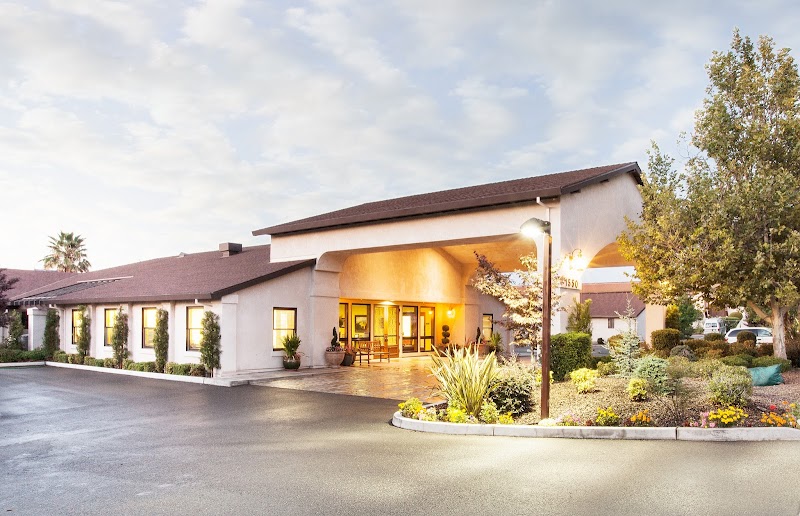
How is Lincoln Meadows Staffed?

CMS rates LINCOLN MEADOWS CARE CENTER's staffing level at 3 out of 5 stars, which is average compared to other nursing homes. Staff turnover is 39%, compared to the California average of 46%. This relatively stable workforce can support continuity of care.

What Have Inspectors Found at Lincoln Meadows?

State health inspectors documented 59 deficiencies at LINCOLN MEADOWS CARE CENTER during 2022 to 2025. These included: 58 with potential for harm and 1 minor or isolated issues. While no single deficiency reached the most serious levels, the total volume warrants attention from prospective families.
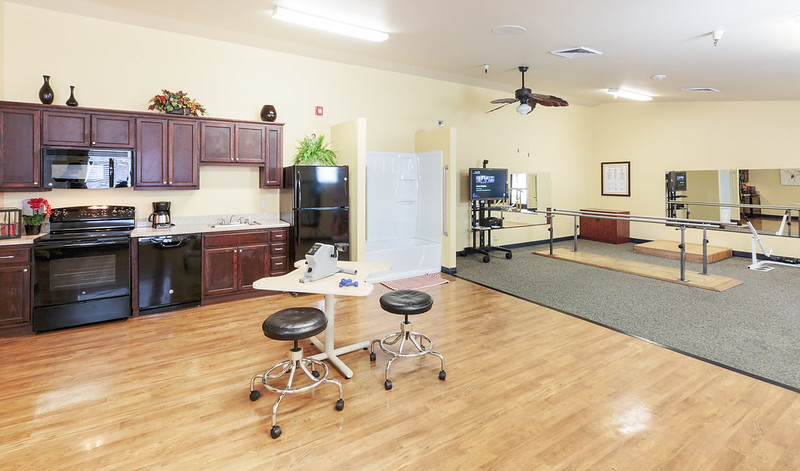
Who Owns and Operates Lincoln Meadows?

LINCOLN MEADOWS CARE CENTER is owned by a for-profit company. For-profit facilities operate as businesses with obligations to shareholders or private owners. The facility is operated by PACS GROUP, a chain that manages multiple nursing homes. With 97 certified beds and approximately 84 residents (about 87% occupancy), it is a smaller facility located in LINCOLN, California.
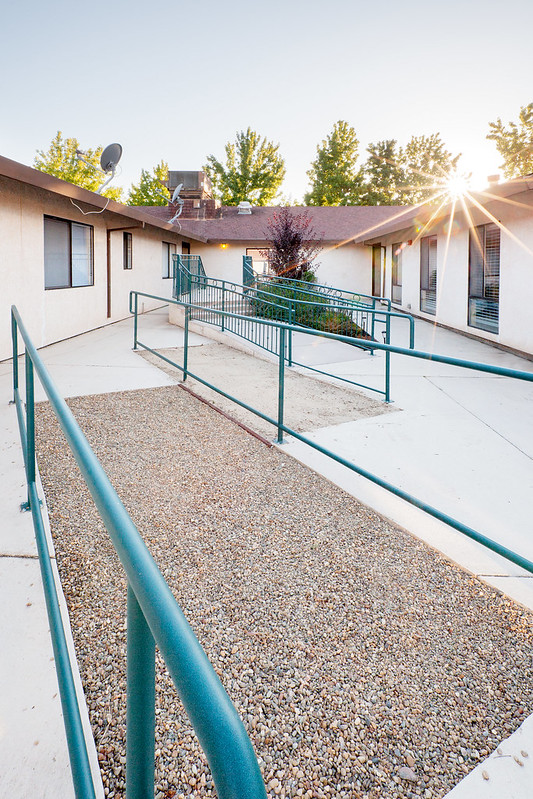
How Does Lincoln Meadows Compare to Other California Nursing Homes?

Compared to the 100 nursing homes in California, LINCOLN MEADOWS CARE CENTER's overall rating (3 stars) is below the state average of 3.1, staff turnover (39%) is near the state average of 46%, and health inspection rating (2 stars) is below the national benchmark.

What Should Families Ask When Visiting Lincoln Meadows?

Based on this facility's data, families visiting should ask: "Can I visit during a mealtime to observe dining assistance and food quality?" "How do you handle medical emergencies, and what is your hospital transfer rate?" "Can I speak with family members of current residents about their experience?"

Is Lincoln Meadows Safe?

Based on CMS inspection data, LINCOLN MEADOWS CARE CENTER has a clean safety record: no substantiated abuse findings (meaning no confirmed cases of resident harm), no Immediate Jeopardy citations (the most serious violation level indicating risk of serious injury or death), and is not on the Special Focus Facility watch list (a federal program monitoring the lowest-performing 1% of nursing homes). The facility has a 3-star overall rating and ranks #100 of 100 nursing homes in California. While no facility is perfect, families should still ask about staff-to-resident ratios and recent inspection results during their visit.

Do Nurses at Lincoln Meadows Stick Around?

LINCOLN MEADOWS CARE CENTER has a staff turnover rate of 39%, which is about average for California nursing homes (state average: 46%). Moderate turnover is common in nursing homes, but families should still ask about staff tenure and how the facility maintains care continuity when employees leave.

Was Lincoln Meadows Ever Fined?

LINCOLN MEADOWS CARE CENTER has no federal fines on record. CMS issues fines when nursing homes fail to meet care standards or don't correct problems found during inspections. The absence of fines suggests the facility has either maintained compliance or corrected any issues before penalties were assessed. This is a positive indicator, though families should still review recent inspection reports for the full picture.

Is Lincoln Meadows on Any Federal Watch List?

LINCOLN MEADOWS CARE CENTER is not on any federal watch list. The most significant is the Special Focus Facility (SFF) program, which identifies the bottom 1% of nursing homes nationally based on persistent, serious quality problems. Not being on this list means the facility has avoided the pattern of deficiencies that triggers enhanced federal oversight. This is a positive indicator, though families should still review the facility's inspection history directly.