RIVER VALLEY CARE CENTER
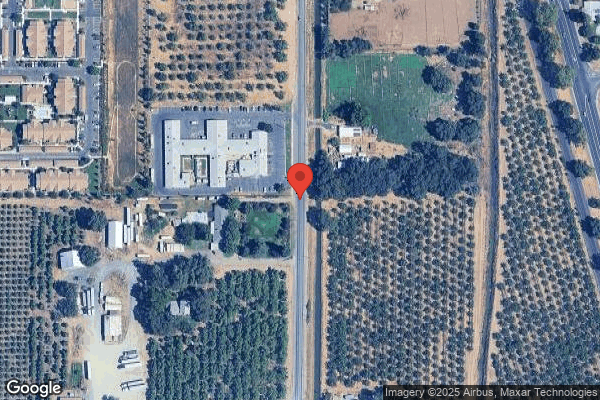
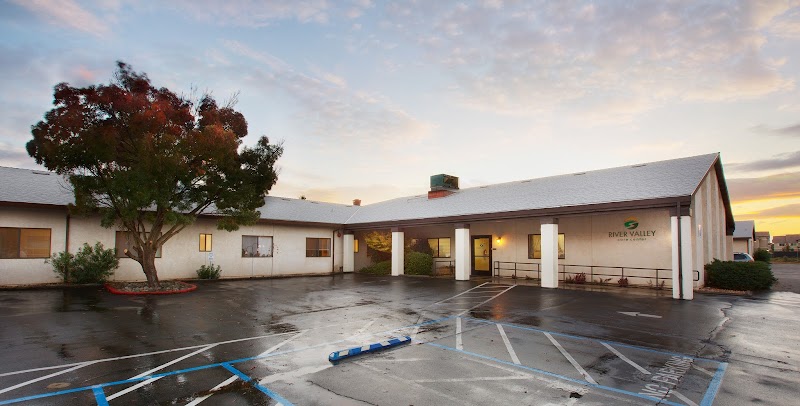
9000 LARKIN ROAD, LIVE OAK, CA 95953 (530) 695-8020
For profit - Limited Liability company 99 Beds PACS GROUP Data: November 2025
Trust Grade
50/100
#668 of 1155 in CA
Last Inspection: June 2025

Inspected within the last 6 months. Data reflects current conditions.

Overview

River Valley Care Center has a Trust Grade of C, indicating it is average and situated in the middle of the pack among nursing homes. It ranks #668 out of 1155 facilities in California, placing it in the bottom half of the state, and #3 out of 4 in Sutter County, meaning there is only one local option that is better. The facility is getting worse, with issues increasing from 12 in 2024 to 23 in 2025. Staffing is a strength, with a 3 out of 5 rating and a turnover of 38%, which is on par with the state average, while RN coverage is better than 79% of state facilities, ensuring residents receive adequate medical attention. However, there have been serious concerns, including failures to obtain necessary lab tests for residents and issues with food safety in the kitchen that could expose residents to health risks. While there are some strengths in staffing and no fines on record, the increasing number of issues and serious findings are concerning for families considering this facility.

Trust Score
C
50/100
In California
#668/1155
Bottom 43%
Safety Record
Moderate
Needs review
Inspections
Getting Worse
12 → 23 violations
Staff Stability
○ Average
38% turnover. Near California's 48% average. Typical for the industry.
Penalties
✓ Good
No fines on record. Clean compliance history, better than most California facilities.
Skilled Nurses
○ Average
Each resident gets 40 minutes of Registered Nurse (RN) attention daily — about average for California. RNs are the most trained staff who monitor for health changes.
Violations
⚠ Watch
58 deficiencies on record. Higher than average. Multiple issues found across inspections.
★★★☆☆
3.0
Overall Rating
★★★☆☆
3.0
Staff Levels
★★★★★
5.0
Care Quality
★★☆☆☆
2.0
Inspection Score
Stable
2024: 12 issues
2025: 23 issues

The Good

  • 5-Star Quality Measures · Strong clinical quality outcomes
  • Full Sprinkler Coverage · Fire safety systems throughout facility
  • No fines on record
  • Staff turnover below average (38%)

    10 points below California average of 48%

Facility shows strength in quality measures, fire safety.

The Bad

3-Star Overall Rating

Near California average (3.1)

Meets federal standards, typical of most facilities

Staff Turnover: 38%

Near California avg (46%)

Typical for the industry

Chain: PACS GROUP

Part of a multi-facility chain

Ask about local staffing decisions and management

The Ugly 58 deficiencies on record

2 actual harm
Jun 2025 14 deficiencies
CONCERN (D)

Potential for Harm - no one hurt, but risky conditions existed

Assessment Accuracy (Tag F0641)

Could have caused harm · This affected 1 resident

**NOTE- TERMS IN BRACKETS HAVE BEEN EDITED TO PROTECT CONFIDENTIALITY** Based on observation, interview, and record review, the facility did not accurately assess Resident 7 when the Minimum Data Set ...

Read full inspector narrative →
**NOTE- TERMS IN BRACKETS HAVE BEEN EDITED TO PROTECT CONFIDENTIALITY** Based on observation, interview, and record review, the facility did not accurately assess Resident 7 when the Minimum Data Set (MDS, a standardized, comprehensive assessment to evaluate resident's health status, functional abilities, and care needs) indicated Resident 7 required partial to moderate assistance with eating; however, the care plan (a document that outlines a resident's specific goals and needs) indicated Resident 7 required extensive assistance with eating. This failure had the potential to not accurately reflect Resident 7's status, which could cause a decline in the resident's status and ability to receive proper nutrition. Findings: A review of a facility policy titled, Resident Assessments, with a revised date of October 2024, indicated, The results of the assessments are used to develop, review, and revise the resident's comprehensive care plan. A review of a facility document titled, Job Description: MDS Nurse . with a date of August 2019, indicated the essential duties of an MDS nurse included, Responsible for the data entry function to assure accurate data entry and electronic submission of MDS assessments. Performs corrections when necessary and maintains appropriate records. Assists disciplines in formulating and revising care plans. Ensures that resident's present//potential problems are identified and prioritize; realistic goals are established, and nursing intervention is appropriate. Evaluates resident care plans for comprehensiveness and individuality. Ensures that the resident's care plan is reassessed and revised appropriately . A review of the facility's records indicated Resident 7 was admitted to the facility on [DATE], with diagnoses that included Alzheimer's Disease with late onset (a gradual decline in cognitive function, including memory loss, confusion, and difficulties with thinking, language, and judgment), Underweight, Vascular Dementia (problems with reasoning, planning, judgement, and memory), Unspecified Glaucoma (eye condition that can lead to vision loss or blindness), Blindness right eye, contracture left hand (hardening of muscles leading to deformity of joints), and Dysphagia (difficulty or discomfort during swallowing). A review of a facility document titled, MDS 3.0 Section GG - Functional Abilities, with a date of 4/3/25, indicated, Resident 7 required partial to moderate assistance with eating. A review of Resident 7's care plan with a revised date on 3/30/25, indicated, Resident 7 had an ADL Self Care Performance Deficit, due to diagnoses of Alzheimer's, dementia, contractures. Resident requires EXT (extensive) assist for . meals. She is unable to verbalize needs. All needs must be anticipated and met. During an observation on 6/17/25 at 12:22 pm, Resident 7 was observed sitting and eating her meal at the dining table with no help. Resident 7 was seen eating her pureed food with her hands as she could not see her food. At times, Resident 7 was sitting there not eating her food. After approximately 10 minutes, a staff member came over to help and helped direct Resident 7 as to where her utensils and food were. During an interview on 6/19/25 at 9:48 am with the Director of Nursing (DON), stated that Resident 7, sometimes needs a lot of queuing (verbal direction), while eating. DON confirmed that Resident 7's care plan indicated extensive assistance and is still current. DON confirmed that due to this care plan, Resident 7 would be a one on one for feeding. During an interview on 6/19/25 at 1:35 pm with MDS, confirmed that the care plan indicated Resident 7 required extensive assistance with meals, even though the MDS indicated Resident 7 required partial to moderate assistance with eating. MDS confirmed that both of the assessments (MDS and care plan) did not state the same level of help required, leading to an inaccurate assessment of Resident 7.
CONCERN (D)

Potential for Harm - no one hurt, but risky conditions existed

Deficiency F0655 (Tag F0655)

Could have caused harm · This affected 1 resident

Based on observation, interview and record review, the facility failed to develop a baseline care plan for one resident out of three (Resident 238) within 48 hours after admission for respiratory care...

Read full inspector narrative →
Based on observation, interview and record review, the facility failed to develop a baseline care plan for one resident out of three (Resident 238) within 48 hours after admission for respiratory care issues and oxygen needs. This failure had the potential for Resident 238 to not receive effective and person-centered care when no respiratory goals or interventions were included in the baseline care plan. Findings: During a review of the facility's policy and procedure titled, Care Plans - Baseline, revised October 2024, indicated, a baseline plan of care to meet the resident's immediate health and safety needs is developed for each resident within forty-eight hours of admission. During an observation on 6/17/25 at 11:17 am, in Resident 238's room, there was an oxygen concentrator administering oxygen to Resident 238 via nasal cannula (a thin, flexible tube that wraps around your head, typically hooking around your ears. On one end, it has two prongs that sit in your nose and deliver oxygen. The other end of the tube connects to an oxygen supply). Resident 238 was observed to be laying flat and having a difficult time breathing. During a review of Resident 238's physician orders dated on 6/15/25, indicated Resident 238 was to receive continuous oxygen support via nasal cannula at 2 liters per minute. During a review of Resident 238's medical records on 6/18/25, indicated Resident 238 was admitted to facility on 6/15/25 from an acute care hospital with acute respiratory failure, heart failure, pneumonia, and chronic obstructive pulmonary disease (a progressive lung disease that makes it difficult to breathe). Resident 238 was able to make own healthcare decisions. During a review of Resident 238's baseline care plan on 6/18/25, the care plan did not indicate the patient was on oxygen or had any respiratory problems. During a concurrent interview and record review on 6/19/25 at 3 pm, with the Director of Nursing (DON), the DON confirmed Resident 238's baseline care plan should have included respiratory goals and interventions including oxygen therapy.
CONCERN (D)

Potential for Harm - no one hurt, but risky conditions existed

Comprehensive Care Plan (Tag F0656)

Could have caused harm · This affected 1 resident

**NOTE- TERMS IN BRACKETS HAVE BEEN EDITED TO PROTECT CONFIDENTIALITY** Based on observation, interview, and record review, the facility failed to develop and implement a person-center care plan for o...

Read full inspector narrative →
**NOTE- TERMS IN BRACKETS HAVE BEEN EDITED TO PROTECT CONFIDENTIALITY** Based on observation, interview, and record review, the facility failed to develop and implement a person-center care plan for one of four residents (Resident 26) sampled for care plans, to reflect Resident 26's required need of the assistance of two helpers with Activity of Daily Living (ADL's, which included turning resident in bed, bathing, and changing her brief [incontinent underwear that absorb urine and feces]). This failure had the potential to lead to inaccurate provision of care and adverse health outcomes for Resident 26. Findings: A review of the facility's policy titled Care Plans, Comprehensive reviewed 9/2024, indicated A comprehensive care plan that includes measurable objectives and timetables to meet the resident's physical, psychosocial, and functional needs is developed and implemented for each resident. 1. The care plan interventions are derived from analysis of the information gathered as part of the comprehensive assessment. The comprehensive care plan will: .b. Describe the services that are to be furnished. d. Describe any specialized services to be provided. A review of Resident 26's admission record indicated, Resident 26 was readmitted to the facility on [DATE] after a hospital stay, with diagnoses that included respiratory failure with hypoxia (lack of oxygen to the brain), pneumonitis (lung infection) due to inhalation of food and vomit, Dysphagia (difficulty with swallowing), aphasia (unable to talk), Alzheimer's (progressive brain disease which causes a decline in thinking, reasoning, and memory), and diabetes (high sugar in the blood). Resident 26 was unable to make her own health care decisions. A review of Resident 26's Significant Change in Status Minimum Data Set (MDS, a comprehensive assessment to determine a resident's care plan) dated 5/30/25, indicated that Resident 26's ability to think, reason, and remember, was severely impaired. Resident 26 was dependent (requiring the assistance of two or more helpers to complete the activity) on staff for toileting hygiene (changing her brief and cleaning up afterwards), bathing, upper and lower body dressing, and rolling from left to right or right to left. During an observation on 6/18/25 at 10:22 am, Certified Nursing Assistant (CNA) F was observed turning Resident 26 on her left side and removing a soiled brief and replacing it with a clean one. CNA F rolled Resident 26 on her left side by pushing on Resident 26's right shoulder and right hip. CNA F then removed her right hand from Resident 26's hip and kept pushing on Resident 26's right shoulder to keep Resident 26 from rolling on her back while she cleaned Resident 26's bottom and place a new brief. Resident 26 was grabbing at CNA F, pushing against CNA F and moaning during the event. During an interview on 6/18/25 at 11:06 am, CNA F indicated she usually changed Resident 26's brief by herself. CNA F stated, I do not know if she (Resident 26) needs two people. A review of Resident 26's comprehensive care plan revised 11/20/23, showed a focus area titled ADL Self Care Performance Deficit. Resident is unable to make needs known. All needs must be anticipated. She requires extensive to total assist with ADLS . There were no interventions to indicate number of helpers needed for the ADL tasks. During a concurrent interview and record review with the Director of Nursing (DON) on 6/18/25 at 11:10 am, Resident 26's MDS and Care Plans were reviewed. The DON indicated that Resident 26 was dependent with her ADL's and required two helpers with turning in bed and brief change. The DON indicated that Resident 26 was unable to help with these activities and there should be two helpers to prevent injury and provide comfort for Resident 26. The DON confirmed that Resident 26's care plan did not specify the need for two helpers, but it should have.
CONCERN (D)

Potential for Harm - no one hurt, but risky conditions existed

ADL Care (Tag F0677)

Could have caused harm · This affected 1 resident

**NOTE- TERMS IN BRACKETS HAVE BEEN EDITED TO PROTECT CONFIDENTIALITY** Based on observation, interview, and record review, the facility did not provide Resident 7 with extensive assistance while eati...

Read full inspector narrative →
**NOTE- TERMS IN BRACKETS HAVE BEEN EDITED TO PROTECT CONFIDENTIALITY** Based on observation, interview, and record review, the facility did not provide Resident 7 with extensive assistance while eating her lunch, as deemed necessary by her care plan (a document that outlines a resident's specific goals and needs). This failure had the potential to foster a decrease in the resident's participation in her activities of daily living (ADLs) to maintain good nutrition. Findings: A review of a facility policy titled, Activities of Daily Living (ADL), Supporting, with a revised date of August 2024, indicated, Residents will be provided with care, treatment and services as appropriate to maintain or improve their ability to carry out activities of daily living (ADLs) as practicable as possible. Residents who are unable to carry out activities of daily living independently will receive the services necessary to maintain good nutrition A review of a facility policy titled, Care Plans, Comprehensive, with a reviewed date of September 2024, indicated, A comprehensive care plan that includes measurable objectives and timetables to meet the resident's physical, psychosocial and functional needs is developed and implemented for each resident. The comprehensive care plan will: aid in preventing or reducing decline in the resident's functional status and/or functional levels A review of the facility's records indicated Resident 7 was admitted to the facility on [DATE], with diagnoses that included Alzheimer's Disease with late onset (a gradual decline in cognitive function, including memory loss, confusion, and difficulties with thinking, language, and judgment), Underweight, Vascular Dementia (problems with reasoning, planning, judgement, and memory), Unspecified Glaucoma (eye condition that can lead to vision loss or blindness), Blindness right eye, contracture left hand (hardening of muscles leading to deformity of joints), and Dysphagia (difficulty or discomfort during swallowing). A review of Resident 7's care plan with an initiated date on 10/25/2022, indicated, Resident 7 had an ADL Self Care Performance Deficit, due to diagnoses of Alzheimer's, Dementia, contractures. Resident requires EXT (extensive) assist for . meals. She is unable to verbalize needs. All needs must be anticipated and met. A review of a facility progress note dated 5/16/25 at 3:57 pm by Infection Preventionist (IP), indicated Resident 7, Was spitting out her vegetables and carbs. She uses her tongue to flatten her food. During an observation on 6/17/25 at 12:22 pm, Resident 7 was observed sitting and eating her meal at the dining table with no help. Resident 7 was seen eating her puree food with her hands as she could not see her food. At times, Resident 7 was sitting there not eating her food. After approximately 10 minutes, a staff member came over and helped direct Resident 7 as to where her utensils and food were. During an interview on 6/19/25 at 8:45 am with IP, confirmed that an individual can not eat pureed foods with their hands. IP stated she remembered watching Resident 7 try to chew her carrots and she was smashing them and would spit them out. During an interview on 6/19/25 at 9:48 am with the Director of Nursing (DON), stated that Resident 7, sometimes needs a lot of queuing (verbal direction), while eating. DON confirmed that Resident 7's care plan indicated extensive assistance and is still current. DON confirmed that due to this care plan, Resident 7 would be a one on one for feeding.
CONCERN (D)

Potential for Harm - no one hurt, but risky conditions existed

Quality of Care (Tag F0684)

Could have caused harm · This affected 1 resident

**NOTE- TERMS IN BRACKETS HAVE BEEN EDITED TO PROTECT CONFIDENTIALITY** Based on observation, interview, and record review, the facility failed to ensure an evaluation and documentation, of a red area...

Read full inspector narrative →
**NOTE- TERMS IN BRACKETS HAVE BEEN EDITED TO PROTECT CONFIDENTIALITY** Based on observation, interview, and record review, the facility failed to ensure an evaluation and documentation, of a red area, was completed for one of two residents (Resident 26) sampled for skin conditions, when Resident 26 was identified to have a red area on her bottom on admission but there was no further documentation about the red area for the next three weeks. This failure had the potential for Resident 26's skin condition to become worse and cause significant pain and negative clinical outcomes. Findings: A review of the facility's policy titled Prevention of Pressure Ulcers/Injuries revised September 2024, indicated Monitoring 1. Evaluate, report and document potential changes in the skin. A review of Resident 26's admission record indicated, Resident 26 was readmitted to the facility on [DATE] after a hospital stay, with diagnoses that included respiratory failure with hypoxia (lack of oxygen to the brain), pneumonitis (lung infection) due to inhalation of food and vomit, Dysphagia (difficulty with swallowing), aphasia (unable to talk), Alzheimer's (progressive brain disease which causes a decline in thinking, reasoning, and memory), and diabetes (high sugar in the blood). Resident 26 was unable to make her own health care decisions. A review of Resident 26's Significant Change in Status Minimum Data Set (MDS, a comprehensive assessment to determine a resident's care plan) dated 5/30/25, indicated that Resident 26's ability to think, reason, and remember was severely impaired. Resident 26 was dependent (requiring the assistant of two or more helpers to complete the activity) on staff for toileting hygiene (changing her brief and cleaning up afterwards), bathing, upper and lower body dressing, and rolling from left to right or right to left. Resident 26 was always incontinent of urine and bowel (feces) movements. During an observation on 6/18/25 at 10:22 am, Certified Nursing Assistant (CNA) F was observed turning Resident 26 on her left side, removing a soiled brief (disposable underwear to catch urine and feces), and wiping urine and feces off of her bottom. Resident 26 was observed to have a wound dressing on her bottom. CNA F stated the dressing was to cover a red area on Resident 26's bottom. A review of Resident 26's weekly skin assessments dated 6/8/25 and 6/15/25 indicated Resident 26's skin had no new skin issues and skin was clear and intact. A review of the admission Comprehensive Skin Evaluation/Assessment dated 5/28/25, indicated Resident 26 had redness to the sacrum (an area on Resident 26's bottom at the end her spine). There was no documented measurements or cause for the redness. During a concurrent interview with Licensed Nurse (LN) B and record review on 6/19/25 at 12:59 pm, Resident 26's admission Comprehensive Skin Evaluation/Assessment dated 5/28/25, was reviewed. LN B indicated the redness that was identified on Resident 26's bottom during admission was due to moisture associated skin damage (MASD, when the skin gets inflamed/irritated due to urine or feces on the skin). LN B confirmed that the reason for the redness was not identified or measured on the assessment evaluation, and it should have been. LN B indicated that Resident 26 continued to have redness on her bottom, and that there was a daily treatment for this area. Resident 26's 6/8/25 and 6/15/25 weekly skin assessments was also reviewed and LN B confirmed that there was no follow-up or evaluations of the redness for Resident 26 and there should have been. During an interview on 6/19/25 at 1:25 pm, the Treatment Nurse (TN) indicated that she was doing daily treatments for Resident 26's redness on her bottom but said the redness had never been measured or evaluated to determine how it was progressing (if it was getting better or worse) and there should have been documentation on this. During an observation on 6/20/25 at 9:30 am, TN and LN B were observed changing the dressing on Resident 26's bottom. Resident 26's bottom presented with a large egg-shaped, fist size, purple/red area, with pealing skin, that spread to both sides of Resident 26's bottom. TN confirmed the wound's size, shape, color, and that the skin was peeling off of Resident 26's bottom.
CONCERN (D)

Potential for Harm - no one hurt, but risky conditions existed

Accident Prevention (Tag F0689)

Could have caused harm · This affected 1 resident

**NOTE- TERMS IN BRACKETS HAVE BEEN EDITED TO PROTECT CONFIDENTIALITY** Based on observation, interview and record review, the facility failed to ensure the safety of one of nine sampled residents (Re...

Read full inspector narrative →
**NOTE- TERMS IN BRACKETS HAVE BEEN EDITED TO PROTECT CONFIDENTIALITY** Based on observation, interview and record review, the facility failed to ensure the safety of one of nine sampled residents (Resident 79) reviewed for accidents and hazards when Resident 79 was found to have nine razors and one pair of tweezers in her room. This failure had the potential for Resident 79 to cause physical and psychosocial harm to herself and to other residents in the secured unit. Findings: During a record review of facility policy titled Safety and Supervision of Residents dated October 2024, indicated employees shall be trained in potential accident hazards, how to identify and report accident hazards, and try to prevent avoidable accidents. Facility policy further indicated that resident supervision is a core component of the systems approach to safety. The type and frequency of resident supervision is determined by the individual resident's assessed needs and identified hazards in the environment. During a record review of Resident 79's admission record, Resident 79 was admitted to the facility on [DATE] with diagnoses that included dementia (a decline in mental ability severe enough to interfere with daily life) with psychotic disturbance (the presence of hallucinations and/or delusions), visual hallucinations (perceptions of visual stimuli that are not present), and anxiety disorder (excessive fear, worry, or unease). During a concurrent observation and interview on 6/17/25 at 9:16 am, Resident 79 stood in the doorway of her room and held a brush in her hands. Resident 79 stated she liked to tweeze the hairs of her upper lip. Resident 79 was observed with upper lip redness, inflammation and three red scabs. Resident 79 called a passing resident a thief and stated she had to stand in her doorway to keep people out and protect her belongings. Resident 79 stated she had to use her brush to defend herself against intruders. During a concurrent observation and interview on 6/18/25 at 3:01 pm, Resident 79 sat on her bed. Resident 79 opened her bedside table and produced nine double-bladed disposable razors and one pair of tweezers. Resident 79 stated the razors were to shave her face and legs. Resident 79 stated staff were aware she had them in her room. During an interview on 6/18/25 at 3:17 pm, with Registered Nurse (RN) D, RN D stated she knew Resident 79 had tweezers in her room and used them on her face. RN D stated she did not know there were nine disposable razors in Resident 79's room. RN D stated it was possible a family member brought them to Resident 79. RN D stated staff would call a family member to come remove the razors from Resident 79. RN D stated staff was not comfortable going into Resident 79's room because she had a tendency to be combative. RN D confirmed that Resident 79 should not have disposable razors in her room due to safety concerns for herself and other residents. During a concurrent observation and interview on 6/18/25 at 3:40 pm, there were no razors or tweezers observed in Resident 79's room. RN D confirmed items had been removed by staff. During an interview on 6/19/25 at 9:21 am, with Director of Nursing (DON), DON stated she was surprised staff knew about the tweezers in Resident 79's room. DON confirmed disposable razors and tweezers were a safety concern and Resident 79 should not have them.
CONCERN (D)

Potential for Harm - no one hurt, but risky conditions existed

Deficiency F0802 (Tag F0802)

Could have caused harm · This affected 1 resident

**NOTE- TERMS IN BRACKETS HAVE BEEN EDITED TO PROTECT CONFIDENTIALITY** Based on observation, interview and record review, the facility failed to ensure three dietary aides (responsible for dishwashin...

Read full inspector narrative →
**NOTE- TERMS IN BRACKETS HAVE BEEN EDITED TO PROTECT CONFIDENTIALITY** Based on observation, interview and record review, the facility failed to ensure three dietary aides (responsible for dishwashing) was competent on the use of the three-compartment sink (used in food services to properly wash, rinse, and sanitize dishes and utensils) procedure for manual dish washing in the kitchen. This failure placed all residents at risk for cross contamination and acquiring food-borne illnesses. Findings: A review of the facility policy titled Manual Warewashing [dishes and utensils], revised 10/2022, indicated all cookware, dishware, and serviceware that is not processed through the dish machine will be manually washed and sanitized (using chemicals to kill bacteria). The dining service staff will be knowledgeable in proper technique including: - Soap dispensing. - Wash temperature at no less then 110 degrees Fahrenheit. - Chemical sanitizing dispensing. - Chemical sanitizer testing and concentration. Appropriate test strips will be utilized to measure the concentration of the sanitizer solution. Results will be recorded on the Three-Compartment Sink Log. All serviceware and cookware will be air dried prior to storage. During a concurrent observation and interview, on 6/17/25 at 9:11 am, Dietary Aide (DA) J was using the dishwasher to wash and sanitize the post breakfast dishes. DA J was asked to test the level of chemicals in the dishwasher used for sanitization with test strips. The test strip indicated that the sanitizing solution was at a level of 10 parts per million (ppm) and it should have been at 200ppm per the manufacture instructions on the test strip. DA J repeated the test a second time and got the same result. DA J checked the test strips expiration date, and they were expired as of 3/2025. DA J and DA K continued to wash dishes and did not inform the Dietary Service Supervisor (DSS) or start three-compartment manual dish washing. A review of a dish machine report, dated 6/17/25, indicated an emergency service for machine sanitizer for the dishwasher occurred. Service technician found a hole in the tube that delivered sanitizer to the dishwasher and replaced the tube. During a concurrent observation and interview, on 6/17/25 at 11:10 am, three-compartment manual dish washing was taking place in the kitchen. DA I stated that dishes needed to be left in the sanitizing solution for three to five minutes. DA I confirmed that there was no policy regarding dwell time for the three-compartment sink close by for them to reference to ensure the correct dwell time. DA I stated they would need to go and ask the DSS to confirm the dwell time. During review of manufacture guidelines for [NAME] Chemicals Sani Tech, indicated when used surfaces need to remain visibly wet for at least 60 seconds. During an interview with the Registered Dietitian (RD) on 6/17/25 at 11:10 am, the RD confirmed that dietary staff should not be using test trips that are expired, and they should have immediately started the three-compartment sink procedure, and dietary staff should know the dwell time for sanitization for manual dishwashing. During an interview with the Director of Maintenance (DOM) on 6/17/25 at 12:33 pm, the DOM stated they were unaware of any issues with the dishwasher.
CONCERN (E)

Potential for Harm - no one hurt, but risky conditions existed

Safe Environment (Tag F0584)

Could have caused harm · This affected multiple residents

**NOTE- TERMS IN BRACKETS HAVE BEEN EDITED TO PROTECT CONFIDENTIALITY** Based on observation, interview, record review, the facility failed to maintain a safe, clean, comfortable and homelike environm...

Read full inspector narrative →
**NOTE- TERMS IN BRACKETS HAVE BEEN EDITED TO PROTECT CONFIDENTIALITY** Based on observation, interview, record review, the facility failed to maintain a safe, clean, comfortable and homelike environment when 10 out of 21 resident rooms in the locked unit, and one courtyard in the locked unit had the following: 1. Resident rooms 131, 133, 134, 137, 138, and 140 were observed as undecorated and not personalized to individuals. 2. room [ROOM NUMBER] was found on multiple dates as having a foul, unpleasant urine-like smell. 3. room [ROOM NUMBER] and 141 were observed to have mismatched toilet parts covered in tape, as well as other broken parts. 4. rooms [ROOM NUMBER] were observed to have patchy, or scratched off paint visible to, and near resident beds. 5. Uncovered outlets with patchy paint were found near room [ROOM NUMBER]. 6. The outdoor courtyard for locked unit had uneven pavement, dead plants, no shade, and an unpleasant appearance. 7. Several resident rooms were found to have unpleasant, sewage-like smells in bathrooms. This failure placed Residents at risk for psychosocial harm when they had to live in an environment that was not homelike and in disrepair. Findings: During an observation on 6/17/25 at 10:00 am, rooms 131, 133, 134, 137, 138, and 140 were found to be plain and undecorated. Other rooms were found to be undecorated and lacking any individual belongings, wall decorations, and did not appear homelike. During an interview 6/19/25 at 8:20 am with Activities Director (AD) regarding the locked dementia unit, she stated I'd like to improve and decorate more rooms over there, it's a work in progress. During multiple observations on 6/17/25, 6/18/25, and 6/19/25, room [ROOM NUMBER] was found to have a severe, foul, urine-like smell inside, with sticky, unknown liquid stains on the floor. During a concurrent interview and observation with LN A on 6/20/25 9:04 am, she stated Yes, it smells like urine. She explained that Resident in 137B had urinary issues, and that housekeeping was aware of the problem. During multiple observations on 6/17/25 through 6/20/25, rooms [ROOM NUMBERS]'s shared bathroom was found to have broken, ill-fitting parts taped down, and a broken toilet paper dispenser. During an interview on 6/17/25 2:53 pm with CNA L, she verbally confirmed toilets in resident's rooms smell like sewage, and she wished maintenance would come around more to fix things. During multiple observations on 6/17/25 through 6/20/25 by multiple surveyors, rooms [ROOM NUMBER] were found to have peeling, scratched off, or patchy paint. Mismatched paint patches or drywall spackle were found in multiple areas. room [ROOM NUMBER] was found to have large patches of green paint scratched off, showing beige paint, directly next to the resident's bed. During multiple observations on 6/17/25 through 6/20/25, facility hallways were found to have patchy, mismatched paint or possibly drywall spackling in multiple spots. The facility hallways also had an uncovered electrical outlet near room [ROOM NUMBER] with paint patches surrounding it. During multiple observations on 6/17/25 through 6/20/25, the only outdoor recreation space for the locked unit was found to have uneven pavement, dead plants, tall, uncut weeds, dead grass, no shade, and the general appearance was not homelike. The courtyard appeared to have full sun exposure for most of the day. The courtyard was adjacent and visible to the smoking area of the facility, as well as the storage sheds along a driveway. During an interview with CNA H on 6/20/25 at 9:13 am, when asked about the resident courtyard, CNA H stated, It could be improved. The facility policy and procedure titled Homelike Environment dated 2001, shows the facility staff shall provide, to the extent possible, the characteristics of the facility that reflect a personalized, homelike setting. It also shows Residents are provided with a safe, comfortable, and homelike environment and encouraged to use their personal belongings to the extent possible or as practicable.
CONCERN (E)

Potential for Harm - no one hurt, but risky conditions existed

Unnecessary Medications (Tag F0759)

Could have caused harm · This affected multiple residents

Based on observation, interview, and record review, the facility failed to maintain a medication error rate below 5%, as 10 medication errors were observed out of 28 opportunities. The error rate was ...

Read full inspector narrative →
Based on observation, interview, and record review, the facility failed to maintain a medication error rate below 5%, as 10 medication errors were observed out of 28 opportunities. The error rate was calculated by dividing 10 by 28 and multiplying by 100, resulting in an error rate of 35.7%. This failure led to inaccurate dosing and multiple medication errors. Findings: 1. During a record review of facility policy titled Administering Medications dated 2001, indicated medications are administered in accordance with prescriber orders. Facility policy further indicated staff would check the label three times to verify the right resident, right medication, right dosage, right time and right method of administration before giving the medication. Facility policy also indicated the expiration/beyond use date on the medication label is checked prior to administering. During a record review of Resident 46's Medication Administration Record (MAR) dated 6/4/25, indicated Resident 46 was prescribed Hydrocodone-Acetaminophen (Norco - a pain medication) 5-325 milligrams (mg) by mouth two times a day for chronic pain. During a record review of Resident 46's MAR dated 6/19/25, indicated Licensed Nurse (LN) A documented Resident 46's pain level as a seven out of ten (indicated severe pain on a zero to ten pain scale). During an observation on 6/18/25 at 8:12 am, LN A failed to accurately document medication administration for Resident 46. Resident 46 refused to take a crushed Norco 5-325 mg in applesauce. LN A asked Resident 46 if it was the applesauce that she did not like. Resident 46 nodded her head yes. LN A did not offer Norco 5-325 mg to Resident 46 in another food item. LN A documented the pain medication as refused on Resident 46's MAR. During a record review of Resident 288's physician orders dated 5/22/25, indicated Resident 288's medications crushed unless contraindicated. During an observation on 6/18/25 at 8:25 am, LN A failed to crush Resident 288's cranberry 450 mg and Lexapro 20 mg per physician orders. During an observation on 6/18/25 at 8:25 am, LN A failed to check medication expiration dates per facility policy prior to administration for Resident 288. During an interview with LN A on 6/18/25 at 8:39 am, LN A confirmed she incorrectly documented Resident 46's refusal of the applesauce as a refusal of the Norco 5-325 mg. LN A stated she knew Resident 46 did not like applesauce, but her medication cart was out of pudding. LN A stated she should have put a pudding on her medication cart when she noted there was none prior to medication administration. LN A also confirmed Resident 288's cranberry 450 mg and Lexapro 20 mg were not completely crushed per physician orders. LN A further confirmed she did not check the expiration dates of Resident 288's medications prior to administration. 2. During a record review of Resident 59's physician orders dated 3/30/25, indicated Resident 59 was prescribed Ascorbic acid (vitamin C) tablet 500 mg, give 1000 mg by mouth once daily. During an observation on 6/18/25 at 8:41 am, LN B failed to follow physician medication orders for Resident 59 when he gave Resident 59 four Vitamin C 250 mg tablets instead of two Vitamin C 500 mg tablets per physician orders. During an observation on 6/18/25 at 8:41 am, LN B failed to check Resident 59's medications against the MAR three times per facility policy. During an interview with LN B on 6/18/25 at 8:51 am, LN B confirmed he did not check Resident 59's medications against the MAR three times. LN B confirmed facility policy stated staff were to check medications against the resident's MAR three times prior to administration. LN B stated he should not have given Resident 59 four Vitamin C 250 mg tablets because that was not what the provider ordered. LN B stated he should have contacted the provider prior to administration for a new medication order. 3.During a record review of a manufacturer's insert for Breo Ellipta (a corticosteroid inhaler commonly prescribed for Chronic Obstructive Pulmonary Disease (COPD - a condition caused by damage to the airways or other parts of the lungs) dated May 2023, indicated the following steps as part of a six-step instructive guide for patient use: 1. While holding the inhaler away from your mouth, breath out fully. 2. Take one long, steady, deep breath in through your mouth. Do not breathe in through your nose. 3. Remove the inhaler from your mouth and hold your breath for about three to four seconds. 4. Breathe out slowly and gently. 5. Do not swallow water after you rinse your mouth. Spit it out. During an observation on 6/18/25 at 8:55 am, Registered Nurse (RN) E did not instruct Resident 45 to empty her lungs completely. RN E did not instruct Resident 45 to take one long and steady breath through her mouth, and Resident 45 breathed in through her nose. RN E did not instruct Resident 45 to hold her breath for three to four seconds after the medication was administered. Resident 45 swallowed the water after she rinsed her mouth and did not spit it out. During an interview with RN E on 6/18/25 at 9:02 am, RN E confirmed she did not follow manufacturer guidelines to administer the Breo Ellipta inhaler to Resident 45. RN E could not confirm the difference between a steroid and non-steroid inhaler. RN E could not confirm why spitting the water out after an administered steroid inhaler was necessary. RN E confirmed there were five Breo Ellipta inhalers in her medication cart, and only two contained manufacturer's inserts. RN E stated she did not know where the other three manufacturer's inserts were. RN E stated facility expectation was for staff to know how to administer inhalers to facility residents per manufacturer's guidelines found on the box or box inserts. During an interview with Director of Nursing (DON) on 6/19/25 at 9:21 am, DON stated facility expectation was for staff to follow facility's medication administration policy and for staff to understand how to administer different inhalers. DON stated facility expectation was for staff to read the outside of the inhaler box or the manufacturer's insert prior to administration.
CONCERN (E)

Potential for Harm - no one hurt, but risky conditions existed

Deficiency F0761 (Tag F0761)

Could have caused harm · This affected multiple residents

**NOTE- TERMS IN BRACKETS HAVE BEEN EDITED TO PROTECT CONFIDENTIALITY** Based on observation, interview, and record review, the facility failed to properly store supplies in a medication room. This wa...

Read full inspector narrative →
**NOTE- TERMS IN BRACKETS HAVE BEEN EDITED TO PROTECT CONFIDENTIALITY** Based on observation, interview, and record review, the facility failed to properly store supplies in a medication room. This was evident in one out of two sampled medication storage rooms where unorganized products were found. Additionally, resident care supplies were found under the sink, which further indicated improper storage practices. The facility also failed to properly label resident medications in two out of four sampled medication carts. Disorganized storage of supplies and products in a nursing home can lead to medication errors, delays in treatment, and potential adverse health effects. Failing to properly label resident medications has the potential to put residents at risk for harm from receiving incorrect, expired, and potentially contaminated or ineffective medications. Findings: 1. During a record review of facility policy titled Medication Labeling dated [DATE], indicated the medication label included the expiration date as determined by the manufacturer, and resident's name. During a concurrent observation and interview of the medication cart 2B on Station 2 on [DATE] at 8:17 am, nicotine patches were found unlabeled in a drawer without the resident's name and expiration date. Registered Nurse (RN) E confirmed nicotine patches were not labeled with the resident's name and expiration date and should have been. During a concurrent observation and interview of the medication cart 1 on Station 1 on [DATE] at 8:47 am, D-Mannose (a simple sugar that can help prevent bacteria from sticking to the urinary tract walls) 500 milligrams (mg) was not labeled with the resident's name and expiration date and 30 Restasis single use artificial tears vials 0.4 milliliters (mL) were not labeled with the resident's name and expiration date. Licensed Nurse (LN) A confirmed both resident medications were not properly labeled with resident name and expiration date and should have been. 2. During a record review of facility policy titled Storage of Medications dated [DATE], indicated that nursing staff is responsible for maintaining medication storage and preparation areas in a clean, safe, and sanitary manner. During an observation on [DATE] at 10:43 am, medication room number two on station two was inspected. Medication room number two's upper cabinets had a variety of syringes and intravenous (IV) supplies scattered in unlabeled boxes, unorganized, and improperly placed on the shelves. A resident's heart monitor was observed under the sink amongst cleaning supplies. The wound supply cabinet had supplies scattered in unlabeled boxes, and unorganized. During an interview with Licensed Nurse (LN) B on [DATE] at 10:50 am, LN B confirmed he was the unit manager. LN B confirmed the unit manager was responsible for the organization and accessibility of the medication room. LN B confirmed medication room number two was unorganized and inaccessible to staff. LN B confirmed there was a resident's heart monitor under the sink and confirmed that it needed to be picked up by the manufacturer and should not be under the sink with cleaning supplies.
CONCERN (E)

Potential for Harm - no one hurt, but risky conditions existed

Deficiency F0805 (Tag F0805)

Could have caused harm · This affected multiple residents

**NOTE- TERMS IN BRACKETS HAVE BEEN EDITED TO PROTECT CONFIDENTIALITY** Based on observation, interview, and record review, the facility failed to ensure that food was in the appropriate form for one ...

Read full inspector narrative →
**NOTE- TERMS IN BRACKETS HAVE BEEN EDITED TO PROTECT CONFIDENTIALITY** Based on observation, interview, and record review, the facility failed to ensure that food was in the appropriate form for one of three residents (Resident 7) to meet her dietary needs. This failure had the potential for Resident 7 to aspirate (ingestion of food or fluid into the airway or lungs), choke, and have weight loss. Findings: During review of Resident 7's medical record revealed Resident 7 was admitted on [DATE] with diagnoses of Alzheimer's, underweight, blindness, contracture (deformity and rigidity of joints) of the left hand, and dysphagia (difficulty swallowing). A review of Dietary Note dated 12/18/24, at 1:00 pm, indicated that Resident 7 had a food intake range of 51-75% with meals being mechanical soft (foods that are easy to chew and swallow), pureed (a creamy paste or thick liquid made from cooked food) meat, and fortified (extra calories). A review of a Dietary Note dated 4/2/25, at 10:33 am, indicated that Resident 7's food intake was 0-26% with meals being mechanical soft, pureed meat, and fortified. A review of a Dietary Note dated 5/16/25 at 3:57 pm, indicated that the Infection Preventionist (IP) was assisting Resident 7 with lunch and noted that Resident 7 was spitting out the vegetables and carbohydrates. Resident 7 would use her tongue to flatten the food in their mouth. Resident 7 does not have any teeth. The IP indicated that Resident 7 did good eating the pureed fish and ice cream and downgraded (to pureed for swallowing safety) Resident 7's diet order. At 4:23 pm, IP informed the Physician and Resident 7's Responsible Party of the diet change. IP stated speech therapy was not needed. IP noted this was a food texture issue not a chocking issue for Resident 7. Charge nurse notified and dietary staff given diet change. A review of Clinical Physician Orders dated 5/16/25 at 4:01 pm, indicated a change in the diet order to a fortified diet, pureed textures. During an observation, on 6/17/24 at 12:22 pm, Resident 7 was sitting in the dinning room eating her meal with no help. She was eating pureed food with her hands and feeling around for the food. At times, Resident 7 was just sitting there and not eating. After 10 minutes, the Director of Staff Development (DSD) came over to help Resident 7 by directing the resident to where the utensils were. Resident 7's tray card indicated a dislike for green salad. On the plate was pureed meat, chopped tomatoes with lettuce, tater tots, and a tomato basil salad. During an interview, on 6/18/24 at 11:50 am, the Registered Dietitian (RD) stated that on 5/16/25 there was an order to change the diet for Resident 7's meals to be all pureed, but that information was not communicated to the RD. Resident 7 had been receiving the discontinued diet of pureed meats only for 33 days. RD updated the diet order for the dietary staff. RD confirmed that having the wrong diet put Resident 7 at risk for choking and weight loss. During a review of Rehab Dysphagia Screening Form, dated 8/29/24 for Resident 7, this was the last time Resident 7 had speech therapy evaluate her swallowing ability.
CONCERN (E)

Potential for Harm - no one hurt, but risky conditions existed

Infection Control (Tag F0880)

Could have caused harm · This affected multiple residents

**NOTE- TERMS IN BRACKETS HAVE BEEN EDITED TO PROTECT CONFIDENTIALITY** Based on observation, interview, and record review, the facility failed to ensure an infection control program was implemented b...

Read full inspector narrative →
**NOTE- TERMS IN BRACKETS HAVE BEEN EDITED TO PROTECT CONFIDENTIALITY** Based on observation, interview, and record review, the facility failed to ensure an infection control program was implemented by staff to reduce the spread of infection in the facility when: 1. A COVID outbreak was not reported timely to the Department of Public Health. 2. Certified Nursing Assistant (CNA) F did not perform hand hygiene when doing patient cares. These failures had the potential to result in the development and transmission of infectious diseases to residents, staff, and visitors. Findings: 1. A review of a facility policy titled, Unusual Occurrence Reporting, with a revised date of October 2024, indicated, Our facility will report the following events to appropriate agencies: An outbreak of any communicable disease . This policy further indicated, Unusual occurrences shall be reported . to appropriate agencies as required . Within twenty-four (24) hours of such incident . A review of a facility policy titled, Infection Prevention and Control Program, with a revised date of October 2024, indicated, The medical staff will help the facility comply with pertinent state and local regulations concerning the reporting and management of those with reportable communicable diseases. During an interview on 6/19/25 at 10:00 am with Infection Preventionist (IP), stated the COVID outbreak was reported to the local public health office on 6/11/25, but it was not reported to The California Department of Public Health (CDPH). IP stated, I wasn't sure if I needed to report it to CDPH, so I didn't report it. 2. A review of the facility's policy titled Handwashing/Hand Hygiene (undated), indicated this facility considers hand hygiene the primary means to prevent the spread of healthcare-associated infections [infections that happen in the nursing home]. Indications for Hand Hygiene F. Before moving from a work on a soiled body site to a clean body site on the same resident: and after glove removal. A review of Resident 26's admission record indicated, Resident 26 was readmitted to the facility on [DATE] after a hospital stay, with diagnoses that included respiratory failure with hypoxia (lack of oxygen to the brain), pneumonitis (lung infection) due to inhalation of food and vomit, dysphagia (difficulty with swallowing), aphasia (unable to talk), Alzheimer's (progressive brain disease which causes a decline in thinking, reasoning, and memory), and diabetes (high sugar in the blood). Resident 26 was unable to make her own health care decisions. A review of Resident 26's Significant Change in Status Minimum Data Set (a comprehensive assessment to determine a resident's care plan) dated 5/30/25, indicated that Resident 26's ability to think, reason, and remember was severely impaired. Resident 26 was dependent (requiring the assistant of two or more helpers to complete the activity) on staff for toileting hygiene (changing her brief and cleaning up afterword), bathing, upper and lower body dressing, and rolling from left to right or right to left. Resident 26 was incontinent of bowel and bladder. During an observation on 6/18/25 at 10:22 am, CNA F was observed changing a soiled brief for Resident 26. CNA F applied alcohol hand rub onto her hands, entered Resident 26's room and donned (put on) gloves. Resident 26 was lying in bed and CNA F rolled Resident 26 over and removed the soiled brief. CNA F used wipes to wipe Resident 26's bottom that had feces and urine on it. Resident 26 continued to expel feces and CNA F continued to wipe her bottom until it was clean of feces. CNA F threw the soiled brief and wipes in the garbage then with the same soiled gloved hands, CNA F picked up a clean brief and put it on Resident 26, adjusted Resident 26 in bed with her soiled gloves, and touching the bed controllers. CNA F then removed the soiled gloves and without doing hand hygiene she put on new gloves and applied a draw sheet under the resident and a new gown on the resident. During an interview on 6/18/25 at 10:40 am, CNA F confirmed that she did not remove her soiled gloves or do hand hygiene after contact with Resident 26's soiled body site and before touching a clean brief and a clean body site and she should have. CNA F confirmed that she did not perform hand hygiene after she removed her soiled gloves and before putting on new clean gloves and she should have. During an interview on 6/18/25 11:06 am, the IP indicated that it was their policy to do hand hygiene and change gloves when going from a soiled site to clean site and hand hygiene should be done when gloves are removed.
CONCERN (E)

Potential for Harm - no one hurt, but risky conditions existed

Deficiency F0919 (Tag F0919)

Could have caused harm · This affected multiple residents

**NOTE- TERMS IN BRACKETS HAVE BEEN EDITED TO PROTECT CONFIDENTIALITY** Based on observation, interview, and record review, the facility failed to ensure the communication call light system ( a commun...

Read full inspector narrative →
**NOTE- TERMS IN BRACKETS HAVE BEEN EDITED TO PROTECT CONFIDENTIALITY** Based on observation, interview, and record review, the facility failed to ensure the communication call light system ( a communication system which relays the call directly to a staff member or to a centralized staff work area) was working for five of seven residents (Residents 21, 55, 69, 81 and 440) sampled for working call lights, when these residents had been given hand bells when their call light cord broke and the Director of Maintenance (DOM) indicated she did not have time to fix their call light cords. This failure had the potential for Resident 21, 55, 69, 81, and 440, to be at risk for accidents and their care needs not being met. Findings: A review of the facility's policy titled Maintenance Service revised 12/2023, indicated The Maintenance Department is responsible for maintaining the buildings, grounds, and equipment in a safe and operable manner in a practicable timeframe. A review of the DOM job description dated 2/2024, indicated Make periodic rounds to check equipment and to assure the necessary equipment is available and working properly. A review of Resident 81's admission record indicated that Resident 81 was admitted to the facility on [DATE] with diagnoses that included heart disease, muscle weakness, and unsteadiness of feet. Resident 81 was placed in room [ROOM NUMBER]-B on 5/21/25. A review of Resident 81's At Risk for Falls care plan dated 3/14/25, included an intervention to Be sure the resident's call light is within reach The resident needs prompt response to all requests for assistance. A review of Resident 21's admission record indicated that Resident 21 was admitted to the facility on [DATE] into room [ROOM NUMBER]-A with diagnoses that included heart disease, difficulty walking, and pain in right lower leg. A review of Resident 21's At Risk for Falls care plan dated 4/30/25, included an intervention to Be sure the resident's call light is within reach The resident needs prompt response to all requests for assistance. During a concurrent observation on station two in room [ROOM NUMBER] bed A and bed B, and an interview on 6/17/25 from 2:30 pm thru 2:56 pm, Resident 81 and Resident 21 were observed lying in their respected beds. They both had hand bells sitting on their overbed tables. At 2:30 pm, Resident 81 demonstrated the use of the hand bell by picking up the bell and ringing it a couple of times then setting it back down. From 2:30 pm thru 2:56 pm, staff never responded to the bell. Resident 81 indicated that he had to keep ringing the hand bell to get assistance from staff. Resident 21 indicated that he did not want to wake his roommate during the night, so he did not like to ring the bell at night. Both residents indicated that the call light cord that was in their room had not worked for a couple of weeks, so they were supposed to use hand bells. During a concurrent observation in the hallway, on station two outside of room [ROOM NUMBER], and interview on 6/17/25 at 2:57 pm, Registered Nurse (RN) E was observed walking down the hallway and confirmed that she did not hear a hand bell ring and was unaware that the residents in room [ROOM NUMBER] had hand bells instead of a working call light. During a concurrent observation in the hallway, on station two outside of room [ROOM NUMBER], and interview on 6/17/25 at 2:59 pm, Certified Nursing Assistant (CNA) G, indicated the residents in room [ROOM NUMBER] had hand bells as their call light system but that she was unable to hear the bell when she was in another resident's room or when she was at the nurse's station. During an interview on 6/20/25 at 8:38 am, Social Service Assistant (SSA) stated sometimes residents get ruff with the call lights, so we give them hand bells. SSA continued to say, staff will tie the cords to the side rales and then when the residents pull on them the wires will separate. A review of Resident 55's admission record indicated Resident 55 was admitted on [DATE] with diagnoses that included dementia, depression, and vertigo (dizziness). Resident 55 was placed in room [ROOM NUMBER]-A on 5/9/25. A review of Resident 55's admission Minimum Data Set (MDS, a comprehensive assessment) dated 4/9/25, indicated that Resident 55 required maximum assistance from staff with personal hygiene, toileting, and dressing. A review of Resident 69's admission record indicated Resident 69 was admitted on [DATE] with the diagnoses that included stroke (brain damage), muscle weakness, muscle spasms, and dysphagia (difficulty swallowing). Resident 69 was placed in room [ROOM NUMBER]-B on1/22/25. A review of Resident 69's Quarterly MDS dated [DATE], indicated Resident 69 was dependent on staff for transfers in and out of bed, toileting, and bed mobility. A review of Resident 440's admission record indicated Resident 440 was admitted to the facility on [DATE] with diagnoses that included lung disease, difficulty in walking, muscle weakness, and dementia. Resident 440 was placed in room [ROOM NUMBER]-B on 6/7/25. A review of Resident 440's At Risk for Falls care plan dated 6/7/25 indicated an intervention to keep call light within reach. A review of the maintenance logbook for station two identified documentation that included: *6/1/25 room [ROOM NUMBER] A&B (Residents 55 & 69) call light not working; can't find replacement both beds given bells. *6/10/25 room [ROOM NUMBER]B (Resident 440) Need [call] light replaced requested also on 5/28/25 Parts ordered. *6/15/25 room [ROOM NUMBER] A&B (Resident 21 & 81) Call light broken on both Call lights ordered. A review of the facility's invoice from a call light company indicated 12-10ft (foot) double call cords were ordered on 5/1/25 and were shipped out to the facility on 6/11/25. Durning an interview on 6/20/25 at 9:54 am, DOM showed me a large pile of broken call light cords. DOM indicated that residents drop them or pull the wiring apart and then we have to re-wire them. DOM indicated that she had ordered new call lights on 5/1/25 but was told that they were back ordered and would take a while for them to come in. DOM indicated they ran out of working call light cords around 6/1/25 and because she had not had time to fix the broken call lights the residents had to use the hand bells until the new shipment came in. DOM confirmed that room [ROOM NUMBER]-A&B had hand bells since 6/1/25, room [ROOM NUMBER]-B had a hand bell since 5/28/25, and room [ROOM NUMBER]-A&B had hand bells since 6/15/25. DOM stated We did not rewire them right then [when they broke] because we did not have time to do it. Giving them a hand bell was our way to resolve the issue. If a resident breaks their call light it is going to be a minute (a while) before they will get a new one. DOM indicated that on the evening of 6/17/25 (after the first day of the recertification survey), she and her assistant re-wired 12 broken call lights and then placed them in the rooms that had hand bells. On 6/20/25 at 10:00 am, DOM indicated that the shipment of 12-10ft call lights were delivered to the facility on 6/18/25.
CONCERN (F)

Potential for Harm - no one hurt, but risky conditions existed

Food Safety (Tag F0812)

Could have caused harm · This affected most or all residents

Based on observation, interview, and record review, the facility failed to ensure the kitchen was sanitary and food was stored, prepared, and distributed in accordance with food safety when: 1. The l...

Read full inspector narrative →
Based on observation, interview, and record review, the facility failed to ensure the kitchen was sanitary and food was stored, prepared, and distributed in accordance with food safety when: 1. The low temp dishwasher sanitizing solution did not meet manufacturer guidelines. 2. Primary handwashing skink for dietary staff was low flow and not warm. 3. Tortillas were not dated once received and were expired. 4. Dirty dishes were found placed under kitchen preparation area. 5. The lid for the dry powder thickener was kept open when not in use. 6. Thickened milk in the fridge was not dated when created. These failures had the potential to result in cross contamination and place residents at risk for developing a foodborne illness. Findings: 1. During a concurrent observation and interview, on 6/17/25 at 9:11 am, Dietary Aide (DA) J was using the dishwasher to wash and sanitize the post breakfast dishes. DA J was asked to test the level of chemicals used for sanitization in the dishwasher with test strips. The test strip indicated that the sanitizing solution was at a level of 10 parts per million (ppm) and it should have been at 200 ppm per the manufacture instructions on the test strip. DA J repeated the test a second time and they got the same result. DA J checked the test strips expiration date, and they were expired as of 3/2025. DA J and DA K continued to wash dishes and did not inform the Dietary Service Supervisor (DSS) or start three-compartment manual dish washing. During a concurrent observation and interview, on 6/17/25 at 11:10 am, three-compartment manual dish washing was taking place in the kitchen. DA I stated that dishes needed to be left in the sanitizing solution for three to five minutes. DA I confirmed that there was no policy regarding dwell time for the three-compartment sink close by for them to reference to ensure the correct dwell time. DA I stated they would need to go and ask the DSS to confirm the dwell time. During an interview with the Director of Maintenance (DOM) on 6/17/25 at 12:33 pm, the DOM stated they were unaware of any issues with the dishwasher. 2. During a concurrent observation an interview, on 6/17/25 at 9:10 am, the hand washing station (also used as an eye washing station) in the kitchen had low flow and it took several minutes to have hot water. [NAME] stated that management had been informed that the sink has had a low flow and slow to get hot water. During an interview with the DSS on 6/17/25 at 9:38 am, the DSS stated, I am sure maintenance is aware of the issues with the handwashing sink it has been like that for a while. The DSS stated that the sink should have higher flow and warmer water. During an interview with the DOM on 6/17/25 at 12:33 pm, the DOM stated they are aware of the issues with the handwashing sink in the kitchen and have known about it since June or July of 2024. DOM stated that the Administrator has been informed of the issue as well. DOM stated that there is an issue with the plumbing in the whole building and DOM is wanting to do a large project for the whole facility which would fix the issue with the kitchen handwashing sink. 3. During a concurrent observation and interview on 6/17/25, at 9:25 am, in the dry storage room six packages of flour tortillas were expired on 6/15/25, and two packages of corn tortillas did not have a received date and were expired as of 2/14/25. During an interview with the DSS, at 9:38 am, the DSS confirmed that the tortillas were expired. A review of the facility policy and procedure titled Labeling and Dating of Foods, dated 2023, indicates food delivered to facility needs to be marked with a received date. A review of the facility Dry Goods Storage Guidelines, dated 2023, indicates that corn and flour tortillas are good for one month unopened on the shelf. This guideline is to be followed if there is no manufacturer recommendation indicating otherwise. 4. During a concurrent interview and observation on 6/17/25, at 9:20 am, two dirty dishes were sitting under the kitchen preparation table next to other clean dishes. During an interview with the DSS, at 9:38 am, the DSS confirmed that there should not be any dirty dishes under the kitchen preparation table. 5. During a concurrent observation and interview on 6/17/25, at 9:19 am and 11:06 am, the lid to the large container of dry powder thickener was left open when not in use by dietary staff. During an interview with the DSS, at 9:38 am, the DSS confirmed that the lid to the thickener should be closed when not in use. 6. During a concurrent observation and interview on 6/17/25, at 9:19 am, there was a container of nectar thick milk that had been mixed and placed into the fridge with no date. At 9:38 am, the DSS confirmed that the milk should have a date on it once it has been made. The DSS then asked a staff member to put a date on the nectar thick milk that was already in the fridge. A review of the facility policy and procedure titled Labeling and Dating of Foods dated 2023, indicates all prepared foods need to be covered, labeled, and dated.
Apr 2025 4 deficiencies
CONCERN (E) 📢 Someone Reported This

A family member, employee, or ombudsman was alarmed enough to file a formal complaint

Potential for Harm - no one hurt, but risky conditions existed

Deficiency F0658 (Tag F0658)

Could have caused harm · This affected multiple residents

**NOTE- TERMS IN BRACKETS HAVE BEEN EDITED TO PROTECT CONFIDENTIALITY** Based on interview and record review the facility failed to ensure the services provided for one of 31 residents (Resident 2) me...

Read full inspector narrative →
**NOTE- TERMS IN BRACKETS HAVE BEEN EDITED TO PROTECT CONFIDENTIALITY** Based on interview and record review the facility failed to ensure the services provided for one of 31 residents (Resident 2) met professional standards of quality during an outbreak of scabies. This resulted in a widespread scabies outbreak over a six-month period and caused pain and suffering for all residents affected by the skin sores. Findings: A review of Resident 2's medical record indicated they was admitted to the facility on [DATE], with diagnoses that included dementia, adult failure to thrive, prediabetes, and major depressive disorder. A review of the Minimum Data Set (MDS, a resident assessment) dated 04/12/2024, indicated Resident 2 has severe cognitive impairment. Resident 2 has a responsible party (RP) who makes health care decision for them. A review of skin/wound charting, dated 04/01/2024 at 1:03 pm, indicated Wound Doctor (WD) was in the facility to assess skin excoriation (a wound or scratch caused by picking at the skin) to back, chest and legs for Resident 2. WD ordered clobetasol 0.05% (ointment to be applied to the skin for eczema and psoriasis) twice daily for 14 days. WD documented a plan for a biopsy (a medical procedure that involves removing tissue or cells from the body for examination) if the skin wounds did not improve, consent was given from RP for biopsy. A review of alert charting, dated 04/05/2024 at 11:05 pm indicated a new order for permethrin 5% topical cream (a cream to treat scabies) for possible scabies treatment needs to be done tomorrow, continue isolation per doctor order. The order for permethrin 5% to start on 04/05/2024 end on 04/07/2024. A review of a website resource of the Centers for Disease Control and Prevention (CDC) permethrin 5% cream can be applied to all areas of all the body from the neck down and is effective with a single application, however two or more applications each about a week apart may be necessary to eliminate all mites. During an interview on 03/19/2025 at 12:40 pm, Medical Director (MD) stated best practice is two treatments of permethrin is always beneficial in treating scabies, especially if you are seeing signs that the issue is not resolved. MD explained after two treatments it is considered resolved unless skin issues continue. A review of an outbreak line listing (tracking tool of infectious outbreaks) indicated on 04/15/2024 a possible resident outbreak of scabies on Station 1, a total of 18 residents. A review of WD progress note, dated 04/15/2024 and 04/29/2024 indicated excoriation on knee, forearm, thigh, lesion on back, wrist, hand, fingers dry skin. Clobetasol 0.05% to excoriated areas twice a day for 14 days. MD documented plan for biopsy if not improved. A review of skin/wound note, dated 05/08/2024 at 1:55 pm, indicated Resident 2 has a rash on bilateral chest, abdominal wall, bilateral hip and bilateral thigh red raised bumps, no fluid, resident was itching. MD was in house and assessed Resident 2. Director of Nursing (DON) and Infection Preventionist (IP) were notified. A review of infection note documentation, dated 05/09/2024 at 2:05 pm, indicated Resident 2 had a rash across chest, abdominal wall, bilateral hip, and thigh. Mild bumpy redness some scabs noted. Scraping (remove skin for testing) performed in house negative for scabies confirmed by unidentified second nurse. Continue ivermectin as ordered. Previous treatment of permethrin ineffective, tac cream (a topical corticosteroid used to reduce inflammation, itching, and redness) ineffective, hydrocortisone (a steroid medication can treat skin conditions) ineffective, environmental sciences instructed to deep clean room. A review of a website resource of the CDC an institution should maintain a high index of suspicion that undiagnosed skin rashes and conditions may be scabies even if characteristic signs or symptoms of scabies are absent. Skin scrapings should be obtained and examined carefully by a person who is trained and experienced in identifying scabies mites. A review of Resident 2's physician order dated 05/10/2024, indicated ivermectin (an anti-parasitic medication used to treat scabies) 12 milligrams (mg) given for one time only. A review of alert charting dated 05/12/2024 at 11:49 pm, 05/13/2024 at 11:38 pm, 05/14/2024 at 11:25 pm, and 05/15/2024 at 1:18 pm Resident 2 was still itching all over body. A review of WD note, dated 05/20/2024 indicated excoriation chest, arms, and leg, general examination skin: resolved back lesion, lower leg excoriation, wrist, hand fingers dry skin treatment resolved. A review of weekly skin assessments for Resident 2, dated 04/08/2024, 05/13/2024, 05/20/2024, 05/27/2024, 06/10/2024, 06/17/2024, 06/24/2024, 07/01/2024, 07/08/2024, 07/15/2024, 07/22/2024, 08/05/2024, and 08/12/2024 indicated there were no new skin issues noted. Only the weekly skin assessment from 07/29/2024 indicated any kind of rash on the body. A review of skin and wound note, dated 06/07/2024 at 2:54 pm, indicated CNA (Certified Nursing Assistant) reported Resident 2 had a rash on entire body. Pink/red raised skin rash on back, arms, shoulders, chest abdomen, and buttocks. Resident 2 complained of itching. A verbal order for [NAME] lotion (anti-itch lotion) twice a day until resolved. A review of nurse note, dated 06/07/2024 at 11:34 pm, stated prednisone (corticosteroid used to decrease inflammation) 40 mg to be given at bedtime for rash for 7 days, urgent dermatology consults for ongoing rash. A review of alert charting dated 06/08/2024 at 4:05 pm, 06/09/2024 at 2:55 pm, 06/10/2024 at 2:51 pm, and 06/11/2024 at 3:35 pm, indicated Resident 2 had rash on upper body, no signs and symptoms of infection. A review of nurse note, dated 07/24/2024 at 12:33 pm, indicated new order for A&D ointment (moisturizer to treat dry, rough, scaly, itchy skin and minor skin irritations) topically for skin rash. A review of skin and wound note, dated 07/25/2024 at 1:11 pm, indicated a call was made for a dermatology consult for Resident 2's ongoing rash. Dermatology appointment was scheduled for 7/26/24 at 2 pm, over three months since RP gave permission and WD requested to arrange if rash unresolved. A review of nurse note, dated 07/26/2024 at 4:54 pm, indicated Resident 2 went to dermatology appointment and saw physician who gave orders for permethrin external cream 5 % to be applied from neck to toe one time only for scabies, apply cream again in seven days on 08/03/2024. Give ivermectin 9 mg by mouth one time only for scabies until 07/27/2024. Repeat tabs again in one month on 08/27/2024. A review of an infection note dated 07/31/2024 at 6:46 am, a dermatology report indicated Resident 2 was positive for scabies and to continue treatment/isolation. A review of electronic Medication Administration Record note, dated 07/31/24 at 11:18 pm, indicated resident on contact precaution for unknown rash for possible scabies for 10 days. A review of Facility job description titled Job Description: Infection Control Nurse dated 02/2024 indicated the IP should assist in the scheduling of care plans to be presented and discussed at each committee meeting in relation to prevention and control of infection diseases. The IP should plan, develop, organize, implement, evaluate, coordinate, and direct our Infection Control Program. The IP should ensure that residents with known communicable or infection disease are placed in isolation or on infection control precautions. During an interview on 02/28/2025, at 3 pm, IP 2 stated there has been no training for licensed nurses on how to scrape the skin when testing for scabies. IP stated that if they had a resident with possible scabies, they would put the resident on isolation precautions, and call physician to do the scabies scraping. IP confirmed the licensed nurses at the facility should not have performed the scraping for Resident 2. During an interview on 03/06/2025 at 12:15 pm, DON confirmed that there was no physician order for the skin scraping to test for scabies for Resident 2 that was performed on 05/09/2024. DON confirmed licensed nurses were not trained on this procedure and it was not within their scope of practice to determine whether residents had scabies. During an interview on 03/19/2025 at 12:40 pm, MD stated they do not know who does the scrapings for scabies at the facility and that an experienced nurse who has been trained in scrapping for scabies should be the one performing a scraping. MD stated that they would not even do the scrapping themselves and would have another medical professional do the scrapping who was trained, as well as send it out to a laboratory to be tested.
CONCERN (E) 📢 Someone Reported This

A family member, employee, or ombudsman was alarmed enough to file a formal complaint

Potential for Harm - no one hurt, but risky conditions existed

Infection Control (Tag F0880)

Could have caused harm · This affected multiple residents

**NOTE- TERMS IN BRACKETS HAVE BEEN EDITED TO PROTECT CONFIDENTIALITY** Based on interview and record review the facility failed to identify a scabies (a highly contagious skin infestation caused by h...

Read full inspector narrative →
**NOTE- TERMS IN BRACKETS HAVE BEEN EDITED TO PROTECT CONFIDENTIALITY** Based on interview and record review the facility failed to identify a scabies (a highly contagious skin infestation caused by human itch mites that causes intense itching of the skin) outbreak, implement appropriate precautions, monitor the effectiveness of the corrective actions and prevent further transmission when: 1. The facility's surveillance system (line listing that tracks infectious outbreaks) was incomplete. 2. Infection control committee did not monitor the scabies outbreak and evaluate the effectiveness of the corrective actions taken. 3. The nursing and housekeeping department did not implement appropriate precautions to prevent spread of scabies outbreak. 4. The staff were not trained in infection prevention and control practices to prevent further spread of scabies outbreak. 5. The facility did not take appropriate steps to diagnose and manage the resident scabies cases for two of the 31 residents. This resulted in a scabies outbreak from April to August 2024 which affected 31 residents and one direct care staff member and put all residents in the facility at risk for disease. Findings: 1. A review of a facility policy titled, Infection Prevention and Control, dated June 2022, indicated an infection prevention and control program is established and maintained to provide a safe, sanitary and comfortable environment and to help prevent the development and transmission of communicable diseases and infections. The infection prevention and control program consist of coordination/oversight, surveillance, data analysis, and prevention of infection. -Surveillance (adherence to infection prevention and control practices) and outcome surveillance (incidence and prevalence of healthcare acquired infections) are used as measures of the Infection Prevention Control Program effectiveness. Surveillance tools are used for recognizing the occurrence of infections, recording the number and frequency, detecting outbreaks and epidemics, monitoring employee infection, monitoring adherence to infection prevention and control practices, and detecting unusual pathogens with infection control implications. -Data Analysis is gathered during surveillance and is used to oversee infections and identify trends. Monthly rates can be plotted graphically or otherwise compared side-by-side to allow for trend comparison. -Outbreak Management is a process that consists of: (1) determining the presence of an outbreak. (2) managing the affected residents. (3) preventing the spread to other residents. (4) documenting information about the outbreak. (6) educating the staff and the public. (7) monitoring for recurrences. (8) reviewing the care after the outbreak has subsided; and (9) recommending new or revised policies to handle similar events in the future. -Prevention of Infection include: (1) following established general and disease-specific guidelines such as those of the Centers for Disease Control (CDC). During review of resident outbreak line listings (tracking tool of infectious outbreaks) were documented as follows: -Line listing dated 04/15/2024, indicated an outbreak of scabies was documented on Nursing Station 1 (secure dementia unit) a total of 18 residents identified. The area for the date of specimen collected and laboratory (lab) results returned indicated not applicable (no entries) for all 18 residents. The area for prescribed medication for treatment was blank for all 18 residents. The area for date of recovery and present status and condition was blank for all 18 residents. The area for date Medical Director (MD) notified indicated Yes, no specific date. -Line listing dated 08/02/2024, indicated a second outbreak of scabies for a total 13 residents on Nursing Station 2 (right outside doors to secure dementia unit) were identified. The area for the date of specimen collected and laboratory results returned indicated not applicable (no entries) for all 12 residents, Resident 2 had a specimen collected for lab testing on 07/29/2024, with no date documented for lab results. The area for prescribed medication for treatment was blank for all 13 residents. The area for date of recovery and present status and condition was blank for all 13 residents. The area for MD notified indicated 08/02/2024, when Resident 2 had a date of onset of 07/01/2024 on the line listing. During a concurrent interview and record review on 02/11/2024, at 11:31 am, with the Infection Preventionist (IP), she confirmed for both outbreak line listings dated 04/15/2024 and 07/01/2024 there is missing information which included: -The date the specimen was collected -The date the lab results were returned -What medication was prescribed by physician -Date of recovery -Present status and condition IP stated all missing data on the line listing forms were essential for tracking and trending the scabies outbreak and should have been documented on the forms. 2. A review of a facility policy titled, Infection Prevention and Control, dated June 2022, indicated the coordination and oversight of the infection prevention and control program is overseen by an infection prevention specialist (infection preventionist). The infection prevention and control committee is responsible for reviewing and providing feedback on the overall program. Surveillance data and reporting information is used to inform the committee of potential issues and trends. Some examples of committee reviews may include: (1) documented incidents and corrective actions taken; (2) whether physician management of infections is optimal; (3) whether there is appropriate follow-up of acute infections. (4). The committee meets regularly and consists of team members from across disciplines. During record review from Monthly Infection Control Meeting minutes from April - September 2024, indicated the facility staff attendance included the MD, Director of Staff Development, Director of Nursing (DON), IP, Administrator (Admin), Activities Director, Housekeeping/Laundry Director, Maintenance Director and Dietary department. A review of the Monthly Infection Control meeting minutes indicated: -On 04/30/2024, it was documented under discussion skin infections. Under the departmental reports from Nursing and Housekeeping indicated Skin issues. The actions taken for both Nursing and Housekeeping departments indicated in-services for staff with a date of completion of 04/30/2024. -On 05/31/2024, it was documented under departmental reports for housekeeping deep cleans (cleaning and disinfecting hard-to-reach areas and surfaces that are not typically cleaned as part of routine daily or weekly cleaning) not being performed. There were no actions taken documented for this issue. -On 07/01/2024, it was documented under discussion ongoing skin issues, action taken was treatment/investigation and date of completion ongoing. Under departmental reports, nursing indicated hand hygiene and infection prevention education, no date of completion. Housekeeping indicated issues with glove changes and deep cleaning during infection, no action taken and ongoing no completion date. -July 2024, there was no documentation about any outbreak of scabies or skin issues. -August 2024, it was documented under discussion follow up on skin issues. During a concurrent interview and record review of the infection control meeting minutes on 02/28/2024, at 1:55 pm, the DON confirmed the meeting minutes were incomplete when there was no tracking and trending information documented or discussed amongst the team members. DON confirmed there were no consistent plans to mitigate the scabies outbreak. During a concurrent interview and record review, on 2/28/2025 at 3 pm, the IP confirmed that there should be more information on the infection control meeting minutes related to the scabies outbreak. 3. A review of alert charting for Resident 2, dated 04/05/2024 at 11:05 pm indicated a new order for permethrin 5% topical cream (a cream to treat scabies) for possible scabies treatment needs to be done tomorrow, continue isolation per doctor order. A review of the housekeeping records for Resident 2's room [ROOM NUMBER]A (scabies outbreak from 4/1/24-8/1/24) had weekly deep cleaning completed on 04/27/2024, (22 days after start of isolation for scabies). A review of alert charting dated 07/30/2024 at 5:21 am, 07/30/2024 at 2:35 pm, and 07/30/2024 11:46 pm, indicated tolerating isolation due to scabies. During an interview on 3/12/25 at 11:15 am, the Director of Housekeeping (HKD) stated that she did remember the scabies outbreak last year and she thinks that it happened in the middle on the facility around rooms 201 or 203. HKD explained the DON was the one who informs her of rooms that needed to be deep cleaned for an infection reason and when she can stop. HKD explained with rooms identified with scabies would do an initial deep clean and then you would clean it every day. HSK stated when there was a deep cleaning done on a room a form was filled out and signed. HSK was asked to provide documentation of any type of cleaning RM [ROOM NUMBER] received from April-September 2024 and documentation of DON notification which room had scabies and when it started and stopped. HKD was unable to provided documented evidence that deep cleaning occurred for RM [ROOM NUMBER] during the outbreak, and when to start and stop deep cleaning for rooms effected by scabies. 4. A review of an Inservice Sign In sheet for scabies outbreak dated 08/04/2024, indicated facility staff were educated about scabies. The scabies in-service was four months after Resident 2 was identified as possible scabies on 04/01/2024 and Resident 4 was identified on 04/05/2024, and an additional18 residents in the secure unit on 04/15/2024. 5. A review of Resident 2's medical record indicated she was admitted to the facility on [DATE], with diagnoses that included dementia, adult failure to thrive, prediabetes, and major depressive disorder. A review of the Minimum Data Set (MDS, a resident assessment) dated 04/12/2024, indicated Resident 2 has severe cognitive impairment. Resident 2 has a responsible party (RP) who makes health care decision for them. A review of skin/wound charting, dated 04/01/2024 at 1:03 pm, indicated Wound Doctor (WD) was in the facility to assess skin excoriation (a wound or scratch caused by picking at the skin) to back, chest and legs for Resident 2. WD ordered clobetasol 0.05% (ointment to be applied to the skin for eczema and psoriasis) twice daily for 14 days. WD documented a plan for a biopsy (a medical procedure that involves removing tissue or cells from the body for examination) if the skin wounds did not improve, consent was given from RP for biopsy. A review of skin/wound note, dated 05/08/2024 at 1:55 pm, indicated Resident 2 has a rash on bilateral chest, abdominal wall, bilateral hip and bilateral thigh red raised bumps, no fluid, resident was itching. MD was in house and assessed Resident 2. DON and IP were notified. A review of infection note documentation, dated 05/09/2024 at 2:05 pm, indicated Resident 2 had a rash across chest, abdominal wall, bilateral hip, and thigh. Mild bumpy redness some scabs noted. Scraping (remove skin for testing) performed in house negative for scabies confirmed by unidentified second nurse. Continue ivermectin (an anti-parasitic medication used to treat scabies) as ordered. Previous treatment of permethrin ineffective, tac cream (a topical corticosteroid used to reduce inflammation, itching, and redness) ineffective, hydrocortisone (a steroid medication can treat skin conditions) ineffective, environmental sciences instructed to deep clean room. A review of skin and wound note, dated 06/07/2024 at 2:54 pm, indicated Certified Nursing Assistant (CNA) reported Resident 2 had a rash on entire body. Pink/red raised skin rash on back, arms, shoulders, chest abdomen, and buttocks. Resident 2 complained of itching. A verbal order for [NAME] lotion (anti-itch lotion) twice a day until resolved. A review of skin and wound note, dated 07/25/2024 at 1:11 pm, indicated a call was made for a dermatology consult for Resident 2's ongoing rash. Dermatology appointment was scheduled for 07/26/2024 at 2 pm, over three months since RP gave permission and WD requested to arrange if rash unresolved. A review of an infection note dated 07/31/2024 at 6:46 am, a dermatology report indicated Resident 2 was positive for scabies and to continue treatment/isolation. Residents 2 and 4 were roommates in RM [ROOM NUMBER] during the scabies outbreak. Review of Resident 4 medical record revealed the resident was admitted [DATE] with diagnoses that included Alzheimer's, dementia, and muscle weakness. Resident 4 has a RP who makes health care decisions for them. A review of the MDS dated [DATE] reveled that Resident 4 has sever cognitive impairment. A review of alert charting dated 04/05/2024 11:03 pm, 04/06/2024 10:53 pm, 04/0720/24 12:17 am, 04/08/2024 11:29 pm, 04/09/2024 11:02 pm, indicated permethrin 5% topical cream for possible scabies applied all over body and soul of feet not applied to face. A review of weekly skin observation dated 04/08/2024, 04/15/2024, 05/06/2024, 05/20/2024, 05/27/2024, 07/08/2024 indicated redness on the buttocks. A review of infection note dated 07/29/2024 at 1:37 pm, indicated that the resident was put on isolation for skin rash with unknown cause. A review of alert charting dated 07/31/2024 3:29 pm, 08/01/2024 3:10 pm, indicated resident is on isolation precautions for exposure to scabies, no itching noted. A review of infection note dated 08/05/2024 at 6:51 pm, indicated Resident 4 was on treatment for possible exposure to scabies. Buttocks and back of thighs have mild red bumps with evidence of scratching present. A review of IDT (interdisciplinary team) Skin Management note, dated 08/09/2024 3:58 pm, indicated rash to buttock, roommate positive for scabies treatment of ivermectin in place. During an interview on 02/28/2025, at 3 pm, IP stated that if they had a resident with possible scabies, they would put the resident on isolation precautions and notify the MD. IP confirmed the licensed nurses at the facility should not have performed the scraping for Resident 2. IP confirmed the only in-services they could find for direct care staff for scabies was dated 08/04/2024. During an interview on 03/19/2025 at 12:40 pm, MD stated that they did remember a few patients that were identified with scabies and was unaware that the line listings included 31 residents.
CONCERN (F) 📢 Someone Reported This

A family member, employee, or ombudsman was alarmed enough to file a formal complaint

Potential for Harm - no one hurt, but risky conditions existed

Deficiency F0841 (Tag F0841)

Could have caused harm · This affected most or all residents

Based on interview and record review, the facility failed to ensure that the Medical Director (MD) supervised the development and implementation of mitigating a scabies outbreak that effected 31 resid...

Read full inspector narrative →
Based on interview and record review, the facility failed to ensure that the Medical Director (MD) supervised the development and implementation of mitigating a scabies outbreak that effected 31 residents. This failure resulted in a six-month scabies outbreak in the facility. Findings: A review of Medical Directorship Agreement, dated 01/01/2019 indicates the MD is involved at all levels of individualized patient care and supervision, and for all persons served by the facility. The MD services as the clinician who oversees and guides the care that is provided'. The MD is responsible for coordinating of medical care in the facility to ensure that adequate and appropriate medical services are provided to the patients in the facility, reviewing incidents and accidents in the facility to identify hazards to human health and safety, serving as a member of the infection control committee at the facility. A review of alert charting, dated 04/05/2024 at 11:05 pm indicated a new order for permethrin 5% topical cream (a cream to treat scabies) for possible scabies treatment needs to be done tomorrow, continue isolation per doctor order. The order for permethrin 5% to start on 04/05/2024 end on 04/07/2024. During an interview on 03/19/2025 at 12:40 pm, MD stated best practice is two treatments of permethrin is always beneficial in treating scabies, especially if you are seeing signs that the issue is not resolved. MD explained after two treatments it is considered resolved unless skin issues continue. A review of WD progress note, dated 04/15/2024 and 04/29/2024 indicated excoriation on knee, forearm, thigh, lesion on back, wrist, hand, fingers dry skin. Clobetasol 0.05% (ointment to be applied to the skin for eczema and psoriasis) to excoriated areas twice a day for 14 days. WD documented plan for biopsy if not improved. A review of infection note documentation, dated 05/09/2024 at 2:05 pm, indicated Resident 2 had a rash across chest, abdominal wall, bilateral hip, and thigh. Mild bumpy redness some scabs noted. Scraping (remove skin for testing) performed in house negative for scabies confirmed by unidentified second nurse. Continue ivermectin (an anti-parasitic medication used to treat scabies) as ordered. Previous treatment of permethrin ineffective, tac cream (a topical corticosteroid used to reduce inflammation, itching, and redness) ineffective, hydrocortisone (a steroid medication can treat skin conditions) ineffective, environmental sciences instructed to deep clean room. A review of skin and wound note, dated 07/25/2024 at 1:11 pm, indicated a call was made for a dermatology consult for Resident 2's ongoing rash. Dermatology appointment was scheduled for 07/26/2024 at 2 pm, over three months since RP gave permission and WD requested to arrange if rash unresolved. A review of the Monthly Infection Control meeting minutes indicated: -MD was in attendance. -On 04/30/2024, it was documented under discussion skin infections. Under the departmental reports from Nursing and Housekeeping indicated Skin issues. The actions taken for both Nursing and Housekeeping departments indicated in-services for staff with a date of completion 04/30/2024. -On 5/31/24, it was documented under departmental reports for housekeeping deep cleans (cleaning and disinfecting hard-to-reach areas and surfaces that are not typically cleaned as part of routine daily or weekly cleaning) not being performed. There were no actions taken documented for this issue. -On 07/01/2024, it was documented under discussion ongoing skin issues, action taken was treatment/investigation and date of completion ongoing. Under departmental reports, nursing indicated hand hygiene and infection prevention education, no date of completion. Housekeeping indicated issues with glove changes and deep cleaning during infection, no action taken and ongoing no completion date. -July 2024, there was no documentation about any outbreak of scabies or skin issues. -August 2024, it was documented under discussion follow up on skin issues. During an interview on 03/19/2025 at 12:40 pm, MD stated that they did remember a few patients that were identified with scabies and was unaware of that the line listings included 31 residents. MD indicated that they did not know what to expect when it comes to tracking and trending for scabies. MD stated that on infection control meeting minutes it would be expected that the issue would be discussed in detail and state that it is resolved in a timely manner. MD stated they do not know who does the scrapings for scabies at the facility and that an experienced nurse who has been trained in scrapping for scabies should be the one performing a scraping. MD stated that they would not even do the scrapping themselves and would have another medical professional do the scrapping who was trained, as well as send it out to a laboratory to be tested.
CONCERN (F) 📢 Someone Reported This

A family member, employee, or ombudsman was alarmed enough to file a formal complaint

Potential for Harm - no one hurt, but risky conditions existed

Deficiency F0865 (Tag F0865)

Could have caused harm · This affected most or all residents

Based on interview and record review, the facility failed to have an effective Quality Assurance Performance Improvement (QAPI - a quality management program which takes a systematic, interdisciplinar...

Read full inspector narrative →
Based on interview and record review, the facility failed to have an effective Quality Assurance Performance Improvement (QAPI - a quality management program which takes a systematic, interdisciplinary, comprehensive, and data-driven approach to maintaining and improving safety and quality) when the committee did not develop, implement, and identify performance improvement activities related to a scabies outbreak. Refer to F 880 and F 658. This resulted in 31 residents and all staff, vendors, and visitors being at risk for exposure to scabies. Findings: A review of a facility policy titled Quality Assurance and Performance Improvement (QAPI) Program revised February 2020, indicated this facility shall develop, implement, and maintain an ongoing, facility-wide, data-driven QAPI Program that is focused on indicators of the outcomes of care and quality of life for our residents. Policy Interpretation and Implementation The objectives of the QAPI Program are to provide a means to measure current and potential indicators for outcomes of care and quality of life. Provide a means to establish and implement performance improvement projects to correct identified negative or problematic indicators Reinforce and build upon effective systems and processes related to the delivery of quality care and services. Establish systems through which to monitor and evaluate corrective actions. The owner and/or governing board (body) of our facility is ultimately responsible for the QAPI Program. The governing board/owner evaluates the effectiveness of its QAPI Program at least annually and presents findings to the QAPI Committee. The Administrator is responsible for assuring that this facility's QAPI Program complies with federal, state, and local regulatory agency requirements. The QAPI Committee reports directly to the Administrator. During review of resident outbreak line listings (tracking tool of infectious outbreaks) were documented as follows: -Line listing dated 04/15/2024, indicated an outbreak of scabies was documented on Nursing Station 1 (secure dementia unit) a total of 18 residents identified. The area for the date of specimen collected and laboratory (lab) results returned indicated not applicable (no entries) for all 18 residents. The area for prescribed medication for treatment was blank for all 18 residents. The area for date of recovery and present status and condition was blank for all 18 residents. The area for date Medical Director (MD) notified indicated Yes, no specific date. -Line listing dated 08/02/2024, indicated a second outbreak of scabies for a total of 13 residents on Nursing Station 2 (right outside doors to secure dementia unit) were identified. The area for the date of specimen collected and lab results returned indicated not applicable (no entries) for all 12 residents, Resident 2 had a specimen collected for lab testing on 07/29/2024, with no date documented for lab results. The area for prescribed medication for treatment was blank for all 13 residents. The area for date of recovery and present status and condition was blank for all 13 residents. The area for MD notified indicated 08/02/2024, when Resident 2 had a date of onset of 07/01/2024 on the line listing. A review of the Monthly Infection Control meeting minutes indicated: -On 04/30/2024, it was documented under discussion skin infections. Under the departmental reports from Nursing and Housekeeping indicated Skin issues. The actions taken for both Nursing and Housekeeping departments indicated in-services for staff with a date of completion 04/30/2024. -On 05/31/2024, it was documented under departmental reports for housekeeping deep cleans (cleaning and disinfecting hard-to-reach areas and surfaces that are not typically cleaned as part of routine daily or weekly cleaning) not being performed. There were no actions taken documented for this issue. -On 07/01/2024, it was documented under discussion ongoing skin issues, action taken was treatment/investigation and date of completion ongoing. Under departmental reports, nursing indicated hand hygiene and infection prevention education, no date of completion. Housekeeping indicated issues with glove changes and deep cleaning during infection, no action taken and ongoing no completion date. -July 2024, there was no documentation about any outbreak of scabies or skin issues. -August 2024, it was documented under discussion follow up on skin issues. A review of QAPI minutes dated 08/28/2024 for the previous quarter, indicated attendees included Administrator (Admin), Director of Nursing (DON), Infection Preventionist (IP), and MD. Under section Identify , Clarify, and Prioritize indicates skin issues on station 2, under Understand, Cause and Analysis stated residents noted to have dryness and redness to skin (no mention of scabies), under Solution, Plan, and Mobilize indicated to keep on in-servicing housekeeping on proper infection control and continue the use of A &D, for residents experiencing these issues monitor effects and results .residents treated with ivermectin effectively - treatment effective, under Implement, Monitor, and Evaluate stated monitor skin issues and make changes in treatment accordingly. A review of an infection note dated 07/31/2024 at 6:46 am, a dermatology report indicated Resident 2 was positive for scabies and to continue treatment/isolation. During a concurrent interview and record review, on 02/28/2025 at 1:55 pm, the DON confirmed that the infection control meeting minutes related to the scabies outbreak was lacking tracking and trending information. During a concurrent interview and record review, on 02/28/2025 at 3 pm, IP 2 confirmed that there should be more information on the scabies outbreak on the infection control meeting minutes. During a concurrent interview and record review on 03/13/2025 at 10:25 am, the Admin confirmed the July meeting minutes do not include documentation demonstrating the development, implementation and evaluation, of corrective actions or performance improvement actions related to the possible scabies outbreak. During an interview on 04/09/2025 at 2:04 pm, the Admin confirmed that there are no QAPI minutes for the time period of April - June of 2024.
Feb 2025 1 deficiency
CONCERN (E) 📢 Someone Reported This

A family member, employee, or ombudsman was alarmed enough to file a formal complaint

Potential for Harm - no one hurt, but risky conditions existed

Accident Prevention (Tag F0689)

Could have caused harm · This affected multiple residents

**NOTE- TERMS IN BRACKETS HAVE BEEN EDITED TO PROTECT CONFIDENTIALITY** Based on observation, interview, and record review, the facility failed to ensure the safety measures were provided to prevent a...

Read full inspector narrative →
**NOTE- TERMS IN BRACKETS HAVE BEEN EDITED TO PROTECT CONFIDENTIALITY** Based on observation, interview, and record review, the facility failed to ensure the safety measures were provided to prevent accident hazards for three of five residents sampled for accidents (Resident 1, 4, 8) when the wheels attached to the headboard of the bed were not locked. This failure had the potential to negatively affect the residents' well-being and increased the risk of accidents or injuries to the residents. Findings: During a review of U.S. Food & Drug (FDA) document titled, A Guide to Bed Safety Bed Rails in Hospitals, Nursing Homes and Home Health Care: The Facts , revised 4/2010 , indicated that to meet the patients' needs for safety, keep the bed in the lowest positions with wheels locked was one of the recommended practices. During a review of the American Parkinson Disease Association (APDA) website document titled, Impaired Balance and Falls in people with Parkinson's Disease , dated 6/8/21, indicated, One of the most challenging symptoms of Parkinson's disease (PD) that fundamentally affects quality of life is balance impairment that can lead to falls. During a review of Resident 1's clinical record, indicated that Resident 1 was admitted to the facility on [DATE] with diagnoses which included right hip fracture, fall, and Parkinson's disease (a progressive disease of the nervous system marked by tremor, muscular rigidity, and slow, imprecise movements) without dyskinesia (uncontrolled, involuntary muscle movement). Resident 1 was her own healthcare decision maker. During a review of Resident 1's Minimum Data Set (MDS - an assessment and care screening tool), dated 12/25/24, the MDS indicated that Resident 1 had a brief interview for mental status (BIMS) score of 15, at section C Cognitive Patterns indicating that her cognition was intact. During a review of Resident 1's MDS, dated [DATE], at the section GG (refers to a section on the MDS assessment form used in nursing homes, which stands for Functional Abilities and Goals; it specifically assesses a patient's ability to perform self-care tasks and mobility activities, including their admission performance, discharge goals, and how much assistance they require for these functions) – Functional Abilities – Admission, Self-Care and Mobility (Assessment period is the first 3 days of the stay), indicated that Resident 1 needed maximal assistance (helper does more than half the effort) for: 1. Toileting hygiene: the ability to maintain perineal hygiene, adjust clothes before and after voiding or having a bowel movement. 2. Lower body dressing: the ability to dress and undress below the waist. 3. Sit to lying: the ability to move from sitting on side of bed to lying flat on the bed. 4. Lying to sitting on side of bed: the ability to move from lying on the back to sitting on the side of the bed and with no back support. 5. Sit to stand: the ability to come to a standing position from sitting in a chair, wheelchair, or on the side of the bed. 6. Chair/bed-to-chair transfer: the ability to transfer to and from a bed to a chair (or wheelchair). 7. Toilet transfer: the ability to get on and off a toilet or commode. During a review of Resident 1's Fall care plan, dated 12/19/24, indicated, Resident is at risk for falls with or without injury related to history of falls resulting in fracture/major injury, current mobility limitations related to recent hip fracture repair. During a review of Resident 4's clinical record, indicated that Resident 4 was admitted to the facility on [DATE] with diagnoses which included diabetes (high blood sugar), unspecified sequelae of cerebral infarction (known as the long-term effects of a stroke, can include: difficulty speaking, weakness or paralysis on one side of the body .), and muscle weakness. Resident 4 was her own healthcare decision maker. During a review of Resident 4's MDS, dated [DATE], the MDS indicated that Resident 4 had a BIMS score of 15, at section C Cognitive Patterns indicating that her cognition was intact. During a review of Resident 4's MDS, dated [DATE], at the section GG – Functional Abilities – Admission, Self-Care and Mobility (Assessment period is the first 3 days of the stay), indicated that Resident 4 needed moderate assistance (helper does more than half the effort) for: Toileting hygiene, Shower/bath, Lower body dressing, Sit to stand, Chair/bed-to-chair transfer, and Toilet transfer. During a review of Resident 8's clinical record, indicated that Resident 8 was admitted to the facility on [DATE] with diagnoses which included unspecified sequelae of cerebral infarction, abnormalities of gait and mobility, and dementia (a progressive state of decline in mental abilities). Resident 8 was his own healthcare decision maker. During a review of Resident 8's MDS, dated [DATE], the MDS indicated that Resident 8 had a BIMS score of 14, at section C Cognitive Patterns indicating that her cognition was intact. During a review of Resident 8's MDS, dated [DATE], at the section GG – Functional Abilities – Admission, Self-Care and Mobility (Assessment period is the first 3 days of the stay), indicated that Resident 8 needed moderate assistance (helper does more than half the effort) for: Toileting hygiene, Shower/bath, Lower body dressing, Sit to stand, Chair/bed-to-chair transfer, and Toilet transfer. During a concurrent observation and interview on 1/23/25, at 11:09 am, in Resident 1's room, Resident 1 stated she needed to go to the bathroom. She then pressed the call light, and the Assistant of Director of Nursing (ADON) entered the room within a minute and asked Resident 1 what Resident 1 needed. While Resident 1 told the ADON that she needed to go to the bathroom, the ADON told Resident 1 that she needed to find another staff to help her to transfer Resident 1 to the wheelchair. Resident 1 stated, No, I need to go now!! and insisted the ADON to stay with her. Resident 1 then attempted to sit up in the bed and tried to get out of the bed. While the ADON attempted to explain to Resident 1 the importance of the safe transfer, License Nurse (LN) A walked by Resident 1's room, LN A was asked to come into the room to assist the ADON. The ADON and LN A were observed positioning themselves on either side of Resident 1, while they were holding Resident 1's upper arms, and assisting Resident 1 to stand up from the side of the bed, the bed moved away from Resident 1. The ADON and LN A were then observed attempting to sit Resident 1 back down to the bed, Resident 1 was screaming and saying, No! No! I need to go now !! . Resident 1 was then assisted to sit down on the wheelchair and brought to the bathroom. The ADON later confirmed that Resident 1 had an accident (Resident 1 soiled herself) and she had to help Resident 1 to clean up. Inspection of Resident 1's bed with the Director of the Maintenance (DOM), the DOM confirmed that the bed wheels at the headboard were not locked. The DOM stated, It's not my job to check each bed and to make sure the wheels were locked. The ADON stated, CNAs should have checked the wheels were locked It usually happened while the CNAs were providing shower to the resident, they had to move the bed to use the lifter, and perhaps forgot to lock the wheels The ADON agreed that Resident 1 could have fallen if the staff were not with her. During a concurrent observation and interview on 1/23/25 at 11:19 am, with the DOM, in ROOM D, observed the DOM pushed the bed that near the entrance door (bed A), and the bed was moved. The DOM confirmed that the wheels at the headboard of the bed were not locked. During a concurrent observation and interview on 1/23/25 at 11:30 am, in ROOM E, with the ADON, observed the ADON pushed the bed that near the entrance door (bed A), and the bed was locked, the bed did not move. The ADON stated, I expected the bed wheels to be locked at all times. CNAs should ensure all the wheels were locked while providing care to the residents. During a concurrent observation and interview on 1/23/25 at 11:40 am, in Resident 8's room, observed Resident 8 was lying in bed, and the ADON confirmed the wheels at the headboard of the bed were not locked. Observed the ADON pushed the bed, and the bed was moved. Resident 8 stated, Wow, I did not know it wasn't locked. During a concurrent observation and interview on 1/23/25 at 11:43 am, in Resident 4's room, observed the Occupational Therapy (OT) transferring the roommate from standing to sitting position from the bed. Observed Resident 4 was lying in the bed, while inspected Resident 4's bed, the wheels at the headboard of the bed were not locked and the bed was moved. Resident 4 stated, Oh, I did not know it was not locked. The OT stated, It happened to me couple times. The bed was moved while I was trying to get the residents out of the bed. I was by myself, so I had to sit the residents back down, lock the wheels, and get the residents up again The residents could have a fall if the bed was not locked! During an interview on 1/23/25, at 2:07 pm with DON, in DON's office. The DON stated, I could not find a policy for bed safety; however, the staff need to ensure the wheel brakes were locked. It should be CNAs' job to make sure it's locked. If it's malfunction, it would be the maintenance's job.
Jan 2025 4 deficiencies
CONCERN (D) 📢 Someone Reported This

A family member, employee, or ombudsman was alarmed enough to file a formal complaint

Potential for Harm - no one hurt, but risky conditions existed

Deficiency F0557 (Tag F0557)

Could have caused harm · This affected 1 resident

**NOTE- TERMS IN BRACKETS HAVE BEEN EDITED TO PROTECT CONFIDENTIALITY** Based on interview, and record review, the facility failed to treat one out of three sampled residents (Resident 1) with dignity...

Read full inspector narrative →
**NOTE- TERMS IN BRACKETS HAVE BEEN EDITED TO PROTECT CONFIDENTIALITY** Based on interview, and record review, the facility failed to treat one out of three sampled residents (Resident 1) with dignity and respect when direct care staff made Resident 1 wear an incontinent brief and would not take Resident 1 to the bathroom for toileting. This failure had the potential to result in emotional stress, anger, embarrassment, feelings of neglect, and the potential for negative clinical outcomes. Findings: During a review of the facility's policy revised 2/2021, titled, Dignity, indicated each resident shall be cared for in a manner that promotes and enhances his or her sense of well-being, level of satisfaction with life, and feelings of self-worth and esteem. This policy also indicated residents are treated with respect and dignity at all times. The facility culture supports dignity and respect for residents by honoring resident goals, choices, preferences, values, and beliefs. This process starts with the initial admission and continues throughout the resident's facility stay. Individual needs and preferences of the resident are identified through the assessment process. During a review of the facility's policy revised 2/2021, titled, Resident Rights, indicated employees shall treat all residents with kindness, respect and dignity, This policy also indicated all residents will be supported by the facility in exercising rights, and will be informed of, and participate in his or her care planning and treatment. During a review of Resident 1's medical record, the admission Record, indicated Resident 1 was admitted to the facility on [DATE] with diagnoses that included fracture of neck of right femur (hip fracture), unspecified fall, Parkinson's disease, (a progressive nervous system disease that affects movements, coordination, and can cause involuntary movements such as shaking, and stiffness), depression (a constant feeling of sadness and loss of interest), and history of right breast cancer, and acquired absence (surgical removal) of the right breast). A review of the most recent Minimum Data Set, (MDS, a resident assessment tool) dated 12/25/24, indicated that Resident 1 had a Brief Interview for Mental Status, (BIMS) score of 15 out of 15 and was cognitively intact (able to think and reason). This MDS also indicated Resident 1 required substantial/maximum assistance with toileting, lower body dressing, all transfers, and assistance with all positioning from lying down position to sitting up. During a concurrent interview and record review on 1/2/24 at 12:06 pm, the Social Worker (SW) confirmed Resident 1 had a discharge order for Weight Bearing as tolerated (WBAT) on the right leg. SW stated, I always keep a copy of the referral for myself, the nursing staff should see the weight bearing status as well. During an interview on 1/2/25 at 3:00 pm, Certified Nursing Assistant (CNA) B confirmed Resident 1 was alert and oriented and was continent of bowel and bladder. CNA B stated, [Resident 1] was upset due to staff not getting her out of bed (OOB) to toilet and the staff did make her wear an incontinent brief for seven days. During an interview on 1/2/24 at 3:30 pm, Resident 1 stated, The staff refused to take me to the bathroom, and they made me wear a diaper and use the bedpan. I was so frustrated and upset. Now, I am angry that I could not get up to the bathroom for days. During an interview on 1/2/25 at 4:30 pm, Licensed Nurse (LN) 2 confirmed Resident 1 did not get OOB for seven days to use the bathroom, and Resident 1 was continent of bowel and bladder. LN 2 stated, We missed this on the admission, and it was not added to the care plan. We now have a note on her white board in her room that states no briefs, and we get Resident 1 up for toileting. We should never wait on therapy when the discharge orders stated OOB as tolerated, WBAT to the Right Lower Extremity. I confirm the nursing staff should have reviewed the discharge orders and we will educate the staff moving forward. I confirm this was a dignity issue.
CONCERN (D) 📢 Someone Reported This

A family member, employee, or ombudsman was alarmed enough to file a formal complaint

Potential for Harm - no one hurt, but risky conditions existed

Comprehensive Care Plan (Tag F0656)

Could have caused harm · This affected 1 resident

**NOTE- TERMS IN BRACKETS HAVE BEEN EDITED TO PROTECT CONFIDENTIALITY** Based on observation, interview, and record review, the facility failed to ensure a complete comprehensive care plan was develop...

Read full inspector narrative →
**NOTE- TERMS IN BRACKETS HAVE BEEN EDITED TO PROTECT CONFIDENTIALITY** Based on observation, interview, and record review, the facility failed to ensure a complete comprehensive care plan was developed for one of two sampled residents (Resident 1) to reflect current individual needs upon admission when: 1-Resident 1 did not have restrictions listed for staff to not use Right arm for blood pressures or any procedures for Resident 1's Right arm due to a previous mastectomy (a surgical operation to remove a breast). 2-Resident 1 did not have weight bearing restrictions listed on the care plan after a Right hip surgery. 3-Resident 1 had no interventions to monitor surgical incision site to right leg with 13 staples every shift for signs and symptoms of infection. This failure resulted in Resident 1's individual care needs to go unrecognized, and the potential for a further decline in Resident 1's physical, mental, and psychological status. Findings: 1. During a review of the facility's policy revised 3/2022, titled, Care Plans, Comprehensive Person-Centered, indicated a comprehensive, person-centered care plan that includes measurable objectives and timetables to meet the resident's physical, psychosocial, and functional needs is developed and implemented for each resident. The care plan interventions are derived from a thorough analysis of the information gathered as part of the comprehensive assessment. This policy also indicated care plans are ongoing and care plans are revised as information about the residents and the residents' condition changes. During a review of Resident 1's medical record, the admission Record, indicated Resident 1 was admitted to the facility on [DATE] with diagnoses that included fracture of neck of right femur (hip fracture), unspecified fall, Parkinson's disease, (a progressive nervous system disease that affects movements, coordination, and can cause involuntary movements such as shaking, and stiffness), depression (a constant feeling of sadness and loss of interest), and history of right breast cancer, and acquired absence (surgical removal) of the right breast). A review of the most recent Minimum Data Set, (MDS, a resident assessment tool) dated 12/25/24, indicated that Resident 1 had a Brief Interview for Mental Status, (BIMS) score of 15 out of 15 and was cognitively intact (able to think and reason). This MDS also indicated Resident 1 required substantial/maximum assistance with toileting, lower body dressing, all transfers, and assistance with all positioning from lying down position to sitting up. During a concurrent observation and interview on 1/2/25 at 3:30 pm, Resident 1 was wearing a pink right wrist bracelet applied by a local hospital that stated, limb restriction alert . Resident 1 stated, Look at my band from the hospital, they don't even know what this means around here. I have to tell the everyone they cannot use my right arm for blood pressures or anything. I have had this restriction since 1991 from my mastectomy. During an interview on 1/2/25 at 4:30 pm, Licensed Nurse (LN) 2 confirmed the care plan for Resident 1 did not include any restrictions for the use of the right arm. 2. During a concurrent interview and record review on 1/2/24 at 12:06 pm, the Social Worker (SW) confirmed Resident 1 had a discharge order for Weight Bearing as tolerated (WBAT) on the right leg. SW stated, I always keep a copy of the referral for myself, the nursing staff should see the weight bearing status as well. During an interview on 1/2/25 at 4:40 pm, LN 2 confirmed the care plan did not include a WBAT status for Resident 1's right leg for nursing to follow to get out of bed and toilet as needed. 3. During an observation on 1/2/25 at 3:50 pm, Resident 1 had a three separate surgical incision sites with a total of 13 staples in the upper right leg. During an interview on 1/2/25 at 4:45 pm, LN 2 confirmed the care plan developed for Resident 1 did not include specific instructions to monitor the surgical incision sites for signs and symptoms of infection, and no treatment directions or scheduled staple removal.
CONCERN (D) 📢 Someone Reported This

A family member, employee, or ombudsman was alarmed enough to file a formal complaint

Potential for Harm - no one hurt, but risky conditions existed

Quality of Care (Tag F0684)

Could have caused harm · This affected 1 resident

**NOTE- TERMS IN BRACKETS HAVE BEEN EDITED TO PROTECT CONFIDENTIALITY** Based on interview, and record review, the facility nursing staff failed to get one of two sampled residents (Resident 1) out of...

Read full inspector narrative →
**NOTE- TERMS IN BRACKETS HAVE BEEN EDITED TO PROTECT CONFIDENTIALITY** Based on interview, and record review, the facility nursing staff failed to get one of two sampled residents (Resident 1) out of bed (OOB) following a hip surgery and per Resident 1's right to get OOB per request for seven consecutive days. This failure had the potential to result in emotional stress, anger, embarrassment, feelings of neglect, and the potential for negative clinical outcomes related to surgical complications of immobility for seven days. Findings: During a review of the facility's policy revised 2/2021, titled, Dignity, indicated each resident shall be cared for in a manner that promotes and enhances his or her sense of well-being, level of satisfaction with life, and feelings of self-worth and esteem. This policy also indicated residents are treated with respect and dignity at all times. The facility culture supports dignity and respect for residents by honoring resident goals, choices, preferences, values, and beliefs. This process starts with the initial admission and continues throughout the resident's facility stay. Individual needs and preferences of the resident are identified through the assessment process. This facility's policy indicated these resident rights include .to be supported by the facility to exercise his or her rights, exercise his or her rights without interference, coercion, discrimination, or reprisal from the facility, to be notified of his or her medical condition and any changes of his or her condition, and be informed and participate in, his or her care planning and treatment. During a review of the facility's policy revised 2/2021, titled, Resident Rights, indicated employees shall treat all residents with kindness, respect and dignity, This policy also indicated all residents will be supported by the facility in exercising rights, and will be informed of, and participate in his or her care planning and treatment. During a review of Resident 1's medical record, the admission Record, indicated Resident 1 was admitted to the facility on [DATE] with diagnoses that included fracture of neck of right femur (hip fracture), unspecified fall, Parkinson's disease, (a progressive nervous system disease that affects movements, coordination, and can cause involuntary movements such as shaking, and stiffness), depression (a constant feeling of sadness and loss of interest), and history of right breast cancer, and acquired absence (surgical removal) of the right breast). A review of the most recent Minimum Data Set, (MDS, a resident assessment tool) dated 12/25/24, indicated that Resident 1 had a Brief Interview for Mental Status, (BIMS) score of 15 out of 15 and was cognitively intact (able to think and reason). This MDS also indicated Resident 1 required substantial/maximum assistance with toileting, lower body dressing, all transfers, and assistance with all positioning from lying down position to sitting up. A review of Resident 1's medical record, a document dated 1/2/25, titled, Active Orders, indicated Resident 1 had an order date of 12/19/24 that indicated, Resident 1 may go out on pass with responsible party. A review of Resident 1's medical record, a document dated 1/2/25, titled, Active Orders, indicated Resident 1 had an order date of 12/19/24 that indicated, Resident 1does have the capacity to make her own decisions. A review of Resident 1's medical record, a document dated 1/2/25, titled, Active Orders, indicated Resident 1 had an order date of 12/19/24 that indicated, Resident 1may participate in activities not in conflict with treatment plan. A review of Resident 1's medical record, a document dated 12/19/24 at 8:27 am, titled, Orthopedic Progress Note, from a local hospital indicated Resident 1 had a surgical procedure on 12/17/24 at 13:09, Femur IM Rodding Antegrade, Right (surgical repair of right thigh bone that connects to the pelvis at the hip joint). Assessment/Plan: Weight bearing as tolerated (WBAT). A review of Resident 1's medical record, a document dated 12/19/24 at 10:34, titled, Discharge Summary, from a local hospital indicated resident 1's Activity: Activity as tolerated . A review of Resident 1's medical record a document dated 12/31/24, titled, Nurse Practitioner Note, indicated Resident 1 was seen today for initial follow up and resting in bed, no distress noted, no shortness of breath noted. Denies pain or discomfort, no health concerns at this time. Vitals stable, weight stable, working with therapy, walks five feet with front wheeled walker .Will continue to monitor. No restrictions were given to Resident 1 to not get OOB by the NP note. During a concurrent interview and record review on 1/2/24 at 12:06 pm, the Social Worker (SW) confirmed Resident 1 had a discharge order for WBAT on the right leg. SW stated, I always keep a copy of the referral for myself, the nursing staff should see the weight bearing status as well. During an interview on 1/2/25 at 4:30 pm, Licensed Nurse (LN) 2 confirmed Resident 1 did not get OOB for seven days to use the bathroom or go to the dining room for meals. LN 2 stated, We missed this on the admission, and it was not added to the care plan. We should never wait on therapy when the discharge orders stated OOB as tolerated. I confirm the nursing staff should have got Resident 1 OOB after her hip surgery to avoid further complications.
CONCERN (D) 📢 Someone Reported This

A family member, employee, or ombudsman was alarmed enough to file a formal complaint

Potential for Harm - no one hurt, but risky conditions existed

Medical Records (Tag F0842)

Could have caused harm · This affected 1 resident

**NOTE- TERMS IN BRACKETS HAVE BEEN EDITED TO PROTECT CONFIDENTIALITY** Based on interview, and record review, the facility nursing staff failed to complete and accurately document medical records for...

Read full inspector narrative →
**NOTE- TERMS IN BRACKETS HAVE BEEN EDITED TO PROTECT CONFIDENTIALITY** Based on interview, and record review, the facility nursing staff failed to complete and accurately document medical records for one of three sampled residents (Resident 1) for activities of daily living (ADLs, basic tasks completed every day that include personal hygiene or grooming, bathing, dressing, toileting, transferring or ambulating, and eating). This failure of incomplete documentation had the potential for resident needs to not be identified or met which could have a negative clinical outcome. Findings: During a review of the facility's policy revised 7/2017, titled, Charting and Documentation, indicated all services provided to the resident, progress towards care plan goals, or changes in the residents' medical, physical, functional, or psychosocial condition shall be documented in the residents' medical record. The medical record should facilitate communication between the interdisciplinary team regarding the resident's condition and response to care. During a review of the facility's policy revised 3/2018, titled, Activities of daily Living, (ADL), Supporting, indicated all residents will be provided care, treatment, and services as appropriate to maintain or improve their ability to carry out Adls. The residents will be provided with appropriate care and services will be provided for residents who are unable to carry out ADLs independently, with the consent of the resident and in accordance with the plan of care, including appropriate support and assistance with hygiene (bathing, dressing, grooming, and mouth care), mobility (transfer or walking), toileting, eating meals and snacks, and communication. This policy also indicated care and services to prevent and/or minimize functional decline will include pain management and treatment for depression. During a review of Resident 1's medical record, the admission Record, indicated Resident 1 was admitted to the facility on [DATE] with diagnoses that included fracture of neck of right femur (hip fracture), unspecified fall, Parkinson's disease, (a progressive nervous system disease that affects movements, coordination, and can cause involuntary movements such as shaking, and stiffness), depression (a constant feeling of sadness and loss of interest), and history of right breast cancer, and acquired absence (surgical removal) of the right breast). A review of the most recent Minimum Data Set, (MDS, a resident assessment tool) dated 12/25/24, indicated that Resident 1 had a Brief Interview for Mental Status, (BIMS) score of 15 out of 15 and was cognitively intact (able to think and reason). This MDS also indicated Resident 1 required substantial/maximum assistance with toileting, lower body dressing, all transfers, and assistance with all positioning from lying down position to sitting up. A review of Resident 1's medical record dated 12/19/2024 to 12/31/24, titled, Documentation Survey Report v2, indicated there no was no documentation for the days of 12/24/24, 12/25/24, 12/26/24 and 12/31/24 for bathing, bed mobility, bladder incontinence, bowel incontinence, dressing, fluid intake, transfers, positioning, walking, wheelchair mobility, and hygiene. A review of Resident 1's medical record dated 12/19/2024 to 12/31/24, titled, Documentation Survey Report v2, indicated there no was no documentation for the days of 12/23/24, 12/24/24, 12/25/24, 12/29/24 and 12/31/24 for the amount of food eaten by Resident 1. ,A review of Resident 1's medical record dated 12/19/2024 to 12/31/24, titled, Documentation Survey Report v2, indicated there no was no documentation for the days of 12/24/24, 12/25/24, and 12/31/24 for vital signs for the morning shift. During an interview on 1/2/25 at 4:45 pm, Licensed Nurse (LN) 2 confirmed there was missing documentation for Resident 1. LN 2 stated, I don't know why there are blanks, we will do an inservice to make sure all the documentation is completed and accurate. During an interview on 1/2/25 at 4:55 pm, the administrator confirmed incomplete and blank documentation for the ADL sheets for Resident 1.
Oct 2024 2 deficiencies
CONCERN (D) 📢 Someone Reported This

A family member, employee, or ombudsman was alarmed enough to file a formal complaint

Potential for Harm - no one hurt, but risky conditions existed

Notification of Changes (Tag F0580)

Could have caused harm · This affected 1 resident

**NOTE- TERMS IN BRACKETS HAVE BEEN EDITED TO PROTECT CONFIDENTIALITY** Based on interview, and record review, the facility failed to notify the physician of one of three sampled residents (Resident 1...

Read full inspector narrative →
**NOTE- TERMS IN BRACKETS HAVE BEEN EDITED TO PROTECT CONFIDENTIALITY** Based on interview, and record review, the facility failed to notify the physician of one of three sampled residents (Resident 1) when Resident 1 had a change in condition in a timely manner. This resulted in Resident 1 not receiving timely evaluation and treatment . Findings: During a record review of document titled admission Record, Resident 1 was admitted on [DATE]. Resident 1 had a history of congestive heart failure (the heart cannot pump enough blood to meet the body ' s needs), chronic obstructive pulmonary disease (COPD, a lung disease that makes it difficult to breathe), type II diabetes (where the body cannot regulate blood sugar levels), and brain tumor. During a record review of document titled Physician Orders for Life Sustaining Treatment (POLST) status was Do-Not-Resuscitate. During a record review of facility policy titled Change in Resident ' s Condition or Status 2001 MED-PASS, a facility shall notify .attending physician on call .when there has been a significant change in the resident ' s physical/emotional/mental condition. Facility policy defined significant change as a major decline in the resident ' s status .that will not normally resolve itself without intervention from staff. Facility policy further indicated Prior to notifying the physician .the nurse will make detailed observations and gather relevant and pertinent information for the provider. During a record review of document titled Minimum Data Set (MDS) – Section C [DATE], Resident 1 ' s Brief Interview for Mental Status (BIMS, scores on a scale of 0-15 the mental ability of an individual with 15 being the highest) score was 15, cognitively intact. During a record review of document titled Progress Notes [DATE] 4:00 pm, Nurse Practitioner (NP) evaluated Resident 1. NP ordered a chest x-ray related to Resident 1 ' s cough and abdominal x-ray related to Resident 1 ' s abdominal pain. Resident 1 refused to go to local acute hospital for further evaluation. During a record review of document titled Interdisciplinary Team (IDT) Note [DATE] 11:32 am, Resident 1 status prior to death was vomiting on [DATE], decrease in meal intake on [DATE], blood pressure was low (took midodrine when he felt his blood pressure was too high, as needed), alert and oriented, able to make his own decisions, no pain noted, and independent. Resident 1 had complaints of shortness of breath. Resident 1 refused to be transported to local acute hospital. Resident 1 refused lab orders earlier on the morning of [DATE]. Resident 1 was last viewed by direct care staff on [DATE] at approximately 7:00 am. Resident 1 was viewed by direct care staff the same morning at 7:30 am and found unresponsive. Medical Director (MD) was notified at 7:35 am that Resident 1 had died. During an interview on [DATE] at 12:26 pm, family member (FM) stated that Resident 1 sent him a text message on [DATE] stating he was not feeling well. FM stated Resident 1 communicated to him that he had vomited on [DATE] and [DATE]. During an interview on [DATE] at 2:14 pm, Licensed Vocational Nurse (LVN) A stated the phlebotomist (Phleb – someone who draws blood for analysis) went into Resident 1 ' s room the morning that he passed away and attempted to get blood drawn for laboratory (lab) orders. LVN A stated Phleb emerged from the room around 5 am and told her Resident 1 refused blood work and was in the bathroom. During an interview on [DATE] at 2:32 pm, Certified Nurse Assistant (CNA) B stated she last saw Resident 1 sleeping at 12:30 am, two hours after her shift started. CNA B stated she cannot recall when she checked on him next. CNA B stated that she did not know Resident 1 had died until she was told by another staff member at her next shift on [DATE] at 10:30 pm. During an interview on [DATE] at 2:41 pm, CNA C stated on [DATE] she received in hand off report that the morning Phleb could not get blood from Resident 1 because he was in his bathroom, and Phleb noted a bowel movement trail leading to bathroom door. CNA C stated that she also received in report that lab tech reported this to LVN A. CNA C stated, I ' m really confused about this because it ' s like no one went to check on him after the lab person reported seeing the bowel movement on the floor, and morning shift starts their rounds at 6:30 am. During an interview on [DATE] at 2:03 pm, CNA D stated Resident 1 ' s door is usually closed, and he did not open the door when he received hand-off report from CNA B. CNA D stated CNA B reported to him I checked on him [Resident 1], he ' s okay. CNA D stated he first saw Resident 1 around 7:15 am when another staff member asked him to wake up Resident 1 for morning medications. CNA D stated he noted feces on the floor that was dark and looked like blood going from the bathroom to Resident 1 ' s bed. CNA D stated Resident 1 had feces on his hands and feet and was cold to the touch. CNA D stated Resident 1 was not covered up and naked. CNA D stated a code blue was called, but since Resident 1 was Do-Not-Resuscitate, facility did not attempt life-saving measures. CNA D stated MD was notified of death around 7:45 am. During an interview on [DATE] at 11:12 am, Phleb with local laboratory stated she was at facility at 4:00 am to obtain a lab draw from Resident 1. Phleb stated she opened the door to Resident 1 ' s room and noted that he did not stir and wake up like he did when she came to draw labs in the past. Phleb stated she saw bowel movement all over the floor from the bathroom and back to his bed. Phleb stated she noticed Resident 1 had his back to her, was curled up in his bed in the fetal position, and his buttocks were exposed with Fecal matter covering his entire backside. He was not covered up. Phleb stated she wanted bowel movement cleaned up from the floor before she attempted a lab draw. Phleb stated she asked a staff member who was sitting for another room down the hall if there was someone who could assist with cleaning it up. Phleb stated staff member entered Resident 1 ' s room, emerged and stated she would tell his nurse and that he ' s refusing. Phleb stated she never verbally asked Resident 1 if he wanted a lab draw. Phleb stated she gave report to LVN A when she was ready to exit facility. Phleb stated she told LVN A regarding situation with Resident 1 and that she had relayed this information to another staff member. Phleb stated when she returned to facility on [DATE], she was questioned by the LVN A if Resident 1 had verbally refused. Phleb stated she repeated to LVN A that she never verbally asked Resident 1 if she could do a lab draw due to the situation in Resident 1 ' s room and his condition. During an interview on [DATE] at 12:24 pm, MD stated she was scheduled to evaluate Resident 1 on [DATE]. MD stated she ordered a post-mortem stool test, which was positive for blood. MD stated she would have expected staff to notify on-call provider of change in condition. MD stated there was no call logged from facility staff in her company ' s system. MD stated, Do not resuscitate does not mean do not treat. During a concurrent interview on [DATE] at 9:51 am, Director of Nursing (DON), stated facility expectation was resident door to remain open at all hours for visual checks. DON stated if a resident wanted door closed, resident preference needed to be documented in resident ' s care plan. DON confirmed this was not in Resident 1 ' s care plan. DON stated expectation was all direct care staff to check on residents during their shift every 2 hours and as needed. DON stated expectation was that staff needed to assess Resident 1 after Phleb notified staff of her observation and report any changes promptly to MD.
CONCERN (D) 📢 Someone Reported This

A family member, employee, or ombudsman was alarmed enough to file a formal complaint

Potential for Harm - no one hurt, but risky conditions existed

Deficiency F0745 (Tag F0745)

Could have caused harm · This affected 1 resident

**NOTE- TERMS IN BRACKETS HAVE BEEN EDITED TO PROTECT CONFIDENTIALITY** Based on record review and interview, the facility failed to provide timely and accurate discharge planning for one of three res...

Read full inspector narrative →
**NOTE- TERMS IN BRACKETS HAVE BEEN EDITED TO PROTECT CONFIDENTIALITY** Based on record review and interview, the facility failed to provide timely and accurate discharge planning for one of three residents (Resident 1) when Resident 1 was not given a 30-day notice of discharge and no physician order was received to initiate discharge planning. This failure resulted in the potential of an unsafe discharge for Resident 1 and caused him anxiety. Findings: During a record review of document titled admission Record, Resident 1 was admitted on [DATE]. Resident 1 had a history of congestive heart failure (the heart cannot pump enough blood to meet the body ' s needs), chronic obstructive pulmonary disease (COPD, a lung disease that makes it difficult to breathe), type II diabetes (where the body cannot regulate blood sugar levels), and brain tumor. Resident 1 ' s Physician Orders for Life Sustaining Treatment (POLST) status was Do-Not-Resuscitate. Resident 1 ' s Brief Interview for Mental Status (BIMS, scores on a scale of 0-15 the mental ability of an individual with 15 being the highest) score was 15, cognitively intact. During a record review of document titled Care Plan 7/18/2024, Resident 1 had a functional decline requiring assistance with his Activities of Daily Living (ADLs). Resident 1 ' s level of care was appropriate to reside in the facility for residential care. During a record review of document titled Interdisciplinary Team (IDT) Conference Notes 8/8/2024 7:36 am, Resident 1 verbalized his desire to be discharged to family member (FM ' s) home out of state. Notes further indicated that discharge plan initiated for about 30 days pending updates from his son regarding housing. During a record review of document titled Social Service Notes 8/27/2024 2:30 pm, Resident 1 would be discharged to FM ' s home out of state. Resident 1 was excited about being discharged to FM ' s home and social services would plan. Note further stated facility offered to pay for Resident 1 to travel to FM's home out of state. This was the only discharge planning note in Resident 1 ' s documentation. During a record review of document titled Progress Notes 8/27/2024 10:30 pm, pharmacy stated it could not give additional medication refill request for Resident 1 ' s discharge because the rest was made with not enough notice. Resident gave less than 24-hour discharge notice. During a record review of facility policy titled Social Services 2001 MED PASS, the social services department ' s responsibilities include participating in the planning of the resident ' s .return to home and community .by assessing the impact of these changes and making arrangements for social and emotional support. During a concurrent interview with Certified Nursing Assistant (CNA) C on 9/25/2024 at 2:41 pm, CNA C stated Resident 1 told her his discharge plan was to go to a previously scheduled appointment later in the week, and after appointment, facility would put him in a hotel. CNA C stated Resident 1 told her he would then be put on a bus to FM ' s out of state home the following morning. CNA C stated Resident 1 was worried about not having money to cover travel expenses and was confused as to why he was leaving. During a concurrent interview with Nurse Practitioner (NP) on 9/26/2024 at 12:15 pm, NP stated Resident 1 did not talk about being discharged because she had no idea he was being discharged until after he died. NP stated she saw Resident 1 on 8/26/2024. NP stated she evaluated Resident 1 due to complaints of shortness of breath and coughing. NP stated staff told her he had vomited four times the night prior. NP stated Resident 1 was refusing food because he would just throw it up. NP stated Resident 1 had abdominal pain and thought he might be constipated. NP stated if she had known Resident 1 was being discharged , she would absolutely not have agreed to discharge him based on his symptoms. During a concurrent interview with Director of Nursing (DON) on 10/10/2024 at 9:51 am, DON stated she was not a part of discharge planning for Resident 1. DON stated she had no idea social services was discussing putting Resident 1 on a bus for discharge. During a concurrent interview with Social Services Director (SSD) on 10/10/2024 at 11:00 am, SSD stated facility social services department was lacking. SSD confirmed there were no discharge planning notes for Resident 1. SSD confirmed there was no discharge date set during 8/8/24 IDT care conference. SSD stated there should have been discharge planning notes for Resident 1. SSD stated lack of staffing in facility social services department. SSD stated she notified DON and Admin that Resident 1 was not feeling well. SSD confirmed she did not document this. During a concurrent interview with Administrator (Admin) on 10/10/2024 at 11:23 pm, Admin stated he was the one who initiated discharge of Resident 1 because he heard Resident 1 wanted to be discharged . Admin stated discharge of Resident 1 was just a discussion.
Jul 2024 6 deficiencies
CONCERN (D)

Potential for Harm - no one hurt, but risky conditions existed

Comprehensive Care Plan (Tag F0656)

Could have caused harm · This affected 1 resident

Based on observation, interview, record review, and facility policy review, the facility failed to ensure they implemented the comprehensive person-centered care plan for 1 (Residents #58) of 23 resid...

Read full inspector narrative →
Based on observation, interview, record review, and facility policy review, the facility failed to ensure they implemented the comprehensive person-centered care plan for 1 (Residents #58) of 23 residents reviewed for comprehensive person-centered care plans. Specifically, the facility failed to implement care plan interventions to prevent Resident #58 from wandering into other resident's rooms. Findings included: A facility policy titled, Care Plans, Comprehensive, last reviewed by the facility in October 2023, revealed, A comprehensive care plan that includes measurable objectives and timetables to meet the resident's physical, psychosocial and functional needs is developed and implemented for each resident. An admission Record indicated the facility admitted Resident #58 on 03/19/2021. According to the admission Record, the resident had a medical history that included diagnoses of moderate dementia with psychotic disturbance, recurrent major depressive disorder, anxiety disorder, disorientation, and unspecified intellectual disabilities. A quarterly Minimum Data Set (MDS), with an Assessment Reference Date (ARD) of 05/31/2024, revealed Resident #58 had a Brief Interview for Mental Status (BIMS) score of 00, which indicated the resident had severe cognitive impairment. The MDS indicated the resident had physical behavioral symptoms directed toward others that occurred daily. Resident #58's care plan included a focus area revised 08/30/2023 that indicated the resident was an elopement risk/wanderer, was ambulatory with a low BIMS score and resided in the secure unit. Interventions directed staff to distract the resident from wandering by offering pleasant diversions, structured activities, food, conversion, television, or books, monitor for fatigue and weight loss, and provide structured activities such as toileting, walking inside and outside, and reorientation strategies including signs, pictures, and memory boxes. An observation on 07/10/2024 at 9:44 AM revealed Resident #58 walking towards commotion occurring in the hallway and was going in and out of other resident's rooms as they walked. At 9:48 AM, Resident #58 entered Resident #86's and Resident #14's room and walked toward Resident #14's bed. Resident #14 pushed their wheeled walker towards Resident #58 and Resident #58 moved away from the bed and moved towards Resident #86's bed and laid down on the bed while Resident #86 pulled on the blanket under Resident #58, trying to get them out of the bed. During an interview on 07/11/2024 at 4:40 PM, the Director of Nursing (DON) stated the MDS should drive the care plan as well as patient care. She stated Resident #58 did walk from place to place and go into other residents' rooms and had some aggressive behaviors and she believed that the staff did check on the resident frequently. She stated it was very difficult to get the residents involved in some kid of sit-down activity, but they did try to get them involved in some kind of activity.
CONCERN (D)

Potential for Harm - no one hurt, but risky conditions existed

Deficiency F0745 (Tag F0745)

Could have caused harm · This affected 1 resident

Based on interview, record review, and facility policy review, the facility failed to provide medically-related social services by failing to identify the need for a guardian for 1 (Resident #47) of 2...

Read full inspector narrative →
Based on interview, record review, and facility policy review, the facility failed to provide medically-related social services by failing to identify the need for a guardian for 1 (Resident #47) of 23 sampled residents. Findings included: A facility policy titled, Social Services, revised 10/2010, indicated, Our facility provides medically-related social services to assure that each resident can attain or maintain his/her highest practicable physical, mental or psychosocial well-being. The policy revealed, 4. The social services department is responsible for: f. Making referrals to social service agencies as necessary or appropriate. and k. Working with individuals and groups in developing supportive services for residents according to their individual needs and interests. A facility document titled, Job Description Social Services Director, prepared 03/2017, indicated, Provide medically related social services so that the highest practicable physical, mental and psychosocial well-being of each resident is attained or maintained. The job description revealed, Assist residents with health care decision. Further review revealed, Assist in obtaining resources from community and social services agencies as well as health and welfare agencies to meet the needs of the resident. An admission Record revealed the facility admitted Resident #47 on 10/31/2023. According to the admission Record, the resident had a medical history that included diagnoses of hemiplegia and hemiparesis following a cerebral infarction, aphasia following a cerebral infarction, adult failure to thrive, dysarthria, and anarthria. The admission Record revealed the resident was their own responsible party. A quarterly Minimum Data Set (MDS), with an Assessment Reference Date (ARD) of 05/03/2024, revealed Resident #47 had a Brief Interview for Mental Status (BIMS) score of 1, which indicated the resident had severe cognitive impairment. The MDS revealed the resident required substantial/maximal assistance for toileting and showers and required partial/moderate assistance for personal hygiene, putting on/taking off footwear and lower and upper body dressing, and was frequently incontinent of urine and bowel. Resident #47's care plan included a focus area initiated 04/18/2024, that indicated the resident had a psychosocial well-being problem. The focus area revealed the resident had a diagnosis of expressive aphasia. Interventions directed staff to encourage participation from the resident who depended on others to make own decisions, and to monitor and document the resident's usual response to problems. A Order Summary Report with active orders as of 07/11/2024 revealed an order dated 10/31/2023 for Resident does have the capacity to make his/her decisions related to: Hemiplegia and Hemiparesis. During an interview on 07/11/2024 at 12:16 PM, the Social Services Assistant (SSA) stated that the resident was their own responsible party, but she should have reached out to outside resources to get Resident #47 a guardian. During an interview on 07/11/2024 at 12:26 PM, the Social Services Director (SSD) stated that for Resident #47 they should have requested an order to change the resident's capacity since the residents BIMS assessment on admission revealed the resident had moderate cognitive impairment and the last two BIMS assessments revealed the resident had severe cognitive impairment. The SSD stated that when the provider changed a resident's capacity the Administrator, medical records staff, and social services would meet, and they would discuss the resident with the public guardians. The SSD stated that in her opinion Resident #47 should have had a guardian upon admission. She stated the facility failed to get the resident a guardian. During an interview on 07/11/2024 at 2:19 PM, the Director of Nursing (DON) stated she expected staff to provide social services to all residents to ensure they get the services needed. During an interview on 07/11/2024 at 2:43 PM, the Administrator stated he expected the staff to provide social services to the residents.
CONCERN (D)

Potential for Harm - no one hurt, but risky conditions existed

Medication Errors (Tag F0758)

Could have caused harm · This affected 1 resident

Based on interview, record review, and facility policy review, the facility failed to have behavior monitoring for the use of an antianxiety medication, document non-pharmacological interventions prio...

Read full inspector narrative →
Based on interview, record review, and facility policy review, the facility failed to have behavior monitoring for the use of an antianxiety medication, document non-pharmacological interventions prior to the use of an antianxiety medication, and have a specific duration for the use of an as-needed (PRN; pro re nata) antianxiety medication for 1 (Resident #27) of 5 residents reviewed for unnecessary medications. Findings included: A facility policy titled, Psychotropic Medication Use, revised 10/2023, specified, Psychotropic medications will be prescribed by the physician/nurse practitioner as warranted with the goal of providing quality of life. The policy also indicated, 6. The need to continue PRN orders for psychotropic medications requires that the practitioner document the rationale for the extended order. 7. The staff will observe, document, and report to the Physician/Nurse Practitioner information regarding the effectiveness of any interventions, including psychotropic medications. The policy also indicated, 8. Nursing staff shall monitor for and report any side effects and adverse consequences of psychotropic medications to the Attending Physician/Nurse Practitioner. An admission Record indicated the facility admitted Resident #27 on 03/03/2022. According to the admission Record, the resident had a medical history that included diagnoses of schizoid personality disorder and anxiety disorder. A quarterly Minimum Data Set (MDS), with an Assessment Reference Date (ARD) of 06/21/2024, revealed a Staff Assessment for Mental Status (SAMS) determined Resident #27 had short- and long-term memory problems and had severe impairment in cognitive skills for daily decision-making. The MDS indicated that during the assessments seven-day lookback period the resident had physical behavioral symptoms directed toward others that occurred four to six days, but less than daily verbal behavioral symptoms directed toward others that occurred daily, and rejection of care that occurred one to three days. The MDS did not indicate the use of antianxiety medications during the assessment period. Resident #27's care plan did not include behaviors or use of an antianxiety medication. Resident #27's physician orders revealed an order for diazepam 2 milligrams (mg) with instructions to give one tablet by mouth every 24 hours as needed for anxiety with instructions to give every morning shift, ordered 07/05/2024. Further review revealed there was no stop date on the order or indication for length of duration. The orders did not include what behaviors to monitor for, what non-pharmacological interventions to try prior to administering the diazepam, or orders to monitor for side effects or effectiveness of the diazepam. Resident #27's Medication Administration Record [MAR] for the timeframe from 07/01/2024 through 07/09/2024 revealed the resident received diazepam 2 mg every morning for the timeframe from 07/06/2024 through 07/09/2024. There was no documentation of behavior monitoring, non-pharmacological interventions prior to the use of the diazepam, and no monitoring for side effects from the use of the diazepam. Resident #27's Treatment Administration Record [TAR] for the timeframe from 07/01/2024 through 07/09/2024 revealed no documentation of behavior monitoring, non-pharmacological interventions prior to the use of the diazepam, and no monitoring for side effects from the use of the diazepam. Resident #27's Progress Notes dated 07/05/2024 revealed verbal orders were received from the physician for diazepam 2 mg as needed every morning shift for anxiety. The note indicated the orders were carried out and the responsible party gave consent. Further review of Resident #27's Progress Notes for the timeframe from 07/05/2024 through 07/10/2024 revealed the resident was placed on Alert Charting for the use of diazepam. However, there were no notes indicating what behaviors the resident was having when the diazepam was administered or what non-pharmacological interventions were attempted other that being redirected on occasion. During an interview on 07/10/2024 at 2:41 PM, Licensed Vocational Nurse (LVN) #14 stated she would discontinue a PRN psychotropic medication if it was not being used. She stated she was not aware that there needed to be a stop date for psychotropic medications. LVN #14 stated the behaviors they were monitoring for Resident #27 included yelling, screaming, combativeness, and resistance to care. She stated they would try to redirect the resident and sometimes it would work and other times it would not. She stated they would also offer the resident food or a drink. She stated the non-pharmacological interventions should be documented on the MAR or TAR. During an interview on 07/10/2024 at 2:53 PM, LVN #15 stated they would trial psychotropic medications for 14 days to see if the medication was effective and then let the physician know to continue the order or change it to something else. She stated they should all have a 14-day stop date. She stated Resident #27 was taking diazepam continually about three months prior due to repetitive behavior and then it was discontinued when the behavior stopped. LVN #15 stated Resident #27 started having the same behaviors, so they started giving the resident Atarax in the morning, but it was not as effective, so they started the resident back on diazepam. She stated it was given in the morning when the resident was more agitated while they were trying to get the resident ready. She confirmed that there was not a stop date for the diazepam after checking the physician orders. She stated she assumed it was because the resident was on it previously and it was effective but stated since it was ordered PRN, it should have a stop date. During an interview on 07/11/2024 at 10:48 AM, the Medical Director, also Resident #27's Primary Care Provider (PCP) at the facility, stated she was in the facility and reviewed all residents at least monthly. She stated they did a team approach with the use of psychotropic medications. She stated she would usually order it for two weeks and then reassess the resident. She stated Resident #27's diazepam should have had a stop date. She stated she expected the staff to try other alternatives prior to giving a PRN medication and to monitor and document behaviors to be able to assess whether the medication was effective. During an interview on 07/11/2024 at 3:29 PM, the Administrator stated PRN psychotropic medications should have a 14-day stop date. He stated non-pharmacological interventions should be tried but were not always documented. He stated it should be documented that non-pharmacological interventions were attempted and not effective when the PRN medication was given. During an interview on 07/11/2024 at 3:51 PM, the Director of Nursing (DON) stated that when the nurse received an order for a PRN psychotropic medication, they should get consent from the family, add the order into the system, and include behavior monitoring and monitoring of side effects. She stated the resident would then be put on charting for 14 days for any changes. She stated then the resident would need to be reassessed after two weeks if it was a new order, or if they were on hospice, it may be longer. She stated residents on anti-anxiety medication might have an order for a longer period of time or they would get an order to give routinely since they could not predict the time of day they may need it. She stated they did need to have a stop date for psychotropic medications; generally, it was for two weeks. The DON stated other times the physician may write it for a longer period of time. She stated non-pharmacological interventions were tried but not always documented since they were offered as a nursing measure. During a follow-up interview on 07/11/2024 at 4:40 PM, the DON stated Resident #27 had uncontrollable yelling out, even after their needs were met. She stated she just put in an order to document the behaviors and side effects for the use of the diazepam. She stated it should have been put in when the order was renewed. She stated she would also need to put an order in for non-pharmacological interventions.
CONCERN (D)

Potential for Harm - no one hurt, but risky conditions existed

Unnecessary Medications (Tag F0759)

Could have caused harm · This affected 1 resident

Based on observation, interview, record review, and facility policy review, the facility failed to have a medication error rate less than 5 percent (%) with a medication error rate of 13.79%. The faci...

Read full inspector narrative →
Based on observation, interview, record review, and facility policy review, the facility failed to have a medication error rate less than 5 percent (%) with a medication error rate of 13.79%. The facility had four medication errors out of 29 opportunities affecting 2 (Resident #10 and Resident #33) of 4 residents reviewed during the medication administration task. Findings included: A facility policy titled, Administering Medications, revised 10/2023, specified, Medications are administered in a safe and timely manner, and as prescribed The policy indicated, 2. Medications are administered in accordance with prescribed orders, including any required time frame. The policy revealed, 4. Medications are administered within one (1) hour before and (1) hour after the prescribed time, unless otherwise specified (for example, before and after meal orders). The policy indicated, 7. The individual administering the medication checks the label to verify the right resident, right medication, right dosage, right time, and right method (route) of administration before giving the medication. An admission Record revealed the facility admitted Resident #10 on 02/13/2013. According to the admission Record, the resident had a medical history that included diagnosis of protein-calorie malnutrition, bradycardia, adult failure to thrive, iron deficiency anemia, and a personal history of other venous thrombosis and embolism. Resident #10's Order Summary Report with active orders as of 07/11/2024, revealed an order with a start date of 05/10/2024 for chewable aspirin 81 milligrams (mg) with instructions to give one tablet by mouth one time a day for cardiac health. The Order Summary Report revealed an order with a start date of 09/14/2022 for a multivitamin with minerals with instructions to give one tablet by mouth in the morning as a supplement. Observations on 07/10/2024 at 8:24 AM, revealed Registered Nurse (RN) #11 preparing and administering medication to Resident #10. RN #11 administered enteric coated aspirin instead of chewable aspirin and administered a multivitamin tablet that did not include minerals. During an interview on 07/10/2024 at 2:26 PM, RN #11 confirmed that she gave a multivitamin tablet without minerals. She stated she realized it afterwards and went to the medication room and got a bottle of multivitamins with minerals. She stated she missed that the resident was supposed to be getting chewable aspirin instead of the enteric coated. She stated she was going to call the physician to change it since the resident swallowed the pill and did not chew it. She stated she should have double checked the label of the medication with the orders and medication administration record (MAR) to ensure she was following the physician order. An admission Record revealed the facility admitted Resident #33 on 02/04/2021. According to the admission Record, the resident had a medical history that included a diagnosis of idiopathic peripheral autonomic neuropathy. Resident #33's Order Summary Report with active orders as of 07/11/2024, revealed an order with a start date of 03/16/2024 for Linzess (medication used for chronic constipation) oral capsule with instructions to give 145 micrograms (mcg) by mouth one time a day with specific instruction to give on an empty stomach at least 30 minutes prior to the first meal of the day for constipation. The Order Summary Report revealed an order with a start date of 03/16/2024 for topiramate (seizure medication) 50 mg with instructions to give 25 mg by mouth one time day for nerve pain. Resident #33's MAR for July 2024 revealed the Linzess was scheduled to be administered at 7:30 AM and topiramate was scheduled to be administered at 8:00 AM. Observations on 07/10/2024 at 9:01 AM, revealed MDS Coordinator #13, who was also a Licensed Vocational Nurse (LVN), preparing and administering medications to Resident #33. MDS Coordinator #13 administered the Linzess an hour and a half after it was scheduled to be administered and after the resident had already eaten breakfast. MDS Coordinator #13 also omitted administering topiramate 25 mg to Resident #33. During an interview on 07/10/2024 at 2:22 PM, MDS Coordinator #13 confirmed that Resident #33 had already eaten when she administered the Linzess and that it was administered late. She stated she checked the medication label with the order to ensure she was giving the right medications and was not sure how she missed giving the resident their topiramate. During an interview on 07/11/2024 at 3:29 PM, the Administrator stated the nurses should follow the instructions on the MAR to ensure medications were given properly and as ordered by the physician. During an interview on 07/11/2024 at 4:40 PM, the Director of Nursing (DON) stated that when the nurses were passing medications, they should follow the five rights: the right resident, right medication, right time, right route, and right dose. She stated medication should be given as ordered and if a medication was ordered before meals, it was either due to side effects or for the efficiency of the medication. She stated if a medication was due before a meal and the nurse did not get to it in a timely manner, the nurse should evaluate the order with the physician. She stated the nurse should have held the medication and notified the physician for an alternative if needed. She stated if a chewable aspirin were ordered, it would be because it could be crushed. She stated if a multivitamin with minerals was ordered, then they should be following the physician orders and giving the multivitamin with minerals. She stated when administering medications, the nurse should go through each order, click on the MAR when it was prepared, and then double check at the end to ensure all medications were given.
CONCERN (D)

Potential for Harm - no one hurt, but risky conditions existed

Infection Control (Tag F0880)

Could have caused harm · This affected 1 resident

Based on observation, interview, record review, and facility policy review, the facility failed to maintain an infection control program to prevent the transmission/development of infection for 1 (Res...

Read full inspector narrative →
Based on observation, interview, record review, and facility policy review, the facility failed to maintain an infection control program to prevent the transmission/development of infection for 1 (Resident #8) of 7 residents reviewed for infection control. Specifically, the facility failed to ensure that staff implemented enhanced barrier precautions (EBP) for Resident #8. Findings included: A facility policy titled, Multidrug-Resistant Organisms [MDRO]; Infection Precaution & Enhanced Standard Precautions, revised 03/2024, revealed, a. Enhanced Barrier Precautions (EBP) refer to an infection control intervention designed to reduce transmission of multidrug-resistant organisms that employs targeted gown and glove use during high contact resident care activities. An admission Record revealed the facility admitted Resident #8 on 03/27/2024. According to the admission Record, the resident had a medical history that included diagnoses of chronic respiratory failure with hypoxia and diabetes. A quarterly Minimum Data Set (MDS), with an Assessment Reference Date (ARD) of 06/28/2024, revealed Resident #8 had a Brief Interview for Mental Status (BIMS) score of 13, which indicated the resident had intact cognition. The MDS revealed the resident required substantial to maximal assistance from staff with toileting hygiene. The MDS revealed the resident was frequently incontinent of bladder and bowel. Resident #8's Order Summary Report with active orders as of 07/09/2024 revealed an order dated 07/08/2024 for EBP related to klebsiella pneumoniae in their urine (03/27/2024). The order stated that a gown, gloves, and face shield as indicated, were required during high-contact resident care activities such as dressing, bathing/showering, transferring, hygiene, linen changes, brief changes, toileting assistance, device care, and wound care, every shift for standard barrier precautions. An observation on 07/09/2024 at 1:45 PM revealed Resident #8's room had enhanced standard precaution signage outside the door, and the call light was illuminated. Certified Nursing Assistant (CNA) #2 performed hand hygiene, knocked on the door and entered the room of Resident #8, and then shut the door. Upon entering the room, it was observed that CNA #2 was wearing gloves and holding a bed pan. CNA #2 stated he was performing incontinence care. A container of unused gowns was available inside the room. During an interview on 07/09/2024 at 1:54 PM, CNA #2 stated the enhanced standard precaution signage outside of Resident #8's room was related to a contagious disease, but he was not certain which disease the resident had. He stated he was supposed to put on a gown and wear a mask and gloves when entering any room with enhanced standard precaution signage. CNA #2 stated he did not notice the enhanced standard precaution signage when he approached the room. He stated he put a bed pan under Resident #8 and changed the resident's brief. He stated he received training on EBP in the past, and in-services were provided every Thursday; however, he usually had a busy transportation schedule on Thursdays and had not attended an in-service in about two months. He stated he only wore gloves when providing care to Resident #8, but he should have worn a gown and a mask. During an interview on 07/11/2024 at 12:00 PM, Licensed Vocational Nurse (LVN) #1, who is also the Infection Preventionist, stated that any residents with an MDRO, indwelling medical device, or wound required EBP. LVN #1 stated the personal protective equipment (PPE) was placed inside the room of residents on EBP. She stated multiple in-services for all staff were provided in April and May 2024 when the regulations changed, and any new hires received the information during orientation. She stated PPE should be used in those rooms when wound care, brief change, transfer, cleaning, or morning/evening care were provided. LVN #1 stated staff should determine what the resident needed and if it was close contact, then staff should perform hand hygiene and don PPE (gloves/gown). She stated she noticed that it was tiring for staff to wear the PPE due to so many residents on EBP. LVN #1 stated CNA #2 should have worn a gown, in addition to gloves, when caring for Resident #8 due to the bacteria in the resident's urine. During an interview on 07/11/2024 at 12:13 PM, the Director of Nursing (DON) stated EBP was for any residents with wounds, gastric-tubes, intravenous therapy, catheters, or an MDRO. The DON stated staff were expected to don a gown and wear gloves during close contact with a resident on EBP. The DON stated she expected CNA #2 to have worn a gown in addition to gloves when providing care to Resident #8. The Administrator was interviewed on 07/11/2024 at 12:22 PM. He stated that due to the increase of infections in healthcare settings, EBP was implemented to prevent the spread. The Administrator stated residents with a history of infections, wounds, catheters, or an MDRO required EBP. He stated if there was close contact with a resident on EBP, staff should be wearing a gown, gloves, and mask when providing care. The Administrator stated his expectation was for CNA #2 to wear a gown in addition to gloves when he provided care to Resident #8.
CONCERN (E)

Potential for Harm - no one hurt, but risky conditions existed

Assessment Accuracy (Tag F0641)

Could have caused harm · This affected multiple residents

Based on interview, record review, and facility policy review, the facility failed to ensure they accurately coded the Minimum Data Set (MDS) for 4 (Residents #49, #81, #59 and #58) of 6 residents rev...

Read full inspector narrative →
Based on interview, record review, and facility policy review, the facility failed to ensure they accurately coded the Minimum Data Set (MDS) for 4 (Residents #49, #81, #59 and #58) of 6 residents reviewed for MDS accuracy. Findings included: A facility policy titled, Resident Assessments revised in October 2023, revealed A comprehensive assessment of each resident is completed at intervals designated by OBRA regulations and PPS requirements from the Minimum Data Set (MDS) is submitted to the Internet Quality Improvement Evaluation System (iQIES) as required. The policy revealed, 9. Members of the care team participate in the resident assessment process. 10. Assessments are completed by staff members who are knowledgeable about the resident's needs. 11. Persons who have competed any portion of the MDS resident assessment form must sign the document attesting to the accuracy of such information. 1. An admission Record indicated the facility admitted Resident #49 on 02/18/2021. According to the admission Record, the resident had a medical history that included diagnoses of unspecified dementia with mild agitation, major depressive disorder, and anxiety disorder. An annual MDS, with an Assessment Reference Date (ARD) of 07/05/2024, revealed a Staff Assessment for Mental Status (SAMS) determined Resident #49 had short- and long-term memory problems and had severely impaired cognitive skills for daily decision making. The MDS revealed the resident experienced inattention and disorganized thinking continuously. The MDS revealed the resident had no behaviors such as rejecting care or wandering during the seven-day lookback period. The MDS revealed the resident was able to ambulate with setup to supervision assistance and did not utilize a wheelchair. The MDS revealed the Social Services Assistant (SSA) signed as having completed Sections E (Behavior) of the MDS on 07/08/2024. Resident #49's care plan included a focus area initiated on 11/10/2022 and revised on 01/27/2023 that indicated the resident had episodes of being resistive to care related to dementia and at times they declined medications, showers, oral care, changing clothing, brief changing, toileting, and activities of daily living (ADL) care. The focus area revealed the resident could be difficult to redirect, had pacing behaviors, and could yell out at others. The focus area revealed the resident went into other residents' rooms and took property that was not theirs and could be difficult to redirect. A 06. Nursing - Elopement and Wandering Risk Observation/Assessment - V1.0 with an effective date of 07/03/2024 revealed staff indicated the resident ambulated independently with or without the use of an assistive device. The assessment revealed the resident wandered aimlessly or displayed wandering behaviors without a sense of purpose. The assessment revealed the resident had verbalized a desire to leave the facility, packed their belongings, stood by exit doors or attempted to open an exit door, but did not exhibit unsafe wandering or elopement attempts. A Behavior Symptoms (Advanced Reporting) task document revealed that within the MDS's seven-day lookback period, staff documented wandering behaviors for the resident on 06/29/2024, 06/30/2024, 07/01/2024 on two different occasions, 07/02/2024, and 07/04/2024. The document revealed staff also documented the resident exhibited behaviors including repetitive movements, yelling/screaming, kicking/hitting, grabbing, pinching/scratching/spitting, and rejection of care between 06/26/2024 and 07/05/2024. A Documentation Survey Report for July 2024 revealed staff documented the resident's behaviors symptoms of wandering on 07/01/2024 and 07/02/2024, and rejection of care on 07/01/2024, 07/03/2024, and 07/04/2024, all within the MDS's seven-day lookback period. During an interview on 07/10/2024 at 2:56 PM, Certified Nursing Assistant (CNA) #5 stated they had several residents, including Resident #49, who wandered in and out of other resident rooms. During an interview on 07/11/2024 at 1:30 PM, Licensed Vocational Nurse (LVN) #6 stated Resident #49 wandered and liked to go in and out of other residents' rooms. LVN #6 stated the resident would mess with sheets on the beds and move things around. LVN #6 stated Resident #49 was very quiet so they could not hear them. She stated Resident #49 required a lot of redirection. During an interview on 07/11/2024 at 1:59 PM, CNA #7 stated they had quite a few residents who wandered, including Resident #49, who wandered every day but not as much as they used to. During an interview on 07/11/2024 at 2:37 PM, the SSA stated she was assigned to provide social services on the long-term care unit. She stated she completed Section E (Behavior) of the MDS. She stated it was important for the MDS to be accurate to ensure they could track what was happening with the residents. The SSA stated to find the information she used to code her sections of the MDS she reviewed progress notes, physicians' orders, admissions records, and the electronic medication administration record (EMAR) from the last quarter. She stated she would use whatever information was documented in the progress notes. She stated she would go and talk to the staff on the floor to fill out the sections. She stated for behaviors to be documented in the seven-day lookback period on the MDS there would have to be some kind of documentation in the record for her to code it. She stated that if it was not documented, it did not happen, so she would not code it as wandering if she only had staff statements. She stated that she did not refer to the elopement assessment when she was coding wandering. During an interview on 07/11/2024 at 2:50 PM, the Social Service Director (SSD) stated social services coded Section E (Behavior). The SSD stated the MDS was a reflection of the resident and gave staff their aspect on what was going on. The SSD stated they completed Section E (Behavior) the day after the ARD date and were only allowed to code based on the documentation for that section. She stated they looked at behavior monitoring and the CNA documentation from the Point of Care (POC). She stated they did not look at the elopement risk assessments and did not believe they had looked at assessments for documentation and coding. The SSD stated they only talked to the CNAs if they needed to. She stated if for some reason the documentation was not there then they would talk to the staff. She stated she did not look into Resident #49. During an interview on 07/11/2024 at 4:40 PM, the Director of Nursing stated there were a few reasons why it was important for the MDS to be coded accurately. She stated it was an organized way to document how that resident was changing over time. She stated as she checked on the residents, she could look back to see the changes, as it was a composite of the resident's care. The DON stated the accuracy of all medical records was important. She stated information could be obtained from the staff, residents, and family as well as the medical records. The DON stated a wandering resident should be coded on the MDS. She stated she expected behaviors to be coded on the MDS. The DON stated behavior monitoring should be filled out and accurate. She stated as the registered nurse signing the MDS, she expected the staff who were putting in the information to be sure the MDS was complete and accurate. 2. An admission Record indicated the facility admitted Resident #81 on 06/22/2023. According to the admission Record, the resident had a medical history that included diagnoses of unspecified dementia without behavioral disturbance, psychotic disturbance, mood disturbance, and anxiety. A quarterly MDS, with an Assessment Reference Date (ARD) of 05/17/2024, revealed Resident #81 had a Brief Interview for Mental Status (BIMS) score of 6, which indicated the resident had severe cognitive impairment. The MDS revealed the resident exhibited physical behavioral symptoms directed towards others daily. The MDS revealed the resident did not reject care and did not experience any wandering. The MDS revealed the resident ambulated using a walker and ambulated with supervision or touching assistance. The MDS revealed the Social Services Assistant (SSA) signed to indicate her sections of the MDS had been completed on 05/20/2024 which included the section for behaviors. A 06. Nursing-Elopement Risk Observation/Assessment - V3.1 completed on 05/17/2024 indicated that Resident #81 was fully ambulatory, wandered aimlessly, and voiced a desire to leave. Resident #81's care plan did not address the resident's unsafe wandering in and out of other resident rooms. A Documentation Survey Report for May 2024 revealed that staff documented Resident #81 wandered on 05/12/2024, 05/14/2024, 05/15/2024, and 05/17/2024, all within the MDS's seven-day lookback period. During an interview on 07/10/2024 at 2:29 PM, Certified Nursing Assistant (CNA) #5 had to stop the interview because Resident #81 was in another resident's room, and she had to go attend to the resident. During a follow-up interview on 07/10/2024 at 2:56 PM, CNA #5 stated they had several residents that wandered, Resident #81 was one who wandered in and out of other resident rooms. During an interview on 07/11/2024 at 1:30 PM, Licensed Vocational Nurse (LVN) #6 stated Resident #81 wandered and liked to go in and out of other residents' rooms. She stated the resident liked to go in and look out the windows but did not take things from the other residents' rooms. During an interview on 07/11/2024 at 1:59 PM, CNA #7 stated they had quite a few residents who wandered, including Resident #81. She stated Resident #81 was one of the most unsafe with their wandering, going into other resident rooms frequently. During an interview on 07/11/2024 at 2:37 PM, the SSA stated she was assigned to provide social services on the long-term care unit. She stated she completed Section E (Behavior) of the MDS. She stated it was important for the MDS to be accurate to ensure they could track what was happening with the residents. The SSA stated to find the information she used to code her sections of the MDS she reviewed progress notes, physicians' orders, admissions records, and the electronic medication administration record (EMAR) from the last quarter. She stated she would use whatever information was documented in the progress notes. She stated she would go and talk to the staff on the floor to fill out the sections. She stated for behaviors to be documented in the seven-day lookback period on the MDS there would have to be some kind of documentation in the record for her to code it. She stated that if it was not documented, it did not happen, so she would not code it as wandering if she only had staff statements. She stated that she did not refer to the elopement assessment when she was coding wandering. She did not know what types of behaviors Resident #81 had and had not seen any behaviors during the lookback periods. During an interview on 07/11/2024 at 2:50 PM, the Social Service Director (SSD) stated social services coded Section E (Behavior). The SSD stated the MDS was a reflection of the resident and gave staff their aspect on what was going on. The SSD stated they completed Section E (Behavior) the day after the ARD date and were only allowed to code based on the documentation for that section. She stated they looked at behavior monitoring and the CNA documentation from the Point of Care (POC). She stated they did not look at the elopement risk assessments and did not believe they had looked at assessments for documentation and coding. The SSD stated they only talked to the CNAs if they needed to. She stated if for some reason the documentation was not there then they would talk to the staff. During an interview on 07/11/2024 at 4:40 PM, the Director of Nursing stated there were a few reasons why it was important for the MDS to be coded accurately. She stated it was an organized way to document how that resident was changing over time. She stated as she checked on the residents, she could look back to see the changes, as it was a composite of the resident's care. The DON stated the accuracy of all medical records was important. She stated information could be obtained from the staff, residents, and family as well as the medical records. The DON stated a wandering resident should be coded on the MDS. She stated she expected behaviors to be coded on the MDS. The DON stated behavior monitoring should be filled out and accurate. She stated as the registered nurse signing the MDS, she expected the staff who were putting in the information to be sure the MDS was complete and accurate. 3. An admission Record indicated the facility admitted Resident #59 on 04/02/2024. According to the admission Record, the resident had a medical history that included diagnoses of Alzheimer's disease with early onset, major depressive disorder, bipolar disorder, delirium due to known physiological condition, and personal history of traumatic brain injury. A quarterly MDS with an Assessment Reference Date (ARD) of 07/05/2024 revealed Resident #59 had a Brief Interview for Mental Status (BIMS) score of 4, which indicated the resident had severe cognitive impairment. The MDS revealed the resident had no physical, verbal, or other behavioral symptoms directed towards others during the seven-day lookback period. The MDS revealed the resident did not reject care during the seven-day lookback period. The MDS revealed the Social Services Assistant (SSA) signed on 07/08/2024 to indicate she had completed her sections of the MDS which included the section for behaviors. Resident #59's care plan included a focus area initiated 06/06/2024 that indicated the resident had exhibited behavioral symptoms. Interventions directed staff to maintain a calm, slow, understandable approach, observe whether the behavior endangers the resident and/or others, reduce stimulation, to frequently check on the resident, and for social services visits as indicated. A Documentation Survey Report for July 2024 revealed that staff documented Resident #59 exhibited yelling and screaming, wandering, pushing, rejection of care, and abusive language on 07/03/2024 and 07/05/2024, all within the MDS's seven-day lookback period. During an interview on 07/11/2024 at 2:37 PM, the SSA stated she was assigned to provide social services on the long-term care unit. She stated she completed Section E (Behavior) of the MDS. She stated it was important for the MDS to be accurate to ensure they could track what was happening with the residents. The SSA stated to find the information she used to code her sections of the MDS she reviewed progress notes, physicians' orders, admissions records, and the electronic medication administration record (EMAR) from the last quarter. She stated she would use whatever information was documented in the progress notes. She stated she would go and talk to the staff on the floor to fill out the sections. She stated for behaviors to be documented in the seven-day lookback period on the MDS there would have to be some kind of documentation in the record for her to code it. She stated that if it was not documented, it did not happen, so she would not code it as wandering if she only had staff statements. She stated that she did not refer to the elopement assessment when she was coding wandering. During an interview on 07/11/2024 at 2:50 PM, the Social Service Director (SSD) stated social services coded Section E (Behavior). The SSD stated the MDS was a reflection of the resident and gave staff their aspect on what was going on. The SSD stated they completed Section E (Behavior) the day after the ARD date and were only allowed to code based on the documentation for that section. She stated they looked at behavior monitoring and the CNA documentation from the Point of Care (POC). She stated they did not look at the elopement risk assessments and did not believe they had looked at assessments for documentation and coding. The SSD stated they only talked to the CNAs if they needed to. She stated if for some reason the documentation was not there then they would talk to the staff. During an interview on 07/11/2024 at 4:40 PM, the Director of Nursing stated there were a few reasons why it was important for the MDS to be coded accurately. She stated it was an organized way to document how that resident was changing over time. She stated as she checked on the residents, she could look back to see the changes, as it was a composite of the resident's care. The DON stated the accuracy of all medical records was important. She stated information could be obtained from the staff, residents, and family as well as the medical records. The DON stated a wandering resident should be coded on the MDS. She stated she expected behaviors to be coded on the MDS. The DON stated behavior monitoring should be filled out and accurate. She stated as the registered nurse signing the MDS, she expected the staff who were putting in the information to be sure the MDS was complete and accurate. 4. An admission Record indicated the facility admitted Resident #58 on 03/19/202. According to the admission Record, the resident had a medical history that included diagnoses of moderate dementia with psychotic disturbance, recurrent major depressive disorder, anxiety disorder, disorientation, and unspecified intellectual disabilities. A quarterly MDS, with an Assessment Reference Date (ARD) of 05/31/2024, revealed Resident #58 had a Brief Interview for Mental Status (BIMS) score of 00, which indicated the resident had severe cognitive impairment. The MDS indicated the resident had physical behavioral symptoms directed toward others that occurred daily. The MDS did not indicate the resident wandered or rejected care. Resident #58's care plan included a focus area revised 08/30/2023 that indicated the resident was an elopement risk/wanderer, was ambulatory with a low BIMS score, and resided in the secure unit. Interventions directed staff to distract the resident from wandering by offering pleasant diversions, structured activities, food, conversion, television, or books, monitor for fatigue and weight loss, and provide structured activities such as toileting, walking inside and outside, and reorientation strategies including signs, pictures, and memory boxes. Further review of Resident #58's care plan revealed it included a focus area revised 07/15/2023 that indicated the resident had episodes of being resistive to care, declining activities of daily living (ADL) care, vital signs, medications, weights, showers, toileting, meals, labs and could become verbally aggressive. The care plan indicated the resident had pacing behaviors, exit seeking behaviors, and would go into other resident's rooms accusing them of taking their belongings. Interventions directed staff to encourage as much participation/interaction by the resident as possible during care activities, give clear explanation of all care activities prior to and as they occur during each contact, maintain a calm environment, provide reassurance as needed, provide consistency in care to promote comfort with ADLs and maintain consistency in timing of ADLs, caregivers, and routine, as much as possible. A 0.6. Nursing-Elopement Risk/Observation/Assessment-V 3.1, dated 05/30/2024, revealed Resident #58 was at risk for elopement. The Observation/Assessment indicated the resident was fully ambulatory, wandered aimlessly and was unhappy with placement. The Observation/Assessment indicated the resident had no elopement attempts, had behaviors and was difficult to redirect. The Observation/Assessment indicated the resident had two or more psychotropic, mood-altering medications and had one neurological condition (dementia or any type of cognitive impairment) present. Observations on 07/10/2024 at 9:44 AM revealed Resident #58 walking towards commotion occurring in the hallway and was going in and out of other residents' rooms as they walked. At 9:48 AM, Resident #58 entered Resident #86's and Resident #14's room and walked toward Resident #14's bed. Resident #14 pushed their wheeled walker towards Resident #58 and Resident #58 moved away from the bed and moved towards Resident #86's bed and laid down on the bed while Resident #86 pulled on the blanket under Resident #58, trying to get them out of the bed. During an interview on 07/11/2024 at 1:45 PM, the MDS Coordinator #18 stated MDS accuracy was important because the MDS represented the resident and was used for the coordination of resident care. She stated the information for the MDS came from chart review, including physician notes, assessments, physicians' assessments, and interviews with the resident. She stated the social services department did sections D & E (Mood and Behavior) of the assessment, but she would do it if they were not available. She stated in order to code a resident for wandering or behaviors, she would look at nurses and other progress notes and talk to the resident. During an interview on 07/11/2024 at 1:52 PM, /MDS Coordinator #13 stated if a resident were on the secure unit, she would not code the resident as wandering because that was what the unit was intended for, so that they could move about freely without worry of elopement. She stated she had not considered coding if a resident was wandering into other people's rooms. She stated the social service department did section D & E (Mood and Behavior) of the MDS. During an interview on 07/11/2024 at 2:37 PM, the Social Service Assistant (SSA) stated she was responsible for completing section E, when needed, of the MDS. She stated the accuracy of the MDS was important, so they knew the resident's status. She stated she got the information for the assessment from progress notes, physician orders, admission records, the medication and behavior administration records, and looked for any behaviors that the resident may have had in the progress notes. She stated she also spoke to the staff on the floor. She stated in order to code a behavior or wandering, it would have to have been documented in the seven-day lookback period. She stated if there was no documentation, then it did not occur, and they would not code it. The SSA stated they did not use the Elopement Risk/Observation/Assessment as part of their assessment. The SSA stated Resident #58 had a lot of behaviors and was sent to a Geri-psychiatric hospital previously for their behaviors. She stated the resident's wandering and combativeness should have been coded on the MDS. During an interview on 07/11/2024 at 2:50 PM, the Social Services Director (SSD) stated it was important for the MDS to be accurate because it was a reflection of the resident and what was going on with the resident. The SSD stated section E was completed the day after the ARD, and they were only able to code what was documented in progress notes, the MARs medication and behavioral monitoring, and documentation done by the certified nursing assistants (CNAs). She stated they did not look at past assessments and they did not look at the elopement assessment for documentation. She stated they would only ask the CNA if needed but mostly would go off the documentation. She stated she was not familiar with Resident #58 and could not comment on their MDS. During an interview on 07/11/2024 at 3:29 PM, the Administrator stated that MDS accuracy was important to get information to provide care and set up interventions. The Administrator stated his definition of wandering was walking aimlessly, trying to get out of the facility, or walking without purpose. He stated if it was documented that the resident was wandering then it should be included on the MDS. During an interview on 07/11/2024 at 4:40 PM, the Director of Nursing (DON) stated the MDS was an organized way to document the changes of a resident over time. She stated the information was a composite of resident care. She stated the information for the assessment came from interviews and record reviews. She stated if a resident was wandering or having behaviors it should be coded on the MDS if it was documented as occurring during the seven-day lookback period. The DON stated Resident #58 wandered and would go into other resident rooms and staff were to do frequent checks on them to ensure their whereabouts and safety.
Mar 2024 1 deficiency
CONCERN (D) 📢 Someone Reported This

A family member, employee, or ombudsman was alarmed enough to file a formal complaint

Potential for Harm - no one hurt, but risky conditions existed

Deficiency F0658 (Tag F0658)

Could have caused harm · This affected 1 resident

Based on interview, observation, and record review, the facility failed to meet this requirement when a blood draw tourniquet (a device that is used to apply pressure to a limb or extremity in order t...

Read full inspector narrative →
Based on interview, observation, and record review, the facility failed to meet this requirement when a blood draw tourniquet (a device that is used to apply pressure to a limb or extremity in order to stop the flow of blood) remained on a resident (Resident 1 ' s) for an estimated six hours unnoticed and unattended to. This resulted in Resident 1 ' s hand being swollen and red, and had the potential for serious injury. Findings A review of Resident 1's clinical record, indicated Resident 1 was admitted to the facility with diagnoses including dementia (memory and mental function loss), diabetes, communication deficits (inability to speak), and muscle weakness. On 3/27/24 at 1:45 PM, Resident 1 was observed to have a phlebotomy (blood draw) tourniquet around his wrist, tied tightly in a slip knot. The tourniquet was observed to be pressing deeply into Resident 1 ' s skin; his fingers were red and swollen. There were no staff present in Resident 1 ' s room. No staff were observed to come into his room by 1:50 PM. In a concurrent interview and observation on 3/27/24 at 1:50 PM, Licensed Vocational Nurse (LVN) A, who was assigned to Resident 1 that day, stated that she had not placed the tourniquet there, and it had likely been placed in the morning for a blood draw. LVN A confirmed that she had been in Resident 1 ' s room several times that morning and had not noticed the tourniquet. LVN A confirmed that Resident 1 ' s fingers were swollen and red, particularly the ring finger, and that there was a deep indentation in his skin around his wrist. In an interview on 3/27/24 at 1:55 PM, LVN B concurrently assessed Resident 1 ' s condition: I see a pressure indentation around his wrist from the tourniquet, it ' s swollen and red. LVN B stated that the tourniquet was placed there by an outside mobile phlebotomy service that morning, around 6-7:00, to draw a blood test on Resident 1. The time the tourniquet was placed on Resident 1 ' s arm, until it was brought to LVN A ' s attention, was more than six hours. LVN B further stated that there were several opportunities that day when staff interacted closely with Resident 1 and opportunities to notice the tourniquet, stating that medications were given to him by LVN A at 8:00 that morning, and that a CNA took his blood pressure around that time as well, which would have required him to sit up. He also received RNA (restorative nursing assistance; help with eating) around noon, and there had been a chance for it to be seen at that point. Review of Resident 1's Minimum Data Set (a standardized assessment of a resident's abilities) dated 3/3/24 indicated that Resident 1 was totally dependent on staff for most aspects of daily care, and mobility and that he needed maximal assistance for moving from one surface to another or moving from side to side in bed. Review of Resident 1's Brief Interview of Memory Status (BIMS) on 3/3/24 indicated that his score was 11, moderately impaired. Review of Resident 1 ' s electronic medication administration record (eMAR), dated 3/27/24, indicated that LVN B had administered medication to Resident 1 at or around 8:00 AM, providing an opportunity for assessing Resident 1; and again at 9:00 AM. The record further indicated that Resident 1 ' s blood pressure was taken before he received his morning medication, which provided yet another opportunity for assessing Resident 1 ' s arm. Review of the facility ' s record titled, Assisting the Nurse in Examining and Assessing the Resident, Revised September 2010, indicated that While only licensed nurses can conduct a full assessment, non-licensed staff obtain important information about the resident in their daily observations and interactions. Review of the Nursing Practice Act Business & Professions Code, Chapter 6, Nursing Section 2725, indicated that a Registered Nurse (RN) is accountable for an ongoing comprehensive assessment that includes data collection, analysis, and drawing conclusions/making judgments in order to formulate or change the plan of care and to advocate for the patient as needed RN uses scientific knowledge and experience to make clinical judgments about observed abnormalities and changes based on a series of complex, independent and collaborative decision making activities.
Jan 2024 3 deficiencies 1 Harm
SERIOUS (H) 📢 Someone Reported This

A family member, employee, or ombudsman was alarmed enough to file a formal complaint

Actual Harm - a resident was hurt due to facility failures

Quality of Care (Tag F0684)

A resident was harmed · This affected multiple residents

**NOTE- TERMS IN BRACKETS HAVE BEEN EDITED TO PROTECT CONFIDENTIALITY** Based on interview and record review, the facility failed to provide the necessary care and services to one of three sampled res...

Read full inspector narrative →
**NOTE- TERMS IN BRACKETS HAVE BEEN EDITED TO PROTECT CONFIDENTIALITY** Based on interview and record review, the facility failed to provide the necessary care and services to one of three sampled residents (Resident 1) to attain or maintain Resident 1's highest practicable physical, mental, and psychosocial wellbeing in accordance with Resident 1's comprehensive assessment and plan of care when: 1. Resident 1's urinalysis (UA, a urine specimen that determines if there is a bacterial infection in the urine) was not obtained when the physician placed the order on 11/9/2023. 2. The facility failed to notify the physician that the above order was not completed. 3. The facility failed to notify the physician in a timely manner when the second UA was sent on 11/17/2023 (7 days after the initial UA was ordered), and the Urine Culture (a lab test to check for bacteria or other germs in a urine sample) was reported on 11/19/2023. The physician was notified on 11/22/2023, 6 days after it was collected, and 3 days after it was reported. 4. The facility failed to ensure the Infection Control department verified Resident 1's urinary infection result, and the physician was notified with the choice of antibiotics. These failures resulted in delayed treatment (a total of 14 days delayed), increased pain and discomfort. Resident 1 was later transferred to Hospital 1 on 12/3/2023, with diagnoses which included hemorrhagic cystitis (a condition in which the bladder lining becomes inflamed, leading to hematuria (blood in the urine) and pain.) Findings: During a review of Resident 1's clinical record, indicated that she was admitted to the facility on [DATE] with diagnoses which included end stage renal disease (a person's kidneys cease functioning on a permanent), dependence on renal dialysis (the process of removing excess water, solutes, and toxins from the blood in people whose kidneys can no longer perform these functions naturally), diabetes (high blood glucose), and muscle weakness. Resident 1 was her own health care decision maker. During a review of Resident 1's Minimum Data Set (MDS - an assessment and care screening tool), dated 10/27/2023, the MDS indicated that Resident 1 had a brief interview for mental status (BIMS) score of 12, at section C Cognitive Patterns indicating that her cognition was moderately impaired. During a review of Resident 1's progress note titled, Nursing Practitioner Note, dated 11/9/2023 at 10:39 am by the Nurse Practitioner (NP), indicated, Resident 1 reported burning urination, will collect UA with culture if indicated . During a review of Resident 1's physician order, indicated an order of UA with culture If indicated .blood in stool was placed on 11/9/2023. During a review of Resident 1's progress note, dated 11/9/2023 at 6:57 pm by License Nurse (LN) 5, the note indicated, Received order to collect UA with culture if indicated . During a review of Resident 1's Medication Administration Records (MARs) in 11/2023, indicated a UA with culture, one time only for discomfort/blood in stool was ordered on 11/10/2023. The order was marked by the LN 6's initial at 10:58 pm, which indicated that the order was completed, and the urine sampled was collected by LN 6. However, an UA report for 11/10/2023 was not found in Resident 1's medical record. During a concurrent interview and record review on 12/5/2023 at 3 pm with the DON, Resident 1's 11/2023 MARs and progress notes were reviewed. The DON acknowledged that Resident 1 had an UA with culture order on 11/10/2023, and the DON agreed that the record indicated that the sample was collected by LN 6, however, the DON confirmed that she could not locate the UA laboratory report. LN 6 was not available for interview. During a concurrent interview and record review on 12/5/2023 at 4:26 pm with LN 5, Resident 1's Progress note, Received order to collect UA with culture if indicated ., dated 11/9/2023 at 6:57 pm by LN 5, was reviewed. LN 5 said that she printed out the order and put it in the communication binder for the next shift to review and complete. She said the process was to let the nurse know, and when the night shift came, they would collect it. They generally would collect it in the morning . LN 5 said her shift finished at 8:30 pm and she did not know whether the order was completed or not. During a review of Resident 1's laboratory report record, indicated an UA with culture was done on 11/17/2023, the culture results were received on 11/19/2023. The record indicated: 1. There were two organisms found in Resident 1's Urine Culture. One was Escherichia Coli (E. Coli, a bacterium that is commonly found in the gut of humans, can cause infections in the gut, urinary tract (the body's drainage system for removing urine). The other organism was Morganella Morganii (a bacterium that is commonly found in the feces of humans). 2. A physician's initial and a circle around the bacterium of E. Coli (made by MD) were noted on the first page of the report (a total of 5 pages), dated 11/22/2023, along with a written order, Macrobid (an antibiotic that killed the bacteria)100 mg, by mouth, twice a day x 7 days. 3. There was no circle made around the bacterium of Morganella Morganii. 4. Morganella Morganii had high resistance to the antibiotic chosen by MD, which meant that the antibiotic- Macrobid would not kill this bacterium and the bacteria would continue to grow in Resident 1's urinary tract. During a review of Resident 1's progress notes, dated 11/28/2023 at 7:55 am by Infection Preventionist (IP)1, indicated that the IP 1 noticed Resident 1's UA had over 100,000 colonies of E. Coli. Sample may have been contaminated (been soiled). Will see MD (Medical Doctor) wants to redo the UA . During a review of Resident 1's record titled, Emergency Department (ED) Physician Notes from Hospital 1's Emergency Department Reports, dated 12/3/2023, at the section of Medical Decision Making, the record indicated: 1. UA was obtained by the Registered Nurse, and appeared thick and grossly bloody, suspect cause of worsening anemia, likely hemorrhagic (bleeding) Urinary Tract Infection . 2. Resident 1 was diagnosed with Hemorrhagic Cystitis (inflammation of the bladder). During an interview on 12/5/2023 at 11:57 am, with Family 1, Family 1 stated that Resident 1 had become very disoriented on 12/3/2023 and was transferred to Hospital 1. Family 1 stated: 1. The doctor in ER was trying to get urine sample. They had to put a catheter in her. They showed me the catheter after it was removed. The catheter had sludge on it - a coffee ground color with some red color. The doctor told me It didn't look good. 2. The doctor told me There's no way this would happen overnight. Either they did not send her urine culture, or they did not give her antibiotic . During a concurrent interview and record review on 12/5/2023 at 12:41 pm with the Director of Nursing (DON), Resident 1's urine culture report, dated 11/19/2023, was reviewed. The DON stated that a Urine Culture report usually took 72 hours to get back. The DON was unable to answer why the MD did not receive the report and start the antibiotics on 11/19/2023. The DON stated that the facility received the lab report from the fax machine, I heard the medical record was saying that something happened to the fax machine . During a concurrent interview and record review on 12/5/2023 at 4:42 pm with Infection Preventionist (IP) 1, Resident 1's IP progress note, Resident 1 UA had over 100,000 colonies of E. Coli. Will see MD wants to redo the UA ., dated 11/28/2023 at 7:55 am by IP 1, was reviewed. The IP 1 stated she had become the Director of Staff Development (DSD) in December, and she did not know whether MD was notified or not. IP 1 stated I would have to follow up with the new IP - IP 2 and the MD, I would get back to you . (IP 1 had never gotten back to this surveyor) During a concurrent interview and record review on 1/2/2024 at 10:28 am with the MD, the MD stated: 1. She would expect to receive the Urine Culture report within 72 hours after the urine was collected. 2. She only received the first page of the 5-page Urine Culture report, and she admitted that she did not see the second organism (Morganella Morganii) even though it was indicated on the first page of the report. 3. Neither IP 1 nor IP 2 had notified her about the results of Resident 1's UA and Urine Culture report. She said that the nursing staff did not discuss with her whether they needed to repeat Resident 1's UA or not. 4. She agreed that not having been treated with correct antibiotic might have caused Resident 1's hemorrhagic cystitis. MD stated, Something went wrong here; we are trying our best to fix it. I felt really bad about this. This shouldn't happen to anybody. I had discussed with the DON, and told her that we needed to update our communication binder . During a concurrent interview and record review on 1/2/2024 at 12:04 pm with IP 2, the IP 2 stated: 1. She was still a floor nurse on 11/9/2023, Resident 1 was her patient. She noticed the blood coming out of Resident 1's rectum. IP 2 notified NP and NP ordered UA with culture. She said that she had a busy day and wasn't able to collect the urine sample, so she notified the PM shift and was hoping the PM shift would complete the order. IP 2 said from 11/9/2023 to 11/12/2023, I did not know what happened. It was not collected. I didn't know where the order went. On 11/17/2023, Family 1 called me and asked about the UA result, I could not find it, so I called MD to get the order . 2. She became IP on 11/20/2023, and she was trained with an IP consultant. 3. She admitted that herself and the IP consultant reviewed Resident 1's Urine Culture report and they also missed the second organism. She said, we only saw E. Coli. 4. IP 1 left Resident 1's UA report on her desk with a note stating, take a look, E. Coli over 100,000 . She said that she was new, she did not know what to do, so she showed it to the IP consultant, and she was told that E. Coli was a common bacterium, Resident 1 already had Macrobid, so they did not alert MD.
CONCERN (D) 📢 Someone Reported This

A family member, employee, or ombudsman was alarmed enough to file a formal complaint

Potential for Harm - no one hurt, but risky conditions existed

Notification of Changes (Tag F0580)

Could have caused harm · This affected 1 resident

**NOTE- TERMS IN BRACKETS HAVE BEEN EDITED TO PROTECT CONFIDENTIALITY** Based on interview and record review, the facility failed to notify the physician in a timely manner for one of three sampled re...

Read full inspector narrative →
**NOTE- TERMS IN BRACKETS HAVE BEEN EDITED TO PROTECT CONFIDENTIALITY** Based on interview and record review, the facility failed to notify the physician in a timely manner for one of three sampled residents (Resident 1) when Resident 1's urinalysis (UA, a urine specimen that determines if there is a bacterial infection in the urine) results were not obtained as ordered by the physician on 11/9/2023. The facility notified the physician that the above order was not completed on 11/17/23, seven days later. The facility failed to notify the physician in a timely manner when the second UA was sent on 11/17/2023 and the Urine Culture (a lab test to check for bacteria or other germs in a urine sample) was received on 11/19/2023. The physician was notified on 11/22/2023, three days later. These failures prevented Resident 1's attending physician from having the necessary information to determine the need to alter Resident 1's treatment. Findings: During a review of Resident 1's clinical record, indicated that she was admitted to the facility on [DATE] with diagnoses which included end stage renal disease (a person's kidneys cease functioning on a permanent), dependence on renal dialysis (the process of removing excess water, solutes, and toxins from the blood in people whose kidneys can no longer perform these functions naturally), diabetes (high blood glucose), and muscle weakness. Resident 1 was her own health care decision maker. During a review of Resident 1's Minimum Data Set (MDS - an assessment and care screening tool), dated 10/27/2023, the MDS indicated that Resident 1 had a brief interview for mental status (BIMS) score of 12, at section C Cognitive Patterns indicating that her cognition was moderately impaired. A review of the facility's policy titled Urinary Tract Infections/Bacturia-Clinical Protocol revised 6/2014, indicated The physician will order appropriate treatment for verified or suspected UTIs (urinary tract infections) based on a pertinent assessment. Empirical treatment (Treatment given based on experience, without precise knowledge of the cause or nature of a disorder) should be based on . consideration of relevant test results During a review of Resident 1's progress note titled, Nursing Practitioner Note, dated 11/9/2023 at 10:39 am, by Nurse Practitioner (NP) indicated, Resident 1 reported burning with urination, will collect UA with culture if indicated . During a review of Resident 1's physician order, indicated a new order of UA with culture If indicated .blood in stool was placed on 11/9/2023. During a concurrent interview and record review on 1/2/2024 at 12:04 pm with Licensed Nurse (LN) 7, she stated Resident 1 was her patient on 11/9/2023. She noticed the blood coming out of Resident 1's rectum. LN 7 notified NP, and NP ordered UA with culture. She said that she had a busy day and could not collect the urine sample, so she notified the evening shift and was hoping the evening shift would complete the order. During a review of Resident 1's progress note, dated 11/9/2023 at 6:57 pm by License Nurse (LN) 5, the note indicated, Received order to collect UA with culture if indicated . During a concurrent interview and record review on 12/5/2023 at 4:26 pm with LN 5, Resident 1's Progress note was reviewed. LN 5 said that she printed out the order and put it in the communication binder for the next shift to review and complete. She said the process was to let the nurse know, and when the night shift came, they would collect it. They generally would collect it in the morning . LN 5 said her shift finished at 8:30 pm and she did not know whether the order was completed or not. During a review of Resident 1's Medication Administration Records (MARs) for 11/2023, indicated a UA with culture, one time only for discomfort/blood in stool was ordered on 11/10/2023. The order was marked by LN 6's initial at 10:58 pm, which indicated that the order was completed, and the urine sampled was collected by LN 6. However, an UA report for 11/10/2023 was not found in Resident 1's medical record. LN 6 was not available for interview. During a concurrent interview and record review on 12/5/2023 at 3 pm with the DON, Resident 1's 11/2023 MARs and progress notes were reviewed. The DON confirmed that Resident 1 had an UA with culture order on 11/10/2023, and the DON confirmed that the record indicated that the sample was collected by LN 6, however, the DON confirmed that she could not locate the UA laboratory report dated 11/10/23. During a concurrent interview and record review on 1/2/2024 at 12:04 pm with the Infection Preventionist (IP 2), she said from 11/9/2023 to 11/12/2023, I did not know what happened. It was not collected. I didn't know where the order went. On 11/17/2023, Family 1 called me and asked about the UA result, I could not find it, so I called MD to get another order . During a review of Resident 1's laboratory report record, indicated an UA with culture was done on 11/17/2023, seven days after it was ordered by NP. The culture results were received on 11/19/2023. During a concurrent interview and record review on 12/5/2023 at 12:41 pm, with the Director of Nursing (DON), Resident 1's urine culture report, dated 11/19/2023, was reviewed. The DON stated that a Urine Culture report usually took 72 hours to get back. The DON was unable to answer why the MD received the report and started the antibiotics on 11/22/2023, three days after it was received. The DON stated that the facility received the lab report from the fax machine. DON stated she heard the medical record staff was saying that something happened to the fax machine. During a concurrent interview and record review on 1/2/2024 at 10:28 am with the Medical Director (MD), the MD stated she would expect to receive the Urine Culture report within 72 hours after the urine was collected.
CONCERN (D) 📢 Someone Reported This

A family member, employee, or ombudsman was alarmed enough to file a formal complaint

Potential for Harm - no one hurt, but risky conditions existed

Deficiency F0658 (Tag F0658)

Could have caused harm · This affected 1 resident

**NOTE- TERMS IN BRACKETS HAVE BEEN EDITED TO PROTECT CONFIDENTIALITY** Based on interview and record review, the facility failed to follow the physician's plan of care for one of three sampled reside...

Read full inspector narrative →
**NOTE- TERMS IN BRACKETS HAVE BEEN EDITED TO PROTECT CONFIDENTIALITY** Based on interview and record review, the facility failed to follow the physician's plan of care for one of three sampled residents (Resident 1), when Resident 1 had a new physician's order for wound care treatment that was not entered to Resident 1's treatment administration record (TAR). This resulted in Resident 1 not receiving treatments as ordered by the physician and had the potential to negatively affect Resident 1's physical wellbeing. Findings: During a review of Resident 1's clinical record, indicated that she was admitted to the facility on [DATE] with diagnoses which included end stage renal disease (a person's kidneys cease functioning on a permanent basis), dependence on renal dialysis (the process of removing excess water, solutes, and toxins from the blood in people whose kidneys can no longer perform these functions naturally), diabetes (high blood glucose), and muscle weakness. Resident 2 was her own health care decision maker. During a review of Resident 1's Minimum Data Set (MDS - an assessment and care screening tool), dated 10/27/2023, the MDS indicated that Resident 1 had a brief interview for mental status (BIMS) score of 12, at section C Cognitive Patterns indicating that her cognition was moderately impaired. During a review of Resident 1's record titled, Wound Care Progress Note, dated 11/20/2023, by the Wound Care Medical Doctor (WCMD), indicated that Resident 1 was seen by the WCMD on 11/20/2023 and a new wound care treatment was indicated on the note, Treatment: Wound of right lower extremity, initial encounter, Xeroform (a petrolatum-impregnated dressing, creates a moist environment that aids in wound healing and allows for cleaner removal) and Kerlix (a woven gauze made in several different forms for a variety of different wound care applications) wrap 3 times a week. During a review of Resident 1's Interdisciplinary Team (IDT, a group of dedicated healthcare professionals who work together to provide the care the residents need) progress note, date 11/20/2023 at 12:32 pm, by the DON, indicated, WCMD in to assess resident with the wound to the right lateral (outside) leg .Treatment: Cleanse with Normal Saline, pat dry and apply Xeroform with Kerlix, three times a day. However, no such order was found in Resident 1's treatment records. During a review of Resident 1's record titled, Wound Care Progress Note, dated 11/27/2023, by the WCMD, indicated Resident 1 was seen by the WCMD on 11/27/2023, and the same wound care treatment, Xeroform and Kerlix wrap 3 times a week was indicated on the note, During a review of Resident 1's IDT progress note, date 11/27/2023 at 5:55 pm, by the DON, indicated, WCMD in to assess resident with the wound to the right later leg .Treatment: Cleanse with Normal Saline, pat dry and apply Xeroform with Kerlix three times a week. However, no such order was found in Resident 1's TAR. During a concurrent interview and record review on 1/2/2024 at 11:40 am, with the DON, Resident 1's IDT progress notes, dated 11/20/2023, and 11/27/2023, and Wound care progress notes, dated 11/20/2023, and 11/27/2023, were reviewed. The DON confirmed that she missed the order, and she should have entered the wound care treatment into Resident 1's TAR.
Oct 2023 1 deficiency
CONCERN (D) 📢 Someone Reported This

A family member, employee, or ombudsman was alarmed enough to file a formal complaint

Potential for Harm - no one hurt, but risky conditions existed

Deficiency F0804 (Tag F0804)

Could have caused harm · This affected 1 resident

Based on interview, record review and observation, this regulation was not met when two of seven sampled residents (Residents 2 and 3) received wilted, discolored salad. This resulted in the salad app...

Read full inspector narrative →
Based on interview, record review and observation, this regulation was not met when two of seven sampled residents (Residents 2 and 3) received wilted, discolored salad. This resulted in the salad appearing unapalatable to both residents and did not meet the facility's policy for food storage. Findings: A review of the facility's policy titled Procedure for Refrigerated Storage indicated that Produce will be delivered frequently and rotated in the order it is delivered to assure that a fresh product is used, free of any wilting or spoilage. In an interview on 10/2/23 at 12:07 PM, Family Member 1 (FAM 1) stated that on 9/23/23 a wilted salad was served to Resident 2, her mother. FAM 1 stated that the lettuce appeared brown along its cut edges; the salad appears wilted. FAM 1 stated the salad was not fit to eat. In an interview/concurrent record review on 10/9/23 at 12:35 PM, Assistant Kitchen Supervisor A stated that a wilted/brown salad should never have gone out like that because it is unappealing. In an interview on 10/9/23 at 2:15, Resident 3 stated that there had been a brown salad served a few weeks ago that was inedible. In an interview on 10/9/23 at 2:25 PM Administrator B recalled the salad discussed and stated that the facility had apologized to the family and that the salad did look brown. He stated that it was possibly due to beets that had been tossed with the salad that possibly discolored it. In an interview/ concurrent record review on 10/11/23 at 12:45 PM, Dietitian C acknowledged that the white stems of the romaine lettuce could have been discolored due to being cut or exposed to juice from other elements of the salad, and affected the visual appeal of the salad. Dietitian C stated that the salad should have been thrown away and lettuce should have been served from a different bag.
Nov 2022 5 deficiencies
CONCERN (D) 📢 Someone Reported This

A family member, employee, or ombudsman was alarmed enough to file a formal complaint

Potential for Harm - no one hurt, but risky conditions existed

Assessment Accuracy (Tag F0641)

Could have caused harm · This affected 1 resident

Based on interview and record reviews the facility failed to ensure the admission Minimum Data Set (MDS, an assessment completed by the facility of the resident to assist with care planning) was compl...

Read full inspector narrative →
Based on interview and record reviews the facility failed to ensure the admission Minimum Data Set (MDS, an assessment completed by the facility of the resident to assist with care planning) was completed for one of four sampled residents (Resident 6) when sections: B. Hearing, Speech, vision; C. Cognitive patterns; D. Mood; E. Behavior; and J. Health Conditions were not completed for Resident 6. This failure had the potential for staff not to be fully informed of Resident 6's health status, to determine the need for assessment and interventions that could result in delays in care and decline in resident condition, which could lead to a significant negative outcome. Findings: A review of the Long Term Care Facility Resident Assessment Instrument 3.0 User's Manual (RAI) Version 1.16 dated October 2018, revealed the RAI included the MDS, Care Area Assessment (CAA) process and care planning. All three parts helps nursing home staff in gathering definitive information on a resident's strengths and needs, which must be addressed in an individualized care plan. It also assists staff with evaluating goal achievement and revising care plans accordingly by enabling the nursing home to track changes in the resident's status. As the process of problem identification is integrated with sound clinical interventions, the care plan becomes each resident's unique path toward achieving or maintaining his or her highest practical level of well-being. Comprehensive MDS assessments include both the completion of the MDS as well as completion of the Care Area Assessment (CAA) process and care planning. Comprehensive MDS's include Admission, Annual, Significant Change in Status Assessment (SCSA), and Significant Correction to Prior Comprehensive Assessment (SCPA). The MDS should be completed on the 14th calendar day from admission date. A review of Resident 6's Face Sheet dated 6/30/22, revealed that Resident 6 was admitted to this facility on 6/30/22. Her diagnoses included complete intestinal obstruction (bowel obstruction), post abdominal surgery, lung disease, diabetes, muscle weakness, dysphagia (difficulty swallowing), cognitive communication deficit, atrial fibrillation (irregular heartbeat), obesity, pacemaker (artificial heart monitor), and kidney disease. A review of Resident 6's MDS admission Assessment, dated 7/6/22, revealed that there were dashes in the sections for B. Hearing, Speech, Vision; C. Cognitive Patterns; D. Mood; E. Behavior; and J. Health Conditions. These sections are part of a comprehensive MDS assessment. According to the RAI manual pg. 3-4 a dash value indicated that an item was not assessed. A review of Resident 6's comprehensive care plan (CP) revealed there were only two CPs completed. An Activity CP dated 7/5/22, and a Nutritional Status CP dated 7/11/22. During an interview and record review on 10/11/22 at 10:50 am, with the MDS Nurse, Resident 6's admission MDS and comprehensive care plan was reviewed. The MDS nurse confirmed that sections B, C, D, E, J and a comprehensive care plan were not completed for this resident, and they should have been. She stated that she was not working at the time of this resident's admission and someone else was doing the MDS's and they are not here anymore. During an interview and record review on 10/11/22 at 3:00 pm, the Director of Nursing (DON) confirmed Resident 6 was missing assessments on her admission MDS and had an incomplete comprehensive care plan. The DON indicated that it was her expectations for the facility to follow the RAI manual concerning the MDS requirements and to use these assessments to formulate the care plan. The DON stated their MDS nurse was on leave at the time of this resident's admission, and she had someone else covering that position during that time.
CONCERN (D) 📢 Someone Reported This

A family member, employee, or ombudsman was alarmed enough to file a formal complaint

Potential for Harm - no one hurt, but risky conditions existed

Deficiency F0655 (Tag F0655)

Could have caused harm · This affected 1 resident

**NOTE- TERMS IN BRACKETS HAVE BEEN EDITED TO PROTECT CONFIDENTIALITY** Based on interview and record review, the facility failed to ensure a baseline care plan was developed and implemented within 48...

Read full inspector narrative →
**NOTE- TERMS IN BRACKETS HAVE BEEN EDITED TO PROTECT CONFIDENTIALITY** Based on interview and record review, the facility failed to ensure a baseline care plan was developed and implemented within 48 hours of admission to the facility for one of four residents (Resident 6). This failure had the potential to impede the continuity of care and communication among nursing home staff and place Resident 6 at risk for falls, pain, pressure ulcer (damage to the skin and/or underlying soft tissue usually over a bony area), infections, and other adverse events. Findings: A review of the facility's policy titled, Care Plans-Baseline dated March 2022, indicated A baseline plan of care to meet the resident's immediate health and safety needs is developed for each resident within forty-eight (48) hours of admission. The baseline care plan includes instructions needed to provide effective, person-centered care of the resident that meet professional standards of quality care and must include the minimum healthcare information necessary to properly care for the resident including, but not limited to the following: a. Initial goals based on admission orders and discussion with the resident/representative; b. Physician orders; c. Dietary orders; d. Therapy services; e. Social services; and f. PASARR (a screening to help ensure that individuals are not inappropriately placed in nursing homes for long term care) recommendation, if applicable. A review of Resident 6's Face Sheet dated 6/30/22, revealed that Resident 6 was admitted to this facility on 6/30/22. Her diagnoses included complete intestinal obstruction (bowel obstruction), post abdominal surgery, lung disease, diabetes, muscle weakness, dysphagia (difficulty swallowing), cognitive communication deficit, atrial fibrillation (irregular heartbeat), obesity, pacemaker (artificial heart monitor), and kidney disease. A review of Resident 6's Clinical admission assessment dated [DATE] at 18:01 (6:01 pm), by the DON, revealed Resident 6 had an abdominal wound with a wound vac (a complex wound treatment), a pressure ulcer on her coccyx (tail bone), had 1-2 falls in the last 3 months, was on oxygen, had a pacemaker, was unable to re-position self, and had pain occasionally. A review of Resident 6's medical records on 10/5/22 at 3:10 pm, revealed there was no baseline care plan developed or implemented. During an interview and record review on 10/5/22 at 4:25 pm, the DON confirmed that Resident 6 had no baseline care plans and there should have been.
CONCERN (D) 📢 Someone Reported This

A family member, employee, or ombudsman was alarmed enough to file a formal complaint

Potential for Harm - no one hurt, but risky conditions existed

Comprehensive Care Plan (Tag F0656)

Could have caused harm · This affected 1 resident

**NOTE- TERMS IN BRACKETS HAVE BEEN EDITED TO PROTECT CONFIDENTIALITY** Based on observation, interview and record review, the facility failed to ensure a comprehensive care plan was developed for 5 o...

Read full inspector narrative →
**NOTE- TERMS IN BRACKETS HAVE BEEN EDITED TO PROTECT CONFIDENTIALITY** Based on observation, interview and record review, the facility failed to ensure a comprehensive care plan was developed for 5 of 11 sampled residents (Resident 1, 2, 5, 6, 8) when; 1. Resident 6 had no care plans developed and implemented on admission for an existing abdominal (stomach) wound, pressure injury (injury to skin and underlying tissue resulting from prolonged pressure on the skin.), incontinence, pain, the potential for falls and the amount of assistance needed for her daily living activities. 2. Resident 5 had no care plans developed and implemented on admission for incontinence, pain, falls, pressure injuries, and the amount of assistance needed for her daily living activities. 3. Resident's 1, 2, and 8 were using a hand bell instead of an electric call light system to call a nurse for help and there were no care plans or interventions which addressed the increased need for supervision, due to the use of hand bells. These failures had the potential to negatively impact resident quality of life, quality of care and result in unmet resident needs. Findings: A review of the facility's policy titled, Care Plans, Comprehensive Person-Centered dated March 2022, indicated A comprehensive, person-centered care plan that includes measurable objectives and timetables to meet the resident's physical, psychosocial and functional needs is developed and implemented for each resident. 2. The comprehensive, person-centered care plan is developed within seven days of the completion of the required Minimum Data Set (MDS, an assessment completed by the facility of the resident to assist with care planning) assessment and no more than 21 days after admission. 1. A review of Resident 6's admission Record dated 6/30/22, revealed that Resident 6 was admitted to this facility on 6/30/22. Her diagnoses included complete intestinal obstruction (bowel obstruction), post abdominal surgery, lung disease, diabetes, muscle weakness, dysphagia (difficulty swallowing), cognitive communication deficit, atrial fibrillation (irregular heartbeat), obesity, pacemaker (artificial heart monitor), and kidney disease. A review of Resident 6's Clinical admission assessment dated [DATE] at 18:01, by the Director of Nursing (DON), revealed Resident 6 had an abdominal wound with a wound vac (a complex wound treatment), a pressure ulcer on her coccyx (tail bone), had 1-2 falls in the last 3 months, was on oxygen, had a pacemaker, was unable to re-position self, and had pain occasionally. A review of Resident 6's comprehensive care plan consisted of a Nutritional Risk care plan dated 7/5/22, and an Activity care plan dated 7/11/22. There were no care plans with interventions to address Resident 6's wound, pressure ulcer, fall risk, oxygen therapy, mobility, kidney disease, heart disease and pain. A review of Resident 6's short term care plans consisted of a Psychosocial Well-Being care plan due to a room change dated 8/17/22, and an actual Fall care plan for a fall dated 9/21/22, (83 days after her admission). No other care plans had been initiated for this Resident since admission three months ago. During an interview and record review on 10/5/22, at 3:10 pm, with the DON, Resident 6's care plans were reviewed. The DON stated, There should have been a full care plan done. The DON confirmed that there were no nursing care plans developed to communicate to staff how to care for this resident. The DON indicated she was unaware that the care plan was not done and that the Minimum Data Set (MDS,an assessment completed by the facility of the resident to assist with care planning) nurse was on leave at the time of this admission. 2. A review of Resident 5's admission Record dated 9/20/22, indicated she was re-admitted to this facility on 9/20/22 with diagnoses of a fracture of the T11-T12 (a fracture in the spine), unsteadiness on feet, muscle weakness, diabetes, heart failure, lung disease, history of falling, anxiety, and kidney disease. A review of Resident 5's admission MDS (a standardized assessment tool), dated 9/27/22, revealed she was admitted from an acute care hospital, her Brief Interview for Mental Status (BIMS, an assessment for cognition) assessment score was 15 indicating she had intact cognition. Resident 5 required extensive assistance for bed mobility, transfers, walking, toileting, and personal hygiene. She was always incontinent of urine and bowel, was at risk for pressure ulcers and falls. A review of Resident 5's Physicians Notes dated 9/21/22, indicted Resident 5 had two syncopal (a sudden loss of consciousness that can result in falling and hitting the floor) episodes while in the facility. A review of Resident 5's Comprehensive Care Plan revealed 6 focus areas were addressed. A care plan for nutrition dated 9/28/22, activities dated 9/27/22, and the use of antidepressants dated 9/20/22. There was a care plan stating, The resident has limited physical mobility r/t (related to) FX (fracture) T12 dated 9/20/22 with one intervention Resident Uses [NAME] for mobility. The final care plan was for Physical Therapy dated 9/21/22. There were no care plans or interventions to address Resident 5's risk for falling, syncopal episodes, incontinence, or her risk for pressure ulcers. During an interview and record review on 10/20/22 at 3:49 pm, the DON reviewed Resident 5's care plans. She confirmed that the care plan for Resident 5 had not been completed and it was her expectations that it should have been. Resident 5 was admitted 30 days ago. 3. a. During a review of Resident 1's admission Record dated 8/20/19, the record indicated Resident 1 was admitted on [DATE] with diagnoses of a lung disease, muscle weakness, unsteadiness on feet, and shortness of breath. A review of Resident 1's MDS significant change assessment, dated 9/8/22, indicated she required extensive assistance with bed mobility, transfers, walking, dressing, toilet use and personal hygiene. Resident 1 was occasional incontinent of urine. Her BIMS score was 14 indicating she was cognitively intact. During a concurrent observation and interview on 10/10/22 at 12:43 pm, with Resident 1, she was sitting in a recliner watching TV. She was receiving oxygen through a tubing that was in her nose. The tubing was long and connected to an oxygen concentrator. There was a hand bell on her table next to her. There was no call light cord in her room. She picked up the hand bell and rang it to alert a staff member and then put it down. The resident indicated it took a while for them to come if they come at all. The resident said she had ambulated to the bathroom by herself before. Resident 1 indicated she had been using a bell for a while now and she did not know why she did not have a call light cord. During an interview on 10/10/22 at 1:05 pm, Resident 1 confirmed that no one responded to the bell that she rang 22 minutes ago. During an interview on 10/10/22, at 1:07 pm, Certified Nursing Assistant (CNA) B indicated she was assigned to room [ROOM NUMBER] and was unaware that Resident 1 had rang the hand bell. She confirmed Resident 1 needed assistance with her care. CNA B confirmed that the bells could not be heard at the nurse's station. A review of Resident 1's comprehensive care plan with the last update being 5/5/2022 revealed there was no care plan with interventions to address the use of a hand bell instead of the centralized call light system. b. During a review of Resident 2's admission Record dated 12/10/2019, the record indicated he was admitted on [DATE] with diagnoses of Major depressive disorder, muscle weakness, dysphagia (difficulty swallowing), diabetes, high blood pressure, paralysis of one side of body, and an amputation of the right leg below the knee. During a concurrent interview and observation on 10/10/22 at 1:20 pm, in Resident 2's room, Licensed Nurse (LN) C looked around the room and looked for his call light. She was not able to find one. LN C stated his must be gone. The surveyor pointed to the bell that was sitting on the bedside dresser 3 feet from his bed and asked LN C what that was for. LN C indicated he must be using the bell for his call light. She indicated that she was unaware that some residents were using hand bells instead of the call light system. During a review of Resident 2's comprehensive care plan on 10/10/22, there was no care plan with interventions to address the use of a hand bell instead of the centralized call light system. c. During a review of Resident 8's admission Record dated 10/4/2017, the record indicated he was admitted on [DATE] with the diagnoses of Dementia, Diabetes, schizophrenia, anxiety, unsteadiness on feet, and difficulty swallowing. A review of Resident 8's MDS, dated [DATE], revealed Resident 8 was severely impaired with his daily decision making, required supervision to limited assistance with daily activities. A review of Resident 8's comprehensive care plan dated 4/3/22, reveled there was no care plan with interventions to address the use of a hand bell instead of the centralized call light system. An interview and record review on 10/11/22 at 10:50 am, with LN D and the MDS nurse, the care plans of Resident's 1, 2, and 8 were reviewed. LN D and MDS nurse confirmed that the residents' care plans did not have a plan with interventions for the use of hand bells and there should have been because they needed increased supervision and more frequent checks. They did not know why this was not done.
CONCERN (D) 📢 Someone Reported This

A family member, employee, or ombudsman was alarmed enough to file a formal complaint

Potential for Harm - no one hurt, but risky conditions existed

Accident Prevention (Tag F0689)

Could have caused harm · This affected 1 resident

**NOTE- TERMS IN BRACKETS HAVE BEEN EDITED TO PROTECT CONFIDENTIALITY** Based on observation, interview and record review, the facility failed to implement their fall policy for two of five residents ...

Read full inspector narrative →
**NOTE- TERMS IN BRACKETS HAVE BEEN EDITED TO PROTECT CONFIDENTIALITY** Based on observation, interview and record review, the facility failed to implement their fall policy for two of five residents (Resident 6 and 5), when they failed to identify that Resident's 5 and 6 were at risk for falls and implement interventions to protect them from falling. This failure resulted in Resident 6 having a fall with injuries and the potential for Resident 5 to have a fall. Findings: A review of the Facility's policy titled, Falls and Fall Risk, managing , revised March 2018, indicated Based on previous evaluations and current data, the staff will identify interventions related to the resident's specific risks and causes to try to prevent the resident from falling and try to minimize complications room falling. A review of Resident 6's admission Record dated 6/30/22, revealed that Resident 6 was admitted to the facility on [DATE]. Her diagnoses included complete intestinal obstruction (bowel obstruction), post abdominal surgery, lung disease, diabetes, muscle weakness, dysphagia (difficulty swallowing), cognitive communication deficit, atrial fibrillation (irregular heartbeat), obesity, pacemaker (artificial heart monitor), and kidney disease. A review of Resident 6's nursing admission assessment dated [DATE], indicated she had a history of falls and was currently at risk for falls. A review of Resident 6's Minimum Data Set (MDS, resident assessment tool) admission assessment, dated 7/6/2022, indicated Resident 6 required extensive assistance with bed mobility with the help of 2 people, required extensive assistance with toileting and personal hygiene, was frequently incontinent of urine and always incontinent of bowel. A quarterly assessment dated [DATE], revealed Resident 6's Brief Interview for Mental Status (BIMS, a tool to assess cognition) was 15, indicating her cognition was intact. A review of Resident 6's comprehensive care plan revealed there was no care plan to indicate Resident 6 was at risk for falls, no interventions in place to prevent falls, and no care plan to indicate Resident 6's need for assistance with bed mobility, toileting and personal hygiene. A concurrent observation and interview on 10/5/22 at 1:50 pm, revealed Resident 6 sitting in her wheelchair (w/c) and wheeling herself around her room. Resident 6 indicated she had a fall in her bathroom not too long ago. Resident 6 stated, she took herself to the bathroom, stood up, let go of the grab bars to pull her socks up and then fell forward onto her face. She indicated she had her light on for about 40 minutes before she took herself to the bathroom. A review of Resident 6's progress notes dated 9/21/22 at 11:51 am, which was written by the Director of Nursing (DON), indicated Resident 6 had a fall on 9/20/22 at 14:50 pm (2:50 pm). The root cause analysis was, Resident was attempting to toilet independently and pull up leggings which can be difficult to manage, she had been increasingly wanting independence. The DON charted, she was noted to have a skin tear to the elbow, skin tear, bruises present on right arm and near the right eye. An interview and record review of Resident 6's care plans was conducted with the DON on 10/5/22 at 3:10 pm. The DON confirmed Resident 6 did not have an At Risk for Falls care plan with interventions and she did not have an Activities of Daily Living (ADL) care plan to address the help Resident 6 required for transferring, toileting, or personal hygiene. The DON indicated that Resident 6 should have had these care plans to prevent falls and/or accidents. The DON revealed that someone was covering for the nurse that was responsible for developing the care plans at the time of this resident's admission and that she was unaware that it was not done. 2. A review of Resident 5's admission Record dated 9/20/22, indicated she was re-admitted to this facility on 9/20/22 with diagnoses of a fracture of the T11-T12 (a fracture in the spine), unsteadiness on feet, muscle weakness, diabetes, heart failure, lung disease, history of falling, anxiety, and kidney disease. A review of Resident 5's MDS admission assessment, dated 9/27/22, revealed that she was admitted from an acute care hospital, her BIMS assessment score was 15 indicating she had intact cognition. Resident 5 required extensive assistance for bed mobility, transfers, walking, toileting, and personal hygiene. She was always incontinent of urine and bowel and was at risk for pressure ulcers and falls. A review of Resident 5's Physician's Notes dated 9/21/22, indicted Resident 5 had two syncopal (a sudden loss of consciousness or fainting that can result in falling and hitting the floor) episodes while in the facility. A review of Resident 5's Comprehensive Care Plan revealed that there were no care plans or interventions which addressed that Resident 5 was at risk for falling and had syncopal episodes. During an interview and record review on 10/20/22 at 3:49 pm, the DON reviewed Resident 5's care plan and confirmed that the at risk for fall care plan for Resident 5 had not been developed and it was her expectation that it should have been.
CONCERN (E) 📢 Someone Reported This

A family member, employee, or ombudsman was alarmed enough to file a formal complaint

Potential for Harm - no one hurt, but risky conditions existed

Deficiency F0919 (Tag F0919)

Could have caused harm · This affected multiple residents

**NOTE- TERMS IN BRACKETS HAVE BEEN EDITED TO PROTECT CONFIDENTIALITY** Based on observation, interview and record review, the facility failed to ensure the communication call light system (the means ...

Read full inspector narrative →
**NOTE- TERMS IN BRACKETS HAVE BEEN EDITED TO PROTECT CONFIDENTIALITY** Based on observation, interview and record review, the facility failed to ensure the communication call light system (the means for a resident to directly contact caregivers) was working for 11 of 54 residents. This failure had the potential for these residents to be at risk for accidents and their care needs not being met. Findings: A record review of the Facility's Assessment, undated, section titled, Essential Functions revealed, the essential functions are those that must be maintained in order to fulfill the mission statement of the organization and the specific operations of each program. Essential functions are those that provide vital services and sustain your organizations economic base. The Federal Emergency Management Agency defines essential functions as ' those functions that cannot be interrupted for more than 12hours/must be resumed within 30 days'. Medical services included, Will respond to anyone in need of immediate medical attention. The facility placed this as critical impact on health and safety, business operations or client services, these programs or services must be restored within 0-5 hours. Facility Operations included Maintain operation of all vital equipment These programs or services must be restored within 5-24 hours. During an observation of the facility on 10/5/22 at 11:20 am, in room [ROOM NUMBER], Residents in bed A and bed B had hand bells on their bedside table. They confirmed that their call light system had not worked for a while, so they used this bell when they needed help. During an interview on 10/5/22 at 11:35 am, with Certified Nursing Assistant (CNA) A, CNA A confirmed that some of the residents were using hand bells instead of the call light system because the facility was having trouble with it. During an interview on 10/5/22 at 11:40 am, with the Maintenance Director (MD), the MD indicated residents and staff rip the call lights out of the wall and break them, or they tear them apart. She indicated she had a large pile that needed to be repaired but she did not have time to repair them. There was too much to do. She stated there were five new (call light cords) in her drawer that she was saving for the new residents. The MD did not know how many call lights were not working and how many hand bells were in use, but it had been going on for about 4-6 months. During an observation of the facility on 10/10/22 at 11:30 am, some occupied resident rooms were observed for working call lights. The following resident rooms did not have a working call light system (the call light cord was missing from the wall) and were using hand bells; 203A, 203B, 217A, 217B, 223A, 206A. During a concurrent observation and interview on 10/10/22 at 12:43 pm, in room [ROOM NUMBER], bed B, the Resident was sitting in a recliner watching TV. The resident picked up the hand bell and rang it to alert a staff member and then put it down. The resident indicated it took a while for them to come if they come at all. The resident said she had ambulated to the bathroom by herself before. The Resident indicated she had been using a bell for a while now and she did not know why she did not have a call light cord. During a continuous observation on 10/10/22 from 12:43 pm to 1:05 pm, in the hallway outside of room [ROOM NUMBER], staff were observed passing trays about 100 yards away and going down another hall. At the nurse's station, which was approximately 100 yards away, there was a nurse in the medication room. No one was observed responding to the resident who had rang the hand bell in room [ROOM NUMBER]. During an interview on 10/10/22 at 1:05 pm, Resident in room [ROOM NUMBER]B confirmed that no one responded to the bell that she rang 22 minutes ago. During an interview on 10/10/22 at 1:07 pm, CNA B indicated she was assigned to room [ROOM NUMBER] and was unaware that bed B had rang the hand bell. She confirmed that 230A and 230B had hand bells and both needed assistance with their care. CNA B confirmed that the bells could not be heard at the nurse's station. During a concurrent interview and observation on 10/10/22 at 1:20 pm, Licensed Nurse (LN) C confirmed that room [ROOM NUMBER], bed A and bed B did not have a working call light, so those residents were using a hand bell. LN C confirmed 217 A's hand bell was out of reach, and this resident would not be able to find it. LN C indicated she was unaware some residents were using hand bells instead of the call light system. During a concurrent observation and interview on 10/10/12 at 2:30 pm, room [ROOM NUMBER]A was observed to have a hand bell on the bedside table. The resident stated the hand bell had been in place for about two months and he wished the wiring could be fixed so he could have a regular call light. The Resident confirmed he needed assistance from staff and sometimes he had to wait a long time but had not had any negative outcomes from waiting. During an observation and interview on 10/10/22 at 3:15 pm, in room [ROOM NUMBER], bed A and bed B were observed. Both residents had a call light and a hand bell. Bed 214 A's call light button was depressed but there was no light on in the hall or ringing at the nurse's station to alert staff for help. The resident that resided in this room stated the call lights had not worked for a couple of weeks, so they were to use the hand bell to ring for help. He indicated they take a long time if at all to come but he had not had a negative outcome due to waiting. A review of the facility records titled, Maintenance Work Request from August through October 2022, revealed an entry, 9/30/22 room [ROOM NUMBER] needs call light. This entry was 10 days ago, and it was still not working. During an interview on 10/11/22 at 11:00 am, with the MD and the Administrator, the MD was unable to provide the last 6 months of audits for the call light system. The MD stated it was hard to get call lights during Covid. She provided 2 invoices for the locking call cord. Eight were ordered on 9/26/22, and five were ordered on 8/9/22. The MD indicated the residents and staff destroy the call cords and it is hard to keep up. She confirmed she had not kept track of which call lights were out and who had hand bells. She confirmed she had not communicated with staff who had a hand bell. The administrator was unsure if they had discussed the call light system in their Quality Assurance and Performance Improvement (QAPI) meetings. They did not have a call bell/call light policy. During an interview on 10/11/22 at 2:00 pm, the Director of Nursing (DON) indicated she knew a few residents had hand bells. She stated that hand bells were to be used as a backup in case of an emergency situation. The DON confirmed that a staff member standing at the desk may not know if a hand bell went off if they did not hear it the first time. She confirmed the hand bells were not directly connected to the nurse's station nor did they directly alert the staff by a continuous sound or visual light. She confirmed there was no information for staff informing them who had a hand bell and who did not.
Dec 2021 17 deficiencies 1 Harm
SERIOUS (G)

Actual Harm - a resident was hurt due to facility failures

Deficiency F0692 (Tag F0692)

A resident was harmed · This affected 1 resident

**NOTE- TERMS IN BRACKETS HAVE BEEN EDITED TO PROTECT CONFIDENTIALITY** Findings: Review of the policy and procedure titled, Weight Assessment and Intervention, dated 2001 and revised April 2012, indi...

Read full inspector narrative →
**NOTE- TERMS IN BRACKETS HAVE BEEN EDITED TO PROTECT CONFIDENTIALITY** Findings: Review of the policy and procedure titled, Weight Assessment and Intervention, dated 2001 and revised April 2012, indicated the Dietician will review the resident's weights, following trends over time. Negative weight trends will be evaluated by the treatment team. Severe weight loss is defined as greater than 5% loss in one month, greater than 7.5% loss in three months and greater than 10% loss in six months. Information is to be analyzed by the multidisciplinary team, conclusions made, identify causes, including Inadequate availability of food or fluids. Care plans will be updated, and interventions should consider resident preferences and functional factors. A review of records indicated Resident 19 was admitted to a secured unit for residents with Dementia (general term for memory loss, also known as Alzheimer's Disease) on 5/20/2021. Resident 19 was admitted with a diagnoses of Alzheimer's Disease, Major Depressive Disorder (continuous feelings of sadness and loss of interest) and Cervicocranial Syndrome (bones in the neck do not line up, can cause pain in the head, face, ears, and vision problems). A review of the Vital Records, upon admission Resident 19 weighed 126.3 pounds and had a body mass index (BMI, a calculation that uses a person's height and weight to measure body fat) of 22.37. BMI calculator (used to determine if a person is overweight, at an ideal weight or underweight) from National Heart, Lung, and Blood Institute (NIH, nhlbi.nih.gov) stated that a person with a BMI of 18.5-24.9 had a normal weight and less than 18.5 was underweight. A review of the record titled, Nutritional Care Plan, dated 5/20/2021, initiated by Licensed Vocational Nurse (LVN) 1 indicated Resident 19 was at risk for altered nutritional status, malnutrition and dehydration related to chewing/swallowing issues, fluid restrictions, dialysis (procedure to remove waste and fluid from the blood when the kidneys stop working) and planned weight loss. The Nutritional Care Plan indicated prior to admission Resident 19 had a BMI less than 19, complained about the taste of many foods, Hospice (end of life care for people with six months or less to live), anorexic medications (medication that increases the desire to eat), enteral feeding (tube feeding), and edema (extra fluid under the skin that causes swelling). The nutritional care plan contained long-term goals for Resident 19; eating and drinking 50-100% of meals/drinks, no signs and symptoms of dehydration, no complaints of hunger or thirst, will tolerate tube feedings, will have no further weight loss, and will have no further weight gain. A review of Resident 19's record indicated no diagnosis for end stage renal disease (kidneys stop working) or need for dialysis or tube feedings. Records did not support the problems listed in the Nutritional Care Plan for chewing/swallowing issues, fluid restrictions, dialysis, planned weight loss, BMI less than 19, complains about the taste of many foods, Hospice, anorexic medications, enteral feeding or edema. A review of the record indicated on 5/24/2021, Food and Nutritional Services (FNS) updated the care plan's problem section, removing all the problems mentioned above and replaced it with at risk for Altered Nutritional Status, Malnutrition and Dehydration Related To diagnosis Alzheimer's Disease. FNS updated the goal list by removing the words: will tolerate tube feedings, will have no further weight loss, will have no further weight gain. The interventions had not been changed. A review of Food and Nutrition note dated 5/24/2021, indicated Resident 19's usual body weight was unknown, had no swallowing issues, feeds self, eats 76-100% of meals, had a weight of 126.3 pounds on admission, is 63 inches tall (five feet, three inches) tall, and had a BMI of 22.37. Resident 19 had a normal BMI upon admission. The document indicated to perform weekly weights for 4 weeks. A review of the Physician's Orders did not indicate an order was placed for weekly weights. A review of the record titled, Vitals Report dated 5/25/2021 indicated Resident 19 weighed 124.3 pounds and the BMI was 22.02. That indicated a 1.58% weight loss. Resident 19 lost 2 pounds in 5 days. A review of the record titled, The Minimum Data Set, (MDS, a resident assessment) dated 5/27/2021, titled Cognition Patterns, showed Resident 19 had a score of 03, severely impaired cognition (memory, judgement, reasoning). Section G under eating, indicated she required supervision oversight and set up help only with meal. A review of the record Nutrition Observation note dated 5/27/2021, written by Registered Dietician (RD) 2, indicated that Resident 19's weight was stable, on a regular diet that provided 2400 kilocalorie (a different word to describe calories), 105 grams of protein, resident's meal intake had been excellent since admission, overall meeting est (estimated) nutritional needs and that Resident 19 does pace back and forth in the halls. Resident 19 record contained no documentation of enteral feeding, a nutrition diagnosis or a swallowing disorders. The goal weight was 125 pounds, plus or minus three pounds with greater than or equal to 75% of meals eaten. The RD 2 indicated to Continue with diet as ordered. A review of the Nutritional Care Plan indicated that it had not been updated to reflect changes. A review of the Vitals Record dated 6/1/2021, indicated that Resident 19 weighed 117.5 pounds and had a BMI of 20.8, triggering a warning stating that Resident 19 had a 5% change in weight in 30 days. That indicated a 6.97% weight loss. Resident 19 lost 8.8 pounds in 12 days which was the first decrease in weight that was considered severe. A review of record titled, Progress Note dated 6/3/2021, the RD 3, indicated Resident 19 was meeting nutrition needs despite 6.8-pound weight loss, continuing to pace up and down the hallway, had a history of a 100-pound weight loss over the previous year, does not stop moving/walking. RD 3 recommended to continue with current nutritional needs, change the diet to a fortified diet (adding nutrients to food) and adding a health shake three times a day (TID). There was no change to the nutritional goals for the amount of meals consumed and the weight goal remained the same. The plan included fortifying current diet order and to initiate health shakes three times a day. A review of the Nutritional Care Plan indicated the goal section was modified adding weekly weights for 4 weeks and a weight goal of 125 pounds, add or minus 3 pounds. There had been no changes added to the interventions. A review of the records did not indicate a weekly weight order was entered. Progress Note dated 6/4/2021 entered by Infection Preventionist (IP) indicated the RD weight meeting indicated a 6.8-pound weight loss in one week. This was the only note in the record indicating a weight meeting took place from 5/20/2021 through 12/2/2021. There was no Interdiciplinary Team Meeting (IDT- group of healthcare disciplines that discuss resident care needs) notes found in Resident 19' record. A review of Nursing/Dietary Communication dated 6/8/2021, indicated that Resident 19 did not sit long enough to eat, requesting finger foods Resident 19 can carry around to eat. A review of the record indicated that no new diet order including finger foods had been entered. A review of Vital Record indicated on 7/6/2021, Resident 19 weighed 110.9 pounds and had a BMI of 19.64. That indicated a 12.19% weight loss. Resident 19 lost 13.4 pounds in 47 days which remained severe. A review of the Progress Note dated 7/15/2021, entered by RD 1 indicated Resident 19 had a 12.2% weight loss since admission, variable meal consumption, not meeting needs, increase energy expenditure due to pacing, limited ability to sit long enough to eat. Meal consumption fluctuates 25-85% with average intakes of 51%. RD 1 recommended finger foods as a regain of lost weight and indicated the goal weight was 125 pounds. The plan indicated an increase in meals greater than or equal to 60-65%. A review of the Care Plan indicted that on 7/15/2021, RD1 made changes to Resident 19's Care Plan. RD1 changed the problem statement to inadequate intake related to not meeting needs. That was evidenced by a less than or equal to 50% meal intake with signs of weight loss since admission, regain of lost weight- plus 2-4 pounds a month, with the same goal weight of 125 pounds and did not recommend weekly weights. There had been no changes to the interventions. A review of the record did not reflect a diet change order for finger foods had been entered. A review of Vitals Report dated 8/3/2021 indicated Resident 19 weighed 108.8 pounds and had a BMI of 19.27, nearing the lower end of a normal BMI. That indicated a 13.86% weight loss. Resident 19 lost 15.5 pounds in 76 days, which remained severe. There was 19 days where no weights were documented. (7/6/2021 through 8/3/2021) A review of MDS for Nutritional Status dated 8/27/2021, indicated the Resident 19 did not have a weight loss of 10% or more in the last 6 months and weighed 109 pounds, although her record reflected a severe weight loss. Section G eating, indicated she required supervison oversight and set up help of meal. A review of Progress Note dated 8/30/2021, FNS entered a quarterly dietary Progress note indicating Resident 19 had an intake range of mostly 76-100% meals and snacks, down 2 pounds in 28 days, continue plan of care, weekly weights. A review of the record indicated no weekly weight monitoring for severe weight loss was performed for Resident 19 from 6/15/2021 through 9/7/2021. A review of Vitals Report dated 9/7/2021, Resident 19 weighed 106.8 pounds and had a BMI 18.92. Resident 19 lost 17.5 pounds in 111 days, indicating a 15.44% weight loss, and remained severe. A review of Progress Note dated 9/9/2021 entered by RD 1, indicated Resident 19 had a 15.4% weight decrease since admission, significant, not desirable. RD 1 recommended a medication to enhance appetite, finger foods and to monitor weight and meal consumption, 14 weeks after weight loss was identified. A review of the Nutritional Care Plan dated 9/9/2021 indicated RD1 updated the problem list to include unavoidable risk factors of weight decline. The goal section was modified to remove the weight goal. No changes to the interventions were noted. A review of Progress Notes dated 9/10/2021, indicated the Director of Staff Development (DSD) entered an event related to weight changes. The note indicated a 10% weight loss, to start weekly weights, change diet to finger foods, and follow up with the doctor about the appetite stimulant. A review of the record indicated no physician orders were entered for the appetite stimulant, weight monitoring or weekly weights. A review of the Physician Order report indicated a diet of fortified finger foods had been entered on 9/10/2021, 94 days after the first recommendation for finger foods was documented. A review of the Physician Order Report, indicated on 9/21/2021 Mirtazapine (medication to enhance appetite, also known as Remeron) was ordered, 12 days after RD 1 entered the recommendation. A review of the Vitals Record dated 9/21/2021, indicated a weight of 104.9 pounds and a BMI of 18.58, this is the low end of normal which indicated Resident 19's weight was declining to an unhealthy level. Resident 19 lost 19.4 pounds in 124 days, indicating a 16.94% weight loss which remained severe. A review of Vitals Record dated 10/19/2021 indicated Resident 19 weighed 103.2 pounds and had a BMI of 18.28, classified as underweight. This reflected a 21.1-pound, 18.29% weight loss over 152 days which remained severe. A review of the record did not indicate any changes to the Plan of Care had been made. The only weight meeting note found in the record was dated 6/4/2021. A review of Vitals Record dated 11/2/2021 indicated Resident 19 weighed 102.5 pounds and had a BMI of 18.16. Resident 19 remained underweight and continued to lose weight. This indicated a loss of 23.8 pounds, an 18.84% weight loss in 166 days. Resident 19 remained underweight with a severe weight loss with no weekly weights taken from 10/19/2021 through 11/2/2021 despite recommendations made. No weights were entered after 11/2/2021 through last record review of 12/2/2021. A review of the record titled, MDS dated [DATE], Section G under eating, indicated she required supervision oversight and set up help only with meals. A review of the Progress Note entered on 11/21/2021 by FNS indicated Resident 19 consumed 51-75% of meals, weighed 102.5 pounds, was underweight, continue current plan of care and monthly weights. A review of the Nutritional Care Plan indicated that on 11/29/2021 Registered Nurse (RN) 1 updated the goal section changing the long-term goal date from 7/20/2021 to 1/29/2022. The intervention section remained unchanged from 5/20/2021 to 11/29/2021. During a concurrent observation and interview on 11/29/2021 at 3:35 pm, Resident 19 was observed pacing the hallway continuously and wearing baggy clothes. While pacing the hallway with Resident 19, an interview was attempted. Resident did not answer questions; however, did state Yes when asked if hungry. During a concurrent observation and interview on 12/01/21 at 12:27 pm, lunch trays were served in the dining room. Resident 19 was not able to sit long enough to eat the meal due to the need to pace the hallway. Staff had to redirect Resident 19 to the lunch tray multiple times. Resident 19's lunch tray consisted of noodles, green beans, a bowl of cut up meat, an unopened bag of potato chips, a small bowl of red liquid, a glass of juice, milk and a nutritional health shake. Resident 19 ate most of the noodles and green beans. The rest of the meal, including the fluids, had been untouched. Resident 19 began pacing the hallway without any further interventions provided. Certified Nursing Assistant (CNA) B stated she would document Resident 19's lunch tray as 75% of meal eaten. A second review of the meal tray was performed, CNA B agreed that Resident 19 did not eat any protein or drink any of the fluids. CNA B stated that Resident 19 ate 75% of the meal. Another staff member overheard this conversation and called the kitchen for a finger food meal substitute. Staff encouraged Resident 19 to sit down and eat the substituted finger food meal (a grilled cheese sandwich). Resident 19 did not sit and continued to pace the hallway and dining room. A staff member handed half of the substituted, finger food (grilled cheese sandwich) to Resident 19. While pacing the hallway and dining room, Resident 19 ate 100% of the substituted grilled cheese sandwich. During a concurrent interview and record review on 12/2/2021 at 1:56 pm, RD 1 confirmed Resident 19 was at high risk for weight loss upon admission due to weight loss of 100 pounds prior to admission, pacing (walking back and forth) and having dementia. RD 1 stated that some of the recommendations made had not been implemented correctly or in a timely manner, such as weekly weights, finger foods and an appetite stimulant. RD 1 stated that weekly weights had not been completed as requested and there was a delay in placing Resident 19 on an appetite stimulant. RD1 stated that Resident 19 had a significant weight loss, with the most weight lost between the months of June and July. RD 1 was not aware that Resident 19's weight loss from admission to current totaled -18.81%. RD 1 confirmed -18.81% was a severe weight loss. RD 1 stated that the RD recommendations go to the Director Staff Development (DSD) then to the Director of Nursing (DON) to be followed up. RD 1 also stated an inability to review the data the DSD entered into the record due to not knowing where the documents are located. RD 1 stated that she was unaware that meal percentages had been entered incorrectly but knew that staff had been in-serviced and trained on calculating meal percentages. RD 1 stated some of the information used for RD assessments (percentages of meals, snacks and supplements) are obtained directly from the Vitals Records where staff recorded meal percentages and through communication with staff. RD 1 agreed that if Resident 19 had been eating 75-100% of all meals, supplements and snacks as documented, the weight loss might not be so severe. A review of food items delivered to Resident 19 was discussed with RD 1. RD 1 stated that noodles are not a carry and go finger food. RD 1 also stated that there were two other RD's (RD 2, RD 3) monitoring resident weights. RD 1 stated they have been short staffed in the kitchen and has had to perform other roles such as cooking and meal prep so that meal trays are delivered on time. This made it difficult to perform all RD duties since days worked at this facility were already limited. RD agreed that Resident 19 required more staff monitoring and assistance during meal time. During a concurrent interview and record review with Licensed Vocational Nurse (LVN) 1 on 12/6/2021 at 10:52 pm, LVN 1 stated finger foods are described as anything you can hold in your hand with your finger. LVN 1 stated that dietary staff are responsible for making sure the food on the plate was what had been ordered. LVN 1 stated that finger foods were ordered on 9/10/2021. LVN 1 also stated that the nurse was responsible for reviewing the tray card and tray to make sure the tray being served was correct. LVN 1 stated on 12/2/2021 the DSD assigned a new in-service that taught a new way to calculate meal percentages. (the amount of food eaten). LVN 1 stated Can't say for sure if they come back to make sure if new training was understood. During a concurrent interview and record review with the DSD on 12/6/2021 at 11:30 am, the DSD confirmed that Resident 19 was at high at risk for weight loss due to dementia, pacing and 100-pound weight loss prior to admission. DSD stated that he was on leave of absence (LOA) March through June of 2021 and was not present during the initial weight loss for Resident 19 and was not aware of which staff members if any had followed up on DSD duties while on LOA. The DSD requested finger foods and for a follow up on the appetite stimulant 9/10/2021. DSD stated that maybe he needed to be more specific with finger foods, Sitting versus standing to the kitchen and staff. DSD assigned a new in-service to all staff on 12/2/2021. This in-service taught staff a more accurate method of calculating meal percentages. The DSD also shared a card that all staff should wear. It had picture samples of what a meal percentage should be based off the amount of food missing off the plate. During a concurrent interview and record review on 12/6/2021 at 11:41am, DON confirmed Resident 19 was at a high risk for weight loss due to dementia, prior 100-pound weight loss and pacing. DON stated that health shakes were ordered in June, That should help. DON was not aware that Resident 19 does not always drink health shakes. DON was unsure of which staff members monitored resident weights during the DSD's LOA or who attended the weight meetings. DON stated she will go back and look at the record. Based on observation, interview and record review, the facility failed to maintain acceptable parameters of nutritional status when staff did not identify insidious weight loss (gradual, unintended, progressive weight loss over time), implement or modify a plan of care that was individualized and consistent with the resident's needs or preferences for one of four sampled residents. (Resident 19) These failures resulted in severe weight loss and put Resident 19 at risk for further health decline.
CONCERN (D)

Potential for Harm - no one hurt, but risky conditions existed

Resident Rights (Tag F0550)

Could have caused harm · This affected 1 resident

**NOTE- TERMS IN BRACKETS HAVE BEEN EDITED TO PROTECT CONFIDENTIALITY** Based on observation, interview and record reiew, the facility failed to provide toileting care and proper storage of soiled clo...

Read full inspector narrative →
**NOTE- TERMS IN BRACKETS HAVE BEEN EDITED TO PROTECT CONFIDENTIALITY** Based on observation, interview and record reiew, the facility failed to provide toileting care and proper storage of soiled clothing for 1 of 3 residents (Resident 86) when Resident 86 was left to wait in her soiled briefs for four hours and her soiled pajama pants were found in the resident's closet on top of her clean clothes. This failure resulted in Resdient 86 experiencing avoidable incontinence (loss of bladder control), and feeling wet and embarassed. Findings: A review of Resident 86's record indicated she was admitted to the facility on [DATE] with a diagnoses that included of diabetes mellitus (when the body does not produce enough insulin and blood sugar levels can be abnormally high) and depression. Resident 86 was her own decision maker and used a wheelchair for mobility. Resident 86 had intact cognition (able to think and reason) and required assistance with toileting, personal hygeine, mobility and dressing. A review of Minimum Data Set (MDS, a resident assessment) dated 10/22/2021, indicated Resident 86 was on a bowel and bladder training program (scheduled toileting, prompting, or bladder training), and was occasionally incontinent. Resident 86 had a condition called moisture associated skin damage related to incontinence-associated dermatitis (inflammation of the skin associated with exposure to urine or stool). Resident 86 required a one person physical assist with toileting and extensive assistance with dressing. A review of a Care Plan for Resident 86 stated she was placed on a bowel and bladder program on 04/29/2021, and should be offered to toilet every two hours, at bedtime and as needed. Care Plan nursing interventions included, assistance with toileting hygiene every shift. On 11/29/2021 at 9:49 AM, Resident 86 stated she was upset with nursing staff when she told staff her briefs were wet and needed to be changed (on 11/28/2021 at 6:30 PM) and had to wait until 10:00 PM for staff to change her brief. I was sitting in a wet diaper and couldn't wait so I went pee again. I was so upset and embarrassed. In a concurrent observation, Resident 86 stated nursing staff tossed her urine soaked pink and white pajama pants (without a bag) into her closet on top of the Resident's clean clothes. It was observed that pink and white soiled pants with a strong urine odor were lying on top of clean clothes at the bottom of her closet. Resident 86 also stated, We are low staff all the time, these girls work so hard all the time. In a concurrent observation and interview on 11/29/21 at 11:27 AM, Certified Nursing Assistant (CNA) B stated the process of changing soiled resident garments was to Bag soiled clothes and send it to laundry or put it in their personal hamper. CNA B confirmed the urine soaked pajama pants were on top of the resident's clean clothes in her closet. CNA B stated, That is unacceptable, we should put them in a bag and send it directly to laundry. CNA B stated, If we know a resident is a heavy wetter we check them more often or at least every two hours. On 12/01/2021 at 6:45 pm, CNA C stated, We are told to assess resident every two hours for rounds, I always knock and I ask if I can 'Check and Change.' Sometimes we find it hard to get to everyone, residents at times might wait 15-30 minutes if I am the only on the hall or if the other CNA is on break. In an interview on 12/06/21 at 2:01 PM, DON stated that soiled or dirty resident garments should not be put back into closet, unless requested by the resident. In a concurrent interview and record review, there was no facility policy on storage and collection of soiled resident garments. DSD stated there were no staff training or education logs related to the handling of soiled resident garments.
CONCERN (D)

Potential for Harm - no one hurt, but risky conditions existed

Safe Environment (Tag F0584)

Could have caused harm · This affected 1 resident

Based on observation, interview and record review, the facility failed to provide a safe and clean environment when: 1. Damaged ceiling tiles were observed in the laundry area and facility hallway. 2....

Read full inspector narrative →
Based on observation, interview and record review, the facility failed to provide a safe and clean environment when: 1. Damaged ceiling tiles were observed in the laundry area and facility hallway. 2. Accumulated dust and lint was observed on the flat surfaces of the washers in the laundry area. These failures had the potential to compromise fire safety, allowing flames to penetrate through holes in the ceiling tiles in the event of a fire, and microorganisms to grow in the accumulated dust and lint. Findings: 1. Review of the Facility Assessment Tool, dated 3/9/2021, indicated the facility maintenance staff would conduct daily, weekly and monthly rounds. During a concurrent observation and interview on 12/01/2021 at 10:50 a.m. with Maintenance Director (MAINT), laundry and linen processing area was observed. A ceiling tile just inside the door was observed to be out of place with an approximate half inch crack. MAINT confirmed the out of place tile, and stated it was a fire safety issue. During a concurrent observation and interview on 12/02/21 at 8:15 a.m. with MAINT, broken ceiling tiles were observed in the ceiling outside of the storage room by Nursing Station 2, and in the hallway near the dining room. MAINT confirmed the broken tiles were a fire safety issue and needed to be replaced. 2. During a concurrent observation and interview on 12/1/2021 at 9:58 a.m. with Housekeeper (HSKPR) and Environmental Services Supervisor (EVS), the laundry and linen processing areas were observed. An accumulation of dust and lint was observed on the top flat surfaces of the two washers. Both HSKPR and EVS stated the surfaces should be free of dust and lint. A review of a document titled, Laundry,not dated, indicated Washers: Must be clean and Dusted at the end of shift. A review of the facility's AM Laundry Task List, not dated, indicated Washers Dusted and clean.
CONCERN (D)

Potential for Harm - no one hurt, but risky conditions existed

Report Alleged Abuse (Tag F0609)

Could have caused harm · This affected 1 resident

**NOTE- TERMS IN BRACKETS HAVE BEEN EDITED TO PROTECT CONFIDENTIALITY** Findings: A review of a facility policy titled, Abuse Prevention Program, revised December 2016, indicated the facility will dev...

Read full inspector narrative →
**NOTE- TERMS IN BRACKETS HAVE BEEN EDITED TO PROTECT CONFIDENTIALITY** Findings: A review of a facility policy titled, Abuse Prevention Program, revised December 2016, indicated the facility will develop and implement policies and procedures to aid our facility in preventing abuse, neglect, or mistreatment of their residents. Under reporting, all alleged violations involving abuse, neglect, exploitation, or mistreatment, including injuries of unknown origin source will be reported to the administrator to the following person or agencies, the State licensing/certification agency responsible for licensing the facility. A review of Resident 68's admission record indicated she was admitted to the facility on [DATE] to a secure dementia unit at the facility, with diagnoses which included dementia with behavioral disturbance and cognitive communication deficit. Resident 68 was unable to make her own health care decisions. During an observation of the secure dementia unit on 11/30/2021 at 8:58 am, Resident 68 had bruising on the left side of her face from her forehead to her cheekbone. A review of a progress note dated 11/18/2021 at 9:12 am, indicated Resident 68 had an unwitnessed fall in the dining room, she had been last seen by staff a few minutes prior to the incident, she was unable to verbalize what had happened. A nurse found her in the dining room in a seated position with her back against the wall, wheelchair nearby. Resident 68 was bleeding from her forehead, constantly moaning her left eye bump, she was sent to emergency room for evaluation and treatment. A review of California Department of Public Health (CDPH) facility reported and complaint tracking system indicated, no injury of unknown origin was reported for Resident 68. During a concurrent interview and record review on 12/06/21 12:48 pm, the Director of Nursing (DON) confirmed Resident 68 had an injury of unknown origin and unsure if had been reported to CDPH. DON was unable to verbalize when the facility was required to report unknown injuries to responsible agencies. Based on observation and interview, the facility failed to report an injury of unknown origin for one of six residents (Resident 68) when she had a hematoma (clotted blood that forms from an injury) to her left temple and an abrasion (scrape) to her left middle finger that required evaluation at the hospital. This had the potential for delaying investigations into injuries of unknown origin by facility and required reporting agencies to be able to rule out abuse.
CONCERN (D)

Potential for Harm - no one hurt, but risky conditions existed

Quality of Care (Tag F0684)

Could have caused harm · This affected 1 resident

**NOTE- TERMS IN BRACKETS HAVE BEEN EDITED TO PROTECT CONFIDENTIALITY** Based on observation, interviews, and record review the facility failed to ensure one of 88 sampled residents (Resident 83) rece...

Read full inspector narrative →
**NOTE- TERMS IN BRACKETS HAVE BEEN EDITED TO PROTECT CONFIDENTIALITY** Based on observation, interviews, and record review the facility failed to ensure one of 88 sampled residents (Resident 83) received treatment and care related to physical, occupational, and behavioral restorative therapies and not honor resident choices. This failures had the potential to result in Resident 83 not receiving individualized care needed to maintain his highest level of well-being. Findings; Resident 83's record was reviewed. Resident 83 was re-admitted to the facility on [DATE], with a diagnosis that included, Dysphagia (difficulty swallowing), neck fracture, and anxiety. The most recent Minimum Data Set (MDS, a standardized resident assessment) dated 11/19/21, indicated that Resident 83 was cognitively (ability to think and reason). During a review of Resident 83's Physician Order dated May 2021, the physician order indicated, the Nursing Rehabilitation Nurse (RNA) would apply a brace to both hands and feet seven days a week and Passive Range of Motion (PROM, someone helps move the arms and legs) three times a week to both arms and legs. During a review of Resident 83's Physician Order dated September 2021, the physician order indicated, the RNA will provide PROM to both legs via (by) Omnicycle (an advanced therapeutic exercise system that assists patients who struggle to participate in therapeutic exercise due to strength and coordination) while wearing foot Orthosis (splint for the feet); meanwhile ranging upper extremity three times a week. During an interview on 11/29/21, at 11:06 a.m., with Resident 83, Resident 83 stated, the Rehabilitation Nurses Aide's (RNA) are supposed to work with me three times a week and help me get in my wheelchair and then take me to the therapy department to pedal the bike. However, they have not been in to help me in a really long time. I haven't been out of this bed for at least 2 months. Resident 83 also stated, whenever I ask the RNA's why I didn't get therapy that day, they would tell me they were short staffed or the RNA doesn't come in until the afternoon and because I prefer to get up in the morning, I guess I don't get to get up. I am usually tired in the afternoon and that's when my family comes to visit me. Six months ago, I was able to move my legs and arms, turn from side to side in bed, sit on the side of the bed and stand with help. Now I can't do any of it. During a concurrent interview and record review on 11/30/21 at 2:15 p.m., with Occupational Therapy Supervisor (OTS, they help people overcome or adapt to their functional deficiencies so they can live as independently as possible), Resident 83's therapy and monthly RNA meeting notes dated January through November 2021 were reviewed, OTS confirmed there were no therapy or RNA monthly meeting notes stating Resident 83 had refused RNA services. OTS stated she had not heard Resident 83 was refusing RNA services. OTS also stated if Resident 83 had been refusing RNA services the process is for the RNA to let the therapy department know right away or during their monthly meetings so they can re-evaluate him. During a concurrent interview and record review on 12/01/21 at 2:15 p.m., with RNA 1, Resident 83's Nursing and Rehab/RNA Weekly Progress Note dated March 2021 to November 2021 was reviewed. The Progress Notes did not contain documentation that Resident 83 received PROM per the physician order on the following weeks; 06/27/21 to 07/03/21, 07/04/21 to 07/10/21, 07/11/21 to 07/17/21, 07/18/21 to 07/24/21, and 08/08/21 to 08/14/21. RNA 1 confirmed the PORM was not provided per the physician order. During a concurrent interview and record review on 12/01/21 at 2:30 p.m., with RNA 1, Resident 83's Nursing and Rehab/RNA Weekly Progress Note dated March 2021 to November 2021 was reviewed, the Nursing and Rehab/RNA Weekly Progress Note indicated, Resident 83 did not get the brace applied to his arms and legs seven days a week per doctor order on the following weeks; 05/02/21 to 05/08/21, 08/15/21 to 08/21/21, 08/22/21 to 08/28/21, and 10/3/21 to 10/9/21. RNA 1 confirmed the braces was not applied per the physician order. During a concurrent interview and record review on 12/01/21 at 2:45 p.m., with RNA 1, Resident 83's Nursing and Rehab/RNA Weekly Progress Note dated March 2021 to November 2021 was reviewed, RNA 1 confirmed Resident 83 has never been taken to the therapy department for PROM both legs via Omnicycle by the RNA's. RNA 1 stated he always refused. During a review of Resident 83's Progress Notes (PN), dated 04/28/21, 05/27/21, 06/23/21, 08/27/21, 09/27/21, the PN contained no documentation of Resident 83 refusing or getting up for RNA services regarding the Omnicycle. During a review of Resident 83's Occupational Progress Note (OPN), dated March 2021, the OPN documented, Co-treatment performed with Physical Therapy, Resident 83 participated in active assisted range of motion (AAROM, movement of a joint or limb in which the patient provides some effort, but needs some assistant from therapist), neck rotation, shoulder shrugs, sitting challenges provided using both hands on horizontal grab bar, sit to stand performed with upper body support, instructions provided on weight shift side to side to improve trunk control, and sit to stand performed with two people maximum assist for 3 min. During a review of Resident 83's OPN dated April 2021, the OPN documented, Co-treatment performed with Physical Therapy, at the beginning of April 2021, Resident 83 participated in PROM/AAROM, able to hold on to grab bars with moderate assist, sitting fully upright with upper body support for 2-3 minutes, neck rotation, shoulder shrugs, sitting challenges provided using both hands on horizontal grab bar, sit to stand performed with upper body support, instructions provided on weight shift side to side to improve trunk control, and sit to stand performed using standing frame (a device to assist patient to stand), at the end of April 2021, Resident 83 was noted to have shortness of breath during therapy. During a review of Resident 83's OPN dated May 2021, the OPN documented, Co-treatment performed with Physical Therapy, at the beginning of May 2021, Resident 83 sat unsupported for 45 seconds, lean forward and right himself to midline after 3-4 attempts, at the end of May 2021, Resident 83 participated in PROM to upper extremities, includes shoulders, arms, head, neck focused on training in initiation for arms and legs for participation in log rolling, able to hold himself on his side for 60 seconds times 2 sessions. During a review of Resident 83's OPN dated June 2021, the OPN documented, Co-treatment performed with Physical Therapy, Resident 83 upper extremity PROM, resident engaged in bed mobility, Occupational therapy noted extremely rigid in tone, Resident 83 able to tolerate side lying for 2 minutes unsupported. Resident 83 did not participate in sit to stand exercises. During an observation and interview on 12/01/21 at 3:15 p.m., with Resident 83, in the facility lobby, Resident 83 was observed to be up in chair with a smile on his face. Resident 83 stated, it is so nice to be up out of the bed and to not have to look at the same three walls day in and day out. A review of position description titled Restorative Nursing Aide, no date indicated, must have exceptional communication skills and customer service, ability to effectively communicate with patients, families, responsible parties staff. Essential job function: ambulate, range of motion, etc. with residents and agencies. Encourage residents to perform/participate in activities of daily living. Document resident participation in an and response to services in accordance with state regulations and facility policy. Work closely with nursing staff and/or licensed rehabilitation staff to assure services are performed to meet the resident's needs. Frequent use of mechanical equipment. Job functions: must be willing to incorporate change into existing nursing practice, assist in standardizing the method in which restorative care will be accomplished. During a review of the facility's policy and procedure (P&P) titled, Restorative Nursing Services, dated 2017, the P&P indicated, Residents will receive restorative nursing care as needed to help promote optimal safety and independence. Restorative goals may include, but not limited to supporting and assisting the resident in: developing, maintaining, or strengthening his/her physical and psychological resources, maintain his/her dignity, independence, and self-esteem. During an interview on 12/02/21, at 2:00 p.m., with Director of Nurses (DON), DON stated, the expectation for the RNA's is to bring any issues they are having with their rehabs (residents they are working with) to the monthly meetings. If it regards a rehab that is declining, or they are concerned about it they are supposed to take it directly to the OT Therapy Director.
CONCERN (D)

Potential for Harm - no one hurt, but risky conditions existed

Accident Prevention (Tag F0689)

Could have caused harm · This affected 1 resident

**NOTE- TERMS IN BRACKETS HAVE BEEN EDITED TO PROTECT CONFIDENTIALITY** Based on observation, interview and record review, the facility failed to provide adequate assistance to prevent avoidable accid...

Read full inspector narrative →
**NOTE- TERMS IN BRACKETS HAVE BEEN EDITED TO PROTECT CONFIDENTIALITY** Based on observation, interview and record review, the facility failed to provide adequate assistance to prevent avoidable accidents for one of 46 sampled residents (Resident 78), when Resident 78 rolled off her bed while being assisted by staff with bed mobility (moving from a lying position, turning from side to side, or positioning the resident while in bed). This failure resulted in Resident 78 sustaining a right femur (upper bone of the leg) fracture, and placed Resident 78 and other residents in the facility at risk of harm from potential injury, when being assisted with bed mobility without sufficient staff. Findings: Review of the facility's policy titled, Activities of Daily Living (ADLs), Supporting, revised March 2018, indicated a resident's ability to perform ADL's would be measured using clinical tools, including the Minimum Data Set (MDS, a standardized assessment and care planning tool). Review of Resident 78's clinical record indicated she was admitted to the facility on [DATE] with diagnoses that included osteoarthritis (degenerative joint disease, causing pain and stiffness), history of falling, and morbid obesity (a serious health condition from an abnormally high body mass index (BMI) of greater than 40 kg (kilogram, a unit of measurement) or 80 to 100 pounds above ideal body weight). A review of the most recent MDS, dated [DATE], indicated Resident 78 was cognitively intact and required two person assistance with bed mobility. Resident 78 was responsible for making her own healthcare decisions. Review of Resident 78's Weekly Summary, dated 10/4/2021 by Licensed Nurse (LN) I, indicated Resident 78 required two person assistance for safe transfer with patient lift, bed mobility, bathing and hygiene. Review of Resident 78s Weekly Summary, dated 10/11/2021 by LN J, indicated Resident 78 required two person assistance with ADL care and transfers. Review of Resident 78's documented body weight, dated 10/12/2021, indicated Resident 78 weighed 384 pounds, with a 52.07 BMI. During a concurrent observation and interview on 11/29/2021 at 2:58 p.m. with Resident 78, Resident 78 was observed in her room lying in an extra-wide bed with upper side rails. Resident 78 stated she was recently hospitalized for a fractured right femur, as she had fallen out of bed while being changed and repositioned by a Certified Nursing Assistant (CNA). She stated that after the accident, the facility provided her a longer and wider bed. Review of Resident 78s Progress Note, dated 10/13/2021 at 10:10 p.m., by LN F, indicated a CNA was repositioning Resident 78 at 8:10 p.m. When the CNA turned Resident 78 to her right side, the resident went too far and fell on the floor. Resident 78 hit her head. She was noted to have a left forehead laceration and bump to her right forehead. A small amount of bleeding was noted from the laceration. Resident 78 stated, When I was turning, I slid out from the bed. Resident 78 was unable to move her lower extremities, and requested to go to the hospital. 911 was called. The medical doctor (MD) and Director of Nursing (DON) were notified. Resident 78 was transferred from the floor to a gurney via a patient lift, with six staff member assistance. Resident 78 left the facility at 8:28 p.m. by ambulance. Review of Resident 78's hospital Discharge Summary, dated 10/24/2021, by MD L, indicated Resident 78 presented to the emergency department after a fall at a skilled nursing facility on 10/13/2021. Resident 78 was admitted to the hospital for an orthopedic consultation due to a right femur fracture. Review of Resident 78's CT Angio (a test that uses x-rays to provide detailed pictures) Report, dated 10/14/2021, indicated Resident 78 had an acute nondisplaced (when the bone cracks or breaks, but retains its proper alignment) impacted (when broken ends of the bone are jammed together by the force of the injury) fracture of the (right) femoral metaphysis (zone of growth) (with) mild lateral displacement of the tibia (inner and typically larger of two bones between the knee and ankle). Review of Resident 78's Acute Orthopedic Consultation Report/Progress Note, dated 10/14/2021 at 8:18 a.m., by MD G, indicated reason for consultation, Right distal femur fracture. Plan of treatment indicated that given the patient's non-ambulatory status, end-stage osteoarthritis, and body habitus (physical build and constitution), would attempt conservative care for the patient with a knee immobilizer. Review of Resident 78's Interdisciplinary Team (IDT) Progress Note, dated 10/15/2021, by DON indicated a Fall Event on 10/13/2021 at 8:15 p.m. Root cause analysis (a method of problem solving to identify the cause) indicated Resident 78 was with a CNA who was assisting the resident with turning. Resident 78 rolled too far and was unable to stop from rolling onto the floor. Resident 78 was admitted to the hospital and found to have a right non-displaced femur fracture. New plan of care interventions were implemented, including caregiver training, and assessment for a larger bed. Review of In-Service Sign in Sheet: Abuse, Safety, Repositioning (d/t fall), dated 10/14/2021, indicated caregiver staff received education presented by Infection Preventionist (IP), and included the signature of CNA A. Review of Resident 78s Clinical admission Progress Note, dated 10/25/2021 by LN K, indicated the resident was readmitted to the facility at 6:15 p.m. Review of Resident 78's ADL Care Plan, dated 10/25/2021 by LN/Administrator (LN/ADMIN), indicated Resident 78 was at risk for altered ADLs, and to use two person assistance with care, including bed mobility or transfers. During an interview on 12/01/2021 at 2:50 p.m. with CNA A, CNA A confirmed she was the CNA caring for Resident 78 on 10/13/2021, at the time the resident slid off the bed. CNA A stated she had gone into the resident's room to see if Resident 78 needed to be changed. She stated the resident was dry, so she made the decision to change Resident 78's position. CNA A stated that when rolling the resident onto her side, Resident 78 slid off the opposite side of the bed. CNA A stated the resident was two person assist, and that two staff should have been present when assisting Resident 78. During a concurrent observation and interview on 12/02/2021 at 8:25 a.m. with Resident 78, Resident 78 was observed in her room lying in bed, with upper side rails. Resident 78 stated that prior to rolling out of bed on 10/13/2021, two CNAs usually assisted with her care, when she needed to be changed or for position changes while in bed. She stated the CNA who was changing her position at the time of the accident always insisted she could reposition or change the resident without assistance. Resident 78 stated her pain medication regimen for chronic pain management was disrupted when she had to go to the hospital following the accident. She stated the pain in her right leg, which was the leg fractured as a result of the accident, isn't as painful as her left leg which has chronic pain. Review of Human Resources (HR) file of CNA A, included a review of the following documents: Job Description - Certified Nurse Assistant (CNA), signed by CNA A on 12/10/2014, indicated under the section Essential Job Functions: Transfer - Position residents for transfer. Use correct transfer technique and equipment according to Plan of Care, resident ability and self-ability. Obtain assistance of another staff member if needed before starting to transfer a resident. During a concurrent interview and record review on 12/06/2021 at 2:07 p.m. with DON in her office, Resident 78's clinical record was reviewed. DON stated that Resident 78 was total care prior to the accident on 10/13/2021. DON stated that prior to the accident, the resident's care plan did not indicate Resident 78 required two-person assist for bed mobility changes. DON confirmed that Resident 78s ADL Care Plan, dated 8/28/2021, indicated one to two person assist. DON stated the resident definitely required two-person assist for transfers, using a patient lift. DON stated that when investigating the accident, and interviewing other CNAs providing care to the resident, staff indicated they sometimes used two staff when assisting the resident. DON stated that based on the size/weight of the resident, most staff would use two persons when providing care. DON confirmed Resident 78's ADL Care Plan, dated 10/25/2021, and updated on 11/17/2021, indicated use 2-person assist with care including bed mobility or transfers. DON confirmed that Resident 78's MDS Section G Functional Status,, dated 8/6/2021, and MDS Section G Functional Status, dated 10/29/2021, both indicated two+ person support for bed mobility, transfer, dressing, toilet use, and personal hygiene.
CONCERN (D)

Potential for Harm - no one hurt, but risky conditions existed

Laboratory Services (Tag F0770)

Could have caused harm · This affected 1 resident

**NOTE- TERMS IN BRACKETS HAVE BEEN EDITED TO PROTECT CONFIDENTIALITY** Based on interview and record review, the facility failed to ensure physician ordered laboratory (lab) blood tests were implemen...

Read full inspector narrative →
**NOTE- TERMS IN BRACKETS HAVE BEEN EDITED TO PROTECT CONFIDENTIALITY** Based on interview and record review, the facility failed to ensure physician ordered laboratory (lab) blood tests were implemented for one of five residents (Resident 18). This failure had the potential for Resident 18 to not receive timely treatment and/or adjustment to the medication which may cause an adverse side effect. Findings: A review of Resident 18's admission record indicated she was admitted to the facility on [DATE], with diagnoses which included Alzheimer's dementia and hypothyroidism (slow metabolism may require hormone replacement therapy). A review of the physician's orders for 11/2021, indicated Resident 18 was prescribed Synthroid (hormone replacement) 100 micrograms once daily for hypothyroidism, and Depakote (used for behaviors related to dementia) 125 milligrams once a day a bedtime. A review of the lab order dated 2/25/2021, indicated Resident 18 was to have a Complete Blood Count (CBC, blood test to check overall health) platelets (blood clotting cells) , and a comprehensive metabolic panel (CMP, tests for bodies fluid balance) done on 2/26/2021. There was no lab results found in the record. A review of the lab order dated 7/21/2021, indicated Resident 18 was to have a labs which included a CBC with platelets, CMP, TSH (thyroid stimulating hormone) and a aleuronic acid (measures Depakote levels in blood) to be done in February, May, August and November 2021. A review of the record indicated the labs were not done for the month of May or August 2021. According to LexiComp, an online drug information site for professionals indicated for Depakote, use with caution as elderly patients may be more sensitive to sedating effects and dehydration; in some elderly patients with somnolence, concomitant decreases in nutritional intake and weight loss were observed. Reduce initial dosages in elderly patients and closely monitor fluid status, nutritional intake, somnolence, and other adverse events. Laboratory tests may include CBC with platelets (baseline and periodic intervals), serum valproate levels; In general, trough (levels) concentrations should be used to assess adequacy of therapy; Side effects of valproic acid too high are unusual weight gain or loss and tremors. For Synthroid which treats hypothyroidism the recommendation was to monitor following initiation of therapy or dosage adjustment, measure TSH response at 6 weeks and titrate therapy as needed. During a concurrent interview and record on 12/6/2021 at 11:40 am, , Director of Nursing (DON) reviewed the record and agreed there were orders in the system for labs to be drawn in February, May and August 2021. DON stated there were no lab results in the system and did not know why.
CONCERN (D)

Potential for Harm - no one hurt, but risky conditions existed

Menu Adequacy (Tag F0803)

Could have caused harm · This affected 1 resident

Based on observation, staff interviews and review of facility documents, the facility failed to ensure the menu was followed on 12/1/21 when greater than 5 residents on puree and mechanical soft diets...

Read full inspector narrative →
Based on observation, staff interviews and review of facility documents, the facility failed to ensure the menu was followed on 12/1/21 when greater than 5 residents on puree and mechanical soft diets received incorrect portion sizes for the small, regular, and large portion diets. These failures have the potential for residents to receive the wrong caloric intake when not following the menu, which could result in over nutrition or undernutrition, can result in the substitutes not being equal of nutritive value which may result in a significant weight loss and further compromising the nutritional and medical status of residents. Findings: 1. The Pureed Diet is used for individuals who have difficulty chewing and/or swallowing. Any foods from the regular diet that can be appropriately pureed should be included in this diet. Procedures should be developed for pureeing food to provide correct and adequate portions equivalent in nutritional value to the portions used in a regular diet (Maryland Department of Health, 2014). 2. The Mechanical Soft (Dental) Diet modifies the consistency of the regular diet and is used when an individual has difficulty chewing regular food. Most foods on the regular diet may be included, with mechanical alterations based on individual tolerance (Maryland Department of Health, 2014). During morning meal observation on 12/01/21 beginning at 7 am, the regular and small diet portion for the pureed toasted oats cold cereal, pureed baked Denver omelet and pureed wheat toast was plated as a 6-ounce portion. Concurrent review of the Cook's spread sheet titled, Week 1 Wednesday listed the serving portion for the regular pureed toasted oats, pureed baked Denver omelet as a 4-ounce portion, the small pureed toasted oats cold cereal as a 3-ounce, and the pureed wheat toast as a 2-ounce. During a concurrent observation and interview on 12/01/21 at 7:15 am, with [NAME] 1, [NAME] 1 confirmed she used the wrong measuring scoop (6-ounce measuring scoop) and two long nylon black spoons (a long spoon used to stir food while cooking) to plate the small, medium and large portions of oatmeal for the Dysphagia Mechanical soft diets. A concurrent interview and record review was conducted on 12/2/21 at 10 am, with Registered Dietician (RD). RD confirmed [NAME] 1 should not have used the black nylon spoon and 6-ounce measuring spoon to plate the morning meal. A review of position description titled, Cook A and [NAME] B, dated 2018 indicated, Qualifications for [NAME] A and [NAME] B is the ability to accurately measure food ingredients and portions and Knowledge of basic principles of quantity food cooking and equipment use. A review of Dietary staff competencies titled, Person Center Care, dated 2021, indicated, it is important to follow the menu, and to follow the recipes because residents expect to receive the items on the posted menu, following the recipe makes sure we know the ingredients in an item so we can help identify those items a resident may be allergic to, recipes help the dietician to calculate calories and nutrients in an item, so the physician knows that the food the resident is eating, is meeting their individual nutritional needs. A review of Dietary staff competencies titled, Person-Center Care, dated 2021, indicated, things to look for when checking a resident's tray; are there any missing items, are the portion sizes correct, does each item match the person's diet order, and is the meal attractive, with a clean, dry tray and utensils. A review of Orientation/Training and Food Service Employee Annual Competency up dated 2017 titled, Core competency/skills check list; Food Service worked is able to: indicated, they will consistently label and date items, can demonstrate correct diet card reading, can state correct equal substitution for a protein: breakfast, lunch and dinner, and consistently utilizes correct serving utensils on tray line, how to notify maintenance if equipment is broken, hown to ensure it is included in the Quality Assurance.
CONCERN (D)

Potential for Harm - no one hurt, but risky conditions existed

Deficiency F0806 (Tag F0806)

Could have caused harm · This affected 1 resident

**NOTE- TERMS IN BRACKETS HAVE BEEN EDITED TO PROTECT CONFIDENTIALITY** Based on observation, staff interviews and review of facility documents, the facility failed to ensure the menu was followed on ...

Read full inspector narrative →
**NOTE- TERMS IN BRACKETS HAVE BEEN EDITED TO PROTECT CONFIDENTIALITY** Based on observation, staff interviews and review of facility documents, the facility failed to ensure the menu was followed on 12/1/21 when: 1) One sampled resident (Resident 1) was not offered a protein-based substitute of similar nutritive value for eggs. 2) One sampled resident (Resident 76) was not able to receive coffee with her morning meal when repeatedly requested. 3) One sampled resident (Resident 295) was not able to receive coffee with her noon meal when repeatable requested. Failure to provide food in accordance with resident preferences may result in decreased meal satisfaction, substitutes not being equal of nutritive value, over all caloric intake, and may result in a significant weight loss and further compromising the nutritional and medical status of residents. Findings: The Vegetarian Diet is a modification of the regular diet. The diet predominantly composed of plant foods and may or may not include eggs and dairy. The vegetarian Diet should provide a variety of foods that ensure adequate amounts of all nutrients required for tissue repair, growth, and maintenance (Maryland Department of Health, 2014). 1. Resident 1's record was reviewed. Resident 1 was admitted to the facility on [DATE], with a diagnosis that included, dysphagia (difficulty swallowing), speaks [NAME], [NAME], diabetes, and muscle weakness. The most recent Minimum Data Set (MDS, a standardized resident assessment) dated indicated, that Resident 1 was cognitively intact (able to think and reason). During a tray line observation and interview on 12/01/21 at 7:16 a.m., [NAME] 1 did not provide resident 1 with an equal nutritive value for eggs. [NAME] 1 confirmed she did not give Resident 1 an equal nutritive value for eggs. During a review of Resident 1's meal card, dated 12/1/21, indicated, Resident 1 was vegetarian. During an interview on 12/01/21 at 8:30 a.m., with Resident 1 and a family member (FM), FM stated Resident 1 is a vegetarian and can't eat eggs. During an interview on 12/2/21 at 10:00 a.m., with RD, RD stated COOK 1 should have provided Resident 1 an equal nutritive value for eggs. 2. Resident 76's record was reviewed. Resident 76 was admitted to the facility on [DATE], with diagnosis that included, Dysphagia (difficulty swallowing), Muscle weakness, unsteadiness on feet, Gastro-esophageal disease, and anxiety (fear of unknown). The most recent MDS, dated [DATE] indicated that Resident 76 was cognitively intact. During an interview on 12/01/21 at 9:00 a.m., with Resident 76, Resident 76 stated I have asked the nurses for coffee every morning, instead they bring me tea. I do not like tea. During an interview on 12/2/21 at 10:15 a.m., with RD, RD stated Resident 76 should have been provided coffee instead of tea when she requested. 3. Resident 295's record was reviewed. Resident 295 was admitted to the facility on [DATE], with a diagnosis that included, fracture of pelvis, unsteady on feet, muscle weakness and high blood pressure. The most recent MDS, dated [DATE], indicated Resident 294 was cognitively intact. During an interview on 12/01/21 at 9:30 a.m., with Resident 295, Resident 295 stated I have asked the staff for hot coffee every day with my noon meal, but I have never gotten it. During a review of Resident 295's meal card dated 12/1/21, indicated, Resident 295's preference was coffee with the noon meal. During an interview on 12/2/21 at 11:30 a.m. with RD, RD stated Resident 295 should have been provided the requested preferences. A review of staff competencies titled, Person-Center Care, for Dietary Staff dated 2021, indicated, it is important to find out a resident's food preferences, it shows respect for the resident and honors their right to choose, supports a resident's independence, and improves the resident's enjoyment of meals. Check for any missing items, diet order matches food plated on tray and are the portions correct. During a review of the facility's policy and procedure (P&P) titled, Food Preferences dated 2018, the P&P indicated, Policy: Resident's food preferences will be adhered to within reason. Substitutes for all foods disliked will be given from the appropriate food group. Procedure: Food preferences can be obtained from the resident, family, or staff members.
CONCERN (D)

Potential for Harm - no one hurt, but risky conditions existed

Infection Control (Tag F0880)

Could have caused harm · This affected 1 resident

**NOTE- TERMS IN BRACKETS HAVE BEEN EDITED TO PROTECT CONFIDENTIALITY** Based on observation, interview and record review the facility failed to replace a contaminated oxygen mask (mask worn over the ...

Read full inspector narrative →
**NOTE- TERMS IN BRACKETS HAVE BEEN EDITED TO PROTECT CONFIDENTIALITY** Based on observation, interview and record review the facility failed to replace a contaminated oxygen mask (mask worn over the mouth and nose) for one two sampled residents when Resident 46's oxygen mask and tubing was found on the floor. This failure placed Resident 46 at risk for infection. Findings: Review of the admission record indicated Resident 46 was admitted to the facility on [DATE], with the diagnosis of chronic obstructive pulmonary disease (COPD, a disease that affects the lungs, making it hard to breath over time). Review of the General Order dated 9/24/2021, indicated Resident 46 was to be placed on two liters of oxygen as needed. Review of the General Order dated 10/18/2021, indicated Resident 46 had an order for ipratropium-albuterol 0.5 milligram-3 milligram respiratory treatments (liquid medication that is breathed into the lungs with use of a machine and oxygen mask) every six hours for shortness of breath. During an observation on 11/30/2021 at 8:42 am, Resident 46 had a respiratory treatment machine on a nightstand next to the bed. The face mask was attached to the oxygen tube, which was attached to the respiratory treatment machine. The unlabeled oxygen mask and tubing was on the floor face down (the side of the oxygen mask that rests on the face). Certified Nursing Assistant (CNA H) confirmed the oxygen mask and tubing was on the floor, picked the mask up and set it face down on Resident 46's bedside table and he left the room. During a concurrent observation and interview on 11/30/2021 at 8:44 am, CNA B came in to Resident 46's room and wiped of the face mask that was picked up off the floor with a white cloth, setting it back onto the table without cleaning the table top. CNA B stated the nurses are responsible for the care of the tubing, we let them know if something is wrong and they fix it. During an observation on 12/1/2021 at 8:22 am, all oxygen tubing for Resident 46 was labeled. Restorative Nursing Assistant stated only makes sure the oxygen was on, and if the face mask or the nasal cannula was on the floor, the CNA alerts the nurse in charge and they take care of it and all that. During an interview on 12/6/2021 at 11:30 am, the Director of Nursing (DON) stated that the night nurses are responsible for changing and labeling all oxygen tubing, face masks and cannula's weekly. DON confirmed any oxygen equipment found on the floor should be removed and replaced.
CONCERN (D)

Potential for Harm - no one hurt, but risky conditions existed

Room Equipment (Tag F0908)

Could have caused harm · This affected 1 resident

**NOTE- TERMS IN BRACKETS HAVE BEEN EDITED TO PROTECT CONFIDENTIALITY** Based on observation and interview, the facility failed to ensure the plate warmer was in full operational capacity. This failu...

Read full inspector narrative →
**NOTE- TERMS IN BRACKETS HAVE BEEN EDITED TO PROTECT CONFIDENTIALITY** Based on observation and interview, the facility failed to ensure the plate warmer was in full operational capacity. This failure resulted in three sampled residents (Resident 48,76, and 83) and four residents in a confidential interview with the potential for all 84 of the facility's residents to get served cold food at a unpalatable temperature, leading to residents experiencing decreased pleasure and further compromising the nutritional and medical status of residents. Findings: Resident 48's record was reviewed. Resident 48 was admitted to the facility on [DATE], with diagnoses that included difficulty walking, open wound of abdominal wall, and obesity. The most recent Minimum Data Set (MDS, a standardized resident assessment) dated 9/28/21 indicated, that Resident, 48 was cognitively intact (able to think and reason). During an interview on 11/29/21 at 9:00 a.m., with Resident 48, Resident 48 stated the eggs are cold and the toast is chewy most mornings. Resident 76's record was reviewed. Resident 76 was admitted to the facility on [DATE], with diagnoses that included dysphagia (difficulty swallowing), muscle weakness and gastro-esophageal disease. The most recent MDS, dated [DATE] indicated that Resident 76 was cognitively intact. During an interview on 11/29/21 at 9:30 a.m., with Resident 76, Resident 76 stated the food is always cold. especially the cream of wheat and eggs. Resident 83's record was reviewed. Resident 83 was admitted to the facility on [DATE], with a diagnoses that included dysphagia, neck fracture (partial or complete paralysis from neck down) and anxiety. The most recent MDS, dated [DATE], indicated that Resident 83 was cognitively intact. During an interview on 11/29/21 at 10:10 a.m., with Resident 83, Resident 83 stated he doesn't like the breakfast because it is cold most of the time. During a tray line concurrent observation and interview of breakfast on 12/01/21 at 7:10 a.m., with Dietary Aide (DA)1 in the kitchen, DA 1 confirmed the plate warmer was broken and had been since last week. During an observation on 12/2/21 at 8:15 a.m., the cart for the [NAME] side hall was delivered and all trays were delivered to the residents. A test tray containing a regular portion of the omelet, toast, milk, and oatmeal was tested for temperature at 8:20 a.m. The following temperatures were obtained; omelet 97ºF, oatmeal 98ºF and the toast was cool to the touch. During an interview on 12/2/21 at 11:00 a.m., with Registered Dietician (RD) and Dietary Supervisor (DSS), RD and DSS stated the was cold probably because the plate warmer has broken since last week. During an interview on 12/2/21 at 1:30 p.m., the RD stated, she didn't know the residents had complained about cold food. During a review of the Resident Counsel Minutes (a group of residents who meet once a month to discuss facility concerns), dated August and September 2021, indicated that cold food complaints had been brought up; food could be warmer, soup is always cold, and breakfast is often cold. A review of staff competencies titled, Person-Center Care, for Dietary Staff, dated 2021, indicated, ways to ensure that food is hot when it reaches the resident is to make sure all food service equipment is working properly. A review of Orientation/Training and Food Service Employee Annual Competency up dated 2017 titled, Core competency/skills check list; Food Service worked is able to: indicated, they will consistently label and date items, can demonstrate correct diet card reading, can state correct equal substitution for a protein: breakfast, lunch and dinner, and consistently utilizes correct serving utensils on tray line, how to notify maintenance if equipment is broken, how to ensure it is included in the Quality Assurance.
CONCERN (E)

Potential for Harm - no one hurt, but risky conditions existed

Deficiency F0725 (Tag F0725)

Could have caused harm · This affected multiple residents

**NOTE- TERMS IN BRACKETS HAVE BEEN EDITED TO PROTECT CONFIDENTIALITY** 2. A review of Resident 86's record indicated she was admitted to the facility on [DATE] with a diagnoses that included of diabe...

Read full inspector narrative →
**NOTE- TERMS IN BRACKETS HAVE BEEN EDITED TO PROTECT CONFIDENTIALITY** 2. A review of Resident 86's record indicated she was admitted to the facility on [DATE] with a diagnoses that included of diabetes mellitus (when the body does not produce enough insulin and blood sugar levels can be abnormally high) and depression. Resident 86 was her own decision maker and used a wheelchair for mobility. Resident 86 had intact cognition (able to think and reason) and required assistance with toileting, personal hygeine, mobility and dressing. A review of Minimum Data Set (MDS, a resident assessment) dated 10/22/2021, indicated Resident 86 was on a bowel and bladder training program (scheduled toileting, prompting, or bladder training), and was occasionally incontinent. Resident 86 had a condition called moisture associated skin damage related to incontinence-associated dermatitis (inflammation of the skin associated with exposure to urine or stool). Resident 86 required a one person physical assist with toileting and extensive assistance with dressing. During an interview on 11/29/2021 at 9:49 am, Resident 86 stated she was upset with nursing staff when she told staff her briefs were wet and needed to be changed (on 11/28/2021 at 6:30 pm) and had to wait until 10:00 pm for staff to change her brief. I was sitting in a wet diaper and couldn't wait so I went pee again. I was so upset and embarrassed. In a concurrent observation, Resident 86 stated nursing staff tossed her urine soaked pink and white pajama pants (without a bag) into her closet on top of the Resident's clean clothes. It was observed that pink and white soiled pants with a strong urine odor were lying on top of clean clothes at the bottom of her closet. Resident 86 also stated We are low staff all the time, these girls work so hard all the time. Review of Resident 86's Care Plan (last reviewed 12/07/2021), indicated she was placed on a bowel and bladder program on 04/29/2021, and should be offered to toilet every two hours, at bedtime and as needed. Care Plan nursing interventions included assistance with toileting hygiene every shift. On 11/29/21 at 11:27 am, CNA B stated the process for changing soiled resident garments was to Bag soiled clothes and send it to laundry or put it in their personal hamper. CNA B confirmed the urine soaked pajama pants were on top of the resident's clean clothes in her closet. CNA B stated That is unacceptable, we should put them in a bag and send it directly to laundry. She stated If we know a resident is a heavy wetter we check them more often or at least every two hours. On 12/01/2021 at 6:45 pm, CNA C stated, We are told to assess residents every two hours for rounds, I always knock and I ask if I can 'check and change'. Sometimes we find it hard to get to everyone and residents at times might wait 15-30 minutes if I am the only on the hall, or if the other CNA is on break. In an interview on 12/06/21 at 2:01 pm, DON stated that soiled or dirty resident garments should not be put back into closet, unless requested by the resident. Based on observation, interview and record review, the facility failed to provide sufficient and competent nursing staff to implement the plan of care for three of 46 sampled residents (Residents 19, 78 and 86), and five out of six confidential resident interviews when: 1. Resident 78 rolled out of bed while not having enough assistance during bed mobility (repositioning). This failed practice resulted in hospitalization for treatment of a fractured right femur. 2. Resident 19 did not have enough mealtime assistance and meal intake documentation was not accurate. This resulted in severe unplanned weight loss. 3. Resident 86 waited an extended period of time for her call light to be answered, resulting in her sitting in wet briefs for three and a half hours and embarrassment. 4. Confidential interviews indicated slow call light response. This had the potential for all resident needs not be met. 5. Oxygen equipment was not replaced by multiple staff after it was found on the floor. This put her at risk for infection. Findings: 1. Review of Resident 78's clinical record indicated she was admitted to the facility on [DATE] with diagnoses that included osteoarthritis (degenerative joint disease, causing pain and stiffness), history of falling, and morbid obesity (a serious health condition from an abnormally high body mass index (BMI) of greater than 40 kg (kilogram, a unit of measurement) or 80 to 100 pounds above ideal body weight). The Minimum Data Set (MDS, resident assessment) dated 8/6/2021, indicated Resident 78 was cognitively intact and required two person assistance with bed mobility. Resident 78 was responsible for making her own healthcare decisions. Review of Resident 78's Weekly Summary, dated 10/4/2021 by Licensed Nurse (LN) I, indicated Resident 78 required two person assistance for safe transfer with patient lift, bed mobility, bathing and hygiene. Review of Resident 78s Weekly Summary, dated 10/11/2021 by LN J, indicated Resident 78 required two person assistance with Activities of Daily Living (ADL) care and transfers. During a concurrent observation and interview on 11/29/2021 at 2:58 p.m. with Resident 78, she was observed in her room lying in an extra-wide bed with upper side rails. Resident 78 stated she was recently hospitalized for a fractured right femur, as she had fallen out of bed while being changed and repositioned by a Certified Nursing Assistant (CNA). She stated that after the accident, the facility provided her a longer and wider bed. Review of Resident 78's Progress Note, dated 10/13/2021 at 10:10 p.m., by LN F, indicated a CNA was repositioning Resident 78 at 8:10 p.m. When the CNA turned Resident 78 to her right side, the resident went too far and fell on the floor. Resident 78 hit her head. She was noted to have a left forehead laceration and bump to her right forehead. A small amount of bleeding was noted from the laceration. Resident 78 stated When I was turning, I slid out from the bed. Resident 78 was unable to move her lower extremities, and requested to go to the hospital. 911 was called. The medical doctor (MD) and Director of Nursing (DON) were notified. Resident 78 was transferred from the floor to a gurney via a patient lift, with six staff member assistance. Resident 78 left the facility at 8:28 p.m. by ambulance. Review of Resident 78's Interdisciplinary (IDT-group of healthcare disciplines that meet to discuss resident care needs) Progress Note, dated 10/15/2021, by DON indicated a Fall Event on 10/13/2021 at 8:15 p.m. Root cause analysis (a method of problem solving to identify the cause) indicated Resident 78 was with a CNA who was assisting the resident with turning. Resident 78 rolled too far and was unable to stop from rolling onto the floor. Resident 78 was admitted to the hospital and found to have a right non-displaced femur fracture. New plan of care interventions were implemented, including caregiver training, and assessment for a larger bed. Review of In-Service Sign in Sheet: Abuse, Safety, Repositioning (due to fall), dated 10/14/2021, indicated caregiver staff received education presented by Infection Preventionist (IP), and included the signature of CNA A. Review of Resident 78's ADL Care Plan, dated 10/25/2021 by LN/Administrator (LN/ADMIN), indicated Resident 78 was at risk for altered ADLs, and to use two person assistance with care, including bed mobility or transfers. During an interview on 12/01/2021 at 2:50 p.m. with CNA A, CNA A confirmed she was the CNA caring for Resident 78 on 10/13/2021, at the time the resident slid off the bed. CNA A stated she had gone into the resident's room to see if Resident 78 needed to be changed. She stated the resident was dry, so she made the decision to change Resident 78's position. CNA A stated that when rolling the resident onto her side, Resident 78 slid off the opposite side of the bed. CNA A stated the resident was two person assist, and that two staff should have been present when assisting Resident 78. During a concurrent interview and record review on 12/06/2021 at 2:07 p.m., DON confirmed that Resident 78's MDS Section G Functional Status,, dated 8/6/2021, and MDS Section G Functional Status, dated 10/29/2021, both indicated two+ person support for bed mobility, transfer, dressing, toilet use, and personal hygiene. 3. During confidential interviews on 1/30/21 9:53 am, one resident stated staffing assistance can be limited due to them helping other more dependent residents. Five out of six residents stated they have waited at least 30 minutes for staff to answer call lights. 4. During a concurrent observation and interview on 12/01/21 at 12:27 pm, lunch trays were served in the dining room. Resident 19 was not able sit long enough to eat the meal due to the need to pace the hallway. Staff had to redirect Resident 19 to the lunch tray multiple times. Resident 19's lunch tray consisted of noodles, green beans, a bowl of cut up meat, an unopened bag of potato chips, a small bowl of red liquid, a glass of juice, milk and a nutritional health shake. Resident 19 ate most of the noodles and green beans. The rest of the meal, including the fluids, had been untouched. Resident 19 began pacing the hallway without any further interventions provided. CNA B, trained staff who assists residents with activities of daily living and documents all vital signs) stated she would document Resident 19's lunch tray as 75% of meal eaten. A second review of the meal tray was performed, CNA B agreed that Resident 19 did not eat any protein or drink any of the fluids. CNA B stated that Resident 19 ate 75% of the meal. Another staff member overheard this conversation and called the kitchen for a finger food meal substitute. Staff encouraged Resident 19 to sit down and eat the substituted finger food meal (a grilled cheese sandwich). Resident 19 did not sit and continued to pace the hallway and dining room. A staff member handed half of the substituted, finger food (grilled cheese sandwich) to Resident 19. While pacing the hallway and dining room, Resident 19 ate 100% of the substituted grilled cheese sandwich. During a concurrent interview and record review on 12/2/2021 at 1:56 pm, Registered Dietician (RD 1) confirmed Resident 19 was at high risk for weight loss upon admission due to weight loss of 100 pounds prior to admission, pacing (walking back and forth) and having dementia. RD 1 stated that some of the recommendations made had not been implemented correctly or in a timely manner, such as weekly weights, finger foods and an appetite stimulant. RD 1 stated that weekly weights had not been completed as requested and there was a delay in placing Resident 19 on an appetite stimulant. RD 1 stated that Resident 19 had a significant weight loss, with the most weight lost between the months of June and July. RD 1 was not aware that Resident 19's weight loss from admission to current totaled -18.81%. RD 1 confirmed -18.81% was a severe weight loss. RD 1 stated that the RD recommendations go to the Director Staff Development (DSD) then to the DON to be followed up. RD 1 also stated an inability to review the data the DSD entered into the record due to not knowing where the documents are located. RD 1 stated that she was unaware that meal percentages had been entered incorrectly but knew that staff had been in-serviced and trained on calculating meal percentages. RD 1 stated some of the information used for RD assessments (percentages of meals, snacks and supplements) are obtained directly from the Vitals Records where staff recorded meal percentages and through communication with staff. RD 1 agreed that if Resident 19 had been eating 75-100% of all meals, supplements and snacks as documented, the weight loss might not be so severe. A review of food items delivered to Resident 19 was discussed with RD 1. RD 1 stated that noodles are not a carry and go finger food. RD 1 also stated that there were two other RD's (RD 2, RD 3) monitoring resident weights. RD 1 stated they have been short staffed in the kitchen and has had to perform other roles such as cooking and meal prep so that meal trays are delivered on time. This made it difficult to perform all RD duties since days worked at this facility were already limited. RD agreed that Resident 19 required more staff monitoring and assistance during meal time. During a concurrent interview and record review with DSD on 12/6/2021 at 11:30am, the DSD agreed that Resident 19 was at high at risk for weight loss due to dementia, pacing and 100-pound weight loss prior to admission. DSD stated that he was on leave of absence (LOA) March through June of 2021 and was not present during the initial weight loss for Resident 19 and was not aware of which staff members if any had followed up on DSD duties while on LOA. The DSD requested finger foods and for a follow up on the appetite stimulant 9/10/2021. DSD stated that maybe I needed to be more specific with finger foods, Sitting versus standing to the kitchen and staff. DSD assigned a new in-service to all staff on 12/2/2021. This in-service teaches a more accurate method of calculating meal percentages. The DSD also shared a card that all staff should wear. It had picture samples of what a meal percentage should be based off the amount of food missing off the plate. 5. During an observation on 11/30/2021 at 8:42 am, Resident 46 had a respiratory treatment machine on a nightstand next to the bed. The face mask was attached to the oxygen tube, which was attached to the respiratory treatment machine. The unlabeled oxygen mask and tubing was on the floor face down (the side of the oxygen mask that rests on the face). CNA H confirmed the oxygen mask and tubing was on the floor, picked the mask up and set it face down on Resident 46's bedside table and he left the room. During a concurrent observation and interview on 11/30/2021 at 8:44 am, CNA B came in to Resident 46's room and wiped of the face mask that was picked up off the floor with a white cloth, setting it back onto the table without cleaning the table top. CNA B stated the nurses are responsible for the care of the tubing, we let them know if something is wrong and they fix it.
CONCERN (E)

Potential for Harm - no one hurt, but risky conditions existed

Medication Errors (Tag F0758)

Could have caused harm · This affected multiple residents

**NOTE- TERMS IN BRACKETS HAVE BEEN EDITED TO PROTECT CONFIDENTIALITY** Findings: A review of facility policy titled, Antipsychotic Medication Use, revised April 2007, indicated diagnoses alone do no...

Read full inspector narrative →
**NOTE- TERMS IN BRACKETS HAVE BEEN EDITED TO PROTECT CONFIDENTIALITY** Findings: A review of facility policy titled, Antipsychotic Medication Use, revised April 2007, indicated diagnoses alone do not warrant the use of an antipsychotic unless the following criteria are met: the behavioral symptoms present a danger to the resident or others which may include inconsolable or persistent distress for example continuous screaming and one or both of the following, symptoms are identified as being to mania or psychosis or behavioral interventions have been attempted and included in the plan of care. Based on assessing the resident's symptoms and overall situation the physician will determine whether to continue, adjust or stop existing antipyschotic medication. A review of facility policy titled, Psychotropic Medication Use, revised March 2018, indicated residents will only receive psychotropic medications when necessary to treat a specific condition, diagnosed and documented in the medical record. The physician and other staff will gather and document information to clarify the resident's behavior, mood, function, medical condition, specific symptoms and risks to residents and others. The physician will identify, evaluate and document with input from other disciplines, consultants as needed for medical symptoms that warrant use of psychotropic drugs. Psychotropic medication management for the resident will involve the facility interdisciplinary team to consider need for the medication, dose, duration and monitoring for the efficacy and adverse consequences. Review of the admission record indicated that Resident 46 was admitted to the facility on [DATE], with the diagnoses of unspecified psychosis (a condition which affects the way the brain processes information), auditory and visual hallucinations (seeing and hearing things that are not there) , anxiety disorder ( feelings of worry, fear or tension), unspecified dementia with behavior disturbances (memory loss with feelings of sadness, anxiety or hallucinations), delusional disorder (unable to tell what is real from what is imagined) and major depressive disorder (continuous feelings of hopelessness or sadness). Resident 46 was unable to make her own healthcare decisions. Review of Resident 46's behavioral assessments indicated: On 5/8/2019 and 11/6/2019, Resident 46 described her hallucination as I was hearing voices sometimes mean and now they are more pleasant. On 3/18/2020, Resident 46 reported no recent hallucinations. On 4/19/2021, a psychotherapy progress note did not include any information about hallucinations. A note indicated Resident 46's thought processes were unremarkable. A review of Resident 46's physician orders indicated from 2/1/2019 to 4/8/2020, Seroquel 75 milligrams (mg) a day for dementia with psychosis as evidence by visual and auditory hallucinations and delusions. A review of Resident 46's Medication Regimen Review (MRR) dated 12/3/2019, the pharmacy consultant (Pharm D) recommended reducing the Seroquel to 50 mg as there are not 30 behaviors per shift. Medical Director (MD) agreed. The responsible party (RP) was notified and MD was notified that she did not want to reduce Seroquel until after the holidays, stated auditory hallucinations continue. GDR did not happen unitl 4/8/2020, four months later. A review of Resident 46's physician orders indicated Seroquel 25 milligrams (mg) once from 6/8/2020 to 4/12/2021 indicated Seroquel 25 milligrams (mg) once a day for dementia with psychosis as evidence by visual and auditory hallucinations and delusions. According to LexiComp, an online drug information site for professionals indicated the adverse side effects of antipsychotic drugs include; Life threatening heart rhythms, Akathisia (muscle quivering and inability to sit still), Parkinsonism (tremors, stiffness, slow movements, and loss of balance), Dystonia (involuntary muscle contractions that cause twisting movements), Tardive Dyskinesia (involuntary repetitive movements such as twitching, blinking, rolling or sticking your tongue out, jerking, and waving arms), limitations in functional capacity and Neuroleptic Malignant Syndrome a life-threatening reaction to antipsychotic drugs where you get a very high fever of 102-104 degrees, rapid heartbeat, rapid breathing, stiff muscles, changes in mental state such as agitation, drowsiness and confusion, excessive sweating, trouble swallowing and either high or low blood pressures. A review of Resident 46's Psychotropic GDR review dated 9/17/2020, indicated she had a total number of 293 episodes of behaviors for June, July, and August 2020. Resident had a successful GDR in June 2020, and continues with some behaviors of hallucinations and delusions. Resident does talk to people who are not there but they do not upset her. A review of Resident 46's Psychotropic GDR review dated 3/31/2021, indicated she had a total number of 100 episodes of behaviors for January, February and March 2021. Resident had a successful GDR in June 2020, and continues with some behaviors of hallucinations and delusions. Resident does talk to people who are not there but they do not upset her. We will recommend a reduction in Seroquel. A review of Resident 46's MRR dated 4/2/2021, Pharm D recommended Seroquel be GDRd to 12.5 mg due to her having relatively few negative behavior tallies for the last quarter, please consider. Interdisciplinary Team (IDT, a group of clinical departments that make plan of care decisions) reviewed and agreed. A review of Resident 46's physician orders indicated From 4/12/2021 to 6/28/2021 Seroquel 12.5 mg once a day for dementia with psychosis as evidence by visual and auditory hallucinations and delusions. A review of Resident 46's IDT behavior management progress note dated 6/23/2021, indicated the GDR was successful and will ask MD to discontinue Seroquel. Resident 46 continues with some behaviors of hallucinations and delusions, does talk people but voices do not upset her. A review of Resident 46's MRR dated 6/26/2021, Pharm D recommended to discontinue 12.5 mg Seroquel due to it being a low dose with questionable efficacy. This was discussed and supported by the IDT behavioral management committee. MD signed and agreed and it was discontinue on 6/28/2021. A review of Resident 46's Medication Administration Record (MAR) for July 2021, indicated she was monitored for anxiety, shortness of breath with uncontrollable shaking. She had a 25 episodes on night shift, 77 on day shift, and 43 on evening shift for the entire month. A review of Resident 46's physician orders indicated from 8/2/2021 to 9/20/2021, Seroquel 12.5 mg for anxiety, agitation, and shortness of breath, use with Xanax (medication for anxiety) was restarted after it had been discontinued. A review of Resident 46's MAR for August 2021, indicated she was monitored for anxiety, shortness of breath with uncontrollable shaking. She had a 2 episodes on night shift, 38 on day shift, and 36 on evening shift for the entire month. A review of Resident 46's MAR dated 9/1-9/30/2021, indicated she did not receive Seroquel for four days from 9/21-9/24/2021. A review of Resident 46's IDT behavior management progress note dated 9/29/2021, failed reduction of Seroquel July 2021. There was no information about behavior monitoring or how the discontinuation failed. There was no IDT note found for restarting the Seroquel in 8/2/2021. A review of Resident 46's Psychotropic GDR review dated 9/17/2020, indicated she had a total number of 293 episodes of behaviors. Resident had a successful GDR in June 2020, and continues with some behaviors of hallucinations and delusions. Resident does talk to people who are not there but they do not upset her. A review of Resident 46's Psychotropic GDR review dated 9/29/2021, reviewed 6/1-8/1/2021, indicated 76 behaviors by one month. Failed reduction in July of 2021 of Seroquel. A review of Resident 46's physician orders indicated dated 9/24/2021,Seroquel 12.5 mg for anxiety, agitation, and shortness of breath, use with as needed Xanax (medication for anxiety) was restarted again. During a concurrent interview and record review on 12/02/21 09:18 AM, Pharm D agreed there was a delay in a GDR for Seroquel and appealed to them to just discontinue the whole thing. Pharm D agreed just because the family does not agree with a GDR, that does not justify continuing the medication. Pharm D stated family are part of the discussion but ultimately the decision needs to be made by the physician. During an interview on 12/02/21 at 10:49 am, Certified Nursing Assistant (CNA) G stated Resident 46 had no behaviors or hallucinations for about 2 years. During an interview on 12/02/21 at 11:55 am, Director of Nursing (DON) stated Resident 46 was restarted on Seroquel for anxiety and shortness of breath. During a concurrent interview and record review on 12/06/21 at 12:21 pm, DON stated when Seroquel was discontinued, the anxiety with shortness of breath increased. Nursing staff on Station 1 felt the breathing and anxiety was better with the Seroquel. DON confirmed Resident 46 had no hallucinations and she didn't know what behaviors to track other than anxiety. DON stated the behaviors went up after the Seroquel stopped end of June 2021. DON confirmed Seroquel was stopped for four days in September 2021 and did not know the reason. A record review of behavior tallies for June and July, DON confirmed there were a lot of no behaviors documented on night shift, behaviors mostly in the morning for shortness of breath and anxiety. DON stated then Seroquel GDR happened, not very many behaviors documented in July and August 2021 to justify restarting Seroquel. DON confirmed nursing staff talked to Nurse Nurse Practitioner (NP) 1 and she restarted the Seroquel. DON stated normally the IDT behavior committee would discuss and then recommend a plan of care. DON agreed the physician should be making this decision along with the committee not just the NP 1. Based on observation, interview and record review, the facility failed to ensure one of five sampled residents (Resident 46) was free from an unnecessary psychotropic medication (drug that affects behavior, mood or thoughts) when she did not receive a gradual dose reduction (GDR, lowest effective dose) for Seroquel (antipsychotic medication used to treat mood disorders) timely and after it was discontinued it was restarted without clinical justification. This resulted in Resident 46 to receive an unnecessary antipsychotic without clinical justification (behaviors) present and put all other residents on psychotropics at risk for adverse side effects.
CONCERN (E)

Potential for Harm - no one hurt, but risky conditions existed

Deficiency F0761 (Tag F0761)

Could have caused harm · This affected multiple residents

**NOTE- TERMS IN BRACKETS HAVE BEEN EDITED TO PROTECT CONFIDENTIALITY** Based on observation, interview, and record review, the facility failed to store wasted medications in a secure container when d...

Read full inspector narrative →
**NOTE- TERMS IN BRACKETS HAVE BEEN EDITED TO PROTECT CONFIDENTIALITY** Based on observation, interview, and record review, the facility failed to store wasted medications in a secure container when discarded medications in Medication room [ROOM NUMBER] were not securely stored or destroyed. This failure resulted in unsecured medication waste being accessible to licensed nursing staff. Findings: A review of a facility policy titled, Medication Storage, revised 2019, indicated, Discontinued, outdated, or deteriorated drugs or biologicals are destroyed. During an interview with the Director of Staff Development (DSD) in Med room [ROOM NUMBER], on 12/01/2021 at 9:40 AM, DSD stated all wasted narcotics and controlled substances were stored by the Director of Nursing (DON), and all other medications that were wasted were stored in an incineration box in Med room [ROOM NUMBER]. In a concurrent observation, it was noted the incineration box was a tall blue sharps (needles and syringes) bin with a wide unsecured opening on the top of the bin. It was observed that some medications at the bottom of the bin were saturated and destructed (unusable) in a white solution, while a large amount of pills remained lose and accessible. It was observed that DSD was able to reach his hand into the bin and retrieved drug patches that were discarded but not destroyed. DSD stated that all licensed nursing staff have a key and access to the medication room which was kept locked. On 12/01/2021 at 10:30 AM, in a concurrent interview and observation in Med room [ROOM NUMBER], the DON confirmed medication waste bin had multiple loose pills and patches and was accessible to staff. DON stated that they have always used this type of bin for medication waste and destruction. During an interview with the Pharmacist (Pharm D) on 12/01/21 at 12:22 PM, Pharm D stated, Usually there is a large container that has a top that comes off to dump meds into. It should be a small opening, and the medications wasted should not be retrievable. During an interview with the Medication waste vendor (Vendor) 1, on 12/02/21 11:06 AM, it was indicated the facility was Service Only and Vendor 1 provided a pick up and disposal service, but did not replace the bin. Vendor 1 confirmed the last pick up date was 12/01/2021 and no container was left by the vendor after pick-up. During an interview with Vendor 2 on 12/02/2021 at 11:34 AM, Vendor 2 stated the recommended medicine waste bin should have a small opening to only fit medications with a lid that snapped on the opening. Vendor 2 confirmed that wasted medications should not be accessible to staff.
CONCERN (E)

Potential for Harm - no one hurt, but risky conditions existed

Deficiency F0804 (Tag F0804)

Could have caused harm · This affected multiple residents

**NOTE- TERMS IN BRACKETS HAVE BEEN EDITED TO PROTECT CONFIDENTIALITY** Based on observation, staff interviews and review of facility documents, the facility failed to provide food and drinks at a pal...

Read full inspector narrative →
**NOTE- TERMS IN BRACKETS HAVE BEEN EDITED TO PROTECT CONFIDENTIALITY** Based on observation, staff interviews and review of facility documents, the facility failed to provide food and drinks at a palatable temperature for four residents in a confidential interview and four sampled residents (Resident 48, 76, 83 and 295). These failures have the potential to lead to residents experiencing decreased pleasure and lead to negative clinical outcomes and further compromising the nutritional and medical status of residents. Findings: 1. Resident 48's record was reviewed. Resident 48 was admitted to the facility on [DATE], with diagnoses that included, difficulty walking, muscle weakness, open wound of abdominal wall, and Obesity. The most recent Minimum Data Set (MDS, a standardized resident assessment) dated 9/28/21 indicated, that Resident 48 was cognitively intact (able to think and reason). During an interview on 11/29/21 at 9:00 a.m., with Resident 48, Resident 48 stated the eggs are cold and the toast is chewy most mornings. 2. Resident 76's record was reviewed. Resident 76 was admitted to the facility on [DATE], with diagnosis that included, Dysphagia (difficulty swallowing), Muscle weakness, unsteadiness on feet, Gastro-esophageal disease, and anxiety (fear of unknown). The most recent MDS, dated [DATE] indicated that Resident 76 was cognitively intact. During an interview on 11/29/21 at 9:30 a.m., with Resident 76, Resident 76 stated the food is always cold. Especially the cream of wheat and eggs. 3. Resident 83's record was reviewed. Resident 83 was admitted to the facility on [DATE], with a diagnosis that included, Dysphagia, neck fracture (partial or complete paralysis from neck down), and anxiety. The most recent MDS, dated [DATE], indicated that Resident 83 was cognitively intact. During an interview on 11/29/21 at 10:10 a.m., with Resident 83, Resident 83 stated he doesn't like the breakfast because it is cold most of the time. 4. Resident 295's record was reviewed. Resident 295 was admitted to the facility on [DATE], with a diagnosis that included, fracture of pelvis, unsteady on feet, muscle weakness and high blood pressure. The most recent MDS, dated [DATE], indicated Resident 294 was cognitively intact. During an interview on 11/29/21 at 10:45 a.m., with Resident 295, Resident 295 stated every morning the coffee is served cold. 5. During a review of the Resident Counsel Minutes (a group of residents who meet once a month to discuss facility concerns), dated August and September 2021, indicated that cold food complaints had been brought up; food could be warmer, soup is always cold, and breakfast is often cold. During confidential resident interviews on 11/30/21 at 09:53 a.m., four out of six residents confirmed the meals were served cold and milk was served warm. During an observation on 12/2/21 at 8:15 a.m., the cart for the [NAME] side hall was delivered and all trays were delivered to the residents. A test tray containing a regular portion of the omelet, toast, milk, and oatmeal was tested for temperature at 8:20 a.m. The following temperatures were obtained; omelet 97ºF, oatmeal 98ºF and the toast was cool to the touch. During an interview on 12/2/21 at 11:00 a.m., with Registered Dietician (RD) and Dietary Supervisor (DSS), RD and DSS stated the is cold probably because the plate warmer has broken since last week. During an interview on 12/2/21 at 1:30 p.m., with RD, RD stated when she didn't know the residents had complained about cold food. A review of Dietary staff competencies titled, Person-Center Care, dated 2021, indicated, ways to ensure food it hot when it reaches the resident; make sure all food service equipment is working properly. According to the National Coffee Association of the U.S.A., (the main market research, consumer information, and lobbying association for the coffee industry in the United States) the average temperature of a cup of coffee should be served between 160 degree Fahrenheit and 185 degrees Fahrenheit. When coffee drops below 120 degrees Fahrenheit, it is generally considered to taste bitter and becomes less palatable to the consumer.
CONCERN (E)

Potential for Harm - no one hurt, but risky conditions existed

QAPI Program (Tag F0867)

Could have caused harm · This affected multiple residents

Based on interview and record review, the facility's Quality Assurance and Performance Improvement (QAPI) committee failed to identify and implement plans of action to correct deficiencies for: 1. Re...

Read full inspector narrative →
Based on interview and record review, the facility's Quality Assurance and Performance Improvement (QAPI) committee failed to identify and implement plans of action to correct deficiencies for: 1. Resident 19's severe unplanned weight loss. These failures resulted in severe weight loss for Resident 19 at put her at risk for further health decline. Refer to F692. 2. Dietary services did not meet the nutritional needs of the residents. These dietary service failures put all residents for nutritional deficits that could contribute to possible unplanned with loss and health decline. Refer to F803, F804, F806, and F908. Findings: Review of the facility's 2021 Quality Assurance & Performance Improvement (QAPI) Plan, not dated, indicated the facility would take a proactive approach to continually improve care for residents. The facility would provide nutritious meals under the supervision of a licensed dietician, and consider resident choices and preferences for meals. The facility would put systems in place to monitor care and services, drawing data from multiple sources. The QAPI committee, which included the medical director, was ultimately responsible for assuring compliance with federal and state requirements and continuous improvement in quality of care and customer satisfaction. 1. Review of the policy and procedure titled, Weight Assessment and Intervention, dated 2001 and revised April 2012, indicated the Dietician will review the resident's weights, following trends over time. Negative weight trends will be evaluated by the treatment team. Severe weight loss is defined as greater than 5% loss in one month, greater than 7.5% loss in three months and greater than 10% loss in six months. Information is to be analyzed by the multidisciplinary team, conclusions made, identify causes, including Inadequate availability of food or fluids. Care plans will be updated, and interventions should consider resident preferences and functional factors. A review of records indicated Resident 19 was admitted to a secured unit for residents with Dementia (general term for memory loss, also known as Alzheimer's Disease) on 5/20/2021. Resident 19 was admitted with a diagnoses of Alzheimer's Disease, Major Depressive Disorder (continuous feelings of sadness and loss of interest) and Cervicocranial Syndrome (bones in the neck do not line up, can cause pain in the head, face, ears, and vision problems). A review of Food and Nutrition note dated 5/24/2021, indicated Resident 19's usual body weight was unknown, had no swallowing issues, feeds self, eats 76-100% of meals, had a weight of 126.3 pounds on admission, is 63 inches tall (five feet, three inches) tall, and had a body max index (BMI, measurement of fat) of 22.37. Resident 19 had a normal BMI upon admission. The document indicated to perform weekly weights for 4 weeks. A review of Vitals Record dated 10/19/2021 indicated Resident 19 weighed 103.2 pounds and had a BMI of 18.28, classified as underweight. This reflected a 21.1-pound, 18.29% weight loss over 152 days which remained severe. During a concurrent interview and record review on 12/2/2021 at 1:56 pm, Registered Dietician (RD 1) confirmed Resident 19 was at high risk for weight loss upon admission due to weight loss of 100 pounds prior to admission, pacing (walking back and forth) and having dementia. RD 1 stated that some of the recommendations made had not been implemented correctly or in a timely manner, such as weekly weights, finger foods and an appetite stimulant. RD 1 stated that weekly weights had not been completed as requested and there was a delay in placing Resident 19 on an appetite stimulant. RD1 stated that Resident 19 had a significant weight loss, with the most weight lost between the months of June and July. RD 1 was not aware that Resident 19's weight loss from admission to current totaled -18.81%. RD 1 confirmed -18.81% was a severe weight loss. RD 1 stated that the RD recommendations go to the Director Staff Development (DSD) then to the Director of Nursing (DON) to be followed up. RD 1 also stated an inability to review the data the DSD entered into the record due to not knowing where the documents are located. RD 1 stated that she was unaware that meal percentages had been entered incorrectly but knew that staff had been in-serviced and trained on calculating meal percentages. RD 1 stated some of the information used for RD assessments (percentages of meals, snacks and supplements) are obtained directly from the Vitals Records where staff recorded meal percentages and through communication with staff. RD 1 agreed that if Resident 19 had been eating 75-100% of all meals, supplements and snacks as documented, the weight loss might not be so severe. A review of food items delivered to Resident 19 was discussed with RD 1. RD 1 stated that noodles are not a carry and go finger food. RD 1 also stated that there were two other RD's (RD 2, RD 3) monitoring resident weights. RD 1 stated they have been short staffed in the kitchen and has had to perform other roles such as cooking and meal prep so that meal trays are delivered on time. This made it difficult to perform all RD duties since days worked at this facility were already limited. RD agreed that Resident 19 required more staff monitoring and assistance during meal time. 2.a. One sampled resident (Resident 1) was not offered a protein-based substitute of similar nutritive value for eggs. 2b. One sampled resident (Resident 76) was not able to receive coffee with her morning meal when repeatedly requested. 2.c. One sampled resident (Resident 295) was not able to receive coffee with her noon meal when repeatably requested. 2.d. Menu was not followed on 12/1/21, when Greater than five residents on puree and mechanical diets received incorrect portion sizes for the small, regular, and large portion diets. 2.e. Kitchen was not maintained in a sanitary environment. 2.f. Four sampled residents (Resident 48, 76, 83 and 295) were not provided food and drinks at a palatable temperature. During a concurrent interview and document review on 12/6/2021 at 3:06 p.m. with Administrator (ADMIN), the facility's 2021 QAPI plan and committee meeting minutes were reviewed. ADMIN stated and confirmed there was no data or auditing information about significant resident weight loss and identified kitchen concerns found in their QAPI program.
CONCERN (F)

Potential for Harm - no one hurt, but risky conditions existed

Food Safety (Tag F0812)

Could have caused harm · This affected most or all residents

Based on observation and interview, the facility failed to maintain a sanitary environment in the kitchen when: 1. There were boxes of food in the walk-in refrigerator and freezer that were not stored...

Read full inspector narrative →
Based on observation and interview, the facility failed to maintain a sanitary environment in the kitchen when: 1. There were boxes of food in the walk-in refrigerator and freezer that were not stored off the floor. 2. There was an opened box of kernel corn in the freezer. 3. There was stored food items that were undated. This failure had the potential for cross-contamination of bacteria or other microorganisms (very small organisms undetected by the eyes) to be unintentionally transferred to other surfaces and the food with a harmful effect causing food-borne illnesses for 88 residents. Findings: A policy titled, Storage of Food and Supplies dated 2017 and 2018, indicated, all food and food containers are to be stored six inches off the floor and on clean surfaces in a manner that protects it from contamination. All food will be dated-month, day, year. A review of staff competencies titled, Dietary Services Competency Pre-Test, for Dietary Staff dated 2021, indicated, food products should be labeled with the date, month, and year. A review of staff competencies titled, Safe Food Storage, for dietary staff dated 2021, indicated, Food should not be stored on the floor due to the fact it can be a trip hazard, easier for pests to get to food, and ease of cleaning. According to the 2017 Food Code recommendations published by the United States Public Health Services, Food and Drug Administration, food should be protected from contamination by storing the food: in packages, covered containers, or wrappings, not exposed to other contamination, and six inches off the floor. During an initial tour of the kitchen on 11/29/21 at 9:00 a.m., with the Dietary Aide (DA 1), the Dietary Supervisor was unavailable, boxes of food were on the floor of the refrigerator and freezer, a box of kernel corn was open to air in freezer, and three individually wrapped packages of corn bread mix in the dry storage area were not dated. DA 1 confirmed the boxes should not have been on the floor in the refrigerator and freezer, the opened box of kernel corn should have been covered, and the three packages of corn bread should have been dated when the original box was opened.
Understanding Severity Codes (click to expand)
Life-Threatening (Immediate Jeopardy)
J - Isolated K - Pattern L - Widespread
Actual Harm
G - Isolated H - Pattern I - Widespread
Potential for Harm
D - Isolated E - Pattern F - Widespread
No Harm (Minor)
A - Isolated B - Pattern C - Widespread

Questions to Ask on Your Visit

  • "Can I speak with families of current residents?"
  • "What's your RN coverage like on weekends and overnight?"

Our Honest Assessment

Strengths
  • • No fines on record. Clean compliance history, better than most California facilities.
  • • 38% turnover. Below California's 48% average. Good staff retention means consistent care.
Concerns
  • • 58 deficiencies on record, including 2 serious (caused harm) violations. Ask about corrective actions taken.
  • • Grade C (50/100). Below average facility with significant concerns.
Bottom line: Mixed indicators with Trust Score of 50/100. Visit in person and ask pointed questions.

About This Facility

What is River Valley's CMS Rating?

CMS assigns RIVER VALLEY CARE CENTER an overall rating of 3 out of 5 stars, which is considered average nationally. Within California, this rating places the facility higher than 0% of the state's 100 nursing homes. This mid-range rating indicates the facility meets federal standards but may have areas for improvement.
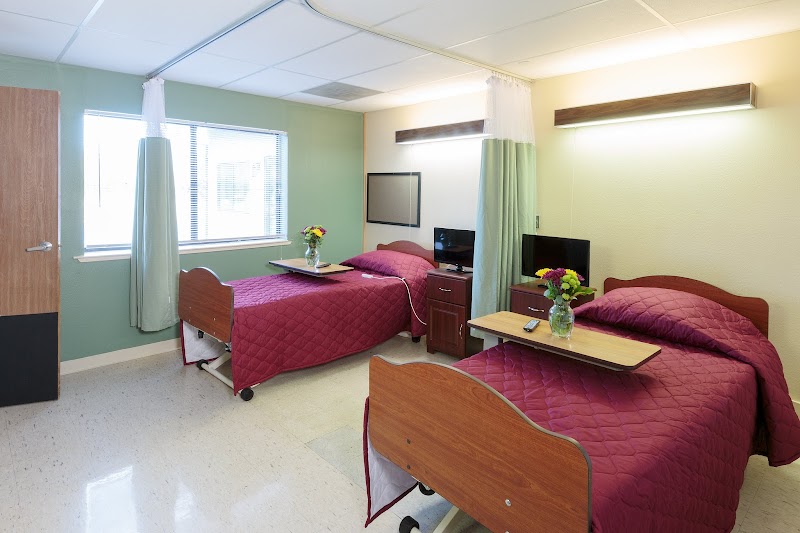
How is River Valley Staffed?

CMS rates RIVER VALLEY CARE CENTER's staffing level at 3 out of 5 stars, which is average compared to other nursing homes. Staff turnover is 38%, compared to the California average of 46%. This relatively stable workforce can support continuity of care.

What Have Inspectors Found at River Valley?

State health inspectors documented 58 deficiencies at RIVER VALLEY CARE CENTER during 2021 to 2025. These included: 2 that caused actual resident harm and 56 with potential for harm. Deficiencies causing actual harm indicate documented cases where residents experienced negative health consequences.
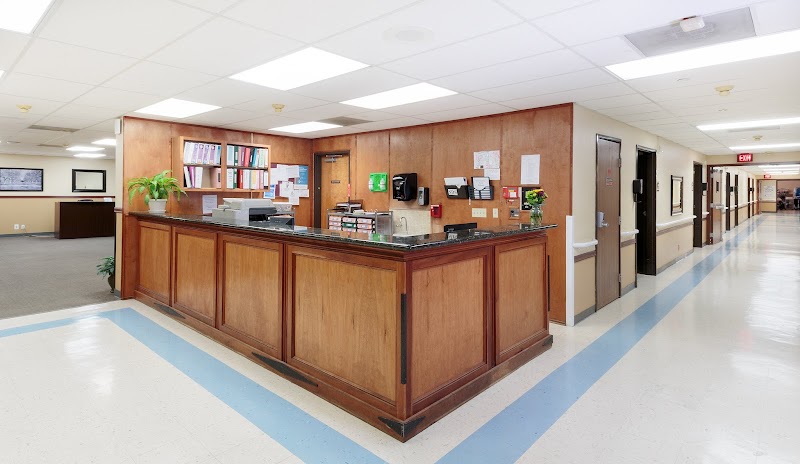
Who Owns and Operates River Valley?

RIVER VALLEY CARE CENTER is owned by a for-profit company. For-profit facilities operate as businesses with obligations to shareholders or private owners. The facility is operated by PACS GROUP, a chain that manages multiple nursing homes. With 99 certified beds and approximately 94 residents (about 95% occupancy), it is a smaller facility located in LIVE OAK, California.
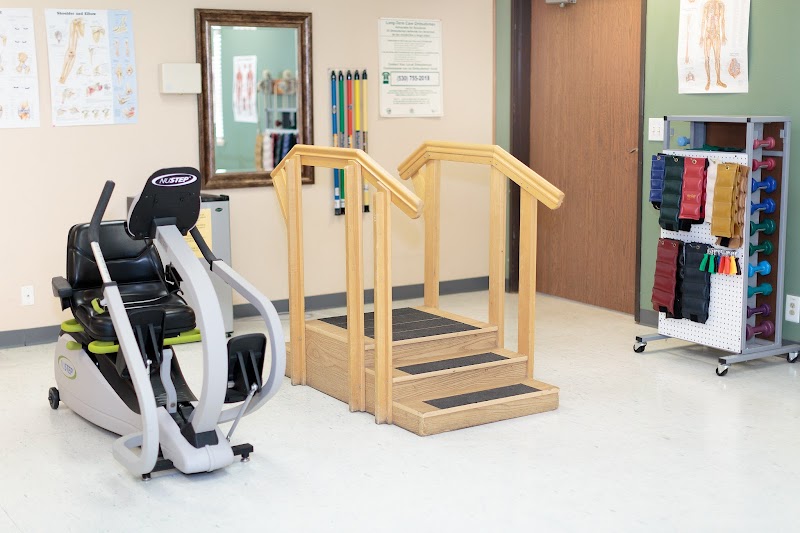
How Does River Valley Compare to Other California Nursing Homes?

Compared to the 100 nursing homes in California, RIVER VALLEY CARE CENTER's overall rating (3 stars) is below the state average of 3.1, staff turnover (38%) is near the state average of 46%, and health inspection rating (2 stars) is below the national benchmark.

What Should Families Ask When Visiting River Valley?

Based on this facility's data, families visiting should ask: "Can I visit during a mealtime to observe dining assistance and food quality?" "How do you handle medical emergencies, and what is your hospital transfer rate?" "Can I speak with family members of current residents about their experience?"

Is River Valley Safe?

Based on CMS inspection data, RIVER VALLEY CARE CENTER has a clean safety record: no substantiated abuse findings (meaning no confirmed cases of resident harm), no Immediate Jeopardy citations (the most serious violation level indicating risk of serious injury or death), and is not on the Special Focus Facility watch list (a federal program monitoring the lowest-performing 1% of nursing homes). The facility has a 3-star overall rating and ranks #100 of 100 nursing homes in California. While no facility is perfect, families should still ask about staff-to-resident ratios and recent inspection results during their visit.

Do Nurses at River Valley Stick Around?

RIVER VALLEY CARE CENTER has a staff turnover rate of 38%, which is about average for California nursing homes (state average: 46%). Moderate turnover is common in nursing homes, but families should still ask about staff tenure and how the facility maintains care continuity when employees leave.

Was River Valley Ever Fined?

RIVER VALLEY CARE CENTER has no federal fines on record. CMS issues fines when nursing homes fail to meet care standards or don't correct problems found during inspections. The absence of fines suggests the facility has either maintained compliance or corrected any issues before penalties were assessed. This is a positive indicator, though families should still review recent inspection reports for the full picture.

Is River Valley on Any Federal Watch List?

RIVER VALLEY CARE CENTER is not on any federal watch list. The most significant is the Special Focus Facility (SFF) program, which identifies the bottom 1% of nursing homes nationally based on persistent, serious quality problems. Not being on this list means the facility has avoided the pattern of deficiencies that triggers enhanced federal oversight. This is a positive indicator, though families should still review the facility's inspection history directly.