THE VINEYARDS HEALTHCARE CENTER
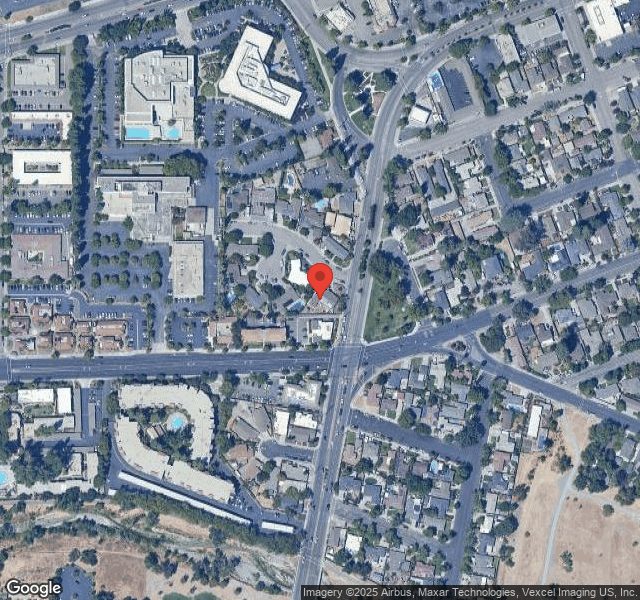

76 FENTON STREET, LIVERMORE, CA 94550 (925) 443-1800
For profit - Corporation 83 Beds LINKS HEALTHCARE GROUP Data: November 2025
Trust Grade
80/100
#231 of 1155 in CA
Last Inspection: December 2024

Within standard 12-15 month inspection cycle. Federal law requires annual inspections.

Overview

The Vineyards Healthcare Center in Livermore, California, has a Trust Grade of B+, which means it is recommended and performs above average compared to other facilities. It ranks #231 out of 1,155 facilities in California, placing it in the top half, and #22 out of 69 in Alameda County, indicating only a few local options are better. The facility's trend is improving, with issues decreasing from six in 2023 to five in 2024, and it has a staffing rating of 3 out of 5 stars, showing an average level of staffing with a turnover rate of 38%, which is inline with the state average. While there have been no fines, which is a positive sign, some concerns were noted, such as food items being stored on the floor and not properly labeled, which poses potential health risks, and instances where residents did not receive timely assistance with their meals. Overall, while there are some strengths in the facility, particularly in its health inspection ratings, these food safety issues and staffing delays could be a concern for families considering care for their loved ones.

Trust Score
B+
80/100
In California
#231/1155
Top 20%
Safety Record
Low Risk
No red flags
Inspections
Getting Better
6 → 5 violations
Staff Stability
○ Average
38% turnover. Near California's 48% average. Typical for the industry.
Penalties
✓ Good
No fines on record. Clean compliance history, better than most California facilities.
Skilled Nurses
⚠ Watch
Each resident gets only 27 minutes of Registered Nurse (RN) attention daily — below average for California. Fewer RN minutes means fewer trained eyes watching for problems.
Violations
⚠ Watch
27 deficiencies on record. Higher than average. Multiple issues found across inspections.
★★★★★
5.0
Overall Rating
★★★☆☆
3.0
Staff Levels
★★★★★
5.0
Care Quality
★★★★★
5.0
Inspection Score
Stable
2023: 6 issues
2024: 5 issues

The Good

  • 5-Star Quality Measures · Strong clinical quality outcomes
  • Full Sprinkler Coverage · Fire safety systems throughout facility
  • No fines on record
  • Staff turnover below average (38%)

    10 points below California average of 48%

Facility shows strength in quality measures, fire safety.

The Bad

Staff Turnover: 38%

Near California avg (46%)

Typical for the industry

Chain: LINKS HEALTHCARE GROUP

Part of a multi-facility chain

Ask about local staffing decisions and management

The Ugly 27 deficiencies on record

Dec 2024 4 deficiencies
CONCERN (D)

Potential for Harm - no one hurt, but risky conditions existed

Deficiency F0678 (Tag F0678)

Could have caused harm · This affected 1 resident

**NOTE- TERMS IN BRACKETS HAVE BEEN EDITED TO PROTECT CONFIDENTIALITY** Based on interview, record review, and facility policy review, the facility failed to ensure a licensed nurse, who was not certi...

Read full inspector narrative →
**NOTE- TERMS IN BRACKETS HAVE BEEN EDITED TO PROTECT CONFIDENTIALITY** Based on interview, record review, and facility policy review, the facility failed to ensure a licensed nurse, who was not certified to perform cardiopulmonary resuscitation (CPR), did not perform CPR on a resident who had a do not resuscitate (DNR) code status. This deficient practice affected 1 (Resident #236) of 6 sampled residents reviewed for advance directives. Findings included: A facility policy titled, Emergency Procedure - Cardiopulmonary Resuscitation, revised 04/2016, indicated, 6. If an individual (resident, visitor, or staff member) is found unresponsive and not breathing normally, a licensed staff member who is verified in CPR/BLS [cardiopulmonary resuscitation/basic life support] shall initiate CPR unless: a. It is known that a Do not Resuscitate (DNR) order that specifically prohibits CPR and/or external defibrillator exists for that individual; or b. There are obvious signs of irreversible death. An admission Record indicated the facility admitted Resident #236 on [DATE]. According to the admission Record, the resident had a medical history that included diagnoses of type 2 diabetes mellitus, dysphagia following cerebral infarction, dementia, asthma, acute ischemic heart disease, atherosclerotic heart disease, and hypertensive chronic kidney disease. Resident #236's Physician Orders for Life-Sustaining Treatment (POLST), signed by the patient or legally recognized decision-maker on [DATE] and the physician/nurse practitioner/physician assistant on [DATE], indicated do not attempt resuscitation (DNR), allow natural death. A quarterly Minimum Data Set (MDS), with an Assessment Reference Date (ARD) of [DATE], revealed Resident #236 had a Brief interview of Mental Status (BIMS) of 4, which indicated the resident had severe cognitive impairment. The MDS indicated the resident had a California POLST that indicated the resident desired to have DNR code status. During a telephone interview on [DATE] at 6:36 PM, Registered Nurse (RN) #8 stated on [DATE], when Resident #236 quit breathing and did not have a pulse, she checked the resident's POLST which indicated the resident was a DNR, called 911, and started CPR. RN #8 stated she felt that she needed to do something to try and save the resident's life because she knew that is what the resident's family wanted her to do. According to RN #8, when emergency medical services (EMS) arrived, they took over CPR and she left the resident's room. Per RN #8, when EMS left the resident's room, they stated the resident was unable to be resuscitated and the resident was pronounced deceased in the facility. During an interview on [DATE] at 2:32 PM, the Director of Staff Development (DSD) stated there was no guarantee that there was a staff member certified to perform CPR on each shift. The DSD acknowledged RN #8's CPR certification expired in 10/2022. RN #8's Basic Life Support certification indicated RN #8 successfully completed the cognitive and skills evaluations in accordance with the curriculum of the American Heart Association Basic Life Support (CPR and AED [automated external defibrillator] Program, with an issue date of [DATE]. Per the certification, RN #8 needed to renew their certification by 10/2022. During an interview with the Director of Nursing (DON) and Administrator on [DATE] at 3:04 PM, the DON stated she expected staff to follow a resident's POLST in the event of an emergency. The DON stated she expected all licensed nurses to maintain CPR certification. Per the DON, a licensed staff that a was not CPR certified should not be involved in a CPR code. According to the DON, it was the DSD's responsibility to ensure licensed staff were certified to perform CPR. The Administrator stated she referred her expectation for a resident's code status to nursing.
CONCERN (D)

Potential for Harm - no one hurt, but risky conditions existed

Infection Control (Tag F0880)

Could have caused harm · This affected 1 resident

Based on observation, interview, record review, and facility policy review, the facility failed to ensure staff implemented enhanced barrier precautions for 1 (Resident #14) of 2 sampled residents rev...

Read full inspector narrative →
Based on observation, interview, record review, and facility policy review, the facility failed to ensure staff implemented enhanced barrier precautions for 1 (Resident #14) of 2 sampled residents reviewed for urinary catheters. The facility further failed to ensure staff implemented contact precautions for 1 (Resident #26) of 3 sampled residents reviewed for transmission based precautions. Findings included: 1. A facility policy titled, Enhanced Barrier Precautions, revised 09/18/2024, indicated Policy Interpretation and Implementation 1. Enhanced barrier precautions (EBPs) are used as an infection prevention and control intervention to reduce the spread of multi-drug resistant (MDROs) to residents. 2. EBPs employ targeted gown and gloves during high contact resident care activities when contact precautions do not otherwise apply. a. Gown and gloves are applied prior to performing the high contact resident care activity (as opposed to before entering the room). The policy specified, 3. Examples of high-contact resident care activities requiring the use of gown and gloves for EBPs include: a. dressing; b. bathing/showering; c. transferring; d. providing hygiene; e. changing linens; f. changing briefs or assisting with toileting; g. device care or use (central line, urinary catheter, feeding tube, tracheostomy/ventilator, etc.); and h. wound care (any skin opening requiring a dressing). An admission Record indicated the facility admitted Resident #14 on 06/17/2024. According to the admission Record, the resident had a medical history that included diagnoses of Alzheimer's disease, retention of urine, and chronic kidney disease, stage 4. A quarterly Minimum Data Set (MDS), with an Assessment Reference Date (ARD) of 09/06/2024, revealed Resident #14 had a Staff Assessment for Mental Status (SAMS) that indicated the resident was severely impaired in cognitive skills for daily decision making. The MDS revealed the resident was dependent on staff for toileting hygiene and had an indwelling catheter. During an observation on 12/03/2024 at 7:55 AM, the surveyor signage on Resident #14's room door that indicated the resident was on EBPs. During a concurrent observation and interview on 12/03/2024 at 8:03 AM, the Assistant Director of Nursing (ADON) entered Resident #14's room, without the use of a gown or gloves and proceeded to manipulate the resident's indwelling catheter in an attempt to explain to the surveyor how staff should check for proper catheter tubing placement. The ADON acknowledged it was not normal practice to touch the resident's catheter without gloves or a gown on since the resident was on EBPs. During a concurrent observation and interview on 12/03/2024 at 8:40 AM, Certified Nursing Assistant #1 entered Resident #14's room and rolled the resident side to side. CNA #1 did not wear a gown and acknowledged the resident was on EBPs and he should have worn a gown and gloves. CNA #1 stated he did not think to put a gown on. During an interview on 12/06/2024 at 3:04 PM, the Director of Nursing stated staff should wear a gown and gloves when they touched a patient who was on EBP. The Administrator stated she referred all her expectations for EBP to nursing. 2. A facility policy titled, Isolation - Categories of Transmission-Based Precautions, revised 09/2022, revealed, Contact Precautions 1. Contact precautions are implemented for residents known or suspected to be infected with microorganisms that can be transmitted by direct contact with the resident or indirect contact with environmental surfaces or resident-care items in the resident's environment. The policy specified, 7. Staff and visitors wear gloves (clean, non-sterile) when entering the room. An admission Record revealed the facility admitted Resident #26 on 06/20/2020. According to the admission Record, the resident had a medical history that included diagnoses of Alzheimer's disease and need for assistance with personal care. An annual Minimum Data Set (MDS), with an Assessment Reference Date (ARD) of 08/26/2024, revealed Resident #26 had a Staff Assessment for Mental Status (SAMS) that indicated the resident was severely impaired in cognitive skills for daily decision making. Resident #26's Order Summary Report which contained active orders as of 12/03/2024, revealed an order dated 12/02/2024, for contact precautions secondary to a diagnosis of skin rash. Resident #26's care plan included a focus area initiated 12/02/2024, that indicated contact precautions were required. Interventions directed staff to utilize personal protective equipment (PPE), a gown and gloves, during high-contact resident care activities, including the cleaning the resident's environment. During an observation on 12/02/2024 at 11:18 AM, Housekeeper (HK) #12 did not put on a gown or gloves when she entered Resident #26's room to clean the resident's room. HK #12 was noted to move the resident's water pitcher that was located next to the resident's bedside table, During an interview on 12/05/2024 at 2:38 PM, the Housekeeping Supervisor stated she expected staff to wear goggles, face shields, gowns, and gloves when they entered the room of resident who was on contact precautions. During an interview on 12/06/2024 at 9:14 AM, Infection Preventionist #13 stated HK #12 should have worn a gown, gloves, a face shield, and a mask when she entered a resident's room who was on contact precautions.
CONCERN (F)

Potential for Harm - no one hurt, but risky conditions existed

Food Safety (Tag F0812)

Could have caused harm · This affected most or all residents

Based on observation, interview, and the facility policy review, the facility failed to ensure food items were not stored on the floor in the dry storage room. This deficient practice affected all res...

Read full inspector narrative →
Based on observation, interview, and the facility policy review, the facility failed to ensure food items were not stored on the floor in the dry storage room. This deficient practice affected all residents who received food from the kitchen. Findings included: An undated facility policy titled, Canned and Dry Goods Storage, revealed, All the food and non-food items purchased by the Department of Food and Nutrition services will be stored properly. The policy specified, 2. Food will be stored above the floor, on shelves, racks or other surfaces that facilitate thorough cleaning, best practice is using stainless steel shelving. Per the policy, Food and supplies should also be stored 6 inches off the floor. During an observation of the dry storage room on 12/02/2024 at 9:10 AM, the surveyor observed the following items on the floor: one case of potato pearls, two cases of poultry gravy mix, one case of dessert mix, one case of sandwich cookies, one case of pasta, two cases of juice, 10 cans of tomato soup, and one case of nectar thickened lemon water. During an interview on 12/02/2024 at 9:15 AM, the Dietary Manager (DM) confirmed the items were on the floor. Per the DM, there was limited space and the last option was to store the food items on the floor. During an interview on 12/06/2024 at 3:13 PM, the Director of Nursing and Administrator stated it was not okay to store food items on the floor.
MINOR (B)

Minor Issue - procedural, no safety impact

Deficiency F0912 (Tag F0912)

Minor procedural issue · This affected multiple residents

**NOTE- TERMS IN BRACKETS HAVE BEEN EDITED TO PROTECT CONFIDENTIALITY** Based on observation, interview, document review, and facility policy review, the facility failed to ensure residents' rooms mea...

Read full inspector narrative →
**NOTE- TERMS IN BRACKETS HAVE BEEN EDITED TO PROTECT CONFIDENTIALITY** Based on observation, interview, document review, and facility policy review, the facility failed to ensure residents' rooms measured at least 80 square (sq) feet (ft) per resident in 18 (Rooms 100, 102, 104, 106, 108, 110, 112, 114, 118, 120, 122, 124, 126, 128, 130, 134, 136, and 138) of 30 resident rooms in the facility. Findings included: During an interview on 12/04/2024 at 10:30 AM, Resident #2 stated they did not have enough space in their room. An annual Minimum Data Set (MDS), with an Assessment Reference Date (ARD) of 09/09/2024, revealed Resident #2 had a Brief Interview for Mental Status (BIMS) score of 15, which indicated the resident had intact cognition. During an interview on 12/04/2024 at 10:32 AM, Resident #21 stated they did not have enough space in their room. A quarterly MDS, with an ARD of 09/23/2024, revealed Resident #21 had a BIMS score of 15, which indicated the resident had intact cognition. During a concurrent review of a document titled Client Accommodation Analysis, and observation on 12/05/2024 at 11:01 AM, the Maintenance Director and Maintenance Assistance measured the following rooms and confirmed the following dimensions: - In room [ROOM NUMBER], there was 73 sq ft for each resident - In room [ROOM NUMBER], there was 73 sq ft for each resident - In room [ROOM NUMBER], there was 73 sq ft for each resident - In room [ROOM NUMBER], there was 73 sq ft for each resident - In room [ROOM NUMBER], there was 73 sq ft for each resident - In room [ROOM NUMBER], there was 73 sq ft for each resident - In room [ROOM NUMBER], there was 73 sq ft for each resident - In room [ROOM NUMBER], there was 73 sq ft for each resident - In room [ROOM NUMBER], there was 73 sq ft for each resident - In room [ROOM NUMBER], there was 73 sq ft for each resident - In room [ROOM NUMBER], there was 73 sq ft for each resident - In room [ROOM NUMBER], there was 73 sq ft for each resident - In room [ROOM NUMBER], there was 73 sq ft for each resident - In room [ROOM NUMBER], there was 70 sq ft for each resident - In room [ROOM NUMBER], there was 78 sq ft for each resident - In room [ROOM NUMBER], there was 78 sq ft for each resident - In room [ROOM NUMBER], there was 78 sq ft for each resident - In room [ROOM NUMBER], there was 78 sq ft for each resident In an interview on 12/06/2024 at 3:05 PM, the Director of Nursing stated she was not too familiar with room sizes. In an interview on 12/06/2024 at 3:10 PM, the Administrator stated the residents should have at least 80 sq ft and the facility had not had enough space since 1969 when the facility was built.
Apr 2024 1 deficiency
CONCERN (D) 📢 Someone Reported This

A family member, employee, or ombudsman was alarmed enough to file a formal complaint

Potential for Harm - no one hurt, but risky conditions existed

Pharmacy Services (Tag F0755)

Could have caused harm · This affected 1 resident

**NOTE- TERMS IN BRACKETS HAVE BEEN EDITED TO PROTECT CONFIDENTIALITY** Based on observation, interview, and record review, the facility failed to follow their policy and procedure for administering m...

Read full inspector narrative →
**NOTE- TERMS IN BRACKETS HAVE BEEN EDITED TO PROTECT CONFIDENTIALITY** Based on observation, interview, and record review, the facility failed to follow their policy and procedure for administering medications timely for one of three sampled residents (Resident 1), when Resident 1 ' s oral antibiotic medication (medication used to treat bacterial infections) was administered nine hours and sixteen minutes after it was ordered. This failure had the potential for exacerbating Resident 1 ' s health condition and compromising their overall health and well-being. Findings: During a review of Resident 1 ' s Administration Record (contains demographic and medical information), the administration record indicated, Resident 1 was admitted to the facility on [DATE], with diagnosis of COVID-19 (highly contagious respiratory disease), asthma (a chronic lung condition that makes it difficult to breathe) and hypertension (high blood pressure). Further review Resident 1 was discharged from the facility on February 25, 2024. During a review of Resident 1 ' s SBAR & initial COC/Alert Charting & Skilled Documentation (SBAR, a communication tool used in healthcare seatings), dated, February 5, 2024 at 10:00 PM, it indicated, Resident 1 returned from the acute care hospital emergency department with discharge diagnosis of Pneumonia (an infection in the lungs that can make it hard to breath). SBAR further indicated Resident 1 had an order for Levofloxacin (antibiotic medication used to treat bacterial infections) 750 mg (milligrams unit of measure the dosage) by mouth daily for five days. During a review of Resident 1 ' s Physician Order dated, February 5, 2024, at 10:44 PM, documented by Licensed Vocational Nurse (LVN 1), the physician order indicated, an order for Resident 1 to receive Levofloxacin oral tablet 750 mg by mouth one time a day for pneumonia for five days. During a review of Resident 1 ' s Medication Administration Record for the month of February 2024, the medication administration record indicated Resident 1 received the first dose of Levofloxacin oral Tablet on February 6, 2024, at 8:00 AM (9 hours and 16 minutes after the medication was ordered). During a concurrent observation and interview, on April 23, 2024, at 10:06 AM, with the Director of Nurses (DON), inside the medication room, the DON stated the facility utilizes a Pyxis system (an electronic medication dispensing system) as an emergency kit (EKIT) for obtaining antibiotics when needed, and it is linked to the pharmacy. Specifically, the oral antibiotic Levofloxacin was observed to be available in both dosages 250 mg and 500 mg tablets. During a concurrent interview and record review on April 23, 2024, at 10:26 AM with the DON, the DON reviewed Resident 1 ' s physician order for Levofloxacin, dated February 5, 2024, at 10:44 PM and stated the order should have been carried out within four hours. The DON agreed that the nurse who received Resident 1 ' s order failed to follow the physician ' s order. During a concurrent interview and record review on April 23, 2024, at 1:22 PM with (LVN 1), LVN 1 reviewed Resident 1 ' s Physician Order for Levofloxacin dated February 5, 2024, at 10:44 PM, stated the order should be carried out immediately. During further interview and record review, on April 23, 2024, at 1:24 PM, with LVN 1, LVN 1 reviewed Resident 1 ' s Medication Administration Record (MAR) for the month of February 2024, and acknowledged that Resident 1 ' s Levofloxacin was not given timely. LVN 1 further stated not administering the available medication on time would delay Resident 1 ' s treatment for pneumonia. During a concurrent phone interview and record review on April 24, 2024, at 12:33 PM with the DON, DON reviewed the facility ' s policy and procedure (P&P) titled, Administering Medications, dated April 2019. The P&P indicated, .7. Medications are administered within (1) hour of their prescribed time, unless otherwise specified . The DON stated the policy was not followed. The DON further stated her expectation was for the licensed nurse to administer the medication within four hours, if the medication is available. Based on observation, interview, and record review, the facility failed to follow their policy and procedure for administering medications timely for one of three sampled residents (Resident 1), when Resident 1's oral antibiotic medication (medication used to treat bacterial infections) was administered nine hours and sixteen minutes after it was ordered. This failure had the potential for exacerbating Resident 1's health condition and compromising their overall health and well-being. Findings: During a review of Resident 1's Administration Record (contains demographic and medical information), the administration record indicated, Resident 1 was admitted to the facility on [DATE], with diagnosis of COVID-19 (highly contagious respiratory disease), asthma (a chronic lung condition that makes it difficult to breathe) and hypertension (high blood pressure). Further review Resident 1 was discharged from the facility on February 25, 2024. During a review of Resident 1's SBAR & initial COC/Alert Charting & Skilled Documentation (SBAR , a communication tool used in healthcare seatings), dated, February 5, 2024 at 10:00 PM, it indicated, Resident 1 returned from the acute care hospital emergency department with discharge diagnosis of Pneumonia (an infection in the lungs that can make it hard to breath). SBAR further indicated Resident 1 had an order for Levofloxacin (antibiotic medication used to treat bacterial infections) 750 mg (milligrams unit of measure the dosage) by mouth daily for five days. During a review of Resident 1's Physician Order dated, February 5, 2024, at 10:44 PM, documented by Licensed Vocational Nurse (LVN 1), the physician order indicated, an order for Resident 1 to receive Levofloxacin oral tablet 750 mg by mouth one time a day for pneumonia for five days. During a review of Resident 1's Medication Administration Record for the month of February 2024, the medication administration record indicated Resident 1 received the first dose of Levofloxacin oral Tablet on February 6, 2024, at 8:00 AM (9 hours and 16 minutes after the medication was ordered). During a concurrent observation and interview, on April 23, 2024, at 10:06 AM, with the Director of Nurses (DON), inside the medication room, the DON stated the facility utilizes a Pyxis system (an electronic medication dispensing system) as an emergency kit (EKIT) for obtaining antibiotics when needed, and it is linked to the pharmacy. Specifically, the oral antibiotic Levofloxacin was observed to be available in both dosages 250 mg and 500 mg tablets. During a concurrent interview and record review on April 23, 2024, at 10:26 AM with the DON, the DON reviewed Resident 1's physician order for Levofloxacin, dated February 5, 2024, at 10:44 PM and stated the order should have been carried out within four hours. The DON agreed that the nurse who received Resident 1's order failed to follow the physician's order. During a concurrent interview and record review on April 23, 2024, at 1:22 PM with (LVN 1), LVN 1 reviewed Resident 1's Physician Order for Levofloxacin dated February 5, 2024, at 10:44 PM, stated the order should be carried out immediately. During further interview and record review, on April 23, 2024, at 1:24 PM, with LVN 1, LVN 1 reviewed Resident 1's Medication Administration Record (MAR) for the month of February 2024, and acknowledged that Resident 1's Levofloxacin was not given timely. LVN 1 further stated not administering the available medication on time would delay Resident 1's treatment for pneumonia. During a concurrent phone interview and record review on April 24, 2024, at 12:33 PM with the DON, DON reviewed the facility's policy and procedure (P&P) titled, Administering Medications, dated April 2019. The P&P indicated, .7. Medications are administered within (1) hour of their prescribed time, unless otherwise specified . The DON stated the policy was not followed. The DON further stated her expectation was for the licensed nurse to administer the medication within four hours, if the medication is available.
Sept 2023 2 deficiencies
CONCERN (D) 📢 Someone Reported This

A family member, employee, or ombudsman was alarmed enough to file a formal complaint

Potential for Harm - no one hurt, but risky conditions existed

Incontinence Care (Tag F0690)

Could have caused harm · This affected 1 resident

**NOTE- TERMS IN BRACKETS HAVE BEEN EDITED TO PROTECT CONFIDENTIALITY** Based on observation, interview, and record review, the facility failed to give appropriate care to Resident 1 ' s indwelling ca...

Read full inspector narrative →
**NOTE- TERMS IN BRACKETS HAVE BEEN EDITED TO PROTECT CONFIDENTIALITY** Based on observation, interview, and record review, the facility failed to give appropriate care to Resident 1 ' s indwelling catheter tubing (a tube secured inside the bladder to drain urine into a bag outside the body). This failure resulted in Resident 1 having a urinary tract infection (UTI, an infection in any part of the urinary tract - kidneys, bladder, or urethra). Findings: A review of Resident 1's admission Record dated 7/14/23, indicated Resident 1 was admitted to the facility on [DATE] with a diagnosis of a history of UTI. A review of Resident 1's Minimum Data Set (MDS, an assessment tool used to guide care) dated 5/2/23, indicated the resident was usually able to understand others and usually understood by others. Resident 1 was totally dependent on one-person for toilet use (how resident cleanses self after elimination). Resident 1 had an indwelling urinary catheter, and the resident was always incontinent (unable to control) of bowel movement. A review of Resident 1's care plan titled, Indwelling Catheter, dated 5/26/23, indicated Resident 1 had an indwelling urinary catheter placed due to urinary retention (inability to empty all the urine from the bladder). The care plan indicated a long-term goal to show no signs and symptoms(s/sx) of urinary Infection through the review date. The target date was 8/14/23. The interventions included to clean peri-area (perineal which is the sensitive skin between the anus and vaginal opening), front to back, monitor/record/report to MD for s/sx of UTI: pain, burning, blood-tinged urine, cloudiness, no output, and deepening of urine color. During a review of Resident 1 ' s physician ' s orders dated 7/14/23, indicated the following orders: 1. indwelling catheter size Fr.(french) 18/30 (size or gauge/ milliliter- amount to inflate the retention balloon to prevent catheter from being expelled), 2. secure indwelling catheter to an anchoring device/leg strap to prevent movement of the catheter; and 3. to cleanse indwelling catheter site with water and soap every shift. Furthermore, Resident 1 was to receive antibiotics (antibacterial medication) for UTI, on 5/24/23, 6/24/23, and 7/12/23, indicating Resident 1 had three repeated episodes of acquiring a UTI in the span of three months after being admitted to the facility. During an interview on 8/7/23 at 3:05 p.m., with Certified Nursing Assistant 1 (CNA 1), CNA 1 stated, he was the current regular night shift CNA assigned to Resident 1 and had been taking care of Resident 1 for a few months. CNA 1 stated, he never gave peri-care (cleaning of the private area) and indwelling catheter care to Resident 1 because she did not have a bowel movement on all the nights when CNA 1 was taking care of the resident. CNA 1 further stated he was only supposed to give peri-care if Resident 1 had a bowel movement. CNA 1 also stated, he did not receive training on indwelling catheter care. Review of the CNA night shift monthly schedule for the months of, June 2023 and July 2023, indicated CNA 1 worked in the facility for 16 nights out of 30 days in June 2023 and 18 nights out of 31 days in July 2023. During a concurrent observation and interview on 8/10/23, at 9:33 a.m., in Resident 1's room, with Director of Staff Development (DSD), DSD looked at Resident 1's indwelling catheter tubing. DSD stated the indwelling catheter attached to the resident was size Fr.16/30 (smaller sized catheter than the physician ' s order size of Fr.18/30). DSD looked if the indwelling catheter was securely anchored and stated that the indwelling catheter was not securely anchored to an anchoring device. DSD acknowledged that the indwelling catheter size should be the correct size ordered by the physician due to the risk of leaking of urine from the urethra if the catheter was smaller. DSD further stated, the risk of the indwelling catheter not being securely anchored was for Resident 1 to experience pain and dislodgement (accidental removal) of the catheter if the catheter was accidentally pulled. During an interview on 8/10/23, at 10:37 a.m., with Director of Nursing (DON), DON stated, she expected the CNA to give peri-care for residents with indwelling catheter 2 times in every shift by using soap and water to prevent UTI. Stated the indwelling catheter of Resident 1 should be the correct size ordered by the physician. DON further stated the indwelling catheter should be anchored to prevent bleeding from the urethra if the catheter was pulled accidentally. During a review of the facility ' s policy and procedure (P&P) titled, Catheter Care, Urinary, dated 2014, indicated, . Ensure that the catheter remains secured with a leg strap to reduce friction and movement at the insertion site . catheter tubing should be strapped to the resident ' s inner thigh . Wash the resident ' s genitalia and perineum thoroughly with soap and water. Rinse the area well and towel dry .
CONCERN (D) 📢 Someone Reported This

A family member, employee, or ombudsman was alarmed enough to file a formal complaint

Potential for Harm - no one hurt, but risky conditions existed

Deficiency F0726 (Tag F0726)

Could have caused harm · This affected 1 resident

**NOTE- TERMS IN BRACKETS HAVE BEEN EDITED TO PROTECT CONFIDENTIALITY** Based on interview and record review, the facility failed to ensure CNA 1 had the appropriate competencies and skills sets for p...

Read full inspector narrative →
**NOTE- TERMS IN BRACKETS HAVE BEEN EDITED TO PROTECT CONFIDENTIALITY** Based on interview and record review, the facility failed to ensure CNA 1 had the appropriate competencies and skills sets for providing proper care of the indwelling catheter (a tube secured inside the bladder to drain urine into a bag outside the body). This failure did not ensure Resident 1 received indwelling catheter care per physician's order and contributed to acquiring a urinary tract infection. (UTI), an infection in any part of the urinary tract - kidneys, bladder, or urethra. Findings: A review of Resident 1's admission Record dated 7/14/23, indicated Resident 1 was admitted to the facility on [DATE] with diagnosis of having a history of UTI. A review of Resident 1's Minimum Data Set (MDS, an assessment tool used to guide care), dated 5/2/23, indicated Resident 1 was totally dependent on one-person for toileting. The MDS also indicated Resident 1 had an indwelling urinary catheter and resident was always incontinent (unable to control) bowel movement. During a review of Resident 1 ' s physician ' s orders, dated 7/14/23, indicated orders of: 1. indwelling catheter size Fr. 18/30, 2. secure indwelling catheter to an anchoring device/leg strap to prevent movement of the catheter; and 3. to cleanse indwelling catheter site with water and soap every shift. (Fr. Is short for French gauge, Fr. is commonly used to measure the size of a catheter; an anchoring device prevents the accidental pulling of the catheter and protects the resident ' s urethra, urethra is the opening that lets urine out of the body). The physician ' s orders also indicated Resident 1 received antibiotic (antibacterial medication) treatment for UTI on 5/24/23, 6/24/23 and 7/12/23, for three prior episodes of UTIs since admission. During an interview on 8/7/23 at 3:05 p.m., with Certified Nursing Assistant 1 (CNA 1), CNA 1 stated, he was the current regular night shift CNA assigned to Resident 1 and had been taking care of the resident for a few months. CNA 1 stated, he never gave peri-care (cleaning of the private area) and indwelling catheter care to Resident 1 because she did not have a bowel movement on all of the nights when CNA 1 was taking care of the resident. CNA 1 further stated he was only supposed to give peri-care if Resident 1 had a bowel movement. CNA 1 also stated, he did not get training on indwelling (Foley) catheter care from the facility. Review of CNA night shift monthly schedule for the months of June 2023 and July 2023 indicated, CNA 1 worked in the facility for 16 nights out of 30 days in June 2023 and 18 nights out of 31 days in July 2023. During a concurrent interview and record review on 8/10/23, at 9:33 a.m., with Director of Staff Development (DSD), Inservice Training's for Certified Nurse Assistants for Peri-care (cleaning genital/urinary area) and Foley Catheter Care Attendance Sheets,dated 4/6/23 and 6/29/23 were reviewed. The inservice training attendance sheets indicated CNA 1 was not present on both training dates. DSD acknowledged, CNA 1 did not have peri-care and Foley catheter care training. Furthermore, DSD stated the risk of not having the training indicated CNA 1 was giving poor catheter care to residents with a Foley catheter. During an interview on 8/10/23, at 10:37 a.m., with Director of Nursing (DON), DON stated, she expected the CNA to give peri-care for residents with indwelling catheter two times, every shift by using soap and water to prevent UTI. During a review of the facility ' s policy and procedure (P&P) titled, Urinary tract infections (catheter- associated), guidelines for preventing, dated 2017, indicated, .Do not insert or maintain a urinary catheter unless you have been properly trained and demonstrated competency in this area.
Aug 2023 1 deficiency
CONCERN (D) 📢 Someone Reported This

A family member, employee, or ombudsman was alarmed enough to file a formal complaint

Potential for Harm - no one hurt, but risky conditions existed

Deficiency F0559 (Tag F0559)

Could have caused harm · This affected 1 resident

**NOTE- TERMS IN BRACKETS HAVE BEEN EDITED TO PROTECT CONFIDENTIALITY** Based on interview and record review, for one of three sampled residents (Resident 1), the facility failed to ensure Resident 1 ...

Read full inspector narrative →
**NOTE- TERMS IN BRACKETS HAVE BEEN EDITED TO PROTECT CONFIDENTIALITY** Based on interview and record review, for one of three sampled residents (Resident 1), the facility failed to ensure Resident 1 received written notice before getting a new roommate. This failure resulted in emotional distress for Resident 1. Findings: During a review of Resident 1's admission Record, the record indicated Resident 1 was admitted to the facility in July 2022 with diagnoses that included mild cognitive impairment, weakness, difficulty walking and need for assistance with personal care. Family Member (FM) 1 was listed as Resident 1's responsible party/resident representative. During a review of Resident 2's admission Record, the record indicated Resident 2 was admitted to the facility on [DATE] with diagnoses that included dementia, and cognitive communication deficit. During a concurrent interview and review of Resident 1's clinical record on 8/4/23 at 11:40 a.m. with Social Services Assistant (SSA), SSA stated after Resident 2's admission, Resident 2 was moved to Resident 1's room on 5/24/23. SSA stated there was no documentation in Resident 1's clinical record that Resident 1 or FM 1 was notified of the room change. During an interview on 8/15/23 at 10:04 a.m. with FM 1, FM 1 stated there was no advance notice that Resident 1 was getting a new roommate. FM 1 stated Resident 1 did not agree with the room change and was upset about it. During a review of Resident 1's Social Service Notes indicated the following: - On 1/13/23, signed by Social Services Director (SSD), the notes indicated facility will continue to update Resident 1 and FM 1 of any changes in condition. There was no documentation about Resident 1 getting a new roommate. - On 4/17/23, signed by SSD, indicated the same notes as written and signed on 1/13/23. There was no documentation that Resident 1 was getting a new roommate. - On 5/30/23, signed by SSD, the notes indicated SSD met with FM 1's concerns about Resident 1's new roommate. There was no documented resolution. During a concurrent interview and review of facility's room change policy on 8/4/23 at 11:55 a.m. with Director of Nursing (DON), DON stated there was no care plan to address room change for Resident 1 and Resident 2. DON stated there was no documentation that an advance notice was given to Resident 1 or FM 1 before Resident 1 moved in. DON stated advance notice should have been given to FM 1. During a telephone interview on 8/7/23 at 2:49 p.m. with SSD, SSD stated a staff member should have talked to Resident 1 notifying of the room change but notification would not come from the Social Services Department. During a review of the facility's policy and procedure titled Room Change/Roommate Assignment, last revised October 2022, the policy indicated Advance notice of a roommate change will include why the change is being made and any information that will assist the roommate in becoming acquainted with his or her new roommate.
Jul 2023 1 deficiency
CONCERN (D) 📢 Someone Reported This

A family member, employee, or ombudsman was alarmed enough to file a formal complaint

Potential for Harm - no one hurt, but risky conditions existed

Pressure Ulcer Prevention (Tag F0686)

Could have caused harm · This affected 1 resident

**NOTE- TERMS IN BRACKETS HAVE BEEN EDITED TO PROTECT CONFIDENTIALITY** Based on interview and record review, for one of three sampled residents (Resident 1), the facility failed to ensure Resident 1 ...

Read full inspector narrative →
**NOTE- TERMS IN BRACKETS HAVE BEEN EDITED TO PROTECT CONFIDENTIALITY** Based on interview and record review, for one of three sampled residents (Resident 1), the facility failed to ensure Resident 1 received treatment and services consistent with professional standards of practice to promote healing of a pressure ulcer (otherwise known as bed sore, a skin injury that result from unrelieved pressure ulcer on a body part, usually on a bony prominence like the tailbone, buttocks, and hips) when: Facility staff did not continuously provide physician-ordered treatment to heal an existing Stage II (partial thickness skin loss that involves the deeper layers of the skin, may appear as a shallow crater) pressure ulcer on the sacrococcyx area (fusion of the bony structure on the base of the spine and the tailbone). This failure had the potential to result in the delayed healing and worsening of Resident 1's pressure ulcer from Stage II to unstageable pressure ulcer (full thickness skin and tissue loss in which the extent of tissue damage cannot be confirmed due to ulcer being obscured by slough (dried inflammatory fluids that are moist, stringy, yellow, tan, gray, green or brown) or eschar (necrotic tissue that is leathery or thick, and black, brown or tan). Findings: Review of Resident 1's admission Record indicated Resident 1 was admitted to the facility on [DATE] with diagnoses that included rectal cancer, moderate protein-calorie malnutrition, and hypertensive heart disease with heart failure. Review of Resident 1's Braden Scale assessment (an assessment to measure risk of getting pressure ulcers) dated 5/23/23 indicated a score of 15 (score category; at risk 15-18, moderate risk 13-14, high risk 10-12, very high risk 9 or below). Review of Resident 1's Skin Assessment (Pressure Injury) dated 4/26/23 indicated Resident 1 was admitted with a Stage II pressure ulcer on the sacrococcyx area that measured 4 centimeters (cm) x 2 cm. The skin assessment indicated the wound bed was red with small amount of serous drainage. It also indicated, under comment, dry dressing. Review of Resident 1's Treatment Administration Record (TAR) for April 2023 indicated an order to cleanse sacrococcyx Stage II pressure ulcer with normal saline, pat dry and apply dry dressing every day shift. The wound treatment was started on 4/27/23, two days after Resident 1 was admitted to the facility. During a concurrent interview and review of Resident 1's TAR for April 2023 and Skin assessment dated [DATE] with Treatment Nurse (TN) 1 on 7/27/23 at 12:50 p.m., TN 1 stated, because the discharging hospital did not write a wound treatment order for Resident 1's pressure ulcer, the treatment nurse who completed the assessment, applied dry dressing while waiting for wound specialist to complete their own wound assessment. During an interview with Director of Nursing (DON) on 7/27/23 at 12:20 p.m., DON stated dry dressing is not a treatment of choice for a Stage II pressure ulcer because the skin is open. During a telephone interview with Wound Physician (WP) on 8/7/23 at 6:32 p.m., WP stated, dry dressing is an unusual treatment for a Stage II pressure ulcer and is not going to help with healing. WP added the treatment of choice would be wound barrier cream and offloading the area by turning the resident from side to side depending on the location of the wound. Review of Resident 1's TAR for April 2023 and May 2023 indicated dry dressing was applied on an open sacrococcyx area for six days until 5/3/23. Review of Resident 1's Skin assessment dated [DATE] indicated Resident 1's pressure ulcer has increased in size to 4.8 cm x 3.4 cm x 0.2 cm, wound bed was described as having 20 percent (%) slough and 80% granulation (development of new tissue, may appear bright red or pink, moist, bumpy). During a follow-up interview with DON on 7/27/23 at 1:40 p.m., DON stated, if there was no treatment order from the discharging hospital, the Treatment Nurse is expected to call the attending physician right away to obtain a wound treatment until the resident is seen by wound NP. Review of Resident 1's admission Nursing assessment dated [DATE] indicated [Attending Physician] here seen resident with new order. Review of Resident 1's Skin Assessment (Pressure Injury) dated 4/26/23 indicated, Attending Physician (AP) notified/updated about Resident 1's pressure ulcer on 4/25/23. Review of Resident 1's TAR for May 2023 indicated a wound treatment order dated 5/3/23 to cleanse sacrococcyx wound with normal saline, pat dry, apply manuka honey alginate pad cut to size, cover with dry dressing daily. The record indicated treatment was not done two out of 29 days. Further review of the TAR indicated moisture barrier cream was not applied to right and left groin and scrotum MASD (moisture-associated skin damage, caused by prolonged exposure to moisture like urine, perspiration, stool, wound drainage) nine out of 40 times. Review of Resident 1's Skin Assessment (Pressure Injury) dated 5/30/23 indicated Resident 1's pressure ulcer measured 2.2 cm x 3.2 cm x 0.1 cm, a Stage III, with 50 % slough and 50 % granulation with moderate amount of serosanguinous (yellowish fluid with small amounts of blood) drainage. Review of Resident 1's TAR for June 2023 indicated wound treatment for sacrococcyx pressure ulcer was not done for three out of 30 days. Review of Resident 1's Skin Assessment (Pressure Injury) dated 6/27/23 indicated Resident 1's pressure ulcer measured 4 cm x 5.4 cm with depth that was UTD (unable to determine) and was a Stage III with 100% slough. Review of Resident 1's TAR for July 2023 indicated wound treatment for sacrococcyx pressure ulcer was not done for two out of 8 days. Review of Resident 1's Skin Assessment (Pressure Injury) dated 7/14/23 indicated Resident 1's pressure ulcer measured 4.4 cm x 5.4 cm with depth that was UTD, Stage III with 70% slough. During a telephone interview with TN 1 on 8/7/23 at 1:42 p.m., TN 1 stated, the facility has a treatment binder that treatment nurses can use as resource for management of pressure ulcers while awaiting assessment by a wound specialist. Review of the treatment binder (undated) from AMT (American Medical Technologies) under Stage/Category 2 Pressure Injury, indicated the following topical wound management: - For wound with dry/minimum drainage, apply collagen alginate, hydrogel sheet/sheet/gauze/filler, oil emulsion or petrolatum gauze and cover with appropriate secondary dressing (different types of wound treatment). - For wound with minimum/moderate drainage, apply collagen alginate, oil emulsion, or petrolatum gauze, cover with appropriate secondary dressing. - Alterative for wound that is dry/minimum drainage, apply moisture barrier to wound area, re-apply after each incontinent episode. The treatment binder did not indicate dry dressing as a treatment option for Stage II pressure ulcer. During a telephone interview with DON on 8/7/23 at 2:36 p.m., DON stated the facility used lantiseptic (emollient cream used to protect ulcer prone skin) cream as moisture barrier. DON also stated, using dry dressing on an open Stage II pressure ulcer would cause the wound to decline/worsen. Review of Resident 1's pressure ulcer care plan dated 4/25/23 indicated interventions that included for Certified Nursing Assistant (CNA) to apply moisture barrier cream/A & D ointment to areas of pressure, and to administer treatment as ordered.
Jul 2023 1 deficiency
CONCERN (D) 📢 Someone Reported This

A family member, employee, or ombudsman was alarmed enough to file a formal complaint

Potential for Harm - no one hurt, but risky conditions existed

Notification of Changes (Tag F0580)

Could have caused harm · This affected 1 resident

Based on interview and record review, the facility failed to notify the physician and responsible party (RP) for four days after one of three sampled residents (Resident 1) had a witnessed fall. This ...

Read full inspector narrative →
Based on interview and record review, the facility failed to notify the physician and responsible party (RP) for four days after one of three sampled residents (Resident 1) had a witnessed fall. This failure resulted in the physician and Resident 1's RP not being informed of Resident 1's status and had the potential to result in delayed treatment of any complications related to the fall. Findings: During a review of Resident 1's admission Record, the admission Record indicated Resident 1's most recent admission was in May 2022. Resident 1's admission Record indicated diagnoses of unspecified dementia (general term for loss of memory, language, problem-solving and other thinking abilities) with other behavioral disturbance, legal blindness, muscle weakness, difficulty in walking, history of falling. The admission Record also indicated Resident 1 had a responsible party (RP) for healthcare decisions. During a review of Resident 1's, SBAR & Initial Change of Condition/Alert Charting & Skilled Documentation (SBAR), effective date 5/4/23, the SBAR indicated Resident 1 fell when Certified Nursing Assistant 1 (CNA 1) transferred Resident 1 from the bed to the bedside commode on 5/4/23. The SBAR also indicated the physician was notified of the fall on 5/8/23, at 16:00; Resident 1's RP was informed of the fall on 5/8/23, at 17:00. During an interview on 5/24/23, at 10:48 a.m., with Director of Nursing (DON), DON stated Resident 1 fell on 5/4/23, and the physician and Resident 1's RP were notified of the incident on 5/8/23. DON also stated the fall notification should have been done as soon as possible. During a phone interview on 7/5/23, at 11:05 a.m., with Licensed Vocational Nurse 1 (LVN 1), LVN 1 stated he had not notified the MD and Resident 1's RP right after the incident because he had asked the CNA if the resident had fallen and was told Resident 1's knees had buckled during transfer, and the CNA had assisted Resident 1 to the floor. LVN 1 stated it was expected that the MD and RP were still notified of this type of incident (assisted fall). During a review of the facility's policy and procedure (P&P) titled, Falls and Their Causes, dated March 2018, the P&P indicated, Notify the resident's attending physician and family in an appropriate time frame: B. When a fall does not result in significant injury or condition change, notify the practitioner routinely (e.g., by fax or by phone the next office day). During a review of the facility's P&P titled, Change in a Resident's Condition or Status, dated February 2021, the P&P indicated, The nurse will notify the resident's attending physician or physician on call when there has been a (an): a. accident or incident involving the resident. The P&P also indicated, A nurse will notify the resident's representative when: the resident is involved in any accident or incident that results in an injury including injuries of an unknown source. The P&P also indicated, Except in medical emergencies, notifications will be made within twenty-four (24) hours of a change occurring in the resident's medical/mental condition or status.
Mar 2023 1 deficiency
CONCERN (D) 📢 Someone Reported This

A family member, employee, or ombudsman was alarmed enough to file a formal complaint

Potential for Harm - no one hurt, but risky conditions existed

Pharmacy Services (Tag F0755)

Could have caused harm · This affected 1 resident

**NOTE- TERMS IN BRACKETS HAVE BEEN EDITED TO PROTECT CONFIDENTIALITY** Based on observation, interview, and record review, the facility failed to promptly identify the loss of controlled narcotic med...

Read full inspector narrative →
**NOTE- TERMS IN BRACKETS HAVE BEEN EDITED TO PROTECT CONFIDENTIALITY** Based on observation, interview, and record review, the facility failed to promptly identify the loss of controlled narcotic medication, Norco (used for pain control and has the potential for substance abuse). In addition, there was no system for detecting missing narcotic count sheets that reflects the administration and remaining drug amount during the narcotic inventory reconciliation at the end of each shift. This failure resulted in staff not discovering the loss and possible diversion of Resident 1 ' s 16 tablets of Norco until three days later. Findings: During a review of Resident 1 ' s active physician orders for November 2022, indicated an order start date on 3/15/22, for Norco 1 tablet every 8 hours as needed for severe pain. During a phone interview on 11/1/22, at 12:48 p.m., with Licensed Vocational Nurse 1(LVN 1), LVN 1 stated, on 10/17/22, she counted the controlled narcotic medications with LVN 2 in Station 3's medication cart during shift change. LVN 1 stated, she was 100% sure they counted the Norco medication card (a blister pack where an individual pushes the sealed tablets through the foil to take out the medication) with the remaining 16 tablets for Resident 1 because she was the regular evening medication nurse working in Station 3. LVN 1 stated, the following day on 10/18/22, she returned to work in Station 3 as the medication nurse for evening shift and night shift. LVN 1 stated, she did not notice whether Resident 1 ' s medication card with 16 tablets of Norco were missing at that time. LVN 1 stated, on the same evening of 10/18/22, she did not realize the pharmacy delivery of a new Norco medication card for Resident 1. LVN 1 further stated, when she came back to work on 10/21/22 after 2 days off, that she noticed Resident 1 ' s new Norco medication card. LVN 1 stated, she looked for Resident 1 ' s initial Norco medication card with the remaining 16 tablets and its corresponding Norco count sheet but did not find either one. LVN 1 stated she reported this to the Director of Nursing (DON). DON and LVN 1 searched for the missing Norco but did not locate the missing Norco medication card and corresponding narcotic count sheet. During a phone interview on 11/1/ 22, at 1:24 p.m., with LVN 3, LVN 3 stated, she was the morning medication nurse for Station 3 on 10/18/22. LVN 3 stated, she ordered Resident 1 ' s Norco from the pharmacy on 10/18/22 because she noticed Resident 1 had no more available Norco. LVN 3 stated, she did not know Resident 1 had a previous medication card of 16 tablets of Norco because she was not the regular morning nurse for Station 3. Furthermore, LVN 3 stated there was no way for her to know if a narcotic medication and its corresponding narcotic count sheet were missing during the narcotic count at the shift change. A review of the pharmacy prescription order history, dated 10/18/22, indicated, Resident 1 ' s Norco was reordered from the pharmacy on 10/18/22, at 11:44 a.m., and 30 tablets of Norco were delivered to the facility on [DATE], at 9:04 p.m. During a concurrent observation and interview on 11/1/22 at 1:40 p.m., with DON in Station 2 hallway, DON and LVN 4 counted the narcotic medications in medication cart 2 and reconciled the narcotic medication counts with its corresponding narcotic count sheets using a brand new form titled, List of Residents with Controlled Drug. DON stated the facility did not have a system to monitor the number of narcotic medications and corresponding narcotic sheets before the missing Norco incident. During a review of Resident 1 ' s medication administration record, (MAR) dated 10/1/22 to 10/31/22, indicated Resident 1 received 1 tablet of Norco from 10/17/22 to 10/21/22 when the Norco 16 tablets were unaccounted for. During a review of facility's policy and procedure (P&P) titled, Controlled Substances, revised April 2019, indicated, Controlled medications are counted at the end of each shift. The nurse coming on duty and the nurse going off duty determine the count together. Any discrepancies in the controlled substance count are documented and reported to the Director of Nursing Services.
Dec 2022 1 deficiency
CONCERN (D) 📢 Someone Reported This

A family member, employee, or ombudsman was alarmed enough to file a formal complaint

Potential for Harm - no one hurt, but risky conditions existed

Quality of Care (Tag F0684)

Could have caused harm · This affected 1 resident

**NOTE- TERMS IN BRACKETS HAVE BEEN EDITED TO PROTECT CONFIDENTIALITY** Based on interview and record review, the facility failed to ensure that the correct resident was sent to the cancer clinic appo...

Read full inspector narrative →
**NOTE- TERMS IN BRACKETS HAVE BEEN EDITED TO PROTECT CONFIDENTIALITY** Based on interview and record review, the facility failed to ensure that the correct resident was sent to the cancer clinic appointment. This failure resulted in the delay of Resident 1 receiving his cancer treatment that had to be rescheduled and had the potential for Resident 2 to receive cancer treatment intended for Resident 1. Findings: During a review of Resident 1's admission Record (AR), dated 11/11/22, which indicated, Resident 1 was admitted on [DATE] and had a diagnosis of malignant neoplasm of prostate (cancer of the male repoductive gland). During an interview on 11/20/22 at 9 a.m., with the complainant (C), C stated Resident 2 had his blood drawn for testing but it was discarded after the clinic discovered the wrong patient was sent for the appointment and blood draw. During a concurrent interview and record review on 11/21/22 at 12:00 p.m., with the Social Services Director (SSD), Resident 1's Care Communication was reviewed. The Care Communication indicated Resident 1 had an appointment on 9/21/22 at 3:30 p.m. at a cancer clinic. SSD stated, Resident 1 missed this appointment because the facility sent the wrong resident to the cancer clinic. During an interview on 11/21/22, at 10:00 a.m., with the Licensed Vocational Nurse (LVN) 1, LVN 1 stated she made a mistake by sending Resident 2 instead of Resident 1 to the cancer clinic appointment. LVN 1 further stated she failed to verify the identity (wristband) of the resident going to the appointment. During an interview on 11/21/22, at 12:45 p.m., with the Director of Nursing (DON), DON acknowledged the facility had wrongfully sent Resident 2 to the cancer clinic because proper facility protocols were not followed in sending Resident 1 to his appointment. During a review of the facility's policy and procedure (P&P) titled, Quality of Life- Accommodation of Needs dated August 2009, which indicated, The resident's individual needs . shall be accommodated to the extent possible, except when the health and safety of the individual or other residents would be endangered.
Nov 2022 1 deficiency
CONCERN (D) 📢 Someone Reported This

A family member, employee, or ombudsman was alarmed enough to file a formal complaint

Potential for Harm - no one hurt, but risky conditions existed

Deficiency F0660 (Tag F0660)

Could have caused harm · This affected 1 resident

Based on interview and record review, the facility failed to discharge on e of three sampled residents (Resident 1) from the facility in accordance with the resident's needs, goals for care and profes...

Read full inspector narrative →
Based on interview and record review, the facility failed to discharge on e of three sampled residents (Resident 1) from the facility in accordance with the resident's needs, goals for care and professional standards of practice when Resident 1's family disagreed with the discharge because they did not have the medical equipment for Resident 1. Also, the facility discharged Resident 1 without medications and discharge teaching. This deficient practice resulted in physical and psychological distress for Resident 1 and his family because they were not fully prepared. Findings: Review of Resident 1 admission Record indicated Resident 1 was admitted to the facility with multiple diagnoses including stroke (when the blood supply to part of your brain is interrupted or reduced, preventing brain tissue from getting oxygen and nutrients. Brain cells begin to die in minutes) and difficulty in walking. During an interview with the Family Member (FM) on 2/16/2, at 9:15 a.m., FM stated the facility was informed verbally two days before the discharged date that the facility was going to discharge Resident 1 due to insurance not paying them (facility) and the family was not ready for this discharge. Furthermore, Resident 1 had no medications and no instruction about checking Resident 1's blood sugar. FM stated they did not have any equipment and had to transfer Resident 1 from home to the hospital due to low blood sugar. FM stated the facility did not give them a glucometer (devise for checking blood sugar levels) or the prescription. During an interview with the Director of Nursing (DON) on 7/2/21, at 1:30 p.m., DON stated when the facility is planning to discharge the resident, the facility gives the list of the medication and actual medications to the resident/family. However, DON was not able to find documentation that showed the facility's staff reviewed and gave the medications to Resident 1 or Resident 1's representative. During a review of the Optional Form to Document Alternate Delivery dated 11/23/20, indicated the facility sent the notification of discharge to Resident 1's family by mail on 11/23/20 (two days before discharging Resident 1). During a review of the Order Summery Report dated 11/26/20 indicated, Discharge to home with medications on 11/26/20 . check blood sugar level every morning and at bedtime . (the physician's order list and the Glucometer's prescription for the resident was not included). During a review of the Social services progress Notes dated 12/04/2020 which indicated, . She (daughter) felt it wouldn't be a safe discharge if they don't have the equipment . During a review of the facility's policy and procedure, Transfer or Discharge, preparing a Resident for, revised December 2016 indicated, .3. c. Preparing the medications to be discharged with the resident .
Jul 2021 4 deficiencies
CONCERN (D)

Potential for Harm - no one hurt, but risky conditions existed

Assessment Accuracy (Tag F0641)

Could have caused harm · This affected 1 resident

**NOTE- TERMS IN BRACKETS HAVE BEEN EDITED TO PROTECT CONFIDENTIALITY** Based on interview and record review, for one of four sampled residents (Resident 58), the facility failed to ensure the Minimum...

Read full inspector narrative →
**NOTE- TERMS IN BRACKETS HAVE BEEN EDITED TO PROTECT CONFIDENTIALITY** Based on interview and record review, for one of four sampled residents (Resident 58), the facility failed to ensure the Minimum Data Set (MDS, an assessment tool used to direct care) admission Assessment for Resident 58's oxygen use was coded accurately. This failure resulted in the MDS containing inaccurate information regarding Resident 58's respiratory status and oxygen use. Findings: During a review of Resident 58's admission Record, dated July 29, 2021, the admission Record indicated, Resident 58 was admitted to the facility on [DATE] with diagnoses that included acute respiratory failure with hypoxia (person is unable to exchange oxygen properly in the lungs), chronic obstructive pulmonary disease (COPD, a progressive lung condition that makes it harder to breathe over time,, and congestive heart failure (CHF), the heart's inability to properly circulate blood. Review of Resident 58's Order Listing Report dated July 29, 2021, indicated the physician order dated 7/28/21, Oxygen (O2) at 2 liters/minute or to keep O2 saturation above 92% (for COPD 89 % and above) via nasal cannula. As needed (PRN) via concentrator (a portable medical device used to deliver atmospheric oxygen). During a review of Resident 58's Treatment Administration Record (TAR), dated June 2021, did not reflect the resident's prn use of oxygen. During a review of Resident 58's June 2021 Nurses Notes, there was no documentation of Resident 58's need for oxygen use. During an interview with the Minimum Data Set Coordinator (MDSC) and concurrent record review, on 7/28/21 at 1:34 p.m., the MDS admission Assessment, dated 6/24/21, was reviewed. Resident 58's admission Assessment reflected on Section O under Special Treatments, Procedures, and Programs, - the Respiratory Treatments showed checkmarks on the boxes for Oxygen Therapy to reflect Resident 58 had oxygen use before the MDS admission Assessment was completed. MDSC stated MDS admission Assessment was coded inaccurately. During a follow-up interview with MDSC on 7/29/21, at 11:03 a.m., MDSC stated she cannot find any of Resident 58's clinical records to indicate that the resident needed oxygen therapy in the month of June 2021.
CONCERN (D)

Potential for Harm - no one hurt, but risky conditions existed

Respiratory Care (Tag F0695)

Could have caused harm · This affected 1 resident

Based on observation, interview, and record review, for two of three sampled residents (Resident 48 and Resident 58), the facility failed to post a safety sign indicating, Oxygen in Use outside the sh...

Read full inspector narrative →
Based on observation, interview, and record review, for two of three sampled residents (Resident 48 and Resident 58), the facility failed to post a safety sign indicating, Oxygen in Use outside the shared room of Residents 48 and 58. Both residents used oxygen concentrators (a portable medical device used to deliver oxygen to those who have a condition that caused or resulted in low levels of oxygen in their blood). This failure resulted in no cautionary sign warning others that oxygen (accelerates combustion in the presence of a flammable substance or smoking) was in use and refrain from certain activity or products to avoid a potential fire hazard. Findings: During an observation on 7/26/21, at 11:20 a.m., inside Resident 48 and Resident 58's shared room, both residents were receiving oxygen use via nasal cannula (tube with prongs placed into the nostrils) delivered through an oxygen concentrator. During an interview after the observation, with the Licensed Vocational Nurse (LVN) 1 on 7/26/21, LVN 1 stated there was no Oxygen in Use sign at the room entrance door or on top of Resident 48 and Resident 58's beds. During an interview with the Infection Preventionist (IP) on 7/28/21, at 11:57 a.m., IP stated oxygen signs should be put in place as part of the facility's safe oxygen administration. During a review of the facility's P&P titled, Oxygen Administration dated October 2012, that indicated, The purpose of this procedure is to provide guidelines for safe oxygen administration .Place an Oxygen in Use sign on the outside of the room entrance door .Place an Oxygen in Use sign in a designated place on or over the resident's bed .
CONCERN (E)

Potential for Harm - no one hurt, but risky conditions existed

Food Safety (Tag F0812)

Could have caused harm · This affected multiple residents

**NOTE- TERMS IN BRACKETS HAVE BEEN EDITED TO PROTECT CONFIDENTIALITY** Based on observation, interview and record review, the facility failed to store, prepare and serve food safely when: 1. The foll...

Read full inspector narrative →
**NOTE- TERMS IN BRACKETS HAVE BEEN EDITED TO PROTECT CONFIDENTIALITY** Based on observation, interview and record review, the facility failed to store, prepare and serve food safely when: 1. The following food items were not labeled with a delivery date or a use-by date: a. 5 containers of breadcrumbs b. 5 containers of grits c. 4 -1 pound (lb) bags of tortilla chips d. 3- 12 X 12 inch packs of rice crispy treats e. 2- 6 lb cans of pizza sauce f. 7- 11.5 ounce (oz) bottles of Real Mayonnaise g. 7 -12 oz bottles of yellow mustard h. Single use packets of mustard, tartar sauce, ketchup, [NAME] Mayo were in undated, transparent plastic containers. i. Assorted sugar-free single use jelly packs were in an undated box. 2. There was no air gap (amount of space that separates a water line from an ice machine drain to a sewer) for the ice machine to prevent potential backflow (water from flowing back up a water line). These failures had the potential to cause food-borne illness for 79 of 80 residents. Findings: 1. On 7/26/21 at 9:50 a.m., during a concurrent kitchen observation and interview with the Dietary Supervisor (DS), there were several food items which were not labeled with a delivery date or a use-by date as follows: 5 containers of breadcrumbs, 5 containers of grits, 4- 1 lb bags of tortilla chips, 3 12 X 12 inch packs of rice crispy treats, 2- 6 lb cans of pizza sauce, 7- 11.5 oz bottles of Real Mayonnaise, 7 -12 oz bottles of yellow mustard, 7- 12 oz bottles of yellow mustard, and single use packets of mustard, tartar sauce, tomato ketchup, [NAME] Mayo were in undated transparent plastic containers, including assorted sugar-free single use jelly packs stored in an undated box. DS stated that all food items must be dated on the day that they are delivered. The Registered Dietician Consultant (RDC) stated that all food items must be dated on the day they are received, and before they are stored on the shelves. Review of the policy and procedure titled, General Receiving of Delivery of Food Supplies dated 2018 showed, Label all items with the delivery date or a use-by date. 2. During the initial tour of the kitchen and concurrent interview with DS, on 7/25/21 at 10:11 a.m., the drain pipe from the ice machine led directly into a vertical PVC (polyvinyl chloride) tube that was connected to the floor. DS stated she will tell the Maintenance Supervisor to fix the problem. According to the 2017 Federal Food Code, a direct connection may not exist between the sewage system and a drain originating from equipment in which food, portable equipment or utensils are placed. Also, an air gap between the water supply inlet and the flood level rim of the plumbing fixture, equipment, or non-food equipment shall be at least twice the diameter of the water supply inlet and may not be less than 1 inch.
MINOR (B)

Minor Issue - procedural, no safety impact

Deficiency F0912 (Tag F0912)

Minor procedural issue · This affected multiple residents

**NOTE- TERMS IN BRACKETS HAVE BEEN EDITED TO PROTECT CONFIDENTIALITY** Based on observation and interview, the facility failed to provide 55 of 55 residents in the following multiple occupancy reside...

Read full inspector narrative →
**NOTE- TERMS IN BRACKETS HAVE BEEN EDITED TO PROTECT CONFIDENTIALITY** Based on observation and interview, the facility failed to provide 55 of 55 residents in the following multiple occupancy resident rooms (100, 102, 104, 106, 108, 110, 112, 114, 118, 120, 122, 124, 126, 128, 130, 134, 136, 138, and 140 with at least 80 square feet per resident. This failure had the potential to result in a lack of sufficient space for the provision of care by facility staff, and for the lack of sufficient space for residents to have personal belongings at the bedside. Findings: During an observation of the facility on 7/29/21 at 11:20 a.m., the Maintenance Supervisor (MS), measured the facility rooms. Based on those measurements, the following rooms were determined to have less than the required 80 sq ft per bed. Room Numbers: 100, 102, 104, 106, 108, 110, 112, 114, 118, 120, 122, 124, and 126 measured room size was 220 sq ft and 73 sq ft per resident for these three occupancy rooms. room [ROOM NUMBER] measured room size was 281 sq ft and 70 sq ft per resident in the four occupancy room. Room Numbers: 130, 134, 136, 138, and 140 measured room size was 235 sq ft with 73 square feet per resident for these three occupancy rooms. During several random interviews with residents, there were no complaints regarding the space of the room for personal items nor was resident care adversely impacted. After observation and interview, there was adequate space for residents and staff to move about without obstruction. Recommend granting waiver.
Feb 2019 10 deficiencies
CONCERN (D)

Potential for Harm - no one hurt, but risky conditions existed

Deficiency F0638 (Tag F0638)

Could have caused harm · This affected 1 resident

**NOTE- TERMS IN BRACKETS HAVE BEEN EDITED TO PROTECT CONFIDENTIALITY** Based on interview and record review, the facility failed to complete quarterly assessments for one (Residents 49) of one sample...

Read full inspector narrative →
**NOTE- TERMS IN BRACKETS HAVE BEEN EDITED TO PROTECT CONFIDENTIALITY** Based on interview and record review, the facility failed to complete quarterly assessments for one (Residents 49) of one sampled residents. This failure had the potential to cause residents not to have their medical and/or psychosocial needs met. Findings: Review of the Minimum Data Set (MDS - an assessment tool used to help determine health care needs) dated 12/30/18 showed Resident 49 was admitted to the facility on [DATE]. Review of the clinical record for Resident 49 showed a care plan dated 7/17/2017 indicating, Resident 49 has impaired cognitive function or impaired thought processes related to dementia as evidenced by confusion and forgetfulness. Continued review of Resident 49's clinical record did not show social service quarterly assessments for the Assessment Reference Dates (ARD) of 9/29/2018 and 12/30/18. During an interview with the Social Services Director (SSD) on 2/6/19 at 12:18 p.m., the SSD found an assessment dated [DATE], however, could not find a quarterly assessment for the month of December. The SSD stated the 10/8/18 was the quarterly assessment that was due in September; and it was a month late; and she did not do an assessment in December 2018. During an interview with the Director of Nursing (DON) on 2/6/19 at 1:06 p.m., the DON could not find the SSD's quarterly assessments for 9/28/18 and 12/30/18. The DON stated the SSD should have completed them when completing her section of the MDS. Review of the facility's policy titled, Social Services, revised 10/2010, showed, Our facility provides medically-related social services to assure that each resident can attain or maintain his/her highest practicable physical, mental, or psychosocial well-being.
CONCERN (D)

Potential for Harm - no one hurt, but risky conditions existed

MDS Data Transmission (Tag F0640)

Could have caused harm · This affected 1 resident

**NOTE- TERMS IN BRACKETS HAVE BEEN EDITED TO PROTECT CONFIDENTIALITY** Based on record review and interview, the facility failed to send a discharge assessment for one (Resident 1) of one residents t...

Read full inspector narrative →
**NOTE- TERMS IN BRACKETS HAVE BEEN EDITED TO PROTECT CONFIDENTIALITY** Based on record review and interview, the facility failed to send a discharge assessment for one (Resident 1) of one residents to the Centers for Medicare/Medicaid Services (CMS) within fourteen days after being discharged from the facility. This failure resulted in CMS not receiving discharge data for Resident 1. Findings: Review of Resident 1's admission Minimum Data Set (MDS - an assessment tool used to assist in the directing of health care needs) dated 8/13/18 showed Resident 1 was admitted to the facility on [DATE]. Review of the clinical record for Resident 1 showed Resident 1 was discharged from the facility on 10/5/18, however the MDS did not show completion of the discharge section. During a concurrent interview and review of the medical record while in the presence of the MDS Coordinator (MDSC), the Administrator (ADM) and the Director of Nursing (DON) on 2/7/19 at 9:01 a.m., the MDSC stated the discharge MDS was not done, could not be found, was late, and should have been completed within 14 days after Resident 1's discharge. Review of the facility's policy titled, MDS Completion and Submission Timeframes, showed, Our facility will conduct and submit resident assessments in accordance with current federal and state submission timeframes; and the Assessment Coordinator or designee is responsible for ensuring that resident assessments are submitted to CMS' QIES Assessment Submission and Processing (ASAP) system.
CONCERN (D)

Potential for Harm - no one hurt, but risky conditions existed

Assessment Accuracy (Tag F0641)

Could have caused harm · This affected 1 resident

**NOTE- TERMS IN BRACKETS HAVE BEEN EDITED TO PROTECT CONFIDENTIALITY** Based on observation, interview, and record review, the facility failed to document the fall history of one (Resident 49) of one...

Read full inspector narrative →
**NOTE- TERMS IN BRACKETS HAVE BEEN EDITED TO PROTECT CONFIDENTIALITY** Based on observation, interview, and record review, the facility failed to document the fall history of one (Resident 49) of one resident when the number of falls that caused injury to Resident 49 was not recorded accurately in the Minimum Data Set (MDS - an assessment tool used to assist in the directing of health care needs). This failure resulted in the MDS containing inaccurate information regarding Resident 49's history of falls with injuries and had the potential of not providing interventions that met the needs of Resident 49. Findings: Review of Resident 49's quarterly MDS dated [DATE] showed Resident 49 was admitted to the facility on [DATE]. Further review of the MDS showed that Resident 49 had two or more falls since admission to the facility, however indicated that Resident 49 had no falls were with injuries. Review of a separate quarterly MDS dated for 12/30/18 showed Resident 49 had not fallen since admission or prior to the last quarterly assessment (9/29/18). Review of Resident 49's medical record showed multiple care plans for witnessed falls for the dates of 2/11/18, 6/12/18, 7/22/18, 7/28/18; and two care plans for unwitnessed falls dated for 7/30/18 and 7/31/18. Continued review of the record showed a Situation, Background, Assessment, Recommendation (SBAR), dated 7/28/18 indicating Resident 49 had fallen two times on 7/28/18; and the record showed a Care Plan dated 7/28/18, indicating Resident 49 had a witnessed assisted fall with a skin tear to back of the right forearm. Further review showed a care plan dated on 7/31/18 for a fall with multiple skin tears. Further review of the record showed, physician orders dated for 7/28/18 for wound treatment (clear film) as needed to the back of Resident 49's right wrist for two different sites/tears and wound treatment to a skin tear on the back of Resident 49's right hand, with application of triple an antibiotic ointment to a skin tear on the right arm every shift. During an observation and interview on 2/4/29 at 1:00 p.m., Resident 49 was observed walking by himself without an assistive device from the bathroom to the bed. Resident 49 stated he had fallen in the past. In an interview with the SSD on 2/6/19 at 12:18 p.m., the SSD stated when the MDS quarterly assessment is up for review, the SSD reviews it, updates it and then signs it. During an interview with the Director of Nursing on 2/6/19 at 1:06 p.m., the DON stated, All of those falls! I believe it was four or five falls. The DON continued by stating the facility usually meets during an Interdisciplinary Team (IDT) meeting after a fall because everyone's input is required. The DON stated I have to look into the accuracy of the MDS.
CONCERN (D)

Potential for Harm - no one hurt, but risky conditions existed

Deficiency F0657 (Tag F0657)

Could have caused harm · This affected 1 resident

**NOTE- TERMS IN BRACKETS HAVE BEEN EDITED TO PROTECT CONFIDENTIALITY** Based on interview and record review the facility failed to update one (Resident 49) of one sampled resident's care plans every ...

Read full inspector narrative →
**NOTE- TERMS IN BRACKETS HAVE BEEN EDITED TO PROTECT CONFIDENTIALITY** Based on interview and record review the facility failed to update one (Resident 49) of one sampled resident's care plans every quarter and/or as needed. This failure had the potential to result in Resident 49 not having his health care needs fully provided for. Findings: Review of the Minimum Data Set (MDS - an assessment tool used to assist in directing health care needs) dated 12/30/18 showed Resident 49 was admitted to the facility on [DATE]. Review of the clinical record for Resident 49 showed the following social services care plans: a. Resident 49 was an elopement risk and wandered around the facility; revised on 7/2/17. b. Resident 49 has a behavior problem related to major depression, Dementia with behavioral disturbances, anxiety disorder; revised on 8/17/17. c. Resident 49 had impaired cognitive function or impaired thought processes related to dementia as evidenced by confusion and forgetfulness; revised on 9/2/17. d. Resident was at risk for falls related to a diagnosis of Dementia and Obsessive Compulsive Disorder; revised on 5/22/18. Further review of the clinical record showed Resident 49's MDS' were completed on 9/29/2018 and 12/30/18. During an interview with the Social Services Director (SSD) on 2/6/19 at 12:18, the SSD acknowledged the social services care plans had not been updated. In an interview with the Director of Nursing (DON) on 2/6/19 at 1:06 p.m., the DON stated she was aware that the SSD had not updated her care plans. Review of the facility's policy titled, Social Services, revised 10/2010, showed, The social services department is responsible for assisting in providing corrective action for the resident's needs by developing and maintaining individualized social service care plans Review of the facility's policy titled, Using the Care Plan, revised 8/2006, showed, The care plan shall be used in developing the resident's daily care routines and will be available to staff personnel who have responsibility for providing care or services to the resident.
CONCERN (D)

Potential for Harm - no one hurt, but risky conditions existed

Pharmacy Services (Tag F0755)

Could have caused harm · This affected 1 resident

**NOTE- TERMS IN BRACKETS HAVE BEEN EDITED TO PROTECT CONFIDENTIALITY** Based on observation, interview and record review, for one (Resident 61) of four sampled residents, the facility failed to provi...

Read full inspector narrative →
**NOTE- TERMS IN BRACKETS HAVE BEEN EDITED TO PROTECT CONFIDENTIALITY** Based on observation, interview and record review, for one (Resident 61) of four sampled residents, the facility failed to provide medications to meet the needs of the resident when the facility did not order medications in a timely manner. This failure resulted in Resident 61 not getting her medications as ordered by her physician for her health care needs. Findings: Review of the medical record on 2/5/19 indicated Resident 61 was admitted to the facility on [DATE] with multiple diagnoses which included fracture of unspecified part of neck right femur (thigh bone) and diabetes mellitus 2 with neuropathy (condition of nerve damage caused due to persistently high blood sugar level). During a medication pass observation on 2/5/19 at 8:55 am, Licensed Vocational Nurse (LVN 2) prepared and administered a total of 11 oral medications, one medication to be administered as an injection, one medication to be used as an inhaler, and one medication to be administered by nasal spray for Resident 61. Review and comparison of both the physician orders and the Medication Administration Record (MAR) on 2/5/19 at 1 p.m., showed Resident 61 was to receive 600 milligrams (mg) of Gabapentin (given for neuropathy/nerve pain); 1 tablet by mouth three times a day, and Timoptic Solution 0.5% (Timolol Maleate - given for glaucoma/increased pressure in the eye); 1 drop in both eyes twice a day. In an interview with LVN 2 on 2/5/19 at 1:20 p.m., LVN 2 was not able to show that the eye drops (Timoptic) and the Gabapentin medications were given. LVN 2 then stated that both of the aforementioned medications were not available. During an interview with the Director of Nursing (DON) on 2/5/19 at 2 p.m., the DON stated medication refills should be ordered at least three days before they run out. The facility policy and procedure titled, Medication and treatment Orders dated July 2016, showed, Drugs and biologicals that are required to be refilled must be reordered from the issuing pharmacy not less than three days prior to the last dosage being administered to ensure that refills are readily available.
CONCERN (D)

Potential for Harm - no one hurt, but risky conditions existed

Unnecessary Medications (Tag F0759)

Could have caused harm · This affected 1 resident

**NOTE- TERMS IN BRACKETS HAVE BEEN EDITED TO PROTECT CONFIDENTIALITY** Based on observation, interview, and record review, the facility failed to ensure that the medication error rate was below five ...

Read full inspector narrative →
**NOTE- TERMS IN BRACKETS HAVE BEEN EDITED TO PROTECT CONFIDENTIALITY** Based on observation, interview, and record review, the facility failed to ensure that the medication error rate was below five percent. There were three errors out of 29 opportunities during medication administration. These failures resulted in a medication error rate of 10.34 percent and had the potential for placing residents at risk for undesired health care outcomes. Findings: Review of Resident 61's admission Record on 2/5/19 indicated Resident 61 was admitted to the facility on [DATE] with multiple diagnoses which included fracture of unspecified part of neck right femur (thigh bone) and diabetes mellitus 2 with neuropathy (condition of nerve damage caused by persistently high blood sugar level). During a medication pass observation on 2/5/19 at 8:55 am, Licensed Vocational Nurse (LVN 2) prepared and administered a total of 11 oral medications, one medication to be administered as an injection, one medication to be used as an inhaler, and one medication to be administered by nasal spray for Resident 61. During the medication reconciliation with the February 2019 physician orders and the Medication Administration Record (MAR) on 2/5/19 at 1 p.m., the physician orders showed the following: 1. Gabapentin tablet 600 milligrams (mg) give 1 tablet by mouth three times a day for Neuropathy (nerve pain), 2. Timoptic Solution 0.5% (Timolol Maleate) instill 1 drop in both eyes two times a day for Glaucoma (pressure behind the eye), and 3. Glipizide tablet 5 mg; give one tablet a day for DM (diabetes mellitus). In a phone interview with the facility's Registered Pharmacist (RPh) on 2/5/19 at 12:20 p.m., the RPh stated Glipizide should be given at least 30 minutes before a meal. According to the Glipizide ([NAME]-Drugs) manufacturer's specifications, Administer Glipizide 30 minutes before a meal (preferably before breakfast if once-daily dosing) to achieve greatest reduction in postprandial hyperglycemia (blood sugar level after meals). During an interview with LVN 2 on 2/5/19 at 1:20 p.m., LVN 2 stated she was not sure when Glipizide should be administered. LVN 2 stated I think it is given before meals but I will check. LVN 2 stated Resident 61 already had her breakfast at 7 am. LVN 2 was not able to show that the eye drops (Timoptic) and the Gabapentin medications were given. LVN 2 then stated that both of the aforementioned medications were not available and therefore not given.
CONCERN (E)

Potential for Harm - no one hurt, but risky conditions existed

Resident Rights (Tag F0550)

Could have caused harm · This affected multiple residents

**NOTE- TERMS IN BRACKETS HAVE BEEN EDITED TO PROTECT CONFIDENTIALITY** 3. Review of Resident 3's Face Sheet dated 2/6/19 indicated that Resident 3 was admitted to the facility on [DATE] with multiple...

Read full inspector narrative →
**NOTE- TERMS IN BRACKETS HAVE BEEN EDITED TO PROTECT CONFIDENTIALITY** 3. Review of Resident 3's Face Sheet dated 2/6/19 indicated that Resident 3 was admitted to the facility on [DATE] with multiple diagnoses which included Alzheimer's disease (a brain disease which causes symptoms of memory loss, disorientation, loss of motivation and problems managing self care) and dysphagia (problems swallowing). Review of Resident 3's Minimum Data Set (MDS - An assessment tool used to assist in directing health care needs) dated 10/18/18 indicated Resident 3 needed extensive assistance with eating and drinking. During a dining room observation made on 2/4/19 starting at 12:24 p.m., Resident 3 was seated and already had his meal placed in front of him, however was not assisted with eating his meal until 12:44 p.m. While Resident 3 was waiting to be assisted with his meal, his food was uncovered for 20 minutes while his tablemate across from him was being assisted/fed. Resident 3 was observed looking all around the room at other residents who were eating and while he was waiting to eat his meal. During an interview with on 2/6/19 at 2:38 p.m., Certified Nursing Assistant 5 (CNA 5) stated she was responsible for feeding Resident 3 during lunch on 2/4/19 and she is supposed to encourage residents to eat so they eat their meals in a timely manner. During an interview on 2/6/19 at 2:59 p.m., the Staff Development Coordinator (SDC) stated that she did not watch all residents in the dining hall on 2/4/19 closely enough to make sure all were being fed in a timely manner. Review of the Dietetic Services Policy No. 390 dated 2014 page 130 indicated, The resident has the right to: receive assistance, encouragement and prompting during a meal as appropriate to ensure adequate nutritional intake. Based on observation, interview and record review, the facility failed to treat four of four sampled residents (Residents 41, 45, 33, and 3) with respect and dignity when: 1. Resident 41 and Resident 45's urinary drainage bags were exposed, uncovered and hung on the side of their beds. 2. Staff stood over Resident 33 while assisting her with breakfast. 3. Resident 3 had his lunch tray uncovered in front of him and was not assisted with his meal for 20 minutes while staff assisted his tablemate resulting in Resident 3 feeling anxious and ignored. These failures had the potential for Residents 3, 41, 45, and 33 to feel humiliated and disrespected while receiving care. Findings: 1. During a facility observation on 2/4/19 at 8 a.m., Residents 41 and 45 (who were roommates) were lying in their beds. Both Residents 41 and 45 had urinary drainage bags containing urine hanging on the side of their beds facing the door which was visible from the hallway where visitors and other residents passed by. During an interview with Certified Nursing Assistant (CNA 1) on 2/4/19 at 8:05 a.m., CNA 1 stated, The urinary drainage bags should be covered. It is a dignity issue. 2. During another observation on 2/4/19 at 8:30 a.m., Certified Nursing Assistant (CNA 2) was standing on the left side of Resident 33's bed assisting Resident 33 with breakfast. Resident 33's head was elevated and was facing the right side of the room. In an interview with CNA 2 on 2/4/19 at 8:30 am, CNA 2 stated he always stood up when feeding the residents because it was easier for him. CNA 2 also stated there were no chairs in the rooms to use. In an interview with the Staff Development Coordinator (SDC) on 2/5/19 at 10 a.m., the SDC stated the facility did not have a specific policy on urinary drainage bags, however the urinary drainage bags should be covered for the residents' dignity. The SDC also stated staff should sit down when assisting residents with their meals and beds should not be raised to adjust to the staff comfort, but staff should adjust to the resident's needs. Review of the facility policy and procedure titled, Assistance with Meals, dated July 2017, showed, Residents who cannot feed themselves will be fed with attention to safety, comfort and dignity, for example, Not standing over the residents while assisting them with meals.
CONCERN (E)

Potential for Harm - no one hurt, but risky conditions existed

Food Safety (Tag F0812)

Could have caused harm · This affected multiple residents

Based on observation, interview, and record review, the facility failed to store, serve and prepare food under sanitary conditions when the resident refrigerator contained expired food and food with n...

Read full inspector narrative →
Based on observation, interview, and record review, the facility failed to store, serve and prepare food under sanitary conditions when the resident refrigerator contained expired food and food with no open and use-by-dates, the dry storage room contained food with no open and use-by-dates, scoops and measuring cups were stored dirty, and expired nutritional powder was stored in the utility room. These deficient practices had the potential to place residents at risk for foodborne illnesses and possibly result in unmet nutritional needs. Findings: During an initial observation of the facility's Dietary Department on 2/4/19 from 8:15 a.m. until 10:00 a.m., the following was observed: 1. In the walk-in resident refrigerator at 8:15 a.m.: a. Five 32 ounce cartons of Imperial Thickened Dairy Drinks were expired on 1/16/19. b. A bag containing seven boiled eggs was labeled with an expiration date of 1/8/19. c. One block of one and a half pounds Provolone Imperial Sliced Block and Barrel Cheese had an expiration date of 4/2018. d. One 15 pound case of Hormel Bacon had no open date and no use by date. 2. At 9:00 a.m. in Freezer 1, there was a one pound bag of sweet potato fries without an expiration date. 3. At 10:00 a.m., one metal scooper and a one-third cup measuring scoop were stored dirty in a kitchen drawer. During an interview on 2/6/19 at 9:30 a.m., Dietary Supervisor (DS 1) stated she checks the kitchen for expired food each day and expects dietary staff to dispose of expired food immediately when discovered and label foods with open and use-by-dates. Review of the Sanitation and Infection Control policy, dated 2018; page 77, showed, All Open food items will have an open date and use-by-date per manufacture's guidelines. During an observation of the station one's utility room on 2/6/19 at 9:30 a.m. the following was observed: 1. Twenty-four 0.97 ounce packets of Juven Therapeutic Nutrition Powder (nutritional supplement used to promote wound healing) had an expiration date of 2/2/19. 2. Three 0.85 ounce packets of Juven Therapeutic Nutrition Powder had an expiration date of 10/1/18. During an interview on 2/7/19 at 10:00 a.m., Central Supply Manager (CSM) stated she checks the utility rooms once a month for expired items. Review of the Sanitation and Infection Control policy, dated 2018; page 81 indicated, Commercial formulas, such as enteral feedings or supplements, must be checked routinely for expiration dates.
CONCERN (E)

Potential for Harm - no one hurt, but risky conditions existed

Infection Control (Tag F0880)

Could have caused harm · This affected multiple residents

**NOTE- TERMS IN BRACKETS HAVE BEEN EDITED TO PROTECT CONFIDENTIALITY** Based on observation, interview and record review the facility failed to perform proper handwashing while providing care to thre...

Read full inspector narrative →
**NOTE- TERMS IN BRACKETS HAVE BEEN EDITED TO PROTECT CONFIDENTIALITY** Based on observation, interview and record review the facility failed to perform proper handwashing while providing care to three (Residents 56, 41, and 2) of six sampled residents. Thess failures had the potential to result in the spread of infectious organisms not only to Residents 41, 56, and 2, but to other residents, staff and visitors at the facility. Findings: 1. During an observation of the facility on 2/4/19 at 1:00 p.m., the Social Services Director (SSD) was observed coming out of Resident 56's room. The SSD walked into the hallway, around a corner, and to a food cart parked in the hallway. SSD opened the food cart and placed her hands on a tray inside of it. The SSD was observed not to have washed her hands after exiting Resident 56's room. In an interview on 2/4/19 at 1:00 p.m., the SSD stated I know I should have washed my hands when I came out of the resident's room. 2. During an observation of Resident 41's wound care treatment on 2/5/19 at 10:29 a.m., the Licensed Vocational Nurse (LVN 3) removed a pair of dirty gloves, placed them in a garbage receptacle, and then pulled gloves out of a clean gloves container. LVN 3 then put the clean gloves on without washing her hands. During the same observation, LVN 3 then proceeded to pack Resident 41's wound with strip gauze, removed the soiled gloves used to pack the wound, grabbed a new pair of gloves from the clean glove box again placing a new pair on without performing proper handwashing. LVN 3 then applied top gauze to Resident 41's wound and then LVN 3 and CNA 2 proceeded to repositioned Resident 41. LVN 3 then removed her soiled gloves, placed them in the garbage receptacle and then put on a new pair of gloves; again without washing her hands. In an interview with LVN 3 on 2/5/19 at 11:00 a.m., LVN 3 stated I know I did not wash my hands at least two times during Resident 41's wound care treatment. I just removed the gloves and threw them in the garbage and put on a new pair. I know I should have washed my hands after removing my dirty gloves. Review of the facility's policy titled, Handwashing/Hand Hygiene, revised 8/2015, showed, All personnel shall follow the handwashing/hand hygiene procedures to help prevent the spread of infections to other personnel, residents, and visitors. The use of gloves does not replace hand washing/hand hygiene. 3. Review of Resident 2's admission Record on 2/5/19 indicated Resident 2 was admitted to the facility on [DATE] with multiple diagnoses which also included having a gastrostomy tube (G-tube; a tube inserted through the abdomen that delivers nutrition/medications directly into the stomach). During a medication pass observation with Licensed Vocational Nurse (LVN 1) on 2/5/19 at 8:10 a.m., LVN 1 administered Resident 2's medications through a G-tube while wearing a pair of gloves. LVN 1, while wearing the same pair of gloves; removed a soiled cloth that was used to absorb fluids leaking out of the G-tube, and discarded the soiled cloth in a hamper. LVN 1 did not wash her hands after removing her soiled gloves. In an interview with LVN 1 on 2/5/19 at 8:20 a.m., LVN 1 stated she did not wash her hands after removing her gloves, after giving medications via the G-tube, and after handling a soiled cloth. LVN 1 stated, We are supposed to wash our hands after removing gloves. I only used the hand sanitizer. In an interview with the Staff Development Coordinator (SDC) on 2/6/19 at 8:45 a.m., the SDC stated staff should wash their hands after removing gloves when handling soiled materials. The SDC stated, I always encourage them to handwash, handwash, handwash.
MINOR (B)

Minor Issue - procedural, no safety impact

Deficiency F0912 (Tag F0912)

Minor procedural issue · This affected multiple residents

Based on observation and interview, the facility failed to ensure multiple resident rooms (100, 102, 104, 106, 108, 110, 112, 114, 118, 120, 122, 124, 126, 128, 130, 134, 136, 138, 140) had at least 8...

Read full inspector narrative →
Based on observation and interview, the facility failed to ensure multiple resident rooms (100, 102, 104, 106, 108, 110, 112, 114, 118, 120, 122, 124, 126, 128, 130, 134, 136, 138, 140) had at least 80 square feet (sq ft) per resident. This failure had the potential to compromise the provision of care residents receive. Findings: During an observation of the facility on 2/4/19 at 9 a.m., the Maintenance Director measured the facility rooms. Based on those measurements, the following rooms were determined to have less than the required 80 sq ft per bed. Room Numbers: 100, 102, 104, 106, 108, 110, 112, 114, 118, 120, 122, 124, 126, 128, 130, 134, 136, 138, 140. During an interview with the Administrator on 2/4/19 at 10 a.m., the Administrator acknowledged the rooms were less than 80 sq ft per resident bed and stated we are providing good care to our residents. During several random interviews with residents, there were no complaints regarding the space of the room for personal items nor was resident care adversely impacted. Granting of room size waiver recommended.
Understanding Severity Codes (click to expand)
Life-Threatening (Immediate Jeopardy)
J - Isolated K - Pattern L - Widespread
Actual Harm
G - Isolated H - Pattern I - Widespread
Potential for Harm
D - Isolated E - Pattern F - Widespread
No Harm (Minor)
A - Isolated B - Pattern C - Widespread

Questions to Ask on Your Visit

  • "Can I speak with families of current residents?"
  • "What's your RN coverage like on weekends and overnight?"

Our Honest Assessment

Strengths
  • • Grade B+ (80/100). Above average facility, better than most options in California.
  • • No major safety red flags. No abuse findings, life-threatening violations, or SFF status.
  • • No fines on record. Clean compliance history, better than most California facilities.
  • • 38% turnover. Below California's 48% average. Good staff retention means consistent care.
Concerns
  • • 27 deficiencies on record. Higher than average. Multiple issues found across inspections.
Bottom line: Generally positive indicators. Standard due diligence and a personal visit recommended.

About This Facility

What is The Vineyards Healthcare Center's CMS Rating?

CMS assigns THE VINEYARDS HEALTHCARE CENTER an overall rating of 5 out of 5 stars, which is considered much above average nationally. Within California, this rating places the facility higher than 99% of the state's 100 nursing homes. This rating reflects solid performance across the metrics CMS uses to evaluate nursing home quality.
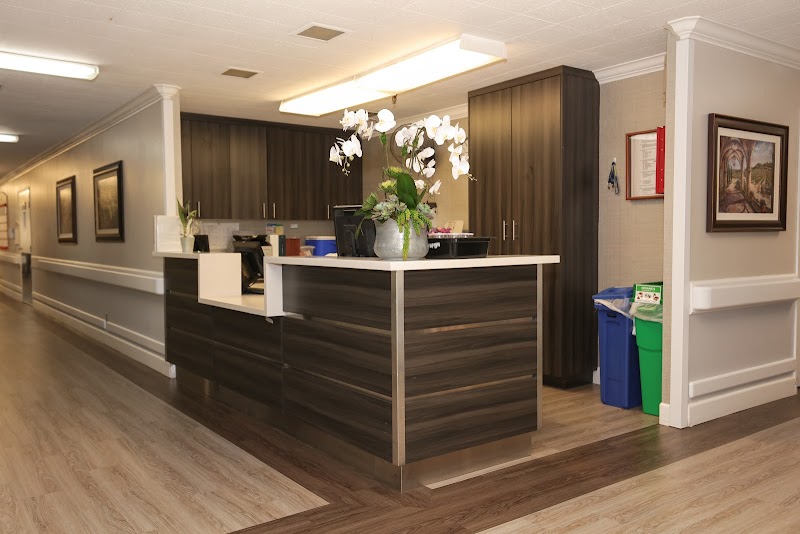
How is The Vineyards Healthcare Center Staffed?

CMS rates THE VINEYARDS HEALTHCARE CENTER's staffing level at 3 out of 5 stars, which is average compared to other nursing homes. Staff turnover is 38%, compared to the California average of 46%. This relatively stable workforce can support continuity of care.

What Have Inspectors Found at The Vineyards Healthcare Center?

State health inspectors documented 27 deficiencies at THE VINEYARDS HEALTHCARE CENTER during 2019 to 2024. These included: 24 with potential for harm and 3 minor or isolated issues.
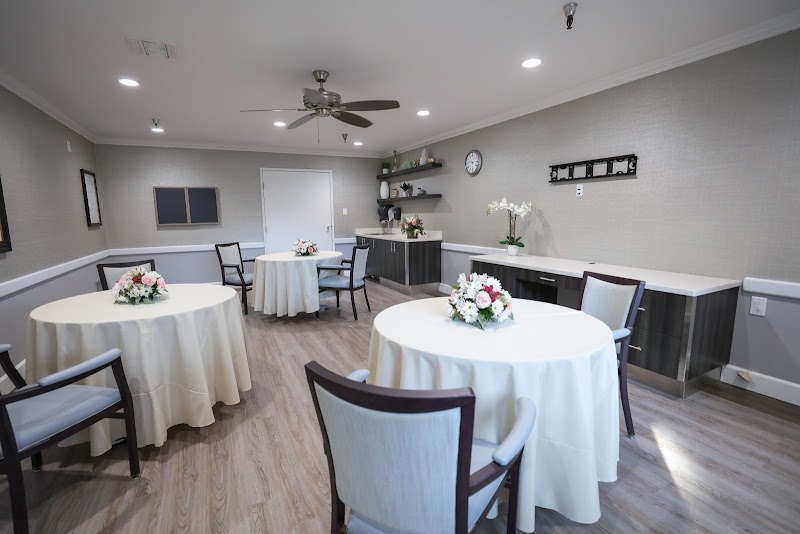
Who Owns and Operates The Vineyards Healthcare Center?

THE VINEYARDS HEALTHCARE CENTER is owned by a for-profit company. For-profit facilities operate as businesses with obligations to shareholders or private owners. The facility is operated by LINKS HEALTHCARE GROUP, a chain that manages multiple nursing homes. With 83 certified beds and approximately 78 residents (about 94% occupancy), it is a smaller facility located in LIVERMORE, California.
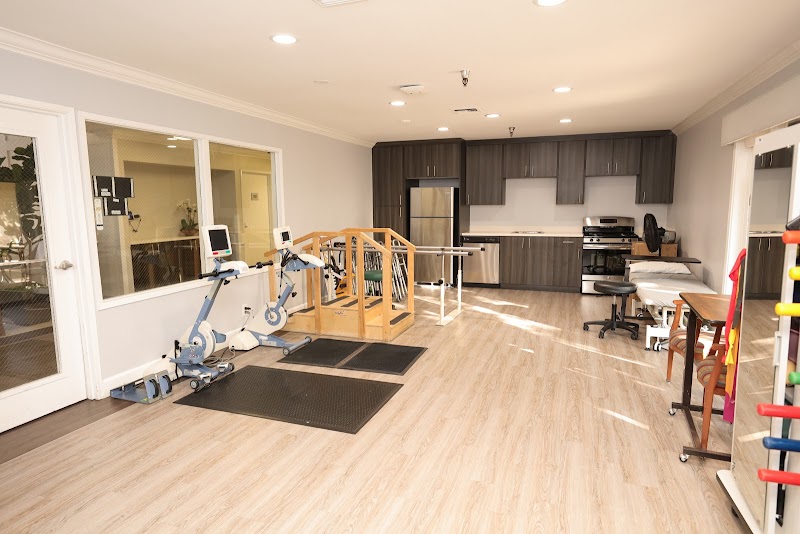
How Does The Vineyards Healthcare Center Compare to Other California Nursing Homes?

Compared to the 100 nursing homes in California, THE VINEYARDS HEALTHCARE CENTER's overall rating (5 stars) is above the state average of 3.2, staff turnover (38%) is near the state average of 46%, and health inspection rating (5 stars) is much above the national benchmark.

What Should Families Ask When Visiting The Vineyards Healthcare Center?

Based on this facility's data, families visiting should ask: "Can I visit during a mealtime to observe dining assistance and food quality?" "How do you handle medical emergencies, and what is your hospital transfer rate?" "Can I speak with family members of current residents about their experience?"

Is The Vineyards Healthcare Center Safe?

Based on CMS inspection data, THE VINEYARDS HEALTHCARE CENTER has a clean safety record: no substantiated abuse findings (meaning no confirmed cases of resident harm), no Immediate Jeopardy citations (the most serious violation level indicating risk of serious injury or death), and is not on the Special Focus Facility watch list (a federal program monitoring the lowest-performing 1% of nursing homes). The facility has a 5-star overall rating and ranks #1 of 100 nursing homes in California. While no facility is perfect, families should still ask about staff-to-resident ratios and recent inspection results during their visit.

Do Nurses at The Vineyards Healthcare Center Stick Around?

THE VINEYARDS HEALTHCARE CENTER has a staff turnover rate of 38%, which is about average for California nursing homes (state average: 46%). Moderate turnover is common in nursing homes, but families should still ask about staff tenure and how the facility maintains care continuity when employees leave.

Was The Vineyards Healthcare Center Ever Fined?

THE VINEYARDS HEALTHCARE CENTER has no federal fines on record. CMS issues fines when nursing homes fail to meet care standards or don't correct problems found during inspections. The absence of fines suggests the facility has either maintained compliance or corrected any issues before penalties were assessed. This is a positive indicator, though families should still review recent inspection reports for the full picture.

Is The Vineyards Healthcare Center on Any Federal Watch List?

THE VINEYARDS HEALTHCARE CENTER is not on any federal watch list. The most significant is the Special Focus Facility (SFF) program, which identifies the bottom 1% of nursing homes nationally based on persistent, serious quality problems. Not being on this list means the facility has avoided the pattern of deficiencies that triggers enhanced federal oversight. This is a positive indicator, though families should still review the facility's inspection history directly.