OAKLAND HEALTHCARE & WELLNESS CENTER
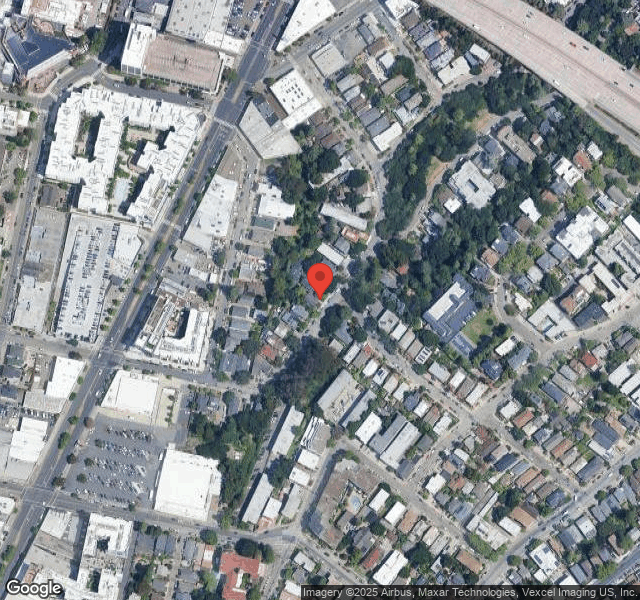

3030 WEBSTER STREET, OAKLAND, CA 94609 (510) 250-8000
For profit - Corporation 98 Beds SHLOMO RECHNITZ Data: November 2025
Trust Grade
78/100
#150 of 1155 in CA
Last Inspection: July 2024

Within standard 12-15 month inspection cycle. Federal law requires annual inspections.

Overview

Oakland Healthcare & Wellness Center has received a Trust Grade of B, indicating that it is a good choice among nursing homes, though there is room for improvement. The facility ranks #150 out of 1,155 in California, placing it in the top half, and #15 out of 69 in Alameda County, meaning only 14 local options are better. Unfortunately, the facility is trending worse, with the number of issues increasing from 6 in 2023 to 12 in 2024. Staffing is a concern, with a 51% turnover rate, which is higher than the state average, although it has good RN coverage, exceeding 78% of other California facilities. Recent inspections have highlighted several issues, including a resident's window that wouldn't close, allowing cigarette smoke into the room, a failure to refer residents for necessary mental health evaluations, and not employing a full-time dietary supervisor, which could affect the food quality for residents. Overall, while the facility has some strengths, families should be aware of these significant weaknesses.

Trust Score
B
78/100
In California
#150/1155
Top 12%
Safety Record
Low Risk
No red flags
Inspections
Getting Worse
6 → 12 violations
Staff Stability
⚠ Watch
51% turnover. Above average. Higher turnover means staff may not know residents' routines.
Penalties
✓ Good
$3,482 in fines. Lower than most California facilities. Relatively clean record.
Skilled Nurses
○ Average
Each resident gets 39 minutes of Registered Nurse (RN) attention daily — about average for California. RNs are the most trained staff who monitor for health changes.
Violations
⚠ Watch
32 deficiencies on record. Higher than average. Multiple issues found across inspections.
★★★★★
5.0
Overall Rating
★★★☆☆
3.0
Staff Levels
★★★★★
5.0
Care Quality
★★★★☆
4.0
Inspection Score
Stable
2023: 6 issues
2024: 12 issues

The Good

  • 5-Star Quality Measures · Strong clinical quality outcomes
  • Full Sprinkler Coverage · Fire safety systems throughout facility
  • No fines on record

Facility shows strength in quality measures, fire safety.

The Bad

Staff Turnover: 51%

Near California avg (46%)

Higher turnover may affect care consistency

Federal Fines: $3,482

Below median ($33,413)

Minor penalties assessed

Chain: SHLOMO RECHNITZ

Part of a multi-facility chain

Ask about local staffing decisions and management

The Ugly 32 deficiencies on record

Dec 2024 1 deficiency
CONCERN (D) 📢 Someone Reported This

A family member, employee, or ombudsman was alarmed enough to file a formal complaint

Potential for Harm - no one hurt, but risky conditions existed

Accident Prevention (Tag F0689)

Could have caused harm · This affected 1 resident

Based on observation, interview and record review, the facility failed to ensure 90 of 90 sampled residents were prevented from unauthorized visitor entry or resident exit from the facility when facil...

Read full inspector narrative →
Based on observation, interview and record review, the facility failed to ensure 90 of 90 sampled residents were prevented from unauthorized visitor entry or resident exit from the facility when facility staff failed to close the alarmed emergency exit back door and arm the emergency exit alarm for 35 minutes during the evening shift. This failure had the potential to result in unauthorized visitor entry and/or unwitnessed resident elopements potentially resulting in resident injury. Findings: During an observation of the alarmed emergency exit back door on 10/17/24, at 1:00 p.m., the alarmed emergency exit back door was opened; there was no audible alarm. The door led to an access ramp with direct access to public streets. The access ramp was closed with an unlocked metal latch. During a continuous observation of the alarmed emergency exit back door on 10/18/24, at 6:40 p.m., the door was opened from 6:40 p.m. to 7:15 p.m.; there was no alarm audible. During a concurrent observation and interview on 12/3/24, at 11:05 a.m., with Certified Nursing Assistant 1 (CNA 1), an alarmed emergency exit door near the nurses' station was inspected. CNA 1 stated the facility emergency exit doors were never locked, but all the emergency exit doors have an alarm to alert staff when the door was opened. CNA 1 stated the alarms could be heard anywhere in the facility. During a concurrent observation and interview on 12/3/24, at 1:15 p.m., with the Director of Nursing (DON) and Housekeeping Supervisor (HS), the alarmed emergency exit back door was inspected. There were two signs affixed to the door. The first sign indicated, Please Keep Door Closed At All Times. The second sign indicated, Emergency Exit After 5:00 p.m. Keep Door Closed. The DON stated the door should always be closed. The HS stated when the door alarm was armed, an audible alarm would sound when the door was opened and would continue until staff reset the alarm. The DON and HS stated the alarm mechanism should be armed after 5:00 p.m. because the reduced staffing during the evening and night shift prevented continuous monitoring of the exit. The DON stated the purpose of the door alarm was to alert staff when the door was opened. The DON stated staff were expected to respond to the alarm when it sounded. During a review of facility policy and procedure (P&P) titled, Wandering & Elopement, Operational Manual - Administrative Policies, dated 1/1/12, the P&P indicated facility staff must also act to ensure their health and safety .facility staff should check all doors to ensure they close properly after each entry/exit .the maintenance department will check the alarm system regularly to ensure it is in good working order. During a record review of facility plan of correction (POC) for the 2022 recertification survey titled, Department of Health and Human Services Centers for Medicare and Medicaid Services Statement of Deficiencies and Plan of Correction, dated 5/9/22, the facility POC indicated, Door marked ' Emergency Exit' are equipped with both door alarms .On 4/20/22 DON instructed all licensed nurses to keep door alarms engaged at all times. Nurses were already familiar with the use of the intuitive and well labeled door alarm system and were previously leaving them disengaged .maintenance supervisor or environmental supervisor will inspect all door alarms daily to ensure they are in the armed position by pressing the alarm test button .when a patient would trip the alarm, a nurse would be required to show up on scene to reset the alarm, thereby being present to intervene on the situation. Nurses would not fail to show up to the scene as the alarm is extremely loud and impossible not to hear in the facility.
Aug 2024 1 deficiency
CONCERN (D) 📢 Someone Reported This

A family member, employee, or ombudsman was alarmed enough to file a formal complaint

Potential for Harm - no one hurt, but risky conditions existed

Deficiency F0726 (Tag F0726)

Could have caused harm · This affected 1 resident

Based on interview and record review, the facility failed to assure nursing staff possessed the competencies and skill sets necessary to provide nursing services to meet the residents' care needs safe...

Read full inspector narrative →
Based on interview and record review, the facility failed to assure nursing staff possessed the competencies and skill sets necessary to provide nursing services to meet the residents' care needs safely for one of one sampled resident (Resident 1), when a Licensed Vocational Nurse(LVN), without an intra-venous(IV-a medical technique that involves administering fluids, medications, or nutrients directly into a vein) and blood withdrawal certificate provided care for Resident 1's peripherally inserted central catheter (PICC- a thin, flexible tube that is inserted into a vein in the upper arm and threaded into a large vein in the chest). This failure had the potential to result in improper infusion of ordered TPN (Total Parenteral Nutrition-a method of feeding that provides nutrients directly into a vein, bypassing the gastrointestinal tract) and cause infection and complications. During a record review of Resident 1's face sheet, printed on 8/27/24, the face sheet indicated Resident 1 was admitted during May 2024, with diagnoses including: surgical aftercare following surgery on the digestive system, short bowel system, nutritional deficiency, and acquired absence of other specified parts of digestive tract. During a record review of Resident 1's Order Summary Report dated 8/27/24, the report indicated Resident 1's medical orders included: -Change dressing and cap as needed for PICC care when soiled, start date 6/1/24 - no end date. - Cyclic-infuse (method of delivering intravenous nutrient solutions to patients in shorter periods of time) from 1700 to 0900. Taper up over 1 hour -33 mls (milliliters-a unit of measure) rate; then 67 ml for 14 hours continuous. Taper down over 1 hr 33 ml one time a day for TPN (plain) - Dextrose (a type of simple sugar made from corn) -200 GM, Clinisol (an intravenous nutrient solution that provides a variety of amino acids - the raw materials for protein synthesis ) 40 GM, Sodium Chloride (salt) 230 MEQ, Magnesium sulphate (a mineral supplement used to manage and treat multiple clinical conditions) 5 MEQ TPN, start date 5/4/24 - no end date. - Monitor central line for signs/symptoms of infection/bleeding q (every) shift for central line monitoring, start date 5/4/24- no end date. During a concurrent interview and record review on 8/27/24 at 10:30 a.m., with the Director of Nursing (DON), the DON confirmed three specific LVNs documented giving care to Resident 1 during the hours 11:00 p.m. to 7:30 a.m., during the month of August 2024. The DON only provided IV competency certificates for two of the three LVN 's. During a record review of the Board of Vocational Nursing Website Licensing details for Licensed Vocational Nurse 1 (LVN 1), the website indicated LVN 1 did not possess an IV and blood withdrawal certification. During a record review of Resident 1's medication administration record (MAR), dated 8/2024, the MAR indicated LVN 1 provided care and/or monitoring for Resident 1's PICC line on 8/6/24, 8/7/24, 8/19/24, 8/24/24, and 8/25/24. During an email correspondence from the Board of Vocational Nursing and Psychiatric Technicians, dated 8/27/24, the Scope of Practice Consultant advised, in California the only LVN who is Board-certified in Intravenous Therapy can flush those (PICC) lines with normal saline or heparin to maintain patency; can care for the dressings on those line sites; and can discontinue those catheters, and Licensed Vocational Nurses who are Board certified in intravenous therapy can perform site dressing care on central lines. During a phone interview with LVN 1 on 8/29/24 at 7:00 a.m., LVN 1 stated, she did not possess an intravenous therapy and blood withdrawal certificate. During a record review of facility ' s policy and procedure (P & P), titled Criteria for Licensed Nurses Administering Therapy Policy: IV 101, dated 3/2023, the P and P indicated, B. IV Certified LVNs may change the dressing and needles access device of central lines as specified by policy. The LVN must demonstrate competency prior to the independent performance of this procedure .C. The IV Certified LVN may NOT start or titrate any IV, which contains medication. However, the LVN may stop or discontinue such infusions whether due to completion of therapy or complication at site or catheter .E. The IV Certified LVN may monitor all types of IV therapies administered through peripheral, central and subcutaneous lines.
Jul 2024 10 deficiencies
CONCERN (D)

Potential for Harm - no one hurt, but risky conditions existed

Quality of Care (Tag F0684)

Could have caused harm · This affected 1 resident

**NOTE- TERMS IN BRACKETS HAVE BEEN EDITED TO PROTECT CONFIDENTIALITY** 2. During a review of Resident 85's admission Minimum Data Set (MDS - Resident assessment and care guide tool), dated 5/29/24, t...

Read full inspector narrative →
**NOTE- TERMS IN BRACKETS HAVE BEEN EDITED TO PROTECT CONFIDENTIALITY** 2. During a review of Resident 85's admission Minimum Data Set (MDS - Resident assessment and care guide tool), dated 5/29/24, the MDS indicated Resident 85's Basic Interview of Mental Status (BIMS, a scoring system used to determine the resident's cognitive status regarding attention, orientation, and ability to register and recall information. A BIMS score of thirteen to fifteen is an indication of intact cognitive status.) score was 15 and indicated intact mental status. The MDS indicated Resident 85 was able to recall the correct year, month, and day of the week. MDS indicated Resident 85 had facial expression of pain (e.g. grimaces, winces, wrinkled forehead, furrowed brow, clenched teeth). Resident 85 had protective body movements or postures (e.g., bracing, guarding, rubbing or massaging a body part/area, clutching or holding a body part during movement). Resident 85 complained or showed evidence of pain or possible pain frequency of 1 to 2 days. The MDS indicated Resident 85 had diagnoses that included cellulitis of right lower limb ( a common and potential serious bacterial skin infection), bilateral osteoarthritis of knee ( a degenerative joint disease) and other chronic pain. During a concurrent observation and interview on 7/23/24, at 9:40 a.m., Resident 85 laid in bed in his room, awake and verbally responsive. Resident 85 stated his pain medication was not relieving his leg pain, and he could not sleep well overnight. Resident 85 stated he received medication every 6 hours as needed for pain and continued to have pain on his knees and legs. During a review of Resident 85's Pain Evaluation, dated 7/22/24, indicated for pain intensity ask resident to rate worst pain on a 0-10 scale, with 0 being no pain and 10 being the worst pain imaginable. Resident 85's pain level was scored at 5. (The pain scale helps the doctor keep track of how well your treatment plan is working to reduce your pain and help you do daily tasks. Most pain scales use numbers from 0 to 10. A score of 0 means no pain, and 10 means the worst pain you have ever felt) Reference : https://www.healthline.com . During a review of Resident 85's order summary report (physician orders), dated 5/23/24, indicated physician prescribed Acetaminophen (Tylenol) oral tablet 500 mg give 2 tablet by mouth every 6 hours as needed for mild pain (1-4) not to exceed 3 gm in 24 hours. Further review of Resident 85's physician order dated 5/23/24, indicated the physician prescribed hydrocodone-acetaminophen (Norco) oral tablet 10-325 mg give one tablet by mouth every 4 hours as needed for moderate to severe pain (5-9) not to exceed 3 gm of Tylenol in 24 hours. During a review of Resident 85's Medication Administration Record (MAR), dated June 2024 , the MAR indicated Resident 85 was administered Tylenol 500 mg two tablets on 6/17/24 and 6/22/24 for pain score of 5. Further review of June 2024 MAR indicated Resident 85 was administered Norco one tablet by mouth on 6/1, 2, 4, 5, 6, 7, 8, 10, 11, 12, 13, 14, 17, 19, 20, 21, 23/2024. for pain score of 1 to 3. During a review of Resident 85's MAR dated July 2024, Resident 85 was administered Tylenol 500 mg two tablets on 7/4, 5, 9, 10, 14, 15, 20, 22/2024 for pain score of 6. Further review of Resident 85's MARs dated June and July 2024 indicated Resident 85 received as needed Norco oral tablet pain medication one tablet by mouth 2 to 5 times daily. During a concurrent interview and record review on 7/24/24, at 9:26 a.m., with Licensed Vocational Nurse (LVN 2), Resident 85's MAR dated July 2024 was reviewed. LVN2 stated Resident 85 frequently complained of general pain. LVN 2 stated when resident frequently asks for pain medication, we notify the physician. LVN 2 stated for pain level 6 Resident 85 needed to receive Norco not Tylenol. LVN 2 stated she would call the physician to reevaluate Resident 85's pain. During a concurrent interview and review of Resident 85's MAR dated June and July 2024, on 7/24/24, at 10:16 a.m., with LVN 3, LVN 3 stated when resident received as needed pain medication routinely, license nurse would reassess resident and notify the physician to reevaluate resident's pain medication. During a concurrent interview and review of Resident 85's physician orders and MARs dated June and July 2024, on 7/24/24, at 11:34 a.m., with Director of Nursing (DON), DON stated licensed nurses are expected to notify the physician to reevaluate resident pain status when as needed pain medications are routinely administered. DON stated Resident 85's physician would be notified. During a concurrent interview and review of Resident 85's MAR dated June and July 2024, on 7/25/24, at 8:57 a.m., with Registered Nurse (RN 2), RN 2 stated the expectation was to follow the physician order of pain level parameter before medication administration. RN 2 stated Tylenol was not given per pain scale level indicated on the physician order. During an interview on 7/25/24, at 9:58 a.m., DON stated the expectation was for licensed nurses to follow physician order and administer pain medication as ordered. During a telephone interview on 7/25/24, at 12:33 p.m., with Licensed Vocational Nurse (LVN6), LVN 6 stated he was Resident 85's on duty nurse in June 2024. LVN 6 stated he was on duty evening and night shift. LVN 6 stated Resident 85 consistently complained of lower leg pain. LVN 6 stated Resident 85 said that his pain level was at 10 when asked. LVN 6 stated he documented Resident 85's pain level as 1 on MAR on 6/1, 2, 4, 5, 6, 8, 10, 11, 12, 13, 14, 16, 17, 20, 23, 24, 25, 26/2024 because LVN 6 stated he felt Resident 85 just wanted the pills and did not have pain. During a review of the facility's policy and procedure (P&P) titled, Administration of Pain Medication, date revised November 2016, indicated, The Licensed Nurse will only administer pain medications according to the physician's order. Review the physician order and administer the pain medications as ordered. Some physician orders may have different medications indicated for different levels of pain. Based on observation, interview, and record review the facility failed to ensure necessary treatment and care services in accordance with professional standards of practice, comprehensive assessment and care plan for two of two sampled residents (Resident 41 and Resident 85) when: 1. For Resident 41, license nurse (LN) did not assess or offer pain medication before wound dressing change was performed. 2. Resident 85 did not receive pain medication as ordered by the physician. License nurses did not reassess routine use of as needed pain medication. These failures had the potential for Resident 41 and Resident 85 to suffer from unnecessary pain and emotional distress, and to not receive the necessary care and services to ensure effective pain management. Findings: 1. A review of Resident 41's admission Record printed on 7/24/24, indicated Resident 41 was admitted to the facility on [DATE] with diagnoses that included Alzheimer's Disease (a brain condition that causes a progressive decline in memory, thinking, learning, and organizing skills), hemiplegia (muscle weakness on one side of the body), and pressure ulcer (an injury that breaks down the skin and underlying tissues) of the sacrum (bottom of the spine or just above the tailbone). It also indicated Resident 41 was on palliative care (a specialized medical care focused on providing relief from pain and other symptoms of a serious illness). A review of Resident 41's Minimum Data Set (MDS, a resident assessment tool used to provide care), dated 5/17/24, indicated Resident 41 had no speech, was rarely/never understood, and was rarely/never able to understand. The MDS also indicated Resident 41 required substantial/maximal assist (helper does more than half the effort) to dependent assist (helper does all of the effort to complete the activity with the assistance of two or more helpers required for the resident to complete the activity) during his activities of daily living, (ADLs, the basic self-care tasks an individual does on a day-to-day basis). A review of Resident 41's Order Summary Report, order date range 7/1/24-7/31/24, indicated: 1. 7/20/24 Morphine Sulfate 20 milligram (mg)/milliliter (ml), give 0.25 ml by mouth every one hour as needed for pain. 2. 7/19/24 Sacrum - cleanse wound with normal saline or sterile water pat dry apply calcium Alginate (AG) to wound bed and dry dressing. Every day shift for wound care and as needed for wound care. A review of Resident 41's Care Plan focused on, The resident is at risk for pain, dated 9/22/21, indicated, Anticipate the resident's need for pain relief and respond immediately to any complaint of pain . During a concurrent wound dressing change observation on 7/23/24, at 10:34 a.m., with the Treatment Nurse 1 (TN 1) and Licensed Vocational Nurse 1 (LVN 1), inside Resident 41's room, Resident 41 was positioned lying in bed on his right side, with the sacral wound exposed for wound treatment. Resident 41 was observed tensed and guarded. When TN 1 cleansed Resident 41's sacral wound with normal saline, resident moved his lower body part away with a sudden jerk. During a follow-up interview on 7/23/24, at 10:45 a.m., with TN 1, TN 1 stated she did not assess Resident 41's pain level nor asked the Charge Nurse (CN) if the resident had received pain medication prior to wound treatment. TN 1 stated she would normally ask the CN to give the resident pain medication 30 minutes before wound treatment. During an interview on 7/25/24, at 8:47 a.m., with the Registered Nurse Supervisor (RNS), RNS stated a resident must be assessed for pain and offered pain medication 30 minutes prior to wound treatment, and assessed for the effectiveness of the pain medication before the wound treatment was performed. A review of the facility's policy and procedure (P&P) titled, Pain Management, revised date 5/25/23, indicated, .Pain Assessment .If the resident cannot verbalize the intensity of their pain, the Licensed Nurse will evaluate the resident's pain based on non-verbal cues (Examples of non-verbal cues to include but are not limited to: .guarding of a body part .Pain Management .The Licensed Nurse will assess the resident for pain and document results on the Medication Administration Record (MAR) .
CONCERN (D)

Potential for Harm - no one hurt, but risky conditions existed

Pharmacy Services (Tag F0755)

Could have caused harm · This affected 1 resident

Based on observation, interview, and record review, the facility failed to ensure that two of three sampled residents (Residents 54 and 58) were administered medication to meet their needs. Resident 5...

Read full inspector narrative →
Based on observation, interview, and record review, the facility failed to ensure that two of three sampled residents (Residents 54 and 58) were administered medication to meet their needs. Resident 54 was not given two medications as ordered during an observed medication pass and Resident 58 was not giving prescribed eye drops for two days. These failures had the potential to result in residents' medical conditions worsening. Findings: A review of the admission Record (a document containing the most pertinent information for a resident) for Resident 54, undated, indicated the resident was admitted on 5/2024 with a diagnosis of heart failure. A review of the Physician's Orders for Resident 54, dated July 2024, indicated the resident had orders for Minoxidil 10 milligrams (mg) once daily for hypertension, and Potassium Chloride 20 milliequivalents (mEq) once daily for supplement. A review of the admission Record for Resident 58, undated, indicated Resident 58 was admitted on 10/2023. A review of the Physician's Orders for Resident 58, dated March 2024, indicated Resident 58 had an order for Latanoprost Ophthalmic Solution 0.005 % Instill 1 drop in both eyes at bedtime for Glaucoma OU, primary open angle. During a concurrent observation and interview on 7/24/24, at 9:05 a.m., with Licensed Vocational Nurse (LVN) 3, LVN 3 was observed passing medication to Resident 54. Resident 54 was noted with an order for potassium chloride (a medication designed to increase a person's potassium). LVN 3 looked through the medication cart and storage area and was unable to locate the potassium chloride. LVN 3 stated the medication was ordered from the pharmacy and had not arrived yet, so LVN 3 was unable to administer the medication to the resident. LVN 3 then completed the rest of the medication preparation and administered the medications to Resident 54. During a concurrent interview and record review on 7/24/24, at 10:30 a.m., with LVN 3, Resident 54's medication orders for the observed medication pass were reviewed. Resident 54 was noted as having an order for Minoxidil (a medication designed to lower blood pressure). This medication was not observed as being passed to the resident. LVN 3 confirmed that the Minoxidil was not administered to the resident. During a concurrent interview and record review on 7/25/24, at 9:41 a.m., with the Director of Nursing (DON), Resident 58's Medication Administration Record (MAR) for March 2024 was reviewed. During the review, the DON stated the MAR indicated Resident 58 did not receive Latanoprost eye drops on 3/29 and 3/30, with two progress notes attached stating that the medication was not available at the time of administration. The DON stated this was a medication error and that all residents should receive medications as ordered by the physician.
CONCERN (D)

Potential for Harm - no one hurt, but risky conditions existed

Unnecessary Medications (Tag F0759)

Could have caused harm · This affected 1 resident

Based on observation, interview, and record review, the facility failed to ensure it maintained a medication error rate of five percent or less. The facility medication error rate was 8.1%, with three...

Read full inspector narrative →
Based on observation, interview, and record review, the facility failed to ensure it maintained a medication error rate of five percent or less. The facility medication error rate was 8.1%, with three errors observed during 37 opportunities. This failure had the potential to result in residents' medical conditions worsening. Findings: During a concurrent observation and interview on 7/24/24, at 9:05 a.m., with Licensed Vocational Nurse (LVN) 3, LVN 3 was observed passing medication to Resident 54. Resident 54 was noted with an order for potassium chloride (a medication designed to increase a person's potassium). LVN 3 looked through the medication cart and storage area and was unable to locate the potassium chloride. LVN 3 stated the medication was ordered from the pharmacy and had not arrived yet, so LVN 3 was unable to administer the medication to the resident. Continuing the medication pass, LVN 3 prepared two tablets of Vitamin D3 (a medication designed to strengthen bones) 1000 units to administer to Resident 54. LVN 3 then completed the rest of the medication preparation and administered the medications to Resident 54. During a concurrent interview and record review on 7/24/24, at 10:30 a.m., with LVN 3, Resident 54's medication orders for the observed medication pass were reviewed. Resident 54 was noted as having an order for Vitamin D3 2000 [units] 0.5 tab, which is equivalent to 1000 units. LVN 3 stated he believed he had only put one tablet of Vitamin D3 in the medication cup. The surveyor informed LVN 3 that two tablets were observed by both the writer and the consulting pharmacist during observation. Resident 54 was noted as having an order for Minoxidil (a medication designed to lower blood pressure). This medication was not observed as being passed to the resident. LVN 3 confirmed that the Minoxidil was not administered to the resident. LVN 3 stated that not administering medications as ordered to a resident placed them at risk of getting sicker or having a change in condition.
CONCERN (D)

Potential for Harm - no one hurt, but risky conditions existed

Deficiency F0761 (Tag F0761)

Could have caused harm · This affected 1 resident

**NOTE- TERMS IN BRACKETS HAVE BEEN EDITED TO PROTECT CONFIDENTIALITY** Based on observation, interview, and record review, the facility failed to ensure drugs were stored and disposed of in the prope...

Read full inspector narrative →
**NOTE- TERMS IN BRACKETS HAVE BEEN EDITED TO PROTECT CONFIDENTIALITY** Based on observation, interview, and record review, the facility failed to ensure drugs were stored and disposed of in the proper manner. Three boxes of rectal suppositories were expired, and one emergency medication kit was left open and not replaced. These failures had the potential to result in residents receiving ineffective medication. Findings: During an observation on [DATE], at 1:41 p.m., the medication storage room was observed by two Health Facilities Evaluators (HFEs). During the observation, one emergency medication kit (e-kit) was observed as having been opened. The kit contained controlled substances, insulin, and temperature-sensitive suppositories. Further along the observation, three boxes of Bisacodyl suppositories were observed as having an expiration date of 6/24. This was confirmed with Licensed Vocational Nurse (LVN) 1. The expired medication was placed with the rest of the over-the-counter medications used by the facility. LVN 1 then checked the reorder log for the e-kits, which revealed a reorder date of [DATE] for the e-kit. LVN 1 stated the expired medication placed residents at a risk of receiving medication that would be ineffective at treating their conditions. During a review of the policy and procedure (P&P) titled, Medication Storage in the Facility, dated [DATE], the policy indicated Outdated, contaminated, or deteriorated medications . are immediately removed from stock, disposed of according to procedures for medication disposal, and reordered from the pharmacy .
CONCERN (D)

Potential for Harm - no one hurt, but risky conditions existed

Medical Records (Tag F0842)

Could have caused harm · This affected 1 resident

Based on interview and record review, the facility failed to ensure clinical records were complete and accurately documented for one of 40 sampled residents (Resident 41) when Resident 41's Hospice Ca...

Read full inspector narrative →
Based on interview and record review, the facility failed to ensure clinical records were complete and accurately documented for one of 40 sampled residents (Resident 41) when Resident 41's Hospice Care (a medical care for people focused on palliation [focused on providing relief from pain and other symptoms of a serious illness] of a terminally ill patient's pain and symptoms and attending to their emotional and spiritual needs at the end of life) Notes were not readily accessible and Hospice Care Visits/Assessments were not accurately documented in resident's electronic medical record. These deficient practices had the potential for Resident 41 to not receive the needed care, services, and treatments due to lack of availability of information to facilitate communication among the Interdisciplinary Team (IDT, a group of health care professionals with various areas of expertise who work together toward the goals of their patients). Findings: A review of Resident 41's admission Record printed on 7/24/24, indicated Resident 41 was admitted to the facility in 2019. A review of Resident 41's Physician's Order indicated resident was admitted to hospice care on 5/10/24 for terminal diagnosis of Cerebrovascular Disease (a condition that affects flow of blood in the brain and spine). A review of Resident 41's electronic medical record did not indicate any documentation of Hospice Visits/Assessments. During a concurrent interview and record review on 7/23/24, at 10:40 a.m., with Licensed Vocational Nurse 1 (LVN 1), Hospice Communication Binder (HC Binder) revealed a total of five Hospice Notes documentations dated 5/17/24, 5/24/24, 5/30/24, 6/6/24, 6/28/24, and 7/23/24. LVN 1 stated Hospice Nurse visited the resident in the facility on Mondays, Wednesdays, and Fridays, and documented on their tablet (a small portable computer), later signed digitally by the facility nurse on duty. LVN 1 stated there were no Progress Notes entered by facility nurses on resident's electronic medical record. During a concurrent telephone interview and record review on 7/25/24, at 10:27 a.m., with the Hospice Clinical Director (HCD), facility's Hospice Communication Binder (HC Binder) was discussed via the telephone. HCD stated Resident 41 should have Hospice Notes available in the HC Binder. HCD further stated Hospice Nurses were expected to write notes of each resident visit on the HC Binder and facility could request copies of Hospice Progress notes via fax thru the Hospice Medical Records (HMR). A review of the facility's policy and procedure (P&P) titled, Hospice Care of Residents, revised date January 1, 2012, indicated, Documentation .Hospice Notes will be included in the Facility Progress Notes .All documentation concerning hospice services will be maintained in the resident's medical record.
CONCERN (E)

Potential for Harm - no one hurt, but risky conditions existed

Safe Environment (Tag F0584)

Could have caused harm · This affected multiple residents

**NOTE- TERMS IN BRACKETS HAVE BEEN EDITED TO PROTECT CONFIDENTIALITY** 3. During a concurrent observation and interview on 7/22/24, at 10:00 a.m., with Resident 58 and Resident 58's family member, th...

Read full inspector narrative →
**NOTE- TERMS IN BRACKETS HAVE BEEN EDITED TO PROTECT CONFIDENTIALITY** 3. During a concurrent observation and interview on 7/22/24, at 10:00 a.m., with Resident 58 and Resident 58's family member, the family member stated Resident 58's bedroom window would not close properly. When it was attempted to close the window completely, a ¼ inch gap was left open to the outside, between the window and the window frame. The family member stated this caused hot and cold air, as well as cigarette smoke from the courtyard smoking area to come into Resident 58's room. The family member stated they were worried about Resident 58's health because of this, and Resident 58 had also complained about cigarette smoke smell. During a concurrent observation and interview on 7/23/24, at 1:36 p.m., with the Infection Prevention Nurse (IPN) in the facility courtyard/smoking area, smoking ashtrays were located approximately 20 feet from Resident 58's and other residents' bedroom windows. A large blue shade awning was also located in the courtyard, with the nearest part of the awning measuring approximately 15 feet from resident bedroom windows. The IPN stated facility residents were allowed to smoke during certain times during the day accompanied by activity staff, and smokers were encouraged to stay far away from facility bedroom windows. During a record review of Smoking Schedule for Residents, undated, the schedule indicated, smoking times are 8:30 a.m., 11:00 a.m., 1:00 p.m., 4:00 p.m., 6:00 p.m., and 8:00 p.m. During an observation on 7/24/24, at 10:30 a.m., in the facility's smoking area/courtyard, a resident in a wheelchair was smoking. The resident was under the large blue shade awning. During an observation on 7/24/24, at 12:30 p.m., in the facility's smoking area/courtyard, two residents were smoking in between the ashtray station and the large blue shade awning. During an interview on 7/25/24 at 10:40 a.m. with the Director of Nursing (DON), the DON stated risks of second-hand smoke inhalation include cancer and respiratory problems, and residents should not be exposed to it. During a review of facility's policy and procedure (P&P) titled, Smoking by Residents, effective 8/18/23, P&P indicated, facilities that accommodate residents who smoke will take reasonable precautions by providing a safe environment and protecting the non-smoking residents. In an interview on 7/24/24, at 11:35 a.m., with the Maintenance Supervisor (MS), the MS stated he was aware of Resident 58's window issue. MS stated Resident 58's window would not close, for maybe a month or more. MS stated the facility had tried to find ways to repair the window in-house, and since that didn't work, the facility contacted S.F. Atlas Glass company today for an estimate, and now the plan was to replace Resident 58's window completely. In a review of facility P&P titled, Maintenance Service, undated, P&P indicated, The maintenance Department is responsible for maintaining the buildings, grounds, and equipment in a safe and operable manner at all times .maintaining the building in good repair and free from hazards . During a record review of SF Atlas Glass invoice #2024225, dated 7/24/24, the invoice indicated two 48 x 48 windows/screens, and one 45 x 45 window/screen would be ordered and installed, and lead time is 4-6 weeks. During an interview with MS on 7/24/24, at 3:30 p.m., MS explained the information printed on S.F. Atlas Glass' invoice, lead time is 4-6 weeks, meant that the work would be started after the parts arrived in 4 to 6 weeks' time. MS stated temporary sealing and taping of the window would be done to ensure that Resident 58's window would close until the whole window could be replaced. 4. During an observation on 7/23/24, at 11:05 a.m., with Maintenance Staff (MS) and Administrator In Training (AIT), Residents' rooms 5, 6, 10, 11,12, 16 and 19 bathroom flooring had cracks and blackish discoloration on floors, toilet bowl with blackish strip marks on the rims, and blackish material around the base of toilet bowl. During a concurrent observation and interview on 7/23/24, at 11:43 a.m., Resident 85 was seated up in wheelchair outside room [ROOM NUMBER]. Resident 85 stated he resided in room [ROOM NUMBER] and used the bathroom. Resident 85 stated he was uncomfortable using the bathroom sometimes. Resident 85 stated when he asked for the bathroom floor to be cleaned, staff did not listen. During an interview on 7/24/24, at 11:39 a.m., with Environmental Supervisor (ES), ES stated facility was aware of cracked flooring, blackish material and discoloration around the toilet in residents' bathrooms. During a review of the facility's policy and procedure (P&P) titled, Resident Rooms and Environment, revised January 01, 2012, the P&P indicated, The facility provides residents with a safe, clean, comfortable, and homelike environment. Facility staff will provide residents with a pleasant environment and person-centered care that emphasizes the residents' comfort, independence, and personal needs and preferences. Based on observation, interview, and record review, the facility failed to ensure maintenance services to maintain a comfortable, sanitary, and homelike environment when: 1. For Resident 39, room had a missing window covering. 2. For Resident 41, bathroom sink hot water knob was not in good working condition. 3. For Resident 58, room window could not be closed completely. 4. Multiple rooms (Rooms 5, 6, 10, 11,1 2, 16, and 19) had unclean and unpleasant bathroom environments. These failures to ensure a homelike environment had the potential to decrease residents' quality of life, comfort, and well-being. Findings: 1. A review of Resident 39's admission Record printed on 7/24/24, indicated Resident 39 was admitted to the facility on [DATE]. A review of Resident 39's Minimum Data Set (MDS, an assessment tool used to provide care), dated 7/12/24, indicated Resident 39 had a Brief Interview for Mental Status (BIMS, an assessment tool for a resident's orientation to time and capacity to remember. The BIMS score ranges from 0-15, with 15 as an indication of intact skills) score of 15 who had clear speech, was understood, and was able to understand. During a concurrent observation and interview on 7/22/24, at 9:25 a.m., with Resident 39, inside the resident's room, right panel of the window did not have a window covering. Resident 39 stated he had asked multiple times from several staff members to tell Maintenance to put blinds or some sort of window covering for resident's privacy and protection from outside heat especially with the recent heat wave. Resident stated it had been two weeks since he was admitted to the facility, yet the other panel of the window remained without blinds. During an interview on 7/22/24, at 10:00 AM, with Maintenance Supervisor (MS), MS stated he had been made aware of Resident 39's request for the resident's room window covering, however, MS was unable to find the time to install the blinds. MS stated the blinds were in the storage room available for installation. 2. A review of Resident 41's admission Record printed on 7/24/24, indicated Resident 41 was admitted to the facility in 2019. A review of Resident 41's MDS Assessment, dated 5/17/24, indicated Resident 41 had no speech, was rarely/never understood, and was rarely/never able to understand. During an observation on 7/23/24, at 11:36 a.m., inside Resident 41's room, the bathroom sink hot water knob when turned loose was without water flow. During a concurrent observation, interview, and record review, on 7/23/24, at 11:47 a.m., with the Registered Nurse 1 (RN 1), inside Resident 41's bathroom, RN 1 turned the sink hot water knob open and stated it was not working. RN 1 stated if something needed fixing or there was a maintenance issue, depending on the urgency, would report to Maintenance immediately, either verbally or written in the Maintenance Logbook located at the Nurses Station. When RN 1 checked the Maintenance Logbook in Nurses' Station 3, the issue regarding faucet in Resident 41's room was not documented. During an interview on 7/23/24, at 11:58 a.m., with CNA 1, CNA 1 confirmed hot water faucet knob to Resident 41's room had not been working in the last three days. CNA 1 stated she had reported this problem to the license nurse (LN) three days ago. CNA 1 further stated she had been going to the Nurses Station to get hot water for Resident 41's activities of daily living (ADL, the basic self-care tasks an individual does on a day-to-day basis) care. During a concurrent observation and interview on 7/23/24, at 12:01 p.m., with MS, inside Resident 41's bathroom, MS confirmed water did not flow when hot water knob was turned loose. MS stated the hot water valve was closed due to a loud screeching sound when knob was turned loose. MS stated this problem was verbally reported to him by a CNA, but MS was unable to take care of the problem up to this time. A review of the facility's policy and procedure (P&P) titled, Resident Rooms and Environment, revised date January 1, 2012, indicated, The facility provides residents with a safe, clean, comfortable, and homelike environment. Facility staff will provide residents with a pleasant environment and person-centered care that emphasizes the resident's comfort, independence, and personal needs and preferences .
CONCERN (E)

Potential for Harm - no one hurt, but risky conditions existed

Deficiency F0645 (Tag F0645)

Could have caused harm · This affected multiple residents

**NOTE- TERMS IN BRACKETS HAVE BEEN EDITED TO PROTECT CONFIDENTIALITY** Based on interview and record review, the facility failed to ensure four (Resident 32, 47, 57 and 67) of five sampled resident's...

Read full inspector narrative →
**NOTE- TERMS IN BRACKETS HAVE BEEN EDITED TO PROTECT CONFIDENTIALITY** Based on interview and record review, the facility failed to ensure four (Resident 32, 47, 57 and 67) of five sampled resident's Pre-admission Screening Resident Review (PASRR) was referred to the appropriate state mental authority for evaluation and determination when; 1. Facility did not resubmit a new Level 1 PASRR screening for Residents 32, 47, 67 that remained in the facility longer than 30 days. 2. Facility did not refer Resident 57 for level 2 PASRR evaluation. These failures had the potential to prevent residents from receiving appropriate required mental health services. Findings: 1. Review of Minimum Data Set (MDS - an assessment screening tool used to guide care), dated 5/22/24, indicated Resident 32 was admitted to the facility on [DATE], the Preadmission Screening and Resident Review (PASRR) was coded zero-meaning, Resident 32 was not considered by the State PASRR process to have a serious mental illness. The MDS indicated Resident 32's diagnoses included undifferentiated schizophrenia ( a mental disorder involving a breakdown in the relation between thought, emotion, and behavior, leading to faulty perception, inappropriate actions and feelings, withdrawal from reality and personal relationships into fantasy and a sense of mental fragmentation). Review of the PASRR screening dated 5/11/24 indicated Resident 32 had a serious diagnosed mental disorder such as depression, anxiety disorder, schizophrenia/schizophrenia disorder or symptoms of psychosis, delusional (false beliefs) and or mood disorder. The PASRR indicated if the individual remains in the NF (nursing facility) longer than 30 days, the facility should resubmit a new Level I screening as a Resident Review on the 31st day. Review of MDS, dated [DATE], indicated Resident 67 was admitted to the facility on [DATE], the PASRR was coded zero-meaning, Resident 67 was not considered by the State PASRR process to have a serious mental illness. MDS indicated Resident 32's diagnoses included schizophrenia ( a mental disorder involving a breakdown in the relation between thought, emotion, and behavior, leading to faulty perception, inappropriate actions and feelings, withdrawal from reality and personal relationships into fantasy and a sense of mental fragmentation). Review of the PASRR screening dated 6/4/24 indicated Resident 67 had a serious diagnosed mental disorder such as depression, anxiety disorder, schizophrenia/schizophrenia disorder or symptoms of psychosis, delusional (false beliefs) and or mood disorder. PASRR indicated if the individual remains in the NF (nursing facility) longer than 30 days, the facility should resubmit a new Level I screening as a Resident Review on the 31st day. During a concurrent interview and record review on 7/24/24, at 9:12 a.m., with MDS coordinator (MDSC), and Director of Nursing (DON), MDSC stated Resident 32 and 67 were admitted to the facility with Level I PASSAR screening completed from the hospital. MDSC stated she reviewed PASRRs during MDS process. MDSC stated facility had not resubmitted a new Level I screening when residents remained in the facility longer than 30 days . During a review of the facility's policy and procedure (P&P) titled, Pre-admission Screening Resident Review (PASRR) revised July 2018, indicated The facility MDS Coordinator will be responsible to access and ensure updates to the PASRR is done per MDS guidelines. A review of Resident 47's admission Record printed on 7/24/24, indicated resident was initially admitted to the facility on [DATE] and readmitted on [DATE]. A review of Resident 47's MDS, dated [DATE], indicated the PASRR was coded zero, meaning Resident 47 was not considered by the State Level II PASRR process to have a serious mental illness. However Resident 47's diagnoses included bipolar disorder (a mental health condition that causes extreme mood swings that include emotional highs and lows) and Parkinson's Disease (a brain disorder that causes unintended or uncontrollable movements. They may also have mental and behavioral changes, sleep problems, depression, and memory difficulties). A review of Resident 47's Order Summary Report, active orders as of 7/25/24, indicated an order for Depakote Extended Release (ER) 24 Hour oral tablet 250 mg, give three tablets for bipolar disorder. A review of Resident 47s medical record indicated Resident 47 did not have a PASRR. During a concurrent interview and record review on 7/24/24, at 9:10 a.m., with the MDSC and DON, Resident 47's clinical records were reviewed. MDSC stated MDSC reviewed PASRRs during the MDS process. However, MDSC confirmed Resident 47's PASRR was not completed, and resident was not referred to the State Mental Authority for specialized mental health services when resident remained in the nursing facility longer than 30 days. A review of the facility's policy and procedure titled, Pre-admission Screening Resident Review (PASRR), revised date July 2018, indicated, To ensure that all facility applicants are screened for mental illness and intellectual disability (ID) or a related condition (RC) prior to admission. The State of California has adopted a process to submit Pre-admission Screening Resident Review (PASRR) electronically. All facilities must complete the PASRR by midnight of the date of admission . 2. A review of Resident 57's admission Record printed on 7/24/24, indicated resident was initially admitted to the facility on [DATE] and readmitted on [DATE]. A review of Resident 57's MDS dated [DATE], indicated resident's diagnoses included Schizophrenia (a disorder that affects a person's ability to think, feel, and behave clearly). A review of Resident 57's Order Summary Report, active orders as of 7/24/24, indicated an order for Seroquel oral tablet 25 mg, give one tablet for Schizophrenia m/b aggressive behavior towards others. A review of Resident 57s medical record indicated Resident 57 did not have a PASRR Level II referral. During a concurrent interview and record review on 7/23/24, at 9:26 a.m., with the MDSC, Resident 57's clinical records were reviewed. Resident's PASRR Level I was completed on 4/3/23, which showed a result of positive for mental illness and a Level II Mental Health Evaluation Referral was required. MDSC stated Resident 57's medical records did not indicate that a Level II PASRR was completed, nor any follow-up appointment was set up to have the evaluation completed was done. A review of the facility's P&P titled, Pre-admission Screening Resident Review (PASRR), revised date July 2018, indicated, .The facility MDSC Coordinator will be responsible to access and ensure updates to the PASRR is done by MDS guidelines .
CONCERN (E)

Potential for Harm - no one hurt, but risky conditions existed

Deficiency F0801 (Tag F0801)

Could have caused harm · This affected multiple residents

Based on observation, interview, and facility document review, the facility failed to ensure the oversight of food service operations when the facility did not employ a full-time qualified Dietary Ser...

Read full inspector narrative →
Based on observation, interview, and facility document review, the facility failed to ensure the oversight of food service operations when the facility did not employ a full-time qualified Dietary Services Supervisor, defined as working 35 hours per week, to manage and oversee food operation services for the facility. This failure had the potential to jeopardize the health and well-being of the 92 of 93 residents who received food prepared in the kitchen. Findings: According to the California Code, Health and Safety Code - HSC § 1265.4: A licensed health facility shall employ a full-time, part-time, or consulting dietitian. A health facility that employs a registered dietitian less than full time, shall also employ a full-time dietetic services supervisor who meets the requirements of subdivision (b) to supervise dietetic service operations. During an interview on 7/22/24, at 9:15 a.m., with [NAME] 1 (CK 1), CK 1 stated the Kitchen Manager (KM) was not onsite for the initial kitchen tour, and that the KM only worked part-time. During an interview on 7/24/24, at 1:00 p.m., with KM, KM stated she was still in school for the Dietary Services Supervisor (DSS) certification. When asked to present proof of education to manage and oversee facility food operation services, KM showed a ServSafe (foodborne illness and food sanitation training accredited by the National Restaurant Association) certification. KM also stated she was a full-time employee of the facility; and worked in the facility 35 to 40 hours each week. During an interview on 7/24/24, at 1:10 p.m., the Registered Dietitian (RD) stated registered dietary staff were physically onsite at the facility two days a week. During a review of untitled timecard report dated 5/24/24 through 7/24/24 for KM, the report indicated that KM worked the following total hours per week for the last eight weeks: 29.45 hours during the week of 5/27/24 through 6/1/24 27.77 hours during the week of 6/2/24 through 6/9/24 29.68 hours during the week of 6/10/24 through 6/16/24 12.82 hours during the week of 6/17/24 through 6/23/24 17.48 hours during the week of 6/24/24 through 6/30/24 31.72 hours during the week of 7/1/24 through 7/7/24 34.99 hours during the week of 7/8/24 through 7/14/24 16.43 hours during the week of 7/15/24 through 7/21/24 During a review of facility's policy and procedure (P&P) titled,Dietary Services Supervisor/Certified Dietary Manager - Job Description, undated, P&P indicated, Qualifications: Graduate of a California State approved DSS course, CDM certification with title 22 coursework bachelor's degree in a related clinical nutrition field. For a complete list see California Safety Code 1265.4. During an interview on 7/25/24, at 11:31 a.m., with the Administrator (ADM), the RD, and the DON, the ADM acknowledged the RD and KM had been working part-time at the facility, and stated awareness that a ServSafe certification did not qualify the KM to oversee the facility's Dietary Services Department.
CONCERN (E)

Potential for Harm - no one hurt, but risky conditions existed

Food Safety (Tag F0812)

Could have caused harm · This affected multiple residents

Based on observation, interview, and record review, the facility failed to ensure food was stored, prepared and served in a safe and sanitary manner when: 1. A ¼ full container of Teriyaki sau...

Read full inspector narrative →
Based on observation, interview, and record review, the facility failed to ensure food was stored, prepared and served in a safe and sanitary manner when: 1. A ¼ full container of Teriyaki sauce labeled refrigerate after opening was stored in un-refrigerated dry- goods storage 2. A dry food bin marked polenta was ready for use with an expired use-by date, and dry food bins for flour, thickener and grain rice had no use-by dates 3. Two of five cutting boards had deep white scratches 4. A knife rack had sticky brown residue on top 5. An air conditioner unit had thick grey dust on top, and in the air vents 6. The corner of kitchen floor was unclean with food debris buildup These failures placed the residents at risk for food-borne illnesses. Findings: 1. During an initial observation on 7/22/24, at 9:15 a.m., in the kitchen, a ¼ full container of Teriyaki sauce was observed in the dry-storage food pantry, ready for use. On inspection of the back of container, it indicated refrigerate after opening. During an interview on 7/24/24, at 1:00 p.m., with the Kitchen Manager (KM) and the Registered Dietitian (RD), the KM stated the cook threw out the container of sauce today. KM stated some un-refrigerated liquids can spoil and cause resident illness. During a review of facility's policy and procedure (P&P) titled, Food Storage and Handling, dated 6/4/24, P&P indicated, Purpose: to store, thaw and prepare food to avoid foodborne illnesses. 2. During an initial observation on 7/22/24, at 9:17 a.m., in the kitchen, a dry food storage bin labeled polenta was observed in the dry-storage food pantry ready for use, with an expiry date of 7/7/24. In addition, three dry food storage bins labeled flour, thickener and grain rice were observed in the dry-storage food pantry ready for use, labeled with open dates only. There were no use-by dates listed on these three bins. During an interview on 7/24/24, at 12:50 p.m., with KM and RD, KM stated the expiration dates on food should be checked to prevent resident foodborne sickness and for the best food flavor and quality. KM also stated there should be use-by dates on all food to monitor how old the food is. KM stated old, expired food can cause illness to the facility residents and make food taste bad. According to USDA (U.S. Department of Agriculture) Food Safety and Inspection Service Food Dating https://www.fsis.usda.gov/food-safety/safe-food-handling-and-preparation/food-safety-basics/food-product-dating, Microorganisms such as molds, yeasts, and bacteria can multiply and cause food to spoil .There are two types of bacteria that can be found on food: pathogenic bacteria, which cause foodborne illness, and spoilage bacteria, which do not cause illness but do cause foods to deteriorate and develop unpleasant characteristics such as an undesirable taste or odor making the food not wholesome. When spoilage bacteria have nutrients (food), moisture, time, and favorable temperatures, these conditions will allow the bacteria to grow rapidly and affect the quality of the food. Food spoilage can occur much faster if food is not stored or handled properly. During a review of facility's P&P titled, Food Storage and Handling, datedd 6/4/24, P&P indicated, Dry Storage Area: label and date all storage products. 3. During an initial observation on 7/22/24, at 9:17 a.m., in the kitchen, two of five cutting boards were observed with deep white scratches and gashes on them. The cutting boards were in the ready-for-use area next to other clean utensils. During an interview on 7/24/24, at 12:47 p.m. with KM and RD, RD stated the cutting boards should be changed frequently, and food particles might get into the crevices and cause food-borne illness. A review of the U.S. Food and Drug Administration Federal Food Code 2022 indicated, cutting surfaces such as cutting boards and blocks that become scratched and scored may be difficult to clean and sanitize. As a result, pathogenic microorganisms transmissible through food may build up or accumulate. These microorganisms may be transferred to foods that are prepared on such surfaces. Materials that are used in the construction of utensils and food contact surfaces of equipment may not allow the migration of deleterious substances or impart colors, odors, or tastes to foods, and under normal use conditions shall be .d. finished to have a smooth, easily cleanable surface; and e. resistant to pitting, chipping crazing, scoring, distortion and decomposition. 4. During a concurrent interview and observation on 7/25/24, at 9:47 a.m., with KM in the kitchen, a knife-rack on the wall was seen covered in a brown sticky residue. Several of the knives had been removed from the rack. The KM stated the area was unclean, and that dirt and germs may get on the knives, and onto resident food. A review of the U.S. Food and Drug Administration Federal Food Code 2022 indicated, in order to effectively clean and sanitize food contact surfaces, where and when required to satisfy the requirements in Parts 4-6 and 4-7 of the Food Code, the surface must be first cleaned properly to remove organic material. In most cases this requires use of detergents or other cleaners such as described in Section 4-603.14 of the Food Code. After the surface is clean to sight and touch, a sanitizing solution of adequate temperature with the correct chemical concentration should then be applied to the surface. The sanitizing solution must stay on the surface for a specific contact time as specified in this Code and in accordance with the manufacturer's EPA-registered label, as applicable. 5. During an initial observation on 7/22/24, at 9:20 a.m., in the kitchen, a wall air conditioner unit located opposite the entrance door had grey dust on top and inside all the vents. The air conditioner was blowing air into the kitchen above multiple machines and surfaces. During a concurrent interview and observation on 7/25/24, at 9:50 a.m., with KM in the kitchen, the air conditioner vents were free of dust. KM stated she had directed staff to clean the dust the day prior, to ensure dust and dirt did not blow onto food or food preparation surfaces. A review of the U.S. Food and Drug Administration Food Code 2022 indicated, Intake and exhaust air ducts shall be cleaned and filters changed so they are not a source of contamination by dust, dirt, and other materials. 6. During an observation on 7/24/24, at 8:00 a.m., the kitchen floors were inspected. In one corner, a pest trap and a three-inch area of food and dirt buildup was observed. Directly above this area was a large aluminum countertop, with a 1/2 inch gap between the right edge of the countertop and the adjacent wall. During a concurrent interview and observation on 7/25/24, at 9:50 a.m., with KM in the kitchen, the floors were freshly mopped and still wet. The corner area was again seen with the pest-trap and the food/dirt debris. KM stated both the kitchen and the housekeeping/maintenance staff were responsible for cleaning the kitchen, and this area should have been cleaned thoroughly to prevent insects and pest infestation. During are review of facility's P&P titled, Maintenance Service, undated, P&P indicated, as part of their duties, maintenance staff will comply with established infection control precautions. During a review of facility's P&P titled, Cleaning Schedule, undated, P&P indicated, Policy: The dietary staff will maintain a sanitary environment in the dietary department . A review of the U.S. Food and Drug Administration Food Code 2022 indicated, equipment that is fixed because it is not easily moveable shall be installed so that it is: (1) Spaced to allow access for cleaning along the sides, behind, and above the equipment; (2) Spaced from adjoining equipment, walls, and ceilings a distance of not more than 1 millimeter or one thirty-second inch; or (3) sealed to adjoining equipment or walls, if the equipment is exposed to spillage or seepage.
CONCERN (E)

Potential for Harm - no one hurt, but risky conditions existed

Deficiency F0925 (Tag F0925)

Could have caused harm · This affected multiple residents

Based on observation, interview, and record review, the facility failed to provide effective pest control for two out of 93 residents. This failure had the potential to result in residents being both...

Read full inspector narrative →
Based on observation, interview, and record review, the facility failed to provide effective pest control for two out of 93 residents. This failure had the potential to result in residents being bothered by roaches. Findings: During an interview on 07/22/24, at 10:18 a.m., Resident 88 stated there was an issue with roaches in her room. Resident 88 stated she noted a roach under her lunch tray several days ago and she notified the MDS Coordinator (MDSC). During an interview on 7/22/24, at 10:49 a.m., MDSC stated that Resident 88 notified her about roaches several days ago and MDSC brought it up in the facility 24 hour meeting and in a group message that included Maintenance Staff (MS) and Environmental Supervisor (ES). During a concurrent observation and interview on 7/22/24, at 11:57 a.m., Resident 55 stated there were roaches in his room, and he had reported them on several occasions to staff members, including to Licensed Vocational Nurse 6 (LVN6). A small live roach, approximately the length of a dime, was observed on the floor in Resident 55's room. During an interview on 7/22/24, at 3:01 p.m., LVN6 stated that Resident 55 had complained of roaches in his room. During an observation on 7/23/24, at 10:10 a.m., in the shared bathroom between the rooms for Resident 55 and Resident 344, two small roaches, about four millimeters long, and one-inch-long dead cockroach were observed on the bathroom floor. A buildup of old dirt in the corners of the bathroom, approximately six inches wide by four inches high, was observed. During an interview on 7/24/24, at 11:40 a.m., MS stated that if a resident reported a cockroach to staff, the staff should record it in the maintenance log. MS stated that if a report is not made in the maintenance log, there is a risk that he could forget. MS stated that cockroaches were recently discussed in the 24 hour meeting and in a group text message. MS stated that after the resident found roaches, the pest elimination company should have been called right away. During a concurrent interview and record review on 7/24/24, at 11:50 a.m., with MS, the Maintenance Log for the past several months was reviewed. MS stated that the Maintenance Log indicated that Resident 88's report of roaches was not recorded. MS stated that the report should have been included in the maintenance log so that it is not missed. During an interview on 7/24/24, at 12:03 p.m., with ES, ES stated that he saw cockroaches in Resident 88's room several days ago and he notified MS. During a phone interview on 7/25/24, at 9:02 a.m., with the Pest Control Technician (PCT) from Matrix Pest Control, PCT stated the facility is scheduled for two pest control visits each month. PCT stated they would have only gone into the rooms listed on the invoice. During a concurrent interview and record review on 7/25/24, at 9:55 a.m., with the Director of Nursing (DON), the pest control invoices from 7/11/24, 6/27/24, 6/14/24, 5/28/24, 5/13/24, 4/25/24, 4/12/24, 3/26/24, 3/14/24, 2/16/24, 2/6/24, 1/19/24, and 1/11/24 were reviewed. The DON stated Resident 55's room was not listed on the invoices. During an interview on 7/25/24, at 10:50 a.m., Resident 55 stated that he had never refused to allow the pest control company to enter his room. Resident 55 stated that he desired to have pest control services provided. During an interview on 7/25/24, at 10:59 a.m., with the Social Services Director (SSD), SSD stated that Resident 55 had repeatedly complained of roaches in his room. During an interview on 7/25/24, at 11:13 a.m., with PCT, PCT stated that all rooms he was requested to service were treated for pests and no residents refused pest control services during his last visit on 7/11/24. During a review of the facility's policy and procedure (P&P) titled, Pest Control, dated January 1, 2012, P&P indicated, facility staff will report to the Housekeeping Supervisor any sign of rodents or insects, including ants, in the Facility. The Housekeeping Supervisor takes immediate action to remove the pests from the Facility. If necessary, after informing the Administrator, the Housekeeping Supervisor will call the extermination company for assistance.
Apr 2023 1 deficiency
CONCERN (E) 📢 Someone Reported This

A family member, employee, or ombudsman was alarmed enough to file a formal complaint

Potential for Harm - no one hurt, but risky conditions existed

Deficiency F0757 (Tag F0757)

Could have caused harm · This affected multiple residents

Based on interview and record review, the facility failed to ensure that one of 3 sampled residents (Resident 1) was free from unnecessary drugs when blood pressure (BP, the pressure of blood pushing ...

Read full inspector narrative →
Based on interview and record review, the facility failed to ensure that one of 3 sampled residents (Resident 1) was free from unnecessary drugs when blood pressure (BP, the pressure of blood pushing against the walls of arteries-carry blood from the heart to other parts of the body) was not monitored prior to administration of a medication for regulation of blood pressure (Midodrine) according to physician orders. This failure had the potential to result in Resident 1 receiving an inadequate or excessive amount of medication for her blood pressure treatment. Findings: During a review of Resident 1's admission Record, the admission Record indicated that Resident 1 was initially admitted in 2018. Resident 1's diagnoses included diastolic congestive heart failure (condition where lower left chamber of the heart is not able to fill properly with blood), end stage renal disease (condition in which the kidney's cease to function on a permanent basis), and dependence on renal dialysis (procedure to remove waste products and excess fluid from the blood when the kidneys stop working properly.) During a review of Resident 1's Order Recap Report, dated 12/01/2022-12/31/2022, the Order Recap Report indicated, Resident 1 had an order for Midodrine HCl tablet (medication used to treat low blood pressure) 10 milligrams (mg), give 1 tablet by mouth three times a day for hypotension (low blood pressure), hold if systolic blood pressure >150 (SBP, top number in BP reading, an indication of the pressure exerted on the blood vessel walls when the heart beats). During a concurrent interview and record review, on 2/22/23 at 6:25 a.m., with Licensed Vocational Nurse (LVN) 1, Resident 1's electronic Medication Administration Record (e-MAR), dated 11/1/2022-11/30/2022 was reviewed. The e-MAR indicated each dose of Midodrine: 9 a.m., 1:30 p.m., and 5 p.m., had a row labeled, ' BP.' All the e-MAR Midodrine BP boxes were marked with an ' x' for the entire month of November 2022. LVN 1 stated the Midodrine BP boxes were for staff documentation of the BP reading for the associated Midodrine administration time. During a concurrent interview and record review, on 2/22/23 at 8:48 a.m., with Director of Nursing (DON), Resident 1's e-MAR, dated 12/1/2022-12/31/2022, and progress notes were reviewed. The DON stated the row ' BP' on the e-MAR should have the BP reading for the Midodrine administration time recorded prior to administration of the medication. The DON stated the December 2022 e-MAR indicated there were no BP entries on the Midodrine BP row for December 2022. The DON provided documentation of some BP readings, but was unable to provide documentation for a total of nine missing entries for 9 a.m.; eight missing entries for 1:30 p.m., , and nine missing entries for 5 p.m. During a review of the facility's policy and procedure (P&P) titled, Medication-Administration, dated January 01, 2012, the P&P indicated, Tests and taking of vital signs, upon which administration of medications or treatments are conditioned, will be performed as required and the results recorded. When administration of the drug is dependent upon vital signs or testing, the vital signs/testing will be completed prior to administration of the medication and recorded in the medical record i.e., BP, pulse, finger stick blood glucose monitoring etc.
Mar 2023 1 deficiency
CONCERN (D) 📢 Someone Reported This

A family member, employee, or ombudsman was alarmed enough to file a formal complaint

Potential for Harm - no one hurt, but risky conditions existed

Infection Control (Tag F0880)

Could have caused harm · This affected 1 resident

Based on observations and interviews, the facility failed to secure one of two ice coolers (IC 1) for resident use. This failure resulted in Resident 1 to access ice cubes in IC 1, in an unsanitary ma...

Read full inspector narrative →
Based on observations and interviews, the facility failed to secure one of two ice coolers (IC 1) for resident use. This failure resulted in Resident 1 to access ice cubes in IC 1, in an unsanitary manner, potentially contaminating with bacteria causing illness for 89 residents who ingest ice. Findings: During an observation on 2/2/23 at 11:40 a.m., in the hallway, Resident 1, walking independently with his walker, stopped at IC 1, stored in the hallway, adjacent to the kitchen door, that was not in the view of the nursing station. Resident 1 opened the lid and scooped ice into a cup using unclean hands. Two facility staff walked the hall with Resident 1 in site, and neither one acknowledged Resident 1's action. IC 2 was located at a second nursing station. During an interview on 2/2/23 at 11:48 a.m., Resident 1 stated he kept the disposable cup the medication nurse gave him. Resident 1 stated he got ice from IC 1 because staff were not always available or busy. Resident 1 stated he did not want to bother staff or get yelled at when he requested ice and stated they take a long time. Resident 1 stated it was essential to have ice water because he needs to relieve his throat from being dry and painful. During an interview on 2/2/23 at 11:41 a.m., the Activity Assistant (AA) stated kitchen staff places the ice chest into the hallway. The AA stated residents are not allowed to get ice from the ice chest because they can spread germs. The AA stated residents are supposed to ask staff for ice. During an interview on 2/2/23 at 11/44 a.m., the Certified Nurse Assistant (CNA) stated residents should ask nursing staff to collect ice for them to prevent the spread of infection. During an interview on 2/2/23 at 2:20 p.m., the Infection Control Nurse (ICN) stated ice water was distributed in the mornings by the night shift CNAs before their shift ended and at 2 p.m. The ICN stated kitchen staff fill the ice chests and roll them outside the kitchen for nursing staff to bring near the nursing stations. The ICN stated nursing staff had difficulty distributing ice water to residents because the facility was short of staff. The ICN stated residents can be sneaky to get their own ice even if they know to ask. The ICN stated persons need to have clean hands to scoop ice to prevent the spread of infection. The ICN stated that residents handling the ice from the cooler was not appropriate because we don't know where they've [residents] been .
Mar 2023 2 deficiencies
CONCERN (D) 📢 Someone Reported This

A family member, employee, or ombudsman was alarmed enough to file a formal complaint

Potential for Harm - no one hurt, but risky conditions existed

Notification of Changes (Tag F0580)

Could have caused harm · This affected 1 resident

Based on interview and record review, the facility failed to notify the Responsible Party (RP) of a transfer to an acute hospital of one of three sampled residents. This failure resulted in the RP not...

Read full inspector narrative →
Based on interview and record review, the facility failed to notify the Responsible Party (RP) of a transfer to an acute hospital of one of three sampled residents. This failure resulted in the RP not having knowledge of Resident 1's condition and transfer to the hospital. Findings include: During an interview on 1/17/23 at 9:25 a.m. with DON, DON stated that for any change of condition (COC) and transfer to hospital the RP for a resident should be notified. During a telephone interview on 3/6/23 at 11:10 a.m. with Family Member (FM), FM stated that she was not notified of Resident 1's transfer to the hospital, she was informed by another family member of the transfer the day after 7/28/22. FM stated that it is the facility's responsibility to notify her of the transfer since she is the RP for Resident 1. During a phone interview on 3/6/23 at 11:27 a.m. with Licensed Vocational Nurse (LVN) 1, LVN 1 stated, for any COC or transfer, the RP listed on the face sheet should be called first and if the RP can't be reached the next step is to call the second person on the list. During a review of Resident 1's Progress Notes dated 7/28/22 at 17:42, the Progress Note indicated, 911 personnel came in the building stating that the family member of Resident 1 has called them stating that Resident 1 was getting more confused, and the family member thinks that the hospital discharged her too early. The Progress Note also indicated that the paramedics left the facility with the resident on the gurney at 17:42, the sister also exited right after with the resident's belongings. There is no documentation that the first RP listed on the face sheet was called and informed of the transfer. During a review of the facility's policy titled, Change of Condition Notification, dated April 1, 2015, the policy indicated, a Licensed Nurse will notify the resident's Attending Physician and legal representative or an appropriate family member when there is a decision to transfer or discharge the resident from the Facility.
CONCERN (D) 📢 Someone Reported This

A family member, employee, or ombudsman was alarmed enough to file a formal complaint

Potential for Harm - no one hurt, but risky conditions existed

Deficiency F0625 (Tag F0625)

Could have caused harm · This affected 1 resident

**NOTE- TERMS IN BRACKETS HAVE BEEN EDITED TO PROTECT CONFIDENTIALITY** Based on interview and record review, the facility failed to follow their Policy and Procedure (P&P) to provide a written bed ho...

Read full inspector narrative →
**NOTE- TERMS IN BRACKETS HAVE BEEN EDITED TO PROTECT CONFIDENTIALITY** Based on interview and record review, the facility failed to follow their Policy and Procedure (P&P) to provide a written bed hold agreement notice to one of three sampled residents, Resident 1. Resident 1's Responsible Party (RP) was not provided the Bed Hold Agreement when Resident 1 was transferred to the hospital. This failure had the potential for Resident 1's Responsible Party to not be informed of Resident 1's rights and benefits of bed hold and return policy to the facility. Findings: During a review of Resident 1's admission Record, dated 1/1/23, the admission Record indicated, Resident 1 was admitted on [DATE]. During a review of Resident 1's Progress Notes dated 7/28/22 at 17:42, the Progress Note indicated, 911 personnel came in the building stating that the family member of Resident 1 had called them stating that Resident 1 was getting more confused, and the family member thinks that the hospital discharged her too early. The Progress Note also indicated that the paramedics left the facility with the resident on the gurney at 17:42, the sister also exited right after with the resident's belongings. During a concurrent interview and record review on 1/17/23 at 10:25 a.m. with Medical Records Assistant (MRA), Resident 1's chart was reviewed for the Bed Hold Agreement form. The form in the chart was blank. MRA stated that when a Bed Hold Agreement form is blank, it is not done. During an interview on 1/17/23 at 10:37 a.m. with Director of Nursing (DON), DON stated, Bed hold agreements should be discussed with the resident or responsible party upon admission and every time a resident goes to the hospital. Bed hold forms are in the resident's charts. During a concurrent interview and record review on 1/17/23 at 11:40 a.m. with DON, Resident 1's chart was reviewed. The chart did not have a completed Bed Hold Agreement form for Resident 1's hospital transfer on 7/28/22. DON stated that the completed Bed Hold Agreement should be in the chart and if it is not completed, it is not done. During a review of the facility's P&P titled, Bed Hold , dated July 2017, the P&P indicated, The Facility notifies the resident and/or representative, in writing, of the bed hold option, any time the resident is transferred to an acute care hospital or requests therapeutic leave. The P&P also indicated, The Licensed Nurse (or designee) will document that the resident and/or representative was notified of the option to hold the bed on the Notification of Bed Hold Option section of AP-10-Form A-Bed Hold Agreement. The P&P also indicated, AP-10-Form-A-Bed Hold Agreement will be kept in the resident's medical record. The completed form will remain in the medical record.
Jan 2023 2 deficiencies
CONCERN (D) 📢 Someone Reported This

A family member, employee, or ombudsman was alarmed enough to file a formal complaint

Potential for Harm - no one hurt, but risky conditions existed

Resident Rights (Tag F0550)

Could have caused harm · This affected 1 resident

**NOTE- TERMS IN BRACKETS HAVE BEEN EDITED TO PROTECT CONFIDENTIALITY** Based on observation, interview, and record review, the facility failed to ensure one of three (Resident 1) sampled residents wa...

Read full inspector narrative →
**NOTE- TERMS IN BRACKETS HAVE BEEN EDITED TO PROTECT CONFIDENTIALITY** Based on observation, interview, and record review, the facility failed to ensure one of three (Resident 1) sampled residents was allowed to choose the administration form of potassium (a chemical element necessary for the body to function properly) when Registered Nurse 1 (RN 1) provided a tablet and refused to provide a liquid form of potassium. The failure to allow Resident 1 the choice of potassium administration resulted in Resident 1 feeling angry and frustrated. Findings: A review of Resident 1 ' s admission record indicated Resident 1 was admitted on [DATE] for rehabilitation related to a surgical wound. The admission record indicated Resident 1 was responsible for herself. A review of Resident 1 ' s Minimum Data Set (MDS, an assessment tool to guide care), dated 9/19/2022, indicated Resident 1 had a Brief Interview for Mental Status score of 15. (The Brief Interview for Mental Status is an assessment tool for a resident's orientation to time, and capacity to remember. The BIMS has a scoring system used to determine the resident's cognitive status regarding attention, orientation, and ability to register and recall information. A BIMS score of thirteen to fifteen is an indication of intact cognitive status.) The MDS further indicated Resident 1 could make and understand decisions for her care. A review of Resident 1 ' s Medication Administration Record (MAR), dated 10/1/22 to 10/31/22, indicated Resident 1 had a physician order, start date 10/25/22, for liquid potassium once a day. During an interview on 11/3/22, at 9:20 a.m., with Resident 1, Resident 1 stated in the afternoon on 10/31/22, RN 1 entered Resident 1 ' s room to administer potassium. Resident 1 stated RN 1 brought in a large white tablet of potassium. Resident 1 stated she told RN 1 she did not want a tablet form of potassium because the tablet was too big for her to swallow. Resident 1 stated she told RN 1 she wanted potassium in liquid form. Resident 1 stated RN 1 told her to just take the pills and refused to give any explanation. Resident 1 stated after RN 1 ' s response, Resident 1 was frustrated and got angry. and yelled at RN 1. During an interview on 11/3/22, at 11:00 a.m., with Certified Nursing Assistant (CNA 2), CNA 2 stated on 10/31/22 during the afternoon medication administration, CNA 2 saw RN 1 with Resident 1. CNA 2 stated she heard Resident 1 ask RN 1 questions about Resident 1 ' s medications, and RN 1 answered that she was not going to explain the medications to Resident 1. CNA 2 stated Resident 1 then became agitated and started yelling. During a phone interview on 11/4/22, at 1:35 p.m., with RN 1, RN 1 stated on 10/31/22, she attempted to give Resident 1 her medications. RN 1 stated she did not recall which medications she had been trying to administer but remembered Resident 1 had asked questions about the medications. RN 1 stated before she could answer the questions, Resident 1 had started yelling. During an interview on 11/3/22, at 11:26 a.m., with DON, the DON stated on 10/31/22, Resident 1 had become very agitated when RN 1 offered Resident 1 a tablet form of potassium instead of potassium in liquid form.
CONCERN (D) 📢 Someone Reported This

A family member, employee, or ombudsman was alarmed enough to file a formal complaint

Potential for Harm - no one hurt, but risky conditions existed

Deficiency F0761 (Tag F0761)

Could have caused harm · This affected 1 resident

**NOTE- TERMS IN BRACKETS HAVE BEEN EDITED TO PROTECT CONFIDENTIALITY** Based on observation, interview, and record review, the facility failed to provide secured medication storage for one of three (...

Read full inspector narrative →
**NOTE- TERMS IN BRACKETS HAVE BEEN EDITED TO PROTECT CONFIDENTIALITY** Based on observation, interview, and record review, the facility failed to provide secured medication storage for one of three (Resident 1) sampled residents. This failure had the potential to result in unauthorized access to Resident 1 ' s prescribed medications and could result in adverse medication effects to unauthorized users. Findings: A review of Resident 1 ' s admission record indicated Resident 1 was admitted on [DATE] for rehabilitation related to a surgical wound. The admission record indicated Resident 1 was her own responsible party. A review of Resident 1 ' s Minimum Data Set (MDS, an assessment tool to guide care) dated 9/19/2022, indicated Resident 1 had a Brief Interview for Mental Status score of 15. (The Brief Interview for Mental Status is an assessment tool for a resident's orientation to time, and capacity to remember. The BIMS has a scoring system used to determine the resident's cognitive status regarding attention, orientation, and ability to register and recall information. A BIMS score of thirteen to fifteen is an indication of intact cognitive status.) The MDS further indicated Resident 1 could make and understand decisions in her daily care. During a concurrent observation and interview on 11/3/22, at 9:20 a.m., with Resident 1, in her room, Resident 1 was in bed, under the covers, with the head of the bed up. On Resident 1 ' s lap, on top of the covers, was a clear plastic bag with medication (pill) bottles inside it. Resident 1 stated the bag of medications belonged to her, and she managed the administration of those medications. Resident 1 picked up one of the medication bottles and showed the label to be coumadin, a medication used to slow blood clotting. Resident 1 stated she kept the medications in her possession or in an unsecured bag near her dresser. During an interview on 11/1/22, at 2:00 p.m., with Certified Nursing Assistant 1 (CNA 1), CNA 1 stated Resident 1 frequently left the facility for appointments. CNA 1 stated she knew Resident 1 kept medications at her bedside. CNA 1 stated Resident 1 usually took two or three fabric shopping bags with her when she left the facility. CNA 1 stated she did not know where Resident 1 kept her medications when she left the facility, as CNA 1 did not know what was in the shopping bags. During a concurrent interview and record review on 11/1/22, at 3:35 p.m., with Licensed Vocational Nurse (LVN 1), Resident 1 ' s Self-Administration of Medication assessment, dated 10/14/22, was reviewed. LVN 1 stated Resident 1 ' s Self-Administration of Medication assessment indicated Resident 1 was capable of storing and self-administration of her medications. LVN 1 stated Resident 1 kept her medications in her room in plastic bags. LVN 1 stated the medications were not locked up, in Resident 1 ' s room. During an interview on 10/27/22, at 4:15 p.m., with the Director of Nursing (DON), the DON stated Resident 1 managed some of her own medications. The DON stated Resident 1 did not have a secured storage area for her medications. The DON stated Resident 1 frequently left the facility for appointments, but the staff did not know if Resident 1 took her medications with her to appointments or left them in the facility. A review of facility policy and procedure (P&P) titled, Medication - Self Administration, dated 1/1/2012, indicated, medications will be placed in a secured drawer or cabinet that is easily accessible to the resident.
Apr 2022 9 deficiencies
CONCERN (D)

Potential for Harm - no one hurt, but risky conditions existed

Deficiency F0655 (Tag F0655)

Could have caused harm · This affected 1 resident

**NOTE- TERMS IN BRACKETS HAVE BEEN EDITED TO PROTECT CONFIDENTIALITY** Based on observation, interview, and record review, for one (Resident 133) of 11 sampled residents, the facility failed to devel...

Read full inspector narrative →
**NOTE- TERMS IN BRACKETS HAVE BEEN EDITED TO PROTECT CONFIDENTIALITY** Based on observation, interview, and record review, for one (Resident 133) of 11 sampled residents, the facility failed to develop a baseline care plan within 48 hours of admission. This failure had the potential to result in unmet care needs for Residents 133. Findings: A review of Resident 133's admission Record indicated Resident 133 was admitted to the facility on [DATE] with a diagnosis of cellulitis (inflammation of subcutaneous connective tissue) on lower left and right legs. A review of Resident 133's Order Summary Report Active Orders as of 4/19/22, indicated an order dated 4/4/22: wound consultation with follow-up treatment as indicated. During an interview and concurrent record review on 4/20/22, at 1:33 p.m., with the DON, the care plans for Resident 133 were reviewed. The DON was unable to provide documentation of a baseline or comprehensive care plan to address Resident 133's physician order for wound care and wound consultation. A review of the facility's policy and procedure Comprehensive Person-centered Care Planning revised November 2018 indicated . The baseline care plan must include the minimum healthcare information necessary to properly care for each resident immediately upon their admission . It will include, at minimum, the following information . physician orders .The baseline care plan must be completed within 48 hours from the resident's admission which each problem specific care plan dated and timed .
CONCERN (D)

Potential for Harm - no one hurt, but risky conditions existed

Comprehensive Care Plan (Tag F0656)

Could have caused harm · This affected 1 resident

**NOTE- TERMS IN BRACKETS HAVE BEEN EDITED TO PROTECT CONFIDENTIALITY** Based on observation, interview, and record review, for one (Resident 45) of 11 sampled residents, the facility failed to develo...

Read full inspector narrative →
**NOTE- TERMS IN BRACKETS HAVE BEEN EDITED TO PROTECT CONFIDENTIALITY** Based on observation, interview, and record review, for one (Resident 45) of 11 sampled residents, the facility failed to develop a comprehensive care plan within seven days of completion of the Minimum Data Set (MDS, a resident assessment tool used to guide care). This failure had the potential to result in unmet care needs for Residents 45. Findings: A review of Resident 45's face sheet indicated Resident 45 was admitted to the facility on [DATE] with multiple diagnosis including obstructive sleep apnea (a blockage of the upper airway occurring during sleep which prevents normal breathing; common causes include swollen tonsils or excessive relaxation of the throat muscles causing collapse/narrowing of the airway). A review of Resident 45's MDS dated [DATE], indicated Resident 45 was able to understand others and be understood. The MDS also indicated Resident 45 was on oxygen therapy. During an interview on 04/19/22, at 10:35 a.m., Resident 45 stated since he had lung surgery a month ago, he had used oxygen regularly during the night and sometimes needed oxygen during the day. During an interview and concurrent record review on 04/19/22, at 9:55 a.m., with the Director of Nursing (DON), the DON stated Resident 45 should have had a nursing care plan for Resident 45's use of oxygen to ensure nursing staff knew Resident 45's care needs. The DON was unable to provide documentation of a care plan which included goals and interventions for Resident 45's need for oxygen use. A review of the facility's policy and procedure, Comprehensive Person-centered Care Planning, revised November 2018, indicated, Within 7 days from completion of the MDS assessment, the comprehensive care plan will be developed.
CONCERN (D)

Potential for Harm - no one hurt, but risky conditions existed

ADL Care (Tag F0677)

Could have caused harm · This affected 1 resident

Based on observation, interview, and record review, the facility failed to provide weekly showers to one of twenty residents (Resident 27) as requested by Resident 27's emergency contact. This failur...

Read full inspector narrative →
Based on observation, interview, and record review, the facility failed to provide weekly showers to one of twenty residents (Resident 27) as requested by Resident 27's emergency contact. This failure resulted in Resident 27's not receiving preferred bathing services (a weekly shower) and had the potential to result in decreased comfort and hygiene. Findings: A review of Resident 27's admission Record (AR), undated, indicated Resident 27 was originally admitted in 2017 with diagnoses of dementia (a chronic disorder marked by memory disorders, personality changes, and impaired reasoning), muscle weakness, and abnormalities of gait and mobility. The admission Record also indicated Resident 27 had a family member as an emergency contact, FAM 1. A review of Resident 27's Minimum Data Set (MDS, an assessment tool used to guide care), dated 1/20/22, indicated Resident 27 was rarely/never able to understand others and rarely/never was understood by others. The MDS indicated it was somewhat important for Resident 27 to choose between shower, tub, bed, or sponge bath. The MDS indicated Resident 27 had moderately impaired vision (could not read newspaper headlines but could identify shapes) and was totally dependent on physical assistance from one person for bathing. A review of Resident 27's care plan for ADL [activities of daily living] self-care performance deficit, dated 9/19/21, indicated an intervention of, Bathing/showering: The resident is totally dependent on staff to provide bath/shower and as necessary. A review of the facility's shower schedule for the 3:00 p.m.-11:00 p.m. shift, undated, indicated Resident 27 was scheduled for a shower every Tuesday and Friday. During a phone interview on 4/14/22, at 10:27 a.m., with FAM 1, FAM 1 stated she wanted Resident 27 to get at least a weekly shower to keep Resident 27 clean and make her feel better. During a concurrent interview and record review on 4/20/22, at 12:16 p.m., with Certified Nursing Assistant 2 (CNA 2), Resident 27's Activities of Daily Living (ADL) flowsheet, dated April 2022 was reviewed. CNA 2 stated Resident 27's ADL flowsheet under type of bathing, had no indication any showers had yet been given during the month of April 2022. During a concurrent interview and record review on 4/20/22, at 12:25 p.m., with CNA 2, the facility Resident Shower Binder was reviewed. CNA 2 was unable to provide documentation to show Resident 27 had received a shower during the month of April 2022. CNA 2 stated if Resident 27 had received or refused a shower during the month of April 2022, there would have been a Shower Sheet in the Resident Shower Binder for Resident 27. During an interview on 4/21/22, at 10:44 a.m., with the Assistant Director of Nursing (ADON), the ADON stated she was aware that FAM 1 wanted Resident 27 to be showered once a week, preferable on Friday, but was unable to provide documentation that Resident 27 had received any showers in April. The ADON stated certified nursing assistants were to provide residents showers according to the resident's shower schedule and document the shower on the ADL flowsheet and complete a Shower Sheet for the Resident Shower Binder each time a shower was given. The ADON stated if a resident refused a shower, the refusal should be documented, and the licensed nurse notified that a skin assessment was needed. During a review of the facility's policy and procedure (P&P) titled, Showering and Bathing, dated 1/1/12, the P&P indicated, A tub or shower bath is given to the residents to provide cleanliness, comfort, and to prevent body odors. Residents are given tub or shower baths unless contraindicated.
CONCERN (D)

Potential for Harm - no one hurt, but risky conditions existed

Deficiency F0685 (Tag F0685)

Could have caused harm · This affected 1 resident

Based on interview and record review, for one of twenty sampled residents (Resident 29), the facility failed to arrange for surgery for treatment of a left eye cataract. (A cataract is a cloudy area i...

Read full inspector narrative →
Based on interview and record review, for one of twenty sampled residents (Resident 29), the facility failed to arrange for surgery for treatment of a left eye cataract. (A cataract is a cloudy area in the lens of the eye that leads to a decrease in vision.) The failure to arrange for Resident 29's eye surgery resulted in delayed treatment to improve Resident 29's vision in his left eye for five months and 13 days. Findings: A review of Resident 29's admission Record, undated, indicated Resident 29 was admitted in 2020 with multiple diagnoses including diabetes mellitus (a chronic condition of uncontrolled blood sugar). During a review of Resident 29's care plan, dated 10/27/21, the care plan indicated, The resident has impaired visual function on the left eye. Goal: The resident will show no decline in visual function and . will maintain optimal quality of life . A review of Resident 29's Ophthalmology Consultation Record (OCR), dated 11/3/2021, the OCR indicated Resident 29's vision in the left eye was 20/200 (20/200 means a person with normal vision can stand 200 feet away from an object and see that object perfectly, but the person with impaired vision must stand within 20 feet of the same object to see it clearly.) The OCR indicated, Plans and comments: Refer for Cataract surgery . Goals of treatment: Quality of life enhancement. During an interview on 4/18/22, at 11:09 p.m., with Resident 29, Resident 29 stated he had cataract surgery on his right eye before the pandemic, but he had difficulty seeing from his left eye, and needed to have cataract surgery on his left eye so he could see from his left eye again. Resident 29 stated he had been seen by an ophthalmologist (a physician who specializes in treatment of eye diseases) and had discussed his need for cataract surgery with the Social Services Director (SS), but the surgery had not yet been arranged by the facility. During a review of Resident 29's form titled, Physician Referral for Surgery/Procedure and Referral to Specialist, dated 11/3/2021, the Physician Referral indicated a recommendation for Resident 29 to have cataract surgery on his left eye within three months. During a concurrent interview and record review on 4/21/22, at 10:39 a.m., with the Social Services Director (SS), Resident 29's social service progress notes were reviewed. The SS stated he knew Resident 29 needed cataract surgery on his left eye. SS was unable to provide documentation of any attempted arrangements for Resident 29's left eye cataract surgery.
CONCERN (D)

Potential for Harm - no one hurt, but risky conditions existed

Deficiency F0688 (Tag F0688)

Could have caused harm · This affected 1 resident

Based on observation, interview, and record review, for one of eight sampled residents (Resident 74) with limited range of motion (ROM, a joint or body part with limited range of motion, cannot move t...

Read full inspector narrative →
Based on observation, interview, and record review, for one of eight sampled residents (Resident 74) with limited range of motion (ROM, a joint or body part with limited range of motion, cannot move through its normal range of motion; also known as contractures,), the facility failed to: 1. Apply knee immobilizer (a removable brace to maintain stability of the knee) daily to resident's right (R) knee as ordered by the physician. 2. Provide resident with ROM exercises three times a week as ordered by the physician, and according to the plan of care. These failures resulted in unmet care needs for Resident 74 and had the potential to result in decreased range of motion. Findings: 1. A review of Resident 74's admission Record, dated 4/21/22, indicated Resident 74 was admitted to the facility in February 2022, with diagnoses of Alzheimer's dementia, (a progressive disease that result in memory loss), history of fracture to the right femoral shaft (upper leg bone) and right humerus (upper arm), muscle weakness, and other abnormalities of gait and mobility. A review of Resident 74's Minimum Data Set (MDS, an assessment tool used to guide care), dated 2/27/22, indicated staff had assessed Resident 74 as moderately impaired memory skills. The MDS indicated Resident 74 had impairment of the right upper extremity and right lower extremity and required total physical assistance from one person for bed mobility, toilet use, and personal hygiene. The MDS indicated Resident 74 used a wheelchair for locomotion and required total physical assistance from two people for transfer between surfaces. A review of Resident 74's Medication Administration Record (MAR) dated 4/1/22-4/30/22, indicated a Physician Order with a start date of 2/20/22, for a knee immobilizer to be worn on Resident 74's right knee at all times until Resident 74 was seen by an orthopedic surgeon. During a concurrent observation and interviews on 4/21/22, at 10:14 a.m., with Certified Nursing Assistant 4 (CNA 4) and the Assistant Director of Nursing (ADON), Resident 74 lay in bed in her room with the head of the bed elevated. Resident 74 had her right leg constantly bent at the knee (contracted) and did not have a knee immobilizer on the right leg. CNA 4 stated she had not seen Resident 74's knee immobilizer for a while. The ADON searched Resident 74's room and stated she was unable to locate Resident 74's knee immobilizer. During an interview on 4/22/22, at 9:00 a.m., with the Director of Rehabilitation (DOR), DOR stated Resident 74 was admitted to the facility after right knee surgery and had a physician order for a knee immobilizer to keep the right knee from moving. A review of the policy and procedure (P&P) titled, Splinting, revised 1/1/21, indicated, Purpose: to prevent contractures or decreased tone and to protect joint alignment. It is the policy of this facility for the RNA staff to be responsible for applying and managing the splint application schedule for the residents under the supervision of the Nursing Department . 2. A review of Resident 74's Order Summary, dated 4/5/22, indicated an order for Restorative Nursing Assistant (RNA) Program (exercises aimed towards improving or maintaining function) daily three times a week for 90 days for ROM exercises to left lower extremity until 7/5/22. During a concurrent interview and record review on 4/21/22, at 9:49 a.m., with Restorative Nursing Assistant 1 (RNA 1), Resident 74's Restorative Nursing Program documentation, dated April 2022, was reviewed. The document indicated the goal for Resident 74's was to prevent complications of contracture and skin breakdown, with a plan of providing RNA program three times a week of assisted ROM to left lower extremity, start date of 4/5/22. RNA 1 stated the document indicated Resident 74 had only received ROM by an RNA on three occasions in April so far: 4/10/22, 4/12/22, and 4/15/22. RNA 1 stated Resident 74 should have also received ROM by RNA staff on 4/8/22, 4/17/22, and 4/19/22. Review of the facility's policy and procedure (P&P) titled, Restorative Nursing Program Guidelines, revised date 11/8/16, indicated, .This program actively focuses on achieving and maintaining optimal physical, mental, and psychosocial functioning unless a decline is unavoidable based on the resident's clinical condition .The RNA carries out the restorative program according to the Care Plan and documents daily .The Care Plan for each resident will be updated with any changes to the Restorative Nursing Program when they occur .
CONCERN (D)

Potential for Harm - no one hurt, but risky conditions existed

Accident Prevention (Tag F0689)

Could have caused harm · This affected 1 resident

Based on observations, interviews, and record reviews, the facility failed to ensure the two alarms on the South Station emergency exit were functional: the emergency exit alarm and the Wanderguard al...

Read full inspector narrative →
Based on observations, interviews, and record reviews, the facility failed to ensure the two alarms on the South Station emergency exit were functional: the emergency exit alarm and the Wanderguard alarm. (Wanderguard is a system to alert caregivers when residents are attempting to exit a facility unsupervised. It is a two-part system: a bracelet worn by the resident, and a sensor installed on an exit. When the bracelet passes across the sensor, there is an audible alarm.) The failure to ensure the audible alarms worked on the South Station emergency exit door resulted in one (Resident 70) of 11 sampled residents entering the patio balcony without authorization or supervision and had the potential for unsafe wandering by other residents. Findings: A review of Resident 70's admission Record indicated she was admitted to the facility in 2017 with a diagnosis of vascular dementia (brain damage due to lack of oxygen to the brain). During a concurrent observation on 4/19/22, at 3:00 p.m., Resident 70 sat in a wheelchair in the South Station non-smoking balcony area and smoked. During a concurrent observation and interview on 4/19/22, at 3:20 p.m., with Resident 70, Resident 70 sat in a wheelchair in her room. Resident 70 stated she had smoked on the South Station balcony patio earlier that day, but she couldn't recall how she had gotten onto the balcony patio. During an interview on 4/21/22, at 7:10 a.m., the Activities Director (AD) stated Resident 70 must have used the South Station emergency exit to access the South Station balcony patio to smoke. AD stated Resident 70 was too weak to have wheeled herself around the facility to the South Station balcony patio from the pathway-connected North Station patio. During a concurrent observation and interview on 4/19/22, at 3:10 p.m., of the South Station emergency exit door with Housekeeping Supervisor (HS), the emergency exit door had three posted signs, two signs were posted paper, 8.5 inches wide by 11 inches long, the third sign was permanently affixed and indicated, EMERGENCY EXIT - KEEP DOOR CLOSED. Sign one was on white paper and indicated, DO NOT OPEN THIS DOOR - ALARM WILL SOUND! Sign two was on red paper and indicated, EMERGENCY EXIT ONLY. The door had a silver metal box affixed in the upper left area with a central keyhole and the word off on the top of the box, and the word on on the bottom of the box. On the doorjamb next to the doorknob was a white box with four numbered buttons. HS stated the silver metal box was the emergency exit door alarm and the white box was part of the Wanderguard alarm system. HS opened the emergency exit door; no audible alarm sounded. HS inserted a key into the silver metal box, turned the key, and stated he was resetting the alarm. HS opened the door and an audible door sounded. HS left the area and returned with a Wanderguard test unit and tested the Wanderguard alarm; no audible alarm sounded. HS stated he needed to reset the Wanderguard alarm and reset the alarm. During an interview on 4/20/22, at 8:30 a.m., Administrator (ADM) stated the emergency exit doors should not have the alarms turned off. During a concurrent interview and record review on 4/20/22, at 10:00 a.m., with the Maintenance Personnel (MP), the facility Wanderguard Door Module Testing Calendar, was reviewed. MP stated he checked the Wanderguard alarms once each day, and documented the test on the form, Door Module Testing Calendar. MP stated the Door Module Testing Calendar did not indicate the Wanderguard module on the South Station emergency exit door was checked on 4/19/22. During a concurrent interview and record review on 4/20/22, at 12:15 p.m., with Central Supply (CS), the facility form, Monitored Doors and Gates Checklist, was reviewed. CS stated he checked emergency door exits three times a day: AM, Noon, and PM and documented the checks on the form, Monitored Doors and Gates Checklist. CS stated the Monitored Doors and Gates Checklist, did not indicate any of the emergency exits were checked on 4/19/22 PM, 4/20/22 AM, and 4/20/22 Noon. A review of the facility policy and procedure, Elopement Risk Reduction Approaches, dated November 2012, indicated, .Ensure that residents are able to move about freely, are monitored and remain safe Ensure that staff alert and elopement alarm/warning systems are the least intrusive and burdensome possible Install non-intrusive alarm systems that alert staff to resident exiting.
CONCERN (D)

Potential for Harm - no one hurt, but risky conditions existed

Infection Control (Tag F0880)

Could have caused harm · This affected 1 resident

**NOTE- TERMS IN BRACKETS HAVE BEEN EDITED TO PROTECT CONFIDENTIALITY** Based on observation, interview, and record review the facility failed to follow policies and procedures for infection control f...

Read full inspector narrative →
**NOTE- TERMS IN BRACKETS HAVE BEEN EDITED TO PROTECT CONFIDENTIALITY** Based on observation, interview, and record review the facility failed to follow policies and procedures for infection control for one (Resident 133) of 11 sampled residents when Certified Nurse Assistant 1 (CNA 1) entered Resident 133's room without wearing required personal protective equipment (PPE, protective items or garments worn to protect the body or clothing from hazards that can cause injury). The failure to wear PPE necessary for a resident with contact and droplet precautions (Contact and droplet precautions are actions implemented to prevent the spread of infection based upon the transmission mode of direct or indirect contact with respiratory secretions from the resident or environmental surfaces contaminated with respiratory secretions) had the potential to result in transmission and spread of infection. Findings: A review of Resident 133's admission Record (face sheet) indicated Resident 133 was admitted to the facility on [DATE] with multiple diagnosis including cellulitis (inflammation of subcutaneous connective tissue) on both lower legs. During an interview on 4/21/22, at 12:45 p.m., with the Infection Preventionist (IP), IP stated Resident 133 was considered a Person Under Investigation (PUI, a person without symptoms or a positive lab test, but potentially infectious) for COVID-19 (a contagious respiratory disease). IP stated Resident 133 had only received one of two needed doses of the COVID-19 vaccination series before entry to the facility, so he had been placed in isolation with contact and droplet precautions. IP stated contact and droplet precautions required staff to wear full PPE when providing direct care to a resident. IP stated full PPE included: a gown, gloves, face shield, and an N95 mask (a type of PPE worn as a mask, used to protect the wearer from airborne particles or from liquid contaminating the face.) During an observation on 4/19/22, at 9:39 a.m., Certified Nursing Assistant 1 (CNA 1) entered Resident 133's room wearing only a surgical mask and gloves. During an interview on 4/19/22 at 9:45 a.m., with CNA 1, CNA 1 stated she had entered Resident 133's room to answer his call bell and had assisted Resident 133 don a T-shirt. CNA 1 stated Resident 133 was a PUI resident due to his new admission status and required use of full PPE, but Resident 133 was yelling and she forgot to don all necessary PPE as she hurried to answer his call bell. During an interview on 4/19/22 at 10:00 a.m., with the Director of Nursing (DON), the DON stated the facility's staff should wear full PPE when providing direct care to PUI residents. During a review of the facility's policy and procedure titled, COVID-19 Mitigation Plan, revised 3/24/22, indicated PPE needed when providing direct care to PUI residents included: eye protection in the form of a face shield or goggles, a gown, gloves, and an N95 respirator.
CONCERN (D)

Potential for Harm - no one hurt, but risky conditions existed

Smoking Policies (Tag F0926)

Could have caused harm · This affected 1 resident

Based on observations, interviews, and record reviews, for one (Resident 70) of three sampled residents who smoked, the facility failed to ensure smoking policies and procedures were followed when Res...

Read full inspector narrative →
Based on observations, interviews, and record reviews, for one (Resident 70) of three sampled residents who smoked, the facility failed to ensure smoking policies and procedures were followed when Resident 70 smoked in an area designated as a non-smoking area. The failure to ensure Resident 70 smoked in area with a readily available fire extinguisher, an ashtray made of a noncombustible material, and a metal container with a self-closing cover for emptying ashtrays, had the potential to result in a fire. Findings: A review of Resident 70's admission Record indicated she was admitted to the facility in 2017 with a diagnosis of vascular dementia (brain damage due to lack of oxygen to the brain). During an observation on 4/19/22, at 3:00 p.m., Resident 70 sat in a wheelchair in the South Station non-smoking balcony area and smoked. During a concurrent observation and interview on 4/19/22, at 3:20 p.m., with Resident 70, Resident 70 sat in a wheelchair in her room. Resident 70 stated she had smoked on the South Station balcony patio earlier that day, but she couldn't recall how she had gotten onto the non-smoking balcony patio. During an observation on 4/19/22 at 3:30 p.m., with the Activity Director (AD) on the South Station balcony patio, there was concrete flooring and two wooden planter boxes in the patio. On the ground, beneath the bottom edge of the planter box which held plants, was a cigarette butt; a second cigarette butt lay on the concrete flooring approximately four feet from the planter box which held only dirt. During an observation on 4/21/22 at 7:50 a.m., with AD, the North Station Dining Room patio had a permanently affixed sign posted on the wall which indicated, DESIGNATED SMOKING AREA. A continuation of a tour of the North Station patio area showed a connecting pathway to the South Station Patio with a sign posted on the pathway wall which indicated, NO SMOKING! DESIGNATED SMOKING AREA IS LOCATED AT THE DINING ROOM PATIO. A review of the facility policy and procedure, Smoking by Residents, revised January 2017, indicated, Smoking by residents is allowed outside the facility in designated, marked smoking areas with the following safety measures readily available: . Ashtrays made of combustible material and safe design; Metal containers with self-closing covers into which ashtrays can be emptied; Portable fire extinguisher
CONCERN (E)

Potential for Harm - no one hurt, but risky conditions existed

Food Safety (Tag F0812)

Could have caused harm · This affected multiple residents

Based on observation, interview, and record review, the facility failed to follow proper sanitation, food handling, and food storage practices when: 1. Refrigerator 2 contained the following items: A ...

Read full inspector narrative →
Based on observation, interview, and record review, the facility failed to follow proper sanitation, food handling, and food storage practices when: 1. Refrigerator 2 contained the following items: A container which held raw cucumbers, bell peppers and asparagus bunches: the cucumbers and bell peppers were nine days past the use by date on the container label; there was no label for the asparagus. A bag of cilantro leaves with part of the leaves discolored, and no use by date on the bag label. An unlabeled container with a discolored yellow bell pepper. An unlabeled container with a head of wilted cabbage. 2. The freezer had an undated sealed bag of French bread. 3. The freezer section of the freestanding white refrigerator had an undated bag of whipped topping. 4. [NAME] 2 did not perform hand hygiene in between tasks during tray line (serving and plating of food). These failures had the potential to result in food contamination and resident foodborne illnesses. Findings: 1. During a concurrent observation and interview with Registered Dietitian 1 (RD 1) on 4/18/22, at 10:38 a.m., Refrigerator 2 had a clear plastic container holding twelve cucumbers, two red bell peppers, and four bunches of asparagus. The outside of the container had three labels that indicated: cucumber prep date 4/4/22, use by date 4/9/22; bell pepper prep date 4/4/22, use by date 4/9/22. Five of the cucumbers were mushy and had scattered white fuzzy dots, with slimy white liquid beneath one of the cucumbers. A second container in Refrigerator 2 was unlabeled and had a yellow bell pepper with a half-dollar size dark discoloration on the side of the pepper. A plastic bag labeled, prep date 4/11/22, had green cilantro leaves in the top portion of the bag and yellow leaves in the bottom portion. A clear plastic container with a head of wilted cabbage was unlabeled. RD 1 stated the prep date on the labels indicated the date the vegetables were received. RD 1 stated the cucumbers, cilantro, yellow bell pepper, and cabbage were no longer edible and should be discarded. RD 1 stated raw vegetables should be separated and labeled with the name of the item and a use by date. 2. During a concurrent observation and interview with RD 1 on 4/18/22, at 10:45 a.m., Freezer 2 had a sealed bag of French bread with no received date or use by date. RD 1 stated the bread should have a received or use by date. 3. The freezer section of the freestanding white refrigerator had a sealed bag of whipped topping with no received date or use by date. RD 1 stated all food items and bags should be labeled with received dates or use by dates. A review of the facility's policy and procedure (P&P) titled, Labeling and Dating of Foods, dated 2020, indicated, All food items in the store room, refrigerator, and freezer need to be labeled and dated .Food delivered to facility needs to be marked with a received date . 4. During an observation on 4/19/22, at 12:10 p.m., [NAME] 2 plated food on the tray line with ungloved hands. [NAME] 2 stated the barbecue sauce was getting low and would need refilling. [NAME] 2 left the tray line and went to Refrigerator 1, opened the door, and removed a plastic container holding brown liquid. [NAME] 2 carried the container to the stove, poured the brown liquid into a pot on the stove, and left the container on the kitchen counter. [NAME] 2 returned to the tray line and resumed plating of the food, without any intervening hand hygiene. RD 1 and RD 2 stated kitchen staff should perform hand hygiene whenever changing tasks, such as when [NAME] 2 left the tray line to remove an item from the refrigerator. A review of the facility's policy and procedure (P&P) titled, Dietary Department, Infection Control for Dietary Employees, revised November 2016, indicated, To ensure that the dietary department is maintained in a sanitary condition in order to prevent food contamination and the growth of disease producing organisms and toxins. All dietary employees will follow Infection Control Policies as established and approved by the facility's Infection Control Committee .Proper Hand washing by Personnel will be done as follows: .During food preparation, as often as necessary to remove soil and contamination and to prevent cross-contamination when changing tasks .Before dispensing or serving food or handling clean tableware and serving utensils in the food service area. After engaging in any other activities that contaminate the hands .
Apr 2019 5 deficiencies
CONCERN (D)

Potential for Harm - no one hurt, but risky conditions existed

Accident Prevention (Tag F0689)

Could have caused harm · This affected 1 resident

Based on observation, interview, and record review, the facility failed to provide a functional assistive device and safe environment for one (Resident 50) of three sampled residents at risk for elope...

Read full inspector narrative →
Based on observation, interview, and record review, the facility failed to provide a functional assistive device and safe environment for one (Resident 50) of three sampled residents at risk for elopement, when Resident 50 was found unsupervised in the facility's outdoor second floor walkway, which contained an exit door to the public streets. The failure to supervise Resident 50 in an area with direct, unmonitored access to the public sidewalk and street had the potential to result in elopement and physical injury. Findings: According to the face sheet dated 4/8/19, Resident 50 admitted to the facility in 2018 with an included diagnosis of dementia. (Dementia, a brain disorder that affects the ability to remember, think clearly, communicate, and perform daily activities and that may cause changes in mood and personality.) The comprehensive Minimum Data Set (MDS, an assessment tool used to guide care.) dated 10/2/18, showed Resident 50 had a Brief Interview of Mental Status (BIMS, an assessment tool for a resident's orientation to time, and capacity to remember. The BIMS range is from 0-15, with zero as the most impaired.) score of seven, an indication of moderate impairment. The comprehensive MDS also showed Resident 50 required supervision for locomotion when out of the facility unit. A review of the facility form, Situation, Background, Assessment, Review, dated 2/19/19, reflected Resident 50 had wandered off the facility grounds onto the adjacent public sidewalk. A review of the physician orders dated 2/19/19 showed an order for placement of a Wanderguard on Resident 50's right wrist, to alert staff of elopement. (Wanderguard is a system to alert caregivers when residents are attempting to exit a facility unsupervised. It is a two-part system: a bracelet worn by the resident, and a sensor installed on an exit. When the bracelet passes across the sensor, an audible alarm sounds.) A review of an assessment form titled, Elopement Risk Assessment, dated 2/21/19, showed Resident 50 should be considered at risk for elopement from the facility. During an observation on 4/22/19 at 11:24 a.m., Resident 50 wore a Wanderguard bracelet while he walked alone in the outdoor, second floor walkway. During an observation with the Director of Nursing (DON) on 4/22/19 at 11:24 a.m., the Wanderguard alarm did not sound when DON accompanied Resident 50 to the second floor walkway exit door. In a concurrent interview, DON stated the alarm should have gone off when Resident 50 went to the doorway, as the facility relies on the alarm to help monitor residents who are at risk for elopement. DON stated staff members should supervise residents with Wanderguard bracelets in the second floor walkway, to prevent elopement from the facility.
CONCERN (D)

Potential for Harm - no one hurt, but risky conditions existed

Dental Services (Tag F0791)

Could have caused harm · This affected 1 resident

**NOTE- TERMS IN BRACKETS HAVE BEEN EDITED TO PROTECT CONFIDENTIALITY** Based on observation, interview and record review, the facility failed to ensure one (Resident 12) of three residents with denta...

Read full inspector narrative →
**NOTE- TERMS IN BRACKETS HAVE BEEN EDITED TO PROTECT CONFIDENTIALITY** Based on observation, interview and record review, the facility failed to ensure one (Resident 12) of three residents with dental issues received needed dental services. For Resident 12, the facility failure to make arrangements for properly fitted dentures resulted in emotional distress from an inability to eat preferred foods, and had the potential to result in inadequate food intake and weight loss. Findings: A review of Resident 12's Face Sheet indicated Resident 12 admitted to the facility on [DATE] with diagnoses that included pneumonia (infection in the lungs), and hypertension (high blood pressure). A review of Resident 12's Minimum Data Set (MDS, an assessment tool used to direct resident care) dated 2/12/19, indicated Resident 12 had a Brief Interview for Mental Status of 15. (BIMS, an assessment tool for a resident's orientation to time, and capacity to remember. The BIMS range is from 0-15, with a score of 15 an indication of intact abilities.) A review of Resident 12's dental care plan dated 2/13/19 indicated Resident 12 had no natural teeth or tooth fragments. The care plan goals included, Resident will be able to chew food sufficiently to swallow Resident will have properly fitting dentures. The care plan approaches to achieve the goals included: Ensuring that dentures are clean and fit well Provide education to resident, responsible party, and staff regarding special care needs. During an observation and concurrent interview with Resident 12 on 4/22/19 at 10:29 a.m., Resident 12 was eating breakfast at her bedside. Resident 12 had no natural teeth. Resident 12 stated she had not had lower dentures for two years. Resident 12 stated she had asked the staff about getting lower dentures, but was repeatedly told her there was nothing they could do to help. During an interview with Social Services Director (SSD) on 4/25/19 at 8:45 a.m., SSD stated Resident 12 was seen by the dentist for evaluation of the upper denture because Resident 12 had complained of pain on her gum. SSD stated she had not known Resident 12 had a problem with her lower denture. SSD stated she had checked Resident 12's bedside drawer, and found two denture sets inside the drawer. During an interview with Resident 12 on 4/25/19 at 8:48 a.m., Resident 12 stated a dentist had made some adjustments to her upper denture, but she had not known she had a lower denture. During an interview with Certified Nursing Assistant (CNA) 1 on 4/25/19 at 8:56 a.m., CNA 1 stated she had cared for Resident 12 multiple times, but had not known Resident 12 had dentures. During an interview with SSD on 4/25/19 at 9:00 a.m., CNA 1 approached SSD and stated she had been unable to put Resident 12's denture sets in, as the dentures SSD had found inside Resident 12's drawer were both upper dentures. CNA 1 and SSD both stated they had no knowledge of the location of Resident 12's lower denture, or how Resident 12 had acquired two upper dentures. SSD stated she had not known Resident 12 did not have lower dentures. During interview Resident 12 on 4/25/19 at 9:04 a.m., Resident 12 stated she enjoyed eating corn on the cob, but was unable to eat it without both upper and lower dentures. A review of the facility dental record, Patient Notes, dated 4/4/19, reflected the dentist informed a nurse that Resident 12 had a missing denture. Review of the facility's policy and procedures titled Oral Healthcare & Dental Services, last revised 7/14/17, indicated, The facility will assist residents in obtaining routine and 24-hour emergency dental care. Residents with lost dentures will be referred to a dentist within 3 business days The Social Services Staff/designee is responsible for assisting with arranging necessary dental appointments Social Services will document extenuating circumstances that led to delayed referrals.
CONCERN (D)

Potential for Harm - no one hurt, but risky conditions existed

Deficiency F0806 (Tag F0806)

Could have caused harm · This affected 1 resident

Based on observation, interview, and record review, the facility failed to provide food according to resident preferences for one (Resident 64) of one resident with nutritional needs. The facility fa...

Read full inspector narrative →
Based on observation, interview, and record review, the facility failed to provide food according to resident preferences for one (Resident 64) of one resident with nutritional needs. The facility failure to provide preferred foods which resulted in Resident 64 not receiving the foods she liked. Findings: A review of Resident 64's Face Sheet, dated 4/8/19, indicated Resident 64 originally admitted to the facility in 2011, with a readmission in 2017. The Minimum Data Set (MDS, an assessment tool used to guide patient care), dated 10/24/18, indicated Resident 64's had severe impairment of her abilities to make reasonable and consistent decisions. During a concurrent observation and interview with Resident 64 on 4/23/19 at 12:50 p.m., Resident 64 ate lunch in her room. Resident 64 pointed at a piece of cornbread on her tray and said, No good. During a concurrent observation of resident 64's breakfast tray, and interview with Certified Nursing Assistant 2 (CNA 2) on 4/24/19 at 8:30 a.m., CNA 2 stated Resident 64 had eaten 70% of her breakfast. She stated the resident had not eaten most of her pancakes and had not drank her juice. CNA 2 stated Resident 64 never ate all of her food, except for Korean food brought in by friends. During an interview with CNA 2 on 4/23/19 at 1:05 p.m., CNA 2 stated the resident was Korean and liked to eat Asian food, and loves Korean food. CNA 2 stated friends brought Resident 64 Korean food several times each week, and she always ate all of it, but Resident 64 did not like to eat American food. During an observation of Resident 64's lunch tray, and concurrent interview with CNA 2 and Licensed Vocational Nurse (LVN) 2 on 4/24/19 at 1:15 p.m., CNA 2 and LVN 2 both stated Resident 64 ate 60% of her lunch. LVN 2 stated that Resident 64 did not like many American foods, including bread and eggs. LVN 2 stated Resident 64 had Korean food brought in by friends three to four times a week, which she liked and always ate. During an interview with CNA 2 and concurrent observation of Resident 64's breakfast tray on 4/25/19 at 8:02 a.m., CNA 2 stated that Resident 64 ate 30% of her breakfast and did not eat her eggs. During interviews and record reviews with Certified Dietary Manager (CDM) on 4/23/19 at 1:15 p.m. and 4/24/19 at 9:22 a.m., CDM stated Resident 64 was on a fortified diet (a diet planned to provide extra calories), liquid nutritional supplements three times a day, and a snack three times a day, in addition to three meals a day. CDM stated Resident 64's pancakes were fortified with extra margarine, to increase the calories in the breakfast meal on 4/24/19. CDM confirmed Resident 64 needed to eat the pancakes in order to receive the increased calories and benefit from a fortified diet. CDM stated the dietary manager responsibilities included ensuring residents received foods according to individual preferences. CDM stated Resident 64 preferred Korean and Asian food. CDM stated the facility menu schedule for 4/22/19 through 4/28/19 included only one Asian meal. CDM stated the alternative choice meals, for residents who refused the scheduled meal choice, included no Asian food choices. A review of the facility's form titled, Resident Diet System, for Resident 64, indicated no preferences (likes) for breakfast, and the preference of Rice/Asian food for lunch and dinner. A review of the facility menu for 4/22/19 through 4/28/19 reflected one meal served with rice. A review of the facility, Meal Service Alternative Choices for Spring 2019, included no rice.
CONCERN (D)

Potential for Harm - no one hurt, but risky conditions existed

Medical Records (Tag F0842)

Could have caused harm · This affected 1 resident

**NOTE- TERMS IN BRACKETS HAVE BEEN EDITED TO PROTECT CONFIDENTIALITY** Based on interview and record review, for one (Resident 10) of one resident who had an advanced directive, the facility failed t...

Read full inspector narrative →
**NOTE- TERMS IN BRACKETS HAVE BEEN EDITED TO PROTECT CONFIDENTIALITY** Based on interview and record review, for one (Resident 10) of one resident who had an advanced directive, the facility failed to ensure accuracy of the Physician Orders for Life-Sustaining Treatment. (POLST, an approach to end-of-life planning based on conversations between patients and health care professionals where patients can choose what treatments they want, or do not want, and their wishes are documented as a physician order.) For Resident 10, the failure to clearly designate whether or not to provide resuscitation efforts (Also called cardiopulmonary resuscitation (CPR), the process of reviving someone whose heart has stopped or who has stopped breathing.) had the potential to result in unwanted action through either a failure to resuscitate, or through provision of unwanted resuscitation. Findings: A review of Resident 10's Face Sheet indicated Resident 10 was re-admitted to the facility in 2018 with diagnoses that included paroxysmal tachycardia (spontaneous episodes of rapid heartbeat) and gastrointestinal hemorrhage (bleeding in the gastrointestinal tract from the mouth to the rectum). During an interview and concurrent review of Resident 10's POLST, signed [DATE], with Registered Nurse (RN) 1 on [DATE] at 9:40 a.m., RN 1 confirmed Resident 10's POLST, section A, had check marks in both choices: Do Not Resuscitate/DNR, and, Attempt Cardio-Pulmonary Resuscitation/CPR. RN 1 stated because both choices had check marks, the POLST was not clear whether Resident 10 wanted resuscitation or not. RN 1 stated because the POLST was unclear, she would attempt to contact Resident 10's representative, and check the facility interdisciplinary team notes for guidance, in the event Resident 10 stopped breathing. RN 1 stated if she could not get any guidance, she would provide resuscitation to Resident 10, and call emergency medical services. A review of Resident 10's Interdisciplinary Team Conference Review dated [DATE] indicated Resident 10 transitioned to hospice care (specialized care for people with life-limiting illnesses) on [DATE]. The IDT review also indicated Resident 10's choice was for Do Not Resuscitate/DNR. During an interview with Social Services Director (SSD) on [DATE] at 10:49 a.m., SSD stated the POLST should not have both choices checked off in section A because it could lead to confusion. During an interview with Resident 10 on [DATE] at 9:54 a.m., Resident 10 stated it was important for her wishes and decisions for care to be respected.
MINOR (B)

Minor Issue - procedural, no safety impact

Deficiency F0558 (Tag F0558)

Minor procedural issue · This affected multiple residents

Based on observation and interview, the facility failed to provide one (Resident 17) of 21 residents with an appropriate assistive device for her television. This deficient practice resulted in Resi...

Read full inspector narrative →
Based on observation and interview, the facility failed to provide one (Resident 17) of 21 residents with an appropriate assistive device for her television. This deficient practice resulted in Resident 1 being unable to change the channels and volume on her television and feeling helpless and vulnerable. Findings: Review of Resident 17's Face Sheet, dated 4/8/19, indicated Resident 17 was admitted in 2017. The Minimum Data Set (MDS, an assessment tool used to guide patient care), dated 2/20/19, indicated Resident 17's ability to make reasonable and consistent decisions was moderately impaired. Resident 17's diagnoses included blindness in one eye and decreased ability to see in the other eye. During a concurrent observation and interview with Resident 17 on 4/22/19 at 10:15 a.m., Resident 17 held out her remote control and stated the numbers on it were too small for her to see, so she could not change the channels. Resident 17 stated she had to wait for staff to come help her change the channel, which made her feel helpless and vulnerable. During an interview with Certified Nursing Assistant (CNA) 2 on 4/25/19 at 10:13 a.m., CNA 2 stated that Resident 17 had been asking her to change the channels and adjust the volume on her television for awhile, but could not remember exactly how long Resident 17 had needed this help. CNA 2 stated Resident 17 could not see the buttons on the remote because she was partially blind. During an interview with Social Service Director (SSD) on 4/25/19 at 10:22 a.m., SSD stated she had not known Resident 17 could not see her television remote control well enough to change the TV channels. SSD stated she would make arrangements for Resident 17 to receive a remote control unit she could use without staff assistance.
Understanding Severity Codes (click to expand)
Life-Threatening (Immediate Jeopardy)
J - Isolated K - Pattern L - Widespread
Actual Harm
G - Isolated H - Pattern I - Widespread
Potential for Harm
D - Isolated E - Pattern F - Widespread
No Harm (Minor)
A - Isolated B - Pattern C - Widespread

Questions to Ask on Your Visit

  • "Can I speak with families of current residents?"
  • "What's your RN coverage like on weekends and overnight?"

Our Honest Assessment

Strengths
  • • $3,482 in fines. Lower than most California facilities. Relatively clean record.
Concerns
  • • 32 deficiencies on record. Higher than average. Multiple issues found across inspections.
Bottom line: Generally positive indicators. Standard due diligence and a personal visit recommended.

About This Facility

What is Oakland Healthcare & Wellness Center's CMS Rating?

CMS assigns OAKLAND HEALTHCARE & WELLNESS CENTER an overall rating of 5 out of 5 stars, which is considered much above average nationally. Within California, this rating places the facility higher than 99% of the state's 100 nursing homes. This rating reflects solid performance across the metrics CMS uses to evaluate nursing home quality.
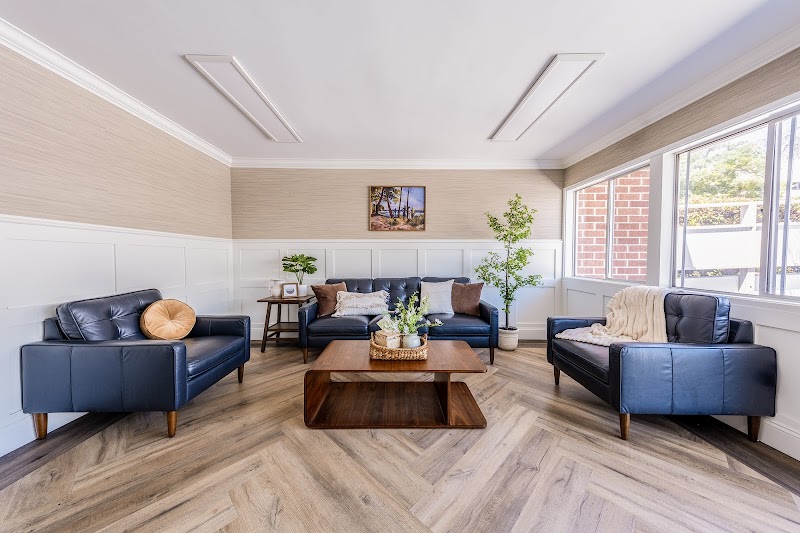
How is Oakland Healthcare & Wellness Center Staffed?

CMS rates OAKLAND HEALTHCARE & WELLNESS CENTER's staffing level at 3 out of 5 stars, which is average compared to other nursing homes. Staff turnover is 51%, compared to the California average of 46%.

What Have Inspectors Found at Oakland Healthcare & Wellness Center?

State health inspectors documented 32 deficiencies at OAKLAND HEALTHCARE & WELLNESS CENTER during 2019 to 2024. These included: 31 with potential for harm and 1 minor or isolated issues.
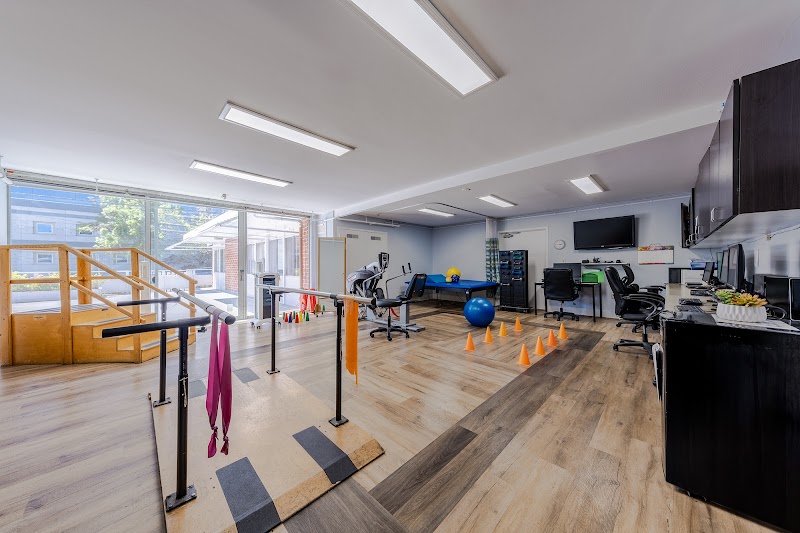
Who Owns and Operates Oakland Healthcare & Wellness Center?

OAKLAND HEALTHCARE & WELLNESS CENTER is owned by a for-profit company. For-profit facilities operate as businesses with obligations to shareholders or private owners. The facility is operated by SHLOMO RECHNITZ, a chain that manages multiple nursing homes. With 98 certified beds and approximately 92 residents (about 94% occupancy), it is a smaller facility located in OAKLAND, California.
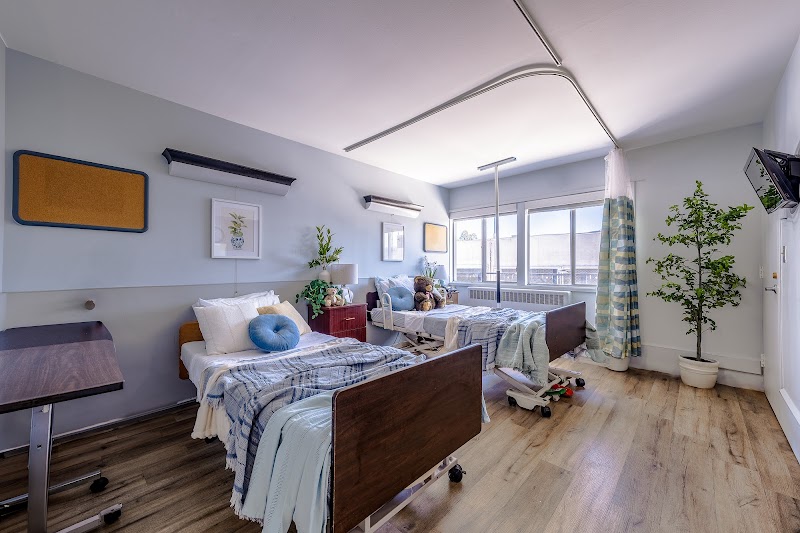
How Does Oakland Healthcare & Wellness Center Compare to Other California Nursing Homes?

Compared to the 100 nursing homes in California, OAKLAND HEALTHCARE & WELLNESS CENTER's overall rating (5 stars) is above the state average of 3.2, staff turnover (51%) is near the state average of 46%, and health inspection rating (4 stars) is above the national benchmark.

What Should Families Ask When Visiting Oakland Healthcare & Wellness Center?

Based on this facility's data, families visiting should ask: "Can I visit during a mealtime to observe dining assistance and food quality?" "How do you handle medical emergencies, and what is your hospital transfer rate?" "Can I speak with family members of current residents about their experience?"

Is Oakland Healthcare & Wellness Center Safe?

Based on CMS inspection data, OAKLAND HEALTHCARE & WELLNESS CENTER has a clean safety record: no substantiated abuse findings (meaning no confirmed cases of resident harm), no Immediate Jeopardy citations (the most serious violation level indicating risk of serious injury or death), and is not on the Special Focus Facility watch list (a federal program monitoring the lowest-performing 1% of nursing homes). The facility has a 5-star overall rating and ranks #1 of 100 nursing homes in California. While no facility is perfect, families should still ask about staff-to-resident ratios and recent inspection results during their visit.

Do Nurses at Oakland Healthcare & Wellness Center Stick Around?

OAKLAND HEALTHCARE & WELLNESS CENTER has a staff turnover rate of 51%, which is about average for California nursing homes (state average: 46%). Moderate turnover is common in nursing homes, but families should still ask about staff tenure and how the facility maintains care continuity when employees leave.

Was Oakland Healthcare & Wellness Center Ever Fined?

OAKLAND HEALTHCARE & WELLNESS CENTER has been fined $3,482 across 1 penalty action. This is below the California average of $33,114. While any fine indicates a compliance issue, fines under $50,000 are relatively common and typically reflect isolated problems that were subsequently corrected. Families should ask what specific issues led to these fines and confirm they've been resolved.

Is Oakland Healthcare & Wellness Center on Any Federal Watch List?

OAKLAND HEALTHCARE & WELLNESS CENTER is not on any federal watch list. The most significant is the Special Focus Facility (SFF) program, which identifies the bottom 1% of nursing homes nationally based on persistent, serious quality problems. Not being on this list means the facility has avoided the pattern of deficiencies that triggers enhanced federal oversight. This is a positive indicator, though families should still review the facility's inspection history directly.