ARBOR REHABILITATION & NURSING CENTER
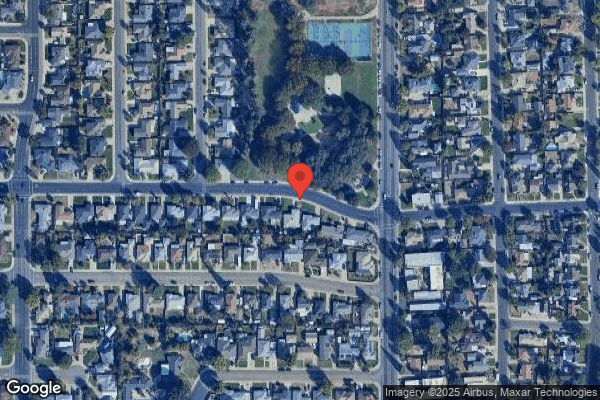
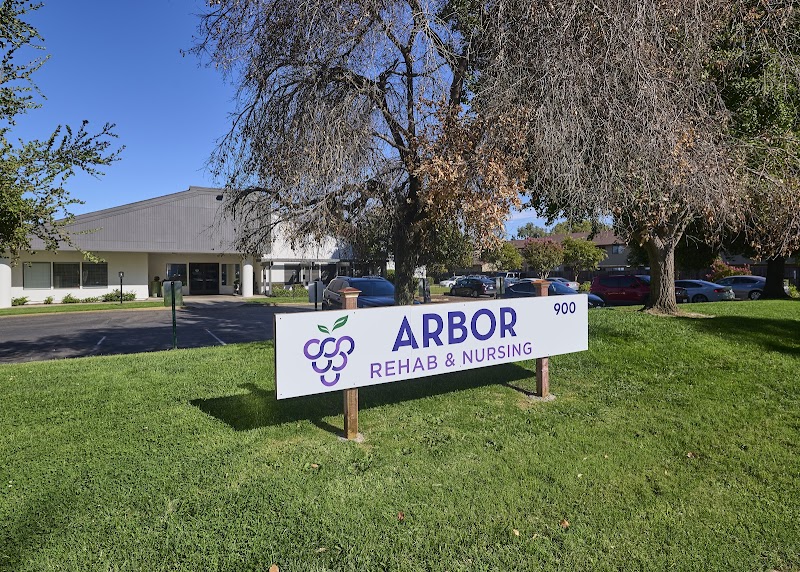
900 NORTH CHURCH STREET, LODI, CA 95240 (209) 333-1222
For profit - Corporation 149 Beds COVENANT CARE Data: November 2025
Trust Grade
70/100
#285 of 1155 in CA
Last Inspection: August 2024

Within standard 12-15 month inspection cycle. Federal law requires annual inspections.

Overview

Families considering Arbor Rehabilitation & Nursing Center should note that it has a Trust Grade of B, indicating it is a solid choice but not the top-tier option. It ranks #285 out of 1,155 facilities in California, placing it in the top half, and #3 out of 24 in San Joaquin County, meaning only two local facilities are ranked higher. The facility is improving, with the number of reported issues decreasing from 12 in 2024 to 7 in 2025. Staffing is average, with a rating of 3 out of 5 stars and a turnover rate of 48%, which is about the state average. Notably, there are no fines reported, which is a positive sign, and there is average RN coverage, suggesting residents receive necessary attention. However, there are some concerns. Recent inspections revealed that the facility failed to maintain a safe environment, as seen in incidents where residents experienced falls without proper follow-up or documentation. Additionally, there were lapses in pain management practices, leading to inadequate pain relief for a resident with rib fractures. While no critical issues were reported, these findings indicate areas that require attention to enhance the overall care and safety of the residents.

Trust Score
B
70/100
In California
#285/1155
Top 24%
Safety Record
Low Risk
No red flags
Inspections
Getting Better
12 → 7 violations
Staff Stability
⚠ Watch
48% turnover. Above average. Higher turnover means staff may not know residents' routines.
Penalties
✓ Good
No fines on record. Clean compliance history, better than most California facilities.
Skilled Nurses
○ Average
Each resident gets 36 minutes of Registered Nurse (RN) attention daily — about average for California. RNs are the most trained staff who monitor for health changes.
Violations
⚠ Watch
45 deficiencies on record. Higher than average. Multiple issues found across inspections.
★★★★☆
4.0
Overall Rating
★★★☆☆
3.0
Staff Levels
★★★★★
5.0
Care Quality
★★★☆☆
3.0
Inspection Score
Stable
2024: 12 issues
2025: 7 issues

The Good

  • 5-Star Quality Measures · Strong clinical quality outcomes
  • Full Sprinkler Coverage · Fire safety systems throughout facility
  • No fines on record

Facility shows strength in quality measures, fire safety.

The Bad

Staff Turnover: 48%

Near California avg (46%)

Higher turnover may affect care consistency

Chain: COVENANT CARE

Part of a multi-facility chain

Ask about local staffing decisions and management

The Ugly 45 deficiencies on record

May 2025 6 deficiencies
CONCERN (D) 📢 Someone Reported This

A family member, employee, or ombudsman was alarmed enough to file a formal complaint

Potential for Harm - no one hurt, but risky conditions existed

Resident Rights (Tag F0550)

Could have caused harm · This affected 1 resident

Based on interview and record review, the facility failed to ensure one of three sampled residents (Resident 1) was treated with dignity and respect when Resident 1's request to use the bathroom was d...

Read full inspector narrative →
Based on interview and record review, the facility failed to ensure one of three sampled residents (Resident 1) was treated with dignity and respect when Resident 1's request to use the bathroom was denied. This failure had the potential to negatively impact Resident 1's psychosocial well-being. Findings: A review of Resident 1's clinical document titled, admission RECORD, indicated Resident 1 was admitted to the facility with diagnoses which included muscle weakness and multiple fractures of ribs on the left side of the ribcage. A review of Resident 1's clinical document titled, Care Plan Report, (contains goals and interventions for Resident 1), dated 3/6/25, indicated, . Toilet upon rising and before or after meals at bedtime and PRN [as needed] as tolerated . During an interview on 5/6/25, at 8:38 a.m., Certified Nursing Assistant (CNA) 3 stated following Resident 1 ' s fall, on 3/16/25, Resident 1 stated she needed to go to the bathroom. CNA 3 explained she had informed Resident 1 that she was wearing a brief (incontinence brief - disposable undergarment designed to absorb urine) and that she could go to the bathroom in the brief. During an interview on 5/6/25, at 2:40 p.m., CNA 4 stated she would never tell a resident to use their brief to go to the bathroom if they verbalized, they wanted to get up and go to the restroom and were able to do so with assistance. CNA 4 further stated it was a dignity concern. During an interview with the Director of Nursing (DON), on 5/6/25, at 1:20 p.m., the DON stated Resident 1 was on a toileting program. The DON explained it was not appropriate to tell Resident 1 to go to the bathroom in her brief when Resident 1 had requested to use the bathroom. The DON stated it was important to preserve Resident 1 ' s dignity and to prevent psychosocial harm. A review of the facility policy titled, Dignity - Promoting/Maintaining Dignity, implemented 10/22, indicated, . It is the practice of this facility to protect and promote resident rights and treat each resident with respect and dignity as well as care for each resident in a manner and in an environment, that maintains or enhances resident's quality of life by recognizing each resident's individuality . Staff members involved in providing care or interacting with residents must promote and maintain resident dignity and respect's Resident Rights . Respond to requests for assistance in a timely manner . Speak respectfully to residents .
CONCERN (D) 📢 Someone Reported This

A family member, employee, or ombudsman was alarmed enough to file a formal complaint

Potential for Harm - no one hurt, but risky conditions existed

Deficiency F0552 (Tag F0552)

Could have caused harm · This affected 1 resident

Based on interview and record review, the facility failed to ensure one of three sampled residents (Resident 1)'s Responsible Party (RP - person responsible for making healthcare and medical decisions...

Read full inspector narrative →
Based on interview and record review, the facility failed to ensure one of three sampled residents (Resident 1)'s Responsible Party (RP - person responsible for making healthcare and medical decisions) was informed and consented to the use of psychotropic (drugs that affect a person's mind, emotions, and behavior) medications for Resident 1 when, the facility had Resident 1 sign the informed consent for psychotropic medications instead of Resident 1's RP. This failure resulted in Resident 1 receiving the psychotropic medication quetiapine (used to manage symptoms of various mental health condition) for four days. This failure also resulted in the use of the medication escitalopram (used to treat depression) for the entirety of Resident 1's stay at the facility, without having an informed consent in place, potentially negatively affecting Resident 1's psychosocial health and physical well-being. Findings: A review of Resident 1's clinical document titled, admission RECORD (a document that contained Resident 1's demographic information), indicated Resident 1 was admitted to the facility with diagnoses which included depression. A review of Resident 1's clinical document titled, FACILITY VERIFICATION / INFORMED CONSENT FOR PSYCHOTHERAPEUTIC [psychotropic] DRUGS, dated 3/7/25, indicated, . Quetiapine . Escitalopram . Please do not sign until you have had the opportunity to speak with your physician about the potential risks and benefits of using each medication . The Informed Consent was signed by Resident 1 (who did not have the mental capacity to give consent). A review of Resident 1's clinical document titled, Medication Administration Record (MAR - contained physician's orders and dates and times of medication administration), dated 3/1/25 through 3/31/25, indicated the following psychotropic medication orders: . Escitalopram . 1 tablet by mouth at bedtime for Depression . Order Date . 03/06/2025 . and, QUEtiapine . 1 tablet by mouth for bi-polar [a mental health condition characterized by extreme mood swings, ranging from periods of elevated mood to periods of low mood] Order Date . 03/06/2025 . D/C [discontinue] 03/11/2025 . A review of Resident 1's clinical document titled, Order Details, dated 3/7/2025, indicated, . MD [physician] determines that Resident does NOT have the Mental Capacity [an individual's ability to understand, retain, and use information to make decisions, communicate those decisions, and appreciate the consequences of their actions] to make Healthcare decisions . During a concurrent interview and record review, of Resident 1's clinical record, with the Director of Nursing (DON), on 5/1/25, at 3:51 p.m., the DON verified Resident 1 signed the Informed Consent for the quetiapine and escitalopram. The DON explained Resident 1 did not have the capacity to sign the Informed Consent and Resident 1 would not have understood the risks and benefits of the medications. The DON further explained Resident 1's RP should have signed the Informed Consent. During an interview with Resident 1's RP, on 5/2/25, at 9:50 a.m., Resident 1's RP stated the facility never discussed the quetiapine medicaion or escitalopram medicaion with Resident 1's RP, and the risks and benefits of the medications were not discussed. Resident 1's RP explained the RP was never asked to sign an informed consent regarding the use of quetiapine or escitalopram. A review of the facility policy titled, Psychotropic Medication Management, dated 11/2017, indicated, . Psychotropic Medications will only be used when necessary to promote or maintain a Resident's highest practicable mental, physical, and psychosocial well-being . PURPOSE To Avoid unnecessary medications and facilitate the proper use, dose, and duration of psychotropic agents in accordance with Resident assessed need(s) and condition(s) . When psychoactive medications are prescribed, the clinical record should reflect the diagnosis and specific condition or targeted behavior being treated . Informed Consent for psychoactive medications must be verified prior to use .
CONCERN (D) 📢 Someone Reported This

A family member, employee, or ombudsman was alarmed enough to file a formal complaint

Potential for Harm - no one hurt, but risky conditions existed

Notification of Changes (Tag F0580)

Could have caused harm · This affected 1 resident

Based on interview and record review, the facility failed to notify Resident 1's Responsible Party (RP - responsible for making medical and healthcare decisions) when Resident 1 fell on 3/16/25. This ...

Read full inspector narrative →
Based on interview and record review, the facility failed to notify Resident 1's Responsible Party (RP - responsible for making medical and healthcare decisions) when Resident 1 fell on 3/16/25. This failure had the potential for Resident 1's necessary and/or preferred medical decisions to be delayed, which could have negatively affected Resident 1's health and well-being. Findings: A review of Resident 1's clinical document titled, admission RECORD (a document that contained Resident 1's demographic information), indicated Resident 1 was admitted to the facility with a diagnoses which included multiple rib fractures on Resident 1's left side of the ribcage. A review of Resident 1's clinical document titled, SBAR [SBAR - Situation, Background, Assessment, and Recommendation - A structured communication tool to relay critical information] Fall Report of Incident . , dated 3/16/25, indicated, . Responsible Party Notified . Self RP . During an interview with licensed nurse (LN) 2, on 5/2/25, at 2:20 p.m., LN 2 confirmed he documented Resident 1 was her own RP, and did notify Resident 1's RP. During a concurrent interview and record review of Resident 1's clinical record, with the Director of Nursing (DON), on 5/1/25, at 3:51 p.m., the DON stated Resident 1's clinical record titled, SBAR . dated 3/16/25, was inaccurate when it listed Resident 1 as her own RP. The DON explained that the Resident 1's RP was required to be notified in case the RP wanted to send Resident 1 to the emergency room. The DON further explained, RP notification included that the facility provided the RP with a complete and accurate accounting of Resident 1's condition. A review of the facility policy titled, Fall Prevention and Response, revised 8/2023, indicated, . Each Resident will be assessed for fall risk factors and will receive care and services in accordance with individualized level of risk to minimize the likelihood of falls . Notify Physician and Responsible Party .
CONCERN (D) 📢 Someone Reported This

A family member, employee, or ombudsman was alarmed enough to file a formal complaint

Potential for Harm - no one hurt, but risky conditions existed

Deficiency F0757 (Tag F0757)

Could have caused harm · This affected 1 resident

Based on interview and record review the facility failed to ensure one of three sampled residents (Resident 1), was free from unnecessary medications when Resident 1 received the psychotropic (drugs t...

Read full inspector narrative →
Based on interview and record review the facility failed to ensure one of three sampled residents (Resident 1), was free from unnecessary medications when Resident 1 received the psychotropic (drugs that affect a person's mind, emotions, and behavior) medication quetiapine (used to treat episodes of mania [frenzied, abnormally excited or irritated mood]) or (bipolar disorder - could cause episodes of depression, episodes of mania, and other abnormal moods) without having an accurate diagnosis and indications for use of the medication quetiapine. These failures resulted in Resident 1 receiving the medication quetiapine for four days, potentially negatively affecting Resident 1's health and well-being. Finding: A review of Resident 1's clinical record titled, admission RECORD, indicated Resident 1 was admitted to the facility with diagnoses which included depression. A review of Resident 1's clinical document titled, Medication Administration Record, (MAR – a document that contained physician's orders and dates and times of medication administration) dated 3/1/25 through 3/31/25, the MAR indicated the following psychotropic medication order, QUEtiapine . 1 tablet by mouth for bi-polar . Order Date . 03/06/2025 . D/C [discontinue] 03/11/2025 . The medication quetiapine was administered from 3/7/25 through 3/10/25. Resident 1 did not have a diagnosis of bipolar as indicated in the order. During a concurrent interview and record review of Resident 1's clinical record, with the Director of Nursing (DON), on 5/1/25, at 3:51 p.m., the DON confirmed Resident 1's physician order did not have an accurate diagnosis for the administration of quetiapine. The DON explained the importance of an accurate diagnosis for medication administration was to ensure the facility was administering an appropriate medication for Resident 1's diagnosis. During an interview with Resident 1's physician (MD) 1, on 5/7/25, at 1:30 p.m., MD 1 stated a review of Resident 1's medications should have been completed. MD 1 explained that the facility should have been more diligent with the rationale as to why Resident 1 was prescribed a psychotropic medication. MD 1 further explained the nurses should have called MD 1 for clarification of the medication quetiapine, so he could have intervened sooner. MD 1 further explained that a bipolar diagnosis was not a preferred indication for the medication quetiapine. A review of the facility ' s policy titled, Psychotropic Medication Management, dated 11/2017, indicated, . Psychotropic Medications will only be used when necessary to promote or maintain a Resident's highest practicable mental, physical, and psychosocial well-being . PURPOSE To Avoid unnecessary medications and facilitate the proper use, dose, and duration of psychotropic agents in accordance with Resident assessed need(s) and condition(s) . When psychoactive medications are prescribed, the clinical record should reflect the diagnosis and specific condition or targeted behavior being treated . Informed Consent for psychoactive medications must be verified prior to use .
CONCERN (E) 📢 Someone Reported This

A family member, employee, or ombudsman was alarmed enough to file a formal complaint

Potential for Harm - no one hurt, but risky conditions existed

Accident Prevention (Tag F0689)

Could have caused harm · This affected multiple residents

Based on observation, interview, and record review, the facility failed to maintain a safe and supervised environment to prevent accidents and hazards for three of three sampled residents (Resident 1,...

Read full inspector narrative →
Based on observation, interview, and record review, the facility failed to maintain a safe and supervised environment to prevent accidents and hazards for three of three sampled residents (Resident 1, Resident 2, and Resident 3) when: 1a. Resident 1 was moved, prior to being assessed, following Resident 1's fall on 3/16/25; b. Resident 1's physician was not notified of Resident 1's blurred vision, on 3/17/25, following a fall on 3/16/25, resulting in a 5-day delay in treatment; 2. Resident 2's clinical documentation was incomplete for a fall on 3/23/25; 3a. Resident 3's clinical documentation was incomplete for a fall on 3/31/25; and, b. Resident 3's care plan interventions to prevent falls were not followed on 5/1/25. These failures resulted in delayed treatment for Resident 1, the potential for Resident 1 to experience further injuries following Resident 1's fall, and had the potential for Resident 1, Resident 2, and Resident 3 to experience falls, negatively affecting their health and well-being. Findings: 1a. During an interview with licensed nurse (LN) 2, on 5/2/25, at 2:20 p.m., LN 2 stated he had observed Resident 1's fall. LN 2 explained Resident 1 was walking when she slipped and then fell on the roommate's floor mat. LN 2 further explained Resident 1 bumped her head on the side rail. LN 2 stated a certified nursing assistant (CNA) assisted him to get Resident 1 in her bed and then LN 2 assessed Resident 1. LN 2 explained he should not have moved Resident 1 before she was assessed because if Resident 1 was injured, the move could have made the injury worse. LN 2 further explained it was kind of the shock in the moment and that is why he moved Resident 1 prior to her being assessed. During an interview with CNA 3, on 5/6/25, at 8:38 a.m., CNA 3 stated LN 2 called her to assist him with getting Resident 1 back to bed. CNA 3 explained they lifted Resident 1 up and got her back to bed. CNA 3 further explained after getting Resident 1 back to bed, LN 2 assessed Resident 1 for any injuries. During an interview with the Director of Nursing (DON), on 5/6/25, at 1:08 p.m., the DON stated the process for post fall assessments were to assess for any injuries, conduct neurochecks (alert and oriented status, headache), and vital signs (blood pressure, heart rate and respiratory rate per minute, pain assessment, temperature, and oxygen saturation percentage). The DON explained licensed nurses were supposed to check for injuries before they moved Resident 1. The DON further explained the importance of the assessment was to ensure there was not an injury before Resident 1 was moved. A review of the facility policy titled, Fall Prevention and Response, dated 8/2023, indicated, . When any resident experiences a fall, the Licensed Nurse should . Evaluate for signs of physical injury or trauma prior to moving the Resident . b. A review of Resident 1's clinical record titled, admission RECORD, indicated Resident 1 was admitted to the facility with diagnoses which included multiple rib fractures on Resident 1's left side of her ribcage. A review of Resident 1s clinical record titled, SBAR [SBAR - Situation, Background, Assessment, and Recommendation - a communication tool used in healthcare], dated 3/16/25, at 10:29 AM, indicated, . Resident [1] was attempting to walk to the bathroom when she was seen slipping and falling onto roommate's fall mat. Resident [1] was witnessed hitting her head on roommates bed rail . A review of Resident 1's clinical record titled, Progress Notes, dated 3/17/25 at 3:10 p.m., indicated, . [Resident 1] c/o [complained of] headache . around 10:00 AM [Resident 3] assessed by physiotherapist and c/o head pain and double vision to him . A review of Resident 1's clinical record titled, Progress Notes, dated 3/21/25, at 1:07 p.m., indicated, . [Resident 1] has been refusing OT [occupational therapy] d/t [due to] headache and double vision . A review of Resident 1's clinical record titled, Progress Notes, dated 3/21/25, at 2:07 p.m,, indicated, . Writer was informed [Resident 1] was refusing OT due to headache and blurred vision . writer notified MD . sent to ED [emergency department] . During an interview with the physician (MD) 1, on 5/6/25, at 3:10 p.m., MD 1 stated he had not been informed that Resident 1 had experienced double vision on 3/17/25 and stated the facility staff should have called and informed him. MD 1 further explained it was important to ensure Resident 1 did not have a head injury. MD 1 further explained if he had been informed Resident 1 was having double vision, the day after her fall on 3/16/25, he would have had Resident 1 transferred to the hospital emergency room. During a concurrent interview and record review of Resident 1's clinical record titled, Progress Notes, dated 3/17/25, with the Assistant Director of Nursing (ADON), on 5/15/25 at 3:56 p.m., the ADON stated MD 1 should have been notified of Resident 1's double vision. The ADON explained MD 1 should have been notified to ensure Resident 1 received appropriate treatment following a fall. A review of Resident 1's clinical document from an outside acute care hospital, titled, CT [catscan - a medical imaging technique that uses X-rays to create detailed cross-sectional images of the body] Cervical Spine [upper part of the spinal column, also known as the neck] WO [without] Contrast [a substance, like a dye, that is injected into the body or taken orally to help make certain structures or organs more visible on the images], dated 3/21/25, indicated, . T1 [thoracic vertebra - spinal column bone right before the neck spinal bones start] . compression fracture [bone in spine collapses or flattens] . acute [a condition that is sudden in onset] . A review of the facility policy titled, Fall Prevention and Response, dated 8/2023, indicated, . When any Resident experiences a fall, the Licensed Nurse should . Monitor Resident's condition for at least 72 hours for any post-fall complications . A review of the facility policy titled, Change of Condition, dated 2016, indicated, . Purpose . appropriately assess, document and communicate changes of condition . to the primary care provider in accordance with the resident needs . Document assessment findings and communications as soon as practical . Notify the physician of assessment findings . 2. A review of Resident 2's clinical record titled, admission RECORD, indicated Resident 2 was admitted to the facility with diagnoses which included muscle weakness. A review of Resident 2's clinical record titled, SBAR (Situation Background Assessment Recommendation - a communication tool used in healthcare), dated 3/23/25, indicated the assessment for night shift, on 3/25/25, was not completed. During a concurrent interview and record review on 5/1/25, at 3:05 p.m., Resident 2's clinical record titled SBAR, dated 3/23/25, was reviewed with the Director of Nursing (DON). The DON confirmed Resident 2's post fall assessment for night shift, on 3/25/25, was not completed. The DON explained the purpose of the post fall assessments were to ensure there were no hidden injuries and to implement post fall interventions. 3a. A review of Resident 3's clinical record titled, admission RECORD, the record indicated Resident 3 was admitted to the facility with a diagnoses that included hemiplegia and hemiparesis (a medical condition that causes paralysis or weakness on one side of the body). A review of Resident 3's clinical document titled, Neurocheck [monitoring for any signs of deterioration or developing problems]-Q [every] 15 X4 [every 15 minutes for the first hour], Q30 X4 [every 30 minutes for the next two hours], Q60 X2 [every 60 minutes for the next two hours], dated 3/31/23, indicated, of the 10 neurochecks that were supposed to have been completed, 8 neurochecks used vital signs taken, on 3/31/25, at 7:38 AM, prior to Resident 3's fall at 8:15 AM. b. During a concurrent observation and interview with Resident 3, on 5/1/25, at 2:04 p.m., Resident 3 was in his wheelchair, outside of his room, dressed and wearing regular socks. Resident 3 stated he has had fallen three times in the facility. During a concurrent observation and interview with certified nursing assistant (CNA) 1, outside of Resident 3 room with Resident 3 present, on 5/1/25, at 2:06 p.m., CNA 1 confirmed Resident 1 was wearing regular socks. CNA 1 explained Resident 3 should have been wearing nonskid socks. CNA 1 further explained, by Resident 3 not wearing the appropriate nonskid socks, Resident 3 could have had another fall with injury. During a concurrent observation and interview with licensed nurse (LN) 1, outside of Resident 3 room with Resident 3 present in his wheelchair, on 5/1/25, at 2:08 p.m., LN 1 stated when Resident 3 was up in his wheelchair he was supposed to be wearing nonskid footwear. LN 1 explained Resident 3 was supposed to wear nonskid footwear to prevent Resident 3 from falling. LN 1 stated Resident 3 was at risk of injury if he had fallen. A review of Resident 3's clinical document titled, Care Plan Report, (contains Focus, Goals and Interventions for care) dated 3/5/25, indicated, . Focus . At risk for falls and injuries r/t [related to] Medications . Goal . Decrease risk of fall and/or minimize injuries from falls x 90 days . Provide/Reinforce use of non-skid foot wear . During a concurrent interview and record review of Resident 3's clinical record, on 5/1/25, at 3:18 p.m., with the Director of Nursing (DON), the DON confirmed post fall documentation and assessments were incomplete after Resident 1's fall, A review of the facility policy titled, Fall Prevention and Response, revised 8/2023, indicated, . Each Resident will be assessed for fall risk factors and will receive care and services in accordance with individualized level of risk to minimize the likelihood of falls . When any Resident experiences a fall, the Licensed Nurse should . Evaluate for signs of physical injury or trauma prior to moving the Resident . Assist Resident to a safe and comfortable position . Obtain vital signs and conduct a physical assessment . Implement neurological checks for known, reasonably suspected, or verbalized head injury . Notify Physician and Responsible Party . Review Resident's care plan and update (as indicated) to address any immediate safety needs .
CONCERN (E) 📢 Someone Reported This

A family member, employee, or ombudsman was alarmed enough to file a formal complaint

Potential for Harm - no one hurt, but risky conditions existed

Deficiency F0697 (Tag F0697)

Could have caused harm · This affected multiple residents

Based on interview and record review the facility failed to ensure one of three sampled residents (Resident 1)'s, management and administration of pain relieving medication, (including a narcotic [a d...

Read full inspector narrative →
Based on interview and record review the facility failed to ensure one of three sampled residents (Resident 1)'s, management and administration of pain relieving medication, (including a narcotic [a drug that could have induced sleep, stupor, or a state of insensitivity to pain]), was done according to professional standards of practice and the narcotic pain medication did not have pain level parameters in place (pain level parameter are assessed using the numeric pain assessment tool: 0=no pain and 10=the worst pain) associated with the narcotic medication order. These failures resulted in Resident 1 not receiving the appropriate type of pain medication for the assessed pain level. Findings: A review of Resident 1's clinical document titled, admission RECORD, indicated Resident 1 was admitted to the facility with multiple rib fractures on the left side of his ribcage. A review of Resident 1's clinical document titled, Care Plan Report, (contained focus, goals and interventions that addressed Resident 1's pain) dated 3/7/25, indicated, Focus . The resident has acute pain r/t [related to] rib fracture . Goal . verbalize adequate relief of pain . Interventions . Administer analgesia [pain medication] as per orders . A review of Resident 1's clinical document titled, Medication Administration Record, (MAR - contained physician orders) dated 3/1/25 through 3/31/25, indicated the following pain medications were administered for Resident 1, as follows, Acetaminophen (pain medication) . 2 tablets . every 6 hours as needed for mild pain (1-3 on the numeric pain assessment tool) . was administered as follows: 3/9/25 at 5:01 a.m. for a pain level of 4; 3/19/25 at 1:54 p.m. for a pain level of 5; 3/23/25 at 8:25 a.m. for a pain level of 4; and, 3/31/25 at 6:52 p.m. for a pain level of 4. HYDROcodone-Acetaminophen (narcotic) . 1 tablet by mouth every 6 hours as needed for pain . was administered as follows: 3/10/25 at 7:25 a.m. for a pain level of 3; 3/11/25 at 9:29 a.m. for a pain level of 3; 3/12/25 at 9:42 a.m. for a pain level of 3; 3/25/25 at 8:45 a.m. for a pain level of 3; 3/27/25 at 4:44 p.m. for a pain level of 3; 3/28/25 at 7:55 p.m. for a pain level of 3; and, 3/29/25 at 8:18 p.m. for a pain level of 3. During a concurrent interview and record review of Resident 1's clinical record, with the Director of Nursing (DON), on 5/6/25, at 1:38 p.m., the DON confirmed the above medications and pain levels for Resident 1. The DON explained it was important to have administered the least amount of medication possible (for the assessed pain level) and assessed if the medication was effective. The DON further explained that when pain medications were given outside of ordered parameters, she would expect to see a progress note that indicated the rationale. The DON verified there were no progress notes that indicated the rationale for the administration of the pain medication (Acetaminophen) outside of the pain level parameters ordered by the physician. The DON further explained the hydrocodone could have caused neurological symptoms (dizziness, confusion, disorientation), and it could have increased Resident 1's risk for falls. The DON explained it was important to have adequate pain control, and Resident 1 should have been educated on sufficient pain control interventions for pain levels above 3. During an interview with physician (MD) 1, on 5/6/25, at 3:10 p.m., MD 1 stated he typically placed parameters (pain level 1-10 using the numeric pain assessment tool) in the order set for pain medication. MD 1 stated the facility should have contacted him for parameters for the hydrocodone order. MD 1 further stated he would have used hydrocodone for moderate pain (4-6 on the numeric pain assessment tool). MD 1 further explained Resident 1 had significant dementia (a group of thinking and social symptoms that could interfere with daily functioning) and MD intended to use the hydrocodone sparingly. A review of the facility policy titled, . PAIN MANAGEMENT PROCESS, dated 6/2009, indicated, . It is the responsibility of the licensed nurse to consistently assess, manage, and monitor pain for all residents . The objective of the pain management process is to identify resident needs and determine potential referrals/interventions to affect positive functional change through pain reduction, modification of perception of pain, and enhancement of the quality of life . Documenting pain assessment effectiveness of both routine and prn [as needed] pain medication in the nurses progress notes and/or MAR every shift using scale of 0 - 10 .
Apr 2025 1 deficiency
CONCERN (D) 📢 Someone Reported This

A family member, employee, or ombudsman was alarmed enough to file a formal complaint

Potential for Harm - no one hurt, but risky conditions existed

Quality of Care (Tag F0684)

Could have caused harm · This affected 1 resident

Based on interview, and record review, the facility failed to ensure one of three sampled residents (Resident 1) received care in accordance with professional standards of practice when: 1. Resident 1...

Read full inspector narrative →
Based on interview, and record review, the facility failed to ensure one of three sampled residents (Resident 1) received care in accordance with professional standards of practice when: 1. Resident 1's blood pressure (BP - the measurement of the pressure in the arteries when the heart contracts and pumps blood through the body) medication (Losartan) was administered without parameters (measurable factors or specific values that are used to assess a resident's health or the effectiveness of a treatment) listed on the order that would have indicated when to not administer the medication, and the order was not clarified with the medical doctor (MD) to not administer the medication if the BP reading or heart rate was too low (a measure of how fast the heart is pumping blood throughout the body); and, 2. Resident 1 had high blood pressure readings on 3/10/25 of 173/56 during the morning shift and 168/60 during the night shift (normal BP reading is 120/80), and the MD was not notified. These failures could have resulted in Resident 1 inappropriately receiving BP medication and the potential for worsening of the blood pressure condition which could lead to complications and harm such as a heart attack (when an artery that sends blood and oxygen to the heart is blocked) or stroke (occurs when the blood flow to the brain is suddenly interrupted, either by a blockage or a burst blood vessel). Findings: 1. A review of Resident 1's medical record titled, admission RECORD, indicated Resident 1 was admitted to the facility with diagnoses that included hypertension (a condition with high blood pressure) and type 2 diabetes mellitus (disorder characterized by difficulty in blood sugar control and poor wound healing). During a concurrent interview and record review on 4/9/25, at 1:15 p.m., with Licensed Nurse (LN) 1, LN 1 stated Resident 1 was on BP medication Losartan 50 mg (milligram - unit of measurement) once daily in the morning. During a concurrent interview and record review on 4/9/25, at 1:58 p.m., with LN 2, LN 2 verified Resident 1 had hypertension and diabetes. A review of Resident 1's Order Summary Report, with an order dated 3/6/25, indicated .Losartan Potassium Oral Tablet 50 mg (Losartan Potassium) Give 1 tablet by mouth in the morning for hypertension . A review of Resident 1's Medication Administration Record, for the month of March 2025, indicated the medication Losartan Potassium oral tablet 50 mg was administered to Resident 1 from 3/7/25 to 3/18/25. During a concurrent record review and interview on 4/9/25, at 5:04 p.m., with LN 3, LN 3 confirmed Resident 1 was on BP medication Losartan 50 mg once daily in the morning. LN 3 stated he was not sure if it was required for the BP medication orders to have parameters listed in the order at this facility. LN 3 verified Resident 1's Losartan 50 mg medication order did not have parameters noted. LN 3 stated the way he was trained when entering the BP medication orders in the electronic health record was to include the parameters in the order. LN 3 stated the BP medication parameters usually indicated to hold medication if the systolic blood pressure (SBP - the top number in a blood pressure reading, representing the pressure in the arteries when the heart beats and pumps blood) was less than 100 or if the heart rate was less than 60 beats per minute. LN 3 stated it was important to have the BP medication parameters in place to make sure the nurses checked Resident 1's vitals to see if the medication should have been given. LN 3 further stated that it was also important to verify with the MD about the BP order parameters. During a concurrent interview and record review on 4/9/25, at 5:20 p.m., with the Director of Nursing (DON), the DON acknowledged Resident 1 had an active BP medication order for Losartan 50 mg once daily without parameters in place. The DON stated BP medication orders usually had parameters listed in the order but sometimes the ordering MD did not specify parameters, so it was her expectation for the nurse to have verified the order with the doctor. The DON further stated it was also her expectation that it would be good practice to have parameters set in the BP medication orders and not leave it up to the nurse who gave the medication. The DON stated it would have been best for the nurses to have notified the MD for clarification and to have the medication parameters in the order. The DON further stated the risk of not having BP medication parameters could have impacted Resident 1 when taking the medication since the nurse might not think to check the BP first. The DON gave an example of an instance if the resident's BP was low, and the nurse gave the BP medication without checking the BP. The DON stated the potential concern was that Resident 1 could have experienced hypotension a (medical condition characterized by low blood pressure). During an interview on 4/10/25, at 12:19 p.m., with the MD, the MD stated Resident 1's BP was well controlled and verified she was on BP medication Losartan. The MD further stated general parameters for BP medications should have been in place and the nursing staff usually called him to verify these types of orders. The MD stated that typically anything below 100 SBP; the nurses needed to call him to report the value. The MD further stated he did not recall any clarification from facility staff about Resident 1's BP medication order. The MD stated it was his expectation for the nursing staff to have verified BP medication orders with him. The MD explained the purpose of having BP parameters was to avoid undue effects like hypotension (low blood pressure), intolerant hypokalemia (the body can't tolerate or function properly when potassium levels are too low) and acute kidney injury (a temporary malfunction of the kidneys, which usually filter waste and extra fluid from the blood). 2. During a concurrent interview and record review on 4/9/25, at 1:15 p.m., with LN 1, LN 1 reviewed Resident 1's BP history for the month of March 2025 and verified the systolic blood pressure readings were mostly in the 130 to 140's for the SBP. A review of Resident 1's vitals summary report for March 2025, indicated two high blood pressure readings of 173/56 on 3/10/25 at 9:53 a.m., and 168/60 on 3/10/25 at 9:52 p.m. During a concurrent record review and interview on 4/9/25, at 5:04 p.m., with LN 3, LN 3 reviewed Resident 1's BP readings for the month of March 2025 and verified high BP readings of 173/56 on 3/10/25 at 9:53 a.m. and 168/60 on the same day at 9:52 p.m. during the evening shift. LN 3 stated he would have notified the doctor if he was the nurse taking care of Resident 1 at the time of the high blood pressure readings that were taken on 3/10/25. LN 3 further stated that he would have reviewed Resident 1's BP readings for trends and confirmed that Resident 1's baseline was around 130 to 140 SBP. LN 3 stated the nurse should have notified the doctor about Resident 1's high BP readings on 3/10/25 since they were done separately in the morning and in the evening shift, and the readings were still out of the normal range. LN 3 further stated it was important to notify the MD for high blood pressure readings because that could have indicated complications with the heart. During a concurrent interview and record review on 4/9/25, at 5:20 p.m., with the DON, the DON reviewed Resident 1's BP readings for the month of March 2025, and verified the highest BP reading of 173/56 on 3/10/25 during the day shift and 168/60 during the evening shift. The DON stated her expectation was for staff, especially with a BP reading of 173/56, to have confirmed an acute (a sudden onset and short duration) reading. The DON stated it was her expectation for staff to have rechecked the BP and should have documented if rechecks were done. The DON further stated it was important to notify the MD for any abnormal high BP readings because the BP could have continued to climb and Resident 1 could have a stroke, heart attack and multiple possible complications. During an interview on 4/10/25, at 12:19 p.m., with the MD, the MD stated Resident 1's BP readings of 173/56 and 168/60 on 3/10/25 were elevated BP readings. The MD stated that if the facility called him during the time of these BP readings, then he would have instructed them to check the BP reading within one hour and then see how the BP readings went from there. The MD further stated he did not remember being called by facility staff about these BP readings. The MD stated that the facility staff should have notified him for any elevated BP. The MD further stated that if Resident 1's BP was at least 180, he would have considered acute hypertensive crisis (a sudden, severe increase in blood pressure that can cause serious damage to organs, especially the brain, heart, and kidneys) and then consider a stroke assessment. The MD stated if Resident 1 had multiple elevated BP readings in one day, he would have considered long term management, but the staff still should have notified him. The MD further stated a change in condition could be acute or chronic (a condition that continues over an extended period of time) depending on the presentation of the symptoms. The MD stated the facility needed to do a better job in educating the staff in reporting abnormal or elevated BP readings to the MD. The MD stated if a resident was having a hypertensive emergency, the resident would be at risk for organ damage, pulmonary edema (a condition where excessive fluid accumulates in the lungs, making it difficult to breathe), intracranial hemorrhage (bleeding within the skull, either inside the brain tissue or in the spaces around it) and encephalopathy (a problem with brain function, leading to changes in thinking, feeling, and acting). A review of facility's document titled, Change of Condition, dated year 2016, indicated .BASIC RESPONSIBILITY .Licensed Nurse .PURPOSE .To appropriately assess, document and communicate changes of condition including diagnostic results to the primary care provider. To provide treatment and services to address changes in accordance with resident needs .ASSESSMENT GUIDELINES .May include, but not limited to: vital signs .PROCEDURE .If the change in condition does not require an immediate 911 transfer the following steps may be followed .1. Document assessment findings and communications as soon as practical .2. Notify physician and responsible party of assessment finding .
Nov 2024 2 deficiencies
CONCERN (D) 📢 Someone Reported This

A family member, employee, or ombudsman was alarmed enough to file a formal complaint

Potential for Harm - no one hurt, but risky conditions existed

Transfer Requirements (Tag F0622)

Could have caused harm · This affected 1 resident

**NOTE- TERMS IN BRACKETS HAVE BEEN EDITED TO PROTECT CONFIDENTIALITY** Based on interview and record review the facility failed to ensure a safe and effective transition of care after discharge from ...

Read full inspector narrative →
**NOTE- TERMS IN BRACKETS HAVE BEEN EDITED TO PROTECT CONFIDENTIALITY** Based on interview and record review the facility failed to ensure a safe and effective transition of care after discharge from the facility for Resident 1 when Resident 1 was transferred to a room and board facility (where basic living needs are provided such as meals and housing) that was unable to provide for her care needs. This failure caused Resident 1 to be immediately transferred to the local emergency department from the room and board facility and to spend 26 days in the hospital pending appropriate placement. This failure further had the potential to negatively impact Resident 1 ' s health and psychosocial wellbeing. Findings: A review of Resident 1 ' s admission RECORD, indicated she was admitted to the facility in fall of 2022 with diagnoses which included morbid obesity (weight greater than 100 pounds over ideal body weight), repeated falls, and weakness. A review of Resident 1 ' s Minimum Data Set (MDS, a federally mandated resident assessment and screening tool which identifies care needs) Section GG - Functional Abilities, dated 10/5/24, indicated, The code 02. Substantial/maximal assistance- Helper does MORE THAN HALF the effort. for the following care areas: Toileting hygiene: The ability to maintain perineal hygiene [wiping or cleaning after urination or a bowel movement], adjust clothes before or after voiding or having bowel movements Shower/bathe self: The ability to bathe self, including washing, rinsing, and drying self. Lower body dressing: The ability to dress and undress below the waist, including fasteners. Putting on/taking off footwear: The ability to put on and take off socks and shoes or other footwear that is appropriate for safe mobility and, Tub/shower transfer: The ability to get in and out of a tub/shower. During an interview on 11/19/24, at 3:02 PM, Certified Nurse Assistant (CNA) 1 stated she cared for Resident 1 prior to her leaving the facility. CNA 1 further stated Resident 1 needed a lot of assistance to get from her bed to her wheelchair, to use the bathroom, and to change her under garments because she was heavily incontinent of urine (little to no control of the bladder). CNA 1 stated Resident 1 was dependent for her showering needs, and required help to wash her hair, back, and legs. During an interview on 11/19/24, at 3:43 PM, licensed nurse (LN) 1 stated she cared for Resident 1 prior to her discharge. LN 1 further stated Resident 1 only got out of bed for activities. LN 1 stated Resident 1 was big and needed help. LN 1 further stated Resident 1 would sometimes walk to the bathroom, pushing the wheelchair, but she was very slow and had an unsteady gait, someone needed to be with her, it was scary, and she could not be alone. A review of Resident 1 ' s progress notes dated 9/5/24, at 10:17 AM, indicated Type: Social Services Business office and Administrator requesting (30) days notice for discharge due to non-payment .Called [room and board facility] and spoke with [owner] who can accept the pt [patient]. Safe location for pt. is located ABOM [ Assistant Business Office Manager] and SSD [Social Services Director] issued the (30) days notice to pt. Offered statement of Balance and copy of notice, she declined and stated My son is coming at noon today to make payment. Pt. decline to sign the Notice of Transfer or Discharge. A review of Resident 1 ' s PHYSICIAN PROGRESS NOTES, dated 10/1/24, indicated, Patient requires O2 [oxygen] @ 2 LPM [liters per minute] continuous due to dx. [diagnosis] of sleep apnea [disorder that causes breathing to stop or get very shallow] When patient exerts herself O2 level drops to 88%. (normal oxygen levels range between 95-100%) and Patient requires a bariatric wheelchair [wide] due to mobility limitations that significantly impairs ability to complete MRDLS [Mobility Related Activities of Daily Living, everyday activities that require movement and physical ability to perform] such as toileting, dressing, grooming, bathing. A review of a clinical document titled, [Facility Name] Notice of Transfer or Discharge, dated 10/5/24, indicated, Effective Transfer or discharge date [DATE] Planned Discharge Home or LLC [lower level of care] Enter Home or LLC Name, Address, & Phone number [Room and Board facility name and address listed] The transfer/ discharge is appropriate because your health has improved sufficiently so that you no longer require services provided by this facility. During a telephone interview on 11/19/24, at 2:07 PM, the Room and Board facility owner (RBO) stated Resident 1 never came into the facility. The RBO further stated, Resident 1 was dropped off and stated she could not move or get out of her wheelchair by herself. The RBO stated she had told the nursing home that she only takes residents who are independent for their care needs and the nursing home had told her that Resident 1 was independent and could take herself to the toilet. The RBO stated Resident 1 reported that she was unable to clean herself after using the toilet. The RBO informed Resident 1 that her facility did not provide that kind of service. The RBO stated Resident 1 indicated she was not told what type of facility she was being transferred to and that they had dumped her, then Resident 1 called 911. During an interview on 11/19/24, at 1:44 PM, the SSD stated Resident 1 was accepted to the Room and Board Facility with verbal details of her care needs. The SSD stated the accepting facility was told Resident 1 was ambulatory and needed toileting assistance. The SSD stated she did not hear anything from the room and board after they called 911. The SSD stated she had not been contacted by the hospital or the room and board facility. A review of Resident 1 ' s progress notes dated, 10/5/24, at 11:52 AM, indicated, Type: Social Services [SS] SS followed up with [Room & Board facility] spoke with [owner] who confirmed pt. arrived safely! 5 mints [sic] later, received call from patient who stated [Room and Board Facility] is calling 911 they are unable to accommodate. Spoke with [owner] at [Room and Board Facility], informed her that she accepted patient with her ADL [Activities of Daily Living, activities related to personal care] status and patient care needs, and was made aware that facility pays for the first month rent $1200. She stated calling 911 and sending patient to the hospital During a telephone interview on 11/20/24, at 8:49 AM, the hospital ' s Master of Social Worker (MSW) stated Resident 1 had been discharged from the nursing home to the Room and Board facility on 10/5/2024, when she arrived at the facility, Resident 1 was immediately deferred to the emergency department. The MSW further stated the room and board facility could not provide for Resident 1 ' s care needs and she was oxygen reliant and did not have any oxygen with her. The MSW stated, Resident 1 was assessed by physical therapy during her hospital stay and they determined she required short to long term care. The MSW stated she had conversations with social services at the nursing home about their failure to create a safe discharge plan for Resident 1 and they refused to take her back. The MSW further stated the Room and Board facility was for independent residents and there was no way Resident 1 was independent. The MSW further stated it was an inappropriate discharge. The MSW stated Resident 1 remained at the hospital until she was transferred to a skilled nursing facility in southern California on 10/31/24. A review of Resident 1 ' s [hospital name] Social Work Notes, dated 10/7/24, at 10:44 AM, indicated, Pt eval recom SNF [Physical therapy evaluation recommend skilled nursing facility] A review of Resident 1 ' s [Hospital Name] Social Work Notes, dated 10/8/24, at 10:28 AM, indicated, SW [social worker] consulted with SW Manager, who stated that [Facility Name] needs to take pt back due to failed discharge plan. SW called [Facility Name] .notified that it was failed DC [discharge] and not safe DC so want to discuss [Facility Name] taking pt back and making safe DC plan .[Admissions Coordinator] stated the Administrator .issued the request for DC due to pt not paying her SOC [share of cost, amount of money person is responsible to pay towards their medical services] and that administrator stated that pt does not meet the requirement for SNF and didn ' t need that level and pt not paying her bills .SW stated that it was not a safe discharge to [Room and Board facility] as they sent pt to ED [emergency department] after she got there due to not being able to care for pt and not having O2. SW stated they believes [sic] that [facility name] should take pt back and do safe DC. During an interview on 11/19/24, at 3:43 PM, the Administrator (ADM) stated when residents are transferred to other facilities, the facilities are sent information regarding their needs as requested, or the accepting facility will come in to assess the resident before transfer. The ADM further stated there was a disconnect with Resident 1 ' s transfer and she was not sure what caused it. A review of a facility policy titled, ADMISSION, TRANSFER, DISCHARGE AND BED-HOLDS, dated December 2016, indicated, PURPOSE To promote equal access to quality care and facilitate continuity with care transitions. The facility will provide sufficient preparation and orientation to residents and resident representatives in order to ensure a safe and orderly discharge from the facility. An online review of the Room and Board business name at the address provided did not yield any results, photos of the address of the room and board facility, accessed on 11/21/24, at https://www.homes.com/property/501-s-pershing-ave-stockton-ca/04kr3n5xyef44/copyright 2024, indicated, a home in a residential area with multiple external doorways that were not wheelchair accessible. All the doorways viewed required at least one step up to enter.
CONCERN (D) 📢 Someone Reported This

A family member, employee, or ombudsman was alarmed enough to file a formal complaint

Potential for Harm - no one hurt, but risky conditions existed

Safe Transfer (Tag F0626)

Could have caused harm · This affected 1 resident

**NOTE- TERMS IN BRACKETS HAVE BEEN EDITED TO PROTECT CONFIDENTIALITY** Based on interview and record review the facility failed to readmit Resident 1 when she was transferred to a local emergency dep...

Read full inspector narrative →
**NOTE- TERMS IN BRACKETS HAVE BEEN EDITED TO PROTECT CONFIDENTIALITY** Based on interview and record review the facility failed to readmit Resident 1 when she was transferred to a local emergency department after an unsafe discharge to a room and board facility (where basic living needs are provided such as meals and housing) that could not accommodate her care needs. This failure put Resident 1 at risk of psychosocial harm and negative health outcomes. Findings: A review of Resident 1 ' s admission RECORD, indicated she was admitted to the facility in fall of 2022 with diagnoses which included morbid obesity (weight greater than 100 pounds over ideal body weight), repeated falls, and weakness. A review of Resident 1 ' s Minimum Data Set (MDS, a federally mandated resident assessment and screening tool which identifies care needs) Section GG – Functional Abilities, dated 10/5/24, indicated, The code 02. Substantial/maximal assistance- Helper does MORE THAN HALF the effort for the following care areas: Toileting hygiene: The ability to maintain perineal hygiene [wiping or cleaning after urination or a bowel movement], adjust clothes before or after voiding or having bowel movements. Shower/bathe self: The ability to bathe self, including washing, rinsing, and drying self. Lower body dressing: The ability to dress and undress below the waist, including fasteners. Putting on/taking off footwear: The ability to put on and take off socks and shoes or other footwear that is appropriate for safe mobility and, Tub/shower transfer: The ability to get in and out of a tub/shower. A review of a clinical document titled, [Facility Name] Notice of Transfer or Discharge, dated 10/5/24, indicated, Effective Transfer or discharge date [DATE] Planned Discharge Home or LLC [lower level of care] Enter Home or LLC Name, Address, & Phone number [Room and Board facility name and address listed] The transfer/ discharge is appropriate because your health has improved sufficiently so that you no longer require services provided by this facility. During a telephone interview on 11/19/24, at 2:07 PM, the Room and Board facility owner (RBO) stated Resident 1 never came into the facility. The RBO further stated, Resident 1 was dropped off and stated she could not move or get out of her wheelchair by herself. The RBO stated she had told the nursing home that she only takes residents who are independent for their care needs and the nursing home had told her that Resident 1 was independent and could take herself to the toilet. The RBO stated Resident 1 reported that she was unable to clean herself after using the toilet. The RBO informed Resident 1 that her facility did not provide that kind of service. The RBO stated Resident 1 indicated she was not told what type of facility she was being transferred to and that they had dumped her, then Resident 1 called 911. During a telephone interview on 11/20/24, at 8:49 AM, the hospital ' s Master of Social Worker (MSW) stated Resident 1 had been discharged from the nursing home to the Room and Board facility on 10/5/2024, when she arrived at the facility, Resident 1 was immediately deferred to the emergency department. The MSW further stated the room and board facility could not provide for Resident 1 ' s care needs and she was oxygen reliant and did not have any oxygen with her. The MSW stated, Resident 1 was assessed by physical therapy during her hospital stay and they determined she required short to long term care. The MSW stated she had conversations with social services at the nursing home about their failure to create a safe discharge plan for Resident 1 and they refused to take her back. The MSW further stated the Room and Board facility was for independent residents and there was no way Resident 1 was independent. The MSW further stated it was an inappropriate discharge. The MSW stated Resident 1 remained at the hospital until she was transferred to a skilled nursing facility in southern California on 10/31/24. A review of Resident 1 ' s [hospital name] Social Work Notes, dated 10/7/24, at 10:44 AM, indicated, Pt eval recom SNF [Physical therapy evaluation recommend skilled nursing facility] A review of Resident 1 ' s [Hospital Name] Social Work Notes, dated 10/8/24, at 10:28 AM, indicated, .SW [social worker] consulted with SW Manager, who stated that [Facility Name] needs to take pt back due to failed discharge plan. SW called [Facility Name] notified that it was failed DC [discharge] and not safe DC so want to discuss [Facility Name] taking pt back and making safe DC plan [Admissions Coordinator] stated the Administrator issued the request for DC due to pt not paying her SOC [share of cost, amount of money person is responsible to pay towards their medical services] and that administrator stated that pt does not meet the requirement for SNF and didn ' t need that level and pt not paying her bills SW stated that it was not a safe discharge to [Room and Board facility] as they sent pt to ED [emergency department] after she got there due to not being able to care for pt and not having O2. SW stated they believes [sic] that [facility name] should take pt back and do safe DC. During an interview on 11/19/24, at 3:43 PM, the Administrator (ADM) stated when residents are transferred to other facilities, the facilities are sent information regarding their needs as requested, or the accepting facility will come in to assess the resident before transfer. The ADM further stated there was a disconnect with Resident 1 ' s transfer and she was not sure what caused it. A review of a facility policy titled, ADMISSION, TRANSFER, DISCHARGE AND BED-HOLDS, dated December 2016, indicated, PURPOSE To promote equal access to quality care and facilitate continuity with care transitions. The facility will provide sufficient preparation and orientation to residents and resident representatives in order to ensure a safe and orderly discharge from the facility.
Aug 2024 10 deficiencies
CONCERN (D)

Potential for Harm - no one hurt, but risky conditions existed

Deficiency F0557 (Tag F0557)

Could have caused harm · This affected 1 resident

Based on observation, interview, and record review, the facility failed to ensure one of 26 sampled residents (Resident 72's) dignity was protected when the urine drainage bag was exposed to public vi...

Read full inspector narrative →
Based on observation, interview, and record review, the facility failed to ensure one of 26 sampled residents (Resident 72's) dignity was protected when the urine drainage bag was exposed to public view. This failure resulted in Resident 72 feeling embarrassed. Findings: Review of Resident 72's admission RECORD, indicated the resident was admitted to the facility recently with diagnoses that included prostate gland enlargement that could cause urination difficulty. In a concurrent observation and interview on 8/19/24 at 8:58 a.m. in the resident's room, Resident 72 was in bed with his urine drainage bag hanging at the side of the bed facing toward the hallway. The door of the resident's room was wide open. The urine drainage bag contained yellow urine, was exposed, and visible from the hallway. Infection Preventionist (IP) verified Resident 72's urine drainage bag was exposed and stated it should have been covered with the dignity bag to protect the resident's dignity. In an interview on 8/21/24 at 12:07 p.m. in the Director of Nursing (DON's) room, the DON acknowledged, in the presence of the Assistant DON, the urinary drainage bag should have been covered for Resident 72. In an interview on 8/22/24 at 9:10 a.m. in Resident 72's room, Resident 72 indicated that he wanted his urine bag to be covered with the blue bag [dignity bag]. The resident stated, It's embarrassing without the blue bag.
CONCERN (D)

Potential for Harm - no one hurt, but risky conditions existed

Deficiency F0558 (Tag F0558)

Could have caused harm · This affected 1 resident

Based on observation, interview and record review, the facility failed to accommodate resident needs when call lights were inaccessible for three of 26 sampled residents. A. Resident 479 B. Resident 6...

Read full inspector narrative →
Based on observation, interview and record review, the facility failed to accommodate resident needs when call lights were inaccessible for three of 26 sampled residents. A. Resident 479 B. Resident 65 C. Resident 1 This failure prevented the residents from getting help as quickly as possible when experiencing pain, discomfort or for any emergency needs. Findings: A. Resident 479 was admitted to the facility in the summer of 2024 with diagnoses which included multiple fractures, repeated falls and need for assistance with personal care. During a review of Resident 479's Progress Notes [PO], dated 8/14/24, the PO indicated, admitted to [name of hospital] hospital for recurrent ground-level falls. It appears .possibly precipitated by orthostatic hypotension and syncope [a sudden drop in blood pressure when standing up from a seated or lying position] .now admitted to SNF for rehabilitation .Plan .Implement fall prevention strategies . During a review of Resident 479's Care Plan titled, At risk for falls and injuries r/t [related to] .Medications .Hx [history of] repeated falls, dated 8/14/24, the CP indicated, Keep call light within reach . During a review of Resident 479's Minimum Data Set (MDS, an assessment tool), dated 8/19/24, the MDS indicated he was alert and oriented, able to make his needs known. He required partial to moderate assistance with personal hygiene, showering and dressing. During an initial tour observation on 8/19/24 at 9:38 a.m., Resident 479 was observed lying on his back in bed with his call light hooked to the wall, not within reach. He did not answer coherently when spoken to. During a concurrent observation and interview on 8/19/24 at 9:40 a.m. with Licensed Nurse (LN) 9, LN 9 verified the observation and said, It [call light] should be within reach . During an interview on 8/20/24 at 10 a.m. with the Director of Nurses (DON), the DON was asked about her expectations regarding the call light and said, My expectation is that the resident call light should be in reach at all times. B. During a review of Resident 65's admission Record, he was admitted in the facility on 9/26/20 with diagnoses which included hemiplegia and hemiparesis (hemiplegia is paralysis of one side of the body; hemiparesis is one-sided muscle weakness) following cerebral infarction (brain obstruction) affecting left non-dominant side, acute respiratory failure with hypoxia (lack of oxygen in the body) and pain in right shoulder. During a concurrent observation and interview inside the room of Resident 65 on 8/19/24 at 9 a.m., Resident 65 was lying on his bed, awake, and his call light was found looped and hung by the wall away from his reach. When asked if he could find his call light, Resident 65 responded, I don't know where it's at. Certified Nursing Assistant 1 (CNA 1) confirmed the call light was looped and hung by the wall away from Resident 65's reach. CNA 1 stated, Yes, it should be within his reach so he can call for help anytime. During a review of Resident 65's Care Plan, dated 9/26/20, indicated, Self-Care Deficit As Evidence by: Needs one person max assistance with ADLs [activities of daily living] Related Dementia, CVA [stroke], Weakness. During a review of Resident 65's Care Plan, dated 12/25/23, indicated, The resident has impaired function/dementia or impaired thought processes r/t [related to] vascular Dementia [can cause problems with memory, speech or balance], Hx [history] of BIMS [Brief Interview for Mental Status, evaluates mental impairment] score <13 [indicates cognitive impairment]. C. During a review of Resident 1's admission Record, he was admitted in the facility on 12/15/17 with diagnoses which included hemiplegia affecting right dominant side and left non dominant side, generalized epilepsy [seizures] and pain in left wrist. During a review of Resident 1's MDS the BIMS indicated Resident 1 was moderately cognitively impaired and Section G indicated he was dependent on staff for assistance with activities of daily living. During a concurrent observation and interview inside the room of Resident 1 on 8/19/24 at 9 a.m., Resident 1 was lying on his bed, awake, partially covered with white linen, and yelled I'm cold, I'm cold. His call light was found on the floor away from his reach. CNA 1 confirmed the call light was on the floor away from Resident 1's reach. CNA 1 stated, Yes, his call light should be near him on his bedside so he can press the button. During an interview on 8/22/24 at 10:30 a.m., with the Assistant Director of Nursing, (ADON), the ADON stated, The location of the call lights should be within reach for all residents and the staff must make sure that they are in place. During a review of Resident 1's Care plan, dated 4/27/20, indicated, Acute Urinary Condition of painful urination. During a review of Resident 1's Care Plan, dated 4/17/19, indicated, Resident at risk for choking/aspiration due to edentulous [lacking teeth]. During a review of Resident 1's Care Plan, dated 12/15/17, indicated, Self-Care Deficit As Evidence by: Needs 1-2 person max to total assistance with ADLs Related to left side hemiplegia. During a review of the facility policy and procedure (P&P) titled, Call Lights: Accessibility and Timely Response, implemented 10/22, the P&P indicated, The call system will be accessible to residents while in their bed .within the resident's room.
CONCERN (D)

Potential for Harm - no one hurt, but risky conditions existed

Comprehensive Care Plan (Tag F0656)

Could have caused harm · This affected 1 resident

Based on observation, interview and record review, the facility failed to implement a care plan for one of 26 sampled residents (Resident 120) when the care plan for fall interventions was not carried...

Read full inspector narrative →
Based on observation, interview and record review, the facility failed to implement a care plan for one of 26 sampled residents (Resident 120) when the care plan for fall interventions was not carried out. This failure had the increased potential for injury should Resident 120 fall again. Findings: Review of Resident 120's admission RECORD, indicated the resident was admitted to the facility recently with diagnoses that included right side paralysis, generalized muscle weakness and other abnormalities of gait and mobility. Review of Resident 120's medical records, a care plan, created on 7/11/24, indicated the resident was identified at risk for falls and injury related to medications, stroke, and a heart problem. The care plan set goals to minimize and manage risk for falls with interventions including fall mats on sides of bed implemented on 8/5/24. Review of Resident 120's medical records, SBAR [Situation, Background, Assessment, Recommendation, a medical communication framework] fall Report of Incident 8hr - V3, created on 8/3/24, indicated the resident had an actual fall, documented, Seen pt [patient] lying on the floor at bedside in left lateral position .Noted to have bleeding to his left side of the head .Pt was sent out to [Name of Hospital] ER [Emergency Room] for evaluation. In a concurrent observation and interview on 8/21/24 at 9:05 a.m., in Resident 120's room, with Licensed Nurse (LN 1), the resident was observed to be lying in his bed. There were no fall mats at the side of his bed or anywhere in his room. LN 1 verified there was no fall mat in the resident's room and stated, I don't see the fall mat at this moment. LN 1 then checked Resident 120's medical records at the nursing station and verified the resident's care plan for fall risk included the intervention for fall mats at the resident's bedsides. LN 1 stated the fall mats should have been placed at the bedside as care planned. Review of the facility's December 2017 policy and procedure, Care Plan, Comprehensive, stipulated, The care plan is directed toward achieving and maintaining optimal status of health, functional ability, and quality of life .
CONCERN (D)

Potential for Harm - no one hurt, but risky conditions existed

Deficiency F0658 (Tag F0658)

Could have caused harm · This affected 1 resident

Based on observation, interview and record review, the facility failed to meet the professional standards of practice of nursing for one of 26 sampled residents (Resident 20) when a medication was not...

Read full inspector narrative →
Based on observation, interview and record review, the facility failed to meet the professional standards of practice of nursing for one of 26 sampled residents (Resident 20) when a medication was not administered as ordered. This failure had the potential for ineffective medication therapy for Resident 20. Findings: Review of Resident 20's medical record, admission RECORD, indicated the resident was admitted to the facility recently with the diagnoses that included chronic lymphocytic leukemia, a type of cancer of the blood and bone marrow. A medication administration observation was conducted on 8/20/24 at 9:20 a.m. for Resident 20 by Licensed Nurse (LN 2). The medication administration by LN 2 was reconciled with Resident 20's medication orders and noted that the resident had a physician order, dated 4/5/24, for Ferrous Sulfate 325(65 Fe, a mineral) mg (milligram, a unit of measurement) 1 tablet daily that was not administered during the medication administration. In an interview on 8/20/24 at 2:17 p.m., LN 2 verified Resident 20 had the physician order for Ferrous Sulfate and stated it was not administered because the medication was not available. Review of the facility's policy and procedure, revised 4/1/22, stipulated, Facility staff should comply with Facility policy, Applicable Law and the State Operations Manual when administering medications. Review of the Nursing Practice Act Rules and Regulations indicated, .the practice of nursing .means .Direct and indirect patient care services, including, but not limited to, the administration of medications .ordered by .a physician, as defined by Section 1316.5 of the Health and Safety Code. In an interview on 8/21/24 starting at 12:07 p.m., the Director of Nursing (DON), with the Assistant DON present, acknowledged the ferrous sulfate should have been administered to Resident 20 as ordered during the medication administration.
CONCERN (D)

Potential for Harm - no one hurt, but risky conditions existed

ADL Care (Tag F0677)

Could have caused harm · This affected 1 resident

Based on observation, interview, and record review, the facility failed to ensure nail care was provided for one of 26 sampled residents (Resident 96). This failure had the potential for Resident 96 t...

Read full inspector narrative →
Based on observation, interview, and record review, the facility failed to ensure nail care was provided for one of 26 sampled residents (Resident 96). This failure had the potential for Resident 96 to sustain injury, neglected personal grooming and infection. Findings: A review of Resident 96's admission Record indicated Resident 96 was admitted in the facility on 9/22/23, with the diagnosis that included Type 2 Diabetes Mellitus (high blood sugar), gout (painful form of arthritis), sepsis (infection), and muscle weakness. A review of Resident 96's Minimum Data Set (MDS-tool used to direct care), Brief Interview for Mental Status (BIMS, evaluates mental impairment] Section C - Cognitive Patterns, dated 6/12/24, showed Resident 96's cognition is intact with a score of 15. Section E - Behavior, dated 6/12/24, indicated, Resident 96 did not have a history of rejecting care. During a concurrent observation and interview on 8/19/24 at 10:10 a.m., with Resident 96 inside his room, Resident 96 was observed with contracted right hand, the skin was dry and peeling, his index, middle and ring fingers were tucked like a closed fist. The nails were long, with brownish/blackish substance underneath the fingernails. The pinkie/fifth digit finger was tucked under the ring finger and Resident 96 was unable to stretch it out. Resident 96 stated, I can't straighten up my fingers, it hurts if I try to. When asked about his pinkie fingernail, Resident 96 confirmed, My fingernail is very long for a year now and it's digging into my skin. I know because I can feel it, and I told the nurses about it, but they just ignored me. Resident 96 further stated some nurses tried to trim his fingernails in the past but gave up and never tried again. During an interview on 8/21/24 at 2:15 p.m., with License Nurse 4 (LN 4), LN 4 confirmed Resident 96's right hand has been contracted for a long time and he's unable to unfold his fingers. LN 4 stated, I tried to trim his nails, but I can't, because he's contracted and he can't open his fingers, During an interview on 8/22/24 at 1030 a.m., with the Assistant Director of Nursing (ADON), the ADON stated Resident 96, needed assistance from the staff for his daily care such as trimming his fingernails, but his right hand is contracted, and he is unable to open his fingers. The ADON further stated the expectation from the nurses is to do a full head to toe assessment as part of their nursing assessment and to report/document of their findings such as long fingernails. The ADON further stated, Resident 96's fingernails may injure his right hand because his nails are continuously growing and are not being trimmed. A review of Resident 96's Order Summary Report, dated 6/13/24, indicated, Carrot-hand contracture of R hand. A review of Resident 96's Care Plan, [CP] dated 9/24/23, indicated, Self-Care Deficit As Evidence by: Needs assistance with ADLs Related to weakness . CONTRACTURES: The resident has contractures of the RIGHT hand . A review of Resident 96's CP dated 9/23/23, indicated, The resident has Diabetes Mellitus . During a review of the facility's policy and procedure titled, Bath, Bed, dated 2006, indicated, .To inspect the body .Observe condition of skin. Range of motion limitation. ADL function .Wash neck, arms .Dry skin well .Give special care to umbilicus, folds of skin, hands .Care of fingernails and toenails is part of the bath. Be certain nails are clean .Fingernails and toenails of diabetic residents are cut by the licensed nurse or podiatrist . A review of Resident 96's medical record for 2024 had no documentation that the facility consulted with available resources, including a podiatrist to care for Resident 96's nails when they were unable to care for his nails within the facility.
CONCERN (D)

Potential for Harm - no one hurt, but risky conditions existed

Deficiency F0679 (Tag F0679)

Could have caused harm · This affected 1 resident

Based on observation, interview and record review, the facility failed to provide meaningful ongoing activities for one of 26 sampled residents (Resident 120). This failure caused the resident to feel...

Read full inspector narrative →
Based on observation, interview and record review, the facility failed to provide meaningful ongoing activities for one of 26 sampled residents (Resident 120). This failure caused the resident to feel trapped. Findings: Review of Resident 120's admission RECORD, indicated the resident was admitted to the facility recently with diagnoses that included right sided paralysis, heart and lung problems. In an observation on 8/19/24 at 9:36 a.m. in Resident 120's room, the resident was lying in bed with the TV on. The resident stated his right side of the body was paralyzed and wanted to do something to get it stronger, but showers were pretty much the only time he got out of bed. The resident complained he spent his day watching TV because the facility did not get him up and put him in the wheelchair. Resident 120 stated he liked to attend group activities. There were no books, magazines, crossword puzzles or any other activity materials visible in the room. The resident stated, they come out once in a while and went away when asked if the activities provided room visits. The resident stated, I feel trapped .I feel like I am insignificant to them. Review of the facility provided 2015 policy and procedure, Residents' Rights to Refuse Activities, stipulated, Continuously offer residents a wide range of activity program opportunities so that they may explore potential leisure interests .Continue to invite residents to group programs, offer one-to-one activity contacts and/or offer materials for independent leisure pursuits .Record activity participation or attendance. Review of Resident 120's medical record included a care plan initiated 7/11/24 indicated the resident to spend, .the majority of his free time resting in the comfort of his room involved in independent leisure pursuits . with interventions included, ROOM VISIT CHECK-INS: Activity staff and/or volunteers will offer room visit check-ins for Added socialization Friendly conversation topics may include but are not limited to: Welcome pet visits, Offer materials for independent use, Offer snacks from snack cart. In an interview on 8/22/24 at 9:10 a.m. in the Activity Director's (AD) room, the AD verified Resident 120 did not attend group activities and there was no 1:1 room visit log, or any list of activity materials provided for Resident 120 to pursue independent leisure in his room. The AD stated the activity department visited resident in the morning daily to greet each resident, however, acknowledge it was not considered an activity. The AD stated the facility should have provided meaningful ongoing activities to Resident 120 and indicated watching TV all day long in bed was not a meaningful ongoing activity. The AD stated, We should have gotten him up.
CONCERN (D)

Potential for Harm - no one hurt, but risky conditions existed

Pharmacy Services (Tag F0755)

Could have caused harm · This affected 1 resident

Based on observation, interview and record review, the facility failed to supply medication for one of 26 sampled residents (Resident 20) when ferrous sulfate, an iron supplement, was not available fo...

Read full inspector narrative →
Based on observation, interview and record review, the facility failed to supply medication for one of 26 sampled residents (Resident 20) when ferrous sulfate, an iron supplement, was not available for administration. This failure resulted in Resident 20 not receiving the mineral supplement for five days. Findings: Review of Resident 20's medical record, admission RECORD, indicated the resident was admitted to the facility recently with the diagnoses that included chronic lymphocytic leukemia, a type of cancer of the blood and bone marrow. Review of Resident 20's medical record included a physician order, dated 4/5/24, for ferrous sulfate 325(65 Fe, a mineral) mg (milligram, a unit of measurement) 1 tablet every day. During the medication administration observation on 8/20/24 starting at 9:20 a.m., Licensed Nurse (LN 2) did not administer ferrous sulfate. Review of Resident 20's laboratory reports dated 5/14/24 and 5/18/24, indicated the resident's red blood cell counts were low at 3.81 and 3.83 (normal reference range: 3.93-5.22 millions/microLiter, a unit of measurement) respectively and the MPV (Mean Platelet Volume, a blood test that measures the average size of platelets) were also low at 9.0 and 9.1 (normal reference range: 9.4-12.4 femtoLiter, a measue of volume) respectively. Review of Resident 20's August 2024 Medication Administration Record (MAR) indicated the resident did not receive the iron supplement from 8/16/24 to 8/20/24 for five days. In an interview on 8/21/24 at 11:28 a.m., LN 2 stated she did not administer the iron supplement because there was no medication available. LN 2 verified Resident 20 did not receive the medication for five days since 8/16/24, and stated it was the facility policy that LNs are to let the central supply know when the over-the-counter medications were down to two bottles. LN 2 indicated LNs should have informed the central supply before ferrous sulfate ran out. In an interview on 8/21/24 at 12:07 p.m. in the Director of Nursing (DON's) office, the DON, in the presence of Assistant DON (ADON), acknowledged the facility should have supplied the medications as ordered by the physician.
CONCERN (E)

Potential for Harm - no one hurt, but risky conditions existed

Deficiency F0761 (Tag F0761)

Could have caused harm · This affected multiple residents

**NOTE- TERMS IN BRACKETS HAVE BEEN EDITED TO PROTECT CONFIDENTIALITY** Based on observation, interview and documentation review, the facility failed to ensure: 1. Expired medical supplies were remove...

Read full inspector narrative →
**NOTE- TERMS IN BRACKETS HAVE BEEN EDITED TO PROTECT CONFIDENTIALITY** Based on observation, interview and documentation review, the facility failed to ensure: 1. Expired medical supplies were removed from the medication storage room, and 2. Medication carts were maintained clean and in an orderly manner. These failures had the potential for accidental use of expired supplies and for drug diversion for a census of 124. Findings: 1. During the medication storage room check on [DATE] starting at 2:35 p.m. in the North Station with the Licensed Nurse (LN 4), an expired Mic-Key continuous feed extension set (a feeding tube extension) was stored in the medication room available for use. The expiration date was [DATE]. There were Covid-19/Flu test kits also stored in the bag with the expiration date of [DATE]. LN 4 verified the expiration dates of the medical supplies and stated they should have been discarded. Review of the facility's [DATE] revised policy and procedure, Storage and Expiration Dating of Medications, Biologicals, Syringes and Needles, stipulated, Facility should ensure that medications and biologicals for expired .stored separately, away from use, until destroyed or returned to the provider. 2. a. During the medication cart check on [DATE] at 3:12 p.m. in the East Nursing Station, with LN 5 and the Assistant Director of Nursing (ADON), two loose pills and a broken pill were observed in the cart. LN 5 verified the loose pills. b. During the first of two medication cart checks on [DATE] at 3:19 p.m. in the South Station, with LN 6 and the ADON, one loose pill, loose white powder and brownish residue were observed in the back of the drawer of the medication cart. LN 6 verified the findings. c. During the second of two medication cart checks on [DATE] at 3:27 p.m. in the South Station, with LN 7 and the ADON, ten loose pills were observed in the cart. LN 7 verified the loose pills. The ADON stated LNs on the cart were responsible for cleaning the cart and indicated the facility expectation was no loose pills to be found in the medication carts. Review of the facility's [DATE] revised policy and procedure, Storage and Expiration Dating of Medications, Biologicals, Syringes and Needles, stipulated, Facility should ensure that medications and biologicals are stored in an orderly manner in cabinets, drawers, carts . In an interview on [DATE] at 12:07 p.m. in the Director of Nursing (DON's) office with the ADON, the DON stated the Covid-19 test kits with the expiration date [DATE] in the medication storage room were not expired because the facility found a manufacturer's memo on their website that the company extended the expiration date of the Covid-19 test kits. The DON however, acknowledged the expired biologicals in the medication storage room over 8 to 10 months should have been removed. In an interview on [DATE] at 2:45 p.m. in the DON's office, the ADON clarified that the facility found the manufacturer's memo for the Covid-19 test kits expiration date extension after the medication storage room inspection done on [DATE]. The ADON stated the Covid-19 test kits should have been removed when the medication storage room was cleaned.
CONCERN (E)

Potential for Harm - no one hurt, but risky conditions existed

Food Safety (Tag F0812)

Could have caused harm · This affected multiple residents

Based on observation, interview and record review, the facility failed to follow professional standards for food service safety when Quat (Quaternary Ammonium, a sanitizer) strips (measure the concent...

Read full inspector narrative →
Based on observation, interview and record review, the facility failed to follow professional standards for food service safety when Quat (Quaternary Ammonium, a sanitizer) strips (measure the concentration of sanitizer) currently being used were expired. This failure increased the risk for food borne illness for the residents that consumed facility prepared meals in a total facility census of 124. Findings: During an initial tour observation of the kitchen on 8/19/24 at 8:38 a.m. with the Dietary Manager (DM), DM was asked to check the sanitizer level of the Quat solution used to sanitize surfaces in the kitchen. The bucket was tested at 150 ppm (parts per million, a measurement) and then the DM was asked for the expiration date on the strips. The DM verified the Quat strips expired 5/15/24. During a concurrent interview, the DM was asked his expectations regarding the checking of expiratory dates of the sanitizer strips and said, I expect the date should be checked frequently enough that they are not expired. During an interview on 8/20/24 at 10:43 a.m. with the Registered Dietician (RD), the RD was asked her expectations for checking expiratory dates of the Quat strips (Quaternary Ammonium, test strips used to test sanitizing solution chemical levels) and said, Sanitizer strips [expiration date] should be checked before usage. During a review of the facility policy and procedure (P&P) titled, CHEMICAL SANITIZING, dated 2/09, the P&P indicated, Ensure equipment and work surfaces are sanitized .For equipment that cannot be put in water, use double strength sanitizer and water .Multi-Quat 150-400ppm [parts per million] . There was no instruction to check the date of expiration of the strips. During a review of the facility document titled, Sanitizer Log (SL), dated 8/24, the SL indicated, Check sanitizer solution with the proper test strip . There were no instructions to check the date of expiration of the test strips.
CONCERN (E)

Potential for Harm - no one hurt, but risky conditions existed

Infection Control (Tag F0880)

Could have caused harm · This affected multiple residents

Based on observation, interview and record review, the facility failed to maintain an infection prevention and control program designed to provide a safe, sanitary and comfortable environment and to h...

Read full inspector narrative →
Based on observation, interview and record review, the facility failed to maintain an infection prevention and control program designed to provide a safe, sanitary and comfortable environment and to help prevent the development and transmission of communicable diseases and infections for of census of 124 residents when: 1. Resident 1's nasal cannula (thin, flexible tube with two prongs that fit into the patient's nostrils and is attached to an oxygen source), and tubing were laying on top of the oxygen condenser (a medical device that takes air from the surroundings, extracts oxygen and filters it into purified oxygen); 2. Hand hygiene was not practiced during the meal service; 3. Resident 72's urinary bag touched the floor; 4. PPE (Personal Protective Equipment) was not donned for Resident 38; and 5. Linen cart was not covered, and Laundry Aide's (LA) uniform touched the clean personal clothes of the residents while hanging them. These deficient practices had the potential to spread infection and disease among residents, staff, and visitors. Findings: 1. Resident 116 was admitted to the facility in the summer of 2024 with diagnoses which included chronic obstructive pulmonary disease (COPD, a lung disease), respiratory failure and shortness of breath. During a review of Resident 116's Minimum Data Set (MDS, an assessment tool), dated 7/9/24, the MDS indicated Resident 116 had moderate memory loss. She required partial/moderate assistance to maintain personal hygiene. During a review of Resident 116's physician order (PO), dated 7/10/24, the PO indicated, Oxygen at 2 LPM [liters per minute, a measurement of volume] via NC [nasal cannula] . During a review of Resident 116's care plan (CP) titled, Acute Respiratory Condition (SOB [shortness of breath]), undated, the CP indicated O2 [oxygen] as ordered . During an initial tour observation on 8/19/24 at 10:14 a.m., Resident 116's nasal cannula was found on top of the oxygen concentrator uncovered. During a concurrent observation and interview on 8/19/24 at 10:19 a.m. with the Director of Nurses (DON), the DON verified the observation and said, The oxygen cannula is not covered. It should be covered . During an interview on 8/22/24 at 7:17 a.m. with the infection Preventionist (IP), the IP was asked what her expectations were for covering nasal cannula when not in use and said, I expect the oxygen tubing to be in a respiratory bag, covered at all times, when not in use. During a review of the facility policy and procedure (P&P), titled procedure-Oxygen Concentrator, undated, the P&P indicated Store tubing/mask in a sanitary manner, such as in a clean plastic bag . 2. a. During the dining observation on 8/19/24 starting at 12:15 p.m. in the main dining hall, Certified Nurse Assistant (CNA 2) was observed to be sitting next to a resident at the table and touching the resident on his back while talking to him. CNA 2 then pulled the resident's wheelchair by the wheel with her bare hand to the table in order for the resident to sit close to and aligned with the table. CNA 2 then resumed serving drinks for other residents and pouring coke for another resident. CNA 2 did not wear gloves or perform hand washing during the process. In an interview on 8/19/24 at 1:14 p.m. in the dining hall, CNA 2 acknowledged she did not wash her hands after pulling the resident's wheelchair and before serving drinks for other residents. CNA 2 acknowledged she should have practiced hand hygiene for infection prevention control. b. During the dining observation on 8/19/24 starting at 12:15 p.m. in the main dining hall, Restorative Nursing Assistant (RNA 1) was observed pushing the drink cart and serving drinks for residents. RNA 1 stopped and stroked a resident's back with her hand who was dozing at the table as she said something to the resident. RNA 1 went back to her cart and continued serving drinks and crackers to other residents. RNA 1 then stopped at one table and poured a drink from the cup on the table to a resident's sippy cup (a training cup that is designed to prevent or reduces spills), closed the lid of the cup and gave the cup back to the resident. RNA 1 did not wash her hands or use hand sanitizer during these processes. In an interview on 8/19/24 at 1:29 p.m., RNA 1 acknowledged she did not wash her hands between the residents and stated she should have washed hands when she touched residents and/or objects or poured the juice in the cup into the resident's sippy cup. In an interview on 8/22/24 at 10:13 a.m. in the DON's office, with the Assistant DON present, the DON stated it was her expectation that staff touched residents then wash hands before taking another resident. The DON stated, They should have washed their hands. 3. Review of Resident 72's admission RECORD indicated the resident was admitted to the facility recently with diagnoses that included enlarged prostate. Review of Resident 72's medical record included a care plan for the resident being at high risk for urinary tract infection due to indwelling catheter which was initiated on 7/25/24. The care plan included an intervention, Ensure catheter tubing and drainage bag are properly positioned to prevent back-flow or contamination. In a concurrent observation and interview on 8/19/24 at 3:51 p.m. in Resident 72's room, Resident 72 was in bed with his urinary tubing fastened to the side of his bed. The resident's urine bag was laid on the floor with the collected urine in it. The lower half of the urine bag was touching the fall mat and the floor, and the rest of the bag was held upright position. In a concurrent observation and interview on 8/19/24 at 3:51 p.m. in Resident 72's room, Licensed Nurse (LN) 8 verified the resident's urine bag was touching the fall mat and the floor. LN 8 stated the resident's urine bag should float above the floor, not touching the floor as it posed the risk to obtain a bacterial infection. Review of the facility's 2012 policy and procedure, CATHETER ASSOCIATED URINARY TRACT INFECTION (CAUTI) PREVENTION, stipulated, Keep the collection bag and tubing off the floor. In a concurrent observation and interview on 8/21/24 at 2:47 p.m., in Resident 72's room, the resident was in bed with his urine bag fastened to the bed. Again, the urinary bag was observed to be touching the floor. LN 1 verified the observation and stated the resident urine bag was touching the floor because the resident's bed was low. LN 1 acknowledged the urine bag should not touch the floor for infection control issues. 4. Review of Resident 38's medical record, admission RECORD indicated that the resident was admitted to the facility in the Spring of 2024 with diagnoses that included diabetes. Her medical record, [Name (#)] indicated she was on enhanced precaution that required gown and gloves when performing high contact tasks due to wound. During the medication administration observation on 8/20/24 starting at 11:42 a.m., LN 3 checked Resident 38's finger stick blood sugar (FSBS) before the lunch tray was served in her shared room. The resident's FSBS results required 2 units of insulin injection according to the sliding scale insulin order by the physician. LN 3 prepared the insulin at the medication cart at the door of the resident's room, went into the room and injected the insulin to the resident's right upper arm. During the process, LN 3 did not wear a protective gown that was required for enhanced precautions. When asked about donning PPE (Personal Protective Equipment) for Resident 38, LN 3 acknowledged he should have worn the gown when he checked the FSBS and administered the insulin. LN 3 stated, I completely forgot about it. 5. a. During a concurrent observation and interview on the South hallway on 8/20/24 at 1:30 p.m., LA 2 pushed a partially covered linen cart that contained clean linens. When asked, LA 2 acknowledged the linen cart was partially covered, and stated, clean linens must be fully covered and protected at all times to promote infection control prevention. b. During a concurrent observation and interview in the laundry room on 8/21/24 at 11:10 a.m., LA's uniform touched the clean personal clothes of the residents while hanging them on the hangers. LA acknowledged she's been in and out of the laundry room and her uniform may have been contaminated and shouldn't touch the clean clothes to prevent cross contamination. During an interview in the laundry room on 8/21/24 at 11:25 a.m., with the Environmental Services Manager (EVS Mgr.), the EVS Mgr. confirmed, LA's uniform should not touch the clean clothes, and all laundry should be handled and transported in a sanitary method to promote infection control. During an interview on 8/21/24 at 2:40 p.m., with the IP, the IP stated, the staff must practice hand hygiene during meal service, after touching a chair and before touching residents' utensils. Linen cart contained clean linens must be fully covered at all times to protect it from dust and soil during transport, to avoid cross contamination, They should cover it all up. The IP further stated, The LA must prevent her uniform from touching the clean clothes because their uniforms are contaminated, infection control must be practiced all the time. During a review of the facility's policy and procedure titled, LAUNDRY MANUAL POLICIES & PROCEDURES, effective 8/14, indicated, .1. Clean linen shall be stored, handled and transported in a manner that prevents cross-contamination .
Nov 2023 2 deficiencies
CONCERN (D) 📢 Someone Reported This

A family member, employee, or ombudsman was alarmed enough to file a formal complaint

Potential for Harm - no one hurt, but risky conditions existed

Deficiency F0624 (Tag F0624)

Could have caused harm · This affected 1 resident

Based on interview, clinical record and policy and procedure review, the facility failed to ensure wound care teaching was done in preparation for discharge for 1 of 2 sampled residents (Resident 1) w...

Read full inspector narrative →
Based on interview, clinical record and policy and procedure review, the facility failed to ensure wound care teaching was done in preparation for discharge for 1 of 2 sampled residents (Resident 1) when the wound nurses were not aware of the discharge plan and the discharge paperwork did not include wound care instructions. This failure had the risk potential for deterioration of the wounds upon discharge. Additionally, Resident 1 was reported to have been admitted to the hospital with wound infection. Findings: According to the 'admission Record,' the facility admitted Resident 1 on 9/19/23, with multiple diagnoses which included, diabetes, pneumonia, peripheral vascular disease (a circulatory condition in which narrowed blood vessels reduce blood flow to the limbs), Parkinson's disease (a disorder of the nervous system that affects movement, often including tremors, stiffness or slowing movement), heart failure, muscle weakness among other comorbidities (medical issues). Resident 1's Minimum Data Set (MDS, an assessment tool), dated 9/25/23, indicated he was totally dependent on staff for assistance in bathing, wheelchair locomotion, transition between bed and wheelchair and, required extensive assistance of staff for toileting needs, personal hygiene, and bed mobility. The resident scored 8 out of 15 in a Brief Interview For Mental Status (BIMS, a test for cognitive status) contained in the MDS which indicated he had moderate cognitive impairment. The MDS indicated Resident 1 was at risk of pressure ulcer development (bed sores) and had 2 DTI's and one stage 1 pressure ulcer (PU stage 1 is intact skin with non-blanchable redness of a localized area) to the buttocks. According to the 'Intake Information' report received by the Department on 10/23/23, Resident 1 developed bed sores during his stay at the facility and he was improperly discharged . During an interview with Resident 1's family member on 10/27/23, at 9:47 a.m., she stated she did not receive teaching on wound care from the facility and had to hire people to help her. The family member stated Resident 1 was currently admitted in the hospital and was receiving antibiotics for wound infection. A review of Resident 1's 'Discharge Information .' on 10/27/23, at 12:15 p.m., concurrently with the Director of Nursing, the 'Skin Condition on Discharge' portion was not completed. The DON stated the wound nurse or the nurse who discharged Resident 1 should have completed the section and provided wound care discharge teaching to the resident or family. During an interview and concurrent record review with the facility's wound nurse (Licensed Nurse, LN 3), she stated the Social Services department that coordinates discharges did not notify her Resident 1 was to discharge home. LN 3 stated the discharge teaching should have been done 3 days prior to discharge with the family so they can demonstrate the ability to provide wound care at home. LN 3 further stated the communication about the discharge would also have helped her to determine if it was safe to discharge the resident. LN 3 stated she was not aware she had the responsibility to complete the condition of the skin on the discharge information document as she always used narrative progress notes. The facility' policy and procedure titled 'Discharge/Transfer of the Resident,' dated 2006 indicated, the Licensed Nurse (LN) was to complete the post discharge plan of care form and include instructions for post discharge care and explanations to the resident and /or representative. The LN was to document the condition of the resident on discharge.
CONCERN (D) 📢 Someone Reported This

A family member, employee, or ombudsman was alarmed enough to file a formal complaint

Potential for Harm - no one hurt, but risky conditions existed

Pressure Ulcer Prevention (Tag F0686)

Could have caused harm · This affected 1 resident

**NOTE- TERMS IN BRACKETS HAVE BEEN EDITED TO PROTECT CONFIDENTIALITY** Based on interview, clinical record and the facility's policy and procedure review, the facility failed to ensure one of 2 sampl...

Read full inspector narrative →
**NOTE- TERMS IN BRACKETS HAVE BEEN EDITED TO PROTECT CONFIDENTIALITY** Based on interview, clinical record and the facility's policy and procedure review, the facility failed to ensure one of 2 sampled residents (Resident 1) received care consistent with professional standards of practice to prevent pressure ulcers (PUs) when risks were not comprehensively identified, and appropriate preventative measures were not implemented in a timely and consistent manner. This failure resulted in Resident 1 sustaining deep tissue injury (DTI, pressure ulcers that appear as purple localized areas of discolored intact skin or blister due to damage of underlying soft tissue from pressure and /or shear) to bilateral heels within 5 days of admission to the facility. Findings: According to the 'admission Record,' the facility admitted Resident 1 on 9/19/23, with multiple diagnoses which included, diabetes, pneumonia, peripheral vascular disease (a circulatory condition in which narrowed blood vessels reduce blood flow to the limbs), Parkinson's disease (a disorder of the nervous system that affects movement, often including tremors, stiffness or slowing movement), heart failure, muscle weakness among other comorbidities. Resident 1's Minimum Data Set (MDS, an assessment tool), dated 9/25/23, indicated he was totally dependent on staff for assistance in bathing, wheelchair locomotion, transition between bed and wheelchair and, required extensive assistance of staff for toileting needs, personal hygiene, and bed mobility. The resident scored 8 out of 15 in a Brief Interview For Mental Status (BIMS, a test to determine cognitive status) contained in the MDS which indicated he had moderate cognitive impairment. The MDS indicated Resident 1 was at risk of pressure ulcer development and had 2 DTI's and one stage 1 pressure ulcer (PU stage 1 is intact skin with non-blanchable redness of a localized area) to the buttocks. The MDS indicated Resident 1 would have a pressure reducing device to wheelchair and bed. The MDS did not include turning and repositioning of the resident as an intervention. According to the 'Intake Information' report received by the Department on 10/23/23 indicated, Resident 1 developed bed sores during their stay at the facility and he was improperly discharged . During an interview with Resident 1's family member on 10/27/23, at 9:47 a.m., she stated she did not receive teaching on wound care from the facility and had to hire people to help her. The family member stated Resident 1 was currently admitted in the hospital and was receiving antibiotics for wound infection. According to a 'Skin/Wound Evaluation,' dated 10/3/23, Resident 1 was noted with two DTIs (DTI, deep tissue injury, damage to underlying layers of skin), to bilateral heels on 9/25/23, five days after admission to the facility. Resident 1's 'Care Plans,' initiated on 9/25/23, was reviewed and indicated he had a skin tear to bilateral heels instead of DTI's. The Care plan did not include the interventions that were identified in the MDS assessment and did not include turning and repositioning the Resident. Another Care plan initiated on 9/28/23, was reviewed and indicated Resident 1 had a skin tear to the left ankle. A review of Resident 1's 'Actual Pressure Ulcer' to left and right heel indicated it was not initiated until 10/1/23 by the wound nurse. The care plan did not include the interventions identified by the MDS assessment; pressure reducing device to wheelchair and bed. During a concurrent record review and interview with the Director of Nursing (DON) on 10/27/23 at 12:15 p.m., the DON validated Resident 1's admission assessment indicated he had skin discoloration to the buttocks and had no pressure ulcers. The DON validated the admission risk for skin breakdown assessment indicated the resident was at moderate risk for skin breakdown. The DON validated a nurse documented Resident 1 had skin tears to bilateral heels on the care plan dated 9/25/23, instead of DTIs and stated the nurse should have edited the care plan to read 'DTIs.' The DON validated an order to float Resident 1's heel was initiated on 9/25/23, and was not documented as done by the Certified Nursing Assistant (CNAs) every shift under the tasks. The DON stated she was not sure Resident 1 had pressure reducing devices to the wheelchair and bed as per the MDS assessment. In an interview conducted with Licensed Nurse (LN 1) on 10/27/23, at 1:23 p.m., she stated Resident 1 had skin discoloration to buttocks area, bilateral heel DTIs and left ankle blister. LN 1 stated she provided wound care to Resident 1 on 10/3/23 and 10/4/23 and the left outer heel blister had not popped open. LN 1 stated Resident 1 did not have a pressure reducing device to wheelchair or to bed. During an interview with LN 2 on 10/27/23, at 2:27 p.m., he stated he was the regularly assigned nurse to the section. LN 2 stated the wound nurse took care of Resident 1's wounds and he recalls her telling him the Resident had bilateral heels DTI that developed while at the facility and a blister in one of the heels had popped open. LN 2 stated the resident had no pressure reducing device to wheelchair or bed. LN 2 stated the resident had limited mobility and needed extensive assistance of staff for most of his Activities of Daily Living (ADLs) including bed mobility and repositioning and the use of pressure reducing devices would have been appropriate for his condition and comorbidities. An interview conducted with CNA 1 on 10/27/23, at 2:36 p.m., she stated she had no recall of Resident 1. The CNA stated the care that CNAs provided to each resident, was included, and documented under the tasks and included turning in bed, repositioning, and floating heels. On 10/30/23 at 12:31 p.m., the DON indicated in writing, Float heal documentation was on the [NAME] only for CNAs, they were not documenting each shift on that task. During a telephone interview with LN 3 on 10/31/23, at 11:25 a.m. she stated her responsibility was to provide wound care to all residents with wounds during her shift. LN 3 reported that the admission nurse completed the skin assessment on admission and if a major skin issue was identified, she would be notified to check on the resident. LN 3 stated she was informed of Resident 1's heel DTI's and on 10/1/23 she noted the left heel blister had popped open and revised the care plans and the treatment. LN 3 stated Resident 1 had bilateral heels DTI's not skin tears. LN 3 stated Resident 1 had incontinent associated dermatitis (IAD, inflammation of the skin due to exposure to urine/feces) to the buttocks. LN 3 stated Resident 1 had no pressure reducing devices to bed or wheelchair because he had no pressure ulcers to the back or buttocks, he did not meet the criteria to have an air mattress or wheelchair cushion. A review of the facility's Policy and Procedure titled ' Pressure Ulcer, Prevention of' dated 2006 indicated the facility was to, Assess for risk of pressure ulcer development . identify high and low risk residents . Assess and identify complicating conditions that may contribute to pressure ulcer development . Develop a care plan to eliminate or minimize risk factors . Pressure relief . Use appropriate support surface in the resident's bed or chair . Use pressure reducing or relieving devices as necessary . Establish a turning and positioning schedule in bed and chair . Position with appropriate support surfaces to protect bony prominences . CARE PLAN DOCUMENTATION GUIDELINES . Identify the appropriate problem under which to list the pressure ulcer care as an approach . Identify and treat the underlying cause of the pressure ulcer . Consider listing complicating conditions, as well as possible risks and complications . According to Lippincott Manual of Nursing Practice (2010, 9th edition), Pressure ulcers (decubitus ulcers) are localized ulcerations of the skin or deeper structure. The most commonly result from prolonged periods of bed rest in acute or long-term care facilities; however, they can develop within hours of compromised individual .[areas identified in a picture diagram included areas at the back of the body e.g. heel, ankle, sacrum (located above tailbone), tailbone, elbow] . Pressure . applied for longer than 2 hours can produce tissue destruction; healing cannot occur without relieving the pressure . Friction contributes to pressure ulcer development by causing abrasion [scraped area] . Shearing force, produced by sliding of adjacent surfaces . Moisture on the skin results to maceration. Risk Factors for Pressure Ulcers . Bowel or bladder incontinence .hypoxia [low oxygen in the tissues] . Neurologic impairment or immobility . dementia . Prevent Pressure Ulcer Development . positioning for immobile patients . inspect skin several times daily . bowel and bladder program . Relieve the Pressure . Avoid elevation of head of bed . Reposition every 2 hours . Use special devices to cushion specific areas . Use an alternating -pressure mattress .frequent shifting of weight .
Sept 2023 1 deficiency
CONCERN (D) 📢 Someone Reported This

A family member, employee, or ombudsman was alarmed enough to file a formal complaint

Potential for Harm - no one hurt, but risky conditions existed

Deficiency F0658 (Tag F0658)

Could have caused harm · This affected 1 resident

Based on observation, interview and record review, the facility failed to provide care and services that met professional standards of practice when one of 3 residents' (Resident 1) oral intake was lo...

Read full inspector narrative →
Based on observation, interview and record review, the facility failed to provide care and services that met professional standards of practice when one of 3 residents' (Resident 1) oral intake was low, and her fluid intake and output were not monitored to ensure she was not dehydrated. This failure resulted in Resident 1 being sent to the emergency room (ER) and receiving intravenous fluid due to dehydration. Findings: According to Resident 1's 'admission Record,' the facility admitted her recently with multiple diagnoses which included diabetes (inability to process blood sugar), dysphagia (difficulties swallowing food or liquids) anemia (low red blood cell count), nausea and vomiting. Resident 1 scored 14 out of 15 in a Brief Interview for Mental Status (BIMS, test memory and recall) contained in her admission Minimum Data Set (MDS, an assessment tool). Resident 1 was discharged home on 8/18/23. A review of Resident 1's meal intake 'Report' for August 2023 that was printed on 9/13/23, indicated the meal intake between 8/1/23 through 8/17/23 documented in percentages for the times: 9 a.m., average = approximately 19% 1 p.m., average= approximately 18% 6 p.m., average= approximately 19% The percentage grid reflected the following: 0 = 0-15% if a resident intake was in this range it was documented as zero 25= 16-25% documented as 25% 50= 26-50% 75= 51-75% 99=76-100% The documentation for this period indicated Resident 1 was not available on 8/9/23. This indicated Resident 1's meal intake was between 25- 50 % for most of the meals on average. During an interview and concurrent record review with the Assistant Director of Nursing (ADON), on 9/13/23 at 1:12 p.m., she validated Resident 1's meal intake ranged between 25-50% during the period 8/1/23 through 8/17/23. The ADON confirmed Resident 1 had no physician orders to monitor her fluid intake during the period she was identified as dehydrated on 8/9/23 and after return from the ER. Resident 1's laboratory result 'Renal Panel [test that evaluates the kidney function]' dated 8/9/23 indicated high levels of sodium (represents a balance between sodium, a mineral, and water you consume and the amount in your urine) measured in millimoles per liter- mmol/L (151, normal range 135-145) and blood urea nitrogen (part of a chemical waste product) measured in milligrams per deciliter- mg/dl (BUN, 45; normal range 8-26). A high BUN of 45 mg/dl is an indication of kidneys not working properly but it also represents dehydration resulting from not drinking enough fluids. A higher-than-normal Sodium level may be a sign of dehydration which may be caused by not drinking enough fluids. A review of Resident 1's ER 'Discharge Instructions,' dated 8/9/23, indicated the discharge diagnoses were acute dehydration and hypernatremia (high sodium/salt levels). The instructions indicated one of the causes of hypernatremia was 'Not drinking enough water' that could be treated by 'Drinking more water . Fluids given through 1V [intravenously] . into one of your veins . Dehydration was described as, . a condition in which there is not enough water or other fluids in the body . During an interview with the Director of Staff Development (DSD, staff trainer) on 9/13/23, at 2:12 p.m., she stated the facility does not record urine and fluid intake unless it is ordered by the physician. When the DSD was asked how Residents who are not drinking enough are evaluated, she indicated the staff would monitor for signs of dehydration and encourage them to drink fluids. When the DSD was asked what would constitute a need for a resident to have an order for fluid intake and output monitoring, she stated the nurses should call the physician to get an order. An interview conducted with a Certified Nursing Assistant (CNA 2) on 9/13/23, at 2:20 p.m., she stated fluid intake and output was documented for residents who were on dialysis. CNA 2 stated if a resident was not drinking enough fluids, she would tell the nurse. During an interview with CNA 1 on 9/13/23, at 2:28 p.m., she stated the CNA documentation for intake does not provide a place to document how much fluid a resident has taken or urine output unless the resident was on dialysis. CNA 1 stated she would notify the nurse if a resident was not drinking enough based on the fluid included in the meal trays. On 9/13/23, at 2:42 p.m., the Administrator reported that he had contacted the Clinical Consultant about the fluid intake and output policy and procedure. The Administrator stated the facility had no policy and procedure for monitoring fluid intake and output. The Administrator and the ADON did not respond when asked if that was good practice. According to Lippincott Manual of Nursing Practice (2010, 9thedition), Nutritional Problems, one of the interventions during an episode of hypernatremia caused by dehydration is to monitor Input and output (I & O)., (Chapter 20, pp. 754).
May 2023 12 deficiencies
CONCERN (D)

Potential for Harm - no one hurt, but risky conditions existed

Resident Rights (Tag F0550)

Could have caused harm · This affected 1 resident

Based on observation, interview, and documentation review, the facility failed to promote one of 25 sampled residents (Resident 99's) dignity when his long fingernails were not trimmed. This failure ...

Read full inspector narrative →
Based on observation, interview, and documentation review, the facility failed to promote one of 25 sampled residents (Resident 99's) dignity when his long fingernails were not trimmed. This failure resulted in Resident 99 feeling not being respected by staff. Findings: Resident 99 was a long-term resident in the facility with diagnoses that included joint pain and stiffness. In a concurrent observation and interview on 5/15/23 at 10:58 a.m., Resident 99 was lying in bed with both hands on his chest. His fingers were observed to be curled inward. Resident 99 complained that his fingernails had not been trimmed. His fingernails were about half an inch long hanging over the nail beds and had black substances underneath them. The resident voiced that he asked staff multiple times that he wanted his long fingernails to be trimmed but no one clipped them. Resident 99 stated he could not trim his fingernails by himself due to his contracture, so he had to use his teeth to bite them off. The resident stated, I understand they are busy .but it made me feel that I don't get respect, avoiding eye contact. Review of the facility's October 2022 policy and procedure, Dignity-Promoting/Maintaining Dignity stipulated, Staff members involved in providing care or interacting with residents must promote and maintain resident dignity and respect's (sic) Resident Rights. In a concurrent observation and interview on 5/15/23 at 3:23 p.m., the Director of Nursing (DON) verified Resident 99's fingernails were long and needed to be trimmed. In an interview on 5/18/23 at 2:30 p.m., Social Service Assistant (SSA) 2 stated Resident 99 was barely able to move because his body was contracted. SSA 2 indicated his fingers were so contracted that he was not able to push the call light button or the TV remote control. SSA 2 stated staff should have trimmed or filed his fingernails because the resident could not clip his fingernails by himself.
CONCERN (D)

Potential for Harm - no one hurt, but risky conditions existed

Safe Environment (Tag F0584)

Could have caused harm · This affected 1 resident

**NOTE- TERMS IN BRACKETS HAVE BEEN EDITED TO PROTECT CONFIDENTIALITY** Based on observation, interview and record review, the facility failed to maintain a safe, clean comfortable, and homelike envir...

Read full inspector narrative →
**NOTE- TERMS IN BRACKETS HAVE BEEN EDITED TO PROTECT CONFIDENTIALITY** Based on observation, interview and record review, the facility failed to maintain a safe, clean comfortable, and homelike environment for 1 of 25 sampled residents (Resident 13), when roaches were observed in the resident's room. This failure negatively impacted the comfort level and quality of life for Resident 13 and had the potential to harbor pests that could carry diseases or adversely affect the health and safety of vulnerable and medically compromised residents. Findings: Resident 13 was admitted to the facility in March 2016, with diagnoses that included cellulitis of left lower limb, contact with and (suspected) exposure to other viral communicable diseases, and aphasia following cerebral infarction (loss of ability to understand or express speech). He was able to communicate with the staff through gestures and writing down what he needed on a pad. During an observation on 5/15/23 at 10:40 a.m., Resident 13 was in his room beside his bed, seated on his wheelchair when he suddenly said, Hey, hey, hey, da, da, oh shit, pointing on the dirty floor near his closet. Four to five roaches were observed, crawling on the floor near his closet. Resident 13 appeared upset when he saw the roaches in his room. During an interview on 5/15/23 at 10:50 a.m., Licensed Nurse (LN 7) acknowledged the presence of roaches in Resident 13's room. She stated, It's the Resident's fault he's very non-compliant and likes to eat sugar in packets in his room. During an interview on 5/17/23 at 1:10 p.m., the Maintenance Director (MD) acknowledged and stated, There's roaches in room [ROOM NUMBER]. A review of the facility's contracted pest control [Name] report indicated SERVICE RELATED COMMENT Inspected and treated selected areas. Cockroach treatment to room [ROOM NUMBER] and 6. Treatment for ants in room [ROOM NUMBER] and 33 . FINDINGS cockroaches noted during service Cockroach's seen during treatment in room [ROOM NUMBER] .room [ROOM NUMBER] had ants . A review of the facility's policy, Pest Control Program, Date Implemented: 1/2020, indicated, .It is the policy of this facility to maintain an effective pest control program that eradicates and contains common household pests and rodents . Effective pest control program is defined as measures to eradicate and contain common household pests (e.g., bed bugs, lice, roaches, ants, mosquitos, flies, mice and rats) .
CONCERN (D)

Potential for Harm - no one hurt, but risky conditions existed

Deficiency F0657 (Tag F0657)

Could have caused harm · This affected 1 resident

Based on observation, interview, and record review, the facility failed to ensure a person-centered care plan was revised for one of 25 sampled residents (Resident 29) when the resident had repeated s...

Read full inspector narrative →
Based on observation, interview, and record review, the facility failed to ensure a person-centered care plan was revised for one of 25 sampled residents (Resident 29) when the resident had repeated significant weight loss. This failure resulted in Resident 29's changing care needs not being accurately reflected in the care plan and the current care interventions not being readily available to evaluate for their effectiveness and relevance to the resident's significant weight loss. Findings: Resident 29 was admitted to the facility in November 2022 on hospice care for his cognitive abilities and mental decline. Throughout the survey period, 5/15/23 through 5/18/23, Resident 29 was frequently visible in his wheelchair self propelling the hallways. Review of Resident 29's clinical record, Weight and Vitals Summary, indicated the resident had significant weight loss during the six months stay in the facility as follows: 11/3/22: 209 lbs. (admission weight) 2/1/23: 180.8 lbs. (-28.2 lbs. loss (-13.5%) significant weight loss in 3 months) 3/1/23: 177.6 lbs. 4/4/23: 180.8 lbs. 5/4/23: 166.7 lbs. (-14.1 lbs. loss (-7.8%) significant weight loss in 1 month and -42.3 lbs. loss (-20%) significant weight loss in 6 months) Review of the facility's August 2014 policy and procedure, Weight Management, defined significant weight variance as, .A 5% weight variance (loss/gain) in one month, 7.5% in three months, or 10% in six months. The policy stipulated to achieve the best possible clinical outcome, Assessment process is initiated on admission and continue at a minimum of monthly with intervention and care plan implementation as variance is identified .The objective of this process is to assess, and manage weight variances, to determine appropriate referrals and/or interventions to achieve the best possible clinical outcomes. Review of Resident 29's care plan for nutrition, initiated 11/4/22, indicated, on 5/4/23: Significant weight loss of -7.7%, -14 Lbs./30 days. However, the care plan did not indicate any new interventions to prevent the resident's recurring significant weight loss. In February, 2023, when the resident lost 28.2 lbs. over three months, the care plan did not identify his significant weight loss or initiate any interventions to prevent further weight loss. All interventions in the care plan were created on 11/4/22 except, Mildly Thickened Liquids on 11/9/22, five days after the resident's admission. In an interview on 5/18/23 at 9:05 a.m., the Director of Nursing (DON) verified Resident 29's significant weight loss in February and May 2023, and his care plan for nutrition had not been revised. The DON stated the resident elected hospice care and his weight loss was unavoidable; however, the DON acknowledged the resident's care plan for nutrition should have been revised when the resident had significant weight losses to accurately reflect the resident's changing care needs.
CONCERN (D) 📢 Someone Reported This

A family member, employee, or ombudsman was alarmed enough to file a formal complaint

Potential for Harm - no one hurt, but risky conditions existed

Accident Prevention (Tag F0689)

Could have caused harm · This affected 1 resident

Based on observation, interview and record review, the facility failed to provide supervision to ensure safety for 2 of 25 sampled residents, (Resident 87 and Resident 279) when Resident 279 kicked Re...

Read full inspector narrative →
Based on observation, interview and record review, the facility failed to provide supervision to ensure safety for 2 of 25 sampled residents, (Resident 87 and Resident 279) when Resident 279 kicked Resident 87 while both residents were in their wheelchairs. This failure resulted in Resident 87 sustaining an injury to her right hand. Findings: According to Resident 87's 'admission Record,' the facility admitted her over a year ago with multiple diagnoses which included a stroke with right side weakness and pain. Resident 87's most recent quarterly Minimum Data Set (MDS, an assessment tool) indicated she scored 6 out of 15 in a Brief Interview For Mental Status (BIMS, tests memory and recall). This indicated she had severe cognitive impairment. The MDS indicated Resident 87 had no physical (e.g., kicking or pushing) or verbal behaviors directed towards others. During a concurrent observation and interview on 5/15/23, at 11 a.m., Resident 87 was observed sitting in her wheelchair in her room. Resident 87 was able to carry out a meaningful conversation and stated another resident (Resident 279) kicked her right hand recently. Resident 87 stated her right hand hurt badly at the time and was noted with a purplish bruise extending from the wrist towards the thumb area. Resident 87 stated the incident happened in the hallway near her room and they were both in their wheelchairs. Resident 87 stated the other resident was wearing shoes when she kicked her hand, not sure why . I don't bother anybody. During a review of Resident 87's ' . Report of Incident,' dated 5/13/23, the report indicated the resident was oriented to person, place and time and had capacity to make decisions. The report further indicated the resident was in her wheelchair when the other resident (Resident 279) kicked her right arm and resulted to bruising and mild pain to the right wrist. During a follow up interview with Resident 87 on 5/17/23, at 9:53 a.m., she stated she was mad with the resident (Resident 279) for kicking her right hand and she had taken pain medications twice for pain. According to Resident 279's 'admission Record,' the facility admitted her early last year with multiple diagnoses which included depression and a psychotic (a mental condition characterized by disconnection from reality) disorder. Resident 279's most recent quarterly MDS indicated she scored 15 out of 15 in a BIMS which indicated she was cognitively intact. The MDS indicated the resident had verbal behaviors directed towards others (e.g., threatening others, screaming at others, cursing at others) and other behaviors directed to self. Resident 279's Care Plan, initiated on 4/24/23, was reviewed and indicated she had kicked another male resident on his leg on 4/24/23 and kicked Resident 87 on her wrist on 5/13/23. During an interview on 5/15/23, at 11:20 a.m., with Licensed Nurse (LN 9), she stated the incident between Resident 87 and Resident 279 happened on 5/13/23 during the night. LN 9 stated Resident 279 had kicked Resident 87 with her feet causing the bruise on the resident's right hand. An interview with the Administrator conducted on 5/15/23, at 1 p.m., the Administrator stated the abuse allegation was reported to the Department. The Administrator stated Resident 87 was the victim and Resident 279 was the perpetrator. The Administrator stated he was still working on the investigation. During an interview on 5/17/23, at 10:10 a.m., with two Social Services Assistants (SSA 1 and SSA 2), they reported Resident 279 has had altercations and negative behaviors directed towards others recently and she was partially deaf. SSA 2 stated when she interviewed Resident 279 following the altercation, the resident admitted she had kicked Resident 87. As per SSA 2, Resident 279 had told her Resident 87 was blocking her way. SSA 2 stated the two residents were roomed together in the past, but they started having issues and they were moved to separate rooms. During a concurrent observation and interview on 5/17/23, at 10:43 a.m., Resident 279 was observed sitting in her wheelchair in the back patio. SSA 1 was present and was able to communicate with the resident regarding the altercation. Resident 279 demonstrated how she kicked Resident 87 with her feet. A review of Resident 279's 'Progress Note,' dated 5/13/23, and authored by a licensed nurse indicated, This LN was standing outside between room [Resident 279's room number] and [Resident 87's room number]. Resident (perpetrator) was sitting on the threshold on a w/c [wheelchair] facing out toward the hallway. Another resident (victim) on a w/c was passing by and the perpetrator started yelling to the victim. All of a sudden, the perpetrator with her right foot (with a shoe on) kicked the victim on her right arm . The victim sustained several bruises to her right arm. An interview conducted on 5/17/23, at 2:15 p.m., with a Certified Nursing Assistant (CNA 4), she stated Resident 279 had behaviors of striking out at others and was easily upset. CNA 4 stated the resident has had altercations with other residents and she recently kicked another resident's wheelchair. During an interview with the Administrator on 5/18/23, at 12:30 p.m., he indicated Resident 279 kicked Resident 87, and the incident was witnessed by a staff member. A review of the facility's policy and procedure (P & P) titled 'Incident Management,' and dated 10/2017, the P & P indicated, All incidents will be reviewed and investigated to identify any underlying risk factors, precipitating events, contributory conditions, or environmental issues that may need to be addressed in order to reduce recurrence and contribute to a safer environment. A review of the facility's ' .Incident Investigation/ Administrative Summary' report dated 5/18/23, under the actions taken, there were no documented actions of the steps the facility had taken to prevent a recurrence of altercations between the two residents and/or any other resident.
CONCERN (D)

Potential for Harm - no one hurt, but risky conditions existed

Respiratory Care (Tag F0695)

Could have caused harm · This affected 1 resident

**NOTE- TERMS IN BRACKETS HAVE BEEN EDITED TO PROTECT CONFIDENTIALITY** Based on observation, interview and record review, the facility failed to ensure for one of 25 sampled residents (Resident 5) th...

Read full inspector narrative →
**NOTE- TERMS IN BRACKETS HAVE BEEN EDITED TO PROTECT CONFIDENTIALITY** Based on observation, interview and record review, the facility failed to ensure for one of 25 sampled residents (Resident 5) that a humidifier bottle (used to prevent the resident's airways from getting too dry while on concentrated oxygen) was labeled and filled with distilled water. This failure had the potential to cause discomfort and dryness to Resident 5's airway. Findings: Resident 5 was admitted to the facility in September 2019 with diagnoses that included acute and chronic respiratory failure with hypoxia (low levels of oxygen in body tissues), and obstructive sleep apnea (temporary cessation of breathing). Resident 5 scored 15 on the BIMS (Brief Interview for Mental Status) which meant there was no cognitive impairment and was her own responsible party for decision making. She was alert and oriented. During a concurrent observation and interview on 5/15/23 at 11:30 a.m., with Resident 5, an oxygen concentrator (provides higher amounts of oxygen needed for oxygen therapy) was set at 3 liters per minute (amount of oxygen coming from machine) with an undated and empty humidifier bottle. She was using the oxygen with a nasal cannula tubing (a tube to deliver oxygen through the nose). Resident 5 stated I use oxygen all the time. During an interview on 5/15/23 at 11:45 a.m., Licensed Nurse (LN 2) acknowledged, yes, the humidifier bottle is empty, and no open date written on the canister. She stated the humidifier should be filled with distilled water and labeled by the nurse that changed the bottle. During an interview on 5/18/23 at 11:25 a.m., the Director of Nursing (DON) stated, yes, there should be water in the humidifier. A review of Resident 5's Order Review Report, indicated, Oxygen at 2 LPM via N/C continuous every shift related to ACUTE AND CHRONIC RESPIRATORY FAILURE WITH HYPOXIA . A review of the facility's policy Oxygen Administration, [DATE], indicated, . PROCEDURE . 5. Refilled, sealed, disposable humidifiers may be changed per facility procedure . g. Label humidifier with date and time opened .
CONCERN (D)

Potential for Harm - no one hurt, but risky conditions existed

Medication Errors (Tag F0758)

Could have caused harm · This affected 1 resident

Based on interview, and record review, the facility failed to ensure one of 25 sampled residents (Resident 19), who received Lorazepam (anti-anxiety drug) and Sertraline (anti-depressant,), was adequa...

Read full inspector narrative →
Based on interview, and record review, the facility failed to ensure one of 25 sampled residents (Resident 19), who received Lorazepam (anti-anxiety drug) and Sertraline (anti-depressant,), was adequately monitored for specific target behaviors. Additionally, medication adverse effects (unwanted, uncomfortable or dangerous effects) of Lorazepam and Sertraline were not monitored. These failures had the potential to have a negative impact on Resident 19's physical, mental, and psychosocial well-being and placed the resident at risk for experiencing adverse effects related to the use of psychotropic medications, including, but not limited to drowsiness, dizziness, movement disorders, and death. Findings: A review of Resident 19's admission Record indicated the resident was admitted to the facility in 2019 with diagnoses that included depressive disorder and anxiety disorder. A review of Resident 19's order summary report contained a physician's order, dated 9/22/22, to administer Sertraline 50 milligram (mg, unit of measurement) every morning for depression. Resident 19 had multiple orders for Lorazepam, including order to: a. administer Lorazepam 0.5 mg (milligram, a unit of measurement) every 12 hours as needed for anxiety dated 1/20/23 through 3/19/23, b. from 3/16/23 through 3/21/23, c. from 3/21/23 through 4/10/23, d. and the latest order, dated 5/10/23, for Lorazepam 0.5 mg tablet ,to administer every 8 hours as needed for anxiety. Resident 19's orders did not contain any directions to monitor the specific manifestations of her depression and anxiety behaviors for which psychotropic medications were administered. A review of Resident 19's care plan (CP) addressing depression, dated 11/29/21 indicated a goal for the resident's behaviors of depression, anxiety, or sad mood will be exhibited less than daily for 90 days. The CP indicated interventions directed staff to monitor/document/report any signs and symptoms of depression, including hopelessness, anxiety, sadness, insomnia, verbalizing negative statements, tearfulness and monitor/document/report adverse reactions to antidepressant therapy. A review of Resident 19's care plan with a focus on anxiety, dated 11/7/22, included interventions to monitor for the mood of anxiousness and behavior disturbance and to monitor for significant side-effects related to the use of anti-anxiety medication, including drowsiness, sedation, dizziness, headache, nausea, and low blood pressure. None of the CP interventions indicated which behaviors constituted anxiousness and behavior disturbance or how Resident 19 would be monitored for behaviors related to the use of Lorazepam. A review of the electronic Medication Administration Record (eMAR) for January, February and March 2023, indicated Resident 19 was not monitored for signs and symptoms, or behaviors of depression and anxiety and adverse effects as indicated in her care plans. A review of the electronic eMAR for April 2023 indicated Resident 19 was not monitored for signs and symptoms, or behaviors of depression and adverse effects as indicated in her care plans. A review of the eMAR for May 2023 indicated Resident 19 was not monitored for signs and symptoms, or behaviors of depression and anxiety and adverse-effects as indicated in her care plans. A review of Resident 19's Psychotropic Behavior Summary, dated 3/3/23 and 4/11/23, contained no names of the psychotropic drugs the resident was being monitored for and indicated there were '0' behaviors exhibited by the resident. During multiple observations on 5/15/23, at 10:30 a.m., on 5/16/23, at 9:40 a.m., on 5/17/23, at 11:25 a.m., Resident 19 was observed sleeping in her bed and did not wake up when the surveyors knocked on the door and entered the room. During an interview on 5/17/23, at 11:50 a.m., Licensed Nurse (LN 4) stated she was familiar with Resident 19. LN 4 stated Resident 19 had a lot of anxiety and depression and received Lorazepam for anxiety and Sertraline for depression. When LN 4 was asked to describe how Resident 19 manifested her anxiety and depression, LN 4 stated the resident, cries a lot when anxious and depressed and screams. That's all I've seen. LN 4 stated that Resident 19's anxiety and depression behaviors occurred a few times a week. LN 4 stated she only documented the behaviors when the resident had outbursts, but not on a regular basis. LN 4 reviewed Resident 19's clinical records and acknowledged that the resident was not monitored for adverse effects of psychotropic medications. LN 4 stated, [We] document adverse effects if resident exhibits any. During a concurrent interview and record review on 5/17/23, at 12:25 p.m., the Director of Nursing (DON) stated that Resident 19 had behaviors of anxiety and depression. The DON stated that initially Resident 19 was receiving Lorazepam as needed for a trial of 14 days, but later was re-evaluated and the physician continued reordering the medication. The DON stated the resident's behaviors of anxiety and depression included crying and shouting loudly. The DON stated that Resident 19's orders should include the order of specific behaviors of anxiety and depression exhibited by the resident. Upon reviewing physician orders, the DON stated she was unable to find the order to monitor specific target behaviors exhibited by Resident 19. The DON confirmed that Resident 19 was not monitored for anxiety and depression behaviors. The DON stated the adverse effects monitoring for both psychotropic medications were not done as directed by Resident 19's care plan's interventions. During an interview and record review on 5/18/23, at 9:10 a.m., Pharmacy Consultant (PC) stated that Resident 19's specific anxiety and depression behaviors manifestations should be on physician's order and the resident should be monitored for those behaviors and the monitoring should be documented every shift. The PC reviewed Resident 19's eMAR's from January to May and acknowledged that there were no behaviors monitored. The PC confirmed that Resident 19 was not monitored for adverse effects of anti-anxiety and anti-depressant medications. The PC agreed that not monitoring the adverse effects placed Resident 19 at risk for experiencing dangerous effects of psychotropic medications. The PC stated that she reviewed resident's medications administration and monitoring at the end of each month and acknowledged that she did not identify during her monthly reviews that the facility was not monitoring Resident 19 for specific anxiety and depression behaviors and for adverse effects monitoring. The PC stated that she participated in the facility's monthly psychotropic meetings where different disciplines met and discussed the specific behaviors that residents exhibited, discussed if medications were effective to control behaviors, and as a team decided if dose should be decreased. The PC reviewed Resident 19's Psychotropic Behavior Summary, dated 3/3/23 and 4/11/23, and stated that the section for number of behavior/mood episodes for the month of March and April was documented as '0.' The PC agreed that without monitoring Resident 19's target behaviors, the psychotropic medications the resident was receiving were potentially unnecessary medications. A review of facility's policy titled, Psychotropic Medication Management, dated 12/17, indicated that the purpose of the policy was to avoid unnecessary medications and facilitate the proper use .of psychotropic agents. The policy procedural guidelines indicated, When psychoactive medications are prescribed, the clinical record should reflect the diagnosis and specific condition, or targeted behavior being treated .Observed or reported behaviors, effectiveness .and monitoring of medication side effects are to be documented in the EHR [Electronic Health Record].
CONCERN (D)

Potential for Harm - no one hurt, but risky conditions existed

Deficiency F0790 (Tag F0790)

Could have caused harm · This affected 1 resident

Based on observation, interview and record review, the facility failed to ensure urgent dental services were provided in a timely manner for 1 of 25 sampled residents (Resident 21) when her dental bri...

Read full inspector narrative →
Based on observation, interview and record review, the facility failed to ensure urgent dental services were provided in a timely manner for 1 of 25 sampled residents (Resident 21) when her dental bridges were broken, and she requested to see her former dentist. These deficient practices had the potential to result in, difficulty chewing, choking and/or weight loss. Findings: According to Resident 21's 'admission Record,' the facility admitted her over 2 years ago with multiple diagnoses which included diabetes, heart failure and unspecified protein-calorie malnutrition (a nutrition deficiency condition). A review of Resident 21's most recent quarterly Minimum Data Set (MDS, an assessment tool) dated 4/4/23 indicated she scored 15 out of 15 in a Brief Interview For Mental Status (BIMS, tests memory and recall) which indicated she was cognitively intact. The MDS also indicated Resident 21 had broken or loosely fitting full or partial dentures. During a concurrent observation and interview on 5/15/23, shortly after 9:41 a.m., Resident 21 was observed resting in bed fully awake. Resident 21 was able to carry out a meaningful conversation and stated her right dental bridges got broken about 7 weeks ago and could only chew her food using the left side. Resident 21 stated she had requested the Social Worker to get her an appointment to see her former dentist and no appointment had been made. Resident 21 stated she did not want to see the dentist who came to the facility because she did not think he would do a good job. A review of Resident 21's 'Dental Emergency Visit' notes dated 5/3/23 indicated the tooth structure broken inside crown was unrestorable. The dentist had recommended an extraction and had documented that the resident preferred to visit her former dentist and provided the location, the phone number and the dental group which was documented on the notes. During a concurrent interview and record review on 5/17/23, at 10:10 a.m., with the Social Services Assistant (SSA 2), she stated she recently joined the social services department after the former SS director left. The SSA 2 stated Resident 21's dental issue was reported to her by a nurse on 4/3/23. SSA 2 stated the dental office requested her to take some pictures and send them via email on 4/3/23. SSA 2 stated Resident 21 was seen by the facility dentist on 5/3/23. SSA 2 stated Resident 21 did not agree with the dentist that a tooth needed to be extracted and she wanted to get an appointment to see her former dentist. SSA 2 stated she had not had time to call and get an appointment for Resident 21 because the workload was overwhelming. A further review of Resident 21's record reflected a Social Services noted dated 3/27/23 which indicated in part, SSA called (inhouse) dental about broken bridge [sic]. Due to resident having an [type of insurance] she is no longer qualified to be seen by our inhouse dentist. SSA will notify nursing and request an appointment to be made and follow up. During an interview with the Director of Nursing (DON) on 5/17/23, at 2 p.m., the DON stated she was aware Resident 21 had a dental issue and the social services staff had indicated it was difficult to get her an appointment because her insurance was not accepted by some dental companies. During a review of the facility's policy and procedure (P & P) titled Dental Services, dated 2023, the P & P indicated, It is the policy of this facility to assist residents in obtaining routine . and emergency dental care. The P & P in part indicated emergency dental services included broken, or otherwise damaged teeth that required immediate attention by a dentist.
CONCERN (E)

Potential for Harm - no one hurt, but risky conditions existed

Deficiency F0658 (Tag F0658)

Could have caused harm · This affected multiple residents

Based on interview and record review, the facility failed to provide treatments and services in accordance with professional standards of practice for four sampled residents (Resident 62, Resident 71,...

Read full inspector narrative →
Based on interview and record review, the facility failed to provide treatments and services in accordance with professional standards of practice for four sampled residents (Resident 62, Resident 71, Resident 78, and Resident 279), when: 1. Resident 78's Lovastatin (a medication to treat high cholesterol level) was not administered as ordered and the physician was not notified; 2. Resident 279's physician's order for Monurol (an antibiotic to treat urinary tract infection (UTI) was not carried out; 3. continuous oxygen (O²) was administered to Resident 71 without a physician order; 4. a controlled drug was not entered on the narcotic log; and, 5. the medication cart was not locked when unattended. These failures resulted in residents not receiving their medications as ordered by the physician and placed them at risk for complications associated with high cholesterol level and untreated UTI, insufficient O² supply or for O² toxicity that could cause lung damage due to excessive supplemental oxygen and had the potential to negatively impact the overall care provided to residents. Findings: 1. A review of the admission Record indicated the facility admitted Resident 78 in 2022 with multiple diagnoses which included cerebral infarction (a condition when a blood clot blocked the flow of blood and oxygen to the brain in the blood vessel narrowed by fatty deposits), and severe obesity. Resident 78's clinical records indicated the resident had a high cholesterol level in her blood. A review of Resident 78's most recent quarterly Minimum Data Set (MDS, an assessment tool), dated 5/16/23, indicated the resident was cognitively intact. The MDS indicated Resident 78 did not have behaviors of rejecting care and treatments, including taking her medications. A review of Resident 78's physician's order, dated 3/12/23, reflected the order for Lovastatin 20 milligrams (unit of measurement) and directed nurses to administer (3) three tablets by mouth at bedtime for high cholesterol. A review of the electronic Medication Administration Record (MAR) from 4/1/23 to 5/11/23 indicated Resident 78 did not receive Lovastatin on 4/19, 4/22, 4/23, 4/24, 4/29, 5/4, 5/5, and 5/9/23. The special code 'MN' entered by nurses in the MAR indicated the medication was not available. According to the MAR on 4/17, 5/8, and 5/11/23, Resident 78's Lovastatin was not administered, and the nurses coded the reason with '9' which indicated there should be a progress note explaining the reason why medication was not administered. A review of the nursing progress notes for 4/17, 5/8, and 5/11/23, did not contain any progress notes explaining why the Lovastatin was not administered on those dates. Nursing progress notes did not contain documented evidence that Resident 78's physician was notified that the medication was not administered as ordered. A review of Resident 78's Hyperlipidemia care plan initiated on 9/13/22, indicated the medication was administered to control high cholesterol level. One of the interventions directed nurses to administer the medication as ordered by the physician. During an interview on 5/15/23, at 11 a.m., Resident 78 stated that she always counted and checked her medications the nurses were administering to her. Resident 78 stated that recently she had been experiencing issues with her Lovastatin medication. Resident 78 stated there were multiple incidents where she was not given the medication to control her high cholesterol. Resident 78 stated she was worried that missing her medication would cause the blood vessel to be blocked again which can lead to a stroke. Resident 78 stated she kept asking her nurses for days why she was not getting her Lovastatin and all she was told the medication has been reordered from the pharmacy. Resident 78 stated she eventually addressed her concern with Licensed Nurse (LN 6) who solved the problem with Lovastatin the same evening. During a concurrent interview and record review on 5/18/23, at 11:05 a.m., LN 6 stated that on 5/12/23, the resident complained to her that she was not receiving Lovastatin for a long time. LN 6 stated the documentation in Resident 78's MAR was confusing because some nurses documented the medication was not available, the next day it was documented as given, and then again not available. LN 6 stated when she called the pharmacy, she was told that the pharmacy did not dispense the Lovastatin because the resident had two different orders for the same medication. LN 6 stated the pharmacist told her that they had contacted nurses to clarify the Lovastatin order with the resident's physician, but, apparently nobody followed up on that order and the resident didn't receive her medication for many days. LN 6 stated the nurses were required to notify the physician if the resident missed two doses of medication. During a concurrent interview and record review on 5/18/23, at 10:35 a.m., the Director of Nursing (DON) confirmed that Lovastatin had multiple doses in April and May not administered due to the medication not being available. The DON stated, This is unacceptable practice .Should not have medication not available. The DON stated the nurses were to send a request to refill the medications 7 days ahead and contact the physician immediately if the dose needed to be clarified or the medication was missed. The DON stated she expected nurses to document in the progress notes that physician was notified that Resident 78 missed several dosages of her medication but was unable to find any notes. A review of the pharmacy policy titled, Reordering, Changing, and Discontinuing Orders, dated 1/22, indicated the purpose of the policy was to facilitate communication for medications reorders. The policy indicated, Facilities are encouraged to reorder medications electronically .Facility staff should use a barcode scanner to read prescription numbers .they wish to reorder .Facility staff should review the transmitted re-orders for status and potential issues and Pharmacy response. 2. A review of the admission Record indicated the facility admitted Resident 279 in 2022 with multiple diagnoses which included chronic kidney disease and heart failure. Resident 279's clinical records indicated the resident had frequent hospitalizations due to urinary tract infections. A review of the clinical records indicated that on 5/4/23 Resident 279 was transferred to the hospital when she complained of lower abdomen pain, increased burning upon urination, and increased frequencies in urgencies to urinate. A review of the hospital physician transfer order, dated 5/7/23, indicated Resident 279 was diagnosed with a urinary tract infection resistant to Extended Spectrum Beta Lactam Antibiotics (ESBL, bacteria that is hard to treat due to its resistance to many antibiotics). Resident 279 was discharged back to the facility with a new order for Monurol (antibiotic effective for ESBL infections) 3 gram (gram, a unit of measurement), pack, 1 pack by mouth every 72 hours to continue the treatment of the resistant bacteria. A review of Resident 279's 'Infection Note,' dated 5/10/23, indicated, Resident went out to acute hospital for further eval [evaluation] on 5/4. UA [urinalysis] and CX [culture, urine testing] performed resulting into ESBL urine, upon leaving facility resident was prescribed antibiotics. On returning to facility resident completed antibiotics and was placed on contact isolation. The note did not contain any documentation regarding a new order for Monurol. During a concurrent interview and record review on 5/17/23, at 12:15 p.m., the DON confirmed the transfer order for Monurol to treat resident's bacteria resistance to many antibiotics. Upon reviewing Resident 279's records the DON stated, I don't see the order was carried out. The DON added that there was no evidence that the transfer order was transcribed into the resident's record. The DON stated she expected nurses to contact the resident's physician and notify him of the new order immediately and to document physician's response in the nursing progress notes. The DON stated, The [Monurol] medication was not given as ordered and I don't see the physician was notified. A review of the facility's policy titled, Professional Standards of Care, dated 10/22, indicated, The facility will ensure that residents receive treatment and care .in accordance with professional standards of practice, the comprehensive person-centered care plan, and the resident's choices. 3. Resident 71 was admitted to the facility with diagnoses that included lung problems. In a concurrent observation and interview on 5/15/23 at 9:35 a.m., Resident 71 was in the wheelchair in her room wearing a nasal cannula, a plastic tubing to deliver supplemental oxygen. The nasal cannula was undated and connected to an operating oxygen concentrator with the O² flow rate set at 2 liters per minute. There was no humidifier connected to nasal cannula to disperse water vapors to moisten the dry pure oxygen which could prevent nasal irritation, sore throat, or lung irritation. The resident stated she was not aware of using a humidifier for the O² therapy. Review of the facility's August 2014 policy and procedure, Oxygen Administration, stipulated, Check physician orders for liter flow and method of administration. The policy indicated to administer the oxygen, equipment such as, .Humidifier bottle, prefilled and sealed .Nasal Cannula: Connect tubing to humidifier outlet adjust liter flow as ordered. In an interview on 5/16/23 at 7:50 a.m., the DON stated there was no humidifier because Resident 71 refused to use it. In an interview on 5/16/23 at 7:55 a.m., the DON stated that Resident 71 did agree to use the humidifier. Review of Resident 71's clinical record included neither physician orders for O² therapy, specifying the O² administration flow rate, duration for O² use, nor the O² device care, such as frequency of tubing change or humidifier use. In a concurrent interview and record review on 5/18/23 at 9:10 a.m., the DON stated Resident 71 received O² continuously and verified there was no physician order for the resident's O² therapy. The DON acknowledged O² was a medication and required a physician order to administer. The DON acknowledged giving medication without physician order was an unprofessional practice. 4. During a 'Medication Administration Observation' on 5/16/23, starting at 7:30 a.m., LN 3 was observed as she prepared and administered medications to Resident 62. LN 3 administered morphine sulfate (a controlled drug used to manage severe pain) 15 milligrams (unit of measurement) to the resident among other medications. The LN 3 did not enter the drug on the controlled drug sheet that was provided for accountability after administration. A review of Resident 62's physician orders, dated 4/26/23, included an order for morphine sulfate, 15 mg, to take 1 tablet by mouth three times a day for severe pain. During a follow up interview with LN 3 on 5/16/23, at 8:50 a.m., Resident 62's controlled drug sheet for morphine sulfate was reviewed with LN 3 and noted the drug had not been documented. LN 3 stated she should have documented the medication as soon as the resident took it. During a review of the facility's policy and procedure (P & P) titled, 'Inventory Control of Controlled Substances,' dated 4/1/22, the P & P indicated in part, Facility should maintain separate individual controlled substance records . and any medication with a potential for abuse or diversion in a [controlled] inventory record . The P & P further directed that the inventory record contained the resident's name, the medication dosage, date, and time administered, quantity remaining and name and signature of person administering the medication. 5. During a 'Medication Administration Observation' on 5/16/23, starting at 7:20 a.m., LN 3 was observed as she prepared and administered medications to a resident located in the hallway on the immediate left by reception area. LN 3 entered the resident's room without locking the medication cart. The resident's privacy curtains were drawn, obscuring LN 3 from ensuring the medications in the open cart were safe from residents and visitors. During a concurrent interview with LN 3 on 5/16/23, shortly after 7:20 a.m., LN 3 stated she should have locked the medication cart before entering the room to ensure the medications stored in the cart were secure. During a review of the facility's P & P titled, 'Storage . Medications, Biologicals,' dated 7/21/22, the P & P indicated, Facility should ensure that all medications and biologicals . are securely stored in a locked cabinet/cart or locked medication room that is inaccessible by residents and visitors. During an interview on 5/16/23, at 3:01 p.m., with the DON, the DON stated she expected LN 3 to document the controlled drug on the sheet provided as soon as it was administered. The DON further stated she expected LN 3 to lock the medication cart when she walked away for the security of the medications.
CONCERN (E)

Potential for Harm - no one hurt, but risky conditions existed

ADL Care (Tag F0677)

Could have caused harm · This affected multiple residents

**NOTE- TERMS IN BRACKETS HAVE BEEN EDITED TO PROTECT CONFIDENTIALITY** Based on observation, interview and record review, the facility failed to ensure showers and personal care was provided for 3 of...

Read full inspector narrative →
**NOTE- TERMS IN BRACKETS HAVE BEEN EDITED TO PROTECT CONFIDENTIALITY** Based on observation, interview and record review, the facility failed to ensure showers and personal care was provided for 3 of 25 sampled residents (Resident 10, Resident 68, and Resident 230) when: 1. Resident 10 did not receive showers/ bathing, personal hygiene assistance and was not assisted out of bed consistently; 2. Resident 68 did not receive showers/bathing for 26 days, and 3. Resident 230 did not receive showers for 13 days. This failure had the potential to diminish the residents' dignity and psychosocial well-being and had the potential for residents to feel unable to participate in their favorite activities. Findings: 1. According to the admission Record, Resident 10 was admitted to the facility in 2022 with multiple diagnoses which included anxiety, depression, and dementia. A review of the MDS (Minimum Data Set, an assessment tool) dated 3/22/23, indicated Resident 10 required extensive 2-person assistance with bed mobility, personal hygiene, and toileting and was totally dependent on the staff for bathing. According to the MDS assessment, Resident 10 did not have a history of rejecting care and treatments, including assistance with ADL's (activities of daily living). A review of the care plan (a detailed approach to care, customized to the resident's needs and outlining the care and services needed to meet resident's needs), dated 12/16/22, indicated Resident 10 had self-care deficits related to weakness and required assistance with ADL's. The care plan did not address how often the staff were to assist Resident 10 with toileting needs and did not address resident's preference to be out of bed daily. The care plan directed staff to shower or provide a bed bath at least two times per week and as needed. A review of Resident 10's care plan, initiated on 12/16/22, indicated that the resident had potential for impaired skin integrity related to weakness. The care plan interventions included, Bath/shower per schedule . Monitor incontinence . Provide pericare . Reposition every 2 hours. A review of the showers schedule for South Station indicated that Resident 10 was scheduled to have showers every Tuesday and Friday during 6:30 a.m. - 2:30 p.m., shifts. A review of the ADL tracking form (flowsheet) indicated that Resident 10 did not receive showers or bed baths consistently per the shower schedule. A flowsheet for April and May 2023, indicated that Resident 10 had a bed bath on Friday 4/21/23, and did not receive shower or bed bath until 5/2/23, which was 11 days later. According to the flowsheet, Resident 10 refused bathing on 4/25/23 at 7: 52 p.m., and on 4/28/23 at 4:38 p.m. There was no documented evidence that the staff offered to bathe resident later or the next day in the morning. According to the schedule, Resident 10 was scheduled to have showers or bed baths on 5/5/23, but the documentation on the flow sheet indicated 'Not Applicable' and the next time Resident 1 was offered a shower was 7 days later, on 5/9/23. During an observation and interview with Resident 10 on 5/15/23, at 12:06 p.m., the resident was lying on her back in bed and was dressed in a pajama top. Resident 10 was alert, had a soft voice and was answering all questions appropriately. Resident 10 stated the staff helped her put on pajamas last night and she was still wearing it at noon the next day. Resident 10 stated, I wanted to get up, asked her [staff] when she came, but she disappeared. I'd like to be in wheelchair, but don't know when and if she [staff] comes back. During an observation on 5/15/23, at 1:45 p.m., Resident 10 was still lying in bed, on her back, the same position she was seen at noon. Resident 10 was still dressed in the same pajamas. Resident 10 was sad and stated, Yes, still in bed, nobody helped me to wheelchair. During an observation on 5/16/23, at 10:47 a.m., Resident 10 was lying in bed, on her back and was dressed in a green T-shirt. Resident 10 states she asked the girl [Certified Nursing Assistant, (CNA)] to assist her in her wheelchair, but she left. Resident 10 stated she wanted to be out of bed and go to activities but was not sure if someone would come and help her. During an observation on 5/16/23, at 3 p.m., Resident 10 was lying in bed, on her back. When checked on Resident 10 at 4:05 p.m., the resident was lying on her back in her bed. Resident 10 stated that nobody came to help her out of bed. On 5/17/23, at 11 a.m., Resident 10 was observed lying in bed, on her back. Her hair was uncombed, and she was dressed in the same green T-shirt as the prior day. During an interview on 5/17/23, at 11:05 a.m., CNA 2 stated she had Resident 10 on her assignment today. CNA 2 stated Resident 10 was alert, able to follow commands, and verbalize her needs. CNA 2 stated she had not provided any personal care for Resident 10 yet. CNA 2 explained, Not changed her, no personal care yet, not repositioned yet. Have not had chance to reposition or personal care. Here from 8:30 a.m., almost 3 hrs. Was busy with other residents. During an interview on 11/12/21, at 2:25 p.m., CNA 1 stated staff were supposed to check on their residents at least every two hours and take them to bathroom or change their incontinence briefs. CNA 1 stated showers or bed baths were given to residents according to the schedule and were supposed to be given twice a week. CNA 1 stated if a resident refused a shower or bed bath, she would report the resident's refusal to her nurse and document the refusal in the resident's records. CNA 1 stated occasionally Resident 10 refused her bed bath but would agree if she offered it later in the day. CNA 1 stated she could not remember if Resident 10 ever rejected the assistance with personal hygiene and/or changing her incontinence briefs. CNA 1 stated that Resident 10 liked to be up in the wheelchair or go to activities. During an interview on 5/17/23, at 11:20 a.m., CNA 3 stated she did not change briefs and did not provide any personal care to any residents, including Resident 10. During an interview on 5/17/23, at 11:25 a.m., Licensed Nurse (LN 4) stated she was familiar with Resident 10 and the resident's care needs. LN 4 stated Resident 10 was forgetful at times but could verbalize her basic needs. LN 4 stated Resident 10 was quiet and did not have behaviors of refusing care. LN 4 stated she administered medications to Resident 10 this morning but did not provide any personal care and did not reposition the resident. During a concurrent interview and record review on 5/17/23, at 12:30 p.m., the Director of Nursing (DON) stated that her expectation was that each resident received personal care early in the morning, unless the resident had other preferences. The DON added, Every resident should be checked every 2 hours and changed if needed, repositioned every 2 hours .Residents should have personal care completed and be out of bed by 10 a.m., unless residents had other preferences. The DON stated she was unable to find Resident's preferences to stay in bed longer. The DON acknowledged that Resident 10 showers were not given consistently and added that her expectation for CNAs was to offer and provide showers or bed baths per the schedule twice a week or more often. 2. According to the admission Record, Resident 68 was admitted to the facility earlier this year with multiple diagnoses which included anxiety, depression, and weakness. A review of the MDS dated [DATE], indicated Resident 68 required extensive two-person assistance with personal hygiene and toileting and was totally dependent on the staff for bathing. According to the MDS assessment, Resident 68 did not reject her treatments and care, including assistance with ADL's. Resident 68's MDS assessment indicated that it was important for her to have showers. A review of the care plan dated 12/16/22, indicated Resident 68 had self-care deficit related to muscle weakness and required extensive assistance with ADL's. The care plan contained the following interventions, Two-person physical assistance . 1/4 side rails . Pressure Redistribution Device. The care plan contained no interventions regarding providing assistance with personal hygiene, toileting, bathing and other ADLs. A review of the showers schedule for South Station indicated that Resident 68 was scheduled to have showers every Tuesday and Friday during 6:30 a.m. - 2:30 p.m., shift. A review of the ADL flowsheet for April 2023, indicated that Resident 68 did not receive a shower for 26 days, from 4/7/23 until 5/4/23. The flowsheet indicated that Resident 68 refused bathing on 4/27/23. There was no documented evidence Resident 68 was offered bathing or a shower later that day or other times. During an observation on 5/15/23, at 9:35 a.m., Resident 68 was lying in bed dressed in a hospital gown. Resident 68 was alert and was able to carry on a conversation. When the resident was asked about showers and bathing, Resident 68 replied, Shower not very often. I need it so badly. During an interview on 5/18/23, at 10:26 a.m., CNA 1 stated she was familiar with Resident 68's needs and care. CNA 1 stated Resident 68 was very weak but was alert and able to state her needs. CNA 1 stated she could not recall if Resident 68 refused personal care and stated that the resident was scheduled to have showers every Tuesday and Friday. CNA 1 stated if the resident refused personal care or shower, the CNA would offer it later and if the resident continued refusing, the CNA was required to inform her nurse about the resident's refusals. During a concurrent interview and record review on 5/18/23, at 10:40 a.m., the DON stated that every resident was required to have a shower or bed bath twice per week. The DON reviewed Resident 68's flow sheets and confirmed that the resident's bathing was not done as scheduled. The DON acknowledged that the resident did not have showers for over 20 days and stated that it was an unacceptable practice. 3. According to Resident 230's 'admission Record,' the facility admitted him early this month with multiple diagnoses which included heart failure, lower back fracture and muscle weakness. Resident 230's Minimum Data Set indicated he scored 15 out of 15 in a Brief Interview For Mental Status (BIMS, tests memory and recall) which indicated he was cognitively intact. During a concurrent observation and interview on 5/15/23, at 1:30 p.m., with Resident 230, he was observed sitting up in bed and was able to carry out a meaningful conversation. Resident 230 stated he recently sustained multiple fractures following a motor accident and needed assistance to shower. Resident 230 stated he used a wheelchair for mobility. Resident 230 stated he had not been given any showers since admission to the facility. A review of the facility's undated 'Shower Schedule' indicated Resident 230 was to receive showers 2 times per week on Wednesday and Thursday during the evening shift. During a concurrent interview and record review on 5/17/23 at 9:33 a.m., with LN 7, Resident 230's 'Activities of Daily Living (ADL)' documentation was reviewed. The ADL indicated no showers were given to the resident since he was admitted , for a total of 13 days. LN 7 validated there were no documented showers on Resident 230's ADL sheet. During a review of the facility's policy and procedure (P & P) titled, 'Activities of Daily Living-ADLs,' dated 10/2022, the P & P indicated, Care and services will be provided for the following activities of daily living: Bathing, dressing, grooming . During an interview on 5/17/23, at 2:02 p.m., with the DON, the DON stated Resident 230 should have been given showers as scheduled or on the next day if a shower was missed.
CONCERN (E)

Potential for Harm - no one hurt, but risky conditions existed

Drug Regimen Review (Tag F0756)

Could have caused harm · This affected multiple residents

Based on interviews and record review, the facility failed to provide thorough medication regimen reviews (MRR) for four of 25 sampled residents (Resident 108, Resident 29, Resident 22, and Resident 9...

Read full inspector narrative →
Based on interviews and record review, the facility failed to provide thorough medication regimen reviews (MRR) for four of 25 sampled residents (Resident 108, Resident 29, Resident 22, and Resident 99) when irregularities for the physician orders were not identified and reported to the attending physician and/or the director of nursing. These failures had the potential for ineffective psychotropic medication therapy. Findings: 1. Resident 108 was admitted to the facility with diagnoses that included mental issues. Review of Resident 108's clinical record included a 12/5/22 physician order for Zyprexa, an antipsychotic medication, Zyprexa 10 mg [milligram] via PEG-Tube [Percutaneous Endoscopic Gastrostomy, a surgically placed feeding tube on stomach to receive nutrition and medication] at bedtime for [mental diagnosis]. However, the physician order for this medication did not specify manifestations why the antipsychotic was given to the resident and what symptoms staff should monitor. In a concurrent interview and record review on 5/17/23 at 11:06 a.m., Licensed Nurse (LN) 2 stated the physician order for Zyprexa for Resident 108 was not clear as the order did not include the resident's manifestations. LN 2 stated LNs would not know what behaviors to monitor for the antipsychotic therapy. Review of the facility's August 2017 policy and procedure, Processing Physician Orders, stipulated, To verify and maintain accuracy of physician orders to provide appropriate care and services and reduce medication related patient risk. To comply with drug regimen review regulatory requirements. In an interview on 5/17/23 at 1:49 p.m., the Assistant Director of Nursing (ADON) verified the physician order for Zyprexa for Resident 108 did not specify manifestations for staff to monitor. The ADON acknowledged without monitoring manifestations, the effectiveness of the antipsychotic medication could not be evaluated. The ADON stated the Pharmacy Consultant (PC) provided MRRs monthly for all residents in the facility. In an interview on 5/17/23 at 4:06 p.m., the ADON verified there was no PC recommendation to clarify the Zyprexa order for Resident 108. In a telephone interview on 5/17/23 at 4:28 p.m., the PC stated the physician order for Zyprexa had irregularities for not specifying the resident's manifestations. The PC acknowledged she had four opportunities to identify the irregularities of the physician order as she provided four MRRs since the resident started to take Zyprexa. The PC stated that the irregularities should have been noted and made a recommendation to specify manifestations to ensure effective antipsychotic therapy for Resident 108. 2. Resident 29 was admitted to the facility with diagnoses that included mental issues. Review of Resident 29's clinical record included a physician order, dated 2/23/23, for Lorazepam, a psychotropic medication for anxiety, Give 1 tablet sublingually [under the tongue] in the evening for agitation/combativeness. Hold for agitation. In a concurrent interview and record review on 5/17/23 at 10:37 a.m., LN 3 verified the physician order for Lorazepam for Resident 29 and stated the order was confusing in that to give the medication for agitation and at the same time to hold for agitation. LN 3 stated the order should have been clarified. In an interview on 5/17/23 at 4:06 p.m., the ADON stated there was no PC recommendation to clarify the physician's order for Lorazepam in Resident 29's March and April 2023 MRRs. In a telephone interview on 5/17/23 at 4:28 p.m., the PC stated the Lorazepam order was a transcription error, however, it should have been identified during the MRRs and she should have made a recommendation to change the order. 3. Resident 22 was a long-term resident in the facility with diagnoses which included protein-calorie malnutrition. Review of the Resident 22's clinical record included a physician order, dated 12/28/19, for HGB-A1C [Hemoglobin A1C, a diagnostic blood test to measure average blood sugar level over the past 3 months] every night shift every 365 day(s) for DM [Diabetes Mellitus, a metabolic disease, inappropriately elevated glucose levels in the blood]. Review of the Resident 22's clinical record included no documented evidence of the HGB-A1C test results. In a concurrent interview and record review on 5/17/23 at 11:31 a.m., LN 2 stated the HGB-A1C order for Resident 22 was valid and verified there was no lab results in his clinical record. Review of the facility's 3/30/20 policy and procedure, Medication Regimen Review, stipulated, The Consultant Pharmacist will conduct MRRs .and will make recommendations based on the information available in the resident's health record .the Consultant Pharmacist has access to: Resident's laboratory tests . In a telephone interview on 5/17/23 at 4:28 p.m., the PC verified the HGB-A1C lab tests had not been done for Resident 22 as ordered and stated reviewing lab results and identifying overdue labs were in the scope of the PC monthly MRR process. The PC stated the missing labs should have been identified during the MRRs and recommendations should have been made. 4. Resident 99 was a long-term resident in the facility with diagnoses that included adult failure to thrive. Review of Resident 99's clinical record included a 6/5/22 physician order for, Lab-CBC, BMP [Laboratory-Complete Blood Count, Basic Metabolic Panel, blood tests to look at overall health of patient] every 6 months due June. Review of Resident 99's clinical record included no CBC, BMP test results since 8/16/22. In a concurrent interview and record review on 5/17/23 at 11:36 a.m., LN 2 verified the 6/5/22 physician order for the CBC, BMP tests and stated the resident's last blood test done on 8/16/22 and there were no lab results since then. LN 2 stated the lab tests were overdue and should have been executed in February 2023. In a telephone interview on 5/17/23 at 4:28 p.m., the PC verified the lab order dates and the last lab results on 8/16/22 for Resident 99. The PC acknowledged the missing labs should have been identified during the MRRs and the recommendations should have been made for the overdue lab orders.
CONCERN (E)

Potential for Harm - no one hurt, but risky conditions existed

Food Safety (Tag F0812)

Could have caused harm · This affected multiple residents

Based on observation, interview and record review, the facility failed to maintain the kitchen in a sanitary condition when: 1. Kitchen floor was dirty with sticky black debris, and 2. The sanitizing ...

Read full inspector narrative →
Based on observation, interview and record review, the facility failed to maintain the kitchen in a sanitary condition when: 1. Kitchen floor was dirty with sticky black debris, and 2. The sanitizing agent concentration used for cleaning, was not in the acceptable effective range. These failures placed the residents at risk for food borne illness and exposure to high concentration of sanitizing agents for census of 130. Findings: 1. During an initial tour of the kitchen on 5/15/23 starting at 9:30 a.m., the floor was observed sticky, with black and brown dirt particles and food debris. In a concurrent observation and interview on 5/15/23 starting at 9:30 a.m., the Dietary Manager (DM) acknowledged and stated Yes, the floor is dirty. A review of the facility's policy and procedure, form 804a, titled, FOOD & DINING SERVICES EQUIPMENT CLEANING PROCEDURES, indicated, . 10. FLOOR Daily, after breakfast & lunch, do #1; After lunch & dinner, complete #'s 1 to 7: 1. Sweep the floor and dispose of dirt particles. Sweep under the equipment. Move the equipment, if it is mobile, in order to sweep under it. 2. Fill mop bucket with detergent solution. 3. Soak the mop in the bucket of detergent solution, squeeze out the mop, and wipe a 10-foot by 10-foot area using both sides of the mop. 4. Mop in side-to-side strokes rather than back and forth. Start stroke parallel to baseboard, about 2 feet away. Make second stroke close to baseboard. Continue mopping, making U turns at the end of each stroke to form a figure 8. Mop away from the walls and toward the floor drain. 5. Rinse the mop often. Change the water in the bucket when it is dirty. 6. Mop vigorously to remove food spills and strains. Mop under equipment. Move equipment, if mobile, in order to mop underneath. 7. Place Wet Floor signs in areas where mopping to prevent others from slipping on a wet floor. Monthly: 1. Housekeeping cleans floor with scrubbing machine. 2. During a concurrent observation and interview on 5/15/23 at 3:55 p.m., with the DM, a red sanitation bucket with a rag and filled with water was observed placed inside the sink near the janitor's closet. The DM identified the liquid as Quat sanitizer (potent disinfectant chemicals) and used to sanitize equipment and workstation areas in the kitchen. The kitchen staff are responsible to check the sanitizer solution using test strips and should record the PPM (parts per million) result on the sanitizer log. The DM stated the result today during lunch time was 400 PPM. When asked, he checked the PPM level of the solution in the red bucket using a test strip, and the result was over 500 PPM, It should not be over 500 PPM, the acceptable range is between 150-400 PPM as confirmed by the DM. A review of the facility's policy and procedure, effective February 2009, titled, FOOD AND DINING SERVICES, indicated, . Proper concentration of chemicals will be used to sanitize equipment and work surfaces after cleaning . Multi-Quat 150-400 ppm Examples: pots, pans, service ware . Multi-Quat 150-400 ppm Examples: work tables, mixer, slicer .
CONCERN (E)

Potential for Harm - no one hurt, but risky conditions existed

Safe Environment (Tag F0921)

Could have caused harm · This affected multiple residents

Based on observation, interview and record review, the facility failed to maintain a sanitary and safe laundry room for a census of 130 residents, when both washing machines and water pipes were cover...

Read full inspector narrative →
Based on observation, interview and record review, the facility failed to maintain a sanitary and safe laundry room for a census of 130 residents, when both washing machines and water pipes were covered with a thick, gray accumulation of debris, and the area behind the washers had an accumulation of dust, dirt, and debris. In addition, the dryers were found to have a thick layer of lint on the mesh screen inside the dryers' lint traps. These failures placed the residents at risk for infection and had the potential to result in a fire risk. Findings: The laundry inspection was conducted on 5/18/23, at 1:05 p.m., accompanied by Housekeeping Supervisor (HS) and Environmental Service Director (ESD). During a concurrent observation and interview on 5/18/23 at 1:05 p.m., with HS and ESD, a rack with clean residents' clothes, stacks of clean linens, gowns, blankets, and curtains folded and stored on the table were observed uncovered in the clean side of the laundry service area. Two large washing machines were located across where the clean clothes and linens were stored. The tops of both washing machines and the water pipes behind the machines were observed covered with a thick layer of gray buildup, and the area behind the washers had an accumulation of dust, dirt, and debris. The ceiling fan with dark brown spots on the cover was positioned in the middle of the laundry room and was blowing cold air around the laundry. ESD and HS acknowledged that the washing machines, water pipes, and the area behind washing machines were dirty and stated it needed to be cleaned daily. The ESD agreed that dirty particles from the top of washing machines and vent cover were blown around and could fall onto the clean linen when it was removed by the laundry staff from the washing machines. The ESD stated the dirty particles could be blown onto the clean clothes and the linen located uncovered on the table. During an inspection of the lint traps, the three dryers had thick layers of lint buildup covering the entire mesh screen of the dryers' filters and some lint beneath the filter. The HS stated the accumulated lint could cause a fire and should be cleaned every 45 minutes. The HS stated none of the three dryers' lint traps were cleaned since the laundry started washing and drying clothes this morning. When the HS was asked to show the lint cleaning log, he stated there was no log to indicate that the lint traps were cleaned regularly. During an interview on 5/18/23, at 3 p.m., with the Infection Prevention (IP) nurse, the unsanitary environment in the laundry was discussed. The IP agreed that dirty ceiling fans and accumulated debris on the top of washing machines was an infection control issue. The IP was asked if she visited the laundry area recently to inspect if the staff followed the infection prevention guidelines when storing and handling clean clothes and linens. The IP stated she had been to the laundry a few times and was not aware that the laundry room was not in sanitary condition. A review of the facility's policy titled, Folding, Storing and Distributing Clean Linen, dated 8/14 indicated, Do not store clean linen with or near wash areas .Clean linen storage area should be properly identified and kept closed .Clean linen .should be covered at all times. A review of the facility's policy titled, Drying Guidelines and Tips, dated 8/14, indicated that the lint screens should be gently brushed after every two loads. The policy stated that the maintenance should check the fan motor, blades, and ducting for lint to insure full airflow through machine.
Jan 2023 1 deficiency
CONCERN (E) 📢 Someone Reported This

A family member, employee, or ombudsman was alarmed enough to file a formal complaint

Potential for Harm - no one hurt, but risky conditions existed

Deficiency F0658 (Tag F0658)

Could have caused harm · This affected multiple residents

Based on observation, interview and record review, the facility failed to adhere to professional standards of practice for one of 4 sampled residents (Resident 1) when: 1. An order for a wheelchair wa...

Read full inspector narrative →
Based on observation, interview and record review, the facility failed to adhere to professional standards of practice for one of 4 sampled residents (Resident 1) when: 1. An order for a wheelchair was not signed by the physician promptly, and 2. An antibiotic was not given in a timely manner. These failures resulted in delay in treatment and delay in enhancing the resident's mobility. Findings: According to the 'admission Record,' Resident 1 was admitted by the facility about 2 years ago with multiple diagnoses which included a stroke with left sided weakness, obesity, and left leg amputation. Resident 1 scored 15 out of 15 in a Brief Interview for Mental Status (BIMs) contained in her most recent Minimum Data Set (MDS, an assessment tool) which indicated she was cognitively intact. The MDS indicated she had functional limitation in her bilateral lower extremities and required a wheelchair for mobility. During a concurrent observation and interview on 1/19/23 at 12:45 p.m., with Resident 1, she was observed resting in bed fully awake. Resident 1 stated she had requested the facility to order a wheelchair made to fit her size last year. Resident 1 further stated the facility did not allow her to bring her motorized wheelchair. Resident 1 stated she remained in bed because the wheelchair had not been delivered and the Physical Therapy (PT) department had ordered it. A review of Resident 1's 'PT Evaluation & Plan of Treatment,' dated 10/6/22, indicated in part, Resident, however, will benefit with proper wheelchair set up to accommodate postural deficits in order to participate with OOB [out of bed], facility level activities and eliminate isolation. During an interview with a PT staff on 1/19/23 at 1:32 p.m., she stated the former Rehab Director was working on getting Resident 1 a wheelchair, but she did not know what happened. The PT staff stated she had done a PT valuation on Resident 1 in October last year following a short hospital stay and determined the resident needed a wheelchair that would meet her needs. The PT stated she had called a company that made wheelchairs and they came out to take Resident 1's measurements. The PT stated the company later sent some forms for the wheelchair order for the physician to sign and she placed the copy in a doctor's folder so it can be signed. The PT stated, for 3 weeks the order was not signed. The PT stated she went on vacation and on return, she found multiple messages on her phone from the company requesting the order to be sent back. The PT staff stated the order was signed about 2 weeks ago and this resulted in delay in getting Resident 1 a wheelchair in a timely manner. An interview conducted with the Director of Nursing (DON) on 1/19/23 at 1:55 p.m., she stated the Licensed Nurses should have ensured the physician signed Resident 1's wheelchair order forms in a timely manner. The DON stated the physician came to the facility every week on Fridays. A policy on ordering resident's equipment was requested from the facility on 1/24/23 and was not provided. 2. During a concurrent observation and interview on 1/19/23 at 12:45 p.m., with Resident 1, she was observed resting in bed fully awake. Resident 2 stated the ENT (Ear, Nose, Throat) doctor came in to see her on 1/11/23 and ordered an antibiotic for a sinus infection that was bothering her. Resident 1 stated she did not get the antibiotic until 1/16/23 and the nurses kept telling her the order had not been signed by the doctor. An interview and concurrent record review with a Licensed Nurse (LN) on 1/19/23 at 1:03 p.m., the LN confirmed the ENT doctor had seen Resident 1 on 1/11/23 and had ordered an antibiotic for her. The LN looked at Resident 1's Medication Administration Record (MAR) and stated the order was electronically entered on 1/16/23 and the first dose was given at 2 p.m. A review of Resident 1's ENT doctor's visit notes, dated 1/11/23, indicated the reason for the visit was that the resident had popping sound in ear, hoarseness, and sinus pressure among other complaints. The notes included an order for Augmentin (antibiotic) 500 milligram (unit of measure) to take one tablet every eight hours for 7 days for acute sinus infection. During an interview with the DON on 1/19/23 at 1:55 p.m., she stated the nurse assigned to Resident 1 should have called the ENT clinic to get a telephone order or called Resident 1's physician as the facility was aware the ENT doctor had ordered the antibiotic to minimize the delay. A physician orders policy and procedure was requested on 1/19/23 and on 1/24/23, and the DON indicated the facility did not have the policy, and the excerpt from a manual which she had earlier sent was the standard. The undated excerpt provided by the facility stipulated the content of an order and did not direct staff on the need in ensuring certain medications, such as antibiotics, were administered in a timely manner.
Nov 2022 1 deficiency
CONCERN (D) 📢 Someone Reported This

A family member, employee, or ombudsman was alarmed enough to file a formal complaint

Potential for Harm - no one hurt, but risky conditions existed

Resident Rights (Tag F0550)

Could have caused harm · This affected 1 resident

**NOTE- TERMS IN BRACKETS HAVE BEEN EDITED TO PROTECT CONFIDENTIALITY** Based on interviews, clinical record review, and facility documents review, the facility failed to ensure 1 of 3 sampled residen...

Read full inspector narrative →
**NOTE- TERMS IN BRACKETS HAVE BEEN EDITED TO PROTECT CONFIDENTIALITY** Based on interviews, clinical record review, and facility documents review, the facility failed to ensure 1 of 3 sampled residents (Resident 1) was treated with dignity and respect when two staff members, Licensed Vocational Nurse (LVN) 1 and Certified Nursing Assistant (CNA) 1, Held her down and tried to change her clothes. This failure caused Resident 1 to experience a loss of dignity. Findings: Resident 1 was admitted to the facility on [DATE] with diagnoses that included fractured leg and chronic kidney disease (gradual loss of kidney function). Resident 1's admission Minimum Data Set (MDS-an assessment tool), dated 8/24/22, described her as having clear speech, able to make herself understood and able to understand others. Resident 1's BIMS (a brief screening that aids in detecting cognitive impairment) score was 10 which indicated she was moderately impaired. The MDS described Resident 1 as having no signs or symptoms of delirium or behavioral symptoms. The MDS also described Resident 1 as needing limited assistance with dressing. Resident 1's clinical record contained a SBAR (Situation, Background, Assessment and Recommendation)-Alleged Abuse Report of Incident dated 11/9/22 that indicated, Resident states that sometime during the evening shift on 11/18/22 she was forced to change her clothes by two males .they held her down by her wrist and forced he to change her clothes .she has 2 bruises on left arm . Review of an interview with LVN 1 dated 11/9/22 he stated, The CNA summoned me to room [ROOM NUMBER]A because he said her dress was dirty. They attempted to explain her dress was dirty but she refused to want to change. The resident was combative and hitting us both as we helped her change, but we did not hold her down. As the nurse, I now see we shouldn't have done that. Review of an interview with CNA 1 dated 11/9/22, CNA 1 stated, One of the CNA's asked me to help change room [ROOM NUMBER]A, so what I did was me and charge nurse help to change her. The patient said no but we did end up changing her but she was verbally abusive and hitting us. My mistake, I should not have changed the patient. Review of a facility form, Verification of Incident Investigation/Administrative Summary, dated 11/9/22 indicated, Resident 1 reported that, Last night two males held her down and tried to change her clothes. She didn't know what time but stated it was dark. She stated the clothes weren't hers and she didn't want to wear them. Facility interviewed staff who were regretful in hindsight, they describedgood (sic) intentions for providing quality care but now realize resident's rights were a higher priority than her need for good hygiene and care. They agree all residents have the right to refuse any care. In an interview with Resident 1 on 11/18/22 at 11:06 a.m., she stated two men came in, Held me down and was really rough. Resident 1 stated she didn't want her gown changed. They were trying to put clothes on that didn't belong to her and she didn't want to wear them. Resident 1 proceed to lift up her left arm to show fading bruises on her left wrist cause by being held down. Review of the facility's policy, Residents' Rights, last revision date of 06/15 indicated, It is the policy of Covenant Care and its subsidiaries to provide residents with a comfortable, private and safe environment in which to live .Each resident must be treated with respect .Covenant Care expects every resident to be treated with consideration and full recognition of dignity and individuality .
Apr 2019 9 deficiencies
CONCERN (D)

Potential for Harm - no one hurt, but risky conditions existed

Resident Rights (Tag F0550)

Could have caused harm · This affected 1 resident

**NOTE- TERMS IN BRACKETS HAVE BEEN EDITED TO PROTECT CONFIDENTIALITY** Based on observation, interview, and record review, the facility failed to ensure each resident was cared for in a dignified man...

Read full inspector narrative →
**NOTE- TERMS IN BRACKETS HAVE BEEN EDITED TO PROTECT CONFIDENTIALITY** Based on observation, interview, and record review, the facility failed to ensure each resident was cared for in a dignified manner for a census of 140, when: 1. Resident 92 complained of being yelled at by a nurse; 2. Resident 133 was left in wet briefs for extended period of time, and 3. Resident 129 was left unclothed in her wheelchair, outside of the privacy curtain. These failures resulted in Resident's 92, 133, and 129 feeling upset. Findings: 1. During an observation and interview on 4/2/19 at 11:00 a.m., Resident 92 was asked if she had any concerns about how staff treated her. Resident 92 was observed to become tearful and stated that recently she had an incident with one of the nurses which made her feel very upset. Resident 92 stated she had an eye surgery earlier this year and her doctor prescribed some eye drops that were supposed to be administered four times a day. Resident 92 stated that one day she did not receive her evening dose of eyedrops. She stated that she had asked the nurse about her eye drops a few times and the nurse kept saying he needed to check if there were any scheduled, but he never came back before leaving for home that evening. When the next shift nurse came on duty, Resident 92 continued, I informed my nurse [Licensed Nurse, LN 3] that I missed evening dose of my eye drops, but the nurse refused to give it to me and said the medicine was not scheduled in the computer for his shift. Resident 92 stated she was not able to sleep worrying about her eye drops, because my doctor said I could not miss any dose, I was afraid that I might become blind if don't get my eye drops as my doctor prescribed it. Resident 92 stated it was around 1:30 a.m., he [LN 3] was yelling at me, I yelled at him he literally chewed me up until another lady from next room heard and told him to shut up. Resident 92 stated that eventually the nurse called the doctor and administered the eye drops, but it was not until 4 a.m., and she did not sleep until then because she was so upset. Resident 92 stated she was very tired the next day because she was only able to sleep 2 hours that night. Resident 92 stated she discussed the incident with the Director of Nursing (DON) the next morning. Resident 92 stated she informed the DON how unprofessional and rude that nurse was and how I felt .I told her he yelled at me and was arguing with me. Resident 92 stated the DON informed her she would talk to that nurse, but she never got back to me . I think she talked to him, but he did not apologize, and I never heard from her [DON]. Review of Resident 92's clinical record indicated she was admitted in 2018 with multiple diagnoses which included diabetes. Resident 92's quarterly MDS (Minimum Data Set, an assessment tool), dated 2/28/19, indicated Resident 92 had clear speech, was able to make self understood, able to understand others, and her BIMS (Brief Interview for Mental Status) score was 14 out of 15 (cognitively intact). Review of the progress notes dated 2/22/19 at 2:45 a.m., indicated there was nurse's documentation of the incident about Resident 92's complaint of not receiving eye drops for the previous shift. The nurse's documentation revealed, [at] 1 a.m., resident was very upset because still waiting for that eye drop. In an interview on 4/4/19 at 10:50 p.m., LN 3 stated on 2/22/19 around 11 p.m. Resident 92 complained that she did not receive her evening dose of eye drops. LN 3 stated he checked and saw that evening shift nurse documented the eye drops were administered at 9 p.m., as scheduled, but he did not contact that nurse to verify if the eye drops were administered as it was documented. LN 3 was not able to answer why it took him several hours to call the physician when Resident 92 informed him about missed dose at the beginning of his shift. In an interview on 4/5/19 at 11 a.m., the DON stated Resident 92 was alert and oriented, and she had never had any prior incidents of accusing the staff for missed medications. The DON stated she talked to the evening shift nurse who stated he woke up the resident that evening and administered the eye drops. The DON stated Resident 92 told me he [LN 3] yelled at her and I have discussed the incident with the night shift nurse as well. The DON stated she was not aware Resident 92 was still so upset about the incident. There was no documented evidence of the investigation of the incident by the facility. 2. During an observation and a concurrent interview on 4/2/19 at 09:05 a.m., Resident 133 was observed laying in her bed wearing a T-shirt and pants. Her pants were wet from waist down to her thighs and her bedding was soaking wet. There was a very strong urine smell in the room. Resident 133 stated, I'm cold and so uncomfortable. Resident stated nobody helped her to the toilet today and she had been laying soaked in urine for too long .nobody checked on me today. Resident stated she asked somebody to help her, but could not remember who she talked to. She did not know who her nurse or nursing aid was for that day. On 4/2/19 at 9:05 a.m., Licensed Nurse (LN 2) who was nearby in the hallway was asked to come to the room. LN 2 confirmed the room was very smelly of urine and agreed that Resident 133 was not not changed for a while. LN 2 stated she will call the Certified Nursing Assistant 5 (CNA 5) to change resident's briefs, her pants, and linen. A moment later, CNA 5 walked in and confirmed resident was very wet and her bed and briefs needed to be changed. Review of the clinical records indicated Resident 133 was admitted at the end of 2018 with multiple diagnoses which included history of falls. Resident 133's MDS, dated [DATE] indicated Resident 133 was able to make self understood and was able to understand others. Resident 133's BIMS score was 12 out of 15, which indicated she had mild cognitive impairment. The MDS indicated Resident 133 was frequently incontinent of urine and required extensive assistance with transferring and toilet use. Review of the clinical record for Resident 133 revealed a care plan dated 12/6/18 titled, Potential for impaired skin integrity r/t [related to] mobility. One of the care plan approaches was to monitor resident's incontinence. There were no further details what interventions were in place to monitor Resident 133's incontinence. In an interview on 4/2/19 at 9:15 a.m., CNA 5 stated Resident 133 was both continent and incontinent and was wearing incontinence briefs. CNA 5 elaborated that if staff checked on her regularly, she was able to walk with the staff assistance and use the toilet. In an interview on 4/4/19 at 11 p.m., CNA 10 stated she was familiar with Resident 133's care. CNA 10 stated Resident 133 usually did not use her call light at night and CNA was supposed to check on her every two hours and either offer to take her to the bathroom or change her briefs. CNA 10 stated on 4/2/19 she assisted Resident 133 to the bathroom two times during her night shift. Review of the clinical records revealed on 4/1/19 Resident 133 had one episode of incontinence documented for the entire night shift. In an interview on 4/4/19 at 10:45 a.m., the DON stated the CNA is supposed to check on the resident every two hours and assist with toileting. The DON confirmed that leaving resident soaking wet was not a dignified way of caring. 3. Review of the clinical record for Resident 129, Resident 129 was admitted mid 2018 with diagnoses and conditions including, Chronic Obstructive Pulmonary Disease (a lung disease that makes it hard to breathe), Schizophrenia, and Heart Failure. The resident was alert and oriented and cognitively intact. During an observation on 4/4/19 at 9:40 a.m., Resident 129's room door was closed. Licensed Nurse 4 (LN 4) knocked loudly and we entered the room. Resident 129 was sitting in a shower chair outside of her privacy curtain. She was completely unclothed and was holding a towel. Her body was exposed. LN 4 told CNA 10, you must keep the curtain pulled if she is undressed! LN 4 went over and covered Resident 129 with a blanket and closed the curtain around her. During an interview with Resident 129 on 4/4/19 at 12:05 p.m., she stated that CNA 10 was new and the rest of the CNAs leave her gown on until she gets to the shower room. Resident 129 further stated, I don't like to be exposed. That is a yucky feeling, it shows everything, my lower body. I don't like to be exposed. Review of the facility's Resident [NAME] Of Rights, undated, indicated . [Residents have the right] to be treated with consideration, respect, and full recognition of dignity and individuality, including privacy in treatment and in care of personal needs.
CONCERN (D)

Potential for Harm - no one hurt, but risky conditions existed

Comprehensive Care Plan (Tag F0656)

Could have caused harm · This affected 1 resident

**NOTE- TERMS IN BRACKETS HAVE BEEN EDITED TO PROTECT CONFIDENTIALITY** 2. A review of Resident 114's clinical record indicated the following: Resident 114 was admitted to the facility in 2018 with di...

Read full inspector narrative →
**NOTE- TERMS IN BRACKETS HAVE BEEN EDITED TO PROTECT CONFIDENTIALITY** 2. A review of Resident 114's clinical record indicated the following: Resident 114 was admitted to the facility in 2018 with diagnoses including hemiplegia (paralysis of one side of body) and hemiparesis (weakness of half of the body) following cerebral infarction (stroke) affecting left non-dominant side and muscle weakness. A Quarterly MDS, dated [DATE], indicated: A BIMS score of 13 out of 15, indicating he had mild cognitive impairment. Resident 114 required extensive assistance for bed mobility (ability to turn side to side in bed). Resident 114 was impaired on one side of of his upper (left) and lower (left) extremities. Resident 114 was at risk for developing pressure ulcers. During an observation on 4/4/19 at 8:07 a.m., Resident 114 was seen in bed facing up with a pillow under the left-side of his back. During an observation on 4/4/19 at 10:07 a.m., Resident 114 was seen in bed facing up with a pillow under the left-side of his back. During an interview on 4/4/19 at 10:31 a.m., Certified Nursing Assistant 4 (CNA 4) stated she repositioned Resident 114 about every 2 hours. During an observation on 4/4/19 at 12:08 p.m., Resident 114 was seen in bed facing up with a pillow under the left-side of his back. During an observation on 4/4/19 at 2:03 p.m., Resident 114 was seen in bed facing up with a pillow under the left-side of his back. During an observation on 4/4/19 at 4:18 p.m., Resident 114 was seen in bed facing up with a pillow under the left-side of his back. A record review of Resident 114's task list titled Reposition every 2 hours, indicated Resident 114 was turned every 2 hours during the day shift (6:30 a.m.- 2:30 p.m.) on 4/4/19. During an observation and concurrent interview on 4/5/19 at 8:37 a.m., Resident 114 was seen in bed lying flat on his back. He stated he was turned once during the night shift. During an interview on 4/5/19 at 8:38 a.m., CNA 4 stated she had turned Resident 114 onto his left side and propped him in that position using pillows after breakfast. During a concurrent observation of Resident 114 on 4/5/19 at 8:39 a.m., CNA 4 was unable to respond when asked how Resident 114 removed the pillows and was lying on his back. When Resident 114 was asked to demonstrate how he removed the pillows he stated, I can't. I can't move the left side of my body. A review of the care plan regarding the potential for impaired skin integrity, dated 8/23/18, indicated staff will reposition Resident 114 every 2 hours. A review of the active doctor's orders dated 3/4/19, indicated, Care Plan has Been Reviewed and Approved. A review of the facility's resident care procedures titled Skin Integrity, dated 12/2016, indicated, Care plan implementation of a preventative program to maintain skin integrity will be implemented at time of admission for at risk residents .Turn and reposition at least every two (2) hours while in bed or in a chair. Dependent residents sitting or in bed may need a position change for 'tissue offloading' more frequently. A review of the facility's long-term care resident care procedures titled Positioning the Resident, dated 2006, indicated, Documentation may include: Date, time, body position, Frequency of positioning . During an interview on 4/4/19 at 2:23 p.m., the Director of Nursing (DON) stated, Our documentation states whether or not the nurse turned the resident [yes or no]. It can't prove a resident was turned every 2 hours in court but if the resident doesn't have any skin breakdown then I assume the task is being done. Based on observation, interview, and record review, the facility failed to develop and implement a comprehensive person-centered care plan for two of 31 sampled residents (Resident 114 and 133) when: 1. Plan of care that addressed resident's bladder function and assistance with incontinence care was not implemented for Resident 133; and 2. Staff did not reposition Resident 114 every 2 hours. These failures decreased the potential for the facility to ensure person-centered care for Resident 133 and 114, increasing the risk of developing pressure sores. Findings: 1. On 4/2/19 at 09:05 a.m., Resident 133 was observed laying in her bed wearing a T-shirt and pants. Her pants were observed to be wet from waste down to her thighs and her bedding was soaking wet. There was a very strong urine smell in the room. Review of the clinical records indicated Resident 133 was admitted at the end of 2018 with multiple diagnoses which included weakness and history of falls. Resident 133's Minimum Data Set (MDS, an assessment tool), dated 12/11/18 indicated Resident 133 was able to make herself understood and was able to understand others. Resident 133's Brief Interview for Mental Status (BIMS) score was 12 out of 15, which indicated she had mild cognitive impairment. The MDS dated [DATE] indicated Resident 133 required extensive assistance of one person for bed mobility and activities of daily living (ADL's) and was frequently incontinent of urine. The MDS Care Area Assessment (CAA) for Resident 133's urinary incontinence was triggered and indicated to proceed with care planning. Review of the clinical record indicated there was no documented evidence the incontinence care plan to address Resident 133's needs was developed since her admission to the facility. Review of facility policy titled, Care Plan, Comprehensive, dated 12/2017 indicated, Care plans are individualized through the identification of resident .unique characteristics .and individual needs .care plans are based on using .information gathered by the MDS, CAA's, and information gathered through observation and evaluation .each plan should include measurable goals and associated time-frames .The care plan is directed toward achieving and maintaining optimal status of health, functional ability, and quality of life . In an interview on 4/4/19 at 10:45 a.m., Director of Nursing (DON) confirmed the MDS Care Area Assessment (CAA) for Resident 133's urinary incontinence was triggered and indicated to proceed with care planning. She stated Resident 133 should have a care plan in place to address her incontinence, but there was none.
CONCERN (D)

Potential for Harm - no one hurt, but risky conditions existed

Deficiency F0657 (Tag F0657)

Could have caused harm · This affected 1 resident

**NOTE- TERMS IN BRACKETS HAVE BEEN EDITED TO PROTECT CONFIDENTIALITY** Based on observation, interview, and record review the facility failed to revise person-centered care plans for 3 out of 31 samp...

Read full inspector narrative →
**NOTE- TERMS IN BRACKETS HAVE BEEN EDITED TO PROTECT CONFIDENTIALITY** Based on observation, interview, and record review the facility failed to revise person-centered care plans for 3 out of 31 sampled residents (Resident 18, Resident 136, and Resident 58) when: 1. Resident 136 no longer had symptoms of an infectious disease; 2. Resident 18 no longer needed direct supervision; and, 3. Resident 58's care plan for falls was not revised since admission. These failures decreased the potential for staff to provide relevant care based on residents' current goals and needs. Findings: 1. A review of the clinical record for Resident 136 indicated admission in 2019 with diagnoses including enterocolitis (inflammation of digestive tract) due to clostridium difficile (C. Diff., an infection of the colon causing diarrhea which can be transmitted person to person). An observation on 4/2/19 at 11:12 a.m., showed no contact isolation precaution in Resident 136's room. A review of the active doctor's orders dated 2/16/19, indicated, Care Plan has Been Reviewed and Approved. A review of the care plan regarding weight loss and dehydration related to C. Diff. , initiated on 3/12/19, indicated interventions including, Contact Isolation- Wear minimum of gown & gloves when providing care that comes in contact with body fluids. A review of the facility's Infection Prevention Manual for Long Term Care Fact Sheet for Clostridium difficile, dated 2012, indicated, Contact Precautions while having diarrhea. A review of a progress note, dated 3/29/19 at 1:33 p.m., indicated licensed staff reviewed Resident 136's improved condition with the medical director and received permission to discontinue contact precautions. During an interview and concurrent review of Resident 136's care plan on 4/4/19 at 2:58 p.m., the Director of Nursing (DON) stated, [Resident 136] no longer shows symptoms of C. Diff. which is why there aren't any contact precautions in her room. The reason why the goals are listed in red is because they are overdue. They need to be updated. 2. A review of the clinical record for Resident 18 indicated admission in late 2012 with diagnoses including traumatic brain injury, unspecified mood disorder, and cognitive communication deficit. A review of the care plan regarding sexually inappropriate behavior, initiated 6/10/17, indicated interventions including, Ensure patient is not propelling around facility unsupervised .Resident not to be sat next to female residents when in dining rooms or activities. A review of the active doctor's orders dated 1/16/19, indicated, Care Plan has Been Reviewed and Approved. An observation on 4/4/19 at 8:20 a.m., showed Resident 18 was propelling himself in a wheelchair in the hallway in front of the rehab gym. There was no nursing staff within eyesight. An observation on 4/4/19 at 10:16 a.m., showed Resident 18 was in the social dining room attending an activity. During an interview on 4/4/19 at 10:31 a.m., Certified Nursing Assistant 4 (CNA 4), who was assigned to Resident 18, stated, I'm not sure where [Resident 18] is but he is probably in the garden room right now. I was not told anything special about his behavior in report this morning. During an interview on 4/4/19 at 11:15 a.m., Licensed Nurse 1 (LN 1), who was assigned to Resident 18, stated, I never got anything unusual about [Resident 18] in report this morning. He's not in his room. I don't know where he is right now. He's always wheeling himself around the facility. He is very talkative and social. An observation and concurrent interview on 4/4/19 at 2:05 p.m., CNA 2 stated, [Resident 18] is sitting between [a male] and [a female] in the garden room .I didn't know [Resident 18] couldn't sit next to a female resident. An observation on 4/4/19 at 4:16 p.m., showed Resident 18 sitting in front of the south station shower room next to a female resident. During an interview on 4/4/19 at 4:17 p.m., LN 10 stated, I wasn't told [Resident 18] could not sit next to a female resident. During an interview on 4/4/19 2:43 p.m., the DON stated, [Resident 18] no longer needs to be closely supervised. He hasn't had any episodes of inappropriate behavior in a while. If the female is competent and they are okay sitting next to him then he should be able to sit next to her .I need to talk to [staff] to change his care plan. A review of the facility's resident care procedures titled Care Plan, Comprehensive, dated 12/2017, indicated, Plans are reviewed and revised by the IDT [Interdisciplinary Team] at least quarterly, following completion of the MDS [Minimum Data Survey, an assessment tool] or following an assessment for a significant change of condition .Resident progress is regularly evaluated, and approaches revised or updated as appropriate. During an interview and concurrent review of Resident 136's care plan on 4/4/19 at 2:23 p.m., the DON stated, I expect care plans to be updated right away if the change of condition effects a resident's quality of life. If the resident's condition has improved then I expect the care plan to be updated within 72 hours of the improvement. 3. Review of the clinical records indicated Resident 58 was admitted to the facility in mid-2018 with diagnoses which included brain bleed and generalized muscle weakness. The MDS dated [DATE], indicated Resident 58 had limitations on one side, required extensive assistance from staff for bed mobility, transfers, dressing, and personal hygiene. The MDS indicated Resident 58 used a wheelchair for mobility. Review of Fall Risk Assessment, dated 5/19/18, revealed Resident 58 exhibited impaired gait, overestimated or forgot her limits, and scored 51, which indicated she was at high risk for falls. The 'at risk for falls and injuries comprehensive care plan', dated 5/19/18, indicated Resident 58 was at risk for falls and the goal was to decrease risk for falls. The care plan interventions included keeping environment clutter free, call light and personal belongings within reach, and observe for unsteady gait and balance. Review of a post fall report dated 9/9/18 revealed the following, pt [patient] was found on floor between bed and window. Left leg caught on footrest of w/c [wheelchair] where pt was sitting. The post fall IDT (Interdisciplinary Team) recommendations indicated, .safety education provided on sitting back in w/c [wheelchair] encourage resident to be in well supervised areas when in w/c. Review of the episodic (short term) care plan dated 9/9/18 indicated Resident 58 had an actual fall. There was no goal listed in the episodic care plan. The original comprehensive risk for falls and injuries care plan was not revised and no new measures/interventions to prevent Resident 58's falls from wheelchair were added. There was no documented evidence that safety education, as indicated in IDT recommendations, was included in the care plan to prevent Resident 58 from future falls. Review of incident follow up note dated 1/23/19 at 12:54 p.m., revealed, Resident had fall from w/c [wheelchair] this AM. She was reaching to touch her shoes and fell out of the chair. She has a lump above her left eye brow with some scraping, approx. size of a hen's egg. Review of record of the post fall IDT recommendations indicated, Mother requested and IDT concur that a safety seat belt when she is up in the chair is appropriate for safety. Review of the episodic care plan dated 1/23/19 indicated Resident 58 had an actual fall. The episodic's care plan goal indicated, Resident will resume usual activities. The original risk for falls and injuries care plan was not revised and no new measures/interventions to prevent Resident 58's falls from wheelchair were added. There was no documented evidence that safety seat belt use, as indicated in IDT recommendations, was included in the care plan. Review of facility policy titled, Care Plan, Comprehensive, dated 12/2017, indicated The care plan is directed toward achieving and maintaining optimal status of health, functional ability, and quality of life .resident progress is regularly evaluated, and approaches revised or updated as appropriate .Care plans should be reviewed within 21 days after the admission and quarterly. Review of facility policy titled, Fall Management, dated 8/2014, indicated, Review, revise, and evaluate care plan effectiveness at minimizing falls and injuries during IDT walking rounds and as needed. In an interview on 4/3/19 at 3:50 p.m., the Director of Nursing (DON) stated she was aware Resident 58 had two falls from wheelchair. The DON was asked what the facility's practice to update fall risk care plans was and she stated that care plans should be updated after each fall and quarterly. The DON confirmed Resident 58's comprehensive fall risk care plan had not been revised and updated since resident was admitted to the facility in May 2018.
CONCERN (D)

Potential for Harm - no one hurt, but risky conditions existed

Pressure Ulcer Prevention (Tag F0686)

Could have caused harm · This affected 1 resident

**NOTE- TERMS IN BRACKETS HAVE BEEN EDITED TO PROTECT CONFIDENTIALITY** Based on observation, interview and record review, the facility failed to ensure pressure ulcer risk factors were thoroughly ass...

Read full inspector narrative →
**NOTE- TERMS IN BRACKETS HAVE BEEN EDITED TO PROTECT CONFIDENTIALITY** Based on observation, interview and record review, the facility failed to ensure pressure ulcer risk factors were thoroughly assessed and interventions were implemented to prevent avoidable pressure ulcers for 2 of 31 sampled residents (Resident 195 and Resident 108). This failure resulted in the development of avoidable pressure ulcers for Resident 195 and Resident 108. Findings: 1. According to the 'admission Record', the facility admitted Resident 195 originally last year with multiple diagnoses including end stage kidney failure with refusal to have dialysis treatments, obesity, muscle weakness, stroke with right sided weakness and diabetes. A quarterly Minimum Data Set (MDS, an assessment tool) dated 12/23/18 indicated he was non-ambulatory, required extensive assistance of 2 or more persons to transfer from bed to wheel chair and back, and for bed mobility. The assessment further indicated he had functional limitations for the upper and lower extremities, had no pressure ulcers and was at risk for development of pressure ulcers. The MDS indicated he scored 15 out of 15 in a Brief Interview for Mental Status which indicated he was cognitively intact. The MDS listed pressure reducing devices to bed and chair and a turning/repositioning program. Resident 195's clinical records were reviewed and indicated the following: A potential for impaired skin integrity care plan, dated 9/27/18, failed to identify any risk factors or list any pressure reducing devices to bed or wheelchair as indicated by the MDS assessment. A 'Braden Assessment ' (a tool used to assess the risk of skin breakdown), dated 12/20/18, indicated a score of 17. The scoring criteria indicated a score of 15-18 placed the resident 'At Risk' for pressure ulcer development. The scoring under activity, mobility and friction/shear on the Braden score was not consistent with the MDS assessment dated [DATE] under the Activities of Daily Living (ADLs). The MDS indicated the resident required extensive assistance of 2 or more staff for bed mobility and transfers and the Braden Assessment indicated the resident was able to make frequent and slight changes in body or extremity independently. The friction and shear while in bed or wheelchair was scored as a potential problem instead of a problem (the resident requires moderate to maximum assistance in moving, making it impossible to move the resident without sliding against sheets). The MDS indicated the resident did not walk in the room or in the corridor and the Braden Assessment indicated Resident walked occasionally. A change in condition note, dated 2/24/19, indicated the resident had developed a pressure ulcer to left buttock which had healed on 3/4/19 according to the 'Treatment Administration Record' (TAR) dated 3/1/19 through 3/31/19. A 'Braden Assessment' dated 3/8/19, indicated a score of 12. The scoring criteria indicated a score of 10-12 placed the resident at 'High Risk' of pressure ulcer development. A 'Wound Assessment', dated and signed on 3/29/19, indicated the resident developed a stage 3 pressure ulcer (stage 3-full thickness skin loss) to the coccyx (tail bone) identified on 3/8/19 measuring 0.5 by 0.4 by 0.1 (measurements in centimeters-cm, length, width and depth respectively). An 'At Risk for Pressure Ulcer Development' care plan was not initiated until 5 days later on 3/13/19 and an actual coccyx pressure ulcer care plan was not developed until 4/1/19, 24 days later when a low air loss mattress (a mattress designed to be used in the prevention, treatment and management of pressure ulcers) was ordered. The physician orders, dated 3/1/19 through 3/31/19, indicated the treatment to the coccyx pressure ulcer was not ordered until 3/11/19, 3 days after the date it was identified on 3/8/19. The TAR, dated 3/11/19 through 3/31/19, indicated the treatment to the coccyx pressure ulcer was not done until 3/12/19, 4 days from the date it was identified on 3/8/19. Physician and Nurse Practitioner progress notes dated 2/24/19 through 4/4/19 indicated the physician and or Nurse Practitioner (NP) had seen resident on 4/1/19, 3/29/19, 3/15/19, 3/1/19 and had documented under skin assessment, Skin: No rash. All progress notes dated 2/24/19 through 4/4/19 indicated in multiple areas the resident was refusing dialysis (a form of treatment used to eliminate waste from the blood when the kidneys have failed) and reflected the resident was refusing the facility food as follows: A 4/3/19: Nurses' note, Patient continues to refuse dialysis . and medications. On 4/1/19: A physician note indicated reason for visit was, Refusal of hemodialysis .Patient's hemodialysis was scheduled for today, but he declined. On 3/31/19: Nurses note, Refused Dinner. On 3/29/19: A physician note indicated in part, hospitalized from [DATE]-[DATE], subsequently readmitted to the facility . started hemodialysis . Patient reports missing hemodialysis today. On 3/19/19: Dietitian weight loss note indicated, Although resident has poor intake from meals at facility, he continues to order own food to be delivered. On 3/18/19: Nurses' note, Patient refused to go to dialysis. And on 3/15/19: Nurse' note, Resident refused food provided by facility . Offered alternatives from the kitchen . refused. Notes from 2/24/19 through 3/1/19 showed refusal of repositioning was documented 3 times. These were potential risks for development of pressure ulcers that were not identified and delayed the interventions that were based on the Braden scoring criteria other than resident centered and resident specific identified risks. During the Initial Tour on 4/2/19 after 10 a.m., Resident 195 was observed in bed lying on his back. Resident 195 stated he did not attend dialysis, disliked the facility's food and his buttocks always hurt because staff did not reposition him. Resident 195 stated he had a pressure sore on the buttocks and he recently got a new mattress after it developed. Resident 195 stated he was non-ambulatory and used a wheelchair when he was out of bed. Resident 195 was observed multiple times during the survey from 4/2/19 through 4/4/19 and was noted lying on his back. During an interview with LN 6 on 4/3/19 at 2 p.m., he stated Resident 195 remained in bed most of the time and was non-compliant with facility's food, medications, treatments and dialysis. An interview conducted with the Assistant Director of Nursing (ADON) on 4/3/19 at 2:15 p.m., she stated she was not aware Resident 195 had refused dialysis on 4/1/19 and 4/3/19. The ADON further stated the DON was in charge of that section of the facility and indicated it had not been brought to the attention of the IDT (interdisciplinary team). On 4/4/19 at 10 a.m., LN 6 was interviewed and stated he had identified the coccyx pressure ulcer on 3/8/19. LN 6 stated the treatment nurse does the coccyx treatments and had recently got Resident 195 a low air loss mattress after he developed the ulcer. LN 6 concurrently reviewed the wound measurements and stated the size of the pressure ulcer had increased to 2.5 cm by 2.7 cm by 0.2 cm according to 3/11/19 measurements. During an interview conducted with Certified Nursing Assistant 8 (CNA 8) on 4/4/19 at 10:05 a.m., she stated Resident 195 had a coccyx pressure ulcer and prior had a left buttock pressure ulcer. CNA 8 stated she had not witnessed him refuse to be repositioned or refuse care but he refused the facility's food. CNA 8 stated she had not repositioned Resident 195 every 2 hours since the beginning of the shift at 6:30 a.m., because he was sleeping. CNA 8 stated the low air loss mattress was initiated about 3 weeks ago. On 4/4/19 at 11 a.m., LN 6 and LN 4 were observed as they positioned Resident 195 on his left side to change the coccyx wound dressing. Resident 195 was lying on his back when the Department entered the room. LN 4 cleaned the wound and changed the dressing. The wound measurements were 3 cm by 1 cm by 0.1 cm (LWD respectively). LN 4 and LN 6 were observed repositioning Resident 195 back to the same position (back) without cleaning the feces visible in the anal area and small smears on the brief. LN 4 stated the CNA would be called in to clean and change Resident 195. During an interview with the DON and ADON present on 4/5/19 at 1:10 p.m., the DON stated Resident 195 was at a higher risk of pressure ulcer development than reflected on the Braden scores due to refusal of care, dialysis, food and medications. The DON stated the assessments should have included all these risks and care plan interventions should have been implemented in a timely manner, with the IDT and the physician involved in the care planning. 2. The 'admission Record' for Resident 108 indicated the facility admitted her late last year with multiple diagnoses including lung disease, muscle weakness, diabetes, Parkinson's disease, kidney failure and difficulty swallowing. The initial 'admission Assessment' indicated she had no bedsores and was at risk of pressure ulcer development. Resident 108 was incontinent of bowel and bladder and required extensive assistance of 2 or more staff to move in bed and to transfer from bed to wheelchair and back. Resident 108 was non-ambulatory. Resident 108 was initially observed lying in bed on her back during the Initial Tour on 4/2/19 in the morning. Resident 108 was unable to carry out a meaningful conversation. A review of the 'Braden Assessment' dated 3/14/19 indicated Resident 108 scored 17 which indicated she was 'At Risk' for development of pressure ulcers. Review of the at risk for pressure ulcer development care plan initiated on 9/11/18 and 10/5/18, had only two risk factors listed. The care plan had no pressure ulcer prevention measures such as wheelchair cushion or a scheduled repositioning. The mattress was listed as a pressure redistribution mattress. A review of a 'Wound Assessment' dated 3/14/19 indicated Resident 108 developed a facility acquired pressure ulcer to the coccyx area (open area) measuring 0.4 cm by 0.2 cm (LW, respectively). On 4/1/19, another 'Wound Assessment' was completed after the pressure ulcer healed. A review of Resident 108's care plans contained no documented evidence that an actual care plan was developed or revised after she developed a facility acquired pressure ulcer. On 4/4/19 at 12 p.m., Resident 108 was observed in bed lying on her back with here eyes closed. The bed had a regular pressure reducing mattress. During a concurrent interview with CNA 9 on 4/4/19 at 12 p.m., she stated Resident 108 was incontinent of bowel and bladder and had no pressure ulcers. CNA 9 stated she provided incontinent care to the resident but was not aware of any repositioning schedule. An interview conducted with LN 7 on 4/4/19 at 12:05 p.m., she stated Resident 108 had an open area to the coccyx that measured 0.4 cm by 0.2 cm. LN 7 stated she was not sure the physician had assessed the resident's pressure ulcer. LN 7 stated she was unable to locate any care plan initiated or revised when the pressure ulcer developed and there was no repositioning schedule. LN 7 stated she would have to call another nurse to establish if the pressure ulcer had healed or not. During an interview with the DON and ADON present on 4/5/19 at 1:10 p.m., the DON stated Resident 108 was at a higher risk of pressure ulcer development than reflected on the Braden scores due to comorbitities that were not identified. The DON stated the assessments should have included all these risks and care plan interventions should have been implemented in a timely manner, with the IDT and the physician involved. The DON stated a care plan should have been developed when the pressure ulcer developed on 3/14/19 and the risks revised. Review of the facilities 'Pressure Ulcer, Prevention of' policy dated 2006, had listed 19 risk factors to consider during the skin assessment, the procedure in determination of the risk factors, documentation guidelines and care plan development. The policy had listed 9 care plan approaches which included, adequate nutrition and hydration, monitoring and observation of underlying condition, treatments, listing pressure reducing or relieving surfaces and frequency in repositioning etc.
CONCERN (D)

Potential for Harm - no one hurt, but risky conditions existed

Accident Prevention (Tag F0689)

Could have caused harm · This affected 1 resident

**NOTE- TERMS IN BRACKETS HAVE BEEN EDITED TO PROTECT CONFIDENTIALITY** Based on observation, interview, and record review, the facility failed to implement fall preventative measures for one of 31 sa...

Read full inspector narrative →
**NOTE- TERMS IN BRACKETS HAVE BEEN EDITED TO PROTECT CONFIDENTIALITY** Based on observation, interview, and record review, the facility failed to implement fall preventative measures for one of 31 sampled residents (Resident 58). This failure resulted in Resident 58's sustaining two falls and increased the potential for resident to experience more falls in the future. Findings: Resident 58 was admitted to the facility in mid-2018 with diagnoses which included brain hemorrhage and generalized muscle weakness. The MDS (Minimal Data Set, an assessment tool) dated 5/25/18 and 2/12/19 quarterly assessment, indicated Resident 58 had limitations on one side, required extensive assistance from staff for bed mobility, transfers, dressing, and personal hygiene. Both MDS indicated Resident 58 used wheelchair for mobility. The MDS dated [DATE] indicated Resident 58 had a fall with injury in the past 31-180 days. Review of admission Fall Risk Assessment completed on 5/19/18, revealed Resident 58 exhibited impaired gait, was overestimating or forgetting her limits, and scored 51, which indicated she was at high risk for falls. Resident 58's risk for falls and injuries comprehensive care plan, dated 5/19/18, indicated she was at risk for falls and the goal was to decrease risk for falls. The care plan approaches that were developed to address the problem included keeping environment clutter free, call light and personal belongings within reach, and observe for unsteady gait and balance. Review of a post fall report of incident dated 9/9/18 revealed the following, pt [patient] was found on floor between bed and window. Left leg caught on footrest of w/c [wheelchair] where pt was sitting. There was no documented evidence facility staff reassessed Resident 58 regarding her limitations on one side and her wheelchair safety. The post fall follow up IDT (Interdisciplinary Team) documentation revealed No new safety issues identified. The IDT recommendations indicated, .safety education provided on sitting back in w/c [wheelchair] encourage resident to be in well supervised areas when in w/c. The episodic (short term) care plan dated 9/9/18 indicated Resident 58 had an actual fall. There were no goals listed in the episodic care plan. The original comprehensive risk for falls and injuries care plan was not revised and no new measures/interventions addressing Resident 58's falls from wheelchair were added. There was no documented evidence that safety education, as indicated in the IDT recommendations, were included in the care plan to prevent Resident 58 from future falls. Review of Fall Risk Assessment, completed post fall on 9/9/18, revealed Resident 58 exhibited impaired gait, was overestimating or forgetting her limits, and scored 75, which indicated she was at high risk for falls. The fall risk assessment was based on the Morse Fall Risk Factors Total Score which indicated a score of 45 or more was a high fall risk. Review of incident follow up note dated 1/23/19 at 12:54 p.m., revealed, Resident had fall from w/c [wheelchair] this AM. She was reaching to touch her shoes and fell out of the chair. She has a lump above her left eye brow with some scraping, approx. size of a hen's egg. Review of the post fall follow up IDT documentation revealed the safety risk assessment section was left blank. The IDT recommendations indicated, Mother requested and IDT concur that a safety seat belt when she is up in the chair is appropriate for safety. The episodic care plan dated 1/23/19 indicated Resident 58 had an actual fall. The episodic's care plan goal indicated, Resident will resume usual activities. The original risk for falls and injuries care plan was not revised and no new measures/interventions to prevent Resident 58's falls from wheelchair were added. There was no documented evidence that safety seat belt use, as indicated in IDT recommendations, was included in the care plan. Review of facility's instructions regarding fall risk assessment indicated, Fall Risk is based upon Fall Risk Factors .Determine Fall Risk factors and Target interventions to Reduce Risks. Complete on admission, quarterly, at change of condition, and after a fall. There was no documented evidence a Fall Risk Assessment was completed for Resident 58 from her last fall in September 2018 until present. Review of facility's policy titled, Fall Management dated 8/2014 indicated, Purpose: To evaluate risk factors and provide interventions to minimize risk, injury, and occurrences .Evaluate risk factors for sustaining falls upon admission, with comprehensive assessments, and when conducting interdisciplinary care plan reviews .Review, revise, and evaluate care plan effectiveness at minimizing falls and injuries during IDT walking rounds .Evaluate actual or suspected causal factors to prevent recurrences. In an interview on 4/3/19 at 3:50 p.m., the Director of Nursing (DON) stated she was aware Resident 58 had two falls she sustained while sitting in her wheelchair. The DON stated the fall risk assessments should be completed quarterly and after each fall and confirmed there were none completed for Resident 58 since September 2018. The DON confirmed Resident 58's comprehensive fall risk care plan had not ben revised since her admission and the approaches listed in resident's fall risk care plan were not addressing her wheelchair safety.
CONCERN (D)

Potential for Harm - no one hurt, but risky conditions existed

Respiratory Care (Tag F0695)

Could have caused harm · This affected 1 resident

Based on observation, interview and record review the facility failed to follow physician orders for respiratory care for one of 31 sampled residents (Resident 43). This failure had the potential for ...

Read full inspector narrative →
Based on observation, interview and record review the facility failed to follow physician orders for respiratory care for one of 31 sampled residents (Resident 43). This failure had the potential for Resident 43 to receive oxygen without adequate assessment and monitoring which had the potential to result in complications due to inadequate or excessive oxygen intake. Findings: During a review of the clinical record for Resident 43, the Minimum Data Set (MDS-an assessment tool used to direct care) dated 1/29/19, indicated that Resident 43 was admitted mid 2016 with diagnoses and conditions including Chronic Obstructive Pulmonary Disease (COPD-A group of lung diseases that block airflow and make it difficult to breathe). During an observation on 4/2/19 at 8:37 a.m., Resident 43 was asleep with oxygen on via a cannula to her nose that was running at 3 1/2 liters per minute (LPM). During a review of the clinical record for Resident 43, the document titled, Order Summary Report Active orders indicated Oxygen (O2) at 1 LPM via nasal cannula PRN (as needed) to maintain the O2 sat >90% (O2 saturation is the amount of measurable oxygen in the blood). During a review of the clinical record for Resident 43, the document titled, Medication Administration Report before April 3rd there was no documented orders to check the O2 sat levels and there was no documentation that O2 levels were checked to maintain O2 above 90 %. During an observation on 4/2/19 at 3:54 p.m., Resident 43 was seen with oxygen still on at 3 1/2 LPM. During an interview and concurrent record review with Licensed Nurse (LN 8), on 4/2/19 at 4:05 p.m., LN 8 stated that Resident 43 should be on 1 LPM of oxygen as the physician order indicated. Review of the medication administration record (MAR), LN 8 confirmed there was no documentation of oxygen saturations being measured. During an interview and observation of Resident 43 with the Director Of Nurses (DON) on 4/2/19 at 4:11 p.m., the DON stated that the oxygen was on at over 3 liters. Oxygen saturation was checked and recorded at 97%. The DON stated she would leave the oxygen on at 3 liters. DON stated she did not know why or when the oxygen flow had been increased from 1 to 3 1/2 LPM. During an observation of Resident 43 on 4/3/19 at 8:34 a.m., Resident 43 was in bed asleep with her nasal cannula in place and oxygen flowing at 2 LPM. Review of the NCBI (National Center for Biotechnology Information) Resources on Oxygen administration dated July 1, 2006, Oxygen and Inhalers Administering oxygen for chronic obstructive pulmonary disease (COPD) is not without risk and it should be properly prescribed-in terms of flow rate and mode of delivery-like any other drug. Giving high concentrations of oxygen to hypoxemic patients (an abnormally low concentration of oxygen in the blood) can result in individuals losing their drive to breathe, with development of CO 2 retention (Higher concentrations of carbon dioxide can affect respiratory function ), respiratory acidosis (Respiratory acidosis is a condition that occurs when the lungs cannot remove all of the carbon dioxide the body produces), and even death.
CONCERN (D)

Potential for Harm - no one hurt, but risky conditions existed

Deficiency F0698 (Tag F0698)

Could have caused harm · This affected 1 resident

Based on observation, interview and record review the facility failed to ensure dialysis site care was provided according to professional standards of practice for one residents (Resident 122) for a c...

Read full inspector narrative →
Based on observation, interview and record review the facility failed to ensure dialysis site care was provided according to professional standards of practice for one residents (Resident 122) for a census of 140, when the staff did not know the location of access site (a way for the blood to travel through soft tubes to the dialysis machine). This deficient practice had the potential to result in undetected complications of a dialysis access site, such as infection and could lead to a delay in necessary care. Findings: Review of the clinical record for Resident 122, the admission Record, indicated that Resident 122 was admitted mid 2016 with diagnoses and conditions that included end stage renal disease (kidney failure) and was dependent on dialysis (dialysis is the process of removing excess water, solutes, and toxins from the blood in people whose kidneys can no longer perform these functions). During an interview and observation with Resident 122 on 4/5/19 at 10 a.m., she stated that she has her dialysis catheter in her right upper chest area. Resident 122 proceeded to display the catheter which was covered and located on her right upper chest area. Review of the clinical record for Resident 122 the document titled Order Summary Report with active orders as of 4/5/19 indicated 1. Dialysis - (all access) inspect Dialysis Access Site LA (left arm) for infection Daily .2. Dialysis - (AV shunt or Graft) Check AV Access site to L arm every shift . Review of the clinical record for Resident 122 included a document titled, Medication Administration Record for orders 4/1/19- 4/30/19, indicated, under the order for Inspect Dialysis Access Site LA for Infection Daily . this was documented [in error] as done every shift for the month of April. The order to Check AV Access site to L Arm Every Shift . was also documented (in error) as done every shift. During an interview with Licensed Nurse 9 (LN 9) on 4/5/19, at 12 p.m., LN 9 stated that Resident 122 has her dialysis port in her Right Arm. In a concurrent observation with LN 9 on 4/5/19, at 12 p.m., LN 9 examined Resident 122 and checked the location of her access site. The access site was not in either of her arms but in her upper right chest. During an interview with the Director of Nurses (DON) on 4/5/19 at 12:07 p.m., the DON stated that Resident 122 has a central catheter on her right chest. The DON further stated that the resident has had the central access catheter on her chest for awhile now and that she needed to change the care plan and order to reflect the correct site. Review of the facility's policy titled, Covenant Care Standard -Hemodialysis Care, dated September 2007, indicated, .The facility and Dialysis agency will mutually coordinate the exchange of pertinent and necessary information to promote continuity and quality of care for the dialysis client .General Provisions .Post-dialysis assessment .while at the facility .Conducting pre and post-dialysis assessment pr facility protocol. Arteriovenous shunt or other access device care as ordered by physician .Establish type of access device and coordinate provision of site care .Regular assessment of access lines or port sites .
CONCERN (D)

Potential for Harm - no one hurt, but risky conditions existed

Deficiency F0757 (Tag F0757)

Could have caused harm · This affected 1 resident

**NOTE- TERMS IN BRACKETS HAVE BEEN EDITED TO PROTECT CONFIDENTIALITY** 3. Resident 94 was admitted to the facility at the beginning of 2019 with diagnoses which included anxiety and major depressive ...

Read full inspector narrative →
**NOTE- TERMS IN BRACKETS HAVE BEEN EDITED TO PROTECT CONFIDENTIALITY** 3. Resident 94 was admitted to the facility at the beginning of 2019 with diagnoses which included anxiety and major depressive disorders. On 4/2/19 at 9:30 a.m., Resident 94 was observed sitting in wheelchair in her room. Resident 94 was very anxious and was crying. When the Department attempted to interview the resident, she was not able to answer why she was crying. Resident's roommate stated that lately she (Resident 94) was very confused and cried every day. On 4/3/19 at 10:40 a.m., during an interview, LN 2 described Resident 94's behaviors as cries a lot, often .and every day. LN 2 stated Resident 94 was receiving medications for anxiety and depression every day, but nurses were not required to document in the Medication Administration Records (MARs) resident's behaviors and frequencies of those behaviors. When LN 2 was asked if nurses monitored Resident 94 for side effects and/or adverse effects of her anti-anxiety and anti-depressant medications, she stated yes. On 4/4/19 at 11:15 a.m., Resident 94 was observed sleeping in her bed. Certified Nursing Assistant 2 (CNA) who was present in the room stated Resident 94 some days cries a lot and some days, like today, she is very sleepy. Review of Resident 94's physician orders indicated that she was prescribed Clonazepam (a medication to treat anxiety) 0.25 milligram (mg) two times a day for anxiety and restlessness and Lexapro (a medication used to treat depression) 10 mg every day for depression. Review of Resident 94's Anxiety care plan, initiated 3/6/19, revealed the following interventions, Anti-anxiety medications, encourage to participate and discuss personal care, and monitor for the mood of anxiety and reassurance if mood seen. Resident 94's Depression care plan, initiated 3/8/19, indicated, Monitor/document for side effects and effectiveness .monitor for mood of sadness. Review of Resident 94's MARs revealed there was no documented evidence the facility monitored her for frequencies of mood of anxiety and mood of sadness behaviors. There was no documentation the facility monitored Resident 94 for side-effects and effectiveness of anti-anxiety and anti-depressant medication. There was no documentation for the use of non-pharmacological interventions attempted for Resident 94's behaviors. Review of the policy titled Psychopharmacological Medication Use, revised 9/12/17 indicated, All medications used to treat behaviors should be monitored for: Efficacy [effectiveness], Risks, Benefits, and Harm or adverse consequences. Review of the pharmacist consultant's progress notes dated 3/27/19 indicated, No irregularities noted in the month of March 2019 during my monthly review. In an interview on 4/4/19 at 4:04 p.m., the Director of Nursing (DON) confirmed Resident 94's records did not contain monitoring of specific target behaviors and frequencies of anxiety and depression, and there was no monitoring for effectiveness and side/adverse effects of medications. Based on observation, interview, and record review the facility failed to ensure medications were administered with adequate monitoring and adequate indications for use for 3 of 31 sampled residents (Residents 13, Resident 115, and Resident 94). This failure placed the residents at risk for having adverse consequences go unidentified and the effectiveness of the medications fail to be evaluated. Findings: 1. During a review of the clinical record for Resident 13 the admission Record indicated that Resident 13 was admitted [DATE] with diagnoses and conditions that include anxiety and depression. During a medication pass observation and interview with Licensed Nurse 7 (LN 7) on 4/4/19 at 2:17 p.m., LN 7 reviewed the order for depakote and stated that Resident 13 does not have seizures and that was what the indication for use was. LN 7 stated the order is not valid written this way. LN 7 further stated that the reason the depakote is being given is due to Resident 13's behaviors not for seizures. Review of the clinical record document titled, Order Summary Report, for active orders as of 4/4/19 there is an order for depakote tablet Delayed Release 125 mg Give 1 tablet .for seizures. During an interview with the Pharmacist Consultant (PC) on 4/4/19 at 3:10 p.m., PC stated, They are only monitoring for side effects of depakote not for behaviors. They need to have a correct order written as depakote given for schizophrenia (or diagnosis) with manifestations. There is no order to monitor for behaviors just side effects. During an interview with the Director of Nurses (DON) on 4/4/19 at 3:40 p.m., the DON stated Resident 13 does not have a diagnosis for seizures as the order for depakote indicated. DON stated she would change the order now to reflect the correct diagnosis and update the care plans and update to monitor for behaviors. 2. During a review of the clinical record for Resident 115 the admission Record indicated that the resident was admitted at the beginning of 2015 with diagnoses and conditions that included schizophrenia, major depressive disorder and anxiety disorder. Review of the clinical record document titled, Order Summary Report, for active orders as of 4/4/19 there is an order for depakote tablet extended release 250 mg Give 1 tablet by mouth two times a day for seizure. During an interview with the DON on 4/4/19 at 3:42 p.m., the DON stated Resident 115 does not have a diagnosis for seizures as the order for depakote indicated. DON stated she would change the order now to indicate she has schizophrenia and update the care plan also. The facility policy and procedure titled Psychotropic Medication Management dated December 2017, indicated under Purpose: To avoid unnecessary medications and facilitate the proper use, dose, and duration of psychotropic agents in accordance with Resident assessed needs and conditions When psychotropic medications are prescribed, the clinical record should reflect the diagnosis and specific condition, or targeted behavior being treated .Care plans should be updated to reflect behaviors causing functional, emotion., or safety impairment, non-drug interventions to alleviate conditions, and potential side effects of psychotropic medications. Effectiveness of medications and non-drug approaches should be regularly documented.
CONCERN (E)

Potential for Harm - no one hurt, but risky conditions existed

Safe Environment (Tag F0921)

Could have caused harm · This affected multiple residents

**NOTE- TERMS IN BRACKETS HAVE BEEN EDITED TO PROTECT CONFIDENTIALITY** Based on observation, interview, and record review, the facility failed to maintain a sanitary environment for 9 residents of a ...

Read full inspector narrative →
**NOTE- TERMS IN BRACKETS HAVE BEEN EDITED TO PROTECT CONFIDENTIALITY** Based on observation, interview, and record review, the facility failed to maintain a sanitary environment for 9 residents of a census of 138 (Resident 17, Resident 139, Resident 136, Resident 37, Resident 27, Resident 73, Resident 28, Resident 48, Resident 131) when privacy curtains were not cleaned and sanitized. This failure increased the potential for communicable infections to be spread among residents and staff. Findings: During an observation on 4/4/19 at 10:55 a.m., two dark red, vertical, discolored smears were found along the bottom edge of Resident 17's privacy curtain. During an observation on 4/4/19 at 10:55 a.m., a dark red, splatter was found along the center of Resident 139's privacy curtain. During a concurrent interview on 4/4/19 at 10:57 a.m., Resident 139 stated housekeeping have not changed the curtains since his roommate passed away. A review of the clinical record for Resident 139 titled Quarterly Minimum Data Set (MDS, an assessment tool), dated 3/19/19, indicated a score of 15 out of 15 on a Brief Interview for Mental Status (BIMS), indicating he had no memory problems. During an interview on 4/4/19 at 11:33 a.m., Certified Nursing Assistant 3 (CNA 3) stated, I see 4 dark reddish purple stains on [Resident 17's] curtain. I see 2 stains of the same color on [Resident 139's] curtain. I see 4 bright red splatter stains on the ceiling above the [middle] bed .They are supposed to do a deep clean of the room after a resident is discharged . During an interview on 4/4/19 at 11:41 a.m., Housekeeper 1 (HS 1) stated, You have to change the curtain if you see it is dirty and if the person is on isolation. The curtain is also to be changed when the resident is discharged . During an observation on 4/5/19 at 8:34 a.m., yellow-brown discolorations were found on the bottom half of the privacy curtain against the sliding glass window in Resident 136's room. A review of the clinical record for Resident 136 indicated diagnoses including enterocolitis due to clostridium difficile (an infection of the colon causing diarrhea which can be transmitted person to person). A review of the facility's Infection Prevention Manual for Long Term Care Fact Sheet for Clostridium difficile, dated 2012, indicated, C. difficile is a spore-forming organism [dormant form of bacteria, difficult to destroy physically and with chemicals]; environmental contamination frequently occurs. During an observation on 4/5/19 at 8:48 a.m., yellow-brown discolorations were found on the bottom half of the privacy curtain against the sliding glass window in Resident 37's room. During a concurrent interview on 4/5/19 at 8:48 a.m., Resident 37 stated, They haven't cleaned the curtains since I've been here. There are stains on them and they're disgusting. A review of the clinical record for Resident 37 indicated admission in early 2018; a review of the Annual MDS, dated [DATE], indicated a BIMS score of 15, indicating she had no memory problems. During an observation on 4/5/19 at 8:52 a.m., multiple brown discolorations were found on the privacy curtains in room [ROOM NUMBER] which was available for future residents to use. During an observation on 4/5/19 at 8:59 a.m., light brown smears were found on Resident 27's privacy curtain. During an observation on 4/5/19 at 9:01 a.m., multiple dark brown smears were found on Resident 73's privacy curtain. During a concurrent interview on 4/5/19 at 9:01 a.m., LN 7 stated, I put in a housekeeping request to replace the curtains for [Resident 73] because I just noticed they're dirty. During an observation on 4/5/19 at 9:03 a.m., dark red splatter was found on Resident 28's privacy curtain. During an observation on 4/5/19 at 9:05 a.m., two brown smudges were found on Resident 48's privacy curtain. During an observation on 4/5/19 at 9:06 a.m., multiple yellow-brown smudges were found on Resident 131's privacy curtain. During an interview on 4/4/19 at 4:25 p.m., the Director of Staff Development (DSD) stated, [Housekeeping] usually does a terminal clean during a discharge. I believe they take down the curtains and send them to laundry to be cleaned. During an interview and concurrent observation on 4/4/19 at 4:45 p.m., the Housekeeping Supervisor stated, Deep and terminal clean are pretty much the same. The only difference is we clean the bed, bed frame, closet, walls, lights, and curtains during a terminal clean Yes [Resident 17 and Resident 139's] curtains need to be cleaned. A review of the facility's Environment Checklist for Monitoring Terminal Cleaning, dated 2012, indicated, Evaluate other areas requiring cleaning: Cubicle and/or window curtains, floors, walls if soiled . The Center for Disease Control's Guidelines for Environmental Infection Control in Health-Care Facilities, updated 2/15/17, indicated, Recommendations- Environmental Services .Cleaning and Disinfecting Strategies for Environmental Surfaces in Patient-Care Areas .Clean walls, blinds, and window curtains in patient-care areas when they are visibly dusty or soiled. During an interview on 4/4/19 at 4:55 p.m., the Director of Nursing (DON), stated, When residents are discharged I expect curtains to be cleaned and changed.
Understanding Severity Codes (click to expand)
Life-Threatening (Immediate Jeopardy)
J - Isolated K - Pattern L - Widespread
Actual Harm
G - Isolated H - Pattern I - Widespread
Potential for Harm
D - Isolated E - Pattern F - Widespread
No Harm (Minor)
A - Isolated B - Pattern C - Widespread

Questions to Ask on Your Visit

  • "Can I speak with families of current residents?"
  • "What's your RN coverage like on weekends and overnight?"

Our Honest Assessment

Strengths
  • • No major safety red flags. No abuse findings, life-threatening violations, or SFF status.
  • • No fines on record. Clean compliance history, better than most California facilities.
Concerns
  • • 45 deficiencies on record. Higher than average. Multiple issues found across inspections.
Bottom line: Mixed indicators with Trust Score of 70/100. Visit in person and ask pointed questions.

About This Facility

What is Arbor Rehabilitation & Nursing Center's CMS Rating?

CMS assigns ARBOR REHABILITATION & NURSING CENTER an overall rating of 4 out of 5 stars, which is considered above average nationally. Within California, this rating places the facility higher than 99% of the state's 100 nursing homes. This rating reflects solid performance across the metrics CMS uses to evaluate nursing home quality.
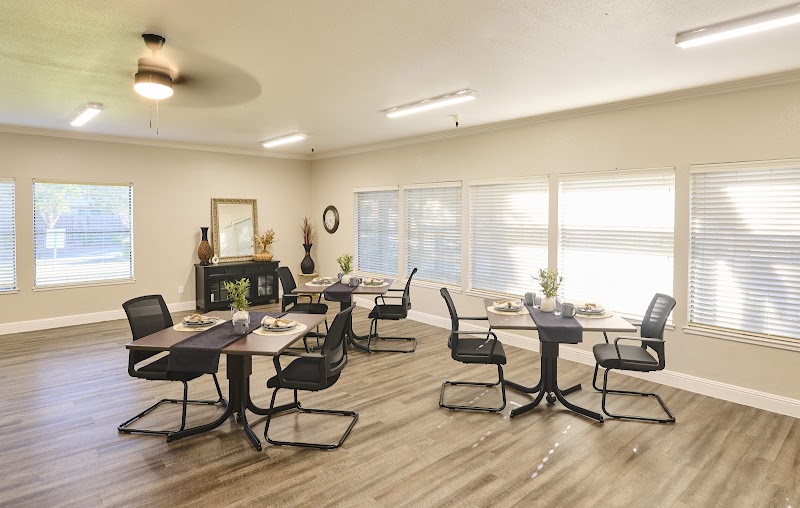
How is Arbor Rehabilitation & Nursing Center Staffed?

CMS rates ARBOR REHABILITATION & NURSING CENTER's staffing level at 3 out of 5 stars, which is average compared to other nursing homes. Staff turnover is 48%, compared to the California average of 46%. RN turnover specifically is 68%, which is notably high. RNs provide skilled clinical oversight, so turnover in this role can affect medical care quality.

What Have Inspectors Found at Arbor Rehabilitation & Nursing Center?

State health inspectors documented 45 deficiencies at ARBOR REHABILITATION & NURSING CENTER during 2019 to 2025. These included: 45 with potential for harm.
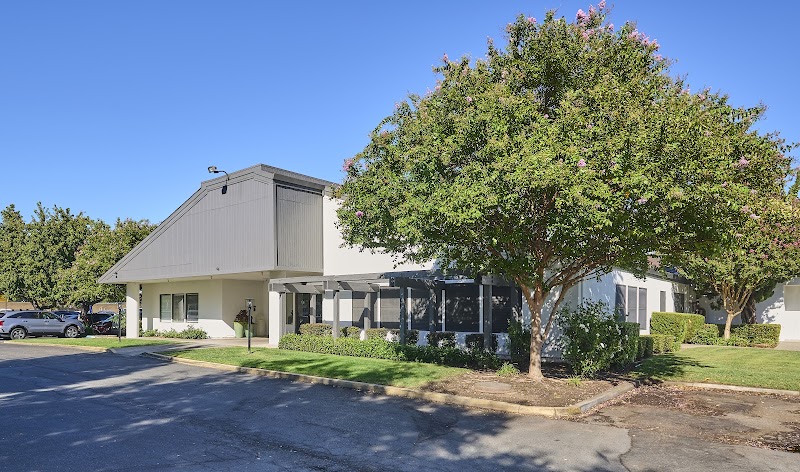
Who Owns and Operates Arbor Rehabilitation & Nursing Center?

ARBOR REHABILITATION & NURSING CENTER is owned by a for-profit company. For-profit facilities operate as businesses with obligations to shareholders or private owners. The facility is operated by COVENANT CARE, a chain that manages multiple nursing homes. With 149 certified beds and approximately 133 residents (about 89% occupancy), it is a mid-sized facility located in LODI, California.
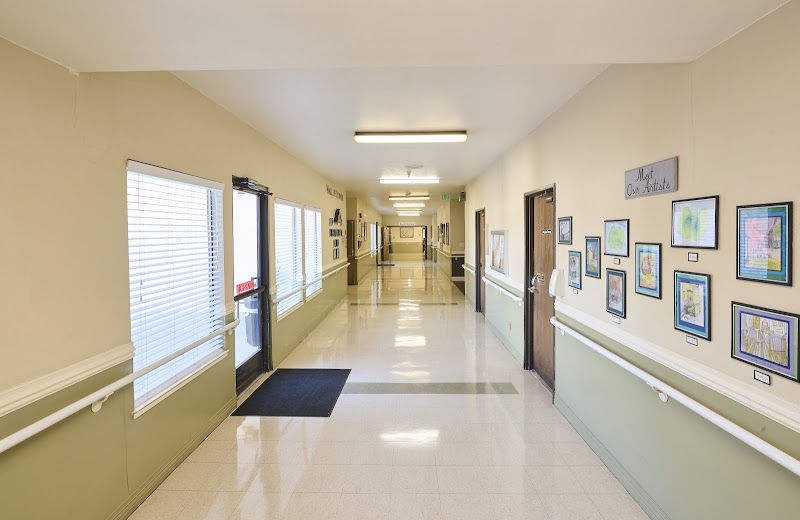
How Does Arbor Rehabilitation & Nursing Center Compare to Other California Nursing Homes?

Compared to the 100 nursing homes in California, ARBOR REHABILITATION & NURSING CENTER's overall rating (4 stars) is above the state average of 3.2, staff turnover (48%) is near the state average of 46%, and health inspection rating (3 stars) is at the national benchmark.

What Should Families Ask When Visiting Arbor Rehabilitation & Nursing Center?

Based on this facility's data, families visiting should ask: "Can I visit during a mealtime to observe dining assistance and food quality?" "How do you handle medical emergencies, and what is your hospital transfer rate?" "Can I speak with family members of current residents about their experience?"

Is Arbor Rehabilitation & Nursing Center Safe?

Based on CMS inspection data, ARBOR REHABILITATION & NURSING CENTER has a clean safety record: no substantiated abuse findings (meaning no confirmed cases of resident harm), no Immediate Jeopardy citations (the most serious violation level indicating risk of serious injury or death), and is not on the Special Focus Facility watch list (a federal program monitoring the lowest-performing 1% of nursing homes). The facility has a 4-star overall rating and ranks #1 of 100 nursing homes in California. While no facility is perfect, families should still ask about staff-to-resident ratios and recent inspection results during their visit.

Do Nurses at Arbor Rehabilitation & Nursing Center Stick Around?

ARBOR REHABILITATION & NURSING CENTER has a staff turnover rate of 48%, which is about average for California nursing homes (state average: 46%). Moderate turnover is common in nursing homes, but families should still ask about staff tenure and how the facility maintains care continuity when employees leave.

Was Arbor Rehabilitation & Nursing Center Ever Fined?

ARBOR REHABILITATION & NURSING CENTER has no federal fines on record. CMS issues fines when nursing homes fail to meet care standards or don't correct problems found during inspections. The absence of fines suggests the facility has either maintained compliance or corrected any issues before penalties were assessed. This is a positive indicator, though families should still review recent inspection reports for the full picture.

Is Arbor Rehabilitation & Nursing Center on Any Federal Watch List?

ARBOR REHABILITATION & NURSING CENTER is not on any federal watch list. The most significant is the Special Focus Facility (SFF) program, which identifies the bottom 1% of nursing homes nationally based on persistent, serious quality problems. Not being on this list means the facility has avoided the pattern of deficiencies that triggers enhanced federal oversight. This is a positive indicator, though families should still review the facility's inspection history directly.