LODI NURSING & REHABILITATION
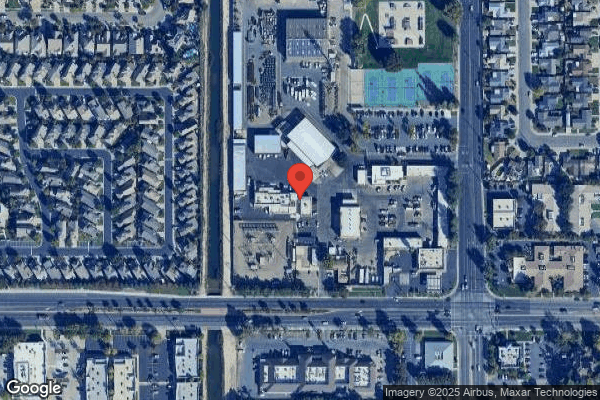
1334 S. HAM LANE, LODI, CA 95242 (209) 334-3825
For profit - Limited Liability company 74 Beds ASPEN SKILLED HEALTHCARE Data: November 2025
Trust Grade
60/100
#621 of 1155 in CA
Last Inspection: November 2024

Within standard 12-15 month inspection cycle. Federal law requires annual inspections.

Overview

Lodi Nursing & Rehabilitation has a Trust Grade of C+, indicating it is slightly above average but not outstanding, which means it may have some strengths but also notable weaknesses. It ranks #621 out of 1155 facilities in California, placing it in the bottom half, and #14 out of 24 in San Joaquin County, meaning there are only a few options that are better locally. The facility is improving, having reduced its number of issues from 15 in 2024 to just 2 in 2025, which is a positive sign. Staffing is a mixed bag; while the turnover rate is good at 30%, below the state average, the RN coverage is concerning, being less than 81% of other facilities, which may impact the quality of care. Specific incidents raised during inspections include failures in food safety practices, such as improperly stored and handled food that could lead to foodborne illnesses, and a resident's call light being out of reach, which could increase their risk of falls. Overall, while there are areas of improvement, families should carefully weigh the facility's strengths against these significant concerns.

Trust Score
C+
60/100
In California
#621/1155
Bottom 47%
Safety Record
Low Risk
No red flags
Inspections
Getting Better
15 → 2 violations
Staff Stability
○ Average
30% turnover. Near California's 48% average. Typical for the industry.
Penalties
✓ Good
No fines on record. Clean compliance history, better than most California facilities.
Skilled Nurses
⚠ Watch
Each resident gets only 18 minutes of Registered Nurse (RN) attention daily — below average for California. Fewer RN minutes means fewer trained eyes watching for problems.
Violations
⚠ Watch
43 deficiencies on record. Higher than average. Multiple issues found across inspections.
★★★☆☆
3.0
Overall Rating
★★★☆☆
3.0
Staff Levels
★★★★☆
4.0
Care Quality
★★★☆☆
3.0
Inspection Score
Stable
2024: 15 issues
2025: 2 issues

The Good

  • 4-Star Quality Measures · Strong clinical quality outcomes
  • Full Sprinkler Coverage · Fire safety systems throughout facility
  • No fines on record
  • Staff turnover below average (30%)

    18 points below California average of 48%

Facility shows strength in quality measures, fire safety.

The Bad

3-Star Overall Rating

Near California average (3.1)

Meets federal standards, typical of most facilities

Staff Turnover: 30%

16pts below California avg (46%)

Typical for the industry

Chain: ASPEN SKILLED HEALTHCARE

Part of a multi-facility chain

Ask about local staffing decisions and management

The Ugly 43 deficiencies on record

Sept 2025 2 deficiencies
CONCERN (D) 📢 Someone Reported This

A family member, employee, or ombudsman was alarmed enough to file a formal complaint

Potential for Harm - no one hurt, but risky conditions existed

Deficiency F0582 (Tag F0582)

Could have caused harm · This affected 1 resident

**NOTE- TERMS IN BRACKETS HAVE BEEN EDITED TO PROTECT CONFIDENTIALITY** Based on interview, and record review, the facility failed to provide the required Skilled Nursing Facility Advance Beneficiary ...

Read full inspector narrative →
**NOTE- TERMS IN BRACKETS HAVE BEEN EDITED TO PROTECT CONFIDENTIALITY** Based on interview, and record review, the facility failed to provide the required Skilled Nursing Facility Advance Beneficiary Notice (SNF ABN: a notice that informs residents of changes to their Medicare Part A coverage for the purpose of determining financial liability for expenses incurred for extended care items or services furnished to a beneficiary and for which Medicare does not pay) to one of one sampled resident (Resident 2) reviewed for Medicare benefit notification after skilled services ended.This failure had the potential for Resident 2 not to be able to make informed decisions about his care and finances, being unaware of his right to appeal and placed him at risk for unexpected medical bills.During a concurrent interview and record review on 8/6/25, at 2:48 PM, the Admissions Coordinator (AC) stated Resident 2's Medicare Part A skilled services coverage ended on 7/23/25. The AC stated Resident 2 continued to stay in the facility after his skilled care ended. The AC confirmed that Resident 2's Medicare eligibility benefits document indicated that Resident 2 had 46 Medicare days remaining. The AC stated the SNF ABN notice should have been issued to Resident 2 when his skilled services coverage ended on 7/23/25 and he continued to remain at the facility. The AC further stated that without the SNF ABN, the resident might not know his rights.During a concurrent interview and record review on 8/6/25, at 12:40 PM, the Social Services Director (SSD) confirmed that Resident 2 was discharged from Medicare Part A services on 7/23/25, but Resident 2 remained in the facility as a long term care resident. The SSD further confirmed there was no indication in Resident 2's medical record that the SNF ABN was provided to Resident 2.During a concurrent interview and record review on 8/6/25, at 1:13 PM, the Director of Nursing (DON) stated Resident 2 was scheduled for discharge on [DATE], but remained in the facility and transitioned to long term care. The DON stated further Resident 2's last Medicare-covered day was 7/23/25. The DON stated the SNF ABN notice should be given to residents three days before the last covered day, so the residents knew their rights and had a chance to appeal. The DON confirmed that the SNF ABN notice was not provided to Resident 2. The DON stated that not providing the SNF ABN could lead to unexpected billing for the residents.Review of an undated facility policy titled, Advance Beneficiary Notices, indicated, .The facility shall inform Medicare beneficiaries of his or her potential liability for payment. A liability notice shall be issued to Medicare beneficiaries upon admission or during a resident's stay, before the facility provides: (a.) An item or service that is usually paid for by Medicare .or (b.) Custodial Care .For Part A items and services, the facility shall use the Skilled Nursing Facility Advance Beneficiary Notice (SNF ABN), Form CMS-10055.
CONCERN (D) 📢 Someone Reported This

A family member, employee, or ombudsman was alarmed enough to file a formal complaint

Potential for Harm - no one hurt, but risky conditions existed

Accident Prevention (Tag F0689)

Could have caused harm · This affected 1 resident

Based on interview, and record review, the facility failed to ensure an accident-free environment when necessary rehabilitation care instructions for nursing staff were not updated in the care plan fo...

Read full inspector narrative →
Based on interview, and record review, the facility failed to ensure an accident-free environment when necessary rehabilitation care instructions for nursing staff were not updated in the care plan for one of three sampled residents (Resident 1) when Resident 1 was placed in a regular wheelchair instead of a recliner wheelchair with a non-slip mat.This failure resulted in Resident 1 falling out of the wheelchair and hitting his head on the floor on 7/27/25. Findings:A review of Resident 1's admission RECORD, indicated Resident 1 was admitted to the facility in 2025 with diagnoses including hemiplegia (paralysis or weakness to one side of the body) and hemiparesis (one- sided muscle weakness) following cerebral infarction (also known as stroke, when blood flow to the brain is interrupted, leading to brain tissue damage) affecting right dominant side, difficulty in walking, and paraplegia (inability to voluntarily move the lower parts of the body).A review of Resident 1's Brief Interview for Mental Status (BIMS - a standardized assessment to quickly evaluate a resident's cognitive function by asking a series of questions related to attention, orientation, and memory recall, resulting in a total score ranging from 0-15) dated 6/16/25, indicated Resident 1 had a BIMS Score of 10 which indicated moderate impairment.A review of Resident 1's medical record titled, Morse Fall Risk Screen, (is a rapid and simple method of assessing a patient's likelihood of falling, score of 0-24 low risk, 25-44 moderate risk, and 45 and higher as high risk) dated 6/16/25, indicated Resident 1 had a score of 56 which categorized Resident 1 as a high risk for falling.A review of Resident 1's Minimum Data Set (MDS - an assessment tool) Section GG (a standardized assessment in long-term care that measures a patient's ability to perform self-care and mobility activities, such as eating, bathing, and walking.) dated 6/19/25, indicated Resident 1 was, .Dependent- Helper does ALL of the effort. Resident does none of the effort to complete the activity. Or, the assistance of 2 or more helpers is required for the resident to complete the activity.Chair/bed-to-chair transfer: The ability to transfer to and from a bed to a chair (or wheelchair).A review of Resident 1's Nurses Notes, dated 7/27/25, at 6:49 PM, indicated, .Resident under Palliative Care Services [provides symptom relief, comfort and support to people living with serious or chronic illnesses.] under [name of hospice provider].Resident have [sic] a baseline of refusing ADLs [activities of daily living] care, but despite refusals, nursing staff still continues to offer resident to get up in wheelchair as tolerated. Resident has AROM [active range of motion] of right and left upper extremities and is contracted of right and left lower extremities.Due to patient's multiple attempts to get out of wheelchair unassisted, 2 CNAs [certified nursing assistants] assisted patient back to room [Resident 1's room] to prepare for transfer back to bed.Resident repeatedly attempted to push himself onto the floor still while being assisted to room.Resident had 1 CNA supervising him while the other CNA got the Hoyer lift [a mechanical, portable hoist used to safely transfer people with limited mobility].patient forcefully pushed himself forward past the CNA and projected forward onto the floor. [Resident 1] was in doorway of room.[Resident 1's forehead hit the floor which resulted in a minor lac [laceration or cut], scant bleeding was noted.During a phone interview on 8/5/25, at 2:03 PM, with Resident 1's responsibly party (RP), the RP stated she received a call from the facility on 7/27/25 and was informed that Resident 1 fell out of his wheelchair. The RP explained Resident 1 could not walk, was not able to move himself and he would fall forward. The RP stated Resident 1 required max assistance.During a joint interview on 8/6/25, at 1:52 PM, with the MDS Coordinator (MDSC) 1 and MDSC 2, both MDSC 1 and MDSC 2 stated Resident 1 needed a Hoyer lift to be transferred from bed to wheelchair and was dependent. MDSC 1 and MDSC 2 explained dependent meant that staff had to perform 100% of the activity. MDSC 1 and MDSC 2 stated Resident 1's sitting balance in therapy was poor and he required maximum assistance to maintain balance.During an interview on 8/7/25, at 3:03 PM, with the Medical Doctor (MD), the MD stated it was difficult to judge a resident's physical mobility because physical therapy recommended the ambulation status of the resident. The MD further stated he agreed with physical therapy if they recommended max assistance was needed for Resident 1's ability to be seated in a wheelchair.During a joint concurrent interview and record review on 9/8/25, at 9:28 AM, with the DOR and the Physical Therapist (PT), Resident 1's medical record was reviewed and indicated he was totally dependent with a 2 person assist for transfers. The PT stated she communicated with the nursing staff that Resident 1 could be transferred to a wheelchair and could tolerate sitting in a reclined position with a Dycem (a flexible, reusable, non-adhesive polymer material that can be cut to size and used on surfaces to secure people in chairs or wheelchairs, providing grip and stability by preventing sliding an slipping) on top of the wheelchair. The PT further stated Resident 1 had poor trunk control and it was not safe for him to be positioned in a 90-degree (a unit of measurement of angles) upright position. The PT stated after Resident 1's therapy sessions, he occasionally would stay in a wheelchair accompanied by a nurse or the activity staff to ensure that there was always someone supervising Resident 1. The PT further stated Resident 1 did not have a behavior of trying to move forward and he usually communicated when he was uncomfortable and would ask her to move him backward on the chair. Resident 1's care plan was reviewed with the DOR and PT, the DOR confirmed that interventions in the care plan did not include what was verbally communicated with the nursing staff which included the use of a recliner wheelchair and the placement of a Dycem for Resident 1. The DOR stated the purpose of the care plan was for staff to know the interventions and the goals for the residents. The PT stated Resident 1 was provided his own reclining wheelchair with a Dycem.During an interview on 9/8/25, at 10:04 AM, with Certified Nursing Assistant (CNA) 2, CNA 2 stated on the day of the incident, the nurse told her and CNA 1 to get Resident 1 up because Resident 1 requested to be in a wheelchair and they just followed the instructions. CNA 2 further stated Resident 1 was sitting in a wheelchair in a 90-degree position in the hallway, yelling for approximately 2-5 minutes and Resident 1 requested to be back in bed. CNA 2 stated she was helping CNA 1 to put Resident 1 back in bed and CNA 1 was making the bed at the time. CNA 2 further stated Resident 1 was in a 90-degree position in the wheelchair, and she was standing in front of Resident 1 when she saw Resident 1 fall and hit his head on the floor and she tried to catch him, but it was too late. CNA 2 stated Resident 1 never had the behavior of leaning but he had a behavior of randomly screaming all the time. CNA 2 further stated that for all residents, the CNAs usually talked to the nurses to check if a resident could be up on a chair, how many people needed to assist the resident for transfer or if a Hoyer lift was needed. CNA 2 stated the CNAs relied on verbal communication with the nurses, nursing supervisors and therapists because they did not have access to the therapy notes and it was not in the plan of care. During an interview on 9/8/25, at 10:25 AM, with CNA 1, CNA 1 stated Resident 1 was asking to be in the wheelchair. CNA 1 further stated she used a Hoyer lift with the assistance of CNA 2 to transfer Resident 1 in a wheelchair. CNA 1 stated Resident 1 was in an upright position in a wheelchair for an hour in front of the nurses' station. CNA 1 further stated Resident 1 used his own regular wheelchair and not a recliner wheelchair. CNA 1 stated Resident 1 was not in a reclining wheelchair at that moment (7/27/25) and had never seen him in a reclining wheelchair. CNA 1 further stated the wheelchair was in Resident 1's room and he had 2 roommates and none of them had a reclining wheelchair. CNA 1 stated that after almost an hour up in the wheelchair, she took Resident 1 back to his room because it was almost an hour and she was preparing Resident 1's bed. CNA 1 further stated nobody asked her to put Resident 1 back to bed but Resident 1 looked uncomfortable, so she decided to wheel him back to the room. CNA 1 stated she was fixing the bed and Resident 1 was by the door sitting in the same position. CNA 1 further stated when she turned her back around, Resident 1 was already on the floor. CNA 1 stated CNA 2 was not in the room, and she was by herself. CNA 1 further stated she did not put any resident on a chair until the PT evaluated the resident. CNA 1 stated by talking to the PT she would know how she would care for the resident. CNA 1 further stated this was the first time she got Resident 1 on a wheelchair, but she saw Resident 1 up in a wheelchair with the PT and other CNAs and that is why she knew Resident 1 could be in a wheelchair. CNA 1 stated Resident 1 did not have a behavior of pushing himself on the floor except the day of the incident. CNA 1 further stated Resident 1 could not stand up because he had contractures (a permanent stiffening and shortening of muscles, tendons, or skin that prevents a joint or body part from moving normally) on both legs.During an interview on 9/8/25, at 10:51 AM, with License Nurse (LN) 1, LN 1 stated Resident 1 was demanding to get up in a wheelchair and 2 CNAs helped him. LN 1 further stated Resident 1 usually would lay in bed, but the family requested to get him up. LN 1 stated Resident 1 was on therapy, and she saw the rehab staff use a Hoyer lift before. LN 1 further stated she looked at the therapy notes and called the DOR and DON to ask if Resident 1 could be in a wheelchair. LN 1 stated that the details on resident transfer and assist instructions were usually in the plan of care and it would include how the resident could be transferred. LN 1 further stated the nursing staff could also check the H&P (History and Physical, a formal assessment by a physician that documents the resident's medical history, current condition, and a physical exam to guide their individualized plan of care), the therapy orders and the care plan. LN 1 stated the rehab instructions for the residents should be in the rehab care plan. LN 1 further stated she usually checked the care plan or asked the PT in person. LN 1 stated Resident 1 did not want to participate in activities and only saw him up on a wheelchair when the family was visiting or during therapy sessions. LN 1 further stated there was a special request from Resident 1's family to get him up and for him to attend the activities but he never wanted to except for that day he requested to be in a wheelchair (7/27/25). LN 1 stated Resident 1 was sitting upright in a standard regular wheelchair on the day of the incident. LN 1 stated Resident 1 was in front of the nurses' station when he became agitated and started pushing himself forward. LN 1 further stated that Resident 1 did not usually do things like pushing himself forward and he did not have a behavior for it. LN 1 stated the purpose of the care plan was to meet the residents' goals and interventions and that. This included staff from all departments could get instructions on what to do and had the ability to check if there were changes with the interventions. LN 1 further stated the instructions for transfers, number of persons needed for assist, and the ADLs should all be in the care plan. LN 1 stated she only communicated with the rehab department verbally for instructions. LN 1 stated Resident 1 was a high risk for falls because he could not stand. During a joint interview on 9/8/25, at 12:46 PM, with the DOR and the PT, the DOR stated the Dycem was used as resistance to prevent Resident 1 from sliding on the wheelchair and having Resident 1 in a reclining position would also prevent him from falling forward. The DOR further stated if Resident 1 was left unsupervised in a wheelchair it could be a risk for fall. Both the DOR and the PT stated Resident 1 could not lean forward all the way. The PT stated she did not document that the Dycem needed to be used for Resident 1 and she just put it in her treatment notes that Resident 1 was able to tolerate 2 hours sitting in a wheelchair during therapy sessions. The PT further stated Resident 1 needed constant supervision and visual monitoring with staff by the nurse's station whenever he sat in a wheelchair. The DOR stated the specific rehab instructions for Resident 1's care were not documented because the Dycem and reclining wheelchair were already in place, and they had open communication with the nursing staff. The PT stated she verbalized to the nursing staff that Resident 1 was able to tolerate 2 hours of sitting and needed 2-persons to get him out of bed. The PT confirmed this was not documented. The PT stated Resident 1's back always needed to be supported. The PT further stated Resident 1 was provided with a wheelchair in a 75-degree angle and it could be readjusted. The PT stated she expected the nursing staff to keep Resident 1 in a reclining position with a Dycem underneath him and he needed someone to be with him. The PT further stated she never encountered Resident 1 trying to get out from the wheelchair. The PT stated Resident 1 was comfortable in a 60-75-degree position when sitting in a wheelchair. The DOR confirmed that no one called her on the day of the incident to ask for instructions regarding Resident 1's rehab plan of care.During an interview on 9/8/25, at 1:40 PM, with the Director of Nursing (DON), the DON stated he expected open communication between the rehab department and the nursing department regarding the plan of care for the residents. The DON further stated if the nursing staff had questions regarding a resident's level of care when the rehab staff were not at the facility then nursing staff could always call the DOR. The DON explained that the DOR was available 24/7 (24 hours a day, 7 days a week) and the staff could also use their critical judgment or check the doctor's order. The DON stated the standard practice was for the nursing staff to check the resident's plan of care. The DON further stated the care plan should detail the level of care, goals, and facility interventions for the resident's progress. The DON stated it served as a guide in managing resident care by outlining necessary actions to achieve the set goals. The DON further stated the type of wheelchair, certain devices and specific instructions for residents should be reflected in the care plan and in the therapy notes. The DON stated the rehab department communicated with the nursing staff and he expected what was communicated between rehab and nursing should be also be documented in the care plan. The DON confirmed that the rehab care plan did not reflect the specific interventions for Resident 1. The DON stated the importance of updating the care plan was for residents to get proper enhanced care and it was also used as a communication tool between all the departments. The DON further stated the care plan was ever changing and updated frequently. The DON stated he did not remember what was communicated from the rehab department regarding the plan of care for Resident 1.A review of Resident 1's Care Plan Report, under the section titled, Focus, indicated, .Mobility Deficit as evidenced by: Requiring assistance or is dependent in: Mobility.Chair/Bed-to-Chair Transfer (total D [dependent]).Lying to Sitting on the Side of Bed (total D).Sit to Lying (total D). Further review of the document under the section titled, Interventions, date initiated on 6/21/25, indicated, .Keep most frequently use personal items and things needed during care.within resident's reach.A review of Resident 1's Care Plan Report, date initiated on 6/21/25, under the section titled, Focus, indicated, .High risk for falls and injury related to Attempting to get out of bed unassisted, Limitation of mobility, Presence of Contracture [is a shortening of muscles, tendons, skin, and nearby soft tissues that causes the joints to shorten and become very stiff, preventing normal movement], Bladder incontinence [loss of bladder control], Bowel incontinence [loss of bowel control], CVA [cerebrovascular accident or stroke] w/ [with] right hemiparesis. Further review of the document under the section titled, Interventions, indicated, .Have things needed by the resident within reach.A review of Resident 1's Care Plan Report, date initiated on 6/17/25, under the section titled, Focus, indicated, .Skilled PT [physical therapy] intervention needed to improve B LE [bilateral lower extremity] strength, ROM [range of motion], activity tolerance, balance and safety awareness. Further review of the document under the section titled, Interventions, indicated, .PT.qd [once daily] 5x/wk [5 times per week] for 8 wks [weeks].tx [treatment] may include therapeutic exercise, therapeutic activity, neuro re-education, manual tx, w/c mgt [ wheelchair management], patient education and caregiver training.A review of an undated facility policy and procedure (P&P) titled, Falls and Fall Risk, Managing, indicated, .the staff will identify interventions related to the resident's specific risks and causes to try to prevent the resident from falling and to try to minimize complications from falling .A review of an undated facility P&P titled, Safety and Supervision of Residents, indicated, .Resident safety and supervision and assistance to prevent accidents are facility-wide priorities. Systems Approach to Safety.2. Resident supervision is a core component of the system's approach to safety. The type and frequency of resident supervision is determined by the individual resident's assessed needs and identified hazards in the environment.A review of an undated facility P&P titled, Care Plans, Comprehensive Person-Centered, indicated, .Assessments of residents are ongoing and care plans are revised as information about the residents and the residents' conditions change.The comprehensive person-centered care plan will.m. Aid in preventing or reducing decline in the resident's functional status and/or functional levels. n. Enhance the optimal functioning of the resident by focusing on a rehabilitative program.A review of the facility P&P titled, Documentation Requirements, revision date 1/1/17, indicated, .Each Rehabilitation Services resident/patient had medical record of care and treatment which includes subsequent referrals, initial evaluations and plan of care, copies of daily notes, copies of progress notes, and treatment care plans.A review of an undated facility policy and procedure (P&P) titled, Progress Notes, indicated, .Progress notes shall be maintained for each resident who is receiving specialized rehabilitative services. Progress notes reflect the resident's progress and response to his or her care plan, medication, etc. Progress notes must be recorded monthly and whenever changes occur in the resident's condition. Such information must be recorded by the Therapy Service responsible for entering such date on the appropriate progress record.
Nov 2024 15 deficiencies
CONCERN (D)

Potential for Harm - no one hurt, but risky conditions existed

Resident Rights (Tag F0550)

Could have caused harm · This affected 1 resident

**NOTE- TERMS IN BRACKETS HAVE BEEN EDITED TO PROTECT CONFIDENTIALITY** Based on observation, interview and record review, the facility failed to ensure residents were treated with dignity and respect...

Read full inspector narrative →
**NOTE- TERMS IN BRACKETS HAVE BEEN EDITED TO PROTECT CONFIDENTIALITY** Based on observation, interview and record review, the facility failed to ensure residents were treated with dignity and respect for one of twenty-one sampled residents (Resident 10) when: 1. Certified Nursing Assistant (CNA) 1 stood over Resident 10 while assisting him with his meals; and, 2. CNA 1 called residents feeders who needed assistance with meals. This failure resulted in Resident 10 not being provided with a respectful and dignified dining experience, which could further impact Resident 10's quality of life. Findings: 1. During a review of Resident 10's admission Record (a summary of information regarding a patient which includes patient identification, past medical history, and other pertinent information), indicated Resident 10 was admitted to the facility in August 2024 with diagnoses which included dysphagia (difficulty in swallowing) and muscle weakness. During a review of Resident 1's Minimum Data Set (MDS- an assessment and care screening tool), the functional status section of the MDS dated [DATE], indicated Resident 10 required supervision and assistance by facility staff for eating. During an observation on 10/29/24 at 12:25 p.m. in Resident 10's room, Resident 10 was sitting at the edge of the bed and his lunch tray was on the bedside table. CNA 1 was standing on the side of Resident 10's bedside table while feeding him his lunch. During an interview on 10/29/24 at 12:30 p.m. with CNA 1, she stated Resident 10 required supervision and assistance with eating. CNA 1 confirmed she stood beside Resident 10 while feeding him lunch on 10/29/24. CNA 1 stated she should have been sitting while assisting Resident 10 during lunch because standing over a resident may make residents feel uncomfortable. Review of Resident 10's care plan with a focus, Impaired nutritional and hydration status related to .malnutrition, initiated on 8/7/24, indicated, .Provide pleasant atmosphere during meal time . 2. During a concurrent observation and interview on 10/29/24 at 12:25 p.m., CNA 1 was standing next to Resident 10 assisting him with his lunch. CNA 1 stated there were three feeders in her assignment including Resident 10. When asked what she meant by feeders, CNA 1 replied she called residents feeders who needed assistance with meals. CNA 1 stated she should not have called residents feeders, and further stated calling residents by words other than their names was a dignity issue. Review of Resident 10's care plan with a focus on feeding, initiated on 8/9/24, indicated, .Address resident with his/her name of choice . During an interview on 10/31/24 at 10:06 a.m. with the Director of Nursing (DON), the DON stated a CNA should be at eye level while assisting residents with meals. The DON explained CNAs should not call residents feeders who required assistance with meals. The DON stated calling residents feeders and standing while assisting residents with meals were dignity issues. During a review of the facility's policy and procedure (P&P) titled, Assistance with meals, revised 3/2022, the P&P indicated, .not standing over residents while assisting them with meals . During a review of the facility's P&P titled, Quality of life -Dignity, revised 8/2009, the P&P indicated, . Each resident shall be cared for in a manner that promotes and enhances quality of life, dignity, respect and individuality . Residents shall be treated with dignity and respect at all times .Staff shall speak respectfully to residents at all times, including addressing the resident by his, her name of choice and not labeling or referring to the resident by .care needs .
CONCERN (D)

Potential for Harm - no one hurt, but risky conditions existed

Deficiency F0583 (Tag F0583)

Could have caused harm · This affected 1 resident

Based on observation, interview, and record review, the facility failed to protect the right for privacy of one of twenty-one sampled residents (Resident 45) when Resident 45 had no privacy curtains (...

Read full inspector narrative →
Based on observation, interview, and record review, the facility failed to protect the right for privacy of one of twenty-one sampled residents (Resident 45) when Resident 45 had no privacy curtains (cloth that separates residents and provides them with privacy). This failure had the potential to negatively impact Resident 45's psychosocial well-being. Findings: During a review of Resident 45's admission Record, the record indicated Resident 45 was admitted to the facility on Fall of 2023. Resident 45's diagnoses included muscle weakness. During a concurrent observation and interview on 10/29/24 at 11:13 AM Resident 45 pointed to his curtains and stated, Curtain isn't able to close all the way. Since I've been here, I have no privacy. During an interview on 10/29/24 at 11:15 AM with Certified Nursing Assistant (CNA) 2, CNA 2 stated she had not been aware Resident 45's curtain was missing, and stated that without the curtain she would not be able to give Resident 45 privacy if she was providing care for Resident 45. During an interview on 10/29/24 at 11:17 AM with the Director of Maintenance (MTD), the MTD stated he was not aware that Resident 45's curtain was missing but would replace it promptly. When asked about the process for new curtains, the MTD stated, Residents are able to request to replace or clean curtains directly to him or laundry staff and they had plenty. During an interview on 11/1/24 at 8:30 AM with the Director of Nursing (DON), the DON stated it was his expectation curtains should have been complete and functioning. The DON further stated if a resident was missing curtains this could lead to residents feeling a lack of dignity and level of embarrassment. Review of Resident 45's, Ineffective Health Maintenance care plan, initiated on 10/28/24, in the section Interventions, indicated, Ensure privacy and comfort during brief changes. A review of the facility policy titled, Quality of Life - Dignity, indicated, .Staff shall promote, maintain, and protect resident privacy, including bodily privacy during assistance with personal care and during treatment procedures .
CONCERN (D)

Potential for Harm - no one hurt, but risky conditions existed

ADL Care (Tag F0677)

Could have caused harm · This affected 1 resident

Based on observation, interview, and record review, the facility failed to ensure one of twenty-one sampled residents (Resident 43) was assisted with nail care as a part of Activities of Daily Living ...

Read full inspector narrative →
Based on observation, interview, and record review, the facility failed to ensure one of twenty-one sampled residents (Resident 43) was assisted with nail care as a part of Activities of Daily Living (ADLs- routine tasks/activities such as bathing, dressing and toileting a person performs daily to care for themselves) when staff did not trim Resident 43's long, thick, and discolored toenails. This failure had the potential for Resident 43 to sustain injury and/or to acquire an infection. Findings: Review of Resident 43's admission Record (AR - a summary of information regarding a patient which includes patient identification and past medical history), indicated Resident 43 was admitted to the facility in June 2024 with diagnoses which included neoplasm (abnormal mass of tissues) of bladder, encounter for palliative care ( specialized medical care that focuses on providing relief from pain and other symptoms of illness), anxiety, and heart failure. Review of Resident 43's Minimum Data Set (MDS - a federally mandated resident assessment tool) dated 9/12/24, indicated Resident 43 had the ability to understand and be understood by others with an intact memory. The functional section of the MDS indicated Resident 43 required supervision or touching assistance for personal hygiene. During a concurrent observation and interview on 10/29/24 at 11:10 a.m. with Resident 43 in his room, Resident 43's toenails were noted to be long, thick, curved, and discolored. Resident 43 stated his toenails had not been trimmed by staff for months. Resident 43 further stated his toenails were uncomfortable and painful because the curved nails were rubbing on the toes when he walked. Resident 43 explained staff were aware of his long toenails because he had asked multiple times to trim them, and staff told him his name was on the podiatry (services to treat the feet and their ailments) list. Review of Resident 43's Order Listing Report, indicated, .Podiatry services for treatment of . toenails and/ or other foot problem-diabetic [DM-a disorder characterized by difficulty in blood sugar control and poor wound healing] or vascular disease[any condition that affects system of blood vessels] Q [every] 60 days & PRN [as needed] .Order Status- active- .Revision date-6/6/2024- . Review of Resident 43's Social Services Notes, dated 10/29/24, indicated, .Reached out to Local podiatry offices .resident is not diabetic, therefore nursing will attempt to address his foot/toenail needs if able . During an interview on 10/31/24 at 11:43 a.m. with the Social Services Director (SSD), the SSD acknowledged Resident 43's toenails were not trimmed by staff. The SSD stated Resident 43's toenails required to be trimmed by podiatrist. The SSD explained she had been working with Resident 43's insurance to arrange for podiatrist. When asked if Resident 43 had diabetes or vascular disease, the SSD stated Resident 43 did not have diabetes or vascular disease. During an interview on 10/31/24 at 11:56 a.m. with Licensed Nurse (LN)3, LN 3 confirmed Resident 43 had long, thick, curved, and discolored nails. LN 3 stated, Resident 43 was on podiatry list. LN 3 denied Resident 43 having diabetes or vascular disease. When asked if facility staff could trim Resident 43's nails, LN 3 stated facility had basic nail cutter/trimmer and filer and Resident 43's toenails were hard to trim with basic nail trimmer. During an interview on 10/31/24 at 2:06 p.m. with the Director of Nursing (DON), the DON acknowledged Resident 43's toenails were not trimmed by staff. The DON stated he was aware that Resident 43 was waiting for podiatrist for trimming of his long, thick toenails. The DON confirmed Resident 43 did not have diabetes or vascular disease. When asked if facility staff could trim Resident 43's nails, the DON stated trained staff such as LN would be able to trim resident 43's toenails with a trimmer. The DON explained Resident 43's toenails should have been trimmed. The DON stated long toenails were unhygienic and there was a risk for infection and skin issues. During a review of facility's policy titled, Foot Care, revised March 2018, indicated, . Residents will receive appropriate care and treatment in order to maintain mobility and foot health .Residents will be provided with foot/nail care and treatment in accordance with professional standards of practice .Trained staff may provide routine foot care within professional standards of practice for residents without complicating disease processes . During a review of facility's policy titled, Quality of Life- Dignity, revised August 2009, the policy indicated, .Each resident shall be cared for in a manner that promotes and enhances quality of life, dignity, respect, and individuality .Residents shall be groomed as they wish to be groomed ( .nails .) . During a review of facility's policy titled, Fingernails/Toenails, Care of, revised February 2018, the policy indicated, .Proper nail care can aid in the prevention of skin problems around the nail bed .Trimmed and smooth nails prevent the resident from accidentally scratching and injuring his or her skin .
CONCERN (D)

Potential for Harm - no one hurt, but risky conditions existed

Deficiency F0688 (Tag F0688)

Could have caused harm · This affected 1 resident

**NOTE- TERMS IN BRACKETS HAVE BEEN EDITED TO PROTECT CONFIDENTIALITY** Based on observation, interview, and record review, the facility failed to provide restorative services to one of twenty-one sam...

Read full inspector narrative →
**NOTE- TERMS IN BRACKETS HAVE BEEN EDITED TO PROTECT CONFIDENTIALITY** Based on observation, interview, and record review, the facility failed to provide restorative services to one of twenty-one sampled residents (Resident 35) when physical therapy was discontinued and further services by Restorative Nursing Assistant were not provided. This failure had the potential to cause a decline in Resident 35's optimal level of function. Findings: During a review of Resident 35's admission Record (AR - a summary of information regarding a patient which includes patient identification and past medical history), indicated Resident 35 was admitted to the facility in August 2023 with diagnoses which included fracture of lower end of right femur (the bone of the thigh), abnormalities of gait and mobility, and muscle weakness. During a review of Resident 35's care plan initiated on 8/30/23, indicated, .Focus .Self Care Deficit as evidenced by - Requiring assistance or is dependent in: Bed mobility (extensive) .toileting (extensive) .personal hygiene (extensive) .interventions .Physical therapy as ordered .Observe and report to MD [physician] any change in the resident [Resident 35]'s functional mobility and ADL . During a review of Resident 35's Minimum Data Set (MDS- an assessment and care screening tool), the functional status section of MDS dated [DATE], indicated Resident 35 required maximal assistance by facility staff with walking 10 feet and was using a wheelchair. Further review of Resident 35's functional status indicated Resident 35 needed maximal assistance (where the helper does more than half the effort) with lower body dressing, toileting hygiene, and partial/moderate assistance (helper does less than half the effort) with personal hygiene by facility staff. Review of Resident 35's Multidisciplinary Care Conference, dated 12/13/23, indicated, .[Resident 35] recently picked up for skilled services after change to WB [weight bearing] status-currently skilled for therapy services. States she [Resident 35] still plans to DC home, her other son and his family has moved into the same home, so she has a lot of family at home now .Discharge Goal/ Plan .short term .cont'd PT/OT [Physical Therapy/Occupational Therapy] services 5xwk [5 times a week] to improve strength, bed mobility, transfers, ambulation, self care, and ADLs . Review of Resident 35's Physical Therapy Discharge Summary, Dates of Service: 11/14/23-12/21/23, indicated, .Discharge Recommendations: FMP/RNP [Function Motion Prevention- a type of physical therapy/Restorative Nursing Program] .To facilitate patient maintaining current level of performance and in order to prevent decline . During a review of Resident 35's Multidisciplinary Care Conference, dated 3/6/24, SOCIAL SERVICES section indicated, .Discharge Goal/Plan: Long term [long term section was checked] .to remain in the facility unless able to return home . Further review of Resident 35's care conference REHAB, section indicated, .Progress: N/A[ Not Applicable] .Plan: N/A .Restorative nursing order and response: N/A . During a review of Resident 35's MDS dated [DATE], the functional status section indicated Resident 35 was dependent for toileting hygiene and required maximal assistance (helper does more than half the effort) by facility staff for personal hygiene. During a concurrent observation and interview on 10/29/24 at 10:55 a.m., Resident 35 was lying in her bed, dressed, and groomed. Resident 35 stated she previously received physical therapy, but her insurance ran out. During a concurrent interview and record review on 10/31/24 at 10:55 a.m. with the Occupational Therapist (OT), Resident 35's physical therapy discharge notes were reviewed. The OT stated Resident 35 was discharged from PT on 12/21/23. The OT also stated the plan was to send Resident 35 home to her family. The OT further stated Resident 35 would have benefitted from continued physical therapy and stated the therapy was discontinued most likely due to insurance. The OT explained Resident 35 still needed 50 percent moderate assistance when her PT services were discontinued. During an interview on 10/31/24 at 2:30 p.m., the PT stated Resident 35 received physical therapy from 8/29/23 to 12/21/23 and was discharged with RNA. The PT also stated the recommendations for Resident 35 were active and passive ROM and transfers with RNAs. When asked if continuation of physical therapy or providing RNA services could have helped Resident 35 to improve her mobility, the PT stated yes. The PT further stated, if there was decline in Resident 35's mobility or activity level, nurses could have referred Resident 35 back to PT and PT would reevaluate Resident 35 and would provide PT services if required. During an interview on 10/31/24 at 4:03 p.m. with Restorative Nursing Assistant (RNA), the RNA denied providing RNA services to Resident 35 after her PT services were discontinued on 12/21/23. During an interview on 10/31/24 at 3:37 p.m. with the Director of Nursing (DON), the DON acknowledged that Resident 35 did not receive RNA services as recommended by PT. During a review of facility's policy titled, Restorative Nursing Services, revised 7/2017, the policy indicated, .Residents will receive restorative nursing care as needed to help promote optimal safety and independence .Residents may be started on a restorative nursing program .when discharged from rehabilitative care . During a review of facility's policy titled, Rehabilitation Services, undated, the policy indicated, .Residents/patients will be reviewed at following times: New admission .Newly identified condition/change of condition .Restorative Nursing Assistant Program referral . After comprehensive consultation with nursing, review of IDT notes, and corresponding medical records, the following should be initiated to address the resident's need to improve condition, prevent further decline, and/or maintain levels of care related to the rehab findings . Resident/ patient currently on active therapy program at this time; therapy treatment . will be reviewed with physician and adjusted to include any additional necessary therapy treatment interventions indicated .Care giver training provided by therapy as indicated. Resident referred to RNA for revision to current program, and/or resident specific training, and/or initiation of new orders for RNA .
CONCERN (D)

Potential for Harm - no one hurt, but risky conditions existed

Incontinence Care (Tag F0690)

Could have caused harm · This affected 1 resident

**NOTE- TERMS IN BRACKETS HAVE BEEN EDITED TO PROTECT CONFIDENTIALITY** Based on observation, interview, and record review, the facility failed to ensure one of four residents (Resident 27) with an in...

Read full inspector narrative →
**NOTE- TERMS IN BRACKETS HAVE BEEN EDITED TO PROTECT CONFIDENTIALITY** Based on observation, interview, and record review, the facility failed to ensure one of four residents (Resident 27) with an indwelling catheter (foley catheter-a flexible plastic tube inserted into the bladder that remains there to provide continuous urinary drainage) received proper care and services consistent with professional standard of care, when Resident 27's urinary collection bag was not positioned lower than his bladder (body organ where urine is collected). This deficient practice had the potential to result in urinary tract infection (UTI- an infection in any part of the urinary system, the kidneys, bladder, and urethra) for Resident 27. Findings: Review of Resident 27's admission Record (AR - a summary of information regarding a patient which includes patient identification and past medical history), indicated, Resident 27 was admitted to the facility in November 2024 with diagnoses which included encounter for palliative care ( specialized medical care that focuses on providing relief from pain and other symptoms of illness), and obstructive uropathy (blockage in the urinary tract). During a review of Resident 27's Minimum Data Set (MDS, an assessment and care screening tool) dated 8/22/24, the MDS indicated Resident 27 did not have the ability to understand and be understood by others, with a Brief Interview for Mental Status (BIMS) score of 3 (The BIMS assessment uses a points system that ranges from 0 to 15 points: 0 to 7 points suggests severe cognitive impairment. 8 to 12 points suggests moderate cognitive impairment. 13 to 15 points suggests that cognition is intact). The bladder and bowel section of the MDS dated [DATE], indicated Resident 27 had an indwelling catheter. Further review of MDS section Active Diagnosis, dated 8/22/24, indicated Resident 27 had diagnosis of Septicemia (a severe infection). During an observation on 10/29/24 at 11:27 a.m., Resident 27's urinary collection bag was observed on top of Resident 27's bed rail (helps to keep residents from rolling out of bed) and was above Resident 27's bladder level. During an observation and concurrent interview on 10/29/24 at 11:29 a.m. with the Certified Nursing Assistant (CNA)2, CNA 2 confirmed and stated that Resident 27's urinary collection bag was placed on the upper bed rail and was above the level of Resident 27's bladder. CNA 2 further stated the urinary catheter bag should never be above the bladder for risk of infection. During an interview on 10/30/24 at 3:01 pm, Licensed Nurse (LN) 2 stated, the urinary collection bag should not be placed on the Resident 27's bed rail. LN 2 also stated, the urinary collection bag should be below the bladder to make sure urine was flowing downward. LN 2 further stated when Resident 27's urinary collection bag was not kept lower than the bladder, the risk were retention of urine, UTI (urinary tract infection), and overflow of urine. During an observation on 10/30/24 at 3:14 p.m., Resident 27's urinary collection bag was on Resident 27's upper bed rail and was above the level of Resident 27's bladder. During a concurrent observation and interview on 10/30/24 at 3:14 p.m. with LN 1, LN 1 confirmed that Resident 27's urinary collection bag was placed on the upper bed rail and was above the level of Resident 27's bladder. LN further stated the urinary collection bag should be kept below the level of bladder to avoid risk of infection. During an observation on 10/31/24 at 10:43 a.m., Resident 27 sleeping in his bed and his urinary collection bag was placed on Resident 27's upper bed rail. During a concurrent observation and interview on 10/31/24 at 10:52 a.m. with LN 3, LN 3 confirmed Resident 27's urinary collection bag was placed on the upper bed rail and should always be kept below Resident 27's bladder level. Review of Resident 27's care plan dated 3/15/24, indicated, .Focus .High risk for developing complications including UTI due to use of foley catheter .Interventions .keep drainage bag below level of bladder . During an interview on 10/31/24 at 12:21 p.m. with the Infection Preventionist (IP), the IP stated there was risk of hydronephrosis (a condition that occurs when one or both kidneys swell due to a buildup of urine) and UTI if a urinary collection bag was kept above the bladder. During an interview on 10/31/2024 at 2:00 p.m. with the Director of Nursing (DON), the DON stated a urinary collection bag should never be on the upper bed rail, and should be placed properly on the bed frame. The DON also stated the risk was urine going back to bladder and not draining properly. During an interview on 11/01/24 at 12:39 p.m. with the Director of Staff Development (DSD), the DSD stated the urinary collection bag should be below the bladder level so that urine could flow by the gravity (the force that attracts a body toward the center of the earth). The DSD further stated the risk was urinary retention, pain in abdomen, and UTI if a urinary collection bag was positioned above the level of bladder. A review of the facility's Policy and Procedure titled, Catheter Care, Urinary, revised 8/2022, indicated, .Position the drainage bag lower than the bladder at all times to prevent urine form flowing back into the urinary bladder . During a review of the Centers of the Disease Control (CDC) online publication titled, Guidelines for Prevention of Catheter- Associated Urinary Tract Infections, dated 2009, the section, Proper Techniques for Urinary Catheter Maintenance, indicated, .Keep the collecting bag below the level of the bladder at all times . (https://www.cdc.gov/infection-control/hcp/cauti/summary-of-recommendations.html)
CONCERN (D)

Potential for Harm - no one hurt, but risky conditions existed

Deficiency F0761 (Tag F0761)

Could have caused harm · This affected 1 resident

Based on observation, interview, and record review, the facility failed to ensure safe medication storage practices for a census of 61 residents when: 1. Staff's personal belongings were stored in one...

Read full inspector narrative →
Based on observation, interview, and record review, the facility failed to ensure safe medication storage practices for a census of 61 residents when: 1. Staff's personal belongings were stored in one of two medication storage rooms; and, 2. Loose pills were found on the floor and at the bottom of the base cabinet in the medication storage room. These failures had the potential to contribute to unsafe medication storage and diversion. Findings: 1. During a concurrent observation and interview on 10/30/24, at 2:44 p.m. with the Director of Nursing (DON) and Licensed Nurse (LN) 1, the Station 2 medication storage room was inspected with the DON. One personal bag and an insulated water bottle were observed to be stored on the top of the base cabinet. LN 1 confirmed the personal bag and insulated bottle belonged to her. LN 1 stated the personal items should not be stored in the medication room. During an interview on 10/30/24, at 2:46 p.m. with the Director of Nursing (DON), the DON acknowledged staff's personal belongings were stored in Station 2 medication room. The DON stated it was not acceptable to store personal items in the medication storage room. The DON also stated the risk of storing personal items in medication storage room was cross contamination and drug diversion. 2. During a concurrent observation and interview conducted on 10/29/24 at 9:28 a.m. with LN 4, the Station 1 medication room was inspected. Three loose round pills on the base of the cabinet and two round pills and one capsule on the floor were found. LN 4 confirmed there were five loose pills and one capsule on the medication storage room floor, and they needed to be disposed of. During an interview on 10/31/24 at 2:18 p.m. with the DON, the DON stated the loose pills should not be thrown on the floor or in the cabinet. The DON also stated the pills should have been destroyed properly. The DON further stated the risk was accidentally taking the pills and could cause infection. Review of facility policy titled, Storage of Medications, revised April 2007, indicated, .The nursing staff shall be responsible for maintaining medication storage AND preparation areas in a clean, safe, and sanitary manner .
CONCERN (D)

Potential for Harm - no one hurt, but risky conditions existed

Deficiency F0805 (Tag F0805)

Could have caused harm · This affected 1 resident

**NOTE- TERMS IN BRACKETS HAVE BEEN EDITED TO PROTECT CONFIDENTIALITY** Based on observation, interview, and record review the facility failed to provide a diet in the correct texture to meet the need...

Read full inspector narrative →
**NOTE- TERMS IN BRACKETS HAVE BEEN EDITED TO PROTECT CONFIDENTIALITY** Based on observation, interview, and record review the facility failed to provide a diet in the correct texture to meet the needs of an unsampled resident, (Resident 19), according to facility policy. This failure had the potential to negatively impact Resident 19's food intake which could further impair nutrition status and lead to weight loss. The facility census was 61. Cross reference F806, CA Title 22-72337 Findings: Review of Resident 19's admission Record indicated the resident was initially admitted to the facility on [DATE] with diagnoses which included, essential hypertension (high blood pressure), gastro-intestinal esophageal reflux disease (GERD) (a condition in which stomach acid repeatedly flows back up into the tube connecting the mouth and stomach, called the esophagus), and constipation (difficulty having bowel movements). Review of the Minimum Data Set document indicated Resident 19 had a BIMS (Brief Interview of Mental Status) of 13, where 13-15 points indicated a person's cognition (thinking ability) is intact. Review of Resident 19's Nutrition Care Plan dated 7/22/24, indicated Focus-Impaired nutrition and hydration status related to history of osteoporosis (a chronic disease that weakens bones and increases the risk of fractures) .dysphagia (difficulty swallowing) .Goal- .Will maintain safe swallow all day through next review date . Intervention- .Allow sufficient time for resident to chew every bite . Review of Resident 19's active Physician Diet Order dated 5/20/24 indicated, .Diet Order: NAS (No Added Salt) diet, Regular consistency, Thin liquids . Review of Resident 19's Weight progress note dated 5/7/24 completed by Registered Dietitian (RD) 1, indicated .Diet rx (prescription): NAS, Dysphagia (difficulty swallowing) Mechanical texture, Thin Liquids consistency .Continue plan of care. RD will continue to monitor resident. Review of Resident 19's Nutritional Evaluation dated 5/9/24 completed by the facility's RD indicated, .Function: .edentulous (having no teeth) .poses high nutritional risk for continued weight loss as she has already lost 3.8# over the past 6 days . At risk of involuntary weight loss RT (related to) poor intake and lack of self-feeding ability . Review of the Cook's Spreadsheet Fall Menus, Week 1, Wednesday dated 10/30/24, showed residents on the Dysphagia-Mechanical diet was to receive 3/8 cup Ground Beef cubes with mushrooms, ½ cup Soft chopped Egg noodles, ½ cup Chopped ½ inch mashable Seasoned Spinach, 1/3 cup Pureed Tossed [NAME] salad, 2x2 square slice of Spiced Applesauce cake chopped in ½ inch pieces soaked in milk, and 4 ounces of milk. During an interview on 10/30/24 at 9:23 AM with Resident 19, the resident was observed lying in bed watching TV and she had no teeth in her mouth. The resident stated she rarely wears dentures, and she is supposed to get soft foods and a mechanical soft meal. The resident stated she tries to eat foods like cooked meats with her gums. The resident further stated her daughter brings her chili beans and polenta with marinara sauce every week for her to eat. During a concurrent dining observation and interview with Resident 19 on 10/30/24 at 12:25 P.M., Resident 19 received a Regular texture lunch meal including beef cubes with mushrooms, egg noodles, seasoned spinach, spiced applesauce cake and 4 ounces of milk on her tray. The resident stated the noodles and vegetables served at the facility were hard to eat. Resident 19 stated she did not like the noodles because they were too hard to chew. The resident requested an alternate side item like mashed potatoes. During an interview with LN 3 on 10/30/24 at 3:14 PM, Licensed Nurse (LN) 8 stated Resident 19 received a Regular diet but mostly prefers soft and semi-soft foods. LN 8 further stated Resident 19 did not have teeth or dentures. LN 8 further stated the resident was on a regular texture diet a year ago but did not know why the diet was not switched to soft texture. During a concurrent interview and record review on 10/30/24 at 3:53 P.M. with RD 1 and the Dietary Services Manager (DSM), RD 1 stated she did not know resident 19 was not receiving a mechanical soft texture diet. The DSM stated she spoke with the resident about her food preferences but was unaware the resident was not on a soft texture diet. RD 1 reviewed Resident 19's physician's diet order and the facility's Diet Type Report dated 10/29/24 and noticed both documents indicated Resident 19's diet was Regular texture. RD 1 acknowledged she recommended a dysphagia mechanical soft texture diet many months ago in April, but the diet texture was not implemented. RD 1 further stated it was important for Resident 19 to receive food in the correct form to meet her nutrition needs and prevent potential issues like weight loss. Review of the facility's policy titled Diet Orders dated 2023, the policy indicated, .Diet orders as prescribed by the Physician will be provided by the Food & Nutrition Services Department .Nursing will send a Diet Order Communication slip to the Food & Nutrition Services Department. The FNS Director .in charge will make or adjust the diet profile and tray card as prescribed. The diet count is also to be adjusted as needed .Any discrepancy in the diet order slip will be clarified by the FNS Director or [NAME] in charge with Nursing. Review of the facility's policy titled Diet Texture Change dated 2023, indicated .When the resident's condition warrants, the texture of a diet may be downgraded for 72 hours by the Charge Nurse or the Facility Registered Dietitian without a written order from the Physician. Texture change may only decrease in consistency, such as a Mechanical Soft diet going to a Pureed .without a Physician's order . According to the Academy of Nutrition & Dietetics, Nutrition Care Manual, dated 2022, .Unintended weight loss is linked to increased mortality (death) among older adults . residents in long-term-care facilities who continue losing weight have a higher mortality rate compared with those who stop losing weight. Weight loss of 5% or more within 30 days is associated with a tenfold increase in the likelihood of death . (https://www.nutritioncaremanual.org/)
CONCERN (D)

Potential for Harm - no one hurt, but risky conditions existed

Deficiency F0807 (Tag F0807)

Could have caused harm · This affected 1 resident

Based on observation, interview, and record review, the facility failed to ensure the needs of two of twenty-one sampled residents (Resident 3 and Resident 36) accommodated when water pitchers were no...

Read full inspector narrative →
Based on observation, interview, and record review, the facility failed to ensure the needs of two of twenty-one sampled residents (Resident 3 and Resident 36) accommodated when water pitchers were not available or empty at the bedside. These failures had the potential to result in potential health problems related to dehydration (A condition that occurs when the body loses too much water and other fluids that it needs to work normally.) for Resident 3 and Resident 36. Findings: During an observation on 10/30/24 at 11:34 AM in Resident 36's room, the water pitcher on the bedside table was empty. During a concurrent observation and interview on 10/30/24 at 4:06 PM, in Resident 3's room, Resident 3 was observed sitting in her wheelchair with no water pitcher on her bedside table in front of her. Resident 3 stated that she was thirsty and wanted something to drink. During a concurrent observation and interview on 10/31/24 at 2:09 PM just outside of Resident 3 and Resident 36's room, with Certified Nursing Assistant (CNA) 3, CNA 3 confirmed Resident 3 did not have a water pitcher and Resident 36's water pitcher was empty. CNA 3 stated residents should have a water pitcher for hydration and that not having water available to Resident 3 and Resident 36 could put them at risk for dehydration. During an interview on 10/31/24 at 3:47 PM with the Registered Dietitian (RD) 1, RD 1 stated it was her expectation that water would be readily available to residents in a container if the resident had no fluid restriction. During an interview on 11/1/24 at 8:30 AM, with the Director of Nursing (DON), the DON stated it was his expectation for residents to have water available to them for hydration. The DON further stated if a resident did not have water available, it could put the resident at risk of dehydration and urinary tract infections as well. A Review of the facility's policy titled, Resident Hydration and Prevention of Dehydration, revised October 2017, indicated, .This facility will strive to provide adequate hydration .Nurses' aides will provide and encourage intake of fluids, on a daily and routine basis as part of daily care .
CONCERN (E)

Potential for Harm - no one hurt, but risky conditions existed

Deficiency F0558 (Tag F0558)

Could have caused harm · This affected multiple residents

2. During a concurrent observation and interview on 10/30/24 at 10:26 AM in Resident 36's room, Resident 36 stated she used her call light to reach staff for assistance. When asked to reach for her ca...

Read full inspector narrative →
2. During a concurrent observation and interview on 10/30/24 at 10:26 AM in Resident 36's room, Resident 36 stated she used her call light to reach staff for assistance. When asked to reach for her call light she felt around her bed and stated that it was nowhere on the bed. Resident 36's call light was observed to be underneath her bed. During an observation on 10/30/24 at 4:10 PM Resident 36's call light was observed on the floor out of arms reach of Resident 36. During a concurrent observation and interview with Licensed Nurse (LN) 1, in Resident 36's room, LN 1 stated call lights should be within reach of residents. LN 1 further stated when call lights were not within reach, residents were not able to ask for help when they need it, and this increased residents risk for falls. LN 1 confirmed Resident 36's call light was on the floor under the bed. During an interview on 10/31/24 at 9:58 AM, with Certified Nursing Assistant (CNA)1, CNA 1 stated call lights should always be by the residents. CNA 1 further stated that she checks every time they are in the resident rooms for call light placement and if they are out of reach resident needs may not be met. During an interview on 11/1/24 at 8:30 AM, with the Director of Nursing (DON), the DON stated that he expected call lights to be operable and within reach of the resident. The DON further stated that if call lights were not within reach, there was a potential for staff to be unaware of resident needs. Review of Resident 36's fall care plan, initiated on 12/13/23, in the section Interventions, indicated, .Have things needed by the resident within reach including call light .initiated 12/13/23 . A review of facility policy and procedure titled, Call Light Answering, indicated, .It is the policy of this facility to provide the resident a means of communication with nursing staff .Leave the resident comfortable. Place the call device within resident's reach before leaving room .The nursing staff will check the placement of the call light during care . Based on observation, interview and record review, the facility failed to ensure needs were accommodated for 8 of 21 sampled residents (Resident 36, Residents 40, Resident 21, Resident 38, Resident 1, Resident 23, Resident 50, and Resident 39), when: 1. Residents 40, Resident 21, Resident 38, Resident 1, and Resident 39 call light did not work and were not provided alternative means to contact staff, and for Resident 23 and Resident 50 staff did not respond timely to calls made by Resident 23 and Resident 50 who were given and alternative means to contact staff; and 2. Resident 36's call light (device used to contact staff for assistance) was not within reach. This failure had the potential to result in Resident 36, Residents 40, Resident 21, Resident 38, Resident 1, Resident 23, Resident 50, and Resident 39 experiencing frustration and anxiety about calling for assistance, and not having needs met. Findings: 1. Review of Resident 40's admission record indicated Resident 40 was admitted with diagnoses including Ataxic Gait (uncoordinated movements when walking), Acute Respiratory Failure with Hypoxia (not enough oxygen for the tissues in the body), pain, and history of falling. Review of Resident 21's admission record indicated Resident 21 was admitted with diagnosis including repeated falls and apraxia (unable to perform learned tasks or movements). Review of Resident 38's admission record indicated Resident 38 was admitted with diagnoses including type two diabetes mellitus (the body's inability to produce insulin), pain, and transient ischemic attack (an episode of decreased blood flow to the brain). Review of Resident 1's admission record indicated Resident 1 was admitted with diagnoses including epilepsy (seizure disorder), acute embolism and thrombosis (blood clots) of the deep veins, malignant neoplasm of the cerebral meninges (a tumor that grows on the membrane that surrounds the brain). Review of Resident 39's admission record indicated Resident 39 was admitted with diagnosis including muscle weakness, dysphagia (inability to swallow), pain, neuralgia (sharp shocking nerve pain), and neuritis (inflammation of the nerves). Review of Resident 23's admission record indicated Resident 23 was admitted with diagnoses including Acute Respiratory Failure with Hypoxia, muscle weakness, shortness of breath, pain, and abnormalities of gait and mobility. Review of Resident 50's admission record indicated Resident 50 was admitted with diagnosis including difficulty walking, muscle weakness, and pain. During a concurrent observation and interview with Resident 50 on 10/29/24, at 10:42 AM, Resident 50 had a hand bell on her bedside table and indicated this was given to her due to the call light not working. Resident 50 indicated she experienced longer wait times when calling for staff assistance due to having the hand bell instead of a call light. Resident 50 indicated she was unsure if staff heard her bell when she rang it, and must continuously ring the bell for assistance especially when her pain level was high and she needed to use the restroom. Resident 50 stated her preference would be the call light with the button to alert staff. During an observation on 10/31/24, at 12:05 PM, in Resident 38, Resident 39, and Resident 23's rooms, all call lights were noted to be nonfunctional with no call bell in sight. During a concurrent observation and interview with Certified Nursing Assistant (CNA 3), on 10/31/24, at 12:16 PM, CNA 3 confirmed call lights for Residents 40, Resident 23, Resident 21, Resident 38, Resident 1, and Resident 39 were not in functional and working condition. CNA 3 indicated the one resident in each room with the hand bell was the one who would ring the hand bell for the other residents when they were in need of staff's attention. CNA 3 indicated the call system in these rooms had been down for about 6-12 months and having a call light system that is not functioning properly, placed the residents at risk for falling and prevented them from being able to contact staff when they needed assistance. During a concurrent interview and observation with CNA 3, on 10/31/24, at 12:26 PM, CNA 3 acknowledged one out three residents in the room had an alternative device in the form of a call bell and this resident (Resident 366) was responsible for notifying staff when her roommates needed assistance. Resident 366 had curtains from wall to wall wrapped around her bed. When asked how Resident 366 would notify staff if there was no visibility of her roommates, CNA 3 acknowledged the discrepancy. During an interview with the Administrator (ADM) on 11/1/24, at 10:31 AM, the ADM explained, when a call light issue arose, the maintenance director would take care of it. The ADM stated if the maintenance director was unable to fix the issue, then the issue would be priced and escalated to corporate. The ADM stated the non-functioning call light system was escalated to corporate and the repairs were denied due to the costs and because the entire system was not down. The ADM stated the status of the call lights did not meet his expectations and acknowledged each resident should have their own functioning call light kept within reach. Review of a facility policy titled Accommodation of Needs, revised March 2021, indicated, .Our Facility's environment and staff behaviors are directed toward assisting the resident in maintaining and/or achieving safe independent functioning, dignity well-being . maintaining hearing aids, glasses, and other adaptive devices for residents. Review of a facility policy titled Quality of Life- Homelike Environment, revised May 2017, indicated, .Staff shall provide person-centered care that emphasizes the residents' comfort, independence and personal needs belongings to the extent possible .
CONCERN (E)

Potential for Harm - no one hurt, but risky conditions existed

Deficiency F0802 (Tag F0802)

Could have caused harm · This affected multiple residents

Based on observation, interview, and record review, the facility failed to ensure the kitchen staff competently carried out the functions of the food and nutrition services department according to fac...

Read full inspector narrative →
Based on observation, interview, and record review, the facility failed to ensure the kitchen staff competently carried out the functions of the food and nutrition services department according to facility policy and standards of practice when: 1. Two Cooks and two Dietary Aides did not use proper food safety and sanitation practices to prevent cross-contamination; and 2. Weekly thermometer temperature calibrations were not completed by kitchen staff per facility policy. These failures had the potential to expose residents to bacterial contamination, that could result in food borne illnesses for all residents who consume food from the kitchen. The census was 61. Findings: 1. During a tray line observation on 10/29/24 at 12:49 PM, two cooks and two dietary aides were observed not wearing gloves and using their bare hands while plating the lunch meal food to be served. [NAME] (CK) 1 was observed placing her bare thumb on the inside of a foam container while placing a portion of meatloaf into the space of the container touched by her thumb. CK 2 was observed preparing small dessert plates of sherbet squares without gloves or having washed her hands prior to preparing the dessert plates. Dietary Aide (DA) 1 and DA 2 were observed placing food trays onto food carts without gloves on. During an interview on 10/31/24 at 2:08 PM with the Dietary Services Manager (DSM), the DSM stated the kitchen staff should wear gloves during food preparation services. The DSM also stated that it would be a cross-contamination risk if staff did not wear gloves when preparing food. During an interview on 10/31/24 at 3:45 PM with Registered Dietitian (RD) 1, RD 1 stated the kitchen staff needed to wear gloves during food preparation services because it would pose a cross-contamination risk if staff were not using gloves. According to the Food and Drug Administration (FDA) Food Code 2022, Section 3-301.11 Preventing Contamination from Hands, .food employees may not contact exposed, ready-to-eat food with their bare hands and shall use suitable utensils such as deli tissue, spatulas, tongs, single-use gloves, or dispensing equipment . According to the 2022 Federal Food Code, section 2-301.14, titled When to Wash, indicated, FOOD EMPLOYEES shall clean their hands and exposed portions of their arms as specified under § 2-301.12 immediately before engaging in FOOD preparation including working with exposed FOOD, clean EQUIPMENT and UTENSILS, and unwrapped SINGLE-SERVICE and SINGLE-USE ARTICLESP and: (A) After touching bare human body parts other than clean hands and clean, exposed portions of arms; (B) After using the toilet room; (C) After caring for or handling SERVICE ANIMALS or aquatic animals as specified in 2-403.11(B); (D) Except as specified in 2-401.11(B), after coughing, sneezing, using a handkerchief or disposable tissue, using tobacco, eating, or drinking; (E) After handling soiled EQUIPMENT or UTENSILS; (F) During FOOD preparation, as often as necessary to remove soil and contamination and to prevent cross contamination when changing tasks; (G) When switching between working with raw FOOD and working with READY-TO-EAT FOOD; (H) Before donning gloves to initiate a task that involves working with FOOD; and (I) After engaging in other activities that contaminate the hands. During a review of a facility provided in-service titled, Personal Hygiene, dated 4/4/24, in the section, Food Handling, indicated, .Never touch the food contact area of plates, bowls, glasses or cups . During a review of a facility provided in-service titled, Food Safety, dated 6/10/24, in the section, Safe Use of Disposables, indicated, .Handle containers as little possible. In waited surface, servers should keep fingers away from any food-contact surfaces of cups, plates, or other containers . During a review of the facility's policy and procedure titled, Food Preparation and Service, revised 12/2022, in the section, Food Distribution and Service, indicated, .Bare hand contact with food is prohibited. Gloves are worn when handling food directly and changed between tasks . 2. During the initial kitchen tour on 10/29/24, a review of the facility WEEKLY THERMOMETER CALIBRATION CHART, dated 2024, indicated the last two thermometer calibrations occurred on 9/30/24 and on 10/21/24. The WEEKLY THERMOMETER CALIBRATION CHART also indicated, .All thermometers should be calibrated at least once a week . During a concurrent observation and interview on 10/29/24 at 10:25 AM with CK 2, CK 2 stated the cooks calibrate the thermometers on different days, it depended on the cooks' schedule. CK 2 further stated sometimes it may be a few weeks before they calibrated the thermometers. During an interview on 10/31/24 at 2:08 PM with the DSM, the DSM acknowledged the thermometer calibration log was not completed weekly, according to the chart instructions. The DSM stated the kitchen staff should have calibrated the thermometers every week. The DSM also stated food items may not be at correct temperatures if the thermometers were not calibrated weekly. During an interview on 10/31/24 at 3:45 PM with RD 1, RD 1 stated that she would have preferred the kitchen staff to calibrate the thermometers weekly. RD 1 also stated that the food items may not have the correct temperatures if the thermometers were not calibrated. According to the 2022 Federal Food Code, section 4-204.112 titled Temperature Measuring Devices, indicated, .The importance of maintaining time/temperature control for safety foods at the specified temperatures requires that temperature measuring devices be easily readable. The inability to accurately read a thermometer could result in food being held at unsafe temperatures. Temperature measuring devices must be appropriately scaled per Code requirements to ensure accurate readings . During a review of a facility provided in-service titled, Thermometer Calibration dated 11/21/23, in the section, Calibrating a Thermometer indicated, .Thermometers should be calibrated regularly to ensure accurate temperatures .
CONCERN (E)

Potential for Harm - no one hurt, but risky conditions existed

Deficiency F0804 (Tag F0804)

Could have caused harm · This affected multiple residents

Based on observation, interview and record review, the facility failed to ensure that food was served at an acceptable texture and palatability (taste) for six of six residents (Resident 12, Resident ...

Read full inspector narrative →
Based on observation, interview and record review, the facility failed to ensure that food was served at an acceptable texture and palatability (taste) for six of six residents (Resident 12, Resident 55, Resident 22, Resident 26, Reisdent 16, and Resident 25) on a pureed (to blend, chop, mash, or strain a food until it reaches this soft consistency) diet when; 1. The cook did not follow a pureed recipe as written for the preparation of dilled zucchini and carrots; and 2. Pureed food items were not of correct texture and consistency. These failures had the potential to affect meal and food intake which could impair the nutrition status for the six residents on a pureed diet. Findings: 1. During a concurrent kitchen observation and interview on 10/29/24 at 12:49 PM with [NAME] (CK) 2, a small metal pan with puree dilled carrots and zucchini vegetables were placed on a steam table. The puree carrot and zucchini mixture was noted to have a dark brownish color. [NAME] (CK) 2 stated that she put the puree vegetable mixture in the oven to keep it warm before 10:00 AM. CK 2 then used a blender to prepare another batch of puree carrots and zucchini vegetables, and the color of the mixture was green. During an interview on 10/31/24 at 2:08 PM with the Dietary Services Manager (DSM), the DSM stated that she wanted the cooks to cook the puree food items evenly to avoid discoloration. The DSM stated that the oven may have been too hot which led to a brownish color for the puree dilled carrots and zucchini. During an interview on 10/31/24 at 3:45 PM with Registered Dietitian (RD) 1, RD 1 stated that she expected the cooks to use and follow standard recipes and to not change from the recipes. RD 1 stated placing food items in the oven for too long would result in overcooking of food. RD 1 further stated that food items would lose nutritional value. During a review of facility provided recipe titled, RECIPE: DILLED CARROTS AND ZUCCHINI, dated 2024, in the section, DIRECTIONS, indicated, .Simmer carrots in boiling water or steam until almost tender .Add zucchini and continue to cook until both are tender. Drain. Add margarine and dill . 2. During a test tray concurrent observation and interview on 10/30/24 at 12:29 PM with the DSM and the Corporate Registered Dietitian (RD 2), a puree of a beef entrée was taste tested. The DSM and RD 2 confirmed that the puree beef entrée was thin and not a mashed potato consistency. The DSM confirmed there was extra gravy poured on the beef pureed entree and that it may be too much. During an interview on 10/31/24 at 2:08 PM with the DSM, the DSM stated that she wanted the puree food items to be mashed potato-like in consistency. The DSM stated that there could be a choking hazard and aspiration (when something you swallow goes down the wrong way and enters your airway [trachea or windpipe] or lungs) risks if the pureed food items were too watery in consistency. During an interview on 10/31/24 at 3:45 PM with RD 1, RD 1 stated that pureed food items should hold its shape and not be runny. A review of a facility policy and procedure titled Food Preparation, dated 2023, in the section PROCEDURE, indicated, .The facility will use approved recipes, standardized to meet the resident census. This count is to be kept current so that an accurate amount of food is prepared .Prepare foods as close as possible to serving time in order to preserve nutrition, freshness, and to prevent overcooking .
CONCERN (E)

Potential for Harm - no one hurt, but risky conditions existed

Deficiency F0806 (Tag F0806)

Could have caused harm · This affected multiple residents

Based on observation, interview, and record review, the facility failed to ensure residents received snack foods that met their preferences, including two unsampled residents (Resident 19 and Resident...

Read full inspector narrative →
Based on observation, interview, and record review, the facility failed to ensure residents received snack foods that met their preferences, including two unsampled residents (Resident 19 and Resident 63), based on facility policy. This failure had the potential to lead to decreased food intake which could impair the resident's nutrition and health status. The facility census was 61. Cross reference F805 Findings: During a review of the facility's resident council meeting minutes from April 2024-October 2024, the meeting minutes indicated several concerns about not receiving regular snacks and nourishments. 1. During the resident council meeting on 10/30/24 at 10:27 AM with ten anonymous facility residents, the residents were asked Do you receive snacks at bedtime or when you request them? and the residents stated no, they run out of snacks, peanut butter and jelly, crackers, chocolate cookies, white bread, and dietary preferences for medical preferences are not met. The resident council attendees also stated the food here could be a lot better .we complained about meals and food but that's the only thing that never changes . 2. Review of Resident 19's admission Record indicated Resident 19 was admitted to the facility with diagnoses which included, essential hypertension (high blood pressure), gastro-intestinal esophageal reflux disease (GERD) (a condition in which stomach acid repeatedly flows back up into the tube connecting the mouth and stomach, called the esophagus), and constipation (difficulty having bowel movements). Review of Resident 19's Minimum Data Set (MDS, an assessment tool) indicated Resident 19 had a BIMS (Brief Interview of Mental Status) of 13, where 13-15 points means a person's cognition (thinking ability) was intact. During an interview on 10/30/24 at 9:23 AM, with Resident 19, the resident stated she did not receive alternative meals and foods that she likes, including cottage cheese, oatmeal, and yogurt. Resident 19 stated she had not spoken with the Registered Dietitian (RD) about her food preferences. 3. Review of the facility's admission Record Sheet indicated Resident 63 was admitted to the facility with diagnoses including cellulitis (an infection beneath the skin tissues) of left lower limb, hyperlipidemia (large amounts of fat in the blood), hypertension (high blood pressure), and constipation (difficulty having bowel movements). Review of Resident 63's MDS indicated Resident 63's BIMS was 15, where 13-15 points means a person's cognition was intact. During an observation and interview with Resident 63 on 10/30/24 at 5:04 PM, Resident 63 was lying in bed watching the television. Resident 63 stated he liked the peanut butter and jelly sandwiches, but the facility always serves them as snacks. Resident 63 stated he preferred cheese and meat sandwiches, and sometimes crisp rice cereal treats, but they keep telling him they ran out all of them. During an interview with LN 6 on 10/30/24 at 3:03 PM, LN 6 stated the snacks come to the units around 7:00 PM and they include PBJ (peanut butter and jelly) sandwiches, gelatin, and honey crackers, about 12 snack items mixed up in the batch. During an interview with LN 7 on 10/30/24 at 3:09 PM, LN 7 stated the residents receive evening snacks like Turkey/ham sandwiches, PBJ sandwiches, pudding, crisp rice cereal treats, gelatin, cereal mix, and graham crackers. LN 7 stated the kitchen had soda or juice available in the evening if needed for residents with diabetes. During an interview with LN 8 on 10/30/24 at 3:14 PM, LN 8 stated the kitchen is open every day after 7:00 PM to give residents snacks like granola bars, PBJ sandwiches, and crackers. During an interview on 10/31/24 at 9:26 AM with the Administrator (ADM) and the Director of Nursing (DON) about resident snacks, the DON stated the Dietary Services Manager (DSM) and the Registered Dietician (RD) will check to make sure the standard snacks are offered like graham crackers and sandwiches to residents. The ADM and DON each stated they should make sure they ask the residents about their alternative food and snack preferences. The ADM and the DON both stated the facility should offer a variety of foods like tuna sandwiches and other foods. During an interview on 10/30/24 at 3:58 PM with the RD and the DSM about the resident snacks at the facility, the DSM stated she did an initial screening with resident about their food preferences. The DSM stated she did not attend the resident council meetings and did not know the snacks were not being offered to residents consistently at night. The RD also stated she was unaware the residents were not receiving their snacks but stated it was important for them to receive snacks to help meet their nutrition needs. Review of the facility's policy tilted Food Preferences, dated 2023, indicated, .Resident's food preferences will be adhered to .Substitutes for all foods disliked will be given from the appropriate food group .Food preferences can be obtained from the resident, family, or staff members. Updating of food preferences will be done as the resident's needs change and/or during the quarterly review . Review of the facility's policy and procedure titled Accommodation of Needs, dated 2001, indicated, .Our facility's environment and staff behaviors are directed toward assisting the resident in maintaining and/or achieving safe independent functioning, dignity and well-being .Policy Interpretation and Implementation .The resident's individual needs and preferences are accommodated to the extent possible, except when the health and safety of the individual or other residents would be endangered . Review of the facility's policy titled NOURISHMENT POLICY, dated 2023, indicated, .Nourishments or between meal snacks shall be provided when required by the diet prescription. Bedtime snacks of a nourishing quality will be offered routinely to all residents unless contraindicated .Note that suitable, nourishing alternative meals and snacks must be provided to residents who want to eat at non-traditional times or outside of scheduled meal service times, consistent with the resident plan of care and diet order .
CONCERN (E)

Potential for Harm - no one hurt, but risky conditions existed

Infection Control (Tag F0880)

Could have caused harm · This affected multiple residents

Based on observation, interview, and record review, the facility failed to practice appropriate infection prevention and control measures for a census of 61, when: 1. A used urinal (a container used t...

Read full inspector narrative →
Based on observation, interview, and record review, the facility failed to practice appropriate infection prevention and control measures for a census of 61, when: 1. A used urinal (a container used to collect urine) in Resident 51's shared bathroom was not labeled with a resident identifier; and, 2. The shared glucometer (a device used to measure blood sugar) and blood pressure device (BP device, measures the pressure of blood pushing against the walls of arteries) were not cleaned and sanitized in-between resident care based on manufacturer's recommendation and standards of practice. These failures had the potential to spread infections to residents residing in the facility, negatively impacting their health and well-being. Findings: 1. During an observation on 10/29/24 at 10:49 a.m. in Resident 51's shared bathroom (shared with Resident 27 and Resident 43), one urinal with no resident name and/or room number was observed on a metal grab bar. During a concurrent observation and interview on 10/29/24 at 10:51 a.m., with Certified Nursing Assistant (CNA) 2, CNA 2 confirmed the urinal in Resident 51's shared bathroom was used, soiled, and did not have a name or other resident identifier placed on the urinal. CNA 2 stated the soiled urinal should have been cleaned after use and should have a resident identifier placed on the urinal. CNA 2 stated three residents had access to that bathroom. CNA 2 further stated she did not know to whom that urinal belonged. CNA 2 stated the urinal could have been used for a resident it did not belong to, which could lead to spread of infection. During an interview on 10/31/24, at 12:26 p.m., with the Infection Preventionist (IP), the IP stated the urinals should be labeled with room number and the resident's name. The IP also stated when there was no resident identifier on a used urinal, other residents who shared that bathroom could use the same urinal and could cause cross contamination. During an interview on 10/31/24 at 2:03 p.m. with the Director of Nursing (DON), the DON stated the urinal in the shared bathroom should have been labeled with a resident identifier such as room number or resident's name. 2a. During an observation with Licensed Nurse (LN) 5, in station 2 hallway, on 10/30/24, at 10:57 a.m., LN 5 gathered the blood sugar supplies including a glucometer with a lancet device (spike needle) and entered Resident 33's room. LN 5 spiked Resident 33's right second finger to get blood and then soaked the test strip (a disposable testing strip used for blood sugar measurement) attached to the glucometer with blood and obtained a blood sugar reading. After exiting the room, LN 5 placed the glucometer on top of the mobile medication cart. LN 5, with bare hands used one wipe (purple top Super Sani-Cloth disposable wipe) to quickly clean the outer surface of the glucometer and left it on top of the cart. LN 5 then proceeded to administer Insulin (blood sugar medicine injection). 2b. During an observation with LN 5, in the station 2 hallway, on 10/30/24, at 11:11 a.m., LN 5 gathered the blood sugar supplies including a glucometer previously used, with a lancet device and entered an unsampled Resident's room. LN 5 poked the Resident's finger to get blood and then soaked the test strip attached to the glucometer with blood . After exiting the room, LN 5 with bare hands, used one wipe (purple top Super Sani-Cloth disposable wipe) to quickly clean the outer surface of the glucometer and placed it in the drawer of the cart. LN 5 then proceeded to administer Insulin with a pen shaped injection device. 2c. During an observation on 10/30/24 at 11:34 a.m. with LN 2, in the Station 2 hallway, LN 2 gathered the blood sugar supplies including a glucometer, with a lancet device and entered Resident 38's room. With a gloved hand, LN 1 poked Resident 38's finger to get blood and then soaked the test strip attached to the glucometer with blood. After exiting the room, LN 2 with bare hands, used one wipe (purple top Super Sani-Cloth disposable wipe) to quickly clean the outer surface of the glucometer and put it in the drawer of the cart. LN 2 then proceeded to administer Insulin (blood sugar medicine). 2d. During a medication administration observation, with LN 1, in the station 2 hallway, on 10/30/24, at 3:29 p.m., LN 1 asked another facility staff to bring a blood pressure device to measure Resident 9's blood pressure from another cart. Staff handed a blood pressure device to LN 1. LN 1 did not clean device. LN 1 used the blood pressure device to measure Resident 9's blood pressure. After leaving the room, LN 1did not clean the BP device. During an interview on 10/30/24, at 3:41 p.m. with LN 1, at station 2 nursing station, LN 1 confirmed and stated she realized that she should have cleaned the blood pressure device before and after use. During an interview on 11/1/24 at 12:20 p.m. with the Director of Staff Development (DSD), the DSD stated she expected the nursing staff should clean blood pressure devices prior and after use, in -between resident care. The DSD also stated the glucometer should be cleaned with the recommended blue top wipe (bleach disposable wipes) not purple top disposable wipe. The DSD described the process to clean the glucometer in-between resident care, and stated the nurse with a gloved hand should have used the facility provided sanitizer wipe and allow it to be wet for 2 minutes. The DSD acknowledged they needed to re-educate the staff on proper two step cleaning and sanitizing of the shared patient care devices including the glucometer. During a review of facility's policy, titled, CLEANING AND DISINFECTION OF GLUCOMETER, revised 1/2019, indicated, .Clean glucometer surface after EACH use by wiping with a cloth dampened with soap and water to remove any organic material from the machine. Disinfect (after each use) after cleaning the exterior surfaces following the manufacturers' directions using a cloth/wipe . Review of the facility's policy, titled Cleaning and Disinfecting of Resident-Care Items and Equipment, dated 10/2018, the policy indicated Resident care equipment including reusable items .will be cleaned and disinfected according to current CDC (or Center for Disease Control, a federal agency) recommendations for disinfection . The policy further indicated Reusable items are cleaned and disinfected .between residents . Review of the facility's reference manual, titled ASSURE PLATINUM Quality Assurance/Quality Control (QA/QC) Reference Manual, (a brand name for glucometer), indicated, .Wear disposable .gloves .Clean the outside of the blood glucose(sugar) meter with a lint-free cloth dampened with soapy water of isopropyl alcohol (70-80%) .Disinfect the meter[glucometer] by .bleach .Use a lint-free cloth dampened with the solution to thoroughly wipe down the meter . Review of the facility's approved disinfectant wipe, labeled as Super Sani-Cloth Germicidal Disposable Wipe, with a purple color top, the label indicated .When using this product, wear disposable protective gloves .Avoid contact with skin .cleaning procedure: .must be thoroughly cleaned from surfaces before disinfection by application with this product [germicidal wipe] .Precleaning is to include . wiping all visible soil is removed .Use second germicidal wipe to thoroughly wet surface. Allow to remain wet two (2) minutes. During a review of the facility's document titled, INFECTION PREVENTION and CONTROL PROGRAM, revised 6/2021, the Policy and Procedure indicated, .established and maintained to provide a safe, sanitary and comfortable environment . During a review of the Centers of the Disease Control (CDC) online publication titled, Considerations for Blood Glucose Monitoring and Insulin Administration, undated, in the section, Recommend practices in healthcare settings, indicated, .meters[glucometers] should be cleaned and disinfected per the manufacturer's instructions .If blood glucose meters must be shared, the device should be cleaned and disinfected after every use, per the manufacturer's instructions, to prevent the spread of blood and infectious agents . This article in the section, Rationale, further indicated, .Unsafe practices include using a blood glucose meter for more than one person without cleaning and disinfecting it in between uses . (https://www.cdc.gov/injection-safety/hcp/infection-control/index.html)
CONCERN (E)

Potential for Harm - no one hurt, but risky conditions existed

Room Equipment (Tag F0908)

Could have caused harm · This affected multiple residents

Based on observation, interview, and record review, the facility failed to ensure kitchen equipment was maintained in a safe, operating, and fully functioning manner, when a low-temperature dishwashin...

Read full inspector narrative →
Based on observation, interview, and record review, the facility failed to ensure kitchen equipment was maintained in a safe, operating, and fully functioning manner, when a low-temperature dishwashing machine was not maintaining the correct wash temperature, per manufacturer specifications and facility policy. This failure had the potential to impact the ability of dietary staff to prepare and serve food in a safe and sanitary manner. The facility census was 61. Findings: During the initial kitchen tour observation on 10/29/24 at 9:05 AM, the low temperature dish machine was observed during a wash cycle of dishes and the wash temperature ranged between 90-100 degrees Fahrenheit (F) on the thermometer. During an interview on 10/29/24 at 9:10 AM with Dietary Aide (DA) 1, DA 1 stated the minimum temperature for the dish machine wash cycle should be 120 degrees F. DA 1 also stated that the booster equipment attached to the dish machine that heats the water temperature up to the proper level, was not working, causing the dish machine not to reach 120 degrees F. DA 1 further stated that the booster had not been working for a week. During an interview on 10/29/24 at 9:19 AM with the Dietary Services Manager (DSM), the DSM stated the Dish Machine Vendor Technician (VTC) 1 told her the wash temperature did not need to reach a minimum of 120 degrees F. During an interview on 10/29/24 at 10:50 AM with the Maintenance Director (MTD), the MTD stated that the low-temperature dish machine wash temperature should be at least 120 degrees F. During an interview on 10/29/24 at 11:13 AM with VTC 1, the VTC 1 stated that the low-temperature dish machine wash temperature should be at least 120 degrees F. During an interview on 10/31/24 at 2:08 PM with the DSM, the DSM stated that she was mistaken about the dish machine wash temperature because it should have been at least 120 degrees. The DSM also stated that residents could get sick if proper temperatures were not maintained for the dish machines. During an interview on 10/31/24 at 3:45 PM with Registered Dietitian (RD) 1, RD 1 stated the bare minimum temperature should be at 120 degrees F. RD 1 stated that the dishwashing machine wash temperature should not have been between 90-100 degrees F. The RD 1 also stated that bacteria would not be killed if the minimum water wash temperature was not reached. RD 1 further stated residents could get sick if those dishes were being used. According to the Food and Drug Administration (FDA) Food Code 2017, Section 4-204.113 Warewashing Machine, Data Plate Operating Specifications, indicated, .A warewashing machine shall be provided with an easily accessible and readable data plate affixed to the machine by the manufacturer that indicates the machine's design and operation specifications including the: (A) Temperatures required for washing, rinsing, and SANITIZING . According to the FDA Food Code 2022, Section 6-501.11 Repairing, indicated, . Physical Facilities shall be maintained in good repair. During a review of the facility's policy and procedure titled, Maintenance Service revised 12/2009, in the section, Policy Interpretation and Implementation indicated, .The maintenance department is responsible for maintaining the buildings, grounds, and equipment in a safe and operable manner at all times . During a review of the facility's policy and procedure titled, Sanitization revised 12/2022, in the section, Policy Interpretation and Implementation indicated, .Low-Temperature Dishwasher (Chemical Sanitization): (1) Wash Temperature (120*F) .
CONCERN (F)

Potential for Harm - no one hurt, but risky conditions existed

Food Safety (Tag F0812)

Could have caused harm · This affected most or all residents

The facility failed to store, prepare, distribute and serve food in accordance with professional standards and facility policy for food service when: 1. An Ice machine was not cleaned per manufacturer...

Read full inspector narrative →
The facility failed to store, prepare, distribute and serve food in accordance with professional standards and facility policy for food service when: 1. An Ice machine was not cleaned per manufacturer's guidelines and facility policy. 2. Lunch meal foods were not handled and served safely under sanitary conditions during a trayline observation. 3. Coffee machine water filter was expired for more than 1.5 years. 4. Serving ladles and scoop handles were damaged and not maintained in food safe manner. 5. A Griddle top collection tray cup had black sticky grime, brown stains and food residue inside of it. 6. Curry powder seasoning was out of date and code. 7. Parsley was found to be discolored with a tannish brown color on the leaves and stems. These failures had the potential to cause widespread foodborne illness in the 61 residents eating facility prepared meals. Cross reference F802 Findings: 1. During an interview 10/29/24 at 10:50 AM with the Maintenance Director (MTD), the MTD stated the ice machine was cleaned every three months. During an interview on 10/31/24 at 2:08 PM with Dietary Services Manager (DSM), the DSM stated the kitchen staff only cleaned the visible areas of the ice machine. The DSM also stated the kitchen staff did not clean the internal portions of the ice machine. During a kitchen observation and interview on 10/29/24 at 2:19 PM, the inside of an ice machine was observed to be dirty where the water tray loads and the ice making grid. Black and brown substances and debris material was on the ice machine chute, internal walls, water tray, and the ice bin. The external filter on the back of the ice machine was filthy with gray lint and debris. The MTD and DSM acknowledged the internal areas with black and brown debris inside the ice machine and the dirty filter. During an interview on 10/31/24 at 3:45 PM with Registered Dietitian (RD) 1, RD 1 stated ice machines should be clean and not have black mold inside of it. RD 1 stated the kitchen staff should clean the ice machine. RD 1 also stated a dirty ice machine could lead to dirt or mold getting into the ice. RD 1 further stated that ice was considered food and did not want residents to swallow dirty ice as it could lead to food-borne illnesses. During a review of the facility's policy and procedure titled, ICE MACHINE CLEANING PROCEDURES dated XX/23 indicated, .The ice machine needs to be cleaned and sanitized monthly. The internal components cleaned monthly or per manufacturer's recommendations, and the date recorded when cleaned. According to the 2022 Federal FDA Food Code section 4-602.11 indicated Equipment Food-Contact Surfaces and Utensils. Ice bins and components of ice makers need to be cleaned: (a) At a frequency specified by the manufacturer, or (b) Absent manufacturer specifications, at a frequency necessary to preclude accumulation of soil or mold .Ice makers and ice bins must be cleaned on a routine basis to prevent the development of slime, mold, or soil residues that may contribute to an accumulation of microorganisms . 2. During a trayline observation on 10/29/24 at 12:49 PM, two cooks and two dietary aides were observed preparing food to be served. [NAME] (CK) 1 was observed placing her bare thumb on the inside of a disposable foam dish where meatloaf was being plated. CK 2 was observed preparing plates of food without gloves on. Dietary Aides (DA) 1 and 2 were observed placing food trays onto food carts without gloves on. During an interview on 10/31/24 at 2:08 PM with the Dietary Services Manager (DSM), the DSM stated that she wanted the kitchen staff to wear gloves during food preparation services. The DSM also stated that it would be cross-contamination risk if staff are not wearing gloves preparing food. During an interview on 10/31/24 at 3:45 PM with Registered Dietician (RD) 1, RD 1 stated that she wanted the kitchen staff to wear gloves during food preparation services. RD 1 also stated it would pose a cross-contamination risk if staff were not using gloves. According to the Food and Drug Administration (FDA) Food Code 2022, Section 3-301.11 Preventing Contamination from Hands, .food employees may not contact exposed, ready-to-eat food with their bare hands and shall use suitable utensils such as deli tissue, spatulas, tongs, single-use gloves, or dispensing equipment . During a review of a facility provided in-service titled, Personal Hygiene dated 4/4/2024, in the section, Food Handling indicated, .Never touch the food contact area of plates, bowls, glasses or cups. 3. During an initial kitchen tour on 10/29/24 at 10:05 AM, a water filter system on the coffee machine was observed to be dated 3/30/23 and expired according to manufacturer's information. During an interview on 10/30/24 at 11:10 AM with [company name] Vendor Technician (VTC) 2, VTC 2 stated he recommends the coffee water filter system be changed within a one-year timeframe. VTC 3 changed out the coffee water filter system because it was 18 months old. During an interview on 10/31/24 at 2:08 PM with the Dietary Services Manager (DSM), the DSM stated that the coffee water filter system should be changed out yearly. During an interview on 10/31/24 at 3:45 PM with Registered Dietician (RD) 1, RD 1 stated that the coffee water filter system should be changed regularly. RD 1 also stated that the coffee may not be as fresh and that the flavor profile may change. During a review of the facility's policy and procedure titled, Maintenance Service revised 12/2009, in the section, Policy Interpretation and Implementation indicated, .Maintenance personnel shall follow the manufacturer's recommended maintenance schedule . 4. During an initial kitchen tour on 10/29/24 at 8:45 AM, eight scoops and ladles were noted to have rubber handles that were melted down with black grime and debris deeply engrained in the hard rubber. During an interview on 10/29/24 at 9:19 AM PM with the DSM, the DSM stated the cooks were constantly burning the handles of the scoops and ladles while they cooked. During an interview on 10/31/24 at 2:08 PM with the DSM, the DSM stated that serving ladles and scoops should be in good working condition. The DSM also stated that particles could get into the food items. The DSM further stated that staff safety could be at risk because of the damaged utensils. During an interview on 10/31/24 at 3:45 PM with RD 1, RD 1 stated that burned ladles and scoops could impact staff safety. During a review of the facility's policy and procedure titled, KITCHEN SAFETY dated XX/23 indicated, .Maintain cutlery in good condition. During a review of the facility's policy and procedure titled, SANITATION dated XX/23 indicated, .All utensils, counters, shelves, and equipment shall be kept clean, maintained in good repair and shall be free from breaks, corrosions, open seam, cracks, and chipped areas . 5. During the initial kitchen tour on 10/29/24 at 8:45 AM, a collecting tray cup located underneath the griddle with an opening at top of the griddle equipment, had black sticky grime, brown stains, and food residue inside of it. During an interview on 10/31/24 at 2:08 PM with the DSM, the DSM stated that the grill should be cleaned every time it is used. The DSM also stated she would not want to see a buildup of food residue. During an interview on 10/31/24 at 3:45 PM with RD 1, RD 1 stated that the griddle should be cleaned after every use. RD 1 also stated the griddle should be deep cleaned at least once a week. RD 1 further stated that she did not want food particles in the collecting duct of the griddle. According to Food and Drug Administration (FDA) Food Code 2022, 6-501.12 Cleaning, Frequency and Restrictions . (A)PHYSICAL FACILITIES shall be cleaned as often as necessary to keep them clean .(B)Except for cleaning that is necessary due to a spill or other accident, cleaning shall be done during periods when the least amount of FOOD is exposed such as after closing . According to FDA Food Code 2022, Section 4-601.11. Equipment, Food-Contact Surfaces, Nonfood-Contact Surfaces, and Utensils . (A) EQUIPMENT FOOD-CONTACT SURFACES and UTENSILS shall be clean to sight and touch . During a review of the facility's policy and procedure titled, Food Preparation and Service revised 12/22 indicated, .Cross-contamination can occur when harmful substances, i.e., chemical or disease-causing microorganisms are transferred to food by hands (including gloved hands), food contact surfaces, sponges, cloth towels, or utensils that are not adequately cleaned . During a review of the facility's policy and procedure titled, RANGES AND OVENS dated XX/23 indicated, .Range drip pans must be emptied and washed on a routinely scheduled basis . Grills must be cleaned after each use . Always empty and wash the grease catch pan after each use . 6. During an initial kitchen tour on 10/29/24 at 8:45 AM, a container of curry powder was noted to have an open date of 1/12/22. During an interview on 10/31/24 at 2:08 PM with the DSM, the DSM stated that expired curry powder could lead to spices losing its flavor. During an interview on 10/31/24 at 3:45 PM with RD 1, RD 1 stated that she did not want expired food items in the kitchen. RD 1 also stated that spices that are expired could lose flavor. During a review of an undated facility provided letter from [company name], the letter indicated, .Spices are generally considered Best Used By in 12-24 months . During a review of a facility provided in-service titled, DRY STORAGE OF FOOD AND SUPPLIES dated 3/15/2024, in the section, Procedures for Dry Storage, the section indicated, .Dry food items which has been opened such as pudding, gelatin, biscuit mix, pancake mix, dry cereal, spices, coffee, noodles, etc., will be tightly closed, labeled, and dated. These items are to be used per times specified in the Dry Food Storage Guidelines . During a review of the facility's undated policy and procedure titled, DRY GOOD STORAGE GUIDELINES dated XX/23 indicated spices such as curry powder have a shelf life of one year once opened. 7. During an initial kitchen tour on 10/29/24 at 10:05 AM, parsley was found discolored and wilting in a reach-in refrigerator. During an interview on 10/31/24 at 2:08 PM with the DSM, the DSM stated that she would prefer vegetables to fresh and not wilted. The DSM also stated she would not want to serve parsley that was discolored. During an interview on 10/31/24 at 3:45 PM with RD 1, RD 1 stated vegetables should be tossed out if they are wilting or discolored. During a review of the facility's policy and procedure titled, STORING PRODUCE dated XX/23 indicated, .Keeping fresh vegetables tightly wrapped with as little air in the bag/container as possible will keep them fresh longer . Remove the wilted or spoiled portions of lettuce, celery, and other fresh vegetables in the refrigerator often so they don't cause the rest of the vegetable to spoil.
Oct 2023 13 deficiencies
CONCERN (D)

Potential for Harm - no one hurt, but risky conditions existed

Resident Rights (Tag F0550)

Could have caused harm · This affected 1 resident

Based on observation, interview, and record review, the facility failed to treat their residents with respect and dignity for one of 20 sampled residents when (Resident 8) was not dressed in her own c...

Read full inspector narrative →
Based on observation, interview, and record review, the facility failed to treat their residents with respect and dignity for one of 20 sampled residents when (Resident 8) was not dressed in her own clothing and was left in a hospital gown. This failure had the potential to impact Resident 8's self-esteem and self-worth. Findings: According to the Resident Face Sheet, Resident 8 was admitted to the facility in late 2022, with diagnosis including unspecified dementia (loss of memory, judgement, and intellectual functions), difficulty walking, muscle weakness, pain, and history of falling. Review of Resident 8's Minimum Data Set (MDS- an assessment tool), dated 12/22/22, indicated that for daily preferences, it was very important for Resident 8 to choose the clothes she wanted to wear and indicated Resident 8 required extensive assistance with dressing. Review of Resident 8's care plan, dated 12/15/22, indicated, Self-Care Deficit as evidenced by requiring assistance or is dependent in: bed mobility extensive, eating supervision, transfer extensive, toileting extensive, personal hygiene limited, walking extensive, locomotion extensive, bathing extensive, dressing extensive. Interventions included, .Allow resident to choose own clothing . In an observation and concurrent interview with Resident 8 on 10/12/23 at 3 p.m., observed Resident 8 lying in bed in a hospital gown. Resident 8 stated that, . They did not change me, I have been in bed the whole day, I would like to go out for activities but here I am . During an interview with Certified Nursing Assistant (CNA) 5 on 10/12/23 at 3:13 p.m., CNA 5 confirmed that Resident 8 was in bed in a hospital gown. During an interview with Director of Staff Development (DSD) on 10/13/23 at 8:55 a.m., DSD stated that, . this is unacceptable (resident remaining in bed wearing a hospital gown) and that residents need to be offered to wear what they want to wear, it is matter of dignity . During an interview with Director of Nursing (DON) on 10/13/23 at 11:06 a.m., DON stated, . we definitely need to improve on that (getting residents dressed and not leaving them in the hospital gown), that is not right, residents need to wear their clothes . Review of the facility policy and procedure titled Quality of Life-Dignity revised August 2009, indicated that Residents shall be encouraged and assisted to dress in their own clothes rather than in hospital gowns.
CONCERN (D)

Potential for Harm - no one hurt, but risky conditions existed

Assessment Accuracy (Tag F0641)

Could have caused harm · This affected 1 resident

**NOTE- TERMS IN BRACKETS HAVE BEEN EDITED TO PROTECT CONFIDENTIALITY** Based on interview and record review, the facility failed to ensure a Minimum Data Set (MDS, an assessment tool) assessment was ...

Read full inspector narrative →
**NOTE- TERMS IN BRACKETS HAVE BEEN EDITED TO PROTECT CONFIDENTIALITY** Based on interview and record review, the facility failed to ensure a Minimum Data Set (MDS, an assessment tool) assessment was conducted for one of twenty sampled residents (Resident 57) when a discharge MDS assessment was not done for Resident 57. This failure resulted in Resident 57 to have an incomplete clinical record to reflect his condition upon discharge. Findings: A review of the clinical record indicated, Resident 57 was admitted in April of 2023, with diagnoses that included high blood pressure with chronic kidney disease. A review of the Physician's Discharge summary, dated [DATE] indicated, Resident 57 was discharged to home on 6/14/23. During a concurrent interview and record review with the MDS nurse (MDSN) on 10/12/23 at 1:57 p.m., the MDSN confirmed Resident 57 was discharged on 6/14/23 and he (Resident 57) did not have an MDS discharge assessment. She stated, they (MDSN) are given 14 days to finish an assessment after discharge, it should have been completed on 6/27/23. During an interview on 10/12/23 at 3:45 p.m., with the Director of Nursing (DON), the DON stated, he expects for the MDS assessments to be done timely, accurately, and appropriately. A review of Centers for Medicare and Medicaid Services (CMS) Resident Assessment Instrument Version 3.0 Manual, dated October 2019, indicated, . A Discharge assessment is required with all .types of discharges .Any of the following situations warrant a Discharge assessment, regardless of facility policies regarding opening and closing clinical records and bed holds: Resident is discharged from the facility to a private residence .This assessment includes clinical items for quality monitoring as well as discharge tracking information .
CONCERN (D)

Potential for Harm - no one hurt, but risky conditions existed

Deficiency F0676 (Tag F0676)

Could have caused harm · This affected 1 resident

Based on observation, interview and record review, the facility failed to ensure communication needs were met for two of twenty sampled residents (Resident 3 and Resident 327) when: 1. Resident 3's co...

Read full inspector narrative →
Based on observation, interview and record review, the facility failed to ensure communication needs were met for two of twenty sampled residents (Resident 3 and Resident 327) when: 1. Resident 3's communication care plan was not followed; and 2. Resident 327 had no care plan for her communication needs. This failure had the potential to negatively impact these resident's ability to communicate their needs to the staff. Findings: 1. A review of the clinical record indicated Resident 3 was re-admitted to the facility early 2018 with diagnoses that included high blood pressure and anxiety disorder. The most recent annual Minimum Data Set (MDS, an assessment tool) indicated Resident 3's preferred language was a non-English language and she needed an interpreter to communicate with a doctor and health care staff. A review of Resident 3's Risk for communication Deficit care plan initiated on 8/9/19 indicated, Goal .Resident's needs will be met through verbal and nonverbal content .Interventions .Provide communication board .assist resident to supplement words with pictures .communication board . During an observation on 10/10/23 at 11:59 a.m., in Resident 3's room, Resident 3 was lying in bed and responded with a smile when greeted. Resident 3 tried to communicate with hand gestures but was incomprehensible. There was no communication board or picture board at Resident 3's bedside to aid in communicating with Resident 3. Her roommate stated, Resident 3 does not speak English. During a concurrent observation and interview on 10/11/23 at 3:44 p.m., with the Licensed Nurse (LN 4), in Resident 3's room, the LN 4 stated, Resident 3 communicates to them using gestures like pointing to the water. Resident 3 observed trying to communicate in her own language to LN 4. LN 4 was unable to understand what Resident 3 was trying to communicate. LN 4 was observed looking for the communication board at bedside. LN 4 stated, there is no communication at Resident 3's bedside. During an interview on 10/12/23 at 03:45 p.m., with the Director of Nursing (DON), the DON stated, Resident 3 relays communication through gestures. The DON stated, the communication board should have been at the bedside available for use. He stated, he expects for the care plan to be followed and implemented accordingly. 2. A review of the clinical record indicated Resident 327 was re-admitted to the facility late 2023 with diagnoses that included high blood pressure and high blood sugar. A review of Resident 327's Nurses Note dated, 10/6/23 indicated, .Patient [Resident 327] is alert .speech clear, able to communicate needs only in [non english] language to staff . A review of Resident 327's list of Care Plans on 10/11/23 at 10:18 a.m., indicated, Resident 327 had no Care plan to address her communication needs. During an observation on 10/10/23 at 9:06 a.m., in Resident 327's room Resident 327 was awake, lying in bed. When spoken to, Resident 327 only responded in a [non english] language. Resident 327 was unable to verbalize her needs in English. There was no communication board or picture board in her room to assist her with communicating her needs. During a concurrent observation and interview on 10/11/23 at 3:49 p.m., with the Licensed Nurse (LN 3) she stated Resident 327 was [non english] speaking and LN 3 was unable to locate a communication board in her room. During an interview on 10/13/23 at 8:49 a.m., the DON stated, the Language care plan should have been done as soon as the staff became aware of the Resident's language or communication needs. A review of the facility's Translation and/or Interpretation of Facility Services policy dated 5/2017 indicated, This facility's language access program will ensure that individuals with limited English proficiency (LEP) shall have meaningful access to information and services provided by the facility.
CONCERN (D)

Potential for Harm - no one hurt, but risky conditions existed

Deficiency F0679 (Tag F0679)

Could have caused harm · This affected 1 resident

**NOTE- TERMS IN BRACKETS HAVE BEEN EDITED TO PROTECT CONFIDENTIALITY** Based on observation, interview, and record review, the facility failed to ensure activities were provided for Resident 29 and R...

Read full inspector narrative →
**NOTE- TERMS IN BRACKETS HAVE BEEN EDITED TO PROTECT CONFIDENTIALITY** Based on observation, interview, and record review, the facility failed to ensure activities were provided for Resident 29 and Resident 18 for a census of 59. These failures increased Resident 29 and Resident 18's risk for physical and psychosocial isolation. Findings: 1. According to the Resident Face Sheet, Resident 29 was admitted to the facility in late 2022, with diagnoses including acute respiratory failure with hypoxia (impaired gas exchange between blood and lungs causing difficulty in breathing), abnormalities of gait and mobility. Review of Resident 29's active physician's order, dated 11/11/22, indicated, May participate in activity plan if not in conflict with treatment plan. Review of Resident 29's initial activities assessment, dated 11/25/22, indicated that Resident 29's activity preferences were reading books, newspapers, or magazines; keeping up with the news; and doing favorite activities. Review of Resident 29's active care plan, dated 3/12/23, indicated, .Listen to music he/she likes, do things with groups of people, do his/her favorite activities. Interventions included, Respect resident preferences at all times possible. All staff to be aware of resident's preferences and provide care in a timely manner and provide leisure supplies for self-directed pursuits. During an interview with Resident 29 on 10/12/23 at 3:19 p.m., Resident 29 stated she was in bed all the time and that was the problem. She did not know when she was going to start activities. She had communicated that to the Activities Director (AD) a few times. Resident further stated that, .Once I had tried it, but I was very tired but that should not be an excuse to not take me for activities. During an interview with AD on 10/12/23 at 4:20 p.m., AD stated that the days that Resident 29 received room visits the activities comprised of social contact which meant AD letting Resident 29 know what they had planned for activities, if she could tolerate and would like to do it. When asked AD that Resident 29 was observed in bed through 10/10, 10/11 and the day of the interview, AD stated, .I ask her everyday if she wants to come, I tell her that if you want to come, I will set it up for you, lot of the times the CNAs do not bring them. I will advocate for the residents; I cannot transfer the residents though . 2. According to the Resident Face Sheet, Resident 18 was admitted to the facility in mid-2019, with diagnoses including schizophrenia (a disorder that affects a person's ability to think, feel, and behave clearly), peripheral vascular disease (a circulatory condition in which narrowed blood vessels reduce blood flow to the limbs), difficulty walking and muscle weakness. Review of Resident 18's active physician's order, dated 8/29/2019, indicated, May participate in activity plan if not in conflict with resident's treatment plan. Review of Resident 18's activities assessment dated [DATE], indicated that Resident 18 activity preferences were listening to music; doing things with groups of people; movies; enjoys parties and socials; enjoys tv in room and activities room. Review of Resident 18's active care plan created 9/4/2019, indicated, Resident stays in her room to do one activity listening to music and reading the newspaper. Interventions included, we will continue to remind and assist resident to and from activities and continue to monitor till next review date; staff invite, encourage, and assist resident as needed to activities of choice; staff provide activity calendar on a monthly basis and upon request for additional copies; staff encourage resident to attend activities that allow resident to enjoy leisure preferences as well as use strengths to work toward goals; staff respect resident's wishes when leisure time is preferred over activity attendance. Review of Resident 18's active care plan created 7/8/21 indicated, Unable to plan/attend leisure activities r/t [related to]: Decreased social interaction; Decreased cognitive abilities d/t [due to]: diagnosis/condition; Difficulty understanding, Limited sitting/standing tolerance, Limited hearing. Interventions included, Identify leisure interests music, TV, Invite and encourage to attend activities of choices. Escort as needed. Record resident's participation and responses to activities daily. Review of Resident 18's active care plan created 7/13/21 indicated, Resident is dependent on staff for cognitive stimulation and social interaction due to immobility/the disease process of impaired cognition secondary to schizophrenia, under hospice care for dx [diagnosis] dysphagia [difficulty swallowing food and liquids]. Interventions included, Staff provide 1:1 bedside/in-room visits and activities such as listening to music, magazines, talking. Review of Resident 18's monthly Resident Activity Log (used to document visits made by Activities Staff in resident's room) for the months of September and October, indicated that there were no room visits on 9/2, 9/3, 9/5-9/11, 9/15-9/18, 9/20-9/25, 9/27-9/31, 10/1-10/3,10/5, 10/7, 10/8, 10/10-10/12. During an observation and concurrent interview with Resident 18 on 10/13/23 at 3:33 p.m., observed Resident 18 laid in bed with eyes open, when asked Resident 18 if she would like to join activities. Resident 18 replied yes. During an interview with AD on 10/13/23 at 4:36 p.m., AD stated when she did room visits, it typically means that Resident 18 has responded back to her with a gesture such as a smile or with a verbal yes or no response. AD states, Resident responds to yes and no questions appropriately. Sometimes Resident doesn't want to respond at all. During an interview with AD on 10/13/23 at 4:55 p.m., AD further stated that for residents who spend the whole day in bed, and are not able to get up, or they refuse to come for activities, she tries to make rounds and visit with them every morning. When AD was asked how she provides sensory stimulation for residents who don't attend group activites, AD stated That is the problem. When residents were in the activity room, she was required to be in the activity room with them. She did not have an assistant to help her with everyday activities for Residents who are in bed. AD further stated that, .I fit in the room visits when I get time before or after activity room activities. I have verbalized it so many times that I need help. During an interview with Director of Staff Development (DSD) on 10/13/23 at 8:51 a.m., DSD stated that residents need activities for mental health and socialization. During an interview with Social Services Director (SSD) on 10/13/23 at 10:05 a.m., SSD stated that . this is the area we need to work on, residents have the right to get activities . During an interview with Director of Nursing (DON) on 10/13/23 at 1:06 p.m., DON stated, .that is unacceptable, and the activities needed to be provided to all the residents . Review of the facility policy and procedure titled Activity Programs revised June 2018, indicated that the Activities Program is provided to support the well-being of residents and to encourage both independence and community interaction. Activities are considered any endeavor other than routine ADLs, in which the resident participates, that is intended to enhance his or her sense of well-being and to promote or enhance physical, cognitive or individual resident's needs.
CONCERN (D)

Potential for Harm - no one hurt, but risky conditions existed

Pressure Ulcer Prevention (Tag F0686)

Could have caused harm · This affected 1 resident

Based on interview and record review, the facility failed to ensure one of twenty sampled residents (Resident 66) received necessary treatment to promote healing of her left heel wound when a treatmen...

Read full inspector narrative →
Based on interview and record review, the facility failed to ensure one of twenty sampled residents (Resident 66) received necessary treatment to promote healing of her left heel wound when a treatment order was not initiated as ordered. This failure placed Resident 66 at increased risk for delayed wound healing. Findings: A review of the clinical record indicated Resident 66 was re-admitted to the facility late 2023 with diagnoses that included muscle weakness and difficulty in walking. Resident 66's Braden scale assessment (used to evalute the risk for pressure ulcer development) dated 8/24/23, indicated she was confined to bed, and had very limited mobility. Her Braden score was 13 out of 18 which indicated she had moderate risk of developing a pressure ulcer. A review of Resident 66's SPECIALTY PHYSICIAN INITIAL WOUND EVALUATION & MANAGEMENT SUMMARY dated 10/2/23, indicated, .Focused Wound Exam (Site 1) .UNSTAGEABLE DTI [Deep Tissue Injury, a type of pressure ulcer, localized area of discolored intact skin or blood filled blister due to damage of underlying soft tissue from pressure or shear ] OF THE LEFT HEEL PARTIAL THICKNESS .Etiology (quality) .Pressure . Wound Size (L x W x d) .1 x 1 x Not Measurable cm . Surface Area: .1.00 cm .DRESSING TREATMENT PLAN .Primary Dressing(s) Skin prep (a liquid film-forming dressing that forms a protective film to help reduce friction to protect the intact skin and promote healing) apply once daily for 30 days . A review of Resident 66's SPECIALTY PHYSICIAN INITIAL WOUND EVALUATION & MANAGEMENT SUMMARY dated 10/9/23, indicated, .Focused Wound Exam (Site 1) .UNSTAGEABLE DTI OF THE LEFT HEEL PARTIAL THICKNESS .Etiology (quality) .Pressure . Wound Size (L x W x D): .2 x 2 x Not Measurable cm . Surface Area: .4.00 cm .DRESSING TREATMENT PLAN .Primary Dressing(s) Skin prep apply once daily for 23 days . A review of Resident 66's Order Summary Report indicated, Left heel DTI, apply skin prep and off load. every day shift for 14 Days .start date:10/12/2023 . (ten days after the order was written). A review of Resident 66's Treatment Administration Record (TAR) dated October 2023 indicated, Left heel DTl, apply skin prep and off load .every day shift for 14 Days start Date 10/12/2023 . During a concurrent interview and record review on 10/11/23 at 11:42 a.m., with the Treatment Nurse (TN), the TN stated, Resident 66 has a closed DTI and the wound care doctor saw the Resident last Monday. Treatment was to continue with offloading, applying heel protectors and applying skin prep. The TN stated, Resident 66's treatment orders are signed and documented in the TAR. The TAR was reviewed with the TN and the TN acknowledged that the skin prep treatment order was not on the TAR and there was no documented evidence that the skin prep treatment was done. During a follow up interview on 10/11/23 at 3:35 p.m., with the TN, the TN acknowledged that the Skin prep treatment was ordered by the wound care specialist on 10/2/23 and was only entered in the TAR on 10/11/23. During an interview on 10/12/23 at 3:45 p.m., with the Director of Nursing (DON), the DON stated, treatment orders and recommendations from the wound care doctor should be care planned and carried out as ordered. A review of the facility's Pressure Ulcers/ Skin Breakdown- Clinical Protocol revised, April 2018, indicated, .the nurse shall .document .the following: d. Current treatments, including support surfaces . A review of the NIH National Library of Medicine website document, titled, Pressure Ulcer updated August 2022, indicated, .Managing decubitus ulcers [pressure ulcer] is complicated as there is no fixed treatment regime or algorithm. Once it has developed, there should be no delay in treatment, and management should start immediately . https://www.ncbi.nlm.nih.gov/books/NBK553107/
CONCERN (D)

Potential for Harm - no one hurt, but risky conditions existed

Pharmacy Services (Tag F0755)

Could have caused harm · This affected 1 resident

Based on observation, interview and record review, the facility failed to provide accurate pharmaceutical services when Resident 73's full antibiotic course was not fully administered. This failure h...

Read full inspector narrative →
Based on observation, interview and record review, the facility failed to provide accurate pharmaceutical services when Resident 73's full antibiotic course was not fully administered. This failure had the potential for Resident 73's infection to not be fully treated or possibly get worse. Findings: A review of Resident 73's clinical record indicated Resident 73 was admitted in mid-September, 2023 and had diagnoses that included chronic obstructive pulmonary disease (a group of diseases that cause airflow blockage and breathing-related problems), and major depressive disorder (a mental health disorder characterized by persistently depressed mood or loss of interest in activities, causing significant impairment in daily life). During a concurrent observation and interview on 10/10/23 at 10:36 a.m. with Licensed Nurse (LN) 1 of medication cart 2, a bubble pack (a form of packaging where an individual pushes individually sealed tablets through the foil to take the medication) of azithromycin (an antibiotic medication used to treat certain bacterial infections) 250 milligrams (mg- unit of measurement) tablet for Resident 73 was found stored in the medication cart. The prescription label indicated, TAKE 1 TABLET BY MOUTH DAILY ON DAY 2-5, with fill date of 9/26/23, quantity dispensed was four, and quantity remaining in the bubble pack was one. LN 1 confirmed the observation. LN 1 stated azithromycin was not an active order for Resident 73. LN 1 further stated she did not know why the medication was still in the cart and could not explain why there was still one tablet remaining in the bubble pack. LN 1 agreed that if the full course of azithromycin therapy was given to Resident 73, there would not be one tablet remaining in the bubble pack. A review of Resident 73's clinical record indicated a physician's order of, Azithromycin Oral Tablet 500 MG (Azithromycin) Give 1 tablet by mouth one time only for congestion/ sinus pressure for 1 Day with start date of 9/26/23. A review of Resident 73's clinical record indicated a physician's order of, Azithromycin Oral Tablet 250 MG (Azithromycin) Give 1 tablet by mouth one time a day for congestion/sinus pressure for 4 Days with start date of 9/27/23. During a concurrent interview and record review on 10/10/23 at 1:58 p.m., with the Director of Nursing (DON), Resident 73's clinical records for azithromycin were reviewed. The DON stated that the azithromycin loading dose for Day 1 which was 500 mg was documented given on 9/26/23, and the remaining doses which were 250 mg for days 2-5 were documented given on 9/27/23, 9/28/23, 9/29/23, and 9/30/23. The DON agreed that if the full course of azithromycin therapy was given to Resident 73 as documented in the clinical records, there would not be one tablet remaining in the bubble pack. The DON further stated, I can't explain why there's one left [in the bubble pack]. During an interview on 10/11/23 at 9:01 a.m., with the DON, the DON stated the expectation would be that the whole duration of the antibiotic should be administered as ordered by the physician. The DON further stated if the full course of azithromycin was not fully administered, there would be a potential for the residents' infection to get worse. During a concurrent interview and record review on 10/11/23 at 11:11 a.m., with the DON, Resident 73's care plans were reviewed. The DON confirmed that there was no care plan for Resident 73's infection and azithromycin treatment. The DON stated if there was no care plan for the resident's infection and azithromycin treatment, there would be no documented intervention and goals of treatment which would mean there would be no direction of the care for the resident. A review of the facility's policy and procedure (P&P) titled, Administering Medications, revised 12/2012, indicated, 3. Medications must be administered in accordance with the orders . A review of the United States Food and Drug Administration publication titled, Combating Antibiotic Resistance, dated 10/29/19, indicated, When you are prescribed an antibiotic to treat a bacterial infection, it's important to take the medication exactly as directed .If treatment stops too soon, and you become sick again, the remaining bacteria may become resistant to the antibiotic that you've taken. (https://www.fda.gov/consumers/consumer-updates/combating-antibiotic-resistance) A review of the facility's P&P titled, Care Plans, Comprehensive Person-Centered, revised 12/2016, indicated, 8. The comprehensive, person-centered care plan will: . b. Describe the services that are to be furnished to attain or maintain the resident's highest practicable physical, mental, and psychosocial well-being . g. Incorporate identified problem areas . 13. Assessments of residents are ongoing and care plans are revised as information about the residents and the residents' condition change .
CONCERN (D)

Potential for Harm - no one hurt, but risky conditions existed

Safe Environment (Tag F0921)

Could have caused harm · This affected 1 resident

Based on observation, interview and record review, the facility failed to ensure a safe and sanitary condition was maintained when there was pool of water and water damage in the laundry room, for a c...

Read full inspector narrative →
Based on observation, interview and record review, the facility failed to ensure a safe and sanitary condition was maintained when there was pool of water and water damage in the laundry room, for a census of 59 residents. These failures increased the potential to cause major damage to the walls and ceiling and the growth of mold and bacteria. Findings: An observation of the laundry room was conducted on 10/12/23 at 07:37 a.m. with the Housekeeping staff (HS). There were white rolled towels in between the 2 washers, the side of the 2nd washer, behind the 2 washers and a pool of water behind the 2 washers. The HS confirmed the findings and she stated the Maintenance Director (MD) was aware of the leak and the pool of water. A follow-up observation of the laundry room was conducted by 4 State surveyors with the Laundry Staff (LS) on 10/12/23 at 3:24 p.m. The air vent directly above the 2 washers had blackish build up on the metal plates. The ceiling surrounding the vent was sagging and bulging with blackish discoloration on the border and the paint was peeling, bubbling and flaking. A brown box on the side of the washer was saggy and saturated on the bottom. There was brownish to blackish discoloration and peeling paint on the wall behind the 2 washers and the floor near the washer had cracks. A concurrent interview and record review was conducted on 10/12/23 starting at 4:01 p.m. The MD stated the leak was observed immediately when the washer was rebuilt 3 months ago. The MD further stated the damage in the ceiling surrounding the vent was caused by a leaking roof that was fixed a year ago. The MD confirmed the surrounding area of the vent had peeling paint and the paint could fall off in the clean linen. The MD further confirmed there was blackish build up in the air vent. The MD stated the vent was cleaned last August. The Deep Cleaning Schedule document indicated the laundry room was listed on 8/23/23. A concurrent observation and interview was conducted on 10/12/23 starting at 5:10 p.m. by 2 State surveyors with the MD and the Infection Preventionist (IP) inside the laundry room. The IP confirmed the vent was dusty and the peeling paint was above the washer. The MD confirmed there were cracks on the floor, the wall behind the 2 washers had water damage, there was no base board, the paint was peeling and the box near the washer had evidence of being soaked in water. The MD took a white paper towel and wiped the external area of the vent, there was blackish substance removed from the vent. In an interview on 10/12/23 at 5:25 p.m., the Administrator (ADM) confirmed the laundry had water damage due to a leak. In an interview on 10/13/23 at 10:49 a.m., the IP stated she is involved in maintaining the cleanliness in the building including the laundry room. The IP confirmed she had not seen the vent that dusty before and her expectation was for the vent to be cleaned every month. The IP further stated if the vent was dusty, the dust can potentially attach to the laundered clothes, towels and linens used by the residents. The IP was unable to state if there was mold build up in the wall behind the 2 washers. In an interview on 10/13/23 at 12:02 p.m., the ADM stated his expectation was for the laundry to be free of filth, dirt and mold. The ADM further stated if there was leak or issues in the building or laundry room it should be fixed right away as it might be a risk for mold. A review of the facility's policy and procedure titled, Maintenance Service revised 12/2009, indicated, Maintenance service shall be provided to all areas of the building .The Maintenance Department is responsible for maintaining the buildings .in a safe and operable manner at all times.
CONCERN (E)

Potential for Harm - no one hurt, but risky conditions existed

Deficiency F0692 (Tag F0692)

Could have caused harm · This affected multiple residents

Based on observation, interview and record review the facility failed to maintain the usual body weight of one resident (Resident 28) who experienced an unplanned 19 pound (lb)/14.8% weight loss over ...

Read full inspector narrative →
Based on observation, interview and record review the facility failed to maintain the usual body weight of one resident (Resident 28) who experienced an unplanned 19 pound (lb)/14.8% weight loss over 9 months. This had the potential of decreased immune function, decreased muscle mass, and loss of independence. Findings: Resident 28 was readmitted to the facility winter of 2022 with diagnoses including COVID-19 (a disease caused by a virus that is contagious), anemia (blood condition lacking healthy red blood cells), and muscle weakness. Weight history included the following: 12/27/22=128 lbs. 1/23/23=121 lbs. 3/2/23=119 lbs. 4/5/23=116 lbs. 5/2/23=115 lbs. 6/4/23=113 lbs. 7/3/23=109 lbs. 8/1/23=110 lbs. 9/4/23=108 lbs. 10/1/23=109 lbs. This represented a decrease of 19 lbs./14.8% of her body weight. During an interview with Resident 28 conducted on 10/10/23 at 3:55 p.m., she reported that she did not like the facility food, stating that the food tasted off and the spices used to season it upset her stomach. Resident 28 stated that she would like to have ginger ale, fresh fruit, milkshakes, and tuna (mixed with mayonnaise only) sandwiches. Resident 28 stated that her usual body weight was 130 lbs. and that she had not been trying to lose weight and was unhappy about the weight loss. Lunch tray ticket from 10/11/23, included standing orders of coffee, 4 ounces of lactose free milk, and 8 ounces of water (though no food preferences were noted). There were no food items included in the dislike's column. During an interview on 10/12/23 at approximately 11:00 a.m., the Food Service Director (FSD) reported food preferences are updated when there is unplanned weight loss. She stated that Resident 28 liked milkshakes but was lactose intolerant. She further explained that Resident 28 often asked for egg sandwiches and ice cream at lunch or dinner, but that there were not any snacks or standing food orders for Resident 28. During a concurrent interview with the Registered Dietitian (RD) on 10/12/23 at approximately 11:00 a.m., the RD) reported that she will suggest snacks and supplements for residents with weight loss. She further stated that Resident 28 had been started on a supplemental liquid to be taken with medications due to poor food intake. The RD showed the nutrition care plan for Resident 28 but was unable to say how it had been personalized for Resident 28's situation. One of the care plan's focus areas (created 12/12/22 and revised by the FSD) included impaired nutrition and hydration status related to meal intake of less than 75% due to complaints about the taste of many foods. One of the interventions listed was to to determine food likes and dislikes. Review of care plan and dietary notes did not include food preferences. Review of facility provided policy titled Weight Monitoring and Management (Revised 1/12/19) listed the following: It is the policy of the facility to have a Weight Variance Committee that will: . Ensure that intervention(s) to manage the unplanned . weight loss/gain of the resident is appropriate and implemented in a timely manner. Under the listed procedures it included the following: 11. The Registered Dietician will assess nutrition intervention and provide dietary recommendation to manage identified weight. 12. The Registered Dietician or Designee will be responsible for reviewing the weight report, recommending any additional nutritional interventions, documenting progress in the medical record, updating the resident care plan as appropriate and discussing the weight changes with the Weigh (sic) weight Variance Committee.
CONCERN (E)

Potential for Harm - no one hurt, but risky conditions existed

Unnecessary Medications (Tag F0759)

Could have caused harm · This affected multiple residents

Based on observation, interview and record review, the facility failed to ensure its medication error rate was less than five (5) percent (%) for three out of four sampled residents (Resident 50, Resi...

Read full inspector narrative →
Based on observation, interview and record review, the facility failed to ensure its medication error rate was less than five (5) percent (%) for three out of four sampled residents (Resident 50, Resident 23, and Resident 7) when: 1. Licensed Nurse (LN) 1 did not follow the physician's order in administering Resident 50's prescribed medication; 2. LN 2 administered Resident 23's prescribed medication with a wrong dosage (strength of a medication); and 3. LN 2 did not administer a prescribed medication for Resident 7 which was due as ordered. These failures resulted in three medication errors identified out of 30 opportunities during the observation of medication administration; the facility medication error rate was 10%. Findings: 1. During a concurrent observation and interview on 10/10/23, within the medication administration observation started at 8:28 a.m., with LN 1, LN 1 was observed preparing medications for Resident 50. LN 1 used the bottle cap of the Miralax (a medication used to treat difficulty passing stool) container to measure how much Miralax powder to administer and put it in a small, clear, plastic cup. LN 1 poured water into the plastic cup until just above half of the cup. When LN 1 was asked how much water can fit in a cup, LN 1 stated she was not sure. The bottom of the plastic cup was checked and was labelled, 7 oz [ounce- unit of measurement]. A review of Resident 50's clinical record indicated an active physician's order of, Miralax Oral Powder 17 GM (grams- unit of measurement)/SCOOP .Give 1 scoop by mouth one time a day for constipation (difficulty passing stool) prevention mix with 6-8 oz of water or juice. During an interview on 10/11/23 at 9:01 a.m., with the Director of Nursing (DON), the DON stated Miralax should be given with the appropriate amount of water and staff should make sure to follow the physician's order. 2. During an observation on 10/10/23, within the medication administration observation started at 8:53 a.m., with LN 2, LN 2 was observed preparing medications for Resident 23. LN 2 grabbed a white container with label, Vitamin C 250 mg [milligrams- unit of measurement], put 1 tablet in the medicine cup together with the other medicines, and administered it to Resident 23. A review of Resident 23's clinical record indicated an active physician's order of, Ascorbic Acid [Vitamin C] Tablet 500 MG Give 1 tablet by mouth one time a day for supplement. During a concurrent interview and record review on 10/10/23 at 1:27 p.m., with LN 2, Resident 23's active physician's order for Vitamin C was reviewed. LN 2 stated, I suppose I should've given her 2 tablets [of Vitamin C 250 mg]. LN 2 further stated Resident 23 would not have the full effect of Vitamin C if the correct dosage is not followed. During an interview on 10/11/23 at 9:01 a.m., with the DON, the DON stated if Vitamin C was given with a wrong dosage, the resident would not get full supplementation. The DON further stated the staff should always read the physician's order carefully and make sure to do the 5 checks for medication administration: the right patient, the right drug, the right time, the right dose, and the right route (the way a medication is administered). 3. During an observation on 10/10/23, within the medication administration observation started at 9:19 a.m., with LN 2, LN 2 was observed preparing medications for Resident 7. LN 2 administered a total of eight and 1/2 pills to Resident 7 which include ½ tablet of atenolol (a medication used to treat high blood pressure), one tablet of carbidopa-levodopa (a medication used to treat a brain disorder that causes unintended or uncontrollable movements called Parkinson's disease), two capsules of divalproex (a medication used to treat burst of uncontrolled activity of brain cells), one tablet of levetiracetam (a medication used to prevent or reduce the severity of disturbed nerve cell activity), two tablets of quetiapine (a medication used to treat a disorder that affects a person's ability to think, feel, and behave clearly called schizophrenia), one tablet of ropinirole (a medication used to treat Parkinson's disease) and one tablet of morphine sulfate (a medication used to treat moderate to severe pain). A review of Resident 7's clinical record indicated an active physician's order of, Senna S Oral Tablet 8.6-50 MG .Give 1 tablet by mouth two times a day for constipation hold for loose stool. During a concurrent interview and record review on 10/10/23 at 1:27 p.m., with the LN 2, Resident 7's active physician's order for Senna was reviewed. LN 2 stated, I was supposed to give it [Senna] to her [Resident 7] today. She is at risk for constipation. During an interview on 10/11/23 at 9:01 a.m., with the DON, the DON stated Resident 7 is at risk for constipation as a potential side effect of the other medication she was taking and should be given Senna as ordered by the physician. A review of the facility's policy and procedure (P&P) titled, Administering Medications, revised 12/2012, indicated, 3. Medications must be administered in accordance with the orders .
CONCERN (E)

Potential for Harm - no one hurt, but risky conditions existed

Deficiency F0761 (Tag F0761)

Could have caused harm · This affected multiple residents

Based on observation, interview, and record review, the facility failed to ensure medications and supplies were properly labeled and properly stored in accordance with manufacturer guidelines, the fac...

Read full inspector narrative →
Based on observation, interview, and record review, the facility failed to ensure medications and supplies were properly labeled and properly stored in accordance with manufacturer guidelines, the facility's policies and procedures, and accepted professional principles for a census of 59 when: 1. Three loose pills and a medication bag with prescription label were found on the bottom of medication cart two; 2. A used insulin medication (a medication used to treat high blood glucose) vial (a glass container used for holding liquid medicines) was found in the medication cart two without a resident label; and, 3. An expired vial of an opened insulin medication was found in medication cart two. These failures had the potential for diversion of the loose medications, risk for breach of resident's personal information, medication could be given to the wrong resident, and for residents to receive medications that were expired or with unsafe or reduced potency. Findings: 1. During a concurrent observation and interview on 10/10/23 at 10:36 a.m. with Licensed Nurse (LN) 1 of medication cart two, three loose white pills and a clear medication bag with prescription label were all found on the bottom of medication cart two together with a layer of grey build-up and multiple small plastic and paper debris. LN 1 confirmed the observation. LN 1 stated the loose pills and medication bag should not be on the bottom of the medication cart. During an interview on 10/11/23 at 9:01 a.m., with the Director of Nursing (DON), the DON stated the medication cart should be regularly cleaned and not have loose pills and medication bags on the bottom of the cart. The DON further stated it would be a risk for medication diversion, possible spread of infection, cross contamination, and potential for breach of resident's personal information. A review of the facility's policy and procedure (P&P) titled, Storage of Medications, revised 04/2007, indicated, 2. The nursing staff shall be responsible for maintaining medication storage AND preparation areas in a clean, safe, and sanitary manner . 8 .Each resident's medication shall be assigned to an individual cubicle, drawer, or other holding area to prevent the possibility of mixing medications of several residents. 2. During a concurrent observation and interview on 10/10/23 at 10:36 a.m. with LN 1 of medication cart two, a used insulin medication vial was found stored in medication cart two with only the opened-date and expired-date label, and without a resident's name label. LN 1 confirmed the observation. LN 1 stated there should be a resident name label on every opened medication because staff might administer the medication to a wrong resident. During an interview on 10/11/23 at 9:01 a.m., with the DON, the DON stated staff should label the opened medication with the resident's name that is receiving the medication. The DON further stated if medications are not labelled properly, the medication could be given to a wrong resident. A review of the facility's P&P titled, Storage of Medications, revised 04/2007, indicated, 3. Drug containers that have missing, incomplete, improper, or incorrect labels shall be returned to the pharmacy for proper labeling before storing. 3. During a concurrent observation and interview on 10/10/23 at 10:36 a.m. with LN 1 of medication cart two, an opened vial of insulin medication was found stored in medication cart two labeled, DATE OPENED: 8/28/23 DISCARD UNUSED PORTION AFTER 28 DAYS . LN 1 confirmed the observation. LN 1 stated the medication was expired and should not be kept in the medication cart because it might be administered to a resident. During an interview on 10/11/23 at 9:01 a.m., with the DON, the DON stated the medication that is passed the recommended days of use ones opened should be considered expired. The DON further stated expired medications should be taken out of the medication cart and should be destroyed or disposed. A review of the facility's P&P titled, Storage of Medications, revised 04/2007, indicated, 4. The facility shall not use .outdated .drugs or biologicals. All such drugs shall be returned to the dispensing pharmacy or destroyed.
CONCERN (E)

Potential for Harm - no one hurt, but risky conditions existed

Deficiency F0806 (Tag F0806)

Could have caused harm · This affected multiple residents

Based on observation, interview, and record review the facility failed to provide food to accommodate resident allergies, intolerances, and preferences for three out of 59 residents (residents 3, 12, ...

Read full inspector narrative →
Based on observation, interview, and record review the facility failed to provide food to accommodate resident allergies, intolerances, and preferences for three out of 59 residents (residents 3, 12, and 38). These failures had the potential for allergic reactions, food intolerance and weight loss for these three residents. Findings: 1. Resident 12 was admitted in the fall of 2023 with diagnoses including type 2 diabetes (inability to process sugar), hypertensive heart disease (high blood pressure), and vitamin D deficiency. During an interview on 10/10/23 at 3:27 p.m., Resident 12 reported that he does not tolerate bell peppers and intake will lead to an upset stomach. Resident 12 stated this intolerance had been reported to the dietary department, but he continued to receive food with bell peppers such as stir-fried vegetables (in which he counted 12 slices of bell pepper). Resident 12 further explained that he doesn't understand many of the menu item's names so was unsure when to order an alternative, and if a food contains red, green, or yellow items he would not eat it fearing it may contain bell peppers. Tray ticket for Resident 12's lunch on October 11, 2023, included bell peppers under the dislikes. During an interview with the Food Service Director (FSD) on 10/11/23 at 9:23 a.m., she explained that the tray ticket computer system does not communicate with the menu computer program to eliminate offending foods. Therefore, meal service staff must review the tray ticket and not serve offending food items to the resident while replacing it with a more appropriate item which allows for human error. Review of Registered Dietitian (RD) notes on 9/22/23 and 10/12/23, did not mention Resident 12's bell pepper intolerance. The nutrition care plan for Resident 12 also did not include bell pepper intolerance. Review of facility provided document titled Food Preferences (Healthcare Menus Direct, LLC. 2023) listed the following: Policy: Resident's food preferences will be adhered to within reason. Substitutes for all foods disliked will be given from the appropriate food group. 2. Resident 38 was admitted in the fall of 2023 with diagnoses including anemia (blood condition lacking healthy red blood cells), gastrointestinal hemorrhage (bleeding in the upper intestine), and reflux (a condition in which stomach acid or bile irritates the food pipe lining). During an interview on 10/10/23 at 3:45 p.m., Resident 38 reported an allergy for egg whites, cow's milk, and soy products which she had shared with the dietary department. Resident 38 complained of receiving a slice of Angel Food cake containing egg whites, and salad dressing containing soybean oil on her meal trays. Resident 38's tray ticket from lunch on 10/11/23 included dairy and dairy products, cheese, soy products and eggs (white) under the dislikes as opposed to listing as allergies. Review of nutrition care plan did not include interventions for resident 38's food allergies. Review of facility provided document titled Food Allergies (Healthcare Menu Direct, LLC. 2023) listed the following: Policy: Residents with food allergies will be identified up admission. Procedure: 1. Allergies will be noted in the medical record. 2. All allergies will be communicated in writing directly to the FNS Director by Nursing. 3. Appropriate food substitutions will be offered for foods the resident cannot eat. 5. Allergies will be noted on the tray card, the resident diet profile, and posted in the kitchen and nursing station, if necessary. 3. Resident 3 was admitted in the winter of 2013 with diagnoses including dysphagia (difficulty swallowing), reflux (a condition in which stomach acid or bile irritates the food pipe lining), and a cerebral infarct (area of brain tissue that died due to lack of blood flow). During a 10/11/23 observation of the lunch meal plating in the dietary department at 12:08 p.m., Resident 3 was given a mashed vegetable patty as the entree. During a concurrent interview with the FSD, she stated that Resident 3 receives this daily as she traditionally followed religious diet restrictions and the facility does not provide the type of meat products required, so she has been served a vegetarian diet for the 10 years since being admitted . Tray ticket for the lunch meal on 10/11/23 listed Resident 3's diet order as Mechanical Soft, Vegetarian with dislikes of eggs, pork, chicken, beef, cottage cheese, and turkey. During a 10/12/23 interview at 9:37 a.m. with a appropriate language speaking surveyor, Resident 3 explained that she would like her native country food but realizes that there is no one here that is familiar with how to prepare this. She further explained that as an old woman, she must accept what she is given. During an interview on 10/12/23 at approximately 11:00 a.m. with the FSD and RD, the FSD explained that Resident 3 likes meaty vegetable patties, beans, yogurt, and orange juice, which she receives for most meals. Since she does not eat tofu, they have not purchased a vegetarian menu. During an interview on 10/12/23 at 4:38 p.m. with the Director of Nursing (DON), he stated that the dietary department should have an alternative menu for those who don't eat meat. He would expect that any diet ordered would have variety and options, as I don't want eat the same thing every day. During this interview, the DON was unable to show where the Care Plan addressed Resident 3's special diet needs. Review of facility provided document titled Food Preferences (Healthcare Menus Direct, LLC. 2023) listed the following: Policy: Resident's food preferences will be adhered to within reason. Substitutes for all foods disliked will be given from the appropriate food group.
CONCERN (E)

Potential for Harm - no one hurt, but risky conditions existed

Food Safety (Tag F0812)

Could have caused harm · This affected multiple residents

Based on observation, interview, and record review, the facility failed to ensure food was safely stored and prepared under sanitary conditions for a census of 59 when: 1. Items stored in the reach-i...

Read full inspector narrative →
Based on observation, interview, and record review, the facility failed to ensure food was safely stored and prepared under sanitary conditions for a census of 59 when: 1. Items stored in the reach-in-refrigerator and walk-in-freezer were not properly dated; 2. The can opener tip was found chipped and with brown markings; 3. The steam table-pans were stored wet as well as the blender; 4. Uncooked bacon stored over hard cooked eggs; and, 5. [NAME] streaks were observed running down the sides of the kitchen stove, which were also rusted. The pipes behind the kitchen stove were rusted and covered in a dark fuzzy substance. These failures had the potential to cause foodborne illness (illness caused by consuming contaminated food) to residents receiving food from the kitchen. Findings: 1. During the initial kitchen tour on 10/10/23 at 8:18 a.m., a jar of Maraschino cherries was dated 10/20 in the reach-in-refrigerator. An opened bag of diced ham chunks dated 10/10 with no use by date. A box of cheese & garlic biscuit dough dated 10/9, a box of 12 wheat round top bread dated 10/5, and a box of 12 wheat round top bread dated 10/2 (emergency was written on the box) were all found stored in the freezer. During a concurrent observation and interview with Food Service Director (FDS) on 10/10/23 at 8:25 a.m., FDS confirmed the food items in the reach-in-refrigerator and walk-in-freezer were not dated properly. For instance, the FDS was unable to explain the year these items were to be discarded when dated 10/20, 10/10, 10/9, and 10/5. A review of the facility's policy titled, Labeling and Dating of Foods (Healthcare Menus Direct, LLC. 2023), indicated, All food items in the storeroom, refrigerator, and freezer need to be labeled and dated. A review of the facility's policy titled, Storage of Food and Supplies, (Healthcare Menus Direct, LLC. 2023), indicated, Food and supplies will be stored properly and in a safe manner .All food will be dated - month, day, year. 2. In an observation of the kitchen on 10/10/23 at 8:29 a.m., the can opener tip was found chipped and with brown markings. During a concurrent observation and interview with FDS, on 10/10/23 at 8:30 a.m., FDS stated, The blade is dirty, bacteria could contaminate other foods and metal pieces could get into the food. According to the 2022 Federal Food and Drug Administration Food Code, Section 4-501.11 Good Repair and Proper Adjustment: (C) cutting or piercing parts of can-openers shall be kept sharp to minimize the creation of metal fragments that can contaminate food when the container is opened. 3. In an observation of the kitchen on 10/10/23 at 8:35 a.m., three out of eight steam table-pans were stacked and stored wet, as well as the blender jar, which had approximately one tablespoon of water at the bottom. During a concurrent interview and observation with FDS and Cook, on 10/10/23 at 8:39 a.m., FDS stated, the steam table-pans should not be stored wet and should be dry. [NAME] stated, the blender jar should be stored dry. A review of the facility's policy titled, Dishwashing (Healthcare Menus Direct, LLC. 20123), indicated under the policy description that, All dishes will be properly sanitized through the dishwasher. The dishwasher will be kept clean and in good working order. Procedures included, 5. Dishes are to be air dried in racks before stacking and storing. According to the Food and Drug Administration (FDA) Food Code 2022, Section 4-901.11 Equipment and Utensils, Air-Drying Required, After cleaning and sanitizing, equipment and utensils: (A) shall be air-dried . Items must be allowed to drain and to air-dry before being stacked or stored. Stacking wet items such as pans prevents them from drying and may allow an environment where microorganisms can begin to grow. Cloth drying of equipment and utensils is prohibited to prevent the possible transfer of microorganisms to equipment or utensils (FDA Food Code Annex 4-901.11). 4. In an observation of the kitchen on 10/10/23 at 8:43 a.m. in the walk-in-refrigerator, uncooked bacon was found stored over hard cooked eggs. During a concurrent interview and observation with FDS, FDS stated, uncooked food should be stored below cooked foods/items as bacteria can drip down. A review of the facility's policy titled, Procedure for Refrigerated Storage, (Healthcare Menus Direct, LLC. 2023), indicated, (11) . Do not store meat that is thawing above eggs. 5. In an observation of the kitchen on 10/10/23 at 8:45 a.m., white streaks were observed running down the kitchen stove, which was also rusted. The pipes behind the kitchen stove were rusted and covered in a dark fuzzy substance. During a concurrent interview and observation on 10/10/23 at 8:47 a.m., with the FDS, FDS concurred and stated that she will notify maintenance. According to the FDA Food Code 2022, Section 4-601.11, Equipment, Food-Contact Surfaces, Nonfood-Contact Surfaces, and Utensils, it indicated that: (A) EQUIPMENT FOOD-CONTACT SURFACES and UTENSILS shall be clean to sight and touch. (B) The FOOD-CONTACT SURFACES of cooking EQUIPMENT and pans shall be kept free of encrusted grease deposits and other soil accumulations. (C) Non-FOOD-CONTACT SURFACES of EQUIPMENT shall be kept free of an accumulation of dust, dirt, FOOD residue, and other debris. A document review of the Food and Drug Administration FDA Food Code 2022, Section 4-602.13, the presence of food debris or dirt on nonfood contact surfaces may provide a suitable environment for the growth of microorganisms which employees may inadvertently transfer to food. If these areas are not kept clean, they may also provide harborage for insects, rodents, and other pests.
CONCERN (E)

Potential for Harm - no one hurt, but risky conditions existed

Infection Control (Tag F0880)

Could have caused harm · This affected multiple residents

Based on observation, interview, and record review, the facility failed follow and maintain an effective infection prevention and control program for a census of 59 when: 1. Residents' non-pharmaceuti...

Read full inspector narrative →
Based on observation, interview, and record review, the facility failed follow and maintain an effective infection prevention and control program for a census of 59 when: 1. Residents' non-pharmaceutical personal belongings were found stored in the medication carts with pharmaceutical products; 2. Resident 38's used oxygen masks and tubing (used to deliver oxygen to patients who need supplemental oxygen) and nebulizer (device used to deliver medicine to lungs) masks were not properly stored; and, 3. There was an unsanitary condition in the laundry room. These failures had the potential to spread germs and cause infection among residents, staff, and visitors. Findings: 1. During a concurrent observation and interview on 10/10/23 at 10:20 a.m. with Licensed Nurse (LN) 3 of medication cart 1, a resident's personal electric wrist blood pressure monitor in a white container and a 12-inch wooden handled knife with blade inserted in made-up knife sheath made of brown corrugated paper/cardboard and clear tape were found stored next to the controlled medications (medications with high potential for abuse or addiction). LN 3 confirmed the observation. LN 3 stated the resident's personal blood pressure monitor has been kept in the medication cart for two weeks, but LN 3 was not sure when they started storing the knife in the medication cart. LN 3 further stated, I cannot think of anything, when asked about possible issues related to storing residents' non-pharmaceutical personal belongings in the medication cart next to medications. During a concurrent observation and interview on 10/10/23 at 10:36 a.m. with LN 1 of medication cart two, a 6-inch torch lighter with blue grip bagged in a clear zip lock labeled with a residents' name and room number was found stored next to the controlled medications. LN 1 confirmed the observation. LN 1 stated storing residents' non-pharmaceutical belongings in the medication cart next to medications might result in contamination of the medications. During an interview on 10/11/23 at 9:01 a.m., with the Director of Nursing (DON), the DON stated having personal items in the medication cart could result in contamination or spread of germs and cause infection to the staff and/or residents. The DON further stated, The appropriate thing to do is to give it [residents' non-pharmaceutical belongings] to us right away. A review of the facility's policy and procedure (P&P) titled, Storage of Medications, revised 04/2007, indicated, 2. The nursing staff shall be responsible for maintaining medication storage AND preparation areas in a clean, safe, and sanitary manner . 8 .Each resident's medication shall be assigned to an individual cubicle, drawer, or other holding area to prevent the possibility of mixing medications of several residents. 2. A review of the clinical record indicated Resident 38 was re-admitted to the facility late 2023 with diagnoses that included Chronic Obstructive Pulmonary Disease (a group of diseases that cause airflow blockage and breathing-related problems). A review of Resident 38's Physician's order dated, 9/17/23 indicated, Change nebulizer set when used Q [every] week every Sunday and PRN [as needed] for soilage. as needed AND every day shift every Sun [Sunday]. A review of Resident 38's Physician's order dated, 9/17/23 indicated, Change oxygen cannula tubing Q week every Sunday and PRN for soilage. as needed AND every day shift every Sun. A review of Resident 38's Physician's order dated, 9/14/23 indicated, Ipratropium-Albuterol Solution 0.5-2.5 (3) MG/3ML [MG,ML, unit of measurement] 3 ml inhale orally every 6 hours as needed for SOB[Shortness of Breath] or Wheezing via nebulizer. A review of Resident 38's Medication Administration Record (MAR) dated October 2023, indicated, Ipratropium-Albuterol Solution 0.5-2.5 (3) MG/3ML 3 ml inhale orally every 6 hours for COPD start date 9/20/23 was last given on 10/10/23 at 6:00 am. During an observation on 10/10/23 at 9:04 a.m., in Resident 38's room, an oxygen mask was observed wrapped around the siderail of Resident 38's bed and a used nebulizer mask with tubings attached to the nebulizer (machine that turn liquid medications into a fine mist, allowing for easy absorption into the lungs) was on Resident 38's bedside table. Both masks were not labeled. During a concurrent observation and interview on 10/10/23 at 9:09 a.m., with the Certified Nursing Assistant (CNA 3), the CNA 3 verified the masks at Resident 38's bedside were not labeled. She stated, there should have been a label when the nurses changed them (oxygen masks and tubings). During an Interview on 10/12/23 at 12:21 p.m., with the Infection Preventionist (IP), the IP stated, resident's masks, tubings, nebulizers and humidifiers are supposed to be labeled every time the staff changes them. She stated, it is important to label every change for the staff to monitor if the tubings is less than 7 days. The IP further stated, nebulizer mask should be washed after every use and stored in the IP bag (IP- pouch, a replacement technology for plastic bags used for storing reusable nasal cannula, nebulizers, and other respiratory devices). It should not have been kept on the bedside table after use. The IP further stated, it is part of the infection control practice that the nebulizer is washed and stored in the bag after use. A review of the facility's Cleaning and Disinfection of Resident-Care Items and Equipment revised, October 2018 indicated, .Semi-critical items consist of items that may come in contact with mucous membranes ( .respiratory therapy equipment) .Such devices should be free from all microorganisms .2. Critical and semi-critical items will be sterilized/disinfected in a central processing location and stored appropriately until use. A review of the NIH National Library of Medicine website document, titled, Device Cleaning and Infection Control in Aerosol Therapy indicated, .Reusable nebulizers should be cleaned, disinfected, rinsed with sterile water (if using a cold disinfectant), and air-dried between uses. The mouthpiece/mask of disposable nebulizers should be wiped with an alcohol pad, the residual volume should be rinsed out with sterile water after use, and the nebulizer should be replaced every 24 h [hours] . https://pubmed.ncbi.nlm.nih.gov/26070583/ 3. An observation of the laundry room was conducted on 10/12/23 at 07:37 a.m. with the Housekeeping staff (HS). There were white rolled towels in between the 2 washers, the side of the 2nd washer, behind the 2 washers and a pool of water behind the 2 washers. The HS confirmed the findings and she stated the Maintenance Director (MD) was aware of the leak and resulting pool of water. A follow-up observation of the laundry room was conducted by 4 State surveyors with the Laundry Staff (LS) on 10/12/23 at 3:24 p.m. The air vent allowing the inflow from the swamp cooler (evaporative cooler, passing outdoor air over water saturated pads adding humidity and reducing the air temperature) directly above the 2 washers had blackish build up on the metal plates. The ceiling surrounding the vent was sagging and bulging with blackish discoloration on the border and the paint was peeling, bubbling and flaking. A brown box on the side of the washer was saggy and saturated on the bottom. There was brownish to blackish discoloration and peeling paint on the wall behind the 2 washers and the floor near the washer had cracks. A concurrent interview and record review was conducted on 10/12/23 starting at 4:01 p.m. The MD stated the leak was observed immediately when the washer was rebuilt 3 months ago. The MD further stated the damage in the ceiling surrounding the vent was caused by a leaking roof that was fixed a year ago. The MD confirmed the surrounding area of the vent had peeling paint and the paint could fall off in the clean linen. The MD further confirmed there was blackish build up in the air vent. The MD stated the vent was cleaned last August. The Deep Cleaning Schedule document indicated the laundry room was listed on 8/23/23. A concurrent observation and interview was conducted on 10/12/23 starting at 5:10 p.m. by 2 State surveyors with the MD and the IP inside the laundry room. The IP confirmed the vent was dusty and the peeling paint was above the washer. The MD confirmed there were cracks on the floor, the wall behind the 2 washers had water damage, there was no base board, the paint was peeling and the box near the washer had evidence of being soaked in water. The MD took a white paper towel and wiped the external area of the vent, there was blackish substance removed from the vent. In an interview on 10/12/23 at 5:25 p.m., the Administrator (ADM) confirmed the laundry room had water damage due to a leak. In an interview on 10/13/23 at 10:49 a.m., the IP stated she is involved in maintaining the cleanliness in the building including the laundry room. The IP confirmed she had not seen the vent that dusty before and her expectation was for the vent to be cleaned every month. The IP further stated if the vent was dusty, the dust can potentially attach to the laundered clothes, towels and linens used by the residents. The IP was unable to state if there was mold build up in the wall behind the 2 washers. In an interview on 10/13/23 at 12:02 p.m., the ADM stated his expectation was for the laundry to be free of filth, dirt and mold. The ADM further stated if there was a leak or issues in the building or the laundry room it should be fixed right away as it might be a risk for mold. A review of the facility's policy and procedure titled, INFECTION PREVENTION and CONTROL PROGRAM, revised 6/2021, indicated, An infection prevention and control program (IPCP) is established and maintained to provide a safe, sanitary and comfortable environment and to prevent the development and transmission of communicable diseases and infections .the infection prevention and control program is a facility-wide effort involving all disciplines and individuals .
Sept 2023 1 deficiency
CONCERN (D) 📢 Someone Reported This

A family member, employee, or ombudsman was alarmed enough to file a formal complaint

Potential for Harm - no one hurt, but risky conditions existed

Accident Prevention (Tag F0689)

Could have caused harm · This affected 1 resident

Based on observation, interview and record review, the facility failed to provide adequate supervision to ensure the safety for 1 of 3 sampled residents (Resident 1), when he eloped from the facility ...

Read full inspector narrative →
Based on observation, interview and record review, the facility failed to provide adequate supervision to ensure the safety for 1 of 3 sampled residents (Resident 1), when he eloped from the facility unaccompanied and when the Licensed Nurses (LNs) failed to check and document the wanderguard (a door alarming device placed on the ankle) placement consistently every shift as per the care plan. This failure placed Resident 1's life in danger when he left the facility unaccompanied and walked over a mile on a busy street to his friend's house. Findings: According to Resident 1's 'admission Record,' he was recently admitted to the facility with multiple diagnoses which included cardiomyopathy (a disease that affects the heart muscle and may lead to heart failure), difficulties walking and muscle weakness. Resident 1 scored 8 out of 15 in a Brief Interview for Mental Status (BIMS, tests memory and recall) contained in his admission Minimum Data Set (MDS, an assessment tool). A score of 8 indicated he had severe cognitive impairment. The resident was discharged on 9/7/23 in the morning. A review of Resident 1's 'Progress Notes,' dated 8/19/23 concurrently with the Director of Nursing (DON), indicated the resident had verbalized he wanted to leave the facility and walk 20 miles to another county, and he was observed seeking exit doors. The nurse had obtained an order to place a wanderguard to alert staff when he attempted to exit by alarming the exit door. Resident 1's 'Care Plan' initiated on 8/19/23, indicated he had adjustments issues manifested by exit seeking behaviors. The care plan had one of the interventions documented as placement of a wanderguard and checking placement and function of the device as ordered. The care plan had no intervention for staff to supervise the resident for safety. A review of Resident 1's ' Medication Administration Record (MARs)' documentation for checking the wanderguard placement on his right ankle every shift by licensed nurses for the period 8/19/23 through 9/6/23, reflected missed checks for multiple shifts as follows: Day shifts on 8/22, 8/23, 8/31, 9/1, 9/4 and 9/5; evening shifts on 9/1 and 9/2; and night shifts on 8/28, 8/29, 8/31 and 9/3. This represented 12 shifts when the wanderguard placement was not checked and documented by the LNs. A review of Resident 1's progress note, dated 9/2/23, indicated Resident 1 attempted to elope at 3 p.m. The resident went missing the second time at 4:20 p.m. and was brought back to the facility by a friend at 7:25 p.m. During an interview and concurrent record review with LN 1 who was assigned to Resident 1 on 9/2/23, at 3 p.m., she stated the first time the resident went outside the door she managed to convince him to come back. LN 1 stated she was giving medications in the hallway when she saw Resident 1's wheelchair at the main entrance door. LN 1 stated she did not hear the alarm sound when the resident eloped. LN 1 stated the resident was brought back to the facility at 7:25 p.m. by a friend who reported he had walked to his house from a nearby store located about a mile or more from the facility. LN 1 stated Resident 1 did not have the wanderguard when he returned to the facility, and he may have removed it before he eloped. LN 1 stated she should have placed the resident on frequent checks by staff after the first attempt to elope. In an interview conducted on 9/7/23, at 3:15 p.m., with a Certified Nursing Assistant (CNA 1) who was assigned to Resident 1 on 9/2/23, she stated she did not hear the front door alarm sound at 3 p.m., when the resident attempted to elope the very first time, when he eloped after 4 p.m., and when he returned to the facility that evening. CNA 1 stated she was busy helping another resident at the time the resident eloped. CNA 1 stated she should have checked on the resident more frequently, but she was covering for another CNA who had taken a lunch break. The DON was interviewed on 9/7/23, at 3:43 p.m., and he stated he should have expected the LNs to place Resident 1 on every 30 minutes checks by staff to ensure safety after he attempted to leave the facility on 9/2/23 at 3 p.m. The DON stated the nurses should have documented the wanderguard placement every shift as per the risk for elopement care plan. A review of the facility's policy and procedure titled 'ELOPEMENT' and dated 2/2013, indicated the purpose of the policy was, To protect residents from injury who wander and/or attempt to elope from the facility.' The policy directed staff to update care plan and implement immediate intervention to prevent further wandering or elopement following an elopement incident. The policy further directed staff to document interventions in the resident's medical record.
Jul 2023 1 deficiency
CONCERN (D) 📢 Someone Reported This

A family member, employee, or ombudsman was alarmed enough to file a formal complaint

Potential for Harm - no one hurt, but risky conditions existed

Report Alleged Abuse (Tag F0609)

Could have caused harm · This affected 1 resident

Based on interview and record review, the facility failed to ensure an allegation of sexual abuse was reported to the State Agency within the regulatory time frame for one resident (Resident 1) of thr...

Read full inspector narrative →
Based on interview and record review, the facility failed to ensure an allegation of sexual abuse was reported to the State Agency within the regulatory time frame for one resident (Resident 1) of three sampled residents. This failure had the potential to delay the investigation of the alleged abuse. Findings: A review of Resident 1 ' s Face Sheet indicated she was readmitted to the facility December 2022 with diagnoses including unspecified dementia (a mental disorder in which a person loses the ability to think, remember, learn, make decisions, and solve problems) and muscle weakness. A review of Resident 1's Minimum Data Set (MDS- an assessment tool) Cognitive Patterns, dated 3/17/23, indicated she had moderate cognitive impairment. A review of Resident 1 ' s IDT [Interdisciplinary Team] Notes dated 6/20/23 at 10:33 a.m., indicated, Resident noted with an incident with peer at around 2245 [10:45 p.m.] on 6/19/2023 as documented by Nursing staff. CNA and Nursing staff noted peer kneeling at left side of her bed, with his hands under her bedsheet, and with Resident's left leg noted to be uncovered . During a telephone interview on 6/28/23 at 5:06 p.m., with the Licensed Nurse (LN), the LN stated, on 6/19/23 at around 10:40 p.m., they found Resident 2 kneeling on the side of Resident 1 ' s bed, Resident 2 stated he was trying to make love with his wife. The LN stated, she reported the incident to the Police Department and the Ombudsman within two hours but could not remember if she sent the Fax to the State Agency that time. She stated she sent the report to the State Agency in the morning of 6/20/23. A review of the report from the facility indicated, the report was faxed to the State agency on 6/20/23 at 8:41 a.m., 10 hours after the alleged sexual abuse occurred. During a concurrent interview and record review on 6/27/23 at 11:09 a.m., with the Director of Nursing (DON), the DON acknowledged that the facility report transmission verification report indicated that the report was faxed to the State Agency on 6/20/23 at 8:41 a.m., but the incident occurred during the night shift of 6/19/23. He stated, the facility tries to report alleged abuse cases as soon as possible depending on the case. He acknowledged that all alleged abuse cases should be reported to appropriate agencies within two hours of the incident. A review of the Facility's Policy titled, ABUSE PREVENTION, Revised 1/13, indicated, .REPORTING . 9. Administrator/ Designee will investigate all suspected or alleged abuse and report the incident immediately and no later than two hours to the Local Law Enforcement Agency, Licensing and Certification Program and Ombudsman ' s Office by telephone and in writing using [facility report form] .
Feb 2023 1 deficiency
CONCERN (E) 📢 Someone Reported This

A family member, employee, or ombudsman was alarmed enough to file a formal complaint

Potential for Harm - no one hurt, but risky conditions existed

Deficiency F0679 (Tag F0679)

Could have caused harm · This affected multiple residents

Based on observation, interview, and record review, the facility failed to provide activities for residents on the weekends for a census of 65 residents. This failure had the potential to negatively i...

Read full inspector narrative →
Based on observation, interview, and record review, the facility failed to provide activities for residents on the weekends for a census of 65 residents. This failure had the potential to negatively impact residents' emotional health and well-being. Findings: A review of the facility's Resident Council Minutes, dated 10/12/22, indicated Resident Council Discussion of New Business .Activities .would like to have more activity on the weekend .Resident Council Concerns .dining room is not set up when activity director is not present . A review of the facility's Resident Council Minutes, dated 1/30/23, indicated Resident Council Discussion of New Business .Activities .want some weekend activities and evening . During an interview on 2/14/23 at 1:20 p.m. with the Director of Nursing (DON), the DON stated he has not heard any complaints about lack of activities on the weekends. He stated that the Activities Director (AD) works full time, Monday through Friday, and weekends also. During an interview on 2/14/23 at 1:52 p.m. with the AD, the AD stated she works full time Monday through Friday and one weekend day, usually Sunday, every other weekend. The AD stated that if she works on a weekend day then she is not in the facility one day during the week. Activities include coffee socials, Bingo, movies, birthday celebrations, Bible study, parties, and in room activities. Activities are held in the dining room. The AD stated on the weekends that she does not work, then activities do not take place. The Resident Council has complained of lack of activities on the weekend. The AD stated she has asked for an assistant and was told by the administration, will look at it. The AD stated, Feel like a failure, can't be here seven days a week. The AD further stated, That if activities are not available, residents' quality of life is not being met. During an interview on 2/14/23 at 2:15 p.m. and subsequent interview at 2:35 p.m. with the DON, the DON stated that the Director of Staff Development (DSD) will designate a Restorative Nurse's Aide (RNA) or Certified Nursing Assistant (CNA) to be in the dining room to assist with activities, but only for one hour. The DON acknowledged that if the AD is not working on the weekend, then activities do not take place. During an interview on 2/14/23 at 4:05 p.m. with CNA 2, CNA 2 stated that activities are slower on the weekends and residents are mostly in their rooms watching TV or visiting with family A review of Resident 4's admission Record indicated Resident 4 was admitted to the facility in January 2021 with multiple diagnoses including fusion of the spine (surgery to connect two or more bones in the spine), diabetes (too much sugar in the blood), chronic obstructive pulmonary disease (lung disease that blocks airflow making it difficult to breathe), and schizophrenia (disorder that affects ability to think, feel, and behave clearly). A review of Resident 4's Minimum Data Set (MDS- an assessment tool), dated 1/13/23, indicated, Resident 4 had a Brief Interview for Mental Status (BIMS- a tool to assess cognition) score of 15 out of 15, which indicated she was cognitively intact. During an interview on 2/14/23 at 4:30 p.m. with Resident 4, Resident 4 stated, Need more church activities on the weekends, more sermons. Resident 4 stated the facility was working on that, but no services yet. During a telephone interview and record review on 2/16/23 at 3:40 p.m. with the Administrator (ADM), the ADM stated that the AD works Sunday through Thursday. Reviewed the AD indicated she usually works Monday through Friday and tries to work every other Sunday. The ADM stated he was not aware of the AD's schedule and that she did not work every weekend. The ADM stated RNAs and the Dietary Supervisor assist with activities when the AD is not working. The ADM acknowledged that the RNAs and Dietary Supervisor also have other functions to provide in the facility and may not be always able to assist with activities. Activities have been limited due to the COVID-19 pandemic and the ADM acknowledged that it has been hard to manage activities. The AD requested assistance in December 2022, but the ADM stated that was not the right time to hire someone else due to covid limitations on activities. Reviewed Resident Council Minutes, dated 10/12/22 and 1/30/23, that reflected residents' requests for weekend activities. The ADM did not recall reviewing the Resident Council Minutes, dated 10/12/22 and stated, Must have been missed. The ADM had not yet reviewed Resident Council Minutes, dated 1/30/23. The ADM acknowledged that activities also have been super limited due to the frequency of time off by the AD. The ADM stated, Thought we were able to manage it using the RNAs and the dietary supervisor. The ADM acknowledged need for church services and stated, It's been hard getting churches in for services, but we've been working on it. The ADM stated, Not aware that no activities on weekend if [AD] not there. He further stated, Will look into getting an assistant. Don't want to rely on RNAs or Dietary. A review of the facility policy titled Activity Programs, revised 6/18, indicated Activity programs are designed to meet the interests of and support the physical, mental and psychosocial well-being of each resident .The Activities Program is ongoing and includes facility -organized group activities, independent individual activities and assisted individual activities .Activities are scheduled 7 (seven) days a week and residents are given an opportunity to contribute to the planning, preparation, conducting, cleanup and critique of the programs .Individualized and group activities are provided that .Are offered at hours convenient to the residents, including evenings, holidays and weekends.
Jul 2021 10 deficiencies
CONCERN (D)

Potential for Harm - no one hurt, but risky conditions existed

Deficiency F0657 (Tag F0657)

Could have caused harm · This affected 1 resident

Based on observation, interview and record review the facility failed to revise a fall care plan for one of 20 sampled residents (Resident 45) following two unwitnessed falls. This failure had the po...

Read full inspector narrative →
Based on observation, interview and record review the facility failed to revise a fall care plan for one of 20 sampled residents (Resident 45) following two unwitnessed falls. This failure had the potential risk to result in further falls and injury. Findings: According to Resident 45's physician's 'History and Physical Examination', dated 5/26/21, she had a history of frequent falls. Resident 45 had recently fallen and sustained a left eyelid laceration which was repaired on 5/17/21 in the emergency room. Resident 45 had a partial laminectomy (a surgical operation to remove one or more of the small bones forming the backbone) and laminoplasty (a surgical procedure of relieving pressure on the spinal cord on 5/21/21. A review of Resident 45's 'Fall Risk Screens' dated, 5/29/21 and 7/3/21 indicated she scored 65 (a score of 45 and above is considered a high risk for falls). During the Initial Pool on 7/13/21 at 10:57 a.m., Resident 45 was observed sitting in her wheelchair near the nurse's station one. Resident 45 stated she was admitted to the facility after she fell at home. A review of Resident 45's 'Change of Condition Evaluation' dated 5/29/21 indicated she was found kneeling at the side of her bed while attempting to go to the toilet at 4 a.m. Resident 45's 'Change of Condition Evaluation' dated 7/3/21 indicated, Resident was on the toilet, resident attempted to transfer self, slipped and slowly placed self on the floor. Resident 45's physician orders were reviewed and reflected an order dated, 5/26/21 for Seroquel (an antipsychotic medication used to treat mental conditions). The use of antipsychotic medications in the elderly population increases the risks for falls. Resident 45's 'Post Fall Assessments' dated, 5/29/21 and 7/3/21 were reviewed and did not indicate she was currently taking an antipsychotic medication. A review of Resident 45's most recent Minimum Data Set (MDS, an assessment tool) dated, 6/1/21 indicated she needed extensive assistance of one person to use the toilet. The fall on 7/3/21 documentation indicated she was found on the floor of the toilet with no staff present. A review of Resident 45's 'IDT Notes' (IDT, a team of professional staff) dated, 6/1/21 and 7/5/21 indicated the resident continued on therapy and nursing staff continued to monitor. There were no additional IDT interventions to mitigate falls. Further review of Resident 45's at risk for fall care plan dated 5/25/21 indicated there were no revisions or updates of the care plan made following the falls on 5/29/21 and 7/3/21 as of 7/16/21. During a concurrent interview and Resident 45's care plan review with the MDS staff on 7/16/21, at 10:35 a.m., the MDS staff stated the Licensed Nurses (LNs) were responsible for identifying the causes of the falls and implementing new fall prevention interventions. The MDS staff further stated the LNs were responsible for revising the fall care plan and implementing short term care plans following a fall. The MDS staff validated the fall risk care plan for Resident 45 was not revised and there were no documented short term fall care plans. An interview conducted with LN 1 on 7/16/21, at 10:43 a.m., LN 1 stated Resident 45 short term fall care plans should have been initiated by the nurse who was assigned to the resident during the fall on 5/29/21 and 7/3/21. LN 1 concurrently reviewed Resident 45's care plans and stated there were no documented short term care plans and the fall risk care plan initiated on admission was not revised or updated following the two falls. Review of the facility's Assessing Falls and Their Causes policy dated 3/2018 indicated, The purposes of this procedure are to provide guidelines for assessing a resident after a fall and to assist staff in identifying causes of the fall . When a resident falls . [document] appropriate interventions taken to prevent future falls. An interview conducted with the Director of Nursing (DON) on 7/16/21, at 10:55 a.m., the DON stated Resident 45's fall care plan should have been revised by the nursing staff.
CONCERN (D)

Potential for Harm - no one hurt, but risky conditions existed

Deficiency F0687 (Tag F0687)

Could have caused harm · This affected 1 resident

Based on observation, interview and record review, the facility failed to ensure one of 20 sampled residents (Resident 55) received care for overgrown toenails per physician's order. This failure resu...

Read full inspector narrative →
Based on observation, interview and record review, the facility failed to ensure one of 20 sampled residents (Resident 55) received care for overgrown toenails per physician's order. This failure resulted in Resident 55 having long and unsanitary toenails. Findings: Resident 55 was admitted to the facility earlier this year with diagnoses which included muscle weakness. Resident 55's Minimum Data Set (MDS, a comprehensive care assessment tool) dated 6/10/21 indicated the resident was cognitively intact and required extensive assistance from staff for personal hygiene. Review of the physician's order dated 2/27/21 indicated Resident 55 was to have podiatry care every 60 days or as needed for toenails and other foot problems. Review of Resident 55's care plan 'Self-Care Deficit,' developed 2/27/21, indicated Resident 55 required assistance in bathing and personal hygiene. None of the care plan interventions addressed care for toenails. During an observation on 7/13/21, at 9:30 a.m., Resident 55 was observed lying in bed with her feet exposed. The resident's nails were yellow in color, thick, brittle, long, and curled over the toes. Resident 55 stated she could not remember when she had her toenails trimmed last. During an interview on 7/14/21, at 3:50 p.m., the Director of Staff Development (DSD) explained that every time Certified Nursing Assistants (CNAs) gave a resident a shower or bath, they were required to document on the skin check sheet the status of resident's toenails and mark if they needed to be trimmed. The DSD stated the charge nurses co-signed each skin check sheet indicating they reviewed resident's toenails. A review of Resident 55's skin check sheets indicated resident received shower or bath on 7/10, 6/30, 6/26, 6/23, 6/12, and 6/7/21. None of the 6 reviewed skin check sheets indicated resident's toenails needed clipping. All 6 skin check sheets contained the signatures of the charge nurse. During a concurrent observation and interview on 7/14/21, at 4:05 p.m., CNA 3 confirmed Resident 55's toenails were unsanitary and long and needed to be clipped. CNA 3 stated she was familiar with Resident 55's care, but did not notice that Resident 55's toenails were that long. In a concurrent observation and interview on 7/14/21, at 4:15 p.m., Director of Nursing (DON) confirmed Resident 55's toenails were long and needed to be clipped. During a concurrent interview and review of Resident 55's skin check sheets on 7/14/21, at 4:30 p.m., the DON acknowledged the skin check sheets did not indicate the resident's toenails needed to be clipped and the sheets were not accurate. The DON stated Resident 55 should be seen by the podiatrist every 60 days and as needed as ordered by resident's physician. The DON was not able to provide the date for Resident 55's most recent podiatry visit. The DON stated the social services department arranged for podiatry care. During an interview on 7/14/21, at 4:35 p.m., the Social Services Director (SSD) with the DON present, stated Resident 55 was scheduled to be seen by podiatrist on 5/10/21, but she missed the visit due to being out of the facility. The DON did not answer when asked if the podiatrist should have been contacted to provide care when the resident missed the visit in May. The SSD stated the facility did not attempt to arrange for Resident 55 to be seen by the podiatrist as an outpatient and the resident had to wait two months for another podiatry visit. Review of the facility's policy titled, Foot Care, revised 3/18, indicated, Residents will receive appropriate care and treatment in order to maintain .foot health .Residents will be provided with foot care and treatment in accordance with professional standards of practice .Residents .foot disorders .will be referred to qualified professionals .Residents will be assisted in making transportation appointments to and from specialist (podiatrist .).
CONCERN (D)

Potential for Harm - no one hurt, but risky conditions existed

Pharmacy Services (Tag F0755)

Could have caused harm · This affected 1 resident

**NOTE- TERMS IN BRACKETS HAVE BEEN EDITED TO PROTECT CONFIDENTIALITY** Based on observation, interview, and record review, the facility failed to provide three doses of a physician ordered medication...

Read full inspector narrative →
**NOTE- TERMS IN BRACKETS HAVE BEEN EDITED TO PROTECT CONFIDENTIALITY** Based on observation, interview, and record review, the facility failed to provide three doses of a physician ordered medication for one 1 of 20 sampled residents (Resident 53). This failure caused Resident 53 to be hospitalized for acute encephalopathy (brain dysfunction) and benzodiazepine (depressant medication) withdrawal. Findings: A review of Resident 53's admission Record indicated he was initially admitted to the facility in January 2000 with multiple diagnoses including anoxic brain damage (brain injury when the brain is deprived of oxygen), epilepsy (seizures), and dementia (impairment of brain function including loss of memory and judgment). He was readmitted on [DATE] from the acute care hospital with diagnoses including acute encephalopathy and benzodiazepine withdrawal. A review of Resident 53's Minimum Data Set (MDS- an assessment tool) Section C- Cognitive Patterns, dated 6/9/21, indicated he had a Brief Interview for Mental Status (BIMS- a tool to assess cognition) score of 4 out of 15 that indicated he was severely cognitively impaired. A review of Resident 53's Medication Administration Record for 6/1/21- 6/30/21 indicated Resident 53 did not receive his clonazepam (a drug used to prevent seizures) doses on 6/26/21 at 4 p.m. or on 6/27/21 at 8 a.m. and 12 p.m. as ordered. A review of a Progress Note for Resident 53, dated 6/26/21 written at 4:55 p.m., indicated Clonazepam Tablet .Give 1 mg (milligram) by mouth three times a day for Myoclonus (muscle twitching) related to seizure activity .Order date: 3/26/2012 .Medication currently unavailable at this time. Pharmacy informed. Awaiting delivery . A review of a Progress Note for Resident 53, dated 6/27/21 written at 9:02 a.m., indicated Clonazepam Tablet .awaiting pharmacy delivery . A review of a Progress Note for Resident 53, dated 6/27/21 written at 12:48 p.m., indicated Clonazepam Tablet .awaiting pharmacy delivery . A review of Resident 53's INTERACT Change in Condition Evaluation, dated 6/27/21, indicated Resident 53 had a change of condition including hyperactivity and hyperhidrosis (excessive sweating). He had a pulse rate of 153 and a respiratory rate of 26. A review of Resident 53's INTERACT Transfer Form, dated 6/27/21, indicated he was transferred to the acute care hospital. A review of a Progress Note for Resident 53, dated 6/27/21 written at 11:48 p.m., indicated At approximately 1445 [2:45 p.m.], Received resident in bed while noting to be sweating excessively and erratic, thrashing in bed which noted to be even more severe from usual behavior after last MD's [medical doctor] evaluation Resident noted with tachycardia [heart rate greater than 100 beats per minute] and tachypnea [rapid shallow breathing] MD notified and ordered to send resident to [acute care hospital] ER [emergency room] .EMTs [emergency medical technicians] were made aware that resident did not received [sic] his clonazepam after contacting pharmacy on 6/26 pm [evening] shift for his dose and MD was made aware. Pharmacy was contacted at time to request STAT [urgent] and or e kit [emergency kit with medications]. No refill order was left. [Name of neurologist] office was also contacted. No verbal order received on 6/26. Resident missed morning and noon dose for today 6/27 per AM [day shift] nurse. Spoke with [representative from pharmacy] .they reached out to [name of neurologist] on the 23rd and 25th of June for continuation but did not received [sic] fax or reply back. [Name of neurologist] office was also contacted but office was close [sic] and left a voicemail. No on-call doctor was available. A review of a Discharge Summaries Notes for Resident 53 from the acute care hospital indicated he was admitted on [DATE] and discharged on 7/1/21. The History and Physical written on 6/27/21, indicated Resident 53 was admitted to the acute care hospital for acute encephalopathy likely secondary to withdrawal from benzodiazepine and benzodiazepine withdrawal with delirium. The Admissions Notes indicated .comes to the emergency department because of altered level of consciousness .They were specifically concerned as he is on clonazepam when neurology tries to decrease his clonazepam dose he has issues with tremulousness and reacts like he is withdrawing from it Nevertheless it seems like per the the people at [nursing facility] they confess that he has missed several doses of at least 2 doses yesterday and 1 dose this morning of the clonazepam. Skilled Nursing Facility Orders indicated Make sure to continue Clonazepam 1 mg TID [three times a day] and obtain refills before prescription ran out. The Discharge Summaries Notes included acute encephalopathy and benzodiazepine withdrawal as the final diagnoses. A review of Resident 53's History and Physical Examination, written on 7/15/21 by MD, indicated .admitted after D/C [discharge] from [acute care hospital] d/t [due to] acute encephalopathy, benzodiazepine withdrawal per history, pt [patient] apparently ran out of med [medication]- clonazepam which was ok'd by neuro but did not arrive in time, pt noted to have change in mental status & sweaty & restless & transferred to ER. During an interview with on 7/15/21 at 11:45 am. with the Director of Nursing (DON), reviewed that Resident 53 was sent to the hospital on 6/27/21 due to altered level of consciousness. Reviewed that 3 doses of clonazepam were missed on 6/26/21 and 6/27/21 due to unavailability of medication. He stated the nurses are expected to communicate with the MD and the pharmacy. He stated the nurse needed to contact the MD. During an interview and record review on 7/15/21 at 11:50 a.m. with Licensed Nurse (LN) 3 reviewed 3 missed doses of clonazepam for Resident 53 on 6/26/21 and 6/27/21. She stated [name of neurologist] was notified to renew medication. Order request was faxed to his office. She stated that the attending MD did not order this medication, as he deferred to the neurologist. Reviewed Progress Note written on 6/27/21 and that it does not indicate that the attending MD was contacted when the neurologist did not respond. She stated the medical director could also have been contacted to sign order. She acknowledged that the the Progress Note on 6/27/21 does not indicate the medical director was contacted for the order. LN 3 was asked if the E kit contained clonazepam. She stated it did, but medication could not have been given without the order. During a telephone interview on 7/15/21 at 1:40 p.m. with the Pharmacist Consultant (PC) for [pharmacy], reviewed missing medication doses for Resident 53 on 6/26/21 and 6/27/21. The PC stated that clonazepam is a controlled drug that requires authorization. On 6/23/21 and 6/25/21, a continuation letter (authorization letter) was faxed to the MD to renew the medication. The nurse had requested a refill on 6/27/21. A care conference was held on 6/28/21 with the MD. The MD said Resident 53 had gone to the hospital on 6/27/21, so hadn't signed the order. The pharmacy sent a 30 day supply to the facility on 6/28/21 after receiving the order from the neurologist. When the PC was asked if the missing doses could have caused withdrawal or breakthrough seizures, he stated it could have caused either one. The PC stated the medication could have been given from E kit if the facility had an order. During an interview on 7/15/21 at 2:45 p.m. with the DON, reviewed that the the faxed controlled drug request for Resident 53's clonazepam was not in the Controlled Drug binders at the nurse's station. He stated he will look for it. Reviewed the hospital Discharge Summaries Notes with the DON. The DON acknowledged Resident 53 did miss medications but questioned whether that caused hospitalization as he is receiving multiple seizure medications. Reviewed the acute care Discharge Summaries Notes that stated benzodiazepine withdrawal was a discharge diagnosis. The DON confirmed that benzodiazepine withdrawal was a discharge diagnosis. During a concurrent observation and interview on 7/16/21 at 9:55 a.m. with LN 5, reviewed that the Controlled Drug binder at the nursing station did not contain a faxed request for clonazepam for Resident 53 on 6/23/21. LN 5 confirmed that request was not in the binder for orders on 6/23/21, 6/24/21 or 6/27/21. LN 5 stated once the order is signed and sent to the pharmacy it is placed in the Controlled Drug binder at the nursing station. If not signed by the physician. it may be in the narcotic book on the med cart. Physicians have a folder at the nurse's station for MD to review including drug requests. Reviewed [MD] folder, clonazepam request was not in the folder. During a subsequent interview on 7/16/21 at 10:15 a.m. with LN 3, reviewed the Antibiotic and Controlled Drug binder on the medication cart. This binder contains forms Prescriptions for Controlled Substance that come with the medication when delivered. This form is placed in the physician's folder for signature. Nurses check the folders for physician's signature and then fax to the pharmacy once signed. During a telephone interview on 7/16/21 at 11:00 am with the MD, reviewed hospitalization of Resident 53 on 6/27/21. He stated nurse's documentation showed Resident 53 was shaky and had altered mental status. He was aware that the hospital discharge summary indicated Resident 53 had withdrawal from clonazepam. He was not sure if resident had missed doses. During an interview on 7/16/21 at 12:35 p.m. with the DON, he provided a communication from the pharmacy demonstrating that the facility sent a refill request for clonazepam for Resident 53 to the pharmacy on 6/23/21, without a nurse name, date or time and with a note 8 Left. On 6/24/21 the facility re-faxed the same request to the pharmacy that was signed by a nurse. The pharmacy faxed a continuation letter to MD on 6/23/21. This letter was faxed again on 6/25/21 and 6/27/21. Pharmacy did not receive the signed continuation letter from the MD until 6/29. The DON stated the nurses were trying to get the medication, but there are sometimes delays with pharmacy delivery. When asked what the nurse could have done to get an order to give the medication from the E kit since it had not been delivered from the pharmacy, the DON stated that the medical director could have been contacted to order the medication to be given from the E kit. A review of facility policy Medication Ordering and Receiving from Pharmacy, dated April 2008, indicated Medications and related products are received from the dispensing pharmacy on a timely basis Reorder medication five days in advance of need to assure an adequate supply is on hand The refill order is called in, faxed, or otherwise transmitted to the pharmacy The emergency kit or emergency drug supply as applicable is used when the resident needs a medication prior to pharmacy delivery . A review of the facility policy Administering Medications, revised December 2012, indicated .Medications must be administered in accordance with the orders
CONCERN (D)

Potential for Harm - no one hurt, but risky conditions existed

Infection Control (Tag F0880)

Could have caused harm · This affected 1 resident

Based on observation, interview and record review, the facility failed to follow infection control guidelines for a census of 67 residents, when: 1. Certified Nursing Assistant 6's (CNA 6) isolation g...

Read full inspector narrative →
Based on observation, interview and record review, the facility failed to follow infection control guidelines for a census of 67 residents, when: 1. Certified Nursing Assistant 6's (CNA 6) isolation gown was torn and not tied up at the neck while inside the isolation room; 2. CNA 7 was not wearing Personal Protective Equipment (PPE) while in Resident 121 and Resident 222's isolation rooms while passing ice water; and 3. The Director of Nursing (DON) was not wearing PPE while inside the isolation room of Resident 222. These failures had the potential to spread infection and disease among residents, staff and visitors. Findings: 1. During an observation on 7/13/21 at 9:30 a.m., while inside an isolation room, CNA 6's isolation gown was improperly secured and exposing her to infection. During an interview on 7/13/21 at 9:32 a.m., CNA 6 confirmed, her isolation gown was torn and not tied up at the neck. She said, it should be tied up at the back and at the neck to protect me from infection. CNA 6 further stated, she should have taken off the isolation gown, stepped out of isolation room and put on a clean gown before continuing with her task. Resident 121's admission RECORD, indicated she was admitted in the facility in July 2021 with a diagnosis of Urinary Tract Infection, site not specified. Resident 222's admission RECORD, indicated she was admitted in the facility in July 2021 with a diagnosis of Sepsis (a blood infection). 2. During an observation on 7/13/21 at 10:05 a.m., CNA 7 was not wearing a Personal Protective Equipment (PPE) while inside the isolation rooms while passing ice water to Resident 121 and Resident 222. After she passed ice water, CNA 7 stepped out of Resident 121 and Resident 222's isolation room without sanitizing her hands. During an interview on 7/13/21 at 10:10 a.m., CNA 7 confirmed she was not wearing PPE's in Resident 121 and Resident 222's isolation room while passing out ice water. She further stated, I'm supposed to wash my hands or sanitized but I forgot to do that too 3. During an observation on 7/14/21 at 8:05 a.m., the DON was not wearing a PPE while inside Resident 222's isolation room. During an interview on 7/14/21 at 1:30 p.m., the DSD/IP confirmed, the DON was inside Resident 222's isolation room without wearing PPE. He should be wearing PPE while inside the isolation room. All staff must wear PPE when inside the isolation room and wash or sanitize their hands. She further stated, CNA 6 should have stepped out of the isolation room and changed her gown. She should not continue wearing a torn isolation gown in isolation room. During an interview on 7/14/21 at 1:50 p.m., the DON stated, All staff should wear PPE when inside the isolation room to protect themselves from infection. During a review of the facility's policy and procedure titled, Personal Protective Equipment - Using Gowns, revised on September 2010 indicated, .Objectives 1. To prevent the spread of infections; 2. To prevent splashing or spilling blood or body fluids onto clothing or exposed skin .7. Secure at the neck (tie or Velcro) .
CONCERN (E)

Potential for Harm - no one hurt, but risky conditions existed

Deficiency F0558 (Tag F0558)

Could have caused harm · This affected multiple residents

**NOTE- TERMS IN BRACKETS HAVE BEEN EDITED TO PROTECT CONFIDENTIALITY** Based on observation, interview, and record review the facility failed to ensure three of 20 sampled residents (Resident 65, Res...

Read full inspector narrative →
**NOTE- TERMS IN BRACKETS HAVE BEEN EDITED TO PROTECT CONFIDENTIALITY** Based on observation, interview, and record review the facility failed to ensure three of 20 sampled residents (Resident 65, Resident 54, and Resident 42) had their call light control within reach when: 1. Resident 65's call light was clipped to the bed behind the resident and not in the resident's reach; 2. Resident 54's call light was under her bed and resident was not able to call for assistance; and 3. Resident 42's call was hanging on the side rail out of resident's reach and the resident was unable to call for help. These failures had the potential for the delay in the residents needs to be met timely and placed the residents at risk for accidents. Findings: 1. According to the admission Record, Resident 65 was admitted to the facility in 2016 with multiple diagnoses which included muscle weakness and a history of falling. Resident 65's Minimum Data Set (MDS, a comprehensive care assessment tool) dated 6/28/21 indicated resident's cognitive skills for daily decision-making were impaired. The MDS indicated Resident 65 required extensive assistance from staff for bed mobility, transfer, toilet use, and bathing. A review of Resident 65's care plan titled, High risk for falls and injury, initiated on 5/5/21, indicated resident will be able to follow safe technique .to prevent falls and injury. One of the interventions to reach resident's goal was to have call light within reach. During an observation on 7/13/21 at 11:20 a.m., Resident 65 was sitting in a wheelchair in her room and the resident's call light control was clipped to her bed behind resident's wheelchair and not within resident's reach. During an interview with a Licensed Nurse 5 (LN 5) on 7/13/21, at 11:25 a.m., LN 5 confirmed Resident 65's call light was out of her reach and the resident was not able to call for assistance. LN 5 stated resident was able to state her needs, and at times she used her call light. 2. Resident 54 was admitted to the facility in 2016 with multiple diagnoses which included generalized muscle weakness. Resident 54's medical history indicated resident was legally blind and had history of multiple falls. Resident 54's MDS dated [DATE] indicated resident had moderate cognitive impairment and required extensive assistance from staff with bed mobility, personal hygiene, and toileting. A review of Resident 54's clinical records revealed a 'High risk for falls and Injury due to limitation of mobility, history of falls, impaired vision' care plan developed on 9/5/18. One of the interventions to prevent resident's falls and injury directed staff to Have things needed by the resident within reach including call light. During an observation and interview with Resident 54 on 7/14/21, at 3:35 p.m., resident was lying in her bed. Resident 54 kept looking around her bed attempting to locate her call light. Resident 54 stated, I am lying wet, so uncomfortable, need to be changed. Resident 54 stated she was not able to call for assistance because she could not find her call light and added, No idea where my call button is. Upon further observation the call light control was observed on the floor under the resident's bed. During a concurrent observation and interview with Certified Nursing Assistant 1 (CNA 1) on 7/14/21, at 3:40 p.m., CNA 1 stated Resident 54 was able to use a call light to call for assistance. CNA 1 confirmed the call light was on a floor under the residents bed and out of resident's reach. CNA 1 added, Before I leave the room, I got to make sure resident has a call light within reach. 3. Resident 42 was admitted to the facility at the end of last year with multiple diagnoses which included fractured vertebra (small bones forming the backbone), muscle weakness, and repeated falls. Resident 42's MDS dated [DATE] indicated resident was cognitively impaired and required extensive assistance for bed mobility, personal hygiene, and toileting. Resident 42's clinical records indicated resident had multiple falls, including falls with injuries while residing in the facility. A review of Resident 42's High risk for falls and injury care plan developed 12/1/20 directed staff to keep things needed by the resident within reach including call light, and to provide assistance with care. During an observation and interview on 7/16/21, at 8:10 a.m., Resident 42 was awake sitting up in her bed. Resident 42 stated she needed help to get to her wheelchair which was parked away from her bed. When the resident was asked how she called for help, Resident 42 stated, I have a call light somewhere. Resident 42 was observed looking for her call light and then attempted to push a button on a remote bed control which was attached to her side-rails. Resident became frustrated and stated the button was not working. Resident 42 stated if she could not reach her call light, she would yell help me, help me. Resident's call light was observed hanging on the side-rail almost touching the floor and was out of resident's reach. During an interview with LN 3 on 7/16/21, at 8:30 a.m., LN 3 described Resident 42 as forgetful, but stated resident was able to use the call light to call for help. LN 3 stated Resident 42 was at high risk for falls. LN 3 confirmed resident's call light was out of resident's reach and she was unable to use it to call for assistance. In an interview with Director of Nursing (DON) on 7/16/21, at 11:05 a.m., the DON stated having call lights within their reach enabled residents to communicate with nursing staff and call for assistance. The DON stated the call lights should be accessible to all residents at all times. Review of the facility's policy titled, Call Light Answering, dated 7/12, indicated, It is the policy of this facility to provide the resident a means of communication with nursing staff .The nursing staff will check the placement of the call light during care .Place the call light device within resident's reach before leaving the room. Review of the 'Accommodation of Needs' policy, dated 8/2009, indicated, The resident's individual needs and preferences shall be accommodated to the extent possible. The policy indicated the facility's environment and staff behaviors were directed toward assisting residents in maintaining and/or achieving independent functioning, dignity and well-being. .
CONCERN (E)

Potential for Harm - no one hurt, but risky conditions existed

Deficiency F0583 (Tag F0583)

Could have caused harm · This affected multiple residents

Based on observation, interview and record review, the facility failed to protect the residents rights to personal privacy and confidentiality of his/her personal and medical records for a census of 6...

Read full inspector narrative →
Based on observation, interview and record review, the facility failed to protect the residents rights to personal privacy and confidentiality of his/her personal and medical records for a census of 67 residents. This deficient practice failed to safeguard residents privacy of personal and medical information on all residents when the Electronic Medical Record (EMR) was left unsecured. Findings: During an observation on 7/13/21 at 10:20 a.m., Licensed Nurse 6, (LN 6), failed to secure the EMR attached on med cart by the hallway of Station 1. Residents and staff constantly walked in the hallway of Station 1 and could easily read the unsecured EMR. During an interview on 7/13/21 at 10:25 a.m., LN 6, stated she left the computer turned on, I went to wash my hands at the nurses station. She further stated, I'm not supposed to leave the EMR turned on when I'm not using it. During an interview on 7/14/21 at 1:50 p.m., the DON stated the staff should log off and should not leave the EMR turned on when not using it. The staff should turn it off or hide the screen to protect the resident's medical information. During a review of the facility's policy and procedure titled, Resident Rights, revised December 2016, stated, .1. Federal and state laws guarantee certain basic rights to all residents of this facility. Theses rights include the resident's right to: .t. Privacy and confidentiality .
CONCERN (E)

Potential for Harm - no one hurt, but risky conditions existed

Deficiency F0658 (Tag F0658)

Could have caused harm · This affected multiple residents

Based on interview and record review, the facility failed to follow the physician's order for Resident 66 for the census of sixty seven residents when blood pressure (BP) was performed in Resident 66'...

Read full inspector narrative →
Based on interview and record review, the facility failed to follow the physician's order for Resident 66 for the census of sixty seven residents when blood pressure (BP) was performed in Resident 66's left arm and fluid restriction had not been followed by the nursing staff. This failure had the potential to compromise Resident 66's dialysis access resulting in infection or blood clotting, and fluid overload for not following the physician's order of fluid restriction. Findings: According to Resident 66's admission RECORD, dated June 2021, indicated she had a history of End Stage Renal Disease (failure of kidney to function normally), and presence of other Vascular Implants and Grafts (dialysis access). She was scheduled for Hemodialysis (process used to remove toxins and fluid from blood) per physician's order. During a concurrent interview and record review on 7/15/21 at 2:10 p.m. with the Director of Nursing (DON), Resident 66's Order Summary Report (OSR), dated, 6/6/21 was reviewed. The OSR indicated, No Venipuncture, No BP, No Injection, No restraint on Left arm. The Blood Pressure Summary, documentation was reviewed with the DON and he confirmed the nursing staff did not follow the physician's order, and performed the BP reading to Resident 66's Left arm. During a review of Resident 66's Blood Pressure Summary, for the month of June 2021 indicated her blood pressure was performed on her Left arm 35 times by the nursing staff. During a review of the facility's policy and procedure titled, Hemodialysis Access Care, revised on September 2010, indicated, . To prevent infection and/or clotting: .Do not use the access arm to take blood pressure. A review of Resident 66's OSR, dated 3/12/21 indicated, Fluid Restriction of: 1200 ml/24 Hours . During a review of Resident 66's MEDICATION ADMINISTRATION RECORD, for the month of June 2021, showed, her twenty four hour fluid intake on June 9, 10, 11, and 13 exceeded the physician's order of 1200 ml/24 hour. Excess fluid intake could cause Congestive Heart Failure (causing fluid to back up into the lungs) in dialysis patients. During an Interview with the DON on 7/15/21 at 2:15 pm, the MEDICATION ADMINISTRATION RECORD, (MAR) was reviewed with the DON and he confirmed the nursing staff did not follow the physician's order. During a review of the facility's policy and procedure titled, Encouraging and Restricting Fluids, revised on October 2010. indicated, The purpose of this procedure is to provide the resident with the amount of fluids necessary to maintain optimum health. This may include encouraging or restricting fluids .1. Verify that there is a physician's order for this procedure .1. Follow specific instructions concerning fluid or restrictions .
CONCERN (E)

Potential for Harm - no one hurt, but risky conditions existed

Accident Prevention (Tag F0689)

Could have caused harm · This affected multiple residents

**NOTE- TERMS IN BRACKETS HAVE BEEN EDITED TO PROTECT CONFIDENTIALITY** Based on observation, interview, and record review, the facility failed to implement interventions to reduce the risk for falls ...

Read full inspector narrative →
**NOTE- TERMS IN BRACKETS HAVE BEEN EDITED TO PROTECT CONFIDENTIALITY** Based on observation, interview, and record review, the facility failed to implement interventions to reduce the risk for falls for one of 20 sampled residents (Resident 42), when the Interdisciplinary Team (IDT, a care team consisting of different disciplines) did not conduct thorough post fall investigations to determine root causes for resident's falls and did not make recommendations for resident-specific interventions to reduce further avoidable falls and injuries for Resident 42. This failure resulted in Resident 42's multiple falls in which resident sustained face laceration, fractured clavicle, and fractured wrist, experienced lots of pain, and had the potential to further affect resident's health and safety. Findings: Review of the facility's policy titled Assessing Falls and Their Causes, revised 3/18, indicated, .Falls are a leading cause of morbidity among the elderly in nursing homes .Falling may be related to underlying clinical or medical conditions, overall functional decline, medication side effects, and/or environmental risk factors. Residents must be assessed upon admission and regularly afterward for potential risk of falls. Relevant risk factors must be addressed promptly .After an observed or probable fall, clarify the details of the fall, such as when the fall occurred and what the individual was trying to do at the time the fall occurred .Try to identify possible or likely causes of the incident. Refer to resident-specific evidence including medical history, known functional impairments. According to admission Record, Resident 42 was admitted to the facility at the end of last year with multiple diagnoses which included dementia (impaired memory and reasoning ability), fractured vertebra (small bones forming the backbone), muscle weakness, and repeated falls. A review of Resident 42's Minimum Data Set (MDS, a comprehensive care assessment tool) dated 5/27/21 indicated resident was cognitively impaired and required extensive assistance from staff for bed mobility, transfer, personal hygiene, and toileting. Review of Resident 42's admission fall risk assessment, dated 11/17/20, indicated resident exhibited weak gait (manner of walking) and identified the resident as a high risk for falls. Review of the Resident 42's 'High risk for falls and injury' care plan initiated on 11/17/20, indicated the resident's goal was that risk factors will be managed to minimize falls and injury through the next review. The care plan interventions directed staff to introduce self to resident, explain care and procedure to be done, orient resident to person, place, time, routine, and event, keep resident's bed in low position, keep room and common areas free from clutter, and observe for presence of syncopial episode and notify a physician. The care plan did not contain resident-specific interventions addressing Resident 42's care needs, including to check on resident frequently, assist with bed mobility and transfer to the wheelchair, to keep the call light within reach and encourage/educate to call for assistance, and to provide non-skid shoes or socks. A review of Resident 42's Post Fall assessment dated [DATE] indicated resident sustained a fall on 12/1/20 while attempting to self-ambulate. The section of the assessment asking nursing staff what immediate interventions were initiated post-fall was left blank. Review of Resident 42's post-fall IDT notes dated 12/1/20, indicated, No injuries noted .Nursing continues to monitor and report to MD [physician] as needed. There was no documented evidence the IDT addressed the root cause of resident's fall, evaluated the effectiveness of current care plan interventions, and recommended new resident-centered interventions to prevent further falls. A review of Resident 42's High risk for falls and injury care plan developed 12/1/20, directed the staff to keep things needed by the resident within reach including call light, and to provide assistance needed with transfer .ambulation .toileting and do not leave resident unattended. A review of Resident 42's Post Fall assessment dated [DATE] indicated resident sustained a fall on 12/7/20 at 11:49 p.m., while responding to bladder urgency. The post-fall IDT notes dated 12/8/21 indicated, No injuries noted. Patient is confused .Patient encouraged to ask for assistance. Nursing continues to monitor and report to MD as needed. There was no IDT evaluation of the resident's fall, no evaluation if current fall prevention interventions were sufficient and effective, and no new recommendations to prevent further occurrences. Resident 42's 'Actual Fall Incident' care plan, initiated on 12/7/20 did not have measurable interventions implemented, including frequent checks and/or frequency of assisting with toileting. A review of Resident 42's nursing progress note dated 1/21/21 at 3:44 a.m., indicated resident sustained a fall hitting her face on a corner edge of nurse [sic]station and described resident's injury as deep facial laceration to right cheek with bleeding. The nurse documented the resident complained of left knee and left shoulder pain and was sent to the hospital. Resident 42's clinical record indicated at the hospital resident had her cheek laceration sutured and received treatment for left shoulder contusion [a bruise] after the fall. The IDT notes dated 1/22/21 indicated resident's physician and family were notified, and Nursing continues to monitor and report to MD as needed. There was no documented evidence the IDT analyzed root cause of Resident 42's fall, analyzed if current interventions were effective, and there were no new recommendations to implement to prevent further falls and injuries. A review of Resident 42's Post Fall assessment dated [DATE] indicated resident sustained a fall on 2/4/21 at 11 a.m., while sitting in her wheelchair in the hallway reaching for something. The assessment indicated environmental factors such as slippery cushion contributed to the resident's fall. The IDT post fall notes dated 2/5/21 indicated resident complained of headache and left elbow pain and was sent to the hospital to be evaluated. The IDT notes did not include any documentation whether current safety measures were effective and did not recommend the implementation of new safety measures, including placing non-skid mat on resident's wheelchair cushion to prevent her from slipping and further falls and injuries. A review of Resident 42's Post Fall assessment dated [DATE] indicated resident walked to bathroom without assistance .responding to bladder urgency and fell. The IDT notes dated 2/8/21 indicated resident complained of left arm and neck pain, was sent to the hospital for further follow up returned with . clavicle [collarbone] fracture. The IDT documented that resident is very impulsive, constantly being reminded by staff to not stand up without assistance. Nursing continues to monitor and report to MD as needed. The IDT notes did not include any documentation whether current safety measures were effective and did not recommend the implementation of additional safety measures to prevent Resident 42's further falls and injuries. A review of Resident 42's IDT notes dated 2/15/21 indicated resident sustained an assisted fall from her wheelchair while ambulating in the hallway .no injuries noted .very impulsive .requires much cuing for safety .Nursing continues to monitor and report to MD as needed. There was no documented evidence the IDT analyzed the effectiveness of the current safety measures and there were no recommendations for new safety measures to prevent Resident 42's further falls and injuries. A review of Resident 42's IDT notes dates 2/26/21 indicated resident sustained another fall in her room while attempting to transfer self back into bed .Sustained injury to right wrist .sent to hospital for follow up .returned to facility with cast/brace to right wrist. Nursing continues to monitor and report to MD as needed. The IDT notes did not include any documentation regarding what safety measures were recommended to prevent Resident 42's further falls. Review of nursing progress notes dated 2/27/21, at 12:46 a.m., indicated Resident 42 returned from the hospital with diagnosis of right radial (wrist bone) fracture and had a hard cast to right hand. The progress notes dated 2/27/21 and 2/2/8/21 indicated Resident 42 had right wrist swelling, was experiencing pain, and was medicated with strong pain medications. A review of the care plan titled, The resident has had an actual fall with (SPECIFY: minor injury) Poor Balance, developed on 2/26/21 indicated, Continue interventions on at -risk plan, but did not list the interventions. Review of Resident 42's 'actual fall' care plans, indicated resident's 'High risk for fall and injury' care plan contained no updates after each fall that identified root cause of the resident falls or resident -specific interventions to prevent further avoidable falls. During an observation on 7/14/21, at 4:05 p.m., Resident 42 was observed standing by her bed barefoot attempting to reach the wheelchair parked in the corner. Resident was unable to reach the wheelchair handle, stood up and in a very unstable gait attempted to get closer to her wheelchair. A Certified Nursing Assistant (CNA 3) was summoned to assist resident with transfer to wheelchair. CNA 3 stated resident had history of falls and required constant supervision. During an observation on 7/15/21, at 11:45 a.m., Resident 42 was moving slowly in her wheelchair in the hall across the nursing station. Resident looked very confused, at one point attempted to enter other resident's room, and stated she was trying to find her room. Two staff were present at the nursing station and did not attempt to redirect or assist Resident 42. During an observation and interview on 7/16/21, at 8:10 a.m., Resident 42 was awake in her bed and was able to carry a small conversation, but did not recall details regarding the circumstances of her falls. During the interview, Resident 42 lowered her legs attempting to reach the floor. Resident 42's bed was noted to be not in the lowest position. Resident 42 stated she needed help to get to her wheelchair which was parked away from her bed. When the resident was asked how she called for help, Resident 42 stated, I have a call light somewhere. Resident 42 was observed looking for her call light and then attempted to push a button on a remote bed control which was attached to her side-rails. Resident 42 became frustrated and stated the button was not working. Resident 42 stated if she could not reach her call light, she would yell help me, help me. Resident's call light was observed hanging on the side-rail almost touching the floor and was out of resident's reach. A Licensed Nurse 3 (LN 3) was summoned to Resident 42's room on 7/16/21, at 8:30 a.m. The LN 3 stated resident was forgetful, but was able to use the call light to call for help. LN 3 acknowledged Resident 42's bed was not in a lowest position and call light was out of resident's reach. LN 3 stated Resident 42 was high fall risk, but she was not aware if resident had any falls in the past. During a concurrent interview and record review on 7/16/21, commencing at 11:05 a.m., the facility's Director of Nursing (DON) stated he was aware that Resident 42 had multiple falls, including falls with injuries. The DON stated when IDT met to discuss residents' falls, they were supposed to review documentation of the events, determine root causes why fall happened, discuss if prior measures to prevent falls were effective or not effective, and recommend steps to implement new interventions to prevent future falls. The DON stated he expected IDT's recommendations to be reflected in resident's care plans. In a continued interview and review of IDT notes regarding Resident 42's multiple falls, on 7/16/21, commencing at 11:05 a.m., the DON acknowledged the IDT notes did not contain documentation of root causes of resident's falls. The DON stated, The root cause because she gets up and attempts to walks . Nothing could have been done - she got up and fell. Most likely she will keep falling. Nothing could be done to prevent it. The DON did not provide any answer when asked if IDT analyzed if Resident 42's care plan interventions were effective. In a further interview on 7/16/21, commencing at 11:05 a.m., Resident 42's care plan interventions were discussed. The DON stated the facility did not attempt to assign a specific staff to supervise resident one-to-one more closely at all times. The DON agreed that scheduled frequent checks on Resident 42 might have helped to prevent some of the falls. The DON stated the facility used non-skip mats placed on other resident's wheelchair to prevent residents from slipping, but did not provide any explanation why the facility did not use it for Resident 42's wheelchair cushion. When asked if the IDT reviewed if Resident 42's medications have been contributing to resident's falls, the DON stated resident's medications were not reviewed until May 2021. The DON stated Resident 42's care plans related to her falls were supposed to be revised by nursing and if the current measures were not effective, he would expect the new interventions were added. A review of the facility's policy titled, Safety and Supervision of Resident, with the last revision date of 7/17, indicated, Resident safety and supervision and assistance to prevent accidents are facility-wide priorities .Our individualized, resident-centered approach to safety addresses safety and accident hazards for individual residents .The interdisciplinary care team shall analyze information obtained from assessments and observations to identify any specific accident hazards or risks for individual residents .The care team shall target interventions .including adequate supervision .Monitoring the effectiveness of interventions .include the following: a. Ensuring that interventions are implemented correctly and consistently; b. Evaluating the effectiveness of interventions; c. Modifying or replacing interventions as needed; and d. Evaluating the effectiveness of new or revised interventions.
CONCERN (E)

Potential for Harm - no one hurt, but risky conditions existed

Unnecessary Medications (Tag F0759)

Could have caused harm · This affected multiple residents

Based on observation, interview and record review, the facility failed to ensure its' medication error rate was less than five (5) percent for a census of 67 residents. This failure had the potential...

Read full inspector narrative →
Based on observation, interview and record review, the facility failed to ensure its' medication error rate was less than five (5) percent for a census of 67 residents. This failure had the potential to compromise the health and safety. Findings: During a Medication Administration Observation on 7/14/21, Licensed Nurses (LNs) were observed administering medications to 6 residents; 2 (two) errors of 25 opportunities were observed constituting a medication error rate of 8 percent. During an observation of medication administration on 7/14/21, starting from 7:20 a.m., LN 2 was observed preparing the morning medications for Resident 16. LN 2 used a small plastic spoon to get MiraLax powder from its' container and put it in a small plastic cup that contained an unmeasured amount of water, stirred the contents and administered it to Resident 16. A review of Resident 16's physician order dated, 7/13/21 directed to give 'MiraLax Powder 17 gram [unit of measurements] per scoop by mouth in the morning for constipation. Mix with 4-8 ounces of juice or water.' During a continued observation of medication administration on 7/14/21, starting from 7:55 a.m., LN 2 was observed preparing the morning medications for Resident 130. LN 2 used a small plastic spoon to get MiraLax powder from its' container and put it in a small plastic cup that contained an unmeasured amount of water, stirred the contents and administered it to Resident 130. A review of Resident 130's physician order dated, 7/2/21 directed to give 'polyethylene glycol (same as MiraLax) 17 gram by mouth in the morning for constipation. Mix in 4-8 ounces of water, soda, coffee, juice, or tea.' During an interview with LN 2 on 7/14/21, at approximately 8:15 a.m., LN 2 was asked what dosage of MiraLax was ordered for Resident 16 and Resident 130 and he stated the order was for 17 grams. When LN 2 was asked how he measured the MiraLax powder to ensure the residents received the 17 grams, he looked at the directions on the MiraLax container and stated he should have administered 2 small spoons or more. A review of the MiraLAX label on the container under the directions, indicated the bottle top was a measuring cap marked to contain 17 gram of powder when filled to the indicated line (white section in cap). The instructions further directed, 'fill to top of white section in cap which is marked to indicate the correct dose (17 gram).' The facility's 'Administering Medications' policy dated, 12/2012 was reviewed and directed, Medications shall be administered in a safe and timely manner, and as prescribed . Medications must be administered in accordance with the orders . The individual administering the medication must check the label THREE (3) times to verify the right . dosage . An interview conducted with the Director of Nursing (DON) on 7/14/21, at 3:45 p.m., the DON stated LN 2 should have administered the Miramax to Resident 16 and Resident 130 as ordered by the physician.
CONCERN (E)

Potential for Harm - no one hurt, but risky conditions existed

Food Safety (Tag F0812)

Could have caused harm · This affected multiple residents

Based on observation, interview, and record review, the facility failed to prepare, distribute, and serve food in accordance with professional standards for food service safety, when the failed to ens...

Read full inspector narrative →
Based on observation, interview, and record review, the facility failed to prepare, distribute, and serve food in accordance with professional standards for food service safety, when the failed to ensure it's thermometers were properly calibrated. Additionally, the dietary staff failed to maintain milk at 41° F or lower during lunch meal. This failure resulted in milk served to residents at an unsafe temperature and had the potential for 66 vulnerable residents to eat food at unsafe temperatures. Findings: During a tray line observation (a process for plating residents' food) on 7/14/21, at 11:35 a.m., the Certified Dietary Manager (CDM) explained that the facility calibrated thermometers used to measure cooked food temperatures to confirm if food was within safe temperatures once a week. [NAME] 1 was asked to demonstrate the facility's process of thermometer calibration. [NAME] 1 inserted three thermometers used by kitchen staff into ice water and explained the thermometers readings should be 32° F. After being submerged in the ice water for approximately 5 minutes, the thermometer readings were at 38.3° F, 39.7 ° F, and 40.1° F respectively. The CDM removed the thermometers from the ice water and proceeded to measure the temperatures of the food on the steam table. The CDM did not ensure the thermometers were calibrated properly before measuring food temperatures. According to the United States Department of Agriculture, Food Safety and Inspection Services, a properly calibrated thermometer would read 32 ° (degrees F (+/- 2 degrees) in ice water. On 7/14/21, at 12:05 p.m., the CDM was directed to check the temperature of the thickened milk in an eight ounce glass taken from one of the trays immediately before the cart containing residents' food was ready to leave the kitchen. The temperature read at 46.7° F. The CDM placed the glass of the milk back on the resident's tray and the dietary staff proceeded to deliver milk for resident's consumption. In a follow up interview with the CDM on 7/14/21, at 12:10 p.m., the CDM stated the temperature of the milk should be 41 degrees F or less before serving to the resident. The CDM acknowledged the thickened milk temperature was not at the safe temperature and stated it should not be served to the resident. The CDM stated, Supposed to take the milk out and not serve it. In a further interview the CDM was asked why it was important to calibrate the thermometers before using them for measuring food temperatures. The CDM stated, To avoid foodborne illnesses .If not calibrated as supposed to be, the food temperatures won't be accurate. The CDM stated if the staff was not able to calibrate the thermometers, they should throw thermometers away and get new ones. In an interview with a Registered Dietician (RD) on 7/15/21, at 11:10 a.m., the RD stated the purpose of the calibration of the thermometer was to accurately take residents' food temperatures to avoid foodborne illnesses. The RD stated if the thermometer could not be calibrated, it should not be used. According to the RD, the milk should not be served if more than 41° F. Review of the facility's policy titled, Thermometer use and Calibration, dated 2018, indicated, Food thermometers are to be used properly and calibrated to ensure accurate temperature reading .If the thermometer does not read 32° F, then the thermometer must be calibrated or discarded. A review of the facility's policy titled, Meal Service, dated 1/2019, indicated, Meals .will be served at the appropriate temperatures .Cold items will be placed on the trays as close to serving time as possible to assure the temperature is below 41° F.
Understanding Severity Codes (click to expand)
Life-Threatening (Immediate Jeopardy)
J - Isolated K - Pattern L - Widespread
Actual Harm
G - Isolated H - Pattern I - Widespread
Potential for Harm
D - Isolated E - Pattern F - Widespread
No Harm (Minor)
A - Isolated B - Pattern C - Widespread

Questions to Ask on Your Visit

  • "Can I speak with families of current residents?"
  • "What's your RN coverage like on weekends and overnight?"

Our Honest Assessment

Strengths
  • • No major safety red flags. No abuse findings, life-threatening violations, or SFF status.
  • • No fines on record. Clean compliance history, better than most California facilities.
  • • 30% turnover. Below California's 48% average. Good staff retention means consistent care.
Concerns
  • • 43 deficiencies on record. Higher than average. Multiple issues found across inspections.
Bottom line: Mixed indicators with Trust Score of 60/100. Visit in person and ask pointed questions.

About This Facility

What is Lodi Nursing & Rehabilitation's CMS Rating?

CMS assigns LODI NURSING & REHABILITATION an overall rating of 3 out of 5 stars, which is considered average nationally. Within California, this rating places the facility higher than 0% of the state's 100 nursing homes. This mid-range rating indicates the facility meets federal standards but may have areas for improvement.

How is Lodi Nursing & Rehabilitation Staffed?

CMS rates LODI NURSING & REHABILITATION's staffing level at 3 out of 5 stars, which is average compared to other nursing homes. Staff turnover is 30%, compared to the California average of 46%. This relatively stable workforce can support continuity of care.

What Have Inspectors Found at Lodi Nursing & Rehabilitation?

State health inspectors documented 43 deficiencies at LODI NURSING & REHABILITATION during 2021 to 2025. These included: 43 with potential for harm.

Who Owns and Operates Lodi Nursing & Rehabilitation?

LODI NURSING & REHABILITATION is owned by a for-profit company. For-profit facilities operate as businesses with obligations to shareholders or private owners. The facility is operated by ASPEN SKILLED HEALTHCARE, a chain that manages multiple nursing homes. With 74 certified beds and approximately 67 residents (about 91% occupancy), it is a smaller facility located in LODI, California.

How Does Lodi Nursing & Rehabilitation Compare to Other California Nursing Homes?

Compared to the 100 nursing homes in California, LODI NURSING & REHABILITATION's overall rating (3 stars) is below the state average of 3.1, staff turnover (30%) is significantly lower than the state average of 46%, and health inspection rating (3 stars) is at the national benchmark.

What Should Families Ask When Visiting Lodi Nursing & Rehabilitation?

Based on this facility's data, families visiting should ask: "Can I visit during a mealtime to observe dining assistance and food quality?" "How do you handle medical emergencies, and what is your hospital transfer rate?" "Can I speak with family members of current residents about their experience?"

Is Lodi Nursing & Rehabilitation Safe?

Based on CMS inspection data, LODI NURSING & REHABILITATION has a clean safety record: no substantiated abuse findings (meaning no confirmed cases of resident harm), no Immediate Jeopardy citations (the most serious violation level indicating risk of serious injury or death), and is not on the Special Focus Facility watch list (a federal program monitoring the lowest-performing 1% of nursing homes). The facility has a 3-star overall rating and ranks #100 of 100 nursing homes in California. While no facility is perfect, families should still ask about staff-to-resident ratios and recent inspection results during their visit.

Do Nurses at Lodi Nursing & Rehabilitation Stick Around?

LODI NURSING & REHABILITATION has a staff turnover rate of 30%, which is about average for California nursing homes (state average: 46%). Moderate turnover is common in nursing homes, but families should still ask about staff tenure and how the facility maintains care continuity when employees leave.

Was Lodi Nursing & Rehabilitation Ever Fined?

LODI NURSING & REHABILITATION has no federal fines on record. CMS issues fines when nursing homes fail to meet care standards or don't correct problems found during inspections. The absence of fines suggests the facility has either maintained compliance or corrected any issues before penalties were assessed. This is a positive indicator, though families should still review recent inspection reports for the full picture.

Is Lodi Nursing & Rehabilitation on Any Federal Watch List?

LODI NURSING & REHABILITATION is not on any federal watch list. The most significant is the Special Focus Facility (SFF) program, which identifies the bottom 1% of nursing homes nationally based on persistent, serious quality problems. Not being on this list means the facility has avoided the pattern of deficiencies that triggers enhanced federal oversight. This is a positive indicator, though families should still review the facility's inspection history directly.