ALAMITOS WEST HEALTH & REHABILITATION
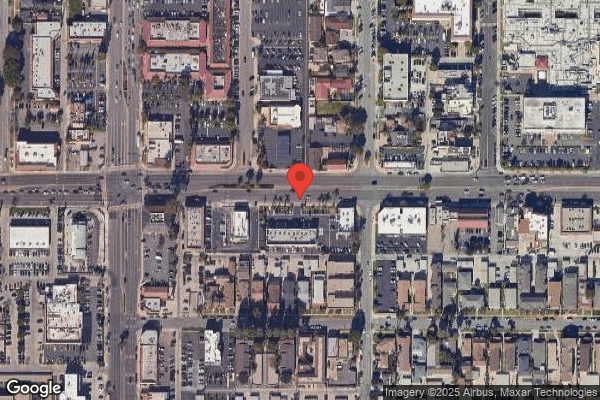

3902 KATELLA AVENUE, LOS ALAMITOS, CA 90720 (562) 596-5561
For profit - Partnership 150 Beds THE GOODMAN GROUP Data: November 2025
Trust Grade
60/100
#519 of 1155 in CA
Last Inspection: September 2024

Within standard 12-15 month inspection cycle. Federal law requires annual inspections.

Overview

Alamitos West Health & Rehabilitation has a Trust Grade of C+, indicating it is slightly above average among nursing homes. It ranks #519 out of 1,155 facilities in California, placing it in the top half, and #38 out of 72 in Orange County, meaning only a few local options are better. The facility is improving, with reported issues decreasing from 30 in 2024 to 12 in 2025, although it still has a below average staffing rating of 2 out of 5 stars. Notably, there have been zero fines, which is a positive sign, and the facility has decent RN coverage, ensuring better oversight of patient care. However, recent inspections revealed several concerns, including failure to follow dietary requirements for residents on mechanical diets and lapses in sanitary practices in the kitchen, which could lead to potential health risks. Overall, while Alamitos West has strengths in some areas, families should consider both its improvements and the specific concerns noted in the inspections.

Trust Score
C+
60/100
In California
#519/1155
Top 44%
Safety Record
Low Risk
No red flags
Inspections
Getting Better
30 → 12 violations
Staff Stability
○ Average
Turnover data not reported for this facility.
Penalties
✓ Good
No fines on record. Clean compliance history, better than most California facilities.
Skilled Nurses
⚠ Watch
Each resident gets only 25 minutes of Registered Nurse (RN) attention daily — below average for California. Fewer RN minutes means fewer trained eyes watching for problems.
Violations
⚠ Watch
69 deficiencies on record. Higher than average. Multiple issues found across inspections.
★★★☆☆
3.0
Overall Rating
★★☆☆☆
2.0
Staff Levels
★★★★☆
4.0
Care Quality
★★★☆☆
3.0
Inspection Score
Stable
2024: 30 issues
2025: 12 issues

The Good

  • 4-Star Quality Measures · Strong clinical quality outcomes
  • Full Sprinkler Coverage · Fire safety systems throughout facility
  • No fines on record

Facility shows strength in quality measures, fire safety.

The Bad

3-Star Overall Rating

Near California average (3.1)

Meets federal standards, typical of most facilities

Chain: THE GOODMAN GROUP

Part of a multi-facility chain

Ask about local staffing decisions and management

The Ugly 69 deficiencies on record

Aug 2025 4 deficiencies
MINOR (B) 📢 Someone Reported This

A family member, employee, or ombudsman was alarmed enough to file a formal complaint

Minor Issue - procedural, no safety impact

Quality of Care (Tag F0684)

Minor procedural issue · This affected multiple residents

**NOTE- TERMS IN BRACKETS HAVE BEEN EDITED TO PROTECT CONFIDENTIALITY** Based on observation, interview, medical record review, and facility P&P review, the facility failed to provide the necessary ca...

Read full inspector narrative →
**NOTE- TERMS IN BRACKETS HAVE BEEN EDITED TO PROTECT CONFIDENTIALITY** Based on observation, interview, medical record review, and facility P&P review, the facility failed to provide the necessary care and services to ensure one of three sampled residents (Resident 1) attained or maintained their highest practical physical well-being. * The facility failed to ensure Resident 1 was turned and repositioned every two hours as ordered by the physician. This failure had the potential to negatively impact the resident's well-being.Findings: Review of the facility's P&P titled Physicians Orders, Telephone Orders, and Recapitulation Process revised 7/2025 showed all orders must be specific and complete with all necessary details to carry out the prescribed order without question. Review of the facility's P&P titled Activities of Daily Living revised 5/2023 showed the interventions will be provided by the staff in accordance with the professional standards of qualify and clinical practice. The nursing assistants will provide assistance with the ADL's based on the resident's individualized plan of care. Medical record review for Resident 1 was initiated on 8/8/25. Resident 1 was admitted to the facility on [DATE]. Resident 1 had a diagnosis of Parkinson's disease (a chronic, progressive disorder of the brain that primarily affects movement due to the loss of dopamine-producing cells, resulting in symptoms like tremors, slowness of movement, and poor balance), contracture of the right ankle, and abnormalities in gait and mobility. Review of Resident 1's Order Summary Report showed a physician's order dated 4/18/25, to reposition the resident two hours on the left side, and two hours on the right side every four hours while in bed, every shift for to help leg involuntary contraction. Review of Resident 1's MDS assessment dated [DATE], the section for GG Functional Abilities showed the following:- 1 (indicating the resident is dependent) for lying to sitting on side of bed, sit to stand, chair/bed to chair transfer, tub/shower transfer;- 2 (indicating the resident needed substantial/maximal assistance) for rolling left to right, and sit to lying; and On 8/15/25 at 0847 hours, an observation was conducted in Resident 1's room. Resident 1 was observed lying on his back, with the head of the bed elevated On 8/15/25 at 0859 hours, an interview was conducted with CNA 1. When asked if Resident 1 is able to turn himself in bed, CNA 1 stated no, I have to help him. When asked how often he helps him, CNA 1 stated as needed, when he tells us. On 8/15/25 at 1028, 1128, and 1500 hours, Resident 1 was observed lying on his back, with the head of the bed elevated. On 8/15/25 at 1508 hours, an interview was conducted with CNA 1. When asked if Resident 1 had been repositioned, CNA 1 stated Resident 1 was only pulled up on the bed. On 8/19/25 at 1132 hours, an interview was conducted with CNA 3. When asked if Resident 1 was repositioned, CNA 3 stated yes. CNA 3 stated he tells me to put the pillow under his arms so he doesn't lean too much to one side. When asked if CNA 3 only rotates the pillow under his arms from left to right, CNA 3 stated yeah. When asked if CNA 3 repositioned Resident 1's body to the left or right side, CNA 3 stated no he doesn't like it. On 8/20/25 at 1647 hours, an interview was conducted with the DON. The DON was made aware and acknowledged the above findings. The DON stated Resident 1 preferred to be on his back. The DON further stated the order to reposition Resident 1 two hours on the left side, and two hours on the right side every four hours while in bed should have been discontinued.
MINOR (B) 📢 Someone Reported This

A family member, employee, or ombudsman was alarmed enough to file a formal complaint

Minor Issue - procedural, no safety impact

Medical Records (Tag F0842)

Minor procedural issue · This affected multiple residents

**NOTE- TERMS IN BRACKETS HAVE BEEN EDITED TO PROTECT CONFIDENTIALITY** Based on interview, medical record review, and facility P&P review, the facility failed to ensure the medical record was complet...

Read full inspector narrative →
**NOTE- TERMS IN BRACKETS HAVE BEEN EDITED TO PROTECT CONFIDENTIALITY** Based on interview, medical record review, and facility P&P review, the facility failed to ensure the medical record was complete and accurately maintained for one of three sampled residents (Resident 1). * The facility failed to ensure Resident 1's TAR (Treatment Administration Record) was complete for August 2025. * The facility failed to accurately document the oral hygiene provided to Resident 1. These failures had the potential for Resident 1's care needs not being met as their medical information was incomplete. Findings: Review of the facility's P&P titled Documentation revised 1/2019 showed the resident's clinical is a concise and accurate account of treatment, care, response to care, signs, symptoms, and progress of the resident's condition. Medical record review for Resident 1 was initiated on 8/8/25. Resident 1 was admitted to the facility on [DATE]. a. Review of Resident 1's TAR for August 2025 showed the following physician's orders without the entries from the licensed nurses:- on 8/9 and 8/10/25 at 0900 hours, to apply the fluocinonide (used to manage inflammation, itching, and redness associated with various skin conditions) external cream two times a day for generalized body itching;- on 8/9 and 8/10/25 at 0900 hours, to get the resident out of the bed to the wheelchair;- on 8/9/ and 8/10/25 for the day shift, to float the heels every shift due to the blanchable (a patch of red skin that turns white or pale when you press on it and returns to its normal color once pressure is removed, indicating that blood flow to the area is only temporarily restricted) redness on the bilateral heels;- on 8/10/25 for the NOC (night) shift, to float the heels every shift due to the blanchable redness on the bilateral heels;- on 8/9 and 8/10/25 at 0830 and 1330 hours, to brush/floss the resident's teeth after each meal;- on 8/9 and 8/10/25 for the day shift, to have the foot brace on at all time during the day shift;- on 8/9 and 8/10/25 for the day shift and 8/9/25 for the NOC shift, to monitor the left first digit ingrown toe nail every shift;- on 8/9 and 8/10/25 for the day shift and 8/9/25 for the NOC shift, to have the PRAFO (Pressure Relief Ankle Foot Orthosis) on the bilateral lower extremities at all times while in bed as tolerated. On 8/14/25 at 1609 hours, an interview and concurrent medical record review for Resident 1 was conducted with LVN 1. When asked what the missing documentation meant on the resident's TAR for August 2025, LVN 1 stated the licensed nurses did not chart (document). LVN 1 stated the TAR would show a check mark when the task was completed. However, when asked how the facility determined if the tasks were completed as ordered if the TAR was missing documentation, LVN 1 stated, I'm not sure. On 8/20/25 at 1647 hours, an interview was conducted with the DON. The DON verified the above findings. b. On 8/19/25 at 1104 hours, an interview was conducted with Resident 1. When asked if he had brushed his teeth, Resident 1 stated no they didn't not bring it to me. On 8/19/25 at 1140 hours, an observation and concurrent interview was conducted with CNA 3 of Resident 1's toothbrush and set-up. When asked where Resident 1's oral care set-up was, CNA 3 pointed to the top of the dresser on the right side of the bed. During the observation, CNA 3 was asked if she had set up the oral care supplies for Resident 1, CNA 3 stated, I don't think I did, I had two showers today. Review of Resident 1's Documentation Survey Report for August 2025 under the section for Intervention/Task - oral care brushing and flossing with dental cleaning after meals dated 8/19/25, showed a Y (yes) documentation at 0842 hours. On 8/20/25 at 1110 hours, a follow-up telephone interview was conducted with CNA 3. CNA 3 stated she documented Resident 1 was provided oral care on 8/19/25, during the day shift; however, CNA 3 acknowledged she did not provide an oral care to Resident 1. On 8/20/25 at 1647 hours, an interview was conducted with the DON. The DON was made aware and acknowledged the above findings.
MINOR (B) 📢 Someone Reported This

A family member, employee, or ombudsman was alarmed enough to file a formal complaint

Minor Issue - procedural, no safety impact

Infection Control (Tag F0880)

Minor procedural issue · This affected multiple residents

**NOTE- TERMS IN BRACKETS HAVE BEEN EDITED TO PROTECT CONFIDENTIALITY** Based on observation, interview, and facility P&P review, the facility failed to ensure the appropriate infection control practi...

Read full inspector narrative →
**NOTE- TERMS IN BRACKETS HAVE BEEN EDITED TO PROTECT CONFIDENTIALITY** Based on observation, interview, and facility P&P review, the facility failed to ensure the appropriate infection control practices designed to provide a safe and sanitary environment and help prevent the development and transmission of infections were implemented. * The facility failed to dispose the used gloves inside Shower room [ROOM NUMBER]. * The facility failed to place the soiled towel inside the dirty linen barrel. These failures posed the risk for the transmission of disease-causing microorganisms.Findings: Review of the facility's P&P titled Infection Prevention and Control Program revised 4/2025 showed the facility personnel will handle, store, process, and transport linens so as to prevent the spread of infection. The facility will use effective methods for the safe storage, transport and disposal of garbage, refuse and infectious waste, consistent with all applicable local, state, and federal requirements for such disposal. a. On 8/14/25 at 1229 hours, an observation and concurrent interview was conducted with the Account Manager in Shower room [ROOM NUMBER]. One used glove was observed on the sink and top of the toilet tank in Shower room [ROOM NUMBER]. The Account Manager verified and acknowledged the used gloves should have been disposed of properly. b. On 8/14/25 at 1256 hours, an observation and concurrent interview was conducted with the Account Manager in Shower room [ROOM NUMBER]. A white towel with grey and yellow-brownish stain was observed on the floor inside Shower room [ROOM NUMBER]. The Account Manager verified and acknowledged the towel should have been placed in the dirty linen barrel. On 8/20/25 at 1647 hours, an interview was conducted with the DON. The DON was made aware of the above findings. The DON stated the process for cleaning the shower rooms would include ensuring the shower rooms were free of used gloves and washcloths.
MINOR (B) 📢 Someone Reported This

A family member, employee, or ombudsman was alarmed enough to file a formal complaint

Minor Issue - procedural, no safety impact

Safe Environment (Tag F0921)

Minor procedural issue · This affected multiple residents

**NOTE- TERMS IN BRACKETS HAVE BEEN EDITED TO PROTECT CONFIDENTIALITY** Based on observation and interview, the facility failed to ensure to clean and disinfect three of three shower rooms. * The faci...

Read full inspector narrative →
**NOTE- TERMS IN BRACKETS HAVE BEEN EDITED TO PROTECT CONFIDENTIALITY** Based on observation and interview, the facility failed to ensure to clean and disinfect three of three shower rooms. * The facility failed to clean the shower heads for Shower rooms [ROOM NUMBER]. This failure had the potential risk of affecting the residents' health condition.Findings: On 8/13/25 at 1527 hours, an interview was conducted with Resident 2. Resident 2 stated inside Shower room [ROOM NUMBER], the showers look like there's poop. Medical record review for Resident 2 was initiated on 8/13/25. Resident 2 was admitted to the facility on [DATE]. On 8/14/25 at 1229 hours, an observation and concurrent interview was conducted with the Account Manager. An observation was conducted inside Shower rooms [ROOM NUMBER]. A dark brown residue on the lower half of the shower heads surrounding the water spickets was observed inside Shower rooms [ROOM NUMBER]. In addition, Shower room [ROOM NUMBER] was observed to have brown stains on the wall and on the shower head holder in the two shower stalls. When asked what the brown residue was, the Account Manager stated the water from the shower heads had a constant leak and needed to be replaced. The Account Manager verified the above findings. On 8/14/25 at 1515 hours, an interview was conducted with the Administrator, and DON. The Administrator stated there was discoloration on the shower heads, and the maintenance staff was stripping it and replacing the shower heads. The Administrator and DON acknowledged the above findings.
Jul 2025 2 deficiencies
CONCERN (D) 📢 Someone Reported This

A family member, employee, or ombudsman was alarmed enough to file a formal complaint

Potential for Harm - no one hurt, but risky conditions existed

Pressure Ulcer Prevention (Tag F0686)

Could have caused harm · This affected 1 resident

**NOTE- TERMS IN BRACKETS HAVE BEEN EDITED TO PROTECT CONFIDENTIALITY** Based on observation, interview, medical record review, facility P&P review, and facility document review, the facility failed t...

Read full inspector narrative →
**NOTE- TERMS IN BRACKETS HAVE BEEN EDITED TO PROTECT CONFIDENTIALITY** Based on observation, interview, medical record review, facility P&P review, and facility document review, the facility failed to ensure two sampled residents (Residents 3 and 4) was provided the necessary care and services as evidenced by: * The facility failed to continuously monitor Resident 3 after the resident had developed a right buttock pressure injury. * The facility failed to have the specific direction for the settings of the LAL mattress for Resident 4. These failures had the potential for the residents not to receive the appropriate care and services to promote skin healing.Findings: According to National Pressure Injury Advisory Panel (NPIAP) 2019 Clinical Practice Guideline, a support surface is a specialized device designed for pressure redistribution, microclimate management, and other therapeutic functions. These devices include mattresses, bed systems, overlays, and seat cushions. In low air loss mattresses, alternating air pressure mode provides pressure relief and redistribution by cyclically inflating and deflating air cells, promoting circulation and preventing pressure ulcers. Static mode, on the other hand, keeps the cells inflated at a constant pressure, offering a stable surface for patient care activities and transfers. Review of the facility's P&P titled Change in Condition revised 4/2025 showed the nurse will perform and document an assessment of the resident and identify the need for additional interventions, considering implementation of existing orders or nursing interventions or through communication with the resident/s provider using SBAR or similar process to obtain new orders or interventions. The resident will then be placed on the 24 hour report and nursing will provide no less than three days of observation, documentation, and response to any interventions. Review of the facility's P&P titled Quality of Care, Subject: Skin Management System revised 5/2020 showed to prevent the development of skin breakdown or prevent existing pressure injuries from worsening, nursing staff shall implement preventative approaches as appropriate and consistent with the resident's condition and preferences. Use pressure relieving/reducing and redistributing devices (including but not limited to low air loss mattresses, wedges, pillows, etc.). For air mattresses, settings will be based on resident's weight, if not, it will be set based on resident's comfort and/or preference. 1. On 7/3/25 at 1120 hours, an observation and concurrent interview was conducted with Resident 3. Resident 3 was observed awake and lying in bed. Resident 3 stated she had wound at her bottom and was receiving treatment for it. Resident 3 stated she refused being repositioned at times. Medical record review for Resident 3 was initiated on 7/3/25. Resident 3 was readmitted to the facility on [DATE]. Review of Resident 3's H&P examination dated 12/13/24, showed Resident 3 had the capacity to understand and make decisions. Review of Resident 3's plan of care revised on 7/2/25, showed a care plan problem addressing Resident 3's actual impairment to skin integrity. On 5/23/25, Resident 3 had a right buttock pressure injury and was reclassified as sacro-coccyx Stage 4 pressure injury on 6/10/25. The interventions included to observe and document the location, size and treatment of skin injury, report abnormalities, failure to heal, signs and symptoms of infection, maceration, etc., and report to the physician and notify Resident 3 and responsible party. Review of Resident 3's Progress Note on 5/23/25 at 1354 hours, showed Resident 3 was sent out to the acute care hospital ED due to low hemoglobin level, and at 2355 hours, Resident 3 returned to the facility in a stable condition. The body assessment was done with a new right buttock pressure injury. Further review of Resident 3's medical record failed to show documented evidence of continued monitoring/assessment for Resident 3's new right buttock pressure injury by the licensed nurses. Review of Resident 3's Skin Pressure Ulcer Weekly dated 5/27/25, showed Resident 3 had discoloration to the wound bed in the sacral coccyx, and the classification was unstageable. No drainage present, no foul odor, defined wound edges, and the peri-wound tissues was within normal limit of Resident 3. On 7/3/25 at 1426 hours, an interview and concurrent medical record review for Resident 3 was conducted with LVN 1. LVN 1 stated the treatment nurse did the skin weekly assessment every Tuesday. LVN 1 stated he was the one who did the weekly skin assessment for Resident 3 on 5/27/25. LVN 1 stated the correct location of the pressure injury found in Resident 3 on 5/23/25, was in the resident's sacral coccyx area and it was a DTI. LVN 1 stated it was considered a change in condition, and it should have been monitored every shift for 72 hours. LVN 1 verified the new pressure injury found in Resident 3 on 5/23/25, was not monitored continuously as per the facility protocol. On 7/8/25 at 1352 hours, a concurrent interview, medical record and facility document review was conducted with RN 1. RN 1 stated a new skin injury or abnormality was considered a change in condition. RN 1 stated the licensed nurses had to monitor the resident's wound for the measurement, severity of the wound, presence of discharges, bleeding and pain, if it was healing or worsening, or the resident's reaction to treatment every shift for 72 hours. RN 1 further stated if there was a change in condition assessed in the resident, the licensed nurses would record it in the facility's Change of Condition Book. RN 1 stated they had to document in the book the resident's name and room number, reason for charting, covered dates for the monitoring, and the shift when the change in condition happened. RN 1 stated on 5/23/25, Resident 3 was not a readmission because Resident 3 came back to the facility in less than 24 hours after being sent to the acute care hospital ED. RN 1 verified there was no change in condition monitoring completed or the change in condition on 5/23/25, was recorded in the Change of Condition Book for Resident 3. 2. Medical record review for Resident 4 was initiated on 7/8/25. Resident 4 was admitted to the facility on [DATE]. Review of Resident 4's H&P examination dated 4/28/25, showed Resident 4 had no capacity to make medical decisions. Review of Resident 4's Order Summary Report showed a physician's order dated 4/18/25, for LAL mattress for wound care and skin maintenance every shift. Review of Resident 4's Skin Pressure Ulcer Weekly dated 6/17/25, showed the Stage 3 pressure injury in the sacral coccyx was resolved and to begin skin maintenance and monitoring. Review of Resident 4's MDS assessment dated [DATE], showed Resident 4 had a short and long term memory problems, and was dependent in mobility. Review of Resident 4's plan of care revised on 7/3/25, showed a care plan problem addressing Resident 4's actual skin impairment to skin integrity related to fragile skin. The interventions included LAL mattress and two-hour repositioning to protect the skin while in bed. On 7/8/25 at 1240 hours, an observation was conducted for Resident 4. Resident 4 was sleeping in bed on a LAL mattress. The LAL mattress was observed set in static mode and the dial indicator with soft and firm sign was set to 5.5 bars. On 7/8/25 at 1345 hours, a concurrent observation and interview with Resident 4 and LVN 2 was conducted in Resident 4's room. Resident 4 was awake and still lying in bed on a LAL mattress with the same setting. Resident 4 closed his eyes and did not answer questions when asked. LVN 2 stated Resident 4 was confused. LVN 2 verified the LAL mattress was in static mode and the dial indicator with soft and firm sign was set to 5.5 bars. LVN 2 stated all the nurses and CNAs knew how to operate the LAL mattress. LVN 2 stated Resident 4 did not have any pressure injury anymore but had a diabetic ulcer in right great toe. LVN 2 stated the LAL mattress was used for skin maintenance to prevent any pressure injury. LVN 2 was asked how they determined what setting Resident 4's LAL mattress should be set at, LVN 2 stated if the order of the LAL mattress was for skin maintenance, it should be in a default setting, but she was not sure what it was. LVN 2 stated there was no standard procedure to follow for Resident 4's LAL mattress to determine if the setting was correct for the resident. LVN 2 further stated the static mode meant there was an alternating air pressure. On 7/8/25 at 1352 hours, an interview and concurrent medical record review was conducted with RN 1. RN 1 stated the LAL mattress order should show the setting based on the resident's weight. RN 1 stated Resident 4's weight record on 7/1/25 was 109 pounds. RN 1 stated when the LAL mattress was in static mode it meant all the mattress' panels were inflated making the mattress firm. RN 1 stated they would set the LAL mattress in static mode when the residents verbalized the mattress was too soft and if the residents requested to turn off the alternating air pressure mode. RN 1 stated if the resident had pressure injury, history of pressure injury or high risk for developing pressure injury, the ideal set up would be the alternating air pressure mode because it would allow the redistribution of air throughout the body. RN 1 stated they did not have the standard procedure or guideline for Resident 4's LAL mattress to determine if the setting was programmed properly. RN 1 further stated the licensed nurses were responsible in checking the setting of the LAL mattress every shift. RN 1 verified the nurses were documenting in the TAR the LAL mattress for Resident 4 was being checked. On 7/8/25 at 1625 hours, an interview was conducted with the Central Supply Director. The Central Supply Director stated he would be notified by the treatment nurse after the order for the LAL mattress was entered. The Central Supply Director stated he was responsible for installing the LAL mattress but the nurses were responsible for programming the setting. The Central Supply Director stated the LAL mattress was in static mode when the bed was fully inflated and was not providing alternate air pressure. The Central Supply Director stated static mode was better set when providing personal care or repositioning the residents. The Central Supply Director stated Resident 4's LAL mattress came from the hospice company when the resident was admitted prior to the hospice. The Central Supply Director stated the facility did not have the manufacturer's manual for Resident 4's LAL mattress, but he already changed it to a new one that had a weight indicator. On 7/9/25 at 1730 hours, an interview and concurrent medical review was conducted with the DON. The DON verified it was not a readmission when Resident 3 came back to the facility from the ER on [DATE] but a continuity of care. The DON stated the new right buttock pressure injury observed on 5/23/25, in Resident 3 was a change in condition and the monitoring should have been done every shift for 72 hours. The DON stated by doing so, the nurses would know if there would be further declined in the wound status and notify the physician and immediate intervention could be done to prevent further decline. The DON stated with the monitoring, the nurses could also determine if the treatment was effective or not and they could notify the physician. The DON stated the alternating air pressure mode in LAL mattress could reduce the risk of pressure injury by preventing prolonged pressure on any one area of the body and it promotes air circulation which could help in healing or preventing skin damage. The DON stated Resident 4 was the only one who was using the type or brand of LAL mattress he had. The DON verified there was no manufacturer's manual or standard procedure the nurses could refer to determine if Resident 4's LAL mattress was properly programmed.
CONCERN (D) 📢 Someone Reported This

A family member, employee, or ombudsman was alarmed enough to file a formal complaint

Potential for Harm - no one hurt, but risky conditions existed

Infection Control (Tag F0880)

Could have caused harm · This affected 1 resident

**NOTE- TERMS IN BRACKETS HAVE BEEN EDITED TO PROTECT CONFIDENTIALITY** Based on observation, interview, medical record review, and facility P&P review, the facility failed to implement the infection ...

Read full inspector narrative →
**NOTE- TERMS IN BRACKETS HAVE BEEN EDITED TO PROTECT CONFIDENTIALITY** Based on observation, interview, medical record review, and facility P&P review, the facility failed to implement the infection control practices designed to provide a safe and sanitary environment for one of one sampled resident (Resident 2) observed for wound care treatment. * LVN 1 and CNA 3 failed to don the gowns before starting the wound care treatment for Resident 2 who was on the EBP. This failure posed the risk of not preventing the transmission of infection to the other residents throughout the facility.Findings:Review of the facility's P&P titled IPCP Standard and Transmission-Based Precautions revised 4/2025 showed it is the policy of the facility to implement infection control measures to prevent the spread of communicable diseases and conditions. The Enhanced Barrier Protection (EBP) section showed the EBP is used in conjunction with the standard precautions and expand the use of PPE through the use of gown and gloves during high-contact resident care activities that provide opportunities for indirect transfer of MDROs to staff hands and clothing then indirectly transferred to residents or from resident-to-resident (example: residents with wounds and indwelling medical devices are at especially high risk of both acquisition of and colonization with MDROs). The use of gowns and gloves for high-contact resident care activities is indicated, when contact precautions do not otherwise apply, for nursing home residents. Wounds and/or indwelling medical devices regardless of known MDRO infection or colonization. Wounds include, but are not limited to chronic wounds, pressure injuries, diabetic foot ulcers, unhealed surgical wounds, and venous stasis ulcers. On 7/3/25 at 1000 hours, an observation was conducted for Resident 2. An EBP sign was observed outside Resident 2's room. The EBP sign showed the providers and staff must also wear gloves and gowns for the following high-contact resident care activities: dressing, bathing/showering, transferring, changing linens, providing hygiene, changing briefs or assisting with toileting, devices care or use, and wound care for any skin opening requiring a dressing. Resident 2 was observed awake but non-verbal and lying in bed. On 7/3/25 at 1030 hours, a wound care treatment observation for Resident 2 was conducted with LVN 1. LVN 1 stated CNA 3 would be assisting in turning Resident 2 during the wound care treatment. LVN 1 stated Resident 2 had a KTU in sacrococcyx area. LVN 1 was observed preparing all the wound care supplies at the bedside. CNA 3 was observed turning Resident 2 to the right side with gloves on but not wearing a gown. LVN 1 was observed donning new gloves after performing hand hygiene. LVN 1 was stopped when he was about to remove the old wound dressing of Resident 2. When asked if a gown was needed to be worn during the wound care treatment, LVN 1 stated they did not have to wear a gown during wound care treatment if the wound was not draining. LVN 1 proceeded with the wound care treatment without donning a gown. Medical record review for Resident 2 was initiated on 7/3/25. Resident 2 was readmitted to the facility on [DATE]. Review of Resident 2's H&P examination dated 6/23/25, showed Resident 2 did not have the capacity to understand and make decisions. Review of Resident 2's Order Summary Report showed a physician's order dated 7/3/25, to wear the following PPE for EBP for direct care (to refer to EBP sign for specific details): clean, non-sterile gown and gloves every shift. On 7/3/25 at 1245 hours, an interview was conducted with LVN 1. LVN 1 stated he and CNA 3 should have worn the gown as part of the PPE during the wound care treatment for Resident 2. LVN 1 verified Resident 2 needed to have an EBP for her chronic wound whether it was draining or not. LVN 1 further stated utilization of proper PPE for procedures like wound care treatment was very important for infection prevention and safety. On 7/9/25 at 1648 hours, an interview was conducted with the IP. The IP stated an EBP was needed to be observed during high-contact resident care activities like wound care, for residents with the indwelling medical devices or catheters, MDRO, and chronic wounds such as pressure or diabetic ulcers. The IP stated the staff needed to wear the gloves and gown during the wound care treatment when the resident was on EBP. The IP further stated there could be possible transmission of infection when the proper PPE was not utilized by the staff. The IP was informed of and acknowledged the above findings. On 7/9/25 at 1730 hours, an interview was conducted with the DON. The DON was informed of and acknowledged the above findings for Resident 2.
Apr 2025 3 deficiencies
CONCERN (D) 📢 Someone Reported This

A family member, employee, or ombudsman was alarmed enough to file a formal complaint

Potential for Harm - no one hurt, but risky conditions existed

Deficiency F0909 (Tag F0909)

Could have caused harm · This affected 1 resident

**NOTE- TERMS IN BRACKETS HAVE BEEN EDITED TO PROTECT CONFIDENTIALITY** Based on observation, interview, and medical record review, the facility failed to maintain the safe environment for three nonsa...

Read full inspector narrative →
**NOTE- TERMS IN BRACKETS HAVE BEEN EDITED TO PROTECT CONFIDENTIALITY** Based on observation, interview, and medical record review, the facility failed to maintain the safe environment for three nonsampled residents (Residents A, B, and C). * The facility failed to ensure Residents A, B, and C's bed wheels werelocked while the residents were in bed. This failure had the potential to result to injury while care was being provided. Findings: 1. Medical record review for Resident A was initiated on 3/7/25. Resident A was admitted on [DATE]. Resident a had a diagnosis of unspecified dementia with psychotic disturbance. Review of Resident A's Care Plan Report dated 7/9/24, showed a care plan problem for self-care deficit addressing Resident A requires assistance from the staff with ADL care. The interventions included the following: - dependent with bed mobility: roll left to right; - dependent with chair/bed to chair transfer; - dependent with personal hygiene; - dependent with shower transfer; - dependent with toilet transfer; - dependent with toileting hygiene. Further review of Resident A's Care Plan Report dated 9/17/21, showed the resident was potential for falls. On 3/7/25 at 1502 hours, an observation was conducted for Resident A. Resident A was observed lying in bed, and the bed wheels were unlocked. On 3/7/25 at 1507 hours, an observation and interview was conducted with CNA 1. CNA 1 verified Resident A's bed wheels were unlocked. 2. Medical record review for Resident B was initiated on 3/7/25. Resident B was admitted to the facility on [DATE], and readmitted on [DATE]. Resident B [NAME] diagnosis of obesity, difficulty walking, hemiplegia, and hemiparesis. Review of Resident B's Care Plan Report dated 11/11/24, showed a care plan problem was initiated on the following dates: - dated 11/11/24, for at risk due to trapeze bar as an enabler for positioning in bed. The interventions included for a trapeze bar while in bed to aid in mobility, and to define parameters for safety; - dated 8/12/23, for self-care deficit requires assist with ADL care. The interventions included the following: assistance with ADL care, positioning, and mobility; and substantial maximal assistance with bed mobility: roll left to right; and - dated 3/8/24, resident has potential for falls, had an assisted fall on 3/8/25. On 3/7/25 at 1514 hours, an observation was conducted for Resident B. Resident B was observed lying in bed with a trapeze bar over the head of bed, and the bed wheels unlocked. On 3/7/25 at 1516 hours, an observation and interview was conducted with LVN 1. LVN 1 verified Resident B's bed wheels were unlocked. 3. Medical record review for Resident C was initiated on 3/7/25. Resident C was admitted to the facility on [DATE]. Resident C had a diagnosis of dementia. Review of Resident C's Care Plan Report showed the following care plan problems: - dated 1/10/24, for resident has bowel incontinence related to immobility. The interventions included to provide the bedpan/bedside commode, and - revised 1/10/24, for self-care deficit, requiring assistance with ADL care. The interventions showed the resident was dependent on staff assistance with chair/bed to chair transfers; shower transfers; and toileting hygiene; and - revised 1/10/25, forpotential for falls. The interventions included to educate and/or provide cues, prompts, and reminders regarding safety precautions. On 3/7/25 at 1520 hours, a concurrent observation and interview was conducted with LVN 1. LVN 1 verified Resident C was observed in bed, and the bed wheels were unlocked. On 4/2/25 at 1346 hours, an interview was conducted with CNA 2. CNA 2 stated to ensure the safety of the residents in bed included the bed wheels to be locked. On 4/3/25 at 1505 hours, an interview was conducted with RN 1. RN 1 stated the process to ensure the resident'ssafety while in bed was to ensure the bed wheels were locked. On 4/4/25 at 1546 hours, the Administrator and DON was made aware and acknowledged the above findings.
MINOR (B) 📢 Someone Reported This

A family member, employee, or ombudsman was alarmed enough to file a formal complaint

Minor Issue - procedural, no safety impact

Deficiency F0557 (Tag F0557)

Minor procedural issue · This affected multiple residents

**NOTE- TERMS IN BRACKETS HAVE BEEN EDITED TO PROTECT CONFIDENTIALITY** Based on observation, interview, medical record review, and facility P&P review, the facility failed to ensure one of four sampl...

Read full inspector narrative →
**NOTE- TERMS IN BRACKETS HAVE BEEN EDITED TO PROTECT CONFIDENTIALITY** Based on observation, interview, medical record review, and facility P&P review, the facility failed to ensure one of four sampled residents (Resident 1) was treated with dignity and respect. This failure had the potential to negatively affect Resident 1's well-being. Findings: Review of the facility's P&P titled Promoting/Maintaining Resident Dignity revised 10/2022 showed to speak respectfully to theresidents. Medical record review for Resident 1 was initiated on 3/7/25. Resident 1 was admitted to the facility on [DATE], and readmitted on [DATE]. Review of Resident 1's MDS assessment dated [DATE], showed Resident 1 was cognitively intact with a BIMS score of 15 (cognitively intact). On 4/1/25 at 1059 hours, an observation was conducted of Resident 1. Resident 1 was observed sitting in his wheelchair at his doorway, calling CNA 3 asking for her name. CNA 3 turned around and stated her name. Resident 1 was observed calling CNA 3 by her name; however, CNA 3 did not respond and walked into another resident's room. When CNA 3 exited the other resident's room, Resident 1 began calling CNA 3 by her name again. CNA 3 turned around and responded to Resident 1 by stating what. On 4/1/25 at 1106 hours, an interview was conducted with CNA 3. When asked how she responded to Resident 1 when he called her name, CNA 3 stated, she said what. When asked if theresponse was respectful, CNA 3 stated, oh, we are always just chill. When asked if CNA 3 had cared for Resident 1 before, CNA 3 stated, oh yeah, all the time. On 4/1/25 at 1109 hours, an interview was conducted with Resident 1. When asked how he felt about CNA 3's response when he called her name, Resident 1 stated, I've been waiting for 30 minutes. When asked how he felt with CNA 3's response, Resident 1 stated, not 100%, I feel like I am working for her. On 4/2/25 at 1346 hours, an interview was conducted with CNA 2. When asked how the CNA would respond when a resident has a request, CNA 2 stated, to ask what do you need. When asked if responding what was respectable, CNA 2 stated, no, that's not okay. On 4/3/25 at 1505 hours, an interview with RN 1 was conducted. When asked if a staff member responded to a resident's call by stating what was appropriate, RN 1 stated no, and if it was witnessed, RN 1 further stated he would pull the staff out of the room and let them vent out their frustrations to him and not in the resident's room. On 4/3/25 at 1601 hours, an interview was conducted with the DON. The DON stated, responding to the residents stating what was not acceptable, the staff should go up to the resident and say, can I help you, do you need anything. On 4/4/25 at 1546 hours, the Administrator and DON was made aware and acknowledged the above findings.
MINOR (B) 📢 Someone Reported This

A family member, employee, or ombudsman was alarmed enough to file a formal complaint

Minor Issue - procedural, no safety impact

Menu Adequacy (Tag F0803)

Minor procedural issue · This affected multiple residents

**NOTE- TERMS IN BRACKETS HAVE BEEN EDITED TO PROTECT CONFIDENTIALITY** Based on observation, interview, facility document review, and facility P&P review, the facility failed to ensure the food prefe...

Read full inspector narrative →
**NOTE- TERMS IN BRACKETS HAVE BEEN EDITED TO PROTECT CONFIDENTIALITY** Based on observation, interview, facility document review, and facility P&P review, the facility failed to ensure the food preferences were followed for one of four sampled residents (Resident 1). This failure had the potential to negatively impact the resident's well-being. Findings: Review of the facility's P&P titled Food and Nutrition Services revised 4/2025 showed is the policy of this facility to assure that the menus are developed and prepared to meet the nutritional needs of the residents, and resident choices including their nutritional, religious, cultural, and ethnic needs while using established national guidelines. Medical record review for Resident 1 was initiated on 3/7/25. Resident 1 was admitted to the facility on [DATE], and readmitted on [DATE] Review of Resident 1's MDS assessment dated [DATE], showed Resident 1 was cognitively intact with a BIMS score of 15 (indicating cognitively intact). On 4/2/25 at 1218 hours, a concurrent meal observation, interview, and meal ticket review was conducted with Resident 1 and CNA 2. Resident 1 stated his meal tray was missing the whole milk. Review of Resident 1's Meal Ticket for lunch on 4/2/25, showed the beverages of 4 oz. orange juice, 4 oz. prune juice, and 8 oz. whole milk. CNA 2 verified the whole milk was missing from Resident 1's meal tray. CNA 2 further stated she also had to retrieve Resident 1's whole milk from the kitchen for his breakfast. On 4/3/25 at 1443 hours, an interview and concurrent review of Resident 1's Meal Ticket for lunch on 4/2/25 was conducted with the DSS. The DSS verified Resident 1 was to receive the whole milk and all the items listed on the meal ticketshould be served. On 4/4/25 at 1546 hours, the Administrator and DON was made aware and acknowledged the above findings.
Jan 2025 3 deficiencies
CONCERN (D) 📢 Someone Reported This

A family member, employee, or ombudsman was alarmed enough to file a formal complaint

Potential for Harm - no one hurt, but risky conditions existed

Notification of Changes (Tag F0580)

Could have caused harm · This affected 1 resident

**NOTE- TERMS IN BRACKETS HAVE BEEN EDITED TO PROTECT CONFIDENTIALITY** Based on interview, medical record review, and the facility P&P review, the facility failed to notify the physician of thechange...

Read full inspector narrative →
**NOTE- TERMS IN BRACKETS HAVE BEEN EDITED TO PROTECT CONFIDENTIALITY** Based on interview, medical record review, and the facility P&P review, the facility failed to notify the physician of thechanges in the resident's status for one of four sampled residents (Resident 1). * The facility failed to notify the physician that Resident 1 had been refusing the bowel management medications from 1/1-1/3/25. This failure had the potential for the resident not to receive the necessary care and services which would negatively affect the resident's well-being. Findings: Review of the facility's P&P titled Change in Resident Condition dated 10/14/24, showed a change in the resident condition is reported as soon as practical Medical record review for Resident 1 was initiated on 1/3/25. Resident 1 was initially admitted to the facility on [DATE]. Review of Resident 1's Bowel Elimination record showed the resident had a bowel movement on 1/1/25 at 0830 hours. Further review of the bowel elimination record showed Resident 1's next bowel movement was on 1/4/25 at 2051 hours. Review of Resident 1's MAR for December 2024, showed the following physician's orders: - on 9/24/24, for docusate sodium (a stool softener) by mouth twice a day, bisacodyl (a laxative) one 10 mg suppository as needed for bowel protocol, and Lactulose Oral Solution 10 gm/ml 30 ml by mouth as needed for constipation; - on 10/22/24, for Milk of Magnesia Suspension (laxative) 2400 mg by mouth every 24 hours as needed for constipation; - on 10/31/24, for Fleets Saline enema 7-19 GM/197 ml rectally for constipation if the suppository ineffective; and - on 11/21/24, for psyllium (a fiber supplement) one capsule twice a day for bowel management; Review of Resident 1's Progress Notes showed the following: - on 1/1/25 at 2312 hours, Resident 1 refused the stool softener three times; - on 1/2/25 at 2246 hours, Resident 1 refused the stool softener three times; - on 1/3/25 at 1531 hours, Resident 1 was offered and refused the prn bowel management medications for no bowel movement. The note further showed the resident's family member requested the medication to be administered on 1/4/25, because it was Resident 1's shower day. However, there was no documented evidence the physician was informed of the resident's refusal of stool softener medication from 1/1 - 1/3/25. Further review of the progress notes showed the following: - on 1/3/25 at 2254 hours, Resident 1 was administered the stool softener but still had not had a bowel movement. The noted further showed Resident 1 wanted the bowel management prn medications on 1/4/25, before his shower; - on 1/4/25 at 1536 hours, Resident 1 still did not have a bowel movement but wanted to wait until tonight to see if he could have a bowel movement; - on 1/4/25 at 2331 hours, Resident 1 had one large, formed bowel movement and one medium soft bowel movement; - on 1/5/25 at 0130 hours, Resident 1 was administered acetaminophen (a pain medication) 750 mg for mild pain; and - on 1/5/25 at 0430 hours, the resident complained of pain level of 10 (based on 0-10 pain scale, 0 = no pain and 10 = severe pain) between his lower ribs and pelvis and wanted to go to the hospital. The staff called Family Member 1 who came to the facility and stated the resident did not look well and requested the resident go to the hospital. The physician was notified and the resident was transferred out to the hospital at 0530 hours. Review of Resident 1's ED Note dated 1/5/25, showed the CTimaging showing diverticulitis (inflammation or infection of the digestive tract) with an abscess (a confined pocket of pus) and an associated ileus (inability of the intestine to contract normally and move waste out of the body) versus a small bowel obstruction (intestines becomes blocked, preventing stool from passing.) On 1/23/25 at 0851 hours, an interview and concurrent record review was conducted with the DON. The DON stated if the resident had no bowel movement and refusing the bowel management medications, the physician should have been notified.
CONCERN (D) 📢 Someone Reported This

A family member, employee, or ombudsman was alarmed enough to file a formal complaint

Potential for Harm - no one hurt, but risky conditions existed

Accident Prevention (Tag F0689)

Could have caused harm · This affected 1 resident

**NOTE- TERMS IN BRACKETS HAVE BEEN EDITED TO PROTECT CONFIDENTIALITY** Based on interview, medical record review, and the facility P&P review, the facility failed to ensure the necessary care and ser...

Read full inspector narrative →
**NOTE- TERMS IN BRACKETS HAVE BEEN EDITED TO PROTECT CONFIDENTIALITY** Based on interview, medical record review, and the facility P&P review, the facility failed to ensure the necessary care and services for two of two sampled residents (Resident 2 and 4) to prevent the elopement. * The facility failed to update the elopement assessment when Resident 2 had an increased on wandering behavior resulting in the use of Wander Guard. * The facility failed to ensure Resident 4's elopement risk assessments were completed quarterly as per the facility's P&P. These failures posed a risk for Residents 2 and 4 not to receive the necessary care and services to prevent elopement. Findings: Review of the facility's P&P titled Accident Prevention and Supervision revised 10/7/24, showed the resident environment remains as free of accident hazards as possible; and each resident will receive adequate supervision to prevent accidents and will include the following: - identifying hazard(s) and risk(s); - evaluating and analyzing hazard(s) and risk(s); - implementing interventions to reduce hazard(s) and risk(s); and - monitoring for effectiveness and modifying interventions when necessary. Review of the facility's P&P titled Elopement Risk Evaluation revised on 10/14/24, showed the residents will be assessed for elopement and throughout their safety by the interdisciplinary care planning team. The facility is equipped with door locks/alarms to help avoid elopements. Elopement occurs when a resident leaves the premises or a safe area without authorization and/or any necessary supervision to do so. The section for Efforts to Prevent Elopement included the interdisciplinary care team will assess resident for risk of elopement risk on admission, readmission, quarterly with the MDS processand as needed, when a change of condition occurs where the resident might seek out exit doors of the facility. 1. Medical record review for Resident 2 was initiated on 1/22/25. Resident 2 was admitted to the facility on [DATE]. Review of Resident 2's Initial H&P examination dated 1/17/25, showed Resident 2 had dementia and did not have capacity to understand and make decisions. Review of Resident 2's Elopement Risk Scale dated 1/15/25, showed Resident 2 was at low risk for elopement. The section for History for Wandering showed Resident 2 had episode of wandering/seeking to find someone or something and no history of elopement or leaving the facility without assistance. Review of Resident 2's Clinical Note dated 1/17/25 at 1634 hours, showed Resident 2 had multiple episodes of getting out of bed unassisted, going into other residents' rooms and walking down the hallway. Review of Resident 2's Clinical note dated 1/17/25 at 1742 hours, showed the staff notified Family Member 2 that a Wander Guard alarm was placed on the Resident 2's left wrist. On 1/23/25 at 0851 hours, an interview and concurrent medical record review was conducted with the DON. The DON stated an elopement assessments should be done on admission, quarterly and as needed for changes in wandering/elopement behaviors. The DON verified Resident 2's elopement risk evaluation was completed upon admission on [DATE]. However, when Resident 2 exhibited increased wandering behaviors resulting in the use of Wander Guard on 1/17/25, the DON further stated a new elopement risk evaluation should have been completed. 2. Medical record review for Resident 4 was initiated on 1/22/25. Resident 4 was admitted to the facility on [DATE]. Review of Resident 4's Elopement Risk Scale dated 3/31/23, showed the Resident 4 was not at risk for elopement. Review of Resident 4's H&P examination dated 4/18/24, showed Resident 2 had dementia. Review of Resident 4's Clinical Note dated 6/28/24 at 1211 hours, showed Resident 4 was seen outside the facility's back door, and Resident 4 did not know where he was. The note further showed a Wander Guard braceletwas attached to Resident 4's wheelchair. Review of Resident 4's Elopement Risk Scale dated 1/19/25 at 1358 hours, showed Resident 4 was a high elopement risk. The assessment showed Resident 4 kept wheeling his wheelchair to the exits, attempted to leave the facility, and verbalized wanting to go home. The section for interventions showed a Wander Guard was in place. Further review of Resident 4's medical record showed no other elopement risk assessments were completed. Review of Resident 4's Clinical Noted dated 1/19/25 at 1557 hours, showed around 1300 hours, the CNA reported the resident attempted to leave the facility, and a Wander Guard braceletwas placed on Resident 4's left ankle. Review of Resident 4's MDS assessments showed the following: - on 4/6/23, an admission assessment was completed, with a correlating elopement assessment done 3/31/23; and - on 7/5 and 10/4/23; 1/3, 4/3, 7/3 and 10/2/24; and 1/1/25, the quarterly or annual MDS assessment showed the elopement risk assessment were not completed. On 1/23/25 at 0851 hours, an interview and concurrent medical record review was conducted with the DON. The DON verified the elopement risk assessments in Resident 4's medical record were the admission assessment completed on 3/31/23, and another assessment on 1/19/25, when the Resident 4 had an actual elopement attempt. The DON verified the resident's Elopement Risk Assessments were not completed quarterly. The DON verified Resident 4 had an elopement attempt on 6/28/24, with a Wander Guard in place, which was discontinued on 8/1/24. The DON stated the elopement risk assessments should have been completed on 6/28/24 and 8/1/24, to capture the changes in Resident 4's elopement risk and needed interventions.
MINOR (B) 📢 Someone Reported This

A family member, employee, or ombudsman was alarmed enough to file a formal complaint

Minor Issue - procedural, no safety impact

Resident Rights (Tag F0550)

Minor procedural issue · This affected multiple residents

**NOTE- TERMS IN BRACKETS HAVE BEEN EDITED TO PROTECT CONFIDENTIALITY** Based on interview, medical record review, and the facility P&P review, the facility failed to ensure the resident's rights were...

Read full inspector narrative →
**NOTE- TERMS IN BRACKETS HAVE BEEN EDITED TO PROTECT CONFIDENTIALITY** Based on interview, medical record review, and the facility P&P review, the facility failed to ensure the resident's rights were respected for one of four sampled residents (Resident 1). * The facility failed to ensure Resident 1's medications were administered as per Resident 1 and family member's request. This failure had the potential to negatively affect the residents' well-beinig. Findings: Review of the facility's P&P titled Resident Rights revised 1/11/25, showed the resident has the right to and the facility must promote and facilitate self-determination through supporting the resident's choices including the resident's right to make choices about aspects of his life in the facility. Medical record review for Resident 1 was initiated on 1/3/25. Resident 1 was initially admitted to the facility on [DATE]. Review of Resident 1's MAR for January 2025 showed Resident 1's medications were administered at the following dates and times: - on 1/1 to 1/4/25 at 1300 hours, Resident 1 received the cholecalciferol (a supplement) 2000 units by mouth daily and cyanocobalamin (a supplement) 1000 mcg by mouth daily. - on 1/12/25 at 0900 hours, Resident 1 received the cholecalciferol 2000 units by mouth daily and cyanocobalamin 1000 mcg by mouth daily. However, there was no documented evidence why the administration time had changed from 1300 hours to 0900 hours, after 1/4/25. Additionally, Resident 2's MAR for January 2025 showed the following medications were administered on 1/12/25 at 0900 hours: - folic acid (a supplement) one tablet by mouth daily; - finasteride (a medication to treat an enlarged prostate) 5 mg by mouth daily; and - carbidopa-levodopa (a medication used for Parkinson's, a chronic brain disorder that causes movement problems, stiffness, and tremors) 25-100 mg two tablets by mouth daily. Therefore, Resident 1 received these five medications at 0900 hours. On 1/23/25 at 0851 hours, an interview and concurrent record review was conducted with the DON. The DON was asked why Resident 1's medication administration times were changed. The DON stated the facility had changed Resident 1's medication schedules a few months ago to spread out the medication administration times per the resident and family's request. The DON stated Resident 1 was transferred to the hospital on 1/5/25, and retuned on 1/11/25. The DON further stated when Resident 1 returned from the hospital, the medication administration time for the cholecalciferol and cyanocobalamin medications were changed from the previously administered times. The DON stated Resident 1's medications should have been resumed at the previously scheduled time per Resident 1 and family's request. On 1/24/25 at 1101 hours, an interview was conducted with LVN 3. LVN 3 stated she administered Resident 2's medication on 1/12/25 at 0900 hours, as scheduled in the electronic MAR. LVN 3 stated Family Member 1 called to make sure Resident 1's medication administration times were still spread out like how they were previously. LVN 3 stated somehow the medication administration times were scheduled at 0900 hours, when Resident 1 returned from the hospital. LVN 3 further stated Resident 1 was also on antibiotics and receiving even more medications than the previous week. On 1/24/25 at 1138, a telephone interview was conducted with Family Member 1. Family Member 1 stated he called the facility prior to Resident 1's readmission to discuss Resident 1's medications, but the facility would not talk to him since Resident 1 was still in the hospital. Family Member 1 stated when he called the facility again on 1/12/25, the nurse had already administered the 0900 hours medications, including the medications that should have been administered at a later time to space out all the medication.
Dec 2024 6 deficiencies
CONCERN (D) 📢 Someone Reported This

A family member, employee, or ombudsman was alarmed enough to file a formal complaint

Potential for Harm - no one hurt, but risky conditions existed

Incontinence Care (Tag F0690)

Could have caused harm · This affected 1 resident

**NOTE- TERMS IN BRACKETS HAVE BEEN EDITED TO PROTECT CONFIDENTIALITY** Based on interview, medical record review, and facility P&P review, the facility failed to ensure one of three sampled residents...

Read full inspector narrative →
**NOTE- TERMS IN BRACKETS HAVE BEEN EDITED TO PROTECT CONFIDENTIALITY** Based on interview, medical record review, and facility P&P review, the facility failed to ensure one of three sampled residents (Resident 1) received the appropriate treatment and services to prevent the urinary tract infections to the extent possible. * The facility failed to provide the daily indwelling urinary care to Resident 1 after his indwelling urinary catheter was inserted on 11/21/24. This failure posed the risk for Residents 1 to develop catheter-associated urinary tract infections. Findings: Review of the facility's P&P titled Urinary Catheters reviewed 10/14/24, showed documentation in the medical record should show continual assessment for use of the catheter. Staff will follow current standards of practice when handling catheters, the urine collection bag is kept below the level of the bladder and off the floor, the urinary catheter tubing is unobstructed and free of kinking, and appropriate technique is used when emptying the catheter bag. Medical record review for Resident 1 was initiated on 12/4/24. Resident 1 was admitted to the facility on [DATE], and readmitted on [DATE]. Review of Resident 1's H&P examination dated 9/26/24, showed Resident 1 had a fluctuating capacity to understand and make decisions. Review of Resident 1's MDS Annual assessment dated [DATE], showed the BIMS score of 12 (moderate cognitive impairment). Review of Resident 1's TAR for November 2024 showed the following physician's orders: - on 11/21/24, may insert indwelling urinary catheter 16 Fr/10 cc due to urinary retention. - on 11/25/24, to cleanse the indwelling urinary catheter site with NSS and provide perineal care QD and PRN. On 12/3/24 at 1645 hours, an interview was conductedwith Family Member 1. Family Member 1 stated the indwelling urinary catheter was inserted on 11/21/24, and was never checked and cleaned. Family Member 1 further stated Resident 1 had a bruise (purplish discoloration) on the penis observed when Family Member 1 accompanied the resident to the urologist appointment, and no one had reported about it. 12/4/24 at 1259 hours, an interview was conducted with Resident 1. Resident 1 stated he had an indwelling urinary catheter for few days and the staff had never checked and cleaned the site. On 12/5/24 at 1438 hours, an interview and concurrent medical record review was conducted with LVN 3. LVN 3 verified the indwelling urinary catheter care was not ordered until 11/25/24. LVN 3 stated the indwelling urinary catheter was inserted on 11/21/24, and no catheter care treatmentwas rendered until 11/26/24, five days after it was inserted. On 12/12/24 at 1545 hours, an interview was conducted with the DON. The DON stated the indwelling urinary catheter care should have been ordered upon theinsertion of the indwelling urinary catheter. The DON further stated she expectedthe nurses to assess the catheter site for redness, discoloration, and signs and symptoms of infection when providing the treatment for the indwelling urinary catheter. The DON was informed and acknowledged of the above findings.
CONCERN (D) 📢 Someone Reported This

A family member, employee, or ombudsman was alarmed enough to file a formal complaint

Potential for Harm - no one hurt, but risky conditions existed

Deficiency F0757 (Tag F0757)

Could have caused harm · This affected 1 resident

**NOTE- TERMS IN BRACKETS HAVE BEEN EDITED TO PROTECT CONFIDENTIALITY** Based on interview, medical record review, and facility P&P review, the facility failed to ensure one of three sampled residents...

Read full inspector narrative →
**NOTE- TERMS IN BRACKETS HAVE BEEN EDITED TO PROTECT CONFIDENTIALITY** Based on interview, medical record review, and facility P&P review, the facility failed to ensure one of three sampled residents (Resident 1) was free from the unnecessary drugs. * Resident 1 was administered the docusate sodium (stool softener) medication when Resident 1 had loose bowel movement or diarrhea. This failure had the potential for Resident 1 to receive unnecessary medication and experience adverse effects from the medication. Findings: Review of the facility's P&P titled Medication Administration reviewed 10/14/24, showed the medications are administered in accordance with the attending physician's written orders. Medical record review for Resident was initiated on 12/4/24. Resident 1 was admitted to the facility on [DATE], and readmitted on [DATE]. Review of Resident 1's H&P examination dated 9/26/24, showed Resident 1 had a fluctuating capacity to understand and make decisions. Review of Resident 1's MDS Annual assessment dated [DATE], showed the BIMS score of 12 (moderate cognitive impairment). Review of Resident 1's Order Summary Report showed a physician's order dated 9/24/24, to administer docusate sodium 100 mg one tabletby mouth two times a day for supplement and hold the medication for loose bowel movement. Review of Resident 1's Task for Bowel Elimination showed the resident had loose stool or diarrhea on the following dates and times: - 11/20/24 at 1934 hours; - 11/21/24 at 0659, 0933, 1334, and 1345 hours; - 11/22/24 at 0655 and 1128 hours; and - 11/24/24 at 1018 hours. Review of Resident 1's MAR for November 2024 showed the docusate sodium medication was administered on the following dates and times: - 11/21/24 at 0900 and 1700 hours; - 11/22/24 at 0900 hours; - 11/23/24 at 0900 and 1700 hours; and - 11/24/24 at 0900 and 1700 hours. On 12/12/24 at 1122 hours, an interview and a concurrent medicalrecord review was conducted with LVN 2. LVN 2 verified she worked on 11/21/24. LVN 2 stated she did not receive a report from the previous shift that Resident 1 having diarrhea or loose stools; and the CNA did not report anything to her during her shift. LVN 2 verified she administered the medication on 11/21/24 at 0900 hours. On 12/12/24 at 1545 hours, an interview and concurrent medical record review was conducted with the DON. The DON verified Resident 1's MAR for November 2024 showed Resident 1 received docusate sodium when the resident had loose bowel movement or diarrhea as documented in Resident 1'sTASK – Bowel Elimination. The DON stated the nurses should have checked the resident's bowel movement pattern prior to the administration of docusate sodium.
MINOR (B) 📢 Someone Reported This

A family member, employee, or ombudsman was alarmed enough to file a formal complaint

Minor Issue - procedural, no safety impact

Deficiency F0558 (Tag F0558)

Minor procedural issue · This affected multiple residents

**NOTE- TERMS IN BRACKETS HAVE BEEN EDITED TO PROTECT CONFIDENTIALITY** Based on interview and medical record review, the facility failed to meet the needs and preferences for one of three sampled res...

Read full inspector narrative →
**NOTE- TERMS IN BRACKETS HAVE BEEN EDITED TO PROTECT CONFIDENTIALITY** Based on interview and medical record review, the facility failed to meet the needs and preferences for one of three sampled residents (Resident 1). * The facility failed to provide Resident 1 a bath when he requested a bath on 11/24/24. This failure led to the resident feeling frustrated, which posed the risk to negatively impact the resident's physical and emotional well-being. Findings: Review of the facility's P&P titled Accommodation of Needs reviewed on 10/7/24, showed the facility shall evaluate and make reasonable accommodations for the individual needs and preferences of a resident, except when the health and safety of the individual or other residents would be endangered. Medical record for Resident 1 was initiated on 12/4/24. Resident 1 was admitted to the facility on [DATE], and readmitted on [DATE]. Review of Resident 1's History and Physical examination dated 9/26/24, showed Resident 1 had a fluctuating capacity to understand and make decisions. Review of Resident 1's MDS Annual assessment dated [DATE], showed the BIMS score of 12 (moderate cognitive impairment). On 12/3/24 at 1645 hours, a telephone interview was conducted with Resident 1's family member. Family Member 1 stated Resident 1 returned from the hospital on [DATE], and refused the shower as scheduled on that day. Family Member 1 further stated Resident 1 requested for a bath on 11/24/24;however, Resident 1 was not given a shower until 11/25/24, because the CNA assigned to the resident worked a double shift and needed to go to break. Review of Resident 1's Task ADL – Bathing failed to show a bath was given to Resident 1 on 11/24/24 as requested. On 12/4/24 at 1259 hours, an interview was conducted with Resident 1. Resident 1 stated he felt frustrated when he requested for a bath because he wanted to feel clean, and the staff did not help him. On 12/11/24 at 1507 hours, an interview and concurrent medical record review was conducted with the DSD. The DSD verified the task would only show the bathing on the day when a bath was given to the resident. The DSD verified Resident 1's Task ADL – Bathing failed to show a bath was given to Resident 1 on 11/24/24, as requested. On 12/12/24 at 0900 hours, a follow-up interview was conducted with the DSD. The DSD stated the facility would accommodate the resident's request. If a bath was given to the resident, it should have been documented. On 12/12/24 at 0919 hours, a telephoneinterview was conducted with LVN 4. LVN 4 stated he asked the RNA to give a bath to Resident 1 on 11/24/24; however, LVN 4 didnot remember who the RNA was on 11/24/24. LVN 4 further stated he did not know if Resident 1 received a bath on that day. On 12/12/24 at 1545 hours, an interview and a concurrent medical record review was conducted with the DON. The DON stated the facility would accommodate any request for a bath. The DON verified Resident 1's Task ADL – Bathing failed to show a bath was given to Resident 1 on 11/24/24, as requested. The DON was informed and acknowledged of the above findings.
MINOR (B) 📢 Someone Reported This

A family member, employee, or ombudsman was alarmed enough to file a formal complaint

Minor Issue - procedural, no safety impact

Comprehensive Care Plan (Tag F0656)

Minor procedural issue · This affected multiple residents

**NOTE- TERMS IN BRACKETS HAVE BEEN EDITED TO PROTECT CONFIDENTIALITY** Based on interview, medical record, and facility P&P review, the facility failed to develop the comprehensive plan of care to re...

Read full inspector narrative →
**NOTE- TERMS IN BRACKETS HAVE BEEN EDITED TO PROTECT CONFIDENTIALITY** Based on interview, medical record, and facility P&P review, the facility failed to develop the comprehensive plan of care to reflect the individual care needs for one of three sampled residents (Resident 1). * The facility failed to develop a care plan problem to address Resident 1's change in condition on 11/11/24, when Resident 1 had mild weakness and flushed face. This failure posed the risk of Resident 1 not to receive the appropriate, consistent, and individualized care. Findings: Medical record review for Resident 1 was initiated on 12/4/24. Resident 1 was admitted to the facility on [DATE], and readmitted on [DATE]. Review of Resident 1's H&P examination dated 9/26/24, showed Resident 1 had a fluctuating capacity to understand and make decisions. Review of Resident 1's MDS Annual assessment dated [DATE], showed the BIMS score of 12 (moderate cognitive impairment). Review of Resident 1's Progress Notes dated 11/11/24 at 0923 hours, showed Resident 1 had mild weakness and flushed face. Review of Resident 1's Care Plan failed to show a plan of care problem was developed to address Resident 1's change in condition on 11/11/24, when the resident had mild weakness and flushed face. On 12/5/24 at 1124 hours, an interview and concurrent record review was conducted with LVN 2. LVN 2 stated Resident 1 had mild weakness and his face appeared flush on 11/11/24. LVN 2 verified Resident 1's plan of care failed to show a care plan problem was initiated for Resident 1's change of condition on 11/11/24. On 12/5/24 at 1153 hours, an interview and concurrent record review was conducted with RN 1. RN 1 verified Resident 1's care plan problem was not initiated for Resident 1's change in condition. On 12/12/24 at 1545 hours, an interview was conducted with the DON. The DON was informed and acknowledged of the above findings.
MINOR (B) 📢 Someone Reported This

A family member, employee, or ombudsman was alarmed enough to file a formal complaint

Minor Issue - procedural, no safety impact

Pharmacy Services (Tag F0755)

Minor procedural issue · This affected multiple residents

**NOTE- TERMS IN BRACKETS HAVE BEEN EDITED TO PROTECT CONFIDENTIALITY** Based on observation, interview, medical record review, and facility P&P review, the facility failed to ensure the accurate admi...

Read full inspector narrative →
**NOTE- TERMS IN BRACKETS HAVE BEEN EDITED TO PROTECT CONFIDENTIALITY** Based on observation, interview, medical record review, and facility P&P review, the facility failed to ensure the accurate administration of the medications was provided to one of three sampledresidents (Resident 1). * The facility failed to ensure Resident 1's psyllium (a soluble fiber used primarily as a gentle bulk-forming laxative) wasadministered as ordered by the physician. This failure had the potential to negatively affect Resident 1's well-being. Findings: Review of the facility's P&P titled Medication Administration reviewed 10/14/24, showed medications are administered in accordance with the written orders of the attending physician. Medical record review forResident 1 was initiated on 12/4/24. Resident 1 was admitted to the facility on [DATE], and readmitted on [DATE]. Review of Resident 1's H&P examination dated 9/26/24, showed Resident 1 had a fluctuating capacity to understand and make decisions. Review of Resident 1's MDS Annual assessment dated [DATE], showed the BIMS score of 12 (moderate cognitive impairment). Review of Resident 1's Order Summary Report showed a physician's order dated 11/21/24, to administer psyllium one capsule by mouth two times a day. Review of Resident 1's MAR for November 2024 showed the psyllium medication was to be administered at 0900 and 1700 hours, starting 11/21/24 hours. Review of Resident 1's Progress Notes on 11/26/24 at 1231hours, showed the pharmacy delivered a wrong medication bubble pack containing two psyllium capsules. Further review of Resident 1's progress notes dated 11/26/24 at 1302 hours, showed Resident 1 received extra one capsule of psyllium on 11/21, 11/22, 11/24 and 11/25/24 at 1700 hours. On 12/12/24 at 1545 hours, an interview and concurrent medical record review was conducted with the DON. The DON verified Resident 1 received one extra capsule of psyllium on the above dates.
MINOR (B) 📢 Someone Reported This

A family member, employee, or ombudsman was alarmed enough to file a formal complaint

Minor Issue - procedural, no safety impact

Medical Records (Tag F0842)

Minor procedural issue · This affected multiple residents

**NOTE- TERMS IN BRACKETS HAVE BEEN EDITED TO PROTECT CONFIDENTIALITY** Based on interview, medical record review, and facility P&P review, the facility failed to ensure the medical records for three ...

Read full inspector narrative →
**NOTE- TERMS IN BRACKETS HAVE BEEN EDITED TO PROTECT CONFIDENTIALITY** Based on interview, medical record review, and facility P&P review, the facility failed to ensure the medical records for three of three sampled residents (Residents 1, 2, and 3) were accurate. * The facility failed to ensure the CNAs' documentation in the Task-Bladder elimination when residents had an indwelling urinary catheter were accurate. This failure had the potential for the residents' care needs not being met as their medical information were inaccurate. Findings: 1. Medical record review for Resident 1 was initiated on 12/4/24. Resident 1 was admitted to the facility on [DATE], and readmitted on [DATE]. Review of Resident 1's H&P examination dated 9/26/24, showed Resident 1 had a fluctuating capacity to understand and make decisions. Review of Resident 1's TAR showed a physician's order dated 11/21/24, to insert indwelling urinary catheter 16 Fr/10 cc due to urinary retention. Review of Resident 1's Task for Bladder Elimination showed Resident 1 was incontinent on 11/24/24 at 1418 and 2144 hours, when theresident had an indwelling urinary catheter. 2. Medical record review for Resident 2 was initiated on 12/4/24. Resident 2 was admitted to the facility on [DATE]. Review of Resident 2's H&P examination dated 9/26/24, showed Resident 2 had the capacity to understand and make decisions. Review of Resident 2's Order Summary Report showed a physician's order dated 12/29/22, for the indwelling urinary catheter 20 Fr/10 cc. Review of Resident 2's Task for Bladder Elimination showed Resident 2was incontinent on the following dates and times: - 11/19/24 at 2251 hours; - 11/20/24 at 1340 hours; - 11/26/24 at 0639 hours; - 11/27/24 at 0421 hours; - 11/29/24 at 0657 hours; - 12/1/24 at 1526 hours; - 12/2/24 at 0645 and 1228 hours; - 12/4/24 at 0659 hours; - 12/5/24 at 0640 hours; - 12/6/24 at 0215 and 2219 hours; - 12/7/24 at 0621 and 2159 hours; - 12/8/24 at 0604 hours; and - 12/11/24 at 0544 hours. 3. Medical record review for Resident 3 was initiated on 12/4/24. Resident 3 was admitted to the facility on [DATE], and readmitted on [DATE]. Review of Resident 3's Order Summary Report showed a physician's order dated10/15/23, for the indwelling urinary catheter 16 Fr/10 cc. Review of Resident 3's Task for Bladder Elimination showed Resident 3 was incontinent on the following dates and times: - 11/16/24 at 2002 hours; - 11/23/24 at 0056 and 2233 hours; - 11/24/24 at 0902 and 2143 hours; - 11/26/24 at 1459 hours; - 11/27/24 at 1009 hours; - 11/28/24 at 1305 hours; - 12/2/24 at 0149 hours; - 12/3/24 at 0404 hours; - 12/6/24 at 0909 and 1914 hours; - 12/7/24 at 2136 hours; - 12/8/24 at 0439 and 1913 hours; - 12/9/24 at 0620 hours; - 12/10/24 at 1017 and 2137 hours; - 12/11/24 at 0836 hours; and - 12/12/24 at 0955 hours. On 12/12/24 at 1545 hours, an interview and concurrent medical record review was conducted with the DON. The DON verified Residents 1, 2 and 3's Task for Bladder elimination showed the CNAs were documenting incontinent inaccurately while the residents had an indwelling urinary catheter.
Nov 2024 2 deficiencies
CONCERN (D) 📢 Someone Reported This

A family member, employee, or ombudsman was alarmed enough to file a formal complaint

Potential for Harm - no one hurt, but risky conditions existed

Quality of Care (Tag F0684)

Could have caused harm · This affected 1 resident

**NOTE- TERMS IN BRACKETS HAVE BEEN EDITED TO PROTECT CONFIDENTIALITY** Based on interview, medical record review, facility document review, and facility P&P review, the facility failed to provide the...

Read full inspector narrative →
**NOTE- TERMS IN BRACKETS HAVE BEEN EDITED TO PROTECT CONFIDENTIALITY** Based on interview, medical record review, facility document review, and facility P&P review, the facility failed to provide the necessary care and services for two of four sampled residents (Residents 1 and 2). * The facility failed to notify the physician when Resident 1 had no bowel movements for more than three days. * The facility failed to apply the splints three times a day on Resident 2's feet as ordered by the physician. These failures had the potential to negatively impact these residents' well-being. Findings: 1. Review of the facility's P&P titled Constipation Management reviewed on 10/14/24, showed constipation problems are prevented through a bowel management program. The procedure includes secondary management consists of obtaining MD orders for the use of stool softeners, laxatives or suppositories. Document in the medical record the frequency of bowel movements and the resident's response to the effectiveness of the program. The program may consist of primary and/or secondary measures. These are documented in the medical record. Closed medical record review for Resident 1 was initiated on 10/30/24. Resident 1 was admitted to the facility on [DATE], and discharged on 10/5/24. Review of Resident 1's H&P examination dated 9/28/24, showed Resident 1 had diagnosis of unspecified fracture of right femur (break in the uppermost part of thighbone). Review of Resident 1's Bowel Monitoring Log showed the resident did not have a bowel movement from 9/29/24 to 10/3/24. Review of Resident 1's Physician Orders showed an order dated 9/27/24, for the following bowel management medications: - docusate sodium 100 mg given two times a day. - polyethylene glycol 3350 powder mixed with six to eight ounces of water once a day. Review of Resident 1's MAR for September 2024 showed Resident 1 was administered the following bowel management medications: - docusate sodium two times a day from 9/28/24 to 9/30/24. - polyethylene glycol 3350 one time a day was refused on 9/28/24. - polyethylene glycol 3350 one time a day from 9/29/24 to 9/30/24. Review of Resident 1's MAR for October 2024 showed Resident 1 was administered the following bowel management medications: - docusate sodium two times a day from 10/1/24 to 10/4/24. - polyethylene glycol 3350 once a day from 10/1/24 to 10/4/24. - bisacodyl suppository (a small, solid capsule inserted into the rectal area to treat constipation) was administered on 10/5/24 at 1300 hours. Review of Resident 1's Progress Note dated 10/5/24 showed the following documentation: - at 1415 hours, a physician's order was received for Milk of Magnesia 30 cc by mouth and Dulcolax suppository as needed. - at 1446 hours, Resident 1 had been experiencing constipation. The physician's order was received to start bowel protocol. The suppository medication was administered, which was ineffective. The physician was informed and ordered to transfer Resident 1 to an acute care hospital. On 10/30/24 at 1400 hours, a concurrent interview and medical record review was conducted with LVN 1. LVN 1 stated the facility monitored the residents' bowel movement and had a bowel movement protocol. LVN 1 confirmed Resident 1's last bowel movement was on 9/28/24, as shown in the Bowel Monitoring Log and verified the physician was not notified of Resident 1 not having a bowel movement by the third day. On 10/30/24 at 1509 hours, a concurrent interview and medical record review was conducted with the DON. The DON stated the facility monitored the bowel movement of each resident and had a bowel movement protocol to notify the physician if a resident had not had a bowel movement for three days. The DON confirmed there was no documentation the nurses had notified the physician for Resident 1 not having bowel movement for three days. 2. Review of the facility's P&P titled Use of Assistive Device reviewed on 10/14/24 showed the policy is to provide a reliable process for the proper and consistent use of assistive devices for those residents requiring equipment to maintain or improve function and/or dignity. Assistive devices are tools, products, types of equipment, or technology that help individuals perform tasks and activities. Assistive devices include among others the orthotic or prosthetic equipment. A nurse with responsibility for the resident will monitor for the consistent use of the device and safety in the use of the device. Refusals of use, or problems with the device, will be documented in the medical record. Medical record review for Resident 2 was initiated on 10/25/24. Resident 2 was originally admitted to the facility on [DATE], and readmitted on [DATE], with diagnoses including of Parkinson's Disease (progressive brain disorder leading to movement problems), contractures (permanent tightening of the muscles, tendons and skin that causes the joints to shorten and become stiff) of unspecified joint and difficulty in walking among other diagnoses. Review of Resident 2's Physician Orders showed the following: - On 10/2/24, an order for bilateral dynamic splint for plantar flexion (movement of the foot that occurs when ankle is extended and the foot points away from the leg) contracture. -On 10/9/24, an order to apply dynamic splints (medical device that immobilizes and protects a displaced body part) three times a day starting at 30 minutes on 10/9/24, and progressing to two hours three times a day by 10/18/24; to check feet after each application and use tracking log for each application. Review of Resident 2's Physical Therapy Treatment Encounter Note dated 10/9/24, showed Resident 2 received bilateral lower extremity dynamic splints. Resident 2's family member, LVN, RNAs, and CNAs were present for training in application of dynamic splints that needed to be worn three times a day, starting 20 minutes and progressing to 2 hours each session over the next week. The schedule would be posted for team to apply dynamic splint then after third session and overnight, static splints would be applied to maintain new range of motion gains. Review of Resident 2's splint tracking log showed the number of times in a day and the hours the splint was worn by Resident 2. The hours not shown on the log should be documented in the Progress Notes. Review the log and progress notes showed from 10/15-11/5, the splints were not applied as ordered on the following dates and times: - On 10/15/24 at 0649 to 0748 hours. - On 10/17/24 at 1500 to 1600 hours. - On 10/18/24 at 1830 to 1930 hours. - On 10/19/24 at 1100 to 1220 hours, and 1940 to 2010 hours. - On 10/20/24 at 0720 to 0920 hours, and 1320 to 1530 hours. - On 10/23/24 at 1745 to 1910 hours. - On 10/24/24 at 1515 to 1630 hours, and 1800 to 1930 hours. - On 10/25/24 at 0800 to 0930 hours, 1300 to 1330 hours, and 1745 to 1930 hours. - On 10/27/24 at 1220 to 1420 hours, and 1900 to 2053 hours. - On 10/30/24 at 0722 to 0900 hours. - On 11/4/24 at 0710 to 2110 hours. - On 11/5/24 at 1400 to 1600 hours, and 1900 to 2100 hours. Review of the progress notes showed the following: - The progress notes for 10/30/24, showed the dynamic splints were put on at 1850 hours, and removed on 2050 hours. - The progress notes for 11/1/24, showed the dynamic splints were put on at 1820 hours, and removed at 2020 hours. On 11/6/24 at 1050 hours, an interview was conducted with the PT. The PT stated the dynamic splint should be worn three times a day for 2 hours each time. The PT stated the splint was important for Resident 2 to have best chances of improving functional transfers and ambulation. On 11/6/24 at 1352 hours, a concurrent interview and medical record review was conducted with LVN 4. LVN 4 stated the splint should be worn three times a day for two hours each time. LVN 4 was asked what happened if Resident 2 refused to wear the splint. LVN 4 stated the refusal should be documented in the progress notes and they should educate Resident 2 on the benefits of the splint. LVN 4 confirmed some days the splint was put on only once or twice in a day to Resident 2 and with no documentation of the refusal and benefits of the splint. On 11/6/24 at 1515 hours, a concurrent interview and medical record review was conducted with the DON. The DON confirmed the above findings.
MINOR (B) 📢 Someone Reported This

A family member, employee, or ombudsman was alarmed enough to file a formal complaint

Minor Issue - procedural, no safety impact

Deficiency F0558 (Tag F0558)

Minor procedural issue · This affected multiple residents

**NOTE- TERMS IN BRACKETS HAVE BEEN EDITED TO PROTECT CONFIDENTIALITY** Based on observation, interview, and facility P&P review, the facility failed to provide reasonable accommodations to meet the c...

Read full inspector narrative →
**NOTE- TERMS IN BRACKETS HAVE BEEN EDITED TO PROTECT CONFIDENTIALITY** Based on observation, interview, and facility P&P review, the facility failed to provide reasonable accommodations to meet the care needs for one of four sampled residents (Resident 2). * The facility failed to ensure Resident 2 had the correct dental toothbrush for oral hygiene. This failure had the potential to negatively impact Resident 2's well-being. Findings: Review of the facility's P&P titled Accommodation of Needs reviewed on 10/7/24, showed the facility shall evaluate and make reasonable accommodations for the individual needs and preferences of a resident. Under the Policy Explanation and Compliance Guidelines, based on individual needs and preferences, the facility will assist the resident in maintaining and/or achieving independent functioning, dignity, and well-being to extent possible. Medical record review for Resident 2 was initiated on 10/25/24. Resident 2 was originally admitted to the facility on [DATE], and readmitted on [DATE]. On 11/6/24 at 0915 hours, a concurrent observation and interview was conducted with Resident 2 and CNA 2. Resident 2 removed the dentures and placed them on a paper towel. CNA 2 brought the emesis basin, short handle brush with bristles on both sides, a cup of water and a bottle of blue solution for mouthwash. Resident 2 used the short handle brush with bristles on the sides to brush their teeth when CNA 2 brought a regular toothbrush. Resident 2 stated CNA 2 gave the short handle brush so Resident 2 used that brush to brush the teeth. CNA 2 stated the small handle brush with bristles on both sides is normally used to clean the dentures, and the regular toothbrush is normally used to clean the resident's teeth. CNA 2 verified they did not provide the regular toothbrush for Resident 2 to brush the teeth. CNA 2 further verified Resident 2 used the short handle brush with bristles to brush the teeth. On 11/6/24 at 1312 hours, an interview was conducted with LVN 4. LVN 4 stated Resident 2 preferred to use the regular toothbrush to brush the teeth. Furthermore, LVN 4 confirmed the short handle brush with bristles on both sides was normally used to clean the dentures. On 11/6/24 at 1515 hours, an interview was conducted with the DON. The DON verified Resident 2 was to use two brushes, the brush with bristles on both sides was used to clean the dentures and the regular toothbrush was for the teeth.
Sept 2024 22 deficiencies
CONCERN (D) 📢 Someone Reported This

A family member, employee, or ombudsman was alarmed enough to file a formal complaint

Potential for Harm - no one hurt, but risky conditions existed

Deficiency F0558 (Tag F0558)

Could have caused harm · This affected 1 resident

**NOTE- TERMS IN BRACKETS HAVE BEEN EDITED TO PROTECT CONFIDENTIALITY** 2. Medical record review for Resident 1 was initiated on 9/24/24. Resident 1 was admitted to the facility on [DATE], and readmit...

Read full inspector narrative →
**NOTE- TERMS IN BRACKETS HAVE BEEN EDITED TO PROTECT CONFIDENTIALITY** 2. Medical record review for Resident 1 was initiated on 9/24/24. Resident 1 was admitted to the facility on [DATE], and readmitted on [DATE]. Review of Resident 1's H&P examination dated 7/19/24, showed Resident 1 had the capacity to understand and make decision. On 9/24/24 at 0800 hours, during the initial tour of the facility, an observation and concurrent interview was conducted with Resident 1. Resident 1 was observed sitting in her wheelchair with the call light on the floor and not within the resident's reach. Resident 1 stated she used the call light when she needed help from the staff. On 9/24/24 at 0812 hours, an observation and concurrent interview was conducted with LVN 1 for Resident 1. LVN 1 stated the call light should be reachable and accessible to the resident. LVN 1 verified Resident 1's call light was on the floor and not within the resident's reach. 3. Medical record review for Resident 60 was initiated on 9/24/24. Resident 60 was admitted to the facility on [DATE]. On 9/24/24 at 0932 hours, during initial tour of the facility, Resident 60 was observed lying in bed with the call light clipped to the curtain. The call light was not within the resident's reach. On 9/24/24 at 0935 hours, an observation and concurrent interview was conducted with CNA 2 for Resident 60. CNA 2 verified Resident 60's call light was hanging on the curtain and not within the resident's reach. 4. Medical record review for Resident 78 was initiated on 9/24/24. Resident 78 was admitted to the facility on [DATE], and readmitted on [DATE]. Review of Resident 78's MDS dated [DATE], showed Resident 78 had BIMS score of 1 (meaning severe cognitive impairment). On 9/24/24 at 0936 hours, during an initial tour of the facility, Resident 78 was observed lying in bed with the call light inside the bedside drawer and not within the resident's reach. On 9/24/24 at 0940 hours, an observation and concurrent interview was conducted with CNA 2 for Resident 78. CNA 2 verified Resident 78's call light was inside the bedside drawer and not within the resident's reach. On 9/27/24 at 1418 hours, an interview was conducted with the DON. The DON was informed and acknowledged the above findings. The DON stated the call light should be within reach and accessible for all the residents. Based on observation, interview, medical record review, and facility P&P review, the facility failed to provide the reasonable accommodations to meet the needs for one of 24 final sampled residents (Resident 414) and seven nonsampled residents (Residents 1, 24, 31, 36, 60, 78, and 104). * Resident 24 had waited for 30 minutes for a staff to assist her to use the toilet which resulted the resident to wet her diaper. * The facility failed to ensure the call light was within reach and accessible for Residents 1, 60, and 78. * The facility failed to ensure Resident 104's call light was within the resident's reach. * The facility failed to ensure Resident 36's bed control was within the resident's reach. * The facility failed to ensure Resident 414's head light cord was within reach. * The facility failed to ensure Resident 31's TV remote control was within reach. These failures had the potential to negatively impact the resident's psychosocial well-being or result in a delay to receive care. Findings: Review of the facility's P&P titled Call Lights: Accessibility and Timely response revised 10/4/23, showed the following: - All staff members who see or hear an activated call light are responsible for responding. If the staff member cannot provide with the resident desires, the appropriate personnel should be notified; - All staff will be educated on the proper use of the resident's call system, including how the system works and ensuring access to the call light; - Staff will ensure the call light is within reach of resident and secured as needed; and - The call system will be accessible to the resident at each toilet and bath or shower facility. The call system should be accessible to a resident lying on the floor. 1. On 9/25/24 at 1205 hours, a concurrent observation and interview was conducted with Resident 24. Resident 24 was observed awake, lying in bed in her room. Resident 24 stated on 9/24/24 at nighttime, she used her call light because she needed to use the restroom, but she had waited for 30 minutes for someone to assist her which resulted her to wet her diaper. Resident 24 could not recall exactly what the time was at night. Resident 24 stated she kept track of the time by checking the wall clock in front of her. The wall clock hanging on the wall in front of the resident's bed was observed working properly. Resident 24 further stated she would prefer to use the toilet if she needed to void or move her bowel but thought that she just had to wait or do it in her diaper when it was short staffed. Medical record review for Resident 24 was initiated on 9/25/24. Resident 24 was readmitted to the facility on [DATE]. Review of Resident 24's H&P examination dated 3/20/24, showed Resident 24 had the capacity to understand and make decisions. Review of Resident 24's MDS dated [DATE], showed Resident 24 had BIMS score of 15 (meaning cognitively intact) and needed partial to moderate assistance with toileting hygiene (including how the resident cleansed herself after elimination, changed pad, and adjusted clothes) and with bed to chair and toilet transfer. On 9/25/24 at 1243 hours, an interview was conducted with CNA 1. CNA 1 stated Resident 24 was still able to use the toilet for both voiding and moving her bowel and would call using her call light if she needed to. CNA 1 stated Resident 24 would need assistance from staff to transfer to her wheelchair and go to the restroom. CNA 1 further stated the staff should answer the call light as soon as possible and attend to the needs of the residents. On 9/26/24 at 0948 hours, an interview was conducted with RN 1. RN 1 stated the residents should not be left waiting for a long time to be assisted when they called. RN 1 stated if the resident was able to use the toilet, the staff should assist the resident with that as it also could promote more mobility. On 9/27/24 at 1440 hours, an interview was conducted with the DON. The DON was informed and acknowledged the above findings for Resident 24. 5. On 9/24/24 at 0953 hours, during the initial tour of the facility, Resident 104 was observed sitting in the wheelchair near the foot of the bed. The call light was observed tucked inside the blanket near the head of the bed and not within Resident 104's reach. On 9/24/24 at 0955 hours, an observation for Resident 104 and concurrent interview was conducted with CNA 13. Resident 104 was observed sitting in the wheelchair near the foot of the bed. The call light was observed tucked inside the blanket near the head of the bed and not within Resident 104's reach. CNA 13 verified the above findings. CNA 13 stated the call light should always be within the resident's reach. Medical record review for Resident 104 was initiated on 9/24/24. Resident 104 was admitted to the facility on [DATE]. Review of Resident 104's Initial H&P examination dated 8/30/24, showed Resident 104 had the capacity to understand and make decisions. 6. On 9/24/24 at 0941 hours, during the initial tour of the facility, Resident 36 was observed awake and lying in bed. Resident 36 stated she would like her head of the bed elevated. The bed control was found on the floor and not within Resident 36's reach. Resident 36 stated, I can use the bed control, but I cannot use it if I cannot reach it. I guess they want to do it for me. On 9/24/24 at 0947 hours, an observation for Resident 36 and concurrent interview was conducted with CNA 13. Resident 36 was observed awake and lying in bed. Resident 36 stated she would like her head of the bed elevated. The bed control was found on the floor and was not within Resident 36's reach. CNA 13 verified the above findings. Medical record review for Resident 36 was initiated on 9/24/24. Resident 36 was admitted to the facility on [DATE]. Review of Resident 36's MDS dated [DATE], showed Resident 36 had severe cognitive impairment, with no impairment to upper extremities. 7. On 9/27/24 at 1018 hours, Resident 414 was observed awake and lying in bed. Resident 414 stated he would like to turn the headlight on. The headlight cord was observed hanging on the right side of the bed and not within the resident's reach. On 9/27/24 at 1020 hours, an observation for Resident 414 and concurrent interview was conducted with CNA 14. Resident 414 was observed awake and lying in bed. Resident 414 stated he would like to turn the headlight on. The headlight cord was observed hanging on the right side of the bed and not within the resident's reach. CNA 14 verified the above findings. CNA 14 turned the headlight on for Resident 414. Medical record review for Resident 414 was initiated on 9/24/24. Resident 414 was readmitted to the facility on [DATE]. Review of Resident 414's MDS dated [DATE], showed Resident 414 was cognitively intact, with no impairment to upper extremities. 8. On 9/24/24 at 1006 hours, during the initial tour of the facility, Resident 31 was observed awake and lying in bed. Resident 31 stated he would like to watch a sports program on TV. The TV remote control was found on top of the nightstand and not within Resident 31's reach. On 9/24/24 at 1010 hours, an observation for Resident 31 and concurrent interview was conducted with CNA 15. Resident 31 was observed awake and lying in bed. Resident 31 stated he would like to watch a sports program on TV. The TV remote control was found on top of the nightstand and not within Resident 31's reach. CNA 15 verified the above findings. CNA 15 turned the TV on, and the TV showed a static or noise. CNA 15 stated she would call the maintenance to fix the TV. Medical record review for Resident 31 was initiated on 9/24/24. Resident 31 was admitted to the facility on [DATE]. Review of Resident 31's MDS dated [DATE], showed Resident 36 had severe cognitive impairment, with no impairment to upper extremities. On 9/27/24 at 1100 hours, an interview was conducted with the DON. The DON verified the above findings. The call light cord, headlight cord, remote control, and bed control should be within the residents' reach.
CONCERN (D)

Potential for Harm - no one hurt, but risky conditions existed

Deficiency F0578 (Tag F0578)

Could have caused harm · This affected 1 resident

**NOTE- TERMS IN BRACKETS HAVE BEEN EDITED TO PROTECT CONFIDENTIALITY** Based on interview, medical record review, and facility P&P review, the facility failed to ensure the copy of advance directive ...

Read full inspector narrative →
**NOTE- TERMS IN BRACKETS HAVE BEEN EDITED TO PROTECT CONFIDENTIALITY** Based on interview, medical record review, and facility P&P review, the facility failed to ensure the copy of advance directive was obtained or information on how to formulate an advance directive was provided for eight of 24 final sampled residents (Residents 34, 59, 75, 81, 89, 109, 414, and 566). * The facility failed to offer Resident 34 with written information regarding advance directives. * The facility failed to review the copy of the advance directives provided by Resident 59 and resident's representative, and ensure it was complete to show the resident's wishes and instructions for healthcare. * The facility failed to provide Resident 75 with written information regarding advance directives and ensure Resident 75's right to formulate an advance directive. * The facility failed to review the copy of POA provided by Resident 89 to ensure the POA was for healthcare authority and if it showed resident's wishes and instructions for healthcare. In addition, the facility failed to ensure a copy of the resident's advance directive for healthcare was obtained and maintained in the resident's medical record for Residents 89. * The facility failed to ensure a copy of the resident's advance directive for healthcare was obtained and maintained in the resident's medical record for Residents 81, 109, 414, and 566. These failures had the potential for the facility to provide treatments and services against the residents' wishes. Findings: Review of the facility's P&P titled Advance Directive and POLST Policy and Procedure revised 4/2024 showed it is the facility's policy to inform and provide information to all new residents upon admission regarding the right to accept or refuse medical or surgical treatment, and at the resident's option, formulate an advance directive. We will inquire of all new residents upon admission whether he or she has an advance directive or Physician Orders for Life-Sustaining Treatment (POLST) in place or would like to create an advance directive or POLST. We strongly encourage all competent residents to make his or her medical wishes knowns and we will honor individual treatment wishes. If a resident is incapacitated at the time of admission and is unable to receive information or articulate whether or not he or she has executed an advance directive, we will give advance directive information to the individual's resident representative the same manner that we issue other materials about policies and procedures to the family of the incapacitated individual or other concerned persons. The P&P further showed the facility shall periodically review and document as part of the comprehensive care planning process, the existing care instructions and whether the resident wishes to change or continue these instructions. 1. Medical record review for Resident 34 was initiated on 9/24/24. Resident 34 was admitted to the facility on [DATE], and readmitted to the facility on [DATE]. Review of Resident 34's H&P examination dated 8/26/24, showed Resident 34 had the capacity to understand and make decisions. Review of Resident 34's POLST dated 7/27/24, showed Resident 34 had no advance directive. Further review of Resident 34's medical record showed no documented evidence Resident 34 was offerred the inforamtion on how to formulate the advance directive. 2. Medical record review for Resident 81 was initiated on 9/24/24. Resident 81 was admitted to the facility on [DATE], and readmitted back to the facility on 6/29/24. Review of Resident 81's H&P examination dated 6/30/24, showed Resident 81 had the capacity to understand and make decisions. Review of Resident 81's POLST dated 9/18/23, showed Resident 81 had an advance directive. Further review of Resident 81's medical record showed no documented evidence a copy of Resident 81's advance directive was obtained or an attempt was made to obtain Resident 81's advance directive. 3. Medical record review for Resident 566 was initiated on 9/24/24. Resident 566 was admitted to the facility on [DATE]. Review of Resident 566's H&P examination dated 9/18/24, showed Resident 566 was a poor historian due to cognitive and psychiatric impairment. Review of Resident 566's POLST dated 9/17/24, showed Resident 566's Advance Directive was not available. Further review of Resident 566's medical record showed no documented evidence a copy of Resident 566's advance directive was obtained or an attempt was made to obtain Resident 566's advance directive. On 9/27/24 at 0939 hours, a concurrent interview and facility's document review was conducted with the SSD. The SSD verified the above findings for Residents 34, 81, and 566. The SSD stated the advance directive designates an agent to make medical decisions for the resident in the event the resident becomes incapacitated and unable to make their own decisions. The SSD further stated he would be following up with the residents and families to obtain copies of the advance directive. On 9/27/24 at 1620 hours, an interview was conducted with the Administrator and the DON. The Administrator and DON acknowledged the above findings. The DON stated the SSD would be trained on the protocol for obtaining and educating the residents and families about the advance directive. 4. Medical record review for Resident 59 was initiated on 9/24/24. Resident 59 was admitted to the facility on [DATE]. Review of Resident 59's MDS dated [DATE], showed Resident 59 had severe cognitive impairment. Review of Resident 59's POLST dated 1/27/16, showed Resident 59 had no advance directive. The POLST form did not show a physician's signature. Review of Resident 59's Advance Healthcare Directive (undated) showed the names of Resident 59's agent. However, there was no initials indicated as when the agent's authority became effective, for the instructions for healthcare, and for donations of organs at death. In addition, the form did not show the Resident 59's signature, and it was not signed by two qualified witnesses nor acknowledged before a notary public. Further review of Resident 59's medical record failed to show a complete copy of the resident's advance directive. On 9/26/24 at 0827 hours, an interview and concurrent medical record review for Resident 59 was conducted with RN 1. RN 1 verified the above findings. RN 1 stated the admitting nurse would ask the resident or the resident's representative if the resident had a POLST and an advance directive. RN 1 stated if the resident had a POLST or an advance directive, upon admission, then the admissions personnel would upload a copy to the electronic health record. RN 1 stated Resident 59's POLST and advance healthcare directive were uploaded by the admissions personnel. RN 1 verified Resident 59's advance healthcare directive was incomplete as there were no initials and date and it was not signed by the resident. RN 1 acknowledged the nursing department did not verify whether the copy of Resident 59's advance healthcare directive was completed or not before uploading into the electronic health record. On 9/26/24 at 1236 hours, an interview and concurrent medical record review for Resident 59 was conducted with the Health Records Director. The Health Records Director verified the above findings. The Health Information Director stated the RN asked the resident or resident representative regarding advance healthcare directive upon admission. The Health Records Director stated the admissions personnel uploaded the copy of the advance healthcare directive to the electronic health record. RN 1 verified Resident 59's advance healthcare directive was incomplete as there were no initials and date and it was not signed by the resident. The Health Records Director acknowledged she did not verify whether the uploaded copy of Resident 59's advance healthcare directive was completed or not. 5. Medical record review for Resident 75 was initiated on 9/24/24. Resident 75 was admitted to the facility on [DATE]. Review of Resident 75's Initial H&P examination dated 5/14/24, showed Resident 75 had the capacity to understand and make decision. Review of Resident 75's POLST dated 3/26/24, under Section D Information and Signatures, showed Resident 75 did not have an advance directive. Review of Resident 75's SS (Social Services) - History and Initial assessment dated [DATE], did not show Resident 75 had an advance directive. Review of Resident 75's SS - Care Conference - V 9 dated 4/2/24, showed the consents/ forms were reviewed/ done during care conference, including POLST and Advance Directives. However, the care conference form did not show Resident 75 was given written information on advance directive. Review of Resident 75's SS - Quarterly Note - V 3 dated 6/25/24, showed there were no changes in status whether the resident/responsible party requested/made any changes related to advance directives. Further review of Resident 75's medical record failed to show documentation Resident 75 was provided with written information regarding the advance directives. On 9/26/24 at 1318 hours, an interview and concurrent medical record review for Resident 75 was conducted with the SSD. The SSD stated the POLST and advance directives were discussed during the initial assessment, care conference, and quarterly assessment by the social services department. The SSD stated if the resident wished to formulate an advance directive, the social services department would offer to provide an assistance; and if they did offer an assistance to formulate an advance directive, the social services department would document in the progress notes. The SSD reviewed Resident 75's medical record and verified there was no documentation Resident 75 was provided with written information regarding advance directives. 6. Medical record review for Resident 89 was initiated on 9/24/24. Resident 89 was initially admitted to the facility on [DATE], and readmitted on [DATE]. Review of Resident 89's Initial H&P examination dated 9/23/24, showed Resident 89 had the capacity to understand and make decisions. Review of Resident 89's POLST dated 2/9/23, under Section D Information and Signatures, showed discussed with the resident (had capacity) and legally recognized decisionmaker were checked off, and Resident 89's advance directive was available and reviewed, but the date for the advance directive was left blank. Review of Resident 89's SS - History and Initial Assessment - V 6 dated 2/9/23, showed the resident had POA for healthcare authority. Review of Resident 89's Progress Notes dated 9/19/24, showed, an initial assessment completed for Resident 89 by the SSD. The progress notes did not show Resident 89's advance directive was discussed. Review of Resident 89's POA dated 1/9/23, showed Resident 89 appointed an attorney-in-fact to engage only in tangible personal property transactions, banking and financial transactions, insurance and annuity transactions, legal actions, personal and family care. The POA was for financial responsibility but did not show for the resident's wishes and instructions for healthcare. Further review of Resident 89's medical record failed to show a copy of Resident 89's advance directive for healthcare was obtained, or an attempt was made to obtain Resident 89's advance healthcare directive. On 9/26/24 at 1241 hours, an interview and concurrent medical record review for Resident 89 was conducted with the Health Records Director. The Health Records Director verified the above findings. The Health Records Director acknowledged Resident 89 had a copy of POA for financial authority and not for healthcare authority. The Health Records Director verified there was no documented evidence to show a copy of Resident 89's advance directive for healthcare was obtained, or an attempt was made to obtain Resident 89's advance healthcare directive. 7. Medical record review for Resident 109 was initiated on 9/24/24. Resident 109 was admitted to the facility on [DATE]. Review of Resident 109's MDS dated [DATE], showed Resident 109 was cognitively intact. Review of Resident 109's POLST dated 9/10/24, under Section D Information and Signatures, showed Resident 109's advance directive was not available. Review of Resident 109's SS - History and Initial Assessment - V 6 dated 9/12/24, showed Resident 109 had a POA for healthcare authority. Review of Resident 109's SS - Care Conference - V 10 dated 9/12/24, showed all consents/forms were reviewed/done during care conference, including POLST and advance directive. Further review of Resident 109's medical record failed to show a copy of Resident 109's advance directive was obtained, or an attempt was made to obtain Resident 109's advance directive. On 9/26/24 at 1246 hours, an interview and concurrent medical record review for Resident 109 was conducted with the Health Records Director. The Health Records Director verified the above findings. The Health Records Director stated the POLST was required, and the nurses should follow-up the POLST and advance directive the day after admission. The Health Records Director verified there was no documented evidence a copy of Resident 109's advance directive was obtained, or an attempt was made to obtain Resident 109's advance directive. On 9/26/24 at 1314 hours, an interview and concurrent medical record review for Resident 109 was conducted with the SSD. The SSD verified the above findings. The SSD acknowledged he documented that Resident 109 had a POA for healthcare authority. When asked if he followed up with Resident 109 regarding the resident's advance healthcare directive, the SSD stated he did not know if he had followed up. 8. Medical record review for Resident 414 was initiated on 9/24/24. Resident 414 was initially admitted to the facility on [DATE], and readmitted on [DATE]. Review of Resident 414's Initial H&P examination dated 9/13/24, showed Resident 414 had the capacity to understand and make decisions. Review of Resident 414's POLST dated 9/4/24, under Section D Information and Signatures, showed Resident 414's advance directive dated 9/5/24, was available and reviewed. Review of Resident 414's SS - Care Conference dated 9/2/24, showed all consents/ forms were reviewed/ done during care conference, including POLST and advance directive. Review of Resident 414's SS - History and Initial assessment dated [DATE], did not show Resident 414 had an advance directive. Further review of Resident 414's medical record failed to show a copy of Resident 414's advance directive was obtained, or an attempt was made to obtain Resident 414's advance directive. On 9/26/24 at 1300 hours, an interview and concurrent medical record review for Resident 414 was conducted with the SSD. The SSD verified the above findings. The SSD stated the POLST was signed by the resident or the resident representative and obtained by the nursing department. The SSD stated the POLST and advance directive were discussed during the care conference with the resident and/or resident representative. The SSD stated if the resident had an advance directive, the family would have to provide a copy of the advance directive; and if the advance directive was not available, the social services department would follow-up, and any follow-up for a copy of the advance directive was to be documented in the progress note. The SSD verified there was no documented evidence a copy of Resident 414's advance directive was obtained, or an attempt was made to obtain Resident 414's advance directive. The SSD stated they had a meeting for Resident 414 yesterday. The SSD stated Resident 414's POLST was incorrect because the ombudsman was not called, which should have been verified by the nursing department, and why he documented Resident 414 did not have an advance directive. When asked if the SSD verified Resident 414's POLST was incorrect during their meeting yesterday, the SSD acknowledged he did not verify whether Resident 414 was correct or not.
CONCERN (D)

Potential for Harm - no one hurt, but risky conditions existed

Comprehensive Care Plan (Tag F0656)

Could have caused harm · This affected 1 resident

**NOTE- TERMS IN BRACKETS HAVE BEEN EDITED TO PROTECT CONFIDENTIALITY** Based on observation, interview, medical record review, and facility P&P review, the facility failed to ensure the comprehensive...

Read full inspector narrative →
**NOTE- TERMS IN BRACKETS HAVE BEEN EDITED TO PROTECT CONFIDENTIALITY** Based on observation, interview, medical record review, and facility P&P review, the facility failed to ensure the comprehensive care plans were developed to reflect the individual care needs for three of 24 final sampled residents (Residents 20, 42, and 81). * The facility failed to develop a care plan to address Resident 20's fall on 9/15/24. * The facility failed to develop a care plan to address Resident 42's use of antidepressant medication. * The facility failed to develop a care plan to address Resident 81's Keflex medication. These failures had the potential for the residents to not be provided with appropriate, consistent, and individualized care. Findings: Review of the facility's P&P titled Baseline Care Plan revised 10/1/23, showed a written summary of a baseline care plan shall be provided to the resident and representative in a language that the resident/representative can understand. The summary shall include, at a minimum, the following: a. The initial goals of the resident. b. A summary of the resident's medications and dietary instructions. c. Any services and treatment to be administered by the facility to be administered by the facility and personnel acting on behalf of the facility. 1. Medical record review for Resident 20 was initiated on 9/24/24. Resident 20 was admitted to the facility on [DATE]. Review of Resident 20's MDS dated [DATE], showed Resident 20 had a BIMS score of zero (meaning severe cognitive impairment). On 9/24/24 at 0838 hours, during the initial tour of the facility, Resident 20 was observed lying in bed with bilateral floor mats on the floor. On 9/25/24 at 1102 hours, an observation and concurrent interview was conducted with LVN 1 for Resident 20. Resident 20 was observed lying in bed with bilateral floor mats on the floor. When LVN 1 was asked about Resident 20's bilateral floor mats, LVN 1 stated the resident had a fall on 9/15/24. Review of Resident 20's plan of care failed to show a care plan problem was developed to address Resident 20's fall on 9/15/24. On 9/27/24 at 1010 hours, a medical record review and concurrent interview was conducted with RN 1. RN 1 verified there was no care plan developed to address Resident 20's fall incident on 9/15/24. 2. Medical record review for Resident 42 was initiated on 9/24/24. Resident 42 was admitted to the facility on [DATE], and readmitted on [DATE]. Review of Resident 42's H&P examination dated 6/5/24, showed Resident 42 had no capacity to understand and make decision. Review of Resident 42's Order Summary Report dated 9/25/24, showed a physician's order dated 6/4/24, to administer sertraline (antidepressant) HCl 50 mg by mouth one time a day for depression (mental disorder that causes persistent feeling of sadness and loss of interest). Review of Resident 42's plan of care failed to show a care plan problem was developed to address Resident 42's use of setraline medication for depression. On 9/26/24 at 0837 hours, medical record review and concurrent interview was conducted with LVN 3. LVN 3 verified there was no care plan developed to address Resident 42's antidepressant medication. On 9/27/24 at 1418 hours, an interview was conducted with the DON. The DON was informed and acknowledged the above findings. 3. Medical record review for Resident 81 was initiated on 9/26/24. Resident was admitted to the facility on [DATE], and readmitted on [DATE] Review of Resident 81's MDS dated [DATE], showed Resident 81's cognition was intact. Review of Resident 81's Order Summary Report for September 2024 showed a physician's order dated 9/23/24, to administer Keflex (a medication used to treat bacterial infections) oral capsule 500 mg by mouth four times a day for infected wound for seven days. Review of Resident 81's plan of care failed to show a care plan was developed to address the use of Keflex medication. On 9/27/24 at 0958 hours, a concurrent interview and medical record review was conducted with LVN 13. LVN 13 stated Resident 81 was receiving Keflex for the skin tear on her left shin that was started to get inflamed. LVN 13 verified there was no care plan formulated to address Resident 81's use of the antibiotic. LVN 13 stated Resident 81's care plan should have been developed by the licensed nurse. On 9/27/24 at 1158 hours, an interview was conducted with the Administrator and DON. The Administrator and DON were informed and acknowledged the above findings.
CONCERN (D)

Potential for Harm - no one hurt, but risky conditions existed

Respiratory Care (Tag F0695)

Could have caused harm · This affected 1 resident

**NOTE- TERMS IN BRACKETS HAVE BEEN EDITED TO PROTECT CONFIDENTIALITY** Based on observation, interview, medical record review, and facility P&P review, the facility failed to ensure eight of 24 final...

Read full inspector narrative →
**NOTE- TERMS IN BRACKETS HAVE BEEN EDITED TO PROTECT CONFIDENTIALITY** Based on observation, interview, medical record review, and facility P&P review, the facility failed to ensure eight of 24 final sampled residents (Residents 10, 42, 75, 76, 89, 414, 564, and 814) and three nonsampled residents (Residents 87, 417, and 418) reviewed for respiratory care were provided the appropriate respiratory care when: * The facility failed to ensure Resident 814's oxygen nasal cannula tubing, humidifier, and Yankauer were dated, labeled, and the nasal cannula and Yankauer were stored in a set-up bag when not in use. The facility failed to develop a care plan to address Resident 814's oxygen use and monitoring of oxygen saturation level when the Resident 814 was using the oxygen. In addition, the facility failed to obtain a physician's order for Resident 814's oral suction at bedside and develop a care plan to monitor the suction use and effectiveness * The facility failed to ensure Resident 76's oxygen tubing, humidifier, and the set-up bags for the nebulizer and suction devices were dated and labeled. In addition, there was no set-up bag observed for the oxygen tubing. * The facility failed to ensure Resident 564's storage bag for the nebulizer was dated and labeled. * The facility failed to ensure the oxygen tubing and humidifier for Residents 10, 42, and 87 were dated and labeled. * The facility failed to ensure Resident 75's oxygen tubing and nebulizer mask were changed weekly. * The facility failed to ensure Resident 89's oxygen tubing was labeled and dated. In addition, the facility failed to ensure the set-up bags containing the nebulizer mask and Yankauer suction were labeled and dated. * The facility failed to ensure the oxygen tubing for Residents 414, 417 and 418 was labeled and dated. In addition, there was no set-up bag observed for these residents' oxygen tubing. These failures had the potential to affect the respiratory health and well-being of the residents in the facility. Findings: 1. On 9/24/24 at 0850 hours, during the initial tour of the facility, Resident 814 was observed lying in bed, awake and nonverbal. Resident 814's bedside was observed with an oxygen concentrator and the humidifier was undated and unlabeled. Resident 814's oxygen nasal cannula was observed undated and unlabeled hanging on the call light cord, and not stored inside a set-up a bag. In addition, Resident 814's Yankauer connected to the suction machine was observed undated, unlabeled, and not stored inside a set-up bag. On 9/24/24 at 0855 hours, an observation and concurrent interview was conducted with LVN 3. LVN 3 verified Resident 814's oxygen nasal cannula, humidifier, and Yankauer were not dated and labeled. In addition, LVN 3 verified Resident 814's oxygen nasal cannula and yankauer were not stored inside a set-up bag. LVN 3 stated the oxygen nasal cannula, humidifier and Yankauer must be dated and labeled. LVN 3 stated the oxygen nasal cannula and Yankauer must be stored inside a set-up bag when not in use. On 9/25/24 at 1029 hours, a follow-up interview was conducted with LVN 3. LVN 3 stated, Resident uses the oxygen as needed and suction for oral secretions. Medical record review for Resident 814 was initiated on 9/26/24. Resident 814 was readmitted to the facility on [DATE]. Review of Resident 814's H&P examination dated 9/18/24, showed Resident 814 had the capacity to understand and make decisions. Review of Resident 814's Order Summary Report dated 9/26/24, showed a physician's order dated 9/17/24, to administer oxygen at two liters per minute via nasal cannula for SOB as needed. However, further review of Resident 814's Order Summary Report did not show a physician's order for oral suctioning. Review of Resident 814's plan of care failed to show a care plan was developed to address Resident 814's oxygen and suction use. On 9/26/2024 at 0852 hours, a follow-up interview and concurrent medical record review was conducted with LVN 3. When LVN 3 was asked to show Resident 814's physician's order for the oral suction and the care plan for oxygen and oral suction use, LVN 3 verified there were none. On 9/26/24 at 0916 hours, an interview and concurrent medical record review was conducted with RN 1. RN 1 stated the facility's policy for oxygen nasal cannula and Yankauer management was to change it weekly and as needed to include the date, label, and to store the equipment inside a set-up bag when not in use. RN 1 added the humidifier must be dated, labeled, and changed as needed. When RN 1 was asked to show the physician's order for the oral suction and care plan for the oxygen and oral suction, RN 1 stated, There is no order for suction and no care plan for oxygen and suction use. RN 1 stated there must be a physician's order for the suction prior to use and care plan for suction and oxygen use. On 9/26/24 at 1440 hours, an interview was conducted with the DON. The DON stated the oxygen tubing and suction Yankauer must be change weekly by the central supply staff every Monday or Tuesday and as needed. The DON also stated there should be a physician's order for the suction prior to use and develop a care plan for oxygen and suction use. The DON was informed and acknowledged the above findings. 4. Medical record review for Resident 10 was initiated on 9/24/2024. Resident 10 was admitted to the facility on [DATE]. Review of Resident 10's Order Summary Report showed a physician's order dated 3/14/24, to administer oxygen at two liters per minute via nasal cannula for congestive heart failure. On 9/24/24 at 0832 hours, during the initial tour of the facility, Resident 10 was observed lying in bed with oxygen being administered via nasal cannula at two liters per minute. An oxygen concentrator was observed next to the resident 's bed. Resident 10's nasal cannula and humidifier were dated 9/16/24. On 9/24/24 at 0932 hours, an observation and concurrent interview was conducted with LVN 1. When LVN 1 was ask about the process for the oxygen equipment maintenance and care in the facility, LVN 1 stated the nasal cannula and humidifier were changed every week and should be dated. LVN 1 verified Resident 10's nasal cannula and humidifier were dated 9/16/24. 5. Medical record review for Resident 42 was initiated on 9/24/2024. Resident 42 was admitted to the facility on [DATE], and readmitted on [DATE]. Review of Resident 42's Order Summary Report showed a physician's order dated 6/4/24, to administer continuous oxygen at two liters per minute via nasal cannula for SOB. On 9/24/24 at 0946 hours, during the initial tour of the facility, Resident 42 was observed lying in bed with oxygen being administered via nasal cannula at two liters per minute. An oxygen concentrator was observed next to the resident's bed. Resident 42's nasal cannula and humidifier were dated 9/16/24. On 9/24/24 at 0956 hours, an observation and concurrent interview was conducted with LVN 1. LVN 1 verified Resident 42's nasal cannula and humidifier were dated 9/16/24. 6. Medical record review for Resident 87 was initiated on 9/24/2024. Resident 87 was admitted to the facility on [DATE], and readmitted on [DATE]. Review of Resident 87's Order Summary Report showed a physician's order dated 2/1/24, to administer oxygen at two liters per minute via nasal cannula for SOB maintenance, and may titrate oxygen to four liters per nasal cannula if oxygen saturation below 90%. On 9/24/24 at 0800 hours, Resident 87 was observed lying in bed with oxygen being administered via nasal cannula at two liters per minute. A humidifier was observed attached to the oxygen concentrator next to the resident 's bed. Resident 87's nasal cannula and humidifier were observed undated and unlabeled. On 9/24/24 at 0932 hours, an observation and concurrent interview was conducted with LVN 1. LVN 1 verified Resident 87's nasal cannula and humidifier were undated and unlabeled. LVN 1 was unable to identify when the nasal cannula and humidifier were last changed. On 9/27/24 at 1418 hours, an interview was conducted with the DON. The DON was informed and acknowledged the above findings. 2. Medical record review for Resident 76 was initiated on 9/24/24. Resident 76 was admitted to the facility on [DATE]. Review of Resident 76's H&P examination dated 8/13/24, showed Resident 76 had the capacity to understand and make decisions. Review of Resident 76's Orders Summary Report dated September 2024 showed the following: - an order dated 8/13/24, to suction as needed for excessive secretions. - an order dated 9/16/24, to administer oxygen at four liters per minute via nasal cannula every shift for SOB. - an order dated 8/15/24, to administer ipratropium-albuterol solution 0.5-2.5 (3) mg/3 ml (bronchodilator breathing medication) 3 ml inhale via nebulizer every four hours as needed for SOB or wheezing mix with hypertonic saline 3% solution. - an order dated 8/16/24, to administer ipratropium-albuterol solution 0.5-2.5 (3) mg/3 ml 3 ml inhale via nebulizer at bedtime for PNA. On 9/24/24 at 0956 hours, a concurrent observation and interview was conducted with LVN 17. LVN 17 verified Resident 76's oxygen tubing, humidifier, and the storage bags for the nebulizer and suction devices were not dated and labeled. LVN 17 further verified there was no storage bag for the oxygen. LVN 17 stated the respiratory devices and storage bags should be dated and labeled and changed weekly. 3. Medical record review for Resident 564 was initiated on 9/24/24. Resident 564 was admitted to the facility on [DATE]. Review of Resident 564's Medicare 5-Day MDS dated [DATE], showed Resident 564 had a BIMS score of 15 which meant the resident was cognitively intact. Review of Resident 564's Orders Summary Report dated September 2024 showed the following: - an order dated 9/11/24, to administer ipratropium-albuterol solution 0.5-2.5 (3) mg/3 ml one vial inhale via nebulizer three times a day for cough due to s/p COVID-19 positive. On 9/24/24 at 0911 hours, a concurrent observation and interview was conducted with the LVN 2. LVN 2 verified Resident 564's storage bag for the nebulizer observed was not dated or labeled. LVN 2 stated the storage bags for the respiratory supplies should be dated and labeled. LVN 2 further stated the respiratory supplies including the storage bags were changed out weekly and as needed for infection control. On 9/27/24 at 1620 hours, an interview was conducted with the Administrator and DON. The Administrator and DON acknowledged the above findings for Residents 76 and 564. 7. On 9/24/24 at 1002 hours, during the initial tour of the facility, Resident 75 was observed in bed wearing a nebulizer mask. Resident 75's nebulizer tubing was dated 9/4/24, and the set-up bag was dated 9/4/24. In addition, a nasal cannula was observed with the date of 9/16/24, inside a set-up bag. Medical record review for Resident 75 was initiated on 9/24/24. Resident 75 was readmitted to the facility on [DATE]. Review of Resident 75's Order Summary Report showed the following physician's orders dated: - On 6/26/24, to administer oxygen at two liters per minute via nasal cannula as needed for hypoxia, SOB, or when oxygen saturation level less than 94% on room air; and - On 8/30/24, to administer ipratropium-albuterol inhalation solution 0.5-2.5 mg/3 ml every four hours as needed for SOB and/or wheezing. On 9/24/24 at 1101 hours, an observation for Resident 75 and concurrent interview was conducted with the Central Supply Clerk. The Central Supply Clerk verified the above findings. 8. On 9/24/24 at 0906 hours, during the initial tour of the facility, Resident 89 was observed in lying in bed with continuous oxygen being administered via nasal cannula at two liters per minute. The nasal cannula tubing was observed undated. In addition, a set-up bag containing a nebulizer mask was also unlabeled and undated. Furthermore, a set-up bag containing a Yankauer suction was also unlabeled undated. Medical record review for Resident 89 was initiated on 9/24/24. Resident 89 was readmitted to the facility on [DATE]. Review of Resident 89's Order Summary Report showed the following physician's orders dated 9/26/24: - To administer oxygen at two liters per minute via nasal cannula every shift for acute hypoxic respiratory failure; - To administer albuterol sulfate solution 2.5 mg/3 ml 0.083% via nebulizer every four hours as needed for SOB; and - To administer ipratropium-albuterol inhalation solution 0.5-2.5 mg/3 ml via nebulizer every six hours as needed for SOB and/or wheezing. On 9/24/24 at 1118 hours, an observation for Resident 89 and concurrent interview was conducted with the Central Supply Clerk. The Central Supply Clerk verified the above findings. 9. On 9/24/24 at 0901 hours, during the initial tour of the facility, Resident 418 was observed lying in bed with continuous oxygen being administered via nasal cannula at two liters per minute. The nasal cannula tubing was observed undated. There was no set-up bag for the nasal cannula tubing observed. Medical record review for Resident 418 was initiated on 9/24/24. Resident 418 was admitted to the facility on [DATE]. Review of Resident 418's Order Summary Report showed a physician's order dated 9/17/24, to administer oxygen at two liters per minute via nasal cannula every shift for SOB. On 9/24/24 at 1119 hours, an observation for Resident 418 and concurrent interview was conducted with the Central Supply Clerk. The Central Supply Clerk verified the above findings. 10. On 9/24/24 at 0857 hours, during the initial tour of the facility, Resident 417 was observed in lying in bed with continuous oxygen being administered via nasal cannula at two liters per minute. The nasal cannula tubing was observed undated. There was no set-up bag for the nasal cannula tubing observed. Medical record review for Resident 417 was initiated on 9/24/24. Resident 417 was admitted to the facility on [DATE]. Review of Resident 417's Order Summary Report showed a physician's order dated 9/20/24, to administer oxygen at two liters per minute via nasal cannula as needed for SOB. On 9/24/24 at 1119 hours, an observation for Resident 417 and concurrent interview was conducted with the Central Supply Clerk. The Central Supply Clerk verified the above findings. 11. On 9/24/24 at 0837 hours, during the initial tour of the facility, Resident 414 was observed in lying in bed with continuous oxygen being administered via nasal cannula at two liters per minute. The nasal cannula tubing was observed undated. There was no set-up bag for the nasal cannula tubing observed. Medical record review for Resident 414 was initiated on 9/24/24. Resident 414 was readmitted to the facility on [DATE]. Review of Resident 414's Order Summary Report showed a physician's order dated 9/12/24, to administer oxygen at two liters per minute via nasal cannula every shift for SOB. On 9/24/24 at 1119 hours, an observation for Resident 414 and concurrent interview was conducted with the Central Supply Clerk. The Central Supply Clerk verified the above findings. The Central Supply Clerk stated the nasal cannula tubing, nebulizer mask, and Yankauer suction should be with a set-up bag upon initial use. The Central Supply Clerk stated the set-up bag should be labeled with the resident's last name, initial of resident's first name, room number, and the date when it was set-up. The Central Supply Clerk stated the cannula tubing, nebulizer mask, and Yankauer suction should have a sticker with the date. The Central Supply Clerk also stated the nasal cannula tubing, nebulizer mask, and Yankauer suction, and the set-up bag should be changed weekly, every Monday. On 9/27/24 at 1100 hours, an interview was conducted with the DON. The DON verified the above findings. The DON stated the nasal cannula tubing, nebulizer mask, and Yankauer suction, and set-up bag should be changed every Monday, and as needed.
CONCERN (D)

Potential for Harm - no one hurt, but risky conditions existed

Deficiency F0698 (Tag F0698)

Could have caused harm · This affected 1 resident

**NOTE- TERMS IN BRACKETS HAVE BEEN EDITED TO PROTECT CONFIDENTIALITY** Based on interview, medical record review, and facility P&P review, the facility failed to provide the necessary care and servic...

Read full inspector narrative →
**NOTE- TERMS IN BRACKETS HAVE BEEN EDITED TO PROTECT CONFIDENTIALITY** Based on interview, medical record review, and facility P&P review, the facility failed to provide the necessary care and services to attain or maintain the highest physical well-being for one of five final sampled residents (Resident 108)reviewed for hemodialysis care. * The facility failed to ensure the medications scheduled to be administered to Resident 108 on the days the resident had dialysis treatments had a physician's order to be held or were rescheduled. This failure had the potential for the resident's poor health outcomes. Findings: Review of the facility's P&P titled Medication Administration - General Guidelines revised 11/21 showed medications are administered within 60 minutes of scheduled time, except before or after meal orders, which are administered based on mealtimes. Unless otherwise specified by the prescriber, routine medications are administered according to the established medication administration schedule for the facility. If a dose of a regularly scheduled medication is withheld, refused, not available, or given at a time other than the scheduled time, the space provided on the front of the MAR for that dosage administration is initialed and circled. An explanatory note is entered on the reverse side of the record provided for PRN documentation. Medical record review for Resident 108 was initiated on 9/24/24. Resident 108 was admitted to the facility on [DATE]. Review of Resident 108's Order Summary Report dated 9/26/24 showed the following physician's orders: - dated 9/9/24, to administer magnesium oral tablet one tablet by mouth one time a day for supplement - dated 9/10/24, for hemodialysis appointments on Mondays, Wednesdays, and Fridays - dated 9/10/24, to administer colchicine (a medication used to prevent or treat gout, a type of inflammatory arthritis) tablet 0.6 mg one tablet by mouth one time a day for gout Review of the resident's Order Summary Report did not show a physician's order to hold Resident 108's medications on dialysis days. Review of the MAR for September 2024 showed the following medications were not administered or rescheduled due to Resident 108 being absent from the facility: - colchicine tablet 0.6 mg at 0900 hours, on 9/11, 9/13, 9/16, 9/20, and 9/23; and - magnesium oral tablet at 0900 hours, on 9/11, 9/13, 9/16, 9/20, and 9/23/24. On 9/27/24 at 1143 hours, a concurrent interview and medical record review was conducted with the DON. The DON stated the medication times should be adjusted on the residents' dialysis days. The DON verified there was no documented evidence the medications were given during the above listed days. The DON verified there was no documentation to show the physician was notified Resident 108 was routinely out of the facility when the medications were ordered to be administered.
CONCERN (D)

Potential for Harm - no one hurt, but risky conditions existed

Pharmacy Services (Tag F0755)

Could have caused harm · This affected 1 resident

Based on observation, interview, medical record review, and facility P&P review, the facility failed to provide the pharmaceutical services to meet the resident's needs. * The facility failed to ensu...

Read full inspector narrative →
Based on observation, interview, medical record review, and facility P&P review, the facility failed to provide the pharmaceutical services to meet the resident's needs. * The facility failed to ensure the medications were available for one of six final sampled residents (Resident 564)observed and reviewed for medication administration. This failure had the potential to result in medication administration errors and poor health outcomes to the residents. Findings: Review or the facility's P&P titled Medication Administration - General Guidelines revised 11/2021 showed if a medication with a current, active order cannot be located in the medication cart/drawer, other areas of the medication room, and facility (e.g., other units) are searched, if possible. If the medication cannot be located after further investigation, the pharmacy is contacted. On 9/24/24 at 0924 hours, a medication administration observation for Resident 564 was conducted with LVN 2. LVN 2 was observed preparing and administering Resident 564's medication. LVN 2 stated he would not be able to give the Calcium Vitamin D (dietary supplement) tablet because it was not available and was not replaced. Review of Resident 564's Order Summary Report for September 2024 showed the following physician's orders: - dated 9/11/24, to administer Calcium-Vitamin D tablet 250-125 mg one tablet by mouth one time a day for supplement. -dated 9/11/24, to administer Acidophilus Probiotic/lactobacillus (a medication to aid digestive system) oral tablet one capsule by mouth one time a day for supplement. On 9/24/24 at 1112 hours, a concurrent interview and medical record review was conducted with LVN 2. LVN 2 verified Acidophilus Probiotic oral tablet was ordered by Resident 564's physician. LVN 2 acknowledged he did not give Acidophilus Probiotic oral tablet to Resident 564. LVN 2 stated Resident 564's Calcium Vitamin D 250/125 mg-unit and Acidophilus Probiotic oral tablet were not available during the medication administration. LVN 2 stated he should have informed the physician that Resident 564's medications were not available. On 9/27/24 at 1158 hours, an interview was conducted with the Administrator and DON. The Administrator and DON were informed and acknowledged the above findings.
CONCERN (D)

Potential for Harm - no one hurt, but risky conditions existed

Drug Regimen Review (Tag F0756)

Could have caused harm · This affected 1 resident

**NOTE- TERMS IN BRACKETS HAVE BEEN EDITED TO PROTECT CONFIDENTIALITY** Based on interview, medical record review, and facility P&P review, the facility failed to provide the necessary pharmacy servic...

Read full inspector narrative →
**NOTE- TERMS IN BRACKETS HAVE BEEN EDITED TO PROTECT CONFIDENTIALITY** Based on interview, medical record review, and facility P&P review, the facility failed to provide the necessary pharmacy services for one of five final sampled residents (Resident 81) reviewed for unnecessary medications. * The facility failed to ensure the pharmacy consultant's recommendation to reduce venlafaxine (antidepressant)dosage was acted upon by Resident 81's physician. * The facility failed to ensure the Consultant Pharmacist identified the duplicate therapy for the use of acetaminophen (analgesic). These failures had the potential to negatively impact the resident's well-being. Findings: Review or the facility's P&P titled Medication Regimen Review (Monthly Report) revised 8/2019 showed the consultant pharmacist performs a comprehensive medication regimen review (MRR) at least monthly. The MRR includes evaluating the resident's response to medication therapy to determine that the resident maintains the highest practicable level of functioning and prevents or minimizes adverse consequences related to medication therapy. Findings and recommendations are reported to the director of nursing and the attending physician, and if appropriate, the medical director and/or the administrator. Medical record review for resident 81 was initiated on 09/26/24. Resident 81 was admitted to the facility on [DATE], and readmitted on [DATE] Review of Resident 81's MDS dated [DATE], showed Resident 81's cognition was intact. Review of Resident 81's Initial Evaluation dated 10/21/23, showed the resident had major depressive disorder (serious mood disorder). a. Review of Resident 81's Order Summary Report for September 2024 showed a physician's order dated 6/29/24, to administer venlafaxine hydrochloride (medication to treat depression) oral tablet 37.5 mg one tablet by mouth one time a day for depression manifested by verbalization of sadness. Review of Resident 81's Note to Attending Physician/Prescriber by the Consultant Pharmacist dated 5/13/24, showed the resident has been on the same dose of venlafaxine 37.5 mg every day since 9/2023. GDR (Gradual Dose Reduction) is due if medically warranted to keep the facility in compliance . Further review of Resident 81's medical record failed to show the physician responded to the Consultant Pharmacist's recommendation to reduce the dosage of venlafaxine. On 9/27/24 at 1510 hours, a concurrent interview and medical record review was conducted with the DON. The DON verified Resident 81's venlafaxine medication dosage was not reduced since 9/2023. The DON acknowledged Resident 81's physician did not respond to the Consultant Pharmacist's recommendation to reduce the dosage of venlafaxine. b. Review of Resident 81's Order Summary Report for September 2024 showed the following physician's orders: - dated 6/29/24, to administer acetaminophen tablet 325 mg two tablets by mouth every four hours PRN for mild pain (1-3, on a 0-10 pain scale, with 0=no pain and 10=worst pain) NTE 3 grams of APAP (acetaminophen) from all sources in 24 hours. - dated 8/20/24, to administer Tylenol (brand name for acetaminophen) oral tablet 325 mg one tablet by mouth every six hours PRN for mild pain 1-3 NTE 3 grams of APAP (acetaminophen) in 24 hours. Review of Resident 81's medical record failed to show the Consultant Pharmacist identified the problem on the duplicate therapy for the use of the PRN acetaminophen. On 9/27/24 at 0958 hours, a concurrent interview and medical record review was conducted with LVN 13. LVN 13 acknowledged the Tylenol and acetaminophen orders were the same. LVN 13 further stated both medications were for mild pain. LVN 13 stated the order should have been clarified with Resident 81's physician because it was a duplicate order. On 09/27/24 at 1158 hours, an interview was conducted with the Administrator and DON. The Administrator and DON were informed and acknowledged the above findings.
CONCERN (D)

Potential for Harm - no one hurt, but risky conditions existed

Deficiency F0757 (Tag F0757)

Could have caused harm · This affected 1 resident

**NOTE- TERMS IN BRACKETS HAVE BEEN EDITED TO PROTECT CONFIDENTIALITY** Based on interview, medical record review, and facility P&P review, the facility failed to ensure one of five final sampled resi...

Read full inspector narrative →
**NOTE- TERMS IN BRACKETS HAVE BEEN EDITED TO PROTECT CONFIDENTIALITY** Based on interview, medical record review, and facility P&P review, the facility failed to ensure one of five final sampled residents (Resident 81) reviewed for unnecessary medications was properly monitored for the medications. * The facility failed to ensure Resident 81 had no duplicate therapy for the acetaminophen medication. * The facility failed to ensure Resident 81 was monitored for side effects of Keflex (medication used to treat bacterial infections) medication. * The facility failed to ensure Resident 81 was monitored for the side effects of hydrocodone-acetaminophen (a controlled pain medication) medication. These failures had the potential to negatively impact the resident's well-being. Findings: Review of the facility's P&P titled Unnecessary Medications revised 8/2019 showed in part, each resident must receive and the facility must provide the necessary care and services to attain or maintain the highest practicable physical, mental, and psychosocial well-being, in accordance with the comprehensive assessment and plan of care. An unnecessary drug is any drug used: in excessive doses, including duplicate therapy; or for excessive duration; or without adequate monitoring . Medical record review for resident 81 was initiated on 9/26/24. Resident 81 was admitted to the facility on [DATE], and readmitted on [DATE]. Review of Resident 81's MDS dated [DATE], showed Resident 81's cognition was intact. a. Review of Resident 81's Order Summary Report for September 2024 showed a physician's order dated 8/20/24, to administer Tylenol oral tablet 325 mg one tablet by mouth every six hours PRN for mild pain, levels 1-3, NTE 3 grams of APAP (acetaminophen) in 24 hours. Further review of Resident 81's Order Summary Report for September 2024, showed a physician's order dated 6/29/24, to administer acetaminophen tablet 325 mg two tablets by mouth every four hours PRN for mild pain (levels 1-3) NTE 3 grams of APAP (acetaminophen) from all sources in 24 hours. On 9/27/24 at 0958 hours, an interview and concurrent medical record review for Resident 81 was conducted with LVN 13. LVN 13 acknowledged the Tylenol and acetaminophen orders were the same. LVN 13 further stated both medications were for mild pain. LVN 13 stated the order should have been clarified with Resident 81's physician because it was a duplicate order. b. Review of Resident 81's Order Summary Report for September 2024, showed a physician's order dated 9/23/24, to administer Keflex oral capsule 500 mg by mouth four times a day for infected wound for seven days. Review of Resident 81's medical record failed to show a monitoring for side effects of Keflex medication. On 9/27/24 at 0958 hours, an interview and concurrent medical record review for Resident 81 was conducted with LVN 13. LVN 13 stated Resident 81 was receiving Keflex for the skin tear on her left shin starting to get inflamed. LVN 13 verified Resident 81 had no monitoring for the side effects of the Keflex medication. LVN 13 stated Resident 81 should have been monitored for side effect such as headache, dizziness, nausea, and vomiting. LVN 13 stated she did not observe any side effect or allergic reaction on Resident 81. c. Review of Resident 81's Order Summary Report for September 2024, showed a physician's order dated 8/20/24, to administer hydrocodone-acetaminophen oral tablet 5-325 mg one tablet by mouth every six hours PRN for moderate to severe pain (levels 4-10) NTE 3 grams of APAP (acetaminophen) in 24 hours. On 09/27/24 at 0958 hours, an interview and concurrent medical record review for Resident 81 was conducted with LVN 13. LVN 13 verified there was no monitoring for Resident 81's side effect on hydrocodone-acetaminophen medication. LVN 13 stated there should be a monitoring for Resident 81's hydrocodone-acetaminophen side effects such as constipation and drowsiness. LVN 13 further stated Resident 81 did not complain of drowsiness recently. However, Resident 81 had constipation a few weeks ago and LVN 13 stated she gave her medications for bowel management. On 09/27/24 at 1158 hours, an interview was conducted with the Administrator and DON. The Administrator and DON were informed and acknowledged the above findings.
CONCERN (D)

Potential for Harm - no one hurt, but risky conditions existed

Medication Errors (Tag F0758)

Could have caused harm · This affected 1 resident

**NOTE- TERMS IN BRACKETS HAVE BEEN EDITED TO PROTECT CONFIDENTIALITY** Based on interview, medical record review, and facility P&P review, the facility failed to ensure two of five final sampled resi...

Read full inspector narrative →
**NOTE- TERMS IN BRACKETS HAVE BEEN EDITED TO PROTECT CONFIDENTIALITY** Based on interview, medical record review, and facility P&P review, the facility failed to ensure two of five final sampled residents (Residents 75 and 566) reviewed for unnecessary medication were free from unnecessary psychotropic (medications which affect the brain and the nervous system to treat mental illness and conditions which impact behavior and emotions) drugs. * The facility failed to ensure the side effects and behaviors were monitored for Resident 566 related to the resident's use of sertraline (antidepressant medication) and quetiapine (antipsychotic medication). * The facility failed to ensure the physician's documentation of the rationale for extending the physician's order for doxepin (antidepressant medication) beyond the 14-day duration for Resident 75. In addition, the facility failed to ensure Resident 75 was monitored for behavior manifestations and side effects related to the use of doxepin medication. These failures had the potential to negatively impact the residents' well-being. Findings: Review of the facility's P&P titled Use of Psychotropic Drugs revised 10/2023 showed the residents are not given psychotropic drugs unless the medication is necessary to treat a specific condition, as diagnosed and documented in the clinical record, and the medications is beneficial to the resident, as demonstrated by monitoring and documentation of the resident's response to the medications(s). The P&P further showed a psychotropic drug is any drug that affects brain activities associated with mental processes and behavior. Psychotropic drugs include but are not limited to the following categories: antipsychotics, antidepressants, antianxiety, and hypnotics. 1. Medical record review for Resident 566 was initiated on 9/24/24. Resident 566 was admitted to the facility on [DATE]. Review of Resident 566's H&P examination dated 9/18/24, showed Resident 566 was a poor historian due to cognitive and psychiatric impairment. Review of Resident 566's Orders Summary Report dated September 2024 showed the following physician's orders dated: - 9/24/24, to administer quetiapine fumarate 50 mg one tablet by mouth in the evening for psychosis m/b visual hallucination. - 9/18/24, to administer sertraline 50 mg one tablet by mouth one time a day for depression m/b verbalization of sadness. Further review of Resident 566's Orders Summary Report showed no documented evidence Resident 566 was monitored for side effects and behaviors related to the use of quetiapine and sertraline medications. On 9/27/24 at 1101 hours, an interview and concurrent medical record review for Resident 566 was conducted with RN 3. RN 3 verified the above findings for Resident 566. RN 3 stated Resident 566 should have orders to monitor the side effects and behaviors for quetiapine and sertraline medications. RN 3 further stated psychotropic medications could cause negative side effects leading to death if not monitored correctly and stated monitoring the residents on psychotropic medications would allow the facility to gradually increase or decrease the dosage of the medication based on the resident's reaction to the medications. On 9/27/24 at 1620 hours, an interview was conducted with the Administrator and DON. The Administrator and DON acknowledged the above findings. 2. Review of the facility's P&P titled Use of Psychotropic Drugs reviewed date 10/10/23, showed the following: -Residents are not given psychotropic drugs unless the medication is necessary to treat a specific condition, as diagnosed and documented in the clinical record, and the medications is beneficial to the resident, as demonstrated by monitoring and documentation of the resident's response to the medication(s); - PRN orders for all psychotropic drugs shall be used only when the medication is necessary to treat a diagnosed specific condition that is documented in the clinical record, and for a limited duration (i.e. 14 days); - If the attending physician or prescribing practitioner believes that it is appropriate for the PRN order to be extended beyond 14 days, he or she shall document their rationale in the resident's medical record and indicate the duration for the PRN order; and - The resident's response to the medication(s), including progress towards goals and presence/ absence of adverse consequences, shall be documented in the resident's medical record. Review of the FDA black box warning for doxepin showed residents prescribed an antidepressant, such as doxepin, require careful observation due to possible increase in suicidality, and should be monitored closely for the clinical worsening of depression, suicidal ideation, and changes in behavior. Medical record review for Resident 75 was initiated on 9/24/24. Resident 75 was initially admitted to the facility on [DATE], and readmitted on [DATE]. Review of Resident 75's Initial H&P examination dated 5/14/24, showed Resident 75 had the capacity to understand and make decisions. Review of Resident 75's Order Summary Report dated 9/26/24, showed a physician's order dated 9/4/24, to administer doxepin 3 mg one tablet every 24 hours at bedtime PRN for insomnia manifested by difficulty of falling asleep at night for 30 days. a. Review of Resident 75's medical record failed to show documented evidence of the physician's rationale for extending the doxepin medication beyond the14-day period. Review of Resident 75's MAR for September 2024 showed Resident 75 was administered the doxepin medication on 9/6/24 at 2000 hours, 9/8/24 at 2020 hours, 9/15/24 at 1950 hours, 9/18/24 at 2000 hours, 9/19/24 at 2028 hours, 9/20/24 at 2030 hours, and 9/25/24 at 2007 hours. Review of Resident 75's TAR for September 2024 showed the following: - A physician's order dated 8/30/24, to monitor for sedation, drowsiness, morning hangover, and ataxia (poor muscle control causing clumsy movements) every shift for hypnotic use until 9/4/24. Resident 75 was documented to have been monitored from day shift on 9/1/24, to day shift on 9/4/24; and - A physician's order dated 8/30/24, to monitor for insomnia target behaviors (tired, falling asleep during the day, difficulty falling asleep at desired time) and to note any symptoms present every shift. Resident 75 was documented to have been monitored from day shift on 9/1/24, to day shift on 9/4/24; and - There was no monitoring for the behavior manifestation and side effects related to the use of doxepin medication from the evening shift on 9/4/24 to 9/27/24. b. Further review of Resident 75's medical records failed to show documented evidence Resident 75 was monitored for the behavior manifestation and side effects related to the use of doxepin medication from evening shift on 9/4/24 to 9/27/24. On 9/26/24 at 1359 hours, an interview and concurrent medical record review for Resident 75 was conducted with LVN 13. When asked about the doxepin medication for Resident 75, LVN 13 stated they monitored Resident 75 for sleeping and the side effects every shift related to the use of doxepin medication and documented in the TAR. When asked to show documentation of the behavior and side effects monitoring, LVN 13 could not find documentation for Resident 75's behavior and side effects monitoring related to the use of doxepin medication. On 9/27/24 at 1100 hours, an interview and concurrent medical record review for Resident 75 was conducted with the DON. The DON was informed and verified the findings. The DON stated the licensed staff forgot to continue the monitoring of behavior and side effects for Resident 75 related to the use of doxepin medication when the physician extended the order (on 9/4/24). When asked about the physician's order for the doxepin medication for 30 days, the DON reviewed Resident 75's medical record and was unable to find documentation of the physician's rationale for extending the doxepin medication beyond the 14-day period.
CONCERN (D)

Potential for Harm - no one hurt, but risky conditions existed

Unnecessary Medications (Tag F0759)

Could have caused harm · This affected 1 resident

**NOTE- TERMS IN BRACKETS HAVE BEEN EDITED TO PROTECT CONFIDENTIALITY** Based on observation, interview, medical record review, and facility P&P review, the facility failed to ensure the medication er...

Read full inspector narrative →
**NOTE- TERMS IN BRACKETS HAVE BEEN EDITED TO PROTECT CONFIDENTIALITY** Based on observation, interview, medical record review, and facility P&P review, the facility failed to ensure the medication error rate during the medication pass observation was less than five percent (5%). The facility had a cumulative medication error rate of 18.52% when five of 27 opportunities for errors were observed between three licensed nurses (LVNs 3, 8, and 9) who administered medications to three nonsampled residents (Residents 33, 51, and 65). The observed medication administration errors were: * LVN 8 added 90 ml of water to Resident 51's ClearLax (a laxative to treat occasional constipation) polyethylene glycol 3350 powder instead of four or eight ounces of beverage as per the direction on the ClearLax container. * LVN 9 failed to give instructions to Resident 65 to rinse her mouth after using fluticasone propionate/salmetrol diskus (medication to prevent asthma) inhalation powder. * LVN 9 administered one tablet of B complex (supplement) to Resident 65 instead of B complex with biotin as ordered. * LVN 3 failed to administer vitamin B6 (supplement) medication to Resident 33 as ordered by the physician. * LVN 3 administered two tablets of potassium chloride (a mineral supplement) ER (extended release) to Resident 33 instead of potassium citrate (a mineral supplement) ER as ordered. These failures had the potential to compromise the health and safety of these residents. Findings: Review or the facility's P&P titled Medication Administration - General Guidelines revised 11/2021 showed medications are administered as prescribed in accordance with good nursing principles and practices and only by persons legally authorized to do so. Personnel authorized to administer medications do so only after they have familiarized themselves with the medication. The facility has sufficient staff and a medication distribution system to ensure safe administration of medications without unnecessary interruptions. Review of the facility's P&P titled Administration Procedures for All Medications revised 6/2021 showed to administer medications in a safe and effective manner. The Procedure section showed if unfamiliar with the medication, consult a drug reference, manufacturer package insert, or pharmacist for more information. The Procedure also showed to check expiration date on the package/container before administering any medication. When opening a multi-dose container, place the date on the container. Review of the facility's P&P titled Oral Inhalation Administration revised 6/2021 showed to allow correct administration of inhalers to residents, and for instruction in proper technique for those residents able to administer the medication to themselves. The Procedure section showed if receiving an inhaler containing steroid, have resident rinse his/her mouth and spit out the rinse water after the final dose. Review or the facility's P&P titled Unavailable Medications revised 8/2019 showed medications used by residents in the nursing facility may be unavailable for dispensing from the pharmacy on occasion. The Procedure section showed nursing staff shall notify the attending physician of the situation and explain the circumstances, expected availability and optional therapy (ies) that are available. The P&P showed to obtain a new order and cancel/discontinue the order for the non-available medication, and notify the pharmacy of the replacement order. 1. On 9/24/24 at 0756 hours, a medication administration observation for Resident 51 was conducted with LVN 8. LVN 8 was observed mixing ClearLax 17 gm with 90 ml of water in a cup to administer to Resident 51. LVN 8 was observed administering ClearLax 17 gm via GT to Resident 51. Medical record review for Resident 51 was initiated on 9/24/24. Resident 51 was admitted to the facility on [DATE]. Review of Resident 51's Order Summary Report for September 2024, showed a physician's order dated 7/25/23, to administer MiraLAX (brand name for polyethylene glycol, same as ClearLax) oral powder 17 gm/scoop 17 gram via GT in the morning for bowel management, mix powder in water, then give; and hold for loose stool. On 09/24/24 at 1455 hours, an interview and concurrent medical record review for Resident 51 was conducted with LVN 8. LVN 8 stated she followed the physician's order when she gave the ClearLax medication to Resident 51. LVN 8 verified she added 90 ml of water to ClearLax 17 gm. However, the direction on the ClearLax container showed to stir and dissolve in any 4 or 8 ounces of beverage (cold, hot or room temperature). LVN 8 stated she should have read the direction on the Clearlax container before giving the medication to Resident 51. 2.a. On 9/24/24 at 0756 hours, a medication administration observation for Resident 65 was conducted with LVN 9. LVN 9 was observed administering fluticasone propionate/salmetrol diskus inhalation powder 250 mcg/50 mcg and giving a cup of water to Resident 65. However, LVN 9 did not give instructions to Resident 65 to rinse mouth after use. Resident 65 drank the water and did not rinse her mouth after using the fluticasone propionate/salmetrol diskus inhalation powder. Medical record review for Resident 65 was initiated on 9/24/24. Resident 65 was admitted to the facility on [DATE]. Review of Resident 65's Order Summary Report for September 2024 showed a physician's order dated 3/19/24, to administer fluticasone-salmeterol aerosol Powder Breath Activated 250-50 mcg/dose one inhalation orally two times a day for asthma, and rinse mouth after use. On 09/24/24 at 1118 hours, an interview and concurrent medical record review for Resident 65 was conducted with LVN 9. LVN 9 verified she did not give instructions to Resident 65 to rinse her mouth after using the fluticasone propionate/salmetrol diskus inhalation powder. LVN 9 stated Resident 65 usually drank water after using the inhaler. b. On 9/24/24 at 0756 hours, a medication administration observation for Resident 65 was conducted with LVN 9. LVN 9 was observed administering one tablet of B complex to Resident 65. Review of Resident 65's Order Summary Report for September 2024 showed a physician's order dated 3/19/24, to administer B-complex oral tablet (B-complex with biotin [one of B vitamin] and folic acid [a B vitamin]) 500 mg by mouth one time a day for supplement. On 09/24/24 at 1118 hours, an interview and concurrent medical record review for Resident 65 was conducted with LVN 9. LVN 9 reviewed the physician's order and the label of the B complex container. LVN 9 verified the B complex she administered to the resident did not have biotin and it was not the same medication as ordered by the physician. 3.a. On 9/24/24 at 0849 hours, a medication administration observation for Resident 33 was conducted with LVN 3. LVN 3 prepared the medications which included vitamin B6 for Resident 33. However, Resident 33's vitamin B6 medication container label showed the medication had expired on 8/2024. On 09/24/24 at 0908 hours, an interview and concurrent medical record review for Resident 33 was conducted with LVN 3. LVN 3 verified Resident 33's vitamin B6 medication expired last month. LVN 3 stated he would remove Resident 33's vitamin B6 medication from the medication cart and waste it in the medication room. Resident 33 did not receive the medication as ordered by the physician because the medication supply available had expired. Medical record review for Resident 33 was initiated on 9/24/24. Resident 33 was admitted to the facility on [DATE]. Review of Resident 33's Order Summary Report for September 2024 showed a physician's order dated 1/9/22, to administer vitamin B6 tablet 25 mg by mouth one time a day for supplement. b. On 9/24/24 at 0849 hours, a medication administration observation for Resident 33 was conducted with LVN 3. LVN 3 was observed preparing and administering two tablets of potassium chloride (a mineral supplement) ER 10 mEq medication to Resident 33. Review of Resident 33's Order Summary Report for September 2024 showed a physician's order dated 3/24/22, to administer potassium citrate (a mineral supplement) ER tablet extended release 10 mEq (1080 mg) two tablets by mouth two times a day for supplement. On 09/24/24 at 0908 hours, an interview and concurrent medical record review for Resident 33 was conducted with LVN 3. LVN 3 reviewed Resident 33's physician's orders and the label on the container of the potassium medication. LVN 3 verified the physician's order was potassium citrate 10 mEq, but he gave potassium chloride ER 10 mEq to Resident 33. LVN 3 stated he would verify Resident 33's potassium with the physician and the pharmacist. On 09/27/24 at 1158 hours, an interview was conducted with the Administrator and DON. The Administrator and DON were informed and acknowledged the above findings.
CONCERN (D)

Potential for Harm - no one hurt, but risky conditions existed

Deficiency F0761 (Tag F0761)

Could have caused harm · This affected 1 resident

**NOTE- TERMS IN BRACKETS HAVE BEEN EDITED TO PROTECT CONFIDENTIALITY** Based on observation, interview, medical record review, facility document review, and facility P&P review, the facility failed t...

Read full inspector narrative →
**NOTE- TERMS IN BRACKETS HAVE BEEN EDITED TO PROTECT CONFIDENTIALITY** Based on observation, interview, medical record review, facility document review, and facility P&P review, the facility failed to provide the necessary pharmacy services to ensure proper storage, labeling, and disposal of the medications. * The facility failed to ensure Resident 51's Artificial Tears (lubricate dry eyes and help keep moisture on the outer surface of your eyes) ophthalmic solution was not left unattended on the resident's bedside table. * Medication Room A room temperature log had multiple documentation of out-of-range room temperatures above 77 degrees Fahrenheit. * Medication Room B had no room temperature log. * Medication Cart F had two topical prescription medications that were not labeled with a specific resident name. * Medication Cart C had oral medications stored with externally used medications. * The facility failed to ensure Resident 1's Refresh (medication used to relieve dry, irritated eyes) lubricant eye solution in Medication Cart C had an open date labeled. * Medication Cart B had an expired bottle of Humulin R (insulin regular). * Medication Cart B had oral medications stored with externally used medications. These failures had the potential to negatively impact the residents' well-being, risk of unauthorized access to medications, potential for the residents to have received expired medications, and risk of undermining the efficacy of the stored medications. Findings: Review of the facility's P&P titled Administration Procedures for All Medications revised 6/2021 showed to administer medications in a safe and effective manner. The Procedure section showed if unfamiliar with the medication, consult a drug reference, manufacturer package insert, or pharmacist for more information. The Procedure section also showed to check expiration date on the package/container before administering any medication. When opening a multi-dose container, to place the date on the container. Review or the facility's P&P titled Unavailable Medications revised 8/2019 showed the medications used by the residents in the nursing facility may be unavailable for dispensing from the pharmacy on occasion. The Procedure section showed nursing staff shall notify the attending physician of the situation and explain the circumstances, expected availability and optional therapy(ies) that are available. The P&P also showed to obtain a new order and cancel/discontinue the order for the non-available medication and notify the pharmacy of the replacement order. Review or the facility's P&P titled Medication Storage (Medication Cart/Narcotics) revised 7/22/24, showed it is the policy of this facility to ensure all medications housed on our premises will be stored in the pharmacy and/or medication rooms according to the manufacturer's recommendations and sufficient to ensure temperature and security. General guidelines, Section C, showed during a medication pass, medications must be under the direct observation of the person administering medications or locked in the medication storage area/cart. Review or the facility's P&P titled Refrigerated Drugs revised 7/22/24, showed it is the policy of this facility to assure proper and safe storage of medications requiring refrigeration and to prevent the potential alteration of medication by exposure to improper temperature controls. Policy explanation and compliance guidelines section 3a showed the facility will ensure that all medications and biologicals will be stored at proper temperatures and other appropriate environmental controls according to manufacturer's recommendation to preserve their integrity. Room temperature refers to temperature maintained between 68-77 degrees Fahrenheit. Policy explanation and compliance guidelines section 6d showed to date label of any multi-use vial when the vial is first accessed (needle punctured), the vial should be dated and discarded within 28 days unless the manufacturer specifies different (shorter or longer) date for that opened vial. Review or the facility's P&P titled Storage of Medications revised 8/2019, showed medications and biologicals are stored safely, securely, and properly, following manufacturer's recommendation or those of the supplier. Procedure section D showed orally administered medications are kept separate from externally used medications, such as suppositories, liquids, and lotions. 1. On 9/24/24 at 0813 hours, an observation was conducted with LVN 8. LVN 8 was observed leaving the Artificial Tears ophthalmic solution on top of Resident 51's bedside table while she went to the restroom to wash her hands. The door was observed not fully open when LVN 8 was washing her hands. The eye drop medication was out of LVN 8's reach and sight. On 9/24/24 at 0825 hours, an interview was conducted with LVN 8. LVN 8 acknowledged the Artificial Tears ophthalmic solution was on top of Resident 51's bedside table when she went to the restroom. LVN 8 verified the door was not fully open when she washed her hands in the restroom. 2. On 9/25/24 at 0830 hours, an observation and concurrent interview and record review was conducted with RN 3 in Medication Room A. Medication Room A had the discontinued medications, supplements, over the counter medications, excess supply of IV, and refrigerator for medications. The room temperature in Medication Room A was 74 degrees Fahrenheit. However, review of the Medication Room A Temperature Log showed the room temperature on 9/24/24, was 79 degrees Fahrenheit. RN 3 stated the room temperature should be less than 75 degrees Fahrenheit. RN 3 stated she needed to report to the supervisor and maintenance if the room temperature was higher than required. On 9/26/24 at 1336 hours, an interview and concurrent record review was conducted with the DON. Medication Room A Temperature Log-Fahrenheit for the month of August 2024 showed the following: - 78 degrees Fahrenheit on 8/3, 8/4, 8/6, 8/8, 8/9, 8/10, 8/13, 8/14, 8/17, 8/21, 8/25, 8/27, 8/30, and 8/31/24; - 79 degrees Fahrenheit on 8/1, 8/5, 8/11, 8/12, 8/15, 8/22, 8/23, 8/24, and 8/26/24; and - 80 degrees Fahrenheit on 8/2/24. Medication Room A Temperature Log-Fahrenheit for September 2024 showed the following: - 78 degrees Fahrenheit on 9/2, 9/3, 9/6, 9/7, 9/14, 9/15, 9/19, and 9/20/24; - 79 degrees Fahrenheit on 9/5, 9/8, 9/9, 9/11, 9/12, 9/13, 9/21, 9/23, and 9/24/24; and - 80 degrees Fahrenheit on 9/10 and 9/22/24 The DON verified Medication Room A Temperature Log had multiple documentation of room temperatures above 77 degrees Fahrenheit. The DON stated Medication Room A temperature should be checked every day and reported to the Maintenance Director if the room temperature was higher than 77 degrees Fahrenheit. However, there was no evidence the out-of-range room temperatures above 77 degrees Fahrenheit were reported to the Maintenance Director. The DON stated the nursing supervisor checked Medication Room A temperature daily. 3. On 9/25/24 at 0906 hours, an observation and concurrent interview and record review was conducted with RN 3 in Medication Room B. Medication Room B had the discontinued medications, supplements, over the counter medications, and refrigerator for medications. Medication Room B temperature was 72 degrees Fahrenheit. However, there was no room temperature log in Medication Room B. RN 3 verified the findings. RN 3 stated she did not know where the temperature log for Medication Room B was. On 9/25/24 at 1336 hours, an interview and concurrent record review was conducted with the DON. The DON stated RN 3 informed her that the Medication Room B temperature log was missing. The DON stated they created a new medication room temperature log yesterday. 4.a. On 9/25/24 at 0932 hours, an inspection of Medication Cart F and concurrent interview was conducted with LVN 11. A Collagenase Santyl (a topical enzyme medication) ointment 250 units/g and flucinonide (a topical steroid) cream 0.05% were observed inside Medication Cart F. The Collagenase Santyl ointment had no label to identify whose it was. LVN 11 stated they used the Collagenase Santyl ointment as a house supply. The flucinonide cream 0.05% was a prescription medication and was not labeled with a specific resident's name. LVN 11 verified the flucinonide cream 0.05% and Collagenase Santyl ointment were not labeled for specific residents. 5. On 9/25/24 at 1123 hours, an inspection of Medication Cart C and concurrent interview was conducted with LVN 3. The following was observed: - A box of Bisacodyl (laxative) stimulant laxative suppository 10 mg was stored in a bin with a box of sore throat lozenges, a box of loperamide hydrochloride (medication to treat diarrhea) tablets 2 mg, a box of ferrous gluconate (iron supplement) 324 mg, and a box of calcium carbonate (dietary supplement) 500 mg. - A bottle of Refresh lubricant eye solution for Resident 1 was observed without an open date. Medical record review for Resident 1 was initiated on 9/25/24. Resident 1 was admitted to the facility on [DATE], and readmitted on [DATE] . Review of Resident 1's Order Summary Report for September 2024 failed to show a physician's order to administer Refresh eye lubricant solution. LVN 3 verified the above findings. 6. On 9/25/24 at 1146 hours, an inspection of Medication Cart B and concurrent interview was conducted with LVN 9. The following was observed: - A bottle of Humulin R (insulin regular-medication to lower blood sugar) with an open date of 8/21/24; - A box of Bisacodyl stimulant laxative suppository 10 mg was stored in a bin with a small plastic bag of acetaminophen (pain medication) 650 mg suppository, two small plastic bags of ondansetron (medication used to prevent nausea and vomiting) ODT (orally disintegrating tablet) 4 mg tablet, and a box of loperamide hydrochloride (medication for diarrhea) 2 mg tablet. LVN 9 verified the findings. LVN 9 stated Humulin R expired 28 days from the date when it was opened and should have been discarded. LVN 9 acknowledged the oral medications were stored with suppositories in one bin and should have been separated. On 9/27/24 at 1158 hours, an interview was conducted with the Administrator and DON. The Administrator and DON were informed and acknowledged the above findings.
CONCERN (D)

Potential for Harm - no one hurt, but risky conditions existed

Menu Adequacy (Tag F0803)

Could have caused harm · This affected 1 resident

Based on observation, interview, facility document review, and facility P&P review, the facility failed to ensure the pureed recipes were followed for 12 of 12 residents who received pureed food from ...

Read full inspector narrative →
Based on observation, interview, facility document review, and facility P&P review, the facility failed to ensure the pureed recipes were followed for 12 of 12 residents who received pureed food from the kitchen. * The facility failed to ensure the puree recipes for chicken ala king, steamed broccoli, and brown rice were followed. This failure had the potential for not providing nutritional meals to meet the needs of residents on pureed diet. Findings: Review of the facility's document titled Diet Type Report dated 9/24/24, showed 12 residents received pureed food prepared from the kitchen, with no restrictions to chicken, broccoli, or rice. Review of the facility's diet spreadsheet titled TGG Menu #5: SNF Master for Cycle Day: 25 showed the lunch menu including chicken ala king, brown rice, and steamed broccoli for L1 pureed diet. Review of the facility's P&P titled In-service: Pureed Foods revised 9/2022 showed the following: - The pureed diet is a regular diet that has been designed for residents who have difficulty chewing and/ or swallowing; - The Pureeing Process section showed to measure out the number of portions needed and to use the fluid specified in each recipe. Water is not used since it will dilute the flavors and nutrients in the food item. Some items may not need extra fluid added to the pureeing process due to the high-water content. Foods such as fruits, vegetables, salads made to recipe with the salad dressing on it, and soups do not usually need extra fluid, but may need stabilizers to reach the desired consistency; - The Portioning section showed to always pureed food that is already prepared and portioned per the recipe to meet the need of the diet and the portion size. The spreadsheet for the food item will state the portion size to serve; and - The Handout for Pureed Foods In-service section showed the liquid specified for the food items, such as warm gravy or low sodium broth for meat, warm milk for starches, and no liquid or if needed, warm milk or low sodium broth for vegetables. Review of the facility's pureed recipe titled TGG Chicken Ala King PU dated 5/10/23, for Week 4 Day 4 - Lunch, showed to prepare the chicken ala king according to regular recipe, process until smooth, adding on tablespoon of food thickener per portion. Review of the facility's pureed recipe titled TGG Seasoned Broccoli PU dated 5/10/23, for Week 4 Day 4 - Lunch, showed to prepare the seasoned broccoli according to regular recipe, process by adding one teaspoon of food thickener per serving to reach desired consistency. Review of the facility's pureed recipe titled TGG [NAME] PU dated 5/10/23, for Week 4 day 4 - Lunch, showed to prepare the brown rice according to regular recipe, process until smooth, and add 2% milk gradually to achieve the right consistency. On 9/25/24 at 1014 hours, a concurrent observation of the puree preparation and interview was conducted with [NAME] 1, with the DSS present. The following was observed: a. For pureed chicken ala king, [NAME] 1 was observed preparing 15 #8 scoops (½ cup) of the cooked chicken ala king to the blender, and processed the chicken ala king. [NAME] 1 added a cup of milk and processed the chicken ala king. Then, [NAME] 1 added three teaspoons of thickener to the pureed chicken ala king. b. For pureed steamed broccoli, [NAME] 1 stated he already prepared the pureed steamed broccoli at 1000 hours, to which he showed a pureed steamed broccoli in a silver container. When asked how the pureed steamed broccoli was prepared, [NAME] 1 stated he prepared 15 #8 scoops (½ cup) of the steamed broccoli. [NAME] 1 stated he added ¾ cup of milk, and butter to the processed steamed broccoli. [NAME] 1 also stated he added a little bit of thickener to the pureed steamed broccoli. c. For pureed brown rice, [NAME] 1 stated he already prepared the pureed brown rice at 1000 hours, to which he showed a pureed rice in a silver container. When asked how the pureed rice was prepared, [NAME] 1 stated he used a rice hot cereal, and not the brown rice prepare for regular recipe. When asked how much rice hot cereal was used, [NAME] 1 stated he used half a box, and could not identify the exact measurement. [NAME] 1 stated he added butter and ¾ cup water to the pureed rice hot cereal. On 9/25/24 at 1037 hours, a concurrent interview and facility document review was conducted with the DSS. When asked about the pureed chicken ala king preparation, the DSS verified the recipe for pureed chicken ala king did not show to use milk. When asked about the pureed steamed broccoli preparation, the DSS verified the recipe for pureed steamed broccoli did not show to use milk nor butter. When asked about the pureed brown rice preparation, the DSS verified the recipe for pureed brown rice showed to prepare the brown rice according to regular recipe and did not show to use rice hot cereal. d. On 9/25/24 at 1038 hours, Cooks 1 and 2 stated they would prepare the pureed brown rice. A concurrent observation of the puree preparation for brown rice and interview was conducted with [NAME] 2, with [NAME] 1 present. [NAME] 2 prepared 12 #8 scoops (½ cup) of brown rice, then he added six cups of hot water into the blender and processed the brown rice. On 9/25/24 at 1040 hours, a concurrent interview and facility document review was conducted with the DSS. When asked about the pureed brown rice preparation, the DSS verified the recipe for pureed brown rice showed to use 2% milk, and not hot water.
CONCERN (D)

Potential for Harm - no one hurt, but risky conditions existed

Deficiency F0813 (Tag F0813)

Could have caused harm · This affected 1 resident

Based on observation, interview, facility document review, and facility P&P review, the facility failed to follow the facility's P&P regarding the use and storage of food brought to the residents by t...

Read full inspector narrative →
Based on observation, interview, facility document review, and facility P&P review, the facility failed to follow the facility's P&P regarding the use and storage of food brought to the residents by the family or visitors. In addition, the facility failed to ensure the staff were aware of the facility's P&P on safe food handling of outside food. These failures had the potential to cause foodborne illnesses to the medically vulnerable resident population who consume food brought from outside sources. Findings: Review of the CMS S&C-09-39 Food Procurement, and Self-Determination and Participation, dated 5/29/09, showed the following: - The residents have the right to choose to accept food from visitors, family, friends, or other guests according to their rights to make choices; and - The facility has the responsibility under the food safety regulation to help visitors to understand safe food handling practices such as not holding or transporting foods containing perishable ingredients at temperatures above 41 degrees Fahrenheit. Review of the facility's P&P titled Food Brought in by Family/ Visitors with reviewed date 8/10/23, showed the following: - It is the right of the residents of this facility to have foods brought in by family or other visitors, however, the food must be handled in a way to ensure safety of the resident; - All food items that are not in original containers brought in by the family member or visitor must be labeled with use by date; - The facility may refrigerate labeled and dated prepared items in the nourishment refrigerator; - Food not in its original container must be consumed by the resident within four days; and - If the food is not consumed within four days, the food will be thrown away by facility staff. On 9/24/24 at 1550 hours, an interview was conducted with RN 3. When asked if the staff provided the visitors information on safe handling and storage of food from outside sources, RN 3 stated the facility did not have a refrigerator used for food from outside sources, and the visitors were encouraged not to bring excess food. RN 3 stated if the visitors brought food from outside sources, they were informed to eat the food from outside sources right away. On 9/26/24 at 1405 hours, an interview was conducted with LVN 13. When asked if the staff provided the visitors information on safe handling and storage of food from outside sources, LVN 13 stated they checked the food brought in by the visitors from outside sources, and the staff had to toss the unfinished food from the outside sources. LVN 13 stated the facility did not have a refrigerator for resident food from outside source so the staff told the visitors that the facility could not keep any unconsumed food. On 9/26/24 at 1414 hours, an interview was conducted with LVN 14. When asked if the staff provided the visitors information on safe handling and storage of food from outside sources, LVN 14 stated the facility did not have a refrigerator for resident food so when the visitors brought food from outside sources, the staff told the visitors and/or the resident to eat the food, and they could not leave any food from outside sources at bedside. LVN 14 stated cookies or chocolates were allowed to be left at bedside, but those should be in a Ziploc bag or container. On 9/27/24 at 1100 hours, an interview was conducted with the DON. When asked if the staff provided the visitors information on safe handling and storage of food from outside sources, the DON stated the visitors were not allowed to leave any unconsumed food from outside sources as the facility did not have a refrigerator for resident food from outside sources. The DON was informed of the facility's P&P regarding the use and storage of food brought to the residents by the family or visitors and the DON verified the findings. On 9/27/24 at 1203 hours, an interview was conducted with the DSS. When asked if the staff provided the visitors information on safe handling and storage of food from outside sources, the DSS stated the visitors were not allowed to leave any unconsumed food from outside sources as the facility did not have a refrigerator for resident food from outside sources. The DSS was informed of the facility's P&P regarding the use and storage of food brought to the residents by the family or visitors and the DSS verified the findings.
CONCERN (D)

Potential for Harm - no one hurt, but risky conditions existed

Deficiency F0849 (Tag F0849)

Could have caused harm · This affected 1 resident

**NOTE- TERMS IN BRACKETS HAVE BEEN EDITED TO PROTECT CONFIDENTIALITY** Based on observation, interview, and medical record review, the facility failed to provide the necessary care and services to en...

Read full inspector narrative →
**NOTE- TERMS IN BRACKETS HAVE BEEN EDITED TO PROTECT CONFIDENTIALITY** Based on observation, interview, and medical record review, the facility failed to provide the necessary care and services to ensure one of three final sampled residents (Resident 59) reviewed for hospice services attained and maintained their highest practicable well-being. * The facility failed to communicate with the hospice agency regarding missing hospice aide visitations for Resident 59. This had the potential of a delay in hospice care for Resident 59. Findings: Review of the facility's P&P titled Hospice Services Facility Agreement reviewed date 1/11/24, showed the following: -The facility has a designated staff person to be responsible for working with hospice representatives to coordinate care to the resident provided by facility and hospice staff. This designee (a) has a clinical background, (b) functions within their state's scope of practice, and (c) has the ability to assess the resident or have someone that has a skill and capabilities to assess the resident; and -The designated member of the facility working with hospice representative is responsible for communicating with hospice representatives and other healthcare providers participating in the provision of care for the terminal illness, related conditions, and other conditions, to ensure quality of care for the resident and family. Review of the facility's contract with Hospice Provider A dated 3/30/19, showed the following: - Under Article II, Responsibilities of Hospice, Coordination of Services section, showed for each hospice resident in the facility, the hospice interdisciplinary group shall maintain responsibility for directing, coordinating, and supervising the hospice care and hospice services provided under this agreement, and require all care and services provided to hospice resident shall be provided in accordance with the hospice plan of care, based on all hospice assessments of the resident and family needs; - Under Article III, Responsibilities of Facility, Administration section, showed the facility shall designated a member of the facility's IDT who is responsible for working with hospice to coordinate care provided by facility staff and hospice staff to any hospice resident. Such IDT member must have a clinical background, functions within their state's scope of practice, and has the ability to assess the hospice resident or have someone that has a skill and capabilities to assess the hospice resident; and - Under Article V, Records, Maintenance and Retention of Records section, showed the facility and hospice shall each prepare and maintain complete and appropriate clinical records concerning each hospice resident in the facility in accordance with prudent record keeping procedures, their own P&P, applicable federal and state law regulations, and applicable Medicare and Medicaid program guidelines. Medical record review for Resident 59 was initiated on 9/24/24. Resident 59 was admitted to the facility on [DATE]. Review of the Order Summary Report showed the following physician's orders dated: - On 1/11/24, for Resident 10 to be admitted to hospice services under routine level of care; - On 7/26/23, for hospice aide visits twice per week for ADL cares; and - On 8/2/23, for CNA staff and hospice CNA to offer exercises during care for comfort and maintenance as tolerated daily. Review of the facility's document titled Master Calendar 7/10/24, showed for the week of 6/30 to 7/6/24, the hospice aide was scheduled to visit on 7/2 and 7/4/24. Review of the facility's document titled Client Calendar Report dated 7/17/24, showed the following: - For the week of 8/11 to 8/17/24, the hospice aide was scheduled to visit on 8/13 and 8/15/24; - For the week of 9/8 to 9/14/24, the hospice aide was scheduled to visit on 9/10 and 9/12/24; and - For the week of 9/15 to 9/21/24, the hospice aide was scheduled to visit on 9/17/24. Review of the facility's document titled Client Calendar Report dated 9/17/24, showed for the week of 9/15 to 9/21/24, the hospice aide was scheduled to visit on 9/18/24. Review of the facility's document titled Coordination of Care showed the following: - For the week of 6/30 to 7/26/24, the hospice aide visited Resident 59 on 7/2/24 (one hospice aide visit was missing); - For the week of 8/11 to 8/17/24, the hospice aide visited Resident 59 on 8/15/24 (one hospice aide visit was missing); - For the week of 9/8 to 9/14/24, there was no documentation the hospice aide visited Resident 59 (two hospice aide visits were missing); and - For the week of 9/15 to 9/21/24, there was no documentation the hospice aide visited Resident 59 (two hospice aide visits were missing. Further review of Resident 59's medical record did not show any other documentation the facility coordinated with the hospice agency regarding the missing hospice aide visits for Resident 59. On 9/26/24 at 0827 hours, an interview and concurrent medical record review for Resident 59 was conducted with RN 1. When asked about the hospice aide visits for Resident 59, RN 1 stated the hospice aide documented in the Coordination of Care form when they visited Resident 59. RN 1 stated the social services department coordinated the care with the hospice agency. RN 1 verified there was only one hospice aide visit to Resident 59 during the weeks of 6/30 to 7/26/24, and 8/11 and 8/17/24. RN 1 also verified there was no hospice aide visit for Resident 59 during the weeks of 9/8 to 9/14/24, and 9/15 to 9/21/24. On 9/26/24 at 1327 hours, an interview for Resident 59 was conducted with the SSD. When asked about Resident 59's hospice services, the SSD stated he was the hospice coordinator but had never met the resident. When asked about the hospice aide visits for Resident 59, the SSD stated the nursing department checked on the hospice aide visits. On 9/27/24 at 1100 hours, an interview for Resident 59 was conducted with the DON. The DON verified the findings. When asked if the facility's designated hospice coordinator had a clinical background, functions within their scope of practice, and was able to assess the resident, the DON stated the IP was the hospice coordinator. When asked about the hospice aide visits for Resident 59, the DON stated the facility conducted a weekly IDT meeting but did not discuss the missing hospice aide visits for Resident 59. On 9/27/24 at 1145 hours, an interview for Resident 59 was conducted with the IP. The IP stated she was one of the facility's designated hospice coordinators. When asked about the hospice aide visits for Resident 59, the IP stated if there were missing hospice aide visits, then they would have to call the hospice agency. When asked if she had followed up regarding the missing hospice aide visits for Resident 59, the IP answered no.
CONCERN (D)

Potential for Harm - no one hurt, but risky conditions existed

Antibiotic Stewardship (Tag F0881)

Could have caused harm · This affected 1 resident

**NOTE- TERMS IN BRACKETS HAVE BEEN EDITED TO PROTECT CONFIDENTIALITY** Based on interview, medical record review, facility P&P review, and facility document review, the facility failed to monitor and...

Read full inspector narrative →
**NOTE- TERMS IN BRACKETS HAVE BEEN EDITED TO PROTECT CONFIDENTIALITY** Based on interview, medical record review, facility P&P review, and facility document review, the facility failed to monitor and address the use of antibiotics when the resident's condition did not meet the McGeer's criteria (a set of specific definitions to identify true infections in long term nursing facilities) for two of five nonsampled residents reviewed for infection prevention (Residents 40 and 64). This failure had the potential for antibiotics to be used when it was not indicated and the development of antibiotic-resistant bacteria. Findings: Review of the facility's P&P titled Antimicrobial Stewardship dated 10/25/23, under the Actions section showed the facility specific procedures to improve antibiotic use according to the best practice, assess resident timely as symptoms appear utilizing McGeer's criteria for infection, perform appropriate diagnostic testing for a specific infection if indicated, and if resident is asymptomatic contact provider to discuss stopping of antimicrobial. a. Medical review for Resident 40 was initiated on 9/27/24. Resident 40 was admitted to the facility on [DATE], and readmitted on [DATE]. Review of the facility's document titled Infection Control Surveillance dated August 2024 showed Resident 40 was prescribed Keflex (antibiotic) 500 mg every eight hours for five days. Further review of the Infection Control Surveillance showed Resident 40 had no urinary symptoms and did not meet the McGeer's criteria for infection. Review of the Resident 40's McGeer's criteria for Urinary Symptoms dated 8/25/24, showed no symptoms. Further review of the document showed the infection did not meet the McGeer's criteria. Under the section for the medical physician's signature showed no entry. Further review of the medical record for Resident 40 failed to show the physician was notified of the infection that did not meet the McGeer's criteria. b. Medical record review for Resident 64 was initiated on 9/27/24. Resident 64 was admitted to the facility on [DATE], and readmitted on [DATE]. Review of the facility's document titled Infection Control Surveillance dated August 2024 showed Resident 64 was prescribed cefpodoxime (antibiotic) 100 mg two times a day for seven days. Further review of the Infection Control Surveillance showed Resident 64 had no urinary symptoms and did not meet the McGeer's criteria for infection. Review of the Resident 64's McGeer's criteria for Urinary Symptoms dated 8/23/24, showed no urinary symptoms. Further review of the document showed the infection did not meet the McGeer's criteria. Under the section for the medical physician's signature showed no entry. Further review of the medical records for Resident 64 failed to show the physician was notified of the infection that did not meet the McGeer's criteria. On 9/27/24 at 0907 hours, an interview was conducted with the IP. The IP was asked about the facility's antibiotic stewardship program. The IP stated the facility used the McGeer's criteria. The IP stated if a resident did not meet the criteria for an infection using McGeer's criteria, the physician would be notified. On 9/27/24 at 1009 hours, a concurrent interview and medical record review for Residents 40 and 64 was conducted with the IP. The IP verified the above findings. When asked for the IP to show the documentation if the physician had been notified when the infection criteria were not met for Residents 40 and 64, the IP reviewed the medical records for Residents 40 and 64 and stated she was unable to provide the documentation. On 9/27/24 at 1212 hours, an interview was conducted with the DON. The DON was informed and acknowledged above findings.
CONCERN (D)

Potential for Harm - no one hurt, but risky conditions existed

Deficiency F0883 (Tag F0883)

Could have caused harm · This affected 1 resident

**NOTE- TERMS IN BRACKETS HAVE BEEN EDITED TO PROTECT CONFIDENTIALITY** Based on interview, medical record review, and facility P&P review, the facility failed to ensure one of five residents reviewed...

Read full inspector narrative →
**NOTE- TERMS IN BRACKETS HAVE BEEN EDITED TO PROTECT CONFIDENTIALITY** Based on interview, medical record review, and facility P&P review, the facility failed to ensure one of five residents reviewed for immunization (Resident 50) received the influenza vaccine and failed to ensure the risks and benefits of the influenza vaccination were reviewed with the resident and/or resident representative when influenza vaccine was refused. These failures had the potential for the resident and/or their representative not being informed of influenza vaccine, the benefits and risks of influenza vaccination to make an informed decision. Findings: Review of the facility's P&P titled Influenza Vaccination dated 10/22/23, showed it is the facility policy to offer residents, staff member, and volunteer worker annual immunization against influenza. Annually during influenza season, residents staff members and volunteer workers will be offered an influenza vaccination unless such immunization is medically contraindicated, or the individual has already been immunized during this time period. Further review of the P&P showed individuals being offered the influenza vaccine, or their legal representative, will be required to sign a consent form or declination form prior to the administration or refusal of the vaccine. The completed, signed, and dated record will be filed in the individual's medical record. Medical record review for Resident 50 was initiated on 9/27/24. Resident 50 admitted to the facility on [DATE]. Review of the Resident 50's H&P examination dated 11/30/23, showed Resident 50 did not have the capacity to understand and make decisions. Review of Resident 50's Immunization Informed Consent dated 9/5/24, showed Resident 50's representative was contacted on 9/5/24, and refused influenza vaccination for Resident 50. Further review of the document did not show the signature of Resident 50 and/or resident representative, the time when the resident representative was contacted, and if risk and benefit of influenza vaccination was provided. There was no entry under the section to document how the consent was obtained. Review of the Resident 50's Progress Notes showed the following: - On 11/27/23 at 1224 hours, the resident representative for Resident 50 was contacted regarding flu vaccine, but the call was not answered and left a voice message. - On 3/6/24 at 1400 hours, the resident representative for Resident 50 was contacted again to obtain consent for flu vaccine, but the call was not answered and left a voice message. Review of Resident 50's medical record failed to show if Resident 50 and/or their resident representative was provided with the risk and benefits of influenza vaccination for flu season 2024/2025, when the resident representative refused influenza vaccination for Resident 50 on 9/5/24. Furthermore, the medical record did not show if the facility had further followed up with the resident representative to provide influenza vaccination for Resident 50 for influenza season 2023/24. On 9/27/24 at 0827 hours, a concurrent interview and medical record review for Resident 50 was conducted with the IP. The IP verified the above findings. The IP was not able to show documented evidence if Resident 50 received influenza vaccine for influenza season 2023/24. The IP stated she should have followed up more with the resident representative to provide influenza vaccination for Resident 50 for influenza season 2023/24. The IP further stated she was not able to show if the resident representative of Resident 50 was provided with the risk and benefits of influenza vaccination when the resident representative refused influenza vaccination for Resident 50 for influenza season 2024/25. On 9/27/24 at 1212 hours, an interview was conducted with the DON. The DON was informed and acknowledged above findings.
CONCERN (D)

Potential for Harm - no one hurt, but risky conditions existed

Room Equipment (Tag F0908)

Could have caused harm · This affected 1 resident

**NOTE- TERMS IN BRACKETS HAVE BEEN EDITED TO PROTECT CONFIDENTIALITY** Based on observation, interview, and facility document review, the facility failed to maintain essential kitchen equipment in sa...

Read full inspector narrative →
**NOTE- TERMS IN BRACKETS HAVE BEEN EDITED TO PROTECT CONFIDENTIALITY** Based on observation, interview, and facility document review, the facility failed to maintain essential kitchen equipment in safe operating condition. * The facility failed to ensure the dish machine in kitchen was working. * The facility failed to ensure the digital thermometers used in the kitchen were calibrated. These failures had the potential for the equipment to not function in the way it was intended, which could cause food borne illnesses for the residents. Findings: Review of the facility's Diet Type Report dated 9/24/24, showed 116 of 121 residents residing in the facility received foods prepared in the kitchen. According to USDA Food Code 2022, Section 4-501.11, Good Repair and Proper Adjustment, showed the proper maintenance of equipment to manufacturer specifications helps ensure that it will continue to operate as designed. Failure to properly maintain equipment could lead to violations of the associated requirements of the Code that place the health of the consumer at risk. Review of the facility's P&P titled Dishwashing dated 2023 showed the following; - All dishes will be properly sanitized through the dishwasher. The dishwasher will be kept clean and in good working order; - The dish machine is to be serviced on a regular basis by a technician to ensure accurate measurements of sanitizing agents; - A temperature log and chlorine log for low-temperature machines will be kept and maintained by the dishwashers to assure that the dish machine is working properly. This log will be completed each meal prior to any dishwashing; and - For low temperature machine: if the facility does not have the manufacturer's recommendations, use the machine at a range of 120 degrees F to 140 degrees F. The chlorine should read 50-100 ppm on dish surface in final rinse. The proper chlorine level is crucial in sanitizing the dishes. If the proper temperature or chlorine level is not achieved, resort to the manual method of dishwashing. 1. On 9/26/24 at 0926 hours, an observation of the dish machine and concurrent interview were conducted with Dining Assistant 3 and the DSS. When asked to perform the chlorine test for the dish machine, Dining Assistant 3 was observed dipping the chlorine test strip into the dish surface on the final rinse. The testing strip color changed into a very light purple, and only read 10 ppm (parts per million). Dining Assistant 3 repeated the steps several times to different parts of the dish surface, and the strip color still changed into a very light purple, and the strip only read 10 ppm. The DSS was observed checking the hoses connected to the bottles of detergent and sanitizer. The DSS verified the dish machine was not working and would have to call the technician. When asked when the last chlorine test for the dish machine was done, Dining Assistant 3 stated he performed the chlorine test for the dish machine in the morning. When asked where it was documented, Dining Assistant 3 stated he did not document because the log was missing. When asked what the chlorine test reading for the dish machine in the morning, Dining Assistant 3 stated it was a light purple, and about the same color as the chlorine test now. When asked if he reported the result of the light purple chlorine test for the dish machine in the morning, Dining Assistant 3 answered no. Review of the facility's document titled Culinary Operations for Dish Machine Temperature Log for September 2024 showed the temperature and chlorine levels were not documented on 9/25/24 in PM, and on 9/26/24 in AM. The DSS verified the above findings. On 9/26/24 at 0955 hours, an observation of the dish machine and concurrent interview was conducted with the RD. The RD was informed of the findings. The RD was observed dipping the chlorine test strip into the dish surface on the final rinse, and the testing strip color changed into a very light purple, and still read 10 ppm. The RD verified the dish machine was not working properly. The RD stated the DSS would have to call the technician to fix the dish machine. 2. Review of the facility's P&P titled Thermometer Use and Calibration dated 2023 showed the following: - Food thermometers are to be used properly and calibrated to ensure accurate temperature reading; - Food thermometers are to be calibrated each week, after one is dropped, or when a thermometer is new. It is recommended to put thermometer calibration on a cook's duties/ sanitation list; and - For digital thermometers, follow manufacturer's instructions. There is generally a reset button on the face of the thermometer that when pressed will recalibrate to 32 degrees F. If the thermometer cannot be reset to read 32 degrees F, then discard the thermometer. Review of the manufacturer's manual for Powlaken Instant Read Meat Thermometer dated 2/2021 showed the following: - Thermometers should be calibrated regularly to ensure accurate temperatures; - The ice-point method is the most widely used method to calibrate a dial and digital thermometer; and - For digital thermometers, with the thermometer still in ice water, push the reset button and adjust to read 32 degrees F. If there is no reset or calibration button, try changing the battery or replacing the thermometer. Review of the manufacturer's manual for [NAME] 9840 instant digital thermometer dated 5/11/24, under the Frequently Asked Questions section, showed the [NAME] 9840 instant digital thermometer typically does not have connectivity features, however, if there are issues with temperature readings, ensure the thermometer is properly calibrated and positioned. On 9/25/24 at 1139 hours, an interview was conducted with [NAME] 1 and the DSS. When asked to perform a thermometer calibration, [NAME] 1 and the DSS stated they did not have to perform a thermometer calibration because they used digital thermometers to check the food temperatures, to which they showed the Powlaken digital thermometer and [NAME] digital thermometer. On 9/26/24 at 0925 hours, an interview was conducted with the DSS. The DSS acknowledged the digital thermometers needed to be calibrated.
CONCERN (E)

Potential for Harm - no one hurt, but risky conditions existed

Food Safety (Tag F0812)

Could have caused harm · This affected multiple residents

Based on observation, interview, facility document review, and facility P&P review, the facility failed to ensure the sanitary requirements in the kitchen were followed. * The facility failed to ensur...

Read full inspector narrative →
Based on observation, interview, facility document review, and facility P&P review, the facility failed to ensure the sanitary requirements in the kitchen were followed. * The facility failed to ensure the dietary staff and non-dietary staff inside the kitchen wore hair restraints. * The facility failed to ensure proper labeling and dating of food items in the kitchen. * The facility failed to ensure kitchen equipment and plates were clean. The facility failed to ensure the microwave utilized to warm up the residents' food was in sanitary condition and the plates used in trayline were free of food residue. * The facility failed to ensure pan and cutting boards were in sanitary condition. * The facility failed to air dry plates and insulated domes for plates. * The facility failed to ensure the scoop was stored properly. These failures had the potential to cause foodborne illnesses in a medically vulnerable resident population who consumed food prepared in the kitchen. Findings: Review of the facility's document titled Diet Type Report dated 9/24/24, showed 116 of 121 residents receiving food prepared from the kitchen. 1. According to Food Code of 2022, 2-402.22, Hair Restraints, showed food employees shall wear hair restraints such as hats, hair coverings or nets, beard restraints, and clothing that covers body hairs that are designed and worn to effectively keep their hair contacting exposed food, clean equipment, utensils, linens, and unwrapped single-service and single-use articles. a. On 9/25/24 at 1038 hours, [NAME] 2 was observed for pureed food preparation. [NAME] 2 was observed with exposed hairs on his arms. [NAME] 2 was not observed using any hair restraint to cover the exposed hairs. b. On 9/25/24 at 1155 hours, a concurrent observation and interview was conducted with Dining Assistant 2. During the trayline observation, a non-dietary staff went inside the kitchen without a hair restraint. Dining Assistant 2 verified the above findings. On 9/27/24 at 1203 hours, an interview was conducted with the DSS. The DSS verified the above findings. The DSS stated the kitchen staff should a hair restraint for any exposed hair, beard, and body hairs. 2. Review of the facility's P&P titled Inservice: Labeling and Dating revised 8/2018 showed the following: - It is important to label all food items in the kitchen with product name, received date, and open date; - All items must be labeled with the food product name. This includes all items prepared in the facility or transferred to a new container after opening, even if the food is visible in a clear container; - Food items need to have multiple dated including different situations. Be sure to state the type of date labeled - received, open, or use by; and - Open date is the date the product was opened for use. Label all products when opened, including condiments, and the exception would be milk. On 9/24/24 at 0805 hours, during the initial tour of the kitchen, the following was observed with [NAME] 1 present: - An opened container of Montreal chicken seasoning was no opened date; - A clear container of red-colored powder was unlabeled and undated; and - A clear container of brown-colored powder was observed unlabeled and undated. Cook 1 verified the above findings. 3. According to the USDA Food Code 2022, Section 4-101.11, Multiuse, Characteristics, showed materials that are used in the construction of utensils and food contact surfaces of equipment may not allow the migration of deleterious substances or impart colors, odors, or tastes to food and under normal use conditions shall be durable, corrosion-resistant, nonabsorbent, finished to have a smooth, easily cleanable surface, and resistant to pitting, chipping, crazing, scratching, scoring, distortion, and decomposition. a. On 9/24/24 at 0805 hours, during the initial tour of the kitchen, the following was observed with [NAME] 1 present: - The microwave was observed with food debris on the inner panel of the microwave door, and food debris and rust were observed on the inner upper panel of the microwave. - A corroded and worn-out pan was observed hanging with the other pots and pans ready to be used for food preparation. Cook 1 verified the above findings. b. On 9/25/24 at 1155 hours, a concurrent observation and interview was conducted with [NAME] 1. During the trayline observation, plates ready to be used for trayline were observed with food debris. [NAME] 1 verified the fiindings. 4. According to the USDA Food Code 2022, Section 4-501.12, Cutting Surfaces, showed surfaces such as cutting boards and blocks that become scratched and scored may be difficult to clean and sanitize. As a result, pathogenic microorganisms transmissible through food may build up or accumulate. These microorganisms may be transferred to foods that are prepared on such surfaces. On 9/24/24 at 0805 hours, a concurrent observation and interview was conducted with [NAME] 1. During the initial tour of the kitchen, two green cutting boards were observed heavily marred with kitchen marks and with brown discoloration. [NAME] 1 verified the findings. 5. According to the USDA Food Code 2022, Section 4-901.11, Equipment and Utensils, Air-Drying Required, showed items must be allowed to drain and to air-dry before being stacked or stored. Stacking wet items prevents them from drying and may allow an environment where microorganism can begin to grow. On 9/25/24 at 1155 hours, a concurrent observation and interview was conducted with [NAME] 1 and Dining Assistant 1. During the trayline observation, the following was observed: - The plates to be used for trayline were observed wet. [NAME] 1 verified the findings. - The insulated domes for the plates to be used for trayline were observed wet. Dining Assistant 1 verified the findings. 6. Review of the facility's P&P titled Storage of Food and Supplies dated 2023 showed dry bulk foods (flour, sugar, dry beans, food thickener, spices, etc.) should be stored in seamless metal or plastic containers with tight covers or in bins which are easily sanitized. If using plastic bags for dry bulk food storage, food grade must be used. Scoops should not be left in the containers. On 9/24/24 at 0805 hours, a concurrent observation and interview was conducted with [NAME] 1. During the initial tour of the kitchen, a scoop was observed inside the bin containing oatmeal. [NAME] 1 verified the findings.
CONCERN (E)

Potential for Harm - no one hurt, but risky conditions existed

Infection Control (Tag F0880)

Could have caused harm · This affected multiple residents

**NOTE- TERMS IN BRACKETS HAVE BEEN EDITED TO PROTECT CONFIDENTIALITY** Based on observation, interview, medical record review, facility P&P review, and facility document review, the facility failed t...

Read full inspector narrative →
**NOTE- TERMS IN BRACKETS HAVE BEEN EDITED TO PROTECT CONFIDENTIALITY** Based on observation, interview, medical record review, facility P&P review, and facility document review, the facility failed to maintain the infection control practices to help prevent the development and transmission of diseases and infections. * The facility failed to show documentation of the Legionella (a bacteria that can cause a serious type of lung infection) facility risk assessment, control measures, and Legionella testing protocols. * CNAs 11 and 12 failed to wear proper PPE before providing care to Resident 34 in his room who was in EBP. In addition, CNAs 11 and 12 failed to perform hand hygiene before providing care to Resident 34. * The facility failed to ensure employee personal items were not stored in the clean laundry area. * The facility failed to ensure the visitors observed contact isolation precaution practices while inside Resident 109's room. * The facility failed to ensure CNA 14 changed gowns in between two residents These failures had the potential to result in the transmission of infection to a vulnerable population of residents in the facility. Findings: 1. According to the CMS QSO 17-30 titled Requirement to Reduce Legionella Risk in Healthcare Facility Water Systems to Prevent Cases and Outbreaks of Legionnaire's Disease revised 7/6/18, the facilities must develop and adhere to policies and procedures that inhibit microbial growth in building water systems that reduce the risk of growth and spread of Legionella and other opportunistic pathogens in building water systems. These facilities must have water management plans and documentation that, at a minimum, ensure each facility: - Conducts a facility risk assessment to identify where Legionella and other opportunistic waterborne pathogens (e.g. Pseudomonas, Acinetobacter, Burkholderia, Stenotrophomonas, nontuberculous mycobacteria, and fungi) could grow and spread in the facility water system; - Develops and implements a water management program that considers the ASHRAE (American Society of Heating, Refrigerating and Air-Conditioning Engineers) industry standard and the CDC (Center for Disease Control and Prevention) tool kit; and, - Specifies testing protocols and acceptable ranges for control measures and documents the results of testing and corrective actions when control limits are not maintained. Review of the facility's P&P titled Water Management dated 3/31/22, showed it was the policy of the facility to establish water management plans for reducing the risk of Legionella and other opportunistic pathogens (e.g. Pseudomonas, Acinetobacter, Burkholderia, Stenotrophomonas, nontuberculous mycobacteria, and fungi) in the facility's water system. Further review of the P&P showed following: - Assessment will be conducted by the water management team annually to identify where Legionella and other opportunistic waterborne pathogens could grow and spread in the facilities water system. Based on the risk assessment control points will be identified. - Control measures will be applied to address potential hazards at each control point. A variety of [NAME] may be used, including physical controls, temperature management, disinfectant level control, visual inspection, or environmental testing for pathogens: - Testing protocols and control limits will be established for each control measure: a. Individuals responsible for testing or visual inspection will document findings. b. When control limits are not maintained, collective actions will be taken and documented accordingly. c. Protocols and corrective actions will reflect current industry guidelines ( i.e., ASHRAE, OSHA, CDC). On 9/26/24 at 1629 hours, an interview was conducted with the Maintenance Supervisor. The Maintenance Supervisor verified the facility did not conduct a facility risk assessment for Legionella and other opportunistic waterborne pathogens. The Maintenance Supervisor verified the facility did not have documented evidence if the facility had control measures and testing protocols for the prevention of Legionella and other opportunistic waterborne pathogens. The Maintenance Supervisor further stated the facility had two decorative water fountains and he used chlorine tablets to disinfect the decorative water fountain. When the Maintenance Supervisor was asked if he had any documentation and record of using chlorine on the decorative water fountain, he was not able to provide. On 9/26/24 at 1635 hours, an interview was conducted with the Administrator. The Administrator verified and acknowledged the above findings. 2.a. Review of the CMS's QSO-24-08-NH Enhanced Barrier Precautions in Nursing Homes dated 3/20/24 and effective 4/1/24, showed, Enhanced Barrier Precautions (EBP) refer to an infection control intervention designed to reduce transmission of multidrug-resistant organisms that employs targeted gown and glove use during high contact resident care activities. The QSO further showed EBP recommendations now include use of EBP for the residents with chronic wounds or indwelling medical devices during high-contact resident care activities regardless of their multidrug-resistant organism status. Indwelling medical device examples include central lines, urinary catheters, feeding tubes, and tracheostomies. Review of the CDC guidance titled Frequently Asked Questions about Enhanced barrier Precautions in Nursing Homes dated 6/6/24, showed the presence of an indwelling device is a major risk factor for being colonized with or acquiring MDRO. Therefore, the safest practice would be to wear a gown and gloves for any care (e.g. dressing changes) or use of the indwelling medical device. Further review of the CDC guidance showed EBP should be followed when performing transfers and assisting during bathing in a shared/common shower room and when working with residents in the therapy gym, especially when anticipating close physical contact while assisting with transfers and mobility. On 9/26/24 at 1234 hours, CNAs 11 and 12 were observed entering the room of Resident 34. CNAs 11 and 12 were observed wearing gloves and providing care to Resident 34. CNAs 11 and 12 were observed not wearing gown before providing care to Resident 34. The signage outside Resident 34's room showed EBP. On 9/26/24 at 1240 hours, an interview was conducted with CNAs 11 and 12. CNAs 11 and 12 verified the above observations. CNA 12 stated she and CNA 11 entered the room to reposition Resident 34 in bed to prepare him for lunch. CNAs 11 and 12 verified Resident 34 was in EBP. When CNAs 11 and 12 were asked regarding PPEs required before providing care to the resident in EBP, CNA 12 stated gown and gloves were required to provide direct care to Resident 34. CNA 12 further stated repositioning resident in bed was not direct care, so she and CNA 11 did not wear gown before providing care to Resident 34. Medical record review for Resident 34 was initiated on 9/26/24. Resident 34 was admitted to the facility on [DATE]. Review of Resident 34's Order Summary Report for September 2024 showed a physician's order dated 9/16/24, for Foley catheter to drainage bag for urinary retention. On 9/27/2 at 1212 hours, an interview was conducted with the DON. T he DON was informed of the above findings. The DON stated the staff should have worn gown in addition to the gloves while repositioning Resident 34 in his room to prepare him for lunch. The DON stated Resident 34 had a Foley catheter, so he was in EBP. The DON further stated when repositioning the residents in their room, the staff came in close contact with the residents; therefore, repositioning was considered as a high contact resident care. b. Review of the facility's P&P titled Hand Hygiene dated 10/21/23, showed healthcare community will take every precaution to prevent the spread of infection by using proper hand hygiene techniques at all times. Transmission of healthcare acquired pathogens from one person to another via the hands of the healthcare worker required four elements: - Organisms present on the resident skin or shed onto inanimate objects immediately surrounding the resident. - Organisms must be capable of surviving for at least several minutes on the hands of healthcare workers. - Hand hygiene or hand antisepsis must be inadequate or omitted altogether. - Contaminated hands of the caregiver must come in direct contact with another resident or with an inanimate object that will then come in contact with the resident. Further review of the facility's P&P showed hand hygiene requirement which included before and after contact with residents, before performing a resident care ADL procedure, and after removal of gloves if worn. On 9/26/24 at 1234 hours, CNAs 11 and 12 were observed entering the room of Resident 34. CNAs 11 and 12 were observed wearing gloves and providing care to Resident 34. CNAs 11 and 12 were not observed performing hand hygiene before donning gloves and providing care to Resident 34. On 9/26/24 at 1240 hours, an interview was conducted with CNAs 11 and 12. CNAs 11 and 12 verified the above observations. CNAs 11 and 12 acknowledged they should have performed hand hygiene before donning gloves to provide care to Resident 34. On 9/26/24 at 1254 hours, an interview was conducted with the IP. The IP was informed of the above findings. The IP stated the CNAs should have performed hand hygiene before donning gloves to provide care to Resident 34. The IP further stated gloving did not replace hand hygiene. 3. Review of the facility's P&P titled Handling Clean Linen Policy dated 10/19/23, showed the facility to handle, store, process, and transport clean linen in a safe and sanitary method to prevent contamination of the linen, which can lead to infection. Further review of the P&P showed linen can become contaminated with pathogens from contact with intact skin or body surfaces, or from environmental contaminants or contaminated hands. On 9/6/24 at 1316 hours, an observation of the laundry area and concurrent interview was conducted with the Housekeeping Supervisor. A laundry aid was observed folding linens on the table in the clean laundry area with employee personal items, including two water bottles and two employee purses on the table. The Housekeeping Supervisor verified the observations and was observed instructing the laundry aid to remove employee personal items from the clean laundry area. On 9/26/24 at 1339 hours, an interview was conducted with the IP. The IP was informed of the above observations. The IP stated the employee should not have stored their personal items in the clean laundry area. The IP acknowledged the above findings. On 9/27/24 at 1212 hours, an interview was conducted with the DON. The DON was informed and acknowledged the above findings. 4. According to CDC, for Precautions to Prevent Transmission of Infectious Agents, Guideline for Isolation Precautions: Preventing Transmission of Infectious Agents in Healthcare Settings (2007), contact precautions are intended to prevent transmission of infectious agents, including epidemiologically important microorganisms, which are spread by direct or indirect contact with the patient or the patient's environment. Healthcare personnel caring for patients on Contact Precautions wear a gown and gloves for all interactions that may involve contact with the patient or potentially contaminated areas in the patient's environment. Donning PPE upon room entry and discarding before exiting the patient room is done to contain pathogens, especially those that have been implicated in transmission through environmental contamination. Review of the facility's document titled Contact Precautions (undated) showed anyone entering this room must follow the following precautions: - Hand hygiene before and after entering/exiting the room; - Gloves prior to entering the room; and - Gown prior to entering the room. Medical record review for Resident 109 was initiated on 9/24/24. Resident 109 was admitted to the facility on [DATE]. Review of Resident 109's Order Summary Report for September 2024 showed a physician's order dated 9/23/24, to place resident on contact isolation precaution every shift for ESBL (extended-spectrum beta-lactamase, enzymes found in strains of bacteria that are resistant to common antibiotics) in urine. On 9/27/24 at 1035 hours, a contact precaution signage was observed posted outside Resident 109's room alerting everyone to clean hands before room entry and when exiting, and to wear gown and gloves on room entry. A hand sanitizer dispenser and a cart containing gowns and gloves were observed outside the room. Two visitors without any PPE were observed inside Resident 109's room. On 9/27/24 at 1038 hours, an observation for Resident 109 and concurrent interview was conducted with the IP. The IP verified the two visitors without PPE were inside Resident 109's room. The IP stated the visitors did not have to wear PPE because they were not touching Resident 109. On 9/27/24 at 1100 hours, an interview was conducted with the DON. When asked about their contact isolation practices, the DON stated when the staff only answered the call light with no direct contact with the resident, the staff did not need to wear PPE, because it was only for a few minutes. The DON stated the visitors, however, needed to wear gown and gloves when inside the room on contact isolation, because they stayed in the room longer and there was a possibility for them to touch the resident. 5. According to CDC's The Basics of Standards Precautions (undated) showed to wear a gown when contact between clothing or skin with resident blood or body substances is expected, and to not wear the same gown between residents. On 9/27/24 at 0953 hours, an EBP signage was observed posted outside Room A alerting everyone to clean hands before entering and when leaving the room. The signage also showed the providers and staff to also wear gloves and gown for high-contact resident care activities. A yellow sticker was observed by Resident 414's name (on Bed B) on the wall. CNA 14 was observed inside Room A wearing a mask, gown, and gloves, and was changing linen of Bed A. After changing the linen, CNA 14 was observed doffing her gloves and donning new pair of gloves and went to assist Resident 414. CNA 14 was observed using the same gown. On 9/27/24 at 1020 hours, an observation for Room A and concurrent interview was conducted with CNA 14. CNA 14 verified the above findings. CNA 14 acknowledged she only changed her gloves but used the same gown to change the linen of Bed A, then assisted Resident 414. On 9/27/24 at 1023 hours, an interview was conducted with the IP. The IP stated the yellow sticker meant the resident in the room was on EBP. The IP stated the staff needed to do hand hygiene when entering the room. The staff cannot wear the same gown in caring for different residents and should change their gown in between the residents.
MINOR (B) 📢 Someone Reported This

A family member, employee, or ombudsman was alarmed enough to file a formal complaint

Minor Issue - procedural, no safety impact

Garbage Disposal (Tag F0814)

Minor procedural issue · This affected multiple residents

Based on observation, interview, and facility P&P review, the facility failed to ensure trash was disposed in a sanitary manner. * The facility failed to ensure three of four dumpsters were properly c...

Read full inspector narrative →
Based on observation, interview, and facility P&P review, the facility failed to ensure trash was disposed in a sanitary manner. * The facility failed to ensure three of four dumpsters were properly covered. This failure had the potential to harbor pests. Findings: According to the US Food Code 2022, Section 5-501.113, Covering Receptacles, showed receptacles and waste handling units for refuse, recyclables, and returnable shall be kept covered with tight-fitting lids. Review of the facility's P&P titled Miscellaneous Areas for Garbage and Trash dated 2023 showed the following: - All food waste must be placed in a sealed leak-proof, non-absorbent, tightly closed containers (i.e. plastic bags) and shall be disposed of as necessary to prevent nuisance or unsightliness; - Adequate, clean, vermin-proof areas must be provided for storage of garbage and rubbish; - Garbage and trash cans must be inspected daily that no debris is on the ground or surrounding area, and that the lids are closed; and - The trash collection area is a potential feeding ground for vermin and rodents and must be kept clean. On 9/24/24 at 1500 hours, an observation of the trash disposal and concurrent interview was conducted with the Maintenance Director. The following was observed: - The green food waste dumpster was observed overflowing with trash which prevented the lid from closing. An untied black garbage bag was observed open and food waste was observed dripping to the ground. Flies were observed flying over the green food waste dumpster; - The blue recycling dumpster with boxes was observed fully open; and - One gray trash dumpster was observed with the lid not fully closed. The Maintenance Director verified the above findings.
MINOR (B)

Minor Issue - procedural, no safety impact

Medical Records (Tag F0842)

Minor procedural issue · This affected multiple residents

**NOTE- TERMS IN BRACKETS HAVE BEEN EDITED TO PROTECT CONFIDENTIALITY** Based on interview and medical record review, the facility failed to ensure the medical record was accurate for one of 24 final ...

Read full inspector narrative →
**NOTE- TERMS IN BRACKETS HAVE BEEN EDITED TO PROTECT CONFIDENTIALITY** Based on interview and medical record review, the facility failed to ensure the medical record was accurate for one of 24 final sampled residents (Resident 564). This failure had the potential for not able to properly obtaining consent or providing information related to care needs for this resident. Findings: Medical record review for Resident 564 was initiated on 9/24/24. Resident 564 was admitted to the facility on [DATE]. Review of Resident 564's H&P examination dated 9/12/24, under the section for the resident's decision making capability, showed Resident 564 did have and did not have the capacity to understand and make decisions. Additionally, the document showed there was a surrogate decisionmaker listed. Review of Resident 564's Consent For Treatment dated 9/12/24, showed Resident 564 signed the document consenting to be admitted and treated in the facility. However, there was no documented evidence of clarification with the physician regarding the resdient's capacity to understand and make decisions. On 9/27/24 at 1138 hours, a concurrent interview and medical record review was conducted with the DON. The DON was informed and verified the above findings. The DON stated the physician would assess the resident for the resident's capacity to make decisions. The DON verified Resident 564's H&P examination decision making capabilities should have been clarified with the physician, and stated she would need to have the physician reevaluate Resident 564.
MINOR (C) 📢 Someone Reported This

A family member, employee, or ombudsman was alarmed enough to file a formal complaint

Minor Issue - procedural, no safety impact

Deficiency F0806 (Tag F0806)

Minor procedural issue · This affected most or all residents

**NOTE- TERMS IN BRACKETS HAVE BEEN EDITED TO PROTECT CONFIDENTIALITY** Based on observation, interview, and facility document review, the facility failed to ensure the resident food preference was fo...

Read full inspector narrative →
**NOTE- TERMS IN BRACKETS HAVE BEEN EDITED TO PROTECT CONFIDENTIALITY** Based on observation, interview, and facility document review, the facility failed to ensure the resident food preference was followed for one nonsampled residents (Resident 418). * Resident 418 disliked cooked carrots but was served with carrots for lunch. This failure had the potential to negatively impact the residents' well-being. Findings: Review of the facility's diet spreadsheet for TGG Menu #5: SNF Master for Cycle Day 24 showed the lunch menu including a serving of baby carrots. On 9/24/24 at 1239 hours, during the dining observation, Resident 418 was observed in bed, with his lunch tray. Resident 418 stated, Do you want to see what I have today? Look, carrots! Although I already informed them I do not like carrots! Resident 418's lunch tray included a serving of baby carrots. Review of Resident 418's meal ticket dated 9/24/24, under Allergies/Dislikes, showed no cooked carrots. On 9/24/24 at 1245 hours, a concurrent observation for Resident 418 and interview was conducted with LVN 10. Resident 418 was observed with a serving of baby carrots. LVN 10 verified the above findings. On 9/24/24 at 1300 hours, an interview was conducted with the DSS. The DSS verified the above findings. The DSS verified Resident 418 was given cooked carrots. Medical record review for Resident 418 was initiated on 9/24/24. Resident 418 was admitted to the facility on [DATE]. Review of Resident 418's H&P evaluation dated 9/16/24, showed Resident 48 was cognitively intact. Review of Resident 418's Order Summary Report showed a physician's order dated 9/15/24, for regular renal focus diet. Level 4 texture, regular/thin consistency, no eggs, no bell peppers, and no cooked carrots.
Feb 2022 10 deficiencies
CONCERN (D)

Potential for Harm - no one hurt, but risky conditions existed

Deficiency F0578 (Tag F0578)

Could have caused harm · This affected 1 resident

**NOTE- TERMS IN BRACKETS HAVE BEEN EDITED TO PROTECT CONFIDENTIALITY** Based on interview, medical record review, and facility P&P review, the facility failed to provide information regarding the rig...

Read full inspector narrative →
**NOTE- TERMS IN BRACKETS HAVE BEEN EDITED TO PROTECT CONFIDENTIALITY** Based on interview, medical record review, and facility P&P review, the facility failed to provide information regarding the rights to formulate the advance directives (legal document that states a person's wishes about receiving medical care if that person is no longer able to make medical decisions) to one of 24 sampled residents (Resident 6). This failure had the potential to result in Resident 6's wishes related to the provision of medical treatment and services to not be followed if Resident 6 was unable to make decisions for herself. Findings: Review of the facility's P&P titled Advanced Directives and POLST Policy and Procedure showed the facility is to inform and provide information to all new residents upon admission regarding the right to accept or refuse medical surgical treatment, and at the resident's option, formulate an advance directive. Under the section for Procedure, the policy showed at the time of the admission, the facility shall provide written information to the residents regarding their rights to formulate an advance directive at the resident's option. Review of Resident 6's medical record was initiated on 2/16/22. Resident 6 was admitted to the facility on [DATE]. Review of the History and Physical Examination dated 9/9/21, showed Resident 6 had the capacity to understand and make decisions. Review of the Physician Orders for Life Sustaining Treatment (POLST) dated 10/20/20, showed under Section D, Resident 6 had no advance directive. The POLST did not show the advance directive was offered and discussed with Resident 6. Further review of Resident 6's medical record did not show information was provided to Resident 6 for the formulation of an advance directive. On 2/17/22 at 0911 hours, a concurrent interview and record review was conducted with the SSA. The SSA verified there was no documentation to show information on the formulation of advance directive was offered to Resident 6. The SSA stated advance directive information should have been offered to the Resident 6 and the discussion should have been documented in Resident 6's medical records. On 2/17/22, at 1456 hours, an interview was conducted with the DON. The DON acknowledged and verified above findings.
CONCERN (D)

Potential for Harm - no one hurt, but risky conditions existed

Deficiency F0687 (Tag F0687)

Could have caused harm · This affected 1 resident

**NOTE- TERMS IN BRACKETS HAVE BEEN EDITED TO PROTECT CONFIDENTIALITY** Based on observation, interview, and medical record review, the facility failed to ensure foot care was provided for one of 24 f...

Read full inspector narrative →
**NOTE- TERMS IN BRACKETS HAVE BEEN EDITED TO PROTECT CONFIDENTIALITY** Based on observation, interview, and medical record review, the facility failed to ensure foot care was provided for one of 24 final sampled residents (Residents 13) and one nonsampled (Resident 39). * Residents 13 and 39's podiatric services were not provided in a timely manner. These failures had the potential to result in foot problems which could affect the resident's mobility and foot health. Findings: Review of the facility's P&P titled Foot Care showed the facility will ensure residents will receive proper treatment and care to maintain mobility and good foot health. Referrals to podiatrist (a doctor specializing in the treatment of feet), vascular (doctor who specialize in the vascular system) or orthopedic (doctors who specialize in the musculoskeletal system - the bones, joints, ligaments, tendons and muscles) surgeon, or wound care physician will be made when appropriate. 1. On 2/16/22 at 0829 hours, during a concurrent observation and interview with Resident 13, Resident 13's toe nails on both feet were observed to be long. Resident 13 stated her long toenails were making her uncomfortable. Resident 13 stated she told the facility staff about it, but nothing had been done. Review of Resident 13's medical record was initiated on 2/16/22. Resident 13 was admitted to the facility on [DATE]. Review of the MDS dated [DATE], showed Resident 13 needed assistance for personal hygiene from one facility staff. On 2/16/22 at 1401 hours, a concurrent observation and interview with LVN 2 was conducted for Resident 13. LVN 2 verified Resident 13's toenails were long. LVN 2 stated she was not aware of the long toenails making Resident 13 uncomfortable. LVN 2 stated toe nail care was referred to the podiatrist and to be followed up by the social service staff. LVN 2 stated she reported Resident 13's long toenail to the social service staff a couple of days ago. 2. On 2/16/22 at 1148 hours, an interview was conducted with Resident 39. Resident 39 stated she had ingrown toenail that was bothering her. Resident 39 stated she reported her ingrown toenail to the staff two months ago and the facility had not arranged for her podiatric services. Review of Resident 39's medical record was initiated on 2/16/22. Resident 39 was admitted to the facility on [DATE]. Review of the MDS dated [DATE], showed Resident 39 needed assistance from one staff for her personal hygiene. On 2/16/22 at 1421 hours, a concurrent interview and record review was conducted with the SSA. The SSA stated nail care was provided to the residents by the podiatrist every three months and was being followed up by social service staff. The SSA stated Residents 13 and 39 were last seen by the podiatrist on September 14, 2021. The SSA stated Resident 13's long toenail was reported to him a couple days ago and he was following up with her insurance for the coverage of the podiatric service. The SSA stated Residents 13 and 39 were two months overdue for their podiatric service. The SSA acknowledged he did not follow up with the podiatrist in December 2021. On 2/17/22 at 1456 hours, an interview was conducted with the DON. The DON verified above findings. The DON stated it was the facility practice to provide foot care services to the residents by the podiatrist and needed to be followed up.
CONCERN (D)

Potential for Harm - no one hurt, but risky conditions existed

Accident Prevention (Tag F0689)

Could have caused harm · This affected 1 resident

**NOTE- TERMS IN BRACKETS HAVE BEEN EDITED TO PROTECT CONFIDENTIALITY** Based on interview and medical record review, the facility failed to provide the necessary care and services to prevent resident...

Read full inspector narrative →
**NOTE- TERMS IN BRACKETS HAVE BEEN EDITED TO PROTECT CONFIDENTIALITY** Based on interview and medical record review, the facility failed to provide the necessary care and services to prevent resident injuries and accidents for one of 24 final sampled residents (Resident 42). * The facility failed to ensure the floor mats were provided on both sides of Resident 42's bed when Resident 42 was assessed to be at risk for falls and had a history of falls with the intervention to use bilateral floor mats. This failure had the potential to increase the risk for injury to Resident 42. Findings: Medical record review for Resident 42 was initiated on 2/15/22. Resident 42 was admitted to the facility on [DATE]. Review of the History and Physical examination dated 9/16/21, showed Resident 42 did not have the capacity to understand and make decisions. Review of the MDS dated [DATE], showed Resident 42 needed extensive assistance with his ADL care. Review of the Fall Risk assessment dated [DATE], showed Resident 42 had at least one fall risk factor and a history of falls in the last three months. Resident 42 was disoriented with diminished safety awareness. Resident 42 had impaired balance, unsteady gait, and required the use of assistive devices. Resident 42 had impaired mobility and needed assistance with toileting. Review of the care plan showed a care plan problem addressing Resident 42's potential for falls related to his medical condition. Resident 42 had a history of fall from his bed on 1/25/22. Interventions included the use of floor mats on both sides of the bed. Review of the Clinical Notes Report dated 10/21/21, Resident 42 was found sitting on the floor by his bed. Review of the Post Fall Evaluation dated 10/21/21, showed Resident 42 had an episode of fall. The goal was for Resident 42 to be free from fall related injury. The interventions included to provide Resident 42 a low bed and bilateral floor mats. Review of the Clinical Notes Report dated 1/25/22, showed Resident 42 was found sitting on the floor mat on the left side near his bed facing restroom wall. On 2/15/22 at 0730 hours, Resident 42 was observed lying in bed with a floor mat on the left side of the bed. On 2/15/22 at 1000 and 1200 hours, and 2/16/22 at 0740 hours, Resident 42 was observed sitting on the bed with a floor mat on the left side of the bed. On 2/16/22 at 0930 hours, a concurrent observation and interview was conducted with CNA 2. Resident 42 was observed lying in bed with floor mat on the left side of the bed. CNA 2 stated Resident 42 had episodes of getting out of bed and reaching for items on his table. CNA 2 acknowledged Resident 42 only had a floor mat on the left side of his bed. CNA 2 stated Resident 42 would sometimes had a floor mat on both sides of his bed. CNA 2 stated she was not sure if he only needed a floor mat on one side or both sides of his bed. On 2/16/22 at 1039 hours, a concurrent interview and medical record review was conducted with RN 1. RN 1 stated Resident 42 was at risk for fall. RN 1 stated Resident 42 had episodes of getting out of bed unassisted which resulted in a fall. RN 1 verified an intervention in Resident 1's care plan included the use of floor mats on both sides of the bed. On 2/22/22 at 0940 hours, a concurrent interview and medical record review was conducted with the DON. The DON stated Resident 42 had a history of falls when he tried to get out of his bed without calling for assistance. The DON stated an intervention to address his fall risk included the use of floor mats on both sides of his bed.
CONCERN (D)

Potential for Harm - no one hurt, but risky conditions existed

Incontinence Care (Tag F0690)

Could have caused harm · This affected 1 resident

**NOTE- TERMS IN BRACKETS HAVE BEEN EDITED TO PROTECT CONFIDENTIALITY** Based on observation, interview, and facility P&P review, the facility failed to provide the necessary care and services for the...

Read full inspector narrative →
**NOTE- TERMS IN BRACKETS HAVE BEEN EDITED TO PROTECT CONFIDENTIALITY** Based on observation, interview, and facility P&P review, the facility failed to provide the necessary care and services for the use of an indwelling urinary catheter for one of 24 final sampled residents (Resident 50). * Resident 50's urinary drainage bag and tubing were observed touching the floor. This deficient practice had the potential to increase the risk for the resident to develop urinary tract infection ( an infection involving any part of the urinary system, including urethra, bladder, ureters, and kidney). Findings: Review of the facility's P&P titled Urinary Catheters reviewed on 10/24/21, showed the staff will follow current standards of practice when handling catheters. Urine collection bag is kept below the level of the bladder and off the floor. Review of Resident 50's medical record was initiated on 2/16/22, and showed Resident 50 was admitted to the facility on [DATE]. Review of the resident's plan of care dated 6/4/21, showed a care plan problem addressing Resident 50's risk for infection related to the indwelling urinary catheter use for urinary retention and obstruction. The goal was for Resident 50 to remain free from urinary traction infection from indwelling urinary catheter use. Review the MDS dated [DATE], showed Resident 50 needed extensive assistance with her ADL care. Resident 50 had an indwelling urinary catheter. On 2/16/22 at 1049 hours, Resident 50 was observed in bed with an indwelling urinary catheter attached to a urinary drainage bag. The urinary drainage bag was observed lying on the floor underneath the bed. On 2/16/22 at 1143 hours, Resident 50's urinary drainage bag attached to the left side of the bed frame was observed touching the floor. On 2/16/22 at 1202 hours, an observation of Resident 50 and concurrent interview was conducted with CNA 1. CNA 1 verified Resident 50's urinary bag and tubing were observed touching the floor. CNA 1 was observed hanging the urinary drainage bag on side of the bed and stated it was okay for Resident 50's urinary drainage bag to be hung on the edge of the bed and touch the floor. CNA 1 stated the urinary drainage bag did not have to be placed in anything to avoid touching the floor. On 2/16/22 at 1347 hours, Resident 50's urinary drainage bag and tubing was observed on floor underneath the bed. On 2/16/22 at 1523 hours, an interview was conducted with the DSD. The DSD verified the urinary drainage bags should be hanging on the side of the bed or placed in a gray basin to prevent it from touching the floor. On 2/16/22 at 1605 hours, a interview was conducted with the DON. The DON stated the facility's policy for urinary catheters and drainage bag included placing the urinary bag in a gray basin and to prevent the urinary drainage bag and tubing from touching the floor. .
CONCERN (D)

Potential for Harm - no one hurt, but risky conditions existed

Deficiency F0761 (Tag F0761)

Could have caused harm · This affected 1 resident

**NOTE- TERMS IN BRACKETS HAVE BEEN EDITED TO PROTECT CONFIDENTIALITY** 4. On 2/15/22 at 1012 hours, a concurrent observation and interview was conducted with Resident 31. A bottle of Systane lubrican...

Read full inspector narrative →
**NOTE- TERMS IN BRACKETS HAVE BEEN EDITED TO PROTECT CONFIDENTIALITY** 4. On 2/15/22 at 1012 hours, a concurrent observation and interview was conducted with Resident 31. A bottle of Systane lubricant eye drops was observed on Resident 31's night stand. When asked where the medication came from, Resident 31 stated her daughter brought it to the facility a couple days ago. Resident 31 stated she had been self-administering the eye drops every 4 hours. Medical record review was initiated for Resident 31 on 2/15/22. Resident 31 was admitted to the facility on [DATE]. Review of the Order Summary Report dated 2/15/22, did not show an order for the use of Systane eye drop. On 2/15/22 at 1015 hours, a concurrent observation, interview and medical record review was conducted with LVN 1. LVN 1 verified the finding and stated the eye drops should not be at the bedside unlocked. LVN 1 stated leaving medication at the bedside could result into unauthorized person having access to the medication. When asked if Resident 31 had an order for the eye drops, LVN 1 verified there was no physician's order for Resident 1's Systane lubricant eye drops. On 2/17/22, at 1505 hours, an interview was conducted with the DON. The DON verified there was no physician's order for Resident 31's Systane eye drops. The DON acknowledged Resident 31 should not have the medication at bedside. Based on observation, interview, and facility P&P review, the facility failed to ensure the medications were stored in accordance with currently accepted professional practices when: * Medication Cart 1 was left unlocked and unattended while parked in the hallway. * Resident 475's Tum (antacid) tablets were left at the bedside table. * Resident 471's albuterol inhaler (a medication used for wheezing and/or shortness of breath) was observed on top of the bedside table. * Resident 31's Sytane lubricant eye drops (medication for dry eyes) was observed left at the bedside. These failures had the potential to allow unauthorized access to medications. Findings: According to the facility's P&P titled Medication Storage In The Facility ID4: Bedside Medication Storage dated 2/23/15, showed the medications and biologicals are stored safely, securely and properly. The medication supply is accessible only to licensed nursing personnel, pharmacy personeel, or staff members lawfully authorized to administer medications. Medication rooms, carts and medication supplies are locked or attended by persons with authorized access. 1. During a facility tour on 2/16/22 at 1102 hours, Medication Cart 1 was observed being unlocked and unattended in the hallway. Three facility staff and a resident were observed passing by Medication Cart 1. The DSD approached the Medication Cart 1 and acknowledged she did not lock the cart. During an interview with the DON on 2/16/22 at 1211 hours, the DON verified the findings. The DON stated the medication carts should always be kept locked when unattended. 2. Review of Resident 475's medical record was initiated on 2/15/22. Resident 475 was admitted to the facility on [DATE]. Review of Resident 475's Self Administration of Medication Evaluation dated 2/10/22, showed Resident 475 was assessed to be not able to safely self-administer the medications and did not wish to self-administer the medications. During the tour of Resident 475's room on 2/15/22 at 0846 hours, a plastic cup containing two pink, round, nickel-sized tablets were observed on the bedside table. Resident 475 was asked what they were for and responded, they are Tums. Resident 475 stated the nurse brought the pills this morning while she was eating and would take them later if her stomach upset. During a concurrent observation and interview with LVN 3 on 2/15/22 at 0850 hours, LVN 3 confirmed he had left the cup of Tums tablets at the bedside earlier and left it with Resident 473. LVN 3 stated he should be watching the residents when they took their medications but not Tums since it was not that critical of a medication. LVN 3 stated Resident 475 was able to self-administer her medications. During an interview with the DON on 2/18/22 at 0910 hours, the DON verified there was no order for Resident 475's medication to be left at the bedside and to be self-administered. The DON stated the licensed nurse had to remain at the bedside to ensure Resident 475 took the medication and not left at bedside. 3. Review of Resident 471's medical record was initiated on 2/15/22. Resident 471 was admitted to the facility on [DATE]. Review of Resident 471's Self Administration of Medication Evaluation dated 2/10/22, showed Resident 471 was assessed to be not able to safely self-administer the medications and also did not wish to self-administer the medications. During a tour of Resident 471's room on 2/15/22 at 0825 hours, a blue handheld inhaler was observed on top of Resident 471's bedside table. Resident 471 was asked what it was for and stated, I use it whenever I want to when I have occasional pain with shortness of breath. I have used the inhaler about three times since I got here. During a concurrent observation, interview, and medical review with LVN 3 on 2/15/22 at 0830 hours, LVN 3 stated the inhaler was albuterol sulfate. LVN 3 verified there was no physician's order for the medication. LVN 3 verified the medication was at the bedside and accessible for self-administration. LVN 3 stated he could not find a physician's order for Resident 471's albuterol inhaler. LVN 3 stated he was not aware when Resident 471 had last used the albuterol inhaler. During an interview with the DON on 02/16/22 at 1005 hours, the DON verified there was no physician's order for Resident 471 to receive albuterol sulfate. The DON verified Resident 471's albuterol inhaler was not labeled since it did not come from the pharmacy. The DON acknowledged Resident 471's albuterol should was not secured in a locked cabinet and should not have been left at bedside.
CONCERN (D)

Potential for Harm - no one hurt, but risky conditions existed

Food Safety (Tag F0812)

Could have caused harm · This affected 1 resident

Based on observation, interview, and facility document review, the facility failed to ensure the sanitary and proper storage of fruit. This failure had the potential to cause foodborne illnesses in a ...

Read full inspector narrative →
Based on observation, interview, and facility document review, the facility failed to ensure the sanitary and proper storage of fruit. This failure had the potential to cause foodborne illnesses in a medically vulnerable resident population who consumed affected food items in the kitchen. Findings: Review of the CMS 672 Resident Census and Conditions of Residents completed by the facility dated 2/15/22, showed 114 of 120 residents in the facility received food prepared in the kitchen. On 2/15/22 at 0724 hours, during the initial tour of the kitchen with the Dining Service Supervisor, one of three containers of strawberries was observed with a white feathery substance on a strawberry. The Dining Service Supervisor verified the finding and stated the strawberries were going bad and would be discarded.
CONCERN (D)

Potential for Harm - no one hurt, but risky conditions existed

Deficiency F0849 (Tag F0849)

Could have caused harm · This affected 1 resident

**NOTE- TERMS IN BRACKETS HAVE BEEN EDITED TO PROTECT CONFIDENTIALITY** Based on interview, medical record review, facility document review, and facility P&P review, the facility failed to provide the...

Read full inspector narrative →
**NOTE- TERMS IN BRACKETS HAVE BEEN EDITED TO PROTECT CONFIDENTIALITY** Based on interview, medical record review, facility document review, and facility P&P review, the facility failed to provide the necessary hospice services to one of 24 final sampled residents (Resident 68). * The facility failed to ensure the hospice plan of care was integrated in Resident 68's care. In addition, documentation such as physician certification, resident assessments, hospice services to be provided including the discipline and frequency of care, progress notes from hospice visits were in Resident 68's medical record. These failures had the potential to put the resident on at risk for uncoordinated medical care between the facility and hospice agency. Findings: Review of the facility's P&P titled Guidelines for Hospice Care reviewed on 10/21/21, showed the residents hospice plan of care is communicated to the facility and incorporated into the facility plan of care. The following hospice documents would be filed in the residents' record at the facility: Nursing Evaluation, hospice interdisciplinary plan of care, and hospice recertification. Review of the Hospice-Skilled Nursing Agreement between the facility and Hospice Provider A signed 4/12/19, showed the following: *Hospice shall conduct and document the resident's assessment to identify the resident's need for hospice care and services. *Hospice shall complete an initial assessment within 48 hours after the hospice admission. The assessments shall include an evaluation to determine the resident's immediate care and support needs. *Hospice will complete a comprehensive assessment no later than five days after the hospice admission. This assessment shall identify the physical, psychosocial, emotional and spiritual needs of the resident related to their terminal illness to be addressed in order to promote the resident's well-being, comfort, and dignity throughout the dying process. *The hospice physician shall provide written recertification that the resident's life expectancy is expected to be six months or less if the illness runs its normal course. *The hospice team shall prepare an individualized plan of care to specify the hospice care and services necessary to meet the resident's needs. Medical record review for Resident 68 was initiated on 2/25/22. Resident 68 was admitted to the facility on [DATE]. Review of Resident 68's physician orders showed the following: - an order dated 12/28/21, to change the hospice provider from Hospice Provider Z to Hospice Provider A. - an order dated 12/29/21, to admit under Hospice Provider A's services. Review of Resident 68's medical records showed the hospice service recertification dated 9/29/21, for the certification period from 9/30/21 -12/28/21. Review of Resident 68's Coordination of Care for Hospice Provider A showed the following visits and care summaries: *On 12/29/21, the RN admitted to the resident to the hospice. *On 1/2/22, an SC Assessment. *On 1/6/22, the RN visit for follow-up. *On 1/12/22, the RN visit for skilled nursing follow-up. *On 1/19/22, the RN visit for skilled nursing follow-up. *On 1/26/22, the RN visit for skilled nursing follow-up. No other visits or documentation of services provided were documented in the resident's medical record. Review of Resident 68's medical record and hospice binder failed to show the following: *Hospice recertification while receiving Hospice Provider A's services. *Services to be provided including discipline and frequency of service. *Hospice Provider A's initial resident assessment. *Hospice Provider A's comprehensive resident assessment. *Hospice Provider A's resident plan of care. On 2/16/22 at 1220 hours, an interview and concurrent medical record review were conducted with the DON. The DON verified the findings. The DON stated Hospice Provider A's documentation had to be included the Resident 68's medical record.
CONCERN (E)

Potential for Harm - no one hurt, but risky conditions existed

Infection Control (Tag F0880)

Could have caused harm · This affected multiple residents

Based on interview, facility document review, and facility P&P review, the facility failed to implement their infection control program to include identifying, monitoring, tracking and reporting of fa...

Read full inspector narrative →
Based on interview, facility document review, and facility P&P review, the facility failed to implement their infection control program to include identifying, monitoring, tracking and reporting of facility infections. These failures had the potential to delay identifying trends in the facility infections. Findings: Review of the facility's P&P titled Infection Control Program dated 10/22/21, showed the following: * A system of surveillance is utilized for prevention, identifying, reporting, investigating and controlling infections. for all residents. * The Infection Preventionist serves as the leader in surveillance activities, maintains documentation of incidents, findings and any corrective actions made by the facility and report surveillance findings to the facility's Quality Assessment and Assurance Committee. Review of the facility's Infection Control Surveillance log showed the following: - The Infection Control Surveillance log for December 2021 showed 28 residents started on antibiotics for infection after being admitted to the facility. However, the log failed to show if the infections were Community Acquired Infections (CAI) or Hospital Acquired Infection (HAI) and if they met McGeer's criteria. There was no mapping of the infections to help identify infection clusters or trends. - The Infection Control Surveillance log for January 2022 showed 31 residents were treated with antibiotics since admission for infection/suspected infection. However, there was no mapping of the infections to help identify infection clusters or trends. - The Infection Control Surveillance log for February 2022 was not available for review. On 2/18/22 at 1000 hours, an interview and concurrent review of the facility's Infection Control Program data was conducted with the DON. The DON verified the data was incomplete or missing, and the mapping was not completed to help identify trends and need for interventions to prevent further infections. The DON stated the February 2022's infection control data had not been started yet. The DON stated the facility's Infection Preventionist left the position in October 2021, and the position had not been filled yet. The DON had been taking on the Infection Preventionist's duties until the position was filled. The DON stated she reviewed the residents' medical records to determine if the infection was community or hospital acquired infection. The DON stated surveillance and mapping were conducted to determine trends and potential patterns of infections so the facility could intervene, prevent further infection, and report to the Infection Control Committee.
CONCERN (E)

Potential for Harm - no one hurt, but risky conditions existed

Antibiotic Stewardship (Tag F0881)

Could have caused harm · This affected multiple residents

Based on interview, facility document review, and facility P&P review, the facility failed to implement the antibiotic stewardship program. * The facility failed to ensure the residents placed on ant...

Read full inspector narrative →
Based on interview, facility document review, and facility P&P review, the facility failed to implement the antibiotic stewardship program. * The facility failed to ensure the residents placed on antibiotics were accurately and timely reviewed for the appropriate use of antibiotics. This failure had the potential for inappropriate antibiotic use and increased risk of drug resistant organisms. Findings: Review of the facility's P&P titled Antimicrobial Stewardship reviewed on 10/25/21, showed the antimicrobial stewardship promotes the appropriate use of antimocribials (including antibiotics), improves resident outcomes, reduces microbial resistance and decreases the spread of infections caused by drug-resistant organisms. Utilize McGeer's criteria to determine true infection and to reassess the need for antimicrobial use once culture and sensitivity laboratory data is available. The facility will review the findings and contact the prescriber to discuss recommended changes. Review of the Infection Control Surveillance log and Antibiotic Stewardship Data for December 2022 and review of the McGeer's Criteria tools showed three of the 28 potential infections had met criteria and 16 of them were incomplete, and there were no McGeer's tools for the remaining nine potential infections. Review of the Infection Control Surveillance log and Antibiotic Stewardship Data for January 2022 showed 31 residents were treated with antibiotics since admission for infection/suspected infection. Review of the McGeer's Criteria tools showed five of the tools were incomplete, and there were no McGeer's tools for the 20 suspected infections. For example: - Resident 43 was prescribed ciprofloxacin (antibiotic) 500 mg for 7 days on 1/2/22, and did not meet the Mc Geer's Criteria as shown in the Infection Control Surveillance log dated January 2022. Resident 43 Mc Geer's criteria for urinary tract infection dated 1/2/22, was not properly completed. - Resident 99 was prescribed ceftriaxone (antibiotic) 1 gram for 5 days for urinary tract infection on 1/30/22. There was no documentation to show if Resident 99 met or did not meet the McGeer's Criteria. -Resident 616 was prescribed ciprofloxacin 500 mg twice daily for 7 days on 1/16/22, for urinary tract infection and met McGeer's Criteria. However, there was no documentation the McGeer's criteria was used to assess of Resident 616 met or did not meet the criteria for urinary tract infection. The Infection Control Surveillance log and Antibiotic Stewardship Data for February 2022 was not available for review. Review of the Medication Report for Antibiotics for February 2022 showed the residents had been prescribed with antibiotics. There was no documentation these antibiotics were reviewed to ensure the antibiotics prescribed were based on a true infection. On 2/18/22 at 1000 hours, an interview and concurrent facility document review was conducted with the DON. The DON verified the McGeer's Criteria were incomplete for the months of December 2021, January 2022, and February 2022. The DON verified the Antibiotic Stewardship data were incomplete for those months and should have been completed accurately and timely in order to consult the physician for potential inappropriate antibiotic use. The DON stated the nursing staff completed the top part of the McGeer's Criteria form and the DON conducted the medical record review to determine if the infection met criteria for a true infection and the need for antibiotic therapy.
MINOR (B)

Minor Issue - procedural, no safety impact

Medical Records (Tag F0842)

Minor procedural issue · This affected multiple residents

**NOTE- TERMS IN BRACKETS HAVE BEEN EDITED TO PROTECT CONFIDENTIALITY** Based on interview, medical record review, and facility P&P review, the facility failed to ensure the clinical record for one fi...

Read full inspector narrative →
**NOTE- TERMS IN BRACKETS HAVE BEEN EDITED TO PROTECT CONFIDENTIALITY** Based on interview, medical record review, and facility P&P review, the facility failed to ensure the clinical record for one final sampled resident (Resident 117) was accurate when the Inventory of Personal Effects form was not completed. This failure increased the potential for a residents' personal effects to be unaccounted for and/or misappropriated when the documentation was incomplete. Findings: According to the facility's P&P titled Resident Personal Belongings reviewed on 4/10/21, every effort will be made to account for the residents' personal effects and return all items to the residents at the time of discharge. Upon discharge from the facility, all personal effects will be packed and any items that were lock up will be retrieved and returned to the residents. Review of Resident 117 's medical record was initiated on 2/18/22. Resident 117 was admitted to the facility on [DATE], and transferred to the acute care hospital on [DATE]. Review of Resident 117's Inventory of Personal Effects dated 10/17/21, showed the form was incomplete. The form was not signed by the resident/responsible party or staff and did not show Resident 117's belongings were provided to her upon discharge. During a concurrent interview and medical record review with the DON on 2/18/22 at 1130 hours, the DON confirmed the form was incomplete and missing the discharge signatures from the resident and/or his/her responsible party, and facility staff. The DON verified the belongings had been turned over to Resident 117's family member but was unsure exactly when since there was no documentation in the medical record. The DON added, There should be a signature here. It is blank.
Nov 2019 17 deficiencies
CONCERN (D)

Potential for Harm - no one hurt, but risky conditions existed

Deficiency F0558 (Tag F0558)

Could have caused harm · This affected 1 resident

Based on observation, interview, and medical record review, the facility failed to provide reasonable accommodations to meet the needs of one nonsampled resident (Resident 433). The facility failed to...

Read full inspector narrative →
Based on observation, interview, and medical record review, the facility failed to provide reasonable accommodations to meet the needs of one nonsampled resident (Resident 433). The facility failed to ensure Resident 433's call light was within the resident's reach. In addition, the facility failed to ensure Resident 433 was provided with his eyeglasses. These failures had the potential to negatively impact the resident's psychosocial well-being or result in delayed provision of care. Findings: On 11/12/19 at 0811 hours, Resident 433 was observed in bed, asleep. The call light cord was observed clipped on to the left side of the bed. The call light button was observed hanging from the bed. On 11/12/19 at 0841 hours, an observation and interview was conducted of Resident 433. Resident 433 was awake and lying in bed. The call light cord was observed clipped on to the left side of the bed. Resident 433 stated he was looking for his eyeglasses. When asked to press his call light button, Resident 433 tried to reach the call light button but could not reach it. On 11/12/19 at 0843 hours, LVN 7 was called to the room. LVN 7 acknowledged Resident 433 could not reach his call light. LVN 7 stated the call button was clipped on to the left side of the bed and the call light cord was too short. LVN 7 looked for Resident 433's eyeglasses and could not find it. Resident 132 (Resident 433's roommate) said he had found eyeglasses on his bedside table. LVN 7 gave the eyeglasses to Resident 433 who stated they were his.
CONCERN (D)

Potential for Harm - no one hurt, but risky conditions existed

Deficiency F0578 (Tag F0578)

Could have caused harm · This affected 1 resident

**NOTE- TERMS IN BRACKETS HAVE BEEN EDITED TO PROTECT CONFIDENTIALITY** 2. Medical record review for Resident 46 was initiated on [DATE]. Resident 46 was admitted to the facility on [DATE]. Review of ...

Read full inspector narrative →
**NOTE- TERMS IN BRACKETS HAVE BEEN EDITED TO PROTECT CONFIDENTIALITY** 2. Medical record review for Resident 46 was initiated on [DATE]. Resident 46 was admitted to the facility on [DATE]. Review of the POLST form prepared on [DATE], showed Attempt Resuscitation/CPR was selected. However, further review of the POLST showed selecting CPR in Section A required selecting Full Treatment in Section B, but Section B showed Selective Treatment was selected. On [DATE] at 0950 hours an interview was conducted with the SSD. The SSD stated Social Services discussed the POLST form during care conferences with the resident and family. The SSD stated Social Services was responsible for the completion of the POLST form and discussed the POLST form with the family during care conferences. The SSD stated the licensed nurses checked the accuracy of the POLST form. On [DATE] at 1009 hours, an interview and concurrent medical record review for Resident 46 was conducted with the MDS Assistant. The MDS Assistant stated she attended the care conferences for residents. The MDS Assistant stated Social Services presents the POLST form to the resident's families. The MDS Assistant reviewed Resident 46's POLST form prepared on [DATE], and verified it was inaccurately completed. On [DATE] at 1053 hours, an interview was conducted with RN 1. RN 1 stated Social Services and the clinician were responsible for the accuracy of the POLST form. 3. Review of facility's P&P titled Advance Directives dated [DATE], showed to update and maintain resident's advance directive in the resident's clinical health record. Medical record review for Resident 73 was initiated on [DATE]. Resident 73 was admitted to the facility on [DATE]. Review of the POLST dated [DATE], under Section D Information and Signatures, showed Resident 73's advance directive was not available. Review of the MDS dated [DATE], showed Resident 73 had a long-term and short memory problem. Review of the Care Conference Forms dated [DATE], and [DATE], showed the POLST/advance directives were reviewed. Review of the medical record failed to show a copy of Resident 73's advance directive. On [DATE] at 0937 hours, an interview and concurrent medical record review for Resident 73 was conducted with the SSD. The SSD reviewed Resident 73's medical records and verified the above findings. The SSD stated if the resident or responsible party acknowledged on admission they had an advance directive, the facility should have asked for a copy. The SSD verified they did not have a copy of Resident 73's advance directive in the medical record. Based on interview and medical record review, the facility failed to ensure the current life sustaining treatment instructions and advance directives for three of 31 final sampled residents (Resident 46, 59 and 73) * Resident 59 had a POLST showed the resident had a DNR code status and another POLST showed full code status. * Resident 46 had an inaccurate POLST form prepared. * The facility failed to obtain and maintain Resident 73's advance directive in the medical record. These failures had the potential for confusion or failure to provide care and life sustaining measures in accordance with the resident's treatment wishes. Findings: 1. Medical record review for Resident 59 was initiated on [DATE]. Resident 59 was admitted to the facility on [DATE]. Review of the POLST Directions for Health Care Provider showed for this form to be valid the POLST form must be signed by a physician or by a nurse practitioner or a physician assistant acting under the supervision of a physician and within the scope of practice authorized by law and the patient or decision maker. Review of Resident 59's POLST form dated [DATE] showed Do Not Attempt Resuscitation/DNR was checked. The POLST was signed by the physician. Review of Resident 59's POLST form dated [DATE], showed Attempt Resuscitation/CPR was checked. However, the POLST was not signed by a physician or physician extender. Review of Resident 59's MDS dated [DATE], showed Resident 59 was moderately impaired. The MDS showed Do Not Attempt Resuscitation/DNR was checked. Review of Resident 59's [DATE] Physician Order Sheet did not have an order for DNR. On [DATE] at 1509 hours, an interview and concurrent medical record review for Resident 59 was conducted with LVN 1. LVN 1 was asked about Resident 59's code status. LVN 1 reviewed Resident 59's POLST dated [DATE] and stated Resident 59 was a DNR. LVN 1 then reviewed Resident 59's unsigned POLST form dated [DATE], and stated because the POLST was not signed she would not follow the order. LVN 1 stated she was unaware Resident 59 had changed his code status. On [DATE] at 1517 hours, an interview and concurrent medical record review was conducted with the SSD and SSA. When asked about resident 59's code status, the SSD and the SSA stated the POLST with Attempt Resuscitation/CPR should be honored. The SSD stated the POLST is like a physician's order without a physician's signature. Asked if the code status was communicated to the physician. The SSD and the SSA stated no and they sent a message to the DON. On [DATE] at 1540 hours, an interview and concurrent medical record review was conducted with LVN 2. LVN 2 was asked about Resident 59's code status. LVN 2 reviewed Resident 59's POLST dated [DATE], and Resident 59's POLST dated [DATE]. LVN 2 stated he's not sure which to follow. LVN 2 stated he would call Resident 59's family. When asked if he is not able to contact the family, LVN 2 stated he would call the physician and contact social services. On [DATE] at 1546, an interview and concurrent medical record review for Resident 59 was conducted with the DON. The DON was asked about Resident 59's code status. The DON stated the POLST Do not Attempt/DNR signed by the physician on [DATE], should be honored. The DON stated they needed to consult with the resident's physician to clarify the order.
CONCERN (D)

Potential for Harm - no one hurt, but risky conditions existed

Deficiency F0625 (Tag F0625)

Could have caused harm · This affected 1 resident

**NOTE- TERMS IN BRACKETS HAVE BEEN EDITED TO PROTECT CONFIDENTIALITY** Based on interview, medical record review, and facility P&P review, the facility failed to notify one nonsampled resident (Resid...

Read full inspector narrative →
**NOTE- TERMS IN BRACKETS HAVE BEEN EDITED TO PROTECT CONFIDENTIALITY** Based on interview, medical record review, and facility P&P review, the facility failed to notify one nonsampled resident (Resident 84) of their right to a bed hold (holding or reserving a resident's bed while the resident in the acute care hospital) policy upon transfer to the acute care facility. This failure had the potential for Resident 84 to be unaware of his rights to request a bed hold upon transfer. Findings: Review of the facility's P&P titled Bed Hold dated 10/2/17, showed to inform the residents and/or their legal representative of and provide a copy of, the facility's bed hold policy during the resident's admission and upon each transfer out of the facility. The policy also showed staff are to obtain a signed acknowledgment from resident and/or their representative of receipt of a copy of the facility bed-hold policy and file in resident's medical record. Medical record review for Resident 84 was initiated on 11/14/19. Resident 84 was admitted to the facility on [DATE]. Review of Resident 84's Physician and Telephone Orders dated 11/4/19, showed to transfer Resident 84 via 911 to the acute care hospital emergency department for further evaluation for complaints of chest pain. Review of Resident 84's Notice of Transfer/Discharge form dated 11/4/19, showed Resident 84 was being transferred to the acute care hospital because the transfer was necessary for the resident's welfare and his needs could not be met by the facility. However, there was no documentation to show a bed hold was offered instituted. On 11/14/19 at 1307 hours, an interview was conducted with the DON. The DON was asked if Resident 84 was offered a bed hold when he was transferred to the acute care facility on 11/4/19. The DON verified there was no documentation Resident 84 was offered a bed hold when he was transferred to the acute care facility or was informed of his rights to request a bed hold when he was admitted to the facility.
CONCERN (D)

Potential for Harm - no one hurt, but risky conditions existed

Comprehensive Care Plan (Tag F0656)

Could have caused harm · This affected 1 resident

**NOTE- TERMS IN BRACKETS HAVE BEEN EDITED TO PROTECT CONFIDENTIALITY** 5. On 11/12/19 at 0753 hours, during the initial tour of the facility, Resident 435 was observed with a foam dressing on her lef...

Read full inspector narrative →
**NOTE- TERMS IN BRACKETS HAVE BEEN EDITED TO PROTECT CONFIDENTIALITY** 5. On 11/12/19 at 0753 hours, during the initial tour of the facility, Resident 435 was observed with a foam dressing on her left hand. Resident 435 stated she had a skin tear on her left hand. Medical Record review for Resident 435 was initiated on 11/12/19. Resident 435 was admitted to the facility on [DATE]. Review of the admission assessment dated [DATE], showed Resident 435 was admitted with a skin tear to her left hand Review of October 2019 Physician Order Sheet showed a physician's order dated 10/28/19, to cleanse the skin tear to her left hand with normal saline and cover with dressing daily for 14 days, then re-evaluate. Review of Resident 435's plan of care failed to show a care plan problem address Resident 435's left hand skin tear. On 11/14/19 at 1032 hours, an interview and concurrent medical record review was conducted with the Quality Improvement Coordinator and the DON. The Quality Improvement Coordinator stated Resident 435 was admitted with a skin tear on her left hand. The Quality Improvement Coordinator verified there was no documentation in the resident's plan of care to address Resident 435's left hand skin tear. Cross reference to F684, example #2. Based on interview and medical record review, the facility failed to ensure a person centered care plan was developed for five of 31 final sampled residents (Resident 47, 67, 109, 122, and 435) * The facility failed to ensure Resident 47's care plan was initiated to address his bipap device (an electronic breathing device used in treatment of sleep apnea, lung disease, and used to treat respiratory weakness) * The facility failed to ensure Resident 67's care plan was initiated to address her preference for insulin injection site. * The facility failed to ensure Resident 109's care plan was initiated to address his Cpap device (a device used to treat sleep and breathing problems). * The facility failed to ensure Resident 122's care plan was initiated to address his bipolar disorder diagnoses. * The facility failed to ensure Resident 435's care plan was initiated to address her left hand skin tear. These failures posed the risk of not providing appropriate and individualized care to the residents to maintain their highest practicable physical well-being. Findings: 1. On 11/14/19 at 0726 hours, Resident 47 was observed lying in bed with a bipap mask. Medical record review for Resident 47 was initiated on 11/14/19. Resident 47 was admitted to the facility on [DATE]. Review of Resident 47's Physician Order Sheet showed an order dated 8/28/19, for bipap every night at hour of sleep. Review of Resident 47's plan of care failed to show a care plan problem to address the use of the bipap device. On 11/14/19 at 0948 hours, an interview and concurrent medical record review for Resident 47 was conducted with the DSD. The DSD stated when a licensed nurse receives an order, they are responsible for implementing a comprehensive person-centered care plan. The DSD verified Resident 47 did not have a care plan problem addressing the use of the bipap device. 2. Medical record review for Resident 67 was initiated on 11/14/19. Resident 67 was admitted to the facility on [DATE], with diagnoses including insulin dependent diabetes (a medical condition that affects the way the body processes blood sugar). Review of Resident 67's November 2019 Physician Order Sheet showed a physician's order dated 4/4/19, for glargine (long acting insulin), inject subcutaneous (under the skin) 15 units every day. Review of Resident 67's September, October, and November 2019 Medication Administration Records showed Resident 67 received insulin in the abdomen daily. However, review of Resident 67's plan of care failed to show a care plan to identify the resident's preference for insulin injection sites. On 11/15/19 at 0840 hours, an interview was conducted with Resident 67. Resident 67 stated she preferred to receive her insulin injection shots in her abdomen. Review of Resident 67's plan of care plan failed to show a care plan problems to address the resident's preference for insulin injection sites. On 11/15/19 at 1000 hours, an interview and concurrent medical record review for Resident 67 was conducted with LVN 6 . LVN 6 verified Resident 67's plan of care failed to address Resident 67's preference for insulin injection sites in the abdomen. 3. Medical record review for Resident 122 was initiated on 11/15/19. Resident 122 was admitted to the facility on [DATE]. Review of Resident 122's Doctor's Progress Notes dated 7/29/19, showed Resident 122 had a diagnoses of bipolar. Review of Resident 122's November 2019 Physician's Order Sheet showed a physician's order dated 7/29/19, for Latuda (a medication use to treat certain mental and mood disorders) 40 mg tablet by mouth every night at hour of sleep. Review of Resident 122's plan of care failed to show a care plan problem to address Resident 122's diagnosis of bipolar disorder. On 11/15/19 at 1338 hours, an interview was conducted with RN 2. RN 2 verified the above findings. RN 2 stated whoever receives the order or becomes informed of a change is responsible for initiating the care plan problem. 4. Medical Record review for Resident 109 was initiated on 11/12/19. Resident 109 was admitted to the facility on [DATE]. Review of Resident 109's November 2019 Physician Order Sheet showed a physician's order dated 10/15/19, for a CPAP machine to be utilized every night at hour of sleep. Review of Resident 109's plan of care plan failed to show a care plan problem to address the resident's use of the CPAP device. On 11/13/19 at 0938 hours, an interview and concurrent medical record review for Resident 122 was conducted with RN 1. RN 1 stated Resident 109 used the CPAP device at night and it should should have been care planned. RN 1 verified it was not documented in the resident's comprehensive plan of care.
CONCERN (D)

Potential for Harm - no one hurt, but risky conditions existed

Quality of Care (Tag F0684)

Could have caused harm · This affected 1 resident

**NOTE- TERMS IN BRACKETS HAVE BEEN EDITED TO PROTECT CONFIDENTIALITY** 3. On 11/12/19 at 0741 hours, an interview was conducted with CNA 5. CNA 5 stated Resident 32 had a GT in place and needed assis...

Read full inspector narrative →
**NOTE- TERMS IN BRACKETS HAVE BEEN EDITED TO PROTECT CONFIDENTIALITY** 3. On 11/12/19 at 0741 hours, an interview was conducted with CNA 5. CNA 5 stated Resident 32 had a GT in place and needed assistance when eating meals. Medical record review for Resident 32 was initiated on 11/13/19. Resident 32's was readmitted to the facility on [DATE] . Review of Resident 32's November 2019 Physician Order Sheet showed a physician's order dated 10/27/19, to monitor meal percentage see ADL give Jevity 1.5 1 can (237 milliliter) if PO (oral) intake is less than 50%. On 11/14/19 at 0909 hours, an interview and concurrent medical record review was conducted with the DSD and LVN 6. LVN 6 stated Resident 32 had a GT and stated if Resident 32 ate less than 50% of his meals, he was to be given 1 can Jevity 1.5 bolus as ordered by the physician. Review of the ADL Verification Flowsheet showed the following for percentage of meals consumed: * On 11/4/19, Resident 32 consumed 25% at breakfast, 75% at lunch, and 75% at dinner. * On 11/7/19, Resident 32 consumed 0% at breakfast, 0% at lunch, and 100 % at dinner. * On 11/8/19, Resident 32's breakfast and lunch consumption were not documented, and Resident 32 consumed 0% at dinner. * On 11/10/19 Resident 32 consumed 75% at breakfast, lunch and dinner were not documented. * On 11/13/19 Resident 32 consumed 50% at breakfast, 10% at lunch, and 75% at dinner. Review of the November 2019 Treatments for Enteral Feeding Bolus showed Resident 32 was not provided a bolus on 11/4/19 at breakfast, 11/7/19 at breakfast and lunch, 11/8/19 at dinner, and 11/10/19 at lunch when Resident 32's meal consumption were less than 50% The DSD verified these findings. On 11/15/19 at 1043 hours, an interview and concurrent medical record review was conducted with RN 1. RN 1 reviewed Resident 32's ADL Verification Flowsheet and the Treatments for Enteral Feeding Bolus and verified Resident 32 was not given a GT bolus when he consumed less than 50% per physician's orders. RN 1 stated the orders should have been followed to prevent weight loss. Based on observation, interview, medical record review, and facility P&P review, the facility failed to provide services to attain or maintain the highest practicable well-being for four of 31 final sampled residents (Residents 32, 82, 123, and 435). * The facility failed to file an incident report, complete the 72-hour monitoring and provide treatment for Resident 123's left forearm skin tear. * The facility failed to monitor and re-evaluate Resident 435's left hand skin tear. * The facility failed to follow Resident 32's physician's orders for bolus GT feedings. This failure had the potential for Resident 32 to experience weight loss. * The facility failed to ensure Resident 82 was provided and documented pain assessment. This had the potential for Resident 82 receiving unnecessary pain medication. These failures created the risk of staff not providing appropriate care for Residents 32, 82, 123 and 435. Findings: 1. Review of the facility's P&P titled Resident Accident Incident Policy dated 10/24/19, showed upon identification of an incident, the licensed nurse will begin the investigative process immediately to determine what occurred, when, and how it happened. This information will be documented on an incident report. An incident report should be completed when the following occur: when there is a new injury to the resident (skin tear, bruise, laceration, bump, etc.) On 11/12/19 at 0735 hours, during the initial tour of the facility, Resident 123 was observed in bed, asleep. Resident 123 was observed with steri-strips (thin adhesive strips to keep wound edges closed) on her left forearm. Medical record review was initiated on 11/12/19. Resident 123 was admitted to the facility on [DATE]. Review of the Clinical Notes Report dated 11/6/19, showed the resident was observed with left forearm skin tear during nursing care. Review of the November 2019 Physician Order Sheet showed a physician's order dated 11/6/19, to cleanse skin tear on the left forearm with normal saline and pat dry. Apply antibiotic ointment and cover with dressing daily for 14 days, then re-evaluate. Review of the November 2019 Treatments showed the wound treatment for the left forearm skin tear was provided on 11/10, and 11/11/19. There was no documentation the wound treatment for the left forearm skin tear was provided on 11/6, 11/7, 11/8, 11/9, and 11/12/19. Review of the medical record did not show any monitoring for Resident 123's left forearm skin tear. a. On 11/13/19 at 0950 hours, a concurrent observation and interview was conducted with LVN 8. LVN 8 verified Resident 123 had steri-strips on her left forearm, and was not covered with a dressing. When asked about Resident 123's left forearm skin tear with steri-strips, LVN 8 stated they did not touched the steri-strips, unless the steri-strips were pulled out or coming off. On 11/13/19 at 1606 hours, a concurrent observation, interview, and medical record review was conducted with LVN 7. When asked about Resident 123's left forearm skin tear with steri-strips, LVN 7 stated they did not replaced the steri-strips, unless the skin tear was actively draining or bleeding. LVN 7 reviewed Resident 123's medical record and verified the wound treatment for the left forearm skin tear was provided on 11/10, and 11/11/19. LVN 7 stated the wound treatment for the left forearm was supposed to be done daily. LVN 7 verified there was no documentation the wound treatment for the left forearm skin tear was provided on 11/6, 11/7, 11/8, 11/9, 11/12, and 11/13/19. b. On 11/13/19 at 1618 hours, an interview and concurrent medical record review was conducted with the Quality Improvement. When asked what the process was when a wound was found, the Quality Improvement Coordinator stated the RN who identified the wound, or any change in the resident, should have assessed the resident, called the physician and obtained treatment order, and notified responsible party. The Quality Improvement Coordinator stated the RN should have completed an incident report, and initiated the 72-hour monitoring for the resident. The Quality Improvement Coordinator could not locate any incident report and 72-hour monitoring for Resident 123's left forearm skin tear. 2. Review of the facility's P&P titled Pressure Ulcer/ Pressure Injury and Management dated 10/24/19, under Monitoring, showed to conduct weekly full body skin assessments by a licensed or registered nurse and measure the wound upon identification of a new pressure ulcer/ pressure injury and initiated a weekly wound monitoring sheet, and implement initial treatment per physician's order. On 11/12/19 at 0753 hours, during the initial tour of the facility, Resident 435 was observed with a foam dressing on her left hand. Resident 435 stated she had a skin tear on her left hand. On 11/13/19 at 0900 hours, and 11/14/19 at 1021 hours, Resident 435 was observed with a foam dressing on her left hand. Review of the Initial History and Physical Examination dated 10/31/19, showed Resident 435 had the capacity to understand and make decisions. Review of October 2019 Physician Order Sheet showed a physician's order dated 10/28/19, to cleanse skin tear on the left hand with normal saline and cover with dressing daily for 14 days, then re-evaluate. Review of the admission assessment dated [DATE], showed Resident 435 was admitted with left hand skin tear. Review of the Weekly Skin assessment dated [DATE], showed left hand skin tear. There was no skin assessment completed after 10/31/19. Review of the medical record did not show the left hand skin tear was re-evaluated after the initial wound treatment for the left hand skin tear was completed. On 11/14/19 at 1032 hours, an interview and concurrent medical record review was conducted with the Quality Improvement Coordinator and the DON. The Quality Improvement Coordinator stated Resident 435 was admitted with a skin tear on her left hand. The Quality Improvement Coordinator verified the treatment order for the left hand skin tear was initiated on 10/29/19, and stated the skin tear should have been re-evaluated. The Quality Improvement Coordinator could not locate any re-evaluation of Resident 435's skin tear. When asked what the process was on skin assessment, the DON stated the licensed nurses should measure any non-pressure wounds and complete a weekly skin assessment. The DON verified there was no weekly assessment completed for Resident 435's skin tear on her left hand. 4. Review of the facility's P&P titled Pain Management and Assessment reviewed on 10/11/18, showed the licensed nurses conduct the pain assessment using a pain scale of zero to ten, with 0 = no pain and 10 = most serve pain. The licensed nurses are responsible to assess the location of pain, the pain intensity using the pain scale and provide the non-pharmacological pain management before administering a pain medication. The nurses' assessment are to be documented in the residents' medical records, including the effectiveness of pain relief methods. Medical record for Resident 82 was initiated on 11/15/19. Resident 82 was admitted to the facility on [DATE]. Review of the Initial History and Physical Examination dated 10/1/19, showed Resident 82 had the cognitive intact. Review of the November 2019 Physician Order Sheet showed the following physician's order : * 9/30/19, to monitor pain by shift using the 0 to 10 pain scale. * 9/30/19, to give hydrocodone 5 mg-acetaminophen 325 mg one tablet by mouth as needed every six hours for pain. However, there was no parameter when to administer this medication * 9/30/19, to give gabapentine 300 mg one capsule by mouth as needed at bedtime for pain. However, there was no parameter when to administer this medication. * 10/2/19, to give acetaminophen 325 mg two tablets by mouth as needed every four hours for mild to moderate pain. Review of Resident 82's Medication Administration Record for October 2019 showed the following: * Hydrocodone 5 mg-acetaminophen 325 mg one tablet by mouth as needed every six hours for pain. There were no parameters for staff to know if this medication was to be administered for mild, moderate or severe pain. * Gabapentin 300 mg one capsule by mouth as needed hours of sleep for pain. There were no parameters for staff to know if this medication was to be administered for mild, moderate or severe pain. On 11/15/19 at 1119 hours, an interview was conducted with RN 1 regarding Resident 82. RN 1 stated the facility's policy for pain was based on the following: mild pain was on a pain scale from 1 to 3, moderate pain was from 4 to 5, and severe pain was from 6 to 10. RN 1 verified the physician's order for Norco and Gabapentin failed to show the parameter as to when to administer these as needed pain medications. On 11/15/19 at 1123 hours, an interview and concurrent medical record review was conducted with LVN 6. LVN 6 stated she acknowledged Hydrocodone 5 mg-acetaminophen 325 mg order did not have parameter when to administer it. LVN 6 stated she administered Hydrocodone 5 mg-acetaminophen 325 mg to Resident 82 when the resident's pain level was between a 7 to 10. LVN 6 was asked to show how the licensed nurses documented for pain assessment and administered the different pain medications. LVN 6 stated she assessed the pain level according to the facility's pain scale, documented on the resident's Medication Administration Record and included the location of the pain and the effectiveness of the pain medication. Review of the resident's October Medication Administration Record showed staff were not consistently documenting the resident's pain level prior to administering the pain medications. On 11/15/19 at 1211 hours, an interview was conducted with the DON. The DON stated the as needed pain medications should have parameters on when to give. The DON verified the finding.
CONCERN (D)

Potential for Harm - no one hurt, but risky conditions existed

Incontinence Care (Tag F0690)

Could have caused harm · This affected 1 resident

**NOTE- TERMS IN BRACKETS HAVE BEEN EDITED TO PROTECT CONFIDENTIALITY** Based on observation, interview, and medical record review, the facility failed to provide the appropriate care and services to ...

Read full inspector narrative →
**NOTE- TERMS IN BRACKETS HAVE BEEN EDITED TO PROTECT CONFIDENTIALITY** Based on observation, interview, and medical record review, the facility failed to provide the appropriate care and services to prevent UTIs for one of 31 final sampled residents (Resident 123) with an indwelling urinary drainage catheter. Resident 123's urinary catheter tubing was observed touching the floor. This posed the risk for Resident 123 to develop UTIs and complications from UTIs. Findings: On 11/12/19 at 0735 and 0740 hours, Resident 123 was observed in bed with an indwelling urinary catheter attached to a urinary drainage bag. The bed was observed at the lowest position, and close to the floor. The urinary drainage bag was observed underneath the bed. The catheter tubing was observed resting directly on the floor. On 11/12/19 at 0745 hours, a concurrent observation and interview was conducted with CNA 1. CNA 1 verified the bed was at the lowest position and the urinary drainage bag was underneath the bed and touching the floor. CNA 1 also verified the catheter tubing was resting directly on the floor. Medical record review for Resident 123 was initiated on 11/12/19. Resident 123 was admitted to the facility on [DATE]. Review of the plan of care showed a care plan problem addressing Resident 123's risk for developing infection due to the indwelling catheter dated 7/16/19. The interventions/tasks included to keep Resident 123's catheter tubing below level of bladder and free of kinks or twists. A care plan problem addressing Resident 123's potential for alteration in comfort related to ESBL (extended spectrum beta-lactamases, an infection) in urine had resolved and UTI on intravenous antibiotics (completed) dated 9/6/19. On 11/13/19 at 1319 hours, an interview and concurrent medical record review was conducted with the Quality Improvement Coordinator, with the DON present. The DON acknowledged Resident 123 had a history of UTI. When asked about the proper positioning of the drainage bag and the catheter tubing, the Quality Improvement Coordinator stated if the bed is on the lowest position, the drainage should still be hanging on the bed frame, and the drainage bag should not be placed underneath the bed. The Quality Improvement Coordinator stated a gray basin should be placed underneath the drainage bag to prevent the drainage bag and catheter tubing from touching the floor.
CONCERN (D)

Potential for Harm - no one hurt, but risky conditions existed

Deficiency F0698 (Tag F0698)

Could have caused harm · This affected 1 resident

**NOTE- TERMS IN BRACKETS HAVE BEEN EDITED TO PROTECT CONFIDENTIALITY** Based on observation, interview, and medical record review, the facility failed to provide to provide the necessary care and ser...

Read full inspector narrative →
**NOTE- TERMS IN BRACKETS HAVE BEEN EDITED TO PROTECT CONFIDENTIALITY** Based on observation, interview, and medical record review, the facility failed to provide to provide the necessary care and services to attain and maintain the highest practicable physical well-being for for one of 26 final sampled residents (Resident 109). The facility failed to ensure Resident 109's hemodialysis access site was accessed properly and accurately. This had the potential for Resident 109 not being provided with appropriate care and treatment which could lead to medical complications. Findings: Medical record review for Resident 109 was initiated on 11/14/19. Resident 109 was admitted to the facility on [DATE], with diagnoses including the end stage renal disease. Review of November 2019 Physician Order Sheet showed the following physician's orders: * 10/14/19, Resident 109 had hemodialysis every Monday, Wednesday, and Friday. * 10/14/19, to provide AV shunt's care; do not take blood pressure or venipuncture on left arm. a. Review of care plan and Nurse Dialysis Communication Records showed the licensed nurses should assessed AV shunt site for bruit (an abnormal sound or murmur heard while auscultating a carotid artery) and thrill (a fine vibration, felt over the site of AV shunt) before and after each time Resident 109 went to the hemodialysis. Review of the Medication Administration Records for October and November 2019 showed the licensed nurses had been taking Resident 109's blood pressures using the resident's left arm. This occurred 16 times; on 10/15, 10/18, 10/20, 10/21, 10/26, 10/27, 10/29, 10/30, 10/31, 11/3, 11/4, 11/6, 11/9, 11/11, 11/12, and 11/13/19. On 11/15/19 at 1015 hours, an interview and concurrent medical record review for Resident 109 was conducted with the DSD. The DSD stated the licensed nurse should not take the resident's blood pressures using his left arm. The DSD verified the above finding. b. On 11/15/19 at 1130 hours, LVN was observed assessing Resident 109's AV shunt site to the resident's left arm. LVN 10 was observed placing her fingers on the AV site and stated she heard the sound on that site; however, she was not listening with a stethoscope. LVN 10 was asked how she assessed a bruit and thrill. LVN 10 stated she could hear the bruit when she palpated on the site. On 11/15/19 at 1240 hours, an interview was conducted with the DON. The DON stated the licensed nurses should listen for a bruit and feel for a thrill when assessing a resident's AV shunt site. The DON verified the finding.
CONCERN (D)

Potential for Harm - no one hurt, but risky conditions existed

Medication Errors (Tag F0758)

Could have caused harm · This affected 1 resident

**NOTE- TERMS IN BRACKETS HAVE BEEN EDITED TO PROTECT CONFIDENTIALITY** Based on interview and medical record review, the facility failed to ensure one of 31 final sampled residents (Resident 6) was n...

Read full inspector narrative →
**NOTE- TERMS IN BRACKETS HAVE BEEN EDITED TO PROTECT CONFIDENTIALITY** Based on interview and medical record review, the facility failed to ensure one of 31 final sampled residents (Resident 6) was not receiving unnecessary medications. Resident 6 was receiving Seroquel (antipsychotic medication) without specific documented clinical behaviors for its use. This posed a risk of Resident 6's facility staff not knowing the specific behaviors to monitor for. Findings: Medical record review for Resident 6 was initiated on 11/14/19. Resident 6 was admitted to the facility on [DATE]. Review of Resident 6's November 2019 Physician Order Sheet showed an order dated 2/21/19, for Seroquel 25 mg by mouth two times daily for psychosis manifested by worsened paranoia and resistance to eating. Review of the Behavior and Psychotropic Summary/Dosage Reduction showed zero episodes for September and October 2019 for worsened paranoia and resistance to eating. On 11/14/19 at 1125 hours, an interview was conducted with LVN 4. LVN 4 was asked about Resident 6's behavior monitoring for worsened paranoia. LVN 4 stated she was not sure what it meant. LVN 4 stated she had not observed the resident with paranoia. On 11/14/19 at 1141 hours, an interview and concurrent medical record review was conducted with LVN 5. LVN 5 was asked about the behavior monitoring for the use of Seroquel. LVN 5 referred to the definition of paranoia and stated she would monitor for behaviors of distrust. On 11/14/19 at 1619 hours, an interview and concurrent medical record review was conducted with LVN 2. When asked about the behavior monitoring for the use of Seroquel, LVN 2 stated he would look for combative behaviors, as if she were trying to hit someone. On 11/15/19 at 0721 hours, an interview and concurrent medical record review was conducted with the DON. The DON was asked about Resident 6's behavior manifestations for the use of Seroquel. The DON stated she would monitor behaviors of Resident 6's belief her sister was going to hurt her. The DON reviewed Resident 6's physician order for the use of Seroquel and stated they needed to clarify the order for the behavior monitoring for the use of Seroquel.
CONCERN (D)

Potential for Harm - no one hurt, but risky conditions existed

Unnecessary Medications (Tag F0759)

Could have caused harm · This affected 1 resident

2. On 11/13/19 at 0817 hours, a medication administration observation was conducted with LVN 9. LVN 9 was observed taking out a box containing Artificial Tears eye drops. The box was labeled with Resi...

Read full inspector narrative →
2. On 11/13/19 at 0817 hours, a medication administration observation was conducted with LVN 9. LVN 9 was observed taking out a box containing Artificial Tears eye drops. The box was labeled with Resident 113's name, and was dated 10/18/19. The bottle of Artificial Tears eye drops was observed with another resident's name, and was dated 10/29/19. LVN 9 donned clean gloves, took the bottle of the Artificial Tears eye drops and entered Resident 113's room. LVN 9 explained to Resident 113 she would administer her eye drops, and LVN 9 lowered the head of the bed. Right before administering the eye drops, LVN 9 was asked to come out of the resident's room. LVN 9 was asked to check the bottle of the Artificial Tears eye drops she was about to administer to Resident 113. LVN 9 verified the bottle of the Artificial Tears eye drops was for another resident. LVN 9 stated they might have switched the bottles of the eye drops, and she would have to discard the bottles of the eye drops. Based on observation and interview, the facility failed to ensure the medication error rate was below 5%. The medication error rate was 16.67%. * LVN 3 failed to administer the medications according to the physician's orders for Resident 56. * LVN 9 failed to administer the correct artificial tears for Resident 113. These failures had the potential to negatively affect the residents' health. Findings: 1. On 11/13/19 at 0813 hours, a medication administration observation was conducted with LVN 3. LVN 3 was observed preparing medications for Resident 56. LVN 3 administered the following medication through the GT: amantadine 100 mg (a medication used to treat Parkinson's disease or Parkinson- like symptoms), amlodipine 5 mg (used to treat high blood pressure), aspirin 81 mg, carbidopa- levodopa 25-100 mg (used to treat Parkinson's Disease), rivastigmine 9-5 mg (used to treat dementia), hydrocortisone 20 mg (used to treat inflammation), losartan 50 mg (blood pressure medication), memantine 10 mg (used to treat dementia), midrodrine 2.5 mg (blood pressure medication), metoclopramide 5 mg (used to treat stomach and esophargeal problems), one multivitamin tablet, senna 8.6 mg (a laxative), simethicone 80 mg (used to relieve gas in the stomach and intestines), one vitamin C tablet, and one Vitamin D-3 tablet. After administering the medications via GT, a significant amount of residue from the crushed medications were observed in four unlabeled and individual medication cups On 11/13/19 at 0930 hours, an interview was conducted with LVN 3. LVN 3 verified the leftover medications were left in the four individual medication cups. LVN 3 was unable to identify the medications. LVN 3 acknowledged Resident 56 did not receive the full doses of the medications as prescribed. On 11/15/19 at 0732 hours, an interview was conducted with the DON. The DON acknowledged the left over medications in the cups. When asked about the administration of crushed medications through a GT, the DON stated the crushed medications must be administered without left over residue in the medication cup to ensure the resident received the full dose as prescribed.
CONCERN (D)

Potential for Harm - no one hurt, but risky conditions existed

Deficiency F0761 (Tag F0761)

Could have caused harm · This affected 1 resident

**NOTE- TERMS IN BRACKETS HAVE BEEN EDITED TO PROTECT CONFIDENTIALITY** Based on observation, interview, and facility P&P review, the facility failed to store the drugs and biologicals in a safe manne...

Read full inspector narrative →
**NOTE- TERMS IN BRACKETS HAVE BEEN EDITED TO PROTECT CONFIDENTIALITY** Based on observation, interview, and facility P&P review, the facility failed to store the drugs and biologicals in a safe manner. * The facility failed to ensure the orally administered medications were stored separate from externally used medications. This posed the risk for cross-contamination of the medications. * The facility failed to ensure the glucometer control solutions were not expired. This posed the risk for inaccurate blood glucose test results and inappropriate treatments. * The facility failed to properly label and store the Novolog FlexPen (fast-acting insulin) as per the manufacturer's instructions. This posed the risk of residents receiving expired insulin. Findings: Review of the facility's P&P titled Medication Storage in the Facility dated [DATE], showed the orally administered medications are kept separate from externally used medications, such as suppositories, liquids, and lotions. Review of the blood glucose meter operator's manual titled Evencare G3 Blood Glucose Monitoring System, under Control Solution System, showed control solutions are good for three months after opening date or until the expiration date on the bottle, whichever comes first. On [DATE] at 0934 hours, an inspection of Station 1's medication cart and concurrent interview was conducted with RN 3. The following was observed: a. Lovenox (anticoagulant, used to prevent and treat blood clots) injection, Advair (bronchodilator, used to open up airways into the lungs) inhalers, albuterol (bronchodilator) inhalers, Duoneb (bronchodilator) inhalation solutions, and fluticasone (steroid medication, used to relieve swelling and inflammation) nasal sprays were observed in the same compartment with residents' oral medication in bubble packs (pre-formed plastic blister packaging). b. Novolog Flexpen was observed with no open date. c. A box containing glucometer control solutions was dated [DATE]. RN 3 verified the above findings. RN 3 acknowledged the bottles of the glucose control solutions were expired.
CONCERN (D)

Potential for Harm - no one hurt, but risky conditions existed

Deficiency F0800 (Tag F0800)

Could have caused harm · This affected 1 resident

**NOTE- TERMS IN BRACKETS HAVE BEEN EDITED TO PROTECT CONFIDENTIALITY** Based on observation, interview, and medical record review, the facility failed to ensure the diet provided met the special diet...

Read full inspector narrative →
**NOTE- TERMS IN BRACKETS HAVE BEEN EDITED TO PROTECT CONFIDENTIALITY** Based on observation, interview, and medical record review, the facility failed to ensure the diet provided met the special dietary needs for one of 31 final sampled residents (Resident 109). The facility did not ensure Resident 109's salt restriction was met. This had the potential to compromise Resident 109's medical conditions. Findings: Medical record review for Resident 109 was initiated on 11/12/19. Resident 109 was admitted to the facility on [DATE]. On 11/15/19 at 1140 hours, Resident 109 was observed eating lunch in his room. Resident 109's lunch tray was observed with four packets of salts. LVN 10 verified Resident 109 received four packets of salt at lunch and he already used one packet. Review of the physician's order dated 10/24/19, showed Resident 109 was on renal diet with NAS (no added salt), CCHO (controlled carbohydrate diet), and regular texture. On 11/15/19 at 1150 hours, an interview was conducted with the FSD. The FSD stated residents with orders of renal diet with NAS should not have salt packets on their tray. The DSS stated she did not know why Resident 109 received four packets of salt on his lunch tray.
CONCERN (D)

Potential for Harm - no one hurt, but risky conditions existed

Deficiency F0806 (Tag F0806)

Could have caused harm · This affected 1 resident

Based on observation and interview, the facility failed to ensure the food preferences were honored for one nonsampled resident (Resident 436). Resident 436 was not served with Swiss cheese, fruit cup...

Read full inspector narrative →
Based on observation and interview, the facility failed to ensure the food preferences were honored for one nonsampled resident (Resident 436). Resident 436 was not served with Swiss cheese, fruit cup, and soup. This had the potential to negatively impact the resident's well-being. Findings: On 11/12/19 at 0834 hours, during the initial tour of the facility, Resident 436 stated the facility often served an incomplete tray. Resident 436 stated she filled out the alternative menu list and asked for soup, sandwich and fresh fruit. She stated her soup, yogurt, and fresh fruit were often missing from her tray. On 11/12/19 at 1248 hours, a dining observation was conducted with Resident 436. Resident 436 received her lunch tray which contained half turkey sandwich on wheat bread, and fruit cup. Resident 436 stated she requested for Swiss cheese but was served with American cheese, she requested for fresh fruit but was served with canned fruit, and she was missing her soup. Review of Resident 436's meal ticket dated 11/12/19, under Preferences, showed to always serve sandwich with Swiss (cheese), salad with soup on Tuesdays, Thursdays, and Saturdays, and a handwritten note showed half turkey sandwich with Swiss cheese on wheat, and fruit cup. The meal ticket also showed Resident 436 disliked American cheese. On 11/12/19 at 1250 hours, the FSD was called and verified the above findings. The FSD stated they missed Resident 436's preferences when she was not served with soup and served with American cheese instead of Swiss cheese and canned fruit instead of fresh fruit.
CONCERN (D)

Potential for Harm - no one hurt, but risky conditions existed

Garbage Disposal (Tag F0814)

Could have caused harm · This affected 1 resident

Based on observation, interview, and facility P&P review, the facility failed to ensure the garbage was disposed of properly when one dumpster lid was left open. This failure had the potential to attr...

Read full inspector narrative →
Based on observation, interview, and facility P&P review, the facility failed to ensure the garbage was disposed of properly when one dumpster lid was left open. This failure had the potential to attract pests/rodents that carry diseases. Findings: According to USDA Food Code 2017, Section 5-501.113 Covering Receptacles, receptacles and waste handling units for refuse, recyclables, . shall be kept covered: (B) With tight-fitting lids or doors if kept outside the food establishment. Review of the facility's P&P titled Garbage and Trash dated 2018 showed the adequate, clean, vermin-proof areas must be provided for storage of garbage and rubbish. On 11/12/19 at 1443 hours, an observation of the garbage disposal and concurrent interview was conducted with [NAME] 1. While disposing of the kitchen garbage, one of five dumpster lids was observed left open. [NAME] 1 confirmed the dumpster lids should be kept closed. On 11/14/19 at 1315 hours, an interview was conducted with the RD. The RD acknowledged the garbage dumpsters must be kept closed to prevent pests/rodents.
CONCERN (D)

Potential for Harm - no one hurt, but risky conditions existed

Room Equipment (Tag F0908)

Could have caused harm · This affected 1 resident

Based on observation, interview, and facility document review, the facility failed to ensure there was no ice build-up in the walk-in freezer. This failure had the potential for equipment not function...

Read full inspector narrative →
Based on observation, interview, and facility document review, the facility failed to ensure there was no ice build-up in the walk-in freezer. This failure had the potential for equipment not functioning in the way they were intended and in turn could cause contamination of food, leading to foodborne illnesses for the residents who received food from the kitchen. Findings: According to the USDA Food Code 2017 Section 4-501.11, equipment shall be maintained in good repair and proper adjustment. On 11/12/19 at 0716 hours, during the initial tour of the kitchen, an observation and concurrent interview was conducted with the FSD. The walk-in freezer's evaporator was observed with ice build-up around the fan. The FSD stated she had put in a work order for the ice build-up. On 11/12/19 at 1542 hours, an interview was conducted with the Maintenance Director. The Maintenance Director was asked if he was aware of the ice build-up in the freezer. The Maintenance Director stated the kitchen staff had not reported any problems to him and added he did not know ice build-up was a current problem. The Maintenance Director stated kitchen staff could call an outside company for problems in the kitchen. On 11/13/19 at 0747 hours, a follow-up interview was conducted with the FSD. The FSD stated she was not aware kitchen staff had to call an outside vendor when kitchen equipment needed repair. Review of the facility's invoice from an outside company dated 4/11/19, showed the walk-in freezer had been repaired for ice blowing off the evaporator. On 11/14/19 at 1315 hours, an interview was conducted with the RD. The RD verified there was a problem with ice build-up in the walk-in freezer and the staff would scrape them off.
CONCERN (E)

Potential for Harm - no one hurt, but risky conditions existed

Deficiency F0804 (Tag F0804)

Could have caused harm · This affected multiple residents

Based on observation, interview, facility document review, and facility P&P review, the facility failed to ensure the nutritive value of the pureed vegetables was conserved when the pureed vegetables ...

Read full inspector narrative →
Based on observation, interview, facility document review, and facility P&P review, the facility failed to ensure the nutritive value of the pureed vegetables was conserved when the pureed vegetables were prepared more than two hours prior to meal service and held in the oven at 350 degrees Fahrenheit. This failure placed 22 residents receiving a pureed diet at risk for compromised nutritional status. Findings: According to nutrition.gov (a dietary online resource), the nutritional value of food, in particular, vegetables which are heated multiple times compromises both the palatability and nutritional value of food. Review of the facility's P&P titled Food Preparation dated 2018 showed food shall be prepared by methods that conserve nutritive value, flavor and appearance. Prepare foods as close as possible to serving time in order to preserve nutrition, freshness and to prevent overcooking. Hold foods prior to service for as short a time as practical. A maximum one hour holding time is recommended. Review of the Resident Count By Diet Order Report showed there were 22 residents receiving the pureed diets in the facility. On 11/13/19 at 0927 hours, an observation of the preparation of pureed vegetables and concurrent interview with [NAME] 1 was conducted. [NAME] 1 pureed 24 servings of cooked carrots mixed with four cups of regular chicken broth and half cup of thickener. The pureed carrots were placed in the oven at 350 degrees. [NAME] 1 stated the tray line would start at 1145 hours. On 11/14/19 at 1315 hours, an interview was conducted with the RD. The RD was asked if it was okay to hold the pureed vegetables for two hours prior to meal service in a heated oven. The RD stated she would have to verify with the policy.
CONCERN (E)

Potential for Harm - no one hurt, but risky conditions existed

Food Safety (Tag F0812)

Could have caused harm · This affected multiple residents

Based on observation, interview, facility document review, and facility P&P review, the facility failed to ensure the food safety and sanitation requirements were met in the kitchen when: * The food i...

Read full inspector narrative →
Based on observation, interview, facility document review, and facility P&P review, the facility failed to ensure the food safety and sanitation requirements were met in the kitchen when: * The food items had expired. * The food items were not stored properly. * The kitchen equipment was not clean. These failures posed the risk for food borne illnesses in a highly susceptible population of 128 residents who consumed food prepared in the kitchen. Findings: Review of the CMS 672 Resident Census and Conditions of Residents completed by the facility dated 11/12/19, showed 128 of 140 residents in the facility received food prepared in the kitchen. Review of the facility's P&P titled Storage of Food and Supplies (undated) showed no food shall be kept longer than the expiration date on the product. 1. During an initial tour of the kitchen on 11/12/19 at 0716 hours, an observation of the reach-in refrigerator and concurrent interview was conducted with the FSD. The following were identified: - Two packages of thawed whipped cream dated 11/2/19; - An opened bottle of lemon juice with a used by date of 11/5/19; - A bottle of nectar thickened apple juice with an open date of 10/24/19; - A bottle of honey thickened orange juice with an open date of 10/15/19; and - A bottle of thickened water with an open date of 10/13/19. The FSD verified the whipped cream was only good for a week after it has thawed and the lemon juice were expired. The FSD stated she was not sure how long the thickened liquids were good for after they were opened. On 11/12/19 at 1606 hours, a follow-up interview was conducted with FSD. The FSD verified thickened liquids were only good for five days once opened. On 11/14/19 at 1315 hours, an interview was conducted with the RD. The RD confirmed expired foods should be discarded. 2. According to the USDA Food Code 2017, 4-601.11, the equipment food-contact surfaces and utensils shall be clean to sight and touch. a. Review of the ice machine manual, under section titled Maintenance dated 06/11, showed cleaning and sanitizing must be performed once every six months. If the ice machine requires more frequent cleaning and sanitizing, a consultation from a qualified service company is required to test the water quality and recommend appropriate water treatment. Review of the facility's Ice Machine Maintenance log showed the the ice machine was last cleaned by an outside company on 7/3/19. On 11/12/19 at 0907 hours, an observation of the only ice machine in the facility and concurrent interview was conducted with the Maintenance Director and the FSD. A brown residue which was removable with a white paper towel, was observed on the evaporator cover (a cover over the area where ice was produced) of the interior of the ice machine. When asked, the Maintenance Director stated he did not know if the brown residue found on the evaporator cover was okay. The Maintenance Director stated an outside company cleaned the inside of the ice machine twice a year or as needed. The FSD stated the ice machine was last cleaned by an outside company on 7/3/19. The FSD stated the kitchen staff cleaned the outside of the ice machine monthly. b. According the USDA Food Code 2017, 4-901.11 Equipment and Utensils, Air- Drying Required, items must be allowed to drain and to air-dry before being stacked or stored. Stacking wet items such as pans prevents them from drying and may allow an environment where microorganisms can begin to grow. According to the USDA Food Code 2017, 4-601.11 Equipment, food-contact surfaces and utensils shall be clean to sight and touch. On 11/12/19 at 0716 hours, during an initial tour of the kitchen, an observation of the kitchen preparation area and concurrent interview was conducted with the FSD. The following were observed: - A blender was stored wet with a white substance inside; and - A quarter pan stored wet with white debris on the inside of the pan. The FSD verified the above findings. c. According to the USDA Food Code 2017, 4-602.13, Non- Contact Surfaces, nonfood-contact surfaces of equipment shall be cleaned at a frequency necessary to preclude accumulation of soil residues. On 11/12/19 at 0928 hours, an observation and concurrent interview was conducted with [NAME] 1. A wall fan above the dish machine was observed with a black substance and debris on the fan blades and grid. [NAME] 1 verified the findings and stated he will have the fan cleaned tonight. 3. According to the USDA Food Code 2017, under section 6-201.11 titled Cleanability, the floors or floor coverings shall be designed so they are easily cleanable. On 11/12/19 at 0846 hours, an observation of the dry storage room and concurrent interview was conducted with the FSD. Food boxes were observed stacked on three milk crates. The FSD verified the finding and stated they just received a delivery. On 11/13/19 at 1522 hours, an observation of the dry storage room and concurrent interview was conducted with the FSD. Food boxes were observed stacked on six milk crates. The FSD verified the finding and stated her goal was to buy permanent storage for the boxes. On 11/14/19 at 1315 hours, an interview was conducted with the RD. The RD verified all kitchen equipment should be kept clean.
CONCERN (F)

Potential for Harm - no one hurt, but risky conditions existed

Menu Adequacy (Tag F0803)

Could have caused harm · This affected most or all residents

Based on observation, interview, facility P&P review, and facility document review, the facility failed to ensure the menu and recipes were followed for mechanically altered diets and a menu substitut...

Read full inspector narrative →
Based on observation, interview, facility P&P review, and facility document review, the facility failed to ensure the menu and recipes were followed for mechanically altered diets and a menu substitution when: * The regular texture green salad was served to five residents (Residents 10, 15, 19, 46 and 182) on a mechanical soft diet. * The recipes for the pureed diets were not followed. * The recipe for a menu substitution was not followed. * The green salad with dressing was not served as ordered on the menu to Residents 29, 30, 116 and 437. * The facility failed to serve pudding to Resident 432. These deficient practices placed 64 residents receiving mechanically altered diets at risk of not receiving the menu as planned. Findings: 1. Review of the facility's document titled Fall Menu and dated week 2, Tuesday, showed a mechanical soft diet included: ground baked chicken, soft pasta with sauce, soft spinach, flakes of parsley garnish and minced fresh green salad with dressing. On 11/12/19 at 1210 and 1320 hours, an observation of lunch service was conducted in the dining room. The following were observed: Residents 10, 15, 19, 46 and 182 were served mixed green salads; however, the salads were not minced. Residents 10, 15, 19, 46 and 182's tray tickets showed the residents were on a mechanical soft diet. On 11/13/19 at 1530 hours, an interview was conducted with the FSD. The FSD verified the above findings and stated the menu was not followed. 2. On 11/13/19 at 0900 hours, an observation of pureed meal preparation and concurrent interview was conducted with [NAME] 1. a. Review of the facility's recipe titled Recipe: Pureed Breads, Cakes, Cookies, Pancakes, French Toast, Sweet Rolls, Waffles, Tortillas, Sandwiches and Other Bread Products dated 3/17, showed to add milk gradually to achieve desired consistency. Cook 1 stated he was preparing 24 servings of pureed bread. [NAME] 1 placed 24 ground slices of bread in the blender and added four cups of regular chicken broth, instead of milk. [NAME] 1 placed the prepared pureed bread in a steel pan and placed the pan in the oven. [NAME] 1 verified he used regular chicken broth. b. Review of the facility's recipe titled Recipe: Pureed Meats dated 4/17, showed to add warm liquid (low sodium broth or gravy) to achieve the desired consistency. Cook 1 was observed preparing pureed meatballs. [NAME] 1 placed 24 servings of meatballs in the blender and added four cups of regular chicken broth, instead of low sodium chicken broth. [NAME] 1 placed the prepared pureed meat in a steel pan and placed the pan in the oven. [NAME] 1 verified he used regular chicken broth. c. Review of the facility's recipe titled Recipe: Pureed Vegetables (undated), showed to add warm liquid (low sodium broth or milk) to achieve desired consistency. Cook 1 was observed preparing pureed carrots. [NAME] 1 placed 24 servings of carrots in the blender and added one and a half cup of regular chicken broth, instead of low sodium chicken broth. [NAME] 1 placed the prepared pureed vegetable in a steel pain and placed the pan in the oven. [NAME] 1 verified he used regular chicken broth. On 11/14/19 at 1315 hours, an interview was conducted with the RD. The RD verified recipes and menus should be followed. 3. Review of the facility document titled Menu Substitutions (undated) showed a grilled cheese sandwich was available for meal substitution. Review of the facility document titled Recipe: Grilled Cheese Sandwich (undated) showed to use two ounces of cheese per sandwich. Sliced cheese may not weigh one ounce per slice. Make sure to weigh cheese to know how many slices equal two ounces. On 11/13/19 at 1122 hours, a lunch tray line observation was conducted. [NAME] 2 made a grilled cheese sandwich as a menu substitution for Resident 75. [NAME] 2 stated he used two slices of cheese, two slices of bread and butter to make the grilled cheese sandwich. On 11/14/19 at 1335 hours, an interview was conducted with [NAME] 3. [NAME] 3 was asked to weigh one slice of cheese used for grilled cheese sandwiches. After adjusting the food scale to zero, [NAME] 3 placed one slice of cheese on the scale. The cheese weight was .6 ounces. [NAME] 3 confirmed two slices of cheese was less than two ounces. 4. Review of the facility's P&P titled Menu Planning dated 2018, under the section Procedures, showed menus are written for regular and modified diets in compliance with the diet manual and standardized recipes adjusted to appropriate yield shall be maintained and used in preparation. Review of the facility's document titled Fall Menus, week 2, Tuesday showed a mechanical soft diet includes ground baked chicken, soft pasta with sauce, soft spinach, minced fresh green salad with dressing, and gelatin. A pureed diet included: pureed baked chicken, pureed pasta, pureed spinach, and pureed fresh green salad with dressing. On 11/12/19 at 1320 hours, an observation of lunch service was conducted in the dining room. The following were identified: a. Resident 29's tray was observed with apple juice, fruit, gelatin, strawberry shake, ground chicken with gravy, spinach and pasta; however, the tray did not include a minced fresh green salad with dressing. Review of Resident 29's tray ticket, showed she was on a fortified, small portion, mechanical soft diet. The tray ticket did not show Resident 29 had an allergy or dislike to salads. CNA 2 verified the finding. b. Resident 116's tray was observed with pureed spinach, pureed chicken, pureed pasta, and chocolate honey thick health shake; however, the tray did not include pureed fresh green salad with dressing. Review of Resident 116's tray ticket, showed she was on a fortified, puree, honey thick diet. The tray ticket did not show Resident 116 had an allergy or dislike to salads. CNA 4 verified the finding. On 11/13/19 at 1530 hours, an interview was conducted with the FSD. The FSD verified the above findings and stated she talked to staff regarding following the spreadsheet. c. On 11/12/19 at 0752 hours, during the initial tour of the facility, Resident 437 stated she would always ask the staff for some missing items in her meal tray. On 11/12/19 at 1223 hours, during the dining observation, Resident 437 received her lunch tray which contained baked chicken, season pasta, and spinach augratin. A green salad was not observed in her meal tray. Review of Resident 437's tray ticket dated 11/12/19, did not show Resident 437 was allergic to or disliked green salad. When asked about her salad, Resident 437 stated she wanted her green salad. Resident 437 stated she always had to ask for it. Resident 437 stated if she had a salad on her tray, she would eat it. On 11/12/19 at 1250 hours, an observation for Resident 437 and concurrent interview was conducted with the FSD. The FSD verified the above findings. The FSD stated she did not know why Resident 437 was not served with green salad. d. On 11/12/19 at 1300 hours, Resident 30 was observed for lunch in the dining room. Resident 30 received his lunch tray. A green salad was not observed in his meal tray. Review of Resident 30's tray ticket dated 11/12/19, did not show Resident 30 was allergic to or disliked green salad. When asked if he liked green salad, Resident 30 answered yes. On 11/12/19 at 1310 hours, Dining Assistant 1 verified Resident 30 did not receive his green salad. 5. On 11/12/19 at 1248 hours, Resident 432 received his lunch tray. A pudding was not observed in his meal tray. However, review of the tray ticket showed Resident 432 was to receive a pureed diet. Review of the November 2019 Physician Order Sheet showed an order dated 11/9/19, to change resident's diet to pureed NAS (no added salt) diet with nectar thick liquid, and continue to follow aspiration precaution. Review of the Fall Menus Week 2 for 11/17/19, showed for pureed, dysphagia mechanical diets, pudding should be served. On 11/12/19 at 1252 hours, CNA 1 verified Resident 432 did not receive the pudding. On 11/12/19 at 1323 hours, the FSD acknowledged residents on pureed with thickened liquids should have received pudding for lunch.
Understanding Severity Codes (click to expand)
Life-Threatening (Immediate Jeopardy)
J - Isolated K - Pattern L - Widespread
Actual Harm
G - Isolated H - Pattern I - Widespread
Potential for Harm
D - Isolated E - Pattern F - Widespread
No Harm (Minor)
A - Isolated B - Pattern C - Widespread

Questions to Ask on Your Visit

  • "Can I speak with families of current residents?"
  • "What's your RN coverage like on weekends and overnight?"

Our Honest Assessment

Strengths
  • • No major safety red flags. No abuse findings, life-threatening violations, or SFF status.
  • • No fines on record. Clean compliance history, better than most California facilities.
Concerns
  • • 69 deficiencies on record. Higher than average. Multiple issues found across inspections.
Bottom line: Mixed indicators with Trust Score of 60/100. Visit in person and ask pointed questions.

About This Facility

What is Alamitos West Health & Rehabilitation's CMS Rating?

CMS assigns ALAMITOS WEST HEALTH & REHABILITATION an overall rating of 3 out of 5 stars, which is considered average nationally. Within California, this rating places the facility higher than 0% of the state's 100 nursing homes. This mid-range rating indicates the facility meets federal standards but may have areas for improvement.
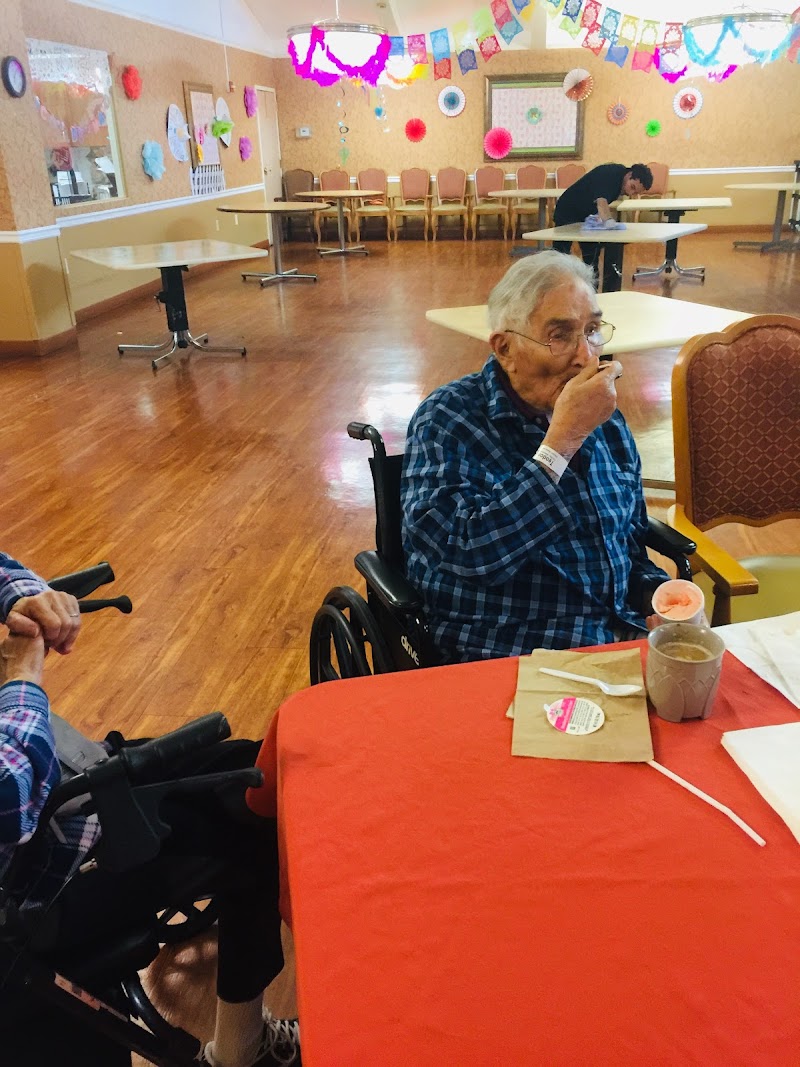
How is Alamitos West Health & Rehabilitation Staffed?

CMS rates ALAMITOS WEST HEALTH & REHABILITATION's staffing level at 2 out of 5 stars, which is below average compared to other nursing homes.

What Have Inspectors Found at Alamitos West Health & Rehabilitation?

State health inspectors documented 69 deficiencies at ALAMITOS WEST HEALTH & REHABILITATION during 2019 to 2025. These included: 53 with potential for harm and 16 minor or isolated issues. While no single deficiency reached the most serious levels, the total volume warrants attention from prospective families.
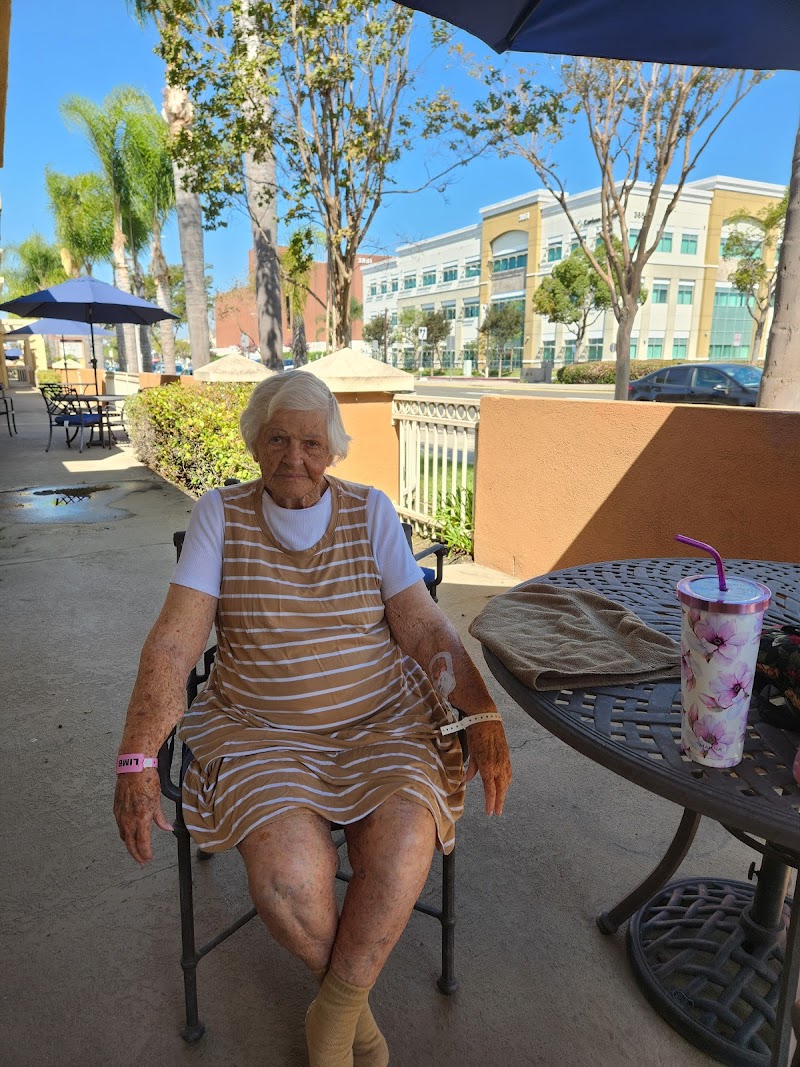
Who Owns and Operates Alamitos West Health & Rehabilitation?

ALAMITOS WEST HEALTH & REHABILITATION is owned by a for-profit company. For-profit facilities operate as businesses with obligations to shareholders or private owners. The facility is operated by THE GOODMAN GROUP, a chain that manages multiple nursing homes. With 150 certified beds and approximately 129 residents (about 86% occupancy), it is a mid-sized facility located in LOS ALAMITOS, California.
How Does Alamitos West Health & Rehabilitation Compare to Other California Nursing Homes?

Compared to the 100 nursing homes in California, ALAMITOS WEST HEALTH & REHABILITATION's overall rating (3 stars) is below the state average of 3.1 and health inspection rating (3 stars) is at the national benchmark.

What Should Families Ask When Visiting Alamitos West Health & Rehabilitation?

Based on this facility's data, families visiting should ask: "Can you walk me through typical staffing levels on day, evening, and night shifts?" "Can I visit during a mealtime to observe dining assistance and food quality?" "How do you handle medical emergencies, and what is your hospital transfer rate?" "Can I speak with family members of current residents about their experience?" These questions are particularly relevant given the below-average staffing rating.

Is Alamitos West Health & Rehabilitation Safe?

Based on CMS inspection data, ALAMITOS WEST HEALTH & REHABILITATION has a clean safety record: no substantiated abuse findings (meaning no confirmed cases of resident harm), no Immediate Jeopardy citations (the most serious violation level indicating risk of serious injury or death), and is not on the Special Focus Facility watch list (a federal program monitoring the lowest-performing 1% of nursing homes). The facility has a 3-star overall rating and ranks #100 of 100 nursing homes in California. While no facility is perfect, families should still ask about staff-to-resident ratios and recent inspection results during their visit.

Do Nurses at Alamitos West Health & Rehabilitation Stick Around?

ALAMITOS WEST HEALTH & REHABILITATION has not reported staff turnover data to CMS. Staff turnover matters because consistent caregivers learn residents' individual needs, medications, and preferences. When staff frequently change, this institutional knowledge is lost. Families should ask the facility directly about their staff retention rates and average employee tenure.

Was Alamitos West Health & Rehabilitation Ever Fined?

ALAMITOS WEST HEALTH & REHABILITATION has no federal fines on record. CMS issues fines when nursing homes fail to meet care standards or don't correct problems found during inspections. The absence of fines suggests the facility has either maintained compliance or corrected any issues before penalties were assessed. This is a positive indicator, though families should still review recent inspection reports for the full picture.

Is Alamitos West Health & Rehabilitation on Any Federal Watch List?

ALAMITOS WEST HEALTH & REHABILITATION is not on any federal watch list. The most significant is the Special Focus Facility (SFF) program, which identifies the bottom 1% of nursing homes nationally based on persistent, serious quality problems. Not being on this list means the facility has avoided the pattern of deficiencies that triggers enhanced federal oversight. This is a positive indicator, though families should still review the facility's inspection history directly.