LOS ALTOS SUB-ACUTE AND REHABILITATION CENTER
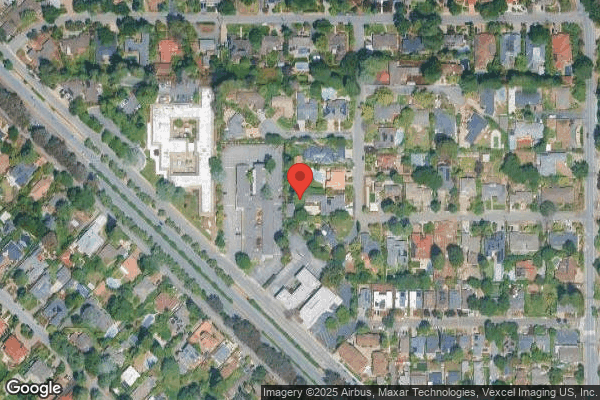
809 FREMONT AVENUE, LOS ALTOS, CA 94024 (650) 941-5255
For profit - Limited Liability company 152 Beds COVENANT CARE Data: November 2025
Trust Grade
60/100
#392 of 1155 in CA
Last Inspection: February 2025

Within standard 12-15 month inspection cycle. Federal law requires annual inspections.

Overview

Los Altos Sub-Acute and Rehabilitation Center has a Trust Grade of C+, indicating it is slightly above average but not outstanding. With a ranking of #392 out of 1,155 facilities in California and #26 out of 50 in Santa Clara County, it sits in the top half of facilities in the state but has room for improvement locally. The facility is currently improving, having reduced issues from seven in 2024 to five in 2025. Staffing is rated at 4 out of 5 stars, with an RN coverage higher than 89% of California facilities, though the turnover rate is at 45%, which aligns with the state average. While there have been no fines reported, there are concerning incidents, such as a resident suffering burns due to unsupervised smoking while on oxygen and another resident falling from bed because they did not receive the required two-person assistance, highlighting some safety and care deficiencies. Additionally, many residents have expressed dissatisfaction with the food quality, indicating a need for improvement in meal services.

Trust Score
C+
60/100
In California
#392/1155
Top 33%
Safety Record
Moderate
Needs review
Inspections
Getting Better
7 → 5 violations
Staff Stability
○ Average
45% turnover. Near California's 48% average. Typical for the industry.
Penalties
✓ Good
No fines on record. Clean compliance history, better than most California facilities.
Skilled Nurses
✓ Good
Each resident gets 52 minutes of Registered Nurse (RN) attention daily — more than average for California. RNs are trained to catch health problems early.
Violations
⚠ Watch
50 deficiencies on record. Higher than average. Multiple issues found across inspections.
★★★★☆
4.0
Overall Rating
★★★★☆
4.0
Staff Levels
★★★★☆
4.0
Care Quality
★★★★☆
4.0
Inspection Score
Stable
2024: 7 issues
2025: 5 issues

The Good

  • 4-Star Staffing Rating · Above-average nurse staffing levels
  • 4-Star Quality Measures · Strong clinical quality outcomes
  • Full Sprinkler Coverage · Fire safety systems throughout facility
  • No fines on record
  • Staff turnover below average (45%)

    3 points below California average of 48%

Facility shows strength in staffing levels, quality measures, fire safety.

The Bad

Staff Turnover: 45%

Near California avg (46%)

Typical for the industry

Chain: COVENANT CARE

Part of a multi-facility chain

Ask about local staffing decisions and management

The Ugly 50 deficiencies on record

2 actual harm
Jun 2025 1 deficiency
CONCERN (D) 📢 Someone Reported This

A family member, employee, or ombudsman was alarmed enough to file a formal complaint

Potential for Harm - no one hurt, but risky conditions existed

Quality of Care (Tag F0684)

Could have caused harm · This affected 1 resident

**NOTE- TERMS IN BRACKETS HAVE BEEN EDITED TO PROTECT CONFIDENTIALITY** Based on observation, interview and record review, the facility failed to ensure needed care and services were provided when cal...

Read full inspector narrative →
**NOTE- TERMS IN BRACKETS HAVE BEEN EDITED TO PROTECT CONFIDENTIALITY** Based on observation, interview and record review, the facility failed to ensure needed care and services were provided when call lights were not answered promptly and urgently. This failure had the potential to put residents at risk for physical, emotional and psychosocial distress. The census during the abbreviated survey was 134. Findings: During an observation on 6/12/25 at 3:26 p.m., call light was on for room [ROOM NUMBER]. Two licensed nurses were doing report by the medication cart along the hallway outside the room next to room [ROOM NUMBER]. During an interview on 6/12/25 at 3:32 p.m. with Registered Nurse (RN) A, RN A verified room [ROOM NUMBER]'s call light was on while she was getting report (change of shift endorsement) from another nurse. RN A stated nurses can answer call lights even during report. During a concurrent observation and interview on 6/12/25 at 3:39 p.m. with the Director of Nursing (DON), the DON verified call lights were on for several rooms and staff were in the hallway and nurse station. The DON stated call lights must always be answered by staff even during report. During an interview on 6/12/25 at 3:40 p.m. with Registered Nurse (RN) B, RN B stated staff must answer call lights and check on the residents. A review of facility's policy and procedure (P&P) entitled Call Lights: Accessibility and Timely Response dated October 2022, the P&P indicated, .10. To facilitate timely call light response, all staff members who see or hear an activated call light are responsible for responding. If the staff member cannot provide what the resident desires, the appropriate personnel should be notified .
Mar 2025 1 deficiency
CONCERN (D) 📢 Someone Reported This

A family member, employee, or ombudsman was alarmed enough to file a formal complaint

Potential for Harm - no one hurt, but risky conditions existed

Accident Prevention (Tag F0689)

Could have caused harm · This affected 1 resident

**NOTE- TERMS IN BRACKETS HAVE BEEN EDITED TO PROTECT CONFIDENTIALITY** Based on the interview and record review, the facility failed to ensure the half side rails were installed after obtaining the i...

Read full inspector narrative →
**NOTE- TERMS IN BRACKETS HAVE BEEN EDITED TO PROTECT CONFIDENTIALITY** Based on the interview and record review, the facility failed to ensure the half side rails were installed after obtaining the informed consent for one of three sampled residents (1) to help him reposition and stabilize in bed. This failure resulted in Resident 1's falling out of bed within six and half hours after being newly admitted to the facility on [DATE] and was transferred back to an acute hospital for further evaluation and management, and jeopardized Resident 1's health and safety during the short stay in the facility and caused Resident 1 to have a transfer to the acute hospital where he was diagnosed with intraparenchymal hemorrhage of brain (bleeding within the brain's functional tissue). FINDINGS: The clinical records of Resident 1 were reviewed. Resident 1's Face Sheet (document that summarizes a person's medical information) indicated, Resident 1 was admitted to the facility on [DATE] with diagnoses including non-specified sequelae (late effects) of nontraumatic intracerebral hemorrhage (ICH, also known as hemorrhagic stroke, condition where bleeding occurs within the brain tissue itself, caused by a ruptured blood vessel, causing damage and potentially life-threatening consequences). A review of Resident 1's Situation, Background, Assessment, and Recommendation (SBAR, a communication tool) change of condition (COC) 911 Transfer notes, dated 2/5/25, indicated, he was admitted on [DATE] at 2:28 p.m. and the incident occurred on the same day at 9:00 p.m. for an unwitnessed fall with possible head strike and Resident 1 was found turning to his left side on the bedside floor. A review of Resident 1's acute hospital records dated 2/5/25 at 11:20 p.m. indicated, Note Type: ED NOTES indicated, PRE-HOSPITAL NOTIFICATION REPORT . Alert: Trauma: Blood Thinners? Yes? LOC? Unknown Mechanism Fall from bed. Medical/Chief Complaint: FROM SNF, unwitnessed fall from bed 2-3ft, on blood thinner, c/o head pain. Recent CVA with left side deficit. A review of acute hospital record dated 2/7/25 2:52 p.m. indicated: Clinical Summary: . He comes in after being found down on the floor of his SNF and was brought in as a trauma. CTH (computed tomography of the head, is a noninvasive diagnostic imaging procedure) shows mild expansion of his IPH (intraparenchymal hemorrhage), two other small foci of hyper density are also minimally increased in size. A review of Resident 1's acute hospital neurocritical care records, dated 2/6/25, indicated, . who presents from skilled nursing facility (SNF) status post (s/p) fall from bed. Systolic blood pressure (SBP, the pressure in your arteries when your heart beats)150 on arrival, computed tomography of the head (CTH, is a noninvasive diagnostic imaging procedure) with stable to slight interval increase in IPH (intraparenchymal hemorrhage). Further review of the history of present illness (HPI) indicated that he was discharged from the hospital yesterday afternoon 2/5/2025 to a skilled nursing facility (SNF), where he sustained an unwitnessed approximate 2-to-3-foot fall and was found to be in a prone position next to his bed. Per brother at bedside in the ED, the patient was placed in a bed without guardrails at the facility. The family requested guardrails and stayed with the patient until late evening but left prior to the patient's unwitnessed fall from bed. A review of Resident 1's interdisciplinary team (IDT, an approach to healthcare that integrates multiple disciplines through collaboration) facility notes, dated 2/6/25 indicated and documented, Resident found on floor by certified nursing assistant (CNA). Patient unable to verbalize how he fell. Patient impulsive and has poor safety awareness. Patient also has left side (L) weakness, status post (S/P, is a medical term for a previous treatment, diagnosis, or event) stroke and leans to the left. Patient was sent out to emergency room (ER) for further evaluation. Upon return IDT recommend to place wedge on L side to keep patient at midline. Continue strengthening and mobility with Therapy. During a review of Resident 1's facility physician assistant notes, dated 2/5/25, indicated, He was found on the floor to the left side of his body by the CNA. He had an unwitnessed fall. The patient states that he turned towards his left side and fell over. States that he did hit the top of his head on the ground. Bed was in the lowest setting. No observed injuries or broken skin to his head. No bumps or bruises. The patient's range of motion is at baseline, weaker at the left side secondary to his diagnosis. During a review of intake information to the State Department of Public Health, dated 2/7/25, indicated, . Patient reports he was placed in a bed without rails. Patient was reaching for the call light when he rolled off the bed. During a review of Resident 1's Bed Rails -Safety Assessment, dated 2/5/25, indicated he had Poor trunk control at risk of gravity effects for rolling, sliding, or slipping from bed. Per wife patient uses siderail with strong side to assist with bed repositioning. During a review of Resident 1's facility's verification of informed consent, dated 2/5/25, it indicated the half side rails to be used in bed was signed and obtained from Resident 1's wife who is the legal decision maker, upon admission. During a review of Resident 's facility physician's orders, dated 2/5/25, indicated, SIDE RAILS: 1/4 rails up as per doctor's order as needed to promote full or partial independence with turning and repositioning in bed, to provide support, stability, and personal comfort during transfers. Reposition frequently and as necessary to avoid injury. A further review indicated Resident 1 was also prescribed Enoxaparin Sodium Solution (is a blood thinner to prevent blood clots) 40 milligrams (MG, a unit of mass)/0.4 milliliters (ML, a unit of volume), inject 40 mg subcutaneously two times a day for preventing blood clotting. During a review of Resident 1's fall risk assessment dated [DATE], it indicated he was at moderate risk (Scoring ranges 0-24 mean at low risk, scoring 25-44 at moderate risk and scoring 45 and higher at high risk) for falling with score of 35. Further review of Resident 1's post fall assessment, dated 2/6/25, indicated Resident 1 was at high risk for falls with a score of 65. During a telephone interview on 2/19/25 10:29 a.m., with registered nurse A (RN A), RN A stated it was unfortunately too sudden when he turned himself in the bed and he fell out of the bed. RN A confirmed he did not install half side rails at that time because he was unaware side rail informed consent had been obtained already. During an interview on 2/19/25, at 2 p.m., with the assistant of director nursing (ADON), ADON confirmed staff should have installed the side rails after obtaining the side rail informed consent as soon as possible. During a review of the facility's policy and procedure (P&P) titled, Fall Prevention and Response, dated 8/2023, the P&P indicated, Each Resident will be.assessed for fall risk factors and will receive care and services in accordance with individualized level of risk to minimize the likelihood of falls.
Feb 2025 2 deficiencies
CONCERN (D)

Potential for Harm - no one hurt, but risky conditions existed

Assessment Accuracy (Tag F0641)

Could have caused harm · This affected 1 resident

**NOTE- TERMS IN BRACKETS HAVE BEEN EDITED TO PROTECT CONFIDENTIALITY** Based on record review, interview, facility policy review, and review of the Centers for Medicare and Medicaid Services (CMS) Lo...

Read full inspector narrative →
**NOTE- TERMS IN BRACKETS HAVE BEEN EDITED TO PROTECT CONFIDENTIALITY** Based on record review, interview, facility policy review, and review of the Centers for Medicare and Medicaid Services (CMS) Long-Term Care Facility Resident Assessment Instrument [RAI] 3.0 User's Manual, the facility failed to ensure a discharge Minimum Data Set (MDS) accurately reflected the location to which a resident was discharged for 1 (Resident #141) of 27 sampled residents for whom MDS assessments were reviewed. Findings included: A facility policy titled, MDS STANDARD OF PRACTICE, dated 01/2024 indicated, It is the practice of this facility to conduct accurate coding and delivery of services provided to capture accurate assessment of each resident's functional capacity and health status as per CMS RAI MDS 3.0 Manual guidelines. The CMS Long-Term Care Facility RAI 3.0 User's Manual, version 1.19.11, dated October 2024, revealed section A2105: Discharge Status specified, Item Rationale - This item documents the location to which the resident is being discharged at the time of discharge. Knowing the setting to which the individual was discharged helps to inform discharge planning. The manual further specified, Steps for Assessment 1. Review the medical record including the discharge plan and discharge orders for documentation of discharge location. Coding Instructions Select the two-digit code that corresponds to the resident's discharge status. - Code 01, Home/Community: if the resident was discharged to a private home, apartment, board, and care, assisted living facility, group home, transitional living, or adult foster care. A community residential setting is defined as any house, condominium, or apartment in the community, whether owned by the resident or another person; retirement communities; or independent housing for the elderly. An admission Record indicated the facility admitted Resident #141 on 01/03/2025. According to the admission Record, Resident #141 was discharged home on [DATE]. Resident #141's Progress Notes revealed a note dated 01/14/2025 at 12:01 PM that indicated the resident was discharged home. Resident #141's [facility name] Notice of Transfer or Discharge, dated 01/14/2025, indicated the resident was discharged home in accordance with their discharge plan. However, Resident #141's discharge, return not anticipated MDS, with an Assessment Reference Date (ARD) of 01/14/2025, revealed the MDS was coded to reflect that the resident was discharged to a short-term general hospital on [DATE]. During an interview on 02/27/2025 at 10:35 AM, MDS Coordinator #3 stated that Resident #141 was discharged home on [DATE]. MDS Coordinator #3 stated that Resident #141's discharge MDS, dated [DATE], was incorrectly coded and should have reflected the resident was discharged home, instead of reflecting the resident was discharged to a short-term hospital. During an interview on 02/27/2025 at 11:32 AM, the Director of Nursing (DON) stated she expected MDS assessments to be coded correctly. The DON said Resident #141's discharge MDS should have been coded to reflect that the resident was discharged home and not to a hospital. During an interview on 02/27/2025 at 11:37 AM, the Executive Director (ED) stated he expected MDS assessments to be coded correctly.
CONCERN (D)

Potential for Harm - no one hurt, but risky conditions existed

Deficiency F0645 (Tag F0645)

Could have caused harm · This affected 1 resident

Based on record review, interview, and facility policy review, the facility failed to ensure a Level I Preadmission Screening and Resident Review (PASARR) accurately reflected the presence of diagnose...

Read full inspector narrative →
Based on record review, interview, and facility policy review, the facility failed to ensure a Level I Preadmission Screening and Resident Review (PASARR) accurately reflected the presence of diagnosed mental illness for 1 (Resident #63) of 4 sampled residents reviewed for PASARR requirements. Findings included: A facility policy titled, Resident Assessment- Coordination with PASARR Program, reviewed/revised on 09/18/2024, revealed, This facility coordinates assessments with the preadmission screening and resident review (PASARR) program under Medicaid to ensure that individuals with a mental disorder, intellectual disability, or a related condition receives care and services in the most integrated setting appropriate to their needs. An admission Record revealed the facility admitted Resident #63 on 06/12/2021. According to the admission Record, the resident had a medical history that included diagnoses of dementia (onset date of 06/12/2021) and major depressive disorder (onset date of 06/12/2021). Resident #63's Care Plan Report included a focus area, initiated 06/13/2021, that indicated the resident took antidepressant medications related to a diagnosis of depression. Resident #63's Level I PASARR, completed on 06/12/2021, revealed the screening type was an Initial Preadmission Screening (PAS). Section V- Mental Illness of the resident's Level I PASARR was completed in a manner to reflect that the resident did not have a diagnosed mental disorder such as Schizophrenia/Schizoaffective Disorder, Psychotic/Psychosis, Delusional, Depression, Mood Disorder, Bipolar, or Panic/Anxiety. The Level I PASARR was also completed in a manner to reflect the resident did not have a diagnosis or other evidence of a neurocognitive disorder, including dementia. Resident #63's diagnoses of dementia and major depressive disorder were not reflected. As a result, the resident's Level I PASARR was Negative, due to no mental illness, intellectual disability, developmental disorder, or dementia. During an interview on 02/27/2025 at 10:57 AM, MDS Coordinator #3 stated the importance of Level I PASARRs was to determine if residents required a Level II Evaluation. MDS Coordinator #3 reviewed Resident #63's diagnoses and Level I PASARR, dated 06/12/2021, and stated the resident had diagnoses of depression and dementia when they were admitted to the facility. MDS Coordinator #3 further stated, the resident's Level I PASARR should have been resubmitted because it was not accurate. During an interview on 02/27/2025 at 11:15 AM, the Director of Nursing (DON) confirmed Resident #63 was admitted to the facility with mental health diagnoses and stated the resident's Level I PASARR should have been resubmitted to reflect the presence of the diagnoses. During an interview on 02/27/2025 at 11:37 AM, the Executive Director (ED) stated Resident #63's Level I PASARR was not accurate and should have been resubmitted.
Jan 2025 1 deficiency
CONCERN (E) 📢 Someone Reported This

A family member, employee, or ombudsman was alarmed enough to file a formal complaint

Potential for Harm - no one hurt, but risky conditions existed

Infection Control (Tag F0880)

Could have caused harm · This affected multiple residents

Based on observation, interview, and record review, the facility failed to implement infection control measures when: 1.Certified nursing assistant B (CNA B) and restorative nurse assistant C (RNA C) ...

Read full inspector narrative →
Based on observation, interview, and record review, the facility failed to implement infection control measures when: 1.Certified nursing assistant B (CNA B) and restorative nurse assistant C (RNA C) did not wear N95 (a mask or a respirator worn over the mouth and nose to protect the respiratory system by filtering out dangerous substances [such as dusts, fumes, or bacteria] from inhaled air) properly; and 2.Certified nursing assistant C (CNA D) did not follow the contact (set of steps to prevent the spread of infection from a patient to others) with bodily fluids precautions posted before the entrance in Resident 2's room, did not follow the proper sequence of putting on personal protective equipment (PPE - clothing and equipment that is worn or used to provide protection against hazardous substances and/or environments), did not remove and discard the dirty gown and gloves prior to leaving Resident 3's room and did not perform hand hygiene before leaving the room. These failures had the potential to result in the transmission and spread of infection throughout the facility. Findings: 1.During the entrance conference with director of nursing (DON) on 1/14/2025 at 9:45 a.m., DON confirmed the facility had COVID-19 cases since December 2024. DON stated it started with one resident that was sent out to the hospital, then followed by a positive COVID-19 test of a certified nursing assistant (CNA) the following day. DON further stated, there were 38-42 patients affected by COVID-19 since December 2024 and their current census was 137. During a concurrent interview with infection preventionist (IP) and record review on 1/14/2025 at 10:15 a.m., IP reviewed the list of COVID-19 residents and staff. IP confirmed the outbreak of COVID-19 started on 12/24/2024 when Patient 1 was transferred out to the hospital due to nausea and vomiting (n /v). IP stated Patient 1 was tested for COVID-19 at the hospital and the result was positive for infection. IP further stated certified nursing assistant A (CNA A) tested positive for COVID-19 infection on 12/25/2024. IP confirmed they had 42 patients and 11 staff affected by COVID-19 infection. IP stated some residents were taken off isolation and other staff had reported to work already. IP confirmed she also tested positive for COVID-19 infection on 1/3/2025 and she just started working at the facility on 1/10/2025. During an observation on 1/14/2025 at 10:48 a.m., near the exit door towards the smoking area, CNA B was observed standing beside Resident 2 who was sitting on a wheelchair without a facemask, and beside Resident 2 was RNA C who was sitting. Both CNA B and RNA C were having a conversation with their face mask positioned down to their chin while Resident 2 was sitting in between them. Both CNA B and RNA C pulled up their face mask when they observed the evaluator nurse approaching. During an interview with CNA B on 1/14/2025 at 10:50 a.m., CNA B confirmed above observation. CNA B stated she should have covered her nose and mouth with the face mask while talking to RNA C. CNA B confirmed the facility was having COVID-19 outbreak. During an interview with RNA C on 1/14/2025 at 10:55 a.m., RNA C confirmed above observation. RNA C stated she pulled down her mask because she had asthma (a condition in which your airways narrow and swell. This can make breathing difficult and trigger coughing). RNA C stated she should have covered her mouth and nose with the face mask due to COVID-19 outbreak in their facility and Resident 2 was sitting in between them without a facemask in placed. During a phone interview with IP on 1/15/2025 at 9:43 a.m., IP stated staff should wear their N95 properly especially when they were with residents. During a review of the facility's policy and procedure titled, Coronavirus Disease (COVID-19) - Source Control, date revised May 2023, indicated, Source control measures are utilized as part of the core COVID-19 infection prevention and control measures. Source control refers to the use of well-fitting cloth masks, facemasks or respirators that covers the mouth and nose and prevents the spread of respiratory secretions when individuals are breathing, talking, sneezing, or coughing. 2.During an observation in Station AA on 1/14/2025 at 11:18 a.m., CNA D was observed standing in front of Resident 3's door, donning (put on) a new pair of gloves first, then CNA D pulled out the isolation cart's drawer, took a gown and wore it. CNA D entered Resident 3's room without eye coverings or face shield and started talking to Resident 3. Resident 3 was in bed wearing the facility's gown without face mask. CNA D closed the door to provide privacy. During an interview with licensed vocational nurse E (LVN E) on 1/14/2025 at 11:27 a.m., LVN E did not know Resident 3's precaution, but she was aware Resident 3 had human immunodeficiency virus (HIV, a virus that attacks the body's immune system). LVN E stated the sequence in donning Resident 3's PPE: mask first, then gown, face shield, and gloves. LVN E further stated gloves should be worn last. LVN E confirmed CNA D was cleaning up Resident 3. During a concurrent observation and interview with IP on 1/14/2025 at 11:32 a.m., in front of Resident 3's room, IP confirmed the signage on top of Resident 3's isolation cart indicated Resident 3 was on contact and bodily fluid precautions. IP stated all staff should enter Resident 3's room with full PPE (N95, gown, face shield, and gloves). IP checked the isolation cart for face shields, and she did not find one. IP stated, It's my fault because the isolation cart does not have face shield, but staff knew where to find the face shields. IP further stated, staff should wear face shield prior to entering Resident 3's room. During a follow up observation on 1/14/2025 at 11:43 a.m., CNA D stepped out of Resident 3's room still with PPE in placed. CNA D threw a plastic with garbage at the hallway's garbage container near Resident 3's isolation cart. CNA D started to remove the gown and gloves and threw them into the same hallway's garbage container. CNA D did not perform hand hygiene after, then walked to Station AA's hallway to get the Hoyer lift (a medical device that helps caregivers move patients from one place to another). During a concurrent observation and interview with CNA D on 1/14/2025 at 11:47 a.m., in front of Resident 3's room door, CNA D was pushing the Hoyer lift towards Resident 3's room. CNA D confirmed above observation, and stated he did not wear a face shield because he couldn't find one in the isolation cart. CNA D stated he did not wash or sanitized his hands because he needed to get the Hoyer lift for Resident 3. CNA D further stated, he should have worn a face shield prior to entering Resident 3's room, removed and threw his PPE prior to going out of the room and performed hand hygiene. Review of Resident 3's clinical record titled, admission Record, indicated Resident 3 was admitted to the facility with diagnoses including paraplegia (paralysis of the legs and lower body, typically caused by spinal injury or disease), colostomy status (an opening into the colon from the outside of the body), bacteremia (a condition where bacteria are present in the blood), resistance to multiple antibiotics (when a microorganism, like bacteria, virus or parasite is resistant to more than one antimicrobial drugs), HIV, methicillin resistant staphylococcus aureus (MRSA, a type of bacteria that is resistant to mangy antimicrobial drugs), other specified bacterial agents as the cause of diseases classified elsewhere, and osteomyelitis (an inflammation or swelling of bone tissue that is usually the result of an infection). Review of Resident 3's clinical record titled, Order Summary Report, an order dated 5/31/2024, indicated Resident 3 was on contact isolation precaution due to Carbapenem-resistant Enterobacterales (CRE, bacteria that are resistant to some or all antibiotics in the carbapenem class. CRE infections can be serious and difficult to treat). Further review indicated, Resident 3 had suprapubic catheter (a flexible tube that drains urine from the bladder through a small cut in the lower abdomen). Review of Resident 3's clinical record titled, Infectious Diseases, dated 1/8/2025, indicated Resident 3 had chronic hip and penile wounds, HIV, left hip decubitus ulcer (a skin injury caused by prolonged pressure on an area of the body), and osteomyelitis. During a review of the facility's policy and procedure titled, Infection Prevention Manual for Long Term Care, Isolation Precautions: Standard Precautions, date revised May 2024, indicated, It is the policy of this facility to use Standard Precautions for resident care based on anticipated blood or body fluids (BBF) excretions and secretions exposure other than sweat which are considered potentially infectious .include a group of infection prevention practices that apply to all patients, regardless or suspected or confirmed infection status .These practices include hand hygiene; use of gloves, gown, mask, eye protection, or face shield . Further review indicated, Personal Protective Equipment (PPE) .Remove, discard PPE, and perform hand hygiene in room when activity is complete. PPE is provided to all employees. Each employee is responsible for knowing where the equipment is kept in the department. Review of Centers for Disease Control and Prevention's (CDC, national public health agency of the United States) Sequence for Putting on Personal Protective Equipment (PPE), indicated, 1. GOWN; 2. MASK OR RESPIRATOR; 3. GOGGLES OR FACE SHIELD 4. GLOVES.
Sept 2024 2 deficiencies
CONCERN (D) 📢 Someone Reported This

A family member, employee, or ombudsman was alarmed enough to file a formal complaint

Potential for Harm - no one hurt, but risky conditions existed

Deficiency F0582 (Tag F0582)

Could have caused harm · This affected 1 resident

**NOTE- TERMS IN BRACKETS HAVE BEEN EDITED TO PROTECT CONFIDENTIALITY** Based on interview and record review, the facility failed to ensure Notice of Medicare Non-Coverage (NOMNC, a form given by the ...

Read full inspector narrative →
**NOTE- TERMS IN BRACKETS HAVE BEEN EDITED TO PROTECT CONFIDENTIALITY** Based on interview and record review, the facility failed to ensure Notice of Medicare Non-Coverage (NOMNC, a form given by the facility to all Medicare beneficiaries before the end of a Medicare covered Part A stay or when all of Part B therapies are ending) was not given in a timely manner to one of two sample residents (Resident 1). This failure resulted in Resident 1 not being able to make an appeal. Findings: During an interview over the phone on 9/19/24 at 8:53 a.m. with Resident 1's relative (RR), it was stated that RR saw a voicemail from the facility on 9/11/24. RR also stated she wanted to make an appeal and called the facility on 9/11/24 regarding the NOMNC. RR stated that facility informed RR that they will call back with the information. RR stated that facility did not call back. A review of Resident 1's admission record indicated, Resident one was admitted on [DATE]. A review of Resident 1's Minimum Data Set (MDS, a federally mandated assessment tool) dated 8/14/24 indicated a Brief Interview for Mental Status (BIMS, an assessment tool used by facilities to screen and identify memory, orientation and judgement status of the resident) score of 5 (a score of 13 to 15 suggests the resident is mentally intact, 8 to 12 suggests moderately impaired and 0 to 7 suggests severe impairment). A review of facility provided document titled Notice of Medicare Non-Coverage for Resident 1, NOMNC indicated, The effective date coverage of your Skilled Nursing Services Will End: 9/10/24. NOMNC also indicated, Your request for an immediate appeal should be made as soon as possible, but no later than noon of the day before the effective date indicated above. A handwritten note under additional information indicated, Patient family member/Responsible Party did not answer. Voicemail left and copy left in pt room. NOMNC was signed by two Case Managers dated 9/9/24 at 6:33 p.m. During a concurrent interview and record review on 9/25/24 at 1:18 p.m. with Social Services Director (SSD), SSD confirmed NOMNC for Resident 1 was signed and dated by two case managers on 9/9/24 at 6:33 p.m. SSD stated Business Office sends the NOMNC to the case managers and we notify residents at least 72 hours. During a concurrent interview and record review on 9/25/24 at 2:47 p.m. with the Administrator (ADM), ADM confirmed NOMNC was dated given on 9/9/24 at 6:33 p.m. via voicemail. ADM also confirmed there was no indication on the NOMNC document that the information was understood and received by Resident 1's responsible party. ADM also stated, NOMC should have been given three days prior to end of Medicare coverage. During a concurrent interview and record review on 9/25/24 at 3:00 p.m. with the Director of Nursing (DON), DON stated I did not know what the NOMNC was. DON also confirmed the NOMNC was signed and dated 9/9/24 and timed 6:33 p.m. by two facility Case Managers. DON confirmed there was no signature from Resident 1 or a responsible party. A review of facility's policy and procedure (P&P) titled Transfer and Discharge (including AMA) revised 7/20/23, the P&P indicated, The facility's transfer/discharge notice will be provided to the resident and the resident's representative in a language and manner in which they can understand. The notice will include all of the following at the time it is provided: .d. An explanation of the right to appeal the transfer or discharge to the State .f. Information on how to obtain an appeal form According to Title 42 of the Code of Federal Regulations, § 405.1200 Notifying beneficiaries of provider service terminations, Timing of notice. A provider must notify the beneficiary of the decision to terminate covered services no later than 2 days before the proposed end of the services.
CONCERN (D) 📢 Someone Reported This

A family member, employee, or ombudsman was alarmed enough to file a formal complaint

Potential for Harm - no one hurt, but risky conditions existed

Transfer Notice (Tag F0623)

Could have caused harm · This affected 1 resident

**NOTE- TERMS IN BRACKETS HAVE BEEN EDITED TO PROTECT CONFIDENTIALITY** Based on interview and record review, the facility failed to ensure that resident representative was notified prior to discharge...

Read full inspector narrative →
**NOTE- TERMS IN BRACKETS HAVE BEEN EDITED TO PROTECT CONFIDENTIALITY** Based on interview and record review, the facility failed to ensure that resident representative was notified prior to discharge for one (Resident 1) of two sampled residents. This failure had the potential to result in psychosocial distress for Resident 1 when Resident 1's relative (RR) was not able to communicate with Resident 1 before, during and right after Resident 1's discharge to another facility. Findings: During an interview over the phone on 9/19/24 at 8:53 a.m. with Resident 1's relative (RR), RR stated that facility did not communicate the discharge of Resident 1. RR stated she saw a voicemail on 9/10/24 from the facility regarding discharge and called the facility on 9/10/24 to make an appeal. RR stated she was told she will receive a call back with the information. RR stated that facility did not call back. RR also stated discharge date was not provided by the facility and there was no written notice of discharge given. RR also stated, she went to the facility on 9/13/24 and was informed that Resident 1 was already discharged . A review of Resident 1's medical record indicated, Resident one was admitted on [DATE] and was discharged on 9/11/24 at 11:59 a.m. A review of Resident 1's Minimum Data Set (MDS, a federally mandated assessment tool) dated 8/14/24 indicated a Brief Interview for Mental Status (BIMS, an assessment tool used by facilities to screen and identify memory, orientation and judgement status of the resident) score of 5 (a score of 13 to 15 suggests the resident is mentally intact, 8 to 12 suggests moderately impaired and 0 to 7 suggests severe impairment). A review of Resident 1's Order Summary indicated, MD determines that Resident does NOT have the mental capacity to make healthcare decisions as per History and Physical with order date 8/9/24. A review of facility provided document titled Advance Health Care Directive, signed by Resident 1 and dated 1/14/16. The document indicated that RR was designated and appointed by Resident 1 as agent to make healthcare decisions . During an interview on 9/25/24 at 11:22 a.m. with Licensed Vocational Nurse (LVN) 1, LVN 1 stated that social services communicate with the residents' family about the discharge process. During a concurrent interview and record review on 9/25/24 at 1:18 p.m. with Social Services Director (SSD), SSD stated he did not call RR to notify about discharge. RR stated it was the Case Manager who must call the family to notify about the discharge. RR also stated case manager should have waited for the call back from RR before proceeding to discharge Resident 1. During a concurrent interview and record review on 9/25/24 at 2:47 p.m. with the Administrator (ADM), ADM confirmed Resident 1's Advance Directive indicated RR as agent to make health care decisions. The ADM stated we should have not discharged Resident 1 without speaking with RR. During a concurrent interview and record review on 9/25/24 at 3:00 p.m. with the Director of Nursing (DON), DON confirmed Resident 1's Advance Directive indicated RR as agent to make health care decisions. The DON stated we should not discharge the resident home without speaking with the responsible party. A review of facility's policy and procedure (P&P) titled Transfer and Discharge (including AMA) revised 7/20/23, the P&P indicated, The facility's transfer/discharge notice will be provided to the resident and the resident's representative in a language and manner in which they can understand. The notice will include all of the following at the time it is provided: b. The effective date of transfer of discharge.
Aug 2024 1 deficiency
CONCERN (D) 📢 Someone Reported This

A family member, employee, or ombudsman was alarmed enough to file a formal complaint

Potential for Harm - no one hurt, but risky conditions existed

Quality of Care (Tag F0684)

Could have caused harm · This affected 1 resident

**NOTE- TERMS IN BRACKETS HAVE BEEN EDITED TO PROTECT CONFIDENTIALITY** Based on observation, interviews, and record review, the facility failed to ensure two of two residents (Resident 1 and 2) recei...

Read full inspector narrative →
**NOTE- TERMS IN BRACKETS HAVE BEEN EDITED TO PROTECT CONFIDENTIALITY** Based on observation, interviews, and record review, the facility failed to ensure two of two residents (Resident 1 and 2) received proper care and treatment services when: 1. For Resident 1, there was no physician order and care plan regarding the use of left-hand splint; and 2. For Resident 2's treatment for the nephrostomy sites (an opening in the skin of the back where the tube is inserted to drain urine from the kidney), was not initiated until 4 days after admission and it was not documented in some days. These failures could affect the residents' health and individualized care and services provided while in the facility. Findings: 1. Review of Resident 1's admission Record indicated, Resident 1 was admitted to the facility on [DATE] with diagnoses including sepsis (blood poisoning due to an infection), urinary tract infection (UTI, an infection caused by a bacterium (germs) that gets into the bladder or kidneys) and Alzheimer's disease (a progressive disease that destroys memory and mental functions). Review of Resident 1's physician progress note dated 6/18/2024, indicated Resident 1's son told the physician that his mother's left hand was painful at that time. Review of Resident 1's clinical record titled, SBAR [Situation, Background, Assessment and Recommendation, an assessment tool used to facilitate prompt and appropriate communication of a problem)], dated 6/19/2024, indicated Resident 1 was transferred out at the hospital for probable septic [a life-threatening medical condition that occurs when an infection causes a body-wide reaction that leads to dangerously low blood pressure and organ failure] and dehydration [a harmful reduction in the amount of water in the body]. Review of Resident 1's x-ray of left wrist dated 6/19/2024, indicated, Nondisplaced fracture (still broken bones, but the pieces weren't moved far enough during the break to be out of alignment) of the trapezium [a bone in the wrist below the base of the thumb]. Action required. Review of Resident 1's History and Physical by a physician dated 6/25/2024, indicated Resident 1 was readmitted back to the facility on 6/24/2024. Further review indicated, Also found to have a new left trapezium fracture for which she was seen by ortho [orthopedist, a medical specialist who focuses on injuries and disease affecting the bones, muscles, joints and soft tissues] and placed in a splint [an external device that stabilizes and holds a part of the body in place to protect it and support it after an injury or to treat certain health condition] with plans for outpatient follow-up. During an interview with registered nurse A (RN A) on 7/10/2024 at 12:05 p.m., RN A confirmed Resident 1 had a left wrist splint in place. RN A stated she did not know the indication of Resident 1's splint use. During an interview with the certified nursing assistant B (CNA B) on 7/10/2024 at 2:20 p.m., CNA B confirmed Resident 1 did not fall and CNA B was not sure why Resident 1 was wearing a splint to left wrist. During a concurrent observation and interview with Resident 1 on 7/10/2024 at 2:25 p.m., inside Resident 1's room, Resident 1 was in bed, oxygen was in used, and left hand was observed swollen, with splint in place. Resident 1 stated she was okay, and did not complain of pain. Resident 1 confirmed she did not know how she hurt her left wrist. During a concurrent interview with both director of nursing (DON) and case manager (CM) and record review on 7/10/2024 at 4:14 p.m., DON and CM reviewed Resident 1's physician's orders, transfer records, and list of care plans. Both DON and CM stated they were not aware about Resident 1's fracture of left wrist. DON confirmed there was no order and no care plan developed for Resident 1's splint use. DON stated there should be a physician's order and care plan developed for splint use on Resident 1's left wrist. During an interview with licensed vocational nurse C (LVN C) on 8/1/2024 at 1:11 p.m., LVN C stated the admitting nurse should have called Resident 1's doctor to obtain a doctor's order for the splint use if it was still needed. LVN C further stated, the use of splint should have been care planned. During a review of the facility's policy and procedure titled, admission Orders, dated 11/28/23, indicated, The orders should allow facility staff to provide essential care to the resident consistent with the resident's mental and physical status on admission. The orders should provide information to maintain or improve the resident's functional abilities . During a review of the facility's policy and procedure titled, Care Plan, Comprehensive, dated Dec. 2017, indicated, Care Plans should be developed by the Interdisciplinary Team (IDT), which includes activities, dietary, nursing management, social services, and therapy and includes input from direct care staff including Licensed Nurses and Nursing Assistants .Care Plans are individualized through the identification of resident concerns, unique characteristics, strengths and individual needs . 2. Review of Resident 2's admission Record indicated Resident 2 was admitted to the facility on [DATE] with diagnoses including pyelonephritis (medical term for kidney infection), hydronephrosis (a condition that causes one or both kidneys to swell and stretch due to a buildup of urine), and encounter for attention to other artificial openings of urinary tract. During a phone interview with hospital's social work clinician (SWC) on 8/1/2024 at 8:49 a.m., SWC confirmed Resident 2 was admitted back at the hospital on 7/27/2024 with admitting diagnosis of UTI associated with nephrostomy catheter. During an interview with LVN C on 8/1/2024 at 1:21 p.m., LVN C stated, nurses should call the doctor if resident was admitted with nephrostomy tube to get a treatment order on its sites and other nephrostomy care. LVN C further stated, nurses should document after a treatment was completed. During an interview with registered nurse D (RN D) on 8/1/2024 at 1:40 p.m., RN D stated Resident 2 was alert and oriented to person, place, and time. RN D confirmed Resident 2 had a fever, and he was transferred to the hospital for further evaluation. RN D stated, admission nurses should call the doctor to obtain orders related to nephrostomy care. RN D further stated, nurses should document once they were done with the treatment as ordered. During a concurrent interview with nurse supervisor (NS) and record review on 8/1/2024 at 1:57 p.m., NS reviewed Resident 2's treatment administration record (TAR). NS confirmed Resident 2's treatment to nephrostomy sites just started on 5/21/2024, 4 days after his admission. NS confirmed the treatment to clean the nephrostomy sites, changed the dressings and to empty every shift were not documented as completed on: 7/6/2024, night shift; 7/17/2024, days shift; 7/18/2024, days shift; 7/24/2024, days shift; and 7/26/2024, evening shift. NS stated, treatment should be documented once it was done or completed. During an interview with DON on 8/1/2024 at 4:12 p.m., DON stated the admitting nurse should have called Resident 2's attending physician to obtain a treatment order for nephrostomy site and for nephrostomy care. DON further stated, nurses should document once the treatment is done. During an interview with assistant director of nursing (ADON) on 8/28/2024 at 10:18 a.m., ADON stated, if the treatment was not documented, it did not happen. During a review of the facility's policy and procedure titled, Wound Treatment Management, dated 4/1/2024, indicated, Wound treatments will be provided in accordance with physician's orders, including the cleansing method, type of dressing, and frequency of dressing change .Treatments will be documented on the Treatment Administration Record. Electronic Medical Record or in the electronic health record.
Jun 2024 2 deficiencies
CONCERN (D) 📢 Someone Reported This

A family member, employee, or ombudsman was alarmed enough to file a formal complaint

Potential for Harm - no one hurt, but risky conditions existed

Report Alleged Abuse (Tag F0609)

Could have caused harm · This affected 1 resident

**NOTE- TERMS IN BRACKETS HAVE BEEN EDITED TO PROTECT CONFIDENTIALITY** Based on interview and record review, the facility failed to ensure one of four allegations of abuse was reported within 24 hour...

Read full inspector narrative →
**NOTE- TERMS IN BRACKETS HAVE BEEN EDITED TO PROTECT CONFIDENTIALITY** Based on interview and record review, the facility failed to ensure one of four allegations of abuse was reported within 24 hours per Federal and State law when one resident (Resident 1) left the facility AMA (against medical advice) for his safety after he telephoned the police to report an allegation of being touched inappropriately. This failure had the potential to compromise resident's safety and result in further abuse. Findings: During a review of Resident 1's Face Sheet (document that contains a summary of personal and demographic information), the Face Sheet indicated, Resident 1 was admitted to the facility on [DATE] with a primary diagnosis of fusion of the spine (major surgery designed to stop motion to alleviate pain) in the lumbar region (series of small bones enclosing the spinal cord in the low back). Face Sheet further indicated Resident 1 was self-responsible. During a review of Resident 1's Release from Responsibility for Discharge, dated 10/14/23, the Release from Responsibility for Discharge indicated, Resident 1 was leaving against the advice of the attending physician. During a review of Resident 1's Notice of Transfer or Discharge, dated 10/17/23, the Notice of Transfer or Discharge indicated, a discharge date of 10/14/23 and Resident 1 left AMA. There was nothing documented why Resident 1 left AMA. During a telephone interview, on 5/2/24 at 1:25 p.m., with Resident 1, Resident 1 stated two certified nursing assistants (CNAs) ripped off my covers and pulled my sweatpants down and grabbed my genitals. Resident 1 stated he called 911 (three-digit emergency number for police, fire, or safety) and the police came out. Resident 1 stated he felt like he was the victim of sexual assault, and he left the facility for his safety. During an interview, on 5/3/24 at 11:47 a.m., with the Assistant Director of Staff Development (ADSD), the ADSD stated Resident 1 called the police and told them someone touched him inappropriately. ADON stated the Administrator is the Abuse Coordinator. During an interview, on 5/3/24 at 11:56 a.m., with the Administrator (ADM), the ADM stated he does not recall if it was reported to him. ADM stated it was his first few weeks of being on the job. During a subsequent interview, on 5/3/24 at 1:07 p.m., with the ADSD, the ADSD stated she reported it to the ADM and the ADM told her to go interview the resident. ADSD stated the resident left before she could interview him. ADSD acknowledged allegations of abuse should be reported and investigated per Federal and State law. ADSD stated we did not do that. During a subsequent interview, on 5/3/24, at 1:28 p.m., with the ADM, the ADM stated the ADSD talked to the police and the police reported there was nothing to investigate. ADM acknowledged any allegations of abuse should be reported and investigated per Federal and State law. Review of the facility's revised October 2022 policy Abuse or Suspected Abuse and Crime Reporting indicated, It is the responsibility of all employees to immediately report to the facility administrator, and to other officials in accordance with Federal and State law, any incident of suspected or alleged abuse .within the designated time frame by e-mail, fax or telephone .not later than 24 hours after the allegation is made . Reporting is made to the Administrator (Abuse Coordinator), State Survey Agency, Adult Protective Services and all other required agencies (e.g. law enforcement when applicable).
CONCERN (D) 📢 Someone Reported This

A family member, employee, or ombudsman was alarmed enough to file a formal complaint

Potential for Harm - no one hurt, but risky conditions existed

Investigate Abuse (Tag F0610)

Could have caused harm · This affected 1 resident

**NOTE- TERMS IN BRACKETS HAVE BEEN EDITED TO PROTECT CONFIDENTIALITY** Based on interview and record review, the facility failed to investigate one of four allegations of abuse when Resident 1 report...

Read full inspector narrative →
**NOTE- TERMS IN BRACKETS HAVE BEEN EDITED TO PROTECT CONFIDENTIALITY** Based on interview and record review, the facility failed to investigate one of four allegations of abuse when Resident 1 reported being touched inappropriately. This failure had the potential to compromise resident's safety and result in further abuse. Findings: During a review of Resident 1's Face Sheet (document that contains a summary of personal and demographic information), the Face Sheet indicated, Resident 1 was admitted to the facility on [DATE] with a primary diagnosis of fusion of the spine (major surgery designed to stop motion to alleviate pain) in the lumbar region (series of small bones enclosing the spinal cord in the low back). Face Sheet further indicated Resident 1 was self-responsible. During a review of Resident 1's Release from Responsibility for Discharge, dated 10/14/23, the Release from Responsibility for Discharge indicated, Resident 1 was leaving against the advice of the attending physician. During a review of Resident 1's Notice of Transfer or Discharge, dated 10/17/23, the Notice of Transfer or Discharge indicated, a discharge date of 10/14/23 and Resident 1 left AMA. There was nothing documented why Resident 1 left AMA. During a telephone interview, on 5/2/24 at 1:25 p.m., with Resident 1, Resident 1 stated two certified nursing assistants (CNAs) ripped off my covers and pulled my sweatpants down and grabbed my genitals. Resident 1 stated he called 911 (three-digit emergency number for police, fire, or safety) and the police came out. Resident 1 stated he felt like he was the victim of sexual assault, and he left the facility for his safety. During an interview, on 5/3/24 at 11:47 a.m., with the Assistant Director of Staff Development (ADSD), the ADSD stated Resident 1 called the police and told them someone touched him inappropriately. ADSD stated the Administrator is the Abuse Coordinator. During an interview, on 5/3/24 at 11:56 a.m., with the Administrator (ADM), the ADM stated he does not recall if it was reported to him. ADM stated it was his first few weeks of being on the job. During a subsequent interview, on 5/3/24 at 1:07 p.m., with the ADSD, the ADSD stated she reported it to the ADM and the ADM told her to go interview the resident. ADSD stated the resident left before she could interview him. ADSD acknowledged allegations of abuse should be reported and investigated per Federal and State law. ADSD stated we did not do that. During a subsequent interview, on 5/3/24, at 1:28 p.m., with the ADM, the ADM stated the ADSD talked to the police and the police reported there was nothing to investigate. ADM acknowledged any allegations of abuse should be reported and investigated per Federal and State law. During a concurrent interview and record review, on 6/3/24, at 11:40 a.m., with the Director of Staff Development (DSD), the alleged perpetrators (CNAs) employee files were reviewed. The employee files indicated the CNAs had not been counseled or suspended pending the outcome of an investigation and the DSD stated both CNAs had voluntarily resigned for reasons not related to the alleged incident. Review of the facility's revised October 2022 policy Abuse or Suspected Abuse and Crime Reporting indicated, .suspected or alleged abuse .will be investigated with results reported to officials in accordance with state law, including State Licensing & Certification agency, within five days of incident . Facility policy further indicated To protect residents .from harm .the facility shall suspend staff member(s) believed to be involved, pending the outcome of an investigation.
Jan 2024 1 deficiency
CONCERN (D) 📢 Someone Reported This

A family member, employee, or ombudsman was alarmed enough to file a formal complaint

Potential for Harm - no one hurt, but risky conditions existed

Deficiency F0658 (Tag F0658)

Could have caused harm · This affected 1 resident

**NOTE- TERMS IN BRACKETS HAVE BEEN EDITED TO PROTECT CONFIDENTIALITY** Based on interview and record review, the facility failed to follow professional standards for two of three residents (Resident ...

Read full inspector narrative →
**NOTE- TERMS IN BRACKETS HAVE BEEN EDITED TO PROTECT CONFIDENTIALITY** Based on interview and record review, the facility failed to follow professional standards for two of three residents (Resident 1 and 2) when: 1. Resident 1 ' s eye drop medication was not discontinued after the resident ' s refusals and statement it caused eye irritation; 2. Medications were not provided timely for Residents 1 and 2. These failures had the potential to result in health complications. Findings: 1. Review of Resident 1 ' s clinical record indicated he was admitted to the facility on [DATE] with diagnoses including atrial fibrillation (an irregular heart rhythm which can lead to blood clots and stroke) and glaucoma (damage to the nerve in the eye cause by fluid buildup or increased pressure). Review of Resident 1 ' s physician orders indicated he had a physician order for dorzolamide ophthalmic solution 2% (eye drops used to treat glaucoma) one drop in left eye two times a day, dated 10/29/23. Review of Resident 1 ' s MD progress notes, dated 10/30/23 indicated Resident 1 has glaucoma and was not able to tolerate dorzolamide due to eye irritation. Review of a nurse ' s note, dated 11/1/23 indicated Resident 1 refused dorzolamide eye drops and said it irritates his eyes . staff reported to the case manager and she said it is dc [discontinued]. Review of Resident 1 ' s Medication Administration Record (MAR, record of medications given) for November 2023 indicated nurses continued to offer dorzolamide from 11/1/23 to 11/6/23. Review of Resident 1 ' s physician orders indicated dorzolamide was discontinued on 11/6/23 per family and patient request and the MD was made aware. During an interview on 12/13/23 at 12:08 p.m., the case manager stated the medication should have been discontinued earlier. 2a. Further review of Resident 1 ' s physician orders indicated he had physician orders for the following medications: Dabigatran etexilate mesylate (blood thinning medication used to prevent blood clots and stroke) 150 milligrams (mg, unit of measurement) one capsule by mouth two times a day, dated 10/29/23. Ezetimibe (medication used to lower high cholesterol) 10 mg one tablet by mouth at bedtime, dated 10/29/23. Calendula external cream (moisturizing cream) apply to lower back topically two times a day, dated 11/8/23. Further review of Resident 1 ' s MAR for November 2023 indicated Resident 1 did not receive the following medications: Dabigatran etexilate mesylate 150 mg on 11/8/23 at 9 a.m. and 5 p.m. Calendula cream on 11/12/23 at 9 a.m. Ezetimibe 10 mg on 11/14/23 at 9 p.m. Review of Resident 1 ' s Orders – Administration Note, dated 11/8/23 indicated Dabigatran etexilate mesylate 150 mg will follow up with pharmacy. Review of Resident 1 ' s Orders – Administration Note, dated 11/8/23 indicated Dabigatran etexilate mesylate 150 mg med not available, reordered, will call pharmacy to check delivery. Review of Resident 1 ' s Orders – Administration Note, dated 11/12/23 indicated calendula cream was not available . will reorder. Review of Resident 1 ' s Orders – Administration Note, dated 11/14/23 indicated Ezetimibe 10 mg was not available. MD notified that [pharmacy] did not send dose. During an interview on 12/13/23 at 10:05 a.m., registered nurse A (RN A) stated he was looking for the cream and did an exhaustive search. RN A stated later on during the shift he was able to find the cream, but was not able to give it at the time it was due. 2b. Review of Resident 2 ' s clinical record indicated she was admitted to the facility with diagnoses including acute kidney failure and muscle weakness. Review of Resident 2 ' s physician orders indicated she had physician orders for the following medications: Florastor 250 mg (miligrams, a unit of measure) give 1 capsule by mouth two times a day for probiotic, start date 11/22/23 and Pantoprazole Sodium oral tablet delayed release 40 mg, give 1 tab by mouth two times a day for ulcer, start date 10/23/23. Review of Resident 2 ' s MAR for November 2023 indicated Resident 2 did not receive the following medications: Florastor 250 mg on 11/22/23 at 9 a.m. Florastor 250 mg on 11/23/23 at 9 a.m. Pantoprazole sodium 40 mg on 11/23/23 at 9 a.m. Review of Resident 2 ' s Orders – Administration Note, dated 11/22/23 indicated florastor 250 mg not given not available Review of Resident 2 ' s Orders – Administration Note, dated 11/23/23 indicated pantoprazole sodium 40 mg not available. Review of Resident 2 ' s Orders – Administration Note, dated 11/24/23 indicated florastor 250 mg not available. During an interview on 12/11/23 at 12:18 p.m., the director of nursing (DON) stated sometimes the pharmacy does not deliver meds due to insurance issues or because certain medications need approval. The DON stated the facility was in the process of switching to a different pharmacy. Review of the facility ' s policy, Medication Administration, dated 12/2012 indicated, Routine and emergency medications will be administered as ordered within the timeframes indicated per facility practice. The policy also indicated, Always check the resident ' s condition. Monitor for potential serious drug interactions, side effects, or adverse reactions . Document drug refusal, alert MD for continued refusals. Review of the facility ' s policy, Medication Shortages/Unavailable Medications, dated 4/2022 indicated, If the medication is unavailable from Pharmacy or a Third Party Pharmacy, and cannot be supplied from the manufacturer, Facility should obtain alternate Physician/Prescriber orders, as necessary.
Jan 2024 1 deficiency
CONCERN (D) 📢 Someone Reported This

A family member, employee, or ombudsman was alarmed enough to file a formal complaint

Potential for Harm - no one hurt, but risky conditions existed

Quality of Care (Tag F0684)

Could have caused harm · This affected 1 resident

Based on interview and record review, the facility failed to provide services according to professional standards for one of three sampled residents (Resident 1) when a licensed vocational nurses A (L...

Read full inspector narrative →
Based on interview and record review, the facility failed to provide services according to professional standards for one of three sampled residents (Resident 1) when a licensed vocational nurses A (LVN A) did not follow the five rights of medications administration (safety check prior to medication administration: right patient, right drug, dosage, right route, right time) and administered the wrong medications to Resident 1. This resulted in Resident 1 getting administered incorrect medications. Findings: Review of Resident 1's electronic medication administration record (EMAR, electronic version of medications received by a resident), dated 9/19/23, indicated physician ordered medications for her. Review of an SBAR- Medication regimen report, dated 9/19/23, indicated Resident 1 received the following medications which were not ordered for her by a physician: Adderall xr, cellcept, escitalopram, Pepcid, Oxybutynin Chloride, Oyster shell Calcium/Vitamin D, presdniSONE Oral tablet, senna, D3. During a telephone interview with LVN A on 11/2/23 at 4:12p.m., LVN A stated she did not follow the 5 rights of medication administration and gave the wrong medications to the Resident 1. During an interview with Director of Nursing (DON) on 11/2/23 at 1:36 p.m., she stated LVN A administered medications to Resident 1 that were not prescribed for her. The DON verified that LVN A should have followed the five rights of medication administration. Review of the facility's policy and procedure (P&P) titled, Medication Administration, dated 1/2023, indicated, Medication are administered . in accordance with professional standards of practice .
Dec 2023 1 deficiency
CONCERN (D) 📢 Someone Reported This

A family member, employee, or ombudsman was alarmed enough to file a formal complaint

Potential for Harm - no one hurt, but risky conditions existed

Smoking Policies (Tag F0926)

Could have caused harm · This affected 1 resident

**NOTE- TERMS IN BRACKETS HAVE BEEN EDITED TO PROTECT CONFIDENTIALITY** Based on observation, interview, and record review, the facility failed to follow their smoking policy and procedure (P/P) for o...

Read full inspector narrative →
**NOTE- TERMS IN BRACKETS HAVE BEEN EDITED TO PROTECT CONFIDENTIALITY** Based on observation, interview, and record review, the facility failed to follow their smoking policy and procedure (P/P) for one of three sampled residents (Residents 1) when Resident 1 had cigarettes and a lighter in her possession, even though she was assessed to not be an independent smoker (her Smoking Safety Screen and smoking care plan indicated she was to be supervised and assisted during smoking); therefore, staff needed to control and manage Resident 1's smoking items. This failure allowed Resident 1 to manage her own smoking items, contrary to the safety measures indicated in the facility's smoking policy and procedure. Findings: Review of Resident 1's medical record indicated she was readmitted on [DATE] and had the diagnoses of mild cognitive impairment (minor problems with mental abilities such as memory or thinking), dementia (loss of mental functioning to the extent that it interferes with daily life and activities), ataxia (impaired balance or coordination), and major depressive disorder (low mood and loss of interest). Review of Resident 1's physician order, dated 8/02/22, indicated Resident 1's doctor determined the she did not have the mental capacity to make healthcare decisions. Review of Resident 1's Minimum Data Set (MDS, an assessment tool), dated 7/26/23, indicated she had a brief interview for mental status (BIMS) score of 6 (a score of 0 to7 indicates severe cognitive impairment). Review of Resident 1's care plan, initiated on 7/11/22, indicated the resident had impaired cognitive function or impaired thought process due to dementia and had short-term and long-term memory loss. Review of Resident 1's Smoking Safety Screen, dated 9/2/21, indicated, Resident must be supervised, wear a protective non-flammable cover (smoking apron). Review of Resident 1's care plan, initiated on 5/3/22, indicated Resident 1 was at high risk for accidental injury. The care plan also indicated a smoking apron was to be provided to Resident 1, and staff were to observe and report unsafe smoking practices. The care plan further indicated staff needed to assist Resident 1 when smoking. During an observation and concurrent interview of Resident 1 in the facility's smoking area, on 8/11/23 at 12:28 p.m., she stated she kept her lighter in her bag. She further stated, I don't know where to put it. Do you remember? I don't remember too much. During an interview on 8/25/23 at 12:30 p.m., with Resident 1, she stated she had cigarettes in her possession. During an interview on 8/25/23 at 12:37 p.m., with Licensed Vocational Nurse A (LVN A), she verified Resident 1 had cigarettes in her possession. She stated the cigarettes and lighter were supposed to be kept in the medicine cart. During an observation and concurrent interview, on 10/30/23 at 12:48 p.m., with Resident 1 at the smoking patio, she had cigarettes and a lighter in her possession. Resident 1 refused to say where she got them. She tried to hide the lighter in the outdoor ashtray and stated, Don't say to anyone, I have the lighter. During a review of the facility's undated policy and procedure Smoking Policy, it indicated, For those facilities that allow smoking, it is policy to monitor and evaluate residents for safety related to smoking . Staff will control the distribution of smoking material (cigarettes, cigars, tobacco, lighters). Residents assessed and deemed independent smokers may be provided a way to secure their own smoking materials in a locked drawer or container.
Oct 2023 2 deficiencies
CONCERN (D) 📢 Someone Reported This

A family member, employee, or ombudsman was alarmed enough to file a formal complaint

Potential for Harm - no one hurt, but risky conditions existed

Medical Records (Tag F0842)

Could have caused harm · This affected 1 resident

Based on interview and record review, the facility failed to ensure an inventory of personal effects form was completed upon discharge for one resident (Resident 4). This failure resulted to inaccurat...

Read full inspector narrative →
Based on interview and record review, the facility failed to ensure an inventory of personal effects form was completed upon discharge for one resident (Resident 4). This failure resulted to inaccurate record of personal effects . Findings : Review of Resident 4 ' s progress notes dated 4/16/23, indicated, hospice nurse declared time of death at 1235 pm today. During a telephone interview with the family member (FM) on 5/8/23 at 9:05 a.m., the FM stated Resident 4 ' s ring was missing . During record review and concurrent interview with the social service worker (SSW) on 5/24/23 at12:05 p.m., Resident 4 ' s inventory of personal effects form, dated 11/23/22, was reviewed and the ring was not listed on the form. The area to check items given upon discharge and certification of receipt upon discharge was left blank. The SSW stated he told the FM Resident 4 did not have a ring listed on his inventory of personal effects. The SSW stated he gave all belongings to the FM but did not bring the form for the family member to sign. The SSW stated he should have checked the form and accounted for the belongings he gave to the FM. During an interview on 5/24/23 at 12:40 p.m. with the director of nursing (DON), the DON verified the form was not completed to reflect items accounted for upon discharge, in part, by signing the form . The DON stated the facility did not have a specific policy for inventory of personal effects, but staff should follow the instructions on the form. Review of the facility ' s document titled Instructions: Inventory of Personal Effects, indicated, Upon discharge, use the check (mark) columns to indicate that all personal belongings are accounted for.
CONCERN (D) 📢 Someone Reported This

A family member, employee, or ombudsman was alarmed enough to file a formal complaint

Potential for Harm - no one hurt, but risky conditions existed

Deficiency F0919 (Tag F0919)

Could have caused harm · This affected 1 resident

**NOTE- TERMS IN BRACKETS HAVE BEEN EDITED TO PROTECT CONFIDENTIALITY** Based on observation , interview and record review , the facility failed to ensure call lights were properly working and accessi...

Read full inspector narrative →
**NOTE- TERMS IN BRACKETS HAVE BEEN EDITED TO PROTECT CONFIDENTIALITY** Based on observation , interview and record review , the facility failed to ensure call lights were properly working and accessible for three of four residents (Resident 1, 2, and 3) when: 1.Resident 1 ' s bed call light did not work . This failure resulted to delay in providing care to Resident 1. 2. Residents' 2 and 3 call lights were not within reach while in bed. These failures could potentially put resident ' s comfort and safety at risk. Findings : 1.Review of Resident 1 ' s admission record indicated she was admitted with a diagnoses of chronic respiratory failure and her minimum, data set (MDS, an assessment tool ) dated 3/29/23, indicated she had a a brief interview for mental status (BIMS) of 9, which meant she had mild cognitive impairment. Resident 1 required staff assistance during toilet use and was incontinent of bowels. During an observation and concurrent interview on 5/24/23 at 11:15 a.m., Resident 1 was heard calling for help. Resident 1 held the call light and stated, I ' ve been pressing this call light for a long time . no one is coming . I need to be changed . I had a bowel movement. Resident 1 ' s call light did not light outside Resident 1 ' s door and at the nursing station. A hospice staff (HS) came, tested the call light, and verified the call light was not working. The HS also stated Resident 1 knew how to use a call light. During an interview with licensed vocational nurse A ( LVN A) on 5/24/23 at 11:20 a.m., she verified Resident 1 ' s call light was not working outside of Resident 1 ' s room and the nursing station. LVN A stated a working call light should have a light outside of residents ' room and nursing station that lights up. During an observation and concurrent interview with the director of nursing (DON) on 5/24/23 at 11:30 a.m., the DON was made aware Resident 1 ' s bedroom call light did not work. The DON had another staff test the bathroom call light. The bedroom call light started to work after testing the bathroom call light. The DON stated stated these call lights have two different panels and she did not understand if there was any relation between the bathroom and bedroom call lights. The DON stated Resident 1 should have a working call light in his room. During a follow up interview with the HS on 5/24/23, she stated Resident 1 had a large bowel movement, which supported why he was pressing his call bell. During an interview on 5/24/23 at 1:25 p.m. with the maintenance director (MD) , the MD stated he only needed to reset Resident 1's bathroom call light to have the room call light functional again .The MD stated he did not know why it happened but that was how the facility call system worked; and that, only staffs would know how to reset it. 2. Review of Resident 2 ' s admission record indicated a diagnoses of transient ischemic attack . Her MDS dated [DATE] indicated a BIMS score of 00, which meant she had memory impairment. Resident 2 required staff assistance during toilet use. Review of Resident 3 ' s admission record indicated a diagnoses of cerebral infarction. Her MDS dated [DATE] indicated a BIMS score of 6, which meant she had moderate memory impairment. Resident 3 required staff assistance during toilet use. During an observation and concurrent interview with registered nurse B (RN B) on 5/8/23 at 9:40 a.m., Resident 2 lay in bed and her call light was found inside her roommate's bedside drawer. RN B stated the call light needed a longer cord and she would notify the maintenance department. During an observation and concurrent interview on 5/24/23 at 11:00 a.m. with Resident 3 and LVN A , Resident 3 lay in bed and stated, I don ' t have a call light . LVN A verified Resident 3 did not have a call light available. During an observation and concurrent interview with certified nursing assistant C ( CNA C) on 5/24/23 at 11:05 a.m., CNA C was able to locate the call light inside Resident 3 ' s bedside drawer. CNA C stated Resident 3 knew how to use the call light and it should have been within reach . During an observation and concurrent interview on 5/24/23 at 11:10 a.m. with LVN A, Resident 2 was lying in bed and her call light was placed at the back of her bed frame. LVN A stated Resident 2 knew how to use the call light and acknowledged the call light should have been within reach. Review of the facility ' s policy, Call Lights: Accessibility and Timely Response, dated 10/2022, indicated, Call lights will directly relay to a staff member or centralized location to ensure appropriate response. Staff will ensure the call lights is within reach of resident and secured, as needed. The call system will be accessible to residents while in their bed . Staff will report problems with a call light or the call system immediately to the supervisor and/or maintenance director.
Sept 2023 1 deficiency
CONCERN (D) 📢 Someone Reported This

A family member, employee, or ombudsman was alarmed enough to file a formal complaint

Potential for Harm - no one hurt, but risky conditions existed

Deficiency F0658 (Tag F0658)

Could have caused harm · This affected 1 resident

**NOTE- TERMS IN BRACKETS HAVE BEEN EDITED TO PROTECT CONFIDENTIALITY** Based on interview and record review, the facility failed to ensure one of three sampled residents (Resident 1) received a medic...

Read full inspector narrative →
**NOTE- TERMS IN BRACKETS HAVE BEEN EDITED TO PROTECT CONFIDENTIALITY** Based on interview and record review, the facility failed to ensure one of three sampled residents (Resident 1) received a medication as ordered. The facility also failed to notify the physician when Resident 1 did not receive this medication. These failures had the potential to compromise Resident 1's health and well-being. Findings: Review of Resident 1's clinical record indicated she was admitted to the facility on [DATE] with diagnoses including paraplegia (inability to move legs and lower body) and diabetes mellitus (DM, a condition which affects the way the body processes blood sugar). Review of Resident 1's physician orders indicated she had an order, dated 8/15/23 for Rybelsus (medication used to control high blood sugar) oral Tablet 7 milligrams (mg, unit of measurement) Give 7 mg by mouth one time a day for DM. Review of Resident 1's August 2023 Medication Administration Record (MAR, record of medications given) indicated Rybelsus was not signed as administered to Resident 1 on 8/16/23, 8/17/23, 8/18/23, 8/21/23, and 8/22/23. On 8/22/23, the nurse documented, MN, Medication Not Available. Review of Resident 1's Orders-Administration Note, dated 8/17/23 indicated, Rybelsus Oral Tablet 7 MG . Waiting for medication in pharmacy. Review of Resident 1's Orders-Administration Note, dated 8/18/23 indicated, Rybelsus Oral Tablet 7 MG . spoke with . pharmacy and said authorization is needed to send full bottle. During an interview and concurrent record review on 9/13/23 at 12:35 p.m., the assistant director of nursing confirmed the medication was not administered to Resident 1. During an interview on 9/21/23 at 1:30 p.m., the director of nursing (DON) stated if pharmacy cannot deliver a medication, the nurses should have notified the physician and asked the doctor for an order to hold the medication. The DON stated there was no documentation that indicated Resident 1's physician was notified that Resident 1 has not received Rybelsus and that Rybelsus was not available. Review of the facility's policy, Medication Administration, dated 12/2012 indicated, Routine and emergency medications will be administered as ordered within the timeframes indicated per facility practice. Review of the facility's policy, Medication Shortages/Unavailable Medications, dated 4/2022 indicated, If the medication is unavailable from Pharmacy or a Third Party Pharmacy, and cannot be supplied from the manufacturer, Facility should obtain alternate Physician/Prescriber orders, as necessary.
Mar 2023 1 deficiency
CONCERN (D) 📢 Someone Reported This

A family member, employee, or ombudsman was alarmed enough to file a formal complaint

Potential for Harm - no one hurt, but risky conditions existed

Quality of Care (Tag F0684)

Could have caused harm · This affected 1 resident

**NOTE- TERMS IN BRACKETS HAVE BEEN EDITED TO PROTECT CONFIDENTIALITY** Based on interview and record review, the facility failed to ensure treatment and care in accordance with professional standards...

Read full inspector narrative →
**NOTE- TERMS IN BRACKETS HAVE BEEN EDITED TO PROTECT CONFIDENTIALITY** Based on interview and record review, the facility failed to ensure treatment and care in accordance with professional standards of practice were followed for one of 2 residents (Resident 1) when for Resident 1: 1. Nursing staff did not empty Resident 1's Jackson Pratt Drain (JP drain, a closed suction medical device that is commonly used as a post-operative drain for collecting bodily fluids from surgical sites) per a physician's order; 2. Nursing staff did not record the amount and appearance of JP drainage; 3. Nursing staff did not ensure a physician's order included care of the drainage insertion site; 4. Nursing staff did not change the wound dressing (a sterile pad applied to a wound to protect the wound from further harm) daily at the insertion site of the JP drain; and, 5. Nursing staff did not assess the tube insertion site for signs and symptoms of infection. These failures had the potential for Resident 1 to develop complications such as infection, clogging, and dislodging of the JP drain. Findings: Review of Resident 1's face sheet indicated he was admitted to the facility on [DATE] with diagnoses of encounter for surgical aftercare following surgery on the digestive system. Further review indicated Resident 1 had a left upper quadrant (LUQ) abdominal JP drain. Review of a Surgery Discharge summary, dated [DATE], indicated abdominal JP drain to bile (a fluid made by the liver and stored in the gallbladder) bag with large volume of output. Review of a physician's order summary report indicated an order, with a start date of 1/21/22, to empty the JP drain every two hours. Further review of the physician's orders indicated no orders for care of the site, including dressing changes and monitoring the site for signs and symptoms of infection. Review of Resident 1's care plan, dated 1/6/22, indicated he was at high risk for infection due to JP drain. Care plan further indicated to empty JP drain per orders and monitor the JP site for any signs and symptoms of infection, every shift. Review of Resident 1's Electronic Treatment Administration Record (ETAR), from the period 1/1/2022 through 1/31/22, indicated no documented evidence the JP drain was emptied from 1/21/22 through 1/28/22. Further review of the ETAR indicated no documented evidence the dressing changes were done or the site was monitored for signs and symptoms of infection for the month of January. During a concurrent record review and interview, on 2/2/23 at 4:45 p.m., with the director of nursing (DON), she acknowledged no documented evidence on the ETAR or in the nurse's progress notes, the JP drain was being emptied. DON stated they should have been emptying the drain every two hours and documenting the amount and appearance of the drainage. DON stated the order was placed but it did not populate (carry over) to the EMAR. DON further stated she did not know the reason. DON also acknowledged there were no physician's orders for dressing changes and to monitor the site for signs and symptoms of infection and nothing documented on the ETAR or in the nurse's progress notes it was being done. DON stated dressing changes and monitoring the site for signs and symptoms of infection should be done daily. Review of an untitled and undated policy on JP Drains, obtained from the Director of Regional Operations, indicated the goal was to ensure a resident with a surgical drain would not develop complications such as infection, clogging or dislodging. It further indicated nursing responsibilities were to assess the skin at the drain insertion site and keep the dressing around the insertion site dry and clean and to change the dressing daily. It further indicated to ensure there is a physician's order to care for the JP drain and to use a flowsheet, progress notes, or ETAR to keep track of when emptied and to record the amount and the appearance of the JP drainage, when the dressing is changed and to record the appearance of the drain site.
Jan 2023 2 deficiencies
CONCERN (D) 📢 Someone Reported This

A family member, employee, or ombudsman was alarmed enough to file a formal complaint

Potential for Harm - no one hurt, but risky conditions existed

Quality of Care (Tag F0684)

Could have caused harm · This affected 1 resident

**NOTE- TERMS IN BRACKETS HAVE BEEN EDITED TO PROTECT CONFIDENTIALITY** Based on interview and record review, the facility failed to provide necessary care and services for one of two residents (Resid...

Read full inspector narrative →
**NOTE- TERMS IN BRACKETS HAVE BEEN EDITED TO PROTECT CONFIDENTIALITY** Based on interview and record review, the facility failed to provide necessary care and services for one of two residents (Resident 1) when licensed nurses did not follow ordered parameters for blood pressure medication for Resident 1. This failure had the potential to negatively affect the resident's health. Findings: Review of Resident 1's admission Record indicated she was admitted to the facility on [DATE] with a hypertension (high blood pressure) diagnosis. Review of Resident 1's 11/2022 Medication Administration Record (MAR) indicated she had a physician's order for hydralazine (used to treat high blood pressure) 10 milligrams (mg, a metric unit of mass) every 6 hours as needed for hypertension, if her systolic blood pressure (SBP, the pressure in the arteries when the heart beats) was greater than 160, which started on 11/15/22. However, the licensed nurses did not administer hydralazine 10 mg to Resident 1 when her SBP was greater than 160 on 11/18/22 at 9 a.m. and 5 p.m. On 11/23/22, the physician changed Resident 1's hydralazine order from 10 mg to 20 mg every 6 hours as needed for hypertension if her systolic blood pressure was greater than 160. The licensed nurses did not administer hydralazine 20 mg to Resident 1 when her SBP was greater than 160 on 11/28/22 at 5 p.m., 11/29/22 at 9 a.m., and 11/30/22 at 9 a.m. During an interview with the director of nursing (DON) on 12/29/22 at 2:30 p.m., she reviewed Resident 1's 11/2022 MAR and confirmed the licensed nurses did not administer hydralazine 10 mg to Resident 1 when her SBP was greater than 160 on 11/18/22 at 9 a.m. and 5 p.m.; and, the licensed nurses did not administer hydralazine 20 mg to Resident 1 when her SBP was greater than 160 on 11/28/22 at 5 p.m., 11/29/22 at 9 a.m., and 11/30/22 at 9 a.m. The DON stated the licensed nurses should follow the physician's orders. Review of the California Board of Registered Nursing website, California Business and Professions Code, Division 2, Chapter 6, Article 2, Section 2725(b)(2), indicated registered nurses should ensure the safety, protection of residents; administration of medications, and therapeutic agents, necessary to implement a treatment, disease prevention, ordered by and within the scope of the licensure of a physician. Review of the facility ' s Job Description/Performance Evaluation, Registered Nurse, dated 11/13/17, indicated Medication and Treatment Administration Functions . Complies with professional standards, policies and procedures, and legal documentation principles for administering medications, treatments, enteral, and intravenous therapies.
CONCERN (D) 📢 Someone Reported This

A family member, employee, or ombudsman was alarmed enough to file a formal complaint

Potential for Harm - no one hurt, but risky conditions existed

Pharmacy Services (Tag F0755)

Could have caused harm · This affected 1 resident

**NOTE- TERMS IN BRACKETS HAVE BEEN EDITED TO PROTECT CONFIDENTIALITY** Based on interview and record review, the facility failed to obtain routine medication for one of two residents (Resident 2) whe...

Read full inspector narrative →
**NOTE- TERMS IN BRACKETS HAVE BEEN EDITED TO PROTECT CONFIDENTIALITY** Based on interview and record review, the facility failed to obtain routine medication for one of two residents (Resident 2) when the licensed nurses did not reorder risperidone (a medication used to treat mental/mood disorders; it can help the person to think clearly and take part in everyday life) for Resident 2 before it ran out. This failure resulted in risperidone to be unavailable for administration to Resident 2. Findings: Review of Resident 2's admission Record indicated he was admitted to the facility on [DATE]. Review of Resident 2's 11/2022 Medication Administration Record (MAR) indicated he had a physician order for risperidone 0.75 milligrams (mg, a metric unit of mass) at bedtime (9 p.m.) for schizophrenia bipolar disorder (a condition characterized by the symptoms of psychosis as well as the cycles of mania and depression) for 14 days, started on 11/22/22. However, risperidone 0.75 mg was not administered to Resident 2 on 11/27/22. During an interview with licensed vocational nurse A (LVN A) on 12/29/22 at 11:50 a.m., she stated she worked with Resident 2 the evening of 11/27/22; and, she did not give risperidone 0.75 mg to Resident 2 that evening because it was unavailable. LVN A stated Resident 2 ' s risperidone should have been reordered one week before it ran out; however, it was not. Review of the pharmacy's Proof of Delivery - Shipment Summary indicated Resident 2's risperidone was not received by the facility until 11/28/22 at 3:43 a.m. During an interview with the director of nursing (DON) on 12/29/22 at 2:45 p.m., she stated she knew risperidone 0.75 mg was not given to Resident 2 on 11/27/22. The DON stated the residents' medications should not be allowed to run out; that is, the medications should be reordered two or three days before they ran out.
Mar 2022 16 deficiencies 1 Harm
SERIOUS (G)

Actual Harm - a resident was hurt due to facility failures

Accident Prevention (Tag F0689)

A resident was harmed · This affected 1 resident

**NOTE- TERMS IN BRACKETS HAVE BEEN EDITED TO PROTECT CONFIDENTIALITY** Based on observation, interview, and record review, the facility failed to ensure residents were free of accidents and hazards f...

Read full inspector narrative →
**NOTE- TERMS IN BRACKETS HAVE BEEN EDITED TO PROTECT CONFIDENTIALITY** Based on observation, interview, and record review, the facility failed to ensure residents were free of accidents and hazards for two of 24 sampled residents (40 and 94) when: 1. Resident 40 was not properly assessed for Smoking Safety Screen. This failure resulted in Resident 40 sustaining burns to face, neck, and chest after smoking unsupervised while on oxygen on 7/31/21; 2. Resident 94 was not provided adequate supervision while smoking as indicated in his smoking care plan. This failure had the potential to result in serious injury to the residents in the facility. Findings: 1. Review of Resident 40's clinical record indicated Resident 40 was admitted on [DATE]. He was on hospice and had diagnoses of chronic obstructive pulmonary disease (COPD, a group of lung diseases that block airflow and make it difficult to breathe), chronic respiratory failure (condition in which not enough oxygen passes from your lungs and into your blood), depressive disorder (mood disorder which interferes with daily life), anxiety disorder (persistent feeling of worry and apprehension), schizoaffective disorder (a combination of symptoms of schizophrenia and mood disorder), and tobacco use. Review of Resident 40's Minimum Data Set (MDS, an assessment tool) dated 7/28/21, indicated he had a brief interview of mental status (BIMS, a structured cognitive test) scoring 13 (cognitively intact). Review of Resident 40's Safe Smoking Safety Screen, dated 9/30/20, indicated and emphasized in red letterings 'Residents on Oxygen may not be independent smokers', but the form indicated with a check mark that 'Resident is a safe smoker and may smoke independently.' Resident 40's Smoking Safety Screen was completed and signed by licensed vocational nurse A (LVN A). The interdisciplinary team (IDT, a coordinated group of experts from several different fields who work together toward a common business goal) members who attended the meeting were not listed on the space provided on the form. Review of Resident 40's Physician order, dated 9/28/20, indicated decrease Oxygen to 2 L/M (liters per minute, oxygen flow rate) via NC (nasal cannula, a device used to deliver supplemental oxygen). Keep oxygen saturation (the percentage of oxygen in the blood) between 88/92 %. Review of Resident 40's SBAR (Situation, Background, Assessment, Recommendation) Physical Injury Report of Incident, effective date 7/31/21, indicated pt was smoking with nasal cannula oxygen on, burned himself on up chest. sent pt to valley medical. Review of Resident 40's emergency department provider notes, dated 7/31/21, indicated status post oxygen tank explosion. Reports smoking cigarette while on oxygen. burns to face and neck with singed nasal hairs, singed beard hair with soot around mouth, small singe burns to tip of tongue, charred spots on tongue, soot across both palms, superficial burn of left forearm. Review of systems could not be obtained due to: Critically ill. States that his burns are painful. Fentanyl (a pain medication) injection 50 mcg (micrograms) Intravenous given 7/31/21 at 19:11. During an interview and observation with Resident 40 on 3/11/22 at 8:48 a.m., Resident 40 was in his room and on oxygen at four liters per minute via nasal cannula. Resident 40 stated he could not remember the date of the incident, but he can remember that he went out to smoke with oxygen on and burned his face, neck, and chest, During an interview with the director of nursing (DON) on 3/11/22 at 10:50 a.m., the DON stated Resident 40 was an independent smoker and no supervision was needed during the time of incident. During an interview and record review with the DON on 3/14/22 at 12:17 p.m., the DON confirmed Resident 40's Smoking Safety Screen, dated 9/30/2020, indicated and emphasized in red letterings 'Residents on Oxygen may not be independent smokers' but the form indicated with a check mark that 'Resident is a safe smoker and may smoke independently. The DON confirmed Resident 40 was on oxygen at two L/M continuously starting 9/30/20. The DON confirmed Resident 40 should not be independently smoking because Resident 40 was on oxygen. The DON confirmed Resident 40's Smoking Safety Screen, dated 9/30/20, had an incorrect assessment. During an interview and record review with the DON on 3/15/22 at 11:05 a.m., the DON confirmed the IDT members attending in the Resident 40's Smoking Safety Screen, dated 9/30/2020, was blank. The DON confirmed she could not find any supporting documents that IDT members attended. Review of facility's policy, Smoking revised 2/2018, indicated 'for those facilities that allow smoking, it is policy to monitor and evaluate residents for safety related to smoking. The IDT is responsible for evaluating safety risks and providing a safe designated smoking location. PROCEDURE, The IDT evaluates cognitive ability, judgement, mental dexterity and mobility, as well as the need for adaptive or safety equipment upon admission, with a significant change of condition/function, and annually for a resident expressing a desire to smoke. Staff will control the distribution of smoking material (cigarettes, cigars, tobacco, lighters). Resident assessed and deemed independent smokers may be provided a way to secure their own smoking materials in a locked drawer or container. Portable oxygen tanks and/or other O2 delivery systems are NEVER allowed in designated smoking areas, even if oxygen is turned off. 2. A review of Resident 94's clinical record indicated he was admitted to the facility with diagnoses related to schizophrenia (a mental health condition that affects everything from how you think, feel and behave), unspecified, bipolar disorder (a disorder associated with episodes of mood swings), psychotic disorder with delusions due to known physiological condition (a mental disorder characterized by disconnection from reality), and type 2 diabetes mellitus with diabetic chronic kidney disease (occurs when the body is unable to regulate glucose [sugar] in the blood and with complication to kidneys). A review of Resident 94's Smoking Safety Screen, dated 8/12/2021, indicated interdisciplinary team (IDT, team composed of members from different departments involved in resident's care) review, Resident must be supervised, wear a protective non-flammable cover (smoking apron), and needs physical assistance when smoking. (Physical assistance includes but is not limited to lighting, holding, or extinguishing resident's smoking materials) A review of Resident 94's care plan, titled, High Risk for accidental injury, smoking related diseases and conditions related to: Resident was found smoking in his bed inside his room (8/27/21), date initiated 8/12/2021, indicated as one of the interventions, Supervised smoking only with smoking apron. During an observation on 3/9/2022 at 1:26 p.m., Resident 94 was sitting in his wheelchair smoking on the patio. Resident 94's left hand was observed shaking. Resident 94 was not wearing a smoking apron and there were no staff available for supervision while smoking. During a concurrent interview and record review on 3/10/2022 at 9:09 a.m., social services (SS) reviewed Resident 94's Smoking Safety Screen, dated 8/12/2021. The SS confirmed Resident 94 should be supervised when smoking. The SS further stated an independent resident can supervise Resident 94. During an interview on 3/11/2022 at 9:21 a.m., the DON confirmed Resident 94 was not supervised while smoking because he was deemed safe based on his psychiatric consultation. During a review of the facility's policy and procedure titled, SMOKING POLICY, dated February 2018, indicated, 3. For residents who have been determined unsafe when smoking and need supervised smoking, staff will provide appropriate supervision for: Use of adaptive equipment (smoking aprons, etc.); Disposal of cigarettes in appropriate receptacles; Prohibiting smoking in the presence of oxygen use.
CONCERN (D)

Potential for Harm - no one hurt, but risky conditions existed

Safe Environment (Tag F0584)

Could have caused harm · This affected 1 resident

Based on observation, interview and record review, the facility failed to ensure a comfortable and safe temperature level for one of three sampled resident rooms when Resident 218's room temperature w...

Read full inspector narrative →
Based on observation, interview and record review, the facility failed to ensure a comfortable and safe temperature level for one of three sampled resident rooms when Resident 218's room temperature was not maintained in the range of 71 to 81 degrees Fahrenheit. This failure had the potential for the resident to have an uncomfortable environment. Findings: During a concurrent observation and interview on 3/7/22, at 8:32 a.m. inside Resident 218's room, the room temperature felt cold. Resident 218 stated It is cold in here. During a follow up interview on 3/8/22 at 8:22 a.m. with Resident 218, stated, It was still cold, and I had to ask for an extra blanket last night. During a review of Resident 218's clinical record, dated 3/6/22, the admission diagnosis indicated, Resident 218 had hemiplegia (paralysis of one side of the body), hypertension (condition in which the force of the blood against the artery walls is too high), stroke (damage to the brain from interruption of blood supply) dysphagia (difficulty swallowing foods or liquids). Her Minimum Data Set (MDS, an assessment tool), BIMS (Brief Interview for Mental Status) indicated a score of 15 (no cognitive impairment). During an interview on 3/8/22 at 9:18 am, with maintenance director (MD), MD stated, the residents' room temperatures were maintained between 71 to 81 degrees Fahrenheit. During a concurrent observation and interview on 3/8/22 at 9:35 a.m., MD used a facility thermal gun to check Resident 218's room temperature. MD confirmed the reading was 69.8 degrees Fahrenheit. During an interview with director of nursing (DON) on 3/10/22 at 10:40 a.m., the DON stated that MD must maintain residents' room temperature between 71 to 81 degrees Fahrenheit.
CONCERN (D)

Potential for Harm - no one hurt, but risky conditions existed

Assessment Accuracy (Tag F0641)

Could have caused harm · This affected 1 resident

**NOTE- TERMS IN BRACKETS HAVE BEEN EDITED TO PROTECT CONFIDENTIALITY** Based on observation, interview and record review, the facility failed to accurately complete the Minimum Data Set (MDS, an asse...

Read full inspector narrative →
**NOTE- TERMS IN BRACKETS HAVE BEEN EDITED TO PROTECT CONFIDENTIALITY** Based on observation, interview and record review, the facility failed to accurately complete the Minimum Data Set (MDS, an assessment tool) for one of 24 sampled residents (Resident 74). Failure to accurately assess the resident had the potential to compromise the facility's ability to provide resident-centered care planning and interventions. Findings: Review of Resident 74's clinical record indicated, Resident 74 was admitted on [DATE] and had diagnoses of sepsis (a life-threatening infection), hemiplegia (paralysis of one side of body) and hemiparesis (weakness on one side of body), dysphagia (difficulty swallowing), urinary tract infection, obstructive and reflux uropathy (a blockage in the urinary track), and neuromuscular dysfunction of bladder (lacks bladder control due to brain or nerve problems). During an observation on 3/07/22 at 8:48 a.m., Resident 74 was lying in bed in her room and the head of the bed was elevated. Resident 74 had Jevity (a tube feeding formula) 1.0 cal (calories) via tube feeding pump (a pump to feed and administer medications through feeding tube). Review of Resident 74's physician's order indicated, Jevity 1.0 cal at 75 ml/hr (milliliters per hour, flow rate) GT (gastrostomy tube, a soft, plastic tube placed into the stomach) via pump. Review of Resident 74's MDS, dated [DATE], G0110 ADL (activities of daily living) assistance - A. Bed mobility was coded 8. Activity did not occur. Review of Resident 74's MDS, dated [DATE], G0110 ADL assistance - H. Eating was coded 3. Extensive assistance. During an interview and record review with the minimum data set coordinator M (MDSC M) on 3/11/22 at 2:03 p.m., the MDSC M reviewed Resident 74's MDS, dated [DATE], G0110 ADL assistance - A. Bed mobility and confirmed it was coded 8. Activity did not occur. MDSC M confirmed Resident 74's MDS, date 8/16/21, G0110 ADL assistance - A. Bed mobility was not coded accurately. MDSC M stated Resident 74's MDS, date 8/16/21, G0110 ADL assistance - A. Bed mobility should have been coded 4. Total dependence. During an interview and record review with the MDSC M on 3/11/22 at 2:28 p.m., the MDSC M reviewed Resident 74's MDS, dated [DATE], G0110 ADL assistance - H. Eating and confirmed it was coded 3. Extensive assistance. MDSC M confirmed Resident 74's MDS, date 9/09/21, G0110 ADL assistance - H. Eating was not coded accurately. MDSC M stated Resident 74 is on 'NPO (nothing by mouth)' for tube feeding and Resident 74's MDS, date 9/09/21, G0110 ADL assistance - H. Eating should have been coded 4. Total dependence. Review of the facility's policy and procedure titled Resident assessment, dated 2006, indicated Review coding instructions in the Resident Assessment Instructions in the Resident Assessment Instrument (RAI) manual. Review of Long-Term Care Facility Resident Assessment Instrument 3.0 User's Manual Version 1.17.1 October 2019, indicated The RAI process has multiple regulatory requirements. Federal regulations at 42 CFR 483.20 (b)(1)(xviii), (g), and (h) require that (1) the assessment accurately reflects the resident's status.
CONCERN (D)

Potential for Harm - no one hurt, but risky conditions existed

Comprehensive Care Plan (Tag F0656)

Could have caused harm · This affected 1 resident

**NOTE- TERMS IN BRACKETS HAVE BEEN EDITED TO PROTECT CONFIDENTIALITY** 3. Review of Resident 74's clinical record indicated, Resident 74 was admitted on [DATE] and had diagnoses of sepsis (a life-thr...

Read full inspector narrative →
**NOTE- TERMS IN BRACKETS HAVE BEEN EDITED TO PROTECT CONFIDENTIALITY** 3. Review of Resident 74's clinical record indicated, Resident 74 was admitted on [DATE] and had diagnoses of sepsis (a life-threatening infection), hemiplegia (paralysis of one side of body) and hemiparesis (weakness on one side of body), urinary tract infection, obstructive and reflux uropathy (a blockage in the urinary track), and neuromuscular dysfunction of bladder (lacks bladder control due to brain or nerve problems). During an observation on 3/07/22 at 8:48 a.m., Resident 74 was lying in bed in her room and her urinary drainage bag was on the bed. During an observation and interview with the DON on 3/07/22 at 9:15 a.m., the DON confirmed Resident 74 had a nephrostomy tube with connecting urinary drainage bag. Review of Resident 74's care plan for nephrostomy tube indicated 'Interventions/Tasks: change catheter and drainage bag per MD orders, empty catheter drainage collection bag every shift.' During an interview and record review with the DON on 3/11/22 at 11:11 a.m., the DON confirmed Resident 74's care plan for nephrostomy tube indicated 'Interventions/Tasks: change catheter and drainage bag per MD orders, empty catheter drainage collection bag every shift.' The DON confirmed there were no order to change catheter and drainage bag and empty catheter drainage collection bag every shift. The DON stated there should be an order to change catheter and drainage bag and empty catheter drainage collection bag every shift. The DON confirmed the interventions of the care plan for nephrostomy tube were not implemented. Review of facility's policy and procedure Care Plan, Comprehensive dated 8/2014, indicated 'The individualized care plan is accessible to all caregivers to assure resident specific care information is exchanged and the consistent delivery of care services and approaches.' Based on observation, interview and record review, the facility failed to ensure care plans were developed and implemented for three of 24 sampled residents (Residents 6, 116, and 74) when: 1. Resident 6's care plan for non-compliance with use of Aspen collar (a device used to support the resident's neck) was not initiated; 2. Resident 116's care plans for dialysis (a procedure when a resident is attached to an artificial kidney that helps clean blood), tube feeding (a flexible tube inserted through nose or belly to provide nutrients), antidepressant (type of medication used to treat depression) and insulin (a hormone used to lower the blood sugar) use were not initiated; and 3. Resident 74's care plan for Nephrostomy (an artificial opening created between the kidney and the skin which allows for the urinary diversion) tube/drainage bag care was not implemented. These failures had the potential to compromise resident's health and well-being. Findings: 1. A review of Resident 6's clinical record indicated, the resident was admitted to the facility with diagnoses including fracture of unspecified part of neck of left femur (broken thigh bone), Parkinson's disease (a neurologic disease that significantly affects mobility), unspecified dementia with behavioral disturbance (a condition characterized by memory loss) and history of falling. A review of Resident 6's physician's order dated 11/17/2021, indicated, Wear Aspen collar at all times until cleared by MD [medical doctor]. Take off every 4 hours and check skin for any skin breakdown every shift During an initial observation on 03/08/2022 at 11:56 a. m., Resident 6 was awake, lying on bed, with hospitality aide K (HA K) at bedside for supervision. An Aspen collar was observed on top of the bedside drawer. During a concurrent observation and interview on 03/09/2022 at 10:50 a.m., Resident 6 was asleep, and Aspen collar was on top of the bedside drawer. The HA K stated Resident 6 only used the Aspen collar when sitting up on wheelchair. During a concurrent interview and record review on 03/09/2022 at 10:52 a.m., the registered nurse L (RN L) reviewed Resident 6's physician orders. RN L stated Resident 6's Aspen collar was being worn only when she was sitting up on wheelchair. RN L confirmed the order was to wear the Aspen collar at all times. RN L further stated Resident 6 had refusals in wearing the Aspen collar. During a concurrent interview and record review on 03/11/2022 at 9:26 a.m., the director of nursing (DON) reviewed Resident 6's care plans. The DON stated Resident 6 was non-compliant in wearing the Aspen collar. The DON confirmed there should be a non-compliant care plan. 2. A review of Resident 116's clinical record, indicated the resident was admitted to the facility on [DATE] with diagnoses including type 2 diabetes mellitus with diabetic polyneuropathy (occurs when the body is unable to regulate glucose [sugar] in the blood, with nerve damage), end stage renal disease (last stage of kidney disease, when kidneys cannot support the body's needs) , dysphagia, unspecified (difficulty in swallowing), Parkinson's disease (a neurologic disease that significantly affects mobility) and depression (a mood disorder that causes a persistent feeling of sadness and loss of interest). A review of Resident 116's physician's active orders dated 03/10/2022, indicated Resident 116 had orders for dialysis, enteral feedings (tube feeding), sliding scale of regular insulin and Celexa (an antidepressant medication) for depression. During a concurrent interview and record review on 3/10/2022 at 3:51 p.m., minimum data set coordinator M (MDSC M) reviewed Resident 116's care plans. MDSC M confirmed there were no care plans for dialysis, diabetes with use of insulin, tube feedings and depression with use of antidepressant. MDSC M stated the entire interdisciplinary team (IDT, team composed of members from different departments involved in resident's care) were responsible in initiating those care plans. During an interview on 03/11/2022 at 8:57 a.m., the DON stated, care plans should be done as soon as the resident is admitted . During a review of the facility's policy and procedure titled, Care Plan, Comprehensive dated December 2017, indicated, The care plan is directed toward achieving and maintaining optimal status of health, functional ability, and quality of life. Baseline Care Plans are initiated within 48-hours of admission .
CONCERN (D)

Potential for Harm - no one hurt, but risky conditions existed

Pressure Ulcer Prevention (Tag F0686)

Could have caused harm · This affected 1 resident

Based on observation, interview, and record review, the facility failed to provide services to prevent pressure ulcer for two of seven sampled residents (Resident 114 and Resident 220) when: 1. Resid...

Read full inspector narrative →
Based on observation, interview, and record review, the facility failed to provide services to prevent pressure ulcer for two of seven sampled residents (Resident 114 and Resident 220) when: 1. Resident 114's heels were not floated while in bed; and 2. Resident 220's heels were not offloaded and not covered with dressing while in bed. These failures had the potential to cause or worsen pressure ulcers. Findings: 1. During an observation on 3/7/22 at 9:51 a.m., Resident 114's heels were not floated while in bed. During a follow up observation on 3/8/22 at 9:12 a.m., Resident 114's heels were not floated while in bed. Heel protectors were on top of cabinet not in use. During an interview on 3/8/22 at 12:44 p.m. with certified nursing assistant S (CNA S), she confirmed she was not aware that Resident 114's heels were to be floated while in bed. During a concurrent interview and review of care plan on 3/8/22 at 12:54 p.m. with licensed vocational nurse T (LVN T), she stated she was not aware of pressure ulcer prevention care plan for Resident 114's heels to be floated while in bed. LVN T acknowledged this was communicated to her. During a review of Resident 114's dated 2/21/22, her admission diagnosis included, deep tissue damage (injury below the skin surface) of left heel. During a review of Resident 114's Actual Pressure Ulcer Care Plan, dated 2/21/22, it indicated to 'float heels while in bed'. 2. During a record review of Resident 220's admission diagnosis dated 2/24/22, it indicated Resident 220 had hemiparesis (muscle weakness on one side of the body), dysphagia (difficulty in swallowing), cerebral infarction A review of Resident 220's physician order dated 2/25/22, indicated to offload bilateral heels and apply Prevelon boots ( brand of heel protector soft boots) and to cover bilateral heels with foam dressing BID (two times a day). During an observation on 3/7/22 at 9:26 a.m., Resident 220's heels were not floated in bed. Bilateral heels had no foam dressing. During a follow up observation on 3/8/22 at 9:56 a.m., Resident 220's heels were not floated in bed. Bilateral heels had no foam dressing. During an interview on 3/8/22 at 12:44 p.m. with certified nursing assistant S (CNA S), she stated she was not aware that Resident 220's heels were to be off the bed. During an interview on 3/8/22 at 12:54 p.m. with LVN T, she was not aware of pressure ulcer prevention order for Resident 220's heels to be off the bed During an interview with director of nursing (DON) on 3/10/22 at 10:40 am, she stated all care plans for residents are communicated to licensed nurses and certified nursing assistants. During a review of the facility's policy titled, 'Prevention of Pressure Ulcer' dated 2006, procedure 26 indicated 'Use of heel protectors as necessary'.
CONCERN (D)

Potential for Harm - no one hurt, but risky conditions existed

Respiratory Care (Tag F0695)

Could have caused harm · This affected 1 resident

Based on observation, interview and record review, the facility failed to ensure two of 24 sampled residents (Residents 88 and 117) received necessary respiratory care and services in accordance with ...

Read full inspector narrative →
Based on observation, interview and record review, the facility failed to ensure two of 24 sampled residents (Residents 88 and 117) received necessary respiratory care and services in accordance with professional standards of practice when: 1. Resident 88's oxygen tank was left empty while in use; and 2 .Facility staff did not post an Oxygen in use/No smoking sign on Resident 117's door. These failures had the potential to affect the resident's health and safety. Findings: 1. A review of Resident 88's clinical record indicated resident was admitted to the facility with diagnoses including atherosclerotic heart disease (a plague buildup [fat deposits] in the wall of the arteries that supply blood to the heart), unspecified dementia without behavioral disturbance (a condition characterized by memory loss) and diabetes mellitus with diabetic polyneuropathy (occurs when the body is unable to regulate glucose [sugar] in the blood, with nerve damage. Clinical records also indicated Resident 88 was on hospice care. During an observation on 3/10/2022 at 9:51 a.m., Resident 88 was asleep, with nasal cannula in placed which was connected to an oxygen tank. The oxygen tank gauge reading indicated refill (oxygen tank was empty). During a concurrent observation and interview on 3/10/2022 at 9:54 a.m., licensed vocational nurse T (LVN T) checked the oxygen tank gauge and confirmed it was already empty. LVN T stated Resident 88 was unresponsive for two days and hospice was aware. LVN T took a full oxygen tank and adjusted the gauge to 4 liters (volume of measurement). During a concurrent interview and record review on 3/10/2022 at 9:59 a.m., LVN T reviewed Resident 88's physician orders. LVN T confirmed the order was to give the oxygen at 2 to 5 Lpm (liters per minute) through a nasal cannula as needed for comfort and for difficulty breathing. LVN T stated nurses and certified nurse assistants (CNAs) should check the tank every time they enter the resident's room. During an interview on 3/11/2022 at 9:33 a.m., the director of nursing (DON) stated staff should monitor each residents using an oxygen. During a review of the facility's policy and procedure titled, Oxygen Administration, dated August 2014, indicated, At regular intervals, check liter flow contents of oxygen cylinder, fluid level in humidifier and assess resident's respirations to determine further need for oxygen therapy. 2. During an observation on 3/7/2022 at 8:40 a.m., Resident 117 was in bed and oxygen was in used thru a nasal cannula. Resident 117 did not have an Oxygen in use/No Smoking sign outside the room. During a concurrent observation and interview on 3/7/2022 at 8:51 a.m., registered nurse L (RN L) confirmed there was no Oxygen in use/No smoking sign posted by Resident 117's door. RN L stated there should be a sign posted by the door. During an interview on 3/11/2022 at 08:52 a.m., the DON stated there should be an Oxygen in use sign when oxygen was in use. During an interview on 3/11/2022 at 10:14 a.m., the director of staff development (DSD) stated there should be a sign outside the door when oxygen was in use. During a review of the facility's policy and procedure titled, Oxygen Administration, dated August 2014, indicated, 2. Place appropriate oxygen sign per facility procedure.
CONCERN (D)

Potential for Harm - no one hurt, but risky conditions existed

Unnecessary Medications (Tag F0759)

Could have caused harm · This affected 1 resident

**NOTE- TERMS IN BRACKETS HAVE BEEN EDITED TO PROTECT CONFIDENTIALITY** Based on observation, interview and record review the facility had a 6.67% medication error rate when two medication errors out ...

Read full inspector narrative →
**NOTE- TERMS IN BRACKETS HAVE BEEN EDITED TO PROTECT CONFIDENTIALITY** Based on observation, interview and record review the facility had a 6.67% medication error rate when two medication errors out of 30 opportunities were observed during medication pass for one of six residents (Resident 378). Resident 378 received Trospium (a medication used to relax the bladder muscles to improve control of urination) not in accordance with the manufacturer's specifications and did not receive Isosorbide Mononitrate (a medication used to prevent chest pain in patients with a certain heart condition) as scheduled. These failures had the potential to result in compromising the health and safety of the residents. Findings: 1. During a review of Resident 378's medical record, the physician orders, dated March 2022, indicated an order for Trospium Chloride 20 mg (milligrams, a unit of measure), give one tablet by mouth once a day start date 2/26/22. During a medication pass observation on 3/8/22 at 9:10 a.m. in Resident 378's room, LVN T was observed administrating multiple medications including Resident 378's medication Trospium Chloride. During an interview on 03/08/22 at 10:15 a.m. with Certified Nursing Assistant (CNA) AA, CNA AA stated Resident 378 had scrambled eggs, toast, oatmeal, coffee, milk, and juice about 7:45 a.m. to 8 a.m. this morning. During a concurrent interview and record review on 3/8/22 at 10:43 a.m. with LVN T, the Nursing Drug handbook dated 2015 was reviewed. It indicated medication was to be given one hour before meals or on an empty stomach. LVN T stated, I did not know that. She verified Resident 378 had breakfast around 7:45 a.m. that morning, thus the medication was given after a meal. During review of Lexicomp (online.[NAME].com) a nationally recognized drug information site reviewed 3/8/22, it indicated, for Trospium administration: Administer with water on an empty stomach at least 1 hour prior to meals. 2. During a review of Resident 378's physician orders it indicated an order for Isosorbide Mononitrate ER (extended release) tablet, give 0.5 tablet by mouth two times a day for hypertension (high blood pressure) dated 2/26/22. The MAR indicated it was scheduled for 9:00 a.m. and 5 p.m. administration. During a medication pass observation on 3/8/22 at 9:10 a.m. in Resident 378's room, LVN T was observed preparing seven medications; six tablets and one liquid, for Resident 378. There was no Isosorbide Mononitrate tablet given. During an interview on 3/8/22 at 10:43 a.m. with LVN T, LVN T stated she gave all medications that were due except for Isosorbide Mononitrate because the medication was not available. A review of Resident 378's 3/2022 MAR indicated MN (medication not available) for the 9 a.m. administration of Isosorbide Mononitrate on 3/8/22. During review of the facility's General Dose Preparation and Medication Administration policy revision date 1/1/13, the facility policy indicated Facility staff should verify each time a medication is administered that it is the correct medication, .at the correct time.
CONCERN (D)

Potential for Harm - no one hurt, but risky conditions existed

Deficiency F0883 (Tag F0883)

Could have caused harm · This affected 1 resident

**NOTE- TERMS IN BRACKETS HAVE BEEN EDITED TO PROTECT CONFIDENTIALITY** Based on interview and record review, the facility failed to offer, administer, and track pneumococcal vaccine (PV, immunization...

Read full inspector narrative →
**NOTE- TERMS IN BRACKETS HAVE BEEN EDITED TO PROTECT CONFIDENTIALITY** Based on interview and record review, the facility failed to offer, administer, and track pneumococcal vaccine (PV, immunization against bacterial that causes pneumonia, one type of lung infection) for two of 24 sampled residents (Resident 40 and 53). This failure had the potential to cause the health complications for the residents. Findings: 1. Review of Resident 53's clinical record indicated, Resident 53 was admitted on [DATE] and had diagnoses of depressive disorder (mood disorder which interferes with daily life), anxiety disorder (persistent feeling of worry and apprehension), Dementia (a condition characterized by memory loss) without behavioral disturbance, and history of venous thrombosis (a blood clot reduces the flow of blood in a blood vessel) and embolism (a blood clot blocks the flow of blood in a blood vessel). Review of Resident 53's immunization record, indicated Resident 53 had the Pneumococcal conjugate vaccine (PCV13, a vaccine to protect against 13 types of pneumococcal bacteria that causes pneumonia) on 1/26/18. Review Resident 53's clinical record indicated Resident 53 did not have the Pneumococcal polysaccharide vaccine (PPSV23, a vaccine to protect against 23 types of pneumococcal bacteria that causes pneumonia). The facility had no documentation that the facility offered the PPSV23 to Resident 53, and/or no documentation that the PPSV23 was not indicated or Resident 53 refused. During an interview with the infection preventionist (IP) on 3/10/22 at 10:48 a.m., the IP confirmed Resident 53 was eligible for PPSV23, but the PPSV23 was not administered to Resident 53. During an interview with the IP on 3/11/22 at 9:32 a.m., the IP stated facility staff did not offer the PPSV23 to Resident 53. The IP stated Resident 53 should have been offered for PPSV23. Review of the facility's Vaccination Program indicated, Upon admission, and annually, educate residents and/or responsible parties about the benefits and potential side effects of immunizations. Offer residents pneumo-vaccination upon admission using the separate 'Immunization Consent' forms 2. Review of Resident 40's clinical record indicated, Resident 40 was admitted on [DATE], he was on hospice and had diagnoses of chronic obstructive pulmonary disease (COPD, a group of lung diseases that block airflow and make it difficult to breathe), chronic respiratory failure (condition in which not enough oxygen passes from your lungs and into your blood), depressive disorder (mood disorder which interferes with daily life), anxiety disorder (persistent feeling of worry and apprehension), schizoaffective disorder (a combination of symptoms of schizophrenia and mood disorder), and tobacco use. Review of Resident 40's immunization record, indicated Resident 40 had the PPSV 23 on 9/02/11. During an interview with the IP on 3/10/22 at 11:06 a.m., the IP stated Resident 40 was Kaiser resident, and Kaiser managed all pneumococcal vaccines for their resident. During an interview with the IP on 3/10/22 at 11:09 a.m., the IP stated that Resident 40 stated he received the PCV13, but he did not provide any documents of the immunization. The IP confirmed the facility did not tract Resident 40's PCV13 record. During an interview with the IP on 3/11/22 at 9:31 a.m., the IP stated she could not find Resident 40's PCV13 record. During an interview with the director of nursing (DON) on 3/15/22 at 8:52 a.m., the DON confirmed facility did not track Resident 40's PCV13 record. The DON stated facility should tracked the immunization record. Review of the facility's Vaccination Program indicated, Document if there is reason to believe that the pneumococcal vaccine was previously received. Self-reported doses of pneumococcal polysaccharide (PPSV23) are acceptable however pneumococcal conjugate (PCV13) requires documented evidence of previous administration. Health Information Manager will track each resident's vaccination status in the immunization tab of PCC on admission and yearly.
CONCERN (E)

Potential for Harm - no one hurt, but risky conditions existed

Quality of Care (Tag F0684)

Could have caused harm · This affected multiple residents

**NOTE- TERMS IN BRACKETS HAVE BEEN EDITED TO PROTECT CONFIDENTIALITY** 6. Review of Resident 53's clinical record indicated, Resident 53 was admitted on [DATE] and had diagnoses of depressive disorde...

Read full inspector narrative →
**NOTE- TERMS IN BRACKETS HAVE BEEN EDITED TO PROTECT CONFIDENTIALITY** 6. Review of Resident 53's clinical record indicated, Resident 53 was admitted on [DATE] and had diagnoses of depressive disorder (mood disorder which interferes with daily life), anxiety disorder (persistent feeling of worry and apprehension), Dementia (a condition characterized by memory loss) without behavioral disturbance, and history of venous thrombosis (a blood clot reduces the flow of blood in a blood vessel) and embolism (a blood clot blocks the flow of blood in a blood vessel). During an observation and interview with Resident 53 on 3/10/22 at 8:18 a.m., Resident 53 was lying in bed in her room. She had a dried skin tear with scab on her left forearm. Resident 53 stated she didn't remember how she got the skin tear. Review of Resident 53's physician's order indicated, dated 1/22/21, Xarelto (an anticoagulant [a blood thinner]) 20 mg (milligram, a unit of mass) daily for anticoagulant and dated 6/10/21, Anticoagulant side effect monitoring QS (every shift). Monitor for excessive s/sx (signs and symptoms) of bleeding and/or bruising. During an observation, interview and record review with LVN T on 3/10/22 at 3:02 p.m., the LVN confirmed that Resident 53 had the dried skin tear on her left forearm and there was no documentation about the dried skin tear. LVN T confirmed that Resident 53 was on Xarelto and monitoring for side effect from the anticoagulant. LVN T stated Resident 53's dried skin tear on her left forearm should has been documented. During an interview and record review with the DON on 3/10/22 at 3:43 p.m., the DON confirmed Resident 53 was on monitoring for side effect from the anticoagulant. The DON stated Resident 53's dried skin tear on her left forearm should have been documented. Review of facility's policy and procedure, Anticoagulant therapy dated 8/2014, indicated Monitor for signs and symptoms of adverse drug effect, including but not limited to, abnormal or prolonged bleeding, excessive bruising Recognize and report abnormal conditions associate with anticoagulant therapy. 7. Review of Resident 67's clinical record indicated, Resident 67 was admitted on [DATE] and had diagnoses of hemiplegia (paralysis of one side of body) and hemiparesis (weakness on one side of body), chronic kidney disease, arterial thrombosis, and thrombocytopenia (low platelet [smallest blood cells] level). Review of Resident 67's physician's order, dated 5/20/21, indicated Xarelto 2.5 mg orally twice a day for arterial thrombosis During an interview and record review with the LVN A on 3/10/22 at 2:46 p.m., the LVN confirmed Resident 67 was on Xarelto and there was no care plan for the anticoagulant. LVN A stated there should be a care plan for the anticoagulant. During an interview and record review with the DON on 3/10/22 at 3:43 p.m., the DON confirmed Resident 67 was on Xarelto and there was no care plan for the anticoagulant. The DON stated the care plan for the anticoagulant should has been developed. Review of the facility's policy and procedure titled, Care Plan, Comprehensive dated 8/2014, indicated, The care plan is individualized by identified resident problems, unique characteristics, strengths, and individual needs. 3a. During an observation on 03/15/2022 at 10:32 a.m., HKS was observed passing out nourishments to Residents 7, 18 and 98. No assistance or supervision were observed for Residents 7, 18, and 98 after delivery of nourishments. During a review of Resident 7's clinical record, it indicated the resident was admitted to the facility with diagnoses including alcoholic hepatitis without ascites (inflammation of the liver caused by alcoholism without complications), alcohol dependence with withdrawal and gastro-esophageal reflux disease without esophagitis (GERD, a disease caused by stomach acid coming up from stomach to esophagus). During a review of Resident 7's quarterly minimum data set (MDS) assessment dated [DATE], indicated Resident 7 needed supervision and set up help while eating. During a review of Resident 7's care plan titled, Altered nutrition and hydration . dated, 09/08/2021, one of the interventions indicated, Set-up & assist at meals as needed. 3b. During a review of Resident 98's clinical record, it indicated the resident was admitted with diagnoses including acute on chronic diastolic (congestive) heart failure, chronic obstructive pulmonary disease (COPD, a long lasting lung disease), diabetes mellitus with complications, morbid (severe) obesity due to excess calories and GERD. During a review of Resident 98's quarterly MDS assessment dated [DATE], indicated she needed supervision and set up help while eating. During an interview on 03/15/2022 at 10:35 a.m., the assistant director of nursing (ADON) stated licensed nurses should check the nourishments if they were the right diet order for each resident. The ADON further added, certified nurse assistants (CNA's) and licensed nurses should pass the nourishments. During an interview on 03/15/2022 at 10:37 a.m., the licensed vocational nurse G (LVN G) stated, we check the nourishment first prior to distributing them. Housekeepers sometimes help, but CNA's and licensed nurses should pass the nourishments. During an interview on 03/15/2022 at 10:55 a.m., the director of nursing (DON) confirmed nourishments should be delivered to residents by nurses, CNAs, and hospitality aides. During an observation and interview on 03/15/2022 at 11:46 a.m., the HKS was observed coming out from the DON's office. The HKS stated she was trained with feeding residents, fluid consistency, and food texture. The HKS further stated, her training was back in 2020 by one of the staff in the facility, but she could not recall the name. During an interview with minimum data set coordinator Z (MDSC Z ) on 03/15/22 01:37 p.m., she confirmed that if eating in, the MDS is coded 1/1, staff should be present for supervision and cueings. During a review of HKS's job description and employee file, it indicated no trainings or job duties related to dietary or CNA's duties. The latest performance evaluation completed for the HKS was on 11/30/2018. 4. A review of Resident 116's clinical record indicated the resident was admitted to the facility on [DATE] with diagnoses including type 2 diabetes mellitus with diabetic polyneuropathy (occurs when the body is unable to regulate glucose [sugar] in the blood, with nerve damage), end stage renal disease (last stage of kidney disease, when kidneys cannot support the body's needs) , dysphagia, unspecified (difficulty in swallowing), Parkinson's disease (a neurologic disease that significantly affects mobility) and depression (a mood disorder that causes a persistent feeling of sadness and loss of interest). During an observation on 03/10/2022 at 10:56 a.m., inside Resident 116's room, an enteral feeding (liquid nutrition through a tube, inserted into the belly) bag with formula was hanging at the intravenous (IV) pole. The enteral feeding bag was still connected to Resident 116's peg tube (a tube connected through the belly) and was manually regulated with the use of a rolling clamp which was not opened all the way to provide the bolus feeding. No feeding pump was observed. During an interview on 03/10/2022 at 11:13 a.m., the registered nurse N (RN N) stated bolus tube feeding was being given by pouring the formula into a tube feeding bag and manually regulated the flow. During a concurrent interview and record review on 03/11/2022 at 09:47 a.m., the DON reviewed the medication administration record (MAR). The DON stated bolus feeding was started at 7:51 a.m. for the 8:00 a.m. schedule and next bolus would be at 2:00 p.m. The DON was aware the bolus feeding started at 7:51 a.m. administration and was still running at 11:13 a.m. on 3/10/2022. During a review of Resident 116's physician's order, dated 02/23/2022, indicated, Enteral Feed Order four times a day. Administer bolus Nepro VIA Enteral Pump provide 240 ml (milliliter, unit of volume measurement) at 8AM, 360 ml at 2 PM, 360 ml at 6 PM, and 240 ml at 10PM. During a review of the facility's undated policy and procedure titled Enteral Nutritional Therapy, (Tube Feeding), indicated, BOLUS FEEDING: May be administered via pump. If provided via gravity: 1. Holding the barrel of the piston syringe at or below the level of the stomach, flush feeding tube with prescribed amount of water before and after feeding, allowing water to flow in slowly. 2. Administer the amount of feeding to be given by holding the syringe above the level of the stomach. Allow the feeding to flow into the stomach slowly. 5. A review of Resident 384's clinical record indicated resident was re-admitted to the facility on [DATE] with diagnoses including Parkinson's disease, type 2 diabetes mellitus without complications, hypertensive chronic kidney disease with stage 5 chronic kidney disease or end stage renal disease (a damage to kidney due to high blood pressure), and atherosclerotic heart disease of native coronary artery (a plague buildup [fat deposits] in the wall of the arteries that supply blood to the heart). During an observation on 03/08/2022 at 8:51 a.m., Resident 384 was asleep in bed, with peripheral IV line to right forearm. It was connected to an empty bag of one liter (a volume of measurement) of normal saline with permanent marker writing, indicated 300 cc (cubic centimeter, or milliliter, volume of measurement) bolus, 70 cc/hr (cc per hour), 10 hours. The IV fluid was regulated with the use of a dial flow and half of the tubing was also emptied. During an interview on 03/08/2022 at 9:17 a.m., registered nurse R (RN R) stated she would initially use a dial flow for hydration until their pharmacy would deliver a pump. RN R further stated, nurses should calculate the time when IV hydration would be done. During a concurrent interview and record review on 3/11/22 at 9:00 a.m., the DON reviewed the MAR. The DON stated nurses should check or monitor IV hydration every 2 hours. The DON confirmed there were no monitoring documented. The DON stated the IV bolus started at 7:12 pm on 03/07/2022. During a review of the facility's undated policy and procedure titled, Intravenous Fluids (I.V.), Administration of, indicated, 1. The resident should be under close observation by a licensed nurse as long as the solution is being administered in order to prevent infiltration into the tissues and to reassure the resident .5. In the elderly and/or residents with conditions affecting the heart, lungs or arteries, the rate of administration must be carefully monitored. The resident is to be monitored for signs of fluid volume overload, such as congestion or edema, and the physician should be notified immediately if signs of volume overload are observed.Based on observation, interview, and record review, the facility failed to ensure 8 of 24 residents (84, 98, 112, 7, 116, 384, 53, and 67) received necessary and proper care and services when: 1. Licensed nurses did not follow ordered pain level for pain medications for Resident 84 and Resident 98; 2. Licensed nurses did not initiate change of condition and treatment for Resident 112's abrasions; 3. Residents 7 and 98 did not get any assistance or supervision after delivery of nourishments by the housekeeping supervisor (HKS); 4. Licensed nurses did not follow Resident 116's physician's order for bolus feeding (a larger amount of liquid nutrition is given in a short period of time, usually less than 30 minutes); 5. Licensed nurses did not closely monitor Resident 384 during intravenous (IV, given through veins) fluid hydration; 6. Licensed nurses did not document Resident 53's skin tear; and 7. Resident 67's care plan for an anticoagulant was not developed. These failures had the potential to affect the residents' care, health and well-being. Findings: 1a. Review of Resident 84's admission Record indicated she was readmitted to the facility on [DATE] with chronic pain diagnosis. Review of Resident 84's physician order, dated 2/22/22, indicated she had an order for oxycodone (used to relieve severe pain) 5 milligrams (mg, a metric unit of mass) one tablet every 6 hours as needed for severe pain. Review of Resident 84's Medication Administration Record (MAR), from 2/2022 to 3/2022, indicated licensed nurses administered oxycodone 5 mg to Resident 84 when she had pain level below 7 which was mild to moderate pain on 2/27/22, 2/28/22, 3/1/22, 3/3/22, 3/5/22, 3/7/22, 3/9/22, 3/10/22, and 3/11/22. During an interview with the director of nursing (DON) on 3/15/22 at 12:04 p.m., she stated the severe pain level was 7 to 10. The DON reviewed Resident 84's 2/2022 and 3/2022 MARs and confirmed that licensed nurses administered oxycodone 5 mg to Resident 84 when she had pain level below 7 on 2/27/22, 2/28/22, 3/1/22, 3/3/22, 3/5/22, 3/7/22, 3/9/22, 3/10/22, and 3/11/22. 1b. Review of Resident 98's admission Record indicated she was readmitted to the facility on [DATE] with chronic pain diagnosis. Review of Resident 98's physician order, dated 2/8/22, indicated she had an order for Percocet (used to help relieve severe pain) 5-325 mg one tablet every 4 hours as needed for severe pain. Review of Resident 98's Medication Administration Record (MAR), from 2/2022 to 3/2022, indicated licensed nurses administered Percocet 5-325 mg to Resident 98 when she had pain level below 7 which was mild to moderate pain from 2/9/22 to 2/15/22, on 2/20/22, 2/21/22, 2/24/22, from 2/26/22 to 3/3/22, on 3/5/22, 3/6/22, from 3/8/22 to 3/12/22, and on 3/14/22. During an interview with the director of nursing (DON) on 3/15/22 at 12:09 p.m., she reviewed Resident 98's 2/2022 and 3/2022 MARs and confirmed that licensed nurses administered Percocet 5-325 mg to Resident 98 when she had pain level below 7 from 2/9/22 to 2/15/22, on 2/20/22, 2/21/22, 2/24/22, from 2/26/22 to 3/3/22, on 3/5/22, 3/6/22, from 3/8/22 to 3/12/22, and on 3/14/22. The DON stated licensed nurses should follow the physician's order. Review of the California Board of Registered Nursing website, California Business and Professions Code, Division 2, Chapter 6, Article 2, Section 2725(b)(2), indicated registered nurses should ensure the safety, protection of residents; administration of medications, and therapeutic agents, necessary to implement a treatment, disease prevention, ordered by and within the scope of the licensure of a physician. 2. Review of Resident 112's admission Record indicated she was admitted to the facility on [DATE]. During an observation on 3/7/22 at 9:29 a.m., Resident 112 had the abrasions on her right cheek and on her nose bridge between the eyes. There was no treatment order for Resident 112's abrasions. During an observation on 3/10/22 at 12:10 p.m., Resident 112 still had the abrasions on her right cheek and on her nose bridge between the eyes. Resident 112's still had no treatment order. During an observation and interview with licensed vocational nurse Y (LVN Y) on 3/10/22 at 12:26 p.m., she confirmed Resident 112 had the abrasions on her right cheek and on her nose bridge between the eyes. LVN Y acknowledged there was no treatment order for the abrasions. She stated she would initiate the change of condition and the treatment order for Resident 112's abrasions. During an observation and interview with certified nursing assistant X (CNA X) on 3/10/22 at 12:37 p.m., she stated she saw Resident 112's abrasions when she cleansed Resident 112's face in the morning, but she did not report them to the nurse. CNA X stated she should have reported Resident 112's abrasions to the nurse. Review of the facility's 2016 policy, Change of Condition, indicated To appropriately assess, document, and communicate change of condition including diagnostic results to the primary care provider. To provide treatment and services to address changes in accordance with resident needs .
CONCERN (E)

Potential for Harm - no one hurt, but risky conditions existed

Pharmacy Services (Tag F0755)

Could have caused harm · This affected multiple residents

**NOTE- TERMS IN BRACKETS HAVE BEEN EDITED TO PROTECT CONFIDENTIALITY** 2. During a medication pass (the process through which medication is administered to residents) observation on 3/7/22 at 8:45 a....

Read full inspector narrative →
**NOTE- TERMS IN BRACKETS HAVE BEEN EDITED TO PROTECT CONFIDENTIALITY** 2. During a medication pass (the process through which medication is administered to residents) observation on 3/7/22 at 8:45 a.m. in Resident 22's room, Licensed Vocational Nurse (LVN) O was observed administrating medications, there was no evidence LVN O identified Resident 22 prior to medication administration. During an interview on 3/7/22 at 9:05 a.m. with LVN O, LVN O stated she identifies residents with their tag outside of the room or checks with picture on the MAR. LVN O verified she did not ask the resident's name or check the wrist band. During a medication pass observation on 3/7/22 at 4:03 p.m. in Resident 368's room, LVN Q was observed administrating medications, there was no evidence that LVN Q identified Resident 368 prior to medication administration. During a medication pass observation on 3/7/22 at 4:35 p.m. in Resident 384's room, LVN Q was observed administrating medications, there was no evidence LVN Q identified Resident 384 prior to medication administration. During an interview on 3/7/22 at 4:52 p.m. with LVN Q, LVN Q stated she knew the residents and introduced herself. LVN Q acknowledged that was not the appropriate way to verify resident identification. During review of Resident 384's MAR, dated March 2022, the MAR did not include the resident's picture. During an interview on 3/8/22 at 3:48 p.m. with the Director of Nursing (DON), the DON stated resident identification prior to medication administration includes at least two identifiers, verifying the resident's picture, ID band, and if the resident is alert ask for name. During review of the facility policy titled General Dose Preparation and Medication Administration revision date 1/1/13, the policy indicated, Prior to administration of medication .Facility staff should verify each time a medication is administered that it is the correct medication . for the correct resident. During medication administration, facility staff should take all measures . identify the resident. 3. During a medication pass observation on 3/7/22 at 8:45 a.m. in Resident 22's room, LVN O was observed administrating medications to Resident 22, LVN O was not observed informing Resident 22 of the medication during administration. During an interview on 3/7/22 at 9:05 a.m. with LVN O, LVN O stated, I usually explain the medications, if [resident] asks, then I tell them. During a medication pass observation on 3/7/22 at 9:12 a.m. in Resident 109's room, LVN P was observed administrating medications to Resident 109, LVN P was not observed telling Resident 109 about the medication during administration. During an interview on 3/7/22 at 9:29 a.m., with LVN P, LVN P verified she did not explain the medications, and stated I should have. During an interview with the DON on 3/8/22 at 3:48 p.m., the DON stated nurses need to explain what the medications are for, even if the resident is nonverbal. During review of the facility policy titled General Dose Preparation and Medication Administration revision date 1/1/13, the policy indicated, During medication administration . informing residents what is to occur before administration. 4. A review of the controlled medication Count Sheets for six random residents receiving as-needed controlled medications indicated the following; Resident 84 had a physician's order for Oxycodone (a controlled medication for pain) tablet 5 mg (milligrams, a unit of measure), give 1 tablet by mouth every 6 hours as needed for severe pain, dated 2/22/22. During concurrent interview and record review on 3/09/22 12:16 p.m. with RN CC, a review of Resident 84 Count sheet for Oxycodone and the 2/2022 MAR reflected the nursing staff removed one tablet on 2/17/22 at 20:54, 2/18/22 at 8:30 a.m., 2/20 at 8 a.m., and 2/23/22 at 21:06 from the Count Sheet but did not document them on the MAR. RN CC verified oxycodone 5 mg tablets were not accounted for in the MAR. RN CC stated the MAR is where the medications should be documented. Resident 377 had a physician's order for Oxycodone tablet 5 mg, give 1 tablet by mouth every 4 hours as needed for mild to moderate pain and give 2 tablet by mouth every 4 hours as needed for severe pain and give 1 tablet by mouth every day shift for pain 30 minutes prior to PT/OT dated 3/7/22. During concurrent interview and record review on 3/09/22 12:25 p.m. with RN CC, a review of Resident 377 Count sheet for Oxycodone and the 3/2022 MAR reflected the nursing staff removed 2 tablets on 3/2/22 at 15:00 and two tablets on 3/7/22 at 4:30 a.m. from the Count Sheet but did not document them on the MAR. RN CC verified they should have been documented on the MAR to account for the medication. Resident 379 had a physician's order for Hydrocodone-Acetaminophen (medication used to relieve moderate to severe pain tablet 5-325 mg, give 1 tablet by mouth every 4 hours as needed for Pain. Do not exceed 3g in 24 hours dated 10/31/21. During concurrent interview and record review on 3/09/22 12:29 p.m. with RN CC, a review of Resident 379 Count sheet for Hydrocodone-Acetaminophen tablets and the 11/2021 MAR and 2/2022 MAR reflected the nursing staff removed one tablet on 11/4/21 21:30, 11/5/21 16:00, 11/19/21 20:20 and 2/18/22 21:20 from the Count Sheet but did not document them on the MAR. RN CC verified they should have been documented on the MAR to account for the medication. Resident 25 had a physician's order for Hydromorphone tablet 2 mg, give 3 tablets by mouth every 3 hours as needed for pain, dated 2/1/22. During concurrent interview and record review on 3/09/22 12:33 p.m. with RN CC, a review of Resident 25's Count sheet for Hydromorphone and MAR dated 3/2022 reflected the nursing staff removed three tablets on 3/3/22 at 03:40, 3/3/22 at 10:10 and 3/6/22 at 07:11 a.m. from the Count Sheet but did not document them on the MAR. RN CC verified they should have been documented on the MAR to account for the medication. During review of the facility's policy titled General Dose Preparation and Medication Administration revision date 1/1/13, it indicated During medication administration, Facility staff should take all measures required .Document the administration of controlled substances . and After medication administration, Facility staff should take all measures required .Document necessary medication administration .when medications are given .PRN [as-needed] medications . Based on observation, interview, and record review, the facility failed to ensure safe medication administration, ensure medications were available to administer, medications were given according to the manufacturer's specifications, and ensure controlled medications (those with high potential for abuse and addiction) were fully accounted for when: 1. Licensed vocational nurse W (LVN W) left Resident 85's medications on his overbed table. This failure had the potential for misuse of residents' medications that could affect residents' health and well-being; 2. Two of six nurses failed to identify residents (Residents 22, 368, and 384) during medication pass. This failure had the potential for medication errors. 3. Two out of six nurses failed to inform the residents (Residents 22 and 109) the medications being administered during the medication pass. This failure had the potential for resident not to be aware of treatment and potential side effects; 4. Random controlled medication use audit for four of six residents (Residents 25, 84, 377, and 379) did not reconcile. The medications were signed out of the count sheets (an inventory sheet that keeps record of the usage of controlled medications) but not documented on the Medication Administration Record (MAR) to indicate they were given to the residents. This failure had the potential for misuse or diversion of controlled medications. Findings: 1. Review of Resident 85's admission Record indicated he was admitted to the facility on [DATE]. During an observation in Resident 85's room on 3/14/22 at 8:15 a.m., a cup with multiple pills and two cups of liquid medications were on top of Resident 85's overbed table. Resident 85 was lying in bed. No staff was present. During an interview with LVN W on 3/14/22 at 8:22 a.m., she stated she brought the medications to Resident 85 between 7:30 a.m. and 7:45 a.m. Resident 85 told her to leave his medications there and he would take them later. LVN W left the medications on Resident 85's overbed table. She stated she should not leave Resident 85's medications unattended and acknowledged she should have kept the medications with her. LVN W also stated she should have returned to administer medications to Resident 85 when he was ready and to make sure he took his medications. During an interview with the director of nursing (DON) on 3/15/22 at 12:01 p.m., she stated licensed nurses should not leave the medications unattended and should see and make sure the residents took their medications. Review of the facility's policy, General Dose Preparation and Medication Administration, dated 1/1/13, indicated Facility staff should not leave medications or chemicals unattended . 5. During medication administration, Facility staff should take all measures required by Facility Policy and Applicable Law, including but not limited to the following: . 5.9. Observe the resident's consumption of the medication(s).
CONCERN (E)

Potential for Harm - no one hurt, but risky conditions existed

Medication Errors (Tag F0758)

Could have caused harm · This affected multiple residents

**NOTE- TERMS IN BRACKETS HAVE BEEN EDITED TO PROTECT CONFIDENTIALITY** 4. Review of Resident 63's clinical record indicated, Resident 63 was admitted on [DATE] and had diagnoses of depressive disorde...

Read full inspector narrative →
**NOTE- TERMS IN BRACKETS HAVE BEEN EDITED TO PROTECT CONFIDENTIALITY** 4. Review of Resident 63's clinical record indicated, Resident 63 was admitted on [DATE] and had diagnoses of depressive disorder (mood disorder which interferes with daily life), anxiety disorder (persistent feeling of worry and apprehension), Dementia (a condition characterized by memory loss) without behavioral disturbance, fracture of right patella (a small bone located in front of the knee joint), and psychosis (a mental disorder characterized by disconnection from reality). Review of Resident 63's physician's order, dated 8/12/21, indicated, Quetiapine 25 mg daily, Quetiapine 25 mg in the evening, Quetiapine 25 mg 2 tab at bedtime for psychosis. Review of Resident 63's physician's order indicated there was no behavior monitoring for Quetiapine. During an interview and record review with the DON on 3/14/22 at 12:03 p.m., the DON confirmed Resident 63 was on Quetiapine for psychosis and there was no behavior monitoring for the psychotropic medication. The DON stated Resident 63's behavior monitoring for the psychotropic medication should be developed. Review of facility's policy and procedure Psychotropic Medication Use dated 11/2016, indicated Facility staff should monitor the resident's behavior pursuant to Facility policy using a behavioral monitoring chart. Facility staff should monitor behavioral triggers, episodes, and symptoms. Facility staff should document the number and /or intensity of symptoms and the resident's response to staff interventions. 5. Review of Resident 76's clinical record indicated, Resident 76 was admitted on [DATE] and had diagnoses of hemiplegia (paralysis of one side of body) and hemiparesis (weakness on one side of body), cerebral infarction (damage to brain tissues), psychosis, encephalopathy (a brain disease that alters brain function), and type 2 diabetes mellitus (a condition that the body doesn't produce enough hormone to control blood sugar). Review of Resident 76's physician's order, dated 2/16/22, indicated, Seroquel 25 mg 0.5 tablet twice a day for psychosis and Depakote (a medication to treat seizure disorders, mental/mood conditions) 125 mg in the afternoon and bedtime for mood swings. Review of Resident 76's physician's orders indicated there were no side effects monitoring for Seroquel and/or Depakote. During an interview and record review with the DON on 3/14/22 at 11:53 a.m., the DON confirmed Resident 76 was on Seroquel for psychosis and Depakote for mood swings. The DON confirmed there were no side effects monitoring for Seroquel and/or Depakote. The DON stated Resident 76 should be monitored for the side effects from the psychotropic medications. Review of facility's policy and procedure Psychotropic Medication Use dated 11/2016, indicated All residents receiving medications used to treat behaviors should be monitored for efficacy, risks, benefits, and harm or adverse consequences. 3. During a review of Resident 20's medical record, the admission record indicated multiple diagnoses including major depressive disorder (mental health disorder characterized by persistently depressed mood or loss of interest in activities, causing significant impairment in daily life), dementia (a group of symptoms affecting thinking and social abilities interfering with daily functioning), delirium (a serious disturbance in mental abilities that results in confused thinking and reduced awareness of the environment), insomnia (a sleep disorder in which you have trouble falling and/or staying asleep), and chronic pain (ongoing pain that lasts weeks to years). During a review of Resident 20's minimum data set (MDS, an assessment tool), dated 12/29/21, indicated she had a brief interview for mental status (BIMS) score of 15 (a score of 13 to 15 indicates the resident is cognitively intact). During a concurrent observation and interview on 3/9/22 at 4:30 p.m. with Resident 20 in her room, Resident 20 was sitting on her bed in no apparent distress, she spoke calmly and pleasantly to the surveyors on various topics. During a review of Resident 20's physician order dated 1/27/22, indicated Seroquel 25mg (milligrams, a unit of measure), give two tablet by mouth two times a day for Agitation and give one tablet by mouth every eight hours as needed for Agitation for 14 days [started 1/27/22]. During a review of Resident 20's physician order dated 1/19/22 indicated Depakote 125mg, give one tablet by mouth two times a day for Mood Imbalance. A review of Resident 20's clinical record indicated there was no evidence of non-pharmacological approaches before increasing Seroquel or starting Depakote; and no evidence of the facility monitoring for mood imbalance as indicated for Depakote. During a concurrent interview and record review on 3/10/22 at 10:13 a.m. with social services (SS) BB. SS BB stated Resident 20 had episodes no one pays attention to her, but she was not aware of the resident having any physical or verbal aggressiveness. SS BB stated the mood imbalance probably meant the behavior when she says no one pays attention to her. During a concurrent interview and record review on 3/10/22 at 10:22 a.m. with Licensed Vocational Nurse (LVN) A, LVN A stated Resident 20's behaviors are pleasant, behavior mostly in the night, saying nasty words, confused, agitations. Agitation means she gets cranky, says her clothes are missing. When asked about mood imbalances LVN A acknowledged that agitation is not a specific behavior and may have different meaning among the staff. After reviewing the resident's medical record, LVN A stated he did not see mood imbalance for Depakote being monitored. During an interview on 3/10/22 at 10:53 a.m. with certified nursing assistant (CNA) DD, CNA DD stated Resident 20 is forgetful and confused sometimes, she starts crying because she is missing a sweater, when you get a sweater then she is fine. CNA DD stated she was not aware of verbal or physical aggression. During an interview on 3/10/22 at 11:03 a.m. with CNA X, CNA X stated Resident 20 is nice but confused, not aware of the resident being verbally or physically aggressive. During a concurrent interview and record review on 3/10/22 at 11:17 a.m. with LVN EE, LVN EE stated Resident 20 initially had difficulty adjusting when first arrived at the facility, but was doing much better now, she had no aggressive behaviors, but had exit seeking behavior and verbalization of distress. She stated, for mood imbalance, they would assess for sadness and distress. After reviewing the resident's medical record, LVN EE confirmed there was no evidence the facility implemented non-pharmacological (non-drug) approaches before increasing the Seroquel or starting the Depakote. During a concurrent interview and record review on 3/10/22 at 11:37 a.m. with the Director of Nursing (DON), the DON stated Seroquel was used for agitation, she's restless and does not follow directions. The DON confirmed agitation and not follow directions were not indications for antipsychotic medications. She acknowledged there's no specific target behaviors for agitation because it could mean different things to different nurses. The DON also confirmed the staff had not been monitoring for mood imbalance for the use of Depakote since it was started. During a follow-up interview with the DON on 3/10/22 at 3:16 p.m., the DON stated she could not find any non-pharmacological interventions prior to increasing Seroquel and starting to Depakote. During a review of the facility's policy Psychotropic Medication Use dated 11/28/16, the policy indicated Psychotropic medications may be used to address behaviors only if non-drug approaches and interventions were attempted prior to their use. During review of the facilities policy, Psychotropic Medication Management dated December 2017, the policy indicated, When psychoactive medications are prescribed, the clinical record should reflect the diagnosis and specific condition, or targeted behavior being treated. Effectiveness of medications and non-drug approaches should be regularly documented. Based on interview and record review, the facility failed to ensure 5 of 12 residents (10, 72, 20, 63, and 76) were free from unnecessary psychotropic medications (drugs that affects brain activities associated with mental processes and behaviors) when: 1. Resident 10 had received duloxetine (brand name: Cymbalta, antidepressant and nerve pain medication) 60 milligrams (mg, a metric unit of mass) every day since 8/1/21, and Resident 87 had received duloxetine 60 mg every day since 2/7/2020, without gradual dose reduction (GDR, a tapering of a dose to determine if symptoms, conditions, or risks can be managed by a lower dose or if the dose or medication can be discontinued); and there was no documented clinical rationale by the physician for why an attempted GDR was not indicated; 2. Resident 72 had received clonazepam (an anti-anxiety medication) 0.5 mg three times a day since 6/24/21 without GDR; 3. Resident 20 received Seroquel (an antipsychotic medication, to treat severe mental disorder in which thought, and emotions are so weak that contact is lost with external reality) without adequate target symptoms or behaviors. Resident 20 received Depakote (a mood stabilizer medication that works in the brain) without target symptoms or behavior monitoring. Furthermore, there was no documented evidence of non-drug interventions had been tried and failed before increasing Seroquel and starting Depakote; 4. Resident 63's behavior monitoring for psychotropic medication was not developed; and 5. Resident 76 was not monitored for side effect from the psychotropic medications. These failures may result in unnecessary medications for the residents and had the potential for medication interactions, adverse reactions, and increased risks associated with the use of psychotropic medications that included, but not limited to sedation, respiratory depression, falls, constipation, anxiety, agitation, and memory loss. Findings: 1a. Review of Resident 10's admission Record indicated he was admitted to the facility on [DATE] with depression (a mood disorder that causes a persistent feeling of sadness and loss of interest) diagnosis. Review of Resident 10's physician order indicated he had received duloxetine 60 mg every day for depression and chronic pain since 8/1/21. Review of Resident 10's Consultation Report, dated 12/16/21, indicated the physician declined the pharmacist's GDR recommendation for duloxetine 60 mg. No rationale was provided. During an interview with the director of nursing (DON) on 3/15/22 at 12:40 p.m., she reviewed Resident 10's clinical record and confirmed there was no rationale from the physician for declining GDR for duloxetine 60 mg. 1b. Review of Resident 87's admission Record indicated she was admitted to the facility on [DATE] with diagnosis including depression. Review of Resident 87's physician order indicated she had received duloxetine 60 mg every day for depression and chronic pain since 2/7/2020. Review of Resident 87's Consultation Report, dated 12/16/21, indicated the physician declined the pharmacist's GDR recommendation for duloxetine 60 mg. No rationale was provided. During an interview with the DON on 3/15/22 at 12:45 p.m., she reviewed Resident 87's clinical record and confirmed there was no rationale from the physician for declining GDR for duloxetine 60 mg. The DON stated she would inform the physician on the requirement. Review of the facility's policy, Psychotropic Medication Use, dated 11/2016, indicated Physician/Prescriber should document the clinical rationale for why any additional attempted dose reduction at that time would be likely to impair the resident's function or increase distressed behavior. 2. Review of Resident 72's admission Record indicated she was admitted to the facility on [DATE] with diagnosis including anxiety (intense, excessive, and persistent worry and fear about everyday situations). Review of Resident 72's physician order indicated she had received clonazepam 0.5 mg three times a day for anxiety since 6/24/21. There was no GDR attempt. During an interview with the director of nursing (DON) on 3/15/22 at 3:40 p.m., she reviewed Resident 72's clinical record and confirmed there was no GDR attempt for Resident 72's clonazepam 0.5 mg. Review of the facility's policy, Psychotropic Medication Use, dated 11/2016, indicated Facility should comply with the State Operations Manual, and all other Applicable Law relating to the use of psychoactive medications, including gradual dose reductions.
CONCERN (E)

Potential for Harm - no one hurt, but risky conditions existed

Deficiency F0761 (Tag F0761)

Could have caused harm · This affected multiple residents

Based on observation, interview and record review, the facility failed to ensure proper medication storage and labeling of medications when: 1. Four medications identified in the medication refrigerat...

Read full inspector narrative →
Based on observation, interview and record review, the facility failed to ensure proper medication storage and labeling of medications when: 1. Four medications identified in the medication refrigerator did not have the pharmacy label; 2. Temperature monitoring was not consistently documented twice daily on the temperature log sheets for three of four medication refrigerators; and 3. An oral inhaler in active stock was being used beyond the discard (expiration) date. The deficient practices had a potential for medication errors due to medications not being labeled; inadequately monitored medications, which could lead to unsafe and ineffective medications for the residents; and residents to receive medications with unsafe and reduced potency from being used past their discard date. Findings: 1. During a medication room inspection observation on 3/7/22 at 10:43 a.m. in Station 3 with Registered Nurse (RN) CC, a medication refrigerator was observed inside the medication room. The refrigerator contained numerous refrigerated medications. Inspection of a medication refrigerator identified an insulin pen: Humalog KwikPen, (an insulin pen to treat high blood glucose), a Cathflo Activase (used to treat a blocked central venous catheter, a thin, flexible tube, that is placed into a large vein above the heart) 2 mg (milligrams, unit of measure) box, two units of tobramycin (used to treat lung infections) inhalation 300 mg/5 ml (milliliters, unit of measure), and one Lantus (long acting insulin for controlling high blood glucose) vial without the pharmacy label on it. During a concurrent interview on 3/7/22 At 10:43 a.m. with RN CC, RN CC stated she did not know why the medications did not have pharmacy labels. During a review of the facilities policy Storage and Expiration Dating of Medications, Biologicals, Syringes and Needles revision date 1/3/17, it indicated Facility should destroy and reorder medications and biologicals with soiled, illegible, worn, makeshift, incomplete, damaged, or missing labels. 2. During the same observation in Station 3 Medication Room on 3/7/22 at 10:43 with RN CC, a review of the temperature logs for March 2022 indicated once daily temperature documentation. A review of the 6 month temperature logs, from September 2021 to March 2022, for the medication refrigerator on Station 3 indicated the staff documented only once daily monitoring, with occasional twice a day monitoring. During a concurrent observation and interview on 3/7/22 at 11:06 a.m. with the Director of Staff Development (DSD), a small, dormitory-style medication refrigerator was observed in the DSD's office. It contained 25 boxes of flu vaccines, four boxes of Pneumovax-23 (vaccine used to help prevent infections caused by certain types of germs or bacteria called pneumococcus), nine boxes of Prevnar-13 (vaccine helps protect against the 13 types of pneumococcal bacteria that most commonly cause serious infections), and one Engerix-B vaccine (for immunization against infection caused by all known subtypes of hepatitis B virus). A review of the temperature log for this refrigerator indicated once daily monitoring for March 2022. The DSD stated she has been doing it once daily. During review of DSD medication refrigerator temperature logs of the last six months, September 2021 to March 2022 indicated the staff documented only once daily monitoring. During an inspection of Station 1 Medication Room on 3/7/22 at 11:29 a.m. with the Assistant Director of Nursing (ADON), the ADON stated temperature monitoring for the medication refrigerator I think it's twice daily. The ADON verified staff has been doing once daily monitoring for March 2022. During an interview on 3/7/22 at 12:15 p.m. with the Infection preventionist nurse (IP), IP stated refrigerator monitoring should be completed two times a day. During a review of the facilities policy Storage and Expiration Dating of Medications, Biologicals, Syringes and Needles revision date 1/3/17, the policy indicated Facility should ensure that medications and biologicals are stored at their appropriate temperatures according to the United States Pharmacopeia guidelines for temperature ranges. The policy did not address how often the monitoring and documentation should take place. During a review of the facility Temperature Log for Refrigerator dated 1/17/19 from Mississippi State Department of Health, it indicated . document current temps twice, at beginning and end of each workday. During a review of the Vaccine Storage and Handling Toolkit dated 9/29/21 published by Centers for Disease Control and Prevention (CDC) , it indicated: CDC recommends facility develop and maintain clearly written, detailed, and up-to-date storage and handling standard operating procedures, Do not store any vaccine in a dormitory-style or bar-style combined refrigerator/freezer unit under any circumstances., Check and record storage unit minimum and maximum temperatures at the start of each workday. If your TMD (temperature monitoring device) does not read min/max temperatures, then check and record the current temperature a minimum of 2 times per workday (at the start and end of the workday). (https://www.cdc.gov/vaccines/hcp/admin/storage/toolkit/storage-handling-toolkit.pdf) 3. During an observation of the medication cart at Station 2 on 3/8/22 at 11:11 a.m. with Licensed Vocational Nurse (LVN) Y, identified in the active stock, a Breo Ellipta inhaler (a prescription medicine used long term to treat lung disease) for Resident 94. It had open date of 11/14/21. The dose counter indicated there was 6 doses left. A review of the Drug Information for Breo Ellipta indicated the medication should be discarded 6 weeks after opening or when the dose counter reads 0 (whichever comes first). LVN Y verified it has been longer than 3 months since the medication was opened. During a review of the facility's policy Storage and Expiration Dating of Medications, Biologicals, Syringes and Needles revision date 1/3/17, the policy indicated Once any medication or biological package is opened, Facility should follow manufacture/supplier guidelines with respect to expiration dates for opened medications. Facility staff should record the date opened on the medication container when the medication has a shortened expiration date once opened.
CONCERN (E)

Potential for Harm - no one hurt, but risky conditions existed

Menu Adequacy (Tag F0803)

Could have caused harm · This affected multiple residents

Based on observation, staff interview, and facility document review, the facility failed to ensure the planned menu was followed for: 1. Eight of eight residents (Residents 51, 100, 47, 75, 468, 98, 7...

Read full inspector narrative →
Based on observation, staff interview, and facility document review, the facility failed to ensure the planned menu was followed for: 1. Eight of eight residents (Residents 51, 100, 47, 75, 468, 98, 77, 223) on renal diets (diets designed for people with kidney disease) when they were served pasta instead of peas; 2. Six of six residents (Residents 9, 27, 45, 469, 103, 378) on puree diets (texture modified diets for people with chewing or swallowing difficulties) when they were served the wrong portion size for bread and zucchini; 3. Five of five residents (Residents 59, 92, 383, 68, 66) on minced and moist diets (texture modified diets for people with chewing or swallowing difficulties) when they were served the wrong portion size for ham, zucchini, and bread; and 4. Eleven of eleven residents (Residents 26, 54, 67, 88, 368, 76, 105, 33, 32, 56, 15) on soft and bite sized diets (texture modified diets for people with chewing or swallowing difficulties) and eight out of ten residents (Residents 21, 50, 31, 91, 113, 369, 93, 52) on easy to chew diets (texture modified diets for people with chewing or swallowing difficulties) when they were served the wrong portion size for ham and zucchini. These failures had the potential to result in not meeting the nutritional needs thus further compromising the nutritional status of the 38 residents. Findings: 1. Review of the facility menu titled Diet Spreadsheet for 3/7/22 lunch indicated for the Renal diets, the following items: Three ounces Baked pork loin, ½ cup green peas, ½ cup roasted zucchini, one white dinner roll. During an observation of the lunch meal service on 3/7/22 starting at 11:25 am, Food Service Worker C (FSW C) placed ½ cup of noodles on each of Residents 51, 100, 47, 75, 468, 98, 77, 223's plates and did not serve any green peas. During an interview and concurrent record review of Diet Spreadsheet on 3/7/22 at 12:36 pm after the meal service was complete, FSW C, in the presence of Registered Dietitian J (RD J) and Registered Dietitian B (RD B), confirmed he served all the renal diets noodles instead of peas as indicated on the diet spreadsheet, and that was a mistake. Review of the facility document titled Resident List Report dated 3/7/22 indicated under Diet order for Resident 51 CCHO Renal; for Resident 100 CCHO Renal; for Resident 47 Renal; Resident 75 CCHO Renal; for Resident 468 CCHO Renal; for Resident 98 Renal CCHO; for Resident 77 Renal; and for Resident 223 Renal. Review of resident tray tickets (forms that indicate resident likes and dislikes and diet orders) for Residents 51, 100, 47, 75, 468, 98, 77, 223, indicated none of the residents disliked green peas. 2. Review of the facility menu titled Diet Spreadsheet for 3/7/22 lunch indicated for the PU4 (Puree) diets, the following items: #8 scoop (1/2 cup) smoked pit ham pureed, ½ cup sour cream mashed potatoes, 2 ounces smooth thick gravy, #16 scoop (1/4 cup) roasted zucchini pureed, and #12 scoop (1/3 cup) wheat roll pureed. During an observation of the lunch meal service on 3/7/22 starting at 11:25 am, FSW C and Foodservice Worker E (FSW E) were plating the meals. FSW C used a #16 scoop (1/4 cup) to serve the pureed bread. FSW E used a #8 scoop (1/2 cup) to serve the pureed zucchini. During an interview on 3/7/22 at 12:36 pm after the meal service was complete while looking at the diet spreadsheet for 3/7/22 lunch, in the presence of RD J and RD B, FSW C confirmed he served a #16 scoop (1/4 cup) of pureed bread to the residents on pureed diets and he should have served a #12 scoop (1/3 cup); and FSW E confirmed he served #8 (1/2 cup) puree zucchini to the residents on puree diets and he should have served #16 scoop (1/4 cup). Review of the facility document titled Resident List Report, dated 3/7/22, indicated under Diet order for Resident #9 Regular, large portions, PU4; for Resident 27 NAS PU4; for Resident 45 CCHO PU4; for Resident 469 Regular PU4; for Resident 103 Fortified PU4; and for Resident 378 Regular PU4. 3. Review of the facility menu titled Diet Spreadsheet for 3/7/22 lunch indicated for the MM5 (Minced and Moist) diets, the following items: #6 scoop (2/3 cup) Smoked Pit Ham SBMM (chopped ham); ½ cup sour cream mashed potatoes; 2 ounces smooth thick gravy; ½ cup soft mash zucchini; #12 scoop (1/3 cup) wheat roll pureed. During an observation of the lunch meal service on 3/7/22 starting at 11:25 am, FSW C and FSW E were plating the meals. FSW C used a #16 scoop (1/4 cup) to serve the pureed bread and a #12 scoop (1/3 cup) to serve the mashed zucchini. FSW E used a #12 scoop (1/3 cup) to serve the chopped ham. During an interview on 3/7/22 at 12:36 pm after the meal service was complete while looking at the diet spreadsheet for 3/7/22 lunch, in the presence of RD J and RD B, FSW C confirmed he served a #16 scoop (1/4 cup) of pureed bread to the residents on minced and moist diets and he should have served a #12 scoop (1/3 cup). He also confirmed he served a #12 scoop of mashed zucchini to the residents on minced and moist diets, and he should have served #8 (1/2 cup) mashed zucchini. FSW E confirmed he served #12 (1/3 cup) chopped ham to all the residents on minced and moist diets and he should have served #6 scoop (2/3 cup). Review of the facility document titled Resident List Report, dated 3/7/22, indicated under Diet order for Resident 59 Fortified MM5; for Resident 92 CCHO MM5; for Resident 383 NAS MM5; for Resident 68 Fortified MM5; and for Resident 66 Fortified MM5. 4. Review of the facility menu titled Diet Spreadsheet for 3/7/22 lunch indicated for the EC7 (Easy to chew), the following items: #6 scoop (2/3 cup) smoked pit ham SBMM, ½ cup sour cream mashed potatoes, ½ cup roasted zucchini, and one wheat roll; and for SB6 (Soft and bite sized) diets, the following items: #6 scoop (2/3 cup) smoked pit ham SBMM, 2 ounces smooth thick gravy, ½ cup soft mash zucchini, and #12 scoop (1/3 cup) wheat roll pureed. During an observation of the lunch meal service on 3/7/22 starting at 11:25 a.m., FSW C and FSW E were plating the meals. FSW C used a #12 scoop (1/3 cup) to serve the mashed zucchini. FSW E used a #12 scoop (1/3 cup) to serve the chopped ham. During an interview on 3/7/22 at 12:36 pm after the meal service was complete while looking at the diet spreadsheet for 3/7/22 lunch, in the presence of RD J and RD B, FSW C confirmed he served a #12 scoop of mashed zucchini to the residents on easy to chew and soft and bite sized diets, and he should have served #8 scoop (1/2 cup) of roasted zucchini to the easy to chew diets and #8 scoop of mashed zucchini to the soft and bite sized diets. FSW E confirmed he served #12 (1/3 cup) chopped ham to the residents on easy to chew and soft and bite sized diets, and he should have served a #6 scoop (2/3 cup). Review of the facility document titled Resident List Report, dated 3/7/22, indicated under Diet order for Resident 21 Regular EC7; Resident 50 CCHO EC7; Resident 31 Fortified EC7; Resident 91 Regular EC7; Resident 113 Regular EC7; Resident 369 CCHO EC7; Resident 93 CCHO EC7; Resident 52 NAS EC7; Resident 26 NAS CCHO SB6; Resident 54 Regular SB6; Resident 67 Fortified SB6; Resident 88 CCHO SB6; Resident 368 Regular SB6; Resident 76 CCHO SB6; Resident 105 Regular SB6; Resident 33Fortified Regular SB6; Resident 24 Fortified SB6; Resident 32 Regular SB6; Resident 56 NAS SB6, and Resident 15 Fortified SB6. During an interview on 3/10/22 starting at 12:45 p.m. with RD J, RD J stated he expects staff to follow the diet spreadsheet.
CONCERN (E)

Potential for Harm - no one hurt, but risky conditions existed

Infection Control (Tag F0880)

Could have caused harm · This affected multiple residents

**NOTE- TERMS IN BRACKETS HAVE BEEN EDITED TO PROTECT CONFIDENTIALITY** 7. During an observation on 3/7/22 at 9:32 a.m., droplet isolation sign was posted on the door. There was an isolation cart plac...

Read full inspector narrative →
**NOTE- TERMS IN BRACKETS HAVE BEEN EDITED TO PROTECT CONFIDENTIALITY** 7. During an observation on 3/7/22 at 9:32 a.m., droplet isolation sign was posted on the door. There was an isolation cart placed by the door entrance. During a concurrent observation and interview on 3/7/22 at 12:49 p.m., registered nurse N (RN N) entered Resident 225's room without wearing a yellow isolation gown, a PPE (Personal Protective Equipment). RN N stated she thought Resident 225 was already off isolation and would clarify with infection preventionis (IP) if precaution was still ongoing. During an interview with the IP on 3/8/22 at 11:12 a.m., IP verified isolation precautions such as donning gown will continue for seven days after a resident admission. The IP clarified that Resident 225 was not yet cleared from isolation and staff should wear PPE. During an interview with DON on 3/10/22 at 10:40 a.m., the DON stated all staff must observe proper donning (putting on) and doffing (taking off) of PPE's prior to entering and exiting TBP rooms. During a review of Resident 225's physician order dated 3/1/22, Resident 225 was admitted with diagnosis of suspected exposure to COVID-19. During a review of facility's policy and procedure titled, Infection Prevention Manual for Long Term Care dated 2012, the policy indicated a gown should be donned prior to entering a TBP room. 6. Review of Resident 74's clinical record indicated, Resident 74 was admitted on [DATE] and had diagnoses of sepsis (a life-threatening infection), hemiplegia (paralysis of one side of body) and hemiparesis (weakness on one side of body), urinary tract infection, obstructive and reflux uropathy (a blockage in the urinary track), and neuromuscular dysfunction of bladder (lacks bladder control due to brain or nerve problems). During an observation on 3/07/22 at 8:48 a.m., Resident 74 was lying in bed and her urinary drainage bag was on the bed with connecting tube on the pillow on the bed. During an observation and interview with the licensed vocational nurse U (LVN U) on 3/07/22 at 9:07 a.m., the LVN confirmed Resident 74's urinary drainage bag was on the bed with connecting tube on the pillow on the bed. LVN U stated she was not sure where the urinary drainage bag should be kept. During an observation and interview with the DON on 3/07/22 at 9:15 a.m., the DON confirmed Resident 74's urinary drainage bag was on the bed with connecting tube on the pillow on the bed. The DON stated Resident 74 had the urinary drainage bag connected to nephrostomy tube. The DON confirmed the urinary drainage bag connected to nephrostomy tube should be kept below the level of the kidney. Review of facility's policy and procedure Urinary catheter insertion and/or removal of indwelling catheter dated 2004, indicated attach the drainage bag to the bed frame. Do not allow the tubing to loop below the drainage bag to avoid retrograde flow which could introduce bacteria into the bladder. Prevent reflux of contaminated urine and/or ascension of microorganisms from the bag into the bladder. Maintain the drainage bag below the bladder level. The Centers for Disease Control and Prevention (CDC) guideline for prevention of catheter-associated urinary tract infections (2009) indicated, 3. Proper techniques for urinary catheter maintenance - 3.B.2. keep the collecting bag below the level of the bladder at all times. 4. During an observation on 3/10/22 at 10:31 a.m., treatment nurse (TN) donned (put on) a pair of gloves before entering Resident 3's room. The treatment supplies were already prepared on the overbed table. The TN touched the overbed table with her gloved hands to move closer to Resident 3's bed. The TN started to remove the dirty dressing from the sacrum area (tailbone area) and threw the dirty dressing into the plastic bag. The TN removed her gloves and washed her hands with soap and water, then she donned another pair of gloves. The TN stated she forgot something in the treatment cart, then she started to remove her gloves and went outside. The treatment nurse returned to Resident 3's room with gloved hands, touching the doorknob, while holding one normal saline (NS) flush. The TN started to flush the pressure injury (PI, wound caused by pressure) to the sacrum area with NS, used a cotton tip to clean the inside part of the wound, cleansed and applied skin barrier to the peri wound (skin around the wound), then applied dry gauze on top of wound and covered it with a foam dressing with the same pair of gloves and without performing hand hygiene. During an interview on 3/10/22 at 10:47 a.m., TN confirmed she should have performed hand hygiene and donned a new pair of gloves in between task during wound care. During an interview on 3/10/22 at 3:43 p.m., the infection preventionist (IP) stated licensed nurses should remove gloves and perform hand hygiene when touching dirty surfaces prior to touching the wound and they should repeat the process when touching dirty wound to application of clean gauze. During a review of the facility's undated policy and procedure titled, HAND HYGIENE, indicated, Handwashing/hand hygiene is generally considered the most important single procedure for preventing healthcare associated infections. During a review of the facility's undated policy and procedure titled, WOUND CARE/TREATMENT GUIDELINES, indicated PURPOSE: To provide excellent wound care to promote healing .VI. Hand Hygiene should be performed as outlined in the procedure. 5. During an observation on 3/10/22 at 10:56 a.m., RN N removed Resident 116's used oxygen cannula tubing from the oxygen tank and hanged it at the intravenous (IV) pole. During an interview on 3/10/22 at 11:13 a.m., RN N stated used nasal cannula should be stored in a dated bag. During an interview on 3/10/22 at 3:43 p.m., IP stated nasal cannula tubing should be stored in a clear plastic bag when not in used. During an interview on 3/10/22 at 10:20 a.m., director of staff development (DSD) stated nasal cannula should be stored in a plastic bag, labeled, and dated. 2. During a medication pass observation on 3/7/22 at 4:05 p.m. Licensed Vocational Nurse (LVN) Q was observed giving medications to Resident 368 and obtaining the residents blood sugar (BS) at the bedside. LVN Q pricked the resident's finger with the lancet (a cutting device), then collected the blood drop on a testing strip that was connected to the glucometer (blood sugar testing monitor). After completing reading the BS, LVN Q returned to the medication cart, disposed of the testing strip, and placed the monitor on top of the medication cart without cleaning and disinfecting it. On 3/7/22 at 4:13 p.m., LVN Q was observed going to Resident 384's room, bringing the same glucometer that was used to obtain the BS for Resident 368. She was stopped before attempting to obtain the BS on Resident 384. During an interview on 3/7/22 at 4:19 p.m. with LVN Q, LVN Q stated she removed the lancet with a tissue and placed it in the trash can on the side of the medication cart, she acknowledged she did not wipe down the glucometer between Resident 368 and Resident 384. LVN Q stated the blood did not touch the glucometer, so she did not wipe it down. During an interview on 3/7/22 at 4:20 p.m. with Registered Nurse (RN) H and LVN Q, RN H stated the glucometer was supposed to be cleaned every time after each use with the disinfectant wipe. During an interview on 3/8/22 at 12:19 p.m. with Licensed Vocational Nurse (LVN) A, LVN A stated the glucometer is cleaned with the Sani wipe and allowed to dry two minutes before using on the next resident. During an interview on 3/8/22 at 3:48 p.m. with the Director of Nursing (DON), the DON stated, The nurse clean and disinfect with Chlorox wipe before and after each resident. During review of the facility provided instructions Cleaning and Disinfecting the Assure Platinum Meter (not dated), it indicated Contact with blood presents a potential infection risk. We suggest cleaning and disinfection the meter between patient use. 3. During a medication pass observation on 3/7/22 at 9:37 a.m. Registered Nurse (RN) R was observed preparing medications for Resident 99. When preparing Resident 99's Heparin injection (blood thinner), RN R was observed removing cap, inserting needle and withdrawing the liquid medication from the vial without wiping the rubber stopper first. During an interview on 3/7/22 at 9:59 a.m. with RN R, RN R stated The medication vial was closed, I did not clean it because it was brand new. During an interview on 3/7/22 at 12:07 with the Infection Perfectionist nurse (IP), the IP stated, The nurse has to wipe it down before withdrawing the medication, whether it's a new vial or an opened vial. During review of APIC (Association for Professionals in Infection Control and Epidemiology) Position Paper: Safe injection, Infusion, and Medication Vial Practices in Health care (2016), it indicated Disinfect the rubber septum on all vials prior to each entry, even after initially removing the cap of a new, unused vial (pg. 9). Based on observation, interview, and record review, the facility failed to implement infection control practices when: 1. Certified nursing assistant V (CNA V) did not put on gown and gloves when he brought the lunch tray to Resident 61 who was isolated and on contact precautions (intended to prevent transmission of infectious agents which are spread by direct or indirect contact with the resident or the resident's environment); 2. Glucometer (blood sugar testing monitor) was not cleaned and disinfected after resident use; 3. Medication nurse did not wipe down the vial stopper before drawing up medication into the syringe; 4. The treatment nurse (TN) did not perform hand hygiene in between tasks during Resident 3's wound care; 5. Registered nurse N (RN N) did not properly store Resident 116's used nasal cannula tubing (a tubing used to deliver oxygen from the machine through the nostrils) when not in use; 6. For Resident 74, facility staff did not keep the urinary drainage bag connected to nephrostomy (an artificial opening created between the kidney [the organ that removes waste and toxins, excess water from the bloodstream, which is carried out of the body in urine] and the skin which allows for the urinary diversion) tube below the level of the kidney; and 7. Registered Nurse N (RN N) did not wear yellow isolation gown a Personal Protective Equipment (PPE, protective clothing to protect the wearer from infection) prior to entering Resident 225's Transmission Based Precaution (TBP, precaution used to prevent infection transmission) room. These failures had the potential to spread infections and compromise resident's health and safety in the facility. Findings: 1. Review of Resident 61's admission Record indicated she was admitted to the facility on [DATE]. During a dining observation on 3/7/22 at 12:35 p.m., Resident 61's room door was posted with the sign Contact Precautions: Put on gown and gloves before room entry; Discard gown and gloves before room exit. But certified nursing assistant V (CNA V) was observed to bring the lunch tray to Resident 61 without putting on gown and gloves. During a concurrent interview, CNA V stated he should put on a gown and gloves before entering Resident 61's room. During an interview with the infection preventionist (IP) on 3/15/22 at 10:21 a.m., she stated Resident 61 was isolated and on contact precautions because she had carbapenem-resistant enterobacteriaceae (CRE, strains of bacteria that are resistant to carbapenem antibiotic class used to treat severe infections. CRE are also resistant to most other commonly used antibiotics and in some cases to all available antibiotics). IP stated CNA V should have put on gown and gloves when he brought the lunch tray to Resident 61. Review of the facility's 2012 policy, Contact Precautions, indicated Gloves should be worn when entering the room . A gown should be donned prior to entering the room or resident's cubicle.
CONCERN (F)

Potential for Harm - no one hurt, but risky conditions existed

Deficiency F0804 (Tag F0804)

Could have caused harm · This affected most or all residents

Based on observations, resident and staff interviews, and facility document review, the facility failed to provide food that was palatable. This failure placed the 114 residents eating at the facility...

Read full inspector narrative →
Based on observations, resident and staff interviews, and facility document review, the facility failed to provide food that was palatable. This failure placed the 114 residents eating at the facility at risk of poor food intake further compromising their nutritional status. Findings: During resident interviews on 3/7/22 starting at 8:30 a.m., multiple residents complained about the food generally being bad. Comments included the ham is salty, the zucchini is soggy and sloppy, the food is just not good. During an interview with Resident 3 on 3/8/22 at 7:42 a.m., Resident 3 stated the food is dreadful for example meals made with ground beef are greasy, the soups are watery, and the toast is dry and brittle. During an interview with Resident 78 on 3/8/22 at 8:58 a.m., Resident 78 said he orders take out about 80% of the time because most food at the facility is not good. During an interview with Resident 4 on 3/9/22 at 10:15 a.m., Resident 4 said he understands the food is made for many people, but they could make it somewhat tasty and not so bland, and all we (the Residents) have to look forward to is our meals. 1 . Review of the facility menu for 3/7/22 Lunch indicated Smoked Pit Ham, Sour Cream Mashed Potatoes, Roasted Zucchini, Wheat Roll. During an observation of the lunch meal service on 3/7/22 at 11:25 a.m., the zucchini was not charred as expected for a roasted vegetable, had no visible spices, and appeared watery. During an interview on 3/7/22 at 12:36 p.m., Foodservice Worker E (FSW E) stated he made the zucchini for lunch and used frozen zucchini, added water, margarine, pepper and nothing else and put it in the steamer to cook. Review of facility recipe titled, Roasted Zucchini Fresh, dated 9/30/21, indicated the ingredients were margarine, fresh zucchini squash, salt and pepper. The preparation instructions indicated Roast at 350F (degrees Fahrenheit) for 20-30 minutes until tender. During an interview on 3/10/22 starting at 12:45 p.m. with Registered Dietitian J (RD J) in presence of Foodservice Worker D (FSW D), while looking at the Roasted Zucchini recipe, RD J confirmed FSW E did not follow the zucchini recipe and could have done a better job. He further stated that fresh zucchini may not have been available, and that frozen zucchini is not going to be the best or ideal. Review of facility document titled Resident Council Agenda Minutes, dated 6/30/21, indicated one resident brought up a concern about food: zucchini being saggy and overcooked. Review of the attached document titled Resident Council Department Response dated 7/6/21 indicated the response to the complaint was all residents are offered the alternate menu; however, it did not identify or discuss a change to the cooking process that lead to saggy and overcooked zucchini. 2. Review of facility document titled Diet Spreadsheet for 3/8/22 Lunch indicated the following for: a. Regular diet: Chicken Posole Stew 11 ounces, Roasted Cauliflower frozen ½ cup, Flour tortilla 1 each, Baked Peach slices ½ cup b. Puree diet: 2 #8 scoops (1/2 cup each or 1 cup total), #10 scoop (3/8 cup) Roasted Cauliflower Puree, #16 scoop Wheat Bread Puree, #12 scoop (1/3 cup) Baked Peach Slices Puree. During an observation and interview in the kitchen on 3/8/22 at 10:20 a.m., Foodservice Worker F (FSW F) was making the cauliflower for lunch. He stated he used frozen cauliflower and added soy sauce and sugar and put it on the sheet pan. He then began mixing the cauliflower which was still frozen solid as it made a loud sound of knocking against the pan. He then put the pan of cauliflower in the oven. FSW F confirmed the cauliflower was frozen just before it went in the oven. As a result of the resident complaints about the food, a test tray of regular and puree diet was conducted on 3/8/22. During the test tray of the lunch meal on 3/8/22 at 12:15 p.m., in the presence of Registered Dietitian J (RD J) and Registered Dietitian B (RD B), the puree cauliflower appeared plain white, no spices were visible, and the flavor was plain cauliflower. It was not brownish like the roasted cauliflower for the regular plate. RD J and RD B confirmed the puree cauliflower appeared to be steamed rather than roasted cauliflower as indicated on the diet spreadsheet. The roasted cauliflower on the regular tray was mushy, very soft, tasted sweet, and did not have a roasted flavor as expected. RD J stated all the food tasted ok and that he likes mushy vegetables so thought the cauliflower was good. During an interview in the kitchen on 3/8/22 at 12:26 p.m., FSW F stated he prepared the puree cauliflower today. He stated the pureed cauliflower was made with steamed cauliflower, and while looking at the Diet Spreadsheet for 3/8/22 lunch, he confirmed the puree cauliflower should have been made with the roasted cauliflower. Review of facility recipe titled, Roasted Cauliflower Frozen, dated 9/30/21, indicated the ingredients were soy sauce, olive oil, granulated sugar, black pepper, and cauliflower, thawed. During an interview on 3/10/22 starting at 12:45 p.m. with Registered Dietitian J (RD J) in presence of Foodservice Worker D (FSW D), while looking at the roasted cauliflower recipe and when asked if FSW F followed the recipe, FSW D stated she was sure FSW F used oil as the recipe indicated, and both RD J and FSW D were unsure if making roasted cauliflower with frozen versus thawed frozen cauliflower would make a difference in the final product. When asked if frozen cauliflower makes the best roasted vegetable, RD J stated he does not cook much so could not say. FSW D stated of course fresh is always better, but we don't have options. When asked if RD J has the ability to make changes such as substituting fresh vegetables for frozen vegetables to improve the palatability of recipes, RD J stated he had not seen a registered dietitian do that, and there is a possibility that he could as long as it followed the diet orders for the texture modified diets. He further stated it would be better, in that case, to contact the menu company with any feedback so they could make the changes to the menu, but that he had not done that as of now. Review of facility policy titled Menus, dated 2/09, indicated The Food and Dining Services Manager may modify the menus to meet the preferences of the resident, but must substitute foods of similar nutritive value for those replaced. The Registered Dietitian approves the menu and Recipes are available for use and will be utilized. When recipes are changed or added, the recipe must be updated.
CONCERN (F)

Potential for Harm - no one hurt, but risky conditions existed

Food Safety (Tag F0812)

Could have caused harm · This affected most or all residents

Based on observation, interview, and facility document review, the facility failed to ensure food was stored and prepared in accordance with professional standards for food safety when: 1. Resident fo...

Read full inspector narrative →
Based on observation, interview, and facility document review, the facility failed to ensure food was stored and prepared in accordance with professional standards for food safety when: 1. Resident food refrigerators and microwaves were not properly monitored, and not maintained in a sanitary condition, and multiple expired, moldy, and/or unlabeled foods were stored in the refrigerators; 2. Time/Temperature Control for Safety (TCS) foods (food that requires time/temperature control for safety to limit the growth of pathogens (i.e., bacterial or viral organisms capable of causing a disease or toxin formation), were not properly monitored for cool down; 3. TCS foods were not properly labeled, and expired items were in the refrigerator; and 4. Multiple food service pans and equipment were stored wet. These failures had the potential to cause the growth of microorganisms which could cause foodborne illness or cross contaminate food (cross contamination occurs when unclean surfaces or utensils spread germs to food and can potentially cause foodborne illness) for the 114 residents eating at the facility. Findings: 1. a. During an observation of the refrigerator/freezer for resident food from outside in Station One on 3/7/22 starting at 3:25 p.m., in the presence of Licensed Vocational Nurse G (LVN G), the following was found in the refrigerator: i. Five commercially made frozen meals, unopened, in a cardboard box. One of the meals had a two-inch diameter black fuzzy spot on the entrée, and the remaining meals appeared dehydrated, the peas in one meal were brownish through the clear cellophane. Each package stated Keep Frozen. No manufacturer or handwritten use by dates were on any of the meals, and the box was labeled with a room number and name of a resident who no longer was at the facility. The box had a sticky pink substance dripped on the outside and inside. ii. One frozen meal (Chicken fried rice), unopened. The package stated Keep Frozen. The meal had no name or date received written on the label, and one edge of the package was brown and soggy. iii. Fresh green grapes approximately two pounds in a plastic bag, no label and no date received written on the bag. iv. Opened Strawberry jam jar, three fourths full, labeled with Resident #78, no open date. Jam appeared shiny and liquid had separated from solid, and the inside of the lid was covered with tiny black dots that resembled mold. v. One commercially packaged smoothie, unopened. The container had no name or date received, and manufacturer's enjoy by date was 2/16/22. vi. The freezer had some sticky brown substance on inside of door shelf and upon opening the refrigerator had a foul odor. b. The microwave ceiling had a brown layer of crusty particles. Review of facility document titled Rules for use of this refrigerator and freezer, undated, posted on the outside of the refrigerator at that same time in the presence of LVN G, indicated: Facility staff monitor this unit regularly. All food and liquids must be dated. If a food/beverage is store bought it will be discarded on the expiration date indicated if not opened. If a food/beverage is store bought you must, after opening it, put the date opened on the item. It will be discarded 3 days after opening. If a store bought food/beverage is opened and no open date is written on it we will discard it immediately. All food/beverages must have a name on them. No name on any food or beverage and it will be discarded immediately. During a concurrent interview with LVN G while looking at the posted information on the outside of the refrigerator, he stated the food items listed above should have been thrown out. He further stated that the box of five meals was smelling up the hallway and wanted to discard them elsewhere. LVN G stated Restorative Nurse Assistant I (RNA I) was responsible for cleaning the refrigerator, throwing food out, and monitoring the temperatures daily. He stated RNA I had left for the day. During an interview with the Assistant Director of nursing (ADON) on 3/7/22 at 3:40 p.m. at Station 1, ADON confirmed that RNA I was supposed to clean, check the temperatures daily, and throw out food from the refrigerator/freezer. c. During an observation of the refrigerator/freezer for resident food from outside on Station Three on 3 /7/22 starting at 3:45 p.m. in the presence of Supervising Nurse H (RN H), the following was found in the refrigerator: i. Chocolate candy, 2 pound box, opened and half full, no name and no open date written on the label, ii. Nutrition supplement, opened and three fourths full, no open date, labeled with a resident name who is no longer at that facility, iii. 48-ounce (oz) bottle of grape juice, opened and mostly full, no name and no open date, iv. Cottage cheese, opened and mostly gone, no open date, v. Six pack of six oz yogurts, unopened, manufacturer use by date 1/26/22, labeled with a resident name who is no longer at that facility, vi. Uncured salami package, unopened, Unable to read manufacturer best by date year because it was rubbed off appeared to be 10/6/21, vii. Yogurt Six oz unopened, no name, viii. Gingerale Soda 12 oz, manufacturer best by date 12/30/2020, ix. Cream cheese 48 oz tub unopened, no name, manufacturer use by date 3/9/22, x. Half a sandwich wrapped in paper and potato salad in a container in a plastic grocery bag, both from a grocery store, both opened, labeled with a room number, no name, no open date. Potato salad labeled from store sell thru 3/2/22, xi. Leftover Chinese food in two take out containers inside a plastic grocery bag - no name, no date opened, xii. Silver insulated beverage container of brown liquid, no name, no date, xiii. Cottage cheese - opened and partially consumed, no open date, xiv. Two blocks opened hard cheeses in door of refrigerator, no dates, labeled with a resident name who is no longer at that facility, xv. Chocolate pudding, opened, no name, no open date, manufacturer's best by date 5/14/21, and In the freezer, the following was found: i. Open bag of frozen chimichangas with one chimichanga, no name and no open date, and ii. one cup of ice, no name, no date. During a concurrent interview at the same time with RN H, she stated if there is no name or no date on the foods, the foods should have been thrown out. She further confirmed maintaining the refrigerator is a nursing function and that the night nurse is the one who checks the temperatures. She stated how the food gets into the refrigerator was that family brings the food in and talks to a nurse or certified nursing assistant (CNA). Then the nurse or CNA should label the food with resident's name and date received before putting into the refrigerator. During an observation on 3/7/22 starting at 3:45 p.m., the microwave in the room with Station Three's refrigerator was noted to have a yellowish liquid pooled on the glass tray inside and the ceiling was covered in crusty brownish grime. During a concurrent interview with RN H, RN H confirmed the microwave needed cleaning and she had just used it to heat up a meal for a resident. On 3/7/22 at 4:10 p.m., Registered Dietitian J (RD J) and Registered Dietitian B (RD B) came to the refrigerator room at Station Three. During an interview at that time, RD B confirmed that kitchen staff do not do any monitoring or cleaning of either of the two resident food refrigerators or microwaves on Station One and Station Three. Upon showing RD J and RD B a photo of the microwave on Station One and the condition of the microwave on Station Three, both RD J and RD B confirmed the microwaves were dirty and needed cleaning. After describing and showing the kinds of foods found in the two refrigerators, RD J and RD B also confirmed the unlabeled, undated, expired and/or moldy foods should have been thrown out. Review of facility document titled: Temperature Log for Refrigerator March 2022 St 1 (Station One) and Temperature Log for Freezer March 2022 St 1 indicated two days with blank boxes for temperature monitoring for the refrigerator and freezer on 3/5/22 and 3/6/22. The document further indicated, Take action if temp (temperature) is out of range - too warm (above 46°F (degrees Fahrenheit)) or too cold (below 36°F) .Label exposed vaccine do not use .If you have a vaccine storage issue, also complete Vaccine Storage Troubleshooting record . According to the Food and Drug Administration (FDA) Food Code 2017, Section 3-501.16 Time/Temperature Control for Safety Food, Hot and Cold Holding, TCS food shall be maintained .at 41°F or less. Review of facility document titled Personal Food Storage dated effective 9/14 and updated 2/18 indicated, Resident food and beverage items in facility pantry refrigerators will be labeled and dated; and/or follow expiration dates, Designated facility staff will be assigned to monitor individual room storage and refrigeration units for food and beverage disposal, All refrigeration units will have internal thermometers to monitor for safe food storage temperatures. Units must maintain safe internal temperatures in accordance with state and federal standards for safe food handling. Staff will monitor and document unit refrigerator temperatures, Refrigerators will be cleaned weekly by designated staff. During an interview on 3/9/22 at 9:46 a.m. with the Director of Staff Development (DSD), DSD stated her role with the resident food refrigerators was to keep the temperature logs in a binder and make sure the temperatures get checked one time per day. The DSD further stated the CNA Resident Services is in charge of checking the refrigerators and the Charge Nurse on the night shift sometimes helps. The procedure for putting foods in the refrigerators is to label them with resident's name, date the food when put in the refrigerator, and if the food is not eaten within three days, someone would talk to the resident to inform them that staff must throw the food out. She stated she would be the one to train the staff responsible for the refrigerators. During a concurrent record review of the temperature logs for March 2022 for both refrigerators and freezers at that time, the DSD confirmed the two blank spots on each of the refrigerator and freezer logs from Station One indicated the temperatures were not monitored on those days and should have been done. She stated she would expect staff to report temperatures in the refrigerators above 46°F but that was a guess based on what the temperature log said. She further confirmed that the logs were for vaccine refrigerators not food and asked if the surveyor knew of any logs for monitoring food refrigerators. During a concurrent record review of the facility's policy titled Personal Food Storage dated effective 9/14 updated 2/18, the DSD stated she was not familiar with the policy. After reviewing the policy and describing the state the refrigerators were in on 3/7/22, DSD confirmed it did not sound like staff were maintaining the refrigerators according to the policy. During an interview on 3/9/22 at 12:22 p.m., DSD confirmed the last staff in-service on monitoring of resident food refrigerators was 8/26/20, and that they just did an in-service on the same topic on 3/8/22. Review of facility document titled ETP Attendance Roster, Course Topic: Proper Handling of Freezer and Refrigerator items dated 8/26/20, indicated ten staff in attendance. DSD was in attendance and RNA I was not. Attached was the document titled Rules for use of this refrigerator and freezer. 2. During the initial kitchen tour on 3/7/22 starting at 8:21 a.m., Foodservice Worker D (FSW D) stated she was the person in charge while the kitchen supervisor was out a few days on vacation. In the walk-in refrigerator, two approximately four-quart plastic containers of tuna salad were noted, one was almost empty and one was almost full, both were labeled with date 3/5/22 (prepared date), use by 3/12/22. During an interview on 3/9/22 at 11:10 a.m. with Foodservice worker C (FSW C), FSW C stated when he makes tuna salad, he gets the tuna from the dry storage room and the mayonnaise is usually in the refrigerator, but sometimes they have to open a new one from the dry storage room. He mixes the ingredients together and puts the tuna salad in a container which he puts in the refrigerator. He does not check the temperature until he goes to use it to make sandwiches for residents which could be the next day. He confirmed he does not record any temperatures of the tuna salad after making it on a cool down log. Review of facility document titled Cooling Log, undated, on 3/9/22 at 11:45 a.m., in the presence of Registered Dietitian J (RD J) and FSW D, indicated the cooling log was for hot foods and stated at the top, Potentially hazardous foods (a term formerly used to mean TCS foods) must be cooled from 135°F to 70°F within 2 hours. These food items must then be chilled from 70°F to 41°F or below within 4 hours. Record temperatures every hour during the cooling cycle. The cooling log had one entry: 3/7/22 Tapioca Pudding, Time: 8 am, Temp (Temperature): 140 (degrees Fahrenheit). No other times or temperatures were entered for the Tapioca, and no other foods were on the cool down log. RD J confirmed this log was the only cooling log used in the kitchen and it was for hot foods not room temperature foods. He further confirmed that the tuna salad should have been monitored for cool down because it was made from tuna stored in the storage room and logged on the cooling log, and the tapioca cooling log entry was incomplete. Review of facility document titled Safe Food Handling dated 2/09, indicated Potentially hazardous foods that are in a form to be consumed without further cooking, such as salads, ., should be prepared from chilled ingredients and refrigerated to maintain temperatures of 41 degrees F or below until served. According to the Food and Drug Administration (FDA) Food Code 2017, Section 3-501.14 Cooling, Time/Temperature Control for Safety TCS Food shall be cooled within 4 hours to 41oF or less if prepared from ingredients at ambient (room) temperature, such as .canned tuna. The FDA Food Code 2017 indicated, Bacterial growth and/or toxin production can occur if time/temperature control for safety food remains in the temperature Danger Zone of 41 degrees F to 135 degrees F for too long. (FDA Food Code 2017 Annex, 3-501.16) 3. a. During the initial tour on 3/7/22 starting at 8:21 a.m., in the presence of FSW D and RD J, two approximately four-quart plastic containers of tuna salad were noted in the walk-in refrigerator, one was almost empty, and one was almost full, both were labeled with date 3/5/22 (prepared date), use by 3/12/22. During an observation on 3/9/22 at 11:45 a.m. in the presence of RD J and FSW D, one container of tuna salad remained in the walk-in refrigerator labeled with date 3/5/22 (prepared date), use by 3/12/22. During a concurrent interview at that time, RD J stated he would have to look up how long tuna salad could be stored in the refrigerator. Review of facility provided document titled Storage of Refrigerated Food, undated, indicated Tuna Salad 3-4 days. Review of FDA's Refrigerator and Freezer Storage Chart, dated 3/2018, indicated canned seafood can be stored in the refrigerator after opening for 3-4 days. It further indicated These short but safe time limits will help keep refrigerated food 40°F from spoiling or becoming dangerous. During an interview on 3/10/22 at 12:45 p.m. in the presence of FSW D while looking at facility document Storage of Refrigerated Food, RD J confirmed the tuna salad use by date was too long and tuna salad should be kept in the refrigerator for no more than 3-4 days. He further confirmed they threw out the tuna salad. b. During the initial tour on 3/7/22 starting at 8:21 a.m., in the presence of FSW D and RD J, three crates of shakes (approximately 30 vanilla, 30 chocolate, 24 strawberry) were in the walk-in refrigerator; there were no dates indicating when the shakes were pulled from the freezer. The chocolate and vanilla shakes were still frozen and the strawberry shakes were fully defrosted. Review of the information on the label of the shakes indicated, Handling instructions: Store frozen. Thaw under refrigeration (40°F of below) .After thawing, keep refrigerated. Use within 14 days after thawing. During a concurrent interview at that time with RD J and FSW D, FSW D stated they usually use the shakes within a few days of defrosting. RD J confirmed the shakes can be in the refrigerator for 14 days after pulling from the freezer and that there were no dates on the three crates of shakes. FSW D stated she would put the pull dates and use by dates on the chocolate and vanilla crates since they were put in the refrigerator today, but she would throw out the strawberry shakes as she did not know when they were put in the refrigerator. Review of facility document titled Food Safety in Receiving and Storage, dated 2/09, indicated Expiration dates and use-by dates will be checked to assure the dates are within acceptable parameters. c. During the initial tour on 3/7/22 at 9:05 a.m., in the presence of FSW D, a pitcher of approximately three cups of thickened milk was in the reach-in refrigerator and labeled with date 3/2 use by 3/5. During a concurrent interview at that time with FSW D, she confirmed the milk is expired and told staff to throw out. Review of facility document titled Food Safety in Receiving and Storage, dated 2/09, indicated Expiration dates and use-by dates will be checked to assure the dates are within acceptable parameters. 4. During the initial tour on 3/07/22 at 9:11 a.m., the following was found on an equipment storage rack: five metal sheet pans stacked together and wet inside, and one five-gallon plastic bin that was wet inside stacked on top of another plastic bin. During an interview at that time, FSW D confirmed the items were wet and should have been air dried before stacked and stored like that. Review of facility policy and procedure titled Manual Cleaning and Sanitizing, dated 2/09, indicated Allow all equipment, utensils, etc. to drain and air-dry. According to the 2017 Food and Drug Administration (FDA) Food Code, Section 4-901.11 Equipment and Utensils, Air-Drying Required, After cleaning and sanitizing, equipment and utensils: shall be air-dried . According to the FDA Food Code 2017 Annex 4-901.11 items must be allowed to drain and to air-dry before being stacked or stored.
Nov 2019 15 deficiencies 1 Harm
SERIOUS (G)

Actual Harm - a resident was hurt due to facility failures

Accident Prevention (Tag F0689)

A resident was harmed · This affected 1 resident

**NOTE- TERMS IN BRACKETS HAVE BEEN EDITED TO PROTECT CONFIDENTIALITY** Based on observation, interview, and record review, the facility failed to implement the activities of daily living (ADL's such ...

Read full inspector narrative →
**NOTE- TERMS IN BRACKETS HAVE BEEN EDITED TO PROTECT CONFIDENTIALITY** Based on observation, interview, and record review, the facility failed to implement the activities of daily living (ADL's such as bed mobility, toileting, and transferring) self-care deficit care plan for one of eight sampled residents (Resident 104) when the intervention for two persons assist during bed mobility was not provided. This failure resulted in Resident 104 sustaining a fall from bed on 5/3/19, with contusion (any collection of blood outside of a blood vessel) of right upper extremity, contusion of left knee, and avulsion (losing a toenail) of left index toenail. Findings: Review of Resident 104's undated face sheet indicated he was admitted on [DATE] with diagnoses including history of falling, contracture (hardening of muscles) of left hand, diabetes (increase blood sugar), hypertension (increase blood pressure), and hemiplegia (paralysis of the body) on the left and right side of the body. Review of Resident 104's Minimum Data Set (MDS, an assessment tool) dated 2/13/19, indicated he had a brief interview of mental status (BIMS, a structured cognitive test) score of 3 (severe cognitive impairment). Under the ADL's, it indicated that a two persons on physical assist was required assistance for bed mobility, transfer, and toileting. Review of Resident 104's self-care deficit care plan initiated on 10/6/17 and revised 9/5/18, indicated the resident needs assistance with ADL's related to hypertension, impaired cognition, hemiplegia, diabetes, and left hand contracture. The intervention that was started 10/19/17 was two persons on physical assistance was required for bed mobility, transfer, and toileting. Review of Resident 104's fall risk assessment dated [DATE], indicated he had a score of 75 (a score of 45 and higher represented a high risk for fall). Review of Resident 104's Situation, Background, Assessment, Recommendation (SBAR, a technique that can be used to facilitate prompt and appropriate communication) dated 5/3/19, indicated the fall occurred on 5/3/19 at 7:30 p.m., when certified nurse assistant E (CNA E) provided ADL care to Resident 104, CNA E turned the resident away from her by herself and that resulted to Resident 104 falling on the floor. Resident 104 complained of pain on the back of his head and both arms. Resident 104 was transferred to acute hospital after the fall. Review of 104's acute hospital after visit summary dated 5/3/19, indicated Resident 104 had a fall, contusion of right upper extremity, contusion of left knee, and avulsion of the left index toenail. During an observation with Resident 104 on 11/18/19 at 9:15 a.m., he was observed lying on his bed, could not move both of his arms and both of his hands. During an interview with licensed vocational nurse F (LVN F) on 11/20/19 at 3:22 p.m., he was the assigned charged nurse for Resident 104 on 5/3/19 when the incident happened. LVN F stated CNA E was turning Resident 104 on the bed by herself and the resident fell on the floor. LVN F also stated Resident 104 needed two person assist for bed mobility and the fall could have prevented if CNA E waited for someone to help her. LVN F stated CNA E was no longer employed in the facility. During an interview and clinical review with the director of nursing (DON) on 11/21/19 at 2:59 p.m., she stated CNA E was providing ADL care when Resident 104 fell on the floor. The DON stated the self-care deficit care plan on ADL care, which indicated a two persons physical assistance was required on bed mobility was not implemented. The DON also stated Resident 104's fall could have been prevented if two person assist was provided during the ADL care. During an interview and clinical review with the director of staff development (DSD) on 11/22/19 at 8:54 a.m., she stated Resident 104 was a high risk for falls and should have two person assist during ADL care to prevent fall. The DSD also stated CNA E should have read the [NAME] (a medical information system used by nursing staff as a way to communicate important information about their residents) when providing care. The [NAME] indicated Resident 104 needed two persons assist during ADL care. Review of the facility's 8/2014 policy, Fall Management, indicated to evaluate the risk factor, and implement interventions to minimize risk, injury and occurrences of fall.
CONCERN (D)

Potential for Harm - no one hurt, but risky conditions existed

Resident Rights (Tag F0550)

Could have caused harm · This affected 1 resident

Based on observation, interview, and record review, the facility failed to provide an environment that maintained or promoted the dignity and respect for two of two residents (Residents 60 and 375) wh...

Read full inspector narrative →
Based on observation, interview, and record review, the facility failed to provide an environment that maintained or promoted the dignity and respect for two of two residents (Residents 60 and 375) when the door was not closed and the privacy curtains were not drawn to prevent them from being unnecessarily exposed to public view. This deficient practice had the potential to cause psychosocial harm to the residents. Findings: 1. During an observation on 11/20/19 at 1:03 p.m., while walking in the hallway with other residents, staff and visitors, Resident 60's door was wide open and the privacy curtain was not drawn. Resident 60's legs and thighs, and an incontinent pad were exposed to the public view. Concurrent this observation was validated by the certified nursing assistant B (CNA B) who immediately closed the privacy curtain. Resident 60 stated, I feel hot, so I don't cover my legs with sheets, but I don't want people looking at my bottom too. 2. During an observation and concurrent interview on 11/18/19 at 9:41 a.m., Resident 375 was lying on her bed and the speech therapist (ST) checked the oxygen saturation, and interviewed her without closing the privacy curtain. Resident 375's both legs and thighs were not covered and exposed to the public view. The ST stated the curtains should have been drawn to provide privacy. During an interview with Resident 375 on 11/18/19 at 9:58 a.m., she stated she felt hot but agreed, the curtain should have been drawn for privacy, because she did not wanted to be exposed to the public. A review of the facility's copy of the Resident Rights, indicated the resident has a right to a dignified existence, self-determination . and the facility must protect and promote the rights of each resident.
CONCERN (D)

Potential for Harm - no one hurt, but risky conditions existed

Deficiency F0554 (Tag F0554)

Could have caused harm · This affected 1 resident

Based on observation, interview and record review, the facility failed to ensure no medications were kept at bedside for one of one resident (Resident 373) without a physician's order, care plan, and ...

Read full inspector narrative →
Based on observation, interview and record review, the facility failed to ensure no medications were kept at bedside for one of one resident (Resident 373) without a physician's order, care plan, and prior self administration and interdisciplinary team (IDT, facility staff members from different departments who coordinate care provided to residents) assessments done. This failure had the potential for improper administration of medications, could possibly cause adverse drug reactions or side effects. Findings: During an observation with registered nurse A (RN A) on 11/18/19 at 12:44 p.m., RN A confirmed there was an opened blue bottle of liquid Antacid (medication that help neutralize stomach acid) and a bottle of Flonase nasal spray (used to treat nasal congestion, sneezing, runny nose, and itchy or watery eyes caused by seasonal or year-round allergies) kept at the bedside. RN A stated, there should be no medications kept at the bedside without a physician's order and prior assessments. During an interview and concurrent record review on 11/18/19 at 1:16 p.m., RN A could not find any physician's order, care plan, IDT and self-administration assessment done. Review of the facility's 2008 policy, Medication, Self Administration of Drug, indicated if the resident expresses desire to self-administer their medications, or a physician orders self-administration, the facility will not allow the resident to . until a self-Administration Assessment Review, IDT has documented approval of the self-administration, then the physician will be contacted for approval.
CONCERN (D)

Potential for Harm - no one hurt, but risky conditions existed

Deficiency F0655 (Tag F0655)

Could have caused harm · This affected 1 resident

**NOTE- TERMS IN BRACKETS HAVE BEEN EDITED TO PROTECT CONFIDENTIALITY** 2. A review of Resident 373's medical record indicated admission to the facility on [DATE] with diagnoses that included low back...

Read full inspector narrative →
**NOTE- TERMS IN BRACKETS HAVE BEEN EDITED TO PROTECT CONFIDENTIALITY** 2. A review of Resident 373's medical record indicated admission to the facility on [DATE] with diagnoses that included low back pain and polymyalgia rheumatica (an inflammatory disorder that causes muscle pain and stiffness in various parts of the body). Her Pain Assessment dated 11/13/19, indicated generalized pain and pain on sacrum upon movement. During an observation and concurrent interview on 11/18/19 at 9:24 a.m., Resident 373 stated she had pain on her right hip, and the pain was on and off. A review of Resident 373's medical record indicated a pain management care plan was not created when she was admitted on [DATE]. During an interview with the assistant director of nursing (ADON) on 11/20/19 at 8:49 a.m., she reviewed Resident 373's medical records and found no pain management care plan. The ADON stated, upon admission an interim care plan for pain should have been developed. 3. A review of 383's medical record indicated admission on [DATE] with surgical wound on the abdomen and a physician's order as wound vacuum therapy (a vacuum-assisted closure device that applies negative pressure to a wound that helps in healing) to mid abdominal area at 125 mmHg (millimeter mercury- unit of measurement) continuous for wound healing. During an interview with the ADON on 11/19/19 at 11:23 a.m., she reviewed Resident 383's medical record and was not able to find care plans regarding the surgical wound on the abdomen. The ADON stated, the care plan should have been developed. A review of the facility's 2008 policy, Interim Care Plan, indicated, interim care plans may be used and initiated upon admission following completion of the admission nursing assessment that address the actual or potential issues upon admission through completion of the initial comprehensive assessment, that address the immediate resident care needs, presenting problems and significant functional deficiencies. Based on observation, interview and record review, the facility failed to develop and implement a baseline care plan for three of three sampled residents (Residents 12, 373 and 383) when: 1. Resident 12's care plan for dementia was not developed upon admission; 2. Resident 373's care plan for pain management was not developed upon admission; and 3. Resident 383's care plan for wound vacuum management was not developed upon admission. A care plan identifies residents' concerns, and outlines the care and services needed to meet their needs. Findings: 1. Review of Resident 12's admission Record indicated he was admitted on [DATE] with diagnosis of dementia (the loss of cognitive functioning - thinking, remembering, and reasoning - and behavioral abilities to such an extent that it interferes with a person's daily life and activities). Review of Resident 12's clinical record indicated he did not have a care plan for his diagnoses of dementia. During an interview with the director of nursing (DON) on 11/22/19 at 10:20 a.m., she reviewed Resident 12's clinical record and was unable to locate a care plan for his dementia.
CONCERN (D)

Potential for Harm - no one hurt, but risky conditions existed

Comprehensive Care Plan (Tag F0656)

Could have caused harm · This affected 1 resident

**NOTE- TERMS IN BRACKETS HAVE BEEN EDITED TO PROTECT CONFIDENTIALITY** 4. A review of Resident 373's medical record indicated congestive heart failure (CHF, failure of the heart to pump adequate amou...

Read full inspector narrative →
**NOTE- TERMS IN BRACKETS HAVE BEEN EDITED TO PROTECT CONFIDENTIALITY** 4. A review of Resident 373's medical record indicated congestive heart failure (CHF, failure of the heart to pump adequate amount of blood that causes symptoms of shortness of breath, weakness, fatigue, and swelling of the legs, ankles, and feet) protocol that included taking daily weights. The weight log indicated weight was taken once on admission on [DATE]. During an interview on 11/20/19 at 7:50 a.m., with registered nurse I (RN I), stated, Resident 373 had been refusing her daily weights. The care plan for refusal was not developed. During an interview and concurrent record review on 11/20/19 at 8:11 a.m., with the assistant director of nursing (ADON) and registered nurse N (RN N), stated care plan should have been developed when dialysis was not done as scheduled. A review of the facility's policy and procedure, Comprehensive Care Plan, indicated care plans are individualized through the identification of resident concerns, unique characteristics, strengths and individual needs. Resident progress is regularly evaluated, and approaches revised or updated as appropriate. Based on observation, interview, and record interview, the facility failed to develop, implement, and revise the care plan (provide direction for individualized care) for four of 25 sampled residents (Residents 13, 88, 90, and 373) when: 1. For Resident 13, the care plan for actual impairment to skin integrity was not implemented; 2. For Resident 88, the care plan for fluoxetine (medication for depression) was not developed; 3. For Resident 90, the care plan for tube feeding was not revised; 4. For Resdient 373, the care plans for refusing daily weights and missing one scheduled dialysis were not developed. These failures had the potential resident care and services not meeting individual needs. Findings: 1. Review of Resident 13's clinical record indicated she was admitted on [DATE] with including diagnoses of Alzheimer's disease (a progressive disease that destroys memory and other important mental functions), hearing loss, chronic pain, and dysphagia (difficulty in swallowing). Review of Resident 88's care plan for actual impairment to skin integrity on the right cheek was related to poor safety awareness and limited mobility. The intervention was to monitor the site and notified the physician for failure to heal. During an observation with Resident 88 on 11/19/19 at 11:07 a.m., Resident 88 had a scab and scratch on the right cheek. During an observation and concurrent interview with licensed vocational nurse J (LVN J) 11/19/19 at 12:11 p.m., she stated there were 2 scabs on the right cheek and they were red. She confirmed there was no monitoring and the physician was not notified for failure to heal. LVN J also stated the right cheek scab developed on 7/17/19. During an interview with the director of nursing (DON) on 11/21/19 at 2:18 p.m., she stated the licensed nurse should have notified the physician and should have a treatment for the right cheek. The DON confirmed the care plan for actual impairment to skin integrity for right cheek should have been implemented. 2. Review of Resident 88's clinical record indicated he was admitted [DATE] with including diagnoses of depressive disorder (mood disorder which interferes with daily life), hypertension (increase blood pressure), and diabetes (increase blood sugar). Review of Resident 88's order summary sheet dated 1/31/19, indicated Prozac capsule 20 milligrams (mg, unit of measurement) by mouth once daily for depression. During an interview and concurrent record review with the director of staff development (DSD) on 11/22/19 at 11:28 a.m., she stated there was no care plan for Prozac. The DSD also stated the licensed nurse should have initiated the care plan for Prozac. 3. Review of Resident 90's clinical record indicated he was admitted on [DATE] with including diagnoses of sepsis (serious infection that causes your immune system to attack your body), gastrostomy (an opening into the stomach from the abdominal wall, made surgically for the introduction of food), and hypertension. Review of Resident 90's order summary report dated 10/19/19, indicated to administer Osmolite (tube feeding). Review of Resident 90's order summary report dated 11/13/19, indicated to flush tubing with minimum of 150 milliliter. During an interview and record review with the DON on 11/21/19 at 3:26 p.m., she stated the care plan for tube feeding was not revised.
CONCERN (D)

Potential for Harm - no one hurt, but risky conditions existed

Deficiency F0658 (Tag F0658)

Could have caused harm · This affected 1 resident

Based on observation, interview, and record review the facility failed to follow physician orders according to professional standards of practice for one of 1 sampled residents (54). For Resident 54, ...

Read full inspector narrative →
Based on observation, interview, and record review the facility failed to follow physician orders according to professional standards of practice for one of 1 sampled residents (54). For Resident 54, physician orders were not followed when registered nurse C (RN C) did not check enteral feeding (tube feeding; nutrition taken through a tube that goes directly into the stomach) residuals (volume of fluid remaining in the stomach) prior to medication administration. These failures had the potential to compromise resident health. Findings: During a medication pass administration observation on 11/18/19 at 1:33 p.m., in Resident 54's room RN C did not check enteral feeding residuals prior to medication administration. During an interview with RN C on 11/18/19 at 1:50 p.m., she stated, I gave her meds earlier and I did not want her to wait any longer. During a concurrent review of Resident 54's physician orders and interview with the director of nurses (DON) on 11/19/19 at 8:46 a.m., she stated the physician orders indicated to check residuals before medication administration. The DON also stated they should be doing it according to the physician orders. A review of American Health Care Association (AHCA) and American Medical Directors Association (AMDA) Physician Orders Recommendations, dated 11/17/09, indicated in nursing homes, treatments and interventions other than routine care must be based on orders from a licensed health care practitioner (e.g. physician or advanced nurse).
CONCERN (D)

Potential for Harm - no one hurt, but risky conditions existed

Deficiency F0688 (Tag F0688)

Could have caused harm · This affected 1 resident

**NOTE- TERMS IN BRACKETS HAVE BEEN EDITED TO PROTECT CONFIDENTIALITY** 4. Review of Resident 45's clinical record indicated she had diagnoses that included paraplegia (paralysis of the legs and lower...

Read full inspector narrative →
**NOTE- TERMS IN BRACKETS HAVE BEEN EDITED TO PROTECT CONFIDENTIALITY** 4. Review of Resident 45's clinical record indicated she had diagnoses that included paraplegia (paralysis of the legs and lower body) and history of fracture of right femur (broken thigh bone). Review of Resident 45's restorative programs (a programs that helps resident maintain any progress they'eve made during therapy treatments to enable them to function at high capacity) from 9/1/19 through 11/20/19 indicated passive range of motion (PROM) and manual stretching of both lower extremities (BLE) every Wednesday. During a review of Resident 45's treatment administration record (TAR) indicated there was no evidence of documentation that PROM and manual stretching of both lower extremities was done on 9/4/19, 11/6/19, and 11/20/19. Review of Resident 49's clinical record indicated she was admitted to the facility on [DATE] with diagnoses that included muscle weakness, abnormality of gait and mobility, difficulty of walking, and quadriplegia (paralysis of all four limbs). Review of Resident 49's restorative programs from 7/1/19 through 11/20/19 indicated active and passive range of motion for shoulder, elbow, forearm, and digits every Tuesdays and Thursdays; PROM of BLE every Tuesdays and Thursdays; seated leg bike every Mondays, Wednesdays, and Fridays; both upper extremities (BUE)/BLE AAROM and compression every Mondays and Thursdays; and trunk control exercises in wheelchair every Tuesdays. During a review of Resident 49's TAR indicated there was no evidence of documentation that active and passive range of motion for shoulder, elbow, forearm, and digits; and PROM both lower extremities was done on 7/4/19 and 8/8/19; seated leg bike on 7/5/19; BUE/BLE AAROM and compression on 10/21/19, 11/4/19, and 11/7/19; and trunk control exercises in wheelchair on 11/5/19. Review of Resident 54's clinical record indicated she was re-admitted to the facility on [DATE] with diagnoses that included abnormalities of gait and mobility. Review of Resident 54's restorative programs from 8/1/19 through 11/20/19 indicated BUE/BLE omnicycle (motorized therapeutic exercises system) twice a week and ambulation with [NAME] Wheel [NAME] (FWW) three times a week. During a review of Resident 54's TAR indicated there was no evidence of documentation that BUE/BLE omnicycle was done on 8/22/19, 9/3/19, 9/12/19, 10/1/19, 11/5/19, and 11/7/19; and ambulation with FWW on 8/16/19, 9/4/19, 9/13/19, 10/21/19, 10/25/19, 10/30/19, 11/1/19, and 11/6/19. Review of Resident 58's clinical record indicated she had diagnoses that included osteoarthritis (inflammation of joints) and polyneuropathy (disease of the nerves). Review of Resident 58's restorative programs from 8/1/19 through 11/20/19 indicated therabar for shoulder, elbow and scapular every Mondays, Wednesdays, and Fridays (MWF) and AAROM BLE ankle pump, hip and knee flexion (MWF). During a review of Resident 58's TAR indicated there was no evidence of documentation that therabar for shoulder, elbow and scapular; and AAROM BLE ankle pump, hip and knee flexion was done on 8/9/19, 8/16/19, 9/4/19, 9/13/19, 9/16/19, 9/25/19, 10/9/19, 10/16/19, 10/21/19, 10/25/19, 10/30/19, 11/1/19, 11/6/19, 11/11/19, 11/15/19, and 11/20/19. Review of Resident 76's clinical record indicated she had diagnoses that included muscle weakness, abnormality of gait and mobility. Review of Resident 76's restorative programs from 8/1/19 through 11/20/19 indicated PROM BLE's ankle and hip and knee extension (MWF); ambulation in parallel bars (MWF); and BUE/LE omnicycle (T,TH). During a review of Resident 76's TAR indicated there was no evidence of documentation that PROM BLE ankle and hip and knee extension was done on 8/9/19, 8/16/19, 9/4/19, 9/13/19, 9/25/19, 10/21/19, 10/25/19, and 11/1/19; ambulation in parallel bars on 8/9/19, 8/16/19, 9/13/19, 9/18/19, 9/25/19, 10/2/19,10/21/19, and 11/1/19; and BUE/LE omnicycle on 8/22/19, 9/12/19, 10/1/19, and 11/5/19. During an interview with the restorative nursing assistant L (RNA L) on 11/22/19 at 9:53 a.m., she confirmed there were no initials/documentations for all above RNA services were done on all above dates for all above residents. RNA L stated RNAs should have initiated or documented everytime the RNA program exercises were provided. During an interview with the RNA coordinator (RNAC) on 11/22/19 at 10:39 a.m., she confirmed there were no documentations and initials in the TAR which indicated all above RNA programs were not done on all above dates for all above residents. The RNAC further stated RNAs should have charted/documented everytime they do the RNA exercises for the residents and also should have indicated the reason why it was not provided. Review of the facility's 11/13/17, Job Description/Performance Evaluation, indicated RNA plans, develop, organize, implements, evaluates, and direct restorative care services. 3. Review of Resident 78's admission Record indicated she was admitted on [DATE] with diagnoses including adult failure to thrive (a decrease in mental and physical ability, it often includes a combination of poor nutrition, decreased mobility, depression, and mental impairment), and osteoarthritis (a chronic condition of the joints, it occurs when the cartilage or cushion between joints breaks down leading to pain, stiffness, and swelling). Review of Resident 78's Documentation Survey Report indicated she had restorative program on Monday, Wednesday, and Friday for active assisted range of motion (AAROM) bilateral upper extremities; one pound bicep curls with 10 repetitions, and for AAROM bilateral lower extremities; in supine hip and knee flexion, hip abduction, ankle pumps, and passive range of motion (PROM). But these restorative interventions were not provided to Resident 78 on 9/4/19, 10/2/19, 11/1/19, 11/4/19, and 11/6/19. During an interview with the director of nursing (DON) on 11/22/19 at 10:50 a.m., she reviewed Resident 78's clinical record and did not find any refusal for restorative program from her. The DON confirmed restorative interventions were not provided for Resident 78's bilateral upper and lower extremities on 9/4/19, 10/2/19, 11/1/19, 11/4/19, and 11/6/19. During an interview with restorative nursing assistant L (RNA L) on 11/22/19 at 11:34 a.m., she stated she did not provide restorative interventions to Resident 78 on 11/1/19 because she had to weight the residents on that day. During an interview with RNA M on 11/22/19 at 11:45 a.m., he stated he was Resident 78's RNA on 11/4/19. RNA M acknowledged he did not sign Resident 78's RNA flowsheet for 11/4/19 and that meant he did not provide RNA interventions to Resident 78 on that day. Based on interview and record review, the facility failed to ensure appropriate treatment and services for eight of 25 sampled residents (Residents 90, 13, 78, 45, 49, 54, 58, and 76) when the restorative nursing assistance (RNA, it helps the residents to gain an improved quality of life by increasing their level of strength and mobility) program was not provided as scheduled. This failure had the potential not to meet the goal and address their needs. Findings: 1. Review of Resident 90's undated face sheet indicated he was admitted [DATE] with diagnoses of dementia (memory problem), hypertension (increase blood pressure), and dependence on wheelchair. His minimum data set (MDS, an assessment tool), dated 10/24/19, indicated he was severely impaired in decision making, functional limitation in range of motion was impaired on one side of the body on upper and lower extremities. Review of Resident 90's documentation survey report, indicated passive range of motion (PROM) on upper extremities and bilateral lower extremities Monday to Friday from 11/1/19 to 11/10/19 was not provided. During an interview and record review with the director of nursing (DON) 11/21/19 at 3:57 p.m., she stated Resident 104's RNA program was not provided from 11/1/19 to 11/10/19 and she was not sure what happened. 2. Review of Resident 13's clinical record indicated she was admitted on [DATE] with including diagnoses of alzheimer's disease (a progressive disease that destroys memory and other important mental functions), hearing loss, chronic pain, and dysphagia (difficulty in swallowing). Her minimum data set (MDS, an assessment tool) dated 8/29/19, indicated she was cognitively impaired and functional limitation in range of motion was impaired for both lower extremities. Review of Resident 13's documentation survey report, indicated passive range of motion to bilateral lower extremities was not provided Monday, Wednesday, and Friday from 11/1/19 to 11/10/19. During an interview with certified nursing assistant K (CNA K) on 11/20/19 at 3:01 p.m., she stated the RNA program was not provided for Resident 13 because she got pulled out for RNA. During an interview with the DON on 11/21/19 at 2:34 p.m., she confirmed the RNA program was not provided to Resident 13 from 11/1/19 to 11/10/19.
CONCERN (D)

Potential for Harm - no one hurt, but risky conditions existed

Deficiency F0694 (Tag F0694)

Could have caused harm · This affected 1 resident

**NOTE- TERMS IN BRACKETS HAVE BEEN EDITED TO PROTECT CONFIDENTIALITY** Based on observation, interview and record review, the facility failed to ensure the necessary care and treatment was provided f...

Read full inspector narrative →
**NOTE- TERMS IN BRACKETS HAVE BEEN EDITED TO PROTECT CONFIDENTIALITY** Based on observation, interview and record review, the facility failed to ensure the necessary care and treatment was provided for one of one sampled resident (Resident 383) for the administration of parenteral (intravenous [IV] infusion of various solutions to maintain adequate hydration) fluids consistent with the facility's policy and professional standards when the: 1. The physician's orders for total parenteral nutrition (TPN, a way of supplying all the nutritional needs of the body by bypassing the digestive system and giving nutrient solution directly into a vein) was not followed. The TPN and peripherally inserted central catheter (PICC, a long, slender, flexible tube inserted into a peripheral vein, typically in the upper arm, and advanced until the catheter tip terminates in a large vein in the chest near the heart to obtain intravenous access) care plan was not developed. 2. Monitoring of the intake and output every shift was not completed, and the physician's order for fluid restriction was not followed. 3. PICC line and site care were not performed per the facility's Policy and Procedures. These failures had the potential to compromise Resident 383's care and health. Findings: 1. Review of Resident 383's medical records indicated admission to the facility on [DATE] with diagnoses that included intestinal obstruction (significant mechanical impairment or complete arrest of the passage of contents through the intestine due to pathology that causes blockage of the bowel) and malnutrition (any condition in which the body does not receive enough nutrients for proper function), hypo-osmolality (a condition where the levels of electrolytes, proteins, and nutrients in the blood are lower than normal) and hyponatremia (low plasma sodium concentration). Resident 383's Nutritional Assessment done on 11/15/19 indicated a score of 10 or at risk for malnutrition. The physician's order included a TPN infusion rate of 60 ml. (milliliter, unit of measurement) per hour for 14 hours, and Fluid restriction of 1200 ml./24 hours. During the record review and concurrent interview on 11/19/19 at 11:31 a.m., the assistant director of nursing (ADON) checked the MD order and November 2019 medication administration record (MAR) and confirmed that the infusion was administered from 6:00 p.m. to 6:00 a.m. (12 hours) daily instead of 14 hours. The ADON stated, the physician's TPN order was not followed from 11/13/19 to 11/18/19. The ADON also confirmed that the TPN and PICC line care plans were missing. 2. During a record review with the ADON on 11/22/19 at 8:53 a.m., she checked Resident 383's Intake and Output Record from 11/13/19 to 11/20/19 and confirmed incomplete and missing documentation of fluid intake and output every shift. Verification of fluid restriction can not be done because the intake and output documentation were incomplete. The facility's policy and procedure, TPN/PPN admission Protocol, indicated TPN administration may place the resident at greater risk for infection and metabolic complications. Licensed Nurses caring for residents receiving infusion therapies are expected to follow infection control and safety compliance procedures. The facility's August 2014 policy and procedure, Fluid Restriction, indicated fluid restriction is documented in the MAR, and care plan, identifying the fluids provided by nursing and dietary services. Nursing records the fluids in the Intake and Output Record (I & O) every shift and calculates the 24-hour totals. 3. A review of Resident 383's physician's order dated 11/12/19 indicated IV device PICC valved, right arm three lumens and flush with 10 ml. Normal Saline (NS, a solution used to flush the PICC) before meds. and at bedtime. Catheter patency must be verified prior to each access. During a PICC line dressing change observation done with registered nurse C (RN C) on 11/20/19 at 2:20 p.m., the PICC line old dressing was removed by RN C with dry dressing on the site and no biopatch (BIOPATCH® is an evidence-based dressing choice able to reduce the incidence of catheter-related bloodstream infections). RN C did not vigorously cleaned the needleless access device with alcohol swab and did not prime them using the prescribed flushing agent and she applied the transparent dressing over a gauze dressing and then dated them. These observations were confirmed by RN C during the post procedure discussion done with her and the ADON. During a review of the facility's revised policy, Peripherally Inserted Central catheter (PICC), dated 8/15/08, indicated vigorously cleanse needleless access device with alcohol swab and allow to dry. When a transparent dressing is applied over a gauze dressing it is considered a gauze dressing and is changed every 48 hours.
CONCERN (D)

Potential for Harm - no one hurt, but risky conditions existed

Deficiency F0698 (Tag F0698)

Could have caused harm · This affected 1 resident

**NOTE- TERMS IN BRACKETS HAVE BEEN EDITED TO PROTECT CONFIDENTIALITY** Based on observation, interview, and record review, the facility failed to provide adequate care and services for one of two dia...

Read full inspector narrative →
**NOTE- TERMS IN BRACKETS HAVE BEEN EDITED TO PROTECT CONFIDENTIALITY** Based on observation, interview, and record review, the facility failed to provide adequate care and services for one of two dialysis-dependent residents (Resident 373) when: 1. Renal diet was not ordered as per resident's preference and needs 2. Dialysis was not done as per physician's order 3. Congestive Heart Failure (CHF, failure of the heart to pump adequate amount of blood that causes symptoms of shortness of breath, weakness, fatigue, and swelling of the legs, ankles, and feet) protocol was not done every shift per MD order. 4. Licensed nurses lack of knowledge on the resident's appropriate dialysis access care. These failures had the potential to affect Resident 383's care and health outcomes by placing Resident at risk for complications. Findings: A review or Resident 373's medical record indicated admission on [DATE] with diagnoses of type 2 diabetis mellitus (the body either doesn't produce enough insulin, or it resists insulin) with diabetic chronic kidney disease, end stage renal disease (ESRD, the kidneys have stopped working well enough to survive without dialysis or a kidney transplant) dependence on dialysis (a treatment that filters and purifies the blood using a machine), and CHF. Her brief interview for mental status (BIMS, assessment for cognition) done 11/13/19 indicated a score of 14, with intact cognition. 1. Resident 373's physician's order dated 11/12/19 included CCHO (consistent (or controlled) carbohydrate) diet that helps people with diabetes keep their carbohydrate consumption at a steady level), regular texture, thin consistency. During the initial tour on 11/18/19 at 8:54 a.m., Resident 373 stated she felt upset because she should be on renal (diet low in sodium, phosphorous, and protein) and diabetic diet, the facility kept on providing her with oranges, processed meat, pork, pan cakes which according to her she can not take because she was on dialysis and had diabetis. Resident 373 also stated having filled out a dietary slip for food preferences before and requested the dietician talk to her about her concern. During an interview with the registered dietician (RD) on 11/21/19 at 1:25 p.m., the RD confirmed the resident should a renal diet due to renal failure and dialysis. 2. Resident 373's physician's order was Dialysis treatment 3x/week every Tuesday, Thursday and Saturday at 1:40 p.m. with Absolute transport with gurney. During an interview and concurrent record review with registered nurse G (RN G) on 11/20/19 at 7:29 a.m., she stated Resident 373 went out for dialysis at 4:20 a.m. that day via gurney and confirmed the dialysis was not done on 11/19/19 (Tuesday) as ordered because transportation did not show up. RN G also stated if dialysis was not done as scheduled, the resident could have edema, infection, SOB, dyspnea, CHF exacerbation. During an observation and concurrent interview with Resident 373 on 11/21/19 at 12:49 p.m., she expressed frustration and stated the dialysis was screwed up by the facility. During an interview on 11/22/19 at 12:42 p.m., both the Social Service (SS) and the admission coordinator (AC) admitted there was a problem with the arrangement of dialysis transportation of the resident, their computer system (PCC) calendar did not reflect correctly all the schedules. A review of the facility's Registered Nurse (RN) Job Description included RN should carry out orders in accordance with professional standards and Covenant care's order sets. 3. A review of Resident 373's physician's order indicated CHF protocol every shift. During an interview with registered nurse I (RN I) on 11/20/19 at 7:50 a.m., she reviewed Resident 373's medical record and stated CHF protocol included taking daily weight (weight gain of >2 lbs./day, call MD), CHF protocol charting every shift should have been followed. Resident 373's weight log indicated the weight was taken only once during admission on [DATE]. RN I also stated, the restorative nursing assistants (RNAs) should have taken the daily weights since they have the list of the CHF residents. RN I stated daily weights were important to determine any weight gain, any fluid retention that could cause edema or SOB(shortness of breath). During a interview with the assistant director of nursing (ADON) on 11/20/19 at 9:22 a.m., she reviewed Heart Failure Symptom Tracker documentation done every shift from 11/13/19 to 11/20/19 and found missing documentations. Per ADON, this should have been done every shift. 4. During an interview with RN G on 11/20/19 at 8:43 a.m., she stated Resident 373's had a permacath (a special IV line is placed into the blood vessel in your neck or upper chest just under the collarbone, which is used for short-term dialysis treatment) at right upper chest. RN G also stated, the care included checking for bruit (an audible vascular sound associated with turbulent blood flow usually heard with the stethoscope at the arteriovenous (AV) connections; and thrills (a palpable vibration by placing fingers over the shunt (a hole or a small passage which moves, or allows movement of, fluid from one part of the body to another to check the patency). During an interview on 11/21/19 at 3:56 p.m., registered nurse A (RN A) stated the permacth located at the left upper chest should have been assessed every shift for the bruit and thrills. During an interview on 11/21/19 at 3:58 p.m., with registered nurse H (RN H) the evening supervisor, stated, checking of bruits and thrills can not be done when you have a permacath and could be done only if you have AV shunt/fistula. A review of the facility's revised policy and procedure, Hemodialysis/Apheresis Catheter Management, dated 5/1/16, indicated the nurse's role in the catheter care is monitoring the integrity of the dressing and needleless connectors, ensuring the clamps are closed, report any bleeding at the catheter site and nurses are expected to follow infection control and safety compliance procedures. The facility's policy and procedure, Observation of Shunt (Arteriovenous), dated August 2014, indicated documention of the patency of the shunt and condition of the shunt site, checking of the peripheral pulses in the affected extremity .
CONCERN (D)

Potential for Harm - no one hurt, but risky conditions existed

Medication Errors (Tag F0758)

Could have caused harm · This affected 1 resident

**NOTE- TERMS IN BRACKETS HAVE BEEN EDITED TO PROTECT CONFIDENTIALITY** 2. Review of Resident 427's clinical record indicated she was admitted to the facility with diagnoses including anxiety (persist...

Read full inspector narrative →
**NOTE- TERMS IN BRACKETS HAVE BEEN EDITED TO PROTECT CONFIDENTIALITY** 2. Review of Resident 427's clinical record indicated she was admitted to the facility with diagnoses including anxiety (persistent feeling of worry and apprehension) as manifested by verbal aggression. Review of Resident 427's physician order dated 5/15/19, indicated Ativan 0.5 milligram (mg, unit of measurement) one tablet by mouth every 24 hours as needed for anxiety for 3 months. Then after that, the Resident 427's physician prescribed Ativan 0.5 mg one tablet by mouth every 24 hours as needed for anxiety again on 10/18/19 for 14 days and 11/9/19 for 14 days. Review of Resident 427's clinical record indicated there was no evidence of the attending physician's rationale on prescribing Ativan as needed for 3 months on 5/15/19. Further review of Resident 427's clinical record indicated there were no evidence that non-pharmacological interventions were attempted first by the facility's staff before giving the Ativan on 6/2/19, 6/18/19, 7/12/19, 7/16/19, 8/2/19, 8/14/19, 10/14/19, and 11/19/19. During an interview with the DON on 11/21/19 at 12:35 p.m., she confirmed there was no evidence that the facility's licensed nurses attempted non-pharmacological interventions before giving Ativan on the above dates. The DON acknowledged that the facility's staff should have attempted non-pharmacological interventions first before giving Ativan for Resident 427. During an interview with the medical record staff (MRS) on 11/21/19 at 12:48 p.m., she confirmed there was no evidence in Resident 427's clinical record regarding the rationale by the attending physician on why Ativan was prescribed for more than 14 days on as needed basis on 5/15/19. During an interview with the DON on 11/22/19 at 10:15 a.m., she confirmed she did not find a physician documentation on the reason why the Ativan was prescribed for more than 14 days on 5/15/19. She acknowledged that a rationale should have been documented by the attending physician in prescribing Ativan on as needed basis for more than 14 days for Resident 427. Review of the facility's policy and procedures, dated 12/2017, Psychotropic Medication Management, indicated clinically necessary PRN medication psychotropic drug orders are limited to 14 days. If the prescribing practitioner determines a need for continued PRN use beyond the original 14 days, it is accompanied by supporting documentation in the electronic health record (EHR) including the rationale for continued use and duration. Observed or reported behaviors and effectiveness of non-drug approaches are to be documented in the EHR. Based on interview and record review, the facility failed to ensure for two of four sampled residents (Residents 88 and 427) were free from unnecessary psychotropic medications (medications capable of affecting the mind, emotions, and behavior) when: 1. For Resident 88, the facility failed to attempt a gradual dose reduction (GDR) for Prozac (medication for depression); 2. For Resident 427, the facility failed to ensure as needed medication (PRN) had a rationale for continued use for Ativan (medication for anxiety) and a non- pharmacological intervention was attempted before giving Ativan. These failures had the potential to negatively affect the residents' physical and psychosocial well-being. Findings: 1. Review of Resident 88's clinical record indicated he was admitted [DATE] with including diagnoses of depressive disorder (mood disorder which interferes with daily life), hypertension (increase blood pressure), and diabetes (increase blood sugar). Review of Resident 88's order summary sheet dated 1/31/19, indicated Prozac capsule 20 milligrams (mg, unit of measurement) by mouth once daily for depression. Review of Resident 88's documentation survey report for mood for 6/2019, 7/2019, 8/2019, 9/2019, 10/2019, and 11/2019 indicated there was no evidence for signs of depression and sad facial expression. During an interview with the director of nursing (DON) on 11/22/19 at 11:26 a.m., she stated Resident 88's Prozac GDR should have attempted twice for Resident 88. The DON confirmed she was unable to find any second attempt of a GDR for Resident 88. Review of the facility's 12/2017 policy, Psychotropic Medication Management, indicated GDR should have attempted twice in the first year of admit or use (within 2 quarters seperated by one month in between) unless clinically contraindicated.
CONCERN (D)

Potential for Harm - no one hurt, but risky conditions existed

Deficiency F0761 (Tag F0761)

Could have caused harm · This affected 1 resident

A review of Resident 373's physician's orders dated 11/18/19, indicated okay to use own supply of medications. During an observation and concurrent review with the assistant director of nursing (ADON...

Read full inspector narrative →
A review of Resident 373's physician's orders dated 11/18/19, indicated okay to use own supply of medications. During an observation and concurrent review with the assistant director of nursing (ADON) on 11/21/19 at 1:39 p.m., she brought from the medication cart several opened bottles of resident's own supply of medications being administered as follows: Senna (stool softener) 8.6 mg. (milligrams, unit of measurement), Fenofenadine (antihistamine- for allergy) HCL (hydrochloride) 180 mg, Docusate sodium (stool softener) 100 mg, Ondansetron integrating tablets (anti-nausea/vomiting) 8 mg, Preser Vision AREDS (vitamins) soft gel. The ADON could not show any evidence that these medications were relabeled and verified by their facility pharmacist prior to resident's taking the medications. During a telephone interview with the registered pharmacist (RP) on 11/21/19 at 3:26 p.m., she stated verification of medications brought from outside should be done before administration to ensure the resident is given the correct dose and medications. A review of the facility's revised policy and procedure, Medication Brought by the Resident/Family/Physician/Prescriber, dated 1/5/17, indicated facility should not administer medications, including over the counter medications, naturally occurring substances, brought to the facility by the resident, resident family unless the medications are verified by a pharmacist by either calling the pharmacy and send the medications to the pharmacist for verification then return medications back to facility. Upon verification the facility staff should document verification in the resident's medical record per facility policy. Based on observation, interview, and record review, the facility failed to ensure medications and biologicals were labeled and stored appropriately when: 1. One expired medication was found in the medication storage room refrigerator 2. One vial of Novolog insulin was found on station 2 med cart. These findings had the potential to result in the accidental administration of expired medications. 3. Home medications labeled by outside pharmacy with MD order to be taken by Resident 373 were not verified by facility in house pharmacy. Findings: 1. During a medication storage room refrigerator observation on 11/18/19 at 9:50 a.m., with the director of nurses (DON), a bottle of Firvano (medication used to treat infections) was found with an expiration date of 10/31/19. The DON acknowledged the medication was expired. During a concurrent interview with the DON she stated expired medications needed to be discarded. 2. During a medication administration observation on 11/18/19 at 1:15 p.m., with registered nurse C (RN C) a vial of Novolog insulin (medication used to regulate he amount of sugar in the blood) with an expiration date of 11/9/19 was found on Station 2's med cart. RN C acknowledged the insulin was expired. 3. A review of the facility's policy, Storage and Expiration of Medications, Biologicals, Syringes and Needles, dated 2017, indicated facility should ensure that medications with an expired date on the label are stored separate from other medications until destroyed.
CONCERN (D)

Potential for Harm - no one hurt, but risky conditions existed

Deficiency F0773 (Tag F0773)

Could have caused harm · This affected 1 resident

**NOTE- TERMS IN BRACKETS HAVE BEEN EDITED TO PROTECT CONFIDENTIALITY** Based on interview and record review, the facility failed to ensure laboratory tests were done as physician ordered for two of 2...

Read full inspector narrative →
**NOTE- TERMS IN BRACKETS HAVE BEEN EDITED TO PROTECT CONFIDENTIALITY** Based on interview and record review, the facility failed to ensure laboratory tests were done as physician ordered for two of 25 sampled residents (Residents 12 and 94) when: 1. Resident 12's valproic acid level (a test measures the amount of valproic acid in a blood sample; valproic acid is a drug used to prevent seizures) was not done every three months; and 2. Resident 94's hemoglobin and hematocrit (H & H test; hemoglobin is the protein contained in red blood cells that is responsible for delivery of oxygen to the tissues; hematocrit measures the volume of red blood cells compared to the total blood volume), prealbumin (a blood test that used to see if a person is getting enough nutrition; prealbumin is a protein made by the liver, and the body uses prealbumin to make other proteins), and albumin (a blood test used to screen for and help diagnose a liver disorder or kidney disease; albumin is a protein made by the liver) was not done monthly. These failures had the potential to result in abnormal laboratory not obtained and reported to the physician in a timely manner and delaying appropriate care and services to the residents. Findings: 1. Review of Resident 12's admission Record indicated he was admitted on [DATE] with diagnosis of epilepsy (a neurological disorder in which brain activity becomes abnormal, causing seizures or periods of unusual behavior, sensations, and sometimes loss of awareness). Review of Resident 12's clinical record indicated the physician prescribed valproic acid for his epilepsy and ordered valproic acid level laboratory test every three months started on 12/20/18. But there was no laboratory result found for Resident 12's 9/2019 valproic acid level. During an interview with the director of nursing (DON) on 11/22/19 at 11:14 a.m., she reviewed Resident 12's clinical record and was unable to locate the laboratory result for 9/2019 valproic acid level. The DON confirmed valproic acid level laboratory test was not done for Resident 12 in 9/2019. 2. Review of Resident 94's admission Record indicated he was admitted with diagnoses including retention of urine and hydronephrosis (the swelling of a kidney due to a build-up of urine; it happens when urine cannot drain out from the kidney to the bladder from a blockage or obstruction). Review of Resident 94's clinical record indicated the physician ordered laboratory tests H & H, prealbumin, albumin monthly started on 11/28/18. But Resident 94's laboratory results for H & H, prealbumin, and albumin were not found for 2/2019, 3/2019, 4/2019, 6/2019, 7/2019, 8/2019, and 9/2019. During an interview and concurrent record review with the director of nursing (DON) on 11/22/19 at 11:05 a.m., she did not find any refusal for laboratory from him. At 1:19 p.m. the DON confirmed laboratory tests H & H, prealbumin, and albumin were not done for Resident 94 in 2/2019, 3/2019, 4/2019, 6/2019, 7/2019, 8/2019, and 9/2019.
CONCERN (D)

Potential for Harm - no one hurt, but risky conditions existed

Deficiency F0800 (Tag F0800)

Could have caused harm · This affected 1 resident

Based on interview and record review, the facility failed to ensure that the registered dietitian's (RD) recommendation was communicated and coordinated with the primary care physician for two of 25 s...

Read full inspector narrative →
Based on interview and record review, the facility failed to ensure that the registered dietitian's (RD) recommendation was communicated and coordinated with the primary care physician for two of 25 sampled residents (Residents 58 and 84) in a timely manner. This failure had the potential in delay in meeting the residents' nutritional needs. Findings: Review of Resident 58's clinical record indicated she had diagnoses that included diabetes mellitus (abnormally high sugar level in the blood), anemia (lack of enough red blood cell component of blood the carry oxygen to the body's tissues), and depression (persistent feeling of sadness and loss of interest). Review of Resident 58's clinical record dated 9/25/19 indicated an RD's recommendation for primary care physician to consider prescribing appetite stimulant for Resident 58 due to no appetite. Further review of Resident 58's clinical record indicated there was no evidence of documentation that the RD's above recommendation was communicated to the Resident 58's primary care physician. Review of Resident 84's clinical record indicated she had diagnoses that included dysphagia (difficulty or discomfort in swallowing) and dementia (a decline in memory and other mental abilities). Review of Resident 84's clinical record dated 10/11/19 indicated an RD's recommendation for primary care physician to consider prescribing appetite stimulant for Resident 84 due inadequate oral meal intake. During an interview with the assistant director of nursing (ADON) on 11/22/19 at 10:25 a.m., she confirmed there was no evidence of documentation in Resident 58's and 84's clinical records that the above RD's recommendation was communicated with the Resident 58's and 84's primary care physicians. The ADON acknowledged that the RD's recommendations should have communicated by the facility's licensed staff to the Resident 58's and 84's physicians. During an interview with the registered dietitian (RD) on 11/22/19 at 10:50 a.m., she confirmed there was no evidence of documentation that the RD's recommendation for the primary care physicians to consider appetite stimulant was communicated to Resident 58's and 84's physicians. The RD acknowledged that the above RD's recommendations should have been communicated to the residents' physicians. Review of the facility's policy and procedures, dated 11/13/17, Dietitian Consultant: Job Description/Performance Evaluation, indicated works cooperatively with everyone to achieve the best outcomes for all residents and patients. Review of the facility's policy and procedures, dated 11/13/17, Registered Nurse: Job Description/Performance Evaluation, indicated effectively communicates accurate assessment detail to physicians.
CONCERN (E)

Potential for Harm - no one hurt, but risky conditions existed

Food Safety (Tag F0812)

Could have caused harm · This affected multiple residents

Based on observation, interview, and record review, the facility failed to comply with national guidelines and facility policy to ensure food procurement, store, prepare and served under sanitary cond...

Read full inspector narrative →
Based on observation, interview, and record review, the facility failed to comply with national guidelines and facility policy to ensure food procurement, store, prepare and served under sanitary conditions. These failures had the potential to effect food quality and safety. Findings: Brief initial tour of the facility kitchen with the dietary manager (DM) was initiated on 11/18/19 at 7:59 a.m. The following were observed and acknowledged: 1. no air gap noted beneath the ice machine 2. kitchen prep sink leaking underneath into a big basin 3. four trays of ice cream cups and one-half head of cabbage in the refrigerator undated 4. bell pepper noted with black spots in the refrigerator 5. one box of opened sausage and four bags of hash browns in the freezer not dated 6. four containers of oatmeal, thickener, rice and flour with open lids 7. employee jacket in the dry storage room 8. one bottle of black sauce not labeled and not dated 1. During an observation with the DM on 11/18/19 at 8:05 a.m., no air gap noted beneath the ice machine in the kitchen. During an observation and concurrent interview with the DM on 11/19/19 at 9:29 a.m., he acknowledged and stated air gap had been raised to allow for drainage. 2. During an observation with the DM on 11/18/19 at 8:13 a.m., the kitchen prep table sink was noted to be dripping water underneath into a big basin. During a concurrent interview with the DM he stated it had been leaking for about one week and it should have been fixed. A review of the Maintenance Log Request Form dated 11/12/19 indicated Prep sink is leaking. During an interview with the maintenance supervisor (MS) on 11/19/19 at 1:40 p.m., he stated he was aware the prep table sink was leaking. He also stated it was his fault it was not fixed. 3. During an observation with the DM on 11/18/19 at 8:18 a.m., in the kitchen, four trays of ice cream cups in the freezer and one-half head of cabbage in the refrigerator were observed with no dates. During a concurrent interview with the DM he stated should have been dated. 4. During an observation with the DM on 11/18/19 at 8:24 a.m., in the kitchen, one green bell pepper with black spots was observed in the refrigerator. During a concurrent interview with the DM he stated the green bell pepper should have been thrown out. 5. During an observation with the DM on 11/18/19 at 8:29 a.m., in the kitchen, one open box of sausage with no open date or use by date and four bags of hash browns with no date were observed in the freezer. During a concurrent interview with the DM he stated the open box of sausage and four bags of hash browns should have been dated. 6. During an observation with the DM on 11/18/19 at 8:32 a.m., in the kitchen four big containers with oatmeal, thickener, rice, and flour were observed in dry storage with open lids. During a concurrent interview with the DM he stated the container lids should be closed. 7. During an observation with the DM on 11/18/19 at 8:34 a.m., in the kitchen an employee jacket was observed in the dry storage room. During a concurrent interview with the DM he stated it should not be there. 8. During an observation with the DM on 11/18/19 at 8:39 a.m., in the kitchen one unlabeled bottle of black sauce with no name and no date was observed in dry storage. During a concurrent interview with the DM on 11/18/19 at 8:39 a.m., he stated the unlabeled bottle of black sauce should be labeled and dated. A review of the U.S. Department of Health and Human Services, Food and Drug Administration (2017) Food Code 4-204.120 titled Equipment Compartments, Drainage, indicated equipment compartments that are subject to accumulation of moisture due to conditions such as condensation, or water dripping from melting ice shall be sloped to an outlet that allows complete draining. A review of the facility policy ServSafe indicated label and date mark food correctly. It further indicated to keep dry foods in airtight containers. A review of the U.S. Department of Health and Human Services, Food and Drug Administration (2017) Food Code 30701.11 titled Discarding of Contaminated Food indicated food that is adulterated or not honestly presented as specified under 3-101.11 shall be discarded. A review of the U.S. Department of Health and Human Services, Food and Drug Administration (2017) Food Code 7-209.11 titled Other Personal Care items indicated employees shall store their personal care items in facilities as specified under 6-305.11 (B). Review of 6-305.11 (B) indicated suitable facilities shall be provided for the orderly storage of employee's clothing and other personal care items where they can not contaminate food and equipment. A review of the U.S. Department of Health and Human Services, Food and Drug Administration (2017) Food Code 3-602.11 titled Food Labels indicated food shall be tabled as specified in LAW, including 21 CFR 101 - Food Labeling, and 9 CFR 317 Labeling, marking devices, and containers. Able information shall include the common name of the food.
CONCERN (E)

Potential for Harm - no one hurt, but risky conditions existed

Infection Control (Tag F0880)

Could have caused harm · This affected multiple residents

**NOTE- TERMS IN BRACKETS HAVE BEEN EDITED TO PROTECT CONFIDENTIALITY** 2. During Resident 375's tracheostomy care/dressing change observation on 11/20/19 at 9:25 a.m., with registered nurse A (RN A),...

Read full inspector narrative →
**NOTE- TERMS IN BRACKETS HAVE BEEN EDITED TO PROTECT CONFIDENTIALITY** 2. During Resident 375's tracheostomy care/dressing change observation on 11/20/19 at 9:25 a.m., with registered nurse A (RN A), she opened the sterile tracheostomy kit and donned sterile gloves without washing/sanitizing her hands after removing gloves used to remove old trache dressing. RN A also held the unsterile normal saline (NS, solution for cleaning wounds) bottle with her sterile gloves then continued to cleanse the tracheostomy stoma (surgical opening) with her contaminated gloves. During a concurrent interview with RN A, she confirmed above observations and stated sterile technique was required when performing trache care and dressing changes. RN A also stated, she should have washed/sanitized hands before donning her sterile gloves, and not touched unsterile objects with sterile gloves. Observing sterile technique during trache care could help prevent/control infection. During an interview with the director of staff development/infection control nurse (DSD/ICN) on 11/20/19 at 11:24 a.m., she stated staff needed to handwash after removing used gloves. A review of the facility's 2008 policy and procedure, Tracheostomy Tube Change, indicated when removing of existing tracheostomy dressing, wash hands, don gloves using aseptic technique. 3. During the inital tour on 11/18/19 at 11:00 a.m., one family member went inside the Resident 114's isolation room (isolation sign by the door Attention Visitorsand isolation cart cart by the door with out wearing an isolation gown and gloves. The assistant director of nursing (ADON) informed the visitor to wear isoaltion gown and gloves before entering the room. During an observation on 11/18/19 at 11:38 a.m., this same family member was seen walking in the hallways in the same isolation gown and gloves on, multiple staff who were in the hallways failed to educate/remind her of not wearing isolation gown in the hallways. This observation was confirmed by the DSD/ICN. During an interview on 11/18/19 at 11:40 a.m., with the DSD/ICN, stated, this visitor should not be wearing isolation gown and gloves when walking in the hallways for infection control. A review of the Center for Disease Control (CDC) guidelines, indicated, perform hand hygiene in the following clinical situations: before having direct contact with patients , and after removing gloves. Remove gown and perform hand hygiene before leaving the patient's environment. Based on observation, interview, and record review, the facility failed to implement it's infection control program to provide a safe and sanitary environment to prevent the development and transmission/spread of infection for 4 of 25 sampled residents when: 1. Failed to sanitize hands after taking a residents blood pressure and before returning to the medication cart 2. Nursing staff failed to observe aseptic (sterile) technique and perform handwashing/hygiene after when performing trache care. 3. Visitor coming from one resident isolation room was walking int he hallways wuith her isolation gown and gloves on. 4. For Resident 104, facility failed to change the suprapubic catheter as needed when bag was soiled (a hollow flexible tube that is used to drain urine from the bladder) as ordered by the physician. These failures had the potential to result in the transmission and spread of infection. Findings: 1. During a medication administration observation on 11/18/19 at 9:21 a.m., licensed vocational nurse D (LVN D), was observed to take a resident's blood pressure. LVN D did not sanitize her hands before she exited the resident's room and returned to her medication cart to dispense medications. During an interview with LVN D at 11/18/19 at 9:28 a.m., she acknowledged she did not sanitize her hands and she stated I should have. A review of the facility's policy, Hand Hygiene, indicated clean your hands after touching a patient and her/his immediate surroundings, when leaving the patients side to protect yourself and the health-care environment from harmful germs. 4. Review of Resident 104's undated face sheet indicated he was admitted on [DATE] with diagnoses including history of falling, benign prostate hypertrophy (BPH, enlarged prostate gland), diabetes (increase blood sugar), hypertension (increase blood pressure), and hemiplegia (paralysis of the body) on the left and right side of the body. Review of Resident 104's Order Summary Report dated 4/8/19, indicated to change suprapubic catheter bag as needed when bag was soiled. Review of Resident 104's treatment administration record (TAR), indicated the suprapubic catheter bag was not changed for the month of 9/2019, 10/2019, and 11/2019. During an observation with Resident 104 on 11/19/19 at 9:05 a.m., 11/20/19 at 2:30 p.m., and 11/22/19 at 8:14 a.m., Resident 104 observed lying on bed and suprapubic catheter bag hanged at the bedside with cloudy urine and white particles. During an observation and concurrent interview with licensed vocational nurse J (LVN J) on 11/22/19 at 8:15 a.m., he stated Resident 104's suprapubic catheter bag had white particles and it was soiled. LVN J confirmed the suprapubic catheter bag should have been changed to prevent infection. During an interview with director of staff development (DSD) on 11/22/19 at 9:07 a.m., she stated licensed nurses should have followed physician order when the suprapubic catheter was soiled it should have been changed. Review of the facility's 2006 policy, Catheter Care and Indwelling Catheter, indicated the purpose of catheter care was to prevent infection.
Understanding Severity Codes (click to expand)
Life-Threatening (Immediate Jeopardy)
J - Isolated K - Pattern L - Widespread
Actual Harm
G - Isolated H - Pattern I - Widespread
Potential for Harm
D - Isolated E - Pattern F - Widespread
No Harm (Minor)
A - Isolated B - Pattern C - Widespread

Questions to Ask on Your Visit

  • "Can I speak with families of current residents?"
  • "What's your RN coverage like on weekends and overnight?"

Our Honest Assessment

Strengths
  • • No fines on record. Clean compliance history, better than most California facilities.
  • • 45% turnover. Below California's 48% average. Good staff retention means consistent care.
Concerns
  • • 50 deficiencies on record, including 2 serious (caused harm) violations. Ask about corrective actions taken.
Bottom line: Mixed indicators with Trust Score of 60/100. Visit in person and ask pointed questions.

About This Facility

What is Los Altos Sub-Acute And Rehabilitation Center's CMS Rating?

CMS assigns LOS ALTOS SUB-ACUTE AND REHABILITATION CENTER an overall rating of 4 out of 5 stars, which is considered above average nationally. Within California, this rating places the facility higher than 99% of the state's 100 nursing homes. This rating reflects solid performance across the metrics CMS uses to evaluate nursing home quality.
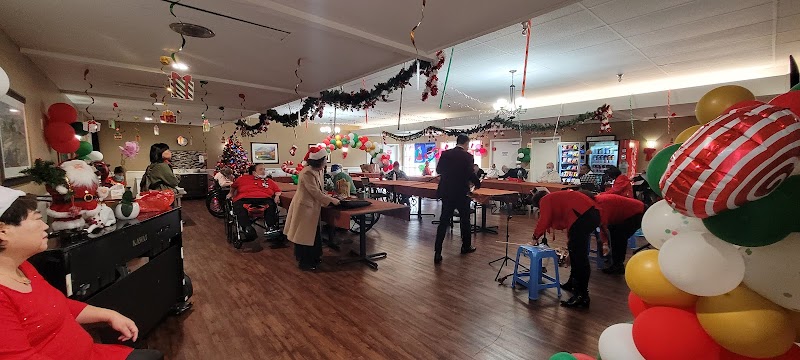
How is Los Altos Sub-Acute And Rehabilitation Center Staffed?

CMS rates LOS ALTOS SUB-ACUTE AND REHABILITATION CENTER's staffing level at 4 out of 5 stars, which is above average compared to other nursing homes. Staff turnover is 45%, compared to the California average of 46%. This relatively stable workforce can support continuity of care.

What Have Inspectors Found at Los Altos Sub-Acute And Rehabilitation Center?

State health inspectors documented 50 deficiencies at LOS ALTOS SUB-ACUTE AND REHABILITATION CENTER during 2019 to 2025. These included: 2 that caused actual resident harm and 48 with potential for harm. Deficiencies causing actual harm indicate documented cases where residents experienced negative health consequences.
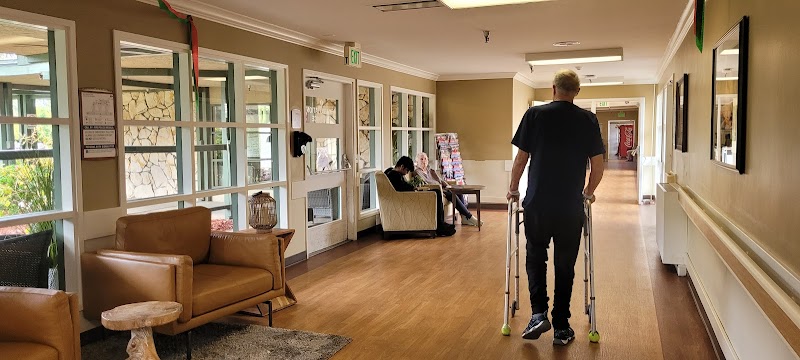
Who Owns and Operates Los Altos Sub-Acute And Rehabilitation Center?

LOS ALTOS SUB-ACUTE AND REHABILITATION CENTER is owned by a for-profit company. For-profit facilities operate as businesses with obligations to shareholders or private owners. The facility is operated by COVENANT CARE, a chain that manages multiple nursing homes. With 152 certified beds and approximately 132 residents (about 87% occupancy), it is a mid-sized facility located in LOS ALTOS, California.
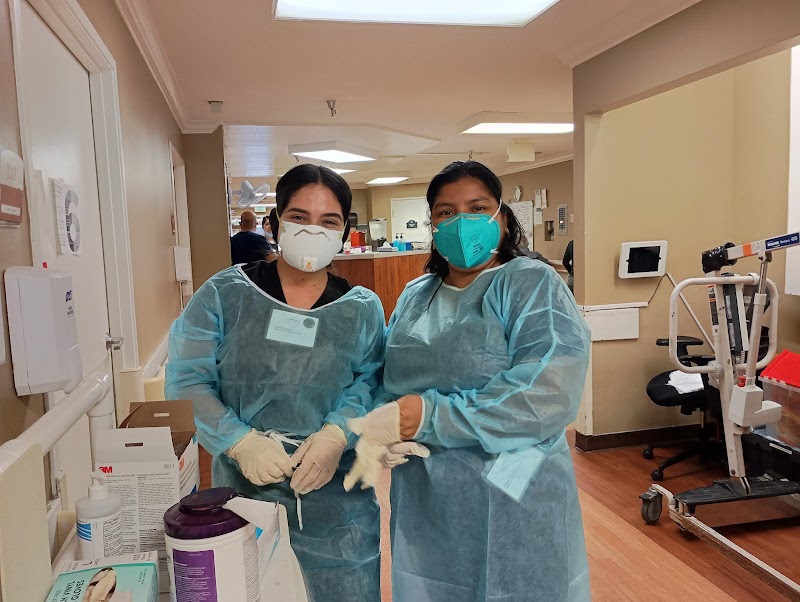
How Does Los Altos Sub-Acute And Rehabilitation Center Compare to Other California Nursing Homes?

Compared to the 100 nursing homes in California, LOS ALTOS SUB-ACUTE AND REHABILITATION CENTER's overall rating (4 stars) is above the state average of 3.2, staff turnover (45%) is near the state average of 46%, and health inspection rating (4 stars) is above the national benchmark.

What Should Families Ask When Visiting Los Altos Sub-Acute And Rehabilitation Center?

Based on this facility's data, families visiting should ask: "Can I visit during a mealtime to observe dining assistance and food quality?" "How do you handle medical emergencies, and what is your hospital transfer rate?" "Can I speak with family members of current residents about their experience?"

Is Los Altos Sub-Acute And Rehabilitation Center Safe?

Based on CMS inspection data, LOS ALTOS SUB-ACUTE AND REHABILITATION CENTER has a clean safety record: no substantiated abuse findings (meaning no confirmed cases of resident harm), no Immediate Jeopardy citations (the most serious violation level indicating risk of serious injury or death), and is not on the Special Focus Facility watch list (a federal program monitoring the lowest-performing 1% of nursing homes). The facility has a 4-star overall rating and ranks #1 of 100 nursing homes in California. While no facility is perfect, families should still ask about staff-to-resident ratios and recent inspection results during their visit.

Do Nurses at Los Altos Sub-Acute And Rehabilitation Center Stick Around?

LOS ALTOS SUB-ACUTE AND REHABILITATION CENTER has a staff turnover rate of 45%, which is about average for California nursing homes (state average: 46%). Moderate turnover is common in nursing homes, but families should still ask about staff tenure and how the facility maintains care continuity when employees leave.

Was Los Altos Sub-Acute And Rehabilitation Center Ever Fined?

LOS ALTOS SUB-ACUTE AND REHABILITATION CENTER has no federal fines on record. CMS issues fines when nursing homes fail to meet care standards or don't correct problems found during inspections. The absence of fines suggests the facility has either maintained compliance or corrected any issues before penalties were assessed. This is a positive indicator, though families should still review recent inspection reports for the full picture.

Is Los Altos Sub-Acute And Rehabilitation Center on Any Federal Watch List?

LOS ALTOS SUB-ACUTE AND REHABILITATION CENTER is not on any federal watch list. The most significant is the Special Focus Facility (SFF) program, which identifies the bottom 1% of nursing homes nationally based on persistent, serious quality problems. Not being on this list means the facility has avoided the pattern of deficiencies that triggers enhanced federal oversight. This is a positive indicator, though families should still review the facility's inspection history directly.