THE TERRACES AT LOS ALTOS HEALTH FACILITY
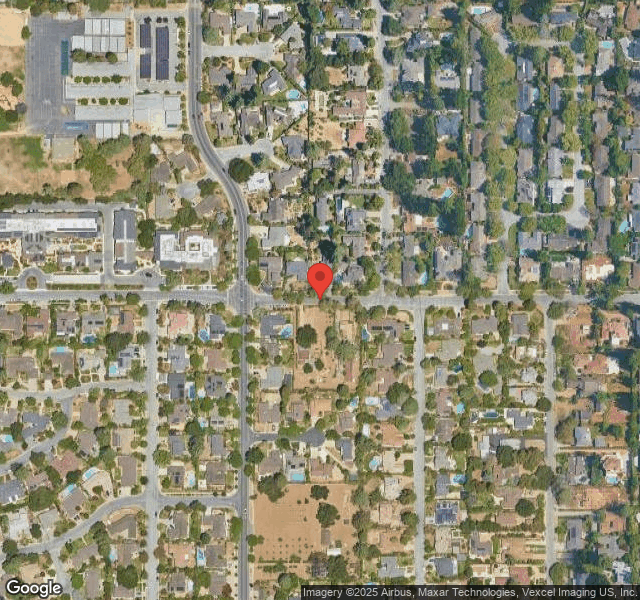

373 PINE LANE, LOS ALTOS, CA 94022 (650) 948-8291
Non profit - Corporation 30 Beds HUMANGOOD Data: November 2025
Trust Grade
60/100
#702 of 1155 in CA
Last Inspection: August 2025

Inspected within the last 6 months. Data reflects current conditions.

Overview

The Terraces at Los Altos Health Facility has a Trust Grade of C+, indicating it is decent and slightly above average in quality. Ranking #702 out of 1155 facilities in California places it in the bottom half, while being #37 out of 50 in Santa Clara County suggests there are better local options. The facility is showing improvement, with issues declining from 15 in 2024 to 12 in 2025. Staffing is a concern due to a 53% turnover rate, which is above the state average, although they benefit from good RN coverage, exceeding 97% of state facilities. Notably, there are no fines on record, which is a positive sign. However, the facility has faced specific issues, such as failing to obtain informed consent for the use of side rails, leading to potential injury risks, and maintaining unsanitary kitchen conditions, which could cause food contamination. Overall, while there are strengths, there are also significant areas for improvement.

Trust Score
C+
60/100
In California
#702/1155
Bottom 40%
Safety Record
Low Risk
No red flags
Inspections
Getting Better
15 → 12 violations
Staff Stability
⚠ Watch
53% turnover. Above average. Higher turnover means staff may not know residents' routines.
Penalties
✓ Good
No fines on record. Clean compliance history, better than most California facilities.
Skilled Nurses
✓ Good
Each resident gets 74 minutes of Registered Nurse (RN) attention daily — more than 97% of California nursing homes. RNs are the most trained staff who catch health problems before they become serious.
Violations
⚠ Watch
28 deficiencies on record. Higher than average. Multiple issues found across inspections.
★★★☆☆
3.0
Overall Rating
★★★☆☆
3.0
Staff Levels
★★★★☆
4.0
Care Quality
★★★☆☆
3.0
Inspection Score
Stable
2024: 15 issues
2025: 12 issues

The Good

  • 4-Star Quality Measures · Strong clinical quality outcomes
  • Full Sprinkler Coverage · Fire safety systems throughout facility
  • No fines on record

Facility shows strength in quality measures, fire safety.

The Bad

3-Star Overall Rating

Near California average (3.1)

Meets federal standards, typical of most facilities

Staff Turnover: 53%

Near California avg (46%)

Higher turnover may affect care consistency

Chain: HUMANGOOD

Part of a multi-facility chain

Ask about local staffing decisions and management

The Ugly 28 deficiencies on record

Nov 2024 1 deficiency
CONCERN (D) 📢 Someone Reported This

A family member, employee, or ombudsman was alarmed enough to file a formal complaint

Potential for Harm - no one hurt, but risky conditions existed

Deficiency F0657 (Tag F0657)

Could have caused harm · This affected 1 resident

**NOTE- TERMS IN BRACKETS HAVE BEEN EDITED TO PROTECT CONFIDENTIALITY** Based on interview and record review, the facility's interdisciplinary team (IDT, team composed of members from different depart...

Read full inspector narrative →
**NOTE- TERMS IN BRACKETS HAVE BEEN EDITED TO PROTECT CONFIDENTIALITY** Based on interview and record review, the facility's interdisciplinary team (IDT, team composed of members from different departments involved in resident's care) failed to review and revise the fall risk care plan after a fall incident for one of four residents (Resident 1). This failure had the potential to result in Resident 1 experiencing further falls. Findings: Review of Resident 1's admission Record indicated Resident 1 was admitted to the facility with diagnoses including pathological fracture (broken bones caused by disease) in neoplastic disease, pelvis, unspecified B-cell lymphoma (a type of cancer), severe obesity due to excess calories, and neoplastic related fatigue (persistent feeling of exhaustion caused by cancer and its treatments). Review of Resident 1's Minimum Data Set (MDS, an assessment tool), dated 10/3/24, indicated Resident 1's Brief Interview for Mental Status (BIMS, an assessment to test a person's cognition level) score was 14 (a score of 13-15 indicates the resident is cognitively intact). Review of Resident 1's Post Fall Evaluation, dated 10/15/24, indicated Resident 1 had an unwitnessed fall inside her bedroom. Review of Resident 1's fall risk care plan, revised 10/9/24, indicated the care plan was not reviewed and revised after the fall incident on 10/15/24 to prevent further falls. During a concurrent interview and record review on 10/28/24 at 10:33 a.m., with the Director of Nursing (DON), Resident 1's fall risk care plan was reviewed. The DON confirmed Resident 1 was a fall risk and had fallen in the facility. The DON further confirmed the fall risk care plan was not updated when Resident 1 fell on [DATE]. During a follow-up interview with the DON on 10/28/24 at 12:54 p.m., the DON confirmed that if a resident falls, the fall risk care plan should be updated. During a review of the facility's policy and procedure (P&P) titled, Care Plans, Comprehensive Person -Centered, revised March 2022, the P&P indicated, 11. Assessment of residents are ongoing and care plans are revised as information about the residents and the residents' condition change. 12. The interdisciplinary team reviews and updates the care plan: a. when there has been a significant change in the resident's condition. During a review of the facility's P&P titled, Falls - Clinical Protocol, revised March 2022, the P&P indicated staff will identify pertinent interventions to try to prevent subsequent falls.
Sept 2024 1 deficiency
CONCERN (D) 📢 Someone Reported This

A family member, employee, or ombudsman was alarmed enough to file a formal complaint

Potential for Harm - no one hurt, but risky conditions existed

Quality of Care (Tag F0684)

Could have caused harm · This affected 1 resident

**NOTE- TERMS IN BRACKETS HAVE BEEN EDITED TO PROTECT CONFIDENTIALITY** Based on interviews and record review, the facility failed to ensure the correct administration of medication when the licensed ...

Read full inspector narrative →
**NOTE- TERMS IN BRACKETS HAVE BEEN EDITED TO PROTECT CONFIDENTIALITY** Based on interviews and record review, the facility failed to ensure the correct administration of medication when the licensed vocational nurse A entered the medication order to the wrong resident. This failure resulted in one of three sampled residents (Resident 1) receiving a medication that was not prescribed for this resident. Findings: Review of Resident 1's clinical record indicated she was admitted on [DATE], with diagnoses including Alzheimer's disease (a disease characterized by a progressive decline in mental abilities), and dysphagia (difficulty swallowing), and major depressive disorder (a mood disorder that causes a persistent feeling of sadness and loss of interest). During a concurrent interview and record review on 8/5/24 at 3:38 p.m., with the director of nursing (DON), stated she entered the medication Abrysvo (vaccine that protects against lower respiratory tract disease caused by respiratory syncytial virus [RSV])120 microgram (mcg) /0.5 milliliter (ml -metric unit used to measure volume) to the wrong resident. The DON stated the medication was administered to Resident 1. Resident 1 had an order for RSV vaccine entered into her records in error- the order was intended for a different resident. The vaccine was inadvertently given. During an interview with Director of Nursing (DON) on 9/25/24 at 1:09 p.m., DON stated LVN A administered the RSV vaccine to Resident 1 that were not prescribed for her. During an interview on 9/25/24 a 2:08 p.m., with LVN A stated the vaccine was input by the DON and the medication came from the Pharmacy with the name of the Resident 1. She confirmed she did not ask another staff to verify. Review of the facility's policy and procedure (P&P) titled, Administering Medications, dated April 2019, the P&P indicated, Medications are administered in a safe and timely manner, and as prescribed.
May 2024 1 deficiency
CONCERN (D) 📢 Someone Reported This

A family member, employee, or ombudsman was alarmed enough to file a formal complaint

Potential for Harm - no one hurt, but risky conditions existed

Quality of Care (Tag F0684)

Could have caused harm · This affected 1 resident

**NOTE- TERMS IN BRACKETS HAVE BEEN EDITED TO PROTECT CONFIDENTIALITY** Based on interview and record review, the facility failed to ensure care and services were provided in accordance with professio...

Read full inspector narrative →
**NOTE- TERMS IN BRACKETS HAVE BEEN EDITED TO PROTECT CONFIDENTIALITY** Based on interview and record review, the facility failed to ensure care and services were provided in accordance with professional standards of practice for one of three residents (Resident 1) when: 1. medications were not administered as ordered by the physician; and, 2. Resident 1's physician was not informed regarding missed doses of medication. These failures had the potential to compromise Resident 1's health and well-being. Findings: 1. Review of Resident 1's clinical record indicated she was admitted on [DATE] and had diagnoses including fractured shaft of right fibula (a break of the larger lower leg bone below the knee joint), atrial fibrillation (irregular heart rate), congestive heart failure (heart cannot pump enough blood to meet the body's needs), hypertensive heart disease with heart failure (heart problems that occur because of high blood pressure pressure), presence of cardiac pacemaker (implantable device that regulates heart muscle and contractions) Review of Resident 1's physician's order, dated 3/24/24, indicated she was to receive sotolol (medication used to treat heart rhythm problems) 80 milligram (mg, dose measurement) tablet, one half tablet two times a day. Review of Resident 1's medication administration record (MAR) indicated she did not receive her scheduled doses of sotolol on 4/9/24 at 9:00 a.m. and 5:00 p.m., 4/10/24 at 9:00 a.m. and 5:00 p.m., and 4/11/24 at 5:00 p.m. During an interview and concurrent record review with the director of nursing (DON) on 5/21/24 at 12:00 p.m., she reviewed Resident 1's MAR and confirmed Resident 1 did not receive sotolol on the above dates and times. The DON confirmed the MAR indicated the sotolol was not available. The DON stated the licensed nurses should follow up with the pharmacy when a medication is not available. 2. Resident 1's physician's order, dated 3/24/24, indicated she was to receive sotolol 80 mg tablet, one half tablet, two times a day. Review of Resident 1's medication administration record (MAR) indicated she did not receive her scheduled doses of sotolol on 4/9/24 at 9:00 a.m. and 5:00 p.m., 4/10/24 at 9:00 a.m. and 5:00 p.m., and 4/11/24 at 5:00 p.m. During an interview and concurrent record review with the DON on 5/21/24 at 12:45 p.m., she stated the licensed nurses should inform the physician when a resident does not receive prescribed medications. The DON confirmed there was no documentation indicating licensed nurses informed the physician when Resident 1 did not receive sotolol on 4/9/24, 4/10/24. and 4/11/24. Review of the facility's policy, Medication Ordering and Receiving From Pharmacy Provider, dated 2007, indicated medications are received from the provider pharmacy on a timely basis and to reorder routine medications by the reorder date on the label to assure an adequate supply is on hand. Review of the facility's policy, Medication Administration - General Guidelines dated 2007, indicated if a dose of regularly schedule medication is with withheld the MAR must be appropriately documented and if two consecutive doses of a vital medication are withheld the physician is notified.
Apr 2024 9 deficiencies
CONCERN (D)

Potential for Harm - no one hurt, but risky conditions existed

Report Alleged Abuse (Tag F0609)

Could have caused harm · This affected 1 resident

Based on interview and record review, the facility failed to ensure an allegation of abuse was reported to the proper agencies per the facility's abuse policy for one of two residents (Resident 23) wh...

Read full inspector narrative →
Based on interview and record review, the facility failed to ensure an allegation of abuse was reported to the proper agencies per the facility's abuse policy for one of two residents (Resident 23) when Resident 23's abuse allegation was not reported after surveyor notified the administrator (ADM) and executive director (ED). This failure left information relevant to an allegation of abuse unreported to agencies required to be reported to for such allegations. Findings: Review of Resident 23's clinical information yielded a face sheet that indicated she was admitted with diagnoses which included atrial flutter (a type of abnormal heart rhythm, or arrhythmia), muscle weakness, and osteoarthritis (joint pain and stiffness). Resident 23's Minimum Data Set (MDS, an assessment tool) indicated she had full mental capacity per her brief interview of mental status, dated 2/29/2024, with a score of 15 (on a scale of 0-15, 15 being full capacity). During an interview with Resident 23 on 4/02/24 at 8:41 AM, in her room, she stated a nurse on night shift was rough when she was cleaning her. Resident 23 stated she screamed, and the nurse told her to stop screaming. She stated it happened last night and did not know the name of the staff. Resident 23 stated that it happened maybe once a week. This surveyor notified the ADM and ED, who were both in the ADM's office, of the allegation made by Resident 23. The ADM and ED both acknowledged the information. During an interview with ADM on 4/09/24 at 8:57 AM, she stated the facility did not have any suspicions of abuse with Resident 23, so they did not report the allegation to the Department. A review of the facility's policy and procedure titled California LPC-Elder Abuse Prevention, Identification, Response, Reporting, revised 10/2023, indicated, . E. Reporting Abuse, Exploitation, Neglect or Misappropriation. In Life Plan Communities Generally, the timeframe for reporting is to report immediately, but not later than 24 hours after the allegation of alleged violations involving abuse . d. The appropriate community leader makes any required verbal and written report to the local law enforcement and to the Department of Public Health . e. The community leader shall report allegations as dictated by state or local agencies (including to the State Survey Agency and adult protective services where state law provides for jurisdiction in long-term care facilities) in accordance with State law through established procedures.
CONCERN (D)

Potential for Harm - no one hurt, but risky conditions existed

Deficiency F0658 (Tag F0658)

Could have caused harm · This affected 1 resident

Based on interview and record review, the facility failed to follow a physician's order for one of three sampled residents (Resident 180) when weekly weights were not done as ordered by the physician....

Read full inspector narrative →
Based on interview and record review, the facility failed to follow a physician's order for one of three sampled residents (Resident 180) when weekly weights were not done as ordered by the physician. This failure of not following a physician's order resulted in the facility to be unaware of Resident 180's weight for over two weeks. Findings: Review of Resident 180's medical record face sheet (summary of important information) indicated she was admitted with diagnoses including pneumonia (an infection that affects one or both lungs) and muscle weakness. A physician's order, dated 3/13/24, was for weekly weights. The Resident Vital Sign Report indicated no documentation of weights since 3/18/24. During interview and concurrent record review with the admissions nurse on 4/9/24 at 2:02 p.m., she stated Resident 180 had no weights taken between 3/18/24 and 4/4/24. Review of the facility's policy titled, Weight Assessment and Intervention, revised 3/2022, indicated, Residents are weighed upon admission and at intervals established by the interdisciplinary team.
CONCERN (D)

Potential for Harm - no one hurt, but risky conditions existed

Pressure Ulcer Prevention (Tag F0686)

Could have caused harm · This affected 1 resident

**NOTE- TERMS IN BRACKETS HAVE BEEN EDITED TO PROTECT CONFIDENTIALITY** Based on interview and record review, the facility failed to prevent a pressure ulcer (damage to the skin caused by prolonged pr...

Read full inspector narrative →
**NOTE- TERMS IN BRACKETS HAVE BEEN EDITED TO PROTECT CONFIDENTIALITY** Based on interview and record review, the facility failed to prevent a pressure ulcer (damage to the skin caused by prolonged pressure) from developing for one of two residents (Resident 12) when a medical device was not placed properly. This failure resulted in a facility-acquired pressure ulcer for Resident 12. Findings: Review of Resident 12's medical record indicated he was admitted to the facility on [DATE] with a fractured left foot. Review of Resident 12's physician order, dated 2/28/24, indicated to keep left boot on at all times. Review of Resident 12's wound assessment, dated 3/9/24, indicated a facility acquired presssure injury to the left heel was identified on 3/9/24. Review of Resident 12's skin note, dated 3/12/24, indicated the resident was evaluated by the wound specialist on 3/12/24 for medical equipment related wound on his left heel. During an interview on 4/2/24 at 12:09 p.m., registered nurse D (RN D) stated Resident 12 developed a big blister on his heel from his boot about three weeks ago. She stated someone put Resident 12's boot on wrong and it resulted in the blister. During an interview on 4/2/24 at 12:25 p.m., RN D stated she saw Resident 12's boot placed on Resident 12's foot incorrectly. She stated someone removed the liner from the inside of his boot, so the plastic part of the boot was against his skin. RN D stated when she removed the boot, she saw the blister on Resident 12's heel. She stated his skin rubbing against the plastic boot caused the blister. Review of Resident 12's Care Plan Report indicated a skin integrity care plan, starting on 2/28/24 with a goal, Risk of skin integrity will be minimized . throughout their stay at the [facility].
CONCERN (D)

Potential for Harm - no one hurt, but risky conditions existed

Pharmacy Services (Tag F0755)

Could have caused harm · This affected 1 resident

Based on observation, interview, and record review the facility failed to 1. administer all physician ordered medications to one of three residents (Resident 2) when his Miconazole nitrate 2% topical ...

Read full inspector narrative →
Based on observation, interview, and record review the facility failed to 1. administer all physician ordered medications to one of three residents (Resident 2) when his Miconazole nitrate 2% topical cream (antifungal cream) was not administered during medication administration, and 2. ensure proper accounting of the controlled medication oxycodone (a semi-synthetic narcotic analgesic drug to relieve pain) in one of two medication carts (med cart 1) when the count of the oxycodone whole tablet (tab) and half tab were not correct. These failures had actual (for Resident 2) and potential implications for residents to not receive their prescribed medication(s) correctly. Findings: 1. Resident 2 was admitted with diagnoses which included psoriasis (a chronic (long-lasting) disease in which the immune system becomes overactive, causing skin cells to multiply too quickly. Patches of skin become scaly and inflamed). During an observation of a medication administration on 4/04/24 at 8:23 AM by licensed vocational nurse C (LVN C) for Resident 2, his Miconazole nitrate 2% topical cream was not observed administered. A review of Resident 2's physician orders, in his electronic record, indicated an order dated 3/18/24 for miconazole nitrate 2% topical cream topical, twice a day at 9 am and 9 pm. During an interview with LVN C on 4/04/24 at 10:40 AM, she stated she did not see the Miconazole in the MAR (medication administration record), but she sees it in the orders. LVN C stated she did not give the miconazole nitrate 2% cream. 2. During an observation of medications in med cart 1 and subsequent interview with the director of nursing (DON) on 4/04/24 at 11:25 AM, the controlled substance binder indicated Resident 133 had 13 half tablets of 2.5 mg (milligrams, a unit of dose measure) of Oxycodone 5 mg, while the pill pack of the half tablets of Oxycodone 5 mg was observed to have 12 half tablets. The controlled substance binder indicated Resident 133 had nine (9) whole tablets of Oxycodone 5 mg, while the pill pack was observed to contain 10 whole tabs. The DON stated it looked like someone gave a 1/2 tab and signed off for a whole tab. During an interview with registered nurse D (RN D) on 4/04/24 at 11:38 AM, she stated she had given a 1/2 tab, and signed off on the whole tab sheet. A review of the State Operations Manual (SOM) indicated in Section 483.45(a) Procedures. A facility must provide pharmaceutical services (including procedures that assure the accurate acquiring, receiving, dispensing, and administering of all drugs and biologicals) to meet the needs of each resident.
CONCERN (D)

Potential for Harm - no one hurt, but risky conditions existed

Medication Errors (Tag F0758)

Could have caused harm · This affected 1 resident

Based on interview and record review, the facility failed to ensure two of five residents (Residents 130 and 131) were free from unnecessary psychotropic (drug that affects brain activities associated...

Read full inspector narrative →
Based on interview and record review, the facility failed to ensure two of five residents (Residents 130 and 131) were free from unnecessary psychotropic (drug that affects brain activities associated with mental processes and behavior) medications. 1. For Resident 130, there was no side effect monitoring and behavior monitoring for the use of trazodone (medication used to treat depression or help with sleep problems); 2. For Resident 131, there was no side effect monitoring and behavior monitoring for the use of trazodone. These failures had the potential to result in lack of adequate monitoring and for the residents to receive unnecessary medications. Findings: 1. Review of Resident 130's medical record indicated he was admitted to the facility with diagnoses including Alzheimer's disease (a progressive disease that destroys memory and mental functions) and hypertension (high blood pressure). Review of Resident 130's physician orders indicated he had an order, dated 3/29/24 for trazodone 50 milligrams (mg, unit of measurement) every bedtime for insomnia (sleep disorder). There was no monitoring for hours of sleep and no monitoring for side effects related to trazodone for Resident 130. During an interview and concurrent record review on 4/5/24 at 11:40 a.m., the DON stated Resident 130 was receiving trazodone for insomnia. She confirmed Resident 130 was missing monitoring for hours of sleep and monitoring for side effects related to trazodone. 2. Review of Resident 131's medical record indicated he was admitted to the facility with diagnoses including acute respiratory failure (a lung condition that can cause shortness of breath) and atrial fibrillation (an irregular heart rhythm which can lead to blood clots and stroke). Review of Resident 131's physician orders indicated he had an order for trazodone 50 mg at bedtime for sleep. There was no monitoring for hours of sleep and no monitoring for side effects related to trazodone for Resident 131. During an interview and concurrent record review on 4/5/24 at 11:46 a.m., the DON confirmed Resident 131 was missing monitoring for hours of sleep and monitoring for side effects related to trazodone. Review of the facility's policy, Psychotropic Medication Use, dated 7/2022, indicated psychotropic medication management includes adequate monitoring for efficacy and adverse consequences.
CONCERN (D)

Potential for Harm - no one hurt, but risky conditions existed

Infection Control (Tag F0880)

Could have caused harm · This affected 1 resident

Based on observation, interview, and record review, the facility failed to implement infection prevention strategies when: 1. A nurse did not change gloves and perform hand hygiene during one of two d...

Read full inspector narrative →
Based on observation, interview, and record review, the facility failed to implement infection prevention strategies when: 1. A nurse did not change gloves and perform hand hygiene during one of two dressing changes. 2. One of three urinary catheter bags was on the ground. These failures had the potential to spread infectious organisms to the residents. Findings: During a wound dressing change observation on 4/2/24 at 12:09 p.m., registered nurse D (RN D) prepared Resident 12's wound supplies and put on gloves. RN D removed Resident 12's boot and removed the dressing on his heel. Using the same gloves, RN D cleaned the wound with saline and put on a new dressing. Using the same gloves, RN D cleaned the other wounds on top of Resident 12's foot. RN D did not change gloves or wash or sanitize hands after removing the wound dressing, before cleaning the wound, and before cleaning another wound. During an interview on 4/2/24 at 12:25 p.m., RN D confirmed she only used one pair of gloves throughout Resident 12's wound dressing change. During an interview with the director of staff development (DSD) on 4/8/24 at 10:37 a.m., she stated removing gloves and hand hygiene should be done after removing a soiled dressing and moving to the next wound. Review of the facility's policy, Dressings, Dry/Clean, revised 9/2013, indicated to wash and dry your hands thoroughly after removing the soiled dressing and discarding the dressing. 2. During an observation in Resident 130's room on 4/2/24 at 11:42 a.m., Resident 130 was in bed and his urinary catheter bag was on the floor. During an interview with RN D on 4/2/24 at 11:55 a.m., she stated, It is not okay that his bag is on the floor. Review of the facility's policy, Catheter Care, Urinary, revised 8/2022, indicated, Be sure the catheter/tubing and drainage bag are kept off of the floor.
CONCERN (D)

Potential for Harm - no one hurt, but risky conditions existed

Deficiency F0883 (Tag F0883)

Could have caused harm · This affected 1 resident

**NOTE- TERMS IN BRACKETS HAVE BEEN EDITED TO PROTECT CONFIDENTIALITY** Based on interview and record review, the facility failed to ensure one of five residents (Resident 7) was offered and/or receiv...

Read full inspector narrative →
**NOTE- TERMS IN BRACKETS HAVE BEEN EDITED TO PROTECT CONFIDENTIALITY** Based on interview and record review, the facility failed to ensure one of five residents (Resident 7) was offered and/or received influenza (a contagious respiratory illness caused by influenza viruses that infect the nose, throat, and sometimes the lungs) and pneumococcal (common bacteria that can affect different parts of the body) vaccinations. This failure increased the potential to for residents to have inadequate immunity to influenza and pneumococcal infections. Findings: Review of Resident 7's clinical record indicated she was 85-years-old and was admitted to the facility on [DATE]. Review of Resident 7's Immunizations Report, dated 4/9/24, indicated she received an influenza vaccination on 11/13/21. There was no documentation that Resident 7 was offered and/or received an influenza vaccination in 2023 or 2024. There was no documentation that Resident 7 was offered and/or received a pneumococcal vaccination. During an interview on 4/9/24 at 11:25 a.m., the director of staff development (DSD) confirmed Resident 7 had not had an influenza vaccination since 2021. The DSD also stated Resident 7 had no record of a pneumococcal vaccination. During an interview on 4/9/24 at 12:01 p.m., the DSD stated she could not find any documentation that Resident 7 was offered an influenza vaccination or a pneumococcal vaccination in 2023 or 2024. Review of the facility's policy, Pneumococcal Vaccine, dated 3/2022 indicated, Prior to or upon admission, residents are assessed for eligibility to receive the pneumococcal vaccine series, and when indicated, are offered the vaccine series within thirty (30) days of admission to the facility unless medically contraindicated or the resident has already been vaccinated. The policy also indicated, Administration of the pneumococcal vaccines are made in accordance with current Centers for Disease Control and Prevention (CDC) recommendations at the time of the vaccination. Review of the CDC's Pneumococcal Vaccine Recommendations, dated 9/21/23, indicated the CDC recommends pneumococcal vaccination for adults 65 years or older. Review of the CDC's National Center for Immunization and Respiratory Diseases, dated 3/20/24, indicated, Everyone [six] months and older should get an annual flu vaccine.
CONCERN (E)

Potential for Harm - no one hurt, but risky conditions existed

Food Safety (Tag F0812)

Could have caused harm · This affected multiple residents

Based on observation, interview, and record review, the facilty failed to ensure sanitary conditions were maintained in the kitchen when: 1. Kitchen staff did not wear hair restraints while in the ki...

Read full inspector narrative →
Based on observation, interview, and record review, the facilty failed to ensure sanitary conditions were maintained in the kitchen when: 1. Kitchen staff did not wear hair restraints while in the kitchen; 2. A red bucket was stored on the floor 3. A dietary aide picked up an item from floor and did not perform proper hand hygiene 4. Three of three ice machines had white residue or scale (the buildup of a white, chalk-like substance that forms where water collects or where water is dispensed) . These failures had the potential to cause food contamination and spread food-borne illness to residents who received their food from the kitchen. Findings: 1. During an kitchen observation on 4/2/24 at 8:27 a.m., the dishwasher did not have a hair restraint over his hair. During an observation on 4/3/24 at 3:07 p.m., a staff member walked through the kitchen with no hair restraint. During a concurrent observation and interview in the kitchen with the director of dining services (DDS) and nutritional care manager (NCM) on 4/3/24 at 3:18 p.m., the DDS was not wearing a hair restraint. The NCM confirmed the DDS had no hair restraint and stated everyone in the kitchen needs hair restraints. Review of the facility's policy, Uniform Dress Code, revised 1/2024 indicated, Wear the approved hair restraint when on duty regardless of length or presence of hair. Review of the Food and Drug Administration's (FDA) Food Code 2022, indicated food employees shall wear hair restraints such as hats, hair coverings or nets, beard restraints, and clothing that covers body hair, that are designed and worn to effectively keep their hair from contacting exposed food; clean equipment, utensils, linens, and unwrapped single service and single-use articles. 2. During a kitchen observation and concurrent interview on 4/2/24 at 8:30 a.m., a red bucket was on the ground by the dishwasher. The NCM stated the red bucket was not supposed to be on the ground. Review of the facility's policy, Sanitizing Food Contact Surfaces, revised 1/2023 indicated, Red buckets should be placed on a lower shelf of the station . 3. During a dining observation on 4/3/24 at 12:27 p.m. in the kitchenette, dietary aide E (DA E) was providing residents their lunch trays. DA E picked up an item off the ground with her right hand. After opening the refrigerator, DA E removed the glove on her right hand, discarded it with her left hand, and put on a new glove. DA E did not wash or sanitize her hands, nor did she change the glove on her left hand. During an interview with DA E on 4/3/24 at 12:44 p.m., she confirmed she only changed one glove after picking up trash from the ground. When asked if she should have washed or sanitized her hands, DA E stated, I guess I should have. Review of the facility's policy, Food Handling Guidelines, revised 1/2024 indicated, Gloves are changed between tasks . Hands are washed after gloves are removed. 4. During a concurrent observation and interview with the director of building and grounds (DBG) on 4/4/24 at 8:40 a.m. , the ice machine in Kitchen 1 had white substances along the edges of the panel that opens to the ice maker. The DBG stated the ice machine needed some more cleaning and it was part of the facility's preventative maintenance. During a concurrent observation and interview on 4/4/24 at 9:01 a.m., the ice machine in Kitchen 2 had white substances along the edges of the panel that opens to the ice maker. The DBG stated it was not okay and should be cleaned. During a concurrent observation and interview on 4/4/24 at 9:05 a.m., the ice machine in the nourishment room had white substances on the ice chute where the ice is dispensed. The DBG stated it was scaling and he will have it cleaned.
CONCERN (F) 📢 Someone Reported This

A family member, employee, or ombudsman was alarmed enough to file a formal complaint

Potential for Harm - no one hurt, but risky conditions existed

Deficiency F0700 (Tag F0700)

Could have caused harm · This affected most or all residents

Based on observation, interview, and record review, the facility failed to offer and/or attempt alternatives, explain risks and benefits, or obtain informed consent prior to the use of side rails in a...

Read full inspector narrative →
Based on observation, interview, and record review, the facility failed to offer and/or attempt alternatives, explain risks and benefits, or obtain informed consent prior to the use of side rails in accordance with their bed rails (side rails, safety rails, and grab/assist bars) policy for 25 of 25 residents (137, 80, 16, 23, 179, 180, 181, 182, 14, 4, 138, 10, 18, 130, 11, 2, 12, 7, 6, 129, 131, 133, 136, 132, 30). These failures had the potential to place the residents at risk of entrapment and serious injury. For Resident 30, it resulted in the resident's left hand getting caught between the mattress and quarter [one-fourth, one part of a whole divided into four equal parts] side bed rail. Findings: During an observation in Resident 137's room on 4/2/24 at 8:29 a.m., Resident 137 was in bed with bilateral side rails. Review of Resident 137's physician order, dated 3/14/24, indicated he had an order for Side Rails: Quarter. Review of Resident 137's Side Rail Evaluation, dated 3/14/24, indicated bilateral side rails were recommended. There was no documentation that indicated the facility offered and/or attempted alternatives, explained risks and benefits, or obtained informed consent prior to the use of side rails. During an observation in Resident 80's room on 4/2/24 at 8:37 a.m., Resident 80 was in bed with bilateral side rails. Review of Resident 80's physician order, dated 3/26/24, indicated he had an order for Side Rails: Quarter. Review of Resident 80's Side Rail Evaluation, dated 3/26/24, indicated bilateral side rails were recommended. There was no documentation that indicated the facility offered and/or attempted alternatives, explained risks and benefits, or obtained informed consent prior to the use of side rails. During an observation in Resident 16's room on 4/2/24 at 8:41 a.m., Resident 16 was in bed with bilateral side rails. Review of Resident 16's physician order, dated 8/30/23, indicated he had an order for Side Rails: Quarter. Review of Resident 16's Side Rail Evaluation, dated 8/30/23, indicated quarter side rails were recommended. There was no documentation that indicated the facility offered and/or attempted alternatives, explained risks and benefits, or obtained informed consent prior to the use of side rails. During an observation in Resident 23's room on 4/2/24 at 8:41 a.m., Resident 23 was in bed with bilateral side rails. Review of Resident 23's physician order, dated 2/25/24, indicated he had an order for Side Rails: Quarter. Review of Resident 23's Side Rail Evaluation, dated 2/25/24, indicated bilateral half rails were recommended, instead of the quarter side rails ordered. There was no documentation that indicated the facility offered and/or attempted alternatives, explained risks and benefits, or obtained informed consent prior to the use of side rails. During an observation in Resident 179's room on 4/2/24 at 9:09 a.m., Resident 179 was sitting up in bed with bilateral side rails. Review of Resident 179's physician order, dated 3/15/24, indicated an order for Side Rails: Quarter. Review of Resident 179's Side Rail Evaluation, dated 3/15/24, indicated there was no documentation that indicated the facility offered and/or attempted alternatives, explained risks and benefits, or obtained an informed consent prior to the use of side rails. During an observation in Resident 180's room on 4/2/24, at 9:16 a.m., Resident 180 was sitting up in bed with bilateral side rails. Review of Resident 180's physician order, dated 3/13/24, indicated an order for Side Rails: Quarter. Review of Resident 180's Side Rail Evaluation, dated 3/14/24, indicated bilateral side rails were recommended. There was no documentation that indicated the facility offered and/or attempted alternatives, explained risks and benefits, or obtained an informed consent prior to the use of side rails. During an observation in Resident 181's room on 4/2/24 at 9:20 a.m., Resident 181 was sitting up in wheelchair. Resident 181's bed had bilateral side rails. Review of Resident 181's physician order, dated 3/16/24, indicated she had an order for Side Rails: Quarter. Review of Resident 181's Side Rail Evaluation, dated 3/16/24, indicated bilateral side rails were recommended. There was no documentation that indicated the facility offered and/or attempted alternatives, explained risks and benefits, or obtained informed consent prior to the use of side rails. During an observation in Resident 182's room on 4/2/24, at 9:30 a.m., Resident 182 was sitting up in bed with bilateral side rails intact. Review of Resident 182's physician order, dated 4/1/24, indicated an order for Side Rails: Quarter. Review of Resident 182's Side Rail Evaluation, dated 4/2/24, indicated area left blank for recommendation of side rails. There was no documentation that indicated the facility offered and/or attempted alternatives, explained risks and benefits, or obtained informed consent prior to the use of side rails. During an observation in Resident 14's room on 4/2/24 at 11:13 a.m., Resident 14 was not in bed, and her bed had bilateral side rails. Review of Resident 14's physician order, dated 4/28/24, indicated he had an order for Side Rails: Quarter. Review of Resident 14's Side Rail Evaluation, dated 4/28/24, indicated bilateral half rails were recommended. There was no documentation that indicated the facility offered and/or attempted alternatives, explained risks and benefits, or obtained informed consent prior to the use of side rails. During an observation in Resident 4's room on 4/2/24 at 11:13 a.m., Resident 4 was in bed with bilateral side rails. Review of Resident 4's physician order, dated 12/20/23, indicated he had an order for Side Rails: Quarter. Review of Resident 4's Side Rail Evaluation, dated 9/11/22, indicated bilateral side rails were recommended. There was no documentation that indicated the facility offered and/or attempted alternatives, explained risks and benefits, or obtained informed consent prior to the use of side rails. During an observation in Resident 138's room on 4/2/24, at 11:30 a.m., Resident 138 was sitting in chair, and his bed had bilateral side rails. Review of Resident 138's physician order, dated 3/21/24, indicated he had an order for Side Rails: Quarter. Review of Resident 138's Side Rail Evaluation, dated 3/21/24, indicated bilateral side rails were recommended. There was no documentation that indicated the facility offered and/or attempted alternatives, explained risks and benefits, or obtained informed consent prior to the use of side rails. During an observation in Resident 10's room on 4/2/24 at 11:38 a.m., Resident 10 was in bed with bilateral side rails. Review of Resident 10's physician order, dated 12/16/23, indicated he had an order for Side Rails: Quarter. Review of Resident 10's Side Rail Evaluation, dated 12/16/23, indicated bilateral side rails were recommended. There was no documentation that indicated the facility offered and/or attempted alternatives, explained risks and benefits, or obtained informed consent prior to the use of side rails. During an observation in Resident 18's room on 4/2/24 at 11:40 a.m., Resident 18 was in bed with bilateral side rails. Review of Resident 18's physician order, dated 3/4/24, indicated he had an order for Side Rails: Quarter. Review of Resident 18's Side Rail Evaluation, dated 3/4/24, indicated bilateral side rails were recommended. There was no documentation that indicated the facility offered and/or attempted alternatives, explained risks and benefits, or obtained informed consent prior to the use of side rails. During an observation in Resident 130's room on 4/2/24 at 11:42 a.m., Resident 130 was in bed with bilateral side rails. Review of Resident 130's physician order, dated 3/29/24, indicated he had an order for Side Rails: Quarter. Review of Resident 130's Side Rail Evaluation, dated 3/29/24, indicated bilateral side rails were recommended. There was no documentation that indicated the facility offered and/or attempted alternatives, explained risks and benefits, or obtained informed consent prior to the use of side rails. During an observation in Resident 11's room on 4/2/24 at 11:57 a.m., Resident 11 was in bed with bilateral side rails. Review of Resident 11's physician order, dated 5/10/23, indicated he had an order for Side Rails: Quarter. Review of Resident 11's Side Rail Evaluation, dated 5/9/23, indicated bilateral quarter rails were recommended. There was no documentation that indicated the facility offered and/or attempted alternatives, explained risks and benefits, or obtained informed consent prior to the use of side rails. During an observation in Resident 2's room on 4/2/24 at 12:02 p.m., Resident 2 was not in room, and his bed had bilateral side rails. Review of Resident 2's physician order, dated 10/8/23, indicated he had an order for Side Rails: Quarter. Review of Resident 2's Side Rail Evaluation, dated 9/27/23, indicated bilateral side rails were recommended. There was no documentation that indicated the facility offered and/or attempted alternatives, explained risks and benefits, or obtained informed consent prior to the use of side rails. During an observation in Resident 12's room on 4/2/24 at 12:09 p.m., Resident 12 was in bed with bilateral side rails. Review of Resident 12's physician order, dated 2/27/24, indicated he had an order for Side Rails: Quarter. Review of Resident 12's Side Rail Evaluation, dated 2/28/24, indicated bilateral side rails were recommended. There was no documentation that indicated the facility offered and/or attempted alternatives, explained risks and benefits, or obtained informed consent prior to the use of side rails. During an observation in Resident 7's room on 4/2/24 at 12:18 p.m., Resident 7 was in bed with bilateral side rails. Review of Resident 7's physician order, dated 4/8/24, and indicated it was a verbal order which was read back by the director of nursing (DON), indicated he had an order for Side Rails: Quarter. Review of Resident 7's Side Rail Evaluation, dated 4/8/24, indicated bilateral side rails were recommended. There was no documentation that indicated the facility offered and/or attempted alternatives, explained risks and benefits, or obtained informed consent prior to the use of side rails. During an observation in Resident 6's room on 4/2/24 at 12:22 p.m., Resident 6 was not in the room , and the bed had bilateral side rails. Review of Resident 6's physician order, dated 3/7/24, and indicated it was a verbal order which was read back by the DON, indicated he had an order for Side Rails: Quarter. Review of Resident 6's Side Rail Evaluation, dated 3/7/24, indicated bilateral side rails were recommended. There was no documentation that indicated the facility offered and/or attempted alternatives, explained risks and benefits, or obtained informed consent prior to the use of side rails. During an observation on 4/2/24 at 3:37 p.m. in the rooms of Resident 129, Resident 131, Resident 133, and Resident 136, all four residents' beds had side rails. Review of Resident 129's physician order, dated 3/30/24, indicated he had an order for Side Rails: Quarter. Review of Resident 129's Side Rail Evaluation, dated 3/30/24, indicated there was no documentation that the facility offered and/or attempted alternatives, explained risks and benefits, or obtained informed consent prior to the use of side rails. Review of Resident 131's physician order, dated 4/1/24, indicated he had an order for Side Rails: Quarter. Review of Resident 131's Side Rail Evaluation, dated 3/31/24, indicated bilateral side rails were recommended. There was no documentation that indicated the facility offered and/or attempted alternatives, explained risks and benefits, or obtained informed consent prior to the use of side rails. Review of Resident 133's physician order, dated 3/27/24, indicated he had an order for Side Rails: Quarter. Review of Resident 133's Side Rail Evaluation, dated 3/27/24, indicated bilateral side rails were recommended. There was no documentation that indicated the facility offered and/or attempted alternatives, explained risks and benefits, or obtained informed consent prior to the use of side rails. Review of Resident 136's physician order, dated 3/24/24, indicated she had an order for Side Rails: Quarter. Review of Resident 136's Side Rail Evaluation, dated 3/24/24, indicated bilateral side rails were recommended. There was no documentation that indicated the facility offered and/or attempted alternatives, explained risks and benefits, or obtained informed consent prior to the use of side rails. During an observation in Resident 132's room on 4/3/24 at 10:39 a.m., Resident 132's bed had bilateral side rails. Review of Resident 132's physician order, dated 4/1/24, indicated he had an order for Side Rails: Quarter. Review of Resident 132's Side Rail Evaluation, dated 4/6/24, indicated bilateral side rails were recommended. There was no documentation that indicated the facility offered and/or attempted alternatives, explained risks and benefits, or obtained informed consent prior to the use of side rails. Review of Resident 30's Side Rail Evaluation, dated 12/26/23, indicated bilateral side rails were recommended. There was no documentation that indicated the facility offered and/or attempted alternatives, explained risks and benefits, or obtained informed consent prior to the use of side rails. Review of Resident 30's progress note, dated 1/10/24 indicated Resident 30's left hand was caught between the bedside rails and when asked what happened [Resident 30 stated] he slipped his hands unknowingly in between the rail that he felt the pain. The note also indicated Resident 30 had a small mark of redness with mild numbness on his left hand. Review of Resident 30's Interdisciplinary Team (IDT, a group of health care professionals from diverse fields who work toward a common goal for residents) note, dated 1/12/24 indicated, certified nursing assistant A (CNA A) was assigned to Resident 30 and [CNA A] stated she heard the resident yelling . and ran to the resident's room. She received [Resident 30] lying in bed, but with both feet on the ground and his left hand caught between the mattress and left bedside rail, palm facing the door. His palm could be seen from the bottom of the bedrail, the bedrail was raised. [CNA A] called for the charge nurse immediately and they were unable to get the resident's hand out. The charge nurse called 911 and [CNA A] stayed with the resident. [Certified nursing assistant B (CNA B)] came and assisted [CNA A] to pull the mattress down and back. CNAs cued [Resident 30] to move his hand up, slowly, until his hand was out from between the mattress and bedside rail. During an interview on 4/4/24 at 3:23 p.m., the director of nursing (DON) stated the interdisciplinary team discussed what happened to Resident 30's hand in an IDT meeting. The DON stated she could not see what the facility put in place as an intervention. During an interview on 4/4/24 at 3:32 p.m. with the director of staff development (DSD) and the DON, the DSD stated she does not know if the facility put anything in place after Resident 30's hand was caught between the mattress and the side rail. The DON stated all the residents in the facility have quarter side rails. When asked if alternatives are attempted prior to using bed rails, the DON stated nothing else is attached to the beds and the facility can ask the resident if they want them or do not want them. The DON stated informed consent is not obtained for the use of side rails because they are not considered a restraint. The DON also stated she did not see that the risks and benefits of side rail use are documented on the facility's side rail evaluation form. During an interview with the DON in her office, on 4/5/24 at 2:16 p.m., she stated she had called the facility's nurse consultant about the bed rails. The DON did not see anything in the side rail evaluation about risks versus benefits. She also stated the facility did not have consents for side rails for all the residents. The DON stated there were no alternatives for side rails use for any of the residents, since the facility did not consider them restraints. Review of the facility's policy, Bed Rails, dated 11/16, indicated, the facility will consider appropriate alternatives prior to installing or using a bed rail . a licensed nurse will review the risks and benefits of bed rails with the resident and/or the authorized representative and obtain written, informed consent from the resident or authorized representative prior to installation and/or use.
Jan 2024 3 deficiencies
CONCERN (D) 📢 Someone Reported This

A family member, employee, or ombudsman was alarmed enough to file a formal complaint

Potential for Harm - no one hurt, but risky conditions existed

Pharmacy Services (Tag F0755)

Could have caused harm · This affected 1 resident

**NOTE- TERMS IN BRACKETS HAVE BEEN EDITED TO PROTECT CONFIDENTIALITY** Based on observation, interviews, and record review, the facility failed to ensure: 1. Two routine pain medications were obtaine...

Read full inspector narrative →
**NOTE- TERMS IN BRACKETS HAVE BEEN EDITED TO PROTECT CONFIDENTIALITY** Based on observation, interviews, and record review, the facility failed to ensure: 1. Two routine pain medications were obtained and administered, as ordered, to meet the needs for one of three sampled residents (Resident 1). The nursing staff failed to call the pharmacy to clarify order changes, and to notify the physician when they ran out of the medications for administration. The failure exposed Resident 1 to unnecessary pain; 2. Two of two controlled medication (those with high potential for abuse and addiction) emergency kits (E-kit: a kit/box containing medications and supplies for immediate use during a medical emergency) were locked in the medication room. This had the potential for loss or abuse of controlled medications; and 3. One of two opened E-kits was replaced timely to ensure availability of medications for resident use in case of an emergency. Findings: 1a. During an interview with the Director of Nursing (DON) on 1/26/24 at 9:20 a.m., she stated Resident 1 was admitted to the facility on [DATE] with stage 4 cancer and required every-3-hour oxycodone (a potent narcotic for moderate to severe pain) routinely; she was also receiving methadone routinely for pain. The pharmacy only sent enough supply of oxycodone for 3 days. The medication ran out, and Resident 1 missed her first oxycodone dose on 1/12/14 in the evening. On 1/14/24, the night shift nurse texted her and the Administrator early in the morning letting them know he needed the oxycodone for Resident 1. The DON stated she called the physician and asked him to write a new prescription for oxycodone on that day, 1/14/24. After the physician wrote a new order, two doses of oxycodone were obtained from the emergency kit (a kit containing medications and supplies for emergency use), and the medication was sent later that day. She stated this happened on the weekend, during which it was staffed by registry nurses (individuals who receives compensation from a third party agency to work at a nursing care institution). The DON stated the facility is still working with the registry agency to find out why they did not call the doctor to get a new prescription when they were out of oxycodone to administer. A review of Resident 1's clinical record indicated she was admitted to the facility on [DATE] with diagnoses including malignant neoplasm (cancer) of unspecified bronchus or lung, neoplasm related pain, low back pain, and neoplastic (malignant) related fatigue. A review of Resident 1's physician orders indicated, on 1/10/24, she had a physician's order for oxycodone 5 milligrams (mg, unit of measurement), 1 tablet every 3 hours as-needed for moderate pain, and 2 tablets (10 mg) every 3 hours as needed for severe pain. A review of Resident 1's Controlled Drug Record (an inventory sheet that keeps record of usage) for oxycodone indicated the pharmacy sent 30 tablets on 1/10/24 with the direction of 1 tablet every 3 hours as needed for moderate pain, and 2 tablets (10 mg) every 3 hours as needed for severe pain. Further review of Resident 1's physician's orders indicated, on 1/11/24, the oxycodone order was changed to 2 tablets (10 mg) every 3 hours routinely for severe pain, to start on 1/11/24; and to keep 5 mg 1 tablet every 3 hours as needed for pain. A review of Resident 1's January 2024 Medication Administration Record (MAR) indicated the nursing staff scheduled the oxycodone 10 mg dose 8 times per day around-the-clock: at midnight, 3 a.m., 6 a.m., 9 a.m., 12 noon, 3 p.m., 6 p.m., and 9 p.m. The nursing staff started administering the oxycodone 10 mg every 3 hours starting at midnight on 1/11/24. It was given on such schedule until 1/12/24 at 5 p.m. Further review of Resident 1's MAR indicated the nursing staff did not administer the routine oxycodone 10 mg for 13 doses, starting at 9 p.m. 1/12/24 to 9 a.m. on 1/14/24. The MAR had the following documentation by the nursing staff related to the oxycodone 10 mg administration: - 1/12/24 9 p.m.: waiting for pharmacy to deliver; pain 0 (using 0-10 scale: 0 equals no pain, 10 equals worst pain) - 1/13/24 at midnight: Not administered (Order On Hold); pain 0 - 1/13/24 at 3 a.m.: Not administered (Order On Hold); pain 0 - 1/13/24 at 6 a.m.: Medication unavailable. Reported to DAY RN and pharmacy stated Pt [patient] needs new script; pain 0 - 1/13/24 at 9 a.m.: Meds not available at this time. still waiting pharmacy delivery; pain 0 - 1/1324 at 12 p.m.: not given d/t [due to] meds not available at this time. still waiting pharmacy delivery.; pain Not Completed (N/A During this shift) - 1/13/24 at 3 p.m.: not given d/t meds not available at this time. still waiting pharmacy delivery; pain 1 - 1/13/24 at 6 p.m.: meds not available; pain 0 - 1/13/24 at 9 p.m.: Not administered .; pain 0 - 1/13/24 at midnight: Not administered .; pain 7 - 1/14/24 at 3 a.m.: Not Administered .; pain 7 - 1/14/24 at 6 a.m.: Not Administered .; pain 7 - 1/14/24 at 9 a.m.: Awaiting pharmacy script; pain 7 During a concurrent interview and record review with the DON on 1/26/24 at 1:42 p.m., the DON stated she thought Resident 1's oxycodone 10 mg was ordered every 3 hours routinely when she was first admitted to the facility, and did not realize it was changed from as-needed to routinely on 1/11/24; that explained why the pharmacy only sent 30 tablets on 1/10/24. She reviewed Resident 1's MAR and confirmed 13 doses of routine oxycodone 10 mg were not given starting at 9 p.m. on 1/12/24 until 9 a.m. 1/14/24. She further reviewed Resident 1's clinical record and stated, I don't see that they called Dr. [Physician's name], and confirmed they should have notified the doctor when they were running low or out of the oxycodone supply. She stated the Administrator has been working with the registry agency to find out why the physician was not notified when they ran out of the oxycodone during that time period. On 1/26/24, a review of the E-kit log indicated two oxycodone 5 mg tablets were removed for Resident 1 on 1/14/24 at 10:30 a.m. 1b. A review of Resident 1's physician's orders also reflected two orders, dated 1/10/24, for gabapentin (a medication for nerve pain) 300 mg: 2 capsules (600 mg) one time a day; and 3 capsules (900 mg) two times daily. A review of Resident 1's January 2024 MAR indicated gabapentin 600 mg was scheduled daily at 2 p.m.; and the 900 mg doses were scheduled daily at 8 a.m. and 8 p.m. The MAR also indicated the 900 mg doses were not administered: 1 dose on 1/14; 2 doses on 1/15, 2 doses on 1/16, and 1 dose on 1/17/24. The MAR reflected the nursing staff documentation of: Not administered, awaiting supply, will give when available, on order, and awaiting pharmacy supply on these days. During a concurrent interview and record review with the DON on 1/26/24 at 2:38 p.m., she reviewed Resident 1's MAR and verified the missing doses above. She reviewed Resident 1's clinical record and could not find evidence the nursing staff called the pharmacy to get a refill, or notifying the doctor when it was not available. She stated, It's an easy [to get] drug. During an email communication with the DON on 1/29/24 at 1:53 p.m., the DON stated the facility did not have any specific policy addressing the physician notification. During a telephone interview with Resident 1's attending physician (Physician) on 1/29/24 at 4:05 p.m., he stated he was informed about Resident 1 missing oxycodone for a day and half at 6:02 a.m. on 1/14/24 and wrote a new prescription on that day. He stated the nursing staff should have called him earlier to get new prescription. Regarding the gabapentin, the Physician stated he did not know she was missing gabapentin doses. He stated he was under the impression that she was receiving it regularly to control her nerve pain. During a telephone interview with the Pharmacist on 1/30/24 at 9:27 a.m., she stated the pharmacy received the direction for use of 1 tablet every 3 hours as needed for moderate pain, and 2 tablets every 3 hours as needed for severe pain; and dispensed 30 tablets of oxycodone 5 mg on 1/10/24 and on 1/14/24; and 80 tablets on 1/16/24. She stated the pharmacy received requests for stat delivery and e-kit codes on 1/14/24, but was not informed of the direction change. As of this interview, the Pharmacist said the pharmacy had no notification of direction change for oxycodone to every 3 hours routinely. As for the gabapentin, the Pharmacist stated the pharmacy received two orders, 600 mg daily and 900 mg twice daily. She explained the pharmacy only sent 28 capsules of gabapentin 300 mg (a 14-day supply) for the 600 mg order; and sent a fax request, on 1/10/24, for order clarification related to the 900 mg order, but never received the clarification from the facility. A review of the facility's policy and procedure (P&P) titled Medication Ordering and Receiving From Pharmacy Provider, dated 1/2023, indicated, Medications and related products are received from the provider pharmacy on a timely basis, All medication order changes . must be communicated to the pharmacy, timely, in order to provide the correct quantities and accurate labeling when doses or administration frequencies are modified and Timely delivery of new orders is required so that medication administration is not delayed . A medication form is also used to notify the provider pharmacy of changes in dosage, direction for use, discontinuation, etc. of current medications The P&P also indicated, The provider pharmacy is contacted if an emergency arises requiring pharmacist consultation regarding medications ordered and needed prior to the next scheduled pharmacy delivery . Prescribers are notified of the availability of emergency medication and supplies in the nursing care center. 2. During a visit to the medication room with the DON on 1/26/24 at 9:41 a.m., two sealed e-kits containing controlled medications were observed stored in an unlocked cabinet. The C-II (Schedule 2, a classification of controlled medication) E-kit contained 11 C-II medications; and the CIII-CV (Schedule 3 to Schedule 5) E-kit contained eight CIII - CV medications. The DON stated the cabinet should be locked. A review of the facility's P&P titled Emergency Pharmacy Service and Emergency Kits (E-Kits), dated 1/2023, indicated, The emergency medication kit may contain controlled substances in Schedules II - V as allowed by state regulations . Schedule II medications that are part of the emergency medication supply must be double locked and shall be stored in a locked cabinet or locked drawer separate from non-controlled medications. 3. During the medication room visit with the DON on 1/26/24 at 9:45 a.m., an IV Supply Emergency Kit was observed unsealed. A review of the Emergency Drug Kit Usage Report with the DON indicated a product was removed from the kit on 12/29/23 (almost a month ago). The DON acknowledged the kit should have been re-sealed and replaced. She stated used E-kit should be replaced within 72 hours. A review of the facility's P&P titled Emergency Pharmacy Service and Emergency Kits (E-Kits), dated 1/2023, indicated, Upon removal of any medication or supply item from the emergency kit, the nurse documents the medication or item used to an emergency kit log. One copy of this information should be immediately faxed to the pharmacy or placed within the resealed emergency kit until it is scheduled for exchange .
CONCERN (D) 📢 Someone Reported This

A family member, employee, or ombudsman was alarmed enough to file a formal complaint

Potential for Harm - no one hurt, but risky conditions existed

Deficiency F0760 (Tag F0760)

Could have caused harm · This affected 1 resident

**NOTE- TERMS IN BRACKETS HAVE BEEN EDITED TO PROTECT CONFIDENTIALITY** Based on interviews and record review, the facility failed to ensure one of three sampled residents (Resident 1) was free from s...

Read full inspector narrative →
**NOTE- TERMS IN BRACKETS HAVE BEEN EDITED TO PROTECT CONFIDENTIALITY** Based on interviews and record review, the facility failed to ensure one of three sampled residents (Resident 1) was free from significant medication errors when Resident 1 did not recieve two routine pain medications as prescribed. The failure exposed Resident 1 to unnecessary pain. Findings: a. During an interview with the Director of Nursing (DON) on 1/26/24 at 9:20 a.m., she stated Resident 1 was admitted to the facility on [DATE] with stage 4 cancer and required every-3-hour oxycodone (a potent narcotic for moderate to severe pain) routinely; she was also receiving methadone routinely for pain. The pharmacy only sent enough supply of oxycodone for 3 days. The medication ran out, and Resident 1 missed her first oxycodone dose on 1/12/14 in the evening. On 1/14/24, the night shift nurse texted her and the Administrator early in the morning letting them know he needed the oxycodone for Resident 1. The DON stated she called the physician and asked him to write a new prescription for oxycodone on that day, 1/14/24. After the physician wrote a new order, two doses of oxycodone were obtained from the emergency kit (a kit containing medications and supplies for emergency use), and the medication was sent later that day. She stated this happened on the weekend, during which it was staffed by registry nurses (individuals who receives compensation from a third party agency to work at a nursing care institution). The DON stated the facility is still working with the registry agency to find out why they did not call the doctor to get a new prescription when they were out of oxycodone to administer. A review of Resident 1's clinical record indicated she was admitted to the facility on [DATE] with diagnoses including malignant neoplasm (cancer) of unspecified bronchus or lung, neoplasm related pain, low back pain, and neoplastic (malignant) related fatigue. A review of Resident 1's physician orders indicated, on 1/10/24, she had a physician's order for oxycodone 5 milligrams (mg, unit of measurement), 1 tablet every 3 hours as-needed for moderate pain, and 2 tablets (10 mg) every 3 hours as needed for severe pain. A review of Resident 1's Controlled Drug Record (an inventory sheet that keeps record of usage) for oxycodone indicated the pharmacy sent 30 tablets on 1/10/24 with the direction of 1 tablet every 3 hours as needed for moderate pain, and 2 tablets (10 mg) every 3 hours as needed for severe pain. Further review of Resident 1's physician's orders indicated, on 1/11/24, the oxycodone order was changed to 2 tablets (10 mg) every 3 hours routinely for severe pain, to start on 1/11/24; and to keep 5 mg 1 tablet every 3 hours as needed for pain. A review of Resident 1's January 2024 Medication Administration Record (MAR) indicated the nursing staff scheduled the oxycodone 10 mg dose 8 times per day around-the-clock: at midnight, 3 a.m., 6 a.m., 9 a.m., 12 noon, 3 p.m., 6 p.m., and 9 p.m. The nursing staff started administering the oxycodone 10 mg every 3 hours starting at midnight on 1/11/24. It was given on such schedule until 1/12/24 at 6 p.m. Further review of Resident 1's MAR indicated the nursing staff did not administer the routine oxycodone 10 mg for 13 doses, starting at 9 p.m. 1/12/24 to 9 a.m. on 1/14/24. The MAR had the following documentation by the nursing staff related to the oxycodone 10 mg administration: - 1/12/24 9 p.m.: waiting for pharmacy to deliver; pain 0 (using 0-10 scale: 0 equals no pain, 10 equals worst pain) - 1/13/24 at midnight: Not administered (Order On Hold); pain 0 - 1/13/24 at 3 a.m.: Not administered (Order On Hold); pain 0 - 1/13/24 at 6 a.m.: Medication unavailable. Reported to DAY RN and pharmacy stated Pt [patient] needs new script; pain 0 - 1/13/24 at 9 a.m.: Meds not available at this time. still waiting pharmacy delivery; pain 0 - 1/1324 at 12 p.m.: not given d/t [due to] meds not available at this time. still waiting pharmacy delivery.; pain Not Completed (N/A During this shift) - 1/13/24 at 3 p.m.: not given d/t meds not available at this time. still waiting pharmacy delivery; pain 1 - 1/13/24 at 6 p.m.: meds not available; pain 0 - 1/13/24 at 9 p.m.: Not administered .; pain 0 - 1/13/24 at midnight: Not administered .; pain 7 - 1/14/24 at 3 a.m.: Not Administered .; pain 7 - 1/14/24 at 6 a.m.: Not Administered .; pain 7 - 1/14/24 at 9 a.m.: Awaiting pharmacy script; pain 7 During a concurrent interview and record review with the DON on 1/26/24 at 1:42 p.m., the DON stated she thought Resident 1's oxycodone 10 mg was ordered every 3 hours routinely when she was first admitted to the facility, and did not realize it was changed from as-needed to routinely on 1/11/24; that explained why the pharmacy only sent 30 tablets on 1/10/24. She reviewed Resident 1's MAR and confirmed 13 doses of routine oxycodone 10 mg were not given starting at 9 p.m. on 1/12/24 until 9 a.m. 1/14/24. She further reviewed Resident 1's clinical record and stated, I don't see that they called Dr. [Physician's name], and confirmed they should have notified the doctor when they were running low or out of the oxycodone supply. She stated the Administrator has been working with the registry agency to find out why the physician was not notified when they ran out of the oxycodone during that time period. On 1/26/24, a review of the E-kit log indicated two oxycodone 5 mg tablets were removed for Resident 1 on 1/14/24 at 10:30 a.m. b. A review of Resident 1's physician's orders also reflected two orders, dated 1/10/24, for gabapentin (a medication for nerve pain) 300 mg: 2 capsules (600 mg) one time a day; and 3 capsules (900 mg) two times daily. A review of Resident 1's January 2024 MAR indicated gabapentin 600 mg was scheduled daily at 2 p.m.; and the 900 mg doses were scheduled daily at 8 a.m. and 8 p.m. The MAR also indicated the 900 mg doses were not administered: 1 dose on 1/14; 2 doses on 1/15, 2 doses on 1/16, and 1 dose on 1/17/24. The MAR reflected the nursing staff documentation of: Not administered, awaiting supply, will give when available, on order, and awaiting pharmacy supply on these days. During a concurrent interview and record review with the DON on 1/26/24 at 2:38 p.m., she reviewed Resident 1's MAR and verified the missing doses above. She reviewed Resident 1's clinical record and could not find evidence the nursing staff called the pharmacy to get a refill, or notifying the doctor when it was not available. She stated, It's an easy [to get] drug. During a telephone interview with Resident 1's attending physician (Physician) on 1/29/24 at 4:05 p.m., he stated he was informed about Resident 1 missing oxycodone for a day and half at 6:02 a.m. on 1/14/24 and wrote a new prescription on that day. He stated the nursing staff should have called him earlier to get new prescription. Regarding the gabapentin, the Physician stated he did not know she was missing gabapentin doses. He stated he was under the impression that she was receiving it regularly to control her nerve pain. A review of the facility's policy and procedure (P&P) titled Medication Administration General Guidelines, dated 1/2023, indicated: Medications are administered in accordance with written orders of the prescriber. A review of the facility's P&P titled Medication Ordering and Receiving From Pharmacy Provider, dated 1/2023, indicated, Medications and related products are received from the provider pharmacy on a timely basis, All medication order changes . must be communicated to the pharmacy, timely, in order to provide the correct quantities and accurate labeling when doses or administration frequencies are modified and Timely delivery of new orders is required so that medication administration is not delayed. The P&P also indicated, The provider pharmacy is contacted if an emergency arises requiring pharmacist consultation regarding medications ordered and needed prior to the next scheduled pharmacy delivery . Prescribers are notified of the availability of emergency medication and supplies in the nursing care center.
CONCERN (D) 📢 Someone Reported This

A family member, employee, or ombudsman was alarmed enough to file a formal complaint

Potential for Harm - no one hurt, but risky conditions existed

Deficiency F0761 (Tag F0761)

Could have caused harm · This affected 1 resident

Based on observation, interview, and record review, the facility failed to ensure medications were stored and labeled appropriately when: 1. One of one medication refrigerator was identified unlocked ...

Read full inspector narrative →
Based on observation, interview, and record review, the facility failed to ensure medications were stored and labeled appropriately when: 1. One of one medication refrigerator was identified unlocked when not in use; and its temperature was not being monitored and maintained twice daily as per facility policy and procedures (P&P). This failure could lead to loss of medications, and loss of drug potency due unmonitored temperatures; 2. An opened multi-dose vial did not have an open date. The failure had the potential for the medication being used past its effective date. Findings: 1. During a visit to the medication room with the Director of Nursing (DON) on 1/26/24 at 9:50 a.m., a a medication refrigerator was identified unlocked. A brief review of the contents inside revealed the refrigerator contained numerous medications include a bubble pack containing 30 dronabinol (a controlled medication [those with high potential for abuse and addiction] to treat nausea and vomiting) capsules for a resident, and an emergency kit (a kit/box containing medications and supplies for immediate use during a medical emergency) containing a vial of injectable lorazepam (a controlled medication to treat anxiety or agitation). The DON stated the medication refrigerator should be locked when not in use. She acknowledged the refrigerator contained controlled medications inside. On 1/26/24 at 9:55 a.m., the DON stated the nursing staff monitored the refrigerator temperature (temp) twice daily (AM shift and night shift) whenever there are vaccines. The refrigerator was observed to contain two boxes of flu vaccines inside. The temperature logs for October 2023 to January 2024 were requested for review. On 1/26/24 at 9:58 a.m., a review of the January 2024 with the DON reflected the nursing did not record the temperature monitoring during the AM shift on 1/6, 1/7, 1/8, 1/9, 1/13, 1/14, 1/20, and 1/21, or 8 days out of 26 days in January. A review of the November 2023 temp log had missing temp logging on three days during the AM shift: on 11/18, 11/19, and 11/26. The DON acknowledged this finding. A review of the facility's P&P titled Storage of Medication, dated 1/2023, indicated: Medication room, cabinet and medication supplies should remain locked when not in use . and The temperature of any refrigerator that stores vaccines should be monitored and recorded twice daily. 2. On 1/26/24 at 9:50 a.m., an inspection of the medication refrigerator with the DON also identified an opened multi-dose vial of tuberculin (protein extract used in a skin test to help diagnose tuberculosis infection) which did not have an open date. A review of the manufacturer's carton label indicated to discard the vial 30 days after opening. The DON acknowledged and stated it should have an open date to know when it would expire. A review of the facility's Storage of Medication P&P, dated 1/2023, indicated: Medications and biologicals are stored properly, following manufacturer's . recommendations, to maintain their integrity and to support safe effective drug administration.
Mar 2023 13 deficiencies
CONCERN (D)

Potential for Harm - no one hurt, but risky conditions existed

Deficiency F0554 (Tag F0554)

Could have caused harm · This affected 1 resident

**NOTE- TERMS IN BRACKETS HAVE BEEN EDITED TO PROTECT CONFIDENTIALITY** Based on observation, interview, and record review, the facility failed to implement their policy and procedure (P&P) on medicat...

Read full inspector narrative →
**NOTE- TERMS IN BRACKETS HAVE BEEN EDITED TO PROTECT CONFIDENTIALITY** Based on observation, interview, and record review, the facility failed to implement their policy and procedure (P&P) on medications self-administration (residents take medications without staff assistance) and bed side medications storage for two out of 12 sampled residents (Resident 1 and Resident 231) when (a) the facility did not determine that residents were clinically appropriate and safe to self-administer medications, (b) the facility did not ensure self-administered medications were stored in a safe and secure place, and (c)The facility did not obtain a physician order to store medications at bedside. These failures had the potential to result in unsafe medication self-administration. These failures also had the potential to result in other residents gaining unapproved access to the medications. Findings: 1. Review of Resident 1's clinical record indicated she was admitted to the facility on [DATE]. Resident 1's Minimum Data Set (MDS-an assessment tool), dated 1/6/2023, indicated she had a brief interview for mental status (BIMS) score of 15 (a score of 13-15 indicates cognitively intact). There was no documented evidence of interdisciplinary team (IDT- a group of healthcare professionals including physician, social worker, director of nursing, dietitian, activity director, physical or occupational therapist, and administrator who work together to provide care for residents in facility) assessment for self-administration of medications. Review of physician orders for Albuterol, and Advair inhalers indicated no order to keep both medications at the bedside for self administration. During a medication administration observation and concurrent interview with licensed vocational nurse A (LVN A) in Resident 1's room on 3/7/23 at 9:30 a.m., there was an undated bottle of Refresh Tears (medication used to lubricate the eyes) eye drops with the pharmacy label attached to bottle, on the resident's tray table next to her bed. During an interview with LVN A, she confirmed the Refresh Tears prescription eye drops bottle on resident's tray table. She further stated eye drops should be kept in a locked box and not on the tray table for the resident to use by herself. During an observation and concurrent interview with Resident 1, in her room, on 3/7/23 at 11:48 a.m., Advair inhaler (medication used to prevent and treat symptoms of asthma [asthma-a condition in which airway narrows, swell, and may produce extra mucus]), Albuterol inhaler (medication used to prevent and treat symptoms of asthma [asthma-a condition in which airway narrows, swell, and may produce extra mucus]) had their pharmacy labels attached to both and were on Resident 1's tray table located to next her bed in and open cardboard box. Resident 1 stated she used albuterol inhalers once or twice a day when she had cough or shortness of breath; and that, she rarely used her Advair inhaler. Resident 1 further stated nursing staff ordered these medications from pharmacy when it was needed for her to use them. She also stated she was not aware of a locked box to keep these medications at her bedside. During an observation and concurrent interview with the LVN A on 3/8/23 at 3:25 p.m., LVN A confirmed Albuterol and Advair inhalers were on Resident 1's tray table in a small cardboard box. She also acknowledged there were no no physician orders to keep either inhalers at the bed side to administer for Resident 1. LVN A further stated both inhalers should be kept in a locked box with a key to access them for this resident. During an interview with the interim director of nursing (IDON) on 3/9/23 at 10:50 a.m., the IDON acknowledged IDT self-administration assessments were not completed. She stated the facility should have completed self-administration of medication assessments for both Resident 1 and Resident 231 by the IDT, and received physician orders to keep these medications at the resident's bed side; and that, medications should be placed in a locked box for residents to use. Review of facility's P&P titled, Self-Administration of Medications, dated February 2021, indicated, As part of the evaluation comprehensive assessment, the interdisciplinary team (IDT) assesses each resident's cognitive and physical abilities to determine whether self-administering medications is safe and clinically appropriate for the resident. Self -administered medications are stored in a safe and secure place, which is not accessible by other residents. 2. Review of Resident 231's medical record indicated he was admitted on [DATE] with diagnoses including glaucoma (increased pressure in the eye that can lead to loss of vision)). Resident 231's Minimum Data Set (MDS, an assessment tool), dated 2/26/23, indicated he had a brief interview for mental status (BIMS) score of 14 (a score of 13 to 15 indicates cognitively intact). During an observation in Resident 231's room on 3/6/23 at 11:09 a.m., there were two ziplock bags on Resident 231's bed. Each bag contained an eye drop bottle and had a label with resident's name, medication and directions for use. During a concurrent interview with Resident 231, he stated I keep these eye drops with me so I can give them to myself. A review of Resident 231's physician order, dated 2/22/23, indicated Rocklatan (ophthalmic solution to treat elevated intraocular pressure) 0.02%-0.005% eye drops, one drop both eyes daily. An additional order, dated 2/22/23, indicated Dorzolamide 22.3mg (mg- unit of measure)-Timolol 6.8mg/ml (ml-unit of measure) (ophthalmic solution to treat glaucoma) eye drops, one drop both eyes two times daily. There was no physician order indicating Resident 231 could self-administer the eye drops. During an observation and concurrent interview with the interim director of nursing (IDON) on 3/9/23 at 10:50 a.m., she went to Resident 231's room and confirmed he had the above-mentioned eye drops at his bedside. The IDON stated a physician's order should be obtained and a medication self-administration assessment should be done prior to resident's self-administration. The IDON reviewed Resident 231's medical record and confirmed there was no assessment indicating it was safe for the Resident 231 to self-administer medications. She confirmed there was no physician's order for Resident 231 to self-administer medications or to keep medications at the bedside. Review of the facility's policy titled Self-Administration of Medications, revised 2/2021 indicated, As part of the evaluation comprehensive assessment, the interdisciplinary team (IDT) assess each resident's cognitive and physical abilities to determine whether self-administering medications is safe and clinically appropriate for the resident If it is deemed safe and appropriate for a resident to self-administer medications, this is documented in the medical record. Self-administered medications are stored in a safe and secure place, which is not accessible by other residents.
CONCERN (D)

Potential for Harm - no one hurt, but risky conditions existed

Deficiency F0655 (Tag F0655)

Could have caused harm · This affected 1 resident

**NOTE- TERMS IN BRACKETS HAVE BEEN EDITED TO PROTECT CONFIDENTIALITY** Based on interview and record review, the facility failed to ensure the admission baseline care plan for one of 12 residents (Re...

Read full inspector narrative →
**NOTE- TERMS IN BRACKETS HAVE BEEN EDITED TO PROTECT CONFIDENTIALITY** Based on interview and record review, the facility failed to ensure the admission baseline care plan for one of 12 residents (Resident 10) was developed in a timely manner, when Resident 10's baseline care plan was not developed within 48 hours of their admission. This failure had the potential of the resident not getting the care she needed and thus having a negative impact on their health and well-being. Findings: Resident 10 was admitted on [DATE], during the day, with diagnoses which included sepsis (the body's extreme response to an infection), pleural effusion (a buildup of fluid between the layers of tissue that line the lungs and chest cavity), acute kidney failure, fracture of medial condyle (located on the inside part of the knee) of left femur (upper leg bone), and dementia (impaired ability to remember, think, or make decisions that interferes with doing everyday activities). During a review of Resident 10's care plans, her baseline care plan was not started until 3/25/22, while her admission was on 3/20/22 (that was five days without a plan of care to guide the healthcare workers on how to best care for her). During an interview on 3/9/23 at 3:33 p.m. with the clinical director (CD), CD stated Resident 10 was admitted on [DATE], and her baseline care plans were not started until 3/25/22. A review of the facility's policy and procedure (P&P) titled Care Plans - Baseline, revised 03/2022, indicated, A baseline plan of care to meet the resident's immediate health and safety needs is developed for each resident within forty-eight (48) hours of admission. 1. The baseline care plan includes instructions needed to provide effective, person-centered care of the resident that meet professional standards of quality care and must include the minimum healthcare information necessary to properly care for the resident .
CONCERN (D) 📢 Someone Reported This

A family member, employee, or ombudsman was alarmed enough to file a formal complaint

Potential for Harm - no one hurt, but risky conditions existed

Comprehensive Care Plan (Tag F0656)

Could have caused harm · This affected 1 resident

**NOTE- TERMS IN BRACKETS HAVE BEEN EDITED TO PROTECT CONFIDENTIALITY** Based on interview and record review the facility failed to develop and implement person centered and individualized care plans ...

Read full inspector narrative →
**NOTE- TERMS IN BRACKETS HAVE BEEN EDITED TO PROTECT CONFIDENTIALITY** Based on interview and record review the facility failed to develop and implement person centered and individualized care plans for three out of seventeen sampled residents (Resident 16, 329, and 19) when: 1. Resident 16 had a fall; 2. Resident 329 had a fall and an allegation of abuse, and 3. For Resident 19 there was no care developed after a fall. These failures may delay the implementation of the interventions, identification of specific care areas and services to meet the resident's needs. Findings: 1. Review of Resident 16's clinical record review indicated he was admitted to the facility on [DATE] with diagnosis of cerebral infraction (a result of disrupted blood flow to the brain), cirrhosis of liver (a disease in which healthy liver tissue replaced with scar tissue and the liver permanently damaged), depression (a mood disorder that causes a persistent feeling of sadness and loss of interest), atrial fibrillation (a heart condition that causes an irregular and often fast heart rate), and malignant neoplasm of prostate (prostate cancer marked by an uncontrolled growth of cells in the prostate gland). Further review of Resident 16's clinical record indicated there was no documented evidence of a person-centered and individualized care plan to address Resident 16's fall that happened on 1/1/23. During an interview and concurrent record review with the licensed vocational nurse B (LVN B) on 3/10/23 at 10:20 a.m., LVN B acknowledged there was no fall care plan for this resident. She further stated nursing should have started and implemented the care plan after his fall on 1/1/23. During an interview with the interim director of nursing (IDON) on 3/10/23 at 11:10 a.m., the IDON stated nursing staff should have initiated and implemented the care plan to address this resident's fall on 1/1/23. 2. (a) Review of Resident 329's clinical record review indicated he was admitted to the facility on [DATE] with diagnosis of aftercare surgery for neoplasm of the bladder (a surgical procedure to treat bladder cancer), malignant neoplasm of trigone of bladder (a disease in which abnormal mass of tissue forms when cells grow, divide and spread into nearby tissues), diabetes type 2 (a chronic condition that affects the way the body processes glucose in blood), hypertension (a condition in which the force of the blood against the artery walls is too high). Further review of Resident 329's clinical record indicated there was no documented evidence of a person-centered and individualized care plan for fall that happened on 3/3/23. During a phone interview with LVN J on 3/9/23 at 3:06 p.m., she confirmed the care plan for fall was not initiated upon Resident 329's fall on 3/3/23. She further stated the care plan for fall should have started after his fall. During an interview and concurrent record review with the clinical director (CD) on 3/9/23 at 3:45 p.m., the CD acknowledged the care plan for Resident 329 was not initiated after his fall. She further stated nursing staff should have started the care plan for his fall. 2. (b) Review of Resident 329's clinical record indicated there was no documented evidence of a care plan for the allegation of abuse that happened on 3/3/23. During a phone interview with the LVN J on 3/9/23 at 3:06 p.m., she acknowledged there was no care plan initiated after the abuse allegation on 3/3/23 for Resident 329. She further stated the care plan should have been started and implemented after the allegation of abuse, but this did not occur. During an interview and concurrent record review with the CD on 3/9/23 at 3:45 p.m., the CD confirmed there was no care plan for the abuse allegation. She further stated nursing staff should have started the care plan to address the allegation of abuse for Resident 329 . Review of the facility's policy and procedure (P&P) titled, Care plan, comprehensive person-centered, dated March 2022, indicated, The interdisciplinary team (IDT), in conjunction with the resident and his/her family or legal representative, develops and implements a comprehensive, person-centered care plan for each resident. 3. Review of Resident 19's medical record indicated she was admitted on [DATE] with diagnoses including history of TIA (temporary blockage of blood flow to the brain), cerebral infarction (damage to tissues in the brain due to loss of oxygen), and venous insufficiency (failure of the veins to adequately circulate blood). Resident 19's Minimum Data Set (MDS, an assessment tool), dated 2/8/23, indicated Resident 19 was cognitively intact and required extensive assistance with one-person physical assist during transfers and mobility. Review of Resident 19's clinical record indicated she had an unwitnessed fall on 2/18/23. Resident 19 was found lying on the floor at the foot of her bed after trying to get up to close the window. Review of Resident 19's clinical record indicated there was no care plan (CP, a written document which provides a means of communication among healthcare providers to achieve health care outcomes) developed after Resident 19's fall. During a concurrent interview and record review with the interim director of nursing (IDON) on 3/7/23 at 1:24 p.m., she confirmed there was no evidence in Resident 19's clinical record that a care plan was developed after the fall on 2/18/23. The IDON stated there should be a care plan after each fall with interventions in place to prevent further falls. A review of the facility's policy titled Care Plans-Comprehensive Person-Centered, revised 10/2022, indicated assessments of residents are ongoing and care plans were revised as information about the resident and the resident's condition change. The IDT (IDT, team members from different departments involved in a resident's care) must review and update the care plan: when there has been a significant change in the resident's condition and when the desired outcome is not met. Review of the facility's policy titled Falls - Clinical Protocol, revised 3/2018, indicated the staff and physician will monitor and document the individual's response to interventions intended to reduce falling or the consequences of falling. If falling recurs despite initial interventions, staff will implement additional or different interventions, or indicate why current approach remains relevant.
CONCERN (D)

Potential for Harm - no one hurt, but risky conditions existed

Deficiency F0658 (Tag F0658)

Could have caused harm · This affected 1 resident

**NOTE- TERMS IN BRACKETS HAVE BEEN EDITED TO PROTECT CONFIDENTIALITY** Based on observation, interview and record review, the facility failed to ensure to provide care and services according to accep...

Read full inspector narrative →
**NOTE- TERMS IN BRACKETS HAVE BEEN EDITED TO PROTECT CONFIDENTIALITY** Based on observation, interview and record review, the facility failed to ensure to provide care and services according to accepted standards of clinical practice for one of three residents (Resident 25) when: Resident 25's room air oxygen concentrator (RAOC-a machine takes room air and passes it through the filtering system in the machine and converts it to more pure oxygen) was set to deliver oxygen flow at a rate of 3.5 liters per minute (L/min, oxygen flowing into nostrils over a period of one minute) via nasal cannula when Resident 25 had an order for oxygen at 2 liters per minute. This failure had the potential to compromise Resident 25's health and well - being, and not meeting the resident's therapeutic needs or excessive use of oxygen. Findings: Clinical record review indicated Resident 25 admitted to the facility on [DATE] with the diagnosis of acute respiratory failure (a disease or injury affects breathing), pleural effusion (buildup of fluid between the layers of tissue that line the lungs and chest cavity), chronic obstructive pulmonary disease (a group of lung diseases that block airflow and make it difficult to breathe). Review of Resident 25's physician's orders indicated, oxygen at 2L/min per nasal cannula, dated 2/16/23. During an initial pool observation on 3/6/23 at 9:04 a.m., Resident 25's RAOC was set to deliver oxygen at a rate of 3.5 liters per minute with a long nasal cannula. During second observation on 3/8/23 at 8:40a.m., Resident 25's RAOC was set to deliver oxygen at a rate of 3.5 liters per minute. During an interview and concurrent record review with license vocational nurse A (LVN A) on 3/8/23 at 8:40 a.m., she acknowledged the oxygen rate was set at 3.5 liters per minute for resident 25. She reviewed Resident 25's physician's orders for oxygen and confirmed that Resident 25's oxygen was ordered for 2 liters per minute. She further stated the oxygen should be set at 2 liters per minute as ordered. During an interview with the clinical director (CD) on 3/13/23 at 9:30 a.m., the CD stated staff should have placed oxygen at 2 liters per minute for resident 25, as ordered by his physician. Review of the facility policy and procedure (P&P) Oxygen Administration, dated October 2010, indicated, Verify that there is a physician order for this procedure. Review the physician's order or facility protocol for oxygen administration.
CONCERN (D) 📢 Someone Reported This

A family member, employee, or ombudsman was alarmed enough to file a formal complaint

Potential for Harm - no one hurt, but risky conditions existed

Deficiency F0726 (Tag F0726)

Could have caused harm · This affected 1 resident

Based on interview and record review, the facility failed ensure to follow their policy and procedure for nursing personnel for license verification prior to or upon employment of prospective staff. T...

Read full inspector narrative →
Based on interview and record review, the facility failed ensure to follow their policy and procedure for nursing personnel for license verification prior to or upon employment of prospective staff. This failure had the potential for the facility to not meet residents' safety needs to attain or maintain their highest practicable physical, mental, and psychosocial well-being. Findings: Review of employee file of unlicensed vocational nurse C (UVN C) indicated, the facility hired the UVN C on 1/9/23 as a license vocational nurse (LVN). There was no documented evidence that UVN C attaned a LVN license before she was hired and/or upon her employment. During an interview with the assistant administrator (AA) and administrator (ADMN) on 3/8/23 at 1:30 p.m., the AA stated the UVN C was hired on 1/9/23 to work as an LVN. She started working with her assigned residents from 1/26/23 through 2/27/23 (13 days). She stated HR requested UVN C for proof of LVN license on 2/27/23. UVN C informed HR she does not have a LVN license. The AA stated UVN C was removed from the nursing schedule on 2/27/23. The ADMN stated HR staff were responsible for verifying the licenses of nursing staff. She further stated the HR assistant thought she verified UVN C's LVN license before she was hired. She also stated it was a human mistake that she did not not check for UVN C's LVN license prior to or upon her employment. During an interview with the human resource director (HRD) on 3/8/23 at 4:30 p.m., she confirmed there was no LVN license for UVN C. She stated the HR department did not verify a license before UVN C was hired on 1/9/23, nor did they do so after her employment until 2/27/23. The HRD stated not checking for UVN C's LVN license prior to hire or upon the employment was a mistake made by the HR department. She further stated the HR department was taking the full responsibility for hiring UVN C without verifying she had a LVN license. She also stated the HR department should not have hired UVN C without a license verification. Review of the facility's documentation of UVN C's timecard indicated, she was given on-line training for 7 days from 1/9/23 through 1/20/23. UVN C was assigned to follow a license nurse for 1:1 training for 3 days from 1/23/23 till 1/25/23. Review of facility's daily census report indicated UVN C was assigned to care for residents as a LVN from 1/26/23 till 2/27/23 (13 days) by herself. During these 13 days she was assigned to an average of 12-14 residents. UVN C was taken off of the nursing schedule on 2/27/23. Review of facility's nursing staffing assignment and sign-in sheet indicated UVN C signed in as a LVN when she worked in the facility. Review of the new hire checklist personnel file form, signed by facility's human resource representative on 2/10/23, indicated a blank area for the license certificate. UVN C's resume indicated, Ca LVN License Pending. Review of the offer letter to UVN C from assistant administrator (AA) on 12/14/22 indicated, employment offered for position title: License Vocational Nurse. UVN C accepted the employment offer on 12/21/22. Review of facility's job description for LVN/LPN indicated under requirements, graduate of an accredited nursing school and currently licensed as an LVN/LPN to practice in applicable state. Under certificates, licensure, registration indicated, current LVN license in California. Review of randomly selected facility's pay statements for UVN C indicated, she received paychecks from the facility facility for 1/8/23- 1/21/23 and 1/22/23 - 2/4/23 pay periods, with job account code 20-LVN-LPN. Review of randomly selected Resident 13's documented evidence of daily skilled progress notes on 2/15/23 at 2:03 p.m., and on 2/26/23 at 2:36 p.m., indicated, clinical assessments completed by the UVN C. Review of randomly selected Resident 2's documented evidence of daily skilled progress notes on 1/26/23 at 2:28 p.m., and 1/28/23 at 11:03 a.m., indicated, assessments completed by UVN C. Review of randomly selected Resident 2's electronic medication administration record (EMAR) indicated UVN C administered physician ordered medications to Resident 2 on 2/1/23, and 2/3/23, 2/12/23-2/15/23, 2/20/23, 2/21/23and 2/24/23 -2/27/23 at 9:00 a.m. During an interview with AA on 3/10/23 at 9:30 a.m., AA stated the facility did not make a waiver for UVN C to work as a LVN while she was waiting to take her license. She further stated there was a potential for residents' negative outcomes from an unlicensed nurse assigned for 13 days. During an interview, and record review over the phone with program technician (PT) from the California Board of Vocational Nursing & Psychiatric Technicians on 3/10/23 at 10:00 a.m., the PT was unable to verify a LVN license for UVN C. He stated there was no evidence of a LVN license from the board for UVN C. He further stated without a LVN license, UVN C should not have carried out orders to administer physician prescribed medications to residents and worked as a LVN. He stated UVN C did not show up to her scheduled National Council Licensure Examination (NCLEX-PN: all LVNs are required to pass by the state before before being allowed allowed to work as a LVN) in January/23. He also stated UVN C was scheduled to take the NCLEX-PN on 3/16/23. During an interview with the clinical director (CD) on 3/13/23 at 9:30 a.m., the CD confirmed UVN C was assigned to care for residents for 13 days as a LVN. She stated there was a potential for residents' negative outcomes from an assigned unlicensed nurse. Review of facility policy and procedure (P&P) titled, Credentialing of Nursing Service Personnel dated May 2019, the P&P indicated, Nursing personnel who require a license or certificate to perform resident care or treatment without direction or supervision must present verification of such license/certification to the director of nursing services prior to or upon employment. Nursing personnel requiring a license/certification are not permitted to perform direct resident care services until all licensing/background checks have been completed.
CONCERN (D)

Potential for Harm - no one hurt, but risky conditions existed

Medication Errors (Tag F0758)

Could have caused harm · This affected 1 resident

Based on interview and record review, the facility failed to ensure two out of five residents (Residents 12 and 279) were free from unnecessary medication when: 1. Resident 12 had physician orders whi...

Read full inspector narrative →
Based on interview and record review, the facility failed to ensure two out of five residents (Residents 12 and 279) were free from unnecessary medication when: 1. Resident 12 had physician orders which did not have an indication for the use of Risperdal, a psychotropic (any drug that affects behavior, mood, thoughts, or perception) medication, there was no monitoring of her behaviors, and there was no informed consent for the Risperdal. 2. Resident 279 had physician orders which did not have an indication for the use of Seroquel, there was no monitoring of her behaviors, and there was no informed consent for the Seroquel. These failures had the potential of residents receiving psychotropic medications without a need for them. Findings: 1. Resident 12 was admitted with diagnoses which included dementia (impaired ability to remember, think, or make decisions that interferes with doing everyday activities), delirium (a serious change in mental abilities resulting in confused thinking and a lack of awareness of someone's surroundings), and anxiety disorder. During a review of Resident 12's physician orders there were orders for 1. Risperidone 0.5 mg (a dosage) tablet po (by mouth) QD (once daily) at 1500 (3 p.m.) for agitation. Start 2/5/23. and 2. Risperidone 0.5 mg tab po prn (as needed), for agitation. Started 1/28/23. During an interview on 3/9/23 at 8:52 a.m. with the clinical director (CD), she stated, when looking for an indication for it's use, she was unable to find anything, I see psychotic symptoms, I see agitation. Sometimes with a new admission and we don't know them well. We will say psychotic symptoms until we are able to know them better. While looking for an informed consent for Risperidone, CD stated only see a consent for Lexapro, and that is the only consent for psychotropic in this record. During an interview on 3/13/23 at 11:26 a.m. with licensed vocational nurse B, (LVN B), she stated we need family to sign consent before we can give medication. After admission, we need family to sign before we can give medications. 2. Resident 279 was admitted with diagnoses which included dementia (impaired ability to remember, think, or make decisions that interferes with doing everyday activities), neurocognitive disorder with Lewy Bodies (a disease associated with abnormal deposits of a protein called alpha-synuclein in the brain), and hallucinations (where you hear, see, smell, taste or feel things that appear to be real but only exist in your mind). During a review of Resident 279's physician orders, there was an order for Seroquel 25 mg , Seroquel 25 mg (0.5 tab) po QHS (at hour of sleep), and Seroquel 25 mg (0.5 tab) PRN (as needed) Q (every) 12 hrs, for hallucinations, agitation, when not redirectable. During an interview on 3/8/23 at 3:43 p.m. with the clinical director (CD), while she was looking at Resident 279's electronic record, she stated there was a physician order dated 3/5/23 for Seroquel 25 mg QD (morning) and Seroquel 25 mg (0.5 tab) prn. CD stated I do not see an informed consent for 3/5/23. During an interview on 3/9/23 a 08:47 a.m. with CD, while looking in Resident 279's electronic record, she stated, for the use of Seroquel QD and PRN, I do not see any monitoring. I do not see an indication for use on this. A review of the facility's policy and procedure (P&P) titled Antipsychotic Medication Use, revised 07/2022, indicated 1. Residents will only receive antipsychotic medications when necessary to treat specific conditions for which they are indicated and effective. 2. The attending physician and other staff will gather and document information to clarify a resident's behavior, mood, function, medical condition, specific symptoms, and risks to the resident and others . 6. Diagnosis of a specific condition for which antipsychotic medications are necessary to treat will be based on a comprehensive assessment of the resident .17. The staff will observe, document, and report to the attending physician information regarding the effectiveness of any interventions, including antipsychotic medications. A review of the facility's P&P titled Medication and Treatment Orders, revised 07/2016, indicated .9. Orders for medications must include . e. clinical condition or symptoms for which the medication is prescribed .
CONCERN (D)

Potential for Harm - no one hurt, but risky conditions existed

Unnecessary Medications (Tag F0759)

Could have caused harm · This affected 1 resident

**NOTE- TERMS IN BRACKETS HAVE BEEN EDITED TO PROTECT CONFIDENTIALITY** Based on observation, interview and record review, the facility failed to ensure the facility's medication error rate did not ex...

Read full inspector narrative →
**NOTE- TERMS IN BRACKETS HAVE BEEN EDITED TO PROTECT CONFIDENTIALITY** Based on observation, interview and record review, the facility failed to ensure the facility's medication error rate did not exceed five percent or greater when observation of 30 opportunities during the medication administration resulted in two errors (both for Resident 15). The calculation of medication error rate was 6.67 percent. These failures placed Resident 15 at risk for not receiving the full therapeutic effects of medications when medications were not given according to physician's orders. Findings: Clinical review of Resident 15 indicated, the Resident was admitted to the facility on [DATE] with diagnoses that included cerebral infraction due to embolism of right middle cerebral artery (medical condition that occurs when blood flow from the largest artery of the brain suddenly disrupted), chronic atrial fibrillation (an irregular, often rapid heart rate that commonly causes poor blood flow), congestive heart failure (a serious condition in which the heart does not pump blood as efficiently as it should), and osteoporosis (medical condition in which the bones become brittle and weak from a lifelong lack of calcium). 1. During a medication administration observation for Resident 15 on 3/7/23 at 8:55 a.m., with license vocational nurse A (LVN A), she observed Eliquis (a medication used to treat and prevent blood clots and to prevent stroke) 2.5 mg supply was not available in the medication cart to give for Resident 15. LVN A stated she ran out of this medication for Resident 15, ordered it from the pharmacy yesterday, and that it would be delivered at 1:00 p.m. that day. LVN A verified that the facility's E-kit (contains essential emergency medications) did not contain this medication. Review of Resident 15's physician's orders indicated, Eliquis 2.5 milligram (mg- a unit of measurement equal to a thousandth of a gram) 1 tablet by mouth two times daily at 9:00 a.m. and 5:00 p.m. for cerebral infraction due to thrombosis of right middle cerebral artery, dated 5/6/22. Review of electronic medication administration record (EMAR) for Eliquis 2.5 mg one tablet on 3/7/23 for 9:00 a.m., documented by LVN A, indicated, Medication not available. Called pharmacy to check on refill. Pharmacy indicates it will come today. Not here yet. During an interview with LVN A on 3/8/23 at 3:25 p.m., LVN A confirmed she did not give Eliquis 2.5 mg to Resident 15 on 3/7/23 at 9:00 a.m. She stated this medication's supply should not have run out for the resident. During an interview with the interim director of nursing (IDON) on 3/8/23 at 4:00 p.m., the IDON stated LVN A should not have missed the Eliquis medication. She further stated nursing should have ordered this medication from the pharmacy, as ordered by physician, to make it available for each resident. 2. During a medication administration observation for Resident 15, on 3/7/23 at 8:55 a.m., with the license vocational nurse A (LVN A), she was observed calcium carbonate 400 mg 1 tablet was not given to Resident 15. Review of Resident 15's physician's orders indicated, calcium carbonate 400mg chewable one tablet two times daily at 9:00 a.m. and 5:00 p.m. During an interview with the LVN A on 3/8/23 at 3:25 p.m., she acknowledged she did not give calcium carbonate to Resident 15 on 3/7/23 at 9:00 a.m. She further stated should have given this medication to the resident, but mistakenly documented it as given on the EMAR on 3/7/23 at 9:00 a.m. During an interview with the IDON on 3/8/23 at 4:00 p.m., the IDON stated staff should not have missed these doses of medications for resident as ordered by the resident's physician. Review of the facility's policy and procedure (P&P) titled, Administering Medications, dated April 2019, the P&P indicated, medications are administered in according with prescriber orders, including any required time frame.
CONCERN (D)

Potential for Harm - no one hurt, but risky conditions existed

Deficiency F0761 (Tag F0761)

Could have caused harm · This affected 1 resident

**NOTE- TERMS IN BRACKETS HAVE BEEN EDITED TO PROTECT CONFIDENTIALITY** Based on observation, interview, and record review, the facility failed to ensure proper medication storage and labeling of medi...

Read full inspector narrative →
**NOTE- TERMS IN BRACKETS HAVE BEEN EDITED TO PROTECT CONFIDENTIALITY** Based on observation, interview, and record review, the facility failed to ensure proper medication storage and labeling of medication when: One opened and undated tuberculin purified protein derivative (PPD- a solution used for tuberculin skin test) multi-dose vial was observed in the refrigerator in the medication storage room; This failure had the potential for residents to receive a PPD skin test with reduced potency due to the drug to be potentially past its use-by-date. Finding: During medication room observation and concurrent interview with the interim director of nursing (IDON) on [DATE] at 12:09 p.m., a one fourth full vial of clear solution of PPD multi-dose was opened and undated in refrigerator in the medication storage room. The IDON confirmed this observation. She further stated nursing staff should have labeled the vial with the date for when it was opened. During a phone interview with the facility's consultant pharmacist (CP) on [DATE] at 10:22 a.m., the CP stated nursing staff should have labeled this multi-dose PPD vial with the date when they opened it. She further stated the vial should be expired within 30 days after it was opened. Review of the facility's policy and procedure (P&P) titled, Administering Medications, dated [DATE], indicated, When opening a multi-dose container, the date opened is recorded on the container. The United States Pharmacopeia (USP) General Chapter 797 [16] recommends the following for multi-dose vials of sterile pharmaceuticals: If a multi-dose has been opened or accessed (e.g., needle- punctured) the vial should be dated and discarded within 28 days unless the manufacturer specifies a different (shorter or longer) date for that opened vial. (CDC.gov/injection safety/providers/provider_faqs_multivials.html.)
CONCERN (E)

Potential for Harm - no one hurt, but risky conditions existed

Deficiency F0578 (Tag F0578)

Could have caused harm · This affected multiple residents

**NOTE- TERMS IN BRACKETS HAVE BEEN EDITED TO PROTECT CONFIDENTIALITY** 3. (a) Clinical record review of Resident 21 indicated she was admitted to the facility on [DATE]. There was no documented evide...

Read full inspector narrative →
**NOTE- TERMS IN BRACKETS HAVE BEEN EDITED TO PROTECT CONFIDENTIALITY** 3. (a) Clinical record review of Resident 21 indicated she was admitted to the facility on [DATE]. There was no documented evidence of a POLST form completed for Resident 21. During an interview and concurrent record review with the licensed vocational nurse B (LVN B) on 3/8/23 at 1 p.m., LVN B confirmed there was no POLST form for Resident 21. She stated nursing should have initiated the POLST form upon the admission. During an interview and concurrent record review with the interim director of nursing (IDON) on 3/8/23 at 3:30 p.m., the IDON stated the POLST form for this resident was not in place. She further stated staff should have initiated the POLST form upon her admission to the facility. 3. (b) Clinical record review of Resident 26 indicated he was admitted to the facility on [DATE]. There was no POLST form completed for Resident 26. During an interview and concurrent record review with the IDON on 3/8/23 at 3:30 p.m., the IDON stated the POLST form for this resident was not in place. She further stated staff should have initiated the POLST form upon his admission to the facility. 3. (c) Clinical record review of Resident 329 indicated he was admitted to the facility on [DATE]. There was no POLST form completed for him. During an interview and concurrent record review with the IDON on 3/8/23 at 3:30 p.m., the IDON stated the POLST form for this resident was not in place. She further stated staff should have initiated the POLST form upon his admission to the facility. 4. (a) Clinical record review for Resident 17 indicated she was admitted to the facility on [DATE]. Review of Resident 17's POLST form indicated a blank AD section. The POLST form did not indicate whether there was an advance directive in place or if it was not available. Review of Resident 17's POLST form indicated it was prepared on 2/2/23. During an interview and concurrent record review with LVN B on 3/8/23 at 1 p.m., LVN B confirmed the advance directive section of the POLST was blank for Resident 17. She stated nursing should have completed all the sections of the POLST form. During an interview with the IDON on 3/8/23 at 3:30 p.m., the IDON confirmed the AD section of the POLST was blank. She stated nursing staff should have completed all sections of the POLST form upon Resident 17's admission to the facility. 4. (b) Clinical record review of Resident 25 indicated he was admitted to the facility on [DATE]. Review of his POLST form indicated a blank AD section. The POLST form did not indicate whether there was an advance directives in place or if it was not available. Review of Resident 25's POLST form indicated the form was prepared on 2/14/23. During an interview and concurrent record review with LVN B on 3/8/23 at 1 p.m., LVN B confirmed the advance directive section of the POLST was blank for Resident 25. She stated nursing should have completed all the sections of the POLST form. During an interview with the IDON on 3/8/23 at 3:30 p.m., the IDON confirmed the AD section of the POLST was blank. She stated nursing staff should have completed all sections of the POLST form upon Resident 25's admission to the facility. 4. (c) Clinical record review of Resident 330 indicated he was admitted to the facility on [DATE]. Review of his POLST form indicated the AD section of the POLST form was left blank. The POLST form did not indicate whether there was an advance directives in place or if it was not available. Review of Resident 330's POLST form indicated the form was prepared on 3/3/23. During an interview and concurrent record review with the LVN B on 3/8/23 at 1 p.m., LVN B confirmed the advance directive section of the POLST was blank for Resident 330. She stated nursing should have completed all sections of the POLST form. During an interview with the IDON on 3/8/23 at 3:30 p.m., the IDON confirmed the AD section of the POLST was left blank. She stated nursing staff should have completed all sections of the POLST form upon the Resident 330's admission to the facility. Based on interview and record review, the facility failed to ensure an advance directive (AD, a written instruction, such as a living will or durable power of attorney for health care when the individual is incapacitated) or Physician Orders for Life-Sustaining Treatment (POLST, document that specifies the medical treatments the resident wants to receive during serious illness) was completed for 7 of 17 sampled residents (Residents 17, 21, 25, 26, 232, 329 and 330). These failures could lead to the delivery of unnecessary or inappropriate medical services, which are against the resident's goals and wishes. Findings: 1. Review of Resident 232's clinical record indicated he was admitted to the facility on [DATE]. Review of Resident 232's POLST form indicated the AD section of the POLST was blank. The POLST form did not indicate if there was an advance directive in place or it was not available. Review of Resident 232's POLST indicated the form was prepared on 2/18/23 and Section D: Information and Signatures was signed by a family member on 2/20/23. There was no physician signature on Resident 232's POLST form. During an interview and concurrent record review with the clinical director (CD) on 3/9/23 at 9:14 a.m., she reviewed Resident 232's POLST form and confirmed there was no physician signature and the AD section of the POLST was blank. The CD stated the admission nurse reviews the POLST form with the resident or their responsible party (RP) and discusses their wishes regarding medical treatment. She confirmed Resident 232's POLST form was incomplete. The CD stated all sections of the POLST forms should be completed and signed by the physician and the resident or their RP. 2. Review of Resident 14's clinical record indicated he was admitted on [DATE]. Further review of Resident 14's clinical record indicated there was no POLST form completed for Resident 14. Review of Resident 19's clinical record indicated she was admitted on [DATE]. Further review of Resident 19's clinical record indicated there was no POLST form completed for Resident 19. During an interview and concurrent record review with the clinical director (CD) on 3/9/23 at 9:14 a.m., she confirmed there was no POLST form in Resident 14's and Resident 19's clinical records and no physician orders for POLST directives for Resident 14 and Resident 19. The CD stated every resident should have a POLST/AD so their wishes can be carried out in the event of an emergency. Review of the facility's policy titled Advanced Directives, revised 9/2022, indicated Information about whether or not the resident has executed an advanced directive is displayed prominently in the medical record in a section of the record that is retrievable by any staff . The director of nursing services (DNS) or designee notifies the attending physician of advanced directives (or changes in advanced directives) so that appropriate orders can be documented in the residents medical record and plan of care
CONCERN (E) 📢 Someone Reported This

A family member, employee, or ombudsman was alarmed enough to file a formal complaint

Potential for Harm - no one hurt, but risky conditions existed

Transfer Notice (Tag F0623)

Could have caused harm · This affected multiple residents

**NOTE- TERMS IN BRACKETS HAVE BEEN EDITED TO PROTECT CONFIDENTIALITY** 2. Review of Resident 14's clinical record indicated he was admitted to the facility on [DATE]. Resident 14 was transferred to t...

Read full inspector narrative →
**NOTE- TERMS IN BRACKETS HAVE BEEN EDITED TO PROTECT CONFIDENTIALITY** 2. Review of Resident 14's clinical record indicated he was admitted to the facility on [DATE]. Resident 14 was transferred to the acute hospital on 1/27/23 due to a fever and altered mental status and again on 2/24/23 for critically low hemoglobin (protein in red blood cells that carries oxygen in the bloodstream). Review of Resident 280's clinical record indicated he was admitted to the facility on [DATE]. Resident 280 was transferred to the acute care hospital on [DATE] after sustaining a fall resulting in uncontrolled back pain. Review of Resident 280's clinical record indicated he was discharged from the facility on 12/21/22. Resident 280 was discharged home with home health services. Review of Resident 282's clinical record indicated she was admitted to the facility on [DATE]. Resident 282 was transferred to the acute care hospital on [DATE] after sustaining a fall and suffering a right forehead hematoma (a solid swelling of clotted blood within the tissues) Review of Resident 282's clinical record indicated she was discharged from the facility on 1/4/22. Resident 282 was discharged to an assisted living facility. During an interview with the social service designee (SSD) on 03/09/23 at 3:25 p.m., she stated there was no documentation the long-term care Ombudsman was notified for Resident 14's, Resident 280's, and Resident 282's hospitalizations. The SSD further stated there was no documentation the long-term care Ombudsman was notified regarding Resident 280's and Resident 282's discharges from the facility. The SSD stated I did not know that I had to notify the Ombudsman, I do not have any documents for that. Based on interview and record review, the facility failed to ensure notification of resident transfer/discharge was sent to the Office of the Ombudsman for four of four residents (Residents 14, 29, 280, and 282), when no documentation of notification was discovered for those residents who had been transferred to the hospital. This failure had the potential of residents being transferred incorrectly and/or not allowed to return to the facility. Findings: 1. Resident 29 was admitted in 09/2022. A review of Resident 29's electronic record indicated she had a fall on 9/24/22 and was taken to the hospital (GACH). No document was seen for notifying the office of the Ombudsman of Resident 29's transfer to the GACH. During an interview on 3/9/23 at 10:42 a.m. with the social service designee (SSD), she stated I wasn't told that the Ombudsman needs to be notified of transfer/discharge. A notice was not sent to the ombudsman.
CONCERN (E)

Potential for Harm - no one hurt, but risky conditions existed

Pharmacy Services (Tag F0755)

Could have caused harm · This affected multiple residents

Based on interview and record review, the facility failed to ensure the controlled substance counting (medications with high potential for abuse or addiction) sign-off sheets for every shift were init...

Read full inspector narrative →
Based on interview and record review, the facility failed to ensure the controlled substance counting (medications with high potential for abuse or addiction) sign-off sheets for every shift were initialed by license nurses when: Narcotic sign-off sheets were missing initials by licensed nurses for medication carts 1 and 2 This failure had the potential to result in loss, misuse, and accountability for controlled substances. Findings: Review of the facility's forms for controlled substances count for every shift Narcotic Sign-off Sheet (to maintain adequate control and accountability for controlled substances) for the period from 1/31/23 to 3/7/23 (total of 36 days, or 108 shifts) indicated, license nurse's initials were left blank for thirty-one times for medication cart 1. During an interview and concurrent record review with the license vocational nurse B (LVN B) on 3/8/23 at 9:00 a.m., LVN B acknowledged there were several missing nurse's initials for narcotic sign-off sheets. She further stated nurses should have initialed each time when they counted narcotic medications at the beginning and end of their shift. During record review of the facility's form for controlled substances count for every shift Narcotic Sign-Off Sheet, for the period from 2/04/23 to 3/7/23 (total of 32 days, or 96 shifts) indicated, license's nurse's initials were left blank twenty-one times for medication 2. During an interview and concurrent record review with the LVN B on 3/8/23 at 9:30 a.m., she confirmed there were several blanks for nurse's initials for daily narcotic sign-off sheets. She further stated nurses should have initialed each time when they counted narcotic medications at the beginning and end of the shift with another nurse. During an interview and concurrent record review with the clinical director (CD) on 3/13/23 at 12:05 p.m., the CD stated staff should have initialed the narcotic sign-off sheet for the oncoming and outgoing nurses for all three shifts when staff counted the controlled medications each time with another nurse. She further stated the nurse that initialed was accountable for any discrepancies with the controlled medications. She also stated the facility's narcotic sign-off sheet required license nurses' initials of each shift for the oncoming and outgoing nurses, even if the facility's policy did not mention to document nurses' initials on it. Review of facility's policy and procedure (P&P) titled, Controlled Substances, dated April 2019, indicated, Controlled substances are reconciled upon receipt, administration, disposition, and at the end of each shift. Controlled medications are counted at the end of each shift. The nurse coming on duty and the nurse going off duty determine the count together.
CONCERN (E)

Potential for Harm - no one hurt, but risky conditions existed

Food Safety (Tag F0812)

Could have caused harm · This affected multiple residents

Based on observation, interview and record review, the facility failed to ensure food was stored, prepared, distributed, and served in accordance with professional standards for food safety when: 1. T...

Read full inspector narrative →
Based on observation, interview and record review, the facility failed to ensure food was stored, prepared, distributed, and served in accordance with professional standards for food safety when: 1. There were opened undated, unlabeled, and outdated food items in the reach-in refrigerator and dry storage areas; 2. Pans and plastic containers used for food preparation and food service were stacked and stored wet; 3. Kitchen staff did not know the proper procedures for testing chlorine (chemical) sanitizer used for dishwashing; 4. The dishwasher sanitizing log was not completed; 5. There were no logs recording weekly calibration of thermometers; 6. The temperature of a food item on the steam table was not checked prior to serving during lunch; 7. A scoop was left inside the flour container; 8. There were dented cans of food in the dry storage area; 9. Open bags of food items were not sealed or closed in the walk-in freezer; and, 10. There were opened undated and outdated food items in the food preparation area. These failures had the potential to cause food contamination and food-borne illness to 24 of 24 residents who received their food from the kitchen. Findings: During an initial kitchen tour on 3/9/23 at 8:40 a.m., accompanied by director of dining services F (DDS F) and the dining supervisor (DS), the following observations were made in the facility's small kitchen (Kitchen A): 1a. In the reach-in refrigerator there was an opened undated gallon container of olive oil dressing and an opened undated partial loaf of gluten-free bread. The DDS F confirmed the 2 items were not dated and stated all food items should be dated with an open date and a good through date. The DDS F stated the olive oil dressing and the bread must be discarded. 1b. In the reach-in refrigerator there were containers of roast beef, low sodium beef base, and American cheese that were labeled good through 3/5/23. There were 2 sticks of butter labeled with a good through date of 3/2/23. The DDS F confirmed the food items were beyond the good through date and stated the roast beef, low sodium beef base, American cheese, and the butter must be discarded. 10a. There was a large container of croutons on the shelf above the food preparation area. The croutons were labelled good through 3/4/23. The DDS F confirmed the croutons were beyond the good through date and stated the croutons must be discarded. On another shelf above the food preparation area, there was a large container of 5-Chinese Spices labeled opened 6/15/21. The label indicated a good through date of 6/15 but the year was not legible. The DDS F stated it looks like the date on the label wore away. The DDS D stated spices are good for one year after they are opened. The DDS F stated 5-Chinese Spices must be discarded. 2. There were 14 metal pans of various sizes, observed to be stacked both on a metal wire rack and underneath the steam table. The pans were stacked upside down inside of one another and were wet inside and outside of the pan's surfaces. There were 9 water pitchers with lids observed inside a plastic bin on top of a metal cart. The pitchers were wet on the inside and outside of the containers. The DDS F confirmed the pans and water pitchers were wet and she stated they should have been air dried before being stacked and stored. Review of the facility's undated policy titled Storage of Pots, Dishes, Flatware, Utensils indicated to air dry all food contact surfaces, including pots, dishes, flatware, and utensils before storage. Do not stack or store wet. 3. During an observation and concurrent interview in Kitchen A on 3/6/23 at 9:16 a.m., accompanied by DDS F and the DS, the dishwasher (DW) was observed doing dishes from the breakfast service. The dishwasher machine was running at the time and the DS stated the dishwasher machine was currently operating as a low temperature dishwasher. The DW was asked how he checks the chlorine sanitizer solution in the dishwasher machine. Through a translator, [NAME] G, the DW stated he did not know how to check the chlorine sanitizer. The DW stated I have never been told to do that, I don't know how. The DS was asked how often the chlorine sanitizer solution is checked and he stated the chlorine level in the dishwasher is checked 3 times a day during meals when the dishwasher is being used. 4. During an interview and concurrent record review in Kitchen A on 3/6/23 at 9:16 a.m., with the DS and the DDS F, they were asked to produce the logs of the chlorine sanitizer solution checks. They were unable to provide any record of the chlorine sanitizer levels of the dishwasher being checked 3 times a day during the month of March. 5. During a tray line service observation on 3/8/23 at 11:05 a.m., accompanied by the DDS E, the [NAME] G was checking temperatures of food items on the steam table. When asked how often she calibrated the thermometers, she stated several times a week. When asked to see the log of the thermometer calibrations the [NAME] G stated Honestly I do not write that down anywhere. A second cook who was assisting with the tray line, [NAME] H, stated Thermometers are calibrated once a week. [NAME] H stated There is a thermometer verification sheet to log the calibrations. The DDS E, [NAME] H, and [NAME] G were unable to provide any documentation or logs that indicated the thermometers were calibrated weekly. Review of the facility's undated policy Thermometer Verification indicated Pocket digital and thermocouple thermometers must be tested every week in an ice slurry to ensure the readings are accurate (32+/-2F). Complete the Thermometer Verification Sheet. Thermometers that cannot be calibrated, must be replaced. 6. During a tray line service observation on 3/8/23 at 11:38 a.m., accompanied by the DDS E, the [NAME] G was plating food items for the lunch service. A resident's tray card read mechanical ground, so the [NAME] G left the steam table area and went to retrieve the mechanical ground quesadilla that was being stored in a warming cart. [NAME] G decanted the mechanical ground quesadilla into a metal container and brought it back to the steam table. [NAME] G then proceeded to use a scoop to serve the mechanical ground quesadilla onto the lunch plates. [NAME] G did not check the temperature of the mechanical ground quesadilla prior to serving it to the residents. [NAME] G confirmed she did not check the temperature of the mechanical ground quesadilla. She stated all foods should be checked before they are served to ensure they have reached the proper cooking temperatures. During a kitchen tour on 3/9/23 at 11:00 a.m., accompanied by director of dining services E (DDS E), the following observations were made in the facility's large kitchen (Kitchen B): 7. There was a large plastic bin containing flour with a scoop inside the bin. The scoop was touching the flour. The DDS E confirmed the scoop was inside the bin of flour and stated the scoop should not be stored inside the bin. 8. There was a dented can of crab meat and a dented can of enchilada sauce in the dry storage area The DDS E confirmed the cans were dented and stated they should not be used and should be removed from the dry storage area. 9. In the walk-in freezer there was an open bag of sweet sausages and an open bag of beef raviolis. The plastic bags containing the sausages and raviolis were open and the food was exposed to the air. There was ice build-up observed on the sausages and the raviolis. The DDS E confirmed the ice-build up and stated the sausage and raviolis must be discarded. 10b. There was a large container of black pepper on the shelf above the food preparation area. The pepper was opened but was not dated. The DDS E confirmed the pepper was not dated and stated all food items should be dated with an open date and a good through date. The DDS E stated the pepper must be discarded. There was a large container of croutons on the shelf above the food preparation area. The croutons were labelled good through 3/5/23. The DDS E confirmed the croutons were beyond the good through date and she stated the croutons must be discarded. Review of the facility's undated policy titled Food and Supply Storage indicated Dry Storage: Scoops may be stored in bins on a scoop holder. The food level must be no closer than one inch below the handle of the scoop. The policy further indicated Maintain designated area for items that are damaged (such as dented cans) that are to be returned for credit. Review of the facility's undated policy titled Food and Supply Storage indicated Frozen Storage: Wrap food tightly to prevent cross contamination. Review of the facility's undated policy titled Food and Supply Storage indicated Procedures: Cover, label, and date unused portions and open packages. Products are good through the close of business on the date noted on the label.
CONCERN (E)

Potential for Harm - no one hurt, but risky conditions existed

Infection Control (Tag F0880)

Could have caused harm · This affected multiple residents

3. During a medication administration observation with licensed vocational nurse A (LVN A) on 3/7/23 at 8:55 a.m., LVN A donned (to put on) gloves on both hands, used a pill cutter to cut a docusate s...

Read full inspector narrative →
3. During a medication administration observation with licensed vocational nurse A (LVN A) on 3/7/23 at 8:55 a.m., LVN A donned (to put on) gloves on both hands, used a pill cutter to cut a docusate sodium (medication used to soften the stool) 100 milligram (mg- unit of measurement) tablet in half. After she completed cutting the tablet, she placed the pill cutter in medication cart. LVN A doffed (removed) her gloves and discarded them in medication cart garbage bin. LVN A opened the medication cart top drawer and took out an over the counter (OTC) medication bottle without hand hygiene after she removed her gloves. During a medication administration observation with the LVN A on 3/7/23 at 9:05 a.m., LVN A donned gloves, opened a 250 mg capsule of saccharomyces boulardii (a probiotic yeast often used for the treatment of gastrointestinal (GI-relating to stomach) disorders), and poured the contents of this capsule into a medication cup. She then doffed both gloves and discarded them into a medication cart garbage bin. LVN A took a plastic spoon from a container attached to the medication cart without hand hygiene after she removed both gloves. During an observation in Resident 1's room with the LVN A on 3/7/23 at 9:20 a.m., LVN A donned gloves for both hands, administered lovenox (medication used to prevent and treat formation of blood clots) 80mg/08 milliliters (unit of measurement for liquids) subcutaneous injection (shot given into the fatty tissue just under the skin) into the left side of Resident 1's abdomen. She retracted the syringe (needle automatically draw back directly into the barrel of the syringe when the plunger handle is fully depressed to eliminate exposure to the contaminated needle, and risk of needle stick injury), donned both gloves, and discarded her gloves in the garbage bin in the room. The LVN A proceeded with adjusting Resident 1's position in bed, the bed sheet, and pillow under Resident 1's head without hand hygiene after she removed her gloves. During an interview with the LVN A on 3/8/23 at 3:25 p.m., the she acknowledged she did not perform hand hygiene after she removed gloves while preparing medications both times and after she administered an injection to Resident 1 on 3/7/23 during the 9:00 a.m. medication administration period. The LVN A further stated she should have cleaned her hands after she removed her gloves each time. During an interview with the interim director of nursing (IDON) on 3/8/23 at 4:00 p.m., the IDON stated staff should wash their hands after removing gloves each time for infection control purposes. Review of the facility's policy and procedure (P&P) titled, Administering Medications, dated April 2019, indicated, Staff follows established facility infection control procedures (e.g., handwashing, antiseptic technique, gloves, isolation precautions, etc.) for the administration of medications, as applicable. 2. During an observation on 3/6/23 at 10:50 a.m., the interim director of rehabilitation (IDOR) was observed delivering care inside the room of a resident with a confirmed case of Covid-19 (COVID-19, a new strain of virus that can cause mild to severe respiratory illness). The IDOR was not wearing an N95 mask (filtering facepiece device designed to achieve a very close facial fit that filters at least 95% of airborne particles), a gown, gloves, or a face shield while inside the room. Signage was posted on the wall outside of the resident's room indicating Contact Precautions (for diseases spread by direct or indirect contact) and Droplet Precautions (for diseases spread by large particles in the air) with instructions for the type of PPE to be worn when entering the room. There was a table containing N95 masks, gowns, gloves and face shields placed directly below the signage on the wall. During an interview with the IDOR at 11:08 a.m., she confirmed she was not wearing an N95, gown, gloves, or face shield while she was inside delivering care to resident with Covid-19. The IDOR stated I did not see that signage or the table with the PPE, I did not know. She confirmed she should be wearing an N95, gown, gloves and a face shield when caring for a resident who has Covid-19. During an observation on 3/7/23 at 9:08 a.m., LVN D was observed wearing a face mask (a loose fitting disposable device worn over the nose and mouth that creates a physical barrier) when she exited the room of a resident with a confirmed case of Covid-19. During an interview with LVN D on 3/7/23 at 9:10 a.m., she confirmed she was wearing a face mask while delivering care to the confirmed Covid-19 resident. When asked what precautions are indicated for delivering direct care to a resident who is Covid-19 positive, LVN D stated Full PPE, that includes a gown, gloves, face shield and an N95 mask. When LVN D was asked why she was not wearing an N95 mask she stated The night nurse endorsed to me that it was OK to wear face masks. During an interview with the interim director of nursing (IDON) on 03/07/23 at 9:40 a.m., she stated all staff must wear an N95 mask when entering the room of a Covid-19 positive resident. IDON confirmed face masks should not be worn by staff caring for Covid-19 positive residents. Review of the facility's policy titled Coronavirus Disease (COVID-19) - Using Personal Protective Equipment, dated September 2021, indicated when caring for a resident with suspected or confirmed SARS-CoV-2 (virus that causes Covid-19) use an N95 mask, gown, gloves, and eye protection. Based on observation, interview, and record review, the facility failed to ensure proper infection prevention protocols were followed during multiple occasions, when 1. hand hygiene was not performed between glove changes during wound care, 2. proper PPE (personal protective equipment, equipment worn to minimize exposure to hazards that cause serious workplace injuries and illnesses) was not worn inside of an isolation room, and 3. hand hygiene was not used during medication pass. These failures had the potential of causing personal and wide spread infections, compromising the health and well-being of all residents and staff in the facility. Findings: 1. During an observation and subsequent interview on 3/8/23 at 2:06 p.m., with licensed vocational nurse B (LVN B), while changing a wound dressing on the right posterior thigh/gluteal border MASD (moisture associated skin damage) of Resident 1, LVN B put on gloves and removed the dressing, then changed gloves without using any form of hand hygiene. LVN B cleaned the wound with normal saline (0.9% sodium chloride), then changed gloves, without any hand hygiene. She then put cream on the wound, then took off gloves, did not use hand hygiene. LVN B stated I should have used hand hygiene. I tried, (pulled out a small bottle of hand sanitizer), but it was difficult. I did not use hand hygiene. A review of the facility's policy and procedure (P&P) titled Handwashing/Hand Hygiene, revised 08/2019, indicated, This facility considers hand hygiene the primary means to prevent the spread of infection . 2. All personnel shall follow the handwashing/hand hygiene procedures to help prevent the spread of infections to other personnel, residents, and visitors . 7. Use an alcohol-based hand rub containing at least 62% alcohol: or, alternatively, soap (antimicrobial or non-antimicrobial) and water for the following situations . c. Before preparing or handling medications . m. after removing gloves.
Understanding Severity Codes (click to expand)
Life-Threatening (Immediate Jeopardy)
J - Isolated K - Pattern L - Widespread
Actual Harm
G - Isolated H - Pattern I - Widespread
Potential for Harm
D - Isolated E - Pattern F - Widespread
No Harm (Minor)
A - Isolated B - Pattern C - Widespread

Questions to Ask on Your Visit

  • "Can I speak with families of current residents?"
  • "What's your RN coverage like on weekends and overnight?"

Our Honest Assessment

Strengths
  • • No major safety red flags. No abuse findings, life-threatening violations, or SFF status.
  • • No fines on record. Clean compliance history, better than most California facilities.
Concerns
  • • 28 deficiencies on record. Higher than average. Multiple issues found across inspections.
Bottom line: Mixed indicators with Trust Score of 60/100. Visit in person and ask pointed questions.

About This Facility

What is The Terraces At Los Altos Health Facility's CMS Rating?

CMS assigns THE TERRACES AT LOS ALTOS HEALTH FACILITY an overall rating of 3 out of 5 stars, which is considered average nationally. Within California, this rating places the facility higher than 0% of the state's 100 nursing homes. This mid-range rating indicates the facility meets federal standards but may have areas for improvement.

How is The Terraces At Los Altos Health Facility Staffed?

CMS rates THE TERRACES AT LOS ALTOS HEALTH FACILITY's staffing level at 3 out of 5 stars, which is average compared to other nursing homes. Staff turnover is 53%, compared to the California average of 46%. RN turnover specifically is 56%, which is notably high. RNs provide skilled clinical oversight, so turnover in this role can affect medical care quality.

What Have Inspectors Found at The Terraces At Los Altos Health Facility?

State health inspectors documented 28 deficiencies at THE TERRACES AT LOS ALTOS HEALTH FACILITY during 2023 to 2024. These included: 28 with potential for harm.

Who Owns and Operates The Terraces At Los Altos Health Facility?

THE TERRACES AT LOS ALTOS HEALTH FACILITY is owned by a non-profit organization. Non-profit facilities reinvest revenue into operations rather than distributing to shareholders. The facility is operated by HUMANGOOD, a chain that manages multiple nursing homes. With 30 certified beds and approximately 39 residents (about 130% occupancy), it is a smaller facility located in LOS ALTOS, California.

How Does The Terraces At Los Altos Health Facility Compare to Other California Nursing Homes?

Compared to the 100 nursing homes in California, THE TERRACES AT LOS ALTOS HEALTH FACILITY's overall rating (3 stars) is below the state average of 3.1, staff turnover (53%) is near the state average of 46%, and health inspection rating (3 stars) is at the national benchmark.

What Should Families Ask When Visiting The Terraces At Los Altos Health Facility?

Based on this facility's data, families visiting should ask: "Can I visit during a mealtime to observe dining assistance and food quality?" "How do you handle medical emergencies, and what is your hospital transfer rate?" "Can I speak with family members of current residents about their experience?"

Is The Terraces At Los Altos Health Facility Safe?

Based on CMS inspection data, THE TERRACES AT LOS ALTOS HEALTH FACILITY has a clean safety record: no substantiated abuse findings (meaning no confirmed cases of resident harm), no Immediate Jeopardy citations (the most serious violation level indicating risk of serious injury or death), and is not on the Special Focus Facility watch list (a federal program monitoring the lowest-performing 1% of nursing homes). The facility has a 3-star overall rating and ranks #100 of 100 nursing homes in California. While no facility is perfect, families should still ask about staff-to-resident ratios and recent inspection results during their visit.

Do Nurses at The Terraces At Los Altos Health Facility Stick Around?

THE TERRACES AT LOS ALTOS HEALTH FACILITY has a staff turnover rate of 53%, which is 7 percentage points above the California average of 46%. Moderate turnover is common in nursing homes, but families should still ask about staff tenure and how the facility maintains care continuity when employees leave.

Was The Terraces At Los Altos Health Facility Ever Fined?

THE TERRACES AT LOS ALTOS HEALTH FACILITY has no federal fines on record. CMS issues fines when nursing homes fail to meet care standards or don't correct problems found during inspections. The absence of fines suggests the facility has either maintained compliance or corrected any issues before penalties were assessed. This is a positive indicator, though families should still review recent inspection reports for the full picture.

Is The Terraces At Los Altos Health Facility on Any Federal Watch List?

THE TERRACES AT LOS ALTOS HEALTH FACILITY is not on any federal watch list. The most significant is the Special Focus Facility (SFF) program, which identifies the bottom 1% of nursing homes nationally based on persistent, serious quality problems. Not being on this list means the facility has avoided the pattern of deficiencies that triggers enhanced federal oversight. This is a positive indicator, though families should still review the facility's inspection history directly.