STONEBROOK HEALTH AND REHABILITATION
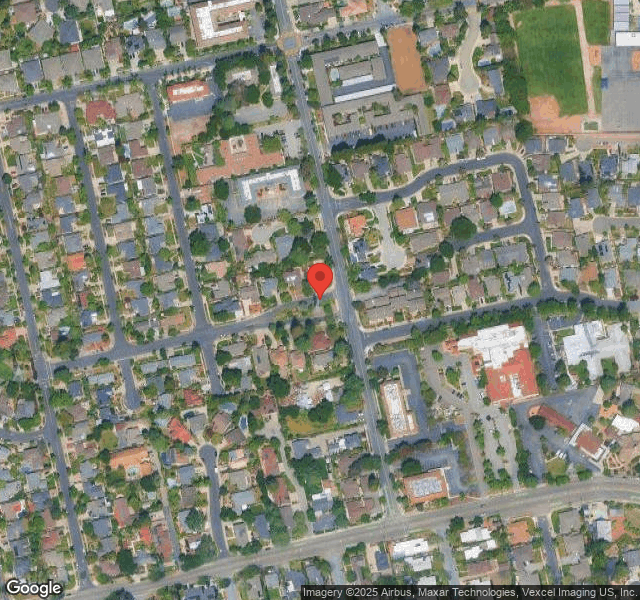

350 DE SOTO DRIVE, LOS GATOS, CA 95032 (408) 356-9151
For profit - Limited Liability company 73 Beds ASPEN SKILLED HEALTHCARE Data: November 2025
Trust Grade
83/100
#211 of 1155 in CA
Last Inspection: August 2025

Inspected within the last 6 months. Data reflects current conditions.

Overview

Stonebrook Health and Rehabilitation has a Trust Grade of B+, indicating it is above average and recommended for families considering care options. It ranks #211 out of 1,155 facilities in California, placing it in the top half, and #13 out of 50 in Santa Clara County, meaning there are only a dozen local options that perform better. However, the facility's trend is worsening, as the number of issues identified increased significantly from 1 in 2024 to 13 in 2025. Staffing is a strong point, with a perfect rating of 5/5 stars and a turnover rate of 26%, well below the state average, indicating a stable workforce that is familiar with residents. Notably, there have been no fines, which is a positive sign; however, recent inspections revealed concerning incidents, such as wet cooking equipment that could lead to foodborne illness and improper use of bedrails without documenting alternative safety measures for numerous residents. Additionally, lapses in infection control protocols were observed, which could compromise resident safety. Overall, while the facility has strengths, these issues highlight areas needing improvement.

Trust Score
B+
83/100
In California
#211/1155
Top 18%
Safety Record
Low Risk
No red flags
Inspections
Getting Worse
1 → 13 violations
Staff Stability
✓ Good
26% annual turnover. Excellent stability, 22 points below California's 48% average. Staff who stay learn residents' needs.
Penalties
✓ Good
No fines on record. Clean compliance history, better than most California facilities.
Skilled Nurses
✓ Good
Each resident gets 84 minutes of Registered Nurse (RN) attention daily — more than 97% of California nursing homes. RNs are the most trained staff who catch health problems before they become serious.
Violations
⚠ Watch
30 deficiencies on record. Higher than average. Multiple issues found across inspections.
★★★★★
5.0
Overall Rating
★★★★★
5.0
Staff Levels
★★★★★
5.0
Care Quality
★★★★☆
4.0
Inspection Score
Stable
2024: 1 issues
2025: 13 issues

The Good

  • 5-Star Staffing Rating · Excellent nurse staffing levels
  • 5-Star Quality Measures · Strong clinical quality outcomes
  • Low Staff Turnover (26%) · Staff stability means consistent care
  • Full Sprinkler Coverage · Fire safety systems throughout facility
  • No fines on record
  • Staff turnover is low (26%)

    22 points below California average of 48%

Facility shows strength in staffing levels, quality measures, staff retention, fire safety.

The Bad

Chain: ASPEN SKILLED HEALTHCARE

Part of a multi-facility chain

Ask about local staffing decisions and management

The Ugly 30 deficiencies on record

Aug 2025 12 deficiencies
CONCERN (D)

Potential for Harm - no one hurt, but risky conditions existed

Resident Rights (Tag F0550)

Could have caused harm · This affected 1 resident

Based on observation, interview, and facility document review, the facility failed to maintain resident's rights to privacy and confidentiality to one of 17 sampled residents (Resident 72) when Reside...

Read full inspector narrative →
Based on observation, interview, and facility document review, the facility failed to maintain resident's rights to privacy and confidentiality to one of 17 sampled residents (Resident 72) when Resident 72's personal information and care instruction was posted in the room visible to roommates and visitors. This failure had the potential to compromise residents' rights and dignity.Findings:During an initial observation on 7/28/25, at 10:01 a.m. in Resident 72's room, an ENT [ear, nose, and throat] Doctor note was observed posted on the wall above Resident 72's head of bed (HOB). The note, which was written in blank ink, indicated a request from Resident 72's daughter for the ENT doctor to examine Resident 72's ears. The note also provided Resident 72's full name and identified Resident 72's diagnosis of bilateral (affecting two sides) hearing loss due to Cerumen [earwax] impaction.During an interview with the Assistant Director of Nursing (ADON) on 7/31/25 at 3:30 p.m., the ADON confirmed that the note titled ENT Doctor which was posted to the wall above Resident 72's HOB contained Resident 72's full name and diagnosis. The ADON mentioned that Resident 72 shares a room with other residents who often have visitors, thereby allowing the visitors the opportunity to view the note. Furthermore, the ADON explained that the note should be covered if requested by the family.A review of the facility's policy and procedure (P&P) titled, Dignity, revised August 2009, the P&P indicated, in number 9. Staff shall maintain an environment in which confidential clinical information is protected, for example: Signs indicating the resident's clinical status or care needs shall not be openly posted in the resident's room. Discreet posting of important clinical information for safety reasons is permissible (e.g., taped to the inside of the closet door). and in number 10. Staff shall promote, maintain and protect resident privacy .
CONCERN (D)

Potential for Harm - no one hurt, but risky conditions existed

Deficiency F0578 (Tag F0578)

Could have caused harm · This affected 1 resident

Based on interview and record review, the facility failed to document the status of Advance Directive for two of 24 residents (Resident 8 and 44), when no advance directive was located in the electron...

Read full inspector narrative →
Based on interview and record review, the facility failed to document the status of Advance Directive for two of 24 residents (Resident 8 and 44), when no advance directive was located in the electronic records, nor was section D of the POLSTs filled out. This failure had the potential of the facility not following the wishes of the residents in the event of incapacitation and need for life saving treatment. Findings:1. During a record review of Resident 8's advance directive status, no advance directive was located, nor any documentation of whether Resident 8 had one or not. On Resident 8's POLST (physician's order for life sustaining treatment), section D had no check marks pertaining to the status of Resident 8's advance directive. There were three check boxes for: 1) Advance Directive dated; 2) Advance Directive not available; and 3) No Advance Directive. All of these check boxes were blank.During an interview with the Assistant Director of Nursing (ADON) on 7/31/25 at 1:33 p.m., she acknowledged there were no boxes check related to advance directive in section D of Resident 8's POLST form, and there should have been.2. During a record review of Resident 44's advance directive status, no advance directive was located, nor any documentation of whether Resident 44 had one or not. On Resident 44's POLST (physician's order for life sustaining treatment), section D had no check marks pertaining to the status of Resident 44's advance directive. There were three check boxes for: 1) Advance Directive dated ___; 2) Advance Directive not available; and 3) No Advance Directive. All of these check boxes were blank.During an interview with the ADON on 7/31/25 at 1:37 p.m., she acknowledged there were no boxes check related to advance directive in section D of Resident 44's POLST form, and there should have been.During a review of the facility's policy and procedure (P&P) titled Advance Directives, revised December, 2016, the P&P indicated1. Upon admission, the resident will be provided with written information concerning the right to refuse or accept medical or surgical treatment and to formulate an advance directive if he or she chooses to do so.6. Prior to or upon admission of a resident, the Social Services Director or designee will inquire of the resident, his/her family members and/or his or her legal representative, about the existence of any written advance directives.7. Information about whether or not the resident has executed an advance directive shall be displayed prominently in the medical record.
CONCERN (D)

Potential for Harm - no one hurt, but risky conditions existed

Tube Feeding (Tag F0693)

Could have caused harm · This affected 1 resident

Based on observation, interview, and record review, the facility failed to ensure that resident's enteral feeding (liquid nutrition directly delivered to the stomach using a tube) bottle was properly ...

Read full inspector narrative →
Based on observation, interview, and record review, the facility failed to ensure that resident's enteral feeding (liquid nutrition directly delivered to the stomach using a tube) bottle was properly labeled for one of three sampled residents (Resident 2). This failure had the potential to cause an error during administration of the enteral feeding formula for Resident 2.Findings:Review of Resident 2's clinical record indicated she had diagnoses including dysphagia (difficulty of swallowing) and presence of a gastrostomy tube (GT, a device surgically inserted into the stomach through the abdomen used to supply nutrition or liquid medication). Resident 2's physician order dated 7/28/25 indicated Jevity 1.2 (liquid nutrition) at 70 milliliters (ml, unit of measurement) per hour for 12 hours from 9 p.m. to 9 a.m. via a feeding pump.During an observation in Resident 2's room on 7/30/25 at 8:05 a.m., there was a GT formula bottle with formula running via an enteral feeding pump attached to a pole next to Resident 2's bed. The feeding formula bottle indicated a net volume of 1500 ml and the reading on the pump indicated the volume of formula delivered was 792 ml. Resident 2's GT formula bottle was not labeled or dated.During a follow-up observation and concurrent interview with Registered Nurse A (RN A) on 7/30/25 at 8:10 a.m., RN A confirmed Resident 2's GT formula bottle was unlabeled and undated. RN A stated the bottle should have been labeled with the resident's name, the rate at which the formula was to be administered, and the date and time the feeding was initiated.During an interview with the Director of Nursing (DON) on 7/31/25 at 7:55 a.m., she confirmed GT feeding formula bottles should be labeled with the resident's name and date the formula is started. The DON further stated the label should indicate the tube feeding order and rate on the label.Review of the facility's policy titled Enteral Tube Feeding via Continuous Pump, revised November 2018, indicated On the formula label document initials, date and time the formula was hung/administered, and initial that the label was checked against the order.
CONCERN (D)

Potential for Harm - no one hurt, but risky conditions existed

Deficiency F0694 (Tag F0694)

Could have caused harm · This affected 1 resident

Based on observation, interview, and record review, the facility failed to ensure intravenous (IV) therapy (the administration of parenteral fluids or medications through an IV catheter to treat a con...

Read full inspector narrative →
Based on observation, interview, and record review, the facility failed to ensure intravenous (IV) therapy (the administration of parenteral fluids or medications through an IV catheter to treat a condition) was labeled for one of four sampled residents (Resident 31).This deficient practice had the potential to compromise Resident 31's health and well-being.Findings:During an initial observation on 7/28/25 at 9:51 a.m., in Resident 31's room, Resident 31 was observed receiving IV therapy with 0.45% Sodium Chloride (a parenteral solution containing sodium chloride in water for injection intended for IV administration). The IV fluid did not have labels indicating Resident 31's name, the start date and time, medication instructions, and the initials of the nurse who administered.During a concurrent observation and interview on 7/28/25 at 10:15 a.m. with Registered Nurse (RN) A in Resident 31's room, RN A confirmed that the IV fluid containing 0.45% Sodium Chloride (also known as half normal saline, a hydrating solution) administered to Resident 31 lacked the necessary labels, including the Resident's name, the date and time the IV was initiated, medication instructions or IV rate, and the initials of the administering nurse. During an interview with the Nurse Supervisor (NS) on 7/28/25 at 10:54 a.m., the NS indicated that nurses were expected to label IV fluids, including the start date and time, as well as the initials of the administering nurse. The NS mentioned that the nurse on the night shift had initiated Resident 31's IV fluids but it was not labeled and dated.A review of Resident 31's Medication Administration Record (MAR), dated 7/1/2025 - 7/31/2025, the MAR indicated, on 7/27/25 at night shift, Sodium Chloride IV Solution 0.45% for hydration was administered.A review of the facility's policy and procedure (P&P) titled, General Policies for IV Therapy, dated March 2023, the P&P indicated, Nurses shall not alter any prescription label prepared by the pharmacy with the exception of the IV rate. With an MD order, rate may be changed when accompanied by the date and nurse's initial. All additive labels will be completed by the nurse administering the IV fluid/medication and are to include the nurse's initials, date and time.
CONCERN (D)

Potential for Harm - no one hurt, but risky conditions existed

Deficiency F0757 (Tag F0757)

Could have caused harm · This affected 1 resident

**NOTE- TERMS IN BRACKETS HAVE BEEN EDITED TO PROTECT CONFIDENTIALITY** Based on interview, and record review, the facility failed to provide adequate monitoring for three of 17 sampled residents (Res...

Read full inspector narrative →
**NOTE- TERMS IN BRACKETS HAVE BEEN EDITED TO PROTECT CONFIDENTIALITY** Based on interview, and record review, the facility failed to provide adequate monitoring for three of 17 sampled residents (Resident 72, 52, and 31) when:Resident 72 was not monitored for psychotropic side effects on abnormal involuntary movement based on Medication Regimen Review (MRR); andResident 52 and 31 were not monitored for signs and symptoms of hypo/hyperglycemia (too low/high blood sugar) as indicated in the care plan.These failures had the potential for side effects to go undetected or recognized for timely interventions.Findings:During a concurrent interview and record review on 8/1/25 at 10:10 a.m. with Licensed Vocational Nurse (LVN) C, Resident 72's Medication Administration Record (MAR) was reviewed. LVN C confirmed that there were no tardive dyskinesia (repetitive movements mostly affecting the face) monitoring indicated in Resident 72's antipsychotic side effect monitoring.During a concurrent interview and record review on 8/1/25 at 10:27 a.m. with Registered Nurse (RN) A, Resident 72's MAR was reviewed and no tardive dyskinesia included in the antipsychotic side effect monitoring. RN A explained that the side effect of antipsychotic medication includes mouth dryness, dehydration, and tardive dyskinesia. RN A agreed that tardive dyskinesia should be part of the antipsychotic side effect monitoring. During a concurrent interview and record review with the Assistant Director of Nursing (ADON) on 8/01/2025 at 10:15 a.m., the ADON explained that the MRR process involves notifying the doctor and considering nursing measures. The ADON further explained that these measures include monitoring medication side effects, resident behavior, and black box warnings. The ADON confirmed that tardive dyskinesia had not been included in Resident 72's antipsychotic side effect monitoring.During a follow-up interview with the ADON on 8/1/25 at 2:58 p.m., the ADON stated that assessments were conducted based on the side effect monitoring conducted by the nurses.A review of Resident 72's clinical record indicated Resident 72 was admitted to the facility on [DATE] with diagnosis including Schizophrenia, unspecified (a serious mental disorder that may interfere with a person's ability to think clearly, manage emotions, make decisions and relate to others).A review of Resident 72's Order Summary Report, active order as of 7/31/25, the medication order dated 1/3/25 indicated, Resident 72 had been receiving risperidone (a type of antipsychotic medication that treats mental health conditions schizophrenia) oral tablet, 0.5 milligram (mg, unit of measurement) by mouth at bedtime for SCHIZOPHRENIA.A review of Resident 72's Order Summary Report active order as of 7/31/25, the monitoring order for the side effect of antipsychotic medication (Risperdal) dated 1/3/25 and 2/24/25 did not reflect the tardive dyskinesia monitoring such as tremors, muscle rigidity, and other abnormal motor movements.A review of facility's Consultant Pharmacist's Medication Regimen Review (MRR), dated 2/1/2025 to 2/25/2025 and 3/1/25 to 3/31/25, the MRR indicated missing psychotropic monitoring behavior.A review of Resident 72's Care Plan focused on Alteration in Behavior pattern R/T [related to] (Schizophrenia) M/B [manifested by] angry outburst such as yelling, date initiated 2/24/25, the Care Plan interventions indicated Monitor side effect of Anti-psychotic medication: extrapyramidal reaction [group of side effects that affect the movement usually cause by antipsychotic], . Special Attention for: Tardive dyskinesia .A review of the facility's policy and procedure (P&P) titled Consultant Pharmacist Reports, effective date April 2008, the P&P indicated, Recommendations are acted upon and documented by the facility staff and or the prescriber. The director of nursing or designated licensed nurse addresses and documents recommendations that do not require a physician intervention . A review of the facility's policy and procedure (P&P) titled Antipsychotic Medication Use, revised December 2016, the P&P indicated, The staff will observe, document, and report to the Attending Physician information regarding the effectiveness of any interventions, including antipsychotic medications; Nursing staff shall monitor for and report any of the following side effects and adverse consequences of the antipsychotic medication to the Attending Physician: Neurologic (Akathisia [a movement disorder that makes it hard for you to stay still], dystonia [ a movement disorder that causes involuntary contractions of your muscles], extrapyramidal effects [drug-induced movement disorders], akinesia [inability to perform a clinically perceivable movement] ; or tardive dyskinesia, stroke or TIA [Transient Ischemic Attack (a temporary blockage of blood flow to the brain, causing stroke-like symptoms]. 2a. A review of Resident 52's clinical record indicated, Resident 52 was admitted to the facility on [DATE] and readmitted on [DATE] with diagnosis including Type 2 Diabetes Mellitus (DM) without complications (a disease in which your blood glucose [main source of energy], or blood sugar, levels are too high) without complications .A review of Resident 52's Order Summary Report, active order as of 7/31/25, the medication order dated 6/20/25 indicated, Resident 52 had been receiving insulin (a medication used in the treatment and management of diabetes) Lispro Injection Solution (a fast-acting type of insulin)100 UNIT/ML [milliliter] inject subcutaneously (insertion of medications beneath the skin) per sliding scale before meals and at bedtime for DM. The medication order revealed no monitoring of signs and symptoms of hypo/hyperglycemia 2b. A review of Resident 31's clinical record indicated, Resident 31 was admitted to the facility on [DATE] with diagnosis including Type 2 Diabetes Mellitus without complications .A review of Resident 31's Order Summary Report, active order as of 7/31/25, the medication order dated 6/22/25 indicated, Resident 31 had been receiving insulin Lispro Injection Solution 100 UNIT/ML inject subcutaneously per sliding scale before meals and at bedtime for DM. The medication order revealed no monitoring of signs and symptoms of hypo/hyperglycemia During a concurrent interview and record review on 8/1/25 at 10:10 a.m. with LVN C. Resident 52 and 31 Medication Administration Record (MAR) were reviewed. LVN C confirmed that Resident 52 and 31 were both on insulin Lispro injection. LVN C indicated that there were no hypo/hyperglycemia monitoring indicated in the MAR. LVN C stated that signs and symptoms of hypo/hyperglycemia should be monitored.During a concurrent interview and record review on 8/1/25 at 10:27 a.m. with RN A. Resident 52 and 31 Medication Administration Record (MAR) were reviewed. RN A confirmed that Resident 52 and 31 were both on insulin and no hypo/hyperglycemia monitoring indicated in the MAR. RN A explained that, in addition to checking blood sugar levels, signs and symptoms of hypo/hyperglycemia include confusion and sweating, which should be included in the monitoring process.During a concurrent interview and record review on 8/1/25 at 10:15 a.m. with ADON. Resident 52 and 31 Medication Administration Record (MAR) were reviewed. The ADON confirmed that there were no hypo/hyperglycemia signs and symptoms monitoring for Resident 52 and 31. The ADON mentioned that nursing measure include monitoring of the side effect of the medication, resident behavior, and the black box warning. The ADON indicated that signs and symptoms of hypo/hyperglycemia should be included in the monitoring process.A review of the facility's policy and procedure (P&P) titled, Insulin Administration, revised September 2014, the P&P indicated, Notify the physician if the resident has signs and symptoms of hypoglycemia that are not resolved by the following the facility protocol for hypoglycemia management.A review of the facility's policy and procedure (P&P) titled, Nursing Care of the Resident with Diabetes Mellitus, revised December 2015, the P&P indicated the purpose is to prevent recurrent hyperglycemia/hypoglycemia and recognize, manage, and document the treatment of complications commonly associated with diabetes, and the Medication Management includes the nurse will closely monitor the diabetes management of cognitively impaired residents.According to the CDC's online publication named Living with Diabetes, dated 9/30/22, many causes such as insulin use, changes in diet or drinking, and illnesses could lead to hypo/hyperglycemia. Hypoglycemia symptoms may include fast heartbeat, sweating, nervousness or anxiety, irritability or confusion, dizziness, and hunger. Hyperglycemia symptoms included feeling very tired, thirsty, blurry vision, and needing to urinate more often. It indicated to monitor for signs and symptoms of diabetes complication and .catch low blood sugar early and treat it . Low blood sugar can be dangerous and should be treated as soon as possible. Regarding hyperglycemia, the publication indicated, Over time, high blood sugar can lead to long-term and serious health problems. (https://www.cdc.gov/diabetes/managing/manage-blood-sugar.html; accessed 5/16/23)
CONCERN (D)

Potential for Harm - no one hurt, but risky conditions existed

Deficiency F0761 (Tag F0761)

Could have caused harm · This affected 1 resident

**NOTE- TERMS IN BRACKETS HAVE BEEN EDITED TO PROTECT CONFIDENTIALITY** Based on observation, interview, and record review, the facility failed to ensure medications and biologicals were appropriately...

Read full inspector narrative →
**NOTE- TERMS IN BRACKETS HAVE BEEN EDITED TO PROTECT CONFIDENTIALITY** Based on observation, interview, and record review, the facility failed to ensure medications and biologicals were appropriately stored and labeled during an inspection of randomly selected two of three medication storage when the following were found:1. An injectable medication pen was opened and used with no date.2. Medication that required refrigeration was stored inside the medication cart.These failures had the potential for the administration of expired or deteriorated medications or biologicals.Findings:1. During a random inspection of medication cart Y on Station BB with Registered Nurse A (RN A) on [DATE] at 1:35 p.m., an opened and undated multi-use Lantus insulin (long-acting insulin used to control high blood sugar) pen was observed. RN A confirmed the insulin was in use and there was no date on the pen indicating when the medication was opened. RN A stated there should be an open date. 2. During a random inspection of medication cart X on Station AA with Licensed Vocational Nurse C (LVN C) on [DATE] at 2:00 p.m., an unopened vial of Procrit (used to treat anemia [low levels of red blood cells]) was observed with a label that read KEEP MEDICINE IN REFRIGERATOR. LVN C verified the label and confirmed the medication should be refrigerated.During an interview with the Director of Nursing (DON) on [DATE] at 7:55 a.m., she was asked about the facility's policy for storage of medications. The DON stated medications requiring refrigeration should not be kept in the medication carts if the label/directions indicate to refrigerate. The DON further stated all insulin pens should be dated when opened and discarded per manufacturer's recommendations.A review of the facility's policy Medication Storage and Labeling, dated 3/2010, indicated to store and label medication for resident safety and pharmaceutical product integrity. The policy indicated that insulin should be dated and initialed when opened when currently in use.
CONCERN (D)

Potential for Harm - no one hurt, but risky conditions existed

Deficiency F0802 (Tag F0802)

Could have caused harm · This affected 1 resident

Based on observation, interview, and record review, the facility failed to ensure proper technique was used for checking the quaternary sanitizer (a group of chemicals used for a variety of purposes i...

Read full inspector narrative →
Based on observation, interview, and record review, the facility failed to ensure proper technique was used for checking the quaternary sanitizer (a group of chemicals used for a variety of purposes including as preservatives, surfactants, antistatic agents, and as active ingredients in disinfectants and sanitizers), when a kitchen staff member did not follow the instructions on the container for the test strips that were used. This failure had the potential of the strength of the sanitizer not being appropriate to kill any microbes, thus spreading food borne pathogens and illness to the facility occupants, which there were 67 of 68 residents who ate food from the kitchen. Findings:During an observation and subsequent interview in the kitchen on 7/29/25 at 1 p.m. with the Dietary Aide (DA F), she demonstrated how to check the strength of the quaternary (use as disinfectant) sanitizer, which is used in the three-compartment sink. The DA F dipped the sanitizer strip for 12.54 seconds. The DA F then compared the reagent square on the dip stick to the results picture on the container. The dip stick result read 400 ppm. The DA F stated she had held the dip stick in the sanitizer water for 10 seconds.During a review of the instructions on the container of Insta-Test Analytic: sanitized water test strips, QAC 50-400 ppm the container instructions indicated: 1. Dip and take out. 2. Shake off excess water. 3. Wait 5 seconds. 4. Compare.
CONCERN (D)

Potential for Harm - no one hurt, but risky conditions existed

Menu Adequacy (Tag F0803)

Could have caused harm · This affected 1 resident

Based on observation, interview and record review, the facility failed to ensure food preferences were honored for one of 17 sampled residents (Resident 90). This failure resulted in Resident 90 recei...

Read full inspector narrative →
Based on observation, interview and record review, the facility failed to ensure food preferences were honored for one of 17 sampled residents (Resident 90). This failure resulted in Resident 90 receiving food items she disliked.Findings:During a meal observation and interview on 7/28/25 at 12:54 p.m., in the resident's room, Resident 90 was seated in a wheelchair with a family friend, eating lunch. The meal included fish, carrots, and zucchini. Resident 90 stated she did not like zucchini but it was still served to her.During a concurrent review of Resident 90's meal tray ticket, zucchini was listed in Resident 90's dislikes.During an interview with the Dietary Manager (DM) on 8/1/25 at 1:45 p.m., the DM stated the resident's preferences should be followed.Review of the facility's policy Resident Food Preferences revised July 2017, indicated, Individual food preferences will be assessed upon admission, quarterly and as needed.when possible, staff will interview the resident directly to determine current food preferences based on history and life patterns related to food and mealtimes.if the resident refuses or is unhappy with his or her diet, the staff will create a care plan that the resident is satisfied with.
CONCERN (D)

Potential for Harm - no one hurt, but risky conditions existed

Deficiency F0883 (Tag F0883)

Could have caused harm · This affected 1 resident

**NOTE- TERMS IN BRACKETS HAVE BEEN EDITED TO PROTECT CONFIDENTIALITY** Based on interview and record review, the facility failed to offer pneumococcal vaccines (vaccines that help prevent serious inf...

Read full inspector narrative →
**NOTE- TERMS IN BRACKETS HAVE BEEN EDITED TO PROTECT CONFIDENTIALITY** Based on interview and record review, the facility failed to offer pneumococcal vaccines (vaccines that help prevent serious infections caused by pneumonia, a lung infection) as required for two of five sampled residents (Residents 36 and 72). This failure had the potential to place residents at risk for preventable disease. Findings: 1. Review of Resident 36's clinical record indicated Resident 36 was admitted on [DATE]. The Pneumococcal Immunization Consent form, dated 6/17/24, indicated the resident/family refused the Pneumococcal vaccine.During a concurrent interview with the Director of Staff Development/Infection Preventionist (DSD/IP) on 7/31/25 at 4:50 p.m., the DSD/IP confirmed Resident 36 was not offered the pneumococcal vaccine again after admission. The DSD/IP stated that when offering the pneumococcal or flu vaccines, staff complete the consent form again or document the offer in the progress notes, but this was not done.2. Review of Resident 72's clinical record indicated resident was admitted on [DATE]. The Pneumococcal Immunization Consent form indicated the vaccine was refused on 6/27/24.During a concurrent interview and record review on 8/1/25 at 11:09 a.m., the DSD/IP acknowledged that Resident 72 was not offered the pneumococcal vaccine again after admission, as required by the facility's policy.Review of the facility's policy, Pneumococcal Vaccination revised 2/2022, indicated, .Pneumococcal and Influenza vaccine shall be offered and consent will be obtained on admission and quarterly, if eligible.
CONCERN (E)

Potential for Harm - no one hurt, but risky conditions existed

Deficiency F0700 (Tag F0700)

Could have caused harm · This affected multiple residents

Based on observation, interview, and record review, the facility failed to ensure that alternatives were attempted and documented prior to using side rails (devices attached to the side of a bed) for ...

Read full inspector narrative →
Based on observation, interview, and record review, the facility failed to ensure that alternatives were attempted and documented prior to using side rails (devices attached to the side of a bed) for 32 of 68 sampled residents (Residents 1, 4, 6, 12, 16, 17, 18, 25, 26, 31, 32, 33, 43, 48, 50, 51, 56, 59, 70, 82, 83, 84, 86, 87, 88, 89, 93, 94, 95, 96, 100, and 101) reviewed for side rail use.Findings:During multiple observations on 7/28/25 between 9:00 a.m. and 3:00 p.m., Residents 1, 4, 6, 12, 16, 17, 18, 25, 26, 31, 32, 33, 43, 48, 50, 51, 56, 59, 70, 82, 83, 84, 86, 87, 88, 89, 93, 94, 95, 96, 100, and 101 were observed with both upper side rails raised.Review of the Alternative Measures Tried section on the facility's Siderails Screening Tool showed no evidence that alternatives were attempted or documented prior to using side rails for all 32 residents reviewed.During an interview with the Director of Nursing (DON) on 7/30/25 at 11:10 a.m., when asked what alternatives were tried before using side rails, the DON stated that on admission, the charge nurse asked the resident if they want the side rails up or down. The DON stated that the use of side rails were based on resident's preference. The DON stated that nurses documented the alternatives in the Alternative Measures Tried section of the Siderail Screening Tool.During concurrent record review of the facility's Siderail Screening Tool with the DON for one resident, the DON confirmed the section was blank. The DON acknowledged this section should have been completed and stated she would address the issue.During a interview with the Assistant Director of Nursing (ADON) on 7/30/25 at 3:10 p.m., the ADON stated that on admission, staff informed the residents that side rails were considered enabler (a device that helps a resident move or reposition) or were used for repositioning. If residents agreed to have side rails, they are used.During a concurrent record review with the ADON of the Siderail Screening Tool of 68 sampled residents, the ADON confirmed the Alternative Measures Tried section of the Side rails Screening Tool were blank for the 32 residents with side rails. The ADON stated that this section should have been completed.Review of the facility's policy, Proper Use of Side rails revised 12/2016, indicated Documentation will indicate if less restrictive approaches are not successful, prior to considering the use of siderails.
CONCERN (E)

Potential for Harm - no one hurt, but risky conditions existed

Infection Control (Tag F0880)

Could have caused harm · This affected multiple residents

Based on observations, interviews, and record review, the facility failed to maintain an infection prevention and control program to prevent the spread of infections as evidenced by:1. Licensed nurses...

Read full inspector narrative →
Based on observations, interviews, and record review, the facility failed to maintain an infection prevention and control program to prevent the spread of infections as evidenced by:1. Licensed nurses did not know the process to disinfect a glucometer (blood glucose meter to measure and display the amount of sugar [glucose] in your blood) according to manufacturer's instructions;2. Resident 52's urinary catheter bag (a bag that is attached to a tube that is connected to the bladder) was touching the floor; and3. The Certified Nursing Assistant (CNA) did not perform hand hygiene after removing her gloves and prior handling the new clean bed linens.These failures had the potential to compromise resident's health and safety in the facility.1. During a medication administration observation on 7/28/25 at 11:40 a.m. with Registered Nurse (RN) A, RN A completed a blood sugar check on Resident 48. RN A used a disinfectant “Sani-Cloth” wipe and wiped the front and back of glucometer device for 4 seconds and then placed the glucometer in a small plastic basket. When RN A was asked what the contact time (the amount of time disinfectants need to remain wet on surfaces to properly disinfect) was, she stated “5 seconds.” A review of the product labeling for the Sani-Cloth disinfectant wipes used by RN A indicated “Disinfects in 2 minutes” and further label information indicated “Contact time: Use wipe to thoroughly wet surface. Allow surface to remain visibly wet for two (2) minutes. Let air dry.” RN A read the label on the disinfectant Sani-Cloth wipes and confirmed the contact time was 2 minutes, not 5 seconds. During an interview on 7/30/25 at 7:18 a.m. with RN B, she stated she has 16 residents who require blood sugar checks in the morning before breakfast. RN B stated she uses a shared (used for multiple residents) glucometer to check the resident's blood sugar levels. When asked what the contact time was for disinfecting a shared glucometer, RN B stated “30 seconds.” RN B stated she uses Sani-Cloth disinfectant wipes to disinfect the glucometer. RN B read the label on the disinfectant Sani-Cloth wipes and confirmed the contact time was 2 minutes, not 30 seconds. During an interview with the Infection Director of Staff Development/Infection Preventionist (DSD/IP) on 8/1/25 at 8:15 a.m., she was asked about the contact time for disinfecting shared glucometers. The DSD/IP stated the facility uses the product “Sani-Cloth” wipes, which has a contact time of 2 minutes. She further stated all staff should know the contact times for disinfectants to ensure proper use of the product for disinfecting. Review of the facility's policy titled “Obtaining a Fingerstick Glucose Level,” revised October 2011, indicated “Clean and disinfect reusable equipment between uses according to manufacturer's instructions and current infection control standards of practice.” 2. During a concurrent observation and interview on 7/28/25 at 10:01 a.m. with Certified Nursing Assistant (CNA) D in Resident 52's room, CNA D showed Resident 52's urinary catheter bag, which was positioned behind the wheelchair, covered with a white pillowcase and touching the floor. During an interview with CNA D on 7/30/2025 at 2:57 p.m., CNA D confirmed that the urinary catheter bag of Resident 52 was touching the floor following Resident 52's care on Monday, 7/28/25. During an interview with the Director of Staff Development/Infection Preventionist (DSD/IP) on 7/31/25 at 10:01 a.m., the DSD/IP stated, The catheter bag should be off the floor, even if it's covered with a pillowcase. A review of the facility's policy and procedure (P&P) titled, Catheter Care, Urinary, dated September 2014, the P&P indicated, Be sure the catheter tubing and drainage bag are kept off the floor. 3. During an observation on 7/29/25 at 9:15 a.m. in Resident 26's room, CNA E was observed wearing gloves while assisting Resident 12 to the bathroom. While Resident 12 was in the bathroom, CNA E changed the bed linens, bundled the soiled bed linens in a plastic bag, and disposed them in the dirty bin outside the room. Subsequently, CNA E removed her gloves without performing hand hygiene, and proceeded to grab clean bed linens from the rack in the hallway, which she then placed on Resident's bed. During an interview on 7/29/25 at 10:26 a.m. with CNA E, CNA E confirmed that she did not perform hand hygiene after removing her gloves and prior to handling the new clean bed linens. CNA E further stated that it was not okay to remove gloves and touch anything without first performing hand hygiene. An interview with the DSD/IP on 7/31/2025 at 3:17 p.m., the DSD/IP stated that staff were expected to practice hand hygiene before putting on gloves and after taking them off, and that no staff should wear gloves while in the hallway. During an interview on 7/31/25 at 3:32 p.m. with the Assistant Director of Nursing (ADON), the ADON stated that staff were expected to wash their hands or use hand sanitizer before and after using gloves to avoid cross-contamination. A review of the facility's policy and procedure (P&P) titled, Handwashing/Hand Hygiene, revised August 2015, the P&P indicated that the facility considers hand hygiene the primary means to prevent the spread of infection - use an alcohol-based hand rub containing at least 62% alcohol; alternatively, soap (antimicrobial or non-antimicrobial) and water for the following situations include: after removing gloves .
CONCERN (F)

Potential for Harm - no one hurt, but risky conditions existed

Food Safety (Tag F0812)

Could have caused harm · This affected most or all residents

Based on observation, interview, and record review, the facility failed to ensure proper drying of cooking/serving equipment, when a large baking pan and three steam table pans were stacked while stil...

Read full inspector narrative →
Based on observation, interview, and record review, the facility failed to ensure proper drying of cooking/serving equipment, when a large baking pan and three steam table pans were stacked while still wet. This failure had the potential to cause foodborne illness (illness resulting from contaminated food) for 67 residents who received food from the kitchen. Findings:During an initial inspection of the kitchen, 1 large baking pan was observed wet in the stack of baking pans that had been put away for storage, 1 steam table pan in a stack of steam table pans which had been put away for storage, and three other steam table pans in a different stack of steam table pans which had been put away for storage.During an interview with the dietary manager (DM) on 7/28/25 at 8:53 a.m., he acknowledged that there were one large baking pan and four steam table pans which had been stacked for storage and were still wet.During a review of the facility's undated policy and procedure (P&P) titled, Dish Washing, the P&P indicated .5. Dishes are to be air dried in racks before stacking and storing.
Jun 2025 1 deficiency
CONCERN (D) 📢 Someone Reported This

A family member, employee, or ombudsman was alarmed enough to file a formal complaint

Potential for Harm - no one hurt, but risky conditions existed

Investigate Abuse (Tag F0610)

Could have caused harm · This affected 1 resident

**NOTE- TERMS IN BRACKETS HAVE BEEN EDITED TO PROTECT CONFIDENTIALITY** Based on interview and record review, the facility failed to complete and submit an investigation summary regarding an alleged a...

Read full inspector narrative →
**NOTE- TERMS IN BRACKETS HAVE BEEN EDITED TO PROTECT CONFIDENTIALITY** Based on interview and record review, the facility failed to complete and submit an investigation summary regarding an alleged abuse incident that occurred between two of three sampled residents (Residents 1 and 2). This failure had the potential to compromise the facility's ability to determine the circumstances surrounding the incident and could have compromised the residents' safety. Findings: Review of Resident 1's medical record indicated she was admitted on [DATE] and had the diagnosis of cellulitis (a skin infection that causes swelling and redness) of left and right limb, peripheral vascular disease (PVD, a slow progressive narrowing of the blood flow to the arms and legs), abnormal posture and history of falling. Resident 1's Minimum Data Set (MDS, a federally mandated resident assessment tool) dated 3/18/25, indicated she had a (Brief Interview for Mental Status, an assessment tool used by facilities to screen and identify memory, orientation, and judgement status of the resident) BIMS of 12 meaning her cognition was moderately impaired. Review of Resident 2's medical record indicated she was admitted on [DATE] and had the diagnosis of alcohol dependence with withdrawal, depression (a mood disorder that causes a persistent feeling of sadness and loss of interest), abnormal posture and history of falling. Resident 2's MDS dated [DATE], indicated she had a BIMS of 7 meaning her cognition was severely impaired. Review of Resident 1's Change in Condition Evaluation, dated 4/1/25, indicated an incident had occurred between Resident 1 and Resident 2. The documentation indicated, nurse heard yelling and argument with roommate Resident 2. During a concurrent interview and record review on 6/4/25 at 9:40 a.m., with the Director of Nursing (DON), she reviewed interdisciplinary team (IDT, facility staff members from different departments who coordinate care provided to residents) IDT note dated 4/5/25 and stated that on 4/1/25 around 11:50 p.m., staff heard Resident 1 and Resident 2 yelling to each other and charge nurse transferred Resident 2 to another room. In the morning of 4/2/25, Resident 1 told the DON and the Social Services Director (SSD) that her roommate Resident 2 tapped her on the back of the head, and she was not comfortable. The DON and charge nurse assessed Resident 1 and no visual injury noted and denies pain or discomfort and the primary doctor (MD) was notified. During an interview with the administrator (ADM) on 6/3/25 at 12 p.m., he stated the above incident between Residents 1 and 2 was reported to the police, the Ombudsman (resident advocate), and the California Department of Public Health (CDPH, state survey agency). During a concurrent interview and record review with the ADM on 6/3/25 at 1:15 p.m., he confirmed that when an alleged abuse incident occurs, the facility must submit an investigation summary to CDPH within five days. The ADM stated he was not able to find a fax transmittal confirmation that the five-day summary or an investigation summary for the incident that occurred between Residents 1 and 2 on 4/2/25 was faxed to CDPH except for the fax transmittal confirmation dated 6/3/25 at 1 p.m. Review of the facility's policy and procedure, revised 7/2017, titled Abuse Investigation and Reporting, indicated, All reports of resident's abuse, neglect, exploitation of resident property, mistreatment and/or injuries of unknown source (abuse) shall be promptly reported to local, state and federal agencies (as defined by current regulation) and thoroughly investigated by facility management. Findings of abuse investigation will also be reported The Administrator, or his/her designee, will provide the appropriate agencies or individuals listed above with a written report of the findings of the investigation within five (5) working days of the occurrence of the incident.
May 2024 1 deficiency
CONCERN (D)

Potential for Harm - no one hurt, but risky conditions existed

MDS Data Transmission (Tag F0640)

Could have caused harm · This affected 1 resident

Based on interview, record review, and document review, the facility failed to complete and transmit discharge Minimum Data Set (MDS) assessments for 2 (Resident #38 and Resident #51) of 2 sampled res...

Read full inspector narrative →
Based on interview, record review, and document review, the facility failed to complete and transmit discharge Minimum Data Set (MDS) assessments for 2 (Resident #38 and Resident #51) of 2 sampled residents reviewed for resident assessment. Findings included: The Centers for Medicare & Medicaid Services Long-Term Care Facility Resident Assessment Instrument 3.0 User's Manual, dated 10/2023, indicated, Discharge assessment refers to an assessment required on resident discharge from the facility. 1. An admission Record revealed the facility initially admitted Resident #38 on 12/13/2023. According to the admission Record, the resident had a medical history that included diagnoses of pleural effusion, atrial fibrillation, and peripheral vascular disease. An admission MDS, with an Assessment Reference Date (ARD) of 12/19/2023, revealed Resident #38 had a Brief Interview for Mental Status (BIMS) score of 15, indicating the resident had intact cognition. Resident #38's Progress Notes, dated 02/20/2024 at 6:08 PM, revealed Resident #38 discharged from the facility. Review of Resident #38's medical record, revealed no evidence to indicate a discharge MDS was completed. 2. An admission Record revealed the facility initially admitted Resident #51 on 01/03/2024. According to the admission Record, the resident had a medical history that included diagnoses of left radius fracture, type two diabetes mellitus, and morbid obesity. An admission MDS, with an Assessment Reference Date (ARD) of 01/21/2024, revealed Resident #51 had a Brief Interview for Mental Status (BIMS) score of 11, indicating the resident had moderate cognitive impairment. Resident #51's Progress Notes, dated 02/17/2024 at 6:50 PM, revealed Resident #51 discharged from the facility. Review of Resident #51's medical record, revealed no evidence to indicate a discharge MDS was completed. During an interview on 05/30/2024 at 12:04 PM, the MDS Coordinator stated the facility's electronic medical record system generated a report which showed when a resident's MDS assessments were due. The MDS Coordinator stated when a resident discharged from the facility, the facility was required to complete and submit a discharge MDS within 14 days. The MDS Coordinator stated Resident #38 and Resident #51 should have had a completed and submitted discharge MDS assessment. During an interview on 05/30/2024 at 12:10 PM, the Director of Nursing stated she expected the discharge MDS to be completed and submitted within the required 14 days. During an interview on 05/30/2024 at 12:53 PM, the Administrator stated he expected MDS assessments to be submitted timely and expected the nursing department to complete a resident's MDS assessment as required.
Dec 2023 1 deficiency
CONCERN (D) 📢 Someone Reported This

A family member, employee, or ombudsman was alarmed enough to file a formal complaint

Potential for Harm - no one hurt, but risky conditions existed

Deficiency F0658 (Tag F0658)

Could have caused harm · This affected 1 resident

**NOTE- TERMS IN BRACKETS HAVE BEEN EDITED TO PROTECT CONFIDENTIALITY** Based on interview and record review, the facility failed to ensure one of three sampled residents (Resident 1) had a physician'...

Read full inspector narrative →
**NOTE- TERMS IN BRACKETS HAVE BEEN EDITED TO PROTECT CONFIDENTIALITY** Based on interview and record review, the facility failed to ensure one of three sampled residents (Resident 1) had a physician's order to go out on pass (to leave the premises). This failure had the potential to compromise the resident's safey. Also for Resident 1, the facility failed to ensure a written summary of the baseline care plan (plan that includes the minimum information necessary to properly care for the resident upon admission) was given to the responsible party (RP, person designated to make decisions on behalf of the resident). This failure had the potential to compromise the resident's right to be informed of and participate in the plan of care. Findings: 1. Review of Resident 1's medical record indicated she was admitted on [DATE] and had the diagnoses of hemiplegia (one side of the body is paralyzed), metabolic encephalopathy (a disease that affects brain function), and history of falling. Review of Resident 1's Progress Notes indicated she went out on pass on 11/1/23, 11/13/23, 11/15/23, 11/16/23, 11/20/23, 11/22/23, 11/24/23, 11/30/23, 12/4/23, 12/7/23, and 12/11/23. Review of Resident 1's physician's orders indicated she had an order, dated 10/24/23 for, Out o[n] pass on lunch time one time only until 10/24/23. There was no physician's order that indicated Resident 1 could go out on pass on any of the other dates mentioned above. During an interview and concurrent record review with licensed nurse A (LN A) on 12/14/23 at 11:15 a.m., LN A explained that in order for a resident to go out on pass, the physician has to give an order. LN A reviewed Resident 1's medical record and confirmed there was a one-time order to go out on pass on 10/24/23, but no order that indicated Resident 1 could go out on pass on any of the other dates mentioned above. 2. Review of Resident 1's medical record indicated she was admitted on [DATE] and had a RP. Review of Resident 1's Progress Notes, dated 8/8/23, indicated the facility developed a Baseline Care Plan Summary. On the bottom of the Baseline Care Plan Summary, there was a section titled signature, followed by a section titled, Relationship to Resident. Both of these sections were blank. Further review of Resident 1's electronic and paper medical record indicated there was no documentation that indicated a copy of the Baseline Care Plan Summary was given to Resident 1's RP. During an interview and concurrent record review with LN A on 12/13/23 at 2:10 p.m., LN A confirmed that when the facility develops a Baseline Care Plan Summary, a copy should be given to the resident or RP. LN A reviewed Resident 1's Baseline Care Plan Summary and acknowledged the sections designated to obtain a signature and to specify the person's relationship to the resident were left blank. LN A further reviewed Resident 1's medical record for any documentation indicating a copy of the Basline Care Plan Summary was given to the RP. During a follow-up interview with LN A on 12/14/23 at 11:15 a.m., LN A confirmed they could not find any documentation that indicated a copy of Resident 1's Baseline Care Plan Summary was given to the RP. The facility's policy titled Care Plans - Baseline, revised 12/2016, indicated the resident and their representative will be provided a summary of the baseline care plan.
Aug 2021 15 deficiencies
CONCERN (D)

Potential for Harm - no one hurt, but risky conditions existed

Deficiency F0554 (Tag F0554)

Could have caused harm · This affected 1 resident

2. During an observation and interview on 8/2/21, at 10:04 a.m., in Resident 18's room resident was awake and alert, and sitting in bed. The surveyor observed a bottle of Refresh Tears eye drops (used...

Read full inspector narrative →
2. During an observation and interview on 8/2/21, at 10:04 a.m., in Resident 18's room resident was awake and alert, and sitting in bed. The surveyor observed a bottle of Refresh Tears eye drops (used as a lubricant for dry eyes) on top of the resident's bedside drawer. The surveyor observed the resident applying solution on both eyes. The resident stated she used it for her dry eyes. A review of Resident 18's clinical record indicated no physician's order or care plan in place to self-administer her own medications. During an interview with registered nurse L (RN L) on 8/2/21, at 2:25 p.m., surveyor informed RN L about the Refresh Tears Eye Drops at Resident 18's bedside. RN L stated that she already removed the eye drops and that there was no physician's order for it. She said family left it at bedside. During an interview with the director of nursing (DON ) on 8/5/21, at 8:53 a.m., the DON stated residents are not supposed to have medication at bedside, without a physician's order. Based on observation, interview and record review, the facility failed to ensure two of 15 sampled residents (Residents 29 and 18) who kept medications at the bedside had a physician order and care plan, and were assessed as capable of self-administering medication. These failures had the potential for improper medication administration and not addressing the clinical condition of the resident. Findings: During an initial facility tour on 8/2/21 at 9:55 a.m., with the assistant director of nursing (ADON), Resident 29 was in her bed awake, a bottle of Sinus nasal spray (medication to relieve nasal discomfort caused by colds, allergies, and hay fever) was seen at her bedside table. Resident 29 stated she had been self-administering this nasal spray. During the concurrent interview the ADON stated, no meds at bedside. The ADON also stated, there should be a care plan and a doctor's order for self-administration of medications. Upon review of Resident 29's clinical record the ADON stated Self Administration of Medication assessment was done 6/29/21 that indicated Resident 29 did not request self-administration of medication, and there was no documented evidence that a physician's order was taken and a care plan was developed for Resident 29's self-administration of the medication. A review of the facility's December 2016 policy, Self Administration of Medications, indicated Residents have the right to self administer medications if the IDT team has determined that it was clinically appropriate and safe for the residents to do so. The staff will assess each resident's mental and physical abilities to determine whether self administering medications is clinically appropriate for the resident. If the team determines a resident can not safely administer medications, the nursing staff will administer the resident's medications. A review of the facility's October 2017 policy,Medication Administration-General Guidelines, indicated residents are allowed to self-administer medications when specifically authorized by the attending physician and in accordance with procedures for self-administration of medications.
CONCERN (D)

Potential for Harm - no one hurt, but risky conditions existed

Deficiency F0645 (Tag F0645)

Could have caused harm · This affected 1 resident

**NOTE- TERMS IN BRACKETS HAVE BEEN EDITED TO PROTECT CONFIDENTIALITY** Based on interview and record review, the facility failed to make appropriate referral for Level II preadmission screening and r...

Read full inspector narrative →
**NOTE- TERMS IN BRACKETS HAVE BEEN EDITED TO PROTECT CONFIDENTIALITY** Based on interview and record review, the facility failed to make appropriate referral for Level II preadmission screening and resident review (PASRR, a comprehensive evaluation conducted by a state-designated authority that determines whether an individual has a mental disorder (MD), intellectual disability (ID), or a related condition as defined above, determines the appropriate setting for the individual, and recommends what, if any, specialized services and/or rehabilitative services the individual needs), for one of 15 sampled residents (Resident 4). This failure may lead to denying specialized services and rehabilitation services available for Resident 4 and may limit her capacity to reach their highest mental, physical, and psychosocial well-being. Findings: Review of Resident 4's facesheet included diagnoses of anxiety disorder (a mental health disorder characterized by feelings of worry, fear, or anxiety strong enough to interfere with daily activities) and major depressive disorder (a mental health disorder characterized by persistent loss of interest in activities causing significant impairment in daily life). During a record review and concurrent interview on 8/4/21 at 12:12 p.m., minimum data set nurse B (MDSN B) reviewed Resident 4's PASARR completed on 4/12/21 that indicated Section V (Mental Illness) item 27 with missing response, and item 29 with incorrect response. MDSN D concurred if these two items were correctly coded it would require Level II PASARR evaluation. MDSN B also stated she missed coding the items correctly that would require Level II evaluation by the Department of Health Care Services. Review of the facility's 12/2017 revised policy, ASPEN SKILLED HEALTH POLICY-PAS/PASSARR, indicated every medical recipient admitted to a skilled nursing facility is subject to [NAME] Level I & Level II screening or evaluation upon admission. Any resident identified with DD or MI medical conditions upon admission must be referred for a Level II evaluation.
CONCERN (D)

Potential for Harm - no one hurt, but risky conditions existed

Comprehensive Care Plan (Tag F0656)

Could have caused harm · This affected 1 resident

Based on observation, interview, and record review, the facility failed to implement the care plan (provides direction on the type of nursing care the individual may need) to monitor intake and output...

Read full inspector narrative →
Based on observation, interview, and record review, the facility failed to implement the care plan (provides direction on the type of nursing care the individual may need) to monitor intake and output (I &O) for one of 15 sampled residents (Resident 44) who had a jejunotomy tube (JT, a soft, plastic tube placed through the skin of the abdomen into the midsection of the small intestine used for administration of food and medications). This failure had the potential to result in the inability to identify the resident's hydration status/needs. Findings: During the facility's initial tour on 8/2/21 at 11:49 a.m., Resident 44 was sitting in bed with tube feeding (TF) disconnected. Resident 44 stated she could also take food and fluids by mouth. Review of Resident 44's clinical record indicated she had a physician's order of Fibersource HN (formula) 40 ml (milliliter, unit of measurement) per /hour for 12 hours, on at 9:00 p.m. and off at 9:00 a.m. Flush JT with 150 ml. water every shift. Flush with 30 ml before and after medication. During a record review and concurrent interview with the assistant director of nursing (ADON) on 8/4/21 at 3:27 p.m., Resident TF care plan included monitor intake and output. The ADON reviewed Resident 44's intake and output monitoring that indicated multiple missing entries of the intake and output every shift and daily total, and weekly assessments from 6/10/21 to 8/3/21. A review of the facility's 10/12/2020 revised policy and procedure, Intake and Output, indicated it is the policy of this facility to maintain an intake and output record when needed to monitor residents for adequate fluid balance. The licensed nurse shall document resident's intake and output at the end of each shift on the intake and output record. The total intake and output during each 24-hour period shall be totaled by the designated licensed nurse. Weekly assessments will be done by the licensed nurse to determine the on-going need for I and O monitoring.
CONCERN (D)

Potential for Harm - no one hurt, but risky conditions existed

Accident Prevention (Tag F0689)

Could have caused harm · This affected 1 resident

**NOTE- TERMS IN BRACKETS HAVE BEEN EDITED TO PROTECT CONFIDENTIALITY** Based on observation, interview, and record review, the facility failed to provide adequate supervision and implement interventi...

Read full inspector narrative →
**NOTE- TERMS IN BRACKETS HAVE BEEN EDITED TO PROTECT CONFIDENTIALITY** Based on observation, interview, and record review, the facility failed to provide adequate supervision and implement interventions to prevent falls for one of 12 sampled residents (Resident 4). The minimum data set (MDS, an assessment tool) did not accurately code the fall incident that resulted in an injury that required hospital transfer for evaluation and treatment. This failure could have resulted in a fall with possible injury without the surveyor's intervention by calling staff's immediate attention to the situation. Findings: 1. Review of Resident 4's face sheet indicated he was admitted [DATE] with diagnoses that included spinal stenosis (a narrowing of the spaces within the spine, which can put pressure on the nerves that travel through the spine), weakness, difficulty walking, muscle wasting and atrophy (loss of muscle mass due to the muscles weakening and shrinking). His MDS dated [DATE] indicated a brief interview for mental status (BIMS, assessment for cognition) score of 5 or severely impaired cognition. Resident 4 had a history of three unwitnessed fall incidents on 12/10/2020, 1/6/21and 1/12/21. The unwitnessed fall incident that happened on 12/10/2020 indicated the resident was found lying on his left side at bedside, not responding to verbal and barely open eyes on tactile (touch), and was sent to hospital via 911(emergency call that requires immediate assistance from the police, fire department or ambulance). During a record review and concurrent interview on 8/4/21 at 11:09 a.m., minimum data set nurse B (MDSN B) reviewed Resident 4's MDS dated [DATE] Section J1900 that indicated he had no injury after the fall. MDSN B concurred the coding was not correct and should code the fall with major injury due to loss of consciousness/unresponsiveness that resulted in staff calling 911 and he was sent to the hospital. MDSN B gave a copy of the corrected MDS done on 8/4/21. Resident 4 had a care plan dated 4/12/21, indicating High risk for falls and injury related to Limitation of mobility, History of Fall(s), and interventions included sensor pad alarm (equipment placed in bed or wheelchair that sets off alarm when pressure is off the device) when in bed and up in wheelchair to alert the staff when the resident is attempting to get out of bed unassisted. During an observation on 8/4/21 at 11:15 a.m., when the surveyor went inside resident room [ROOM NUMBER], Resident 4 was on the farthest left side of the bed with both legs up and almost on the ground trying to remove his diaper. He had a bowel movement (stools in the diaper). The surveyor told the resident not to move because he would fall and immediately called for staff's help. Licensed vocational nurse J (LVN J) came right away and assisted the resident. At that time, the pad sensor alarm did not sound off. Certified nursing assistant K (CNA K) came to the resident's room to help. In the presence of LVN J, CNA K checked the bed sensor pad alarm multiple times but the alarm did not sound. The wheelchair that the resident used just before he was seen in bed did not have the sensor pad as well. During an interview on 8/4/21 at 11:45 a.m., CNA G (CNA G) stated Resident 4 was in his wheelchair in the dining room before she left for her break at 11:05 a.m. and he was able to wheel and put himself back to bed. CNA G admitted she did not place the sensor pad alarm in the wheelchair before putting the resident in the wheelchair. During a follow-up interview and record review on 8/4/21 at 11:45 a.m., the assistant director of nursing (ADON) stated she kept the chair sensor pad inside Resident 4's drawer a couple of days prior and noted that the sensor pad was still there when this incident happened, so was not applied to the wheelchair. The ADON also stated she already brought the bed sensor pad for maintenance to fix. The ADON claimed she just conducted a bedside in-service for her staff. The ADON reviewed Resident 4's care plan and confirmed the care plan included sensor pad alarm for bed and chair. During an interview on 8/4/21 at 1:38 p.m., LVN J stated he did not check Resident 4's sensor alarm and concurred the resident could have fallen without the surveyor's intervention. A review of the revised September 2010 policy and procedure, Resident Assessment Instrument, indicated information derived from the comprehensive assessment helps the staff to plan care that allows the resident to reach his/her highest practicable level of functioning. A review of the revised March 2018 policy and procedure, Managing Falls and fall Risk indicated the staff will identify interventions to prevent resident from falling and minimize complications from falling. Position alarms will not be used as the primary or sole intervention to prevent falls, but rather will be used to assist the staff in identifying patterns and routines of the resident. The use of alarms will be monitored for efficacy and staff would respond to alarms in a timely manner.
CONCERN (D)

Potential for Harm - no one hurt, but risky conditions existed

Pharmacy Services (Tag F0755)

Could have caused harm · This affected 1 resident

Based on observation, interview, and record review, the facility failed to ensure accurate accountability and effective storage of controlled medications (those with high potential for abuse or addict...

Read full inspector narrative →
Based on observation, interview, and record review, the facility failed to ensure accurate accountability and effective storage of controlled medications (those with high potential for abuse or addiction) when: 1. Discontinued controlled medications for multiple discharged residents were not removed timely from one of two medication carts (Med Cart #1) to prevent medication errors and potential for loss and misuse; and 2. The random controlled medication use audit for one resident (Resident 208) did not reconcile. The medication signed out of the Controlled Drug Record (CDR, an inventory sheet that keeps record of the usage of controlled medications) was not consistent with the amount taken and administered to Resident 208. This failure had the potential for misuse or diversion of controlled medications. Findings: 1. During an inspection for Medication Cart #1 with registered nurse D (RN D) on 8/2/21 at 12:30 p.m., a locked compartment containing controlled medications was identified. It contained medications for current residents as well as for discharged residents. Review of the contents inside revealed multiple blister cards (bubble pack a pharmacy-prepared paperboard with medications in individual doses that can be punched out of the card when administered) of controlled medications. RN D stated controlled medications of discharged /hospitalized residents should be removed from the medication cart and should be given to the director of nursing (DON) soon after the resident's discharge. 2. During the inspection of the Medication Cart #1 with RN D on 8/2/21 at 12:30 p.m., there was one tablet of Hydrocodone -APAP (pain medication) 5-325 mg. one tablet remaining in the bubble pack. The CDR indicated there should be two remaining tablets. During the concurrent interview and record review with RN D, Resident 5's MAR indicated she was administered two tablets of Hydrocodone-APAP. RN D stated she signed out one tablet instead of two in the CDR. RN D also stated anytime a controlled drug was taken out it should be signed out right away. During an interview on 8/6/21 at 2:24 p.m. with the director of nursing (DON), she said if medications were discontinued the nurse should remove them from the cart and give to the DON, for disposal and destruction with the pharmacist. A review of the facility's April 2008 policy and procedure, Controlled Medications, indicated Medications included in the Drug Enforcement Administration (DEA) classification as controlled substances are subjected to special handling, storage, disposal, and record keeping in the facility. The Director of Nursing and the consultant pharmacist maintain the facility's compliance with federal and state laws and regulations in the handling of controlled medications. When a controlled medication is administered, the licensed nurse administering the medication immediately enters in the accountability record the date and time of administration, amount administered and the signature of the nurse administering the dose on the accountability record at the time the medication is removed from the supply.
CONCERN (D)

Potential for Harm - no one hurt, but risky conditions existed

Drug Regimen Review (Tag F0756)

Could have caused harm · This affected 1 resident

Based on interview, and record review, the facility failed to ensure the pharmacy consultant's identified and reported drug irregularities to the attending physician and the facility's medical directo...

Read full inspector narrative →
Based on interview, and record review, the facility failed to ensure the pharmacy consultant's identified and reported drug irregularities to the attending physician and the facility's medical director and director of nursing, for 2 of 15 sampled residents (Residents 8 and 12). This failure could result in the continued use of unnecessary psychotropic medications for the two residents. A review of Resident 8's physician order dated 2/26/21 indicated Remeron 7.5 milligram (mg, unit of measurement) one tablet by mouth at bedtime for depression as manifested by poor appetite. Her monthly Psychotropic Summary and monitoring of the number behavior episodes were not done. A review of Resident 12's physician's order dated 7/27/2020 indicated Remeron 15 mg. one tablet by mouth at bedtime for depression manifested by poor appetite. Her Psychotropic Summary for Remeron's behavior manifestation of poor appetite from July 2020 to July 2021 did not clearly indicate the number of episodes of poor appetite. A review of the Pharmacy Consultant's Monthly Drug Regimen Review from January to July 2021 did not have any documented evidence that Residents 8 and 12's behavior monitoring of poor appetite and missing monthly Psychotropic Summary were reported to the facility, and the GDR for their Remeron use was recommended. During an interview on 8/6/21 at 9:52 a.m., the pharmacy consultant (PC) reviewed Resident 8 and 12's clinical record and confirmed that GDR for their Remeron use were not done. The PC stated GDR should be done twice on the first year of use. The PC also concurred the monitoring for poor appetite for Residents 8 and 12 should have been individualized and quantified to clearly identify the number of episodes and what indicated a poor appetite for each one. The PC admitted having missed informing and following-up with the facility to verify poor appetite for both residents and to complete their monthy behavior summary.
CONCERN (D)

Potential for Harm - no one hurt, but risky conditions existed

Unnecessary Medications (Tag F0759)

Could have caused harm · This affected 1 resident

Based on observation, interview, and record review, the facility had a medication error rate of 6.67% when two medication errors occurred out of 30 opportunities during medication administration for t...

Read full inspector narrative →
Based on observation, interview, and record review, the facility had a medication error rate of 6.67% when two medication errors occurred out of 30 opportunities during medication administration for two out of ten residents (Residents 5 and 149). The deficient practice resulted in medications not given in accordance with the prescriber's orders and/or manufacturer's specifications, which may result in residents not receiving the full therapeutic effect of the medications and could potentially compromise the residents' medical health. Findings: 1. During a medication pass observation on 8/3/21 at 08:20 a.m., licensed vocational nurse J (LVN J) administered Potassium (medication to prevent or to treat low blood levels of potassium) 20 milliequivalent (mEq. unit of measurement) one tablet to Resident 5 with less than half a glass (about 100 ml) of water. A review of Resident 5's minimum data set (MDS, an assessment tool) dated 5/28/21 indicated a brief interview of mental status (BIMS, an assessment tool for cognition) score of 15 or intact cognition. Her physician's order dated 5/28/21 included Potassium tablet 20 mEq by mouth one time a day for supplement, give with meals. During the record review and concurrent interview on 8/3/21 at 11:15 a.m., LVN J confirmed he administered Resident 5 her Potassium tablet at 8:22 a.m. and not with meals. LVN J stated he did not follow the doctor's orders. During an interview on 8/3/21 at 11:26 a.m., Resident 5 stated she ate her breakfast at 7:20 a.m. that morning and her usual breakfast time was between 7:00 a.m. to 7:20 a.m. During an interview on 8/3/21 at 11:26 a.m., certified nursing assistant M (CNA M) claimed he delivered Resident 5's breakfast tray at 7:10 a.m. 2. During a medication pass observation on 8/4/21 at 4:31 p.m., registered nurse E (RN E) administered Resident 149 the Sucralfate (medication to treat and prevent the return of duodenal ulcers)10 ml. (milliliter, unit of measurement) liquid suspension without shaking the bottle. During the concurrent interview, RN E validated the observation and stated she should have shaken the bottle to mix its contents. RN E concurred that the concentration of the medication would be different if shaken correctly and properly. During an interview on 8/5/21 at 12:34 p.m., the pharmacy consultant (PC) stated if the medication was ordered to be taken with meals then it should be given when a resident took his/her meals or few as close as possible about few minutes after meals to prevent or reduce side effects of the medications. The PC also stated the Sucralfate suspension should be shaken to have even dispersion of medications (for correct dosage). Review of the facility's October 2017 policy, Medication Administration-General Guidelines, indicated medications are to be administered as prescribed in accordance with good nursing principles and practices and in accordance with the written orders of the attending physician. Review of the Prescribing Information (PI, detailed description of a drug's uses, dosage range, side effects, drug-drug interactions, and contraindications that is available to clinicians) for Sucralfate suspension, shake the oral suspension (liquid) before you measure a dose. Use the dosing syringe provided, or use a medicine dose-measuring device.
CONCERN (D)

Potential for Harm - no one hurt, but risky conditions existed

Deficiency F0802 (Tag F0802)

Could have caused harm · This affected 1 resident

Based on observation, interview, and record review, the facility failed to ensure that the dietary aide (DA) knew how to check the dishwasher's temperature. This failure had the potential to affect 58...

Read full inspector narrative →
Based on observation, interview, and record review, the facility failed to ensure that the dietary aide (DA) knew how to check the dishwasher's temperature. This failure had the potential to affect 58 residents who received meals in the facility. A kitchen observation and interview were conducted with the dietary aide (DA), on 8/4/21, at 12:10 p.m., with the registered dietitian (RD) and the assistance of the cook to interpret. The DA, assigned in the dishwashing station, did not know how to check the temperature of the dishwasher. RD said the dishwasher was acquired in June, 2021. During an interview and record review with the RD on 8/5/21 at 3:30 p.m., RD said the DA has various kitchen duties, but mostly assigned to work in the dishwasher. Review of the facility's In-service, dated 6/28/21, titled Food and Nutrition Services, indicated the DA did not receive in-service on High Temp Dishmachine.
CONCERN (D)

Potential for Harm - no one hurt, but risky conditions existed

Deficiency F0849 (Tag F0849)

Could have caused harm · This affected 1 resident

**NOTE- TERMS IN BRACKETS HAVE BEEN EDITED TO PROTECT CONFIDENTIALITY** Based on interview and record review, the skilled nursing facility did not coordinate hospice care for two of two sampled reside...

Read full inspector narrative →
**NOTE- TERMS IN BRACKETS HAVE BEEN EDITED TO PROTECT CONFIDENTIALITY** Based on interview and record review, the skilled nursing facility did not coordinate hospice care for two of two sampled residents (Residents 26 and 150). Facility staff did not have a schedule for hospice nursing visits (RN, registered nurse and CNA, certified nursing assistant) and documented communication/coordination with hospice services. These failures resulted in the potential for lack of continuity of care for Residents 12 and 26 who were receiving hospice services at the facility. Findings: 1. A review of Resident 26's physician's order dated 3/19/21 indicated admit to hospice with diagnosis of dementia (a chronic or persistent disorder of the mental processes caused by brain disease or injury and marked by memory disorders, personality changes, and impaired reasoning) without behavioral disturbance, and failure to thrive. During an interview and concurrent record review on 8/2/21 at 11:09 a.m., the medical records director (MRD) stated she completed Resident 26's chart audit last July 2021 and did not find any RN and CNA schedule of visits. MRD also stated the hospice agency did not send any RN and CNA schedule of visits even after she followed-up with the hospice agency. A review of the Hospice care plan dated 3/19/21 indicated staff will periodically visit the resident and anticipate needs. RN from hospice to visit as scheduled (see hospice schedule) and CNA from hospice to visit resident as scheduled (see hospice schedule). During a record review and concurrent interview on 8/04/21 at 2:25 p.m., the social services director reviewed Resident 26's clinical record and did not find any documented evidence on care coordination and collaboration between the facility and hospice staff soon after hospice admission on [DATE]. The SSD stated there should be care coordination and discussion of the plan of care (POC) after Resident 26's hospice admission so the family and facility were aware of the POC. 2. A review of Resident 150's clinical record indicated she was admitted to hospice care on 7/30/21 due to brain mass and encephalopathy (damage or disease that affects the brain, which occurs when there has been a change in the way the brain works). During a record review and concurrent interview on 8/5/21 at 8:37 a.m., the MRD, SSD and the assistant director of nursing (ADON) reviewed Resident 150's clinical record and did not find any documented evidence that a hospice staff schedule was sent to the facility after Resident was admitted to hospice. The coordination and collaboration of care regarding the resident's care after an elopement episode during the IDT (interdisciplinary, team of healthcare professionals from different professional disciplines who work together to manage the physical, psychological and spiritual needs of the resident) meeting done on 8/2/21. During an interview on 8/8/21 at 9:05 a.m., the case manager (CM) stated there should be a hospice staff's schedule that would be provided to the facility ahead of time. Review of the facility's revised July 2017 policy and procedure Hospice Program, indicated the facility designates a staff to coordinate care provided by the facility and the hospice staff and is responsible for collaborating with hospice representatives and coordinating facility staff participation in the hospice panning process for residents receiving these services, communicating with hospice representatives and other health care providers participating in the provision of care for the terminal illness, related conditions, and other conditions, to ensure quality of care for the resident and family.
CONCERN (D)

Potential for Harm - no one hurt, but risky conditions existed

Infection Control (Tag F0880)

Could have caused harm · This affected 1 resident

Based on observation, interview and record review the facility failed to follow infection control measures when staff did not properly handle dirty linens and when the oxygen concentrator's filters we...

Read full inspector narrative →
Based on observation, interview and record review the facility failed to follow infection control measures when staff did not properly handle dirty linens and when the oxygen concentrator's filters were not changed for Residents 22 and 2. This failure had the potential to spread infection to self and others. Findings: 1. During the initial rounds on 8/2/21 at 10:34 a.m., certified nursing assistant A (CNA A) removed Resident 12's bedding and carried it close to her body touching her uniform. During the concurrent interview CNA A validated the observation and stated she should carry dirty lines away from her body to prevent self-contamination. The assistant director of nursing (ADON) who was present stated CNA A should not carry dirty linens close to her body because this could contaminate her. A review of the facility's October 2018 policy and procedure, Soiled Laundry and Bedding, indicated soiled laundry/bedding shall be handled, transported and processed according to best practices for infection prevention and control. All used laundry is handled as potentially contaminated until it is properly bagged and labeled for appropriate processing. Contaminated laundry is placed in a bag or container at a location where it is used and not sorted or rinsed at the location of use. Contaminated laundry bags/containers are not held close to the body or squeezed during transport. 2a. During an observation on 8/2/21 at 9:51 a.m., in Resident 22's room, Resident 22 was lying in bed, using a nasal cannula (NC, a device that consists of plastic tube that fits behind the ears, and a set of two prongs that are placed in the nostrils for oxygen administration). The oxygen concentrator's filter (black foam that catches dirt or dust) located at the back was filled with grayish particles. During an observation on 8/4/21 at 10:18 a.m., the oxygen concentrator's filter still had grey particles. During a concurrent observation and interview on 8/4/21 at 2:02 p.m., with Registered Nurse L (RN L), inside Resident 22's room, RN L confirmed that the filter was not changed. 2b. During an observation on 8/2/21 at 2:55 p.m., inside Resident 2's room, Resident 2 was on oxygen running continuously. The oxygen filter located at the side of the concentrator was filled with grayish particles. During an interview with the director of nursing (DON) on 8/5/21 at 8:52 a.m., she confirmed that the oxygen filters should be changed by maintenance on a regular basis. During an interview with the maintenance assistant (MA) on 8/5/21 at 9:21 a.m., he confirmed that he is responsible for checking the oxygen's filter weekly.
CONCERN (D)

Potential for Harm - no one hurt, but risky conditions existed

Safe Environment (Tag F0921)

Could have caused harm · This affected 1 resident

Based on observation, interview, and record review, the facility failed to maintain a functional and safe environment for 2 out of the 26 sampled residents (Residents 43 and 46) related to bedside tab...

Read full inspector narrative →
Based on observation, interview, and record review, the facility failed to maintain a functional and safe environment for 2 out of the 26 sampled residents (Residents 43 and 46) related to bedside tables with rough edges, peeled paint on wall, and a broken phone line. These failures had the potential to affect the safety and well-being of the residents in the facility. Findings: During an observation at Resident 43's room on 8/2/21, at 3:20 p.m., while the resident was lying in bed, paint was peeled off the wall behind resident's bed, the bedside table had rough edges, and her phone line was broken. During an observation on 8/2/21, at 3:53 p.m., in Resident 46's room, the resident's table had rough edges. During observation and concurrent interview with licensed vocational nurse J (LVN J) on 8/4/21, at 2:40 p.m., he confirmed the above observations. During an observation and concurrent interview with the maintenance assistant (MA) on 8/5/21, at 9:27 a m., MA acknowledged the surveyor's observation and he stated he was not aware. Review of the facility's policy, dated 12/2009, Maintenance Service, indicated, Maintenance Department is responsible for maintaining the buildings, grounds, and equipment in a safe and operable manner at all times.
CONCERN (E)

Potential for Harm - no one hurt, but risky conditions existed

Deficiency F0658 (Tag F0658)

Could have caused harm · This affected multiple residents

**NOTE- TERMS IN BRACKETS HAVE BEEN EDITED TO PROTECT CONFIDENTIALITY** Based on observation, interview and record review, the facility failed to provide care and services in accordance with professio...

Read full inspector narrative →
**NOTE- TERMS IN BRACKETS HAVE BEEN EDITED TO PROTECT CONFIDENTIALITY** Based on observation, interview and record review, the facility failed to provide care and services in accordance with professional standards of practice when: 1. For Resident 201, the daily weight and the fluid restriction orders were not followed; 2. For Resident 204 the PICC line external catheter length was not measured during each dressing change and flushes were not performed; 3. For Resident 217, dressing changes and flushes were not performed for the PICC line; 4. For Resident 2, physician order for left arm sling use was not followed; 5. For Resident 249, the PICC line external catheter was not measured upon admission and during dressing change; 6. For Resident 46, the left hemi arm tray use was not followed. 7. For Residents 5, 13 and 149, the nurses did not check the residents' heart rate (HR) prior to the medication administration 8. For Resident 10, the LVN did not check the right medication, dose and time and resident's ID (identification) before medication adminsitration. 9. For Resident 13, one dose of medication was not administered. For Resident 5, medication administration with meals was not followed. These failures had the potential to compromise the residents' health and well-being. Findings: 1. Review of Resident 201's clinical record indicated he was admitted to the facility on [DATE]. A physician order, dated 7/29/21 indicated daily weights in the morning and to call the physician if greater than a 2 pound gain. Review of the daily weight record for Resident 201 indicated the resident was weighed on 7/29/21, 7/30/21 and 8/3/21. There were no weights recorded for Resident 201 on 7/31/21, 8/1/21, or 8/2/21. During an interview and concurrent record review with the assistant director of nursing (ADON) on 8/3/21 at 2:20 p.m., she stated Resident 201 had a physician order to be weighed daily in the morning. She confirmed there were three consecutive days when Resident 201's weight was not recorded. The ADON stated the physician orders should be followed and the resident should be weighed daily. Review of Resident 201's clinical record indicated a physician order, dated 7/29/21, for a fluid restriction of 1.5L (liter- a unit of measure, 1 liter = 1000 cubic centimeters [cc, - a unit of measure]) per day. During an observation on 8/3/21 at 7:58 a.m., Resident 201 had a water pitcher filled with cold water and a plastic cup on his bedside table. During a concurrent interview with certified nursing assistant F (CNA F) she confirmed that Resident 201 had a water pitcher at his bedside. CNA F stated she was not aware that Resident 201 had any fluid restrictions. During an interview with the registered dietician (RD) on 8/3/21 at 9:00 a.m., she confirmed Resident 201 was on a fluid restriction of 1.5L. She stated she calculated the fluid allotments for the kitchen and nursing staff and recorded the breakdown on the Fluid Restriction document she placed in Resident 201's clinical record. The RD indicated a total of 960 cc of fluids was allowed for the daily kitchen tray services and 540 cc of fluid was allowed for nursing during a 24 hour period. Review of Resident 201's intake and output record indicated 24 hour totals of fluid intake provided and recorded by the nursing staff. On 7/30/21 Resident 201's 24 hour fluid intake was 1060 cc. On 7/31/21 Resident 201's 24 hour fluid intake was 980 cc. On 8/1/21 Resident 201's 24 hour fluid intake was 710 cc. On 8/2/21 Resident 201's 24 hour fluid intake was 1320 cc. The 24 hour nursing fluid allotment as stated by the RD was 540 cc. During an interview with registered nurse E (RN E) on 8/3/21 at 8:45 a.m., she confirmed Resident 201 was on a fluid restriction and stated she usually gave him 180 cc during the night shift. She further stated that she could not give Resident 201 more than 200 cc during her shift. The Fluid Restriction document indicated the fluid allotment for Resident 201 during the night shift was 60 cc. During an interview with RN D on 8/3/21 at 10:15 a.m., she confirmed Resident 201 was on a fluid restriction. She further stated Resident 201 received a total of 600 cc during the day shift. The Fluid Restriction document indicated the fluid allotment for Resident 201 during the day shift was 240 cc. During an interview with the director of nursing (DON) on 8/5/21 at 9:30 a.m. she confirmed the nursing staff was not following the prescribed fluid restrictions for Resident 201. She further stated all staff should be aware when residents have a fluid restriction. The DON stated the fluids allotments should be followed by the nursing staff. Review of the facility's policy, Encouraging and Restricting Fluids revised October 2010, indicated to follow specific instructions concerning fluid intake or restrictions and to be accurate when recording fluid intake. When a resident has been placed on restricted fluids, remove the water pitcher and cup from the room. 2. During an observation on 8/2/21 at 10:15 a.m., Resident 204 had a peripherally inserted central catheter (PICC, a thin, soft, long catheter [tube] that is inserted into a vein in arm, leg or neck and the tip of the catheter is positioned in a large vein that carries blood into the heart) line. The PICC line was located on her right upper arm with a transparent dressing dated 7/29/21. Review of Resident 204's clinical record indicated she was admitted to the facility on [DATE] with a PICC line on her right upper arm and was to receive intravenous antibiotic therapy three times a day until 8/3/21. Review of Resident 204's Order Summary Report indicated an order dated 7/29/21, to flush PICC line lumens with 10 milliliter (ml, unit of measure) of normal saline before and after IV (intravenous) medication administration every shift. Resident 204's clinical record indicated intravenous antibiotic therapy started on 7/23/21. There was no physician order or documentation to indicate Resident 204's PICC line was flushed until 7/29/21. Review of Resident 204's medication administration record indicated a PICC line dressing changed was performed on 7/29/21. The documentation recorded the nurse's initials but did not include a recorded length measurement of the PICC line's external catheter. During an interview and concurrent with registered nurse D (RN D) on 08/03/21 at 11:50 a.m., she confirmed she changed Resident 204's PICC line dressing on 7/29/21 but did not record the length of the external catheter. RN D further stated the length should be recorded to monitor for movement or dislodgment of the PICC line catheter. During an interview with the director of nursing (DON) on 8/5/21 at 9:30 a.m., she indicated a physician order is required to flush a catheter and the order must include the flushing agent, strength, volume and frequency. The DON confirmed flushing of PICC lines should be done before and after intravenous medication administration and documented in the clinical record. The DON indicated the length of the PICC line external catheter should be measured and recorded during each dressing change. She further stated that PICC line dressings should be changed every 7 days. 3. During an observation on 8/2/21 at 9:48 a.m., Resident 217 had a PICC line located on his left upper arm with a transparent dressing dated 8/1/21. Review of Resident 217's clinical record indicated he was admitted to the facility on [DATE] with a PICC line on his left upper arm and was to receive intravenous antibiotic therapy two times a day until 8/22/21. Review of Resident 217's Order Summary Report indicated an order dated 7/16/21, for Vancomycin HCL solution (antibiotic) one gram intravenously two times a day. There was no physician order for the month of July to flush the PICC line before and after intravenous therapy, and no documentation that PICC line dressing changes were done during the month of July. During an interview and concurrent record review with the director of nursing (DON) on 8/5/21 at 9:30 a.m., she confirmed Resident 217 received intravenous therapy during the month of July. She stated there was no evidence that flushes and dressing changes for Resident 217's PICC line were performed during the month of July. The DON further stated resident's PICC line dressings should be changed once a week and there should be physician orders for flushing before and after intravenous medication administration Review of the facility's policy, PICC Dressing Change dated June 2018, indicated dressing changes using transparent dressings are performed upon admission and at least weekly. The length of external catheter is obtained upon admission and during dressing changes. Review of the facility's policy, PICC Flushing dated June 2018, indicated flushing is performed to ensure and maintain catheter patency. Documentation in the medical record includes date and time, prescribed flushing agent, and site assessment. 4. Review of Resident 2's clinical record indicated she was admitted to the facility with diagnoses including fracture of non-displaced surgical neck of left humerus (broken left shoulder bone). Review of the admission Minimum Data Set (MDS, resident's assessment) dated 7/17/21, indicated that Resident 2's Brief Interview for Mental Status (BIMS, a set of questions to test a person's cognition) score is 15 ( Resident 2 is cognitively intact). During observation on 8/02/21 at 2:55 p.m. inside the bedroom, Resident 2 was lying flat on the bed, wearing a facility gown, and no left arm sling. During a concurrent observation and interview on 8/4/21 at 10:26 a.m., with Resident 2, inside the bedroom, Resident 2 was lying flat in bed with oxygen, no sling to the left arm. Resident 2 stated, I don't think I need it. Resident 2 added, I never wear it and I don't even have it. During an interview 8/04/21 at 2:02 p.m. with registered nurse L (RN L), stated that she's not aware about the left arm sling order. During a concurrent interview and record review, on 8/5/21 at 1:25 p.m. with the occupational therapist (OT), Resident 2's physician order dated 7/11/21 indicated to apply sling to left arm due to left shoulder fracture (broken bone) every shift. OT stated that the order has been changed since Resident 2 had a follow-up appointment with the orthopedic surgeon (doctor that specializes in bones) on 7/22/21. The physician order on 7/22/21 indicated No directions specified for order. OT confirmed that the order for the use of left arm sling is still the same 5. During an observation on 8/2/21, in 12:41 p.m., at Resident 249's room, the resident was lying in bed. Resident's PICC line located on her left upper arm was intact, with the insertion site covered with a transparent dressing. The date on the dressing was 7/29/21. Review of Resident 249's clinical record indicated she was admitted to the facility on [DATE]. The resident is on IV antibiotics for diagnosis of Right Knee Prosthetic Joint Infection. Review of Resident 249's Care Plan, date initiated 7/27/21, indicated, Flushes and site care per facility protocol. Review of the facility's policy, dated 6/2018, PICC Dressing Change, indicated, length of external catheter is obtained: 1. Upon admission 2. During dressing changes 3. If signs or symptoms of complications are present. During an interview and brief record review with RN L on 8/6/21, at 1:15 p.m., upon review of the Treatment Administration Record (TAR) and nurse's notes, there was no record that the length of the PICC line's external catheter was obtained upon admission and during dressing changed on 7/29/21 per policy. 6. During an observation on 8/2/21, at 11:35 a.m., Resident 46 was outside of her room, seated in her wheelchair. The left hemi arm tray was attached to her wheelchair. During observations on 8/3/21, at 12:15 p.m. and 2:00 p.m., Resident 46 was in the hallway seated in her wheelchair. The surveyor observed the left hemi arm tray was no longer attached to the wheelchair. Review of Resident 46's, Order Summary Report, indicated, Left hemi arm tray while up in wheelchair for positioning and comfort. Review of Resident 46's, Care Plan, initiated 7/26/18, indicated, Left hemi arm tray to support left weak arm. Review of Resident 46's Clinical Record, indicated, Resident 46 was admitted on [DATE], with a primary diagnosis of hemiplegia (paralysis on one side of the body) and hemiparesis (muscle weakness on one side of the body) following cerebral infarction (stroke, damage to tissues in the brain) affecting left dominant side. During an interview and brief record review with the ADON on 8/4/21, at 3:05 p.m., ADON was made aware of the above observation. ADON confirmed there was no documentation of refusal of Resident 46's left hemi arm tray. ADON said that she will inform the physician of the resident's refusal. She further stated that monitoring of the resident's episodes of refusal will be initiated. 7. During the medication pass observation on 8/2/21 at 3:47 p.m., licensed vocational nurse C (LVN C) did not check Resident 13's heart rate (HR) before administering Carvedilol (medication to lower blood pressure, and heart failure that could also lower HR) 12.5 mg. (milligrams, unit of measurement) 1 tablet by mouth. A review of Resident 13's active physician's order indicated Carvedilol 12.5 mg tab, hold for SBP(systolic blood pressure, the top number, measures the force your heart exerts on the walls of your arteries each time it beats) < (less than) 120, HR <60. His MAR dated 8/1/21 indicated the Carvedilol 12.5 mg 1 tablet was not administered on 8/1/21 at 5:00 p.m. During the medication pass observation on 8/2/21 at 4:23 p.m., Resident 10 who was the hallway in her wheelchair requested LVN C for her medications. LVN C administered Resident 10's medications without checking the medication administration record (MAR) for correct medication, dose and time, and Resident 10's identification (ID). During the medication pass observation with licensed vocational nurse D (LVN D) on 8/3/21 at 8:20 a.m., LVN D did not check Resident 5's HR prior to the administration of Metoprolol tartrate (betablocker, medication that slows down heart rate and makes it easier for the heart to pump blood) 25 mg. one tablet by mouth and Isosorbide Mononitrate (medication that dilates [widens] blood vessels, making it easier for blood to flow) 20 mg. one tablet by mouth. During the follow up interview and medication reconciliation done on 8/3/21 at 11:15 a.m., LVN D confirmed he did not check Resident 5's HR and stated he should have checked the resident's HR before administration of the medications. During the medication pass observation on 8/4/21 at 4:31 p.m., registered nurse E (RN E) did not check Resident 149's HR before she administered the Carvedilol 6.25 mg one tablet. During a follow-up interview with RN E, she confirmed she did not check Resident 149's HR prior to giving the medications. A review of Resident 149's physician's orders dated 7/22/21 included Carvedilol 6.25 mg. 1 tablet by mouth two times a day for hypertension (elevated blood pressure), hold for SBP <100 or HR <60; and Isosorbide Dinitrate (dilates the blood vessels) 40 mg by mouth three times a day for HTN, hold for SBP<100 or HR <60. 8. During the medication pass observation on 8/2/21 at 4:23 p.m., Resident 10, who was the hallway in her wheelchair, requested LVN C for her medications. LVN C administered Resident 10's medications without checking the medication administration record (MAR) for correct medication, dose and time, and Resident 10's identification (ID). During the follow-up interview and record review, LVN confirmed she gave Resident 10 her scheduled Pantoprazole (used to treat certain stomach and esophagus problems such as acid reflux by decreasing the amount of acid stomach produces) and Magnesium Oxide (dietary supplement medications used to treat constipation, indigestion, and headaches) without checking the medication administration record (MAR) and resident's identification (ID).
CONCERN (E)

Potential for Harm - no one hurt, but risky conditions existed

Medication Errors (Tag F0758)

Could have caused harm · This affected multiple residents

Based on interview and record review, the facility failed to ensure residents were free from unnecessary psychotropic drugs (medications that are capable of affecting the mind, emotions, and behavior)...

Read full inspector narrative →
Based on interview and record review, the facility failed to ensure residents were free from unnecessary psychotropic drugs (medications that are capable of affecting the mind, emotions, and behavior) for three of 15 sampled residents (Residents 8 and 12) when: There was no accurate behavior monitoring, monthly behavior summary, and GDR (gradual dose reduction) for Residents 8 and 12's Remeron (antidepressant) use. There was no psychotic and hypnotic assessment completed when Resident 12 had significant change of condition. These failures resulted in the unnecessary drugs use for these residents. Findings: A review of Resident 8's physician order dated 2/26/21 indicated Remeron 7.5 milligram (mg, unit of measurement) one tablet by mouth at bedtime for depression as manifested by poor appetite. A review of Resident 12's physician's order dated 7/27/2020 indicated Remeron 15 mg. one tablet by mouth at bedtime for depression manifested by poor appetite. During a record review and concurrent interview on 8/4/21 at 10:03 a.m., minimum data set nurse I (MDSN) reviewed Resident 12's clinical record that indicated she had a significant change done on 5/22/21 and the Psychotropic and Hypnotic Assessment should have been done. MDSN I stated, I must have missed. During an interview and concurrent record review on 8/6/21 at 8:32 a.m., the assistant director of nursing (ADON) could not find any documented evidence that Resident 8's monthly psychotropic behavior summary and the monitoring of the number of episodes for poor appetite were done. Review of the resident's meal percentage from April 2021 to July 2021 indicated the resident had 75% to 100% meal intake. The ADON also reviewed Resident 12's Psychotropic Summary for Remeron's behavior manifestation of poor appetite from July 2020 to July 2021 did not clearly indicate the number of episodes of poor appetite. No GDR was done for Residents 8 and 12's Remeron use. During an interview on 8/6/21 at 9:37 a.m., the social services director (SSD) concurred that poor appetite for a specific resident should be accurate by indicating the meal percentage that would indicate poor appetite for a specific resident. It should be quantified and personalized. During an interview on 8/6/21 at 9:52 a.m., the pharmacy consultant (PC) reviewed Residents 8 and 12's clinical record and confirmed that GDR for their Remeron use were not attempted. The PC stated GDR should be done twice on the first year of use. The PC also concurred the monitoring for poor appetite should have been individualized and quantified to clearly identify the number of episodes. A review of the October 2017 policy and procedure, Psychotropic Medication Use, indicated the facility staff should take a holistic approach to behavior management that involves a thorough assessment of underlying causes of behaviors and individualized person--centered non-drug and pharmaceutical interventions. Psychotropic medications to treat behaviors will be used appropriately to address specific underlying medical or psychiatric causes of behavioral symptoms. Within the first year in which the resident is admitted on a psychotropic medication or after the prescribing practitioner has initiated a psychotropic medication, the facility must attempt a GDR in two separate quarters unless clinically contraindicated. The facility staff should monitor behavior triggers, episodes, and symptoms and document the number and /or intensity of symptoms and the resident's response to staff interventions.
CONCERN (E)

Potential for Harm - no one hurt, but risky conditions existed

Deficiency F0761 (Tag F0761)

Could have caused harm · This affected multiple residents

**NOTE- TERMS IN BRACKETS HAVE BEEN EDITED TO PROTECT CONFIDENTIALITY** Based on observation, interview and record review, the facility failed to ensure medications and biologicals were stored, labele...

Read full inspector narrative →
**NOTE- TERMS IN BRACKETS HAVE BEEN EDITED TO PROTECT CONFIDENTIALITY** Based on observation, interview and record review, the facility failed to ensure medications and biologicals were stored, labeled and disposed appropriately when inspections of two of three medication carts found: 1. Medication Cart #1 a. Multiple opened insulin pens and insulin multidose vial not dated. b. Multiple controlled medications (those with high potential for abuse or addiction) of discharged or transferred residents and discontinued medications were kept at the locked compartment containing controlled medications were identified. c. Multiple liquid medications of either discharged /transferred residents were not dated and stored in the medication cart. d. Narcotic count sheet inconsistent with the amount remaining in the blister card (bubble packa pharmacy-prepared paperboard with medications in individual doses that can be punched out of the card when administered) seen during the medication reconciliation. 2. Medication Cart #2: a. One opened multidose insulin vial not dated. b. Two liquid medications opened and not dated. These failures could result in the accidental administration of discontinued, expired, or contaminated medications, or biologicals to residents. Findings: 1. During an inspection of Medication Cart #1 with registered nurse D (RN D) on [DATE] at 12:30 p.m., there were: a. Three insulin pens (Victoza pen, Basaglar insulin pen, Humulog mix 75-25 Kwikpen (medications to lower blood sugar) and one Lantus multidose insulin vial (long acting insulin to lower down blood sugar); b. Three bubble packs of Hydrocodone-APAP (pain medication), two bubble packs (51 tablets) Hydromorphone (pain medication) 2mg.(milligrams, unit of measurement), 20 tablets of MS Contin ER 200 mg. (pain medication), 41 tablets of Metronidazole (antifungal medication) 500 mg. , one tablet of Bactim (antibacterial), 20 tablets of Rifampicin (antibacterial), and 2 tablets of Amoxicalv (anti-infectives). c. Multiple opened bottles of liquid medications were not dated such as: Milk of Magnesia (for constipation), Gerilanta (antacid), Geritussin (for cough), Lactulose (laxative). d. Hydrocodone -APAP (pain medication) 5-325 mg. one tablet remaining in the bubble pack. The count sheet indicated there should be two remaining tablets. During the concurrent interview with RN D, she confirmed that those opened insulin medications mentioned above had no dates (Insulin injections or vials are good for 28 days once opened). RN D stated all discontinued controlled medications of discharged and/or hospitalized residents should be removed from the cart and should have been given to the director of nursing (DON) for safekeeping and accountability. RN D also stated she did not log the missing tablet in the Narcotic Count Sheet when she took two tablets but signed out one tablet of Hydrococodne- APAP which she administered to one resident on [DATE]. 2. During an inspection of Medication Cart #2 with registered nurse L (RN L) on [DATE] at 1:10 p.m., there was a multidose vial of Lantus insulin and two bottles of Geritussin which were opened and not dated. During an interview with the DON on [DATE] at 2:24 p.m., she stated nurses should immediately remove all discontinued controlled medications from the medication cart and give them to the DON for safekeeping and disposal prior to destruction with the pharmacist. Review of the facility's [DATE] policy and procedure, Disposal of Medications and Medication Related Supplies indicated, discontinued medications and medications left in the facility after a resident's discharge, which do not qualify for return to the pharmacy for credit must be destroyed. Review of the facility's [DATE] policy and procedure, Controlled Medications, indicated when a controlled medication is administered, the licensed nurse administering the medication immediately enters in the accountability record the date and time of administration, amount administered and the signature of the nurse administering the dose on the accountability record at the time the medication is removed from the supply.
CONCERN (E)

Potential for Harm - no one hurt, but risky conditions existed

Food Safety (Tag F0812)

Could have caused harm · This affected multiple residents

Based on observation, interview, and record review, the facility failed to ensure food was stored and prepared under sanitary conditions when: 1. There were black patches on the wall behind the refrig...

Read full inspector narrative →
Based on observation, interview, and record review, the facility failed to ensure food was stored and prepared under sanitary conditions when: 1. There were black patches on the wall behind the refrigerator, 2. Plastic containers in the storage shelf were still wet, 3. The red bucket (sanitizer bucket) and green bucket (soapy water or clean rinse water) were on top of the food preparation area, 4. There was a cup of coffee next to the coffee machine, without a lid on, and a purse on top of the food preparation table, next to the food spices. These failures had the potential to cause food contamination and illness to 58 residents who received their food from the kitchen. Findings: 1. During an initial kitchen observation on 8/2/21, at 8:30 a.m., with the registered dietitian (RD), at 8:40 a.m., there were black patches on the wall behind the refrigerator. During an interview with the maintenance assistant (MA) on 8/5/21, at 9:21 a.m, MA said the kitchen deep cleaning is done every 2 weeks, which includes cleaning the ceiling, walls, and back of the fridge. MA further stated the last deep cleaning was done on 7/30/21. He said there was no log or documentation for kitchen deep cleaning. 2. During a kitchen observation and interview with the RD on 8/2/21, at 9:04 a.m., noted were inverted plastic containers stacked together and still wet on a storage shelf. RD acknowledged the observation and said they should be dry. She further stated that the storage shelf was their drying and storage area. Review of the facility's policy, dated 2018, titled, 3 Compartment Procedure for Manual Dishwashing, indicated, All items are air-dried, which means no water droplets are present. 3. During a kitchen observation on 8/4/21, at 12:04 p.m, the red and green buckets were placed on top of the food preparation area, next to the container of brocolli. During an interview with the RD on 8/5/21, at 4:00 p.m., the RD confirmed the above observation and said that was where they usually place the buckets. Review of the Food Code 2017 website, indicated, Separation of poisonous and toxic materials in accordance with the requirements of this section ensures that food, equipment, utensils, linens, and single-service and single-use articles are properly protected from contamination. For example, the storage of these types of materials directly above or adjacent to food could result in contamination of the food from spillage. 4. During a kitchen observation and interview with the RD on 8/2/21, at 8:40 a.m., there was black coffee in a styrofoam cup next to the coffee machine, with no lid on it. RD said it was not supposed to be there. It might have been placed there from the tray cart. During a kitchen observation on 8/5/21, at 10:02 a.m., there was a purse on top of the food preparation table, next to the spices. RD immediately approached the kitchen staff (KS) to have her remove her purse from the table. During an interview with the RD on 8/5/21, at 10:15 a.m., RD acknowledged the above observation and said that KS removed her purse immediately and sanitized the table. However, the surveyors did not observe KS sanitize the table.
Understanding Severity Codes (click to expand)
Life-Threatening (Immediate Jeopardy)
J - Isolated K - Pattern L - Widespread
Actual Harm
G - Isolated H - Pattern I - Widespread
Potential for Harm
D - Isolated E - Pattern F - Widespread
No Harm (Minor)
A - Isolated B - Pattern C - Widespread

Questions to Ask on Your Visit

  • "Can I speak with families of current residents?"
  • "What's your RN coverage like on weekends and overnight?"

Our Honest Assessment

Strengths
  • • Grade B+ (83/100). Above average facility, better than most options in California.
  • • No major safety red flags. No abuse findings, life-threatening violations, or SFF status.
  • • No fines on record. Clean compliance history, better than most California facilities.
  • • 26% annual turnover. Excellent stability, 22 points below California's 48% average. Staff who stay learn residents' needs.
Concerns
  • • 30 deficiencies on record. Higher than average. Multiple issues found across inspections.
Bottom line: Generally positive indicators. Standard due diligence and a personal visit recommended.

About This Facility

What is Stonebrook's CMS Rating?

CMS assigns STONEBROOK HEALTH AND REHABILITATION an overall rating of 5 out of 5 stars, which is considered much above average nationally. Within California, this rating places the facility higher than 99% of the state's 100 nursing homes. This rating reflects solid performance across the metrics CMS uses to evaluate nursing home quality.

How is Stonebrook Staffed?

CMS rates STONEBROOK HEALTH AND REHABILITATION's staffing level at 5 out of 5 stars, which is much above average compared to other nursing homes. Staff turnover is 26%, compared to the California average of 46%. This relatively stable workforce can support continuity of care.

What Have Inspectors Found at Stonebrook?

State health inspectors documented 30 deficiencies at STONEBROOK HEALTH AND REHABILITATION during 2021 to 2025. These included: 30 with potential for harm.

Who Owns and Operates Stonebrook?

STONEBROOK HEALTH AND REHABILITATION is owned by a for-profit company. For-profit facilities operate as businesses with obligations to shareholders or private owners. The facility is operated by ASPEN SKILLED HEALTHCARE, a chain that manages multiple nursing homes. With 73 certified beds and approximately 64 residents (about 88% occupancy), it is a smaller facility located in LOS GATOS, California.

How Does Stonebrook Compare to Other California Nursing Homes?

Compared to the 100 nursing homes in California, STONEBROOK HEALTH AND REHABILITATION's overall rating (5 stars) is above the state average of 3.2, staff turnover (26%) is significantly lower than the state average of 46%, and health inspection rating (4 stars) is above the national benchmark.

What Should Families Ask When Visiting Stonebrook?

Based on this facility's data, families visiting should ask: "Can I visit during a mealtime to observe dining assistance and food quality?" "How do you handle medical emergencies, and what is your hospital transfer rate?" "Can I speak with family members of current residents about their experience?"

Is Stonebrook Safe?

Based on CMS inspection data, STONEBROOK HEALTH AND REHABILITATION has a clean safety record: no substantiated abuse findings (meaning no confirmed cases of resident harm), no Immediate Jeopardy citations (the most serious violation level indicating risk of serious injury or death), and is not on the Special Focus Facility watch list (a federal program monitoring the lowest-performing 1% of nursing homes). The facility has a 5-star overall rating and ranks #1 of 100 nursing homes in California. While no facility is perfect, families should still ask about staff-to-resident ratios and recent inspection results during their visit.

Do Nurses at Stonebrook Stick Around?

Staff at STONEBROOK HEALTH AND REHABILITATION tend to stick around. With a turnover rate of 26%, the facility is 20 percentage points below the California average of 46%. Low turnover is a positive sign. It means caregivers have time to learn each resident's needs, medications, and personal preferences. Consistent staff also notice subtle changes in a resident's condition more quickly. Registered Nurse turnover is also low at 22%, meaning experienced RNs are available to handle complex medical needs.

Was Stonebrook Ever Fined?

STONEBROOK HEALTH AND REHABILITATION has no federal fines on record. CMS issues fines when nursing homes fail to meet care standards or don't correct problems found during inspections. The absence of fines suggests the facility has either maintained compliance or corrected any issues before penalties were assessed. This is a positive indicator, though families should still review recent inspection reports for the full picture.

Is Stonebrook on Any Federal Watch List?

STONEBROOK HEALTH AND REHABILITATION is not on any federal watch list. The most significant is the Special Focus Facility (SFF) program, which identifies the bottom 1% of nursing homes nationally based on persistent, serious quality problems. Not being on this list means the facility has avoided the pattern of deficiencies that triggers enhanced federal oversight. This is a positive indicator, though families should still review the facility's inspection history directly.