THE TERRACES OF LOS GATOS
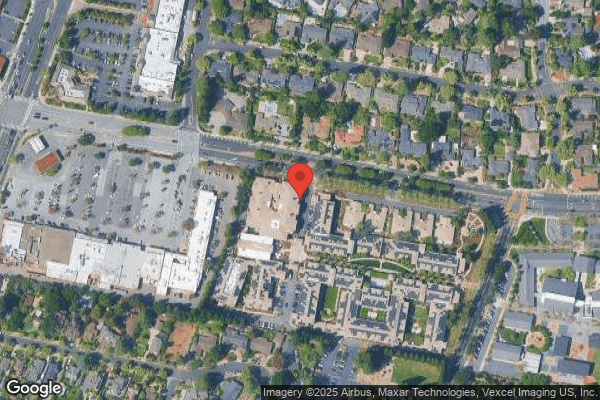

800 BLOSSOM HILL ROAD, LOS GATOS, CA 95032 (408) 357-1100
Non profit - Corporation 59 Beds HUMANGOOD Data: November 2025
Trust Grade
50/100
#229 of 1155 in CA
Last Inspection: January 2025

Within standard 12-15 month inspection cycle. Federal law requires annual inspections.

Overview

The Terraces of Los Gatos has a Trust Grade of C, which means it is average compared to other facilities, indicating it is neither great nor terrible. It ranks #229 out of 1,155 nursing homes in California, placing it in the top half, and #15 out of 50 in Santa Clara County, meaning only a few local options are better. The facility's trend is improving, as it went from 2 issues in 2024 to none in 2025, suggesting a commitment to better care. Staffing is a strength, with a 5/5 star rating and only 31% turnover, which is lower than the state average, indicating staff consistency. However, the facility has $32,487 in fines, which is concerning as it is higher than 83% of California facilities, hinting at persistent compliance issues. Specific incidents of concern include failures to follow physician orders for a resident's necessary hip stabilization devices, which could jeopardize rehabilitation, and serious lapses in care that led to deep tissue injuries for another resident. Additionally, there was an allegation of sexual abuse against a staff member that was not reported or addressed properly, resulting in emotional distress for the resident involved. While there are notable strengths, these serious incidents highlight significant areas needing improvement.

Trust Score
C
50/100
In California
#229/1155
Top 19%
Safety Record
High Risk
Review needed
Inspections
Getting Better
2 → 0 violations
Staff Stability
○ Average
31% turnover. Near California's 48% average. Typical for the industry.
Penalties
⚠ Watch
$32,487 in fines. Higher than 80% of California facilities, suggesting repeated compliance issues.
Skilled Nurses
✓ Good
Each resident gets 67 minutes of Registered Nurse (RN) attention daily — more than 97% of California nursing homes. RNs are the most trained staff who catch health problems before they become serious.
Violations
⚠ Watch
33 deficiencies on record. Higher than average. Multiple issues found across inspections.
★★★★★
5.0
Overall Rating
★★★★★
5.0
Staff Levels
★★★★★
5.0
Care Quality
★★★★☆
4.0
Inspection Score
Stable
2024: 2 issues
2025: 0 issues

The Good

  • 5-Star Staffing Rating · Excellent nurse staffing levels
  • 5-Star Quality Measures · Strong clinical quality outcomes
  • Full Sprinkler Coverage · Fire safety systems throughout facility
  • No fines on record
  • Staff turnover below average (31%)

    17 points below California average of 48%

Facility shows strength in staffing levels, quality measures, fire safety.

The Bad

Staff Turnover: 31%

15pts below California avg (46%)

Typical for the industry

Federal Fines: $32,487

Below median ($33,413)

Moderate penalties - review what triggered them

Chain: HUMANGOOD

Part of a multi-facility chain

Ask about local staffing decisions and management

The Ugly 33 deficiencies on record

5 actual harm
Mar 2024 2 deficiencies
CONCERN (D) 📢 Someone Reported This

A family member, employee, or ombudsman was alarmed enough to file a formal complaint

Potential for Harm - no one hurt, but risky conditions existed

Quality of Care (Tag F0684)

Could have caused harm · This affected 1 resident

**NOTE- TERMS IN BRACKETS HAVE BEEN EDITED TO PROTECT CONFIDENTIALITY** Based on interview and record review, the facility failed to ensure care and services were provided in accordance with professio...

Read full inspector narrative →
**NOTE- TERMS IN BRACKETS HAVE BEEN EDITED TO PROTECT CONFIDENTIALITY** Based on interview and record review, the facility failed to ensure care and services were provided in accordance with professional standards of practice for one of three sampled residents (Resident 1) when there was no documentation that licensed nurses notified the physician that Resident 1 did not receive multiple medications. Failure to notify the physician had the potential to result in additional orders not being received and carried out as needed. Findings: Review of Resident 1 ' s medical record indicated Resident 1 was admitted to the facility on [DATE] at 9:20 p.m. Resident 1 had diagnoses including osteomyelitis (a bone infection), Parkinson ' s Disease (a disorder of the nervous system that affects movement), dementia (a mental disorder caused by brain disease or injury), duodenal ulcer (a sore in part of the intestine), and gout (a type of arthritis [joint tenderness and swelling] that causes pain and stiffness). Review of Resident 1 ' s medication administration record (MAR), dated 1/2024, indicated Resident 1 was scheduled to receive the following medications: 1.) Amlodipine (medication used to treat high blood pressure) 5 milligrams (mg, unit of dose measurement) to be administered at 9:00 a.m.; 2.) Ascorbic acid (vitamin C) 250 mg to be administered at 9:00 a.m.; 3.) Rytary (medication used to treat Parkinson ' s Disease) 48.7 mg– 195 mg 2 capsules to be administered at 5:00 a.m.; 4.) Colchicine (medication used to treat gout) 0.6 mg to be administered at 9:00 a.m.; 5.) Flector 1.3% transdermal patch (pain medication applied to the skin) to be applied at 9:00 a.m.; 6.) Febuxostat (medication used to treat gout) 40 mg to be administered at 9:00 a.m.; 7.) Pantoprazole (medication that reduces stomach acid) 40 mg to be administered at 11:30 a.m.; 8.) Polyethylene glycol (medication used to prevent constipation) 17 grams (gm, unit of dose measurement) to be administered at 9:00 a.m.; 9.) Sucralfate (medication used to treat ulcers in the intestines) 100 mg per milliliter (mg/ml, unit of dose measurement) to be administered at 9:00 a.m.; and 10.) Valproic acid (medication used to treat seizures but can also be used as a mood stabilizer) 250 mg/ml to be administered at 2:00 p.m. Further review of Resident 1 ' s MAR indicated for the above scheduled medications, the documentation was highlighted in grey on 1/24/24. The last four pages of the MAR indicated for amlodipine 5mg, ascorbic acid 250 mg, Rytary 48.75 – 195 mg, colchicine 0.6mg, Flector 1.3% transdermal patch, and febuxostat 40 mg, the documentation was highlighted in grey on 1/24/24 because the medications were not administered to Resident 1. The MAR did not indicate why the documentation was highlighted in grey for pantoprazole 40 mg, polyethylene glycol 17 gm, sucralfate 100 mg/ml, and valproic acid 250 mg/ml. Review of Resident 1 ' s Daily Skilled Progress Notes, dated 1/24/24, indicated the facility was, Waiting for most medications to be delivered from pharmacy. During a telephone interview with licensed nurse A (LN A) on 3/20/24 at 11:29 a.m., LN A verified she did not administer some of Resident 1 ' s medications because they were not available in the facility. LN A stated she did not remember whether or not she notified the physician about the medications Resident 1 did not receive. LN A stated if she did notify the physician, it would be documented in her notes. During an interview and concurrent record review with LN B on 3/20/24 at 11:53 a.m., LN B stated if a resident did not receive medications, the nurse should inform the physician, await and follow the physician's orders, and document this in the medical record. LN B reviewed Resident 1 ' s medical record and confirmed that on 1/24/24, there were multiple medications not administered because the facility was waiting for the pharmacy delivery. LN B confirmed there was no documentation that indicated the physician was notified about the medications Resident 1 did not receive. During an interview with administrative staff E (AS E) on 3/21/24 at 12:11 p.m., AS E stated the facility did not have a specific policy regarding physician notification. AS E acknowledged that notifying the physician about medications not received was a basic standard of nursing practice.
CONCERN (D) 📢 Someone Reported This

A family member, employee, or ombudsman was alarmed enough to file a formal complaint

Potential for Harm - no one hurt, but risky conditions existed

Pharmacy Services (Tag F0755)

Could have caused harm · This affected 1 resident

**NOTE- TERMS IN BRACKETS HAVE BEEN EDITED TO PROTECT CONFIDENTIALITY** Based on interview and record review, the facility failed to administer medications as ordered for one of three sampled resident...

Read full inspector narrative →
**NOTE- TERMS IN BRACKETS HAVE BEEN EDITED TO PROTECT CONFIDENTIALITY** Based on interview and record review, the facility failed to administer medications as ordered for one of three sampled residents (Resident 1) because the medications were not available in the facility. This failure had the potential to compromise Resident 1 ' s health and well-being. Findings: Review of Resident 1's medical record indicated Resident 1 was admitted to the facility on [DATE] at 9:20 p.m. Resident 1 had diagnoses including osteomyelitis (a bone infection), Parkinson ' s Disease (a disorder of the nervous system that affects movement), dementia (a mental disorder caused by brain disease or injury), duodenal ulcer (a sore in part of the intestine), and gout (a type of arthritis [joint tenderness and swelling] that causes pain and stiffness). Review of Resident 1's medication administration record (MAR), dated 1/2024, indicated Resident 1 was scheduled to receive the following medications: 1.) Amlodipine (medication used to treat high blood pressure) 5 milligrams (mg, unit of dose measurement) to be administered at 9:00 a.m.; 2.) Ascorbic acid (vitamin C) 250 mg to be administered at 9:00 a.m.; 3.) Rytary (medication used to treat Parkinson ' s Disease) 48.7 mg– 195 mg 2 capsules to be administered at 5:00 a.m.; 4.) Colchicine (medication used to treat gout) 0.6 mg to be administered at 9:00 a.m.; 5.) Flector 1.3% transdermal patch (pain medication applied to the skin) to be applied at 9:00 a.m.; 6.) Febuxostat (medication used to treat gout) 40 mg to be administered at 9:00 a.m.; 7.) Pantoprazole (medication that reduces stomach acid) 40 mg to be administered at 11:30 a.m.; 8.) Polyethylene glycol (medication used to prevent constipation) 17 grams (gm, unit of dose measurement) to be administered at 9:00 a.m.; 9.) Sucralfate (medication used to treat ulcers in the intestines) 100 mg per milliliter (mg/ml, unit of dose measurement) to be administered at 9:00 a.m.; and 10.) Valproic acid (medication used to treat seizures but can also be used as a mood stabilizer) 250 mg/ml to be administered at 2:00 p.m. Further review of Resident 1 ' s MAR indicated for the above scheduled medications, the documentation was highlighted in grey on 1/24/24. The last four pages of the MAR indicated for amlodipine 5mg, ascorbic acid 250 mg, Rytary 48.75 – 195 mg, colchicine 0.6mg, Flector 1.3% transdermal patch, and febuxostat 40 mg, the documentation was highlighted in grey on 1/24/24 because the medications were not administered to Resident 1. The MAR did not indicate why the documentation was highlighted in grey for pantoprazole 40 mg, polyethylene glycol 17 gm, sucralfate 100 mg/ml, and valproic acid 250 mg/ml. Review of Resident 1 ' s Daily Skilled Progress Notes, dated 1/24/24, indicated the facility was, Waiting for most medications to be delivered from pharmacy. During a telephone interview with licensed nurse A (LN A) on 3/20/24 at 11:29 a.m., LN A verified she did not administer some of Resident 1 ' s medications because they were not available in the facility. LN A stated she was not aware the medications were unavailable until it was time to administer them to Resident 1. LN A added if she had known beforehand that the medications had not yet arrived, she would have called the pharmacy to follow up regarding the delivery. During an interview and concurrent record review with LN B on 3/20/24 at 11:53 a.m., LN B stated if a resident is admitted to the facility at 9:20 p.m., the night shift nurse should monitor whether or not the resident ' s medications arrive from the pharmacy. LN B explained if the medications do not arrive in a timely manner, the nurse should contact the pharmacy to follow up on the delivery. LN B added that the nurse could request a STAT (rushed) delivery of the medications if they do not arrive in a timely manner. LN B reviewed Resident 1 ' s medical record and confirmed that on 1/24/24, there were multiple medications not administered because the facility was waiting for the pharmacy delivery. LN B confirmed there was no documentation that indicated the nurses followed up with the pharmacy regarding the delivery of Resident 1 ' s medications. LN B also confirmed there was no documentation that indicated the nurses requested a STAT delivery of Resident 1 ' s medications. During a telephone interview with pharmacy staff C (PS C) and pharmacy staff D (PS D) on 3/20/24 at 2:40 p.m., they reviewed the pharmacy records and PS C stated the pharmacy received Resident 1 ' s faxed medication orders at 10:30 p.m. on the day of admission. PS C stated these medications should have been on the delivery that left the pharmacy at 5:00 a.m. the following morning. PS D stated Resident 1 ' s medications were not on the 5:00 a.m. delivery, but they were on the next delivery that went out at 1:00 p.m. PS D stated the facility could have asked for a STAT delivery of Resident 1 ' s medications, but confirmed there was no documentation in the pharmacy record that indicated the facility did this. When asked why Resident 1 ' s medications did not make it onto the 5:00 a.m. delivery, PS D stated more research needed to be done to determine the reason. Review of a follow-up email from PS D, dated 3/20/24, indicated the pharmacy received Resident 1 ' s faxed medication orders on 1/23/24 at 10:13 p.m. However, the facility did not electronically transmit the medication orders to the pharmacy until 1/24/24 at 4:06 a.m. (less than an hour before the 5:00 a.m. delivery). The email from PS D indicated the normal procedure was for the pharmacy to process medication deliveries using the electronically transmitted orders. PS D ' s email further indicated, Unfortunately, they missed the run [delivery] at 5am, but were place on the next run leaving at 1pm. I don ' t see any notes from the facility requesting a STAT delivery. The facilitys policy titled Administering Medications, revised 4/2019 indicated, Medications are administered in a safe and timely manner, and as prescribed. Medications are administered within one (1) hour of their prescribed time, unless otherwise specified (for example, before and after meal orders). The facilitys policy titled Medication Ordering and Receiving From Pharmacy Provider, dated 1/2023 indicated, Medications and related products are received from the provider pharmacy on a timely basis. The policy further indicated, Inform the pharmacy of the need for prompt delivery.
Nov 2023 2 deficiencies 1 Harm
SERIOUS (G) 📢 Someone Reported This

A family member, employee, or ombudsman was alarmed enough to file a formal complaint

Actual Harm - a resident was hurt due to facility failures

Deficiency F0658 (Tag F0658)

A resident was harmed · This affected 1 resident

**NOTE- TERMS IN BRACKETS HAVE BEEN EDITED TO PROTECT CONFIDENTIALITY** Based on interview and record review, the facility failed to follow physician orders for one of three residents (Resident 1) whe...

Read full inspector narrative →
**NOTE- TERMS IN BRACKETS HAVE BEEN EDITED TO PROTECT CONFIDENTIALITY** Based on interview and record review, the facility failed to follow physician orders for one of three residents (Resident 1) when: 1. A physician order for Resident 1's use of an abduction pillow (device used to separate the legs and stabilize the hips) was not carried out upon admission to the facility; and, 2. The facility staff failed to transcribe the physician orders for hip precautions (restrictions for after having a total hip replacement), and use of an abduction hip brace (device to maintain correct body alignment and reduce the risk of dislocation) on the Treatment Administration Record (TAR). These failures prevented the Resident 1 from receiving the necessary treatment prescribed by the physician and had the potential for joint repair dislocation, which would jeopardize the rehabilitation of Resident 1. Findings: Review of Resident 1's face sheet (brief summary of a resident's important information) indicated she was admitted on [DATE] with diagnoses including aftercare following joint replacement surgery, presence of right artificial hip joint, dementia (a decline in mental capacity affecting daily function), difficulty in walking, muscle wasting and atrophy (decrease in size). Review of Resident 1's Minimum Data Set (MDS, an assessment tool), dated 6/10/22, indicated she had a BIMS (Brief Interview for Mental Status) score of 6 (a score of 0 to 7 indicates severe cognitive [i.e. thinking, reasoning, or remembering] impairment). Resident 1 required extensive assistance (requiring staff to provide weight-bearing support) for bed mobility (moving in bed), and toileting. Resident 1 was dependent on staff for transfers and had impaired range of motion (the full movement potential of a joint) in the right lower extremity. 1. Review of Resident 1's acute hospital Discharge Orders/Instructions, dated 6/6/22, indicated, physical activity restricted, Abduction Pillow while in bed. Review of Resident 1's skilled nursing medical record revealed there was no physician order for an abduction pillow while in bed and there was no documentation that the facility was using an abduction pillow for Resident 1. During an interview and concurrent record review with registered nurse A (RN A) on 9/27/23 at 4:25 p.m., he stated he was the facility's admission nurse and had admitted Resident 1 on 6/6/22. RN A was asked about Resident 1's hospital discharge order for an abduction pillow while in bed. He confirmed there was an order for an abduction pillow and stated, I don't see that I carried that order out . I don't know how I missed that. RN A stated, The abduction pillow should be transcribed as an order and will appear on the TAR. The nurses will initial every shift that the abduction pillow is in place. RN A stated the licensed nurse's documentation is necessary to show the facility is following the physician order for the abduction pillow to be used by Resident 1 while in bed. 2. Review of Resident 1's Physician Order, dated 6/6/22, that indicated, Total hip precautions: No hip flexion greater than 70 degrees, no hip adduction (movement towards the midline of the body), no internal rotation of operative hip. These positions can cause the hip to dislocate (displaced from its normal position). Review of Resident 1's Physician Order, dated 6/6/22, that indicated, Weight bearing as tolerated. Weight bearing on the right lower extremity with hip abduction brace when out of bed. Review of Resident 1's medical record revealed there was no documentation that the facility was following total hip precautions as ordered by the physician, and no documentation that Resident 1 was using a hip abduction brace when she was out of bed. During an interview and concurrent record review with registered nurse A (RN A) on 9/27/23 at 4:25 p.m., he confirmed Resident 1 had physician orders for total hip precautions and to use a hip abduction brace when out of bed. RN A stated the orders were not transcribed correctly; so, the orders did not appear on Resident 1's TAR. RN A stated, I don't know what happened, the orders need to be on the TAR. He confirmed there was no documentation the facility was observing total hip precautions or using a hip abduction brace when Resident 1 was out of bed. During an interview and concurrent record review with the nursing supervisor (NS) on 10/5/23 at 11:58 a.m., she was asked to review Resident 1's orders for total hip precautions and a hip abduction brace when out of bed. The NS was asked where in Resident 1's record the licensed nurses document that total hip precautions were observed and that Resident 1 used a hip abduction brace when out of bed. The NS stated, I don't know why those orders are not in Resident 1's TAR . they should be. That's where the licensed nurses will document. The NS stated when the abduction brace and total hip precaution orders are transcribed correctly, they will appear on the TAR. The nurses will initial every shift they are observing total hip precautions and the abduction brace is in place as ordered. NS indicated the licensed nurses' documentation is necessary to show the facility is following the physician orders. The NS confirmed there was no documentation the facility was observing total hip precautions or using a hip abduction brace for Resident 1. Review of Resident 1's Clinical Notes – Nursing Progress Notes, dated 6/24/22, indicated an order was received from Resident 1's physician for x-rays of bilateral hips. Review of the Radiology Report, dated 6/25/22, indicated right femoral arthroplasty (thigh reconstructed joint) dislocated from the parent acetabulum (socket part of the hip joint). Review of Resident 1's Clinical Notes – Nursing Progress Notes, dated 6/27/22, indicated physician orders to send Resident 1 to the emergency room for further evaluation. Review of Resident 1's Emergency Department – Provider Notes, History and Physical, dated 6/27/22, indicated Resident 1 was unable to adequately work in physical therapy due to pain. An assessment X-ray report indicated Resident 1 had a dislocation of the right hip and to admit to orthopedics for reduction (bone realignment) in the OR (operating room). Review of the California Nursing Practice Act Rules and Regulations, Division 2, Chapter 6, Article 2. Scope of Regulations 2725 (b) indicated, The practice of nursing within the meaning of this chapter means . (2) Direct and indirect patient care services, including, but not limited to, the administration of medications and therapeutic agents, necessary to implement a treatment, disease prevention, or rehabilitative regimen ordered by and within the scope of licensure of a physician, dentist, podiatrist (medical specialist for treatment of foot problems), or clinical psychologist (specialist in the treatment of mental, emotional, and behavioral disorders), as defined by Section 1316.5 of the Health and Safety Code. Review of the facility's policy titled Charting and Documentation, revised 12/2022, indicated documentation of treatments should include the date and time the treatment was provided, the name and title of the individual who provided the care, any assessment data obtained during the treatment, and whether the resident refused the treatment.
CONCERN (D) 📢 Someone Reported This

A family member, employee, or ombudsman was alarmed enough to file a formal complaint

Potential for Harm - no one hurt, but risky conditions existed

Comprehensive Care Plan (Tag F0656)

Could have caused harm · This affected 1 resident

**NOTE- TERMS IN BRACKETS HAVE BEEN EDITED TO PROTECT CONFIDENTIALITY** Based on interview and record review, the facility failed to develop an individualized resident-centered care plan to address Re...

Read full inspector narrative →
**NOTE- TERMS IN BRACKETS HAVE BEEN EDITED TO PROTECT CONFIDENTIALITY** Based on interview and record review, the facility failed to develop an individualized resident-centered care plan to address Resident 1's physician orders for total hip precautions (restrictions for after having total hip replacement) and use of an abductor (to position the leg away from the midline of the body) hip brace. These failures had the potential to result in the inability to identify Resident 1's individualized care issues and implement person-centered care. Findings: Review of Resident 1'sface sheet (brief summary of a resident's important information) indicated she was admitted on [DATE] with diagnoses including aftercare following joint replacement surgery, presence of right artificial hip joint, dementia (a decline in mental capacity affecting daily function), difficulty in walking, muscle wasting and atrophy (decrease in size). Review of Resident 1's Minimum Data Set (MDS, an assessment tool), dated 2/11/23, indicated she had a BIMS (Brief Interview for Mental Status) score of 6 (a score of 0 to 7 indicates severe cognitive impairment). Resident 1 required extensive assistance (requiring staff to provide weight-bearing support) for bed mobility (moving in bed), and toileting. Resident 1 was dependent on staff for transfers and had impaired range of motion (the full movement potential of a joint) in the right lower extremity. Review of Resident 1's Physician Order Sheet indicated she had a physician's order, dated 6/6/22, that indicated, Total hip precautions: No hip flexion greater than 70 degrees, no hip adduction (movement towards the midline of the body), no internal rotation of operative hip. These positions can cause the hip to dislocate. Review of Resident 1's Physician Order Sheet indicated she had a physician's order, dated 6/6/22, that indicated, Weight bearing as tolerated. Weight bearing on the right lower extremity with hip abduction brace when out of bed. Review of Resident 1's clinical record revealed there was no care plan initiated for Resident 1's use of the hip abductor brace and no nursing measures put in place to monitor total hip precautions and the weight bearing status ordered for Resident 1. During an interview and concurrent record review with the Director of Nursing (DON) on 9/5/23, at 1:45 p.m., she confirmed there was no care plan for Resident 1's total hip precautions, use of hip abductor brace, and weight bearing status of Resident 1. The DON acknowledged the facility should have developed the care plan for Resident 1 who was admitted after hip surgery. The DON stated the care plan should include any activity limitations and precautions, use of devices, and include nursing interventions specific to Resident 1's post operative course. Review of the facility's policy Care Plans, Comprehensive Person-Centered, revised 3/2022, indicated, A comprehensive, person-centered care plan that includes measurable objectives and timetables to meet the resident's physical, psychosocial and functional needs is developed and implemented for each resident. The comprehensive, person-centered care plan: a. includes measurable objectives and timeframes; b. Describes the services that are to be furnished .; and . e. reflects currently recognized standards of practice for problem areas and conditions.
Aug 2023 1 deficiency 1 Harm
SERIOUS (G) 📢 Someone Reported This

A family member, employee, or ombudsman was alarmed enough to file a formal complaint

Actual Harm - a resident was hurt due to facility failures

Pressure Ulcer Prevention (Tag F0686)

A resident was harmed · This affected 1 resident

**NOTE- TERMS IN BRACKETS HAVE BEEN EDITED TO PROTECT CONFIDENTIALITY** Based on interview and record review, the facility failed to ensure one of three residents (Resident 1) received necessary care ...

Read full inspector narrative →
**NOTE- TERMS IN BRACKETS HAVE BEEN EDITED TO PROTECT CONFIDENTIALITY** Based on interview and record review, the facility failed to ensure one of three residents (Resident 1) received necessary care and services to achieve and maintain her highest practicable health and well-being when: 1. Staff did not develop an individualized resident-centered care plan to address Resident 1's use of a CAM (controlled ankle movement) boot, 2. Licensed nurses did not follow-up with the physician for clarification of instructions for Resident 1's CAM boot, 3. Licensed nurses did not assess and monitor Resident 1's surgical incision on the right ankle, and 4. Licensed nurses did not follow the manufacturer's guidelines to perform circulation checks for the CAM boot that was applied by Resident 1's orthopedic surgeon. These failures negatively affected the Resident 1's health and well-being when her right foot developed two deep tissue injuries (DTI, injury to underlying tissue below the skin's surface that results from prolonged pressure in an area of the body). Findings: Review of Resident 1's face sheet (a summary of important information) indicated she was admitted on [DATE] with diagnoses including fracture of the right tibia (one of the bones of the lower leg), osteoporosis (condition that causes the bones to become brittle and fragile), respiratory failure (the body is unable to effectively transfer oxygen and carbon dioxide), atrial fibrillation (irregular heart rate), chronic respiratory failure (the inability to effectively exchange gasses in the lungs), chronic obstructive pulmonary disease (lung disease that causes obstruction of airflow and interferes with normal breathing), congestive heart failure (inability of the heart to pump blood with normal efficiency), anemia (low levels of healthy red blood cells), rheumatoid arthritis (inflammatory disease that affects the joints). Review of Resident 1's Minimum Data Set (MDS, an assessment tool), dated 2/11/23, indicated she had a BIMS (Brief Interview for Mental Status) score of 5 (a score of 0 to 7 indicates severe cognitive impairment) and required extensive assistance (staff provide weight-bearing support) for bed mobility (moving in bed), and toileting. Resident 1 was dependent on staff for transfers and had impaired range of motion (the full movement potential of a joint) in the right lower extremity. Review of Resident 1's Braden scale assessment (tool used in wound assessment) dated 2/9/23 indicated, she had a score of 14 (a score of 13-14 represents a moderate risk for developing pressure ulcers). 1. Review of Resident 1's admission Evaluation assessment dated [DATE], indicated resident's primary admitting diagnosis was, encounter for after care following surgery, and identified the presence of a cast on Resident 1's right lower leg. Review of Resident 1's orthopedic surgeon's progress notes dated 2/17/23, indicated a CAM boot was applied to the right lower leg. Review of Resident 1's clinical record indicated there was no care plan initiated for Resident 1's use of the CAM boot. There were no nursing measures in place to assess the skin and monitor the skin integrity of Resident 1's right lower leg. During an interview and concurrent record review with the director of nursing (DON) on 7/31/23 at 11:05 a.m., she stated there was a care plan developed for Resident 1's cast on admission but confirmed there was no care plan developed for the CAM boot when it was applied to Resident 1's right lower extremity on 2/17/23. The DON stated the facility should have developed a care plan specifically for the CAM boot to include nursing interventions to monitor the skin, reposition and monitor for pressure related injury. When the DON was asked how nursing staff was assessing the skin on Resident 1's right lower leg, she responded we could not do any skin assessments of Resident 1's right lower leg because we were not taking the CAM boot off. Review of the facility's policy titled Comprehensive Person-Centered Care Plans, revised March 2022, indicated assessments of residents are ongoing and care plans are revised as information about the resident and the resident's conditions change. 2. Review of Resident 1's orthopedic doctor's progress notes, dated 2/17/23, indicated, Sutures removed; strips applied; leave strips to fall off; no dressing required; CAM boot applied; WBAT (weight bearing as tolerated) in CAM boot RLE (right lower extremity); shower OK; continue gentle PT (physical therapy)/OT (occupational therapy); patient should only bear weight as tolerated; Call with questions. During an interview and concurrent record review with the nursing supervisor (NS) on 6/15/23 at 2:00 p.m., she was asked if Resident 1's record indicated any doctor's orders for the CAM boot, specifically if there were any doctor's orders indicating if the CAM boot could be removed or if it was to be worn 24 hours a day. The NS stated, I do not see any orders for the CAM boot . Some doctors have the boot always stay on. The NS was questioned if the 2/17/23 physician's progress note entry, shower OK, indicated the boot can be taken off for a shower. She responded, I can't tell from this physician's progress note .it does not say . There are no specific doctor's orders about the CAM boot . If I were the one to receive this physician's progress note, I would have called the orthopedic doctor to clarify if the CAM boot could be removed for the shower. The NS stated Resident 1's physician should have been called to obtain orders related to removal of the CAM boot. During an interview and concurrent record review with the DON on 7/7/23 at 1:30 p.m., she acknowledged there were no doctor's orders for Resident 1's CAM boot and no specific order to indicate if the CAM boot could be removed by facility staff. She stated a variety of boots and splints are worn by their residents and the orders to remove them will vary according to their physicians. The DON stated, since there were no orders to remove Resident 1's CAM boot, the staff did not remove it. She further stated that Resident 1, Had a fracture and we did not want to do anything that would disrupt the healing process; so, we never took the CAM boot off. She acknowledged the staff should have called Resident 1's orthopedic doctor to clarify what she wanted in terms of the CAM boot for this resident. The DON stated, If there are questions about when to wear it or if it should be taken off, then we should ask the doctor. A review of Resident 1's (nursing) clinical notes report, dated 3/11/23, indicated Resident 1's son removed the CAM boot and requested a licensed nurse do a skin assessment of Resident 1's right lower leg. The report also indicated dark brown discolored skin was observed on Resident 1's right foot located at the right heel measuring 3 centimeters (cm, unit of measure) by 3 cm and at the right upper plantar area (area of the bottom of the foot opposite the heel) measuring 3 cm by 3 cm. The report indicated the licensed nurse contacted Resident 1's medical doctor and received orders to treat the deep tissue injuries on Resident 1's right foot. During an interview with Resident 1's orthopedic surgeon (OS, physician specializing in correcting bone and muscle deformities) on 7/13/23 at 3:00 p.m., she was asked if Resident 1's pressure ulcers on the right lower leg could be attributed to the wearing of the CAM boot. The OS stated, 100% .the DTIs can be attributed to the CAM boot .I was surprised that they were not removing it. She further stated the CAM boot is a removable device and the expectation is that the skin will be assessed at regular intervals, and the CAM boot would be removed in order to accomplish this. The OS stated the nursing staff should, certainly have a plan of care for removable orthosis (brace or other devices to correct alignment or provide support) that involves skin checks .that is just typically done as a nursing measure. 3. Review of Resident 1's Internal Medicine History and Physical, dated 2/10/23, indicated she had a diagnosis of fracture of the right tibia and had an open reduction and internal fixation (ORIF, type of surgery used to stabilize and heal a broken bone) on 2/2/23 in the acute hospital prior to her admission to the facility. Review of Resident 1's admission Evaluation Assessment, dated 2/9/23, indicated Resident 1 was admitted with a cast on her right lower leg (which was removed during an appointment with her orthopedic surgeon on 2/17/23). Review of a physician progress note, dated 2/17/23, indicated, sutures removed; strips applied .leave strips to fall off; no dressing required . During an interview and concurrent record review with the DON on 7/31/23 at 11:05 a.m., she acknowledged Resident 1 had a surgical repair of her fractured right lower leg. The DON was asked if the surgical site should be monitored after the cast was removed from Resident 1's right lower leg on 2/17/23. The DON stated there are physician orders for care of a surgical site, dressing changes, and monitoring for signs of infection when residents have had surgical procedures. She further stated, There are no physician orders for surgical site care of Resident 1's right lower leg . In this resident's case, the CAM boot was left on and there were no treatments done to the surgical site. When the DON was asked if a surgical site should be monitored until healed, she stated, Yes surgical sites should be monitored .I do not see any orders to monitor the surgical site for Resident 1 .the CAM boot remained on; so, we did not monitor the surgical site. 4. During a phone interview with the orthopedic technician (OT), from Resident 1's orthopedic surgeon's office on 7/31/23 at 4:30 p.m., she stated Resident 1 was fitted with an immobilization device to the right lower leg during her orthopedic appointment on 2/17/23. The OT identified the make and model of Resident 1's immobilization device applied. A review of the manufacturer's guidelines for this device indicated, Caution: Be sure the patient performs circulation checks. If a loss of circulation is felt, or if the walker feels too tight, release contact closure straps and adjust to a comfortable level. If discomfort continues, the patient should contact their medical professional immediately. Review of Resident 1's physician order dated 2/10/23 indicated, Cast Care: Cast on right lower leg. Monitor for foul odors, changes in sensation, swelling, burning, numbness, tingling, skin discoloration, paralysis, white or cool toes or fingertips, warm spots, soft areas, cracks in cast. Notify MD as needed. A review of the treatment administration record (TAR) indicated licensed nurses followed the physician order for cast care and monitored Resident 1's casted right lower extremity from 2/10/23 until 2/21/23. There was no documented monitoring of Resident 1's right lower leg after the cast was removed and the CAM boot was applied on 2/17/23. During an interview and concurrent record review with the licensed vocational nurse A (LVN A) on 7/17/23 at 1:00 p.m., she acknowledged Resident 1 had a CAM boot applied on her right lower leg on 2/17/23. When LVN A was asked what nursing measures would be initiated when a resident is wearing a CAM boot, she replied, I would expect to do checks on the affected part in the CAM boot, check for color, circulation, movement, and pain. LVN A reviewed Resident 1's clinical record and acknowledged there was no documentation indicating monitoring was done for Resident 1's right lower leg when the CAM boot was in place and LVN A stated there should be. Review of the facility's policy titled Prevention of Pressure Injuries, revised April 2020, indicated for device-related pressure injuries to monitor regularly for comfort and signs of pressure-related injury.
Jan 2023 2 deficiencies 1 Harm
SERIOUS (G) 📢 Someone Reported This

A family member, employee, or ombudsman was alarmed enough to file a formal complaint

Actual Harm - a resident was hurt due to facility failures

Free from Abuse/Neglect (Tag F0600)

A resident was harmed · This affected 1 resident

**NOTE- TERMS IN BRACKETS HAVE BEEN EDITED TO PROTECT CONFIDENTIALITY** Based on interview and record review, the facility failed to ensure one of three residents (Resident 1) was free from abuse when...

Read full inspector narrative →
**NOTE- TERMS IN BRACKETS HAVE BEEN EDITED TO PROTECT CONFIDENTIALITY** Based on interview and record review, the facility failed to ensure one of three residents (Resident 1) was free from abuse when Resident 1 alleged a facility staff of sexually assaulted Resident 1, the facility did not inform the primary physician regarding the sexual assault allegation and did not have evidence that staffs provided a follow-up monitoring of Resident 1 after the allegation of sexual abuse. Resident 1's care plan was not updated to address the abuse allegation, and the facility did not report the sexual abuse allegation to the California Department of Public Health (CDPH). These failures resulted in Resident 1 had psychosocial (relating to the interrelation of social factors and individual thought and behavior) and emotional distress from the alleged sexual abuse. Review of Resident 1's face sheet indicated she was admitted to the facility on [DATE] with a diagnosis that includes peri (around) prosth fracture (fractures around joint replacement prostheses) around internal prosth (prosthesis, a device that is placed inside a person's body during a procedure to permanently replace a body part) right knee and discharged on 8/10/22. Review of Resident 1's minimum data set (MDS, an assessment tool) dated 6/11/22 indicated she has a Brief Interview for Mental Status (BIMS) score of 14 (a score of 13-15 indicates intact cognition). Review of Resident 1's toileting and dressing care plan dated 6/20/22, indicated she needed extensive assistance with both. Review of the compliant intake received by the CDPH on 11/29/22, indicated Resident 1 alleged certified nursing assistant A (CNA A) sexually assaulted Resident 1. The intake indicated the alleged incident took place on 6/27/22 in the facilty. Review of Resident 1's Interdisciplinary Team (IDT, team members from different departments involved in a resident's care) notes, dated 6/28/22, indicated Resident 1 stated she had been violated by her assigned aide during morning shift change on 6/27/22. The IDT note indicated that the facility notified the CDPH, Law Enforcement, and Long Term Care Ombudsman (an organization that the representatives assist the long term care facilities residents for the health and safety issues). Review of the facility's investigative report dated 6/28/22, indicated on 6/27/22, assigned CNA A put ointment on Resident 1's private area during the care, Resident 1 felt that CNA A put his hand in her private area two times. Resident 1 felt a true violation had occurred. Resident 1 has no diagnoses of dementia (impaired ability to remember, think, or make decisions that interferes with doing everyday activities) or cognition impairments. The facility investigation report indicated .substantiated sexual abuse upon interview with Resident 1. During an interview with the administrator (ADM) on 11/30/22 at 10:05 a.m., he stated CNA A was from a nursing registry and did not come back to the facility after the allegation against him. ADM also stated the previous director of nursing (DON) made the investigative report and CNA A was not investigated because he did not return to the facility after the allegation. ADM stated Resident 1 was discharged from the facility sometime in August 2022. The ADM provided the SOC 341 (Sate of California Report of Suspected Dependent Adult/Elder Abuse) document dated 6/28/22 which indicated telephone report made to the Law enforcement. The ADM stated he knew the SOC 341 was sent to CDPH on same day of 6/28/22 and would provide the evidence. The ADM provided the SOC 341 document sent to the Ombudsman but not to the CDPH. The ADM stated the reporting was handled by the previous executive director and he was not sure if the investigative report was also sent to CDPH on same time. During a concurrent interview and record review with the director of nursing (DON) on 11/30/22 at 10:25 a.m., DON reviewed Resident 1's progress notes and care plan regarding the sexual allegation. There was no follow up documentation from the licensed nurses or social service department indicated staff follow up with Resident 1 regarding the sexual allegation including the physical and emotional assessment. There were no documents indicated the facility notify the primary physician regarding Resident 1's sexual assault allegation. There was no updated care plan to address Resident 1's sexual allegation incident. The DON also reviewed Resident 1's other documents for the allegation and did not find notification of Resident 1's primary physician and licensed nurses' follow up documentation. The DON stated the license nurses should do 72-hour monitoring for Resident 1 and the social service should do 72-hour psychosocial assessment for Resident 1 regarding post sexual abuse allegation. DON stated Resident 1's care plan should have been updated to address the allegation. The DON stated it was important to have a follow up assessment by either the licensed nurses or social service department for any allegation of abuse for the residents. During a telephone interview with the Ombudsman on 12/5/22 at 8:35 a.m., she stated she received the SOC 341 from the facility and remembered Resident 1 called her to report about the sexual allegation. The Ombudsman stated Resident 1 indicated she (the resident) was distraught about what happened to her regarding the sexual abuse allegation. Review of the Centers for Medicare & Medicare Services (CMS) complaint/Incidents tracking system (the complaints and incidents report to CDPH, CDPH is the agency for CMS to investigate these complaints/incidents) on 12/1/22, indicatedthere was no report that the facility reported to CDPH about Resident 1's sexual abuse allegation. Review of the facility's policy, Elder Abuse Prevention, Identification, Response, Reporting, dated 11/28/16, indicated team members are expected to prevent, identify, respond to and report allegations of elder abuse according to the steps of this procedure .identification of abuse, resident assessments which reflect unusual bruising, wounds or patterns of skin trauma not caused by resident self-inflicted injury , response to allegations or witnessed events, revise the resident's care or service plan if the resident's needs change.
CONCERN (D) 📢 Someone Reported This

A family member, employee, or ombudsman was alarmed enough to file a formal complaint

Potential for Harm - no one hurt, but risky conditions existed

Report Alleged Abuse (Tag F0609)

Could have caused harm · This affected 1 resident

**NOTE- TERMS IN BRACKETS HAVE BEEN EDITED TO PROTECT CONFIDENTIALITY** Based on interview and record review, the facility failed to implement its abuse prohibition policy for one of three residents (...

Read full inspector narrative →
**NOTE- TERMS IN BRACKETS HAVE BEEN EDITED TO PROTECT CONFIDENTIALITY** Based on interview and record review, the facility failed to implement its abuse prohibition policy for one of three residents (Resident 1) when an allegation of sexual abuse was not reported to the California Department of Public Health (CDPH). This failure resulted in potential abuse reoccur and impact the resident's safety and emotial wellbeing. Findings: Review of Resident 1's face sheet indicated she was admitted to the facility on [DATE] with a diagnosis that includes periprosth fracture (fractures around joint replacement prostheses) around internal prosth (a device that is placed inside a person's body during a procedure to permanently replace a body part) right knee and discharged on 8/10/22. Review of Resident 1 ' s minimum data set (MDS, an assessment tool) dated 6/11/22 indicated she has a Brief Interview for Mental Status (BIMS) score of 14 ( a score of 13 – 15 indicates intact cognition ). Review of Resident 1 ' s Interdisciplinary Team (IDT, team members from different departments involved in a resident's care) notes dated 6/28/22, indicated Resident 1 stated she had been violated by her assigned aide during morning shift change on 6/27/22. The IDT note indicated that the facility notified the CDPH, Law Enforcement, Ombudsman (Long Term Care Ombudsman, an organization that the representatives assist the long term care facilities residents for the health and safety issues). Review of the facility ' s investigative report dated 6/28/22, indicated on 6/27/22, assigned CNA A put ointmnet on Resident 1's private area during the care, Resident 1 felt that CNA A put his hand in her private area two times . Resident 1 felt a true violation had occurred. Resident 1 has no diagnoses of dementia (impaired ability to remember, think, or make decisions that interferes with doing everyday activities) or cognition impairments. The facility investigation report indicated .substantiated sexual abuse upon interview with Resident 1. During a telephone interview with the Ombudsman on 12/5/22 at 8:35 a.m., she stated she received the SOC 341 from the facility and remembered Resident 1 called her to report about the sexual allegation. The Ombudsman stated Resident 1 indicated she (the resident) was distraught about what happened to her regarding the sexual abuse allegation. During an interview and concurrent record review with the administrator (ADM) on 11/30/22 at 10:05 a.m., he provided the SOC 341 (State of California Report of Suspected Dependent Adult/Elder Abuse) document dated 6/28/22 which indicated telephone report made to Law enforcement. The ADM stated he knew the SOC 341 was sent to CDPH on same day of 6/28/22 and would provide evidence. The ADM provided the SOC 341 document sent to the Ombudsman but not to CDPH. The ADM stated the reporting was handled by the previous executive director and he was not sure if the investigative report was also sent to CDPH on same time. Review of the Centers for Medicare & Medicare Services (CMS) complaint/Incidents tracking system (the complaints and incidents report to CDPH, CDPH is the agency for CMS to investigate these complaints/incidents) on 12/1/22, indicated there was no report that the facility reported to CDPH about Resident 1 ' s sexual abuse allegation. Review of the facility ' s policy, Elder Abuse Prevention , Identification, Response , Reporting, dated 11/28/16, indicated The appropriate community leader makes any required verbal and written report to the local enforcement and to the Department of Public Health, generally the time frame for reporting is to report immediately, but not later than 24 hours after the allegation of alleged violations involving abuse.
Dec 2022 1 deficiency
CONCERN (D) 📢 Someone Reported This

A family member, employee, or ombudsman was alarmed enough to file a formal complaint

Potential for Harm - no one hurt, but risky conditions existed

Abuse Prevention Policies (Tag F0607)

Could have caused harm · This affected 1 resident

Based on interview, and record review, the facility failed to implement their abuse policy for one of two resident (Resident 1) when the facility did not suspend the staff during the investigation of ...

Read full inspector narrative →
Based on interview, and record review, the facility failed to implement their abuse policy for one of two resident (Resident 1) when the facility did not suspend the staff during the investigation of an alleged abuse.This failure had the potential to affect the resident's safety and protection from further abuse. Findings: Review of Resident 1's face sheet indicated she was admitted to the facility with a diagnoses that included dementia (memory loss ). Review of Resident 1's Interdisciplinary Team (IDT, team members from different departments involved in a resident's care) notes dated 11/28/22, indicated Resident 1's care manager via email to the facility, claimed alleged rough handling during diaper change by certified nursing assistant A (CNA A) on 11/19/ 22. Review of the facility's summary of incident investigations dated 11/20/22 , indicated upon receiving the email, the CNA was re-assigned to another part of the health center pending the investigation . During a telephone interview with CNA A on 12/5/22 at 10:15 a.m., she stated she continued to work but was taken off Resident 1's assignment. During a telephone interview with the administrator (ADM) on 12/8/22, he stated CNA A was not removed from the schedule but was re-assigned to another part of the facility pending investigation. The ADM acknowledged CNA A should have been removed from the schedule during their investigation . Review of the facility's policy, Elder Abuse Prevention, Identification, Response, Reporting , dated 11/28/16, indicated If an allegation or witnessed event involves alleged abuse by a team member, he or she will be removed from the assigned worksite immediately, the Director of Human Resources shall be notified, and the team member sent home, and may not return until instructed to do so by Human Resources .
Nov 2022 12 deficiencies
CONCERN (D)

Potential for Harm - no one hurt, but risky conditions existed

Abuse Prevention Policies (Tag F0607)

Could have caused harm · This affected 1 resident

**NOTE- TERMS IN BRACKETS HAVE BEEN EDITED TO PROTECT CONFIDENTIALITY** Based on interview and record review, the facility failed to implement its written policies and procedures for reporting and inv...

Read full inspector narrative →
**NOTE- TERMS IN BRACKETS HAVE BEEN EDITED TO PROTECT CONFIDENTIALITY** Based on interview and record review, the facility failed to implement its written policies and procedures for reporting and investigation of allegations of abuse for one of 13 sampled residents (Resident 1) when Resident 1's abuse allegation was not reported and investigated. These failures had the potential to result in the abuse recurrence to residents in the facility. Findings: Review of Resident 1's clinical record indicated she was an elderly female and admitted on [DATE] with the diagnoses of Alzheimer's disease (progressive disease that destroys memory and other important mental functions), dementia (loss of memory) with behavioral disturbances, chronic obstructive pulmonary disease (COPD, lung disease that causes obstructed airflow), history of transient ischemic attack (TIA, temporary blockage of blood flow to the brain), generalized muscle weakness, chronic atrial fibrillation (irregular heartbeat), presence of prosthetic heart valve (designed to replicate the function of native valves by maintaining unidirectional blood flow) and history of falling. Review of Resident 1's Minimum Data Set (MDS, an assessment tool), dated 7/16/22, indicated she had a Brief Interview for Mental Status (BIMS) score of 9 (a score of 8 to 12 indicates moderate cognitive impairment). Review of Resident 1's nursing notes, dated 7/8/22, indicated Resident 1 alleged that a staff member grabbed both her arms on the night of 7/4/22 and there was a discoloration to Resident 1's right forearm. Further review of Resident 1's clinical record indicated there was no documentation indicating the facility investigated Resident 1's allegation of abuse. There was also no documentation indicating the facility reported Resident 1's allegation to the necessary entities. During an interview with hospice registered nurse F (HRN F) on 11/9/22 at 9:40 a.m., she verified there was an allegation of abuse made by Resident 1 a few months ago. During an interview with the director of nursing (DON) on 11/9/22 at 4:30 p.m., the DON verified that the allegation of abuse made by Resident 1 in July 2022 was never investigated and was never reported to local, state and federal agencies. The DON further stated there was no investigation report for Resident 1's abuse allegation. Review of the facility's Nursing Services Policy and Procedure Manual for Long-Term Care: Abuse, Neglect, Exploitation or Misappropriation - Reporting and Investigating, revised April 2021, indicated, All reports of resident abuse, including injuries of unknown origin, neglect, exploitation or theft/misappropriation of resident property are reported to local, state and federal agencies, as required by current regulations and thoroughly investigated by facility management. Findings of all investigations are documented and reported. If resident abuse is suspected, the suspicion must be reported immediately to the administrator and to other officials according to state law. Immediately is defined as, within two hours of an allegation involving abuse or result in serious bodily injury; or within twenty-four hours of an allegation that does not involve abuse or result in serious bodily injury. All allegations are thoroughly investigated. The administrator, or his/her designee, provide the appropriate agencies with a written report of the findings of the investigation within five working days of the occurrence of the incident. The resident and/or representative are notified of the outcome immediately upon conclusion of the investigation.
CONCERN (D)

Potential for Harm - no one hurt, but risky conditions existed

Assessment Accuracy (Tag F0641)

Could have caused harm · This affected 1 resident

**NOTE- TERMS IN BRACKETS HAVE BEEN EDITED TO PROTECT CONFIDENTIALITY** Based on interview and record review, the facility failed to accurately complete the discharge Minimum Data Set (MDS, an assessm...

Read full inspector narrative →
**NOTE- TERMS IN BRACKETS HAVE BEEN EDITED TO PROTECT CONFIDENTIALITY** Based on interview and record review, the facility failed to accurately complete the discharge Minimum Data Set (MDS, an assessment tool) for one of three residents (Resident 57). Failure to accurately assess had the potential to compromise the facility's ability to provide resident-centered discharge care planning and interventions for the resident. Findings: Review of Resident 57's discharge summary report indicated he was discharged to an assisted living facility (ALF) on 8/13/22. During an interview with registered nurse D (RN D) on 11/9/22 at 1:42 p.m., she verified that Resident 57 was discharged to an ALF on 8/13/22. Review of Resident 57's discharge MDS, dated [DATE], indicated he was discharged to the acute hospital. During an interview and concurrent record review with the director of nursing (DON) on 11/9/22 at 4:43 p.m., the DON confirmed the coding for Resident 57's discharge MDS was incorrect. The DON verified Resident 57 was discharged to an ALF, not to the acute hospital. The DON explained there was a licensed vocational nurse (LVN) working remotely part-time as MDS coordinator. The LVN coded Resident 57's discharge MDS incorrectly and the previous DON signed it. During an interview with the Minimum Data Set Coordinator (MDSC) on 11/10/22 at 9:35 a.m., the MDSC also verified that Resident 57s discharge MDS was incorrectly coded. The MDSC stated Resident 57 was not discharged to the acute hospital, but to an ALF. Review of the Centers for Medicare and Medicaid Services (CMS) 10/2019 Resident Assessment Instrument 3.0 User's Manual (RAI Manual, MDS coding instructions) indicated for section A2100, Discharge Status, Code 01, community, if discharge location is assisted living facility.
CONCERN (D)

Potential for Harm - no one hurt, but risky conditions existed

Accident Prevention (Tag F0689)

Could have caused harm · This affected 1 resident

**NOTE- TERMS IN BRACKETS HAVE BEEN EDITED TO PROTECT CONFIDENTIALITY** Based on observation, interview and record review, the facility failed to completely assess two of 13 sampled residents (Residen...

Read full inspector narrative →
**NOTE- TERMS IN BRACKETS HAVE BEEN EDITED TO PROTECT CONFIDENTIALITY** Based on observation, interview and record review, the facility failed to completely assess two of 13 sampled residents (Residents 1 and 209) after fall incidents when: 1. For Resident 1, the facility did not do fall risk assessments after two falls; and 2. For Resident 209, the facility did not complete post-fall assessments after three falls. These failures had the potential to increase the recurrence of falls and to compromise the facility's ability to anticipate and implement interventions to prevent future falls. Findings: 1. Review of resident 1's clinical record indicated she had falls on 1/21/22, 3/17/22, 7/30/22 and 10/31/22. There was no documentation that the facility did fall risk assessments after Resident 1 fell on 1/21/22 and 3/17/22. Further review of Resident 1's clinical record indicated she was an elderly female with the diagnoses of Alzheimer's disease (progressive disease that destroys memory and other important mental functions), dementia (loss of memory) with behavioral disturbances, chronic obstructive pulmonary disease (COPD, inflammatory lung disease that causes obstructed airflow), history of transient ischemic attack (TIA, temporary blockage of blood flow to the brain), generalized muscle weakness, chronic atrial fibrillation (irregular heartbeat), presence of prosthetic heart valve (designed to replicate the function of native valves by maintaining unidirectional blood flow) and history of falling. Review of Resident 1's Minimum Data Set (MDS, an assessment tool), dated 10/13/22, indicated she had a Brief Interview for Mental Status (BIMS) score of 8 (a score of 8 to 12 indicates moderate cognitive impairment). During a concurrent observation and interview with Resident 1 on 11/9/22 at 9:10 a.m., Resident 1 was in her room, sitting in her wheelchair and just had her breakfast. She had a dark brown discoloration on the upper right area of her face. Resident 1 verified that she just had a fall recently, but could not recall details of the incident. During a concurrent interview and review of Resident 1's clinical record with the Director of Nursing (DON) on 11/14/22 at 2:24 p.m., the DON verified the facility did not do fall risk assessments after Resident 1 fell on 1/21/22 an 3/17/22. During an interview with the nurse supervisor (NS) on 11/14/22 at 2:35 p.m., the NS verified that after each fall, the nurse assigned to the resident should do a fall risk assessment. Review of the facility's Nursing Services Policy and Procedures Manual for Long-Term Care: Fall Risk Assessment, revised March 2018, indicated, The nursing staff, in conjunction with the attending physician, consultant pharmacist, therapy staff and others, will seek to identify and document resident risk factors for falls and establish a resident-centered falls prevention plan based on relevant assessment information. For an individual who has fallen, the staff and practitioner will begin to try to identify possible causes within 24 hours of the fall. The staff and physician will continue to collect and evaluate information until either the cause of the falling is identified, or it is determined that the cause cannot be found or is not correctable. 2. Review of Resident 209's clinical record indicated he was admitted on [DATE] and had the diagnoses of Parkinson's Disease (a brain disorder that causes unintended or uncontrollable movements), history of falling and difficulty in walking. Review of Resident 209's Postfall Assessment, dated 6/23/22, indicated the Brief Physical and Cognitive Assessment was not completed. Review of Resident 209's Postfall Assessment, dated 8/11/22, indicated the Brief Physical and Cognitive Assessment (Physical Status Prior to Fall and Current Medication Use) was incomplete. Review of Resident 209's Postfall Assessment, dated 10/26/22, indicated the Brief Physical and Cognitive Assessment was not completed. During an interview and concurrent record review with the NS on 11/14/22 at 2:30 p.m., the NS confirmed Resident 209's Postfall Assessments on 6/23/22, 8/11/22, and 10/26/22 were incomplete. NS stated Postfall Assessments should be completed. Review of the facility's policy titled Falls - Clinical Protocol, revised 3/2018, indicated the nurse shall assess and document musculoskeletal function, observing for change in normal range of motion, weight bearing, etc. The policy further indicated the nurse shall assess and document all current medications and changes in cognition, level of consciousness and neurological status. Review of the facility's policy titled Charting and Documentation, revised 7/2017, indicated documentation in the medical record will be complete and accurate.
CONCERN (D)

Potential for Harm - no one hurt, but risky conditions existed

Respiratory Care (Tag F0695)

Could have caused harm · This affected 1 resident

2. A record review of Resident 4's physician orders, dated November 2022, indicated Resident 4 had an order for Oxygen at 2 liters (oxygen flow rate) as needed starting on 9/20/22. A review of Residen...

Read full inspector narrative →
2. A record review of Resident 4's physician orders, dated November 2022, indicated Resident 4 had an order for Oxygen at 2 liters (oxygen flow rate) as needed starting on 9/20/22. A review of Resident 4's medical record indicated there was no oxygen care noted on the care plan. During an interview with the NS on 11/14/22 at 11:45 a.m., the NS stated that the nurse who received the oxygen order should develop a care plan to address the use of oxygen. During an interview with the director of nursing (DON) on 11/14/22 at 1:33 p.m., the DON stated the residents who receive oxygen should have oxygen care in the care plan. A review of the facility's policy titled, Care Plans, Comprehensive Person-Centered, revised 3/2022 indicated, A comprehensive, person-centered care plan that includes measurable objectives and timetables to meet the resident's physical, psychosocial and functional needs is developed and implemented for each resident. The comprehensive, person centered care plan describes the services that are to be furnished to attain or maintain the resident's highest practicable physical, mental and psychosocial well-being. Assessments of residents are ongoing and care plans are revised as information about the residents and the residents' conditions change. Based on observation, interview and record review, the facility failed to provide respiratory care in accordance with professional standards of practice for two of 13 sampled residents (Residents 163 and 4) when: 1. For Resident 163, the facility did not implement its policy regarding continuous positive airway pressure (CPAP, device that uses a hose connected to a mask to deliver air and keep the airway open during sleep) and did not develop a care plan to address his use of a CPAP machine. Also for Resident 163, the facility did not store his oxygen tubing according to policy. 2. For Resident 4, the facility did not develop a care plan to address her use of oxygen. Failure to implement the CPAP policy compromised the facility's ability to ensure Resident 163 was receiving the correct amount of air pressure to keep his airway open during sleep. Failure to properly store oxygen tubing put Resident 163 at risk for respiratory infection. Failure to develop care plans put the residents at risk for not receiving necessary care and interventions. Findings: 1. During an observation on 11/10/22 at 6:59 a.m., Resident 163 was lying in bed asleep. He had a mask covering his nose with tubing connected to a CPAP machine. The numbers on the CPAP machine were fluctuating between 9.0 and 10.1. Next to Resident 163's bed, there was an oxygen concentrator (machine used to deliver oxygen) with a nasal cannula (flexible tubing that goes into the nostrils) attached to it. There was a blue bag attached to the oxygen concentrator. The nasal cannula was not in use, but it was not stored in the blue bag. It was hanging down the side of the oxygen concentrator. During an observation and concurrent interview with the nurse supervisor (NS) on 11/10/22 at 7:10 a.m., she confirmed the numbers on Resident 163's CPAP machine were fluctuating between 9.0 and 10.1. The NS also confirmed Resident 163's nasal cannula was hanging down the side of the oxygen concentrator. The NS confirmed the nasal cannula should have been stored in the blue bag that was attached to the oxygen concentrator. The NS acknowledged this was an infection control issue. Review of Resident 163's Physician Order Sheet indicated he had an order, dated 11/2/22 for, May have pre-set CPAP on at bedtime. Off in the morning. Or as needed when in bed asleep. There was no documentation in the order, or elsewhere in the medical record, indicating what Resident 163's preset CPAP settings were. There was also no care plan to address Resident 163's use of a CPAP machine. During an interview and concurrent record review with licensed vocational nurse G (LVN G) on 11/10/22 at 7:32 a.m., LVN G confirmed she was Resident 163's nurse during the night shift. LVN G was unable to state what Resident 163's preset CPAP settings were. She reviewed Resident 163's medical record and confirmed there was no documentation indicating what the preset CPAP settings were. LVN G acknowledged the CPAP settings should be documented in the medical record so when the nurses looked at the numbers on the machine, they could verify if the machine was running at the correct settings. LVN G also confirmed Resident 163 did not have a care plan to address his use of a CPAP machine. She acknowledged the facility should have developed a care plan. Review of the facility's policy titled CPAP/BiPAP Support, revised 3/2015, indicated to review the physician's order to determine the oxygen concentration and flow, and the pressure for the machine. The policy further indicated to document the mode and settings for the CPAP machine in the medical record. Review of the facility's policy titled Departmental (Respiratory Therapy) - Prevention of Infection, revised 11/2011 indicated, Keep the oxygen cannulae and tubing used PRN [as needed] in a plastic bag when not in use.
CONCERN (D)

Potential for Harm - no one hurt, but risky conditions existed

Medication Errors (Tag F0758)

Could have caused harm · This affected 1 resident

Based on interview and record review, the facility failed to monitor for side effects and target behaviors (behaviors intended to be changed or eliminated by medications) for one of seven residents (R...

Read full inspector narrative →
Based on interview and record review, the facility failed to monitor for side effects and target behaviors (behaviors intended to be changed or eliminated by medications) for one of seven residents (Resident 163) who received psychotropic medications (medications that cause changes in mood, feelings or behavior). This failure had the potential to compromise the facility's ability to determine if the psychotropic medications were effective. This failure also put Resident 163 at risk for experiencing harmful effects from the medications. Findings: Review of Resident 163's medical record indicated he had a physician's order, dated 11/2/22, for Paroxetine (medication used to treat depression) 10 milligrams (mg, unit of dose measurement) by mouth daily. There was no target behavior specified in the Paroxetine order. Resident 163 also had a physician's order, dated 11/2/22, for Lorazepam (medication used to treat anxiety) 0.5 mg by mouth at hour of sleep (bedtime). There was no target behavior specified in the Lorazepam order. Review of Resident 163's 11/2022 medication administration record (MAR) indicated he received the above medications every day, starting on 11/3/22. Further review of Resident 163's medical record indicated there was no documentation of side effects monitoring or target behavior monitoring for Paroxetine and Lorazepam. During an interview with the nurse supervisor (NS) on 11/9/22 at 9:48 a.m., she explained that for residents receiving psychotropic medications, nurses should monitor for side effects every shift and document this on the MAR or treatment administration record (TAR). The NS confirmed each psychotropic medication should have a specific target behavior. She stated the nurses should monitor for target behaviors every shift and document this on the MAR or TAR. During an interview and concurrent record review with the NS on 11/10/22 at 10:27 a.m., the NS reviewed Resident 163's medical record and confirmed there was no documentation of side effects monitoring or target behavior monitoring for Paroxetine and Lorazepam. Review of the facility's policy titled Medication Monitoring Medication Management, dated 1/2022 indicated, When monitoring a resident receiving psychotropic medications, the facility must evaluate the effectiveness of the medications as well as look for potential adverse consequences. The policy further indicated the clinical record must reflect whether there is adequate monitoring for the effectiveness of the medication in treating the specific condition and for any adverse consequences resulting from the medication.
CONCERN (D)

Potential for Harm - no one hurt, but risky conditions existed

Unnecessary Medications (Tag F0759)

Could have caused harm · This affected 1 resident

Based on observation, interview and record review, the facility had a 7.69% medication error rate when two medication errors out of 26 opportunities were observed during medication passes for two of s...

Read full inspector narrative →
Based on observation, interview and record review, the facility had a 7.69% medication error rate when two medication errors out of 26 opportunities were observed during medication passes for two of six residents (Residents 16 and 3). These failures resulted in medications not being given in accordance with the prescriber's orders and/or manufacturer's specifications, which could have resulted in the residents not receiving the full therapeutic effects of the medications. Findings: During a medication pass observation on 11/8/22 at 8:45 a.m., licensed vocational nurse C (LVN C) was observed preparing and administering morning medications to Resident 16. LVN C did not prepare and administer folic acid (a B vitamin that helps the body make healthy new cells), which was scheduled to be administered to Resident 16 at 9:00 a.m. During an interview with LVN C on 11/9/22 at 8:37 a.m., LVN C acknowledged he did not prepare and administer folic acid to Resident 16. A review of Resident 16's Physician Order Sheet, dated November 2022, indicated he was scheduled to receive folic acid 1 milligram (mg, unit of dose measurement) by mouth one time a day. The medication was scheduled to be administered at 9:00 a.m. During a medication pass observation on 11/10/22 at 7:19 a.m., registered nurse D (RN D) was observed preparing and administering morning medications to Resident 3. RN D did not prepare and administer the nasal spray, which was scheduled to be administered to Resident 3 at 8:00 a.m. During an interview with RN D on 11/10/22 at 9:25 a.m., RN D acknowledged she did not prepare and administer the nasal spray to Resident 3. A review of Resident 3's Physician Order Sheet, dated November 2022, indicated she was scheduled to receive nasal spray at 8:00 a.m. A review of the facility's policy titled Administering Medications, revised April 2019, indicated medications must be administered in accordance with the orders, including any required time frame.
CONCERN (D)

Potential for Harm - no one hurt, but risky conditions existed

Deficiency F0761 (Tag F0761)

Could have caused harm · This affected 1 resident

Based on observation, interview and document review, the facility failed to label medications in accordance with currently accepted professional principles, and include the appropriate accessory and c...

Read full inspector narrative →
Based on observation, interview and document review, the facility failed to label medications in accordance with currently accepted professional principles, and include the appropriate accessory and cautionary instructions, and the expiration date when applicable, in one of two medication carts. This failure had the potential to result in administration of expired medications. Findings: During a concurrent observation and interview with licensed vocational nurse E (LVN E) on 11/9/22 at 4:45 p.m., in front of Medication Cart 2, one bottle of refresh tears 0.5% eye drops for Resident 7 was not labeled with an open date. LVN E stated it should be labeled with the residents' name, room number and open date. During an interview with the director of nursing (DON) on 11/14/22 at 1:33 p.m., the DON stated eye drops should be labeled with the open date to prevent nurses from administering expired medications. A review of the facility's policy titled Administering Medications, revised April 2019, indicated the expiration/beyond use date on the medication label is checked prior to administering. When opening a multi-dose container, the date opened is recorded on the container.
CONCERN (D)

Potential for Harm - no one hurt, but risky conditions existed

Deficiency F0882 (Tag F0882)

Could have caused harm · This affected 1 resident

Based on interview and record review, the facility failed to designate an Infection Preventionist (IP) that had completed specialized training in infection prevention and control when their current IP...

Read full inspector narrative →
Based on interview and record review, the facility failed to designate an Infection Preventionist (IP) that had completed specialized training in infection prevention and control when their current IP did not have an IP certificate. This failure had the potential to compromise the facility's infection prevention and control programs (IPCP) for the residents residing in the facility. Findings: During an interview with the IP on 11/9/22 at 1:54 p.m., she verified that she started working as IP on 10/25/22. She said that the last day of the previous IP, registered nurse I (RN I), working as full-time IP, was last month. The IP further stated that she did not have the IP certificate yet. She stated she still needed 17 hours of online training before she could get her IP certificate. The IP also said that her back-up IP during weekdays was the director of staff development (DSD) and during weekends, was the health services administrator (HSA). During an interview with DSD on 11/9/22 at 4:10 p.m., the DSD verified she was the back-up IP during weekdays but did not have an IP certificate. The DSD further stated she had not started the online training needed to get the IP certificate. During a separate interview with HSA on 11/9/22 at 4:10 p.m., he verified that he was the back-up IP during weekends, but did not have the IP certificate. During another interview with the HSA on 11/10/22 at 5:25 p.m., he verified that only RN I had an IP certificate. During an interview with RN I on 11/14/22 at 11:49 a.m., she verified that she was the previous IP, but her last day as full-time IP was 10/5/22. Review of the facility's policy, Infection Preventionist: Job Description: Work Duties, dated 7/8/2020, indicated, The Infection Preventionist is responsible for the facility infection prevention and control program which is designed to provide safe, sanitary and comfortable environment, and to help prevent development and transmission of communicable diseases and infections. California Communities require a full time Infection Preventionist position, which may be shared by two or more individuals. The California Infection Preventionist is responsible to: provide staff training, maintain and periodically update the community COVID-19 mitigation plan in collaboration with the leadership team and current available best practices.
CONCERN (E)

Potential for Harm - no one hurt, but risky conditions existed

Quality of Care (Tag F0684)

Could have caused harm · This affected multiple residents

**NOTE- TERMS IN BRACKETS HAVE BEEN EDITED TO PROTECT CONFIDENTIALITY** Based on observation, interview and record review, the facility failed to provide care and services in accordance with professio...

Read full inspector narrative →
**NOTE- TERMS IN BRACKETS HAVE BEEN EDITED TO PROTECT CONFIDENTIALITY** Based on observation, interview and record review, the facility failed to provide care and services in accordance with professional standards of practice when: 1. Staff did not implement the facility's policy for four of seven residents (Residents 163, 166, 59 and 209) with pacemakers or automatic implantable cardioverter-defibrillators (surgically implanted devices that help control the heartbeat); and 2. Staff did not implement the facility's protocol after discovering a skin discoloration for one of 13 sampled residents (Resident 24). These failures had the potential to negatively affect the residents' health, safety and well-being. Findings: 1a. Review of Resident 163's medical record indicated he was admitted on [DATE] and had the diagnosis of heart failure (the heart does not pump blood as well as it should). During an interview with Resident 163 on 11/10/22 at 10:23 a.m., he stated he had a pacemaker and that he has had it for several years. Resident 163's family member, who was present during this interview, confirmed Resident 163's statement. Review of Resident 163's Physician Order Sheet indicated he had an order, dated 11/2/22, to monitor for pacemaker malfunction every shift. Further review of Resident 163's medical record indicated there was no documentation of the paced rate (the number of heartbeats per minute that should be maintained by the pacemaker), the type and model of the pacemaker, the serial number, or the address and phone number of the cardiologist (heart doctor). There were no documented instructions on how to monitor Resident 163's pacemaker battery. There was no identification card that indicated Resident 163 had a pacemaker. There was no care plan to address Resident 163's pacemaker. During an interview and concurrent record review with the nurse supervisor (NS) on 11/10/22 at 10:27 a.m., she reviewed Resident 163's medical record and confirmed the above pacemaker information was not present. She acknowledged the facility should have obtained the information. The NS confirmed Resident 163 did not have a care plan to address his pacemaker and acknowledged the facility should have developed one. During an interview with licensed vocational nurse C (LVN C) on 11/10/22 at 10:51 a.m., he stated he checked Resident 163's heart rate in the morning. When asked if the heart rate was within Resident 163's paced rate, LVN C stated he did not know. LVN C was also unable to explain how to monitor Resident 163's pacemaker battery. 1b. Review of Resident 166's medical record indicated she was admitted on [DATE] and had the diagnoses of atrial fibrillation (type of irregular heart rate or rhythm) and presence of cardiac pacemaker. The medical record did not have documentation of the paced rate for Resident 166's pacemaker. Review of Resident 59's medical record indicated she was admitted on [DATE] and had the diagnoses of heart failure and presence of cardiac pacemaker. There was no identification card in the medical record that indicated Resident 59 had a pacemaker. Review of Resident 209's medical record indicated he was admitted on [DATE] and had the diagnoses of atrial fibrillation and presence of cardiac pacemaker. The medical record did not have documentation of the paced rate for Resident 209's pacemaker. The medical record did not have documentation that Resident 209 had an electrocardiogram (EKG, a test that monitors heart activity) since he was admitted to the facility (nearly one and a half years ago). During an interview and concurrent record review with the director of nursing (DON) on 11/14/22, the DON reviewed the medical records of Residents 166, 59 and 209. The DON confirmed the above pacemaker information was not in the residents' medical records. Review of the facility's policy titled Pacemaker, Care of a Resident With, revised 12/2015, indicated for each resident with a pacemaker, document the following information in the medical record: 1. Name, address and telephone number of the cardiologist; 2. Type of pacemaker; 3. Type of leads; 4. Manufacturer and model; 5. Serial number; 6. Date of implant; and 7. Paced rate. The policy further indicated, The pacemaker battery will be monitored remotely through the telephone or an internet connection. The resident's cardiologist will provide instructions on how and when to do this. The resident will have an EKG annually, or as ordered, to monitor for changes in the heart's electrical activity. Make sure the resident has a medical identification card that indicates he or she has a pacemaker. The medical record must contain this information as well. 2. During an observation and concurrent interview with Resident 24 on 11/7/22 at 11:07 a.m., Resident 24 had a round, purple discoloration, slightly larger than a thumb print, on his right lateral arm at elbow level. Resident 24 stated he did not know how he got the discoloration. He stated he informed a staff member about it and was still waiting to hear back. During an interview with certified nursing assistant B (CNA B) on 11/7/22 at 11:08 a.m., CNA B confirmed that she reported Resident 24's discoloration to the nurse. Review of Resident 24's medical record was conducted on 11/10/22 (three days after the right arm discoloration was discovered). The medical record did not have any documentation regarding the discoloration on Resident 24's right arm. During an interview and concurrent record review with the NS on 11/10/22 at 8:45 a.m., she explained what facility staff were supposed to do when they discovered a discoloration on a resident. The NS stated a new skin discoloration was considered a change of condition. The nurse should document the incident, develop a care plan, measure the discoloration, notify the resident's family and doctor, obtain an order to monitor the discoloration for any changes, and document this monitoring on the treatment administration record (TAR). The NS added that the interdisciplinary team (IDT, staff from different departments who work together to plan and provide care) should conduct an investigation to determine how the resident acquired the discoloration. The NS reviewed Resident 24's medical record and confirmed there was no documentation that the nurse did any of these things after CNA B reported that Resident 24 had a right arm discoloration. The NS also confirmed Resident 24's right arm discoloration was new, as there was no previous documentation about it. Review of the facility's policy titled Skin Tears - Abrasions and Minor Breaks, Care of, revised 9/2013, indicated when a bruise is discovered, complete a report of the incident. The policy further indicated to complete an in-house investigation of causation, generate a Non-Pressure form (used to document size and other characteristics of the discoloration), document physician and family notification, document interventions, and document any complications. Review of the facility's policy titled Change in a Resident's Condition or Status, revised 2/2021, indicated the nurse will notify the resident's attending physician when there has been discovery of injuries of an unknown source. Review of the facility's policy titled Care Plans - Comprehensive Person-Centered, revised 3/2022, indicated a comprehensive, person-centered care plan is developed and implemented for each resident. Assessments of residents are ongoing and care plans are revised as information about the residents and the residents' conditions change. Review of the facility's policy titled Charting and Documentation, revised 7/2017, indicated any changes in the resident's condition and all services provided to the resident shall be documented in the medical record.
CONCERN (E)

Potential for Harm - no one hurt, but risky conditions existed

Deficiency F0757 (Tag F0757)

Could have caused harm · This affected multiple residents

**NOTE- TERMS IN BRACKETS HAVE BEEN EDITED TO PROTECT CONFIDENTIALITY** 2. A record review of Resident 6's Physician Order, dated November 2022, indicated, Eliquis 5 mg tablets oral twice a day starte...

Read full inspector narrative →
**NOTE- TERMS IN BRACKETS HAVE BEEN EDITED TO PROTECT CONFIDENTIALITY** 2. A record review of Resident 6's Physician Order, dated November 2022, indicated, Eliquis 5 mg tablets oral twice a day started on 6/1/2022. A review of Resident 6's MAR and TAR, from June 2022 to October 2022, indicated there was no documentation of monitoring for side effects while on Eliquis. During an interview with the NS on 11/14/22 at 11:30 a.m., the NS confirmed there was no documentation of Eliquis side effects monitoring in Resident 6's record. The NS further stated the nurses should monitor residents on Eliquis for signs of bleeding. During an interview with the director of nursing (DON) on 11/14/22 at 1:33 p.m., the DON stated the nurses should monitor and document anticoagulant medication side effects. Review of facility's policy titled Anticoagulation - Clinical Protocol, revised 11/2018, indicated, Assess for any signs and symptoms related to adverse drug reactions due to the medication alone or in combination with other medications. Assess for evidence of effects related to the subtherapeutic or greater than therapeutic drug level related to that particular drug (for example, a resident with an above therapeutic level of an anticoagulant medication should be assessed for bleeding.) Based on interview and record review, the facility failed to monitor the side effects related to the use of Eliquis (an anticoagulant [blood thinner] medication that interrupts the formation of blood clots) for three of 13 sampled residents (Residents 11, 16 and 6). This failure had the potential to affect the residents' physical well-being while in the facility. Findings: 1. Review of Resident 11's clinical record indicated he was admitted on [DATE] and had the diagnosis of atrial fibrillation (irregular heart rate). Review of Resident 11's Physician's Order Sheet, dated November 2022, indicated, Eliquis 2.5 milligrams (mg, unit of measurement) tablet oral two times daily. Review of Resident 16's clinical record indicated he was admitted on [DATE] and had the diagnosis of atrial fibrillation. Review of Resident 16's Physician's Order Sheet, dated November 2022, indicated, Eliquis 2.5 mg tablet oral every 12 hours. During an interview and concurrent record review with the nurse supervisor (NS) on 11/10/22 at 4:30 p.m., the NS reviewed Resident 11 and Resident 16's MAR (Medication Administration Record) and TAR (Treatment Administration Record) and confirmed there was no documentation of monitoring for side effects of Eliquis. The NS further stated residents on anticoagulants should be monitored for signs and symptoms of bleeding.
CONCERN (E)

Potential for Harm - no one hurt, but risky conditions existed

Food Safety (Tag F0812)

Could have caused harm · This affected multiple residents

**NOTE- TERMS IN BRACKETS HAVE BEEN EDITED TO PROTECT CONFIDENTIALITY** Based on observation, interview and record review, the facility failed to store, prepare, and serve food under sanitary conditio...

Read full inspector narrative →
**NOTE- TERMS IN BRACKETS HAVE BEEN EDITED TO PROTECT CONFIDENTIALITY** Based on observation, interview and record review, the facility failed to store, prepare, and serve food under sanitary conditions when: 1. Two kitchen personnel were not wearing hair nets and one kitchen staff's hair was not completely covered; 2. Thawed chicken in the walk-in refrigerator was undated; 3. Dried tomatoes were not discarded by the good thru date on the label; 4. A box of popcorn kernels in the dry storage was not tightly sealed; and 5. Wild rice and a bottle of mayonnaise did not have an expiration date on the label. These failures had the potential to cause food borne illnesses to the residents in the facility. Findings: 1. During an observation on 11/7/22 at 8:50 a.m., the dietary manager (DM) and dietary director (DD) were not wearing hair nets while in the kitchen. During another observation on 11/9/22 at 9:50 a.m., a kitchen staff (KS) only placed the hairnet on the crown of his head, which did not effectively cover all his hair. During an interview with the registered dietitian (RD) on 11/9/22 at 10:30 a.m., the RD was made aware of the above observations. The RD stated hair nets or hats should be worn when in the kitchen and should cover the entire hair. Review of the facility's policy titled Dress Guidelines For Food Service Management and Clinical Nutrition Staff, revised 1/2021 indicated, Hair restraints are worn by all when in the kitchen. This includes department associates, associates from other facility departments and guests, such as vendors. 2. During an observation and concurrent interview with the RD on 11/7/22, at 9:40 a.m, there were two boxes of thawed chicken in the walk-in refrigerator. The boxes were undated. The RD stated they should be dated and consumed within three days once thawed. Review of the facility's undated policy titled Food Handling Guidelines indicated, Thaw Frozen Meat/Poultry/Seafood: Label with the date it was removed from the freezer, and date by which it must be used. 3. During an observation and concurrent interview with the RD on 11/9/22 at 9:22 a.m., there was a container of dried tomatoes in the dry storage area. The label indicated: Good thru date of 10/27/2022. The RD stated it should be removed from the shelf. Review of the facility's policy titled Food and Supply Storage, dated 1/2018, indicated, Foods past the use by, sell by, best by, or enjoy by date should be discarded. 4. During an observation and a concurrent interview with the RD on 11/7/22, at 9:27 a.m., while in the dry storage area, there were popcorn kernels placed inside a box that was not tightly sealed. The tape used to seal the box was already loose. The RD stated it should be covered. Review of the facility's policy titled Food and Supply Storage, dated 1/2018, indicated, All food, non-food items and supplies used in food preparation shall be stored in such a manner as to prevent contamination to maintain the safety and wholesomeness of the food for human consumption. 5. During an observation and concurrent interview with the RD on 11/7/22 at 9:33 a.m., there was wild rice wrapped in plastic in the dry storage area and a bottle of mayonnaise in the walk-in refrigerator with no expiration date on the label. The RD stated they should be labeled with the expiration date. Review of the facility's policy titled Food and Supply Storage, dated 1/2018, indicated, Cover, label and date unused portions and open packages. Use the [NAME] orange label complete all sections on the label.
CONCERN (E)

Potential for Harm - no one hurt, but risky conditions existed

Infection Control (Tag F0880)

Could have caused harm · This affected multiple residents

2. During a medication administration observation with licensed vocational nurse C (LVN C) on 11/8/22 at 8:40 a.m., outside Resident 61's room, LVN C did not wash or sanitize his hands before entering...

Read full inspector narrative →
2. During a medication administration observation with licensed vocational nurse C (LVN C) on 11/8/22 at 8:40 a.m., outside Resident 61's room, LVN C did not wash or sanitize his hands before entering the resident's room and administering oral medication. During a medication administration observation with LVN C on 11/8/22 at 8:45 a.m., in Resident 16's room, LVN C did not clean the blood pressure machine and cuff, which he used for resident 61 and then brought it into resident 16's room to check his blood pressure. LVN C also did not wash or sanitize his hands before administering oral medications. During a medication administration observation with LVN C on 11/8/22 at 9:02 a.m., outside Resident 60's room, LVN C did not clean the blood pressure machine and cuff just used for resident 16 and brought it into Resident 60's room to check her blood pressure. During a medication administration observation with LVN C on 11/8/22 at 9:10 a.m., in resident 160's room, LVN C did not wash or sanitize his hands before entering the resident's room and administering oral medications. During a follow-up interview on 11/8/22 at 9:30 a.m., LVN C confirmed the above observations. He stated he should have sanitized his hands before administering medications. He further stated he should have cleaned the blood pressure machine and cuff before reusing it for different residents to prevent cross contamination. 3. During a medication administration observation with registered nurse H (RN H) on 11/9/22 at 4:30 p.m., in Resident 16's room, RN H did not wash or sanitize her hands before wearing a pair of gloves to clean the resident's hand using an alcohol wipe. Without changing gloves, she used the same gloved hands to clean Resident 16's abdomen with alcohol wipes and injected insulin. During a follow-up interview on 11/9/22 at 4:37 p.m., RN H confirmed the above observation. She stated she should have changed gloves before administering insulin. 4. During a wound Vacuum Assisted Closure (VAC) (a negative pressure wound therapy for difficult wounds) dressing change observation with the wound care nurse (WCN) on 11/10/22 at 3:22 p.m., in Resident 10's room, the WCN did not dispose of the used Q-tip after first time use and reused it to apply a new piece of foam into the resident's stage 4 pressure ulcer (wound resulting from prolonged pressure) on the coccyx (tailbone) area. The WCN did not label the dressing with the date, time and her initials after the dressing change. During a follow-up interview on 11/10/22 at 3:52 p.m., the WCN confirmed the above observations. She stated she should have disposed of the used Q-tip and opened a new Q-tip to apply a new piece of foam into the resident's wound. She also stated she should label the dressing with date, time and her initials. During an interview with the director of nursing (DON) on 11/14/22 at 1:33 p.m., the DON stated staff should wash or sanitize their hands before and after entering residents' rooms, before administering medications, between tasks and between changing gloves. The DON further stated that the nurse should not reuse Q-tips during wound dressing changes to prevent cross contamination, and the wound dressing should be labeled with the date, time and nurse's initials. A review of the facility's policy, revised 8/2019 and titled Handwashing/Hand Hygiene, indicated all personnel shall follow the handwashing/hand hygiene procedures to help prevent the spread of infections to other personnel, residents, and visitors .use an alcohol-based hand rub containing at least 62% alcohol; or alternatively, soap and water for the following situations: before and after direct contact with residents; before preparing and handling medications . A review of the facility's policy, revised 10/2018 and titled Cleaning and Disinfection of Resident-care Items and Equipment, indicated durable medical equipment (DME) must be cleaned and disinfected before reuse by another resident. Reusable resident care equipment will be decontaminated and/or sterilized between residents according to manufacturers' instructions .single use items will be discarded after a single use . Based on observation, interview and record review, the facility failed to implement infection control and prevention practices when: 1. Certified nursing assistant A (CNA A) was not screened for Coronavirus Disease 2019 (COVID-19, a contagious viral infection that can cause severe respiratory symptoms) before entering the facility and providing resident care; 2. Staff did not perform hand hygiene and medical equipment sanitization during medication pass; 3. Staff did not change gloves between tasks; and 4. Staff did not change Q-tips and did not label a dressing during wound treatment. These failures had the potential to result in transmission and spread of infection in the facility. Findings: 1. During an observation on 11/7/22 at 10:54 a.m., CNA A was in Resident 60's room assisting her back into bed. Review of the facility's Nursing Assignment Sheet, dated 11/7/22, indicated CNA A was assigned to provide care for seven residents. Review of the facility's COVID-19 screening log, dated 11/7/22, indicated there was no documentation that CNA A was screened for COVID-19 prior to entering the facility and providing resident care. During an interview with the infection preventionist (IP) on 11/7/22 at 3:27 p.m., she stated all employees and visitors must be screened for COVID-19 before entering the facility. During a follow-up interview and concurrent record review with the IP on 11/7/22 at 4:13 p.m., she reviewed the facility's COVID-19 screening log and confirmed there was no documentation that CNA A was screened prior to entering the facility. Review of the Centers for Disease Control and Prevention's Interim Infection Prevention and Control Recommendations for Healthcare Personnel During the Coronavirus Disease 2019 (COVID-19) Pandemic, updated 9/23/22 indicated, Establish a process to make everyone entering the facility aware of recommended actions to prevent transmission to others if they have any of the following three criteria: 1) a positive viral test for SARS-CoV-2 [virus that causes COVID-19], 2) symptoms of COVID-19, or 3) close contact with someone with SARS-CoV-2 infection (for patients and visitors) or a higher-risk exposure (for healthcare personnel (HCP)). Review of the facility's policy titled COVID-19 Transmission Prevention Guide For Healthcare Professionals, dated 3/30/2020 indicated, All healthcare professionals must sign-in and be screened at the designated entrance.
Dec 2019 13 deficiencies 2 Harm
SERIOUS (G)

Actual Harm - a resident was hurt due to facility failures

Pressure Ulcer Prevention (Tag F0686)

A resident was harmed · This affected 1 resident

**NOTE- TERMS IN BRACKETS HAVE BEEN EDITED TO PROTECT CONFIDENTIALITY** Based on observation, interview and record review the facility failed to follow their pressure ulcer (PU, ijuries to skin and un...

Read full inspector narrative →
**NOTE- TERMS IN BRACKETS HAVE BEEN EDITED TO PROTECT CONFIDENTIALITY** Based on observation, interview and record review the facility failed to follow their pressure ulcer (PU, ijuries to skin and underlying tissue resulting when soft tissue is compressed between a bony prominence and an external surface for a long period of time) prevention policy for one of two sampled residents (Resident 16) with a PU. The facility did not plan for or implement the intervention to protect Resident 16's left heel from undue pressure by keeping it off of the bed. This failure resulted in Resident 16 developing a facility-acquired Stage III PU (involves full-thickness skin loss and extends into the tissue beneath the skin, forming a small crater) on his left heel. Findings: Review of Resident 16's clinical record indicated he was admitted to the facility on [DATE] with diagnoses of rhabdomyolysis (a serious syndrome due to muscle injury which results in the death of muscle fibers and their release into the bloodstream) and Type II diabetes (a chronic condition which affects the way the body processes blood sugar). Review of Resident 16's Nursing admission Assessment dated 10/14/19, indicated on initial assessment Resident 16 did not have a wound on his left heel. Review of Resident 16's Minimum Data Set (MDS, an assessment tool) dated 10/15/19, indicated Resident 16 was immobile in bed and required extensive assistance of one person to turn side-to-side and to position self while in bed. The same MDS indicated Resident 16 did not have any pressure wounds when admitted and had a brief interview of mental status (BIMS) score of 9 (scores of 8-12 points indicates moderately impaired thinking and memory). A review of Resident 16's Care Plan dated 10/14/19, indicated Resident 16 was at risk for impairment of skin integrity on admission. The Care Plan indicated there was no intervention written to float heels (keep heels off of the bed) until 11/23/19, after the discovery of Resident 16's left heel PU. Review of Resident 16's Committee Review Progress Notes dated 11/26/19 at 10:30 a.m., indicated the committee met to discuss Resident 16's newly acquired left heel pressure ulcer discovered on 11/24/19. The committee noted Resident 16 had been at risk for pressure injury and recommended to keep feet elevated off of the bed at all times while in bed. Review of the physician wound service (PWS) Initial Wound Evaluation and Management Summary dated 11/27/19, indicated Resident 16 had a Stage III PU of the left heel for at least seven days duration (11/20/19). The PWS recommended to off-load heel wound (keep left heel up and not touching the bed) and to reposition resident according to facility protocol. Review of Resident 16's Treatment Administration Record (TAR) dated October through December, indicated Resident 16 was turned every two hours since admission beginning on 10/16/19 but there was no indication Resident 16's heels were offloaded from the bed. During an observation on 12/18/19 at 10:50 a.m., Resident 16 was lying in bed with lower legs elevated with two pillows and received assessment and treatment to his left heel by the PWS. PWS confirmed Resident 16's left heel Stage III PU developed after he was admitted to the facility. During an interview with the interim director of nursing (IDON) on 12/19/19 at 9:39 a.m., she stated the facility identified Resident 16's left heel wound was preventable. The IDON stated the conference team identified the problem of Resident 16's left heel wound and ordered a physician led inservice regarding prevention of pressure wounds and how Resident 16's pressure wound could have been prevented, held on 12/11/19. The IDON stated staff had not taken measures to offload Resident 16's heels and prevent the development of his pressure wound. The DON stated going forward residents at risk for pressure ulcers would be provided with foam boot heel protectors to help offload feet while in bed. Review of the facility's 2010 policy, Prevention of Pressure Ulcers, indicated pressure ulcers are usually formed when a resident remains in the same positon for extended periods of time causing increased pressure and a decrease in blood circulation to the area . a common site is where the bone is near the surface of the body including the heels . for residents who required assistance while in bed, change position at least every two hours and off-load heels (keep heals off of the bed.
SERIOUS (G)

Actual Harm - a resident was hurt due to facility failures

Accident Prevention (Tag F0689)

A resident was harmed · This affected 1 resident

**NOTE- TERMS IN BRACKETS HAVE BEEN EDITED TO PROTECT CONFIDENTIALITY** Based on observation, interview and record review the facility failed to plan for and implement new post-fall interventions to p...

Read full inspector narrative →
**NOTE- TERMS IN BRACKETS HAVE BEEN EDITED TO PROTECT CONFIDENTIALITY** Based on observation, interview and record review the facility failed to plan for and implement new post-fall interventions to prevent falls for one of six sampled residents (Resident 4) with falls. These failures resulted in Resident 4 falling six times between 4/17/19 and 8/15/19, and on the sixth fall, Resident 4 sustained a right hip fracture. Findings: A review of Resident 4's clinical record indicated diagnoses of dementia (decline in mental abilities and memory affecting judgment and behavior), muscle weakness, difficulty in walking and intracapsular fracture of right femur (occurs when the top part of the femur (leg bone) is broken; the ball on the top of the femur has broken off at its junction within the hip joint). A review of Resident 4's general acute care hospital (GACH) emergency department History and Physical (H&P) dated 8/16/19, indicated Resident 4 was admitted to the GACH for treatment of a right hip fracture resulting from a fall on 8/15/19. A review of Resident 4's Progress Notes (PN) dated 8/24/19 at 7:59 a.m., indicated Resident 4 was readmitted to the facility on [DATE] with a diagnosis of open reduction and internal fixation (ORIF, a surgery in which the doctor makes an incision (cut) to reach the bone and move it back into normal position) following a right intracapsular femur fracture. The PN further indicated Resident 4 had a right hip incision (surgical cut) covered by a gauze dressing. A review of Resident 4's minimum data set (MDS, an assessment tool) dated 5/31/19, indicated a brief interview of mental status (BIMS) score of 0 (scores of 0 indicate resident was not able to answer questions which tested thinking and memory correctly). The same MDS indicated Resident 4 required the physical assistance of one person to provide weight bearing support to transfer between the bed and the wheel chair (WC) and between the WC and the toilet. The same MDS indicated Resident 4 was able to use the walker and the WC for mobility. A review of Resident 4's Morse Fall Scale dated 5/30/19, indicated Resident 4 scored 80 (scores of 45 or higher indicate a high risk for falls). A review of Resident 4's Post Fall Assessments, indicated the following: 1) 4/17/19: Unwitnessed fall from bed with no injury; resident wheels herself to the bathroom and does not call for help. 2) 6/11/19: Unwitnessed fall from bed resulting in a bleeding skin tear on the back of her left hand, resident was incontinent during event. 3) 6/19/19: Unwitnessed fall to floor near bathroom with no injury; wheel chair (WC) next to resident. 5) 8/14/19: Unwitnessed fall from bed with no injury while attempting to get into her WC. A review of Resident 4's post-fall Committee Reviews (CR), indicated the following recommendations and interventions: 1) 4/19/19: Provide in-service training to team to keep WC locked when not in use. 2) 6/12/19: Continue the rehabilitation nursing assistant (RNA) program and anticipate toileting needs; toilet resident before breakfast. 3) 6/21/19: Continue RNA program and anticipate toileting needs. 4) 8/5/19: Found on floor in sitting position 10: 40 p.m. Continue RNA program and anticipate toileting needs; check on resident hourly and toilet resident before bed. 5) 8/16/19: Post-Fall CR for fall of 8/14/19 and 8/15/19 recommendations: Upon return from GACH Resident 4 will transfer to a room close to the nurse's station where she will always be in site of staff in the station. During a review of Resident 4's 2019 fall care plan (CP, a written document which provides a means of communication among healthcare providers to achieve health care outcomes) indicated the following interventions to prevent falls: CP interventions in place prior to the above committee recommendations: • Anticipate and meet Resident 4's needs (Initiated 2/26/17). • Increase RNA program to five days per week (Initiated on 2/26/17; was not cancelled but was repeated during a revision on 4/17/19). • Keep wheelchair locked while not in use (Initiated on 2/26/17; was not cancelled but was repeated during a revision on 4/17/19). New CP interventions initiated after Resident 4's falls: 1) Fall of 4/17/19: In-service team to keep WC locked while not in use. 2) Fall of 6/11/19: Date of fall and new interventions were not found on the CP. 3) Fall on 6/19/19: New interventions were not found on the CP 4) Fall on 8/1/19: Hourly rounding for safety; toilet resident before going to bed. 5) Fall on 8/14/19: • Make sure bed is in locked position • The resident needs activities that minimize the potential for falls while providing diversion and distraction. 6) Fall on 8/15/19: Change resident's room to a room closer to the nurses' station. A review of Resident 4's admission Record, indicted Resident 4 was readmitted to the facility to room [ROOM NUMBER] on 8/23/19 and Resident 4's previous location was room [ROOM NUMBER]. During an observation on 12/18/19 at 9 a.m., room [ROOM NUMBER]'s location was observed at the end of a hall, farthest from the nurse's station. room [ROOM NUMBER]'s location was observed across from and in view of the nurse's station. During an interview with CNA H on 12/18/19 at 9:45 a.m., she stated she worked with Resident 4 before her injury of 8/15/19. CNA H stated she did not remember nurses telling her to check on Resident 4 every hour. CNA H stated the CNA's were busy and were not able to watch on her all the time. During an interview and record review with the interim director of nursing (IDON) on 12/18/19 at 10:15 a.m., she stated the post-fall committee should have recommended new interventions to prevent Resident 4 from having further falls for the falls on 6/11/19 or 6/19/19. The IDON stated toileting Resident 4 before breakfast and before bed were not new interventions, but were usual expectations of a certified nursing assistant (CNA). The IDON stated interventions which could have been recommended by the committee to prevent further falls were: to move Resident 4 closer to the nurses' station at an earlier date, to order physical therapy (PT) or occupational therapy (OT) for a strengthening evaluation and to provide written instructions of interventions to the CNA. The IDON stated the facility was unable to track if Resident 4 was actually checked on or toileted more than one time per shift due to the limitations of the facility's electronic documentation system which only allowd the CNA to document toileting and safety monitoring one time per shift. During an interview with CNA C on 12/18/19 at 1:30 p.m., she stated she knew Resident 4 well and was often assigned to her. CNC C stated before Resident 4's hip injury of 8/15/19, the nurses did not tell her to check on or toilet Resident 4 every hour or any other time frame. CNA C stated she was often busy with other residents and unable to check on Resident 4. CNA C stated Resident 4 was confused and never used her call light. CNA C stated an order for safety checks every 15 minutes and Resident 4's move to a room closer to the nurse's station may have helped to prevent Resident 4's falls and injury. CNA C stated Resident 4's room used to be room [ROOM NUMBER] located at the end of the hall farthest from the nurses station. A review of Resident 4's MDS dated [DATE], indicated post-injury of Resident 4 required extensive assistance with two people for toileting and did not walk in or out of her room. Review of the facility's 2007 policy Falls and Fall Risk, Managing, indicated if falling recurs despite initial interventions, staff will implement additional or different interventions, or indicate why the current approach remains relevant . if underlying causes cannot be readily identified or corrected, staff will try various interventions, based on assessment of the nature or category of falling, until falling is reduced or stopped, or until the reason for the continuation of the falling is identified as unavoidable.
CONCERN (D)

Potential for Harm - no one hurt, but risky conditions existed

Transfer Notice (Tag F0623)

Could have caused harm · This affected 1 resident

**NOTE- TERMS IN BRACKETS HAVE BEEN EDITED TO PROTECT CONFIDENTIALITY** Based on interview and record review, the facility failed to provide written notification to the long-term care ombudsman (perso...

Read full inspector narrative →
**NOTE- TERMS IN BRACKETS HAVE BEEN EDITED TO PROTECT CONFIDENTIALITY** Based on interview and record review, the facility failed to provide written notification to the long-term care ombudsman (person who routinely visits the facility and advocates for the residents) when three of five sampled residents (Residents 32, 4, and 34) were transferred to the acute care hospital. This failure had the potential to result in the residents not having an advocate who could inform them of their admission, transfer, and discharge rights and options. Findings: Review of Resident 32's clinical record indicated the facility transferred her to an acute care hospital on [DATE] and 11/28/19. There was no documentation in the clinical record indicating the facility informed the ombudsman of these transfers. Review of Resident 4's clinical record indicated the facility transferred her to an acute care hospital on 8/16/19. There was no documentation in the clinical record indicating the facility informed the ombudsman of this transfer. Review of Resident 34's clinical record indicated the facility transferred him to an acute care hospital on 8/28/19. There was no documentation in the clinical record indicating the facility informed the ombudsman of this transfer. During an interview with the admission manager (AM) on 12/19/19 at 12:40 p.m., he confirmed the facility did not have the process to notify the long-term care ombudsman when residents were transferred to an acute care hospital, but only when residents were discharged from the facility. A review of the facility's Sending Required Transfer/Discharge Notices to your Local Long-Term Care Ombudsman Program, dated 10/2017, indicated facilities were required to send copies of all notices related to facility -initiated transfers and discharges . when a resident was temporarily transferred on an emergency basis to an acute care facility, notice of transfer may be provided to the resident and resident representative . copies of these notices can also be sent to the LTCOP when practicable, such as in a monthly list.
CONCERN (D)

Potential for Harm - no one hurt, but risky conditions existed

Deficiency F0625 (Tag F0625)

Could have caused harm · This affected 1 resident

**NOTE- TERMS IN BRACKETS HAVE BEEN EDITED TO PROTECT CONFIDENTIALITY** Based on interview and record review, the facility failed to provide a written notice of bed hold (written documentation specify...

Read full inspector narrative →
**NOTE- TERMS IN BRACKETS HAVE BEEN EDITED TO PROTECT CONFIDENTIALITY** Based on interview and record review, the facility failed to provide a written notice of bed hold (written documentation specifying the duration the facility will hold a resident's bed) for four of five sampled residents (Residents 21, 32, 4, and 34). This failure had the potential to limit the rights of the resident or his responsible party (RP, a person who is accountable in making decisions on behalf of the resident) to know the duration of a bed-hold and permitting for return to the facility. Findings: Review of Resident 21's clinical record indicated on 12/2/19, Resident 21 was transferred to an acute care hospital for evaluation after a chemotherapy (type of cancer treatment that uses one or more anti-cancer drugs) appointment. The record had no documentation or evidence that a written notice of bed-hold was given to the resident or to the resident's family or RP. During an interview with the admission manager (AM) on 12/18/19 at 1:27 p.m., he confirmed the bed hold notification was not issued. Review of Resident 32's clinical record indicated Resident 32 was transferred to an acute care hospital on [DATE] and 11/28/19. The record had no documentation or evidence that a written notice of bed-hold was given to the resident or to the resident's family or RP. Review of Resident 4's clinical record indicated the facility transferred her to an acute care hospital on 8/16/19. The record had no documentation or evidence that a written notice of bed-hold was given to the resident or to the resident's family or RP. Review of Resident 34's clinical record indicated the facility transferred him to the acute care hospital on 8/28/19. The record had no documentation or evidence that a written notice of bed-hold was given to the resident or to the resident's family or RP. During an interview with the AM on 12/19/19 12:40 p.m., the AM was not able to provide evidence bed hold notification was issued for Residents 32, 4, and 34. A review of the facility's Bed Hold Notification/Authorization Form, dated 8/21/17, indicated the facility would provide the resident or his/her legal representative with written notice of the resident's right to a bed-hold upon admission, and at the time of the resident transfer to the acute hospital.
CONCERN (D)

Potential for Harm - no one hurt, but risky conditions existed

Comprehensive Care Plan (Tag F0656)

Could have caused harm · This affected 1 resident

**NOTE- TERMS IN BRACKETS HAVE BEEN EDITED TO PROTECT CONFIDENTIALITY** Based on observation , interview and record review, the facility failed to develop a comprehensive care plan to address the use ...

Read full inspector narrative →
**NOTE- TERMS IN BRACKETS HAVE BEEN EDITED TO PROTECT CONFIDENTIALITY** Based on observation , interview and record review, the facility failed to develop a comprehensive care plan to address the use of antibiotics (medicines that help stop infections caused by bacteria) and a peripherally-inserted central catheter (PICC, a thin, flexible tube that is inserted into a vein in the upper arm and guided (threaded) into a large vein above the right side of the heart and used to give intravenous fluids, blood transfusions and other drugs) for one sampled resident (Resident 105). These failures had the potential to result in the inability to identify the residents' individualized care issues and implement person-centered care. Findings: Review of Resident 105's clinical record indicated he was admitted to the facility on [DATE] with a diagnoses including infection and inflammatory reaction due to internal left hip prosthesis (an artificial device to replace a missing or impaired part of the body). Review of Resident 105's Order Summary Report dated 11/30/19, indicated change dressing to PICC site every seven days and as needed soiled or dislodged. Resident 105 had an order for Ceftriaxone (a type of antibiotic) 2 grams (gm, a unit measurement) intravenously (IV, the giving of something such as drugs into a vein) daily and Vancomycin (a type of antibiotic) 1000 milligram (mg) IV every 12 hours for infection and inflammatory reaction due to internal left hip prosthesis. Review of Resident 105's care plan did not address the use of a PICC line and antibiotics. During an observation on 12/16/19 at 8:54 a.m., Resident 105 had a PICC line on his right upper arm. During an interview and concurrent record review with the interim director of nursing (IDON) on 12/17/19 at 12:28 p.m., the IDON confirmed there was no care plan to address PICC line and the use of the antibiotics. The IDON acknowledged a care plan should have been developed to address PICC line and the use of the antibiotics. A review of the facility's policy, Care Plans - Comprehensive, dated 10/2010, indicated an individualized comprehensive care plan included measurable objectives and timetables to meet the resident's medical, nursing, mental and psychological needs was developed for each resident.
CONCERN (D)

Potential for Harm - no one hurt, but risky conditions existed

Deficiency F0657 (Tag F0657)

Could have caused harm · This affected 1 resident

**NOTE- TERMS IN BRACKETS HAVE BEEN EDITED TO PROTECT CONFIDENTIALITY** Based on observation, interview, and record review, the facility failed to ensure the comprehensive interdisciplinary plan of ca...

Read full inspector narrative →
**NOTE- TERMS IN BRACKETS HAVE BEEN EDITED TO PROTECT CONFIDENTIALITY** Based on observation, interview, and record review, the facility failed to ensure the comprehensive interdisciplinary plan of care for three of four sampled residents (Residents 15, 4, and 33) was revised to reflect the resident's current care needs and interventions. This posed the risk of not providing residents with individualized and person-centered care. Findings: 1. Review of Resident 15's clinical record indicated she was admitted to the facility on [DATE] with diagnoses including dementia ( group of symptoms affecting memory, thinking and social abilities severely enough to interfere with your daily life) without behavioral disturbance. Review of Resident 15's care plan dated 8/1/19, indicated she needed assistance with activities of daily living (ADL's, basic tasks of everyday life i.e. eating, bathing, dressing) related to weakness due to recent illness. During observations on 12/16/19 at 11:00 a.m. and 12/17/19 at 7:42 a.m., Resident 15 was in bed with her eyes closed. During an interview with licensed vocational nurse G (LVN G) on 12/17/19 at 7:42 a.m., he stated Resident 15 had been refusing to get up, refusing to take medications, and usually was non-verbal for quite a long time. During an interview with the interim director of nursing (IDON) on 12/17/19 at 12:19 p.m., she reviewed Resident 15's care plan. The IDON acknowledged Resident 15's behaviors as described above, and stated Resident 15 should have a care plan to address her behavior. 2. Review of Resident 4's clinical record indicated diagnoses of dementia (decline in mental abilities and memory affecting judgment and behavior), muscle weakness, difficulty in walking and intracapsular fracture of right femur (hip joint). Review of Resident 4's Post Fall Assessments, indicated she had falls on 4/17/19, 6/11/19, 6/19/19, 8/1/19, 8/14/19, and 8/15/19. During a review of Resident 4's 2019 fall care plan (CP, a written document which provides a means of communication among healthcare providers to achieve health care outcomes) indicated there were no new interventions after the falls on 6/11/19 and 6/19/19. During an interview and record review with the interim director of nursing (IDON) on 12/18/19 at 10:15 a.m., she stated the post-fall committee did not recommend new interventions for the falls of 6/11/19 or 6/19/19, so the fall care plan was not revised. 3. Review of Resident 33's clinical record indicated she was admitted to the facility on [DATE] with diagnoses including heart failure. She had falls on 3/16/19, 4/23/19, 5/5/19, and 10/30/19. A review of Resident 4's post-fall Committee Reviews (CR) indicated the following recommendations and interventions: 1) 3/20/19: Check the resident's brief every two hours and as needed and place sign in room with a picture of call light and the words please press call light for help. 2) 4/24/19: Offer the resident to sit in wheelchair rather than the edge of the bed and if the resident chooses to sit at the edge of the bed, ensure that the bed is at an appropriate height and the resident is supported. 3) 5/6/19: Apply a dycem (non-slip material) to wheelchair to prevent sliding. Review of Resident 33's fall care plan indicated the committee recommendations were not included as interventions to prevent falls. During an interview on 12/17/19 at 1:28 p.m., the IDON stated the new interventions were not carried over to the long term fall care plan. The IDON stated the new interventions were deleted and confirmed the care plan was not revised to include the new interventions. A review of the facility's policy,Care Plans-Comprehensive, dated 10/2010, indicated assessments of residents are ongoing and care plans were revised as information about the resident and the resident's condition change.
CONCERN (D)

Potential for Harm - no one hurt, but risky conditions existed

Respiratory Care (Tag F0695)

Could have caused harm · This affected 1 resident

**NOTE- TERMS IN BRACKETS HAVE BEEN EDITED TO PROTECT CONFIDENTIALITY** Based on observation, interview and record review, the facility failed to implement their policy and procedures for the use of a...

Read full inspector narrative →
**NOTE- TERMS IN BRACKETS HAVE BEEN EDITED TO PROTECT CONFIDENTIALITY** Based on observation, interview and record review, the facility failed to implement their policy and procedures for the use of a continuous positive airway pressure (CPAP, a treatment that uses mild air pressure to keep your breathing airways open) machine for one sampled resident (Resident 107) when Resident 107 was using the CPAP machine without a physician's order. These failures had the potential to result in ineffective CPAP therapy. Findings: Review of Resident 107's admission Record, indicated she was admitted to the facility on [DATE] with diagnoses of acute and chronic respiratory failure (a condition in which not enough oxygen passes from your lungs into your blood) with hypoxia (deficiency in the amount of oxygen reaching the tissues). Review of Resident 107's Order Summary Report did not include a CPAP order. Review of Resident 107's admission Assessment, dated 12/10/19, indicated she was oriented to person, place, time, and situation. During an observation and concurrent interview with Resident 107 on 12/16/19 at 9:46 a.m., Resident 107 had a CPAP machine on her bedside table. Resident 107 stated she had been using the machine since she arrived in the facility. During an interview and concurrent record review with the interim director of nursing (IDON) on 12/17/19 at 12:30 p.m., the IDON confirmed Resident 107 did not have an order for the use of CPAP which would include the type of setting and frequency. A review of the facility's policy, CPAP/BiPAP Support, dated 10/2010, indicated to set mode CPAP settings on the machine as prescribed. Document time CPAP was started and duration of the therapy.
CONCERN (D)

Potential for Harm - no one hurt, but risky conditions existed

Deficiency F0697 (Tag F0697)

Could have caused harm · This affected 1 resident

**NOTE- TERMS IN BRACKETS HAVE BEEN EDITED TO PROTECT CONFIDENTIALITY** Based on observation, interview, and record review, the facility failed to ensure pain management was provided consistent with a...

Read full inspector narrative →
**NOTE- TERMS IN BRACKETS HAVE BEEN EDITED TO PROTECT CONFIDENTIALITY** Based on observation, interview, and record review, the facility failed to ensure pain management was provided consistent with a person-centered care plan and the resident's goals and preferences to one of three residents (Resident 213). This failure had the potential to result in ineffective pain management. Findings: Review of Resident 213's clinical record indicated she was admitted to the facility on [DATE] with diagnoses including surgery to the genitourinary system (organs in the reproductive system and the urinary system [includes kidney and bladder]). Review of Resident 213's physician orders indicated the following: 1. Assess pain level on a scale of 1 to 10 every shift: mild (1-3), moderate (4-6), severe (7-9), very severe (10); 2. Acetaminophen (pain medication) tablet, give 650 milligrams (mg, unit of measurement) by mouth every four hours as needed for mild pain 1-3; 3. Oxycodone-acetaminophen (narcotic pain medication) tablet 10-325 mg, give one tablet by mouth every four hours as needed for severe pain 7-10; and 4. Tylenol with Codeine #4 (narcotic pain medication) tablet 300-60 mg, give one tablet by mouth every four hours as needed for moderate-severe pain (7-10). Review of Resident 213's care plan for pain indicated the resident had pain related to current illness and neuropathic pain (nerve pain). The interventions included to administer analgesia (pain medication), monitor/document for side effects of pain medication, and notify physician if interventions are unsuccessful. Resident 213's care plan did not include non-pharmacological (without medicine) interventions to manage her pain. During an interview on 12/16/19 at 12:08 p.m., the interim director of nursing (IDON) reviewed Resident 213's orders and stated residents usually have pain medication ordered for mild, moderate, and severe pain. The IDON confirmed Resident 213's pain medication orders did not address pain with a rating of 4-6. During an interview on 12/18/19 at 11 a.m., the IDON confirmed Resident 213's care plan for pain was not resident-centered. During an interview on 12/19/19 at 1:47 p.m., Resident 213 stated she had chronic pain in her back and pain in her stomach area from surgery. She stated the medications were helping, but she preferred not to take too much medication. She stated getting out of bed helped her pain, as well as ice and heat. Review of the facility's policy, Pain Assessment and Management, revised 10/2010, indicated staff should identify pain in the resident and develop interventions that are consistent with the resident's goals and needs.
CONCERN (D)

Potential for Harm - no one hurt, but risky conditions existed

Pharmacy Services (Tag F0755)

Could have caused harm · This affected 1 resident

**NOTE- TERMS IN BRACKETS HAVE BEEN EDITED TO PROTECT CONFIDENTIALITY** Based on observation, interview and record review, the facility failed to provide the accurate acquiring, receiving, dispensing,...

Read full inspector narrative →
**NOTE- TERMS IN BRACKETS HAVE BEEN EDITED TO PROTECT CONFIDENTIALITY** Based on observation, interview and record review, the facility failed to provide the accurate acquiring, receiving, dispensing, and administering of all drugs and biologicals when: 1. One of three emergency kits was not replaced in a timely manner; 2. An ordered medication for Resident 213 was not available; 3. The process of receipt and disposition of controlled drugs did not allow for accurate reconciliation. Findings: 1. During an observation of the medication room on 12/16/19 at 8:59 a.m. with licensed vocational nurse B (LVN B), revealed the emergency kit of intravenous (IV) supplies was opened and not sealed. LVN B stated after it is opened and the needed drug or item is removed, it should be sealed with a red tag and the pharmacy should be notified to replace the emergency kit. During an interview on 12/16/19 at 12:08 p.m., the interim director of nursing (IDON) stated the emergency kit was opened on 12/5/19. The IDON stated it should have been replaced within 72 hours. Review of the facility's undated policy, Emergency Kit, indicated if a medication or supply is used, the box must be reordered and all emergency box components must be re-sealed with a numbered tag upon opening. 2. Review of Resident 213's clinical record indicated she was admitted to the facility on [DATE] with diagnoses including surgery to the genitourinary system (organs in the reproductive system and the urinary system [includes kidney and bladder]). Review of Resident 213's physician orders indicated an order, dated 12/7/19, EZFE 200 capsule (polysaccharide iron complex [used to treat low levels of iron]), give 65 mg by mouth one time a day every Monday, Wednesday, and Friday for supplement. During a medication pass observation and interview on 12/16/19 at 9:53 a.m., registered nurse A (RN A) prepared medications for Resident 213. RN A stated she needed a medication from the medication room for Resident 213. RN A asked the IDON to get the medication in the medication room for her. The IDON told RN A that the medication for Resident 213 was not available. During an interview on 12/16/19 at 12:08 p.m., the IDON stated the iron complex the physician otdered was not available. She stated the pharmacy never delivered it. The IDON stated nurses were giving ferrous sulfate (type of iron). Review of the facility's policy, Administering Medications, revised 12/2012, indicated medications must be administered in accordance with the orders, including any required time frame. 3. During an interview on 12/17/19 at 3:45 p.m., the IDON discussed the method of destruction of controlled drugs. The IDON stated she signed the controlled drug record when nurses gave her the unused controlled drugs. The IDON also stated the consultant pharmacist signed the controlled drug record when the controlled drug was destroyed. There was no documentation that indicated the quantity of the medication that was destroyed. The IDON confirmed the Disposition of Unused Medication portion of the controlled drug records were left blank. Review of the facility's policy, Discarding and Destroying Medications, dated 4/2007, indicated the medication disposition record must contain, as a minimum, the following information: a. The resident's name; b. Date medication destroyed; c. The name and strength of the medication; d. The prescription number (if any); e. The name of the despensing pharmacy; f. The quantity destroyed; g. Method of destruction; h. Reason for destruction; and i. Signature of witnesses.
CONCERN (D)

Potential for Harm - no one hurt, but risky conditions existed

Deficiency F0757 (Tag F0757)

Could have caused harm · This affected 1 resident

**NOTE- TERMS IN BRACKETS HAVE BEEN EDITED TO PROTECT CONFIDENTIALITY** Based on observation, interview, and record review, the facility failed to ensure pain management was reviewed and reassessed by...

Read full inspector narrative →
**NOTE- TERMS IN BRACKETS HAVE BEEN EDITED TO PROTECT CONFIDENTIALITY** Based on observation, interview, and record review, the facility failed to ensure pain management was reviewed and reassessed by the multidisciplinary team (IDT, team members from different departments involved in a resident's care) for one of six residents (Resident 4). Resident 4 had an order for narcotic pain medication (controlled drugs that in moderate doses dulls the senses, relives pain, and induces profound sleep but in excessive pain assessments dose can cause stupors, coma, and convulsions) three times a day with meals and at bedtime. This had the potential of unnecessary use of medications that could affect the resident's well-being. Findings: Review of Resident 4's admission Record indicated she was a [AGE] year old, admitted to the facility on [DATE] with a diagnoses including fracture of right femur (the bone of the proximal part of the hind limb or thigh). Review of Resident 4's Order Summary Report dated 9/5/19, indicated the following: a. Hydrocodone-acetaminophen (Norco, narcotic pain medication) 5-325 milligram (mg, a unit measurement) 0.5 tablet by mouth at bedtime for pain management. b. Hydrocodone-acetaminophen (Norco) 5-325 mg 0.5 tablet by mouth with meals for pain management c. Hydrocodone-acetaminophen (Norco) 5-325 mg 0.5 tablet by mouth every 6 hours as needed for moderate pain 4-6 (pain scale, is a numerical scale from 0 to 10. 0 means you have no pain; one to three means mild pain; four to seven is considered moderate pain; eight and above is severe pain). d. Hydrocodone-acetaminophen (Norco) 5-325 mg one tablet by mouth every 4 hours as needed for severe pain 7-10. Review of Resident 4's medication administration record (MAR) indicated the following: For the month of September 2019, Resident 4 had a pain level of 0 and was given Norco 0.5 tablet 46 times with meals and 10 times at bedtime. The other days Resident 4 had a pain level that ranged from 1 to 5. For the month of October 2019, Resident 4 had a pain level of 0 and was given Norco 0.5 tablet 72 times with meals and 9 times at bedtime. The other days Resident 4 had a pain level that ranged from 1 to 7. For the month of November 2019, Resident 4 had a pain level of 0 and was given Norco 0.5 tablet 51 times with meals and 15 times at bedtime. The other days Resident 4 had a pain level that ranged from 2 to 6. For December 1-18, 2019, Resident 4 had a pain level of 0 and was given Norco 0.5 tablet 27 times with meals and 3 times at bedtime. The other days Resident 4 had a pain level that ranged from 1 to 5. Review of Resident 4's Inter Disciplinary Team (IDT) Care Conference, dated 12/13/19, indicated medication reconciliation was reviewed, and Resident 4 was presenting with better cooperation with care, fewer episodes of refusal and better engagement with staff. During an observation on 12/16 /19 and 12/17/19, Resident 4 was lying on her back in bed with her eyes closed. During an interview with the interim director of nursing (IDON) on 12/19/19 at 8:07 a.m., she reviewed Resident 4's MAR. The IDON stated Resident 4's had an increase behavior for screaming after readmission to the facility with a femur fracture. The IDON acknowledged the pain level assessment by the licensed nurses did not reflect the need for a pain medication if the pain level was 0. The IDON confirmed, the IDT missed to review and reasses the need for Resident 4's pain medication regimen. During an interview with certified nursing assistant E (CNA E ) on 12/19/19 at 8:38 a.m., she stated Resident 4 would scream when lightly being touched on her hands, but had no pain on her lower extremities. During an interview with licensed vocational nurse D (LVN D) on 12/19/19 at 8:45 a.m., she confirmed she would give Resident 4 a Norco even without pain and she would put 0. A review of the faclity's policy, Pain Assessment and Management, dated 10/2010, indicated pain management was a multidisciplinary care process that includes modifying approches as necessary. The policy indicated if pain symptoms have resolved or there was no longer an indication for pain medication, the multidiciplinary team and physician should try to discontinue or taper analgesic medications to the extent possible.
CONCERN (D)

Potential for Harm - no one hurt, but risky conditions existed

Medication Errors (Tag F0758)

Could have caused harm · This affected 1 resident

**NOTE- TERMS IN BRACKETS HAVE BEEN EDITED TO PROTECT CONFIDENTIALITY** Based on interview and record review, the facility failed to adequately monitor the side effects of psychotropic drugs for two o...

Read full inspector narrative →
**NOTE- TERMS IN BRACKETS HAVE BEEN EDITED TO PROTECT CONFIDENTIALITY** Based on interview and record review, the facility failed to adequately monitor the side effects of psychotropic drugs for two of six residents (Residents 9 and 109). This failure had the potential to result in staff not identifying adverse consequences in residents. Findings: 1. Review of Resident 9's clinical record indicated he was admitted to the facility on [DATE] with diagnoses including dementia (a group of symptoms affecting thinking and social abilities interfering with daily functioning). Review of Resident 9's physician orders indicated he had the following orders, all dated 10/2/19: a. Buspirone hydrochloride (medication used to treat anxiety) tablet 7.5 milligrams (mg, unit of measurement) give one tablet by mouth two times a day; b. Quetiapine fumarate (medication used to treat mood disorders) tablet, give 25 mg by mouth one time a day; c. Quetiapine fumarate tablet, give 50 mg by mouth at bedtime. There was no documentation that indicated side effects or adverse consequences of buspirone and quetiapine were being monitored for Resident 9. During an interview on 12/19/19 at 11:26 a.m., the interim director of nursing (IDON) stated side effects used to be monitored and documented in the medication administration record (MAR). During an interview on 12/19/19 at 11:54 a.m., the director of staff development (DSD) stated staff used to complete the abnormal involuntary movement scale (used to detect presence and severity of involuntary movements), but did not anymore. She was unable to find documentation of adequate monitoring of side effects. 2. Review of Resident 109's clinical record indicated she was admitted to the facility on [DATE] with diagnoses including fracture of the right lower leg and chronic kidney disease. Review of Resident 109's physician orders indicated an order, dated 11/26/19 remeron (medication used to treat depression) give 15 mg by mouth every day. There was no documentation that indicated side effects of remeron were being monitored for Resident 109. During an interview on 12/17/19 at 3:12 p.m., the IDON stated there was no documentation that indicated side effects were being monitored, except in the care plan. Review of the facility's policy, Limitations of Psychoactive Drugs, revised 1/18/18, indicated facility staff will monitor psychotropic medication use and note adverse effects or changes in resident behavior and report to provider. Review of the facility's policy, Antipsychotic Medication Use, revised 12/2016, indicated nursing staff shall monitor for and report side effects and adverse consequences of antipsychotic medications to the attending physician. Lexi-comp online (an online drug information resource) indicated abnormal involuntary movements or parkinsonian signs and tardive dyskinesia should be monitored.
CONCERN (D)

Potential for Harm - no one hurt, but risky conditions existed

Deficiency F0761 (Tag F0761)

Could have caused harm · This affected 1 resident

Based on observation, interview and document review, the facility failed to store medications in a safe manner when nursing staff left the medication refrigerator unlocked. This failure had the potent...

Read full inspector narrative →
Based on observation, interview and document review, the facility failed to store medications in a safe manner when nursing staff left the medication refrigerator unlocked. This failure had the potential to allow residents and unauthorized staff to access medications. Findings: During an observation on 12/17/19 at 3:33 p.m., the medication refrigerator in Station 2 was left unlocked. During a concurrent interview, the interim director of nursing (IDON) stated she thought it should be locked but she was not sure. Review of the facility's undated policy, Medication Storage, indicated medications will be stored in a safe, secure, and orderly manner, and accessible only to those authorized to administer medications in accordance with Federal and State laws.
CONCERN (E)

Potential for Harm - no one hurt, but risky conditions existed

Infection Control (Tag F0880)

Could have caused harm · This affected multiple residents

2. During a dining observation on 12/16/19 at 12:35 p.m., certified nursing assistant F (CNA F) was observed passing meal trays. CNA F went to Resident 110's room, repositioned the table, opened a can...

Read full inspector narrative →
2. During a dining observation on 12/16/19 at 12:35 p.m., certified nursing assistant F (CNA F) was observed passing meal trays. CNA F went to Resident 110's room, repositioned the table, opened a can of soda and went out of room. CNA F proceeded to deliver a meal tray to Resident 111. CNA F was observed opening the soup cover for Resident 111, and went out of room. CNA F then proceeded to deliver a meal tray to Resident 108. CNA F was observed repositioning Resident 108's table, opened the carton of milk. During these observations, CNA F did not perform hand hygiene in between passing the trays to Residents 110, 111, and 108. During a follow-up interview with CNA F on 12/16/19 at 12:55 p.m., he confirmed he forgot to wash his hands or use the hand sanitizer located in the room. During an interview with the interim director of nursing (IDON) on 12/16/19 at 2:21 p.m., the IDON stated CNA F should perform hand hygiene when passing meal trays and touching tables in between residents. A review of the facility's undated policy, Infection Control, Procedure for Wound Care/Change of Dressing, indicated as follows: remove old dressings, remove gloves, wash hands, apply clean gloves, cleanse wound, observe the wound for size, remove gloves, wash hands, apply any medication ordered, remove gloves, wash hands and return resident to safe, comfortable position. Based on observation, interview and record review, the facility failed to ensure infection prevention practices were followed for five of 51 residents ( Residents 16, 32, 110, 111, and 108 ) when: 1. For Residents 16 and 32, a staff did not perform proper glove technique during wound treatment. 2. For Residents 110, 111, and 108 a staff did not perform hand hygiene during dining observation. These deficient practices had the potential to spread infection. Findings: 1. During a wound treatment observation on 12/18/19 at 10:50 a.m., registered nurse I (RN I ) performed a wound treatment to Resident 16's left heel. RN I applied gloves, cleaned the wound with a saline bullet, wiped with a gauze to dry and with the same gloves, applied the medi-honey (medical grade honey) gel. RN I continued to cover the wound, applied the boot and touched a pillow and covered the resident with a sheet with the same gloves. During a wound treatment observation on 12/18/19 at 11:10 a.m., RN I performed a wound treatment to Resident 32's coccyx area. RN I applied gloves, raised the bed and removed the sheet. With the same gloves, RN I cleaned the wound with saline, dried the wound, and applied santyl (debriding ointment). RN I continued to cover the wound, pulled Resident 32's pajamas, positioned the pillows, and handled bed control to lower the bed with the same gloves. During an interview with RN I on 12/18/19 at 1:20 p.m., he confirmed he should change gloves after cleaning a dirty wound, then wash his hands and put on new gloves to apply clean dressings and medication. RN I stated dirty gloves should not be used to touch bed controls, bed linens, pillows, and boot.
Understanding Severity Codes (click to expand)
Life-Threatening (Immediate Jeopardy)
J - Isolated K - Pattern L - Widespread
Actual Harm
G - Isolated H - Pattern I - Widespread
Potential for Harm
D - Isolated E - Pattern F - Widespread
No Harm (Minor)
A - Isolated B - Pattern C - Widespread

Questions to Ask on Your Visit

  • "Can I speak with families of current residents?"
  • "What's your RN coverage like on weekends and overnight?"

Our Honest Assessment

Strengths
  • • 31% turnover. Below California's 48% average. Good staff retention means consistent care.
Concerns
  • • Multiple safety concerns identified: 5 harm violation(s), $32,487 in fines. Review inspection reports carefully.
  • • 33 deficiencies on record, including 5 serious (caused harm) violations. Ask about corrective actions taken.
  • • $32,487 in fines. Higher than 94% of California facilities, suggesting repeated compliance issues.
  • • Grade C (50/100). Below average facility with significant concerns.
Bottom line: Mixed indicators with Trust Score of 50/100. Visit in person and ask pointed questions.

About This Facility

What is The Terraces Of Los Gatos's CMS Rating?

CMS assigns THE TERRACES OF LOS GATOS an overall rating of 5 out of 5 stars, which is considered much above average nationally. Within California, this rating places the facility higher than 99% of the state's 100 nursing homes. This rating reflects solid performance across the metrics CMS uses to evaluate nursing home quality.

How is The Terraces Of Los Gatos Staffed?

CMS rates THE TERRACES OF LOS GATOS's staffing level at 5 out of 5 stars, which is much above average compared to other nursing homes. Staff turnover is 31%, compared to the California average of 46%. This relatively stable workforce can support continuity of care.

What Have Inspectors Found at The Terraces Of Los Gatos?

State health inspectors documented 33 deficiencies at THE TERRACES OF LOS GATOS during 2019 to 2024. These included: 5 that caused actual resident harm and 28 with potential for harm. Deficiencies causing actual harm indicate documented cases where residents experienced negative health consequences.

Who Owns and Operates The Terraces Of Los Gatos?

THE TERRACES OF LOS GATOS is owned by a non-profit organization. Non-profit facilities reinvest revenue into operations rather than distributing to shareholders. The facility is operated by HUMANGOOD, a chain that manages multiple nursing homes. With 59 certified beds and approximately 50 residents (about 85% occupancy), it is a smaller facility located in LOS GATOS, California.

How Does The Terraces Of Los Gatos Compare to Other California Nursing Homes?

Compared to the 100 nursing homes in California, THE TERRACES OF LOS GATOS's overall rating (5 stars) is above the state average of 3.2, staff turnover (31%) is significantly lower than the state average of 46%, and health inspection rating (4 stars) is above the national benchmark.

What Should Families Ask When Visiting The Terraces Of Los Gatos?

Based on this facility's data, families visiting should ask: "Can I visit during a mealtime to observe dining assistance and food quality?" "How do you handle medical emergencies, and what is your hospital transfer rate?" "Can I speak with family members of current residents about their experience?"

Is The Terraces Of Los Gatos Safe?

Based on CMS inspection data, THE TERRACES OF LOS GATOS has a clean safety record: no substantiated abuse findings (meaning no confirmed cases of resident harm), no Immediate Jeopardy citations (the most serious violation level indicating risk of serious injury or death), and is not on the Special Focus Facility watch list (a federal program monitoring the lowest-performing 1% of nursing homes). The facility has a 5-star overall rating and ranks #1 of 100 nursing homes in California. While no facility is perfect, families should still ask about staff-to-resident ratios and recent inspection results during their visit.

Do Nurses at The Terraces Of Los Gatos Stick Around?

THE TERRACES OF LOS GATOS has a staff turnover rate of 31%, which is about average for California nursing homes (state average: 46%). Moderate turnover is common in nursing homes, but families should still ask about staff tenure and how the facility maintains care continuity when employees leave.

Was The Terraces Of Los Gatos Ever Fined?

THE TERRACES OF LOS GATOS has been fined $32,487 across 2 penalty actions. This is below the California average of $33,404. While any fine indicates a compliance issue, fines under $50,000 are relatively common and typically reflect isolated problems that were subsequently corrected. Families should ask what specific issues led to these fines and confirm they've been resolved.

Is The Terraces Of Los Gatos on Any Federal Watch List?

THE TERRACES OF LOS GATOS is not on any federal watch list. The most significant is the Special Focus Facility (SFF) program, which identifies the bottom 1% of nursing homes nationally based on persistent, serious quality problems. Not being on this list means the facility has avoided the pattern of deficiencies that triggers enhanced federal oversight. This is a positive indicator, though families should still review the facility's inspection history directly.