VASONA CREEK HEALTHCARE CENTER
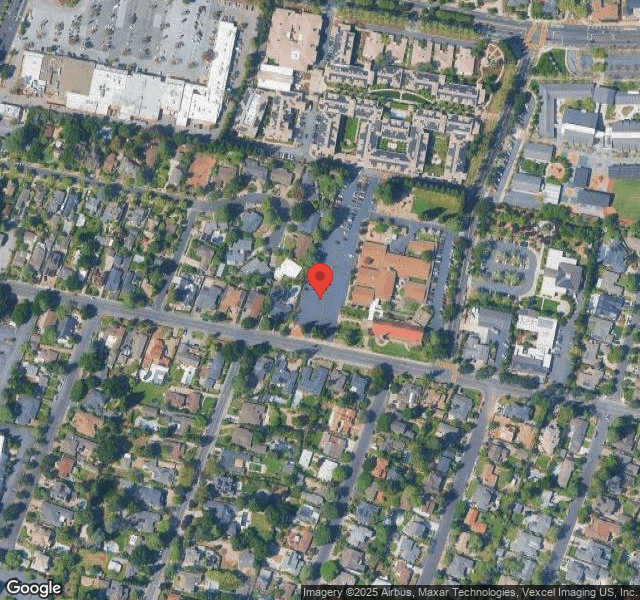

16412 LOS GATOS BOULEVARD, LOS GATOS, CA 95032 (408) 356-2191
For profit - Limited Liability company 148 Beds PACS GROUP Data: November 2025
Trust Grade
40/100
#1146 of 1155 in CA
Last Inspection: October 2024

Within standard 12-15 month inspection cycle. Federal law requires annual inspections.

Overview

Vasona Creek Healthcare Center has a Trust Grade of D, which means it is below average and has some significant concerns. It ranks #1146 out of 1155 facilities in California, placing it in the bottom half overall, and is the lowest-ranked facility in Santa Clara County. While the number of issues reported has improved from 28 in 2024 to 7 in 2025, the facility still faces serious challenges, including a staffing rating of 1 out of 5 stars and a troubling turnover rate of 52%, which is higher than the state average. There have been no fines reported, which is a positive sign, but there are still concerning incidents, such as staff failing to follow infection control protocols when treating residents and not providing essential respiratory therapy as ordered for multiple residents. Additionally, some residents did not receive necessary treatments as scheduled, potentially jeopardizing their health and safety. Overall, while there are some areas for improvement, families should weigh these weaknesses carefully when considering this facility for their loved ones.

Trust Score
D
40/100
In California
#1146/1155
Bottom 1%
Safety Record
Low Risk
No red flags
Inspections
Getting Better
28 → 7 violations
Staff Stability
⚠ Watch
52% turnover. Above average. Higher turnover means staff may not know residents' routines.
Penalties
✓ Good
No fines on record. Clean compliance history, better than most California facilities.
Skilled Nurses
⚠ Watch
Each resident gets only 25 minutes of Registered Nurse (RN) attention daily — below average for California. Fewer RN minutes means fewer trained eyes watching for problems.
Violations
⚠ Watch
91 deficiencies on record. Higher than average. Multiple issues found across inspections.
★☆☆☆☆
1.0
Overall Rating
★☆☆☆☆
1.0
Staff Levels
★★★★☆
4.0
Care Quality
★★☆☆☆
2.0
Inspection Score
Stable
2024: 28 issues
2025: 7 issues

The Good

  • 4-Star Quality Measures · Strong clinical quality outcomes
  • Full Sprinkler Coverage · Fire safety systems throughout facility
  • No fines on record

Facility shows strength in quality measures, fire safety.

The Bad

1-Star Overall Rating

Below California average (3.1)

Significant quality concerns identified by CMS

Staff Turnover: 52%

Near California avg (46%)

Higher turnover may affect care consistency

Chain: PACS GROUP

Part of a multi-facility chain

Ask about local staffing decisions and management

The Ugly 91 deficiencies on record

Sept 2025 1 deficiency
CONCERN (D) 📢 Someone Reported This

A family member, employee, or ombudsman was alarmed enough to file a formal complaint

Potential for Harm - no one hurt, but risky conditions existed

Quality of Care (Tag F0684)

Could have caused harm · This affected 1 resident

**NOTE- TERMS IN BRACKETS HAVE BEEN EDITED TO PROTECT CONFIDENTIALITY** Based on interview and record review, the facility failed to follow its own policies and procedures to ensure social services ca...

Read full inspector narrative →
**NOTE- TERMS IN BRACKETS HAVE BEEN EDITED TO PROTECT CONFIDENTIALITY** Based on interview and record review, the facility failed to follow its own policies and procedures to ensure social services carried out physician orders for referrals for one of three sampled residents (Resident 1). This failure resulted in referral delays for Resident 1.Findings:Review of Resident 1's clinical record indicated she was admitted [DATE] with diagnoses including chronic pain syndrome and rheumatoid arthritis (chronic disease that occurs when the body's immune system attacks its own tissues, usually affecting small joints in the hands and feet). A review of Resident 1's Order Summary Report indicated a physician order, dated 5/8/25, for Referral for retinal screening. A second physician order, dated 5/16/25, indicated a referral to Consult Rheumatology. During a concurrent interview and record review of Resident 1's physician orders on 7/7/25 at 1:30 p.m. with the social service assistant (SSA), she confirmed Resident 1 had physician orders on the above-mentioned dates for referrals. The SSA stated she could find no evidence in Resident 1's clinical record that the physician orders for the two consultations had been carried out. The SSA further stated there was no documentation in Resident 1's clinical record to indicate that Resident 1 had been seen by any physicians for a rheumatology consult or a retinal screening. The SSA confirmed she is the person who arranges the consults and transportation to the appointments. The SSA stated I must have missed those consult orders. During a concurrent interview and record review of Resident 1's physician orders on 7/7/25 at 2:43 p.m. with the assistant director of nursing (ADON), she confirmed resident 1 had physician orders for a rheumatology consult and a referral for retinal screening. The ADON stated the physician orders should have been carried out and arrangements should have been made for Resident 1 to have the rheumatology consult and retinal screening referral as ordered by the physician. Review of the facility's policy Referrals, Social Services, dated 2001, indicated social services shall coordinate resident referrals that have been prescribed by the physician. Social Services will document the referral in the resident's medical record and arrange transportation to outside agencies.
Apr 2025 1 deficiency
CONCERN (D) 📢 Someone Reported This

A family member, employee, or ombudsman was alarmed enough to file a formal complaint

Potential for Harm - no one hurt, but risky conditions existed

Quality of Care (Tag F0684)

Could have caused harm · This affected 1 resident

**NOTE- TERMS IN BRACKETS HAVE BEEN EDITED TO PROTECT CONFIDENTIALITY** Based on observation, interview and record review, the facility failed to provide care and services in accordance with professio...

Read full inspector narrative →
**NOTE- TERMS IN BRACKETS HAVE BEEN EDITED TO PROTECT CONFIDENTIALITY** Based on observation, interview and record review, the facility failed to provide care and services in accordance with professional standards of practice for one of three residents (Resident 1) when the facility failed to follow up Resident 1's physician orders for Psychiatrist and Dermatology consultations, and failure to provide nail care for Resident 1's long fingernails. These failures had the potential to negatively affect the residents' health, safety and well-being. Findings: Review of Resident 1's clinical record indicated she was admitted to the facility on [DATE] with diagnoses including major depressive disorder, schizophrenia (mental illness that impacts a person's thoughts, feelings, and behaviors), adult failure to thrive (a decline in an adult's overall health and well-being), and need for assistance with personal care. Review of Resident 1's minimum data set (MDS, an assessment tool), dated 2/13/25, indicated she needed partial/moderate assistance for personal hygiene and substantial/maximal assistance for bathing and toileting. During an observation on 3/14/25 at 12:10 p.m., Resident 1 was lying in bed with both hands by her side. Resident 1 was observed with long fingernails on 5 digits of her left hand and 3 digits on her right hand. There was overgrowth of skin on the thumb and index fingers of both hands and the skin surrounding all the nails appeared dry. During an observation and concurrent interview with the assistant director of nursing (ADON) on 3/14/25 at 12:20 p.m., she confirmed Resident 1's fingernails were long. The ADON stated Resident 1's fingernails needed to be trimmed. A review of Resident 1's Order Summary Report, an order dated 3/26/24, indicated Consult - Psychiatrist Eval and Treatment with follow-up as indicated. A second physician order, dated 10/22/24, indicated Psych consult to be done 10/23/24. A third physician order, dated 10/22/24, indicated Dermatology consult to be done 10/23/24. During a concurrent interview and record review of Resident 1's physician orders on 4/16/25 at 1:55 p.m. with LVN A, she stated she recalled the physician ordering a psychiatric consult on 10/23/24. LVN A stated Resident 1 had been refusing some medications and refusing to eat at times. LVN A stated she communicated the physician order for the psychiatric consult to the social service department. LVN A stated she was unaware if the psychiatrist consultation was done. During a concurrent interview and record review of Resident 1's physician orders on 4/17/25 at 2:30 p.m. with the social service assistant (SSA), she confirmed Resident 1 had physician orders for psychiatrist and dermatology consults on the above-mentioned dates. The SSA stated she could find no evidence that the physician orders for the 3 consults had been carried out. The SSA further stated there was no documentation in Resident 1's clinical record to indicate that Resident 1 had been seen by a dermatologist or a psychiatrist. During a concurrent interview and record review of Resident 1's physician orders on 4/17/25 at 3:45 p.m. with the director of nursing (DON) she confirmed resident 1 had physician orders for dermatology and psychiatrist consultations. The DON stated the physician orders should have been followed and arrangements should have been made for Resident 1 to been seen by a dermatologist and psychiatrist as ordered by the physician. During a review of the facility's 2001 procedure titled Care of Fingernails/Toenails indicated, Proper nail care can aid in the prevention of skin problems around the nail bed. Trimmed and smooth nails prevent the resident from accidentally scratching and injuring his or her skin.
Mar 2025 1 deficiency
CONCERN (D) 📢 Someone Reported This

A family member, employee, or ombudsman was alarmed enough to file a formal complaint

Potential for Harm - no one hurt, but risky conditions existed

Quality of Care (Tag F0684)

Could have caused harm · This affected 1 resident

**NOTE- TERMS IN BRACKETS HAVE BEEN EDITED TO PROTECT CONFIDENTIALITY** Based on interview and record review, the facility failed to ensure physicians orders were carried out or documented as written ...

Read full inspector narrative →
**NOTE- TERMS IN BRACKETS HAVE BEEN EDITED TO PROTECT CONFIDENTIALITY** Based on interview and record review, the facility failed to ensure physicians orders were carried out or documented as written for one out of four sampled residents (Resident 1), when three doses of intravenous (through the veins) vancomycin (an antibiotic) were not documented on three separate days. This had the potential to compromise the resident's health and well-being. Findings: Review of Resident 1's medical record indicated she was admitted on [DATE] for a diagnosis of functional quadriplegia (a nervous system disorder which results in being unable to move your arms or legs), aphasia (unable to speak), and osteomyelitis of the sacrum (an infection in the lower back). Review of Resident 1's order summary indicated she had a physician order, dated 3/24/25, for Vancomycin HCL Intravenous Infusion 500 mg/100 mL 0.5 gram intravenously three times a day for sepsis until 4/1/23 at 13:59. Review of Resident 1's medication administration record (MAR) indicated that the Vancomycin was ordered for 5:00 AM, 1:00 PM and 9:00 PM. Review of Resident 1's MAR further indicated there was no documentation for 3/25/26 at 5:00 AM, no documentation for 3/26/25 at 1:00 PM, and no documentation for 3/28/25 at 9:00 PM. During an interview and concurrent record review with the director of nursing (DON) on 3/20/25 at 12:57 PM, the DON reviewed the clinical record for Resident 1, and confirmed the documentation for the dates and times mentioned above was missing. The DON further said if a dose of a medication is missed, then the nurse should notify the provider and document it in a progress note. Review of facility policy titled Administering Medications, dated 2001, indicated . Medications are administered in accordance with prescriber orders . The policy further indicated . As required or indicated for a medication, the individual administering the medication records in the resident's medical record: the date and time the medication was administered; the dosage; the route of administration; the signature and title of the person administering the drug.
Mar 2025 1 deficiency
CONCERN (D) 📢 Someone Reported This

A family member, employee, or ombudsman was alarmed enough to file a formal complaint

Potential for Harm - no one hurt, but risky conditions existed

Quality of Care (Tag F0684)

Could have caused harm · This affected 1 resident

**NOTE- TERMS IN BRACKETS HAVE BEEN EDITED TO PROTECT CONFIDENTIALITY** Based on interview and record review, the facility failed to carry out and implement a physician ' s order in a timely manner fo...

Read full inspector narrative →
**NOTE- TERMS IN BRACKETS HAVE BEEN EDITED TO PROTECT CONFIDENTIALITY** Based on interview and record review, the facility failed to carry out and implement a physician ' s order in a timely manner for one of three sampled residents (Resident 1). This failure had the potential to compromise Resident 1 ' s health and well-being. Findings: Review of Resident 1 ' s medical record indicated he was admitted on [DATE] and had diagnoses including hypothyroidism (a condition in which the thyroid gland does not produce enough hormones which are essential for metabolism and other bodily functions). Review of Resident 1 ' s physician ' s orders indicated he had an order, dated 7/5/24, for levothyroxine sodium (medication used to treat hypothyroidism) 50 micrograms (mcg, unit of dose measurement) by mouth in the morning. Review of Resident 1 ' s Tele Visit Encounter Progress Note, dated 7/10/24, indicated he had a telephone visit with an endocrine clinic (clinic that specializes in conditions of the endocrine system, such as hypothyroidism). The progress note indicated the endocrine clinic doctor gave an order to, Increase levothyroxine to 150mcg one tablet daily. Review of Resident 1 ' s medication administration record (MAR) indicated Resident 1 continued to receive levothyroxine sodium 50 mcg daily until 8/1/24. The MAR indicated Resident 1 received levothyroxine sodium 75 mcg daily from 8/2/24 to 1/14/25. Further review of the MAR indicated Resident 1 ' s levothyroxine sodium was not increased to 150 mcg daily until 1/15/25. During an interview and concurrent record review with licensed nurse A (LN A) on 3/17/25 at 9:30 a.m., LN A reviewed Resident 1 ' s medical record and confirmed that on 7/10/24, the endocrine clinic doctor gave an order to increase levothyroxine to 150 mcg daily. LN A confirmed the facility did not increase Resident 1 ' s levothyroxine sodium to 150 mcg daily until 1/15/25. LN A acknowledged that Resident 1 ' s nurse should have carried out the order when it was given by the endocrine clinic doctor. The facility ' s policy titled Administering Medications, dated 2001, indicated, Medications are administered in accordance with prescriber ' s orders. Based on interview and record review, the facility failed to carry out and implement a physician's order in a timely manner for one of three sampled residents (Resident 1). This failure had the potential to compromise Resident 1's health and well-being. Findings: Review of Resident 1's medical record indicated he was admitted on [DATE] and had diagnoses including hypothyroidism (a condition in which the thyroid gland does not produce enough hormones which are essential for metabolism and other bodily functions). Review of Resident 1's physician's orders indicated he had an order, dated 7/5/24, for levothyroxine sodium (medication used to treat hypothyroidism) 50 micrograms (mcg, unit of dose measurement) by mouth in the morning. Review of Resident 1's Tele Visit Encounter Progress Note, dated 7/10/24, indicated he had a telephone visit with an endocrine clinic (clinic that specializes in conditions of the endocrine system, such as hypothyroidism). The progress note indicated the endocrine clinic doctor gave an order to, Increase levothyroxine to 150mcg one tablet daily. Review of Resident 1's medication administration record (MAR) indicated Resident 1 continued to receive levothyroxine sodium 50 mcg daily until 8/1/24. The MAR indicated Resident 1 received levothyroxine sodium 75 mcg daily from 8/2/24 to 1/14/25. Further review of the MAR indicated Resident 1's levothyroxine sodium was not increased to 150 mcg daily until 1/15/25. During an interview and concurrent record review with licensed nurse A (LN A) on 3/17/25 at 9:30 a.m., LN A reviewed Resident 1's medical record and confirmed that on 7/10/24, the endocrine clinic doctor gave an order to increase levothyroxine to 150 mcg daily. LN A confirmed the facility did not increase Resident 1's levothyroxine sodium to 150 mcg daily until 1/15/25. LN A acknowledged that Resident 1's nurse should have carried out the order when it was given by the endocrine clinic doctor. The facility's policy titled Administering Medications, dated 2001, indicated, Medications are administered in accordance with prescriber's orders.
Feb 2025 2 deficiencies
CONCERN (D) 📢 Someone Reported This

A family member, employee, or ombudsman was alarmed enough to file a formal complaint

Potential for Harm - no one hurt, but risky conditions existed

Deficiency F0658 (Tag F0658)

Could have caused harm · This affected 1 resident

**NOTE- TERMS IN BRACKETS HAVE BEEN EDITED TO PROTECT CONFIDENTIALITY** Based on interview and record review, the facility failed to ensure practices that met professional standards of quality and fac...

Read full inspector narrative →
**NOTE- TERMS IN BRACKETS HAVE BEEN EDITED TO PROTECT CONFIDENTIALITY** Based on interview and record review, the facility failed to ensure practices that met professional standards of quality and facility policy and procedures (P&P) for one of 3 sampled residents (Resident 1) when: 1. Resident 1 received two insulin (an injectable medication for the treatment of high blood glucose/sugar) orders and was diagnosed with diabetes (disease that impairs the body's ability to regulate blood sugar [BS]) by Physician B without documented evidence of laboratory results and/or symptoms that met the diagnostic criteria for diabetes according to the American Diabetes Association (ADA). The failure resulted in the resident being diagnosed with diabetes and receiving insulin orders without supporting evidence for the diagnosis and the medications, and had the potential for adverse effects, such as severely low BS that could lead to confusion, blurred vision, fall, tremors, loss of consciousness, etc. 2. Resident 1 received new orders for treatment without staff informing his responsible party (RP, person designated to make decisions on behalf of the resident) of the changes in treatment. The failure resulted in the resident/RP not being informed and participated in the resident's care. Findings: 1. On 1/10/25, the California Department of Public Health received an anonymous complaint indicating Resident 1 was receiving insulin treatment while he was not diabetic, and he was noticed to be really sleepy and lethargic. A review of the American Diabetes Association's (ADA) online publication titled Understanding Diabetes Diagnosis, accessed 2/10/25, indicated: There are several ways to diagnose diabetes. Each way usually needs to be repeated on a second day to diagnose diabetes. when: a. A1c (hemoglobin A1c, average blood glucose for the past two to three months) level of 6.5% or higher (normal value is <5.7%); b. Fasting Plasma Glucose (FPG) Test: a fasting blood sugar level of 126 milligrams/deciLiter (mg/dL, unit of measurement) or higher; c. Oral Glucose Tolerance Test (OGTT): A 2-hour plasma glucose level of 200 mg/dL or higher during an OGTT after consuming a sugary drink; d. Random Plasma Glucose Test: random blood sugar level of 200 mg/dL or higher, along with symptoms of diabetes (such as excessive thirst, urination, or weight loss). On 1/24/25, a review of Resident 1's clinical record indicated he was admitted to the facility on [DATE] with diagnoses including aphasia (disorder that affects a person's ability to communicate) following a cerebral infarction (stroke) and urinary tract infection. The list of admitting diagnoses did not include diabetes. A review of Resident 1's Minimum Data Set (MDS, an assessment and screening tool), dated 8/24/24, indicated he had a BIMS score of 9 [(Brief Interview for Mental Status, a test given by medical professionals to determine a patient's cognitive understanding that can be scored from 1 to 15, a score of 0 to 7 indicates severe cognitive impairment, 8-12 moderate impairment, 13-15 patient is cognitively intact] ), which indicated his cognitive condition was moderately impaired. The medical record indicated a family member was the resident's RP. A review of the prior-to-admission records indicated the resident was hospitalized from [DATE] until 8/22/24. The records indicated Resident 1 did not have a diagnosis of diabetes nor did he receive any insulin administration during the hospitalization or prior to hospitalization. A review of Physician A's progress notes, dated 8/22/24 (day of admission to the facility), indicated no diagnosis of diabetes in the physician's assessment. A review of the physician's orders indicated Resident 1 received two insulin orders, made by phone, by Physician A. They were entered into the computer system by Registered Nurse C (RN C) on 8/28/24 at 22:28 (10:28 p.m.), as follows: - Humalog solution (a short-acting insulin), inject 3 units subcutaneously (under the skin) three times a day before meals for diabetes; and - Humulin N (insulin NPH, a long-acting insulin), inject 5 units subcutaneously two times a day before breakfast and dinner. A review of Resident 1's August and September 2024 Medication Administration Records (MAR) indicated Resident 1 received these two medications from 8/29/24 to 9/2/24 (total of 5 days). Resident 1's clinical record indicated the nursing staff obtained the resident's BS three times a day starting on 8/29/24 at 7:35 a.m., at around the first dose of insulin was administered. There was no documented evidence of BS being obtained prior to 8/29/24. Further review of Resident 1's clinical record indicated it did not contain documented evidence Resident 1 exhibited symptoms consistent with diabetes such as excessive thirst, frequent urination, or weight loss. During a concurrent interview and record review with RN C on 1/24/25 at 3:28 p.m., she stated she received the above orders as endorsed by the morning nurse and entered them into the computer system. She said she recalled the resident had a BS reading of moderately high and that was the reason why the physician prescribed the two insulin orders. RN C reviewed Resident 1's clinical record and could not find the BS reading she was talking about, as there was no BS reading prior to 8/29/24 at 7:35 a.m. She reviewed the resident's lab results (which were not available in Resident 1's clinical record) via the contracted laboratory website and stated he had the A1c of 5.4% on 8/27/24, and 5.5% on 8/28/24. She acknowledged those A1c levels were normal (as defined by the ADA above, a value of less than 5.7%). During a concurrent telephone interview and record review with Assistant Director of Nursing (ADON) A on 1/24/25 on 4:02 p.m., she stated she received an order from Physician A to discontinue the insulin orders on 9/2/24 after Resident 1's RP insisting on them being discontinued because the resident was not diabetic. When asked if she could find any BS readings prior to 8/29/24 (the day the insulin was started), ADON C stated, I don't see any. During an interview with Physician A on 1/24/25 at 4:32 p.m., he stated he was the attending physician for Resident 1 when he was first admitted , but he did not prescribe the insulin orders. He explained he was on leave during that time, and the covering physician (Physician B) prescribed the insulin orders. He stated he recalled the resident's family member getting really upset when she found out Resident 1 was receiving insulin injections, so he ordered to discontinue them on 9/2/24. Physician A stated he recalled looking into this and I did not know why insulin was ordered; the thought was that maybe the patient was on steroid use or had high blood sugar, but there was no record of blood sugar checks. He reviewed the physician's progress notes (his and those of Physician B's) and stated he could not see any notes regarding the reason for diabetes or insulin. He stated, When this insulin happened, I looked at hospital record; A1c was normal. Physician A confirmed the resident was not receiving any steroid medications. A review of the laboratory reports indicated Resident 1 had an A1c reading of 5.4% on 8/27/24; and 5.5% on 8/28/24, the day the insulin orders were made. During a concurrent interview and record review with Licensed Vocational Nurse (LVN F) on 1/30/25 at 11:16 a.m., he stated he worked the morning shift on 8/28/24 and received the insulin orders for Resident 1 over the phone from Physician B towards the end of his shift. He endorsed the orders to the oncoming nurse, RN C, who carried out the orders. He stated Physician B explained to him the reason for the orders, that the blood sugar was too high. LVN F reviewed the resident's clinical record and stated he could not locate the said BS. During another interview with LVN F on 1/30/25 at 11:37 a.m., when asked whether he obtained the BS for Resident 1 the day the insulin orders were made, he stated, I don't recall. A concurrent interview and record review was conducted with ADON B on 1/30/25 at 11:48 a.m. A review of Physician B's progress notes, written on 8/28/24 at 16:31 (4:31 p.m.), indicated no diagnosis of diabetes nor a BS reading or any notation about insulin orders. During a telephone interview with Physician B on 2/10/25 at 11:25 a.m., in the presence of ADON A and the Administrator, he stated he examined the resident on 8/18/24, the day he made the orders for insulin. He explained, I reacted to the fasting blood sugar of about 160. I was given that information even thought they didn't have the diagnosis of diabetes. When pointed out that his progress notes did not have any notation of diabetes diagnosis or of high BS reading, Physician B stated, I didn't document on the note; it's just the timing. A concurrent interview and record review was conducted with ADON A on 2/10/25 at 11:45 a.m. She reviewed Resident 1's clinical record and confirmed there was no documentation of Resident 1 having a high BS reading prior to the insulin orders being made; and his A1c levels were 5.4 and 5.5% on 8/27 and 8/28, respectively. There was no documented evidence to support the diagnosis of diabetes and the necessity for the insulin orders. A review of the facility's P&P titled Physician Visits, revised 4/2013, indicated, The attending physician must perform relevant tasks at the time of each visit, including review of the resident's total program of care and appropriate documentation. 2. A review of Resident 1's clinical record indicated it had no evidence the facility staff informing the resident's RP of the new insulin orders. During a concurrent interview and record review with LVN F on 1/24/25 at 3:28 p.m., she stated the resident's RP is here most of the time during the PM shift. If she was here, she would be notified. When asked to provide documented evidence the RP was notified, LVN F reviewed Resident 1's clinical record and stated, I don't see it. I think she was notified in person but it was not translated in progress notes. During a telephone interview with ADON A on 1/24/25 at 4:02 p.m., ADON A was asked to review Resident 1's clinical record remotely. After a few moments, she stated, I didn't see any progress notes the [RP] was informed. They should be notified. During a concurrent interview and record review with ADON B on 1/30/25 at 11:48 a.m., ADON B reviewed Resident 1's clinical record and stated, I don't see anything that family was informed. Family should have been informed. A review of Physician A's progress notes, written on 9/3/24 at 2012 (8:12 p.m.), indicated Physician A Discussed with family in hallway they were upset that insulin was given. During a telephone interview with Resident 1's RP on 1/30/25 at 3:50 p.m., when asked if she was informed about the resident's insulin orders, the RP stated, No, they never called and let me know about the insulin. She explained she found out accidentally from a staff after Resident 1 kept asking her Why am I so sick? She stated, I asked the staff; they said it's because the blood sugar was too low. A review of the facility's P&P titled Resident Rights, revised 2/2021, indicated, Federal and stated laws guarantee certain basic rights to all residents of their facility. These rights include the resident's right to . be notified of his or her medical condition and of any changes in his or her condition. A review of the facility's P&P titled Change in a Resident's Condition or Status, revised 2/2021, indicated the facility promptly notifies the resident . and the resident representative of changes in the resident's medical condition and/or status .
CONCERN (D) 📢 Someone Reported This

A family member, employee, or ombudsman was alarmed enough to file a formal complaint

Potential for Harm - no one hurt, but risky conditions existed

Deficiency F0761 (Tag F0761)

Could have caused harm · This affected 1 resident

Based on observation, interview, and record review, the facility failed to ensure medications were properly stored in 3 of 6 medication carts when: 1. Discontinued medications for 3 residents (Residen...

Read full inspector narrative →
Based on observation, interview, and record review, the facility failed to ensure medications were properly stored in 3 of 6 medication carts when: 1. Discontinued medications for 3 residents (Residents 2, 3, and 4) were not removed from active stock; and 2. An insulin pen (a pre-filled pen containing multiple doses of insulin for the treatment of high blood sugar) was not labeled with patient-specific information and not dated with an open date. These failures had the potential for medication errors; spread of infection due to being mixed up with another resident's insulin pen; and insulin given past its effective date. Findings: a. On 1/24/25 at 10:15 a.m., at Medication Cart 3A with Licensed Vocational Nurse (LVN) D, a multi-dose vial of insulin lispro (a short-acting insulin), with the expiration date of 1/11/25, was identified in the medication cart. LVN D stated it belonged to Resident 2 who was no longer residing in the facility. A review of Resident 2's clinical record indicated she was discharged from the facility on 12/18/24, more than a month ago. b. On 1/24/25 at 10:20 a.m., at Medication Cart 1A with LVN E, a Humulin N (a long-acting insulin) belonging to Resident 3 and a Lantus (a long-acting insulin) vial for Resident 4, were identified in the cart. LVN E stated both residents were not here. She acknowledged they should have been removed from the cart. A review of Resident 3's clinical record indicated she was discharged from the facility on 1/11/25, or 13 days ago. A review of Resident 4's clinical record indicated the resident was discharged from the facility on 12/19/24, more than a month ago. c. On 1/24/25 at 10:32 a.m., at Station 4 Medication Cart with LVN F, an insulin glargine-yfgn pen (a pre-filled pen containing long-acting type of insulin that works slowly, over about 24 hours) was identified without any patient-specific labeling and without an open date. LVN F stated he did not know whom the pen belonged to and when it was opened. A review of the manufacturer's Prescribing Information (detailed description of a drug's uses, dosage range, side effects, drug-drug interactions, and contraindications that is available to clinicians) for insulin glargine-yfgn, dated 7/2021, indicated to discard the pen 28 days after opening. During an interview with the Director of Nursing on 1/24/25 at 5:02 p.m., she stated medications belonging to discharged residents are to be removed from the medication carts when they are discharged , to prevent them from being given in error; and insulin pens need to have resident name on it and an open date. A review of the facility's undated policy and procedures titled, Medication Labeling and Storage indicated, The nursing staff is responsible for maintaining medication storage .in a .safe .manner . If the facility has discontinued .medications . the dispensing pharmacy is contacted for instructions regarding returning or destroying these items . Multi-dose vials that have been opened or accessed .are dated and discarded within 28 days unless the manufacturer specifies a shorter or longer date for the open vial If the medication containers have missing, incomplete, improper .labels, contact the dispensing pharmacy for instructions .
Jan 2025 1 deficiency
CONCERN (D) 📢 Someone Reported This

A family member, employee, or ombudsman was alarmed enough to file a formal complaint

Potential for Harm - no one hurt, but risky conditions existed

Medical Records (Tag F0842)

Could have caused harm · This affected 1 resident

**NOTE- TERMS IN BRACKETS HAVE BEEN EDITED TO PROTECT CONFIDENTIALITY** Based on interview and record review, the facility failed to maintain a complete medical record for one of three sampled residen...

Read full inspector narrative →
**NOTE- TERMS IN BRACKETS HAVE BEEN EDITED TO PROTECT CONFIDENTIALITY** Based on interview and record review, the facility failed to maintain a complete medical record for one of three sampled residents (Resident 1) when: 1. The facility treated a wound to Resident 1's coccyx (tailbone) that was present upon admission, but did not document that they obtained a physician's order for wound treatment until eight days after admission; 2. The facility did not document treatments of Resident 1's coccyx wound until eight days after admission; and, 3. There was one week during which the facility did not document the assessment of Resident 1's coccyx wound. These failures had the potential to compromise the facility's ability to ensure Resident 1's wound was treated and monitored. Findings: Review of Resident 1's medical record indicated she was admitted on [DATE] and had diagnoses including overactive bladder (a condition that causes the sudden urge to urinate) and enterocolitis due to clostridium difficile (inflammation of the intestines that causes watery stools). Review of Resident 1's nursing admission assessment, dated 10/3/24, indicated Resident 1 had non blanchable redness (redness that does not turn white when pressed) with open skin on the coccyx. During an interview with Resident 1's family member (FM) on 1/24/25 at 3:10 p.m., the FM confirmed Resident 1's coccyx wound was present upon admission. The FM explained that once the facility saw the wound was present, they implemented routine wound treatments. During an interview and concurrent record review with the wound treatment nurse (WTN) on 1/27/25 at 9:55 a.m., the WTN explained that if a resident has a wound upon admission, the admitting nurse should obtain a physician's order for wound treatment, and the wound treatments should be documented on the treatment administration record (TAR). The WTN further explained that for residents with wounds, there should be wound assessments documented in the medical record weekly. The WTN reviewed Resident 1's medical record and confirmed the resident had a coccyx wound upon admission. The WTN confirmed there was no documentation that the facility obtained a wound treatment order, and no documentation that wound treatments were performed until 10/11/25. The WTN also confirmed there was no documentation of weekly wound assessments in Resident 1's electronic health record, but stated he would check with the assistant director of nursing (ADON) to see if she had the assessments. During an interview and concurrent record review with the ADON on 1/27/25 at 2:12 p.m., the ADON presented weekly wound assessments for Resident 1's coccyx wound. The wound assessments indicated Resident 1's wound was classified as moisture-associated skin damage (caused by prolonged exposure to various sources of moisture, including urine or stool). There was no weekly wound assessment for the week after Resident 1's admission to the facility. The ADON confirmed there were no weekly wound assessments for Resident 1 until 10/17/24 (two weeks after the resident was admitted to the facility). The facility's policy titled Pressure Ulcers/Skin Breakdown – Clinical Protocol, dated 2001, indicated the physician will authorize pertinent orders related to wound treatments. The facility's policy titled Charting and Documentation, revised 12/2019, indicated the services provided to the resident should be documented in the resident's medical record. The policy further indicated documentation of procedures and treatments includes details such as the date and time the procedure/treatment was provided, the name and title of the individual who provided the care, assessment data, and physician notification.
Dec 2024 1 deficiency
CONCERN (D) 📢 Someone Reported This

A family member, employee, or ombudsman was alarmed enough to file a formal complaint

Potential for Harm - no one hurt, but risky conditions existed

Deficiency F0658 (Tag F0658)

Could have caused harm · This affected 1 resident

**NOTE- TERMS IN BRACKETS HAVE BEEN EDITED TO PROTECT CONFIDENTIALITY** Based on interview and record review the facility failed to follow physician's orders for Resident 1 when Resident 1's physician...

Read full inspector narrative →
**NOTE- TERMS IN BRACKETS HAVE BEEN EDITED TO PROTECT CONFIDENTIALITY** Based on interview and record review the facility failed to follow physician's orders for Resident 1 when Resident 1's physician's steroid tapering (process of slowly decreasing a steroid dosage over time) orders were not carried out correctly. This resulted in Resident 1 receiving a larger dosage than prescribed for six days, and Resident 1 missing one steroid dose entirely. These failures resulted in Resident 1 not receiving proper treatment, and had the potential to compromise Resident 1's health and well-being. Findings: Review of Resident 1's clinical record indicated he was admitted to the facility on [DATE] with diagnoses including atrial fibrillation (irregular heart rate), chronic obstructive pulmonary disease (chronic lung disease that makes it difficult to breathe) with acute exacerbation (sudden worsening in airway function), pulmonary hypertension (high blood pressure in the lungs), bronchiectasis (damage to tubes that carry air in/out of the lungs), and bacterial pneumonia (infection in the lungs caused by bacteria). Review of Resident 1's physician order dated 8/15/24, indicated to administer, prednisone (steroid drug used to reduce inflammation) 10 mg (mg/unit of measure) Give 3 tablet by mouth in the morning for inflammation [30 mg]. Review of Resident 1's physician order dated 9/3/24, indicated to decrease prednisone to 25 mg by mouth daily for seven days, indicating specific dates from 9/4 to 9/11 (9/4 to 9/11 is eight days). The physician order also indicated to decrease Prednisone to 20 mg by mouth daily for seven days, indicating specific dates from 9/12 to 9/19 (9/12 to 9/19 is eight days). Review of Resident 1's medication administration record (MAR), for the month of August and September, indicated Resident 1 received 30mg of prednisone from 8/16/24 until 9/9/24. Review of Resident 1's September MAR indicated two prednisone orders. One order for prednisone 30 mg to be given at 9:00 a.m. and a second order for prednisone 25 mg to be given at 10:00 a.m. Resident 1 received 55 mg of prednisone for 6 days, from 9/4/24 through 9/9/24. Resident 1's September MAR also indicated no prednisone was administered to Resident 1 on 9/11/24. During an interview and concurrent record review with licensed vocational nurse A (LVN A) on 9/4/24 at 1:30 p.m., she reviewed Resident 1's September MAR and stated she administered medications to Resident 1 on 9/6/24. When asked what dosage of prednisone was administered to Resident 1 on 9/6/24, LVN A stated she initialed 30 mg of prednisone administered at 9:00 a.m. and 25 mg of prednisone administered at 10:00 a.m. LVN further stated she does not recall administering 55 mg of prednisone to Resident 1 on 9/6/24 and stated she should have questioned the physician orders for two different prednisone dosages. When LVN A was asked what dosage of prednisone was administered to Resident 1 on 9/11/24, she stated there was no evidence of prednisone being administered on 9/11/24 on Resident 1's MAR. During an interview and concurrent record review with the director of nursing (DON) on 9/4/24 at 3:25 p.m., she reviewed Resident 1's physician orders for prednisone. The DON stated the physician orders on 9/3/24 indicated a gradual tapering of the prednisone dosage by 5 mg each week. The DON stated the physician wrote an order to decrease the prednisone from 30 mg to 25 mg on 9/3/24. She further stated the order for 30 mg of prednisone should have been discontinued, but licensed nurses administered both dosages, from 9/4/24 through 9/9/24. The DON confirmed Resident 1's September MAR indicated licensed nurses administered 55 mg of prednisone to Resident 1 for six days, from 9/4/24 through 9/9/24. The DON confirmed that Resident 1 did not receive prednisone on 9/11/24. The DON confirmed the physician orders for prednisone indicated for seven days but she stated the specific dates identified by the physician in the order totaled eight days. The DON stated the licensed nurses should have clarified the orders with Resident 1's physician. Review of the facility's undated facility's policy, Physician Orders, indicated the purpose of the policy is to establish standardized guidelines for receiving, documenting, verifying, and executing physician orders to ensure safe and effective patient care . Orders must be clear, complete, and include all necessary information (e.g., name, date, time, and specific instructions). The policy further indicated, Any ambiguities or concerns must be clarified with the ordering physician before execution.
Nov 2024 2 deficiencies
CONCERN (D) 📢 Someone Reported This

A family member, employee, or ombudsman was alarmed enough to file a formal complaint

Potential for Harm - no one hurt, but risky conditions existed

Deficiency F0761 (Tag F0761)

Could have caused harm · This affected 1 resident

**NOTE- TERMS IN BRACKETS HAVE BEEN EDITED TO PROTECT CONFIDENTIALITY** Based on observation, interview, and record review, the facility failed to ensure appropriate storage of medications in two of f...

Read full inspector narrative →
**NOTE- TERMS IN BRACKETS HAVE BEEN EDITED TO PROTECT CONFIDENTIALITY** Based on observation, interview, and record review, the facility failed to ensure appropriate storage of medications in two of four medication rooms when: 1. The medication room that housed the facility's automated dispensing unit (ADU - where medications are stored and electronically tracked) was unlocked when not in use; 2. Two expired medications were identified in the medication refrigerators; and 3. The medication refrigerator temperature in Medication room [ROOM NUMBER] was not consistently monitored twice daily as per the U.S. Centers for Disease Control and Prevention's (CDC) guidelines. The failures had the potential for unauthorized access to dangerous medications; expired medications given to residents; and ineffective medications or loss of drug potency due to unmonitored temperatures. Findings: 1. During a visit to the second floor with Assistant Director of Nursing B (ADON B) on 11/20/24 at 9:30 a.m., an unmarked room was identified unlocked. The ADON B opened the door without using a key. The room housed a large ADU, the facility's main medication supply. A large white bucket was observed in front of the ADU. It contained 5 tablets of clonidine (medication for high blood pressure) 0.1 milligrams. Opposite from the bucket was a large plastic multi-drawer bin/cart that contained multiple intravenous supplies and hydration solutions. The ADON B stated, The door should be locked. A review of the facility's undated policy titled Medication Labeling and Storage indicated, Compartments (nilcuding, but not limited to, drawers, cabinets, rooms, refrigerators, carts, and boxes) containing medications and biologicals are locked when not in use . 2. During a visit to Station 1 Medication Room with ADON B on 11/20/24 at 9:40 a.m., a bag containing an eye drop solution called latanoprost (medication for glaucoma) 0.005% for Resident 10 was identified inside the medication refrigerator. The yellow sticker outside the bag indicated it was opened on 9/30/24 and expired on 10/28/24. ADON B verified this medication had expired, and stated it should not be in the refrigerator. During a visit to Station 3/4 Medication Room with ADON B on 11/20/24 at 10:01 a.m., an opened multi-dose tuberculin (a protein extract used in a skin test to help diagnose tuberculosis infection) solution vial was identified in the medication refrigerator. The yellow sticker on the vial indicated it was opened on 10/13/24, and expired on 11/13/24. ADON B confirmed the product had expired. A review of the facility's undated policy titled Medication Storage- Refrigerators indicated, Charge nurses or designated employee will be responsible for ensuring medication in refrigerators are not expired. 3. During a visit to Station 1 Medication Room with ADON B on 11/20/24 at 9:40 a.m. , a medication refrigerator was identified. It was observed to contain a round, household-type thermometer and various refrigerated medications such as insulin vials and pens, eye drops, and 13 boxes of flu vaccine. Each box of flu vaccine contained 10 pre-filled single-dose syringes. A review of the November 2024 temperature log with ADON B indicated the staff did not log it 10 times this month, from 11/1 to 11/20/24: 6 times during the NOC (night) shift and 4 times during the day shift. The ADON confirmed this finding and stated the refrigerator should be monitored twice daily. A review of the facility's undated policy titled Medication Storage- Refrigerators indicated the charge nurses/designate employee will check and record refrigerator temperature daily. During an interview with the Director of Nursing on 11/25/24 at 4:28 p.m., she stated medication refrigerator temperature should be monitored and recorded twice daily. A review of the CDC's Vaccine Storage and Handling Toolkit, dated 3/29/24, indicated the following for monitoring of refrigetors containing vaccine: If your TMD [temperature monitoring device] does not read minimum/maximum temperatures, then check and record the current temperature a minimum of two times per workday.
CONCERN (E) 📢 Someone Reported This

A family member, employee, or ombudsman was alarmed enough to file a formal complaint

Potential for Harm - no one hurt, but risky conditions existed

Quality of Care (Tag F0684)

Could have caused harm · This affected multiple residents

Based on interview and record review, the facility failed to ensure treatment orders for respiratory [breathing] therapy (RT, treatment that helps individuals optimize their respiratory function, brea...

Read full inspector narrative →
Based on interview and record review, the facility failed to ensure treatment orders for respiratory [breathing] therapy (RT, treatment that helps individuals optimize their respiratory function, breathe more easily, and live more comfortably) was carried out as ordered for six out of six residents (Residents 3, 5, 6, 7, 8, and 9). The failure had the potential for the residents not attaining their highest practicable physical well-being, such as not being able to attend activities or carry out the activities of daily living (ADLs; such as eating, toileting, dressing, personal hygiene, etc.) due to reduced respiratory functions. Findings: 1a. A review of Resident 5's clinical record indicated she was admitted to the facility with diagnoses including history of COVD-19. Her Minimum Data Set (MDS, a care area assessment and screening tool), dated 11/5/24, indicated she had a BIMS score of 15 (Brief Interview for Mental Status, a test given by medical professionals that helps determine a patient's cognitive understanding that can be scored from 1 to 15), which indicated she had intact cognitive response. A review of Resident 5's RT care plan, dated 5/16/24, indicated, Resident has history of COVID-19 with present of intermittent cough, resident will benefit from daily respiratory service and Resident has and [sic] alteration in respiratory system secondary to SOB [shortness of breath] that contributes to ADL limitations. Resident has high risk for potential development of respiratory distress. A review of Resident 5's clinical record indicated a physician's order, dated 11/15/24, for chest physiotherapy to bilateral anterior [front] and posterior [back] lung segments. 5 minutes per segment. Chest physiotherapy may include chest percussion and/or huffing/coughing five times a day or as tolerated with pre-and post-oxygen saturation check. On 11/20/24, a review of Resident 5's 11/2024 Respiratory Administration Record (RAR, an official document where staff document the RT) indicated the staff did not carry out the RT 5 times per day. It showed the staff only administered respiratory care: - 11/16/24: only 2 times - 11/17/24: only 2 times - 11/19/24: only 3 times During an interview with Resident 5 on 11/20/24 at 2:30 p.m., she stated she had been receiving respiratory treatment 3 times a day. She stated the RT helps her with breathing better and improving her lung functions. During a concurrent interview and record review with the Director of Staff Development (DSD) on 11/20/24 at 3:37 p.m., he reviewed Resident 5's RAR and verified, as per the RAR documentation, the resident only received 2 times of RT on 11/16 and 11/17, and 3 times on 11/19/24. On 11/25/24, further review of Resident 5's 11/2024 RAR indicated she only received RT two times on 11/20, 11/22, and 11/24/24. During another interview with Resident 5 on 11/25/24 at 10:53 a.m., she stated she only received RT 3 times per day. When asked whether she had ever received RT 5 times per day, she stated, No. During a concurrent interview and record review with the Director of Nursing (DON) on 11/25/24 at 2:05 p.m., the DON reviewed Resident 5's 11/2024 RAR and confirmed Resident 5 did not receive RT treatment 5 times a day, as ordered, on 11/16, 11/17, 11/19, 11/20, 11/22, and 11/24/24. 1b. A review of Resident 6's clinical record indicated she was admitted to the facility with diagnoses including respiratory disorders in diseases classified elsewhere. Her 8/14/24 MDS indicated she had a BIMS score of 15, indicating she had intact cognition. Resident 6 had no care plan for RT. A review of her physician's orders indicated an order, dated 11/16/24 for Chest physiotherapy to bilateral anterior and posterior lung segments, 5 minutes per segment. Chest physiotherapy may include chest percussion and/or huffing/coughing five times per day. A review of Resident 6's 11/2024 RAR indicated her RT treatment was scheduled 5 times daily at 7 a.m., 10 a.m., 1 p.m., 4 p.m., and 7 p.m., but she only received 1 to 3 times per day on the following days: - 11/16/24: 2 times instead of 5 - 11/17/24: 3 times - 11/18/24: 2 times - 11/19/24: 3 times - 11/20/24: 1 time - 11/21/24: 3 times During an interview with Resident 6 on 11/25/24 at 12:42 p.m., she stated RT treatment helped her breathe better; and she only received a RT treatment 2 times per day, once in the morning and once in the afternoon. She clarified that sometimes the staff ran late and administered the afternoon session at 3 p.m., but never after 3 p.m. During a concurrent interview and record review with the DON on 11/25/24 at 2:07 p.m., the DON reviewed Resident 6's 11/2024 RAR and confirmed Resident 6 did not receive RT treatment 5 times a day, as ordered, on 11/16, 11/17, 11/18, 11/19, 11/20, and 11/21/24. 1c. A review of Resident 3's clinical record indicated she was admitted to the facility with diagnoses including bronchiectasis (a chronic lung disease that causes the airways to widen and thicken, making it difficult to move air in and out of the lungs). Her MDS 11/8/24 MDS indicated she had a BIMS code of 99 indicating the resident could not complete the mental status assessment. A review of Resident 3's care plan for RT, dated 11/19/24, indicated, Resident has an alteration in respiratory system secondary to .BRONCHIECTASIS . that contributes to ADL/functional limitations. Resident has high risk for potential development of cardio-pulmonary [related to heart and lung] symptoms and/or respiratory distress. A review of Resident 3's physician's orders, dated 11/19/24, for Chest physiotherapy to bilateral anterior and posterior lung segments. 5 minutes per segment. Chest physiotherapy may include chest percussion and/or huffing/coughing five times a day. A review of Resident 3's 11/2024 RAR indicated she did not receive 5 times RT treatment on the following days: - 11/19/24: only 2 times - 11/20/24: only 3 times - 11/22/24: zero times received - 11/23/24: only 3 times - 11/24/24: only 3 times During a concurrent interview and record review with the DON on 11/25/24 at 2:07 p.m., the DON reviewed Resident 3's 11/2024 RAR and confirmed Resident 3 did not receive RT treatment 5 times a day, as ordered, on 11/19, 11/20, 11/22, 11/23, and 11/24/24. 1d. A review of Resident 7's clinical record indicated he was admitted to the facility with diagnoses including chronic obstructive pulmonary disease (COPD, an ongoing lung condition caused by damage to the lungs) and asthma. A review of his 9/18/24 MDS indicated he had a BIMS score of 15, indicating he had intact cognition. A review of his care plan for RT, dated 5/6/24, indicated, Resident has an alteration in respiratory system secondary to . CHRONIC OBSTRUCTIVE PULMONARY DISEASE . ASTHMA that contributes to ADL/functional limitations. Resident has high risk for potential development of cardio-pulmonary systems and/or respiratory distress. On 11/2/24, Resident 7 received a physician's order for chest physiotherapy to bilateral anterior and posterior lung segments. 5 minutes per segment. Chest physiotherapy may include chest percussion and/or huffing/coughing five times a day or as tolerated with pre-and post-oxygen saturation check. On 11/25/24, a review of Resident 7's 11/2024 RAR indicated he did not received 5 times treatment on the following days: - 11/8/24: only 4 times - 11/11/24: only 2 times - 11/12/24: only 3 times - 11/16/24: only 3 times - 11/17/24: only 2 times - 11/22/24: only 2 times - 11/23/24: only 2 times - 11/24/24: only 3 times During an interview with Resident 7 on 11/25/24 at 10:50 a.m., when asked how often he received RT treatment, he stated, Two to three times a day. He stated the RT treatment helped him breathe better. During a concurrent interview and record review with the DON on 11/25/24 at 2:07 p.m., the DON reviewed Resident 7's 11/2024 RAR and confirmed Resident 7 did not receive RT treatment 5 times a day, as ordered, on the above dates. 1e. A review of Resident 8's clinical record indicated he was admitted to the facility with diagnoses including respiratory disorders in diseases classified elsewhere. A review of his RT care plan, dated 10/7/24, indicated the resident had alteration in respiratory system due to respiratory disorders in diseases classified elsewhere and atelectasis [the collapse of a lung or part of a lung, also known as a lobe] that contributes to ADL limitations. Resident has high risk for potential development of respiratory distress. On 11/15/24, Resident 8 received a physician's order for chest physiotherapy to bilateral anterior and posterior lung segments. 5 minutes per segment. Chest physiotherapy may include chest percussion and/or huffing/coughing five times a day or as tolerated with pre-and post-oxygen saturation check. A review of Resident 8's 11/2024 RAR indicated the resident only received 3 times RT treatment on 11/17/24 and 11/23/24. During a concurrent interview and record review with the DON on 11/25/24 at 2:07 p.m., the DON reviewed Resident 8's 11/2024 RAR and confirmed Resident 8 did not receive RT treatment 5 times a day, as ordered, on 11/17/24 and 11/23/24. 1f. Resident 9 was admitted to the facility with diagnoses including OTHER SPECIFIED SYSTEMS AND SIGNS INVOLVING THE CIRCULATORY [system that delivers nutrients and oxygen to all cells in the body] AND RESPIRATORY SYSTEMS A review of his RT care plan, dated 8/26/24, indicated, Resident has an alteration in respiratory system secondary to OTHER SPECIFIED SYSTEMS AND SIGNS INVOLVING THE CIRCULATORY AND RESPIRATORY SYSTEM that contributes to ADL/functional limitations . A review of Resident 9's physicians orders indicated an order, dated 11/15/24, for chest physiotherapy to bilateral anterior and posterior lung segments. 5 minutes per segment. Chest physiotherapy may include chest percussion and/or huffing/coughing five times a day or as tolerated with pre-and post-oxygen saturation check. A review of Resident 9's 11/2024 RAR indicated he did not receive RT treatment 5 times a day on the following days: - 11/15/24: 4 times only - 11/16/24: 3 times only - 11/17/24: 3 times only - 11/22/24: 3 times only - 11/23/24: 3 times only During a concurrent interview and record review with the DON on 11/25/24 at 2:07 p.m., the DON reviewed Resident 9's 11/2024 RAR and confirmed Resident 9 did not receive RT treatment 5 times a day, as ordered, on 11/15, 11/16, 11/17, 11/22, and 11/23/24. 2. During an interview with the respiratory therapist on 11/25/24 at 11:21 a.m., she explained that many elderly residents need RT due to their many medical conditions that cause reduced respiratory functions. She explained the chest physiotherapy is the procedure that helps breaking the mucous and makes them cough it out, thereby improving their breathing. She stated some nursing staff have received training and been assigned RT duty as part of their responsibilities. When asked whether the residents have received 5 times daily treatment, she stated, It's trick to get five times a day. I can guarantee 3 times a day treatment for those residents assigned to her. As far as documentation on the RAR, she stated, If therapy is completed, they should document after. During a review with the DSD on 11/25/24 at 12:15 p.m., he stated he and four other nursing staff have received training and been assigned resident RT treatment as part of their responsibilities. For documentation on the RAR, he stated the nurses do not have the computer (like the medication nurses) to document after each treatment administered, but the expectation is that they document at the end of their shift. During an interview with the DON on 11/25/24 at 2:40 p.m., the DON stated she did not know the residents not receiving their respiratory treatment as ordered. She also stated the expectation is that the staff carry out the physician's orders, whether it's medication, dietary, physical therapy, or RT, as ordered. As for documentation, the DON stated, They are supposed to document after each service is being done. The facility was requested to provide the policy and procedures related to carrying out the physician's orders on 11/20, 11/21, and 11/25/24. On 11/25/24 at 2:48 p.m., the DON stated she could not find any policies addressing the implementation of the physician's orders besides that for medication orders. A review of the California Title 22 regulations, section 72314(a)(2), indicated, Medications and treatments shall be administered as prescribed.
Oct 2024 6 deficiencies
CONCERN (D)

Potential for Harm - no one hurt, but risky conditions existed

Report Alleged Abuse (Tag F0609)

Could have caused harm · This affected 1 resident

Based on interview, record review, and facility policy review, the facility failed to ensure staff immediately reported an incident of suspected abuse to the Administrator for 1 (Resident #32) of 1 re...

Read full inspector narrative →
Based on interview, record review, and facility policy review, the facility failed to ensure staff immediately reported an incident of suspected abuse to the Administrator for 1 (Resident #32) of 1 resident reviewed for abuse. Findings included: A facility policy titled, Reporting Abuse to Facility Management, revised in 12/2013, indicated, It is the responsibility of our employees, facility consultants, Attending Physicians, family members, visitors, etc. [et cetera] to promptly report any incident or suspected incident of neglect or resident abuse, including injuries of unknown source, and theft or misappropriation of resident property to facility management. The policy specified, 4. Employees, facility consultants and/or Attending Physicians must immediately report any suspected abuse or incidents of abuse to the Director of Nursing Services. In the absence of the Director of Nursing Services such reports may be made to the Nurse Supervisor on duty. 5. Any individual observing an incident of resident abuse or suspecting resident abuse must immediately report such incident to the Administrator, Director of Nursing Services, or Charge Nurse. An admission Record revealed the facility admitted Resident #32 on 10/20/2019. According to the admission Record, the resident had a medical history that included diagnoses of dysphasia (impaired ability to understand or use spoken language) following cerebral infarction (stroke), schizophrenia, parkinsonism, major depressive disorder, and anxiety disorder. An annual Minimum Data Set (MDS), with an Assessment Reference Date (ARD) of 10/03/2024, revealed Resident #32 had a Brief Interview for Mental Status (BIMS) score of 3, which indicated the resident had severe cognitive impairment. Resident #32's Care Plan included a focus area, initiated on 06/24/2024, that indicated the resident had a need for activities that were consistent with their abilities and interests. According to the focus area, enjoyable, meaningful activities to the resident included, but were not limited to, visiting with their spouse and talking to their spouse on the cell phone. Resident #32's Progress Notes revealed a Nurse's Note, documented by Licensed Vocational Nurse (LVN) #6 on 10/27/2024 at 7:45 AM, that indicated when LVN #6 entered Resident #32's room to administer medication, the resident was yelling for help. Per the note, when LVN #6 entered the room, LVN #6 heard Resident #32's spouse on the phone very loudly and aggressively telling the resident to shut the [expletive] up. The progress note indicated LVN #6 asked the spouse not to speak to the resident like that under any circumstances, and Resident #32 whispered, thank you as LVN #6 was administering their medications. The note did not indicate whether LVN #6 notified anyone of suspected abuse. During an attempt to contact LVN #6 on 10/31/2024 at 8:52 AM, an automatic recording was received that indicated the wireless customer was unable to be reached. During an interview on 10/30/2024 at 3:53 PM, both the Administrator and Director of Nursing (DON) #16 stated they were not aware of the incident documented in Resident #32's progress notes. During an interview on 10/31/2024 at 11:50 AM, DON #16 said if staff suspected abuse, she expected them to notify the abuse coordinator and the DON, so they could notify the state agency and start an investigation. During an interview on 10/31/2024 at 2:38 PM, the Administrator stated he expected staff to report all suspected abuse to himself or the DON.
CONCERN (D)

Potential for Harm - no one hurt, but risky conditions existed

Deficiency F0645 (Tag F0645)

Could have caused harm · This affected 1 resident

Based on interview, record review, facility document review, and facility policy review, the facility failed to resubmit a new Level I Preadmission Screening and Resident Review (PASARR) for 1 (Reside...

Read full inspector narrative →
Based on interview, record review, facility document review, and facility policy review, the facility failed to resubmit a new Level I Preadmission Screening and Resident Review (PASARR) for 1 (Resident #74) of 4 residents reviewed for PASARR and failed to ensure a PASARR was accurately completed for 1 (Resident #110) of 4 residents reviewed for PASARR. Findings included: An undated facility policy titled, admission Criteria, revealed, 9. All new admissions and readmissions are screened for mental disorders (MD), intellectual disabilities (ID) or related disorders (RD) per the Medicaid Pre-admission Screening and Resident Review (PASARR) process. The policy also indicated, 11. The state may choose not to apply the preadmission screening requirement if: a. the individual is admitted directly to the facility from a hospital where he or she received acute inpatient care; b. the individual requires facility services for the condition for which he or she received care in the hospital, and c. the attending physician has certified (prior to admission) that the individual will likely need less than 30 days of care at the facility. 1. An admission Record revealed the facility admitted Resident #74 on 05/14/2024. According to the admission Record, the resident had a medical history that included diagnoses of bipolar disorder, major depressive disorder, and anxiety disorder. An admission Minimum Data Set (MDS), with an Assessment Reference Date (ARD) of 05/16/2024, revealed Resident #74 had a Brief Interview for Mental Status (BIMS) score of 12, which indicated the resident had moderate cognitive impairment. The MDS indicated the resident had active diagnoses that included anxiety disorder, depression, and bipolar disorder. Resident #74's care plan, included a focus area initiated on 05/15/2024, that indicated the resident was at risk for psychosocial well-being due to concerns related to anxiety, bipolar disorder, and diagnosis of depression. Interventions directed staff to allow the resident to voice feelings and frustrations; encourage family and friends to visit; to listen attentively; and observe the resident for tearfulness, increased agitation, and decreased participation in care. A State of California - Health and Human Services Agency, Department of Health Care Services letter dated 05/16/2024, revealed the resident had a negative Level I Screening, and the reason was for an exempted hospital discharge. The Department of Health Care Services letter also indicated, If the individual remains in the NF [nursing facility] longer than 30 days, the facility should resubmit a new Level I Screening as a Resident Review on the 31st day. During an interview on 10/31/2024 at 11:54 AM, Director of Nursing (DON) #16 stated a new Level I Screening should have been completed for Resident #74 after 30 days. During an interview on 10/31/2024 at 1:42 PM, the Marketing Director stated that typically the hospital would send out the PASARR electronically and the facility would download it and that someone from the MDS or billing department would conduct a review. The Marketing Director said if there needed to be another review completed, it would be done to make sure it did not go past the 30 days. The Marketing Director said Resident #74 was never brought to his attention. During an interview on 10/31/2024 at 2:21 PM, the Administrator stated the admissions team usually did an audit to see if there was a PASARR and if there were any clinical changes that would warrant a Level II. The Administrator said the admissions team and medical records staff were responsible for catching any errors. For Resident #74, the Administrator said the expectation was that the Level I would be done on the 31st day. 2. An admission Record revealed the facility admitted Resident #110 on 03/15/2024. According to the admission Record, the resident had a medical history that included diagnoses of unspecified moderate dementia with other behavioral disturbances (03/15/2024), anxiety disorder (03/15/2024), and unspecified psychosis not due to a substance or known physiological condition (03/15/2024). A quarterly Minimum Data Set (MDS), with an Assessment Reference Date (ARD) of 10/15/2024, revealed the resident had modified independence in cognitive skills for daily decision-making and had short-term and long-term memory problems per the Staff Assessment of Mental Status (SAMS). The MDS indicated the resident had active diagnoses that included anxiety disorder and psychotic disorder. Resident #110's care plan, included a focus area initiated on 05/08/2024, that indicated the resident was at risk for psychosocial well-being concerns related to anxiety. Interventions directed staff to encourage visits from family and friends; listen attentively; and observe for tearfulness, increased agitation, and decreased participation in activities. Resident #110's care plan also included a focus area initiated on 05/17/2024, that indicated the resident was at risk for potential side effects, complications, or adverse reactions related to the ordered use of olanzapine (an antipsychotic medication) that was ordered for psychosis with behavioral disturbances. Interventions directed staff to give the medication as ordered, approach the resident in a calm manner, attempt a gradual dose reduction as indicated, monitor episodes of angry outbursts, observe and report signs of hallucinations, observe for adverse effects of the medications, and observe/record the effectiveness of the medication treatment. A Preadmission Screening and Resident Review (PASRR) [PASARR] Level 1 Screening, dated 03/15/2024 indicated Resident #110 had no serious diagnosed mental disorder that included anxiety disorder and symptoms of psychosis. A State of California- Health and Human Services Agency, Department of Health Care Services letter dated 03/15/2024 revealed the negative Level I Screening for Resident #110 indicated a Level II Mental Health Evaluation was not required. The Department of Health Care Services letter indicated the reason the Level I Screening was negative was due to no mental illness. According to the Department of Health Care Services, if mental illness was suspected, then a Level II Mental Health Evaluation could be conducted to determine if the individual could benefit from specialized mental health services. Social Services Director (SSD) #15 was interviewed on 10/31/2024 at 10:25 AM and stated that anyone could initiate a PASARR. She stated that when a resident was admitted the Director of Nursing (DON) or the nurses on the hall were responsible to make sure the PASARR was accurate. Director of Nursing (DON) #16 was interviewed on 10/31/2024 at 11:54 AM. DON #16 stated the admission team reviewed residents' PASSARs to make sure the PASSARs were accurate. DON #16 stated it was the responsibility of the nursing department to review the PASARR to make sure the diagnoses were accurate and stated that included both her and the MDS nurses. DON #16 reviewed the PASARR for Resident #110 and stated the PASARR was not accurate with the resident's diagnosis of psychosis omitted. The Marketing Director was interviewed on 10/31/2024 at 1:44 PM. The Marketing Director stated that when a resident was admitted , someone from the business office reviewed the PASARR but added he was unsure if that person checked for accuracy of the PASARR. The Marketing Director stated the absence of psychosis on Resident #110's PASARR should have been caught, especially with the psychiatric medications the resident took. The Administrator was interviewed on 10/31/2024 at 2:21 PM. The Administrator stated it was the responsibility of the admission team to review the PASARRs, and if there were inconsistencies, they involved the clinical team. The Administrator stated the medical records staff member audited the charts to make sure a PASARR was present and to make sure there were no clinical changes to warrant a Level II. The Administrator stated that on review by the facility someone should have captured Resident #110's antipsychotic medication and the psychiatric diagnosis.
CONCERN (D)

Potential for Harm - no one hurt, but risky conditions existed

Quality of Care (Tag F0684)

Could have caused harm · This affected 1 resident

Based on observation, interview, record review, and facility policy review, the facility failed to obtain treatment orders for a laceration for 1 (Resident #54) of 2 sampled residents reviewed for non...

Read full inspector narrative →
Based on observation, interview, record review, and facility policy review, the facility failed to obtain treatment orders for a laceration for 1 (Resident #54) of 2 sampled residents reviewed for non-pressure related alteration in skin integrity. Findings included: A facility policy titled, Wound Care, dated 2001, indicated, The purpose of this procedure is to provide guidelines for the care of wounds to promote healing. The policy indicated, 1. Verify that there is a physician's order for this procedure. The policy also indicated, The following information should be recorded in the resident's medical record: 6. All assessment data (i.e. [id est, which was Latin for, that is], wound bed color, size, drainage, etc. [et cetera, and other similar things]) obtained when inspecting the wound. An admission Record revealed the facility admitted Resident #54 on 12/17/2019. According to the admission Record, the resident had a medical history that included diagnoses of unspecified dementia, difficulty in walking, generalized muscle weakness, and unspecified macular degeneration (an eye condition that limited the visual field). A quarterly Minimum Data Set (MDS), with an Assessment Reference Date (ARD) of 09/09/2024, revealed Resident #54 had a Brief Interview for Mental Status (BIMS) score of 2, which indicated the resident had severe cognitive impairment. The MDS indicated Resident #54 used a walker for mobility and required setup assistance from staff for transferring from bed to chair or chair to bed, walking 10 feet, and walking 50 feet. The MDS revealed Resident #54 required supervision or touching assistance to walk 150 feet. The MDS indicated Resident #54 had one fall since the previous assessment that resulted in no injury. Resident #54's care plan included a focus area initiated 10/24/2024, that indicated the resident was at risk for falls with or without injury related to a history of falls. Interventions directed staff to encourage and assist with toileting at start of day, to keep call light within reach, keep bed in low position, to keep personal/frequently used items within reach, and to keep the resident within supervised view as much as possible. A nursing Progress Note dated 10/24/2024 at 10:00 PM, revealed that around 7:15 PM, a certified nursing assistant (CNA) notified the licensed vocational nurse (LVN) that Resident #54 was on the floor. The Progress Note indicated that the resident sustained an open cut with active bleeding. The Progress Note indicated the LVN cleaned the wound with normal saline, applied adhesive strips, and covered the wound with a dry dressing. The Progress Note indicated the physician was notified and gave an order to send the resident to the hospital and the resident was transported to the hospital for further treatment. A Progress Note, dated 10/25/2024 at 3:35 AM, revealed the resident returned to the facility at 2:38 AM with no new orders. An interdisciplinary team (IDT) Progress Note dated 10/25/2024 at 7:35 PM, indicated the IDT met to discuss Resident #54's fall. The Progress Note indicated the resident was found on the floor by an LVN with active bleeding from the forehead. The Progress Note revealed the LVN cleaned the wound, applied adhesive strips, notified the physician and the resident's family, and sent the resident to the hospital for further evaluation. The Progress Note indicated the resident returned with no new orders. The Progress Note lacked any evidence of treatment orders for the wound. An Order Summary Report with orders active as of 10/29/2024, did not include orders for the assessment or treatment of the cut on Resident #54's forehead. An observation was made of Resident #54 on 10/28/2024 at 11:20 AM. The resident had a bandage on their left forehead. An observation was made on 10/30/2024 at 8:41 AM of Resident #54 sitting in the hallway in a wheelchair. Three adhesive strips were seen covering a laceration on the resident's left forehead. The area had no redness or drainage. LVN #7 was interviewed on 10/30/2024 at 8:44 AM. LVN #7 stated the area on Resident #54's forehead was due to a fall the resident sustained. LVN #5 was interviewed on 10/30/2024 at 1:15 PM. LVN #5 stated if a resident was sent to the hospital with a laceration and returned to the facility with no orders, she would notify the primary care provider (PCP) to obtain needed orders for treatment. LVN #5 reviewed the orders for Resident #54 and confirmed there were no treatment orders for the resident's adhesive strips or dressing that were observed in place on 10/28/2024 and there should have been. LVN #5 stated that without orders to treat the wound, the wound could become infected. Director of Nursing (DON) #16 was interviewed on 10/31/2024 at 11:01 AM. DON #16 stated that when a treatment was initiated after a fall, she expected the nurse to write an order for the treatment. The Administrator was interviewed on 10/31/2024 at 2:27 PM. The Administrator stated he expected the facility policy for wound care to be followed. The Administrator stated he expected orders to have been written for Resident #54's wound care.
CONCERN (D)

Potential for Harm - no one hurt, but risky conditions existed

Infection Control (Tag F0880)

Could have caused harm · This affected 1 resident

Based on observation, interview, record review, and facility policy review the facility failed to follow enhanced barrier precautions (EBP) for 1 (Resident #124) of 5 residents reviewed for wounds. Sp...

Read full inspector narrative →
Based on observation, interview, record review, and facility policy review the facility failed to follow enhanced barrier precautions (EBP) for 1 (Resident #124) of 5 residents reviewed for wounds. Specifically, during an observation of wound care treatment for a pressure ulcer for Resident #124 staff members failed to wear a gown as part of the appropriate personal protective equipment (PPE). Findings included: The facility undated policy titled, Enhanced Barrier Precautions, indicated, Enhanced barrier precautions (EBPs) are utilized to reduce the transmission of multi-drug-resistant organisms (MDROs) to residents. The policy indicated, 2. EBPs employ targeted gown and glove use in addition to standard precautions during high contact resident care activities when contact precautions do not otherwise apply. The policy indicated, 3. Examples of high-contact resident care activities requiring the use of gown and gloves for EBPs include: a. dressing; b. bathing/showering; c. transferring; d. providing hygiene; e. changing linens; f. changing briefs or assisting with toileting; g. device care or use (central line, urinary catheter, feeding tube, tracheostomy/ventilator, etc.); and h. wound care (any skin opening requiring a dressing). The policy also indicated, 5. EBPs are indicated (when contact precautions do not otherwise apply) for residents with wounds and/or indwelling medical devices regardless of MDRO colonization. a. wounds generally include chronic wounds (i.e., pressure ulcers, diabetic foot ulcers, venous stasis ulcers, and unhealed surgical wounds), not shorter-lasting wounds like skin breaks or skin tears. The policy also indicated, 11. Signs are posted in the door or wall outside the resident room indicating the type of precautions and PPE required. 12. PPE is available outside the resident rooms. An admission Record revealed the facility admitted Resident #124 on 10/03/2024. According to the admission Record, the resident had a medical history that included diagnoses of congestive heart failure and need for assistance with personal care. An admission Minimum Data Set (MDS), with an Assessment Reference Date (ARD) of 10/05/2024, revealed Resident #124 had a Brief Interview for Mental Status (BIMS) score of 9, which indicated the resident had moderate cognitive impairment. The MDS indicated the resident had one stage I pressure injury and was receiving pressure ulcer/injury care and application of ointments/medications other than to feet. On 10/30/2024 at 9:32 AM, observation was conducted of wound care to Resident #124's pressure ulcer to their coccyx performed by Licensed Vocational Nurse (LVN) #12 and assisted by Infection Control Preventionist (ICP) #13. Both staff wore a surgical mask and gloves, but no gown. On 10/30/2024 at 10:30 AM, ICP #13 stated that based guidance and the facility's EBP policy and procedure, Resident #124 should be on EBP. On 10/30/2024 at 11:01 AM, MDS Nurse #14, who was the previous ICP nurse, said that EBP should be implemented with residents who had drainage ports, indwelling catheters, urostomies, and residents with chronic wounds that required in depth treatments. On 10/31/2024 at 11:55 AM, Director of Nursing #16 stated if a wound was chronic, she expected the ICP to place the resident on EBP. She also said the importance of them being on EBP was to decrease the risk of MDROs.
CONCERN (D)

Potential for Harm - no one hurt, but risky conditions existed

Deficiency F0911 (Tag F0911)

Could have caused harm · This affected 1 resident

**NOTE- TERMS IN BRACKETS HAVE BEEN EDITED TO PROTECT CONFIDENTIALITY** Based on interview and document review, the facility failed to ensure 1 (room [ROOM NUMBER]) of 62 resident rooms accommodated n...

Read full inspector narrative →
**NOTE- TERMS IN BRACKETS HAVE BEEN EDITED TO PROTECT CONFIDENTIALITY** Based on interview and document review, the facility failed to ensure 1 (room [ROOM NUMBER]) of 62 resident rooms accommodated no more than four residents per room. Findings included: A memorandum dated 11/15/2021, revealed room [ROOM NUMBER] had five beds. During the entrance conference on 10/28/2024 at 9:23 AM, Director of Nursing #16 stated there was one room in the facility, room [ROOM NUMBER], that housed more than four residents. The Maintenance Director was interviewed on 10/31/2024 at 1:18 PM. The Maintenance Director stated the facility had one room that housed more than four residents. The Administrator was interviewed on 10/31/2024 at 2:33 PM. The Administrator stated there had been discussion about the room with five beds. The Administrator stated that yearly the facility received a waiver for the room. The Administrator stated he received no concerns about the room having more than four residents.
CONCERN (D)

Potential for Harm - no one hurt, but risky conditions existed

Deficiency F0912 (Tag F0912)

Could have caused harm · This affected 1 resident

**NOTE- TERMS IN BRACKETS HAVE BEEN EDITED TO PROTECT CONFIDENTIALITY** Based on interview, and facility document review, the facility failed to provide the required 80 square (sq) feet (ft) of living...

Read full inspector narrative →
**NOTE- TERMS IN BRACKETS HAVE BEEN EDITED TO PROTECT CONFIDENTIALITY** Based on interview, and facility document review, the facility failed to provide the required 80 square (sq) feet (ft) of living space per resident in 16 of 62 resident rooms in the facility. Findings included: The Client Accommodations Analysis, dated 01/01/2023, indicated the following living space per resident: - In room [ROOM NUMBER], there was 74 sq ft per resident. - In room [ROOM NUMBER], there was 71 sq ft per resident. - In room [ROOM NUMBER], there was 70 sq ft per resident. - In room [ROOM NUMBER], there was 71 sq ft per resident. - In room [ROOM NUMBER], there was 73 sq ft per resident. - In room [ROOM NUMBER], there was 71 sq ft per resident. - In room [ROOM NUMBER], there was 73.5 sq ft per resident. - In room [ROOM NUMBER], there was 72 sq ft per resident. - In room [ROOM NUMBER], there was 74 sq ft per resident. - In room [ROOM NUMBER], there was 72 sq ft per resident. - In room [ROOM NUMBER], there was 73.5 sq ft per resident. - In room [ROOM NUMBER], there was 72 sq ft per resident. - In room [ROOM NUMBER], there was 72 sq ft per resident. - In room [ROOM NUMBER], there was 72 sq ft per resident. - In room [ROOM NUMBER], there was 72 sq ft per resident. - In room [ROOM NUMBER], there was 76 sq ft per resident. The Maintenance Director was interviewed on 10/31/2024 at 1:18 PM. The Maintenance Director stated the minimum square footage per resident in a room was 80 sq ft and added the facility had between 10 to 20 rooms that did not meet that minimum standard. Licensed Vocational Nurse (LVN) #3 was interviewed on 10/31/2024 at 11:45 AM. LVN #3 stated the size of the small rooms had no impact on her ability to provide care for the residents. LVN #3 stated she had received no complaints about small rooms from the residents. Certified Nursing Assistant (CNA) #4 was interviewed on 10/31/2024 at 12:05 PM. CNA #4 stated she had no issues providing care in small rooms. Director of Nursing (DON) #16 was interviewed on 10/31/2024 at 12:10 PM. DON #16 stated she did not think the size of the room impacted the care provided by the staff and stated residents received the same amount of care. DON #16 stated no residents, family members, or staff had verbalized difficulty getting residents from the bed to wheelchairs or stretchers. The Administrator was interviewed on 10/31/2024 at 2:33 PM. The Administrator stated that yearly the facility received a waiver for the rooms that had less than 80 square feet per resident, and he had received no complaints about the room size.
Oct 2024 1 deficiency
CONCERN (E) 📢 Someone Reported This

A family member, employee, or ombudsman was alarmed enough to file a formal complaint

Potential for Harm - no one hurt, but risky conditions existed

Quality of Care (Tag F0684)

Could have caused harm · This affected multiple residents

**NOTE- TERMS IN BRACKETS HAVE BEEN EDITED TO PROTECT CONFIDENTIALITY** Based on interview, observation, and record review, the facility failed to ensure care and services were provided in accordance ...

Read full inspector narrative →
**NOTE- TERMS IN BRACKETS HAVE BEEN EDITED TO PROTECT CONFIDENTIALITY** Based on interview, observation, and record review, the facility failed to ensure care and services were provided in accordance with professional standards of practice for 13 of 28 sampled residents (Residents 1, 2, 3, 4, 5, 6, 7, 8, 9, 10, 11, 12, and 13) when there were multiple days for which there was no evidence of documentation that scheduled treatments were provided. This failure had the potential to compromise the residents' health, safety, and overall well-being. Findings: 1. Review of Resident 1's physician order dated 5/15/24 indicated he had an order for, Destine external paste (topical cream used to aid in wound healing) 40 %, apply to bilateral buttocks topically every shift. Review of Resident 1's treatment administration record (TAR) indicated in the months of 8/2024, there were 15 days (total) for which there was no documentation that staff provided the treatment as ordered. During an interview and observation on 9/4/24 at 12:53 p.m. with Resident 1 in his room, he was sitting up in a wheelchair and stated staff did not apply the cream to his buttocks in the evening. Review of Resident 1's Minimum Data Set (MDS, an assessment tool) dated 8/01/24 indicated he had a brief interview of mental status (BIMS, a structured cognitive test) score of 15 (cognitively intact). 2. Review of Resident 2's physician order dated 7/29/23 indicated he had an order for, Hydrocortisone cream (topical cream used to aid for rash/itchiness) 1 %, apply to itchy areas topically two times a day. Review of Resident 2's TAR indicated in the months of 8/2024, there were 5 days (total) for which there was no documentation that staff provided the treatment as ordered. Review of Resident 2's physician order dated 7/29/23 indicated he had an order for, Nystatin powder (topical powder), apply to whole body topically two times a day for redness. Review of Resident 2's TAR indicated in the months of 8/2024, there were 12 days (total) for which there was no documentation that staff provided the treatment as ordered. 3. Review of Resident 3's physician order dated 1/27/24 indicated he had an order for, Clobetasol propionate external solution (topical solution), apply to face topically three times a day for facial rash. Review of Resident 3's TAR indicated in the months of 8/2024, there were 12 days (total) for which there was no documentation that staff provided the treatment as ordered. During an interview and observation on 9/4/24 at 12:50 p.m. with Resident 3 in his room, he was sitting up in a wheelchair and stated staff did not apply the lotion to his face most of the evening. Review of Resident 3's MDS dated [DATE] indicated he had a BIMS score of 15 (cognitively intact). 4. Review of Resident 4's physician order dated 12/23/23 indicated she had an order for, Lotrimin AF external cream (topical cream) 1 %, apply to back and right palm topically two times a day. Review of Resident 4's TAR indicated in the months of 8/2024, there were 5 days (total) for which there was no documentation that staff provided the treatment as ordered. 5. Review of Resident 5's physician order dated 4/3/24 indicated he had an order for, Lotrisone external cream (topical cream) 1-0.05 %, apply to rash topically every day and evening shift for itchiness/rash. Review of Resident 5's TAR indicated in the months of 8/2024, there were 13 days (total) for which there was no documentation that staff provided the treatment as ordered. During an interview and observation on 9/04/24 at 12:58 p.m. with Resident 5 in front of his room, he was sitting up in a wheelchair and stated staff did not apply the cream to his face most of the days. Resident stated, Look at my face. Resident 5's face was observed with some spots of skin peeling and redness. Review of Resident 5's MDS dated [DATE] indicated he had a BIMS score of 13 (cognitively intact). 6. Review of Resident 6's physician order dated 1/5/24 indicated he had an order for, Clotrimazole cream (topical cream) 1 %, apply to bilateral toes topically every day and evening shift for redness. Review of Resident 6's TAR indicated in the months of 8/2024, there were 13 days (total) for which there was no documentation that staff provided the treatment as ordered. 7. Review of Resident 7's physician order dated 10/26/23 indicated she had an order for, Lotrisone cream (topical cream) 1-0.05 %, apply to abdomen/back topically every day and evening shift for rash. Review of Resident 7's TAR indicated in the months of 8/2024, there were 13 days (total) for which there was no documentation that staff provided the treatment as ordered. During an interview and observation on 9/4/24 at 1:05 p.m. with Resident 7 in her room, she was lying in bed and stated staff did not apply the cream to her tummy or back, but the rash did not bother her that much. Review of Resident 7's MDS dated [DATE] indicated she had a BIMS score of 14 (cognitively intact). 8. Review of Resident 8's physician order dated 7/30/24 indicated he had an order for, Destine maximum strength external paste (topical cream) 40 %, apply to per additional orders topically every shift for diaper rash prevention. Review of Resident 8' s TAR indicated in the months of 8/2024, there were 9 days (total) for which there was no documentation that staff provided the treatment as ordered. Review of Resident 8's physician order dated 7/28/24 indicated he had an order for, Wound care (abdominal folds): cleanse redness with warm water, soapy cleansing cloths, and dry thoroughly. Apply Nystatin every shift. Review of Resident 8's TAR indicated in the months of 8/2024, there were 9 days (total) for which there was no documentation that staff provided the treatment as ordered. 9. Review of Resident 9's physician order dated 10/21/22 indicated he had an order for, Calmoseptine ointment (topical ointment) 0.44-20.6 %, apply to abdominal topically in the evening for rash. Review of Resident 9's TAR indicated in the months of 8/2024, there were 11 days (total) for which there was no documentation that staff provided the treatment as ordered. Review of Resident 9's physician order dated 10/21/22 indicated he had an order for, Clindamycin phosphate lotion (topical lotion) 1 %, apply to affected area topically two times a day. Review of Resident 9's TAR indicated in the months of 8/2024, there were 12 days (total) for which there was no documentation that staff provided the treatment as ordered. Review of Resident 9's physician order dated 10/21/22 indicated he had an order for, Hydrocortisone external cream (topical cream) 1 %, apply to back topically every day and evening shift for rashes. Review of Resident 9's TAR indicated in the months of 8/2024, there were 12 days (total) for which there was no documentation that staff provided the treatment as ordered. 10. Review of Resident 10's physician order dated 9/29/23 indicated he had an order for, Ammonium Lactate lotion (topical lotion) 12 %, apply to hands topically every day and evening shift for to smooth skin. Review of Resident 10's TAR indicated in the months of 8/2024, there were 13 days (total) for which there was no documentation that staff provided the treatment as ordered. Review of Resident 10's physician order dated 9/28/23 indicated he had an order for, Triamcinolone Acetonide external cream (topical cream) 0.025 %, apply to face and neck topically every day and evening shift for rashes. Review of Resident 10's TAR indicated in the months of 8/2024, there were 13 days (total) for which there was no documentation that staff provided the treatment as ordered. 11. Review of Resident 11's physician order dated 8/9/24 indicated she had an order for, Clotrimazole cream (topical lotion) 1 %, apply to diaper region topically two times a day for rash. Review of Resident 11's TAR indicated in the months of 8/2024, there were 2 days (total) for which there was no documentation that staff provided the treatment as ordered. 12. Review of Resident 12's physician order dated 1/27/24 indicated she had an order for, Heel protector for right heel skin breakdown every shift. Review of Resident 12's TAR indicated in the months of 8/2024, there were 17 days (total) for which there was no documentation that staff provided the treatment as ordered. During an interview and observation on 9/4/24 at 1:10 p.m. with Resident 12 in her room, she was lying in bed and there was no heel protector to her right foot observed. Resident 12 stated staff did not apply the heel protector today. Review of Resident 12's MDS dated [DATE] indicated she had a BIMS score of 14 (cognitively intact). During an interview and observation on 9/4/24 at 1:31 p.m. with the infection preventionist (IP), she confirmed the above observation. During an interview and record review on 9/4/24 at 1:34 p.m. with the IP, she reviewed Resident 12's physician's order dated 9/4/24 and verified Resident 12's heel protector should have been applied as ordered. 13. Review of Resident 13's physician order dated 7/30/24 indicated she had an order for, Fluocinolone Acetonide body external oil (topical oil) 0.01 %, apply to body topically two times a day for rash. Review of Resident 13's TAR indicated in the months of 8/2024, there were 12 days (total) for which there was no documentation that staff provided the treatment as ordered. Review of Resident 13's physician order dated 4/18/24 indicated she had an order for, Vitamin A & D ointment (topical ointment), apply to BLE (both lower extremities) topically every day and evening shift for dry skin. Review of Resident 13's TAR indicated in the months of 8/2024, there were 12 days (total) for which there was no documentation that staff provided the treatment as ordered. Review of Resident 13's physician order dated 4/18/24 indicated she had an order for, Vitamin A & D ointment (topical ointment), apply to left lower lip topically every day and evening shift for lip sore. Review of Resident 13's TAR indicated in the months of 8/2024, there were 12 days (total) for which there was no documentation that staff provided the treatment as ordered. Review of Resident 13's physician order dated 7/30/24 indicated she had an order for, Destine maximum strength external paste (topical cream) 40 %, apply to per additional directions topically every shift for diaper rash prevention. Review of Resident 13's TAR indicated in the months of 8/2024, there were 16 days (total) for which there was no documentation that staff provided the treatment as ordered. During an interview and record review on 9/4/24 at 11 a.m. with assistant director of nursing (ADON) A, she reviewed the above residents' TAR and confirmed there were multiple days for which there was no documentation that the treatments were administered. ADON A stated administration of treatments should be performed as ordered and documented on the TAR. During a review of the facility's policy and procedure (P&P) titled Charting and Documentation, dated 2001, the P&P indicated, All services provided to the resident, progress toward the care plan goals, or any changes in the resident's medical, physical, functional or psychosocial condition, shall be documented in the resident's medical record. The following information is to be documented in the resident medical record my include: c. Treatments or services performed. During a review of the facility's Job Description: LPN LVN, dated 11/2018, the job description indicated, Nursing Care Functions: Administer professional services such as .applying and changing dressings/bandages, packs .
Aug 2024 1 deficiency
CONCERN (E) 📢 Someone Reported This

A family member, employee, or ombudsman was alarmed enough to file a formal complaint

Potential for Harm - no one hurt, but risky conditions existed

Quality of Care (Tag F0684)

Could have caused harm · This affected multiple residents

**NOTE- TERMS IN BRACKETS HAVE BEEN EDITED TO PROTECT CONFIDENTIALITY** Based on interview and record review, the facility failed to ensure services were provided for three of three sampled residents ...

Read full inspector narrative →
**NOTE- TERMS IN BRACKETS HAVE BEEN EDITED TO PROTECT CONFIDENTIALITY** Based on interview and record review, the facility failed to ensure services were provided for three of three sampled residents (Residents 1, 2, and 3) when there were multiple days for which there was no documentation that chest percussion therapy (treatment that involves using cupped hands to tap the area over the resident's lungs to help clear secretions) was provided as ordered. This had the potential to compromise the residents' health and well-being. Findings: 1. Review of Resident 1's medical record indicated he was admitted on [DATE] and had diagnoses including pulmonary fibrosis (a condition in which the lungs become scarred) and emphysema (a condition in which damage to the air sacs in the lungs cause breathing difficulty). Review of Resident 1's Order Summary Report indicated he had a physician's order, dated 5/22/24, for chest percussion therapy four times a day. Review of Resident 1's Respiratory Administration Record (RAR), dated 8/2024, indicated he was scheduled to receive chest percussion therapy daily at 8:00 a.m., 12:00 p.m., 2:00 p.m., and 8:00 p.m. Further review of the RAR indicated from 8/3/24 to 8/11/24, the sections designated to document the treatments scheduled at 2:00 p.m. and 8:00 p.m. were left blank. 2. Review of Resident 2's medical record indicated she was admitted on [DATE] and had diagnoses including pulmonary edema (excess fluid in the lungs). Review of Resident 2's Order Summary Report indicated she had a physician's order, dated 7/26/24, for chest percussion therapy five times a day. Review of Resident 2's RAR, dated 8/2024, indicated she was scheduled to receive chest percussion therapy daily at 8:00 a.m., 11:00 a.m., 2:00 p.m., 5:00 p.m., and 8:00 p.m. Further review of the RAR indicated from 8/3/24 to 8/11/24, the sections designated to document the treatments scheduled at 5:00 p.m. and 8:00 p.m. were left blank. 3. Review of Resident 3's medical record indicated she was admitted on [DATE] and had diagnoses including chronic respiratory failure (a long-term condition in which the lungs cannot get enough oxygen to the blood or eliminate enough carbon dioxide from the body). Review of Resident 3's Order Summary Report indicated she had a physician's order, dated 7/29/24, for chest percussion therapy five times a day. Review of Resident 3's RAR, dated 8/2024, indicated she was scheduled to receive chest percussion therapy daily at 8:00 a.m., 11:00 a.m., 2:00 p.m., 5:00 p.m., and 8:00 p.m. Further review of the RAR indicated from 8/1/24 to 8/11/24, the sections designated to document the treatments scheduled at 5:00 p.m. and 8:00 p.m. were left blank. In addition, for 8/2/24, the sections designated to document treatments for all five scheduled times were left blank. During an interview and concurrent record review with licensed nurse A (LN A) on 8/26/24, at 11:00 a.m., LN A reviewed the RARs for Residents 1, 2, and 3 and confirmed the blank documentation for the dates and times mentioned above. LN A further reviewed the residents' medical records and confirmed there was no documentation that the facility provided chest percussion therapy to Residents 1, 2, and 3 on the dates and times for which the documentation was left blank. LN A also confirmed there was no documentation that indicated the residents refused treatments on these dates and times. The facility's policy titled Charting and Documentation, dated 2001, indicated all services provided to the resident shall be documented in the medical record. The policy further indicated documentation of treatments may include the date and time the treatment was provided and whether the resident refused the treatment.
Jul 2024 3 deficiencies
CONCERN (D) 📢 Someone Reported This

A family member, employee, or ombudsman was alarmed enough to file a formal complaint

Potential for Harm - no one hurt, but risky conditions existed

Deficiency F0552 (Tag F0552)

Could have caused harm · This affected 1 resident

**NOTE- TERMS IN BRACKETS HAVE BEEN EDITED TO PROTECT CONFIDENTIALITY** Based on interview and record review, the facility failed to notify the responsible party (RP, person designated to make decisio...

Read full inspector narrative →
**NOTE- TERMS IN BRACKETS HAVE BEEN EDITED TO PROTECT CONFIDENTIALITY** Based on interview and record review, the facility failed to notify the responsible party (RP, person designated to make decisions on behalf of the resident) of a change of condition and new medication order for one of three sampled residents (Resident 1). This failure had the potential to compromise the RP's right to be fully informed of the resident's health condition and treatment. Findings: Review of Resident 1's clinical record indicated she was admitted on [DATE]. The clinical record further indicated Resident 1 had a designated RP. Review of Resident 1's situation, background, assessment, recommendation (SBAR, a communication tool), dated 5/29/24, indicated Resident 1's blood pressure was elevated. The SBAR further indicated Resident 1's physician gave an order for hydralazine (medication used to lower blood pressure) 10 milligrams (mg, unit of dose measurement) twice a day. Further review of Resident 1's clinical record indicated there was no documentation that the facility notified Resident 1's RP of the elevated blood pressure and new order for hydralazine on 5/29/24. During an interview and concurrent record review with licensed nurse A (LN A) on 7/19/24, at 12:02 p.m., LN A confirmed the facility must notify the RP of any changes of condition and new medication orders. LN A reviewed Resident 1's clinical record and confirmed there was no documentation that indicated the facility notified Resident 1's RP of the elevated blood pressure and new order for hydralazine on 5/29/24. The facility's policy titled Change in a Resident's Condition or Status, revised 2/2020 indicated, Our facility promptly notifies the resident, his or her attending physician, and the resident representative of changes in the resident's medical/mental condition and/or status. The facility's policy titled Health, Medical Condition and Treatment Options, Informing Residents of, revised 2/2021 indicated, Each resident is informed of his/her total health status and medical condition, including diagnosis, treatment recommendations and prognosis, in advance of treatment and on an on-going basis. If a resident has an appointed representative, the representative is also informed.
CONCERN (D) 📢 Someone Reported This

A family member, employee, or ombudsman was alarmed enough to file a formal complaint

Potential for Harm - no one hurt, but risky conditions existed

Assessment Accuracy (Tag F0641)

Could have caused harm · This affected 1 resident

**NOTE- TERMS IN BRACKETS HAVE BEEN EDITED TO PROTECT CONFIDENTIALITY** Based on interview and record review, the facility failed to accurately complete a Minimum Data Set (MDS, an assessment tool) fo...

Read full inspector narrative →
**NOTE- TERMS IN BRACKETS HAVE BEEN EDITED TO PROTECT CONFIDENTIALITY** Based on interview and record review, the facility failed to accurately complete a Minimum Data Set (MDS, an assessment tool) for one of three sampled residents (Resident 1). Failure to accurately assess had the potential to compromise the facility's ability to develop and implement interventions to meet the resident's needs. Findings: Review of Resident 1's clinical record indicated she was admitted on [DATE] and had diagnoses including abnormal posture and difficulty in walking. Review of Resident 1's situation, background, assessment, recommendation (SBAR, a communication tool), dated 5/30/24, indicated Resident 1 had an unwitnessed fall in the facility. During an interview and concurrent record review with licensed nurse B (LN B) on 7/18/24, at 1:26 p.m., LN B reviewed Resident 1's clinical record and confirmed the resident fell on 5/30/24. LN B stated this fall should have been coded on Resident 1's MDS dated [DATE]. LN B reviewed Resident 1's MDS, dated [DATE], and confirmed section J1800 was coded No, indicating Resident 1 did not fall during the specified time frame. LN B confirmed section J1800 should have been coded Yes, to indicate Resident 1 fell during the specified time frame. The Centers for Medicare & Medicaid Services (CMS) Long-Term Care Facility Resident Assessment Instrument 3.0 User's Manual (RAI Manual, MDS coding instructions), dated 10/2023, indicated for section J1800, Code 1, yes if the resident has fallen during the specified time frame.
CONCERN (D) 📢 Someone Reported This

A family member, employee, or ombudsman was alarmed enough to file a formal complaint

Potential for Harm - no one hurt, but risky conditions existed

Medical Records (Tag F0842)

Could have caused harm · This affected 1 resident

**NOTE- TERMS IN BRACKETS HAVE BEEN EDITED TO PROTECT CONFIDENTIALITY** Based on interview and record review, the facility failed to accurately document in the clinical record for one of three sampled...

Read full inspector narrative →
**NOTE- TERMS IN BRACKETS HAVE BEEN EDITED TO PROTECT CONFIDENTIALITY** Based on interview and record review, the facility failed to accurately document in the clinical record for one of three sampled residents (Resident 1) when Resident 1's clinical record contained progress notes pertaining to a different, unknown resident. This failure had the potential to compromise the facility's ability to monitor and implement interventions for the correct resident. Findings: Review of Resident 1's clinical record indicated she was admitted on [DATE] and had diagnoses including abnormal posture and difficulty in walking. Review of Resident 1's Progress Notes, dated 5/30/24 at 7:15 a.m., indicated Resident 1 had an unwitnessed fall in the facility. The Progress Notes indicated the facility called 911 and emergency medical services (EMS) transported Resident 1 to the acute hospital five minutes after the fall. Resident 1's clinical record indicated she never returned to the facility after being transported to the acute hospital on the morning of 5/30/24. Further review of Resident 1's clinical record indicated there were multiple Progress Notes created as late entries (documentation that pertains to events that occurred in the past). The clinical record indicated these late entries were created by licensed nurse C (LN C) on 7/18/24 (seven weeks after Resident 1 was transferred to the acute hospital). The clinical record indicated the late entries were for the dates of 5/31/24, 6/1/24, and 6/2/24. The late entries for these dates indicated, S/P [status post] Fall - Resident is alert and verbally responsive. No pain/distress reported. No s/sx [signs and symptoms] of SOB [shortness of breath]. VS [vital signs] within normal range. No change in LOC [level of consciousness], can move all extremities [arms and legs]. Continuing to monitor neuro[logical] check on my shift. Patient consumed meal and appeared to have a good appetite. Took prescribed medications. No new skin issues. All needs have been met. Call light is within reach. Bed in the lowest position. Reinforced and explained for the use of call light when assistance is required. Plan of care ongoing. During an interview and concurrent record review with LN A on 7/19/24, at 12:02 p.m., LN A reviewed Resident 1's clinical record and acknowledged there were multiple late entries, created by LN C on 7/18/24, for the dates of 5/31/24, 6/1/24, and 6/2/24. LN A acknowledged these late entries were not accurate, as Resident 1 was transferred to the acute hospital on 5/30/24 and never returned to the facility. During an interview and concurrent record review with LN C on 7/19/24, at 12:40 p.m., LN C acknowledged the late entries she created in Resident 1's clinical record for the dates of 5/31/24, 6/1/24, and 6/2/24. LN C confirmed Resident 1 was no longer in the facility on these dates. LN C explained that she documented the late entries in the wrong resident's clinical record and the notes were supposed to be for another resident, not Resident 1. When asked which resident the late entries were supposed to be for, LN C stated she had a list of residents for whom she had to do late entries, so she was not able to provide the resident's name. LN C stated she would locate the list and provide the resident's name. LN C never provided the resident's name. The facility's undated document titled Clinical Records Policy Statement indicated the facility must maintain clinical records on each resident that are complete and accurately documented.
Jun 2024 2 deficiencies
CONCERN (D) 📢 Someone Reported This

A family member, employee, or ombudsman was alarmed enough to file a formal complaint

Potential for Harm - no one hurt, but risky conditions existed

Assessment Accuracy (Tag F0641)

Could have caused harm · This affected 1 resident

**NOTE- TERMS IN BRACKETS HAVE BEEN EDITED TO PROTECT CONFIDENTIALITY** Based on interview and record review, the facility failed to accurately complete a Minimum Data Set (MDS, an assessment tool) fo...

Read full inspector narrative →
**NOTE- TERMS IN BRACKETS HAVE BEEN EDITED TO PROTECT CONFIDENTIALITY** Based on interview and record review, the facility failed to accurately complete a Minimum Data Set (MDS, an assessment tool) for one of three sampled residents (Resident 1). Failure to accurately assess had the potential compromise the facility's ability to develop and implement interventions to meet the resident's needs. Findings: Review of Resident 1's clinical record indicated she was admitted on [DATE] and had diagnoses including sepsis (a condition in which the body responds improperly to an infection), diabetes (a disease that affects the body's ability to control blood sugar), respiratory failure (a condition in which the body does not have enough oxygen or has too much carbon dioxide), muscle weakness, and difficulty in walking. Review of Resident 1's Progress Notes, dated 3/13/23, indicated Resident 1 had an unwitnessed fall in the facility. During an interview and concurrent record review with MDS nurse A (MDSN A) on 6/18/24, at 10:10 a.m., MDSN A reviewed Resident 1's clinical record and confirmed the resident fell on 3/13/23. MDSN A stated this fall should have been coded on Resident 1's MDS, dated [DATE]. MDSN A reviewed Resident 1's MDS, dated [DATE], and confirmed section J1800 was coded No, indicating Resident 1 did not fall during the specified time frame. MDSC A confirmed section J1800 should have been coded Yes, to indicated Resident 1 fell during the specified time frame. The Centers for Medicare & Medicaid Services (CMS) Long-Term Care Facility Resident Assessment Instrument 3.0 User's Manual (RAI Manual, MDS coding instructions), dated 10/2023, indicated for section J1800, Code 1, yes if the resident has fallen during the specified time frame.
CONCERN (D) 📢 Someone Reported This

A family member, employee, or ombudsman was alarmed enough to file a formal complaint

Potential for Harm - no one hurt, but risky conditions existed

Quality of Care (Tag F0684)

Could have caused harm · This affected 1 resident

**NOTE- TERMS IN BRACKETS HAVE BEEN EDITED TO PROTECT CONFIDENTIALITY** Based on interview and record review, the facility failed to ensure care and services were provided in accordance with professio...

Read full inspector narrative →
**NOTE- TERMS IN BRACKETS HAVE BEEN EDITED TO PROTECT CONFIDENTIALITY** Based on interview and record review, the facility failed to ensure care and services were provided in accordance with professional standards of practice for two of three sampled residents (Residents 1 and 2) when: 1. There was no documentation that the facility completed Skin & Wound Evaluations on a weekly basis for Resident 1; and 2. The facility did not consistently complete the Nursing Weekly Summary (an assessment form) for Residents 1 and 2. These failures had the potential to compromise the facility's ability to identify the residents' needs and implement interventions accordingly. Findings: 1. Review of Resident 1's clinical record indicated she was admitted on [DATE] and had diagnoses including sepsis (a condition in which the body responds improperly to an infection), diabetes (a disease that affects the body's ability to control blood sugar), respiratory failure (a condition in which the body does not have enough oxygen or has too much carbon dioxide), muscle weakness, and difficulty in walking. Review of Resident 1's situation, background, assessment, recommendation (SBAR, a communication form), dated 4/16/23, indicated Resident 1 had a Wound or ulcer. The SBAR indicated Resident 1 had, Dry skin condition with light brown/yellow, flaky keratinous [bumps on the skin] substance on bilateral [both] feet, lower extremities, hands and under nails. The SBAR further indicated Resident 1's doctor gave an order to apply Clotrimazole Cream (medication used to treat fungal infections) to the affected areas two times a day. Review of Resident 1's medication administration record (MAR), dated 4/2023 and 5/2023, indicated Resident 1 received Clotrimazole Cream twice a day as ordered for the above skin condition until she was discharged from the facility on 5/1/24. Further review of Resident 1's clinical record indicated the facility completed a Skin & Wound Evaluation for the above skin condition on 4/16/23. There was no documentation that indicated the facility completed any Skin & Wound Evaluations for Resident 1 after 4/16/23. During an interview and concurrent record review with licensed nurse B (LN B) on 6/18/24, at 10:39 a.m., LN B stated for residents with skin conditions, Skin & Wound Evaluations should be completed weekly. LN B reviewed Resident 1's clinical record and acknowledged the resident was noted with the above skin condition on 4/16/23. LN B confirmed there was no documentation that indicated the facility completed any Skin & Wound Evaluations for Resident 1 after 4/16/23. The facility's policy titled Wound Care, revised 10/2010, indicated all assessment data obtained should be recorded in the resident's clinical record. 2. Review of Resident 1's clinical record indicated she was admitted on [DATE] and discharged on 5/1/23. Resident 1's Nursing Weekly Summary, dated 4/16/23, was reviewed. The form had sections designated to document assessment information for multiple areas, including but not limited to activities of daily living, mobility, skin, nutritional status, safety, hearing, vision, communication, and activities. There was no documentation that indicated the facility completed any Nursing Weekly Summaries for Resident 1 after 4/16/23. Review of Resident 2's clinical record indicated he was admitted on [DATE] and was still in the facility. Resident 2's Nursing Weekly Summary, dated 12/27/23, was reviewed. The form had sections designated to document assessment information for multiple areas, including but not limited to activities of daily living, mobility, skin, nutritional status, safety, hearing, vision, communication, and activities. There was no documentation that indicated the facility completed any Nursing Weekly Summaries for Resident 2 after 12/27/23. During an interview and concurrent record review with LN B on 6/18/24, at 10:39 a.m., LN B explained that the Nursing Weekly Summary is an assessment form that covers multiple areas of the resident's condition. LN B confirmed this should be completed weekly. LN B reviewed the clinical records of Resident 1 and Resident 2 and confirmed there was no documentation that indicated the facility completed any Nursing Weekly Summaries after 4/16/23 (for Resident 1) and 12/27/23 (for Resident 2). The facility's undated document titled Policy for Weekly Summary indicated weekly summaries should include information regarding ambulation (walking) status, activities, bowel and bladder continence, care plans, communication, exercise/range of motion, impairments, behavior, use of PRN (as needed) medications, mental status, nutritional status, hygiene, personal care, toileting habits, unusual occurrences, doctor visits, and vital signs (heart rate, temperature, respiration rate, blood pressure).
Jun 2024 1 deficiency
CONCERN (D) 📢 Someone Reported This

A family member, employee, or ombudsman was alarmed enough to file a formal complaint

Potential for Harm - no one hurt, but risky conditions existed

Quality of Care (Tag F0684)

Could have caused harm · This affected 1 resident

**NOTE- TERMS IN BRACKETS HAVE BEEN EDITED TO PROTECT CONFIDENTIALITY** Based on interview and record review, the facility failed to accurately complete the Elopement Risk Observation/Assessment for t...

Read full inspector narrative →
**NOTE- TERMS IN BRACKETS HAVE BEEN EDITED TO PROTECT CONFIDENTIALITY** Based on interview and record review, the facility failed to accurately complete the Elopement Risk Observation/Assessment for two of three sampled residents (Residents 1 and 2). This failure compromised the facility's ability to identify residents who were at risk for elopement and to implement relevant interventions. Findings: 1. Review of Resident 1's clinical record indicated he was admitted on [DATE] and had the diagnosis of subarachnoid hemorrhage (bleeding in the brain). Resident 1 had a physician's order, dated 2/20/24, for Seroquel (also known as quetiapine, a medication used to treat psychosis) 25 milligrams (mg, unit of dose measurement) one tablet by mouth in the morning. Resident 1 also had an informed consent (document that indicates the resident gave the facility permission to administer the medication), dated 2/20/24, for Seroquel 25 mg by mouth one time a day. Resident 1's Elopement Risk Observation/Assessment, dated 2/20/24, was reviewed. Section F of the assessment was designated to indicate whether or not the resident had any psychotropic medications (medications that affect behavior, mood, thought, or perception). The person who completed the assessment indicated Resident 1 did not have any psychotropic medications. The assessment indicated Resident 1 had an elopement risk score of 4 (a resident with a score of 10 or greater would be considered at risk for elopement and relevant interventions would be implemented). During an interview and concurrent record review with licensed nurse A (LN A) on 6/13/24 at 10:54 a.m., LN A reviewed Resident 1's clinical record and confirmed he had a physician's order and informed consent, dated 2/20/24, for Seroquel 25 mg to be administered daily. LN A confirmed Seroquel was a psychotropic medication. LN A confirmed Resident 1's Elopement Risk Observation/Assessment, dated 2/20/24, should have indicated that Resident 1 had a psychotropic medication. LN A acknowledged the assessment was inaccurate and this may have affected Resident 1's elopement risk score. Review of Resident 1's Progress Notes, dated 2/22/24, indicated at 8:40 p.m., staff could not locate Resident 1 in the facility. The Progress Note indicated the facility notified the local police department and Resident 1 was returned to the facility safely at 10:50 p.m. 2. Review of Resident 2's clinical record indicated she was admitted on [DATE] and had diagnoses including trigeminal neuralgia (a disorder that causes sudden attacks of severe facial pain), osteoporosis (a condition that causes bones to become brittle and fragile), and lumbar vertebra fracture (fracture in one of the bones of the spine). Resident 2 had a physician's order, dated 6/8/24, for Trazodone (medication used to treat depression) 100 mg two tablets by mouth in the evening. Resident 2 also had an informed consent, dated 6/8/24, for Trazodone 100 mg by mouth at bedtime. Resident 2's Elopement Risk Observation/Assessment, dated 6/8/24, was reviewed. Section F of the assessment was designated to indicate whether or not the resident had any psychotropic medications. The person who completed the assessment indicated Resident 2 did not have any psychotropic medications. The assessment indicated Resident 2 had an elopement risk score of 2. During an interview and concurrent record review with LN A on 6/13/24 at 10:57 a.m., LN A reviewed Resident 2's clinical record and confirmed she had a physician's order and informed consent, dated 6/8/24, for Trazodone 100 mg to be administered every evening. LN A confirmed Trazodone was a psychotropic medication. LN A confirmed Resident 2's Elopement Risk Observation/Assessment, dated 6/8/24, should have indicated that Resident 2 had a psychotropic medication. LN A acknowledged the assessment was inaccurate and this may have affected Resident 2's elopement risk score. The facility's undated policy titled Wandering and Elopements indicated, The facility will identify residents who are at risk of unsafe wandering and strive to prevent harm while maintaining the least restrictive environment for residents. If identified as at risk for wandering, elopement, or other safety issues, the resident's care plan will include strategies and interventions to maintain the resident's safety. The facility's undated document titled Clinical Records Policy Statement indicated the facility must maintain accurately documented clinical records for each resident.
Apr 2024 3 deficiencies
CONCERN (D) 📢 Someone Reported This

A family member, employee, or ombudsman was alarmed enough to file a formal complaint

Potential for Harm - no one hurt, but risky conditions existed

Transfer Notice (Tag F0623)

Could have caused harm · This affected 1 resident

**NOTE- TERMS IN BRACKETS HAVE BEEN EDITED TO PROTECT CONFIDENTIALITY** Based on interview and record review, the facility failed to ensure the Ombudsman (resident advocate) office was notified of a h...

Read full inspector narrative →
**NOTE- TERMS IN BRACKETS HAVE BEEN EDITED TO PROTECT CONFIDENTIALITY** Based on interview and record review, the facility failed to ensure the Ombudsman (resident advocate) office was notified of a hospital transfer for one of four sampled residents (Resident 2). This failure had the potential to result in Resident 2 not having someone to advocate for his admission, transfer, and discharge rights. Findings: Review of Resident 2's medical record indicated he was admitted to the facility on [DATE] and had the diagnosis of metabolic encephalopathy (a brain condition caused by chemical imbalances in the blood). Review of Resident 2's Progress Notes, dated 3/4/24, indicated Resident 2 refused medication and had increased confusion. According to the Progress Notes, Resident 2 was saying he was going to go home and did not know where he was. The Progress Notes further indicated the doctor ordered for Resident 2 to be sent to the hospital. Review of Resident 2's Hospital Transfer Form, dated 3/4/24, indicated Resident 2 was sent to the hospital at 6:00 p.m. There was no documentation in the medical record that indicated the facility notified the Ombudsman office about Resident 2's hospital transfer. During an interview with social services staff B (SS B) on 3/29/24 at 1:49 p.m., she stated social services should notify the Ombudsman office of hospital transfers on a weekly basis. SS B stated the facility practice was for social services to fax the Ombudsman office a list of residents who were transferred to the hospital during the week. SS B explained when social services fax this information, they should receive a fax confirmation sheet, which confirms the information was actually sent. During a follow-up interview and concurrent record review with SS B on 3/29/24 at 2:45 p.m., SS B presented a fax cover sheet addressed to the Ombudsman office, dated 3/12/24, that was titled Discharge Notifications to the Ombudsman for the period March 3-9, 2024. Attached to the fax cover sheet was a list of residents that included Resident 2; however, there was no fax confirmation sheet for Resident 2. SS B confirmed there was no fax confirmation sheet and acknowledged there was no evidence that the information regarding Resident 2's hospital transfer was actually faxed to the Ombudsman office. During an interview with Ombudsman office staff D (OOS D) on 4/8/24 at 9:19 a.m., OOS D reviewed office records and confirmed the Ombudsman office did not receive any faxes notifying them of Resident 2's hospital transfer on 3/4/24. OOS D added that for March of 2024, the Ombudsman office only received faxed notification from the facility for residents transferred to the hospital from [DATE] to 3/29/24. The facility's policy titled Transfer or Discharge Notice, revised 12/2016, indicated a transfer or discharge notice will be given to the resident or representative as soon as practicable when an immediate transfer or discharge is required by the resident's urgent medical needs. The policy further indicated, A copy of the notice will be sent to the Office of the State Long-Term Care Ombudsman.
CONCERN (D) 📢 Someone Reported This

A family member, employee, or ombudsman was alarmed enough to file a formal complaint

Potential for Harm - no one hurt, but risky conditions existed

Pharmacy Services (Tag F0755)

Could have caused harm · This affected 1 resident

**NOTE- TERMS IN BRACKETS HAVE BEEN EDITED TO PROTECT CONFIDENTIALITY** Based on interview and record review, the facility failed to ensure one of four sample residents (Resident 1) received medicatio...

Read full inspector narrative →
**NOTE- TERMS IN BRACKETS HAVE BEEN EDITED TO PROTECT CONFIDENTIALITY** Based on interview and record review, the facility failed to ensure one of four sample residents (Resident 1) received medication as ordered. This failure had the potential to compromise the resident's health and well-being. Findings: Review of Resident 1's medical record indicated he was admitted to the facility on [DATE] and had the diagnosis of alcohol dependence. Review of Resident 1's Order Summary Report indicated he had a physician order, dated 9/16/23, for Zenpep (medication used to treat inflammation of the pancreas, which is often caused by alcohol use) 5000-24000 units (does measurement) one capsule by mouth with meals. Review of Resident 1's medication administration record (MAR), dated 9/2023, indicated Resident 1 was scheduled to receive Zenpep every day at 7:30 a.m., 11:30 a.m., and 4:30 p.m. From 9/21/23 to 9/24/23, there were ten scheduled doses of Zenpep for which the documentation did not indicate the medication was administered to Resident 1. For these scheduled doses, licensed nurses documented 9 on the MAR. Further review of the MAR indicated a documentation of 9 meant to See Nurse Notes. Review of Resident 1's Progress Notes, dated 9/21/23 to 9/24/23, indicated licensed nurses did not administer the above scheduled doses of Zenpep to Resident 1 because the medication was unavailable. The Progress Notes indicated a licensed nurse contacted the pharmacy regarding Resident 1's unavailable Zenpep on 9/24/23 at 6:06 p.m. During an interview and concurrent record review with registered nurse A (RN A) on 4/30/24 at 1:26 p.m., she stated if a resident's scheduled medication is not available in the facility, licensed nurses should follow up with the pharmacy. RN A added that licensed nurses can request that the pharmacy send a STAT (rushed) delivery of the medication. RN A reviewed Resident 1's medical record and confirmed multiple scheduled doses of Zenpep were not administered to Resident 1 from 9/21/23 to 9/24/23 because the medication was unavailable. RN A also confirmed there was no documentation that the facility followed up with the pharmacy until 9/24/23. RN A acknowledged Resident 1 may not have missed as many doses of Zenpep if the facility had followed up with the pharmacy sooner. The facility's policy titled Administering Medications, revised 4/2019 indicated, Medications are administered in a safe and timely manner, and as prescribed.
CONCERN (D) 📢 Someone Reported This

A family member, employee, or ombudsman was alarmed enough to file a formal complaint

Potential for Harm - no one hurt, but risky conditions existed

Deficiency F0806 (Tag F0806)

Could have caused harm · This affected 1 resident

**NOTE- TERMS IN BRACKETS HAVE BEEN EDITED TO PROTECT CONFIDENTIALITY** Based on observation, interview, and record review, the facility failed to provide food in accordance with Standing Orders for o...

Read full inspector narrative →
**NOTE- TERMS IN BRACKETS HAVE BEEN EDITED TO PROTECT CONFIDENTIALITY** Based on observation, interview, and record review, the facility failed to provide food in accordance with Standing Orders for one of four sampled residents (Resident 1). This failure had the potential to compromise the resident's nutritional status. Findings: Review of Resident 1's medical record indicated he was admitted to the facility on [DATE] and had diagnoses including diabetes (a disease that affects the body's ability to control blood sugar), anemia (a deficiency of healthy red blood cells), and hyperlipidemia (an abnormally high level of fats in the blood). Review of Resident 1's lunch tray slip (a piece of paper that shows what food items the resident is supposed to receive for lunch), dated 4/30/24, indicated Resident 1 had Standing Orders for 6 ounces (oz, unit of measurement) of coffee, two servings of 8 oz of milk, 8 oz of water, half a cup of diet pudding, and 6 oz of soup. During an observation and concurrent interview with licensed vocational nurse E (LVN E) on 4/30/24 at 12:59 p.m., Resident 1 was in his room with his lunch tray in front of him. Resident 1's lunch tray did not have any soup, and did not have a second serving of milk. LVN E acknowledged these food items were not on Resident 1's tray and asked LVN G to get them. During an interview with dietary staff C (DS C) on 4/30/24 at 1:19 p.m., she stated the Standing Orders on Resident 1's lunch tray slip were not physician orders. DS C explained the Standing Orders were more like Resident 1's preferences. DS C confirmed the food items listed on the lunch tray slip under Standing Orders should have been provided on Resident 1's lunch tray.
Apr 2024 1 deficiency
CONCERN (D) 📢 Someone Reported This

A family member, employee, or ombudsman was alarmed enough to file a formal complaint

Potential for Harm - no one hurt, but risky conditions existed

Infection Control (Tag F0880)

Could have caused harm · This affected 1 resident

**NOTE- TERMS IN BRACKETS HAVE BEEN EDITED TO PROTECT CONFIDENTIALITY** Based on observation, interview, and record review, the facility failed to implement infection prevention and control measures w...

Read full inspector narrative →
**NOTE- TERMS IN BRACKETS HAVE BEEN EDITED TO PROTECT CONFIDENTIALITY** Based on observation, interview, and record review, the facility failed to implement infection prevention and control measures when: 1. Staff did not properly wear face masks in resident care areas; and 2. The facility did not ensure a family member of one of three sampled residents (Resident 1) was screened for Coronavirus Disease 2019 (a contagious respiratory illness caused by a virus) prior to entering the facility. These failures had the potential to result in the spread of infection in the facility. Findings: 1. During an observation on 3/19/24 at 10:52 a.m., a staff member was in the rehabilitation gym standing directly beside a resident who was using a piece of exercise equipment. The resident was wearing a face mask that covered her mouth, but her nose was not covered. The staff member standing directly beside the resident was also wearing a face mask that covered his mouth, but his nose was not covered. During an interview with licensed nurse A (LN A) on 3/19/24 at 12:50 p.m., he stated all staff must wear a face mask while inside the facility. LN A explained the face mask should cover the mouth and nose. LN A acknowledged that at times, he did see staff wearing their face masks improperly. During an observation on 3/19/24 at 2:04 p.m., another staff member entered a resident's room while wearing a face mask that covered his mouth, but his nose was not covered. The resident inside the room was not wearing a face mask. After exiting the room, the staff member proceeded to enter a second resident room. The staff member was still wearing a face mask that covered his mouth, but his nose was not covered. The resident in the second room was not wearing a face mask. The Santa [NAME] County Public Health website (https://publicheathproviders.sccgov.org/diseases/covid-19), updated 11/9/23 indicated, Face Masks are required in Patient Care Areas of Healthcare Delivery Facilities during the Winter Respiratory Virus Period, from November 1 through March 31. The facility's policy titled Personal Protective Equipment - Using Face Masks, revised 9/2010 indicated, Place the mask over the nose and mouth. 2. During an interview with social worker B (SW B) on 3/29/24 at 1:33 p.m., she stated Resident 1's family member came to the facility to pick up the resident's belongings on 1/20/24. SW B stated she took Resident 1's family member through the facility and took him to an area downstairs where the belongings were. SW B stated she did not know if Resident 1's family member was screened for COVID-19 before entering the facility. During an interview with receptionist C (RC) on 4/5/24 at 1:03 p.m., he explained that when visitors enter the facility, the receptionist should ask the visitors to take their temperature and answer the questions on the Visitors Screening Log for COVID-19. The facility's Visitors Screening Log for COVID-19, dated 1/20/24, was reviewed. The screening log had sections designated for visitors to write their first and last name and to document their temperature. There were also sections designated for visitors to indicate whether or not they were experiencing symptoms of COVID-19, had tested positive for COVID-19 in the last 10 days, or had come into close contact with someone who had tested positive for COVID-19 in the last 14 days. There was no documentation that indicated Resident 1's family member was screened for COVID-19 on 1/20/24. During an interview and concurrent record review with LN D on 4/8/24 at 1:16 a.m., she reviewed the facility's Visitors Screening Log for COVID-19 and confirmed there was no documentation that indicated Resident 1's family member was screened for COVID-19 on 1/20/24.
Mar 2024 2 deficiencies
CONCERN (D) 📢 Someone Reported This

A family member, employee, or ombudsman was alarmed enough to file a formal complaint

Potential for Harm - no one hurt, but risky conditions existed

Deficiency F0573 (Tag F0573)

Could have caused harm · This affected 1 resident

**NOTE- TERMS IN BRACKETS HAVE BEEN EDITED TO PROTECT CONFIDENTIALITY** Based on interview and record review, the facility failed to fulfill a records request made by the responsible party (RP, person...

Read full inspector narrative →
**NOTE- TERMS IN BRACKETS HAVE BEEN EDITED TO PROTECT CONFIDENTIALITY** Based on interview and record review, the facility failed to fulfill a records request made by the responsible party (RP, person designated to make decisions on behalf of a resident) for one of three sampled residents (Resident 1). This failure compromised the resident's and/or RP's right to access personal and medical records. Findings: Review of Resident 1's medical record indicated Resident 1 was admitted on [DATE] and had a RP. Further review of Resident 1's medical record indicated there was a letter from the RP to the facility, dated 9/12/23, requesting documents from the resident's record. The letter indicated, This is the third written request for ALL signed Documents-including the Admissions Documents. There was no documentation in the medical record that indicated the facility fulfilled this request. During an interview with medical records staff A (MRS A) on 2/12/24 at 1:27 p.m., MRS A stated residents or their RPs had the right to access and have copies of anything contained in their record. MRS A acknowledged Resident 1's RP made a records request. MRS A proceeded to search for documentation that indicated this request was fulfilled. During an interview and concurrent record review with administrative staff B (AS B) and licensed nurse C (LN C) on 2/12/24 at 1:48 p.m., they reviewed the letter from Resident 1's RP and confirmed there was a request for records. AS B and LN C stated they were not aware the facility had this letter. AS B stated whoever received the letter from Resident 1's RP should have communicated it to them but did not. During a follow-up interview with MRS A on 2/12/24 at 3:30 p.m., MRS A stated there was no documentation that indicated the facility fulfilled the record request made by Resident 1's RP. The facility's policy titled Release of Information, revised 11/2009 indicated, The resident may initiate a request to release such information contained in his/her records and charts to anyone he/she wishes. Such requests will be honored only upon the receipt of a written, signed, and dated request from the resident or representative (sponsor). The policy further indicated the resident may have access to and obtain photocopies of his or her records.
CONCERN (E) 📢 Someone Reported This

A family member, employee, or ombudsman was alarmed enough to file a formal complaint

Potential for Harm - no one hurt, but risky conditions existed

Deficiency F0658 (Tag F0658)

Could have caused harm · This affected multiple residents

**NOTE- TERMS IN BRACKETS HAVE BEEN EDITED TO PROTECT CONFIDENTIALITY** Based on interview and record review, the facility failed to provide care and services in accordance with professional standards...

Read full inspector narrative →
**NOTE- TERMS IN BRACKETS HAVE BEEN EDITED TO PROTECT CONFIDENTIALITY** Based on interview and record review, the facility failed to provide care and services in accordance with professional standards of practice for one of three sampled residents (Resident 1) when: 1. Licensed nurses did not administer a medication because it was not available in the facility; 2. The facility did not receive lab results (blood test results) and did not follow up with the lab regarding these results; 3. The facility did not administer Boost High Protein (a nutritional drink) as indicated in the admission orders; 4. Licensed nurses did not carry out an admission order for Pedialyte (a solution used to replace fluids and minerals in the body) until five days after admission; 5. The facility did not update wound treatments as ordered; and 6. There was no documentation that the facility completed a nutritional risk assessment upon admission. The failures had the potential to compromise Resident 1's health and well-being. Findings: 1. Review of Resident 1's medical record indicated Resident 1 was admitted on [DATE] and had diagnoses including Parkinson's Disease (a disease of the nervous system that affects bodily movement), osteomyelitis (a bone infection), diabetes (a condition that affects the ability to control blood sugar), chronic obstructive pulmonary disease (COPD, a lung disease that causes obstructed airflow), liver disease, iron deficiency anemia (a condition in which healthy red blood cells are lacking), and rheumatoid arthritis (a disease that causes inflammation, pain, and immobility in the joints). Review of Resident 1's Clinical Physician Orders indicated there was an order, dated 8/20/23, for Xeljanz (medication used to treat rheumatoid arthritis) 5 milligrams (mg, unit of dose measurement) one tablet by mouth in the morning. Review of Resident 1's medication administration record (MAR) indicated on 8/21/23 and 8/22/23, Xeljanz was not documented as administered. Instead, the licensed nurses documented 9 on the MAR for these dates. Further review of the MAR indicated a documentation of 9 meant to See Nurse Notes. Review of Resident 1's Progress Notes, dated 8/21/23 and 8/22/23, indicated Xeljanz was not administered because the medication was unavailable, and the facility was waiting for the medication to be delivered. During an interview with pharmacy staff D (PS D) on 11/3/23 at 12:35 p.m., PS D reviewed pharmacy records and confirmed the facility did not receive Xeljanz until 8/23/23. PS D stated if the facility was missing a medication, they could request that the pharmacy expedite (rush) the delivery of the medication. PS D reviewed pharmacy records again and confirmed there was no documentation indicating the facility requested to expedite the delivery of Xeljanz. During an interview and concurrent record review with licensed nurse C (LN C) and medical records staff F (MRS F) on 11/3/23 at 2:04 p.m., LN C and MRS F reviewed Resident 1's medical record and confirmed Xeljanz was not administered on 8/21/23 and 8/22/23 because the medication was unavailable. LN C and MRS F confirmed there was no documentation indicating the facility contacted the pharmacy to expedite the delivery of Resident 1's Xeljanz. The facility's policy titled Administering Medications, revised 4/2019 indicated, Medications are administered in a safe and timely manner, and as prescribed. Medications are administered in accordance with prescriber orders, including any required time frame. 2. Review of Resident 1's Order Summary Report indicated there was a physician's order, dated 8/19/23, for Resident 1 to have a complete blood count (CBC, a blood test used to look at overall health) and a comprehensive metabolic panel (CMP, a blood test that provides information about certain chemicals in the body) every Wednesday. Review of Resident 1's MAR indicated the above labs were drawn (blood was taken from the resident) on Wednesday, 8/30/23. There was no documentation in the medical record that indicated the facility received the results of Resident 1's CBC and CMP that were drawn on 8/30/23. During an interview and concurrent record review with LN C and MRS F on 11/3/23 at 2:04 p.m., LN C and MRS F reviewed Resident 1's medical record and confirmed a CBC and CMP were drawn on 8/30/23. LN C and MRS F confirmed there was no documentation indicating the facility received the results for these labs. LN C stated if the facility did not receive lab results, the licensed nurses should call the lab to follow up. LN C and MRS F confirmed there was no documentation in the medical record that indicated the licensed nurses followed up with the lab regarding Resident 1's CBC and CMP results. The facility's policy titled Lab and Diagnostic Test Results - Clinical Protocol, revised 9/2012, indicated the laboratory provider will report test results to the facility and a nurse will review all results. 3. Review of Resident 1' Discharge Summary from the acute hospital, dated 8/19/23, indicated Resident 1 had an order for Boost High Protein 2-3 bottles by mouth daily. Resident 1's Order Summary Report from the facility was reviewed. There was no documentation that indicated the Boost High Protein order from the acute care hospital was added to the facility orders. Further review of the medical record indicated there was no documentation indicating Resident 1 received Boost High Protein while in the facility. During an interview and concurrent record review with LN C and MRS F on 11/3/23 at 2:04 p.m., LN C stated all orders from the acute hospital should be carried out unless the attending physician indicated otherwise. LN C and MRS F reviewed Resident 1's Discharge Summary from the acute hospital, along with Resident 1's facility medical record. LN C and MRS F confirmed there was no documentation that the facility carried out Resident 1's order for Boost High Protein. LN C and MRS F confirmed there was no documentation indicating Resident 1 received Boost High Protein while in the facility. They also verified there was no documentation that the attending physician indicated not to give Boost High Protein to Resident 1. The facility's policy titled Medication Orders, revised 11/2014 indicated, When recording orders for commercial dietary supplements, specify the type, amount and frequency. 4. Review of Resident 1's Discharge Summary from the acute hospital, dated 8/19/23, indicated Resident 1 had an order for Pedialyte Solution 1-2 bottles by mouth daily. Review of Resident 1's Order Summary Report from the facility indicated the facility carried out the above Pedialyte Solution order on 8/24/23 (five days after the hospital order date and five days after the resident was admitted to the facility). Review of Resident 1's MAR, dated 8/2023, indicated Resident 1 did not start receiving Pedialyte Solution until 8/24/23. During an interview and concurrent record review with LN C and MRS F on 11/3/23 at 2:04 p.m., they reviewed Resident 1's 8/19/23 Discharge Summary from the acute hospital and confirmed there was an order for Pedialyte Solution to be administered daily. LN C and MRS F reviewed Resident 1's medical record and confirmed the documentation indicated the facility did not carry out the Pedialyte Solution order until 8/24/23. They also confirmed the documentation indicated the facility did not start administering Pedialyte Solution to Resident 1 until 8/24/23. LN C acknowledged Resident 1's orders from the acute hospital should have been carried out on the day of Resident 1's admission to the facility. 5. Review of Resident 1's Order Summary Report indicated Resident 1 had a physician's order, dated 8/19/23, to cleanse left great toe wound with saline (wound cleansing solution), apply Aquacel Ag (dressing used to treat wounds that are infected or at risk for becoming infected), and secure with Mepilex foam dressing (an absorbent dressing) every Monday, Wednesday, and Friday. Resident 1 also had a physician's order, dated 8/19/23, to cleanse wound on left foot web space (area between the toes) with saline, apply Aquacel Ag, and weave gauze (a dry dressing) in between toes every Monday, Wednesday, and Friday. Review of Resident 1's After Visit Summary from the acute hospital, dated 8/25/23, indicated Resident 1 visited the wound center for a wound check. The After Visit Summary had wound care orders for both the left great toe and the area between the left 1st and 2nd toe (web space). The wound care orders for both of these areas indicated to remove dressing, apply Aquacel AG, apply gauze, and change dressing daily. Review of Resident 1's treatment administration record (TAR) indicated from the time Resident 1 was admitted to the facility on [DATE] until the time the resident was discharged on 9/7/23, the facility provided treatments to the wounds on the left great toe and left foot web space every Monday, Wednesday, and Friday. There was no documentation that indicated the facility implemented daily dressing changes as indicated in the wound care orders on the 8/25/23 After Visit Summary from the acute hospital. During an interview and concurrent record review with LN C and MRS A on 2/2/24 at 11:08 a.m., they reviewed Resident 1's 8/25/23 After Visit Summary from the acute hospital and acknowledged the wound care orders for the left great toe and left foot web space indicated to implement daily dressing changes. LN C and MRS A reviewed Resident 1's medical record and confirmed there was no documentation that licensed nurses carried out the order for daily dressing changes, and there was no documentation that indicated the facility implemented daily dressing changes for these wounds during Resident 1's stay. The facility's policy titled Medication Orders, revised 11/2014 indicated, When recording treatment orders, specify the treatment, frequency and duration of the treatment. 6. Review of Resident 1's medical record indicated she was admitted on [DATE] and discharged from the facility on 9/7/23. Further review of Resident 1's medical record indicated there was no documentation that a Nutritional Risk Assessment was completed while the resident was in the facility. During an interview and concurrent record review with dietary staff E (DS E) on 3/13/24 at 4:19 p.m., DS E stated Nutritional Risk Assessments were to be completed within two weeks of a resident's admission, then quarterly and annually thereafter. DS E reviewed Resident 1's electronic medical record and confirmed there was no documentation that a Nutritional Risk Assessment was completed. DS E stated Resident 1 was in the facility during an electronic health record downtime period and the facility may have completed the Nutritional Risk Assessment on paper. The surveyor requested if Resident 1's Nutritional Risk Assessment was done on paper, that DS E email the document to the surveyor by 9 a.m. the following morning. DS E agreed but did not email the document to the surveyor. The facility's policy titled Nutritional Assessment, revised 10/2017 indicated, The dietician, in conjunction with the nursing staff and healthcare practitioners, will conduct a nutritional assessment for each resident upon admission (within current baseline assessment timeframes) and as indicated by a change in condition that places the resident at risk for impaired nutrition.
Feb 2024 3 deficiencies
CONCERN (D) 📢 Someone Reported This

A family member, employee, or ombudsman was alarmed enough to file a formal complaint

Potential for Harm - no one hurt, but risky conditions existed

Report Alleged Abuse (Tag F0609)

Could have caused harm · This affected 1 resident

**NOTE- TERMS IN BRACKETS HAVE BEEN EDITED TO PROTECT CONFIDENTIALITY** Based on interview and record review, the facility failed to report a potential suspicion of a crime to the California Departmen...

Read full inspector narrative →
**NOTE- TERMS IN BRACKETS HAVE BEEN EDITED TO PROTECT CONFIDENTIALITY** Based on interview and record review, the facility failed to report a potential suspicion of a crime to the California Department of Public Health (CDPH) within 24 hours for one of three sampled residents (Resident 1). This failure had the potential to jeopardize the protection, health, and safety of Resident 1. Findings: Review of Resident 1's admission Record indicated the resident was originally admitted to the facility on [DATE] and readmitted on [DATE] with diagnoses that included cognitive communication deficit, hemiplegia (paralysis of one side of the body) and hemiparesis (weakness on side of the body) following non traumatic intracranial hemorrhage (bleeding inside the brain; complications could include impairment in language skills, problems with swallowing, and inability to move one part of the body) affecting right dominant side, Parkinson ' s disease (disease of the nervous system marked by tremor, muscle rigidity and slow, imprecise movement), and diffuse traumatic brain injury with loss of consciousness. Review of Resident 1's Minimum Data Set (MDS, a standardized assessment and screening tool) dated 7/24/2023, indicated the resident's cognitive (the mental action or process of acquiring knowledge and understanding through thought, experience, and the senses) skills for daily decision making were severely impaired. During an interview on 8/16/23 at 11:10 a.m., with the social services specialist (SSS), the SSS confirmed she called CDPH on 8/15/23 at 11 a.m. not to report, but to give a heads up about a former facility employee. During an interview with the administrator (ADM) on 8/16/23 at 11:15 a.m., he confirmed the facility did not report Resident 1's unusual occurrence or allegation to CDPH until 8/16/23. The ADM acknowledged he told the SSS to call CDPH on 8/15/23 at 11 a.m. not to report, but to give a heads up about a former facility employee. The ADM further stated the allegation should have been reported to CDPH within 24 hours. During an interview with the ADM on 8/16/23 at 11:36 a.m., he stated he received a call from Resident 1 ' s responsible party (RP, person designated to make decisions on behalf of the resident) on 8/13/23. The ADM stated the RP notified him about threatening text messages regarding the care of Resident 1. During a telephone interview with Resident 1's RP on 8/15/23 at 12:28 p.m., she stated that on 8/11/23, she received a threatening message from an unknown individual that someone who worked in the facility was trying to kill Resident 1. The RP reported this to the ADM, assistant director of nursing A (ADON A), and ADON B on 8/13/23. The RP further stated she was the one who called the police and left a message with the Ombudsman (an advocate for residents in the nursing homes) on 8/14/23. During a telephone interview with the SSS on 8/16/23 at 2:43 p.m., the SSS confirmed Resident 1 ' s RP was the one who notified the police regarding the threatening message. The SSS further stated the police case number provided to CDPH was given by Resident 1 ' s RP. On 8/17/23, the ADM called the CDPH office and stated there was no report from the facility regarding the allegation. The ADM clarified that the call made to CDPH on 8/15/23 was not to report the allegation but to alert CDPH about a former facility employee. During a telephone interview with the Ombudsman on 8/21/23 at 8:21 a.m., she stated that it was Resident 1 ' s RP who left a message to the state crisis line on 8/14/23. The Ombudsman returned the call on 8/15/23 and was told by the RP about the threatening text messages about Resident 1. The ADM, ADON A, and ADON B were notified on 8/13/23. The Ombudsman stated on 8/16/23, she met with the RP in the facility and was told by the RP that she was the one who notified the police, and she was the one who gave the badge and case number to the SSS. The Ombudsman further stated she spoke with the SSS about an incomplete SOC 341 that was faxed to the Ombudsman office on 8/16/23 and the ombudsman confirmed she did not get a call from the facility. During an interview with ADON A on 8/21/23 at 4:06 p.m., she stated she received a call from Resident 1's RP informing her about threatening text messages about Resident 1 ' s care in the facility on 8/13/23. ADON A told the RP she would notify the ADM. ADON A stated she told the RP that ADON B got the text message from the RP and ADON B called the ADM. ADON A further stated the ADM told her he received a call from ADON B regarding the text message from the RP on 8/13/23 and would handle the situation with the SSS by Monday, 8/14/23 or Tuesday, 8/15/23. Review of the facility's policy, revised September 2022, titled Abuse, Neglect, Exploitation or Misappropriation - Reporting and Investigating, indicated, All reports of resident abuse, including injuries of unknown origin, neglect, exploitation or theft/misappropriation of resident property are reported to local, state and federal agencies, as required by current regulations and thoroughly investigated by facility management. Findings of all investigations are documented and reported. If resident abuse is suspected, the suspicion must be reported immediately to the administrator and to other officials according to state law. Immediately is defined as, within two hours of an allegation involving abuse or result in serious bodily injury; or within twenty-four hours of an allegation that does not involve abuse or result in serious bodily injury. All allegations are thoroughly investigated. The administrator, or his/her designee, provide the appropriate agencies with a written report of the findings of the investigation within five working days of the occurrence of the incident. The resident and/or representative are notified of the outcome immediately upon conclusion of the investigation. The facility ' s undated policy, titled Unusual Occurrence Reporting, indicated as required by federal or state regulations, facility reports unusual occurrences or other reportable events which affect the health, safety, or welfare of residents, employees, or visitors Allegations of abuse, neglect, and misappropriation of resident property; and other occurrences that interfere with facility operations and affect the welfare, safety or health of residents, employees, or visitors. Unusual occurrences shall be reported via telephone to appropriate agencies as required by current law and/or regulations within 24 hours of such incident or as otherwise required by federal and state regulations.
CONCERN (D) 📢 Someone Reported This

A family member, employee, or ombudsman was alarmed enough to file a formal complaint

Potential for Harm - no one hurt, but risky conditions existed

Comprehensive Care Plan (Tag F0656)

Could have caused harm · This affected 1 resident

**NOTE- TERMS IN BRACKETS HAVE BEEN EDITED TO PROTECT CONFIDENTIALITY** Based on observation, interview, and record review, the facility failed to develop and implement comprehensive person-centered c...

Read full inspector narrative →
**NOTE- TERMS IN BRACKETS HAVE BEEN EDITED TO PROTECT CONFIDENTIALITY** Based on observation, interview, and record review, the facility failed to develop and implement comprehensive person-centered care plans to address communication and visual impairment for one of three sampled residents (Resident 1). This failure had the potential to result in the resident not receiving the interventions necessary to maintain their highest level of well-being. Findings: Review of Resident 1's admission Record indicated the resident was originally admitted to the facility on [DATE] and readmitted on [DATE] with diagnoses that included cognitive communication deficit, hemiplegia (paralysis of one side of the body) and hemiparesis (weakness on one side of the body) following non traumatic intracranial hemorrhage (bleeding inside the brain; complications could include impairment in language skills, problems with swallowing, and inability to move one part of the body) affecting right dominant side, Parkinson ' s disease (disease of nervous system marked by tremor, muscle rigidity and slow, imprecise movement), and diffuse traumatic brain injury with loss of consciousness. Review of Resident 1's Minimum Data Set (MDS, a standardized assessment and screening tool) dated 7/24/2023, indicated the Resident 1 ' s cognitive (the mental action or process of acquiring knowledge and understanding through thought, experience, and the senses) skills for daily decision making was severely impaired. The MDS also indicated Resident 1 ' s hearing was highly impaired, he slurred or mumbled words, his vision was severely impaired, and he had problems making himself understood and understanding others. The MDS further indicated Resident 1 was totally dependent on staff for self-care and mobility. During a concurrent observation and interview with the director of nursing (DON) on 8/16/23 at 11:46 a.m., Resident 1 was lying in bed in his room. The DON confirmed Resident 1 had cognitive, communication, visual and hearing problems. The DON stated Resident 1 could not express and communicate verbally with the staff during care. During a concurrent observation and interview with assistant director of nursing C (ADON C) on 8/21/23 at 2:41 p.m., Resident 1 was lying in bed in his room. ADON C confirmed Resident 1 was blind, had cognitive problems, hearing problems, and could not communicate or express himself verbally with the staff during care. ADON C also confirmed there was no communication device at the bedside to translate, and Resident 1 used another language. During a concurrent interview and record review with the DON on 2/1/24 at 1:44 p.m., she reviewed Resident 1's clinical record and confirmed there were no care plans to address Resident 1 ' s communication, hearing, and visual problems. The DON acknowledged the facility should have developed a person-centered care plan to address Resident 1 ' s communication, hearing and visual problems. Review of the facility's policy titled Care Plans, Comprehensive, revised March 2022 indicated, A comprehensive care plan that includes measurable objectives and timetables to meet the resident's physical, psychosocial and functional needs is developed .Person centered care plan for the resident should be developed by interdisciplinary team (IDT) and implemented for each resident.The policy further indicated the care plan interventions should address the underlying sources of the problem.
CONCERN (D) 📢 Someone Reported This

A family member, employee, or ombudsman was alarmed enough to file a formal complaint

Potential for Harm - no one hurt, but risky conditions existed

Infection Control (Tag F0880)

Could have caused harm · This affected 1 resident

Based on observation, interview, and record review, the facility failed to ensure infection control practice was implemented for one of three sampled residents (Resident 1) when Resident 1 ' s gastros...

Read full inspector narrative →
Based on observation, interview, and record review, the facility failed to ensure infection control practice was implemented for one of three sampled residents (Resident 1) when Resident 1 ' s gastrostomy tube (GT, a device surgically inserted into the stomach through the abdomen used to supply nutrition or liquid when residents are unable to take anything by mouth) feeding syringe was undated. This failure could result in the spread of infection and cross-contamination in the facility. Findings: Review of Resident 1 ' s clinical record indicated he was admitted to the facility with diagnoses of dysphagia (difficulty swallowing), and on gastrostomy tube. During an observation on 8/21/23 at 2:39 p.m., in Resident 1 ' s room, an undated plastic bag containing GT feeding syringe was observed on top of Resident 1 ' s bedside table. During a concurrent observation and interview on 8/21/24 at 2:40 p.m., with the assistant director of nursing (ADON C) she acknowledged the above observation and stated that there was no date indicating when the GT feeding syringe was opened. She further stated that the GT syringe should have been dated and should be changed every 24 hours or everyday per facility practice. Review of Resident 1 ' s physician ' s order dated 4/22/23 and 8/15/23 indicated to change syringe every 24 hours.
Jan 2024 2 deficiencies
CONCERN (D) 📢 Someone Reported This

A family member, employee, or ombudsman was alarmed enough to file a formal complaint

Potential for Harm - no one hurt, but risky conditions existed

Safe Environment (Tag F0584)

Could have caused harm · This affected 1 resident

Based on observation, interview, and document review, the facility failed to maintain temperatures in accordance with their policy for two out of three resident rooms (Rooms B and C). This failure had...

Read full inspector narrative →
Based on observation, interview, and document review, the facility failed to maintain temperatures in accordance with their policy for two out of three resident rooms (Rooms B and C). This failure had the potential to compromise the residents ' comfort and well-being. Findings: On 1/11/24 at 10:24 a.m., two residents in Room A were interviewed. Both residents denied having any concerns with the temperature in their room. On 1/11/24 at 10:33 a.m., one resident in Room B was interviewed. The resident stated the room was cold, and it felt cold every morning. The resident was wearing blankets during this interview. On 1/11/24 at 10:36 a.m., one resident in Room C was interviewed. The resident stated the room was often cold as [expletive]. The resident stated, I have to wear all these blankets and I don ' t like wearing blankets. The resident was wearing blankets during this interview. During an observation and concurrent interview with maintenance staff D (MS D) on 1/11/24 at 10:50 a.m., MS D stated resident room temperatures should be maintained between 72 and 75 degrees Fahrenheit (F, unit of temperature measurement). MS D used a thermometer gun (device used to check room temperatures using laser technology) to check the temperature of Room A (the room where the residents did not have concerns with temperature); the room temperature was 75.5 degrees F. MS D then checked the temperatures in Rooms B and C (the rooms where the residents reported it was cold); the room temperatures were 70 degrees F and 69 degrees F, respectively. MS D stated that morning, two of the facility thermostats had been set at 65 degrees F. MS D stated he did not know if someone set the thermostats to 65 degrees F, or if it was due to some sort of malfunction, but MS D stated the thermostats should have been set to 72 degrees F. Review of the facility ' s undated policy titled Homelike Environment indicated staff provides care that emphasizes the residents ' comfort. The policy further indicated staff and management maximize the characteristics of the facility that reflect a homelike setting, including comfortable and safe temperatures (71 [degrees] F – 81 [degrees] F).
CONCERN (E) 📢 Someone Reported This

A family member, employee, or ombudsman was alarmed enough to file a formal complaint

Potential for Harm - no one hurt, but risky conditions existed

Deficiency F0658 (Tag F0658)

Could have caused harm · This affected multiple residents

Based on interview and record review, the facility failed to ensure care and services were provided in accordance with professional standards of practice for two of three sampled residents (Residents ...

Read full inspector narrative →
Based on interview and record review, the facility failed to ensure care and services were provided in accordance with professional standards of practice for two of three sampled residents (Residents 1 and 2) when: 1. For Residents 1 and 2, there were multiple days for which there was no documentation that scheduled treatments were provided; 2. For Resident 1, documentation indicated licensed nurses did not administer medications in a timely manner on multiple days; 3. For Resident 1, licensed nurses did not administer certain medications because they were not available in the facility, and there was no documentation that the licensed nurses notified Resident 1 ' s physician about the missed doses; and 4. For Resident 2, there was no documentation that staff monitored the resident after a room change as ordered by the physician. These failures had the potential to compromise the residents ' health, safety, and overall well-being. Findings: 1a. Review of Resident 1 ' s Clinical Physician Orders indicated he had an order, dated 2/16/23 for, Apply wheelchair cushion as preventive measure for skin breakdown, to be checked by LN [licensed nurse] daily. Review of Resident 1 ' s treatment administration record (TAR) indicated in the months of 2/2023, 4/2023, 5/2023, and 10/2023, there were 15 days (total) for which there was no documentation that staff provided this treatment for Resident 1. Review of Resident 1 ' s Clinical Physician Orders indicated he had an order, dated 2/18/23, to cleanse pressure injury (damage to the skin and underlying tissue as a result of prolonged pressure) on left buttock with normal saline (NS, solution used to clean wounds), pat dry, then apply zinc oxide (ointment used to aid in wound healing) every day shift. Further review of the Clinical Physician Orders indicated Resident 1 had multiple different treatment orders for his left buttock pressure injury throughout the duration of his stay in the facility. Review of Resident 1 ' s TAR indicated in the months of 2/2023, 4/2023, and 5/2023, there were 12 days (total) for which there was no documentation that staff provided the scheduled treatments for his left buttock pressure injury. Review of Resident 1 ' s Clinical Physician Orders indicated he had an order, dated 2/18/23, to apply Nystatin Powder (medication used to treat fungal skin infections) 100,000 units per gram (U/GM, unit of dose measurement) to left groin redness every day and evening shift. Review of Resident 1 ' s TAR indicated in the months of 2/2023, 4/2023, and 5/2023, there were 17 days (total) for which there was no documentation that staff applied Nystatin powder to the left groin as ordered. Review of Resident 1 ' s Clinical Physician Orders indicated he had an order, dated 2/16/23, to apply Nystatin powder to left armpit redness every day and evening shift. Review of Resident 1 ' s TAR indicated in the months of 2/2023, 4/2023, and 5/2023, there were 19 days (total) for which there was no documentation that staff applied Nystatin powder to the left armpit as ordered. Review of Resident 1 ' s Clinical Physician Orders indicated he had an order, dated 2/18/23, to empty colostomy bag (bag used to collect stool that passes through a surgical opening in the abdomen) every shift. Review of Resident 1 ' s TAR indicated in the months of 2/2023, 4/2023, 5/2023, and 10/2023, there were 29 shifts (total) for which there was no documentation that staff emptied his colostomy bag as ordered. Review of Resident 1 ' s Clinical Physician Orders indicated he had orders, dated 2/18/23, to monitor edema (swelling) to the left and right foot for changes in appearance, increase in size, and skin breakdown every day shift. Review of Resident 1 ' s TAR indicated in the months of 4/2023 and 5/2023, there were 12 days (total) for which there was no documentation that staff monitored his left and right foot edema as ordered. During an interview and concurrent record review with licensed nurse A (LN A) and medical records staff B (MRS B) on 1/10/24 at 1:12 p.m., LN A stated administration of treatments should be documented on the TAR. LN A and MRS B reviewed Resident 1 ' s TAR and confirmed there were multiple days for which there was no documentation that staff provided treatment as ordered. MRS B reviewed other sections of Resident 1 ' s medical record and confirmed there was no documentation that these treatments were administered. 1b. Review of Resident 2 ' s Clinical Physician Orders indicated she had an order, dated 3/6/23, to cleanse scalp redness with NS, pat dry, and apply Sureprep (a skin protectant) every day shift. Review of Resident 2 ' s TAR indicated in the month of 4/2023, there were four days for which there was no documentation that staff treated her scalp redness as ordered. Review of Resident 2 ' s Clinical Physician Orders indicated she had an order, dated 3/6/23, to cleanse moisture-associated skin damage (MASD) on left breast with NS, pat dry, and apply zinc oxide every day shift. Review of Resident 1 ' s TAR indicated in the month of 4/2023, there were four days for which there was no documentation that staff treated her left breast MASD as ordered. Review of Resident 2 ' s Clinical Physician Orders indicated she had an order, dated 3/6/23, to apply Diclofenac Sodium (topical pain medication) to both hands and forearms two times a day. Review of Resident 1 ' s TAR indicated in the month of 4/2023, there were 8 days for which there was no documentation that staff applied Diclofenac Sodium as ordered. Review of Resident 2 ' s Clinical Physician Orders indicated she had an order, dated 3/6/23, to apply Hydrocortisone ointment (medication used to treat skin redness, itching, and swelling) to skin rash two times a day. Review of Resident 2 ' s TAR indicated in the month of 4/2023, there were 8 days for which there was no documentation that staff applied Hydrocortisone ointment as ordered. Review of Resident 2 ' s Clinical Physician Orders indicated she had an order, dated 3/6/23, to apply Triamcinolone ointment (medication used to treat skin redness, itching, and swelling) two times a day for dermatitis (condition that causes the skin to become red, swollen, and sore). Review of Resident 2 ' s TAR indicated in the month of 4/2023, there were 8 days for which there was no documentation that staff applied Triamcinolone ointment as ordered. Review of Resident 2 ' s Clinical Physician Orders indicated she had an order, dated 3/6/23, to apply Capsaicin cream (topical pain medication) to affected area three times a day for pain. Review of Resident 2 ' s TAR indicated there were 8 days for which there was no documentation that staff applied Capsaicin cream as ordered. During an interview and concurrent record review with LN A and MRS B on 1/11/23 at 12:16 p.m., LN A and MRS B reviewed Resident 2 ' s TAR and confirmed there were multiple days for which there was no documentation that staff provided treatment as ordered. MRS B reviewed other sections of Resident 2 ' s medical record and confirmed there was no documentation that these treatments were administered. The facility ' s policy titled Charting and Documentation, revised 12/2022, indicated documentation of procedures and treatments should include the date and time treatment was provided, the name and title of the individual providing care, assessment data obtained during the treatment, whether the resident refused treatment, and the signature and title of the individual documenting. 2. Review of Resident 1 ' s Clinical Physician Orders indicated he had an order, dated 5/5/23, to administer Zosyn (medication used to treat infection) 3.375 GM intravenously (IV, into a vein) every six hours for urinary tract infection. Review of Resident 1 ' s medication administration record (MAR) indicated the following: - On 5/7/23, the Zosyn scheduled for 12:00 p.m. was administered at 1:37 p.m. - On 5/9/23, the Zosyn scheduled for 12:00 p.m. was administered at 1:49 p.m. - On 5/12/23, the Zosyn scheduled for 12:00 a.m. was administered at 4:52 a.m. - On 5/13/23, the Zosyn scheduled for 12:00 a.m. was administered at 3:05 a.m. - On 5/13/23, the Zosyn scheduled for 12:00 p.m. was administered at 1:34 p.m. - On 5/14/23, the Zosyn scheduled for 6:00 p.m. was administered at 8:08 p.m. Review of Resident 1 ' s Clinical Physician Orders indicated he had an order, dated 6/13/23, to administer Cefazolin (medication used to treat infection) 1 GM IV every six hours for Escherichia Coli (e. coli, a type of bacteria). Review of Resident 1 ' s MAR indicated the following: - On 6/13/23, the Cefazolin scheduled for 6:00 p.m. was administered at 8:21 p.m. - On 6/19/23, the Cefazolin scheduled for 12:00 a.m. was administered at 1:51 a.m. - On 6/21/23, the Cefazolin scheduled for 12:00 a.m. was administered at 1:59 a.m. - On 6/23/23, the Cefazolin scheduled for 12:00 p.m. was administered at 1:39 p.m. - On 6/24/23, the Cefazolin scheduled for 6:00 p.m. was administered at 8:31 p.m. - On 6/25/23, the Cefazolin scheduled for 12:00 p.m. was administered at 1:54 p.m. Review of Resident 1 ' s Clinical Physician Orders indicated he had an order, dated 6/9/23, to administer Piperacillin Sodium-Tazobactam (Piperacillin, medication used to treat infection) 3.375 GM IV every six hours to prevent infection to the left buttock wound. Review of Resident 1 ' s MAR indicated the following: - On 6/10/23, the Piperacillin scheduled for 11:00 a.m. was administered at 12:48 p.m. - On 6/11/23, the Piperacillin scheduled for 5:00 p.m. was administered at 6:38 p.m. - On 6/12/23, the Piperacillin scheduled for 11:00 p.m. was administered at 12:46 a.m. the next day. - On 6/13/23, the Piperacillin scheduled for 5:00 a.m. was administered at 6:56 a.m. During an interview and concurrent record review with LN A on 1/11/24 at 12:25 p.m., LN A explained that the window for administering medications was from one hour before to one hour after the scheduled time (i.e., medications scheduled at 9:00 a.m. can be administered from 8:00 a.m. to 10:00 a.m.). LN A reviewed Resident 1 ' s MAR and confirmed the documentation indicated there were multiple days during which the above IV medications were administered late. LN A stated it was possible that the nurses really administered the medications late, but it was also possible that the nurses administered the medications on time but documented late. The DON acknowledged that after administering medication, the nurses should document right away. The facility ' s policy titled Administering Medications, revised 4/2019 indicated, Medications are administered within one (1) hour of their prescribed time, unless otherwise specified. The facility ' s policy titled Documentation of Medication Administration, revised 11/2022 indicated, Administration of medication is documented immediately after it is given. 3. Review of Resident 1 ' s Clinical Physician Orders indicated he had an order, dated 2/21/23, to administer Amitriptyline (medication used to treat depression) 50 milligrams (mg, unit of dose measurement) at bedtime. Review of Resident 1 ' s MAR indicated Amitriptyline was not documented as administered on 2/16/23, 2/17/23, 2/26/23, 3/11/23, 5/18/23, 6/7/23, 6/16/23, 6/18/23, and 6/19/23. Review of Resident 1 ' s Progress Notes for the above dates indicated Amitriptyline was not administered because the medication was not available in the facility. There was no documentation that indicated the nurses informed Resident 1 ' s physician about the missed doses of Amitriptyline. Review of Resident 1 ' s Clinical Physician Orders indicated he had an order, dated 7/20/23, to administer Diazepam (medication used to treat anxiety) 2 mg two times a day. Review of Resident 1 ' s MAR indicated Diazepam was not documented as administered two times on 7/20/23 and one time on 7/27/23. Review of Resident 1 ' s Progress Notes for the above dates indicated Diazepam was not administered because the medication was not available in the facility. There was no documentation that indicated the nurses informed Resident 1 ' s physician about the missed doses of Diazepam. During an interview with pharmacy staff C (PS C) on 11/3/23 at 12:35 p.m., PS C stated if a medication is not available in the facility, the nurses can call the pharmacy and request that they expedite (rush) the delivery. During an interview with LN A on 11/3/23 at 2:04 p.m., LN A confirmed if a medication was not administered as ordered, the nurses should notify the physician and document this in the medical record. LN A confirmed if a medication is not available in the facility, the nurses should ask the pharmacy to expedite the delivery. During an interview and concurrent record review with LN A and MRS B on 1/10/24 at 1:12 p.m., LN A and MRS B reviewed Resident 1 ' s medical record and confirmed the documentation indicated Amitriptyline and Diazepam were not administered on the above dates because the medications were not available in the facility. LN A and MRS B confirmed there was no documentation that indicated the nurses informed Resident 1 ' s physician about the missed doses of medications. They also confirmed there was no documentation that indicated the nurses asked the pharmacy to expedite the deliveries for these medications. The facility ' s policy titled Administering Medications, revised 4/2019 indicated, Medications are administered in a safe and timely manner and as prescribed. 4. Review of Resident 2 ' s medical record indicated she had a room change on 4/20/23. Review of Resident 2 ' s Clinical Physician Orders indicated she had an order, dated 4/21/23, to monitor her room change and for any signs of emotional distress every shift for five days (15 shifts). There were sections on Resident 2 ' s 4/2023 MAR designated for the nurses to document that they completed this monitoring as ordered. These sections of the MAR were left blank. Review of Resident 2 ' s Progress Notes from 4/21/23 to 4/26/23 indicated there were only 2 shifts with documentation that staff monitored the resident ' s room change. During an interview and concurrent record review with LN A and MRS B on 1/11/24 at 12:16 p.m., LN A and MRS B reviewed Resident 2 ' s medical record and confirmed there were only 2 shifts with documentation that staff monitored Resident 2 ' s room change that took place on 4/20/23. The facility ' s undated policy titled Transfer, Room to Room indicated, The following information should be recorded in the resident ' s medical record: .3. All assessment data obtained during the move. 4. How the resident tolerated the move.
Dec 2023 1 deficiency
CONCERN (D) 📢 Someone Reported This

A family member, employee, or ombudsman was alarmed enough to file a formal complaint

Potential for Harm - no one hurt, but risky conditions existed

Deficiency F0658 (Tag F0658)

Could have caused harm · This affected 1 resident

Based on interview and record review the facility failed to meet professional standards of care for one of three sampled residents who fell (Resident 1). Resident 1 ' s post fall documentation lacked ...

Read full inspector narrative →
Based on interview and record review the facility failed to meet professional standards of care for one of three sampled residents who fell (Resident 1). Resident 1 ' s post fall documentation lacked an assessment to determine potential cause(s). This failure led to a missed opportunity of identifying pertinent preventative measures and placed the resident at risk for further falls. Findings: Resident 1 ' s Minimum Data Set (MDS, an assessment tool), dated 6/8/23, indicated the resident had memory problem, moderate difficulty in daily decision-making skills, and was extensively dependent on staff for activities of daily living such as transferring and toileting. Resident 1 had a care plan, dated 6/6/23 indicating she was at high risk for fall and injuries. Review of Resident 1 ' s Nurse ' s Note, dated 8/1/23 at 10:56 p.m., indicated the resident was found on the floor, was bleeding from her head and had two lacerations (cut) on the right eyebrow and right side of her head. Resident 1 reported she had pain level of eight out of ten and was transferred to a hospital by 911. Resident 1 ' s Interdisciplinary Team (IDT, members of health care providers who meet to discuss and plan care for the resident) Notes, dated 8/2/23 at 11:47 a.m., addressed the resident ' s fall but lacked description about the circumstances and location of the fall. It also lacked an assessment was conducted to determine potential causes and lacked recommendation of preventative measures. Further review of the undated Un-Witnessed form, indicated Resident 1 fell around 10:30 p.m. and no injuries was observed at time of incident. It check marked predisposing factors were gait imbalance, confusion, and incontinence. Under predisposing situation factors indicated bed in lowest position, call light within reach and ambulation without assistance. There was no documentation an assessment was conducted to determine possible causes of the fall. During an interview on 10/4/23 at 3:06 p.m., the certified nurse assistant (CNA) who was assigned to provide care for Resident 1 on the day of the fall stated he did not remember the resident or that she had fallen. During an interview on 10/18/23 at 1:36 p.m., the ADON stated on the day of the fall she saw Resident 1 on the floor by the sink area of the room and said if the resident was in bed she would not have fallen. During an interview on 10/18/23 at 12:44 p.m., the director of staff development (DSD) who reviewed the record recalled after hearing someone fall in the next room, she and other nurses went into the room, saw Resident 1 on the floor next to her bed, and the privacy curtain was drawn. The DSD stated she did not interview the assigned CNA about the fall because he was in the room when the resident fell. The DSD acknowledged an assessment of the fall was not conducted. Review of Assessing Falls and Their Causes policy, revised March 2018, under defining details of the falls indicated to clarify details of the fall and what the individual was trying to do. Under identifying causes within 24 hours of a fall, it indicated to begin to identify possible or likely causes, refer to resident-specific evidence including medical history, known functional impairments, evaluate chains of events or circumstances preceding a fall including what the resident was doing, whether the resident was standing, walking, reaching or trying to get to the toilet and if the cause was unknown to note the reason. Based on interview and record review the facility failed to meet professional standards of care for one of three sampled residents who fell (Resident 1). Resident 1's post fall documentation lacked an assessment to determine potential cause(s). This failure led to a missed opportunity of identifying pertinent preventative measures and placed the resident at risk for further falls. Findings: Resident 1's Minimum Data Set (MDS, an assessment tool), dated 6/8/23, indicated the resident had memory problem, moderate difficulty in daily decision-making skills, and was extensively dependent on staff for activities of daily living such as transferring and toileting. Resident 1 had a care plan, dated 6/6/23 indicating she was at high risk for fall and injuries. Review of Resident 1's Nurse's Note, dated 8/1/23 at 10:56 p.m., indicated the resident was found on the floor, was bleeding from her head and had two lacerations (cut) on the right eyebrow and right side of her head. Resident 1 reported she had pain level of eight out of ten and was transferred to a hospital by 911. Resident 1's Interdisciplinary Team (IDT, members of health care providers who meet to discuss and plan care for the resident) Notes, dated 8/2/23 at 11:47 a.m., addressed the resident's fall but lacked description about the circumstances and location of the fall. It also lacked an assessment was conducted to determine potential causes and lacked recommendation of preventative measures. Further review of the undated Un-Witnessed form, indicated Resident 1 fell around 10:30 p.m. and no injuries was observed at time of incident. It check marked predisposing factors were gait imbalance, confusion, and incontinence. Under predisposing situation factors indicated bed in lowest position, call light within reach and ambulation without assistance. There was no documentation an assessment was conducted to determine possible causes of the fall. During an interview on 10/4/23 at 3:06 p.m., the certified nurse assistant (CNA) who was assigned to provide care for Resident 1 on the day of the fall stated he did not remember the resident or that she had fallen. During an interview on 10/18/23 at 1:36 p.m., the ADON stated on the day of the fall she saw Resident 1 on the floor by the sink area of the room and said if the resident was in bed she would not have fallen. During an interview on 10/18/23 at 12:44 p.m., the director of staff development (DSD) who reviewed the record recalled after hearing someone fall in the next room, she and other nurses went into the room, saw Resident 1 on the floor next to her bed, and the privacy curtain was drawn. The DSD stated she did not interview the assigned CNA about the fall because he was in the room when the resident fell. The DSD acknowledged an assessment of the fall was not conducted. Review of Assessing Falls and Their Causes policy, revised March 2018, under defining details of the falls indicated to clarify details of the fall and what the individual was trying to do. Under identifying causes within 24 hours of a fall, it indicated to begin to identify possible or likely causes, refer to resident-specific evidence including medical history, known functional impairments, evaluate chains of events or circumstances preceding a fall including what the resident was doing, whether the resident was standing, walking, reaching or trying to get to the toilet and if the cause was unknown to note the reason.
Dec 2023 1 deficiency
CONCERN (D) 📢 Someone Reported This

A family member, employee, or ombudsman was alarmed enough to file a formal complaint

Potential for Harm - no one hurt, but risky conditions existed

Deficiency F0658 (Tag F0658)

Could have caused harm · This affected 1 resident

Based on interview and record review the facility failed to follow standards of care for when a physician's order was not followed for one of two sampled residents (Resident 1). Resident 1's physician...

Read full inspector narrative →
Based on interview and record review the facility failed to follow standards of care for when a physician's order was not followed for one of two sampled residents (Resident 1). Resident 1's physician order to notify family member of refusing to take medications was not consistently followed. This failure resulted in missed opportunities for the family to be actively involved in the resident ' s care. Findings: Review of Resident 1's Minimum Data Set (MDS, an assessment tool), dated 6/22/23, indicated the resident had moderate difficulty in daily decision-making skill. Review of Resident 1's Interdisciplinary Team (IDT, members of health care team that meet to discuss and plan a resident's care) note, dated 7/26/23 at 3:12 p.m., indicated the IDT met with the resident ' s family members and discussed the resident's refusal of medications that led to high blood sugar level of 502 (normal fasting level is between 70 to 100). It also indicated the physician explained to the family the risks of refusing insulin (medication by injection used to treat high blood glucose) and the family were continuing to encourage the resident to take medications. Resident 1 had a physician's order dated 8/29/23 to contact wife of medication refusal episodes every shift (eight hours). Resident 1 also had a care plan, dated 1/5/23, addressing non-compliance of medication with a intervention to contact wife during refusal episodes. Review of Resident 1's medication refusals from 9/1/23 to 11/15/23 indicated, the resident had been refusing insulin and other oral, topical, and eye medications. There was only one notation on 10/18/23 at 5:27 p.m., indicating family was aware of insulin refusal. During an interview on 11/15/23 at 12:49 p.m. the licensed vocational nurse who reviewed the record did not find documentation of family being notified of resident medication refusal. Further review of Resident 1's medication refusals from 11/16/23 to 12/26/23 indicated Resident 1 continued to refuse insulin and other medications and there was no notation of family notification. During an interview on 11/15/23 at 2 p.m., the medical record staff stated there was no policy addressing following physician's orders.
Dec 2023 2 deficiencies
CONCERN (D) 📢 Someone Reported This

A family member, employee, or ombudsman was alarmed enough to file a formal complaint

Potential for Harm - no one hurt, but risky conditions existed

Deficiency F0660 (Tag F0660)

Could have caused harm · This affected 1 resident

**NOTE- TERMS IN BRACKETS HAVE BEEN EDITED TO PROTECT CONFIDENTIALITY** Based on interview and record review the facility failed to develop and implement a discharge plan of care to include the reside...

Read full inspector narrative →
**NOTE- TERMS IN BRACKETS HAVE BEEN EDITED TO PROTECT CONFIDENTIALITY** Based on interview and record review the facility failed to develop and implement a discharge plan of care to include the resident and or family participation, preferences and needs to optimally prepare and transition him to a new home living environment for one of five sampled residents (Resident 3). This failure placed Resident 3 at risk for unsafe discharge with the potential to result in health complications. Findings: 1. Review of Resident 3's record indicated she was discharged to home on 9/13/23 at 11:37 a.m. Her MDS, dated [DATE], indicated the resident had mild impairment with daily decision-making skills. Resident 3's Social Services Note, dated 8/23/23 at 5:40 p.m., indicated there was a care conference, the resident was to be discharged to home, have home health services (wide range of health services provided in a home for an illness or injury) and in-home supportive services (services such as personal care and meal preparation), and durable medical equipment (equipment and supplies for everyday or extended use) of a wheel chair. Other than a social services staff, the note did not indicate anyone else had attended or participated in the meeting. The record also lacked documentation indicating whether Resident 3 ' s discharge was facility or resident/family initiated. Resident 3's Social Services Note, dated, 9/13/23 at 3:28 p.m., a family member with power of attorney (POA, person with legal document who has authority to handle a person ' s financial and/or health care decisions) verbalized understanding and agreed about Resident 3's discharge. During an interview on 9/1/5/23 at 4:42 p.m., the social services director (SSD) stated when a resident was to be discharged staff were to meet with the resident and/or family a week prior to discuss discharge planning and if the discharge was facility initiated, a discharge notice by the resident ' s insurance needed to be issued. During an interview on 10/4/23 at 1:27p.m., the medical record director stated the facility did not have a policy addressing facility and resident/family-initiated discharge. During the same interview on 9/15/23 at 4:42 p.m., the social services assistant (SSA) who reviewed the record acknowledged there was no documentation indicating a discussion had taken place with the resident and/or family about discharge planning. Both the SSD and the SSA stated Resident 3's discharge was family initiated. Supportive documentation was asked regarding family-initiated discharge and family involvement of discharge planning on 9/15/23 and 10/4/23 and was not provided. During an interview on 10/19/23 at 9:50 p.m., a family member stated she could not visit but she called and left messages with the facility several times after Resident 3 repeatedly stated she was going home. When she finally spoke to a social services staff, there was no discussion of discharge planning, and the social services staff stated she would make arrangements for discharge. The family member stated Resident 3's discharge was not safe, the resident was admitted to a hospital up to a week later after discharge with respiratory problems. Review of Discharge Summary and Plan policy, revised date October 2022, indicated when a resident's discharge was anticipated, a post-discharge plan was to be developed by the care planning /interdisciplinary team with the assistance of the resident and his or her family to assist the resident to his/her new living environment A discharge summary was to include the resident's ability to perform activities of daily living, such as the need for staff assistance, sensory and physical limitations, such as decrease in vision, mental and psychosocial status of resident behavior and mood The post-discharge plan was to be developed by the IDT to include a description of the resident's stated discharge goals, and factors that may make the resident vulnerable and how those factors were to be addressed.
CONCERN (D) 📢 Someone Reported This

A family member, employee, or ombudsman was alarmed enough to file a formal complaint

Potential for Harm - no one hurt, but risky conditions existed

Medical Records (Tag F0842)

Could have caused harm · This affected 1 resident

**NOTE- TERMS IN BRACKETS HAVE BEEN EDITED TO PROTECT CONFIDENTIALITY** Based on interview and record review, the facility failed to ensure consistent documentation for one of three sampled residents ...

Read full inspector narrative →
**NOTE- TERMS IN BRACKETS HAVE BEEN EDITED TO PROTECT CONFIDENTIALITY** Based on interview and record review, the facility failed to ensure consistent documentation for one of three sampled residents (Resident 1) when: 1. There were two different versions of the same Post-Discharge Plan of Care; and 2. There were two different versions of the same Inventory of Personal Effects. These failures resulted in an inaccurate presentation of information. Findings: Review of Resident 1's medical record indicated he was admitted to the facility on [DATE]. Further review of the medical record indicated Resident 1 was discharged from the facility on 11/16/22. During an interview and concurrent record review with the assistant director of nursing (ADON) on 4/20/23 at 12:50 p.m., the ADON printed and provided a copy of Resident 1's Post-Discharge Plan of Care, effective date 11/16/22. The ADON reviewed the document and verified the section designated for social services was electronically signed on 3/23/23, and the remaining sections were electronically signed by a licensed nurse on 4/20/23. During an interview and concurrent record review with the medical records assistant (MRA) on 4/20/23 at 1:30 p.m., the MRA provided a copy of Resident 1's Inventory of Personal Effects, originally signed 12/7/22 (date of Resident 1's admission to the facility). The MRA reviewed the document and verified the section designated for the resident to sign upon discharge was left blank. During an interview and concurrent record review with the medical records director (MRD) on 6/1/23 at 12:34 p.m., the MRD also printed and provided a copy of Resident 1's Post-Discharge Plan of Care, effective date 11/16/22. The MRD reviewed the document and verified the section designated for social services was electronically signed on 3/23/23, and the remaining sections were electronically signed by a licensed nurse on 4/20/23. The MRD stated the document should have been completed on the day of discharge or the following day. On 6/2/23 at 1:11 p.m., the MRD provided another copy of Resident 1's Post-Discharge Plan of Care, effective date 11/16/22, through email. The electronic signatures were not on the emailed copy of the Post-Discharge Plan of Care. Instead, each section of the document was signed in ink and dated 11/16/22. The MRD also emailed another copy of Resident 1's Inventory of Personal Effects, originally signed 12/7/22. On the emailed copy of the Inventory of Personal Effects, the section designated for the resident to sign upon discharge was no longer blank. Instead, the words Refused signature were written in ink and dated 11/16/22. During an interview and concurrent record review with the MRD on 9/15/23 at 11 a.m., the MRD reviewed all three copies of Resident 1's Post-Discharge Plan of Care that were provided. The MRD verified that the copies provided while inside the facility were dated 3/23/23 and 4/20/23, and the copy provided through email was dated 11/16/22. She acknowledged the facility had two different versions of the same Post-Discharge Plan of Care for Resident 1. The MRD also reviewed both copies of Resident 1's Inventory of Personal Effects that were provided by the facility. The MRD verified that on the copy provided while inside the facility, the section designated for the resident ' s signature upon discharge was left blank; but on the copy provided through email, that section was not blank. She acknowledged the facility had two different versions of the same Inventory of Personal Effects for Resident 1. The facility's undated document titled Clinical Records Policy Statement indicated, The facility must maintain clinical records on each resident in accordance with accepted professional standards and practices that are complete, accurately documented, readily accessible and systematically organized.
Dec 2023 1 deficiency
CONCERN (D) 📢 Someone Reported This

A family member, employee, or ombudsman was alarmed enough to file a formal complaint

Potential for Harm - no one hurt, but risky conditions existed

Deficiency F0698 (Tag F0698)

Could have caused harm · This affected 1 resident

**NOTE- TERMS IN BRACKETS HAVE BEEN EDITED TO PROTECT CONFIDENTIALITY** Based on interview and record review the facility failed to ensure communication with the dialysis facility was properly coordin...

Read full inspector narrative →
**NOTE- TERMS IN BRACKETS HAVE BEEN EDITED TO PROTECT CONFIDENTIALITY** Based on interview and record review the facility failed to ensure communication with the dialysis facility was properly coordinated when dialysis communication records (DCR) for one of two (Resident 2) was not completed. This failure may affect the quality of dialysis care being provided to the resident. Findings: Review of Resident 2's clinical record indicated he was readmitted to the facility on [DATE] with diagnoses including end stage renal disease (a condition in which the kidney no longer functions normally to filter waste and excess water from the blood as urine) and dependence on renal dialysis (a process of removing waste and excess water from the blood in those whose kidneys have lost normal function). He was scheduled for dialysis every Monday, Wednesday, and Friday. During concurrent interview and record review on 8/31/23 at 2:22 p.m., with the director of nursing (DON), she reviewed Resident 2's clinical record and confirmed that DCR's dated 5/31/23, 6/2/23, 6/7/23, 6/8/23, and 6/9/23 were not completed by the dialysis center. The DON further stated licensed nurses should have followed-up with the dialysis center and completed the DCRs for Resident 2's continuity of dialysis care. A review of the facility's policy, End- Stage Renal Disease, Care of Dialysis Resident revised September1/2010, indicated agreements between this facility and the contracted ESRD facility include all aspects of how the resident's care will be managed, including: How the information will be exchanged between the facilities. Resident's care plan will reflect the resident's needs related to dialysis care, communicate with contracted ESRD facility information needed for the resident's plan of care.
Nov 2023 1 deficiency
CONCERN (D) 📢 Someone Reported This

A family member, employee, or ombudsman was alarmed enough to file a formal complaint

Potential for Harm - no one hurt, but risky conditions existed

Investigate Abuse (Tag F0610)

Could have caused harm · This affected 1 resident

**NOTE- TERMS IN BRACKETS HAVE BEEN EDITED TO PROTECT CONFIDENTIALITY** Based on interview and record review the facility failed to thoroughly investigate an allegation of a resident physical altercat...

Read full inspector narrative →
**NOTE- TERMS IN BRACKETS HAVE BEEN EDITED TO PROTECT CONFIDENTIALITY** Based on interview and record review the facility failed to thoroughly investigate an allegation of a resident physical altercation of one of three sampled incidents (Resident 1). This failure had the potential of reaching an inaccurate conclusion of what had occurred. Findings: Review of Resident 2 ' s Interdisciplinary (IDT, members of health care team who meet to discuss and plan care for the resident) Note, dated 4/8/23 at 9:25 a.m., indicated on 4/7/23 Resident 2 reported his roommate (Resident 1) made contact with his head. Review of the Summary of Resident to Resident Reported Physical Altercation Note, dated 4/10/23, addressing the incident indicated Resident 2 alleged receiving physical contact by his roommate and the investigation concluded the incident did occur as reported by the victim. Other than Resident 2's statement there was no documentation supporting Resident 1 hit Resident 2's head. Review of Resident 1 ' s MDS, dated [DATE] indicated the resident had mild difficulty with memory and daily decision-making skills. Resident 1 ' s Nurse ' s Note, dated 4/7/23 at 3:51 p.m., indicated he was asked why he was next to his roommate ' s bed, Resident stated I didn ' t do anything, I don ' t remember. Resident 2 ' s Minimum Data Set (MDS, an assessment tool) indicated the resident had problems with memory and moderate difficulty with daily decision-making skills. During an interview on 7/26/24 at 3:20 p.m., Resident 2 after stating everything was okay had rambling speech and did not answer further questions. During an interview on 10/18/23 at 10:20 a.m., the administrator who conducted the investigation stated there was no witness to the incident and the conclusion was based on the victim ' s statement. The documentation confirming Resident 1 was hit on his head was requested and not provided. Review of Abuse, Neglect, Exploitation or Misappropriation – Reporting and Investigation policy, revised 09/2022, indicated all allegations were to be thoroughly investigated.
Nov 2023 1 deficiency
CONCERN (D) 📢 Someone Reported This

A family member, employee, or ombudsman was alarmed enough to file a formal complaint

Potential for Harm - no one hurt, but risky conditions existed

Deficiency F0688 (Tag F0688)

Could have caused harm · This affected 1 resident

**NOTE- TERMS IN BRACKETS HAVE BEEN EDITED TO PROTECT CONFIDENTIALITY** Based on interview and record review, the facility failed to ensure residents with limited range of motion received appropriate ...

Read full inspector narrative →
**NOTE- TERMS IN BRACKETS HAVE BEEN EDITED TO PROTECT CONFIDENTIALITY** Based on interview and record review, the facility failed to ensure residents with limited range of motion received appropriate treatment and services to increase their range of motion and/or to prevent further decrease in range of motion for one of three sampled residents (Resident 1) when Resident 1 did not receive RNA (Restorative Nursing Assistant) treatment as ordered and as care planned. This failure had the potential to negatively affect Resident 1 ' s health and well-being. Findings: During a review of Resident 1's clinical record (CR), the CR indicated she was initially admitted to the facility on [DATE] and readmitted to the facility on [DATE] with diagnoses including Morbid (severe) obesity due to excess calories, abnormalities of gait mobility and the pain in the left leg. During a review of Resident 1's minimum data set (MDS, an assessment tool), dated 6/23/2023, the MDS indicated Resident 1 had a brief interview for mental status (BIMS) score of 15 (a score of 13 to 15 indicates the resident is cognitively intact). During a review of Resident 1 ' s physician order summary dated 10/2023, the physician order summary indicated providing RNA (Restorative Nursing Assistants) treatment to help with AROM (Active Range of Motion) and AAROM (Active Assisted Range of Motion) to strengthen BLLE (Bilateral Lower extremities), monitor for tolerance, 3x/week (3 times a week). During a review of Resident 1's care plan initiated on 4/27/2023, the care plan indicated providing RNA treatment three times a week to exercise AROM and AAROM in supine and to sit. During a review of the physical therapy treatment encounter (PTTE) notes dated 4/26/23, the PTTE notes indicated both RNA staff and Resident 1 were provided education regarding the transition to the RNA program to increase LE (lower extremities) strength. During an interview and concurrent record review with the medical record director (MRD) on 10/4/2023 at 3 p.m., the MRD reviewed Resident 1's clinical record and stated there were no documentation indicating RNA schedules or documentation indicating Resident 1 received RNA treatment. During an interview with Resident 1 on 10/4/2023 at 3:30 p.m., Resident 1 stated she did not receive RNA treatment and was losing her strength. During an interview with the assistant director of nursing (ADON) on 10/6/2023 at 10:59 a.m., the ADON stated the physical therapist did not place the order correctly under the task and did not give the RNA referral to her, so she did not schedule the RNA program. During an interview and concurrent record review with the director of nursing (DON) on 11/15/2023 at 1:50 p.m., the DON reviewed Resident 1's physician order and care plan. She stated that the RNA treatment should have been provided to Resident 1 starting on 4/27/2023. During a review of the facility's undated Policy and Procedure titled RNA Program Best Practice, the P&P indicated . facility should have designated certified and trained RNA staff to fully provide the RNA treatment as recommended for each resident based on current RNA caseload. Administrators and DON (or designee) should verify RNA coverage is adequate .
Nov 2023 1 deficiency
CONCERN (D) 📢 Someone Reported This

A family member, employee, or ombudsman was alarmed enough to file a formal complaint

Potential for Harm - no one hurt, but risky conditions existed

Deficiency F0688 (Tag F0688)

Could have caused harm · This affected 1 resident

**NOTE- TERMS IN BRACKETS HAVE BEEN EDITED TO PROTECT CONFIDENTIALITY** Based on interview and record review, the facility failed to provide restorative nursing assistant (RNA) services as ordered for...

Read full inspector narrative →
**NOTE- TERMS IN BRACKETS HAVE BEEN EDITED TO PROTECT CONFIDENTIALITY** Based on interview and record review, the facility failed to provide restorative nursing assistant (RNA) services as ordered for one of three residents (Resident 1). This failure had the potential to result in decreased mobility and health complications in the resident. Findings: Review of Resident 1's clinical record indicated he was admitted to the facility on [DATE] with diagnoses including dysphagia (difficulty swallowing) following other nontraumatic intracranial hemorrhage (type of stroke, a condition resulting from a lack of oxygen in the brain potentially causing a loss of sensory and motor function) and Parkinson's disease (a disease that include symptoms of slowness of movements, muscle rigidity, involuntary tremors/shaking and impaired balance, and posture). Review of Resident 1's Physical Therapy (PT) Discharge summary, dated [DATE] indicated he was seen by PT from 4/22/23 to 5/30/23. It indicated Resident 1 was transitioning to LTC [long term care] at this facility and shall benefit from RNA program for maintaining his jt [joint] mobility and ROM [range of motion]. Review of Resident 1's Restorative Nursing Program Referral, dated 5/30/23 indicated the following: - Resident 1 was referred to the Range of Motion (ROM) Program by therapy. - The program consisted of active ROM for the left upper extremity (arm) and left lower extremity (leg), passive ROM for the right upper extremity and right lower extremity for 10 repetitions for three sets. - The program was reviewed with RNA and the date the training was completed was 5/30/23. Review of Resident 1's physician order, dated 5/30/23 indicated, RNA- AAROM [active assisted range of motion] to the LUE+LLE [left upper extremity and left lower extremity] and PROM [passive range of motion] to RUE+RLE [right upper extremity and right lower extremity] Program (3x/week x 90 days [three times per week for 90 days]) or as tolerated. There was no documentation that indicated Resident 1 received RNA services. During an interview on 10/3/23 at 2 p.m., restorative nursing assistant A (RNA A) and restorative nursing assistant (RNA B) stated Resident 1 was not part of the RNA program. During an interview on 10/3/23 at 3:22 p.m., the medical records director confirmed there was no documentation that indicated Resident 1 received RNA services. During an interview on 10/3/23 at 4 p.m., the director of staff development (DSD) stated he did not remember Resident 1 being part of the RNA program. The DSD stated once he gets an order for RNA services from therapy, he endorses the therapy's recommendations to the RNA, and starts the plan of care. The DSD confirmed Resident 1 had an order for RNA services, but it was not communicated to him. Review of the facility's policy, Restorative Nursing Services, dated 7/2017 indicated, Residents will receive restorative nursing care as needed to help promote optimal safety and independence.
Oct 2023 1 deficiency
CONCERN (D) 📢 Someone Reported This

A family member, employee, or ombudsman was alarmed enough to file a formal complaint

Potential for Harm - no one hurt, but risky conditions existed

Deficiency F0553 (Tag F0553)

Could have caused harm · This affected 1 resident

**NOTE- TERMS IN BRACKETS HAVE BEEN EDITED TO PROTECT CONFIDENTIALITY** Based on interview and record review, the facility failed to ensure care conferences (meetings held to discuss the plan of care ...

Read full inspector narrative →
**NOTE- TERMS IN BRACKETS HAVE BEEN EDITED TO PROTECT CONFIDENTIALITY** Based on interview and record review, the facility failed to ensure care conferences (meetings held to discuss the plan of care with the resident or representative) were conducted for one of three sampled residents (Resident 1). This failure had the potential to compromise the resident's or representative's right to participate in the care planning process. Findings: Review of Resident 1's medical record indicated she was admitted to the facility on [DATE] and had the diagnoses of diabetes (disease that affects the body's ability to control blood sugar), chronic kidney disease, and Alzheimer's Disease (progressive mental deterioration). The medical record indicated Resident 1's family member (FM) was her responsible party (RP, person designated to make decisions on behalf of the resident). Resident 1's document titled Care Conference: Comprehensive Person-Centered, dated 5/24/22, was reviewed. The only part of the document that was filled out was the section designated to indicate Resident 1's diet order. All other sections of the document were blank. Review of Resident 1's Progress Notes, dated 6/18/22, indicated Resident 1's FM spoke to licensed vocational nurse A (LVN A), and that LVN A Notified social service to arrange care conference with hospice [end-of-life care] availability. There was no documentation in Resident 1's medical record that this care conference was ever arranged or took place. During an interview with the social services director (SSD) on 10/10/23 at 1:57 p.m., she stated care conferences were to be held on admission, quarterly, annually, and with significant changes of condition. She acknowledged that a care conference should be held if a resident transitions to hospice care. The SSD verified care conferences should be documented in the resident's medical record. During an interview and concurrent record review with the medical records director (MRD) on 10/10/23 at 2:21 p.m., she reviewed Resident 1's medical record and verified that the 5/24/22 document titled Care Conference: Comprehensive Person Centered was not completed. She acknowledged there was no documentation that a care conference was held for Resident 1 on admission. The MRD also verified there was no documentation that the facility ever arranged or held a care conference for Resident 1 after LVN A notified social services to arrange one on 6/28/22. During an interview and concurrent record review with LVN A on 12/12/23 at 11:15 a.m., he reviewed Resident 1's medical record and verified the documentation indicated he notified social services to arrange a care conference on 6/18/22. When asked why Resident 1 needed a care conference, LVN A stated he assumed it was because the resident and/or FM were thinking about transitioning to hospice and the plan of care was going to change. LVN A stated he did not know if the care conference ever took place. The facility's policy titled Resident Participation - Assessment/Care Plans, revised 2/2021 indicated, The resident and his or her legal representative are encouraged to attend and participate in the resident's assessment and in the development of the resident's care plan. The resident/representative's right to participate in the development and implementation of his or her plan of care includes the right to .request meetings. The policy further indicated the social services director or designee is responsible for notifying the resident/representative and for maintaining records of such notices, including the date, time and location of the conference; the name of each person contacted and the date he or she was contacted; the method of contact; and the date and signature of the individual making the contact.
Sept 2023 1 deficiency
CONCERN (D) 📢 Someone Reported This

A family member, employee, or ombudsman was alarmed enough to file a formal complaint

Potential for Harm - no one hurt, but risky conditions existed

Deficiency F0658 (Tag F0658)

Could have caused harm · This affected 1 resident

**NOTE- TERMS IN BRACKETS HAVE BEEN EDITED TO PROTECT CONFIDENTIALITY** Based on interview and record review, the facility failed to ensure services were provided in accordance with professional stand...

Read full inspector narrative →
**NOTE- TERMS IN BRACKETS HAVE BEEN EDITED TO PROTECT CONFIDENTIALITY** Based on interview and record review, the facility failed to ensure services were provided in accordance with professional standards of practice for one of three sampled residents (Resident 1) when: 1. There was no documentation that the facility regularly applied Resident 1's neck collar (device used to immobilize the neck) as recommended by a physician; 2. The facility did not develop a care plan to address an injury to Resident 1's neck; and 3. There was no documentation that the facility conducted an investigation regarding an injury to Resident 1's neck. These failures had the potential to negatively affect the resident's health and well-being. Findings: Review of Resident 1's medical record indicated she was admitted to the facility on [DATE] and had the diagnosis of wedge compression fracture of unspecified thoracic vertebra (a broken bone of the spine at torso level). There was no documentation of any injury to Resident 1's neck upon admission. Review of Resident 1's Progress Notes, dated 4/16/23 at 4:15 p.m., indicated Resident 1 called 911 related to neck pain. The notes further indicated paramedics took Resident 1 to the acute hospital. Review of Resident 1's Emergency Provider Report from the acute hospital, dated 4/16/23, indicated a computerized tomography scan (CT scan, procedure that enables medical providers to visualize internal components of the body) was performed on Resident 1's neck. The report indicated, Findings are suspicious for nondisplaced fracture of the C2 vertebral body [a broken bone of the spine at neck level]. The report also indicated, Primary Impression: Neck fracture [broken bone in the neck]. The Emergency Provider Report further indicated the physician recommended that Resident 1 be treated with an aspen collar (neck collar). Review of Resident 1's Progress Notes, dated 4/16/23 at 10:26 p.m. indicated, [R]esident is back from the hospital @ 22:27 [10:27 p.m.] via gurney with person assist. [R]esident has neck fracture and require to have neck collar on. Review of Resident 1's medical record indicated there was no documentation that the facility regularly applied Resident 1's neck collar from 4/16/23 onward. There was no care plan in Resident 1's medical record to address her neck fracture and use of a neck collar. There was also no documentation that the facility conducted an investigation to determine what caused Resident 1's neck fracture. An interview and concurrent record review with the director on nursing (DON) and the medical records director (MRD) was conducted on 9/29/23 at 12:52 p.m. The DON explained if a resident had a recommendation for a neck collar, the nurse should have obtained and carried out a physician's order, and application of the neck collar should have been document on the treatment administration record (TAR) or medication administration record (MAR). The DON verified that residents' conditions, along with interventions, should be addressed in the care plan. The DON also verified that if a resident was found to have a new injury, the facility should investigate to determine what caused the injury. The DON and MRD reviewed Resident 1's medical record and verified there was no documentation that the facility regularly applied Resident 1's neck collar from 4/16/23 onward. They verified the facility did not develop a care plan to address Resident 1's neck fracture and use of a neck collar. They further verified there was no documentation that the facility conducted an investigation to determine what caused Resident 1's neck fracture. Review of the facility's policy titled Charting and Documentation, revised 12/2022, indicated documentation of treatments should include the date and time the treatment was provided, the name and title of the individual who provided the care, any assessment data obtained during the treatment, and whether the resident refused the treatment. Review of the facility's policy titled Care Plans, Comprehensive Person-Centered, revised 12/2016, indicated the comprehensive, person-centered care plan will incorporate identified problem areas and describe services that are to be furnished. Review of the facility's policy titled Investigating Injuries, revised 12/2019 indicated, The Administrator will ensure that all injuries are investigated.
Jul 2023 1 deficiency
CONCERN (D) 📢 Someone Reported This

A family member, employee, or ombudsman was alarmed enough to file a formal complaint

Potential for Harm - no one hurt, but risky conditions existed

Infection Control (Tag F0880)

Could have caused harm · This affected 1 resident

**NOTE- TERMS IN BRACKETS HAVE BEEN EDITED TO PROTECT CONFIDENTIALITY** Based on interview and record review the facility failed to follow the physician's order for contact isolation precaution (used ...

Read full inspector narrative →
**NOTE- TERMS IN BRACKETS HAVE BEEN EDITED TO PROTECT CONFIDENTIALITY** Based on interview and record review the facility failed to follow the physician's order for contact isolation precaution (used when a patient has an infectious disease that maybe spread by touching either the patient or other objects the patient has handled) for one of three residents (Resident 1). This failure had the potential to result in cross-contamination and spread of infections among residents and staff. Findings: Review of Resident 1's clinical record indicated he was admitted on [DATE] with diagnoses including unspecified fracture of upper end of right tibia (break in the shinbone). Review of Resident 1's physician order dated 3/18/23 and 3/24/23 indicated, Contact Isolation for C-diff (C-diff [clostridioides difficile/clostridium difficile] a germ that causes diarrhea and inflammation of the colon [intestine]). Review of Resident 1's physician order dated 3/18/23 indicated, vancomycin (antibiotic used to treat bacterial infections) oral capsule 125 milligrams (mg, unit of measurement) for C-diff every six hours until 3/24/23. Review of Resident 1's Physical Therapy Encounter (PTE) notes dated 3/19/23 to 3/23/23 indicated, Resident 1 walked in the hallway, in and out the facility environment, in physical therapist room and used physical therapy equipment. During a concurrent interview and record review with the Physical Therapy Director (PTD) on 4/4/23 at 1:51 p.m., the PTD reviewed Resident 1's PTE notes dated 3/19/23 to 3/23/23 and confirmed Resident 1 walked in and out of the facility. The PTD further stated residents with C-diff should be seen in their room and were not allowed in the physical therapy room. During a concurrent interview and record review with licensed vocational nurse A (LVN A) on 5/30/23 at 11:26 a.m., LVN A stated Residents with C-diff should have stayed in the room until the antibiotic treatment was done or upon the discontinuation of isolation precaution order. The LVN A further stated that the precaution sign should be posted on the door and that staff should wear PPE to provide care. During an interview with the Physical Therapy Assistant on 5/30/23 at 11:40 a.m., the PTA reviewed Resident 1's PTE notes dated 3/21/23 and 3/22/23 and confirmed she assisted Resident 1 during his physical therapy treatments in the physical therapy room, in and out of the facility. The PTA further confirmed contact isolation precaution was not implemented when Resident 1 had his physical therapy treatments. PTA stated that she and Resident 1 did not wear PPE like gowns and gloves during treatment. PTA further stated that Resident 1 should have not come to the physical therapy room to share the equipment with other residents, which would cause cross-contamination and spread infections. A review of the facility's undated policy and procedure (P&P) titled isolation-categories of transmission-based precautions, the P&P indicated .contact precautions are implemented for residents known or suspected to be infected with microorganisms that can be transmitted by direct contact with resident or indirect contact with environmental surfaces or resident-care items in the resident ' s environment .staff and visitors wear gloves when entering the room, staff and visitors wear a disposable gown upon entering the room and remove before leaving the room . According to the center for disease and control preventions (CDC) website . Because CDI patients continue to shed the organism for a number of days following cessation of diarrhea, some institutions routinely continue isolation and contact precautions for either several days beyond symptom resolution or until discharge, depending upon the type of setting and average length of stay. FAQs for Clinicians about C. diff | CDC
May 2023 1 deficiency
CONCERN (D) 📢 Someone Reported This

A family member, employee, or ombudsman was alarmed enough to file a formal complaint

Potential for Harm - no one hurt, but risky conditions existed

Deficiency F0658 (Tag F0658)

Could have caused harm · This affected 1 resident

**NOTE- TERMS IN BRACKETS HAVE BEEN EDITED TO PROTECT CONFIDENTIALITY** Based on interview and record review, the facility failed to ensure care and services were provided in accordance with professio...

Read full inspector narrative →
**NOTE- TERMS IN BRACKETS HAVE BEEN EDITED TO PROTECT CONFIDENTIALITY** Based on interview and record review, the facility failed to ensure care and services were provided in accordance with professional standards of practice for one of three sampled residents (Resident 1) when: 1. There was no documentation that the facility followed up with Resident 1's doctor regarding a change in condition; and 2. There was no documentation that the facility notified Resident 1's responsible party (RP, person designated to receive information and make decisions on behalf of the resident) when she had tremors (involuntary shaking) and was transferred to the hospital. Failure to follow up regarding a change in condition had the potential to compromise the facility's ability to provide appropriate interventions to maintain Resident 1's health and well-being. Failure to notify the RP of Resident 1's tremors and hospital transfer had the potential to compromise her right to be fully informed of the resident's medical condition. Findings: 1. Review of Resident 1's medical record indicated she was admitted on [DATE]. Resident 1's Minimum Data Set (MDS, an assessment tool), dated 2/23/23, indicated she had a brief interview for mental status (BIMS) score of 14 (a score of 13 to 15 indicates the resident is cognitively intact). Review of Resident 1's progress notes, dated 2/24/23, indicated the resident reported that she had swallowing discomfort and pain to the sternum (breastbone). The progress notes further indicated, LN [licensed nurse] called [doctor's office], advised of above .endorsed to the floor nurse to call back [doctor's office] within 2 hour[s] if no call back. Review of Resident 1's medical record indicated there were no new orders to address her swallowing discomfort and sternum pain reported on 2/24/23. Further review of the record indicated there was no documentation that the doctor's office called the facility back regarding these issues. There was also no documentation that the facility called the doctor's office to follow up regarding her change of condition. During an interview and concurrent record review with licensed nurse A (LN A) on 5/1/23 at 1:18 p.m., she reviewed Resident 1's medical record and confirmed there was no documentation that the facility followed up with the doctor's office regarding the swallowing discomfort and sternum pain reported on 2/24/23. LN A acknowledged that when a resident has a change of condition, the facility should follow up with the doctor until the change of condition is addressed. LN A also acknowledged that these follow-ups should be documented in the resident's medical record. 2. Review of Resident 1's medical record indicated she was admitted on [DATE] and a family member was designated as her RP. The medical record indicated the facility transferred Resident 1 to the hospital on 2/27/23. Review of Resident 1's Hospital Transfer Form, dated 2/27/23, indicated she was transferred to the hospital because of tremors. There was a section on the Hospital Transfer Form that was designated for documenting that the RP was notified. The RP's name and telephone number were filled in, however, the person who filled out the form did not complete the portion that asked if the RP was notified of the transfer and aware of the resident's clinical situation. Further review of Resident 1's medical record indicated there was no other documentation indicating the facility informed Resident 1's RP about her tremors and transfer to the hospital. During an interview and concurrent record review with LN B on 5/1/23 at 12:05 p.m., LN B stated when a resident is sent to the hospital, the RP should be notified. LN B reviewed Resident 1's Hospital Transfer Form, dated 2/27/23, and acknowledged the section designated for RP notification was not completed. LN B reviewed Resident 1's medical record and confirmed there was no other documentation regarding her transfer to the hospital. Review of the facility's policy titled Transfer or Discharge, Emergency, revised 12/2016 indicated, Should it become necessary to make an emergency transfer or discharge to a hospital or other related institution, our facility will implement the following procedures: e. Notify the representative (sponsor) or other family member.
Mar 2023 4 deficiencies
CONCERN (D) 📢 Someone Reported This

A family member, employee, or ombudsman was alarmed enough to file a formal complaint

Potential for Harm - no one hurt, but risky conditions existed

Deficiency F0552 (Tag F0552)

Could have caused harm · This affected 1 resident

**NOTE- TERMS IN BRACKETS HAVE BEEN EDITED TO PROTECT CONFIDENTIALITY** Based on interview and record review, the facility failed to conduct an interdisciplinary team (IDT, team members from different...

Read full inspector narrative →
**NOTE- TERMS IN BRACKETS HAVE BEEN EDITED TO PROTECT CONFIDENTIALITY** Based on interview and record review, the facility failed to conduct an interdisciplinary team (IDT, team members from different departments involved in a resident's care) care conference for one of four sampled residents (Resident 2). This failure had the potential to delay care planning to identify the specific care and services necessary to meet the residents' needs. Findings: A review of Resident 2's clinical record indicated she had diagnoses including pressure ulcer of sacral region sacral region (sacrum, is at the bottom of the spine and lies between the fifth segment of the lumbar spine (L5) and the coccyx [tailbone]), stage 4 pressure ulcer (most severe form of bedsore, or a pressure sore or pressure ulcer, or decubitus ulcer and is a deep wound reaching the muscles, ligaments, or bones and often cause extreme pain, infection, invasive surgeries, or even death.), dementia (decline in mental capacity affecting daily function) and lower back pain and expired on [DATE]. Resident 2's Minimum Data Set (MDS , an assessment tool used to direct care) dated [DATE] indicated her cognition (mental, thought processes) and brief interview for mental status (BIMS, cognition level) score was three (severe impaired). During a concurrent interview and record review on [DATE] at 11:00 a.m., with the social services director (SSD) she reviewed Resident 2's medical records and stated that there was no IDT care conference and no notification to the responsible party (RP, a person empowered to make decisions for the resident/ person legally responsible and liable for a decision or an action) regarding care conference. She confirmed the RP did not participate in developing Resident 2 ' s care plan because she forgot to notify the RP to schedule an IDT care conference. The SSD acknowledged that an IDT care conference should be done on the fifth or seventh day from when Resident 2 was admitted on [DATE]. During a concurrent interview and record review on [DATE] at 12:15 p.m., with the director of nursing (DON), she reviewed Resident 2's clinical records and stated that she could not provide any documentation that RP was notified to attend an IDT care conference meeting to participate in the development of resident ' s care plan. The DON further stated that SSD was responsible for notifying and inviting resident's or their RP to participate in an IDT care conference. Review of the facility's policy, Care Planning - Interdisciplinary Team revised on [DATE] indicated, .The resident, the resident ' s family and /or the resident ' s legal representative/guardian or surrogate are encourage to participate in the development of and revisions to the resident's care plan . Every effort will be made to schedule care plan meetings at the best time of the day for the resident and family.
CONCERN (D) 📢 Someone Reported This

A family member, employee, or ombudsman was alarmed enough to file a formal complaint

Potential for Harm - no one hurt, but risky conditions existed

Deficiency F0660 (Tag F0660)

Could have caused harm · This affected 1 resident

**NOTE- TERMS IN BRACKETS HAVE BEEN EDITED TO PROTECT CONFIDENTIALITY** Based on interview and record review, the facility failed to conduct a care conference to address the discharge for one of four ...

Read full inspector narrative →
**NOTE- TERMS IN BRACKETS HAVE BEEN EDITED TO PROTECT CONFIDENTIALITY** Based on interview and record review, the facility failed to conduct a care conference to address the discharge for one of four residents (Resident 1). This failure resulted to Resident 1 not aware of her discharge plan. Findings: During a review of Resident 1's clinical records, indicated Resident 1 was admitted to the facility on [DATE] with diagnoses including malignant neoplasm of female breast (A form of breast cancer in which the tumor grows from ducts beneath the nipple onto the surface of the nipple) and malignant neoplasm of bone (a mass of unusual cells growing in a bone). Review of Resident 1's Minimum Data Set (MDS, an assessment tool) dated 1/25/2023 indicated her cognition was intact. During an interview with Resident 1 on 1/13/23 at 11:00 a.m., she stated the facility had not invited her for care conference. Resident 1 stated she was not aware of what level of care she needs and what was her discharge plan. During a concurrent interview and record review with the social services director (SSD) on 1/13/23 at 11:50 a.m., she reviewed Resident 1 ' s clinical record and confirmed there was no IDT discharge meeting and there was no documentation Resident 1 participated in her discharge planning. During a concurrent interview and record review on 1/13/23 at 12:00 p.m., with the Director of Nursing (DON), she reviewed Resident 1 ' s clinical record and confirmed there was no IDT care conference done to address the resident ' s discharge planning. The DON further stated an IDT care conference and the involvement of the resident were important to ensure an appropriate discharge. Review of the facility ' s policy, Discharging the Resident dated December 2016 indicated, the resident should be consulted about the discharge. Review of the facility ' s policy, Care Planning-Interdisciplinary Team dated November 2010 indicated, .The resident, the resident ' s family and /or the resident ' s legal representative/guardian or surrogate are encourage to participate in the development of and revisions to the resident ' s care play. Every effort will be made to schedule care plan meetings at the best time of the day for the resident and family.
CONCERN (D) 📢 Someone Reported This

A family member, employee, or ombudsman was alarmed enough to file a formal complaint

Potential for Harm - no one hurt, but risky conditions existed

Deficiency F0697 (Tag F0697)

Could have caused harm · This affected 1 resident

**NOTE- TERMS IN BRACKETS HAVE BEEN EDITED TO PROTECT CONFIDENTIALITY** Review of Resident 2's clinical record indicated she was admitted to the facility on [DATE] with diagnoses including pressure ul...

Read full inspector narrative →
**NOTE- TERMS IN BRACKETS HAVE BEEN EDITED TO PROTECT CONFIDENTIALITY** Review of Resident 2's clinical record indicated she was admitted to the facility on [DATE] with diagnoses including pressure ulcer of sacral region (sacrum, is at the bottom of the spine and lies between the fifth segment of the lumbar spine [L5] and the coccyx [tailbone]), stage 4 pressure injury (a pressure injury that is very deep, reaching muscle and bone and can cause extensive damage), osteomyelitis (most common form of vertebral infection of vertebra [back bones] of the spine) sacral and sacrococcygeal region, dementia (decline in mental capacity affecting daily function) and lower back pain. Review of Resident 2 ' s Minimum Data Set (MDS, an assessment tool used to direct care) dated 12/23/22 indicated her cognition (mental, thought processes) and brief interview for mental status (BIMS, cognition level) score was three (score of three indicates cognition is severely impaired). Review of Resident 2's physician order dated 12/21/22 indicated, acetaminophen (pain medication) tablet 325 milligrams (mg, a unit of measurement), give 2 tablets by mouth every 6 hours as needed for mild/generalized body pain. During a concurrent interview and record review on 2/27/22 at 2:24 p.m., with the Assistant Director of Nursing (ADON), she reviewed Resident 2 ' s medication administration record (MAR) and confirmed Resident 2 had a pain scale of 5/10 (moderate pain) and was given acetaminophen 325 mg 2 tablets for mild pain on 12/26/22. The ADON stated a PRN medication for moderate pain should have been given and if prn medication for moderate pain was not available, Resident 2 ' s physician should have been called to obtain an order. The DON further stated numerical ranking for pain were 0=no pain; 1-2=least pain; 3-4=mild pain, 5-6 moderate pain; 7-8 severe pain and 9-10 very severe/horrible/worst pain. The DON confirmed there was no documentation the physician was notified regarding Resident 2 ' s moderate pain. Review of the facility ' s policy, Pain Assessment and Management, revised October 2022 indicated, The purpose of this procedure is to help the staff identify pain in the resident, and to develop interventions that are consistent with the resident ' s goals and needs and that address the underlying causes of pain . Contact the prescriber immediately if resident ' s pain or medication are not adequately controlled or report significant changes in the level of the resident ' s pain.
CONCERN (D) 📢 Someone Reported This

A family member, employee, or ombudsman was alarmed enough to file a formal complaint

Potential for Harm - no one hurt, but risky conditions existed

Deficiency F0745 (Tag F0745)

Could have caused harm · This affected 1 resident

**NOTE- TERMS IN BRACKETS HAVE BEEN EDITED TO PROTECT CONFIDENTIALITY** Based on interview and record review, the facility failed to follow-up how a resident tolerated a room change for one of four sa...

Read full inspector narrative →
**NOTE- TERMS IN BRACKETS HAVE BEEN EDITED TO PROTECT CONFIDENTIALITY** Based on interview and record review, the facility failed to follow-up how a resident tolerated a room change for one of four sampled residents (Resident 1) when Resident 1 had a room change and staff did follow-up how he/she tolerated the room change. This failure could result to emotional support not being provided. Findings: During a review of Resident 1's clinical records, indicated Resident 1 was admitted to the facility on [DATE] with diagnoses including malignant neoplasm of female breast (a form of breast cancer in which the tumor grows from ducts beneath the nipple onto the surface of the nipple) and malignant neoplasm of bone (a mass of unusual cells growing in a bone). Further review of Resident 1 ' s Minimum Data Set (MDS, an assessment tool) dated 1/25/23 indicated, her cognition was intact. During an interview with Resident 1 on 1/13/23 at 10:30 a.m., she stated she had a room change on 12/12/22 and 1/5/23. Resident 1 further stated, during the two room changes, no one from social services followed-up on how she tolerated the room change. During a concurrent interview and record review on 1/13/23 at 10:30 a.m., with the social services director (SSD), she reviewed Resident 1 ' s clinical record and confirmed there was no follow-up visit notes from social services regarding the room change on 12/22/22 and only had one follow-up visit note for the room change on 1/5/23. The SSD acknowledged social services should have followed-up Resident 1 ' s room change daily for three days. During a concurrent interview and record review on 1/13/23 at 12:00 p.m., with the Director of Nursing (DON), she reviewed Resident 1 ' s clinical records and confirmed that social services did not have their follow-up visits for Resident 1 ' s room changes on 12/12/22 and 1/5/23. The DON stated social services should provide a follow-up visit for 72 hours when there is a room change. Review of the facility ' s policy, Job Description of Social Services Director dated 2016 indicated, Essential duties . Assists residents in achieving the highest practicable level of self- care, independence and well-being, provide medically related social services so that the highest practicable physical, mental and psychosocial well-being of each resident is attained or maintained, provide emotional support and address emotional problems including assisting residents and family, evaluate social and family information, psychological and emotional needs to assist in assessing social services needs as well as develop care plans for social services issues.
Feb 2023 1 deficiency
CONCERN (D) 📢 Someone Reported This

A family member, employee, or ombudsman was alarmed enough to file a formal complaint

Potential for Harm - no one hurt, but risky conditions existed

Deficiency F0661 (Tag F0661)

Could have caused harm · This affected 1 resident

**NOTE- TERMS IN BRACKETS HAVE BEEN EDITED TO PROTECT CONFIDENTIALITY** Based on interview and record review, the facility failed to provide a complete post-discharge plan of care and education to the...

Read full inspector narrative →
**NOTE- TERMS IN BRACKETS HAVE BEEN EDITED TO PROTECT CONFIDENTIALITY** Based on interview and record review, the facility failed to provide a complete post-discharge plan of care and education to the resident or the responsible party (RP, person who is accountable in making decision in behalf of the resident) for one of three sampled residents (Resident 1), when the pharmacy information was not listed on the post-discharge plan of care and was not verified with Resident 1 or the RP during discharge. This failure resulted to Resident 1 not receiving his medications for four days. Findings: A review of Resident 1's clinical record indicated, he was admitted on [DATE] with diagnoses including cellulitis (a common bacterial skin infection that causes redness, swelling, and pain in the infected area of the skin) of left lower limb, type 2 diabetes mellitus (a chronic disease that characterized by high levels of sugar in the blood), and unspecified asthma (a condition in which a person's airways become inflamed, narrow and swell, and produce extra mucus, which makes it difficult to breathe). Review of Resident 1's clinical record indicated, he was discharged from the facility on 11/17/22. Review of Resident 1's discharge post-discharge plan of care dated 11/17/22, did not indicate the pharmacy name, phone number, and address where Resident 1's medications will be picked up. During a record review and concurrent interview on 2/7/23 at 1:17 p.m., with the Assistant Director of Nursing (ADON), he reviewed and confirmed the pharmacy information was not listed on the post-discharge plan of care. The ADON further confirmed when Resident 1 was discharged he only went over the information written in the post-discharge plan of care. The ADON acknowledged the information regarding where Resident 1 would pick up his medications was not provided during discharge. During a phone interview on 2/9/23 at 1:42 p.m., with the Minimum Data Set Coordinator (MDSC). The MDSC stated the pharmacy information should be listed on the post-discharge plan of care and the discharge nurse should verify the pharmacy contact information with the resident or the RP during discharge. A review of facility's policy and procedure titled Discharging the Resident revised December 2016, indicated if the resident is being discharged home, ensure that resident/or responsible party receive teaching and discharge instructions.
Feb 2023 3 deficiencies
CONCERN (D) 📢 Someone Reported This

A family member, employee, or ombudsman was alarmed enough to file a formal complaint

Potential for Harm - no one hurt, but risky conditions existed

Deficiency F0745 (Tag F0745)

Could have caused harm · This affected 1 resident

Based on interview and record review the facility failed to provide medically related social services for one of three sampled residents (Resident 3). Resident 3 had a care plan and physician's order ...

Read full inspector narrative →
Based on interview and record review the facility failed to provide medically related social services for one of three sampled residents (Resident 3). Resident 3 had a care plan and physician's order to monitor a problem behavior of making false accusations to staff. A social services assessment was not conducted to determine if the resident had this problem behavior. This failure resulted in an inaccurate depiction of the resident. Findings: During an interview on 1/11/23 at 11:02 a.m., the assistant director of nurses (ADON) described Resident 3 as alert with some confusion and she did not have any problem behavior. During an interview on 1/11/23 at 11:22 a.m., certified nurse assistant (CNA A) stated Resident 3 was a little confused at times and she did not have any problem behavior. During an interview on 1/11/23 at 11:27 a.m., Resident 3, was pleasant, answered questions, had mumbled speech and did not display any problem behavior. Review of Resident 3's Minimum Data Set (MDS, an assessment tool), dated 10/25/22 indicated the resident was mostly cognitively intact with daily decision-making skill and she did not any problem behavior. Resident 3 had a physician's order, dated 6/22/22, indicated to monitor episodes of false accusations towards staff every shift (eight hours). Resident 3's social services note, dated 10/14/21 at 12:25 p.m., indicated the resident called 911, a family member when notified had stated the resident had a tendency to call and fabricate stories. The same note indicated social services were to monitor the resident for further concerns. On 10/19/21, a care plan was developed indicating Resident 3 had an altered behavior to disrupt manifested by making accusations toward staff. Review Resident 3's clinical record did not specify the resident's false accusation statement, lacked monitoring of the behavior and lacked an assessment to determine if the resident had the problem behavior. During an interview on 1/11/23 at 2:00 p.m., the social services director (SSD) stated calling 911 was not making a false allegation, a family member should be asked to clarify resident's behavior and an assessment should be made to determine if a resident had the problem behavior and if she needed to be monitored. Review of the Job Description: Social Services Director, dated March 2017, indicated an essential duty included to evaluate social and family information, psychological and emotional needs to assist in assessing social services needs as well as develop care plans for social services issues.
CONCERN (D) 📢 Someone Reported This

A family member, employee, or ombudsman was alarmed enough to file a formal complaint

Potential for Harm - no one hurt, but risky conditions existed

Pharmacy Services (Tag F0755)

Could have caused harm · This affected 1 resident

Based on interview and record review the facility failed to ensure a resident was given an as needed pain medication for one of two sampled residents (Resident 1). Resident 1's prescribed as needed pa...

Read full inspector narrative →
Based on interview and record review the facility failed to ensure a resident was given an as needed pain medication for one of two sampled residents (Resident 1). Resident 1's prescribed as needed pain medication (Dilaudid) had ran out and was not refilled for five days. This failure resulted in Resident 1 suffering from inadequate pain relief. Findings: Review of Resident 1's record indicated she had diagnoses including right knee replacement surgery on 10/2022, and left knee replacement on 11/2021. Her Minimum Data Set (MDS, an assessment tool), dated 10/14/22, indicated the resident did not have any problems with memory or with daily decision-making skill. Resident 1 had a physician's order, dated 10/10/22, to give hydromorphone (also known as Dilaudid, an opioid medication used to help relieve moderate to severe pain) 4 milligrams (mg, a metric unit of measurement) every six hours as needed for severe pain. Resident 1's Medication Administration Record (MAR), dated October 2022, indicated the resident had been receiving Dilaudid one to two times daily from 10/11/22 to 10/22/22. On 10/23/22 to 10/27/22, the MAR indicated the resident did not receive Dilaudid. On 10/28/22, Resident 1 resumed receiving the medication. Review of Resident 1's Controlled Substance Accountability Sheet indicated, the resident ran out of Dilaudid on 10/22/22 at 9 p.m. On 10/28/22 at 7:44 p.m. the same form indicated there were four pills of Dilaudid available and Resident 1 received one pill on 10/28/22 at 7:44 p.m. During an interview on 1/11/23 at 12:10 p.m., Resident 1 stated in October 2022, the facility ran out of Dilaudid for five days, she was given Tylenol (medication used to relieve mild to moderate pain) instead and had excruciating pain on both knees. During an interview on 2/6/23 at 12:08 p.m., licensed vocational nurse (LVN) B confirmed Resident 1 ran out of Dilaudid on 10/22/22, and she informed a license nurse to notify the physician to have it refilled. LVN B further stated Resident 1 was aware and was okay to receive Tylenol. During a follow-up interview on 2/7/23 at 8:40 a.m., Resident 1 stated she kept asking for Dilaudid when it ran out, had to settle for Tylenol, and was in a lot of pain. Review of the facility's policy, Pharmacy Services revised April 2019, indicated residents were to have sufficient supply of their prescribed medications and receive medications (routine, emergency, or as needed) in a timely manner.
CONCERN (D) 📢 Someone Reported This

A family member, employee, or ombudsman was alarmed enough to file a formal complaint

Potential for Harm - no one hurt, but risky conditions existed

Medical Records (Tag F0842)

Could have caused harm · This affected 1 resident

Based on interview and record review the facility failed to ensure medical record documentation was readily accessible for one of four sampled residents (Resident 2). Resident 2's documentation indica...

Read full inspector narrative →
Based on interview and record review the facility failed to ensure medical record documentation was readily accessible for one of four sampled residents (Resident 2). Resident 2's documentation indicating the resident or responsible party (RP, person designated to make healthcare and/or financial decisions on behalf of a resident) were informed of a pending Covid-19 (highly contagious respiratory disease caused by a coronavirus) test result upon discharge was not readlily provided. This failure resulted in inaccurate presentation of resident information. Findings: On 12/18/22, 1/11/23, and 2/6/23, a surveyor made onsite visits and requested documentation regarding whether Resident 2 or RP were informed of the resident's pending Covid-19 test result by the time the resident was discharged from the facility. Review of Resident 2's undated facesheet (document that gives a patient's information at a quick glance) indicated she had lived at home with the RP. The resident had a physician's order dated 6/29/22, to monitor the resident every four hours for exposure to Covid 19. Review of Resident 2's clinical record, including the Admission/Discharge Comprehensive Skilled Review Note, dated 6/30/22 at 3:38 p.m. indicated the resident was discharged to home. Review of Resident 2's Covid-19 Test Report, dated 7/1/22 at 9:42 a.m. indicated the resident's Covid-19 test was obtained on 6/29/22 at 3:35 p.m., and the test resulted positive on 7/1/22. During an interview on 1/11/23 at 3:54 p.m., the medical record director (MRD) who reviewed the record stated she did not find documentation of the resident or RP being informed about the pending Covid-19 test. On 2/6/23 at 11:34 a.m., a surveyor was provided with a handwritten documentation dated 6/29/22 at 1:02 p.m., indicating Resident 2's RP was called and informed of the pending Covid 19 test result. During a concurrent interview with the infection preventionist nurse (IPN) stated on about 6/27/22 to 6/28/22, the facility was undergoing a change in electronic medical record system and lots of information were missed. Review of the facility's undated policy Clinical Records, indicated the facility must maintain clinical records on each resident in accordance with accepted professional standards and practices that are complete, accurately documented, readily accessible and systematically organized.
Jan 2023 3 deficiencies
CONCERN (D) 📢 Someone Reported This

A family member, employee, or ombudsman was alarmed enough to file a formal complaint

Potential for Harm - no one hurt, but risky conditions existed

Accident Prevention (Tag F0689)

Could have caused harm · This affected 1 resident

**NOTE- TERMS IN BRACKETS HAVE BEEN EDITED TO PROTECT CONFIDENTIALITY** Based on obsservation, interview and record review the facility failed to implement interventions to help prevent resident's fal...

Read full inspector narrative →
**NOTE- TERMS IN BRACKETS HAVE BEEN EDITED TO PROTECT CONFIDENTIALITY** Based on obsservation, interview and record review the facility failed to implement interventions to help prevent resident's fall for one of three residents (Resident 2) when staff did not implement the fall care plan, carry out the physician's orders, and complete an accurate MDS (minimum data set, an assessment tool) when the resident had an unwitnessed fall incident that resulted to a laceration (a wound that is produced by the tearing of soft body tissue) on the left side of face under his eye. Theses failures had the potential to put Resident 2 at risk of accidents and injury. Findings: Review of Resident 2's facesheet indicated he was admitted on [DATE] with diagnoses of difficulty in walking, chronic pain syndrome, muscle weakness, metabolic encephalopathy (temporary or permanent disturbance of brain functions). His MDS dated [DATE] indicated a brief interview for mental status (BIMS, an assessment tool for cognition) score of 4 or impaired cognition. Review of Resident 2's high risk for fall and injuries related to unsteady gait care plan dated 11/26/22 included intervention to keep bed in low possible position, provide a reachable and working call light, and floor mat on the floor to lessen impact of fall every shift. Review of Resident 2's physician's orders dated 6/27/22 indicated apply floor mat on the floor every shift to lessen impact, and position bed at lowest position every shift to lessen the impact of fall. During an observation on 12/28/22 at 2:50 p.m., Resident 2 was in bed, his bed was in high position, no floor mat on the floor next to his bed, and the call light could not be found by resident. During an interview with certified nursing assistant D (CNA D) on 12/28/22 at 2:57 p.m., CNA D came inside the room when surveyor requested her to come and help Resident 2's roommate. CNA D could not locate Resident 2's call light and eventually found it on the floor under the bed. CNA D verified the resident could not reach the call light and that the bed was in high position. During an observation and concurrent interview with certified nursing assistant R (CNA E) on 12/28/22 at 4:05 p.m., CNA E was at Resident 2' s bedside and verified there was no floor mat placed on the floor next to Resident 2's bed. During a record review and concurrent interview with licensed vocational nurse F (LVN F) on 12/28/22 at 4:08 p.m., LVN B verified Resident 2's care plan and physician's orders. LVN B confirmed the staff did not follow the physician's order for a floor mat and to keep the bed in lowest position. Review of Resident 2's interdisciplinary team (IDT, facility staff members from different departments who coordinate care provided to residents) notes, dated 11/28/22, it indicated Resident 2 had a unwitnessed fall on 11/27/22 that resulted to a laceration with bleeding to left side of face. During a record review and concurrent interview with the minimum data set nurse (MDSN) on 12/28/22 at 1:16 p.m., the MDSN reviewed Resident 2's MDS Section J800 dated 12/8/22. The MDSN confirmed the fall incident was not coded with minor injury. The MDSN stated, the MDS was inaccurate. The MDSN stated he would complete a revised MDS to reflect resident's fall with minor injury. Review of the facility's policy and procedure, Answering the Call Light, revised October 2010, indicated when the resident is on bed or confined to chair to be sure the call light is within reach of the resident. Review of the facility's policy and procedure, Certifying Accuracy of the Resident Assessment, revised November 2019, indicated any person who completes any portion of the MDS assessment Is required to sign the assessment certifying the accuracy of that portion of the assessment. Review of the facility's policy and procedure, Comprehensive Person-Centered Care Plans revised December 2016, indicated care plans meet the resident's physical, psychological and functional needs that is developed and implemented for each resident. It will describe services that are to be furnished ., interventions address the underlying sources of the problem areas, not just addressing only symptoms or triggers.
CONCERN (D) 📢 Someone Reported This

A family member, employee, or ombudsman was alarmed enough to file a formal complaint

Potential for Harm - no one hurt, but risky conditions existed

Deficiency F0825 (Tag F0825)

Could have caused harm · This affected 1 resident

**NOTE- TERMS IN BRACKETS HAVE BEEN EDITED TO PROTECT CONFIDENTIALITY** Based on observation, interview and record review, the facility failed to provide the required rehabilitation services to one of...

Read full inspector narrative →
**NOTE- TERMS IN BRACKETS HAVE BEEN EDITED TO PROTECT CONFIDENTIALITY** Based on observation, interview and record review, the facility failed to provide the required rehabilitation services to one of three sampled residents (Resident 1) as per physician's orders. This failure had the potential to result in a decrease in the resident's physical level of functioning. Findings: Review of Resident 1's facesheet indicated she was admitted on [DATE] with diagnoses including abnormalities of gait and mobility, history of falling, reduced mobility, acute embolism (blocked artery caused by a foreign body, such as a blood clotand thrombosis (formation of a blood clot, within a blood vessel) of left lower extremity. Resident 1's physician's orders included Skilled PT (physical therapy) 4 times per week for 4 weeks, dated 12/5/22, and Skilled OT (occupational therapy) 5 times per week for 4 weeks, dated 12/8/22. During an observation and concurrent interview with Resident 1 on 12/28/22 at 10:55 a.m., the resident was lying on bed and she complained she did not have her PT and OT for several days. During a record review and concurrent interview with the rehab director (RD) on 12/28/22 at 1:27 p.m., the RD reviewed Resident 1's rehab notes that indicated the last PT was done on 12/22/22 and her last OT was done on 12/21/22. The RD confirmed the staff did not follow the physician's orders to provide PT for 4x/week and OT services for 5x/week.
CONCERN (E) 📢 Someone Reported This

A family member, employee, or ombudsman was alarmed enough to file a formal complaint

Potential for Harm - no one hurt, but risky conditions existed

Infection Control (Tag F0880)

Could have caused harm · This affected multiple residents

**NOTE- TERMS IN BRACKETS HAVE BEEN EDITED TO PROTECT CONFIDENTIALITY** Based on observation, interview and record review, the facility failed to implement infection control measures to help prevent t...

Read full inspector narrative →
**NOTE- TERMS IN BRACKETS HAVE BEEN EDITED TO PROTECT CONFIDENTIALITY** Based on observation, interview and record review, the facility failed to implement infection control measures to help prevent the spread of infection when three staff memberss did not wear the required PPE (personal protective equipment such as N-95 masks [a respiratory protective device designed to achieve a very close facial fit and very efficient filtration of airborne particles that blocks at least 95 percent of very small 0.3 micron test particles] and isolation gowns) when the facility had two residents positive of COVID-19 (Coronavirus disease is an infectious disease, spread from person to person via respiratory droplets) and all residents in the facility were placed on droplet and contact precautions to help mitigate the spread of COVID-19 infection. These failures had the potential to spread infection to others. Findings: During an observation on 12/28/22 at 10:16 a.m., one dietary aide (DA) walked in the hallways of station 3 without wearing his N-95 mask. The DA validated the observation and immediately put on the N-95 mask on top of his surgical mask. During an observation on 12/28/22 at 10:47 a.m., certified nursing assistant A (CNA A)did not wear an isolation gown when she entered room [ROOM NUMBER] to respond to a call light and provided care to one resident. CNA A validated the observation. Licensed vocational nurse B (LVN B) also confirmed CNA A did not put on her gown. The signage posted in each of the residents' doors indicated, Droplet/Contact Precaution, .apply gown upon entering the room. LVN B stated staff should wear the correct PPE including isolation gown before entering any resident's room. During an observation on 12/28/22 at 11:17 a.m., while state surveyor was inside a room interviewing Resident 1, certified nursing assistant C (CNA C) entered the room without her isolation gown. CNA C got out of the room to wear the isolation gown when she realized there was a state surveyor inside the room. During an interview with the infection preventionist (IP) on 12/28/22 at 11:30 a.m., the IP stated all staff outside in the resident care areas should wear N-95 as required and should wear the isolation gown before entering the resident's room. The AFL (all facilities letter) 22-07.1, dated October 6, 2022 indicated, SNF residents and health care personnel (HCP) must continue to follow current CDPH Masking Guidance to protect themselves and others, including wearing a mask, avoiding crowds and poorly ventilated spaces, covering coughs and sneezes, washing hands often, and following guidance for personal protective equipment use and SARS-CoV-2 testing. Review of the facility's, Droplet/Contact Precautions posting placed in each of the residents' rooms indicated, apply gown, N-95 mask, gloves upon entering the room.
Jan 2023 1 deficiency
CONCERN (E) 📢 Someone Reported This

A family member, employee, or ombudsman was alarmed enough to file a formal complaint

Potential for Harm - no one hurt, but risky conditions existed

Notification of Changes (Tag F0580)

Could have caused harm · This affected multiple residents

**NOTE- TERMS IN BRACKETS HAVE BEEN EDITED TO PROTECT CONFIDENTIALITY** Based on interview and record review, the facility failed to provide proper room change notifications for five of five sampled r...

Read full inspector narrative →
**NOTE- TERMS IN BRACKETS HAVE BEEN EDITED TO PROTECT CONFIDENTIALITY** Based on interview and record review, the facility failed to provide proper room change notifications for five of five sampled residents (Residents 1,2,3, 4 and 5) when the residents' responsible parties (RP, person responsible for the resident) were not notified prior to the residents' room change(s). This failure caused and/or had the potential to cause undue emotional stress to the resident's RP and family members (FM). Findings: During a review of the CMS Quality and Safety Oversight Group (QSO) Updates for Long Term Care Emergency Regulatory Waivers Issued in Response to Covid 19 dated April 8, 2021 and Updated October, 2021 (QSO-21-17-NH) indicated CMS believed nursing homes had developed practices . to efficiently cohort residents and provide the required notice in advance. Therefore, facilities are now required to resume providing notice as required in the regulations: . Before a room or roommate change. 1. Review of Resident 1's clinical record indicated she had diagnoses of dementia (a condition characterized by progressive or persistent loss of intellectual functioning, especially with impairment of memory and the ability to reason, resulting from organic disease of the brain) and difficulty walking. Review of Resident 1's Minimum Data Set (MDS, an assessment tool) dated 12/23/22 indicated Resident 1 had a Brief Interview of Mental Status (BIMS, an assessment tool of mental function) score of 11 (a BIMS core of 8-12 indicates moderate impairment). During an interview with Resident 1's RP on 12/12/2022 at 10:30 a.m., he stated the facility moved Resident 1 to different rooms monthly without notification of room change or notification of the new room telephone number. RP stated he found out she moved when she did not answer the telephone in her room. RP stated he felt upset and frustrated when he would then call the facility to find the new phone number and was put on hold or sent to voice mail and then did not receive a return call to speak to his wife. Review of the Vasona Creek Healthcare Action Summary (AS) dated for the months of November, 2022 and December, 2022 indicated Resident 1 had a room change on 11/16/2022 and 12:14 p.m. from XA to XB and a room change on 12/1/22 at 2 p.m. from room XB to room XC. Review of Resident 1's progress note dated 11/17/2022 at 10:07 a.m. by the social services assistant (SSA) indicated she notified Resident 1's RP of the room change of 11/16/22 a day after Resident 1's room change. A review of Resident 1's progress note dated 12/2/22 at 12:24 p.m. by the SSA indicated she notified Resident 1's RP of the room change of 12/1/22 a day after the Resident 1's room change. 2. Review of Resident 2's clinical record indicated he had a diagnosis of dementia. Review of Resident 2's MDS dated [DATE] indicated Resident 2 had a BIMS score of 6 (a score of 0-7 indicates severe impairment). Review of the AS dated for the month of November, 2022 indicated Resident 2 had room changes on 11/4/2022 at 2:04 p.m. from room YA to YB, on 11/7/22 at 2:13 p.m. from room YB to YC and on 11/18/22 at 1:32 p.m. from room YC to YD. Review of Resident 2's progress notes dated 11/1/2022 to 11-20-22 indicated Resident 2's RP was not notified of the room changes of 11/4/22, 11/7/22 or of 11/18/22. 3. Review of Resident 3's clinical record indicated she had a diagnosis of liver failure. Review of Resident 3's MDS dated [DATE] indicated she had severe memory problems. Review of the AS for the month of November, 2022 indicated Resident 3 had a room change on 11/16/2022 at 12:13 p.m. from rooms ZA to ZB. Review of Resident 3's progress notes dated 11/15/2022 to 11/18/22 indicated Resident 3's RP was not notified of the room change of 11/16/22. 4. Review of Resident 4's clinical record indicated a diagnosis of stroke affecting the right dominant side. A further review of the record indicated a family member was his RP. Review of the AS dated for the month of November, 2022 indicated Resident 4 had a room change on 11/2/2022 at 1:41 p.m. from rooms SA to SB. Review of Resident 4's progress notes dated 10/6/22 to 11/11/22 indicated Resident 4's RP was not notified of the room change of 11/2/22. 5. Review of Resident 5's clinical record indicated she had a diagnosis of dementia. Review of Resident 3's MDS dated [DATE] indicated she had a BIMS score of 9 (indicates moderate impairment). Review of the AS for the month of December, 2022 indicated Resident 5 had a room change on 12/1/2022 at 12:30 p.m. from rooms TA to TB. Review of Resident 5's progress notes dated 10/6/22 to 11/11/22 indicated the SSA notified Resident 5's RP of the room change of 12/1/22 on 12/2/22. During an interview with the director of nursing (DON) on 1/12/23 at 3:20 p.m. she stated the facility should abide by the Center for Medicare and Medicaid Services (CMS) QSO memos regarding removal of waivers and changes in regulations regarding room change notifications. DON stated residents should be notified of room changes prior to a move as per the QSO memo. DON submitted a revised facility policy regarding room changes based on the QSO memo of April 8, 2021.
Nov 2022 1 deficiency
CONCERN (D) 📢 Someone Reported This

A family member, employee, or ombudsman was alarmed enough to file a formal complaint

Potential for Harm - no one hurt, but risky conditions existed

Abuse Prevention Policies (Tag F0607)

Could have caused harm · This affected 1 resident

Based on interview and record review the facility failed to thoroughly investigate a resident's allegation of abuse for one of three sampled residents (Resident 1). Resident 1 alleged she was physical...

Read full inspector narrative →
Based on interview and record review the facility failed to thoroughly investigate a resident's allegation of abuse for one of three sampled residents (Resident 1). Resident 1 alleged she was physically and verbally mistreated by a certified nurse assistant (CNA A) and the facility's investigation did not address if any or all the allegations had occurred. This failure resulted in a missed opportunity to clarify the resident's report of what happened and placed residents at risk for harm if the allegations had proven true. Findings: Review of Resident 1's Minimum Data Set (MDS, an assessment tool), dated 4/6/22, indicated the resident did not have any problems with memory or daily decision-making skills. Review of the Safeguard and Reporting form, Type of Alleged/Suspected Abuse, dated 6/10/22, indicated Resident 1 reported a CNA grabbed her hand during care. The same form under the description of alleged/suspected abuse, indicated the resident claimed a male staff member had abruptly moved her while she was being changed. Review of Resident 1's physician progress notes, dated 6/13/22, indicated the resident was stating that CNAs were rough with her with resting left shoulder pain. The assessment and plan section of the progress note indicated the allegations whether it was factual was difficult to tell, the resident appeared to be alert and oriented. Review of the Summary of Resident 1's concern of the alleged mistreatment by CNA, dated 6/17/22, did not address if the CNA grabbed Resident 1's hand. The investigation did not clarify if there were multiple staff members or incidents and what had occurred, i.e., hand grabbing, shoving and/or verbal instruction to urinate in incontinence brief. Also, the investigation did not indicate if staff members from various shifts were interviewed. During an interview on 9/12/22 at 12:30 p.m., the director of nurses (DON) who conducted the investigation stated she went by information from what a state surveyor told her and she did not extend the investigation. Review of the Abuse, Neglect, Exploitation and Misappropriation Prevention Program policy, revised April 2021, indicated to identify and investigate all possible incidents of abuse. Review of the Abuse, Neglect, Exploitation or Misappropriation - Reporting and Investigating policy, revised April 2021, indicated the individual conducting the investigation at a minimum interview staff members on all shifts who have had contact with the resident during the period of the alleged incident and to document the investigation completely and thoroughly.
Nov 2021 17 deficiencies
CONCERN (D)

Potential for Harm - no one hurt, but risky conditions existed

Resident Rights (Tag F0550)

Could have caused harm · This affected 1 resident

**NOTE- TERMS IN BRACKETS HAVE BEEN EDITED TO PROTECT CONFIDENTIALITY** Based on observation, interview and record review, the facility's staff failed to ensure dignity and respect were maintained for...

Read full inspector narrative →
**NOTE- TERMS IN BRACKETS HAVE BEEN EDITED TO PROTECT CONFIDENTIALITY** Based on observation, interview and record review, the facility's staff failed to ensure dignity and respect were maintained for two of 30 sampled residents (Residents 30 and 380). This deficient practice resulted in residents feeling sad, anxious and had the potential to affect Residents 30 and 380's self-esteem and self-worth. Findings: Review of Resident 30's clinical records indicated she was readmitted to the facility on [DATE] with diagnoses of muscles weakness, hypertensive heart disease (high blood pressure), dysphagia (difficulty of swallowing) and chronic kidney disease-stage three (CKD, kidneys are damaged and cannot filter blood as they should) 1. Review of Resident 30's Minimum Data Set (MDS, an assessment tool), dated 9/22/21, indicated her cognitive skills for daily decision making were intact and she required assistance from staff with activities of daily living. During an observation on 11/15/21 at 9:15 a.m., maintenance assistant T (MA T) twice entered Resident 30's room without knocking on the door. During a concurrent observation and interview on 11/15/21 at 9:17 a.m., with MA T, he acknowledged the above observation and stated he should have knocked on the door before entering the resident's room. During an observation on 11/15/21 at 9:20 a.m., certified nursing assistant U (CNA U) went in and out of Resident 30's room twice without knocking on the door. During a concurrent observation and interview on 11/15/21 at 9:25 a.m. with CNA U, she acknowledged the above observation and stated she should have knocked on the door before entering the resident's room. During a concurrent observation and interview on 11/15/21 at 9:30 a.m., with Resident 30, she stated the facility's staff do not treat her with dignity and respect by not knocking on her door and waiting for permission to come in or explain what service or care must be provided. Resident 30 further stated that it made her anxious. 2. Review of Resident 380's clinical records indicated he was admitted to the facility on [DATE] with diagnoses of legal blindness, difficulty in walking, acquired absence of right leg below knee, acquired absence of left leg below knee and chronic kidney disease-stage four. Review of Resident 380's MDS, dated [DATE], indicated his cognitive skills for daily decision making were intact, he required assistance from staff with activities of daily living, and his vision was severely impaired. During an observation on 11/16/21 at 9:10 a.m., Resident 380's privacy curtain was halfway pulled. He was in right side-lying position in bed with no blankets covering the left side of his body. His shoulder, left breast, the waist down and incontinent brief were exposed to public view and were visible from the hallway. During a concurrent observation and interview on 11/16/21 at 9:11 a.m., with CNA V, she confirmed the above observation. She further stated the privacy curtain should be pulled all the way to protect from view Resident 380's body parts and to avoid exposure. During a concurrent observation and interview on 11/16/21 at 9:15 a.m., with Resident 380, he stated he could not see and he preferred that his privacy curtain had been provided by the facility staff. He further stated that he felt sad if the facility staff could not provide his privacy. Review of the facility's policy titled Resident Rights, dated January 2011, indicated employees shall treat all residents with kindness, respect, and dignity. Facility will make every effort to assist each resident in exercising his/her rights to assure that the resident is always treated with respect, kindness, and dignity.
CONCERN (D)

Potential for Harm - no one hurt, but risky conditions existed

Comprehensive Assessments (Tag F0636)

Could have caused harm · This affected 1 resident

**NOTE- TERMS IN BRACKETS HAVE BEEN EDITED TO PROTECT CONFIDENTIALITY** Based on interview and record review, the facility failed to complete the admission Minimum Data Set (MDS, an assessment tool) w...

Read full inspector narrative →
**NOTE- TERMS IN BRACKETS HAVE BEEN EDITED TO PROTECT CONFIDENTIALITY** Based on interview and record review, the facility failed to complete the admission Minimum Data Set (MDS, an assessment tool) within 14 calendar days after admission for one of 30 sampled residents (Resident 375). This deficient practice had the potential to delay care planning and delivery for Resident 375's care areas that would have been identified in the admission MDS. Findings: Review of Resident 375's clinical records indicated she was admitted to the facility on [DATE] with diagnoses including dementia (decline in mental capacity affecting thinking and social abilities interfering with daily functioning), major depressive disorder (mood disorder that interferes with daily life), cerebral infarction (necrotic tissue in the brain resulting from a blockage or narrowing in the arteries supplying blood and oxygen to the brain) and chronic obstructive pulmonary disease (COPD, a disease that affects airflow in the lungs and makes it difficult to breathe). During a concurrent record review and interview on 11/17/21 at 10:25 a.m., with the minimum data set coordinator (MDSC), he reviewed Resident 375's MDS and confirmed the admission MDS assessment was not done and completed within 14 days as required. Review of the Resident Assessment Instrument Manual 3.0 Version 1.17.1, dated 10/2019 indicated, admission Comprehensive assessment MDS Completion date no later than 14th calendar day of the resident's admission (admission date + 13 calendar days) .
CONCERN (D)

Potential for Harm - no one hurt, but risky conditions existed

Assessment Accuracy (Tag F0641)

Could have caused harm · This affected 1 resident

**NOTE- TERMS IN BRACKETS HAVE BEEN EDITED TO PROTECT CONFIDENTIALITY** 2. Review of Resident 73's clinical record indicated she was admitted on [DATE] with diagnoses including schizophrenia (severe m...

Read full inspector narrative →
**NOTE- TERMS IN BRACKETS HAVE BEEN EDITED TO PROTECT CONFIDENTIALITY** 2. Review of Resident 73's clinical record indicated she was admitted on [DATE] with diagnoses including schizophrenia (severe mental disorder affecting how a person thinks, feel and behaves) and anxiety disorder (feelings of worry and fears). Review of Resident 73's physician order, dated 3/30/21 indicated, Abilify (medication that can treat schizophrenia) 10 milligrams (mg, unit of measurement) once a day for schizophrenia as evidence by auditory hallucinations (false perceptions of sounds) manifested by hearing voices that does not exist. Additional review of Resident 73's physician order, dated 3/30/21 indicated Olanzapine (an antipsychotic medication that can treat schizophrenia) 20 mg 1 tablet at bed time for Schizophrenia as evidenced by visual hallucinations (perception of an object or event without external stimuli) seeing things that do not exist. Resident 73's MDS dated [DATE], Section E0100 indicated, check all that apply for potential indicators of psychosis. The indicators included hallucinations, delusions and none of the above. None of the above was marked x. During a concurrent interview and record review with the MDSC on 11/18/21 at 9:31 a.m., the MDSC reviewed Resident 73's MDS and medication administration record (MAR) and confirmed Resident 73 exhibited hallucinations and the behavior was not coded. Review of the CMS 10/2019 RAI 3.0 User's Manual indicated, mark Section E0100A if hallucinations were observed. Based on interview and record review, the facility failed to accurately complete the Minimum Data Set (MDS, an assessment tool) for two of 30 sampled residents (Residents 20 and 73). Failure to accurately assess the residents had the potential to compromise the facility's ability to provide resident-centered care planning and interventions. Findings: 1. Review of Resident 20's medical record indicated she was admitted on [DATE] and had the diagnoses of dementia (mental disorder caused by brain disease or injury), right femur neck fracture (broken right hip), muscle weakness and difficulty in walking. Review of Resident 20's Progress Note, dated 8/14/2021, indicated she was found lying on the floor inside the bathroom. Resident 20's MDS, dated [DATE] was reviewed. Section J1800 asked the question, Has the resident had any falls since admission/entry or reentry or the prior assessment? The answer to this question was coded 0 to indicate that Resident 20 did not have any falls during the specified time frame. During an interview and concurrent record review with the Minimum Data Set Coordinator (MDSC) on 11/19/2021 at 9:58 a.m., he reviewed Resident 20's Progress Note and confirmed she had a fall on 8/14/2021. The MDSC explained this fall should have been coded on the MDS dated [DATE]. He reviewed Resident 20's 9/5/2021 MDS and confirmed the fall was not coded. Review of the Centers for Medicare & Medicaid Services (CMS) 10/2019 Resident Assessment Instrument 3.0 User's Manual (RAI Manual, MDS coding instructions) indicated for section J1800, Code 1, Yes if the resident has fallen in the specified time frame.
CONCERN (D)

Potential for Harm - no one hurt, but risky conditions existed

Comprehensive Care Plan (Tag F0656)

Could have caused harm · This affected 1 resident

**NOTE- TERMS IN BRACKETS HAVE BEEN EDITED TO PROTECT CONFIDENTIALITY** 2. Resident 59's clinical record was reviewed. She was admitted on [DATE] and had the diagnoses of dementia (conditions of brain...

Read full inspector narrative →
**NOTE- TERMS IN BRACKETS HAVE BEEN EDITED TO PROTECT CONFIDENTIALITY** 2. Resident 59's clinical record was reviewed. She was admitted on [DATE] and had the diagnoses of dementia (conditions of brain functions impairment), depressive disorder (a mood disorder that causes a feeling of sadness and loss of interest), difficulty in walking, muscle weakness and hypertensive heart disease (heart condition caused by high blood pressure). Further review of Resident 59's clinical record, MDS section B on 12/21/21 indicated the resident had impaired vision and it triggered a care area assessment. There was no care plan to address the management of her impaired vision. During an interview with the minimum data set coordinator (MDSC) on 11/19/21 at 8:15 a.m., he reviewed Resident 59's clinical record and verified she had no care plan to address the management of impaired vision. MDSC acknowledged the facility should have developed the care plan. During a concurrent observation and interview with Resident 59 on 11/19/21 at 9:01 a.m., Resident 59 was observed without glasses and she stated she needed her glasses to read and watch television. Resident 59 stated she sees better after wearing her glasses. Review of the facility's policy, Care Plans Development, revised December 2016 indicated, A care plan that includes measurable objectives and timetables to meet the resident's physical, psychosocial and functional needs is developed and implemented for each resident. Based on observation, interview and record review, the facility failed to develop and implement comprehensive person-centered care plans for three of 30 sampled residents (Residents 9, 59 and 118) when: 1. For Resident 9, the facility did not develop a care plan to address the presence of a pressure ulcer (injury to the skin and underlying tissue, primarily caused by prolonged pressure on the skin); 2. For Resident 59, the facility failed to develop a care plan to address the management of Resident 59's impaired vision; and 3. For Resident 118, the facility did not develop a care plan to address the use of an anticoagulant (medication that thins the blood and increases the risk for bleeding). These failures had the potential to result in the residents not receiving the interventions necessary to maintain their highest level of well-being. Findings: 1. A review Resident 9's clinical record indicated she was admitted to the facility on [DATE]. Review of Resident 9's discharge orders from the acute hospital, dated 8/31/21, indicated wound assessment and treatment orders for two wounds. The locations of the Resident 9's wounds were identified as sacrum (lower bone of the spine connected to the pelvis) and right ischium (lower and back part of the hip bone) and mid-back. Review of Resident 9's Wound Management Detail Report, dated 8/31/21, indicated an abrasion (area damaged by scraping or wearing away) to mid-upper back present on admission. A review of Resident 9's care plan identified a skin tear/abrasion care plan, dated 8/31/21, identifying impaired skin integrity as evidenced by an abrasion to mid upper back Review of Resident 9's Wound Management Detail Report, dated 9/20/21, identified a pressure ulcer to mid-thoracic back. Further documentation on Resident 9's Wound Management Detail Report, dated 9/28/21 indicated, MD said that this was a decubitus (pressure ulcer) not a skin abrasion During an interview with treatment nurse Q (TN Q) on 11/18/21 at 10:07 a.m., he stated that Resident 9 was admitted with two pressure ulcers on 8/31/21. TN Q reviewed Resident 9's clinical record and stated documentation on 9/2/21 indicated the wound on the mid-lower back was classified as unable to determine (UTD, the base of the ulcer is not visible so unable to stage the wound). TN Q review Resident 9's Wound Management Detail Report dated 11/12/21. He stated that Resident 9's pressure ulcer to the mid-thoracic back was categorized on 11/12/21 as a stage IV pressure ulcer (IV -the deepest, extending into the muscle, tendon, ligament, cartilage or even bone). During an interview with the director of nursing (DON) on 10/10/19 at 10:32 a.m., she reviewed Resident 9's clinical record and stated there was a care plan dated 8/31/21 for Resident 9's abrasion to mid upper back. She confirmed there was no care plan to address the pressure ulcer on Resident 9's thoracic region. The DON acknowledged the facility should have developed a care plan to address treatment and interventions for Resident 9's thoracic region pressure ulcer. 3. Review of Resident 118's medical record indicated he was admitted on [DATE] and had the diagnosis atrial fibrillation (irregular heart rhythm that can lead to blood clots). Review of Resident 118's Physician Order Report indicated he had an order, dated 11/8/2021, for Warfarin (an anticoagulant) 2 milligrams (mg, unit of dose measurement) one tablet by mouth every day at bedtime. Further review of Resident 118's medical record indicated he did not have a care plan to address the use of an anticoagulant and the potential risks associated with this type of medication. During an interview with assistant director of nursing E (ADON E) on 11/18/2021 at 10:49 a.m., she acknowledged that residents taking Warfarin should have an anticoagulant care plan. ADON E reviewed Resident 118's medical record and confirmed he did not have an anticoagulant care plan. The facility's policy titled Care Plans Development, revised 12/2016 indicated, A care plan that includes measurable objectives and timetables to meet the resident's physical, psychosocial and functional needs is developed and implemented for each resident. The policy further indicated the care plan will incorporate identified problem areas and risk factors associated with identified problems.
CONCERN (D)

Potential for Harm - no one hurt, but risky conditions existed

Quality of Care (Tag F0684)

Could have caused harm · This affected 1 resident

**NOTE- TERMS IN BRACKETS HAVE BEEN EDITED TO PROTECT CONFIDENTIALITY** Based on observation, interview and record review, the facility failed to provide care and services in accordance with professio...

Read full inspector narrative →
**NOTE- TERMS IN BRACKETS HAVE BEEN EDITED TO PROTECT CONFIDENTIALITY** Based on observation, interview and record review, the facility failed to provide care and services in accordance with professional standards of practice for two of 30 sampled residents (Residents 58 and 17) when: 1. For Resident 58, staff did not apply a foot cradle (device intended to prevent sheets and blankets from touching the feet) as ordered by the physician; 2. For Resident 17, staff administered oxygen without a physician's order. These failures had the potential to compromise the residents' health and well-being. Findings: 1. Resident 58's clinical record indicated she was admitted on [DATE] and had the diagnoses of sepsis (serious condition resulting from infection in the blood or other tissues), dementia (conditions of brain function impairment), and pressure ulcer (injury to the skin and underlying tissues caused by prolonged pressure) of sacral region stage 4. There was a physician order, dated 10/08/20, to use foot cradle while in bed to keep pressure off bilateral (both) lower feet from the linen. During an observation on 11/18/21 at 10:56 a.m. in room E, Resident 58 was lying in bed, but there was no foot cradle. During an interview on 11/18/21 at 11:07 a.m., with treatment nurse B (TN B), TN B verified there was no foot cradle for Resident 58, but she should have a foot cradle. During an interview on 11/18/21 at 11:07 a.m., with licensed vocational nurse I (LVN I), LVN I stated she saw a foot cradle for Resident 58 in the past, but did not see it this week. LVN I acknowledged Resident 58 should have a foot cradle. The facility's policy titled Physician order management, revised 10/12/09 indicated, All orders are entered into the electronic medical record to maintain continuity of care. 2. Review of Resident 17's clinical record indicated she was admitted to the facility on [DATE] with diagnoses including asthma (inflammatory disease of the airway that often causes wheezing, coughing, and shortness of breath), dysphagia (difficulty of swallowing), congestive heart failure (inability of heart to pump enough blood), end stage renal disease (a condition in which the kidneys no longer function normally to filter waste and excess water from the blood as urine) and dependence on renal dialysis (a process of removing waste and excess water from the blood in those whose kidneys have lost normal function). During multiple observations on 11/15/21 at 9:00 a.m., 10:20 a.m., 12:00 p.m. and 2:20 p.m.; on 11/16/21 at 9:00 a.m., 11:00 a.m., 1:00 p.m. and 2:20 p.m.; and on 11/17/21 at 10:00 a.m., Resident 17 was in her room receiving oxygen at two liters per minute (L/min, oxygen flow rate) via nasal cannula (flexible tubing inserted into the nostrils). During a concurrent observation and interview on 11/15/21 at 10:25 a.m., with assistant director of nursing E (ADON E), she confirmed that Resident 17 was on continuous oxygen at two L/min via nasal cannula for shortness of breath. During a concurrent interview and record review on 11/17/21 at 10:55 a.m., with the director of medical records (DOMR), the DOMR reviewed Resident 17's clinical record and could not find any oxygen orders since Resident 17 was admitted to the facility. During a concurrent interview and record review on 11/17/21 at 11:00 a.m., with ADON A, she reviewed Resident 17's clinical record and could not find any physician orders for oxygen. ADON A stated Resident 17 needed continuous oxygen at two L/ min via nasal cannula due to shortness of breath and a diagnosis of asthma. ADON A confirmed Resident 17 had continuous oxygen on, but had no orders from the physician.
CONCERN (D)

Potential for Harm - no one hurt, but risky conditions existed

Deficiency F0698 (Tag F0698)

Could have caused harm · This affected 1 resident

**NOTE- TERMS IN BRACKETS HAVE BEEN EDITED TO PROTECT CONFIDENTIALITY** Based on observation, interview and record review, the facility failed to provide dialysis services consistent with professional...

Read full inspector narrative →
**NOTE- TERMS IN BRACKETS HAVE BEEN EDITED TO PROTECT CONFIDENTIALITY** Based on observation, interview and record review, the facility failed to provide dialysis services consistent with professional standards and to ensure staff coordinated resident care with the dialysis facility for two of 30 sampled residents (Residents 111 and 17) who received dialysis (medical procedure to remove fluid and waste products from the blood) when: 1. Dialysis communication records (DCRs) were not completed and; 2. Dialysis care plans were not resident-centered. These failures had the potential to affect the quality of dialysis care being provided to the residents. Findings: 1. Review of Resident 111's clinical record indicated he was admitted to the facility on [DATE] with diagnoses including end stage renal disease (a condition in which the kidneys no longer function normally) and dependence on renal dialysis. Resident 111 was scheduled for dialysis every Monday, Tuesday, Thursday and Saturday. Review of Resident 111's DCRs dated 8/14/21, 8/19/21, 8/24/21, 8/28/21, 8/31/21, 9/7/21, 10/11/21, 10/18/21, 10/26/21, 10/25/21, 11/1/21, 11/2/21, 11/8/21, 11/10/21,11/15/21 and 11/16/21 indicated pre (before) and post (after) dialysis assessments were incomplete and not completed by the dialysis center. During a concurrent interview and record review on 11/17/21 at 11:33 a.m., with assistant director of nursing E (ADON E), she reviewed Resident 111's DCRs and confirmed they were incomplete on the above dates. ADON E stated the licensed nurses should have followed up with the dialysis center and completed the DCRs regarding post dialysis assessment for Resident 111. ADON E further stated there were no documentations indicating the licensed nurses called the dialysis center to inquire about Resident 111's dialysis access site, special instructions, and condition while at the dialysis center. Review of Resident 17's clinical record indicated she was admitted to the facility on [DATE] with diagnoses including end stage renal disease and dependence on renal dialysis. Resident 17 was scheduled for dialysis every Monday, Wednesday and Friday. During a concurrent interview and record review on 11/17/21 at 11:08 a.m., with the ADON E, she reviewed Resident 17's DCRs dated 6/9/21, 6/11/21, 6/16/21,6/18/21, 6/21/21, 6/23/21, 6/25/21,6/28/21, 6/30/21, 7/2/21, 7/9/21, 7/12/21, 7/16/21, 7/29/21, 8/4/21, 8/23/21, 8/27/21, 8/30/21, 9/3/21, 9/10/21, 9/13/21, 9/15/21, 9/22/21, 9/27/21, 9/29/21, 10/6/21, 10/8/21, 10/15/21, 10/18/21, 11/1/21, 11/3/21, 11/5/21, 11/8/21, 11/10/21, and 11/12/21. ADON E confirmed the DCRs were incomplete. She stated there were no documentations indicating the licensed nurses called the dialysis center to inquire about Resident 17's dialysis access site, special instructions, and condition while at the dialysis center. ADON E further stated the DCRs were a communication between the dialysis center and facility, and vice versa, for Resident 17's continuity of care. 2. Review of Resident 111's Minimum Data Set (MDS, an assessment tool), dated 10/29/21, indicated his cognitive skills for daily decision making were intact and he required assistance from staff with activities of daily living. During a concurrent observation and interview on 11/19/21 at 2:46 p.m., with Resident 111, he stated that his dialysis access site was on his right groin. Review of Resident 111's physician's order, dated 10/7/21, indicated his dialysis site was a right groin tunneled catheter and if bleeding was noted, apply direct pressure and call 911 as needed. The order further indicated to monitor right groin tunneled dialysis catheter for signs and symptoms of infection and bleeding every shift. During a concurrent interview and record review on 11/18/21 at 11:32 a.m., with ADON A, she reviewed Resident 111's hemodialysis care plan, dated 10/7/21, and confirmed there was no indication of dialysis catheter site. Also, no site was indicated for monitoring for signs and symptoms of infection as ordered by the physician. ADON A stated the care plan was not resident-centered. Review of Resident 17's MDS, dated [DATE], indicated her cognition was severely impaired and she required assistance from staff with activities of daily living. During an interview on 11/18/21 at 11:27 a.m., with the registered nurse BB (RN BB), she stated Resident 17's AV shunt (atriovenous shunt, dialysis access site) was on the right upper chest. Review of Resident 17's physician order, dated 10/13/21, indicated to check AV shunt for color, warmth and edema every shift; check AV shunt for presence of bruit and thrill upon return from dialysis every shift; check AV shunt site dressing every shift, leave intact for the first 24 hours following dialysis, change if soiled or fallen off and if bleeding is noted apply direct pressure and call 911; and monitor AV shunt for signs and symptoms of infection and bleeding every shift. During a concurrent observation and interview on 11/18/21 at 11:30 a.m., with ADON A, she checked Resident 17's dialysis site and confirmed that the AV shunt was on the right upper arm. During a concurrent interview and record review on 11/18/21 at 11:40 a.m., with ADON A, she reviewed Resident 17's hemodialysis care plan, dated 6/4/21, and confirmed there was no indication of dialysis catheter site. Also, no site was indicated for monitoring for signs and symptoms of infection as ordered by the physician. ADON A stated the care plan was not resident-centered and the dialysis site should have been indicated in the care plan. Review of the facility's policy titled, Dialysis Service, dated November 2017, indicated each resident receives care and services for the provision of hemodialysis consistent with professional standards of practice including the ongoing assessment of the resident's condition and monitoring for complications before and after dialysis treatments received at a certified facility, ongoing communication and collaboration with the physician and dialysis facility regarding dialysis care and services, ongoing assessment and oversight of the resident before and after dialysis treatments including monitoring the resident during treatments, monitoring for complications, implementing appropriate interventions and using appropriate infection control practices . The policy further indicated assessments will be done, completed and documented in the resident's clinical record and care plan.
CONCERN (D)

Potential for Harm - no one hurt, but risky conditions existed

Pharmacy Services (Tag F0755)

Could have caused harm · This affected 1 resident

Based on observation, interview and record review, the facility failed to ensure pharmaceutical services were provided accurately, timely and as ordered for three residents (Residents 79 and 108) when...

Read full inspector narrative →
Based on observation, interview and record review, the facility failed to ensure pharmaceutical services were provided accurately, timely and as ordered for three residents (Residents 79 and 108) when medications ordered by the physician were not available in the medication cart for administration to Residents 79 and 108 and These deficient practices resulted in the residents not receiving their ordered medications and had the potential for misuse or diversion of controlled medication. Findings: During the medication pass observation on 11/16/21 at 9:13 a.m., with licensed vocational nurse K (LVN K), she was not able to administer rivastigmine (medication for dementia or memory loss) to Resident 79 because the medication was not available. During an interview on 11/16/21 at 1:52 p.m., with the LVN K, she verified that rivastigmine was reordered on 11/14/21 but had not been delivered yet. The last dose of the medication was given on 11/15/21. During an interview on 11/17/21 at 3:53 p.m., with assistant director of nursing A (ADON A), she verified that rivastigmine was not available. Review of Resident 79's Medications Administration History, from 11/1/21 -11/17/21, indicated an order of rivastigmine tartrate capsule, 1.5 milligrams (mg, unit of dose measurement) 1 capsule, orally, once a day for dementia. The order was started on 11/2/20. Further review of Resident 79's Medications Administration History indicated rivastigmine tartrate was not administered on 11/16/21 due to no supply on hand. During a concurrent medication pass observation and interview on 11/16/21 at 9:32 a.m., with LVN K, no ivermectin (medication for possible scabies or intense itching) was administered to Resident 108. Review of Resident 108's Prescription Order, created on 11/4/21, indicated an order of Ivermectin 3 mg tablet, give 5 tablets, orally, once a day for possible scabies. The order was to start on 11/16/21. During an interview on 11/18/21 at 9:23 a.m., with the director of medical records (DOMR), she verified that there was an order of ivermectin on 11/4/21 to be started on 11/16/21. She further stated that they would fax the order to the pharmacy, once they received it. During an interview on 11/18/21 at 1:32 p.m., with the director of nursing (DON), she stated the ivermectin was not available so they called the doctor and it was discontinued. Review of the facility's Pharmacy Services Overview Policy Statement, revised April 2019 indicated, Pharmacy services are available to residents 24 hours a day, seven days a week. Residents have sufficient supply of their prescribed medications and receive medications (routine, emergency or as needed) in a timely manner.
CONCERN (D)

Potential for Harm - no one hurt, but risky conditions existed

Medication Errors (Tag F0758)

Could have caused harm · This affected 1 resident

**NOTE- TERMS IN BRACKETS HAVE BEEN EDITED TO PROTECT CONFIDENTIALITY** Based on observation, interview, and record review, the facility failed to ensure three of 30 sampled residents (Resident 60, 73...

Read full inspector narrative →
**NOTE- TERMS IN BRACKETS HAVE BEEN EDITED TO PROTECT CONFIDENTIALITY** Based on observation, interview, and record review, the facility failed to ensure three of 30 sampled residents (Resident 60, 73 and 20) were free from unnecessary psychotropic medications (drugs that affects brain activities associated with mental processes and behavior when: 1. For Resident 60, there was no evidence of non-pharmacological interventions for a new behavior; 2. For Resident 73, no care plan was developed for the use of benztropine (an anti-tremor medication used to treat side effects of other drugs), no specific manifestation of extrapyramidal symptoms (EPS, drug-induced movement disorders, dystonia [involuntary muscle contractions], akathisia [urge to move], tardive dyskinesia [repetitive involuntary movements]) being monitored, and orthostatic hypotension was not monitored; and 3. For Resident 20, the facility failed to address the continued use of a PRN (as needed) psychotropic medication in a timely manner. The facility also failed to ensure there was a specific duration of use for a PRN psychotropic medication order that exceeded 14 days. These failures could result in lack of adequate monitoring and had the potential for the residents to receive unnecessary medications. Findings: 1. Review of Resident 60's clinical record indicated she was admitted to the facility on [DATE] with the diagnosis of major depressive disorder (persistent feeling of sadness and loss of interest). Review of Resident 60's physician order, dated 9/8/21, indicated Ativan (a medication for anxiety) 0.5 milligrams (mg, unit of measurement) 1 tablet once a day for nervousness as evidenced by verbalization of okay okay repetitive and crying out loud. The medication was discontinued on 11/16/21. Further review of Resident 60's physician order indicated the following: 11/16/21 Ativan 0.5 mg, 1 tablet once a day for anxiety as evidence by crying out loud. The medication was discontinued on 11/16/21. 11/16/21 Ativan 0.5 mg 1 tablet for anxiety as evidenced by inconclusive crying out loud even after needs have been met. The order was discontinued on 11/16/21. 11/16/21 Ativan 0.5 mg 1 tablet once a day for anxiety as evidenced by verbalization of okay, okay and crying out loud. The order was discontinued on 11/16/21. Additional review of Resident 60's physician order, dated 11/16/21, indicated Ativan 0.5 mg 1 tablet once a day for anxiety as evidenced by inconclusive distress even after needs have been met. During an interview with the assistant director of nursing A (ADON A) on 11/22/21 at 9:119 a.m., ADON A stated Resident 60 started to present the behavior of inconclusive distress even after needs were met on 11/16/21 and it was a new behavior. ADON A further stated the physician was notified but she did not document. When asked if non-pharmacological interventions should have been provided first, ADON A stated she needed to review the protocol regarding the use of anti-anxiety medication. During an interview with the consultant pharmacist (CP) on 11/22/21 at 10:33 a.m., the CP stated his expectation was for the facility to give non-pharmacological interventions first when feasible. Review of the facility's undated policy, Psychotropic Medication Policy and Procedure-California, indicated the facility supports the goal of determining the underlying cause of behavioral symptoms for the appropriate treatment of environmental, medical, and/or behavioral interventions . 2. Review of Resident 73's clinical record indicated she was admitted on [DATE] with diagnoses including anxiety disorder (feelings of worry and fears) and schizophrenia (serious mental disorder in which people cannot distinguish reality). During an observation on 11/15/21 at 12:47 p.m., Resident 73 had facial twitching. Review of Resident 73's physician order dated 3/30/21, indicated abilify (a medication that can treat schizophrenia) 10 mg 1 tablet once a day for schizophrenia as evidenced by auditory hallucinations manifested by hearing voices that do not exist. Resident 73's physician order, dated 3/30/21, indicated olanzapine (a medication that can treat schizophrenia) 20 mg 1 tablet at bed time for schizophrenia as evidenced by visual hallucinations seeing things that do not exist. Review of Resident 73's physician order, dated 3/30/21, indicated benztropine 1 mg one tablet twice a day for EPS. During an interview with licensed vocational nurse R (LVN R) on 11/18/21 at 1:30 p.m., LVN R stated Resident 73 screams a lot and keeps calling for a specific certified nursing assistant (CNA). LVN R further stated Resident 73 had behaviors like hallucinations. During an interview with licensed vocational nurse S (LVN S) on 11/18/21 at 3:48 p.m., LVN S stated Resident 73 had monitoring for visual, auditory hallucinations and the side effect of the medications. LVN S added the facility was also monitoring the side effects of psychotropic medications. During an interview with ADON A on 11/18/21 at 4:16 p.m., ADON A stated Resident 73 was being monitored for behaviors like visual, auditory hallucinations and rapid succession of thoughts and the side effects of anti-psychotic medications. ADON A confirmed there was no specific monitoring of EPS manifestations. During an interview with the minimum data set coordinator (MDSC) on 11/19/21 at 7:53 a.m., the MDSC reviewed Resident 73's care pan and confirmed there was no care plan for the use of benztropine and there was no care plan for EPS. The facility's policy titled Care Plans Development, revised 12/2016 indicated, A care plan that includes measurable objectives and timetables to meet the resident's physical, psychosocial and functional needs is developed and implemented for each resident. The policy further indicated the care plan will incorporate identified problem areas and risk factors associated with identified problems. Review of Resident 73's vital signs, indicated she had episodes of hypotension (low blood pressure) on 7/10/21 with blood pressure (BP) of 87/59, on 8/1/21 had a BP of 115/40 and on 9/2/21 a BP of 85/68. Review of resident 73's September 2021 anti-psychotic side effect (s/e) monitoring indicated # of s/e was 0 for all shifts. Review of Resident 73's November 2021 anti-psychotic s/e monitoring indicated 1 s/e was observed on 11/12/21. During an interview with the MDSC on 11/19/21 at 8:08 a.m., the MDSC could not tell what was the specific s/e observed on 11/12/21. During a concurrent interview and record review with the MDSC on 11/19/21 at 8:13 a.m., the MDSC confirmed Resident 73 had another episode of hypotension on 11/15/21 and stated there were no progress notes regarding the episode of hypotension. According to Lexicomp.com (a widely used website for clinical practice and drug information), Abilify and olanzapine medications may have adverse reactions such as orthostatic hypotension. 3. Review of Resident 20's medical record indicated she was admitted on [DATE] and had the diagnosis of Anxiety. Review of Resident 20's Physician Order Report indicated she had an order dated 10/11/2021, for Lorazepam (an antianxiety medication) 0.5 mg 1 tablet orally every 6 hours PRN. Review of Resident 20's Pharmacist Review - Note to Physician/Prescriber, dated 11/11/2021 indicated, CURRENT ORDER: LORAZEPAM 0.5 MG EVERY 6 HOURS AS NEEDED FOR ANXIETY 10/11/21 all PRN psychotropic medication orders are to be limited to 14 days. If the order is to be continued beyond 14 days, please update to include a specific duration of use and provide clinical rationale to support use beyond the CMS 14 day limit. The physician/prescriber signed Resident 20's Pharmacist Review and dated it 11/12/2021. The physician/prescriber did not include a specific duration of use for Lorazepam, but instead wrote keep open ended. During an interview with the consultant pharmacist (CP) on 11/18/2021 at 1:22 p.m., he acknowledged that the phrase keep open ended was vague. The CP stated if he saw that the physician/prescriber wrote keep open ended on the Pharmacist Review, he would have written a follow-up note to the physician/prescriber asking for a more specific duration of use. The CP also explained that if the physician/prescriber wanted to extend the PRN psychotropic medication order beyond 14 days, the physician/prescriber should have addressed the continued use of the medication no later than the 15th day after the order was written (the physician/prescriber did not address Resident 20's PRN Lorazepam order until 11/12/2021, which was 32 days after the order was written). Review of the facility's undated policy titled Psychotropic Medication Policy and Procedure - California indicated, Psychotropic mediations include: anti-anxiety/hypnotic, antipsychotic and antidepressant classes of drugs. Review of the facility's policy titled Antipsychotic Medication Use, revised 12/2016 indicated, The need to continue PRN orders for psychotropic medications beyond 14 days requires that the practitioner document the rationale for the extended order. The duration of the PRN order will be indicated in the order.
CONCERN (D)

Potential for Harm - no one hurt, but risky conditions existed

Deficiency F0761 (Tag F0761)

Could have caused harm · This affected 1 resident

Based on observation, interview and record review, the facility failed to ensure: 1. Two expired medications were not properly discarded and not stored in the medication cart and, 2. Two medications w...

Read full inspector narrative →
Based on observation, interview and record review, the facility failed to ensure: 1. Two expired medications were not properly discarded and not stored in the medication cart and, 2. Two medications were not properly labeled after being opened. These deficient practices had the potential for unsafe and ineffective use of medications being used past the expiration date and risk the misuse of medications because they were unlabeled or improperly labeled. Findings: 1. During a concurrent medication cart inspection for Station G and interview with assistant director of nursing E (ADON E) on 11/16/21 at 4:05 p.m., the surveyor observed one latanoprost ophthalmic (medication for eye disorder) 0.005% solution, expired on 7/22/21 as indicated on the yellow sticker attached to the vial. Also observed one vial of Lantus injection (long acting insulin for high blood sugar) 100 units/milliliter (ml), expired on 11/12/21 as indicated on the yellow sticker attached to the vial. ADON E confirmed and verified that these two medications were expired. Review of the facility's Storage of Medications Policy Interpretation and Implementation, revised April 2007 indicated, The facility shall not use discontinued, outdated or deteriorated drugs or biologicals. All such drugs shall be returned to the dispensing pharmacy or destroyed. 2. During a concurrent medication cart inspection for Station C and interview with licensed vocational nurse I (LVN I) on 11/17/21 at 10:21 a.m., the surveyor observed two medications not properly labeled. The first medication was Humalog (fast-acting insulin, medication used to lower blood sugar level) 100 units/ml injection without a pharmacy sticker and complete resident information. The second medication was Omeprazole (medication for stomach problem) delayed release (DR) 20 milligram (mg, unit of dose measurement) tablets that were removed from the box and did not have a pharmacy sticker or resident information. LVN I verified that these medications did not have proper labels. Review of the facility's Storage of Medications Policy Interpretation and Implementation, revised April 2007 indicated, Drug containers that have missing, incomplete, improper or incorrect labels shall be returned to the pharmacy for proper labeling before storing.
CONCERN (D)

Potential for Harm - no one hurt, but risky conditions existed

Antibiotic Stewardship (Tag F0881)

Could have caused harm · This affected 1 resident

Based on interview and record review, the facility failed to implement an antibiotic stewardship program (a coordinated program that promotes the appropriate use of drugs used to treat infections, inc...

Read full inspector narrative →
Based on interview and record review, the facility failed to implement an antibiotic stewardship program (a coordinated program that promotes the appropriate use of drugs used to treat infections, including antibiotics [a medicine that inhibits the growth of or destroys bacteria or germs], for antibiotic use protocol (official procedure or system of rules) with a systematic approach of monitoring and evaluating for the appropriate use of antibiotics to improve resident health outcomes and reduce antibiotic resistance (bacteria not controlled or killed by antibiotics) for three of 30 sampled residents (Residents 60, 105 and 59). This failure had the potential for inappropriate antibiotic use. Findings: 1. During an interview on 11/19/21 at 2:21 p.m., with the assistant director of clinical services (ADCS), the ADCS reviewed the facility's Infection Prevention and Control Surveillance log for the month of April 2021 and confirmed Resident 60 did not have a completed Mcgeer Criteria for Infection Surveillance Checklist (MCISC). During an interview with the director of staff development (DSD) on 11/19/21 at 3:41 p.m., the DSD provided the MCISC dated 4/17/21 and stated it was in the resident's chart. During an interview with the infection preventionist (IP) on 11/22/21 at 9:52 a.m., the IP stated the April surveillance log was updated today. Review of Resident 60's physician order dated 10/18/21, indicated macrobid (an antibiotic) 100 milligrams (mg, unit of measurement) 1 capsule for urinary tract infection (UTI, an infection in any part of the urinary system). During an interview and record review with the IP on 11/22/21 at 1:31 p.m., the IP reviewed the October Infection Prevention and Control Surveillance Log and confirmed Resident 60's name was not on the log. 2. Review of Resident 105's physician order dated 11/11/21, indicated ciprofloxacin hcl (a medication used to treat a variety of bacterial infections) 500 mg twice a day for 7 days for urinary tract infection (UTI, an infection in any part of the urinary system). During an interview and record review with the IP on 11/22/21 at 9:52 a.m., she reviewed the infection prevention and control surveillance log for the month of November 2021 and stated Resident 105 did not met the criteria for the use of antibiotic. There was no MCISC in the binder. The IP added I am pretty sure I made the Mcgeers criteria because I communicated it to the doctor. At 1:45 p.m. the IP provided Resident 105's MCISC. Review of the Infection Control Nurse Job Description, dated 3/1/14, indicated the infection preventionist should plan and organize and direct the facility's infection control program. 3. During an interview with the IP on 11/19/21 at 9:42 a.m., the IP explained how the facility conducts infection surveillance using the Mcgeer's criteria. The IP stated if the criteria was not met but the physician insists continuing the antibiotic, the facility will continue the use of the antibiotic. During a concurrent interview and record review with the ADCS on 11/19/21 at 2:05 p.m., the ADCS reviewed the facility's Infection Prevention and Control Surveillance log and acknowledged Resident 59 had an order of antibiotic for UTI. The ADCS confirmed the Mcgeer's criteria was not met and there was no documentation to justify the continuous use of the antibiotic. During an interview and record review with the IP on 11/22/21 at 9:52 a.m., the IP reviewed the Infection Prevention and Control Surveillance log and confirmed the infection log for April and November 2021 were updated today and should have been done every day for accuracy and good practice. Review of the Centers for Disease and Control Prevention (CDC) website, The Core Elements of Antibiotic Stewardship for Nursing Homes indicated infection prevention coordinators have key expertise and data to inform strategies to improve antibiotic use.
CONCERN (D)

Potential for Harm - no one hurt, but risky conditions existed

Deficiency F0885 (Tag F0885)

Could have caused harm · This affected 1 resident

**NOTE- TERMS IN BRACKETS HAVE BEEN EDITED TO PROTECT CONFIDENTIALITY** Based on interview and record review, the facility failed to notify residents' representatives and families of a confirmed COVID...

Read full inspector narrative →
**NOTE- TERMS IN BRACKETS HAVE BEEN EDITED TO PROTECT CONFIDENTIALITY** Based on interview and record review, the facility failed to notify residents' representatives and families of a confirmed COVID-19 (a respiratory disease caused by a virus which can result in severe illness and death) test by 5:00 p.m. the next calendar day when Resident 282 received a positive COVID-19 test result on 10/16/21 and notifications were not sent out until 10/18/21. This failure resulted in residents' representatives and families not receiving timely notification regarding the status and impact of COVID-19 in the facility. Findings: Review of Resident 282's clinical record indicated he was admitted to the facility on [DATE]. A review of Resident 282's progress note dated 10/16/21 indicated Resident 282's physician was called at 12:30 p.m. due to an elevated temperature, and orders were given to perform a nasal swab for COVID-19. A subsequent progress note in Resident 282's clinical record, dated 10/16/21 at 6:00 p.m., indicated Patient tested (+) with [NAME] COVID 19 Rapid Antigen test (a brand of diagnostic test that rapidly detects the virus that caused COVID-19). During an interview on 11/18/21 at 1:11 p.m. with the Administrator (ADM), he stated the facility uses a Robocall system, an automated voice message system, is sent to the residents and the responsible parties. The ADM stated he was the person responsible to ensure voice messages via the Robocall system were sent when the facility had a COVID-19 outbreak. The ADM stated a Robocall voice mail was sent to the residents' responsible parties on 10/18/21 at 4:23 p.m. with information regarding a resident who tested positive for COVID-19 in the facility. He provided a document dated 10/18/21, which contained a spreadsheet titled Robocall Contact List, that listed the resident's responsible parties names and telephone numbers who had been notified of the positive case in the facility. The ADM stated Resident 282's COVID-19 test was positive on 10/16/21 and he confirmed the Robocall message was not sent until 10/18/21.
CONCERN (E)

Potential for Harm - no one hurt, but risky conditions existed

Safe Environment (Tag F0584)

Could have caused harm · This affected multiple residents

**NOTE- TERMS IN BRACKETS HAVE BEEN EDITED TO PROTECT CONFIDENTIALITY** 3. During an interview on 11/17/21 at 10:25 a.m. with Resident 11, she stated, It was cold last night. I might get pneumonia. Du...

Read full inspector narrative →
**NOTE- TERMS IN BRACKETS HAVE BEEN EDITED TO PROTECT CONFIDENTIALITY** 3. During an interview on 11/17/21 at 10:25 a.m. with Resident 11, she stated, It was cold last night. I might get pneumonia. During an interview on 11/17/21 at 10:25 a.m. with Resident 85, she stated, It was cold early this morning. During an interview on 11/17/21 at 10:40 a.m., Resident 48 stated, It was cold last night. Resident 48 stated she told staff that she was cold, and the staff gave her an extra blanket. During an observation and concurrent interview on 11/17/21 at 10:30 a.m., with the assistant director of nursing A (ADON A), the temperature on the wall thermostat for nurse station A was 70 degrees Fahrenheit (F, unit of temperature measurement), nurse station B was 70 degrees F, nurse station C was 67 degrees F. ADON A verified these observations. During an interview on 11/17/21 at 10:42 a.m., with the ADM, he stated the temperature goal in the facility was between 71 to 81 degrees F. During an observation and concurrent interview on 11/17/21 at 11:20 a.m., with the maintenance supervisor (MS), the MS checked room temperatures with the facility's thermo-gun (device to measure temperature from a distance). The lowest temperature for room D was 68 degrees F, room E was 68 degrees F, and room F was 68 degrees F. Review of the facility's policy titled Quality of Life - Homelike Environment, revised May 2017, indicated that comfortable and safe temperatures are between 71 F - 81 F. Based on observation, interview and record review, the facility failed to maintain a functioning, habitable, comfortable and homelike environment for five of 30 sampled residents (Residents 111, 106, 11, 85 and 48) when: 1. For Resident 111, the string for the over bed light was short and the facility used a bath towel to make it longer; 2. For Resident 106, the string for the over bed light was short and the facility used a face cloth to make it longer; and 3. For Residents 11, 85 and 48, the facility did not maintain comfortable temperatures. These failures had the potential to compromise the residents' health, safety and comfort levels in the facility. Findings: 1. During an observation on 11/16/21 at 9:09 a.m., Resident 111's over bed light had a short string with a bath towel tied and attached. During a concurrent observation and interview on 11/16/21 at 9:10 a.m., with the administrator (ADM), he acknowledged the above observation. He stated that maintenance would check the over bed lights in the facility. Review of Resident 111's Minimum Data Set (MDS, an assessment tool), dated 10/29/21, indicated his cognitive skills for daily decision making were intact and he required assistance from staff with activities of daily living. During an interview on 11/16/21 at 2:00 p.m., with Resident 111, he stated he had a hard time finding the string for his over bed light because it was short, and the facility staff tied the bath towel to make it longer. He further stated that the string was needed to turn on the over bed light. 2. During an observation on 11/16/21 at 9:30 a.m., Resident 106's over bed light had a short string with a face cloth tied and attached. Review of Resident 106's MDS, dated [DATE], indicated her short-term memory was intact and she required assistance from staff with activities of daily living. During a concurrent observation and interview on 11/16/21 at 9:35 a.m., with Resident 106, she confirmed the above observation and stated that she should have easy access to the over bed light. She further stated that she had a hard time finding the string because it was so short. During a concurrent observation and interview on 11/16/21 at 9:40 a.m., with the ADM., he acknowledged the above observation. Review of the facility's policy titled Accommodation of Needs, dated March 2021, indicated the facility's environment and staff behaviors are directed toward assisting the resident in maintaining and/or achieving safe independent functioning, dignity and well-being Installing longer cords or providing remote controlled over head or task lighting so that they are easily accessible.
CONCERN (E)

Potential for Harm - no one hurt, but risky conditions existed

Unnecessary Medications (Tag F0759)

Could have caused harm · This affected multiple residents

**NOTE- TERMS IN BRACKETS HAVE BEEN EDITED TO PROTECT CONFIDENTIALITY** Based on observation, interview and record review, the facility had a medication error rate of 9.43% when five medication errors...

Read full inspector narrative →
**NOTE- TERMS IN BRACKETS HAVE BEEN EDITED TO PROTECT CONFIDENTIALITY** Based on observation, interview and record review, the facility had a medication error rate of 9.43% when five medication errors occurred out of fifty-three opportunities during medication administration for four out of nine residents (Residents 380, 19, 79 and 108). These deficient practices resulted in medications not given in accordance with the prescriber's orders and/or manufacturer's specifications, which resulted in residents not receiving the full therapeutic effects of the medications and may cause preventable side effects for the residents. Findings: 1. During the medication pass observation on [DATE] at 11:00 a.m., with licensed vocational nurse M (LVN M), she administered ten medications to Resident 380, including one tablet of hydralazine (medication to treat high blood pressure) 100 milligrams (mg, unit of dose measurement) and one tablet of isosorbide dinitrate (medication for heart failure) 10 mg. A review of Resident 380's Medications Administration History for [DATE] indicated: a. Hydralazine 100 mg tab, take 1 tablet, orally, three times a day scheduled at 8:00 a.m., 1:00 p.m. and 6:00 p.m., for hypertension (high blood pressure), ordered on [DATE] and, b. Isosorbide dinitrate 10 mg tablet, take 1 tablet, orally, three times a day scheduled at 8:00 a.m., 1:00 p.m. and 6:00 p.m., for heart failure, ordered on [DATE]. During an interview on [DATE] at 3:09 p.m. with LVN M, she agreed and verified that both the Hydralazine and Isosorbide dinitrate were given late. During an interview on [DATE] at 10:13 a.m., with assistant director of nursing J (ADON J), he verified that Hydralazine and Isosorbide dinitrate should have been given before 9:00 a.m. and they were given after 9:00 a.m. Further review on [DATE] of Resident 380's Medications Administration History for [DATE] indicated: a. Hydralazine 100 mg tablet was charted being given at 10:52 a.m., 2:14 p.m. and 7:58 p.m. and, b. Isosorbide dinitrate was charted being given at 10:52 a.m., 2:14 p.m. and 7:58 p.m. A review of the facility's Administering Medications Policy Interpretation and Implementation, revised [DATE] indicated, Medications are administered within one hour of their prescribed time, unless otherwise specified. 2. During the medication pass observation on [DATE] at 11:57 a.m., with LVN L, she checked the blood sugar level of Resident 19 and it was 210. LVN then withdrew into a syringe, 2 units of the medication from the Insulin Lispro (rapid-acting insulin, medication used to lower blood sugar level) vial. After LVN L drew up the Insulin Lispro and before she gave it to Resident 19, the surveyor checked with LVN L, the Insulin Lispro vial with LVN L. A yellow sticker on the vial indicated that it was opened on [DATE] and the expiration date was [DATE] (or 31 days from the date opened). Review of Resident 19's Diabetic Management Administration History, from [DATE] - [DATE], indicated he had an order of Insulin Lispro solution, 100 units/milliliter (ml), as per sliding scale (a set of instructions for administering insulin dosages based on specific blood glucose readings), before meals for insulin dependent diabetes mellitus (high blood sugar), ordered on [DATE]. During an interview on [DATE] at 12:05 p.m., with LVN L, she verified that the Insulin lispro vial was expired. She then got another Insulin lispro vial from the medication cart but it was also possibly expired because they did not know when it was pulled out of the refrigerator. During an interview on [DATE] at 12:07 p.m. with ADON J, he also verified that the Insulin lispro vial was expired. He then got another vial from the emergency kit for replacement. A review of the facility's Administering Medications Policy Interpretation and Implementation, revised [DATE] indicated, The expiration/beyond use date on the medication label is checked prior to administering. When opening a multi-dose container, the date opened is recorded on the container. 3. During the medication pass observation on [DATE] at 9:13 a.m., with LVN K, she was not able to administer rivastigmine (medication for dementia or loss of memory) to Resident 79 because the medication was not available. During an interview on [DATE] at 1:52 p.m., with LVN K, she verified that rivastigmine was reordered on [DATE] but had not been delivered yet. The last dose of the medication was given on [DATE]. During an interview on [DATE] at 3:53 p.m., with ADON A, she verified that rivastigmine was not available. Review of Resident 79's Medications Administration History, from [DATE] -[DATE], indicated an order of rivastigmine tartrate capsule, 1.5 mg, 1 capsule, orally, once a day for dementia. The order was started on [DATE]. Further review of Resident 79's Medications Administration History indicated rivastigmine tartrate was not administered on [DATE] due to no supply on hand. 4. During the concurrent medication pass observation and interview on [DATE] at 9:32 a.m., with LVN K, no ivermectin (medication for possible scabies or intense itching) was administered to Resident 108. Review of Resident 108's Prescription Order, created on [DATE], indicated an order of Ivermectin 3 mg tablet, give 5 tablets, orally, once a day for possible scabies and the order was to start on [DATE]. During an interview on [DATE] at 9:23 a.m., with the director of medical records (DOMR), she verified there was an order of ivermectin on [DATE] to be started on [DATE]. She further stated they would fax the order to the pharmacy, once they received it. During an interview on [DATE] at 1:32 p.m., with the director of nursing (DON), she stated the ivermectin was not available so they called the doctor and it was discontinued. Review of the facility's Pharmacy Services Overview Policy Statement, revised [DATE] indicated, Pharmacy services are available to residents 24 hours a day, seven days a week. Residents have sufficient supply of their prescribed medications and receive medications (routine, emergency or as needed) in a timely manner.
CONCERN (E)

Potential for Harm - no one hurt, but risky conditions existed

Food Safety (Tag F0812)

Could have caused harm · This affected multiple residents

Based on observation, interview, and record review, the facility failed to ensure food was stored, prepared, and served under sanitary conditions when: 1. The microwave film was peeling off and had a ...

Read full inspector narrative →
Based on observation, interview, and record review, the facility failed to ensure food was stored, prepared, and served under sanitary conditions when: 1. The microwave film was peeling off and had a yellowish color; 2. The preparation table drawer was broken; 3. There was a build up of icicles in the kitchen freezer; 4. Two dented cans and one compromised tomato juice were found in the dry storage; 5. Dishwasher liquid was stored near the dry goods; 6. Two ice machines had whitish to yellowish substances; 7. Vegetable peeler had a paper label and had a greenish color; 8. The food strainer was broken; 9. Three cutting boards had a deep cut; 10. Staff did not demonstrate the proper procedure for testing the strength of sanitizer used for sanitizing food contact surfaces. These failures had the potential to cause foodborne illness (illness resulting from contaminated food) for 133 of 138 residents who received food from the kitchen. Findings: 1. During a concurrent observation and interview with the director of dietary services (DDS) in the kitchen on 11/15/21 at 9:12 a.m., the microwave's inside window film was coming off and had a yellowish color. The DDS confirmed the observation and stated the microwave film was coming off and it needed to be replaced. The 2017 Food Code Section 4-501.13 indicates, Failure of microwave ovens to meet the CFR standards could result in human exposure to radiation leakage, resulting in possible medical problems to consumers and employees using the machines. 2. During a kitchen tour observation on 11/15/21 at 9:13 a.m., the preparation table drawer was broken. The DDS confirmed the observation and stated it needed to be fixed. Review of the facility's policy, Sanitation, dated 2018 indicated, Employees are to alert the Food & Nutritional Services (FNS) Director immediately to any equipment repair. Equipment shall be maintained in good repair. 3. During a kitchen observation on 11/15/21 at 9:18 a.m., the kitchen freezer had icicle buildup. During an interview with the DDS on 11/15/21 at 9:19 a.m., the DDS confirmed the above observation and stated it was not normal for a freezer to have icicle build-up. The 2017 Food Code Section 4-501.11 indicates that equipment must be maintained in a state of repair and condition that meets the requirements specified by the food code. 4. During an observation in the dry storage on 11/15/21 at 3:26 p.m., the box of tomato juice had brownish discoloration near the nozzle. During an additional observation in the dry storage on 11/15/21 at 3:43 p.m., one dented can of tomato sauce and one dented can of golden cream style corn were found. During a concurrent interview with the dietary assistant supervisor (DAS), the DAS confirmed the above observations. Review of the 2017 Food code Section 3-101.11 indicates food shall be safe and unadulterated. 5. During an observation on 11/15/21 at 3:37 p.m., there was a dishwashing liquid stored in the dry storage. During a follow-up observation on 11/17/21 at 10:47 a.m., the dishwashing liquid was still stored in the dry storage. The DDS confirmed the observation and stated his expectation was to have the food thickener separated from the dishwashing liquid. 6. During an observation on 11/15/21 at 3:52 a.m., station A ice machine had yellowish build up in the interior tubing. There was no signage indicating the ice machine was out of order or not in use. The tubing was wiped with white paper towel, and the white paper towel had whitish to yellowish substances. During an interview with maintenance assistant F (MA F) on 11/15/21 at 3:58 p.m., MA F confirmed there was a yellowish substance on the white paper towel. During an observation in station B on 11/15/21 at 4:28 p.m., the ice machine's interior tubing had whitish to yellowish substances. During an interview with MA F on 11/15/21 at 4:31 p.m., MA F confirmed the observation. The 2017 Food Code, as specified in paragraph 4-602.11, indicated water vending equipment, ice makers should be cleaned on a routine basis to prevent the development of slime, mold, or soil residues that may contribute to an accumulation of microorganisms. 7. During an additional kitchen observation on 11/16/21 at 10:53 a.m., the handle of the vegetable peeler had a white to brownish paper. The peeler also had a greenish color. The DDS confirmed the observation and stated it needed to be replaced. 8. During another kitchen observation on 11/16/21 at 11:04 a.m., the food strainer hanging in the dish rack was broken. During an interview with the DDS on 11/16/21 at 11:05 a.m., the DDS confirmed the observation and stated it needed to be replaced. Review of the facility's policy, Sanitation, dated 2018, indicated all utensils shall be kept clean and maintained in good repair. 9. During an observation on 11/14/21 at 3:33 p.m., there were three cutting boards with deep cuts. The DDS confirmed the observation and stated they needed to be replaced. The 2017 FDA Food Code, Section 4-602.11, indicates that utensils should be clean to sight and touch. 10. During an observation on 11/17/21 at 3:37 p.m., dietary aide G (DA G) demonstrated how to check the sanitizer solution. DA G prepared the solution and took the chlorine strip while reading a script. DA G stated she will get a small cup to check the solution. At 3:39 p.m., the DDS handed sanitizer strip to DA G. During an observation on 11/17/21 at 3:51 p.m., dietary aide H (DA H) demonstrated how to check the sanitizer solution, DA H dipped the test strip in the sanitizer bucket for 1 second and compared to the test strip instructions. Review of the sanitizer strip instruction indicated to dip the strip for 10 seconds.
CONCERN (F)

Potential for Harm - no one hurt, but risky conditions existed

Infection Control (Tag F0880)

Could have caused harm · This affected most or all residents

11. Review of Resident 5 and Resident 108's clinical records indicated they were on transmission based precautions (TBP, infection control precautions in addition to standard precautions). During an o...

Read full inspector narrative →
11. Review of Resident 5 and Resident 108's clinical records indicated they were on transmission based precautions (TBP, infection control precautions in addition to standard precautions). During an observation on 11/17/2021 at 3:46 p.m., CNA D was not wearing an isolation gown when in the room taking the blood pressure (BP) of Resident 5 and Resident 108, who were on TBP. When leaving the room, CNA D did not sanitize the BP cuff or perform hand hygiene. During an interview on 11/17/2021 at 3:48 p.m., CNA D stated the residents in the room were still on TBP and he should have worn a gown, but was only taking blood pressures and not providing care. Isolation signs and supplies were hanging on the door. During an interview on 11/17/2021 at 3:50 p.m., the DSD stated the residents were still on TBP, that a gown should have been worn, hands cleaned, and the BP cuff cleaned and disinfected between residents. Review of the policy and procedure, Handwashing/Hand Hygiene, revised 8/2019 indicated, Use an alcohol-based hand rub containing at least 62% alcohol; or, alternatively, soap (antimicrobial or non-antimicrobial) and water for the following situations . b. Before and after direct contact with residents . m. After removing gloves. Review of policy & procedure, Cleaning and Disinfection of Resident-Care Items and Equipment, revised 10/2018 indicated, Reusable items are cleaned and disinfected or sterilized between residents (e.g., stethoscopes, durable medical equipment). 12. During the medication pass observation on 11/16/21 at 9:01 a.m., licensed vocational nurse K (LVN K) did not sanitize the blood pressure (BP) cuff (equipment used to measure the blood pressure) and pulse oximeter (a device that measures the amount of oxygen in the blood) after using them with Resident 64. During another medication pass observation on 11/16/21 at 9:32 a.m., with LVN K, she did not perform hand hygiene before putting on gloves prior to administering medications to Resident 108. During an interview on 11/16/21 at 10:13 a.m., with the assistant director of nursing J (ADON J), he verified that the BP cuff and pulse oximeter should be sanitized with appropriate sanitizer after every use. ADON J further stated that hand hygiene should be performed prior to gloving. During an interview on 11/16/21 at 10:44 a.m. with LVN K, she verified and confirmed that she did not sanitize the BP cuff and the pulse oximeter after they were used with Resident 64. She stated that she forgot to sanitize them. LVN K also verified and confirmed that she did not do hand hygiene before gloving prior to medication administration with Resident 108. Review of the facility's Cleaning and Disinfection of Resident-Care Items and Equipment Policy Interpretation and Implementation, revised October 2018 indicated, Reusable resident care equipment will be decontaminated and/or sterilized between residents according to manufacturers' instructions. Review of the facility's Handwashing/Hand Hygiene Policy Interpretation and Implementation, revised August 2019 indicated, The use of gloves does not replace hand washing/hand hygiene. Integration of glove use along with routine hand hygiene is recognized as the best practice for preventing healthcare-associated infections. Based on observation, interview, and record review, the facility failed to ensure infection control practices were implemented when: 1. A used face shield was stored on top of the receptionist desk; 2. A barrel containing soiled linen was overflowing; 3. There was an uncovered garbage bin near the yellow zone (observation unit); 4. Resident 30's room had an unlabeled tube feeding syringe, and resident's urinary tubing and bag were on the floor; 5. Resident 376's urinal and water pitcher were stored together and a used under pad was on the floor; 6. A cup of tea was on top of the medication cart; 7. Garbage bin outside room K was overflowing; 8. Laundry staff did not wear an apron or gown while transporting soiled linen; 9. Janitorial mop heads and clean pillows were stored together, and a gown and hoyer lift sling were hung together; 10. Staff did not perform hand hygiene (washing or sanitizing the hands) when providing wound treatments for Resident 118; 11. Staff did not wear the necessary personal protective equipment (PPE, gown, gloves, mask, eye protection, etc.), did not perform hand hygiene, and did not sanitize medical equipment when providing care to Residents 5 and 108, and 12. Staff did not perform hand hygiene and did not sanitize medical equipment during medication pass. These failures could result in the spread of infection and cross-contamination that could have affected the 138 residents who reside in the facility. Findings: 1. During a concurrent observation and interview with the receptionist (RCPT) on 11/15/21 at 8:37 a.m., there was a used face shield stored on top of the receptionist desk. The RCPT confirmed the observation and stated the face shield should have been thrown away and should not have been stored and exposed on top of the receptionist desk because of infection control issues. 2. During an observation on 11/15/21 at 9:54 a.m., there was a barrel containing soiled linen in front of room I and room F. The barrel was overflowing, exposing the soiled linen to the public. During an interview with the licensed vocational nurse N (LVN N) on 11/15/21 at 9:55 a.m., LVN N confirmed the above observation and stated the soiled linen should not be overflowing and exposed. It could be an infection control issue. 3. During an observation on 11/15/21 at 9:05 a.m., there was an uncovered garbage bin containing two used N95 respirators (high filtering masks) outside room J. During a concurrent observation and interview with registered nurse W (RN W) on 11/15/21 at 9:09 a.m., RN W confirmed the above observation and stated the two N95 respirators should have been thrown inside the yellow zone room. 4. During an observation on 11/15/21 at 9:15 a.m., in Resident 30's room, the tube feeding syringe was stored in a bag attached to a pole. There was no date indicating when the tube feeding syringed was opened. During an observation in Resident 30's room on 11/16/21 at 9:30 a.m., Resident 30's urinary catheter tubing and the urinary bag were both on the floor. During a concurrent observation and interview with LVN N on 11/16/21 at 9:35 a.m., LVN N confirmed the observation and acknowledged the urinary tubing and bag should not be touching the floor due to infection control. During an interview with the director of staff development (DSD) on 11/16/21 at 9:38 a.m., the DSD stated the catheter tubing and urinary bag should not be touching the floor. 5. During an observation in Resident 376's room on 11/15/21 at 9:59 a.m., a urinal containing 100 cubic centimeters (cc, unit of measurement) of yellow liquid was next to a water pitcher, and a used blue under pad was on the floor. During an interview with LVN Y on 11/15/21 at 10:02 a.m., LVN Y acknowledged the above observation. LVN Y stated the used blue under pad should not be on the floor, especially because Resident 376 had clostridium difficile (c-diff, inflammation of the colon, symptoms include diarrhea [watery stool]). 6. During a concurrent observation and interview on 11/15/21 at 10:04 a.m., LVN M was passing medication. There was a cup of tea on top of the medication cart. LVN M confirmed the observation and stated she forgot to take the cup to the kitchen. 7. During an observation on 11/15/21 at 12:25 p.m., the garbage bin outside room K was overflowing. During an interview with certified nursing assistant V (CNA V) on 11/15/21 at 12:30 p.m., CNA V confirmed the above observation and stated the garbage bin should be fully closed. During a concurrent observation and interview with the infection preventionist (IP) on 11/15/21 at 12:53 p.m., the IP confirmed the above observation and acknowledged the garbage bin should not be overflowing and the cover should be completely closed. 8. During an observation on 11/16/21 at 9:50 a.m., in the laundry area, laundry aide Z (LA Z) and housekeeper AA (HK AA) were not wearing gowns or aprons when transporting barrels containing soiled linen. The staff used aprons when separating the soiled linen and when loading it to the washer, then took off the aprons. The staff were observed folding clean clothes without using new aprons or gowns. During an observation on 11/16/21 at 9:51 a.m., LA Z was observed folding clean linens using the same clothing when transporting soiled linen. HK AA was wearing her personal jacket while folding clean linens. During a concurrent observation and interview with housekeeping director (HKD) on 11/16/21 at 9:52 a.m., the HKD confirmed the above observation and stated the laundry staff should have used an apron when transporting the dirty barrels in order to protect their personal clothing. The HKD further confirmed the laundry staff clothing were already contaminated when transporting the barrels of soiled linen and should use a separate apron in the clean linen area in order to not contaminate the clean items. 9. During a concurrent observation and interview on 11/16/21 at 9:54 a.m., with the housekeeping director (HKD), the janitorial mops were stored together with the clean linens and clean pillows and several were touching the floor. A gown and hoyer lift sling were hanging together by the wall. The HKD confirmed the above observations and stated the clean linens, clean pillows, the gown and the hoyer lift sling should not be together. During an interview 11/16/21 at 10:05 a.m., with the regional director of clinical services (RDCS) he confirmed there was no policy and procedure regarding transporting soiled linen. 10. During an observation on 11/18/2021 at 9:00 a.m., treatment nurse B (TN B) performed wound treatments on Resident 118's feet. While wearing gloves, TN B cut the old bandages off Resident 118's feet with a pair of scissors. He removed his gloves and put on a new pair. TN B then cleaned the wounds on Resident 118's feet. He removed his gloves and put on a new pair. TN B then applied Betadine (topical medication) to the wounds on Resident 118's feet. He removed his gloves and put on a new pair. TN B then applied Santyl (topical medication) to the wound on Resident 118's right foot and covered the foot with dry dressings. He removed his gloves and put on a new pair. TN B then applied Santyl to the wounds on Resident 118's left foot and covered the foot with dry dressings. Each time TN B changed gloves, he did not perform hand hygiene after removing his used gloves and before putting on new ones. During an interview with TN B on 11/18/2021 at 9:22 a.m., he confirmed he did not perform hand hygiene when changing gloves during Resident 118's wound treatments. TN B acknowledged he was supposed to perform hand hygiene when changing gloves. Review of the facility's policy titled Handwashing/Hand Hygiene, revised 8/2019, indicated to perform hand hygiene before handling clean or soiled dressings, after handling used dressings, before moving from a contaminated body site to a clean body site during resident care, after removing gloves, and before applying non-sterile gloves. The policy further indicated, The use of gloves does not replace hand washing/hand hygiene. Integration of glove use along with routine hand hygiene is recognized as the best practice for preventing healthcare-associated infections.
MINOR (B)

Minor Issue - procedural, no safety impact

Deficiency F0911 (Tag F0911)

Minor procedural issue · This affected multiple residents

**NOTE- TERMS IN BRACKETS HAVE BEEN EDITED TO PROTECT CONFIDENTIALITY** Based on observation, interview and document review, the facility failed to ensure one of 62 resident rooms (room [ROOM NUMBER])...

Read full inspector narrative →
**NOTE- TERMS IN BRACKETS HAVE BEEN EDITED TO PROTECT CONFIDENTIALITY** Based on observation, interview and document review, the facility failed to ensure one of 62 resident rooms (room [ROOM NUMBER]) accommodated no more than four residents. Having more than four residents per room had the potential to compromise the quality of life and quality of care the residents received. Findings: Review of the facility's Daily Roster, dated 11/14/2021, indicated there were five residents in room [ROOM NUMBER]. Review of a letter from the facility to the California Department of Public Health, dated 11/15/2021, indicated room [ROOM NUMBER] had five beds. The letter further indicated the facility believed there was sufficient space in the room to accommodate the residents' needs. During observations throughout the survey, five residents occupied room [ROOM NUMBER]. Residents and staff were observed to move freely and safely with no issues noted during resident care. During interviews with randomly selected residents and staff, there were no issues identified concerning the size of the room and the number of occupants. Recommend continuance of the room waiver.
MINOR (B)

Minor Issue - procedural, no safety impact

Deficiency F0912 (Tag F0912)

Minor procedural issue · This affected multiple residents

Based on observation and interview, the facility failed to provide at least 80 square feet per resident for 16 of 62 resident rooms. This failure had the potential to compromise the quality of life an...

Read full inspector narrative →
Based on observation and interview, the facility failed to provide at least 80 square feet per resident for 16 of 62 resident rooms. This failure had the potential to compromise the quality of life and the quality of care the residents received. Findings: Room numbers and measurements per resident were as follows: Rm # # of Beds/Rm. Total Sq. Ft. Sq. Ft./Bed 304 3 222 74 404 2 142 71 406 2 140 70 407 2 142 71 408 2 146 73 409 2 142 71 410 2 147 73.5 411 2 144 72 412 2 148 74 414 2 144 72 415 2 147 73.5 416 2 144 72 500 2 144 72 504 2 144 72 506 2 144 72 511 3 228 76 During the survey, residents were observed in their rooms. Nursing care and services were not impacted by the shortage of space. The closets and storage were sufficient to accommodate the needs of the residents. During the survey, residents and staff were interviewed to determine if there were any concerns or issues with the lack of space or privacy. The residents and staff verbalized no complaints or concerns regarding space and privacy. Recommend continuation of the room waiver for the rooms listed above.
May 2019 14 deficiencies
CONCERN (D)

Potential for Harm - no one hurt, but risky conditions existed

Deficiency F0583 (Tag F0583)

Could have caused harm · This affected 1 resident

**NOTE- TERMS IN BRACKETS HAVE BEEN EDITED TO PROTECT CONFIDENTIALITY** Based on observation, interview, and record review, the facility staff failed to observe residents' rights on personal privacy f...

Read full inspector narrative →
**NOTE- TERMS IN BRACKETS HAVE BEEN EDITED TO PROTECT CONFIDENTIALITY** Based on observation, interview, and record review, the facility staff failed to observe residents' rights on personal privacy for two of four residents (48 and 246) when: 1. Licensed vocational nurse G (LVN G) did not provide privacy for Resident 48 during the administration of fluids via gastrostomy tube (GT, a surgical opening into the stomach for administration of liquids nutrition and medication). 2. Resident 246's private body part to be partially exposed for anyone passing by to see. These failures had the potential to affect residents' self-worth and psychosocial well-being. Findings: 1. Review of Resident 48's physician order dated 3/14/19 indicated flush GT with a minimum of 150 millimeter (ml, unit of measurement) of water every four hours. During an observation on 5/6/19 at 12:52 p.m., LVN G was administering fluids via GT tube for Resident 48. The bedroom door was open and the privacy curtain was not pulled. This allowed others from outside the room to view Resident 48's partially exposed abdomen. On a concurrent interview with LVN G, she confirmed the observation. She acknowledged she should have closed the door or pulled the privacy curtain before administering fluids via the GT tube for Resident 48. During an interview with the director of staff development (DSD) on 5/8/19 at 8:15 a.m., she acknowledged LVN G should have provided privacy by either closing the bedroom door or pulling the privacy curtain before administering fluids via GT for Resident 48. Review of facility's policy and procedure dated 8/2009, Quality of Life-Dignity, indicated staff shall promote, maintain, and protect resident privacy, including bodily privacy during assistance with personal care and during treatment procedures. 2. During an observation with registered nurse N (RN N) on 5/9/19 at 8:16 a.m., in room [ROOM NUMBER]A, the room door was open and the privacy curtain was not drawn. Resident 246's adult diaper was visible from the hallway. RN N confirmed the observation and stated Resident 246's should be covered with a blanket and her curtains should be drawn to protect her privacy. During an interview with the director of nursing (DON) on 5/9/19 at 1:19 p.m., she acknowledged Resident 246 should have been covered. She stated all nursing staff conduct regular checks to make sure residents' privacy were observed at all times. The facility policy and procedure, Quality of Life - Dignity dated 01/2011, indicated each resident shall be cared for in a manner that promotes and enhances quality of life, dignity, respect and individuality.
CONCERN (D)

Potential for Harm - no one hurt, but risky conditions existed

Comprehensive Care Plan (Tag F0656)

Could have caused harm · This affected 1 resident

**NOTE- TERMS IN BRACKETS HAVE BEEN EDITED TO PROTECT CONFIDENTIALITY** Based on observation, interview, and record review, the facility failed to develop and implement comprehensive plan of care for ...

Read full inspector narrative →
**NOTE- TERMS IN BRACKETS HAVE BEEN EDITED TO PROTECT CONFIDENTIALITY** Based on observation, interview, and record review, the facility failed to develop and implement comprehensive plan of care for two of thirty residents (Resident 67 and Resident 82) when: 1. Resident 67's post fall care plan interventions were not re-evaluated. 2. Resident 82's unsafe behavior of wandering into other residents' rooms was not care planned These deficient practices placed residents at risk for potential injuries and accidents. Findings: 1. A review of admission records indicated Resident 67 was admitted [DATE] with diagnoses including muscle weakness and acquired absence of right leg above knee. A review of Resident 67's Safety Events record, indicated Resident 67 had an unwitnessed fall on 4/29/19. During an interview on 5/9/19 at 10:33 a.m., licensed vocational nurse J (LVN J) confirmed a short term post fall care plan target date of 5/2/19, but was not revised until 5/8/19. There was no documentation the care plan had been re-evaluated by the target date. A review of Resident 67's post fall Care Plan dated 4/29/19, indicated a short term goal target date of 5/2/19. However, A re-evaluation of the short term goal was not completed by the interdisciplinary team (IDT, facility staff members from different departments who coordinate care provided to residents) until 5/8/10. Review of the facility's, Falls and Fall Risk, Managing policy dated 12/2007, indicated staff will monitor and document each resident's response to interventions intended to reduce falling or the risks of falling. 2. A review of Resident 82's admission record dated 3/28/19, indicated a diagnosis of delirium due to known physiological condition. During an observation and concurrent interview on 5/7/19 at 3:46 p.m., registered nurse Q (RN Q) confirmed Resident 82 was inside Resident 399's room. RN Q stated Resident 82 has a history of wandering into other resident's rooms. During an observation on 5/8/19 at 12:32 p.m., Resident 82 was seen exiting Resident 399's room. During an interview on 5/8/19 at 9:04 a.m. Resident 399 stated Resident 82 repeatedly entered her room without invitation and had attempted to open her closet door on multiple occasions. She further stated that she was not comfortable with Resident 82's behavior and staff were aware of Resident 82's behavior. During an interview on 5/8/19 at 3:50 p.m. certified nurse assistant P (CNA P) confirmed the above incident of Resident 82 entering Resident 399's room and attempting to open her closet. During an interview and concurrent record review on 5/9/19 at 12:36 p.m., assistant director of nursing B (ADON B) stated Resident 82 was known to wander into other residents' rooms without being invited and confirmed there was no care plan regarding the behavior until 5/8/19. Review of the facility's 8/2014 policy, Wandering, Unsafe Resident, indicated The resident's care plans will indicate the residents is at risk for elopement or other safety issues. Interventions to maintain safety, such as a detailed monitoring plan will be included.
CONCERN (D)

Potential for Harm - no one hurt, but risky conditions existed

Deficiency F0675 (Tag F0675)

Could have caused harm · This affected 1 resident

Based on observation and interview, the facility failed to provide appropriate positioning for eating for two of twenty residents (204 and 205). This failure had the potential to contribute to the ris...

Read full inspector narrative →
Based on observation and interview, the facility failed to provide appropriate positioning for eating for two of twenty residents (204 and 205). This failure had the potential to contribute to the risk of aspiration. Findings: During dining observation on 5/7/19 at 8:08 a.m., in Residents 204 and 205's shared resident room, certified nursing assistant D (CNA D) was observed leaving the food trays on the bedside tables uncovered and left the room. During a concurrent interview with Resident 204 on 5/7/19 at 8:08 a.m., Resident 204 stated the bed side table was too high and he had a hard time eating his food. Resident 204 stated he was too low in the bed and his feet touched the foot board. Resident 204 also stated he needed to be repositioned and stated, I hope I don't choke. During an observation of Resident 205 at 5/7/19 at 8:08 a.m., Resident 205 had his bedside table with the breakfast tray in front of him. The bedside table was positioned at above his shoulder. Resident 205 attempted to scoop food from the plate but was unable to. During an interview with CNA D on 5/7/19 at 8:12 a.m., CNA D confirmed both Residents 204 and 205 were positioned low in the bed while eating breakfast. CNA D stated the staff should pull up the residents in bed and reposition better before eating the meal.
CONCERN (D)

Potential for Harm - no one hurt, but risky conditions existed

Quality of Care (Tag F0684)

Could have caused harm · This affected 1 resident

Based on observation, interview, and record review, the facility failed to supervise one of three residents (Resident 82) when Resident 82's behavior of wandering into other resident rooms was not mon...

Read full inspector narrative →
Based on observation, interview, and record review, the facility failed to supervise one of three residents (Resident 82) when Resident 82's behavior of wandering into other resident rooms was not monitored. This deficient practice placed residents at risk for unsafe conditions. Findings: A review of Resident 82's admission record dated 3/28/19, indicated a diagnosis of delirium due to known physiological condition. During an observation and concurrent interview on 5/7/19 at 3:46 p.m., registered nurse Q (RN Q) confirmed Resident 82 was inside Resident 399's room. RN Q stated Resident 82 had a history of wandering into other resident's rooms. RN Q stated staff was aware of this behavior and provided redirection. RN Q confirmed there was no documented frequent monitoring of Resident 82. During an observation on 5/8/19 at 12:32 p.m., Resident 82 was seen exiting Resident 399's room. During an interview on 5/8/19 at 9:04 a.m. Resident 399 stated Resident 82 repeatedly entered her room without invitation and had attempted to open her closet door on multiple occasions. She further stated she was not comfortable with Resident 82's behavior and staff were aware of her concern and Resident 82's behavior. During an interview on 5/8/19 at 3:50 p.m., certified nurse assistant P (CNA P) confirmed the above incident when Resident 82 entered Resident 399's room and attempted to open her closet. During an interview and concurrent record review on 5/9/19 at 12:36 p.m., assistant director of nursing B (ADON B) stated Resident 82 was known to wander into other residents rooms without being invited and confirmed there was no care plan regarding the behavior until 5/8/19. Review of the facility's 8/2012 policy, Wandering, Unsafe Resident, indicated The resident's care plans will indicate the residents is at risk for elopement or other safety issues. Interventions to maintain safety, such as a detailed monitoring plan will be included.
CONCERN (D)

Potential for Harm - no one hurt, but risky conditions existed

Pressure Ulcer Prevention (Tag F0686)

Could have caused harm · This affected 1 resident

**NOTE- TERMS IN BRACKETS HAVE BEEN EDITED TO PROTECT CONFIDENTIALITY** Based on interview and record review, the facility failed to monitor a stage one pressure ulcer for one of six sampled residents...

Read full inspector narrative →
**NOTE- TERMS IN BRACKETS HAVE BEEN EDITED TO PROTECT CONFIDENTIALITY** Based on interview and record review, the facility failed to monitor a stage one pressure ulcer for one of six sampled residents (Resident 402) when Resident 402's weekly wound assessment was not completed. This failure had the potential to delay treatments and lead to worsening pressure ulcers. Findings: A review of the admission records indicated Resident 402 was admitted on [DATE] with diagnoses including subdural hemorrhage (bleeding in the brain) and muscle weakness. A review of Resident 402's skin care plan dated 4/15/19, indicated an intervention of weekly skin checks to reduce the risk for impaired skin integrity. During an interview and concurrent record review on 5/9/19 at 1:56 p.m., assistant director of nursing B (ADON B) confirmed Resident 402's Wound Management record dated 4/13/19, indicated a stage one pressure ulcer on the coccyx was identified upon admission, but no weekly assessment was completed. ADON B stated a re-assessment of the wound should be completed every 7 days.
CONCERN (D)

Potential for Harm - no one hurt, but risky conditions existed

Respiratory Care (Tag F0695)

Could have caused harm · This affected 1 resident

Based on observation, interview and record review, the facility failed to get a physician's order and document administration and resident response for oxygen (a colorless and odorless gas that people...

Read full inspector narrative →
Based on observation, interview and record review, the facility failed to get a physician's order and document administration and resident response for oxygen (a colorless and odorless gas that people need to breathe) therapy for one of three residents (Resident 209) when Resident 209 was administered oxygen without a physician's order. These failures had the potential to result in ineffective oxygen therapy. Findings: During an observation on 5/6/19 at 11:24 a.m., Resident 209 was observed lying in bed with eyes closed. Resident 209 was on oxygen via nasal cannula (a lightweight tube which on one end splits into two prongs used to deliver oxygen to a patient) at 2 liters per minute (Lpm, a unit of measurement for volume over time). During an interview with Resident 209 on 5/7/19 at 9:45 a.m., Resident 209 stated she had been using the oxygen for a few days. During another observation on 5/7/19 at 3:33 p.m., Resident 209 was in bed lying down. Resident 209 was on oxygen via nasal cannula at 2 Lpm. The oxygen tubing was dated 5/5/19. During a concurrent interview and record review with registered nurse H (RN H) on 5/7/19 at 3:35 p.m., RN H confirmed there was no active orders for oxygen therapy for Resident 209. RN H confirmed Resident 209's medication administration record and progress notes did not indicate oxygen use. During a concurrent interview with licensed vocational nurse I (LVN I), LVN I confirmed Resident 209 was using the oxygen and the oxygen tubing and equipment had been in the room since 5/5/19 per the label. Review of the facility's policy and procedure, Oxygen Therapy dated 10/2010, indicated oxygen therapy is administered as ordered by the physician or as an emergency measure until a physician order can be obtained.
CONCERN (D)

Potential for Harm - no one hurt, but risky conditions existed

Pharmacy Services (Tag F0755)

Could have caused harm · This affected 1 resident

Based on observation, interview, and record review, the facility failed to provide medication for one of five residents (Resident 22) when one routine medication was not available during the 9 a.m. me...

Read full inspector narrative →
Based on observation, interview, and record review, the facility failed to provide medication for one of five residents (Resident 22) when one routine medication was not available during the 9 a.m. medication pass. This failure had the potential to cause delay in treatment and compromise resident's health. Findings: A review of Resident 22's physician order indicated prescription eye drops (use for the temporary relief of burning, irritation, and discomfort due to dryness of the eye), to be instilled to both eyes, once a day. The medication was scheduled to be administered at 9:00 a.m During an observation on 5/6/19 at 10:13 a.m., licensed vocational nurse O (LVN O) administered scheduled medications to Resident 22. However, she did not administer the prescription eye drops. During a concurrent interview with LVN O, she acknowledged she did not administer the prescribed medication because Resident 22's eye drops was not available. She also confirmed since last month, the facility had been using a generic medication, an over the counter sterile eye drops. The eye drop bottle indicated an open date of 4/15/19. During an interview with the director of nursing (DON) on 5/9/19 at 1:25 p.m., she stated Resident 22's prescription eye drops was not available in stock. The DON confirmed the licensed nurse should have notified the physician to clarify and change the order as necessary. The facility policy and procedure, Documentation of Medication Administration dated 04/2007, indicated the medical doctor must be notified if medication is unavailable.
CONCERN (D)

Potential for Harm - no one hurt, but risky conditions existed

Medication Errors (Tag F0758)

Could have caused harm · This affected 1 resident

**NOTE- TERMS IN BRACKETS HAVE BEEN EDITED TO PROTECT CONFIDENTIALITY** 3. During a review of the clinical record for Resident 20, the Resident face sheet dated 5/8/19, indicated Resident 20 has diagn...

Read full inspector narrative →
**NOTE- TERMS IN BRACKETS HAVE BEEN EDITED TO PROTECT CONFIDENTIALITY** 3. During a review of the clinical record for Resident 20, the Resident face sheet dated 5/8/19, indicated Resident 20 has diagnoses of dementia (decline in mental ability) in other diseases classified elsewhere without behavioral disturbance, major depressive disorder (a mental disorder) and anxiety disorder (an unpleasant state of inner turmoil) due to known physiological condition. During a review of the clinical records for Resident 20, the prescription order with a received date of 11/21/18, indicated an order for Quetiapine take 12.5 milligrams for psychotic behavior as evidence by hallucinations (where someone sees, hears, smells, tastes or feels things that don't exist outside their mind). During an interview with licensed vocational nurse C (LVN C) on 5/7/19 at 11:47 a.m., she stated examples of monitored hallucinations were when Resident 20 stated, kids are coming in the room and someone is out to get her. During an interview with assistant director of nursing A (ADON A) on 5/7/19 at 11:52 a.m., she stated examples of monitored hallucinations were when Resident 20 stated, she did summersaults and fell off the bed. During an interview with ADON A and pharmacist consultant (PC) on 5/9/19 at 10:50 a.m., ADON A and PC both confirmed the facility was not monitoring specific behavior for the antipsychotic medication. During a review of the clinical record for Resident 20, the labs administration history dated 1/28/19, indicated an order for CMP (Comprehensive Metabolic Panel, a blood test), fasting lipids, A1C, and EKG (Electrocardiogram, a test that measures the electrical activity of the heartbeat) once a day on fourth Monday of every six months. During an interview with the PC on 5/9/19 at 8:23 a.m., she stated that fasting lipids and A1C should be checked between four to six months while on an antipsychotic. During an interview with ADON A on 5/9/19 at 10:55 a.m., she confirmed fasting lipids and A1C were not done for Resident 20. A review of the facility's policy, Antipsychotic Medication Use revised 12/16, indicated The Attending Physician and other staff will gather and document information to clarify a resident's behavior, mood, function, medical condition, specific symptoms, and risks to the resident and others Based on interview and record review, the facility failed ensure that residents were free from unnecessary psychotropic drugs (medications that are capable of affecting the mind, emotions, and behavior) for three of 10 sampled residents (18, 20, and 31) when: 1. For Resident 18, lipid panel (level of fats in the blood) and hemoglobin A1C (level of sugar in the blood) blood levels were not done for the used of Quetiapine (drug used to help improve behaviors). 2. For Resident 31, no evidence of documentation that non-pharmacological interventions were tried/attempted first before giving PRN (as needed) Ativan tablets (medication for anxious behaviors). 3. For Resident 20, the indication for use of Seroquel (Quetiapine, an antipsychotic) did not include a specific target behavior and not following ordered monitoring for lipids (fats in the blood) and A1C (average level of blood sugar over the past two to three months). These failures put the residents at risk for experiencing adverse medication side effects and receiving psychotropic medication without the appropriate indication. Findings: 1. Review of Resident 18's clinical record indicated he had diagnoses including depression (a mood disorder that causes a persistent feeling of sadness and loss of interest), adjustment disorder (a mental disorder in which a person is unable to adjust to or cope with stressful events), hypertension (abnormally elevated blood pressure), and diabetes mellitus (a disease in which blood sugar's level is too high). Review of Resident 18's physician order dated 9/11/18, indicated Quetiapine (drug used to help improve behaviors) 25 mg 1/2 tablet every 12 hours via gastrostomy tube (GT, a surgical opening into the stomach for administration of liquids nutrition and medication) for adjustment disorder with paranoid delusions (a fixed, false belief that one is being harmed or persecuted by a particular person or group of people). During a review of Resident 18's physician order dated 1/22/19, indicated to monitor side effects from Quetiapine including increase in cholesterol, triglycerides, and unstable or poorly controlled blood sugar. Review of the pharmacist monthly medication review for Resident 18, dated 10/18/18, indicated a recommendation to monitor blood levels including fasting lipids panel and Hemoglobin A1C for continued used of Quetiapine. Recommendation was approved by Resident 18's physician. Further review of Resident 18's clinical record indicated Hemoglobin A1C was last done on 1/4/18 and lipid panel was last done on 11/4/17. Both laboratory blood works were done more than a year ago. During an interview with the licensed vocational nurse F (LVN F) on 5/7/19 at 3:11 p.m., she confirmed the last hemoglobin A1C and lipid panel were both done more than a year ago. During an interview with assistant director of nursing A (ADON A) on 5/9/19 at 10:14 a.m., she acknowledged Hemoglobin A1C and lipid panel should have done as recommended by the pharmacy and approved by Resident 18's physician on 10/18/18. Review of facility's policy and procedure dated 12/2016, Antipsychotic Medication Use, indicated nursing staff shall monitor for and report any of the following side effects and adverse consequences of antipsychotic medications to the attending Physician: metabolic-increase in total cholesterol/triglycerides and unstable or poorly controlled blood sugar. According to Lexicomp: http://online.[NAME].com, a nationwide recognized online drug information resources indicated monitoring parameters for Quetiapine: fasting plasma glucose level/HbA1c (baseline; repeat 3 months after starting antipsychotic, then yearly); fasting lipid panel (baseline; repeat 3 months after initiation of antipsychotic; if LDL level is normal, repeat at 2-5 year intervals or more frequently if clinically indicated. 2. Review of resident 31's clinical record indicated she had diagnoses including anxiety (a feeling of nervousness, apprehension, fear, or worry) and dementia (a decline in memory and other mental abilities). Her physician order dated 12/10/18 indicated Ativan .5 mg 1 tablet orally twice a day as needed for anxiety manifested by yelling out and agitation and it was discontinued on 4/30/19. Review of Resident 31's medication administration record (MAR), indicated Ativan .5 mg tablet was given 10 times from December 10-31, 2018; 20 times in January 2019; 15 times in February 2019; 10 times in March 2019; and 5 times in April 2019. Further review of Resident 31's clinical record on 5/8/19 indicated no evidence of documentation that non-pharmacological interventions were tried/attempted before giving the Ativan on the above dates. During an interview with assistant director of nursing A (ADON A) on 5/10/19 at 9:42 a.m., she confirmed no evidence of documentation that non-pharmacological interventions were tried or attempted first before giving the Ativan for Resident 31 on the above dates. She acknowledged licensed staff should been tried/attempted the non-pharmacological interventions then documented it every time before giving Ativan for Resident 31. Review of the facility's policy and procedure dated 12/2016, Antipsychotic Medication Use, indicated the staff will observe, document, and report to the Attending Physician information regarding effectiveness of any interventions.
CONCERN (D)

Potential for Harm - no one hurt, but risky conditions existed

Deficiency F0761 (Tag F0761)

Could have caused harm · This affected 1 resident

**NOTE- TERMS IN BRACKETS HAVE BEEN EDITED TO PROTECT CONFIDENTIALITY** Based on observation, interview, and record review, the facility failed to secure medication cart and ensure safe handling of di...

Read full inspector narrative →
**NOTE- TERMS IN BRACKETS HAVE BEEN EDITED TO PROTECT CONFIDENTIALITY** Based on observation, interview, and record review, the facility failed to secure medication cart and ensure safe handling of discontinued medications in two of three medication carts when: 1. Medication cart 3A was left unlocked and unattended. 2. Medication cart 1B had discontinued prescription medications. These failures had the potential for unauthorized access and accidental administration of discontinued medications. Findings: 1. During the initial tour on [DATE] at 9:50 a.m., medication cart (3A) was unattended and unlocked at the hallway in front of room [ROOM NUMBER]. At 9:54 a.m., licensed vocational nurse L (LVN L) came out from a non-resident room (shower room) and stated she needed to step away for a few minutes to make personal phone call. She acknowledged she left her medication cart unlocked. During an interview with the director of nursing (DON) on [DATE] at 1:08 p.m., she stated medication carts must be securely locked at all times when out of the nurse's view to prevent access by unauthorized personnel. The facility policy and procedure, Security of Medication Cart dated 04/2007, indicated the medication cart shall be secured during medication passes. The nurse must secure the medication cart during the medication pass to prevent unauthorized entry. 2. During a medication cart inspection observation on [DATE] at 7:56 a.m., accompanied by registered nurse M (RN M), the medication cart (1B) had one sealed anticoagulant (blood thinner) injection and one open bottle of nasal spray allergy medication. During a concurrent interview with RN M, she confirmed the above observation. She stated the medications belonged to discharged residents and should be placed in the discontinued cabinet for proper disposal. During an interview with the director of nursing (DON) on [DATE] at 1:13 p.m., she stated the unit managers and all the nurses should check for expired and discontinued medications in their respective units. The DON reiterated the importance of removing expired and discontinued medications from the refrigerator, medication carts and cabinets to avoid misuse. The facility policy and procedure, Disposal of Medications and Medication Related Supplies dated 01/2019, indicated discontinued medications are to remain in a locked secured area.
CONCERN (D)

Potential for Harm - no one hurt, but risky conditions existed

Medical Records (Tag F0842)

Could have caused harm · This affected 1 resident

**NOTE- TERMS IN BRACKETS HAVE BEEN EDITED TO PROTECT CONFIDENTIALITY** 2. Review of Resident 47's clinical record on 5/6/19 indicated she had diagnoses including contracture of right hand. Review of ...

Read full inspector narrative →
**NOTE- TERMS IN BRACKETS HAVE BEEN EDITED TO PROTECT CONFIDENTIALITY** 2. Review of Resident 47's clinical record on 5/6/19 indicated she had diagnoses including contracture of right hand. Review of Resident 47's nursing care plan (NCP, is a plan of action for the care of the resident) dated 4/16/19 indicated the certified nursing assistant (CNA) would apply the carrot device daily on Resident 47's right hand. Further review of Resident 47's clinical record, indicated no record regarding the application of carrot device on right hand by the CNA on a daily basis. During an interview with the director of physical therapy (DPT) on 5/7/19 at 1:41 p.m., he confirmed there was no evidence of record the carrot device was being applied by the CNA to Resident 47's right hand on a daily basis. He acknowledged daily record should have been generated for the application of the carrot device for Resident 47. Review of facility's policy and procedures dated 7/2017, Charting and Documentation, indicated all services provided to the resident, progress toward the care plan goals, or any changes in the resident's medical, physical, functional or psychosocial condition, shall be documented in the resident's medical record. The following information is to be documented in the resident medical record : treatment or services performed including the date and time the procedure/treatment was provided , the name and title of the individual who provided the care, and whether the resident refused the procedure/treatment. Based on observation, interview and record review, the facility failed to ensure documentation was complete for two of fourteen residents (Residents 204 and 47), when: 1. Resident 204 was administered insulin (a medication for high blood sugar) and the dosage was not documented; 2. Resident 47 had no documentation regarding the application of carrot device (a device used to support, prevent, or correct deformities of the hand) on the right hand by CNA on a daily basis. These failures had the potential to negatively affect the delivery of care and services to the residents due to incomplete medical information. Findings: 1. Review of the clinical record indicated Resident 204 was admitted on [DATE] with the diagnosis of type 2 diabetes mellitus (a condition that results from insufficient production of insulin in the pancreas causing high blood sugar). Review of the physician orders indicated Resident 204 was started on Humalog (a fast-acting insulin) on 4/21/19 via sliding scale (the patient is given more or less insulin on a predetermined scale depending upon his or her blood sugar levels) before meals and at bedtime. During a concurrent record review of the medication administration record (MAR) and interview with registered nurse H (RN H) on 5/9/19 at 10:40 a.m., Humalog was administered to Resident 204 on 4/21/19 at 6:30 a.m., 11:30 a.m., and 4:30 p.m. RN H confirmed the amount of Humalog administered was not documented. Review of the facility's policy and procedure, Documentation of Medication Administration dated 4/2007, indicated the administration of medication must be documented immediately after it is given and documentation must include dosage.
CONCERN (D)

Potential for Harm - no one hurt, but risky conditions existed

Infection Control (Tag F0880)

Could have caused harm · This affected 1 resident

Based on observation, interview, and record review, the facility failed to implement an infection control measures for two of 30 sampled residents (1 and 18) when: 1. Resident 18's humidifier (a devic...

Read full inspector narrative →
Based on observation, interview, and record review, the facility failed to implement an infection control measures for two of 30 sampled residents (1 and 18) when: 1. Resident 18's humidifier (a device for increasing or controlling the water vapor) tubing was undated and tracheal mask (a mask made of plastic used to protect the artificial created opening in the neck which the person breathes) was exposed. 2. Resident 1's urinary catheter (a tube inserted into a patient's bladder to allow the patient's urine to drain freely from the bladder) tubing was touching and dragging on the floor while Resident 1 was using the wheelchair. These failures had the potential for the development and the spread of infections in the facility. Findings: 1. Review of Resident 18's clinical record indicated he had diagnoses including tracheostomy (surgically created opening in the neck in order to place a tube into a person's windpipe) status. His physician order dated 1/22/19 indicated continuous trach collar with humidifier. Change humidifier tubing and tracheal mask weekly. During an initial tour of the facility on 5/6/19 at 9:35 a.m., Resident 18's humidifier tubing was observed undated and the tracheal mask was exposed. On a concurrent interview with the certified nursing assistant E (CNA E), she confirmed the observation. During an interview with the director of staff development (DSD) on 5/6/19 at 10:37 a.m., she stated facility's licensed staff should have dated the humidifier tubing and should have placed the tracheal mask inside the clean plastic bag for Resident 18. She further stated the humidifier tubing is changed every week. Review of the facility's policy and procedures dated 10/2010, Oxygen Therapy, indicated change and label oxygen tubing, cannula, and masks every week and/or as needed. When the mask is not in use, it is to be stored in a plastic bag at the resident's bedside. 2. During a concurrent observation and interview with licensed vocational nurse J (LVN J) on 5/6/19 at 11:38 a.m., Resident 1's urinary catheter (a tube inserted into a patient's bladder to allow the patient's urine to drain freely from the bladder) bag was secured under the wheelchair inside a privacy bag. However, Resident 1's urinary catheter tubing (a plastic tubing connecting the urinary catheter and the urinary collection bag) was dragging on the floor while Resident 1 was wheeling himself in the hallway. LVN J confirmed the observation and stated the urinary catheter tubing was coming out from under the pant leg and stated he did not know how else to place the tubing so it was not dragging on the floor. During another observation on 5/6/19 at 11:56 a.m., Resident 1 continued to wheel himself in the hallway while his urinary catheter tubing was dragging on the floor.
CONCERN (E)

Potential for Harm - no one hurt, but risky conditions existed

Food Safety (Tag F0812)

Could have caused harm · This affected multiple residents

Based on observation, interview, and record review, the facility failed to ensure sanitary condition was maintained when there was no air gap (a gap of air between the floor and a drain pipe) in one o...

Read full inspector narrative →
Based on observation, interview, and record review, the facility failed to ensure sanitary condition was maintained when there was no air gap (a gap of air between the floor and a drain pipe) in one of two facility ice machines. This failure had the potential to cause foodborne illness to residents. During an inspection and concurrent interview with the maintenance director (MD), the ice machine's water drain pipe and outlet hose were in the floor sink below the floor level rim (a type of floor drain used as an indirect waste receptor). The MD acknowledged the outlet hose and drain pipe should be above floor level to create an air gap and to avoid ice contamination in the event of an accidental back flow. He also stated the pipe and the hose could have been dislodged when the housekeeper was cleaning the floor. According to the 2013 Federal Food Code, an air gap between the water supply inlet and flood level rim of the plumbing fixture (floor sink), equipment, or non-food equipment shall be at least twice the diameter of the water supply inlet and may not be less than one inch.
MINOR (B)

Minor Issue - procedural, no safety impact

Deficiency F0911 (Tag F0911)

Minor procedural issue · This affected multiple residents

**NOTE- TERMS IN BRACKETS HAVE BEEN EDITED TO PROTECT CONFIDENTIALITY** Based on observation and interview, the facility failed to ensure one of 62 resident rooms (509) accommodated no more than four ...

Read full inspector narrative →
**NOTE- TERMS IN BRACKETS HAVE BEEN EDITED TO PROTECT CONFIDENTIALITY** Based on observation and interview, the facility failed to ensure one of 62 resident rooms (509) accommodated no more than four residents per room. This failure had the potential to compromise the quality of life and the quality of care the residents received. Findings: During multiple observations conducted in room [ROOM NUMBER] on 5/9/19 at 1:02 p.m., the room had five beds with five residents. Residents and staff were observed to move freely and safely with no issues noted during residents' care. During interviews with randomly selected residents and staff, there were no quality of care issues identified concerning the size of the room and the number of occupants. Recommended the waiver remains in effect.
MINOR (B)

Minor Issue - procedural, no safety impact

Deficiency F0912 (Tag F0912)

Minor procedural issue · This affected multiple residents

Based on observation and interview, the facility failed to provid at least 80 square feet per resident for 16 of 62 resident rooms. This failure had the potential to compromise the quality of life and...

Read full inspector narrative →
Based on observation and interview, the facility failed to provid at least 80 square feet per resident for 16 of 62 resident rooms. This failure had the potential to compromise the quality of life and the quality of care the residents received. Findings: Room numbers and measurements per resident were as follows: Rm # # of Beds/Rm. Total Sq. Ft. Sq. Ft./Bed 304 3 222 74 404 2 142 71 406 2 140 70 407 2 142 71 408 2 146 73 409 2 142 71 410 2 147 73.5 411 2 144 72 412 2 148 74 414 2 144 72 415 2 147 73.5 416 2 144 72 500 2 144 72 504 2 144 72 506 2 144 72 511 3 228 76 During the survey, residents were observed in their rooms. Nursing care and services were not impacted by the shortage of space. The closets and storage were sufficient to accommodate the needs of the residents. During the survey, residents and staff were interviewed to determine if there were any concerns or issues with the lack of space or privacy. The residents and staff verbalized no complaints or concerns regarding space and privacy. Recommend the room waiver continue for the rooms mentioned above.
Understanding Severity Codes (click to expand)
Life-Threatening (Immediate Jeopardy)
J - Isolated K - Pattern L - Widespread
Actual Harm
G - Isolated H - Pattern I - Widespread
Potential for Harm
D - Isolated E - Pattern F - Widespread
No Harm (Minor)
A - Isolated B - Pattern C - Widespread

Questions to Ask on Your Visit

  • "Can I speak with families of current residents?"
  • "What's your RN coverage like on weekends and overnight?"

Our Honest Assessment

Strengths
  • • No major safety red flags. No abuse findings, life-threatening violations, or SFF status.
  • • No fines on record. Clean compliance history, better than most California facilities.
Concerns
  • • 91 deficiencies on record. Higher than average. Multiple issues found across inspections.
  • • Grade D (40/100). Below average facility with significant concerns.
Bottom line: Trust Score of 40/100 indicates significant concerns. Thoroughly evaluate alternatives.

About This Facility

What is Vasona Creek Healthcare Center's CMS Rating?

CMS assigns VASONA CREEK HEALTHCARE CENTER an overall rating of 1 out of 5 stars, which is considered much below average nationally. Within California, this rating places the facility higher than 0% of the state's 100 nursing homes. A rating at this level reflects concerns identified through health inspections, staffing assessments, or quality measures that families should carefully consider.

How is Vasona Creek Healthcare Center Staffed?

CMS rates VASONA CREEK HEALTHCARE CENTER's staffing level at 1 out of 5 stars, which is much below average compared to other nursing homes. Staff turnover is 52%, compared to the California average of 46%. RN turnover specifically is 60%, which is notably high. RNs provide skilled clinical oversight, so turnover in this role can affect medical care quality.

What Have Inspectors Found at Vasona Creek Healthcare Center?

State health inspectors documented 91 deficiencies at VASONA CREEK HEALTHCARE CENTER during 2019 to 2025. These included: 87 with potential for harm and 4 minor or isolated issues. While no single deficiency reached the most serious levels, the total volume warrants attention from prospective families.
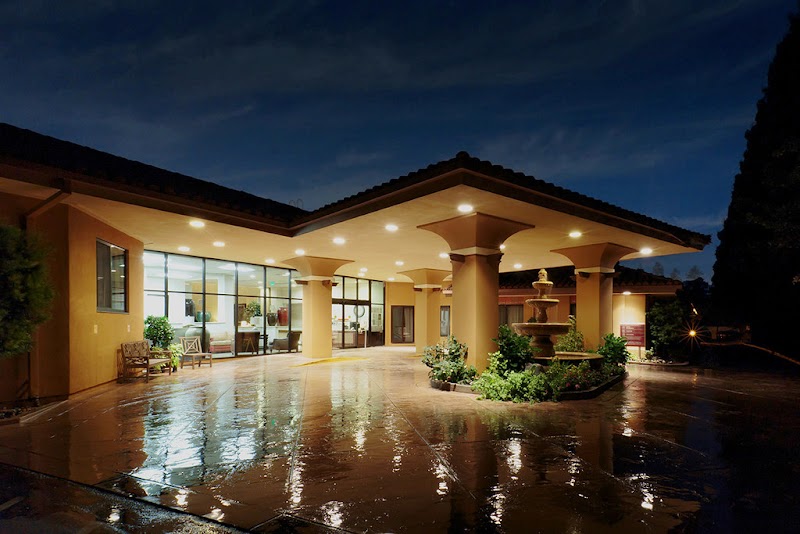
Who Owns and Operates Vasona Creek Healthcare Center?

VASONA CREEK HEALTHCARE CENTER is owned by a for-profit company. For-profit facilities operate as businesses with obligations to shareholders or private owners. The facility is operated by PACS GROUP, a chain that manages multiple nursing homes. With 148 certified beds and approximately 140 residents (about 95% occupancy), it is a mid-sized facility located in LOS GATOS, California.

How Does Vasona Creek Healthcare Center Compare to Other California Nursing Homes?

Compared to the 100 nursing homes in California, VASONA CREEK HEALTHCARE CENTER's overall rating (1 stars) is below the state average of 3.1, staff turnover (52%) is near the state average of 46%, and health inspection rating (2 stars) is below the national benchmark.

What Should Families Ask When Visiting Vasona Creek Healthcare Center?

Based on this facility's data, families visiting should ask: "Can you walk me through typical staffing levels on day, evening, and night shifts?" "Can I visit during a mealtime to observe dining assistance and food quality?" "How do you handle medical emergencies, and what is your hospital transfer rate?" "Can I speak with family members of current residents about their experience?" These questions are particularly relevant given the below-average staffing rating.

Is Vasona Creek Healthcare Center Safe?

Based on CMS inspection data, VASONA CREEK HEALTHCARE CENTER has a clean safety record: no substantiated abuse findings (meaning no confirmed cases of resident harm), no Immediate Jeopardy citations (the most serious violation level indicating risk of serious injury or death), and is not on the Special Focus Facility watch list (a federal program monitoring the lowest-performing 1% of nursing homes). The facility has a 1-star overall rating and ranks #100 of 100 nursing homes in California. While no facility is perfect, families should still ask about staff-to-resident ratios and recent inspection results during their visit.

Do Nurses at Vasona Creek Healthcare Center Stick Around?

VASONA CREEK HEALTHCARE CENTER has a staff turnover rate of 52%, which is 5 percentage points above the California average of 46%. Moderate turnover is common in nursing homes, but families should still ask about staff tenure and how the facility maintains care continuity when employees leave.

Was Vasona Creek Healthcare Center Ever Fined?

VASONA CREEK HEALTHCARE CENTER has no federal fines on record. CMS issues fines when nursing homes fail to meet care standards or don't correct problems found during inspections. The absence of fines suggests the facility has either maintained compliance or corrected any issues before penalties were assessed. This is a positive indicator, though families should still review recent inspection reports for the full picture.

Is Vasona Creek Healthcare Center on Any Federal Watch List?

VASONA CREEK HEALTHCARE CENTER is not on any federal watch list. The most significant is the Special Focus Facility (SFF) program, which identifies the bottom 1% of nursing homes nationally based on persistent, serious quality problems. Not being on this list means the facility has avoided the pattern of deficiencies that triggers enhanced federal oversight. This is a positive indicator, though families should still review the facility's inspection history directly.