MADERA REHABILITATION & NURSING CENTER
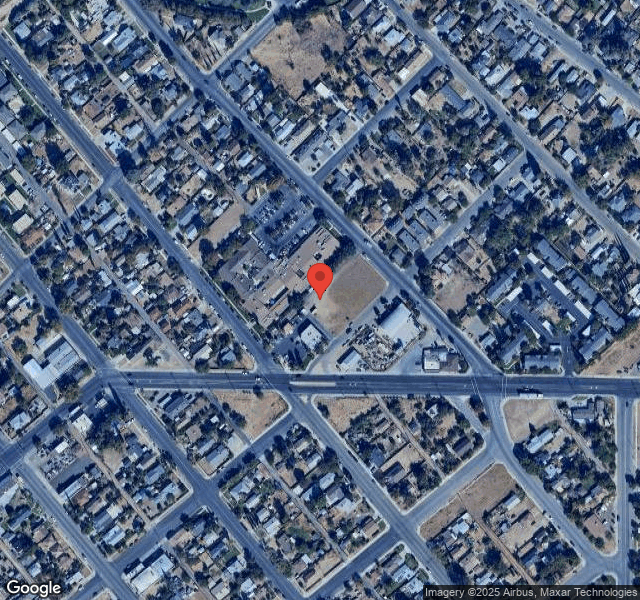
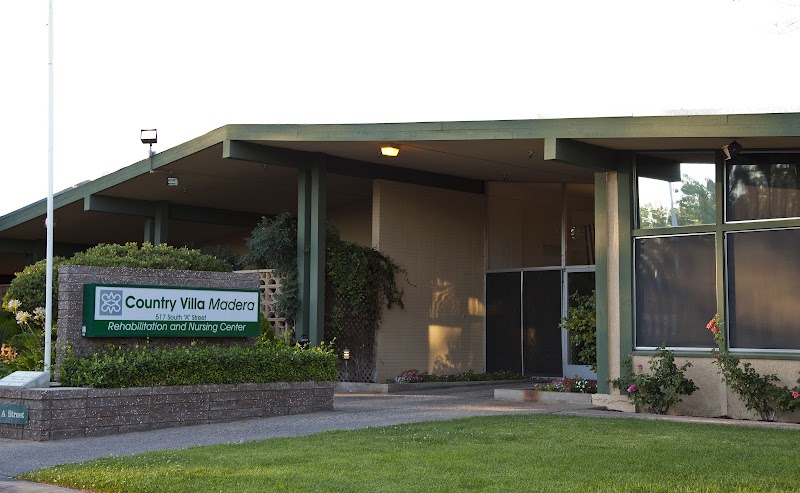
517 SOUTH A STREET, MADERA, CA 93638 (559) 673-9228
For profit - Limited Liability company 176 Beds CAMBRIDGE HEALTHCARE SERVICES Data: November 2025 2 Immediate Jeopardy citations
Trust Grade
0/100
#1061 of 1155 in CA
Last Inspection: June 2024

Within standard 12-15 month inspection cycle. Federal law requires annual inspections.

Overview

Madera Rehabilitation & Nursing Center has received a Trust Grade of F, indicating significant concerns about its care quality. It ranks #1061 out of 1155 nursing homes in California, placing it in the bottom half of all facilities statewide, and #4 of 5 in Madera County, meaning only one local option is better. The facility's trend is worsening, with reported issues increasing from 13 in 2024 to 22 in 2025. While staffing is rated as good with a 4/5 star rating and a turnover rate at 38%, which is below the state average, there are concerning issues as reflected in $259,833 in fines, which is higher than 95% of California facilities. Specific incidents include a resident suffering a hip fracture due to inadequate supervision and medication being improperly labeled, raising serious safety and health concerns for residents.

Trust Score
F
0/100
In California
#1061/1155
Bottom 9%
Safety Record
High Risk
Review needed
Inspections
Getting Worse
13 → 22 violations
Staff Stability
○ Average
38% turnover. Near California's 48% average. Typical for the industry.
Penalties
✓ Good
$259,833 in fines. Lower than most California facilities. Relatively clean record.
Skilled Nurses
○ Average
Each resident gets 34 minutes of Registered Nurse (RN) attention daily — about average for California. RNs are the most trained staff who monitor for health changes.
Violations
⚠ Watch
65 deficiencies on record. Higher than average. Multiple issues found across inspections.
★☆☆☆☆
1.0
Overall Rating
★★★★☆
4.0
Staff Levels
★★★★☆
4.0
Care Quality
★☆☆☆☆
1.0
Inspection Score
Stable
2024: 13 issues
2025: 22 issues

The Good

  • 4-Star Staffing Rating · Above-average nurse staffing levels
  • 4-Star Quality Measures · Strong clinical quality outcomes
  • Full Sprinkler Coverage · Fire safety systems throughout facility
  • No fines on record
  • Staff turnover below average (38%)

    10 points below California average of 48%

Facility shows strength in staffing levels, quality measures, fire safety.

The Bad

1-Star Overall Rating

Below California average (3.1)

Significant quality concerns identified by CMS

Staff Turnover: 38%

Near California avg (46%)

Typical for the industry

Federal Fines: $259,833

Well above median ($33,413)

Significant penalties indicating serious issues

Chain: CAMBRIDGE HEALTHCARE SERVICES

Part of a multi-facility chain

Ask about local staffing decisions and management

The Ugly 65 deficiencies on record

2 life-threatening 6 actual harm
Aug 2025 1 deficiency 1 Harm
SERIOUS (G) 📢 Someone Reported This

A family member, employee, or ombudsman was alarmed enough to file a formal complaint

Actual Harm - a resident was hurt due to facility failures

Accident Prevention (Tag F0689)

A resident was harmed · This affected 1 resident

**NOTE- TERMS IN BRACKETS HAVE BEEN EDITED TO PROTECT CONFIDENTIALITY** Based on observations, interviews and record review, the facility failed to ensure residents' environment remained free of accid...

Read full inspector narrative →
**NOTE- TERMS IN BRACKETS HAVE BEEN EDITED TO PROTECT CONFIDENTIALITY** Based on observations, interviews and record review, the facility failed to ensure residents' environment remained free of accident hazards as possible when: 1. In the memory care unit, facility staff were aware an exit door was secured by a slide barrel lock (a type of lock that requires the user to slide the barrel of the lock in order to unlock the device) and placed on the door in a position that was out of reach for most individuals. An environmental hazard risk assessment was not done for the lock on the door. Some staff were unaware of the placement of the slide-barrel lock and residents were not trained to unlock the device.These failures resulted in the possibility of 26 of 26 residents ((Residents 8, 16, 18, 20, 23, 24, 31, 43, 45, 51, 56, 58, 60, 64, 75, 76, 88, 99, 104, 117, 136, 149, 156, 168, 172 and 187) and staff being unable to exit the door in an emergency and could lead to entrapment. These failures could affect all 26 memory care residents, representing widespread scope and severity and substandard quality of care.2. Facility staff was aware of the path of travel to the smoking area from the entrance of the facility crossed the parking area and did not safely and effectively address the hazard posed to residents who smoke and travel the path in order to reach the smoking area. These failures resulted in one of 15 sampled residents (Resident 81) traveling the path on 7/15/25 at time and was struck by a vehicle while in his wheelchair. Resident 81 sustained an unavoidable fracture (break in bone) to his left distal fibula (lower, outer portion of the two long bones in the lower leg) and medial malleolus (bony prominence located on the inner side of the ankle joint) fracture and was admitted to general acute care hospital (GACH) from 7/15/25 through 7/21/25, an open reduction internal fixation (ORIF-surgical opening the fracture site to realign the bone fragments and then using internal hardware like screws, plates, or rods to hold pieces together) to repair the fracture was performed on 7/18/25. These injuries resulted in Resident 81's decreased independence in mobility and to experience pain which led to increased dependence on staff to meet all his activities of daily living (ADL-routine tasks/activities such as bathing, dressing and toileting a person performs daily care for themselves) needs1. During an observation on 08/05/25 at 1:06 p.m. a slide barrel lock was installed at the top right corner of an exit door located in the dining room located within the memory care unit leading out to a patio. During a concurrent observation and interview on 8/8/25 at 9:23 AM with the Director of Nurses (DON), DON observed the lock on the door and stated that she was not aware that this type of lock had been installed on the door. DON stated, “That lock can’t be there”. DON stated that she thinks this is very unsafe and needs to be replaced. DON stated that it is a, “huge safety issue”. DON stated she never knew that the door had this type of lock installed. DON stated that in the event of an emergency the residents could not get out safely and the fire department could not get in easily. DON further stated that this could be considered a restraint. DON demonstrated that she was not able to reach the lock because the lock was installed high up on the door. During a concurrent observation and interview on 08/08/25 at 9:42 AM with Maintenance Director (MAINT DIR) the door leading from the dining room to an outside patio was equipped with a lock. According to MAINT DIR the lock’s design was a slide barrel lock and stated the lock was installed several months before. The MAINT DIR stated the position of the lock on the door, near the very top right corner of the door, prevented most individuals, including staff and residents to reach the lock and could result in the possibility of residents and staff unable to exit the door in an emergency and could lead to entrapment. MAINT Dir stated that the slide barrel lock requires some fine motor skills and cognitive understanding to operate. Residents in the memory care unit, many of whom may have dementia or Alzheimer's, may not be able to unlock them in an emergency, posing a serious risk during fire or evacuation situations. Locks like these can trap residents or staff inside or outside the building, especially if staff are unaware the lock has been engaged. MAINT DIR stated that there had been no facility risk or hazard assessment done on this door and lock. MAINT DIR removed the lock from the door. During a review of the facility’s policy and procedure titled, “Exits or Means of Egress” revised date January 2024, indicated “… primary and secondary exit doors will remain unlocked at all times…” During a review of professional reference from the Life Safety Code (NFPA 101) Published by the National Fire Protection Association (NFPA) in which it requires, “…“doors must be readily operable from the egress side when a building is occupied. Locks and latches should not require special knowledge or effort to operate from the egress side” and “that all occupancies, including health care facilities, have unobstructed and readily accessible means of egress to allow for safe evacuation during emergencies” (NFPA 101: Life safety Code, Means of Egress Requirements (NFPA, latest edition). 2. During a review of Resident 81’s GACH document titled, “Physician History and Physical Note” dated 7/16/25, the note indicated, “…presented to the emergency department [ED] after reportedly being struck by a pickup truck while seated in his wheelchair in a parking lot… ED Imaging and Findings: CT [computed tomography scan or CAT scan-medical imaging procedures that uses X-rays[type of electromagnetic radiation used to create images of the inside of the body particularly bones] to create detailed cross-sectional images of the body) Bilateral Lower Extremities (7/15/25 21:09): Left leg: Comminuted, displaced acute traumatic fracture of the distal fibular shaft. Comminuted medial malleolus fracture. Moderate soft tissue swelling. Right Leg: No acute fracture or dislocation… Discharge Summary… Hospital course: …successful ORIF on 7/18/2025…” During a review of Resident 81’s “admission Record,” (AR-a document containing resident profile information) dated 7/16/25, the AR indicated, Resident 81 was admitted to the facility on [DATE] with diagnoses that included cerebrovascular disease (group of conditions that affect the blood vessels in the brain) dysarthria (speech disorder characterized by difficulty in articulating words and producing clear speech) and anarthria (complete loss of the ability to produce speech) history of alcohol abuse, muscle weakness, unspecified dementia (a progressive state of decline in mental abilities) and diabetes mellitus (DM- disorder characterized by difficulty in blood sugar control and poor wound healing). During a review of Residents 81’s Minimum Data Set (MDS- a resident assessment tool used to identify resident cognitive and physical function) assessment dated [DATE], indicated Resident 81’s Brief Interview of Mental status assessment (BIMS – assessment of cognitive status for memory and judgement) scored 14 of 15 (a score of 13-15 indicates cognitively intact, 08-12 indicates moderately impaired, and 00-07 indicates severe impairment). The BIMS assessment indicated Resident 81 was cognitively intact. During a review of Resident 81’s MDS Assessment, “Section GG-Functional Abilities,” dated 7/15/25, was reviewed. The MDS “Section GG” indicated, “…R. Wheel 50 feet with two turns… code 05 [Setup or clean-up assistance (helper sets up or cleans up; resident competes activity. Helper assist only prior to or following activity) …S. Wheel 150 feet: Once seated in a wheelchair/scooter, the ability to wheel at least 150 feet in a corridor or similar space…code 05…” During a concurrent observation and interview on 8/5/25 at 3:15 p.m. in Resident 81’s room, Resident 81 was sitting up at the edge of his bed appropriately dressed and observed All Cotton Elastic bandage (ACE- used to provide support and compression to injured or weak body parts) covering his left foot up to below the knee. Resident 81 stated he had an accident in the facility parking lot when he went out for a smoke and was coming back to the facility. Resident 81 stated he was struck by a vehicle backing out of the parking stall. Resident 81 stated he tried to get out of the way, but his wheelchair was hit on the side and went down on his right side with his wheelchair. Resident 81 stated the vehicle went forward and the driver got out of the vehicle and saw him on the ground with his wheelchair on top of him. Resident 81 stated the driver asked if he was injured and picked up the wheelchair off him and set the wheelchair on the ground. Resident 81 stated the driver then picked him up and placed him on the wheelchair and pushed the wheelchair inside to the nursing station. Resident 81 stated the driver informed the nursing staff what happened. Resident 81 stated he told the nurse he had pain in his feet and requested to be sent out to the hospital. Resident 81 stated he did not remember other residents were outside smoking or any staff member supervising smokers. Resident 81 stated the only way to the smoking area was to go through the parking area behind rows of parked cars. Resident 81 stated the facility decided on the smoking area location and thought it was safe. Resident 81 stated, “I just had to be careful passing behind parked cars to avoid getting hit.” During an interview on 8/7/25 at 2:10 p.m. with Registered Nurse (RN) 2, RN 2 stated she was Resident 81’s nurse when Resident 81 was hit by a vehicle in the parking lot. RN 2 stated Resident 81 was alert and oriented and an independent smoker, Resident 81 was able to safely smoke on his own. RN 2 stated she last saw Resident 81 sitting up in his wheelchair requesting a cigarette. RN 2 stated she reminded Resident 81 it was not time to go out for smoke but Resident 81 insisted. RN 2 stated she was not sure if Resident 81 went out by himself to the smoking area and was not assisted by a staff member. RN 2 stated smokers had to go out the double door through the parking area to reach the smoking area. RN 2 stated she was not sure if it was safe for Resident 81 or any residents who smoked to go in the smoking area by themselves. RN 2 stated she did not remember any other accidents that occurred in the parking area before. RN 2 stated she remembered one of the CNA notified her of Resident 81 had an accident outside in the parking area. RN 2 stated she saw CDM/D wheeled Resident 81 to the nursing station and CDM/D stated he hit Resident 81 with his vehicle while he was backing out of parking area. RN 2 stated Resident 81 complained of pain in his feet and requested to be sent out to GACH. RN 2 attempted to assess Resident 81’s feet but refused. RN 2 stated she offered pain medication which Resident 81 agreed to take. During an interview on 8/7/25 at 2:38 p.m. with Certified Nursing Assistant (CNA) 9, CNA 9 stated she was familiar with Resident 81’s care. CNA 9 stated she last saw Resident 81 in his room sitting in his wheelchair and did not mention about wanting to go out to smoke. CNA 9 stated she walked outside to the parking lot and saw people in the parking lot standing around Resident 81 sitting in his wheelchair behind a car. CNA 9 stated she notified RN right away and stated, “I think he [Resident 81] was hit by a car.” CNA 9 stated Resident 81 was wheeled back in his wheelchair back inside the facility and was complaining of pain. CNA 9 stated licensed nurses took care of Resident 81 and was sent out to the hospital. During a concurrent observation and interview on 8/7/25 at 3 p.m. with the Certified Dietary Manager/Driver (CDM/D) and DON outside in the parking lot where the incident occurred. The CDM/D showed the location where his vehicle was parked and the location of Resident 81 in his wheelchair when hit with his vehicle while he was backing out of the parking stall. The CDM/D stated his vehicle was parked in the second row on the 14th parking stall from the street near the kitchen back door exit. The CDM/D stated he did not remember seeing Resident 81 or any staff in the parking area when he walked toward his vehicle. The CDM/D stated he drives a truck and is higher than the regular vehicle and he did not see anyone around his vehicle when he was backing his vehicle out of the parking stall then he heard a “Steady honk”, so he parked his vehicle and got out of the vehicle. The CDM/D stated he walked to the back of his vehicle and saw Resident 81 in his wheelchair tilted on its side behind his vehicle and the vehicle parked next to his in number 13 parking stall. The CDM/D stated Resident 81 was laying on his right side on the ground with the wheelchair and Resident 81’s legs were straight out. The CDM/D stated he immediately moved the wheelchair and asked Resident 81 if he was alright. The CDM/D stated Resident 81 gave him permission to move and sit him in the wheelchair to bring him inside the facility due to the extreme heat (100 degrees Fahrenheit) condition at the time. The CDM/D stated he pushed Resident 81 inside the facility to the nursing station and notified the licensed nurse and the administrator. The CDM/D stated he remembered Resident 81 telling the licensed nurse he had pain in his feet and wanted to be sent out to the hospital. The CDM/D stated from the double door to the site of the incident was six parking stalls including the two handicapped spaces in the first row of parking spaces and directly opposite are eight parking spaces before his vehicle. The CDM/D stated from the smoking area to the site of the incident, Resident 81 had to pass the enclosed large trash bin area, four parking spaces and through the end of driveway where car turns to go to the next rows of parking stalls. The CDM/D stated there was no other safe pathway for residents except to go through the parking area behind parked cars going from the facility to the smoking area. During a phone interview on 8/7/25 at 3:30 p.m. with Compassionate Care Driver (CCD), the CCD stated he was sitting inside his vehicle when the accident occurred. The CCD stated his car was parked across from where the DSM/D’ vehicle was parked. The CCD stated he saw the CDM/D walking towards his vehicle and started his vehicle, he saw Resident 81 in his wheelchair wheeling himself from the smoking area and as Resident 81 approached behind the CDM/D vehicle and tried to move his wheelchair faster to avoid the vehicle. The CCD them saw the CDM/D vehicle backed out and was about to hit Resident 81 in his wheelchair “I pressed my vehicle’s horn steadily, but the vehicle already hit the wheelchair.” The CCD stated Resident 81’s wheelchair was struck and Resident 81 flipped to the side with his wheelchair. The CCD stated Resident 81 was not run over by the vehicle. The CCD stated he saw CDM/D moved his vehicle forward, got out of his vehicle and walked around behind his vehicle. The CCD stated he got out of his vehicle and helped the CDM/D with Resident 81. The CCD stated the driver straightened the wheelchair and picked up the resident and sat him on the wheelchair and pushed the wheelchair inside the facility and let the licensed nurse know of what happened. The CCD stated he did not remember seeing other residents or staff outside in the smoking area at the time of the accident. During an interview on 8/12/25 at 8:26 a.m. with the Director of Staff Development (DSD), the DSD stated she started working in the facility as DSD since 5/22/25. The DSD stated the smoking area was moved after the accident in the parking area. The DSD stated the smoking area was under the tree at the back of the parking area. The DSD stated residents who smoked had to go through the parking area behind parked cars to go to the smoking area. The DSD stated it was not safe for residents to go through the parking area behind parked cars without any staff assistance. The DSD stated Resident 81 was assessed as an independent smoker, he was alert and oriented and was able to smoke independently. During a concurrent observation and interview on 8/12/25 at 9:38 a.m. with Resident 120 in the smoking area, Resident 120 stated he had been in the facility for a year and had always smoked. Resident 120 stated he was an independent smoker and could go out to smoke anytime he wanted. Resident 120 stated the smoking area was moved after the accident in the parking area. Resident 120 stated there was no sidewalk to use from the double door to the smoking area. Resident 120 stated they had to go through the parking lot, and it was not safe. Resident 120 stated Resident 81 was slower to wheel himself and sometimes refused help from the staff. Resident 120 stated he was outside smoking before the accident and did remember seeing Resident 81 outside smoking with the group. During an interview on 8/12/25 at 10 a.m. with CNA 8, CNA 8 stated residents who smokes have schedule to follow and had to be assisted when they go outside. CNA 8 stated it was not safe for them to go through the parking lot to the smoking area. CNA 8 stated the parking lot was always busy and there was no sidewalk from the facility to the smoking area. During an interview on 8/12/25 at 1:45 p.m. with LVN 9, LVN 9 stated the smoking area was moved after Resident 81’s accident in the parking lot. LVN 9 stated the residents are to be assisted to the smoking area by the activity staff and or any staff member then assisted back in the facility after they are done smoking. LVN 9 stated he did not think it was safe for residents to go out alone to smoke because they must go through the parking area behind parked cars. LVN 9 stated he always made sure residents who smoke were assisted when they go out to smoke because of the lack of safe pathway to the smoking area. During an interview on 8/12/25 at 4:20 p.m. with Activity Assistant (AA), AA stated she was working the day the incident happened in the parking lot. AA stated she was outside in the smoking area at 4 p.m. supervising smokers before the incident and Resident 81was not outside with the group. The AA stated she helped smokers when they go outside to smoke because it is quite a distance from the double door to the smoking area. The AA stated residents had to go through the parking lot behind parked cars to get to the smoking area and there were always cars coming in and out. The AA stated, “There was a high risk of accident happening, there was no sidewalk for residents and staff to use.” During a concurrent interview and record review on 8/12/25 at 4:45 p.m. with Assistant Director of Nursing (ADON), the ADON reviewed Resident 81’s medical record titled “Smoking Assessment” dated 3/4/25, the ADON stated Resident 81 was assessed as independent smoker before the accident. The ADON stated she was working the day the incident happened and was on her way out when she saw Resident 81sitting up in his wheelchair surrounded by staff by the nursing station. The ADON stated she assisted the licensed nurse and attempted to perform a head-to-toe assessment but Resident 81 refused. The ADON stated she notified the administrator of the incident and assisted sending Resident 81 out to hospital. The ADON stated the smoking assessment did not cover how residents go from the facility to the smoking area. The ADON stated there was no sidewalk or safe pathway from the facility to the smoking area. The ADON stated smokers had to be assisted when they go out to smoke because they had to go through the parking area to reach the smoking area. The ADON stated it was not safe for residents to be by themselves when they go out to smoke, there are a lot of cars all the time. During a concurrent observation and interview on 8/13/25 at 3:05 p.m. with MAINT DIR and DON outside in the parking lot, the MAINT DIR stated he was unable to measure the distance from the double door where residents exited the facility to go to the smoking area. The MAINT DIR stated in the first row of the parking area are four handicapped parking spaces and six regular parking spaces, 16 parking spaces on the opposite side. The MAINT DIR stated four parking spaces next to the trash bins area before the smoking area and an additional four rows of 16 parking spaces. The MAINT DIR stated the parking lot was always busy, cars were constantly going in and out, staff and visitors used the parking area and entered the facility through the double door. The MAINT DIR stated it was not a safe area for residents to be on their own, navigating behind parked cars and cars trying to find parking spaces and cars leaving the parking area. The MAINT DIR stated it was also a long distance from the double door to the smoking area, the MAINT DIR stated, “It was an accident waiting to happen.” During an interview on 8/14/25 at 10:06 a.m. with the DON, the DON stated she had only been in the facility for eight weeks. The DON stated she was not in the facility when the incident happened and was notified by phone. The DON stated she was notified Resident 81 was run over by a vehicle in the parking lot. The DON stated, “The distance from the double door to the old smoking area was quite long and the parking lot is busy all the time.” The DON stated the double door was where ambulance and transportation vans picked up and dropped off residents. The DON stated there should have been staff assisting residents in the parking lot when they go out to smoke because they had to go through the parking area behind several parked cars and it was not safe. The DON stated her expectation was for the facility to ensure there was a safe pathway/walkway for residents when they went out to the smoking area to smoke. The DON stated it was the responsibility of the facility to ensure resident’s safety. During an interview on 8/14/25 at 11:05 a.m. with the Administrator (ADM), the ADM stated he was notified by phone by the ADON of the incident on the day it happened. The ADM stated he interviewed staff including the activities assistant who was with the smokers at 4 p.m. and Resident 81 was not with the group smoking. The ADM stated about the accident, “It was unfortunate, it could have happened to anybody, not just residents, it could have happened to staff or visitors.” The ADM stated it was a risk for anybody. The ADM stated the old smoking area was safe, it was an unfortunate event that occurred. The ADM stated the incident was not preventable, “There was nothing that could have been done to prevent the accident from happening.” The ADM stated they moved the smoking area to a new location after the incident and residents did not have to go through the parking lot. During a review of the facility’s policy and procedure (P&P) titled “Smoking Policy-Residents,” dated 1/2024, the P&P indicated, “…Prior to, and upon admission, residents are informed of the facility smoking policy, including designated smoking areas, and the extent to which facility can accommodate their smoking or non-smoking preferences… Smoking is only permitted in designated resident smoking areas… Any resident with smoking privileges requiring monitoring shall have the supervision of a staff member, family member… Residents who are currently allowed to smoke will be provided an area to smoke which maintains the quality of life and safety for smoking residents…” During a review of the facility’s P&P titled. “Safety and Supervision of Residents,” dated 1/24, the P&P indicated, “…2. Safety risks and environment hazards are identified on an ongoing basis through a combination of employee training, employee monitoring, and reporting processes; QAPI [Quality Assurance and Performance Improvement-systematic, data-driven, and proactive approach to improving the quality of care and quality of life in healthcare settings] reviews of safety and incident/accident data; and a facility-wide commitment to safety at all levels of the organization. 3. When accident hazards are identified, the facility staff shall review the events in an attempt to identify the root-cause and possible associated hazards and develop strategies to mitigate or remove the hazards to the extent possible. 4. When safety risks can not be completely eliminated, such as the risk for falls and related injuries, the facility staff shall develop strategies to mitigate the risk for injuries that could result from these events. 5. The facility staff and QAPI committee shall review interventions to mitigate hazards or risk for injuries and modify as deemed necessary…” During a review of facility’s policy and procedure (P&P) titled, “Accidents and Incidents-Investigating and Reporting,” dated 7/19, the P&P indicated, “…The nurse supervisor/charge nurse and/or the department director or supervisor shall promptly initiate and document investigation of the accident or incident… Incident/accident reports will be reviewed… for trends related to accident or safety hazards in the facility and to analyze any individual vulnerabilities.” During a review of facility’s P&P titled, “Unusual Occurrence Reporting,” dated 12/23, the P&P indicated, “… 1. Our facility will report the following events to appropriate agencies… or other calamities that damage the facility or threaten the welfare, safety or health of residents… “ During a review of the facility’s P&P titled, “Resident Rights,” dated 2/23, the P&P indicated, “… Federal and state laws guarantee certain rights to all residents of this facility. These rights include the resident’s rights to: a dignified existence; be treated with respect, kindness and dignity… be informed of safety…”
Jun 2025 2 deficiencies
CONCERN (E) 📢 Someone Reported This

A family member, employee, or ombudsman was alarmed enough to file a formal complaint

Potential for Harm - no one hurt, but risky conditions existed

Safe Environment (Tag F0584)

Could have caused harm · This affected multiple residents

**NOTE- TERMS IN BRACKETS HAVE BEEN EDITED TO PROTECT CONFIDENTIALITY** Based on observation, interview, and record review, the facility failed to maintain a safe and comfortable environment for two o...

Read full inspector narrative →
**NOTE- TERMS IN BRACKETS HAVE BEEN EDITED TO PROTECT CONFIDENTIALITY** Based on observation, interview, and record review, the facility failed to maintain a safe and comfortable environment for two of 13 sampled residents (Resident 1 and Resident 8) when Resident 1 and Resident 8 ' s wheelchairs were covered with black and brown unknown substances and were visible to passersby. This failure violated Residents 1 and Resident 8 ' s rights to a comfortable and homelike environment that would respect the residents' dignity and well-being. Findings: During a review of Resident 1's admission Record (AR- a document that provides resident contact details, a brief medical history, level of functioning, preferences, and wishes), dated 6/11/25, the AR indicated, Resident 1 was admitted from an acute care hospital on [DATE] to the facility, with diagnoses that included Encephalopathy (a disorder caused by a buildup of toxins in the brain that can happen with advanced liver disease), Protein-Calorie Malnutrition (not consuming enough protein and calories, resulting to weight loss), Anxiety (a mental health disorder characterized by feelings of worry, anxiety, or fear that are strong enough to interfere with one's daily activities) and Dysphagia (difficulty swallowing). During a review of Resident 1's Minimum Data Set (MDS-comprehensive, standardized assessment of residents' functional capabilities and health needs), dated 4/28/25, the MDS indicated, Resident 1 ' s BIMS (Brief Interview for Mental Status) score was 4 out of 15 (0-7 indicated severe cognitive impairment [memory loss, poor decision making-skills], 8-12 moderate cognitive impairment, 13-15 cognitively intact). During a review of Resident 8's AR, dated 6/9/25, the AR indicated, Resident 8 was admitted from an acute care hospital on [DATE] to the facility, with diagnoses that included End Stage Renal Disease (ESRD- a medical condition in which a person's kidneys cease functioning on a permanent basis leading to the need for a regular course of long-term dialysis [the process of removing waste products and excess fluids from the body] or a kidney transplant to maintain life), Cerebral Infarction (stroke, bleeding inside the brain), and Congestive Heart Failure (CHF- weakness in the heart where fluid accumulates in the lungs). During a review of Resident 8's MDS, dated [DATE], the MDS indicated, Resident 8 ' s BIMS (Brief Interview for Mental Status) score was 13 out of 15 (0-7 indicated severe cognitive impairment [memory loss, poor decision making-skills], 8-12 moderate cognitive impairment, 13-15 cognitively intact). During a concurrent observation and interview on 6/925 at 2:38 p.m., with the Assistant Director of Nursing (ADON), inside Resident 1 and Resident 8 ' s room, Both residents were observed lying in bed and asleep. The ADON stated, Resident 1 and Resident 8 ' s wheelchairs ' metal frame and wheels were covered with black and brown substances and were visible to passersby. The ADON stated, the housekeeping staff were responsible in cleaning the wheelchairs weekly and it was not done. The ADON stated, the facility failed to provide a comfortable and homelike environment that would respect the residents' dignity and well-being. The ADON stated, the unknown black and brown substances attached to Resident 1 and Resident 8 ' s wheelchairs could be a source of bacterial growth and could potentially cause illness to both residents. During a concurrent interview and record review on 6/9/25, at 3:17 p.m., with Housekeeping (HK) 1, Resident 1 and Resident 8 ' s wheelchair photos, dated 6/9/25 were reviewed. HK 1 stated, Resident 1 and Resident 8 ' s wheelchairs were dirty and should be kept clean at all times. HK 1 stated, resident wheelchairs were not cleaned last week due to staffing problem. HK 1 stated, Residents could get ill from touching unclean equipment such as wheelchairs. HK 1 stated, the facility failed to provide a comfortable homelike environment to Resident 1 and Resident 8. During a concurrent interview and record review on 6/10/25, at 2:03 p.m., with the Director of Nursing (DON), Resident 1 and Resident 8 ' s wheelchair photos, dated 6/9/25 were reviewed. The DON stated, she expected the residents wheelchairs to be cleaned as scheduled and as needed for soilage. The DON stated, residents deserve a safe, clean, comfortable and homelike environment. The DON stated, the housekeeping department was responsible in cleaning wheelchairs weekly and as needed. The DON stated, she expected licensed nurses and CNAs to report sightings of dirty wheelchairs to the housekeeping department and follow-up, as needed. During a phone interview on 6/11/25, at 1:47 p.m., with the Administrator (ADM), the ADM stated he expected all wheelchairs to be cleaned weekly and as needed. The ADM stated, providing a clean, comfortable and homelike environment for all residents was the responsibility of all staff. ADM stated, the provision of safe, clean, comfortable and homelike environment, and free from source of infection was not met. ADM stated, he was responsible for overseeing the performance of the housekeeping department. During a review of the facility ' s document titled, Job Description: Housekeeper, undated, the document indicated, . The purpose of your job position is to maintain a clean and safe environment in accordance with current federal, state and local standards . Essential Duties and Responsibilities . Cleaning/polishing of furniture, fixtures, ledges, room heating/cooling units in residents rooms and throughout the facility . During a review of the facility's policy and procedure (P&P) titled, Quality of Life – Homelike Environment, dated 10/24 was reviewed. The P&P indicated, . Residents are provided with a safe, clean, comfortable and homelike environment .
CONCERN (E) 📢 Someone Reported This

A family member, employee, or ombudsman was alarmed enough to file a formal complaint

Potential for Harm - no one hurt, but risky conditions existed

Infection Control (Tag F0880)

Could have caused harm · This affected multiple residents

**NOTE- TERMS IN BRACKETS HAVE BEEN EDITED TO PROTECT CONFIDENTIALITY** Based on observation, interview, and record review, the facility failed to maintain an effective infection control program when ...

Read full inspector narrative →
**NOTE- TERMS IN BRACKETS HAVE BEEN EDITED TO PROTECT CONFIDENTIALITY** Based on observation, interview, and record review, the facility failed to maintain an effective infection control program when two of ten sampled residents (Resident 1 and Resident 8) when Resident 1 and Resident 8 ' s wheelchairs were covered with black and brown unknown substances. This failure placed Resident 1 and Resident 8 at an increased risk to develop healthcare-associated infections. Findings: During a review of Resident 1's admission Record (AR- a document that provides resident contact details, a brief medical history, level of functioning, preferences, and wishes), dated 6/11/25, the AR indicated, Resident 1 was admitted from an acute care hospital on [DATE] to the facility, with diagnoses that included Encephalopathy (a disorder caused by a buildup of toxins in the brain that can happen with advanced liver disease), Protein-Calorie Malnutrition (not consuming enough protein and calories, resulting to weight loss), Anxiety (a mental health disorder characterized by feelings of worry, anxiety, or fear that are strong enough to interfere with one's daily activities) and Dysphagia (difficulty swallowing). During a review of Resident 1's Minimum Data Set (MDS-comprehensive, standardized assessment of residents' functional capabilities and health needs), dated 4/28/25, the MDS indicated, Resident 1 ' s BIMS (Brief Interview for Mental Status) score was 4 out of 15 (0-7 indicated severe cognitive impairment [memory loss, poor decision making-skills], 8-12 moderate cognitive impairment, 13-15 cognitively intact). During a review of Resident 8's AR, dated 6/9/25, the AR indicated, Resident 8 was admitted from an acute care hospital on [DATE] to the facility, with diagnoses that included End Stage Renal Disease (ESRD- a medical condition in which a person's kidneys cease functioning on a permanent basis leading to the need for a regular course of long-term dialysis [the process of removing waste products and excess fluids from the body] or a kidney transplant to maintain life), Cerebral Infarction (stroke, bleeding inside the brain), and Congestive Heart Failure (CHF- weakness in the heart where fluid accumulates in the lungs). During a review of Resident 8's MDS, dated [DATE], the MDS indicated, Resident 8 ' s BIMS (Brief Interview for Mental Status) score was 13 out of 15 (0-7 indicated severe cognitive impairment [memory loss, poor decision making-skills], 8-12 moderate cognitive impairment, 13-15 cognitively intact). During a concurrent observation and interview on 6/925 at 2:38 p.m., with the Assistant Director of Nursing (ADON), inside Resident 1 and Resident 8 ' s room, Both residents were observed lying in bed and asleep. The ADON stated, Resident 1 and Resident 8 ' s wheelchairs ' metal frame and wheels were covered with black and brown unknown substances. The ADON stated, the housekeeping staff were responsible in cleaning the wheelchairs weekly and it was not done. The ADON stated, the facility failed to provide a comfortable and homelike environment that would respect the residents' dignity and well-being. The ADON stated, the unknown black and brown substances attached to Resident 1 and Resident 8 ' s wheelchairs could be a source of bacterial growth and could potentially cause illness to both residents. During a concurrent interview and record review on 6/9/25, at 3:17 p.m., with Housekeeping (HK) 1, Resident 1 and Resident 8 ' s wheelchair photos, dated 6/9/25 were reviewed. HK 1 stated, Resident 1 and Resident 8 ' s wheelchairs were dirty and should be kept clean at all times. HK 1 stated, resident wheelchairs were not cleaned last week due to staffing problem. HK 1 stated, Residents could get ill from touching unclean equipment such as wheelchairs. HK 1 stated, the facility failed to provide a comfortable homelike environment to Resident 1 and Resident 8. During a concurrent interview and record review on 6/10/25, at 2:03 p.m., with the Director of Nursing (DON), Resident 1 and Resident 8 ' s wheelchair photos, dated 6/9/25 were reviewed. The DON stated, she expected the residents wheelchairs to be cleaned as scheduled and as needed for soilage. The DON stated, residents deserve a safe, clean, comfortable and homelike environment. The DON stated, the housekeeping department was responsible in cleaning wheelchairs weekly and as needed. The DON stated, she expected licensed nurses and CNAs to report sightings of dirty wheelchairs to the housekeeping department and follow-up, as needed. During a phone interview on 6/11/25, at 1:47 p.m., with the Administrator (ADM), the ADM stated he expected all wheelchairs to be cleaned weekly and as needed. The ADM stated, providing a clean, comfortable and homelike environment for all residents was the responsibility of all staff. ADM stated, the provision of safe, clean, comfortable and homelike environment, and free from source of infection was not met. ADM stated, he was responsible for overseeing the performance of the housekeeping department. During a review of the facility ' s document titled, Job Description: Housekeeper, undated, the document indicated, . The purpose of your job position is to maintain a clean and safe environment in accordance with current federal, state and local standards . Essential Duties and Responsibilities . Cleaning/polishing of furniture, fixtures, ledges, room heating/cooling units in residents rooms and throughout the facility . During a review of the facility's policy and procedure (P&P) titled, Assistive Device and Equipment, dated 1/20, the P&P stated, . 6 . c. Device Condition – devices and equipment are maintained on schedule and according to manufacturer ' s instructions. Defective or worn devices are discarded or repaired . During a review of the facility's policy and procedure (P&P) titled, Infection Control, dated 10/18, the P&P indicated, . 1. The facility ' s infection control policies and practices are intended to facilitate maintaining a safe, sanitary and comfortable environment . 4. All personnel will be trained on our infection control policies and practices .
Apr 2025 3 deficiencies 1 Harm
SERIOUS (G) 📢 Someone Reported This

A family member, employee, or ombudsman was alarmed enough to file a formal complaint

Actual Harm - a resident was hurt due to facility failures

Accident Prevention (Tag F0689)

A resident was harmed · This affected 1 resident

**NOTE- TERMS IN BRACKETS HAVE BEEN EDITED TO PROTECT CONFIDENTIALITY** Based on observation, interview, and record review, the facility failed to ensure residents received adequate supervision to pre...

Read full inspector narrative →
**NOTE- TERMS IN BRACKETS HAVE BEEN EDITED TO PROTECT CONFIDENTIALITY** Based on observation, interview, and record review, the facility failed to ensure residents received adequate supervision to prevent falls for two of five sampled residents (Residents 1 and 9) when: 1. Resident 1 was assessed to be at risk for falls on 3/23/25 and staff were aware of Resident 1's frequent positioning in bed lying on his back leaning against the side rail, right sided paralysis (inability to move), and inability to reposition himself and effective individualized interventions to prevent falls were not implemented. Resident 1 experienced an unwitnessed fall on 4/2/25. This failure resulted in Resident 1's avoidable fall on 4/2/25 when he was found on the floor face down next to his bed, sustaining a nasal fracture [broken nose], a laceration (deep cut in the skin) to the left eyebrow and left shin (front of the leg below the knee) requiring transportation to the emergency department (ED) for assessment and treatment of his injuries. Resident 1 received eleven sutures (stitches holding the edges of a wound together) to his left eyebrow and seven sutures to his left shin. The resident was treated in the ED and transferred back to the skilled nursing facility (SNF). 2. Resident 9 was assessed as needing staff supervision to ambulate (walk) more than 50 feet and had known behaviors of putting herself on the ground and effective individualized interventions to prevent falls were not implemented when she ambulated outside to the memory care unit patio without staff supervision. Resident 9 experienced an unwitnessed fall on 4/6/25. This failure resulted in Resident 9's avoidable fall on 4/6/25 when she sustained a 1-centimeter (cm-unit of measurement) laceration to the back of her head and required transportation to the emergency department for assessment. Resident 9's wound did not require sutures, and she was transferred back to the skilled nursing facility. Findings: 1. During a concurrent observation and interview on 4/14/25 at 10:17 a.m. with Resident 1 in his room, Resident 1 was lying in bed on his back, his upper body was leaning to the left with his weight against a pillow on the side rail. The bed was against the wall on Resident 1's right side and to the left side there was a landing mat on the floor with an overbed table (portable, adjustable table to be placed beside or over the bed) close to him. Resident 1's left eyebrow had a laceration with sutures and the surrounding area was swollen and discolored. The tip of Resident 1's nose pointed slightly to the left. Resident 1 was alert, able to answer yes or no and speak in single words, but unable to carry on a conversation. Resident 1 was asked if he was comfortable in that position, he stated no and attempted to move his body to the right but was unable to. Resident 1 was asked if he had a fall recently and he replied yes and gestured to the floor. During a review of Resident 1's admission Record (AR- a document containing resident medical and personal information), undated, the AR indicated, Resident 1 was admitted to the facility on [DATE] with diagnoses that included hemiplegia (paralysis of one side of the body) and hemiparesis (weakness to one side of body) following cerebrovascular disease (disease affecting the blood flow to the brain) affecting the right dominant side (side of body being preferred for tasks), congestive heart failure (chronic condition where heart muscles is weakened and cannot pump blood efficiently), epilepsy (nerve cell activity in the brain is disturbed causing seizures [burst of sudden electrical activity]), abnormalities of gait (manner of walking) and mobility (ability to move freely), aphasia (a language disorder that affects communication), lack of coordination, abnormal posture, and muscle weakness. During a review of Residents 1's Minimum Data Set (MDS- a resident assessment tool used to identify resident cognitive and physical function) assessment dated [DATE], indicated Resident 1's Brief Interview of Mental status assessment (BIMS - assessment of cognitive status for memory and judgement) was based on staff assessment. Resident 1 was assessed as having a memory problem with severe cognitive impairment related to daily decision making. During a review of Resident 1's Post-Fall Review, dated 4/2/25, the note indicated, . Date and Time of Fall . 4/2/25 15:20 [3:20 p.m.] . Discovered on the floor (Unwitnessed) . Resident found lying on the floor by supervisor. Resident lying prone [face down] position with small cut to left upper side of eyebrow. Resident also noted to have blood on his left shin . Residents complain about pain . paramedics [medical professional who provides emergency care outside of a hospital] were called assisted resident to gurney [a wheeled stretcher] and took resident to hospital . resident unable to tell what he was doing . Continence [ability to voluntarily control bowel (feces) and bladder (urine)] at time of fall . Wet . Soiled . returned to the facility around 0430 [4:30 a.m. on 4/3/25] . discharge diagnosis stated that he has a fracture [break in a bone] to his lt [left] and rt [right] nasal bones . laceration to the lt eyebrow and the wound to the lt shin and they were closed with sutures, 11 to the forehead [eyebrow] and 7 to the lt shin . During a concurrent observation and interview on 4/14/25 at 10:20 a.m. with Resident 1's roommate, Resident 2, Resident 2 stated he had been Resident 1's roommate for about a year. Resident 2 stated the day of Resident 1's fall, Resident 2 was lying in bed and heard a loud bam, then Resident 1's overbed table moved. Resident 2 stated the curtain between their beds was closed but he could see Resident 1 lying on the ground next to Resident 1's bed under the curtain. Resident 2 stated he started yelling for a nurse because Resident 1 could not call for one. During an interview on 4/14/25 at 11:19 a.m. with Certified Nursing Assistant (CNA) 4, CNA 4 stated she was taking care of Resident 1 today. CNA 4 stated she was not at work when Resident 1 fell on 4/2/25. CNA 4 stated Resident 1 would always lean to the left against the side rail, so the staff kept a pillow between him and the siderail for comfort. CNA 4 stated Resident 1 was paralyzed on his right side and was not able to reposition himself or try to get up, so she was not sure how he fell out of bed over the siderail if it was in the proper position. During a concurrent interview and record review on 4/14/25 at 2:12 p.m. with Licensed Vocational Nurse (LVN) 1, LVN 1 stated she was assigned to Resident 1 on the day of his fall. LVN 1 stated she was at a nurses meeting when Resident 1 fell and was called to his room. LVN 1 stated when she walked into Resident 1's room, he was lying face down on the floor, between his bed and the overbed table, and his eyebrow was bleeding. LVN 1 stated Resident 1 was physically dependent on two people to change his position, move in bed, and required a mechanical lift (device used to safely lift and transfer patients with limited mobility) to be moved out of the bed into a chair. LVN 1 stated Resident 1 was at risk for falls because of his paralysis and limited mobility. Resident 1's fall risk care plan dated 7/9/2018 was reviewed and indicated, . at risk for falls with injury r/t [related to] CVA [cerebrovascular accident-loss of blood flow to the brain damaging tissue] with hemiplegia and hemiparesis, epilepsy, impaired balance . anticipate and meet [Resident 1's] needs . Encourage resident to keep bed low . Encourage [Resident 1] to participate in activities that promote exercise . Pt [physical therapy] evaluate and treat as ordered or PRN [as needed] . LVN 1 stated Resident 1's issue with positioning and leaning up against the side rail was a known problem, but not addressed in the care plan. LVN 1 stated she was unsure how Resident 1 fell out of bed if the side rail was in the correct position. LVN 1 stated she did not notice what Resident 1's bed height or side rail position was at the time of his fall. During a concurrent interview and record review on 4/14/25, at 2:48 p.m. with the Minimum Data Set Coordinator (MDSC), Resident 1's fall risk assessment dated [DATE] was reviewed, the assessment indicated, .Based on the answers . is resident at risk for falls . yes . The MDS Section GG-Functional Status, dated 2/8/25 was reviewed and indicated, . Mobility . Roll left and right . code 01 [Dependent-helper does all of the effort . Sit to lying . code 88 [not attempted due to medical condition or safety] . The MDSC stated Resident 1 could not physically reposition himself in bed. During an interview on 4/14/25 at 4:37 p.m. with LVN 2, LVN 2 stated she was the evening charge nurse at the time of Resident 1's fall on 4/2/25. LVN 2 stated Resident 1 was at risk for falls because he had a history of leaning to the left against the side rail in bed and was unable to reposition himself and had a diagnosis of seizures. LVN 2 stated Resident 1 would lean against the side rail to the left because his right side was paralyzed, and he could not use the right side of his body to move back to the center of the bed. LVN 2 stated she did not know how Resident 1 fell over the top of his side rail. During a concurrent observation and interview on 4/14/25 at 4:45 p.m. with CNA 3, in Resident 1's room, CNA 3 stated she was assigned to Resident 1 at the time of his fall on 4/2/25. CNA 3 stated she was in a nearby room and heard Resident 2 yelling for help. CNA 3 stated she ran into the room and Resident 1 was face down on the floor between his bed and the overbed table. CNA 3 stated she could not move Resident 1 because of potential injuries so she yelled for a nurse. CNA 3 stated the Assistant Director of Nursing (ADON) came into the room and stated to not move Resident 1 because of a potential back or neck injury. CNA 3 stated Resident 1 was lying flat on his face, agitated and cursing. CNA 3 stated he had blood on his face, and they left him in that position until the paramedics came and put him on the gurney. CNA 3 stated Resident 1 was a high fall risk because the resident was totally paralyzed on the right side of his body and unable to move it which causes him to slide to the left and lean against the side rail while on his back. CNA 3 stated Resident 1 could not pull himself back to the center of the bed because of his paralysis. CNA 3 stated Resident 1 had an electric bed and had behaviors of putting it up in the high position despite being reminded to keep the bed low. CNA 3 stated she was not sure if Resident 1's bed was in high or low position at the time of his fall. CNA 3 stated Resident 1 sustained a cut to his left eyebrow and left shin. CNA 3 pulled Resident 1's covers back with his permission and a long, jagged laceration was observed on his left shin with a reddish swollen scab above it. During an observation on 4/15/25 at 11:19 a.m. with Resident 1 in his room, Resident 1 was sitting in bed with the head at a 45-degree angle (a semi-sitting position). Resident 1 was lying on his back, leaning to the left against a pillow on the side rail. During an interview on 4/15/25 at 2:01 p.m. with LVN 4, LVN 4 stated Resident 1 preferred to lie on his back and would frequently lean against the side rail. LVN 4 stated Resident 1 was non-compliant with using his call light to ask for help with positioning. During a concurrent interview and record review on 4/15/25 at 2:54 p.m. with the ADON, the ADON stated the nursing staff was in a meeting on 4/2/25 at the time of Resident 1's fall. The ADON stated she was walking in the hall and heard a CNA yell for help. The ADON stated she walked into Resident 1's room and he was lying face down on the floor between his bed and the overbed table. The ADON stated he was bleeding from a laceration to his head, but she could not assess the laceration because she did not want to move the resident in case of a neck or back injury. The ADON stated she was not sure if the side rail was in the proper position or what the height of his bed was. The ADON stated the right side of Resident 1's body was paralyzed, and he frequently leaned to the left against the side rail. The ADON stated Resident 1 had the side rails to assist with turning as much as possible during care and to prevent him from falling out of bed. The ADON stated we cannot stop him from falling. The ADON stated the goal was to try to minimize his fall risk and the risk of injury. The ADON stated the staff would remind him to use his call light and keep his bed in a low position, but she was not sure if he could retain any education provided. Resident 1's care plan was reviewed, the ADON stated there were no care plan interventions addressing the resident lying against his side rails throughout the day and his inability to reposition himself. The ADON reviewed the MDS section GG and stated Resident 1 was dependent on staff for bed mobility. During a concurrent interview and record review on 4/15/25 at 4:25 p.m. with the Director of Nursing (DON), the DON stated Resident 1 had an unwitnessed fall on 4/2/25. The DON stated the IDT (Interdisciplinary Team-involves team members from different disciplines working collaboratively, with a common purpose, to set goals, make decisions and share resources and responsibilities for the best interest of the resident) was unable to determine the root cause of Resident 1's fall. The DON stated Resident 1 was at high risk for falls. Resident 1's fall risk care plan was reviewed, the DON stated Resident 1's fall prevention interventions prior to his 4/2/25 fall was to anticipate needs, encourage the resident to participate in activities, Restorative Nursing Assistant (RNA-provides rehabilitative care to patients to help regain and maintain the physical functioning and independence) program and encourage the resident to keep the bed in a low position. The DON stated Resident 1 had an electric bed and would put it in the high position by himself. The DON stated she was unsure how high the bed was at the time of his fall. The DON stated she was aware Resident 1 would lean to his left side against the side rails but was unable to locate care plan interventions addressing his positioning. During a telephone interview on 4/16/25 at 9:08 a.m. with the Director of Rehabilitation (DOR), the DOR stated she would screen the residents after falls to see if they would benefit from a therapy evaluation. The DOR stated she screened Resident 1 after his fall, but determined he would not benefit from therapy. The DOR stated Resident 1 was at his maximum potential, dependent on staff for mobility and activities of daily living (basic self-care tasks such as eating, bathing, and mobility). The DOR stated Resident 1 had non-compliant behaviors, would not call for assistance with positioning and had a behavior of putting his electric bed in a high position. The DOR stated Resident 1 had no trunk control and was unable to move himself back to center in bed. The DOR stated Resident 1 would frequently lean to the left in bed, against the side rail. The DOR stated Resident 1 needed two staff to move him back to the center of the bed. The DOR stated the CNAs needed to frequently check Resident 1's position and make sure he was lying in the center of the bed and not leaning to the left because he could not reposition himself. During a review of Resident 1's Change in Condition [CIC] Evaluation, dated 4/14/25, the CIC indicated, . cellulitis left lower leg . MD made aware . Carry out new order . During a review of Resident 1's ACH document titled Discharge Instructions, dated 4/2/25, the document indicated, . Reason for Visit . Fall . Discharge Diagnosis . Head trauma (left sided) . History of CVA with right sided deficit . Hematoma [closed wound with a collection of blood] of left lower leg . Long term current use of anticoagulant [medicine to prevent blood clots] . Fall . Nasal bone fracture . You were seen in the emergency department after sustaining a fall from your bed . you did sustain a fracture of your left and right nasal bones . There is minimal deviation [shift in position] of the bones . follow-up with an ear nose and throat doctor . we were able to repair the lacerations above your left eyebrow and on your left leg . During a review of Resident 1's acute care hospital document titled ED Physician Notes, dated 4/3/25, the document indicated, . Procedure . Laceration repair . 4/2/25 . Laceration 1.9 cm in length. Lower extremity: left . Shape: irregular . Skin closure . sutures . During a review of Resident 1's acute care hospital document titled ED Physician Notes, dated 4/3/25, the document indicated, . Procedure . Laceration repair . 4/2/25 . Laceration 3.2 cm in length. Face: left, eyebrow . Shape: linear . clean, surrounding tissue contused [bruised] . Skin closure . sutures . During a review of Resident 1's ACH document titled Radiology Report, dated 4/2/25, the report indicated, . CT [computed tomography scan- type of imaging that uses X-ray techniques to create detailed images of the body] Maxillofacial [jawbones and the face] [wo [without] Con [contrast] . FINDINGS . Soft tissue swelling/laceration in the left frontal scalp and periorbital [area around the eye] region. Acute minimally displaced [broken bone where the ends are not aligned] leftward deviated fracture of the left nasal bone. Acute nondisplaced leftward deviated fracture of the right nasal bone . During a review of Resident 1's ACH document titled XR [x-ray] Tibia [the shinbone] +Fibula [smaller of the two lower leg bones], dated 4/2/25, the Xray indicated, . INDICATION . fall/dropped at rehab facility . FINDINGS . Diffuse Osteopenia [bones are weaker than normal] . No definite acute fracture . Diffuse soft tissue swelling . During a review of the facility's document titled The 4 P's [Potty, Position, Pain, Placement] of Fall Prevention, undated, the document indicated, . Potty . Does your resident need to use the bathroom . Position . Is your resident in a comfortable position . Pain . Is your resident experiencing any pain . Placement . Are all the items your resident would like placed within reach . During a review of the facility's policy and procedure (P&P) titled Falls and Fall Risk, Managing, dated 2/7/24, the P&P indicated, . Based on previous evaluations and current data, the nursing staff will identify interventions related to the resident's specific risks and causes to try to prevent the resident from falling and to try to minimize complications from falling . Fall Risk Factors . Resident conditions that may contribute to the risk of falls . other cognitive impairment . pain . lower extremity weakness . poor grip strength . medication side effects . functional impairments . Medical factors that contribute to the risk of falls . heart failure . neurological [related to the nervous system] disorders . balance and gait disorders . implement a resident-centered fall prevention plan to reduce their specific risk factor(s) of falls for each resident . During a review of the facility's P&P titled Safety and Supervision of Residents, dated 1/2024, the P&P indicated, . Our facility strives to make the environment as free from accident hazards as possible. Resident safety and supervision and assistance to prevent accidents are facility-wide priorities . Safety risks and environmental hazards are identified on an ongoing basis . When accident hazards are identified, the facility staff shall review the events in an attempt to identify the root-cause and possible associated hazards . When safety risks can not be completely eliminated, such as the risk for falls and related injuries, the facility staff shall develop strategies to mitigate the risk for injuries . Resident supervision is a core component of the approach to safety. The type and frequency of resident supervision is determined by the individual resident's assessed needs . Our individualized, resident-centered approach to safety addresses safety and accident hazards for individual residents . The care team shall targe t interventions to reduce individual risks related to hazards in the environment . Resident supervision is a core component of the approach to safety. The type and frequency of resident supervision is determined by the individual resident's assessed needs . 2. During an observation on 4/14/25 at 11:03 a.m., in the memory care unit, Resident 9 was observed sitting in the activities room. Resident 9 was sitting in a chair with her eyes half closed and appeared drowsy. During an observation on 4/14/25 at 11:05 a.m., the memory care unit outdoor patio was observed. The patio had a cement walkway which led to the main outdoor area for the residents. The main area was enclosed with a fence and the patio consisted of cement walkways and grassy areas. During a review of Resident 9's admission Record, undated, the admission record indicated, Resident 9 was admitted to the facility on [DATE] with diagnoses that included Alzheimer's Disease (a brain disorder that slowly destroys memory and thinking skills), dementia (progressive loss of memory and thinking), epilepsy (nerve cell activity in the brain is disturbed causing seizures [burst of sudden electrical activity]), abnormalities of gait (manner of walking) and mobility (ability to move freely), muscle weakness and difficulty in walking. During a review of Residents 9's Minimum Data Set (MDS- a resident assessment tool used to identify resident cognitive and physical function) assessment dated [DATE], indicated Resident 9's BIMS scored 03 of 15. The BIMS assessment indicated Resident 9's cognition was severely impaired. During a review of Resident 9's ACH document titled ED Assessment, dated 4/6/25, the document indicated, . Chief Complaint: Fall . Stated Complaint: GROUND LEVEL FALL/HEAD PAIN . Patient had an unwitnessed fall from a chair onto the ground . sustained a small laceration to the back of her head which does not need repair because of that less than 1 cm wide and is not bleeding . Diagnosis . Fall . Laceration of scalp . During an interview on 4/14/25 with CNA 1, CNA 1 stated she was usually assigned to Resident 9 and was caring for her today. CNA 1 stated she was aware Resident 9 had a recent fall but was not working at the time of the fall. CNA 1 stated Resident 9 had known behaviors of putting herself on the ground and walking around the facility with her eyes closed. CNA 1 stated Resident 9 had sustained a laceration to her head during the fall, but she was unsure if the resident had sutures or not. CNA 1 stated Resident 9 was known to be a high fall risk but would ambulate alone in the hallway and out on the patio. CNA 1 stated when she is outside, we keep an eye on her. CNA 1 stated the staff would check on Resident 9 every 15 to 20 minutes while she was outside on the patio. During a concurrent interview and record review on 4/14/25 at 2:48 p.m. with the MDSC, Resident 9's MDS Section GG-Functional Status, dated 2/17/25 was reviewed. The MDS indicated, . Walk 10 feet . code 05 [Setup or clean-up assistance-helper assists only prior to or following the activity] . Walk 50 feet . code 04 [Supervision or touching assistance] . Walk 150 feet . Code 04 . The MDSC stated Resident 9's MDS indicated she should have supervision to ambulate, and a CNA should always be with the resident when she was ambulating. The MDSC stated supervision during ambulation meant to have contact guard (to provide light guiding contact) from an employee. The MDSC stated Resident 9 should not have been on the patio without staff supervision. The MDSC stated she was familiar with Resident 9 had known behaviors of putting herself on the floor and walking with her eyes closed, increasing her need for supervision. During an observation on 4/15/25 at 11:36 a.m., in the memory care hallway, Resident 9 was observed walking in the hallway independently with her eyes half closed. Resident 9 was confused and unable to engage in conversation. CNA 1 took Resident 9 to her room. During a concurrent interview and record review on 4/15/25 at 2:54 p.m. with the ADON, Resident 9's Change in Condition, (CIC-documentation regarding a significant change from baseline) dated 4/6/25, was reviewed. The CIC indicated, . CNA Notified Charge Nurse that resident was found sitting on the floor outside in station 6 patio. Charge Nurse went to assess resident and noted Resident sitting on the floor with her legs extended out in front of her . The ADON stated Resident 9 had an unwitnessed fall on the memory care patio on 4/6/25. Resident 9's Post-Fall Review, dated 4/6/25 was reviewed, and indicated, . Date and time of fall . 04/06/2025 15:18 [3:18 p.m.] . Discovered on the floor (Unwitnessed) . Outside patio . Resident noted to have cut to her back of head with active bleeding at the incident time. Upon investigation resident had pattern of banging posterior head (backside of the head) on the ground . Root cause: May have Put self on the floor or due to poor safety awareness and impaired mobility due to self-transfer that resulting in her falling. Resident has pattern for laying on her back raise her head and drop it on the ground repeatedly . The ADON stated Resident 9 sustained a laceration to the back of her head and was sent to the ED for assessment, but did not require sutures so she was sent back to the SNF. Resident 9's fall risk care plan, dated 10/19/2019, was reviewed. The care plan indicated, . resident is at risk for falls with injury r/t [related to] epilepsy, anxiety [feeing of worry], difficulty in walking, muscle weakness generalized . resident Throws self on the floor, impaired cognition, poor safety awareness, history of falling . Behavior of walking with eyes closed . Anticipate and meet the resident's ADL care needs . Encourage the use of appropriate footwear . Keep bed in lowest position . PT [physical therapy]/OT [occupational therapy] eval [evaluation] and Tx [treat] as needed . Resident is ambulatory . Walk 10 Feet: Set or clean up assistance . Walk 50 Feet: Supervision or touching assistance . The ADON stated Resident 9 had known behaviors of sitting herself on the ground and walking with her eyes closed. The ADON stated Resident 9's care plan indicated she was supposed to have supervision to walk 50 feet and did not have supervision while on the patio at the time of her fall. The ADON stated the memory care unit patio was further than 50 feet from the memory care unit hallway and she should have had supervision. The ADON stated, we cannot prevent her from falling because of her behaviors. During a concurrent interview and record review on 4/15/25 at 4:25 p.m. with the DON, Resident 9's Post Fall Review, dated 4/6/25, was reviewed. The DON stated Resident 9's fall on 4/6/25 was unwitnessed and happened on the memory care unit's patio. The DON stated Resident 9's MDS dated [DATE], indicated she needed supervision to ambulate more than 50 feet, and the memory care unit hallway was more than 50 feet. The DON stated Resident 9 had dementia (decline in mental ability severe enough to interfere with daily life) and Alzheimer's Disease and was unable to make decisions regarding her safety. The DON stated, we cannot stop her from what she is doing. The DON stated she had been told by staff Resident 9 frequently went out to the patio unsupervised with no issues. The DON stated Resident 9 could go to the patio, but the DON declined to state if Resident 9 needed supervision while she was outside. The DON reviewed Resident 9's fall risk care plan and stated there were no interventions to address her known behaviors of putting herself on the floor until after the fall on 4/6/25. During a telephone interview on 4/16/25 at 9:08 a.m. with the DOR, the DOR stated Resident 9 was started on therapy after her fall on 4/6/25. The DOR stated she did a therapy screen for Resident 9, and she was started on physical therapy. The DOR stated Resident 9 was independent for ambulation indoors but was not safe to ambulate outside on uneven surfaces by herself. The DOR stated Resident 9 needed staff supervision while outside on the patio. During a review of the facility's policy and procedure titled Falls and Fall Risk, Managing, dated 2/7/24, the P&P indicated, . Based on previous evaluations and current data, the nursing staff will identify interventions related to the resident's specific risks and causes to try to prevent the resident from falling and to try to minimize complications from falling . Fall Risk Factors . Resident conditions that may contribute to the risk of falls . other cognitive impairment . pain . lower extremity weakness . poor grip strength . medication side effects . functional impairments . Medical factors that contribute to the risk of falls . heart failure . neurological disorders . balance and gait disorders . implement a resident-centered fall prevention plan to reduce their specific risk factor(s) of falls for each resident .
CONCERN (D) 📢 Someone Reported This

A family member, employee, or ombudsman was alarmed enough to file a formal complaint

Potential for Harm - no one hurt, but risky conditions existed

Report Alleged Abuse (Tag F0609)

Could have caused harm · This affected 1 resident

**NOTE- TERMS IN BRACKETS HAVE BEEN EDITED TO PROTECT CONFIDENTIALITY** Based on observation, interview, and record review, the facility failed to report abuse allegations to the California Department...

Read full inspector narrative →
**NOTE- TERMS IN BRACKETS HAVE BEEN EDITED TO PROTECT CONFIDENTIALITY** Based on observation, interview, and record review, the facility failed to report abuse allegations to the California Department of Public Health (CDPH) within the required timeframe for two of four sampled residents (Resident 10 and Resident 7) when: 1. CNA 5 alleged CNA 6 pushed Resident 10 roughly onto her bed while providing care on 4/5/25 and did not report the allegation of abuse to the facility until 4/6/25. 2. Family Member (FM) 1 contacted the local police department (PD) alleging Resident 7 was abused by facility staff on 3/5/25 and 3/27/25, the PD went to the facility for welfare checks and the facility staff was made aware of the abuse allegations. The facility staff did not report the abuse allegations to CDPH on 3/5/25 and 3/27/25 according to federal regulations and the facility's policy and procedure (P&P). This failure resulted in the abuse allegations not being investigated timely and had the potential to result in Residents 10 and 7's safety needs not being met. Findings: 1. During a review of Resident 10's admission Record (AR- a summary of information regarding a patient which includes patient identification, past medical history, insurance status, care providers, family contact information and other pertinent information), dated 4/6/25, the AR indicated, Resident 10 was admitted to the facility on [DATE], with diagnosis which included, right femur fracture (a broken thigh bone), dementia (a decline in mental abilities, like memory thinking, and reasoning), dysphagia (trouble swallowing), cognitive communication deficit (trouble reasoning and making decisions while communicating), need for assistance with personal care, muscle weakness, and abnormalities of gait and mobility (trouble walking and moving). During a review of Resident 10's Minimum Data Set (MDS- a resident assessment tool used to identify cognitive [mental processes] and physical functional level assessment) assessment, dated 3/30/25, the MDS assessment indicated Resident 10's Brief Interview for Mental Status (BIMS- a test given by medical professionals to determine cognitive (involving the process of thinking, learning and understanding) understanding on a scale of 1-15 ) score of 11 (a score of 0-7 suggests severe cognitive impairment, 8-12 suggests moderately impaired, 13-15 suggests cognitively intact) assessment score was 7 out of 15 which indicated Resident 10 had severe cognitive impairment. The MDS assessment indicated Resident 10 had a history of falls with injury prior to admission to the facility. During a review of the facility's document titled, Post-Event Review- V2 (PR), dated 4/6/25, the PR indicated the alleged abuse incident was observed on 4/5/25 at 6:00 a.m. by CNA 5. The PR document indicated CNA 5 reported the alleged abuse incident to the facility on 4/6/25 at 4:00 a.m. During a review of the facility's document titled, Conclusion of Reported Unusual Occurrence, dated 4/7/25, the document indicated the alleged abuse incident was reported to the facility on 4/6/25. The document indicated the facility concluded their internal investigation on 4/7/25 with no evidence of abuse. The document indicated the internal investigation report was faxed to CDPH on 4/8/25. During a concurrent observation and interview on 4/15/25 at 11:08 a.m. with Resident 10 and Resident 10's husband (HB) in Resident 10's room, Resident 10 was observed lying in bed and the bed was in the lowest position. The HB was seated beside Resident 10's bed. Resident 10 was not observed with any visible bruises, cuts or scratches to the face, neck, forearms, or hands. Resident 10 stated she did not remember being pushed or harmed on 4/5/25. Resident 10 stated she had never been harmed or pushed at the facility. Resident 10 stated she felt safe at the facility. The HB stated on 4/6/25 he was notified a staff member allegedly pushed Resident 10 on 4/5/25. The HB stated he visited Resident 10 after he was notified of the alleged abuse incident, and Resident 10 was free from physical and emotional injury. The HB stated Resident 10 had dementia and was often confused but could remember same day events. The HB stated Resident 10 did not mention any harm or abuse when he asked her on 4/6/25. The HB stated he felt Resident 10 was safe at the facility. The HB stated family visited Resident 10 everyday and had no concerns with the care received at the facility. During an interview on 4/15/25 at 5:19 p.m. with CNA 5, CNA 5 stated on 4/5/25 at 6:00 a.m. she observed Resident 10 standing at the edge of her bed which was in the lowest position, closest to the ground. CNA 5 stated she left to retrieve a wheelchair so Resident 10, who was a fall risk, did not fall. CNA 5 stated CNA 6 stated she would return Resident 10 back to bed so she would not fall. CNA 5 stated when she returned to Resident 10's room she observed, from the doorway, CNA 6 placed her hands on Resident 10's arms and pushed her down onto the bed. CNA 5 stated she did not report the incident until 4/6/25 at 4:00 a.m. to Licensed Vocational Nurse (LVN) 6. CNA 5 stated she was in shock and did not know what to do after she witnessed the incident. CNA 5 stated she was aware alleged abuse incidents were to be reported within two hours. CNA 5 stated she received training on abuse, neglect, and mandated reporting guidelines on orientation, annually and after the alleged incident. CNA 5 stated it was important to report all alleged incidents of abuse within two hours to ensure resident safety. During an interview on 4/16/25 1t 8:14 a.m. with LVN 6, LVN 6 stated CNA 5 reported the alleged abuse incident to her on 4/6/25 at 4:00 a.m., twenty-two hours after the alleged abuse incident. LVN 6 stated she immediately reported the allegation to all required entities which included, the Administrator (ADM), the Director of Nursing (DON), the Medical Doctor (MD), the Police Department (PD), the Ombudsman (OMD), CDPH, and Resident 10's Responsible Party (RP), per facility policy. LVN 6 stated she told CNA 5 all allegations of abuse were expected to be reported within two hours. LVN 6 stated all staff within the facility were mandated reporters (a person legally required to report suspected or known cases of abuse, neglect or mistreatment) and she expected all CNAs to report allegations of abuse within two hours. LVN 6 stated it was important to report allegations of abuse within two hours to ensure resident safety and prevent other residents from potentially being harmed by the perpetrator until an investigation could be completed. During an interview on 4/17/25 at 10:48 a.m. with CNA 6, CNA 6 stated on 4/5/25 at 6:00 a.m. Resident 10 was observed standing at the edge of her bed, which was in the lowest position, closest to the ground. CNA 6 stated Resident 10 removed her clothing, and she attempted to assist her back into bed. CNA 6 stated CNA 5 left to retrieve a wheelchair for Resident 10 to sit in. CNA 6 stated Resident 10 was unsteady on her feet, and she tried to help hold Resident 10 up by her hands and lower back. CNA 6 stated Resident 10 started to sit down and collapsed down onto the bed. CNA 6 stated Resident 10's bed was in the lowest position, closest to the ground, and she was unable to raise the bed before Resident 10 sat down quickly. CNA 5 denied the allegation of abuse. During an interview on 4/17/25 at 2:13 p.m. with the ADM, the ADM stated the alleged abuse incident was witnessed by CNA 5 on 4/5/25 at 6:00 a.m. The ADM stated CNA 5 reported the alleged abuse incident on 4/6/25 at 4:00 a.m. to LVN 6. The ADM stated LVN 6 notified him by phone call of the alleged abuse incident on 4/6/25 at 4:00 a.m. The ADM stated he was the abuse coordinator, and he started the internal abuse investigation on 4/6/25 at 7:30 a.m. when he arrived at the facility for the day. The ADM stated CNA 5 was a mandated reporter and was required to report all allegations of abuse within two hours to the facility and to the required entities. The ADM stated CNA 5 did not report the allegation of abuse within two hours to the facility or required entities. The ADM stated it was important to report all allegations of abuse within two hours to ensure allegations of abuse were investigated within required timeframes and to ensure the immediate safety of all residents within the facility. During a review of the facility's policy and procedure (P&P) titled, Abuse Investigation and Reporting, undated, the P&P indicated, .all alleged violation of abuse, neglect, exploitation or mistreatment .will be reported immediately, but no later than .two (2) hours if the alleged violation involves abuse . During a review of the facility's in-service document titled, Preventing Elderly Abuse/Mandated Reporter, dated 1/6/25, 1/7/25, and 1/18/25, the in-service indicated, .all alleged abuse must be reported right away to supervisor, administrator and DON .mandated reporters Certified Nursing Assistant . mandated reporters must report known or suspected instances of physical abuse, abandonment, isolation, financial abuse, or neglect .immediately . The in-service included education on types, signs and examples of abuse. The in-service included education on when and how to report abuse. The in-service indicated CNA 5 and CNA 6 received and completed the annual in-service before the alleged abuse incident was reported. During a review of the facility's in-service document titled, Abuse Reporting, dated 4/7/25, the in-service indicated, .all staff are mandated reporters and are required to report all instances of suspected abuse, actual abuse, and injuries of unknown origin immediately .time frame to report alleged abuse: within 2 hours . The in-service indicated CNA 5 received and completed the in-service on 4/7/25 after the alleged abuse incident was reported. During a review of the facility's job description titled, Certified Nursing Assistant, undated, the job description indicated, .they will make sound independent decisions when circumstances warrant such action . will relate all pertinent information concerning a resident's condition to a charge nurse when required .abiding with all facility policies and procedures . During a review of the professional reference review retrieved from https://oag.ca.gov/system/files/media/your-legal-duty-curriculum.pdftitled, Your Legal Duty-Reporting Elder and Dependent Adult Abuse, dated 2/2023, the professional reference review indicated, .under California law, every employee at a long-term care facility has a legal duty to report known or suspected incidents of elder or dependent adult abuse .each of the following are a mandated reporter . all other employees in a long-term care facility .mandated reporters are legally responsible for the reporting of suspected or known abuse .immediately, and no later than two hours after observing or suspecting the abuse . 2. During an observation on 4/14/25 at 10:48 a.m., Resident 7 was observed lying in bed with her eyes closed. Resident 7 opened her eyes when spoken to but closed her eyes again. Resident 7 was unable to carry on a conservation and did not answer any questions. Resident 7 was under a blanket and her arms were not visible, there was no bruising or discoloration noted to her neck or face. During a review of Resident 7's admission Record, undated, the admission record indicated, Resident 7 was admitted to the facility on [DATE] with diagnoses that included dementia (progressive loss of memory and thinking), pressure ulcer (injuries to the skin and underlying tissue caused by prolonged pressure) and mental disorder (disorder affecting mood, thinking and behavior). During a review of Residents 7's Minimum Data Set (MDS- a resident assessment tool used to identify resident cognitive and physical function) assessment dated [DATE], indicated Resident 7's Brief Interview of Mental status assessment (BIMS - assessment of cognitive status for memory and judgement) scored 03 of 15 (a score of 13-15 indicates cognitively intact, 08-12 indicates moderately impaired, and 00-07 indicates severe impairment). The BIMS assessment indicated Resident 7's cognition was severely impaired. During a review of Resident 7's Health Status Note, dated 3/5/25 at 10:30 a.m., the note indicated, . writer was notified by another staff member that PD [police department] was here to do a wellness check on resident [Resident 7] at 1030 [10:30 a.m.]. This writer went towards the room and waited in the hallway while the PD asked resident questions in Spanish . PD finished asking her questions this writer asked what happened. PD stated that a family member had called in to do a wellness check because every time she comes to see the resident, she has new bruises on her . During a review of Resident 7's Health Status Note, dated 3/27/25 at 9:13 p.m., the note indicated, . [FM 1] called [Name of police department] to report elder abuse, at 2100 [9:00 p.m.] [Name of PD] arrived to follow up on the complaint . Writer explained to officer no suspected abuse report was done as the complaint was about episode of incontinence [loss of control of urination and leakage of stool], resident is incontinent of bowel and bladder . 2nd complaint the dinner tray was far from resident, explained resident requires feeding assistance . 3rd concern was resident having no pants . 4th complaint the blouse resident is was wearing was tied to her leg with a knot, RP [responsible party] showed the pictures of the blouse allegedly been tied . there is no knot on pictures shown . Then at 2100 [Name of PD] arrived to follow up . During a telephone interview on 4/17/25 at 3:21 p.m. with Licensed Vocational Nurse (LVN) 7, LVN 7 stated she was Resident 7's nurse on 3/5/25. LVN 7 stated she frequently took care of Resident 7. LVN 7 stated the police department had been to the facility twice, once on 3/5/25 when she was the charge nurse and once on 3/27/25. LVN 7 stated FM 1 had reported Resident 7 had bruises and new skin issues to the police on 3/5/25. LVN 7 stated the police came in and were asking the staff if they were feeding the resident, cleaning her and things like that. LVN 7 stated FM 1 frequently accused the staff of not changing or cleaning Resident 7. LVN 7 stated she notified the supervisor when the police had arrived. LVN 7 stated the staff handled Resident 7 with care, but her skin was fragile due to her health and her arms would become bruised and discolored easily. LVN 7 stated Resident 7's skin was breaking down because she was frail and on hospice (specialized medical care focused on comfort at the end-of-life). LVN 7 stated she did not report the abuse allegation on 3/5/25, because she knew the facility staff was not abusing the resident. LVN 7 reviewed a note in Resident 7's Health Status Note, dated 3/27/25 at 9:13 p.m., and stated the note indicated FM 1 had called the police and reported elder abuse. LVN 7 stated she was not sure if an SOC 341 was completed, but abuse allegations were supposed to be reported to the Ombudsman and CDPH within two hours. During a telephone interview on 4/17/25 at 4:49 p.m. with Certified Nursing Assistant (CNA) 10, CNA 10 stated Resident 7 was usually assigned to her, and she was familiar with her. CNA 10 stated Resident 7 was frail, frequently refused care and refused to eat. CNA 10 stated her coworkers had told her there were allegations of abuse from the family. CNA 10 stated she had never seen any signs of abuse. CNA 10 stated Resident 7's skin was very fragile, and her skin would become discolored during routine care. CNA 10 stated the Administrator (ADM) was the facility's abuse coordinator. During a telephone interview on 4/18/25 at 1:20 p.m. with the Director of Nursing (DON), the DON stated all instances of alleged abuse needed to be reported to the Ombudsman, state agency and police within two hours of the incident being reported or being made aware of the situation. The DON stated she was not aware FM 1 had made accusations of abuse to the police and staff did not notify her when the police had shown up to the facility. The DON stated FM 1 did not speak with her regarding her concerns. The DON stated if she was made aware of the allegations, she would have reported it to the State Agency and the Ombudsman. The DON stated the ADM was the facility's abuse coordinator. During a telephone interview on 4/24/25 at 3:00 p.m. with the ADM, and the Administrator Consultant (ADMC), the ADM stated he was the facility's abuse coordinator. The ADMC stated he and the ADM were not aware the police had come to the facility twice. The ADMC stated they first heard about the allegations on 4/18/25 during the investigation. The ADMC stated the allegations of abuse should have been reported to the Ombudsman and CDPH within two hours of the police arrival at the facility. The ADMC stated the expectation was for the staff to notify management immediately when there were allegations of abuse so they could make sure the resident was not abused. The ADMC stated they needed to be notified timely so they could follow up appropriately and it was not up to the staff to decide if an abuse allegation was substantiated or not. The ADMC stated it was the facility's policy and procedure (P&P) to report allegations of abuse within two hours. During a review of the facility's P&P titled, Abuse, Neglect, Exploitation and Misappropriate Prevention Program, dated 4/2021, The P&P indicated, . Residents have the right to be free from abuse, neglect, misappropriation of resident property and exploitation . Protects residents from abuse . Develop and implement policies and protocols to prevent and identify . abuse or mistreatment of residents . neglect of residents . Identify and investigate all possible incidents of abuse . Investigate and report any allegations within timeframes required by federal requirements . Protect residents from any further harm during investigations . During a review of the facility's P&P titled Abuse Investigation and Reporting, dated 7/2017, the P&P indicated, . All reports of resident abuse, neglect . injuries of unknown source (abuse) shall be promptly reported to local, state and federal agencies (as defined by current regulations and thoroughly investigated by facility management . If an incident or suspected incident of resident abuse, mistreatment, neglect or injury of unknown source is reported, the administrator will assign the investigation to an appropriate individual . An alleged violation of abuse, neglect, exploitation or mistreatment . will be reported immediately, but not later than . Two (2) hours if the alleged violation involved abuse OR has resulted in serious bodily injury .
CONCERN (E) 📢 Someone Reported This

A family member, employee, or ombudsman was alarmed enough to file a formal complaint

Potential for Harm - no one hurt, but risky conditions existed

Deficiency F0726 (Tag F0726)

Could have caused harm · This affected multiple residents

Based on interview and record review, the facility failed to ensure the Infection Preventionist (IP) have the specific competencies, and skill sets to ensure facility staff were properly trained and e...

Read full inspector narrative →
Based on interview and record review, the facility failed to ensure the Infection Preventionist (IP) have the specific competencies, and skill sets to ensure facility staff were properly trained and educated to properly managed and care for residents with infections and to prevent the risk for infections to other residents, staff and visitors when the IP did not provide on-going in-service training and education to facility staff when facility had an outbreak of Noro virus (highly contagious virus [easily spread] that causes vomiting and diarrhea) and Influenza virus (contagious respiratory illness). These failures placed residents, staff and visitors at increased risk for exposure to infections. Findings: During a concurrent interview and record review on 4/15/25 at 1:58 p.m. with Dietary Supervisor (DS), Inservice Meeting Minutes, dated 1/2/25 was reviewed. The DS stated the topic was on Infection Control in the dietary area only because of a Noro Virus and Influenza virus outbreak in the facility. The DS stated she discussed with her staff about wearing of surgical masks, hand washing and washing of isolation trays used in the isolation room. The DS stated she should have encouraged dietary staff to attend in-service training provided by IP on Noro virus and Influenza virus because the IP was more knowledgeable on the topic. The DS stated the IP leaves boxes of masks for staff to wear upon entry of the facility. The DS stated she did not remember attending in-services training on Noro virus and Influenza after the outbreak started. During an interview on 4/15/25 at 2:26 p.m. with Dietary [NAME] (DC), the DC stated the DS provided all in-services training to dietary staff. The DC stated she did not remember attending any infection control in-services training provided by the Infection Control Nurse. The DC stated she did not remember seeing a posted schedule of in-services on infection control. The DC stated dietary staff were told by the DS on what masks to use and the IP leaves boxes of masks outside the double door and a sign to wear the mask when entering the facility. During a concurrent interview and record review on 4/15/25 at 3:24 p.m. with Infection Preventionist (IP), the IP reviewed Noro virus surveillance form and stated there was a total of four residents tested positive for the Noro virus. The IP stated the first case was confirmed on 1/2/25 and sample was collected on 1/1/25. The IP stated the last case was on 1/5/25. The IP stated Noro virus in-service training was provided to staff on 12/19/24. The IP stated the in-service training was provided 15 days prior to first known positive case. The IP stated she did not provide additional Noro virus in-service training to staff, and she should have to provide reminders and refresher to staff to safely care for positive residents and prevent spread of infection to other residents, staff and visitors. The IP stated, I am sure, and I hope staff remembered what was discussed in the in-service training on 12/19/24. The IP reviewed Influenza surveillance form and stated the first Influenza case was on 1/2/25. The IP stated one case of positive Influenza is considered an outbreak. The IP reviewed in-services training provided immediately after first known positive case of influenza. The IP stated only 23 staff attended in-service training on Influenza given on 1/2/25. The IP stated only 17 staff attended in-services training on Respiratory Illness/ droplet precautions given on 2/22/25. The IP stated only 47 staff attended in-service training titled Standard/Contact/Droplet/EBP/Hand Hygiene, provided on 1/7/25 and 24 staff attended on 3/10/25. The IP stated it was her responsibility to ensure all staff were educated and trained to care for residents and prevent spread of infection to other residents, staff and visitors. The IP stated she should have tried to offer and provide make up in-services training to all staff. The IP stated she did not remember communicating to administrator, Director of Nursing and Assistant Director of Nursing of low attendance during in-services training and she should have. During an interview on 4/15/25 at 4:57 p.m. with the Director of Staff Development (DSD), the DSD stated she had been the DSD in the facility since 2011. The DSD stated she did not provide Noro virus and Influenza virus in-services training to staff after the outbreak. The DSD stated it was the duty of the IP nurse to provide in-services training to staff on topics related to Infection Control. The DSD stated the IP did not ask for help with in-services training, if she did .I would have gladly assisted because I do a lot of training with staff and I used to be the IP. The DSD stated she provided Infection Control in-service training on 1/20/25. The DSD stated she schedules make-up in-service training to ensure all staff received the training and knowledge like everyone. During an interview on 4/15/25 at 2:39 p.m. with Dietary Aide (DA) 2, DA 2 stated she attended infection control in-service training given by her supervisor. DA 2 stated she did not remember attending infection control in-service given by IP. DA 2 stated she did not know if there were reminders posted by IP to attend in-services. DA 2 stated there is usually a box of masks outside of the double door with sign to wear the masks. During a phone interview on 4/16/25 at 11:50 a.m. with Licensed Vocational Nurse (LVN) 1, LVN 1 stated she did not remember attending Noro Virus and Influenza virus in-services training when facility had residents tested positive for the virus. LVN 1 stated in-services training are important to educate staff to care for residents affected by the virus and to prevent spread of virus to other residents, staff and visitors visiting the facility. During a phone interview on 4/17/25 at 9:1 a.m. with Registered Nurse (RN) 2, RN 2 stated she started working in the facility on 2/25. RN 2 stated Noro virus and Influenza virus outbreak started on 1/2/25. RN 2 stated she did not remember attending in-service training on Noro virus and Influenza virus. RN 2 stated in-service training was important to educate staff on how to care for affected residents and prevent the spread to other residents, visitors and staff. During a phone interview on 4/17/25 at 10:08 a.m. with Certified Nursing Assistant (CNA) 8, she stated she had been working in the facility since 2018. CNA 8 stated she did not remember if IP provided in-services training on Noro virus and Influenza virus after the first positive cases which resulted in an outbreak in the facility. CNA 8 stated she did not remember if there was any posting of make-up in-services training on the board to remind staff to attend in-services. CNA 8 stated it was important to attend in-service training to learn to care for residents and prevent the spread of infection in the facility. During a phone interview on 4/17/25 at 11:20 a.m. with CNA 9, she stated she did not remember attending in-service training on Noro virus and Influenza virus after the facility had outbreak of the viruses. CNA 9 stated she did not remember if facility or the IP offered an in-service training on Noro virus and Influenza virus. CNA 9 stated in-services training was important to educate staff to care for residents affected by the virus and to prevent spread of virus to other residents, staff and visitors. CNA 9 stated it was important for nursing staff to receive in-service training to care for residents. During a phone interview on 4/18/25 at 1:05 p.m. with the Director of Nursing (DON), the DON stated she assumed the role as DON on 2/4/25. The DON stated her role was to oversee the IP, making sure the right precaution was in place and in-services training are occurring. The DON stated, .In-services training was important because people tend to forget especially when there is an outbreak . The DON stated IP and DSD to continue to provide training and education to staff to ensure they (nursing staff) have the knowledge to safely care for residents. The DON stated her expectation was for IP and DSD to educate staff on interventions to prevent transmission of viruses or diseases to residents, staff and visitors. The DON stated the IP should have made sure she provided Noro virus in-service training to staff after the first confirmed case to care for residents safely and continued to provide in-service training until all staff providing resident care are 100 percent in attendance. The DON stated she expected the IP provided on-going Influenza virus in-services training to all staff to prevent the spread of infection. The DON stated the facility employs approximately 195 staff, the IP should have attempted to educate as much staff as possible and offered make up in-services specially nursing staff because they are providing hands on care to residents. The DON stated she did not know staff are not attending in-services training because the IP did not communicate to her. During a review of facility document titled, Infection Preventionist, Job Duties and Responsibilities, undated, the document indicated.accountable for decreasing the incidence of infectious diseases between patients, staff, visitors and the community . Authority and responsibility for ensuring appropriate interventions and education occurs with staff . Ensures that education and counseling on infection prevention is available for staff . Partners with department directors in providing in-service trainings . During a review of facility policy and procedure (P&P) titled, Norovirus Prevention and Control, dated 10/11, the P&P indicated, . During outbreaks, residents with norovirus gastroenteritis will be placed on contact precautions for a minimum of 48 hours after the resolution of symptoms . During outbreaks, use soap and water for hand hygiene after providing care or having contact with residents suspected or confirmed with norovirus gastroenteritis . Clean and disinfect shared equipment between residents . To prevent food-related outbreaks of norovirus gastroenteritis in healthcare settings, food handlers must perform hand hygiene prior to contact with or the preparation of food items and beverages . During a professional reference review retrieved from https://www.cdc.gov/norovirus/outbreak-basics/index.html#cdc_outbreak_basics_when_how-when-and-how-outbreaks-happen. A norovirus outbreak is defined as: An occurrence of two or more similar illnesses resulting from a common exposure that is either suspected or laboratory-confirmed to be caused by norovirus . Most outbreaks of norovirus illness happen when infected people spread the virus to others through direct contact. This can happen by caring for them or sharing food or eating utensils with them. Food, water, and surfaces contaminated with norovirus can also cause outbreaks .The most commonly reported setting for norovirus outbreaks in the United States and other industrialized countries is healthcare facilities. This includes long-term care facilities and hospitals. Over half of all norovirus outbreaks reported in the United States occur in long-term care facilities. The virus can be introduced into healthcare facilities by infected patients, staff, visitors, or contaminated foods. Outbreaks in these settings can sometimes last months. Compared with healthy people, norovirus illnesses can be more severe-and occasionally even deadly-in patients in hospitals or long-term care facilities . During a review of facility policy and procedure (P&P) titled Influenza, Prevention and Control of Seasonal, dated 3/22, the P&P indicated, . When there is influenza activity in the local community, or one laboratory-confirmed influenza case is identified in the facility, active daily surveillance for influenza illness id conducted among all new and current residents, healthcare personnel visitors . All staff receive job- or task-specific education and training on preventing transmission of infectious agents, including influenza . New or revised information is provided during subsequent education and training . Competencies are evaluated and documented .
Mar 2025 11 deficiencies 1 IJ (1 affecting multiple)
CRITICAL (K) 📢 Someone Reported This

A family member, employee, or ombudsman was alarmed enough to file a formal complaint

Immediate Jeopardy (IJ) - the most serious Medicare violation

Accident Prevention (Tag F0689)

Someone could have died · This affected multiple residents

**NOTE- TERMS IN BRACKETS HAVE BEEN EDITED TO PROTECT CONFIDENTIALITY** Based on observation, interview, and record review, the facility failed to ensure residents received adequate supervision and as...

Read full inspector narrative →
**NOTE- TERMS IN BRACKETS HAVE BEEN EDITED TO PROTECT CONFIDENTIALITY** Based on observation, interview, and record review, the facility failed to ensure residents received adequate supervision and assistance to prevent falls for three of six sampled residents (Residents 1, 2 and 6) when: 1. Resident 1 was assessed as being a fall risk, had poor safety awareness and needed to be supervised while ambulating (walking) and the facility did not implement effective interventions to prevent falls, including adequate supervision, consistent with the resident ' s needs, goals and care. This failure resulted in Resident 1 ' s unwitnessed fall on 1/30/25, sustaining a right intertrochanteric fracture (a type of hip fracture [broken bone] where the femur [upper thigh bone] meets the pelvis [bony structure near the base of the spine]), pain, decreased mobility and required transportation to the emergency room and admission to the acute care hospital (ACH) for seven days. 2. Resident 2 had left sided paralysis (loss of movement), a history of falls, poor safety awareness and a known behavior of sitting at the edge of his bed unsupervised and the facility did not implement effective interventions including adequate supervision to meet the resident ' s needs. This failure resulted in Resident 2 ' s four unwitnessed falls: one on 2/15/25, two on 2/20/25 and one on 2/26/25. Resident 1 hit his head during a fall on 2/20/25 at 6:15 a.m. causing a skin tear to his left eyebrow and fell again on 2/20/25 at 9:35 p.m. hitting his head in the same area causing further trauma to the left eyebrow resulting in a laceration (cut or tear in the skin caused by blunt force). Resident 2 required transportation to the emergency room for sutures (threads used to close wounds) to repair the wound. 3. Resident 6 had an assessed need for supervision during transfers, poor safety awareness and a known behavior of self-transferring between her wheelchair and an armchair in the hallway and was left sitting unsupervised in an armchair in the hallway. This failure resulted in Resident 6 ' s unwitnessed fall on 3/5/25, sustaining an intertrochanteric fracture of the right hip, an acute fracture of the right radius (one of two long bones in the forearm, located on the thumb side) and a laceration to her left lower lip. Resident 6 was admitted to the ACH from 3/5/25 until 3/12/25 where she had an open reduction internal fixation (ORIF-surgical procedure to repair broken bones) of the right hip on 3/7/25 and required an arm splint on her right arm. Because of the serious actual harm to Residents 1, 2 and 6 and potential serious harm to Residents 3, 4 and 5 and the serious potential harm to all residents related to the facility's inability to implement an effective program to prevent falls, an Immediate Jeopardy (IJ-a situation in which non-compliance with one or more regulatory requirements has caused or is likely to cause serious injury, harm, impairment, or death to a resident) situation was identified at a scope and severity of K (pattern of non-compliance when multiple residents are affected) and an IJ was called on 3/5/25, at 3:49 p.m., under Code of Federal Regulations (CFR) 483.25 (F689) with the facility's Administrator (ADM), Administrator Consultant (ADMC) Director of Nursing (DON), and Director of Nursing Consultant (DONC). The CMS IJ Template was shared with the facility on 3/5/25 at 3:49 p.m. The facility submitted a Plan of Removal (POR) version 1 on 3/6/25 at 10:12 a.m. The POR version 1 was not acceptable. The facility submitted a POR version 2 on 3/6/25, at 3:59 p.m. The IJ POR included: 1) facility added 1:1 support and supervision while awake and will remain in sight of Residents 1 and 2. 2) Staff will assist Resident 2 with stability and balance while sitting on side of the bed to minimize risk for falling. 3) Staff will assist Resident 1 with individual toileting plan including upon waking, before and after meals, before bed and every two hours as needed. 4) Resident 6 will be placed on a 1:1 while awake after she returns to the facility, assist with safe transfers, cueing and provide direct care for impulsive attempts to rise or transfer. 5) Facility identified resident falls for 2025, and IDT reviewed Root Cause (RC) Analysis of accident hazards, supervision and assistive devices to prevent avoidable accidents and have updated care plans with person-centered interventions which will be reviewed weekly by the IDT. 6) Facility increased CNA staffing on stations 5 & 6 during the evening and night shifts as identified during RC analysis for falls. 7) The facility assigns monitor staff daily including each unit supervisor for every 15-minute safety checks on identified residents with falls. 8) The activity department added additional snack and crafts cart and staff support during evening hours for identified high fall risk residents with actual falls. 9) Director of Staff Development (DSD) initiated in-service for direct care staff on each shift with specific focus on resident interventions to reduce falls and injuries from falls. The IJ Plan of Removal Version 2 was accepted on 3/7/25 at 9:15 a.m. While onsite, the surveyors validated the POR implementation action items through observations, interview and record reviews and confirmed that all POR action interventions to address the IJ situation were fully implemented. The IJ was removed on 3/7/25 at 4:03 p.m., with the ADM, ADMC, DON and Director of Staff Development (DSD). After removal of the IJ, the facility remained in substantial non-compliance. Findings: 1. During a review of Resident 1 ' s ACH document titled Case Management Discharge Summary/Orders Report, dated 2/7/25, the note indicated, . admission date: 1/31/2025 . discharge date : [DATE] . Slip and fall coming out of bathroom landing on her right hip . admission Diagnoses: Intertrochanteric fracture . Procedures . Open Reduction Internal Fixation [surgical procedure that treats intertrochanteric hip fractures] Femur (Right) . During a review of Resident 1 ' s admission Record (AR) undated, the AR indicated, Resident 1 was admitted to the facility on [DATE] with diagnoses that included wedge compression fracture of T5-T6 vertebra (a break in the bones in your back that stack up to form your spine part of the vertebra [bones that make up the backbone] collapses), COPD (chronic obstructive pulmonary disease-chronic lung disease causing difficulty in breathing), Chronic respiratory failure (medical condition where the blood has low oxygen [colorless odorless gas essential to life] levels), Parkinsonism (progressive disease of the nervous system marked by tremor, muscular rigidity, and slow, imprecise movements), abnormalities of gait (persons manner of walking) and mobility, history of falling and muscle weakness. During a review of Resident 1 ' s Minimum Data Set (MDS- a resident assessment tool used to identify resident cognitive and physical function) assessment dated [DATE], indicated Resident 1 ' s Brief Interview of Mental status assessment (BIMS - assessment of cognitive status for memory and judgement) scored 12 of 15 (a score of 13-15 indicates cognitively intact, 08-12 indicates moderately impaired, and 00-07 indicates severe impairment). The BIMS assessment indicated Resident 1 had a moderate cognitive impairment. During a review of Resident 1's MDS Assessment, Section GG-Functional Abilities, dated 1/23/25, was reviewed. The MDS Section GG indicated, .C. lying to sitting on side of bed . code 01 [Dependent (when someone needs another person ' s help to move)] . D. sit to stand . code 88 [Not attempted due to medical condition or safety concerns] . F. Toilet transfer . code 88 . Walk 10 feet . code 09 [Not applicable-Not attempted and the resident did not perform this activity] . During a concurrent observation and interview on 2/12/25 at 9:47 a.m. with Resident 1, Resident 1 was lying in bed, the bed was in the lowest position. Resident 1 had involuntary tremors of her arms and legs. Resident 1 stated she was in pain and pointed to her right hip. Resident 1 stated she had recently fallen in the bathroom and became tearful and visually upset. Resident 1 stated I just fell [on 1/30/25]. During an interview on 2/12/25 at 10:04 a.m. with Certified Nursing Assistant (CNA) 1, CNA 1 stated she was assigned to Resident 1. CNA 1 stated she had taken care of Resident 1 before her fall on 1/30/25. CNA 1 stated Resident 1 required supervision and touch assistance (caregiver assistance intermittent or continuous touch to help maintain balance during activity) for balance and safety while ambulating to the bathroom before the fall. CNA 1 stated she would stay nearby when Resident 1 was in the bathroom because the resident was a high fall risk and was forgetful. CNA 1 stated Resident 1 would not remember to use the call light and wait for help to go back to bed. CNA 1 stated Resident 1 did not have any fall interventions in place prior to her fall. During an interview on 2/12/25 at 11:31 a.m. with CNA 2, CNA 2 stated she was familiar with Resident 1. CNA 2 stated Resident 1 would not consistently use her call light to request help and would sometimes push the call light and forget she had pushed it blaming it on her neighbor. CNA 2 stated Resident 1 did not have any fall prevention interventions in place prior to the fall on 1/30/25. During a concurrent interview and record review on 2/12/25 at 12:17 p.m. with Licensed Vocational Nurse (LVN) 2, LVN 2 stated she was the unit supervisor. LVN 2 stated Resident 1 had fallen on 1/30/25 and fractured her right hip. Resident 1 ' s SBAR (situation, background, assessment, recommendation-a communication tool used by healthcare workers when there is a change of condition among the residents), dated 1/30/25 at 4:55 p.m. was reviewed, the SBAR indicated, . Change in Condition/s reported . Falls . Does the resident/patient have pain? Yes . resident was heard yelling out for help. On entering room resident is noted to be on the floor of restroom. Resident is on the floor in-between the door way - facing the door- laying on left side trying to hold herself up with left arm, legs are bent at the knees. Resident is not wearing a brief [absorbent underwear to manager urine leakage], barefoot. When asked how she fell, resident stated she slipped in the restroom when getting out . Provider Notification . Recommendation of Primary Clinician(s) . STAT(urgent) X-ray of the right hip, right femur, right knee, right fibula/tibia (are both bones in the lower leg, with the tibia being the larger, weight-bearing shinbone on the inside of the leg, while the fibula is the smaller bone on the outside, primarily providing stability to the ankle joint) . Pain Status Evaluation . Rate pain on a scale of 0 to 10 (0=no pain, 4-5 moderate pain, 10=excruciating pain) . 8/10 . Acute [sudden sharp pain] . right leg . Resident 1 ' s fall risk care plan dated 1/25/25 was reviewed. The care plan indicated, . The resident is at risk for unavoidable falls . admitted with injury . history of falling . Be sure The resident ' s call light is within reach and encourage (The resident to use it for assistance needed . Ensure that the resident is wearing appropriate footwear (shoes, non-skid socks) when ambulating . LVN 2 stated the SBAR indicated Resident 1 was barefoot when she was found on the floor of her bathroom. LVN 2 stated according to the care plan Resident 1 should have been wearing some sort of nonskid shoes or socks when ambulating and the intervention was not followed. LVN 2 stated care plans were used to identify a resident ' s problem and goals and put interventions into place to meet those goals. LVN 2 stated all residents who were a high fall risk needed the interventions of proper footwear and call light within reach, but each resident should also have person-centered, individualized interventions in place. LVN 2 stated, I had heard she was not good about using her call light. LVN 2 stated Resident 1 ' s interventions did not prevent her fall. LVN 2 stated Resident 1 had a history of falls prior to admission to the facility and was at risk for falls. Resident 1's MDS Assessment, Section GG, dated 1/31/25 was reviewed. The MDS Section GG indicated, .C. lying to sitting on side of bed . code 02 [Substantial maximal assistance] . D. sit to stand . code 01 [Dependent] . F. Toilet transfer . code 02 [Substantial/maximal assistance] . LVN 2 stated the MDS assessment indicated Resident 1 needed substantial help to go into the bathroom prior to her fall on 1/30/25. LVN 2 stated the SBAR and progress notes did not indicate how Resident 1 wound up in the bathroom by herself without staff knowledge. LVN 2 stated Resident 1 should not have been in the bathroom without staff supervision. Resident 1 ' s Radiology Note, dated 1/31/25 at 2:50 a.m. indicated, . Received xray results . MD notified . Resident 1 ' s SBAR, dated 1/31/25 at 3:08 a.m., indicated, . Primary Care Provider responded with the following feedback . May send resident out to hospital for further evaluation . During an interview on 2/12/25 at 3:01 p.m. with CNA 3, CNA 3 stated she was assigned to Resident 1 at the time of her fall on 1/30/25. CNA 3 stated Resident 1 was found on the floor in her bathroom by Registered Nurse (RN) 2. CNA 3 stated she had passed Resident 1 ' s room and heard a commotion and when she walked into the room, Resident 1 was on the floor shouting and there were other staff members with her. CNA 3 stated Resident 1 was in extreme pain which made it was difficult to transfer her back to bed because she would not move. CNA 3 stated Resident 1 was barefoot when they found her in the bathroom after she fell and was not good about wearing nonskid footwear. CNA 3 stated Resident 1 needed help transferring, and she was unsure how she wound up in the bathroom alone. CNA 3 stated when she would take Resident 1 to the bathroom, she always stayed in the room with the door cracked open to make sure Resident 1 did not fall. CNA 3 stated Resident 1 was alert and oriented but forgetful and did not remember to use her call light. During a concurrent interview and record review on 2/12/25 at 3:21 p.m. with the Director of Nursing (DON), the DON stated she was new to the facility and not familiar with Resident 1. The DON reviewed Resident 1 ' s Post-Fall Review, dated 1/30/25, the note indicated, . Date and Time of fall . 1/30/25 16:44 [4:55 p.m.] . Resident is laying on left side . legs are bent at an angle. Resident is not wearing a brief, barefoot . IDT [Interdisciplinary Team- involves team members from different disciplines working collaboratively, with a common purpose, to set goals, make decisions and share resources and responsibilities for the best interest of the resident] Review and Summary of Root Cause . IDT met to review the fall that happened . Recommendations . INDIVIDUAL SCHEDULED TOILETING PLAN: Assist resident with toileting at the following times . Pain assessment q [every] shift . Follow up with ortho [orthopedic physician] . Verbal education to wait for staff assistance prior to transfer . IDT Members Participating . ADON [Assistant Director of Nursing . UM [Unit Manger] . Activity . [note signed by DON on 2/12/25 . The DON stated the note did not indicate what the IDT determined to be the root cause of Resident 1 ' s fall. The DON stated, I think she was going to fall anyways, even with those interventions in place. During an interview on 2/12/25 at 4:17 p.m. with the Administrator (ADM), the ADM stated he did not attend the post fall IDT after Resident 1 ' s fall. The ADM was not aware of the specifics of Resident 1 ' s fall and stated anything clinical was the responsibility of the DON and clinical staff. During a telephone interview on 2/13/25 at 9:36 a.m. with Family Member (FM) 1, FM 1 stated Resident 1 had falls before admission to the skilled nursing facility. FM 1 stated Resident 1 was not safe going to the bathroom without help. FM 1 stated she was not sure if Resident 1 had gotten up alone but would have needed help because she was not safe to walk on her own because she had tremors to her arms and legs due to Parkinson ' s Disease. FM 1 stated Resident 1 was very forgetful and would not call the nurses for help. FM 1 stated Resident 1 told her she fell because there was something wet on the floor in the bathroom. During a telephone interview on 2/18/25 at 4:52 p.m. with Registered Nurse (RN) 2, RN 2 stated she found Resident 1 barefoot lying on the bathroom floor and was shouting for help. RN 2 stated Resident 1 required supervision and stand by assistance when ambulating. RN 2 stated Resident 1 would be reminded to use the call light but was forgetful and did not use it. RN 2 stated Resident 1 must have walked to the bathroom by herself. RN 2 stated she did not recall if Resident 1 was in severe pain when found on the floor. Resident 1 ' s SBAR, dated 1/30/25 at 4:55 p.m., written by RN 2 was read to her. The note indicated, . Pain Status Evaluation . 8/10 . Acute . right leg . RN 2 declined to state if Resident 1 had outward signs of severe pain when found on the floor. During a review of Resident 1 ' s PT [physical therapy] Evaluation & Plan of Treatment, dated 1/21/25, the note indicated, . Lower Extremity [legs] . RLE [right lower extremity] = 2/5 [muscle strength grading score on scale of 1-5 (2/5 indicates muscle can move through full range of motion but only with gravity eliminated-considered poor strength)] . LLE [left lower extremity] = 2/5 . Pain with Movement = 9/10 [pain scale-numeric scale 1-10 with 1/10 being no pain and 10/10 being severe pain] . Frequency = Constant . During a review of the facility ' s policy and procedure titled Falls and Fall Risk, Managing, dated 2/7/24, the P&P indicated, . Based on previous evaluations and current data, the nursing staff will identify interventions related to the resident ' s specific risks and causes to try to prevent the resident from falling and to try to minimize complications from falling . Fall Risk Factors . Resident conditions that may contribute to the risk of falls . other cognitive impairment . pain . lower extremity weakness . medication side effects . functional impairments . Medical factors that contribute to the risk of falls . heart failure . neurological disorders . balance and gait disorders . implement a resident-centered fall prevention plan to reduce their specific risk factor(s) of falls for each resident . During a review of the facility ' s P&P titled Safety and Supervision of Residents, dated 1/2024, the P&P indicated, . Our facility strives to make the environment as free from accident hazards as possible. Resident safety and supervision and assistance to prevent accidents are facility-wide priorities . Safety risks and environmental hazards are identified on an ongoing basis . When accident hazards are identified, the facility staff shall review the events in an attempt to identify the root-cause and possible associated hazards . When safety risks can not be completely eliminated, such as the risk for falls and related injuries, the facility staff shall develop strategies to mitigate the risk for injuries . Resident supervision is a core component of the approach to safety. The type and frequency of resident supervision is determined by the individual resident ' s assessed needs . 2. During a concurrent observation and interview on 3/4/25 at 11:37 a.m. with Resident 2, Resident 2 was dressed and groomed, sitting in his wheelchair in the hallway, his left arm was flaccid (limp). Resident 2 ' s left eyebrow and forehead were swollen. Resident 2 stated he had a history of a gunshot to the head and surgery which caused his left sided paralysis. Resident 2 stated he had fallen a few times since his admission to the facility (on 2/2/25). Resident 2 stated when he was in bed, he would suddenly become very uncomfortable and need to sit up at the edge of the bed. Resident 2 stated it was difficult for him to balance when sitting at the edge of the bed by himself because of his paralysis and he would doze off and fall forward. Resident 2 stated he had hit his head during each fall, and he fell twice on the same day (on 2/20/25), causing a wound to his left eyebrow. Resident 2 stated during the fall on the morning of 2/20/25, he had sustained a small cut above his eyebrow. Resident 2 fell again on 2/20/25 at night and his wound became a deeper cut and did not stop bleeding, so he was sent to the hospital for sutures. During a review of Resident 2 ' s AR, undated, the AR indicated, Resident 2 was admitted to the facility on [DATE], with diagnoses that included fracture of left acetabulum (break in the hip socket), fracture of sacrum (bone located at the base of the spine), paraplegia (inability to voluntarily move parts of the body), muscle weakness, abnormalities of gait and mobility and repeated falls. During a review of Resident 2 ' s MDS assessment dated [DATE], indicated Resident 2 ' s BIMS assessment scored 07 of 15. The BIMS assessment indicated Resident 2 had a severe cognitive impairment on admission. During a review of Resident 2 ' s ACH document titled ED Provider Notes, dated 2/20/25, the notes indicated, . Two ground level falls today . first fall was this morning . during which he slipped out of bed and struck his head . at 23:30 [11:30 p.m.] he slipped out of his bed once again prompting visit to the ED . he is bed bound . presents for a laceration to the left eyebrow . Lac [laceration] repaired in ED . During an interview on 3/4/25 at 11:55 a.m. with Certified Nursing Assistant (CNA) 2, CNA 2 stated she was familiar with Resident 2. CNA 2 stated Resident 2 was a high fall risk because he was known to get himself up to the edge of the bed without assistance, had left sided weakness, and a history of falling. CNA 2 stated Resident 2 did not have any fall prevention interventions in place. During a concurrent interview and record review on 3/4/25 at 12:35 p.m. with RN 3, RN 3 stated she was assigned to Resident 2. Resident 2 ' s Change in Condition Evaluation (CIC-documents short term or significant change in resident ' s health or functioning), dated 2/15/25 at 4:40 a.m., indicated, . Resident was yelling for help writer walked in the room and saw patient kneeling on the floor next to his bed . resident stated I fell down, . I was sitting here on the bed and was falling asleep, and I fell forward luckily the wheelchair was in front of me, I think I hit my head on the chair . Resident 2 ' s CIC, dated 2/20/25 at 6:15 a.m. indicated, . Writer heard loud thump when passing medication . Resident was on the floor sitting next to his bed. Upon assessment noted skin tear to Left eyebrow . Resident stated that he was just sitting on the side of the bed and fell asleep. He said he fell forward and hit his head on the bedside table . Resident 2 ' s Post Fall Review, dated 2/20/25 at 10:52 p.m., indicated , . Date and Time of Fall . 2/20/25 . 21:35 [9:35 p.m.] . Resident 2 ' s CIC, dated 2/20/25 at 10:35 p.m., indicated, . Resident stated he was sitting on the side of the bed and fell forward and hit his head on the bedside table . MD [Medical Doctor] notified and transfer to acute hospital . Writer heard some noise in the room . Resident was sitting on the floor right side of bed . resident has a laceration to the left side of forehead noted, bleeding noted . RN 3 stated she took care of Resident 2 on the day shift after his first fall on 2/20/25. RN 3 stated Resident 2 had a skin tear above his eyebrow at that time and did not require sutures. RN 3 stated Resident 2 fell during the evening/night shift report on 2/20/25, hit his left eyebrow again and it became a laceration, so he was sent out to the emergency room for sutures. RN 3 stated Resident 2 had left sided weakness and poor balance which made him a high fall risk. RN 3 stated all of Resident 2 ' s falls happened while he sat unsupervised at the edge of his bed and fell forward to the floor. Resident 2 ' s fall care plan dated 2/4/25 was reviewed, the care plan indicated, . The resident is at risk for unavoidable falls with injury r/t [related to] repeated falls . the resident is (High, Moderate, Low) risk for unavoidable falls with injury r/t limited mobility . Interventions . Anticipate and meet the resident ' s needs . RN 3 stated the care plan was not edited to indicate Resident 2 ' s fall risk level and the intervention to anticipate and meet needs was not specific and person centered. Resident 2 ' s fall care plan dated 2/15/25 indicated, . Had a fall on 2/15/25 . Pain assessment . neuro check . Monitor for delayed trauma . Modification of Bed mobility program . When [Resident 2] is wanting to sit on the side of the bed, staff to encourage activities of choice . monitor every shift for any COC [change of condition] . RN 3 stated she did not know what the bed mobility program was. RN 3 was unable to state how the care plan interventions addressed Resident 2 ' s left sided weakness, balance issues and need for supervision while sitting on the edge of the bed. RN 3 stated Resident 2 needed supervision and assistance to sit safely at the edge of the bed. Resident 2 ' s CIC, dated 2/26/25 at 11:37 p.m. indicated, . writer heard resident calling for help, upon entering room resident was found sitting on floor . abrasion to R [right] knee. Resident state he woke up and fell forward going under side table and hitting face against wall . During a concurrent interview and record review on 3/4/25 at 4:00 p.m. with Minimum Data Set Coordinator (MDSC) 2, Resident 2 ' s MDS assessment Section GG-Functional Abilities, dated 2/8/25 was reviewed. The MDS Assessment indicated, .C. lying to sitting on side of bed . code 01 . D. sit to stand . code 01 . F. Toilet transfer . code 88 . Walk 10 feet . code 88 . MDSC 2 stated the MDS indicated Resident 2 was dependent to sit at the edge of the bed. MDSC 2 reviewed Resident 2 ' s CIC, dated 2/15/25 and stated he was sitting at the edge of the bed and fell forward hitting his head on the wheelchair. MDSC 2 reviewed Resident 2 ' s fall care plan dated 2/4/25 and stated it did not specify if Resident 2 was at high, moderate or low risk for falls and the intervention was to anticipate and meet the resident ' s needs. MDSC 2 stated the intervention was not person centered or effective because it did not prevent his fall on 2/15/25. Resident 2 ' s fall care plan interventions were updated on 2/17/25 to include: encourage non-slip footwear, monitor for delayed trauma, pain assessment, anticipate and meet resident ' s needs, keep bed low, educate about safety and encourage activities. MDSC 2 stated the care plan interventions were not effective because Resident 2 fell twice on 2/20/25. MDSC 2 reviewed both of Resident 2 ' s CIC, dated 2/20/25 and stated both falls happened while Resident 2 sat unsupervised on the edge of his bed. Resident 2 ' s care plan dated 2/20/25 indicated, . Had a fall on 2/20/24 as a result of sitting on the side of the bed then falling asleep resulting in [Resident 2] losing his ability to maintain his stability . Assess pain every shift . Notify MD of fall and laceration . Obtain v/s [vital signs] as needed . ongoing monitoring . Send out to the acute [acute care hospital] . Social services to visit . MDSC 2 stated the interventions did not address the cause of Resident 2 ' s falls or how to prevent a recurrence. Resident 2 ' s care plan dated 2/21/25 indicated, . Persistent to sit on the side of his bed ad lib [as often as desired]. At risk for falling that may cause injury that could result in death. Has poor safety awareness, [Resident 2] has unsteadiness while sitting on the side of the bed and has history of falling asleep causing him the inability to maintain stability . Redirect [Resident 2] while addressing any concerns he may have when he is falling asleep on the side of the bed . Social services to visit . MDSC 2 stated the root cause of Resident 2 ' s need to sit up suddenly without supervision needed to be figured out so effective fall interventions could be put into place. MDSC 2 stated Resident 2 ' s care plans were not person-centered and did not address the amount or frequency of supervision he required. During a concurrent observation and interview on 3/5/25 at 10:00 a.m. with Resident 2, Resident 2 sat in a wheelchair at bedside. Resident 2 stated while in bed he would suddenly become very restless and uncomfortable, so he had to sit up at the edge of the bed frequently. Resident 2 stated he thought his falls were caused by sitting at the edge of the bed and dozing off, unable to use his left arm to catch himself. Resident 2 stated he used the call light to ask for help getting to the edge of the bed, but the staff were slow to respond, and he could not wait. Resident 2 stated, I get anxious and desperate, so I get to the edge of the bed without them. Resident 2 stated the staff would come in quickly after he fell. During a concurrent interview and record review on 3/5/25 at 10:15 a.m. with the Director of Rehabilitation (DOR), Resident 2 ' s physical therapy (PT) evaluation dated 2/3/25 was reviewed. The PT evaluation indicated, . history of gunshot wound to the head requiring an operation with residual [remaining side effects of a condition after it has been treated] L [left] side paralysis . Patient presents with deficits in strength, balance, safety, postural [position of the body] instability . the patient is at risk for: falls and further decline in function . The DOR stated the PT evaluation indicated Resident 2 needed minimal assistance for static sitting (maintain single posture), but he needed help with dynamic sitting (when you move while sitting). The DOR stated Resident 2 had paralysis on the left side of his body and his left arm was flaccid from the gunshot and brain surgery. The DOR stated the left sided paralysis would not improve completely. The DOR stated Resident 2 would always have balance issues and require assistance to sit safely. The DOR stated as soon as Resident 2 moved while sitting, he would fall to the left side which increased his fall risk. The DOR stated she spoke to Resident 2 ' s Responsible Party (RP) and was told he had a history of sitting at the edge of his bed and falling at home. During an interview on 3/5/25 at 10:28 a.m. with the Physical Therapy Assistant (PTA), the PTA stated she worked with Resident 2 daily. The PTA stated Resident 2 fell twice on 2/20/25. The PTA stated she saw Resident 2 after his first fall on 2/20/25 and he told her he sat at the edge of the bed and started to fall asleep, falling forward. The PTA stated Resident 2 was impulsive and was frequently leaning forward, sitting at the edge of the bed unsupervised when she picked him up for therapy. The PTA stated the resident needed supervision to sit at the edge of the bed safely. During a review of Resident 2 ' s Post-Fall Review, dated 2/15/25 at 4:40 p.m., the note indicated, . IDT met to review the incident happened on 2/15/2025 . Root cause: Falling asleep while sitting up. Recommendations: 1. Pain assessment . Neuro check . Monitor for delayed trauma . Modification of bed mobility program . When [Resident 2] is wanting to sit on the side of the bed, staff to encourage activities . signed by the DON on 2/17/25. During a review of Re[TRUNCATED]
CONCERN (D) 📢 Someone Reported This

A family member, employee, or ombudsman was alarmed enough to file a formal complaint

Potential for Harm - no one hurt, but risky conditions existed

Notification of Changes (Tag F0580)

Could have caused harm · This affected 1 resident

**NOTE- TERMS IN BRACKETS HAVE BEEN EDITED TO PROTECT CONFIDENTIALITY** Based on interview and record review, the facility failed to notify the Responsible Party (RP) for one of six sampled resident '...

Read full inspector narrative →
**NOTE- TERMS IN BRACKETS HAVE BEEN EDITED TO PROTECT CONFIDENTIALITY** Based on interview and record review, the facility failed to notify the Responsible Party (RP) for one of six sampled resident ' s (Resident 2) when Resident 2 ' s room was changed on 2/23/25 and he fell on 2/26/25. This failure violated Resident 2 ' s rights when his RP was not informed of a change in care. Findings: During a concurrent observation and interview on 3/6/25 at 10:50 a.m. with Resident 2, Resident 2 sat up in his wheelchair, Certified Nursing Assistant (CNA) 1 was at bedside. CNA 1 stated she was assigned to provide Resident 2 with one-on-one supervision while the assigned CNA was at lunch. Family Member (FM) 3 walked into Resident 2 ' s room and asked Resident 2 why there was a CNA sitting with him. Resident 2 informed FM 3 he had multiple falls since his admission to the facility. FM 3 was upset and asked, why are they letting him fall? FM 3 stated he had not been notified Resident 2 had fallen, but FM 2 was his RP, and they may have notified her. Resident 2 stated FM 2 was his RP, and he was not sure if the facility had notified her about his falls. During a review of Resident 2 ' s admission Record (AR), undated, the AR indicated, Resident 2 was admitted to the facility on [DATE], with diagnoses that included fracture of left acetabulum (break in the hip socket), fracture of sacrum (bone located at the base of the spine), paraplegia (loss of movement and/or sensation, to some degree), muscle weakness, abnormalities of gait (manner of walking) and mobility (ability to move freely) and repeated falls. During a review of Resident 2 ' s Minimum Data Set (MDS- a resident assessment tool used to identify resident cognitive and physical function) assessment dated [DATE], indicated Resident 2 ' s Brief Interview of Mental status assessment (BIMS - assessment of cognitive status for memory and judgement) scored 07 of 15 (a score of 13-15 indicates cognitively intact, 08-12 indicates moderately impaired, and 00-07 indicates severe impairment). The BIMS assessment indicated Resident 2 had a severe cognitive impairment. During a concurrent interview and record review on 3/6/25 at 10:50 a.m. with Minimum Data Set Coordinator (MDSC) 2, Resident 2 ' s AR, undated, was reviewed. MDSC 2 stated Resident 2 ' s sister (FM 2) was his RP. During a review of Resident 2 ' s Social Service Note, dated 2/21/25 at 12:13 p.m., the note indicated, . Talked with Resident ' s sister [name] regarding Resident ' s cognition, and she say that she will be happy to become the Resident ' s RP . MDSC 2 stated the documentation indicated Resident 2 ' s FM 2 was the assigned RP as of 2/21/25 and should have been notified of Resident 2 ' s room change on 2/23/25 and fall on 2/26/25. Resident 2 ' s Change in Condition Evaluation dated 2/26/25 indicated, . writer heard resident calling for help, upon entering room resident was found sitting on floor . Resident Representative Notification . Name of family/resident representative notified . [Resident 2 ' s name] . Date and time of family/resident representative notification . 2/26/25 . MDSC 2 stated any change in condition the RP had to be notified. During a telephone interview on 3/6/25 at 11:09 a.m. with FM 2, FM 2 stated she was Resident 2 ' s RP due to his impaired cognition. FM 2 stated she was not notified of Resident 2 ' s room change or fall. FM 2 stated she did not find out Resident 2 had changed rooms until another family member came to see the resident and he was in a different room. FM 2 stated she was upset because the facility did not provide a reason for the room change and moved Resident 2 into a room where he cannot safely use the grab bars in the restroom. FM 2 stated Resident 2 is paralyzed on his left side and when sitting on the toilet, the only grab bars within reach were to the left. FM 2 stated a family member asked a nurse to move Resident 2 into a room with grab bars on the right side so he could safely get off the toilet and was told they could not accommodate him. FM 2 stated she was also not notified he had a fall on 2/26/25 and was upset because it was not his first fall since admission. During a concurrent observation and interview on 3/6/25 at 1:30 p.m. with Resident 2, Resident 2 sat on his bed. Resident 2 ' s bathroom was observed, and the grab bars were noted to the left side if sitting on the toilet. A single grab bar was noted next to the doorway but a person sitting on the toilet would need to lean forward to reach it. Resident 2 stated he had to get off the toilet very carefully because he could not use the grab bars. Resident 2 stated he was not sure why they had moved him, but nobody told him the grab bars in the bathroom would not be within reach. Resident 2 stated in his previous room he was able to use his right arm to get on and off the toilet. During an interview on 3/6/25 with CNA 1, CNA 1 stated it was difficult to get Resident 2 off the toilet because he was unable to use the grab bar because his left side was paralyzed. During a concurrent interview and record review on 3/6/25 at 1:48 p.m. with Licensed Vocational Nurse (LVN) 3, LVN 3 stated she was the nurse on duty when Resident 2 ' s room was changed on 2/23/25. LVN 3 reviewed Resident 2 ' s chart and was unable to locate documentation regarding Resident 2 ' s room change or RP notification. During a concurrent interview and record review on 3/6/25 at 2:03 p.m. with the Social Services Director (SSD) and Social Services Assistant (SSA), the SSD stated the normal process for room change was to complete a room change report. The SSD stated social services were not at facility over the weekend and they were never notified of Resident 2 ' s room change. The facility ' s policy and procedure (P&P) titled Room Change/Roommate Assignment, dated 2/2023 was reviewed. The P&P indicated, . Resident room or roommate assignments may change if the facility deems it necessary . Prior to changing a room or roommate assignment all parties involved in the change/assignment . are given at least advance notice of such change . The SSD stated the P&P indicated Resident 2 ' s RP should have been notified prior to the room change. The SSA reviewed Resident 2 ' s electronic medical record and was unable to locate any documentation of his room change except the census had reflected a move on 2/23/25. The SSD stated there should have been documentation including RP notification before his room was changed. The SSD stated the P&P was not followed. The SSD stated she spoke to Resident 2 and FM 2 about FM 2 becoming his RP on 2/21/25 and they were both in agreement. During an interview on 3/6/25 at 3:02 p.m. with the Director of Nursing (DON), the DON stated she was new to the facility and was not aware of the facility ' s process for room change and RP notification. The DON stated it was important to check the room and make sure it was environmentally fitting for the resident. The DON declined to say if Resident 2 ' s flaccid (limp) left side made his bathroom unsafe for him. The DON stated Resident 2 ' s RP should have been notified of his fall and the room change. During review of the facility ' s policy and procedure (P&P) titled Change in a Resident ' s Condition or Status, dated 2/2021, the P&P indicated, . Our facility promptly notifies the resident, his or her attending physician, and the resident representative of changes in the resident ' s medical/mental condition and/or status . a nurse will notify the resident ' s representative when . the resident is involved in any accident or incident that results in an injury . there is a significant change in the resident ' s physical, mental, or psychosocial status . there is a need to change the resident ' s room assignment . it is necessary to transfer the resident to a hospital . The nurse will record in the resident ' s medical record information relative to changes .
CONCERN (D) 📢 Someone Reported This

A family member, employee, or ombudsman was alarmed enough to file a formal complaint

Potential for Harm - no one hurt, but risky conditions existed

Safe Environment (Tag F0584)

Could have caused harm · This affected 1 resident

Based on observation, interview, and record review, the facility failed to maintain a safe and comfortable environment for one of 13 sampled residents (Resident 9) when Resident 9 ' s hospital bed ' s...

Read full inspector narrative →
Based on observation, interview, and record review, the facility failed to maintain a safe and comfortable environment for one of 13 sampled residents (Resident 9) when Resident 9 ' s hospital bed ' s footboard was loose and detached from the bedframe, and visible to passersby. This failure violated Residents 9 ' s rights to a comfortable and homelike environment that would respect the residents' dignity and well-being. Findings: During a review of Resident 9's admission Record (AR- a document that provides resident contact details, a brief medical history, level of functioning, preferences, and wishes), dated 3/7/25, the AR indicated, Resident 9 was admitted from an acute care hospital on 5/19/16 to the facility, with diagnoses that included Cerebrovascular Disease (stroke- bleeding inside the brain) affecting right side of the body, Congestive Heart Failure (CHF- weakness in the heart where fluid accumulates in the lungs), Generalized Muscle Weakness, and Hypertension (high blood pressure). During a review of Resident 9's Minimum Data Set (MDS-comprehensive, standardized assessment of residents' functional capabilities and health needs), dated 2/8/25, the MDS indicated, Resident 9 ' s BIMS (Brief Interview for Mental Status) score was 3 out of 15 (0-7 indicated severe cognitive impairment [memory loss, poor decision making-skills], 8-12 moderate cognitive impairment, 13-15 cognitively intact). During a concurrent observation and interview on 3/6/25 at 11:15 a.m., with Certified Nurse Assistant (CNA) 8, inside Resident 9's room, Resident 9 was observed lying in bed and asleep. CNA 8 stated Resident 9 ' s hospital bed ' s footboard was not properly attached to the bedframe, two out of four screws were loose and the bed was visible to passersby. CNA 8 stated the loose footboard was an on-going issue and she and other CNAs usually take care of it. During a concurrent interview and record review on 3/6/25, at 4:24 p.m., with the Assistant Director of Nursing (ADON), Resident 9's hospital bed ' s photo, dated 3/6/25 was reviewed. The ADON stated Resident 9's hospital bed ' s footboard was loose and it was an environmental hazard. The ADON stated she expected licensed nurses and CNAs to report any equipment issues to the maintenance department for immediate action. The ADON stated the maintenance department was responsible in repairing or replacing hospital beds. During a concurrent observation and interview on 3/6/25, at 4:25 p.m., with the Maintenance Director (MAIND), inside Resident 9's room, the MAIND stated Resident 9's hospital bed ' s footboard was not properly attached to the bedframe and requires immediate repair. The MAIND stated the loose footboard could cause injury to Resident 9. During a concurrent interview and record review on 3/6/25, at 4:29 p.m., with the MAIND, the facility ' s Maintenance Log, undated was reviewed. The Maintenance Log indicated, . Date . 9/4/24 . Nursing . Description . Resident bed does not go up . The MAIND stated, Resident 9's hospital bed ' s loose footboard was not reported or documented. The MAIND stated, he received calls from staff about equipment needing repairs but he doesn ' t check the Maintenance Log daily and he should. During an interview on 3/7/25, at 3:21 p.m., with the Director of Nursing (DON), the DON stated Resident 9 ' s hospital bed ' s loose footboard was an environmental hazard and not acceptable. The DON stated the bed should be repaired immediately. The DON stated, the facility should maintain a safe and home-like environment for all residents, including Resident 9. The DON stated she expected licensed nurses and CNAs to report any equipment issues to the maintenance department using the maintenance log and for the Maintenance Department to check the log daily and resolve any issues as soon as possible. During a review of the facility's policy and procedure (P&P) titled, Quality of Life - Homelike Environment, dated 10/24 was reviewed. The P&P indicated, . Residents are provided with a safe, clean, comfortable and homelike environment . During a review of the facility's policy and procedure (P&P) titled, Quality of Life - Homelike Environment, dated 10/24 was reviewed. The P&P indicated, . Residents are provided with a safe, clean, comfortable and homelike environment . During a review of the facility's document titled, Maintenance Manager, undated was reviewed. The document indicated, . Essential Duties and Responsibilities . Performing regular inspections of resident rooms for order safety and proper performance of equipment . Maintaining maintenance logs weekly, monthly, and quarterly as required .
CONCERN (D) 📢 Someone Reported This

A family member, employee, or ombudsman was alarmed enough to file a formal complaint

Potential for Harm - no one hurt, but risky conditions existed

Report Alleged Abuse (Tag F0609)

Could have caused harm · This affected 1 resident

**NOTE- TERMS IN BRACKETS HAVE BEEN EDITED TO PROTECT CONFIDENTIALITY** Based on interview and record review, the facility failed to report an unwitnessed fall with injury to the California Department...

Read full inspector narrative →
**NOTE- TERMS IN BRACKETS HAVE BEEN EDITED TO PROTECT CONFIDENTIALITY** Based on interview and record review, the facility failed to report an unwitnessed fall with injury to the California Department of Public Health (CDPH- State survey agency) within the required time frame for one of ten sampled residents (Resident 2) when Resident 2 fell twice from his bed on 2/20/25, unwitnessed on both occasions. Resident 2 hit his head during a fall on 2/20/25 at 6:15 a.m. causing a skin tear to his left eyebrow and fell again on 2/20/25 at 10:35 p.m. hitting his head in the same area causing further trauma to the left eyebrow resulting in a laceration (cut or tear in the skin caused by blunt force). Resident 2 required transportation to the emergency room for sutures (threads used to close wounds) to repair the wound. This failure resulted in Resident 2's fall not investigated timely within the required time frame and had the potential to result in Resident 2's safety needs not met. Findings: During a review of Resident 2's admission Record (AR - a summary of information regarding a patient which includes patient identification, past medical history, insurance status, care providers, family contact information and other pertinent information), dated 3/3/25, the AR indicated Resident 1 was admitted to the facility from the acute care hospital on 2/2/25, with diagnoses that included Fracture of Left Acetabulum (break in the hip socket), Fracture of Sacrum (bone located at the base of the spine), Paraplegia (loss of movement and/or sensation, to some degree), Muscle Weakness, Abnormalities of Gait (manner of walking) and Mobility (ability to move freely) and Repeated Falls. During a review of Resident 2 ' s Minimum Data Set (MDS- a resident assessment tool used to identify resident cognitive and physical function) assessment dated [DATE], indicated Resident 2 ' s Brief Interview of Mental status assessment (BIMS - assessment of cognitive status for memory and judgement) scored 07 of 15 (a score of 13-15 indicates cognitively intact, 08-12 indicates moderately impaired, and 00-07 indicates severe impairment). The BIMS assessment indicated Resident 2 had a severe cognitive impairment. During an observation on 3/3/25 at 12:18 p.m. in Resident 2's room, Resident 2 was observed sitting on the edge of his bed, watching TV, and with no staff present in the room. Resident was also observed with left sided weakness. During a concurrent interview and record review on 3/5/25 at 10:12 a.m. with the Minimum Data Set Coordinator (MDSC) 1, Resident 2's Change in Condition Evaluation (CIC), dated 2/20/25 was reviewed. The CIC indicated, . Resident was on the floor sitting next to his bed. Upon assessment noted skin tear to Left eyebrow . Resident stated that he was just sitting on the side of the bed and fell asleep. He said he fell forward and hit his head on the bedside table when he fell on the floor . Effective Date 2/20/25 6:15 [a.m.] . Writer heard some noise in the [Resident 2 ' s room] during writer getting report from the PM [evening] nurse. Writer and PM nurse hurried over toward the noise. Resident was sitting on the floor right side of the bed. Upon assessment resident has laceration to left side of forehead noted, bleeding noted. Applied pressure to stop the bleeding. MD [Attending Physician] notified and received new orders noted and carried out . Resident stated that he was sitting on the side of the bed and fell forward and hit his head on the bedside table when he fell on the floor . Effective Date 2/20/25 22:35 [10:35 p.m.] . MDSC 1 stated there was no documented notification to CDPH. MDSC 1 stated, We can ' t avoid [Resident 2] from falling. He has medical diagnosis contributing to his falls and he has history of falls before coming to our facility. MDSC 1 stated she can ' t find any documentation stating CDPH was notified of the two unwitnessed fall with injury on 2/20/25. MDSC 1 stated the ADM and DON were responsible in determining reportable events to CDPH. During a concurrent interview and record review on 3/5/25 at 12:02 p.m. with the Director of Nursing (DON), Resident 2's Post-Fall Review dated 2/21/25 and 2/27/25 were reviewed. The Post-Fall Review indicated, . IDT met to review Resident ' s fall on 2/20/25 . He received a skin tear to his left eyebrow with some bleeding. Risk Factors: Resident has diagnoses of Abnormalities of Gait and Mobility, Repeated falls . Anxiety (a mental health illness characterized by a sudden feeling of panic and fear, restlessness, and uneasiness), and Depression (a mood disorder that causes a persistent feeling of sadness and loss of interest) and Convulsions (an abnormal and involuntary shortening of the muscles) . Has BIMS of 7. Poor safety awareness . Signed [DON] . Signed Date 2/20/25 . Writer heard some noise in the [Resident 2 ' s room] during writer getting report from the PM nurse. Writer and PM nurse hurried over toward the noise. Resident was sitting on the floor right side of the bed. Upon assessment resident has laceration to left side of forehead noted, bleeding noted. Applied pressure to stop the bleeding. MD notified and received new orders noted and carried out . IDT met to review Resident ' s fall on 2/20/25 Risk factors: PARAPLEGIA . Repeated Falls . Muscle Weakness . Cognitive impairment, poor safety awareness . Recommendations: Floor mat to minimize the risk for injury . 5. Monitor for Laceration to left side of forehead for any CIC . Signed [ADON] . Signed Date 2/21/25 . The DON stated Resident 2 ' s two incidents of unwitnessed fall with injury on 2/20/25 were not reportable incident to CDPH. The DON stated Resident 2 was expected to fall due to his medical condition. The DON stated, We anticipated that he [Resident 2] will fall. Our interventions are geared towards minimizing injury related to unavoidable falls. The DON stated Resident 2 had another fall on 2/26/25 and he sustained an abrasion to right knee. During an interview on 3/6/25 at 4:03 p.m. with the Administrator (ADM), the ADM stated he and the DON determine if a fall was a reportable event or not. The ADM stated they follow the policy on reporting falls according to the timeline. The ADM was unaware of Resident 2 ' s four falls from 2/15/2 to 2/26/25 and was unable to gave a statement if the two unwitnessed falls with injury on 2/20/25 were reportable or not. During a review of Resident 2 ' s document titled, Emergency Department (ED) Provider Notes, dated 2/21/25, the document indicated, . Chief Complaint . Patient Presents with Fall . Two ground level falls today at [Nursing Home Name] . Per EMS [Emergency Medical Staff], his first fall was this morning at 06:00 during which he slipped out of bed and struck his head on a table. Then at 23:30 he slipped out of his ben once again prompting visit to ED . Physical Exam . Face: Single 4 cm (centimeter- unit of measurement) hemostatic superficial laceration to the left eyebrow . Laceration involves the dermis and epidermis, no subcutaneous or muscle involvement . Lac [laceration] repaired in ED as in procedural note . During a review of the facility ' s document titled, Job Description: Administrator, undated, the document indicated, . The primary purpose of your job description is to direct the day-to-day functions of the facility in accordance with current federal, state, and local standards, guidelines and regulations that govern long-term care facilities to assure that the highest degree of quality care can be provide to our residents at all times . During a review of the facility policy and procedure (P&P) titled, Abuse, Neglect, Exploitation or Misappropriation - Reporting and Investigating, dated 9/22, the P&P indicated, . 1. If a resident abuse, neglect . or injury of unknown source is suspected, the suspicion must be reported immediately to the administrator and to other officials according to state law . 2. The administrator or the individual making the allegation immediately reports his or her suspicion to the following persons or agencies: a. The state licensing/certification agency responsible for surveying/licensing the facility . 6. Upon receiving any allegations of abuse, neglect, exploitation, . or injury of unknown source, the administrator is responsible for determining what actions (if any) are needed for the protection of residents .
CONCERN (D) 📢 Someone Reported This

A family member, employee, or ombudsman was alarmed enough to file a formal complaint

Potential for Harm - no one hurt, but risky conditions existed

Deficiency F0658 (Tag F0658)

Could have caused harm · This affected 1 resident

**NOTE- TERMS IN BRACKETS HAVE BEEN EDITED TO PROTECT CONFIDENTIALITY** Based on interview and record review, the facility failed to ensure services provided met professional standards of quality for ...

Read full inspector narrative →
**NOTE- TERMS IN BRACKETS HAVE BEEN EDITED TO PROTECT CONFIDENTIALITY** Based on interview and record review, the facility failed to ensure services provided met professional standards of quality for one of 12 sampled residents (Resident 3) when Resident 3 ' s low air loss (LAL – a special mattress used to prevent skin injuries, often occurring in individuals who are bedbound) mattress setting was not used according to the manufacturer ' s recommendation. This failure had the potential to result in Resident 3 to develop pressure ulcer (injury to the skin and underlying tissues by prolonged pressure on the skin) and placed Resident 3 at an increased risk for falls and discomfort. Findings: 1. During a review of Resident 3's admission Record (AR- a document that provides resident contact details, a brief medical history, level of functioning, preferences, and wishes), dated 3/3/25, the AR indicated, Resident 3 was admitted from an acute care hospital on [DATE] to the facility, with diagnoses that included Dementia (a decline in memory or other thinking skills severe enough to reduce a person's ability to perform everyday activities), Hypertension (high blood pressure), Pressure Ulcer of Sacral Region (triangular-shaped bone near the tailbone), and Anxiety Disorder (a mental health illness characterized by a sudden feeling of panic and fear, restlessness, and uneasiness). During a review of Resident 3's Physician Order Summary Report (POS), dated 3/17/25, the POS indicated, . admitted under the care of [Name of Hospice Agency] . Order Date 11/29/24 . Low air loss mattress with pump every shift for wound management . Order Date 2/28/25 . During a review of Resident 3's Nursing Care Plan (CP), dated 2/28/25, the CP indicated, . The resident has potential for impairment to skin integrity r/t [related to] fragile skin, history of pressure ulcer . Interventions . Low air loss mattress . Date Initiated: 8/29/24 . During a concurrent interview and record review on 3/4/25 at 4:00 p.m., with the Minimum Data Set Coordinator (MDSC) 2, Resident 3 ' s photo of Low Air Loss (LAL) Mattress, dated 3/4/25, and Resident 3 ' s Monthly Weights, undated were reviewed. MDSC 2 stated the photo showed Resident LAL mattress was set at 320 lbs (pounds- unit of measurement). MDSC 2 stated Resident weight on 3/3/25 was 72 lbs. MDSC 2 stated the LAL mattress control clearly states the setting should be according to Resident ' s weight and it was not. MDSC 2 stated Resident 2 could potentially develop pressure ulcer or re-open healed wounds because of incorrect setting. MDSC 2 stated Resident 2 could potentially be uncomfortable lying in a firm LAL mattress. MDSC 2 stated Resident 2 ' s fall on 2/28/25 was probably cause by the LAL mattress incorrect setting. During an interview on 3/7/25 at 4:25 p.m., with the Director of Nursing (DON), the DON stated her expectation was for the licensed nurses to follow the manufacturer ' s recommendation for use of LAL mattress. The DON stated Resident 3 ' s recent fall could be attributed to the incorrect LAL mattress setting. The DON stated Resident 3 ' s incorrect LAL mattress setting was not effective in reducing pressure ulcer and could be uncomfortable. During a review of the facility's Policy and Procedure (P&P) titled, Support Surface Guidelines, dated 2/24, the P&P indicated, . The purpose of this procedure is to provide guidelines for the assessment of appropriate pressure reducing and relieving devices for residents at risk of skin breakdown . 14. Follow any air support surface mattress manufacture guidelines . During a review of the facility ' s document titled, Job Description: Floor Nurse, undated, the document indicated, . Essential Duties and Responsibilities . Ensuring equipment is in good operating order . During a review of the facility's document titled, USER MANUAL [brand name] ' , dated 2018, the document indicated, . unit and mattress are intended to help reduce the incident of pressure ulcers while optimizing patient comfort . Pressure Adjust Knob adjustable by patient ' s weight . Turn the Pressure Adjust Knob to set a comfortable pressure level by using the weight scale as a guide .
CONCERN (D) 📢 Someone Reported This

A family member, employee, or ombudsman was alarmed enough to file a formal complaint

Potential for Harm - no one hurt, but risky conditions existed

Infection Control (Tag F0880)

Could have caused harm · This affected 1 resident

Based on observation, interview, and record review, the facility failed to maintain an effective infection control program when one of 12 sampled residents' (Resident 8) oxygen concentrator filter was...

Read full inspector narrative →
Based on observation, interview, and record review, the facility failed to maintain an effective infection control program when one of 12 sampled residents' (Resident 8) oxygen concentrator filter was found covered with dust and lint. This failure placed Resident 8 at an increased risk to develop respiratory and healthcare-associated infections. Findings: During a review of Resident 8's admission Record (AR, a document that provides resident contact details, a brief medical history, level of functioning, preferences, and wishes), dated 3/7/25, the AR indicated, Resident 8 was admitted from an acute care hospital on 1/9/25 to the facility, with diagnoses that included Congestive Heart Failure (CHF- define), Type 2 Diabetes Mellitus (abnormal levels of blood sugar), Hypertension (high blood pressure), and Pleural Effusion (an abnormal accumulation of fluid in the lungs and the chest wall). During a review of Resident 8's Minimum Data Set (MDS, an assessment tool which indicates physical, medical, and cognitive abilities), dated 1/15/25, the MDS indicated Resident 8's Brief Interview for Mental Status (BIMS) score was 5 out of 15 (0-7 indicated severe cognitive impairment [memory loss, poor decision making-skills], 8-12 moderate cognitive impairment, 13-15 cognitively intact). During a review of Resident 8's Order Summary Report (OSR), dated 3/7/25, the OSR indicated, . Order Summary . Oxygen at 2-4 liter/minute (unit of measurement) via Nasal Cannula (a device used to deliver supplemental oxygen) related to CHF. May titrate (adjust) level every shift . During a concurrent observation and interview, on 3/6/25, at 4:22 p.m., in Resident 8 ' s room, with the Assistant Director of Nursing (ADON), the ADON looked at Resident 8 ' s oxygen concentrator and stated the oxygen concentrator filter was covered with dust and lint. The ADON stated using a dirty oxygen concentrator was not acceptable. RN 1 stated Resident 8's was not getting the full benefit of supplemental oxygen and her respiratory condition could worsen. The ADON stated maintaining the cleanliness of an oxygen concentrator was the responsibility of the licensed nurses. During an interview on 3/7/25, at 3:21 p.m., with the Director of Nursing (DON), the DON stated using a dirty oxygen concentrator was not acceptable and could potentially cause residents to become ill. The DON stated the purpose of the oxygen concentrator was to improve resident's oxygen level. The DON stated residents using a dirty oxygen concentrator could have respiratory infection. The DON stated she expects the oxygen concentrator to be cleaned weekly and as needed by the licensed nurses for the safety and well-being of all residents receiving oxygen. During a review of the facility ' s document titled, Job Description: Floor Nurse, undated, the document indicated, . Essential Duties and Responsibilities . Ensuring equipment is in good operating order . Following Infection and Control policies . During a review of the facility's P&P titled, Oxygen Administration, dated 2/24, the P&P stated, . Preparation . 3. Assemble the equipment and supplies as needed . Steps in the Procedure . Check the mask, tank, humidifier, etc., to be sure they are in good working order and are securely fastened . During a review of the facility's policy and procedure (P&P) titled, Assistive Device and Equipment, dated 1/20, the P&P stated, . 6 . c. Device Condition – devices and equipment are maintained on schedule and according to manufacturer ' s instructions. Defective or worn devices are discarded or repaired . During a review of the facility's policy and procedure (P&P) titled, Infection Control, dated 10/18, the P&P indicated, . 1. The facility ' s infection control policies and practices are intended to facilitate maintaining a safe, sanitary and comfortable environment . 4. All personnel will be trained on our infection control policies and practices . During a review of the oxygen concentrator manual titled, [Brand X] Oxygen Concentrator User Manual, dated 2021, the manual indicated, . Frequency of inspection and cleaning of filter may be dependent upon environmental conditions like dust and lint . NOTE- The air filter should be monitored closely in environments with abnormal amounts of dust and lint .
CONCERN (E) 📢 Someone Reported This

A family member, employee, or ombudsman was alarmed enough to file a formal complaint

Potential for Harm - no one hurt, but risky conditions existed

Comprehensive Care Plan (Tag F0656)

Could have caused harm · This affected multiple residents

**NOTE- TERMS IN BRACKETS HAVE BEEN EDITED TO PROTECT CONFIDENTIALITY** Based on observation, interview, and record review, the facility failed to ensure a comprehensive, person-centered care plan was...

Read full inspector narrative →
**NOTE- TERMS IN BRACKETS HAVE BEEN EDITED TO PROTECT CONFIDENTIALITY** Based on observation, interview, and record review, the facility failed to ensure a comprehensive, person-centered care plan was developed and implemented to meet the identified needs for two of six sampled residents (Residents 1 and 2) when: 1. Resident 1 was admitted to the facility with a history of falls, assessed as being a fall risk and a known behavior of not calling staff for assistance and the facility did not develop and implement effective care plan interventions including assistance and supervision to prevent falls. This failure resulted in Resident 1 ' s unwitnessed fall on 1/30/25, sustaining an intertrochanteric fracture (a type of hip fracture [broken bone] where the femur [upper thigh bone] meets the pelvis), pain, decreased mobility and required transportation to the emergency room and admission to the acute care hospital (ACH) for seven days. (cross reference F689) 2. Resident 2 was admitted to the facility with left sided paralysis, a history of falls and assessed as a fall risk with a behavior of sitting at the edge of the bed unsupervised and did not develop and implement effective care plan interventions to prevent falls. This failure resulted in Resident 2 falling four times, on 2/15/25, 2/20/25 at 6:15 a.m. and 2/20/25 at 10:35 p.m., and on 2/26/25. Resident 2 sustained a laceration above his left eyebrow during the fall on 2/20/25 at 10:35 p.m. which required transportation to the emergency room for sutures. (cross reference F689) Findings: During a concurrent observation and interview on 2/12/25 at 9:47 a.m. with Resident 1, Resident 1 was lying in bed, the bed was in the lowest position. Resident 1 had involuntary tremors of her arms and legs. Resident 1 stated she was in pain and pointed to her right hip. Resident 1 stated she had fallen in the bathroom and became tearful and visually upset. Resident 1 stated I just fell [on 1/30/25]. During a review of Resident 1 ' s ACH document titled Case Management Discharge Summary/Orders Report, dated 2/7/25, the note indicated, . admission date: 1/31/2025 . discharge date : [DATE] . Slip and fall coming out of bathroom landing on her right hip . admission Diagnoses: Intertrochanteric fracture . Procedures . Open Reduction Internal Fixation [surgical procedure that treats intertrochanteric hip fractures] Femur (Right) . During a review of Resident 1 ' s admission Record, undated, the admission record indicated, Resident 1 was admitted to the facility on [DATE] with diagnoses that included wedge compression fracture of T5-T6 vertebra (a break in the bones in your back that stack up to form your spine part of the vertebra [bones that make up the backbone] collapses), COPD (chronic obstructive pulmonary disease-chronic lung disease causing difficulty in breathing), Chronic respiratory failure (medical condition where the blood has low oxygen [colorless odorless gas essential to life] levels), Parkinsonism (progressive disease of the nervous system marked by tremor, muscular rigidity, and slow, imprecise movements), abnormalities of gait (persons manner of walking) and mobility, history of falling and muscle weakness. During a review of Residents 1 ' s Minimum Data Set (MDS- a resident assessment tool used to identify resident cognitive and physical function) assessment dated [DATE], indicated Resident 1 ' s Brief Interview of Mental status assessment (BIMS - assessment of cognitive status for memory and judgement) scored 12 of 15 (a score of 13-15 indicates cognitively intact, 08-12 indicates moderately impaired, and 00-07 indicates severe impairment). The BIMS assessment indicated Resident 1 had a moderate cognitive impairment. During an interview on 2/12/25 at 10:04 a.m. with Certified Nursing Assistant (CNA) 1, CNA 1 stated she was assigned to Resident 1. CNA 1 stated she had taken care of Resident 1 before her fall on 1/30/25. CNA 1 stated Resident 1 required supervision and touch assistance for balance and safety while ambulating to the bathroom before the fall. CNA 1 stated she would stay nearby when Resident 1 was in the bathroom because the resident was a high fall risk and was forgetful. CNA 1 stated Resident 1 would not remember to use the call light and wait for help to go back to bed. CNA 1 stated Resident 1 did not have any fall interventions in place prior to her fall. During an interview on 2/12/25 at 11:31 a.m. with CNA 2, CNA 2 stated she was familiar with Resident 1. CNA 2 stated Resident 1 would not consistently use her call light to request help and would sometimes push the call light and forget she had pushed it blaming it on her neighbor. CNA 2 stated Resident 1 did not have any fall prevention interventions in place prior to the fall on 1/30/25. During a concurrent interview and record review on 2/12/25 at 12:17 p.m. with Licensed Vocational Nurse (LVN) 2, LVN 2 stated she was the unit supervisor for Station 5. LVN 2 stated Resident 1 had a history of falls prior to admission to the facility and was at risk for falls. LVN 2 stated Resident 1 had fallen on 1/30/25 and fractured her right hip. Resident 1 ' s SBAR (situation, background, assessment, recommendation-a communication tool used by healthcare workers when there is a change of condition among the residents), dated 1/30/25 at 4:55 p.m. was reviewed, the SBAR indicated, . Change in Condition/s reported . Falls . Does the resident/patient have pain? Yes . When resident was heard yelling out for help. On entering room resident is noted to be on the floor of restroom . Resident is not wearing a brief, barefoot. When asked how she fell, resident stated she slipped in the restroom when getting out . Resident 1 ' s fall risk care plan dated 1/25/25 was reviewed. The care plan indicated, . The resident is at risk for unavoidable falls . admitted with injury . history of falling . Be sure The resident ' s call light is within reach and encourage (The resident to use it for assistance needed . Ensure that the resident is wearing appropriate footwear (shoes, non-skid socks) when ambulating . LVN 2 stated the SBAR indicated Resident 1 was barefoot when she was found on the floor of her bathroom. LVN 2 stated Resident 1 ' s care plan indicated she needed nonskid shoes or socks when ambulating and the intervention was not followed. LVN 2 stated the purpose of a care plan was to identify a resident ' s problem and goals and put interventions into place to meet those goals. LVN 2 stated all residents who were a high fall risk needed the interventions of proper footwear and the call light within reach, but each resident should also have person-centered, individualized interventions in place. LVN 2 stated, I had heard she was not good about using her call light. LVN 2 stated Resident 1 ' s interventions did not prevent her fall. Resident 1's MDS Assessment, Section GG, dated 1/31/25 (discharge assessment-lookback period reflects ability prior to fall on 1/30/25), was reviewed. The MDS Section GG indicated, .C. lying to sitting on side of bed . code 02 [Substantial maximal assistance] . D. sit to stand . code 01 [Dependent] . F. Toilet transfer . code 02 [Substantial/maximal assistance] . LVN 2 stated the MDS assessment indicated Resident 1 needed substantial help to go to the bathroom and Resident 1 ' s care plan did not address the amount of assistance required to use the bathroom safely. During a concurrent interview and record review on 2/12/25 at 3:21 p.m. with the Director of Nursing (DON), the DON stated she was new to the facility and not familiar with Resident 1. Resident 1 ' s fall risk care plan dated 1/25/25 was reviewed, the DON stated interventions in place prior to fall on 1/30/25 included call light in reach, encourage to use the call light and proper footwear applied to all residents. The DON stated care plans were important to let the staff know what care to provide to each individual resident. The DON declined to state if Resident 1 ' s care plans were person-centered. The DON stated, I think she was going to fall anyways, even with those interventions in place. Resident 1's MDS Assessment, Section GG, dated 1/31/25 (discharge assessment-lookback period reflects ability prior to fall on 1/30/25), was reviewed. The MDS Section GG indicated, . D. sit to stand . code 01 [Dependent] . F. Toilet transfer . code 02 [Substantial/maximal assistance] . The DON declined to state if the care plan addressed Resident 1 ' s assessed need for substantial/maximal assistance with toilet transfers according to the MDS. The DON declined to state if Resident 1 ' s care plan was individualized to meet Resident 1 ' s needs. During a review of the facility ' s policy and procedure (P&P) titled Care Plans, Comprehensive Person-Centered, dated 2/7/2024, the P&P indicated, . A comprehensive, person-centered care plan includes measurable objectives and timetables to meet the resident ' s physical, psychosocial and functional nurse is developed and implemented . interdisciplinary team (IDT) . develops and implements a comprehensive, person-centered care plan for each resident . care plan interventions are derived from analysis of the information gathered as part of the comprehensive assessment . describes the services that are to be furnished to attain or maintain the resident ' s highest practicable physical, mental, and psychosocial well-being . reflects currently recognized standards of practice for problem areas and conditions . Care plan interventions are chosen only after data gathering, proper sequencing of events, careful consideration of the relationship between the resident ' s problem areas and their causes, and relevant clinical decision making . When possible, interventions address the underlying source(s) of the problem area(s), not just symptoms . Assessments of residents are ongoing and care plans are revised as information about the residents and the residents ' conditions change . During a review of the facility ' s policy and procedure titled Falls and Fall Risk, Managing, dated 2/7/24, the P&P indicated, . Based on previous evaluations and current data, the nursing staff will identify interventions related to the resident ' s specific risks and causes to try to prevent the resident from falling and to try to minimize complications from falling . implement a resident-centered fall prevention plan to reduce their specific risk factor(s) of falls for each resident . During a review of the facility ' s P&P titled Safety and Supervision of Residents, dated 1/2024, the P&P indicated, . Our facility strives to make the environment as free from accident hazards as possible. Resident safety and supervision and assistance to prevent accidents are facility-wide priorities . Safety risks and environmental hazards are identified on an ongoing basis . When safety risks can not be completely eliminated, such as the risk for falls and related injuries, the facility staff shall develop strategies to mitigate the risk for injuries . Resident supervision is a core component of the approach to safety. The type and frequency of resident supervision is determined by the individual resident ' s assessed needs . 2. During a concurrent observation and interview on 3/4/25 at 11:37 a.m. with Resident 2, Resident 2 was dressed and groomed, sitting in his wheelchair in the hallway, his left arm was at side and flaccid. Resident 2 ' s left eyebrow and forehead were swollen. Resident 2 stated he had a history of a gunshot to the head and surgery which caused his left sided paralysis. Resident 2 stated he had a few falls at the facility since his admission [DATE]). Resident 2 stated when he was lying in bed, he would suddenly become uncomfortable and need to sit up at the edge of the bed. Resident 2 stated it was difficult for him to balance when sitting at the edge of the bed by himself and he thought he was falling asleep causing him to fall forward. Resident 2 he had hit his head during the falls. Resident 2 stated he had two falls on the same day (2/20/25), the fall in the morning he had split his eyebrow open and later that night fell again causing the wound to open further. Resident 2 stated the facility sent him to the hospital for sutures because the wound would not stop bleeding. Resident 2 was able to recall the details of his emergency room visit. During a review of Resident 2 ' s admission Record, undated, the admission record indicated, Resident 1 was admitted to the facility on [DATE], with diagnoses that included fracture of left acetabulum (break in the hip socket), fracture of sacrum (bone located at the base of the spine), paraplegia, muscle weakness, abnormalities of gait and mobility and repeated falls. During a review of Resident 2 ' s MDS assessment dated [DATE], indicated Resident 2 ' s BIMS assessment scored 07 of 15. The BIMS assessment indicated Resident 1 had a severe cognitive impairment on admission. During a review of Resident 2's MDS Assessment, Section GG-Functional Abilities, dated 2/8/25, was reviewed. The MDS Section GG indicated, .C. lying to sitting on side of bed . code 01 . D. sit to stand . code 01 . F. Toilet transfer . code 88 . Walk 10 feet . code 88 . During an interview on 3/4/35 at 11:55 a.m. with Certified Nursing Assistant (CNA) 2, CNA 2 stated she was assigned to Resident 2. CNA 2 stated Resident 2 was a high fall risk because he was known to sit himself up at the edge of the bed without assistance. CNA 2 stated Resident 2 did not have any fall interventions in place before his first fall. During a concurrent interview and record review on 3/4/25 at 12:35 p.m. with Registered Nurse (RN) 3, RN 3 stated she was assigned to Resident 2. Resident 2 ' s SBARs dated 2/15/25 at 4:40 a.m. indicated, . Resident was yelling for help writer walked in the room and saw patient kneeling on the floor next to his bed . resident stated I fell down, . I was sitting here on the bed and was falling asleep, and I fell forward luckily the wheelchair was in front of me, I think I hit my head on the chair. Resident 2 ' s SBAR dated 2/20/25 at 6:15 a.m. indicated, . Writer heard loud thump when passing medication . Resident was on the floor sitting next to his bed. Upon assessment noted skin tear to Left eyebrow . Resident stated that he was just sitting on the side of the bed and fell asleep. He said he fell forward and hit his head on the bedside table . Resident 2 ' s SBAR dated 2/20/25 at 10:35 p.m. indicated, . Resident stated he was sitting on the side of the bed and fell forward and hit his head on the bedside table . MD [Medical Doctor] notified and transfer to acute hospital . Writer heard some noise in the room . Resident was sitting on the floor right side of bed . resident has a laceration to the left side of forehead noted, bleeding noted . RN 3 stated Resident 2 ' s wound he sustained during the early morning fall had opened further after the fall that night so he was sent to the ED for sutures. RN 3 stated Resident 2 had five sutures to close the wound in the ED. Resident 2 ' s SBAR dated 2/26/25 at 11:37 p.m. indicated, . writer heard resident calling for help, upon entering room resident was found sitting on floor . abrasion to R [right] knee. Resident state he woke up and fell forward going under side table and hitting face against wall . RN 3 stated she had a floor mat placed next to the resident ' s bed, but he refused it. RN 3 stated Resident 2 had left sided weakness which makes him a high fall risk. RN 3 stated all four falls happened while Resident 2 sat unsupervised at the edge of his bed and fell forward to the floor. RN 3 stated Resident 2 needed supervision and assistance to sit at the edge of the bed safely and prevent falls. RN 3 was unable to answer how the facility had addressed Resident 2 ' s behavior of sitting at the edge of the bed unattended and his left sided weakness. RN 3 stated the weakness would make balance difficult and could affect his falling forward on the edge of the bed. Resident 2 ' s Fall Risk Assessment, dated 2/2/25 indicated Resident 2 was at risk for falls. Resident 2 ' s fall prevention care plan dated 2/15/25 indicated, . Had a fall on 2/15/25 . Pain assessment . neuro check . Monitor for delayed trauma . Modification of Bed mobility program . When [Resident 2] is wanting to sit on the side of the bed, staff to encourage activities of choice . monitor every shift for any COC [change of condition] . RN 3 stated she did not know what the bed mobility program was. RN 3 stated monitoring for delayed trauma and neuro checks would not prevent further falls and were not effective interventions. RN 3 stated the care plan interventions did not address Resident 2 ' s falls all happened when at the edge of the bed unsupervised or address his balance problem due to the left sided weakness. During a concurrent interview and record review on 3/4/25 at 4:00 p.m. with Minimum Data Set Coordinator (MDSC) 2, Resident 2 ' s BIMS was reviewed. MDSC 2 stated Resident 2 was confused when he was admitted , and his cognition had improved. Resident 2 ' s MDS section GG was reviewed, MDSC 2 stated the MDS indicated Resident 2 was dependent to sit at the edge of the bed. MDSC 2 reviewed Resident 2 ' s SBAR dated 2/15/25 and stated he was sitting at the edge of the bed and fell forward hitting his head on the wheelchair. MDSC 2 reviewed Resident 2 ' s care plans and was unable to locate a fall prevention care plan upon admission. MDSC 2 located a fall care plan dated 2/15/25 and stated the interventions indicated to assess for pain and neuro checks, monitor for delayed trauma and modification of bed mobility program. MDSC 2 stated she was unsure what the bed mobility program was but thought it possibly had to do with the CNA charting. MDSC 2 reviewed the CNA ' s tasks and stated the bed mobility program was not documented for Resident 2. MDSC 2 stated the care plan interventions were not effective because Resident 2 fell twice on 2/20/25. Resident 2 ' s SBARs for 2/20/25 were reviewed, MDSC 2 stated both falls happened while Resident 2 sat on the edge of his bed. Resident 2 ' s care plan dated 2/20/25 indicated, . Had a fall on 2/20/24 as a result of sitting on the side of the bed then falling asleep resulting in [Resident 2] losing his ability to maintain his stability . Assess pain every shift . Notify MD of fall and laceration . Obtain v/s [vital signs] as needed . ongoing monitoring . Send out to the acute . Social services to visit . Resident 2 ' s care plan dated 2/21/15 indicated, . Persistent to sit on the side of his bed ad lib [as often as desired]. At risk for falling that may cause injury that could result in death. Has poor safety awareness, [Resident 2] has unsteadiness while sitting on the side of the bed and has history of falling asleep causing him the inability to maintain stability . Redirect [Resident 2] while addressing any concerns he may have when he is falling asleep on the side of the bed . Social services to visit . MDSC 2 stated Resident 2 ' s reason for sitting at the edge of the bed and falling asleep while sitting there needed to be addressed in the care plan interventions. MDSC 2 stated the cause of why he needed to sit up suddenly and cannot wait for staff needed to be addressed. The IDT needed to find the root cause of him sitting at the edge of the bed because that was why he would fall. MDSC 2 stated she was not sure of what else would stop Resident 2 ' s falls besides finding the cause and addressing it. MDSC 2 stated the care plans do not address the amount of supervision or frequency of checks on him and should be specified. MDSC 2 stated the root cause of Resident 2 ' s falls needed to be figured out, so effective interventions could be put into place to prevent falls. During a concurrent interview and record review on 3/5/25 at 10:00 a.m. with Resident 2, Resident 2 sat in a w/c at his bedside. Resident 2 stated he would get very restless and uncomfortable, so he had to frequently sit up to the edge of the bed when he has those incidents. Resident 2 stated he thought he was falling because he was tired and thought he would start to fall asleep causing him to fall forward and was unable to use his left arm to catch himself. Resident 2 stated he would use the call light to ask for help getting to the side of the bed, but the staff were slow to respond so he would get to the edge of his bed alone. Resident 2 stated the staff would come in quickly after he fell. Resident 2 stated, I get anxious and desperate, so I get to the edge of the bed without them. During a concurrent interview and record review on 3/6/25 at 3:02 p.m. with the DON, the DON stated she was new to the facility and was not very familiar with Resident 2. Resident 2 ' s AR was reviewed. The DON stated Resident 2 had a diagnosis of paraplegia, The DON stated she attends the IDT meetings but was unsure if the IDT had discussed interventions regarding the left sided paralysis being a risk factor for Resident 2 ' s falls. The DON stated Resident 1 ' s left sided paralysis could have contributed to Resident 2 ' s balance issues and fall risk.
CONCERN (E) 📢 Someone Reported This

A family member, employee, or ombudsman was alarmed enough to file a formal complaint

Potential for Harm - no one hurt, but risky conditions existed

Deficiency F0726 (Tag F0726)

Could have caused harm · This affected multiple residents

**NOTE- TERMS IN BRACKETS HAVE BEEN EDITED TO PROTECT CONFIDENTIALITY** Based on observation, interview, and record review, the facility failed to provide sufficient staff with the appropriate compete...

Read full inspector narrative →
**NOTE- TERMS IN BRACKETS HAVE BEEN EDITED TO PROTECT CONFIDENTIALITY** Based on observation, interview, and record review, the facility failed to provide sufficient staff with the appropriate competencies and skill sets to provide nursing services to ensure residents receive services to maintain their highest practicable physical, mental, and psychosocial well-being when seven of seven sampled nursing staff (Registered Nurse [RN] 1, RN 2, Licensed Vocational Nurse [LVN] 1, LVN 2, Certified Nursing Assistant [CNA] 1, CNA 2, CNA 3) did not have their fall prevention competency (ability to do something successfully) skills checked within the last year and there were 42 falls between 1/1/25 and 2/12/25. This failure resulted in one of three sampled residents (Resident 1 ' s) unwitnessed fall on 1/30/25, sustaining an intertrochanteric fracture (a type of hip fracture [broken bone] where the femur [upper thigh bone] meets the pelvis), pain, decreased mobility and required transportation to the emergency room and admission to the acute care hospital (ACH) for seven days and placed other residents at risk for falls with significant injury. (cross reference F689) Findings: During a concurrent observation and interview on 2/12/25 at 9:47 a.m. with Resident 1, Resident 1 was lying in bed, the bed was in the lowest position. Resident 1 had involuntary tremors of her arms and legs. Resident 1 stated she was in pain and pointed to her right hip. Resident 1 stated she had recently fallen in the bathroom and became tearful and visually upset. Resident 1 stated I just fell [on 1/30/25]. During a review of Resident 1 ' s ACH document titled Case Management Discharge Summary/Orders Report, dated 2/7/25, the note indicated, . admission date: 1/31/2025 . discharge date : [DATE] . Slip and fall coming out of bathroom landing on her right hip . admission Diagnoses: Intertrochanteric fracture . Procedures . Open Reduction Internal Fixation [surgical procedure that treats intertrochanteric hip fractures] Femur (Right) . During an interview on 2/12/25 at 3:01 p.m. with CNA 3, CNA 3 stated she was assigned to Resident 1 at the time of her fall on 1/30/25. CNA 3 stated Resident 1 was found on the floor in her bathroom. CNA 3 stated she had passed Resident 1 ' s room and heard a commotion and when she walked into the room, Resident 1 was on the floor shouting and there were other staff members with her. CNA 3 stated Resident 1 was in extreme pain which made it was difficult to transfer her back to bed because she would not move. CNA 3 stated Resident 1 was barefoot when they found her in the bathroom and was not good about wearing nonskid footwear. CNA 3 stated Resident 1 needed help transferring, and she was unsure how she wound up in the bathroom alone. CNA 3 stated Resident 1 did not have fall prevention interventions in place at the time of her fall on 1/30/25. During an interview on 2/12/25 at 2:22 p.m. with the Director of Staff Development (DSD), the DSD stated she held a recent fall prevention in-service because the facility had a large number of falls. The DSD stated she had a difficult time encouraging the staff to attend the in-service. During an interview on 2/12/25 at 3:21 p.m. with the Director of Nursing (DON), the DON stated it was her expectation for the staff to attend the in-services provided by the DSD. The DON stated she was new to the facility and was not able to comment on how the DSD measured staff competency. During a concurrent interview and record review on 2/12/25 at 4:01 p.m. with the DSD, the facility ' s in-service titled Fall/Accident Prevention & Safe Transfer, dated 1/28/25, was reviewed. The DSD stated the sign in sheet indicated RN 1, RN 2, LVN 1 and LVN 2 did not attend the in-service. The DSD stated CNAs 1, 2 and 3 attended. The DSD stated, I do not have anything to show that the staff had actually met the competency. The DSD stated she should have tested staff competency after the in-service to verify they possess the knowledge and skills needed to prevent falls. The DSD stated she did not have any other in-services for fall prevention with staff competencies within the past year. During a telephone interview on 2/18/25 at 4:52 p.m. with Registered Nurse 2, RN 2 stated she was the nurse on duty when Resident 1 fell on 1/30/25. RN 2 stated Resident 1 was found by staff on the floor in the bathroom after an unwitnessed fall. RN 2 stated she did not attend a fall prevention in-service. During a review of the facility ' s job description titled Floor Nurse, undated, the job description indicated, . purpose of your job position is to provide each resident with routine daily nursing care in accordance with current federal, state, and local standards . Monitoring residents that are at risk for falls . Abiding with all facility policies and procedures . Attending annual facility in-service training programs . The facility was unable to provide a policy and procedure for staff competencies.
CONCERN (E) 📢 Someone Reported This

A family member, employee, or ombudsman was alarmed enough to file a formal complaint

Potential for Harm - no one hurt, but risky conditions existed

Deficiency F0849 (Tag F0849)

Could have caused harm · This affected multiple residents

**NOTE- TERMS IN BRACKETS HAVE BEEN EDITED TO PROTECT CONFIDENTIALITY** Based on interview and record review, the facility failed to follow its hospice (care that focuses on the quality of life for pe...

Read full inspector narrative →
**NOTE- TERMS IN BRACKETS HAVE BEEN EDITED TO PROTECT CONFIDENTIALITY** Based on interview and record review, the facility failed to follow its hospice (care that focuses on the quality of life for people who are experiencing an advanced, life-limiting illness) policy and procedures (P&P) for two of 12 sampled residents (Resident 8 and Resident 14) when Resident 8 and Resident 14 were receiving hospice services with unsigned hospice agreement. This failure had the potential to place Resident 8 and Resident 14 at risk of not receiving appropriate medical, physical, psychosocial, and spiritual support to manage symptoms associated with terminal illness. Findings: During a concurrent interview and record review on 3/5/25, at 2:15 p.m., with the Administrator (ADM), the facility's Hospice Agreement with [Name of Hospice Agency], dated 6/16/16 was reviewed. The hospice agreement indicated, . IN WITNESS WHEREOF, each intending to be legally bound, have duly executed this Addendum as of the day, month and year first above written . Hospice Services include: (1) nursing care and services by or under the supervision of a registered nurse; (ii) medical social services provided by a qualified social worker under the direction of a physician . (iv) counselling services . (vii) medical supplies; (viii) drugs and biologicals . The ADM stated there was no signature from [Name of Hospice Agency] authorized representative. The ADM stated the hospice agreement must be signed by both parties prior to initiating hospice services for Resident 8. The ADM stated, without the signature the hospice agreement was not valid. The ADM stated he [ADM] was responsible in ensuring contracts with outside service providers, including hospice, were reviewed and signed prior to initiating care or service and it was not done. During a concurrent interview and record review, on 3/5/25, at 2:21 p.m., with the ADM, the facility's hospice agreement with [Name of Hospice Agency] , dated 3/30/22 was reviewed. The hospice agreement indicated, . IN WITNESS WHEREOF, the parties hereto have executed this Agreement as of 3/30/22 . (6) A delineation of the hospice ' s responsibilities, which include, but are not limited to the following: Providing medical direction and management of the patient; nursing; counseling; social work; provision of medical supplies, durable medical equipments and drugs necessary for the palliation of pain and symptoms associated with the terminal illness . The ADM stated there was no signature from [Name of Hospice Agency] authorized representative. The ADM stated the hospice agreement must be signed by both parties prior to initiating hospice services for Resident 14. The ADM stated, without the signature the hospice agreement was not valid. The ADM stated he [ADM] was responsible in ensuring contracts with outside service providers, including hospice, were reviewed and signed prior to initiating care or service and it was not done. During a review of Resident 8's admission Record (AR, a document that provides resident contact details, a brief medical history, level of functioning, preferences, and wishes), dated 3/7/25, the AR indicated, Resident 8 was admitted from an acute care hospital on 1/9/25 to the facility, with diagnoses that included Congestive Heart Failure (CHF- define), Type 2 Diabetes Mellitus (abnormal levels of blood sugar), Hypertension (high blood pressure), and Pleural Effusion (an abnormal accumulation of fluid in the lungs and the chest wall). During a review of Resident 8's Order Summary Report (OSR), dated 3/7/25, the OSR indicated, . Order Summary . Admit to [Name of Nursing Home] for long term placement, with [Name of Hospice Agency] under the care of [Attending Physician] diagnosis of Congestive Heart Failure Order Date . 1/9/25 . During a review of Resident 14's AR, dated 3/13/24, the AR indicated, Resident 14 was admitted from an acute care hospital on [DATE] to the facility, with diagnoses which included Alzheimer ' s Disease (a decline in memory or other thinking skills severe enough to reduce a person's ability to perform everyday activities), Type 2 Diabetes Mellitus, Major Depressive Disorder (a mood disorder that causes a persistent feeling of sadness and loss of interest), Hypertension, and Anxiety Disorder (a mental health illness characterized by a sudden feeling of panic and fear, restlessness, and uneasiness). During a review of Resident 14's OSR, dated 3/13/25, the OSR indicated, . Admit to [Name of Hospice Agency] with a primary diagnosis of Alzheimer Disease under the care of [Attending Physician] . Order Date . 6/22/23 . During a review of the facility's P&P titled, Hospice Program dated 7/23, the P&P indicated, . Hospice services are available to residents at the end of life . 5. Hospice providers who contract with this facility: a. musth have a written agreement with the facility outlining (in detail) the responsibilities of the facility and the hospice agency . 6. The agreement with the hospice provider will be signed by the facility representative and a representative from the hospice agency before hospice services are furnished to any resident .
CONCERN (E) 📢 Someone Reported This

A family member, employee, or ombudsman was alarmed enough to file a formal complaint

Potential for Harm - no one hurt, but risky conditions existed

Deficiency F0865 (Tag F0865)

Could have caused harm · This affected multiple residents

Based on interview and record review, the facility failed to identify, develop and implement an effective Quality Assurance and Performance Improvement (QAPI- a systematic, comprehensive, and data-dri...

Read full inspector narrative →
Based on interview and record review, the facility failed to identify, develop and implement an effective Quality Assurance and Performance Improvement (QAPI- a systematic, comprehensive, and data-driven approach to maintaining and improving safety and quality in nursing homes while involving all nursing home caregivers in practical and creative problem solving) program when the facility did not establish an effective fall prevention program and there were 63 resident falls between 1/1/25 and 3/4/25. This failure resulted in three resident falls (Residents 1, 2 and 6) with significant injury requiring transportation to the acute care hospital for treatment and placed other residents at risk for falls with significant injury and had the potential to affect the quality of care, quality of life, services and safety of the facility's residents. (Cross reference F835, F689) Findings: During a review of the facility ' s document titled Incidents By Incident Type, dated 1/1/25 to 3/4/25, the document indicated, . Total ' Fall ' Incidents: 64 . One fall was crossed out in error. During an interview on 2/12/25 at 4:01 p.m. with the Director of Staff Development (DSD), the DSD stated she was aware the facility had a high number of resident falls. The DSD stated she held a fall prevention in-service for the staff on 1/28/25 to address the high fall rate. The DSD stated she did not test the staff ' s competency after the in-service. During a concurrent interview and record review on 2/12/25 at 4:17 p.m. with the ADM, the ADM stated the QAPI committee included himself, the department heads, the interdisciplinary team (IDT-involves team members from different disciplines working collaboratively, with a common purpose, to set goals, make decisions and share resources and responsibilities for the best interest of the resident), and the medical director. The ADM stated the QAPI met on a monthly basis to discuss any issues happening within the facility. The facility ' s document titled Incidents By Incident Type, dated 1/1/25 to 2/12/25 was reviewed. The document indicated there were 31 falls in 1/2025 and 11 falls between 2/1/25-2/12/25. The ADM stated he was aware there were issues with the number of resident falls. The ADM stated the falls were a clinical issue and would fall under the Director of Nursing ' s (DON) responsibility. The ADM reviewed the QAPI document titled [name of facility] Performance Improvement Plan, the plan indicated, . 1. Resident Falls . 2. 4 P ' s [pain, position, placement and personal needs] Fall prevention program (May 2023) . 1. Initiate Safety Committee for Resident Falls which will include Admin [administrator], DON, DOR [Director of Rehabilitation], ACT [activities], RNA [Restorative Nursing Assistant], and DSD [Director of Staff Development] to review and assess resident falls. Committee will review conditions, medications, interventions, as well as hold weekly meetings to identify whether the interventions that have been implemented are affective [effective] and provide new recommendations to reduce resident falls .1. Our goal is to reduce falls to 15 or less per month for three months . There were 31 resident falls in January 2025, the ADM stated he could not answer if the QAPI was effective because he needed to review the month-to-month data. The ADM was unable to state how the data gathered as part of QAPI was used to decrease resident falls. During a telephone interview on 2/19/25 at 3:57 p.m. with the ADM, the ADM stated the facility did not have integrated QAPI minutes because each department head took their own minutes and presented the previous months for review. The ADM was unable to provide documentation of the minutes related to the resident falls. The ADM stated the clinical staff was responsible to review and evaluate the falls. The ADM stated he did not know how the clinical staff decided what interventions to put into place for fall prevention, but falls were clinical issues, and it was ultimately the DON ' s responsibility to provide oversight. The ADM stated falls were reviewed during the daily stand-up meeting, but he did not attend it was for clinical staff. The ADM was unable to state what fall performance improvement plan was put into place by the QAPI committee. During an interview on 3/5/25 at 2:37 p.m. with the ADM, the ADM stated resident falls were discussed between clinical staff in the IDT. The ADM stated, There is a lot that goes on in this building. The ADM stated the Director of Nursing was in charge of resident falls and the IDT. The ADM stated, I am not a nurse, so I am not involved in that part, [the] clinical part of the meeting. During a review of the facility ' s policy and procedure (P&P) titled Quality Assurance and Performance Improvement (QAPI) Program, dated 2/2020, the P&P indicated, . facility shall develop, implement, and maintain an ongoing, facility-wide, data-driven QAPI program that is focused on indicators of the outcomes of care and quality of life for our residents . objectives of QAPI program are to . provide a means to establish and implement performance improvement projects to correct identified negative or problematic indicators . establish systems through which to monitor and evaluate corrective actions . administrator is responsible for assuring that this facility ' s QAPI program complies with federal, state, and local regulatory agency requirements . QAPI committee reports directly to the administrator . QAPI plan describes the process for identifying and correcting quality deficiencies. Key components . tracking and measuring performance . identifying and prioritizing quality deficiencies . systematically analyzing underlying causes of systemic quality deficiencies . developing and implementing corrective action or performance improvement activities . committee meets monthly to review reports, evaluate data, and monitor QAPI-related activities and make adjustments .
CONCERN (F) 📢 Someone Reported This

A family member, employee, or ombudsman was alarmed enough to file a formal complaint

Potential for Harm - no one hurt, but risky conditions existed

Administration (Tag F0835)

Could have caused harm · This affected most or all residents

**NOTE- TERMS IN BRACKETS HAVE BEEN EDITED TO PROTECT CONFIDENTIALITY** Based on interview and record review, the Administrator (ADM) failed to provide consistent administrative oversight and resource...

Read full inspector narrative →
**NOTE- TERMS IN BRACKETS HAVE BEEN EDITED TO PROTECT CONFIDENTIALITY** Based on interview and record review, the Administrator (ADM) failed to provide consistent administrative oversight and resources to ensure residents received adequate supervision and care planning when the ADM was aware of 63 resident falls between 1/1/25 and 3/4/25 and did not establish an effective fall prevention program. This failure resulted in three of six sampled residents (Residents 1, 2 and 6) having unwitnessed falls with injury requiring transportation to the acute care hospital (ACH) for treatment and placed other residents at risk for falls with injury. (cross reference F689) Findings: During a review of the facility ' s document titled Incidents By Incident Type, dated 1/1/25 to 3/4/25, the document indicated, . Total ' Fall ' Incidents: 64 . One fall was crossed out in error. During a review of Resident 1 ' s ACH document titled Case Management Discharge Summary/Orders Report, dated 2/7/25, the note indicated, . admission date: 1/31/2025 . discharge date : [DATE] . Slip and fall coming out of bathroom landing on her right hip . admission Diagnoses: Intertrochanteric fracture . Procedures . Open Reduction Internal Fixation [surgical procedure that treats intertrochanteric hip fractures] Femur (Right) . During a concurrent interview and record review on 2/12/25 at 12:17 p.m. with Licensed Vocational Nurse (LVN) 2, LVN 2 stated she was the unit supervisor for Station 5. LVN 2 stated Resident 1 had fallen on 1/30/25 and fractured her right hip. Resident 1 ' s SBAR (situation, background, assessment, recommendation-a communication tool used by healthcare workers when there is a change of condition among the residents), dated 1/30/25 at 4:55 p.m. was reviewed, the SBAR indicated, . Change in Condition/s reported . Falls . Does the resident/patient have pain? Yes . resident was heard yelling out for help. On entering room resident is noted to be on the floor of restroom. Resident is on the floor in-between the door way – facing the door- laying on left side trying to hold herself up with left arm, legs are bent at the knees. Resident is not wearing a brief, barefoot. When asked how she fell, resident stated she slipped in the restroom when getting out . Rate pain on a scale of 0 to 10 (0=no pain, 4-5 moderate pain, 10=excruciating pain) . 8/10 . Acute . right leg . LVN 2 stated the SBAR indicated Resident 1 was barefoot when she was found on the floor of her bathroom. LVN 2 stated, I had heard she was not good about using her call light. LVN 2 stated she was unable to tell from the documentation how Resident 1 wound up in the bathroom by herself without staff knowledge. LVN 2 stated Resident 1 should have been assisted to the bathroom and worn non-skid footwear to prevent her fall. During a concurrent interview and record review on 2/12/25 at 3:21 p.m. with the Director of Nursing (DON), the DON stated she was new and started working at the facility on 2/3/25, after Resident 1 ' s fall. The DON reviewed Resident 1 ' s Post-Fall Review, dated 1/30/25, the note indicated, . Date and Time of fall . 1/30/25 16:44 [4:55 p.m.] . Resident is laying on left side . legs are bent at an angle. Resident is not wearing a brief, barefoot . IDT [Interdisciplinary Team- involves team members from different disciplines working collaboratively, with a common purpose, to set goals, make decisions and share resources and responsibilities for the best interest of the resident] Review and Summary of Root Cause . IDT met to review the fall that happened . Recommendations . INDIVIDUAL SCHEDULED TOILETING PLAN: Assist resident with toileting at the following times . Pain assessment q [every] shift . Follow up with ortho [orthopedic physician] . Verbal education to wait for staff assistance prior to transfer . IDT Members Participating . ADON [Assistant Director of Nursing . UM [Unit Manger] . Activity . [note signed by DON on 2/12/25] . The DON was unable to say what the IDT determined to be the root cause of Resident 1 ' s fall. The DON stated, I think she was going to fall anyways, even with those interventions in place. The DON stated she was aware there were multiple falls in the facility but did not have time to familiarize herself with the facility ' s policies and procedures (P&P) yet. During an interview on 2/12/25 at 4:01 p.m. with the Director of Staff Development (DSD), the DSD stated she was aware the facility had a high number of resident falls. The DSD stated she held a fall prevention in-service for the staff on 1/28/25 to address the high fall rate. The DSD stated she did not test the staff ' s competency after the in-service. During a concurrent interview and record review on 2/12/25 at 4:17 p.m. with the ADM, the facility ' s document titled Incidents By Incident Type, dated 1/1/25 to 2/12/25 was reviewed. The document indicated there were 31 falls in 1/2025 and 11 falls between 2/1/25-2/12/25. The ADM stated he was aware there were issues with the number of resident falls. The ADM stated the falls were a clinical issue and would fall under the DON ' s responsibility. The ADM was unaware of the details regarding Resident 1 ' s fall with injury on 1/30/25. The ADM stated he did not attend the fall IDT meetings because it was the clinical staff ' s responsibility. During an interview on 3/5/25 at 2:37 p.m. with the ADM, the ADM stated resident falls were discussed between clinical staff in the IDT. The ADM stated, There is a lot that goes on in this building. The ADM stated the Director of Nursing was in charge of resident falls and the IDT. The ADM stated, I am not a nurse, so I am not involved in that part, [the] clinical part of the meeting. During a review of the facility ' s job description titled Administrator, undated, the job description indicated, . primary purpose of your job position is to direct the day-to-day functions of the facility . Ensure that all employees, residents, visitors and the general public follow established policies and procedures . Assume the administrative authority, responsibility and accountability of directing the activities and programs of the facility . Make routine inspections of the facility to assure that established policies and procedures are being implemented and followed . Review accident/incident reports and establish an effective accident prevention program . During a review of the facility ' s P&P titled Safety and Supervision of Residents, dated 1/2024, the P&P indicated, . Our facility strives to make the environment as free from accident hazards as possible. Resident safety and supervision and assistance to prevent accidents are facility-wide priorities . Safety risks and environmental hazards are identified on an ongoing basis . When accident hazards are identified, the facility staff shall review the events in an attempt to identify the root-cause and possible associated hazards . When safety risks can not be completely eliminated, such as the risk for falls and related injuries, the facility staff shall develop strategies to mitigate the risk for injuries . Resident supervision is a core component of the approach to safety. The type and frequency of resident supervision is determined by the individual resident ' s assessed needs .
Jan 2025 5 deficiencies 1 Harm
SERIOUS (G) 📢 Someone Reported This

A family member, employee, or ombudsman was alarmed enough to file a formal complaint

Actual Harm - a resident was hurt due to facility failures

Accident Prevention (Tag F0689)

A resident was harmed · This affected 1 resident

**NOTE- TERMS IN BRACKETS HAVE BEEN EDITED TO PROTECT CONFIDENTIALITY** Based on observation, interview, and record review, the facility failed to ensure residents received adequate supervision and as...

Read full inspector narrative →
**NOTE- TERMS IN BRACKETS HAVE BEEN EDITED TO PROTECT CONFIDENTIALITY** Based on observation, interview, and record review, the facility failed to ensure residents received adequate supervision and assistance to prevent falls for two of five sampled residents (Residents 2 and 8) and to prevent elopement for one of two sampled residents (Resident 1) when: 1. Nursing staff were aware of Resident 2 ' s decline in functional status, poor safety awareness and need to be supervised while ambulating and failed to assign staff to supervise Resident 2. On 1/2/25 Resident 2 was left unsupervised, and he ambulated unassisted to the outdoor patio where he was found on the ground after an unwitnessed fall. This failure resulted in Resident 2 ' s fall on 1/2/25 sustaining a laceration (cut in the skin caused by an injury) above the left eyebrow requiring transportation to the emergency department (ED) for sutures (a row of stitches holding together edges of a wound) and placed him at risk for emotional distress due to his altered cognitive status (person ' s ability to process and understand information) from dementia (loss of cognitive functioning-thinking, remembering and reasoning). 2. Nursing staff were aware of Resident 8 ' s severe cognitive impairment, poor safety awareness and failed to implement effective supervision to prevent a history of falls. These failures resulted in Resident 8 suffering avoidable falls on the following dates: 10/13/24, 12/20/24, 12/29/24, 1/1/25, and 1/8/25 and placed the resident at risk of injury. 3. Facility staff were aware of Resident 1 ' s exit seeking behavior and high risk of elopement and failed to implement effective measures and assistive devices to prevent elopement. On 12/15/24 the elopement detection device failed to function and alarm and Resident 1 eloped undetected and unsupervised. This failure resulted in Resident 1 leaving the facility after dark into the surrounding neighborhood until a neighbor called the police who found the resident alone and confused placing Resident 1 at risk for injuries from cold exposure, being hit by a car or physical attack. Findings: 1. During an observation on 1/6/25 at 11:33 a.m. in the activities room, Resident 2 sat in a chair. Resident 2 had a sutured laceration above the left eyebrow with yellowish discoloration around the left eye. Resident 2 was confused and unable to verbalize what happened to his eye. During a review of Resident 2 ' s admission Record (AR- a document containing resident medical and personal information), undated, the AR indicated, Resident 2 was admitted to the facility on [DATE] with diagnoses that included dementia, epilepsy (nerve cell activity in the brain is disturbed causing seizures [burst of sudden electrical activity]), muscle weakness, and difficulty in walking. During a review of Residents 2 ' s Minimum Data Set (MDS- a resident assessment tool used to identify resident cognitive and physical function) assessment dated [DATE], indicated Resident 2 ' s Brief Interview of Mental status assessment (BIMS - assessment of cognitive status for memory and judgement) scored 06 of 15 (a score of 13-15 indicates cognitively intact, 08-12 indicates moderately impaired, and 00-07 indicates severe impairment). The BIMS assessment indicated Resident 2 ' s cognition was severely impaired. During a review of the Acute Care Hospital (ACH) document titled, Clinical Notes, dated 1/2/25, the note indicated ( . patient is a 67 y.o. [year old] male . presents to the ED [emergency department] after fall. Per skilled nursing facility, patient had an unwitnessed ground level fall outside . Left eyebrow laceration was repaired . follow up for wound check and suture removal . During an interview on 1/6/25 at 11:35 a.m. in the memory care unit hallway with Certified Nursing Assistant (CNA) 2, CNA 2 stated Resident 2 ' s health had been declining since early November 2024. CNA 2 stated Resident 2 required supervision to ambulate (walk) safely. During a telephone interview on 1/7/25 at 4:48 p.m. with Licensed Vocational Nurse (LVN) 7, LVN 7 stated she was on duty 1/2/25 when Resident 2 fell. LVN 7 stated Resident 2 had an unwitnessed fall on the patio outside and was found face down on his stomach. LVN 7 stated when Resident 2 was assessed, he had a bleeding laceration above his left eyebrow and was sent to the hospital by ambulance. LVN 7 stated Resident 2 ' s fall may have been prevented if he had been supervised by staff at the time of the fall. During a concurrent observation and interview on 1/8/25 at 10:45 a.m. with CNA 6 in the memory care unit activities room, Resident 2 had a laceration above his left eyebrow with yellowish discoloration around the eye. Resident 2 would suddenly stand up on his own and CNA 6 would redirect him to sit down. CNA 6 stated he required close monitoring because he was unsafe to ambulate alone. CNA 6 stated Resident 2 ' s functional and health had been declining since early November and he required supervision because his ability to ambulate fluctuated throughout the day. CNA 6 stated she was on duty when Resident 2 fell on 1/2/25. CNA 6 stated at lunchtime on 1/2/25 she saw two nurses walk out to the patio and Resident 2 was found on the ground with a bleeding cut above his left eyebrow. CNA 6 stated the memory care residents did not require constant supervision on the outside patio because the staff would check on them every 10-15 minutes. CNA 6 stated the staff was busy passing out lunch trays and had not noticed Resident 2 was not in the dining room at his usual time. The memory care outdoor patio was observed, the exit door was heavy to open and there was a slight incline at the building entrance. CNA 6 showed where Resident 2 was found on the ground near the entrance door to the facility and stated she was not sure why he fell. During an interview on 1/8/25 at 11:11 a.m. with CNA 7, CNA 7 stated at the beginning of December the CNAs noticed the resident started to walk bent forward with a shuffling gait (walking pattern where someone drags their feet). CNA 7 stated Resident 2 needed supervision to ambulate safely because his gait made him unsteady and the staff was concerned, he would fall forward while ambulating. CNA 7 stated while she passed lunch trays on 1/2/25 she heard a nurse say Resident 2 fell outside. CNA 7 stated Resident 2 was found on the ground with blood above his left eyebrow. CNA 7 stated the residents were allowed to be on the outside patio without direct supervision because the staff would check on them frequently. During an interview on 1/8/25 at 11:41 a.m. with CNA 8, CNA 8 stated she was assigned to Resident 2 at the time of his fall on 1/2/25. CNA 8 stated Resident 2 would frequently walk to the patio by himself. CNA 8 stated Resident 2 ' s health and activities of daily living (ADL-skills to care for oneself such as eating, bathing and mobility) abilities had declined since the beginning of November. CNA 8 stated, he needs more assistance with everything. CNA 8 stated during lunch on 1/2/25 Resident 2 was outside on the patio, she told him to come in for lunch and left the resident unsupervised on the patio. CNA 8 stated she did not walk Resident 2 back inside because he would normally come back into the facility by himself. CNA 8 stated Resident 2 fell before he reached the door. CNA 8 stated Resident 2 had episodes of leaning forward with a shuffling gait when he walked, so he required supervision to ambulate safely. CNA 8 stated, he must have had one of those episodes [on the patio] and fell. CNA 8 stated she left Resident 2 on the patio because she could not leave the dining room unattended and thought he would come back into the building on his own. CNA 8 stated Resident 2 did not have the mental capacity to call for help which increased the need for supervision. During a concurrent interview and record review on 1/8/25 at 2:42 p.m. with Registered Nurse (RN) 1, RN 1 stated Resident 2 ' s health had declined since early November 2024, and he required supervision for safety. RN 1 stated Resident 2 had episodes of leaning forward with a shuffling gait which increased his fall risk and need for supervision. Resident 2 ' s care plan dated 11/2/24 was reviewed, the care plan indicated, . Resident c/o lower back pain, headache and unsteady gait . RN 1 stated the care plan indicated Resident 2 ' s gait had been unsteady gait since 11/2/24. Resident 2 ' s Post-Fall Review, (PFR) dated 1/2/25 was reviewed. The PFR indicated, . Date and Time of Fall . 1/2/25 13:20 [1:20 p.m.] . Discovered on the floor (Unwitnessed) . Went outside to give the resident his medication. CNA called for him to come in to eat his lunch. Resident was taking long time to come in so I went to go check outside. Found resident lying face down on the floor with a laceration to his eyebrow . describe location where resident was found . outside on dementia patio . Was resident using assistive device for ambulation or transfer . no . IDT [Interdisciplinary Team- involves team members from different disciplines working collaboratively, with a common purpose, to set goals, make decisions and share resources and responsibilities for the best interest of the resident] Review and Summary of Root Cause . 1/2/2025 IDT met to review regarding resident ' s fall obtaining a laceration on his R [right] eyebrow and was send to hospital per physician ' s order . Resident has a poor safety due to poor cognition, adverse effects of medication . IDT recommendations . Continue on PT & OT . PT with recommendations to use a wheelchair for resident ' s mobility . Put resident bed in low position . RN 1 stated Resident 2 should have been supervised when ambulating and all residents from the memory care unit should be supervised while on the patio. Resident 2 ' s fall care plan dated 11/2/24 was reviewed. RN 1 stated she was unable to find a fall risk assessment performed after Resident 2 ' s fall on 12/13/24 and 1/2/25. RN 1 stated the facility did not perform fall risk assessments before and after falls. During a concurrent interview and record review on 1/8/25 with Minimum Data Set Coordinator (MDSC) 1, Resident 2 ' s MDS was reviewed. MDSC 1 stated Resident 2 had a change in condition MDS on 12/31/24 because his health and function had declined significantly. MDSC 1 stated his decline was in cognition, bowel and bladder and ambulation. MDSC 1 stated Resident 2 ' s quarterly MDS had been completed on 11/23/24. The MDS Section GG was reviewed, MDSC 1 stated the MDS indicated he was independent with ambulation. Resident 2 ' s care plan for pain and unsteady gait dated 11/2/24 was reviewed. MDSC 1 stated the care plan indicated Resident 2 had poor balance and she would have expected the 11/23/24 MDS to be coded as needing supervision with ambulation. MDSC 1 stated Resident 2 ' s care plan indicated was unsteady when walking and he would have required supervision for safety. During a concurrent interview and record review on 1/9/25 at 11:05 a.m. with LVN 8, Resident 2 ' s electronic medical record (EMR) was reviewed. LVN 8 was unable to locate Resident 2 ' s fall risk assessment and stated the facility did not utilize fall risk assessments. LVN 8 stated fall risk assessments were important to determine how high of a fall risk a resident was so appropriate interventions could be put in place. LVN 8 stated memory care residents would frequently go to the patio unsupervised. LVN 8 stated Resident 2 was at high risk for falls because of his medications, impaired cognition and decline in functional abilities and was not safe on the patio unsupervised. During a concurrent interview and record review on 1/9/25 at 2:30 p.m. with the Director of Nursing (DON), Resident 2 ' s care plan dated 11/2/24 was reviewed. The DON stated the care plan indicated Resident 2 ' s health and function was declining, and he was not safe to ambulate without assistance. The DON stated Resident 2 had dementia and did not have the capacity to understand to call for help. The DON stated Resident 2 was not safe on the patio without supervision and his fall on 1/2/25 could have been prevented if the CNA walked him back into the building for lunch. During a review of Resident 2 ' s Physical Therapy Treatment Encounter Note(s), dated 12/31/24, the note indicated, . Pt [patient] appeared seated on bench . Provided pt gait training with FWW [front wheeled walker] . without AD [assistive device], [NAME] [maximum assistance] . Pt demonstrates unsafe navigation of AD, Pt appeared falling over multiple times, requiring [NAME] for balance recovery . During a review of the facility ' s policy and procedure titled Falls and Fall Risk, Managing, dated 3/2018, the P&P indicated, . Based on previous evaluations and current data the staff will identify interventions related to the resident ' s specific risks and causes to try to prevent the resident from falling and to try to minimize complications from falling . Fall Risk Factors . Resident conditions that may contribute to the risk of falls . other cognitive impairment . lower extremity weakness . medication side effects . functional impairments . Medical factors that contribute to the risk of falls . neurological disorders . balance and gait disorders . implement a resident-centered fall prevention plan to reduce their specific risk factor(s) of falls for each resident . During a review of the facility ' s P&P titled Safety and Supervision of Residents, dated 7/2017, the P&P indicated, . Our facility strives to make the environment as free from accident hazards as possible . Safety risks and environmental hazards are identified on an ongoing basis . When accident hazards are identified, the QAPI/safety committee shall evaluate and analyze the cause(s) . Employees shall be trained on potential accident hazards and demonstrate competency . and try to prevent avoidable accidents . Our individualized, resident-centered approach to safety addresses safety and accident hazards for individual residents . care team shall target interventions to reduce individual risks related to hazards in the environment, including adequate supervision and assistive devices . 2. During an observation on 1/8/25 at 3:23 p.m., in Resident 8 ' s room, Resident 8 was dressed, lying in bed. Her bed was in the low position with no fall mats at the bedside. During a review of Resident 8 ' s AR, undated, the AR indicated, Resident 8 was admitted to the facility on [DATE] with diagnosis including encephalopathy (disturbance of brain function), cerebral infarction (blood flow to brain is disrupted), dementia, psychosis (a severe mental condition in which thought, and emotions are so affected that contact is lost with reality), muscle weakness, abnormalities of gait (manner of walking) and mobility and repeated falls. During a review of Residents 8 ' s MDS assessment dated [DATE], indicated Resident 8 ' s BIMS scored 03 of 15. The BIMS assessment indicated Resident 8 ' s cognition was severely impaired. During an interview on 1/8/25 at 3:53 p.m. with CNA 10, CNA 10 stated she was assigned to Resident 8. CNA 10 stated Resident 8 was a high fall risk because she had dementia and would stand without assistance. CNA 10 stated interventions such as redirecting the resident or reminding to use the call light were not successful because the resident was confused and was unable to remember instructions. During a concurrent interview and record review on 1/8/25 at 3:50 p.m. with MDSC 1 and MDSC 2, Resident 8 ' s MDS was reviewed. MDSC 2 reviewed Resident 8 ' s MDS section GG and stated Resident 8 was wheelchair bound. MDSC 2 stated Resident 8 required maximum assistance from the CNAs for care and mobility due to safety awareness, wheelchair bound and low cognition. During a concurrent interview and record review on 1/9/25 at 11:05 a.m. with LVN 8, Resident 8 ' s EMR was reviewed. LVN 8 was unable to locate Resident 8 ' s fall risk assessment or a fall risk score. LVN 8 stated Resident 8 had severely impaired cognition and interventions such as reminding to use call light or call for help were not effective because she was unable to remember. Resident 8 ' s falls since 10/6/24 were reviewed and were as follows: 10/13/24- found on floor next to bed. 12/20/24- found on floor next to bed. 12/29/24-found on floor next to bed. 1/1/25- found on floor next to bed. 1/8/25- found on floor next to bed. LVN 8 stated Resident 8 ' s falls happened while she was in bed. LVN 8 reviewed Resident 8 ' s care plan dated 3/23/24, the care plan indicated, . resident is (high) risk for unavoidable falls with injury r/t [related to] limited mobility, Deconditioning [decline in physical function as a result of physical inactivity] and has history of falls, poor safety awareness d/t [due to] DX [diagnosis] Dementia, hx [history of] multiple falls, non-compliance, impulsive behaviors . Interventions . Toileting scheduled . Keep in visual areas . IDT Recommends . Keep Resident in visual areas when not in bed . Continue with therapy . Be sure The resident ' s call light is within reach and encourage to use it for assistance . Increase monitoring of resident . Increase supervision specially [especially] when up in wheelchair and put resident at the nurse ' s station where other staff can supervise resident . LVN 8 stated Resident 8 ' s falls happened while she was in bed and the interventions of keeping the resident in visual areas, increased monitoring when up in wheelchair would not address the cause of her falls which happened while she was in bed unsupervised. LVN 8 stated Resident 8 needed supervision when in bed to prevent her falls. During an observation on 1/9/25 at 12:54 p.m. in Resident 8 ' s room, Resident 8 was lying in bed, dressed, the head of bed was elevated to a 45-degree angle and her lunch on the bedside table in front of her. There were no staff members present in the room. Resident 8 had both feet hanging off the edge of the bed and her body was lined up at the edge of the bed almost hanging off. During an interview on 1/9/25 at 1:45 p.m. with the DON, the DON stated Resident 8 was a high fall risk and the facility could not prevent her falls. Resident 8 ' s fall care plan dated 3/23/24 was reviewed. The DON stated the IDT updated the care plan after each fall. The DON stated some interventions were not appropriate for Resident 8 due to her cognitive impairment. The DON stated the intervention of increased monitoring indicated she needed more supervision. The DON stated the staff would put her in a visible area if there was no one with her. The DON reviewed the list of Resident 8 ' s five falls between 10/13/24 and 1/8/25. The DON stated the falls occurred when she was in bed unsupervised, and she would need one on one supervision while in bed to prevent falls. During a review of a professional reference located at https://www.ahrq.gov/patient-safety/settings/long-term-care/resource/facilities/ltc/mod3sess2.html titled Module 3: Falls Prevention and Management, dated 10/2014, the reference indicated, . An important job for licensed nurses is to assess residents ' risk of falling. This is best done using a protocol or instrument that asks the licensed nurse to look at or test several features about the residents . Implement an individualized care plan . nursing should add an individualized approach for falls to the resident ' s care plan . An individualized care plan for falls is not a one-time solution. Licensed nurses and other staff must revisit the plan to make sure it is effective in preventing additional falls and injuries from falls . 3. During a review of Resident 1 ' s Health Status Note, dated 12/15/24, the note indicated, . At 1900 [7:00 p.m.], received a phone call to facility phone that one of facility ' s resident is outside around south A street . at 1910 [7:10 p.m.], Police Officers brought resident back to facility in wheelchair . Per officer ' s statement, A house owner called the [NAME] police department around 1844 [6:44 p.m.] that he was at their house outside, confused . Resident ' s Wander guard [system that alarms (sound notifying staff) when a resident with a Wander guard bracelet (signaling detection device) attempts to exit a door with a Wander guard alarm] checked, noted to be not working properly . During a concurrent observation and interview on 1/6/25 at 10:13 a.m. in Resident 1 ' s room, Resident 1 was dressed, lying in bed. Resident 1 was confused and unable to remember leaving the facility on 12/15/24. Resident 1 stated, it sounds like something I would do. Resident 1 had a wander guard alarm bracelet on his right ankle. During an interview on 1/6/25 at 10:17 a.m. with CNA 1, CNA 1 stated Resident 1 was sometimes verbally aggressive and difficult to redirect. CNA 1 stated Resident 1 had behaviors of wandering around the facility. CNA 1 stated after Resident 1 ' s elopement on 12/15/24, a wander guard bracelet was also placed on his wheelchair. During a review of Resident 1 ' s AR, undated, the AR indicated, Resident 2 was admitted to the facility on [DATE] with diagnoses including cerebral aneurysm (bulge in a weakened artery wall), dementia, mood disorder (mental health condition), muscle weakness, abnormalities of gait and mobility and need for assistance with personal care. During a review of Residents 1 ' s MDS assessment dated [DATE], indicated Resident 1 ' s BIMS scored 03 of 15. The BIMS assessment indicated Resident 1 ' s cognition was severely impaired. During a concurrent interview and record review on 1/6/25 at 3:19 p.m. with LVN 2, Resident 1 ' s Post-Event Review, dated 12/15/24, indicated, . Date and Time of Event . 12/15/2024 19:00 [7:00 p.m.] . describe event . Elopement . IDT Summary Review and Recommendations . Resident was successfully eloped 12/15/24 . Based on interview and investigation IDT determined that there is a malfunctioning of the resident ' s wander guard and after incident resident was assessed by LN . a new functioning wander guard was replaced immediately . Resident is at risk for elopement . LVN 2 stated Resident 1 would wander and exit seek when he had episodes of agitation. LVN 2 stated Resident 1 ' s wander guard should be checked for placement and function every shift. LVN 2 stated the facility tested Resident 1 ' s wander guards by taking him to a wander guard alarmed door and check if the alarm sounded when the resident was near it. During a concurrent interview on 1/6/25 at 3:39 p.m. with the DON and Assistant Director of Nursing (ADON), the DON stated the root cause of Resident 1 ' s elopement was his wander guard was not working, he left the building and got lost. The ADON stated the wander guards needed to have placement and function checked every shift. The DON stated if the wander guard was on the resident without checking the function it would be useless. During a telephone interview on 1/7/25 at 4:13 p.m. with LVN 6, LVN 6 stated she was on duty when Resident 1 eloped on 12/15/24. LVN 6 stated shortly after she had returned from lunch at 6:45 p.m., they received a call there was a resident outside. LVN 6 stated the staff went outside the facility on A street and the police were bringing Resident 1 back to the facility in a wheelchair. LVN 6 stated she had last seen Resident 1 about an hour before the police brought him back. LVN 6 stated Resident 1 had a wander guard on when he eloped and when he was brought back into the building, the wander guard door alarm did not go off and they realized his wander guard bracelet was not working. LVN 6 stated she had not checked Resident ' s 1 wander guard for function before he eloped. During a concurrent observation and interview on 1/8/25 at 2:01 p.m. with the Director of Maintenance (DOM), the DOM stated the facility had three doors armed with a wander guard system. The DOM stated the wander guard was a system to prevent elopements. The DOM stated he checked the doors alarmed with wander guard alarms for function every Friday. The DOM stated the A street door alarm was working the Friday before Resident 1 eloped. During an interview on 1/8/25 at 4:21 p.m. with the DON, the DON stated his expectation was for the residents ' wander guards to be checked for placement and function every shift. The DON stated the facility nurses checked the wander guards by taking the resident wearing the wander guard to an alarmed door and check if the wander guard detection alarm goes off. The wander guard manufacturer instructions provided with each wander guard was reviewed. The instructions indicated, .Resident Wristband Transmitter . Testing . It is very important to test your Resident Wristband Transmitters on a regular basis. It is the facility ' s responsibility to implement a regular testing procedure . Take Door System Tester . pass tester within proximity of resident wearing Resident Wristband Transmitter . The DON stated the facility did not have a wand to test the wander guards, so they took the residents to an alarmed door. During a telephone interview on 1/9/25, at 9:14 p.m., with the Wander Guard Vendor (WGV), The WGV stated according to manufacturer ' s guidelines, the correct way to test the wander guard was to take a handheld testing device to the resident. The WGV stated once the wrist band is properly activated it was good for six months. During a review of the document supplied by the WGV, the document indicated, . Cordless and wireless systems and devices are intended as an adjunct to good care giving practices and are not a substitute for proper staffing and patient management practices. We recommend that all caregivers receive periodic training in the operation of these systems and that the devices are tested daily . the system is not designed to replace good caregiving practices including, but not limited to . Direct patient supervision . Adequate training for staff . Testing the system before each use . Failure to comply with the warning may result in injury or death . This device is not a substitute for visual monitoring by a caregiver . During a concurrent interview and record review on 1/9/25 at 1:45 p.m. with the DON, the document provided by the WGV was reviewed. The DON stated the instructions indicated there should be a portable device to take to the resident to test the wander guard and the facility was not following the manufacturer ' s guidelines by taking the resident to the door. During a review of the facility ' s P&P titled Wandering and Elopements, dated 3/2019, the P&P indicated, . facility will identify residents who are at risk of unsafe wandering and strive to prevent harm while maintaining the least restrictive environment for residents . If identified as at risk for wandering, elopement . resident ' s care plan will include strategies and interventions to maintain resident ' s safety . if a resident is missing initiate the elopement/missing resident emergency procedure . When the resident returns to the facility . examine the resident for injuries . document relevant information in the resident ' s medical record .
CONCERN (D) 📢 Someone Reported This

A family member, employee, or ombudsman was alarmed enough to file a formal complaint

Potential for Harm - no one hurt, but risky conditions existed

Assessment Accuracy (Tag F0641)

Could have caused harm · This affected 1 resident

**NOTE- TERMS IN BRACKETS HAVE BEEN EDITED TO PROTECT CONFIDENTIALITY** Based on observation, interview, and record review, the facility failed to ensure the quarterly Minimum Data Set Assessment (MDS...

Read full inspector narrative →
**NOTE- TERMS IN BRACKETS HAVE BEEN EDITED TO PROTECT CONFIDENTIALITY** Based on observation, interview, and record review, the facility failed to ensure the quarterly Minimum Data Set Assessment (MDS-a resident assessment tool used to identify resident cognitive and physical function) accurately reflected the residents healthcare and functional status for one of nine sampled residents (Resident 2) when Resident 2 ' s plan of care addressed an unsteady gait (manner of walking) and declining health status on 11/2/24 and Minimum Data Set Coordinator (MDSC) 2 assessed his ambulation (ability to walk) status as independent in the MDS Assessment Section GG-Functional Abilities on 11/23/24. This failure resulted in an inaccurate assessment of Resident 2 ' s functional status as not needing supervision to ambulate, and the resident was left on an outside patio unsupervised and fell on 1/2/25 sustaining a laceration above his left eye. (Cross reference F689) Findings: During an observation on 1/6/25 at 11:33 a.m. in the activities room, Resident 2 in a sat chair. Resident 2 had a sutured (threads closing a wound) laceration (cut in the skin) above the left eyebrow with yellowish discoloration around the left eye. Resident 2 was confused and unable to verbalize what happened to his eye. During a review of Resident 2 ' s admission Record (AR- a document containing resident medical and personal information), undated, the AR indicated, Resident 2 was admitted to the facility on [DATE] with diagnoses that included dementia (loss of cognitive functioning-thinking, remembering, and reasoning), epilepsy (nerve cell activity in the brain is disturbed causing seizures [burst of sudden electrical activity]), muscle weakness, and difficulty in walking. During a review of Residents 2 ' s Minimum Data Set assessment dated [DATE], indicated Resident 2 ' s Brief Interview of Mental status assessment (BIMS - assessment of cognitive status for memory and judgement) scored 06 of 15 (a score of 13-15 indicates cognitively intact, 08-12 indicates moderately impaired, and 00-07 indicates severe impairment). The BIMS assessment indicated Resident 2 had severely impaired cognition. During an interview on 1/6/25 at 11:35 a.m., in the memory care unit hallway with Certified Nursing Assistant (CNA) 2, CNA 2 stated Resident 2 ' s health had been declining since early November 2024. CNA 2 stated Resident 2 required supervision to ambulate safely. During a telephone interview on 1/7/25 at 4:48 p.m. with Licensed Vocational Nurse (LVN) 7, LVN 7 stated she was on duty 1/2/25 when Resident 2 fell. LVN 7 stated Resident 2 had an unwitnessed fall on the patio outside and was found face down on his stomach. LVN 7 stated when Resident 2 was assessed, he had a bleeding laceration above his left eyebrow and was sent to the hospital by ambulance. LVN 7 stated Resident 2 ' s fall may have been prevented if he had staff supervision at the time of the fall. During an interview on 1/8/25 at 11:41 a.m. with CNA 8, CNA 8 stated she was assigned to Resident 2 at the time of his fall on 1/2/25. CNA 8 stated Resident 2 would frequently walk to the patio by himself. CNA 8 stated Resident 2 ' s health and activities of daily living (ADL-skills to care for oneself such as eating, bathing and mobility) abilities had declined since the beginning of November. CNA 8 stated, he needs more assistance with everything. CNA 8 stated during lunch on 1/2/25 Resident 2 was outside on the patio, she told him to come in for lunch and left the resident unsupervised on the patio. CNA 8 stated she did not walk Resident 2 back inside because he would normally come back into the facility by himself. CNA 8 stated Resident 2 fell before he reached the door. CNA 8 stated Resident 2 had episodes of leaning forward with a shuffling gait when he walked, so he required supervision to ambulate safely. CNA 8 stated, he must have had one of those episodes [on the patio] and fell. CNA 8 stated she left Resident 2 on the patio because she could not leave the dining room unattended and thought he would come back into the building on his own. CNA 8 stated Resident 2 did not have the mental capacity to call for help which increased the need for supervision. During a concurrent interview and record review on 1/8/25 at 2:42 p.m. with Registered Nurse (RN) 1, Resident 2 ' s CIC dated 12/13/24 was reviewed. RN 1 stated Resident 2 was found on the ground in his room by a therapist on 12/13/24. RN 1 stated Resident 2 ' s health had declined since early November 2024, and he required supervision for safety. RN 1 stated Resident 2 had episodes of leaning forward with a shuffling gait which increased his fall risk and need for supervision. Resident 2 ' s care plan dated 11/2/24 was reviewed, the care plan indicated, . Resident c/o lower back pain, headache and unsteady gait . RN 1 stated the care plan indicated Resident 2 ' s gait had been unsteady gait since 11/2/24. Resident 2 ' s Post-Fall Review, (PFR) dated 1/2/25 was reviewed. The PFR indicated, . Date and Time of Fall . 1/2/25 13:20 [1:20 p.m.] . Discovered on the floor (Unwitnessed) . Went outside to give the resident his medication. CNA called for him to come in to eat his lunch. Resident was taking long time to come in so I went to go check outside. Found resident lying face down on the floor with a laceration to his eyebrow . describe location where resident was found . outside on dementia patio . Was resident using assistive device for ambulation or transfer . no . IDT [Interdisciplinary Team- involves team members from different disciplines working collaboratively, with a common purpose, to set goals, make decisions and share resources and responsibilities for the best interest of the resident] Review and Summary of Root Cause . 1/2/2025 IDT met to review regarding resident ' s fall obtaining a laceration on his R [right] eyebrow and was send to hospital per physician ' s order . Resident has a poor safety due to poor cognition, adverse effects of medication . IDT recommendations . Continue on PT & OT . PT with recommendations to use a wheelchair for resident ' s mobility . Put resident bed in low position . RN 1 stated Resident 2 should have been supervised when ambulating and all residents from the memory care unit should be supervised while on the patio. Resident 2 ' s fall care plan dated 11/2/24 was reviewed. RN 1 stated she was unable to find a fall risk assessment performed after Resident 2 ' s fall on 12/13/24 and 1/2/25. RN 1 stated the facility did not perform fall risk assessments before and after falls. Resident 2's MDS Assessment, Section GG, dated 11/23/24 (before Resident 2's fall on 12/13/24), was reviewed. The MDS Section GG indicated, .I. walk 10 feet . code 06 [independent] . J. Walk 50 feet with two turns . code 06 [independent] . E. Walk 150 feet . code 06 [independent] . RN 1 stated the MDS was incorrect because Resident 2 was unsafe to ambulate independently since early November. During a concurrent interview and record review on 1/8/25 at 3:39 p.m. with Minimum Data Set Coordinator (MDSC) 1, Resident 2 ' s MDS Assessments were reviewed. MDSC 1 stated Resident 2 had a change in condition MDS on 12/31/24 because his health and function had declined significantly. MDSC 1 stated his decline was in cognition, bowel and bladder and ambulation. MDSC 1 stated Resident 2 ' s quarterly MDS had been completed on 11/23/24. The MDS Section GG was reviewed, MDSC 1 stated the MDS indicated he was independent with ambulation. Resident 2 ' s care plan for pain and unsteady gait dated 11/2/24 was reviewed. MDSC 1 stated the care plan indicated Resident 2 had poor balance and she would have expected the 11/23/24 MDS to be coded as needing supervision with ambulation. MDSC 1 stated Resident 2 ' s care plan indicated was unsteady when walking and he would have required supervision for safety. During a concurrent interview and record review on 1/8/25 at 3:50 p.m. with MDSC 2 and MDSC 1, Resident 2 ' s MDS dated [DATE] and unsteady gait care plan dated 11/2/24 were reviewed. MDSC 2 stated she was unsure why she coded Resident 2 as independent with ambulation on 11/23/24 after the care plan indicated his gait was unsteady. MDSC 2 stated, I will have to go back to check the MDS and see what the CNAs documented [for ambulation]. MDSC 2 stated when she completed an MDS, she used the CNAs documentation to assess the level of assistance the residents required and sometimes she would check the residents herself. MDSC 2 stated, I can ' t remember, I think I did [observe the resident]. During a concurrent interview and record review on 1/9/25 at 11:05 a.m. with LVN 8, Resident 2 ' s care plan for unsteady gait dated 11/2/24 was reviewed. LVN 8 stated Resident 2 had an unsteady gait on 11/2/24 which would have indicated he needed supervision to safely ambulate. Resident 2 ' s MDS dated [DATE] was reviewed, LVN 8 stated Resident 2 ' s ambulation was coded as independent which would not be accurate because his gait was unsteady. During a concurrent interview and record review on 1/9/25 at 2:30 p.m. with the Director of Nursing (DON), Resident 2 ' s unsteady gait care plan dated 11/2/24 was reviewed. The DON stated the care plan indicated Resident 2 ' s health and function was declining, and he was not safe to ambulate without assistance. The DON reviewed Resident 2 ' s quarterly MDS Section GG dated 11/23/24 and stated the ambulation was not accurately coded. The DON stated the MDSCs did utilize CNA documentation for their MDS assessments, but his expectation was for them to also interview the staff and do visual assessments of the residents when completing the MDS. The DON stated Resident 2 was not safe on the patio without supervision and his fall on 1/2/25 could have been prevented if the CNA walked him back into the building for lunch. During a review of the facility ' s policy and procedure (P&P) titled Resident Assessments, dated 3/2022, the P&P indicated, . A comprehensive assessment of every resident ' s needs is made at intervals designated by OBRA and PPS requirements . The resident assessment coordinator is responsible for ensuring that the interdisciplinary team conducts timely and appropriate residents assessments and reviews . A comprehensive assessment includes . completion of the Minimum Data Set . development of the comprehensive care plan . All persons who have completed any portion of the MDS resident assessment form must sign the document attesting to the accuracy . During a review of a reference located at https://nursinghomehelp.org/wp-content/uploads/2024/01/MDS-AND-CARE-PLANS-RAI.pdf titled MDS Accuracy and Comprehensive Care Plans, undated, the reference indicated, . Accuracy of Assessments . The assessment must accurately reflect the resident ' s status . Facilities are responsible for ensuraing that all participants in the assessment process have the requisite knowledge to complete an accurate assessment . The assessment must represent an accurate picture of the resident ' s status . Accuracy of Assessments: Why . Proper care planning . MDS accuracy: How . Interview the resident . Interview to the family . Interview to the staff . Review the medical record . Observe resident ' s conditions care aspects . Based on observation, interview, and record review, the facility failed to ensure the quarterly Minimum Data Set Assessment (MDS-a resident assessment tool used to identify resident cognitive and physical function) accurately reflected the residents healthcare and functional status for one of nine sampled residents (Resident 2) when Resident 2's plan of care addressed an unsteady gait (manner of walking) and declining health status on 11/2/24 and Minimum Data Set Coordinator (MDSC) 2 assessed his ambulation (ability to walk) status as independent in the MDS Assessment Section GG-Functional Abilities on 11/23/24.
CONCERN (E) 📢 Someone Reported This

A family member, employee, or ombudsman was alarmed enough to file a formal complaint

Potential for Harm - no one hurt, but risky conditions existed

Deficiency F0657 (Tag F0657)

Could have caused harm · This affected multiple residents

**NOTE- TERMS IN BRACKETS HAVE BEEN EDITED TO PROTECT CONFIDENTIALITY** Based on observation, interview, and record review, the facility failed to develop and implement a comprehensive person-centered...

Read full inspector narrative →
**NOTE- TERMS IN BRACKETS HAVE BEEN EDITED TO PROTECT CONFIDENTIALITY** Based on observation, interview, and record review, the facility failed to develop and implement a comprehensive person-centered care plan to prevent falls for two of four sampled residents (Residents 2 and 8) when: 1. Nursing staff were aware of Resident 2 ' s decline in functional status, poor safety awareness and need to be supervised while ambulating and did not develop and implement effective care plan interventions to prevent falls. This failure resulted in Resident 2 ' s fall on 1/2/25 sustaining a laceration (cut in the skin caused by an injury) above the left eyebrow requiring transportation to the emergency department (ED) for sutures (a row of stitches holding together edges of a wound). 2. Nursing staff were aware of Resident 8 ' s severe cognitive impairment, poor safety awareness and failed to develop and implement effective person-specific care plan interventions to prevent falls. This failure resulted in Resident 8 suffering avoidable falls on the following dates: 10/13/24, 12/20/24, 12/29/24, 1/1/25 and 1/8/25 and placed the resident at risk for injury. Findings: 1. During an observation on 1/6/25 at 11:33 a.m. in the activities room, Resident 2 sat in a chair. Resident 2 had a sutured laceration above the left eyebrow with yellowish discoloration around the left eye. Resident 2 was confused and unable to verbalize what happened to his eye. During a review of Resident 2 ' s admission Record (AR- a document containing resident medical and personal information), undated, the AR indicated, Resident 2 was admitted to the facility on [DATE] with diagnoses that included dementia, epilepsy (nerve cell activity in the brain is disturbed causing seizures [burst of sudden electrical activity]), muscle weakness, and difficulty in walking. During a review of Residents 2 ' s Minimum Data Set (MDS- a resident assessment tool used to identify resident cognitive and physical function) assessment dated [DATE], indicated Resident 2 ' s Brief Interview of Mental status assessment (BIMS - assessment of cognitive status for memory and judgement) scored 06 of 15 (a score of 13-15 indicates cognitively intact, 08-12 indicates moderately impaired, and 00-07 indicates severe impairment). The BIMS assessment indicated Resident 2 was severely impaired. During a telephone interview on 1/7/25 at 4:48 p.m. with LVN 7, LVN 7 stated she worked on 1/2/25 when Resident 2 fell. LVN 7 stated Resident 2 did not have any supervision when he was on the patio and fell. LVN 7 stated supervision may have prevented his fall. During a review of the Acute Care Hospital (ACH) document titled, Clinical Notes, dated 1/2/25, the note indicated ( . patient is a 67 y.o. [year old] male . presents to the ED [emergency department] after fall. Per skilled nursing facility, patient had an unwitnessed ground level fall outside . Left eyebrow laceration was repaired . follow up for wound check and suture removal . During an interview on 1/8/25 at 11:41 a.m. with CNA 8, CNA 8 stated she was assigned to Resident 2 at the time of his fall on 1/2/25. CNA 8 stated Resident 2 would frequently walk to the patio by himself. CNA 8 stated Resident 2 ' s health and activities of daily living (ADL-skills to care for oneself such as eating, bathing and mobility) abilities had declined since the beginning of November. CNA 8 stated, he needs more assistance with everything. CNA 8 stated during lunch on 1/2/25 Resident 2 was outside on the patio, she told him to come in for lunch and left the resident unsupervised on the patio. CNA 8 stated Resident 2 fell before he reached the door. CNA 8 stated Resident 2 had episodes of leaning forward with a shuffling gait when he walked, so he required supervision to ambulate safely. During a review of Resident 2 ' s fall risk care plans dated 2/3/21, the care plan indicated, . resident at risk for falls r/t [related to] Deconditioning, Gait/balance problems, Unaware of safety needs. Dx [diagnosis] of Dementia, Epilepsy . Date Initiated: 2/3/2021 . Anticipate and meet The resident ' s needs and increase monitoring [revised 1/6/25] . Be sure The resident ' s call light is within reach and encourage (The resident to use it [revised 2/3/21] . Ensure that The resident iswearing [sic] appropriate footwear [2/3/21] . IDT recommendations . Continue on PT & OT . Psychologist evaluation and treatment . Put resident bed in low position . PT/OT evaluate and treat as ordered [1/6/25] . The resident needs a safe environment . [3/13/21] . During a concurrent interview and record review on 1/8/25 at 2:42 p.m. with RN 1, Resident 2 ' s pain and unsteady gait care plan dated 11/2/24 was reviewed. The care plan indicated, . Resident c/o [complained of] lower back pain, headache and unsteady gait . date initiated: 11/2/24 . Interventions . Encouraged resident bed rest as tolerated . Refer Resident to PT services . Provide PRN [as needed] pain medications as ordered . RN 1 stated Resident 2 ' s health and function had declined since early November, and he required assistance to ambulate safely. RN 1 stated Resident 2 ' s care plan interventions did not address the amount of supervision he required for safe ambulation. RN 1 stated Resident 1 was not on bedrest, and she was unsure why it was entered as an intervention. RN 1 stated Resident 1 had dementia and would not tolerate bed rest. RN 1 stated Resident 2 ' s gait was not addressed, and the care plan should have included specific interventions to indicate the level of assistance and supervision he needed. RN 1 stated Resident 2 had a shuffling gait and would lean forward while ambulating and it was not addressed in the care plans. RN 1 stated care plans were important to direct the care a resident needed. RN 1 stated Resident 2 fell on [DATE] in his room. Resident 2 ' s fall care plan dated 12/13/24 was reviewed, the care plan indicated, . Patient is on monitoring for s/p [status post] fall . Interventions . assess vital signs . Ensure resident is wearing non skid socks . educate resident to wear nonslip shoes . monitor . encourage resident to use call light . perform head to toe assessment . RN 1 stated Resident 2 had dementia and the interventions to encourage or educate would not be effective because the resident had a severe cognitive impairment and could not retain information. RN 1 stated the interventions put into place on 12/13/24 were not effective because Resident 2 fell again on 1/2/25. During a concurrent interview and record review on 1/9/25 at 11:05 a.m. with LVN 8, Resident 2 ' s care plan dated 11/2/24 was reviewed. LVN 8 stated the care plan was not accurate because Resident 2 was never on bed rest. LVN 8 reviewed Resident 2 ' s fall risk care plan dated 2/3/21 and stated the care plan did not specify the level of supervision Resident 2 required for safety while ambulating. LVN 8 stated the interventions should have been updated and the ones no longer appropriate for the resident should have been discontinued or resolved to reflect the resident ' s current fall risk prevention needs. During a concurrent interview and record review on 1/9/25 at 2:30 p.m. with the Director of Nursing (DON), Resident 2 ' s pain and unsteady gait care plan dated 11/2/24 was reviewed. The DON stated Resident 2 ' s care plans needed to indicate the amount of supervision he required because he was not safe to ambulate unsupervised. The DON stated Resident 2 had multiple fall risk care plans with interventions several to remind and educate which were inappropriate because Resident 2 had dementia and would not retain the information. The DON stated Resident 2 ' s care plans needed to be updated and personalized because they were not effective in preventing his fall on 1/2/25. 2. During an observation on 1/8/25 at 3:23 p.m., in Resident 8 ' s room, Resident 8 was dressed, lying in bed. Her bed was in the low position with no fall mats at the bedside. During a review of Resident 8 ' s AR, undated, the AR indicated, Resident 8 was admitted to the facility on [DATE] with diagnosis including encephalopathy (disturbance of brain function), cerebral infarction (blood flow to brain is disrupted), dementia, psychosis (a severe mental condition in which thought, and emotions are so affected that contact is lost with reality), muscle weakness, abnormalities of gait (manner of walking) and mobility and repeated falls. During a review of Residents 8 ' s MDS assessment dated [DATE], indicated Resident 8 ' s BIMS scored 03 of 15. The BIMS assessment indicated Resident 8 ' s cognition was severely impaired. LVN 8 stated Resident 8 ' s falls happened while she was in bed. LVN 8 reviewed Resident 8 ' s care plan dated 3/23/24, the care plan indicated, . resident is (high) risk for unavoidable falls with injury r/t [related to] limited mobility, Deconditioning and has history of falls, poor safety awareness d/t [due to] DX [diagnosis] Dementia, hx [history of] multiple falls, non-compliance, impulsive behaviors . Interventions . Toileting scheduled . Keep in visual areas . IDT Recommends . Keep Resident in visual areas when not in bed . Continue with therapy . Be sure The resident ' s call light is within reach and encourage to use it for assistance . Increase monitoring of resident . Increase supervision specially [especially] when up in wheelchair and put resident at the nurse ' s station where other staff can supervise resident . LVN 8 stated Resident 8 ' s falls happened while she was in bed and the interventions of keeping the resident in visual areas, increased monitoring when up in wheelchair did not address the cause of her falls which happened while she was in bed unsupervised. LVN 8 stated Resident 8 ' s care plan interventions needed to be person-centered and to include supervision when she was in bed to prevent her falls. LVN 8 stated the care plans did not include the frequency of monitoring and the interventions were not effective in preventing her repeated falls. During an interview on 1/9/25 at 1:45 p.m. with the DON, the DON stated Resident 8 was a high fall risk and the facility could not prevent her falls. Resident 8 ' s fall care plan dated 3/23/24 was reviewed. The DON stated the IDT updated the care plan after each fall. The DON stated some interventions were not appropriate for Resident 8 due to her cognitive impairment. The DON stated the intervention of increased monitoring indicated she needed more supervision but not include the frequency of supervision needed. The DON reviewed the list of Resident 8 ' s five falls between 10/13/24 and 1/8/25. The DON stated the falls occurred when she was in bed unsupervised, and she would need one on one supervision while in bed to prevent falls. The DON stated the care plan was not person-centered because it did not address Resident 8 ' s falls were in her room while she was in bed unsupervised. The DON stated care plans needed to be personalized for each resident because it painted a picture of the resident, identified their needs and the goals must be measurable. During a review of the facility ' s policy and procedure (P&P) titled Care Plans, Comprehensive Person-Centered, dated 3/2022, the P&P indicated, . comprehensive, person-centered care plan that include measurable objectives and timetables to meet the resident ' s physical, psychosocial and functional needs is developed and implemented for each resident . interdisciplinary team (IDT- [involves team members from different disciplines working collaboratively, with a common purpose, to set goals, make decisions and share resources for the best interest of the resident]) . develops and implements a comprehensive, person-centered care plan for each resident . includes measurable objectives and timeframes . describes the services that are to be furnished to attain or maintain the resident ' s highest practicable physical, mental, and psychosocial well-being . When possible, interventions address the underlying source(s) of the problem area(s), not just the symptoms or triggers . Assessments of residents are ongoing and care plans are revised as information about the residents and the residents ' conditions change . The interdisciplinary team reviews and updates the care plan . when there has been a significant change in the resident ' s condition . at least quarterly . During a review of the facility ' s policy and procedure titled Falls and Fall Risk, Managing, dated 3/2018, the P&P indicated, . Based on previous evaluations and current data the staff will identify interventions related to the resident ' s specific risks and causes to try to prevent the resident from falling and to try to minimize complications from falling . Fall Risk Factors . Resident conditions that may contribute to the risk of falls . other cognitive impairment . lower extremity weakness . medication side effects . functional impairments . Medical factors that contribute to the risk of falls . neurological disorders . balance and gait disorders . implement a resident-centered fall prevention plan to reduce their specific risk factor(s) of falls for each resident . During a review of the facility ' s P&P titled Safety and Supervision of Residents, dated 7/2017, the P&P indicated, . Our facility strives to make the environment as free from accident hazards as possible . Our individualized, resident-centered approach to safety addresses safety and accident hazards for individual residents . care team shall target interventions to reduce individual risks related to hazards in the environment, including adequate supervision and assistive devices . Based on observation, interview, and record review, the facility failed to develop and implement a comprehensive person-centered care plan to prevent falls for two of four sampled residents (Residents 2 and 8) when:
CONCERN (E) 📢 Someone Reported This

A family member, employee, or ombudsman was alarmed enough to file a formal complaint

Potential for Harm - no one hurt, but risky conditions existed

Deficiency F0658 (Tag F0658)

Could have caused harm · This affected multiple residents

**NOTE- TERMS IN BRACKETS HAVE BEEN EDITED TO PROTECT CONFIDENTIALITY** Based on interview and record review the facility failed to ensure services provided met professional stands of practice for six...

Read full inspector narrative →
**NOTE- TERMS IN BRACKETS HAVE BEEN EDITED TO PROTECT CONFIDENTIALITY** Based on interview and record review the facility failed to ensure services provided met professional stands of practice for six of nine sampled residents (Residents 1, 2, 3, 6, 7 and 8) when: 1. Nursing staff were aware that four of four sampled residents (Residents 2, 3, 7 and 8) with severe cognitive impairment, poor safety awareness and a history of falls did not perform fall risk assessments (medical evaluation that determines likelihood of falling by examining factors such a medical history, physical abilities, balance, gait, and medications) after falls and quarterly. This failure resulted in Resident 2 ' s falls on 12/13/24 and 1/2/25 sustaining a laceration above the left eyebrow, Resident 3 ' s fall on 12/18/24, Resident 7 ' s falls on 10/22/24, 10/25/24, 11/13/24, 11/19/24 and 12/23/24 and Resident 8 ' s falls on 10/13/24, 12/20/24, 12/29/24, 1/1/25 and 1/8/25 and had the potential for severe injuries. (cross reference F689) 2. Licensed Nurses did not follow the manufacturer guidelines to check two of two sampled resident ' s (Residents 1 and 6) Wander guard (an elopement [leave without supervision] detection device) for function. This failure resulted in Resident 1 ' s elopement from the facility on 12/15/24 when his elopement detection device malfunctioned and placed Resident 6 at risk for elopement. (cross reference F689) Findings: 1. During an interview on 1/6/25 at 2:02 p.m. with LVN 3 and LVN 9, Resident 2 ' s electronic medical record (EMR) was reviewed. LVN 3 stated Resident 2 had fallen on 12/13/24 and 1/2/25. LVN 3 stated Resident 3 had fallen on 12/18/24. LVN 3 stated she was unable to locate a fall risk assessment before and after Resident 2 and Resident 3 ' s falls. LVN 9 stated the facility did not perform a formal fall risk assessment when a resident falls and located a Post Fall Review for Residents 2 and 3. LVN 9 stated the Post Fall Review was a summary of the fall but did not assess a resident ' s risk factors for falling or provide a fall risk score. During a concurrent interview and record review on 1/9/25 at 11:05 a.m. with LVN 8, Resident 7 and 8 ' s progress notes and assessments were reviewed, LVN 8 stated Resident 7 had fallen on 10/22/24, 10/25/24, 11/13/24, 11/19/24 and 12/23/24. LVN 8 reviewed Resident 8 ' s progress notes and stated Resident 8 had fallen on 10/13/24, 12/20/24, 12/29/24, 1/1/25 and 1/8/25. LVN 8 stated the facility did not utilize fall risk assessments to determine the severity of a resident ' s fall risk. LVN 8 stated fall risk assessments were important to determine the level of a resident ' s fall risk, what factors contribute to the fall risk and to help determine what interventions would be effective. During a review of Resident 2 ' s admission Record (AR- a document containing resident medical and personal information), undated, the AR indicated, Resident 2 was admitted to the facility on [DATE] with diagnoses that included dementia (progressive state of decline in mental abilities), epilepsy (nerve cell activity in the brain is disturbed causing seizures [burst of sudden electrical activity]), muscle weakness, and difficulty in walking. During a review of Residents 2 ' s Minimum Data Set (MDS- a resident assessment tool used to identify resident cognitive and physical function) assessment dated [DATE], indicated Resident 2 ' s Brief Interview of Mental status assessment (BIMS - assessment of cognitive status for memory and judgement) scored 06 of 15 (a score of 13-15 indicates cognitively intact, 08-12 indicates moderately impaired, and 00-07 indicates severe impairment). The BIMS assessment indicated Resident 2 ' s cognition was severely impaired. During a review of Resident 3 ' s AR, undated, the AR indicated, Resident 3 was admitted to the facility on [DATE] with diagnosis including congestive heart failure (a heart disorder which causes the heart to not pump blood efficiently), fracture (broken bone) left femur (bone in the upper thigh), presence of right artificial hip joint (type of prosthesis [synthetic body part]), presence of left artificial hip joint, muscle weakness, neuralgia (sharp, shocking pain that follows path of the nerve), abnormalities of gait (walking pattern) and mobility (ability to move from one place to another), need for assistance with personal care. During a review of Residents 3 ' s Minimum Data Set assessment dated [DATE], indicated Resident 3 ' s BIMS scored 03 of 15. The BIMS assessment indicated Resident 3 ' s cognition was severely impaired. During a review of Resident 7 ' s AR, undated, the AR indicated, Resident 7 was admitted to the facility on [DATE] with diagnosis including cerebral infarction (blood flow to the brain is disrupted), atrial fibrillation (heart condition that causes an irregular heartbeat), dementia, and psychosis (severe mental condition in which thought, and emotions are so affected that contact is lost with reality). During a review of Residents 7 ' s Minimum Data Set assessment dated [DATE], indicated Resident 7 ' s BIMS scored 03 of 15. The BIMS assessment indicated Resident 7 ' s cognition was severely impaired. During a review of Resident 8 ' s AR, undated, the AR indicated, Resident 8 was admitted to the facility on [DATE] with diagnosis including encephalopathy (disturbance of brain function), cerebral infarction, dementia, psychosis, muscle weakness, abnormalities of gait and mobility and repeated falls. During a review of Residents 8 ' s MDS assessment dated [DATE], indicated Resident 8 ' s BIMS scored 03 of 15. The BIMS assessment indicated Resident 8 ' s cognition was severely impaired. During a concurrent interview and record review on 1/9/25 at 1:45 p.m. with the Director of Nursing (DON) the DON reviewed Resident 8 ' s progress notes and assessments. The DON stated Resident 8 had several falls and was a high fall risk. The DON was unable to locate any fall risk assessments for Resident 8. During a concurrent interview and record review on 1/9/25 at 2:30 p.m. with the DON, the DON reviewed Resident 2, Resident 3, and Resident 7 ' s progress notes and assessments. The DON was unable to locate the residents ' fall risk assessments and stated the facility did not utilize fall risk assessments on the residents. The DON stated fall risk assessments were important because they provided a score to assess what factors placed a resident at low, medium, or high risk for falls and interventions could be put into place. During a review of the facility ' s policy and procedure (P&P) titled Fall Risk Assessment, dated 3/2018, . nursing staff, in conjunction with the attending physician, consultant pharmacist, therapy staff, and others, will seek to identify and document resident risk factors for falls and establish a resident-centered falls prevention plan based on relevant assessment information . Upon admission, the nursing staff and the physician will review a resident ' s record for a history of falls, especially falls in the last 90 days and recurrent or periodic bouts of falling over time . review for medications or medication combinations that could relate to falls or fall risk . staff will look for evidence of a possible link between the onset of falling . Assessment data shall be used to identify underlying medical conditions that may increase the risk of injury from falls . staff . will evaluate functional and psychological factors that may increase falls risk, including ambulation, mobility, gait, balance . activities of daily living (ADL) capabilities . cognition Staff and attending physician will collaborate to identify and address modifiable fall risk factors and interventions to try to minimize the consequences of risk factors that are not modifiable . https://my.clevelandclinic.org/health/articles/23330-fall-risk-assessment titled Fall Risk Assessment, dated 6/23/22, the article indicated, .Commonly used in older adults, a fall risk assessment checks your risk of falling . A fall risk assessment is important because knowing which factors increase your chances of falling helps you . Minimize your risk of falling or hurting yourself . Reduce your unique risks . All adults 65 years and older should have an initial fall risk screening . Many different conditions can increase your risk of falling, such as . Advanced age . Balance problems . Difficulty in walking . Easily distracted . Medications that make you dizzy, sleepy or unsteady . Prior falls . Healthcare providers often use these fall risk assessment tool to test your balance, strength, and pattern of walking . 2. During a concurrent observation and interview on 1/6/25 at 10:13 a.m. in Resident 1 ' s room, Resident 1 was dressed, lying in bed. Resident 1 was confused and unable to remember leaving the facility on 12/15/24. Resident 1 stated, it sounds like something I would do. Resident 1 had a wander guard alarm bracelet on his right ankle. During a review of Resident 1 ' s AR, undated, the AR indicated, Resident 2 was admitted to the facility on [DATE] with diagnoses including cerebral aneurysm (bulge in a weakened artery wall), dementia, mood disorder (mental health condition), muscle weakness, abnormalities of gait and mobility and need for assistance with personal care. During a review of Residents 1 ' s MDS assessment dated [DATE], indicated Resident 1 ' s BIMS scored 03 of 15. The BIMS assessment indicated Resident 1 ' s cognition was severely impaired. During a concurrent interview and record review on 1/6/25 at 3:19 p.m. with LVN 2, Resident 1 ' s Post-Event Review, dated 12/15/24, indicated, . Date and Time of Event . 12/15/2024 19:00 [7:00 p.m.] . describe event . Elopement . IDT Summary Review and Recommendations . Resident was successfully eloped 12/15/24 . Based on interview and investigation IDT determined that there is a malfunctioning of the resident ' s wander guard and after incident resident was assessed by LN . a new functioning wander guard was replaced immediately . Resident is at risk for elopement . LVN 2 stated Resident 1 would wander and exit seek when he had episodes of agitation. LVN 2 stated Resident 1 ' s wander guard should be checked for placement and function every shift. LVN 2 stated the facility tested Resident 1 ' s wander guards by taking him to a wander guard alarmed door and check if the alarm sounded when the resident was near it. During a concurrent interview on 1/6/25 at 3:39 p.m. with the DON and Assistant Director of Nursing (ADON), the DON stated the root cause of Resident 1 ' s elopement was his wander guard was not working, he left the building and got lost. The ADON stated the wander guards needed to have placement and function checked every shift. The DON stated if the wander guard was on the resident without checking the function it would be useless. During an interview on 1/6/25 at 3:49 p.m. with LVN 4, LVN 4 stated to check wander guards for function the staff would take the resident to an alarmed door and see if the wander guard bracelet triggered the alarm. During a telephone interview on 1/7/25 at 4:13 p.m. with LVN 6, LVN 6 stated she was on duty when Resident 1 eloped on 12/15/24. LVN 6 stated shortly after she had returned from lunch at 6:45 p.m., they received a call there was a resident outside. LVN 6 stated the staff went outside the facility on A street and the police were bringing Resident 1 back to the facility in a wheelchair. LVN 6 stated Resident 1 had a wander guard on when he eloped and when he was brought back into the building, the wander guard door alarm did not go off and they realized his wander guard bracelet was not working. LVN 6 stated she had not checked Resident ' s 1 wander guard for function before he eloped. During an interview on 1/8/25 at 4:21 p.m. with the DON, the DON stated his expectation was for the residents ' wander guards to be checked for placement and function every shift. The DON stated the facility nurses checked the wander guards by taking the resident wearing the wander guard to an alarmed door and check if the wander guard detection alarm goes off. The wander guard manufacturer instructions provided with each wander guard was reviewed. The instructions indicated, .Resident Wristband Transmitter . Testing . It is very important to test your Resident Wristband Transmitters on a regular basis. It is the facility ' s responsibility to implement a regular testing procedure . Take Door System Tester . pass tester within proximity of resident wearing Resident Wristband Transmitter . The DON stated the facility did not have a wand to test the wander guards. During a telephone interview on 1/9/25, at 9:14 p.m., with the Wander Guard Vendor (WGV), The WGV stated according to manufacturer ' s guidelines, the correct way to test the wander guard was to take a handheld testing device to the resident. The WGV stated once the wrist band is properly activated it was good for six months. During a review of the document supplied by the WGV, the document indicated, . Cordless and wireless systems and devices are intended as an adjunct to good care giving practices and are not a substitute for proper staffing and patient management practices. We recommend that all caregivers receive periodic training in the operation of these systems and that the devices are tested daily . the system is not designed to replace good caregiving practices including, but not limited to . Direct patient supervision . Adequate training for staff . Testing the system before each use . Failure to comply with the warning may result in injury or death . This device is not a substitute for visual monitoring by a caregiver . During a concurrent interview and record review on 1/9/25 at 1:45 p.m. with the DON, the document provided by the WGV was reviewed. The DON stated the instructions indicated there should be a portable device to take to the resident to test the wander guard and the facility was not following the manufacturer ' s guidelines by taking the resident to the door. During a review of the facility ' s P&P titled Wandering and Elopements, dated 3/2019, the P&P indicated, . facility will identify residents who are at risk of unsafe wandering and strive to prevent harm while maintaining the least restrictive environment for residents . If identified as at risk for wandering, elopement . resident ' s care plan will include strategies and interventions to maintain resident ' s safety . if a resident is missing initiate the elopement/missing resident emergency procedure . When the resident returns to the facility . examine the resident for injuries . document relevant information in the resident ' s medical record .
CONCERN (F) 📢 Someone Reported This

A family member, employee, or ombudsman was alarmed enough to file a formal complaint

Potential for Harm - no one hurt, but risky conditions existed

Infection Control (Tag F0880)

Could have caused harm · This affected most or all residents

**NOTE- TERMS IN BRACKETS HAVE BEEN EDITED TO PROTECT CONFIDENTIALITY** Based on observation, interview, and record review the facility failed to maintain an effective infection control program when: ...

Read full inspector narrative →
**NOTE- TERMS IN BRACKETS HAVE BEEN EDITED TO PROTECT CONFIDENTIALITY** Based on observation, interview, and record review the facility failed to maintain an effective infection control program when: 1. One of 11 sampled Certified Nursing Assistants (CNA 1) assisted Resident 1, who was on contact precautions for symptoms of norovirus (a highly contagious virus [infectious agent] that causes nausea, vomiting and diarrhea), from the bathroom to his bed and failed to wear personal protective equipment (PPE-includes protective gowns, gloves, face shields or goggles and face masks to protect the wearer from injury or the spread of infection or illness) according to the facility ' s policy and procedure (P&P) for norovirus prevention and control. This failure had the potential for CNA 1 to spread norovirus to other residents and staff. 2. Eleven of 22 (rooms 1, 2, 6, 16, 21, 24, 35, 38, 42, 47 and 48) with isolation precautions did not have biohazard receptacles in the room for staff and visitors to dispose of contaminated PPE prior to exiting the room. This failure had the potential for employees and visitors to exit resident rooms wearing contaminated PPE and spread germs (microorganisms which cause disease) to residents and staff. Findings: 1. During an observation on 1/6/25 at 10:03 a.m. with the Director of Nursing (DON), CNA 1 was observed in Resident 1 ' s room, holding the resident ' s left arm while assisting him from the bathroom to his bed. CNA 1 wore a mask and did not have a gown or gloves on. There was a sign by Resident 1 ' s door which indicated Contact Precautions with instructions to wear a gown and gloves when physically caring for the resident. During a concurrent observation and interview on 1/6/25 at 10:05 a.m. with CNA 1, CNA 1 had a bedside table and chair at the foot of Resident 1 ' s bed. CNA 1 stated she was assigned to provide one-on-one supervision of Resident 1. CNA 1 stated she held onto Resident 1 ' s arm when he walked from the bathroom to his bed because he required physical help to steady while walking. CNA 1 stated Resident 1 was on contact precautions for a potential norovirus infection and had symptoms of nausea and diarrhea. CNA 1 stated she should have donned (put on) a gown and gloves before touching the resident. CNA 1 stated PPE was required to prevent her from infecting herself or spreading germs to other residents. During an interview on 1/6/25 at 10:46 a.m. with the DON, the DON stated there were positive norovirus cases in the facility and symptomatic residents were placed on contact precautions to prevent an outbreak. The DON stated CNA 1 did not have the correct PPE on when walking Resident 1 from the bathroom to his bed. The DON stated CNA 1 should have worn a gown and gloves to protect herself from norovirus and potentially spreading it to others. The DON stated his expectation was for staff to don the correct PPE to prevent cross contamination and cause an outbreak in the facility. During an interview on 1/6/25 at 1:50 p.m. with CNA 3, CNA 3 stated Resident 1 was on contact precautions because he had nausea and diarrhea which were symptoms of Norovirus. CNA 3 stated a gown and gloves were required when in contact with Resident 1 or his surroundings. CNA 3 stated the correct PPE was important to prevent an outbreak because they could spread the germs to other residents and to prevent taking the virus home spreading it to their families. During an interview on 1/6/25 at 4:14 p.m. with the Infection Preventionist (IP), the IP stated the facility had an outbreak of norovirus. The IP stated they had two positive cases and multiple other residents were symptomatic. The IP stated any residents with symptoms of norovirus were immediately put on contact isolation whether their tests were positive or negative until 48 hours after the symptoms subside. The IP stated her expectation was for the staff to wear the correct PPE in resident rooms to prevent the spread of illness. The IP stated CNA 1 should have donned a gown and gloves prior to going into Resident 1 ' s room. During a review of the facility ' s policy and procedure (P&P) titled Norovirus Prevention and Control, dated 10/2011, the P&P indicated, . This facility will implement strict infection control measures to prevent the transmission of norovirus infection . Avoid exposure to vomitus or diarrhea. Place residents on contact precautions . when symptoms are consistent with norovirus gastroenteritis . During outbreaks, residents with norovirus gastroenteritis [inflammation of the stomach and intestines resulting from bacterial (microscopic organism) or viral infection] will be placed on contact precautions for a minimum of 48 hours after the resolution of symptoms . During a review of the facility ' s P&P titled Isolation-Categories of Transmission-Based Precautions, dated 9/2022, the P&P indicated, . Transmission-based precautions are initiated when a resident develops signs and symptoms of a transmissible infection . Transmission-based precautions are additional measures that protect staff, visitors and other residents from becoming infected . Contact precautions are implemented for residents known or suspected to be infected with microorganisms that can be transmitted by direct contact with the resident or indirect contact with environmental surfaces . Staff and visitors wear gloves when entering the room . Staff avoid touching potentially contaminated environmental surfaces or items in the resident ' s room after gloves are removed . Staff and visitors wear a disposable gown upon entering the room and remove before leaving the room . During a review of professional reference found at https://www.cdc.gov/infection-control/media/pdfs/Guideline-Norovirus-H.pdftitled Guideline for the Prevention and Control of Norovirus Gastroenteritis Outbreaks in Healthcare Settings, dated 2/15/2017, the reference indicated, . During outbreaks, place patients with norovirus gastroenteritis on Contact Precautions for a minimum of 48 hours after the resolution of symptoms to prevent further exposure of susceptible patients . If norovirus infection is suspected, adherence to PPE use according to Contact and Standard Precautions is recommended for individuals entering the patient care area . During a review of a professional reference located at https://www.cdc.gov/infection-control/hcp/basics/transmission-based-precautions.htmltitled Transmission-Based Precautions, dated 4/3/2024, the reference indicated, . Use Contact Precautions for patients with known or suspected infections that represent an increased risk for contact transmission . Use Personal protective equipment (PPE) appropriately, including gloves and gown. Wear a gown and gloves for all interactions that may involve contact with the patient or the patient ' s environment. Donning PPE upon room entry and properly discarding before exiting the patient room is done to contain pathogens . 2. During a concurrent observation and interview on 1/6/25 at 3:53 p.m. with Licensed Vocational Nurse (LVN) 5, LVN 5 exited room [ROOM NUMBER] and stopped outside the doorway, in front of the medication cart wearing a mask, gown and gloves. LVN 5 looked down the hallway and doffed the gown and gloves while standing in front of the medication cart and stood holding the balled-up gown and gloves. LVN 5 stated there was no biohazard trash receptacle in the room and she had nowhere to throw out the used PPE. LVN 5 stated it was important to doff the PPE while still in the resident ' s room to prevent the spread of infection. The room was marked with a Contact Precaution sign. During a concurrent observation and interview on 1/6/25 at 3:55 p.m. with CNA 5, a yellow bag marked biohazard on it was lying in the hallway in front of room [ROOM NUMBER]. CNA 5 was in room [ROOM NUMBER] assisting Resident 4 while wearing a mask, gown, and gloves. CNA 5 walked to the doorway and doffed her contaminated gown and gloves into the yellow bag while it was on the ground in the hallway. CNA 5 stated the room did not have a biohazard trash receptacle to doff her PPE. CNA 5 stated Resident 4 had symptoms of norovirus and required contact precautions. During a concurrent observation and interview on 1/6/25 at 4:14 p.m. with the IP, the rooms with isolation precaution signs hanging on the door were observed for biohazard receptacles. The following rooms required PPE for droplet or contact precautions and did not have biohazard receptacles: Rooms 1, 2, 6, 16, 21, 24, 35, 38, 42, 47 and 48. The IP stated the isolation rooms housed residents with Norovirus or influenza symptoms which required PPE. The IP stated PPE should always be removed inside the room to prevent exposure of germs to other people and prevent a potential outbreak. The IP stated the yellow bag should not have been on the ground in the hallway because the outside of the bag could have been contaminated and spread germs into the hallway. During an interview on 1/6/25 at 4:20 p.m. with the DON, the DON stated all isolation rooms needed a proper biohazard receptacle because contaminated PPE needed to be removed and disposed of prior to leaving the room. The DON stated the yellow biohazard bag on the ground was contaminated and should not have been in the hallway. The DON stated the PPE needed to be disposed correctly to prevent cross contamination. During a review of the facility ' s P&P titled Isolation-Categories of Transmission-Based Precautions, dated 9/2022, the P&P indicated, . Transmission-based precautions are initiated when a resident develops signs and symptoms of a transmissible infection . Transmission-based precautions are additional measures that protect staff, visitors and other residents from becoming infected . Contact precautions are implemented for residents known or suspected to be infected with microorganisms that can be transmitted by direct contact with the resident or indirect contact with environmental surfaces . Staff and visitors wear gloves when entering the room . Staff avoid touching potentially contaminated environmental surfaces or items in the resident ' s room after gloves are removed . Staff and visitors wear a disposable gown upon entering the room and remove before leaving the room . Masks are worn when entering the room . Gloves, gown and goggles are worn if there is risk of spraying respiratory secretions . During a review of the facility ' s P&P titled Influenza Outbreak, dated 10/2019, the P&P indicated, . facility follows current guidelines and recommendations for managing influenza outbreak in the facility . Contact and droplet precautions are implemented during care of residents with suspected or confirmed cases of influenza . During a review of the facility ' s policy and procedure (P&P) titled Norovirus Prevention and Control, dated 10/2011, the P&P indicated, . This facility will implement strict infection control measures to prevent the transmission of norovirus infection . Avoid exposure to vomitus or diarrhea. Place residents on contact precautions . when symptoms are consistent with norovirus gastroenteritis . During outbreaks, residents with norovirus gastroenteritis will be placed on contact precautions for a minimum of 48 hours after the resolution of symptoms . https://www.cdc.gov/infection-control/hcp/basics/transmission-based-precautions.htmltitled Transmission-Based Precautions, dated 4/3/24, the reference indicated, . Transmission-Based Precautions are the second tier of basic infection control and are to be used in addition to Standard Precautions for patients who may be infected or colonized with certain infectious agents for which additional precautions are needed to prevent transmission . Use personal protective equipment (PPE) appropriately, including gloves and gown. Wear a gown and gloves for all interactions that may involve contact with the patient or the patient ' s environment . Donning PPE upon room entry and properly discarding before exiting the patient room is done to contain pathogens . During a review of a professional reference located at https://www.cdc.gov/infection-control/media/pdfs/Guideline-Isolation-H.pdf titled 2007 Guideline for Isolation Precautions: Preventing Transmission of Infectious Agents in Healthcare Settings, dated 9/2024, the reference indicated, . Designated containers for used disposable or reusable PPE should be placed in a location that is convenient to the site of removal to facilitate disposal and containment of contaminated materials .
Nov 2024 1 deficiency
CONCERN (D) 📢 Someone Reported This

A family member, employee, or ombudsman was alarmed enough to file a formal complaint

Potential for Harm - no one hurt, but risky conditions existed

Free from Abuse/Neglect (Tag F0600)

Could have caused harm · This affected 1 resident

Based on interview and record review, the facility failed to protect and promote resident rights to be free from abuse for one of three sampled residents (Resident 1) when Licensed Vocational Nurse (L...

Read full inspector narrative →
Based on interview and record review, the facility failed to protect and promote resident rights to be free from abuse for one of three sampled residents (Resident 1) when Licensed Vocational Nurse (LVN) 1 and other facility staff left Resident 1 in her room during a verbal altercation between four facility visitors, in a manner that made Resident 1 felt threatened and fearful. This deficient practice resulted in the violation of Resident 1's right to be treated with respect and dignity, and free from emotional distress. Findings: During a review of Resident 1's admission Record (AR- a document that provides resident contact details, a brief medical history, level of functioning, preferences, and wishes), dated 11/22/24, the AR indicated, Resident 1 was re-admitted from acute hospital on 7/29/24 to the facility, with diagnoses that included Chronic Obstructive Pulmonary Disease (COPD – define), Congestive Heart Failure (CHF - weakness in the heart where fluid accumulates in the lungs), Major depressive disorder (a mood disorder that causes a persistent feeling of sadness and loss of interest), Anxiety Disorder (define), and Muscle Weakness. During a review of Resident 1's Minimum Data Set (MDS, an assessment tool which indicates physical, medical, and cognitive abilities), dated 9/17/24, the MDS indicated Resident 1's Brief Interview for Mental Status (BIMS) score was 15 out of 15 (0-7 indicated severe cognitive impairment - [memory loss, poor decision making-skills], 8-12 moderate cognitive impairment, 13-15 cognitively intact). During a concurrent observation and interview on 11/22/24, at 1:47 p.m., with Resident 1, inside Resident 1's room. Resident 1 was observed sitting in her wheelchair and stated she was experiencing emotional distress related to an incident that she witnessed in her room several weeks ago. Resident 1 stated, the incident happened on 11/6/24, approximately 1:00 p.m., she (Resident 1), her former roommate, and two visitors of her roommate were talking, when suddenly a male and female visitors slammed the door and started yelling and screaming towards her roommate and to the first two visitors, saying inappropriate words in front of her. Resident 1 stated, the four visitors continued their argument outside the room and she heard all of it. Resident 1 stated, the facility staff did not check on her after the incident and did not offer to transfer her to another room. Resident 1 stated, I was bothered by what I saw and heard. I cried a lot after the incident. My anxiety worsened after the incident. I'm still thinking about my former roommate. I hope she's OK. During an interview on 11/22/24, at 3:10 p.m., with Licensed Vocational Nurse (LVN) 1, LVN 1 stated she worked on 11/6/24 and was the nurse assigned to care for Resident 1 and her former roommate. LVN 1 stated, she heard a loud noise coming from Resident 1's room then followed by yelling and screaming. LVN 1 stated, the verbal altercation between four visitors started inside Resident 1's room and her former roommate. LVN 1 stated, the verbal altercation coming from the room was very loud and inappropriate words were used. LVN 1 stated, she did not check on Resident 1's emotional status after the incident and she should have. LVN 1 stated, Resident 1 was not offered to move temporarily to another room or facility area for her safety. LVN 1 stated, the incident that Resident 1 witnessed could be traumatizing and could cause emotional distress. LVN 1 stated, Resident 1's rights to be free from any form of abuse was not maintained by the facility. LVN 1 stated, Resident 1 has a diagnosis of Anxiety and Major Depression. During a concurrent interview and record review on 11/22/24 at 3:35 p.m., with the Director of Nursing (DON) , Resident 1's clinical record, dated 11/22/24 was reviewed. The DON stated, he expected the staff to protect facility residents from any form of abuse. The DON stated, Resident 1 should have been taken out of the room immediately for her safety and assessed for emotional distress and it was not done. The DON stated, Resident 1's rights to be free from any form of abuse was not upheld. The DON stated, Resident 1's anxiety and depression could be exacerbated by the verbal altercation that she witnessed on 11/6/24. During a review of the facility's policy and procedure (P&P) titled, Resident Rights, dated 2/21, the P&P indicated, . 1. Federal and state laws guarantee certain basic rights to all residents of this facility . b. be treated with respect, kindness, and dignity; c. be free from abuse, neglect . h. be supported by the facility in exercising his or her rights .
Jun 2024 7 deficiencies
CONCERN (D)

Potential for Harm - no one hurt, but risky conditions existed

Deficiency F0840 (Tag F0840)

Could have caused harm · This affected 1 resident

**NOTE- TERMS IN BRACKETS HAVE BEEN EDITED TO PROTECT CONFIDENTIALITY** Based on interview, record review, and policy review, the facility failed to ensure there was a dialysis contract for two of six...

Read full inspector narrative →
**NOTE- TERMS IN BRACKETS HAVE BEEN EDITED TO PROTECT CONFIDENTIALITY** Based on interview, record review, and policy review, the facility failed to ensure there was a dialysis contract for two of six residents (Resident (R) 44 and R87) reviewed for dialysis of 36 sample residents. This has the potential to affect the residents overall care between the facility and dialysis center. Findings include: Review of facility policy titled ''End-Stage Renal Disease, Care of a Resident with,'' revised 09/23, revealed, ''Residents with end-stage renal disease (ESRD) will be cared for according to currently recognized standards of care. Policy Interpretation and Implementation . 4. Agreements between this facility and the contracted ESRD facility include all aspects of how the resident's care will be managed.'' 1. Review of R44's admission Record located in the resident electronic medical records (EMR) under the ''Profile'' tab, revealed the resident was re-admitted on [DATE] with diagnoses that included ESRD. Review of R44's ''Physician Orders'' for June 2024. Located in the resident's EMR under the ''Order'' tab, indicated American Renal Associates ([NAME]) Dialysis on Monday, Wednesday, and Friday at 8:00 AM. During an interview on 06/18/24 at 4:57 PM, the Administrator indicated that there was not a dialysis contract for the dialysis center where R44 and R87 received dialysis treatments. 2. Review of R87's quarterly MDS with an ARD of 04/11/24, located in the MDS tab of the EMR revealed R87 admission date of 11/02/22 with a diagnosis of end stage renal disease and received dialysis. Review of R87's orders, dated 01/19/24, located in the EMR under the Order tab revealed Hemodialysis Schedule: Monday, Wednesday, and Friday Dialysis Location: 1560 Country Club Dr, Ste 101Madera, CA [California] 93638 [PHONE NUMBER] Dialysis Transportation All American (559) [PHONE NUMBER]: 10:30 AM On chair time: 12PM. Review of R87's Care Plan,9 revised 05/09/24, located in the EMR under the Care Plan tab revealed, The resident needs Hemodialysis out of facility r/t [related to] renal failure (ESRD). >Hemodialysis Schedule: MWF [Monday Wednesday Friday] Dialysis Location: [NAME] Kidney Center .
CONCERN (E)

Potential for Harm - no one hurt, but risky conditions existed

Deficiency F0578 (Tag F0578)

Could have caused harm · This affected multiple residents

**NOTE- TERMS IN BRACKETS HAVE BEEN EDITED TO PROTECT CONFIDENTIALITY** Based on record review, policy review, and interview, the facility failed to ensure that six (Residents (R) 5, R9, R21, R33, R70...

Read full inspector narrative →
**NOTE- TERMS IN BRACKETS HAVE BEEN EDITED TO PROTECT CONFIDENTIALITY** Based on record review, policy review, and interview, the facility failed to ensure that six (Residents (R) 5, R9, R21, R33, R70, R148) of 12 residents reviewed out of a total sample of 36 residents for Advance Directives and/or their representatives were informed and provided written information to formulate an advanced directive upon admission to the facility. Failure to provide residents and/or their representatives with this information upon admission has the potential to result in residents' needs or wishes not being met. Findings include: 1. Review of the admission Record in R5's electronic medical record (EMR) under the Profile tab indicated he was admitted to the facility on [DATE]. Review of the Social Service Review, in R5's EMR under the Miscellaneous tab, dated 09/24/20, indicated there was no evidence the facility offered R5, or his family any information related to the formulation of an advance directive or offer to help formulate one. 2. Review of the admission Record in R9's EMR under the Profile tab indicated she was admitted to the facility on [DATE]. Review of the Social Service Review, in R9's EMR under the Miscellaneous tab, dated 12/16/20, indicated there was no evidence the facility offered R9, or her family any information related to the formulation of an advance directive or offer to help formulate one. 3. Review of the admission Record in R21's EMR under the Profile tab indicated he was admitted to the facility on [DATE]. Review of the Social Service Review, in R21's EMR, under the Miscellaneous tab, dated 07/26/22, indicated there was no evidence the facility offered R21, or his family any information related to the formulation of an advance directive or offer to help formulate one. 4. Review of the admission Record in R33's EMR under the Profile tab indicated she was admitted to the facility on [DATE]. Review of the Social Service Review, in R33's EMR, under the Miscellaneous tab, dated 07/15/16, indicated there was no evidence the facility offered R33, or her family any information related to the formulation of an advance directive or offer to help formulate one. 5. Review of the admission Record in R70's EMR under the Profile tab indicated he was admitted to the facility on [DATE]. Review of the Social Service Review, in R70's EMR under the Miscellaneous tab, dated 02/22/21, indicated there was no evidence the facility offered R70, or his family any information related to the formulation of an advance directive or offer to help formulate one. 6. Review of the admission Record in R148's EMR under the Profile tab indicated he was admitted to the facility on [DATE]. Review of the Social Service Review, in R148's EMR, under the Miscellaneous tab, dated 01/05/24, indicated there was no evidence the facility offered R148 or his family any information related to the formulation of an advance directive or offer to help formulate one. During an interview with the Social Services Director (SSD) on 06/21/24 at 4:15 PM, the SSD said she and the Social Service Assistant (SSA) do the initial assessment relative to advance directive at the time of admission. The SSD said her role is to assess and identify if a resident has an advance healthcare directive. She said any documents are then scanned into the EMR. During an interview with the Director of Nursing (DON) on 06/21/24 at 7:01 PM, the DON said the admission Nurse is supposed to collect the Advance Directives from the resident or resident's family and adds it to the EMR. She said that if a resident does not have one it is offered to them. The DON said that advance directive education, teaching and assistance to formulate an advance directive needs to be done when a resident is admitted to the facility. Review of the facility policy titled Advance Directives dated September 2023 indicated that Prior to or upon admission of a resident, the social services director or designee inquires of the resident, his/her family members and/or his or her legal representative, about the existence of any written advance directives, the resident or representative is provided with written information concerning the right to refuse or accept medical or surgical treatment and to formulate an advance directive if he or she chooses to do so, written information about the right to accept or refuse medical or surgical treatment, and the right to formulate an advance directive is provided in a manner that is easily understood by the resident or representative, written information includes a description of the facility's policies to implement advance directives and applicable state law. If the resident or representative indicates that he or she has not established advance directives, the facility staff will offer assistance in establishing advance directives.
CONCERN (E)

Potential for Harm - no one hurt, but risky conditions existed

Transfer Notice (Tag F0623)

Could have caused harm · This affected multiple residents

**NOTE- TERMS IN BRACKETS HAVE BEEN EDITED TO PROTECT CONFIDENTIALITY** Based on interview and record review, the facility failed to provide the resident and/or representative; and the Ombudsman with ...

Read full inspector narrative →
**NOTE- TERMS IN BRACKETS HAVE BEEN EDITED TO PROTECT CONFIDENTIALITY** Based on interview and record review, the facility failed to provide the resident and/or representative; and the Ombudsman with written notification of a facility-initiated transfers for five of six sampled residents (Resident (R) 2, R32, R96, R130, R148) reviewed for hospitalization out of 36 total sampled residents. This failure had the potential to affect the residents and/or their representative about the reason for the transfer and the resident's appeal rights. Findings include: Review of the facility's policy titled, Transfer or Discharge, Facility-Initiated dated 10/2023 stated, . Facility-initiated transfers and discharges, when necessary, must meet specific criteria and require resident/representative notification and orientation, and documentation as specified in this policy . Notice of Transfer is provided to the resident and representative as soon as practicable before the transfer and to the long-term care (LTC) ombudsman when practicable (e.g., [example] in a monthly list of residents that includes all notice content requirements .Notices are provided in a form and manner that the resident can understand, taking into account the resident's educational level, language, communication barriers, and physical or mental impairments. Nursing notes will include documentation of appropriate orientation and preparation of the resident prior to transfer or discharge . Review of the undated facility admission packet provided by the facility, revealed Our written notice of transfer to another facility .will include the effective date, the location to which you will be transferred or discharged , and the reason the action is necessary. 1. Review of R96's undated admission Record located in the electronic medical record (EMR) under the Profile tab revealed he was admitted to the facility on [DATE] with a primary diagnosis of end stage renal disease. R96 had a Power of Attorney (POA) on file. Review of R96's Notice of Transfer or Discharge dated 05/14/24 located in the EMR under the Assessments tab indicated he was transferred to the hospital on [DATE]. Review of R96's discharge assessment MDS with an ARD of 05/13/24 indicated he was discharged to a short-term general hospital. During an interview on 06/19/24 at 4:20 PM, Medical Records (MR) stated prior to 01/01/24 the facility would fill out a handwritten Notice of proposed discharge/transfer form, would notify the resident/responsible party of the transfer via phone, and then send a copy of the notification to the Ombudsman. MR stated after 01/01/24 the facility started filling out the Notice of Transfer or Discharge form electronically in the EMR, would notify the responsible party (RP)/POA of the transfer/discharge, would offer a copy to the RP, and then fax a list of transfers/discharges to the Ombudsman. MR confirmed R96's RP/POA was not provided a copy of the transfer/discharge form for the hospitalization on 05/13/24. During an interview on 06/19/24 at 4:39 PM, the Director of Nurses (DON) stated the nurses only fill out the transfer/discharge notification forms if the resident was sent out directly from the facility. The DON stated she was not aware of the resident/responsible party and Ombudsman were required to be notified in writing discharges/transfers. 2. Review of the admission Record in R130's electronic medical record (EMR) under the Profile tab indicated he was admitted to the facility on [DATE]. The admission Record indicated that R130 was his own responsible person. Review of the e-Interact Situation, Background, Assessment, and Recommendation (SBAR) Summary for Providers in R130's EMR under the Progress Notes tab, dated 01/12/24, indicated R130 experienced a change in mental status with an altered level of consciousness (hyperalert, drowsy but easily aroused, difficult to arouse). The e-Interact SBAR Summary for Providers indicated R130 exhibited confusion and was unable to answer basic questions properly. Review of a Dialysis Progress Note in R130'2 EMR under the Miscellaneous tab indicated R130 experienced the change in condition while at dialysis on 01/12/24 and was transferred to the hospital from the dialysis center. Review of the Transfer/Discharge Notice in R130's EMR, dated 01/12/24, indicated the facility notified the State Ombudsman of the transfer. The Transfer/Discharge Notice did not indicate that a written notice of the transfer, including the reason for the transfer, was provided to R130, in writing. 3. Review of the admission Record in R148's EMR under the Profile tab indicated he was admitted to the facility on [DATE]. The admission Record indicated that R148 was his own responsible person. Review of the Physician Orders for June 2024 in R148's EMR under the Orders tab indicated an order was given on 06/11/24 to transfer the resident to the hospital for evaluation. Review of the e-Interact SBAR Summary for Providers in R148's EMR under the Progress Notes tab, dated 06/11/24, indicated R148 was transferred to the hospital following a fall with a head laceration. Review of the Transfer/Discharge Notice in R148's EMR, dated 06/11/24, indicated the facility notified the State Ombudsman of the transfer. The Transfer/Discharge Notice did not indicate that a written notice of the transfer, including the reason for the transfer, was provided to R148, in writing. During an interview with the Administrator on 06/21/24 at 9:00 AM, the Administrator said the facility does not provide written Transfer/Discharge Notices. 4. Review of R32's undated admission Record, located in the resident's EMR under the Profile tab revealed the resident was admitted to the facility on [DATE]. Review of R32's annual MDS with an ARD of 03/11/24 revealed the facility assessed the resident to have a BIMS score of one out of 15 which indicated the resident was severely cognitively impaired. Review of R32's Progress Note dated 06/12/24 revealed the resident fell on [DATE] and an x-ray revealed she had a displaced femoral neck fracture. She was sent to the emergency room (ER) for evaluation. Review of R32's Madera Rehabilitation and Nursing Center Notice of Transfer or Discharge 06/12/24 and located in the resident's EMR under the Assessments tab revealed R32 was sent to the emergency room (ER) because it was necessary for your welfare and your needs cannot be met in the facility. R32 was not given a copy of the Madera Rehabilitation and Nursing Center Notice of Transfer or Discharge found in the Assessments tab of the electronic medical record (EMR.) The form indicated R32 was sent to the ER because it was. 5. Review of R2's quarterly MDS with an ARD date of 04/12/24, located in the MDS tab of the EMR revealed R2 had an admission date of 09/17/20, had a BIMS score of 13 out of 15, indicating R2 was cognitively intact. Review of R2's health status note, dated 02/19/24, located in the EMR under the Progress Note tab revealed, Resident transferred out to [name of hospital] due to extreme pain in right hip and upper leg. send to hospital. RP [Resident's responsible party] made aware. Review of R2's Notice of Transfer or Discharge, dated 02/19/24, located in the EMR under the Assessment tab, revealed R2 was transferred to the local hospital, The transfer/discharge is necessary for your welfare and your needs cannot be met in the facility, and 2. Name/Designation of Person notified a. Name [family member's name] b. Contact Type: Agent, c. Telephone: [number]. The transfer information did not include the notice was provided in writing to resident. Review of R2's Health Status Note, dated 04/02/24, located in the EMR under the Assessment tab, revealed during med [medication] pass resident noted to be lethargic and sob. [short of breath] received order to send resident out to hospital for further evaluation. Rp notified via phone . Review of R2's Notice of Transfer or Discharge, dated 04/02/24, provided by the facility, revealed R2 was transferred to the local hospital and The transfer/discharge is necessary for your welfare and your needs cannot be met in the facility and 2. Name/Designation of Person notified a. Name [family member] b. Contact Type: Agent, c. Telephone: [number]. The transfer information did not include the notice was provided in writing to the resident. During an interview on 06/20/24 at 4:47 PM, Medical Records (MR) was asked about transfer notices for R2 for the 02/19/24 and 04/02/24 transfers. MR stated there were no written transfer notices provided for R2, just a verbal notice to the RP.
CONCERN (E)

Potential for Harm - no one hurt, but risky conditions existed

Deficiency F0625 (Tag F0625)

Could have caused harm · This affected multiple residents

**NOTE- TERMS IN BRACKETS HAVE BEEN EDITED TO PROTECT CONFIDENTIALITY** Based on record reviews, interviews, and facility policy review, the facility failed to ensure residents and/or their responsibl...

Read full inspector narrative →
**NOTE- TERMS IN BRACKETS HAVE BEEN EDITED TO PROTECT CONFIDENTIALITY** Based on record reviews, interviews, and facility policy review, the facility failed to ensure residents and/or their responsible party was given a written bed hold policy/notice at the time of their hospital transfer for four of six residents reviewed for hospitalizations (Resident (R) 2, R96, R130, and R148) out of a total sample of 36 residents. This failure had the potential for the residents to be denied return to their original room or denial of the resident returning to the facility. Findings include: Review of the facility policy titled Bed Holds and Returns, dated October 2023 indicated All residents/representatives are provided written information regarding the facility and state bed-hold policies, which address holding or reserving a resident's bed during periods of absence (hospitalization or therapeutic leave). Residents, regardless of payer source, are provided written notice about these policies at least twice: well in advance of any transfer (e.g., in the admission packet); and at the time of transfer (or, if the transfer was an emergency, within 24 hours,) and The written bed-hold notices provided to the residents/representatives explain in detail: a. the duration of the state bed-hold policy, if any, during which the resident is permitted to return and resume residence in the facility; b. the reserve bed payment policy as indicated by the state plan (for Medicaid residents); and c. the facility policy regarding bed-hold periods. Review of the undated, facility admission packet, provided by the facility, revealed, If you must be transferred to an acute hospital for seven days or less, we will notify you or your representative that we are willing to hold your bed. There was no mention of the bed hold notice being provided in writing upon transfer to the resident or the resident representative. 1. Review of R96's undated admission Record located in the electronic medical record (EMR) under the Profile tab revealed he was admitted to the facility on [DATE] with a primary diagnosis of end stage renal disease. R96 had a Power of Attorney (POA) on file. Review of R96's discharge assessment Minimum Data Set (MDS) with an assessment reference date (ARD) of 05/13/24 indicated he was discharged to a short-term general hospital. Review of R96's Notice of Transfer or Discharge dated 05/14/24 located in the EMR under the Misc [Miscellaneous] tab revealed the Bed Hold Section indicated the facility was to hold the bed. No reserve bed payment information was included on the form. The form stated, .Residents or representatives must decide within 24 hours of notification of transfer, whether or not the facility should hold a bed, for up to seven days. Medicaid provides for a 7-day bed hold and requires the facility to admit into the next available bed if this time-frame exhausts. Daily room rates apply to non-Medicaid recipients . Review of R96's quarterly MDS with an ARD of 04/22/24, located in the resident's EMR under the MDS tab revealed the facility assessed the resident to have a Brief Interview for Mental Status (BIMS) score of 14 out 15 which indicated the resident was cognitively intact. During an interview on 06/18/24 at 3:12 PM, R96 stated he did not receive bed hold notification paperwork. During an interview on 06/19/24 at 4:39 PM, the Director of Nursing (DON) stated nurses completed the bed hold forms; however, she was not aware of the requirement of the reserve bed payment information was to be included on the form. During an interview on 06/21/24 at 2:10 PM, Licensed Vocational Nurse (LVN) 1 stated when a resident was sent to the hospital, the nurse filled out a bed hold notice. LVN1 stated the original goes to medical records and no copy was provided to the resident/RP that she was aware of. The nurse would receive orders to hold the bed for 7 days. If a resident/RP wanted to know the rate for bed holds, they could speak with the Social Worker for the cost of bed holds. 2. Review of the admission Record in R130's electronic medical record (EMR) under the Profile tab indicated he was admitted to the facility on [DATE]. The admission Record indicated that R130 was his own responsible person. Review of the e-Interact Situation, Background, Assessment, and Recommendation (SBAR) Summary for Providers in R130's EMR under the Progress Notes tab, dated 01/12/24, indicated R130 experienced a change in mental status with an altered level of consciousness (hyperalert, drowsy but easily aroused, difficult to arouse). The e-Interact SBAR Summary for Providers indicated R130 exhibited confusion and was unable to answer basic questions properly. Review of a Dialysis Progress Note in R130's EMR under the Miscellaneous tab indicated R130 experienced the change in condition while at dialysis on 01/12/24 and was transferred to the hospital from the dialysis center. Review of the Bed Hold section of the Transfer/Discharge Notice in R130's EMR, dated 01/12/24, did not indicate that a written notice of the facility Bed Hold notice was provided to R130. 3. Review of the admission Record in R148's EMR under the Profile tab indicated he was admitted to the facility on [DATE]. The admission Record indicated that R148 was his own responsible person. Review of the Physician Orders for June 2024 in R148's EMR under the Orders tab indicated an order was given on 06/11/24 to transfer the resident to the hospital for evaluation. Review of the e-Interact SBAR Summary for Providers in R148's EMR under the Progress Notes tab, dated 06/11/24, indicated R148 was transferred to the hospital following a fall with a head laceration. Review of the Bed Hold section of the Transfer/Discharge Notice in R148's EMR, dated 06/11/24, did not indicate that a written notice of the facility Bed Hold notice was provided to R148. During an interview with the Administrator on 06/21/24 at 9:00 AM, the Administrator said the facility did not provide written Bed Hold notices. 4. Review of R2's quarterly MDS with an ARD date of 04/12/24, located in the MDS tab of the EMR revealed admission date of 09/17/20; and a BIMS score of 13 out of 15, indicating R2 was cognitively intact. Review of R2's health status note dated 02/19/24, located in the EMR under the Progress Note tab revealed, Resident transferred out to [name of hospital] due to extreme pain in right hip and upper leg . advised to send to hospital. Rp [Resident's responsible party] made aware. Review of R2's Notice of Transfer or Discharge, dated 02/19/24, located in the EMR under the Assessment tab, revealed under the Bed Hold Section Residents or representatives must decide within 24 hours of notification of transfer, whether or not the facility should hold a bed, for up to seven days. Medicaid provides for a 7-day bed hold and requires the facility to admit into the next available bed if this time-frame exhausts. Daily room rates apply to non-Medicaid recipients. The section also included 1. The Above Individual (A. 2.) was notified by facility staff regarding bed hold provisions, and has decided to: a. Yes, Authorize a Bed Hold for the Above-Named Resident. A.2. revealed Name/Designation of Person notified a. Name [family member's name]. The method in section 4. was left blank which included options a. Sent with Transfer Paperwork to Acute Hospital b. Copy Hand Delivered upon Transfer / Discharge c. Sent via USPS (Enter Address of Record below). The bed hold section did not include the resident, or the RP was provided written notice. Review of R2's health status note dated 04/02/24, located in the EMR under the Assessment tab, revealed during med [medication] pass resident noted to be lethargic and sob. [short of breath] . received order to send resident out to hospital for further evaluation. Rp notified via phone . left facility . Review of R2's Notice of Transfer or Discharge, dated 04/02/24, provided by the facility, revealed under the Bed Hold Section Residents or representatives must decide within 24 hours of notification of transfer, whether or not the facility should hold a bed, for up to seven days. Medicaid provides for a 7-day bed hold and requires the facility to admit into the next available bed if this time-frame exhausts. Daily room rates apply to non-Medicaid recipients. The section also included 1. The Above Individual (A. 2.) was notified by facility staff regarding bed hold provisions, and has decided to: a. Yes, Authorize a Bed Hold for the Above-Named Resident. A.2. revealed Name/Designation of Person notified a. Name [family member's name]. Section 3. Written Copy Provided to Above individual (A. 2.) on: was left blank. The method in section 4. was checked for a. Sent with Transfer Paperwork to Acute Hospital. The bed hold section did not include the resident or RP was provided written notice. During an interview on 06/20/24 at 4:47 PM, Medical Records (MR) was asked about R2's bed hold notices for the 02/19/24 and 04/02/24 transfers to the hospital. MR stated there were no written bed hold notices provided to the resident and only a verbal notice to the RP.
CONCERN (E)

Potential for Harm - no one hurt, but risky conditions existed

Comprehensive Care Plan (Tag F0656)

Could have caused harm · This affected multiple residents

**NOTE- TERMS IN BRACKETS HAVE BEEN EDITED TO PROTECT CONFIDENTIALITY** Based on observation, interview, record review, and facility policy review, the facility failed to develop comprehensive care pl...

Read full inspector narrative →
**NOTE- TERMS IN BRACKETS HAVE BEEN EDITED TO PROTECT CONFIDENTIALITY** Based on observation, interview, record review, and facility policy review, the facility failed to develop comprehensive care plans that reflected the residents' current status for 10 residents (Resident (R) 5, R9, R21, R33, R70, R93, R96, R148, R161, and R420) of 38 sampled residents. The residents' care plans were developed; however, the care plan did not reflect the residents' right to refuse treatment (Do Not Resuscitate (DNR)) and did not reflect residents' sex offender registry status. These failures had the potential for staff not to be informed of residents' care needs or offender history of residents. Findings include: Review of the facility's policy titled Care Plans, Comprehensive Person Centered, dated [DATE] indicated A comprehensive, person-centered care plan that includes measurable objectives and timetables to meet the resident's physical, psychological, and functional needs is developed and implemented for each resident. The policy indicated The comprehensive, person-centered care plan: .includes the resident's stated goals upon admission and desired outcomes. 1. Review of the admission Record in R5's electronic medical record (EMR) under the Profile tab indicated he was admitted to the facility on [DATE] with diagnoses which included type 2 diabetes, heart failure, and chronic pain. Review of the Physician Orders dated for [DATE], in R5's EMR under the Orders tab, indicated R5's code status was listed as Full Code meaning R5's medical team should perform all necessary procedures to save his life in a medical emergency including cardiopulmonary resuscitation (CPR) if he has no heartbeat and is not breathing. Review of the Care Plans in R5's EMR under the Care Plan tab indicated the facility did not develop a care plan to address his Full Code status. 2. Review of the admission Record in R9's EMR under the Profile tab indicated she was admitted to the facility on [DATE] with diagnoses which included unspecified dementia and Alzheimer's disease. Review of the Physician Orders dated for [DATE], in R9's EMR under the Orders tab, indicated R9's code status was listed as Do Not Resuscitate (DNR) meaning her medical team should not perform cardiopulmonary resuscitation if her breathing or heart stops. Review of the Care Plans in R9's EMR under the Care Plan tab indicated the facility did not develop a care plan to address her DNR status. 3. Review of the admission Record in R21's EMR under the Profile tab indicated he was admitted to the facility on [DATE] with diagnoses which included bladder cancer, type 2 diabetes, and hypertension. Review of the Physician Orders dated for [DATE], in R21's EMR under the Orders tab, indicated R21's code status was listed as DNR. Review of the Care Plans in R21's EMR under the Care Plan tab indicated the facility did not develop a care plan to address his DNR status. 4. Review of the admission Record in R33's EMR under the Profile tab indicated she was admitted to the facility on [DATE] with diagnoses which included Multiple Sclerosis. Review of the Physician Orders dated for [DATE], in R33's EMR under the Orders tab, indicated R33'3 code status was listed as Full Code. Review of the Care Plans in R33's EMR under the Care Plan tab indicated the facility did not develop a care plan to address her Full Code status. 5. Review of the admission Record in R70's EMR under the Profile tab indicated he was admitted to the facility on [DATE] with diagnoses which included PTSD (Post Traumatic Stress Disorder). Review of the Physician Orders dated for [DATE], in R70's EMR under the Orders tab, indicated R70's code status was listed as Full Code. Review of the Care Plans in R70's EMR under the Care Plan tab indicated the facility did not develop a care plan to address his Full Code status. 6. Review of the admission Record in R161's EMR under the Profile tab indicated she was admitted to the facility on [DATE] with diagnoses which included COPD (chronic obstructive pulmonary disorder). Review of the Physician Orders dated for [DATE], in R161's EMR under the Orders tab, indicated R161's code status was listed as DNR. Review of the Care Plans in R161's EMR under the Care Plan tab indicated the facility did not develop a care plan to address her DNR status. 7. Review of the admission Record in R148's EMR under the under the Profile tab indicated he was admitted to the facility on [DATE], with diagnoses which included cirrhosis and Type 2 diabetes. Review of the Physician Orders dated for [DATE], in R148's EMR under the Orders tab, indicated R148's code status was listed as Full Code. Review of the Care Plans in R148's EMR under the Care Plan tab indicated the facility did not develop a care plan to address his Full Code status. During an interview with the Director of Nursing (DON) on [DATE] at 7:01 PM, the DON said she was aware that resident's code status was missing from the care plans and that should have been done. The DON said the code status of residents was not included on the care plans prior to [DATE] when the survey team requested the care plans. She said the code statuses were added to the care plans at that time and included within the Activities of Daily Living (ADL) Deficit Interventions section of each care plan. 8. Review of R420's admission Record located in the EMR under the Resident tab revealed he was admitted to the facility on [DATE] with a primary diagnosis of malignant neoplasm of unspecified kidney. Review of R420's Clinical Physician Orders located in the EMR under the Orders tab included an order for Code Status: DNR as of [DATE]. Review of R420's POLST dated [DATE] and located in the EMR under the Miscellaneous tab and indicated R420 had chosen DNR for code status. During an interview on [DATE] at 9:51 AM, R420 confirmed his code status was DNR. Review of R420's Care Plan located in the EMR under the Care Plan tab, revised [DATE] did not include code status/advance directive status. 9. Review of R96's undated admission Record located in the electronic medical record (EMR) under the Profile tab revealed he was admitted to the facility on [DATE]. Review of R96's five day MDS with an ARD of [DATE] revealed the facility assessed the resident to have a BIMS score of 14 out of 15 indicating he was cognitively intact. a. Review of R96's active Clinical Physician Orders located in the EMR under the Orders tab did not include code status/advance directive status. An order dated [DATE] for DNR (do not resuscitate) was discontinued on [DATE]. Review of R96's Physician Orders for Life-Sustaining Treatment (POLST) located in the EMR under the Miscellaneous tab and dated [DATE] indicated R96 had chosen DNR for code status. During an interview on [DATE] at 3:12 PM, R96 confirmed his code status was DNR. b. Review of R96's untitled and undated document from the State of California Department of Justice provided by the Social Services Director (SSD) indicated R96 had offenses including .lewd or lascivious acts with a child under [AGE] years of age . as of 2012. Review of R96's Care Plan located in the EMR under the Care Plan tab, revised on [DATE], did not include code status/advance directive status or registered sex offender status. During an interview on [DATE] at 4:15 PM, the Social Services Director (SSD) stated it was her responsibility to determine if the resident wanted to develop an advance directive. Once an advance directive was in place, she would provide the document to the medical records department. She was not sure whose responsibility it was to enter an order for code status or add the information to the care plan. Additionally, regarding R96, the SSD stated she was not aware of his sex offender status until [DATE] when the Social Services Assistant (SSA) shared this information with her. The SSD stated the SSA confirmed the information online; however, he did not record the information in a progress note or in the care plan. During an interview on [DATE] at 5:39 PM, the Administrator stated it was his expectation for all residents' code status to be included in the clinical physician's orders and in the care plan. During an interview on [DATE]at 7:03 PM, the Director of Nursing (DON) stated it was her expectation for the admitting nurse to determine if residents had an advanced directive upon admission. If the resident did not have an advanced directive, the SSD would offer education and provide POLST form for the resident or their representative to choose their code status. 10. Review of R93's admission Record located in the Profile tab of the electronic medical record (EMR) revealed he was originally admitted to the facility on [DATE]. Review of R93's Progress Notes dated [DATE] and located in the Progress Notes tab in the EMR revealed on [DATE] Social Services Director (SSD) received a call from the [NAME] Police Department and was informed by an officer R93 was registered sex offender who had failed to keep the police department up to date on his living arrangements for several years. The officer stated she would be visiting the facility to see R93. The SSD confirmed R93 had been a resident for the past two years and had a diagnosis of dementia. On [DATE] two officers from the [NAME] Police Department came to the facility and requested to see R93 to verify he was there. SSD escorted them to the unit to see R93 at his bedside. They attempted to explain paperwork they brought in with the rules related to being a registered sex offender. The SSD explained to the officers the resident lacked capacity to make medical decisions. The officers requested the attending physician call them about R93. The SSD also called R93's wife to inform her of the visit and left a detailed message. On [DATE] the SSD spoke with R93's wife and she stated she .thought it was resolved when they left the other district. During an interview on [DATE] at 5:13 PM, the SSD confirmed the [NAME] Police Department had been out to the facility, but the officers were not able to give her any specifics. When asked why she had not care planned the concern at the time she became aware, she stated, [I] didn't feel it was necessary.
CONCERN (E)

Potential for Harm - no one hurt, but risky conditions existed

Deficiency F0912 (Tag F0912)

Could have caused harm · This affected multiple residents

**NOTE- TERMS IN BRACKETS HAVE BEEN EDITED TO PROTECT CONFIDENTIALITY** Based on observation, interview, and document review, the facility failed to provide and maintain a minimum of at least 80 squar...

Read full inspector narrative →
**NOTE- TERMS IN BRACKETS HAVE BEEN EDITED TO PROTECT CONFIDENTIALITY** Based on observation, interview, and document review, the facility failed to provide and maintain a minimum of at least 80 square feet per resident in 32 of 73 rooms (Rooms 16, 17, 18, 19, 20, 21, 22, 23, 24, 25, 26, 27, 28, 29, 30, 31, 32, 33, 34, 38, 39, 40, 41, 42, 43, 44, 45, 46, 47, 48, 49 and 50). This failure had the potential for residents to not have reasonable privacy or adequate space. Findings include: Review of a letter signed by the facility's Administrator dated [DATE], provided by the facility, revealed To Whom it may concern, The following rooms at [NAME] Rehabilitation and Nursing Center are less than the required square footage: 16, 17, 18, 19, 20, 21, 22, 23, 24, 25, 26, 27, 28, 29, 30, 31, 32, 33, 34, 35, 38, 39, 40, 41, 42, 43, 44, 45, 46, 47, 48, 49, 50. (While this letter revealed room [ROOM NUMBER] did not have the required SF, the room measured 166.75 and had two beds, which meets the required SF.) Review of undated Maintenance Records provided by the facility, revealed the following rooms at the facility were less than the required square footage (SF): Rooms: 20, 21, 22, 23, 24, 25, 26, 27, 28, 29, 30, 31, 32, 38, 40, 42, 44, 46, 48 measured at 143.75 SF and all had two beds. Rooms: 39, 41, 43, 45, 47, 49, 50 measured 212.75 SF, and all had three beds. room [ROOM NUMBER] measured 166.75 SF. room [ROOM NUMBER] measured 218.5 SF and had three beds. room [ROOM NUMBER] measured 224.25 SF and had three beds. Rooms: 16, 17, 18, 19 measured 222 SF and all had three beds. During an observation on [DATE] at 3:54 PM, the following rooms were observed with the facility's Administrator: Rooms 16, 17, 18, 19, 20, 21, 22, 23, 24, 26, 27, 28, 29, 30, 31, 32, 33, 34, 35, 38, 39, 40, 41, 42, 43, 45,46, 47, 48, 49, and 50. Each room contained a designated space for a resident bed, bedside table, closet/storage space, overbed table, lighting, call bell, bathroom, and privacy curtains. Each room and bathroom had space to ambulate and wheelchair access. During an interview on [DATE] at 9:51 AM, the Administrator stated they have a room waiver for multiple rooms that expired 04/24. The Administrator went on to say the waiver is renewed when they receive a deficiency, and they submit a plan of correction requesting a waiver.
CONCERN (F)

Potential for Harm - no one hurt, but risky conditions existed

Infection Control (Tag F0880)

Could have caused harm · This affected most or all residents

Based on observation, interview, facility policy review, the facility failed to implement their water management plan and failed to conduct an assessment to identify where bacterium Legionella and oth...

Read full inspector narrative →
Based on observation, interview, facility policy review, the facility failed to implement their water management plan and failed to conduct an assessment to identify where bacterium Legionella and other waterborne pathogens could grow. This had the potential to affect all residents in the facility who consumed water. Findings include: Review of the facility's policy titled Legionella Water Management Program, dated 09/2022, revealed, Our facility is committed to the prevention, detection and control of water-borne contaminants, including Legionella 3. The purposes of the water management program are to identify areas in the water system where Legionella bacteria can grow and spread, and to reduce the risk of Legionnaire's disease .d. The identification of situations that can lead to Legionella growth, such as: (1) construction; (2) water main breaks; (3) changes in municipal water quality; (a) the presence of biofilm, scale, or sediment; (5) water temperature fluctuations; (6) water pressure changes; (7) water stagnation; and (8) inadequate disinfection . e. Specific measures used to control the introduction and/or spread of Legionella (e.g., temperature, disinfectants); f. The control limits or parameters that are acceptable and that are monitored; g. A diagram of where control measures are applied; h. A system to monitor control limits and the effectiveness of control measures; i. A plan for when control limits are not met and/or control measures are not effective; and j. Documentation of the program. Review of the testing for Legionella, dated 08/03/23, provided by the facility and completed by an outside company revealed the results of a sample taken from the kitchen sink, potable type, included 0.05 CFU/mL with the final results listed as ND [none detected]. Additional information included Legionella identification is carried out using a direct fluorescent antibody (DFA) for Legionella pneumophila (serogroups 1-14), a DFA for L. pneumophila serogroup 1 (LP1) and a DFA for 15 other Legionella species. L. pneumophila (2-14) has tested positive by DFA for L. pneumophila but negative for LP1. Legionella spp. have tested negative by DFA but are positive for growth on selective media. ND = None Detected/Below LOD. The limit of detection (LOD) is the lowest reportable CFU/mL count and is dependent on the sample volume processed and the dilutions used during testing . During an observation and interview on 06/21/24 at 4:36 PM, the facility's laundry room revealed the floor tiles under the wash machine on the right and numerous floor tiles next to the machine were noted to be wet, stained, and warped. The Account Manager (AM) who oversaw the laundry services was asked about the tiles and stated a pipe was leaking under the washer. AM confirmed the floor stayed wet and tiles were ruined due to the constant exposure to the water leaking. The AM stated staff mop the floor several times per shift to keep any standing water from occurring and growing microorganisms. The AM stated management was aware of the leak. During an interview on 06/21/24 at 5:26 PM, the Maintenance Supervisor (MS) was asked what plan was in place to assess and monitor for Legionella. MS stated he didn't assess or monitor for Legionella. He only checked the water temperatures. MS stated he was not aware of the regulation. MS was asked if he routinely flushed or cleaned drains and pipes such as showers and sinks to minimize standing water in the curved part of the pipes [P traps]. MS stated he only used a snake [a tool used to remove clogs in drains] to clean out debris in shower drains and pipe but did not use hot water, disinfectant, or complete visual inspections of drains or pipes. MS stated the ice machine was cleaned and sanitized monthly by an outside company. MS was asked about the water leak in the laundry room and MS stated he was not aware of it. MS stated he did bring in an outside company around May 2023 who conducted Legionella testing throughout the facility. MS stated the first sample taken from the three-compartment sink in the kitchen was positive for Legionella. MS stated the positive results revealed a very small non-harmful level. MS stated a second test was conducted and it was negative. The Administrator confirmed the first test showed positive for Legionella and replaced the three-compartment sink and faucet after the second test.
May 2024 1 deficiency 1 Harm
SERIOUS (G) 📢 Someone Reported This

A family member, employee, or ombudsman was alarmed enough to file a formal complaint

Actual Harm - a resident was hurt due to facility failures

Quality of Care (Tag F0684)

A resident was harmed · This affected 1 resident

**NOTE- TERMS IN BRACKETS HAVE BEEN EDITED TO PROTECT CONFIDENTIALITY** Based on interview and record review the facility failed to ensure one of four sampled residents (Resident 1) was provided treat...

Read full inspector narrative →
**NOTE- TERMS IN BRACKETS HAVE BEEN EDITED TO PROTECT CONFIDENTIALITY** Based on interview and record review the facility failed to ensure one of four sampled residents (Resident 1) was provided treatment and care in accordance with professional standards of practice when nurses did not act on the deterioration of Resident 1's physical condition, which included Congestive Heart Failure (is a lifelong condition in which the heart muscle can't pump enough blood to meet the body's needs for blood and oxygen) and edema (swelling caused by too much fluid trapped in the body's tissues) and weight gain. Facility staff failed to provide the necessary treatment, personalized plan of care, nutritional support, and the facility's Interdisciplinary team (IDT) did not collaborate to address the resident's critical medical needs. These failures resulted in Resident 1's transfer to the emergency department (ED) and admission to the acute care hospital (ACH) for a right foot infection with erythema (reddening of the skin), desquamation (shedding the outer layers of skin) and sepsis (a life-threatening medical emergency caused by the body's extreme response to an infection) caused by pitting edema (when excess fluid builds up in the body causing swelling and when pressure is applied to the area it causes a pit measured on a scale from 1+ [least] to 4+ [most]) to her bilateral lower extremities (lower legs) and a ruptured blister to the right foot. The right foot infection and sepsis contributed to Resident 1's death on [DATE]. Findings: During a review of Resident 1's admission Record (AR-a document containing resident demographic information and medical diagnosis), undated, the AR indicated Resident 1 was admitted to the facility on [DATE]. Resident 1's diagnosis included congestive heart failure (CHF-heart does not pump enough blood to meet the body's needs), severe protein-calorie malnutrition (nutritional deficiency), iron deficiency anemia (a lack of iron in the body), and atrial fibrillation (irregular heart rhythm). During a review of Resident 1's Minimum Data Set (MDS - a resident assessment tool used to identify resident cognitive (mental process) and physical function) Assessment dated [DATE], indicated Resident 1's Brief Interview for Mental Status (BIMS -assessment of memory and judgment) assessment score was 13 (a score of 13-15 indicates cognitively intact, 08-12 indicates moderately impaired, 00-07 indicates severe impairment). The BIMS assessment indicated Resident 1 was cognitively intact. During a review of Resident 1's Medical Provider Note, dated [DATE] at 6:17 p.m., written by Resident 1's Physician (PHY), the note indicated, . History and Physical . Patient is admitted for rehab s/p [status post] recent hospitalization for CHF . Extremities: no edema . decreased peripheral pulses (impaired blood flow) . CHF: Monitor for fluid overload (too much fluid in the body) . During a review of Resident 1's ACH document titled H&P [history and physical], dated [DATE] at 9:56 p.m., the H&P indicated, . Assessment/Plan . Acute [severe and sudden onset] right foot infection . with erythema and desquamation, pitting edema up to the ankle . given 1 dose of antibiotics [medicines that fight bacterial infections] in the ER [emergency room] though family decided comfort care [end-of-life medical treatment] . new onset A-fib [atrial fibrillation] with RVR [rapid ventricular response-rapid contractions of the ventricles (lower chambers of the heart)] likely secondary to severe dehydration [condition when the body loses too much water and other fluids] and sepsis secondary to problem #1 [foot infection] . Very malnourished [diet does not contain the right amount of nutrients] and cachectic [physical loss of weight and muscle mass due to disease] with history of dementia [impaired ability to remember, think or make decisions] . Chief Complaint . Wound Infection . BIBA [brought in by ambulance] from [name of facility] with right foot infection X 2 weeks . presents to the ED (Emergency Department) for evaluation of Wound Infection . the SNF [skilled nursing facility] reported that the infection has been present for about 2 weeks . gotten worse over the last couple days . does have a history of severe malnourishment . past medical history . CHF . physical exam . severely malnourished and cachectic, appears to be in significant pain with any movement of the right lower extremity . Cardiovascular [relating to heart and blood vessels] . Tachycardia [rapid heart rate] . Skin . Right foot infection with erythema and desquamation, pitting edema up to the ankle . unable to palpate (examine by touch) DP [dorsalis pedis-upper surface of the foot] pulse secondary to edema . During an interview on [DATE] at 12:07 p.m. with Certified Nursing Assistant (CNA) 1, CNA 1 stated she had cared for Resident 1 while she was in the facility. CNA 1 stated Resident 1 was very thin, and the staff would turn her every two hours because her weight made her a high risk for skin breakdown. CNA 1 stated Resident 1 had a lot of swelling in her lower legs, and staff would try to elevate her lower legs, but she was not compliant. During an interview on [DATE] at 12:41 p.m. with CNA 2, CNA 2 stated, she [Resident 1] was really skinny. CNA 2 stated she remembered Resident 1 because her lower legs were really swollen, and she would not keep her feet elevated. During an interview on [DATE] at 12:54 p.m. with CNA 3, CNA 3 stated she was familiar with Resident 1. CNA 3 stated Resident 1's feet were really swollen and pinkish while she was at the facility. CNA 3 stated Resident 1's legs were really big for a little skinny lady. CNA 3 stated Resident 1 had supplement drinks ordered for nutrition, but she usually refused them. During a telephone interview on [DATE] at 2:24 p.m. with Licensed Vocational Nurse (LVN) 1, LVN 1 stated she was familiar with Resident 1 and was the charge nurse on [DATE] when she was transferred to the hospital. LVN 1 reviewed Resident 1's electronic medical record (EMR) and stated Resident 1 had a weight gain of 6 pounds (lbs.- unit of measurement) between admission and [DATE]. Resident 1's Change in Condition, (CIC) dated [DATE] was reviewed. LVN 1 stated the CIC indicated Resident 1 had a new onset of edema to her bilateral lower extremities. LVN 1 was unable to answer why it was important to monitor residents with CHF for weight gain and/or edema. During a concurrent telephone interview and record review on [DATE] at 2:56 p.m. with the Director of Nursing (DON), Resident 1's weight measurements were reviewed. Resident 1's weights were: [DATE] - 83 lbs. [DATE] - 84 lbs. [DATE] - 86 lbs. [DATE] - 89 lbs. (6.74 % gain since [DATE]) The DON stated Resident 1's weight had increased six pounds between her admission on [DATE] and [DATE], which is a weight gain of more than 5%. The DON stated a weight gain of more than 5% in less than one month would be considered significant and was a change in condition. The DON reviewed Resident 1's Change in Condition, dated [DATE], the CIC indicated, . Signs & symptoms identified Edema in both feet Started on . [DATE] . Date and time of clinician notification . [DATE] 14:30 [2:30 p.m.] Recommendation . Furosemide Oral Tablet 20 MG . The DON stated Resident 1's CIC indicated the physician was notified of the edema but was unable locate documentation indicating the provider was notified of her weight gain. The DON stated Resident 1's weight gain and edema was considered a change in condition. The DON stated the facility's IDT normally met and discussed any residents with a change in condition, but they did not meet regarding Resident 1's weight gain and edema. The DON stated IDT meetings were important to discuss the changes in condition, identify the causes and make recommendations for care. During a concurrent interview and record review on [DATE] at 12:14 p.m. with the Nurse Practitioner (NP), the NP stated she saw Resident 1 on [DATE] for edema to her bilateral lower extremities. The NP stated she was not notified Resident 1 had a six-pound weight gain between [DATE] and [DATE]. The NP stated Resident 1's CHF could have caused the six-pound weight gain from fluid retention (body is unable to maintain fluid levels) and edema in her legs. The NP reviewed Resident 1's EMR and stated she prescribed Resident 1 furosemide (a diuretic medication- used to reduce extra fluid in the body) 20 mg (milligrams-unit of measurement) twice daily for 10 days for the edema. The NP stated she evaluated Resident 1 after 10 days and the resident continued to have edema, so she ordered to continue the diuretic, elevate her feet, and place TED (thromboembolic deterrent-prevent blood clots) hose (compression stockings to help maintain blood circulation and decrease the odds for severe swelling) on the resident. The NP reviewed Resident 1's Order Summary Report [OSR], and stated she was unable to locate an order for the TED hose. The NP stated she had given the nurse an order verbally and was unsure why it was not entered. Resident 1's progress notes written by the NP were reviewed. The progress notes dated [DATE], [DATE], [DATE], indicated, . Pitting edema 3 + to to [sic] bilateral lower extremities noted with SOB [shortness of breath-intense tightening in the chest] with activity . The NP stated she thought Resident 1 had probably finished physical therapy before her visits which may have caused the SOB. Resident 1's NP progress note dated [DATE] indicated . cardiovascular . Edema 3+ to bilateral lower extremities . Respiratory . non-labored respirations . Assessment/Plan . ted hose application for bilateral lower extremities . may elevate bilateral feet with pillows for fluid retention . Resident 1's NP progress note dated [DATE] indicated . Addendum . Change furosemide 40 mg BID [twice daily] for 10 days . The NP stated she added the addendum because she had forgotten to document she increased the furosemide because Resident 1 continued to have edema to her extremities. Resident 1's edema care plan was reviewed, the care plan indicated, . Focus . edema in both feet . Goal . resolve without complication . Interventions . elevate feet . Furosemide Oral Tablet 20 MG . Notified RP [responsible party], NOTIFY MD [doctor] . The NP stated, there should have been more interventions to improve edema. During a concurrent interview and record review on [DATE] at 1:29 p.m. with LVN 1, Resident 1's CIC dated [DATE] at 2:08 p.m., written by LVN 1 was reviewed. The CIC indicated, . Charge [nurse] noticed that resident has edema in both feet. Upon assessment resident denies any pain or discomfort, respiration even and unlabored. Vitals stable and skin intact. Laydown the resident in bed, put pillow under both feet . Plain [plan] of care going on . cardiovascular Status Evaluation . Is a cardiovascular assessment relevant to the change in condition . Not clinically applicable . Is a skin assessment relevant to the change in condition . not clinically applicable . LVN 1 stated Resident 1 had edema in both feet and the skin was intact on [DATE]. LVN 1 stated Resident 1 had a diagnosis of CHF with edema and the CIC should include cardiovascular and skin assessments as part of the CIC. Resident 1's CIC dated [DATE], at 3:48 a.m., was reviewed. The CIC indicated, . Signs and Symptoms Identified . edema in both feet, and blister pooped [popped] on right foot and weeping . resident has edema on both feet CNA informed this writer while ADL (Activities of Daily Living) care resident left foot is weeping, this writer did assessment resident have blisters on right foot blisters popped and watery discharge coming out . LVN 1 stated she was the day shift charge nurse on [DATE]. LVN 1 would not answer if the night nurse had communicated the change in condition to her during shift change report that Resident 1's blisters had popped, and her feet were weeping. Resident 1's CIC dated [DATE] at 3:35 p.m., written by LVN 1, was reviewed. The CIC indicated, . change . Edema to both feet/ popped blister to edema site . started on [DATE] . what time of day did this start? . morning . resident has edema on both feet treatment nurse informed this writer while doing treatment that resident left foot is weeping, this writer. Did assessment resident have blisters on right foot blisters pooped [sic] and water discharge coming out . foot covered with dressing, and put pillows under the foot to elevate, placed call MD, MD stated that transfer resident to hospital for further assessment . Were the change in condition and notifications reported to primary care clinician . yes . cardiovascular Status Evaluation . Is a cardiovascular assessment relevant to the change in condition . Not clinically applicable . Is a skin assessment relevant . Not clinically applicable . additional pertinent diagnosis . CHF . LVN 1 stated Resident 1 had blisters caused by the edema to both feet and she had documented which foot incorrectly as the left foot, but the blister had popped on the right foot. LVN 1 stated Resident 1's left foot blister was resolving. LVN 1 stated the CIC process was to complete the CIC note, call the physician, responsible party, progress note, start 72-hour charting and update the care plans. Resident 1's edema care plan, dated [DATE] was reviewed, LVN 1 stated the care plan should have been updated [DATE] when her blisters had popped and there was a CIC. LVN 1 stated the care plan did not have personalized interventions, which should have included care for the blisters and weeping to the lower extremities, weighing the resident frequently and to apply a dry dressing for the weeping. LVN 1 stated Resident 1's care plan should have included the interventions from the physician orders, such as a fluid restriction and I&Os (intake and output-measurements of fluid that enters and leaves the body). LVN 1 stated care plans should be updated whenever there was a change in condition and should include timeframes for interventions and meeting the resident's goals. Resident 1's NP notes were reviewed which indicated to apply TED hose. LVN 1 reviewed the OSR and stated she was unable to locate an order for TED hose. LVN 1 was unable to find the TED hose documented on the care plans, treatment administration record (TAR). LVN 1 stated she did not remember Resident 1 wearing TED hose. During a concurrent interview and record review on [DATE] at 3:11 p.m. with the Unit Manager (UM), the UM stated, she [Resident 1] was a little lady. Resident 1's weights were reviewed, the UM stated Resident 1's six-pound weight gain between [DATE] and [DATE] was significant because she was very underweight and had CHF and edema. The UM stated the change in condition process was to assess the resident, notify the doctor and Responsible Party (RP), start 72-hour charting, and enter a care plan. The UM stated Resident 1's CIC note dated [DATE] documented the lower extremity edema but she was unable to find any documentation reporting the six-pound weight gain. The UM reviewed Resident 1's EMR and stated she was unable to locate an IDT note for Resident 1 regarding the weight gain or edema. The UM stated Resident 1 had CHF so it was important to monitor her for signs and symptoms of fluid overload including weight gain, lungs sounds if the resident was wheezing (high pitched lung sound from airflow throw a compressed airway) or gurgling (low pitched sound caused by obstruction in the airway), vital signs (measurement of the body's most basic function), pulse (number of heart beats per minute), BP (blood pressure-pressure of blood pushing against arteries), respirations (breaths per minute), and edema which could signify the heart was not pumping well. Resident 1's care plans were reviewed. The UM stated care plans were important because they were the basis of patient care and the way the facility meets the resident's goals. Resident 1's CHF care plan, dated [DATE], was reviewed, the care plan indicated, . The resident has Congestive Heart Failure . Goal . The resident will have clear lung sounds, heart rate and rhythm within normal limits through the review date . Interventions . Check breath sounds and monitor/document for labored breathing. Monitor/document for the use of accessory muscles [muscles that assist in breathing, can signal respiratory distress] while breathing . Monitor/document/report to MD PRN (as needed) any s/sx [signs/symptoms] of Congestive Heart Failure: dependent [influenced by gravity] edema of legs and feet . weight gain unrelated to intake . crackles [rattling] and wheezes upon auscultation [listening to sounds] of the lungs . Monitor/document/report to MD PRN any s/sx of digitalis [medication to treat heart conditions] toxicity [poisonous]: Fatigue [exhaustion], muscle weakness, anorexia [eating disorder with low body weight], nausea, yellow halos around objects .Monitor/document/report to MD PRN any s/sx of hypokalemia [low potassium in blood] in residents receiving diuretic therapy . Vital signs as ordered . The UM stated the care plan was a generic, prepopulated care plan and was not accurate or personalized for Resident 1 because she was not on digitalis, it did not specify an individualized goal and did not address the symptoms she was having such as edema. The UM stated Resident 1's care plan was not acceptable to meet her needs. Resident 1's care plan for edema was reviewed, the UM stated the care plan was not customized to resident 1. The UM stated the care plan should have included interventions to monitor Resident 1's weight, lung sounds and vital signs frequently and addressed the fluid restriction and I&Os as ordered by the PHY. The NP's progress notes were reviewed. The UM stated the notes reference TED hose, but she did not remember if Resident 1 wore them. Resident 1's OSR was reviewed, the UM stated she was unable to locate an order for TED hose. The UM stated there should be an order and care plan for TED hose if they were worn. The UM stated she did not remember any signs of an infection to Resident 1's feet while she was at the facility. The UM stated when Resident 1's blisters had popped, she was transferred to the ACH. The UM stated she was not aware Resident 1 had a right foot infection when she was admitted to the ACH. The UM stated symptoms of a foot infection would be redness, warmness, and pain when touched and shiny skin from the swelling. The UM stated the open blisters on Resident 1's foot increased her risk to develop a skin infection. During a concurrent telephone interview and record review on [DATE] at 1:10 p.m. with the Registered Dietitian (RD), Resident 1's Nutrition Assessment, dated [DATE], written by the RD was reviewed. The assessment indicated, . height 63 in (inches-unit of measurement) . Most Recent Weight . 83 lbs . Usual weight 101 [lbs.] . Desired/Goal Body Weight . Gradual wt [weight] gain to 115 lbs would be beneficial . Weight status . Underweight BMI [body mass index-measurement of body fat] < [less than] 18.5 . The RD stated he saw Resident 1 only for her initial assessment. The RD stated Resident 1 was slowly gaining weight when he saw her, and his focus was on residents with weight loss. The RD reviewed Resident 1's weights in the EMR and stated she had gained 6 pounds between admission and [DATE]. The RD stated the weight gain was greater than 5% within a month which would be considered a significant weight gain. The RD stated the EMR would automatically trigger a notification to the nurse there was a change in condition. The RD stated Resident 1 had CHF and the expectation would be for the nurse to assess the resident for edema, check the vital signs and notify the physician because the weight gain could be a sign of fluid retention. The RD stated he was not notified Resident 1 had gained weight and about the edema. The RD stated Resident 1 was malnourished which could also cause edema and he would have reassessed the resident's nutritional needs if had he known. The RD stated Resident 1's weight gain and edema was never reviewed by the IDT because the IDT's focus was on residents who were losing weight. The RD stated Resident 1's weekly weights were not continued after [DATE], because she was underweight and when he assessed her, she was gradually gaining weight which was considered desirable. The RD stated, If I knew about the edema, I would have continued the weekly weights. The RD stated when a resident had edema it was important to monitor their weight frequently to assess for fluid overload. The RD stated, The weights need to be monitored to make sure that we are not going overboard on the diuretics, it could lead to dehydration. The RD stated the protocol for routine weights was to weigh new residents weekly for four weeks and then change to monthly. The RD stated the Restorative Nursing Assistants (RNAs) would perform the weekly or monthly weights and he would review the weights after they were all complete. The RD stated during that time, he was only at the facility two days a week which made it difficult to see all the residents he should have. The RD stated the facility was recently given a deficiency regarding the weight process, communication and follow up on weight changes and had recently improved the process. The RD stated he now visited the facility three times weekly which had improved his ability to follow up with residents. During a concurrent telephone interview and record review on [DATE] at 2:41 p.m. with the Director of Nursing (DON), Resident 1's weights were reviewed. Resident 1's CIC dated [DATE], at 3:48 a.m., was reviewed. The CIC indicated, . Signs and Symptoms Identified . edema in both feet, and blister pooped [popped] on right feet and weeping . resident has edema on both feet CNA informed this writer while ADL care resident left foot is weeping, this writer did assessment resident have blisters on right foot blisters popped and watery discharge coming out . Date and time of clinician notification . [DATE] 03:59 [3:59 a.m.] . Recommendation of Primary Clinician [blank] .Is a cardiovascular assessment relevant to the change in condition . Not clinically applicable . Is a skin assessment relevant to the change in condition . Not clinically applicable . The DON stated the cardiovascular status assessment should have been completed by the nurse because the edema was caused by CHF and the skin assessment should have been completed because the skin weeping and ruptured blisters to the resident's feet. The DON stated Resident 1 was on a fluid restriction which was important to follow because if fluid was imbalanced, the resident could retain too much fluid which would stress the heart. The DON stated Resident 1's edema started on [DATE] and had not improved which eventually caused blisters to her feet. The DON stated on [DATE] a blister had popped on Resident 1's right foot, causing weeping and a watery discharge, so she was transferred to the acute care hospital. The DON stated she had examined Resident 1's feet on [DATE] and the edema had improved on the left foot, but the right foot was worse. The DON stated Resident 1's right leg was very swollen, hard to palpate the pedal (foot) pulse, the skin was tight when she was transferred to the hospital. The DON stated she did not remember seeing multiple blisters, but the right foot was reddish but cool. The DON reviewed Resident 1's EMR and stated her examination was not entered in the CIC note or a progress note but should have been. Resident 1's CHF care plan was reviewed. The DON stated the care plan had an intervention to monitor for signs and symptoms of digitalis toxicity and was obviously not customized to Resident 1 because she was not on digitalis. The DON stated the EMR had a care plan library, and the staff would select the focus, goals and interventions which applied to the resident's diagnosis. The DON stated the staff were expected to edit the prepopulated care plans and personalize them for each resident. The DON stated it was apparent the care plans entered were not specific to Resident 1. The DON stated the plan of care should be individualized to each resident's needs, and the purpose of care plans were to indicate what care and interventions were needed to meet a resident's healthcare goals. The DON stated care plans needed to indicate the time frame within which the interventions would be done, and goals would be met. Resident 1's care plan for edema was reviewed and the DON stated the care plan did not have the necessary interventions to meet Resident 1's needs for management of the edema. The DON stated the care plan should have included interventions such as the physician ordered fluid restriction and I&Os, and added monitoring the leg size, skin temperature, vital signs, and weights. The DON stated Resident 1's six-pound weight gain on [DATE], prior to the onset of edema should have been included in her care plans. During a concurrent telephone interview and policy and procedure (P&P) review on [DATE] at 3:25 p.m. with the DON, the P&P titled Nutrition (Impaired)/Unplanned Weight Loss-Clinical Protocol, dated 9/2017 was reviewed. The P&P indicated, . The nursing staff will monitor and document the weight and dietary intake of residents in a format which permits comparisons over time . The Staff will report to the physician significant weight gains or losses or any abrupt or persistent change from baseline . The physician will review for medical causes of weight gain . For individuals with recent or rapid weight gain or loss . the staff will review for possible fluid and electrolyte imbalance (occurs when your body's minerals are too high or low) as a cause . Conditions such as heart failure and renal failure (is a condition when the kidneys suddenly become unable to filter waste products from the blood) can cause rapid weight gain . The physician, with the help of the multidisciplinary team [IDT], will identify conditions and medications . The physician will help identify medical conditions (cancer, cardiac or renal disease .) and medications that may be causing weight gain or loss . The physician (or staff based on a discussion with the physician) will document relevant medical information regarding the nature, severity, causes, and consequences of impaired nutritional status, especially in complex situations such as where multiple causes coexist . The physician and staff will monitor nutritional status, an individual's response to interventions, and possible complications of such interventions . The DON stated the IDT should have met to discuss Resident 1's weight gain and edema. The DON stated when the CIC for edema was completed on [DATE], the physician should also have been notified about her weight gain. The DON stated Resident 1's weight gain was caused by CHF, fluid retention and edema. The DON stated the P&P was not followed. During a review of the ACH's document titled Discharge Summary, dated [DATE], the summary indicated, . admission Diagnosis . severe malnutrition . Atrial fibrillation with rapid ventricular response . septic shock (occurs when a body wide infection leads to dangerously low blood pressure) . sepsis . Discharge Weight 80 lb. Hospital Discharge Diagnosis . Acute right foot infection X 2 weeks . New onset A-fib with RVR . Severe malnutrition from chronic illness . Advanced dementia . Hospital Course . presents to [hospital name] ED for evaluation R [right] foot infection . patient was hypotensive (sudden drop in blood pressure) and tachycardic (increased heart rate) . They [EMS] stated that the staff at the SNF reported that the infection has been present for about 2 weeks now and has gotten worse over the last couple days . Patient's family has requested hospice . Discharging to: Hospice Inpatient Facility . Condition: Poor . During a review of Resident 1's Certificate of Death, dated [DATE], the certificate indicated, . Cause of Death . Atrial Fibrillation with Rapid Ventricular Rate . Right Foot Infection . Advanced Dementia . Other Significant Conditions . Severe Malnutrition . During a review of the facility's P&P titled Care Plans, Comprehensive Person-Centered, dated 3/2022, the P&P indicated, . A comprehensive, person-centered care plan that includes measurable objectives and timetables to meet the resident's physical, psychosocial and functional needs is developed and implemented for each resident . The interdisciplinary team (IDT) . develops and implements a comprehensive, person-centered care plan for each resident . the comprehensive, person-centered care plan . describes the services that are to be furnished to attain or maintain the resident's highest practicable physical, mental, and psychosocial well-being . which professional services are responsible for each element of care . includes the resident's stated goals upon admission and desired outcomes . reflects currently recognized standards of practice for problem areas and conditions . Care plan interventions are chosen only after data gathering, proper sequencing of events, careful consideration of the relationship between the resident's problem areas and their causes, and relevant clinical decision making . When possible, interventions address the underlying source(s) of the problem area(s), not just symptoms or triggers . Assessments of residents are ongoing and care plans are revised as information about the residents and the residents' conditions change . The interdisciplinary team reviews and updates the care plan . when there has been a significant change in the resident's condition . when the desired outcome is not met . when the resident has been readmitted to the facility from a hospital stay . During a review of a professional reference retrieved from https://www.ahajournals.org/doi/10.1161/HHF.0000000000000005 titled Heart Failure Management in Skilled Nursing Facilities, dated [DATE], the reference indicated, . Heart failure (HF) is a complex syndrome . Data available suggest that HF patients discharged to SNFs [skilled nursing facilities] are at very high risk for rehospitalization and death . avoidable hospitalizations are common in the general SNF population, many of whom have HF as a comorbidity (the condition of having two or more diseases at the same time) . Examples of factors related to avoidable hospitalizations include lack of on-site primary care clinicians . lack of integration of HF assessment and interventions into nursing care . Frailty is usually described by reduced function in multiple domains, including nutrition or body weight, muscle strength . management of decompensated HF, or volume overload resulting in worsened HF symptoms in SNFs . Decompensation [hearts inability to deliver oxygenated blood] is usually recognized by a gain in weight, worsened HF symptoms . On admission and with a change in status, goals of care should be identified . Monitoring for presence of increasing fatigue, dyspnea [difficulty breathing] on exertion, cough, edema, and weight gain should signal nursing staff to intervene to avoid further decompensation . Management of worsened congestion in SNF residents should be patient centered, highly individualized, and based on shared decision making between a knowledgeable, well-coordinated, proactive healthcare team . based on their goals for care . Initial management of volume overload is appropriate in the SNF. Nursing care staff should incorporate monitoring for symptoms and signs of volume overload and intervene to avoid symptomatic congestion . Diuretic agents are an essential component of HF symptom
Apr 2024 3 deficiencies 1 Harm
SERIOUS (G) 📢 Someone Reported This

A family member, employee, or ombudsman was alarmed enough to file a formal complaint

Actual Harm - a resident was hurt due to facility failures

Notification of Changes (Tag F0580)

A resident was harmed · This affected 1 resident

**NOTE- TERMS IN BRACKETS HAVE BEEN EDITED TO PROTECT CONFIDENTIALITY** Based on interview and record review, the facility failed to ensure licensed nurse immediately consulted with resident's physici...

Read full inspector narrative →
**NOTE- TERMS IN BRACKETS HAVE BEEN EDITED TO PROTECT CONFIDENTIALITY** Based on interview and record review, the facility failed to ensure licensed nurse immediately consulted with resident's physician during a significant change in resident's physical status for two of three sampled residents (Resident 1 and 2) when: 1.Licensed nurses did not immediately notify Resident 1's physician, after Resident 1 experienced a severe unplanned weight loss of 18 pounds (lbs- a unit of measurement) or 9.8% in 28 days; on 12/3/23 weighed 166 lbs. Nursing staff obtained weekly weights documenting the rapidly declining weights and did not notify the physician of the change in condition (CIC) in accordance with physician expectations and policy and procedure; and did not conduct an Inter Disciplinary Team (IDT-an interdisciplinary team comprised of professionals from various disciplines who work in collaboration to address a resident with multiple physical and psychological needs) meeting to discuss the CIC. The Registered Dietitian (RD) input orders to fortify (added nutrition) Resident 1 ' s diet on 12/22/23 and Licensed Nurses (LNs) did not implement the orders until 12/28/23. LNs did not call the RP (responsible party) in accordance with the signed Power of Attorney (POA- legal document allowing someone else to act on your behalf) when Resident 1 had a change of condition. These failures resulted in not providing Resident 1 ' s physician the opportunity to determine the cause of the rapid decline in weights and clinical status, a delay in providing nutritional support to Resident 1 and contributed to Resident 1 being found unresponsive on 1/15/24 which required an ambulance transport to a higher level of care to a local acute care hospital (ACH). At the ACH, Resident 1 was immediately treated for high levels of ammonia (waste product processed by liver) in the blood and hepatic encephalopathy (damaged liver causes temporary worsening of brain function). 2. Resident 2 had blood in the urine on 12/30/23 and Licensed Nurses (LN's) did not ensure timely physician notification to provide prompt UTI [urinary tract infection-infection in bladder] treatment to Resident 2 which resulted in the delay in collecting the urine sample on 1/3/24. This failure resulted in prolonging the start of antibiotics to treat UTI. Resident 2 received the first dose of antibiotics on 1/11/24. Findings: 1. During a review of Resident 1's admission Record (document containing resident demographic information and medical diagnosis) undated, the admission record indicated Resident 1 was admitted to the facility on [DATE]. Resident 1's diagnosis included constipation, hypertension (high blood pressure), and muscle weakness. During a review of Resident 1's Minimum Data Set (MDS - a resident assessment tool used to identify resident cognitive (mental process) and physical function) Assessment dated 12/4/23, indicated Resident 1's Brief Interview for Mental Status (BIMS -assessment of memory and judgment) assessment scored was 11 (a score of 13-15 indicates cognitively intact, 08-12 indicates moderately impaired, 00-07 indicates severe impairment). The BIMS assessment indicated Resident 1 had moderate cognitive impairment. During a review of Resident 1 ' s Advanced Health Care Directive Form (AD) dated 12/22/23, the AD indicated, .When agents authority becomes effective: My agent ' s authority becomes effective when my primary physician determines that I am unable to make my own health care decisions unless I make the following box. If I mark this box [box marked], my agent ' s authority to make health care decisions for me takes effect immediately . During a telephone interview on 2/14/24 at 3:20 p.m. with Social Services (SS), SS stated Resident 1 ' s Responsible Party (RP) came to the facility on [DATE] with a notary (appointed official serving as an impartial witness) to sign the POA. SS stated she was present when the notary and Resident 1 ' s RP were signing the POA. SS stated from 12/22/23, LNs should call the RP for any health-related decisions. During a telephone interview on 2/15/24 at 9:36 a.m. with RP, RP stated she became the POA in 12/22/23 and wanted the facility to call her with any changes Resident 1 experienced. RP stated prior to Resident 1 being sent out to the hospital she had voiced her concerns to the LNs that Resident 1 was not responsive, not eating, and was sleeping most of the time. RP stated she had been asking the LNs to do blood work to find the underlying cause of Resident 1 ' s decline. RP stated losing 20 lbs in less than a month was a red flag and the LNs did not act upon her requests. RP stated if the LNs had called her when Resident 1 had a change of condition, she would have instructed them to send Resident 1 to the hospital. During a concurrent telephone interview and record review on 2/16/24 at 10:55 a.m. with RD, Resident 1 ' s weight review dated 12/15/23 was reviewed. The RD weight review indicated, .Wt [Weight] 172 [pounds] . Wt change: -12 lbs x 1 week .Res [Resident] continues to tolerate diet as ordered with an excellent PO [by mouth] intake which meets estimated needs .wt loss is likely r/t [related to] fluid balance shifts. No new RD recommendations . RD stated Resident 1 had edema [swelling caused fluid trapped in the body's tissues] and was taking medications to eliminate excess fluids. RD stated the goal was to maintain Resident 1 ' s weight in the 180lb range. During a concurrent telephone interview and record review on 2/16/24 at 11:10 a.m. with RD, Resident 1 ' s weight review dated 12/22/23 was reviewed. The RD weight review indicated, .Wt [Weight] 167 [pounds] . Wt change: -5 lbs x 1 week .Res [Resident] continues to tolerate diet as ordered, . intake is excellent and meets estimated needs . however, res continues to have wt loss .Res was happy with wt loss before as it was likely r/t fluid balance shifts, however this further wt loss may be r/t underlying medical conditions .RD recommends fortified [added nutrition], large portion diet with PBJ [peanut butter jelly] sandwich TID [three times a day] between meals to increase energy intake and minimize risk for further wt loss .Goal: resident will tolerate diet to meet estimated needs and will have gradual wt gain to maintain 172 +/- 5 lbs . RD stated when Resident 1 continued to lose weight and no longer had edema the weight loss became a concern. RD stated LNs should contact the physician when there is a significant weight loss so the physician can order laboratory (labs- facility conducting testing and analysis). RD stated he communicates his recommendations via email to the Director of Nurses (DON), LNs, and MDS. RD stated his expectation was for LNs to implement his recommendations within 48 hours. RD stated his recommendation was not started until 6 days later, the purpose of his recommendation was to increase calories (nutritional value of foods). RD stated increasing calories was intended to minimize tissue loss and decrease the chances of malnutrition (lack of proper nutrition). During a concurrent telephone interview and record review on 2/16/24 at 11:20 a.m. with RD, Resident 1 ' s weight review dated 1/2/24 was reviewed. The RD weight review indicated, .Wt [Weight] 166 [pounds] . Wt change: -8 lb x 1 week, -18 lbs x 1 month .skin intact no edema noted. Res continues to tolerate diet as ordered with a good PO intake which meets estimated needs .Res Is concerned with wt loss and requests high calorie . To ensure that needs are met .RD recommends [nutritional drink] 4 oz [ounce-unit of measure] TID to ensure that needs are met and weight is maintained at 166 +/-5lb . RD stated he was worried about Resident 1 ' s weight loss and recommended [nutritional drink]. RD stated he did not know why Resident 1 kept losing weight as he was a good eater, but his weight kept declining. RD stated on 1/2/24 was his last assessment of Resident 1. During a concurrent interview and record review on 2/20/24 at 11:04 a.m. with Licensed Vocational Nurse (LVN) 1, Resident 1 ' s Care Plan (CP) dated 12/10/23 was reviewed. The CP indicated, .Monitor/record/report to MD [medical doctor] PRN [as needed] .significant weight loss: 3lbs in 1 week, > [greater than]5% in 1 month . LVN 1 stated the purpose of the care plan was for staff to follow interventions created for Resident 1. LVN 1 stated the care plan was not followed because Resident 1 had weight loss since 12/15/23 and the physician was not called until 1/4/24. During a concurrent interview and record review on 2/20/24 at 11:10 a.m. with LVN 1, Resident 1 ' s Progress Notes (PN) dated 12/28/23 was reviewed. The PN indicated, RD recommendations fortified large portion diet and PBJ sandwich .between meals reviewed with MD, order in place . LVN 1 stated RD placed the recommendation on 12/22/23 and was not implemented until 12/28/23 (six days after the RD written recommendations). LVN 1 stated the RD ' s recommendation should be implemented right away. LVN 1 stated the purpose of the recommendation was to ensure Resident 1 received adequate nutrition. During a concurrent interview and record review on 2/20/24 at 11:20 a.m. with LVN 1, Resident 1 ' s electronic medical record (EMR) for weights and vitals summary dated 11/30/23 to 1/14/22 was reviewed. The vital signs weights indicated Resident 1's weights were: 11/30/23 181 lbs 12/3/23 184 lbs 12/10/23 172.0 lbs 12/17/23 167 lbs 12/24/23 174 lbs 12/31/23 166 lbs 1/9/24 163 lbs 1/14/24 161 lbs LVN 1 stated the physician should have been notified of the three pound plus or minus weight change for Resident 1 when it was identified. LVN 1 stated the physician was not notified until 1/4/24. LVN 1 stated the purpose of calling the physician was so he could conduct an assessment and make recommendations. LVN 1 stated there should have been a Change in Condition (CIC) done for Resident 1 ' s weight loss which would have triggered the LN to call the physician but was not done until 1/4/24. During a review of Resident 1 ' s Progress Notes (PN) dated 1/4/24, the PN indicated, . weight loss . meal intake is good . recently started on [nutritional drink] three times a day . no edema to exts [extremities] noted . primary care provider responded . recommendations: weekly weights . MD . in facility and made aware . During a concurrent interview and record review on 2/20/24 at 11:30 a.m. with LVN 1, Resident 1 ' s PN dated 1/10/24 was reviewed. The PN indicated, .Resident [RP] in facility .Per resident OK to talk to her regarding care/medications .per [RP] she would like [MD] to see resident she expressed concerns: .over weight loss .wants labs .kidney [part of body removing waste] function .possible underlying causes of weight loss .unable to reach Dr .vm [voicemail left] . LVN 1 stated Resident 1 ' s RP was concerned and the LN should have called the MD more than once. LVN 1 stated there was no other calls placed to the MD until Resident 1 had a CIC on 1/4/24. LVN 1 stated there were two other MD ' s and a Nurse Practitioner (NP) that could have been called. LVN 1 stated if it was not documented it was not done. LVN 1 stated the LN should have followed up with the RP ' s request to prevent delaying interventions the MD may order. During a concurrent interview and record review on 2/20/24 at 11:40 a.m. with LVN 1, Resident 1 ' s PN dated 1/12/24 was reviewed. The PN indicated, . change in condition . seems different than usual tired, weak, confused, or drowsy . at medication pass, resident c/o[complained of] not feeling good, feeling really tired . Resident refused to go out to hospital for further eval[evaluation]. Refuse to eat breakfast and lunch. Recent weight loss noted . complains of feeling sleepy . primary care provider responded . blood tests urinalysis or culture . LVN 1 state RP was Residents 1 ' s POA and should have been called when Resident 1 had a CIC and refused to go to the hospital. LVN 1 stated there was no documentation that the RP was called. During a review of Resident 1 ' s PN dated 1/13/24, the PN indicated, . received the lab result notified the M/D [Medical Doctor] put the result M/D binder . During a review of Resident 1 ' s PN dated 1/15/24, the PN indicated, . unresponsive .CNA [certified nursing assistant] reported that patient was not responding to her. Upon assessment patient was found unresponsive. Eye open blinking tongue sticking out slightly MD notified . may transfer to hospital for further evaluation . During a telephone interview on 2/20/24 at 12:49 p.m. with MD, MD stated his expectation was that LNs call and notify him when there is a significant weight change. MD stated he has provided the facility with his cell phone, home phone and office number. MD stated he was the medical director of the facility, and the ultimate goal was to keep residents safe. During a review of Resident 1 ' s General Acute Care Hospital History and Physical (H&P) dated 1/15/24, the H&P indicated, . altered mental status . called [facility name] . per charge nurse she does not usually take care of patient and so she only has a very limited information . mentioned that patient reported that he was not feeling good and was feeling tired last few days. She does not have any further information . also spoke with patients [RP] . she states that for past several days patient has been sleepy and lethargic [drowsy or sleepy] and in recent few weeks, he has had significant weight loss. She states that she has had to repeatedly ask the staff at the nursing facility to order some labs and do work up to figure out why he was so sleepy . ammonia [waste product processed by liver] noted to be 135 [normal range 10-47] lactulose [medication used to treat complications of liver (organ in the body)] . and rectal [anus] tube ordered .admit to telemetry [hospital unit] . During a concurrent interview and record review on 2/20/24 at 1:15 p.m. with the Director of Nursing (DON), the facility Policy and Procedure (P&P) titled Weight Assessment and Intervention dated 3/2022 was reviewed. The P&P indicated, . resident weights are monitored for undesirable or unintended weight loss or gain . undesired weight loss will be based on the following criteria .1 month -5% weight loss is significant . undesirable weight changes evaluated by the treatment team . the physician and the multidisciplinary team identify conditions and medications that may be causing . weight loss or increasing the risk of weight loss . care planning for weight loss or impaired nutrition is a multidisciplinary effort and includes the physician, nursing staff, the dietitian, the consultant pharmacist, and the resident or resident ' s legal surrogate . Interventions for undesirable weight loss are based on careful consideration . The DON stated there was no IDT meeting until 1/4/24 for Resident 1 ' s weight loss. The DON stated the purpose of the IDT meeting was to identify trends and preventions for continuous weight loss taking risk factors into consideration. The DON stated the care plan should be implemented and followed by LNs. The DON stated the RD sends his recommendations to herself, managers, and the dietary supervisor. The DON stated recommendations from the RD should be communicated and implemented the day it was recommended. During a concurrent interview and record review on 2/20/24 at 1:20 p.m. with the DON, the facility Policy and Procedure (P&P) titled Change in a Resident ' s Condition or Status 02/2021 was reviewed. The P&P indicated, . our facility promptly notifies the resident, his or her attending physician, and the resident representative of changes in the resident ' s medical/mental condition .A significant change of condition is a major decline or improvement in the resident status that . will not normally resolve itself without intervention by staff or by implementing standard disease related clinical interventions . unless otherwise instructed by the resident, a nurse will notify the resident ' s representative when . there is a significant change in the resident ' s physical, mental or psychosocial [individual's mind or behavior] status . The DON stated when Resident 1 had significant weight loss the physician should have been notified so he can review and identify the cause. The DON stated the expectation was that LN ' s call other physicians when they were unable to reach Resident 1 ' s primary physician. The DON stated there were more than three physicians the LNs could have attempted to call but did not. During a concurrent interview and record review on 2/20/24 at 1:31 p.m. with the DON, the facility Policy and Procedure (P&P) titled Advance Directives dated 09/2022 was reviewed. The P&P indicated, . resident has the right to formulate an advance directive . Advance directives are honored in accordance with state law and facility policy . the residents wishes are communicated to the residents direct care staff and physician by placing the advance directive documents in a prominent, accessible location in the medical record and discussing the residents wishes in care planning meetings . the plan of care for each resident is consistent with his or her documented treatment preferences and/or advanced directive . The DON stated Resident 1 ' s RP should have been called when he had significant weight loss, CIC and when Resident 1 refused to go to the hospital. The DON stated Resident 1 ' s RP was the POA and should be the one to make decisions for Resident 1. During a telephone interview on 3/4/24 at 1:08 p.m., with RD, RD stated Resident 1 lost a total of 18 lb ' s from 12/3/23 to 12/31/23 which was 9.8% weight loss. RD stated since admission [DATE] to 1/14/24 Resident 1 had 20 lb 11% weight loss. During a review of the facility LN ' s Duty Statement (DS) titled Floor Nurse undated, the DS indicated, . the purpose of your job position is to provide each resident with routine daily nursing care and accordance with current federal, state, and local standards that govern the facility and as directed by your supervisor . they will relate all pertinent information concerning a resident ' s condition to a charge nurse when required . Timely reporting of change in resident ' s condition to the nurse supervisor . Abiding with all facility policies and procedures . During a professional reference reviewed retrieved from https://my.clevelandclinic.org/health/diseases/21220-hepatic-encephalopathy, Hepatic Encephalopathy, dated 12/19/23, indicated, . These toxins build up in your blood and affect your brain, causing confusion, disorientation, and other changes. Hepatic encephalopathy can get better with treatment, but it can be life-threatening . Hepatic encephalopathy is brain dysfunction caused by liver dysfunction. Encephalopathy is brain dysfunction, and hepatic means liver-related . Any symptoms of overt hepatic encephalopathy are serious. It ' s important to treat the condition as soon as possible to prevent it from worsening or causing permanent damage. Severe hepatic encephalopathy can advance to coma or even death . In general, if the causes affecting you are brief, and if they ' re relatively mild, you ' re more likely to recover fully. If you have a permanent condition, you ' ll need ongoing therapy . 2. During a review of Resident 2's admission Record (document containing resident demographic information and medical diagnosis) undated, the admission record indicated Resident 2 was admitted to the facility on [DATE]. Resident 2's diagnosis included chronic kidney disease (inability to filter waste products from your blood). During a review of Resident 2's Minimum Data Set (MDS - a resident assessment tool used to identify resident cognitive and physical function) Assessment dated 1/18/24, indicated Resident 2's Brief Interview for Mental Status (BIMS -assessment of memory and judgment) assessment scored was 6 (a score of 13-15 indicates cognitively intact, 08-12 indicates moderately impaired, 00-07 indicates severe impairment). The BIMS assessment indicated Resident 2 had severe cognitive impairment. During a review of Resident 2 ' s Progress Notes (PN) dated 12/30/24, the PN indicated, .during brief change resident had blood in urine, blood bright red .will notify MD [medical doctor] . During a review of Resident 2 ' s PN dated 12/31/24, the PN indicated, .Resident has x1 episode of slight red in urine .faxed .communication to doctor .no response at this time . During a concurrent interview and record review on 2/20/24 at 11:45 a.m. with Licensed Vocational Nurse (LVN) 1, Resident 2 ' s PN dated 1/1/23 was reviewed. The PN indicated, .Received fax from M.D. new orders received u/a [urinalysis -test if the urine] with c&s [culture and sensitivity-test used to determine medication used for infection] . LVN 1 stated the purpose of promptly notifying the physician was to get recommendations on interventions for the blood in urine. LVN 1 stated LN ' s should have attempted to call each shift or called another physician since 12/30/23 to prevent any delays. LVN 1 stated there was no documentation that the physician was called each shift to address the blood in urine from 12/30/23 -1/1/24. During a review of Resident 2 ' s PN dated 1/1/24, the PN indicated, .15:12 [3:12 p.m.] .Unable to collect urine specimen refused for catheterization [flexible tube used to collect urine] PM shift . During a review of Resident 2 ' s PN dated 1/2/24, the PN indicated, .01:41 [a.m.] .Unable to collect UA via catheter, resident refused x3 times, will endorse to oncoming shift . During a review of Resident 2 ' s PN dated 1/2/24/, the PN indicated, 20:59 [8:59 p.m.] .Staff offered to use the bathroom in PM shift refuses to get OOB [out of bed]. MD notified . During a concurrent interview and record review on 2/20/24 at 11:55 a.m. with LVN 1, Resident 2 ' s PN written by the Nurse Practitioner (NP) dated 1/3/24 was reviewed. The PN indicated, .Today the patient was seen for painful urination .Patient was complaining of urinary urgency, frequency, and painful urination .collected urine sample by myself using .cath [catheter] .cloudy in appearance . LVN 1 stated it took 5 days from when blood was identified in the urine to collect the urine for laboratory (facility provides test results). LVN 1 stated LN ' s should have called the MD when they were unable to collect the urine but didn ' t until 1/2/24 at 8:59 p.m. LVN 1 stated if it was not documented it was not done. During a telephone interview on 2/20/24 at 1:05 p.m. with MD 2, MD 2 stated if a resident refuses to have the UA collected, LN ' s should call him to ask for any follow up recommendations. During a review of Resident 2 ' s PN dated 1/11/24, the PN indicated, .order for [levofloxacin-medication used to treat infection] 500 mg [milligram-unit of measure] x10 days for UTI [urinary tract infection-infection in bladder] . During a concurrent interview and record review on 2/20/24 at 1:58 p.m. with the DON, the facility Policy and Procedure (P&P) titled Change in a Resident ' s Condition or Status was reviewed. The P&P indicated, .our facility promptly notifies the resident, his or her attending physician, and the resident representative of changes in the resident ' s medical/mental condition .The nurse will notify the resident ' s attending physician or physician on call when there has been a .significant change in the resident ' s physical .condition .refusal of treatment or medications two (2) or more consecutive times .The nurse will record in the resident ' s medical record information relative to changes in the resident ' s medical/mental condition . The DON stated after the second refusal of collecting the urine the LN ' s should have called the MD but didn ' t. The DON stated the blood in the urine was identified on 12/30/23 and took 5 days to collect the urine on 1/3/24. The DON stated the expectation was that LN ' s call other physicians when they were unable to reach Resident 2 ' s primary physician. During a professional reference reviewed retrieved from https://www.mayoclinic.org/diseases-conditions/urinary-tract-infection/symptoms-causes/syc-20353447, titled Urinary Tract Infection, dated 9/14/22, indicated, . A urinary tract infection (UTI) is an infection in any part of the urinary system . UTIs don't always cause symptoms. When they do, they may include . signs of blood in the urine . When treated promptly and properly, lower urinary tract infections rarely lead to complications. But left untreated, UTIs can cause serious health problems .
CONCERN (D) 📢 Someone Reported This

A family member, employee, or ombudsman was alarmed enough to file a formal complaint

Potential for Harm - no one hurt, but risky conditions existed

Deficiency F0658 (Tag F0658)

Could have caused harm · This affected 1 resident

**NOTE- TERMS IN BRACKETS HAVE BEEN EDITED TO PROTECT CONFIDENTIALITY** Based on interview and record review, the facility failed to provide services which met professional standards of quality for tw...

Read full inspector narrative →
**NOTE- TERMS IN BRACKETS HAVE BEEN EDITED TO PROTECT CONFIDENTIALITY** Based on interview and record review, the facility failed to provide services which met professional standards of quality for two of four sampled residents (Resident 3, and 4) when Licensed Nurses 's (LN)'s did not administer oxygen per physician's order for residents (Resident 3 and 4) when physician ordered parameters for oxygen administration were not followed. This failure had the potential for Resident 3 and 4 to receive inadequate amount of oxygen. Findings: During a review of Resident 3's admission Record undated, the admission record indicated Resident 3 was admitted to the facility on [DATE]. Resident 3's diagnosis included chronic obstructive pulmonary disease (COPD- lung disease making it difficult to breathe). During a concurrent interview and record review on 3/5/24 at 11:16 a.m., with Licensed Vocational Nurse (LVN) 2, Resident 3's Order Summary(OS), dated 1/3/24 was reviewed. The OS indicated, Oxygen at 4 LPM(liters per minute) VIA NASAL CANNULA (NC- (thin plastic tube that delivers oxygen directly into the nose through two small prongs) Continuously DX: COPD. LVN 2 stated Resident 3 was on oxygen due to his diagnosis of COPD. During a concurrent interview and record review on 3/5/24 at 11:30 a.m. with LVN 2, Resident 3 ' s PN dated 1/4/24 and 1/10/24 was reviewed. The PN indicated, .1/4/2024 .On 3L oxygen via nasal canula .1/10/24 .Resident noted with oxygen at 87% at 3L/min via nasal cannula . LVN 2 stated both LN ' s documented the wrong oxygen rate. LVN 2 stated the oxygen should have been at 4L per MD order. LVN 2 stated it was standard of practice to follow MD orders. LVN 2 stated LN ' S should have checked the MD orders to ensure Resident 3 was not receiving less oxygen than ordered. During a review of Resident 4's admission Record undated, the admission record indicated Resident 4 was admitted to the facility on [DATE]. Resident 4's diagnosis included chronic obstructive pulmonary disease. During an observation on 3/5/22, at 11:40 a.m., in Resident 4's room, Resident 4 was lying in bed, he had a Nasal Cannula on with the oxygen set at 3.5 liters. During a concurrent observation and interview on 3/5/24, at 11:55 a.m., with LVN 3, in resident 4's room, Resident 4 was lying in bed, he had a NC on with the oxygen set at 3.5 liters. LVN 3 stated the oxygen rate was set at 3.5 liters, it should have been set at 2 liters. During a concurrent interview and record review on 3/5/24 at 11:58 a.m., with LVN 3, Resident 4's Order Summary(OS), dated 2/29/24 was reviewed. The OS indicated, Oxygen at 2 LPM via nasal cannula. LVN 3 stated it was professional standard of practice to follow physician orders. During a concurrent interview and record review on 3/5/24 at 1:31 p.m. with the Assistant Director of Nursing (ADON), the facility Policy and Procedure (P&P) titled Oxygen Administration dated 10/2010 was reviewed. The P&P indicated, .safe oxygen administration .proper flow of oxygen is being administered . ADON stated it was professional standard of practice to follow MD orders. ADON stated the oxygen rate should be set at the rate ordered by the MD. ADON stated LN ' s should have checked the MD ' s orders to ensure the oxygen rate was correct. During a review of Registered Nursing.org Professional Reference titled, Does a Nurse Always Have to follow a Doctor's Orders? undated, (found at https://www.registerednursing.org/does-nurse-always-follow-doctors-orders/) indicated, .nurses cannot just randomly decide which order to follow and which not to follow. Unless there is a safety concern or an order that conflicts with personal or religious beliefs, failing to carry out orders can be grounds for discipline by the employer as well as the board of nursing, as it could be deemed neglect.
CONCERN (E) 📢 Someone Reported This

A family member, employee, or ombudsman was alarmed enough to file a formal complaint

Potential for Harm - no one hurt, but risky conditions existed

Deficiency F0655 (Tag F0655)

Could have caused harm · This affected multiple residents

**NOTE- TERMS IN BRACKETS HAVE BEEN EDITED TO PROTECT CONFIDENTIALITY** Based on interview and record review, the facility failed to ensure a baseline resident-centered care plan was developed and imp...

Read full inspector narrative →
**NOTE- TERMS IN BRACKETS HAVE BEEN EDITED TO PROTECT CONFIDENTIALITY** Based on interview and record review, the facility failed to ensure a baseline resident-centered care plan was developed and implemented for two of three sampled residents (Resident 3, and 4) when: 1.Resident 3 did not have a care plan for chronic obstructive pulmonary disease (COPD- lung disease making it difficult to breathe) until after being discharged from the facility and Resident 4 did not have a care plan until onsite investigation. 2. Resident 3 did not have a care plan for end stage renal disease (ESRD-inability to remove waste products from blood and produce urine) on dialysis [is a process by which dissolved substances are removed from a patient's body by diffusion (movement or spread) from one fluid compartment (space) to another across a semipermeable membrane (a layer that only certain molecules (smallest particle of a substance) can pass through] until after being discharged from the facility. This failure placed Resident 3 and 4 at risk for complications from not having care needs planned by licensed nurses to determine if nursing interventions needed to be added, changed, or completed. Findings: 1.During a review of Resident 3's admission Record (document containing resident demographic information and medical diagnosis) undated, the admission record indicated Resident 3 was admitted to the facility on [DATE]. Resident 3's diagnosis included chronic obstructive pulmonary disease (COPD- lung disease making it difficult to breathe). During a concurrent interview and record review on 3/5/24 at 11:32 a.m., with LVN 2, Resident 3's Order Summary(OS), dated 1/3/24 was reviewed. The OS indicated, Oxygen at 4 LPM (liters per minute) VIA NASAL CANNULA (NC- (thin plastic tube that delivers oxygen directly into the nose through two small prongs) Continuously DX: COPD. LVN 2 stated Resident 3 was on oxygen due to his diagnosis of COPD. LVN 2 stated Resident 3 was sent to the hospital on 1/10/24 and did not return. LVN 2 stated there was no care plan for COPD developed until 1/12/24. LVN 2 stated a care plan should have been developed as soon as the oxygen orders were received. LVN 2 stated care plans should be developed upon resident admission to the facility. During a concurrent interview and record review on 3/5/24 at 1:35 p.m. with the Assistant Director of Nursing (ADON), the facility Policy and Procedure (P&P) titled Care Plans-Baseline dated 3/2022 was reviewed. The P&P indicated, .A baseline plan of care to meet the resident ' s immediate health and safety needs is developed for each resident within forty-eight (48) hours of admission . the baseline care plan includes instructions needed to provide effective, person-centered care of the resident that meet professional standards of quality care and must include the minimum health care information necessary to properly care for the resident including, but not limited to the following . initial goals based on admission orders . physician orders . ADON stated the purpose of the care plan was to make a plan of care to see if the interventions are appropriate. ADON stated it was the responsibility of the Licensed Nurse ' s (LN ' s) to make the care plan. ADON stated the care plan should have been developed within 48 hours. During a review of Resident 4's admission Record undated, the admission record indicated Resident 4 was admitted to the facility on [DATE]. Resident 4's diagnosis included chronic obstructive pulmonary disease. During a concurrent interview and record review on 3/5/24 at 2:35 p.m., with ADON, Resident 4's Order Summary(OS), dated 2/29/24 was reviewed. The OS indicated, Oxygen at 2 LPM (liters per minute) VIA NASAL CANNULA DX: dyspnea (shortness of breath). ADON stated there was no care plan for COPD developed until 3/5/24. ADON stated a care plan should have been developed within 48 hours of admission. 2. During a review of Resident 3's admission Record undated, the admission record indicated Resident 3 was admitted to the facility on [DATE]. Resident 3's diagnosis included End Stage Renal Disease. During a concurrent interview and record review on 3/5/24 at 11:32 a.m., with LVN 2, Resident 3's Order Summary(OS), dated 1/4/24 was reviewed. The OS indicated, Dialysis schedule: Monday, Wednesday, Friday. LVN 2 stated there was no care plan developed related to the diagnosis of ESRD. LVN 2 stated Resident 3 was on dialysis and a care plan should have been developed on admission. During a concurrent interview and record review on 3/5/24 at 1:35 p.m. with the ADON, the facility Policy and Procedure (P&P) titled Care Plans-Baseline dated 3/2022 was reviewed. The P&P indicated, .A baseline plan of care to meet the resident ' s immediate health and safety needs is developed for each resident within forty-eight (48) hours of admission . the baseline care plan includes instructions needed to provide effective, person-centered care of the resident that meet professional standards of quality care and must include the minimum health care information necessary to properly care for the resident including, but not limited to the following . initial goals based on admission orders . physician orders . The ADON stated a care plan should have been developed within 48 hours of admission.
Mar 2024 1 deficiency
CONCERN (D) 📢 Someone Reported This

A family member, employee, or ombudsman was alarmed enough to file a formal complaint

Potential for Harm - no one hurt, but risky conditions existed

Deficiency F0657 (Tag F0657)

Could have caused harm · This affected 1 resident

**NOTE- TERMS IN BRACKETS HAVE BEEN EDITED TO PROTECT CONFIDENTIALITY** Based on observation, interview, and record review, the facility failed to timely revise and implement a person centered compreh...

Read full inspector narrative →
**NOTE- TERMS IN BRACKETS HAVE BEEN EDITED TO PROTECT CONFIDENTIALITY** Based on observation, interview, and record review, the facility failed to timely revise and implement a person centered comprehensive care plan for one of 10 sampled residents (Resident 1) when Resident 1's care plan did not accurately reflect Resident 1's refusal for staff to consistently use a mechanical lift during Activities of Daily Living )ADL) transfer. This failure resulted in Resident 1 to experience a fall on (indicate the date) . Resident 1 complained of pain, sustained a fracture of the right femur and placed Resident 1 at risk to experience re-occurring falls. Findings: During a review of Resident 1 ' s admission Record (AR) (a document containing demographic information), the AR indicated Resident 1 was admitted to the facility on [DATE]. During a review of Resident 1 ' s Diagnosis Report (a document listing resident ' s diagnoses) dated 03/07/24, indicated Resident 1 ' was admitted to the skilled nursing facility with diagnoses which included, .Osteoarthritis (protective tissues at the ends of bones are worn down) .Osteoporosis (bones become weak and brittle) .Difficulty in walking .Abnormal posture .Type 2 Diabetes Mellitus (pancreas is not making enough insulin) . During a review of Resident 1's Minimum Data Set (MDS-a resident assessment tool used to identify resident cognitive and physical functional level) assessment dated [DATE], indicated Resident 1's Brief Interview for Mental Status (BIMS-assessment of cognitive status for memory and judgement) assessment score of 15 (a score of 13-15 indicates cognitively intact, 08-12 indicates moderate impairment, and 00-07 indicates sever impairment) indicating Resident 1 was cognitively intact. During a review of Resident 1's clinical record, the order summary report dated 2/23/24 indicated Norco (pain medication to treat moderate to severe pain) tablet 5/325 mg (milligrams-unit of measurement) give 1 tablet by mouth every 6 hours as needed for pain management. During a review of Resident 1's clinical record, the order summary report dated 2/29/24 indicated Norco tablet 5/325 mg give 1 tablet by mouth every 4 hours as needed for moderate to severe pain 4-10 pain scale. During a review of Resident 1's Medication Administration Record (MAR), dated 2/1/24 - 2/29/24, the MAR indicated Resident 1 received Norco 13 times between 2/23/24 - 2/29/24 for pain ranging from 3-9/10 pain. During a review of Resident 1's Medication Administration Record (MAR), dated 3/1/24 - 3/31/24, the MAR indicated Resident 1 received Norco 18 times between 3/01/24 - 3/31/24 for pain ranging from 3-9/10 pain. During an interview on 3/7/24 at 10:15 am., with Certified Nurse Assistant (CNA) 4, CNA 4 stated, she was assigned to Resident 1 on 2/18/24. CNA 4, stated, she asked Resident 1 if she was ready for bed around 8:30 pm, and Resident 1 refused. CNA 4 stated, she returned to Resident 1 ' s room at 9:30 p.m. and Resident 1 indicated she was ready for bed. CNA 4 stated, Resident 1 told her she did not want to use the mechanical lift (mechanical device used to transfer resident). CNA 4 stated, Resident 1 had refused the mechanical lift in the past. CNA 4 stated, Resident 1 requested a two person transfer back to bed. CNA 4 stated, she did not inform the Licensed Nurse (LN) about the refusal because LN was on her break. CNA 4 stated, in the past when Resident 1 refused the mechanical lift and they informed the LN, they were told by the LN to do a two-person transfer. CNA 4 stated, Resident 1 is unable to stand on her legs. CNA 4 stated she asked CNA 1 to help with the two-person transfer. CNA 4 stated, we are aware when a resident refuses the mechanical lift, we are to inform the LN, and we did not. During a concurrent interview and record review on 3/7/24 at 10:45 am with the Director of Rehabilitation (DOR), Resident 1 ' s ' Physical Therapy Treatment Encounter Notes dated 5/29/23 was reviewed. The DOR stated, Resident 1 was unable to bear weight on her legs and was a TD (Total Dependent) for transfers. The DOR stated transfers of Resident 1 in and out of bed required a mechanical lift[DI1] . The DOR stated, Resident 1 was a high risk for falls or injuries. The DOR stated when Resident 1 refused the mechanical [DI2] lift, staff should have notified physical therapy for a reassessment. The DOR stated staff did not notify physical therapy and DOR was not aware Resident 1 had been refusing the mechanical lift. The DOR stated Resident 1 was an unsafe two-person[DI3] transfer without the use of a mechanical lift due to her medical conditions and diagnosis. During a concurrent interview and record review on 3/7/24, at 1:20 pm., with Licensed Vocational Nurse, (LVN) 1, Resident 1 ' s [NAME] (document used to communicate important information) dated 3/7/24. LVN 1 stated [NAME] indicates, The resident requires total assistance with [mechanical lift] x 2 staff with transferring. LVN 1 stated, Resident 1 is unable to bear weight on her legs. LVN 1 stated when Resident 1 refuses the mechanical lift, the CNA ' s are to inform the LN to step in to speak to Resident 1 about the risks and benefits of using the mechanical lift. LVN 1 stated, CNA ' s were not to do a two person transfer for the safety of the resident. LVN 1 stated, Resident 1 can sustain injuries. LVN 1 was unable to provide documentation of Resident 1 ' s refusal of the mechanical lift. LVN 1 was unable to provide care plans (document specific to care needs and current treatment) indicating a two-person transfer was to be provided when Resident refused the mechanical lift. During an interview on 3/7/24 at 2:15 p.m., with Registered Nurse (RN), The RN stated, Resident 1 is unable to bear weight on her legs. The RN stated, care plans did not indicate a two person transfer intervention was in place. The RN stated a two-person transfer without using a mechanical lift [DI4] was unsafe for Resident 1. During an interview on 3/7/24 at 2:45 p.m., with CNA 1, CNA 1 stated, CNA 4 asked her to come help put Resident 1 back to bed. CNA 1 stated, she walked into Resident 1 ' s room, and Resident 1 was sitting in her wheelchair with the sling under her. CNA1 stated, CNA 4 told her Resident 1 was refusing the mechanical lift[DI5] . CNA 1 stated, she picked up Resident 1 by her underarms while CNA 4 picked her legs up. CNA 1 stated, Resident 1 was unable to stand to assist with the transfer. CNA 4 stated, when a resident refuses the mechanical lift, we are to inform the [DI6] LNs. During an interview on 3/7/24 at 3:20 p.m. with LVN 3, LVN 3 stated, she was assigned to Resident 1 on 2/18/24. LVN 3 stated, Resident 1 is alert, needs extensive assist with transfers. LVN 3 stated, the CNA 4 did not inform her of Resident 1 ' s refusal of the mechanical lift during her shift. LVN 3 stated, Resident 1 unable to bear weight on her legs and a two-person transfer is unsafe. During an interview on 3/8/24 at 9:40 a.m. with Resident 1 in her room, Resident 1 stated, I have refused the [mechanical] lift before. Resident 1 stated, she didn ' t like using the mechanical lift. Resident 1 stated, the LN ' s have come into my room to talk to me about the risks and benefits of using the mechanical lift. Resident 1 stated, [CNA 1] placed the sling under me while sitting in my wheelchair, but I told her I didn ' t want to use the lift. Staff have been using a two person to help me out of bed and into bed for a long time because I have been refusing. Sometimes I will use the [mechanical] lift but not always. During an interview on 3/8/24 at 10:00 a.m. with the Assistant Director of Nursing (ADON), the ADON stated, she was aware of the incident with Resident 1 when two CNA ' s transferred Resident 1 from wheelchair to bed. The ADON stated, Resident 1 is to be transferred using a mechanical lift because she was unable to bear weight on her legs. The ADON stated, it is important to follow the care plan interventions for resident safety and prevention of injuries. The ADON stated, she was not aware Resident 1 had been refusing the mechanical lift. The ADON stated, staff should have notified LN about the refusal and Physical Therapy (PT) should have been notified for a reassessment of Resident 1 to determine if a two-person transfer met her needs and was safe. The ADON stated, facility did not follow the steps needed to address the refusals of the mechanical lift and staff transferred Resident 1 without following care plans in place. The ADON stated, there were no documentations of Resident 1 ' s refusals. During a review of the facility ' s policy and procedure (P&P) titled, Care plans, Comprehensive Person-Centered dated 3/21, the P&P indicated, .A comprehensive person-centered care plan that includes measurable objectives and timetables to meet the resident ' s physical, psychosocial and functional needs is developed and implemented for each resident . The comprehensive person-centered care plan .describes the services that are to be furnished to attain or maintain the resident ' s highest practical physical, mental and psychosocial well-
Nov 2023 1 deficiency
CONCERN (D) 📢 Someone Reported This

A family member, employee, or ombudsman was alarmed enough to file a formal complaint

Potential for Harm - no one hurt, but risky conditions existed

Free from Abuse/Neglect (Tag F0600)

Could have caused harm · This affected 1 resident

**NOTE- TERMS IN BRACKETS HAVE BEEN EDITED TO PROTECT CONFIDENTIALITY** Based on observation, interview and record review, the facility failed to follow the facility verbal abuse policy and procedure ...

Read full inspector narrative →
**NOTE- TERMS IN BRACKETS HAVE BEEN EDITED TO PROTECT CONFIDENTIALITY** Based on observation, interview and record review, the facility failed to follow the facility verbal abuse policy and procedure for one of four sampled residents (Resident 1) when Certified Nursing Assistant (CNA) 3 reacted aggressively and told Resident 1, If I had my way, I would have straightened you out right now. This failure resulted in the violation of Resident 1's right to be free from verbal abuse and placed Resident 1 at risk to experience psychosocial trauma related to the incident. Findings: During a review of Resident 1 ' s admission Record (AR- a document that provides resident contact details, a brief medical history, level of functioning, preferences, and wishes), dated 10/11/23, the AR indicated, Resident 1 was admitted to the facility on [DATE] with diagnoses which included schizophrenia (a disease which involves a range of problems with thinking, behavior and emotions), depression (a mental disorder with loss of pleasure or interest in activities for long periods of time), and anxiety (a mental condition characterized by excessive apprehensiveness about real or perceived threats). Resident 1's clinical record also indicated Resident 1 required staff assistance for activities of daily living. During a review of Resident 1 ' s Minimum Data Set (MDS- a resident assessment tool used to identify resident care needs identify cognitive (mental processes) assessment dated [DATE], the MDS indicated, .Resident 1's Brief Interview for Mental Status (BIMS - screening tool used to assess resident cognitive level) score was 15 out of 15 (0-7 indicated severe cognitive impairment - [memory loss, poor decision making-skills], 8-12 moderate cognitive impairment, and (13-15) cognitively intact) . During a concurrent observation and interview, on 10/11/23, at 12:45 p.m., with Resident 1 in his room, Resident 1 was observed in bed awake and alert. Resident 1 stated, on 9/22/23, on the evening shift, CNA 3 had threatened him by saying, If I had my way, I would straighten you out and talked about using a two by four. Resident 1 stated he was shocked as he and CNA 3 had been friends. Resident 1 stated CNA 3 would not apologize. Resident 1 stated he is doing okay as she no longer works at the facility. During an interview on 10/11/23, at 2:07 p.m., with the Director of Nursing (DON), the DON stated CNA 3 was suspended pending an investigation after Resident 1 notified the facility about the interaction. The DON stated CNA 3 admitted to verbally threatening Resident 1. The DON stated CNA 3 no longer works for the facility. The DON stated CNA 3's interaction with Resident 1 was unacceptable. The DON stated staff have had education and in-services about abuse and its different forms. During a review of the facility ' s policy and procedure (P&P) titled Abuse Prevention Program dated August 2021, the P&P indicated, Our residents have the right to be free from abuse . This includes but is not limited to freedom from corporal punishment . verbal, mental, sexual or physical abuse, .
Mar 2023 1 deficiency
CONCERN (D) 📢 Someone Reported This

A family member, employee, or ombudsman was alarmed enough to file a formal complaint

Potential for Harm - no one hurt, but risky conditions existed

Free from Abuse/Neglect (Tag F0600)

Could have caused harm · This affected 1 resident

**NOTE- TERMS IN BRACKETS HAVE BEEN EDITED TO PROTECT CONFIDENTIALITY** Based on interview and record review, the facility failed to follow its abuse policy and procedure for one of three sampled resi...

Read full inspector narrative →
**NOTE- TERMS IN BRACKETS HAVE BEEN EDITED TO PROTECT CONFIDENTIALITY** Based on interview and record review, the facility failed to follow its abuse policy and procedure for one of three sampled residents (Resident 1) when on 1/29/23, Certified Nursing Assistant (CNA) 1 used a cuss word and called Resident 1 the N word (N word, as defined by the National Association for the Advancement of Colored People (NAACP, a national organization whose goal is to ensure the political, educational, and equality of minority group citizens in the United States and eliminate race prejudice), is an offensive, derogatory, degrading, and dehumanizing word to refer to a black person or a member of socially disadvantaged class of black persons). This failure violated Resident 1's right to be free from verbal abuse and resulted in Resident 1 to experience sadness, disrespect, prejudice, and unprofessional treatment by CNA 1. Findings: During a review of Resident 1's admission RECORD (AR) undated, the AR indicated Resident 1 was admitted to the facility on [DATE], with diagnoses which included adult failure to thrive (AFTT, a gradual decline in physical and/or cognitive function of an elderly patient, usually associated with weight loss and other illnesses), kidney failure (severe failure of the kidneys to function properly), paraplegia ( partial or complete paralysis of the lower half of the body due to injury or disease), anxiety disorder (intense, excessive, and persistent worry and fear about everyday situations), depression ( persistent feeling of sadness and loss of interest), colostomy (an opening to the outside of your body that lets stool exit into a bag), and nephrostomy tube (a tube that is put into the kidney to drain urine directly from the kidney). During a review of Resident 1's Minimum Data Set (MDS, a federally mandated process for clinical assessment of each resident's functional capabilities and health needs), dated 12/11/22, Resident 1's BIMS (Brief Interview for Mental Status) score was 15 of 15 points, which indicated Resident 1 had no impairment with thinking, reasoning, or remembering. During a concurrent interview and record review, on 2/21/23 at 1:15 p.m., with the Director of Nursing (DON), the DON stated, on 2/3/23 at 3:20 p.m., she was notified by the Activities Director (AD) regarding Resident 1's allegation that on 1/29/23, CNA 1 called him the N word. The DON stated she and the Unit Manager (UM) immediately went to Resident 1's room to talk to him. The DON stated Resident 1 informed her that on 1/29/23, sometime after lunch, CNA1 visited Resident 1 in his room and were joking with each other when suddenly, CNA 1 started cussing at Resident 1, used the word pinche (a Spanish swear word meaning ' damn,' ' shit,' or ' f--king') and the N' word. The DON stated she immediately called CNA 1 at her home and suspended her pending a full investigation of Resident 1's allegation. The DON stated CNA 1 admitted to using the swear word pinche and the N word during the conversation with Resident 1 as a joke. The DON stated CNA 1 told her, We were joking around . I did not mean to harm him (Resident 1). During an interview on 2/21/23 at 1:15 p.m., with the Administrator (ADM), the ADM stated, he was informed of Resident 1's complaint on 2/6/23, his first day as ADM at the facility. The ADM stated, from the beginning of the investigation, he considered terminating CNA 1's employment at the facility due to CNA1's inappropriate and unprofessional conduct towards Resident 1. The ADM stated he reached out to corporate human resources (CHR) for guidance. The ADM stated, CHR recommended CNA 1 be retrained, reassigned to another unit/area, and be closely monitored. The ADM stated CNA 1 returned to work on 2/12/23, given in-service on abuse and issued a counselling memo (a counseling memo is a written document given to an employee by a supervisor to instruct or counsel an employee regarding his/her performance or conduct). The ADM stated, I directed CNA 1 not to have any verbal/physical/phone/email contact with Resident 1. During a telephone interview on 2/21/23 at 1:30 p.m., with CNA 1, with the ADM and DON in attendance, inside the ADM's office, CNA 1 stated, I admit I called the resident a ' pinche nigger.' . but (Resident 1) and I are friends . we joke around all the time . I was just joking . I did not mean to harm him. During a telephone interview on 3/9/23 at 10:20 a.m., with AD, AD stated, on 2/3/23, past 3:00 p.m., Resident 1 reported CNA 1 was upset with him on 1/29/23 and called him a f--king' nigger. AD stated, (Resident 1) told me he felt disrespected because he was good friends with CNA 1. When asked to describe how R1 reacted while they were talking, AD stated, He seemed upset, sad, and mad . I immediately informed the DON . A request for a phone interview was declined by Resident 1. According to the AD, Resident 1 stated, I don't want to talk about what happened with anyone . During a review of Addendum to Investigation (ATI) for CA00824939 submitted by the ADM on 3/10/23, the ATI indicated, . 2/27/2023- Based on further investigation regarding this incident, CNA1 was terminated from [NAME] Rehabilitation and Nursing Center to maintain compliance with F600, to keep residents free from abuse and provide dignity and respect to all residents. CNA1 willfully engaged in inappropriate conversations with resident 1 which resulted in verbal abuse and violations of resident's dignity and respect. CNA1 failed to control her behavior and used inappropriate and unprofessional language towards Resident 1. During a review of the facility's Abuse Prevention Program (APP), with a Revision date of 8/2021, the APP indicated Our residents have the right to be free from abuse, neglect . The Administration will: Protect our residents from abuse by anyone including, but necessarily be limited to facility staff .friends .any other individual . During a review of CNA Duties and Responsibilities-Resident Rights (CNA-DR-RR) signed by CNA 1 on 7/1/22, the CNA-DR-RR indicated . Ensure that you treat all residents fairly, and with kindness, dignity, and respect .
Mar 2023 1 deficiency
CONCERN (F)

Potential for Harm - no one hurt, but risky conditions existed

Infection Control (Tag F0880)

Could have caused harm · This affected most or all residents

**NOTE- TERMS IN BRACKETS HAVE BEEN EDITED TO PROTECT CONFIDENTIALITY** Based on observation, interview, and record review, the facility failed to maintain an effective infection control and preventio...

Read full inspector narrative →
**NOTE- TERMS IN BRACKETS HAVE BEEN EDITED TO PROTECT CONFIDENTIALITY** Based on observation, interview, and record review, the facility failed to maintain an effective infection control and prevention program in accordance with Centers for Disease Control and Prevention (national public health agency) standards for the prevention of Coronavirus disease 2019 (COVID-19) (a highly contagious infectious disease caused by a virus from respiratory droplets that can spread from person to person) when: 1. Licensed Vocational Nurse (LVN) 3 reported to the facility for her shift on 2/28/23 and worked with residents and staff while experiencing symptoms of COVID-19. 2. Two of five Certified Nursing Assistants (CNA) 2 and 3 did not perform hand hygiene or use alcohol-based hand rub (ABHR- hand rub that contains alcohol used when hands are not visibly soiled) before and after resident contact. 3. One of three sampled CNA's (CNA 3) did not follow the facility's enhanced standard precautions while providing personal care to a resident with Methicillin Resistant Staphylococcus Aureus (MRSA- a cause of staph infection that is difficult to treat because of resistance to some antibiotics). 4. Facility failed to follow up when six staff members arrived for their shift and indicated they were experiencing signs and symptoms of COVID-19 on the Employee's Daily Monitoring Log. 5. Four of seven sampled staff members did not have their annual fit testing (tests the seal between the respirator's [mask that removes particles from the air that are breathed through it] Facepiece and your face) according to the facility Policy and Procedures (P&P). 6. One of 18 sampled staff members CNA 2 did not wear an N95 respirator (respiratory protective device [mask] designed to achieve a very close facial fit that protects the wearer from inhaling particles) as intended. 7. Three of three Environmental Services (EVS) workers EVS 1, 2 and 3 did not know the name of the disinfectant solutions they were working with or the contact (wet) time (the amount of time disinfectants needs to remain wet on surfaces in order to be effective) required to sanitize (clean and disinfect) surfaces. 8. The facility did not have signage posted at the entrance regarding COVID-19 precautions. These failures had the potential to place all residents and staff at risk for the spread and transmission of COVID-19 and other infectious diseases. Findings: 1. During an interview on 3/8/23, at 4:05 p.m., with LVN 3, in the COVID-19 isolation unit hallway, LVN 3 stated on 2/28/23 she woke up with body aches, a runny nose and not feeling well. LVN 3 stated she took over the counter medication (medicines sold directly to a consumer without a requirement for a prescription from a healthcare professional) for body aches and runny nose assuming the symptoms would improve. LVN 3 stated, I had tested negative [for COVID-19] the week before and I assumed I did not have it. LVN 3 stated she was feeling bad when she arrived at work to start her shift at 2:30 p.m. LVN 3 stated about 4:00 p.m. she felt worse and notified the Infection Preventionist (IP) of her symptoms. LVN 3 stated she performed a COVID-19 rapid test, and it was positive. LVN 3 stated she notified the IP she had tested positive for COVID-19 and was sent home. LVN 3 stated signs and symptoms (S/S) of COVID-19 were runny nose, congestion, body aches, headache, chills, fever, loss of taste and smell and cough. During an interview on 3/9/23, at 11:30 a.m., with the IP, the IP stated on 2/28/23 she was paged to go to Station 1. The IP stated she was notified LVN 3 was feeling ill at work and had tested positive for COVID-19. The IP stated she sent LVN 3 home. The IP stated she, the Director of Nursing (DON) and other nurses all tested the residents on Station 1 for Covid-19 and seven residents tested positive. The IP stated after the tests were done, station 1 was changed to a COVID-19 isolation area. The IP stated LVN 3 should have notified a supervisor prior to reporting to work since she already had symptoms consistent with Covid-19. The IP stated they held frequent in-services to remind staff to call in sick if they had signs and symptoms of COVID-19. During an interview on 3/9/23, at 2:46 p.m., with the Director of Nursing (DON), the DON stated she was notified by the IP on 2/28/23, LVN 3 had tested positive for COVID-19 and that several residents on Station 1 also tested positive. The DON stated she notified the nursing department heads, and all residents were tested for Covid-19. The DON stated staff who were symptomatic or COVID-19 positive could spread the illness to the residents and cause severe illness. During a review of LVN 3's COVID-19 rapid test performed on 2/28/23, the test results indicated, positive. During a review of LVN 3's timecard, dated 2/28/23, the timecard indicated, LVN 3 clocked in at 2:36 p.m. and clocked out at 4:16 p.m. During a review of the facility's P&P titled Coronavirus Disease (COVID-19)-Infection Prevention and Control Measures, dated September 2022, the P&P indicated, .This facility follows infection prevention and control (IPC) practices recommended by the Centers for Disease Control and Prevention to prevent the transmission of COVID-19 within the facility . 1. The infection prevention and control measures that are implemented to address the SARS-CoV-2 [COVID-19] pandemic are incorporated into the facility infection prevention and control plan. These measures include . a. identifying and managing ill residents and staff . c. ensuring everyone is aware of recommended IPC practices in the facility, including the use of visual alerts . d. a process to make everyone entering the facility aware of recommended actions to prevent transmission to others if they have any of the following three criteria . (1) A positive viral test for SARS-CoV-2 . (2) Symptoms of COVID-19 . (3) Close contact with someone with SARS-CoV-2 infection (for patients and visitors) or a higher-risk exposure (for healthcare personnel [HCP]) . e. implementing source control measures . f. implementing universal use of PPE for staff . 2. During an observation on 3/8/23, at 1:15 p.m., next to room [ROOM NUMBER] and 27, CNA 2 was observed in the doorway of room [ROOM NUMBER] and CNA 2 placed the soiled linen in the linen barrel. CNA 2 removed her gloves and exited room [ROOM NUMBER] without using ABHR and did not perform hand hygiene. CNA 2 walked into room [ROOM NUMBER] without performing hand hygiene. CNA assisted both residents in room [ROOM NUMBER] and exited the room without cleaning her hands. During an interview on 3/8/23, at 1:25 p.m., with CNA 2, CNA 2 stated the facility had a COVID-19 outbreak. CNA 2 stated hand hygiene needed to be done before and after patient care to prevent the spread of infection. CNA 2 stated she forgot to perform hand hygiene in between rooms [ROOM NUMBERS]. CNA 2 stated if she did not keep her hands clean, she could transmit COVID-19 to other residents and staff. During an observation on 3/8/23, at 1:44 p.m., CNA 3 was observed changing the bedding for Resident 5 in room [ROOM NUMBER]-B. CNA 3 brought the soiled linen out of the room and put it into the linen barrel. CNA 3 took off her gloves and did not perform hand hygiene after providing the resident in 22-B care. CNA 3 walked across the hall and entered room [ROOM NUMBER] without doing hand hygiene. CNA 3 assisted the residents in room [ROOM NUMBER] and exited the room without cleaning her hands. During an interview on 3/8/23, at 1:55 p.m., with CNA 3, CNA 3 stated was in room [ROOM NUMBER]-B to assist Resident 5 with personal care and changed his bedding. CNA 3 stated Resident 5 was on isolation precautions (used to reduce transmission of microorganisms [bacteria and viruses (more commonly known as germs)] in healthcare and residential settings), and she should have performed hand hygiene when she exited. CNA 3 stated she should have performed hand hygiene prior to entering room [ROOM NUMBER]. CNA 3 stated hands should always be cleaned before and after patient care and meals. CNA 3 stated she had soiled linen to put in the barrel and forgot to do hand hygiene afterwards. CNA 3 stated when she went to room [ROOM NUMBER], she helped a resident adjust in his wheelchair without performing hand hygiene before and after helping each resident. CNA 3 stated she could have spread germs to the residents which would be harmful and could cause illness. CNA 3 stated the facility had a COVID-19 outbreak and it was hand hygiene was especially important to prevent the spread of infection. During an interview on 3/8/23, at 2:00 p.m., with LVN 1, LVN 1 stated hand hygiene was very important to prevent the spread of COVID-19 to the residents because they had compromised immune systems (affecting the body's ability to fight off infections and diseases). During an interview on 3/8/23, at 3:13 p.m., the IP stated all staff should perform hand hygiene before and after contact with the resident or their environment. The IP stated if staff did not use proper precautions, other staff and the residents could become ill and spread it to others. During an interview on 3/9/23, at 2:46 p.m., with the DON, the DON stated staff was expected to perform hand hygiene before and after caring for any resident and anytime a potentially contaminated surface was touched. The DON stated hand hygiene was the number one thing for prevention of the transmission of microorganisms. During a review of the facility's P&P titled Handwashing/Hand Hygiene, dated August 2019, the P&P indicated, . This facility considers hand hygiene the primary means to prevent the spread of infections . 2. All personnel shall follow the hand washing/hand hygiene procedures to help prevent the spread of infections to other personnel, residents, and visitors . 7. Use an alcohol-based hand rub containing at least 62% alcohol; or, alternatively, soap (antimicrobial or nonantimicrobial) and water for the following situations . b. before and after direct contact with residents .l. after contact with objects . in the immediate vicinity of the resident . m. After removing gloves . n. Before and after entering isolation precaution settings . 8. Hand hygiene is the final step after removing and disposal of personal protective equipment . 9. The use of gloves does not replace hand washing/hand hygiene. Integration of glove use along with routine hand hygiene is recognized as the best practice for preventing healthcare-associated infections . 3. During a review of Resident 5's admission Record, undated, the admission record indicated, Resident 5 was admitted to the facility on [DATE], with diagnoses which included, acute respiratory failure with hypoxia (there is not enough oxygen in the blood), muscle weakness, chronic kidney disease (kidneys are damaged and can't filter blood the way they should), type 2 diabetes mellitus (a problem in the way the body regulates and uses sugar as a fuel), pressure ulcer of the right buttock (Injury to skin and underlying tissue resulting from prolonged pressure on the skin), type 2 diabetes with foot ulcer (open sores or lesions that will not heal or that return over a long period of time), and Methicillin-resistant Staphylococcus Aureus (MRSA- A staph infection that is difficult to treat because of resistance to some antibiotics [medication to treat infections])infection. During a review of Resident 5's Minimum Data Set Assessment (MDS-a resident assessment tool used to identify resident cognitive [thought processes] and physical function) dated 2/21/23 indicated Resident 5's brief interview of mental status (BIMS) assessment score was 15 out of 15 (a score of 13-15 indicates cognitively intact, 08-12 indicates moderately impaired, and 00-07 indicates severe impairment). The BIMS assessment indicated Resident 5 was cognitively intact. During a record review of Resident 5's Order Summary Report, dated March 2023, the orders indicated, .enhanced standard precautions every shift related to methicillin resistant Staphylococcus aureus infection . During an observation on 3/8/23, at 1:44 p.m., CNA 3 was observed in room [ROOM NUMBER] changing resident 5's bed without a gown on. A sign was above the PPE cart in the hallway which indicated Resident 5 was on enhanced contact isolation precautions and indicated any direct care required the use of a gown and gloves. CNA 3 walked to the doorway and put soiled linen in the barrel and walked across the hallway to a resident. During an interview on 3/8/23, at 1:55 p.m., CNA 3 stated Resident 5 was on contact precautions and a gown was required when providing care to protect her clothing. CNA 3 stated she should have worn a gown because she was changed Resident 5 and handled his soiled linen. CNA 3 stated without a gown on she contaminated her clothing and could spread the germs to other residents causing them to become very ill. During an interview on 3/8/23, at 2:16 p.m., with LVN 2, LVN 2 stated resident 5 was on contact precautions and a gown and gloves should be worn in his room when providing care to him. LVN 2 stated if staff did not follow the contact precautions, they could become contaminated and spread the infection to others. LVN 2 stated all isolation rooms had signs indicating the specific PPE needed to provide care to the resident. LVN 2 stated the CNAs are trained to follow the directions on the signs. LVN 2 stated residents have weakened immune systems and are at high risk for severe illness. During an interview on 3/8/23, at 3:13 p.m., the IP stated all staff should perform hand hygiene before and after contact with the resident or their environment. The IP stated if staff did not use proper precautions, other staff and the residents could become ill and spread it to others. During an interview on 3/8/23, at 2:46 p.m., with the IP, the IP stated Resident 5 was on enhanced isolation precautions due to a MRSA infection and all staff in contact with the resident or his environment were required to wear a gown and gloves. The IP stated Resident 5 had a foot ulcer which contained MRSA and if the staff were to come in contact with the wound drainage, they could contaminate themselves and spread it to others. During an interview on 3/9/23, at 2:46 p.m., with the DON, the DON stated resident 5 had a wound with MRSA and any staff in close contact with the resident were required to wear a gown and gloves to prevent the spread of MRSA. During a review of the facility's P&P titled MRSA-Management of Recurrent Skin and Soft Tissue Infection, dated September 2017, the P&P indicated, . Strategies for the management of recurrent skin and soft tissues infection (SSTI) With methicillin-resistant Staphylococcus aureus are consistent with current practice guidelines . 1. When the infection preventionist or infection prevention and control committee (based on national or local regulations) deems MRSA to be of special clinical and/or epidemiologic significance to a resident . c ontact precautions will be initiated. The components of contact precautions may be adapted for use, especially if the resident has draining wounds . During a review of the facility's P&P titled Personal Protective Equipment, dated October 2018, the P&P indicated, . Personal protective equipment appropriate to specific task requirements is available at all times . 1. Personnel who perform tasks that may involve exposure to blood/body fluids are provided appropriate personal protective equipment (PPE) . 2. Personal protective equipment provided to our personnel includes but is not necessarily limited to .a. gowns/aprons/lab coats . 3. Not all tasks involve the same risk of exposure, or the same kind or extent of protection. The type of PPE required for a task is based on . a. the type of transmission-based precaution . b. the fluid or tissue to which there is a potential exposure . 6. employees who fail to use personal protective equipment when indicated may be disciplined in accordance with personnel policies . 4. During an interview on 3/9/23, at 10:55 a.m., with the Environmental Services Supervisor (EVSS), the EVSS stated the facility process for screening was to arrive at work, sign in on the screening log at the front table and answer the question. The EVSS stated once weekly the front desk person will check the temperature check and a COVID test. During a concurrent interview and record review, on 3/9/23, at 11:30 a.m., the Employees Daily Monitoring Log, sign in sheets were reviewed with the IP. The sign in sheets indicated, staff members answered yes to the self-screening question are you exhibiting the following symptoms? Feeling feverish (or with fever), cough, new shortness of breath or difficulty breathing, wheezing, or sore throat, headache, fatigue, muscle or body aches, new loss of taste or smell, runny nose, sneezing, congestion, nausea or vomiting, diarrhea. (Circle yes or no) if circled yes stop and call your supervisor immediately for further guidance . on the following dates between 2/28/23 and 3/9/23: 3/7/23 three employees 3/6/23 one employee 3/5/23 one employee 3/4/23 four employees 3/7/23 one employee The IP stated she was unaware the employees had answered yes worked without notifying a supervisor. The IP stated she would usually review the sign in sheets the next day. The screening indicated the RNA answered yes to exhibiting symptoms and she hand wrote cough runny nose in the box on 3/4/23, 3/5/23, 3/6/23, and 3/7/23. The IP stated she was unaware the RNA worked while symptomatic. The IP stated she had not reviewed the logs and was unaware the RNA had been answering yes. The IP stated when she was off, the DSD should review the logs. The IP stated if both were unable to review the logs, the DON should check them. During a telephone interview on 3/9/23, at 2:29 p.m., with the RNA, the RNA stated she believed she had a sinus infection. The RNA stated she had been tested for COVID-19 which were negative. The RNA stated the staff had been trained to call in sick if they were having any symptoms of COVID-19. During an interview on 3/9/23, at 2:46 p.m., with the DON, the DON stated the facility had changed the screening process approximately 2 weeks prior. The DON reviewed the self-screening logs the yes answers. The DON stated she expected the IP to review the logs. The DON stated the staff needed further education and she felt the facility needed to improve the screening process. The DON stated she was shocked to see that any staff member answered yes to symptoms. The DON stated if a staff member worked while having symptoms it posed a potential for the residents to become very ill. During a review of the facility's P&P titled, Coronavirus Disease (COVID-19)-Infection Prevention and Control Measures, dated September 2022, the P&P indicated, . This facility follows infection prevention and control (IPC) practices recommended by the Centers for Disease control and Prevention to prevent the transmission of COVID-19 within the facility . 1. The infection prevention and control measures that are implemented to address the SARS COV-2 pandemic are incorporated into the facility 's infection prevention and control plan. These measures include . a. identifying and managing ill residents and staff . c. ensuring everyone is aware of recommended IPC practices in the facility . d. A process to make everyone entering the facility aware of recommended actions to prevent transmission to others if they have any of the following three criteria .(2) Symptoms of COVID-19 . 5. During a concurrent observation and interview on 3/9/23, at 10:37 a.m., with EVS 2, EVS 2 wore a white N95 respirator mask. EVS 2 stated she had a fit test with an N95 mask in the past but does not remember when. The EVS stated the facility had changed the typed of N95 mask since her last fit test. During a concurrent observation and interview on 3/9/23, at 11:58 a.m., LVN 1 wore a white N95 mask. LVN 1 stated she was last fit tested 2 years ago but she did not remember exactly when. LVN 1 stated it was important to be fit tested to make sure you have an effective seal for your mask. LVN 1 stated the N95 mask must fit correctly to protect yourself and others from illness. During an interview on 3/9/23, at 10:55 a.m., EVS 2 stated she had not been fit tested since she started at the facility, and was not fit tested when she was hired. During a telephone interview on 3/9/23, at 2:10 p.m., with the Director of Staff Development (DSD), the DSD stated not all staff were fit tested last year. The DSD stated fit tests were supposed to be done for all staff annually according to facility P&P. The DSD stated it was important to verify the N95 masks fit the staff with a tight seal especially since the facility had a COVID-19 outbreak. The DSD stated an new hires after April 2022 had not been fit tested. During a review of the facility's P&P titled Respiratory Protection Program, undated, the P&P indicated, . Policy . It is the policy of this company to provide its employees with a safe and healthful work environment. The purpose of this program is to reduce employee exposure to infectious agents in the workplace through the proper use of respirators during an influenza pandemic or other infectious respiratory disease emergency . Respirator Training and Fit Testing . Training . Workers will be trained prior to the use of a respirator, at least annually thereafter . Fit testing . After the initial fit test, fit tests must be completed annually, or more frequently if there is a change in status of the wearer or if the employer changes model or type of respiratory protection . Fit tests are conducted to determine if the respirator fits the user adequately and that a good seal can be obtained. Respirators that do not seal do not offer adequate protection. Fit testing is required for tight fitting. respirators . During a review of the facility document titled N95 Fit Testing 2022, the document indicated, EVS 2, EVSS, LVN 1 and CNA 5 did not have an annual fit test. 6. During an observation on 3/8/23, at 1:15 p.m., next to room [ROOM NUMBER] and 27, CNA 2 was observed in the doorway of room [ROOM NUMBER]. CNA 2 wore an N95 mask with one strap around her head and one hanging down. During an interview on 3/8/23, at 1:25 p.m., with CNA 2, CNA 2 stated the facility had a COVID-19 outbreak. CNA 2 stated she did not wear the second strap around her head because the mask would fit tight, and she did not like the pressure on her head. CNA 2 stated she was aware the mask was supposed to fit tight and she should wear the mask correctly to protect herself and others from inhaling droplets and potentially spreading germs to others. During an interview on 3/8/23, at 2:46 p.m., the IP stated she did frequent in-services with the staff regarding the proper use of N95 masks. The IP stated N95 mask had to be worn with both straps to achieve an effective seal. During a telephone interview on 3/9/23, at 2:10 p.m., with the Director of Staff Development (DSD), the DSD stated N95 masks should fit the staff with a tight seal especially since the facility had a COVID-19 outbreak. The DSD stated the staff must wear their masks properly for the respirator to be effective and prevent illness. During a review of the facilities P&P titled Coronavirus Disease (COVID-19)-Source Control, dated September 2022, the P&P indicated, . Source control measures are utilized as part of the infection prevention and control measures during the COVID-19 pandemic . 1. Source control refers to the use of well-fitting cloth masks, face masks or respirators that cover the mouth and nose and prevents the spread of respiratory secretions when individuals are breathing, talking, sneezing or coughing . 3. Source control options for staff include . a. A NIOSH approved particulate respirator with N95 filters or higher . 8.even if source control is not universally required, it remains recommended for individuals in the facility who . c. reside or work on a unit or area of the facility experiencing a SARS-CoV-2 outbreak (universal use of source control may be discontinued as a mitigation measure once no new cases have been identified for 14 days) . During a review of the facility's P&P titled Coronavirus Disease (COVID-19)-Using Personal Protective Equipment, dated September 2022, the P&P indicated, .Personal protective equipment is provided to all employees, contractors and volunteers free of charge . 1. If SARS-CoV-2 infection is not suspected staff will follow standard precautions (and transmission-based precautions if required based on residents condition) . 2. If community transmission is high, staff will use NIOSH-approved particulate respirators with N 95 filters or higher used for . b. other situations where additional risk factors for transmission are present, such as .(2) healthcare-associated SARS-CoV-2 transmission is identified and universal respirator use by staff working in affected areas is not already in place . 3. Alternatively, if community transmission is high the facility may implement . a. universal use of NIOSH-approved particulate respirators with N95 filters or higher for staff during all resident care encounters or in specific units or areas of the facility at higher risk for SARS-CoV-2 transmission . PPE training 1. All personnel receive training on and demonstrate understanding of . c. How to properly dawn, use, and doff PPE . 7. During a concurrent observation and interview on 3/8/23, at 11:30 a.m., EVS 2 was observed mopping room [ROOM NUMBER]. EVS 2's housekeeping cart had a floor bucket and a bucket used for high touch surfaces. EVS 2 stated she did not know the name of the disinfectants she was using. EVS 2 stated when she came to work, she used the dispenser on the laundry room wall to fill the buckets. EVS 2 stated she did not know what the contact or wet time was for the disinfectants During a concurrent observation and interview on 3/8/23, at 11:35 a.m., EVS 1 was observed in the hallway next to a housekeeping cart. EVS 1 stated he was new and did not know what the name of the disinfectants he used. EVS 1 stated he was unaware of the contact or wet time for them. EVS 1 stated, I don't know how long it [the disinfectant] should be on the surface but it dries fast. EVS 1 stated he used the dispenser on the laundry room wall to fill the buckets. EVS 1 walked to the laundry room and pointed out the dispenser on the wall. EVS 1 pointed at the container labeled Virex Plus, and stated it was used on the floors. EVS 1 stated was not sure where to find the wet or contact for the disinfectants. During a concurrent observation and interview on 3/9/23, at 9:34 a.m., EVS 3 was observed at the doorway of room [ROOM NUMBER] with her cart. EVS 3 stated she did not know the name of the disinfectants on the cart and was unaware of what the wet or contact time was. EVS 3 stated she mixed the disinfectant from a dispenser on the wall in the laundry room. EVS 3 walked to the laundry room and pointed at the dispenser and stated she used Virex Plus for the high touch surfaces and Stride Citrus HC on the floors. EVS 3 stated she had not received in-services for the meaning contact or wet time. During an interview on 3/9/23, at 10:55 a.m., with EVSS, the EVSS stated EVS staff used the neutral floor cleaner named Stride Citrus for the floors. The EVSS stated the wet time was 3 minutes and the label indicated 3 to 5 minutes depending on the germ being killed. The EVSS stated the housekeeping staff used Virex Plus to clean COVID isolation rooms. The EVSS stated Virex Plus was a disinfectant. The EVSS stated staff would also use bleach on high touch surfaces in the hallway such as doorknobs, hand rails, any constant traffic areas and the bathrooms. The EVSS stated some residents do not like the smell of bleach, so they do not use bleach in those rooms. The EVSS stated expected the staff to use the same disinfectant. During an interview on 3/9/23, at 2:46 p.m., with the DON, the DON stated the EVS staff should be consistent with which disinfectants the were using. The DON stated to minimize issues with housekeeping the facility determined to use bleach due to previous findings by the state [CDPH]. The DON stated all EVS staff should know the wet or contact time for the disinfectants used. During a review of the safety data sheet (SDS) provided by the EVSS titled virex plus, dated 8/4/2022, the SDS indicated, . broad spectrum disinfectant . Cleaner . Multi surface disinfectant cleaner . 3 minute bactericidal, 5 minute virucidal, and fungicidal . 1 minute against SARS-CoV-2 (Influenza A) (and) (HIV-1) . Cleaning and disinfection in 3 minutes . During a review of the SDS provided by the EVSS for Stride Citrus Neutral Cleaner Concentrate, the SDS did not have a contact or wet time on it. During a review of a label provided by the EVSS for germicidal bleach concentrated, the label indicated, . For hospital use . hospital disinfection . disinfecting bleach solution. Let stand 5 minutes . Rinse and air dry . During a review of the document provided by the facility titled Interim Infection Prevention and Control Recommendations for Healthcare Personnel During the Coronavirus Disease 2019 (COVID-19) Pandemic dated 9/23/22, the document indicated, .Recommended infection prevention and control (IPC) practices when caring for a patient with suspected or confirmed SARS-CoV-2 [COVID-19] infection . Environmental Infection Control . routine cleaning and disinfection procedures .hospital-grade disinfectant to frequently touched surfaces or objects for appropriate contact times as indicated on the product's label . 8. During a concurrent observation and interview on 3/8/23, at 10:48 a.m., with the RCP (Receptionist), there was no signage on the outside doors of the front entrance. The RCP stated the entrance was usually a back door and after the COVID-19 outbreak, the signage was not hung up. The RCP stated the signage was important to notify visitors and staff of necessary precautions when in the facility. During an interview on 3/8/23, at 2:46 p.m., with the IP, The IP stated the entrance should have a stop sign on it notifying staff and visitors to not enter the facility if they have symptoms of COVID-19. The IP stated the signage was an important reminder to wear a mask and what symptoms were. During an interview on 3/9/23, at 2:46 p.m., with the DON, the DON stated the signage should be on the outside door. The DON stated the signage was a reminder for visitors who were experiencing symptoms to not enter the facility. During a review of the facilities P&P titled Coronavirus Disease (COVID-19)-Infection Prevention and Control Measures, dated September 2022, the P&P indicated, . This facility follows infection prevention and control (IPC) practices recommended by the Centers for Disease control and prevention to prevent the transmission of COVID-19 within the facility . 1. The infection prevention and control measures that are implemented to address the SARS-CoV-2 pandemic are incorporated into the facility infection prevention and control plan. These measures include . c. ensuring everyone is aware of recommended IPC practices in the facility, including the use of visual alerts . d. a process to make everyone entering the facility aware of recommended actions to prevent transmission to others if they have any of the following three criteria . (1) a positive viral test for SARS-CoV-2; (2) symptoms of COVID-19; or (3) close contact with someone with SARS-CoV-2 infection (for patients and visitors) or a high risk exposure(for health care personnel [HCP]) . During a review of a professional reference provided by the facility titled interim infec[TRUNCATED]
Apr 2019 12 deficiencies
CONCERN (D)

Potential for Harm - no one hurt, but risky conditions existed

Resident Rights (Tag F0550)

Could have caused harm · This affected 1 resident

**NOTE- TERMS IN BRACKETS HAVE BEEN EDITED TO PROTECT CONFIDENTIALITY** 2. During a concurrent observation and interview with Resident 116, on 4/22/19, at 3:33 p.m., Resident 116 laid in bed while awa...

Read full inspector narrative →
**NOTE- TERMS IN BRACKETS HAVE BEEN EDITED TO PROTECT CONFIDENTIALITY** 2. During a concurrent observation and interview with Resident 116, on 4/22/19, at 3:33 p.m., Resident 116 laid in bed while awake. Resident 116's urinary catheter (a flexible tube inserted into the bladder to drain urine) bag was uncovered and hanging on the side of the Resident 116's bed. During a concurrent observation and interview with CNA 3, on 4/22/19, at 3:35 p.m., she stated the urinary bag was not covered and contained yellow urine. CNA 3 stated the urinary bag should be covered with a privacy bag to ensure Resident 116 was provided with respect and dignified care. During an interview with CNA 4, on 4/22/19, at 3:45 p.m., she stated the urinary bag should be covered with a dignity bag to promote his privacy. CNA 4 stated the facility was not providing Resident 116 with respect and did not honor his dignity because family and visitors who pass by Resident 116 could see the urine bag filled with urine. During a concurrent observation and interview with the Minimum Data Set Coordinator (MDSC) 1, on 4/24/19, at 9:10 a.m., she stated Resident 116's urinary bag was not placed inside the privacy bag. The MDSC 1 stated the urine bag should have been placed inside a privacy bag to maintain respect and dignity for Resident 116. During an interview with DON, on 4/25/19, at 9:35 a.m., she stated Resident 116's urinary bag should have been covered with a dignity bag. The DON stated the importance of covering the urinary bag inside a dignity bag was to maintain respect of the resident. The DON stated she was unable to find policy and procedure for keeping the urinary bag covered at all times. During a review of clinical record for Resident 116, the MDS dated [DATE], indicated Resident 116's was cognitively impaired with a Brief Interview for Mental Status (BIMS) (an assessment of attention and memory recall) score of 14 of 15 points. Resident 116's MDS section H indicated Resident 116 used an indwelling catheter. The facility policy and procedure titled Resident Rights dated 12/2016, indicated Employees shall treat all residents with kindness, respect and dignity. 1. Federal and State laws guarantee certain basic rights to all residents of this facility. These resident's right to . b. be treated with respect, kindness and dignity . t. privacy and confidentiality . Based on observation, interview, and record review, the facility failed to ensure two of 80 sampled residents (Residents 16 and 116) were treated with dignity and respect in an environment that promoted and enhanced their self esteem when: 1. Resident 16's shirt was not changed after being soiled and stained from spilled drink and food particles. For Resident 16 this failure placed him at risk for feeling embarrassed from being left with soiled clothes. 2. Resident 116's urinary catheter (a catheter inserted into the bladder through the urethra to allow urine to drain) bag was left uncovered. For Resident 116 this failure placed him at risk for feeling embarrassed from an exposed urinary catheter drain bag. Findings: 1. During a concurrent observation and interview with Certified Nursing Assistant (CNA) 5, on 4/22/19, at 10:04 a.m., in Resident 16's room, Resident 16's shirt had three dark brown drink stains and food crumbs. There was no food tray on her bedside table. CNA 5 stated, [Resident 16's] shirt is dirty . it looks like [food] she had for breakfast .She likes hot chocolate. CNA 5 stated Resident 16 was supposed to be cleaned after breakfast. CNA 5 stated, We should . change [soiled shirt] as soon as we see it. CNA 5 stated it would affect resident's [Resident 16] dignity. CNA 5 stated, [Resident 16] shouldn't have her clothes dirty . CNA 5 stated it could be embarrassing for Resident 16 to be seen with a dirty shirt. During an interview with Licensed Vocational Nurse (LVN) 3, on 4/25/19, at 3:31 p.m., she stated, [Resident 16] should not be in a shirt with food stains and crumbs . She should have a clean shirt. LVN 3 stated Resident 16's shirt should have been changed after she finished her breakfast. LVN 3 stated wearing a soiled, dirty shirt was a dignity issue. LVN 3 stated Resident 16 would feel embarrassed and not feel presentable from her dirty shirt. LVN 3 stated, I wouldn't want anybody to see me with a dirty shirt. During an interview with the Director of Nursing (DON), on 4/26/19, at 8:24 a.m., she stated Resident 16 should have been changed as soon as possible. DON stated, They [Residents] will feel that they are not being changed or cared for . They will feel dirty. DON stated it was a dignity issue when residents were left with soiled and stained clothes. During a review of the clinical record for Resident 16, the Minimum Data Set (MDS) assessment (an evaluation of care and functional needs) dated 1/31/19, indicated Resident 16 needed extensive assistance (weight bearing support) and assistance of one-person for dressing. During a review of the clinical record for Resident 16, the ADL Self Care Performance Care Plan dated 2/7/19, indicated . DRESSING: The resident requires Extensive Assistance . DRESSING: The resident requires one staff participation to dress . The facility policy and procedure titled Quality of Life - Dignity dated 8/2009, indicated . Each resident shall be cared for in a manner that promotes and enhances quality of life, dignity, respect and individuality . Residents shall be treated with dignity and respect at all times . Treated with dignity means the resident will be assisted in maintaining and enhancing his or her self-esteem and self-worth . The facility policy and procedure titled Resident's Rights dated 12/2016, indicated . Federal and State laws guarantee certain basic rights to all residents of this facility. These rights include the resident's right to: a. a dignified existence .
CONCERN (D)

Potential for Harm - no one hurt, but risky conditions existed

Free from Abuse/Neglect (Tag F0600)

Could have caused harm · This affected 1 resident

**NOTE- TERMS IN BRACKETS HAVE BEEN EDITED TO PROTECT CONFIDENTIALITY** Based on observation, interview, and record review, the facility failed to ensure one of three sampled residents (Resident 74) w...

Read full inspector narrative →
**NOTE- TERMS IN BRACKETS HAVE BEEN EDITED TO PROTECT CONFIDENTIALITY** Based on observation, interview, and record review, the facility failed to ensure one of three sampled residents (Resident 74) was free from physical abuse when Resident 112 tossed her cup of iced tea at Resident 74 five times in a period of 11 months. The interdisciplinary team (IDT) (team composed of a nurse, social worker, activity staff and physician) did not implement effective interventions to address Resident 112's known behavior of impulsivity and did not implement interventions to keep Resident 74 safe. This failure resulted in Resident 112 feeling afraid, emotional distress and the potential to cause serious physical injuries. Findings: During a concurrent observation and interview with Resident 112, on 4/24/19, at 8:39 a.m., Resident 112 sat on a chair in the hallway next to the dining room and next to other residents. Resident 112 held a Styrofoam cup in her hands which contained liquid. Resident 112 stated she had tea in her Styrofoam cup. During a review of the clinical record for Resident 112, the Minimum Data Set (MDS) assessment (an evaluation of the resident's cognitive and functional status) dated 3/21/19, indicated under section B, Resident 112 had the ability to express ideas and understood verbal content. The MDS document indicated Resident 112 had long and short term memory impairment. During a concurrent observation and interview with Resident 74, on 4/24/19, at 8:42 a.m., in Resident 74's room, she sat in her wheelchair next to her bed and watched television. Resident 74 stated she knew Resident 112 and was afraid of her. Resident 74 stated [Resident 112] throws iced tea at me a lot. I'm scared. I wish she would move to another station. Resident 74 stated Resident 112 threw ice tea at her about two weeks ago which spilled on her pants. Resident 74 stated a Certified Nursing Assistant (CNA) assisted to change her out of her sopping wet pants. Resident 74 stated the staff offered her a room change and she declined the room change. Resident 74 stated she did not feel like she should move rooms when she was the victim. Resident 74 stated, I was afraid of saying Happy Easter to [Resident 112] because I didn't want her to hit me. So I kept my mouth shut. Resident 74 stated sometimes she was afraid to go to activities because Resident 112 was there. Resident 74 stated she tried to propel herself away from Resident 112. Resident 74 stated sometimes she had to have staff come take her to the dining room because she did not know if Resident 112 would be in dining room. During a review of the clinical record for Resident 74, the MDS assessment dated [DATE], indicated under section B, Resident 74 had the ability to express ideas and understood verbal content. Under section C for cognitive patterns, Resident 74 was cognitively intact. During a concurrent interview with Licensed Vocational Nurse (LVN) 4, on 4/24/19, at 9:17 a.m., she stated Resident 112 and Resident 74 were involved in multiple altercations with each other in the past year. LVN 4 stated Resident 112 had thrown iced tea at Resident 74 and covered her in ice tea at least three or four times before. LVN 4 stated Resident 112 had behaviors of throwing iced tea towards Resident 74's direction. LVN 4 stated Resident 112's mood would fluctuate and would throw iced tea at Resident 74 depending on her mood. During a concurrent interview and record review with LVN 4, on 4/24/19, at 9:25 a.m., she reviewed Resident 112's health status note dated 8/6/18, and stated Resident 74 was in the hallway near the facility dining room waiting for activities. LVN 4 stated Resident 112 walked toward the dining room for activities where Resident 74 waited. LVN 4 stated when the nurse manager assessed Resident 74, she noted Resident 74 had drops of liquid on her shirt. LVN 4 stated the interventions put into place after the altercation on 8/6/18 were for staff to redirect Resident 112 away from Resident 74 and for Resident 112 to be given a Styrofoam cup when she drank iced tea instead of a hard cup. LVN 4 stated staff tried to keep both residents separated. LVN 4 reviewed the health status note for Resident 112 and stated on 8/18/18, Resident 112 had a repeat altercation with Resident 74. LVN 4 stated looks like it happened again. LVN 4 stated Resident 112 did not make contact with Resident 74 on 8/18/18, however, did throw a plastic cup at Resident 74. LVN 4 stated Resident 112 needed supervision to prevent altercations from occurring. LVN 4 stated Resident 112 sometimes attended activities and would walk around the hallway. During an observation on 4/24/19, at 10:01 a.m., Resident 112 walked out from the dining room and into her room without being supervised by staff. During a concurrent interview and record review with the Director of Nursing (DON), on 4/24/19, at 10:44 a.m., she reviewed the altercation between Resident 74 and 112 on 8/6/18. The DON stated the incident on 8/6/18 was unwitnessed. The DON reviewed Resident 74's IDT review note dated 8/7/18, and stated Resident 74 was interviewed after the 8/6/18 altercation and stated she was minding her own business and the glass hit the chair that Resident 112 threw at her. The DON reviewed Resident 112's IDT note dated 8/7/18, and stated Resident 112 threw her iced tea at Resident 74. The DON stated Resident 112 did not know why she threw her iced tea cup at Resident 74 and stated she did not want the police to come back. The DON stated previous interventions for Resident 112 included behavior monitoring, reporting to the local police, and room changes. The DON stated the new IDT recommendations after the altercation on 8/6/18 were to redirect Resident 112 away from Resident 74. The DON stated behavior monitoring was in Resident 112's long term care plan. The DON stated the behaviors monitored in the care plan were striking out at staff and others, and screaming, yelling, and throwing things. The DON reviewed the interventions for Resident 112's long term care plan for behaviors and stated the interventions were to monitor for aggressive behaviors, redirection, and psychology consult as needed. The DON stated Resident 112 required constant redirection. The DON stated constant redirection meant whenever staff observed Resident 112 near Resident 74, they would redirect Resident 112 away. During an interview with the Social Services Director (SSD), on 4/24/19, at 11:12 a.m., she stated Resident 112 and 74 had occasional altercations. The SSD stated occasional meant about once a month. The SSD stated the behavioral health clinic indicated Resident 112 had impulse control issues. During a concurrent interview and record review with the DON, on 4/24/19, at 2:59 p.m., she stated Resident 112 and Resident 74 were involved in altercations with each other on 5/1/18, 8/6/18, 8/18/18, 9/14/18, and 3/29/19. The DON stated the IDT met to review the incidents and developed recommendations for interventions on 5/2/18, 8/7/18, 8/20/18, 9/20/18, and 4/1/19. During a concurrent interview and record review with the DON, on 4/24/19, at 3:29 p.m., she reviewed Resident 74's IDT notes dated 5/2/18 following the altercation between Resident 112 and 74 from 5/1/18. The DON stated the IDT recommendations included monitor Resident 74 for emotional distress by the nurses for 72 hours, offer a room change to Resident 74, and redirect the residents, and report to the ombudsman, the families, local police, the department of public health licensing and recertification (CDPH). During a concurrent interview and record review with the DON, on 4/24/19, at 3:55 p.m., she reviewed Resident 112's IDT note dated 5/2/18 following the altercation between Resident 112 and 74 from 5/1/18 and stated recommendations were to monitor Resident 112 for physical aggression, redirect as needed, and offer room change. During a concurrent interview and record review with the DON, on 4/24/19, at 3:35 p.m., she reviewed Resident 74's IDT notes dated 8/7/18, following the altercation between Resident 112 and 74 from 8/6/18. The DON stated the IDT recommendations were for Resident 74 to have a psychology consult for emotional distress and to encourage Resident 74 to ask for assistance when needed. The DON stated the interventions were the same and there were no new interventions to minimize another altercation between the two residents. During a concurrent interview and record review with the DON, on 4/24/19, at 4 p.m., she stated Resident 112's IDT notes dated 8/7/18, indicated to continue to monitor Resident for behaviors, redirect to something positive, redirect to activities and activities of interest. The DON stated the facility did not know when Resident 112 was going to react and exhibit the action of throwing cups of tea towards Resident 74 due to her impulsive behavior. During a concurrent interview with the DON and record review for Resident 74, on 4/25/19, at 2:55 p.m., she stated IDT did not evaluate the effectiveness of the IDT recommendation developed after the altercation on 8/6/18. The DON stated there was no documentation for IDT to review and measure the effectiveness of the intervention. During a concurrent interview and record review with the DON, on 4/24/19, at 3:40 p.m., she reviewed Resident 74's IDT notes dated 8/20/18 following the altercation between Resident 112 and 74 from 8/18/18 and stated the new IDT recommendation were for Resident 74 to be provided supportive listening. The DON stated social services would speak with Resident 74 by asking her how she was doing. During a concurrent interview and record review with the DON, on 4/24/19, at 4:05 p.m., she stated Resident 112's IDT notes dated 8/20/18, indicated an appointment schedule to behavioral health on 8/27/18, Styrofoam cup when serving ice tea, discharge consideration from facility with transfer packages sent to behavioral facilities, and to continue to monitor for behaviors. During a concurrent interview and record review with the DON, on 4/24/19, at 4:10 p.m., she stated Resident 112's IDT notes dated 9/17/18, gave recommendations for a behavioral health appointment on 9/17/18, follow up appointment with behavioral health on 10/15/18, staff to perform every 15 minute checks for 3 days. There were no new interventions to keep other residents safe from Resident 74's impulsive behaviors. During a concurrent interview and record review with the DON, on 4/24/19, at 3:50 p.m., she reviewed Resident 74's IDT notes and stated the IDT did not make new recommendations after the altercation occurred on 3/29/19. The DON stated there were no new interventions developed for Resident 74. During a concurrent interview and record review with the DON, on 4/25/19, at 3:15 p.m., she stated Resident 74's IDT did not evaluate the effectiveness of the IDT recommendation developed after the altercation from 3/29/19 for encouraging Resident 74 to use a different direction or ask for staff to assist. The DON stated the intervention was not documented and could not evaluate if the specific intervention was effective. The DON stated the altercations between Resident 74 and Resident 112 continued to occur and redirecting Resident 112 was effective to a certain level. The DON stated IDT did not know what the root cause for Resident 112 having repeated altercations with Resident 74. During a concurrent interview and record review with the DON, on 4/24/19, at 4:15 p.m., she stated Resident 112's IDT recommendations dated 4/1/19, indicated behavioral health appointment on 5/1/19 and psychology evaluation. The DON stated Resident 112 was impulsive and made it difficult to know when she was going to exhibit behaviors. During a concurrent interview with SSA and record review of Resident 112, on 4/26/19, at 9:55 a.m., he reviewed the social services notes dated 4/2/19 and 4/3/19 regarding the altercation on 3/29/19. The SSA stated the altercations after 8/6/18 could have been prevented if IDT evaluated the effectiveness of interventions and root cause to the altercations. The facility policy and procedure titled Resident-to-Resident Altercations dated 12/16, indicated . 2. If two residents are involved in an altercation, staff will . b. Identify what happened, including what might have led to aggressive conduct on the part of one or more of the individuals involved in the altercation . g. Document in the resident's clinical record all interventions and their effectiveness .
CONCERN (D)

Potential for Harm - no one hurt, but risky conditions existed

Deficiency F0658 (Tag F0658)

Could have caused harm · This affected 1 resident

During a medication administration observation on 4/23/19, at 8:15 a.m., in nursing station 1 hallway, License Vocational Nurse (LVN) 7 crushed the following medications: stool softener 100 mg (mg/mil...

Read full inspector narrative →
During a medication administration observation on 4/23/19, at 8:15 a.m., in nursing station 1 hallway, License Vocational Nurse (LVN) 7 crushed the following medications: stool softener 100 mg (mg/milligrams -unit of measure) two tablets, Losartan Potassium (for high blood pressure) 25 mg one tablet, Amlodipine Besylate (for high blood pressure) 10 mg one tablet, Carvedilol (medication for heart failure and high blood pressure) 25 mg one tablet, Donepezil Hydrochloride (for dementia - decline in mental ability) 5 mg one tablet and Hydralazine (for high blood pressure) 25 mg one tablet and was mixed in applesauce and administered to Resident 119. During a telephone interview with Pharmacy Consultant (PC), on 4/23/19, at 10:44 a.m., she stated there was a need to obtain a physician's order of crushing medications and it [MD order] was a safeguard to make sure medications not supposed to be crush were not crushed. PC stated the medication potency might be affected. During an concurrent interview and record review with LVN 7, on 4/23/19, at 11: 21 a.m., she stated Resident 119's medications were administered crushed and mixed with apple sauce. LVN 7 stated Resident 119 had swallowing problem and was on puree diet. LVN 7 stated crushed medications should have a physician's order to make sure licensed nurses were not crushing medications that were not supposed to be crushed. LVN 7 reviewed Resident 119's physician's order and was unable to find physician's order to crush medications. During an interview with the Director of Nursing (DON), on 4/26/19, at 9:40 a.m., she stated there should be a physician's order to crush Resident 119's medications. The DON stated crushing medications that were not supposed to be crushed will affect the potency of the medication and will cause serious side effects to residents. The facility policy and procedure titled Crushing Medications dated 4/17, indicated Medications shall be crushed only when it is appropriate and safe to do so, consistent with physician orders. 1. The Medical Director and Director of Nursing Services, in conjunction with the Consultant Pharmacist, shall identify appropriate indications and procedures for crushing medications. 2. The nursing staff . shall notify any Attending Physician who gives an order to crush a drug that the manufacturer states should not be crushed . 3. The following guidelines shall be followed when crushing medication: a. The MAR or other documentation must indicate why it was necessary to crush the medication . Review of Consumer Advocates for RCFE's Reform Professional Reference titled, Crushing Medications: Requires Doctor's Orders undated, indicated . Category: Understanding Medications Within RCFEs Title 22, Section 87465 (a)(6)(D): Incidental Medical and Dental Care Services, provides the state's requirements and guidance for crushing medications. There are only two reasons, under the regulations, when a medication can be crushed: to enhance swallowing, or to disguise the taste. Crushing a medication cannot be done to trick a resident into taking a medication s/he would otherwise refuse. Prior to any crushing of a resident's medications, the facility administrator must consult with a pharmacist and the physician. The consultation can be done verbally or in writing, but either way, must be documented; documentation becomes part of the resident's permanent medical record . Crushing medications without a doctor's order could lead to adverse effects on the resident - including death. If your resident has swallowing difficulties, notify the resident's doctor at the time the medication is being prescribed, as many medications are available in alternate forms (patches, suppositories, liquids, inhalers) . Based on observation, interview, and record review the facility failed to ensure services provided met professional standards of practice for one of 13 sampled residents (Resident 119 when: Resident 119's nasal cannula (a plastic tubing used for the delivery of oxygen through the nose) tubing did not have a date label (start date) as ordered by the physician and medications were administered crushed without having a physician's order to administer crushed medications. These failures placed had the potential for Resident 119's nasal cannula to be used for more than the ordered number of days and placed Resident 119 at risk to experience stomach upset from the administration of crushed medications. Findings: During a concurrent observation and interview with the Director of Staff Development (DSD) on 4/22/19, at 9:50 a.m., in Resident 119's room, Resident 119 was asleep in bed and was on two liters of oxygen given by nasal cannula. The nasal cannula was no labeled with a date to indicate start of use. The DSD stated, I don't see any date on [Resident 119]'s cannula. The DSD stated the nasal cannula was supposed to have a date. During an interview with the Licensed Vocational Nurse (LVN) 3, on 4/25/19 at 3:28 p.m., she stated the nasal cannula was dated for the purpose to indicate when it was last changed. LVN 3 stated, Without a date, there is a chance that it could be used for more than seven days. LVN 3 stated having an undated nasal cannula was not following physician's orders. LVN 3 stated, It is on the orders to change both humidifier (device used to moisten the air) and nasal cannula every week and to date the nasal cannula. During an interview with the Director of Nursing (DON), on 4/26/19 at 8:15 a.m., she stated, The humidifier and oxygen cannula gets changed once a week, it's in the order. The DON stated the nasal cannula was ordered to be labeled with the date it was changed. The DON stated dating the cannula helped in monitoring how long it had been used and that it got changed every week. The DON stated, Doctor's order was not followed . The DON stated physician's orders should be followed. During a review of the clinical record for Resident 119, the Minimum Data Set (MDS) assessment (an evaluation of care and functional needs) dated 3/25/19, indicated Resident 119's was on oxygen therapy. During a review of the clinical record for Resident 119, the Order Summary dated 1/1/2019, indicated . Change Oxygen Nasal Cannula [every week] on Sunday and PRN [as needed] ([label with] name and date) . During a review of the clinical record for Resident 119, the Oxygen Therapy Care Plan dated 1/2/19, indicated . Oxygen @ [at] 2 liter/min [flow rate] via [by] Nasal Cannula continuously Dx. [diagnosis] Pulmonary congestion every shift . The facility policy and procedure titled Oxygen Administration dated 10/10, indicated . The purpose . is to provide guidelines for safe oxygen administration . Review the physician's orders or facility protocol for oxygen administration . The facility document titled Charge Nurse undated, indicated . Nursing Care Functions . Arrange for . therapeutic services, as ordered by the physician . ensure that prescribed treatments are being properly administered . The professional reference titled California Nursing Practice Act dated 1/1/13, indicated . The practice of nursing . means those functions . including all of the following . (2) Direct and indirect patient care services . necessary to implement a treatment, disease prevention, or rehabilitative regimen ordered by and within the scope of licensure of a physician .
CONCERN (D)

Potential for Harm - no one hurt, but risky conditions existed

ADL Care (Tag F0677)

Could have caused harm · This affected 1 resident

Based on observation, interview and record review, the facility failed to provide services to maintain personal hygiene for one of 80 sampled residents (Resident 16) when Resident 16's shirt was visib...

Read full inspector narrative →
Based on observation, interview and record review, the facility failed to provide services to maintain personal hygiene for one of 80 sampled residents (Resident 16) when Resident 16's shirt was visibly soiled from breakfast and was not changed. This failure resulted in Resident 16 not receiving assistance in dressing which resulted in her wearing a visibly soiled shirt. Findings: During a concurrent observation and interview with Certified Nursing Assistant (CNA) 5, on 4/22/19, at 10:04 a.m., Resident 16's shirt soiled with three dark brown drink stains and food crumbs. There was no food tray on her bedside table. CNA 5 stated, [Resident 16's] shirt is dirty . it looks like what she had for breakfast . She likes hot chocolate. During an interview with CNA 6, on 4/25/19 at 1:58 p.m., she stated, She [Resident 16] does not do things for herself . she is total care [dependent on staff for care]. CNA 6 stated Resident 16 needed help and assistance in changing her clothes. CNA 6 stated, [Resident 16's] shirt should have been changed right away . [Resident 16] cannot change her own clothes . she will stay dirty because she can't do it herself. During an interview with Licensed Vocational Nurse (LVN) 3, on 4/25/19, at 3:31 p.m., she stated Resident 16 was dependent on staff for care and activities of daily living (ADL). LVN 3 stated, She [Resident 16] needs assistance in grooming . At past 10 a.m., Resident 16 should not be in a shirt with food stains and crumbs [from breakfast] . She should have a clean shirt. LVN 3 stated Resident 16's shirt should have been changed after her tray was taken out after breakfast. LVN 3 stated Resident 16 was not provided the assistance she needed to change her shirt. During an interview with the Director of Nursing (DON), on 4/26/19, at 8:24 a.m., she stated Resident 16 should have been changed as soon as possible. The DON stated, She [Resident 16] can't change her clothes by herself . she depends on staff for changing clothes. The DON stated assistance should have been provided to Resident 16. During a review of the clinical record for Resident 16, the Minimum Data Set (MDS) assessment (an evaluation of care and functional needs) dated 1/31/19, indicated Resident 16 needed extensive assistance (weight bearing support) and assistance of one-person for dressing. During a review of the clinical record for Resident 16, the ADL Self Care Performance Care Plan dated 2/7/19, indicated .DRESSING: The resident has required Extensive Assistance . DRESSING: The resident has required one staff participation to dress . The facility policy and procedure titled Activities of Daily Living (ADL), Supporting dated 3/2108, indicated Residents will be provided with care, treatment and services as appropriate to maintain or improve their ability to carry out activities of daily living (ADLs). Residents who are unable to carry out activities of daily living independently will receive the services necessary to maintain . grooming . Appropriate care and services will be provided for residents who are unable to carry out ADLs independently .
CONCERN (D)

Potential for Harm - no one hurt, but risky conditions existed

Deficiency F0813 (Tag F0813)

Could have caused harm · This affected 1 resident

Based on observation, interview and record review, the facility failed follow their Foods Brought by Family/Visitors policy and procedure for residents' personal food storage when four apples and one ...

Read full inspector narrative →
Based on observation, interview and record review, the facility failed follow their Foods Brought by Family/Visitors policy and procedure for residents' personal food storage when four apples and one mango were found in a plastic bag labeled for Resident 38 with no use by date in one of two resident refrigerators. This failure had the potential for Resident 38 to receive spoiled fruits and experience adverse side effects from ingesting spoiled fruits. Findings: During a concurrent observation in medication room on Station 5 and Station 6 and interview with Minimum Data Set Coordinator (MDSC) 2, on 4/23/19, at 12:45 p.m., she obtained a plastic bag labeled with Resident 38's name. MDSC 2 stated there were four apples and one mango in the plastic bag labeled with Resident 38's name and room number. MDSC 2 stated there was no date labeled on the plastic bag to indicate when the food was put into the refrigerator nor a used by date. MDSC 2 stated there should be a date on the plastic bag to indicate when the food was received. MDSC 2 stated after three days the food would be thrown away, but without a date on the bag the nurses would not know when to dispose the food. The facility policy and procedure titled Foods Brought by Family/Visitors dated 10/17, indicated . 7. Food brought by family/visitors that is left with the resident to consume later will labeled and stored in a manner that it is clearly distinguishable from facility-prepared food . b. Perishable foods must be stored in re-sealable containers with tight-fitting lids in a refrigerator. Containers will be labeled with the resident's name, the item, and the use by date. 8. The nursing staff will discard perishable foods on or before the use by date .
CONCERN (E)

Potential for Harm - no one hurt, but risky conditions existed

Deficiency F0558 (Tag F0558)

Could have caused harm · This affected multiple residents

**NOTE- TERMS IN BRACKETS HAVE BEEN EDITED TO PROTECT CONFIDENTIALITY** During observation in Resident 62's room, on 4/22/19, at 9:21 a.m., Resident 62 was in bed and her call light was on the floor n...

Read full inspector narrative →
**NOTE- TERMS IN BRACKETS HAVE BEEN EDITED TO PROTECT CONFIDENTIALITY** During observation in Resident 62's room, on 4/22/19, at 9:21 a.m., Resident 62 was in bed and her call light was on the floor not within reach. During an interview with CNA 13, on 4/22/19, at 9:25 a.m., she stated Resident 62 was independent and yelled when she needed something. CNA 13 stated, [Resident 62's] call light had to be within resident reach at all time. During an observation on 4/22/19, at 10:17 a.m., in Resident 37's room, Resident 37's call light was on the floor and not within reach. During an interview with CNA 15, on 4/22/19, at 10:21 a.m., she stated, [Resident 37's] call light should be within the resident reach all the time. The facility policy and procedure titled Answering the call light dated 10/2010, indicated The purpose of this procedure is to respond to the resident's request and needs. General Guidelines . 5. When the resident is in the bed or confined to a chair be sure the call light is within easy reach of the resident . The facility policy and procedure titled Quality of Life - Accommodation of Needs dated 8/2009, indicated . Our facility's environment and staff behaviors are directed toward assisting the resident in maintaining and/or achieving independent functioning, dignity and well-being . During a concurrent observation and interview with Resident 96, on 4/22/19 at 2:42 p.m., in Resident 96's room. Resident 96 laid in bed while awake. Resident 96's call light was on the floor and not within his reach. During a concurrent observation and interview with CNA 2, on 4/22/19, at 2:44 p.m., in Resident 96's room, CNA 2 stated Resident 96's call light was not within his reach and was lying on the floor. During an interview with CNA 1, on 4/22/19 at 3:00 p.m., in Resident 96's room, she stated Resident 96 could not move his right hand. CNA 1 stated Resident 96's call light should be within reach in order to prevent accidents from fall. CNA 1 stated if Resident 96 tried to reach the call light on the floor Resident 96 could fall. During an interview with the Director of Staff Development (DSD), on 4/25/19, at 2:30 p.m., she stated the call light should be secured in resident's blanket to prevent from sliding onto the floor. DSD stated call lights should always be within reach to accommodate resident's needs. During a review of the clinical record for Resident 96 the MDS assessment dated [DATE], indicated Resident 96 was severely cognitively impaired with a BIMS score of 3 out of 15 possible points. The facility policy and procedure titled Answering the call light dated 10/2010, indicated The purpose of this procedure is to respond to the resident's request and needs. General Guidelines . 5. When the resident is in the bed or confined to a chair be sure the call light is within easy reach of the resident . Based on observation, interview and record review the facility failed to accommodate the needs for four of 80 sampled residents (Residents 37, 40, 62, and 96) when: their call light (a device used to signal a need for assistance from staff) was not within reach to call for assistance. For Resident 40 this failure resulted in her inability to reach her call light and ask for assistance from nursing staff. For Resident 37 and 62 this failure placed them at risk for falls and not having their needs met timely. Findings: During an observation and concurrent interview with Resident 40, on 4/22/19, at 8:46 a.m., in Resident 40's room, the call light cord was hanging behind the headboard of the bed. Resident 40 stated, I want my shoes . Resident 40 tried to reach around her pillow for the call light. Resident 40 stated, I don't know where my call light is . I don't see my call light. During an interview with Certified Nursing Assistant (CNA) 5, on 4/22/19, at 8:49 a.m., she stated the call light was behind Resident 40's headboard. CNA 5 stated Resident 40 would not be able to call for her needs without her call light. CNA 5 stated, [the call light] should be within her [Resident 40's] reach. CNA 5 stated the call light was used by the resident to call for assistance when she needed assistance. During an interview with Licensed Vocational Nurse (LVN) 3, on 4/25/19, at 3:26 p.m., she stated, The call light should be within [Resident 40] reach . and needed to have easy access to it . LVN 3 stated Resident 40 would not be able to notify staff without the call light. LVN 3 stated, [Staff] would not be able to provide Resident 40 with what she needed in a timely manner [because the call light was not within easy reach for use]. During an interview with Director of Nursing (DON), on 4/26/19, at 8:41 a.m., she stated the call lights were required to be positioned within reach of the residents in order to call for assistance from staff. During a review of the clinical record for Resident 40, the Minimum Data Set (MDS) assessment (an evaluation of care and functional needs) dated 2/8/19, indicated Resident 40 was cognitively impaired with a Brief Interview for Mental Status (BIMS) (an assessment of attention span and memory recall) score of 9 of 15 points. The MDS indicated Resident 40 needed extensive assistance (weight bearing support) and assistance of one-person for activities of daily living. During a review of the clinical record for Resident 40, the ADL Self Care Performance care plan dated 3/7/19, indicated . Encourage the resident to use call light to call for assistance .
CONCERN (E)

Potential for Harm - no one hurt, but risky conditions existed

Safe Environment (Tag F0584)

Could have caused harm · This affected multiple residents

Based on observation, interview and record review, the facility failed to provide a safe, clean and homelike environment for six of 80 sampled residents (Residents 26, 42, 44, 51, 125 and 133) when th...

Read full inspector narrative →
Based on observation, interview and record review, the facility failed to provide a safe, clean and homelike environment for six of 80 sampled residents (Residents 26, 42, 44, 51, 125 and 133) when their shared restroom remained accessible for use after having smeared feces on the toilet seat, toilet bowl and on the floor. These failures resulted in an unsanitary and unhomelike environment for Residents 26, 42, 44, 51, 125 and 133 Findings: During an observation on 4/22/19, at 9:35 a.m., in Resident 44's restroom, the toilet seat, toilet bowl and floor were smeared with feces. During a concurrent observation and interview with Certified Nursing Assistant (CNA) 7, on 4/22/19, at 9:37 a.m., in Resident 44's restroom, she stated Resident 44 used the toilet at 8:15 a.m. before he left for dialysis. CNA 7 stated the restroom was dirty and she was waiting for the housekeeper to clean it. CNA 7 stated she should have alerted the housekeeper to clean the restroom but did not. During an interview with Housekeeper (HK), on 4/22/19, at 9:42 a.m., she stated, I was just told [about the dirty toilet] . When there is a restroom accident [feces splatter or overflow], CNAs tell us right away. HK stated there were feces on the seat and sides of the toilet and on the floor of the restroom shared by Residents 26, 42, 44, 51, 125 and 133. HK stated CNA's were supposed to clean up any smeared feces and call the housekeeper to disinfect the area. The facility policy and procedure titled Quality of Life - Homelike Environment dated 5/2107, indicated . Residents are provided with a safe, clean, comfortable and homelike environment . The facility staff and management shall maximize, to the extent possible, the characteristics of the facility that reflect a personalized, homelike setting. These characteristics include: a. Clean, sanitary and orderly environment .
CONCERN (E)

Potential for Harm - no one hurt, but risky conditions existed

Deficiency F0761 (Tag F0761)

Could have caused harm · This affected multiple residents

**NOTE- TERMS IN BRACKETS HAVE BEEN EDITED TO PROTECT CONFIDENTIALITY** Based on observation, interview and record review, the facility failed to follow their policy and procedure titled Medication St...

Read full inspector narrative →
**NOTE- TERMS IN BRACKETS HAVE BEEN EDITED TO PROTECT CONFIDENTIALITY** Based on observation, interview and record review, the facility failed to follow their policy and procedure titled Medication Storage in the Facility and Labeling of Medication Containers when: 1. Artificial eye drops and ear wax removal drops were stored together with no divider between the medications in the Central Supply room. 2. Two of two tuberculin solution vials (to test for tuberculosis, a bacterial infection affecting the lungs) were stored and ready for use with no open date nor expiration date on the vial. These failures had the potential to place residents at risk of receiving expired tuberculin solution, experience adverse reactions from expired medication and placed residents at risk for potential medication errors from the potential incorrect medication use or route when medications were not stored separately. Findings: 1. During a concurrent observation and interview with the Central Supply Director (CSD), on [DATE], at 12:50 p.m., in the central supply room, artificial eye drops boxes were stored together with ear wax removal drops. There was no divider between the two medication drops. CSD stated he had never been told to put a divider between the artificial eye drops and ear wax removal drops. CSD stated the licensed nurses could mistake the eye drops and ear wax removal drops for the other medication. During an interview with Director of Staff Development (DSD), on [DATE], at 10:47 a.m., she stated there should be a divider between the eye drops and ear drops. DSD stated the licensed nurses could make an error taking the wrong medication ear drops for eye drops. The pharmacy policy and procedure titled Medication Storage in the Facility dated 4/08, indicated . Medications and biologicals are stored safely, securely, and properly, following manufacturer's recommendations or those of the supplier . E. Eye medications are kept separate from ear medications . 2. During a concurrent observation and interview with Minimum Data Set Coordinator (MDSC) 2, on [DATE], at 12:30 p.m., in the medication room on Station 5 and Station 6, she opened the medication refrigerator and obtained two medication vials. MDSC 2 read the package label and stated the vials were tuberculin PPD solution. MDSC 2 stated the vials did not have an open date nor expiration date. MDSC 2 stated the vial packages show the open date and expiration date. MDSC 2 stated the vials should have the open date and expiration date to avoid a medication error by giving an expired medication. During an interview with DSD, on [DATE], at 10:43 a.m., she stated there should be an open date and expiration date on the vials of medications. DSD stated the licensed nurses should not use the vial if there was no open date on the vial. The facility policy and procedure titled Labeling of Medication Containers dated 4/07, indicated . All medications maintained in the facility shall be properly labeled in accordance with current state and federal regulations . 4. Labels for each floor's stock medications shall include all necessary information, such as . c. The expiration date when applicable; d. Appropriate accessory and cautionary statements .
CONCERN (E)

Potential for Harm - no one hurt, but risky conditions existed

Deficiency F0912 (Tag F0912)

Could have caused harm · This affected multiple residents

**NOTE- TERMS IN BRACKETS HAVE BEEN EDITED TO PROTECT CONFIDENTIALITY** Based on observation, interview and record review, the facility failed to provide 80 square feet per resident in multiple reside...

Read full inspector narrative →
**NOTE- TERMS IN BRACKETS HAVE BEEN EDITED TO PROTECT CONFIDENTIALITY** Based on observation, interview and record review, the facility failed to provide 80 square feet per resident in multiple resident room for 33 of 74 rooms when there were two to three residents in a room that did not meet the square footage requirement. This practice failed to provide the resident in these rooms with 80 square feet of space and increased the risk for residents not to have enough space for mobility and to accommodate their personal belongings. Findings: During an observation and concurrent interview with Certified Nursing Assistant (CNA) 8, on 4/22/19, at 2:48 p.m., in station 1 hallway, rooms 16, 17 and 18 had two beds positioned on opposite sides of the room which gave space in the middle of the room. There was sufficient space for resident's personal belongings. CNA 8 stated she had no problem with providing care to residents in rooms 16,17 and 18. CNA 8 stated the rooms had enough space for wheelchairs. During an interview with Resident 160, on 4/22/19, at 2:52 p.m., he stated the room space was adequate and there was plenty of room for him to move around. Resident 160 stated, I have space for my things. During an interview with Resident 131, on 4/22/19, at 2:58 p.m., he stated, I have enough space to move around. During an interview with Resident 126, on 4/22/19 at 3:05 p.m., she stated her room space was good for her care and needs. During a concurrent observation and interview with Maintenance Supervisor (MS), on 4/22/19, at 3:06 p.m., in resident rooms, MS measured rooms 16 through 35 and 38 through 50 one by one. MS stated the rooms square footage did not meet the minimum space requirement for the number of residents in each room. During an interview with CNA 1, on 4/22/19 at 3:10 p.m., she stated space on the side of the bed was not enough. CNA1 stated The room [room [ROOM NUMBER]] space is a little small for the resident especially when using wheelchair and mechanical lift (devise used to move resident from one location to another like bed to wheelchair). During an interview with Resident 107, on 4/22/19 at 3:14 p.m., she stated, I have space for my things. Resident 107 stated she had enough space in her room. During an interview with Resident 55, on 4/22/19 at 3:17 p.m., she stated she had no problem with her room space. During an interview with Resident 17, on 4/22/19 at 3:19 p.m., she stated she had enough space in her room. Resident 17 stated, I have my space. During an interview with Resident 159, on 4/22/19 at 3:23 p.m., she stated she had no problems with her room. Resident 159 stated, I like my room. During an interview with Resident 53, on 4/22/19 at 3:26 p.m., she stated she had enough space in her room. During an interview with Resident 39, on 4/22/19 at 3:35 p.m., he stated, Room space is ok for my CNA to provide care and treatment. During an interview with CNA 9, on 4/22/19 at 3:35 p.m., she stated she stated she was assigned to rooms 24-26, 28 and 49. CNA 9 stated, We have enough space to provide care. CNA 9 stated she took out the wheelchairs when providing care in bed and it got stored in the shower room. During an interview with CNA 10, on 4/22/19 at 3:37 p.m., she stated she was assigned to rooms 27-32. CNA 10 stated, I have enough space to provide care to the residents. During an interview with CNA 11, on 4/22/19 at 3:48 p.m., she stated she was assigned to rooms 32-35. CNA 11 stated, I have space to provide care . Residents go to the dining room to do activities if they are not in bed.' During a concurrent observation and interview with CNA 2, on 4/23/19 at 3:07 p.m., she stated she had enough room when providing care to residents in room [ROOM NUMBER] through 41. CNA 2 stated, When using a mechanical lift to transfer resident, we just have to move beds a little to give them more room. There was easy access to resident toilet and the closet. During a concurrent observation and interview with CNA 1, on 4/23/19, at 3:30 p.m., she stated she had rooms 42 through 45. CNA 1 stated she never had problem with the space in the room. CNA 1 stated it was easy to open or close closets to get resident's clothes or take resident to use the restroom. During an interview with CNA 16, on 4/24/19, at 10:50 a.m., she stated she had no complaints about the space in the residents' room. CNA 16 stated she had enough space when transferring resident or when taking them to use the toilet. During an interview with Resident 109, on 4/24/19, at 3:30 p.m., she stated there was enough room for the staff to provide her care even with her transfers with lift. During an interview with Resident 95, on 4/25/19 at 8:23 a.m., he stated he had enough room in his area and had a closet with his things. Resident 95 stated the nurses were able to transfer him out of bed with the board, with privacy. Resident 95 stated the nurses moved his bedside table but put it back after when done with care. During an interview with Resident 145, on 4/25/19 at 8:27 a.m., he stated he did not get out of bed much but when the nurses got him up, they used the lift. Resident 145 stated, I think there is enough room for them. Resident 145 stated he liked his own area and his stuff fitted in his closet. During a concurrent observation and interview with Resident 72, on 4/25/19 at 8:35 a.m., in Resident 72's room, Resident 72 had a closed with space for her personal items. Resident 72 stated she had plenty of room in her area. Resident 72 stated privacy was provided. Resident 72 stated, The nurses do a good job at that. observed closet with space for her items. During an observation on 4/25/19 at 8:50 a.m., in room [ROOM NUMBER], the residents were not able to be interviewed. The room did not have clutter between the residents. The closet space in the room was adequate and the clothes were neat in the closet. There were bedside tables near the residents. During an interview with CNA 17, on 4/26/19, at 8:41 a.m., she stated there was a lot space for care in room [ROOM NUMBER]. CNA 17 stated there was enough room to work with residents. CNA 17 stated she had to move the other bed at times to use a hoyer lift to transfer. Although the facility did not provide the require minimum square footage, variations were in accordance with the needs of the residents. The residents had a reasonable amount of privacy. Closets and storage space were adequate. Bedside stands were available. There was sufficient space for nursing care and residents to ambulate. Wheelchairs and toilets were accessible. The health and safety of the resident will not be adversely affected by the waiver. The rooms were as follows: Room # Sq. Feet Number of Residents 16 226 sq. ft. 3 17 230 sq. ft. 3 18 229 sq. ft. 3 19 224 sq. ft. 3 20 146 sq. ft. 2 21 140 sq. ft. 2 22 146 sq. ft. 2 23 140 sq. ft. 2 24 143 sq. ft. 2 25 144 sq. ft. 2 26 145 sq. ft. 2 27 145 sq. ft. 2 28 145 sq. ft. 2 29 145 sq. ft. 2 30 145 sq. ft. 2 31 148 sq. ft. 2 32 234 sq. ft. 3 33 223 sq. ft. 3 34 216 sq. ft. 3 35 142 sq. ft. 2 38 149 sq. ft. 2 39 211 sq. ft. 3 40 141 sq. ft. 2 41 210 sq. ft. 3 42 141 sq. ft. 2 43 218 sq. ft. 3 44 143 sq. ft. 2 45 210 sq. ft. 3 46 143 sq. ft. 2 47 216 sq. ft. 3 48 146 sq. ft. 2 49 214 sq. ft. 3 50 227 sq. ft. 3 Recommend waiver. [NAME], HFES _____________________________________ Health Facilities Evaluator Supervisor Date Request waiver. ______________________________________ Facility Administrator Date
CONCERN (E)

Potential for Harm - no one hurt, but risky conditions existed

Safe Environment (Tag F0921)

Could have caused harm · This affected multiple residents

Based on observation, interview and record review, the facility failed to provide a safe and sanitary environment for six of 80 residents (Residents, 51, 42, 125, 133, 26, and 44) when Resident 51, 42...

Read full inspector narrative →
Based on observation, interview and record review, the facility failed to provide a safe and sanitary environment for six of 80 residents (Residents, 51, 42, 125, 133, 26, and 44) when Resident 51, 42, 125, 133, 26, and 44's shared restrooms had feces stain on the toilet seat, sides and restroom floor. This failure resulted in unsafe and unsanitary restrooms for Resident 51, 42, 125, 133, 26, and 44. Findings: During an observation on 4/22/19, at 9:35 a.m., in Resident 51, 42, 125, 133, 26, and 44's shared restroom, the toilet had dark brown, foul odor substance splattered on the seat, sides of the toilet and on the restroom floor. During a concurrent observation and interview with Certified Nursing Assistant (CNA) 7, on 4/22/19, at 9:37 a.m., in shared restroom, she stated Resident 44 used the toilet at 8:15 a.m. before he left for dialysis. CNA 7 stated, I wiped it with bleach wipes . wiped the chunks (feces) . The toilet is still dirty (feces stains) . I am waiting for housekeeper. CNA 7 stated she should not have waited for an hour and a half for the housekeeper to clean the toilet during her routine cleaning rounds of the resident rooms. CNA 7 stated she should have informed the housekeeper right away that the restroom needed cleaning. CNA 7 stated, Bacteria in the BM [bowel movement - feces] could cause resident sickness. During an interview with Housekeeper (HK), on 4/22/19, at 9:42 a.m., she stated, I was just told [dirty toilet] right now . When there is a restroom accident [feces splatter or overflow], CNAs tell us right away. HK stated the toilet was not clean or ready for resident use. HK stated there were feces on the seat and sides of the toilet and on the floor of the restroom shared by Resident 51, 42, 125, 133, 26, and 44. HK stated, CNAs are supposed to clean the BM and call me to disinfect (toilet) . The toilets are not supposed to be left dirty. The resident will use it like that - dirty. HK stated, It was not a clean toilet for the residents to use. During an interview with Licensed Vocational Nurse (LVN) 3, on 4/25/19, at 3:18 p.m., she stated CNAs cleaned the toilet after resident's use and for toilet accidents [feces or urine] they could call the housekeeper to thoroughly clean and disinfect the toilet. LVN 3 stated, We [nursing staff] clean [wipe] the toilet down as much as we can then call housekeeping immediately. LVN 3 stated, We should not leave the toilet dirty . someone might use the toilet. LVN 3 stated the resident could use a dirty toilet. LVN 3 stated, Another resident could come in contact with the feces. LVN 3 stated it was not safe and sanitary for the resident. During an interview with Director of Nursing (DON), on 4/26/19, at 8:45 a.m., she stated toilets should not be left dirty with feces for one and a half hour. DON stated, It will be a dirty toilet for the resident. DON stated, It is not safe and sanitary for the residents . DON stated it was not a sanitary environment for the residents. The facility policy and procedure titled Quality of Life - Homelike Environment dated 5/2107, indicated . Residents are provided with a safe, clean . environment . The facility policy and procedure titled Policies and Practices - Infection Control dated 4/2012, indicated . This facility's infection control policies and practices are intended to facilitate maintaining a safe, sanitary and comfortable environment .
CONCERN (F)

Potential for Harm - no one hurt, but risky conditions existed

Deficiency F0577 (Tag F0577)

Could have caused harm · This affected most or all residents

Based on observation, interview, and record review, the facility failed to ensure the results of the annual Recertification and Abbreviated survey results were posted in a readily accessible location...

Read full inspector narrative →
Based on observation, interview, and record review, the facility failed to ensure the results of the annual Recertification and Abbreviated survey results were posted in a readily accessible location for the residents and the public when 7 of 7 sampled residents (Resident 36, Resident 150, Resident 72, Resident 98, Resident 84, Resident 75, Resident 97) did not have access to the survey results. This failure denied Resident 36, Resident 150, Resident 72, Resident 98, Resident 84, Resident 75, Resident 97 and the public access to survey results. Findings: During the resident council meeting an interview with with Residents 72, 36, 84, 98 and 150, on 4/23/19, at 10:40 p.m., Resident 72 stated, I do not know where to find [the facility's] post survey results. Resident 36, Resident 84, Resident 98 and Resident 150 stated they were unaware where to find the binder of the posted survey result for the annual Recertification, Abbreviated surveys. During an interview with Licensed Vocational Nurse (LVN) 1, on 4/23/19, at 10:50 a.m., she stated the post survey binder result was available in the Director of Nursing Office (DON) and in the Director of Staff Development (DSD) office. LVN 1 was unable to locate the posted survey result in the DON or DSD's office. During a concurrent interview and record review with the DON, on 4/23/19, at 11 a.m., she stated the binder was located at the main entrance on the shelves by the wall with a small print labeled Survey Binder Results. The DON reviewed the survey binder but was unable to find the 2018 annual Recertification, Abbreviated survey conducted by the local State agency. The DON stated the 2018 annual recertification survey results were required to be posted and easily accessible to all residents and to the public but were not. During an interview with Administrator (ADM), on 4/23/13, at 11:20 a.m., she stated the recent results of the State survey were not posted. The ADM stated the annual survey results should have been posted and accessible to the resident of the facility and to the public. The facility policy and procedure titled Resident Rights dated 12/2016, indicated Policy Statement .1. Federal and State laws guarantee certain basic rights to all residents of this facility. These rights include the resident's right . w. examine survey results .
CONCERN (F)

Potential for Harm - no one hurt, but risky conditions existed

Food Safety (Tag F0812)

Could have caused harm · This affected most or all residents

Based on observation, interview and record review, the facility failed to store, prepare and distribute food safely when an undated opened bag of shredded cabbage was stored and ready for use in the w...

Read full inspector narrative →
Based on observation, interview and record review, the facility failed to store, prepare and distribute food safely when an undated opened bag of shredded cabbage was stored and ready for use in the walk-in refrigerator and an opened bag of flour was stored and ready for use in the pull out cabinet with no opened date. These failures had the potential to cause foodborne illness to residents, staff and visitors who were served meals from the kitchen. Findings: During an observation on 4/22/19, at 8:15 a.m., in the kitchen, an opened bag of cabbage was stored and ready for use in the walk-in refrigerator without a label of the date when it was opened or when it will expire. The Dietary Supervisor (DS) stated it was opened and not dated. The DS stated the open bag should have been dated. During an observation on 4/22/19, at 8:20 a.m., in the kitchen, an opened bag of flour without a date was stored and ready for use in the pull out cabinet. The DS stated it was open and not dated. The DS stated the bag of flour should have been dated. During an interview with Cook, on 4/22/19, at 11:45 a.m., she stated that all opened foods should be labeled with the date opened to make sure foods were not served to resident past the expiration dates. During an interview with the DS, on 4/26/19, at 8:53 a.m., she stated that they follow the facility storage guidelines. The DS stated the cabbage was good for three days once the bag was opened and the flour was good for six months when it was opened and stored in the pantry. The DS stated, You have to label as soon as it is opened with the date and expired date. The facility document titled FOOD STORAGE GUIDELINES undated, indicated . Cabbage Refrigerator . 1-2 weeks . Flour, white . 6-8 months [pantry-open] . The facility document titled Labeling and Dating of Food dated 1/3/18, indicated . All food will be dated, labeled, and prepared for storage to prevent contamination, deterioration, and dehydration . Opened products can be stored in original containers if the containers can be closed properly . All products must clearly be labeled with the date when the product was opened .
Jul 2018 15 deficiencies 1 IJ (1 affecting multiple)
CRITICAL (K)

Immediate Jeopardy (IJ) - the most serious Medicare violation

Deficiency F0761 (Tag F0761)

Someone could have died · This affected multiple residents

Based on observation, interview, and record review, the facility failed to ensure drugs and biologicals (a substance such as vaccines or drugs derived from a living organism used for treatment) were l...

Read full inspector narrative →
Based on observation, interview, and record review, the facility failed to ensure drugs and biologicals (a substance such as vaccines or drugs derived from a living organism used for treatment) were labeled in accordance with accepted professional standards of practice for three of 35 sampled residents (Resident 28, Resident 65 and Resident 9) when: 1. Medication cart 2 stored Resident 28's insulin flex pen (an insulin pen used to inject insulin for the treatment of diabetes - a disease with high blood sugar levels [hyperglycemia] over a prolonged period) without a pharmacy prescription label [resident's name and physician's orders] and with Resident 28's hand written name. Medication cart 2 (two of six medication carts) stored insulin flex pen with a hand-written label for Resident 28 and without a pharmacy prescription label. 2. Medication cart 1 stored Resident 65's Novolog (specific brand) insulin vial (a rapid acting insulin used to lower blood sugar level) without a pharmacy prescription label. The Novolog insulin vial was pulled from the facility's emergency kit (e-kit - emergency medications supplied by pharmacy that was stocked with 4-10 day supply of the most common medication each facility may use). 3. Medication cart 1 stored an insulin flex pen without a prescription label. A torn label was found in the same storage compartment for Resident 9 and was attached to the unlabeled insulin flex pen against facility policy and procedure and safe medication storage and administration practice. The facility demonstrated a system (a coordinated body methods) of storing medications in an unsafe manner and did not follow acceptable professional standards for labeling medications. These deficient practices resulted in residents being given insulin that were not labeled or did not have a label from pharmacy which placed the residents at risk of receiving the wrong medication that could cause hyperglycemia or hypoglycemia (low blood sugar) that could potentially lead to serious complications (seizure, coma). An Immediate Jeopardy (IJ) situation on a K level (a pattern - involving three residents) was called on 6/28/18 at 7:35 p.m. The medication nurses had been using insulin pens and vial without a pharmacy label on the insulins for Resident 28, Resident 65 and Resident 9. The Administrator and Director of Nursing (DON) were notified verbally. The facility's Action Plan which included taking out the unlabeled insulins from the medication carts, checking all medication in the medication carts were labeling and providing in-services on medication storage and labeling to the licensed nurses was accepted on 7/2/18 at 8:30 a.m. The interventions to address the IJ situation on the Action Plan were fully implemented and the IJ was removed on 7/2/18 at 4:26 p.m. Findings: 1. On 6/28/18 at 3:13 p.m., during an observation of medication cart 2 and concurrent interview at station 1 hallway, Resident 28's Novolog insulin flex pen was observed without a pharmacy prescription label and without an open date (the date medication was opened for the first time). The Novolog insulin flex pen was observed with Resident 28's name hand written. Licensed Nurse (LN) 12 stated, I don't know where it [insulin pen] came from, it wasn't here [medication cart] yesterday. Once the Novolog flex pen is open, it should be dated and used within 28 days. The Novolog flex pen will be ineffective [loses its potency which could result to very high blood glucose levels] and will have a potential negative effect [damage to nerves, blood vessels, and organs] to the resident [if used after 28 days]. On 6/28/18 at 3:34 p.m., during an interview, Unit Manager (UM) 1 stated, The Novolog flex pen should have a pharmacy prescription label and should be dated once opened. We [licensed nurses] don't even know if that's for the specific resident since it has no pharmacy prescription label. UM 1 stated an insulin flex pen without a pharmacy prescription label should never be used on a resident and should be returned to the pharmacy. UM 1 stated it is not a safe practice to administering an insulin pen without a pharmacy prescription label. On 6/28/18 at 7:04 p.m., during an interview, the Director of Nursing (DON) stated, I'm hoping the [unlabeled] Novolog flex pen was for that resident. I wasn't here so I don't know. The nurses are not allowed to write the residents name on an unlabeled medication. The pharmacist and the doctor are the only ones allowed to label medications. I don't know if the Novolog insulin flex pen came out from that box [medication delivered by local pharmacy] and I don't know for how long it was in the medication cart. The box [insulin flex pen] was delivered from the satellite [local pharmacy] and it contained three insulin flex pens without individual prescription labels. It has always been delivered by the satellite pharmacy like that [without an individual prescription label]. The nurse receiving the medications should check the medications being delivered and make sure it has a label. On 6/29/18 at 2:20 p.m., during an interview, the Consultant Pharmacist (CP) 2 stated, .There is room for medication error without the insulin's having a prescription label. A new insulin pen should have been ordered. I have not reviewed any medication carts for insulin pens until today. ISMP (Institute for Safe Medication Practices) Professional Reference titled, ISMP Guidelines for Optimizing Safe Subcutaneous Insulin Use in Adults dated 2017, (found at www.ismp.org) indicated . 3. Administration and Monitoring of Subcutaneous Insulin, 3.1 Patient-specific insulin pens are stored on clinical units in a manner that prevents their inadvertent use on more than one patient. If an institution chooses to use insulin pen devices, each should contain a patient-specific label and be stored in a patient-specific bin/drawer on the clinical unit to prevent contamination from inadvertent misuse on another patient . Insulin as a High- Alert Medication. Medications that are associated with the highest risk of injury when used in error are known as high-alert medications . The survey findings suggest a consensus among pharmacists and nurses that hospitalized patients are vulnerable to errors with subcutaneous insulin, and that more must be done to prevent patient harm with this high alert medication . On 6/29/18 at 2:20 p.m., during an interview, the CP 1 stated, Licensed Nurses cannot label the insulin pens. The insulin pens cannot be in the building [facility] unlabeled. On 6/29/18 at 3:51 p.m., during an interview, LN 6 stated, The previous DON told us [licensed nurses] that it is okay to just put a date on the insulin vial pulled from the e-kit. We [licensed nurses] have just been putting the insulin vial inside the pill crusher pouch [clear plastic pouches safely contains pills during crushing process]. We [licensed nurses] thought it was okay to use the insulin pulled from the e-kit multiple times until the medication arrives from our pharmacy. For the insulin flex pen, I just put the room number and the resident name because when the insulin flex pen was delivered, it does not come with a name or a label from the pharmacy. LN 2 then pulled a black marker out of her pocket and stated, That's why I always have a black marker with me so I can write the resident's name and room number in the insulin flex pen. Everybody [licensed nurses] has been doing that because that's what we were told during new hire orientation. I don't remember an in-service training before on how to store and label medications. During a review of the facility document titled, Current Employees with Hire Date indicated LN 6 was hired in the facility on 5/20/03 [15 years]. During a review of the facility document titled, Delivery Manifest: [Name of City] 05 dated 6/22/18 at 6:13 am, indicated Resident 65's Humalog (specific brand) insulin vial was delivered to the facility and was signed by facility's Registered Nurse (RN) 3. 2. On 6/28/18 at 8:35 p.m., during an observation of medication cart 1, and concurrent interview, an opened vial of Humalog insulin was found inside a pill crusher pouch with Resident 65's handwritten name and room number. LN 9 stated, The Humalog insulin came from the e-kit. It [Humalog insulin] was ordered on 6/21/18 and was not delivered by the pharmacy. I was off for four days and when I came back, we were still using the same Humalog insulin vial from the e-kit. On 6/29/18 at 3:18 p.m., during an interview, LN 13 stated, We [licensed nurses] don't have a policy [medication storage and labeling] before that we can only use medications from the e-kit once. Our nursing supervisor just told me to put it [insulin vial] in the pill crusher pouch and that's okay. We [licensed nurses] just have to put a name and date outside the pill crusher pouch. Since I started working, I never got a training on how to label or store medications so that's how I have been doing it ever since. I thought that was okay to use the unlabeled Novolog insulin vial again [without a pharmacy label]. I did not know that insulin vials pulled from the e-kit cannot be used multiple times. During a review of the facility document titled, Current Employees with Hire Date indicated LN 13 was hired in the facility on 4/27/11 [7 years]. On 6/29/18 at 2:23 p.m., during an interview, LN 14 stated, Prior to the in-service today, we did not get any training on medications pulled from the e-kit. We [licensed nurses] would just stock the insulin vial inside the pill crusher pouch and wait for the medications to be delivered by our pharmacy. On 6/29/18 at 3:15 p.m., during an interview, CP 1 stated, E-kit medications are single dose use for residents. The nurses need in-servicing that insulin's pulled from the e-kit are single use. On 7/2/18 at 12:43 p.m., during an interview, the Director of Staff Development (DSD) stated medication storage checklist topic was not included in the facility new hire orientation and annual competencies skills checklist. The DSD stated the facility missed the licensed nurses' competency evaluation for medication storage review and there was no means of measuring the licensed nurses' comprehension on medication storage and labeling. On 7/2/18 at 5:17 p.m., during an interview, the DON stated, The facility needs to improve their education system on training licensed nurses to benefit the safety of all residents. 3. On 6/28/18 at 4:48 p.m., during a concurrent observation of medication cart 1 and interview at station 1 hallway, one compartment contained multiple insulin flex pens. One insulin flex pen was stored without a prescription label. A torn prescription label was found under the other insulin flex pens. LN 13 picked up the prescription label and attempted to attach the pharmacy prescription label to the unlabeled insulin flex pen. LN 13 stated, This is the only medication for this lady [Resident 9] so maybe this [torn prescription label] goes with it [insulin flex pen]. I found the paper [torn prescription label] underneath all the pens [insulin flex pens]. Maybe it happened when somebody [licensed nurses] picked it up and it ripped. I have no way of knowing that the label [torn prescription label] belongs to that pen [insulin flex pen]. On 6/28/18 at 9:48 p.m., during a concurrent observation and interview at medication cart 1 in station 1 hallway, LN 13 and the DSD were reviewing medications. Resident 9's insulin flex pen was on top of the medication cart. The DSD opened the Medication Administration Record (MAR) dated 6/28/18 at 2100 [9 p.m.]. The MAR indicated LN 13 administered the insulin flex pen to Resident 9 at 9 PM. LN 13 stated, The insulin pen for [Resident 9] was put back here inside the medication cart. The DON gave it to me and told me she had re-attached the torn label and that it was okay for me to give it to [Resident 9]. On 6/28/18 at 10:09 p.m., during an interview, the DON stated, I remember I had 3 insulin pens I was holding. I don't remember if I said that it was okay to use the insulin pen with the torn label. I don't remember who I gave it to. I must have told her that it was okay to use the insulin pen. The facility policy and procedure titled, Labeling of Medication Containers dated 4/07, indicated Policy Statement- All medications maintained in the facility shall be properly labeled in accordance with current state and federal regulations . 1. Medication labels must be legible at all times. 2. Any medication packaging or containers that are inadequately or improperly labeled shall be returned to the issuing pharmacy. 3. Labels for individual drug containers shall include all necessary information, such as: a. The resident's name, b. The prescribing physician name, c. The name, address, and telephone number of the issuing pharmacy, d. The name, strength, and quantity of the drug, e. The prescription number, f. The date that the medication was dispensed, g. Appropriate accessory and cautionary statements, h. The expiration date when applicable; and i. Directions for use . 7. Only the dispensing pharmacy can label or alter the label on a medication container or package . The facility policy and procedure titled, Administering Medications dated 12/12, indicated Medications shall be administered in a safe . manner, and as prescribed . 7. The individual administering the medication must check the label THREE (3) times to verify the right resident, right medication, right dosage, right time and right method (route) of administration before giving the medication . 14. Insulin pens will be clearly labeled with the resident's name or other identifying information. Prior to administering insulin with an insulin pen, the Nurse will verify that the correct pen is used for that resident . CDC (Centers for Disease Control) Professional Reference titled, CDC Clinical Reminder: Insulin Pen Must Never Be Used for More than One Person dated 1/5/12, indicated . Anyone using insulin pens should review the following recommendations to ensure that they are not placing persons in their care at risk for infection. Insulin pens should be clearly labeled with the person's name or other identifying information to ensure that the correct pen is used only on the correct individual. Hospitals and other facilities should review their policies and educate their staff regarding safe use of insulin pens and similar devices .
SERIOUS (G)

Actual Harm - a resident was hurt due to facility failures

Deficiency F0740 (Tag F0740)

A resident was harmed · This affected 1 resident

**NOTE- TERMS IN BRACKETS HAVE BEEN EDITED TO PROTECT CONFIDENTIALITY** Based on observation, interview, and record review, the facility failed to ensure one of 35 sampled residents (Resident 773) was...

Read full inspector narrative →
**NOTE- TERMS IN BRACKETS HAVE BEEN EDITED TO PROTECT CONFIDENTIALITY** Based on observation, interview, and record review, the facility failed to ensure one of 35 sampled residents (Resident 773) was provided with the necessary behavioral health care services to encompass whole emotional, mental and psychosocial wellbeing when the facility was aware Resident 773 had a history of suicide attempts and major depressive disorder (A mood disorder characterized by profound feelings of sadness or despair) and failed to care plan Resident 773's history of suicide attempts and provide regular follow-up visits by a psychologist or a psychiatrist. The facility's interdisciplinary team (IDT) (team composed of a Physician, Nurse, Social Service Worker, Activity Director and Dietary Manager) failed to recognize Resident 773's need for a safety plan and make referrals to behavioral health care professionals after Resident 773 engaged in behaviors of binge eating, progressive weight gain, and leaving the facility to purchase illegal street drugs for self-medication. These failures resulted in lack of treatment for Resident 773's mental health needs. Resident 773 ultimately purchased alcohol and a handgun during an outing from the facility and committed suicide by a self-inflicted gunshot wound to the head. This deficient practice resulted in the unmet mental health care and wellbeing for Resident 773, his potential narcotic overdose and the purchase of a hand gun used to commit suicide with a self-inflicted gunshot to the head and placed the residents and staff of the facility at risk for harm. Findings: Review of Resident 773's skilled nursing facility (SNF) clinical record face sheet (document with resident profile information) indicated Resident 773 was a [AGE] year old male diagnosed with major depressive disorder and chronic pain initially admitted to the facility on [DATE]. Review of Resident 773's General Acute Care Hospital (GACH) clinical record dated 09/09/16, titled Emergency Department Notes, indicated, Patient Location: ER (emergency room) .Patient information Chief Complaint: 5150 (is a section of the California Welfare and Institutions Code (WIC) which authorizes a qualified officer or clinician to involuntarily confine a person suspected to have a mental disorder that makes him or her a danger to him-or herself, a danger to others, and/or gravely disabled) XXX[AGE] year old [male] placed in 5150 hold for DTO (danger to others). Per 5150, [Resident 773] states that he is depressed and wants to kill himself. He stated he mixed his medication with his alcohol in an attempt to kill himself due to his depression. [Resident 773] also stated he attempted to cut his wrist with a paper clip . [Resident 773] is extremely obese. Review of Resident 773's GACH clinical record titled, Patient Summary Report dated 9/10/16 at 12 p.m., indicated, .Talked with [family member] about placement concerns. Patient normally lives with father however father is ill and not living at home. Patient cannot care for self, making him an unsafe discharge. Patient is currently on 5150 for DTO and grave disability (condition in which a. person, as a result of a mental disorder, is unable to provide for his or her basic personal needs for food, clothing, or shelter). Patient attempted SI (suicide) with pills and alcohol. Also attempted to cut wrist with paperclips while in hospital . Review of Resident 773's clinical record from the acute care hospital titled, Patient Summary Report dated 9/10/16 at 12:35 p.m., indicated, Face to face evaluation .Client is on 5150 hold for DTS (danger to self). Client presented as calm and cooperative. Client reported that he has experienced depressions throughout his life and has daily thought of suicide . Review of Resident 773's clinical record from the acute care hospital titled, Patient Summary Report dated 9/10/16 at 2:10 p.m., indicated, BEHAVIORAL HEALTH CRISIS EVAL .[Client] continues to endorse desire to die. [Client] indicated his father is dying of cancer, he has serious chronic health issues and sees no hope. [Client] indicated if he were to be discharge he would use a weapon at this home. [Client] further stated he collects knives' and they are all over his house. [Client] was not willing to give up his weapons .[Client] would not agree to safety plan and indicated if he were to be released, he would kill himself with a weapon at his home. He was unwilling to give up weapons . Review of Resident 773's clinical record from the acute care hospital titled, Patient Summary Report dated 9/10/16 at 11:49 p.m., indicated, BEHAVIORAL HEALTH CRISIS EVAL .Client was alert and cooperative. Client presented with a flat affect. Client reports that he is suicidal presently and will find a way to kill myself if sent home. Client reports severe depression. Client reports that his meds are not working and he does not get much help from therapy. Client would not agree to a safety plan . Review of Resident 773's acute care hospital Discharge summary dated [DATE] indicated, Discharge Diagnosis: Psychiatric disturbance . Review of Resident 773's Minimum Data Set (MDS) assessment (evaluation of memory recall, mood and functional abilities) dated 9/27/16, indicated Resident 773 had no cognitive impairment and had a PHQ-9 (is an evaluation to determine severity of depression)score of 8. (score of 1-4 Minimal depression, 5-9 Mild depression, 10-14 Moderate depression, 15-19, 20-27 Severe depression 20-27 Severe depression). Review of Resident 773's clinical record titled, SOCIAL SERVICES INITIAL ASSESSMENT dated 9/27/16, indicated, SOCIAL HISTORY: [Resident 773] .fell and could not get up. [Right] leg does not work .MOOD RESIDENT MOOD INTERVIEW (PHQ-9) = 8 (score of 1-4 Minimal depression, 5-9 Mild depression, 10-14 Moderate depression, 15-19, 20-27 Severe depression 20-27 Severe depression) BEHAVIOR EXHIBITED: [NONE] . DANGER TO SELF/OTHERS? NO. [History of] suicidal ideation's INTERVENTIONS: [no entry was recorded] .PSYCHOTROPIC(S): MED .Celexa [major depression] sad face. NON-MEDICATION INTERVENTIONS ATTEMPTED: [Resident 773] likes to read Sci-Fi and [history] books .SUBSTANCE ABUSE, ALCOHOL HISTORY, TOBACCO USE: [Resident 773] does not smoke-drinks occasionally. PSYCHOLOGICAL CONCERNS: New environment .during mood survey [Resident 773] stated that he almost always feels depressed and half the time he feels bad about himself and has trouble concentrating and once in a while he feels tired. Review of Resident 773's Care Area Assessment dated 9/28/16, indicated, 17. Psychotropic (medications that affect mental state) Drug Use. Triggering conditions .3. Antidepressant medication administered to resident in last 7 days or since admission as indicated .Antidepressant .Adverse consequences of ANTIPSYCHOTICS exhibited by this resident .Lethargy (drowsy and difficult to arouse) .Depression .Care Plan Considerations .Will Psychotropic Drug Use - Functional Status be addressed in the care plan? Yes. If care planning for this problem, what is the overall objective? Avoid complications .Minimize risks .Is a referral to another discipline warranted? No . Review of Resident 773's clinical record titled, NURSES PROGRESS NOTES & CARE PLAN dated 1/20/17, indicated, 4:45 a.m .CNA reported .the resident .was not responding upon verbal request nor touch .went to the resident's room and heard loud snoring .called the resident, no response received from the resident. Staff shook the resident lightly still no response .O2 (oxygen) sats (saturation) (concentration of oxygen detected through a device placed on a finger) 39% (normal value should be above 90%) O2 applied via mask. MD (physician) notified new order received to send out to ER (emergency room) .resident remained unresponsive .4:50 a.m., ambulance transported resident to [acute care hospital] Review of Resident 773's acute care clinical record titled, History and Physical dated 1/20/17, indicated, .Morbidly obese male who was brought in form [Skilled Nursing Facility] after being found unresponsive at the facility. On arrival at the ER, [resident 773 was alert and oriented to person, place and time] per ER [Physician] he does not wish to be intubated and that he understands the consequences. He was hypercarbic (excess of carbon dioxide in the blood) in the 60's and 70's (normal 23-29) and pH was 7.2 (that the normal pH of blood is between 7.35-7.45. If blood pH is lower than 7.3, it is considered acidic and can lead to health related complications) . positive for Opiates (narcotic pain reliever generally safe when taken for a short time and as prescribed by a doctor), and was given Narcan (medication used to treat narcotic drug overdose) at the ER. [Patient] has a [history of] prior episodes of [respiratory] failure and was intubated at his last hospital admission for same reason . Review of Resident 773's SNF clinical record titled, Social Service Review dated 2/3/17, indicated, a check off assessment with the following items checked, .Psychosocial (Check all that apply) Chronic Pain .Young adult (below 55) . Mood/Behavior Patterns: Half of the time, [Resident 773] feels down, depressed or hopeless. Once in a while, [Resident 773] feels bad about themselves or that they are a failure or have let themselves or their family down. PHQ-9 score is 3 .Resident has behavior monitors for sad facial expressions. Non-pharmacological interventions in place Resident enjoys Karaoke, cooking class and bingo .Resident is well adjusted to this facility . Review of Resident 773's SNF clinical record titled, Physician Progress Record dated 2/25/17, indicated, [complaints of] bilateral knee pain Gabapentin (medication used to treat nerve pain) has not been helping .has been buying morphine from the street to control his pain since the last time I was here. The street pain control helps him enough that he is able to stand .will report to facility that he is self-medicating with morphine that he is buying from the street. I asked him not to self-medicate with street drugs. He agreed to try Lyrica (medication used to treat nerve pain) for pain control failed on Gabapentin . Review of Resident 773's SNF clinical record titled, REPORT OF INCIDENT . dated 2/25/17, indicated, 4:00 p.m., Resident reported to [Physician] (PCP 1) he is self-medicating from street drugs. Upon assessment [Resident 773] stated he is taking OxyContin (narcotic) from outside (did not specify source) He agreed to give all medications he had to [nurse] risks explained . [PCP 1] here in facility for rounds. [PCP 1] reported that [Resident 773] confessed to him that he is self-medicating himself with street drugs .per [Resident 773] he stated Yes I've been taking oxy because I needed it. when resident was explained of the risks of such behavior and noncompliance with facility then he stated, I have it in a place where no one will ever find it .[Resident 773] then willingly gave all medications to writer two bottles were given to nurse .per [Resident 773] it is OxyContin no other medications were found .states his pain is not as bad and stated last time he self-medicated was around noon today . Review of Resident 773's short term care plan dated 2/25/17, indicated, Resident stated is self-medicating himself with outside medications. Patient Goal: Resident will comply with facility procedure X [for] 14 days. Approach Plan: MD and [responsible party] aware, inform MD of changes in his condition, [vital signs as needed and every] shift for 3 days, assess for pain [every] shift. Review of Resident 773's updated care plan numbered 6 dated 4/24/17, indicated, PROBLEM/CONCERN .USE OF ANTIDEPRESSANT MEDICATION [MANIFESTED BY] sad facial expressions. Goal .Verbalize feelings of contentment by 90 days. Interact peacefully in social situations by 90 days. Be able to complete an assigned task by 90 days. Will have less than 1-2 episodes of sad facial expression [every day] by 90 days. Medication Celexa .APPROACH/INTERVENTION The staff will Evaluate effectiveness/side effects of medication, Medicate as ordered (specify) Celexa, Provide diversional activities, Hold conversation with Resident, Provide reality orientation, Explain all procedures, Give praise to activities completed, Provide enough time to respond, Observe conversational content, change mental status, and cognitive ability .psyche consult as needed, IDT to review medication quarterly and [as needed] . Review of Resident 773s updated care plan numbered 8 dated 4/24/17, Uneasy about being depressed Displeased about: depressed mood does not work for him. Preoccupied of health: Depression. Recent change in environment .Encourage to verbalize grief and begin to resolve loss, Encourage to resolve relationship problems, Encourage to verbalize a positive aspect .Resident likes to read and watch Sci-Fi or fantasy stories. Provide the literature for him or put TV on Sci-Fi channel, Promote homelike environment. Review of Resident 773's MDS assessment dated [DATE], indicated Resident 773 had a PHQ-9 score of 1. Review of Resident 773's SNF clinical record titled, Social Service Review dated 5/31/17, indicated, a check off assessment with the following items checked, Psychosocial .Chronic illness, Chronic pain .During mood survey [Resident 773] state that he has trouble falling or staying asleep or sleeping too much .PHQ-9 score is 01. Resident has behavior monitor for sad [facial] expressions. Resident enjoys cooking and bingo. On 6/2/17 at 11:20 a.m., during an observation and concurrent interview, the Director of Nursing (DON) pointed to a cement patio outside of Resident 773's room. A wheelchair covered with dried blood sat on the patio outside Resident 773's room. Dried blood was observed on the cement floor of the patio. The patio was enclosed and was accessible from multiple resident rooms. The DON stated Resident 773 committed suicide early that morning, sitting in his wheelchair on the patio. The DON stated Resident 773 used a hand gun to inflict a gunshot to the head. The DON stated Resident 773 was able to go out to the community without staff supervision and may have gotten the gun during one of his outings. On 6/2/17 at 11:25 a.m., during an observation of an external patio outside of Resident 773's room, and a concurrent interview, the Director of Nursing (DON) sated Resident 773 committed suicide in the exterior patio of his room during the night shift on 6/2/17. The DON stated Resident 773 used a hand gun to inflict a gunshot to the head. The DON stated Resident 773 was able to go out to the community without staff and may have gotten the gun during one of his outings. Review of Resident 773's clinical record titled, Release of Responsibility for Leave of Absence indicated, Resident 773 signed himself out of the facility on 1/3/17, 2/17/17, 2/11/17, 3/27/17, 4/1/17, 4/14/17, 5/2/17, 5/3/17 and 5/4/17. Review of Resident 773's SNF clinical record titled, ACCIDENT/UNUSUAL OCCURRENCE REPORT undated, indicated, [Resident 773] .INCIDENT DATE: 6/2/17 .BRIEF DESCRIPTION: Resident committed suicide .GENERAL .Death .Self-inflicted injury . On 6/2/17 at 11:30 a.m., during an interview, and concurrent record review, Licensed Nurse (LN 1) stated she worked the night shift that Resident 773 committed suicide. LN 1 stated Resident 773 was awake and responsive at 11:50 p.m. LN 1 stated Resident 773 verbalized trouble sleeping because he felt the room was too hot. LN 1 stated Resident 773 seemed normal and did not exhibit any emotional distress. LN 1 stated Resident 773 requested to open the sliding door to his room. LN 1 stated she offered Resident 773 a fan but Resident 773 declined the fan and insisted on going to the outside patio. LN 1 stated Resident 773's was observed by the Certified Nursing Assistant (CNA 1) going to the outside patio next to his room prior to LN 1's first encounter at 11:50 p.m. LN 1 stated the only difference in Resident 773 was that he was doing more for himself. LN 1 stated Resident 773 was taking himself to the restroom and wheeling himself longer distances. LN 1 stated, I never noticed anything that would indicate a plan for suicide. LN 1 stated she last saw him at 3:15 a.m. in the outside patio sitting in his wheel chair and looking at his lap top. LN 1 stated at around 4:25 a.m., she opened the curtain from a room next to his and noticed it was very quiet. LN 1 stated, I went into his room, the sliding door was closed. Everything was dark but I could see that there was something on his face and on the floor. LN 1 stated Resident 773 was found unresponsive with his head tilted back. LN 1 stated, I called his name three times but he did not answer. I went to the cart to get a flashlight and asked [CNA 1] to come with me .when we wound him he was dead. LN 1 stated Resident 773 was always very joyful and talkative. LN 1 stated Resident 773 was being monitored for sad facial expressions. LN 1 stated she did not know Resident 773 had a history of suicidality. LN 1 stated she had not reviewed Resident 773's acute care documents indicating his 5150 status over his suicidal ideations. LN 1 stated Resident 773's care plan for depression did not indicate his history of suicidality. On 6/2/17 at 1:05 p.m., during an interview, LN 2 stated she was a close relative of Resident 773. LN 2 stated, [Resident 773] had a long history of depression. LN 2 stated Resident 773 had a lot of medical comorbidities and his obesity was a big factor affecting his depression. LN 2 stated, He never said flat out that he wanted to kill himself but he would do things to hurt himself. Like drink himself to the point where he needed emergency assistance. LN 2 stated Resident 773 suffered the loss of his mother two years ago and most recently lost his father in November of 2016. LN 2 stated Resident 773 depended a lot on his parents and was having a difficult time adjusting with the loss of both parents. Review of Resident 773's monthly weight record dated 9/20/16, indicated a weight of 452 lbs. (pounds). Review of Resident 773's monthly weight record dated 10/2/16, indicated a weight of 471 lbs. Review of Resident 773's monthly weight record dated 11/16/16, indicated a weight of 532 lbs. Review of Resident 773's monthly weight record dated 12/14/16, indicated a weight of 559 lbs. Review of Resident 773's monthly weight record dated 1/24/17, indicted a readmit weight of 546 lbs. Review of Resident 773's monthly weight record dated 2/10/17, indicated a weight of 542 lbs. Review of Resident 773's monthly weight record dated 3/6/17, indicated, [Refused three times by Resident 773] there was no weight recorded. Review of Resident 773's monthly weight record dated 4/25/17, indicated a weight of 617 lbs. Review of Resident 773's monthly weight record dated 5/8/17, indicated, [Refused three times by Resident 773] there was no weight recorded. Review of Resident 773's SNF clinical record titled, Physician Progress Record dated 11/26/16, indicated, .He continues to eat snacks and drinks fluids throughout the day. I spoke to him .he states that he is not eating or drinking that much. However, his responses and attitudes are not suggestive of him being sincere . On 6/2/17 at 1:48 p.m., during an interview, CNA 1 stated, I took care of [Resident 773] last night, I clocked in at 11 p.m., I saw him in his room, he was sitting in his wheel chair and he was on his lap top at around 11:15 p.m., I went into his room at 11:30 p.m. and was doing care to his two roommates. I was in his room at 12:30 a.m., 1:30 a.m. and 2:15 a.m. He was awake at 3 a.m., and at 3:20 a.m., his sliding door was closed. I just figured he wanted more privacy. I was asked by his nurse to help her because something was wrong with him. She took a flashlight and I thought he had another incident like the time when he was unresponsive. I think he had taken a lot of pills or something . CNA 1 stated, When we found him he had blood on his face and the gun was on the ground. CNA 1 stated, A few months ago [Resident 773] was unresponsive and later they found out that he was buying street drugs. CNA 1 stated he did not know if that was a suicide attempt but he knew Resident 773 was transferred to the acute care hospital. Review of Resident 773's SNF clinical record titled, NURSES PROGRESS NOTES & CARE PLAN dated 1/20/17, indicated, 4:45 a.m .CNA reported .the resident .was not responding upon verbal request nor touch .went to the resident's room and heard loud snoring .called the resident, no response received from the resident. Staff shook the resident lightly still no response .O2 (oxygen) sats (saturation) (concentration of oxygen detected through a device placed on a finger) 39% (normal value should be above 90%) O2 applied via mask. MD (physician) notified new order received to send out to ER (emergency room) .resident remained unresponsive .4:50 a.m., ambulance transported resident to [acute care hospital] On 6/2/17 at 2 p.m., during an interview, and concurrent record review, the DON stated Resident 773 was admitted to the facility from the local acute care hospital on 9/20/16. The DON stated Resident 773 was diagnosed with depressive disorder. The DON stated, He would talk to me all of the time, he seemed happy to me and he was never showing any signs of being depressed. In February 2016 he took street drugs because he said he was in pain. He had to be hospitalized for this, he was found unresponsive. The DON stated she did not think this incident was a suicide attempt because Resident 773 was seeking pain control. The DON stated she could not say for certain Resident 773's incident of self-medication was not a suicide attempt because this question was not asked to Resident 773 by anyone in the facility. The DON stated she was aware of Resident 773's history of suicidality. The DON stated Resident 773's depression was care planned and was monitored for sad facial expressions. The DON stated, [Resident 773] was always smiling with everyone. The DON stated the IDT did not meet to discuss a plan to ensure Resident 773's safety. The DON stated a safety plan was not developed because it was not brought up. The DON stated, I didn't know or think we could develop a plan to ensure his safety .I know that we couldn't restrict his outings because it was his right to come in and out of the facility. The DON stated, We did not do any type of agreement with him to ensure his safety, we did not ask him to let us go through his belongings. On 6/2/17 at 2:30 p.m., The DON stated Resident 773 stopped attending activities a few weeks before his suicide because the activities were too boring. The DON stated Resident 773 was also very non-compliant with his diet and was consuming a lot of food. The DON stated Resident 773 gained over 100 lbs. (pounds) in the last few months [September 2016 through May 2017. The DON stated, All we could do was talk to him but we could not restrict him from buying his food because it was his right. The DON stated Resident 773 was referred to the Psychologist and seen on 10/6/16 and 12/6/16. There were no additional referrals made to the Psychologist and the DON was unable to explain why. On 6/22/18 at 4:50 p.m., during a telephone interview, PCP (Primary Care Physician) 1 stated he was Resident 773's primary care physician and remembered Resident 773 had issues with depression, struggled with obesity and had a history of alcohol abuse. PCP 1 stated Resident 773 had some difficulty and struggled with more depression due to his father's illness. PCP 1 stated, I don't remember who told me, but I recall staff telling me that they had found beer cans around his room .the day of his suicide. I'm thinking he possibly drank enough to depress his mood enough to commit suicide. On 6/2/17 at 3 p.m., during an interview, and concurrent record review, the DON stated she did not know what additional interventions could be implemented for Resident 773's follow up visit with the psychologist on 12/6/16. The DON stated, [The psychologist] could have [followed up on Resident 773] if we would have made the request, but I do not know what happened. The DON was asked if the facility had identified Resident 773's increase in weight gain, non-compliant behavior, consumption of illegal street narcotics, and lack of activity participation as potential flags to seek mental health follow up. The DON did not answer. On 6/2/17 at 3:30 p.m., during an interview, the Social Service Director (SSD) stated she was familiar with Resident 773. The SSD stated, He always smiled and he was well known. His room is centrally located near the time clock and everyone said hello to him. I knew he was diagnosed with depression. The SSD stated she did not know Resident 773 had a history of suicidal ideations because that information was not put into his record. The SSD stated she did not review the hospital records located inside Resident 773's medical record which indicated his history of suicidality and admission of 5150 on 9/9/16. The SSD stated Resident 773 stated she conducted a mood survey on a quarterly basis which addressed his depression. The SSD stated, He always denied feelings of being better off dead, but he did admit to feeling depressed and hopeless. The SSD stated Resident 773 could have been monitored for feeling depressed and hopeless instead of monitoring for sad facial expressions. The SSD stated she did not know about the time Resident 773 purchased the illegal narcotics in the street. The SSD stated she was part of the IDT and did not recall meeting with the rest of the IDT to address Resident 773's engaging in the purchase of illegal street narcotics. The SSD stated Resident 773's care plan did not address Resident 773's history of suicidal ideation, or his risky behavior of buying illegal street drugs. On 6/7/18 at 5:35 p.m., during a joint telephone interview with PCP 1 and LN 4, and concurrent record review, PCP 1 stated Resident 773's history and physical examination dated 9/21/16, indicated Resident 773 was admitted from the acute with the following status post suicidal ideation, osteoarthritis of the right knee, morbid obesity, depression, and had multiple pressure ulcers (wounds associated to direct pressure). PCP 1 stated Resident 773 had decreased sensation of his hands and feet, he suffered from peripheral vascular disease (The build-up of fatty material inside the arteries affecting circulation), diabetes (body's abnormal metabolism of carbohydrates causing elevated levels of sugar in the blood and urine) and neuropathy (nerve damage caused from diabetes). PCP 1 stated, I was his doctor for a few years, prior to his stay at the facility. He was a young man and I lost track of him. I don't know what happened. PCP 1 stated, I think his weight contributed to his depression. PCP 1 stated he couldn't really remember if he had spoken to Resident 773's suicidal ideation's. LN 4 stated Resident 773 was on Celexa 40 mg (milligram) (unit of measurement) every day. LN 4 stated Resident 773 was being monitored for sad facial expressions. PCP 1 stated Resident 773's depression entailed more manifestations and not only sad facial expressions. PCP 1 stated, [Resident 773] could be difficult and intimidating, when I would see him he would have a lot of soda cans, cookies, sandwiches. I could not come and take his food away. I would talk to him, all he would say was that they were not his. He had a lot of pain issues, he was rather complex. At one point he was on Kadian (narcotic pain reliever used to treat moderate to severe pain) but he had obstructive sleep apnea [due to his obesity] and was discontinued because I was afraid this would compromise his respiratory status. The narcotics were inducing respiratory depression (decrease of respirations). PCP 1 stated Resident 773 suffered from a lot of pain due to his weight on his joints, his pressure ulcers, and his complain of burning sensation on his hands. PCP 1 stated, I think after a while he was in so much pain that this impacted his depression a lot more. PCP 1 stated Resident 773 was not referred to a pain clinic during his stay at the facility. PCP 1 stated Resident 773 was seen by a psychologist at the facility twice. PCP 1 stated Resident 773 would have benefited from more visits by the psychologist. PCP 1 stated, I always brought up his weight issue, I believe the Registered Dietician was seeing him but there were no additional external resources made. On 6/27/18 at 6:40 p.m., during a joint telephone interview with PCP 1 and LN 4, and concurrent record review, PCP 1 stated he visited Resident 773's in February 2017. PCP 1 stated, He was able to stand and had less pain [in February 2017]. He told me he was taking morphine (narcotic) since my visit in January 2017 and said he got it from the street .I told him he could stop breathing and die. I remember he was not happy here, he was looking to move out of the facility. He was very unhappy. His condition worsened, he gained a lot more weight, he was experiencing more pain, and we didn't do much to help. PCP 1 stated Resident 773 was referred to hospice for pain management but was told Resident was not an eligible candidate. PCP 1 stated, I wanted him to be comfortable .his pain was out of control, giving him more narcotics would have placed him in respiratory arrest. He was killing himself by eating so much, we didn't have a very good plan .we should have had him evaluated by a psychiatrist. They could have perhaps done more for him. He was not referred to a pain clinic, he was not referred to a psychologist again, and he was not referred to a psychiatrist .He could have benefited from additional help [the psychologist] could have been contacted, but was not. It looks like he declined further towards the end [of stay] with nothing much done. Review of Resident 773's clinical record titled, LICENSED NURSES PROGRESS NOTES dated 2/26/17, indicated, Called [PCP 1] for Lyrica 75 mg not covered by insurance MD gave [telephone order] to [discontinue] Lyrica and start Cymbalta (medication used to treat depression) 30 mg . On 6/29/18 at 1:45 p.m., during a telephone interview, the Psychologist (PSY 1) stated, I am a psychologist and I go the facility when I receive referrals from the social service department. The PSY 1 stated, Typically I will do an initial evaluation and then will do a follow up visit within 30 to 60 days [following the initial visit] to see how the resident is doing. The PSY stated he visited Resident 773 for the first time on 10/6/16 and made a follow up visit on 12/16/16. The PSY 1 stated he remembered Resident 773 was an obese man, with a history of depression dating to a childhood overdose attempt in 2007/2008. The PSY 1 stated he recommended a change in the antidepressant medication [from Celexa to Zoloft 50 mg [daily] after his first visit. The PSY 1 stated on 12/16/16, Resident 773 verbalized feeling some improvement in mood with Zoloft. The PSY 1 stated he recommended a higher dose of Zoloft to be increased to 100 mg daily. The PSY 1 stated he did not see Resident 773 again following the visit from 12/16/16. Review of police department document titled, Supplemental Report dated 6/2/17 at 4:57 a.m., indicated, .[Officer] contacted the facility [TRUNCATED]
CONCERN (D)

Potential for Harm - no one hurt, but risky conditions existed

Deficiency F0658 (Tag F0658)

Could have caused harm · This affected 1 resident

Based on observation, interview and record review, the facility failed to ensure services provided met professional standards of quality for two of 35 sampled residents (Resident 143 and Resident 167)...

Read full inspector narrative →
Based on observation, interview and record review, the facility failed to ensure services provided met professional standards of quality for two of 35 sampled residents (Resident 143 and Resident 167) when: 1. Resident 143's urine catheter (a flexible tube inserted through a narrow opening into a body cavity, particularly the bladder, for removing fluid) bag was placed flat on the bed and not below Resident 143's bladder and 2. Resident 167's pressure sensor bed alarm (alerting devices intended to monitor a resident's movement that emits an audible loud sound when the resident moves) was used without a physician order. This failure had the potential to result in Resident 143's urine backing up to her bladder potentially causing urinary tract infection (UTI) and resulted in Resident 167's use of the pressure sensor bed alarm without a physician order. Findings: 1. On 6/26/18 at 11:40 a.m., during an observation in Resident 143's room and concurrent interview, Resident 143 was laying in bed with a splint (a device used for support or immobilization of a limb) on the left leg and a catheter bag was on the bed next to Resident 143's feet. There was urine draining in the catheter tubing and in the catheter bag. Certified Nursing Assistant (CNA) 8 was in the room. CNA 8 stated, The [catheter bag] should be hooked under the bed. It should not be on top of the bed. On 6/29/18 at 4:17 p.m., during an interview, CNA 9 stated, It (catheter bag) should be below the bed, not on top of the bed. CNA 9 stated there was the possibility of the urine going back to the bladder causing an infection to the resident. CNA 9 stated, The bag should be below the patient at all times. On 7/3/18 at 10:39 a.m., during an interview, Licensed Nurse (LN) 15 stated the catheter bag should not be on top of the bed and it should not be touching the floor. LN stated, It should be below the [resident's bladder] when in bed . There is a hook you can use to hang it under the bed. LN 15 stated the catheter bag should be below the level of the bladder of the resident at all times so that the urine could not back up into the bladder and possibly cause infection. On 7/3/18 at 3:10 p.m., during an interview, the Director of Nursing stated, It should be hanging from the bed and not touching the floor. It should not be on top of the bed at all . If the resident is laying down on the bed, it shouldn't be on the bed. It should be lower than the bladder at all times. That is expected . The urine will not be able to drain the proper way, it can go back to the bladder . It can cause UTI to the resident. Resident 143's Minimum Data Set (MDS - a comprehensive assessment used for screening, clinical and functional status elements for nursing home residents) dated May 30, 2018, indicated the resident had an indwelling catheter. Resident 143's care plan provided on 7/3/2018, indicated The resident has Indwelling Catheter . Position catheter bag and tubing below the level of the bladder . The facility policy and procedure titled, Catheter Care, Urinary dated July 2017, indicated Purpose . is to prevent catheter-associated urinary tract infections . The urinary drainage bag must be held or positioned lower than the bladder at all times to prevent the urine in the tubing and drainage bag from flowing back into the urinary bladder . 2. Review of Resident 167's clinical record titled, Telephone Order dated 6/18/18, indicated, . Discontinue Date/Reason: 6/18/18 .Resident no longer needs [pressure sensor bed alarm] . On 6/26/18 at 11:15 a.m., during an observation in Resident 167's room and concurrent interview with CNA 5. Resident 167 laid asleep in her bed with a pressure sensor bed alarm in the on position. Certified Nursing Assistant (CNA) 5 stated, [Resident 167] always had that alarm. On 6/26/18 at 11:20 a.m., during an observation in Resident 167's room and concurrent interview, Licensed Nurse (LN) 5 stated, I don't know why it's still here [pressure sensor bed alarm]. Her bed alarm [Resident 167] had been discontinued. Whoever [licensed nurses] got the order should have discontinued it. She no longer needs it. I don't know why it is still here. On 6/27/18 at 10:37 a.m., during an interview, the Director of Nursing (DON) stated, Whoever [licensed nurses] got the order [MD] should remove the bed alarm. She [licensed nurse] is the one receiving and transcribing the orders. They [licensed nurses] should let the CNA [certified nursing assistant] know that the order for the bed alarm was already discontinued by the doctor.
CONCERN (D)

Potential for Harm - no one hurt, but risky conditions existed

Deficiency F0760 (Tag F0760)

Could have caused harm · This affected 1 resident

**NOTE- TERMS IN BRACKETS HAVE BEEN EDITED TO PROTECT CONFIDENTIALITY** Based on observation, interview and record review, the facility failed to ensure residents were free of significant medication e...

Read full inspector narrative →
**NOTE- TERMS IN BRACKETS HAVE BEEN EDITED TO PROTECT CONFIDENTIALITY** Based on observation, interview and record review, the facility failed to ensure residents were free of significant medication errors when Resident 43 did not receive 8 units (unit of measure) of insulin (injectable medication used to treat high blood sugar) as ordered by the physician. This failure resulted in Resident 43 not getting the desired ordered insulin which could result in hyperglycemia (high blood sugar levels) and potentially lead to negative medical outcomes. Findings: On 7/2/18 at 11:28 a.m., during an observation of a med (medication) pass (administration) in Resident 43's room and concurrent interview, Licensed Nurse (LN) 17 did a blood sugar check on Resident 43. Resident 43's blood sugar was 109 mg/dl (milligrams per deciliter - a measurement that indicates the amount of a particular substance [sugar] in a specific amount of blood). LN 17 stated, No insulin needed per sliding scale. LN 17 did not give insulin. On 7/2/18 at 1:30 p.m., Resident 43's electronic medical record (EMR) indicated Resident 43 had two insulin orders. The EMR indicated, HumaLOG (insulin) Solution 100 UNIT/ML [units per milliliters - unit of measure] (Insulin Lispro [insulin type]) Inject 8 unit subcutaneously (under the skin) three times a day related to Type 2 DIABETES MELLITUS (a condition with high blood sugar levels over a prolonged period) . The EMR indicated a second order, HumaLOG Solution (Insulin Lispro (Human)) inject as per sliding scale (insulin dosage based on defined blood glucose ranges) . before meals and at bedtime related to DIABETES MELLITUS . On 7/2/18 at 1:45 p.m., during an interview, the Director of Nursing (DON) stated the routine insulin order due on 7/2/18 at 12 p.m., was missed by LN 17. The DON stated there were two orders for insulin administration. The DON stated the order for routine insulin was missed by LN 17. On 7/3/18 at 2:35 p.m., during an interview, the DON stated LN 17 was not working and was not available for interview. The DON stated, On EMAR, you put your shift and it will give the drop down of all the meds that needs to be given for that time frame. The DON stated that for the resident (Resident 43) that missed her insulin dose she could have a high blood sugar level especially after eating her lunch. The facility document titled, admission RECORD dated [DATE], indicated, . [Resident 43] . DIAGNOSIS INFORMATION . TYPE 2 DIABETES MELLITUS WITHOUT COMPLICATIONS . The facility document titled, Order Summary indicated, . Resident: [Resident 43's name] . Order Summary: HumaLOG Solution (Insulin Lispro (Human)) inject as per sliding scale . subcutaneously before meals and at bedtime related to DIABETES MELLITUS . Order Summary: HumaLOG Solution 100 UNIT/ML (Insulin Lispro [insulin type]) Inject 8 unit subcutaneously three times a day related to Type 2 DIABETES MELLITUS WITHOUT COMPLICATIONS . The facility document titled, Medication Administration Record (MAR) dated 6/1/2018-6/30/18, indicated HumaLOG Solution 100 UNIT/ML (insulin Lispro) Inject 8 unit subcutaneously three times a day related to Type 2 DIABETES MELLITUS WITHOUT COMPLICATIONS (E11.9) -Order date- 01/22/2017 1016 . Hours 0800 - 1200 - 1600 . The MAR indicated Resident 43 did not receive the 8 units insulin on multiple occation for the following days June 1, 2, 7, 8, 14, 19, 20, 25 and 26 (a total of 16 doses). The facility document titled, Medication Administration Record dated 7/1/2018-7/30/18, indicated HumaLOG Solution 100 UNIT/ML (insulin Lispro) Inject 8 unit subcutaneously three times a day related to Type 2 DIABETES MELLITUS WITHOUT COMPLICATIONS (E11.9) -Order date- 01/22/2017 1016 . Hours 0800 - 1200 - 1600 . The MAR indicated Resident 43 did not receive the 8 units insulin four times for July 1 and 2. The facility policy and procedure titled, Administering Medications dated December 2012, indicated Medications must be administered in accordance with the orders .
CONCERN (D)

Potential for Harm - no one hurt, but risky conditions existed

Room Equipment (Tag F0908)

Could have caused harm · This affected 1 resident

**NOTE- TERMS IN BRACKETS HAVE BEEN EDITED TO PROTECT CONFIDENTIALITY** Based on observation, interview and record review, the facility failed to maintain patient care equipment in safe operating cond...

Read full inspector narrative →
**NOTE- TERMS IN BRACKETS HAVE BEEN EDITED TO PROTECT CONFIDENTIALITY** Based on observation, interview and record review, the facility failed to maintain patient care equipment in safe operating condition when room [ROOM NUMBER]'s call lights were not operational. This failure resulted in Resident 115 not being able to use the call light to ask for assistance when needed and in the event of an emergency situation. Findings: On 6/26/18 at 11:22 a.m., during an observation in room [ROOM NUMBER] and concurrent interview, there was one resident in the room. Resident 115 was pressing the call light button multiple times and the call light did not turn on. Resident 115 stated, It (call light) just doesn't work. Resident 115 stated she had been calling for someone because she was feeling cold and needed another blanket. On 6/26/18 at 11:23 a.m., during an observation in room [ROOM NUMBER], Certified Nursing Assistant (CNA) 10 tested the call light for Bed 21-A. The call light did not turn on. CNA 10 tested the call light for Bed 21-B. The call light did not turn on. On 6/26/18 at 11:25 a.m., during an interview, CNA 10 stated the call lights for Bed 21-A and 21-B were not working. CNA 10 stated, I will let the maintenance check it. On 6/29/18 at 4:13 p.m., during an interview, CNA 9 stated, All the call lights should be working . We don't regularly check call lights if they are working . If the call light isn't working, the resident wouldn't get the help she needs. On 7/3/18 at 10:33 a.m., during an interview, LN 15 stated the purpose of the call light was for the residents to let the staff know if they were in need of something. LN 15 stated, The resident is not able to tell us if she needs something . We can't meet her needs . The call light should be working all the time . It's not a normal thing to do to check the call lights for CNAs or LNs [licensed nurses]. We make sure it is within reach and accessible to the resident. On 7/3/18 at 3:06 p.m., during an interview, the DON stated the call lights were for the residents to get assistance or help with whatever they needed. The DON stated, The call light should be functioning all the time . The resident's needs will not be met. On 7/3/18 at 3:28 p.m., during an interview, the Maintenance Director stated, We check call lights regularly, about once a month for the whole facility. The facility policy and procedure titled, Maintenance Service dated December 2009, indicated . The Maintenance Department is responsible for maintaining the . equipment in a safe and operable manner at all times .
CONCERN (E)

Potential for Harm - no one hurt, but risky conditions existed

Resident Rights (Tag F0550)

Could have caused harm · This affected multiple residents

**NOTE- TERMS IN BRACKETS HAVE BEEN EDITED TO PROTECT CONFIDENTIALITY** Based on interview and record review, the facility failed to treat residents with dignity and respect when two of 35 sampled res...

Read full inspector narrative →
**NOTE- TERMS IN BRACKETS HAVE BEEN EDITED TO PROTECT CONFIDENTIALITY** Based on interview and record review, the facility failed to treat residents with dignity and respect when two of 35 sampled residents (Residents 132 and Resident 168) were not provided with prompt toileting assistance necessary to remain clean and dry. This failure resulted in Resident 132 and Resident 168 incontinent episodes and resulted in the residents feeling upset and ashamed. Findings: 1. On 6/26/18 at 8:30 a.m., during an interview, Resident 132 stated, It takes 30 to 45 minutes for the staff to answer my call light because I look at the wall clock in my room and I time them. I don't want to move because I have a bowel movement and if I move, it will create a mess in the bed . It takes [staff] 45 minutes to answer my light. Somebody comes in but turns off the light and I feel so upset and irritated. Resident 132 stated it was upsetting to have an incontinent spell and soil himself. Resident 132's face sheet (a document with resident profile information) indicated Resident 132 was admitted to the facility on [DATE] with diagnoses of left leg below the knee amputation (surgical procedure of cutting a limb), pressure ulcer of left buttock (injury to the skin and underlying tissue resulting from prolonged pressure on the skin) and end stage renal disease (chronic kidney failure). Resident 132's Minimum Data Set (MDS) assessment (a resident tool used to identify resident care needs) dated 5/14/18, indicated a Brief Interview for Mental Status (BIMS) score (an assessment of cognitive status) of 14 points out of 15 possible points which indicated resident 132 was cognitively intact. The MDS assessment indicated Resident 132 required extensive (weight bearing support) assistance of two staff members to transfer from one surface to another. On 7/2/18 at 5:00 p.m., during an interview, the Director of Staff Development (DSD) stated, There are always two CNAs [Certified Nursing Assistants] on the floor to answer the call lights. If the resident's CNA goes to lunch, another CNA relieves her [helps her to care for the resident]. Everybody should answer the call lights not just the CNA's. If there are issues, the staff should let the resident's CNA know or the licensed nurse. We should be providing a resident centered care because that is what we do. Five to ten minutes is the acceptable time frame to answer the call lights. Thirty to forty five minutes is a long time [to wait] [I would] get upset to wait for a long time . it's a dignity issue. On 6/28/18 at 3:05 p.m., during an interview, (certified nursing assistant) CNA 6 stated, [Resident 132] is alert and oriented. He uses the call light to make his needs known. He is extensive (weight bearing) assist with transfers and toileting. Sometimes when we are passing trays, he puts the light on or if we are picking up trays then when I get to him, he is already wet. Other staff members don't help us when we are busy. Not all staff help. The other staff just tells him to wait so by the time I get to him, he is already mad and wet or his brief has a BM (bowel movement-feces). If I am on lunch, I tell the other CNA who will help him while I am on lunch but when I get back, he has a BM already and they did not change him. 2. On 6/26/18 at 8:45 a.m., during an interview, Resident 168 stated, I wait for a long time usually 30 to 45 minutes to get help. I turn my light on but staff comes in and turns off the light. I feel upset and mad because I have bm [bowel movement] and I am wet. Resident 168 stated he did not like to soil himself and would prefer to receive prompt assistance to prevent incontinence related accidents. Resident 168's Minimum Data Set (MDS) (a resident tool used to identify resident care needs) dated 6/13/18, indicated a Brief Interview for Mental Status (BIMS) score (an assessment of cognitive status) of 5 points out of 15 possible points which indicated resident 168 was cognitively impaired. The MDS indicated Resident 168 required extensive assistance of two staff members to transfer from one surface to another. On 6/28/18 at 3:05 p.m., during an interview, CNA 6 stated, [Resident 168] is alert, knows how to use his call light and he will let us know what he needs. When he turned his call light on, I was [caring for] another resident .I told another CNA [certified nursing assistant] he needed help and the CNA was just walking in the hallway. I asked the CNA two to three times to help the resident and she just said, yeah I will help him but she never helped him. I told the other CNA that he is waiting for her and she just told me oh yeah I will get to him. By the time I got to the resident, he was already so mad and wet. Not all the staff help us answer the call lights. When somebody calls off, we really get behind because it takes time to find a replacement or we just have to do the workload. Other staff and CNAs are supposed to help us when we are on break or lunch but some do not. On 7/3/18 at 10:21 a.m., during an interview, the Director of Nursing (DON) stated, The staff has to answer the call light as soon as possible. Thirty to forty five minutes is a long time. If the person [CNA] assigned to the resident is on lunch, the other CNAs have to cover for the CNA. Everybody [facility staff] should be answering call lights not just the CNAs. On 7/2/18 at 5:00 p.m., during an interview, the Director of Staff Development (DSD) stated, There are always two CNA's on the floor to answer the call lights. If the resident's CNA goes to lunch, another CNA relieves her [helps her to care for the resident]. Everybody should answer the call lights not just the CNAs. If there are issues, the staff should let the resident's CNA know or the licensed nurse. We should be providing a resident centered care because that is what we do. Five to ten minutes is the acceptable time frame to answer the call lights. Thirty to forty five minutes is a long time. Even myself will get upset to wait for a long time like that and it's a dignity issue. The facility policy and procedure titled, Answering the Call Light dated 10/10, indicated, The purpose of this procedure is to respond to the resident's requests and needs . 8. Answer the resident's call as soon as possible . The facility policy and procedure titled, Quality of Life- Dignity dated 9/09, indicated Each resident shall be cared for in a manner that promotes and enhances quality of life, dignity, respect and individuality . 1. Residents shall be treated with dignity and respect at all times. 2. Treated with dignity means the resident will be assisted in maintaining and enhancing his or her self- esteem and self- worth . 11. Demeaning practices and standards of care that compromise dignity are prohibited. Staff shall promote dignity and assist residents as needed by . b. promptly responding to the resident's request for toileting assistance . The facility policy and procedure titled, Resident Rights dated 12/16, indicated Employees shall treat all residents with kindness, respect and dignity . 1. Federal and state laws guarantee certain basic rights to all residents of this facility. These rights include the resident's right to: a. a dignified existence, b. be treated with respect, kindness and dignity .
CONCERN (E)

Potential for Harm - no one hurt, but risky conditions existed

Deficiency F0807 (Tag F0807)

Could have caused harm · This affected multiple residents

Based on observation, interview and record review, the facility failed to provide two of 35 sampled residents (Resident 55 and Resident 119) drinking water consistent with resident needs and preferenc...

Read full inspector narrative →
Based on observation, interview and record review, the facility failed to provide two of 35 sampled residents (Resident 55 and Resident 119) drinking water consistent with resident needs and preferences when Resident 55's and 119's water pitcher were not within their reach. This failure placed residents at risk of not having sufficient fluid intake to maintain proper hydration and placed Resident 55 and Resident 119 at risk of dehydration. Findings: On 6/26/18 at 8:47 a.m., during an observation in Resident 55's room, Resident 55's water pitcher was on the bedside table and was not within reach. On 6/26/18 at 9:06 a.m., during an observation in Resident 119's room, Resident 119 was sitting in her wheelchair and her bedside table and water pitcher were not within reach. Resident 119 stated, I can't reach my water pitcher. On 6/26/18 at 9:11 a.m., during an observation in Resident 119's room and concurrent interview, Registered Nurse (RN) 1 stated, The water pitcher should always be within reach. Resident 119's Minimum Data Set (MDS) Assessment (an evaluation used to identify resident care needs) dated 5/18/18, indicated Resident 119 had moderate cognitive impairment with a Brief Interview for Mental Status (BIMS) score (an assessment of memory recall) of 10 points of 15 possible points. The MDS indicated Resident 119 required extensive assistance of one staff member to transfer from one surface to another. On 6/26/18 at 3:51 p.m., during an interview in Resident 55's room, LN 6 stated Resident 55 was able to drink water by himself. LN 6 stated that the water pitcher was not within Resident 55's reach. On 6/27/18 at 11:10 a.m., during an observation in Resident 55's room, the water pitcher was on the bedside table and was out of Resident 55's reach. Resident 55 attempted to reach the water pitcher and was unable to reach the water pitcher and cried. Resident 55 stated, I can't reach it and continued to cry. On 6/27/18 at 11:15 a.m., during an interview in Resident 55's room, CNA 4 stated that the water pitcher was not within Resident 55's reach. On 6/27/18 at 11:30 a.m., during an interview, the Director of Nursing (DON) stated the goal was to promote resident independence. The DON stated staff education had been provided to make sure resident needed items were within reach, including water pitchers. On 6/28/18 at 9:07 a.m., during an interview, the Director of Staff Development (DSD) stated, The water pitcher should always be reachable. If they are not able to drink water, it can cause UTI [urinary tract infection- infection of the kidney, bladder or urethra] and dehydration.
CONCERN (E)

Potential for Harm - no one hurt, but risky conditions existed

Food Safety (Tag F0812)

Could have caused harm · This affected multiple residents

Based on observation, interview and record review, the facility failed to prepare and serve food safely when: 1. The ice machine had a black substance on the evaporator (part where the ice cubes were ...

Read full inspector narrative →
Based on observation, interview and record review, the facility failed to prepare and serve food safely when: 1. The ice machine had a black substance on the evaporator (part where the ice cubes were formed). 2. The dishwashing machine did not sanitize dishes during a wash cycle. These failures had the potential for residents to develop food borne illness. Findings: 1. On 6/26/18 at 10:23 a.m., during an observation of the ice machine near the Activities Room and concurrent interview, the evaporator of the ice machine had a black substance. The Maintenance Director (MD) stated the ice machine was cleaned on June 6. The MD stated, [The black substance] could be anything. I will clean it right now. On 6/29/18 at 3:51 p.m., during an interview, the MD stated, The ice is possibly contaminated . Residents are possibly drinking contaminated water from the ice. On 7/3/18 at 10:08 a.m., during an interview, the Licensed Nurse (LN) 15 stated the med (medication) pass (administration) nurse from each station (6 stations) obtained ice for the apple sauce used for the med pass. LN 15 stated, The CNAs from each station get ice and fill it up with water for the residents . I would consider the ice contaminated. I wouldn't consider it clean. LN 15 stated residents continuously used ice from that ice machine. LN 15 stated, I cannot say that they [residents] did not get contaminated ice. On 7/3/18 at 2:41 p.m., during an interview, the DON stated if the ice machine by Activities had some black substance then the ice could have been contaminated. The DON stated, It will be contaminated ice. The DON stated since the ice machine was used regularly in the nursing stations the contaminated ice went to the residents drinking water. The facility document titled, [Name brand] Installation, Start-up and Maintenance Manual with a print date 3/05, indicated . During the freeze cycle, water is circulated over the evaporator(s) where the ice cubes are formed . Ice Machine Cleaning and Sanitizing Instructions . 8. If necessary, wipe the evaporator . and other water transport surfaces with a soft cloth . The facility policy and procedure titled, Ice Machine and Ice Storage Chests dated January 2010, indicated Ice machines and ice storage/distribution containers will be used and maintained to assure a safe and sanitary supply of ice . 1. Ice-making machine, ice storage chests/containers, and ice can all become contaminated by . b. Waterborne microorganisms naturally occurring in the water source; c. Colonization by microorganisms . 3. Our facility has established procedures for cleaning and disinfecting ice machine and ice storage chests which adhere to the manufacturer's instructions . 2. On 6/26/18 at 8:43 a.m., during an observation in the kitchen, the Dietary Aide (DA) was running the dishwasher (dish machine). The DA tested a tray of glasses that came out of the dishwasher. The white chlorine sanitation test strip did not change color. On 6/26/18 at 8:46 a.m., during a second observation of a dishwasher load in the kitchen, the DA tested a tray of serving trays that came out of the dishwasher. The white chlorine sanitizer test strip did not change color. On 6/26/18 at 8:48 a.m., during a third observation of a dishwasher load and concurrent interview, the DA stated the strips shouldn't be white. The DA stated the strip was supposed to be purple (between 50-100 ppm [parts per million - concentration of a substance out of a million]). The DA stated a total of 6 trays of items containing cups, glasses, trays, and pitchers came out of the dishwasher without being properly sanitized. On 6/26/18 at 8:58 a.m., during an interview, the Director of Nursing Services DNS stated if the strip (chlorine sanitation test) stayed white, the washed items were not sanitized. On 6/29/18 at 2:27 p.m., during an interview, the Nutrition Service Assistant (NSA) stated the dishwasher was used to clean and sanitize dishes and items and was checked three times a day (recorded on paper). The NSA stated, They [staff] should periodically check it [dishwasher sanitation] all throughout the day. If strip doesn't change color, the sanitizer [chlorine] didn't go through . All the items that got washed didn't get sanitized . The NSA stated the residents could have used unsanitized dishes and utensils. On 6/29/18 at 3:18 p.m., during an interview, the Registered Dietitian (RD) stated. The residents could possibly get unsanitized utensils. The RD stated the dishwasher load should be tested for sanitation every hour of use. The facility policy and procedure titled, Dishwashing Machine Use dated March 2010, indicated . Dishwashing machine chemical sanitizer concentration and contact times will be as follows: Type of Solution: Chlorine - Minimum Concentration: 50-100 ppm - Contact Time: 10 seconds . A supervisor will check the dishwashing machine for proper concentrations of sanitizer solution (measured as parts-per-million [PPM] or mL/L) after filing the dishwashing machine and once a week thereafter .
CONCERN (E)

Potential for Harm - no one hurt, but risky conditions existed

Medical Records (Tag F0842)

Could have caused harm · This affected multiple residents

Based on interview and record review, the facility failed to ensure medical records were complete and accurately documented in accordance with accepted professional standards and practices for three o...

Read full inspector narrative →
Based on interview and record review, the facility failed to ensure medical records were complete and accurately documented in accordance with accepted professional standards and practices for three of 35 sampled residents (Resident 82, Resident 473 and Resident 51) when: 1. Resident 82's Notice to Medicare Provider Non-Coverage (NOMNC- a notice given to residents in Medicare [federal health insurance program for people who are 65 years or older and for people with disabilities] indicated coverage for skilled nursing services was no longer covered by Medicare and was not signed by the resident or the responsible party and Resident 473's NOMNC was not signed by the resident or the responsible party. 2. There was no documentation on the electronic medical record (EMR) for Resident 51's outpatient clinic appointment for a urinary catheter (flexible tube inserted into a body cavity used to drain urine) change. These failures resulted in: 1. An incomplete documentation on Resident 82's and Resident 473's clinical record. 2. No documentation for Resident 51's clinical record regarding outpatient clinic appointment for urinary catheter change. Findings: 1. During a review of the facility document titled, SNF [Skilled Nursing Facility] Beneficiary Protection Notification Review, there was no signature that indicated Resident 82 or his responsible party was notified of Resident 82's discharge from the facility due to Medicare non-coverage of skilled nursing services. During a review of Resident 82's clinical record, there was no documentation on Resident 82's nursing progress notes indicating Resident 82's responsible party was called regarding the non-coverage of skilled nursing services. During a review of the facility document titled, SNF [Skilled Nursing Facility] Beneficiary Protection Notification Review. There was no signature that indicated Resident 473 or his responsible party was notified of Resident 473's discharge from the facility due to Medicare non coverage of skilled nursing services. During a review of Resident 473's clinical record, there was no documentation on Resident 473's nursing progress notes indicating Resident 473's responsible party was called regarding the non-coverage of skilled nursing services. On 6/27/18 at 11:45 a.m., during a concurrent interview and record review, the Business Manager (BM) stated, .Our facility consultant said we do not need the signature or date . On 6/27/18 at 3:00 p.m., during an interview, the Administrator (ADM) 2 stated, The beneficiary notice should be signed by the resident or resident representative. The document is a legal piece of paper and should have a signature and date. If a signature and a date is not on the document, there is no proof that resident [Resident 82 and Resident 473] agreed or disagreed with the terms [discharge from the skilled nursing facility due to Medicare non coverage of skilled nursing services]. The facility policy and procedure titled, Charting and Documentation dated 7/17, indicated All services provided to the resident, progress toward the care plan goals, or any changes in the resident's medical, physical, functional or psychosocial condition, shall be documented in the resident's medical record . 7. Documentation .including . f. Notification of family . 2. During a review of Resident 51's clinical record, there was no documentation Resident 51 left the facility, mode of transportation, or clinic that he was transported to, the time left and returned to the facility from the outpatient clinic. Resident 51's progress notes did not indicate documentation of health assessments and urinary catheter care. On 6/28/18 at 10:38 a.m., during a concurrent interview and clinical record review, the Director of Nursing (DON) was unable to find documentation of Resident 51's transfer to the outpatient clinic and health assessment when Resident 51 returned to the facility. The DON opened Resident 51's paper chart and EHR and was unable to find any documentation. The DON stated, Yes, there should be document of event for the record. The DON stated there was no information of the outpatient clinic appointment inside Resident 51's record. The facility policy and procedure titled, Charting and Documentation dated 7/17, indicated All services provided to the resident, progress toward the care plan goals or any changes in the resident's medical, physical, functional or psychosocial condition, shall be documented I the resident's medical record . 7. Documentation including: . a. The date and time the procedure/treatment was provided: . d. How the resident tolerated the procedure/treatment .
CONCERN (E)

Potential for Harm - no one hurt, but risky conditions existed

Infection Control (Tag F0880)

Could have caused harm · This affected multiple residents

Based on observation, interview, and record review, the facility failed to maintain an effective infection control program for three of 35 sampled residents when: 1. Resident 19's and 823's call ligh...

Read full inspector narrative →
Based on observation, interview, and record review, the facility failed to maintain an effective infection control program for three of 35 sampled residents when: 1. Resident 19's and 823's call light was on the floor. 2. Resident 156's oxygen tubing was on the floor. These failures had the potential for bacteria (germs) to grow and cause infection. Findings: 1. On 6/26/18 at 10:15 a.m., during an observation in Resident 823's room and concurrent interview, the call light was observed on the floor. Certified Nursing Assistant (CNA) 8 stated the call light was on the floor. CNA 8 stated the call light should be wiped [with a disinfectant] for infection control. On 6/26/18 at 10:50 a.m., during an observation in Resident 19's room and concurrent interview, the call light was on the floor. Licensed Nurse (LN) 15 stated the call light needed to be cleaned because the floor was dirty. On 6/28/18 at 3 p.m., during and interview, the Director of Nursing (DON) stated the call light found on the floor should be wiped down. 2. On 6/26/18 at 9:10 a.m., during an observation in Resident 156's room and concurrent interview, the oxygen tubing was found on the floor. CNA 6 stated, The tubing touching the floor is an infection control issue. On 6/26/18 at 9:17 a.m., during an interview, LN 9 stated, Oxygen tubing on the floor could be an infection control issue and bacteria could migrate [move] to the nasal [nose] area. The resident could get an infection if she puts it [nasal cannula - small tubes that fit into the nose used for delivering oxygen] back into her nose. On 7/3/18 at 2:33 p.m., during an interview, the DON stated, If oxygen tubing touches the floor, it is replaced. This is how we ensure tubing is free of microorganisms. The facility policy and procedure titled, Cleaning and Disinfection of Resident-Care Items and Equipment dated 7/14, indicated Semi- [somewhat] critical items consist of items that may come into contact with mucous membranes [a layer of tissue producing a thick liquid] or non-intact skin (e.g., respiratory therapy equipment). Such devices should be free from all microorganisms [germs].
CONCERN (E)

Potential for Harm - no one hurt, but risky conditions existed

Deficiency F0919 (Tag F0919)

Could have caused harm · This affected multiple residents

**NOTE- TERMS IN BRACKETS HAVE BEEN EDITED TO PROTECT CONFIDENTIALITY** Based on observation, interview, and record review, the facility failed to ensure call lights were within reach and working to p...

Read full inspector narrative →
**NOTE- TERMS IN BRACKETS HAVE BEEN EDITED TO PROTECT CONFIDENTIALITY** Based on observation, interview, and record review, the facility failed to ensure call lights were within reach and working to provide a functioning communication system in which resident calls were received and answered by staff for seven of 35 sampled residents (Resident 119, Resident 115, Resident 823, Resident 19, Resident 112, Resident 148 and Resident 9) when: 1. Resident 119's call light was on top of the bed and was out of the resident's reach. 2. Resident 823's and Resident 19's call light was on the floor and was out of the resident's reach. 3. Resident 115's call light was not functioning. 4. Resident 112's special call light (ultra sensitive touch panel that permitted use by a person with quadriplegia [partial or complete paralysis of both arms and legs as a result of spinal cord injury or disease in the region of the neck] was not within the resident's reach. 5. Resident 148's call light was on the floor and was not within the resident's reach. 6. Resident 9's call light was underneath the bed and was not within the resident's reach. These failures had the potential to result in Resident 119, Resident 115, Resident 823, Resident 19, Resident 112, Resident 148 and Resident 9 not to receive help when in need or in the event of an emergency. Findings: 1. On 6/26/18 at 9:06 a.m., during an observation in Resident 119's room, Resident 119 sat in her wheelchair and her call light was on top of the bed and was out of reach. Resident 119 stated, I can't reach my light [call light]. Resident 119's Minimum Data Set (MDS) (a resident tool used to identify resident care needs) dated 5/18/18, indicated a Brief Interview for Mental Status (BIMS) score (an assessment of cognitive status) of 10 of 15 possible points which indicated resident 119 had moderate cognitive impairment. The MDS indicated Resident 119 required extensive assistance of one staff member to transfer from one surface to another. On 6/26/18 at 9:07 a.m., during an observation in Resident 119's room and concurrent interview, Licensed Nurse (LN) 9 stated, I'm sorry, her call light should always be within her reach all the time. On 6/26/18 at 9:11 a.m., during an interview, Registered Nurse (RN) 1 stated the call light should always be within resident's reach. On 6/27/18 at 10:37 a.m., during an interview, the Director of Nursing (DON) stated, The call light and the bedside table should always be within reach. On 6/28/18 at 9:07 a.m., during an interview, the Director of Staff Development (DSD) stated, The call light should always be within reach. 2. On 6/26/18 at 10:15 a.m., during an observation in Resident 823's room and concurrent interview, the call light was on the floor. Certified Nursing Assisted (CNA) 8 stated the call light should not have been on the floor. On 6/26/18 at 10:50 a.m., during an observation in Resident 19's room and concurrent interview, the call light was on the floor. LN 15 stated, The call light is on the floor. On 6/28/18 at 3 p.m., during an interview, the DON stated the call lights should be on the bed and accessible to residents. 3. On 6/26/18 at 11:22 a.m., during an observation in Resident 115's room and concurrent interview, Resident 115 was pressing the call light button multiple times and the call light did not turn on. Resident 115 stated, It (call light) just doesn't work. Resident 115 stated she had been calling for someone because she was feeling cold and needed another blanket. On 6/26/18 at 11:24 a.m., during an observation in Resident 115's room, CNA 10 tested the call light. The call light did not turn on. CNA 10 stated Resident 115's call light was not working. CNA 10 stated, I will let the maintenance check it. On 6/29/18 at 4:13 p.m., during an interview, CNA 9 stated, All the call lights should be working . We don't regularly check call lights if they are working . If the call light isn't working, the resident wouldn't get the help she needs. On 7/3/18 at 10:33 a.m., during an interview, LN 15 stated the purpose of the call light was for the residents to let the staff know if they were in need of something. LN 15 stated, The resident is not able to tell us if she needs something . We can't meet her needs . The call light should be working all the times . It's not a normal thing to do to check the call lights for CNAs or LNs [licensed nurses]. We make sure it is within reach and accessible to the resident. On 7/3/18 at 3:06 p.m., during an interview, the DON stated the call lights were for the residents to get assistance or help with whatever they needed. The DON stated, The call light should be functioning all the time . The resident's needs will not be met. Resident 115's Minimum Data Set, dated [DATE], indicated the resident had a cognitive status of 13, indicating no cognitive deficits. The MDS Assessment indicated Resident 115 needed extensive assistance for toileting and one to two person assistance for mobility and transfers. The facility policy and procedure titled, Answering the Call Light dated October 2010, indicated Purpose . is to respond to the resident's requests and needs . General Guidelines . Answer the resident's call as soon as possible . The facility policy and procedure titled, Maintenance Service dated December 2009, indicated .The Maintenance Department is responsible for maintaining the . equipment in a safe and operable manner at all times . 4. On 6/27/18 at 9:07 a.m., during an observation in Resident 112's room, the special call light was not near Resident 112's cheek. Resident 112 attempted to call for staff assistance and was not able to reach the special call light with her cheek. On 6/27/18 at 9:15 a.m., during an observation in Resident 112's room and concurrent interview, Treatment Nurse (Tx nurse) stated Resident 112 was unable to reach the special call light with her cheek and would not be able to ask for help from staff. On 6/27/18 at 9:20 a.m., during an interview, Resident 112 stated, I feel helpless if I'm unable to reach my call light. Resident 112's Minimum Data Set assessment dated [DATE], indicated a Brief Interview for Mental Status (BIMS) score of 14 points of 15 possible points which indicated resident 112 had no cognitive deficits. The MDS Assessment indicated Resident 119 was totally dependent and needed two person assistance to transfer from one surface to another. 5. On 6/28/18 at 8:26 a.m., during an observation in Resident 148's room and concurrent interview, Resident 148's call light was on the floor. Resident 148 stated, Where is my call light. The DSD stated the call light was on the floor and Resident 148 was unable to reach the call light. On 6/28/18 at 8:31 a.m., during an observation in Resident 148's room and concurrent interview, LN 7 stated The resident [Resident 148] will not be able to ask for help and accidents could happen and he could fall if call light is not within reach. Resident 148's Minimum Data Set, dated [DATE], indicated a BIMS score of 6 points out of 15 possible points which indicated resident 148 had severe cognitive deficits. The MDS indicated Resident 148 needed extensive and one person assistance to transfer from one surface to another. 6. On 6/28/18 at 10:40 a.m., during an observation in Resident 9's room and concurrent interview, Resident 9 sat in her wheelchair. The call light was underneath the bed. Resident 9 stated I can't reach it [call light], I cried out for help. On 6/28/18 at 10:43 a.m., during an observation in Resident 9's room and concurrent interview, CNA 5 stated Resident 9 was unable to reach the call light underneath her bed and would not be able to call for help. Resident 9's Minimum Data Set, dated [DATE], indicated a Brief Interview for Mental Status (BIMS) score of 5 points of 15 possible points which indicated Resident 9 had severe cognitive deficits. The MDS Assessment indicated Resident 9 needed extensive and two person assistance to transfer from one surface to another. The facility policy and procedure titled, Answering the Call Light dated 10/10, indicated The purpose of this procedure is to respond to the resident's requests and needs . 5. When the resident is in bed or confined to a chair be sure the call light is within easy reach of the resident . 8. Answer the resident's call as soon as possible .
CONCERN (F)

Potential for Harm - no one hurt, but risky conditions existed

Deficiency F0726 (Tag F0726)

Could have caused harm · This affected most or all residents

Based on interview and record review, the facility failed to ensure licensed nurses had specific competencies and skills assessment with an evaluation for medication storage training when: 1. Twenty-...

Read full inspector narrative →
Based on interview and record review, the facility failed to ensure licensed nurses had specific competencies and skills assessment with an evaluation for medication storage training when: 1. Twenty-five of 50 licensed nurses had not attended medication storage training. 2. Fifty licensed nurses had not demonstrated competencies for medication storage training. These failures resulted in inaccurate labeling of insulins (medication to treat high blood sugar levels) which had the potential for serious harm and placed all residents on insulins at risk of receiving the wrong medication. Findings: 1. On 7/2/18 at 5:02 p.m., during an interview and concurrent record review, the Director of Nursing (DON) reviewed the in-service meeting minute's topic on Labeling and Dating Medications especially insulin dated 4/23/18. The report indicated there were 25 of 50 licensed nurses who attended the lecture. The DON stated the facility did not conduct second session of medication storage in-service training. The DON also stated the outcome of not having a follow-up session indicated not all facility licensed nurses got the information they needed to know about the topic presented. On 7/3/18 at 9:22 a.m., during an interview in the Director's office, the Director of Staff Development (DSD) stated there was no second session of medication storage in-service training done. On 7/3/18 at 2:22 p.m., during an interview in station 5 nurses' station, LN 5 stated, I was off on the day medication storage in-service was conducted and I would not know the information that was discussed because there was no follow-up of in-service. The facility job description of the DSD pages 1 and 2, indicated, Secure, develop and maintain records, instructional manuals, reference materials, etc., pertinent to in-service educational programs .Develop, direct and schedule refresher training, as necessary, for assigned staff and licensed professional personnel. 2. On 7/2/18 at 12:43 p.m., during an interview and record review, the DSD stated training of medication storage checklist was not included in the facility new hire orientation and annual competency skills checklists. The DSD stated the facility did not have competency evaluation and there were no means of measuring their comprehension on medication storage review. On 7/2/18 at 5:02 p.m., during an interview, the DON stated facility nursing lectures should match their policy and topic outline. On 7/3/18 at 2:37 p.m., during an interview in station 4 nurses' station, LN 6 stated post-evaluation tests were not conducted after in-service lectures on medication storage and labeling. LN 6 also stated post-tests had to be used as a measure to assess the level of comprehension of nurses. Record review on In-service meeting minutes topic on labeling and dating medications insulin dated 4/23/18, indicated there was no documentation of post-evaluation testing for licensed nurses on medication storage review. The facility's job description of DSD page 1, indicated, Make written and oral reports/recommendations to the administrator concerning in-service training programs .Develop, evaluate, and control the quality of in-service educational programs in accordance with established policies and procedures .Secure, develop, and maintain records, reports, instructional manuals, reference materials, etc., pertinent to in-service educational programs.
CONCERN (F)

Potential for Harm - no one hurt, but risky conditions existed

Menu Adequacy (Tag F0803)

Could have caused harm · This affected most or all residents

Based on observation, interview and record review, the facility failed to ensure the menus were followed when incorrect portions of mechanical chicken were served to 50 residents. This failure resulte...

Read full inspector narrative →
Based on observation, interview and record review, the facility failed to ensure the menus were followed when incorrect portions of mechanical chicken were served to 50 residents. This failure resulted in residents receiving incorrect amount of protein in their meals. Findings: On 6/26/18 at 12:17 p.m., during an observation of the whiteboard by the Director of Nutrition Services (DNS) office in the kitchen and concurrent interview, the DNS stated there was a handwritten Hand Count (number of residents per diet) written on the whiteboard. The whiteboard had handwritten breakdown of diets to be served to the residents of the facility. Reg (Regular diet) - 58, Mech (Mechanical Diet) - 53, Pur (Puree Diet) - 50, Liq. Pur (Liquid Puree Diet) - 11. On 6/27/18 at 12:05 p.m., during a lunch tray line observation in the kitchen and concurrent interview, Dietary [NAME] (DC) 1 utilized a cream colored scoop numbered 10 to serve mechanical barbeque chicken. The DNS stated there were 53 residents on mechanical soft diets for the lunch meal being served. On 6/27/18 at 12:30 p.m., during an interview, the DNS stated three residents on mechanical diet requested grilled cheese sandwich (meal substitute). On 6/27/18 at 12:38 p.m., during an observation of the steam table and concurrent interview, the food trays on the steam table had different colored scoops. The NSA (nutrition service assistant) stated, It's the mashed potato with the green scoop, mechanical chicken with ivory [cream] scoop, Beans with gray scoop . The facility document titled, WEEK 3 WEDNESDAY .CYCLE 2 2018 Therapeutic Spreadsheet indicated, . MECH [Mechanical] SOFT/GRND [G-Ground] . G BBQ [barbeque] CHICKEN 3 OZ [ounces] . On 6/29/18 at 2:47 p.m., during an interview, the NSA stated 50 residents were served and received 3 3/4 oz mechanical barbeque chicken on 6/27/18 lunch meal. The ANS stated, They [residents] were given more than they should . We should follow menu measurements. It is important to follow the menu. The facility provided a copy of the new scoop box label. The box label indicated Ivory scoop with a Disher (scoop) Number of DP-10 had the capacity of 3 ¾ oz. On 6/29/18 at 3:20 p.m., during an interview, the RD stated the therapeutic menu was there to make sure the resident get the proper nutrition. The RD stated, We like to follow the spreadsheet whatever the portion . so they [residents] get the proper nutrition. The RD stated for certain diseases that had diet restrictions, the residents should not be getting more servings. The RD stated, We don't want them to get more . They [staff] are supposed to follow the menu, spreadsheet. The facility recipe titled, BBQ DRUMSTICKS indicated . MECH SOFT . DEBONE 3 OZ OF CHICKEN PER PORTION . CHOP OR GRIND MEAT . SERVE 3 OZ MEAT . The facility document titled, SECTION D: FOOD PRODUCTION dated 12-14-2017, indicated . II. Standardized Recipes . Each recipe shall include . e. Standard serving size . III. Standardized Portions . Standard portions will be used for all food items to ensure adequate nutritional care is provided and to avoid waste . 3. Portion sizes are written on the menu to ensure equal portions are served to provide adequate nutritional care. Follow portion sizes to be served as directed by the menu. 4. Proper portion control equipment will be used for serving foods. 5. Standard portion control utensils will be used . The facility document titled, SECTION G: MENU POLICIES dated 12-14-17, indicated Pre-planned seasonal menus . are used in the facility to ensure that meals offered to residents will meet their nutritional needs. The menus are also planned to promote safe recommended food production and service techniques . The menu . will illustrate portion sizes for each diet to meet the nutritional standards as set forth in the facility's diet manual .
CONCERN (F)

Potential for Harm - no one hurt, but risky conditions existed

Deficiency F0813 (Tag F0813)

Could have caused harm · This affected most or all residents

**NOTE- TERMS IN BRACKETS HAVE BEEN EDITED TO PROTECT CONFIDENTIALITY** Based on observation, interview and record review, the facility failed to implement their policy regarding food brought by famil...

Read full inspector narrative →
**NOTE- TERMS IN BRACKETS HAVE BEEN EDITED TO PROTECT CONFIDENTIALITY** Based on observation, interview and record review, the facility failed to implement their policy regarding food brought by family or visitors when staff were not trained in safe food handling practices. This failure resulted in food not labeled appropriately and the potential for residents to receive food items not appropriate for their physician ordered diet. Findings: On 7/3/18 at 8:56 a.m., during an observation in Station 1 Medication Room and concurrent interview with Licensed Nurse (LN) 15, there was a small refrigerator for resident's food. The refrigerator contained six Ensure Plus (supplement drink) 8 oz. (ounces) labeled [Room #], and two Pepsi 7.5 oz. cans labeled [Room #]. LN 15 stated the refrigerator in Station 1 was used to store resident food brought in by their family. LN 15 stated nursing staff double checked the resident's diet and stored the food in the small refrigerator. LN 15 stated, We label [food/drink item] with the resident's name, room number and the date when you receive it. On 7/3/18 at 9:08 a.m., during an interview, LN 16 stated, We write resident's name, room number and date received . for opened food, we write the date and time. LN 16 stated she did not get any training on safe food handling. LN 16 stated, If the CNA receives food from family or visitors, the nurse checks the diet . Only nurses puts food in the fridge because only nurses have the key [to the medication room key]. LN 16 stated if the food item was only labeled with the room number in the event of a room transfer, there was a possibility of giving it to another resident which might result in harm. On 7/3/18 at 1:17 p.m., during an interview, the Director of Staff Development (DSD) stated, There is no training for Safe Food Handling for nurses. On 7/3/18 at 2:44 p.m., during an interview, the Director of Nursing (DON) stated, [Food brought by family/visitors] goes to the resident fridge . It has to have the name of resident and the date [delivered]. The DON stated it was not acceptable to label food items with just the room number. The DON stated, It has to have the name of the resident . I don't think there is training for Safe Food Handling for nurses. The DON stated with food items labeled with just room number, there was a risk of the food being given to another resident in case of transfers or the food getting forgotten or lost. The facility policy and procedure titled, Foods Brought by Family/Visitors dated October 2017, indicated . 3. Foods brought by family/visitors for individual residents may not be shared with or distributed to other residents . 5. All personnel involved in . Assisting the resident with meals or snacks will be trained in safe food handling practices . 7. Food brought by family/visitors . will be stored in re-sealable containers with tight-fitting lids . Containers will be labeled with resident's name, the item and the use by date
MINOR (C)

Minor Issue - procedural, no safety impact

Deficiency F0912 (Tag F0912)

Minor procedural issue · This affected most or all residents

Based on observation during the survey period of 6/26/18 to 7/3/18, the facility failed to provide and maintain a minimum of at least 80 square feet per resident in multiple resident rooms (Rooms 16, ...

Read full inspector narrative →
Based on observation during the survey period of 6/26/18 to 7/3/18, the facility failed to provide and maintain a minimum of at least 80 square feet per resident in multiple resident rooms (Rooms 16, 17, 18, 19, 20, 21, 22, 23, 24, 25, 26, 27, 28, 29, 30, 31, 32, 33, 34, 35, 38, 39, 40, 41, 42, 43, 44, 45, 46, 47, 48, 49 and 50). This failure had the potential for residents to not have reasonable privacy or adequate space. Findings: During an observation on 6/26/18, the following rooms did not provide the minimum square footage in Rooms 16, 17, 18, 19, 20, 21, 22, 23, 24, 25, 26, 27, 28, 29, 30, 31, 32, 33, 34, 35, 38, 39, 40, 41, 42, 43, 44, 45, 46, 47, 48, 49 and 50. The residents had a reasonable amount of privacy. Closets and storage spaces were adequate. Bedside stands were available. There was sufficient room for nursing care and for residents to ambulate. Wheelchairs and toilet facilities were accessible. The waiver will not adversely affect the health and safety of residents. Room # Square Feet # Residents 16 219 3 17 222 3 18 222 3 19 217 3 20 143 2 21 140 2 22 143 2 23 140 2 24 142 2 25 144 2 26 144 2 27 144 2 28 145 2 29 145 2 30 145 2 31 148 2 32 234 3 33 223 3 34 215 3 35 142 2 38 142 2 39 207 3 40 139 2 41 207 3 42 140 2 43 210 3 44 143 2 45 211 3 46 141 2 47 208 3 48 138 2 49 212 3 50 209 3 Recommend continued room waiver. __________________________________ Health Facilities Evaluator Nurse Signature & Date Request waiver. ________________________________ Administrator Signature & Date
Understanding Severity Codes (click to expand)
Life-Threatening (Immediate Jeopardy)
J - Isolated K - Pattern L - Widespread
Actual Harm
G - Isolated H - Pattern I - Widespread
Potential for Harm
D - Isolated E - Pattern F - Widespread
No Harm (Minor)
A - Isolated B - Pattern C - Widespread

Questions to Ask on Your Visit

  • "What changes have you made since the serious inspection findings?"
  • "What safeguards are in place to prevent abuse and neglect?"
  • "Can I speak with families of current residents?"
  • "What's your RN coverage like on weekends and overnight?"

Our Honest Assessment

Strengths
  • • 38% turnover. Below California's 48% average. Good staff retention means consistent care.
Concerns
  • • Multiple safety concerns identified: Federal abuse finding, 2 life-threatening violation(s), 6 harm violation(s), $259,833 in fines, Payment denial on record. Review inspection reports carefully.
  • • 65 deficiencies on record, including 2 critical (life-threatening) violations. These warrant careful review before choosing this facility.
  • • $259,833 in fines. Extremely high, among the most fined facilities in California. Major compliance failures.
  • • Grade F (0/100). Below average facility with significant concerns.
Bottom line: This facility has a substantiated abuse finding. Extreme caution advised. Explore alternatives.

About This Facility

What is Madera Rehabilitation & Nursing Center's CMS Rating?

CMS assigns MADERA REHABILITATION & NURSING CENTER an overall rating of 1 out of 5 stars, which is considered much below average nationally. Within California, this rating places the facility higher than 0% of the state's 100 nursing homes. A rating at this level reflects concerns identified through health inspections, staffing assessments, or quality measures that families should carefully consider.
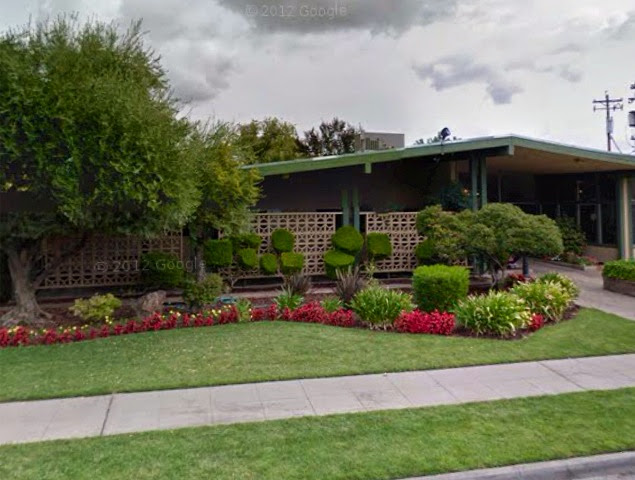
How is Madera Rehabilitation & Nursing Center Staffed?

CMS rates MADERA REHABILITATION & NURSING CENTER's staffing level at 4 out of 5 stars, which is above average compared to other nursing homes. Staff turnover is 38%, compared to the California average of 46%. This relatively stable workforce can support continuity of care.

What Have Inspectors Found at Madera Rehabilitation & Nursing Center?

State health inspectors documented 65 deficiencies at MADERA REHABILITATION & NURSING CENTER during 2018 to 2025. These included: 2 Immediate Jeopardy (the most serious level, indicating potential for serious harm or death), 6 that caused actual resident harm, 56 with potential for harm, and 1 minor or isolated issues. Immediate Jeopardy findings are rare and represent the most serious regulatory concerns. They require immediate corrective action.

Who Owns and Operates Madera Rehabilitation & Nursing Center?

MADERA REHABILITATION & NURSING CENTER is owned by a for-profit company. For-profit facilities operate as businesses with obligations to shareholders or private owners. The facility is operated by CAMBRIDGE HEALTHCARE SERVICES, a chain that manages multiple nursing homes. With 176 certified beds and approximately 169 residents (about 96% occupancy), it is a mid-sized facility located in MADERA, California.
How Does Madera Rehabilitation & Nursing Center Compare to Other California Nursing Homes?

Compared to the 100 nursing homes in California, MADERA REHABILITATION & NURSING CENTER's overall rating (1 stars) is below the state average of 3.1, staff turnover (38%) is near the state average of 46%, and health inspection rating (1 stars) is much below the national benchmark.

What Should Families Ask When Visiting Madera Rehabilitation & Nursing Center?

Based on this facility's data, families visiting should ask: "What changes have been made since the serious inspection findings, and how are you preventing similar issues?" "What safeguards and monitoring systems are in place to protect residents from abuse or neglect?" "Can I visit during a mealtime to observe dining assistance and food quality?" "How do you handle medical emergencies, and what is your hospital transfer rate?" These questions are particularly relevant given the facility's Immediate Jeopardy citations and the substantiated abuse finding on record.

Is Madera Rehabilitation & Nursing Center Safe?

Based on CMS inspection data, MADERA REHABILITATION & NURSING CENTER has documented safety concerns. The facility has 1 substantiated abuse finding (meaning confirmed case of resident harm by staff or other residents). Inspectors have issued 2 Immediate Jeopardy citations (the most serious violation level indicating risk of serious injury or death). The facility has a 1-star overall rating and ranks #100 of 100 nursing homes in California. Families considering this facility should ask detailed questions about what corrective actions have been taken since these incidents.

Do Nurses at Madera Rehabilitation & Nursing Center Stick Around?

MADERA REHABILITATION & NURSING CENTER has a staff turnover rate of 38%, which is about average for California nursing homes (state average: 46%). Moderate turnover is common in nursing homes, but families should still ask about staff tenure and how the facility maintains care continuity when employees leave.

Was Madera Rehabilitation & Nursing Center Ever Fined?

MADERA REHABILITATION & NURSING CENTER has been fined $259,833 across 3 penalty actions. This is 7.3x the California average of $35,677. Fines at this level are uncommon and typically indicate a pattern of serious deficiencies, repeated violations, or failure to correct problems promptly. CMS reserves penalties of this magnitude for facilities that pose significant, documented risk to resident health or safety. Families should request specific documentation of what issues led to these fines and what systemic changes have been implemented.

Is Madera Rehabilitation & Nursing Center on Any Federal Watch List?

MADERA REHABILITATION & NURSING CENTER is not on any federal watch list. The most significant is the Special Focus Facility (SFF) program, which identifies the bottom 1% of nursing homes nationally based on persistent, serious quality problems. Not being on this list means the facility has avoided the pattern of deficiencies that triggers enhanced federal oversight. This is a positive indicator, though families should still review the facility's inspection history directly.