GUARDIAN CARE AND REHABILITATION CENTER
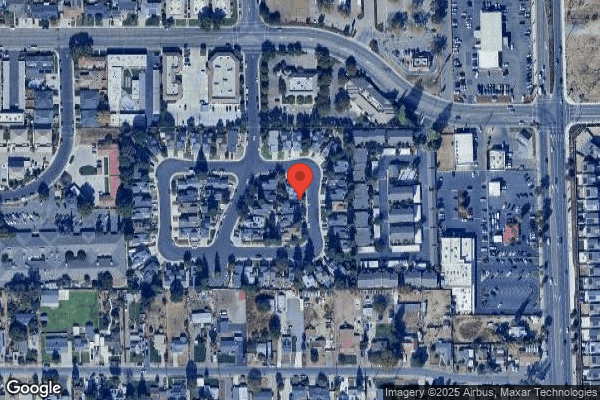

410 EASTWOOD AVE, MANTECA, CA 95336 (209) 239-1222
For profit - Corporation 176 Beds Independent Data: November 2025
Trust Grade
45/100
#818 of 1155 in CA
Last Inspection: July 2024

Within standard 12-15 month inspection cycle. Federal law requires annual inspections.

Overview

Guardian Care and Rehabilitation Center has received a Trust Grade of D, indicating below-average performance with some significant concerns. It ranks #818 out of 1155 facilities in California, placing it in the bottom half, and #18 out of 24 in San Joaquin County, meaning there are only a few better local options. The facility is showing improvement, having reduced its number of issues from 21 in 2024 to 10 in 2025. Staffing is a strength here, with a rating of 4 out of 5 stars and a turnover rate of 37%, which is slightly below the state average. However, there are notable weaknesses, including a serious incident where a resident fell while left unsupervised in a gurney during transportation, leading to a potential injury. Additionally, there were concerns regarding food safety practices and improper waste disposal, which could risk residents' health.

Trust Score
D
45/100
In California
#818/1155
Bottom 30%
Safety Record
Moderate
Needs review
Inspections
Getting Better
21 → 10 violations
Staff Stability
○ Average
37% turnover. Near California's 48% average. Typical for the industry.
Penalties
✓ Good
No fines on record. Clean compliance history, better than most California facilities.
Skilled Nurses
○ Average
Each resident gets 40 minutes of Registered Nurse (RN) attention daily — about average for California. RNs are the most trained staff who monitor for health changes.
Violations
⚠ Watch
63 deficiencies on record. Higher than average. Multiple issues found across inspections.
★★☆☆☆
2.0
Overall Rating
★★★★☆
4.0
Staff Levels
★★★☆☆
3.0
Care Quality
★★☆☆☆
2.0
Inspection Score
Stable
2024: 21 issues
2025: 10 issues

The Good

  • 4-Star Staffing Rating · Above-average nurse staffing levels
  • Full Sprinkler Coverage · Fire safety systems throughout facility
  • No fines on record
  • Staff turnover below average (37%)

    11 points below California average of 48%

Facility shows strength in staffing levels, fire safety.

The Bad

2-Star Overall Rating

Below California average (3.1)

Below average - review inspection findings carefully

Staff Turnover: 37%

Near California avg (46%)

Typical for the industry

The Ugly 63 deficiencies on record

1 actual harm
Aug 2025 3 deficiencies 1 Harm
SERIOUS (G) 📢 Someone Reported This

A family member, employee, or ombudsman was alarmed enough to file a formal complaint

Actual Harm - a resident was hurt due to facility failures

Accident Prevention (Tag F0689)

A resident was harmed · This affected 1 resident

Based on interview, and record review, the facility failed to provide adequate supervision and ensure an accident-free environment for one of three sampled residents (Resident 103) when, Resident 103 ...

Read full inspector narrative →
Based on interview, and record review, the facility failed to provide adequate supervision and ensure an accident-free environment for one of three sampled residents (Resident 103) when, Resident 103 fell while left unsupervised and partially secured in her gurney, in a transportation vehicle during transportation to a dialysis clinic (outpatient facility that provides dialysis treatment to residents with end-stage renal disease (ESRD) or chronic kidney failure, helping to clean their blood of waste and excess fluid when their kidneys cannot) on 7/3/25.This failure potentially resulted in Resident 103 sustaining a mild compression fracture (when the bone is crushed or compressed but not completely broken) in the L3 (the third lumbar vertebra (bone) in the spine located in the lower back that supports body weight).Findings:A review of Resident 103's admission RECORD, indicated Resident 103 was admitted to the facility in 2021 with diagnoses which included chronic pain, hemiplegia and hemiparesis (weakness or paralysis on one side of the body) following cerebral infarction (a medical condition where blood flow to the brain is interrupted, leading to tissue damage or death) affecting the left non-dominant side, dependence on renal dialysis (a person's life relies on regular dialysis treatments to sustain life because their kidneys have lost most or all of their function), functional quadriplegia (a person is unable to move all four limbs due to severe disability or frailty, but without any underlying physical injury or damage to the spinal cord), and aphasia (a language disorder that affects a person's ability to communicate effectively due to damage to the area in the brain responsible for language processing).A review of Resident 103's nursing care plan, .ADLS [Activities of Daily Living; tasks necessary for basic personal care and independent living ] . dated 10/21/21, indicated, .Focus: Resident has self-care deficit d/t [due to] left sided weakness .Requires 1-2-person dependent assistance [require total physical assistance from another person].Goal: Will be assisted by staff in performing ADLs which cannot be met by resident.Interventions: Monitor for any decline in ADL function.A review of Resident 103's nursing care plan, dated 6/15/25, indicated, .Focus: Resident requires safe and coordinated transport to/from medical appointments.Goal: Resident will be transported safely with no injury or adverse event.Interventions: Provide safety belts, positioning devices, and blankets as needed .A review of Resident 103's Progress Notes with the following dates and times indicated the following:1. 7/3/25, at 1 p.m., .VS WNL [vital signs such as blood pressure, heart rate, respiratory rate and temperature are within normal limits]. No new skin changes noted. Resident left to dialysis.2. 7/3/25, at 2:03 p.m., .Received call from dialysis that resident was sent to [name of hospital] due to resident having a fall in van and running a fever of 105.3. 7/3/25, at 6:36 p.m., .resident in hospital.4. 7/4/25, at 1:54 a.m., .Spoke to ER [emergency room] nurse.as per nurse resident on ATB [antibiotic; a medication used to fight off bad bacteria] for UTI [urinary tract infection; an infection in any part of the urinary system which includes the kidneys, ureters, bladder and urethra].5. 7/6/25 at 8:16 a.m.hospitalized .6. 7/7/25, at 1:28 p.m., .[General Manager (TRM 2)] expressed his plan of correction and apologized for the driver not following protocol.[name of transportation company] informed that the driver will be terminated [fired] and not following procedure of securing resident in the transport van.7. 7/18/25, at 7:14 p.m., Resident arrived at the facility around 16:22 [4:22 p.m.] via Stretcher from [hospital].DX [diagnosis] of UTI with sepsis [a serious condition in which the body responds improperly to an infection].8. 7/22/25, at 7:48 p.m., .Results received via fax. Resident is noted [with] mild compression [fracture] in L3.A review of Resident 103's emergency department (ED) records titled, ED Note - Physician, dated 7/3/25, the record indicated, .CHIEF COMPLAINT: BIBA [brought in from ambulance] from [name redacted] dialysis center. Pt [patient] resides at [name of skilled nursing facility]. Fever. HISTORY OF PRESENT ILLNESS: Patient.with history of chronic kidney disease on dialysis, nonverbal from previous CVA [cerebral vascular accident; also known as a stroke which is a medical condition where blood flow to the brain is disrupted, causing brain tissue damage] brought in by ambulance from [name of skilled nursing facility] for evaluation of fever, per report from EMS [Emergency Medical Services] patient had a maximum temperature of 102 at the facility.Patient unable to give adequate history because she is nonverbal [unable to speak] from previous CVA. There was no mention of Resident 103's fall from the gurney in the ED Note.A review of Resident 103's clinical record written by Resident 103's primary physician titled, Office Visit, dated 7/22/25, indicated .Family requesting Xray.Recent gurney [a medical stretcher on wheels for transporting residents] fall to ground patient complaining of increase pain in hip knee.Plan of care.Xray ordered.A review of Resident 103's clinical record titled, Radiology [specializes in the use of imaging techniques to diagnose and treat diseases] Interpretation, dated 7/22/25, indicated .LUMBER SPINE 2-3 View [an X-ray (imaging that takes pictures of the inside of your body) study of the lower back that includes two to three different images taken from specific angles]: Mild compression fracture in L3.Review of Resident 103's Nurses Note, dated 7/23/25, the record indicated, .Resident was see by MD [medical doctor] on 7/22. X-ray reviewed, resident was noted w/ [with] compression fx [fracture] on L3.MD instructed writer to f/u [follow-up] w/ [name of doctor redacted, Resident 103's primary physician] on treatment secondary to L3 compression fx findings.During an interview on 7/27/25, at 11:29 a.m., Certified Nursing Assistant (CNA) 5 stated Resident 103 was on total care (resident reliant on staff to meet all needs) on 7/3/25. CNA 5 stated during the transport to the dialysis clinic on 7/3/25, Resident 103 was secured on the gurney with two out of three safety belts. CNA 5 explained, Resident 103 was secured by two safety belts; one was around the hip and the second one around the legs. CNA 5 stated Resident 103 was not secured by the safety belt around the chest area. CNA 5 stated she did not know if Resident 103 needed to have a safety belt secured in place around the chest area. CNA 5 stated instead of sitting in the back seat of the transportation van she sat in the front seat next to the driver. CNA 5 stated during transportation inside the transportation van Resident 103 was sitting upright in the gurney with her head elevated. CNA 5 stated on the way to the dialysis clinic, when the van made a left turn, she heard a sound. CNA 5 stated she turned around to look at the back of the van and saw Resident 103's upper body was out of the gurney while Resident 103's leg was still secured in the gurney. CNA 5 stated Resident 103 had rolled halfway from the gurney to the van floor. CNA 5 stated the driver of the transportation van stopped the vehicle and both the driver and CNA 5 went to the back of the van and put Resident 103 back in the gurney. CNA 5 stated when she placed Resident 103 back in the gurney Resident 103 had no safety belt secured around her chest area. CNA 5 further stated that upon arrival at the dialysis clinic she notified Licensed Nurse (LN) 9 (nurse whom worked at the dialysis clinic) that Resident 103 fell from the gurney inside the transportation van on the way to the dialysis clinic. CNA 5 stated LN 9 took Resident 103's temperature and notified CNA 5 that Resident 103 had to go to the emergency room due to a high temperature and the fall from the gurney. CNA 5 stated she should have checked that Resident 103 had a safety belt secured in the chest area. CNA 5 stated since she sat in front of the transportation van she did not have direct visual of Resident 103. CNA 5 stated she should have had visual of Resident 103 the whole-time during transportation. CNA stated the risk of not checking the safety belts fastened resulted in Resident 103 falling from the gurney. CNA 5 stated Resident 103 could have injured her head from the fall.During an interview on 8/27/25, at 12:07 p.m., the Staffing Coordinator (SC) stated CNA 5 had notified her that Resident 103 fell out of the gurney inside the transportation van during transportation to dialysis clinic on 7/3/25. The SC stated she had transported residents on a gurney in the past and there was a seat in the back of the van next to the gurney for the staff to sit. The SC stated she had sat in the back seat of the van next to the gurney to make sure residents were safe during transportation. The SC stated she had made sure that all safety belts were properly fastened around the resident and prevented residents from falling. The SC stated in the past she would have a licensed nurse check with her that all safety belts were fastened.During an interview on 8/27/25, at 12:48 p.m., Transportation Driver (TR, from a contracted transportation company) 1 stated nurses did a safety check before he took residents out for appointments in the transportation van.During a phone interview on 8/27/25, at 1:31 p.m., Responsible Party (RP) 1 stated the facility notified him that Resident 103 had a back fracture from a fall that happened during transfer to Dialysis Clinic on 7/3/25. RP 1 stated Resident 103 was in pain and crying and grimacing more after the fall. RP 1 stated the expectation that all the safety belts were safely secured in the gurney during Resident 103's transportation in the van. RP 1 stated he felt frustrated that a staff member was not sitting next to Resident 103 during transfer since Resident 103 was immobile. RP 1 stated if all safety belts were fastened and a staff member sat next to Resident 103 then she would not have fallen and got injured.During an interview on 8/28/25, at 8:49 a.m., LN 7 stated before a resident left for appointments the LN took residents vital sign and made sure all three safety belts were properly secured. LN 7 stated the CNA assisted with transferring residents to the gurney from their bed. LN 7 stated there were three safety belts on the gurney, one for the chest area, one for the hip and the third for the leg. LN 7 stated she did not let the residents transport in the van if one of the safety belts was missing. LN 7 stated the resident could fall and get injured if one of the three safety belts was not secured. LN 7 stated the Director of Nursing (DON) had given in-service to staff to take precautions and safe transfer of residents for appointments.During an interview on 8/28/25, at 9:08 p.m., LN 6 stated the LN and CNA transferred residents from their bed to the wheelchair or gurney. LN 6 stated the LN made sure that all three safety belts were properly secured before a resident left facility for appointment. LN 6 stated there were three safety belts on the gurney, one for chest, one for hip area and one for legs. LN 6 stated residents could fall and get injured if safety belts were missing or not properly secured.During a phone interview on 8/28/25, at 10:05 a.m., the Office Manager (TRM, from a contracted transportation company) 1 stated the transportation van that was used to transfer Resident 103 had a gurney with three safety belts, one for the chest area, one for the hip and one for the legs. TRM 1 stated the transportation van driver was trained to safely secure all three safety belts when transferring residents on a gurney. TRM 1 stated the risk of not having all safety belts secured is resident could fall and get injured.During a phone interview on 8/28/25, at 10:46 a.m., the General Manager (TRM, from a contracted transportation company) 2 stated the driver of the transportation van was fired because the driver did not make sure the aid (CNA 5) sat in the back seat of the van with Resident 103. TRM 2 stated there was a seat at the back of the transport van for a staff member to sit close to Resident 103 for safety. TRM 2 stated CNA 5 sat in the front passenger seat next to the driver of the van during transportation. TRM 2 stated the camera from the van showed when the van made a left turn, Resident 103 rolled from the gurney over to her left side and landed on the floor. TRM 2 stated the driver of the van should have insisted CNA 5 to sit in the back seat with Resident 103 to make sure Resident 103 was safe and secured and did not fall.During an interview on 8/28/25, at 1:23 p.m., Transportation Driver (TR, from a contracted transportation company) 2 stated facility staff always checked and made sure residents were secured in their wheelchair before they were picked up for appointments.During an interview on 8/28/25, at 1:26 p.m., LN 4 stated before a resident left for appointment the LN made sure all three safety belts on the gurney were fully secured. LN 4 stated there were three safety belts, one on the chest, one on the hip and one on the leg. LN 4 stated the LN stayed with the resident until the resident got into the transportation van. LN 4 stated a CNA accompanied residents for the appointments to make sure residents were taken care of. LN 4 stated residents could fall when safety belt was not secured.During an interview on 8/28/25, at 1:26 p.m. and 2:22 p.m., CNA 6 stated she had gone to appointments in a transportation van with a resident who was on a gurney. CNA 6 stated she made sure that all three safety belts on the gurney were secured. CNA stated there were three safety belts, one for the chest area, one for the hip and one for the leg. CNA 6 stated to make sure residents did not fall she sat on the back seat in the transportation van so she could visually see the resident during transportation. During an interview on 8/29/25, at 8:42 a.m., the Social Services Director (SSD) stated CNA 5 had gone to an appointment with Resident 103 in a transportation van. The SSD stated there was a seat on the back of the vehicle next to the gurney. The SSD stated CNA 5 had to sit on the back seat of the van next to Resident 103 and had to make sure Resident 103 was safe and her needs were taken care of. The SSD stated CNA 5 did not sit on the back seat and did not make sure all three safety belts were secured. The SSD stated Resident 103 fell inside the transportation van and was sent to the hospital.During an interview on 8/29/25, at 10:42 a.m., the Director of Nursing (DON) stated a CNA from the facility was with Resident 103 when Resident 103 fell during transportation in the transportation van. The DON stated instead of sitting in front passenger seat, the CNA was supposed to sit in the back seat and always have visual on Resident 103. The DON stated the expectation was for the staff to make sure Resident 103 was safe and secured in the gurney. The DON stated when staff did not always have visual of the resident during transportation accidents could happen and residents could fall. The DON stated the facility staff were responsible for ensuring all three safety belts were fastened on the gurney to prevent any fall or injuries.During an interview and concurrent record review on 8/29/25, at 10:58 a.m., LN 1 stated Resident 103 had a chest x-ray done on 7/3/25 while in the hospital. LN 1 stated Resident 103 came back to the facility from the hospital on 7/18/25. LN 1 stated the x-ray for chest showed Resident had an infection. LN 1 stated on 7/22/25 the facility received x-ray results for Resident 103's lumbar spine and the x-ray result showed mild compression fracture of L3. LN 1 stated Resident was given pain medication for pain.During an interview on 8/29/25, at 11:43 a.m., LN 5 stated Resident 103's baseline vital sign was stable on 7/3/25 and she had double checked to make sure all three safety belts were secured before resident 103 left facility in transportation van for her appointment. LN 5 stated the transportation van driver, and the CNA had transferred Resident 103 from her bed to the gurney under LN 5's supervision. LN 5 stated that after all safety belts were secured, she walked to the front of the facility building with the CNA. LN 5 stated she waited outside the facility until the transportation van left. LN 5 stated CNA 5 went with Resident 103. LN 5 stated she did not remember where CNA 5 sat. LN 5 stated Resident 103's hands and legs were contracted, and Resident 103 could not take safety straps off by herself. LN 5 stated Resident 103 was totally dependent on care including needing assistance to eat. LN 5 stated an hour after Resident 103 left the facility she received a call from the dialysis clinic that Resident 103 was being sent to the hospital because Resident 103 fell in the transportation van and she was running a fever.During an interview on 8/29/25, at 12:11 p.m., the Medical Doctor (MD) stated the expectation was to have the CNA to always have visual on Resident 103 during transportation. The MD stated anything could have happened when the CNA did not have visual on the resident.During an interview on 9/2/25, at 3:20 p.m., LN 9 (nurse employed at the dialysis clinic) stated on 7/3/25 CNA 5 had notified her that Resident 103 had a fall during transportation to the Dialysis clinic. LN 9 stated Resident 103 ‘s skin was warm to touch, and her temperature was 100.2 F (Fahrenheit, a unit of temperature measurement). LN 9 stated she tried to call the doctor, and the doctor did not answer so she called 911 and had the paramedics (highly trained prehospital care providers who assess, stabilize, and treat patients experiencing medical emergencies or traumatic injuries before they reach a hospital) take Resident 103 to the hospital.During a concurrent interview and record review, on 9/12/25, at 4:28 p.m., Resident 103's hospital electronic medical record was reviewed with the Quality Assurance Director (QAD, employed by the hospital Resident 103 went to after the incident). The QAD confirmed Resident 103 did not have a fall while in the hospital from the date of admittance of 7/3/25 through the discharge date of 7/18/25. The QAD stated Resident 103's emergency room visit notes and ambulance report did not contain documentation regarding Resident 103's fall from the gurney prior to arrival at the emergency room. Review of an undated facility policy titled, Safety and Supervision of Residents, the policy indicated, .Resident safety and supervision and assistance to prevent accidents are facility-wide priorities .Resident supervision is a core component of the systems approach to safety.risk factors and environmental hazards include the following: a. Bed safety.falls.Review of an undated facility policy titled, Fall Risk Assessment, the policy indicated, .The staff will seek to identify factors that may contribute to falling .Review of an undated facility policy titled, Transportation, Diagnostic Services [medical tests, examinations, and procedures used to identify or diagnose a health condition], the policy indicated, .A member of the nursing staff, or social services, will accompany the resident to the diagnostic center when the resident's family is not available. The nursing staff must always monitor and seat next to the residents .The nursing staff must check if residents are strapped in their seats, safe and secure.Review of the facility staff job descriptions titled, Certified Nursing Assistant, dated 2003, the document indicated, .Make resident comfortable.Assist in transporting residents to/from appointments.Assist with lifting, turning, moving, positioning, and transporting residents into and out of beds, chairs, bathtubs, wheelchairs, lifts etc.Ensure that residents who are unable to call for help are checked frequently.Assist with the application of slings, elastic bandages, binders, etc. [et cetera; and other similar things].Follow established safety precautions in the performance of all duties.
CONCERN (D) 📢 Someone Reported This

A family member, employee, or ombudsman was alarmed enough to file a formal complaint

Potential for Harm - no one hurt, but risky conditions existed

Investigate Abuse (Tag F0610)

Could have caused harm · This affected 1 resident

Based on interview, and record review, the facility failed to ensure allegations of abuse were thoroughly investigated for one resident (Resident 72) in a census of 92. This failure had the potential ...

Read full inspector narrative →
Based on interview, and record review, the facility failed to ensure allegations of abuse were thoroughly investigated for one resident (Resident 72) in a census of 92. This failure had the potential for Resident 72 to experience further abuse, negatively affecting their physical and psychosocial well-being. Findings:A review of Resident 72's admission RECORD, indicated Resident 72 was admitted to the facility with diagnoses which included palliative care (a specialized form of medical care that focuses on improving the quality of life for people with serious or life-limiting illnesses).During a concurrent observation and interview on 8/26/25, at 2:44 PM, with Resident 72, in Resident 72's room, Resident 72 was seated in her wheelchair. Resident 72 further stated a staff member used foul language when caring for her and slapped me around a little. Resident 72 explained it had occurred recently.A review of Resident 72's clinical document titled, Progress Notes, dated 6/27/25, indicated, .resident [Resident 72] reported .that she was slapped by CNA [Certified Nursing Assistant] after 2pm on 06/25/25 .will monitor closely for physical or mental distress .During a concurrent interview and record review on 8/28/25, at 10:08 AM, with the Director of Staff Development (DSD), CNA 8's (the alleged perpetrator) employee file was reviewed. The DSD stated there were three incidents where CNA 8 was in-serviced on communication skills. The DSD explained one of the incidents was a verbal counseling on poor communication skills. The DSD reviewed CNA 8's document titled, Employee Progressive Counseling, dated 10/27/20, and 11/2/20, which indicated, .Type of Offense .Standards of Conduct .Description of Infraction .FAILURE TO PROPERLY COMMUNICATE WITH A RESIDENT. STAFF USED INAPPROPRIATE WORDS WHILE PROVIDING CARE FOR A RESIDENT .Type of Offense Quality of Work .Description of Infractions .Failure to provide the quality of care to residents as required under job descriptions for CNA per facility protocol with multiple warnings and write-ups. Staff will be suspended for 3 days for further investigation . The DSD explained following the incidents in October and November 2020, CNA 8 was placed on a Performance Improvement Plan, which indicated, .The purpose of this Performance Improvement Plan (PIP) is to define serious areas of concern, gaps in your work performance .Consequences of Further Infractions .Termination . The DSD reviewed CNA 8's third incident, which occurred 4/3/24. CNA 8's document titled, Employee Progress Counseling, dated 4/3/24, was reviewed. The document indicated, .Type of Counseling .Verbal .Description of Infraction .Poor communication skills .During an interview on 8/27/25, at 3:58 PM, with the Social Services Director (SSD), the SSD stated the investigative interviews for Resident 72's alleged abuse were all conducted by her. During a concurrent interview and policy review on 8/28/25, at 10:15 AM, with the SSD, the SSD stated Resident 72 was the only resident she interviewed. The SSD explained the staff member she interviewed on the day and shift when the alleged abuse occurred was CNA 8, the alleged perpetrator. Following review of an undated facility policy titled, Abuse, Neglect, Exploitation or Misappropriation - Reporting and Investigating, the SSD stated she should have interviewed other residents and other staff members that were working on the day and shift of the alleged abuse. The SSD explained she did not feel it was a good investigation. The SSD stated she had not reviewed CNA 8's employee file. The SSD further stated she should have partnered with the DSD to review CNA 8's employee file. The SSD stated the risk to Resident 72 was further abuse. During an interview on 8/28/25, at 11:19 AM, with the Director of Nursing (DON), the DON stated other staff members on shift of the day of the alleged abuse should have been interviewed. The DON further stated other residents, in the care of CNA 8, should have been interviewed. The DON explained the importance of interviewing staff on shift from the day of the alleged abuse and other residents was to ensure a complete investigation and to prevent further incidents. The DON explained it was important to look at employee records to help in the investigation and to find out if there were similar complaints.A review of an undated facility policy titled, Abuse, Neglect, Exploitation or Misappropriation - Reporting and Investigating, indicated, .All reports of resident abuse (including injuries of unknown origin) .are reported .and thoroughly investigated .The individual conducting the investigation as a minimum .interviews staff members (on all shifts) who have had contact with the resident during the period of the alleged incident .interviews the resident's roommate, family members, and visitors .interviews other residents to whom the accused employee provides care or services .reviews all events leading up to the alleged incident .
CONCERN (E) 📢 Someone Reported This

A family member, employee, or ombudsman was alarmed enough to file a formal complaint

Potential for Harm - no one hurt, but risky conditions existed

Comprehensive Care Plan (Tag F0656)

Could have caused harm · This affected multiple residents

Based on observation, interview, and record review, the facility failed to develop and implement a comprehensive care plan when:A care plan was not developed for Resident 62's face and neck swelling; ...

Read full inspector narrative →
Based on observation, interview, and record review, the facility failed to develop and implement a comprehensive care plan when:A care plan was not developed for Resident 62's face and neck swelling; and,Resident 102's care plan intervention for two person assist with activities of daily living (ADL, skills required for self-care and independent living, including bathing, dressing, toileting, transferring, continence, and feeding) care was not followed.These failures resulted in Resident 62 not having interventions and goals for his face and neck swelling and the potential for injury to Resident 102, negatively impacting Resident 62 and Resident 102's health, safety, and well-being.Findings: 1. Review of Resident 62's admission RECORD, indicated Resident 62 was admitted to the facility with diagnoses which included chronic pain (persistent pain that lasts for more than three months) and abdominal pain. During an interview on 8/27/25, at 11:25 AM, with Resident 62, Resident 62 stated he was not happy with the care he received for his face and neck swelling. Resident 62 explained staff did not do anything for the face and neck swelling. Resident 62 further explained he had to tell staff what to do, stating he directed them to get him some ice so he could put it on his face and neck. A review of Resident 62's clinical document titled, Care Plans, indicated Resident 62 did not have a care plan for his face and neck swelling. A review of Resident 62's clinical document titled, Progress Notes, dated 8/16/25, indicated, .@ [at] 0530 [5:30 AM] [Resident 62] complained of swelling with a burning sensation 3/10 [pain level on a 1-10 scale with 10 being the worst pain] to the right side of face and neck. Assessed the site. Skin color normal for ethnicity .Plan of care ongoing . During an interview on 8/28/25, at 11:11 AM, with the Director of Nursing (DON), the DON acknowledged there was not a care plan in place for Resident 62's face and neck swelling. The DON explained care plans were important so residents could get the proper treatment and a plan to resolve the issue. A review of an undated facility policy titled, Care Plans, Comprehensive Person-Centered, indicated, .A comprehensive, person-centered care plan that includes measurable objectives and timetables to meet the resident's physical, psychosocial and functional needs is developed and implemented for each resident . 2. A review of Resident 102's MDS (Minimum Data Set- a resident assessment and screening tool) Section GG (focusing on functional abilities and goals), dated 8/14/25, indicated Resident 102 required assistance of two (2) or more helpers to roll left and right. A review of Resident 102’s Care Plan initiated on 10/3/18, under the section, Focus, indicated, .the resident has Multiple Sclerosis [MS, a disease that causes breakdown of the protective covering of nerves. Multiple sclerosis can cause numbness, weakness, trouble walking, vision changes and other symptoms] affecting lower extremities. Further review of the document under the section, Interventions, indicated Resident 102 required 2 persons to assist with her ADLs. During an interview on 8/26/25, at 2:16 PM, with Resident 102, Resident 102 stated she was not happy with the care she received while being turned by staff. Resident 102 explained there was only one nursing aide who turned her while providing care. During a phone interview on 8/27/25, at 2:42 PM, with Certified Nursing Assistant (CNA) 3, CNA 3 confirmed that she had turned Resident 102 alone, without the assistance of another staff. During a concurrent interview and record review on 08/28/25, at 10:55 AM, with the Director of Staff Development (DSD), the DSD confirmed that CNA 3 had turned Resident 102 alone, when there should have been two CNAs providing care. The DSD stated it was important to follow Resident 102's care plan to ensure that the resident was receiving proper care, using the correct interventions, and to achieve goals for health conditions. Review of an undated facility policy titled, Repositioning, indicated, .Repositioning the Resident in Bed 1. Check the care plan…to determine resident’s specific positioning needs…and the number of staff required to complete the procedure .
Jun 2025 2 deficiencies
CONCERN (F) 📢 Someone Reported This

A family member, employee, or ombudsman was alarmed enough to file a formal complaint

Potential for Harm - no one hurt, but risky conditions existed

Food Safety (Tag F0812)

Could have caused harm · This affected most or all residents

Based on observation, interview, and record review, the facility failed to store, prepared, distribute and serve food in accordance with professional standards for food service safety when .1. Dishes ...

Read full inspector narrative →
Based on observation, interview, and record review, the facility failed to store, prepared, distribute and serve food in accordance with professional standards for food service safety when .1. Dishes were stacked on top of each other while wet; and,2. Pots, pans, and food holding containers were dirty and damaged from use; and,3. A container of scoops, serving ladles, and utensils were left open; and,4. A steamer container had a yellowish residue located inside of it; and,5. A stove top had black sticky grime and food residue on top of it.These failures had the potential of leading to food borne illness in the 94 residents eating facility prepared meals.Findings:1. During a concurrent observation and interview on 6/24/25 at 9:09 AM with the Dietary Services Supervisor (DSS), in the kitchen, a stack of pots and food holding containers were stacked on top of each other while wet. The DSS confirmed that the dishes were still wet. During an interview on 6/24/25 at 12:44 PM with Dietary Aide (DA) 1, DA 1 stated she washed the dishes that morning. DA 1 confirmed that the pots and other dishes that were stacked still had water on them and were not fully air dried. During an interview on 6/24/25 at 1:06 PM with [NAME] 1, [NAME] 1 stated that all dishes should be completely dry and not have water on them. [NAME] 1 also stated that there was a risk for bacteria to grown on the dishes if not dried properly.During an interview on 6/24/25 at 1:35 PM with the DSS, the DSS stated there was an infection control risk if the dishes were not completely dry. The DSS stated the residents could be at risk for food borne illnesses with dishes not being properly dried. During an interview on 6/24/25 at 2:15 PM with the Director of Nursing (DON), the DON stated the residents could be at a high risk for infections if the kitchen had unsanitary practices occurring. According to the Food and Drug Administration (FDA) Food Code 2022, Section 4-901.11 Equipment and Utensils, Air-Drying Required, .After cleaning and sanitizing, equipment and utensils: shall be air-dried .2. During a concurrent observation and interview on 6/24/25 at 10:04 AM with the DSS, in the kitchen, various pots, pans, and food holding containers were dirty. The DSS confirmed that the various dishes and food equipment were dirty and some pans were damaged by use. The DSS stated some of the pots and pans needed to be replaced. During an interview on 6/24/25 at 12:55 PM with DA 2, DA 2 stated that some of the pots and pans were damaged from use. DA 2 also stated that it was not good to use dirty or damaged pots and pans to cook. DA 2 further stated that bacteria could get in the food if those damaged cooking tools were used.During an interview on 6/24/25 at 1:06 PM with [NAME] 1, [NAME] 1 stated that the dirty pots and pans should not be used. [NAME] 1 also stated that the pots and pans should have been cleaned to prevent cross contamination. [NAME] 1 further stated that some of the pans were too oily and not safe to use. [NAME] 1 expressed that a fire could break out if oily and dirty pans were used. During an interview on 6/24/25 at 1:35 PM with the DSS, the DSS stated that he needed to come up with a better cleaning schedule for the pots and pans. The DSS also stated that it was the responsibility of the dietary aides to clean the pots and pans after each use. During a review of the facility's undated document titled, SANITATION, the Policy and Procedure indicated, .All utensils, counters, shelves, and equipment shall be kept clean, maintained in good repair and shall be free from breaks, corrosions, open seam, cracks, and chipped areas .During a review of the facility's undated document titled, KITCHEN SAFETY, the Policy and Procedure indicated, .All chipped enamel ware should be discarded in favor of stainless steel or other non-chip pots and pans. All chipped or cracked dishes should also be discarded when found .According to the 2022 Food and Drug Administration (FDA) Food Code Section 4-202.11, .showed multi-use food contact surfaces shall be: smooth; free of breaks, open seams, cracks, chips, inclusions, pits and similar imperfections; free of sharp internal angles, corners, and crevices; and finished to have smooth welds and joints .3. During a concurrent observation and interview on 6/24/25 at 10:04 AM with the DSS, in the kitchen, a container of scoops, serving ladles, and utensils was left open. The DSS confirmed that the container was left open. During an interview on 6/24/25 at 1:06 PM with [NAME] 1, [NAME] 1 stated that the utensils drawer should always be closed when not in use. [NAME] 1 stated that the clean utensils could become dirty.During an interview on 6/24/25 at 1:35 PM with the DSS, the DSS stated that the utensils drawer should have been closed. The DSS also stated that particles could get into the drawers and therefore into the residents food.4. During a concurrent observation and interview on 6/24/25 at 10:04 AM with the DSS, in the kitchen, a steamer holding water was observed to have a yellowish residue located inside of it. The DSS confirmed that the steamer had a yellowish residue. During an interview on 6/24/25 at 1:19 PM with [NAME] 2, [NAME] 2 stated that the steamer should always be cleaned after trayline (the process of putting food on plates to serve to the residents). [NAME] 2 stated that the steamer was not working for a couple of days and maybe the staff forgot to clean it. [NAME] 2 further stated that bacteria could grow if the steamer was not cleaned properly. During an interview on 6/24/25 at 1:35 PM with the DSS, the DSS stated the facility had a drainage system issue recently. The DSS also stated that a bonding adhesive (a process of joining materials together using an adhesive substance that creates a strong bond between the surfaces) was used on some of the steam tables. The DSS further stated that the bonding adhesive residue should have been cleaned out. The DSS expressed that the residents could have been placed at risk of food borne illnesses by not cleaning the residue thoroughly. During a review of the facility's undated document titled, STEAMERS AND STEAM KETTLES, the Policy and Procedure indicated, .Do not allow accumulation of food particles or hard water scale to collect inside the compartment .5. During a concurrent observation and interview on 6/24/25 at 10:03 AM with the DSS, in the kitchen, a stove top had black sticky grime and food residue on top of it. The DSS confirmed that it was a build-up of grease on the stove top oven. During an interview on 6/24/25 at 1:19 PM with [NAME] 2, [NAME] 2 stated open grease oil build-up was not acceptable. [NAME] 2 also stated that dirty and contaminated grease could pose a fire risk. During an interview on 6/24/25 at 1:35 PM with the DSS, the DSS stated the flat stove top should have been cleaned right after breakfast was over. The DSS also stated that grease could drip and become a fire hazard. The DSS further stated that the residents could be placed at risk of food brine illnesses with food particles not being cleared off the stove top promptly. During a review of the facility's undated document titled, SANITATION, the Policy and Procedure indicated, . The kitchen staff is responsible for all the cleaning with the exception of ceiling vents, light fixtures, and the hood over stove, which will be cleaned by the maintenance staff .During a review of the facility's undated document titled, KITCHEN SAFETY, the Policy and Procedure indicated, .Grease fires are common and dangerous .
CONCERN (F) 📢 Someone Reported This

A family member, employee, or ombudsman was alarmed enough to file a formal complaint

Potential for Harm - no one hurt, but risky conditions existed

Garbage Disposal (Tag F0814)

Could have caused harm · This affected most or all residents

Based on observation, interview, and record review, the facility failed to ensure garbage and refuse was properly contained when 1 of 2 outside dumpster lids were observed to be propped open with a st...

Read full inspector narrative →
Based on observation, interview, and record review, the facility failed to ensure garbage and refuse was properly contained when 1 of 2 outside dumpster lids were observed to be propped open with a stick for a census of 91.This failure had the potential to expose the residents' environment to pests, odors, or diseases.Findings:During a concurrent observation and interview on 6/24/25 at 10:10 AM with the Dietary Services Supervisor (DSS) in the outside dumpster area of the facility, a dumpster was observed to have the lid propped open. The DSS confirmed that the dumpster had the lid propped open with a stick. During an interview on 6/24/25 at 1:19 PM with [NAME] 2, [NAME] 2 stated that the dumpster lids should always be closed. [NAME] 2 also stated that if the dumpster lids are not closed, cats, rats, and other rodents could enter the dumpster. [NAME] 2 further stated maggots could grow in the dumpster if not properly closed. During an interview on 6/24/25 at 1:35 PM with the DSS, the DSS stated there was an infection control risk if the dumpster was left open. The DSS also stated that rodents and wild animals could get in the dumpster and spread disease. During an interview on 6/24/25 at 2:15 PM with the Director of Nursing (DON), the DON stated the dumpster lids should always be closed. The DON also stated that it was an infection control risk if dumpster lids were left open. During a review of the facility's undated document titled, MISCELLANEOUS AREAS, the Policy and Procedure indicated, .Garbage and trashcans must be inspected daily that no debris is on the ground or surrounding area, and that the lids are closed .During a review of the facility's undated document titled, Infection Prevention and Control, the Policy and Procedure indicated, .maintain a safe, sanitary, and comfortable environment for personnel, residents, visitors, and the general public .During a review of the Food and Drug Administration (FDA) Food Code 2022, 5-501.15 Outside Receptacle .(A) Receptacles and waste handling units for refuse .used with materials containing food residue .shall be designed and constructed to have tight-fitting lids, doors, or covers .
Jun 2025 1 deficiency
CONCERN (D) 📢 Someone Reported This

A family member, employee, or ombudsman was alarmed enough to file a formal complaint

Potential for Harm - no one hurt, but risky conditions existed

Accident Prevention (Tag F0689)

Could have caused harm · This affected 1 resident

**NOTE- TERMS IN BRACKETS HAVE BEEN EDITED TO PROTECT CONFIDENTIALITY** Based on interview and record review the facility failed to use safe and appropriate transfer methods according to resident care...

Read full inspector narrative →
**NOTE- TERMS IN BRACKETS HAVE BEEN EDITED TO PROTECT CONFIDENTIALITY** Based on interview and record review the facility failed to use safe and appropriate transfer methods according to resident care needs for one of three sampled residents (Resident 3) when Resident 3 was transferred from a shower chair (a waterproof chair on wheels used to transport residents to and from the shower room) into his bed without the use of a mechanical lift (a device used to safely transfer Resident 3 from one surface to another). This failure could have been the cause of Resident 3 ' s right proximal tibia (upper part of the shin bone where it widened to help form the knee joint) fracture and right lower leg skin breakdown, which could have negatively affected his health and well-being. Findings: During a review of Resident 3 ' s admission RECORD, the document indicated Resident 3 ' s diagnoses included muscle weakness and disorders of bone density and bone structure (conditions that led to weakened bones and increased fracture risk). A review of Resident 3 ' s Minimum Data Set, (MDS- a federally mandated resident assessment and screening tool which identifies care needs) dated 3/14/25, indicated, .Section C- Cognitive Patterns .Brief Interview for Mental Status (BIMS) [tool used to screen for cognitive impairment] BIMS Summary Score .13 . A score of 13 suggested cognition was intact. A review of Resident 3 ' s MDS, dated [DATE], indicated, .Section GG-Functional Abilities and Goals .GG0115. Functional Limitation in Range of Motion .Lower extremity [hip, knee, ankle, foot] . was coded 2, which indicated, .Impairment on both sides .GG0130 .Chair/bed-to -chair transfer . was coded 88, which indicated .Not attempted due to medical condition or safety concerns . During an interview on 6/6/25, at 2 PM, in Resident 3 ' s room, with Resident 3 and Resident 4 (the roommate and spouse of Resident 3), Resident 4 stated she observed Resident 3 being taken to the shower in a shower chair. Resident 4 further stated the Certified Nurse Assistants (CNA) got Resident 3 up thinking he could walk but he was not able to walk. Resident 4 stated Resident 3 should have been on a gurney (waterproof bed on wheels used to transport Resident 3 to and from the shower) instead of a shower chair. Resident 3 stated when he was transferred back into the bed he heard a crack sound. Resident 4 stated she did not hear the crack sound, but she heard Resident 3 say ouch. During an interview on 6/6/25, at 2:22 PM, with the Licensed Nurse (LN) 2, LN 2 stated she documented discoloration and pain to Resident 3 ' s leg on the night shift of 3/24/25. LN 2 stated Resident 3 complained of pain and that was not normal for him. During an interview on 6/6/25, at 3:13 PM, with LN 4, LN 4 stated Resident 3 refused showers and had not wanted a shower in a long time. LN 4 further stated on 3/23/25, one supervisor and two CNAs transferred Resident 3 from his bed into the shower chair and four staff members transferred him back to bed. LN 4 stated Resident 3 complained of general pain after the shower. During an interview on 6/6/25, at 3:47 PM, with the Assistant Director of Nurses (ADON), the ADON stated that she was one of four staff members who assisted Resident 3 with his shower on 3/23/25. The ADON further stated Resident 3 was usually transferred with a mechanical lift, but staff reported that Resident 3 would not take a shower if they used the lift. The ADON stated Resident 3 was transferred from the shower chair to bed with three staff members while she held the chair. The ADON stated Resident 3 ' s feet did not touch the ground during the transfer. The ADON stated it was not a safe way to transfer Resident 3. During an interview on 6/6/25, at 4:02 PM, with CNA 5, CNA 5 stated Resident 3 was transferred from the shower chair to the bed with four staff members because he frequently refused the use of the mechanical lift. CNA 5 stated she held Resident 3 ' s legs and the other two CNAs held his arms and body during the transfer. CNA 5 stated there was a little bit of redness to his legs afterwards and later in the shift he requested pain medicine. During a telephone interview on 6/10/25, at 1:02 PM, with Family Member (FM) 1, FM 1 stated Resident 4 had called her after the shower transfer and stated Resident 3 had heard a crack in his body and started to experience pain. FM 1 further stated she insisted that an x-ray was ordered. FM 1 stated the x-ray result indicated a fracture. A review of Resident 3 ' s Care Plan Report, revised 6/14/24, indicated, .Focus .Resident requires dependent assistance in ADL ' s [Activities of Daily Living, activities related to personal care needs] .Transfer with [mechanical] Lift for safety . A review of Resident 3 ' s document titled, DAILY SKIN INSPECTION/SHOWER CHECK, dated 3/23/25, by CNA 5 and CNA 6, indicated .Resident Showered .SKIN CHECK .Intact? Yes .Discoloration? No . A review of Resident 3 ' s clinical document titled, .Progress Notes ., dated 3/24/25, at 3 AM, indicated, .During rounds CNA reported skin integrity change to right shin .Discoloration with closed blisters to right shin Resident unable to specify what happened exactly .Pain is 4/10 on scale [pain scale assessment tool, 0 through 10, 0 indicated no pain and 10 indicated severe pain] . A review of Resident 3 ' s Progress Notes, dated 3/24/25, at 8:11 PM, indicated, .Type: Nurses Note .Monitor for discoloration and closed blister to right shin .As per resident [Resident 3] and his [FM 1] request for x-ray for right shin where discoloration located Order noted and carried out . A review of Resident 3 ' s clinical document titled, Radiology Interpretation, dated 3/24/25, indicated, .RIGHT TIBIA/FIBULA [lower leg bones] X-RAY .FINDINGS .A fracture of the proximal tibia is visualized . A review of Resident 3 ' s clinical document titled, .CHANGE OF CONDITION ., dated 3/26/25, at 11:27 AM, indicated, .Assessment .Significant Change Assessment .Noted with redness, swelling, multiple fluid filled blisters to rt. [right] ant. [anterior, front] lower leg & dx [diagnosis] cellulitis [ bacterial infection of the skin and tissues beneath the skin] . A review of Resident 3 ' s clinic document titled [Name] Medical Group Visit Note-April 1, 2025, indicated, .Impression/Plan XXX[AGE] year-old male paraplegic [loss of voluntary movement and sensation in the lower half of the body] . minimally displaced right proximal tib-fib [tibia-fibula] fracture at the metaphysis [wider flared portion of the bone] .injury date: 03/23/2025 . During a telephone interview on 6/10/25, at 3:18 PM, with the Director of Staff Development (DSD), the DSD stated if Resident 3 required more than two staff members to transfer, the staff should have evaluated for the use of a mechanical lift to maintain staff and resident safety. The DSD further stated it was not safe to transfer Resident 3 from a shower chair to bed with three staff members. The DSD stated even if Resident 3 declined the use the mechanical lift, the staff should not have transferred Resident 3 in an unsafe manner. During a telephone interview on 6/11/25, at 10:31 AM, with the Physical Therapist (PT) 1, PT 1 stated he assisted the DSD and trained the staff on safe transfer techniques. PT 1 further stated Resident 3 required a mechanical lift for transfers due to bilateral plantar flexion contractures (both ankles and toes are stuck in a downwards, or tiptoe position) which prevented him from standing. PT 1 stated if Resident 3 declined the use of a mechanical lift during a transfer, the staff should have left him in bed because he could not be moved safely. PT 1 further stated the CNAs were responsible for Resident 3 ' s safety and they could not have guaranteed his safety when they did not use a lift. PT 1 stated a safer alternative for Resident 3 would have been the use of a shower gurney which would have allowed staff to slide him from the bed onto the gurney instead of attempting to lift him. PT 1 stated a mechanical lift should have been used when more than two staff members were needed to perform a transfer. PT 1 stated the lift was always the safest option. During a telephone interview on 6/13/25, at 10:48 AM, with the Physician, the Physician stated Resident 3 ' s proximal tibia fracture could have occurred at any time due to his diagnosis of severe osteopenia (reduced bone density, causes weakened bones and increased risk of fracture) and she could not determine the cause of the fracture. The physician further stated due to his plantar flexion Resident 3 should have been transferred with a mechanical lift. A review of an undated facility policy titled, ' Safe Lifting and Movement of Residents, indicated, .In order to protect the safety and well-being of staff and residents, and to promote quality care, this facility uses appropriate techniques and devices to lift and move residents .Resident safety, dignity, comfort and medical condition will be incorporated into goals and decisions regarding the safe lifting and moving of residents .Manual lifting of residents shall be eliminated when feasible .
Mar 2025 1 deficiency
CONCERN (D) 📢 Someone Reported This

A family member, employee, or ombudsman was alarmed enough to file a formal complaint

Potential for Harm - no one hurt, but risky conditions existed

Notification of Changes (Tag F0580)

Could have caused harm · This affected 1 resident

Based on interview and record review, the facility failed to report a change in condition and/or medical treatment to the physician and the Responsible Party (RP, the person responsible to direct the ...

Read full inspector narrative →
Based on interview and record review, the facility failed to report a change in condition and/or medical treatment to the physician and the Responsible Party (RP, the person responsible to direct the care of a loved one admitted into a nursing facility) for one of four residents (Resident 4) when: 1. Resident 4 refused her medications on multiple days; 2. Resident 4 refused fingerstick blood sugar monitoring (FSBS, poking a finger to apply a drop of blood to a test strip. The test strip is inserted into a small electronic device which measures blood sugar levels) tests on multiple days; and 3. Resident 4 refused her physical therapy treatments on multiple days. These failures resulted in Resident 4 ' s physician and RP being uninformed of a change in condition, and did not allow for the RP to participate in medical decisions and/or treatment options. These failures also had the potential for a decline in function for Resident 4. Findings: 1. A review of Resident 4 ' s admission RECORD indicated that Resident 4 was admitted to the facility with diagnoses which included intertrochanteric fracture of the right femur (broken right hip), diabetes mellitus (a chronic condition that affects the way the resident ' s body processes blood sugar), and delusional disorders (a serious mental health condition in which the resident cannot tell what is real from what is imaginary). Further review of Resident 4 ' s admission RECORD indicated that Resident 4 ' s son was her RP. During an interview with Resident 4 ' s RP on 3/4/25, at 3:55 p.m., the RP stated that the facility staff did not notify the family that the resident was refusing medications and FSBS tests on multiple occasions until she was discharged on 2/13/25. A review of Resident 4 ' s Physician Progress Notes, dated 12/10/24, indicated a communication by fax to Resident 4 ' s primary physician indicated that Resident 4 refused her morning medications. A review of Resident 4 ' s Physician Progress Notes, dated 12/15/24, indicated a communication by fax to Resident 4 ' s primary physician indicated that Resident 4 refused her medications. A review of Resident 4 ' s Physician Progress Notes, dated 12/30/24, indicated a communication by fax to Resident 4 ' s primary physician indicated that Resident 4 refused some of her medications. A review of Resident 4 ' s Progress Notes, dated 1/2/25, indicated Resident 4 refused her medications and told the staff that her daughter-in-law said not to take any medications. A review of Resident 4 ' s Progress Notes, dated 1/6/25, indicated Resident 4 refused her medications and was encouraged to take her medications. A review of Resident 4 ' s Progress Notes, dated 1/12/25, indicated Resident 4 refused her medications and FSBS test. Resident 4 ' s Progress Note further indicated that a change in condition form was completed, and a message was left for the RP to call back. A review of Resident 4 ' s Weekly Assessments, dated 2/5/25, indicated Resident 4 continued to refuse medications and FSBS tests. A review of Resident 4 ' s Progress Notes, dated 2/13/25, indicated the RP was notified that Resident 4 refused medications prior to discharge. During an interview on 3/5/25, at 1:30 p.m., with Licensed Nurse (LN) 1, LN 1 stated that if a resident refused medications, she would provide education to the resident regarding the medication and offer the medication to the resident again. LN 1 stated that she would also notify the RP. LN 1 stated that she would document the resident ' s refusal of medication in the nurses ' notes or progress notes. LN 1 stated that she would also document the notification of the RP and the physician. During a concurrent interview and record review on 3/5/25, at 2:53 p.m., Resident 4 ' s 12/24 Medication Administration Record (MAR, a document listing medications and monitoring parameters) was reviewed with LN 2. LN 2 stated that Resident 4 usually took her medications, but occasionally she refused them. LN 2 confirmed that Resident 4 refused nine doses of her oral medications for treating diabetes, refused 12 doses of Ezetimibe (medication to lower cholesterol (a type of fat) in the blood), refused eight doses of Ducosate (medication to prevent constipation), refused 11 doses of Atorvastatin (medication to lower cholesterol), refused 10 doses of a medication for a fungal infection to her foot, refused eye drops two times, refused 18 doses of Senna (medication to prevent constipation), refused Vitamin D3 (dietary supplement) one time, refused 16 doses of Apixaban (an anticoagulant medication which makes your blood flow through your veins more easily to prevent blood clots and a stroke) refused nine doses of Olanzapine (medication used to treat the resident ' s delusional disorder), and refused 51 doses of Midodrine (medication given for low blood pressure (when the force of the blood moving through your blood vessels when your heart beats is too low)). During a concurrent interview and record review on 3/5/25, at 2:53 p.m., Resident 4 ' s 1/25 MAR was reviewed with LN 2. LN 2 confirmed that Resident 4 refused 18 doses of Glipizide (an oral medication used to treat diabetes), refused 19 doses of Sitagliptin (an oral medication used to treat diabetes), refused 21 doses of Atorvastatin, refused 18 doses of Ducosate, refused 17 doses of Lipitor, refused 18 doses of antifungal medication for a fungal infection to her foot, refused 18 doses of Senna, refused two doses of Vitamin D3, refused 18 morning doses and 25 evening doses of Aphixiban, and refused 13 morning doses 17 afternoon doses and 14 evening doses of Midodrine. During a concurrent interview and record review on 3/5/25, at 2:53 p.m., Resident 4 ' s 2/25 MAR was reviewed with LN 2. LN 2 confirmed that Resident 4 refused 13 doses of Glipizide, refused 13 doses of Sitagliptin, refused 10 doses of Atorvastatin, refused five doses of Ducosate, refused six doses of Ezetimibe, refused six doses of antifungal medication for a foot infection, refused 10 doses of Senna, refused five morning doses and 10 afternoon doses of Aphixiban, and four morning doses, six afternoon doses, and seven evening doses of Midrodrine. LN 2 acknowledged that Resident 4 refused multiple medications during the past three months. LN 2 stated that when a resident refused medications, LNs documented refusal in the nursing progress notes and notified the RP. LN 2 stated that LNs documented notification of the RP in the progress notes. LN 2 stated that LNs notified the RP to see if the RP could convince the resident to comply and take the medications. LN 2 stated that a noncompliant (a resident who failed or resisted cooperating with their treatment plan) care plan was created for residents that refused medications. LN 2 stated that the risks for Resident 4 not taking her medications were elevated blood sugar, elevated cholesterol, fatty liver (elevated levels of fat in the liver), blood clots that could cause cardiac arrest (cause the heart to stop beating), low blood pressure, and increased signs and symptoms of disease processes. During a concurrent interview and record review on 3/6/25, at 8:13 a.m., Resident 4 ' s MARs, dated 12/24 through 2/25, were reviewed with Resident 4 ' s primary MD (Medical Doctor). The MD stated that Resident 4 was noncompliant and refused medications and physical therapy. The MD stated that on 11/30/24 she did not think that Resident 4 had the capacity to make decisions because she was lethargic and only alert to her name. The MD stated that it could have been due to medications given during surgery and after surgery. The MD stated that on 12/3/24, she felt that Resident 4 could make her own decisions because she was more alert. The MD stated that she knew that Resident 4 had a RP. The MD stated that she thought that the LNs told the RP about Resident 4 ' s refusal of medications. The MD stated that she visited the facility once a week. The MD stated that the LNs never told her that Resident 4 refused that many medications. The MD stated that if she knew, she would have called the RP. The MD stated that there was no documentation in the binder where nurses would place issues with residents for the MDs to follow up regarding Resident 4 ' s refusal of medications. The MD stated that the risks of Resident 4 missing that many medications were that her diabetes would not be controlled, her cholesterol levels would not be controlled, and she would be at risk for a blood clot. During a concurrent interview and record review on 3/6/25, at 11:07 a.m., Resident 4 ' s MARs, dated 12/24 through 2/25, were reviewed with Nurse Practitioner (NP) 1. NP 1 stated that she saw Resident 4 the beginning of January or February in 2025. NP 1 stated that she was aware of Resident 4 ' s refusal of medications. NP 1 stated that she was not sure if the RP was informed that Resident 4 refused her medications, or if the RP was informed of the number of doses of medications that Resident 4 refused. NP 1 stated that the staff were good at reporting to the residents ' RPs. NP 1 stated that the risks of Resident 4 not taking her medications were diabetic coma (a life-threatening disorder that happens when a resident ' s blood sugar is too high causing the resident to become unconscious (passed out; asleep unaware)) and low blood pressure. During a concurrent interview and record review on 3/6/25 at 2:16 p.m., Resident 4 ' s MARs, dated 12/24 through 2/25, were reviewed with the Director of Nursing (DON). The DON stated that her expectations were that if a resident refused medications, the LNs would notify the MD right away, document in a CIC form (Change of Condition), create a noncompliant care plan for the resident, and notify the resident ' s RP. The DON stated that when the resident refused medications it was a CIC. The DON acknowledged that Resident 4 ' s RP should have been notified that there were multiple refusals of medications. The DON stated that the CIC should have also been addressed in the nurses ' weekly summary notes in Resident 4 ' s electronic medical record (EMR). During an interview on 3/6/25, at 12:37 p.m. with LN 3, LN 3 stated that if a resident had a pattern of refusing medications, she would let the NP on call know and notify the RP. LN 3 stated that she would document the notifications to the NP and the RP in the progress notes of the resident ' s EMR SBAR (SBAR; situation background assessment recommendation, a clinical communication tool) form. During an interview on 3/6/25 at 2:25 p.m. with the DON, the DON stated that there were not any SBAR sheets for Resident 4 located in Medical Records. The DON stated that there should have been a CIC for each time Resident 4 refused medications. The DON confirmed that facility policy was not followed. A review of an undated P&P titled, Administering Medications, the P&P indicated, .21. If a drug is .refused .the individual administering the medication shall document refused .on the EMAR (electronic medication administration record) .Immediate notification of MD must be done for crucial medications that has potential to have a negative effect on resident ' s health . 2. A review of Resident 4 ' s Progress Notes dated 1/12/25, indicated, Resident 4 refused her FSBS test. The Progress Note further indicated that a change in condition form was completed, and a message was left for the RP to call back. During a concurrent interview and record review on 3/5/25, at 2:53 p.m., Resident 4 ' s MAR, dated 12/24 through 2/25, was reviewed with LN 2. LN 2 confirmed Resident 4 ' s 12/24 MAR indicated Resident 4 refused FSBS tests 10 times. LN 2 confirmed Resident 4 ' s MAR, dated 1/25, indicated Resident 4 refused 11 FSBS tests before breakfast, 25 FSBS tests before lunch, 22 FSBS tests before dinner, and 24 FSBS tests at bedtime. LN 2 confirmed Resident 4 ' s MAR, dated 2/25, indicated, Resident 4 refused six FSBS tests before breakfast, 10 FSBS tests before lunch, 12 FSBS tests before dinner, and 11 FSBS tests before bedtime. During an interview on 3/6/25 at 2:16 p.m. with the facility Director of Nursing (DON), the DON acknowledged that Resident 4 ' s RP should have been notified that there were multiple refusals of FSBS tests. The DON stated that the CIC should have also been addressed in the nurses ' weekly summary notes in the resident ' s electronic medical record (EMR). The DON acknowledged that facility policy was not followed. 3. A review of Resident 4 ' s Physician Order Summary indicated that Resident 4 had orders for physical therapy five times a week. During an interview on 3/6/25, at 11 a.m., with the Physical Therapist (PT), the PT Resident 4 came to the facility after surgery for a leg fracture. The PT stated that Resident 4 had a history of a mental disorder. The PT stated that Resident 4 made up stuff and made excuses to not do her physical therapy. The PT stated that Resident 4 refused her physical therapy a lot. The PT stated that Resident 4 was never able to do five physical therapy sessions a week. The PT stated that he did not call Resident 4 ' s RP about her refusals. The PT stated that Resident 4 refused her physical therapy more than she participated in her physical therapy. The PT stated that when Resident 4 refused her physical therapy, the PT informed her nurse of the refusal. During an interview on 3/6/25 at 2:09 p.m. with the Physical Therapy Director (PT Dir) and the Director of Nursing (DON), the PT Dir stated that there was no specific policy on what to do if a resident refused physical therapy. The PT Dir stated that if a resident refused physical therapy, the PT would ask the resident two to three times if they wanted physical therapy and if they continued to refuse, the PT notified the resident ' s nurse. The PT Dir stated that PT continued to ask the residents if they wanted physical therapy as long as they had an order for physical therapy, and notified the residents ' nurses each time residents refused. The DON stated that if the residents refused physical therapy and the nurses were notified, the nurses should have notified the residents ' RPs. During an interview on 3/6/25 at 2:25 p.m. with the DON, the DON stated that there were not any SBAR sheets for Resident 4 located in Medical Records. The DON stated that there should have been a CIC for each time Resident 4 refused physical therapy. The DON confirmed that facility policy was not followed. During an interview on 3/6/25 at 2:45 p.m. with the PT Dir in the PT Dir ' s office, the PT Dir acknowledged that Resident 4 refused physical therapy 13 times. A review of an undated policy and procedure (P&P) titled, Change in a Resident ' s Condition or Status, the P&P indicated, .Our facility promptly notifies the resident, his or her attending physician, and the resident representative of changes in the resident ' s medical/mental condition and/or status .Policy Interpretation and Implementation .1. The nurse will notify the resident ' s attending physician or physician on call when there had been a(an): .f. refusal of treatment or medications two (2) or more consecutive times .3. Prior to notifying the physician or healthcare provider, the nurse will make detailed observations and gather relevant and pertinent information for the provider, including (for example) information prompted by the Intract SBAR Communication Form .8. The nurse will record in the resident ' s medical record information relative to changes in the resident ' s medical/mental condition or status .
Mar 2025 3 deficiencies
CONCERN (D) 📢 Someone Reported This

A family member, employee, or ombudsman was alarmed enough to file a formal complaint

Potential for Harm - no one hurt, but risky conditions existed

Transfer Requirements (Tag F0622)

Could have caused harm · This affected 1 resident

Based on interview and record review, the facility failed to complete the required steps prior to discharging one of one sampled resident (Resident 1) from the facility when the reason for discharge w...

Read full inspector narrative →
Based on interview and record review, the facility failed to complete the required steps prior to discharging one of one sampled resident (Resident 1) from the facility when the reason for discharge was not documented in Resident 1 ' s medical record. This failure resulted in Resident 1's facility initiated discharge not being properly documented in Resident 1's medical record and had the potential to not reflect the actual experience of Resident 1 while in the facility. Findings: During an interview with the Administrator (ADM) on 3/4/25 at 12:22 PM, the ADM stated that Resident 1 had been at the facility since spring of 2024 and left the faciity on 2/20/25 for a scheduled medical appointment. The ADM further stated Resident 1 was admitted directly from the appointment to the hospital due to a needed surgery. During a concurrent interview and record review on 3/4/25 at 12:46 PM with the ADM and the Director of Nursing (DON), the ADM stated that the hospital where Resident 1 had his surgery sent a request packet for re-admission to the facility on 3/2/25. On 3/3/25 the NOTICE OF TRANSFER OR DISCHARGE paperwork was completed by the Social Services Director (SSD) and the DON. The DON stated she and the SSD served the notice to Resident 1 ' s RP on 3/3/2025 while Resident 1 was still in the hospital. The DON stated the reason for issuing the discharge notice was because Resident 1 ' s needs could not be met in the facility. The ADM explained the facility was unable to make Resident 1 happy or to care for Resident 1 per his wishes. A review of Resident 1's NOTICE OF TRANSFER OR DISCHARGE dated 3/3/25, indicated, .The transfer or discharge is necessary for the resident's welfare and the resident's needs cannot be met in the facility . During a concurrent interview and record review on 3/4/25 at 3:19 PM with the ADM and DON, the ADM and DON confirmed there was no documentation in Resident 1 ' s medical record for the basis of Resident 1's discharge or the needs of Resident 1 that could not be met. A review of the facility policy titled, Transfer or Discharge, Facility-Initiated dated October 2022, indicated, .When a resident is transferred or discharged from the facility, the following information is documented in the medical record: a. The basis for the transfer or discharge; (1) If the resident is being transferred or discharged because his or her needs cannot be met at the facility documentation will include: a) the specific resident needs that cannot be met; b) this facility ' s attempts to meet those needs .Once admitted to the facility, residents have the right to remain in the facility. Facility-initiated transfers and discharges .must meet specific criteria and .documentation as specified .
CONCERN (D) 📢 Someone Reported This

A family member, employee, or ombudsman was alarmed enough to file a formal complaint

Potential for Harm - no one hurt, but risky conditions existed

Transfer Notice (Tag F0623)

Could have caused harm · This affected 1 resident

Based on interview and record review, the facility failed to complete the required steps prior to discharging one of one sampled resident (Resident 1) from the facility when the discharge notice issue...

Read full inspector narrative →
Based on interview and record review, the facility failed to complete the required steps prior to discharging one of one sampled resident (Resident 1) from the facility when the discharge notice issued to Resident 1 ' s Responsible Party (RP) and sent to the long-term care ombudsman (resident advocate) did not include the correct information on how to appeal the discharge. This failure resulted in Resident 1 ' s RP being uninformed of how to appeal the decision of a facility-initiated discharge and had the potential to cause Resident 1 psychosocial distress. Findings: 1. During an interview with the Administrator (ADM) on 3/4/25 at 12:22 PM, the ADM stated that Resident 1 had been at the facility since spring of 2024 and left the faciity on 2/20/25 to go to a scheduled medical appointment. The ADM further stated Resident 1 was admitted directly from the appointment to the hospital due to a needed surgery. During a concurrent interview and record review on 3/4/25 at 12:46 PM with the ADM and the Director of Nursing (DON), the ADM stated that the hospital where Resident 1 had his surgery sent a request packet for re-admission to the facility on 3/2/25. On 3/3/25 the NOTICE OF TRANSFER OR DISCHARGE paperwork was completed by the Social Services Director (SSD) and the DON. The DON stated she and the SSD served the notice to Resident 1 ' s RP on 3/3/2025 while Resident 1 was still in the hospital. The DON stated the reason for issuing the discharge notice was because Resident 1 ' s needs could not be met in the facility. The ADM explained the facility was unable to make Resident 1 happy or to care for Resident 1 per his wishes. A review of Resident 1's facility provided document titled, NOTICE OF TRANSFER OR DISCHARGE, dated 3/3/25, indicated, .You have the right to appeal this decision to the appropriate state long-term care agency at the address shown below . The appropriate state long-term care agency listed on the discharge notice to request an appeal was the California Department of Public Health (CDPH) along with their address, phone number, and email address. During a telephone interview on 3/17/25 at 12:58 PM with the Social Services Director (SSD), the SSD confirmed the above name, address, phone number, and email address was written by her on Resident 1's document titled, NOTICE OF TRANSFER OR DISCHARGE. The SSD stated this was the information the facility had been using on all discharge and transfer paperwork and did not know that it was the incorrect place for residents to send appeals. A review of the facility policy titled, Transfer or Discharge, Facility-Initiated dated October 2022, indicated, .When a resident is transferred or discharged from the facility, the following information is documented in the medical record .Facility-initiated transfers and discharges .must meet specific criteria and require resident/representative notification .and documentation as specified .2. Upon notice of transfer or discharge, the resident will be provided with a statement of his or her right to appeal the transfer or discharge, including: a. the name, address, email, and telephone number of the entity which receives such requests; b. information about how to obtain, complete and submit an appeal form; c. how to get assistance completing the appeal process . Review of the Department of Health Care Services (DHCS) webpage titled Transfer Discharge and Refusal to Readmit Unit, dated 12/3/21, indicated, .The Office of Administrative Hearings and Appeals (OAHA) is responsible for adjudicating appeals of residents who face a facility-initiated transfer or discharge from their nursing facility, or whose nursing facility has refused to readmit the resident following a period of hospitalization or therapeutic leave. Transfer or Discharge Appeals (TDA) Under federal and state law, when a nursing facility initiates the transfer or discharge of a nursing home resident, the resident has established rights that must be addressed in order to ensure that the discharge is fair and appropriate. An essential component to these rights is the right to request a hearing. Only the resident or a resident's authorized representative may request a transfer/discharge hearing. Residents desiring a hearing should submit a request as soon as possible in order for a decision in the matter to be rendered before the proposed date of discharge . (https://www.dhcs.ca.gov/formsandpubs/laws/Pages/Transfer-Discharge-and-Refusal-to-Readmit-Unit.aspx)
CONCERN (D) 📢 Someone Reported This

A family member, employee, or ombudsman was alarmed enough to file a formal complaint

Potential for Harm - no one hurt, but risky conditions existed

Safe Transfer (Tag F0626)

Could have caused harm · This affected 1 resident

**NOTE- TERMS IN BRACKETS HAVE BEEN EDITED TO PROTECT CONFIDENTIALITY** Based on observation, interview, and record review, the facility failed to ensure the right to return to the facility was protec...

Read full inspector narrative →
**NOTE- TERMS IN BRACKETS HAVE BEEN EDITED TO PROTECT CONFIDENTIALITY** Based on observation, interview, and record review, the facility failed to ensure the right to return to the facility was protected for one of one sampled resident (Resident 1) when Resident 1 was sent to the hospital on [DATE] and was not allowed to return to the facility on [DATE], when the hospital was ready to discharge Resident 1 back to the facility. This placed Resident 1 at risk for emotional distress, depression, and anxiety. Findings: During an interview with the Administrator (ADM) on [DATE] at 12:22 PM, the ADM stated that Resident 1 had been living at the facility since Spring of 2024 and left the faciity on [DATE] to go to a scheduled appointment. The ADM further stated Resident 1 was admitted directly from the appointment to a hospital due to a needed surgery. The ADM explained on [DATE] a seven-day bed hold (a residents right to have their own bed held for seven days while they are in the hospital) was initiated. During a concurrent interview and record review on [DATE] at 12:46 PM with the ADM and the Director of Nursing (DON), the ADM stated that the hospital where Resident 1 had his surgery faxed a request packet for re-admission on [DATE]. On [DATE] the NOTICE OF TRANSFER OR DISCHARGE paperwork was completed by the Social Services Director (SSD) and the DON. The DON stated she and the SSD served the notice to Resident 1 ' s responsible party (RP) on [DATE]. The DON stated the reason listed for discharge was because Resident 1 ' s needs could not be met at the facility. The ADM stated the facility served the paperwork only as a formality, since the seven-day bed hold had already expired. The ADM explained the facility was unable to meet Resident 1 ' s needs because the facility was unable to make him happy or to care for Resident 1 per his wishes. The ADM further stated the current census of the facility was 94 but was licensed to hold 176 residents. The ADM also stated Resident 1 ' s bed in his previous room was still available. During an observation on [DATE] at 1:54 PM of room [ROOM NUMBER] bed D, Resident 1 ' s name was still labeled on the placard outside of the room. Inside the room, bed D which was assigned to Resident 1 still had Resident 1 ' s personal belongings on the bedside table and nightstand, a personal blanket was draped on the bed, personal pictures hung near the head of the bed. During a concurrent observation and interview on [DATE] at 2:54 PM with Certified Nursing Assistant (CNA) 1, CNA 1 confirmed that Resident 1 ' s room [ROOM NUMBER] bed D still contained Resident 1 ' s personal belongings. A review of the facility policy titled, Bed-Holds and Returns, revised [DATE], indicated, .7. Residents who seek to return to the facility after the state bed-hold period has expired .are allowed to return to their previous room if available or immediately to the first available bed .
Aug 2024 1 deficiency
CONCERN (D) 📢 Someone Reported This

A family member, employee, or ombudsman was alarmed enough to file a formal complaint

Potential for Harm - no one hurt, but risky conditions existed

Deficiency F0726 (Tag F0726)

Could have caused harm · This affected 1 resident

Based on observation, interview, and record review, the facility failed to ensure Licensed Nurses (LNs) had competencies and skill sets necessary to provide treatment for one of four sampled residents...

Read full inspector narrative →
Based on observation, interview, and record review, the facility failed to ensure Licensed Nurses (LNs) had competencies and skill sets necessary to provide treatment for one of four sampled residents (Resident 4) when milking [massage to help with swelling] of Resident 4's right leg was not done consistently by licensed staff. This deficient practice placed Resident 4 at a potential risk for potential worsening of edema on Resident 4's right leg. Findings: During a review of Resident 4's admission Record, the record indicated Resident 4 was admitted to the facility in May 2024 with diagnoses which included, AORTOCORONARY BYPASS GRAFT [a surgical procedure that reroutes blood around an artery in the heart, CORONARY ANGIOPLASTY IMPLANT AND GRAFT [a treatment used to widen and open up narrowed or blocked arteries supplying heart muscles]. Resident 4 was discharged from the facility in early June 2024. A review of Resident 4's Minimum Data Set (MDS, an assessment and care screening tool) dated 5/13/24, indicated Resident 4 had the ability to understand and be understood by others with an intact memory and a Brief Interview for Mental Status (BIMS) score of 15 (The BIMS assessment uses a points system that ranges from 0 to 15 points: 0 to 7 points suggests severe cognitive impairment. 8 to 12 points suggests moderate cognitive impairment. 13 to 15 points suggests that cognition is intact). The functional status section of the MDS indicated, Resident 4 had impairment of lower extremities and required assistance from another person to complete self-care and maximal assistance for lower body dressing. During an interview on 8/15/24 at 9:48 a.m., Resident 4, when asked about the milking of his right leg in the facility, stated, .I needed treatment, and they denied providing me treatment .denied 7 times with no explanations . A review of Resident 4's physicians orders indicated multiple orders for milking of the right leg in addition to compression stockings [a long, tight sock], ice, and elevation as follows, 1.Compression sock to the right leg on in the am off at bedtime ok to milk leg until compression sock arrives . ordered on 5/28/24 and discontinued on 6/3/24. 2.ok to milk the right lower leg until compression sock comes . ordered on 5/28/24 and discontinued on 6/8/24. 3.Compression stocking right leg in the morning on am shift . ordered on 5/28/24 and discontinued on 6/8/24. 4.Per cardiology [heart doctor] milk right LE [lower extremity] for lymphatic drainage [massage to help with swelling] daily in addition to use of compression stocking . ordered on 6/3/24 and discontinued on 6/3/24. 5.Compression sock to the right leg on in the am off at bedtime ok to milk leg until compression sock arrives . ordered on 6/3/24 and discontinued on 6/8/24. 6.Continue with milking the leg, compression stockings, & follow with ice and foot elevation . ordered on 6/6/24 and discontinued on 6/8/24. 7.Continue with milking the leg, compression stockings, & follow with ice and foot elevation. Every shift . ordered on 6/8/24 and discontinued on 6/17/24. 8.Do milking to right leg before putting on the compression stocking in the morning on am shift . ordered on 6/8/24 and discontinued on 6/17/24. During an interview on 8/19/24 at 1:28 p.m., LN 4 confirmed milking of Resident 4's right lower leg was not performed. LN 4 stated, .We did not do it because nobody knew how to do it . During an interview on 8/19/24 at 2 p.m., the physical therapist (PT) stated milking of the leg was part of a therapists training but was not routine. The PT stated, It is part of the nurses' job. They should be doing it . The PT stated milking was not a priority treatment and that stockings were more effective. The PT added that physician orders should be followed and agreed milking can help with edema (swelling). During an interview on 8/19/24 at 4:25 p.m., LN 5 stated, .I don't have experience milking a leg. I won't feel comfortable doing it . During an interview on 8/19/24 at 2:43 p.m., Nurse Practitioner (NP) 1 stated facility staff had asked that the milking be discontinued. NP 1 stated, .I told them I can't write that the resident [Resident 4] doesn't need milking. I'm not going to change a physician's or surgeons order . NP 1 agreed that milking helps improve edema. During an interview on 8/19/24 at 3:33 p.m., Medical Doctor (MD) 1 stated, .I called the cardiology office and talked to them, they said they could modify the order, but [Resident 4] wanted it to be done. MD 1 further stated that PT said [Resident 4] would have to go to a private facility to get it done because they would not be able to do it. They said they did not have staffing to do it. MD 1 stated, .People at the facility were upset with me for pushing it. The order should have been followed; it was for his edema . MD 1 stated it was not an unreasonable request from [Resident 4] and it should have been accommodated. During an interview on 8/22/24 at 4:04 p.m., NP 2 stated there were multiple orders for milking Resident 4's leg that were discontinued. NP 2 stated Resident 4 complained staff were not milking his leg. NP 2 stated during a conversation with Resident 4, Resident 4's compression stocking was sitting on his table. NP 2 stated, .I told him [Resident 4] he should have his stocking on . During a concurrent interview and record review on 9/27/24 at 12:08 p.m., with the Director of Nursing (DON), Resident 4's treatment administration record (TAR) for 5/2024 and 6/2024 was reviewed. The DON confirmed an order for milking Resident 4's leg was added to the TAR on 6/8/24, four days before Resident 4 was discharged from the facility. During a review of the facility's policy and procedure, titled Staffing, Sufficient and Competent Nursing, indicated, .Our facility provides sufficient numbers of nursing staff with the appropriate skills and competency necessary to provide nursing and related care and services for all residents .skill requirements of direct care staff are determined by the needs of the residents .other resident services (e.g., specialized rehabilitation services .therapy .) .are staffed to ensure resident needs are met .
Jul 2024 19 deficiencies
CONCERN (D)

Potential for Harm - no one hurt, but risky conditions existed

Deficiency F0554 (Tag F0554)

Could have caused harm · This affected 1 resident

Based on observation, interview, and record review, the facility failed to ensure 1 of 25 residents (Resident 27) was assessed for the ability to independently use her prescribed inhaler (a device use...

Read full inspector narrative →
Based on observation, interview, and record review, the facility failed to ensure 1 of 25 residents (Resident 27) was assessed for the ability to independently use her prescribed inhaler (a device used to administer inhaled medication). This failure had the potential to result in an unsafe self- administration of medication by Resident 27. Findings: Review of Resident 27's Order Summary Report, indicated Resident 27 was admitted to the facility with a diagnosis which included lung cancer. Review of Resident 27's MEDICATION ADMINISTRATION RECORD, (MAR) indicated, .Budesonide-Formoterol Fumarate Inhalation Aerosol .2 puff inhale orally two times a day related to [chronic lung disease] .order date 7/10/2024 . During an observation on 7/16/24, at 11:47 a.m., Resident 27 was observed sleeping in her bed and an inhaler was observed on her bedside table. During a concurrent observation and interview on 7/16/24, at 12 p.m., in Resident 27's room, Licensed Nurse (LN) 12 confirmed Resident 27's budesonide inhaler was on her bedside table. LN 12 confirmed the inhaler did not have Resident 27's name or directions labeled on the inhaler. LN 12 stated she received the order from the physician for Resident 27 to keep her inhaler at her bedside. During a concurrent observation and interview on 7/16/24, at 12:15 p.m., in Resident 27's room, Resident 27 stated she used her inhaler (budesonide) on her own and without informing her nurse. During an interview on 7/18/24, at 10:59 a.m., the Director of Nurses (DON) stated that for residents who kept medications at their bedside, the facility needed to do an Inter-Disciplinary Team (IDT, a group of healthcare professionals from complementary fields) meeting, and check with the resident to determine their capacity and if they could properly use the medication. The DON further stated the resident should have received training for how to properly use the medication. During an interview on 7/19/24, at 10:21 a.m., LN 1 stated the process for keeping a resident's medication at the bedside was to get an order from the physician and then complete an assessment to check if the resident was able to self-administer. LN 1 further stated a risk and benefit would be explained with verbal consent. LN 1 stated the resident would receive training of when the medication was due, and the LN would go through the protocol of how to administer the medication and let the resident know that it must be stored in a secured placed such as a container. During a concurrent interview and record review on 7/19/24, at 4:24 p.m., the DON stated for medications that were to be stored at the resident's bedside; a resident needed to have a physician order for self-administration of medication, a medication self-administration assessment would be performed for the resident, and the IDT would meet with the resident to discuss the information. The DON further stated that a risk and benefit would be completed to determine if it was safe for the resident to have medications stored at the bedside. The DON stated that if the IDT approved the medication to be stored at the bedside, then the resident would require a care plan and the nurse would continue to monitor the resident's use of the medication stored at their bedside. The DON confirmed during a review of Resident 27's record, an IDT meeting was not completed, and no risk and benefit was completed for Resident 27. The DON stated if these steps were not completed and the medication was allowed at the resident's bedside, then the resident could self-administer a double dose or miss a dose of medication because education and self-administration assessment was not completed. Review of a facility policy and procedure (P&P) titled, Self-Administration of Medications, indicated, .Residents have the right to self-administer medications if the interdisciplinary team has determined that it is clinically appropriate and safe for the resident to so .As part of the evaluation comprehensive assessment the interdisciplinary team (IDT) assesses each residents cognitive and physical abilities to determine whether self-administering medications is safe and clinically appropriate for the resident .
CONCERN (D)

Potential for Harm - no one hurt, but risky conditions existed

Deficiency F0578 (Tag F0578)

Could have caused harm · This affected 1 resident

Based on interview, and record review, the facility failed to ensure the Physician Orders for Life-Sustaining Treatment [POLST- a legal document communicating the resident's medical wishes for end-of-...

Read full inspector narrative →
Based on interview, and record review, the facility failed to ensure the Physician Orders for Life-Sustaining Treatment [POLST- a legal document communicating the resident's medical wishes for end-of-life care] was completed accurately for 1 of 25 sampled residents (Resident 27) when Resident 27's POLST was not signed by the physician. This failed practice could result in Resident 27 not having her choices being honored. Findings: Review of Resident 27's Order Summary Report, indicated Resident 27 was admitted to the facility with diagnoses which included cancer. Review of Resident 27's Physician Orders for Life-Sustaining Treatment, dated 7/4/24, indicated, . A copy of the POLST form is a legally valid physician order . The POLST was marked in section C, .Trial period of artificial nutrition, including feeding tubes . There was no signature by the physician or their representative on the POLST. There was a printed name, signature, and date on the POLST by Resident 27. During concurrent interview and record review on 7/17/24, at 12:05 p.m., the Minimum Data Set Coordinator (MDSC) (a nurse who manages resident assessments) confirmed there was not a physician signature on Resident 27's POLST form. The MDSC stated the expectation was for the physician to sign the POLST form after the facility's admitting nurse completed the admissions paperwork with the resident or resident representative. The MDSC stated it was important for the physician to sign the POLST form because it provided a medical guideline for the care of the residents. During an interview on 7/19/24, at 10:04 a.m., Licensed Nurse (LN) 7 stated she was familiar with the POLST form and would get a signature from the resident or their responsible party and that the POLST form must be filled out completely. LN 7 stated it was important to have the physician signature because they must confirm the residents' wishes, as the physicians speak to the resident or decision makers regarding their decisions for life sustaining treatments. LN 7 stated if the doctor did not sign the POLST, it would not be a valid document. LN 7 further stated staff could not give care based on the document, so the residents' wishes may not be followed. During a concurrent interview and record review on 7/19/24, at 4:24 p.m., the Director of Nurses (DON) stated the facility expectation was for the POLST form to be filled out completely. The DON further stated if the physician did not sign the POLST, then the facility could not implement the resident or resident representative wishes regarding medical care and emergency treatment. Review of an undated facility policy and procedure (P&P) titled, Advanced Directives, indicated, . Physician Orders for Life-Sustaining Treatment (or POLST) form . a form designed to improve patient care by creating a portable medical order form that records patients treatment wishes so that emergency personnel know what treatments the patient wants in the event of a medical emergency, taking the patients current medical condition into consideration .
CONCERN (D)

Potential for Harm - no one hurt, but risky conditions existed

Deficiency F0582 (Tag F0582)

Could have caused harm · This affected 1 resident

Based on interview, and record review, the facility failed to ensure 1 of 25 sampled resident's (Resident 20) Skilled Nursing Facility Advanced Beneficiary Notice of Non-Coverage (SNFABN-a document th...

Read full inspector narrative →
Based on interview, and record review, the facility failed to ensure 1 of 25 sampled resident's (Resident 20) Skilled Nursing Facility Advanced Beneficiary Notice of Non-Coverage (SNFABN-a document that provides information of the potential liability for payment of services not covered by Medicare A, a federal insurance program for specialized services requiring skilled nursing or rehabilitation services) provided the estimated cost of services Resident 20 could be held responsible for. This failure increased the risk of Resident 20 and her representative not having adequate information to make financial decisions. Findings: A review of Resident 20's admission RECORD, indicated she was re-admitted to the facility in 2023. A review of Resident 20's Notice of Medicare Non-Coverage (NOMNC- a document that informs a beneficiary when their Medicare services will be ending and provides information to appeal the decision) form indicated, The Effective Date Coverage of Your Current Nursing Services Will End 1/02/24 . A review of Resident 20's SNFABN dated 12/29/2023, indicated, .Medicare doesn't pay for everything, even some care that you or your health care provider think you need .the care listed below does not meet Medicare coverage requirements . Beginning on 01/03/24, you may have to pay out of pocket for this care if you do not have other insurance that may cover these costs . Care: Skilled Nursing Services . Reason Medicare May Not Pay: Resident will be discharged back to Long-term Care . The .Estimated Cost . area of the form was blank. The SNF ABN further indicated, .Read this notice to make an informed decision about your care . During an interview on 7/19/24, at 8:41 AM, the Business Office Manager (BOM) stated when a resident was no longer eligible for Medicare A they would sign the NOMNC, and if they remained in the facility the SNF ABN. The BOM stated the SNF ABN indicated the fees the resident or their representative may be responsible for. The BOM stated typically, the document would list the private pay room and board rate and the BOM would explain to the family what their share of cost would be and make adjustments as needed. During an interview on 7/19/24, at 8:51 AM, the Minimum Data Set Coordinator (MDSC-a nurse who coordinates resident assessments) stated when it was determined that a resident was no longer eligible for Medicare A services, she would issue the NOMNC, and if needed, the SNF ABN. The MDSC further stated when she provided the SNF ABN she did not fill in the estimated cost amount. The MDSC stated she told the resident or their representative to contact the business office to find out the amount they may be responsible for. During a concurrent interview and record review on 7/19/24, at 9 AM, the BOM confirmed Resident 20's SNF ABN should have included an estimated cost of services. The BOM stated it was her expectation that the form would indicate the private pay rate so the resident or their representative would know they may be responsible for a fee. A review of an undated facility procedure titled, Form Instructions Skilled Nursing Facility Advanced Beneficiary Notice of Non-coverage (SNFABN) Form CMS-10055 (2018), indicated, .The SNFABN provides information to the beneficiary so that s/he can decide whether or not to get the care that may not be paid for by Medicare and assume financial responsibility . Estimated Cost Section . In this section, the SNF enters the estimated cost of the corresponding care that may not be covered by Medicare .The SNF should enter an estimated cost or a daily, per item, or per service cost estimate .
CONCERN (D)

Potential for Harm - no one hurt, but risky conditions existed

Deficiency F0583 (Tag F0583)

Could have caused harm · This affected 1 resident

Based on observation, interview, and record review, the facility failed to ensure privacy was protected for one of ten residents observed during medication pass (Resident 37), when a licensed nurse (L...

Read full inspector narrative →
Based on observation, interview, and record review, the facility failed to ensure privacy was protected for one of ten residents observed during medication pass (Resident 37), when a licensed nurse (LN) used a personal phone to take a picture of Resident 37's medication labels which displayed the drug and Resident 37's name. This failure and unauthorized photography of resident's medical information with a personal phone violated medical privacy. Findings: During a concurrent interview and observation of medication administration, on 7/16/24, at 9:24 AM, with LN 12, at Unit 1's hallway, LN 12 removed three medications bubble packs (a packet of medication with individual pills labeled with a drug's direction and resident's name) from the medication cart for Resident 37. LN 12 then put the pills into a small cup and took a picture of the bubble packs with a smart phone for the three medications. LN 12 stated she was taking a picture so she could review them later, to make sure she did not miss any medication. LN 12 stated she would delete the pictures afterward, as it was her personal phone. LN 12 then crushed the pills in a pouch and mixed it with apple sauce for administration. LN 12 marked the computer by clicking on the drug names. During an interview on 7/18/24, at 8:51 AM, with the Director of Nursing (DON) in her office, the DON stated the staff were not allowed to use personal phones to take pictures of protected resident's medical information including the label of medication products. Review of the facility's undated policy titled, Confidentiality of Information and Personal Privacy, indicated, The facility will safeguard the personal privacy and confidentiality of resident personnel and medical records. The facility will strive to protect the resident's privacy regarding his or her .Medical treatment .Written and telephone communication .
CONCERN (D)

Potential for Harm - no one hurt, but risky conditions existed

Safe Environment (Tag F0584)

Could have caused harm · This affected 1 resident

Based on interview, and record review, the facility failed to protect the rights of 1 of 25 sampled residents (Resident 45), when Resident 45 informed staff he was missing 25 dollars and the loss was ...

Read full inspector narrative →
Based on interview, and record review, the facility failed to protect the rights of 1 of 25 sampled residents (Resident 45), when Resident 45 informed staff he was missing 25 dollars and the loss was not investigated. This failure had the potential to cause Resident 45 to feel vulnerable and to suffer psychosocial distress. Findings: A review of Resident 45's admission RECORD, indicated, he was admitted to the facility in 2018. During an interview on 7/17/24, at 11:06 AM, Resident 45 stated he was missing 25 dollars. Resident 45 further stated the facility had not investigated his loss. A review of Resident 45's Progress Note, dated 7/15/24, at 6:38 AM, indicated, .At 5am during rounds resident reported someone stole my small bag of quarters approximately $25. Search patient room everywhere but did not find the money. This will be endorsed to next shift nurse to follow up with SS [social services]. When their office will be open . During an interview on 7/18/24, at 8:42 AM, the Social Services Director (SSD) stated when staff were informed of a missing resident item, they slipped a note under her door. The SSD further stated after receiving the note she completed a theft and loss report and initiated an investigation. The SSD stated she had not been notified of any missing items for Resident 45. The SSD further stated it was her expectation that staff would inform Social Services of any missing items that were reported to them. During a concurrent interview and record review on 7/18/24, at 9:50 AM, Licensed Nurse (LN) 1 stated staff would first try to find missing items, and if they could not, they would report to the Social Services Department by telephone call or in person during business hours. LN 1 further stated if an item was reported missing during the night shift, staff would document the missing item on the shift-to-shift endorsement form [form documenting pertinent information to be shared with the oncoming shift]. LN 1 reviewed the endorsement form for 7/14/24, 7/15/24, and 7/16/24. LN 1 confirmed Resident 45's missing money was not documented on the form. During an interview on 7/18/24, at 3:16 PM, LN 2 stated she had worked at the facility for a few months, but she did not recall any training about reporting theft and loss. LN 2 further stated she documented Resident 45's complaint of missing money in the progress notes and told the next shift to notify the Social Services department. During an interview on 7/19/2024, at 12:33 PM, the Director of Staff Development (DSD) stated if a theft or loss occurred when the Social Services offices were closed, staff would document the theft or loss in the progress notes and call the Social Services Department from home when the office was open. The DSD further stated a binder was available at each nurse's station to provide staff the details of how to report theft and loss. During a concurrent interview and record review on 7/19/2024, at 12:44 PM, on the [NAME] Nurses Station, LN 3 stated if a resident reported an item was missing, she would write a note and slide it under the Social Services Department door. LN 3 stated there was a binder at the nurse's station that provided information on what to do in a variety of situations. LN 3 reviewed the binder and confirmed it did not provide a procedure for reporting theft and loss. During an interview on 7/19/24, at 2:11 PM, the Director of Nurses (DON) stated when a resident reported an item was missing staff could access the binder at the nurse's station for a theft and loss report. The DON further stated it was important for staff to report any thefts or losses to allow residents to be reimbursed and to maintain their dignity and rights to possess their own personal property. The DON further stated it was important to report missing items to the Social Services Department so they could investigate and decide if the situation needed to be escalated if theft had occurred. The DON stated it was a big problem and needed to be reported immediately to ensure an investigation could take place. A review of a facility policy and procedure titled, Investigating Incident of Theft and/or Misappropriation of Resident Property, revised April 2021, indicated, .All reports of exploitation, theft or misappropriation of resident property are promptly and thoroughly investigated .Residents have the right to be free from exploitation, theft and/or misappropriation of personal property .Our facility exercises reasonable care to protect the resident from property loss or theft, including .promptly responding to and investigating complaints of theft or misappropriation of property .Training staff to educate them about activities that constitute and procedures for reporting abuse neglect exploitation and misappropriation of resident property .
CONCERN (D) 📢 Someone Reported This

A family member, employee, or ombudsman was alarmed enough to file a formal complaint

Potential for Harm - no one hurt, but risky conditions existed

Deficiency F0602 (Tag F0602)

Could have caused harm · This affected 1 resident

Based on interview, and record review, the facility failed to protect 1 of 25 sampled residents (Resident 62) from misappropriation (the unauthorized use of funds or other property for purposes other ...

Read full inspector narrative →
Based on interview, and record review, the facility failed to protect 1 of 25 sampled residents (Resident 62) from misappropriation (the unauthorized use of funds or other property for purposes other than that for which intended) of property and personal belongings, when Certified Nursing Assistant (CNA) 6 took Resident 62's wallet containing money, Automated Teller Machine (ATM) card, health insurance card and ID (Identity Document) without Resident 62's consent. This failure caused Resident 62 emotional distress and had the potential for continued loss and/or theft of other residents' property/money. Findings: A review of Resident 62's admission Record, indicated Resident 62 was admitted to the facility in May 2024 with multiple diagnoses which included chronic kidney disease. A review of Resident 62's Minimum Data Set (MDS, an assessment and care screening tool) dated 5/26/24, indicated Resident 62 had the ability to understand and be understood by others with a Brief Interview for Mental Status (BIMS) score of 15 ( a score of 13 to 15 suggests memory is intact). During a concurrent observation and interview on 7/16/24, at 11:10 a.m., with Resident 62, Resident 62 was observed lying in bed. Resident 62 stated CNA 6 came to her and pulled Resident 62's wallet out. Resident 62 stated her wallet had $160.00, an ATM card/debit card, health insurance card and an ID. Resident 62 stated she was very scared. During a concurrent interview and record review on 7/17/24, at 9:29 a.m., with the Director of Staff Development (DSD), the DSD stated CNA 6 was responsible for taking Resident 62' s wallet and verified Resident 62's wallet contained $160.00, ATM/debit card, insurance card and ID. The DSD stated she confirmed the stolen items with Resident 62's family member. CNA 6's personnel record was reviewed with the DSD. CNA 6 had orientation to the facility on 6/18/24 at which time CNA 6 received and signed an in-service for Theft and Loss. The DSD stated CNA 6 was terminated from work on 7/7/24. During an interview on 7/17/24 at 12:16 p.m. with Licensed Nurse (LN) 10, LN 10 stated he heard Resident 62 screaming for help. LN 10 stated he observed CNA 6 at the facility entrance leaving the facility. LN 10 stated he went to Resident 62's room and Resident 62 informed him CNA 6 stole her wallet. LN 10 further stated one of the housekeeping staff saw CNA 6 outside Resident 62's room when Resident 62 was screaming for help. During a concurrent interview and record review, on 7/17/24, at 2:23 P.M., with the Social Services Director (SSD), the SSD stated Resident 62's money was reimbursed. During a review of Resident 62's care plan initiated on 7/16/24, indicated, .[Resident 62] has a potential for trauma r/t [related to] theft and lost incident on 7-7-24 . Review of the facility's policy and procedure titled, Identifying Exploitation, Theft and Misappropriation of Resident Property, indicated, .Exploitation, theft and misappropriation of resident property are strictly prohibited .Misappropriation of resident property means the deliberate misplacement, exploitation, or wrongful, temporary or permanent use of a resident's belongings or money without resident's consent .Examples of misappropriation of resident property include .theft of money .theft of personal belongings .
CONCERN (D)

Potential for Harm - no one hurt, but risky conditions existed

Report Alleged Abuse (Tag F0609)

Could have caused harm · This affected 1 resident

Based on interview, and record review, the facility failed to report an allegation of stolen property to the facility Administrator and the Department within twenty-four hours for 1 of 25 sampled resi...

Read full inspector narrative →
Based on interview, and record review, the facility failed to report an allegation of stolen property to the facility Administrator and the Department within twenty-four hours for 1 of 25 sampled residents (Resident 22) when, Resident 22 reported to staff her suspicion that staff stole 200 dollars during the first week of July 2024, and the facility reported the incident to the Department on 7/19/24. This failure resulted in Resident 22 feeling upset by the loss, caused a delay in the facility and the Department's investigation of the alleged incident, and placed other residents at risk for abuse by the accused employee. Findings: During an interview on 7/18/24, at 12:20 p.m., Resident 22 stated that she took 200 dollars out of the bank at the end of June and kept the money in her wallet. Resident 22 further stated a certified nursing assistant (CNA) came in about a week later and asked if she had change for twenty dollars. Resident 22 stated when she pulled her purse out, she noticed her 200 dollars was gone, and she told Licensed Nurse (LN) 10. Resident 22 further stated this occurred shortly after 7/4/24. Resident 22 stated she asked LN 10 several times for information regarding a follow-up, but LN 10 never got back to her. During an interview on 7/18/24, at 2:36 p.m., Resident 22 stated having someone come into her room and go through her personal belongings made her feel terrible and very upset. Resident 22 further stated she liked to have her own money because sometimes she wanted to purchase things or go out for a pedicure. During a telephone interview on 7/18/24, at 4:22 p.m., LN 10 stated Resident 22 told him someone took money from her purse on either 7/1/24 or 7/4/24. LN 10 further stated Resident 22 told him she suspected a specific CNA because that person came into her room earlier that day and knew where her money was in her purse. LN 10 stated he notified the charge nurse and wrote a note to the social worker and left it under the social worker's office door. LN 10 further stated that he also told the night nurse to follow up with the social worker the next day. LN 10 stated that he had not followed up with the social worker regarding Resident 22. During an interview on 7/19/24, at 11:17 a.m., the Social Services Director (SSD) stated she had not received notification regarding a theft or loss for Resident 22. During a subsequent interview on 7/19/24, at 11:49 a.m., the SSD stated she was not aware Resident 22 had missing money. The SSD stated if she had known, she would have made a police report and follow up with the resident to monitor for psychosocial distress. During an interview on 7/19/24, at 3:56 p.m., the Administrator (ADM) stated staff should have gone to social services as soon as they received the allegation or complaint. The ADM further stated that he was not aware of Resident 22's missing money. The ADM confirmed Resident 22's report of missing money in the amount of 200 dollars was considered abuse, and due to this it should have been reported to the police, to the Department, and ombudsman (advocate for seniors) within 24 hours. Review of the facility's undated policy and procedure titled, ABUSE PROHIBITION AND PREVENTION POLICY AND PROCEDURE AND REPORTING REASONABLE SUSPICION OF A CRIME IN THE FACILIY POLICY AND PROCEDURE, indicated, .facility staff are .Mandated Reporters [people required by law to report suspected or known instances of abuse] .all mandated reporters will report reasonable suspicion of a crime against a resident .examples of crimes that need to be reported include .theft .the Facility will report allegations of abuse .misappropriation of resident property .No later than 24 hours (actual, alleged .misappropriation of property) .To Whom .Facility Administrator, State Survey Agency, Law Enforcement, Ombudsman .
CONCERN (D)

Potential for Harm - no one hurt, but risky conditions existed

Deficiency F0657 (Tag F0657)

Could have caused harm · This affected 1 resident

Based on observation, interview, and record review, the facility failed to ensure the comprehensive care plan (an individualized plan for the nursing care) was resident centered, when 1 of 25 sampled ...

Read full inspector narrative →
Based on observation, interview, and record review, the facility failed to ensure the comprehensive care plan (an individualized plan for the nursing care) was resident centered, when 1 of 25 sampled resident's (Resident 87) care plan for refusal to wear a smoking apron (protection to prevent burns) while smoking was not revised and updated in a timely manner. This deficient practice had the potential for Resident 87 to not receive education about the risks associated with his expressed choices, and had the potential Resident 87 would be injured while smoking. Findings: A review of Resident 87's admission Record, indicated Resident 87 was admitted to the facility with multiple diagnoses which included respiratory failure (a serious condition that makes it difficult to breathe on your own) and quadriplegia (a form of paralysis that affects all four limbs). A review of Resident 87's Minimum Data Set (MDS, an assessment and care screening tool) dated 6/27/24, indicated Resident 87 had the ability to understand and be understood by others and a Brief Interview for Mental Status (BIMS) score of 15 (suggests that memory is intact). A review of Resident 87's Care plan initiated on 7/1/24, indicated, .Resident [Resident 87] has health-risk associated with smoking .Interventions .Smoking apron use-All staff . During a review of 87's clinical record, Progress Notes, dated 7/3/24, indicated, .IDT [Interdisciplinary Team- team members from different health care disciplines discuss, identify, address, implement, and review plans to meet needs regarding the resident's care RECOMMENDATIONS .using apron for safety . During an interview on 7/16/24, at 2:06 p.m., with Resident 87, Resident 87 stated he never wore a smoking apron and facility staff never asked him to wear one. During a concurrent observation and interview on 7/18/24, at 8:26 a.m., with Activity Assistant (AA) 1 in the designated smoking area, AA 1 confirmed Resident 87 was not wearing a smoking apron. AA 1 stated Resident 87 had been refusing to wear a smoking apron. During an interview on 7/18/24, at 10:39 a.m., with the Director of Staff Development (DSD), the DSD failed to show a care plan was revised related to Resident 87's refusal to wear a smoking apron. The DSD also failed to show any documentation Resident 87 was educated about the risk of not wearing a smoking apron. During an interview on 7/18/24, at 2:18 p.m., with the Director of Nursing (DON), the DON stated Resident 87's care plan should have been updated and revised when Resident 87 refused to wear a smoking apron. During a review of the facility's undated policy titled, Care Plans, Comprehensive Person-Centered, indicated, .The resident has the right to refuse to participate in the development of his/her care plan .Such refusals are documented in the resident's clinical record in accordance with established policies .
CONCERN (D)

Potential for Harm - no one hurt, but risky conditions existed

Deficiency F0679 (Tag F0679)

Could have caused harm · This affected 1 resident

Based on observation, interview, and record review, the facility failed to ensure 1 of 25 sampled residents (Resident 89) received activities that met their interests and needs, when Resident 89 did n...

Read full inspector narrative →
Based on observation, interview, and record review, the facility failed to ensure 1 of 25 sampled residents (Resident 89) received activities that met their interests and needs, when Resident 89 did not attend group activities and in room activities were offered infrequently. This failure had the potential to adversely affect the psychosocial needs and well-being of Resident 89. Findings: A review of Resident 89's admission RECORD, indicated he was admitted to the facility in 2024 with diagnoses which included, nontraumatic intracerebral hemorrhage (bleeding in the brain/stroke) and adult failure to thrive (a syndrome of weight loss, decreased appetite and poor nutrition, inactivity, dehydration, and impaired immunity). During an interview on 7/17/24, at 10:48 AM, in Resident 89's room, Certified Nurse Assistant (CNA) 1 stated Resident 89 did not attend activities because he did not get out of bed. A review of Resident 89's care plan dated 6/6/24, indicated, Goal .Resident responds to sensory stimulation activities daily .The resident needs 1:1 bedside/in room visits and activities .Activities will provide stretching exercises with the hands and arms . During an interview on 7/19/24, at 7:23 AM, Activity Assistant (AA) 2 stated staff provided in room activities for residents who were unable to leave their rooms. AA 2 further stated some of the activities they provided were music, reading, videos, and conversation to make the residents laugh. AA 2 stated if a resident declined to participate in an activity they documented participation as refused. A review of Resident 89's activity attendance record for the month of June 2024, indicated, on 6/1/24, Resident 89 was provided .Social . activity at 1:59 PM, and activity paper .arts & crafts .Bingo . at 9:33 PM. On 6/15/24, Resident 89 was provided 27 different activities at 5:53 PM. On 6/27/24, Resident 89 was provided .News/paper or TV .Social . at 1:59 PM. On 6/30/24, Resident 89 was provided .News/paper or TV .Social . at 12:57 PM. There were no refusals documented for the month of June. During a concurrent interview and record review on 7/18/24, at 4:16 PM, the Activities Director (AD) stated the activity participation documentation on 6/1/24, at 9:33 PM, and on 6/15/24, at 5:53 PM, were not completed by the activity department staff and Resident 89 did not participate in activities at those times. The AD confirmed the documentation indicated Resident 89 was provided activities on three days in the month of June 2024. The AD stated staff documented refused when residents declined to participate in activities. The AD confirmed there was no documentation to indicate Resident 89 refused activity participation during the month of June 2024. During an interview on 7/19/24, at 2:18 PM, the AD stated the purpose of providing activities to residents was for the residents to experience fun, socialization, and to lift their spirits. The AD further stated the residents enjoyed reminiscing, music, hand massages and gentle stretching of their arms and hands. The AD stated the resident's psychosocial well-being was enhanced during activity participation. During an interview on 7/19/24, at 2:08 PM, the Director of Nurses (DON) stated it was her expectation that activities would consistently be offered to residents who were unable to leave their rooms. The DON further stated activity participation would help Resident 89 to not feel depressed during his stay in the facility. A review of an undated facility policy titled, Activity Evaluation, indicated, .In order to promote the physical, mental and psychosocial well-being of residents, an activity evaluation is conducted and maintained for each resident .to help develop an activities plan that reflects the choices and interests of the resident .Each resident's activities care plan .reflects his/her individual needs .
CONCERN (D)

Potential for Harm - no one hurt, but risky conditions existed

Incontinence Care (Tag F0690)

Could have caused harm · This affected 1 resident

Based on interview, observation, and record review, the facility failed to ensure one of seven residents (Resident 38) would remain free of urinary catheter (medical device that helps drain urine from...

Read full inspector narrative →
Based on interview, observation, and record review, the facility failed to ensure one of seven residents (Resident 38) would remain free of urinary catheter (medical device that helps drain urine from your bladder) complications, when Resident 38's urinary catheter drainage bag was on the floor in his room. This failure had the potential to cause infection and urinary complications for Resident 38. Findings: Review of Resident 38's Order Summary Report, indicated Resident 38 was admitted with a diagnosis which included, .Foley Catheter [medical device that drains urine from bladder] .Dx: [Diagnosis] URINARY RETENTION [bladder does not empty completely or at all] . During a concurrent observation and interview on 7/16/24, at 1 p.m., in Resident 38's room, Certified Nurse Assistant (CNA) 5 confirmed Resident 38's urinary bag was hanging off Resident 38's bed and was resting on the floor. CNA 5 stated the urinary catheter bag should be off the floor. CNA 5 stated the risk to the resident was infection if it was touching the floor. CNA 5 further stated Resident 38's urinary catheter bag was currently full at 1600 ml (milliliter, a unit of measurement) and stated the bag needed to be emptied. During an interview on 7/18/24 at 2:54 p.m., the Infection Preventionist (IP) stated a resident's urinary catheter bag should not be touching the floor and should be hung off the bed. The IP stated there would be an infection risk to the resident if the urinary catheter bag touched the floor. During an interview on 7/19/24 at 9:29 a.m., Licensed Nurse (LN) 7 stated that a resident's urinary catheter bag should be hung off a non-movable part of the resident's bed. LN 7 further stated if the urinary catheter bag touched the floor, then it could get caught by a wheelchair, stepped on, and there was also a risk for dislodgement. During an interview on 7/19/24 at 4:24 p.m., the Director of Nurses (DON) stated she expected residents' urinary catheter bags to be off the floor to prevent infection and other problems.
CONCERN (D)

Potential for Harm - no one hurt, but risky conditions existed

Tube Feeding (Tag F0693)

Could have caused harm · This affected 1 resident

**NOTE- TERMS IN BRACKETS HAVE BEEN EDITED TO PROTECT CONFIDENTIALITY** Based on observation, interview, and record review, the facility failed to provide appropriate care to one of ten residents (Res...

Read full inspector narrative →
**NOTE- TERMS IN BRACKETS HAVE BEEN EDITED TO PROTECT CONFIDENTIALITY** Based on observation, interview, and record review, the facility failed to provide appropriate care to one of ten residents (Resident 76) who received enternal nutrition (the use of a medical device called a feeding tube to provide liquid nourishment, liquids, and medications directly into the stomach) when Resident 76's enteral tube feeding liquid nourishment was not discontinued approximately five hours past its expiration This failure increased the potential for complications, including, but not limited to; nausea, vomiting, diarrhea, and stomach cramping for Resident 76. Findings: Review of Resident 76's Order Summary Report, indicated Resident 76 was admitted with a diagnosis which included a gastrostomy tube (G tube, a tube placed surgically through the skin and stomach wall and used to deliver nutrition). The report indicated, .Enteral Feed Order one time a day ADMINISTER ENTERAL FORMULA [name of feeding product] . During an observation on [DATE], at 9:15 a.m., Resident 76 was observed in his room sleeping on his bed, receiving an enteral feeding through a pump (electronic delivery system). The enteral feeding bag was labeled with a handwritten date of 7/17 and time of 0400 (4 a.m.). During a concurrent observation and interview on [DATE], at 9:28 a.m., in Resident 76's room, Licensed Nurse (LN) 3 confirmed the enteral feeding bag was labeled 7/17 at 0400. LN 3 stated the enteral feedings were good for 24 hours and Resident 76's should have been changed in the morning on [DATE] at 4 a.m. LN 3 confirmed the feeding pump was still delivering the feeding to Resident 76, and further confirmed it was five hours past the time it should have been changed. LN 3 stated the feeding and pump supplies needed to be changed and replaced so the formula did not become spoiled. LN 3 further stated that if the enteral feeding was to continue to be used for a resident over 24 hours it could place the resident at risk for infection. During an interview on [DATE], at 11:27 a.m., with LN 1, LN 1 stated the enteral feedings set-up, including the tubing, flush water, syringe, and formula should all be changed out within 24 hours of being hung. During an interview on [DATE], at 4:24 p.m., the Director of Nurses (DON) stated enteral feedings, which included formula, flush water, and tubing should be labeled with the resident's name, date, time, and flow rate. The DON further stated that if a resident was to receive an expired enteral feeding, the resident would be at risk for health infections and not have proper digestion. The DON stated the expired formula could clog the tubing and the expectation was that staff were to change the feeding out at the correct time which was within 24 hours.
CONCERN (D)

Potential for Harm - no one hurt, but risky conditions existed

Respiratory Care (Tag F0695)

Could have caused harm · This affected 1 resident

Based on observation, interview, and record review, the facility failed to ensure 1 of 26 residents receiving oxygen (Resident 27) received respiratory care according to professional standards when: ...

Read full inspector narrative →
Based on observation, interview, and record review, the facility failed to ensure 1 of 26 residents receiving oxygen (Resident 27) received respiratory care according to professional standards when: 1. Resident 27's nasal cannula (NC- tubing that delivers oxygen into your nose) was not labeled with a date when it was changed; and, 2. Resident 27's oxygen humidifier bottle (a plastic bottle filled with water which moistens the oxygen) was not labeled when it was changed. These failures had placed Resident 27 at risk for infection. Findings: Review of Resident 27's Order Summary Report, indicated Resident 27 was admitted to the facility with a diagnosis which included lung cancer and chronic obstructive pulmonary disease (makes breathing difficult). The report indicated, .OXYGEN AT 2-5 [Liters per minute-the flow rate of oxygen] PER NASAL CANULA (NC) CONTINUOUSLY (order date 7/4/24) .CHANGE O2 [oxygen] CANNULA/MASK TUBING Q [every] 7 DAYS OR PRN [as needed] SOILAGE every night shift every Wed [Wednesday] (order date 7/4/24) .CHANGE MISTY OXYGEN HUMIDIFIER Q7 DAYS OR PRN (as needed) WATER BELOW INDICATOR LINE (order date 7/4/24) . During an observation on 7/16/24, at 11:47 a.m., Resident 27 was observed sleeping in her bed and was receiving oxygen via NC at 4.5 liters per minute, and the oxygen concentrator (medical device that extracts oxygen from the surrounding air and turns it into condensed oxygen to breathe) had an attached water humidifier. There was no date labeled on the oxygen humidifier and there was no date labeled on the oxygen tubing. During a concurrent observation and interview on 7/16/24, at 12 p.m., in Resident 27's room, Licensed Nurse (LN) 12 confirmed Resident 27's oxygen tubing had a piece of tape attached but could not identify what was written on the tape. LN 12 further confirmed there was no date written on the humidifier bottle. LN 12 stated the tubing and canister (misty oxygen humidification) should be changed out once a week and labeled. LN 12 further stated if it was not changed once a week there could be a risk of bacteria and the resident could get an infection. During an interview on 7/18/24, at 2:55 p.m., with the Infection Preventionist (IP), the IP stated the expectation was for a resident's NC oxygen tubing to be labeled with the date it was started and changed at least every 7 days and as needed. The IP further stated the NC labeling should be correct and legible. The IP stated the water canister (misty oxygen humidification) that was used to provide moisture to the oxygen should be changed every seven days and labeled with the date. The IP explained if this was not done it would be risk for infection for the resident. During an interview on 7/19/24, at 4:24 p.m., the Director of Nurses (DON) stated the expectation was for NC tubing to be labeled with the date of administration and changed every seven days and should be legible to read, and the water canister for humidification should be changed every seven days and when empty, and labeled with the date of use. The DON further stated the risk to the resident if this was not done would be infection.
CONCERN (D)

Potential for Harm - no one hurt, but risky conditions existed

Pharmacy Services (Tag F0755)

Could have caused harm · This affected 1 resident

Based on interview, and record review, the facility failed to ensure safe use and accountability of controlled narcotic medications (prescription opioid drugs of abuse) when: Resident 91's Norco (Hydr...

Read full inspector narrative →
Based on interview, and record review, the facility failed to ensure safe use and accountability of controlled narcotic medications (prescription opioid drugs of abuse) when: Resident 91's Norco (Hydrocodone-APAP; an opioid pain medication) was removed from the Controlled Drug Record (CDR, an accountability sheet that tracks narcotic removal with the nurse's initial, date, and time) without the corresponding administration documentation in Resident 91's MAR (Medication Administration Record- a legal document that lists the drugs given to a resident). This failure could contribute to unsafe drug handling, poor pain control, and risk of drug diversion (medication taken by someone other than for whom it is prescribed). Findings: During a review of Resident 91's Controlled Drug Record (CDR) for Norco, with date range of 6/15/24 to 7/15/24, the record listed Norco removal for PRN (as needed) use. A comparative review of Resident 91's CDR with the Medication Administration Record (MAR) for the same time period, indicated the following: 6/23/24 at 5:30 PM; No MAR documentation 6/29/24 at 10 PM; No MAR documentation 7/5/24 at 10:42 PM; No MAR documentation 7/8/24 at 10:40 PM; No CDR removal documentation. During a concurrent interview and record review on 7/18/24, at 8:51 AM, with the Director of Nursing (DON) in her office, the CDR record and MAR was reviewed. The DON stated she would further research the record to clarify the missing documentation. During an interview on 7/19/24, at 2:42 PM, with the DON, in her office, the DON stated the nurse who removed the Norco from the CDR was no longer working at the facility. The DON stated she was not able to contact the nurse and ask why the removal from the CDR was not documented in the MAR. During a telephone interview on 7/19/24, at 3:21 PM, with the facility's Consultant Pharmacist (CP), the CP stated he had performed a random audit of the narcotic use and gave the report to the facility. A review of the facility's undated policy titled, Controlled Substances indicated, The facility complies with all laws, regulations, and other requirements related to handling .and documentation of controlled medications .
CONCERN (D)

Potential for Harm - no one hurt, but risky conditions existed

Medication Errors (Tag F0758)

Could have caused harm · This affected 1 resident

**NOTE- TERMS IN BRACKETS HAVE BEEN EDITED TO PROTECT CONFIDENTIALITY** Based on interview, observation, and record review, the facility failed to ensure the safe use of psychotropic medications (mind...

Read full inspector narrative →
**NOTE- TERMS IN BRACKETS HAVE BEEN EDITED TO PROTECT CONFIDENTIALITY** Based on interview, observation, and record review, the facility failed to ensure the safe use of psychotropic medications (mind altering drugs) for 2 of 25 sampled residents (Resident 45 and Resident 92) when: 1. Resident 45's documented diagnosis of bipolar disorder (a chronic mood disorder that causes intense shifts in mood, energy levels and behavior) in the medical record for use of the mind-altering psychotropic medication called risperidone (or Risperdal, a drug used to treat mental health or behavior issues) was not reflected in the medical doctor's progress notes and assessments. 2. Resident 92's use of PRN (as needed) anti-anxiety medication called alprazolam (or Xanax, a drug used to treat anxious feelings) was not evaluated and re-assessed by the facility and medical doctor despite frequent use. These failures could contribute to unsafe use of mind-altering medications that could put Resident 45 at risk for adverse consequences and Resident 92 at risk for dependence on a medication. Findings: 1. During a review of Resident 45's medical record, Medication Administration Record, (or MAR- a legal document that lists the medications and monitoring by nursing staff) dated for July of 2024, the record indicated an order for risperidone, a mind-altering drug, for diagnosis of bipolar disorder as follows: RisperiDONE Tablet 0.5 MG .(mg is milligram, a unit of measure) by mouth at bedtime for CRYING AND VERBALIZED SADNESS related to BIPOLAR DISORDER, CURRENT EPISODE DEPRESSED . -Order Date- 5/13/24. Further review of Resident 45's medical record admission information indicated Resident 45 was admitted to the facility in 2018 with a diagnosis of stroke (brain injury). The record further indicated the diagnosis of bipolar disorder was added to the electronic medical record on 3/22/24. During a review of Resident 45's medical record, MDS (or Minimum Data Set; a mandated federal government tool for facilities to implement standardized assessment and care provided to residents), for the second quarter of 2024 (April to May 2024), the record indicated the addition of a bipolar diagnosis in the MDS on 5/25/24 under psychiatric/Mood disorder section. During a concurrent interview with Licensed Nurse (LN) 11 on 7/19/24, at 11:58 AM, and review of Resident 45's medical record, Physician Progress Note, dated 7/2/24 and 6/3/24, written by Medical Doctor (MD) 2, the record indicated among other medical conditions, a diagnosis of Dementia with hallucinations-Depakote, Risperdal (Dementia is forgetfulness and confusion; Hallucination is when hearing unreal voices or people; Depakote and Risperdal are mind altering drugs used to treat mental health symptoms). Further review of MD 2's progress notes from 5/2/23, 5/25/23, 5/29/23, 7/26/23, and 10/4/23 did not include any bipolar diagnosis. LN 11 confirmed the electronic record documentation. During a concurrent observation and interview on 7/19/24, at 12:15 PM, with Resident 45 in his room, Resident 45 was observed in bed and his lunch was in a tray in front of him. Resident 45 stated he had been in the facility for 5 years after suffering a stroke that paralyzed one side of his body. Resident 45 stated he had been depressed and not happy for being bed bound and not able to do things on his own, and he became frustrated at times. During an interview on 7/19/24, at 2:24 PM, with the MDS Coordinator (MDS-C) in her office, the MDS-C stated they updated the diagnosis based on the doctor's documented records. The workflow for adding a new diagnosis was for the nurse to enter the orders and diagnosis in the electronic medical record. MDS-C stated they followed what the nurses entered in the system based on the doctor's progress notes. MDS-C further stated Resident 45's bipolar diagnosis was entered by a nurse, and they must have had a doctor's order to enter it in the computer. Review of a paper order written by Nurse Practitioner (NP) 1, dated 3/21/24, indicated Risperdal for bipolar disorder with depression as manifested by crying, and verbalized sadness. The record further indicated, Progress Notes to be Cosigned by Physician. The record did not have a physician cosignatory. The record did not indicate how the NP 1 came up with Resident 45's bipolar disorder diagnosis. During a telephone interview on 7/19/24, at 3:53 PM, with NP 1, NP 1 stated she no longer worked at the clinic and did not have access to records. NP 1 stated any orders or notes she wrote, as a consultant, should have been reviewed and approved by the primary doctor. NP 1 further stated the mental health consult records after a visit were given to the Director of Nursing and Social Services staff for review with the medical team. During a telephone interview on 7/19/24, at 4:56 PM, with MD 2, MD 2 stated her group started providing care to the facility's residents in May of 2023 and could not comment on prior documentation. MD 2 stated her progress notes were her assessments, and if there was a psychiatric consultation, it should have been shared with her. During an interview on 7/19/24, at 2:42 PM, with the Director of Nursing (DON), in her office, the DON stated the psychiatric diagnosis should have been reviewed by the medical doctor and the Interdisciplinary Team (IDT, a team of nurses, social worker and other caregivers) should have assessed the use of mind-altering medication regularly and shared the input and information with the medical provider. Review of the facility's undated policy titled, Psychotropic (mind altering drug) Medication Use, indicated, Residents will not receive medications that are not clinically indicated to treat a specific condition .Residents who have not used psychotropic medications are not prescribed or given these medications unless the medication is determined to be necessary to treat specific condition that is diagnosed and documented in medical record. 2. During a review of Resident 92's medical record, Medication Administration Record, (MAR- a legal document that lists the medications and monitoring by nursing staff) dated for July of 2024, the record indicated an order for alprazolam as follows: ALPRAZolam Oral Tablet 2 MG (Alprazolam); Give 1 tablet by mouth every 24 hours as needed for RESTLESSNESS related to ANXIETY DISORDER; Start date 6/3/24. Further review of the record indicated Resident 92 was given alprazolam on nearly a daily basis in the evening time, with the exception of a few days since it was started. During a concurrent interview and record review on 7/19/24, at 11 AM, with Licensed Nurse (LN) 9, Resident 92's medical record was reviewed with LN 9, the record indicated Resident 92 was admitted on [DATE] with the alprazolam order to be used as needed, and the admitting doctor did not indicate to re-evaluate the use after 2 weeks. LN 9 stated it should have had a stop date and re-evaluation after 2 weeks and had continued for more than 1.5 months. During an interview on 7/19/24, at 2:42 PM, with the DON in her office, the DON stated the PRN anti-anxiety medication alprazolam for Resident 92 should have been re-assessed with a stop date of 14 days when it was first started. During a telephone interview on 7/19/24, at 2 PM, with the facility's Consultant Pharmacist (CP), the CP stated the alprazolam order for Resident 92 should have been questioned by the pharmacy provider during the initial dispensing review. The CP stated the pharmacy had been sending 10 days supply each time they issued a refill. The CP acknowledged the PRN order was missed for 2 week re-assessments by staff and doctors. Review of the facility's undated policy titled, Psychotropic (mind altering drug) Medication Use, indicated, Psychotropic medications are not prescribed or given on a PRN basis unless that medication is necessary to treat a diagnosed specific condition that is documented in the clinical records. PRN orders for psychotropic medications are limited to 14 days. For Psychotropic medication that are not anti-psychotic: If the prescriber or attending physician believes it is appropriate to extend the PRN order beyond 14 days, he or she will document the rationale for extending the use and include the duration of PRN order.
CONCERN (D)

Potential for Harm - no one hurt, but risky conditions existed

Food Safety (Tag F0812)

Could have caused harm · This affected 1 resident

Based on observation, interview, and record review, the facility failed to ensure safe food storage for 92 residents who received food service from the kitchen when: 1. Food items were not dated and w...

Read full inspector narrative →
Based on observation, interview, and record review, the facility failed to ensure safe food storage for 92 residents who received food service from the kitchen when: 1. Food items were not dated and were not labeled with a use-by date in the refrigerator and freezer; and, 2. Thawing bacon trays were not labeled with a pulled-out date. These failures had the potential to expose residents to food borne illnesses (illnesses caused by the ingestion of contaminated food or beverages). Findings: During an initial tour of the kitchen on 7/16/24, at 8:36 a.m., accompanied by the Dietary Supervisor (DS) 1, the following findings were observed: 1.a. During a concurrent observation and interview on 7/16/24, at 8:53 a.m., with DS 1 in the walk-in refrigerator, DS 1 confirmed an opened 2 pound (unit of weight) bottle of minced garlic had no use-by date. DS 1 stated there should have been a use-by date on the opened bottle. b. During a concurrent observation and interview on 7/16/24, at 8:57 a.m., with DS 1 in the walk-in refrigerator, DS 1 confirmed an opened 1 gallon (a unit of volume) bottle of barbeque sauce had no use-by date. DS 1 stated there should have been a use-by date on the opened bottle. c. During a concurrent observation and interview on 7/16/24, at 9:11 a.m., with DS 1 in the walk-in freezer, DS 1 confirmed an opened bag of 5 veggie patties was not labeled with a use-by date. DS 1 stated it should have been labeled with a use-by date. d. During a concurrent observation and interview on 7/16/24, at 9:17 a.m., with DS 1 in the walk-in freezer, one opened 30 pound box was observed with an opened bag of precut green beans that was not labeled with a use-by date. DS1 confirmed the finding and stated the box with green beans should have been labeled with a use-by date. e. During a concurrent observation and interview on 7/16/24, at 9:24 a.m., with DS1 and DS 2 in the kitchen, DS1 and DS 2 both confirmed a plastic spice bottle of rubbed sage was not labeled with a use-by date. DS 1 stated it should have been labeled with a use-by date. f. During a concurrent observation and interview on 7/16/24, at 9:26 a.m., with DS 1 and DS 2 in the kitchen, an opened 128 oz (ounce- unit of volume) bottle of vanilla extract had no use-by date. The finding was confirmed by DS 1 and DS 2. 2. During a concurrent observation and interview on 7/16/24, at 9:08 a.m., with DS 1 in the walk-in refrigerator, DS 1 confirmed three large metal trays with thawing bacon were not labeled with a date or time when the thawing was started. DS 1 stated the trays of thawing bacon should have been labeled with the date and time the thawing was started. During an interview on 7/19/24, at 11:44 a.m., with the Registered Dietitian (RD), the RD stated all food products should be labeled with a use-by date to avoid serving expired food. The RD explained residents could be exposed to food borne illnesses if served expired food. The RD further stated the thawing food should be labeled with the date when the thawing process was started to prevent food borne illnesses. During a review of an undated facility policy titled, LABELING AND DATING OF FOODS, indicated, .All food items in the .refrigerator, and freezer need to be labeled and dated .Newly opened food items will need to be closed and labeled with .used by the date . Review of an undated facility procedure titled, THAWING OF MEATS, indicated, .Label defrosting meat with pull out and use by date .
CONCERN (D)

Potential for Harm - no one hurt, but risky conditions existed

Infection Control (Tag F0880)

Could have caused harm · This affected 1 resident

2. Review of Resident 65's Order Summary Report, indicated Resident 65 was admitted with a diagnosis which included but not limited to Alzheimer's disease (a disease characterized by a progressive dec...

Read full inspector narrative →
2. Review of Resident 65's Order Summary Report, indicated Resident 65 was admitted with a diagnosis which included but not limited to Alzheimer's disease (a disease characterized by a progressive decline in mental abilities). During an observation on 7/16/24, at 10:30 a.m., Resident 65 was observed sleeping in his bed with a urinal attached to the side of the bedrail. The urinal was not labeled with Resident 65's name or other identifier. During a concurrent observation and interview on 7/16/24, at 10:36 a.m., in Resident 65's room, CNA 2 confirmed that Resident 65 had a urinal attached to the side rail of his bed and the urinal was not labeled with an identifier. CNA 2 stated Resident 65's first and last name should have been written on his urinal. During a concurrent observation and interview on 7/16/24, at 10:54 a.m., in Resident 65's room, LN 6 confirmed there was no resident identifier written on Resident 65's urinal. LN 6 stated that the room number identifier should have been written on the urinal. LN 6 stated the urinal needed to be labeled due to the risk of the residents in the same room sharing the same urinal and passing an infection. During an interview on 7/18/24, at 2:58 p.m., the Infection Preventionist (IP) stated urinals must be labeled with residents' room numbers. The IP further stated the risk could be contamination and infection if the urinal was used by the wrong patient. During an interview on 7/19/24, at 4:24 p.m., the DON stated urinals should be labeled and dated with the residents' room number and date. The DON further stated this was done to prevent the risk of infection due to another resident in the same room possibly sharing the urinal. Based on observation, interview, and record review, the facility failed to follow infection prevention practice for a census of 97 when, 1. Staff placed a dirty cup on the same cart with the clean water pitchers; and, 2. Resident 65's urinal was not labeled with a resident identifier such as his room number or name. Findings: These failures increased the potential risk for the spread of infection to residents in the facility. Findings: During a concurrent observation and interview on 7/18/24, at 2:58 p.m., with Certified Nursing Assistant (CNA) 3 in the hallway of Station II, CNA 3 took a clean water pitcher into a resident's room. CNA 3 exited the room and placed a dirty cup on the cart with the clean water pitchers. CNA 3 stated the dirty cup should not be on the clean cart. During an interview on 7/19/24, at 8:35 a.m., with Licensed Nurse (LN) 8, LN 8 stated that if a dirty cup was disposable, it should be put in the garbage. Otherwise, she would take the dirty cup away or would put it on the resident's tray after the meal for removal. LN 8 further stated she could not put a dirty cup with the clean water pitchers due to the risk of infection (contamination with germs). During an interview on 07/19/24, at 10:07 a.m., with the Director of Nursing (DON), the DON stated when a resident gave a staff member a dirty cup, the dirty cup needed to be placed on the cart for the dirty dishes. The DON further stated that the risk was infection from cross-contamination (spreading germs from one area to another). Review of an undated facility policy titled, Water Pitchers, indicated, .Water pitchers are to be sanitized in the dishwasher in the Food & Nutrition Services Department, at least once a day. After water pitchers are sanitized, they are filled with ice and water by Food & Nutrition Services staff or Nursing and delivered to the residents . A review of an online document published by the United States Department of Agriculture (USDA) titled, Keep Food Safe! Food Safety Basics, last review dated 1/5/2024, indicated, .Guidelines to keep food safe: clean - wash hands and surfaces often, separate - don't cross-contaminate . (https://www.fsis.usda.gov/food-safety/safe-food-handling-and-preparation/food-safety-basics/steps-keep-food-safe)
CONCERN (E)

Potential for Harm - no one hurt, but risky conditions existed

Deficiency F0658 (Tag F0658)

Could have caused harm · This affected multiple residents

Based on interview, and record review, the facility failed to ensure ongoing medication refusals were communicated to the medical doctor in a timely manner for 1 out of 25 sampled residents (Resident ...

Read full inspector narrative →
Based on interview, and record review, the facility failed to ensure ongoing medication refusals were communicated to the medical doctor in a timely manner for 1 out of 25 sampled residents (Resident 16). This failure could contribute to adverse health consequences and an untreated medical condition when prescribed medication was not administered over a long period of time. Findings: During a review of Resident 16's medical record titled, Physician Progress Note, dated 5/27/24, the record indicated Resident 16 had multiple medical diagnoses including heart failure (heart does not pump well enough to meet the body's needs), atrial fibrillation (or A.Fib, a dangerous type of heart rhythm that could result in blood clot in the heart if not treated), hypothyroid (thyroid function with low hormone level), and depression. Resident 16 was taking 15 routine medications for treatment of her medical conditions. During a review of Resident 16's medical record titled, Medication Administration Record, (or MAR, a legal document that lists drugs given and monitoring done) dated for June and July of 2024, the record indicated ongoing medication refusal including critical medications related to her heart and other medical conditions as follows for select medications: Furosemide (or Lasix- drug known as a water pill used for heart failure by reducing fluid in the body or lungs) refusals documented in the MAR: *7/1, 7/2, 7/3, 7/4, 7/5, 7/7, 7/9, 7/10, 7/13,7 /15 and 7/16/24 *6/3, 6/7, 6/12, 6/14, 6/19, 6/21, 6/23, 6/24, 6/25, 6/26, 6/27, and 6/28/24 Paroxetine (or Paxil, antidepressant medication with risk of withdrawal with abrupt stop) documented refusals in the MAR: *7/2, 7/5, 7/7, 7/9, 7/10, 7/15, 7/16, and 7/17/24 *6/6, 6/18, 6/19, 6/20, 6/22, 6/23 Apixaban (Eliquis, a blood thinner used to treat and prevent blood clot formation) documented refusals in the MAR: *7/2, 7/5, 7/7, 7/9, 7/10, 7/15, and 7/16/24 *6/1, 6/3, 6/4, 6/6, 6/16, 6/18, 6/19, 6/20, and 6/22/24 Levothyroxine (or Synthroid- a thyroid hormone replacement that helps regulate many functions in body including mood and energy) documented refusals in the MAR: *7/1, 7/2, 7/3, 7/4, 7/5, 7/7, 7/9, 7/10, 7/14, and 7/15/24 *6/3,6/7,6/12,6/14, 6/19, 6/21, 6/23, 6/24, 6/25, 6/26, 6/27, and 6/28/24 Further review of Resident 16's records and nursing notes did not show any documentation the medical doctor was notified of refusal of the heart medications, blood thinners or other drugs between 6/1/24 to 7/17/24. During an interview on 7/18/24, at 5:02 PM, with Licensed Nurse (LN) 14, when asked how a resident's medication refusal was handled, LN 14 stated the workflow was to ask the resident three different times, then document the refusal in the MAR record. LN 14 stated the doctor should be notified if medications were refused on multiple days or shifts. During a concurrent interview with LN 1 and review of Resident 16's MAR, nursing and provider notes, on 7/19/24, at 12:30 PM, the MAR and nursing notes from 6/1/24 to 7/18/24 were reviewed. The record did not show if the medical doctor was notified of refusals. Review of providers notes [include both the medical doctor and Nurse Practitioner (NP- a provider who provide medical care under supervision of a doctor] did not show any comment or notes on the ongoing medication refusal including high risk and critical medications such as blood thinner (apixaban), furosemide for heart failure, blood pressure medication including Metoprolol and Diltiazem (both used to lower blood pressure and heart rate/palpitation) and thyroid medication. LN 1 confirmed the findings and indicated blood thinner refusal put the resident at risk of blood clot, stroke or heart attack, Lasix and other heart medication refusal could worsen the heart failure, Paxil refusal could put the resident at risk for withdrawals and anxiety. During a review of Resident 16's electronic medical record for medication orders, dated 7/1/24, the record indicated the thyroid medication (levothyroxine, a hormone used to replace the low level in the body) dosage was increased from 70 mcg (mcg is microgram, a unit of measure) to 100 mcg when the blood level came back indicating the thyroid function (thyroid hormone level) was low. The record did not indicate if the medication refusal and non-compliance may have contributed to reduced thyroid function or hormone level. During an interview on 7/19/24, at 2:42 PM, with the Director of Nursing (DON) in her office, the DON stated Resident 16 had been refusing medication regularly and the nursing staff offer the medication 3 times before concluding refusal. The DON stated the nursing staff should have informed the medical doctor when refusal was more than once for critical drugs. The DON stated the doctor needed to make the assessment on what steps needed to keep the patient safe. The DON stated Resident 16 was sent to hospital earlier that day due to excessive swelling of her lower extremities (legs) since she had been refusing the Lasix. During a telephone interview on 7/19/24, at 3:15 PM, with the facility's Consultant Pharmacist (CP), the CP stated he came across the medication refusal by Resident 16 but did not put it in the report for the facility, as he did not have a solution to the refusal. The CP acknowledged the thyroid function test that resulted in increasing the dose of levothyroxine could have been a result of drug refusal, missing the blood thinner medication could have put resident at risk of blood clot, and refusing the Lasix could have worsened the heart failure symptoms. During a telephone interview on 7/19/23, at 5 PM, with the Medical Doctor (MD) 2, MD 2 stated she asked to transfer the Resident 16 to the hospital for further care due to lower extremity swelling. MD 2 stated the nursing staff should have notified the medical doctor if essential medications were refused by the resident. MD 2 stated she relied on the consultant pharmacist to review medication irregularities. Review of Resident 16's nursing Plan of Care (a document that sets the monitoring plan for nurses to follow), dated 5/25/23, and revised on 6/7/23, indicated, Resident will not experience injury related to refusal to medication and lab (medical tests). The Care Plan on the intervention section indicated, Continue to monitor resident for changes in behavior and notify MD of any changes that might be a danger to resident. Review of the facility's undated policy, titled Administering Medications, the policy indicated, the director of nursing services supervises and directs all personnel who administer medications and/or have related functions. The policy on section 19 indicated, If a drug is withheld, refused, or given at time other than the scheduled time, the individual administering the medication shall initial and circle the MAR space provided for that drug and dose. The policy did not address ongoing refusal of high-risk medications and if the medical doctor should be contacted.
CONCERN (E)

Potential for Harm - no one hurt, but risky conditions existed

Deficiency F0726 (Tag F0726)

Could have caused harm · This affected multiple residents

Based on observation, interview, and record review, the facility failed to ensure training, including a written policy and procedure (P&P) was provided for licensed staff regarding the use of continuo...

Read full inspector narrative →
Based on observation, interview, and record review, the facility failed to ensure training, including a written policy and procedure (P&P) was provided for licensed staff regarding the use of continuous glucose monitoring (CGM, tracks your blood sugar levels in real time on a Reader, which captures the data from a sensor inserted under the skin) for nine of nine residents who used CGMs in the facility. This failure had the potential for staff not being competent in the implementation of CGM and increased the risk of residents with CGMs receiving improper blood glucose management and nursing care. Findings: During a concurrent observation and interview on 7/18/24, at 10:19 a.m., with Licensed Nurse (LN) 13, in Resident 14's room, LN 13 identified Resident 14's CGM Reader and stated it was for testing blood sugar. LN 13 indicated she was not sure how often the sensor was to be changed, and stated she was not sure how to change it. LN 13 stated she had not had any training on the CGM from the facility and was not provided any reading material. LN 13 further stated it would be helpful to get the training so she knew how to use it, how to change the sensor, and whether the results were equivalent to testing blood by fingerstick. During a concurrent interview and review of staff training on 7/18/24, at 12:38 p.m., the Director of Staff Development (DSD) stated she had notified the pharmacy consultant (CP) regarding staff training and education because she was concerned the LNs were having to replace resident sensors and other equipment. The DSD further stated residents had been requesting CGMs from their physician. The DSD stated if staff were not properly trained, they could get the wrong blood sugar reading. The DSD further stated she recently did a training on diabetes but there was no training on the use of the CGMs during that training. During an interview on 7/19/24, at 2:16 p.m., the DSD stated the facility started using CGMs in April of 2024. The DSD further stated when a new device came into the facility, the expectation was the facility needed to implement new policies and training so staff would know how to use them. The DSD stated residents preferred the CGM due to pain from a fingerstick (using a needle to collect blood from the finger). During a phone interview on 7/19/24, at 3:20 p.m., the Consultant Pharmacist (CP) stated the facility started to have CGM devices in the facility in March of 2024. The CP further stated he did not know the facility had no written policy and procedure in place for the CGM devices in March. The CP stated a nurse from the facility called him in June 2024 to ask for the procedure regarding CMGs. The CP further stated the facility was responsible for providing training for new medical devices with their staff, such as the CGM. The CP stated that he noticed the facility was having problems with the sensors of the CGMs. The CP further stated this was because the sensors were intended to be used for two weeks, but the residents were needing their sensor replaced more frequently. The CP stated the pharmacy was getting refill requests before the two weeks time frame due to the sensors falling off the residents' skin. The CP further stated the pharmacist was taking phone calls from various nurses in the facility and he was trying to assist them in the use of the CGM device. The CP stated the sensors were very expensive and the risk of nursing staff not knowing how to apply them properly was improper glucose assessments which could lead to complications of low or high blood sugar levels. The CP further stated if a blood sugar was low, the monitors/sensors sometimes would read incorrectly. The CP stated if the CGM read less than 70, the nurses should be using a fingerstick to check the blood sugar. The CP further stated if the nurse did not do this, the resident could suffer from effects of low blood sugar, such as coma (a prolonged state of unconsciousness), and seizures (sudden, uncontrolled burst of electrical activity in the brain). The CP stated his judgment as a pharmacist was that training for licensed staff and a written P&P would be in place before rolling out the use of CGMs on residents. During an interview on 7/19/24, at 4:24 p.m., with the Director of Nurse (DON), the DON confirmed there was no training given to nursing staff regarding the use of CMGs and application of the sensor. The DON further confirmed there was no training provided to residents regarding the proper use of the CGM either. The DON confirmed there was no P&P in place for the CGM device which would have ensured staff had access to the proper procedures and protocols.
CONCERN (E)

Potential for Harm - no one hurt, but risky conditions existed

Deficiency F0761 (Tag F0761)

Could have caused harm · This affected multiple residents

2. Review of Resident 27's Order Summary Report, indicated Resident 27 was admitted to the facility with diagnoses which included cancer of the colon and lung. Review of Resident 27's MEDICATION ADMIN...

Read full inspector narrative →
2. Review of Resident 27's Order Summary Report, indicated Resident 27 was admitted to the facility with diagnoses which included cancer of the colon and lung. Review of Resident 27's MEDICATION ADMINISTRATION RECORD, (MAR) indicated, .Capecitabine Oral Tablet 500 MG (MG same as milligram, unit of measurement) .Give 3 tablet by mouth three times a day related to [colon and lung cancer] .Order date 7/4/24 . The MAR indicated Resident 27 was administered her capecitabine for 22 doses from 7/5/24 through 7/18/24. During a concurrent observation and interview on 7/18/24, at 10:45 a.m., LN 1 identified and confirmed Resident 27's medication bottle of capecitabine was stored in the top drawer of the medication cart. LN 1 stated Resident 27's capecitabine medication was a hazardous drug and should not be stored in the top drawer of the cart with the other non-hazardous medications. LN 1 further stated the capecitabine medication should be stored in a separate drawer with other hazardous medications. LN 1 confirmed the capecitabine medication bottle was not labeled with medication warnings and stated the medication should have had warning labels. LN 1 stated the medication warning labels were there so that licensed nurses were aware of the safe handling of the medication. During a concurrent interview and observation on 7/18/24, at 11:15 a.m., LN 13 confirmed Resident 27's medication bottle of capecitabine in the medication cart. LN 13 further confirmed that she had administered Resident 27's 8 a.m. dose of capecitabine on 7/18/24 and stated she did not wear gloves during the administration of Resident 27's capecitabine. LN 13 stated she was not aware of the safety precautions of the medication and was not aware that it was a hazardous medication. LN 13 further stated Resident 27's medication was stored in the top drawer of the medication cart with the rest of the non-hazardous medications. LN 13 stated there was no hazardous label on the capecitabine medication bottle, and it was not stored in a hazardous labeled bag. During an interview on 7/19/24, at 4:24 p.m., the Director of Nurses (DON) stated hazardous medications should be stored separately from other medications and stored in a sealed, labeled, hazardous drug bag. The DON further stated this was important, so staff were aware to wear gloves during administration. The DON stated the risk for licensed nurses if they handled a hazardous drug without wearing gloves or taking other precautions would be a potential for reproduction issues if they would touch these medications as the medication could absorb into their skin. The DON further stated hazardous medications should be labeled hazardous and labeled with associated risks. The DON further stated hazardous medications were to be administered in a separate dispensing cup and not mixed with other medications during administration. The DON stated that if these precautions were not done then this would be harmful to staff and residents. Review of an undated facility policy and procedure (P&P) titled, Hazardous Drugs, indicated, .Hazardous pharmaceutical drugs are handled according to practice standards so as to minimize staff and resident exposure, and environmental damage .Hazardous drugs handled in this facility are identified according to criteria published by the National Institute for Occupational Safety and Health (NIOSH, National Institute for Occupational Safety and Health conducts research and makes recommendations for the prevention of work-related injury and illness a federal agency sets standard of safety in health care) .Hazardous drugs are labeled, stored and transported in accordance with current .standards .Staff are trained on and required to wear personal protective equipment (PPE) specific to the risk of the exposure and activities performed . Review of the DailyMed drug information website (a U.S. Food and Drug Administration (FDA) labeling for prescription drugs) for capecitabine (or Xeloda, a cancer treatment drug), last accessed on 7/23/24, via https://dailymed.nlm.nih.gov/dailymed/drugInfo.cfm?setid=a1de8bba-3b1d-4c9d-ab8a-32d2c05e67c8, the drug information indicated XELODA is a hazardous drug. Follow applicable special handling and disposal procedures. Review of drug information for capecitabine (or Xeloda, a cancer treatment drug), last accessed via Lexicomp (A drug information database), on 7/23/24, the information indicated capecitabine was a hazardous drug and was categorized in group 1 hazard level (group 1 is antineoplastic drugs (cancer drugs) and group 2 and 3 were non-antineoplastic hazardous drugs). The record further referenced Hazardous Drugs Handling Considerations; Hazardous agent NIOSH -2016 (National Institute for Occupational Safety and Health conducts research and makes recommendations for the prevention of work-related injury and illness) .Use appropriate precautions for receiving, handling, administration, and disposal .Gloves should also be worn during receiving, unpacking, and placing in storage. NIOSH recommends single gloving for administration of intact tablets or capsules. NIOSH recommends double gloving, a protective gown, and (if there is a potential for vomit or spit up) eye/face protection for administration of an oral liquid/feeding tube administration. 3. Review of Resident 27's MEDICATION ADMINISTRATION RECORD, indicated .Budesonide-Formoterol Fumarate Inhalation Aerosol .2 puff inhale orally two times a day related to (for chronic lung disease) .order date 7/10/2024 . During an observation on 7/16/24 at 11:47 a.m., Resident 27 was observed sleeping in her bed and an inhaler was observed on her bedside table. During a concurrent observation and interview on 7/16/24, at 12 p.m., in Resident 27's room, LN 12 confirmed Resident 27's budesonide inhaler was on her bedside table. LN 12 confirmed the inhaler did not have Resident 27's name or directions labeled on the inhaler. LN 12 stated there was a room number written on the inhaler, but that it was the wrong room number because Resident 27 had changed rooms and the number written on her inhaler was her old room number. LN 12 further stated the inhaler should be labeled with the resident's name and room number. LN 12 stated that if the inhaler was unlabeled and left on the bedside table the risk could be that another resident could use it and administer the medication to themselves. LN 12 stated if someone else was to use the medication then they would be at risk for an infection or at risk of taking a medication they did not need. During a concurrent observation and interview on 7/16/24, at 12:15 p.m., in Resident 27's room, Resident 27 stated she had changed rooms about a month ago after she was released from the hospital. During an interview on 7/19/24, at 4:24 p.m., the DON stated medications should be labeled with a pharmacy label which included the resident's name and usage directions so that it was clear who the medication was for and how to administer it, along with the expiration date. The medication should also be in a locked storage in the resident's room. The DON further stated the risk if the medication was not secured in the room would be that another resident could use the medication and there could be risk of infection and other health risks from the use of the medication. Review of an undated facility policy and procedure (P&P) titled, Self-Administration of Medications, indicated, .Self-administered medication are stored in a safe and secure place, which is not accessible by other residents. If safe storage is not possible in the resident's room, the medications of residents permitted to self-administer are stored on a central medication cart or in the medication room. A licensed nurse transfers the unopened medication to the resident when the resident requests them . 4a. Review of Resident 5's Order Summary Report, indicated Resident 5 was admitted to the facility with diagnoses including diabetes mellitus (disease that affects how the body uses blood sugar). The report indicated, .[Brand Name of CGM] READER TO READ RESULT AS DIRECTED .order date 5/13/2024 .[Brand Name] SENSOR, APPLY TO PATIENT'S SKIN ONCE EVERY 2 WEEKS) .order date 5/13/2024 . During an observation on 7/16/24, at 11:31 a.m., in Resident 5's room, Resident 5 was not in her room and a black Reader device was observed on her bed. During a concurrent observation and interview on 7/16/24, at 11:41 a.m., in Resident 5's room, LN 12 confirmed there was no name on Resident 5's CGM Reader. LN 12 stated there were two residents in the room (Resident 5 and Resident 14) and each was using a CGM Reader. LN 12 further stated if the Readers were switched, the residents could receive an incorrect dose of insulin (medication used to lower blood sugar-too much insulin can cause dangerously low blood sugar) and this could cause serious problems. b. Review of Resident 14's Order Summary Report, indicated Resident 14 was admitted to the facility with diagnoses including diabetes mellitus. The report indicated, .[Brand Name of CGM] READER TO READ RESULT AS DIRECTED .order date 5/13/2024 .[Brand Name of CGM] SENSOR, APPLY TO PATIENT'S SKIN ONCE EVERY 2 WEEKS .order date 5/13/2024 . During a concurrent observation and interview on 7/16/24, at 11:28 a.m., in Resident 14's room, a CGM Reader was observed laying on her bedside table. Resident 14 stated the Reader was hers, and that staff left it on her bedside table. Resident 14 stated her roommate (Resident 5) had a Reader too. During a concurrent observation and interview on 7/16/24 at 11:45 a.m., LN 12 stated she had worked at the facility for one month. LN 12 confirmed there was no name or other identifier on Resident 14's CGM Reader and stated the Reader should have a resident identifier because it could get mixed up with another resident. LN 12 stated if the LN used the wrong Reader, the resident could receive the wrong dose of insulin. During an interview on 7/16/24, at 4:36 p.m., Resident 14 stated no password was needed to use the Reader, and she received it while in the facility. During a concurrent observation and interview on 7/16/24, at 4:50 p.m., LN 12 explained the Reader gave a blood sugar reading when staff tapped it near the resident's upper arm where the sensor was located. LN 12 stated no password was required to use the Reader. LN 12 further stated she was not sure what the Reader would do if she was to use it on another resident's sensor. During an interview on 7/18/24, at 9:46 a.m., the DON stated nine to ten residents had CGMs in the facility. The DON further stated the expectation was for the Reader to be labeled. The DON stated the Reader was connected to the resident's sensor (meaning attached to their body). The DON further stated the benefit of the CGM for residents was less finger sticks, more accurate glucose values, and the ability to see a trend in glucose values. The DON stated that this was even more reason to make sure the Readers were patient specific. During a phone interview on 7/19/24, at 3:20 p.m., the Consultant Pharmacist (CP) stated there should be a label on the Reader with the resident's name to identify it belonged to that specific resident. The PC stated if the Reader was switched with another resident's, this could lead to a misreading of blood sugar levels. Based on observation, interview, and record review, the facility failed to ensure safe medication labeling and storage practices for a census of 97 when: 1. The medication refrigerator contained undated medication, the sealed Emergency Kit (Ekit- a box containing medications for urgent use) contained drugs covered with white material, and the medication cart in Station 2 contained undated products; 2. Resident 27's chemotherapy medication called capecitabine (or Xeloda, a cancer treatment drug) was not properly labeled, stored, and dispensed as an identifiable hazardous (dangerous) medication; 3. Resident 27's prescribed inhaler was not properly secured or labeled with Resident 27's name or other identifier on the medication; and, 4. Resident 5 and Resident 14's continuous glucose monitoring (CGM-tracks glucose (blood sugar) levels in real time) Readers (displays glucose data collected by a sensor inserted under the skin of the upper arm and displays a current blood sugar) were not labeled with their name or another identifier. These deficient practices could contribute to unsafe medication storage, use, and handling and placed staff and residents at risk for exposure to hazardous medications. These failures also had the potential for accidental use of Resident 27's inhaler by other residents, and for improper blood sugar management if Resident 5 and Resident 14's devices were used by the wrong resident. Findings: 1. During a concurrent interview and inspection of the facility's medication room for Unit 1, on 7/16/24, at 9:40 AM, accompanied by Licensed Nurse (LN) 4, the medication refrigerator contained a liquid bottle of a medication called lorazepam (or Ativan, a controlled medication used to treat anxiety) with no marking when it was first opened. The label on the lorazepam container indicated it was dispensed in February of 2024. The outer label of lorazepam bottle had a wet looking touch. The manufacturer label on the container indicated Discard opened bottle after 90 days. LN 4 confirmed the finding. During a concurrent interview and inspection of the facility's medication room for Unit 1, on 7/16/24, at 9:40 AM, accompanied by Licensed Nurse (LN) 4, the medication refrigerator contained a packet of medication called Gvoke HypoPen (or Glucagon, a drug in shot form used in emergency to treat low blood sugar). The label on the packet and pharmacy label indicated DO NOT refrigerate or freeze. LN 4 acknowledged the finding and stated it should have been kept in the medication cart. During a concurrent interview and inspection of the facility's medication room for Unit 1, on 7/16/24, at 9:40 AM, accompanied by LN 4, the Ekit for oral medication was opened for inspection. The kit contained two small bottles of SPS Suspension (Sodium Polystyrene Sulfonate, a liquid medication used to treat dangerous high potassium level in the body) sealed in a plastic bag and had a white powdery spill or contamination around the two bottles and inside the plastic bag. LN 4 stated she would send the Ekit back to pharmacy, and was not sure if it was a leak or damage to the container. During a concurrent interview and inspection of the facility's medication Cart for Unit 2, on 7/16/24, at 10:24 AM, accompanied by LN 5, the cart contained undated test strips bottles used to measure blood sugar with a glucometer (a machine that measures blood sugar) and two undated control solutions (a testing solution used to calibrate the glucometer for accurate blood sugar testing) bottles. LN 5 stated the test strip bottle and control solution should have been dated when first opened. The label on the container of the test trip indicated Use within 6 months after first opening. The label on the container of the control solution indicated Use within 3 months after first opening. Review of the facility's undated policy titled, Medication Labeling and Storage, indicated, Labeling of medications and biologicals dispensed by the pharmacy is consistent with applicable federal and state requirements and currently accepted pharmaceutical practices.
Feb 2024 1 deficiency
CONCERN (E) 📢 Someone Reported This

A family member, employee, or ombudsman was alarmed enough to file a formal complaint

Potential for Harm - no one hurt, but risky conditions existed

Pharmacy Services (Tag F0755)

Could have caused harm · This affected multiple residents

Based on interview and record review, the facility failed to ensure the sufficient supply of prescribed medications for one of five sampled residents (Resident 1). This failure resulted in Resident 1 ...

Read full inspector narrative →
Based on interview and record review, the facility failed to ensure the sufficient supply of prescribed medications for one of five sampled residents (Resident 1). This failure resulted in Resident 1 not receiving 43 routine and PRN (as needed) medications during the month of January 2024 and could have resulted in uncontrolled pain and increased discomfort. Findings: During a review of Resident 1's clinical record titled, admission Record (a document that contains the resident's demographic information) indicated Resident 1's diagnoses included cancer of the tongue, major depressive disorder, pain, and dysphagia (difficulty swallowing). A review of Resident 1's clinical record titled, [HOSPITAL NAME EMERGENCY MEDICINE] History and Physical , dated 11/15/2023, indicated, . Patient lives in board and care in [CITY NAME] . Patient reports 10/10 left tongue and neck pain, missed evening medications . A review of Resident 1's clinical record titled, Order Summary Report , dated 12/28/2023, indicated Resident 1 was ordered Doxepin oral concentrate (used to treat anxiety and insomnia) 10 milligrams [mg – unit of measurement] / milliliters [ml – unit of measurement] was to be given at bedtime for inability to sleep. A review of Resident 1's clinical record titled, Order Summary Report , dated 12/10/23, indicated Resident 1 was ordered Lansoprazole Oral Tablet Delayed Release 30 mg (reduces stomach acid) – one tablet via G-Tube ( a tube which enters the stomach through an opening in the skin, to provide food, fluids and medication) one time a day related to gastroesophageal reflux (stomach contents move up the throat) disease. A review of Resident 1's clinical record titled, Order Summary Report , dated 12/12/2023, indicated Resident 1 was ordered Fluconazole 40 mg/ml. He was to receive 5 ml one time a day related to cancerous tongue (used to treat serious fungal and yeast infections). A review of Resident 1's clinical record titled, Order Summary Report , dated 12/11/2023, indicated Resident 1 was ordered Fluconazole 200 mg oral tablet, one tablet via G-Tube one time a day related to cancerous tongue (used to treat serious fungal and yeast infections). A review of Resident 1's clinical record titled, Order Summary Report , dated 12/9/2023, indicated Resident 1 was ordered Nortriptyline 25 mg, one capsule via G-Tube at bedtime (used to treat major depression). A review of Resident 1's clinical record titled, Order Summary Report , dated 12/10/2023, indicated Resident 1 was ordered Gabapentin oral solution 250 mg/5 ml, 24 ml via G -Tube three times a day (used to treat nerve pain). A review of Resident 1's clinical record titled, Order Summary Report , dated 12/10/2023, indicated Resident 1 was ordered Chlorhexidine Gluconate Mouth/Throat Solution 0.12% (a mouth wash to prevent oral infection) 15 ml by mouth twice a day. A review of Resident 1's clinical record titled, Order Summary Report , dated 12/13/2023, indicated Resident 1 was ordered Oxycodone HCL oral Solution 5 mg/5ml, 35 ml via G-Tube every 4 hours for cancerous tongue (prescription only pain medication used to treat severe pain). A review of Resident 1's clinical record titled, Progress Notes and Medication Administration Record (MAR) , dated 1/1/2024 through 1/31/2024, indicated the following medications were not given due to the medications not being available to administer. Doxepin -1/2/2024 at 10:21 p.m. - not available in cart -1/5/2024 at 10:01 p.m. – not available pending pharmacy delivery -1/6/2024 at 8:35 p.m. – not available pending pharmacy delivery -1/9/2024 at 4:43 p.m. – not available -1/14/2024 at 7:48 p.m. – not available pending pharmacy delivery -1/15/2024 at 8:29 p.m. – medication not available -1/16/2024 at 7:06 p.m. – not available -1/17/2024 at 8:37 p.m. not available pending pharmacy delivery -1/18/2024 at 8:52 p.m. – not available pending pharmacy delivery -1/19/2024 at 9:38 p.m. - not available pending pharmacy delivery -1/21/2024 at 7:30 p.m. – not available ending pharmacy delivery -1/21/2024 at 7:30 p.m. – not available pending pharmacy delivery -1/22/2024 at 8:19 p.m. – pending pharmacy delivery -1/23/2024 at 8:41 p.m. – not available pending pharmacy delivery -1/25/2024 at 7:57 p.m. – med [medicine] not available Lansoprazole -1/21/2024 at 5:08 a.m.- not available -pharmacy notified. -1/22/2024 at 5:26 a.m. – not available -1/24/2024 at 5:23 a.m. – not available -1/24/2024 at 5:37 a.m. – not available -1/27/2024 at 5:00 a.m. – not available pending pharmacy delivery -1/27/2024 at 7:42 a.m. – med [medicine] not available Fluconazole -1/28/24 at 7:42 a.m. – pending med delivery. -1/12/2024 at 10:46 a.m. – not available Fluconazole -1/19/24 at 7:53 a.m.- pending pharmacy delivery. -1/21/24 at 8:16 a.m. – not available -1/22/2024 at 8: 06 a.m. – awaiting pharm [pharmacy] 1/25/2024 at 8:31 a.m. – not available 1/26/2024 at 7:45 a.m. – not available -1/27/2024 at 8:07 a.m. – unavailable pending delivery Nortriptyline -1/14/2024 at 7:48 p.m. – not available pending pharmacy delivery -1/15/2024 at 7:30 p.m. – medication not available -1/16/2024 at 8:07 p.m. – not available -1/17/2024 at 8:39 p.m. – not available pending pharmacy delivery -1/18/2024 at 8:52 p.m. – not available pending pharmacy delivery -1/19/2024 at 9:38 p.m. – not available pending pharmacy delivery Gabapentin -1/19/2204 at 7:43 a.m. – pending pharmacy delivery 1-/19/2024 at 12:13 p.m. – pending pharmacy delivery Chlorhexidine Gluconate Mouth/Throat Solution -1/9/2024 at 7:06 a.m. – med pending delivery Oxycodone HCL oral Solution -1/4/2024 at 0:05 AM – pending delivery -1/6/2024 at 7:11 a.m. – pending med delivery -1/9/2024 at 11:43 a.m. – pending delivery -1/9/2024 at 4:53 p.m. – waiting for pharmacy -1/9/24 at 7:42 p.m.- not available During a phone interview on 2/27/24 at 10:18 a.m., with Resident 1's family member (FM), the FM stated Resident 1 had complained that the medications were not being given on time. FM stated, can you imagine having mouth cancer and not having pain medications available? During an interview on 2/27/24 at 11:53 a.m., with the Director of Nursing (DON), the DON stated the expectations of the nursing staff was to administer medications as ordered, and if a medication was not available, to the call the pharmacy and place a refill order. The DON stated it was not acceptable for Resident 1 to miss 43 medications. During an interview on 2/27/24 at 12:09 p.m., with Licensed Nurse (LN) 1, LN 1 stated the facility had been having trouble with medications being delivered to the facility on time, in order to administer to the residents at their ordered date and time. LN 1 stated the pharmacy would take up to one week to deliver routine and PRN medications. LN 1 stated she notified the Administrator about the missing medications. Resident 1 was at risk for increased nerve pain, uncontrolled severe pain, oral fungus, and worsening depression. During an interview on 2/27/2024 at 12:15 p.m., with LN 2, LN 2 stated there was recently a problem at the facility with pain medications not delivered by pharmacy in a timely manner. Resident 1 had many missing doses of medications because they were not available. LN 2 stated Resident 1 was at risk for uncontrolled pain, worsening of fungal infection, and depression medications not able to reach a therapeutic (effective) level. During a phone interview on 3/15/24 at 2:03 p.m., with the DON, the DON stated the expectation was for the nursing staff to clearly document if Resident 1 was out of the facility or if the medication was not available to be given because the medication had not been delivered from the pharmacy. During a concurrent interview and record review on 2/27/2024 at 12:50 p.m., with the DON, the document titled, Administering Medications , not dated, was reviewed. The Policy and Procedure (P&P) indicated, . Medications are administered in a safe and timely manner, and as prescribed . 4. Medications are administered in accordance with prescriber orders, including any required time frame 7. Medications are administered within (1) hour of their prescribed time . The DON stated Resident 1 was at risk for uncontrolled pain, increased infection, increased depression, and increased anxiety. The DON acknowledged the P&P was not followed. During a review of the facility's document titled, Miscellaneous Special Situations: Unavailable Medications , not dated, was reviewed. The Policy and Procedure (P&P) indicated, . The facility must make every effort to ensure the medications are available to meet the needs of each resident . Nursing staff shall notify the attending physician of the situation and explain the circumstances, expected availability and optional therapy(ies) that are available .
Aug 2023 1 deficiency
CONCERN (D) 📢 Someone Reported This

A family member, employee, or ombudsman was alarmed enough to file a formal complaint

Potential for Harm - no one hurt, but risky conditions existed

Comprehensive Care Plan (Tag F0656)

Could have caused harm · This affected 1 resident

Based on observation, interview, and record review, the facility failed to implement a fall care plan to prevent falls for one of three sampled residents (Resident 3), when a fall care plan interventi...

Read full inspector narrative →
Based on observation, interview, and record review, the facility failed to implement a fall care plan to prevent falls for one of three sampled residents (Resident 3), when a fall care plan intervention for a floor mat was not placed on the floor next to Resident 3's bed. This failure had the potential to result in further falls and potential injuries for Resident 3. Findings: A review of Resident 3's admission Record indicated Resident 3 was admitted to the facility in 2017 with diagnoses which included absence of left leg above the knee. A review of Resident 3 ' s clinical record titled, Fall IDT [IDT, interdisciplinary team- a team of professional staff or a care team consisting of different disciplines], dated 7/26/23, indicated, .LN [licensed nurse] noted [Resident 3] sitting on the floor .Resident stated she rolled out of bed .Resident is a fall risk .IDT RECOMMENDATIONS .Floormat [sic] @ [at] the open side of the bed . During a concurrent observation and interview on 8/8/23, at 3:08 p.m., with licensed nurse (LN) 3 in Resident 3 ' s room, LN 3 stated there was no floor mat noted on the floor next to Resident 3's bed. LN 3 further stated no floor mat was found in Resident 3's room. LN 3 explained she thought Resident 3 did not need a floor mat and she was unaware of Resident 3's recent fall. During a concurrent interview and record review on 8/8/23, at 3:11 p.m., with LN 3, Resident 3's fall care plan was reviewed. LN 3 stated Resident 3's care plan indicated a floor mat should be placed next to the resident's bed as a fall intervention. LN 3 further stated Resident 3's fall care plan was not being followed and it should have been followed. LN 3 explained the risk was Resident 3 could fall again and have an injury. During an interview on 8/8/23, at 4:21 p.m., with the Director of Nursing (DON), the DON acknowledged Resident 3's fall care plan was not followed. The DON stated a fall care plan was a guide how to care for the resident and the nursing staff were responsible for following care plan interventions. The DON further stated a floor mat was used for safety and if a floor mat was listed as a fall intervention, then it should have been used. During a review of an undated facility policy titled, Falls and Fall Risk, Managing, indicated, .The staff, with the input of the attending physician, will implement a resident-centered fall prevention plan to reduce the specific risk factor(s) of falls for each resident at risk . Based on observation, interview, and record review, the facility failed to implement a fall care plan to prevent falls for one of three sampled residents (Resident 3), when a fall care plan intervention for a floor mat was not placed on the floor next to Resident 3's bed. This failure had the potential to result in further falls and potential injuries for Resident 3. Findings: A review of Resident 3's admission Record indicated Resident 3 was admitted to the facility in 2017 with diagnoses which included absence of left leg above the knee. A review of Resident 3's clinical record titled, Fall IDT [IDT, interdisciplinary team- a team of professional staff or a care team consisting of different disciplines], dated 7/26/23, indicated, .LN [licensed nurse] noted [Resident 3] sitting on the floor .Resident stated she rolled out of bed .Resident is a fall risk .IDT RECOMMENDATIONS .Floormat [sic] @ [at] the open side of the bed . During a concurrent observation and interview on 8/8/23, at 3:08 p.m., with licensed nurse (LN) 3 in Resident 3's room, LN 3 stated there was no floor mat noted on the floor next to Resident 3's bed. LN 3 further stated no floor mat was found in Resident 3's room. LN 3 explained she thought Resident 3 did not need a floor mat and she was unaware of Resident 3's recent fall. During a concurrent interview and record review on 8/8/23, at 3:11 p.m., with LN 3, Resident 3's fall care plan was reviewed. LN 3 stated Resident 3's care plan indicated a floor mat should be placed next to the resident's bed as a fall intervention. LN 3 further stated Resident 3's fall care plan was not being followed and it should have been followed. LN 3 explained the risk was Resident 3 could fall again and have an injury. During an interview on 8/8/23, at 4:21 p.m., with the Director of Nursing (DON), the DON acknowledged Resident 3's fall care plan was not followed. The DON stated a fall care plan was a guide how to care for the resident and the nursing staff were responsible for following care plan interventions. The DON further stated a floor mat was used for safety and if a floor mat was listed as a fall intervention, then it should have been used. During a review of an undated facility policy titled, Falls and Fall Risk, Managing, indicated, .The staff, with the input of the attending physician, will implement a resident-centered fall prevention plan to reduce the specific risk factor(s) of falls for each resident at risk .
Jul 2023 12 deficiencies
CONCERN (D)

Potential for Harm - no one hurt, but risky conditions existed

Deficiency F0554 (Tag F0554)

Could have caused harm · This affected 1 resident

Based on observation, interview, and facility record review, the facility failed to ensure 1 of 28 sampled residents (Resident 68) had a physicians order, a care plan, and an assessment ordered and de...

Read full inspector narrative →
Based on observation, interview, and facility record review, the facility failed to ensure 1 of 28 sampled residents (Resident 68) had a physicians order, a care plan, and an assessment ordered and developed for safe self administration of medication. Resident 68 and Resident 68's Family Member (FM) 1's wishes were not honored for Resident 68 to continue self administration of medication. These failures had the potential to negatively impact Resident 68's sense of independence, when the medication was removed from his bedside. Findings: A review of Resident 68's admission Record, indicated, Resident 68 was admitted to the facility in late Summer of 2021, with diagnoses which included, dementia (problems with thinking, remembering, and reasoning) and weakness. A review of Resident 68's Brief Interview of Mental Status (BIMS), revealed Resident 68 had a BIMS of 7, indicating on a scale of 0-15, severe cognitive (issues with thinking and reasoning) impairment. During an observation on 7/24/23, at 2:54 PM, in Resident 68's room, Resident 68 appeared to be sleeping. Resident 68's overbed table contained the following items, foot powder, [Brand name] lip balm, coconut oil and a supplement for brain health. Additionally, silverware, forks and spoons were noted on his bedside table and all items were in a very specific and organized pattern. Resident 68 had books and magazines stacked neatly and by title. During a concurrent observation and interview on 7/25/23, at 8:15 AM, Resident 68 was observed in the hallway outside of his room telling the nurse, Don't take that out of my room, I need that right now! Resident 68 stated they took his medicine out of his room. Resident 68 was yelling that they took his medicine. During an interview with licensed nurse (LN) 2, on 7/25/23, at 8:17 AM, LN 2 stated the family brought a supplement for brain health. LN confirmed the medication was taken from Resident 68's bedside. LN 2 explained to Resident 68 the medication was not prescribed to him by the doctor and they were calling FM 1 to find out what the medication was. LN 2 stated this was the first time she had seen the medication. During an interview with LN 4, on 7/25/23, at 8:20 AM, LN 4 stated she did not notice the medication when she took him back to his room at 10:30 AM the day prior when she was his nurse. LN 4 further explained she should have noticed it, it was her mistake when she did not notice the medication the day prior when she was in his room. During a telephone interview with FM 1, on 7/25/23, at 9:11 AM, FM 1 stated she had visited Resident 68 last Friday. FM 1 further stated she brings Resident 68 his herbal medication, explaining she puts five pills in the bottle and calls him so he can take the pills and be responsible for taking the pills. FM 1 further explained she had been supplying the pills for 1 year and he keeps them on his night stand. FM 1 stated Resident 68 does not remember to take the pills so she calls him in the morning and in the afternoon, stating, It gives him some little responsibility. FM 1 stated there was an incident that happened in the facility and the nurse took away his pills because it was not ordered by the doctor. The nurse told her there was not a doctors order for him to take the pills. FM 1 told the nurse not to take them away, she wanted him to have them in his possession. During an interview on 7/25/23, at 9:45 AM, with the Minimum Data Set (an assessment tool) Assistant (MDSA) and the Minimum Data Set Coordinator (MDSC), regarding Resident 68, the MDSA stated patient rights and safety were important, she found the medication at the bedside that morning. The MDSA stated, I don't know how long the medication has been provided to [Resident 68]. The MDSA and MDSC stated the process for a resident to self administer medication was to get a physicians order. The MDSA stated FM 1 brought the medication not knowing we had to get an order because the medication was a supplement. MDSA stated she explained to FM 1 the medication would be in the medication cart not at the bedside. MDSC and MDSA stated they did not know how long the medication had been provided to Resident 68, and further stated the nurses should have noticed if a medication was stored at the bedside. The MDSC and MDSA explained the process for a Resident to have medications at the bedside and to self-administer the medication. MDSA and MDSC explained they needed a physicians order, they needed to be able to determine if the resident could safely self-administer the medication, the interdisciplinary team (IDT-Social Services, Director of Nursing, MDS, and physician) would get together and the nursing staff would have to check and count the medication. The procedure would have to be care planned and documented in the nurses notes. The MDSC and MDSA both confirmed there was nothing in place for Resident 68 to self-administer medications that were at the bedside. During an interview with the Nurse Practitioner (NP), on 7/27/23, at 1:20 PM, the NP stated she sees Resident 68 and confirmed she had not noticed a medication on Resident 68's bedside table. The NP further explained medications should not be at the bedside of the resident, the medications had to be reviewed by herself or the facility physician, and explained the review was important due to drug to drug interactions and indications for use. The NP further stated at this juncture, they were not planning on adding any additional medications and they wanted to ensure they were not taking away Resident 68's independence and are managing Resident 68's needs. A review of the facility policy titled, Self-Administration of Medications, undated, indicated, .Residents have the right to self-administer medications if the interdisciplinary team has determined that it is clinically appropriate and safe for the resident to do so. Policy Interpretation and Implementation .As part of the evaluation comprehensive assessment, the interdisciplinary team ((DT) assesses each resident's cognitive and physical abilities to determine whether self-administering medications is safe and clinically appropriate for the resident .If it is deemed safe and appropriate for a resident to self-administer medications, this is documented in the medical record and the care plan .If the team determines that a resident cannot safely self-administer medications, the nursing staff administer the resident's medications. The IDT evaluates options which allow residents to safely participate in the medication administration process if they wish to do so .Self-administered medications are stored in a safe and secure place, which is not accessible by other residents .Any medication found at the bedside that are not authorized for self-administration are turned over to the nurse in charge for return to the family or responsible party .
CONCERN (D)

Potential for Harm - no one hurt, but risky conditions existed

Report Alleged Abuse (Tag F0609)

Could have caused harm · This affected 1 resident

**NOTE- TERMS IN BRACKETS HAVE BEEN EDITED TO PROTECT CONFIDENTIALITY** Based on observation, interview, and record review, the facility failed to report to the Department an injury of unknown origin ...

Read full inspector narrative →
**NOTE- TERMS IN BRACKETS HAVE BEEN EDITED TO PROTECT CONFIDENTIALITY** Based on observation, interview, and record review, the facility failed to report to the Department an injury of unknown origin for 1 of 28 sampled residents (Resident 20) when Resident 20 had a nondisplaced fracture (broken bones that were not moved far enough during the break to be out of alignment) of the left tibia (the shinbone, the larger of the two bones in the lower leg) and fibula (calf bone, the outer and smaller of the two bones in the lower leg between the knee and ankle) on 6/29/23. This failure resulted in a delay in the Departments investigation into Resident 20's fractures, and had the potential for an occurrence of abuse to go undetected. Findings: A review of Resident 20's admission RECORD, indicated Resident 20 was admitted to the facility in mid 2012 with diagnoses which included dementia (a decline in memory or other thinking skills severe enough to reduce a person's ability to perform everyday activities), cerebral infarction (a result of disrupted blood flow of the brain due to problems with blood vessels that supply it, also used with the term stroke), and aphasia (loss of ability to produce or understand language). During a review of Resident 20's Minimum Data Set (MDS, an assessment and care planning tool), dated 5/25/23, the functional status section of the MDS indicated Resident 20 required total dependence to move in bed, total dependence to transfer between surfaces, total dependence in dressing, eating, toileting, and personal hygiene. The functional status section also indicated Resident 20 was not able to walk in the room or in the corridor on the unit 100% (percent) of the time. Further review of the health conditions section of the MDS indicated Resident 20 had no falls since admission. A review of Resident 20's Nurses Note, dated 6/28/23, indicated Resident 20 was .noted with 2+ [plus] pitting edema [a swollen part of the body which has a dimple or pit after pressure is applied for a few seconds] to left lower extremity . A review of Resident 20's Nurses Note, dated 6/29/23, indicated Resident 20 was noted with swelling to left lower extremity. Tech [technician] unable to obtain doppler ultrasound [noninvasive test to help health care provider find out if a condition is reducing or blocking blood flow] .Notified MD [Medical Doctor] .send [Resident 20] out for further evaluation and treatment .to ER [Emergency Room] . A review of Resident 20's hospital record titled [facility name] Patient Education & [and] Visit Summary, dated 6/29/23, indicated, .[Resident 20] were seen in the emergency department for a broken bone in your left lwoer [sic] leg. [Resident 20] broke both your distal [site located away from a specific area, most often the center of the body] and [sic] tibia and fibula. It is unclear how this happened. As [Resident 20] don't [does not] walk . During a review of Resident 20's hospital record titled Final Report, dated 6/29/23, indicated, .[Resident 20] was brought from [facility name] for evaluation of swelling and bruising to the left lower extremity. [Resident 20] has been found to have distal tib-fib [tibia, fibula] fracture that is nondisplaced. [Medical Doctor's name from Emergency Room] called the nursing home and apparently no one was aware of any particular injury .[Resident 20] has advanced dementia and cannot relay any information .the ombudsman [patient advocate] is being contacted . Further review of the Final Report indicated an x-ray was done on 6/29/23 which revealed the fracture and, .osteopenia .[a condition that begins as you lose bone mass and your bones get weaker]. During a telephone interview on 7/24/23 at 2:59 p.m. Family Member (FM) 2 stated Resident 20 had a broken left tibia and fibula and was unsure how this happened as Resident 20 was confined to the bed. During a concurrent observation and interview on 7/25/23 at 11:09 a.m. with Certified Nursing Assistant (CNA) 2 in Resident 20's room, Resident 20 was observed to have a splint (a strip of rigid material used for supporting and immobilizing a broken bone) on the left lower leg. CNA 2 stated she was unsure how Resident 20 had a broken left leg. During a telephone interview on 7/27/23 at 12:48 p.m. Licensed Nurse (LN) 5 confirmed writing the Nurses Notes for Resident 20 dated 6/29/23. LN 5 stated she received a call from the hospital and was told Resident 20 had a fracture. LN 5 also stated she reported this information to the Director of Nursing (DON). LN 5 further mentioned she was unsure how Resident 20 had the fracture as Resident 20 does not get out of bed and had no recent fall or injury. During a concurrent interview and record review on 7/27/23 at 4:33 p.m. with the DON, Resident 20's Nurses Note, dated 6/28/23 and 6/29/23, Resident 20's hospital records [facility name] Patient Education & Visit Summary, dated 6/29/23, and Resident 20's hospital record Final Report, dated 6/29/23 were reviewed. The DON mentioned she was aware of Resident 20's fracture of the left tibia and fibula. The DON further stated Resident 20 had no fall or injury prior to Resident 20's fracture. The DON stated an injury of unknown origin was not knowing the cause of the incident or injury. The DON confirmed there was no documentation of a report to the Department about Resident 20's injury of unknown origin. The DON also stated it should have been reported and the risk of not reporting was that potential abuse may have occured and to ensure resident safety. A review of an article published by UCLA healthcare titled, Spontaneous Fractures in Nursing Home Patients, dated 2014, indicated, .Spontaneous fractures of the long bones .tibia-fibular .often result from turning or transferring. They occur from either direct force or torque. Two important contributing factors are the decrease in bone mass and bone quality and increased torque during passive transfer. Fractures in the SNF [skilled nursing facilty] setting often raise suspicion of abuse . chrome-extension://efaidnbmnnnibpcajpcglclefindmkaj/https://proceedings.med.ucla.edu/wp-content/uploads/2016/11/Spontaneous-Fractures-in-Nursing-Home-Patients-G.-[NAME]-M.-[NAME]-9.16.2014.pdf During a concurrent interview and record review on 7/27/23 at 5:10 p.m. with the Administrator (ADM), the undated facility's policy titled Abuse, Neglect, Exploitation or Misappropriation-Reporting and Investigating was reviewed. The P&P indicated, All reports of resident abuse (including injuries of unknown origin) .are reported to local, state and federal agencies .and thoroughly investigated by facility management. Findings of all investigations are documented and reported .If resident abuse .injury of unknown source is suspected, the suspicion must be reported immediately to .other officials according to state law .The administrator or the individual making the allegation immediately reports his or her suspicion to the .state licensing/certification agency responsible for surveying/licensing the facility . Immediately is defined as .within two hours of an allegation involving abuse or result in serious bodily injury . The ADM confirmed that their P&P indicated they need to report an injury of unknown origin. The ADM further stated an injury of unknown origin is when we don't have any idea at all why there is an injury. When asked if this was reported to the Department, the ADM stated it was not.
CONCERN (D)

Potential for Harm - no one hurt, but risky conditions existed

Deficiency F0655 (Tag F0655)

Could have caused harm · This affected 1 resident

Based on interview, and record review, the facility failed to develop all of the identified components of a baseline care plan, within 48 hours of admission as required, to address resident-specific c...

Read full inspector narrative →
Based on interview, and record review, the facility failed to develop all of the identified components of a baseline care plan, within 48 hours of admission as required, to address resident-specific care needs for 1 of 28 sampled residents (Resident 74) when Resident 74's peripherally inserted central catheter (PICC, a type of long catheter that is inserted through a peripheral vein, often in the arm, passed through to larger veins near the heart and used to give fluids, nutrition, drugs, or other treatments) care plan was not created. This failure had the potential to result in unmet PICC line needs for Resident 74. Findings: A review of Resident 74's admission Record indicated Resident 74 was admitted to the facility in 2023 with diagnoses which included cellulitis (bacterial skin infection that causes redness, swelling, and pain in the infected area of the skin), absence of the right toe, and diabetes mellitus (a chronic condition that affects the way the body processes blood sugar). A review of Resident 74's clinical record titled, ADMISSION/RE-ADMISSION, dated 7/3/23, indicated, .Is resident currently on IV? [intravenous, an apparatus used to administer a fluid such as medication, blood, or nutrients] .YES . During a concurrent interview and record review on 7/27/23 at 2:05 p.m. with the Infection Preventionist (IP), Resident 74's care plans were reviewed. The IP stated Resident 74's clinical record did not show a baseline care plan was developed for Resident 74's PICC line. The IP stated a baseline care plan should have been developed because Resident 74 was admitted to the facility with the PICC line from the hospital. The IP further stated not having a specific baseline careplan for Resident 74's PICC line would put Resident 74 at risk for infection. During an interview on 7/27/23 at 2:27 p.m. with the Director of Nursing (DON), the DON acknowledged there was no baseline care plan developed for Resident 74's PICC line. The DON stated the care plan should have been developed. The DON explained the risk would be inconsistency with Resident 74's plan of care. During a review of the facility's undated policy titled, Care Plans - Baseline, indicated, .A baseline plan of care to meet the resident's immediate health and safety needs is developed for each resident within forty-eight (48) hours of admission .
CONCERN (D) 📢 Someone Reported This

A family member, employee, or ombudsman was alarmed enough to file a formal complaint

Potential for Harm - no one hurt, but risky conditions existed

Comprehensive Care Plan (Tag F0656)

Could have caused harm · This affected 1 resident

Based on interview, and record review, the facility failed to implement a comprehensive person-centered care plan (tool that outlines the plan of action that will be implemented during a resident's ca...

Read full inspector narrative →
Based on interview, and record review, the facility failed to implement a comprehensive person-centered care plan (tool that outlines the plan of action that will be implemented during a resident's care) intervention for 1 of 28 sampled residents (Resident 85) when Resident 85's psychological evaluation (psych eval, an assessment by a professional used to determine a resident's mental state and guide recommendations for the best treatment) was not completed. This failure had the potential for Resident 85 to not receive adequate care and unmet psychosocial needs. Findings: A review of Resident 85's admission Record indicated Resident 85 was admitted to the facility in 2023 with diagnoses which included dementia (general term for loss of memory, language, problem- solving and other thinking abilities that are severe enough to interfere with daily life), schizophrenia (a serious mental disorder in which a person interprets reality abnormally), and anxiety. A review of Resident 85's physician's order, dated 2/24/23 indicated, Order Summary Report .PSYCHIATRIC EVAL & TX [treatment] PER PSYCHIATRIST FOR MANAGEMENT OF PSYCHOTROPIC [mood altering drug] MEDS [medications] .PSYCHOLOGICAL SERVICES AS NEEDED . A review of Resident 85's care plan under the section titled, Focus, indicated, .Resident [85] has been involved in a Resident to Resident altercation .date initiated 7/14/23 . Further review under the section titled, Interventions, indicated, .Psyche [sic] eval per MD's [physician] . During an interview on 7/27/23 at 12:05 p.m., with licensed nurse (LN) 8, LN 8 stated the purpose of a care plan was to follow a resident's plan of care. LN 8 further stated it was the nurses' responsibility to follow care plan interventions and communicate those interventions to the certified nursing assistants (CNAs). LN 8 explained a psych eval intervention meant psychiatry would be notified of the psych eval. LN 8 stated she expected all care plan interventions to be followed. During a concurrent interview and record review on 7/27/23 at 12:10 p.m. with the Social Services Director (SSD), Resident 85's clinical record was reviewed. The SSD stated the record showed no psych eval was completed after Resident 85's altercation with another resident on 7/13/23. The SSD further stated an interdisciplinary (IDT, a team of professional staff or a care team consisting of different disciplines) meeting was held after Resident 85's altercation with another resident. The SSD explained he attended the IDT meeting and they had reviewed and updated Resident 85's care plan to make sure the interventions were appropriate for Resident 85. The SSD explained he did not know how he missed the psych eval intervention, but the psych eval should have been completed. The SSD stated Resident 85's care plan was not followed, and it should have been. During an interview on 7/27/23 at 2:21 p.m. with the Director of Nursing (DON), the DON acknowledged a psych eval was not completed for Resident 85 even though the IDT team had reviewed the resident's care plan. The DON stated the care plan intervention for a psych eval should have been completed. The DON further stated the risk was not addressing Resident 85's mental health needs.
CONCERN (D)

Potential for Harm - no one hurt, but risky conditions existed

ADL Care (Tag F0677)

Could have caused harm · This affected 1 resident

Based on observation, interview, and record review, the facility failed to ensure 1 of 28 sampled residents (Resident 93) was assisted with nail care as a part of Activities of Daily Living (ADLs, nor...

Read full inspector narrative →
Based on observation, interview, and record review, the facility failed to ensure 1 of 28 sampled residents (Resident 93) was assisted with nail care as a part of Activities of Daily Living (ADLs, normal daily functions required to meet basic needs) when staff did not trim Resident 93's toenails. This failure had the potential for Resident 93 to sustain injury and/or for the resident to acquire an infection. Findings: A review of Resident 93's admission Record indicated Resident 93 was admitted to the facility in 2023 with diagnoses which included morbid obesity (a disorder involving excessive body fat that increases the risk of health problems), venous insufficiency (a condition in which veins have problems moving blood back to the heart) and an abnormal gait. A review of Resident 93's Minimum Data Set (MDS, an assessment tool) dated 6/20/23, indicated Resident 93 needed extensive assistance with ADLs including his personal hygiene. During a concurrent observation and interview on 7/24/23 at 2:28 p.m. with Resident 93 in his room, Resident 93's toenails were noted to be long and thick. Resident 93 stated his toenails had not been trimmed by staff for a couple of weeks. Resident 93 further stated his toenails were uncomfortable because they were getting caught on the blanket and sheets. Resident 93 explained staff were aware of his long toenails because he had asked multiple times to trim them. During a concurrent observation and interview on 7/27/23 at 11:26 a.m. with certified nursing assistant (CNA) 4, in Resident 93's room, CNA 4 stated Resident 93's toenails were long and thick, and they looked like they had not been trimmed for a couple of weeks. CNA 4 further stated CNAs were responsible for checking residents' nails while providing ADL care and while giving showers. CNA 4 explained this was the first time she took care of Resident 93, but his toenails should have been trimmed. CNA 4 stated Resident 93's toenails could be trimmed with a regular nail clipper. CNA 4 further stated the risk would be nail breakage and not providing a homelike environment. During a concurrent observation and interview on 7/27/23 at 11:36 a.m. with licensed nurse (LN) 6, in Resident 93's room, LN 6 was unaware of Resident 93's overgrown toenails. LN 6 measured Resident 93's toenails with a paper measuring tool. LN 6 stated the left great toenail measured 0.5 cm (centimeter, a unit of measurement) and the other toenails on the left foot measured 0.25 cm. LN 6 further stated the right great toenail measured 1 cm and the other toenails on the right foot measured 0.5 cm. LN 6 explained this was not acceptable and the CNAs should have trimmed Resident 93's toenails. LN 6 stated the CNAs were required to check residents' nails while providing showers and the licensed nurses should also check. LN 6 further stated there was risk for skin tears from the resident's long toenails as well as injury to the nail bed. During an interview on 7/27/23 at 2:30 p.m. with the Director of Nursing (DON), the DON acknowledged Resident 93's toenails were not trimmed by staff. The DON stated residents' fingernails and toenails should be checked during showers which was twice a week. The DON further stated trained staff such as an CNA or LN would be able to trim resident nails with a clipper. The DON explained Resident 93's toenails should have been trimmed. The DON stated long toenails were unhygienic and there was a risk for skin issues. During a review of an undated facility policy titled, Nail Care, indicated, .All residents who are unable to do so for themselves will receive proper care of fingernails and toenails on an ongoing basis .The C.N.A is responsible for .Providing nail care to those residents who are unable to take care of their own nails .Observing and reporting to the Licensed Nurse abnormal conditions of the resident's nails .
CONCERN (D)

Potential for Harm - no one hurt, but risky conditions existed

Quality of Care (Tag F0684)

Could have caused harm · This affected 1 resident

Based on observation, interview, and record review, the facility failed to implement a physician's order and person centered care plan for one of four residents (Resident 79) when, Resident 79 did not...

Read full inspector narrative →
Based on observation, interview, and record review, the facility failed to implement a physician's order and person centered care plan for one of four residents (Resident 79) when, Resident 79 did not receive one-to-one feeding assistance during the breakfast meal. This failure could potentially place Resident 79 at risk for health problems related to aspiration (inhaling of food into the airways) including choking and pneumonia. Findings: During a review of Resident 79's admission RECORD, indicated Resident 79 was admitted to the facility with diagnoses including cerebral infarction (when blood supply to part of the brain is interrupted or reduced) and dysphagia (difficulty with swallowing). During a review of Resident 79's Minimum Data Set (MDS-an assessment tool), dated 6/13/23, indicated Resident 79 had a Brief Interview for Mental Status (BIMS) score of 10 out of 15, suggesting moderate cognitive deficit. Further review of Resident 79's MDS under Section G-Functional Status indicated a need for extensive assistance with one person physical assist with eating. In addition, Section K-Swallowing/Nutritional Status of MDS indicated Resident 79 received a mechanically altered diet (require change in texture of food or liquids such as pureed food and thickened liquids). During an observation on 7/26/23 at 7:41 a.m. in Resident 79's room, Resident 79 was sitting up in bed with an overbed table set with an uncovered breakfast meal in front of the resident. Resident 79's meal of pureed scrambled eggs, pureed toast, and hot cereal was untouched. A thickened water and a boxed breakfast shake was left unopened. There was no facility staff in the room providing assistance. During a concurrent observation and interview on 7/26/23 at 7:41 a.m. in Resident 79's room, Certified Nurse Assistant (CNA) 3 entered the room to check on Resident 79. CNA 3 stated she was familiar with Resident 79. CNA 3 also stated she assisted Resident 79 with eating if she needed it. CNA 3 stated Resident 79 was able to feed herself independently. CNA 3 stated she would assist Resident 79 with her meal if Resident 79 was not eating. During a concurrent interview and record review on 7/26/23 at 7:55 a.m. with License Nurse (LN) 6, Resident 79's Nutritional Care Plan, dated 6/15/23 was reviewed. The Nutritional Care Plan indicated, Focus .REQUIRES 1:1 ASSIST WITH MEALS .Interventions .Monitor/document/report PRN [as needed] any s/sx [signs and symptoms] of dysphagia: Pocketing, Choking, Coughing, Drooling, Holding food in mouth, Several attempts at swallowing, Refusing to eat, Appears concerned during meals .Provide and serve Fortified [additional nutrients added to foods such as cream, butter, milk, and milk powder], PUREE [blended foods that do not require chewing] diet as ordered. PROVIDE HONEY THICK LIQUIDS . LN 6 stated she was familiar with Resident 79's care and she had indicated Resident 79 was able to feed herself. LN 6 stated monitoring Resident 79 during mealtime was a shared responsibility of the LN's and the CNA's, they would check in with Resident 79 during meals. LN 6 confirmed the Nutritional Care Plan indicated Resident 79 was to receive 1:1 assistance from staff at meals and to be served a pureed diet with honey thickened liquids. LN 6 also confirmed the reason for these interventions was because Resident 79 was at high risk for aspiration and choking. LN 6 further confirmed 1:1 assistance with feeding was needed to provide supervision and safety for Resident 79 while eating. During a review of Resident 79's Order Summary Report, dated 7/26/23, indicated, .Pureed texture, Thickened Liquid Honey consistency, 1:1 feeding assistance, Follow strict aspiration precautions .order date 07/24/23 .Healthshake with meals thickened by Food and Nutrition staff to streamline thickening process of supplement. GIVE 118 ML [milliliter, a unit of measurement] AND RECORD ML CONSUMED .order date 6/14/23 . During a concurrent interview and record review on 7/26/23 at 2:04 pm with LN 6, Resident 79's Order Summary Report was reviewed. LN 6 confirmed there was a Physician's order to provide 1:1 feeding assistance for Resident 79. LN 6 stated changes in the Physician's orders were discussed during change of shift report. LN 6 stated the LN informs the CNA's of new orders affecting care of their assigned residents. LN 6 confirmed that setting up and leaving a meal tray with Resident 79 to feed herself while failing to provide 1:1 assistance with eating was a deviation from the Physician's orders. LN 6 stated Resident 79 would be at risk for aspiration of food due to insufficient supervision. During an interview on 7/26/23 at 2:04 p.m. with the Director of Nursing (DON), the DON stated the expectation was for LNs to provide continuity of care by sharing information during change of shift report held in the nurses' station. The DON also stated LN's were responsible for communicating orders to the CNA's providing care to residents. The DON stated her expectations were for the LN's to review orders as needed and orders to be communicated right away to the CNA's. The DON stated LN's were expected to monitor compliance of the CNA's. The DON confirmed it would be a concern if LN's and CNA's were not knowledgeable of Resident 79's orders for 1:1 meal assistance. The DON stated the expectation was that Resident 79 would receive 1:1 assistance with meals. The DON confirmed a failure to provide necessary 1:1 assistance with meals would place Resident 79 at risk for aspiration. The DON stated, they should know their needs.
CONCERN (D)

Potential for Harm - no one hurt, but risky conditions existed

Respiratory Care (Tag F0695)

Could have caused harm · This affected 1 resident

Based on observation, interview, and record review, the facility failed to ensure respiratory care provided was consistent with professional standards of practice for 1 of 28 sampled residents (Reside...

Read full inspector narrative →
Based on observation, interview, and record review, the facility failed to ensure respiratory care provided was consistent with professional standards of practice for 1 of 28 sampled residents (Resident 57) when: 1. Oxygen therapy was provided without a physician order for Resident 57; and, 2. An oxygen in use sign was not posted outside of Resident 57's room. These failures placed Resident 57 at risk for respiratory distress and inadequate treatment. Findings: 1. A review of Resident 57's admission Record indicated Resident 57 was admitted to the facility in 2023. During a review of Resident 57's oxygen care plan, dated 7/22/23, the care plan indicated, Interventions .Administer oxygen as ordered . During a concurrent interview and record review on 7/24/23 at 2:14 p.m. with licensed nurse (LN) 6, Resident 57's current physician orders were reviewed, LN 6 stated there was no oxygen order when Resident 57 was admitted to the facility. LN 6 further stated she received the oxygen order today and had just now entered the order for Resident 57. LN 6 explained Resident 57 was using oxygen without an oxygen order since admission. LN 6 stated the admitting nurse should have clarified the order with the physician. LN 6 further stated the risk would be not knowing how much oxygen to administer to the resident. During an interview on 7/27/23 at 2:14 p.m. with the Director of Nursing (DON), the DON acknowledged Resident 57 used oxygen without a physician order. The DON stated there should be a physician order for residents who use oxygen. The DON further stated the admitting nurse should have checked. 2. During a concurrent observation and interview on 7/24/22 at 11:05 a.m., with LN 7 outside of Resident 57's room, LN 7 stated she did not see any signage for oxygen use posted. LN 7 further stated there should have been signage posted because Resident 57 was known to use oxygen. LN 7 explained oxygen was flammable so there should have been appropriate signage posted outside of the Resident 57's room and door. During an interview on 7/27/23 at 2:15 p.m. with the DON, the DON acknowledged there was no signage posted for Resident 57's oxygen use. The DON explained there should have been signage posted outside of Resident 57's room to provide precautions since oxygen was flammable. During a review of the facility's undated policy titled, Oxygen Administration, indicated, .Verify that there is a physician's order for this procedure. Review the physician's order .Place an Oxygen in Use sign on the outside of the room entrance door .
CONCERN (D)

Potential for Harm - no one hurt, but risky conditions existed

Deficiency F0757 (Tag F0757)

Could have caused harm · This affected 1 resident

Based on interview and record review the facility failed to ensure safe monitoring and assessments of high-risk medication (medications that pose harm when not monitored or prevented) use in 3 out of ...

Read full inspector narrative →
Based on interview and record review the facility failed to ensure safe monitoring and assessments of high-risk medication (medications that pose harm when not monitored or prevented) use in 3 out of 28 sampled residents (Resident 5, Resident17, and Resident 33) when: 1. The facility did not monitor safety parameters for a blood thinner medication called apixaban (or Eliquis an anticoagulant medication that could cause bleeding) for Resident 5; and 2. The facility did not monitor or provide parameters for safe monitoring of diabetic medications (medications used to treat blood sugar disease) for Resident 5, Resident 17, and Resident 33. These failures could contribute to unsafe medication use and further side effects for Resident 5, Resident17, and Resident 33. Findings: 1. During review of Resident 5's medical record titled Medication Administration Record (or MAR, a document listed medications and monitoring parameters), dated 7/2023, the document indicated a blood thinner medication called apixaban as follow: Apixaban Oral Tablet 5 MG . [MG is a unit of measurement]; Give 1 tablet by mouth every 12 hours ., -Order Date- 5/3/23. Further review of the MAR did not show the nursing staff were documenting or monitoring risks or side effects of the blood thinner on a daily basis. In an interview with Licensed Nurse 3 (LN 3), on 7/26/23, at 2:38 PM, at the facility's nursing station Two, LN 3 stated the nurse aides reported skin assessment for bruises or unusual signs to nursing staff. In an interview with the Director of Staff Development (DSD), on 7/26/23, at 3:15 PM, at facility's nursing station One, the DSD stated there should be monitoring for high-risk medications with potential for serious side effects. In an interview with the Director of Nursing (DON), on 7/27/23, at 11:33 AM, the DON stated the blood thinner medications had serious complications and should be monitored. Review of the facility's undated policy titled, Anticoagulation (blood thinning)- Clinical Protocol, the policy under Assessment and Recognition indicated, Assess for any signs or symptoms related to adverse drug reactions due to the medication alone or in combination with other medications. The policy under Monitoring and Follow-Up indicated, The staff and physician will monitor for possible complications in individuals who are being anticoagulated (on blood thinner medication) and will manage related problems. If an individual on anticoagulation therapy shows signs of excessive bruising, hematuria (blood in urine), hemoptysis (blood in sputum), or other evidence of bleeding, the nurse will discuss the situation with physician before giving the next scheduled dose of anticoagulant. 2a. During review of Resident 17's MAR record, dated 7/2023, the MAR listed a medication in pill form called metformin (used to treat blood sugar) and another order for measuring blood sugar by poking a finger for a blood sample as follows: metFORMIN . Oral Tablet 500 MG .; Give 1 tablet by mouth two times a day . -Order Date-10/14/22. FINGERSTICK (poking a finger to get blood) BLOOD SUGAR before meals and at bedtime NOTIFY NP (Nurse Practitioner- a provider working on behalf of medical doctor) 1 WEEK OF BLOOD SUGAR CHECK -Order Date- 10/14/22. Further review of the MAR and the medical record did not show if the nursing staff were guided on how to proceed with blood sugar numbers or what signs or symptoms to monitor. In an interview with LN 2, on 7/26/23, at 3:08 PM, at the Nursing station One, when asked about monitoring for a diabetic resident with blood sugar level, LN 2 stated she would call the doctor if resident had symptoms but having guidelines will help to do the right thing if there was a delay getting hold of the doctor. In an interview with the DSD, on 7/26/23, at 3:15 PM, at facility's nursing station One, the DSD stated there should be monitoring for high-risk medications with the potential for serious side effects. The DSD provided a large binder on diabetic educational information available to nursing staff. In a telephone interview with the facility's Consultant Pharmacist (CP), on 7/27/23, at 9:42 AM, the CP stated the order for Resident 17 to check blood sugar four times a day while being on metformin, appeared to be a one-week duration order and was continued as an ongoing order. In a telephone interview with Nurse Practitioner (NP) who covered the Resident 17, on 7/27/23, at 1:41 PM, the NP stated she will review the order and it was probably a one-week order that was never stopped. Additionally, the NP stated monitoring for signs and symptoms of low or high blood sugar was very important, in addition to blood sugar numbers with guidelines. 2b. During a review of Resident 5's MAR record, dated 7/2023, the MAR listed a medication in pill form called metformin (used to treat blood sugar) and another order for measuring blood sugar by poking a finger for a blood sample as follows: metFORMIN . Oral Tablet 500MG .: Give 1 tablet by mouth every 12 hours . -Order Date- 05/03/23. FINGERSTICK BLOOD SUGAR before meals and at bedtime -Order Date- 5/3/23. Further review of the MAR and the medical record did not show if the nursing staff were guided on how to proceed with blood sugar numbers or what sign or symptoms to monitor. In an interview with LN 2, on 7/26/23, at 3:08 PM, at the Nursing station One, when asked about monitoring for diabetic resident with blood sugar level, LN 2 stated she would call the doctor if resident had symptoms but having guidelines will help to do the right thing if there was delay getting hold of the doctor. In an interview with the DSD, on 7/26/23, at 3:15 PM, at facility's nursing station One, the DSD stated there should be monitoring for high-risk medications with potential for serious side effects. DSD provided a large binder on diabetic educational information available to nursing staff. In a telephone interview with the Nurse Practitioner (NP) who covered Resident 5, on 7/27/23, at 1:41 PM, the NP stated she will review the order and blood sugar numbers to see if the daily finger stick blood sugar was needed. The NP stated symptom monitoring was as important as measuring the blood sugar. 2C. During a review of Resident 33's MAR record, dated 7/2023, the MAR listed an injectable (shot into skin) medication called insulin glargine (or Lantus, a long-acting insulin used to treat blood sugar disease) as follow: Insulin Glargine Subcutaneous (under the skin) Solution 100 UNIT/ML (Unit and ML measure of dosage and volume); Inject 10 unit subcutaneously at bedtime . HOLD IF FSBS<90 (Finger Stick Blood Sugar; blood sugar normal range in fasting state is between 80-100) / . GIVE FOOD -Order Date-3/9/23. Further review of the MAR and the medical record did not show if the nursing staff were guided on how to proceed with blood sugar numbers besides holding the insulin or what sign or symptoms to monitor. The MAR for the month of 7/2023 documented 5 days of blood sugars below the 100 range at bedtime. Review of Resident 33's medical record titled, Nursing Notes, dated 7/13/23, the note indicated CONCERNS: Resident c/o [Complain Of] neck pain several days s/p [Status Post] Fall. He is also noted with intermittent confusion . Further review of the nursing notes indicated multiple episodes of nausea when the resident was medicated. In an interview with the DSD on 7/26/23, at 3:21 PM, at facility's nursing station One, the DSD stated there should be monitoring for high-risk medications with potential for serious side effects. The DSD provided a large binder on diabetic educational information available to nursing staff. In a telephone interview with the Nurse Practitioner (NP) who covered Resident 33, on 7/27/23, at 1:41 PM, the NP stated she will review the resident's medical record and blood sugar numbers. The NP was aware of reported symptoms of dizziness, nausea, and recent fall. The NP stated symptom monitoring was as important as the measuring blood sugar. In an interview with the DON, on 7/27/23, at 11:35 AM, the DON stated she expected the nursing staff clarify the orders for high-risk medication with unclear directions. The DON stated the nursing documentation system should be set up to facilitate monitoring at the point of care including assessing symptoms, significant of blood sugar level and when to act upon. Review of the facility's undated policy titled, Diabetes- Clinical Protocol, the policy under Monitoring and Follow-Up indicated, .the Physician will order desired parameters for monitoring and reporting information related to blood sugar management. The staff will incorporate such parameters into the Medication Administration Record and care plan . The policy further indicated, The staff and Physician will manage hypoglycemia (low blood sugar) appropriately .
CONCERN (D)

Potential for Harm - no one hurt, but risky conditions existed

Deficiency F0919 (Tag F0919)

Could have caused harm · This affected 1 resident

Based on observation, interview, and facility record review, the facility failed to ensure 1 resident in a sample of 28 (Resident 83) had a call light that was in working order consistently. This fail...

Read full inspector narrative →
Based on observation, interview, and facility record review, the facility failed to ensure 1 resident in a sample of 28 (Resident 83) had a call light that was in working order consistently. This failure resulted in waiting long periods of time for care and had the potential to result in Resident 83's physical and emotional needs to go unmet. Findings: During a concurrent observation and interview on 7/24/23, at 10:44 AM, Resident 83 stated when he rings his call light staff did not show up. Resident 83 pressed his call light and no staff arrived. After 10 minutes had elapsed, it was noted that the call light indicator was not illuminated (to indicate the call light was on) outside of the room. During a concurrent observation and interview on 7/24/23, at 10:56 AM, with certified nursing assistant (CNA) 1, CNA 1 pressed Resident 83's call light twice, noting that it did not turn on. On the third try it did turn on. CNA 1 stated the resident should not have to press the call light multiple times before it turned on. During an interview on 7/27/23, at 12:38 PM, with the Director of Nursing (DON), the DON stated the importance of the call light was so staff can assist the residents. The DON explained if the call light was not working staff would not know the resident needed assistance. A review of the undated facility policy and procedure titled, Call Lights, indicated, .To provide a way for the resident to notify the staff that they need assistance and promote a sense of security .All residents will be provided a call light that is in good working order . A review of an undated facility policy titled, Maintenance Service, indicated, .Maintenance service shall be provided to all areas of the building, grounds, and equipment .The maintenance department is responsible for maintaining the buildings, grounds and equipment in a safe and operable manner at all times .
CONCERN (E)

Potential for Harm - no one hurt, but risky conditions existed

Deficiency F0658 (Tag F0658)

Could have caused harm · This affected multiple residents

Based on observation, interview, and record review, the facility failed to ensure safe practices in handling hazardous medication (Drugs that pose short-or long-term harm upon exposure to human via sk...

Read full inspector narrative →
Based on observation, interview, and record review, the facility failed to ensure safe practices in handling hazardous medication (Drugs that pose short-or long-term harm upon exposure to human via skin or inhalation) during storage and administration for a resident census of 85. This failure resulted in the unsafe handling of hazardous medications which could pose health risks to staff and residents. Findings: During an observation and inspection of the facility medication cart 1B (a mobile cart stored medications for daily administration) in Station number One, on 7/24/23, at 10:55 AM, accompanied by Licensed Nurse 2 (LN 2), the medication cart stored multiple bottles of a medication called valproic acid solution (medication in liquid form; commonly used for seizure or nerves) labeled with a bright yellow sticker indicating Caution: Hazardous Drug; Observe Special Handling, Administration and Disposal Requirements. Furthermore, one liquid bottle had traces of sticky colored spills on the outer surface and was not stored in a plastic zip-lock bag like another bottle of the same medication in the medication cart. LN 1 was not using any personal protective measures or gloves when handling the medication. During a medication pass observation, with LN 1 on 7/24/23, at 3:34 PM, at facility's Station number Two, LN 1 administered a medication in pill form, called Cabometyx (also known as Cabozantinib which is used to treat kidney cancer) to Resident 89. The medication bottle had a yellow sticker indicating Caution: Hazardous Drug; Observe safety Precautions for Handling and Administration. LN 1 was not using gloves during administration of the hazardous drug. During a medication pass observation, with LN 3, on 7/25/23, at 8 AM, at the facility's Station One, LN 3 administered a medication in the pill form called divalproex (also known as Depakote; used for seizure or nerves) to Resident 44 and Resident 61. The medication packets had a yellow sticker indicating Caution: Hazardous Drug; Observe Special Handling, Administration and Disposal Requirements. LN 3 was not using gloves during administration of this hazardous drug. During a medication pass observation, with LN 2, on 7/25/23, at 8:41 AM, at the facility's Station One, LN 2 administered two medications in the pill form, called divalproex and finasteride (also known as Proscar, used to treat prostate issues) to Resident 68. LN 2 was not using gloves during administration of these hazardous drugs. In a joint interview with LN 2 and LN 3 on 7/26/23, at 3:08 PM, at the facility's Station One, accompanied by Director of Staff Development (DSD), Licensed Nurses stated they were not aware of required handling of the hazardous medications. In an interview with the DSD, on 7/26/23, at 3:13 PM, the DSD stated they had not provided educational training on handling the hazardous medications. The DSD stated that the facility's Consultant Pharmacist (CP) provided them a policy that had not been instituted. In an interview with LN 1 on 7/26/23 at 3:40 PM, at facility's Station Two, LN 1 was not aware of special handling of the hazardous medication. In a telephone interview with facility's Consultant Pharmacist (CP) on 7/27/23, at 9:17 AM, the CP stated the policy was written prior to the Covid pandemic and had not had a chance to revise and provide education to nursing staff. The CP was aware that the provider pharmacy had been labeling the hazardous medications with a warning on handling and administration. In an interview with the Director of Nursing (DON) on 7/27/23, at 11:33 AM, the DON stated she was not aware of any policy that addressed handling hazardous medications by nursing staff. The DON acknowledged that nursing staff should be protected from the handling of hazardous medication they administer. Review of the facility's undated policy, titled Storage of Medications, the policy in section five indicated Hazardous drugs are clearly marked and stored separately from other medications. Review of the Center for Disease Control's National Institute for Occupational Safety and Health (CDC, and NIOSH, a federal agency sets standard of safety in health care) document, titled Managing Hazardous Drug Exposures: Information for Healthcare Settings, dated 4/2023, last accessed on 7/2023 via https://www.cdc.gov/niosh/docs/2023-130/2023-130.pdf?id=10.26616/NIOSHPUB2023130 , the document indicated Many . drugs intended for individual use can be hazardous to healthcare workers with potential occupational exposure to those who handle, prepare, dispense, administer, or dispose of these drugs. Workplace exposure to hazardous drugs can result in negative acute and chronic health effects in healthcare workers including adverse reproductive outcomes. PPE (or Personal Protective Equipment, items like glove or mask) provides worker protection to reduce exposure to hazardous drugs. Efforts should be made to reduce all worker exposures to hazardous drugs. Occupational exposure to hazardous drugs merits serious consideration, as workers may be exposed daily to multiple hazardous drugs over many years. NIOSH suggests careful precautions and safeguards to protect workers, fetuses, and breastfed infants. Further review of the document indicated to use a single glove for handling intact tablet form pills and double glove for handling for oral liquid form of the hazardous medications as directed. A review of an online article from the Mayo Clinic (top ranked hospital) titled, Finasteride (oral route) Precautions, dated 4/1/23 indicated, .Finasteride can be absorbed through the skin .the affected area should be washed right away with soap and water . https://www.mayoclinic.org/drugs-supplements/finasteride-oral-route/precautions/drg-20063819
CONCERN (E)

Potential for Harm - no one hurt, but risky conditions existed

Medical Records (Tag F0842)

Could have caused harm · This affected multiple residents

**NOTE- TERMS IN BRACKETS HAVE BEEN EDITED TO PROTECT CONFIDENTIALITY** Based on interview and record review, the facility failed to maintain complete and accurate medical records for 2 of 28 sampled ...

Read full inspector narrative →
**NOTE- TERMS IN BRACKETS HAVE BEEN EDITED TO PROTECT CONFIDENTIALITY** Based on interview and record review, the facility failed to maintain complete and accurate medical records for 2 of 28 sampled residents (Resident 3 and Resident 60) when the hospice (specialized in end-of-life care for all residents with an advanced, life-limiting illness) agency's nurse progress notes were not contained in the clinical record. This failure had the potential to not provide sufficient information that reflected the condition, care, and services provided for Resident 3 and Resident 60. Findings: 1. A review of Resident 3's admission Record indicated Resident 3 was admitted to the facility in 2023 with diagnoses which included dementia (general term for loss of memory, language, problem- solving and other thinking abilities that are severe enough to interfere with daily life) and palliative care (specialized medical care for people living with a serious illness). A review of Resident 3's Order Summary Report, indicated, .Admit to [facility name] under .Hospice . A review of Resident 3's hospice care plan, dated 1/6/23, indicated, Interventions .Hospice schedule .Follow-up nurse 1-2x week (1 to 2 times a week) .Home Health Aid 2x week (2 times a week) . During a concurrent interview and record review on 7/26/23 at 11:49 a.m. with licensed nurse (LN) 6, Resident 3's hospice binder and clinical record were reviewed. LN 6 stated there was no sign in sheet to determine which hospice staff came in to see Resident 3. LN 6 further stated hospice nurse progress notes were not available in Resident 3's hospice binder or in Resident 3's clinical record. LN 6 explained hospice nurses were coming weekly to assess Resident 3 and the progress notes should have been available in Resident 3's hospice binder. During an interview on 7/26/23 at 11:54 a.m. with the Director of Staff Development (DSD), the DSD acknowledged Resident 3's nurse progress notes from the hospice agency were not available in the clinical record and were not found in the resident's hospice binder. The DSD stated the hospice progress notes should have been available and the hospice agency should have sent them. The DSD further stated the facility did not have an accurate record for Resident 3 since the hospice progress notes were not available. The DSD explained the risk would be a lack of communication between the facility and the hospice agency. During an interview on 7/27/23 at 2:16 p.m. with the Director of Nursing (DON), the DON acknowledged Resident 3's hospice progress notes were not available. The DON stated the facility's hospice coordinator would be responsible for making sure hospice records were available for all hospice residents. The DON further stated Resident 3's hospice progress notes should have been available. The DON explained the risk would be the floor nurses not being aware of Resident 3's care. The DON stated the facility had an incomplete record for Resident 3. 2. During a review of Resident 60's Order Summary Report, active as of 7/27/23, indicated, Resident 60 was admitted to the facility under the care of Hospice [name of agency] with a diagnosis of cerebral vascular accident (CVA-stroke affecting the brain) with a decline in status. During a review of Resident 60's Minimum Data Set (MDS-an assessment tool), dated 7/7/23, in Section O-Special Treatments, Procedures, and Programs, indicated Resident 60 received Hospice Care while a resident in the facility. During a review of Resident 60's Hospice Care Plan, dated 5/26/23, under the title Interventions indicated, .Visit nurse 3x per week MWF [licensed nurse (LN) visit three times per week on Mondays, Wednesdays, Fridays] .work cooperatively with hospice team to ensure the resident's spiritual, emotional, intellectual, physical and social needs are met . During a concurrent interview and record review on 7/27/23 at 12:11 p.m. with the MDS Assistant (MDSA), Resident 60's Patient Calendar Hospice [name of agency], reporting period from 7/1/23 through 7/31/23 was reviewed. The calendar indicated, hospice LN scheduled visits were as follows: 7/3/23, 7/5/23, 7/7/23, 7/10/23, 7/12/23, 7/14/23, 7/17/23, 7/19/23, 7/21/23, 7/24/23, 7/26/23, 7/28/23, and 7/31/23. The MDSA confirmed these were the scheduled visits of the hospice LN. During a concurrent interview and record review on 7/27/23 at 12:11 p.m. with the MDSA, Resident 60's SNF [Skilled Nursing Facility] Communication Log was reviewed. The MDSA explained the SNF Communication Log was used for the hospice staff to sign or initial their names after each entry to the facility. The MDSA confirmed the hospice LN signed the SNF Communication log on the following days: 7/3/23, 7/5/23, 7/10/23, 7/12/23, 7/17/23, 7/19/23, and 7/25/23. During a concurrent interview and record review on 7/27/23 at 12:11 p.m. with the MDSA, Resident 60's undated Hospice Communication Binder was reviewed. The Hospice Binder contained the Hospice .Comprehensive-RN [Registered Nurse] Routine Visit progress notes which included the type of visit and management of symptoms, physical evaluation, general safety, and care management. The MDSA stated a Routine Visit progress notes should be made available to the facility staff each time the hospice LN visited Resident 60. The MDSA confirmed the Routine Visit progress notes were not provided on some of the scheduled hospice LN visits. MDSA acknowledged there were no Routine Visit progress notes found in the Hospice Communication Binder on 7/3/23, 7/5/23, 7/10/23, 7/17/23, and 7/19/23. The MDSA stated the Routine Visit progress notes for every hospice LN scheduled visit should have been made available to the facility staff to communicate updates on Resident 60's medical and clinical status and to provide accurate continuity of care. During an interview on 7/27/23 at 2:48 p.m. with the DON, the DON stated she would have expected the hospice LN Routine visit progress notes should always be made available to the facility nursing staff and she would have expected the clinical records were in Resident 60's Hospice Communication Binder for each hospice LN scheduled visits. The DON further stated without the Routine Visit progress notes, Resident 60's care assessment and management would not be communicated, continuity of care would not be provided, and safe care practices would not have been performed. During a review of the agreement contract between the Hospice and the facility titled, HOSPICE-SKILLED NURSING FACILITY CONTRACT, dated 5/1/15, indicated, .ARTICLE V [5] RECORDS 5.1 Maintenance and Retention of Records. Nursing Home and [name of hospice agency] Services shall each prepare and maintain complete and appropriate clinical records concerning each [name of hospice agency] Patient in Nursing Home in accordance with .record keeping procedures . A review of an undated facility document titled, [Name] HOSPICE & PALLIATIVE CARE .Nursing Facility Service Agreement, indicated, .RECORDS .Facility shall prepare and maintain complete and detailed records concerning each Hospice Patient .Each clinical record shall completely, promptly and accurately document all services provided to, and events concerning, each Hospice Patient, including evaluations, treatments, progress notes, authorizations .
CONCERN (E)

Potential for Harm - no one hurt, but risky conditions existed

Infection Control (Tag F0880)

Could have caused harm · This affected multiple residents

Based on observation, interview, and record review, the facility failed to ensure infection control practices were followed when a disinfectant cleaning solution to clean the shower chairs after every...

Read full inspector narrative →
Based on observation, interview, and record review, the facility failed to ensure infection control practices were followed when a disinfectant cleaning solution to clean the shower chairs after every use was not supplied to five out of five shower rooms in the facility. This failure had the potential for cross-contamination of equipment used in the shower room that could lead to the spread of germ-causing diseases. Findings: During a concurrent observation and interview on 7/25/23 at 3:12 p.m. with the Housekeeping Supervisor (HS) in shower room number six, the HS explained a disinfectant cleaning solution in a spray bottle was used to clean the shower chairs after every use. The HS confirmed there was no disinfectant cleaning solution inside the glass cabinet where the cleaning solution should have been kept. The HS stated she would have expected to have the disinfectant cleaning solution in the shower room and be accessible to staff for use. During a concurrent observation and interview on 7/25/23 at 3:12 p.m. with the Maintenance Supervisor (MS) in shower rooms number five, number four, number three, and number two, the MS confirmed all the shower rooms were not supplied with disinfectant cleaning solution. The MS stated, I do not see one. The MS also stated there would be infection control issues for not having a disinfectant cleaning solution in the shower rooms and be readily available and accessible for staff to clean shower chairs after every use. During an interview on 7/25/23 at 3:50 p.m. with the HS, the HS explained the disinfectant cleaning solution in a spray bottle was the preferred method for cleaning shower chairs. The HS also stated disinfectant cleaning solution wipes could be used for cleaning. The HS further stated the spray bottle cleaners and/or the cleaning wipes should be available in the shower rooms. The HS stated it was not acceptable to not have the cleaning solutions in the shower room because it would have the risks for infection control issues. During a review of the facility's undated policy and procedure titled, Policies and Practices - Infection Control indicated, .The facility's infection control policies and practices are intended to facilitate maintaining a safe, sanitary, and comfortable environment and to help prevent and manage transmission of diseases and infections .The objectives of our infection control policies and practices are .Estalish guidelines for the availability and accessibility of supplies and equipment necessary for Standard and Transmission-Based Precautions .
Apr 2023 2 deficiencies
CONCERN (D) 📢 Someone Reported This

A family member, employee, or ombudsman was alarmed enough to file a formal complaint

Potential for Harm - no one hurt, but risky conditions existed

Deficiency F0909 (Tag F0909)

Could have caused harm · This affected 1 resident

Based on observation, interview, and clinical record review, the facility failed to ensure one of five sampled residents (Resident 1) had a mattress that fit his bed frame, when the mattress on the be...

Read full inspector narrative →
Based on observation, interview, and clinical record review, the facility failed to ensure one of five sampled residents (Resident 1) had a mattress that fit his bed frame, when the mattress on the bed was smaller by 2-3 inches on each side. This failure increased Resident 1's risk for sliding out of bed, entrapment, and injury related to an improperly fitting mattress. Findings: A review of Resident 1's admission Record (a document containing clinical and demographic data) indicated Resident 1 had diagnoses which included type 2 diabetes mellitus (problems regulating blood sugar) and heart failure. During a concurrent observation and interview on 3/8/23, at 12:21 p.m., in Resident 1's room, Resident 1's mattress was narrower than the bed frame, with 2-3 inches of exposed bed frame on the left and right sides. Resident 1 stated, .The air mattress isn't big enough for the bed, so I slide off when trying to get up .became a two person assist. They know the air mattress doesn't fit . During an interview on 3/8/23, at 2:47 p.m., with the Director of Nursing (DON) and the Director of Staff Development (DSD), when asked if the mattress for Resident 1 should fit his bed frame, both the DON and DSD acknowledged the mattress should fit the bed frame. During a concurrent observation and interview on 3/8/23, at 2:55 p.m., in Resident 1's room, with the Maintenance Supervisor (MNT SPVR), the DON, and the DSD, when asked if the mattress fit the bed frame on Resident 1's bed, the MNT SPVR stated, No. When asked if the mattress should fit the bed, the MNT SPVR stated, It's [the mattress] for a standard bed, he is in a 40-inch bed. When asked if the current mattress fit the bed frame, the MNT SPVR, DON, and DSD acknowledged the mattress did not fit the bed. During an interview on 3/9/23, at 8:48 a.m., with the Housekeeping Supervisor (HK SPVR), when asked if the mattress on Resident 1's bed frame fit, the HK SPVR stated, No. When asked if the mattress on Resident 1's bed should fit the bed frame, the HK SPVR stated, Yes. When asked why it was important for the mattress to fit the bed frame, the HK SPVR stated, If you move he might end up on the siderails. When asked why that would be an issue, the HK SPVR stated, He could hurt himself. During an interview on 3/9/23, at 9:35 p.m., with Rehabilitative nursing assistant (RNA) 1, when asked if the mattress on Resident 1's bed frame fit, RNA 1 stated, It doesn't fit .they know it doesn't fit .we are scared he would slide out of bed . A review of the facility policy and procedure (P&P) titled, Bed Safety, undated, the P&P indicated, Policy Statement: Resident beds meet the safety specifications established by the Hospital Bed Safety Workgroup. Policy Interpretation and Implementation .Bed frames, mattresses and bed rails are checked for compatibility and size prior to use .Regardless of mattress type, width, length, and/or depth, the bed frame, bed rail and mattress will leave no gap wide enough to entrap a resident's head or body .
CONCERN (E) 📢 Someone Reported This

A family member, employee, or ombudsman was alarmed enough to file a formal complaint

Potential for Harm - no one hurt, but risky conditions existed

Pressure Ulcer Prevention (Tag F0686)

Could have caused harm · This affected multiple residents

**NOTE- TERMS IN BRACKETS HAVE BEEN EDITED TO PROTECT CONFIDENTIALITY** Based on interview, record and facility policy review, the facility failed to ensure interventions to treat and/or prevent press...

Read full inspector narrative →
**NOTE- TERMS IN BRACKETS HAVE BEEN EDITED TO PROTECT CONFIDENTIALITY** Based on interview, record and facility policy review, the facility failed to ensure interventions to treat and/or prevent pressure ulcers/injury (PU/PI- injury to the skin and underlying soft tissue from prolonged pressure on the skin over a bony structure) were implemented for three of five sampled residents (Resident 1, Resident 2, and Resident 3) when: 1. Weekly wound care assessments and documentation of skin status were not performed for Resident 1, Resident 2, and Resident 3; 2. Resident 2's food and nutrition review of 12/12/22 did not include the presence of a new pressure injury and a nutritional care plan was not revised to address Resident 2's weight loss and nutritional needs for wound healing; and, 3. The physician's order for a low air loss mattress (a mattress designed to prevent and to treat pressure injuries) was not implemented for Resident 1. These failures had the potential to result in a delay in wound healing and to cause Resident 1, Resident 2, and Resident 3's pressure injury to worsen and/or additional pressure injuries to develop. Findings: 1a. Review of Resident 1's admission Record (a document containing clinical and demographic data) revealed Resident 1 was admitted to the facility in 2022 with diabetes (problems regulating blood sugar) and abnormalities in gait and mobility. Review of the physician orders for Resident 1 indicated, LEFT BUTTOCK PRESSURE ULCER STAGE II . with treatment orders revised 11/21/22. Review of Resident 1's Skin Care Plan dated 10/26/22, indicated interventions as follows: .Monitor/document/report .changes in skin status: appearance, color, wound healing, s/sx [signs and symptoms] of infection, wound size (length x width x depth), stage . .Weekly treatment documentation to include measurement of each area of skin breakdown's width, length, depth, type of tissue and exudate [discharge of fluid from a wound] . During an interview with the Director of Nursing (DON) on 3/15/23, at 3:35 p.m., the DON stated a wound assessment was not done during the month of December 2022 for Resident 1. 1b. Review of Resident 2's admission Record revealed Resident 2 was admitted to the facility multiple times. Resident 2's most recent re-admission was in late 2022 with abnormalities of gait and mobility, and stroke. Review of Resident 2's BRADEN SCALE FOR PREDICTING PRESSURE SORE RISK (assessment tool for risk for PU/PI) dated 12/6/22 revealed Resident 2 scored 11 from a range of 10 to 12 which indicated Resident 2 was at high risk for developing pressure injuries. Review of Resident 2's medical record, SKIN IDT [interdisciplinary team] NOTE , dated 12/6/22, indicated, Resident readmitted 12/5 with Stage II [2] pressure to right buttock [stage II pressure injury affects the top layer of the skin (epidermis) and some of the layer below (dermis) and usually creates a shallow, open wound], MASD [moisture associated skin damage] to bilateral buttocks and MASD to peri [groin] area . Review of Resident 2's Skin Care Plan dated 12/6/22, indicated interventions as follows: .Monitor/document location, size, and treatment of skin injury .Report abnormalities, failure to heal, s/sx of infection .to MD . .Follow facility protocols for treatment of [skin] injury . During a concurrent interview and review of Resident 2's medical record Weekly Assessment with the Director of Staff Development (DSD) on 3/28/23, at 5:07 p.m., the DSD confirmed there were no further weekly skin assessments done after the admission skin assessment of 12/5/22. The DSD stated she could not find any documentation regarding measurements or improvements of Resident 2's Stage 2 pressure injury. The DSD stated there should have been a weekly wound assessment done by the treatment nurse or by a licensed nurse assigned to Resident 2 at that time. Further review of Resident 2's SKILLED MEDICARE DAILY NURSES NOTE with the DSD on 3/28/23, at 5:07 p.m., the DSD confirmed there was no documented evidence Resident 2's pressure injury was monitored and assessed for improvement or decline in healing. There were no documented measurements or descriptions of the wound. The DSD stated the Nursing Progress Notes did not describe Resident 2's wound status, and stated the expectation was Resident 2's pressure injury should have been assessed at least weekly and documented. 1c. Review of Resident 3's admission Record revealed Resident 3 was admitted to the facility in early 2022 with paraplegia (the inability to voluntarily move the lower parts of the body) and chronic pain. Review of Resident 3's Skin Care Plan dated 3/25/21, indicated, .pressure injuries to bottom and coccyx [tail bone] . with interventions as follows: .Monitor/document location, size, and treatment of skin injury .Report abnormalities, failure to heal, s/sx of infection .to MD . .Resident being seen by the wound NP [Nurse Practitioner] q [every] weekly . During an interview with the DON on 3/15/23, at 3:35 p.m., the DON stated a wound assessment was not done in the month of December 2022 for Resident 3. During an interview with the DON on 3/15/23, at 3:53 p.m., the DON stated there were no wound assessments for anyone with a wound from 12/6/22 till the beginning of February 2023. The DON further stated wound assessments should be done .at least every week . During an interview with the licensed wound treatment nurse (LN/WN) 2 on 3/29/23, at 12:54 p.m., LN/WN 2 explained she rarely performed treatments and did not have the time to document her notes, assess measurements, and monitor effectiveness of treatment for residents with PU/PI. Review of the facility policy and procedure titled, Pressure Sore [Injury] Management, undated, indicated, .To have a system of evaluation, assessment and monitoring of residents for pressure sore [injury] management and/or prevention .An assessment of care needs for pressure sore [injury] management will be made emphasis on .Documentation of findings will be entered in nursing Progress Notes .Weekly pressure sore [injury] report and .management .Weekly response and assessment to treatment will be documented on the Weekly Pressure Sore Report form . Review of the facility undated procedure titled, Pressure Ulcer/Injury Risk Assessment indicated, .To provide guidelines for the structured assessment and identification of residents at risk of developing pressure ulcers/injuries .Repeat the risk assessment weekly for the first four weeks, if there is a significant change in condition, or as often as is required based on the resident's condition . 2. During an interview on 3/15/23, at 2:40 p.m., the DON stated Resident 2 was hospitalized from [DATE]-[DATE]. Resident 2 returned to the facility on [DATE]. Review of Resident 2's medical record, SKIN IDT [interdisciplinary team] NOTE , dated 12/6/22, indicated, Resident readmitted 12/5 with Stage II [2] pressure to right buttock, MASD [moisture associated skin damage] to bilateral buttocks and MASD to peri [groin] area . Review of Resident 2's Weights and Vitals Summary with an entry on 12/6/22, indicated, .141 Lbs. [pounds] . [Comparison Weight 09/20/2022, 159.0 lbs, -11.3%, -18.0 (loss of 11.3% body weight and 18 pounds)] .Comparison Weight 11/04/2022, 152 lbs .-11 lbs] . During a review of Resident 2's Progress Notes dated 12/5/22 through 12/23/22, there was no documented evidence Resident 2's continuing weight loss was addressed. Review of Resident 2's nutrition record titled, FOOD AND NUTRITION .CHART REVIEW AND INTERVIEW, effective date 12/12/22 revealed a NO answer to the question regarding wounds and a N/A (not applicable) answer to the question regarding Describe the wound: site, size, and stage for each site. This record did not address Resident 2's Stage 2 pressure injury to the right buttock which was identified on 12/5/22. There was no documented evidence a nutritional recommendation to promote wound healing and to prevent further development of PU/PI was initiated. During a phone interview with the DON on 3/15/23, at 4:15 p.m., the DON stated the Registered Dietitian (RD)should have completed an assessment for Resident 2's weight loss when she returned from the hospital, particularly as Resident 2 was already steadily losing weight. The DON added recommendations to prevent further weight loss should have been implemented and the MD should have been notified. During a concurrent interview and review of Resident 2's Nutrition Care Plan with the DON and the DSD on 3/28/22, at 5:44 p.m., the DON stated the Registered Dietitian (RD) should have created a new nutrition care plan to address Resident 2's Stage 2 pressure injury with a new goal and new interventions. The DON and DSD confirmed a nutritional care plan was not done. Review of the facility undated procedure titled, Pressure Ulcer/Injury Risk Assessment indicated, .Once the assessment is conducted and risk factors are identified and characterized, a resident-centered care plan can be created to address .risks for pressure ulcers/injuries .Develop the resident-centered care plan and interventions based on the risk factors identified in the assessments, the condition of the skin, the resident's overall clinical condition, and the resident's stated .goals .The interventions must be based on current .standards of care .The effects of the interventions must be evaluated .The care plan must be modified as the resident's condition changes, or .interventions are deemed inadequate . Review of the facility's undated Procedure titled, Prevention of Pressure Ulcers/Injuries indicated, .Monitor the resident for weight loss and intake of food and fluids .Include nutritional supplements in the resident's diet to increase calories and protein, as indicated in the care plan . 3. During a concurrent observation and interview on 3/8/23, at 12:21 p.m., in Resident 1's room, Resident 1's bed had an air mattress in place. The mattress on Resident 1's bed was smaller than the bed frame. Resident 1 stated he was provided an air mattress due to skin wounds, but it did not fit the bed. Resident 1 stated, They [the facility] know the air mattress doesn't fit and they used a regular mattress .I developed wound on my left buttocks and they put this air mattress back on. Resident 1 indicated his mattress was switched to a different one for a day or two, and then switched back to the low air loss mattress in December 2022 During a review of Resident 1's Treatment Administration Record (TAR), dated 12/1/22 through 12/31/22, indicated a physician's order for a LOW AIR LOSS MATTRESS every shift -Order Date- 10/31/22 1202. There was not an order for an alternative mattress for Resident 1. During a review of Resident 1's document with sections titled, Focus .Goal .Interventions, initiated 10/14/22, the document indicated under Interventions .low air loss mattress . During an interview on 3/8/23, at 2:55 p.m., with the Maintenance Supervisor (MNT SPVR), when asked about the mattress on Resident 1's bed, the MNT SPVR stated, There was a new mattress brought in that fit the bed. It was a pressure reduction mattress. It was supposed to be as beneficial as a low air loss mattress. During an interview on 3/9/23, at 8:48 a.m., with the Housekeeping Supervisor (HK SPVR), when asked about the alternative mattress that was used for Resident 1's bed frame in December, the HK SPVR stated she had ordered an alternative mattress for the resident and the resident didn't like it after trying it for a day. When asked if the physician had ordered the alternative mattress in place of the low air loss mattress, the HK SPVR stated, No, we ordered it. The HK SPVR stated the mattress supplied should have been the one ordered by the physician. During an interview on 3/9/23, at 9:35 a.m., with rehabilitative nursing assistant (RNA) 1, when asked about the mattress on Resident 1's bed, RNA 1 stated, It doesn't fit, so they did try another mattress, but it was a regular mattress, and he needs an air mattress. During an interview on 3/9/23, at 1:45 p.m., with the Director of Nursing (DON), when asked what her expectations were for following physician orders for durable medical equipment such as a low air loss mattress, the DON stated, They have to follow physician orders. If it says a low air loss mattress it should be a low air loss mattress. When asked what the risks were of not following an order for a low air loss mattress, the DON stated, We are not meeting the needs of the patient . Review of the facility's undated Procedure titled, Prevention of Pressure Ulcers/Injuries indicated, .The purpose of this procedure is to provide information regarding identification of pressure ulcer/injury risk factors and interventions for specific risk factors .Review the resident's care plan and identify the risk factors as well as the interventions designed to reduce or eliminate .pressure ulcer/injury .Inspect the skin on a daily basis .
Feb 2023 1 deficiency
CONCERN (D) 📢 Someone Reported This

A family member, employee, or ombudsman was alarmed enough to file a formal complaint

Potential for Harm - no one hurt, but risky conditions existed

Notification of Changes (Tag F0580)

Could have caused harm · This affected 1 resident

Based on interview and record review, the facility failed to notify one of four sampled residents' (Resident 1) emergency contact when a change of condition (COC) and transfer occurred related to Resi...

Read full inspector narrative →
Based on interview and record review, the facility failed to notify one of four sampled residents' (Resident 1) emergency contact when a change of condition (COC) and transfer occurred related to Resident 1's low blood pressure. This failure resulted in Resident 1's emergency contact being uninformed of the change in Resident 1's health status and unaware of the transfer which had the potential to prevent the emergency contact from participating in medical decisions. Findings: A review of Resident 1's admission Record indicated Resident 1 was admitted to the facility in 2022. Review of Resident 1's electronic health record titled, Progress Notes, dated, 12/26/22, indicated, .RESIDENT B/P [blood pressure] WAS CONTINUOUSLY DROPPING .CALLED 911. RESIDENT WAS CONFUSED .SENT TO [HOSPITAL] at 0030 [12:30 a.m.] . During an interview on 2/6/23, at 10:02 a.m., family member (FM) 1 stated the facility did not notify him when Resident 1 was sent to the hospital. FM 1 further stated he was shocked to receive a phone call in the morning from his wife that she was in the hospital. FM 1 explained the facility should have informed him of Resident 1's COC and transfer. During an interview on 2/6/23, at 2:27 p.m., the Director of Staff Development (DSD) confirmed Resident 1's family was not notified on 12/26/22 about Resident 1's COC and transfer. The DSD stated she expected licensed nurses to notify the resident's family during a COC or transfer. The DSD further stated the licensed nurse had forgot to call Resident 1's family and it should have been done. The DSD explained the risk included the family not being aware of the resident's condition. During an interview on 2/6/23, at 4:52 p.m., license nurse (LN) 2 stated licensed nurses were expected to notify the resident's family if there was a COC or an order to transfer the resident to the hospital for an evaluation. LN 2 further stated the risk included the family being upset. LN 2 explained a resident's family had the right to know where there loved one was. During an interview on 2/8/23, at 4:43 p.m., the Director of Nursing (DON) acknowledged FM 1 was not notified about Resident 1's COC or transfer to the hospital. The DON stated licensed nurses were expected to call the resident's family for any COC or transfers even if a resident was their own responsible party. Review of the facility policy titled, Change in a Resident's Condition or Status, dated April 2014, indicated, .Our facility shall promptly notify the resident, his or her Attending Physician, and representative (sponsor) of changes in the resident's medical/mental condition and/or status .the Nurse Supervisor/ Charge Nurse will notify the resident's family or representative (sponsor) when .There is a significant change in the resident's physical, mental, or psychosocial status .
Nov 2022 1 deficiency
CONCERN (D) 📢 Someone Reported This

A family member, employee, or ombudsman was alarmed enough to file a formal complaint

Potential for Harm - no one hurt, but risky conditions existed

Deficiency F0558 (Tag F0558)

Could have caused harm · This affected 1 resident

Based on observation, interview, and record review, the facility failed to ensure residents ' needs were accommodated for one of five sampled residents (Resident 3) when Resident 3 ' s call light devi...

Read full inspector narrative →
Based on observation, interview, and record review, the facility failed to ensure residents ' needs were accommodated for one of five sampled residents (Resident 3) when Resident 3 ' s call light device (a device used by residents to call for assistance) was not within reach. This failure had the potential to result in Resident 3 ' s being unable to call for staff assistance that could lead to Resident 3 ' s needs not being met and a delay in care. Findings: Review of Resident 3 ' s admission record indicated Resident 3 was admitted in 2018 with diagnosis of anxiety disorder (mental health disorder characterized by feelings of worry, anxiety, or fear that interferes with daily activities). During a concurrent observation and interview with Resident 3 on 11/2/22, at 3:42 p.m., Resident 3 was observed singing while in bed. When asked if he could use his call light, Resident 3 started to look for his call light and stated, .I don ' t know .I know I got one . Resident 3 was unable to locate his call light. Upon further observation, a call light device was noted on top of an unoccupied bed next to Resident 3 ' s bed. During an observation and interview with certified nurse assistant (CNA) 2 on 11/2/22, at 3:42 p.m., when asked where was Resident 3 ' s call light device, CNA 2 went to the unoccupied bed next to Resident 3 ' s bed and picked up the call light device that was on the bed and handed the call light device to Resident 3. When asked if Resident 3 was able to use the call light to call for assistance, CNA 2 stated, Resident 3 was able to use the call light if he needed something like coffee or food. CNA 2 confirmed the call light device was not reachable for Resident 3. She further stated, Resident 3 ' s call light should always be next to him. Review of Resident 3 ' s fall care plan revised 2/20/22, indicated, .Be sure the resident ' s call light is within reach and encourage the resident to use it for assistance as needed . During an interview with the director of nursing (DON) on 11/2/22, at 5:17 p.m., the DON stated she expected residents ' call light devices to be within the residents ' reach. Review of the facility ' s undated policy and procedure indicated, .It is the policy of this facility to provide each resident with a call light system to enable them to request assistance .PROCEDURE .2. Make sure call cords are placed within the resident ' s reach at all times .
Nov 2019 15 deficiencies
CONCERN (D)

Potential for Harm - no one hurt, but risky conditions existed

Resident Rights (Tag F0550)

Could have caused harm · This affected 1 resident

Based on observation, interview, and review of facility documents, the facility failed to ensure one of 84 sampled residents (Resident 46) was treated with respect when personal information was posted...

Read full inspector narrative →
Based on observation, interview, and review of facility documents, the facility failed to ensure one of 84 sampled residents (Resident 46) was treated with respect when personal information was posted on the wall by his bedside. This failure increased the risk for psychosocial distress, humiliation, and embarrassment. Findings: Resident 46 was admitted to the facility in 2018 with diagnoses which included paralysis (inability to move) of the right side. Review of Resident 46's Minimum Data Set (MDS, an assessment tool), dated 10/15/19, indicated he had severe impairment of his memory and required limited assistance with most activities of daily living (ADLs). During an observation on 11/5/19, at 9:15 a.m., the personal information, Please make sure wheelchair is close to his bed. R [right] hemiplegic [paralysis] was posted at the head of Resident 46's bed, including his name. During a concurrent observation and interview with the director of nursing (DON) on 11/5/19, at 9:16 a.m., she verified the personal information was posted and said it (personal information) should not be posted at the head of the bed. During an interview with the DON on 11/6/19, at 7:13 a.m., she was asked what her expectations were regarding the posting of personal information and she said, No names or other personal information should be posted in clear sight for everyone to see. We shouldn't put any diagnosis where it can be seen. Review of the undated facility policy and procedure titled Dignity and Resident's Rights indicated, It is the policy of the facility to promote Dignity and respect Resident's right to privacy .Ways to preserve privacy .Assuring privacy of your health .records .
CONCERN (D)

Potential for Harm - no one hurt, but risky conditions existed

Deficiency F0582 (Tag F0582)

Could have caused harm · This affected 1 resident

Based on interview, record review, and facility policy review, the facility failed to provide a written Notice of Medicare Non-Coverage (NOMNC-a notice that informs the residents and their representat...

Read full inspector narrative →
Based on interview, record review, and facility policy review, the facility failed to provide a written Notice of Medicare Non-Coverage (NOMNC-a notice that informs the residents and their representatives of the termination of services) and a Skilled Nursing Facility Advance Beneficiary Notice of Non-Coverage (SNF ABN-a notice providing information to residents and their representatives what services Medicare will not pay and what the resident will assume responsibility) to two of 84 sampled residents (Resident 88 and Resident 85) when Resident 88's and Resident 85's Medicare Part A (a government health insurance covering hospitalization) services ended and they remained in the facility with remaining benefit days. This failure placed Resident 88, Resident 85, and their representatives at risk of not being informed of their responsibility to pay for any services received after their Medicare Part A coverage ended, not given the opportunity to exercise their right to make informed decision regarding their financial liability options, and experiencing financial hardship related to non-covered services received. Findings: a. Review of Resident 88's clinical record indicated, she was admitted to the facility in 2019 with diagnoses of osteoarthritis (when flexible tissue at the ends of bones wears down) and muscle weakness. The NOMNC form for Resident 88 indicated, Resident reached maximum rehab [rehabilitation] potential. Resident 88 was no longer qualified for Medicare services beginning 5/30/19. The NOMNC completed by the business office manager (BOM) indicated, she had spoken directly with the resident's representative on 5/27/19. The NOMNC and the SNF ABN did not have a signature of Resident 88's representative acknowledging receipt of the forms. b. Review of Resident 85's clinical record indicated, he was re-admitted to the facility from a hospital stay in 2019. The NOMNC form for Resident 85 indicated, Resident has no skilled needs (when you require the skill of a health professional to care for you). Resident 85 was no longer qualified for Medicare services beginning 7/28/19. The NOMNC completed by the BOM indicated, she had spoken directly with the resident's representative on 7/25/19. The NOMNC and the SNF ABN did not have a signature of Resident 85's representative acknowledging receipt of the forms. In a concurrent interview and record review with the BOM on 11/7/19, at 3:53 p.m., she explained, the NOMNC and SNF ABN notices should be provided to residents or their representatives with instructions on how to appeal the facility's decision of ending Medicare services. A number to call to appeal was included in both forms. She could not tell whether a copy of the notices were mailed to the residents' representatives. She stated, she usually made a note on the form when mailed. She confirmed, there was no documentation that the notices were mailed. She added, I cannot show you any documentation. Review of the facility's policy titled, Denial of Medicare Benefits Policy and Procedure dated August 2018, indicated in pertinent part, Policy: To complete .detailed explanation of Medicare Non-Coverage and to notify the resident or resident representative of the denial of Medicare benefits .Procedure: 7. The Business Office will contact the resident or representative that the Notice of Medicare Provider Non-Coverage and Skilled Nursing Facility Advance Beneficiary Notice . requires a signature and a copy will be mailed via certified mail and must be returned.
CONCERN (D)

Potential for Harm - no one hurt, but risky conditions existed

Report Alleged Abuse (Tag F0609)

Could have caused harm · This affected 1 resident

Based on interview and record review, the facility failed to ensure an allegation of verbal abuse was reported for one of 84 sampled residents (Resident 93), when Licensed Nurse (LN) 4 did not report,...

Read full inspector narrative →
Based on interview and record review, the facility failed to ensure an allegation of verbal abuse was reported for one of 84 sampled residents (Resident 93), when Licensed Nurse (LN) 4 did not report, to facility administration, Resident 93's complaint about Certified Nursing Assistant (CNA) 2's treatment. This failure resulted in a delay of an investigation into alleged abuse and had the potential to affect Resident 93's psychosocial well being. Findings: Resident 93 was admitted to the facility with diagnoses including kidney stones (hard deposits which can block the flow of urine and cause pain) and kidney failure (kidneys filter out waste from the blood). Review of the Minimum Data Set (MDS-an assessment and care screening tool) dated 9/28/19, indicated Resident 93 had a brief interview for cognitive status (BIMS) score of 15. This indicated Resident 93's memory was intact. During an interview with Resident 93 on 11/5/19, during the initial screening, Resident 93 spoke of an event which occurred over the previous weekend. Resident 93 explained she waited for CNA 2 to provide care and described what occurred when CNA 2 entered her room. Resident 93 stated, I asked her name. She said she didn't have to tell me. She was very abrupt .I reported it to my nurse [LN 4] .I think it was day before yesterday .verbally abusive. I cried. She scared me . During an interview with the director of nursing (DON) on 11/5/19, at 1:20 p.m., the DON indicated there was no report received regarding Resident 93's allegation and no investigation was initiated into CNA 2's alleged mistreatment of Resident 93. During an interview with Resident 93 on 11/5/19, at 1:44 p.m., Resident 93 indicated the incident with the CNA occurred during the evening shift. She stated, .[LN 4] came in when the CNA was still here. She asked me why my face was so red. I pointed to the CNA . During an interview with LN 4 on 11/8/19, at 8:07 a.m., LN 4 stated, .She [Resident 93] was a little crying. I asked her what happened. [CNA 2] raised her voice to her . I did talk to the CNA and told her to please be careful about talking to the [resident] .I just got my license four months ago. Now I know I have to report to my supervisor .when you're new there's so much to learn. I didn't really understand. Now I know what the proper protocol is. A review of a report sent to the Department titled, Report of Suspected Dependent Adult/Elder Abuse, completed 11/5/19, indicated Resident 93's allegation of verbal abuse occurred on 11/2/19, and was reported to the Department on 11/5/19. A review of the facility policy titled, Abuse Prohibition and Prevention Policy and Procedure and Reporting Reasonable Suspicion of a Crime in the facility Policy and Procedure, revised 1/2019, indicated, .Facility Staff .are Mandatory Reporters .The facility will report allegations of abuse, neglect, exploitation, or mistreatment .even if no reasonable suspicion. When: .No later than 24 hours-all other conduct (actual, alleged, or potential neglect, mistreatment .To Whom: 1. Facility Administrator 2. State Survey Agency .
CONCERN (D)

Potential for Harm - no one hurt, but risky conditions existed

Transfer Notice (Tag F0623)

Could have caused harm · This affected 1 resident

**NOTE- TERMS IN BRACKETS HAVE BEEN EDITED TO PROTECT CONFIDENTIALITY** Based on interview, clinical record review, and facility policy review, the facility failed to provide a written notice of trans...

Read full inspector narrative →
**NOTE- TERMS IN BRACKETS HAVE BEEN EDITED TO PROTECT CONFIDENTIALITY** Based on interview, clinical record review, and facility policy review, the facility failed to provide a written notice of transfer/discharge, complete with appeal rights, to two of 84 sampled residents (Resident 76 and Resident 119), the residents' representatives, and the local Long-Term Care Ombudsman (patient advocate) when Resident 76 and Resident 119 were transferred/discharged to the local emergency room (ER). This failure placed Resident 76, Resident 119, and their representatives at potential risk of not knowing their transfer/discharge appeal rights which included contacting the local Long-Term Care (LTC) Ombudsman and to not be protected in the event of an inappropriate transfer or discharge. Findings: Review of Resident 76's clinical record revealed, he was transferred to the local ER on [DATE], due to difficulty breathing. There was no documented evidence in Resident 76's clinical record that a written transfer/discharge form was provided to Resident 76 and/or his representative. Review of Resident 119's clinical record revealed, she was transferred to the local ER on [DATE], due to lethargy (unresponsiveness). There was no documented evidence in Resident 119's clinical record that a written transfer/discharge form was provided to Resident 119 and/or her representative. In an interview with Licensed Nurse (LN) 5, on 11/7/19, at 8:34 a.m., she confirmed, a copy of the notice was not given to Resident 76 and Resident 119, nor the residents' representatives. She stated, I inform by phone. In an interview with LN 7, on 11/7/19, at 8:45 a.m., she stated, We do not give copy of the transfer/discharge notice to the resident and family member. LN 7 confirmed, a copy of the facility's Transfer/Discharge Report was faxed to the local LTC Ombudsman when Resident 76 and Resident 119 were transferred or discharged to the local ER. In a concurrent interview and record review with the director of nursing (DON) and regional consultant (RC), on 11/8/19, at 10:26 a.m., both confirmed, the residents' and the residents' representatives did not receive a copy of the facility's Transfer/Discharge Reports when the residents were transferred or discharged to the local ER. The DON and the RC stated, Only the Ombudsman receives a notice of transfer/discharge. The DON and the RC confirmed, the Transfer/Discharge report did not include the following information: a) An explanation of the right to appeal to the State; b) The name, address (mail and email), and telephone number of the State entity which receives appeal hearing requests; c) Information on how to request an appeal hearing; d) Information on obtaining assistance in completing and submitting the appeal hearing requests; and e) The name, address, and phone number of the representative of the Office of the State LTC Ombudsman. In a subsequent interview with the DON and the RC, they stated, the facility's Transfer/Discharge Report faxed to the local LTC Ombudsman was incomplete and lacked the important information necessary for the Ombudsman in assisting the residents and residents' representatives to exercise their appeal rights. The facility's policy titled, Transfer or Discharge Notice revised December 2016, indicated in pertinent part, .3. The resident and/or representative (sponsor) will be notified in writing of the following information: a. The reason for the transfer or discharge; b. The effective date of the transfer or discharge; c. The location to which the resident is being transferred or discharged ; d. A statement of the resident's rights to appeal the transfer or discharge, including .f. The name, address, and telephone number of the Office of the State Long-Term Care Ombudsman .4. A copy of the notice will be sent to the Office of the State Long-Term Care Ombudsman .
CONCERN (D)

Potential for Harm - no one hurt, but risky conditions existed

Deficiency F0655 (Tag F0655)

Could have caused harm · This affected 1 resident

Based on interview and record review, the facility failed to develop a resident centered baseline care plan for one of 84 sampled residents (Resident 93) when Resident 93's baseline care plan did not ...

Read full inspector narrative →
Based on interview and record review, the facility failed to develop a resident centered baseline care plan for one of 84 sampled residents (Resident 93) when Resident 93's baseline care plan did not include care of a nephrostomy tube (a tube that is passed through an opening in the skin into the kidney allowing urine drains into a bag) which was present on admission to the facility. This failure had the potential that Resident 93's immediate care needs were not addressed timely. Findings: Resident 93 was admitted to the facility in 2019, with diagnoses including kidney stones (hard deposits which can block the flow of urine and cause pain), kidney failure (kidneys filter out waste from the blood), nephrostomy tubes in each kidney and urinary tract infection. Review of the Minimum Data Set (MDS-a resident assessment and care screening tool) dated 3/28/19, indicated Resident 93 was admitted with nephrostomy tubes. During an interview with Resident 93 on 11/5/19, at 2:07 p.m., Resident 93 stated, .I've had them [nephrostomies] seven months. That's why they put me in here. A review of Resident 93's baseline care plan completed 3/22/19, indicated, Bowel and bladder appliances .None of the above. One of the choices was nephrostomy. During an interview with the director of nursing (DON) on 11/8/19, at 12:08 p.m., the DON indicated Resident 93's nephrostomies should have been included in the baseline care plan. Review of the facility policy titled, Care Plans-Baseline revised December 2016, indicated, .To assure that the resident's immediate care needs are met and maintained, a baseline care plan will be developed within 48 hours of the resident's admission.
CONCERN (D)

Potential for Harm - no one hurt, but risky conditions existed

Deficiency F0658 (Tag F0658)

Could have caused harm · This affected 1 resident

**NOTE- TERMS IN BRACKETS HAVE BEEN EDITED TO PROTECT CONFIDENTIALITY** 3. Resident 116 was admitted to the facility with diagnoses including hemiplegia (weakness on one side of the body) following c...

Read full inspector narrative →
**NOTE- TERMS IN BRACKETS HAVE BEEN EDITED TO PROTECT CONFIDENTIALITY** 3. Resident 116 was admitted to the facility with diagnoses including hemiplegia (weakness on one side of the body) following cerebral infarction (a stroke, caused by impaired blood flow to the brain). Review of the MDS, dated [DATE], indicated Resident 116 had a brief interview for mental status (BIMS) score of 15. A score of 13-15 indicated intact memory. Review of physician orders in Resident 116's clinical record indicated an order for Compression Stockings . dated 10/18/19. During a concurrent observation and interview with Resident 116 on 11/6/19, at 3:12 p.m., Resident 116 was seated in a wheelchair in the activity room. Resident 116 was not wearing any compression stockings. She stated, I was told the pharmacy doesn't have them [compression stockings] .[physician] wanted me to wear them for the swelling in my right calf. Resident 116 indicated she had circulation problems as a result of not moving enough and that the swelling was less when she was walking. During a concurrent interview and record review with the central supply manager (CSM) on 11/7/19, at 9:52 a.m., the CSM stated, I have the compression stockings .If someone gives me an order, I will get it .the info [information] is recorded on a clipboard .I never got an order for [Resident 116's] stockings. The CSM provided the clipboard for review and there was no evidence the stockings were requested. During a concurrent interview and record review with Licensed Nurse (LN) 8 on 11/7/19, at 10:40 a.m., LN 8 indicated Resident 116 was not wearing any compression stockings. The physician order for compression stockings dated 10/19/19, was reviewed. LN 8 indicated Resident 116 had not refused the compression stockings. She stated, We [nurses] don't measure the residents [for stockings]. LN 8 indicated the request for compression stockings should have gone to the CSM. During a concurrent interview and record review with the director of nursing (DON) on 11/7/19, at 11:42 a.m., the DON reviewed Resident 116's order for compression stockings and stated, She [Resident 116] should have had them [compression stockings] 10/19/19. If the nurse didn't know how to measure, they could ask. Review of the professional standard titled [State] Nursing Practice Act, enacted 1/1/13, indicated 2725 (b) The practice of nursing within the meaning of this chapter means those functions, including basic health care, that help people cope with difficulties in daily living that are associated with their actual or potential health or illness problems or the treatment thereof, and that require a substantial amount of scientific knowledge or technical skill, including all of the following: (1) Direct and indirect patient care services that ensure the safety, comfort, personal hygiene, and protection of patients; and the performance of disease prevention and restorative measures. 2) Direct and indirect patient care services, including, but not limited to, the administration of medications and therapeutic agents, necessary to implement a treatment, disease prevention, or rehabilitative regimen ordered by and within the scope of licensure of a physician, dentist, podiatrist or clinical psychologist, as defined by Section 1316.5 of the Health and Safety Code. Based on observation, interviews, and review of facility documents, the facility failed to ensure professional standards of quality were followed for 6 of 84 sampled residents when: 1. Resident 485's dressing was not changed as ordered by the physician; 2. Residents 10, 112, and 127 did not receive RNA (Restorative Nursng Assistance) as ordered; and 3. Resident 116's compression stockings (worn to help circulation and decrease swelling) were ordered but not provided. These failures increased the risk for negative outcomes to occur for Residents 10, 112, 116, 127, and 485. Findings: 1. Resident 485 was admitted to the facility in the fall of 2019 with diagnoses which included diabetes (a condition where the cells are unable to use sugar properly) with a foot ulcer and bone infection. Review of Resident 485's Minimum Data Set (MDS, an assessment tool), dated 10/30/19, indicated he was alert and oriented and required limited assistance with most activities of daily daily living (ADLs). Review of Resident 485's physician order, initiated 10/23/19, indicated LEFT FOOT BIG TOE SURGICAL AMPUTATION [removal of]: CLEANSE WITH NS [normal saline, a salt solution]. PAT DRY, APPLY IODINE COVER WITH [name of loosely woven bandage]. one time a day for 30 Days [sic]. Review of Resident 485's care plan titled, SKIN IMPAIRMENT: Resident was admitted with the following skin impairment/wound to: 1) Left big toe surgical wound [post amputation] ., dated 10/25/19, indicated Administer treatment as per Md's [medical doctor] order [sic]. Review of Resident 485's Treatment Administration Record (TAR) for left foot big toe treatment order dated 10/28/19, and 10/31/19, was not initialed as done. During a concurrent observation and interview with Resident 485 on 11/5/19, at 10:45 a.m., his left foot was covered with a dressing and he said, They've only done it [left foot dressing] every two days. It's supposed to be done every day. During a concurrent record review and interview with Licensed Nurse (LN) 3 on 11/7/19, at 9:59 a.m. she verified the missing dates on the TAR regarding the left foot big toe treatment order and said, If I'm not doing the dressing, the licensed nurse does it .I communicate with the licensed nurse to make sure it's done . During a concurrent record review and interview with LN 1 on 11/7/219, at 10:30 a.m., she verified the missing dates on the TAR regarding the left foot big toe treatment order and said, It wasn't done 10/31/19. [LN 3] usually does it. We try to communicate with each other. It looks like it was missed. During a concurrent record review and interview with LN 2 on 11/7/19, at 10:35 a.m., she verified the missing dates on the TAR regarding the left foot big toe treatment order and said, [LN 3] was behind that day. I did his dressing and forgot to document it 10/28/19. 2a. Resident 10 was admitted to the facility in 2018 with multiple diagnoses which included dementia (decline in memory, language, problem-solving and other thinking skills that affect a person's ability to perform everyday activities), muscle weakness, arthritis, osteoporosis (thinning of the bones) and abnormality of gait and mobility. Review of Resident 10's Minimum Data Set (MDS, an assessment tool) dated 10/29/19, indicated she had severe cognitive impairment and required extensive assistance with most ADLs. Review of Resident 10's physician orders, dated 10/31/19, indicated RNA Referral 1)ambulation with rollator walker [four wheels] (3x/wk [times per week] x 12 wks). Review of Resident 10's care plan titled, Restorative Nursing Program, dated 10/31, indicated Resident 10 had muscle weakness with a goal to Improve and/or maintain current level of function with the approach indicated as ambulation, ambulation with a gait belt, and the four wheel walker assistive device. Review of the RNA EXERCISES spreadsheet, dated 11/4 - 11/10/19, did not include Resident 10. During an observation of Resident 10 on 11/5/19, at 9:05 a.m., she was laying in a low bed with her eyes closed with a wheelchair and walker nearby. During a second observation on 11/8/19, at 7 a.m., she was in bed with her eyes closed. During a concurrent record review and interview with RNA 1 on 11/6/19, at 8:10 a.m., he verified Resident 10 was not on the list and said, We do monthly weights on the first to the fifth. Everybody misses RNA the first week of the month. The doctor is not aware . 2b. Resident 112 was re-admitted to the facility in the spring of 2019 with multiple diagnoses which included muscle weakness and difficulty walking. Review of Resident 112's MDS, dated [DATE], indicated he was alert and oriented. He required limited assistance for most ADLs. Review of Resident 112's care plan titled Activity of Daily Living Self-care deficit r/t medical condition .Strength .Weakness ., dated 7/24/19, indicated RNA as ordered . Review of Resident 112's 'RESTORATIVE NURSING PROGRAM referral, dated 8/27/19, indicated Diagnosis/ Condition requiring RNA: Weakness, L [left] above knee amputation. The effective date was 8/27/19 through 11/19/19 and indicated three treatments per week for 12 weeks. Review of Resident 112's physician orders, dated 8/27/19, indicated Continue RA [RNA] services 3 x week x 12 weeks for BLE exercise . It indicated an end date of 11/19/19. Review of the facility RNA EXERCISES spreadsheet, dated 11/4 - 11/10/19, indicated Resident 112 did not receive RNA. WEIGHTS was written across the schedule for Monday 11/4(2019) through Friday 11/8(2019) During a concurrent record review and interview with RNA 1 on 11/6/19, at 8:10 a.m., he verified Resident 112 was on the list and said, We do monthly weights on the first to the fifth. Everybody misses RNA the first week of the month. The doctor is not aware . 2c. Resident 127 was admitted to the facility in 2018 with multiple diagnoses which included muscle weakness and abnormalities of gait and mobility. Resident 127's most recent MDS, dated [DATE], indicated he was alert and oriented and required extensive assistance with most activities of daily living (ADLs). Review of Resident 127's physician orders, active as of 11/6/19, indicated NURSING REHAB [rehabilitation] RNA PROGRAM . with a start date of 10/15/19 and an end date of 1/7/20. Review of Resident 127's care plan titled Activity of Daily Living, Self-care deficit r/t medical condition .Weakness on BLE ., revised 10/28/19, indicated NURSING REHAB RNA PROGRAM .3X A WEEK X 12 WEEKS (1/7/20) . During a concurrent record review and interview with RNA 1 on 11/6/19, at 8:10 a.m., he verified Resident 124 was on the list and said, We do monthly weights on the first to the fifth. Everybody misses RNA the first week of the month. The doctor is not aware . A facility policy and procedure for following physician orders was requested but not received.
CONCERN (D)

Potential for Harm - no one hurt, but risky conditions existed

Deficiency F0691 (Tag F0691)

Could have caused harm · This affected 1 resident

Based on observation, interview, and record review, the facility failed to ensure nephrostomy (a tube is passed through an opening in the skin, into the kidney, and urine drains into a bag) care was p...

Read full inspector narrative →
Based on observation, interview, and record review, the facility failed to ensure nephrostomy (a tube is passed through an opening in the skin, into the kidney, and urine drains into a bag) care was provided according to professional standards for one of 84 sampled residents (Resident 93), when Resident 93's nephrostomy bags were not changed regularly. This failure had the potential to result in a urinary tract infection for Resident 93. Findings: Resident 93 was admitted to the facility in 2019, with diagnoses including kidney stones (hard deposits which can block the flow of urine and cause pain), kidney failure (kidneys filter out waste from the blood), nephrostomy tubes in each kidney, and urinary tract infection. Review of the Minimum Data Set (MDS-a resident assessment and care screening tool) dated 9/20/19, indicated Resident 93 had a brief interview for mental status (BIMS) score of 15. A score of 13-15 indicated intact memory. During an interview with Resident 93 on 11/5/19, at 2:07 p.m., Resident 93 stated, Sometimes the bags get so full they leak .and they keep trash bags around them. A month ago, the right [tube] one fell out. [Hospital] put it back in and changed the bag. Other than that no one changes the bags. I've had them seven months. That's why they put me in here. During a concurrent observation and interview with Resident 93 on 11/7/19, at 8:31 a.m., Resident 93 was in bed. A plastic bag was tied to the rail on each side of the bed and contained a nephrostomy bag. Resident 93 indicated she had problems with nephrostomy bags leaking, particularly the bag on her left side. During an interview with Licensed Nurse (LN) 8 on 11/7/19, at 8:40 a.m., LN 8 stated, [Resident 93] has the bags changed at [physician] appointments. We don't have a way to change the bag. LN 8 indicated that if Resident 93's nephrostomy bags leaked, they sent her to the physician. During an interview with the central supply manager (CSM) on 11/7/19, at 9:52 a.m., the CSM indicated she did not know of any residents in the facility with nephrostomies. She indicated the nurses needed to tell her when a resident came in who needed these supplies. During an interview with the director of nursing (DON) on 11/7/19, at 11:42 a.m., the DON stated, .I don't know about the bags. They [nurses] never ask me for assistance. We've been sending residents to the emergency department if there is a leak. Review of the nursing care plan for Resident 93 initiated 7/31/19, indicated, The resident has right and left nephrostomy tubes . The goal for this plan was, The resident will show no [signs and symptoms] of urinary infection . The interventions in Resident 93's care plan did not include monthly bag changes or any direction to nursing staff that leaking bags could contribute to infection. During an interview with the regional consultant (RC) on 11/7/19, at 3:54 p.m., the RC indicated it was important to maintain a closed system for a resident with nephrostomy, due to possibility of infection. She indicated Resident 93 was seen by a urologist (a specialist for urinary tract problems) often for problems with leaking from her bags and/or the site on the skin where the tube went into the kidney. She stated, The policy needs to be updated. We never touched them in the past. We had a problem with leaking, we sent her out. She comes back and it leaks again. I have notes every visit. It wasn't actually every month. Sometimes longer, sometimes more often. We don't track it. There are a few months where she did not go out. There was no documented evidence in the clinical record that Resident 93's nephrostomy bags were changed during any of her physician visits or emergency room visits. During an interview with the DON on 11/8/19, at 8:23 a.m., the DON indicated she had not performed any in-service training for nephrostomy care to the nurses. She stated, I have a lot of education to do. We have a lot of new nurses. A review of the facility policy titled, Nephrostomy Tube, care of revised October 2010, indicated nephrostomy bags should be changed monthly.
CONCERN (D)

Potential for Harm - no one hurt, but risky conditions existed

Deficiency F0692 (Tag F0692)

Could have caused harm · This affected 1 resident

Based on observation, interview, and review of facility documents, the facility failed to offer sufficient fluid intake to maintain proper hydration and health for one of 84 sampled residents (Residen...

Read full inspector narrative →
Based on observation, interview, and review of facility documents, the facility failed to offer sufficient fluid intake to maintain proper hydration and health for one of 84 sampled residents (Resident 485) when fluids were requested but not provided. This failure place Resident 485 at risk for dehydration. Findings: Resident 485 was admitted to the facility in the fall of 2019 with diagnoses which included diabetes (a condition where the cells are unable to use sugar properly) and a bone infection. Review of Resident 485's Minimum Data Set (MDS, an assessment tool) indicated he was alert and oriented and required limited assistance with most activities of daily daily living (ADLs). Review of Resident 485's physician orders, dated 11/7/19, indicated MONITOR FOR PROPER DIET: NAS [no added salt], CCHO [low carbohydrate. Carbohydrates are sugars, starches and fibers found in fruits, grains, vegetables and milk products] REGULAR CONSISTENCY DIET . Review of Resident 485's care plan titled 'RESIDENT TRIGGERED FOR NUTRITIONAL PROBLEMS SECONDARY TO RECEIVES [sic] A THERAPEUTIC DIET .REDUCED PO [oral] INTAKE, dated 10/28/19, indicated 'ENCOURAGE FLUIDS DAILY . Review of Resident 485's care plan titled, Hydration/Fluid Maintenance Fluid volume deficit potential and or fluid maintenance concerns .Resident makes simple/basic needs known such as able to express thirst ., dated 11/06/19, indicated, Keep fluids at bedside within reach . During a concurrent observation and interview with Resident 485 on 11/5/19, at 10:45 a.m., two empty plastic cups were seen on the over-bed table. When asked about it, Resident 485 exclaimed, I asked three staff for water at 8 a.m. and I still don't have it. It's now 10:45 a.m. and has been 2.75 hours since I asked. He commented he was not on fluid restriction and drank a pitcher a day. No pitcher was in sight. During an interview with the director of nursing (DON) on 11/6/19, at 7:25 a.m., she was asked what her expectations were for fluids at the bedside and said, Our water pitchers should be changed every shift .Staff should bring fluids to the resident as soon as possible upon request. Review of the facility policy and procedure titled HYDRATION, revised 6/10/07, indicated 3. Each resident is provided a large container of fresh, cool water which is located on the resident's bedside stand, unless contraindicated .
CONCERN (D)

Potential for Harm - no one hurt, but risky conditions existed

Respiratory Care (Tag F0695)

Could have caused harm · This affected 1 resident

Based on observations, interviews, and record review, the facility failed to provide oxygen therapy according to professional standards for two of four sampled residents, (Resident 93 and Resident 127...

Read full inspector narrative →
Based on observations, interviews, and record review, the facility failed to provide oxygen therapy according to professional standards for two of four sampled residents, (Resident 93 and Resident 127) when Resident 93 and Resident 127's oxygen was not provided at the rate ordered by the physician and received a higher oxygen concentration than ordered This failure had the potential to result in respiratory complications for Resident 93 and 127. Findings: a. Resident 93 was admitted to the facility with diagnoses including chronic obstructive pulmonary disease (COPD-lung disease in which airflow is restricted and causes difficulty breathing). Review of Resident 93's Minimum Data Set (MDS-a resident assessment tool) dated 9/28/19, indicated a brief interview for mental status score (BIMS) of 15. A score of 13-15 indicated Resident 93 had intact memory. During an observation on 11/5/19, at 2:20 p.m., Resident 93 was in bed and wore oxygen tubing attached to a concentrator (a machine that concentrates oxygen from room air). The rate was set at 3 L (liter, a unit to measure volume) per minute. During a concurrent observation and interview with Licensed Nurse (LN) 8 on 11/7/19, at 8:40 a.m., LN 8 observed the flow rate of Resident 93's oxygen concentrator and stated, It looks like O2 [oxygen] is at 2.5 to 3. Her O2 order .is 2L per minute. Review of a physician order dated 10/4/19, indicated, Oxygen @ [at] 2L/min [minute] per nasal cannula [NC, tubing that delivers oxygen into the nose] continuously. Review of the nursing care plan for Resident 93, initiated 7/31/19, titled, The Resident has COPD included the intervention, Oxygen 2L/min via NC as ordered. During an interview with the director of nursing (DON) on 11/7/19, at 11:42 a.m., the DON indicated staff were not authorized to change a flow rate of oxygen without a physician's order. There was no documented evidence Resident 93 had a recent need for an increase of her oxygen flow rate. b. Resident 127 was admitted to the facility in 2018 with multiple diagnoses which included respiratory failure. His most recent Minimum Data Set (MDS, an assessment tool), dated 7/22/19, indicated he was alert and oriented and required extensive assistance with most activities of daily living (ADLs). Review of Resident 127's physician order, dated 7/14/18, indicated OXYGEN AT 2 L/MIN [liters per minute] PER NASAL CANNULA [tubing leading from the oxygen source to the resident's nostrils] CONTINUOUSLY . Review of Resident 127's care plan titled, The resident has altered respiratory status/difficulty breathing r/t [related to] COPD [Chronic Obstructive Pulmonary Disease, a lung disease made worse by higher concentrations of oxygen], respiratory failure, and CHF [Congestive Heart Failure], revised 10/30/18, indicated O2 [oxygen] 2L/min via NC [nasal cannula] continuously. During a concurrent observation and interview with Resident 127 on 11/5/19, at 8:36 a.m., his oxygen concentrator was on at 3.5 liters per minute and led to his nostrils by nasal cannula. He said it was supposed to be on 2 liters and he did not increase it. During a subsequent observation and interview with Licensed Nurse (LN) 1 on 11/5/19, at 8:50 a.m., she verified Resident 127's oxygen was set at 3.5 liters per minute and said, I'm not sure who increased it. The CNAs [certified nursing assistants] aren't supposed to touch it [oxygen concentrator valve]. During an interview on 11/5/19, at 9:08 a.m. with CNA 1, Resident 127's assigned CNA, he denied that he increased the oxygen level. During an interview with the director of nursing (DON) on 11/6/19, at 6:48 a.m., she was asked what her expectations were regarding the adjustment of oxygen and said, Only the licensed nurse should adjust the oxygen. A review of the facility policy titled, Oxygen Therapy undated, indicated .It is the policy of this facility that oxygen therapy is administered as ordered by the physician or as an emergency measure until a physician order can be obtained .Read physician orders .Set oxygen flow rate as ordered .Monitor oxygen usage frequently .
CONCERN (D)

Potential for Harm - no one hurt, but risky conditions existed

Pharmacy Services (Tag F0755)

Could have caused harm · This affected 1 resident

Based on observations, interviews, and record reviews, the facility failed to safely handle and control medications for a census of 142, when: 1. The controlled drugs (substances with a high potential...

Read full inspector narrative →
Based on observations, interviews, and record reviews, the facility failed to safely handle and control medications for a census of 142, when: 1. The controlled drugs (substances with a high potential for abuse) destruction container contained undestroyed whole tablets in an unsecured container, was stored in an office with access to staff and residents; 2. There was not a secure method for removal and disposal of used fentanyl (treats severe pain) patches in a way that prevented diversion (the transfer of a legally prescribed controlled substance, from the individual for whom it was prescribed to another person for illicit use); and, 3. One of 84 sampled residents (Resident 479) had a bottle of prescription narcotics (used to relieve pain but may cause stupor, coma or convulsions in excessive doses), at his bedside. These failures had the potential to allow for the diversion of controlled substances, and/or accidental exposure and increased risk for an overdose of a narcotic for a census of 139. Findings: 1. During a concurrent observation and interview with the director of nursing (DON) on 11/6/19, at 5:19 p.m., the container used for the destruction of controlled substances was observed in the DON's office, on the floor, between a filing cabinet and a bookshelf. The container was white plastic with a blue plastic lid. There was no locking device and the lid was easily opened. The container was approximately ¼ full and contained insulin (treats high blood sugar) bottles, eye drop bottles, breathing inhalers (device to deliver medication to the lungs), and assorted tablets. There was liquid observed but the level was not high enough to cover the top of the contents. There were intact loose tablets which were not in contact with any liquid. The DON indicated, they used water to destroy controlled substances. She verified the water did not cover all medications in the container. She further indicated the pharmacist was here recently and observed the transfer of controlled medication for destruction into this container. The DON stated she kept her door locked when she or her staff were not in the room. During an interview with the consultant pharmacist (CP) on 11/7/19, at 4:25 p.m., the CP indicated the facility had a contract with a company to incinerate the destroyed medications. She stated, .I have nothing to do with the incineration. I've only seen them put narcotics in [the container] .water is OK, enough to soak the meds [medications] . the CP indicated liquid narcotics could be used as a dissolving method, and the container should only be used for narcotics, not other medications. She further stated, .Normally they [controlled medications] get picked up soon. They [facility] should call the company soon after we destroy. I'm pretty sure the narcotics dissolved. I don't know what happened after I left. During an observation on 11/8/19, at 7:34 a.m., the DON's office door was open and there was no one in the office. The controlled substance destruction bin was visible on the floor next to the filing cabinet. During an interview with the DON on 11/8/19, at 12:08 p.m., the DON stated, .They are not supposed to be mixed in the same bin [narcotics with other medications]. I have ordered a smaller bin. This one came from Station 1 and had other items in it already. It's a big bin, so expensive .I plan to have it discarded when ½ full .the destroyed narcotics should be locked up. Review of the facility policy titled, Discarding and Destroying Medications revised October 2014, indicated, .All unused controlled substances shall be retained in a securely locked area with restricted access until disposed of .Destruction of a controlled substance must render it 'non retrievable,' meaning that the process permanently alters the physical or chemical properties of the substance so that it is no longer available or usable, and cannot be illegally diverted. 2. During a concurrent observation and interview on 11/8/19, at 1:35 p.m., with Licensed Nurse (LN) 9, an inspection of medication cart 2A was conducted. There was a container with a lid, labeled Drug Buster (neutralizes the active chemicals in pills and patches). LN 9 indicated used fentanyl patches (a narcotic used for pain, in patch form, intended to be placed on the skin) were disposed into the container. There was no log or tracking system to account for the patches removed from the resident. Review of the centers for disease control (CDC) information about fentanyl at the following address, www.cdc.gov/drugoverdose/opioids/fentanyl.html, indicated, fentanyl is 50 to 100 times more potent than morphine. It is prescribed in the form of transdermal (medication delivered through skin) patches or lozenges and can be diverted for misuse and abuse in the United States. During an interview with the DON and the regional consultant (RC) on 11/8/19, at 2:05 p.m., the DON stated, We don't have to log them. Only when you use it [the fentanyl patch]. The DON indicated the patch removed from a resident did not have much medication remaining and could be disposed of in the regular medication disposal. The RC stated, I have never seen anyone account for them [fentanyl patch] once removed. During an interview with LN 11 on 11/8/19, at 2:53 p.m., LN 11 stated he disposed of fentanyl patches into a sharps container (a container used to store items which could cause injury such as needles). Placement of the patch into the sharps container was not witnessed by other staff, or recorded as disposed of. Review of guidelines from the National Institutes of Health (NIH) updated February 2018 at the following address, dailymed.nlm.nih.gov/dailymed/fda/fdaDrugXsl.cfm?setid=e15a7e9b-8025-49dd-9a6d-bafcccf1959f&type=display, indicated, .5.3 Accidental exposure . A considerable amount of active fentanyl remains in fentanyl transdermal system even after use as directed. Death and other serious medical problems have occurred when children and adults were accidentally exposed to fentanyl transdermal system. According to the NIH, .Disposal methods for controlled medications must involve a secure and safe method to prevent diversion and/or accidental exposure. Fentanyl transdermal patches present a unique situation given the multiple boxed warnings, and the substantial amount of fentanyl remaining in the patch after removal, creating a potential for abuse, misuse, diversion, or accidental exposure. Information is located at the following address: dailymed.nlm.nih.gov/dailymed/fda/fdaDrugXsl.cfm?setid=e15a7e9b-8025-49dd9a6d-bafcccf1959f&type=display. Review of the facility policy titled, Controlled Medications, undated, indicated, Medications included in the Drug Enforcement Administration (DEA) classification as controlled substances shall be subject to special handling, storage, disposal and record keeping in the facility, in accordance with federal and state laws and regulations. Review of the facility policy, Discarding and Destroying Medications, revised October 2014, indicated, .Document the disposal on the medication disposal record .Include the signature(s) of at least two witnesses. 3. Resident 479 was readmitted to the facility in the fall of 2019 with multiple diagnoses which included hypertension and kidney disease. Review of Resident 479's Minimum Data Set (MDS, an assessment tool), dated 11/5/19, indicated he was alert and oriented and required supervision to limited assistance for most activities of daily living (ADLs). Review of Resident 479's Baseline Care Plan, dated 10/23/19, indicated Medications resident is taking .Opioids .Self Administer medications .No. Review of Resident 479's physician orders, dated 10/23/19, indicated [trade name for hydrocodone bitartrate 5 mg and acetaminophen 325 mg, a narcotic pain medication] Give 1 tablet by mouth every 6 hours as needed for Pain. Review of Resident 479's Medication Administration Record (MAR), dated 11/1/19 - 11/30/19, indicated hydrocodone bitartrate 5 mg and acetaminophen 325 mg was given once a day from 11/1/19 through 11/4/19 with a pain level of 6 to 7 out of 10 (10 being the most severe pain) indicated and E entered which indicated effective. Review of Resident 479's care plan titled Pain .Chronic ., dated 11/2/19, indicated Administer analgesic timely as/if ordered .Evaluate resident's verbal and non verbal cues .Obtain modifications as needed in pain medication orders . During an observation on 11/5/19, at 10:25 a.m., Resident 479 had a personal prescription bottle of 43 tablets of hydrocodone bitartrate 5 mg and acetaminophen 325 mg (a narcotic pain medication) at his bedside in clear view. When Resident 479 was asked about the medication, he said, I had my [family member] bring them in because I was having difficulty getting some [for pain] .Everybody [facility staff] knows about it. During a concurrent observation and interview with Licensed Nurse (LN) 1 on 11/5/19, at 10:25 a.m., she verified the medication found at the bedside and said, We don't usually allow their medications at the bedside . During an interview with the director of nursing (DON) on 11/6/19, at 7:13 a.m., she was asked what her expectations were regarding personal medications kept at the bedside and said, We don't allow prescription medications at the bedside . Review of the undated facility policy and procedure titled MEDICATIONS, BROUGHT IN BY RESIDENT/FAMILY indicated Drugs brought into the facility will not be administered until the following conditions have been met .The contents of each container will be positively identified by a licensed physician or pharmacist prior to being administered to the resident .
CONCERN (D)

Potential for Harm - no one hurt, but risky conditions existed

Deficiency F0761 (Tag F0761)

Could have caused harm · This affected 1 resident

Based on observation, interview, review of facility documents, and facility policy review, the facility failed to implement their medication storage and labeling policies and procedures when: 1. Expir...

Read full inspector narrative →
Based on observation, interview, review of facility documents, and facility policy review, the facility failed to implement their medication storage and labeling policies and procedures when: 1. Expired hydrocodone-acetaminophen 5-325 (a narcotic-a medication used to treat pain) tablets and a bottle of gatifloxacin 0.5% (an antibiotic- a medication to treat eye infection such as pinkeye) eye drop solution were stored in the medication cart; 2. A medication cart was unlocked; and 3. Items used for resident medication administration and treatment were not safely labeled and stored when: a. Influenza vaccine was not labeled with an open date; b. Syringes with needles were not discarded by their expiration date; and, c. Glucometer (a machine used to test blood sugar) control solution (used to determine if glucometer is accurate) was not labeled with an open date. These failures placed residents and Resident 119 at risk for adverse consequences related to the use of expired narcotics and eye drop solution, increased the risk for diversion of medications and a potential for adverse reactions to expired medications, sterility (free from germs) of influenza vaccine and equipment used to administer injections, and reliability of results obtained from glucometers. Findings: 1. During an inspection of Station 2 medication cart on 11/8/19, at 2 p.m., a pack of twenty-one hydrocodone-acetaminophen 5-325 tablets were found in the narcotic box with an expiration date of 10/29/19. Upon further inspection of the medication cart, a bottle of gatifloxacin 0.5% eye drop solution for Resident 119 was found in the third drawer with an original expiration date of 4/30/16 on the label. This expiration date was marked off with a red ink pen and replaced with an expiration date 10/19. All expiration dates indicated, the narcotic tablets and the eye solution were expired. During a concurrent observation and interview with Licensed Nurse (LN) 5, on 11/8/19, at 2:19 p.m., she confirmed both medications, the narcotic tablets and the eye solution, were expired and should be removed from the medication cart. She stated, the expired narcotic tablets should have been given to the director of nursing (DON) for destruction. She further stated, the expired eye drop solution should have been discarded. LN 5 further confirmed, the eye drop solution was administered 4 times yesterday from the same bottle of expired eye solution to Resident 119. In an interview with director of nursing (DON), on 11/8/19, at 2:36 p.m., she expected the licensed nurses to be checking the expiration dates prior to administering the medications to the residents. She stated, checking the expiration date is part of the medication administration procedure. She further stated, No expired meds [medications] anywhere in the cart. Review of the facility policy titled, Storage of Medications revised April 2007, indicated, Policy Interpretation and Implementation .4. The facility shall not use discontinued, outdated, or deteriorated drugs and biologicals. All such drugs shall be .destroyed. 3a. During a concurrent observation and interview with Licensed Nurse (LN) 7 at the Station 2 medication storage room on 11/6/19, at 4:12 p.m., there was a bottle of influenza vaccine in the medication refrigerator. The cap had been removed and there was no open date marked on the bottle. LN 7 indicated the vaccine should have been labeled with a date when it was opened. During an interview with the director of nursing (DON) on 11/8/19, at 2:05 p.m., the DON indicated influenza vaccine bottles needed to be dated when opened and discarded after 28 days. A review of the CDC (Centers for Disease Control and Prevention) guidelines dated June 2019 at the following address: https://www.cdc.gov/injectionsafety/providers/provider indicated, Medication vials should always be discarded whenever sterility is compromised or cannot be confirmed .If a multi-dose has been opened or accessed (e.g., needle-punctured) the vial should be dated and discarded within 28 days . 3b. During a concurrent observation and interview with Licensed Nurse (LN) 7 and the central supply manager (CSM), at the Station 2 medication storage room on 11/6/19, at 4:12 p.m., there were 22 syringes with needles found on a shelf. The syringes were 3ml (milliliter-a unit to measure volume) with a 1 and ½ inch needle. This type of syringe and needle combination was intended for injection into a muscle. They were marked with an expiration date of February 2019. The CSM indicated the syringes should have been discarded. During an interview with the director of nursing (DON) on 11/8/19, at 2:05 p.m., the DON indicated the syringes could have been compromised and should have been discarded by the expiration date. 3c. During a concurrent observation and interview with LN 9 of Medication Cart 2A, on 11/8/19, at 1:35 p.m., there was a container of glucose control solution, partially full. There was no open date on the solution. LN 9 was unsure how long the solution was good once opened. During an interview with the regional consultant (RC) on 11/8/19, at 2:05 p.m., the RC stated, The glucose control solution is supposed to be dated when opened. 2. During an observation on 11/6/19, at 4:06 a.m., a treatment and medication cart were found unlocked and accessible to all staff and residents. During a concurrent observation and interview with Licensed Nurse (LN) 6 on 11/6/19, at 4:07 a.m., he verified the treatment cart was unlocked and contained multiple creams, ointments and dressings which included nystatin (anti-fungal medication), triminoclone (anti-fungal medication), menthol and zinc oxide ointment (a cream used to treat diaper rash), diclofenac (a medication for pain and inflammation), and collagenase (prescription medicine that removes dead tissue from wounds so they can start to heal). During a concurrent observation and interview with LN 6 on 11/6/19, at 4:10 a.m., he verified the medication cart was unlocked with all medications available except narcotics (a drug that, in moderate doses, dulls the senses, relieves pain, and induces profound sleep but in excessive doses causes stupor, coma, or convulsions) and said, We're supposed to lock it. During an interview with the director of nursing (DON) on 11/6/19, at 7:25 a.m., she was asked what her expectations were for the securing of medication and treatment carts and said, The medication and treatment carts should be locked at all times unless in use. Review of the facility policy and procedure titled Storage of Medications, dated 2001, indicated 7. Compartments (including, but not limited to, drawers .carts .) containing drugs and biologicals shall be locked when not in use, and trays or carts used to transport such items shall not be left unattended if open or otherwise potentially available to others.
CONCERN (E)

Potential for Harm - no one hurt, but risky conditions existed

Deficiency F0688 (Tag F0688)

Could have caused harm · This affected multiple residents

**NOTE- TERMS IN BRACKETS HAVE BEEN EDITED TO PROTECT CONFIDENTIALITY** 2. Resident 73 was admitted to the facility with diagnoses of osteoarthritis (condition affecting the joints resulting in bone p...

Read full inspector narrative →
**NOTE- TERMS IN BRACKETS HAVE BEEN EDITED TO PROTECT CONFIDENTIALITY** 2. Resident 73 was admitted to the facility with diagnoses of osteoarthritis (condition affecting the joints resulting in bone pain and joint damage) and low back pain. During the initial tour on 11/5/19, at 8:51 a.m., Resident 73 was observed to be in bed. During an interview with Resident 73, on 11/5/19, at 4:17 p.m., she stated, I don't get out of bed. She continued, I do want to get up. She also stated, she had not been getting up and had not been receiving restorative nursing assistance (RNA) services while in bed. She added, I do [exercises] myself in bed. Review of Resident 73's physician order on 11/7/19, revealed, there was no documented evidence RNA services was ordered. Review of Resident 73's care plan on 11/7/19, indicated the following, Encourage the resident to participate in activities that promote exercise, physical activity for strengthening and improved mobility .Pt (physical therapy) evaluation and treat as ordered or PRN [as needed]. In an interview with the director of rehabilitation (DOR) on 11/7/19, at 9:28 a.m., he explained, the residents were re-assessed for the need of RNA services during quarterly reviews of residents' condition and Interdisciplinary Team (IDT-all department heads) meetings. He further stated, the residents were re-assessed for RNA needs when residents had a decline in mobility and when he received requests from the nursing staff. In an interview with Certified Nursing Assistant (CNA) 5 on 11/7/19, at 9:48 a.m., she stated, Resident 73 was mostly in bed and she felt Resident 73 would benefit from RNA services. She further stated, she did not report to the DOR or the licensed nurse (LN) the need for RNA services for Resident 73. In an interview with the LN 5 on 11/7/19, at 9:57 a.m., she explained, any residents who needed RNA services would be referred to the DOR for evaluation. Once the evaluation was received from the DOR, she then would call the resident's physician to get an order for RNA services. She stated, she felt Resident 73 would benefit from RNA services. She further stated, she did not receive any referrals from the DOR. In a concurrent interview and review of Resident 73's clinical record on 11/7/19, at 10:34 a.m., the Minimum Data Set (MDS-a comprehensive assessment tool) dated 12/14/18, 3/16/19, 6/14/19, indicated in Section G, Functional Status, C. Walk in room .-3 .D. Walk in corridor .-3 . The number 3 coded, an extensive assistance with walking. Further review of the MDS dated [DATE], indicated in Section G, Functional Status, C. Walk in room .-8 .D. Walk in corridor .-8 . The number 8 coded, walking did not occur. The MDS coordinator (MDSC) confirmed, Resident 73 had a decline in her walking ability. When asked if Resident 73 would benefit from RNA services, she stated, I believe so. In an interview with director of nursing (DON) on 11/7/19, at 11:11 a.m., she stated, she expected the nurses to report a resident with a decline in condition and should be referred to the DOR to evaluate the need of RNA services. She further stated, residents with decline in mobility should have been identified in the MDS assessments during the quarterly reviews so that referrals could have been done sooner. She added, She [Resident 73] should have been referred to RNA. A Review of the facility's policy titled, RESTORATIVE AND SUPPORTIVE NURSING CARE undated, indicated, It is the policy of this facility that each resident will be provided with an individualized restorative and supportive plan of care to allow the resident the highest degree of independence possible .4. Restorative and supportive care shall include .c. Making every effort to keep residents active and out bed [sic] for reasonable periods of time . Based on observation, interview, and record review, the facility failed to provide services to maintain mobility for two of 84 sampled residents (Resident 116 and Resident 73) when: 1. Resident 116's need for restorative nursing assistant (RNA, using special knowledge and skills to perform rehabilitative techniques such as guiding an individual in joint mobility exercises) services was not assessed and orders for services were not resumed, when Resident 116 returned from a two day stay at the hospital; 2. Resident 73 was not provided appropriate treatment and services to prevent a decline in mobility and not re-assessed for a need of RNA-services. These failures had the potential for Resident 116 and Resident 73 to experience a decline in mobility which included the ability to walk. Findings: 1. Resident 116 was admitted to the facility with diagnoses including hemiplegia (weakness on one side of the body) following cerebral infarction (a stroke, caused by impaired blood flow to the brain). Review of the Minimum Data Set (MDS-a resident assessment and care screening) tool dated 10/17/19, indicated Resident 116 had a brief interview for mental status (BIMS) score of 15. A score of 13-15 indicated intact memory. During an interview with Resident 116 on 11/5/19, at 11:20 a.m., Resident 116 was in her hospital bed. She stated, .I was supposed to get [therapy] but they [facility] told me [insurance] would not pay. I was supposed to get RNA services .some of the CNA's [certified nursing assistants] walk me to the bathroom. During an interview with Resident 116 on 11/6/19, at 8:16 a.m., Resident 116 stated, My only therapy is walking to the bathroom with the CNA. They do it when they have time. I was able to walk around the dining room about three months ago. Then I got sick with [an infection] .everyone knew I was trying to go home three months ago. I was even walking in the parking lot when my kids were here .I've asked for RNA services. They were going to see about putting me back on the program. Resident 116 indicated she had a care conference recently and stated, .They ask basics. Do you like the food? I asked about RNA, but no one gets back to me .They never ask what my goals are. I tell them though; my number one priority is I need to walk. During a concurrent observation and interview with Resident 116 on 11/6/19, at 3:12 p.m., Resident 116 was seated in a wheelchair in the activity room. Resident 116 indicated she had circulation problems and that the swelling in her leg was less when she was walking. Review of the MDS dated [DATE], for functional status, indicated Resident 116 was able to walk in her room or in the hall with extensive assistance by one person. Review of the MDS dated [DATE], for functional status, indicated Resident 116 did not walk during the seven-day assessment period. Review of the MDS dated [DATE], for functional status, indicated Resident 116 did not walk during the seven-day assessment period. Review of physician orders dated 9/2/19, indicated, Resident 116 was to receive RNA services three times a week for 12 weeks. Review of the referral form for RNA services, completed by a therapist in the rehabilitation department titled, Restorative Nursing Program dated 8/28/19, indicated Resident 116 was referred for weakness, and walking was included in her plan. The anticipated discharge date from RNA services was 11/25/19. The goal for treatment was to maintain/improve strength and standing/activity tolerance. Review of the report of RNA services provided for Resident 116 in September 2019, indicated Resident 116 received services between 9/2/19 and 9/18/19. Review of the clinical record indicated Resident 116 went to the emergency room on 9/21/19, and returned to the facility on 9/23/19. During an interview with RNA 1 on 11/8/19, at 9:56 a.m., RNA 1 stated, Services must have been cancelled when [Resident 116] went to the hospital. When [Resident 116] came back it should have been re-instated. Nursing should have made the referral to rehab to be re-evaluated. During an interview and concurrent record review with the director of rehabilitation (DOR) on 11/8/19, at 12:53 p.m., the DOR indicated Resident 116 had an order for RNA services to begin on 9/2/19 and stop on 11/25/19, for ambulation (walking). He indicated the order was cancelled when Resident 116 went to the hospital. He stated, .I rely on RNA's to come to me and ask for re-evaluation. Nursing oversees the program [RNA]. We [therapy] provide the referral .If existing patient on services we rely on RNA's to let us know. I'll have to ask what happened here . During an interview with Licensed Nurse (LN)10 on 11/8/19, at 1:13 p.m., LN 10 stated, .The order for RNA services should be resumed when they come back from the hospital. [Resident 116] returned on 9/23/19, only two days. I wonder why the order was cancelled .Nobody followed up on the RNA. LN 10 further indicated there was no order to stop RNA services.
CONCERN (E)

Potential for Harm - no one hurt, but risky conditions existed

Tube Feeding (Tag F0693)

Could have caused harm · This affected multiple residents

Based on observation and interview, the facility failed to ensure nutritional products met resident needs for residents requiring tube feeding (a tube is inserted into the stomach or intestine, used t...

Read full inspector narrative →
Based on observation and interview, the facility failed to ensure nutritional products met resident needs for residents requiring tube feeding (a tube is inserted into the stomach or intestine, used to provide liquid nutrition) when: 1. 26 cans of enteral (stomach, intestinal) tube feeding formula were not disposed of by the expiration date, and 2. A dented can of enteral tube feeding was found in the medication storage room. This failure had the potential to result in compromised integrity of the products used to supply nutrition for four residents receiving tube feeding formula. Findings: 1. During a concurrent observation and interview with Licensed Nurse (LN) 7 in the Station 2 medication storage room on 11/6/19, at 4:12 p.m., there were 12 cans of [brand name tube feeding formula for diabetes-a disease caused by high blood sugar] on a shelf, with an expiration date of 11/1/19. LN 7 stated these cans should have been discarded. During a concurrent observation and interview with the director of nursing (DON) and the central supply manager (CSM) in the Station 2 medication storage room, on 11/6/19, at 4:28 p.m., there were 14 cans of [brand name regular formula for tube feeding] marked with an expiration date of 11/1/19. The CSM indicated she did not monitor the dates of these items. The CSM explained the delivery was brought in and shelves were stocked, but indicated she was unaware of the process used to monitor expiration dates. The CSM monitored other types of supplies in the medication storage room and tracked the inventory needed. The DON stated, The nurses should get rid of the old supplies. The DON indicated this was not assigned as a task to any specific staff member. A review of the Journal of Parenteral (feeding bypasses the intestinal tract) and Enteral Nutrition dated March/April 2009 indicated the American Society for Parenteral and Enteral Nutrition (A.S.P.E.N.) recommended, .Enteral nutrition . Direction to staff regarding the nutritional product and meeting the resident's nutritional needs such as: Ensuring that the product has not exceeded the expiration date . Expiration Date: The date established from scientific studies to meet U.S. Food and Drug Administration (FDA) regulatory requirements for commercially-manufactured products beyond which the product should not be used. 2. During a concurrent observation and interview with Licensed Nurse (LN) 7, in the Station 2 medication storage room on 11/6/19, at 4:12 p.m., there was a can of [brand name tube feeding formula for diabetes] with a large dent on the side, found on a shelf with other cans of formula. LN 7 indicated the facility was supposed to discard dented cans. A review of the food and drug administration (FDA) guidelines dated 2017 indicated, .critical to monitor food products to ensure that, after .processing, they do not fall victim to conditions that endanger their safety, make them adulterated, or compromise their honest presentation . dented cans may also present a serious potential hazard .
CONCERN (E)

Potential for Harm - no one hurt, but risky conditions existed

Food Safety (Tag F0812)

Could have caused harm · This affected multiple residents

Based on observation, interview, and review of facility documents, the facility failed to ensure proper sanitation and food handling practices were followed for a census of 142 to prevent the outbreak...

Read full inspector narrative →
Based on observation, interview, and review of facility documents, the facility failed to ensure proper sanitation and food handling practices were followed for a census of 142 to prevent the outbreak of foodborne illness when: 1. A bucket of sanitation solution was out of potency range, and 2. Warm milk was left at Resident 483's bedside without a name, date or time. These failures increased the risk for food borne illness. Findings: 1. During a kitchen observation on 11/7/19, at 11 a.m., a red bucket of solution, used for sanitizing, was sitting in the kitchen sink with cleaning cloths submerged. A request was made of the dietary supervisor (DS) to check the potency level of the solution. The test strip read 0 [ppm, parts per million]. She verified the observation and said, It can't be below 150 [ppm]. Review of the facility document titled QUATERNARY [quat] AMMONIUM [a sanitizer] LOG, dated 11/7/19, indicated Ammonium reading should be at least 200 ppm, or manufacturer's recommendation. The log indicated the Test Strip read 400 (ppm) but did not indicate a time. During a concurrent record review and interview with [NAME] 1 on 11/7/19, at 11:15 a.m., he said, The quat log shows 400 [ppm] at about 5 a.m. on 11/7/19. Both the DS and [NAME] 1 verified the quat strip indicated 0 in the only red bucket filled with solution and the DS said, I don't know how long it's been there. It's used for stainless steel counters to wipe them down . Review of the facility policy and procedure titled QUATERNARY AMMONIUM LOG POLICY, dated 2018, indicated The solution will be replaced when reading is below 200 ppm. 2. Resident 483 was admitted to the facility in the fall of 2019 with diagnoses which included diabetes (a disease where the body is unable to use sugar) and acid reflux disease. Review of Resident 483's care plan titled RESIDENT PRESENTS AT RISK FOR NUTRITIONAL PROBLEMS SECONDARY TO RECEIVES (sic) A THERAPEUTIC MECHANICALLY ALTERED [chopped] DIET ., dated 10/29/19, indicated ENCOURAGE FLUIDS DAILY. Review of Resident 483's Minimum Data Set, (MDS, an assessment tool), dated 10/30/19, indicated he was alert and oriented and required no assistance with eating and drinking. During an observation by two surveyors on 11/5/19, at 10:40 a.m., a glass of milk was covered and sitting on the bedside table of Resident 483. It was room temperature to touch and labeled NF. The resident was not in his room. During a concurrent observation and interview on 11/5/19, at 10:45 a.m., CNA 4 verified the milk was warm and unlabeled and said, I don't think it should be there .I do not see a date. During an interview with Resident 483 on 11/5/19 at 10:45 a.m., he stated, I think that milk is sour. Review of the undated facility document titled Meal and nourishment hours indicated breakfast was served at 7 a.m. During an interview with the director of nursing (DON) on 11/6/19, at 7:13 a.m., she was asked what her expectations were regarding milk left at the bedside and said, It should be labeled with the date. It should be discarded by the end of the shift. Review of the undated facility policy and procedure titled FEEDING, FOOD INTAKES: RECORDING PERCENTAGE/NUTRITIONAL ASSESSMENT indicated All nourishments are given by the aide and are not left at the bedside .
CONCERN (E)

Potential for Harm - no one hurt, but risky conditions existed

Infection Control (Tag F0880)

Could have caused harm · This affected multiple residents

**NOTE- TERMS IN BRACKETS HAVE BEEN EDITED TO PROTECT CONFIDENTIALITY** 4. Resident 41 was admitted to the facility in 2019 with diagnoses including cerebral infarction (stroke caused by impaired bloo...

Read full inspector narrative →
**NOTE- TERMS IN BRACKETS HAVE BEEN EDITED TO PROTECT CONFIDENTIALITY** 4. Resident 41 was admitted to the facility in 2019 with diagnoses including cerebral infarction (stroke caused by impaired blood flow in the brain). Review of the minimum data set (MDS-a resident assessment tool) dated 8/22/19, indicated Resident 41 had a brief interview for mental status (BIMS) score of 15. A BIMS score of 13-15 indicated intact memory. During a concurrent observation and interview with Resident 41 on 11/5/91, at 10:38 a.m., Resident 41 was coughing. She stated, I've had it [cough] about a week. I get cough syrup .this cough is out of control . During an interview with the director of staff development (DSD) on 11/7/19, at 8:44 a.m., the DSD indicated the facility had not had any PPD solution for five to six months. She further indicated the facility used chest x-rays or QuantiFERON testing (a blood test to detect TB infection). During a concurrent interview and record review with the director of nursing (DON) on 11/7/19, at 11:42 a.m., the DON indicated Resident 41 refused a chest x-ray three times. The DON indicated Resident 41 may have had a chest x-ray prior to her admission to the facility in August. She stated, We've been calling the discharging hospital to give us the chest x-ray. They can bill insurance. We have to pay for them. There was no documented evidence a blood test was ordered to screen for TB in the absence of an x-ray. During an interview and record review with the DSD on 11/7/19, at 12:31 p.m., the DSD indicated the facility told the physician Resident 41 refused chest x-rays. Resident 41's last chest x-ray was done in 2017, and according to their policy for TB screening, a chest x-ray to rule out TB infection was acceptable for three months. She explained the physician instructed staff to watch for any signs of infection. The DSD stated she was unaware Resident 41 had developed a cough. During a subsequent interview with the DSD on 11/7/19, at 1:06 p.m., the DSD stated, It's my fault. I didn't even ask for the QuantiFERON order. They're very expensive. Review of the facility policy titled, Resident Screening for Tuberculosis undated, indicated, .All residents admitted should be tested for TB infection and disease either prior to or within 72 hours following the admission date .When these tests are not available, use of QuantiFERON summary .The CDC [centers for disease control] guidelines state that QFT-G [QuantiFERON] can be used in place of .the [tuberculin skin test]. Based on observations, interviews, and review of facility documents, the facility failed to maintain an infection prevention and control program designed to provide a safe, sanitary and comfortable environment, and to help prevent the development and transmission of communicable diseases and infections for a census of 142 when: 1. There was no hamper with a lid and foot pedal for discarded isolation supplies in Resident 482's room; 2. Oxygen tubing was not covered for Resident 126; 3. Incentive spirometers (IS, device to help take deep breaths and expand the lungs) were not labeled for Resident 479 and Resident 480; and 4. Tuberculosis (TB-a dangerous infection that mainly affects the lungs and is spread with coughing or sneezing) screening was to be performed for Resident 41 and the PPD (purified protein derivative-a solution used to inject into the skin to diagnose TB) was unavailable and an alternate screening of Resident 41 was not performed. These failures increased the risk for transmission of communicable diseases and infections. Findings: 1. Resident 482 was admitted to the facility in the fall of 2019 with multiple diagnosis which included pneumonia and resistance to multiple antibiotics. Review of Resident 482's Minimum Data Set (MDS, an assessment tool), dated 10/31/19, indicated he had severe memory impairment and required extensive assistance with his activities of daily living (ADLs). Review of Resident 482's physician's order, dated 10/24/19, indicated ON DROPLET-CONTACT PRECAUTIONS FOR ESBL [ Extended Spectrum Beta-Lactamase, enzymes produced by some bacteria that may make them resistant to some antibiotics] IN LUNGS Review of Resident 482's care plan titled, The resident has a Respiratory Infection/ESBL in lungs, dated 10/29/19, indicated contact isolation precaution strict handwashing before and after each contact . During an observation on 11/5/19, at 10:02 a.m., Resident 482 was laying on his bed with his sweat pants dropped down to near his knees and there was bowel movement (BM) on the seat of his wheelchair. Inside Resident 482's bathroom was a small, plastic lined garbage can without a lid or foot pedal with an overflow of items that had fallen to the floor, which included gowns, gloves and masks. During a concurrent observation and interview with the director of nursing (DON) on 11/5/19, at 10:05 a.m., she verified there was a moderate amount of BM on the seat of the wheelchair and there was no barrel for discarded isolation gowns, gloves and mask, and said There should be a garbage can with a foot pedal inside the room. During a subsequent interview with the DON on 11/6/19, at 7:13 a.m., she was asked what her expectations were for disposal of isolation supplies and said, There should be red bags inside the room to use for contaminated items. She verified there was a regular small garbage can in use and said, There should be a receptacle with a foot pedal. There's not. Review of the facility policy and procedure titled Equipment and Supplies Used during Isolation, revised 2009, indicated All equipment and supplies needed to implement isolation precautions will be obtained from Central Supply or an approved vendor . 2. Resident 126 was readmitted to the facility in the fall of 2019 with multiple diagnoses which included heart and lung disease. Review of Resident 126's MDS, dated [DATE], indicated he was alert and oriented and required extensive assistance with most ADLs. Review of Resident 126's physician orders, dated 11/6/19, indicated OXYGEN AT 2L/MIN [liters per minute] VIA NASAL CANNULA AS NEEDED. Review of Resident 126's care plan titled The resident has asthma, dated 10/2/19, indicated Give .oxygen therapy as ordered. OXYGEN SETTINGS: 02 [oxygen] via (nasal cannula)@ [at] (2)L (prn [as needed]). During an observation on 11/5/19, at 9:35 a.m., Resident 126's oxygen tubing was not covered. During a concurrent observation and interview with Licensed Nurse 1 (LN) 1 on 11/5/19, at 9:46 a.m., she verified the nasal cannula was uncovered and said, It should be put in the bag. If he's on oxygen, physical therapy should put the nasal cannula in the bag before he goes to therapy. 3a. Resident 479 was readmitted to the facility in the fall of 2019 with multiple diagnoses which included hypertension and kidney disease. Review of Resident 479's physician orders, dated 10/23/19, indicated no order for an IS. Review of Resident 479's MDS, dated [DATE], indicated he was alert and oriented and required supervision to limited assistance for most ADLs. Review of Resident 479's Baseline Care Plan, dated 10/23/19, had no documented evidence of an IS. During an observation on 11/5/19, at 10:25 a.m., an IS was on the bedside table uncovered and unlabeled. During a concurrent observation and interview with certified nursing assistant (CNA) 3 on 11/5/19, she verified the IS was not covered or labeled. During an interview with the director of nursing (DON) on 11/6/19, at 7:03 a.m., she was asked what her expectations were regarding storage of the IS and said, The incentive spirometer comes from the hospital. It should be labeled with the room number. 3b. Resident 480 was admitted to the facility in the fall of 2019 with diagnoses which included asthma and low blood pressure. Review of Resident 480's MDS, dated [DATE], indicated he was alert and oriented and required extensive assistance with his ADLs. Review of Resident 480's physician orders, not dated until 11/6/19, indicated, INCENTIVE SPIROMETER 10 x [times] every shift WHILE AWAKE. Review of Resident 480's care plan titled The resident has asthma ., dated 11/1/19, indicated incentive spirometer x 10 q [every] shift while awake . During an observation on 11/5/19, at 9:30 a.m., Resident 480's IS was sitting on the bedside table unlabeled. During a concurrent observation and interview with Licensed Nurse (LN) 1 on 11/5/19, at 9:46 a.m., she verified the IS was unlabeled and said, It [IS] should be labeled with the date, room number and name of the resident. He's been here two weeks.
Understanding Severity Codes (click to expand)
Life-Threatening (Immediate Jeopardy)
J - Isolated K - Pattern L - Widespread
Actual Harm
G - Isolated H - Pattern I - Widespread
Potential for Harm
D - Isolated E - Pattern F - Widespread
No Harm (Minor)
A - Isolated B - Pattern C - Widespread

Questions to Ask on Your Visit

  • "Can I speak with families of current residents?"
  • "What's your RN coverage like on weekends and overnight?"

Our Honest Assessment

Strengths
  • • No fines on record. Clean compliance history, better than most California facilities.
  • • 37% turnover. Below California's 48% average. Good staff retention means consistent care.
Concerns
  • • 63 deficiencies on record, including 1 serious (caused harm) violation. Ask about corrective actions taken.
  • • Grade D (45/100). Below average facility with significant concerns.
Bottom line: Trust Score of 45/100 indicates significant concerns. Thoroughly evaluate alternatives.

About This Facility

What is Guardian Care And Rehabilitation Center's CMS Rating?

CMS assigns GUARDIAN CARE AND REHABILITATION CENTER an overall rating of 2 out of 5 stars, which is considered below average nationally. Within California, this rating places the facility higher than 0% of the state's 100 nursing homes. A rating at this level reflects concerns identified through health inspections, staffing assessments, or quality measures that families should carefully consider.

How is Guardian Care And Rehabilitation Center Staffed?

CMS rates GUARDIAN CARE AND REHABILITATION CENTER's staffing level at 4 out of 5 stars, which is above average compared to other nursing homes. Staff turnover is 37%, compared to the California average of 46%. This relatively stable workforce can support continuity of care.

What Have Inspectors Found at Guardian Care And Rehabilitation Center?

State health inspectors documented 63 deficiencies at GUARDIAN CARE AND REHABILITATION CENTER during 2019 to 2025. These included: 1 that caused actual resident harm and 62 with potential for harm. Deficiencies causing actual harm indicate documented cases where residents experienced negative health consequences.
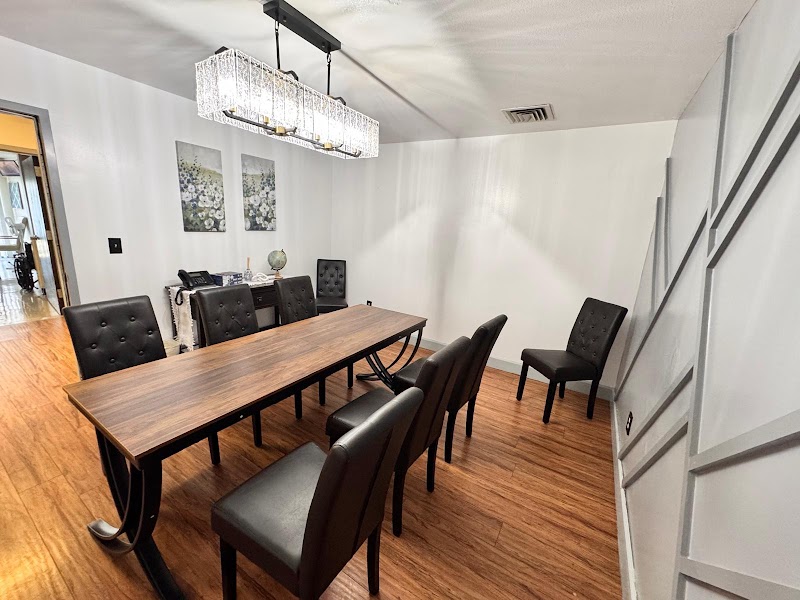
Who Owns and Operates Guardian Care And Rehabilitation Center?

GUARDIAN CARE AND REHABILITATION CENTER is owned by a for-profit company. For-profit facilities operate as businesses with obligations to shareholders or private owners. The facility operates independently rather than as part of a larger chain. With 176 certified beds and approximately 100 residents (about 57% occupancy), it is a mid-sized facility located in MANTECA, California.
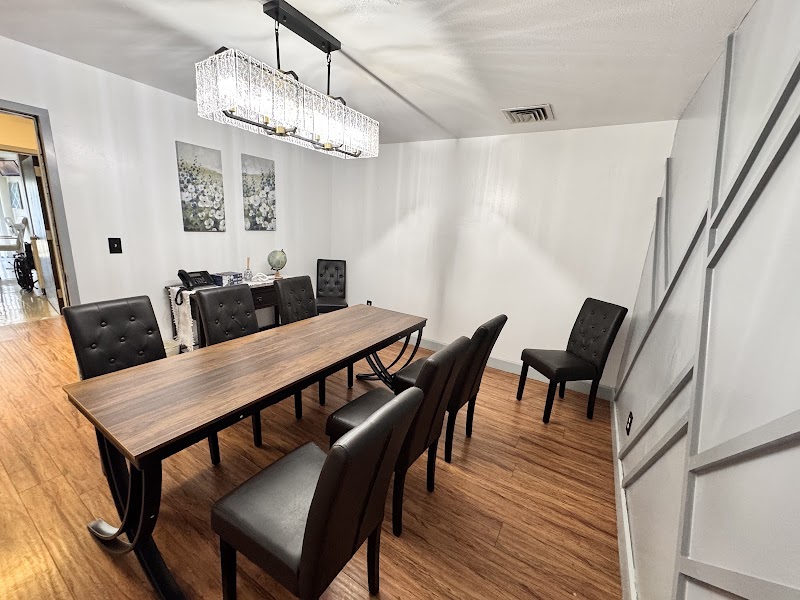
How Does Guardian Care And Rehabilitation Center Compare to Other California Nursing Homes?

Compared to the 100 nursing homes in California, GUARDIAN CARE AND REHABILITATION CENTER's overall rating (2 stars) is below the state average of 3.1, staff turnover (37%) is near the state average of 46%, and health inspection rating (2 stars) is below the national benchmark.

What Should Families Ask When Visiting Guardian Care And Rehabilitation Center?

Based on this facility's data, families visiting should ask: "Can I visit during a mealtime to observe dining assistance and food quality?" "How do you handle medical emergencies, and what is your hospital transfer rate?" "Can I speak with family members of current residents about their experience?"

Is Guardian Care And Rehabilitation Center Safe?

Based on CMS inspection data, GUARDIAN CARE AND REHABILITATION CENTER has a clean safety record: no substantiated abuse findings (meaning no confirmed cases of resident harm), no Immediate Jeopardy citations (the most serious violation level indicating risk of serious injury or death), and is not on the Special Focus Facility watch list (a federal program monitoring the lowest-performing 1% of nursing homes). The facility has a 2-star overall rating and ranks #100 of 100 nursing homes in California. While no facility is perfect, families should still ask about staff-to-resident ratios and recent inspection results during their visit.

Do Nurses at Guardian Care And Rehabilitation Center Stick Around?

GUARDIAN CARE AND REHABILITATION CENTER has a staff turnover rate of 37%, which is about average for California nursing homes (state average: 46%). Moderate turnover is common in nursing homes, but families should still ask about staff tenure and how the facility maintains care continuity when employees leave.

Was Guardian Care And Rehabilitation Center Ever Fined?

GUARDIAN CARE AND REHABILITATION CENTER has no federal fines on record. CMS issues fines when nursing homes fail to meet care standards or don't correct problems found during inspections. The absence of fines suggests the facility has either maintained compliance or corrected any issues before penalties were assessed. This is a positive indicator, though families should still review recent inspection reports for the full picture.

Is Guardian Care And Rehabilitation Center on Any Federal Watch List?

GUARDIAN CARE AND REHABILITATION CENTER is not on any federal watch list. The most significant is the Special Focus Facility (SFF) program, which identifies the bottom 1% of nursing homes nationally based on persistent, serious quality problems. Not being on this list means the facility has avoided the pattern of deficiencies that triggers enhanced federal oversight. This is a positive indicator, though families should still review the facility's inspection history directly.