HARVEST CROSSING POST ACUTE
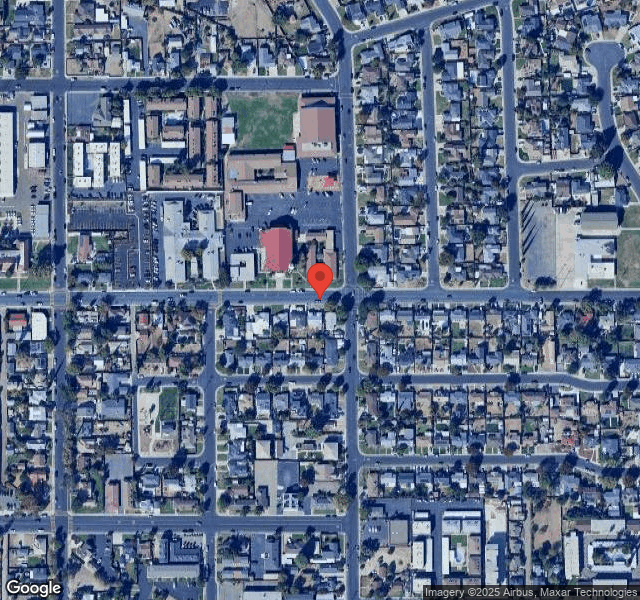
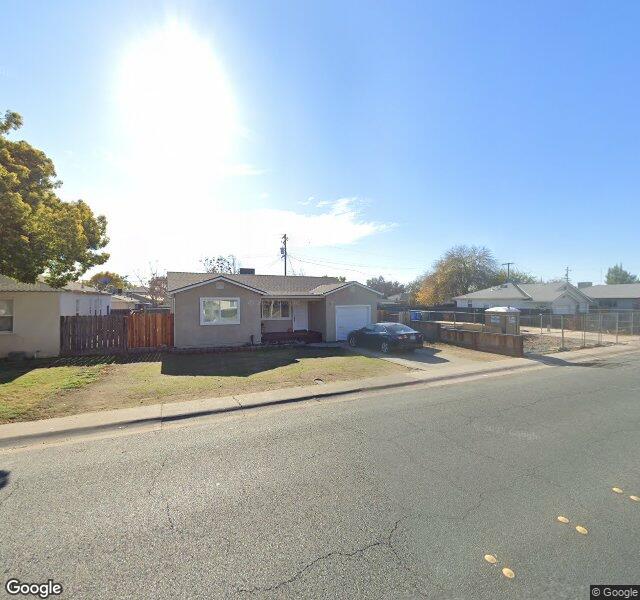
469 EAST NORTH STREET, MANTECA, CA 95336 (209) 823-1788
For profit - Limited Liability company 99 Beds KALESTA HEALTHCARE GROUP Data: November 2025
Trust Grade
70/100
#366 of 1155 in CA
Last Inspection: November 2024

Within standard 12-15 month inspection cycle. Federal law requires annual inspections.

Overview

Harvest Crossing Post Acute in Manteca, California, has earned a Trust Grade of B, indicating it is a good choice for families seeking care for their loved ones. It ranks #366 out of 1,155 facilities in California, placing it in the top half, and #6 out of 24 in San Joaquin County, meaning only five local options are rated higher. The facility is improving, with issues decreasing from 17 in 2024 to just 3 in 2025, which is a positive trend. Staffing is rated average with a turnover of 44%, which is near the state average, and the facility has had no fines, indicating compliance with regulations. However, there are some concerns, such as incidents of potential cross-contamination during meal service and the use of expired medical supplies, which could pose risks to residents' health. While the overall care quality is good, families should consider both the strengths and weaknesses when making their decision.

Trust Score
B
70/100
In California
#366/1155
Top 31%
Safety Record
Low Risk
No red flags
Inspections
Getting Better
17 → 3 violations
Staff Stability
○ Average
44% turnover. Near California's 48% average. Typical for the industry.
Penalties
✓ Good
No fines on record. Clean compliance history, better than most California facilities.
Skilled Nurses
⚠ Watch
Each resident gets only 27 minutes of Registered Nurse (RN) attention daily — below average for California. Fewer RN minutes means fewer trained eyes watching for problems.
Violations
⚠ Watch
47 deficiencies on record. Higher than average. Multiple issues found across inspections.
★★★★☆
4.0
Overall Rating
★★★☆☆
3.0
Staff Levels
★★★★★
5.0
Care Quality
★★★☆☆
3.0
Inspection Score
Stable
2024: 17 issues
2025: 3 issues

The Good

  • 5-Star Quality Measures · Strong clinical quality outcomes
  • Full Sprinkler Coverage · Fire safety systems throughout facility
  • No fines on record
  • Staff turnover below average (44%)

    4 points below California average of 48%

Facility shows strength in quality measures, fire safety.

The Bad

Staff Turnover: 44%

Near California avg (46%)

Typical for the industry

Chain: KALESTA HEALTHCARE GROUP

Part of a multi-facility chain

Ask about local staffing decisions and management

The Ugly 47 deficiencies on record

Jul 2025 1 deficiency
CONCERN (D) 📢 Someone Reported This

A family member, employee, or ombudsman was alarmed enough to file a formal complaint

Potential for Harm - no one hurt, but risky conditions existed

Safe Environment (Tag F0584)

Could have caused harm · This affected 1 resident

**NOTE- TERMS IN BRACKETS HAVE BEEN EDITED TO PROTECT CONFIDENTIALITY** Based on observation, interview, and record review, the facility failed to provide a safe and comfortable homelike environment t...

Read full inspector narrative →
**NOTE- TERMS IN BRACKETS HAVE BEEN EDITED TO PROTECT CONFIDENTIALITY** Based on observation, interview, and record review, the facility failed to provide a safe and comfortable homelike environment to three of five sampled residents (Resident 1, Resident 2, and Resident 3) when: Resident 2 stated she did not feel safe at the facility after an altercation with Resident 4; and Resident 1 and Resident 3 stated they were both scared of Resident 4. These failures removed Resident 1, Resident 2 and Resident 3's right to a dignified homelike environment, with the potential to result in psychosocial harm. Findings:A review of Resident 1's admission RECORD indicated, Resident 1 was admitted to the facility with diagnoses which included muscle weakness and major depressive disorder (a serious mental illness characterized by persistent sadness, loss of interest in activities, and other symptoms that significantly interfere with daily life). A review of Resident 2's admission RECORD indicated, Resident 2 was admitted to the facility with diagnoses which included anxiety disorder (a group of mental health conditions characterized by excessive, persistent fear and worry that can significantly interfere with daily life, and bipolar disorder (a mental health condition that causes extreme shifts in mood, energy, and activity levels). A review of Resident 3's admission RECORD indicated, Resident 3 was admitted to the facility with diagnoses which included quadriplegia (a severe medical condition characterized by the partial or total loss of function in all four limbs and the torso), muscle weakness, and major depressive disorder.A review of Resident 4's admission RECORD indicated, Resident 4 was admitted to the facility with diagnoses which included unspecified dementia (A condition in which a person loses the ability to think, remember, learn, make decisions, and solve problems), and major depressive disorder. During an interview on 7/3/25, at 8:47 a.m., Resident 1 stated .Ya, [Resident 4] hit my face .It hurt .I am scared of [Resident 4] . During an interview on 7/3/25, at 9 a.m., Resident 2 stated .I don't feel safe here . [Resident 4] scratch me on my right arm . [Resident 4] was always yelling .I cried when [Resident 4] scratched me . During an interview on 7/3/25, at 9:22 a.m., Resident 3 stated . [Resident 4] came back from the bathroom and told me to get out of my bed, and [Resident 4] started hitting me on my left arm .I yelled for help .I felt scared that [Resident 4] might do it again . [Resident 4] would get mad. [Resident 4] would yell . During an interview on 7/3/25, at 9:56 a.m., Certified Nurse Assistant (CNA) 1 stated, Resident 4 had cussed (to use offensive words when speaking), and slapped staff, and residents before. CNA 1 further stated Resident 4 used to go to other residents unannounced, and Resident 4 was aggressive (a quality of anger and determination that makes someone attack other people) to other residents. During an interview on 7/3/25, at 10:09 p.m., Licensed Nurse (LN) 1 stated Resident 4 had walked by Resident 1 and called Resident 1 a (derogatory term; a word or grammatical form expressing a negative or disrespectful connotation, a low opinion, or a lack of respect toward someone or something). LN 1 stated Resident 1 did not provoke Resident 4. LN 1 stated Resident 1 was very nice and it was not safe for Resident 1 to be called a [derogatory term].During an interview on 7/3/25, at 10:49 a.m., CNA 3 stated Resident 4 had yelled at CNA 3 when CNA 3 provided one-to-one care (a personalized caregiving approach where a dedicated caregiver provides focused attention and support to a single individual) to Resident 4.During an interview on 7/3/25, at 11:02 a.m., the Director of Nursing (DON) stated Resident 4 was placed on one-to-one care after the third resident to resident incident. The DON stated after the first incident facility staff made sure Resident 4 did not go near Resident 1. The DON stated if Resident 4 was not put on one-to-one care, Resident 4 could have struck other residents. The DON further stated resident to resident altercation were not ok for Resident 1, Resident 2, and Resident 3 because of safety. The DON stated something could have happened to Resident 1, Resident 2 and Resident 3. The DON stated the residents might not have felt safe when another resident scratched them. The DON stated the facility was home to the residents and residents should have felt safe in their home-like environment.Review of Resident 1's Care Plan, initiated on 1/9/25, the record indicated, .Interventions: .Assure/encourage homelike environment to aid in emotional contentment .Review of Resident 1's Progress Note, dated 1/22/25 at 3:39 p.m., the record indicated, . [Resident 1] alleged that another female resident scratched [Resident 1's] face, upon skin assessment [Resident 1] does have a scratch mark and discoloration to her left cheek bone .Review of Resident 1's Progress Note, dated 1/23/25 at 1:52 p.m., the record indicated, . [Resident 1] stated I got scratched . [Resident 1] had scratches on her face .Review of Resident 1's Progress Note, dated 1/24/25 at 4:36 p.m., the record indicated, . I'm scared of the lady .Review of Resident 1's Progress Note, dated 1/27/25 at 3:55 p.m., the record indicated, . The lady, the lady scratched my leg .The lady, the lady hit me and scratched me .Review of Resident 2's Care Plan, initiated on 4/25/23, the record indicated, .Focus .Resident has [history of] trauma [related to] being abused by domestic partner .Goal .Resident will maintain optimal quality of life despite trauma .Resident will remain stable and free from trauma triggers .Review of Resident 2's Care Plan, initiated on 10/26/23, the record indicated, . Interventions .Resident will not suffer any mood/behavior declines .Review of Resident 2's Care Plan, initiated on 12/8/23, the record indicated, .Goal .The resident will have no indications of psychosocial wellbeing problem .Review of Resident 2's Care Plan, initiated on 12/22/24, the record indicated, . Interventions .Assure/encourage a homelike environment to aid in emotional contentment .Review of Resident 2's Progress Note, dated 3/31/25 at 4:22 p.m., the record indicated, . [Resident 2] stated that her roommate came out of the bathroom and [Resident 2] told her to be careful don't fall or hurt yourself and then her roommate came to her and scratched her on the arm .Review of Resident 2's Progress Note, dated 4/1/25 at 4:42 p.m., the record indicated, . [Resident 2] was asked does she feels safe and if she is in fear. She replied no she does not feel safe .Review of Resident 2's Progress Note, dated 4/3/25 at 3:14 p.m., the record indicated, . [Resident 2] is refusing to be changed and is complaining to her CNA's that she does not want to be here and is accusing her old roommate was roaming up and down the hall .Resident is hard to calm down while talking to her .Review of Resident 3's Care Plan, initiated on 10/27/22, the record indicated, . Goal . [Resident 3] will maintain optimal quality of life despite trauma .Review of Resident 3's Care Plan, initiated on 12/8/23, the record indicated, . Goal .The resident will have no indications of psychosocial wellbeing problem .Review of Resident 3's Care Plan, initiated on 9/27/24, the record indicated, . Goal .Will have no placement issues .Interventions .Monitor for any psychosocial issues that may impede her daily living .Provide a homelike environment for the resident .Review of Resident 3's Care Plan, initiated on 1/5/25, the record indicated, . Interventions .Encourage/maintain homelike environment to aid in emotional contentment .Review of Resident 3's Progress Note, dated 4/2/25 at 10:16 a.m., the record indicated, . [Resident 3's] roommate was coming out of the bathroom and walked over to bed A where [Resident 3] sleeps and said to get out of my bed. [Resident 3] replied, this is not your bed. Her roommate then patted her firmly on the arm 3 times . [Resident 3] replied no it's just that I can't defend myself .it was just a strong pat on the arms .Review of Resident 4's Care Plan, initiated on 12/29/24, the record indicated, . Interventions .Encourage/maintain homelike environment to aid in emotional contentment .Review of Resident 4's Care Plan, initiated on 1/23/25, the record indicated, . Focus .The resident has a behavior problem of yelling and demonstrating aggressive behaviors to others .Interventions .Intervene as necessary to protect the rights and safety of others .Review of Resident 4's Care Plan, initiated on 1/23/25, the record indicated, . Focus .The resident has a behavior problem of wandering through hallways .Interventions .Encourage the resident to express feelings appropriately .Provided opportunity for positive interaction .Review of Resident 4's Progress Note, dated 1/22/25 at 4:10 p.m., the record indicated, .resident does not take any psychotropic meds, but does have untoward behaviors at times. Resident wanders around the facility in her wheelchair .The behaviors she exhibits are attempting to strike at others when agitated, makes a fist at others .argumentative .On 1/22/25, it was reported by another resident that [Resident 4] scratched her face .Review of Resident 4's Progress Note, dated 1/23/25, the record indicated, .1.Psychiatric Diagnostic Evaluation .This morning, the patient scratched a CNA who was passing by. According to staff, the patient is known to exhibit aggressive behavior spontaneously and unprovoked, often forgetting about such incidents afterward. The main issues identified in this visit were impulsivity, disinhibition [the loss or lessening of the ability to restrain one's thoughts, feelings, and behaviors, often leading to impulsive or socially inappropriate actions], and displays of physical aggression .Review of Resident 4's Progress Note, dated 4/1/25 at 9:22 a.m., the record indicated, .resident wanders around the facility in her wheelchair .The behaviors she exhibits are attempting to strike at others when agitated, argumentative, accusing people .if she feels someone is in her space she gets agitated then will probably strike out .On 3/31/25, it was reported by another resident that [Resident 4] scratched her right arm .Review of Resident 4's Progress Note, dated 4/1/25 at 4:28 p.m., the record indicated, . [Resident 4] was asked if she remembered what happened yesterday with her old roommate. She said yes but she got confused and said no. She mentioned that she did not like her .Review of Resident 4's Progress Note, dated 4/1/25 at 4:40 p.m., the record indicated, .Resident is having a room change from room [ROOM NUMBER]B to 24A. Resident is having a room change due to roommate compatibility .Review of Resident 4's Progress Note, dated 4/2/25 at 10:07 a.m., the record indicated, .resident wanders around the facility in her wheelchair .The behaviors she exhibits are attempting to strike at others when agitated, argumentative .if she feels someone is in her space she gets agitated then will probably strike out .On 4/01/23, it was reported by another resident that [Resident 4] slapped her left arm 3 times .During a review of a facility policy and procedure (P&P) titled Homelike Environment, revised 2/21, the P&P indicated, .Residents are provided with a safe, clean, comfortable and homelike environment . 2. The facility staff and management maximizes, to the extent possible, the characteristics of the facility that reflect a personalized, homelike setting. These characteristics include: . comfortable sound levels . During a review of a facility P&P titled Residents Rights revised 2/21, the document indicated, .basic rights to all residents of this facility .b. be treated with respect, kindness, and dignity .During a review of a facility P&P titled Dignity, revised 2/21, the document indicated, .2. The facility culture supports dignity and respect for residents by honoring resident goals, choices, preferences, values and beliefs. This begins with the initial admission and continues throughout the resident's facility stay .
Apr 2025 2 deficiencies
CONCERN (D) 📢 Someone Reported This

A family member, employee, or ombudsman was alarmed enough to file a formal complaint

Potential for Harm - no one hurt, but risky conditions existed

Deficiency F0657 (Tag F0657)

Could have caused harm · This affected 1 resident

Based on interview and record review, the facility failed to develop or revise a comprehensive care plan (a guide that healthcare workers used to ensure Resident 1 received tailored care to his/her in...

Read full inspector narrative →
Based on interview and record review, the facility failed to develop or revise a comprehensive care plan (a guide that healthcare workers used to ensure Resident 1 received tailored care to his/her individual needs and goals) for one of three sampled residents (Resident 1), when a care plan was not developed for the use of methadone (a powerful pain reducing medication that could cause headaches, dizziness, nausea, impaired coordination, unconsciousness or death) for Resident 1. This failure placed Resident 1 at risk for not receiving specific and individualized care related to the use of a strong pain medication (methadone). Findings: During a concurrent interview and record review on 4/1/25, at 5:08 p.m., with the Licensed Nurse (LN) 1, Resident 1's medical record was reviewed. LN 1 verified Resident 1 used methadone for pain management for approximately 25 days while at the facility. LN 1 further stated it was important to update Resident 1's care plan to ensure Resident 1's care, goals, and the side effects of methadone (headaches, dizziness, nausea, impaired coordination, unconsciousness or death) were monitored. During an interview on 4/1/25, at 5:45 p.m., with the Social Services Director (SSD), SSD stated Resident 1's care plan should have been updated to ensure care staff to knew what concerns were specific to Resident 1's use of the drug (methadone). SSD further stated care plans should have been updated for controlled medications if it was a new medication that was added to Resident 1's order set, when there was a change in the dose of the drug, and/or if there was a need for gradual dose reduction (GDR - when a medication dosage is slowly reduced). During a concurrent interview and record review on 4/2/25, at 1:20 p.m., with the Director of Nursing (DON), Resident 1's medical record was reviewed. The DON stated there should have been a care plan for methadone when the drug was started on 1/4/25. The DON further stated if the care plan would have been updated, the care plan would have directed staff to monitor for adverse side effects of the medication, medication effectiveness, and goals related to the use of methadone. During a review of the facility's policy and procedure titled, Care Plans, Comprehensive Person-Centered , revised on March 2022, indicated, .Assessments of residents are ongoing, and care plans are revised as information about the residents and the residents' conditions change . During a review of the facility's policy and procedure titled, Pain Assessment and Management , dated 10/22, indicated, .When opioids [strong pain medicaion] are used for pain management, the resident is monitored for medication effectiveness, adverse effects, and potential overdose .
CONCERN (D) 📢 Someone Reported This

A family member, employee, or ombudsman was alarmed enough to file a formal complaint

Potential for Harm - no one hurt, but risky conditions existed

Deficiency F0697 (Tag F0697)

Could have caused harm · This affected 1 resident

Based on interview and record review, the facility failed to provide an effective pain management plan when non-pharmacological pain interventions (interventions that did not involve the use of medica...

Read full inspector narrative →
Based on interview and record review, the facility failed to provide an effective pain management plan when non-pharmacological pain interventions (interventions that did not involve the use of medications to treat pain such as heat therapy, cold therapy, and repositioning) were not implemented for three out of three sampled residents (Resident 1, Resident 2, and Resident 3). These failures had the potential to place Resident 1, Resident 2, and Resident 3 at increased risk of experiencing adverse side effects (undesired harmful effects as a result of taking medication for pain such as drug to drug interactions, constipation, respiratory depression) of pain medication and/or the use of unnecessary medication. Findings: A review of Resident 1's clinical record, admission RECORD (a document that contained the resident's demographic information), indicated Resident 1 was admitted to the facility with diagnosis that included, but not limited to, muscle weakness (generalized), acute kidney failure, pressure ulcer (a localized injury to the skin and underlying tissue caused by prolonged pressure or a combination of pressure, shear, and friction) of the sacral (buttocks) region, and dependence on renal dialysis (a process that cleaned the blood when the kidneys could not do it). A review of Resident 1's clinical record, ORDER SUMMARY REPORT , indicated Resident 1 had a physician's order for acetaminophen (mild pain medicaion) and methadone (a strong pain medication) every 12 hours for pain management. A review of Resident 2's clinical record, admission RECORD, indicated Resident 2 was admitted to the facility with diagnosis including, but not limited to, Parkinson's disease (a progressive neurological disorder that caused gradual slowdown or disruption of the brain's ability to control movement, leading to symptoms like tremors, stiffness, and slow movement), pressure ulcer of the sacral region, neoplasm left kidney (abnormal growth within the kidney either cancerous or non-cancerous), and gout (uric acid buildup in the joints that are painful). A review of Resident 3's clinical record, admission RECORD , indicated Resident 3 was admitted to the facility with diagnosis including, but not limited to, obstructive and reflux uropathy (when urine flow was blocked or flowed backward into the kidneys), hydronephrosis (swelling of one or both kidneys caused by a buildup of urine causing pain in the back area), and a pressure ulcer on the right leg. During a concurrent interview and record review on 4/2/25, at 1:20 p.m., with the Director of Nursing (DON), Resident 3's pain care plan (a guide that healthcare workers use to ensure a resident receives the best possible care tailored to their individual needs and goals), revised on 11/14/25, and Resident 3's medications were reviewed. The DON verified Resident 3's pain care plan did not include non-pharmacological interventions for pain. The DON also verified Resident 3 took acetaminophen for pain as needed and stated there should have been non-pharmacological interventions in place that the facility could have used before medication was administered. During a concurrent interview and record review on 4/2/25, at 1:40 p.m., with the DON, Resident 2's pain care plan, revised on 2/17/25, was reviewed. The DON verified Resident 2's pain care plan did not include non-pharmacological interventions to address pain. The DON stated Resident 2 took morphine (narcotic used to treat severe pain) frequently and there should have been non-pharmacological interventions in place. The DON further stated best practice was to use non-pharmacological interventions for pain prior to pain medications being administered to avoid adverse effects of pain medications. During a concurrent interview and record review on 4/2/25, at 2:00 p.m., with DON, Resident 1's pain care plan, dated 12/30/24, was reviewed. DON verified Resident 1's pain care plan did not include non-pharmacological interventions for treatment of pain. The DON stated it was her expectation for non-pharmacological interventions to be included in Resident 1's pain care plan. During a review of the facility's policy and procedure titled, Pain Assessment and Management , dated 10/22, indicated, .Non-pharmacological interventions may be appropriate alone or in conjunction with medications .
Nov 2024 16 deficiencies
CONCERN (D)

Potential for Harm - no one hurt, but risky conditions existed

Resident Rights (Tag F0550)

Could have caused harm · This affected 1 resident

Based on observation, interview, and record review, the facility failed to ensure one resident (Resident 26) in a sample of 24 was treated with dignity and respect when staff stood over Resident 26 wh...

Read full inspector narrative →
Based on observation, interview, and record review, the facility failed to ensure one resident (Resident 26) in a sample of 24 was treated with dignity and respect when staff stood over Resident 26 while assisting with breakfast on 11/19/24. This failure had the potential to negatively impact Resident 26's psychosocial well-being. Findings: A review of Resident 26's admission Record, indicated Resident 26 was admitted to the facility with diagnoses which included alzheimer's disease (a gradual decline in memory, thinking, behavior, and social skills), and dementia (a decline in memory and other thinking skills severe enough to reduce a person's ability to perform daily activities). During a concurrent observation and interview on 11/19/24, at 7:45 a.m., Certified Nursing Assistant (CNA) 1 assisted Resident 26 with breakfast while standing over her at her bedside. Resident 26's breakfast tray was noted on the bedside table next to her bed. CNA 1 held a spoon with food up to Resident 26's mouth in one hand, and a carton of milk containing a straw in her other hand. Resident 26 pushed the carton of milk away and shouted, No! CNA 1 stated that she was assisting Resident 26 with breakfast and confirmed she stood while assisting Resident 26 with breakfast. CNA 1 stated that staff should sit at the resident's bedside when assisting residents with meals. CNA 1 further stated she did not know why staff should not stand when residents were assisted with meals. During an interview on 11/20/24, at 11:30 a.m., with the Director of Nursing (DON), the DON stated the expectation for staff assisting residents with meals would be to sit beside the resident at eye level. The DON further stated the risk of staff standing up and over the resident while assisting the resident with their meals was a loss of dignity and respect for the resident. The DON confirmed the facility procedure was not followed. During a review of a facility policy and procedure (P&P) titled, Resident Rights, revised February 2021, indicated, .Employees shall treat all residents with kindness, respect, and dignity .1. Federal and state laws guarantee certain basic rights to all residents of this facility. These rights include the resident's right to: a. a dignified existence b. be treated with respect, kindness, and dignity .
CONCERN (D)

Potential for Harm - no one hurt, but risky conditions existed

Deficiency F0558 (Tag F0558)

Could have caused harm · This affected 1 resident

Based on observation, interview, and record review, the facility failed to ensure 1 of 24 sampled residents (Resident 31) needs were accommodated when Resident 31 did not have a working call light (a ...

Read full inspector narrative →
Based on observation, interview, and record review, the facility failed to ensure 1 of 24 sampled residents (Resident 31) needs were accommodated when Resident 31 did not have a working call light (a device used by residents to call for assistance). This failure increased the risk for psychosocial and/or physical harm if Resident 31 was unable to contact staff for her needs. Findings: A review of Resident 31's clinical record titled, admission Record, indicated Resident 31 was admitted to the facility with diagnoses including osteoarthritis of hip (causes pain and stiffness of the hips) retention of urine (inability to empty the bladder completely), and stress incontinence (when movement or activity puts pressure on the bladder, causing urine to leak). During a concurrent observation and interview on 11/18/24, at 10:42 AM, the call light system in Resident 31's room was noted not to be working, confirmed by certified nursing assistant (CNA) 8. CNA 8 confirmed Resident 31 did not have a bell (a bell used to summon an attendant or give an alarm or notice) in her room. CNA 8 stated that Resident 31 could just scream out for help and the staff would assist her. During an interview on 11/19/24, at 3:35 PM, the Maintenance Director (MD) confirmed the call light system in Resident 31's room was not working. During an interview on 11/20/24, at 10:07 AM, Licensed Nurse (LN) 12 stated the staff would not know if the residents needed help if the call light system was not working. LN 12 further stated that residents screaming for help would not be the best way for residents to get the help they need. During an interview on 11/20/24, at 4:12 PM, the Director of Staff Development (DSD) stated she expected the call light system to be working and functioning. The DSD stated the risks of having a malfunctioning call light system would be the resident's needs not being met and could contribute to falls. The DSD further stated the facility should have a working call light system to prevent those risks. The DSD added she did not want the residents to be screaming for help. During an interview on 11/20/24, at 11:56 AM, the Director of Nursing (DON) stated residents should have bells in the event the call light was not working. The DON stated the nurses and CNAs were aware that they could provide bells to residents in the event that the call light system was not functioning. The DON stated the call light system should be functioning and working at all times. The DON further stated she did not want residents to scream out for help. A review of Resident 31's clinical record titled, Care Plan, dated 12/28/2021, indicated .Focus: The resident is at risk for falls .she sometimes forgets to take her walker with her when she attempts to use the restroom .The interventions include: Be sure the resident's call light is within reach and encourage the resident to use it for assistance as needed. The resident needs prompt response to all requests for assistance, the resident needs a safe environment .a working and reachable call light . During a review of the facility's Policy and Procedure (P&P) titled, Call System, Resident, dated 9/2022, the P&P indicated, .Each resident is provided with a means to call staff directly for assistance from his/her bed, from toileting/bathing facilities and from the floor .The resident call system remains functional at all times. If audible communication is used, the volume is maintained at an audible level that can be easily heard. If visual communication is used, the lights remain functional .The resident call system is routinely maintained and tested by the maintenance department . During a review of the P&P titled, Accommodation of Needs, revised 3/2021, the P&P indicated, .The residents individual needs and preferences, including the need for adaptive devices and modifications to the physical environment, are evaluated upon admission and reviewed on an ongoing basis .In order to accommodate individual needs and preferences, staff attitudes and behaviors are directed towards assisting the residents in maintaining independence, dignity and well-being to the extent possible and in accordance with the resident's wishes. For example . interacting with the residents in ways that accommodate the physical or sensory limitations of the residents, promote communication, and maintain dignity .
CONCERN (D)

Potential for Harm - no one hurt, but risky conditions existed

Deficiency F0583 (Tag F0583)

Could have caused harm · This affected 1 resident

Based on observation, interview, and record review, the facility failed to maintain residents' right to privacy of personal information, when resident meal tickets were discarded in the facility kitch...

Read full inspector narrative →
Based on observation, interview, and record review, the facility failed to maintain residents' right to privacy of personal information, when resident meal tickets were discarded in the facility kitchen garbage bin for a census of 87. This failure increased the risk of unauthorized access of residents' personal and medical records. Findings: During a concurrent observation and interview on 11/20/24 at 8:50 PM with Dietary Aide (DA) 1 in the dishwashing area, DA 1 was observed throwing residents' meal tickets left on the meal trays into the garbage bin. DA 1 confirmed the observation. During an interview on 11/20/24 at 8:52 AM with the Interim Certified Dietary Manager (ICDM) in the dishwashing area, the ICDM confirmed DA 1 threw the residents' meal tickets into the garbage bin. The ICDM also confirmed that multiple residents' meal tickets were returned with their meal trays to the kitchen. The ICDM stated they used to shred the tickets but somehow, they reverted to throwing them back in the garbage bin. A review of a resident meal ticket indicated the meal ticket contained information such as the resident's complete name, identification number, where the resident usually ate their meal, room, and bed number, diet order, allergies, food notes and alerts, likes and dislikes, the date, and type of meal. During an interview on 11/21/24 at 12:16 PM, with the Registered Dietician (RD), the RD stated she was aware of this practice and stated throwing the tray cards in the garbage did not meet her expectations. The RD stated the residents' meal tickets should have been shredded after the resident finished eating to avoid violating HIPPA (Health Insurance Portability and Accountability Act- a federal law that requires the creation of national standards to protect sensitive patient health information from being disclosed), and if the meal ticket was returned in the kitchen, the kitchen staff should shred them. The RD further stated there had been several meetings with the dietary and the nursing department about the proper disposal of the tray meal tickets. A review of the policy titled Confidentiality of Information and Personal Privacy Policy, dated October 2017, indicated, The facility will safeguard the personal privacy and confidentiality of all resident personal and medical records.
CONCERN (D)

Potential for Harm - no one hurt, but risky conditions existed

Safe Environment (Tag F0584)

Could have caused harm · This affected 1 resident

Based on observation, interview, and record review, the facility failed to maintain a safe, clean, and comfortable living environment for 2 of 24 sampled residents (Resident 340 and Resident 31), when...

Read full inspector narrative →
Based on observation, interview, and record review, the facility failed to maintain a safe, clean, and comfortable living environment for 2 of 24 sampled residents (Resident 340 and Resident 31), when Resident 340's and Resident 31's floor vents (provides cold and warm air) were full of dust and debris. This failure had the potential to negatively impact Resident 340's and Resident 31's homelike environment and their health. Findings: 1. A review of Resident 340's clinical record titled, admission RECORD, indicated Resident 340 was admitted to the facility with diagnoses including pleural effusion (fluid build up between the lungs and the chest) and other symptoms of the heart and lungs. A review of Resident 31's clinical record titled, admission RECORD, indicated Resident 31 was admitted to the facility with diagnoses including cough and a history of contracting Covid-19. During a concurrent observation and interview on 11/18/24 at 3:28 PM with the Maintenance Director (MD), the MD confirmed the floor vents were dirty in Resident 340's and Resident 31's room. The vents were observed to have gray dust particles and debris inside of them. The MD stated the floor vents were active and in use. The MD stated the housekeeping staff were supposed to clean the vents weekly. The MD further stated that the residents could be at risk for respiratory problems due to the dirty vents. During an interview on 11/19/24 at 8:43 AM, with the Housekeeping Supervisor (HKS), the HKS stated it was the responsibility of the housekeeping department to clean the floor vents. The HKS also stated the housekeeping department does not clean the floor vents weekly, only if it was noticed during a spot check. During an interview on 11/20/24 at 12:57 PM with Resident 340, Resident 340 stated she wanted the vents in her room to be kept clean. Resident 340 stated she was afraid she was going to inhale the vent particles. Resident 340 further stated she was scared to look at the vents in her room. During an interview on 11/20/24 at 1:10 PM with Licensed Nurse (LN) 11, LN 11 stated the staff members knew it was not good for the residents to have dirty vents in their rooms. LN 11 stated it was not very homelike to have dirty vents because it can trigger resident allergies. LN 11 further stated respiratory issues could occur because of the dirty vents. During an interview on 11/20/24 at 11:59 AM with the Director of Nursing (DON), the DON stated she wanted the resident rooms to be clean and clutter free. The DON also stated the vents in the resident rooms should not be dusty and dirty. During a review of the facility's document titled, Homelike Environment, revised 2/2021, the Policy and Procedure indicated, .The facility staff and management maximize, to the extent possible, the characteristics of the facility that reflect a personalized, homelike setting. These characteristics include: a clean, sanitary, and orderly environment .
CONCERN (D)

Potential for Harm - no one hurt, but risky conditions existed

Deficiency F0645 (Tag F0645)

Could have caused harm · This affected 1 resident

**NOTE- TERMS IN BRACKETS HAVE BEEN EDITED TO PROTECT CONFIDENTIALITY** Based on interview and record review, the facility failed to accurately complete, and ensure the completion of, a Pre-admission ...

Read full inspector narrative →
**NOTE- TERMS IN BRACKETS HAVE BEEN EDITED TO PROTECT CONFIDENTIALITY** Based on interview and record review, the facility failed to accurately complete, and ensure the completion of, a Pre-admission Screening and Resident Review (PASRR, a required assessment for individuals with mental illness, intellectual or developmental disabilities, or related conditions, so that a determination of need, appropriate setting, and a set of recommendations for services to be included in the individual's plan of care is provided) for two of twenty-four sampled residents (Resident 60 and Resident 72), when, 1. Resident 72's level I PASRR did not reflect his diagnosis of autism (a disorder that affects how people interact with others, communicate, learn, and behave) or his use of psychotropic medications (drugs that treat symptoms of psychosis, such as hallucinations, delusions, and thought disorders) which resulted in a level II PASRR (mental health screening for additional services) never being completed; and, 2. Resident 60 had a positive level I PASRR screening and the required level II PASRR screening was not completed due to Resident 60 being in transmission-based precautions (TBP, isolation precautions implemented to prevent or control the spread of germs) in August 2022 for a medical illness. These failures had the potential to affect the provision of appropriate treatment and specialized services for Resident 60 and Resident 72 and increased their risk of having unmet behavioral health needs. Findings: 1. Review of Resident 72's admission RECORD, indicated, Resident 72 was admitted to the facility with diagnoses including autistic disorder, anxiety disorder (frequently have intense, excessive and persistent worry and fear about everyday situations, adult failure to thrive (describes a state of decline to include weight loss, decreased appetite, poor nutrition, and inactivity), cognitive communication deficit (difficulty paying attention to a conversation), depression (depressed mood or loss of pleasure or interest in activities), and dementia (loss of memory, language, problem-solving and other thinking abilities that are severe enough to interfere with daily life). Review of Resident 72's Physician Progress Note, dated 10/4/24, written by the Psychiatric Nurse Practitioner (NP, a nurse who specializes in the diagnosis, prevention, treatment of mental disorders) 2, indicated, .Per staff, patient with periods of mood lability [rapid and unpredictable shifts in mood] behaviors and with periods of intentionally crawling on floor, and yelling/screaming. Psychotic (psychotropic) medications reviewed. Patient is currently on Depakote [used to treat mood disorders/seizures], Remeron [used to treat depression/appetite stimulant], and on PRN [as needed] Lorazepam [used to treat anxiety]. Goal is to minimize use of benzodiazepine [class of depressant drugs such as Lorazepam] in elderly as much as possible . The report indicated a treatment plan to include, .consider social support, continue nonpharmacological measures [behavioral interventions without using medication], psychiatric follow up within 4 weeks or PRN [as needed] . Review of Resident 72's Preadmission Screening and Resident Review (PASRR) Level 1 Screening, dated 9/10/23, indicated under the section .Intellectual or Developmental Disability (ID /(DD) or Related Condition . the answer was marked no to the question of .The individual has .disabilities that originated before the age of 18 .includes .autism . Under the section .Specify type/Diagnosis . the answer was marked no to the question of .The individual has a history of substantial disability prior to the age of 22 . Under the section .Describe the services . the answer was marked no to the question of .Because of ID/DD, the individual experiences functional limitations .mobility, self-care, delf-direction, learning/understanding/using language, capacity for living independently . Under the section .Serious Mental Illness . the answer was marked yes with depression listed as a diagnosis. Resident 72's other diagnoses that were not listed by staff included his anxiety disorder and/or mood disturbance. Under the same section, the answer was marked no to the question .The individual has been prescribed psychotropic medication for mental illness . Under the section Categorical Determination the answer was marked yes to the statement .The individual could not benefit from specialized (mental health) services because there is a severe physical condition . with dementia being listed as to why Resident 72 would not benefit from specialized (mental health) services. A Review of Resident 72's Department of Health Care Services Letter, dated 9/10/23, indicated, .UNABLE TO COMPLETE LEVEL II EVALUATION .After reviewing Positive Level 1 Screening .a Level II Mental Health Evaluation was not scheduled for the following reason .The individual has no serious mental illness .The case is now closed .To reopen, please submit a new level I screening . During an interview on 11/18/24, at 10:24 a.m., the Speech Language Pathologist (SLP) stated Resident 72, prior to coming to the facility, had been found by police because he was wandering the streets without any clothes on. The SLP stated he has been living in the facility for two years and stated Resident 72 was autistic and had other medical issues. During an interview on 11/20/24, at 8:57 a.m., LN 9 stated Resident 72 was alert and knows what was going on around him. LN 9 stated Resident 72 does have behaviors including crawling on the floor. LN 9 stated staff try to assist Resident 72, but he will get anxious, and this was usually related to his communication issues, and he will get upset and start crying loudly. During a concurrent interview and record review on 11/21/24, at 10:46 a.m., the DON reviewed Resident 72's Department of Health Care Services Letter dated, 9/10/23, which indicated Resident 72, . has no serious mental illness (SMI) . case is now closed. During review of Resident 72's Preadmission Screening, dated 9/10/23, the document indicated, .the individual has or suspected of having . autism . [marked no] . The DON stated this question was answered incorrectly and it should have been marked yes due to Resident 72's autism diagnosis. The DON stated this inaccurate information was used by the evaluator of the PASSR II and stated Resident 72 could have qualified for outside services related to his autism diagnosis if the Preadmission Screening had been filled out accurately. The DON stated the facility had filled out the PASRR Level 1 screening, dated 9/10/23 inaccurately and this impacted Resident 72's ability to qualify for a PASSR II. The DON stated had Resident 72 been found eligible under the PASSR II he would have qualified for programs related to his behaviors and diagnosis of autism. The DON stated the potential harm for Resident 72 was for behavioral disturbances since he was experiencing a delay of services which impact behavior. The DON stated that although the LN's are temporarily calming Resident 72 with medications, his behaviors would continue. The DON stated the expectation was the PASSR was completed on admission and if it triggers for a Level II PASSR evaluation, then it should be completed within two to four days. The DON stated if the resident qualifies for services based on the PASSR II, then services start immediately, and the facility should start referring and connecting the resident for outside services. The DON stated if this process was not followed then the patient would be at risk for inappropriate management. 2. A review of Resident 60's admission Record, indicated that Resident 60 was admitted with diagnoses which included, but were not limited to, bipolar disorder (a mental illness associated with episodes of mood swings from severe depression to manic highs), major depressive disorder (a persistent feeling of sadness and loss of interest that can interfere with activities of daily living), and anxiety disorder (a nervous disorder characterized by a state of excessive uneasiness and apprehension that interferes with daily living). During a review of Resident 60's Electronic Medical Record (EMR), the EMR indicated a PASRR Level I screen was completed on 8/3/22, the PASRR Level I screen indicated that a PASRR Level II screening was required. Resident 60's EMR further indicated that a PASRR Level II screening was attempted on 8/10/22 but was not completed as Resident 60 was in TBP isolation for a medical illness. During an interview and concurrent record review on 11/19/24 at 9:50 a.m. with the facility Admissions Coordinator (AC), the AC confirmed that Resident 60's PASRR II was not completed. The AC stated that nursing staff were responsible for requesting a new PASRR screen after Resident 60's medical condition had improved. During an interview on 11/19/24 at 11:45 a.m. with the DON, the DON confirmed that Resident 60's PASRR Level II screen was not done. The DON confirmed that the facility policy was not followed. A review of a facility policy and procedure (P&P) titled, admission Criteria, revised March 2019, the P&P indicated, . All new admissions and readmissions are screened for mental disorders (MD), intellectual disabilities (ID) or related disorders (RD) per the Medicaid Pre-admission Screening and Resident Review (PASARR) process .a. The facility conducts a Level I PASARR screen for all potential admissions .b. If the level I screen indicates that the individual may meet the criteria for a MD, ID, or RD, he or she is referred to the state PASARR representative for the level II (evaluation and determination) screening process . A review of a facility policy and procedure (P&P) titled, admission Criteria, revised March 2019, indicated, .9. All new admissions and readmissions are screened for mental disorders (MD), intellectual disabilities (ID) or related disorders (RD) per the Medicaid Pre-admission Screening and Resident Review (PASARR) process .a. The facility conducts a Level I PASARR screen for all potential admissions .b. If the level I screen indicates that the individual may meet the criteria for a MD, ID, or RD, he or she is referred to the state PASARR representative for the level II (evaluation and determination) screening process . During a review of a facility policy and procedure (P&P) titled Behavioral Assessment, Intervention and Monitoring , revised 3/2019, the document indicated, . The facility will provide and residents will receive behavioral health services as needed to attain or maintain the highest practical physical, mental and psychosocial well-being in accordance with the comprehensive assessment and plan of care . Behavioral health services will be provided by qualified staff who have the competencies and skills necessary to provide appropriate services to the residents .Residents will have minimal complications associated with the management of altered or impaired behavior . As part of the initial assessment, the nursing staff and Attending Physician will identify individuals with a history of impaired cognition, altered behavior . or mental disorder . All residents will receive a level 1 PASARR screen prior to admission . If the level 1 screen indicates that the individual may meet criteria for a mental disorder, intellectual disability or related condition here she will be referred to the state space PASARR representative for the level II (evaluation and determination) screening process . New onset or changes in behavior or possible serious mental disorder, intellectual disability, or related disorder will be referred for a PASARR Level II evaluation Review of https://www.medicaid.gov/medicaid/long-term-services-supports/institutional-long-term-care/preadmission-screening-and-resident-review/index.html, accessed on 11/27/24, indicated .PASRR is an important tool for states to use in rebalancing services away from institutions and towards supporting people in their homes, and to comply with the Supreme Court decision, [NAME] vs L.C. (1999), under the Americans with Disabilities Act, individuals with disabilities cannot be required to be institutionalized to receive public benefits that could be furnished in community-based settings. PASRR can also advance person-centered care planning by assuring that psychological, psychiatric, and functional needs are considered along with personal goals and preferences in planning long-term care .In brief, the PASRR process requires that all applicants to Medicaid-certified nursing facilities be given a preliminary assessment to determine whether they might have SMI or ID. This is called a Level I screen. Those individuals who test positive at Level I are then evaluated in depth, called Level II PASRR. The results of this evaluation result in a determination of need, determination of appropriate setting, and a set of recommendations for services to inform the individual's plan of care .
CONCERN (D) 📢 Someone Reported This

A family member, employee, or ombudsman was alarmed enough to file a formal complaint

Potential for Harm - no one hurt, but risky conditions existed

Quality of Care (Tag F0684)

Could have caused harm · This affected 1 resident

**NOTE- TERMS IN BRACKETS HAVE BEEN EDITED TO PROTECT CONFIDENTIALITY** Based on interview and record review, the facility failed to ensure 1 of 24 sampled residents (Resident 6) received treatment in...

Read full inspector narrative →
**NOTE- TERMS IN BRACKETS HAVE BEEN EDITED TO PROTECT CONFIDENTIALITY** Based on interview and record review, the facility failed to ensure 1 of 24 sampled residents (Resident 6) received treatment in accordance with quality care when, Resident 6 had left knee swelling, and exhibited signs of pain via facial grimacing and screaming during care provided to her by staff and, a. Nursing staff did not adequately assess Resident 6's source of pain and provide pain management based on Resident 6's level of pain; and, b. There was a delay in obtaining an x-ray result of Resident 6's left knee, ordered to provide information as to the source of Resident 6's pain. These failures had the potential for Resident 6 to experience prolonged pain and suffering and may have resulted in a delay of treatment and other complications related to her fractured femur (thigh bone) and dislocated left knee. Findings: Review of Resident 6's admission RECORD, indicated Resident 6 was admitted to the facility during the summer of 2024, with diagnoses including dementia (progressive loss of intellectual functioning, affecting memory and thinking), fracture of lumbar vertebra (break in bones of the lower back), osteoarthritis (cartilage and bone in joints break down over time), muscle weakness, and difficulty walking. Review of Resident's 6's care plan, Chronic Pain dated 6/12/24, indicated, .The resident has chronic pain r/t [related to] arthritis, Fracture [lower back location], Limited mobility .The resident will display a decrease in behaviors of inadequate pain control (irritability, restlessness, grimacing, groaning, crying) .Administer analgesia [pain medication] as per orders .respond immediately to any complaint of pain .Assess /record/report to Nurse any s/sx [signs/symptoms] of non-verbal pain .Mood/behaviors (changes, more irritable, restless) .Evaluate the effectiveness of pain interventions . Review of Resident 6's BIMS Evaluation Nursing Note [BIMS is a brief screener and aids in detecting cognitive impairment], dated 9/13/24, indicated, .Resident is disoriented and confused. Resident had a Dx [diagnosis] of Dementia .BIMS Summary Score: 3 [BIMS assessment uses a points system that ranges from 0 to 15 points. 0 to 7 points suggests severe cognitive impairment, 8 to 12 points suggests moderate cognitive impairment, and 13 to 15 points suggests that cognition is intact] . Review of Resident 6's clinical record, Physician Progress Notes, dated 11/12/24, written by a physician, (MD) 3, indicated, .Patient is not in acute distress, continue with close follow-up, she was evaluated as she has baseline dementia and has multiple medical issues .Patient remains high risk as she is unable to identify her care needs .no signs of acute decline or distress . Review of Resident 6's clinical record, SBAR [Situation, Background, Assessment, Recommendation- a communication between members of the health care team and the physician] dated 11/16/24, at 8:41 p.m., written by Licensed Nurse (LN) 14 indicated, .Resident noted with left knee swollen. No redness noted. Pain when resident move leg. MD notified. New order for x-ray for left knee .Prednisone [medication used for inflammation or swelling] .daily for five days . Review of Resident 6's clinical record, Order Details, dated 11/16/24, at 9:30 p.m., indicated, .x-ray left knee .communication method .phone .Ordered . [MD 1] . Review of Resident 6's clinical record, Health Status Note, dated 11/16/24 at 9:45 p.m., written by LN 14, indicated, .Called X ray mobile spoke with [name redacted] for x ray needed ASAP [as soon as possible] . Review of Resident 6's clinical record, Radiology Interpretation, dated 11/17/24 at 10:36 a.m., signed by the Radiologist (MD) 2, indicated, .PAIN IN LEFT KNEE, SWELLING .SIGNIFICANT FINDINGS .distal femur supracondylar fracture [fracture of leg bone near the knee] .Lateral dislocation of femoral condyle prosthesis [dislocation of left knee joint] . Review of Resident 6's clinical record, Health Status Note, dated 11/17/24 at 6:30 p.m., written by LN 14, indicated, .Received X ray results of left knee. Notified MD. Received order to send patient to ER [emergency room] Due to abnormal X ray result of left knee for further evaluation and treatments as indicated. Called [Emergency Medical Services] to transfer patient to hospital. Resident Transferred to [hospital name] @ [at] 1845 [6:45 p.m.] . Review of Resident 6's clinical record, Interdisciplinary Notes, dated 11/18/24, written by the Director of Nurses (DON), indicated, .Resident is a [AGE] year old female .history is significant for left hip osteoarthritis, multiple fractures, osteoporosis [weakened bones] and dementia. Her BIMS is 3. She required assistance with ADL's [activities of daily living for personal care] and is a hoyer lift [electronically operated patient lift for the safe lifting of patients] for transfers. On 11/17/24 a left knee X-ray was done due to new onset pain and swelling. The X-ray showed a dislocation of the lateral femoral condyle prosthesis [dislocation of the artificial knee joint and leg bone]. The resident was sent to the hospital for further treatment per md [medical doctor] orders . During a phone interview on 11/19/24, 12:18 p.m., with Family Member (FM) 2 and FM 3, FM 3 stated she received a phone call from the facility on 11/16/24 to notify of the x-ray needed, and on 11/17/24 the facility called to inform her Resident 6 had a knee dislocation and was being sent to the hospital. FM 3 stated the hospital also found Resident 6 to have a hip fracture, and her hemoglobin was found to be 8.5 (hemoglobin is a protein in red blood cells, and for women, a normal level ranges between 12.3 gm/dL and 15.3 gm/dL) on 11/17/24 and went down to 7.5 on 11/18/24. FM 3 stated Resident 6 needed to be transferred to a different hospital on [DATE] due to her low hemoglobin. FM 3 stated Resident 6 was medically unstable at this time for surgery and was in a splint. FM 3 stated Resident 6 was experiencing a lot of pain and kept saying it hurts. During an interview on 11/20/24, at 1:36 p.m., CNA 4 stated she worked with Resident 6 on 11/15/24. CNA 4 stated while performing her care, every time she touched Resident 6, her face looked like she was in pain, and when she turned her, she would scream. CNA 4 stated she told LN 9 about the pain and notified her she was not going put Resident 6 in the reclining chair. CNA 4 stated on Saturday, 11/16/24, Resident 6 started vomiting, and she was still in pain, and explained she did not put her in the chair that day either, and stated she still did not look good, and would scream when they turned her. During an interview on 11/21/24, at 8:22 a.m., CNA 4 stated, on Friday, 11/15/24, she informed LN 18 of Resident 6's pain first thing in the morning, and explained she noticed her pain when she was changing her after breakfast, which was around 9 a.m. CNA 4 stated she told LN 18 Resident 6 was screaming and she could not touch her because she was in a lot of pain. CNA 4 stated on Saturday, 11/16/24, she told LN 16 who was Resident 6's nurse, she did not look good, and she was nauseous. CNA 4 stated LN 16 told her maybe she was constipated. CNA 4 stated she was familiar with Resident 6 and knew something was wrong with her. During an interview on 11/21/24, at 8:33 a.m., LN 18 stated she was Resident 6's nurse on Friday, 11/15/24 during the day shift. LN 18 stated Resident 6 had an ongoing change of condition, as she was having nausea and vomiting. LN 18 stated she watched the CNA do her oral care after breakfast while she was preparing her medications. LN 18 stated she heard Resident 6 stating it hurts to the CNA, and when the CNA asked her what hurt, Resident 6 did not say anything. LN 18 stated she did not see any swelling in her left knee, and Resident 6 did not show any evidence of pain such as grimacing. When asked if LN 18 moved or touched Resident 6 to assess her pain, LN 18 stated she did not, and stated she did not give her medication for pain at that time. During an interview on 11/21/24, at 10:24 a.m., LN 14 stated on Saturday, 11/16/24, during the evening shift, CNA 9 informed her Resident 6's left leg was swollen. LN 14 stated at around 6 p.m., she assessed Resident 6 and stated her left knee was swollen and when she touched her, she would move, and appeared to be in pain, so she gave her acetaminophen and called the physician. LN 14 stated she told the physician Resident 6's knee was swollen, and it was painful to the touch, and stated the physician wanted an x-ray, and ordered prednisone (medication used for inflammation). LN 14 stated she asked the x-ray company to come as soon as possible and was hoping they would come that night because Resident 6 was in pain. LN 14 stated on 11/17/24 the x-ray company called her because they were not able to fax the results to the facility, so LN 14 stated she contacted the DON, who was off, and asked her for help retrieving the x-ray results. Review of Resident 6's clinical record, Medication Administration Record (MAR, a document listing all medications and tests carried out by nursing staff), for November 2024, indicated Resident 6 had the following orders for pain management: .325 MG [milligram, a unit of weight] acetaminophen .Give 2 tablet by mouth every 6 hours as needed for mild pain . .Tramadol 50 MG [an opioid pain medication] .Take 1 tablet by mouth every 6 hours as needed for Moderate to severe pain . Review of the MAR for November 2024 indicated Resident 6 received the following for pain: Acetaminophen 2 tablets on 11/16/24 at 8:50 p.m., for a pain level of 3 (a scale used to describe pain, 1-3 is mild, 4-6 is moderate, and 7-10 is severe) administered by LN 14 Acetaminophen 2 tablets on 11/17/24, at 4 am, for a pain level of 3, administered by LN 19. The record indicated Resident 6 did not receive the Tramadol medication during the month of November 2024. In an interview on 11/21/24, 9:17 a.m., the DON stated LN 14 called her on Sunday, 11/17/24, during her PM shift because she was looking for the x-ray results for Resident 6. The DON stated the results were emailed to her, but she was off, so she sent them to LN 14. During a concurrent interview and record review on 11/21/24, at 1:15 p.m., the DON stated she expected the LN would assess the resident for pain, including using facial grimacing as an indicator. The DON stated the expectation was for the nurse use touch in their assessment of pain and explained it was important because the resident might not be able to verbalize where the pain was. The DON stated the expectation was for the LN to do a head-to-toe assessment and look over the entire body. The DON stated Resident 6's x-ray results were ready on 11/17/24 at 10:36 a.m., and not received until 11/17/24 at 6:23 p.m. The DON confirmed Resident 6 was given two doses of acetaminophen between 11/16/24, when the change of condition was reported to the MD, and the evening of 11/17/24, when Resident 6 was sent to the hospital. During an interview on 11/21/24, at 2:17 p.m., MD 1 stated he was the physician covering for the facility's medical director over the weekend of 11/16/24 to 11/17/24. MD 1 stated Resident 6 had dementia and this condition made determining the cause of her pain more difficult, requiring prompt follow up. MD 1 stated if the x-ray or result was delayed, his expectation was staff should notify the physician, and he would have sent the patient out to the hospital. MD 1 stated a patient waiting twenty hours for x-ray results was too long, and this would place the patient at risk for further complications. During a review of a facility policy and procedure (P&P) titled Dementia, revised 11/2018, indicated, . The staff and physician will determine any relationship between the resident's level of pain and cognitive loss .The staff will monitor the individual with dementia for changes in condition and decline in function and will report the findings to the physician .
CONCERN (D)

Potential for Harm - no one hurt, but risky conditions existed

Deficiency F0692 (Tag F0692)

Could have caused harm · This affected 1 resident

Based on interview and record review, the facility failed to ensure one resident on fluid restriction (Resident 7), out of 24 sampled residents, physician was notified when Resident 7's fluid intake e...

Read full inspector narrative →
Based on interview and record review, the facility failed to ensure one resident on fluid restriction (Resident 7), out of 24 sampled residents, physician was notified when Resident 7's fluid intake exceeded the restricted amount specified by the physician. This failure had the potential to result in a decline in Resident 7's health and well-being. Findings: A review of Resident 7's admission Record indicated that Resident 7 was admitted with diagnoses which included chronic obstructive pulmonary disease (COPD, a lung disease), chronic congestive heart failure (the heart does not pump blood as well as it should), and chronic respiratory failure (difficulty breathing). During an interview with Resident 7 in her room on 11/18/24 at 11:40 a.m., Resident 7 stated she was on fluid restriction. Resident 7 stated she purchased drinks which she stored in her room and did not drink the fluids that came on her meal tray. During a review of Resident 7's Physician Order Summary, dated 11/10/24, the Physician Order Summary indicated, .monitor intake and output every shift .fluid restriction1 liter (unit of measure)/24 hours . During a review of Resident 7's Physician Orders Summary, dated 11/16/24, the Physician Order Summary indicated, .total intake and output every week .add total cc's (cubic centimeters-unit of measurement 1000cc=1 liter) consumed for previous 7 days and divide by 7 for weekly average intake . During a review of Resident 7's Medication Administration Record (MAR), the MAR indicated, 11/11/24 fluid intake 1360 cc .11/12/24 fluid intake 1320 cc .11/13/24 fluid intake 1100 cc .11/14/24 fluid intake 1280 cc .11/15/24 fluid intake 1350 cc .11/16/24 fluid intake 1390 cc .11/17/24 fluid intake 1420 cc .total fluid consumed for previous 7 days .9730 cc . divide by 7 . total 1390 cc [average consumed per day] . During an interview on 11/21/24 at 7:25 a.m. with the facility Infection Preventionist (IP), the IP stated when a physician wrote an order to monitor intake and output and fluid restriction for a resident, Licensed Nurses (LNs) monitored resident fluid intake and documented the fluid intake in the resident's MAR. The IP stated if the resident's fluid intake was more than the restriction limit written by the physician, LNs called the physician and documented physician notification in a progress note in the resident's electronic medical record (EMR). During an interview and concurrent record review of Resident 7's MAR and Progress Notes on 11/21/24 at 9:30 a.m. with the Director of Nursing (DON), the DON stated that the expectation was that LNs would monitor intake and output for a resident on fluid restriction and notify the physician if the intake was above the fluid restriction amount. The DON stated the expectation was the LNs documented physician notification in the resident's EMR. The DON confirmed there was no documentation the physician was notified of Resident 7's fluid intake from 11/11/24 to 11/17/24. The DON stated the risk of not reporting Resident 7's fluid intake to the physician was Resident 7 could experience worsening heart failure from consuming too many fluids. The DON acknowledged the facility policy was not followed. A review of a facility policy and procedure (P&P) titled, Intake, Measuring and Recording, revised October 2010, the P&P indicated, .The purpose of this procedure is to accurately determine the amount of liquid a resident consumes in a 24-hour period .1. Verify that there is a physician's order for this procedure and/or that the procedure is being performed per facility policy .The following information should be recorded in the resident's medical record, per facility guidelines: 1. The date and time the resident's fluid intake was measured and recorded .Reporting .2. Report other information in accordance with facility policy and professional standards of practice . A review of a facility P&P titled, Change in a Resident's Condition or Status, revised February 2021, the P&P indicated, .Our facility promptly notifies .his or her attending physician .of changes in the resident's medical/mental condition and/or status .
CONCERN (D)

Potential for Harm - no one hurt, but risky conditions existed

Deficiency F0790 (Tag F0790)

Could have caused harm · This affected 1 resident

Based on observation, interview, and record review, the facility failed to assist one of twenty-four sampled residents (Resident 72) with a referral to receive outside dental services when: 1. Reside...

Read full inspector narrative →
Based on observation, interview, and record review, the facility failed to assist one of twenty-four sampled residents (Resident 72) with a referral to receive outside dental services when: 1. Resident 72 requested new dentures during a dental exam on 4/11/24; and, 2. Resident 72 was unable to tolerate dental services provided within the facility on 7/26/24, 8/27/24, and 9/6/24. This failure had the potential to delay Resident 72 from receiving dental services and obtaining dentures and could have led to complications related to dental and nutritional needs for Resident 72. Findings: Review of Resident 72's admission RECORD, indicated, Resident 72 was admitted to the facility with diagnoses including autistic disorder (a brain and developmental disorder that affects how people interact with others, communicate, learn, and behave), anxiety disorder (intense, excessive and persistent worry and fear about everyday situations), adult failure to thrive (a state of decline to include weight loss, decreased appetite, poor nutrition, and inactivity), cognitive communication deficit (difficulty paying attention to a conversation), depression (depressed mood or loss of pleasure or interest in activities), and dementia (loss of memory, language, problem-solving and other thinking abilities that are severe enough to interfere with daily life). Review of Resident 72's SLP [speech therapist] Evaluation and Plan of Treatment, dated 8/31/23, written by the SLP at the facility, indicated, . per responsible party, patient was safely swallowing regular consistency [food] prior to admit .he does have dentures and they were noted at bedside .when attempting to place patient immediately removed dentures . Patient swallow function appears . WFL [within functional limits] . Review of Resident 72's Order Summary Report, (document which includes all medication, tests, and non-medication orders), indicated Resident 72 was prescribed a liquified puree texture [pudding-like texture that is smooth, blended, or pureed] diet on 8/31/23. Review of Resident 72's Dental Notes, dated, 4/11/24, written by the Dentist (DDS), indicated, .Cooperation / Motivation for Tx [treatment] .Good / Positive .Initial Exam .TX NOTES [treatment] .pt [patient] desires dentures .Tx RECOMMENDATION .new F2 [impressions for new dentures] . Review of Resident 72's Nutrition/Dietary Note, dated 4/12/24, written by the Registered Dietician (RD), indicated .Wt [weight] variance .Wt 123# [lbs] Wt hx [history] .115# [lbs] (1/19/24), 140# [lbs] (10/4/23) .Resident has had a wt [weight] loss since admit r/t [related to] a period of very poor intake .Diet is .Pureed .Staff stating resident requests soft foods such as sandwiches and would have ST [speech therapy] eval [evaluation] for safety of less restrictive texture . Review of Resident 72's Nutritional Status Care Plan, initiated on 8/30/23 and last updated on 10/5/24, indicated, .The resident is at risk for impaired nutritional status as well as increased risk for malnutrition r/t [related to] Diet restrictions .has many behaviors affecting intake, prior wt [weight] loss of -30# [pounds, unit for weight] .Explain and reinforce to the resident the importance of maintaining the diet ordered .Encourage the resident to comply .Explain consequences of refusal .Obtain food preferences . Review of Resident 72's Dental Notes, dated, 7/26/24, written by the DDS, indicated, Cooperation / Motivation for Tx [treatment] .Poor / Negative .Soft Tissue Exam .WNL (within normal limits) .TX NOTES .Refused F2 imp [denture impressions] .pt doesn't wear his current Dent [dentures] .2nd attempt . Review of Resident 72's Dental Notes, dated, 8/27/24, written by the DDS indicated, .Cooperation / Motivation for Tx [treatment] . [not marked] .TX NOTES .pt [patient] Refused F2 imp [denture impressions] . Review of Resident 72's Dental Notes, dated, 9/6/24, written by the DDS indicated, .Cooperation / Motivation for Tx [treatment] .[not marked] .TX NOTES .pt Refused . Review of Resident 72's Ancillary Services Care Plan, dated 7/30/24, indicated, .Resident is refusing Ancillary [support such as dental] services .compounded with a dx [diagnosis] of dementia .Dental .7/26/2023 [sic, 7/26/2024], 8/27/2024, 9/6/2024 .The resident will cooperate with care through next review date .Encourage resident to be seen by ancillary services .Explain risks and benefits of being seen by the Dental .Give clear explanation of all care activities prior to an [sic] as they occur during each contact . Review of Resident 72's Behavioral Care Plan, dated 10/2/24, indicated, .Resident has Autistic Disorder, Dementia and Cognitive Communication Deficit .Has impairment with memory, decision making and communication .Can make simple choices when willing. When calm he can recall some long term issues. He is difficult to understand at times as he often yells/slurs his words, and will cry out loudly, but stop right away .Mood/behavior issues often impair his abilities, as he is difficult to re-direct/keep on task . During an interview on 11/20/24, at 12:10 p.m., the SLP stated she had worked with Resident 72 on and off for the last two years regarding his dysphagia (swallowing difficulty). The SLP stated when Resident 72 was admitted to the facility they had him on a pureed diet, but prior to living in the facility he was used to eating microwave dinners and had a regular diet, so he did not like the pureed food. The SLP stated Resident 72 was not eating so he had lost weight, which caused his dentures to not fit. The SLP stated Resident 72 wanted a mechanical soft diet, so she was seeing him for this. The SLP stated Resident 72 does currently have dentures and was not sure what happened regarding him getting new dentures. During a concurrent interview and record review on 11/21/24, at 12:47 p.m., the SSD stated she arranged dental consults for residents in the facility. During a review of Resident 72's Dental Consult, dated 4/11/24, the SSD confirmed .patient desires denture . was indicated. Review of Resident 72's dental consults dated, 7/26/24, 8/27/24, and 9/6/24, the SSD confirmed all dental consults, which took place within the facility, were unsuccessful. The SSD stated Resident 72 was unable to tolerate the impressions for dentures and stated it would have been appropriate to send him to an outside dentist who was able to provide specialized care related to his multiple diagnoses including his autism diagnosis. The SSD stated the risk to Resident 72 for not receiving specialized dental care was delay of dental services, potential weight loss, and not enjoying his food. During a phone interview on 11/21/24, at 12:51 p.m., the Nurse Practitioner (NP) stated autism was a spectrum disorder (characterized by a range of symptoms that can vary in type and severity, including: Social interaction challenges, Communication difficulties, Repetitive behaviors, Sensory sensitivities, and Restricted interests) and residents with autism could experience a lot of fear and this would require specialized dental services. During a concurrent interview and record review on 11/21/24, at 2:27 p.m., the Registered Dietician (RD) stated in the winter of last year (2023), Resident 72 quit responding to people, he would not take his ordered supplements, he quit eating, and he was screaming he was dead. Through review of Resident 72's clinical record, the RD stated his initial weight on admission was 142 pounds and he would chew his food and spit it out, so she made a recommendation for his diet to be pureed and added milkshakes. The RD stated she attempted to get food he preferred, and would have the SLP accompany her, but Resident 72's behavior was overriding the intake and assessment process, due to him covering his ears and screaming. The RD stated after her 9/23/23 assessment she changed his diet to mechanical soft but in 11/2023 he was losing weight and stated she thought it was related to the texture of his food. The RD stated she never considered Resident 72's diagnosis of autism and how the texture of his food and food preferences could have impacted his resulting weight loss. During a review of a facility policy and procedure titled Dental Services, revised 12/16, indicated, . routine and emergency dental services are available to meet the residents of oral health services in accordance with the resident's assessment and plan of care .dental services are provided to our residents through .community dentists or referral to other healthcare organizations that provide dental services social services representatives will assist residents with appointments transportation arrangements and for reimbursement of dental services under the state plan if dentures are damaged or lost residents will be referred for dental services within three days if the referral is not made within three days documentation will be provided regarding what is being done to ensure that the resident is able to eat and drink adequately while awaiting the dental services and the reason for the delay .
CONCERN (D)

Potential for Harm - no one hurt, but risky conditions existed

Deficiency F0883 (Tag F0883)

Could have caused harm · This affected 1 resident

Based on interview and record review, the facility failed to provide education to a resident about Pneumococcal (a serious bacterial infection that can cause respiratory illness) vaccines for one of f...

Read full inspector narrative →
Based on interview and record review, the facility failed to provide education to a resident about Pneumococcal (a serious bacterial infection that can cause respiratory illness) vaccines for one of five sampled residents (Resident 23) prior to administration. This deficient practice violated Resident 23's right to make an informed choice to receive or not receive the pneumococcal vaccine. Findings: During a concurrent interview and record review on 11/19/24 at 11:41 AM, with the Infection Preventionist (IP), Resident 23's Immunization Report, dated 12/19/24 was reviewed. The IP confirmed Resident 23's Immunization Report indicated that education was not provided to Resident 23 prior to administration of Pneumovax (a vaccine that can prevent pneumococcal disease) on 11/25/2021. The IP stated that residents would not understand what vaccines they were taking if education was not provided. During an interview on 11/20/24 at 9:19 AM, with Resident 23, Resident 23 stated she did not understand the risks and benefits of the Pneumococcal vaccine. During an interview on 11/20/24 at 11:52 AM, with the Director of Nursing (DON), the DON stated that all residents should be educated on the vaccines they recieved at the facility. The DON also stated that a resident would have the opportunity to refuse a vaccine if they were educated about the risks and benefits. During an interview on 11/20/24 at 4:11 PM, with the Director of Staff Development (DSD), the DSD stated that residents should recieve education before they received vaccinations. The DSD also stated that the residents may not understand the side effects of the vaccines if not properly educated on them. During a review of the facility's Policy and Procedure titled, Pneumococcal Vaccine, revised 10/19, the Policy and Procedure indicated, .Before receiving a pneumococcal vaccine, the resident or legal representative shall receive information and education regarding the benefits and potential side effects of the pneumococcal vaccine .Provision of such education shall be documented in the resident's medical record .
CONCERN (D)

Potential for Harm - no one hurt, but risky conditions existed

Deficiency F0919 (Tag F0919)

Could have caused harm · This affected 1 resident

Based on observation, interview, and record review, the facility failed to ensure a functioning call light system (system/device used by residents to call staff for assistance) was in place for two of...

Read full inspector narrative →
Based on observation, interview, and record review, the facility failed to ensure a functioning call light system (system/device used by residents to call staff for assistance) was in place for two of twenty-four sampled residents (Resident 31 and Resident 45) when, Resident 31 and Resident 45's call lights were not working and an alterantive means to call for assistance was not provided to the residents. This failure had the potential to result in Resident 45 and Resident 31 being unable to call staff for help when needed and their needs not being met. Findings: 1a. During a review of Resident 31's undated clinical record titled, admission RECORD, indicated Resident 31 was admitted to the facility with diagnosis of, but not limited to, bilateral primary osteoarthritis of hip (causes pain and stiffness of the hips; can make it hard to do everyday activities like bending over to tie a shoe or rising from a chair) retention of urine, and stress incontinence (happens when movement or activity puts pressure on the bladder, causing urine to leak). During a concurrent observation and interview on 11/18/24, at 10:42 AM, the call light system in Resident 31's room was noted not to be working. Certified Nursing Assistant (CNA) 8 confirmed the call light system in Resident 31's room was not working. CNA 8 confirmed that Resident 31 did not have a call bell (manual hand bell used to call staff for assistance) in her room. During an interview on 11/19/24, at 3:35 PM, the Maintenance Director (MD) confirmed the call light system in Resident 31's room was not working since 11/18/2024. During an interview on 11/20/24, at 10:07 AM, Licensed Nurse (LN) 12 stated the staff would not know if the residents needed help when the call light system was not working. LN 12 also stated it was not good for the residents to be screaming for help instead of pressing the call light button. LN 12 further stated that residents screaming for help would not be the best way for residents to get the help they need. A review of Resident 31's fall care plan, dated 12/28/21, indicated, .Focus: The resident is at risk for falls .she sometimes forgets to take her walker with her when she attempts to use the restroom . The interventions included, .Be sure the resident's call light is within reach and encourage the resident to use it for assistance as needed .The resident needs prompt response to all requests for assistance, the resident needs a safe environment .a working and reachable call light . A review of Resident 31's Activities of Daily Living (ADL) care plan, dated 12/28/21, indicated .Focus: The resident has an ADL self-care performance deficit r/t [related to] Confusion, Impaired balance . The interventions included, .Encourage the resident to use bell to call for assistance . 1b. A review of the document titled, admission RECORD, indicated Resident 45 had a diagnosis of unspecified fracture of left lower leg (broken left lower leg), difficulty in walking, and unilateral primary osteoarthritis of the right hip (a degenerative joint condition that affects the right hip). During a concurrent observation and interview on 11/20/24, at 9:02 AM, with Resident 45, the call light system in Resident 45's room was noted not to be working. Resident 45 confirmed she did not have any means to contact staff for any assistance. Resident 45 stated she had to wait for staff to come and assist her when the call light was not working and there was no other way to call for help. During an interview on 11/20/24, at 1:33 PM, Resident 45 stated the facility did not provide her a call bell when her call light was not working. During an interview on 11/20/24, at 9:54 AM, the Maintenance Director (MD) confirmed the call light system in Resident 45's room was not working. During an interview on 11/20/24, at 1:34 PM, Certified Nurse Assistant (CNA) 7 confirmed Resident 45 was not provided a call bell when her call light was not working. A review of Resident 45's risk for falls care plan, dated 9/26/24, indicated, .at risk for falls related to Deconditioning, Gait/balance problems, Difficulty walking, NWB [Non weight bearing] on Left leg .interventions . anticipate and meet the resident's needs .be sure the resident's call light is within reach and encourage the resident to use it for assistance as needed .The resident needs prompt response to all requests for assistance .follow facility fall protocol .the resident needs a safe environment .a working and reachable call light . A review of Resident 45's lower leg fracture care plan, dated 9/27/24, indicated .Focus: The resident has a closed fracture of the left lower leg .Interventions . Anticipate and meet needs .Be sure call light is within reach and respond promptly to all requests for assistance . During an interview on 11/20/24, at 4:12 PM, the Director of Staff Development (DSD) stated she expected the call light system to be working and functioning. The DSD stated the risks of having a malfunctioning call light system would be the resident's needs not being met and could cause falls. The DSD further stated, the facility should have a working call light system to prevent those risks. The DSD added she did not want the residents to be screaming for help. During an interview on 11/21/24, at 10:22 AM, the DSD stated without a functioning call light system, the staff would not be able to meet the resident's needs. The DSD stated the risks of a nonfunctioning call light system would lead to a delay in emergency care that could result in complications. During an interview on 11/20/24, at 11:56 AM, the Director of Nursing (DON) stated the nurses and CNAs should provide the call bells to the residents in the event the call light system was not functioning. The DON stated the call light system should be functioning and working at all times. The DON further stated she did not want residents to scream out for help. During an interview on 11/20/24, at 4:03 PM, the Administrator (ADM) stated he expected the call light system to be working. The ADM stated if the call light system was broken, then it should have been replaced or fixed. A review of the facility's document Policy and Procedure titled, Call System, Resident, dated 9/22, the Policy and Procedure indicated, .Each resident is provided with a means to call staff directly for assistance from his/her bed, from toileting/bathing facilities and from the floor .The resident call system remains functional at all times. If audible communication is used, the volume is maintained at an audible level that can be easily heard. If visual communication is used, the lights remain functional .The resident call system is routinely maintained and tested by the maintenance department .
CONCERN (D)

Potential for Harm - no one hurt, but risky conditions existed

Deficiency F0949 (Tag F0949)

Could have caused harm · This affected 1 resident

**NOTE- TERMS IN BRACKETS HAVE BEEN EDITED TO PROTECT CONFIDENTIALITY** Based on observation, interview, and record review, the facility failed to provide staff education regarding autism (a brain and...

Read full inspector narrative →
**NOTE- TERMS IN BRACKETS HAVE BEEN EDITED TO PROTECT CONFIDENTIALITY** Based on observation, interview, and record review, the facility failed to provide staff education regarding autism (a brain and developmental disorder that affects how people interact with others, communicate, learn, and behave) to ensure quality care was delivered for one of one residents (Resident 72) with a diagnosis of autism. This failure resulted in facility staff being untrained in caring for a resident with autism and Resident 72 not receiving specialized care and services which recognized the signs of autism and incorporated a system of responding to his behavioral health needs, which had the potential to result in escalating behaviors for Resident 72 and psychosocial distress. Findings: Review of Resident 72's admission RECORD, indicated, Resident 72 was admitted to the facility with diagnoses including autistic disorder, anxiety disorder (frequently have intense, excessive and persistent worry and fear about everyday situations, adult failure to thrive (describes a state of decline to include weight loss, decreased appetite, poor nutrition, and inactivity), cognitive communication deficit (difficulty paying attention to a conversation), depression (depressed mood or loss of pleasure or interest in activities), and dementia (loss of memory, language, problem-solving and other thinking abilities that are severe enough to interfere with daily life). Review of Resident 72's Physician Progress Note, dated 10/4/24, written by the Psychiatric Nurse Practitioner (NP, a nurse who specializes in the diagnosis, prevention, treatment of mental disorders) 2, indicated, .Per staff, patient with periods of mood lability [rapid and unpredictable shifts in mood] behaviors and with periods of intentionally crawling on floor, and yelling/screaming. Psychotic medications [used to treat mood and anxiety disorders] reviewed. Patient is currently on Depakote [used to treat mood disorders/seizures], Remeron [used to treat depression/appetite stimulant], and on PRN [as needed] Lorazepam [used to treat anxiety]. Goal is to minimize use of benzodiazepine [class of depressant drugs such as Lorazepam] in elderly as much as possible . The report indicated a treatment plan to include, .consider social support, continue nonpharmacological measures [behavioral interventions without using medication], psychiatric follow up within 4 weeks or PRN [as needed] . Review of Resident 72's Health Status Note, dated 9/22/24, written by LN 13, indicated, . resident constantly loud yelling/screaming without obvious cause/reason and crawling on the floor, throwing items on the floor, striking out staff during care .assessed resident for pain denied any pain .constantly yells and screams, administered med [medication] for anxiety due to inability to relax . Review of Resident 72's Communication Problem Care Plan, dated 6/6/24, indicated, .The resident has a communication problem related to Neurological [brain] symptoms/dementia/autism such that he presents with reduced pragmatics [difficulty communicating both verbally and nonverbally in social situations] and ST [speech therapy] are warranted to address emotion regulation, social communication, and improving QOL (quality of life) in the facility by engaging in facility led activities . Review of Resident 72's Behavioral Care Plan, dated 10/2/24, indicated, .Resident has Autistic Disorder, Dementia and Cognitive Communication Deficit .Has impairment with memory, decision making and communication .Can make simple choices when willing. When calm he can recall some long-term issues. He is difficult to understand at times as he often yells/slurs his words, and will cry out loudly, but stop right away .Mood/behavior issues often impair his abilities, as he is difficult to re-direct/keep on task . During an observation on 11/18/24, at 9:59 a.m., Resident 72 was observed laying on his bed crying, and was speaking unintelligible words. A staff member was observed coming into Resident 72's room and was unsuccessful in consoling Resident 72. The staff member stated Resident 72 had autism and was looking for his speech therapist. During an observation on 11/18/24, at 10:02 a.m., the Speech Therapist (SLP) was observed entering Resident 72's room. Resident 72 was observed crying for at least 25 minutes and during this time the SPL amongst other staff were observed assisting Resident 72 in his room. During an interview on 11/19/24, at 1:56 p.m., Family Member (FM) 1 stated Resident 72 could not communicate with people, and she had to be very patient with him. FM 1 further explained Resident 72 would stutter and would get overly stimulated, and then it would be hard for him to communicate. FM 1 stated Resident 72 was autistic but never received any behavioral health services. During an interview on 11/20/24, 8:57 a.m., LN 9 stated Resident 72 was alert and knows what was going on around him. LN 9 stated Resident 72 does have behaviors including crawling on the floor. LN 9 stated staff tried to assist Resident 72, but he would get anxious due to his communication issues, and he would get upset and start crying loudly. LN 9 stated the facility had not provided training on how to deal with Resident 72's behaviors. LN 9 explained training would be helpful so they could give him better care, and stated his behavior could be agitating to other residents and it was their home too. LN 9 stated a training for Resident 72's behavioral needs would be helpful for him too, as it could help him settle down quicker. During an interview on 11/20/24, at 12:10 p.m., the SLP stated since 8/2024 she had provided Resident 72 with services for his autism diagnosis. The SLP stated Resident 72 relied on a routine, and if this was disrupted, he would cry out and crawl on the floor. The SLP stated prior to working with Resident 72 she would hear about him through the LN's who were struggling to care for him. The SLP stated she would hear Resident 72 crying, so she offered to work with him. The SLP stated she does not have a background in working with the autistic population, so she researched it and felt she could have a positive impact on his quality of life. The SLP stated working with Resident 72 did require a different approach, and staff receiving formal training regarding autistic adults would be helpful in terms of Resident 72 and staff not getting frustrated. The SLP stated the risk to Resident 72 if staff were not trained on how to work with autistic adults could be an aversion to caring for him or ignoring him unless he was exhibiting behaviors. The SLP stated this could impact his quality of life. The SLP stated staff might not understand how to deescalate a situation, and instead of using behavioral intervention techniques, they would use medication to manage his behaviors. The SLP stated she did not think Resident 72 needed medication to manage his behaviors. The SLP stated she was not aware Resident 72 was medicated with Ativan on 11/18/24, since she had used behavioral methods to calm him down. The SLP stated Resident 72 had adverse behaviors every day. During an interview on 11/20/24, at 1:29 p.m., Certified Nurse Assistant (CNA) 4 stated even if you did not touch Resident 72, he would start screaming. CNA 4 stated she tried to explain care procedures to him, but he would still scream. CNA 4 stated LN's have never told her Resident 72 was autistic. CNA 4 stated she was told he was schizophrenic (a serious mental illness that affects how a person thinks, feels, and behaves) or had dementia. CNA 4 stated she had no training on how to treat an autistic resident. CNA 4 stated it would be helpful to have training on how to interact with Resident 72. During an interview and record review on 11/20/24, at 3:35 p.m., the Director of Staff Development (DSD) stated she had not held staff trainings or in-services related to residents with autism because she was not aware there was a resident who was autistic in the facility until this week. The DSD stated if there was an autistic resident residing in the facility, it would be important to train the staff so they knew how to calm the resident down, how to describe procedures prior to providing care to the patient, how to redirect the patient, de-escalation of resident behaviors, how to provide good quality care, and how to make sure the resident needs are met without complications. In terms of medication used to help with Resident 72's behaviors, the DSD stated nurses should be using non-pharmacological interventions first. The DSD stated she was only aware of Resident 72's behaviors and was not aware he had an autism diagnosis. The DSD stated had she been aware of the autism diagnosis she would have created staff trainings. During a concurrent interview and record review on 11/21/24, at 9:46 a.m., the Social Services Director (SSD), stated she was familiar with Resident 76. The SSD stated there were outside services including adult special needs programs and adult day care for residents with autism. The SSD stated there were behavioral counselors that could come into the facility to help educate staff on how to provide better care or help stimulate Resident 76. During a phone interview on 11/21/24, at 12:51 p.m., the Nurse Practitioner (NP) stated for residents with autism she would have wanted them to receive limited medication to manage their behaviors. The NP stated residents with autism need [NAME] therapy (Applied behavior analysis; treatment that helps people with autism and other developmental disorders learn new skills and behaviors) and behavioral services. The NP stated residents with autism could experience a lot of fear. During an interview on 11/21/24, at 1:04 p.m., the DON stated she could have brought in outside resources for behavioral health to train staff regarding their resident with autism and stated the risk of not training staff included them not being able to manage Resident 76's behaviors appropriately. During a review of a facility policy and procedure (P&P) titled In-Service Training, All Staff, revised 8/2022, indicated, .All staff are required to participate in regular in-service education .The primary objective of the in-service training is to ensure that staff are able to interact in a manner that enhances the resident's quality of life and quality of care and can demonstrate competency in the topic areas of the training .Required training topics include . Effective communication with residents .Behavioral health .additional training may include .person-centered care .intellectual disability .mental disorders . During a review of a facility P&P titled Behavioral Assessment, Intervention and Monitoring, revised 2/2019, indicated, .The facility will provide and residents will receive behavioral health services as needed to attain or maintain the highest practical physical, mental and psychological well-being in accordance with the comprehensive assessment and plan of care .Behavioral health services will be provided by qualified staff who have the competencies and skills necessary to provide appropriate services to the residents .Residents will have minimal complications associated with the management of altered or impaired behavior .
CONCERN (E)

Potential for Harm - no one hurt, but risky conditions existed

Deficiency F0658 (Tag F0658)

Could have caused harm · This affected multiple residents

**NOTE- TERMS IN BRACKETS HAVE BEEN EDITED TO PROTECT CONFIDENTIALITY** Based on observation, interview, and record review, the facility failed to provide services which met professional standards of ...

Read full inspector narrative →
**NOTE- TERMS IN BRACKETS HAVE BEEN EDITED TO PROTECT CONFIDENTIALITY** Based on observation, interview, and record review, the facility failed to provide services which met professional standards of quality for diabetic (inability to regulate sugar levels in the body) residents in a census of 87 when the quality control solution (QC, used to verify the product meets specific standards) for the East Unit's glucometer (used to measure a resident's blood sugar) was expired. This failure had the potential to cause an inaccurate blood sugar test which could have resulted in diabetic residents receiving the wrong dose of a blood sugar reducing medication called insulin endangering their health and well-being. Findings: During an observation and concurrent interview of the East Unit medication cart #2 on [DATE] at 3:25 p.m. with Licensed Nurse (LN) 2 and LN 6, LN 2 confirmed the QC solution had an open date of [DATE] and an expiration date of [DATE]. LN 2 confirmed the QC solution was expired. During an interview on [DATE] at 11:30 a.m. with the facility Director of Nursing (DON) and LN 3 in the DON's office, the DON stated the risk of using expired QC solution for the QC testing was the QC testing results may not be correct, and the blood sugar readings for the diabetic residents may not be correct. The DON confirmed the facility policy was not followed. A review of a facility policy and procedure (P&P) titled, Blood Glucose [sugar] Monitoring System Calibration, revised [DATE], the P&P indicated, .Procedure in Performing a Control Solution Test .Step 7: Remove the test strip .Make sure that the test strips and control solutions are not past expiration date. This date is shown on bottle. Date the test strip bottle and control solution bottle once opened. Discard control solution 90 days after bottle is opened .
CONCERN (E)

Potential for Harm - no one hurt, but risky conditions existed

Deficiency F0761 (Tag F0761)

Could have caused harm · This affected multiple residents

Based on observation, interview, and record review, the facility failed to ensure medications were labeled, stored, and disposed of according to standards of practice for a census of 87 when: 1. Expir...

Read full inspector narrative →
Based on observation, interview, and record review, the facility failed to ensure medications were labeled, stored, and disposed of according to standards of practice for a census of 87 when: 1. Expired (no longer usable) medications were stored in a medication cart; 2. Opened, unlabeled vials of tuberculin purified protein derivative (PPD, used in the testing of staff and residents for the presence of tuberculosis infection) were stored in a medication room refrigerator; 3. Staff clothing (pants) was stored in a treatment cart with medications and resident care equipment; 4. Expired liquid narcotic medication (a drug that in moderate doses relieves pain and induces sleep but in excessive doses can cause coma) and an expired vial of tuberculin PPD were stored in a medication room refrigerator; and 5. Expired glucose quality control solution (QC, substance used during a quality control test to verify that the device or product meets specific standards for quality and that it is free from contaminants or other impurities that may pose a health risk) was stored in a medication cart. These failures had the potential to contribute to unsafe medication use and storage and could result in medication errors that could affect the well-being of residents. Findings: During an interview and concurrent observation of a medication storage room near the [NAME] Nurses station on 11/18/24 at 9:02 a.m. with Licensed Nurse (LN) 9, one expired vial of tuberculin PPD was observed in Medication Refrigerator 1 in the medication storage room. LN 9 acknowledged that the vial of tuberculin PPD was expired with an opened date of 9/21/24 and a manufacturer discard date of 30 days after opening. LN 9 confirmed there was an expired bottle of oral Lorazepam liquid (a narcotic medication used to treat anxiety) with an opened date of 7/11/24 and an expired date of 90 days after opening located in the Medication Refrigerator 2 in the medication storage room. LN 9 stated that expired narcotics are discarded by Director of Nursing (DON) and Pharmacist. During an interview and concurrent observation of a medication storage room near the East Nurses station on 11/18/24 at 10:30 a.m. with LN 8, LN 8 confirmed two vials of tuberculin PPD were opened but not labeled with an opened date. LN 8 stated that the vials should have been labeled when they were opened. LN 8 stated that the vials should be discarded. During an interview and concurrent observation of Medication Cart #2 on the East Unit on 11/19/24 at 3:25 p.m. with LN 2 and LN 6, LN 6 confirmed there was an expired over the counter bottle of vitamin B-6 (essential nutrient supplement) with an expiration date of 7/2024 in the top left-hand drawer. LN 2 confirmed there was an expired blood glucose quality control solution (QC) for QC testing of the glucometer (device used to measure a resident's blood sugar) with an opened date of 7/7/24 and an expired date of 10/7/24 stored in Medication Cart #2 top right-hand drawer. LN 2 stated that the expired QC solution should have been discarded. During an interview and concurrent observation of a Respiratory Treatment Cart on the [NAME] Unit on 11/20/24 at 8:20 a.m. with LN 5, observed Drawer 4 of the cart had respiratory inhalation medications (medications used for improving breathing), percussion treatment equipment (a method of tapping with small instruments to assess the presence of fluid in the lungs), and a pair of jean pants. LN 5 stated that the pants belonged to the Respiratory Therapist (RT). LN 5 stated that the pants should not be in the cart. LN 5 stated that the risk was infection from cross-contamination (physical movement or transfer of harmful germs from one person, object, or place to another). LN 5 removed the pants from the cart and disinfected (the process of cleaning with a chemical in order to kill germs) the cart. During an interview with the Director of Nursing (DON) on 11/20/24 at 11:30 a.m., the DON stated that narcotics that were expired or were for discharged residents were reconciled (to make a consistent accounting) by her and licensed nurses. The DON stated that the risk of having expired medications in medication carts and medication refrigerators in the medication storage rooms was that the expired medications were not as effective once expired. The DON confirmed that the facility policy for expired medications and expired narcotics was not followed. The DON stated that medication vials were labeled with an open date once opened, and an expiration date. The DON acknowledged that the facility policy for labeling medication vials was not followed. The DON stated that blood glucose QC solution bottles and test strips were labeled with an opened date once opened and an expiration date. The DON stated that the risk of using expired blood glucose QC solutions for QC testing was that the QC testing may not be correct, and the blood glucose readings may not be correct. The DON acknowledged that the facility policy for blood glucose QC testing was not followed. The DON stated that the risk of staff putting their pants in the Respiratory Treatment cart with respiratory inhalation medications and treatment equipment was infection by cross-contamination. The DON stated that the facility policy for medication storage was not followed. A review of a facility policy and procedure (P&P) titled, Storage of Medications, revised 11/20, the P&P indicated, .The facility stores all drugs and biologicals in a safe, secure, and orderly manner .The nursing staff is responsible for maintaining medication storage and preparation areas in a clean, safe, and sanitary manner .Discontinued, outdated, or deteriorated drugs or biologicals are returned to the dispensing pharmacy or destroyed . A review of a facility P&P titled, Administering Medications, revised April 2019, the P&P indicated, .The expiration/beyond use date on the medication label is checked prior to administering. When opening a multi-dose container, the date opened is recorded on the container . A review of a facility P&P titled, Blood Glucose Monitoring System Calibration, revised April 2021, the P&P indicated, .Procedure in Performing a Control Solution Test .Step 7: Remove the test strip .Make sure that the test strips and control solutions are not past expiration date. This date is shown on bottle. Date the test strip bottle and control solution bottle once opened. Discard control solution 90 days after bottle is opened . A review of a facility P&P titled, Policies and Practices - Infection Control, revised October 2018, the P&P indicated, .This facility's infection control policies and practices are intended to facilitate maintaining a safe, sanitary, and comfortable environment and to help prevent and manage transmission of diseases and infections .2. The objectives of our infection control policies and practices are to .b. Maintain a safe, sanitary, and comfortable environment for personnel, residents, visitors, and the general public .
CONCERN (E)

Potential for Harm - no one hurt, but risky conditions existed

Deficiency F0801 (Tag F0801)

Could have caused harm · This affected multiple residents

Based on interview and record review, the facility failed to ensure qualified staff oversight of the facility's food and nutrition services according to federal and state requirements for a census of ...

Read full inspector narrative →
Based on interview and record review, the facility failed to ensure qualified staff oversight of the facility's food and nutrition services according to federal and state requirements for a census of 87, when the Interim Certified Dietary Manager (ICDM) was not certified, and the Registered Dietician (RD) worked at the facility less than 35 hours per week. This failure had the potential to affect food safety for 87 residents eating facility prepared food. Findings: During an interview with the ICDM on 11/18/24 at 2:58 PM, the ICDM stated the regular Certified Dietary Manager (CDM) had been on medical leave since the earlier part of this year, and the ICDM was assigned all duties and tasks until the return of the CDM which was still to be determined. The ICDM indicated she was currently enrolled in school and had approximately one year remaining to earn the credentials to become a CDM. The ICDM stated thus far the only training she had completed was a ServSafe Certification (a course which provides training on basic food safety). During an interview with the RD on 11/18/24 at 3:04 PM, the RD stated she worked two days each week, six to eight hours a day. The RD stated the ICDM was previously a cook and the only training the ICDM received was through ServSafe. During a concurrent interview and record review on 11/18/24 at 3:20 PM, the RD provided a document titled ServSafe Certification dated 6/24/24, with an expiration date of 6/27/25, and listed the ICDM's name as the recipient. A review of the ICDM's personnel file indicated no additional training or certifications were completed. During an interview with the Administrator (ADM) on 11/21/24 at 4:21 PM, the ADM acknowledged the facility did not have a qualified CDM working in the facility. The ADM stated the purpose of the CDM was to assure quality of nutrition services and monitor kitchen staff. A review of the facility provided document titled JOB DESCRIPTION POSITION: FNS (FOOD & NUTRITION SERVICES) Director, indicated, .QUALIFICATIONS .Must meet the qualifications of a FNS Director as stated under State & Federal regulations . Review of the State Health & Safety Code 1265.4 requirements indicated, . A graduate of a dietetic services training program approved by the Dietary Managers Association and is a certified dietary manager credentialed by the Certifying Board of the Dietary Managers Association, must maintain this certification, as well as having received at least six hours of in-service training on the specific California dietary service requirements contained in Title 22 of the California Code of Regulations prior to assuming full-time duties as a dietetic services supervisor at the health facility .
CONCERN (E)

Potential for Harm - no one hurt, but risky conditions existed

Food Safety (Tag F0812)

Could have caused harm · This affected multiple residents

Based on observation, interview, and record review, the facility failed to provide food storage and preparation, as well as maintain kitchen equipment and food contact surfaces in accordance with prof...

Read full inspector narrative →
Based on observation, interview, and record review, the facility failed to provide food storage and preparation, as well as maintain kitchen equipment and food contact surfaces in accordance with professional standards for food safety for the 87 residents who ate facility prepared meals when: 1. Spoiled produce food items were located in the walk-in refrigerator; 2. Staff personal items were kept in the refrigerator and kitchen preparation area; 3. Several various sizes of metal pans were stacked and stored wet; 4. The ice machine was not cleaned and sanitized properly per manufacturer's guidance; and, 5. Resident freezer temperatures were not being monitored. These failures had the potential to put residents eating facility prepared meals at risk for foodborne illnesses. Findings: 1. During a concurrent observation and interview in the walk-in refrigerator on 11/18/24 at 8:29 AM, with the Interim Certified Dietary Manager (ICDM) there was a box of four yellow and two red bell peppers. One red bell pepper was noted to have black fuzzy spots scattered around it and one yellow bell pepper appeared mushy to texture. During an interview with the Registered Dietician (RD) on 11/21/24 at 12:16 PM, when asked about the bell peppers with black fuzzy spots and another one mushy, the RD stated the cooks were the ones who checked the quality of the produce. The RD stated that quality of the bell peppers did not meet her expectations, was not safe for the residents to consume, and placed the residents at a risk for developing a food borne illness. A review of a facility document titled, STORING PRODUCE, dated 2023, indicated, .Check boxes of fruit and vegetables for rotten, spoiled items. One rotten tomato, apple, or potato in a box can cause the rest of the produce to spoil faster. Throw away all spoiled items . 2. During an observation on 11/18/24 at 8:50 AM, with the ICDM in the kitchen, the reach in refrigerator was noted to have an insulated pink cup filled with liquid, and two eyeglass cases were located on the spice rack above the prepping station. During an interview with the RD on 11/21/21 at 12:20 PM, when asked about the staff storing items in the kitchen where food was prepared and stored, the RD stated the staff storing their items in these areas placed the food at risk for contamination with the potential to harm the residents. The RD stated these actions did not meet her expectations and staff should store their items in the manager's office or in their personal lockers. A review of the facility's policy and procedure titled EMPLOYEE MEALS, dated 2023, indicated, .Food brought by employees from outside the facility shall not be kept in the facility's refrigerator in the kitchen .Employees bringing food from outside the facility may not keep their food in the refrigerator used to store food for the residents . Personal items brought in by staff from outside will not be kept in the kitchen .Employees bringing in personal items from outside (i.e., jackets, cell phones, keys, purses, etc.) will not be kept in the kitchen area. The items will be kept in the locker or office . 3. During a concurrent interview and observation on 11/18/24 at 8:58 AM, with the ICDM in the kitchen, there were nine flat serving trays, four tray line serving pans, and sixteen medium tray line serving trays stored wet and setting in a pool of water. During an interview with the RD on 11/21/21 at 12:20 PM, when asked about the cookware that was stacked and stored wet and sitting in a pool of water, the RD stated the cookware in that condition can become mildewed and placed the residents at an increased risk for foodborne illness. The RD stated this practice did not meet her expectations and that all cookware should be completely dry before storing. A review of the facility document titled, Cleaning and Sanitizing Dishes, Utensils, Post and Pans, indicated, .dishes are to be racked loosely without overlapping .Dishes are to be air dried in racks before stacking and storing . 4. During a concurrent interview and observation on 11/18/24 at 9:32 AM, with the Maintenance Director (MD), the ice machine was noted to have a black fuzzy substance on the screw that sits in the middle of the reservoir. There were small black dots scattered throughout the upper interior portion of the machine. The ice machine was noted to have white substances throughout. When the ice machine was wiped with a clean paper towel, the paper towel presented a black/brownish substance. A screw located near the reservoir within the ice machine was wiped with a sterile cotton tipped applicator and presented with a slimy brown substance. The MD stated that the machine was cleaned every three months, and housekeeping cleaned the exterior portion of the machine monthly. The MD stated to clean the machine he placed 14 ounces of cleaning solution in one gallon of water. The MD stated after emptying all the ice out of the machine he used half of the solution to clean it one time and the other half to clean the machine again 90 minutes later. The MD acknowledged the black and brown substances found within the ice machine and that the ice machine was not in operable condition. During an interview with the Administrator (ADM) and the MD on 11/18/24 at 3:30 PM, after observing the condition of the ice machine, the ADM decided to shut down the ice machine until it was cleaned and up to standards. During an interview with the RD on 11/21/21 at 12:26 PM, when asked about the condition of the ice machine, the RD stated the condition the ice machine was found in was not acceptable. The RD stated the expectation was for the ice machine to be free from mildew, slime, and dirt. The RD stated the substances found in the ice machine placed the residents at risk for contracting a food borne illness. A review of the facility's policy and procedure titled ICE MACHINE CLEANING PROCEDURES, dated 2023 indicated, .The ice machine needs to be cleaned and sanitized monthly. The internal components cleaned monthly or per manufactures recommendations, and the date recorded when cleaned . A review of a facility document titled Sanitization, dated 2023, indicated, .Ice which is used in connection with food or drink shall be from a sanitary source and shall be handled and dispensed in a sanitary manner . Review of the ice machine manufacturer's manual, provided by the MD, indicated, .SEMIMONTHLY CLEANING The ice scoop, ice bin, water tank, ice-full detecting plate, and evaporator surface are to be cleaned semimonthly according to the interior-cleaning program . SEMIANNUAL CLEANING All components and surface exposed to water or ice (i.e., ice-storage bin, water tank, door, evaporator, water pump, silicone tube, water-dividing pipe) should be cleaned . 5. During a concurrent interview and observation on 11/19/24, at 11:46 AM the resident freezers located at the East and [NAME] stations did not have a thermometer placed in the freezer and no temperature log was noted. The RD confirmed the freezer should have a thermometer and the temperatures should be monitored. During an interview with the RD on 11/21/21 at 12:33 PM, when asked about the resident freezers not having thermometers at both nursing stations, the RD stated these freezers should have a thermometer and the nursing staff should document the freezer temperature daily. The RD stated the freezers should have thermometers and did not meet her expectations. Review of a facility document titled Sanitization, dated 2023, indicated, .Thermometers will be used to check temperatures of refrigerators, freezers, and food storeroom .
CONCERN (E)

Potential for Harm - no one hurt, but risky conditions existed

Infection Control (Tag F0880)

Could have caused harm · This affected multiple residents

Based on observation, interview, and record review, the facility failed to practice appropriate infection prevention and control measures for a census of 87, when: 1. Resident 30 did not have Enhanced...

Read full inspector narrative →
Based on observation, interview, and record review, the facility failed to practice appropriate infection prevention and control measures for a census of 87, when: 1. Resident 30 did not have Enhanced Barrier Precautions ([EBP] an approach to the use of personal protective equipment (PPE; items such as gloves, gowns, and facemasks) to reduce transmission of Multidrug-Resistant Organisms [MDROs are bacteria that are resistant to three or more classes of antimicrobial drugs] between residents in skilled nursing facilities) signage and PPE (clothing and equipment that is worn or used in order to provide protection against hazardous substances or environments) outside the room; 2. Dirty coffee cups were placed on a coffee cart alongside clean cups; and 3. [NAME] pants were stored alongside medications and equipment in a respiratory treatment cart. These failures had the potential to spread infections to residents residing in the facility, negatively impacting their health and well-being. Findings: 1. During a review of Resident 30's undated clinical record titled, admission RECORD, indicated Resident 30 was admitted to the facility with diagnosis of, but not limited to, severe sepsis with septic shock (sepsis occurs when the immune system has an extreme reaction to an infection), chronic obstructive pulmonary disease (a group of lung diseases that block airflow and make it difficult to breathe), and gastrostomy status (an artificial entrance to the stomach. The stomach is located in the upper left abdomen). During an observation on 11/18/24 at 10:03 AM outside Resident 30's room, EBP signage was not posted by the doorway. The storage cart used to store PPE was also not located outside Resident 30's room. Respiratory Therapist (RT) 1 was observed providing care to Resident 30 without any PPE on. During an interview on 11/18/24 at 10:31 AM with Licensed Nurse (LN) 17, LN 17 stated that Resident 30 receives gastrostomy-tube ([g-tube] a tube inserted through the wall of the abdomen directly into the stomach. It allows air and fluid to leave the stomach and can be used to give drugs and liquids, including liquid food to the patient) feedings four times a day. LN 17 confirmed that no EBP signage or PPE storage cart was located outside of Resident 30's room. LN 17 stated she did not want staff to go inside resident rooms to provide care without PPE on. LN 17 also stated that there could be an infection control risk if no EBP signage is posted. During an interview on 11/18/24 at 11:14 AM with RT 1, RT 1 stated that he had been providing care for Resident 30 for roughly the past two weeks without wearing PPE. RT 1 also stated he did not wear PPE while performing respiratory care for Resident 30 because there was no EBP signage posted. RT 1 further stated that he could have spread germs to next resident without even knowing it. During an interview on 11/19/24 at 11:41 AM with the Infection Preventionist (IP), the IP stated Resident 30 moved into his current room on 11/12/24 and the facility missed placing the EBP signage outside Resident 30's room. The IP stated the risk to not having signage posted outside of the residents room could result in staff not wearing PPE as required and that staff could go room to room spreading infection to other residents. During an interview on 11/20/24 at 11:52 AM with the Director of Nursing (DON), the DON stated that a EBP sign and a PPE box should have been placed outside Resident 30's room. The DON also stated staff members should wear the PPE for EBP rooms. The DON further stated that staff doing patient care without PPE on could lead to infection control risks for staff members and residents. During an interview on 11/20/24 at 4:11 PM with the Director of Staff Development (DSD), the DSD stated that EBP signage and PPE supply boxes should be placed outside the room even before the resident moves into the room. The DSD also stated staff should be wearing PPE while performing direct care. The DSD further stated when PPE was not used, it could lead to an infection control issue and residents, staff, and the community could be impacted. During a review of Resident 30's clinical record titled, Order Summary Report, dated 11/20/24, indicated .Enteral Feed Order four times a day .Keep Resident on Enhanced Barrier Precautions due to G-Tube, every shift . During a review of Resident 30's care plan, dated 6/13/24, indicated .Focus: Resident on Enhanced barrier precautions due to G-Tube . The interventions included, .Enhanced barrier precautions as ordered by CDC [Center for Disease Control and Prevention] guidelines .Provide Education to staff . During a review of a facility Policy and Procedure (P&P) titled, Policies and Practices - Infection Control, revised 10/18, indicated, . Maintain a safe, sanitary, and comfortable environment for personnel, residents, visitors, and the general public . During a review of the facility's document titled, Enhanced Barrier Precautions, dated 8/22, the P&P indicated, .Enhanced barrier precautions (EBPs) are used as an infection prevention and control intervention to reduce the spread of multi-drug resistant organisms (MDROs) to residents .EBPs employ targeted gown and glove use during high contact resident care activities when contact precautions do not otherwise apply .Gloves and gown are applied prior to performing the high contact resident care activity .Personal protective equipment (PPE) is changed before caring for another resident .Examples of high-contact resident care activities requiring the use of gown and gloves for EBPs include .device care or use (central line, urinary catheter, feeding tube, tracheostomy/ventilator, etc.) .EBPs are indicated (when contact precautions do not otherwise apply) for residents with wounds and/or indwelling medical devices regardless of MDRO colonization .EBPs remain in place for the duration of the resident's stay or until resolution of the wound or discontinuation of the indwelling medical device that places them at increased risk .Signs are posted in the door or wall outside the resident room indicating the type of precautions and PPE required .PPE is available outside of the resident rooms . During an interview on 11/19/24 at 11:41 AM, with the IP, the IP stated that the floor vents in resident rooms should be clean as possible. The IP stated the vents should be cleaned weekly. The IP also stated that respiratory issues could develop if the vents were not properly cleaned. The IP further stated the vents that circulate the dirty air could impact the residents. During an interview on 11/20/24 at 11:59 AM, with the Director of Nursing (DON), the DON stated that she wanted the resident rooms to be clean and clutter free. The DON also stated that the vents in the resident rooms should not be dusty and dirty. During an interview on 11/20/24 at 1:10 PM, with Licensed Nurse (LN) 11, LN 11 stated the staff members know that it is not good for the residents to have dirty ac vents in their rooms. LN 11 also stated that respiratory issues could occur because of the dirty vents. During an interview on 11/20/24 at 4:02 PM, with the Administrator (ADM), the ADM stated that the housekeeping team should keep the vents clean. The ADM also stated the vents should be cleaned regularly and it should be a part of the deep cleaning schedule. During an interview on 11/20/24 at 4:11 PM, with the DSD, the DSD stated that the vents should be kept clean. The DSD also stated that there could be respiratory issues for the residents if the vents were not properly cleaned. 2. During a concurrent observation and interview on 11/18/24 at 4:45 p.m., in the resident dining room, with Certified Nursing Assistant (CNA) 3 and the Activity Assistant (AA), CNA 3 and the AA confirmed the coffee cart had dirty cups placed on the cart next to the coffee urn (machine that keeps coffee hot and fresh) and clean cups. CNA 3 and the AA stated that the dirty cups should not be on the coffee cart with the clean cups and coffee urn. The AA stated that the risk was cross-contamination (physical movement or transfer of harmful germs from one person, object, or place to another). During an interview on 11/20/24 at 11:30 a.m. with the Director of Nursing (DON), the DON stated that dirty cups should not be on the same cart with clean coffee cups and coffee urn. DON stated that the risk of storing dirty cups on the cart with the clean cups and coffee urn was infection by cross-contamination. 3. During a concurrent observation and interview on 11/20/24 at 8:20 a.m., on the [NAME] Unit, with Licensed Nurse (LN) 5, LN 5 confirmed drawer 4 of the Respiratory Treatment Cart contained respiratory inhalation medications (medications used for improving breathing), percussion treatment equipment (a method of tapping with small instruments to assess the presence of fluid in the lungs), and a pair of jean pants. LN 5 stated that the pants belonged to the Respiratory Therapist (RT). LN 5 stated that the pants should not be in the cart. LN 5 stated that the risk was infection from cross-contamination. During an interview on 11/20/24 at 11:30 a.m., the DON stated that clothing (pants) should not be stored in the Respiratory Treatment Cart. The DON stated that the risk of putting pants in the Respiratory Treatment Cart was infection by cross-contamination. The DON confirmed that the facility policy for infection control was not followed. A review of a facility P&P titled, Policies and Practices - Infection Control, revised 10/18, the P&P indicated, .This facility's infection control policies and practices are intended to facilitate maintaining a safe, sanitary, and comfortable environment and to help prevent and manage transmission of diseases and infections .2. The objectives of our infection control policies and practices are to .b. Maintain a safe, sanitary, and comfortable environment for personnel, residents, visitors, and the general public . A review of an online document published by the United States Department of Agriculture (USDA) titled, Keep Food Safe! Food Safety Basics, dated 1/5/24, indicated, .guidelines to keep food safe: clean - wash hands and surfaces often, separate - don't cross-contaminate . (https://www.fsis.usda.gov/food-safety/safe-food-handling-and-preparation/food-safety-basics/steps-keep-food-safe)
Apr 2024 1 deficiency
CONCERN (D) 📢 Someone Reported This

A family member, employee, or ombudsman was alarmed enough to file a formal complaint

Potential for Harm - no one hurt, but risky conditions existed

Transfer Notice (Tag F0623)

Could have caused harm · This affected 1 resident

Based on interview, and record review, the facility failed to provide notice of a facility-initiated discharge to the appropriate parties and provide all the required information on the 30-Day Notice ...

Read full inspector narrative →
Based on interview, and record review, the facility failed to provide notice of a facility-initiated discharge to the appropriate parties and provide all the required information on the 30-Day Notice of Transfer or Discharge, (a document given by the facility to the resident indicating an upcoming transfer or discharge from the current facility to another facility/home) that was given to Resident 1 when: 1. The facility did not inform the Office of the State Long-Term Care (LTC) Ombudsman (a government appointed person who actively supports the rights of the residents) on the same day the facility served Resident 1 with a 30-Day Notice of Transfer or Discharge form, 2. The location that Resident 1 was transferred to was not listed on the 30-Day Notice of Transfer or Discharge form; and, 3. The appeal (an application to the courts for a decision to be reversed) rights information was not correct on the 30-Day Notice of Transfer or Discharge form. These failures could have resulted in Resident 1 not having access to an advocate (a person appointed to look out for the best interests of the resident) to inform Resident 1 of her options for an appeal and/or Resident 1 could have had an inappropriate transfer or discharge. Findings: 1. During a review of Resident 1's clinical record titled, admission Record, indicated, Resident 1's diagnosis included difficulty walking and muscle weakness. During a review of Resident 1's clinical record titled, 30 DAY NOTICE OF TRANSFER OR DISCHARGE, dated 2/21/24, signed by the Administrator (Admin) and Resident 1, indicated, .This is to inform you, [Resident 1], will be transferred/discharged on or before March 21, 2024, for the following reason(s): Refusal of payment of you Share of Cost [portion of money owed by the resident] . During a concurrent interview and record review on 4/16/24, at 10:30 a.m., with the Director of Nursing (DON), the document titled, Cover Sheet [fax cover sheet], dated 2/26/24, by the Admin, was reviewed. The document indicated the facility faxed Resident 1's 30-Day Notice of Transfer or Discharge Notice form to the Ombudsman on 2/26/24 and the DON stated the Ombudsman was not notified the same day the notice was given to Resident 1. During a joint interview on 4/16/24, at 12:55 p.m., with the Admin and DON, the Admin stated Resident 1 was given the 30-Day Notice of Transfer or Discharge form on 2/21/24 and the facility notified the Ombudsman on 2/26/24. The Admin stated he was unaware the Ombudsman was supposed to be notified the same day Resident 1 was given the 30-Day Notice of Transfer or Discharge form until he was informed by the DON. The DON stated it was important to notify the Ombudsman immediately upon serving Resident 1 with the 30-Day Notice of Transfer or Discharge form because the Ombudsman would act as an advocate for Resident 1 and could have assisted with the appeal process. During a phone interview on 4/18/24, at 8:30 a.m., with the Ombudsman (OMB), stated she visited Resident 1 on 3/27/24 and Resident 1 expressed feelings of not wanting to leave the facility because she had friends at the facility and participated in a lot of activities. OMB stated because the Notice of 30-Day Transfer or Discharge form was not faxed the same day to the Ombudsman's office, Resident 1 did not get a chance to meet with an Ombudsman to file another appeal with the court to remain in the facility. During a concurrent interview and record review on 4/16/24, at 3 p.m., with the DON, the Policy and Procedure (P&P) titled, Transfer or Discharge Documentation, dated April 2021, was reviewed. The P&P indicated, When a resident is transferred or discharged , details of the transfer to discharge will be documented in the medical record and appropriate information will be communicated to the receiving health care facility or provider . The DON acknowledged the P&P was not followed when the Ombudsman was not notified the same day Resident 1 was served with the 30 Day Notice of Transfer or Discharge and acknowledged the 30 Day Notice of Transfer or Discharge was not completed accurately. 2. During a phone interview on 4/18/24, at 8:30 a.m., with the OMB, OMB stated the destination address was not listed on Resident 1's 30 Day Notice of Transfer or Discharge. The OMB stated the address was important information for Resident 1 and their responsible party (RP, the person who was designated responsibility for the resident) to know for peace of mind and ability to alert others of the new residence. During a review of Resident 1's clinical record titled, 30 DAY NOTICE OF TRANSFER OR DISCHARGE, dated 2/21/24, signed by the Admin and Resident 1, indicated the notice did not include the address of the new board and care facility. During a concurrent interview and record review on 4/16/24, at 3 p.m., with the DON, the P&P titled, Transfer or Discharge Documentation, dated April 2021, was reviewed. The P&P indicated, When a resident is transferred or discharged , details of the transfer to discharge will be documented in the medical record and appropriate information will be communicated to the receiving health care facility or provider . The DON acknowledged the P&P was not followed. 3. During a review of Resident 1's clinical record titled, 30 DAY NOTICE OF TRANSFER OR DISCHARGE, dated 2/21/24, signed by the Admin and Resident 1, indicated, .This is to inform you, [Resident 1], will be transferred/discharged on or before March 21, 2024, for the following reason(s): Refusal of payment of you Share of Cost [portion of money owed by the resident] .If you believe that the proposed transfer/discharge is inappropriate in your case, you have the right to file an appeal. An appeal can be filed by writing to or calling the following: [ADDRESS and PHONE NUMBER provided]. During an interview on 4/16/24, at 10:50 a.m., with the Admin, stated a 30-Day Notice of Transfer or Discharge form was given by the facility to Resident 1 on 2/21/24. An appeal was filed on 3/12/24 to stop the 30-Day Notice of Transfer or Discharge form and a court hearing was set for 3/27/24 to decide the case. The Admin stated the [STATE AGENCY] instructed him that the appeal information on the 30-Day Notice of Transfer or Discharge was incorrect. The Admin stated he should have ensured the correct information for an appeal was filled out on the 30-Day Notice of Transfer or Discharge form and he should have communicated with Resident 1's RP that an appeal had been filed. During a phone interview on 4/18/24, at 8:30 a.m., with the OMB, OMB stated Resident 1's 30-Day Notice of Transfer or Discharge did not have the correct appeal information listed (name of department, address, phone number, fax number). OMB stated Resident 1 and the RP should have been given the correct information on the 30-Day Notice of Transfer or Discharge and a copy of the appeal letter notice of hearing. During a concurrent interview and record review on 4/16/24 at 3 p.m., with the DON, the P&P titled, Transfer or Discharge Documentation, dated April 2021, was reviewed. The P&P indicated, When a resident is transferred or discharged , details of the transfer to discharge will be documented in the medical record and appropriate information will be communicated to the receiving health care facility or provider . The DON acknowledged the P&P was not followed when the ombudsman was not notified the same day Resident 1 was served with the 30 Day Notice of Transfer or Discharge and acknowledged the 30 Day Notice of Transfer or Discharge was not filled out accurately.
Nov 2023 17 deficiencies
CONCERN (D)

Potential for Harm - no one hurt, but risky conditions existed

PASARR Coordination (Tag F0644)

Could have caused harm · This affected 1 resident

Based on interview, and record review, the facility failed to ensure 1 of 21 sampled residents (Resident 10) received a required mental health evaluation for an identified mental disorder. This failur...

Read full inspector narrative →
Based on interview, and record review, the facility failed to ensure 1 of 21 sampled residents (Resident 10) received a required mental health evaluation for an identified mental disorder. This failure had the potential for Resident 10 's access to specialized treatment, care, and services for an identified mental disorder to be denied. Findings: During a record review of Resident 10's Preadmission Screening and Resident Review [PASRR- a comprehensive evaluation tool used to identify persons with mental illness, intellectual or developmental disabilities] Level 1 Screening Evaluation, dated 10/7/21, indicated Resident 10 had a diagnosed mental disorder for which Resident 10 was prescribed psychotropic medications (drugs that affect a person's mental activity, mood, and behavior.) Review of a letter from the State of California Department of Health Care Services (DHCS), dated 10/7/21, indicated a PASRR Level II Mental Health Evaluation(PASRR II- a comprehensive evaluation that was required to confirm the diagnosis noted in the Level I screening and identify the need for specialized care and services beyond those normally provided in a nursing home) was required to determine if Resident 10 could benefit from specialized services. During a record review of Resident 10's medical record, a letter from DHCS, dated 3/11/22, indicated DHCS was unable to complete the PASRR Level II evaluation and the case had been closed. The letter indicated a new PASRR Level I Screening must be submitted to reopen Resident 10's case. A further review of Resident 10's medical record indicated a new PASRR Level I screening had not been completed. During an interview on 11/9/23, at 2:26 PM, with the Minimum Data Set Director (MDSD), the MDSD stated PASRR screenings were started at the acute care hospital before a resident's admission to a Long-Term Care (LTC) facility. The MDSD stated DHCS automatically scheduled a PASRR Level II evaluation when a screened individual had a positive result on the PASRR Level I screening evaluation. The MDSD stated the facility received a letter from DHCS when a PASRR Level II evaluation could not be completed. The MDSD stated DHCS sent these letters when DHCS was unable to reach the LTC facility staff by phone to schedule the evaluation. The MDSD stated the facility did not keep a list of residents whose PASRR Level II evaluation was closed without being completed by DHCS, and the MDSD stated there was no timeframe in which PASRR evaluation requests must be resubmitted. The MDSD stated the facility did not have a tracking system of requests for PASRR evaluations submitted to DHCS on behalf of facility residents. The MDSD stated the PASRR Level II evaluation would be used to identify which residents had a mental disorder, to document any psychotropic medications the resident may be taking and how to monitor the resident for behavioral changes. The MDSD confirmed PASRR Level II evaluations guided the plan of care for residents with mental disorders and identified which residents required referrals to mental health resources not available within the facility
CONCERN (D)

Potential for Harm - no one hurt, but risky conditions existed

Deficiency F0658 (Tag F0658)

Could have caused harm · This affected 1 resident

Based on interview and record review the facility failed to ensure an accurate psychiatric (mental health) diagnosis was documented in the medical records for 1 out of 21 sampled residents (Resident 1...

Read full inspector narrative →
Based on interview and record review the facility failed to ensure an accurate psychiatric (mental health) diagnosis was documented in the medical records for 1 out of 21 sampled residents (Resident 13) based on standards of practice. This failure could result in inaccurate treatment, care and monitoring of Resident 13's psychotropic medication (medications that affect mood or behavior). Findings: Review of Resident 13's medical record, titled Order Summary Report, (a list of all doctor orders and medical conditions), dated 11/8/23, indicated Resident 13 was on multiple mind-altering medications including Depakote (or Divalproex, a medication used to treat seizure and regulate the mood) for bipolar disorder (a chronic mental illness that fluctuated between depression and anxiety) as follows: Depakote Oral Tablet .250 MG (MG means milligram, a unit of measure); Give 1 tablet by mouth three times a day for bipolar disorder m/b (manifested by) yelling and combative behavior . Review of Resident 13's medical record titled, History and Physical, (a summary of medical condition upon admission to nursing home and annually written by a medical doctor), dated 4/28/22, written by Medical Doctor (MD) 2, indicated, Patient has history of .bipolar disorder, tobacco abuse, diabetes (blood sugar disease), depression. Review of Resident 13's medical record, titled Minimum Dataset, (or MDS- a set of mandatory clinical assessment of nursing home residents reported to the federal government), dated 10/27/23, section I under Psychiatric/Mood disorder, indicated, Anxiety disorder: NO; Depression .Yes; Bipolar Disorder: Yes . Review of Resident 13's medical record titled, Plan of Care, (or Care Plan - a written plan that listed and addressed how the nursing home staff will help a resident with its medical, physical, or emotional problems), dated 7/20/23, indicated, The resident has a mood problem and uses Depakote for Disease Process- bipolar disorder m/b (manifested by) yelling and combative behavior. Review of Resident 13's medical record, from Hospital A, titled, Past Medical History, dated 4/25/22, did not include any diagnosis of bipolar disease for mental health issues. The document indicated depression as a mental health diagnosis for past medical history. Review of a communication record between Consultant Pharmacist (CP) 2 and the medical provider, dated 9/26/23, the record asked the medical provider to assess dosage reduction of Depakote for Resident 13 or provide a justification for its continued use. The medical provider responded to the communication note as follows: A GDR (Gradual Dose Reduction) is not clinically appropriate due to seizure (an enduring condition) . In a telephone call with Resident 13's Family Member (FM), on 11/8/23, at 3:12 PM, the FM stated he could not recall ever being told or signing a document that Resident 13 had a bipolar diagnosis. FM stated most recently the memory was an issue. In an interview with the Director of Nursing (DON), in her office, on 11/9/23, at 1 PM, the DON stated the multidisciplinary team of nursing, social services, medical doctor and pharmacist often reviewed the mental health medication use and monitoring. The DON stated the diagnosis was a doctor's area of expertise and nursing staff mainly administered and monitored response to therapy and possible side effects. In a telephone interview with Medical Doctor (MD) 1, on 11/9/23, at 11:50 AM, MD 1 stated he took over the care of Resident 13 recently and could not comment on the diagnosis recorded in the medical record. MD 1 stated he did not give mental health diagnoses to any resident since he was not a mental health doctor and agreed it should have been verified for accuracy. In a telephone interview with the Mental Health Nurse Practitioner (M-NP), on 11/9/23, at 4:34 PM, the M-NP stated she took over the mental health care of Resident 13 in January of 2023 and carried over what was in the medical record for the mental health diagnosis. M-NP stated Resident 13 had mood swings and adjustment behavior but did not fit the criteria to be diagnosed as bipolar disease. M-NP stated she focused on talk therapy and generally would not push medication use as side effects could add additional problems. Review of the facility's policy titled Psychotropic Medication Use, dated July 2022, indicated Residents, families and/or the representatives are involved in the medication management process. Psychotropic medication management includes: a. indication for use . The policy in section 4 indicated, Residents who .the medication is determined to be necessary to treat a specific condition that is diagnosed and documented in the medical record. The policy in section 8 indicated, Consideration of the use of any psychotropic medication is based on comprehensive review of the resident. This includes evaluation of the resident's sign and symptoms in order to identify underlying causes.
CONCERN (D)

Potential for Harm - no one hurt, but risky conditions existed

Deficiency F0685 (Tag F0685)

Could have caused harm · This affected 1 resident

Based on observation, interview, and record review, the facility failed to ensure 1 of 21 sampled residents (Resident 4) was assisted in gaining access to hearing services when Resident 4's physician ...

Read full inspector narrative →
Based on observation, interview, and record review, the facility failed to ensure 1 of 21 sampled residents (Resident 4) was assisted in gaining access to hearing services when Resident 4's physician order to be evaluated by an audiologist (a person with specialized training in the science and medicine of hearing and balance) was not acted upon. This failure had the potential for Resident 4 to not effectively communicate and express her needs and negatively impact Resident 4's quality of life. Findings: A review of Resident 4's admission Record indicated Resident 4 was admitted to the facility in May 2023. A review of Resident 4's MDS (minimum data set- a resident assessment tool) dated 8/14/23, indicated, a brief interview for mental status (BIMS) score of 14. A score of 13-15 indicated intact memory. During an interview on 11/6/23, at 2:38 p.m., with Resident 4, Resident 4 stated she was hard of hearing, and she had no hearing aids. During an interview on 11/6/23, at 2:47 p.m., with Certified Nursing Assistant (CNA) 5, CNA 5 confirmed Resident 4 had no hearing aids. CNA 5 also confirmed there was no communication board or other means of communication except a yellow note pad at Resident 4's bedside table tray. CNA 5 explained she talked loudly when she communicated to Resident 4. During an interview on 11/7/23, at 8:37 a.m., with Resident 4, Resident 4 stated, she wanted hearing aids, and it would be a blessing if she had those. Resident 4 further stated no one ever talked to her about hearing aids. During an interview on 11/8/23, at 3:43 p.m., with the Social Services Director (SSD), the SSD stated, the facility had ENT (ear, nose, and throat) services and she would reach out to them. A review of social services notes in Resident 4's clinical record, dated 6/5/23, indicated, .Social services emailed ENT Dr to schedule a visit for ENT to come to facility and see resident . There was no documented evidence in Resident 4's clinical record of a hearing assessment completed by an audiologist. During an interview on 11/8/23, at 5:51 p.m., with the Director of Nursing (DON), the DON stated Resident 4 was scheduled to be seen by an ENT audiologist on 9/15/23. The DON confirmed Resident 4 was not seen by the ENT audiologist. The DON stated Resident 4's missed appointment should have been followed up. The DON further stated the risk of not getting Resident 4 hearing aids was the resident could not communicate her needs. Review of the facility's policy and procedure titled, Hearing Impaired Resident, Care of, revised February 2018, indicated, .Staff will assist the resident (or representative) with locating available resources, scheduling appointments .to obtain needed services .
CONCERN (D)

Potential for Harm - no one hurt, but risky conditions existed

Pressure Ulcer Prevention (Tag F0686)

Could have caused harm · This affected 1 resident

Based on observation, interview, and record review, the facility failed to provide preventative care and treatment consistent with professional standards of care for one of six sampled residents with ...

Read full inspector narrative →
Based on observation, interview, and record review, the facility failed to provide preventative care and treatment consistent with professional standards of care for one of six sampled residents with pressure injuries (Resident 63) when Resident 63's pressure injury (PI- an injury to skin and underlying tissue resulting from prolonged pressure) plan of care of the right knee PI was not followed. This failure had the potential for Resident 63's right knee pressure injury to worsen and develop complications. Findings: During a concurrent observation and interview on 11/7/23, at 9:49 a.m., in Resident 63's room, Resident 63 was observed laying on her right side in bed. Resident 63 had severe bilateral lower extremity contractures (the lack of full, passive range of motion (ROM) of limbs due to joint, muscle or soft tissue limitations). Resident 63 stated she did not get out of bed because she could not tolerate sitting up in a chair. During a concurrent observation and interview on 11/7/23, at 11:09 a.m., in Resident 63's room, Resident 63's right knee PI dressing change was observed. Licensed Nurse (LN) 12 repositioned Resident 63 onto her left side, providing full assistance with turning and repositioning to Resident 63. LN 12 removed the dry dressing from the right outer knee. A stage 1 pressure injury (an observable, pressure-related alteration of intact skin with non-blanchable redness (an area of skin redness that does not turn white when pressed) of a localized area), measuring approximately 1 inch (unit of length) long and 1.5 inch wide was observed on the right outer knee. The overlying skin of the PI was intact, no blisters or drainage was observed. During a concurrent observation and interview on 11/7/23, at 11:45 a.m., in Resident 63's room, Resident 63 was observed to be positioned on her right side in her bed. Resident 63 stated she was concerned that she was not being repositioned on a routine basis. Resident 63 further stated she was to be repositioned every two hours. She stated she needed to call nursing staff to remind them to reposition her. During an observation on 11/7/23, at 2:07 p.m., in Resident 63's room, Resident 63 was observed laying on her right side in bed. During a concurrent interview and record review on 11/8/23, at 9 a.m., with LN 12, LN 12 displayed photographs of Resident 63's right knee PI taken that morning during daily wound treatment. The photograph indicated the right knee wound had an open area, measurements were 0.4 inch long, 0.5 inch wide and 0.1 inch in depth, as calculated by a wound staging application on the camera. The center of the wound's open area was noted with bright red, shiny tissue. LN 12 confirmed Resident 63's PI had an open area that was not present the day before. During an interview on 11/8/23, at 9:15 a.m., with CNA 4 in the hallway outside Resident 63's room, CNA 4 confirmed it was within her assigned duties to reposition the residents every two hours. A review of Resident 63's care plan, dated 10/19/23, indicated Resident 63 had a PI to the right knee lateral side. Care instructions included, Reposition resident per facilities protocol. Review of Resident 63's mobility plan of care response history (a documented record of resident repositioning), dated 10/10/23-11/8/23, indicated Resident 63 was only repositioned 16 times out of 84 opportunities over a seven day review period. During a concurrent interview and record review on 11/8/23, at 1:52 p.m., with the Director of Staff Development (DSD), the facility policy titled, Repositioning, dated May 2013, was reviewed with the DSD. The Repositioning policy indicated, .Positioning the resident on an existing pressure ulcer should be avoided since it puts additional pressure on tissue that is already compromised and may impede healing .Evaluate the resident for an existing pressure ulcer. If present, positioning the resident on the existing ulcer should be avoided . During a concurrent interview and record review, in-service materials from a course titled, The Skin, facts Risks and Care, presented on 11/2/23, was reviewed with the DSD. The DSD pointed out highlighted portions of the in-service, which instructed staff to .be sure residents is not [sic] remain the position longer than two hours . and .some older adults can begin to experience harm from pressure within an hour. For this reason, every two-hour schedule may not be adequate for all residents . The DSD confirmed the facility repositioning program provided instruction to staff on recognizing residents at risk of a PI. The DSD stated residents who were bedbound, had limited mobility, were dependent on staff for activities of daily living (ADL), non- ambulatory residents, residents in a state of malnutrition, a history of a prior PI, and incontinence were vulnerable to develop a PI. The DSD further stated preventative care was for everybody, mainly for residents who were dependent on staff. The DSD confirmed their facility training materials instructed staff that residents were to be repositioned at least every two hours. Review of facility policy titled, Prevention of Pressure Ulcers, dated April 2020, section Mobility/Repositioning, indicated, Choose a frequency for repositioning based on the resident's risk factors and current clinical practice guidelines.
CONCERN (D)

Potential for Harm - no one hurt, but risky conditions existed

Incontinence Care (Tag F0690)

Could have caused harm · This affected 1 resident

Based on observation, interview, record review, the facility failed to ensure 1 of 21 sampled residents (Resident 16) who was admitted to the facility with an indwelling urinary catheter (foley cathet...

Read full inspector narrative →
Based on observation, interview, record review, the facility failed to ensure 1 of 21 sampled residents (Resident 16) who was admitted to the facility with an indwelling urinary catheter (foley catheter, tube inserted into the bladder to drain urine) had a physician order for the catheter. This deficient practice had the potential for Resident 16 to have an increase in recurrent UTI's and could cause actual harm. Findings: Review of Resident 16's admission Record indicated Resident 16 was admitted to the facility in October 2023 with multiple medical diagnoses that included benign prostatic hyperplasia (a condition in men in which the prostate gland is enlarged) and urinary tract infection. Review of Minimum Data Set (MDS- an assessment tool used to guide care) dated 10/15/23, Section O of the MDS indicated, Resident 16 had an indwelling urinary catheter upon admission. During an observation on 11/7/23, at 9:56 a.m., in Resident 16's room, Resident 16 was observed to be sitting at the edge of his bed and was noted with an indwelling urinary catheter. During an interview on 11/8/23, at 3:23 p.m., with Licensed Nurse (LN) 14, LN 14 confirmed there was no physician order for Resident 16's indwelling urinary catheter upon admission. Review of Resident 16's Discharge Summary from [acute care hospital] dated 10/12/23, indicated one of the diagnoses for Resident 16 upon admission at the hospital was urinary tract infection. During a concurrent interview and record review on 11/9/23, at 10:51 a.m., with the Director of Nursing (DON), the DON confirmed a physician's order for Resident 16's indwelling urinary catheter was not obtained upon admission. Hospital History & Physical (H&P) dated 10/9/23, was reviewed with the DON. The DON stated the H&P indicated Resident 16 had a chronic indwelling urinary catheter. The DON explained the physician order for Resident 16's urinary indwelling catheter should include the size, indication, catheter care and how long the resident needed a urinary indwelling catheter. The DON stated if there was no physician order for the urinary catheter with instructions when to change and what to do, it could be missed by staff and could cause a urinary tract infection. Review of the facility's policy and procedure titled, Catheter Care, Urinary, revised August 2022, indicated, .Nursing and the interdisciplinary team should assess and document the ongoing need for a catheter in place. Use a standardized tool for documenting clinical indications for use .
CONCERN (D)

Potential for Harm - no one hurt, but risky conditions existed

Deficiency F0694 (Tag F0694)

Could have caused harm · This affected 1 resident

Based on observation, interview, and record review, the facility failed to provide treatment and care in accordance with professional standards of practice for 2 of 4 sampled residents with a peripher...

Read full inspector narrative →
Based on observation, interview, and record review, the facility failed to provide treatment and care in accordance with professional standards of practice for 2 of 4 sampled residents with a peripherally inserted central catheter (PICC, a type of long catheter that is inserted through a peripheral vein, often in the arm, passed through to larger veins near the heart and used to give fluids, nutrition, drugs, or other treatments) line (Resident 79, and Resident 80) when: 1.Resident 79's PICC line dressing was not changed at least weekly; and 2. Resident 80's PICC line dressing was not changed at least weekly. These failures had the potential to increase the risk of developing an infection for Resident 79 and Resident 80. Findings: 1. A review of Resident 79's admission Record indicated, Resident 79 was admitted in 2023, with diagnoses including pneumonia (a respiratory infection that affects lungs), sepsis (body's extreme response to an infection) and diabetes mellitus (a chronic condition that affects the way the body processes blood sugar). During a concurrent observation and interview on 11/7/23, at 9:07 a.m., with Licensed Nurse (LN) 13, LN 13 confirmed Resident 79 had a PICC line. LN 13 confirmed that date written on the Resident 79's PICC line dressing was 10/26/23 and the date written on the PICC line dressing indicated when the dressing was last changed. LN 13 stated Resident 79's PICC line dressing was to be changed every Wednesday. LN 13 confirmed Resident 79's PICC line dressing was not changed for more than a week. During a concurrent interview and record review on 11/7/23, at 9:14 a.m., Resident 79's Order Summary Report was reviewed with LN 13. LN 13 stated the PICC line dressing should be changed every 7 days and as needed. LN 13 reviewed the Progress notes of Resident 79 and confirmed there was no documentation that Resident 79's PICC line dressing had been changed once a week. During a concurrent interview and record review on 11/7/23, at 9:28 a.m., with the Director of Nursing (DON), the DON reviewed the progress notes of Resident 79 and confirmed Resident 79's PICC line dressing was documented as last changed on 10/28/23 (PICC line dressing was dated 10/26/23). The DON stated Resident 79's PICC line dressing should have been changed three days ago. The DON stated the PICC line dressings were to be changed once a week and as needed. The DON further stated there could be a risk of infection if the PICC line dressing was not changed at least weekly. 2. A review of Resident 80's admission Record indicated, Resident 80 was admitted in 2023, with diagnoses of acute (severe and sudden in onset) osteomyelitis (infection of bone) of left ankle and diabetes mellitus. During a concurrent observation and interview on 11/7/23, at 11:20 a.m., Resident 80 stated he was receiving antibiotics (medication to treat an infection) through the PICC line. Resident 80 showed the Department his PICC line located on his left upper arm. The PICC line insertion site was noted to be covered with a clear dressing. During a concurrent observation and interview on 11/7/23, at 11:25 a.m., with LN 13, LN 13 confirmed Resident 80 had a PICC line located on his left arm. LN 13 confirmed that date written on the PICC line dressing was 10/18/23 and that the date written on the PICC line dressing indicated when the dressing was last changed. LN 13 confirmed Resident 80's PICC line dressing was not changed at least weekly. During a concurrent interview and record review on 11/7/23, at 11:30 a.m., Resident 80's Order Summary Report was reviewed with LN 13. LN 13 stated Resident 80's PICC line dressing should be changed every 7 days and as needed. LN 13 reviewed the Progress notes of Resident 80 and confirmed Resident 80's PICC line dressing had not been changed for 19 days. During a concurrent interview and record review on 11/7/23, at 11:36 a.m., with the DON, the DON reviewed the progress notes of Resident 80 and confirmed the PICC line dressing was not changed for more than two weeks. The DON stated the PICC line dressings were to be changed once a week and as needed. The DON further stated there could be a risk for local (at the site where the PICC line was inserted) and systemic (an infection that is in the blood stream) infection, if it was not changed at least weekly. During a review of the facility's policy and procedure titled, Central Venous Catheter Care and Dressing Changes, revised March 2022, indicated, .The purpose .is to prevent complications .Change the dressing if it becomes damp, loosened or visibly soiled and .at least every 7 days . Review of an undated online document from the Agency of Healthcare Reseach and Quality (AHRQ) titled, INSTRUCTIONS Selected Best Practices and Suggestions for Improvement, in the section titled Recommended Practice: Daily Monitoring and Assessment, indicated, .For nontunneled catheters [for short term use, a PICC line is a nontunneled catheter], change the transparent dressing and perform site care .every 5 to 7 days or more frequently if the dressing is soiled, loose, or damp . (https://www.ahrq.gov/sites/default/files/wysiwyg/professionals/systems/hospital/qitoolkit/d4a-crbsi-bestpractices.pdf)
CONCERN (D)

Potential for Harm - no one hurt, but risky conditions existed

Pharmacy Services (Tag F0755)

Could have caused harm · This affected 1 resident

Based on observation, interview, and record review, the facility failed to ensure timely availability of medications for three of twenty-one sampled residents (Resident 29, Resident 40, and Resident 6...

Read full inspector narrative →
Based on observation, interview, and record review, the facility failed to ensure timely availability of medications for three of twenty-one sampled residents (Resident 29, Resident 40, and Resident 68) when: 1. Resident 29's zonisamide (medication used to prevent and control seizures) 50 mg (milligram, unit of measure) dose was not available for administration on 11/6/23. 2. Resident 40's neomycin/polymyxin B/hydrocortisone otic solution (medication used to treat ear infections) was not available for administration on 11/6/23. 3. Resident 68's lorazepam (medication used to treat anxiety) was not available for administration on 11/6/23. These failures had the potential to cause Resident 29 an increased risk of seizures, Resident 40's infection to worsen and Resident 68 to experience symptoms of anxiety and distress. Findings: 1. Resident 29 was admitted to the facility in the fall of 2020 with diagnoses which included epileptic seizures (disease characterized by recurrent seizures). A review of Resident 29's medication administration record (MAR), dated November 2023, indicated, .zonisamide capsule 150 mg .give 50 mg capsule from bubble pack and 100 mg from [name brand] machine [medication automatic dispensing unit] 50 + 100 = 150 mg in total dose . During an observation on 11/6/23, at 4:39 PM, licensed nurse (LN) 4 prepared Resident 29's medications for administration. LN 4 removed a medication from a plastic packet labeled zonisamide capsule 100 mg. LN 4 opened the capsule, mixed the medication in applesauce, and administered it to Resident 29. During a concurrent interview and record review on 11/7/23, at 1:36 PM, LN 5 confirmed Resident 29 should have received 150 mg of zonisamide. LN 5 further confirmed that the 50 mg dose was unavailable in the medication cart. LN 5 stated Resident 29 was at risk for seizures if he did not receive the correct dose of his medication. During an interview on 11/8/23, at 3:25 PM, the consultant pharmacist (CP) 1 stated the blister packed 50 mg dose of zonisamide had last been delivered to the facility in July. The CP 1 was not sure why the correct dose of the 100 mg capsule and the 50 mg capsule were not packaged together. During an interview on 11/9/23, at 9:43 AM, the Director of Nurses (DON) confirmed the correct dose of zonisamide should have been available for Resident 29. The DON stated not receiving the correct dose of medication put Resident 29 at risk of seizures. 2. Resident 40 was admitted to the facility in the summer of 2023 with diagnoses which included sepsis (a life-threatening infection) of unspecified organism (unknown germ), and intraspinal abscess (an infection inside the spine) and granuloma (small area of swelling). A review of Resident 40's, Progress Notes, dated 11/5/23, at 12:31 PM, indicated, .yellow fluid drain [sic] reported by the resident upon assessment yellow fluid is noted in pt's incisura [indentation or notch under the ear canal] along with yellow crust on pt's [patient's] ear lobe . A review of Resident 40's, Order Summary Report, dated 11/7/23, indicated . [neomycin/polymyxin B/hydrocortisone otic solution] .instill 4 drops in left ear three times per day for infection .order date 11/5/2023 . A review of Resident 40's MAR dated, November 2023, indicated, neomycin/polymyxin B/hydrocortisone otic solution was scheduled to be administered at 8 AM, 12 PM and 5 PM daily starting on 11/6/23. During an interview on 11/7/23, at 1:52 PM, LN 5 confirmed the neomycin/polymyxin B/hydrocortisone otic solution was ordered to start on 11/6/23 at 8 AM. LN 5 stated the medication was not available and had not been administered to Resident 40. LN 5 further stated not receiving his medication as prescribed put Resident 40 at risk of worsening infection. During a telephone interview on 11/8/23, at 4:05 PM, the Consultant Pharmacist (CP) 1 stated an antibiotic should be available for administration within 4 hours of being ordered. The CP 1 further stated the physician should have been informed if the medication was not available. During an interview on 11/9/23, at 9:43 AM, the DON stated it was her expectation that the LN would call the pharmacy and physician when ordered medications were unavailable. The DON further stated not treating the ear infection as ordered put Resident 40 at potential risk of worsening infection. 3. Resident 68 was admitted to the facility in the Spring of 2023 with diagnoses which included malignant neoplasm of the left breast (breast cancer) and anxiety disorder. A review of Resident 68's MAR, dated November 2023, indicated, .Lorazepam oral concentrate 2mg/ml [milliliter, unit of measurement] Give 0.5 ml every 4 hours for anxiety manifested by inability to relax . The MAR indicated missed doses on November sixth at 12 AM, 4 AM, 8 AM, 12 PM and 4 PM. During an interview on 11/6/23, at 11:55 AM, LN 3 stated Resident 68 should have received a 12 PM dose of lorazepam (medication used to treat anxiety) but the medication had been unavailable since yesterday. During an observation and interview on 11/6/23, at 12:13 PM, in Resident 68's room, Resident 68 stated she was feeling anxious and requested lorazepam from LN 3. LN 3 stated Resident 68 always had anxiety and appeared tense. During an interview on 11/7/23, at 1:14 PM, LN 3 stated it was not acceptable for Resident 68 to have waited two days for her lorazepam prescription to be refilled. During an interview on 11/9/23, at 9:43 AM, the DON confirmed the missed doses of lorazepam caused Resident 68 to experience restlessness and anxiety. The DON stated the facility had an Emergency medication Kit (or Ekit- an emergency supply of medication) available that could have been accessed to provide Resident 68 with the prescribed doses of lorazepam. A review of a facility policy and procedure (P&P) titled, Pharmacy Services Overview, dated April 2019, indicated, .Pharmacy services are available to residents 24 hours a day, seven days a week .Residents have sufficient supply of their prescribed medications and receive medications (routine, emergency or as needed) in a timely manner .Nursing staff shall communicate prescriber orders to the pharmacy and are responsible for contacting the pharmacy if a resident's medication is not available for administration . A review of a facility P&P titled, Administering Medications, revised April 2019, indicated, .Medications are administered in a safe and timely manner, and as prescribed .Medications are administered in accordance with prescriber orders, including any required time frame .medications are administered within one (1) hour of their prescribed time .
CONCERN (D)

Potential for Harm - no one hurt, but risky conditions existed

Deficiency F0757 (Tag F0757)

Could have caused harm · This affected 1 resident

Based on interview, and record review, the facility failed to ensure safe use and monitoring of blood thinner (medication with high risk of bleeding) and cardiac (heart) medications for 1 out of 21 sa...

Read full inspector narrative →
Based on interview, and record review, the facility failed to ensure safe use and monitoring of blood thinner (medication with high risk of bleeding) and cardiac (heart) medications for 1 out of 21 sampled residents (Resident 49) based on standards of practice on safe use of high-risk (drugs with heightened risk of causing significant patient harm due to side effect profile) medications when: 1. Resident 49 was on four different blood thinning medications without daily side effect monitoring; and, 2. Resident 49 was on duplicate cardiac medications known as beta blockers (beta blocker medications are a class of drugs that cause the same additive effect on the heart) for the same indication with additive effect on heartbeat and blood pressure. These failures could have resulted in an additive medication side effects including bleeding or excessive lowering of Resident 49's heartbeat and blood pressure. Findings: 1. Review of Resident 49's medical record, titled Order Summary Report, (a list of all doctor orders and medical conditions), dated 11/8/23, the record indicated Resident 49 was on four different blood thinner medications as follows: a. Apixaban Oral Tablet 2.5 MG (or Eliquis, a blood thinner pill; MG is milligram, a measure of unit); Give 1 tablet by mouth every 12 hours for ATHEROSCLEROTIC HEART DISEASE .(a type of heart disease); Start date: 3/24/23. b. Aspirin EC Oral Tablet Delayed Release 325 MG (Aspirin, a pill that make the blood thin); Give 1 tablet by mouth one time a day for Clot (means blood clot) prevention .Start date: 3/24/23. c. Cilostazol Tablet 100 MG; (a pill that makes blood thin); Give 1 tablet by mouth every 12 hours for symptoms of intermittent claudication (a blood circulation problem in the legs); Start date: 3/24/23. d. Clopidogrel .Oral Tablet 75 MG (or Plavix, pill used to thin the blood to prevent clot formation); Give 1 tablet by mouth one time a day for ATHEROSCLEROTIC HEART DISEASE .Start date: 3/24/23. Further review of the Order Summary Report did not show any side effect monitoring or documentation of monitoring for blood thinner's possible adverse effects. Review of Resident 49's medical record, titled Plan of Care, dated 3/24/23, the care plan indicated Potential for injury r/t (related to) anticoagulation therapy clot prevention and A-fib (or Atrial Fibrillation, a type of heart rhythm disease) .Body checks to be done while providing care .Hold medicine and notify MD if resident has any s/s (sign and symptoms) of active bleeding .The resident is at risk for falls r/t Gait/balance problems, Unaware of safety needs. Review of the resident 49's electronic medical record, titled Progress notes, dated 5/25/23, at 1:52 PM, the record indicated an episode of skin tear with bleeding Situation: The Change in Condition/s reported .Skin wound or ulcer; At the time of evaluation Resident/Patient is on anticoagulant other than warfarin: No. The assessment inaccurately indicated the resident was not on blood thinning medication. Review of Resident 49's transfer summary record from Hospital B, dated 4/5/21, the record indicated the main discharge diagnosis was left femoral (thigh bone) fracture after a fall at home. Review of Resident 49's electronic medical record, titled History and Physical, (or H&P, a summary of medical problems and care) written by Medical Doctor (MD) 1, dated 8/5/23, the H&P indicated, Patient was hospitalized for a fall leading to left humerus (the bone in upper arm) fracture .Frequent falls .Patient is participating in physical therapy .she has poor baseline functional status, continue to reiterate fall precautions. In an interview with Licensed Nurse (LN) 8, at East Station, on 11/8/23, at 2:59 PM, LN 8 stated for monitoring blood thinner's side effects, she would have looked at the MAR (Medication Administration Record, a document listed medications and its monitoring parameters) and documented the observed or listed side effects as needed. LN 8 stated MAR was a document that nurses used frequently to guide them in watching for bleeding, bruises, or any unusual signs during resident care. In an interview with the Director of Nursing (DON), in her office, on 11/9/23, at 1:12 PM, the DON stated the care plan should have triggered and listed the side effects to be monitored by licensed staff. DON stated the bleeding and fall risk could have consequences. In a telephone interview with MD 1 on 11/9/23, at 11:50 AM, MD 1 stated the four blood thinners were a recommendation from cardiologists (heart doctors). MD 1 added if there was risk of a fall, the use should be re-assessed for risk versus benefits in addition to close monitoring. Review of the facility's policy titled, Anticoagulation (means blood thinning)- Clinical Protocol, dated 11/2018, the policy indicated, As part of the initial assessment, the physician and staff will identify individuals who are currently anticoagulated .Assess for any signs or symptoms related to adverse drug reactions due to medication alone or in combinations with other medications. The policy under Treatment/Management indicated, The physician will periodically identify individuals .and will document a rationale for continuing anticoagulation over time, including the medication and current dosage .The staff and physician will monitor for possible complications in individuals who are being anticoagulated and will manage related problems. 2. Review of Resident 49's medical record, titled Order Summary Report, (a list of all doctor orders and medical conditions), dated 11/8/23, the record indicated Resident 49 was on two different beta blocker medications (beta blocker medications are a class of drugs that cause the same additive effect on the heart) for the same indication as follows: a. Metoprolol Succinate ER Tablet .25 MG (drug used to slow the heartbeat and treat high blood pressure; Long-acting drug; MG is milligram, a unit of measure); Give 1 tablet by mouth one time a day for HTN (hypertension or high blood pressure) .Start date: 3/24/23. b. Propranolol HCl Oral Tablet 20 MG (drug slows down the heart rate and lowers blood pressure); Give 1 tablet by mouth every 12 hours for Hypertension .Start Date: 5/10/23. Further review indicated the order for propranolol was given over the phone and the order was signed by MD 2 on 5/18/23. Review of resident 49's medical record, titled Plan of Care, dated 3/24/23, the care plan indicated, The resident has altered cardiovascular status r/t (related to) CAD (type of heart disease) .Hypertension (high blood pressure), Hypotension (low blood pressure); Date Initiated: 03/24/23 .Monitor Vital signs per facility protocol. Notify MD of significant abnormalities. Date Initiated: 03/24/23. The care plan was not updated when the second beta-blocker medication, called propranolol, was added to the medication regimen. Review of Resident 49's medical record, titled Progress Notes, with a time frame from 10/9/23 to 11/9/23, the notes indicated nursing staff held the betablocker medications and alerted the medical providers (Doctor or Nurse Practitioner, or NP) on drug-drug interactions in the following dates and times: 10/09/23, 20:41PM 10/10/23, 20:08 PM 10/12/23, 20:59 PM 10/13/23, 20:35 PM 10/16/23, 20:31 PM 10/17/23, 20:48 PM 10/22/23, 8:53 AM 10/24/23, 21:05 PM 10/26/23, 19:37 PM 10/27/23, 20:56 PM 10/28/23, 15:37 PM-Drug interaction alert to NP 10/28/29, 20:57 PM 10/29/23, 20:40 PM 10/30/23, 21:03 PM 11/2/23, 20:45 PM 11/4/23, 7:37 AM - Drug interaction alert to MD 11/5/23, 21:06 PM The Progress Notes to medical doctor or the Nurse Practitioner on 10/28/23 and 11/4/23 were as follows: a. 11/4/2023 07:37 Health Status Note Text: received alert for possible drug to drug interaction between metoprolol succinate and propranolol. MD made aware; no new orders at this time. b. 10/28/2023 15:37 Health Status Note Text: Received drug to drug interaction alert. reviewed and acknowledged by NP with no new orders noted. In a telephone interview with the facility's Consultant Pharmacist (CP) 1 on 11/8/23, at 3:48 PM, CP 1 stated he would need to look at the records to recall Resident 49's reviews. CP 1 added that he would have questioned the duplicate beta blocker use and would have asked for clinical justification. In an interview with the Director of Nursing (DON) in her office, on 11/9/23, at 1:12 PM, the DON stated the nursing staff followed the doctor's order with hold parameters in place for safe use of cardiac medications. In a telephone interview with Medical Doctor (MD) 1 on 11/9/23, at 11:50 AM, The MD 1 stated he was not aware of the duplicate beta blocker and would review the medical record to assess its use and effect on the resident. In an in-person interview with MD 1, on 11/9/23, at 5:45 PM, MD 1 stated he looked at Resident 49's medication profile and was making changes by contacting specialists. MD 1 stated he will be working with the pharmacist to help him optimize medication use and duplicate therapy. Review of the facility's policy titled, Medication Regimen Review, (or MRR, monthly review of medication uses by a pharmacist) dated 5/2019, the policy indicated the MRR involves a thorough review of the resident's medical record to prevent, identify, report and resolve medication related problems . The policy further indicated, The attending physician documents in the medical record that the irregularity has been reviewed and what .action was taken to address it.
CONCERN (D)

Potential for Harm - no one hurt, but risky conditions existed

Unnecessary Medications (Tag F0759)

Could have caused harm · This affected 1 resident

Based on observation, interview, and record review, the facility failed to ensure the medication administration error rate was less than 5 percent (%, a number or ratio indicating parts per hundred) w...

Read full inspector narrative →
Based on observation, interview, and record review, the facility failed to ensure the medication administration error rate was less than 5 percent (%, a number or ratio indicating parts per hundred) when 7 medication errors occurred out of 33 opportunities during medication administration observation for 4 out of 17 residents (Resident 23, Resident 29, Resident 40, and Resident 68). As a result of these failures, the facility's medication administration error rate was 21% which could contribute to unsafe medication use and not following the doctor's orders. Findings: 1. During an observation on 11/6/23, at 8:07 AM, licensed nurse (LN) 5 prepared Resident 23's medications for administration. LN 5 administered Vitamin D3 (a vitamin essential for bone strength) 125 MCG (microgram, a unit of weight) to Resident 23 along with his other medications. A review of Resident 23's Medication Administration Record, (MAR) dated November 2023, indicated, .Vitamin D3 Oral Tablet 50 mcg .one time a day for supplement . During an interview on 11/7/23, at 1:52 PM, LN 5 confirmed that Resident 23 received the incorrect dose of Vitamin D3. LN 5 further stated Resident 23 should have received the dose the physician ordered. 2. During an observation on 11/6/23, at 4:39 PM, LN 4 prepared Resident 29's medications for administration. LN 4 removed a medication from a plastic packet labeled zonisamide capsule (a medication used to prevent and control seizures) 100 mg (milligram, unit of measure). LN 4 opened the zonisamide capsule with her bare hands and poured the contents into a small plastic cup. LN 4 mixed the zonasimade and another medication in applesauce and administered them to Resident 29. A review of Resident 29's MAR, dated November 2023, indicated, .zonisamide capsule 150 mg .give 50 mg capsule from bubble pack and 100 mg from [brand name] machine [medication automatic dispensing unit] 50 + 100 = 150mg in total dose .(DO NOT OPEN, CRUSH, OR CHEW, SWALLOW WHOLE CAPSULE) WEAR GLOVES WHILE HANDLING THE MEDICATION . During a concurrent interview and record review on 11/7/23, at 1:36 PM, LN 5 confirmed Resident 29 should have received 150 mg of zonisamide. LN 5 further confirmed that the 50 mg dose was unavailable in the medication cart. LN 5 stated Resident 29 was at risk for seizures if he did not receive the correct dose and correct administration of his medication. During an interview on 11/9/23, at 9:43 AM, the Director of Nurses (DON) confirmed the zonisamide capsule should not have been opened and Resident 29 should have received the correct dose of the medication to prevent seizure activity. 3. During an observation on 11/6/23, at 8:17 AM, LN 5 prepared Resident 40's medications for administration. LN 5 administered amlodipine (medication used to treat high blood pressure) 5mg, fluoxetine (medication used to treat mood disorders) 20 mg, furosemide (medication used to treat fluid overload) 20mg, and a multivitamin with minerals. A review of Resident 40's MAR dated November 2023, indicated, acidophilus (a probiotic used to improve or restore gut health) one capsule, amlodipine 5mg, fluoxetine 20 mg, furosemide 20 mg, lisinopril (medication used to treat high blood pressure) 20 mg, a multivitamin and neomycin/polymyxin B/hydrocortisone otic solution (antibiotic medication used to treat ear infections) were scheduled to be administered at 8 AM. During an interview on 11/7/23, at 1:52 PM, LN 5 stated Resident 40's neomycin/polymyxin B/hydrocortisone otic solution was not administered because she did not have the medication available in her cart. LN 5 further stated the medication was ordered to start on 11/6/23 at 8 AM. LN 5 stated not receiving his medication as prescribed put Resident 40 at risk of his ear infection worsening. LN 5 further stated Resident 40 did not receive his acidophilus or lisinopril because she .overlooked it . LN 5 stated Resident 40 should have received all his medications as ordered by the physician. During an interview on 11/9/23, at 9:43 AM, the DON stated it was her expectation that the LN would call the pharmacy and physician when medications were unavailable. The DON further stated not treating the ear infection, per physician order, put Resident 40 at potential risk of worsening infection. 4. During a concurrent observation and interview on 11/6/23, at 11:55 AM, LN 3 prepared Resident 68's medications for administration. Resident 68 received hydrocodone-apap (medication used to relieve pain) 10-325 mg and hydromorphone (opioid medication used to relieve pain) 1 ml (milliliter, unit of measure). LN 3 stated Resident 68 should have received a dose of lorazepam (medication used to treat anxiety) at the same time, but the medication had been unavailable since yesterday. A review of Resident 68's MAR, dated November 2023, indicated, .Lorazepam oral concentrate 2mg/ml [milliliter, unit of measurement] Give 0.5 ml every 4 hours for anxiety . During an interview on 11/9/23, at 9:43 AM, the DON stated the missed doses of lorazepam caused Resident 68 to experience restlessness and anxiety. A review of a facility policy and procedure (P&P) titled, Administering Medications, revised April 2019, indicated, .Medications are administered in accordance with prescriber orders, including any required time frame .medications are administered within one (1) hour of their prescribed time .The individual administering the medication checks the label THREE (3) times to verify the right resident, right medication, right dosage, right method (route) of administration before giving the medication . Review of the facility's policy titled, Hazardous Drugs, dated 4/2019, the policy indicated Any staff members who come in contact with hazardous drugs are trained and exhibit competency in handling these drugs. The policy on section 9 indicated Staff are trained on and required to wear personal protective equipments (PPE) specific to the risk of exposure and activities performed.
CONCERN (D)

Potential for Harm - no one hurt, but risky conditions existed

Deficiency F0761 (Tag F0761)

Could have caused harm · This affected 1 resident

**NOTE- TERMS IN BRACKETS HAVE BEEN EDITED TO PROTECT CONFIDENTIALITY** Based on observation, interview, and record review, the facility failed to ensure safe medication storage practices for a census...

Read full inspector narrative →
**NOTE- TERMS IN BRACKETS HAVE BEEN EDITED TO PROTECT CONFIDENTIALITY** Based on observation, interview, and record review, the facility failed to ensure safe medication storage practices for a census of 80 when: 1. Unlabeled prescription medications were stored in the East Hall treatment cart, 2. An expired bottle of vitamin B6 (vitamin supplement) was stored in a [NAME] Hall medication cart, 3. Expired normal saline (saltwater solution) syringes were stored in the East Hall emergency supply cart and expired normal saline vials were stored in the [NAME] Hall intravenous (IV, administered in the vein) emergency supply cart; and, 4. Unpackaged, unlabeled IV fluid bags and IV fluid bags labeled with the names of discharged residents were stored in the [NAME] Hall emergency IV supply cart. These failures had the potential for the use of medications that were expired and the possibility for a medication to be used for the wrong resident. Findings: 1. During a concurrent observation and interview on [DATE], at 3:12 PM, licensed nurse (LN) 11 confirmed there were two unlabeled prescription medications located in the East Hall treatment cart, collagenase (an ointment used to remove damaged tissue from wounds) and nystatin powder (a medication used to treat fungal infections). LN 11 stated unlabeled prescription medications should not have been stored in the treatment cart. 2. During a concurrent observation and interview on [DATE], at 9:46 AM, on the [NAME] Hall, LN 10 confirmed a bottle of Vitamin B6 tablets, located in [NAME] Hall 2 medication cart had an expiration date of 8/2023. 3. During a concurrent observation and interview on [DATE], at 3:12 PM, in the East Hall nurse's station, LN 11 confirmed there were five 10 ml (milliliter, a unit of measure) normal saline syringes in the emergency supply cart with expiration dates of [DATE]. LN 11 stated the syringes should have been discarded. LN 11 further stated there was the potential for the outdated saline to cause an infection if used. During a concurrent observation and interview on [DATE], at 10:26 AM, in the [NAME] Hall medication room, LN 9 confirmed there were three 10 ml vials of normal saline with an expiration date of [DATE] located in the emergency IV supply cart. 4. During a concurrent observation and interview on [DATE], at 2:50 PM, in the [NAME] Hall medication room, the infection preventionist (IP) confirmed there were multiple 1000 ml bags of IV fluids, located in the emergency IV supply cart, labeled with the names of three different residents who had been discharged . The IP stated the IV fluids should have been moved to the discontinued medication cabinet when the residents were discharged . The IP confirmed another bag of IV fluids located in the cart was unlabeled with its outer wrap removed. The IP stated the IV bag should not have been in the cart and should be disposed of. During an interview on [DATE], at 8:55 AM, the DON stated the IV supply cart in the [NAME] Hall medication room was used to store extra IV bag medications that did not fit in the automated dispensing unit. The DON further stated the IV supply cart did not have a list of items and was not sealed. The DON stated any unused or expired or discontinued medications or products should have been removed from the active storage areas. A review of a facility policy and procedure (P&P) titled, Storage of Medications, dated [DATE], indicated, .The facility stores all drugs and biologicals in a safe, secure, and orderly manner .Drugs .are stored in the packaging, containers .in which they are received .Drug containers that have missing, incomplete, improper, or incorrect labels are returned to the pharmacy for proper labeling before storing. Discontinued, outdated, or deteriorated drugs or biologicals are returned to the dispensing pharmacy or destroyed . A review of a facility P&P titled, Pharmacy Services Overview, dated [DATE], indicated, .Medications are received, labeled, stored, administered and disposed of according to all applicable state and federal laws and consistent with standards of practice .
CONCERN (D)

Potential for Harm - no one hurt, but risky conditions existed

Food Safety (Tag F0812)

Could have caused harm · This affected 1 resident

Based on observation, interview, and record review, the facility failed to ensure safe food production when: 1. Multiple food items were found undated and were not labeled with an open date and/or use...

Read full inspector narrative →
Based on observation, interview, and record review, the facility failed to ensure safe food production when: 1. Multiple food items were found undated and were not labeled with an open date and/or use by date in the refrigerator, freezer, and the dry storage area (foods that do not require to be kept cold), 2. Multiple expired food products were not removed from the kitchen and were available for use, 3. Cleaned, ready to use water pitchers with lids were placed on an unsanitary wooden shelf; and, 4. A clear pitcher containing orange colored liquid was leaking onto the shelf and the liquid was dripping onto the bottom shelf that contained a tray with food ready to be served. These failures had the potential to expose 78 residents of a census of 80 to food borne illnesses (illnesses caused by the ingestion of contaminated food or beverages). Findings: 1.a. During a concurrent observation and interview on 11/6/23, at 8:46 a.m., with the Dietary Manager (DM) in the kitchen, the DM confirmed five bags of 5 lb (pound, a unit of weight) ground coffee were not labeled with a received date and a used by date. The DM stated there should have been a received date and a used by date labeled on the boxes. b. During a concurrent observation and interview on 11/6/23, at 9:34 a.m., with the DM in the walk-in refrigerator, the DM confirmed an opened 25 lb bag of chocolate chips was not labeled with an opened date and a used by date. The DM stated it should have been labeled. c. During a concurrent observation and interview on 11/6/23, at 9:56 a.m., with the DM in the walk-in refrigerator, the DM confirmed four opened bags of celery were not labeled with an opened date, and a used by date. The leaves in one of the celery bags were noted to be wilted and yellow. The DM stated the celery bags should have been labeled with an opened date and a used by date. d. During a concurrent observation and interview on 11/6/23, at 10:15 a.m., with the DM in the walk-in refrigerator, the DM confirmed a clear 5 lb bag of thawing ground beef, two white 10 lb bags of thawing beef, 11 bags of 1 lb thawing lunch meats, and two bags of 2.5 lb of thawing lunch meats were not labeled with the date and time when the thawing began. The DM stated it should have been labeled with the date and time when the thawing was started and also should be labeled with a used by date. e. During a concurrent observation and interview on 11/6/23, at 11 a.m., with the DM in the dry storage room, the DM confirmed an opened 12 qt (quart, a unit of measurement) bulk storage bin containing sugar was labeled with a date of 10/26/23 and had no used by date. The DM stated it should have been labeled with a used by date. f. During a concurrent observation and interview on 11/6/23, at 11:08 a.m., with the DM in the dry storage room, the DM confirmed an opened 8 qt bulk storage bin containing pearled barley had an opened date of 3/23/23 and had no used by date. The DM stated opened or unopened pearled barley was good for one year. The DM further stated it should have been labeled with a used by date. g. During a concurrent observation and interview on 11/6/23, at 11:15 a.m., with the DM in the reach-in freezer, the DM confirmed an opened 2 lb bag of diced chicken had a received date of 10/26/23 and had no used by date. The DM stated it should have been labeled with a used by date. h. During a concurrent observation and interview on 11/6/23, at 11:38 a.m., with the DM in the reach-in refrigerator, the DM confirmed an opened one- gallon (unit of measurement) container of mayonnaise was not labeled with an opened date and a used by date. The DM stated the container of mayonnaise should have been labeled with an opened date and a used by date. 2. a. During a concurrent observation and interview on 11/6/23, at 8:59 a.m., with the DM in the reach-in freezer, the DM confirmed an unopened box containing 18 packs of popsicles had an expired date of 7/24/23. The DM stated the box of popsicles was expired and should not be in the freezer. The DM further stated the risk is serving expired food to residents and health risk. b. During a concurrent observation and interview on 11/6/23, at 10 a.m., with the DM in the walk-in refrigerator, the DM confirmed an opened 5 lb bag containing shredded carrots had a received date of 10/16/23. The DM further confirmed the bag was not labeled with an opened date and a used by date. The DM stated the carrots were good for only two weeks once opened. The DM further stated serving expired food was a health risk for the residents. c. During a concurrent observation and interview on 11/6/23, at 10:05 a.m., with the DM in the walk-in refrigerator, the DM confirmed a metal tray containing eight cucumbers had a received date of 10/19/23 and no used by date labeled on the tray. The DM stated the cucumbers were expired and should not be in the refrigerator. 3. During a concurrent observation and interview on 11/6/23, at 8:36 a.m., with the DM in the kitchen, the DM confirmed there was visible dirt on the wooden shelf attached to the wall and there were 7 clean water pitchers and 7 clean lids on a tray on the bottom shelf. The DM further confirmed the clean water pitchers and lids were ready to use. The DM stated the dirt should not be on the shelf and the shelf should be always clean. The DM further stated the risk was infection. 4. During a concurrent observation and interview on 11/6/23, at 9:25 a.m., with the DM in the walk-in refrigerator, the DM confirmed a clear pitcher containing an orange colored liquid on the second shelf of the metal rack was leaking. The DM further confirmed the orange colored liquid was dripping on the bottom shelf of the rack which had a tray with food. The DM stated the tray had food that was ready to be served on 11/7/23 for the evening shift. The DM further stated the liquid should not be leaking and dripping on the ready to serve food. The DM also stated the risk of dripping liquid on the ready to serve food could cause cross contamination. During an interview on 11/08/23 at 1:50 p.m., with the Registered Dietitian (RD) in the kitchen, the RD stated the kitchen staff should label all food products and items with the received date and opened date. The RD further stated expired food should not be in the kitchen and should be thrown away. The RD stated residents could be exposed to food borne illnesses if served expired food. The RD explained the kitchen should be clean and sanitary, if it was not clean it could cause infection and food borne illnesses. The RD further explained food should not be leaking and dripping on the other food. The RD stated the leaking and dripping of food on other food placed on the bottom shelf could cause cross contamination. During a review of the facility provided document titled, SECTION 8 SANITATION, dated 2023, indicated, .All utensils, counters, shelves .shall be kept clean . During a review of the facility policy titled, LABELING AND DATING OF FOODS, dated 2023, indicated, .All food items in the storeroom, refrigerator, and freezer need to be labeled and dated .Newly opened food items will need to be closed and labeled with an open date and used by the date . During a review of an undated facility provided document titled, DRY STORAGE GUIDELINES, indicated, .Do check expiration dates on boxes of foods to be sure the length of time is correct . During a review of the facility's policy and procedure titled, THAWING OF MEATS, dated 2023, indicated, .Label defrosting meat with pull and use by date . Review of a document created by the U.S. Food and Drug Administration titled, 2022 Food Code, dated 1/18/23, in the section 3-302 Preventing food and ingredient contamination, indicated, .Food shall be protected from cross contamination by .Arranging each type .so that cross contamination of one type with another is prevented . (https://www.fda.gov/media/164194/download)
CONCERN (D)

Potential for Harm - no one hurt, but risky conditions existed

Deficiency F0849 (Tag F0849)

Could have caused harm · This affected 1 resident

Based on observation, interview, and record review, the facility failed to effectively coordinate nursing care with the hospice (specialized health care that focuses on the providing care to terminall...

Read full inspector narrative →
Based on observation, interview, and record review, the facility failed to effectively coordinate nursing care with the hospice (specialized health care that focuses on the providing care to terminally ill residents) agency for 1 of 13 sampled residents (Resident 68) receiving hospice care when Resident 68 did not receive their scheduled anti-anxiety medicine. This failure resulted in Resident 68 not receiving five scheduled doses of Lorazepam (anti-anxiety medication) resulting in Resident 68 experiencing distress, agitation, and anxiety. Findings: During a review of the document titled, admission RECORD, (a document that contains the resident's demographic information) indicated, Resident 68 had an admitting diagnosis of Malignant Neoplasm (cancer) of the left breast, chronic pain, and palliative care (specialized medical care that focuses on providing relief from pain). A review of Resident 68's clinical record titled, [HOSPICE COMPANY NAME] Hospice Care Visit Notes, dated 3/13/23, indicated, Resident 68 was admitted to hospice with a diagnosis of breast cancer. During a concurrent observation and interview on 11/7/23, at 3:30 PM, with Resident 68 and the Director of Nursing (DON), Resident 68 was observed to be very upset (whimpering) that she did not have her Lorazepam medication. Resident 68 stated, she is crawling out of her skin. The DON stated the medication had not been delivered from the pharmacy. A review of Resident 68's clinical record titled, Care Plan, dated 3/17/23 (revised 11/6/23), indicated, Resident 68 used anti-anxiety medication (Lorazepam) related to an anxiety disorder. Interventions included, administer Lorazepam medications as ordered by the physician. During a concurrent interview and record review on 11/9/23, at 8:51 AM, with the DON, Resident 68's clinical record titled, MEDICATION ADMINISTRATION RECORD (MAR), dated 11/6/23 was reviewed. The MAR indicated, Resident 68 did not receive Lorazepam every four hours as ordered by the physician at 12 AM, 4 AM, 8 AM, 12 PM, and 4 PM. The DON stated it was the facility's responsibility to administer all medications to residents on hospice. The DON stated, if a resident's medication was about to run out, the facility nursing staff were supposed to notify the hospice agency, so the medication could be restocked. The DON stated, the facility had an automated dispensing machine that had emergency Lorazepam and other medications that could have been accessed until the pharmacy delivered the medication. The DON further stated, the facility staff could have called her sooner to inform her the medication had ran out, and the DON would have escalated the issue with the hospice agency. The DON verified Resident 68 missed five scheduled doses of Lorazepam on 11/6/2023. The DON stated on 11/6/23, Resident 68 appeared very restless without her anti-anxiety medication. During an interview on 11/09/23, at 9:15 AM, with Licensed Nurse (LN) 3, LN 3 stated before Resident 68 ran out of the scheduled Lorazepam, she could have called the hospice agency to find out what pharmacy was being used, and then call the pharmacist to ask them to refill the medication order. LN 3 further stated she should have escalated the situation sooner to the DON for further assistance. During an interview on 11/09/23, at 9:19 AM, with Certified Nursing Assistant (CNA) 2, CNA 2 stated Resident 68 would get very anxious when she did not get her anti-anxiety medication right away. CNA 2 stated Resident 68 would get very upset if the medication was given late. During an interview on 11/09/23, at 9:22 AM, with Resident 68, Resident 68 stated when she did not have her anti-anxiety medication available on 11/6/23, she was very jittery. Resident 68 stated the facility staff kept extending the estimated time of arrival (ETA) of the medication. Resident 68 stated this made her very worried the medication would never come. During a phone interview on 11/09/23, at 10:33 AM, with the [HOSPICE COMPANY NAME] DON (DON) 2, the DON 2 stated, it was the shared responsibility of the hospice nurse and the facility nurse to ensure Resident 68's medications were always in stock. The DON 2 stated attempts were made to refill Resident 68's Lorazepam, and he was unsure where the breakdown occurred. The DON 2 verified missing scheduled doses of Lorazepam would have caused Resident 68 to have untreated anxiety. A review of the facility's document titled, JOB DESCRIPTION Registered Nurse DEPARTMENT: Nursing, dated 3/1/2014, indicated, .ESSENTIAL JOB FUNCTIONS .Ensure drug ordering and receiving policies and procedures are followed in accordance with the facility's policies and procedures . A review of the facility's document titled, JOB DESCRIPTION Licensed Vocational Nurse (LVN) DEPARTMENT: Nursing, dated 3/1/2014, indicated, .ESSENTIAL JOB FUNCTIONS .Proficiently and accurately monitor and report resident condition changes to the Registered Nurse, attending physician .and Director of Nursing .Follow through on resident care services needed to meet the individualized needs of each resident . During a concurrent interview and record review on 11/09/23, at 8:51 AM, with the DON, the Policy titled, Hospice Program, dated 7/2017, was reviewed. The policy indicated, Policy Statement: Hospice services are available to residents at the end of life .1 .In general, it is the responsibility of the facility the meet the resident's personal care and nursing needs in coordination with the hospice representative and ensure that the level of care provided is appropriately based on the individual resident's needs. These include .b. Administering prescribed therapies .d. Communication with the hospice provider .to ensure that the needs of the resident are addressed and met 24 hours per day . The DON verified the facility did not communicate with the hospice provider effectively to ensure Resident 68's needs were met 24 hours a day; and therefore, the policy was not followed.
CONCERN (D)

Potential for Harm - no one hurt, but risky conditions existed

Infection Control (Tag F0880)

Could have caused harm · This affected 1 resident

Based on observation, interview, and record review, the facility failed to implement infection control practices with a census of 80 when: 1. Resident 13 was on transmission based precautions (TBP, p...

Read full inspector narrative →
Based on observation, interview, and record review, the facility failed to implement infection control practices with a census of 80 when: 1. Resident 13 was on transmission based precautions (TBP, precautions implemented based upon means of transmission to prevent or control infections) and no TBP signage on the use of personal protective equipment (PPE), and an isolation cart (cart containing supplies such as gown, gloves, mask, and/or face shield) were not placed outside of Resident 13's room, 2. Facility failed to follow safe infection control practices for cleaning and disinfecting shared glucometers (a device used to measure blood sugar) in-between resident care for Resident 80 and Resident 50; and, 3. Facility failed to prevent contamination of multi-dose medication containers when oral syringes were returned to storage after resident use for Resident 41 and Resident 63. These deficient practices had the potential to result in the transmission and spread of infection in the facility, leading to negatively impact the residents' health and well-being. Findings: 1. During an observation on 11/6/23, at 11:46 a.m., Resident 13's room had no posted TBP signage on the use of PPE and there was no isolation cart placed outside of Resident 13's room. During an subsequent observation on 11/8/23, at 10:06 a.m., Resident 13's room had no posted TBP signage on the use of PPE and there was no isolation cart placed outside of Resident 13's room. A review of Resident 13's Order Summary Report, indicated, (ESP) Enhanced standard Precautions [infection control intervention to reduce transmission of resistant microorganisms through gown and glove use during high contact resident care activities] d/t [due to] history of MDRO [multidrug-resistant organisms, microorganisms that are resistant to one or more classes of antimicrobial agents] every shift .start date 6/7/23 .Foley catheter care every shift . During a concurrent observation and interview on 11/8/23, at 1:36 p.m., with Certified Nurse Assistant (CNA) 3 in Resident 13's room, CNA 3 stated staff had to wear gown and gloves all the time when they provided care for Resident 13. CNA 3 further stated there was no TBP signage outside of Resident 13's door and was unsure why there was none posted. During a concurrent observation and interview on 11/9/23, at 9:33 a.m., with Licensed Nurse (LN) 5 outside of Resident 13's room, LN 5 confirmed there was no posted TBP signage on the use of PPE and no isolation cart was placed outside of Resident 13's room. LN 5 stated there should be a TBP signage posted outside of Resident 13's room along with an isolation cart. LN 5 further stated the risk of not having these outside of Resident 13's room, a staff may not know and provide care to the resident without the proper PPE and can cause an outbreak. During an interview on 11/9/23, at 4:26 p.m., with the Infection Preventionist (IP), the IP stated the facility's process for a resident on TBP such as ESP should have TBP signage posted outside of the door along with an isolation cart. The IP further stated the risk of no TBP signage and isolation cart outside of the door, staff may spread the disease if they provided care to the resident without proper PPE on. The IP further stated this would be a safety concern for residents and staff. During an interview on 11/9/23, at 5:40 p.m., with the Director of Nursing (DON), the DON stated if a resident had an MDRO then enhanced precautions were used. The DON further stated the facility followed the Centers for Disease Control and Prevention (CDC) guidelines. Review of a facility policy and procedure (P&P) titled, Isolation-Categories of Transmission-Based Precautions, dated September 2022, indicated, .Transmission-based precautions are additional measures that protect staff, visitors and other residents from becoming infected .When a resident is placed on transmission-based precautions, appropriate notification is placed on the room entrance door .so that personnel and visitors are aware of the need for and the type of precaution .The signage informs the staff of the type of CDC precaution(s), instructions for use of PPE, and/or instructions to see a nurse before entering the room . Review of an online document published by the CDC titled, Implementation of Personal Protective Equipment (PPE) Use in Nursing Homes to Prevent Spread of Multidrug-resistant Organisms (MDROs), last reviewed dated 8/1/23, indicated, .Post clear signage on the door or wall outside of the resident room indicating the type of Precautions and required PPE (e.g., gown and gloves) .For Enhanced Barrier Precautions, signage should also clearly indicate the high-contact resident care activities that require the use of gown and gloves .Make PPE, including gowns and gloves, available immediately outside of the resident room . (https://www.cdc.gov/hai/containment/PPE-Nursing-Homes.html) 2a. During a medication administration observation, with LN 6, on 11/6/23, at 9:11 AM, in the East station, LN 6 gathered the blood sugar measurement supplies plus a glucometer into the Resident 80's room. LN 6 then placed the supplies and glucometer on Resident 80's bed sheet, with gloved hands, LN 6 poked one finger for blood to test via a strip attached to the glucometer. Once out of the room, LN 6 used a single disposable wipe, from an orange color top container, to quickly clean the glucometer for less than 20 seconds and then placed the glucometer on top of the mediation cart. LN 6 then proceeded to administer insulin medication to Resident 80 as ordered. 2b. During a medication administration observation, with LN 9, on 11/6/23, at 11:42 AM, in the [NAME] station, LN 9 placed supplies and glucometer device on a tray into the Resident 50's room. LN 9 then placed the tray on bed side table. LN 9 with gloved hand poke the left index finger to get blood and then soaked the test strip attached to glucometer with blood for blood sugar measurement. LN 9 then exited the room and used one wipe to clean the glucometer for less than 20 seconds and then used the same wipe to wrap the glucometer before placing it on the top of the medication cart. In an interview with the DON in her office, on 11/9/23, at 12:32 PM, the DON stated the glucometer should be cleaned with bleach wipe and stay wet for a minimum of 4 minutes. The DON further stated each medication cart had two glucometer devices for nursing staff to alternate in-between resident care to allow for the wet time requirement. The DON stated the staff should follow the device and sanitizing wipe directions on the label for the two-step process of first cleaning with one wipe and then sanitizing with a bleach wipe to keep it wet for 4 minutes. The DON stated the facility's policy should have been followed and she may need to re-educate the front-line staff. Review of the facility's policy titled Blood Sampling .Finger Stick, dated 9/2014, the policy indicated, The purpose of this procedure is to guide the safe handling of .blood sampling devices to prevent transmission of bloodborne disease to residents and employee. The policy on General Guidelines section indicated, Always ensure that blood glucose meters (Glucometer) intended for reuse are cleaned and disinfected between resident uses. The policy on steps in the Procedure section indicated, Following the manufacturer's instruction, clean and disinfect reusable equipment .after each use. Review of the facility's approved disinfectant wipe, labeled as Sani-Cloth Bleach Germicidal Disposable Wipe, with an orange color top, the label indicated, cleaning procedure: All blood .must be thoroughly cleaned from surfaces before disinfection by the germicidal wipe. Open, unfold and use first germicidal wipe to remove heavy soil .Use second germicidal wipe to thoroughly wet surface. Allow to remain wet .Treated surface must remain visibly wet for full 4 minutes. Review of the glucometer manufacturer's, with brand name Assure Platinum Blood Glucose Monitoring System, with revision date of 9/2019, last accessed via https://medaval.ie/docs/manuals/Arkray-Assure-Platinum-Manual.pdf, the section on Cleaning and Disinfecting . indicated, The meter should be cleaned and disinfected after use on each patient .The cleaning procedure is needed to clean dirt, blood, and other body fluids off the exterior of the meter before performing the disinfecting procedure. The disinfecting procedure is needed to prevent the transmission of blood-borne pathogens (means germs in the blood). 3a. During a medication administration observation of Resident 41 with LN 7 on 11/6/23, at 4:56 PM, on the [NAME] Unit, LN 7 administered a liquid medication called gabapentin (or Neurontin, drug used to treat seizure or nerve pain). LN 7 used an oral syringe that was rubber banded (attached) to the brown bottle and drew up 2 ml (mL or milliliter, a measure of volume) of Neurontin. LN 7 then went into the room and asked the resident to open his mouth and with the syringe being way inside the mouth, LN 7 squeezed the content into the Resident 41's mouth. LN 7 then exited the room and attached the syringe to the rubber band around the bottle. 3b. During a medication administration observation of Resident 63 with LN 7 on 11/6/23, at 5:07 PM, on the [NAME] Unit, LN 7 administered a liquid medication called Morphine (an opioid pain medicine). LN 7 used a small oral syringe that was in a plastic pouch that was rubber banded to the morphine container. LN 7 measured the 0.25 mL volume of morphine then went into Resident 63's room and asked her to open her mouth and squeezed the content of the syringe inside the mouth under the tongue. LN 7 then exited Resident 63's room and returned the syringe inside the plastic pouch attached to the morphine container. In an interview with LN 7 on 11/7/23, at 4:44 PM, in the [NAME] unit, LN 7 acknowledged the re-use of the oral syringe that was attached to the medication bottle for Resident 41 and Resident 63. LN 7 stated she would have washed the syringe before putting it away. LN 7 acknowledged that by putting the syringe in the resident's mouth could contaminate the stock solution and contribute to spread of infection. LN 7 acknowledged that washing with water would not sanitize the re-usable syringe and using a new syringe or pouring the syringe content in a cup would have been another option. In a telephone interview with the Consultant Pharmacist (CP) 1 on 11/08/23, at 3:25 PM, the CP 1 stated liquid medication like gabapentin or morphine were delivered by the pharmacy provider with syringes. CP 1 further stated the syringe should stay with the bottle. The CP 1 added that use of a syringe was for accurate measuring of a liquid medication dose and the facility could request other syringes to have in stock. In an interview with the DON in her office, on 11/9/23, at 9:40 AM, the DON stated to re-use oral syringes the staff should wash the syringe thoroughly before the next use. DON agreed that once a disposable product went in the resident's room and inside their mouth, source of contamination was significant and washing with water would not eliminate the risk of contamination. DON stated they could order more syringes or for hospice (end of life care) residents could ask for prefilled one-time use syringes and for larger volume medications, the nurse could measure the drug via syringe and pour it into a medicine cup to administer. Review of the facility's policy, titled Infection Prevention and Control Program, dated 2018, the policy indicated An infection prevention and Control Program (IPCP) is established to provide a safe, sanitary .environment and to help prevent the development and transmission of .infections. The policy on section 11 indicated, Important facets of infection prevention include .Identifying possible infection or potential complications .educating staff and ensuring that they adhere to proper techniques and procedures .
CONCERN (D)

Potential for Harm - no one hurt, but risky conditions existed

Antibiotic Stewardship (Tag F0881)

Could have caused harm · This affected 1 resident

Based on interview, and record review, the facility failed to ensure appropriate use of an antibiotic medication (used to treat bacterial infections) within the antibiotic stewardship program, for one...

Read full inspector narrative →
Based on interview, and record review, the facility failed to ensure appropriate use of an antibiotic medication (used to treat bacterial infections) within the antibiotic stewardship program, for one of seven residents (Resident 291) when Resident 291's antibiotic order did not have a stop date. This failure increased Resident 291's risk for an infection with bacterial organisms resistive to certain antibiotics (MDRO; multidrug-resistant organisms, germs that are resistant to many antibiotics) in the facility. Findings: Review of Resident 291's Order Summary Report, indicated Resident 291 had a physician order for Cephalexin [antibiotic medication used to treat bacterial infection] Oral Capsule 500 MG [milligram, a unit of measurement] .Give 1 capsule by mouth one time a day for UTI [urinary tract infection] prophylaxis [a treatment taken to prevent a disease] .Start Date .11/3/23 . There was no stop date listed. During a concurrent interview and record review on 11/8/23, at 3:44 p.m., with Licensed Nurse (LN) 11, Resident 291's physician orders, progress notes, and care plan were reviewed. LN 11 confirmed Resident 291 had a physician order for Cephalexin with no stop date and should have one. LN 11 also confirmed there was no documentation of nonpharmacologic interventions or education done for Resident 291 prior to the start of the antibiotic. LN 11 mentioned there was also no follow up labs ordered for Resident 291 to verify if the antibiotic medication worked for Resident 291. During a telephone interview on 11/8/23, at 4:18 p.m., with Consultant Pharmacist (CP) 1, CP 1 stated an antibiotic order should have a duration of use with a start and stop date. CP 1 further stated if there was no stop date the risk of continuing to give the resident the medication will lead to drug resistance and side effects. During a concurrent interview and record review on 11/9/23, at 4:26 p.m., with the Infection Preventionist (IP), Resident 291's physician orders were reviewed. The IP confirmed Resident 291 had a physician order for Cephalexin with no stop date and should have one. The IP further stated a physician order for an antibiotic should have the medication name, the dose, frequency, duration of start and stop date and the diagnosis. The IP mentioned the risk of no stop date would be antibiotic resistance. The IP also mentioned Resident 291 did not have any UTI symptoms prior to the start of the antibiotic order Cephalexin with no stop date. When asked if the IP had any evidence based practice, journals, or articles stating an antibiotic can be given indefinitely for a UTI prophylaxis, the IP was not able to provide any. During an interview on 11/9/23, at 5:29 p.m., with the Director of Nursing (DON), the DON stated she expected a physician order for an antibiotic to include the name of the medication, the indication, the dose, frequency, and a stop date. The DON further stated the risk of an antibiotic with no stop date would be a MDRO, and the resident could develop Clostridioides difficle (C. difficile, results from disruption of normal healthy bacteria in the colon that causes diarrhea). During a review of the facility's policy titled, Antibiotic Stewardship, revised December 2016, the policy indicated, .Antibiotics will be prescribed and administered to residents under the guidance of the facility's Antibiotic Stewardship Program .antibiotic orders including the following elements .Drug name .Dose .Frequency of administration .Duration of treatment .Start and stop date, or .Number of days of therapy .Route of administration; and .Indications for use .When a culture and sensitivity (C&S) is ordered lab results and the current clinical situation will be communicated to the prescriber as soon as available to determine if antibiotic therapy should be started, continued, modified, or discontinued .
CONCERN (D)

Potential for Harm - no one hurt, but risky conditions existed

Deficiency F0919 (Tag F0919)

Could have caused harm · This affected 1 resident

Based on observation, interview, and record review, the facility failed to ensure 1 of 21 sampled residents (Resident 68) had a functioning call light (visual cue that a resident needs assistance) at ...

Read full inspector narrative →
Based on observation, interview, and record review, the facility failed to ensure 1 of 21 sampled residents (Resident 68) had a functioning call light (visual cue that a resident needs assistance) at the bedside. This failure had the potential for Resident 68's needs not being met in a timely manner and placed Resident 68 at risk for injury (falls) related to getting out of bed to find assistance. Findings: During a review of the document titled, admission RECORD, (a document that contains the resident's demographic information) indicated, Resident 68 had an admitting diagnosis of Malignant Neoplasm (cancer) of the left breast, chronic pain, and palliative care (specialized medical care that focuses on providing relief from pain and other symptoms of a serious illness). A review of Resident 68's clinical record titled, [HOSPICE (specialized health care that focuses on the providing care to terminally ill residents) COMPANY NAME] Hospice Care Visit Notes, dated, 3/13/23, indicated, Resident 68 was admitted to hospice with a diagnosis of breast cancer. During an observation on 11/6/23, at 2:54 PM, Resident 68 was observed pressing her call light and a light illuminated above Resident 68's room door. The light above the door turned off (automatically) after approximately 10 seconds when the resident moved her wrist in a certain direction while holding the call light device system. During a concurrent observation and interview on 11/6/23, at 2:57 PM, with Licensed Nurse (LN) 8, LN 8 observed the call light stop functioning after a few seconds. LN 8 verified the call light was not in proper working order. LN 8 stated a functioning call light was important for Resident 68 to be able to alert staff of her needs. LN 8 further stated a non-functioning call light placed Resident 68 at risk for accidents. During an interview on 11/6/23, at 2:58 PM, with Certified Nursing Assistant (CNA) 1, CNA 1 stated, she was not aware Resident 68's call light was not working. CNA 1 stated a non-functioning call light was a safety concern because the call lights were used to alert staff when the resident needs help. During a concurrent observation and interview on 11/6/23, at 3:01 PM, with the Director of Nursing (DON), the DON observed the call light malfunctioning. The DON verified the call light was not in working order and stated, the non-functioning call light placed Resident 68 at risk for falls. During an interview on 11/6/23, at 3:09 PM, with Resident 68, Resident 68 stated she frequently got out of bed on her own because the call light was not in working order. Resident 68 stated, the call light has been 'cranky' since I got to the facility. Resident 68 further stated, she used a walker to ambulate (walk), was currently on pain and antianxiety medication, and often felt very weak. During an interview on 11/9/23, at 10:25 AM, with the Maintenance Director (Maintenance Dir), the Maintenance Dir stated his department checked the call lights monthly, and he was unaware Resident 68's call light was not working. A review of Resident 68's Care Plan, dated 3/17/23, indicated, Resident 68 had a self-care performance deficit related to activity intolerance, fatigue, impaired balance, limited mobility, and pain. Interventions included: staff assistance for bathing, turning/repositioning in bed, dressing, and personal hygiene/oral care. A review of Resident 68's clinical record titled, Care Plan, dated 3/17/23, indicated, Resident 68 was at risk for falls related to balance problems, low blood pressure, and not being aware of safety needs. The interventions included, have the call light within reach and prompt response to all requests for assistance. The care plan further indicated, Resident 68 had an actual fall on 10/5/23. A review of the facility's document titled, JOB DESCRIPTION Maintenance Director DEPARTMENT: Maintenance, indicated, POSITION: The Maintenance Director is responsible to maintain the facility in good repair at all times .ESSENTIAL JOB FUNCTIONS: Ensure that all interior fixtures in good repair including .nurses call system . A review of the facility's Policy and Procedure (P&P) titled, Call System, Resident, dated September 2021, indicated, Policy Heading - Residents are provided with a means to call staff for assistance through a communication system that directly calls a staff member or a centralized work station. Policy Interpretation and Implementation - 1. Each resident is provided with a means to call staff directly for assistance from his/her bed .3. The resident call system remains functional at all times .If visual communication is used, the lights remain functional .
CONCERN (D)

Potential for Harm - no one hurt, but risky conditions existed

Deficiency F0949 (Tag F0949)

Could have caused harm · This affected 1 resident

**NOTE- TERMS IN BRACKETS HAVE BEEN EDITED TO PROTECT CONFIDENTIALITY** Based on interview, and record review, the facility failed to provide recent education to their staff regarding Post Traumatic S...

Read full inspector narrative →
**NOTE- TERMS IN BRACKETS HAVE BEEN EDITED TO PROTECT CONFIDENTIALITY** Based on interview, and record review, the facility failed to provide recent education to their staff regarding Post Traumatic Stress Disorder (PTSD - a mental health condition triggered by a terrifying event, causing flashbacks, nightmares, and severe anxiety) to ensure quality of care was delivered for one resident with a diagnosis of PTSD (Resident 18), with a census of 80 residents. This failure resulted in Resident 18 not receiving specialized nursing care that recognized the signs of trauma and incorporated a system of responding to trauma, which had the potential to result in re-traumatization for Resident 18. Findings: During a review of Resident 18's clinical record titled, admission RECORD, (a document that contains the resident's demographic information) indicated, Resident 18 was admitted with a diagnosis of schizoaffective disorder (a mental illness that can affect thoughts, mood, and behavior), bipolar disorder (mental illness that causes unusual shifts in mood), and PTSD. A review of Resident 18's clinical record titled, Progress Notes, dated 9/28/2023, at 12 PM, by the Medical Director (MD), indicated, I [Resident 18] went through emotional abuse when I was [AGE] years old. A review of Resident 18's clinical record titled, Section I Active Diagnosis, (part of the Minimum Data Set [MDS] - a tool for implementing standardized assessment and for facilitating care management in nursing homes), dated 11/5/22, 12/5/22, 3/6/23, 6/2/23, and 8/25/23, indicated, Resident 18 had an active diagnosis of PTSD. A review of Resident 18's clinical record titled, Preadmission Screening and Resident Review (PASRR) INDIVIDUALIZED DETERMINATION REPORT, (responsible for determining if individuals with serious mental illness and/or intellectual/developmental disability require nursing facility services and/or specialized services) dated 11/21/22, indicated, .Recommended Specialized Services: Services and supports that supplement nursing ability care to address mental health needs .Recommended .Supportive Services- Interactions with facility staff that encourage problem solving, socialization, reality orientation or focus on therapeutic goals . A review of the facility's document titled, FACILITY ASSESSMENT, (a written plan of the availability of health facility services and the capacities of facilities to provide services at required standards of quality) dated, 10/31/23, indicated, .TRAINING PLAN (Nursing skills checks, Education, In-services) a. CNA monthly Inservice/education and yearly competency skills check. B. Nursing education as needed/yearly competency skills check . During an interview on 11/8/23, at 11:44 AM, with Licensed Nurse (LN) 1, LN 1 stated, she was unsure if Resident 18 had any psychological diagnoses (including PTSD). LN 1 further stated she was unaware of any triggers that Resident 18 had related to PTSD and without knowing specific triggers, Resident 18 could have been unintentionally re-victimized by not receiving specific resident-centered care. LN 1 stated she was unsure when she was last educated on PTSD. During an interview on 11/8/23, at 3:02 PM, with Certified Nursing Assistant (CNA) 1, CNA 1 stated she was unsure if Resident 18 required specialized nursing care related to a psychological diagnosis. CNA 1 further stated she did not know the meaning of PTSD and was unsure when she last received education on PTSD. During an interview on 11/8/23, at 3:06 PM, with LN 2, LN 2 stated she was unaware of the specialized care Resident 18 required or when LN 2 had last received education on PTSD. During a concurrent interview and record review on 11/8/23, at 4:30 PM, with the Director of Nursing (DON), the facility's document titled, Program: In-Services Class: Post Trauma Care, was reviewed. The document indicated, the last in-services classes related to trauma was held on 11/2021. The DON stated, Post Trauma Care education should have been completed at least annually and included with the new employee hire education. A review of the facility's document titled, JOB DESCRIPTION Director of Nursing [DON] DEPARTMENT: Nursing, dated 3/1/14, indicated, .Essential Job functions: supervise development of in-service education programs designed to equip nursing staff with sufficient knowledge and skills to provide nursing and nursing related services to each resident to attain or maintain the highest practicable physical, mental and psycho social well-being and to perform the essential functions of their jobs satisfactorily . During a concurrent interview and record review on 11/9/23, at 8:48 AM, with the DON, the facility's policy and procedure [P&P] titled, Trauma-Informed and Culturally Competent Care, dated 8/22, was reviewed. The P&P indicated, Purpose: To guide staff in providing care that is culturally competent and trauma-informed in accordance with processional stands of practice. To address the needs of trauma survivors by minimizing triggers and/or re-traumatization .Definitions: 'Trauma-informed care' is an approach to delivering care that involves understanding, recognizing and responding to the effects of all types of traumas .'Trigger' is a psychological stimulus that prompts recall of a previous traumatic event .Preparation: 1. All staff are provided in-service training about trauma and trauma-informed care in the context of the healthcare setting . The DON stated, it was not acceptable that the last Trauma-Informed education was provided two years ago and should have been completed at least annually and with all newly hired staff. The DON verified the P&P was not followed.
CONCERN (E)

Potential for Harm - no one hurt, but risky conditions existed

Comprehensive Care Plan (Tag F0656)

Could have caused harm · This affected multiple residents

**NOTE- TERMS IN BRACKETS HAVE BEEN EDITED TO PROTECT CONFIDENTIALITY** 4. Review of Resident 16's admission Record indicated Resident 16 was admitted to the facility in October 2023, with multiple me...

Read full inspector narrative →
**NOTE- TERMS IN BRACKETS HAVE BEEN EDITED TO PROTECT CONFIDENTIALITY** 4. Review of Resident 16's admission Record indicated Resident 16 was admitted to the facility in October 2023, with multiple medical diagnoses that included benign prostatic hyperplasia (a condition in men in which the prostate gland is enlarged). During an observation on 11/7/23, at 9:56 a.m., in Resident 16's room, Resident 16 was observed to be sitting at the edge of his bed and was noted with an indwelling urinary catheter. Review of Resident 16's care plan failed to show a urinary catheter care plan was developed upon admission. During an interview on 11/8/23, at 3:23 p.m., with LN 14, LN 14 confirmed Resident 16 did not have a urinary catheter care plan. During a concurrent interview and record review on 11/9/23, at 10:51 a.m., with the DON, the DON confirmed Resident 16 did not have a urinary catheter care plan. The DON stated there should be a care plan in place. The DON further stated if there was no care plan in place, interventions could be missed and could cause a urinary tract infection. During a review of the facility's policy and procedure (P&P) titled, Catheter Care, Urinary, revised August 2022, indicated, .Review the resident's care plan to assess for any special needs of the resident . Review of the facility's P&P titled, Care Plans, Comprehensive Person-Centered, revised March 2022, indicated, .A comprehensive, person-centered care plan that includes measurable objectives and timetables to meet the resident's physical, psychosocial and functional needs is developed and implemented for each resident .The comprehensive, person-centered care plan .includes the resident's stated goals upon admission and desired outcomes .reflects currently recognized standards of practice for problem areas and conditions .Based on interview, and record review, the facility failed to develop and implement a plan of care (or Care Plan- a strategy on how the staff will help a resident with its medical, physical, or emotional problems) for 4 out of 21 sampled residents (Resident 18, Resident 7, Resident 81, and Resident 16) when: 1. Resident 18's Post Traumatic Stress Disorder (PTSD - a mental health condition triggered by a terrifying event, causing flashbacks, nightmares, and severe anxiety) care plan was not developed and implemented and could have resulted in recurrent traumatization. 2. Resident 7's Buspar (or buspirone, a drug used to treat anxiety) was not care planned to include resident's medical, nursing care, assessment of resident's needs, and medication use monitoring. 3. Resident 81's olanzapine (or Zyprexa, a drug used to treat mental illness) was not care planned to include resident's medical, nursing care and assessment of resident's needs, and medication use monitoring; and, 4. Resident 16's indwelling urinary catheter (foley catheter- a tube inserted into the bladder to drain urine) was not care planned. These failures had the potential for Resident 18, Resident 7, Resident 81 and Resident 16's care needs and goals not being addressed. Findings: 1. During a review of Resident 18's clinical record titled, admission RECORD, (a document that contains the resident's demographic information) indicated, Resident 18 was admitted with a diagnosis of schizoaffective disorder (a mental illness that can affect thoughts, mood, and behavior), bipolar disorder (mental illness that causes unusual shifts in mood), and PTSD. A review of Resident 18's clinical record titled, Progress Notes, dated 9/28/23, at 12 PM, by the Medical Director (MD), indicated, I [Resident 18] went through emotional abuse when I was [AGE] years old. A review of Resident 18's clinical record titled, Section I Active Diagnosis, (part of the Minimum Data Set [MDS]- a tool for implementing standardized assessment and for facilitating care management in nursing homes), dated 11/5/22, 12/5/22, 3/6/23, 6/2/23, and 8/25/23, indicated, Resident 18 had an active diagnosis of PTSD. A review of Resident 18's clinical record titled, Preadmission Screening and Resident Review (PASRR) INDIVIDUALIZED DETERMINATION REPORT, (responsible for determining if individuals with serious mental illness and/or intellectual/developmental disability require specialized services), dated 11/21/22, indicated, .Recommended Specialized Services: Services and supports that supplement nursing ability care to address mental health needs .Recommended .Supportive Services- Interactions with facility staff that encourage problem solving, socialization, reality orientation or focus on therapeutic goals . A review of Resident 18's clinical record on 11/7/23, indicated, there was not a PTSD care plan in place. During an interview on 11/8/23, at 11:44 AM, with Licensed Nurse (LN) 1, LN 1 stated she was unsure if the resident had any psychological diagnoses (including PTSD). LN 1 further stated, she did not know of any triggers that Resident 18 had related to PTSD and without knowing specific triggers, Resident 18 could have been unintentionally re-victimized by not receiving specific resident-centered care. During an interview on 11/8/23, at 3:02 PM, with Certified Nursing Assistant (CNA) 1, CNA 1 stated she was unsure if Resident 18 required specialized nursing care related to PTSD. During an interview on 11/8/23, at 3:06 PM, with LN 2, LN 2 stated Registered Nurses (RNs) and LNs initiated and updated the resident's care plans. LN 2 further stated, Resident 18 should have had a care plan in place to identify her specific triggers related to PTSD. LN 2 stated, she was unaware of the specialized care Resident 18 required. During a review of the facility's document titled, Job Description Registered Nurse [RN] Department: Nursing, dated 3/1/14, indicated, .Assist the Charge Nurse as required which includes but is not limited to assessment of residents .care plans . A review of the facility's document titled, JOB DESCRPTION Licensed Vocational Nurse (LVN) DEPARTMENT: Nursing, dated 3/1/14, indicated, .Essential Job Functions: work collaboratively with the resident/family and interdisciplinary team members to develop an individualized plan of care for each resident . A review of the facility's document titled, JOB DESCRIPTION Certified Nurse Assistant (CNA) DEPARTMENT: Nursing, indicated, .The CNA provides nursing and nursing related services to residents consistent with each resident's comprehensive resident assessment and plan of care . During a concurrent interview and record review on 11/8/23, at 3:18 PM, with the Director of Nursing (DON), the facility's policy and procedure (P&P) titled, Care Plan, Comprehensive Person-Centered, dated 3/22, was reviewed. The P &P indicated, A comprehensive, person-centered care plan that includes measurable objectives and timetables to meet the resident's physical, psychosocial, and functional needs is developed and implemented for each resident. Policy Interpretation and Implementation .2. A comprehensive, person-centered care plan is developed within seven (7) days of the completion of the required MDS assessment, and no more than 21 days after admission .3. The care plan interventions are derived from a thorough analysis of the information gathered as part of the comprehensive assessment .7. The comprehensive, person-centered care plan .(2) any specialized services to be provided as a result of PASARR recommendations . The DON stated, a PTSD care plan should have been completed on admission to identify Resident 18's triggers. The DON verified the P&P was not followed. 2. Review of Resident 7's medical record, titled Order Summary Report, (a list of all doctor orders and medical conditions) dated 11/8/23, the record indicated Resident 7 had mental depression, anxiety, and memory problems. Further review of the records indicated a medication order for Buspar as follows: Buspirone Tablet 5 MG (anxiety pill; MG is measure of unit); Give 3 tablet by mouth two times a day for anxiety m/b (manifested by) repetitive health complaints .Order date: 10/31/23 . Review of Resident 7's medical record, titled Plan of Care, with an admission date of 9/18/23, the record did not show any plan of care for use of anxiety medications and diagnosis. In an interview with the DON in her office, on 11/9/23, at 12:29 PM, the DON confirmed that the plan of care for use of Buspar and anxiety medication was not developed. 3. Review of Resident 81's medical record, titled Medication Administration Record, (or MAR, a document that listed all medications and care a resident receives), with date range of 11/1/23 to 11/30/23, the record indicated Resident 7 had memory and behavioral problems. Further review of the record indicated a medication order for olanzapine tablet 2.5 MG at bedtime for dementia with nighttime agitation and irritability. Review of Resident 81's medical record, titled Plan of Care, with an admission date of 10/10/23, the record indicated The resident is risk for falls r/t [related to] Confusion; Date Initiated: 10/10/23. Further review of the record did not show any plan of care for olanzapine medication use and dementia care. In an interview with the DON in her office, on 11/9/23, at 1:29 PM, the DON confirmed that the plan of care for use of olanzapine medication was not developed. DON stated the nursing plan of care should be developed within 14 days and the comprehensive care plan should have addressed all of the problem list. Review of the facility's policy titled, Using the Care Plan, dated 8/06, the policy indicated The Care Plan shall be used in developing the resident's daily routine and will be available to staff personnel who have responsibility for providing care or service to the residents. Review of the facility's policy titled, Care Plan, Comprehensive Person-Centered, dated 3/22, the policy indicated The interdisciplinary team (IDT) .develop and implement a comprehensive, person-centered care plan for each resident .The comprehensive, person-centered care plan is developed within 7 days of the completion of the required .assessment .and no more than 21 days after admission .
Sept 2023 1 deficiency
CONCERN (D) 📢 Someone Reported This

A family member, employee, or ombudsman was alarmed enough to file a formal complaint

Potential for Harm - no one hurt, but risky conditions existed

Quality of Care (Tag F0684)

Could have caused harm · This affected 1 resident

Based on interview and record review, the facility failed to ensure one resident (Resident 1), in a sample of 3, received quality care in accordance with professional standards of practice when the fa...

Read full inspector narrative →
Based on interview and record review, the facility failed to ensure one resident (Resident 1), in a sample of 3, received quality care in accordance with professional standards of practice when the facility did not initiate and monitor essential laboratory values based on alerts of drug interactions for medications Resident 1 was receiving. This failure was a factor in Resident 1's transfer to the hospital with acute kidney failure, hyperkalemia (high blood potassium-a mineral that is needed by all tissues in the body), and dehydration, and had the potential to negatively impact Resident 1's health and well-being. Findings: A review of Resident 1's admission RECORD, indicated Resident 1 was admitted mid 2023 with diagnoses which included acute pulmonary edema (fluid on the lungs), and heart failure. A review of Resident 1's physician's order, dated 7/4/23, indicated, Furosemide Tablet [a water pill used to treat edema-excessive fluid accumulation] 40 MG Give 1 tablet by mouth every 12 hours for LOWER EXTREMITIES [legs] EDEMA for 30 days. A review of Resident 1's physicians order, dated 7/4/23, indicated, Potassium Chloride ER [extended release] Tablet Extended Release 20 MEQ [milliequivalents - a unit of measure] Give 1 tablet by mouth every 12 hours . A review of Resident 1's physician's order, dated 7/4/23, indicated, Benazepril [blood pressure medication] HCl [hydrochloride - common salt used in drugs] Tablet 10 MG [milligrams - a unit of measure] Give 1 tablet by mouth one time a day for Hypertension [high blood pressure] . A review of Resident 1's clinical document titled, Progress Notes, dated 7/4/23, indicated, .The order you have entered Potassium Chloride ER Tablet Extended Release 20 MEQ Give 1 tablet by mouth every 12 hours .Drug to Drug Interaction .Benazepril HCl Tablet 10 MG .Interaction: Hyperkalemia may occur with the combination of .products. Serum [blood] potassium concentrations should be monitored. A review of Resident 1's clinical document titled, Progress Notes, dated 7/18/23, indicated, .The order you have entered Potassium Chloride ER Tablet Extended Release 20 MEQ Give 1 tablet by mouth every 12 hours .Drug to Drug Interaction .Benazepril HCl Tablet 10 MG .Interaction: Hyperkalemia may occur with the combination of .products. Serum potassium [lab] concentrations should be monitored. During a telephone interview with Family Member (FM) 1, on 8/15/23, at 8:47 AM, FM 1 explained Resident 1 was on furosemide and potassium, and the facility had not done lab work to see what her levels were. FM 1 indicated Resident 1 was transferred to the hospital, and explained when she called the ER for an update, the ER physician indicated Resident 1's potassium level was very high, she was in renal failure, and dehydrated. During an interview with LN 4, on 8/17/23, at 4:05 PM, LN 4 stated when a resident was on furosemide and potassium, intake, and output (I&O) were monitored to make sure the resident was not dehydrated. LN 4 explained if there was a progress note warning of an interaction between medications, nursing staff should notify the physician (MD). During an interview with Nurse Practitioner (NP) 1, on 8/25/23, at 2:23 PM, NP 1 stated when a resident was admitted to the facility on furosemide and potassium, blood tests were done to monitor electrolyte levels (Electrolytes are minerals in the blood and other body fluids that carry an electric charge. Electrolytes affect the body functions). NP 1 stated a lab test known as CMP (comprehensive metabolic panel-includes electrolyte levels) was normally ordered for every patient. NP 1 further explained if a resident was on furosemide and potassium, she would order a CMP and draw the labs again in five days, due to furosemide being a nephrotoxic (rapid deterioration in the kidney function due to toxic effect of medications and chemicals) drug. NP 1 further stated at least baseline labs should have been drawn for Resident 1 but were not. A review of Resident 1's physician's orders for Resident 1 during her stay at the facility, indicated no labs were ordered and/or drawn. During an interview with the Director of Nursing (DON), on 8/25/23, at 2:39 PM, the DON stated the physician should have been contacted regarding the drug interaction between benazepril and potassium noted in the progress notes on 7/4/23 and 7/18/23. The DON further stated she did not see any lab orders for Resident 1, and there should have been. During a follow up interview with the DON, on 8/25/23, at 4 PM, the DON stated the interaction between benazepril and potassium should have been acted upon. The DON explained the progress note alerts auto populated when all the MD orders were entered, and it recommended for labs to be done. The DON further explained usually the labs were drawn, it was unusual that they were not for Resident 1, and stated she was not sure how they got missed. During a follow up interview with LN 4, on 8/25/23, at 4:15 PM, LN 4 stated potassium and benazepril can cause hyperkalemia. LN 4 explained if the progress notes had an alert regarding the interaction and recommended labs be drawn, staff were supposed to notify the physician. During an interview with the facility physician (MD) 1, on 8/28/23, at 8:25 AM, MD 1 stated he would regularly monitor CMP levels for a resident on furosemide, potassium, and benazepril. MD 1 further stated the furosemide reduced potassium levels, but the benazepril could increase the potassium, so regular monitoring of labs was important. MD 1 explained when a resident was fluid restricted, 1200 to 1500 ml/day [milliliters - a unit of measure] and on Furosemide, labs were monitored in case the sodium level dropped. MD 1 further explained the resident's creatinine could go up causing electrolyte abnormalities and if the resident's intake was inadequate, they could become dehydrated. MD 1 stated normally pharmacy would notify the physicians of alerts for medication interactions. During an interview with NP 2, on 8/28/23, at 1:21 PM, NP 2 stated if there was a progress note alert regarding the interaction between benazepril and other medications, she would expect staff to notify her. A review of Resident 1's clinical record from the General Acute Care Hospital (GACH) titled, Depart Summary, dated 7/23/23, at 5:50 PM, indicated Resident 1 was transported to the hospital via ambulance on 7/23/24. A review of Resident 1's clinical record from the GACH titled, admission H&P [history and physical] EMR [electronic medical record], dated 7/23/23, at 8:24 PM, indicated, .[Resident 1] was visited by her family at the rehab center earlier today, who felt that she was not being well cared for and were concerned for her lack of appetite and intake .multiple acute problems were revealed. These included .acute renal failure with a BUN of 156 and a creatinine [test is done to see how well your kidneys work], of 5.1 (compared to 15 and 0.7 on July 4, 2003 [sic], respectively), hyperkalemia with potassium 5.7, sodium 128 .Severe dehydration: This is likely related to multiple factors .Her decreased oral intake was related to a bad taste in her mouth, and feeling of nausea and gagging when presented with food odors. This may actually be a result of her renal failure .It appears likely her renal failure, is secondary to extreme dehydration .Hyperkalemia .likely secondary to [Resident 1's] renal failure and continued use of potassium supplement .Hyponatremia .likely now due to extreme hypovolemia [a state of low fluid volume, generally secondary to combined sodium and water loss] and diuretic [medications, such as furosemide, that reduce fluid buildup in the body] use . A review of the facility document titled, Reconciliation of Medications on Admission, revised July 2017, indicated, .Review the list carefully to determine if there are discrepancies/conflicts .There is a potential medication interaction between a medication from the admitting orders and a supplement from the resident's medication history .If there is a discrepancy or conflict in medications .determine the most appropriate action to resolve the discrepancy .Contact the admitting and/or Attending Physician .
Nov 2021 9 deficiencies
CONCERN (D)

Potential for Harm - no one hurt, but risky conditions existed

Deficiency F0578 (Tag F0578)

Could have caused harm · This affected 1 resident

**NOTE- TERMS IN BRACKETS HAVE BEEN EDITED TO PROTECT CONFIDENTIALITY** Based on interview and record review, the facility failed to ensure resident's Physician Orders for Life-Sustaining Treatment (P...

Read full inspector narrative →
**NOTE- TERMS IN BRACKETS HAVE BEEN EDITED TO PROTECT CONFIDENTIALITY** Based on interview and record review, the facility failed to ensure resident's Physician Orders for Life-Sustaining Treatment (POLST- resident indicated preferences regarding end-of-life care such as resuscitative measures: the action or process of reviving someone from unconsciousness or apparent death, and other life-sustaining treatment) record was updated in the electronic medical record for one of twelve sampled residents (Resident 14). This failure placed Resident 14 at risk to not receive life sustaining treatment per resident or resident representative's wishes in the event of an emergency. Findings: Review of Resident 14's admission record indicated Resident 14 was admitted to the facility in 2005. Review of Resident 14's Minimum Data Set (MDS) assessment dated [DATE], indicated Resident 14 had moderately impaired cognition. Review of Resident 14's active physician orders dated [DATE], in the electronic record indicated, .CODE STATUS: DNR [Do Not attempt Resuscitation] (COMFORT MEASURES ONLY-SEE POLST FOR DETAILS) .Order Date XXX[DATE] Review of Resident 14's Physician Orders for Life-Sustaining Treatment (POLST) dated [DATE], indicated, . A. CARDIOPULMONAY RESUSCITATION (CPR): Attempt Resuscitation/CPR .B. MEDICAL INTERVENTIONS: Full Treatment-primary goal of prolonging life by all medically effective means . Resident 14's POLST record was signed by the physician and Resident 17's representative. Review of Resident 14's Care Conference Interdisciplinary Team (IDT) meeting notes dated [DATE], indicated, .Plan of care will continue as DNR - Comfort care . During an interview on [DATE] at 10:58 a.m., the Infection Preventionist (IP) verified Resident 14's electronic record of code status indicated do not resuscitate which did not match with POLST that indicated to perform resuscitation in the event of an emergency. The IP stated Resident 14 was full code (all resuscitation procedures will be provided to keep the person alive). She added Resident 14's POLST was updated in 2017 and was signed by the physician and Resident 14's representative. The IP stated Resident 14's code status should have been updated in the electronic health record so in case of an emergency resident/resident representative's decision could be respected. During an interview on [DATE] at 3:23 p.m., the Social Service Supervisor (SSS) stated Resident 14's representative did not attend the quarterly IDT care conference meeting on [DATE]. She stated the interdisciplinary team checked Resident 14's code status in the electronic health record during the care conference meeting and decided to continue Resident 14's plan of care as DNR comfort measures. She added the electronic health record did not reflect the most updated information. She further stated Resident 14's POLST indicated Resident 14 had a full code status. She stated any updates in the code status should be updated in both the physical and electronic health record. During an interview on [DATE] at 10 a.m., the Director of Nursing (DON) stated Resident 14's code status was changed from DNR to full code in 2017 but it never got updated in Resident 14's electronic health record. She added it should have been updated. The DON stated it was vital to have Resident 14's code status updated in the electronic health record so staff could initiate CPR timely in case of an emergency. Review of the facility policy titled Do Not Resuscitate Order revised in [DATE], indicated, .Do not resuscitate (DNR) orders will remain in effect until the resident (or legal surrogate) provides the facility with a signed and dated request to end the DNR order .The interdisciplinary care planning team will review advance directives with the resident during quarterly care planning sessions to determine if the resident wishes to make changes in such directives .
CONCERN (D)

Potential for Harm - no one hurt, but risky conditions existed

Deficiency F0687 (Tag F0687)

Could have caused harm · This affected 1 resident

Based on observation, interview and record review, the facility failed to provide foot care for one of twelve sampled residents (Resident 15) when, Resident 15 had three long overgrown toenails on the...

Read full inspector narrative →
Based on observation, interview and record review, the facility failed to provide foot care for one of twelve sampled residents (Resident 15) when, Resident 15 had three long overgrown toenails on the right foot and three long overgrown toenails on the left foot and staff did not follow a consistent process to provide nail care. This failure had the potential to affect Resident 15's foot health, with the possibility to contribute to injury and/or infection. Findings: During a concurrent observation and interview on 11/16/21, at 3:40 p.m., Licensed Nurse (LN) 1 confirmed Resident 15's right foot had three toenails that were long and needed to be trimmed. LN 1 confirmed Resident 15's left foot had three toenails that were long and needed to be trimmed. LN 1 stated the Certified Nurse Assistants (CNA's) were allowed to cut resident's toenails and toenail care was completed on Sunday's. LN 1 stated it did not appear as if Resident 15's toenails were trimmed on Sunday (11/14/21). LN 1 stated Resident 15 would allow toenail care to be completed. During an interview on 11/16/21, at 3:50 p.m., the Social Services Supervisor (SSS) stated, the podiatrist was last in the facility on 9/15/21. The SSS stated the podiatrist sees all the residents in the facility, goes from resident to resident, and cuts the resident's toenails and fingernails. The SSS explained for the months the podiatrist did not come to the facility, the staff would cut the toenails if able . The SSS explained when the CNA's completed a shower they would fill out a shower sheet, if the toenails needed to be cut then they would fill that out on the form. Licensed staff would cut resident's toenails and CNA's would cut fingernails only. During an interview on 11/16/21, at 4:22 p.m., the Director of Staff Development (DSD) stated the CNA's completed fingernail care and licensed staff completed toenail care on shower days as needed. The DSD stated licensed staff would cut toenails unless there was an issue like fungus. If that was the case then licensed staff should report it to the DSD or the SSS so the resident could be scheduled for the doctor or podiatrist to come and see the resident. The DSD confirmed no staff reported any issues with Resident 15's toenails. The DSD stated risk factors for long toenails included: a toenail could break, a long toenail could start growing into the skin, and Resident 15 could get a skin tear on her leg from her long toe nails because she moved her legs back in forth in the bed a lot. Review of Resident 15's care plan, initiated 8/29/19, in the section Focus, indicated, The resident has an ADL [activities of daily living] self-care performance deficit . In the section Interventions/Tasks, indicated, .BATHING/SHOWERING: Check nail length and trim and clean on bath days and as necessary. Report any changes to the nurse. Date Initiated: 08/29/2019 . Review of a facility policy and procedure titled, Foot Care, dated 3/15, indicated, .Residents will receive appropriate foot care and treatment in order to maintain mobility and foot health .Residents will be provided with foot care and treatment in accordance with professional standards of practice .Trained staff may provide routine foot care (e.g. toenail clipping) within professional standards of practice for residents without complicating disease process .
CONCERN (D)

Potential for Harm - no one hurt, but risky conditions existed

Accident Prevention (Tag F0689)

Could have caused harm · This affected 1 resident

Based on observation, interview and record review the facility failed to implement preventative measures to reduce the risk of elopement (an act or instance when a cognitively impaired person leaves a...

Read full inspector narrative →
Based on observation, interview and record review the facility failed to implement preventative measures to reduce the risk of elopement (an act or instance when a cognitively impaired person leaves a safe area or premises unsupervised) for one sampled resident (Resident 86) when: 1. One of two exit doors in the Secured Memory Care Unit did not have a properly functioning motion sensor alarm; 2. An elopement evaluation was not completed after Resident 86 attempted to elope the facility; and, 3. A care plan was not initiated when Resident 86 attempted to elope the facility. These failures placed Resident 86 at an increased risk for elopement and physical harm due to her behavior of wandering in the facility. Findings: 1. A review of Resident 86's admission Record indicated, Resident 86 was admitted to the facility in November of 2021 with a diagnosis of dementia (a general term for loss of memory, language, problem- solving and other thinking abilities that are severe enough to interfere with daily life). During a concurrent observation and interview with Resident 86 on 11/15/21, at 10:35 a.m., Resident 86 was observed to be fully dressed in street clothes and was walking down the hallway with a walking cane. When asked, Resident 86 stated she had been in the facility for seven days. Resident 86 further stated, I don't want to be here and I will walk out. During an observation on 11/15/21, at 10:52 a.m., Resident 86 pushed open the exit door and walked out of the facility. No alarm sound was triggered or heard with the opening of the exit door. During a concurrent observation and interview on 11/15/21, at 10:57 a.m., Certified Nursing Assistant (CNA) 8, was noted to be standing with Resident 86 outside of the facility near the other exit door and was encouraging the resident to go inside. CNA 8 stated no alarm sound was heard when Resident 86 pushed open the exit door and walked out of the facility. CNA 8 further stated it was not safe for the resident to be alone outside or left unattended. During an interview on 11/15/21, at 11:04 a.m., Licensed Nurse (LN) 2 confirmed the motion sensor alarm was not functioning properly when the exit door was opened. LN 2 further stated an exit door without a proper functioning alarm was a risk for any resident to go outside alone without staff's knowledge. During an interview on 11/17/21, at 3:10 p.m., the Director of Nursing (DON) stated motion sensor alarms on exit doors were used to notify staff if a resident wandered outside of the facility. The DON stated the motion sensor alarm should have been working and there was a potential risk for a resident to wander unsupervised outside of the facility. The DON further stated it was not safe for Resident 86 to be outside by herself. Review of the facility policy titled, Wandering and Elopements dated March 2021, indicated, The facility will .strive to prevent harm while maintaining the least restrictive environment for residents . 2. Record review of Resident 86's medical chart, indicated no elopement evaluation was done after Resident 86 attempted to elope the facility on 11/15/21. During a concurrent interview and record review, on 11/17/21, at 3:10 p.m., the DON confirmed an elopement evaluation was not completed for Resident 86 and it should have been done. The DON further stated the risk of elopement increased if a resident was not re-evaluated for elopement. Review of the facility policy titled, Wandering and Elopements, dated March 2021, indicated, .The facility will identify residents who are at risk of unsafe wandering .document relevant information in the resident's medical record . 3. Record review of Resident 86's medical chart, indicated no care plan was initiated after Resident 86 attempted to elope the facility on 11/15/21. During a concurrent interview and record review, on 11/17/21, at 3:15 p.m., the DON confirmed a care plan for elopement risk was not available for Resident 86. The DON further stated without a care plan the facility was unable to address interventions used to minimize the risk of elopement for Resident 86. Review of the facility policy titled, Wandering and Elopements, dated March 2021, indicated, .If identified as at risk for wandering, elopement .the resident's careplan will include strategies and interventions to maintain the resident's safety .
CONCERN (D)

Potential for Harm - no one hurt, but risky conditions existed

Deficiency F0806 (Tag F0806)

Could have caused harm · This affected 1 resident

Based on observation, interview, and record review, the facility failed to ensure dietary preferences were honored for two of fourteen sampled residents (Resident 8 and Resident 30) when; 1. A divided...

Read full inspector narrative →
Based on observation, interview, and record review, the facility failed to ensure dietary preferences were honored for two of fourteen sampled residents (Resident 8 and Resident 30) when; 1. A divided plate and straw were not provided during a lunch meal for Resident 8, and; 2. Carrots were served during a lunch meal for Resident 30 but were a documented dislike. These failures resulted in Resident 8 and Resident 30's personal preferences not being honored. Findings: 1. During an observation in the dining room on 11/16/21, at 12:00 p.m., Resident 8 was seated in the dining room eating her lunch of chicken, rice, and vegetables served on a standard plate. A cup of juice, and a cup of coffee were next to her meal plate. A review of Resident 8's dietary card under her meal plate indicated, Devices: Straws, Divided Plate, which was highlighted in blue. During a concurrent observation and interview in the dining room on 11/16/21, at 12:02 p.m., Licensed Nurse (LN) 2 stated Resident 8 preferred a divided plate because she did not like her food to touch. LN 2 confirmed Resident 8 was not provided a divided plate or a straw for her lunch meal. During a concurrent observation and interview in the dining room on 11/16/21, at 12:10 p.m., the Dietary Manager (DM) confirmed Resident 8 was not provided a straw or divided plate for her lunch meal and stated the kitchen was using new dietary cards. The DM went on to say, We missed it. 2. During an observation in the dining room on 11/16/21, at 12:00 p.m., Resident 30 was seated in the dining room eating her pureed lunch. Her meal plate contained two brown pureed mounds, one orange pureed mound, and one white pureed mound of food. A review of Resident 30's dietary card under her meal plate indicated, Dislikes: Carrots, which was highlighted in blue. During a concurrent observation and interview in the dining room on 11/16/21, at 12:10 p.m., the DM stated Resident 30's lunch meal consisted of chicken, a roll, mashed potatoes, and carrots. The DM confirmed Resident 30 should not have been served carrots. During an interview on 11/16/21, at 4:44 p.m., the Director of Nursing (DON) stated her expectation was dietary preferences of the residents should be honored. A review of the facility's policy and procedure titled, Quality of Life-Resident Self Determination and Participation, revised 2016, indicated, .Each resident is allowed to choose activities, schedules, and health care that are consistent with his or her interests, values, assessments and plans of care, including .eating .
CONCERN (E)

Potential for Harm - no one hurt, but risky conditions existed

Resident Rights (Tag F0550)

Could have caused harm · This affected multiple residents

Based on observation, interview and record review, the facility failed to treat 3 of 43 residents (Resident 4, Resident 6 and Resident 20) with respect and dignity, when staff were speaking to each ot...

Read full inspector narrative →
Based on observation, interview and record review, the facility failed to treat 3 of 43 residents (Resident 4, Resident 6 and Resident 20) with respect and dignity, when staff were speaking to each other in a language other than English while providing care to the residents. This failure had the potential to cause psychosocial harm to Resident 4, Resident 6 and Resident 20. Findings: During an interview, on 11/16/21, at 08:44 a.m., Resident 20 stated, when two staff members were in her room at the same time providing care they would speak to each other in a different language (other than English). Resident 20 stated, I don't know what they are talking about, me or not, it happens all the time. During an observation, on 11/16/21, at 9:53 a.m., CNA 2 and CNA 3 were standing on each side of Resident 4's bed, assisting him to get ready to get up to the wheelchair. While providing care, CNA 2 and CNA 3 were speaking to each other in another language (not English). During an interview, on 11/16/21, at 9:58 a.m., Resident 6 stated, staff came into his room and would speak a foreign language in front of him. Resident 6 stated, I joke with them and ask are you making fun of me again? During a concurrent interview with CNA 2 and CNA 3 on 11/16/21, at 10:02 a.m., both CNAs verified they were speaking to each other in a language other than English while they were providing care to Resident 4. They verified Resident 4 did not speak and understand the language they were speaking. CNA 2 and 3 stated they should not speak non-English in front of the residents. CNA 3 stated residents may think they were talking about residents when they talk to each other in a language other than English while caring for residents. CNA 2 and 3 acknowledged speaking in a language other than English while caring for English speaking residents could negatively affect residents' emotional well-being. During an interview on 11/16/21, at 3:55 p.m., Resident 4 stated it bothered him when staff spoke a different language among themselves while caring for him. Resident 4 further stated I feel left out. Review of Resident 4's admission record indicated Resident 4 was admitted to the facility in late 2018 and his primary language was English. Review of Resident 4's care plan revised on 8/5/2020 indicated, The resident is dependent on staff for meeting emotional .needs .All staff to converse with resident while providing care . During an interview on 11/18/21, at 9:45 a.m., the Director of Nursing (DON) stated staff should speak only English while on duty especially when in a resident's room and providing care to the resident. The DON stated staff communicating with each other in any other language than English while caring for residents was not acceptable. She added residents may think they were talking about them, That's not acceptable. The DON stated it could cause emotional distress to residents. Review of the facility policy titled Language Requirements revised 6/2017, indicated, .It is the policy of [Facility name] that ALL employees speak English, (native tongue of the majority of the residents in the facility) during work hours .Employees must speak English while in the common areas at all times due to residents' presence .
CONCERN (E)

Potential for Harm - no one hurt, but risky conditions existed

Deficiency F0558 (Tag F0558)

Could have caused harm · This affected multiple residents

Based on observation, interview, and record review, the facility failed to ensure resident needs were accommodated when: 1. Six of forty-three residents' (Resident 20, Resident 17, Resident 14, Reside...

Read full inspector narrative →
Based on observation, interview, and record review, the facility failed to ensure resident needs were accommodated when: 1. Six of forty-three residents' (Resident 20, Resident 17, Resident 14, Resident 3, Resident 18, and Resident 15) call lights were not within reach; and 2. One of twelve sampled resident's (Resident 17) bedside drinking fluids were not within reach. These failures had the potential for Resident 20, Resident 17, Resident 14, Resident 3, Resident 18, and Resident 15 needs not being met promptly. Resident 17 was not able to reach and consume her bedside drinks when desired and was placed at risk for dehydration. Findings: 1a. During an interview, on 11/16/21, at 8:22 a.m., Resident 20 stated, at night, staff .put the call button somewhere where I can't find it, it happens all the time. During a concurrent observation and interview on 11/18/21, at 5:43 a.m., Certified Nurse Assistant (CNA) 4 confirmed, Resident 20's call light was clipped to the top left corner of the bed sheet, but hanging over the side of the bed, with the call light button approximately 1 foot from the floor. CNA 4 confirmed, Resident 18's call light was clipped to the right side of the sheet towards the top of the bed and hanging over the side of the bed, about 6 inches from the floor. CNA 4 confirmed, Resident 15's call light was clipped to the left side of the sheet near the head of the bed and hanging over the side of the bed, about 6 inches from the floor. During a concurrent observation and interview, on 11/18/21, at 6:10 a.m., CNA 5 confirmed, Resident 3's call light was located on the ground, under the bed. CNA 5 confirmed, Resident 5 would not be able to reach the call light in this position. CNA 5 confirmed, Resident 14's call light was hanging from the right side of the bed, about eight inches from the ground. CNA 5 stated, when call lights are not within reach, resident's would be left unattended and would need to verbally call out for assistance. CNA 5 stated, without access to the call light residents could potentially wet themselves if they needed to use the bathroom or could fall down if they tried to get up on their own. CNA 5 stated, call lights should be within reach for all the residents, no more then an arm length away, either next to their pillow or at their side. 1b. Review of Resident 17's admission record indicated Resident 17 was admitted to the facility in 2015 with diagnoses including generalized anxiety disorder (inability to set aside a worry, and restlessness) and disorder of bone (which make bones weak and more likely to break). Review of Minimum Data Set (MDS) assessment indicated Resident 17 had moderately impaired cognition. Review of Resident 17's care plan revised on 2/21/2018 indicated, The resident is risk for falls .Answer call light promptly . During a concurrent observation and interview on 11/15/21, at 11:10 a.m., Resident 17's call light was attached to the bed side rail and was hanging down. Resident 17 stated she did not know how to call for help if she needed to. Resident 17 attempted and failed to reach her call light. Resident 17 stated she could not reach it, Its too far. During a concurrent observation and interview on 11/15/21, at 11:21 a.m., CNA 7 verified Resident 17's call light was not within her reach. CNA 7 placed the call light next to Resident 17. Resident 17 stated it was her call light and pressed the call light button. CNA 7 verified Resident 17 was able to use her call light to call for assistance when it was in her visible area and within her reach. CNA 7 stated the call light should be within Resident 17's reach where she can see it and use it when needed. During an interview on 11/18/2,1 at 9:36 a.m., the Director of Nursing (DON) stated residents' call lights should be within their reach at all times. She stated some residents are forgetful and needed to be reminded frequently to use their call light for assistance. She added call light should be visible to residents to know it was available to use when needed to call for help. The DON stated residents would not be able to call for assistance, receive care in a timely manner or alert staff immediately if needed when a call light was not within residents' reach. Review of the facility policy titled, Answering the Call Light revised in October 2010, indicated, .be sure the call light is within easy reach of the resident . 2. Review of Resident 17's care plan revised on 2/21/2018, indicated, .The resident has potential for dehydration or potential fluid deficit r/t [related to] .impaired mobility . During a concurrent observation and interview on 11/15/21, at 11:10 a.m., Resident 17's bedside table had a water pitcher and a glass of juice on top. Resident 17's bedside table was about 3 feet away from her bed and was not within her reach. Resident 17 stated she could not reach her drinks on her bedside table. Resident 17 stated she would ask staff to give her drinks when they come by to check on her. During a concurrent observation and interview on 11/15/21, at 11:21 a.m., CNA 7 verified Resident 17's water and juice on top of her bedside table were not within her reach. CNA 7 moved Resident 17's bedside table closer to Resident 17. Resident 17 picked up the glass of juice from the bedside table and drank it all. CNA 7 stated residents' drinking fluids should be at the bedside within their reach. During an interview on 11/15/21, at 11:25 a.m., Resident 17 stated it was better now. She added she could now drink her water and did not have to wait for the staff. During an interview on 11/18/21, at 9:36 a.m., the DON stated residents' bedside drinking fluids should be within residents' reach where they could get it and consume as per their need. She stated residents should not need to rely on staff to get their bedside fluids, they should be able to reach it. Review of the facility policy titled, Serving Drinking Water revised in October 2021, indicated, .The purposes .to provide adequate fluids for the resident .Place the water pitcher and cup within easy reach of the resident .
CONCERN (E)

Potential for Harm - no one hurt, but risky conditions existed

Deficiency F0761 (Tag F0761)

Could have caused harm · This affected multiple residents

**NOTE- TERMS IN BRACKETS HAVE BEEN EDITED TO PROTECT CONFIDENTIALITY** Based on observation, interview and record review, the facility failed to ensure safe medication storage when: 1. One out of two...

Read full inspector narrative →
**NOTE- TERMS IN BRACKETS HAVE BEEN EDITED TO PROTECT CONFIDENTIALITY** Based on observation, interview and record review, the facility failed to ensure safe medication storage when: 1. One out of two medication carts (a mobile cart that stored medication for administration to residents) stored expired (no longer should be used) and unlabeled (instruction on the outer container on who, how or when it should be used) medications. 2. Two out of two treatment carts (a mobile cart that stored medication used to treat skin related problems) stored expired and unlabeled medications. 3. One out of two medication rooms (a locked room in the facility used to store medications for safe keeping) stored Emergency kit (or Ekit, a sealed container that contained medications for emergency use) with expired medication. 4. Staffs' personal belongings were stored in two out of two medication rooms where prescription medications were stored. These failures could contribute to unsafe medication use and risk of drug diversion (diversion means illegal use of prescription medication). Findings: 1. During an observation of a medication cart in the facility's [NAME] wing medication room, accompanied by Licensed Nurse 3 (LN-3) on [DATE] at 8:45 AM, the following items were observed with no labeling for alerting the date it was opened or a date that product or medication no longer should have been used: a. Blood Glucose Test Strips (used to measure blood sugar level) supply used for multiple residents, was not dated when first opened as recommended by the manufacturer for 90 days expiration dating. b. A supply of inhalation medication called Budesonide Inhalation Suspension (used to treat breathing problems) prescribed for Resident 23 was not dated when it was first opened as recommended by the manufactures for a 2-week expiration dating. c. A supply of inhalation medication called Formoterol Fumarate Inhalation Solution (used to treat breathing problems) prescribed for Resident 23 was not dated and/or refrigerated per manufacturer recommendation for 90 days expiration when no longer kept refrigerated. d. Bottles of eye drop called Latanoprost 0.005% (measure of potency) eye drop (eye drop used to treat eye disease called glaucoma) prescribed for Resident 25 and Resident 24 were expired based on manufacturer recommendation of 42 days with an open date of [DATE] as marked when it was first opened. In an interview with LN-3 on [DATE] at 9: 30 AM, LN-3 acknowledged the timeline for expiration date on the observed medications. LN-3 stated she did not read the labels on the product during medication administration and assumed it was taken care of when the first person opened the original packet. 2A. During an observation of the facility's treatment cart in the SCU unit (Special Care Unit in the facility), accompanied by LN-4 on [DATE] at 2:15 PM, the following items were observed with no labeling for date open or date when the medication no longer should have been used as follows: a. A topical prescription cream called Mupirocin Ointment 2% (measure of strength); Rx Only (antibacterial cream that is available with a doctor's prescription) with no resident name on it and no date opened marked on the outer surface. b. An opened bottle of topical solution labeled as Normal Saline; Single Patient Use; Sterile; 0.9% Sodium Chloride (a germ-free salt solution for topical or inhalation use) with no open date or resident name. The manufacturer label indicated it was for one time use by a single resident. In an interview with LN-4 on [DATE] at 2:30 PM, LN-4 acknowledged expired wound care product was stored in an active storage cart for wound care. LN 4 stated that a wound care nurse used the products when needed. 2B. During an observation of the facility's treatment cart in the [NAME] unit, accompanied by Licensed Infection Prevention Nurse (IP) on [DATE] at 2:35 PM, the following expired products were noted: a. A jar of cream named Eucerin; Original Healing Cream (a topical skin moisturizer cream) labeled as house supply (means for general topical use) with expiration date (a date after which should not be used) of [DATE]. b. A spray bottle of skin cleanser named Derma Klenz; Wound Cleanser (product used to clean skin wounds) had an expiration date of 7/2020. In an interview with IP on [DATE] at 2:38 PM, IP acknowledged expired wound care product was stored in an active storage cart for wound care. 3. During an observation accompanied by LN-2 in the SCU unit (Special Care Unit in the facility) on [DATE] at 9:28 AM, the unit's Emergency Kit (or Ekit, a container to store medications for emergency use) contained an expired medication as follows: Heparin 5,000 units/1 mL Injection (a blood thinner given a shot to prevent blood clot; units is a measure of medications' strength and mL is measure of volume) had a manufacturer expiration date of 4/2021. In an interview with LN-2 on [DATE] at 9: 30 AM, LN-2 stated the provider pharmacy sealed the Ekit with a red tag. The red tag meant the kit had not been opened by facility's nursing staff. LN-2 stated the provider pharmacy did not carefully inspected the Ekit on [DATE] when it was delivered to the facility. 4. During an inspection and observation of two medication rooms in the facility's [NAME] Unit and SCU unit on [DATE] at 9:15 AM and 9:35 AM, accompanied by LN-3 and LN-4 respectively, the staff stored personal purses and belongings in a cabinet in both medication rooms. In an interview with the Director of Nursing (DON) on [DATE] at 2:41 PM, the DON stated that licensed staff should not have stored any personal belongings in the medication room due to safety and risk of prescription medication diversion. The DON added that she had not noticed any lost medication or supplies. The DON stated the newer staff should have been instructed not to store personal items in the medication rooms. Review of facility's policy titled Storage of Medications, last revised in [DATE], the policy indicated The facility shall store all drugs and biologicals in a safe, secure, and orderly manner. The policy section 4, indicated The facility shall not use discontinued, outdated, or deteriorated drugs or biologicals. All such drugs shall be returned to the dispensing pharmacy or destroyed. Review of facility's policy titled Labeling of Medication Container, last revised in [DATE], the policy indicated All medications maintained in the facility are properly labeled in accordance with the current state and federal guidelines and regulations. The policy section 2, indicated Any medication packaging or container that are inadequately or improperly labeled are returned to the issuing pharmacy.
CONCERN (E)

Potential for Harm - no one hurt, but risky conditions existed

Infection Control (Tag F0880)

Could have caused harm · This affected multiple residents

Based on observation, interview, and record review the facility failed to properly prevent COVID-19 for a census of 43 when: 1. Visitors were not screened for signs and symptoms of COVID-19 prior to f...

Read full inspector narrative →
Based on observation, interview, and record review the facility failed to properly prevent COVID-19 for a census of 43 when: 1. Visitors were not screened for signs and symptoms of COVID-19 prior to facility entry; 2. Staff did not perform hand hygiene after removing a surgical facemask (a loose-fitting, disposable device that creates a physical barrier between the mouth and nose of the wearer) and prior to applying a N-95 respirator (a respiratory protective device designed to achieve a very close facial fit and provides efficient filtration of germs found in the air); and 3. Staff did not perform hand hygiene after the removal of gloves. These failures had the potential to put residents, staff and visitors at risk of contracting illnesses, including COVID-19. Findings: 1. During a concurrent interview and facility document review, on 11/18/21, at 11:09 a.m., the [facility name] Visitor Sign-in Log, dated 11/18/21 was reviewed with the Infection Preventionist (IP). The IP confirmed, the Covid-19 Signs & Symptoms column was blank for a total of seven visitors who entered the facility on 11/18/21. The IP stated, staff were expected to screen visitor's for signs and symptoms of COVID-19 and fill out the Covid-19 Signs & Symptoms column on the visitor log with their answer (Answer Yes or No in each column). The IP stated, when screening for signs and symptoms of COVID-19 was not completed, there was a risk for visitors to bring COVID-19 into the facility. The IP explained, the resident the visitor was visiting could be exposed to COVID-19, as well as the resident's roommate. Review of a facility policy and procedure titled, Coronavirus Disease (COVID-19) - Visitors, dated 10/21, indicated, .Health screens are conducted on any potential visitor prior to being allowed in the building. Anyone showing signs or symptoms of respiratory infection or other signs/symptoms of possible COVID-19 infection or exposure are not allowed to enter the facility, regardless of the compassionate care situation .Visitor Logs and Visitor Health Screens are completed with each visitor . 2. During an observation on 11/15/21, at 12:33 p.m., on hallway [NAME] 2, Certified Nurse Assistant (CNA) 1 took off her surgical facemask, put on a N-95 respirator and gloves, and entered a residents room. During an interview on 11/15/21, at 12:39 p.m., CNA 1 confirmed hand hygiene was not completed after removing the surgical facemask and prior to putting on the N-95 respirator and gloves. CNA 1 stated, she should have washed her hands after taking off the surgical facemask. During an interview on 11/18/21, at 11:09 a.m., the Infection Preventionist (IP) stated staff should perform hand hygiene after removal of a surgical mask and after putting on a N-95 respirator. Review of the Centers for Disease Control and Prevention (CDC) Your Guide to Masks, updated 10/25/21, in the section, How to Wear [a mask], indicated, .Be sure to wash your hands or use hand sanitizer before putting on a mask . In the section How to take off a mask, indicated, .wash hands immediately after removing [a mask] . (https://www.cdc.gov/coronavirus/2019-ncov/prevent-getting-sick/about-face-coverings.html) 3. During an observation on the Special Care Unit (SCU) on 11/17/21, at 11:46 a.m., CNA 6 was observed with gloves on assisting a resident in the bathroom. CNA 6 exited the bathroom, assisted the resident back to bed, removed her gloves, and exited the room. CNA 6 proceeded down the hallway towards the Station's exit door without performing hand hygiene. During an interview on 11/17/21, at 11:55 a.m., CNA 6 confirmed she did not perform hand hygiene after she removed her gloves but should have and stated, I forgot. During an interview on 11/18/21, at 11:08 a.m., the IP stated her expectation was for staff to perform hand hygiene before and after resident care, breaks, and glove use. The IP went on to say hand hygiene was an important step to help prevent the spread of infection. Review of a facility policy and procedure titled, Handwashing/Hand Hygiene, dated 8/15, indicated, .Hand hygiene is the final step after removing and disposing of personal protective equipment [PPE; protective clothing, goggles, facemask, or other garments used to prevent the spread of germs] .
CONCERN (F)

Potential for Harm - no one hurt, but risky conditions existed

Food Safety (Tag F0812)

Could have caused harm · This affected most or all residents

3. During a concurrent observation and interview on 11/17/21, at 1:05 p.m., DA 1 wiped down the dirty meal cart wearing gloves, and then proceeded to load clean trays into the wiped down meal cart. DA...

Read full inspector narrative →
3. During a concurrent observation and interview on 11/17/21, at 1:05 p.m., DA 1 wiped down the dirty meal cart wearing gloves, and then proceeded to load clean trays into the wiped down meal cart. DA 1 did not perform glove removal and handwashing after the meal cart was wiped down. DA 1 stated, I'm supposed to change my gloves in between sanitizing the cart and I didn't During an interview on 11/17/21, at 1:18 p.m., the dietary manager (DM) stated DA 1 should have taken her gloves off and washed her hands before handling clean utensils. The DM stated the residents could risk being harmed by bacteria and other contaminates. Review of the facility policy titled, 3 COMPARTMENT PROCEDURE FOR MANUAL DISH WASHING, dated 2018, indicated, .Pay close attention to prevent cross-contamination of workers going from handling dirty dishes and then clean, .Wash hands and change gloves whenever cross-contamination occurs. Based on observation, interview and facility policy review, the facility failed to properly store and handle food in accordance with professional standards for food service safety for a census of 43 residents, when: 1. The following expired items were in the refrigerator available for use: two jugs of tea, one jug of apple juice, one jug of sugar free punch, one half gallon cultured low-fat buttermilk, four loaves of sliced French Toast bread, seven loaves of sliced wheat bread, and three bags of hamburger buns with 12 buns in each bag; two spoiled heads of lettuce were in the refrigerator and available for use. Three expired cases of apple juice were in the dry emergency food supply and were available for use; 2. [NAME] 1 did not wear a facial hair cover while handling and preparing food in the kitchen; and, 3. Dietary Aide (DA 1) did not perform hand hygiene between handling dirty to clean items in the kitchen. These failures had the potential to expose residents to spoiled, expired and contaminated food products. Findings: 1. During the initial kitchen tour observations with the Dietary Manager (DM) on 11/15/21, at 8:48 a.m., one jug of tea was dated 11/6/21, one jug of sugar free punch was dated 11/9/21, one jug of tea and one jug of apple juice were dated 11/10/21, one half gallon of cultured low-fat buttermilk was labeled with best by date 11/9/21, four loaves of sliced French Toast bread and seven loaves of sliced wheat bread were dated 10/25/21, three bags of hamburger buns with 12 buns in each bag were dated 10/28/21, and two spoiled heads of lettuce were in the walk-in refrigerator. The DM stated the tea and juice jugs were labeled with the prepared on dates and should have been discarded in 5 days from the prepared date. The DM confirmed the tea and juice jugs were available to use beyond 5 days from the labeled prepared on dates. The DM verified the buttermilk, hamburger buns, French Toast and wheat bread loaves were expired. The DM stated those food items should not have been available to use. The DM verified spoiled heads of lettuce were available to use. The DM stated it should not have been there. During an observation of emergency food supply with the DM on 11/15/21 at 3:02p.m., two cases of twelve 46 fl/oz (fluid ounce-unit of measurement) boxes of apple juice were labeled with best use by date 9/18/21 and one case of twelve 46 fl/oz boxes of apple juice was labeled with best use by date 10/5/21. The DM verified 3 cases of juice boxes were expired. She stated expired juice box cases should not be there. She further stated expired cases of juice should have been removed from supply and discarded when new cases of juice were brought into the emergency food supply. During an interview on 11/17/21 at 1:28 p.m., the DM stated expired, outdated, and spoiled food could make somebody sick if used and it could cause foodborne illness (illness caused by consuming contaminated foods or beverages.) During an interview on 11/18/21 at 11:55 a.m., the Registered Dietitian (RD) stated prepared tea and juice should be used or discarded in 5 days as per facility policy. She stated breads should be frozen or discarded after 5 days when delivered. The RD stated food items should be used or discarded by listed use by dates. She added emergency food supply was on constant rotation and food items should be pulled out of the storage before expired. The RD stated expired and spoiled food items should not be available to use in the food storage. She stated expired and spoiled food items can cause foodborne illness. Review of the facility policy titled, STORAGE OF FOOD AND SUPPLIES dated 2017, indicated, .Food and supplies will be stored properly and in a safe manner .No food will be kept longer than the expiration date .Bread products not used within 5 days can be frozen .Do not store bread in the refrigerator .This storage length is to be followed unless you have manufacturers recommendation showing it can be kept longer .Fruit juices .OPENED, REFRIGERATED .5 days .Dairy products .follow expiration date . Review of the facility policy titled, STORING PRODUCE dated 2018, indicated, . Check boxes of fruit and vegetables for rotten, spoiled items .Throw away all spoiled items . 2. During an interview on 11/16/21, at 8:22 a.m., Resident 20 stated she did not eat much of her food because she always found hair in her food. Resident 20 stated staff told her it was her hair but she did not think so. During an observation on 11/17/21, at 9:53 a.m. in the kitchen, [NAME] 1 did not wear a facial hair cover. He had a facemask on. His facial hair on the jaw and cheeks was about a quarter inch long and was exposed. He was preparing food for residents' lunch. During an interview with [NAME] 1 on 11/17/21, at 10:14 a.m., [NAME] 1 acknowledged he did not wear a facial hair cover. [NAME] 1 stated he had been working at the facility for one year and never wore a facial hair cover. He added he was never told to wear a beard cover and did not know he needed to wear a facial hair cover. During an interview on 11/17/21, at 1:02 p.m., [NAME] 1 verified he had a full beard. He added he had not shaved for a week. During an interview on 11/17/21, at 1:28 p.m., the DM stated [NAME] 1 had about a quarter-inch beard growth. She stated [NAME] 1 should wear the facial hair cover as per their facility policy. The DM stated there was a risk of food contamination when facial hair were not covered. During an interview on 11/18/21, at 11:55 a.m., the RD stated staff should wear hair cover including facial hair cover while in the kitchen. She verified facemask used for source control was not considered facial hair cover as it did not cover facial hair on jawline and cheeks. She further added staff should wear specific facial hair cover that covered all facial hair including hair on jawline and cheeks. She stated there was a risk of food contamination when facial hair cover was not worn. Review of the facility policy titled, DRESS CODE dated 2018, indicated, .Beards and mustaches (any facial hair) must wear beard restraint .
Understanding Severity Codes (click to expand)
Life-Threatening (Immediate Jeopardy)
J - Isolated K - Pattern L - Widespread
Actual Harm
G - Isolated H - Pattern I - Widespread
Potential for Harm
D - Isolated E - Pattern F - Widespread
No Harm (Minor)
A - Isolated B - Pattern C - Widespread

Questions to Ask on Your Visit

  • "Can I speak with families of current residents?"
  • "What's your RN coverage like on weekends and overnight?"

Our Honest Assessment

Strengths
  • • No major safety red flags. No abuse findings, life-threatening violations, or SFF status.
  • • No fines on record. Clean compliance history, better than most California facilities.
  • • 44% turnover. Below California's 48% average. Good staff retention means consistent care.
Concerns
  • • 47 deficiencies on record. Higher than average. Multiple issues found across inspections.
Bottom line: Mixed indicators with Trust Score of 70/100. Visit in person and ask pointed questions.

About This Facility

What is Harvest Crossing Post Acute's CMS Rating?

CMS assigns HARVEST CROSSING POST ACUTE an overall rating of 4 out of 5 stars, which is considered above average nationally. Within California, this rating places the facility higher than 99% of the state's 100 nursing homes. This rating reflects solid performance across the metrics CMS uses to evaluate nursing home quality.

How is Harvest Crossing Post Acute Staffed?

CMS rates HARVEST CROSSING POST ACUTE's staffing level at 3 out of 5 stars, which is average compared to other nursing homes. Staff turnover is 44%, compared to the California average of 46%. This relatively stable workforce can support continuity of care.

What Have Inspectors Found at Harvest Crossing Post Acute?

State health inspectors documented 47 deficiencies at HARVEST CROSSING POST ACUTE during 2021 to 2025. These included: 47 with potential for harm.

Who Owns and Operates Harvest Crossing Post Acute?

HARVEST CROSSING POST ACUTE is owned by a for-profit company. For-profit facilities operate as businesses with obligations to shareholders or private owners. The facility is operated by KALESTA HEALTHCARE GROUP, a chain that manages multiple nursing homes. With 99 certified beds and approximately 92 residents (about 93% occupancy), it is a smaller facility located in MANTECA, California.

How Does Harvest Crossing Post Acute Compare to Other California Nursing Homes?

Compared to the 100 nursing homes in California, HARVEST CROSSING POST ACUTE's overall rating (4 stars) is above the state average of 3.2, staff turnover (44%) is near the state average of 46%, and health inspection rating (3 stars) is at the national benchmark.

What Should Families Ask When Visiting Harvest Crossing Post Acute?

Based on this facility's data, families visiting should ask: "Can I visit during a mealtime to observe dining assistance and food quality?" "How do you handle medical emergencies, and what is your hospital transfer rate?" "Can I speak with family members of current residents about their experience?"

Is Harvest Crossing Post Acute Safe?

Based on CMS inspection data, HARVEST CROSSING POST ACUTE has a clean safety record: no substantiated abuse findings (meaning no confirmed cases of resident harm), no Immediate Jeopardy citations (the most serious violation level indicating risk of serious injury or death), and is not on the Special Focus Facility watch list (a federal program monitoring the lowest-performing 1% of nursing homes). The facility has a 4-star overall rating and ranks #1 of 100 nursing homes in California. While no facility is perfect, families should still ask about staff-to-resident ratios and recent inspection results during their visit.

Do Nurses at Harvest Crossing Post Acute Stick Around?

HARVEST CROSSING POST ACUTE has a staff turnover rate of 44%, which is about average for California nursing homes (state average: 46%). Moderate turnover is common in nursing homes, but families should still ask about staff tenure and how the facility maintains care continuity when employees leave.

Was Harvest Crossing Post Acute Ever Fined?

HARVEST CROSSING POST ACUTE has no federal fines on record. CMS issues fines when nursing homes fail to meet care standards or don't correct problems found during inspections. The absence of fines suggests the facility has either maintained compliance or corrected any issues before penalties were assessed. This is a positive indicator, though families should still review recent inspection reports for the full picture.

Is Harvest Crossing Post Acute on Any Federal Watch List?

HARVEST CROSSING POST ACUTE is not on any federal watch list. The most significant is the Special Focus Facility (SFF) program, which identifies the bottom 1% of nursing homes nationally based on persistent, serious quality problems. Not being on this list means the facility has avoided the pattern of deficiencies that triggers enhanced federal oversight. This is a positive indicator, though families should still review the facility's inspection history directly.