LEGACY POST ACUTE CARE
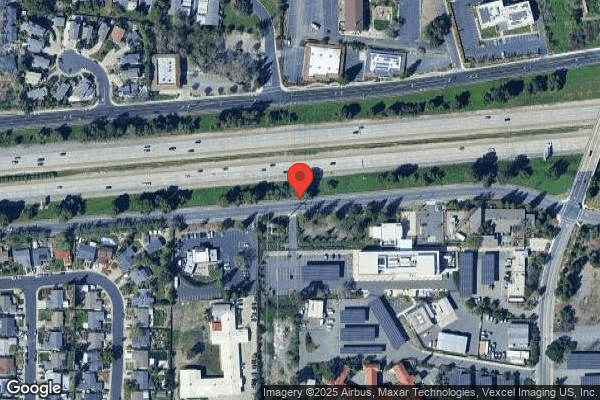
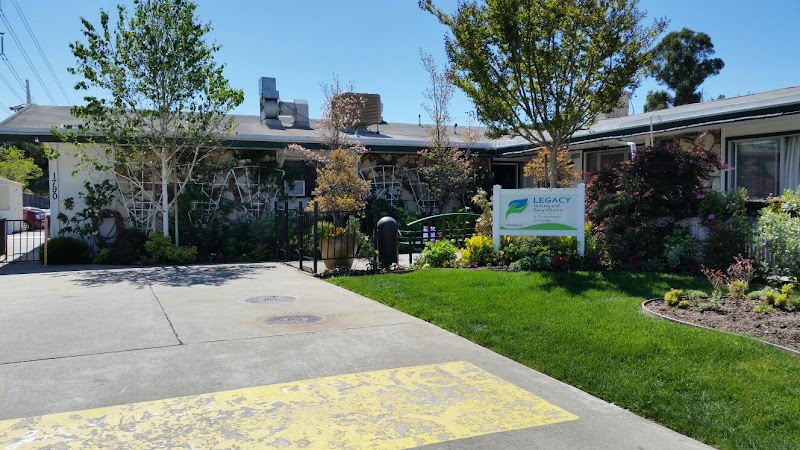
1790 MUIR ROAD, MARTINEZ, CA 94553 (925) 228-8383
For profit - Corporation 96 Beds Independent Data: November 2025
Trust Grade
85/100
#115 of 1155 in CA
Last Inspection: January 2025

Within standard 12-15 month inspection cycle. Federal law requires annual inspections.

Overview

Legacy Post Acute Care in Martinez, California, has a Trust Grade of B+, which means it is above average and recommended for families considering care options. It ranks #115 out of 1,155 facilities statewide, placing it in the top half of California nursing homes, and #5 out of 30 in Contra Costa County, indicating only four local options are better. However, the facility is currently trending downward, with reported issues increasing from 5 in 2022 to 6 in 2025. On the positive side, the staffing rating is solid at 4 out of 5 stars, with a turnover rate of 36%, which is below the California average, suggesting staff stability. There have been no fines, which is encouraging, but the RN coverage is only average. Specific incidents of concern include unhygienic kitchen conditions, such as dirty equipment and unlabeled food items, and medication management issues, where expired and unlabeled medications were found, posing risks for residents. Additionally, some residents were not informed about menu changes, potentially affecting their nutritional intake. Overall, while there are strengths in staffing and compliance with fines, the facility needs to address its worsening trend and specific deficiencies in hygiene and communication.

Trust Score
B+
85/100
In California
#115/1155
Top 9%
Safety Record
Low Risk
No red flags
Inspections
Getting Worse
5 → 6 violations
Staff Stability
○ Average
36% turnover. Near California's 48% average. Typical for the industry.
Penalties
✓ Good
No fines on record. Clean compliance history, better than most California facilities.
Skilled Nurses
○ Average
Each resident gets 36 minutes of Registered Nurse (RN) attention daily — about average for California. RNs are the most trained staff who monitor for health changes.
Violations
⚠ Watch
15 deficiencies on record. Higher than average. Multiple issues found across inspections.
★★★★★
5.0
Overall Rating
★★★★☆
4.0
Staff Levels
★★★★☆
4.0
Care Quality
★★★★★
5.0
Inspection Score
Stable
2022: 5 issues
2025: 6 issues

The Good

  • 4-Star Staffing Rating · Above-average nurse staffing levels
  • 4-Star Quality Measures · Strong clinical quality outcomes
  • Full Sprinkler Coverage · Fire safety systems throughout facility
  • No fines on record
  • Staff turnover below average (36%)

    12 points below California average of 48%

Facility shows strength in staffing levels, quality measures, fire safety.

The Bad

Staff Turnover: 36%

Near California avg (46%)

Typical for the industry

The Ugly 15 deficiencies on record

Jan 2025 6 deficiencies
CONCERN (D)

Potential for Harm - no one hurt, but risky conditions existed

Deficiency F0578 (Tag F0578)

Could have caused harm · This affected 1 resident

Based on interview and record review the facility failed ensure that one of six sampled residents' (Resident 69) medical record contained a current copy of Advance Directive (a written instruction, su...

Read full inspector narrative →
Based on interview and record review the facility failed ensure that one of six sampled residents' (Resident 69) medical record contained a current copy of Advance Directive (a written instruction, such as a living will or durable power of attorney for health care, recognized under State law relating to the provision of health care when the individual is incapacitated). This failure had the potential for Resident 69 to be placed at risk of receiving unwanted treatment and not receiving appropriate care based on his wishes. Findings: During a review of Resident 69's undated admission Record, the admission Record printed on 1/8/25 indicated, Resident 69 was admitted in the facility 12/2024 with an admission diagnosis of cerebral infarction (a serious condition that occurs when blood flow to the brain is blocked, causing brain tissue to die). During a record review of Resident 69's Minimum Data Set (MDS- an assessment used to guide plan of care) dated 12/9/24, MDS indicated Resident 69's Brief Interview of Mental Status (BIMS, a scoring system used to determine the resident's cognitive status regarding attention, orientation, and ability to register and recall information) score was 15 out of 15, indicating intact mental status. During a concurrent interview and record review on 1/8/25 at 9:29 a.m. with the Social Services Director (SSD) in the SSD's office, Resident 69's Physician Orders for Life-Sustaining Treatment (POLST, a form designed to improve patient care by creating a portable medical order form that records patients' treatment wishes so that emergency personnel know what treatments the patient wants in the event of a medical emergency, taking the patient's current medical condition into consideration.) dated 12/3/24 was reviewed. The POLST indicated, Resident 69's undated Advance Directive was available and reviewed. SSD stated Resident 69's Advance Directive copy was not uploaded in the Electronic Health Record. During a concurrent observation and interview on 1/8/25 at 9:33 a.m. with the SSD in the nursing station, SSD flipped through Resident 69's paper chart looking for the copy of Advance Directive. SSD stated the copy of Resident 69's Advance Directive was not in the paper chart. SSD stated, the Medical Records Director (MRD) audits the POLST and follows up getting a copy of Advance Directive from the family. During a concurrent observation and interview on 1/8/25 at 9:37 a.m. with MRD in MRD's office, MRD checked Resident 69's EHR and paper chart. MRD stated, the copy of Resident 69's Advance Directive was not in the EHR nor in the paper chart. During a follow up interview on 1/8/25 at 2:12 p.m. with SSD, SSD stated, the copy of Resident 69's Advance Directive was emailed today by his wife. SSD stated the purpose of having a copy of the Advance Directive in the facility for the facility to know who the healthcare decision maker for the resident in case of emergency. During an interview on 1/9/25 at 9:00 a.m. with Resident 69 in Resident 69's room, Resident 69 stated, it was important for the facility to have a copy of his Advance Directives as it would serve as a guideline to staff of what he wants if something suddenly happened to him. During an interview on 1/9/25 at 9:12 a.m. with Registered Nurse (RN) 2, RN 2 stated, it was important to have the copy of Advance Directive accessible to staff as fast as possible to know what to do for the resident during an emergency. During a review of the facility's policy and procedure (P&P) titled Advance Directives, dated 12/16, the Advance Directive indicated, 6. Prior to or upon admission of a resident, the Social Services Director or designee will inquire of the resident, his/her family member and/or his or her legal representative, about the existence of any written advance directive.
CONCERN (D)

Potential for Harm - no one hurt, but risky conditions existed

MDS Data Transmission (Tag F0640)

Could have caused harm · This affected 1 resident

**NOTE- TERMS IN BRACKETS HAVE BEEN EDITED TO PROTECT CONFIDENTIALITY** Based on observation, interview, and record review the facility nursing staff did not accurately complete one out of three resid...

Read full inspector narrative →
**NOTE- TERMS IN BRACKETS HAVE BEEN EDITED TO PROTECT CONFIDENTIALITY** Based on observation, interview, and record review the facility nursing staff did not accurately complete one out of three residents' (Resident 73) discharge assessment when the wrong discharge disposition was entered. This failure to accurately encode (to enter information into the facility MDS software in the computer) Resident 73's assessment had the potential to not effectively monitor and keep track of resident's progress or decline over time and also cause delay in providing resident information for payment and quality measure purposes. Findings: During a review of Resident 73's Face Sheet, (undated), the Face Sheet indicated Resident 73 was admitted to the facility in 2024 with included diagnoses of Acute Osteomyelitis right ankle and foot (osteomyelitis - a serious bone infection that happens after an infection spreads to the bone marrow and bones through bloodstream). During a review of Resident 73's Minimum Data Set (MDS - a resident assessment tool use to guide care) dated 10/12/2024, the MDS indicated Resident 73 was discharged to a Short-Term General Hospital (acute care hospital). During an interview on 01/08/2025 at 10: 23 A.M. with Minimum Data Set Coordinator (MDSC), MDSC stated Resident 73 was discharge to home and not to the hospital. MDSC further stated the entry coded in MDS was an error entry and she will correct it. During a review of Resident 73's Interdisciplinary Treatment (IDT) Discharge Summary notes, dated 10/11/2024, the discharge summary notes indicated Resident 73 was discharged to home. During a review of Resident 73's Physician Discharge summary dated [DATE], and signed by Physician 10/17/2025, Physician Discharge Summary indicated Resident 73 to be discharged home . During a review of Resident 73's Physician Order Summary dated 10/10/2024, the Physician Order Summary indicated Resident 73 to be discharge on [DATE]; Where To: home; To be followed by: PT, OT, RN, HHA, Durable Medical Equipment: no DME one time only for Discharge until 10/12/2025 23:59. During an interview 01/08/2025 10: 25 AM with Director of Nursing (DON), DON stated it is important to have correct encoding for accuracy reasons. DON further stated facility would modify the incorrect entry. During a review of facility's policy and procedure (P & P), title Resident Assessment Instrument, dated 2010, page 20, the PNP indicated, the purpose of the assessment is to describe the resident's capability to perform daily life functions and to identify significant impairments in functional capacity. Information derived from the comprehensive assessment helps the staff to plan care that allows the resident to reach his/her highest practicable level of functioning.
CONCERN (D)

Potential for Harm - no one hurt, but risky conditions existed

Deficiency F0655 (Tag F0655)

Could have caused harm · This affected 1 resident

Based on interview and record review, the facility failed to provide a written summary of the baseline care plan to one of five sampled residents (Residents 59) when Resident 59 did not receive a copy...

Read full inspector narrative →
Based on interview and record review, the facility failed to provide a written summary of the baseline care plan to one of five sampled residents (Residents 59) when Resident 59 did not receive a copy of the summary. This failure resulted in Resident 59 to be uninformed of the initial plan of care and services. Findings: During a review of Resident 59's undated admission Record, the admission Record printed on 1/8/25 indicated, Resident 59 was admitted in the facility on 12/15/24 with an admission diagnosis of metabolic encephalopathy (a brain dysfunction that occurs when there's an imbalance of chemicals in the blood, usually due to an underlying medical condition.). The record indicated, Resident 59 was their own responsible party (RP or legal guardian). During a record review of Resident 59's Minimum Data Set (MDS- an assessment used to guide plan of care) dated 12/21/24, the MDS indicated Resident 59's Brief Interview of Mental Status (BIMS, is a scoring system used to determine the resident's cognitive status regarding attention, orientation, and ability to register and recall information) score was 14 out of 15, indicating intact mental status. During an interview on 1/8/25 at 12:18 p.m. with Licensed Vocational Nurse (LVN) 2, LVN 2 stated, the baseline care plan summary was discussed to the resident and RP during the Interdisciplinary Team (IDT) Care Conference. LVN 2 stated, copy of the baseline care plan summary was provided to residents or RP upon request. During a concurrent interview and record review, on 1/8/25 at 12:36 p.m. with the Minimum Data Set Coordinator (MDSC) 1, Resident 59's Interdisciplinary Team (IDT) Care Conference Notes dated 12/18/24 was reviewed, the IDT Care Conference Notes indicated, Baseline Plan of Care was not given to the resident and/or RP. The MDSC 1 stated, Resident 59's daughter attended the IDT Care Conference via telephone. The MDSC 1 stated, the Baseline Care Plan Summary was not provided to Resident 59's daughter because she did not request a copy. During a review of Resident 59's Baseline Care Plan Summary dated 12/15/24, indicated, resident or RP acknowledging the summary was received was unsigned and undated. During an interview on 1/9/25 at 9:14 a.m. with Resident 59 in Resident 59's room, Resident 59 stated, they did not receive a copy of the baseline care plan summary nor signed the form. During a review of the facility's policy and procedure titled Care Plans-Baseline, dated 3/17, indicated, 4. The resident and/or representative are offered a copy of the baseline care plan.
CONCERN (D)

Potential for Harm - no one hurt, but risky conditions existed

Unnecessary Medications (Tag F0759)

Could have caused harm · This affected 1 resident

Based on observations, interviews, and record reviews, the facility failed to maintain a medication error rate below five percent (5%). During the medication pass on 01/07/25, three medication errors ...

Read full inspector narrative →
Based on observations, interviews, and record reviews, the facility failed to maintain a medication error rate below five percent (5%). During the medication pass on 01/07/25, three medication errors were observed out of twenty-six opportunities for two out of five residents, resulting in an error rate of 11%. This failure had the potential to result in harm in the health and safety of residents. Findings: 1. A review of the manufacturer's insert for Breyna (Budesonide-Formoterol) indicated that Breyna is a medication used to help people with asthma and COPD (chronic obstructive pulmonary disease) breathe easier. The insert emphasizes that it is essential to hold the breath for 10 seconds after administration to ensure the medication is properly absorbed. Omitting this instruction could compromise the medication's effectiveness and potentially impact the resident's treatment outcomes. During an observation on 1/7/25, at 8:15 AM, it was noted that RN1, while administering Breyna to Resident 31, did not instruct the patient to hold their breath for at least 10 seconds after inhalation. RN1 handed the inhaler to Resident 31, and although he held his breath, he did not hold it for the recommended 10 seconds as specified by the manufacturer. According to the manufacturer's website, when administering two puffs of Breyna, patients should wait at least one minute between puffs to ensure proper medication delivery and effectiveness. This waiting time is crucial for allowing each dose to disperse and be absorbed by the lungs, maximizing the therapeutic benefits of the medication. Waiting one minute between puffs also helps prevent potential side effects associated with incorrect medication administration, such as local irritation or systemic absorption of the medication. During an observation on 1/7/25, at 8:15 AM, it was noted that RN1 did not wait between puffs when administering two puffs of Breyna to Resident 31. Allowing sufficient time between each puff is crucial for the medication to disperse effectively in the respiratory system. By not waiting, the delivery of the medication may have been hindered, potentially affecting the treatment's efficacy. It's important to follow proper techniques when administering inhaled medications to ensure the best possible therapeutic outcomes for the patient. During an interview conducted on 1/7/25, at 8:30 AM, RN 1 acknowledged that she did not instruct Resident 31 to hold their breath for at least 10 seconds after using the Breyna inhaler. Additionally, she admitted that she did not wait the recommended one-minute interval between puffs when administering the inhaler. RN 1 stated that she will adhere to these proper administration guidelines in the future. 2. A review on 1/7/25, of the manufacturer's insert for Dorzolamide (Dorzolamide is an eye drop used to lower high pressure inside the eye in people with open-angle glaucoma or ocular hypertension) indicated that the tip of the bottle should not make contact with any surface, including the eye or surrounding area. This precaution is essential to maintain sterility and prevent contamination of the medication, which could potentially lead to adverse effects such as eye infections. Proper administration technique, as outlined by the manufacturer, is critical for ensuring the safety and efficacy of the medication. During an observation on 1/7/25, at 9:15 AM, Licensed Vocational Nurse 1 (LVN1) administered one drop of dorzolamide in each eye to Resident 35. However, LVN1's technique was flawed, as they held the bottle's tip too close to the resident's eyelashes. Consequently, the eyedrop made contact with the eyelashes rather than landing directly in the eye as intended. Proper administration of eyedrops requires maintaining a short distance between the dropper and the eye to ensure the medication reaches the intended target. During an interview conducted on 1/7/25, at 9:30 AM, LVN 1 admitted that she accidentally touched the tip of the eye drop bottle to Resident 35's eyelashes. She stated that she will ensure this does not happen again and that she will be more careful in the future. 3. A review on 1/7/25 of the manufacturer's insert for QVAR, proper administration involves instructing the patient to fully exhale before inhaling the medication from the inhaler. After inhalation, the patient should be advised to hold their breath for at least 5 to 10 seconds. This practice ensures effective absorption of the medication into the lungs, optimizing its therapeutic benefits. Healthcare professionals must adhere to these guidelines to maximize the medication's benefits and minimize the risk of potential adverse effects. QVAR is an inhaler medication used to prevent asthma attacks by reducing inflammation in the airways. During an observation on 1/7/25 at 9:15 AM Licensed Vocational Nurse 1 (LVN1), administered QVAR inhaler to Resident 35. It was observed that LVN1 did not instruct the resident to exhale before inhaling the medication. As a result, the resident did not exhale prior to inhaling the medication. Additionally, LVN1 did not instruct Resident 35 to hold their breath for 5 to 10 seconds after inhalation, which is an essential step to ensure proper absorption. Consequently, Resident 35 did not hold their breath for the recommended duration, potentially compromising the medication's effectiveness. Adhering to proper administration techniques is crucial for optimal therapeutic outcomes, as outlined by the manufacturer's instructions and professional guidelines. During an interview conducted on 1/7/25, at 9:30 AM, LVN 1 stated that she did not instruct Resident 35 to exhale prior to using the inhaler or to hold their breath for 5-10 seconds after inhalation. She acknowledged the oversight and stated that she will adhere to proper administration techniques in the future.
CONCERN (D)

Potential for Harm - no one hurt, but risky conditions existed

Deficiency F0761 (Tag F0761)

Could have caused harm · This affected 1 resident

Based on observations, interviews, and record reviews conducted during the assessment, it was identified that the facility did not maintain the medication refrigerator within the required temperature ...

Read full inspector narrative →
Based on observations, interviews, and record reviews conducted during the assessment, it was identified that the facility did not maintain the medication refrigerator within the required temperature range of 36°F to 46°F, as outlined in their policy. This failure potentially exposes medications to an environment where their efficacy may be compromised due to improper storage conditions. Findings A review of the facility policy, effective December 1, 2007, titled Storage and Expiration Dates of Medications, Biologicals, Syringes, and Needles, indicates that the facility should ensure that medications are stored at appropriate temperatures. Medications requiring refrigeration should be maintained between 36°F and 46°F. During an observation at 9:21 AM on 01/08/25, it was noted at the nursing station medication refrigerator that multiple medications, including insulin, vaccines, eye drops, and a refrigerated emergency kit containing various medications, were stored at a temperature of 34°F, as indicated by the thermometer. A review conducted on 01/08/25, of the medication refrigerator temperature logs revealed that for the month of January, there were four documented instances where the temperature was recorded as 32°F. Additionally, for the months of December and November 2024, there were a total of seven instances where temperatures were supposed to be documented but were either missing or not recorded. During an interview on 01/08/25, at 9:25 AM, the Assistant Director of Nursing acknowledged that the temperature of 34°F in the medication refrigerator was too low. She further noted that the refrigerator contained vaccines, eye drops, insulin, and multiple medications, including an emergency refrigerator kit with several medications. As a corrective measure, she mentioned that she would adjust the thermostat to a higher setting and closely monitor the temperature to ensure it remains within the acceptable range of 36°F to 46°F. The Assistant Director also admitted that she was previously unaware of the refrigerator's temperature being excessively low and acknowledged the facility's policy of maintaining refrigerator temperatures between 36°F and 46°F.
CONCERN (D)

Potential for Harm - no one hurt, but risky conditions existed

Infection Control (Tag F0880)

Could have caused harm · This affected 1 resident

**NOTE- TERMS IN BRACKETS HAVE BEEN EDITED TO PROTECT CONFIDENTIALITY** Based on observation, interview, and record review the facility failed to follow their infection prevention control policy and p...

Read full inspector narrative →
**NOTE- TERMS IN BRACKETS HAVE BEEN EDITED TO PROTECT CONFIDENTIALITY** Based on observation, interview, and record review the facility failed to follow their infection prevention control policy and protocol when nursing staff did not transport one out of five residents' (Resident 21) personal clothes in a clean linen cart used for transportation. The failure had the potential to cause cross contamination and spread of infection among the residents. Findings: During an observation on 1/8/2025 at 12:18 p.m. in the hallway near the laundary room, adjacent to room [ROOM NUMBER], Housekeeper/Laundary Staff (HKLS) held residents clothing, without gloves, about 5 to 6 of them, on clothes hangers, close to his body and walked down the hallway from the laundry room to Resident 21's room. There were other staff, two residents seated in their wheelchairs in the hallway, a housekeeper cleaning cart and a lunch tray cart in the hallway. During an observation on 1/6/2025 at 10:32 a.m., Resident 25, Resident 70, Resident 55, Resident 15, Resident 1, and Resident 4 were on Enhanced Barrier Precautions in the same hallway as Resident 21. During a review of the facility's list of Residents on Enhanced Barrier Precautions on 1/8/2025 at 1:00 p.m, the facility's list of Enhance Barrier Preacaution indicated 12 Residents on Enhanced Barrier Precautions, which included Residents 25, 70, 55, 15, 1, 4, and 33. During an interview on 1/8/2025 at 10:29 a.m, with Infection Control Preventionist (IP) Nurse, IP stated the facility had a COVID outbreak from around December 1, 2024 to January 7, 2025. IP further stated facility had 32 residents and 15 staff test positive for COVID, and the facility was still waiting to get cleared by the County. During an interview on 1/8/2025 at 12:26 p.m. with HKLS, HKLS stated he has been trained to handle clean laundry without using clean laundry transport cart. HKLS stated this is how he does it and also stated the clothes he was transporting were room [ROOM NUMBER] A's clothing. During an interview on 1/8/2025 at 12:33 p.m., with HouseKeeper/Maintenance Supervisor HKS, HKS stated the residents' clean laundry should be transported in a cart, covered during transport. During an interview on 1/8/2025 at 12:45 p.m. with IP and Director of Staffing Development (DSD) , both DSD and IP stated laundry should be separated by soiled laundry and clean laundry. DSD further stated clean resident laundry should be transported to the resident's room in a clean cart. During an observation on 1/8/2025 at 12:55 p.m., HKS walked into the facilty from the parking lot with his laundry apron on and walked down the hallway heading towards the laundry room. During an observation on 1/9/2025 at 08:57 a.m., HKS walked out of the facilty to the parlking lot with his laundry apron on. During an observation on 1/9/2025 at 09:17a.m., HKS walked back into the facility with the same laundry apron on and resumed work.
Oct 2022 5 deficiencies
CONCERN (D)

Potential for Harm - no one hurt, but risky conditions existed

Incontinence Care (Tag F0690)

Could have caused harm · This affected 1 resident

**NOTE- TERMS IN BRACKETS HAVE BEEN EDITED TO PROTECT CONFIDENTIALITY** Based on observation, interview and record review, the facility failed to obtain a physician's order for the use of an indwellin...

Read full inspector narrative →
**NOTE- TERMS IN BRACKETS HAVE BEEN EDITED TO PROTECT CONFIDENTIALITY** Based on observation, interview and record review, the facility failed to obtain a physician's order for the use of an indwelling urinary catheter (a thin sterile tube inserted into the bladder to drain urine to a collection bag outside of the body) for one of 7 sampled residents (Resident 19). This failure had the potential for insufficient and inadequate delivery of care. Findings: Resident 19 was readmitted to the facility on [DATE] with admitting diagnoses which included stage 4 pressure ulcer of the sacral region. During initial observation on 10/10/22 at 11:45 a.m., Resident 19 was in bed, and had an indwelling catheter drainage bag anchored to his bed frame. The connecting tube from the catheter to the collection bag had blood-tinged urine. During a concurrent record review and interview with licensed vocational nurse (LVN) 2, LVN2 stated, there was no order for the use of an indwelling catheter in Resident 19's electronic health record, and LVN 2 was not aware of Resident 19 having an indwelling catheter. During an interview on 10/11/22 at 11:05 a.m. ,with the nurse supervisor (RN) RN 1, RN1 stated, there should be a physician's order for the use and care of an indwelling catheter. RN 1 did not find a physician's order in Resident 19's electronic health record. The facility policy titled Foley catheter insertion, male resident dated October 2010 indicated .verify that there is a physician's order for this procedure.
CONCERN (D)

Potential for Harm - no one hurt, but risky conditions existed

Respiratory Care (Tag F0695)

Could have caused harm · This affected 1 resident

Based on observation, interview and record review, the facility failed to assure oxygen supplies and equipment were maintained according to policy and the operator's manual for four (4) of five (5) sa...

Read full inspector narrative →
Based on observation, interview and record review, the facility failed to assure oxygen supplies and equipment were maintained according to policy and the operator's manual for four (4) of five (5) sampled residents (Resident 16, Resident 54, Resident 1, Resident 56). This deficient practice had the potential for the delivery of unclean and inadequate oxygen concentration to the residents. Findings: During the initial tour on 10/10/22 at 9:20 a.m., Resident 16 was using a concentrator (an electronically operated device that separates oxygen from room air and provides high concentration of oxygen directly through a nasal cannula, a lightweight tube with one end split into two prongs which are placed in the nostrils and from which a mixture of air and oxygen flows). The concentrator had a filter on its side which was covered with a thick layer of gray fluffy matter. Licensed Vocational Nurse 1 (LVN 1) stated, the filter was supposed to be cleaned regularly. During an observation on 10/11/22 at 9:30 a.m., Resident 54 was observed using a concentrator had a filter which was covered with a thick layer of gray fluffy matter. During an observation on 10/11/22 at 10:10 a.m., Resident 1 was observed using a concentrator had a filter which was covered with a thick layer of gray fluffy matter. Resident 56 was also observed using a concentrator on 10/11/22 at 10:45 a.m. using a concentrator had a filter which was covered with a thick layer of gray, fluffy matter. During an interview on 10/11/22 at 11:15 a.m. with IP, IP stated the filters of the concentrators needed to have a cleaning schedule, and this task should be appointed to a specific staff member. According to the facility's policy and procedure titled Concentrator Maintenance dated 8/5/09, it indicated .clean the gross particle filter. The Operator's Manual: Section 6-Maintenance, stated: 1. Remove each filter and clean at least once a week depending on environmental conditions.
CONCERN (E)

Potential for Harm - no one hurt, but risky conditions existed

Deficiency F0761 (Tag F0761)

Could have caused harm · This affected multiple residents

**NOTE- TERMS IN BRACKETS HAVE BEEN EDITED TO PROTECT CONFIDENTIALITY** Based on observation, interview, and record review, the facility failed to ensure medications were stored and labeled appropriat...

Read full inspector narrative →
**NOTE- TERMS IN BRACKETS HAVE BEEN EDITED TO PROTECT CONFIDENTIALITY** Based on observation, interview, and record review, the facility failed to ensure medications were stored and labeled appropriately when: 1. Resident 4's expired inhaler and Resident 56's undated opened inhaler were found in medication cart 2. 2. One opened and undated PPD 1 ml. (milliliter, unit of measure) vial was found in medication room in Station 1. 3. The temperature of a room used for medication storage was not being monitored. 4. Loose pills were found in medication cart 3. 5. Two bottles of blood glucose test strips in medication cart 3 were not dated when opened. 6. Four opened unlabeled and undated vials of Insulin (medication to lower blood sugar level) were found in medication cart 3. 7. Resident 21's opened Insulin Kwik Pen (a type of insulin) in medication cart 3 was not dated when opened. These failures had the potential for medication misuse, drug diversion and medication ineffectiveness. Findings: 1. During an observation and concurrent interview with Registered Nurse (RN 2) on [DATE], at 9:23 a.m., Resident 4's Breo Ellipta inhaler (medication administered by breathing in and helps with breathing issues) with an open date of [DATE], was found in the medication cart 2 drawer. Inhaler manufacturer's instructions on the medication box indicated, inhaler should be discarded in 6 weeks after opening. During an observation and concurrent interview with RN 2 on [DATE], at 9:23 a.m., Resident 56's Anoro Ellipta inhaler (medication administered by breathing in and helps with breathing issues) had no open date label found in medication cart 2 drawer. During a review of Anoro Ellipta Inhaler Inhaler manufacturer's instructions, instructions indicated, inhaler should be discarded 6 weeks after opening. RN 2 acknowledged resident 56's inhaler should have an open date label. During a review of the facility policy titled, Storage and Expiration Dating of Medications, Biologicals . dated 4/2022, indicated, Once any medication or biological package is opened, facility should follow manufacturer/ supplier guidelines with respect to expiration dates for open medications. Facility staff should record the date opened on the medication container when the medication has a shortened expiration date once opened. 2. During a concurrent observation of medication room in Station 1 and interview with Licensed Vocational Nurse (LVN 6), on [DATE], at 9:57 a.m., one opened Purified Protein Derivative vial (PPD is a test used for skin test to identify a lung infection) had no open date label, found inside the refrigerator in the medication room. LVN 6 acknowledged PPD vial should be labeled of date when opened. During a review of the facility policy titled, Storage and Expiration Dating of Medications, Biologicals . dated 4/2022, indicated, Once any medication or biological package is opened, facility should follow manufacturer/ supplier guidelines with respect to expiration dates for open medications. Facility staff should record the date opened on the medication container . 3.During a concurrent observation of the medication storage room and interview with the Minimum Data Set Coordinator (MDSC), on [DATE], at 10:11 a.m., the central supply room was observed to have no temperature log. MDSC stated the thermometer in medication storage room was broken and acknowledged there was no record to monitor the temperature of the central supply room. During a review of the facility policy titled, Storage and Expiration Dating of Medications, Biologicals, Syringes and Needles, dated 04/2022, indicated, . Facility should ensure that medications and biologicals are stored at their appropriate temperatures . guidelines for temperature ranges . Room Temperature: 59 to 77 degrees Fahrenheit (a scale for measuring temperature) . 4. During a concurrent inspection of Med Cart 3 and interview with LVN 5 on [DATE], at 10:41 a.m., 6 whole and 3 broken loose pills were found in the Med Cart 3 drawer. LVN 5 verified 6 whole and 3 broken loose pills were found in Med Cart 3 drawer. During a review of facility policy Storage of Medications, dated [DATE], indicated, .The nursing staff shall be responsible for maintaining medication storage and preparation areas in a clean, safe, and sanitary manner . Drugs should be stored in an orderly manner in cabinets, drawers, carts, or automatic dispensing systems. Each resident's medication shall be assigned to an individual cubicle, drawer, or other holding area to prevent the possibility of mixing medications of several residents. 5. During a concurrent inspection of Medication Cart 3 and interview with LVN 5, on [DATE], at 10:41 a.m., found 2 undated opened blood glucose test strips (strips used to test blood sugar). LVN 5 verified the blood glucose test strips had no open date labels. LVN 5 read and acknowledged the manufacturer recommendation in the test strip bottles indicated blood glucose test strips expiration in 6 months once bottle is opened. During a review of the facility policy titled, Storage and Expiration Dating of Medications, Biologicals . dated 4/2022, indicated, Once any medication or biological package is opened, facility should follow manufacturer/supplier guidelines with respect to expiration dates for open medications. Facility staff should record the date opened on the medication container when the medication has a shortened expiration date once opened. 6. During a concurrent inspection of Med Cart 3 and interview with LVN 5, on [DATE], at 10:41 a.m., four opened unlabeled and undated 10 ml. vials of Regular, Novolog, Lantus and Levemir insulins (medications to lower blood sugar), were found in the medication cart drawer. LVN 5 stated, insulin vials should have been labeled with residents' names and open dates. During a review of the facility policy titled, Storage and Expiration Dating of Medications, Biologicals . dated 4/2022, indicated, Once any medication or biological package is opened, facility should follow manufacturer/ supplier guidelines with respect to expiration dates for open medications. Facility staff should record the date opened on the medication container when the medication has a shortened expiration date once opened. During a review of the facility policy titled, Interim, Stat, Emergency Supplies of Medications, dated 4/2022, indicated, .To avoid waste, facility staff should place a sticker or label with the resident's name and room number on the multi dose container to assure the medication is identified as belonging to the specific resident. Facility may also place a sticker on the medication container to refer to the directions for use on the physician's order and/or the current medication administration record. Record date opened if applicable. 7. During a concurrent inspection of Med Cart 3 and interview with LVN 5, on [DATE], at 10:41 a.m., Resident 21's opened Humalog Insulin 3 ml. Kwik Pen (an injection insulin pen used to treat high blood sugar) was found in the medication drawer had no open date label. LVN stated, insulin pen should have had an open date label. During a review of the facility policy titled, administering medications dated 12/2012, indicated, . When opening a multi dose container, the date opened shall be recorded on the container . Insulin pens will be clearly labeled with the resident's name or other identifying information .
CONCERN (E)

Potential for Harm - no one hurt, but risky conditions existed

Menu Adequacy (Tag F0803)

Could have caused harm · This affected multiple residents

**NOTE- TERMS IN BRACKETS HAVE BEEN EDITED TO PROTECT CONFIDENTIALITY** Based on observation, interview, and record review, the facility failed to ensure three of 20 sampled residents (Resident 52, 75...

Read full inspector narrative →
**NOTE- TERMS IN BRACKETS HAVE BEEN EDITED TO PROTECT CONFIDENTIALITY** Based on observation, interview, and record review, the facility failed to ensure three of 20 sampled residents (Resident 52, 75 and 233), were notified when the menu changed. This failure had the potential to negatively affect Residents 52, 75 and 233's nutritional intake. Findings: During an interview on 10/10/22, at 2:51 p.m., with Resident 233, Resident 233 stated, the menu was changed 2-3 times a week, since her admission on [DATE]. Resident 233 stated, staff didn't tell her when or why the menu changed. Resident 233 stated, on 10/9/22, dinner was a hamburger and potato salad, when the menu had chicken strips in sweet lemon sauce with garlic ginger noodles. Resident 233 stated, on 10/10/22, lunch was a bowl of bean soup, corn bread and salad, when the menu had pot roast and gravy. Resident 233 stated, she was upset and disappointed when staff changed the menu without telling her. During an interview on 10/10/22, at 3:05 p.m., with Resident 52, Resident 52 stated, the menu was changed 2-3 times a week, since her admission on [DATE]. Resident 52 stated, staff didn't tell her when or why the menu changed. Resident 52 stated, on 10/9/22, dinner was a hamburger and potato salad, when the menu had chicken strips in sweet lemon sauce with garlic ginger noodles. Resident 52 stated, on 10/10/22, lunch was a bowl of bean soup, corn bread and salad, when the menu had pot roast and gravy. Resident 52 stated, she was upset and disappointed when staff changed the menu without telling her. During an interview on 10/11/22, at 9:14 a.m., with Resident 75, Resident 75 stated, the menu was wrong a few times a week. Resident 75 stated, staff didn't tell him when or why the menu changed. Resident 75 stated, last week, he got a ham sandwich when the menu was chicken and noodles. Resident 75 stated, he felt disappointed when staff changed the menu without telling him. During an interview 10/11/22, at 2:16 p.m., with register dietitian (RD), RD stated, they didn't notify each resident when the menu changed. RD stated, menu changes can cause residents to be emotionally dissatisfied. RD stated, it can affect residents clinically and cause residents to eat less, lose weight or not gain weight. During a review of the Menu Item Substitution List, dated 10/10/22, the list indicated on 10/10/22, lunch was changed from pot roast, mashed potatoes, Brussels sprouts and sweet corn salad to beef chili with mixed green salad and cornbread. During a review of the Substitution List, dated 10/7/22 through 10/9/22, the list indicated the menu was changed on 10/7/22 breakfast and lunch, 10/8/22 breakfast and 10/9/22 lunch and dinner.
CONCERN (F)

Potential for Harm - no one hurt, but risky conditions existed

Food Safety (Tag F0812)

Could have caused harm · This affected most or all residents

Based on observation, interview, and record review, the facility failed to ensure food was stored and prepared under sanitary conditions when: 1. A kitchen wall and equipment were not clean; 2. Multip...

Read full inspector narrative →
Based on observation, interview, and record review, the facility failed to ensure food was stored and prepared under sanitary conditions when: 1. A kitchen wall and equipment were not clean; 2. Multiple food items were unlabeled, and undated; 3. Staff food was stored in refrigerator #3. This failure had the potential to put residents at risk for cross contamination and food born illnesses. Findings: During a concurrent observation and interview on 10/10/22, at 09:25 AM, with Dietary Director (DD), the wall behind Refrigerator #2 had dust, and black and gray particles. DD stated, the wall was dirty and needed to be cleaned. The can opener had black and brown particles and residue on the blade and on multiple surfaces. The toaster had black and brown particles on the crumb tray, and inner surfaces. In the dry storage, there was 1 dented can of Tuna 4.16 pounds. In the dry storage, there was a container of individually packaged syrups that were not labeled had an open or expiration dates. In the dry storage, there was an opened 10-pound Box of graham crumbs that was not labeled with open or expiration dates. Refrigerator #1 had a half gallon container of milk that was not labeled with an open date. Freezer #2 had 1 package of opened hash and 1 package of frozen dinner rolls that were not labeled with open or expiration dates. DD stated, the dented can and food items that were not labeled with open or use by dates needed to be thrown away. Refrigerator #3 had 60 unpasteurized eggs. DD stated, eggs belonged to staff , and shouldn't have been stored in the resident's refrigerator. During a concurrent observation and interview on 10/10/22, at 2:11 p.m., with DD, the resident refrigerator in the staff break-room had an open box of peanut brittle, had no open or expiration dates. DD stated, it should have a received date label. During an interview on 10/11/22, at 02:16 p.m., with Registered Dietician (RD), RD stated, the kitchen walls should have been cleaned at end of each day and the dirty wall pose a risk for food borne illnesses. RD stated, the can opener should have been cleaned between each RD stated, the toaster should have been cleaned at end of each day. RD stated, dented cans should be put and aside and returned to the distributor. RD stated, food should've been labeled when it was received and opened. RD stated, incorrectly labeled food pose a risk for contamination and food borne illnesses to the residents. RD stated, staff's un-pasteurized eggs shouldn't have been in the resident's refrigerator. During a review of the facility's policy and procedure (P&P) titled, Walls Ceilings, and Light Fixtures, reviewed 9/19/22, the P&P indicated, Walls and ceilings must be washed thoroughly at least twice a year. Heavily soiled surfaces must be cleaned more frequently as necessary. During a review of the facility's policy and procedure (P&P) titled, Can Opener and Base, reviewed 9/19/22, the P&P indicated, The can opener must be thoroughly cleaned each work shift and, when necessary, more frequently. During a review of the facility's policy and procedure (P&P) titled, Electrical Food Machines, reviewed 9/19/22, the P&P indicated, Toasters. 1. Clean daily. 2. Remove crumbs from the crumb tray daily and wipe the toaster case with a soft damp cloth . During a review of the facility's policy and procedure (P&P) titled, Food Storage-Dented Cans, reviewed 9/19/22, the P&P indicated, Food in unlabeled, rusty, leaking, broken containers or cans with side seam dents, rim dents or swells shall not be retained or used by the facility. During a review of the facility's policy and procedure (P&P) titled, Labeling and Dating of Foods, reviewed 9/19/22, the P&P indicated, All food items in the storeroom, refrigerator, and freezer need to be labeled and dated. The P&P indicated, Food delivered to facility needs to be marked with a received date. The P&P indicated, Newly opened food items will need to be closed and labeled with an open date and used by the date .
Aug 2019 4 deficiencies
CONCERN (D)

Potential for Harm - no one hurt, but risky conditions existed

Pharmacy Services (Tag F0755)

Could have caused harm · This affected 1 resident

Based on observations, interviews and record reviews, the facility failed to obtain medication for one of four sampled residents (Resident 48) when Isosorbide Mononitrate ER (medication used for heart...

Read full inspector narrative →
Based on observations, interviews and record reviews, the facility failed to obtain medication for one of four sampled residents (Resident 48) when Isosorbide Mononitrate ER (medication used for heart related chest pain) was not available to administer to Resident 48. The failure to obtain and administer ordered medication had the potential to delay treatment and prolong healing. Findings: During a review of Resident 48's physician's order indicated starting 7/26/19 Isosorbide Mononitrate 60 milligrams should be administered once a day. During concurrent medication administration observation and interview on 8/13/19 at 9:52 a.m., RN 1 did not administer Isosorbide Mononitrate ER 60 milligrams (mg) to Resident 48. RN 1 stated there was no available medicine to administer. During concurrent observation and interview on 8/13/19 at 10:19 a.m., RN 1 together with Licensed Vocational Nurse 1 (LVN 1) opened the drug dispensing machine and Isosorbide Mononitrate ER 60 mg was not available. During an interview with Director of Nursing (DON) on 8/13/19 at 1:03 p.m., the DON stated the charge nurses reorder routine medicines electronically or by sending the reorder stickers to the pharmacy. The DON also stated reordering takes place when seven to eight pills remain in the supply to provide adequate time for delivery.
CONCERN (D)

Potential for Harm - no one hurt, but risky conditions existed

Unnecessary Medications (Tag F0759)

Could have caused harm · This affected 1 resident

Based on observations, interviews and record reviews, the facility failed to ensure medication error rate of below five percent (%). When: 1. Licensed Vocational Nurse 2 (LVN 2) administered Isosorbi...

Read full inspector narrative →
Based on observations, interviews and record reviews, the facility failed to ensure medication error rate of below five percent (%). When: 1. Licensed Vocational Nurse 2 (LVN 2) administered Isosorbide Mononitrate ER (medication used for heart related chest pain) beyond the ordered time frame to Resident 48. 2. Registered Nurse 1 (RN 1) administered regular Aspirin to Resident 48 when the order was Aspirin EC (enteric coated-medicine dissolves in the small intestine instead of stomach to prevent stomach upset) delayed release. These deficient practices placed Resident 48 at risk of developing complications related to error in medication administration. Findings: 1. During concurrent medication administration observation and interview on 8/13/19 at 9:52 a. m., RN 1 did not give Isosorbide Mononitrate ER 60 milligrams (mg) to Resident 48. She stated there was no available medicine to give. During an interview with RN 1 on 8/13/19 at 12:46 p. m., she stated she called pharmacy and was told that Isosorbide will be delivered on 8/13/19. She also stated she called the doctor for Resident 48 and notified that medicine was not available and will be delivered on 8/13/19. She said the doctor gave an order to give Isosorbide one time when delivered. Review of Medication Administration Record (MAR) dated 8/14/19, it indicated Isosorbide Mononitrate ER tablet extended release 24 hour 60 milligrams (mg) give one tablet by mouth one time only for Anti-angina (chest pain) until 8/13/19 23:59. MAR also indicated that Isosorbide was given by LVN 2 on 8/14/19 at 0024. 2. During medication administration observation on 8/13/19 at 9:52 a. m., RN 1 administered regular Aspirin (chewable) to Resident 48. Review of electronic Physician's Order indicated Aspirin EC Tablet Delayed Release 81 mg, give 81 mg by mouth one time a day for clot (clump of blood) prevention.
CONCERN (D)

Potential for Harm - no one hurt, but risky conditions existed

Infection Control (Tag F0880)

Could have caused harm · This affected 1 resident

Based on observation and interviews, the facility failed to ensure infection control practice was implemented during medication administration to one of four sampled residents (Resident 65). When Regi...

Read full inspector narrative →
Based on observation and interviews, the facility failed to ensure infection control practice was implemented during medication administration to one of four sampled residents (Resident 65). When Registered Nurse 1 (RN 1) brought the whole bottle of probiotics (live bacteria that are good for the digestive system) inside Resident 65's room. This deficient practice placed residents at risk for contracting infection through medication administration. Findings: During medication administration observation on 8/13/19 at 8:44 a. m., RN 1 brought the whole bottle of previously opened probiotics inside Resident 65's room and placed it on the bedside table. During an interview with RN 1 on 8/13/19 at 9:10 a. m., she stated she shouldn't have brought the whole bottle of probiotics inside Resident 65's room. She also stated it is okay to put it back inside the medication cart but she decided to discard the whole bottle. She also mentioned she will find out how to discard the bottle of probiotics. During an interview with Director of Nursing (DON) on 8/13/19 at 12:50 p. m., she stated the bottle of probiotics shouldn't have been brought inside Resident 65's room as standard practice. She also stated that wasted or discontinued medicines could be discarded in the sharps container or inside the medication room where there's a bin for wasted/discontinued medicines.
CONCERN (E)

Potential for Harm - no one hurt, but risky conditions existed

Menu Adequacy (Tag F0803)

Could have caused harm · This affected multiple residents

Based on observation, interview and record review, the facility failed to follow the planned menu when less than stated amount of breaded fish or turkey patty was served to residents receiving regular...

Read full inspector narrative →
Based on observation, interview and record review, the facility failed to follow the planned menu when less than stated amount of breaded fish or turkey patty was served to residents receiving regular diets. This failure resulted in residents not getting the prescribed amount of protein for lunch and the potential for weight loss and malnutrition. Findings: Review of the undated document titled Cooks Spreadsheet Summer Menus Week 2 indicated the facility was to serve 3-4 oz of breaded fish to residents on regular diet at lunch on 8/12/19. During a trayline observation and concurrent interview with the Director of Food and Nutrition Services (DFNS) and [NAME] 1 on 8/12/19 at 11:45 a.m., after all the trays were plated, a serving portion of the breaded fish and the turkey patty were weighed by [NAME] 1. The DFNS and [NAME] 1 confirmed one piece of the breaded fish weighed 2 ounce (oz- a unit of measurement) and one piece of the turkey patty weighed 1.75 oz. Both the DFNS and [NAME] 1 confirmed the fish and the turkey weighed less than the required amount of protein on the planned menu. [NAME] 1 stated she weighed the turkey patties before she cooked them. The DFNS stated the proteins should weigh 3-4 oz according to the spreadsheet. During an interview with Resident 30 on 8/12/19 at 1:30 p.m., Resident 30 stated the patty was very small and would have liked more. During an interview with the Registered Dietitian (RD) on 8/13/19 at 1:10 p.m., the RD stated the dietary spreadsheet/menu should be followed. RD also stated [NAME] 1 should have served two pieces of turkey patties. RD further stated the facility must provide the required amount of protein to the residents.
Understanding Severity Codes (click to expand)
Life-Threatening (Immediate Jeopardy)
J - Isolated K - Pattern L - Widespread
Actual Harm
G - Isolated H - Pattern I - Widespread
Potential for Harm
D - Isolated E - Pattern F - Widespread
No Harm (Minor)
A - Isolated B - Pattern C - Widespread

Questions to Ask on Your Visit

  • "Can I speak with families of current residents?"
  • "What's your RN coverage like on weekends and overnight?"

Our Honest Assessment

Strengths
  • • Grade B+ (85/100). Above average facility, better than most options in California.
  • • No major safety red flags. No abuse findings, life-threatening violations, or SFF status.
  • • No fines on record. Clean compliance history, better than most California facilities.
  • • 36% turnover. Below California's 48% average. Good staff retention means consistent care.
Concerns
  • • 15 deficiencies on record. Higher than average. Multiple issues found across inspections.
Bottom line: Generally positive indicators. Standard due diligence and a personal visit recommended.

About This Facility

What is Legacy Post Acute Care's CMS Rating?

CMS assigns LEGACY POST ACUTE CARE an overall rating of 5 out of 5 stars, which is considered much above average nationally. Within California, this rating places the facility higher than 99% of the state's 100 nursing homes. This rating reflects solid performance across the metrics CMS uses to evaluate nursing home quality.
How is Legacy Post Acute Care Staffed?

CMS rates LEGACY POST ACUTE CARE's staffing level at 4 out of 5 stars, which is above average compared to other nursing homes. Staff turnover is 36%, compared to the California average of 46%. This relatively stable workforce can support continuity of care.

What Have Inspectors Found at Legacy Post Acute Care?

State health inspectors documented 15 deficiencies at LEGACY POST ACUTE CARE during 2019 to 2025. These included: 15 with potential for harm.
Who Owns and Operates Legacy Post Acute Care?

LEGACY POST ACUTE CARE is owned by a for-profit company. For-profit facilities operate as businesses with obligations to shareholders or private owners. The facility operates independently rather than as part of a larger chain. With 96 certified beds and approximately 72 residents (about 75% occupancy), it is a smaller facility located in MARTINEZ, California.
How Does Legacy Post Acute Care Compare to Other California Nursing Homes?

Compared to the 100 nursing homes in California, LEGACY POST ACUTE CARE's overall rating (5 stars) is above the state average of 3.2, staff turnover (36%) is near the state average of 46%, and health inspection rating (5 stars) is much above the national benchmark.

What Should Families Ask When Visiting Legacy Post Acute Care?

Based on this facility's data, families visiting should ask: "Can I visit during a mealtime to observe dining assistance and food quality?" "How do you handle medical emergencies, and what is your hospital transfer rate?" "Can I speak with family members of current residents about their experience?"

Is Legacy Post Acute Care Safe?

Based on CMS inspection data, LEGACY POST ACUTE CARE has a clean safety record: no substantiated abuse findings (meaning no confirmed cases of resident harm), no Immediate Jeopardy citations (the most serious violation level indicating risk of serious injury or death), and is not on the Special Focus Facility watch list (a federal program monitoring the lowest-performing 1% of nursing homes). The facility has a 5-star overall rating and ranks #1 of 100 nursing homes in California. While no facility is perfect, families should still ask about staff-to-resident ratios and recent inspection results during their visit.

Do Nurses at Legacy Post Acute Care Stick Around?

LEGACY POST ACUTE CARE has a staff turnover rate of 36%, which is about average for California nursing homes (state average: 46%). Moderate turnover is common in nursing homes, but families should still ask about staff tenure and how the facility maintains care continuity when employees leave.

Was Legacy Post Acute Care Ever Fined?

LEGACY POST ACUTE CARE has no federal fines on record. CMS issues fines when nursing homes fail to meet care standards or don't correct problems found during inspections. The absence of fines suggests the facility has either maintained compliance or corrected any issues before penalties were assessed. This is a positive indicator, though families should still review recent inspection reports for the full picture.

Is Legacy Post Acute Care on Any Federal Watch List?

LEGACY POST ACUTE CARE is not on any federal watch list. The most significant is the Special Focus Facility (SFF) program, which identifies the bottom 1% of nursing homes nationally based on persistent, serious quality problems. Not being on this list means the facility has avoided the pattern of deficiencies that triggers enhanced federal oversight. This is a positive indicator, though families should still review the facility's inspection history directly.