ATHERTON PARK POST-ACUTE
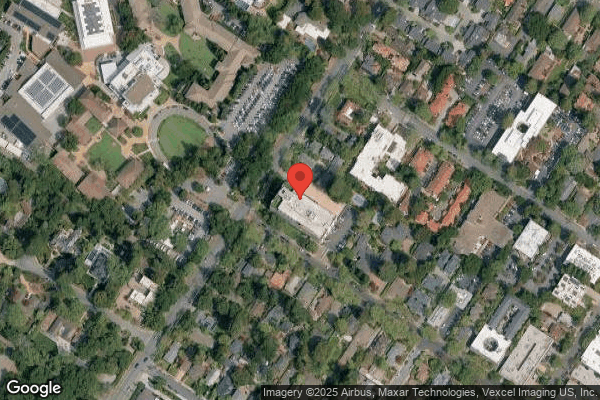
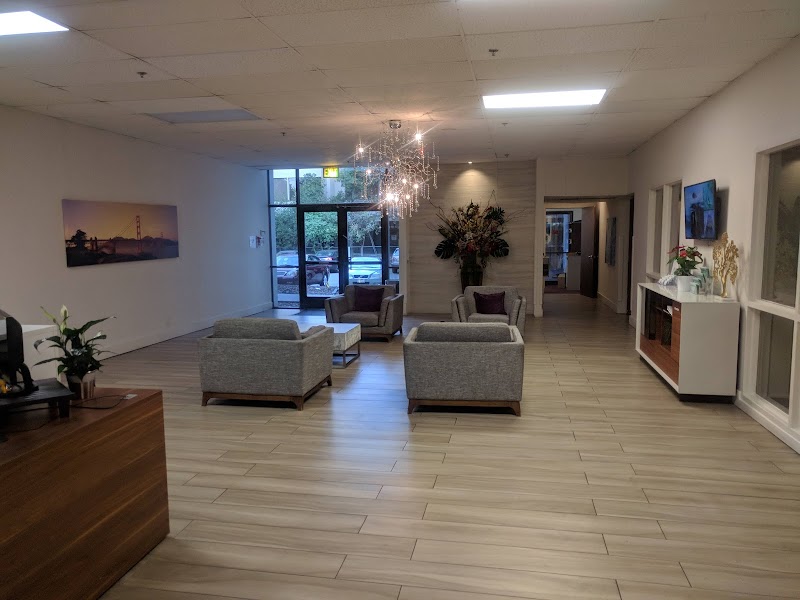
1275 CRANE STREET, MENLO PARK, CA 94025 (650) 325-8600
For profit - Limited Liability company 160 Beds KALESTA HEALTHCARE GROUP Data: November 2025
Trust Grade
65/100
#286 of 1155 in CA
Last Inspection: February 2025

Within standard 12-15 month inspection cycle. Federal law requires annual inspections.

Overview

Atherton Park Post-Acute has a Trust Grade of C+, indicating a decent level of care that is slightly above average. It ranks #286 out of 1155 facilities in California, placing it in the top half, and #6 out of 14 in San Mateo County, meaning only five local options are better. Unfortunately, the facility's trend is worsening, with the number of issues increasing from 5 in 2024 to 9 in 2025. Staffing has an average rating with a turnover rate of 42%, which is higher than the state average, but it maintains a good RN coverage level. While there have been no fines, which is a positive sign, recent inspections found serious issues, such as a resident being given two fentanyl patches simultaneously, leading to a medical emergency, and concerns regarding food safety and dietary management that could put residents at risk for foodborne illnesses. Overall, while there are strengths in the facility's rating and lack of fines, the increasing number of deficiencies and specific incidents raise valid concerns for families considering care for their loved ones.

Trust Score
C+
65/100
In California
#286/1155
Top 24%
Safety Record
Moderate
Needs review
Inspections
Getting Worse
5 → 9 violations
Staff Stability
○ Average
42% turnover. Near California's 48% average. Typical for the industry.
Penalties
✓ Good
No fines on record. Clean compliance history, better than most California facilities.
Skilled Nurses
⚠ Watch
Each resident gets only 26 minutes of Registered Nurse (RN) attention daily — below average for California. Fewer RN minutes means fewer trained eyes watching for problems.
Violations
⚠ Watch
52 deficiencies on record. Higher than average. Multiple issues found across inspections.
★★★★☆
4.0
Overall Rating
★★★☆☆
3.0
Staff Levels
★★★★★
5.0
Care Quality
★★★☆☆
3.0
Inspection Score
Stable
2024: 5 issues
2025: 9 issues

The Good

  • 5-Star Quality Measures · Strong clinical quality outcomes
  • Full Sprinkler Coverage · Fire safety systems throughout facility
  • No fines on record
  • Staff turnover below average (42%)

    6 points below California average of 48%

Facility shows strength in quality measures, fire safety.

The Bad

Staff Turnover: 42%

Near California avg (46%)

Typical for the industry

Chain: KALESTA HEALTHCARE GROUP

Part of a multi-facility chain

Ask about local staffing decisions and management

The Ugly 52 deficiencies on record

1 actual harm
Aug 2025 1 deficiency
CONCERN (D) 📢 Someone Reported This

A family member, employee, or ombudsman was alarmed enough to file a formal complaint

Potential for Harm - no one hurt, but risky conditions existed

Deficiency F0692 (Tag F0692)

Could have caused harm · This affected 1 resident

**NOTE- TERMS IN BRACKETS HAVE BEEN EDITED TO PROTECT CONFIDENTIALITY** Based on interview and record review, the facility failed to provide appropriate services to one of three sampled residents (Res...

Read full inspector narrative →
**NOTE- TERMS IN BRACKETS HAVE BEEN EDITED TO PROTECT CONFIDENTIALITY** Based on interview and record review, the facility failed to provide appropriate services to one of three sampled residents (Resident 1) when the Registered Dietitian (RD) did not reevaluate and address Resident 1's severe weight loss (a weight loss greater than 5% in one month, greater than 7.5% in three months, and greater than 10% in six months).This failure placed Resident 1 at risk for decline in nutritional status and physical health.Resident 1 was admitted on [DATE] with diagnoses that include left distal radius fracture (a break of the bone near the wrist of the left forearm) and cerebral palsy (a condition that affects a person's ability to move and maintain balance and posture). Resident 1 was transferred to acute care hospital on 7/2/25 and was discharged from the facility on 7/9/25.Review of Resident 1's weight record indicated an initial weight of 230 pounds on 5/23/25.During a review of Resident 1's Registered Dietitian Nutrition Assessment (RDNA), dated 5/21/25, the RDNA indicated Resident 1's hospital weight on 5/13/25 was 249.6 pounds. The RDNA showed Resident 1's BMI score (body mass index, a measure of body fat based on a person's height and weight) as 32.1 indicating obesity (having excessive body fat). Further review of the RDNA indicated Evaluation. He (Resident 1) endorsed having a fair appetite. He is fine with current portion sizes. He did not want snacks/supplements at this time. RD educated resident on the importance of eating to maintain strength.Interventions and Plan: Consider re-visiting snack/supplements if rt (resident) has weight loss. F/U (follow up) PRN (as needed).During a review of Resident 1's RD Medical Nutrition Therapy Note (RD Note), dated 5/28/25, the RD Note showed Resident 1's weight as 230 pounds on 5/23/25 and 227 pounds on 5/28/25. The RD Note indicated Resident 1 has a weight loss of 1.3% pounds in one week. The RD Note also indicated Resident is reviewed for inadequate intake. Resident's intake remains fair, however, calculated to meet estimated needs. Weight stable x (for) 1 (one) week with minor weight loss, may be related to swelling of fingers on admission. No edema noted at this time. No new labs (laboratory) to review. No new dietary interventions. Will continue to monitor and f/u (follow up) PRN (as needed).During a review of Resident 1's Progress Notes (PN), dated 6/19/25, the PN showed Resident 1's weight on 6/18/25 as 217 lbs., a 5.7% weight loss in in 26 days. The PN indicated Resident 1 eats 76% to 100% of his meals. The PN also indicated Weight loss of unknown etiology (cause). Beneficial for resident considering BMI now 29.4. During a review of Resident 1's PN, dated 6/26/25, the PN showed Resident 1's weight on 6/25/25 was 210.8 pounds, indicating an 8.3% weight loss in 33 days. The PN indicated Resident 1 eats 51% to 75% of his meals. The PN also indicated RD/IDT (Interdisciplinary Team) Recommendations: Weight loss of unknown etiology. Beneficial for resident considering BMI now 28.6. Continue to monitor.During a review of Resident 1's care plan (CP) titled, At Risk for Altered Nutrition Status R/T (related to) Malnourished as evidenced by Nutritional Screening Tool, created on 5/20/25 and last revised on 6/9/25, the CP included a goal of no significant weight change for 30 or 180 days. The CP interventions included monitor closely for weight gain/loss.During an interview on 8/11/25 at 11:33 AM, the RD stated, I did not really know why he was losing weight; he was eating very well. The RD stated that part of her responsibility is to assess the cause of weight loss and if the resident is not eating well, to recommend nutritional supplements, if appropriate. The RD was asked if she reassessed Resident 1. The RD stated, I was not able to. I was not able to speak with the patient (Resident 1) if he wanted supplements. The RD added, We should be investigating why they (residents) lost weight. From there, we formulate interventions.During an interview on 8/11/25 at 12:36 PM, Resident 1's attending physician stated that Resident 1's weight loss was unintentional but it was desirable for him. if it continues, the nutritionist (RD) should take a look for any reason for this (weight loss), then we go from there.Review of the facility's policy tiled, Nutrition (Impaired)/Unplanned Weight Loss -Clinical Protocol, revised on 8/2017 indicated Monitoring - 1. The physician and staff will monitor nutritional status, an individual's response to interventions, and possible complications of such interventions (for example, additional weight gain or loss.)Review of the facility document, titled JOB DESCRIPTION Registered Dietitian Nutritionist, last revised on 11/2017, indicated The Registered Dietitian Nutritionist provides nutritional analysis and guidance to individual residents to treat and prevent disease. They also work closely with the Dietary Department to maintain good nutritional standards and process improvement. ESSENTIAL JOB FUNCTIONS: Assesses the nutritional needs of residents.Provides resident with ongoing nutrition assessment and outcome-oriented nutrition counseling necessary to assist resident in achieving and sustaining an effective nutritional status.Identifies malnourished residents as well as residents at risk for malnutrition and works collaboratively with interdisciplinary team to identify appropriate interventions, resources or solutions.
May 2025 1 deficiency
CONCERN (E) 📢 Someone Reported This

A family member, employee, or ombudsman was alarmed enough to file a formal complaint

Potential for Harm - no one hurt, but risky conditions existed

Accident Prevention (Tag F0689)

Could have caused harm · This affected multiple residents

**NOTE- TERMS IN BRACKETS HAVE BEEN EDITED TO PROTECT CONFIDENTIALITY** Based on observation and interview the facility failed to ensure windows on the 2ndfloor were: 1. Secure from opening greater th...

Read full inspector narrative →
**NOTE- TERMS IN BRACKETS HAVE BEEN EDITED TO PROTECT CONFIDENTIALITY** Based on observation and interview the facility failed to ensure windows on the 2ndfloor were: 1. Secure from opening greater than 4 inches to prevent confused residents from jumping out windows. 2. Inspected on a regular basis to ensure window securing devices were still functioning. 3. Secure window with a device that is tamper proof. Failure to secure 2nd floor windows had the potential for confused residents to sustain serious injuries if they jump out of these windows. Findings: During observation on 05/23/2025 at 11:15 AM with the Administrator, windows in rooms 209, 212, 216 on the second floor were found without any device to limit how wide they could be opened. These windows could be opened to their full limit of at least 30 inches. These observations were confirmed with the Administrator. During an interview on 05/23/2025 at 11:30 AM, the Administrator stated there should be a mechanical limiter on those windows so that the windows could not be opened fully. The Administrator was asked to: 1. Conduct an audit of the entire 2nd and 3rd floor to see if there were other windows with the same issue. 2. Provide their policy regarding securing windows. 3. Provide a sample of the device they used to limit window openings. During an interview on 05/23/2025 at 12:18 PM, the Assistant Maintenance Worker (AMW) explained the window limiting devices were a thumb screw that could be removed by staff to enable them to clean the windows. The AMW stated he checked all the windows once a week but does not document these checks. The AMW stated sometimes residents as well as visitors may remove these window limiters to open the window wider. The AMW was asked how wide these windows should opened to with a window limiter. The AMW stated 3 inches. During an interview on 05/23/2025 at 12:45 PM the Administrator stated the facility conducted an audit and out of 80 windows, only windows in rooms [ROOM NUMBER] were found without limiters and could be opened fully. The Administrator stated they have no policy regarding securing and inspecting windows. During a concurrent observation and interview on 05/23/2025 at 12:50 PM the windows on the second floor: rooms 212 and a family therapy room were inspected with the AMW. The window in room [ROOM NUMBER] opened to 5.5 inches (with the window limiter in place), the window in the second floor family therapy room could be opened to 10.25 inches. There was no window limiter in place. But there was a wood screw, screwed into the window frame to limit the opening to 10.25 inches. During the interview the AMW admitted he did no checked or measured how wide these windows could be opened to during his audit.
May 2025 1 deficiency
CONCERN (D) 📢 Someone Reported This

A family member, employee, or ombudsman was alarmed enough to file a formal complaint

Potential for Harm - no one hurt, but risky conditions existed

Comprehensive Care Plan (Tag F0656)

Could have caused harm · This affected 1 resident

**NOTE- TERMS IN BRACKETS HAVE BEEN EDITED TO PROTECT CONFIDENTIALITY** Based on observation, interview and record review, the facility failed to develop and implement a person-centered comprehensive ...

Read full inspector narrative →
**NOTE- TERMS IN BRACKETS HAVE BEEN EDITED TO PROTECT CONFIDENTIALITY** Based on observation, interview and record review, the facility failed to develop and implement a person-centered comprehensive care plan (a detailed approach to care customized to an individual resident's needs) for one of 2 sampled residents (Residents 1) when the elopement (the act of leaving a facility unsupervised and without prior authorization) care plan was not applicable for Resident 1 after he eloped the facility on 4/14/25. This deficient practice was likely to fail to meet Residents 1's nursing needs and goals to attain his highest practicable well-being. Findings: Review of Resident 1's clinical record indicated, Resident 1 was admitted to the facility with diagnoses including dementia (a progressive state of decline in mental abilities), depression (a mood disorder that causes a persistent feeling of sadness and loss of interest), and hypertension (high blood pressure). Review of Resident 1's Nurse's Notes dated 4/14/25 at 7:56 PM indicated, Elopement: The patient was found at Crane Street (the street where the facility is located) being wheeled back to ***** (the facility's name) by 2 gentlemen that serves (sic) in the nearby Catholic Church @ (at) 1938 (7:38 PM). Upon Interview statement from the gentlemen, the patient was found along University Dr. (one block away from the facility) asking for help dueto (sic) being loss (sic). The writer then wheeled the patient back to ***** (the facility's name) . First time the patient eloping from facility. The patient stated that he just wanted to go outside due to the nice warm weather . During a concurrent observation and interview on 5/9/25 at 10:47 AM with Resident 1 in his room, Resident 1 was sitting in a wheelchair without an injury. He was confused with place and time, and forgetful. But he stated, he remembered the incident when asked. Resident 1 stated, he left the facility in his wheelchair without telling staff simply because he wanted to go for a walk outside. Resident 1 stated, he had to use the wheelchair because he could not walk. Resident 1 stated, he was probably out about an hour when asked. During a concurrent observation and interview on 5/9/25 at 12:38 PM with Director of Nursing (DON) and Maintenance Director in front of the main entrance of the facility building, the main entrance was observed. DON stated, after 8 PM, the main entrance automatically locks, so from the outside, staff must enter a PIN number and visitors must call the 2nd floor to get into the facility building, but people can leave from the inside. Maintenance Director demonstrated how the main entrance door works after 8 PM. There was no issue. During a concurrent interview and record review on 5/9/25 at 12:45 PM with DON, Resident 1's Care Plan Report dated 4/14/25 was reviewed. The elopement care plan indicated, . Disguise exits: cover door knobs and handles, tape floor . DON stated, this care plan meant for the main entrance when asked. DON acknowledged, there was no cover on the doorknob and no tape on the floor when asked. DON stated, this care plan was not applicable for Resident 1 when asked. She stated, Not personalized when asked about the care plan. During a concurrent interview and record review on 5/9/25 at 1:25 PM with DON, Resident 1's Minimum Data Set (MDS, resident assessment tool) dated 1/21/25 and 4/14/25 were reviewed. The MDS dated [DATE] indicated, Resident 1 was cognitively intact, and the MDS dated [DATE] indicated, he was cognitively moderately impaired. DON stated, Resident 1's cognition varies from day to day due to his dementia. During an interview on 5/9/25 at 1:40 PM with Receptionist, Receptionist stated, she saw Resident 1 was in the lobby when she was helping one resident back to the elevator on 4/14/25 around 7 PM, then she helped another resident, then around 7:30 PM, she realized Resident 1 was missing. Review of the facility's policy and procedure titled, Care Plans, Comprehensive Person-Centered revised in March 2022, indicated, A comprehensive, person-centered care plan that includes measurable objectives and timetables to meet the resident's physical, psychosocial and functional needs is developed and implemented for each resident . 1. The interdisciplinary team (IDT), in conjunction with the resident and his/her family or legal representative develops and implements a comprehensive, person-centered care plan for each resident . The care plan interventions are derived from a thorough analysis of the information gathered as part of the comprehensive assessment .
Feb 2025 6 deficiencies
CONCERN (D)

Potential for Harm - no one hurt, but risky conditions existed

Accident Prevention (Tag F0689)

Could have caused harm · This affected 1 resident

Based on observation, interview, and record review, the facility failed to provide adequate plan for staff monitoring and intervention for Resident 93 who had suicidal ideation when the facility did n...

Read full inspector narrative →
Based on observation, interview, and record review, the facility failed to provide adequate plan for staff monitoring and intervention for Resident 93 who had suicidal ideation when the facility did not develop a plan and coping skills and update assessments which should have led to timely updating of resident care plan for safety. The facility failure had the potential for resident harm. Findings: A review of the face sheet indicated, Resident 93 was admitted with diagnoses including major depressive disorder (a mental illness characterized by severe sadness and hopelessness). A review of Minimum Data Set (MDS, a standardized assessment tool) Brief interview of Mental Status (BIMS, a brief memory test to help determine cognitive functioning including memory/recall and decision-making ability) score of 15 indicated Resident 93 was cognitively intact. During observation and interview on 2/10/25, at 2:24 PM, Resident 93 stated experiencing severe depression. Resident 93 further stated having no interest to do things, does not want to socialize, and has no appetite. A review of the physician order dated 2/2025, indicated, Resident 93 receives duloxetine (used to treat depression) and quetiapine (used to treat severe mental illness) and was monitored for insomnia (difficulty falling asleep or staying asleep), verbalization of sadness and paranoid delusion (fixed irrational thoughts and beliefs). A review of the psychiatrist notes dated 1/8/25, indicated, Resident 93 has been experiencing persistent depression. The psychiatrist notes further indicated, .They report feeling very depressed, rating their depression as a 10 on a scale of 1 to 10, with 10 being the worst. They expressed feelings of hopelessness and worthlessness, and also report significant anxiety (excessive and persistent worry and fear) . She has been more isolative and reports amotivation (lack of interest). Depressive symptoms including . thoughts of wanting to die . During an interview on 2/24/25, at 2:45 PM , Director of Nursing (DON) acknowledged Resident 93 had thoughts of wanting to die and stated that the psychiatrist consultation notes was not communicated to the Interdisciplinary Team (IDT). A review of the facility Policy and Procedure titled Behavioral Assessment, Intervention and Monitoring dated 3/2019, indicated, .Behavioral symptoms will be identified using facility approved behavioral screening tools and the comprehensive assessment. As part of the comprehensive assessment, staff will evaluate, based on input from the resident, family and caregivers, review of medical record and general observations .The interdisciplinary Team will evaluate behavioral symptoms in residents to determine the degree of severity, distress and potential safety risk to resident and develop a plan of care accordingly. Safety strategies will be implemented immediately if necessary to protect the resident and others from harm . Intervention and approaches will be based on a detailed assessment of physical, psychological and behavioral symptoms and their underlying causes, as well as the potential situational and environmental reasons for the behavior .
CONCERN (D)

Potential for Harm - no one hurt, but risky conditions existed

Deficiency F0847 (Tag F0847)

Could have caused harm · This affected 1 resident

Based on interview, and record review, the facility failed to ensure one of three sampled residents (Resident 138) understood the arbitration agreement (a contract in which parties agree to resolve di...

Read full inspector narrative →
Based on interview, and record review, the facility failed to ensure one of three sampled residents (Resident 138) understood the arbitration agreement (a contract in which parties agree to resolve disputes), signed during admission to the facility. This deficient practice resulted in Resident 138 signing the facility's arbitration agreement without full understanding. Findings: Review of Resident 138's admission Record, indicated Resident 138 was admitted with diagnoses including Cerebral Infarction (a condition when a blood clot stopped the blood flow to the brain) and Cognitive Communication Deficit (difficulty in communicating clearly due to problems with speaking and understanding). Review of Resident 138's Minimum Data Set (MDS, a federally mandated resident assessment tool), dated 1/7/25, Brief Interview for Mental Status (BIMS, MDS tool that measures resident cognition) score of 2 indicated severe cognitive impairment. During an interview on 2/12/25 at 12:00 PM, Resident 138 responded with sounds that cannot be understood and no words were spoken when asked about knowing an arbitration agreement and remembering signing one at the facility. During a concurrent interview and record review on 2/12/25 at 2:19 PM with the Administrator (ADM), the Arbitration Agreement (AA), was reviewed. The AA indicated Resident 138 signed the agreement on 1/7/25. The ADM stated the resident's BIMS score is 2 and the AA will be terminated. During a concurrent interview and record review on 2/12/25 at 2:35 PM with the Director of admission and Marketing (DAM), the Arbitration Agreement (AA), was reviewed. The AA indicated Resident 138 signed the agreement on 1/7/25. The DAM stated it was inappropriate for a resident with a BIMS score of 2 to sign an AA, as the resident was not cognitively aware, and did not comprehend the agreement. During an interview on 2/13/25 at 3:28 PM, the DON stated BIMS score of 2 indicated severe cognitive impairment with the resident being alert and oriented only to self. The DON further stated the resident did not understand what was being signed when asked if the resident with a severe cognitive impairment could sign an agreement.
CONCERN (E)

Potential for Harm - no one hurt, but risky conditions existed

Resident Rights (Tag F0550)

Could have caused harm · This affected multiple residents

**NOTE- TERMS IN BRACKETS HAVE BEEN EDITED TO PROTECT CONFIDENTIALITY** Based on observation, interview, and record review, the facility failed to provide a comfortable, homelike environment to two of...

Read full inspector narrative →
**NOTE- TERMS IN BRACKETS HAVE BEEN EDITED TO PROTECT CONFIDENTIALITY** Based on observation, interview, and record review, the facility failed to provide a comfortable, homelike environment to two of two sampled residents (Resident 12, and Resident 136) when Residents 12 and Resident 136 shared the same bedroom with a resident in bed C (Resident 68) who repeatedly yelled and screamed. The facility failure to provide comfortable and homelike environment had the potential to negatively impact the psychosocial well-being of Resident 12 and Resident 136. Findings: A review of the admission records indicated Resident 136 was admitted with diagnoses including dementia (a decline in memory or other thinking skills) and hypertension (abnormally high blood pressure). A review of the Minimum Data Set (MDS, a standardized assessment tool) for Resident 136 dated 11/18/24, Brief Interview of Mental Status (a brief memory test to help determine cognitive functioning such as memory/recall ability and decision-making ability) score of 6 indicated severe cognitive impairment. During observation on 2/9/25, at 12:36 PM, Resident 136 was sitting at the foot of her bed, looking towards bed C (Resident 68), grabbing the divider curtain and throwing it back. Resident 68 was yelling and screaming. Resident 136 covered her face and was shaking her head. A review of the physician (Medical Doctor) order for 2/2025, indicated Resident 136 was under hospice services (a specialty care that focuses on comfort and quality of life for people with serious illness). During an interview on 2/12/25, at 9:45 AM, Certified Nurse Assistant (CNA) 1 stated Resident 136 does not talk too much. CNA further stated that Resident 136 spends time outside of her room sitting on her wheelchair in the hallway. CNA 1 acknowledged the resident occupying bed C, Resident 68, repetitively yells and screams. During an interview on 2/14/25, at 1:25 PM, Activity Assistant (AA) 1 stated when spending an in-room activity with Resident 136, Resident 68 was yelling a lot. AA 1 further stated Resident 68 yells even when attending group activities. A review of the admission records indicated Resident 12 was admitted with diagnoses including congestive heart failure (when the heart muscles does not pump as strong as it should), and chronic obstructive pulmonary disease (a lung disease that makes it hard to breath). A review of the MDS dated [DATE], BIMS score of 15 indicated Resident 12 was cognitively intact. During an interview on 2/12/25, at 10:04 AM, Resident 12 stated that her roommate, Resident 68, had been bothering her. Resident 12 stated, [Resident 68] yells and screams all the time. Resident 12 further stated, I wake up from my sleep and she's yelling. I don't like it. I talked to [Social Services Assistant, SSA 1] that I wanted another room. I am still waiting. It's been a long time. A review of the admission records indicated Resident 68, had diagnoses including schizophrenia (a serious mental illness that affects how a person think, feels, and behaves), mood disorder (a serious mental illness that affects emotional state), and dementia. During an interview on 2/12/25, at 2:49 PM, SSA 1 stated, [Resident 68] does not yell constantly. During an interview on 2/13/25, at 2:45 PM the Director of Nursing (DON) stated, If I move [Resident 68] I am just moving the problem. A review of the facility Policy and Procedure titled, Resident's Rights dated 2/2021, indicated, .Federal and state laws guarantee certain basic rights to all residents of this facility. These rights include the resident's right to: a dignified existence, be treated with respect, kindness, and dignity, .exercise his or her rights as resident of the facility .be supported by the facility in exercising his or her rights .
CONCERN (E)

Potential for Harm - no one hurt, but risky conditions existed

Deficiency F0578 (Tag F0578)

Could have caused harm · This affected multiple residents

Based on interview, and record review, the facility failed to inform and provide written information to residents or residents' representatives to formulate advance directives (A legal document indica...

Read full inspector narrative →
Based on interview, and record review, the facility failed to inform and provide written information to residents or residents' representatives to formulate advance directives (A legal document indicating resident preference on end-of-life treatment decisions) when there was no evidence of offering and educating the advance directives to 13 out of 30 sampled residents (Residents 17, 21, 29, 31, 39, 46, 67, 68, 93, 94, 136, 139, and 317). These failures were likely to result in not following the residents' desired health care decisions when they become unable to make decisions for themselves. Findings: During an interview on 2/12/25 at 11:05 AM with Social Services Assistant (SSA) 1, SSA 1 stated, when a resident comes into the facility, the Social Services asks for a copy of advance directive to the resident. SSA 1 stated, if the resident wants an assist regarding the advance directive, the Social Services helps the resident. Review of Resident 17's Physician Orders for Life-Sustaining Treatment (POLST) dated 12/7/17 indicated, there was no check mark regarding Advance Directive. Review of Resident 31's Physician Orders for Life-Sustaining Treatment (POLST) dated 7/31/20 also indicated, there was no check mark regarding Advance Directive. During a concurrent interview and record review on 2/12/25 at 11:17 AM with SSA 1, Resident 139's document titled, Physician Orders for Life-Sustaining Treatment (POLST) dated 8/22/24 was reviewed. The POLST indicated, there was no check mark regarding Advance Directive. SSA 1 stated, Not yet. No. We don't have a file for him when asked if there was evidence of offering and educating Advance directive to Resident 139. During a concurrent interview and record review on 2/12/25 at 12:26 PM with SSA 1, Resident 29's Physician Orders for Life-Sustaining Treatment (POLST) dated 11/27/24 was reviewed. The POLST indicated, there was no check mark regarding Advance Directive. SSA 1 stated, POLST was discussed but did not go into detail about Advance Directive . SSA 1 stated, No when asked again if there was evidence of offering and educating advance directive to Resident 29. During an interview on 2/12/25 at 12:47 PM with SSA 1, SSA 1 stated, No. We don't have the specific to Advance directives . when asked if there was evidence of offering and educating Advance directives to Resident 17, and Resident 31. During an interview on 2/12/24, at 2:49 PM, SSA 1 acknowledged there were no proof of documentation of advance directives for Resident 93, Resident 68, Resident 94, Resident 136, Resident 46, Resident 317, Resident 21, Resident 67, and Resident 39. Review of the facility's policy and procedure (P&P) titled, Advance Directives revised in September 2022 indicated, . The resident has the right to formulate an advance directive . The resident or representative is provided with written information concerning the right to refuse or accept medical or surgical treatment and to formulate an advance directive if he or she chooses to do so. 3. Written information about the right to accept or refuse medical or surgical treatment, and the right to formulate an advance directive is provided in a manner that is easily understood by the resident or representative. 4. Written information includes a description of . policies to implement advance directives and applicable state law . 1. If the resident or representative indicates that he or she has not established advance directives, the facility staff will offer assistance in establishing advance directives. a. The resident or representative is given the option to accept or decline assistance, and care will not be contingent on either decision. b. Nursing staff will document in the medical record the offer to assist and the residents decision to accept or decline assistance . Review of the facility's P&P titled, Social Services revised in September 2021 indicated, . m. assisting residents with advance care planning, including but not limited to completion of advance directives .
CONCERN (E)

Potential for Harm - no one hurt, but risky conditions existed

Comprehensive Care Plan (Tag F0656)

Could have caused harm · This affected multiple residents

3. A review of the face sheet indicated, Resident 93 was admitted with diagnoses including major depressive disorder (a mental illness characterized by severe sadness, loss of interest, and hopelessne...

Read full inspector narrative →
3. A review of the face sheet indicated, Resident 93 was admitted with diagnoses including major depressive disorder (a mental illness characterized by severe sadness, loss of interest, and hopelessness). A review of Minimum Data Set (MDS, a standardized assessment tool) Brief interview of Mental Status (BIMS, a brief memory test to help determine cognitive functioning including memory/recall and decision-making ability) score of 15 indicated Resident 93 was cognitively intact. During observation and interview on 2/10/25, at 2:24 PM, Resident 93 claimed severe no interest to do things, does not want to socialize, and has no appetite. A review of the physician order dated 2/2025, indicated, Resident 93 receives duloxetine (a medication used to treat depression) and quetiapine ( a medication used to treat severe mental illness) and was monitored for insomnia (difficulty falling asleep or staying asleep), verbalization of sadness and paranoid delusion (fixed irrational thoughts and beliefs). A review of the psychiatrist consultation notes dated 1/8/25, indicated, Resident 93 had anxiety symptoms that included excessive worry, anxious, and feeling nervous or on edge . During an interview on 2/13/25, at 2:45 PM, with Director of Nursing (DON), DON stated that the psychiatrist consultation reports were handles by the facility (Case Manager, CM). The DON acknowledged the psychiatrist communication report was not communicated with the interdisciplinary team members. 4. A review of the admission records indicated Resident 136 was admitted with diagnoses including dementia (a decline in memory or other thinking skills) and hypertension (abnormally high blood pressure). During observation on 2/9/25, at 12:36 PM, Resident 136 was sitting at the foot of her bed, looking towards bed C, grabbing the divider curtain and throwing it back. Residents romate in bed C was yelling and screaming. Resident 136 covered her face and was shaking her head. During an observation on 2/13/25, at 10:04 AM, Resident 136 has flat affect (no expression of emotion). Registered Nurse (RN) 1 stated Resident 136 does not talk too much. A review of the Minimum Data Set (MDS, a standardized assessment tool) dated 11/18/24, Brief Interview of Mental Status (a brief memory test to help determine cognitive functioning such as memory/recall ability and decision-making ability) score of 6 indicated severe cognitive impairment. Resident 136's mood indicated: Feeling down, depressed, or hopeless. Trouble falling asleep or staying asleep or sleeping too much. Feeling tired or having little energy. Trouble concentrating on things such as reading newspaper or watching television. A review of the physician (Medical Doctor) order for 2/2025, indicated Resident 136 was under hospice services (a specialty care that focuses on comfort and quality of life for people with serious illness). During an interview on 2/13/25, at 3:47 PM, Social Services Assistant (SSA) 1 acknowledged the assessment completed indicating Resident 136 experiencing distressed mood. SSA 1 acknowledged there were no care plan developed with interventions implemented for the identified signs of distressed mood for Resident 136. During an interview on 2/14/25, at 2:45 PM, the Director of Nursing acknowledged there were no care plan developed, and no intervention implemented to address the signs of distressed mood for Resident 136. A review of the facility Policy and Procedure titled Behavioral Assessment, Intervention and Monitoring dated 3/2019, indicated, The facility will provide, and residents will receive behavioral health services as needed to attain and maintain the highest practicable physical, mental, and psychosocial well-being in accordance with comprehensive assessment and plan of care. Behavioral symptoms will be identified using facility approved behavioral screening tools and the comprehensive assessment . As part of the comprehensive assessment, staff will evaluate, based on input from the resident, family and caregivers, review of medical records . The nursing staff will identify, document, and inform the physician about specific details, regarding changes in an individual's mental status, behavior, and cognition, including onset, duration, intensity and frequency of behavior symptoms .The interdisciplinary team with thoroughly evaluate new or changing behavioral symptoms to identify underlying causes and address any modifiable factors that may have contributed to the residents change in condition . A review of the facility Policy and Procedure titles, Care Plans, Comprehensive Person -Centered dated 3/2022, indicated, A comprehensive, person-centered care plan that includes measurable objectives and timetables to meet the resident's physical, mental, psychosocial and functional needs is developed and implemented for each resident. The IDT, in conjunction with the resident and his/her family or legal representative develops and implements a comprehensive, person-centered care plan for each resident . The care plan interventions are derived from a thorough analysis of the information gathered as part of the comprehensive assessment . Based on observation, interview and record review, the facility failed to develop and implement comprehensive care plans that included measurable objectives and specific interventions for four of 30 sampled residents (Residents 77, 143, 93, and 136) when: 1. For Resident 77, there was no evidence of comprehensive care plan for his hearing difficulty. 2. For Resident 143, there was no evidence of comprehensive care plan for the use of Eliquis (anticoagulant, commonly known as a blood thinner, drugs that prevent blood clots from forming). 3. For Resident 93, there was no evidence of comprehensive care plan for suicidal ideation. 4. For Resident 136, there was no evidence of comprehensive care plan for depressed mood. These deficient practices were likely to fail to meet the residents' nursing needs and goals to attain their highest practicable well-being. Findings: 1. Review of Resident 77's clinical record indicated, Resident 77 was admitted to the facility with diagnoses including influenza (commonly known as the flu, a contagious respiratory illness caused by influenza viruses), diabetes (high blood sugar), and hypertension (high blood pressure). Review of Resident 77's Minimum Data Set (MDS, resident assessment tool) dated 1/8/25 indicated, he was cognitively moderately impaired. During an interview on 2/11/25 at 12:38 PM, with Resident 77, Resident 77 stated, he could not hear well when asked. During an observation on 2/12/25 at 2:09 PM, in Resident 77's room, Licensed Vocational Nurse (LVN) 2 was changing Resident 77's pressure ulcer dressings on the sacral area. When LVN 2 spoke to the resident, because Resident 77 was hard of hearing, she had to get close to his ear and speak to him per his request. During a concurrent interview and record review on 2/12/25 at 2:38 PM, with LVN 1, Resident 77's care plans were reviewed. There was no care plan for Resident 77's hearing difficulty. LVN 1 stated, No care plan that I saw, when asked if Resident 77 had a care plan for his hearing problem. LVN 1 acknowledged, Resident 77 was somewhat hard of hearing, and needed a care plan for his hearing difficulty. 2. Review of Resident 143's admission Record, indicated Resident 143 was admitted with diagnoses including long term use of anticoagulants. Review of Resident 143's Physician's Progress Note, dated 12/18/24, indicated Resident 143 had a history of Deep Vein Thrombosis (DVT, a blood clot that forms in a deep vein, usually in the leg, which can cause swelling, pain, and redness). Review of Resident 143's Order Summary, dated 12/24/24, indicated an order for Resident 143 to receive, Eliquis Oral Tablet 5 MG (milligram, unit of weight) .Give 1 tablet by mouth two times a day for DVT. During a concurrent interview and record review on 2/11/25 at 2:12 PM, with the Director of Nursing (DON), Resident 143's care plan titled, The resident is on anticoagulant therapy (use of ASPIRIN [a medication to treat pain, fever, reduce the risk of heart attack and stroke]) r/t (related to) DVT, last revised on 12/17/24 was reviewed. The care plan indicated Resident 143 uses Aspirin and not Eliquis for DVT. The DON stated the resident was never on Aspirin and Eliquis is the anticoagulant medication Resident 143 has been taking since admission. The DON further stated, the care plan is not person centered and the resident's specific medication should reflect on the care plan for proper implementation of the intervention.
CONCERN (E)

Potential for Harm - no one hurt, but risky conditions existed

Food Safety (Tag F0812)

Could have caused harm · This affected multiple residents

Based on observation, interview, and record review, the facility failed to prepare food in accordance with professional standards for food service safety when the chopping boards were in poor conditio...

Read full inspector narrative →
Based on observation, interview, and record review, the facility failed to prepare food in accordance with professional standards for food service safety when the chopping boards were in poor condition. The facility failure had the potential to cause food borne illness for 153 residents who received food from the kitchen. Findings: During concurrent observation and interview on 2/9/25, at 10:01 AM, with Dietary Aide 1, three cutting boards were found with significant amount of deep scratch marks. The three cutting boards were discolored with dark brown and black residue. DTA 1 acknowledged the cutting boards were scratched and had rough surfaces, with dark brown and black discolorations, and stated, It's old and these are stains. According to the 2017 Federal Food Code, food contact surfaces are to be smooth, free of inclusions, pits and similar imperfections, and are to be clean to sight, and touch.
Jun 2024 3 deficiencies
CONCERN (D) 📢 Someone Reported This

A family member, employee, or ombudsman was alarmed enough to file a formal complaint

Potential for Harm - no one hurt, but risky conditions existed

Deficiency F0554 (Tag F0554)

Could have caused harm · This affected 1 resident

**NOTE- TERMS IN BRACKETS HAVE BEEN EDITED TO PROTECT CONFIDENTIALITY** Based on observations, interviews and record reviews, the facility failed to assess the resident for self -administration of med...

Read full inspector narrative →
**NOTE- TERMS IN BRACKETS HAVE BEEN EDITED TO PROTECT CONFIDENTIALITY** Based on observations, interviews and record reviews, the facility failed to assess the resident for self -administration of medications for Resident 1, when four bottles of medications found in her purse. This failure could result in medication overdose or medication interaction, as these medications are not in MD order. Findings: Review of admission Record, dated 6/26/2024, indicated, admitted on [DATE], readmitted on [DATE], with diagnoses including: Fracture of Right Femur(a break in the right upper leg), Type 2 Diabetes( a condition with poor controlled blood sugar), Peripheral Vascular Disease(a slow progressive disorder and narrowing of blood vessels). During an observation on 6/26/24 at 12:30 PM, Resident 1 in bed, with a leg immobilizer on right leg, a bandage on right foot. Resident alert and has food on the bedside table. my friend brought me home cooked meal. Per patient, she stays most of the time in bed due to pain, taking Tylenol Arthritis for pain on my own. Resident 1 took out 4 bottles from her purse that is hanging on her overbed table. One unlabeled bottle, resident stated is Tylenol Arthritis. I keep them here so I can take it myself, they don ' t give me pain medication. They give Oxy in the morning and no more. The following are the medication bottles found and showed by the resident: 1. Senna-Time 8.6 tablet, Rx take 2 tablets at bedtime- 10 tablets 2. A white unlabeled bottle with whilte caplets inside, per resident is Tylenol Arthritis -8 tablets 3. [NAME] Omega 50+ with CoQ10 – empty bottle 4. Zegerid OTC - 12 tablets During an interview on 6/26/24 at 12:30 PM, with Resident 1, per resident, I did not tell them , they will take it and not give to me my pain pill. During a concurrent interview and record review on 6/26/24 at 1 PM, with DON, per DON, Not aware of her having meds in her purse at her bedside. I will go and check. No self -administration assessment found in chart. No care plan for self -administration and no IDT meeting and recommendation found in chart. Review of MDS, section C dated 5/22/24, BIMS (Brief Interview for Mental Status) result is 8, has cognitive impairment. Review of facility Policy, Self-Administration of Medications, dated 2/2021, indicated, Residents have the right to self-administer medications if the interdisciplinary team has determined that it is clinically appropriate and safe for the resident to do so. 1. As part of the evaluation comprehensive assessment, the IDT assesses each resident ' s cognitive and physical abilities to determine whether self -administering medications is safe and clinically appropriate for the resident. 3. If it is deemed safe and appropriate for a resident to self-administer medications, this is documented in the medical record and the care plan .9. Any medications found at the bedside that are not authorized for self-administration are turned over to the nurse in charge for return to the family or responsible party .
CONCERN (D) 📢 Someone Reported This

A family member, employee, or ombudsman was alarmed enough to file a formal complaint

Potential for Harm - no one hurt, but risky conditions existed

Deficiency F0583 (Tag F0583)

Could have caused harm · This affected 1 resident

**NOTE- TERMS IN BRACKETS HAVE BEEN EDITED TO PROTECT CONFIDENTIALITY** Based on observation, interview and record review, the facility did not ensure the resident is informed of her rights and her ri...

Read full inspector narrative →
**NOTE- TERMS IN BRACKETS HAVE BEEN EDITED TO PROTECT CONFIDENTIALITY** Based on observation, interview and record review, the facility did not ensure the resident is informed of her rights and her rights are protected when: Resident 1 did not have a signed admission agreement and resident received opened mails and packages. This failure resulted in resident in resident feeling disrespected. FINDINGS: Review of admission Record, dated, 6/26/24, indicated, admitted on [DATE] and readmitted [DATE] with diagnoses including: Osteoarthritis Left Hip(a common disease of the hip due to wear and tear with progressive loss of cartilage), Anxiety Disorder, Post- Traumatic Stress Disorder, Unspecified, Morbid Obesity. During an interview on 6/27/24 at 11:15 AM, with resident in her room, per resident, she got the record she requested on 5/1/24, stated, I did get my records, what I ' m concerned about what they don ' t put in the record. Started February 2024, they don ' t bring me my mail, if ever they come with opened mail. Ordered from Amazon, was given notice delivered already, looking all over nobody knows about it. You did not receive it because you ' re not in compliant, you cannot order alcohol The package was with DON. It was eggnog powder, on the package says its nonalcoholic. To be disrespected and spoken to in that manner. I never received rules and regulations here. : you blasted to your group chat, that [NAME] brought alcohol here She never came to apologize. Patient crying in between. mad at opening my mail [NAME] ' t remember getting an admission agreement. I have depression, and this is affecting my mental health. I did not tell my doctor cause I thought they all know about this in their chat Did not receive Rules and Regulations here so I don ' t know what not to do and people coming after me why I ' m doing what I ' m doing. why no mention of group chat visit with DON about alcohol. Administrator does not know about alcohol because he does not read our group chat according to the lady downstairs in the front. Books are my life, they took away my books. I can stay in my room and read books and be happy. During an interview on 6/26/24 at 1:25 PM, with ADON (Assistant Director of Nursing) per ADON, we try to clean her room, a friend came to help and talk her into it. She gets upset at times. She orders packages from Amazon, someone brings it to her room, either the activity or social service brings her mail. She has the eggnog powder with her. During an interview on 6/26/24 at 1:28PM, with CNA, per CNA, she has been working for nine years in facility, AM shift. No problem with resident, not complaining, mostly in the room, goes out sometimes. Has daughter coming to visit sometimes. Every Sunday she goes to church someone picks her up. During an interview on 6/27/24 at 11:33AM, with Admissions Director, per AD, resident was given the admission packet on 8/2023 and 4/2024 No follow up and no protocol for when to go back to resident for the signed agreement. Regarding receiving packages, policy is with Social Services, verbal given to patient. When a package comes for her, the team is made aware thru the chat, that includes the Kaiser Case manager and all department heads. Administrator does not usually read the chat but he is in the group. During an interview on 6/27/24 at 12:08 PM, with Social Services, per SS, resident is a hoarder, we had a plan to clean her room a team plus a friend. Friend took knives and sharp objects that she ordered, that was mistakenly given to a different patient. That patient opened the package and stated it ' s not hers. Was then delivered to resident already opened, was educated about safety. February 2024, when she ordered from Amazon again, plan by Administrator to have nursing give her package and open in front of her. Resident was told verbally about plans but none in writing. Regarding PTSD, patient declined to share her traumatizing event. Per SS, I will start with an apology and rebuild the trust with her, sorry to hear that made her upset. Review of clinical records on 6/27/24 with SS, per SS no signed admission agreement found on chart. No written policy on online ordering and receiving packages. NO IDT (Interdisciplinary Team) meeting documented but we have met with family and resident and discussed these issues. During an interview on 6/27/24 at 1 PM, with Administrator, per Administrator, I see the patient almost every day, put in a lot of time to this resident. She was not paying the share of cost and buying a lot from online orders. Daughter is applying for POA to be able to have control over her credit card use. She is paying her share of cost now. About the chat group, I don ' t know why someone would tell a resident about it, it ' s an internal communication. The plan is if she receives a package, the AIT (Administrator in Training) will bring to her and take out one item from her room to avoid hoarding and clutter. Had family meetings about this and the expectation from the resident, no documentation of those meetings. Review of MDS, section C- indicates, BIMS (Brief Interview for Mental Status) result is 15, as of May 2024 quarterly assessment. Review of facility Policy, admission Agreement ,dated 8/2018, indicated, All residents have a signed and dated admission Agreement on file. 1. At the time of admission, the resident must sign an admission Agreement (contract). 4. A copy of the admission Agreement is provided to the resident or his/her representative (sponsor), and a copy placed in the resident ' s permanent file. Review of facility Policy Resident Rights and Responsibilities, dated 3/2017, indicated, Our facility shall inform the resident both orally and in writing of his or her rights as a resident, and the rules and regulations governing the resident ' s conduct and responsibilities during his or her stay in the facility. 1. Prior to or upon admission, a representative of the admitting office will provide the resident with a written copy of resident ' s rights and a copy or synopsis of rules and regulations governing the resident ' s conduct and responsibilities during his /her stay in the facility. 2. A representative from Social Services will be responsible for reviewing these rights and responsibilities orally with the resident. 3. The resident will be required to sign a statement acknowledging that he or she was informed of his or her rights and responsibilities .
CONCERN (D) 📢 Someone Reported This

A family member, employee, or ombudsman was alarmed enough to file a formal complaint

Potential for Harm - no one hurt, but risky conditions existed

Deficiency F0697 (Tag F0697)

Could have caused harm · This affected 1 resident

**NOTE- TERMS IN BRACKETS HAVE BEEN EDITED TO PROTECT CONFIDENTIALITY** Based on observation, interview and record review, the facility did not ensure that Resident 1 was provided pain management base...

Read full inspector narrative →
**NOTE- TERMS IN BRACKETS HAVE BEEN EDITED TO PROTECT CONFIDENTIALITY** Based on observation, interview and record review, the facility did not ensure that Resident 1 was provided pain management based on a comprehensive assessment after the incident, incident 1, when her right foot got caught while CNA wheeling resident in her wheelchair without foot rest inside the room, incident 2, while coming out of third floor elevator, right foot got caught again in the wheel of the wheelchair, incident 3, resident complained of pain, wanted to go back to bed, not able to do bike exercise due to pain. Resident 1 called 911 due to pain. This failure resulted in Resident 1 suffering from severe pain. Findings: Review of admission Record, dated 6/26/2024, indicated, admitted on [DATE], readmitted on [DATE], with diagnoses including: Fracture of Right Femur (a break in the right upper leg), Type 2 Diabetes( a condition with poor controlled blood sugar), Peripheral Vascular Disease(a slow progressive disorder and narrowing of blood vessels). Review of facility Summary of Investigation, undated, indicated, On May 20th, resident called 911 herself to report uncontrolled pain in her right leg which was spreading to her left leg. The patient was transferred to acute setting for further evaluation and treatment. Based on hospital records, it was noted that resident presented with a closed fracture of distal end of right femur. This patient hasn ' t had any falls during her entire stay in this facility. However, the only potential event that could be related to this injury happened last Thursday 5/16/24, the patient had an incident while being wheeled in her wheelchair and her right leg was caught between one of the wheels and the floor . The patent was taken to her room, was assessed, VS ., no physical injuries noted besides pain 8/10 in her right knee. MD/NP informed, STAT x-rays ordered for right leg and ankle .no visualized acute fracture or dislocation in the right ankle .Patient was stable without concerns until 5/20/24 when she called herself 911 . returned 5/21/24, no surgery done, referred to orthopedic follow up in two weeks, the patient has new pain management, but no further precautions or orders. Will monitor. Review of hospital document, Progress Notes, dated,6/13/24 visit, indicated, patient is three weeks now status post injury . treated non operatively. She is essentially bedbound. She does endorse knee pain, 9/10 and is only taking Tylenol and oxycodone as needed. Right knee range of motion was deferred due to pain. Instructions: take 1000 mg Tylenol every 6 hrs, add 600mg Motrin, take with food, prescribed Opiate narcotic medication every 6 hrs for pain. Wear knee immobilizer for comfort and pain, may participate in PT as tolerated maintain non weight beating status of the leg, elevate leg when resting ffup with ortho in 2 weeks. During an interview on 6/26/24 at 11 AM with Certified Nursing Assistant (CNA)1, CNA 1 was in resident ' s room, stated, she was not my patient on 5/20/24, heard her screaming from a lot of pain. I told the nurse, CNA assigned to her was doing her care, was yelling at the patient. Patient said, you ' re breaking my leg don ' t do that. I told the nurse, a male nurse came about 9 PM then I left. During an interview on 6/26/24 at 11:15 AM, with Resident 1, stated, I was up in a wheelchair in the morning, CNA 3 pulled the wheelchair and twisted my leg, around 9 AM to go to bicycle in rehab gym. Not able to do bicycle because my leg was twisted, they put me back to bed, I was in pain. The PM shift CNA was changing my diaper and I told her don ' t push my leg like that. During an interview on 6/26/24, at 12:30 PM, with Resident 1, per Resident 1, that night my regular CNA 4 needed help to change me. Lady CNA 2 came to help, she was pushing me to his side. They finished cleaning me and I was in a lot of pain. I called 911 myself, they don ' t do anything for me. Took me to the hospital and took a lot of tests then came back here. During an observation on 6/26/24 at 12:30 PM, Resident 1 in bed, with a leg immobilizer on right leg, a bandage on right foot. Resident alert and has food on the bedside table. My friend brought me home cooked meal. Per patient, she stays most of the time in bed due to pain, taking Tylenol Arthritis for pain on my own. Resident 1 took out 4 bottles from her purse that is hanging on her overbed table. One unlabeled bottle, resident stated is Tylenol Arthritis. I keep them here so I can take it myself, they don ' t give me pain medication. They don ' t want to take care of my legs. Sometimes I don ' t feel secure with the CNAs but better now. ' I have fallen a lot at home but never broke a bone. I want to get better and go home. During an interview on 6/27/24 at 1:20 AM, with CNA 2, per CNA2, patient needs two persons assist to change and clean her. That day CNA 4 asked me to help him, could be Sunday 5/19/24. Patient was in pain and knee and legs were swollen. After dinner patient needed change of diaper, CNA 4 is her regular PM CNA. He was cleaning and I was helping turn to my side. Patient was not yelling but complaining of pain. Patient told me that her leg got hit on the wheelchair by CNA 3. During an interview on 6/27/24 at 11:20 Am, with CNA 3, per CNA 3, who has worked for three months, she was assigned to resident on 5/16/24 AM shift. Patient was up in the wheelchair using Hoyer lift with two-person transfer. Patient has as appointment to rehab gym for bicycle exercise on the third floor. Going out of the room, her foot went inward the wheel, no footrest. The second time, on the third floor getting out of the elevator, her foot got caught again in the wheelchair. Told RNA about the incident and the RN on the second floor. Patient did not go for her exercise, came back to the room and wanted to go back to bed complaining of pain. During an interview on 6/27/24 at 2:24PM, with CNA 4, per CNA 4, on 5/19/24, CNA 2 was the morning shift, worked double so I asked her for help with Resident 1. Resident 1 has been in pain since 5/16/24. That day, resident was not yelling but complaining of pain, ouch when touched. The Licensed nurse knows. Review of clinical document, Progress Notes, dated 5/16/24 at 13:18, indicated, Resident accidentally caught her right leg from chair and into the floor, while CNA wheeling her to RNA room. Currently c/o 8/10 knee pain, no redness or swelling at this moment. VS .RP (brother) made aware and also MD/NP notify. NP came and visit and assess patient with order of STAT leg/ankle x-ray to R/O fracture. No nursing assessment and pain documentation that address the 5/16/24 incident, from 5/17/24 to 5/20/24. Review of Progress Notes, dated 5/20/24 at 16:00, indicated, patient called 911 and has been taken to acute due to right leg pain which she states has spread to her left. She did not report to AM nurse or myself. When I went to check in on her at start of PM shift she was already on the phone with 911. MD aware. During an interview on 6/27/24 at 2:14PM, with Director of Nursing (DON), per DON, she is one of our long term care patient, I go visit her sometimes. She is a Hoyer lift 2 person -assist during transfer. Incident on her leg was twisted on 5/16/24 and was stable till 5/20/24 when sent to ER, patient called 911 self. There was no daily documented assessment of the incident prior to resident calling 911. I did not further investigate as I linked the cause of fracture to the 5/16 incident. Review of Care plan, no care plan found for 5/16/24 incident. Review of facility Policy and Procedure, Pain Assessment and Management, dated 10/22, indicated, 4. Comprehensive pain assessments are conducted upon admission to facility .whenever there is a significant change of condition, and when there is onset of new pain or worsening of existing pain. Review of facility Policy and Procedure, Comprehensive Assessments, dated 10/22, indicated, Comprehensive assessments are conducted to assist in developing person-centered care plans. 5. A significant change is a major decline or improvement in a resident ' s status: a. will not normally resolve itself without intervention . b. impacts more than one areas the resident ' s health status and 3. Requires interdisciplinary review and/or revision of the care plan. Review of facility Policy and Procedure, Change on a Resident ' s Condition or Status, dated 2/21, indicated, 9. If a significant change in the residents physical or mental condition occurs, a comprehensive assessment of the resident ' s condition will be conducted as required by current OBRA regulations .
Feb 2024 1 deficiency
CONCERN (D) 📢 Someone Reported This

A family member, employee, or ombudsman was alarmed enough to file a formal complaint

Potential for Harm - no one hurt, but risky conditions existed

Employment Screening (Tag F0606)

Could have caused harm · This affected 1 resident

Based on observation, interview, and record review, the facility failed to ensure a pre employment background check was completed for a Certified Nurse Assistant (CNA) 1 before allowing to work at the...

Read full inspector narrative →
Based on observation, interview, and record review, the facility failed to ensure a pre employment background check was completed for a Certified Nurse Assistant (CNA) 1 before allowing to work at the facility. The facility's failure had the potential for residents to experience abuse and psychosocial harm. Findings: Resident 1 was admitted with diagnoses including dementia (a decline in memory or other thinking skills and). A review of the Minimum Data Set (MDS, a standard Assessment tool) dated 1/23/24, Brief Interview of Mental Status (BIMS, a brief memory test to help determine cognitive functioning [includes memory, thinking, and decision making abilities]) score of 3 indicated severe cognitive impairment (rarely makes decisions). During an observation and interview on 2/9/24, at 10:12 AM, Resident 1 was in bed awake, verbally responsive, calm and pleasant. Resident 1 stated, The other night, around midnight, a black guy came into the room and started pounding on my chest and stomach. I told him to stop. I told him to leave. I reported it to the people here in the morning. During an interview on 12/9/24, at 10:52 AM, Social Services Assistant stated, CNA 1 was identified as the CNA that worked with the Resident 1 during the night shift. During an interview on 2/9/24, 11:01 PM, Human Resources Director (HRD) stated, that he was not involve in the pre-employment screening of the applicants. HRD reviewed CNA 1's file and acknowledged there was no criminal background check completed. During an interview on 2/14/24, at 11:35 AM, the Administrator acknowledged there was no pre-employment background check completed and on file for CNA 1. A review of the Policy and Procedure titled, Licensure, Certification, and Registration of Personnel dated 4/2007, indicated, .Our facility conducts employment background screening checks, reference checks, license verifications and criminal conviction investigation checks in accordance with current federal and state laws. Personnel undergoing background investigation, if employed, will not be permitted to perform any duties that require a license/certificate registration until such investigation reveals a current unencumbered licence/certification/registration. Other duties performed during the investigation process must be performed under the direct supervision of a duly licensed/certified/registered employee .
Jan 2024 1 deficiency
CONCERN (D) 📢 Someone Reported This

A family member, employee, or ombudsman was alarmed enough to file a formal complaint

Potential for Harm - no one hurt, but risky conditions existed

Deficiency F0655 (Tag F0655)

Could have caused harm · This affected 1 resident

**NOTE- TERMS IN BRACKETS HAVE BEEN EDITED TO PROTECT CONFIDENTIALITY** Based on interview and record review the facility failed to develop and implement a baseline care plan for one of 34 sampled res...

Read full inspector narrative →
**NOTE- TERMS IN BRACKETS HAVE BEEN EDITED TO PROTECT CONFIDENTIALITY** Based on interview and record review the facility failed to develop and implement a baseline care plan for one of 34 sampled residents (Resident 1) that includes the instructions needed to provide effective and person-centered care when there was an intervention which was not applicable upon admission for Resident 1 who was at risk for fall. This failure had the potential to place Resident 1 at risk not to receive the appropriate intervention to prevent fall. Findings: Review of Resident 1's admission Record indicated, she was admitted to the facility on [DATE] with diagnoses including encephalopathy (a group of conditions that cause brain dysfunction), presence of left artificial hip joint, and orthostatic hypotension (a drop in blood pressure that occurs when moving from a laying down position to a standing position). Review of Resident 1's Minimum Data Set (MDS, resident assessment tool), dated 3/19/23 indicated, she was cognitively intact. The MDS also indicated, Resident 1 had hip fracture (a partial or complete break in the bone), displacement intertrochanteric fractures of left femur (a kind of the change in position and fracture of thigh bone), and history of falling. During a concurrent interview and record review on 1/10/24 at 10:45 a.m. with Director of Nursing (DON), Resident 1's fall score and Radiology Report were reviewed. DON stated, She fell at home, then she had a hip fracture. She had ORIF (Open Reduction and Internal Fixation, a type of surgery used to stabilize and heal a broken bone), then she came to us for rehab . DON stated, the resident's fall score was 13 upon admission on [DATE]. DON stated, a fall score above 10 was at risk for fall. DON stated, Resident 1 had unwitnessed fall on 4/12/23 around 4:45 p.m. DON stated, Resident 1 was sitting in wheelchair, and it was locked for her safety. DON stated, her bed was next to Resident 1, and a table was in front of her because she was waiting for her dinner, then she had unwitnessed fall. DON stated, We don't know why. She couldn't tell us why she fell. DON stated, there was a small skin tear on the left thumb, and it was not bleeding. Otherwise, there was no injury. DON stated, during the neuro check (an evaluation of a person's nervous system), Resident 1 was noted skin discoloration on her right mid back, and that's why the doctor ordered stat X-ray. DON stated, otherwise Resident 1 was fine. DON stated, We ordered stat X-ray on 4/12, then it was done next day, then had a result on 4/14. Radiology Report dated 4/13/23 indicated, . Right 7th rib fracture . DON stated, they sent her to the hospital, but she refused treatment, so she returned the same day. So, we monitored her for her safety. DON stated, Resident 1 left the facility at 10:30 a.m. on 4/14/23 without chief complaint, then came back from the hospital at 5:30 p.m. on 4/14/23. DON stated, CT scans (a computerized x-ray imaging procedure to check any part of the body) were offered in the hospital, but Resident 1 and her son refused. DON stated, the resident had history of orthostatic hypotension. Review of Resident 1's clinical record titled, Provider Note from the hospital, dated 4/14/23, indicated, . Patient recently sustained a rib fracture on the right side after a fall on 4/12 . Medical Decision Making . status post recent hip fracture who sustained unwitnessed fall on 4/12 with right seventh rib fracture transferred here today from SNF (Skilled Nursing Facility) without clear chief complaint and no endorsed symptomatology or focal complaints by patient (other than right rib pain at site of fracture) . son . at bedside . He is a physician and felt he would be better to forego scanning/radiographs . Patient discharged to SNF . with recommendation to follow-up with primary care provider and return precautions given . Son declines CT scans for pt (patient) . Long discussion with son who is a physician . During a concurrent interview and record review on 1/10/24 at 11:40 a.m. with DON, Resident 1's fall care plan (CP) upon admission reviewed. The CP indicated, . The resident is at risk for falls . Hx (history) of repeated falls . Date initiated: 03/16/2023 . Review information on past falls and attempt to determine cause of falls. Record possible root causes . Resident is HIGH FALL RISK . DON stated, it was for falls at the facility, not the previous falls at home, so she did not have the record when asked if there was a documentation for root causes and information on past falls for Resident 1 upon admission. DON stated, this care plan was intended to remind staff to check for possible root causes when a resident falls at the facility. When asked if it was applicable care plan for the resident upon admission, DON stated, it was not applicable care plan for the resident at that time. Review of the facility's Policy and Procedure titled, Care Plans-Baseline revised in March 2022 indicated, . A baseline plan of care to meet the resident's immediate health and safety needs is developed for each resident . 1. The baseline care plan includes instructions needed to provide effective, person-centered care of the resident .
Dec 2023 16 deficiencies
CONCERN (D)

Potential for Harm - no one hurt, but risky conditions existed

Deficiency F0554 (Tag F0554)

Could have caused harm · This affected 1 resident

The facility failed to appropriately administer medications when Resident 74 was self-administering medications without being appropriately assessed and approved for self-administration. This situatio...

Read full inspector narrative →
The facility failed to appropriately administer medications when Resident 74 was self-administering medications without being appropriately assessed and approved for self-administration. This situation raises concerns about medication management and the need for proper protocols to ensure patient safety and compliance with medication administration guidelines. Findings: An observation on 12/12/23 at 1:14 PM, Resident 74 had multiple medications placed at their bedside. He had two pill cups, one containing two pills and the other containing six pills. There were no facility staff near or around Resident 74. There was no visible sign of any nurses near by to observe him take his medication. During an interview 12/12/23 at 1:14 PM, Resident 74 stated the reason for having multiple pills at bedside was because he prefer taking his medications throughout the day, keeping them nearby for convenience. However, when asked about the specific medications, Resident 74 expressed uncertainty. During the interview on 12/12/23 at 1:20 PM with the Assistant Director of Nursing (ADON), she mentioned that she was unaware of Resident 74 having multiple medications at the bedside and taking them as needed. She mentioned that RN 3 was Resident 74's nurse. During the interview on 12/12/23 at 1:30 PM, the RN 3 who was responsible for the care of Resident 74 mentioned that she was aware of the resident having multiple medications at their bedside. She said that the other nurses leave the medication at bedside for him to self-administer. She made an effort to ensure that when she administered medications, no medications were left behind, and she ensured that the Resident 74 took the prescribed medications at the time of administration when she passed her medications. A review of Resident 74's clinical record, it was found that there were no physician's orders authorizing the Resident 74 to self-administer medications. Additionally, the facility had not conducted any assessment to determine if Resident 74 was capable and suitable for self-administration. In other words, there was no evaluation for Resident 74's ability to self-administer medications. However, there was a care plan note documenting that the Resident 74 had a behavioral issue related to keeping medications and periodically taking them at bedside.
CONCERN (D)

Potential for Harm - no one hurt, but risky conditions existed

Safe Environment (Tag F0584)

Could have caused harm · This affected 1 resident

Based on observation, interview, and record review, the facility failed to maintain a homelike environment for residents on the third floor when a confused resident was observed screaming. Failure to ...

Read full inspector narrative →
Based on observation, interview, and record review, the facility failed to maintain a homelike environment for residents on the third floor when a confused resident was observed screaming. Failure to maintain a comfortable sound level could potentially negatively impact residents' quality of life, sleep, and prevent residents from hearing their devices (computer, phone, radio, television) and each other during their daily activities. Findings: During observation of the third floor on 12/11/2023 at 10:30 AM, an unidentified resident was screaming at the top of his lungs. During an interview on 12/12/2023 at 8:43 AM, Resident 62 stated .There's a guy there in the middle hallway that yells a lot even at night. Observation of the bottom of Resident 62's bedroom door indicated he had rolled up a bed linen and taped it under the door. Resident 62 explained that he uses ear plugs at night and that bed linen was to help block out the noise at night. During an interview on 12/14/2023 at 9:49 AM, Responsible Party (RP 1) sated .I have seen .(resident) screaming constantly in the middle of the hallway. They don't seem to be in any distress. I think they just might be mentally unstable . During an interview on 12/15/2023 at 10:31 AM, RP 4 was asked about unwanted noise at the facility, and she stated Oh God yes, there's screaming every time I'm there. Even his poor roommate had to ask us to shut the door. Because it's unsettling, the (screaming resident), he just carry on something awful. They don't seem to do anything . Review of the facility's policy titled Noise Control, revised on April 2014, indicated .This facility strives to maintain comfortable sound levels that enhance privacy when privacy is desired, that encourage interaction when social participation is desired, and that do not interfere with residents' hearing.
CONCERN (D) 📢 Someone Reported This

A family member, employee, or ombudsman was alarmed enough to file a formal complaint

Potential for Harm - no one hurt, but risky conditions existed

Report Alleged Abuse (Tag F0609)

Could have caused harm · This affected 1 resident

**NOTE- TERMS IN BRACKETS HAVE BEEN EDITED TO PROTECT CONFIDENTIALITY** Based on interview, and record review, the facility failed to implement policies and procedures for ensuring the reporting of al...

Read full inspector narrative →
**NOTE- TERMS IN BRACKETS HAVE BEEN EDITED TO PROTECT CONFIDENTIALITY** Based on interview, and record review, the facility failed to implement policies and procedures for ensuring the reporting of alleged abuse/neglect in a timely manner for 5 (five) of 33 sampled residents for three incidents (between Resident 49 and Resident A, between Resident B and Certified Nursing Assistant (CNA) 8, between Resident 41 and Resident 95) when: 1. the facility reported 6 hours later to CDPH and Ombudsman after Resident 49 punched his roommate Resident A. 2. the facility reported 2 days later to CDPH and Ombudsman after Resident B was found with blankets wrapped around his waist with his arm caught inside restricting his mobility. 3. the facility reported 1 day later to CDPH and Ombudsman after Resident 41 hit Resident 95. These failures had the potential to delay identification and implementation of appropriate corrective action(s) and put all residents of the facility at risk for possible abuse/neglect. Findings: 1. Review of Resident A's clinical record indicated, Resident A was admitted to the facility with diagnoses including left arm fracture, hypertension (high blood pressure), and generalized muscle weakness. Review of Resident 49's clinical record indicated, Resident 49 was admitted to the facility with diagnoses including diabetes (high blood sugar), hypertensive chronic kidney disease (high blood pressure caused by damage to the kidneys), and hyperlipidemia (high levels of fat particles in the blood). Review of Resident A's Minimum Data Set (MDS, resident assessment tool), dated 3/17/23, indicated, Resident A was cognitively intact. Review of Resident 49's MDS, dated [DATE], indicated, Resident 49 was cognitively intact. Review of Resident A's health status note (HSN) dated 4/14/23 indicated, . 0720-Nurse arrived with a patient XXX (Resident A) screaming for help .XXX (Resident A) complaint that his roommate beat him up.Abrasion noted on the right side the neck and left side of the face. When nurse asked the roommate ***** (Resident 49) what happened, ***** (Resident 49) verbalized that his roommate kept screaming for help, ***** (Resident 49) advised his roommate to use the call light.But XXX (Resident A) answered him with profanity. ***** (Resident 49) verbalized that he got up and punched his room mate . During a concurrent interview and record review on 12/15/23 at 11:26 a.m. with Director of Nursing (DON), the document titled, Report of Suspected Dependent Adult/Elder Abuse (known as SOC 341) dated 4/14/23 was reviewed. The SOC 341 indicated, the facility faxed it to California Department of Public Health (CDPH) on 4/14/23 at 2:09 p.m. DON verified, the facility reported the incident to CDPH on 4/14/23 at 2:09 p.m. and Ombudsman on 4/14/23 around 2 p.m. which were about 6 hours after the incident. DON stated, Within 24 hours when asked about the timeframe for reporting abuse per regulation. This surveyor showed her the regulation. Review of the regulation titled, State Operations Manual Appendix PP - Guidance to Surveyors for Long Term Care Facilities indicated, . §483.12(c)(1) Ensure that all alleged violations involving abuse, neglect, exploitation or mistreatment, including injuries of unknown source and misappropriation of resident property, are reported immediately, but not later than 2 hours after the allegation is made, if the events that cause the allegation involve abuse or result in serious bodily injury . per F609, then DON acknowledged their reports to CDPH and Ombudsman were late. DON stated, Resident 49 acknowledged he punched Resident A after hearing foul language from Resident A. DON stated, abrasion was noted on the right side of the neck of Resident A. DON stated, He (Resident A) preferred to yell for help. He was forgetful . 2. Review of Resident B's clinical record indicated, Resident B was admitted to the facility with diagnoses including nontraumatic subarachnoid hemorrhage (stroke caused by bleeding into the space surrounding the brain), diabetes (high blood sugar), and generalized muscle weakness. Review of Resident B's MDS, dated [DATE] indicated, Resident B was cognitively intact. Review of the facility's document titled, 5 Day Follow-Up summary dated 4/7/23 indicated, . On 4/2/23 at 11pm, Staff (XXXXX: Certified Nursing Assistant (CNA) 8's name) was the assigned CNA for this Resident (Resident B). While Staff was making the rounds on his shift, resident was found with his hands in his brief. Resident had a bowel movement; therefore, resident's hands were covered with fecal matter. Based on personal assessment, staff attempted to intervene and keep the resident safe by binding a blanket around resident's waist to protect from spreading fecal matter on himself and the room . During a concurrent interview and record review on 12/15/23 at 1:57 p.m. with Licensed Vocational Nurse (LVN) 1, SOC 341 dated 4/4/23 was reviewed. The SOC 341 indicated, . The patient was found with blankets wrapped around his waist with his arm caught inside restricting his mobility . The SOC 341 indicated, it was faxed to CDPH on 4/4/23 at 6:15 p.m. which was 2 days after the incident. LVN 1 stated, He (Resident B) was non-verbal at that time. He was recovering from his stroke. He was not able to speak well. Unable to determine alertness due to his condition at the time . when asked about Resident B. LVN 1 stated, CNA 8 thought Resident B was playing with his bowel movement. LVN 1 stated, the date and time of the allegation day was 4/2/23 at 11 p.m. when another LVN did round, and she found it out. LVN 1 stated, the facility reported to CDPH on 4/4/23 at 6:15 p.m., and Ombudsman on 4/4/23 which was 2 days after the incident. LVN 1 stated, It's considered an abuse because it restrains an individual's ability to move their extremities freely, when asked. LVN 1 acknowledged, it was a late reporting to CDPH and Ombudsman. During a concurrent interview and record review on with DON, on 12/15/23 at 2:28 p.m. the facility's electronic faxing record called, e-Fax was reviewed. The e-Fax indicated, the facility electronically faxed to CDPH and Ombudsman on 4/4/23. DON acknowledged the facility reported the incident to CDPH and Ombudsman 2 days after the incident. DON stated, He (Resident B) couldn't move ., then DON acknowledged it was an abuse when asked. DON stated, 2 hours when asked about the timeframe for reporting abuse per regulation. 3. Review of Resident 95's clinical record indicated, Resident 95 was admitted to the facility with diagnoses including COVID-19, chronic obstructive pulmonary disease (a chronic lung disease that block airflow and make it difficult to breathe), and dementia (memory loss). Review of Resident 41's clinical record indicated, Resident 41 was admitted to the facility with diagnoses including epilepsy (disorder in which nerve cell activity in the brain is disturbed, causing seizures), dementia, and hypertension (high blood pressure). Review of Resident 95's MDS, dated [DATE], indicated, Resident 95 was cognitively intact even with his dementia. Review of Resident 41's MDS, dated [DATE], indicated, Resident 41 was cognitively severely impaired with his dementia. Review of the facility's document titled, Resident to Resident Physical Altercation 5-Day Summary dated 2/24/23 indicated, . On 2/21/2023 around 2015 (8:15 p.m.), Resident ###### (Resident 41) got into a physical altercation with another resident, $$$ (Resident 95). Resident, $$$ (Resident 95) was visiting another resident . ###### (Resident 41) refused to let the resident in the room to visit. Resident ###### (Resident 41) then engaged resident, $$$ (Resident 95) resulting in resident, $$$ (Resident 95) being contacted on the left side of his jaw and losing his balance falling to the floor . only required minor medical care . During a concurrent interview and record review on 12/15/23 at 12:47 p.m. with DON, SOC 341 dated 2/22/23 was reviewed. The SOC 341 indicated, it was faxed to CDPH on 2/22/23 at 4:01 p.m. DON stated, the facility faxed to CDPH and Ombudsman on 2/22/23 when asked. DON stated, Within 2 hours when asked about the timeframe for reporting abuse to CDPH and Ombudsman per regulation. DON acknowledged, the facility reported the incident to CDPH and Ombudsman one day after the incident. DON stated, Resident 95 had a 1cm (centimeter) x 1cm skin tear on his right elbow because of the incident. Review of the facility's policy and procedure (P&P) titled, Resident-to-Resident Altercations dated 2022 indicated, . j. report incidents, findings . to appropriate agencies as outlined in Abuse, Neglect, Exploitation or Misappropriation - Reporting and Investigating . Review of the facility's P&P titled, Abuse, Neglect, Exploitation or Misappropriation - Reporting and Investigating dated 2022 indicated, . 1. If resident abuse . is suspected, the suspicion must be reported immediately . to other officials according to state law . 3. Immediately is defined as: a. within two hours of an allegation involving abuse .
CONCERN (D)

Potential for Harm - no one hurt, but risky conditions existed

Comprehensive Assessments (Tag F0636)

Could have caused harm · This affected 1 resident

**NOTE- TERMS IN BRACKETS HAVE BEEN EDITED TO PROTECT CONFIDENTIALITY** Based on interview and record review, the facility failed to ensure Minimum Data Set (MDS, a resident assessment tool) comprehen...

Read full inspector narrative →
**NOTE- TERMS IN BRACKETS HAVE BEEN EDITED TO PROTECT CONFIDENTIALITY** Based on interview and record review, the facility failed to ensure Minimum Data Set (MDS, a resident assessment tool) comprehensive assessment was completed within the required timeframe of not less than once every 12 months (means 366 days) for one of 31 sampled residents (Resident 63). Failure to complete a comprehensive resident assessment within the required timeframe could result in delayed identification of needs, functional and health status, preferences, and goals of care that may affect the physical, mental, and psychosocial well-being of Resident 63. Findings: Review of Resident 63's admission Record, indicated, was admitted on [DATE]. Review of Resident 63's annual MDS assessment indicated, an Assessment Reference Date (ARD, specific endpoint for the look-back periods in the MDS assessment process) of 10/10/23. Further review of the annual MDS assessment indicated, the RN Assessment Coordinator signed the assessment as complete on 12/14/23, 65 days after the ARD. During an interview on 12/15/23, at 12:46 PM, MDS Coordinator (MDSC) stated, the comprehensive MDS assessment should be completed 14 days after admission and annually. MDSC acknowledged the annual MDS assessments for Resident 63 was signed as complete on 12/14/23 and stated, This is one instance that the completed assessments were not submitted timely. During further interview, MDSC stated the annual MDS assessment must be submitted within 14 days of the MDS completion date. Review of the facility's transmittal document titled Batch #1058, dated 12/15/23, indicated, the annual MDS assessment for Resident 63 was accepted on 12/14/23. Review of Long-Term Care Facility Resident Assessment Instrument 3.0 User's Manual, dated October 2019, indicated, .The OBRA (Omnibus Budget Reconciliation Act of 1987) regulations require nursing homes that are Medicare certified, Medicaid certified or both, to conduct initial and periodic assessments for all their residents . The Annual assessment is a comprehensive assessment for a resident that must be completed on an annual basis (at least every 366 days) . The MDS completion date (item Z0500B) must be no later than 14 days after the ARD (ARD + 14 calendar days). This date may be earlier than or the same as the CAA(s) completion date, but no later than . Review of facility policy and procedure titled, MDS Completion and Submission Timeframes, revised July 2017, indicated, .1. The Assessment Coordinator or designee is responsible for ensuring that resident assessments are submitted to CMS' QIES Assessment Submission and Processing (ASAP) system in accordance with current federal and state guidelines. 2. Timeframes for completion and submission of assessments is based on the current requirements and published in the Resident Assessment Instrument Manual .
CONCERN (D)

Potential for Harm - no one hurt, but risky conditions existed

MDS Data Transmission (Tag F0640)

Could have caused harm · This affected 1 resident

**NOTE- TERMS IN BRACKETS HAVE BEEN EDITED TO PROTECT CONFIDENTIALITY** Based on interview and record review, the facility failed to ensure the Minimum Data Set (MDS, a resident assessment tool) infor...

Read full inspector narrative →
**NOTE- TERMS IN BRACKETS HAVE BEEN EDITED TO PROTECT CONFIDENTIALITY** Based on interview and record review, the facility failed to ensure the Minimum Data Set (MDS, a resident assessment tool) information for three of 31 sampled residents (Resident 23, Resident 73, and Resident 63) were electronically submitted to the Quality Improvement Evaluation System (QIES) Assessment Submission and Processing (ASAP) System within 14 days. This failure could result to ineffective monitoring of resident's decline and progress overtime, and delayed provision of resident specific information for payment and quality measure purposes. Findings: Review of the MDS Summary in the electronic health record (EHR) on 12/15/23, indicated the following: 1. Resident 23 was admitted on [DATE]. Review of Resident 23's quarterly MDS assessment dated [DATE] indicated, the Registered Nurse (RN) Assessment Coordinator signed the assessment as complete on 12/14/23, 64 days after the Assessment Reference Date (ARD, specific endpoint for the look-back periods in the MDS assessment process). 2. Resident 73 was admitted on [DATE]. Review of Resident 73's quarterly MDS assessment dated [DATE] indicated, the RN Assessment Coordinator signed the assessment as complete on 12/14/23, 64 days after the ARD. 3. Review of Resident 63's admission Record, indicated, was admitted on [DATE]. Review of Resident 63's annual MDS assessment indicated, an ARD of 10/10/23. Further review of the annual MDS assessment indicated, the RN Assessment Coordinator signed the assessment as complete on 12/14/23, 65 days after the ARD. During an interview on 12/15/23, at 12:43 PM, MDS Coordinator (MDSC) acknowledged the quarterly MDS assessments for Resident 23 and Resident 73, and the annual MDS assessment for Resident 63 were submitted on 12/14/23 and stated, This is one instance that the completed assessments were not submitted timely. During further interview, MDSC stated the annual MDS assessment must be submitted within 14 days of the MDS completion date. Review of the facility's transmittal document titled Batch #1057, dated 12/15/23, indicated, the quarterly MDS assessments for Resident 23 and Resident 73 were accepted on 12/14/23. Review of the facility's transmittal document titled Batch #1058, dated 12/15/23, indicated, the annual MDS assessment for Resident 63 was accepted on 12/14/23. Review of Long-Term Care Facility Resident Assessment Instrument 3.0 User's Manual, dated October 2019, indicated, .The OBRA (Omnibus Budget Reconciliation Act of 1987) regulations require nursing homes that are Medicare certified, Medicaid certified or both, to conduct initial and periodic assessments for all their residents . RAI OBRA-required Assessment Summary . The MDS must be transmitted (submitted and accepted into the QIES ASAP system) electronically no later than 14 calendar days after the care plan completion date (V0200C2 + 14 calendar days) . Review of facility policy and procedure titled, MDS Completion and Submission Timeframes, revised July 2017, indicated, .1. The Assessment Coordinator or designee is responsible for ensuring that resident assessments are submitted to CMS' QIES Assessment Submission and Processing (ASAP) system in accordance with current federal and state guidelines. 2. Timeframes for completion and submission of assessments is based on the current requirements and published in the Resident Assessment Instrument Manual .
CONCERN (D)

Potential for Harm - no one hurt, but risky conditions existed

Assessment Accuracy (Tag F0641)

Could have caused harm · This affected 1 resident

**NOTE- TERMS IN BRACKETS HAVE BEEN EDITED TO PROTECT CONFIDENTIALITY** Based on interview and record review, facility staff failed to accurately code Resident 62's fall with major injury within his M...

Read full inspector narrative →
**NOTE- TERMS IN BRACKETS HAVE BEEN EDITED TO PROTECT CONFIDENTIALITY** Based on interview and record review, facility staff failed to accurately code Resident 62's fall with major injury within his Minimum Data Set (MDS, a standard resident assessment tool), dated 06/06/2023. Failure to accurately code a MDS had the potential to transmit inaccurate clinical information to the Federal/State data base and may negatively impact Resident 62's plan of care. Findings: Review of Resident 62's record titled Progress Notes, dated 05/29/2023, indicated .A thud like sound was heard .(at 9:46 PM) in room . Nurse immediately went to the room and found resident .(62) laying on the floor of his bathroom right next to the toilet.Resident is claiming an 8/10 pain along his .(right) rib, mid back and .(left) wrist. Resident verbalized that he wanted to be sent out to hospital. Called 911 . Review of Resident 62's hospital record, dated 05/30/2023, indicated he had a fracture of a bone in his spine due to the fall. During an interview on 12/12/23 11:16 AM, MDS nurse 1 reviewed Resident 62's progress notes regarding the fall on 05/29/2023 and Resident 62's MDS dated [DATE] regarding falls. MDS nurse 1 stated she made an error under section J for fall. MDS nurse 1 stated the coding for fall with major injury should have been coded as a yes instead of a no. MDS nurse 1 offered no explanation why the information was coded incorrectly. Review of the facility's policy titled Certifying Accuracy of the Resident Assessment, revised on November 2019, indicated The information captured on the assessment reflects the status of the resident during the observation (look-back) period for that assessment. There was no language within the policy regarding auditing for accuracy or quality checks to ensure MDSs were coded correctly.
CONCERN (D)

Potential for Harm - no one hurt, but risky conditions existed

Comprehensive Care Plan (Tag F0656)

Could have caused harm · This affected 1 resident

Based on interview and record review, the facility failed to implement fall care plan for one of 33 sampled residents (Resident 141) when the neuro checks were not done every shift for 72 hours for Re...

Read full inspector narrative →
Based on interview and record review, the facility failed to implement fall care plan for one of 33 sampled residents (Resident 141) when the neuro checks were not done every shift for 72 hours for Resident 141 after his fall on 11/11/23. This failure had the potential to delay the identification of needs, functional and health status for Resident 141. Findings: Review of Resident 141's clinical record indicated, Resident 141 was admitted to the facility with diagnoses including abscess of liver (a pocket of infected fluid (pus) that forms in the liver), alcoholic cirrhosis of liver with ascites (an advanced liver disease with the accumulation of fluid in the peritoneal cavity, causing abdominal swelling), and portal hypertension (an elevated pressure in the major vein that leads to the liver). Review of Resident 141's Minimum Data Set (MDS, resident assessment tool), dated 11/11/23 indicated, Resident 141 was cognitively severely impaired. Review of Resident 141's Nurse's Notes, dated 11/11/23 indicated, . OOOO (Resident 141's name) had an unwitnessed fall at 1910 (7:10 p.m.). Pt (patient) found sitting on floor by bed. Pt stated he was trying to get remote in drawer and slipped off bed . pt (patient) denied hitting head and denies any pain. Pt was last seen in bed 2 minutes before fall as CNA (certified nursing assistant) just delivered snacks to him . Review of Resident 141's fall care plan, initiated 11/11/23 indicated, . Neuro checks (assessment of sensory neuron and motor responses, especially reflexes, to determine whether the nervous system is impaired) . 72 hrs (hours) q (every) shift . During a concurrent interview and record review on 12/15/23 at 10:00 a.m. with Licensed Vocational Nurse (LVN 1), Resident 141's clinical records were reviewed. LVN 1 stated, I don't see that when asked if the neuro checks were done every shift for 72 hours after Resident 141's fall on 11/11/23. LVN 1 stated, They did the initial neuro check on day of fall which was 11/11, neuro check on evaluation was done 11/12 and 11/13. There's a care plan for neuro checks for 72 hrs. It was not consistent. Not every shift I don't see it was followed by care plan . As far as Neuro check, we didn't do every shift . Review of the facility's policy and procedure (P&P) titled, Care Plans, Comprehensive Person-Centered revised March 2022 indicated, . A comprehensive, person-centered care plan that includes measurable objectives and timetables to meet the resident's physical, psychological and functional needs is developed and implemented for each resident .
CONCERN (D) 📢 Someone Reported This

A family member, employee, or ombudsman was alarmed enough to file a formal complaint

Potential for Harm - no one hurt, but risky conditions existed

Deficiency F0657 (Tag F0657)

Could have caused harm · This affected 1 resident

Based on interview, and record review, the facility failed to update the abuse care plan for one of 33 sampled residents (Resident B) when he was found with blankets wrapped around his waist, with his...

Read full inspector narrative →
Based on interview, and record review, the facility failed to update the abuse care plan for one of 33 sampled residents (Resident B) when he was found with blankets wrapped around his waist, with his arm caught inside restricting his mobility. This failure had the potential to put the resident at risk of not receiving appropriate care. Findings: Review of Resident B's clinical record indicated, Resident B was admitted to the facility with diagnoses including nontraumatic subarachnoid hemorrhage (stroke caused by bleeding into the space surrounding the brain), diabetes (high blood sugar), and generalized muscle weakness. Review of Resident B's Minimum Data Set (MDS, resident assessment tool), dated 1/30/23 indicated, Resident B was cognitively intact. Review of the facility's document titled, 5 Day Follow-Up summary dated 4/7/23 indicated, . On 4/2/23 at 11pm, Staff (XXXXX: Certified Nursing Assistant (CNA) 8's name) was the assigned CNA for this Resident (Resident B). While Staff was making the rounds on his shift, resident was found with his hands in his brief. Resident had a bowel movement; therefore, resident's hands were covered with fecal matter. Based on personal assessment, staff attempted to intervene and keep the resident safe by binding a blanket around resident's waist to protect from spreading fecal matter on himself and the room . During a concurrent interview and record review on 12/15/23 at 1:57 p.m. with Licensed Vocational Nurse (LVN) 1, the document titled, Report of Suspected Dependent Adult/Elder Abuse (known as SOC 341) dated 4/4/23 was reviewed. The SOC 341 indicated, . The patient was found with blankets wrapped around his waist with his arm caught inside restricting his mobility . LVN 1 stated, He (Resident B) was non-verbal at that time. He was recovering from his stroke. He was not able to speak well. Unable to determine alertness due to his condition at the time . when asked about Resident B. LVN 1 stated, CNA 8 thought Resident B was playing with his bowel movement. LVN 1 stated, It's considered an abuse because it restrains an individual's ability to move their extremities freely, when asked. During a concurrent interview and record review on 12/15/23 at 2:28 p.m. with Director of Nursing (DON), Resident B's care plans were reviewed. DON stated, No for specifically for Abuse when asked for an updated care plan for abuse. DON stated, there was no evidence that an interdisciplinary team (IDT, a group of health care professionals with various areas of expertise who work together toward the goals of their residents) meeting had taken place. DON stated, He (Resident B) couldn't move ., then DON acknowledged that the care plan for abuse needed to be updated because the incident was considered abuse when asked. Review of the facility's policy and procedure (P&P) titled, Care Plans, Comprehensive Person-Centered revised March 2022 indicated, . 1. The interdisciplinary team (IDT), in conjunction with the resident and his/her family or legal representative, develops and implements a comprehensive, person-centered care plan for each resident . 11. Assessments of residents are ongoing and care plans are revised as information about the residents and the residents' conditions change. 12. The interdisciplinary team reviews and update the care plan: a. when there has been a significant change in the resident's condition .
CONCERN (D)

Potential for Harm - no one hurt, but risky conditions existed

Deficiency F0658 (Tag F0658)

Could have caused harm · This affected 1 resident

**NOTE- TERMS IN BRACKETS HAVE BEEN EDITED TO PROTECT CONFIDENTIALITY** Based on observation, interview, and record review, the facility failed to ensure care and treatment provided meet professional ...

Read full inspector narrative →
**NOTE- TERMS IN BRACKETS HAVE BEEN EDITED TO PROTECT CONFIDENTIALITY** Based on observation, interview, and record review, the facility failed to ensure care and treatment provided meet professional standards for one of 31 sampled residents (Resident 63) when order for oxygen administration was not followed per physician's order. The deficient practice had the potential to compromise the health and safety of Resident 63. Findings: Review of Resident 63's admission Record indicated, was admitted on [DATE] with diagnoses including chronic obstructive pulmonary disease (COPD - lung disease that cause airflow blockage and breathing related problems), dependence on supplemental oxygen, and paroxysmal atrial fibrillation (occurs when a rapid, erratic heart rate begins suddenly and then stops on its own within 7 days). During an observation on 12/11/23 at 11:22 AM, in resident's room, Resident 63 was in bed asleep and was on a portable oxygen concentrator (a device that help you breathe) at 3.5L/min (liters/minute) via nasal cannula (a device that delivers extra oxygen through a tube and into the nose). During a concurrent observation and interview on 12/11/23 at 11:24 AM, in resident's room, Registered Nurse (RN) 1 confirmed Resident 63 was on oxygen at 3.5L/min. RN 1 stated, Resident 63 takes 2-4L/min. During concurrent interview and record review on 12/14/23 at 10:38 AM with RN 3, Resident 63's Order Summary Report with active orders as of 12/14/23 was reviewed. RN 3 verified Resident 63 was on continuous oxygen at 2L/min and stated, He's not on oxygen titration, just maintain oxygen saturation level above 89%. Review of Resident 63's Order Summary Report with active orders as of 12/15/23 indicated, 2/28/23: O2 @ (at) 2L/Min via nasal cannula to maintain O2 saturation greater than or equal 89%. Review of facility's policy and procedure titled, Oxygen Administration, revised January 2021, indicated, Preparation: 1. Verify that there is a physician's order for this procedure. review the physician's orders or facility protocol for oxygen administration .
CONCERN (D)

Potential for Harm - no one hurt, but risky conditions existed

Unnecessary Medications (Tag F0759)

Could have caused harm · This affected 1 resident

Based on observations, interviews, and a review of records, it was found that the facility failed to maintain a medication error rate of less than 5%. During the medication pass, 2 medication errors w...

Read full inspector narrative →
Based on observations, interviews, and a review of records, it was found that the facility failed to maintain a medication error rate of less than 5%. During the medication pass, 2 medication errors were observed out of thrity opportunities, resulting in an error rate of 6.67%. Findings: A review on 12/12/13 of the manufacturer's insert for the Symbicort Inhaler (Budesonide 160 mcg and Formoterol 4.5 mcg), it's indicated that the user should first exhale fully. Then, they should breathe in deeply and slowly through their mouth while pressing down firmly and fully on the top of the counter. The user should continue to breathe in and hold their breath for about 10 seconds. After this, the Symbicort inhaler should be shaken again for 5 seconds and the previous steps should be repeated. After the administration of the Symbicort inhaler, it's important for the user to rinse their mouth with water and spit it out without swallowing. The final step involves cleaning the white mouthpiece by wiping both the inside and outside of the opening with a clean, dry cloth. 1. During an observation on 12/12/23 at 8:40 AM, RN 1 administered the Symbicort inhaler to Resident 42. However, several deviations from the manufacturer's instructions were observed. Firstly, Resident 42 did not hold her breath after the Symbicort was administered, which is a crucial step for ensuring the medication is properly absorbed. Secondly, the Symbicort inhaler was not shaken for 5 seconds between puffs, which is necessary for the proper mixture of the medication. Post administration, Resident 42 did not rinse her mouth with water, but instead swallowed, contrary to the manufacturer's instructions which require spitting out the water to prevent ingestion of residual medication. Lastly, RN 1 neglected to clean the inside and outside of the mouthpiece, a step that is essential for maintaining the hygiene and effectiveness of the inhaler. These deviations could potentially impact the effectiveness of the treatment and may lead to unwanted side effects. During an interview on 12/12/23 at 8:45 AM RN 1 acknowledged that she neglected to instruct Resident 42 to hold their breath after the administration of Symbicort. Additionally, RN 1 stated she overlooked the step of shaking the container between puffs. She also failed to remind Resident 42 to spit out the water after rinsing their mouth. Lastly, she admitted to forgetting to clean the mouthpiece after administration. These oversights are significant as they deviate from the manufacturer's instructions for the use of the Symbicort inhaler. 2. During an observation on 12/12/23 at 8:50 AM, RN 2 administered the Symbicort inhaler to Resident 5. However, there were several deviations from the manufacturer's instructions. Firstly, Resident 5 did not hold her breath following the administration of Symbicort, a step that is critical for ensuring proper absorption of the medication. Additionally, the Symbicort inhaler was not shaken for 5 seconds between puffs, which is required for the correct mixing of the medication. After administration, Resident 5 did not rinse her mouth with water. Instead, she washed her mouth with mouth wash, which is contrary to the manufacturer's instructions that recommend spitting out the water. Lastly, RN 2 failed to clean both the inside and outside of the mouthpiece, a step that is crucial for maintaining the hygiene and effectiveness of the inhaler. These deviations could potentially impact the effectiveness of the treatment and may lead to unwanted side effects. During an interview on 12/12/23 at 8:55 AM RN 2 stated several oversights during the administration of the Symbicort inhaler to Resident 5. She admitted that she failed to instruct Resident 5 to hold their breath following the administration of Symbicort, a step that is critical for the proper absorption of the medication. Additionally, she confessed to forgetting to shake the container between puffs, which is necessary for the correct mixing of the medication. Furthermore, RN 2 did not remind Resident 5 to spit out the water and Resident 5 instead used mouth wash. Lastly, she admitted to neglecting to clean the mouthpiece after administration, a crucial step for maintaining the hygiene and effectiveness of the inhaler. These oversights are significant as they deviate from the manufacturer's instructions and could potentially impact the effectiveness of the treatment and may lead to unwanted side effects.
CONCERN (D)

Potential for Harm - no one hurt, but risky conditions existed

Safe Environment (Tag F0921)

Could have caused harm · This affected 1 resident

**NOTE- TERMS IN BRACKETS HAVE BEEN EDITED TO PROTECT CONFIDENTIALITY** Based on observation and record review, the facility failed to provide a safe and sanitary environment when the countertop and s...

Read full inspector narrative →
**NOTE- TERMS IN BRACKETS HAVE BEEN EDITED TO PROTECT CONFIDENTIALITY** Based on observation and record review, the facility failed to provide a safe and sanitary environment when the countertop and sides of the 3rd floor nursing station were found chipped and damaged, and four window screens were found damaged. Damaged countertop presented sharp hazard to residents and prevent staff from properly sanitizing the surfaces. Damaged window screens have the potential to let flying pests into resident's living spaces. Findings: During observation on 12/11/2023 at 1:25 PM, the window screen in the second-floor family room was found to be damaged and had a puncture gap to allow flying pest into the room. During observation on 12/14/2023 at 4:20 PM, rooms [ROOM NUMBER]'s window screens were damaged. Their metal frames were bent enough to allow flying pest into the room. During observation on 12/13/2023 at 11:14 AM, the third-floor nursing station countertop and side coverings had six major areas that were chipped and damaged. Some of the chipped area had sharp edges and presented a cutting hazard. Some of the area exposed bare wood. These bare wood areas presented a sanitation issue there is no longer a non-porous surface for staff to properly sanitize these surfaces. Review of the facility's policy titled Maintenance Service, revised on December 2009, indicated .The Maintenance Department is responsible for maintaining the buildings, grounds, and equipment in a safe and operable manner at all times.
CONCERN (E)

Potential for Harm - no one hurt, but risky conditions existed

Deficiency F0638 (Tag F0638)

Could have caused harm · This affected multiple residents

**NOTE- TERMS IN BRACKETS HAVE BEEN EDITED TO PROTECT CONFIDENTIALITY** Based on interview and record review, the facility failed to ensure Minimum Data Set (MDS, a resident assessment tool) quarterly...

Read full inspector narrative →
**NOTE- TERMS IN BRACKETS HAVE BEEN EDITED TO PROTECT CONFIDENTIALITY** Based on interview and record review, the facility failed to ensure Minimum Data Set (MDS, a resident assessment tool) quarterly assessment was completed at least every 92 days following the previous OBRA (Omnibus Budget Reconciliation Act of 1987) assessment type for two of 31 sampled residents (Resident 23, 73, and 63). Failure to complete quarterly resident assessment within the required timeframe could result in delayed identification of needs and significant issues that may affect the physical, mental, and psychosocial well-being of the residents. Findings: Review of the MDS Summary in the electronic health record (EHR) on 12/15/23, indicated the following: 1. Resident 23 was admitted on [DATE]. Review of Resident 23's quarterly MDS assessment dated [DATE] indicated, the Registered Nurse (RN) Assessment Coordinator signed the assessment as complete on 12/14/23, 64 days after the Assessment Reference Date (ARD, specific endpoint for the look-back periods in the MDS assessment process). 2. Resident 73 was admitted on [DATE]. Review of Resident 73's quarterly MDS assessment dated [DATE] indicated, the RN Assessment Coordinator signed the assessment as complete on 12/14/23, 64 days after the ARD. During an interview on 12/15/23, at 12:43 PM, MDS Coordinator (MDSC) stated, the quarterly MDS assessment should be completed 14 days after the ARD. MDSC acknowledged the quarterly MDS assessments for Resident 23 and Resident 73 were signed as complete on 12/14/23 and stated, This is one instance that the completed assessments were not submitted timely. During further interview, MDSC stated the quarterly MDS assessment must be submitted within 14 days of the MDS completion date. Review of the facility's transmittal document titled Batch #1057, dated 12/15/23, indicated, the quarterly MDS assessments for Resident 23 and Resident 73 were accepted on 12/14/23. Review of Long-Term Care Facility Resident Assessment Instrument 3.0 User's Manual, dated October 2019, indicated, .The OBRA (Omnibus Budget Reconciliation Act of 1987) regulations require nursing homes that are Medicare certified, Medicaid certified or both, to conduct initial and periodic assessments for all their residents . The Quarterly assessment is an OBRA non-comprehensive assessment for a resident that must be completed at least every 92 days following the previous OBRA assessment of any type. It is used to track a resident's status between comprehensive assessments to ensure critical indicators of gradual change in a resident's status are monitored . The ARD (A2300) must be not more than 92 days after the ARD of the most recent OBRA assessment of any type . The ARD must be within 92 days after the ARD of the previous OBRA assessment (Quarterly, Admission, SCSA, SCPA, SCQA, or Annual assessment + 92 calendar days). The MDS completion date (item Z0500B) must be no later than 14 days after the ARD (ARD + 14 calendar days) . Review of facility policy and procedure titled, MDS Completion and Submission Timeframes, revised July 2017, indicated, .1. The Assessment Coordinator or designee is responsible for ensuring that resident assessments are submitted to CMS' QIES Assessment Submission and Processing (ASAP) system in accordance with current federal and state guidelines. 2. Timeframes for completion and submission of assessments is based on the current requirements and published in the Resident Assessment Instrument Manual .
CONCERN (E) 📢 Someone Reported This

A family member, employee, or ombudsman was alarmed enough to file a formal complaint

Potential for Harm - no one hurt, but risky conditions existed

Accident Prevention (Tag F0689)

Could have caused harm · This affected multiple residents

**NOTE- TERMS IN BRACKETS HAVE BEEN EDITED TO PROTECT CONFIDENTIALITY** Based on interview and record review, the facility failed to provide supervision/assistance to Residents 62, 71, and 81, three o...

Read full inspector narrative →
**NOTE- TERMS IN BRACKETS HAVE BEEN EDITED TO PROTECT CONFIDENTIALITY** Based on interview and record review, the facility failed to provide supervision/assistance to Residents 62, 71, and 81, three of thirty-one sampled residents, to minimize their fall risks. Due to this failure, all three residents had multiple falls, and each sustained a fracture due to their falls. Additionally, lack of supervision resulted in an injury of unknown origin to Resident 105. Resident 105 was found with bleeding to his face. Findings: 1). Review of Resident 62's records titled, Minimum Data Set (MDS, a standardized resident assessment tool), dated 11/15/23, indicated his Brief Interview for Mental status (BIM) score was 13 out of 15. BIM is a standardized test for memory and reasoning functions. A score of 13 to 15 indicates no impairment in memory and reasoning. His MDS indicated he needed: 1. supervision or touch assistance with: toileting hygiene (removing clothing to urinate or to have a bowel movement and cleaning up self), lower body dressing, sit to stand, chair/bed transfers, and toilet transfers. 2. partial/moderate assistance with: shower/bathing. tub/shower transfers, walking 50 feet, and walking 50 feet with two turns. 3. Setup or clean-up assistance with personal hygiene (activities such as combing hair, washing face, and shaving) Review of Resident 62's record titled Progress Notes, dated 05/30/2023, indicated Resident 62 had multiple diagnoses including: unsteadiness on feet, need for assistance with personal care, and history of falling. Review of Resident 62's records titled Fall Risk Evaluation, dated 06/06/2023, indicated he was . at high risk of fall . Review of Resident 62's records titled FALL CARE PLAN, printed on 12/12/2023, indicated the facility formulated these interventions to minimize Resident 62's fall risks .Anticipate and meet the resident's needs.Be sure the resident's call light is within reach and encourage the resident to use it for assistance as needed. The resident needs prompt response to all requests for assistance.Review information on past falls and attempt to determine cause of falls. Record possible root causes. Alter (or) remove any potential causes if possible. Educate resident/family/caregivers/IDT (interdisciplinary team) as to causes.safety checks every 4 hours .(for) 14 days.Toileting schedule: Assist resident with toileting every 2 hours while awake. Further review of Resident 62's fall care plan indicated he had four unwitnessed falls on 05/01/2023, 05/29/2023, 06/10/2023, and 12/09/2023. The facility was asked to search Resident 62's record and provide fall data from January 2023 to December 2023. The Director of Nursing (DON) emailed on 12/13/2023 at 5:02 PM that Resident 62 had a total of eight falls, and Resident 62 sustained a spinal fracture due to his fall on 05/29/2023. Review of Resident 62's record titled Emergency Department Provider Note, dated 05/29/2023, indicated Resident 62 .acute appearing compression fracture of (one of the spine bones near the bottom of the last rib) . Acute conditions are severe and sudden in onset. A compression fracture is a type of fracture or break to the bones in your spine. Review of Resident 62's record titled Progress Notes, dated 05/31/2023, indicated . unwitnessed fall, .(Resident 62) complains of pain, .and is using back brace when out of bed. Review of Resident 62's record titled Progress Notes, dated 06/11/2023, indicated . (Resident 62) was in pain when raising .(head of bed) for medication administration. During an interview on 12/12/23 at 8:43 AM, Resident 62 was asked about his falls. Resident 62 stated he has a history of not asking for assistance I fell when I was reaching for something on the floor. They gave me hell for not calling for help. The lack of supervision resulted in an unwitnessed fall and Resident 62 sustaining a spinal fracture on 05/29/2023. 2). Review of Resident 71's records titled, Minimum Data Set, dated [DATE], indicated his BIM score was 6 out of 15. A score of 0-7 indicates severe impairment in memory and reasoning. His MDS indicated he needed: 1. supervision or touch assistance with: toileting hygiene, upper and lower body dressing, putting on and taking off footwear, personal hygiene, sitting to lying on his bed, sitting to standing, chair/bed transfers, toilet transfers, and walking 10 feet. 2. partial/moderate assistance with shower/bathing. Review of Resident 71's record titled Progress Notes, dated 11/04/2023, indicated Resident 71 had multiple diagnoses including: hemiplegia and hemiparesis (muscle weakness or partial paralysis) on the right side of the body, generalized muscle weakness, and history of falling. Review of Resident 71's records titled Fall Risk Evaluation, dated 11/08/2023, indicated he was . at high risk of fall . Review of Resident 71's records titled FALL CARE PLAN, printed on 12/12/2023, indicated the facility formulated these interventions to minimize Resident 71's fall risks .Anticipate and meet the resident's needs. Be sure the resident's call light is within reach and encourage the resident to use it for assistance as needed. The resident needs prompt response to all requests for assistance. Review information on past falls and attempt to determine cause of falls. Record possible root causes. Alter remove any potential causes if possible. Educate resident/family/caregivers/IDT as to causes.Initiated on 7/18/23 Increase safety checks to .(every) 30 minutes .(for) 14 days. Additionally, review of Resident 71's fall care plan indicated he had four unwitnessed falls on 04/09/2023, 05/30/2023, 07/17/2023, and 11/04/2023. The facility was asked to search Resident 71's record and provide fall data from January 2023 to December 2023. The DON emailed on 12/13/2023 at 5:02 PM that Resident 71 had a total of four falls. The emailed data indicated that Resident 71 sustained a skin abrasion (a superficial scrape to the skin) to his cheek due to his fall on 05/30/2023 and a hip fracture due to his fall on 11/04/2023. Review of Resident 71's record titled Emergency Department Provider Note, dated 11/04/2023, indicated Resident 71 .recalls being unbalanced before fall .(the facility) did Xray showed broken right hip . X-ray imaging is using radiation to generate an image of the internal structure of the body. Review of Resident 71's record titled Progress Notes, dated 11/06/2023, indicated .resident at hospital for further . (evaluation) and treatment .(related to an) unwitnessed fall with .(right) hip .(fracture) . The lack of supervision resulted in an unwitnessed fall on 11/04/2023 and Resident 71 sustaining a hip fracture. 3). Review of Resident 81's records titled, Minimum Data Set, dated [DATE], indicated her BIM score was 3 out of 15. A score of 0-7 indicates severe impairment in memory and reasoning. Her MDS indicated she needed: 1. supervision or touch assistance with personal hygiene. 2. partial/moderate assistance with toileting hygiene, upper body dressing, sitting to lying on her bed, sitting to standing, chair/bed transfers, toilet transfers, and walking 10 feet. 3. Substantial/maximal assistance with shower/bathing, lower body dressing, putting on/taking off footwear, tub/shower transfers. Review of Resident 81's record titled Progress Notes, dated 11/29/2023, indicated Resident 81 had multiple diagnoses including: hemiplegia and hemiparesis affecting her right side, generalized muscle weakness, and unsteadiness on feet. Review of Resident 81's records titled Fall Risk Evaluation, dated 11/08/2023, indicated she was . at high risk of fall . Review of Resident 81's records titled FALL CARE PLAN, printed on 12/12/2023, indicated the facility formulated these interventions to minimize Resident 81's fall risks: 1. Anticipate and meet the resident's needs. Be sure the resident's call light is within reach and encourage the resident to use it for assistance as needed. The resident needs prompt response to all requests for assistance. 2. Safety checks every 30 minutes for 14 days, initiated on 06/13/2023; Safety check every 4 hours for 14 days, initiated on 11/29/2023; Safety checks every 1 hour and as needed for 14 days, initiated on 11/30/2023. 3. Offer to sit up on wheelchair and keep in visible area when awake. 4. Care conference completed with family and discussed possible 1:1 care or increase visitation from familiar faces. 5. continue on every 30 minutes monitoring and keep in visible area while awake. 6. Offer to attend activities of choice. Keep bed in lowest position and locked. 7. Review information on past falls and attempt to determine cause of falls. Record possible root causes. Alter remove any potential causes if possible. Educate resident/family/caregivers/interdisciplinary team as to causes. 8. Offer toileting every 1 hour while awake assist resident to go to bathroom. Further review of Resident 81's fall care plan indicated she had four unwitnessed falls on 04/04/2023, 06/14/2023, 06/15/2023, and 11/29/2023. The facility was asked to search Resident 81's record and provide fall data from January 2023 to December 2023. The DON emailed on 12/13/2023 at 5:02 PM that Resident 81 had a total of 11 falls. The email indicated Resident 81 sustained these injuries as a result of her falls. 1. A skin tear to her left elbow on 06/13/2023. 2. A bleeding skin tear to her left arm on 06/14/2023. 3. A painful swelling to the back of her head on 10/11/2023. 4. A fracture of her left fifth finger on 11/29/2023. Review of Resident 81's record titled Progress Notes, dated 11/29/2023, indicated .Received x-ray result of the .(left) finger. Findings: Slightly fracture at the base . of the fifth finger . Review of Resident 81's record titled Progress Notes, dated 12/05/2023, indicated Resident expresses pain only upon touch in left fifth (finger) of .(her) hand. The lack of supervision resulted in an unwitnessed fall and Resident 81 sustaining a fracture to her finger. 4). Review of Resident 105's records titled, Minimum Data Set, dated [DATE], indicated his BIM score was 4 out of 15. A score of 0-7 indicates severe impairment in memory and reasoning. His MDS indicated he needed: 1. Limited assistance of one staff with bed mobility, transfers, 2. Extensive assistance of two staff with locomotion on and off unit, dressing, toilet use, personal hygiene 3. Totally dependent on two staff with walking in room. Review of Resident 105's record titled Progress Notes, dated 11/27/2023, indicated Resident 105 had multiple diagnoses including: need for assistance with personal care, acquired absence of right foot, acquired absence of left toe, epilepsy (seizure disorder) and generalized muscle weakness. Review of Resident 105's records titled Fall Risk Evaluation, dated 11/13/2023, indicated he was . at high risk of fall . Review of Resident 105's records titled Progress Notes, dated 11/1/2023 at 7:58 AM, indicated .resident came out of room on w/c with blood flowing from the forehead, nose and mouth. Noted blood spots on bed sheets and blood on the side table corner. Blood trail noted from bed to outside of room. Review of Resident 105's records titled Progress Notes, dated 11/1/2023 at 8:08AM, indicated .Resident was sent out for uncontrolled bleeding on 2 inch laceration above left eyebrow. Review of Resident 105's records titled Emergency Department Provider Note, dated 11/1/2023, indicated .staff saw him come out of his room with a .(cut) to the left forehead.(resident) recalls trying to get out of bed to wheelchair, which he usually does unassisted, and falling and hitting face on metal bar. No .(loss of consciousness). Complains of head/face pain and diffuse body discomfort. During an interview on 12/12/2023 at 2:17 PM, the Director of Nursing (DON) stated that the facility investigated the incident and classified it as an injury of unknown origin because there were no witness, it was not officially classified as a fall because Resident 105 was not found on the floor. The lack of supervision resulted in Resident 105 sustaining an uncontrolled bleeding injury to his face. During an interview with CNA (Certified Nursing Assistant) 6 on 12/12/2023 at 1:32 PM, she stated she worked day shift only and usually cares for 10 residents. CNA 6 stated sometimes it can be as many as 13 residents. CNA 6 was asked if 13 is too many residents to care for and/or supervise. CNA 6 stated Yeah. During an interview on 12/14/2023 at 2:08 PM, the Director of Nursing( DON) was provided a summary of ongoing discussions/interviews between Surveyor 31922 and the DON regarding falls, fractures and adequate supervision within the facility. The DON was given an opportunity to comment and edit these items if she felt any statements were inaccurate. The DON did edit the original text and these seven items are the final product of the interview/edit. 1. The most restrictive interventions the facility implement to minimize fall risks were: every 2 hours checks for 14 days, every 1 hour checks for 14 days, or every ½ hour checks for 14 days. 2. If the family agrees, the family pays for a sitter. A sitter is a hired staff to watch and supervise challenging residents so that they do not injury themselves from falls or other self-inflicted injuries. 3. The facility does not have the resources to implement a sitter. The facility try to provide as much as possible but not all the time. Trials of 2-3 days with a sitter are typical. The longest sitter trial was 2-3 weeks. It depends on the result and then the facility evaluate the need to continue using a sitter. 4. The facility does not utilize any alarm/motion and/or monitoring devices to alert staff regarding unassisted transfers. Mainly because these were noisy and may irritate residents. Additionally, some residents can disable these devices. 5. The facility has not explored other more advanced monitoring devices (such as silent alarm, infra-red triggers, tamper proof monitors ) to minimize fall risks. 6. At times, staffing may be an issue as staff may not be consistently implementing supervision or are not able to supervise at risk residents to minimize fall risks as evident by number of falls and fractures discussed. 7. No sitters were ever implemented for Residents 62,71, 81 or 105. During an interview on 12/14/2023 at 2:08 PM, the DON was asked about the decision process in implementing a sitter to supervise residents with high fall risks. The DON stated the decision to implement a sitter is dependent on a family's agreement to hire and pay for a sitter. The DON was asked if the facility's decision not to implement a sitter was based on a family's ability to pay versus the clinical needs of a resident. The DON did not answer directly but stated that the decision was resource based. Additionally, the DON added the facility had not utilize more advance monitoring/alarm devices to see if these devices could have helped minimize fall risks for these residents. Review of the facility's policy titled Falls and Fall Risk, Managing, revised on March 2018, indicated .If the resident continues to fall, staff will re-evaluate the situation and whether it is appropriate to continue or change current interventions. As needed, the attending physician will help the staff reconsider possible causes that may not previously have been identified. Review of the facility's policy titled Falls Prevention - Potential Interventions, revised on April 2012, found no mention of utilizing a sitter to minimize fall risks. The document did reference the use of a .bed alarm .(and) chair alarm . as potential interventions to minimize fall risks.
CONCERN (E)

Potential for Harm - no one hurt, but risky conditions existed

Infection Control (Tag F0880)

Could have caused harm · This affected multiple residents

4. During an observation on 12/11/23 at 1:04 p.m. in the hallway, CNA1 entered Resident 80's room , where a transmission-based precaution (TBP: infection-control precautions, known as isolation, in he...

Read full inspector narrative →
4. During an observation on 12/11/23 at 1:04 p.m. in the hallway, CNA1 entered Resident 80's room , where a transmission-based precaution (TBP: infection-control precautions, known as isolation, in health care) sign was posted at the door. The TBP sign titled, Enhanced Respiratory and Contact Precautions indicated, . Keep Door Closed at All Times . CNA1 did not close the door, but instead left it wide open and entered the room. Review of the facility's census, dated 12/11/23 indicated, Resident 80 was on isolation for COVID-19. During a concurrent observation and interview on 12/11/23 at 1:06 p.m. with Infection Preventionist (IP) in the hallway, CNA1 left the door wide open while assisting Resident 80 in the room with lunch, who was on isolation for COVID-19. IP stated, No. He is not, when asked if the CNA's practice was acceptable for taking care of COVID-19 infected resident, then acknowledged that the CNA should have closed the door. Review of Resident 80's record untitled indicated, . 12/6/2023 Detected . SARS-CoV-2 RNA (highly infectious RNA coronavirus responsible for COVID-19) . Review of the facility's policy and procedure (P&P) titled, Facility COVID-19 Mitigation Plan, updated 10/30/23, indicated, . Residents with active COVID-19 infection will be placed on quarantined on their respective room with doors closed . identified by a sign that says Enhanced Respiratory Precaution on the door . Based on observation, interview, and record review, the facility failed to implement its infection control and prevention practices during a COVID-19 (an infectious disease caused by the SARS-CoV-2 virus) outbreak when: 1. Licensed Vocational Nurse (LVN) 3 did not remove her N95 respirator (a respiratory protective device designed to protect against particulate matter such as dust, fumes, mists, aerosols, and smoke particulates) and face shield (to protect your eyes, nose, mouth and face from flying objects and liquids) after leaving a Resident 22's room who was on transmission-based precautions (TBP - used in addition to standard precautions for patients who are known or suspected infections with pathogens that can be transported by airborne, droplet, or contact routes). 2. Certified Nursing Assistant (CNA) 7 did not remove her face shield after leaving a Resident 33's room who was on droplet precautions. 3. A used, green colored respirator mask was stored inside a linen cart on the third floor. 4. CNA 1 left the door wide open while assisting Resident 80 with lunch, who was on TBP. Failure to implement infection prevention practices may contribute to the cross contamination of infection that can jeopardize the health of residents, staff, and visitors. Findings: 1. During an observation on 12/11/23 at 1:13 PM, LVN 3 went out of a Resident 22's room wearing an N-95 respirator and face shield. LVN 3 closed the door and continued to walk in the hallway towards the medication cart. Personal protective equipment (PPE) supply set-up was observed outside Resident 22's door. Resident 22's door was closed and had a sign posted indicating, Enhanced Respiratory and Contact Precautions . All Staff Must Wear: Gown, Respirator: N95 or higher level respirator, Eye protection: Goggles or face shield, Gloves. During an interview on 12/11/23 at 1:15 PM, LVN 3 acknowledged wearing N-95 respirator and face shield after leaving Resident 22's room who was on TBP and stated, It wouldn't hurt if I wear it. LVN 3 explained, Resident 22 was on COVID-19 isolation in which staff are required to wear a gown, face shield, N95 mask, and gloves when providing care. LVN 3 further stated, N95 changed every after room entered. Face shield supposed to take it off after leaving the room. During concurrent observation, LVN 3 then discarded the face shield in the medication cart trash bin. During an interview on 12/11/23 at 1:20 PM, Infection Preventionist (IP) stated, all PPEs including gown, gloves, N95 respirator, and face shield must be removed before leaving the resident's room who's on TBP. 2. During an observation on 12/13/23 at 2:45 PM, CNA 7 went out of a Resident 33's room with her face shield on and walked towards the linen cart parked in the hallway. PPE supply set-up was observed outside Resident 33's door. Resident 33's door was closed and had a sign posted indicating, Droplet Precautions - Everyone Must: Clean their hands, including before entering and when leaving the room . Remove face protection before room exit. During an interview on 12/13/23 at 12:47 PM, CNA 7 stated Resident 33 was on isolation due to RSV (respiratory syncytial virus or RSV - is a common respiratory virus that usually causes mild, cold-like symptoms). CNA 7 further stated, Visor, gown, N95, and gloves are required when entering Resident 33's room. CNA 7 acknowledged she's supposed to remove her face shield before leaving the resident's room. 3. During concurrent observation and interview on 12/13/23 at 2:46 PM, CNA 7 was walking towards the linen cart parked in the hallway and started pushing it towards the linen storage room. A green colored N95 respirator was observed inside the linen cart. CNA 7 confirmed the green colored N95 respirator in the linen cart was used and stated, I don't know who it is. CNA 7 then removed the green colored N95 respirator from the linen cart. During an interview on 12/14/23 at 4:05 PM, IP stated used PPEs should not be stored but discarded in the provided trash bins in the resident's room. IP also stated that everyone should don (put on) PPE before going in to the resident's room on TBP and doff (remove) before going out of the room. IP added, Remove everything before going out of the room. IP further stated, used or soiled PPEs including N95 respirator should be discarded immediately after use and before leaving the resident's room. Review of facility's policy and procedure titled, Coronavirus Disease (COVID-19) - Using Personal Protective Equipment, revised May 2023, indicated, .1. All Staff will follow standard precautions (and transmission-based precautions if required based on resident's condition). 2. When caring for a resident with suspected or confirmed SARS-CoV-2 infection, personnel who enter the room of the resident will adhere to standard precautions and use a NIOSH-approved N95 or equivalent or higher-level respirator, gown, gloves, and eye protection. - a. Respirator: . (2) Disposable respirators are removed and discarded after exiting the resident's room or care area and closing the door . b. Eye Protection: . (2) Eye protection is removed after leaving the resident room or care area .
CONCERN (F)

Potential for Harm - no one hurt, but risky conditions existed

Deficiency F0801 (Tag F0801)

Could have caused harm · This affected most or all residents

Based on interview, and record review, the facility failed to ensure the director of dietary services is employed when there was no kitchen manager at the facility after 10/31/23. This failure had the...

Read full inspector narrative →
Based on interview, and record review, the facility failed to ensure the director of dietary services is employed when there was no kitchen manager at the facility after 10/31/23. This failure had the potential for inadequate supervision of the dietary department for 153 residents who ate food from the kitchen out of a census of 153. Findings: During a concurrent observation and interview on 12/11/23 at 10:14 a.m. with Registered Dietitian (RD) and Assistant Kitchen Manager (AKM) in the kitchen, there was no kitchen manager. RD stated, We don't have a manager. Currently we don't have the manager . We are interviewing (the manager) . when asked. AKM also acknowledged, they don't have the kitchen manager. During an interview on 12/12/23 at 11:09 a.m. with Director of Nursing (DON), DON stated, they interviewed several candidates for the kitchen manager, but it was hard for them to find the right person. DON stated, she didn't know when asked how long they would not have the kitchen manager. During an interview on 12/12/23 at 12:45 p.m. with DON, DON stated, the last time the kitchen manager was at the facility was on 10/31/23. During an interview on 12/13/23 11:43 a.m. with RD, RD stated, Manage the staff in the kitchen, scheduling the kitchen staff . when asked about the role of the kitchen manager. RD stated, It can affect the accountability . For emergency situation in the kitchen, it's hard to come up with solution . when asked how the lack of the kitchen manager would affect the kitchen. Review of the facility's organizational chart, undated indicated, the director of dietary services was under the administrator. The chart indicated, the assistant director of dietary services, cooks, prep cooks, and dishwasher dietary staff were under the director of dietary services. Review of the facility's job description, dated 2023 indicated, . FNS (food and nutrition services) Director . DUTIES AND RESPONSIBILITIES: 1. The supervisor will confer regularly with the Administrator, Director of Nursing, and Facility Registered Dietitian, and keep them informed of both the problems and progress of the Food & Nutrition Services Department. 2. Schedule and supervise the Food & Nutrition Services staff . 3. Is responsible for the preparation and service of all food . 4. Plan kitchen procedure to have food ready on time . 6. Is responsible for maintaining cleanliness of kitchen equipment, and follows all department of health regulations. 7. Maintain weekly inventory of food assuring that sufficient supplies are on hand to meat state and federal regulations . 14. Review, update, and follow policies & procedures . Review of the facility's policy and procedure (P&P) titled, Personnel Management dated 2023 indicated, . A qualified FNS (Food and Nutrition Services) Director, chosen by the Administrator, is responsible for the total operation of the Food & Nutrition Services Department. All Food & Nutrition service is performed under their direction . RESPONSIBILITIES OF FNS DIRECTOR . Department orientation, staffing, supervision, staff training, and in-servicing . Maintaining acceptable standards of sanitation and food safety . Review of the facility's policy and procedure (P&P) titled, Sanitization revised October 2008 indicated, . 17. The Food Services Manager will be responsible for scheduling staff for regular cleaning of kitchen and dining areas .
CONCERN (F)

Potential for Harm - no one hurt, but risky conditions existed

Food Safety (Tag F0812)

Could have caused harm · This affected most or all residents

Based on observation, interview, and record review, the facility failed to ensure safe and sanitary conditions were met for food storage in the kitchen when: 1. There were no expiration dates on two ...

Read full inspector narrative →
Based on observation, interview, and record review, the facility failed to ensure safe and sanitary conditions were met for food storage in the kitchen when: 1. There were no expiration dates on two chicken flavored base and cranberry flavored juice cocktails in a box in the refrigerator, and one box of the beef patty in the freezer. 2. There were no dates on the ranch dressing on a tray in the refrigerator and ice creams in a cup on a tray in the freezer. 3. There were two boxes of FRESH SHELL EGGS, not pasteurized eggs in the refrigerator. 4. There were expired items in the refrigerator such as one low fat cottage cheese, mayonnaise, and hot sauce. 5. Dish machine temperature logs were not filled completely for November and December 2023. 6. Pot and pan test strip/sanitation bucket logs were not filled completely for November and December 2023. These failures had the potential to put residents at risk for foodborne illnesses. Findings: 1. During a concurrent observation and interview on 12/11/23 at 10:40 a.m. with Registered Dietitian (RD) and Assistant Kitchen Manager (AKM) in the kitchen, there were no expiration dates on the two containers of chicken flavored base in the refrigerator. One container's seal had already been removed and it's received date was 11/17/23. And the other container's received date was 12/8/23 and its seal had not been removed. But there were no expiration dates on the two containers. RD stated, there should be an expiration date on the containers when asked. She stated, they had to label the container with the expiration dates. RD and AKM acknowledged there was no label on the container indicating the expiration dates. During a concurrent observation and interview on 12/11/23 at 11:01 a.m. with RD and AKM in the kitchen, there were cranberry flavored juice cocktails in a box in the refrigerator. The box indicated, the items' received dates were 12/8/23, but there was no expiration date on the box. RD, stated, We should have a label when asked. AKM also acknowledged there was no label on the box indicating the expiration date. During a concurrent observation and interview on 12/11/23 at 11:11 a.m. with RD and AKM in the kitchen, there was a box of the beef patty in the walk-in freezer without expiration date on it. RD and AKM stated, No when asked if they could see the expiration date. During an interview on 12/13/23 at 12:05 p.m. with RD, RD stated, You can't tell when the food will be expired . Potentially hazard . when asked what it means for food items to have no expiration dates on them. Review of the facility's policy and procedure (P&P) titled, Procedure for Refrigerated Storage dated 2023, indicated, . 9. Food items should be arranged so that older items will be used first. Dating the packages or containers will facilitate this practice . Review of the facility's P&P titled, Labeling and Dating of Foods dated 2023, indicated, . All food items in the storeroom, refrigerator, and freezer need to be labeled and dated . Newly opened food items will need to be closed and labeled with an open date and used by the date . Review of the facility's P&P titled, Labeling and Dating of Foods dated 2023, indicated, . All prepared foods need to be covered, labeled, and dated . 2. During a concurrent observation and interview on 12/11/23 at 10:50 a.m. with RD and AKM in the kitchen, there were no dates on the ranch dressing on a tray in the refrigerator. RD stated, We should put the date on them when asked about the policy. During an interview on 12/11/23 at 10:56 a.m. with Dietary Aide (DA) 1, DA 1 stated, the date label was not well attached to the tray, so she could not put the label on the tray for the ranch dressing in the refrigerator. She stated, We will find the way to fix it. During a concurrent observation and interview on 12/11/23 at 11:03 a.m. with DA 1, RD, and AKM in the kitchen, there were no dates on the ice creams in a cup on a tray in the freezer. DA 1 stated, Same thing (like the ranch dressing) when asked why there were no dates on them, then she threw them away. RD and AKM acknowledged there were no dates on the ice creams. Review of the facility's P&P titled, Labeling and Dating of Foods dated 2023, indicated, . All prepared foods need to be covered, labeled, and dated . 3. During a concurrent observation and interview on 12/11/23 at 10:50 a.m. with RD and AKM in the kitchen, there were two boxes of FRESH SHELL EGGS in the refrigerator. RD stated, I don't think so when asked if the eggs were pasteurized. During an interview on 12/12/23 at 9:58 a.m. with RD, RD stated, Germs on the shell can get into the edible portion can contaminate when asked about not using pasteurized eggs. Review of the facility's P&P titled, Procedure for Refrigerated Storage dated 2023, indicated, . 11. Raw eggs shall be obtained pasteurized . 4. During a concurrent observation and interview on 12/11/23 at 10:40 a.m. with RD and AKM in the kitchen, there was a low-fat cottage cheese container marked USEDDBYDEC09-23 in the refrigerator. RD stated, Yes when asked if it was expired. During a concurrent observation and interview on 12/11/23 at 11:20 a.m. with RD and AKM in the kitchen, there was a mayonnaise container with expiration date of 11/30/23, and hot sauce in a container with expiration date of 10/2/23 in the refrigerator. RD and AKM acknowledged the mayonnaise and hot sauce were expired and should not be used. During an interview on 12/13/23 at 12:05 p.m. with RD, RD stated, Potentially hazardous . could lead to illness . when asked what expired food means. Review of the facility's P&P titled, Procedure for Refrigerated Storage dated 2023, indicated, . 9. Food items should be arranged so that older items will be used first . 5. During a concurrent interview and record review on 12/12/23 at 10:32 a.m. with RD and AKM in the kitchen, the facility's documents titled, Dish Machine Temperature Log (High-Temp Machine), dated November and December 2023 were reviewed. The dish machine logs indicated, there were no entries on the following dates: 1) 11/10/23 for dinner; 2) 11/11/23 for dinner; 3) 11/12/23 for dinner; 4) 11/13/23 for dinner; 5) 11/14/23 for dinner; 6) 11/15/23 for breakfast/lunch/dinner; 7) 11/16/23 for breakfast/lunch/dinner; 8) 11/17/23 for dinner; 9) 11/18/23 for dinner; 10) 11/19/23 for dinner; 11) 11/20/23 for dinner; 12) 11/21/23 for dinner; 13) 11/22/23 for breakfast/lunch/dinner; 14) 11/23/23 for breakfast/lunch/dinner; 15) 11/25/23 for dinner; 16) 11/27/23 for breakfast/lunch/dinner; 17) 11/28/23 for dinner; 18) 11/29/23 for breakfast/lunch/dinner; 19) 11/30/23 for breakfast/lunch/dinner; 20) 12/1/23 for dinner; 12/2/23 for dinner; 21) 12/3/23 for dinner; 22) 12/4/23 for dinner; 23) 12/5/23 for dinner; 24) 12/6/23 for breakfast/lunch/dinner; 25) 12/7/23 for breakfast/lunch/dinner; 26) 12/8/23 for dinner; 27) 12/9/23 for dinner; 28) 12/10/23 for dinner; 29) 12/11/23 for dinner. RD stated, the kitchen staff might forget to check the dish machine after their previous kitchen manager had left when asked. AKM stated, the kitchen staff should check the dish machine and fill out the dish machine logs every day. AKM acknowledged their practice was not correct. AKM stated, It should be done daily, every single breakfast, lunch and dinner when asked. During a concurrent interview and record review on 12/12/23 at 11:09 a.m. with Director of Nursing (DON), the dish machine logs dated November and December 2023 were reviewed. DON acknowledged that staff did not check the dish machine every shift. During an interview on 12/13/23 at 12:05 p.m. with RD, RD stated, It means they are probably not doing it . The result would be the improper sanitation . when asked what it means that the dish machine logs were not documented every breakfast, lunch, and dinner. Review of the facility's P&P titled, Sanitization revised October 2008 indicated, . The food service area shall be maintained in a clean and sanitary manner . 17. The Food Services Manager will be responsible for scheduling staff for regular cleaning of kitchen and dining areas . 6. During a concurrent observation and interview on 12/13/23 at 11:10 a.m. with RD and AKM in the kitchen, the facility's documents titled, Pot and Pan Test Strip/Sanitation Bucket Log dated November and December 2023 were reviewed. The logs indicated, there were no entries on the following dates: 1) 11/1/23 for dinner; 2) 11/2/23 for dinner; 3) 11/3/23 for dinner; 4) 11/4/23 for dinner; 5) 11/5/23 for dinner; 6) 11/6/23 for dinner; 7) 11/7/23 for dinner; 8) 11/8/23 for dinner; 9) 11/9/23 for dinner; 10) 11/10/23 for dinner; 11) 11/11/23 for dinner; 12) 11/12/23 for dinner; 13) 11/13/23 for dinner; 14) 11/14/23 for dinner; 15) 11/15/23 for dinner; 16) 11/16/23 for dinner; 17) 11/18/23 for dinner; 18) 11/19/23 for dinner; 19) 11/20/23 for dinner; 20) 11/21/23 for dinner; 21) 11/22/23 for dinner; 22) 11/23/23 for dinner; 23) 11/24/23 for dinner; 24) 11/25/23 for dinner; 25) 11/26/23 for dinner; 26)11/27/23 for dinner; 27) 11/28/23 for breakfast/lunch/dinner; 28) 11/29/23 for breakfast/lunch/dinner; 29) 11/30/23 for breakfast/lunch/dinner; 30) 12/1/23 for dinner; 31) 12/2/23 for dinner; 32) 12/3/23 for dinner; 33) 12/4/23 for dinner; 34) 12/5/23 for lunch/dinner; 35) 12/6/23 for breakfast/lunch/dinner; 36) 12/7/23 for dinner; 37) 12/8/23 for dinner; 38) 12/9/23 for dinner; 39) 12/10/23 for dinner; 40) 12/11/23 for breakfast/lunch/dinner; 41) 12/12/23 for dinner. RD stated, It probably means that they didn't do it . Since they are not doing it . improper sanitation . when asked what it meant by no entries on these dates. Review of the facility's P&P titled, Quaternary Ammonium Log Policy, dated 2023 indicated, . The concentration of the ammonium in the quaternary sanitizer will be tested to ensure the effectiveness of the solution . The concentration will be tested at least every shift . Review of the facility's P&P titled, Sanitation dated 2023 indicated, . 1. The FNS Director is responsible for instructing employees in the fundamental of sanitation in food service . 23. Quaternary Ammonium Log Policy and corresponding logs are included .
Oct 2023 1 deficiency
CONCERN (D) 📢 Someone Reported This

A family member, employee, or ombudsman was alarmed enough to file a formal complaint

Potential for Harm - no one hurt, but risky conditions existed

Accident Prevention (Tag F0689)

Could have caused harm · This affected 1 resident

Based on interview and record review the facility failed to provide the required supervision to one of two sampled residents (Resident 1). Per facility policy and staff interviews, all mechanical lift...

Read full inspector narrative →
Based on interview and record review the facility failed to provide the required supervision to one of two sampled residents (Resident 1). Per facility policy and staff interviews, all mechanical lifts should be operated by two staff. Resident 1 was transferred by one staff using a ceiling lift and this resulted in Resident 1 falling from the ceiling lift. Findings: Review of Resident 1's document titled MINIMUM DATA SET (MDS, a standardized resident assessment tool), dated 09/04/2023, indicated he was a quadriplegic (unable to move his arms or legs) and was totally dependent on the physical assist of two staff for transfers. Review of Resident 1 ' s document titled Progress Notes, dated 09/01/2023, indicated Resident 1 .just had a shower and (CNA 1, Certified Nursing Assistant ) was transferring . (Resident 1) using Hoyer lift and suddenly the sling slip from the hook of the Hoyer lift.(CNA 1 was) able to catch the lower part of the body .(Resident 1) hit his head and left side of his face and left shoulder on the floor . During an interview on 10/19/2023 at 3:10 PM, CNA 1 stated I was .Going to put him back to bed, the hook I don ' t know why it slipped out. I (assisted him) down slowly to the floor. During the interview, CNA 1 was asked if she transferred Resident 1 by herself when Resident 1 fell. CNA 1 stated .It was supposed to be a two person transfer that was my big mistake. We don ' t know we don ' t know exactly how the sling slipped out of the hook. During an interview regarding mechanical lifts on 10/19/2023 at 4:14 PM, the Director of Nursing (DON) stated We definitely want two staff at all times for safety because the machine might not function properly and extra set of eyes .we in-serviced our staff for mechanical Hoyer (a lift that transfers residents from bed to wheelchair) and the ceiling we have one in .Resident 1 ' s room that one is only for him installed for him we never had an issue with that lift until this year and I talked to .(CNA 1) she was doing the transfer on her own it could have been prevented if we have two people . Review of the facility ' s policy titled Lifting Machine, Using a Mechanical, revised July 2017, indicated . At least two (2) nursing assistants are needed to safely move a resident with a mechanical lift.
Aug 2023 4 deficiencies
CONCERN (D) 📢 Someone Reported This

A family member, employee, or ombudsman was alarmed enough to file a formal complaint

Potential for Harm - no one hurt, but risky conditions existed

Deficiency F0554 (Tag F0554)

Could have caused harm · This affected 1 resident

**NOTE- TERMS IN BRACKETS HAVE BEEN EDITED TO PROTECT CONFIDENTIALITY** Based on observation, interview, and record review, the facility Interdisciplinary Team failed to complete an assessment for saf...

Read full inspector narrative →
**NOTE- TERMS IN BRACKETS HAVE BEEN EDITED TO PROTECT CONFIDENTIALITY** Based on observation, interview, and record review, the facility Interdisciplinary Team failed to complete an assessment for safe self-administration of medication for Resident 1 when a bottle of clindamycin solution (used to treat infection) and a tube of antifungal cream was in Resident 1's possession. The facility failure has the potential for Resident 1 to overuse the medications which may lead to untoward effects. Findings: A review of the face sheet, Resident 1 was admitted with diagnoses including chronic obstructive pulmonary disease (COPD, lung disease) and folliculitis (inflammation of the hair follicles [where the hair grows]). A review of the Minimum Data Set (MDS, a standard assessment tool) dated [DATE] Brief Interview of Mental Status (BIMS, a brief memory test to help determine cognitive functioning) score of 15 indicated Resident 1 was cognitively intact. During an observation on [DATE], at 9:58 AM, Resident 1 was sitting up in the wheelchair, neatly dressed. She is alert and coherent, calm, and pleasant. Resident 1 stated that she just got up and wanted to eat breakfast first. During an interview on [DATE], at 10:23 AM, Resident 1 opened a bag and took out a bottle of clindamycin solution and a tube of antifungal cream. Resident 1 stated, The nurses know that I have these medications. No one seems to have an issue about me keeping them (a bottle of clindamycin and a tube of anti-fungal cream). During an interview on [DATE], at 10:34 AM, Licensed Vocational Nurse (LVN) 1 reviewed the Medication Administration record and stated that Resident 1's medication included penlac solution (used to treat fungal infections of the fingernail and toenails), Retin-A (used for treatment of dark spots), hydrocortisone cream (used to relieve itching skin) and clotrimazole cream (used to treat fungal infection). LVN 1 acknowledged clindamycin solution was not currently in the medication administration record and stated, The medicated creams were kept locked in the cart for safety and administered by the nurses. During an interview on [DATE], at 12:10 PM, the Director of Nursing was not aware that Resident 1 has medications in her possession and stated that it was the first time she heard about it. The DON also stated, We don't usually complete an assessment for self-administration of medication. A review of the facility Policy and Procedure titled, Self-Administration of Medications dated 2/2021, indicated, Residents have the right to self-administer medications if the interdisciplinary team has determined that it is clinically appropriate and safe for the resident to do so. As part of the evaluation comprehensive assessment, the Interdisciplinary Team (IDT) assesses each resident ' s cognitive and physical abilities to determine whether self-administering medications is safe and clinically appropriate for the resident. The IDT considers the following factors when determining whether self-administration of medications is safe and appropriate for the resident: The medication is appropriate for self-administration. The resident is able to read and understand medication labels. The resident can follow directions and tell time to know when to take the medication. The resident comprehends the medication ' s purpose, proper dosage, timing, signs of side effects, and when to report these to the staff. The resident has the physical capacity to open medication bottles, remove medications from a container, and to ingest and swallow (or otherwise administer) the medication. The resident is able to safely and securely store the medication. If it is deemed safe and appropriate for a resident to self-administer medications, this is documented in the medical record and the care plan. The decision that a resident can safely self-administer medications is re-assessed periodically based on changes in the resident ' s medical and/or decision-making status. The team determines that a resident cannot safely self-administer medications, the nursing staff administer the resident ' s medications. The IDT evaluates options which allow residents to safely participate in the medication administration process if they wish to do so. Residents who are identified as being able to self-administer medications are asked whether they wish to do so. For self-administering residents, the nursing staff determines who is responsible (the resident or the nursing staff) for documenting that medications are taken. If the resident is able and willing to take responsibility for documenting self-administration of medications, the resident is instructed on how to complete a record indicating the administration of the medication. Self-administered medications are stored in a safe and secure place, which is not accessible by other residents. If safe storage is not possible in the resident ' s room, the medications of residents permitted to self-administer are stored on a central medication cart or in the medication room. A licensed nurse transfers the unopened medication to the resident when the resident requests them. Any medications found at the bedside that are not authorized for self-administration are turned over to the nurse in charge for return to the family or responsible party. The facility reorders self-administered medications in the same manner as other medications. The nursing staff routinely checks self-administered medications and removes expired, discontinued, or recalled medications. Nursing staff reviews the self-administered medication record for each nursing shift and transfers pertinent information to the medication administration record (MAR) kept at the nursing station, appropriately noting that the doses were self-administered.
CONCERN (D) 📢 Someone Reported This

A family member, employee, or ombudsman was alarmed enough to file a formal complaint

Potential for Harm - no one hurt, but risky conditions existed

Comprehensive Care Plan (Tag F0656)

Could have caused harm · This affected 1 resident

Based on observation, interview, and record review, the facility failed to develop a comprehensive care plan and interventions implemented for Resident 1 when there was no care plan completed to addre...

Read full inspector narrative →
Based on observation, interview, and record review, the facility failed to develop a comprehensive care plan and interventions implemented for Resident 1 when there was no care plan completed to address skin problems identified by the Dermatologist (a medical doctor that specializes on treatment of skin diseases). The facility failure has the potential for Resident 1 to not receive necessary care and treatment for the skin problems. Findings: A review of the face sheet indicated Resident 1 was admitted with chronic obstructive pulmonary disease (COPD, a lung disease). Minimum Data Set (MDS, a standard assessment tool) dated 8/19/22 Brief Interview of Mental Status (BIMS, a brief memory test to help determine cognitive function) score of 15 indicated cognitively intact. A review of the Dermatology consultations notes for Resident 1 dated 4/7/23, indicated, . Patient also reports multiple other concerns including nail fungus of fingers and toes, has not improved status post terbinafine (used to treat fungus infections [diseases caused by a fungus; yeast or mold] of the scalp, body and nails) cream. Also notes itchy scalp, queries relationship to fungus. Notes multiple dark spots of cheeks and arms - interested in treatments to improve aesthetics. Reports pimples of arms, concerned they cause the dark spots .Pertinent exam findings: - Diffuse macular erythema (skin redness) with greasy scales located on the scalp, multiple finger nails with dystrophy (deformity), tan macules (flat, discolored area of skin) of cheeks, bilateral forearms, follicularly based papules (raised spot on the skin) of upper arms . Visit diagnosis: Seborrheic dermatitis (scaly patches and reddened skin), Seborrheic keratosis (non-cancerous skin growth), Folliculitis (infection of the pockets where the hair grows), Onychomycosis (fungal infection of the nail) . A review of the care plan indicated a care plan to address Seborrheic dermatitis, Seborrheic keratosis, Folliculitis, Onychomycosis were not completed for Resident 1. During an interview on 7/12/23, at 2:04 PM, the Director of Nursing acknowledged that a comprehensive care plan to address skin problems were not completed. A review of the facility Policy and Procedure titled Care Plans, Comprehensive Person-Centered, dated 3/2022, indicated, A comprehensive, person-centered care plan that includes measurable objectives and timetable to meet the resident's physical, psychosocial and functional needs is developed and implemented for each resident. The Interdisciplinary team (IDT), in conjunction with the resident and his/her family or legal representative, develops and implements a comprehensive, person-centered care plan for each resident .The care plan interventions are derived from a thorough analysis of the information ' s gathered as part of the comprehensive assessment .The comprehensive, person-centered care plan: includes measurable objectives and timeframes, describes the services that are to be furnished . Care plan interventions are chosen only after data gathering, proper sequencing of events, careful considerations of the relationship between the resident's problem areas and their causes, and relevant clinical decision making .Assessments of residents are ongoing and care plans are revised as information about the resident's condition change. The IDT reviews and updates the care plan: when there has been a significant change in the resident's condition, when the desired outcome is not met .
CONCERN (D) 📢 Someone Reported This

A family member, employee, or ombudsman was alarmed enough to file a formal complaint

Potential for Harm - no one hurt, but risky conditions existed

Accident Prevention (Tag F0689)

Could have caused harm · This affected 1 resident

**NOTE- TERMS IN BRACKETS HAVE BEEN EDITED TO PROTECT CONFIDENTIALITY** Based on observation, interview, and record review, the facility failed to ensure a safe environment for the residents when: a. ...

Read full inspector narrative →
**NOTE- TERMS IN BRACKETS HAVE BEEN EDITED TO PROTECT CONFIDENTIALITY** Based on observation, interview, and record review, the facility failed to ensure a safe environment for the residents when: a. A power strip (extension cord) connected to an outlet up in a wall by the ceiling was hanging down with six connectors/cords plugged-in in Resident 1's room. b. A trash can with broken, sharp pointed edges was found in another resident's room. Findings: A review of the face sheet, Resident 1 was admitted with diagnoses including chronic obstructive pulmonary disease (COPD, lung disease) and folliculitis (inflammation of the hair follicles {when the hair grows]). Minimum Data Set (MDS, a standard assessment tool) dated 8/19/22 Brief Interview of Mental Statis (BIMS, a brief interview to help determine cognitive functioning) score of 15 indicated cognitively intact. Under functional status, Resident 1 requires assistance with mobility and transfer. Resident 1 was unable to walk. a. During an observation on 6/26/23, at 10:34 AM, a power strip connected to an outlet up in a wall by the ceiling was hanging down with six connectors/cords plugged in. During an interview on 6/26/23, at 10:39 AM, Resident 1 stated, I use that to plug my phone, iPad, hair dryer, and chargers. The staff knows it's there. They see it all the time. The Director of Staff Development (DSD, facility educator) acknowledged an extension cord connected to an outlet up in the wall by the ceiling and stated, There too many plugged in. It should not be like this. The extension cord was not secured and may cause fire. A review of the Policy and Procedure, titled Electrical Safety for Residents dated 1/2011, indicated, .Extension cords shall not be used for adequate wiring in the facility. When extension cords are used, the following precaution must be taken: a. Secure extension cords and do not place overhead, under carpets or where they can cause, trips, fall and overheat; connect extension cords to only one device; ensure the type of cord used is appropriate of the size and type of electrical load; ensure the cords have proper grounding; and inspect regularly for fraying, cuts, or breakage . b. During observation and concurrent interview on 6/26/23, at 10:32 AM, in room [ROOM NUMBER], a trash can with broken, sharp edges was in plain sight next to bed A. The Director of Staff Development acknowledged that the trash can by bed A was broken with sharp edges and stated that it was a hazard, and the sharp edges can hurt the resident. During an observation and interview on 6/26/23, at 10:37 AM, the Housekeeper brought the trash can with broken, sharp edges back to the bedside. The housekeeper was Spanish speaking. Assistant Director of Nursing (ADON) was present and served as the interpreter. ADON stated, She (HK1) wanted to put the trash can back in the room. ADON and HK 1 acknowledged the trash can was broken with sharp, pointed edges. The ADON stated, The residents can get hurt.
CONCERN (D) 📢 Someone Reported This

A family member, employee, or ombudsman was alarmed enough to file a formal complaint

Potential for Harm - no one hurt, but risky conditions existed

Infection Control (Tag F0880)

Could have caused harm · This affected 1 resident

Based on observation, interview, and record review, the facility failed to implement their policy and procedure when a nebulizer mask and oxygen cannula were in plain sight uncovered on a resident's b...

Read full inspector narrative →
Based on observation, interview, and record review, the facility failed to implement their policy and procedure when a nebulizer mask and oxygen cannula were in plain sight uncovered on a resident's bedside table. The facility failure has the potential for contamination of the nebulizer mask and oxygen cannula which may result to the health problems. Findings: During an observation and interview on 6/26/23, at 10:32 AM, the Director of Staff Development (DSD, facility educator) acknowledged the nebulizer mask was uncovered in plain sight on top of the resident's bedside table, and an uncovered oxygen cannula was inside the open bedside table drawer and stated, the nebulizer mask and the oxygen cannula were not covered. It is infection control issues. They should be kept in a clean plastic bag when resident is not using them. It can cause respiratory (lungs, responsible for breathing) infections. A review of the Policy and Procedure, titled Administering Medications through a Small Volume (Handheld) Nebulizer dated 10/2010, indicated . store in a plastic bag with the resident ' s name and the date on it . A review of the Policy and Procedure titled, Oxygen Administration dated 1/2021, indicated, .Keep the oxygen cannula and tubing used as needed (PRN) in a plastic bag when not in use .
Jul 2023 1 deficiency
CONCERN (E) 📢 Someone Reported This

A family member, employee, or ombudsman was alarmed enough to file a formal complaint

Potential for Harm - no one hurt, but risky conditions existed

Accident Prevention (Tag F0689)

Could have caused harm · This affected multiple residents

**NOTE- TERMS IN BRACKETS HAVE BEEN EDITED TO PROTECT CONFIDENTIALITY** Based on interview and record review, the facility failed to ensure safe environment for five of 12 residents reviewed, when: 1....

Read full inspector narrative →
**NOTE- TERMS IN BRACKETS HAVE BEEN EDITED TO PROTECT CONFIDENTIALITY** Based on interview and record review, the facility failed to ensure safe environment for five of 12 residents reviewed, when: 1. Resident 13 was not provided with adequate supervision and assistance to prevent falls. This failure had the potential to result to Resident 13's multiple falls. 2. Staff did not complete fall risk evaluation in October and November 2022 and did not revise the care plan for Resident 5 which had potential to result to her unwitnessed fall from bed onto linoleum floor on 11/6/22 and sustained forehead laceration. 3. Resident 9 ' s care plan was not revised to update interventions for the prior fall risk evaluation dated 9/16/22. Resident 9 hit her chin on the table and then fell on floor on 12/01/22. Resident 9 sustained open wound on left knee, bruising on chin, tear on tongue with some blood and complained of severe (8/10) pain on right hip. 4. Resident 10's care plan was not revised following his fall on 11/27/22. Resident 10 had lethargy (weakness) and bruising on the chest and sustained rib and clavicle (collarbone) fracture. 5. Resident 12 ' s fall care plan was not revised to update person-centered interventions after she fell on 7/20/22. Resident 12 had an unwitnessed fall on 1/19/23 which she sustained fracture of the arm then sent to hospital. Findings: 1. Review of admission record, dated 4/6/23, indicated, [AGE] year admitted to facility with diagnosis including: Cryoglobulinemia (presence of abnormal proteins in the blood that thickens in cold temperature), Hepatic Failure (loss of liver function). Resident discharged to acute on 3/23/23. Review of facility summary investigation, no date, indicated, on 3/16/23 at around 0315, resident found sitting on the floor of his bathroom. MD ordered stat x-ray right ankle and non- weight bearing of rt lower extremity till cleared by x-ray. On 3/17/23, MD noticed during rounds, increased swelling of right ankle, ordered sent to acute. Patient came back 3/18/23 with confirmed right ankle fracture. Patient verbalized, he went to bathroom on his own without calling for help, he twisted his right foot and fell. Patient alert and oriented x4, able to verbalize needs and recall the fall . Interview with Clinical Case Manager, on 4/5/23 at 10:30 AM, CCM stated, patient is alert and oriented x 4, refusing to call for help, has some confusion. Patient is non -ambulatory, needs 2 person assistance. He is on toileting program. Post fall assessment is done every after incident. Care plan is updated and re-assessed every after incident. Record review with CCM, on care plan section, CCM stated, there is a care plan for 3/16/23 incident. I don ' t see care plan for 2/17/23. CCM confirmed, there should be a care plan for risk for fall for every admission. Interview with CNA 1, on 4/11/23 at 3:30 PM, CNA 1 stated, been working as CNA for three and a half years. Not assigned to resident 1, to take care of fall risk patients, I use two pillows on the side of patients, since there is no siderails. Check on them every two to three hours. I attend inservices on falls and dementia given two times a month. We have more long term patients now than before. We are reminded to check for positioning and use of pillows in my practice helps. If I see a patient on the floor, I don ' t touch them call the charge nurse right away, after assessment, wait for instructions from charge nurse. Interview with DON, and concurrent record review on 6/13/23, DON stated Patient admitted [DATE] with diagnosis of Hepatic Failure, on Methadone, [AGE] year, admitted for skilled rehab and medication management. He was stable since admission, very nice, compliant with therapy, eating well. On 3/23/23 out to acute and did not come back. First fall -2/23/23 - slipped down the floor, no injury, 14 day safety check every 4 hours Second fall 3/9/23 - resident slid down from bed, had altered mental status, slurred speech, pale, diaphoretic, no injury noted. Was sent to ER for evaluation. Blood pressure was high. Patient came back 3/15/23. Third fall - 3/16/23 - patient found in BR floor, denied hitting his head, alert and oriented x 4, no physical injury no complaint. 3/16/23 foot swollen, NP came 3/17/23 ordered to send patient to ER for right swollen ankle. Patient came back 3/18/23, Dx - Fracture of right ankle, S/P ORIF, with cast on right foot. Fourth fall 3/22/23 - patient had a fall and cast was broken, was sent out to ER and did not come back to facility. Interview with DON on care plan and fall assessments, DON stated, care plans are created for each admission and updated every after a fall or incident. Post Fall assessments done by rehab after each fall. Care plan created 3/16/23, don ' t see admission care plan. Review of care plan created 3/15/22, indicated, risk for fall. On 3/18/23, care plan indicated, Rt ankle fracture r/t to fall. No address of cast to right leg, no preventive devices on the floor indicated. On 3/22/23, indicated, resident had an actual fall, no changes, no update on care plan interventions. 2. During review of Resident 5's clinical record, Resident 5 was admitted on [DATE], with diagnoses included dementia (memory loss), dysarthria (slurred speech) following cerebral infarction (stroke - disrupted blood flow to brain). Review of minimum data set (MDS, resident tool assessment) dated 12/22/22, Resident 5 was severely cognitively impaired and required extensive assistance with one-person physical assist during ADLs. Review of Resident 5 ' s fall risk evaluation dated 9/30/22 and 12/15/22, score indicated 11 and 13 which means high risk of fall. There was no fall risk evaluation done on months of October and November 2022. Review of interdisciplinary note (IDT) note dated 11/7/22, indicated Resident 5 had unwitnessed fall on 11/06/22 at 3:50 pm in her room on the right side of the bed. She was found lying prone with upper extremities slightly arched in. Resident 5 was noted with open wound bleeding on head, then sent to hospital for evaluation. During interview with case manager (CM) on 4/5/23, at 10:30 AM, he acknowledged the lack of fall risk evaluation on the months of October and November 2022 and stated, all residents who had a fall, should have a monthly fall review, and quarterly evaluation. Review of Resident 5 ' s fall care plan dated 1/18/22 indicated anticipate and meet the resident ' s needs. The resident needs prompt response to all requests for assistance. The care plan was not revised following resident ' s fall on 11/6/22. During interview with LVN 1 on 4/5/23 at 12:00 pm, LVN 1 acknowledged care plan was not revised, and she stated care plans should have been revised after a fall by the nurse. 3. During review of Resident 9 ' s clinical record, Resident 9 was admitted on [DATE], with diagnoses included diabetes mellitus (high blood sugar) cerebrovascular disease (stroke) and chronic obstructive pulmonary disease (COPD, group of lung diseases that block airflow and make it difficult to breathe). Review of Resident 9 ' s MDS dated [DATE], indicated Resident 9 was alert & oriented, and required total dependence with two-person physical assist during transfers. Review of Resident 9 ' s fall risk evaluation dated 9/16/22, indicated score of 11 which means high risk of fall. Resident 9 required use of assistive devices. Review of Resident 9 ' s progress notes dated 12/01/22, indicated on 12/01/22, at 11:20 a.m., Resident 9 had unwitnessed fall in her room and found resident on stomach, face first on floor. Resident 9 stated she was on edge of bed and started falling asleep. She then fell forward and hit her chin on the table before hitting on the floor. Upon head-to-toe assessment, there was open skin on left knee, severe pain on right hip (8/10), bruising on chin and tear on tongue with some blood noted. Resident 9 was transferred to acute hospital. Review of Resident 9 ' s fall care plan dated 4/26/21, focus indicated the resident was moderate risk for falls related to impaired mobility, history of falls, bowel & bladder incontinence, etc. The care plan was not revised to address prior fall risk evaluation dated 9/16/22 which was high risk of fall. Interview with DON on 4/12/23 at 11:40 am, DON acknowledged the lack of revised fall care plan to include floor mat in place. 4. Review of Resident 10 ' s clinical record, Resident 10 was admitted on [DATE] with diagnoses included dementia, hemiplegia (one-sided paralysis) and hemiparesis (partial paralysis on one side of the body that can affect the arms, legs, and facial muscles) following cerebral infarction. Review of Resident 10 ' s MDS dated [DATE] indicated Resident 10 was alert & oriented and required limited assistance with one-person physical assist during transfer. Review of Resident 10 ' s fall risk evaluation dated 11/28/22 revealed score of 13 which means fall high risk. Review of Resident 10 ' s neurological check (assessment of sensory neuron and motor responses, especially reflexes, to determine whether the nervous system is impaired) was completed on 11/27/22 at 9:56 p.m. Review of Resident 10 ' s nurses note dated 11/29/22, indicated Resident 10 complained of left shoulder pain. FM stated that resident claimed of falling two days prior. Resident did not recall what happened. Resident verbalized of feeling pain on L shoulder. On 12/5/22, Resident 10 had changed in level of consciousness and had skin discoloration underneath the left arm extending to neck and under the breast. Resident 10 then was sent to hospital. Review of Resident 10 ' s history of present illness (HPI) from the hospital dated 12/5/22, indicated Resident 10 was sent back to emergency room (ER) from skilled nursing facility due to concern for lethargy and bruising noted across chest. Resident 10 was found to have rib and clavicle fracture in the ER. Family member reported that the resident had not been getting up on his own unless he was told and they should put an alarm on him. Review of Resident 10 ' s fall care plan dated 11/20/22, interventions indicated Anticipate and meet the resident ' s needs. Be sure the resident ' s call light is within reach and encourage the resident to use it for assistance as needed. The resident needs prompt response to all requests for assistance. The care plan was not revised following resident ' s fall on 11/27/22. Interview on 4/12/23 with DON at 9:30 am, stated, the care plan was not revised with person centered interventions. I don ' t see it. With this resident, he can understand simple instructions like using call light, we just must repeat instructions. This resident was ambulatory with FWW. 5. Review of Resident 12 ' s clinical record, Resident 12 was admitted on [DATE], with diagnoses included cerebral infarction, liver cirrhosis, and diabetes mellitus. Review of Resident 12 ' s MDS dated [DATE], indicated Resident 12 was alert & oriented, and required extensive assistance with one-person physical assist during transfers. Review of Resident 12 ' s fall risk eval dated 8/12/22 indicated score of 11 was high risk. Review of IDT note dated 1/20/23 indicated Resident 12 fell on the floor while trying to walk on her own without calling for assistance. she stated that she has seen many residents do so without any help and she wanted to try to do the same. According to resident after taking one step she fell and sat down in between the footrests and her chair. Review of Resident 12 ' s fall care plan dated 5/12/22, indicated Anticipate and meet the resident ' s needs. Educate the resident about safety reminders and what to do if a fall occurs. The resident needs a safe environment with even floors free from spills or clutter; adequate, glare-free light, working and reachable call light, personal items within reach . The care plan was not revised following resident ' s fall on 7/20/22. Interview with DON on 4/12/23 at 9:30 am, DON acknowledged the lack of revised fall care plan to include person-centered interventions. Review of facility Policy and Procedure on Fall Risk Assessment, dated 3/2018, indicated,the nursing staff, in conjunction with the attending physician, therapy staff .will seek to identify and document resident risk factors for falls and establish a resident -centered falls prevention plan based on relevant assessment information 1. Upon admission, nursing s ask resident or family history of falling .6. Assessment data shall be used to identify underlying medical conditions that may increase the risk of injury from falls .8. Staff to identify environmental factors that may contribute to falling .9. Staff with attending physician will collaborate to identify and address modifiable fall risk factors and interventions to try to minimize the consequences of risk factors that are modifiable Review of facility Policy and Procedure, Fall and Fall Risk Managing,dated 3/2018, indicated, The staff will identify interventions related to resident ' s specific risks and causes to try to prevent resident from falling and to try to minimize complications from falling. Resident-Centered approaches to Managing Falls and Fall Risk . 1.the staff with the input of attending physician, will implement a resident-centered fall prevention plan .2. Staff to try one or a few interventions at a time .5. If falling recurs, despite initial interventions, staff will implement additional or different interventions or indicate why the current approach remains relevant .Monitoring Subsequent Falls and Fall Risk .3. If the resident continues to fall, staff will re-evaluate the situation and wether it is appropriate to continue or change current interventions .
Jun 2023 3 deficiencies 1 Harm
SERIOUS (G) 📢 Someone Reported This

A family member, employee, or ombudsman was alarmed enough to file a formal complaint

Actual Harm - a resident was hurt due to facility failures

Pharmacy Services (Tag F0755)

A resident was harmed · This affected 1 resident

**NOTE- TERMS IN BRACKETS HAVE BEEN EDITED TO PROTECT CONFIDENTIALITY** Based on observation, interview, and record review, the facility failed to ensure: 1. One of three sampled residents (Resident 1...

Read full inspector narrative →
**NOTE- TERMS IN BRACKETS HAVE BEEN EDITED TO PROTECT CONFIDENTIALITY** Based on observation, interview, and record review, the facility failed to ensure: 1. One of three sampled residents (Resident 1) receive a medication accurately and in a safe manner in accordance with the manufacturer's specifications and professional standards of practice to meet the needs of the resident. Upon the resident's re-admission to the facility from the hospital, the facility staff received information Resident 1 was applied a fentanyl transdermal patch (a potent narcotic/opioid applied to the skin, to treat moderate to severe pain) 25 micrograms per hour (mcg/hr)but the facility failed to ensure the hospital-dispensed patch was removed before a new fentanyl 25 mcg/hr patch one was applied. The failure resulted in Resident 1 being transferred to the Emergency Department (ED) with symptoms of somnolence (abnormally drowsy), hypotension (low blood pressure), and oversedation; and identified with two fentanyl patches on her body. She was administered two doses of Narcan (a life-saving medication to reverse an overdose from opioids) 0.04 milligrams (mg, unit of measurement) to relieve symptoms of opioid overdose, and was transferred to hospice care three days after being hospitalized . 2. A controlled medication (those with high potential for abuse and addiction) was accurately reconciled for one of four residents (Resident 2). This failure had the potential for abuse or diversion of controlled medications. Findings: 1. A review of the United States Drug Enforcement Administration (DEA) Drug Fact Sheet, dated 10/2022, Fentanyl is a potent synthetic opioid drug approved by the Food and Drug Administration [FDA] for use as an analgesic (pain relief) and anesthetic [substance inducing insensitivity to pain]. It is approximately 100 times more potent than morphine and 50 times more potent than heroin as an analgesic. A review of the Prescribing Information (PI; detailed description of a drug's uses, dosage range, side effects, drug-drug interactions, and contraindications that is available to clinicians) for fentanyl transdermal patch (brand name: Duragesic), revised 3/2021, indicated it is a potent narcotic applied to the skin, to treat moderate to severe pain. It is designed to release the drug in a slow, steady manner over 72 hours. It can be applied to intact, non-irritated skin on a flat surface such as the chest, back, flank, or upper arm; and that each patch may be worn continuously for 72 hours. The next patch is applied to a different skin site after removal of the previous transdermal system. The PI indicated, A considerable amount of active fentanyl remains in DURAGESIC even after use as directed. Death and other serious medical problems have occurred when children and adults were accidentally exposed to DURAGESIC. The PI indicated acute overdose with fentanyl patch can be manifested by symptoms including breathing problems, somnolence, slow heart rhythms, hypotension, sedation, and death. A review of the FDA Drug Safety Communication, posted 4/13/2023, regarding Fentanyl Transdermal Patch, it indicated, Fentanyl patches that have been worn for 3 days still contain enough medication to cause serious harm or death to adults or children who are not being treated with the medication and Be sure to remove your used patch before applying a new patch. On 6/20/23, a review of Resident 1's clinical record indicated she was an elderly resident admitted to the facility with diagnoses including end-stage renal disease (ESRD; the final, permanent stage of chronic kidney disease, where kidney function has declined to the point that the kidneys can no longer function on their own) with kidney dialysis (procedure to remove waste products and excess fluid from the blood when the kidneys stop working properly), hyperlipidemia (high lipids in the blood), diabetes (disease that impairs the body's ability to regulate blood sugar), upper gastrointestinal bleeding, congestive heart failure (condition in which the heart does not pump blood as well as it should), ischemic cardiomyopathy (heart muscle that can not pump well because of damage from a lack of blood supply to the muscle), recent right above knee amputation (AKA), and AKA wound. A review of Resident 1 ' s physician ' s orders indicated she had been receiving fentanyl 25 micrograms/hour (mcg/hr; the patch delivers 25 mcg of fentanyl per hour continuously) 1 patch on the skin every 72 hours since 12/6/22. A review of Resident 1 ' s clinical record showed Resident 1 was transferred to Hospital A on 5/17/23 due to abnormal lab results. On 6/6/23, she was re-admitted to the facility. A review of Hospital A's Interagency Discharge Summary and Orders, date of service 6/6/23, indicated a list of medications to be continued after hospitalization. The list included: Fentanyl 25 mcg/hr patch, apply 1 patch to skin every 72 hours. This order had a hand-written note indicating patch applied on 6/6/23. A review of Hospital A's medication administration record (MAR) during the 5/17/23 admission for Resident 1 indicated she had been receiving fentanyl (Duragesic) 25 mcg/hr 1 patch every 3 days (or 72 hours) since 5/26/23. The MAR showed a new patch was applied on 6/6/23 at 10 a.m. after the used patch was removed on the same day at 10 a.m. A review of the facility's admission Notes, written by the admitting nurse, Licensed Vocational Nurse (LVN) A, on 6/6/23 at 7:08 p.m., indicated, admitted . female from [Hospital A] . Writer received report from [name of nurse from Hospital A] . Patient is incontinent for both B/B [bowel and bladder]. Last BM [bowel movement] on 6/6/23 . Per nurse, fentanyl patch was placed on L [left] shoulder and to be removed after 72 hours with a new patch after. Further review of Resident 1's physician ' s orders indicated, on day of re-admission of 6/6/23, Resident 1's physician placed an order for fentanyl 25 mcg/hr, apply 1 patch transdermally every 72 for pain mgt [management] and remove per schedule on 6/6/23, to be started on 6/9/23 (or 3 days later). A review of Resident 1's June 2023 MAR indicated LVN B applied a new fentanyl patch, based on the order above, on 6/9/23 at 8:59 a.m.; the documented application site was left chest. During an interview with the Director of Nursing (DON) on 6/20/23 at 11:20 a.m., she stated, for medications that come in patch, the nursing staff has to remove the used patch before applying a new patch. Specifically for fentanyl patch, because it is a potent narcotic medication, she stated the staff would remove it from the resident, fold it in half, place the used patch in a small plastic bag, log it in the Controlled Drug Record (CDR; aka the Count Sheet, an inventory record) that it is removed, and place the plastic bag in the locked narcotic box until it is picked up by her for destruction. She stated they need to do so because the used patch still contains active medication after 3 days use, which has potential for abuse. During another interview on 6/20/23 at 1:30 p.m., the DON stated, even though Resident 1 came back to the facility wearing the hospital-dispensed patch, the nursing staff would still need to remove the used patch, document the removal in the CDR, and keep in the locked narcotic box before applying a new patch. The CDR for Resident 1's fentanyl patch was requested for review. During an interview with LVN B on 6/20/23 at 1:46 p.m., he stated he worked the morning shift on 6/7, 6/8, and 6/9/23; and Resident 1 was under his care during those days. He stated he recalled the resident had a lot of pain issues and had been on a fentanyl patch even before she went to the hospital. He stated he assessed the resident on 6/7/23 (one day after the resident returned from the hospital) and did not see any fentanyl patch on her body. On the day of a new application, on 6/9/23, he stated he assessed the resident again and there was none. He stated, I did not remove the used patch. I assume they didn't put it on. When asked whether he documented he assessed the resident for the patch, he said he would not normally document such assessment. During a concurrent interview and record review on 6/20/23 at 2:17 p.m., the DON provided Resident 1's CDR for fentanyl 25 mcg/hr patch. Under Applied column, the CDR indicated LVN B removed 1 patch on 6/9/23 at 8 a.m. There was no corresponding removal of the used patch on 6/9/23 under the Removed column. The DON verified there was no documented evidence the hospital-dispensed patch was removed. During an interview with Certified Nursing Assistant (CNA) C on 6/20/23 at 2:25 p.m., she stated she cared for Resident 1 on 6/7 and 6/8/23 during the morning shift. She stated Resident 1 needed total assistance from staff for all activities of daily living such as bathing and personal hygiene. She stated Resident 1 had large BMs, requiring a full-body bed bath every day on those days. When asked if she recalled seeing a medication patch on the resident during care, CNA C pointed to her left shoulder and stated she recalled seeing a small patch on left side. She explained she did not recall the exact location but it was on the left chest or arm, during those two days. During an interview with the wound nurse, LVN D, on 6/20/23 at 2:33 p.m., LVN D stated her role as a wound nurse was to assess the resident's skin from head to toe, but focusing more on the wounds. She stated she assessed Resident 1 shortly after she was re-admitted to the facility on [DATE]. When asked whether she recalled seeing a fentanyl patch on her body, LVN D replied, I really don't recall if she had or not. I don't mark it on the assessment form, just the skin and wound thing. During an interview with LVN A on 6/20/23 at 2:40 p.m., she stated she was the admitting nurse the day Resident 1 was re-admitted on [DATE]. She stated she did the admitting procedures for Resident 1 and recalled the conversation with the nurse from Hospital A regarding fentanyl patch being placed on the resident's left shoulder on 6/6/23, that it was to be removed and replaced with a new one 3 days later. LVN A stated she also did the physical head-to-toe assessment on the resident on 6/6/23. When asked if she recalled seeing the fentanyl patch on the resident, LVN A responded, I can't recall but I believe it was on her left side. An interview was conducted with the evening shift nurse, LVN E, on 6/20/23 at 4:02 p.m. LVN E stated she worked the evening shift (from 3:30 - 11:30 p.m.) from 6/6 to 6/9/23. She stated she received Resident 1 the evening she came back on 6/6/23, and Resident 1 was under her care the next three days. She stated she did not get endorsement from LVN A or anyone that Resident 1 was on the fentanyl patch from the hospital, and she did not see a patch on the resident until 6/9/23, after LVN B had applied a new one in the morning. An interview with the evening shift CNA, CNA F, was conducted on 6/20/23 at 4:26 p.m. She stated she cared for Resident 1 the day she returned, the next day, and on 6/9/23. She stated she remembered the resident had a huge BM and had to be changed. She stated the resident had multiple skin tears and a dialysis shunt (an access point to allow direct access to the bloodstream for dialysis), so she needed to be careful during the resident's care. She said she did not recall seeing a patch on the resident as she only bathed her from the waist down. She also stated she was not made aware the resident was wearing a patch from the hospital. Another interview was conducted with the DON on 6/20/23 at 4:36 p.m. When asked what should have taken place when a resident came in on a fentanyl patch, she stated the first thing is to acknowledge that there was an actual patch. She continued, They [the nurses] should have looked for it, then endorsed it to the charge nurse, and created a POC [point-of-care] task for the CNAs to look for it during care. Sometimes from transfer, those patches may have fallen off. She stated the admitting nurse was to endorse it the charge nurse, then charge nurse to the next shift nurse, and so on. She said, Fentanyl is a heavy med and needs to be handled with caution. During another interview with LVN A on 6/20/23 at 5:01 p.m., she stated, It's been a while and I had so many admissions on that day so she did not recall if she verified the resident was actually wearing a patch. She stated she did endorse to the evening nurse, LVN E; and asked her to refer to her admission progress notes. She stated, They can always refer to the admission notes for information, and they are to endorse it to the next shift. During an interview with the DON on 6/20/23 at 5:15 p.m., she explained the nurse-to-nurse endorsement is a verbal, shift-change report where the outgoing nurse explaining residents' needs that the incoming nurse needs to be aware of when taking over the next shift. She stated she could not find any policy and procedures related to staff endorsement or nursing reporting. A review of Resident 1's clinical record indicated a nursing progress notes, written on 6/10/23 at 9:42 p.m., indicating Pt [patient] was not feeling well and was slumped over in her wheelchair since the CNA placed her in her chair to be ready for dialysis. Dialysis did not want to transport the pt if she was not feeling well. pt was feeling 10/10 [10 out of 10 pain score, meaning worst pain] R [right] knee (phantom) pain Called son . and son spoke to pt and they decided for pt to go to [Hospital A] ED. A review of Hospital A's ED Provider Notes, dated 6/10/23, indicated Resident 1 arrived in the ED on 6/10/23 at 11:04 a.m. Under Chief Complaint, the ED record indicated: BIBA [brought in by ambulance] from SNF [skilled nursing facility], c/o [complaint of] R knee pain, s/p [status post] R BKA on 6/6/23 . Arrives lethargic, hypotensive en route. Reportedly missed dialysis today. Under HPI [History of Present Illness], it indicated, [Resident 1] . presenting from SNF for hypotension, AMS [altered mental status], and knee pain. Under Medical Decision Making, a review of the above ED Provider Notes indicated, Patient presenting with acute illness with systemic symptoms, namely hypotension secondary to sedation versus sepsis [a serious medical condition caused by an overwhelming immune response to infection] . patient required admission to the hospital Patient presenting with increased somnolence, hypotension, found to have 2 fentanyl patches on, removed and given Narcan with significant improvement in mental status and blood pressure . also consider possible sepsis. Empirically started on antibiotics [course of treatment for suspected infection before lab results] given hypotension . Given patient's life-threatening hypotension, discussed goals of care with patient and son, confirmed DNR [do not resuscitate] . thus we will admit to medicine. A review of the ED's clinical record indicated Resident 1 received a dose of Narcan 0.04 milligram (mg, unit of measurement) on 6/10/23 at 11:55 a.m.; and another dose on 6/10/23 at 2:58 p.m. while in the ED. A review of the Inpatient Medicine: admission History and Physical [H&P] with date of service 6/10/23 at 4:10 p.m., indicated the Chief Complaint was Hypotension/oversedation. Under History of Present Illness, a review of the above hospital H&P indicated the following: .female . who presented with foot pain and leukocytosis [an increase in the number of white cells in the blood, especially during an infection] found to have worsening osteomyelitis [inflammation or swelling that occurs in the bone] . who presented from SNF somnolent and hypotensive, c/f [concerning for] oversedation . Recently was admitted 5/17 - 6/6/23 and under went AKA with ortho[pedic] on 5/25/23. Briefly, her son . called her phone multiple times on 6/9 but she did not pick up. [Son's name] called the SNF . who recognized that she was quiet [quite] somnolent. Was due for ESRD [dialysis] today . Upon arrival to the ED she was noted to have two fentanyl patches (one on mid-chest, one on L arm). When speaking with her son, prior to admission, she communicated that she would not want procedures or artificial lengthening of her life. She communicated to him that she was at peace and ready to pass. A review of the Assessment/Plan, in the hospital ' s above-mentioned H&P, indicated in part: At time of admission, patient was found to have two fentanyl patches (prescribed as one patch every 72hr). Family believes she had new fentanyl patch placed 6/9 (day prior to admission). She received Narcan 0.04 mg x2 with increased alertness. She was noted to be hypotensive . Narcan drip was started but pressures did not improve. Discussed potential short-term stay in ICU [Intensive Care Unit] for pressors [medications to treat blood pressure] . After multiple discussions between family and medicine . team, family . opted to pursue comfort care. A review of the Acute Issues, of the H&P, it indicated, Oversedation w/ opiates [meaning opioids] and Hx [history of] R foot ulcer, sacral wound, leukocytosis s/p R AKA. A review of the Mission Hospice Inpatient Referral Note, dated 6/13/23, indicated Resident 1 was accepted to GIP on 6/13/23. A review of the hospital's Discharge Summary, dated 6/15/23, indicated Resident 1 was admitted on [DATE], and discharged on 6/13/23. It indicated, Primary team reached out to GIP [General Inpatient Care, a hospice level of care] 6/13/23 . She is planned to be discharged from primary service then readmitted under GIP, Hospice. A review of the Hospital Course and Discharge Plan, By Issue, of the Discharge Summary, it indicated the medical issues of: Comfort Care, hypotensive like mixed 2/2 [secondary to] opioid overdose and comorbidities [presence of two or more diseases or medical conditions] of ESRD and hx of bacteremia [bacteria in the blood] and Oversedation w/ opiates. During a concurrent interview and record review with the DON on 6/20/23 at 5:07 p.m., the DON reviewed the 6/10/23 H&P (as mentioned above) from Hospital A and verified the fentanyl patch location documented in the SNF (left shoulder on 6/6/23 and left chest on 6/9/23) matched the two locations documented by Hospital A (one on mid-chest, one on left arm) on 6/10/23. A telephone interview was conducted with the facility's consultant pharmacist (CP) on 6/21/23 at 12:46 p.m. The CP stated, given the fentanyl patch is a potent narcotic medication with active medication remaining in the patch after 3-day use, it would be advisable to have an order to remove the used fentanyl patch (one the resident came with) before a new one is applied to make sure there is no confusion. When presented with Resident 1's symptoms of somnolence, sedation, and hypotension, he stated somnolence is consistent with opioid overdose symptoms. He stated the hypotension is more rare with opioid overdose, and could be related to the resident's other medical conditions. During a telephone interview with the facility's Medical Director (MD) on 6/22/23 starting at 4:38 p.m., he stated he was told by the facility staff the resident was in pain and possibly had an infection, that was the reason why he ordered to have her sent to the hospital on 6/10/23. He stated he did not know about the hospital finding two patches on the resident. He stated, prior to the interview with the surveyor, he was told the nurse who applied the patch on 6/9/23 said they did not see any patch before the application. When relayed the investigation revealing CNA C seeing the small patch on the left shoulder area for two days, and the facility's documentation of the patch placement matching the location documented by Hospital A, the MD stated, I think the hospital put the patch on the left shoulder on 6/6, and the facility put the patch on 6/9 on the chest, but they didn't remove the patch on the 6th, on the shoulder one. I think that happened. He continued, Fentanyl is a strong pain medication, it can kill people. You have to remove the prior patch before the new one. He stated, When the patient comes from the hospital, or even during nurse to nurse signing out, they should report the patient use the medication and the location of the patch. It's not something to be missed. He added, You don't know the dose remaining in the patch, that's why you remove the patch. During the interview with the MD above, on 6/22/23 at about 4:50 p.m., he stated he had remote access to Resident 1's clinical record from Hospital A. After a brief review, the MD stated, They said patient was quite somnolent, did not go to dialysis, found two fentanyl patches one on mid chest, one on left arm, communication with family, transfer patient to hospice. He reviewed the resident's presenting symptoms at the ED and stated, For sedation, at least we can say sedation because of too much narcotic. For the hypotension, it's hard because the patient had ESRD and also sepsis, I'm not sure that component is due to the narcotic; how much was due to the narcotic and how much due to her other conditions. He stated, If the resident received Narcan and she improved, then that's part of the somnolence at least. A review of the facility's policy and procedures (P&P) titled Administering Medications, revised April 2019, indicated, Medications are administered in a safe . manner, and as prescribed. A review of the facility's P&P titled Administering Topical Medications, revised October 2010, indicated the following for transdermal patches, Clean and dry a selected area that is approved for application of the patch . Remove old patch. 2. On 6/20/23 at 10:14 a.m., medications in the 2B Medication Cart was observed with the DON. She was asked to reconcile controlled medications for four random residents. At this observation, Resident 2's oxycodone (a potent narcotic medication to treat pain) 5 milligrams (mg, unit of measurement) was observed in a clear 6-ounce cup, inside the locked narcotic compartment. There were 7 tablets inside the cup. A review of Resident 2's controlled drug record (an inventory sheet) for oxycodone 5 mg with the DON indicated: on 6/20/23 at 5:30 a.m., one tablet was removed; the remaining amount was 9 tablets. Four hours later, on 6/20/23 at 9:30 a.m., Licensed Vocational Nurse G (LVN G) removed 1 tablet, but the quantity remaining was 7 tables (instead of 8 tablets). The DON acknowledged the math was incorrect. On 6/20/23 at 10:21 a.m., the DON asked LVN G to explain what happened. LVN G stated she gave 2 tablets in the morning but mistakenly documented she removed 1 tablet, hence the wrong math. A review of Resident 2's physician's order, dated 6/14/23, for oxycodone 5 mg, 1 tablet by mouth every 4 hours as needed for moderate pain, and 2 tablets every 4 hours as needed for severe pain. A review of Resident 2's medication administration record (MAR) with the DON on 6/20/23 at 10:24 a.m. revealed LVN G did not document the administration of 2 tablets of oxycodone to Resident 2 at 9:30 a.m. The DON stated the nurse needed to document right away to avoid another nurse giving the medication too soon because the previous one was not documented on the MAR. A review of the facility's P&P titled Documentation of Medication Administration, dated 11/2022, indicated, A nurse . documents all medications administered to each resident on the resident's medication administration record (MAR). Administration of medication is documented immediately after it is given.
CONCERN (D) 📢 Someone Reported This

A family member, employee, or ombudsman was alarmed enough to file a formal complaint

Potential for Harm - no one hurt, but risky conditions existed

Comprehensive Care Plan (Tag F0656)

Could have caused harm · This affected 1 resident

Based on interviews and record review, the facility failed to develop a comprehensive care plan for one (Resident 1) of three residents reviewed. This failure had the potential to result to neglect re...

Read full inspector narrative →
Based on interviews and record review, the facility failed to develop a comprehensive care plan for one (Resident 1) of three residents reviewed. This failure had the potential to result to neglect resident's needs. Findings: Review of Resident 1's clinical record, dated 6/20/23, indicated, Resident 1 was admitted to facility on 5/2/21 with diagnoses included myocardial infarction (heart attack), chronic atrial fibrillation(abnormal heart rhythm) on anticoagulant (medication to prevent blood clot). Latest readmission dated 6/6/23 with diagnosis of surgical amputation {removal of the right leg by surgery}, right leg above knee. Review of Resident's 1 clinical record, there was no Braden Scale (a screening tool for predicting pressure ulcer risk) assessment done on admission date of 5/2/21. Review of Resident 1's clinical record there was no care plan developed that included risk factors and interventions to prevent skin breakdown on 5/2/21. In an interview on 6/20/23 at 2:00 PM with director of nursing (DON), DON stated that there was no braden scale assessment and no care plan completed on admission date of 5/2/21. Review of facility Policy and Procedure, Prevention of Pressure Injuries dated 4/2020, indicated, Risk Assessment . assess the resident on admission (within eight hours) for existing pressure injury risk factors. Repeat the assessment weekly and upon any change in condition. Use a standardized pressure injury screening tool to determine and document risk factors. Skin Assessment .conduct a comprehensive skin assessment upon or soon after admission, with each risk assessment . and prior to discharge. Review of facility policy and Procedure, Care Plans,Comprehensive Person Centered , dated 3/2022. Indicated, 2.Comprehensive, person-centered care plan is developed within seven days of the completion of required MDS .3.care plan interventions are derived from a thorough analysis of the information gathered .11. Assessments of residents are ongoing and care plans are revised as information about the residents' condition changes .12 interdisciplinary team reviews and updates the care plan: when there has been a significant change in condition, when resident has been readmitted to the facility from a
CONCERN (D) 📢 Someone Reported This

A family member, employee, or ombudsman was alarmed enough to file a formal complaint

Potential for Harm - no one hurt, but risky conditions existed

Deficiency F0761 (Tag F0761)

Could have caused harm · This affected 1 resident

Based on observation, interview, and record review, the facility failed to ensure medications were stored and labeled appropriately when: 1. One of two medication refrigerators was identified unlocked...

Read full inspector narrative →
Based on observation, interview, and record review, the facility failed to ensure medications were stored and labeled appropriately when: 1. One of two medication refrigerators was identified unlocked when not in use; and its temperature was not being monitored and maintained. This failure could lead to loss of medications and loss of drug potency due unmonitored temperatures 2. Medications did not have a patient-specific label, or did not have an open date. The failure had the potential for medication errors and/or medications being used past its effective date. Findings: 1. During a visit to the Second Floor Medication Room with the Director of Nursing (DON) on 6/20/23 at 10 a.m., a medication refrigerator was identified unlocked. A brief review of the contents inside indicated the refrigerator contained a bottle of lorazepam (a controlled medication to treat anxiety or agitation) oral concentrate, numerous insulin (medication to lower blood sugar) vials and pre-filled pens, intravenous antibiotics (to treat infections), numerous types of vaccines (to protect against certain infections), eye drops, and other refrigerated medications. The DON stated the medication refrigerator should be locked when not in use. She stated the nursing staff monitored the temperature in the refrigerator twice daily. There was no temperature log observed outside of the medication refrigerator. The DON stated it should be there. She asked other nursing staff to help look for it. During an interview on 6/20/23 at 4:15 p.m., the DON stated someone logged the temperature in the Second Floor Medication Refrigerator this morning, and they looked everywhere but no one could find the log. A review of the facility's policy and procedures (P&P) titled Medication Labeling and Storage, dated 2/2023, indicated in part, Compartments (including, but not limited to, drawers, cabinets, rooms, refrigerators, carts, and boxes) containing medications and biologicals are locked when not in use . A review of the facility's P&P titled Storage of medications, dated 8/2014, indicated, The Facility should maintain a temperature log in the storage area to record temperatures at least once a day. The Facility should check the refrigerator . in which vaccines are stored, at least two times a day, per CDC [Centers for Disease Control and Prevention] Guidelines. 2. During an inspection of the 2B Medication Cart with the Director of Nursing (DON) on 6/20/23 at 10:14 a.m., two insulin pens (a pre-filled, multi-dose pen containing medication to lower blood sugar) were identified in the cart. One of the insulin pens, the Tresiba Flextouch, was identified opened and did not have patient-specific label on it. It was unknown whom the pen belonged to. It also did not have an open date. The DON verified this finding and acknowledged it should have a label to indicate the name of the resident, and should have an open date to know when it will expire after opening. A review of Lexicomp, a nationally drug information resource, indicated the following for Tresiba pen: Store in-use prefilled or vials under refrigeration between 2°C [Celsius] and 8°C (36°F [Fahrenheit] and 46°F) or at room temperature <30°C (<86°F) and use within 56 days. A review of the facility's Administering Medications policy and procedures (P&P), dated April 2019, indicated: Insulin pens are clearly labeled with the resident's name or other identifying information. Prior to administering insulin with an insulin pen, the Nurse verifies that the correct pen is used for that patient. A review of the facility's Medication Labeling and Storage P&P, dated February 2023, indicated: Multi-dose vial that have been opened . are dated and discarded within 28 days unless the manufacturer specifies a shorter or longer date for the open vial . If mediation containers having missing, incomplete . labels, contact the dispensing pharmacy for instructions regarding returning or destroying these items. 2. During an inspection of the 3C Medication Cart with the DON on 6/20/23 at 10:32 a.m., six ophthalmic bottles were identified in the medication cart. One latanoprost (medication to treat glaucoma) ophthalmic bottle was identified opened without a written open date; and two other latanoprost were observed with a manufacturer's seal on, indicating they have not been opened. The label on the latanoprost indicated they were good for 6 weeks after opening. The DON stated the opened bottle should have an open date, and the unopened bottle should be kept in the refrigerator until needed. A review of Lexicomp indicated the following for latanoprost ophthalmic solution: Store intact bottles under refrigeration at 2°C to 8°C (36°F to 46°F) . Once opened, the container may be stored at room temperature up to 25°C (77°F) for 6 weeks.
Jun 2021 13 deficiencies
CONCERN (D)

Potential for Harm - no one hurt, but risky conditions existed

Abuse Prevention Policies (Tag F0607)

Could have caused harm · This affected 1 resident

**NOTE- TERMS IN BRACKETS HAVE BEEN EDITED TO PROTECT CONFIDENTIALITY** Based on observation, interview and record review, for one of 26 sampled residents (Resident 69), the facility failed to impleme...

Read full inspector narrative →
**NOTE- TERMS IN BRACKETS HAVE BEEN EDITED TO PROTECT CONFIDENTIALITY** Based on observation, interview and record review, for one of 26 sampled residents (Resident 69), the facility failed to implement its policy and procedure to prohibit neglect when multiple reports of allegation of neglect reported by Resident 69's responsible party (RP1) were not investigated. Failure to investigate allegation of neglect prevents timely protection of residents safety and well-being. Definition: Neglect - as defined §483.5, means the failure of the facility, its employees or services providers to provide goods and services to a resident that are necessary to avoid physical harm, pain, mental anguish or emotional distress. Findings: Resident 69 was admitted on [DATE], with diagnoses that included cerebral infarction (or stroke, refers to damage to tissues in the brain due to a loss of oxygen to the area), aphasia (loss of ability to understand or express speech, caused by brain damage), hemiplegia (paralysis of one side of the body) on right side. Review of Resident 69's Minimum Data Set (MDS, a comprehensive assessment tool), dated 4/14/21, indicated Brief Interview for Mental Status (BIMS, a screening tool to identify resident's cognitive status) score of 15 indicating Resident 69 had an intact cognitive function. The MDS also indicated Resident 69 required extensive assist with transfers, dressing and toileting. The MDS also indicated Resident 69 had frequent urinary incontinence (7 or more episodes of incontinence, but at least with one episode of continent voiding) and frequent bowel incontinence (2 or more episodes of bowel continence, but at least one continent bowel movement.) During an interview on 6/4/21, at 3:06 PM, with Responsible Party (RP) 1, RP1 stated Resident 69 called him last night because no one was responding to Resident 69's call light for about an hour. RP1 attempted to call the facility but no one was answering the facility phone. RP1 stated, Resident 69 wanted some assistance with toileting and incontinence care. RP1 stated, this had been an ongoing issue and RP1 had made multiple complaints to the Director of Nursing (DON), social workers and charge nurses, including Resident 69's unanswered call light, waiting a long time before Resident 69 was taken to the toilet and/or was provided with incontinent care in a timely manner. During an observation and concurrent interview on 6/4/21, at 3:30 PM, in Resident 69's room, Resident 69 was in bed awake watching television. Resident 69 communicated using a Tobii dynovox (a communication device). During an interview on 6/8/21, at 12:15 PM, with the DON, the DON stated, he received multiple complaints from Resident 69's responsible party about the evening shift nurses not answering call lights on time, not providing oral hygiene, and not changing Resident 69's incontinent briefs and pads. The DON acknowledged the above findings and had attempted to reassign evening nursing staff per RP1 requests from the past. The DON stated, the facility had not completed a formal investigation related to the allegation of neglect. Review of facility policy and procedure titled Abuse Investigation and Reporting, revised 1/21, indicated All reports of resident abuse, neglect , exploitation, misappropriation of resident property, mistreatment and/or injuries of unknown source (abuse) shall be promptly reported to local, state, and federal agencies (as defined by current regulations) and thoroughly investigated by facility management. Findings of abuse investigations will also be reported .
CONCERN (D)

Potential for Harm - no one hurt, but risky conditions existed

Comprehensive Care Plan (Tag F0656)

Could have caused harm · This affected 1 resident

**NOTE- TERMS IN BRACKETS HAVE BEEN EDITED TO PROTECT CONFIDENTIALITY** Based on observation, interview, and record review, the facility failed to develop a comprehensive care plan for two of 26 sampl...

Read full inspector narrative →
**NOTE- TERMS IN BRACKETS HAVE BEEN EDITED TO PROTECT CONFIDENTIALITY** Based on observation, interview, and record review, the facility failed to develop a comprehensive care plan for two of 26 sampled residents (Resident 29 and Resident 34) when: 1. There was no care plan addressing the behavioral manifestations and the use of psychotropic medication (drugs used to treat psychiatric conditions) for Resident 29. 2. There was no care plan addressing oxygen therapy use for Resident 34. This failure had the potential to result in inappropriate and inaccurate provisions of care that will impact the quality of care and services for Resident 29 and 34. Findings: 1. During a review of the admission record for Resident 29, the admission record indicated resident was admitted with diagnoses including end stage kidney disease, dementia (decline in memory and mental abilities) with behavioral disturbances, and major depressive disorder (a mental health disorder characterized by persistently depressed mood or loss of interest in activities). During a review of the physician's order for Resident 29, dated 4/3/21, the physician's order indicated an order for Olanzapine (a psychotropic medication used to treat mental disorders) for dementia with psychotic features manifested by combative behavior. During a concurrent interview and record review, on 6/8/21, at 3:40 PM, with the Minimum Data Set (MDS) Coordinator, the care plan for Resident 29 was reviewed. The MDSC acknowledged the lack of a care plan addressing the behavior manifestations and use of Olanzapine. The MDSC stated, there should be a specific care plan for Olanzapine. 2. Resident 34 was admitted on [DATE] with diagnoses that included Chronic Obstructive Pulmonary Disease (or COPD, a chronic inflammatory lung disease that causes obstructed airflow from the lungs), asthma (a respiratory condition marked by spasms in the bronchi of the lungs, causing difficulty in breathing) and Congestive Heart Failure (or CHF, a chronic progressive condition that affects the pumping power of your heart muscle). Review of Resident 34's annual Minimum Data Set (MDS, a comprehensive assessment tool), dated 3/20/21, indicated Resident 34 was receiving respiratory treatment which included oxygen therapy. During a review of Resident 34's clinical record, the Order Summary Report, dated 3/5/20, indicated .May have O2 [Oxygen] @ [at] 1-2 LMP [Liter per Minute] via nasal cannula [tubing delivers the oxygen to the nostrils] . During a review of Resident 34's clinical record, the care plan, dated 6/7/21, indicated resident had difficulty breathing and shortness of breath but did not indicate care plan for oxygen use. During a review of Resident 34's care plan and concurrent interview on 6/8/21, at 3:20 PM, with the Minimum Data Set Coordinator (MDSC), the MDSC acknowledged the above findings and stated the licensed nurse who received the oxygen order from the physician for Resident 34 should have completed the care plan for oxygen use. Review of facility's policy and procedure, titled Care Plans, Comprehensive Person-Centered, revised 1/21, indicated .A comprehensive, person-centered care plan that includes measurable objectives and timetables to meet the resident's physical, psychosocial and functional needs is developed and implemented for each resident . 12. The comprehensive, person-centered care plan is developed within seven (7) days of the completion of the required comprehensive assessment (MDS) .
CONCERN (D)

Potential for Harm - no one hurt, but risky conditions existed

Deficiency F0660 (Tag F0660)

Could have caused harm · This affected 1 resident

**NOTE- TERMS IN BRACKETS HAVE BEEN EDITED TO PROTECT CONFIDENTIALITY** Based on observation, interview and record review, the facility failed to develop an updated discharge plan for one of one sampl...

Read full inspector narrative →
**NOTE- TERMS IN BRACKETS HAVE BEEN EDITED TO PROTECT CONFIDENTIALITY** Based on observation, interview and record review, the facility failed to develop an updated discharge plan for one of one sampled residents (Resident A) when: 1. Resident was not informed about the outcome of the independent housing application and 2. Discharge care plan was not updated to reflect resident's discharge goal. This failure could lead to unnecessary delays in Resident A's discharge or transfer. Findings: Resident A was admitted on [DATE] with diagnoses that included diabetes, hemiplegia (paralysis of one side of the body) and absence of right leg above knee. 1. During an observation and concurrent interview with Resident A, on 8/25/21, at 10:50 AM, Resident A expressed concerns with social services and stated nothing was happening on her application for an independent housing, back in January 2021. During concurrent interview with Social Services Designee (SSD) 2 and review of Resident A's clinical record, dated 5/11/21, at 12:43 PM, indicated . SS [social services] met with [Resident A] and updated her on DC [discharge] planning. Explained recent denial and also explained that Medical insurance was being worked on. Once Medical is active SS will make a new referral w/ [with] [Housing Provider A] . SSD 2 stated Resident A asked her to submit an application to for an independent housing, back in January 2021. SSD2 stated she submitted the application on February, but the application was denied because the housing provider needed Resident A's Medi-Cal identification number, Health Plan of San [NAME] (HPSM) identification number, and total monthly income. SSD2 made a referral to facility's Business Office Manager (BOM) to follow-up and work on Resident A's medi-Cal because it was inactive. SSD2 stated she has not received any information of any changes or updates from BOM since. During an interview with BOM, on 8/25/21, at 11:20 AM, BOM acknowledged there was a referral to follow-up on Resident A's Medi-Cal insurance. BOM stated Resident A's Medi-Cal insurance was activated on 8/11/21. BOM acknowledged she did not communicate or updated SSD2 or Resident A about the changes. BOM stated the best practice moving forward was to communicate insurance updates directly to social services department. 2. During a review of Resident A's clinical record, the discharge care plan, dated 11/14/19, indicated Focus . Discharge Plan LTC [Long Term Care] vs [versus] home with family . Date Initiated: 11/14/2019 . Goal . The resident will verbalize/communicate an understanding of the discharge plan and describe the desired outcome by the review date . Interventions . Establish a pre-discharge plan with the resident/family/caregivers and evaluate progress and revise plan PRN [as needed] . Evaluate the resident's motivation to return to the community . During an interview with SSD 2, on 8/25/11, at 11 AM, SSD2 acknowledged the above findings that the care plan was not revised. SSD 2 stated social services staff were responsible for revising the care plan. During an interview with Director of Nursing (DON), on 8/26/21, at 11 AM, DON stated Resident A's discharge care plan should have been revised after each Minimum Data Set (MDS, an assessment tool) assessment, interdisciplinary team meeting or if there are significant changes.
CONCERN (D)

Potential for Harm - no one hurt, but risky conditions existed

Quality of Care (Tag F0684)

Could have caused harm · This affected 1 resident

**NOTE- TERMS IN BRACKETS HAVE BEEN EDITED TO PROTECT CONFIDENTIALITY** Based on observation, interview and record review, the facility failed to ensure one of 26 sampled residents (Resident 69) recei...

Read full inspector narrative →
**NOTE- TERMS IN BRACKETS HAVE BEEN EDITED TO PROTECT CONFIDENTIALITY** Based on observation, interview and record review, the facility failed to ensure one of 26 sampled residents (Resident 69) received treatment and care in accordance with professional standards of practice. This failure could negatively impact to Resident 69's physical, mental and psychosocial needs. Findings: Resident 69 was admitted on [DATE], with diagnoses that included cerebral infarction (or stroke, refers to damage to tissues in the brain due to a loss of oxygen to the area), aphasia (loss of ability to understand or express speech, caused by brain damage), hemiplegia (paralysis of one side of the body) on right side. During a review of Resident 69's Minimum Data Set (MDS, a comprehensive assessment tool), dated 4/14/21, indicated Resident 69 was receiving skin treatment medications. The MDS also indicated Resident 69 required extensive assist with transfers, dressing and toileting. During a review of Resident 69's clinical record, the physician orders, dated 5/26/21, indicated . Benzoyl Peroxide Wash Liquid 10% (Benzoyl Peroxide, a medication to treat acne) Apply to BACK topically one time a day for severe Acne WASH BACK ONCE A DAY . It also indicated . Clindamycin Phosphate Solution 1% (an antibiotic which works by stopping the growth of bacteria) Apply to back topically two times a day for Unspecified Acne type . During an interview on 6/4/21, at 3:06 PM, with Responsible Party (RP) 1, RP1 stated Resident 69 had acne on his back. RP 1 stated he was concerned that staff was not doing the skin treatment correctly and regularly that was why Resident 69's acne was not healing. During an observation of Resident 69's wound treatment on 6/4/21, at 12 PM, with Wound Nurse (WN)1, in Resident 69's room, WN1 prepared Resident 69's medication. WN1 squeezed a tube medication labeled Foaming Acne Face Wash into a medication cup. WN1 then prepared a basin filled with water. Then, WN1 poured and mixed the Foaming Acne Face Wash with water. Then, she dipped a hand towel into the basin with mixture and wiped Resident 69's back. WN1 did not rinse Resident 69's back. Then, WN1 removed her used gloves. Next, WN1, without completing hand hygiene, donned new gloves and applied the Clindamycin Phosphate Solution to Resident 69's back affected with acne. During a review of Resident 69's acne medication, labeled Foaming Acne Face Wash, it indicated . Directions: Wet area to be cleansed. Apply acne wash and gently massage area for 1-2 minutes. Rinse thoroughly and pat dry . During an interview on 6/4/21, at 12:30 PM, with WN1, WN1 acknowledged the above findings. WN1 stated she did not follow the manufacturer's direction of use. WN1 stated she would call the physician to clarify the order to reflect the manufacturer's instructions. During a review of Resident 69's clinical record, the Treatment Administration Record (TAR), indicated Clindamycin Phosphate Solution 1% Apply to back topical two times a day for unspecified Acne type. It also indicated this order was not signed by the evening shift nurse on four opportunities dating from 6/1/21 - 6/4/21. During a review of facility policy and procedure, titled Wound Care, revised 1/21, indicated . The purpose of this procedure is to provide guidelines for the care of wounds to promote healing . and . (5). Pull glove over dressing and discard into appropriate receptacle. Wash and dry your hands thoroughly . (6). Put on gloves . It also indicated . Documentation . The following information should be recorded in the resident's medical record: (1). The type of wound care given . (4). The name and title of the individual performing the wound care . (9). If the resident refused the treatment and the reason(s) why . (10). The signature and title of the person recording the date . Reporting . (2). Report other information in accordance with facility policy and professional standards of practice . During an interview on 6/7/21, at 2:04 PM, with Infection Preventionist (IP), IP acknowledged the above findings. IP stated the wound nurse should compete hand hygiene after changing gloves to prevent spread of infection. During an interview on 6/8/21, at 11:45 AM, with the Director of Nursing (DON), the DON acknowledged the above findings. The DON stated the facility had two wound nurse, one in the morning and one in the evening. The DON stated it was the facility policy to ensure licensed staff sign the TAR after he/she provided treatment to residents. The DON stated he would follow-up to ensure the treatment order was clear and specific to ensure consistency.
CONCERN (D)

Potential for Harm - no one hurt, but risky conditions existed

Deficiency F0742 (Tag F0742)

Could have caused harm · This affected 1 resident

Based on interview, and record review, the facility failed to provide behavioral health services and individualized care approaches addressing the emotional and psychosocial needs for one of 53 reside...

Read full inspector narrative →
Based on interview, and record review, the facility failed to provide behavioral health services and individualized care approaches addressing the emotional and psychosocial needs for one of 53 residents (Resident 29) receiving psychotropic medications (drugs used to treat psychiatric conditions) when: 1. Psychiatric evaluation was not coordinated after two missed appointments on 2/5/21 and 2/9/21. 2. There was no individualized care plan addressing the behavioral manifestations and the use of psychotropic medication. This failure resulted in Resident 29 not receiving the necessary behavioral health services; and the potential to not attain the highest practicable mental and psychosocial well-being. Findings: 1. During a review of the clinical record for Resident 29, the record indicated resident was admitted with diagnoses including end stage renal disease (advanced state of gradual loss of kidney function), dependence on renal dialysis (the process of removing excess water, solutes, toxins from the blood), dementia (decline in memory and mental abilities) with behavioral disturbances, and major depressive disorder (a mental health disorder characterized by persistently depressed mood or loss of interest in activities). During a review of the progress note for Resident 29, dated 5/20/21, the progress indicated, Resident 29 had Olanzapine (a psychotropic medication used to treat mental disorders), 2.5 mg in the morning and 5 mg at bedtime for combative behaviors; resident's mood and behavior had been stable with occasional episode of combativeness and agitation. During a review of the physicians order dated 4/3/21, the physician order indicated, Olanzapine 2.5 mg one time a day and 5 mg at bedtime for dementia with psychotic features manifested by combative behavior. During a review of the CHE Behavioral patient information visit, dated 2/5/21 and 2/9/21, the patient information visit indicated, Resident 29 missed the neuropsychology evaluation. During a concurrent interview and record review, on 6/8/21 at 4:27 PM, with the social services designee (SSD) 1, the CHE Behavioral patient information visit, dated 2/5/21 and 2/9/21 was reviewed. It indicated neuropsychology evaluation was not completed. The SSD 1 stated the neuropsychology evaluation was not followed-up after Resident 29 missed the two appointments. 2. During a concurrent interview and record review, on 6/8/21, at 3:40 PM, with the Minimum Data Set (MDS) Coordinator, the care plan for Resident 29 was reviewed. The MDSC acknowledged the lack of a care plan addressing the behavior manifestations and use of Olanzapine. The MDSC stated, there should be a specific care plan for the use of Olanzapine.
CONCERN (D)

Potential for Harm - no one hurt, but risky conditions existed

Unnecessary Medications (Tag F0759)

Could have caused harm · This affected 1 resident

Based on observation, interview, and record review, the facility had a 10.34% error rate when three medication errors out of 29 opportunities were observed during a medication pass for Resident 115, R...

Read full inspector narrative →
Based on observation, interview, and record review, the facility had a 10.34% error rate when three medication errors out of 29 opportunities were observed during a medication pass for Resident 115, Resident 126, and Resident 37. This deficient practice resulted in medications not given in accordance to the prescriber's orders and/or manufacturer's specifications which may result in residents not receiving the full therapeutic effect of the medications. Findings: 1. During drug administration observation on 6/3/21 at 8:35 AM in A wing, LVN 4 prepared Resident 115's seven medications and placed them in a medication cup. LVN 4 proceeded to position Resident 115 on a semi-Fowler's position, and poured the cup of medicines in the resident's open mouth. Resident 115 swallowed all the medicines without coughing. During a reconciliation of resident 115's electronic record of medication orders on 6/3/21 at around 9 AM with a Registered nurse in the nurses' station, the medication order indicated, Lamotrigine: Give 50 mg sublingually one time a day for neuralgia. During an interview with LVN 4 on 6/3/21 at around 9:30 AM by his medication cart, upon opening Resident 115's Medication Administration orders in the computer and looked at Lamotrigine's order, he stated, oh, it was ordered sublingual He kept quiet acknowledging his mistake of giving the Lamotigine orally together with all of Resident 115's AM medications. During a review of the facility's policy on administering oral medications, the policy indicated, instruct the resident to place sublingual medicaions under the tongue and allow the drug to dissolve. 2. During a concurrent observation and interview of medication administration on 6/3/21 at 8:50 AM in the B-wing of 2nd floor with LVN 3, Resident 126 came to LVN 3 holding a cup with two white pills (1 pill is half of an oblong pill). Resident 126 was complaining about the pills LVN 3 left with her. LVN 3 was insisting the Resident 126 take her pills she left with the Resident. 3. During a concurrent observation and interview with LVN 3, on 6/3/21 at 9 AM in the B-wing of the 2nd floor while preparing the morning medication of Resident 37, LVN 3 stated, the resident's Simbacort inhaler is with her. I gave it to her .she takes it by herself. Resident 37 did not follow manufacuturer's instruction to shake the inhaler well for 5 second and continue to breath in (inhale) and hold her breath for 10 second or as long as she felt comfortable (Symbicort Prescription Information, revised date of 1, 2017, Page 51). LVN 3 stated there was no doctor's order for Resident 37 to self-medicate herself. During a review of the facility's policy on self-administration of medications, the policy statement (revised January 2021) indicated, .Residents have the right to self administer medications if the interdisciplinary team (IDT) has determined that it is clinically appropriate and safe for the resident to do so.
CONCERN (E)

Potential for Harm - no one hurt, but risky conditions existed

Deficiency F0761 (Tag F0761)

Could have caused harm · This affected multiple residents

**NOTE- TERMS IN BRACKETS HAVE BEEN EDITED TO PROTECT CONFIDENTIALITY** Based on observation, interview and record review, the facility did not ensure that drugs were labeled in accordance with curren...

Read full inspector narrative →
**NOTE- TERMS IN BRACKETS HAVE BEEN EDITED TO PROTECT CONFIDENTIALITY** Based on observation, interview and record review, the facility did not ensure that drugs were labeled in accordance with currently accepted professional principles, and include cautionary instructions, and the expiration dates. This failure had the potential to result in significant unsafe, and adverse consequences that will put the resident's health at risk. Findings: During an observation on [DATE] at 2:10 PM in the B wing, with a Licensed Vocational Nurse (LVN 1), the following were found inside the medication cart: 1. a Novalog Insulin vial had an opened date of 4/27; 2. Lantus insulin vials, Brinzolamide eye drops, and inhalers with no opened dates. During an interview with the LVN 1 on [DATE] at 2:10 PM, LVN 1 stated, that (Novalog Insulin ) was discontinued but is still inside the medication cart. LVN 1 also stated, these (Lantus insulin vials, Brinzolamide eye drops, and inhalers) are medications of the resident who was discharged yesterday. I will take these out Review of the Full Prescribing Information Novalog ( accessed on [DATE] at https://www.accessdata.fda.gov/drugsatfda_docs/label/2015/020986s082lbl.pdf, revised date 2/2015) indicated the novalog insulin expires 28 day after the vial being opened. During a review of the facility's policy on storage of medication, it indicated, . Discontinued, outdated, or deteriorated drugs or biologicals are returned to the dispensing pharmacy or destroyed. During a review of the facility's QAPI action plan dated [DATE], it indicated: Goals and objectives - All insulins, eyedrops and inhalers have open dates on them and no expired/discontinued medications in the medication cart.
CONCERN (E)

Potential for Harm - no one hurt, but risky conditions existed

Infection Control (Tag F0880)

Could have caused harm · This affected multiple residents

**NOTE- TERMS IN BRACKETS HAVE BEEN EDITED TO PROTECT CONFIDENTIALITY** Based on observation, interview and record review, the facility failed to implement the facility's infection prevention and cont...

Read full inspector narrative →
**NOTE- TERMS IN BRACKETS HAVE BEEN EDITED TO PROTECT CONFIDENTIALITY** Based on observation, interview and record review, the facility failed to implement the facility's infection prevention and control program for two (2) of 26 sampled residents when: 1. Wound Nurse (WN) 1 did not complete hand hygiene during Resident 69's wound care treatment. 2. Resident 34's oxygen cannula was found on the floor uncovered. This deficient practice will result in potential spread of infection. Findings: 1. Resident 69 was admitted on [DATE], with diagnoses that included cerebral infarction (or stroke, refers to damage to tissues in the brain due to a loss of oxygen to the area), aphasia (loss of ability to understand or express speech, caused by brain damage), hemiplegia (paralysis of one side of the body) on right side. During a review of Resident 69's Minimum Data Set (MDS, a comprehensive assessment tool), dated 4/14/21, the MDS indicated, Resident 69 was receiving skin treatment medications. The MDS also indicated Resident 69 required extensive assist with transfers, dressing and toileting. During a review of Resident 69's clinical record, dated 5/26/21, the physician orders indicated . Benzoyl Peroxide Wash Liquid 10% (Benzoyl Peroxide, a medication to treat acne) Apply to BACK topically one time a day for severe Acne WASH BACK ONCE A DAY . It also indicated . Clindamycin Phosphate Solution 1% (an antibiotic which works by stopping the growth of bacteria) Apply to back topically two times a day for Unspecified Acne type . During an observation on 6/4/21, at 12 PM, in Resident 69's room,WN1 was providing treatment to Resident 69. WN1 washed Resident 69's back using the mixture of water and a medication cream labeled Foaming Acne Face Wash. Then, WN1 removed her used gloves. Next, WN1, without completing hand hygiene, donned new gloves and applied the Clindamycin Phosphate Solution to Resident 69's back affected with acne. During an interview on 6/4/21, at 12:30 PM, with WN1, WN1 acknowledged the above findings and stated she forgot to wash her hands when she changed gloves during the procedure. WN1 stated she would bring a hand sanitizer with her next time. During a review of facility policy and procedure (P&P), titled Wound Care, revised 1/21, the P&P indicated, . The purpose of this procedure is to provide guidelines for the care of wounds to promote healing . and . 5). Pull glove over dressing and discard into appropriate receptacle. Wash and dry your hands thoroughly . 6). Put on gloves . During an interview on 6/7/21, at 2:04 PM, with the Infection Preventionist (IP), the IP acknowledged the above findings. The IP stated the wound nurse should complete hand hygiene immediately after removing gloves to avoid contamination. 2. Resident 34 was admitted on [DATE] with diagnoses that included Chronic Obstructive Pulmonary Disease (or COPD, a chronic inflammatory lung disease that causes obstructed airflow from the lungs), asthma (a respiratory condition marked by spasms in the bronchi of the lungs, causing difficulty in breathing) and Congestive Heart Failure (or CHF, a chronic progressive condition that affects the pumping power of your heart muscle). During a review of Resident 34's annual Minimum Data Set (MDS, a comprehensive assessment tool), dated 3/20/21, the MDS indicated, Resident 34 was receiving respiratory treatment which included oxygen therapy. During an observation on 6/2/21, at 12:10 PM, in Resident 34's room, an uncovered oxygen cannula was found on the floor and was attached to a oxygen concentrator beside Resident 34's bed. The nasal cannula oxygen tubing was dated 5/24. During an observation and concurrent staff interview on 6/4/21, at 4:40 PM, with Certified Nurse Assistant (CNA) 1, in Resident 34's room, an uncovered oxygen cannula was found on the floor and was attached to a oxygen concentrator beside Resident 34's bed. The nasal cannula oxygen tubing was dated 5/24. CNA 1 acknowledged the above findings. CNA 1 stated Resident 34 used oxygen at night. CNA 1 stated the oxygen nasal cannula should be kept inside the storage bag so that it will remain clean. During a review of Resident 34's clinical record, the Treatment Administration Record [TAR], dated 5/21, the TAR indicated, .[Oxygen] Change Nasal Cannula and Storage bag. every night shift every Sun [Sunday] . The TAR also indicated a licensed nurse signed this order on 5/30/21. During an interview on 6/4/21, at 4:50 PM, with Nurse Manager (NM) 1, NM 1 stated the night shift licensed nurses were responsible for changing the oxygen nasal cannula weekly on Sundays and labeling the tubing with a date when changed. NM 1 stated oxygen nasal cannula could harbor bacteria and changing it routinely would help prevent infection. During a review of facility policy and procedure (P&P), titled Oxygen Administration, revised 1/21, the P&P indicated, . Infection Control Considerations Related to Oxygen Administration . 7). Change the oxygen cannula and tubing every seven (7) days, or as needed . 8). Keep the oxygen cannula and tubing used PRN [as needed] in a plastic bag when not in use . During a review of facility P&P, titled Infection Prevention and Control Program, revised 1/21, the P&P indicated, . 11. Prevention of Infection . a). Important facets of infection prevention include: . (3) educating staff and ensuring that they adhere to proper techniques and procedures; .
CONCERN (F)

Potential for Harm - no one hurt, but risky conditions existed

Deficiency F0582 (Tag F0582)

Could have caused harm · This affected most or all residents

Based on interview and record review, the facility failed to provide the required Skilled Nursing Facility Advance Beneficiary Notice of Non-coverage, Form CMS-10055 (SNF ABN, Form Centers for Medicar...

Read full inspector narrative →
Based on interview and record review, the facility failed to provide the required Skilled Nursing Facility Advance Beneficiary Notice of Non-coverage, Form CMS-10055 (SNF ABN, Form Centers for Medicare & Medicaid Services-10055 - a written notice used to inform the resident/beneficiary of potential financial liability for the non-covered stay and the right to appeal to receive care and services which may not be covered by Medicare) for three of five sampled residents (Resident 59, Resident 60, and Resident 123) receiving Medicare Part A services. This failure had the potential for residents and/or resident representative of not being aware of the financial liability and the right to appeal for the denial or termination of resident's Medicare Part A services. Findings: During a review of the SNF Beneficiary Protection Notification Review for Resident 59, it indicated, . Medicare Part A Skilled Services Episode Start Date: 1/14/21 . Last covered day of Part A Service: 2/4/21 . The facility/provider initiated the discharge from Medicare Part A Services when benefit days were not exhausted . SNF ABN, Form CMS-10055 . was not provided . NOMNC CMS 10123 (Notification of Medicare Non-Coverage - is a CMS approved form delivered to the resident/beneficiary receiving covered skilled nursing services) provided . During a review of the SNF Beneficiary Protection Notification Review for Resident 60, it indicated, . Medicare Part A Skilled Services Episode Start Date: 2/27/21 . Last covered day of Part A Service: 3/26/21 . The facility/provider initiated the discharge from Medicare Part A Services when benefit days were not exhausted . SNF ABN, Form CMS-10055 . was not provided . NOMNC CMS 10123 issued . During a review of the SNF Beneficiary Protection Notification Review for Resident 123, it indicated, . Medicare Part A Skilled Services Episode Start Date: 12/11/20 . Last covered day of Part A Service: 1/27/21 . The facility/provider initiated the discharge from Medicare Part A Services when benefit days were not exhausted . SNF ABN, Form CMS-10055 . was not provided . NOMNC CMS 10123 provided . During an interview on 6/7/21 at 3:40 PM, with Social Services Designee (SSD) 1, SSD 1 stated the interdisciplinary team (IDT) reviewed and discussed the resident's last covered day of Medicare Part A services during the IDT meeting and coordinated with the Business Office Manager (BOM) in notifying and issuing the NOMNC CMS 10123 to the resident and/or resident representative. SSD 1 was asked if they were providing the SNF ABN, Form CMS-10055, if applicable, to the resident and/or resident representative; SSD 1 stated she was not familiar of the SNF ABN. During an interview on 6/7/21 at 3:50 PM, with the BOM, the BOM stated she is in-charge of issuing and delivering the NOMNC to the resident and/or resident representative. The BOM stated she had not issued a SNF ABN before and is not familiar of the SNF ABN, Form CMS-10055. During an interview on 6/8/21 at 11:25 AM, with the Administrator (ADM), the ADM stated he was not aware of the SNF ABN, Form CMS-10055. Review of the CMS document titled Form Instructions Skilled Nursing Facility Advanced Beneficiary Notice of Non-coverage (SNFABN) Form CMS-10055 (2018), indicated, . Medicare requires SNFs to issue the SNFABN to Original Medicare, also called fee-for-service (FFS), beneficiaries prior to providing care that Medicare usually covers, but may not pay for in this instance because the care is: not medically reasonable and necessary; or considered custodial. The SNFABN provides information to the beneficiary so that s/he can decide whether or not to get the care that may not be paid for by Medicare and assume financial responsibility. SNFs must use the SNFABN when applicable for SNF Prospective Payment System services (Medicare Part A). SNFs will continue to use the ABN Form CMS-R-131 when applicable for Medicare Part B items and services .
CONCERN (F)

Potential for Harm - no one hurt, but risky conditions existed

Grievances (Tag F0585)

Could have caused harm · This affected most or all residents

Based on observation, interview and record review, for 26 of 26 sampled residents, the facility failed to ensure residents were able to voice their grievances when the facility failed to implement its...

Read full inspector narrative →
Based on observation, interview and record review, for 26 of 26 sampled residents, the facility failed to ensure residents were able to voice their grievances when the facility failed to implement its grievance policy to address resident rights to file a grievance anonymously. This failure failed to support resident rights to file grievance without discrimination, reprisal or the fear of discrimination or reprisal. Findings: During an interview on 6/3/21, at 10:03 AM, in the Resident council meeting, Resident 53 stated there used to be a grievance form on each floor, but now, the residents could not find the forms anywhere on the units. Resident 53 stated residents always had to tell the staff verbally or the social worker if they had any grievances. Resident 53 stated they were not aware on how to file grievance anonymously. During an interview on 6/3/21, at 11 AM, with Social Services Designee (SSD) 1, SSD1 stated the grievance forms were removed from the nursing units (2nd floor and 3rd floor) because of the outbreak. SSD1 stated the grievance forms were now located in the first floor lobby. SSD1 stated residents had to verbally tell the staff if they have any grievance. During an observation on 6/3/21, at 1 PM, in the first floor lobby, and concurrent interview with SSD 1, Surveyor was unable to locate the grievance forms. SSD 1 acknowledged the grievance forms were not where they were supposed to be. During a review of a facility document, titled Grievance form, undated, indicated . Please ask to speak to a manager if you have a question, concern, or are dissatisfied regarding the service you received. It also indicated .Name of resident . Signature (person filing grievance/complaint) . The Grievance form did not indicate how to file it anonymously. During a review of facility policy and procedure, titled Grievances/Complaints, Filing, revised 1/21, indicated . (5). Grievances and/or complaints may be submitted orally or in writing, and may be filed anonymously . (13). If the grievance was filed anonymously, the Grievance Officer will inform the resident that a grievance has been anonymously filed on his or her behalf and the steps that will be taken to investigate the grievance(s) and report the findings. The Grievance officer will reiterate to the resident that it is against facility policy and federal regulations to discriminate or sanction a resident who has filed or verbalized a complaint against the facility, and that his or her rights to be free of discrimination or reprisal will be protected.
CONCERN (F)

Potential for Harm - no one hurt, but risky conditions existed

Food Safety (Tag F0812)

Could have caused harm · This affected most or all residents

**NOTE- TERMS IN BRACKETS HAVE BEEN EDITED TO PROTECT CONFIDENTIALITY** Based on observation, interview and records review, the facility failed to ensure that safe food and sanitary condition were met...

Read full inspector narrative →
**NOTE- TERMS IN BRACKETS HAVE BEEN EDITED TO PROTECT CONFIDENTIALITY** Based on observation, interview and records review, the facility failed to ensure that safe food and sanitary condition were met for food storage and dishwashing equipment in the Nutrition Services Department, when expired and unlabeled food items were stored in the refrigerator, dry food storage area and brown stains were found inside the door of the dishwashing machine. These deficient practices have the potential to result in food borne illness for residents. Findings: During initial kitchen tour observation and concurrent interview on 6/02/21 at 9:35 am with the Kitchen Supervisor (KS), the following expired or undated items were noted: a) The miscellaneous refrigerator 1 had waffle dated 5/12/21 on the clear container only; the dietary aide 1 (DA1) stated, I think the waffle is expired. b) The holding fridge chamber 2 had shredded cheese packs dated 5/21/21 on the container only. The KS stated, it was mislabeled. c) The right chamber of the front fridge 1 had snack packs in two zip lock bags with no name and date noted. There was a sandwich, a pack of cookies and orange juice in each bag. The same fridge had solid margarine pack with expiration date of 5/27/21 with received date of 5/27/21. (d) In the front freezer 1, its right chamber had muffin with received date of 5/18/21 but no expiration date on the plastic package. (e) The walk-in fridge had tuna salad prepared on 5/29/21 written on the clear container, no expiration date found. There was a container with two packs of corn tortilla which expired on 2/21/21. (f) The walk-in freezer had beef patties noted to be packed on 03/29/21 but had no use by or expiration date. (g) There was a box with cranberry juice cups. One had received date of 5/21/21 on top of the cups. The box had multiple receive dates, 4/29/21, 5/01/21 and 6/01/21 all handwritten with yellow delivery sticker dated 5/51/21 from Sysco. When asked, the KS acknowledged the multiple receive dates. (g) It was noted in the kitchen area that condiments for cooking: [NAME] style cooking wine had multiple open dates, 4/21/21 and 5/26/21 but no use by or expiration date. During an observation of the condiments around the meal tray setting area in the kitchen and concurrent interview on 6/06/21 at 10:00 am, it was noted that Kikkoman soy sauce opened on 5/18/21 had no use by date and white vinegar received on 5/23/21 had no use by date. During interview, the KS acknowledged the multiple labeling and no use by date and stated that he would check for use by date for those opened items and the KS also promised to check the invoice for receive dates. During an observation of the dishwashing area and concurrent interview on 6/06/21 at 10:58 am, there were dusts on top and sides of the dishwashing machine. Leftover food crumbs were found on the counter and inside the dishwashing sink. The area that housed the clean dishes were dirty and inside the door of the dish washing machine there were brownish matter. During interview with Dietary Aide 2 (DA 2) on 6/06/21 at 10:58 am, DA 2 acknowledged that the dishwashing machine and its area were dirty. When questioned about the last time it was cleaned, DA 2 stated, I am not in charge to clean this area. During an observation of the dry food storage area and concurrent interview with the KS on 6/06/21 at 11:00 am, it was noted that: (a) four Imperial Shredded Sauerkraut on the shelf had use by date of 7/2020, (b) a can of Prunes Supreme dated received on 2/21/21 had no expiration date, (c) a can of sliced apples had no receive and expiration dates, (d) some cans of sliced apples had received date of 4/27/21 but no expiration date (e) cans of tomato puree had no receive date or expiration date, (f) cans of mixed fruits jelly had received date of 4/20/21 but no expiration date, (g) cans of Sysco Caramel Toppings had received dates of 11/30/2019 and 4/29/2020, (h) a can of Sysco crushed Pineapple Toppings had handwritten date of 7/13/2019, no other information and the can is slightly bulging out at the bottom, (i) a bottle of Chicken Gravy Mix had received date of 7/7/20 and no expiration date, (j) Tapioca preparation was dated 11/03/2020 and use by date of 5/03/2021, (k) Cans of Sysco Imperial Thickened Orange Juice from Concentrate had received date of 4/04/21 and use by date of 4/07/21 from the manufacturer. During a concurrent interview on 6/06/21 at 11:30 am, the KS agreed to check the shelf life on the invoice from Sysco. During records review on 6/07/21 at 10:00 am, the facility's Policy and Procedure titled Food Receiving and Storage, it indicated, Foods shall be received and stored in a manner that complies with safe handling practices. The Policy Interpretation and Implementation indicated, All foods stored in the refrigerator or freezer will be .labeled and dated (use by date) . Beverages must be dated when opened and discarded after twenty-four (24) hours Other opened containers must be dated and sealed or covered during storage .Dry foods that are stored in bins will be removed from original packaging, labeled and dated. During records review, the facility's Policy and Procedure titled DISHMACHINE CLEANUP indicated, clean and sanitize counter areas, walls, and all dish room work areas (sink exterior, legs) . Make certain all equipment . dish room is clean and sanitized before leaving.
CONCERN (F)

Potential for Harm - no one hurt, but risky conditions existed

Social Worker (Tag F0850)

Could have caused harm · This affected most or all residents

Based on interview and record review, the facility failed to ensure a qualified social worker was employed on a full-time basis. This failure had the potential to result in residents not receiving su...

Read full inspector narrative →
Based on interview and record review, the facility failed to ensure a qualified social worker was employed on a full-time basis. This failure had the potential to result in residents not receiving sufficient and appropriate coordination of medically related social services to meet the resident's needs. (Refer to F742) Findings: During a review of the facility's license to operate, it indicated the facility had a bed capacity of 160, with an effective date of 3/1/21 and expires on 2/28/22. During an interview on 6/8/21 at 11:25 am, with Administrator (ADM), the ADM stated the facility has two social services designee (SSD). The ADM was asked about the qualifications of the SSD, he stated that the two SSD had no bachelor's degree in social work or human services field but has oversight from the Human Services Coordinator (HSC) and Social Services Consultant (SSC). The ADM acknowledged the facility with more than 120 beds requires a qualified social worker on a full-time basis. During a review of the Social Services Director job description, dated and signed on 8/1/19, indicated, .QUALIFICATIONS/REQUIREMENTS: . B.S. Degree in social work or human services field, for communities with more than 120 beds . License: Current SSD Certificate required . POSITION: The Social Services Director assumes administrative authority, responsibility and accountability to provide medically-related social services which assists residents in maintaining or improving their ability to manage their every physical, mental and psychosocial needs During a review of the Human Services Coordinator job description, dated 1/9/20, indicated, POSITION: The Human Services Coordinator is responsible to oversee the Activities, Social Services, and HR/AP/Payroll Departments. Is the point of contact for payroll, benefits, workers compensation, accounts payable, and maintains accurate employee files .
CONCERN (F)

Potential for Harm - no one hurt, but risky conditions existed

QAPI Program (Tag F0867)

Could have caused harm · This affected most or all residents

Based on interview and record review, the facility failed to implement its plan of action to correct the identified deficiency regarding the social worker's qualification during the recertification su...

Read full inspector narrative →
Based on interview and record review, the facility failed to implement its plan of action to correct the identified deficiency regarding the social worker's qualification during the recertification survey conducted on 3/4/19 through 3/12/19. This failure resulted in a repeated noncompliance to F850 which had the potential to affect the resident's need for sufficient and appropriate coordination of medically related social services. (Refer to F850 and F742) Findings: During a review of the facility's recertification survey conducted on 3/4/19 through 3/12/19, the written Plan of Correction for F850 indicated, 1).A licensed social worker consultant shall oversee both SSD and SSA for meeting the psychosocial requirements of the residents until a qualified candidate is hired . 3). The administrator and licensed social worker consultant shall re-evaluate what psychosocial needs of the residents are not met and initiate further interventions with the social services team ongoing . 5). The plan of correction shall be completed by 5/2/19. During an interview on 6/8/21 at 11:25 AM, with the Administrator (ADM) and the Director of Nursing (DON), the ADM stated the facility's Quality Assessment and Assurance (QAA) committee reviewed the deficiencies identified during the last recertification survey; and at times discussed the deficiencies and addressed the implementation of the plan of correction in a separate meeting. The ADM stated the two social service designee (SSD) had no bachelor's degree in social work or human services field but had an oversight from the Human Services Coordinator (HSC) and Social Services Consultant (SSC). The ADM stated the SSC visits once a month while the HSC is a full-time employee who oversee the activities, social services, payroll, and human resource department. The ADM was aware that a facility with more than 120 beds requires a qualified social worker on a full-time basis. During a review of the Human Services Coordinator job description, dated 1/9/20, the job description indicated, POSITION: The Human Services Coordinator is responsible to oversee the Activities, Social Services, and HR/AP/Payroll Departments. Is the point of contact for payroll, benefits, workers compensation, accounts payable, and maintains accurate employee files . During a review of the facility's policy and procedure (P&P) titled, Quality Assurance and Performance Improvement (QAPI) Program, revised January 2021, the P&P indicated, This facility shall develop, implement and maintain an ongoing, facility-wide QAPI program that builds on the Quality Assessment and Assurance Program to actively pursue quality of care and quality of life goals . QAPI Action Steps . 13). Gathering and using QAPI data in an organized and meaningful way. Areas that may be appropriate to monitor and evaluate include: . g. State surveys and deficiencies . 16). Recognizing patterns in systems of care that can be associated with quality problems . During a review of the facility's P&P titled, Quality Assurance and Performance Improvement (QAPI) Program - Governance and Leadership, revised March 2021, the P&P indicated, 2). The governing body is responsible for ensuring that the QAPI program: a). Is implemented and maintained to address identified priorities; b). Is sustained through transitions of leadership and staffing .
Understanding Severity Codes (click to expand)
Life-Threatening (Immediate Jeopardy)
J - Isolated K - Pattern L - Widespread
Actual Harm
G - Isolated H - Pattern I - Widespread
Potential for Harm
D - Isolated E - Pattern F - Widespread
No Harm (Minor)
A - Isolated B - Pattern C - Widespread

Questions to Ask on Your Visit

  • "Can I speak with families of current residents?"
  • "What's your RN coverage like on weekends and overnight?"

Our Honest Assessment

Strengths
  • • No fines on record. Clean compliance history, better than most California facilities.
  • • 42% turnover. Below California's 48% average. Good staff retention means consistent care.
Concerns
  • • 52 deficiencies on record, including 1 serious (caused harm) violation. Ask about corrective actions taken.
Bottom line: Mixed indicators with Trust Score of 65/100. Visit in person and ask pointed questions.

About This Facility

What is Atherton Park Post-Acute's CMS Rating?

CMS assigns ATHERTON PARK POST-ACUTE an overall rating of 4 out of 5 stars, which is considered above average nationally. Within California, this rating places the facility higher than 99% of the state's 100 nursing homes. This rating reflects solid performance across the metrics CMS uses to evaluate nursing home quality.
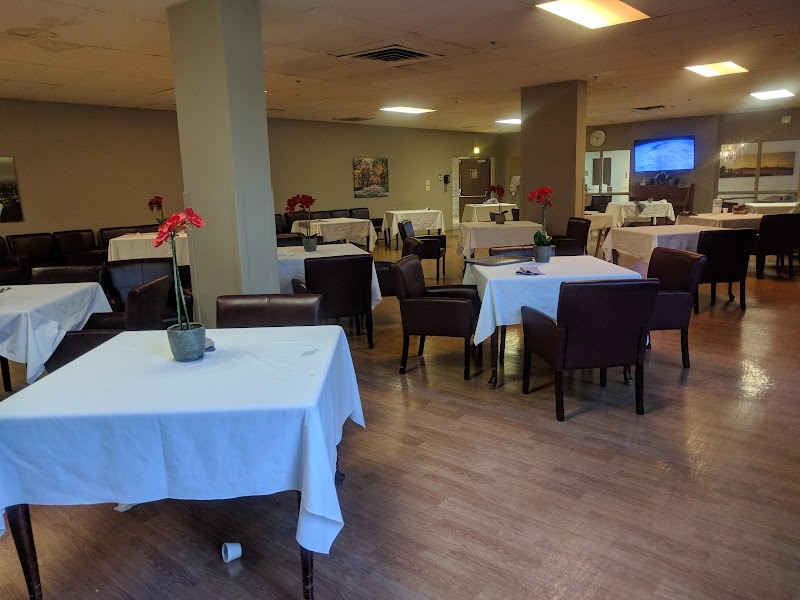
How is Atherton Park Post-Acute Staffed?

CMS rates ATHERTON PARK POST-ACUTE's staffing level at 3 out of 5 stars, which is average compared to other nursing homes. Staff turnover is 42%, compared to the California average of 46%. This relatively stable workforce can support continuity of care.

What Have Inspectors Found at Atherton Park Post-Acute?

State health inspectors documented 52 deficiencies at ATHERTON PARK POST-ACUTE during 2021 to 2025. These included: 1 that caused actual resident harm and 51 with potential for harm. Deficiencies causing actual harm indicate documented cases where residents experienced negative health consequences.
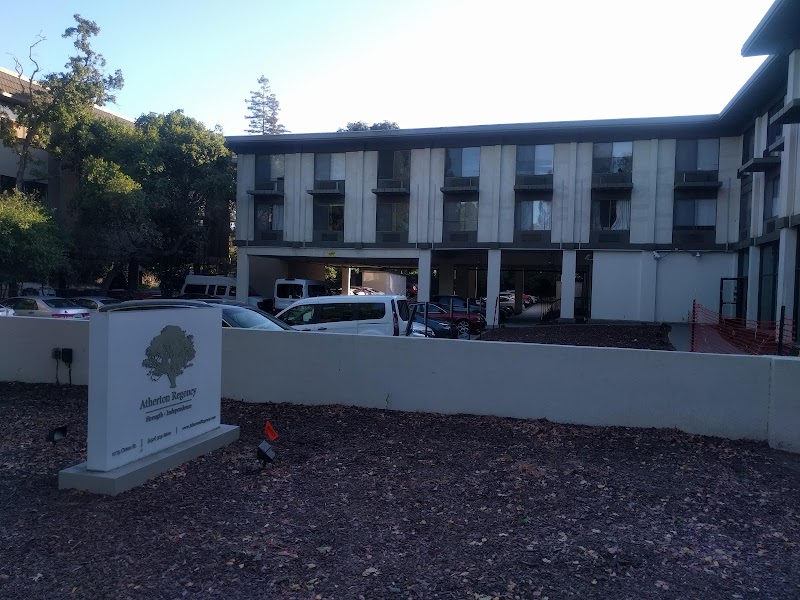
Who Owns and Operates Atherton Park Post-Acute?

ATHERTON PARK POST-ACUTE is owned by a for-profit company. For-profit facilities operate as businesses with obligations to shareholders or private owners. The facility is operated by KALESTA HEALTHCARE GROUP, a chain that manages multiple nursing homes. With 160 certified beds and approximately 154 residents (about 96% occupancy), it is a mid-sized facility located in MENLO PARK, California.
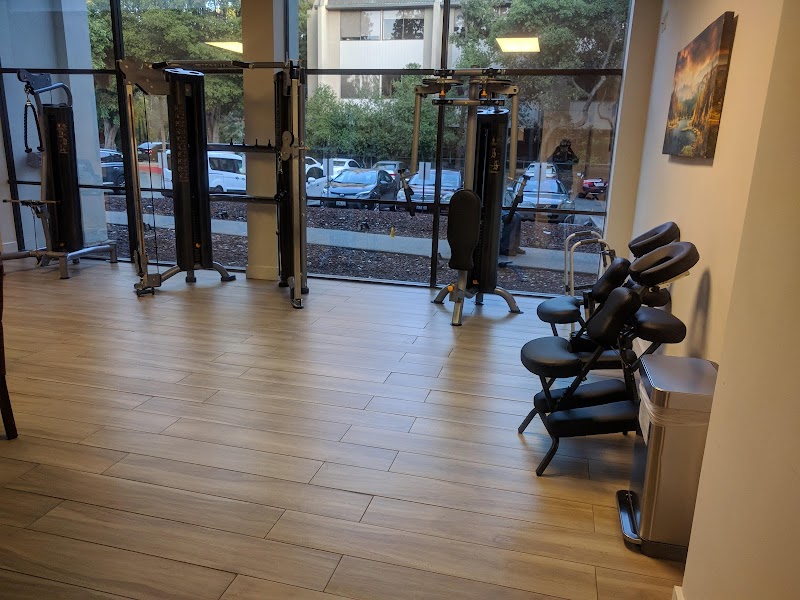
How Does Atherton Park Post-Acute Compare to Other California Nursing Homes?

Compared to the 100 nursing homes in California, ATHERTON PARK POST-ACUTE's overall rating (4 stars) is above the state average of 3.2, staff turnover (42%) is near the state average of 46%, and health inspection rating (3 stars) is at the national benchmark.

What Should Families Ask When Visiting Atherton Park Post-Acute?

Based on this facility's data, families visiting should ask: "Can I visit during a mealtime to observe dining assistance and food quality?" "How do you handle medical emergencies, and what is your hospital transfer rate?" "Can I speak with family members of current residents about their experience?"

Is Atherton Park Post-Acute Safe?

Based on CMS inspection data, ATHERTON PARK POST-ACUTE has a clean safety record: no substantiated abuse findings (meaning no confirmed cases of resident harm), no Immediate Jeopardy citations (the most serious violation level indicating risk of serious injury or death), and is not on the Special Focus Facility watch list (a federal program monitoring the lowest-performing 1% of nursing homes). The facility has a 4-star overall rating and ranks #1 of 100 nursing homes in California. While no facility is perfect, families should still ask about staff-to-resident ratios and recent inspection results during their visit.

Do Nurses at Atherton Park Post-Acute Stick Around?

ATHERTON PARK POST-ACUTE has a staff turnover rate of 42%, which is about average for California nursing homes (state average: 46%). Moderate turnover is common in nursing homes, but families should still ask about staff tenure and how the facility maintains care continuity when employees leave.

Was Atherton Park Post-Acute Ever Fined?

ATHERTON PARK POST-ACUTE has no federal fines on record. CMS issues fines when nursing homes fail to meet care standards or don't correct problems found during inspections. The absence of fines suggests the facility has either maintained compliance or corrected any issues before penalties were assessed. This is a positive indicator, though families should still review recent inspection reports for the full picture.

Is Atherton Park Post-Acute on Any Federal Watch List?

ATHERTON PARK POST-ACUTE is not on any federal watch list. The most significant is the Special Focus Facility (SFF) program, which identifies the bottom 1% of nursing homes nationally based on persistent, serious quality problems. Not being on this list means the facility has avoided the pattern of deficiencies that triggers enhanced federal oversight. This is a positive indicator, though families should still review the facility's inspection history directly.