THE REDWOODS, A COMMUNITY OF SENIORS
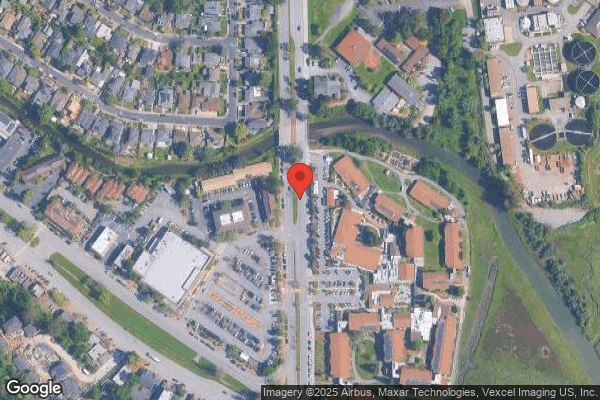
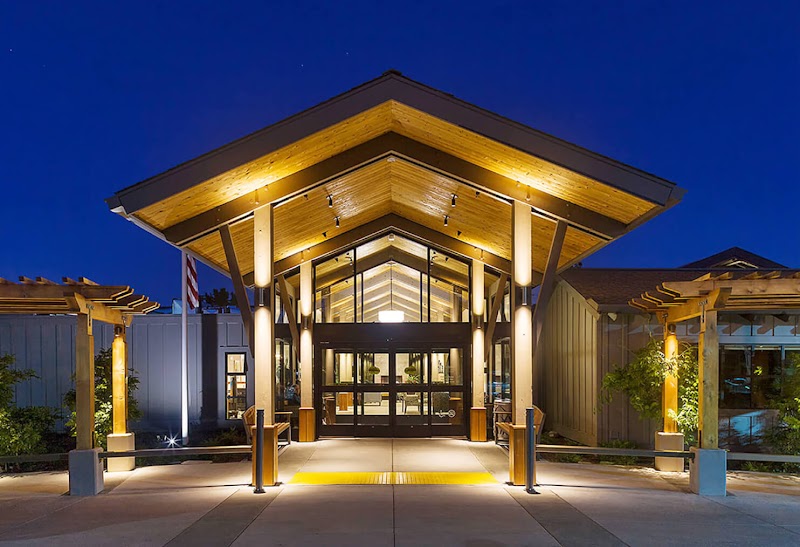
40 CAMINO ALTO, MILL VALLEY, CA 94941 (415) 383-2741
Non profit - Corporation 58 Beds Independent Data: November 2025
Trust Grade
5/100
#927 of 1155 in CA
Last Inspection: July 2024

Within standard 12-15 month inspection cycle. Federal law requires annual inspections.

Overview

The Redwoods, A Community of Seniors, has received a Trust Grade of F, indicating significant concerns and poor overall quality of care. With a state rank of #927 out of 1155 and a county rank of #9 out of 11 in Marin County, it falls in the bottom half of facilities in California, suggesting limited options for improvement. Although the facility is trending towards improvement, with issues decreasing from 12 to 4 over the past year, the presence of serious incidents raises alarms. Staffing is a strength, with a perfect score of 5/5, and a turnover rate of 36% is slightly below the state average. However, the facility has incurred $133,365 in fines, which is concerning and indicates repeated compliance problems. Specific incidents include a failure to notify a doctor about a resident's flu symptoms, leading to hospitalization, and inadequate supervision for residents at risk of falls, resulting in serious injuries. While there are strengths in staffing, the overall environment presents serious risks that families should consider carefully.

Trust Score
F
5/100
In California
#927/1155
Bottom 20%
Safety Record
High Risk
Review needed
Inspections
Getting Better
12 → 4 violations
Staff Stability
○ Average
36% turnover. Near California's 48% average. Typical for the industry.
Penalties
⚠ Watch
$133,365 in fines. Higher than 93% of California facilities. Major compliance failures.
Skilled Nurses
○ Average
Each resident gets 37 minutes of Registered Nurse (RN) attention daily — about average for California. RNs are the most trained staff who monitor for health changes.
Violations
⚠ Watch
38 deficiencies on record. Higher than average. Multiple issues found across inspections.
★★☆☆☆
2.0
Overall Rating
★★★★★
5.0
Staff Levels
★★★☆☆
3.0
Care Quality
★☆☆☆☆
1.0
Inspection Score
Stable
2024: 12 issues
2025: 4 issues

The Good

  • 5-Star Staffing Rating · Excellent nurse staffing levels
  • Full Sprinkler Coverage · Fire safety systems throughout facility
  • No fines on record
  • Staff turnover below average (36%)

    12 points below California average of 48%

Facility shows strength in staffing levels, fire safety.

The Bad

2-Star Overall Rating

Below California average (3.1)

Below average - review inspection findings carefully

Staff Turnover: 36%

10pts below California avg (46%)

Typical for the industry

Federal Fines: $133,365

Well above median ($33,413)

Significant penalties indicating serious issues

The Ugly 38 deficiencies on record

6 actual harm
Aug 2025 1 deficiency
CONCERN (D) 📢 Someone Reported This

A family member, employee, or ombudsman was alarmed enough to file a formal complaint

Potential for Harm - no one hurt, but risky conditions existed

Deficiency F0658 (Tag F0658)

Could have caused harm · This affected 1 resident

Based on interview, and record review, the facility failed to ensure professional standards of practice were met for one of three sampled residents (Resident 1) when neurological (neuro, relating to t...

Read full inspector narrative →
Based on interview, and record review, the facility failed to ensure professional standards of practice were met for one of three sampled residents (Resident 1) when neurological (neuro, relating to the nervous system, includes: brain, spinal cord, and nerves) assessments and vital signs (blood pressure, temperature, pulse, respirations, and oxygen saturation [a measurement of how much oxygen is being carried by red blood cells]) were not conducted, monitored, or documented after a witnessed fall, in Resident 1's medical record per facility policy and protocol.These failures decreased the facility's potential to recognize a change in condition for Resident 1, which could have led to a delay in treatment with other negative outcomes.A review of Resident 1's admission record indicated she was initially admitted to the facility in July 2024 with medical diagnosis which included collapsed vertebra (when the bones in the spine collapse or break due to injury or weakening) and repeated falls. A review of Resident 1's Minimum Data Set (MDS-a federally mandated resident assessment tool) dated 5/8/25 (dated prior to her witnessed fall) indicated her Brief Interview of Mental Status (BIMS-a cognition [the processes of thinking and reasoning] assessment) score was 9 , which indicated her cognition was moderately impaired (a score of 1-7 indicates cognition is severely impaired, 8-12 indicates cognition is moderately impaired, and 13-15 indicates cognition is intact). In addition, this document indicated Resident 1 required supervision or touching assistance (helper provides verbal cues or touching/steadying as resident completes activity) with sit to stand and walking at least 150 feet. Resident 1's MDS also indicated Resident 1 depended on others for ambulation.A review of Resident 1's progress notes, titled, Alert Note, dated 8/04/25 at 7:20 a.m., indicated, Resident [Resident 1] with witnessed fall.sustained laceration (an open wound caused by injury) to forehead; with large amount of blood noted.sent patient [Resident 1] to ER (hospital emergency department) for further evaluation.A review of Resident 1's ED (Emergency department) Provider Notes, dated 8/04/25 at 11:43 a.m., indicated, Clinical Impressions.Traumatic closed fracture (a bone break where the skin remains intact [undamaged]) of patella (knee cap) with minimal displacement, left, initial encounter.A review of Resident 1's progress notes, type Skin only, dated 8/04/25 at 2:17 p.m., indicated, Skin issue: Laceration. Skin issue location: forehead length: 2 cm (centimeter, a unit of measure), width: 0.2 cm.Skin note: Resident [Resident 1] with laceration to middle of forehead due to fall; with sutures (sterile threads used to close open wounds) in place, with swelling noted.A review of Resident 1's undated document titled, Weights and Vitals Summary, indicated vital signs were taken on 8/04/25 at 4:15 p.m., 8/04/25 at 8:21 p.m., 8/05/25 at 2:30 a.m., 8/05/25 at 9:47 p.m., 8/07/25 at 3:42 p.m., 8/08/25 at 2:02p.m., and 8/08/25 at 11:03 p.m. No vital signs were documented at the time of the fall, 8/04/25 at 7:20 a.m. A review of the facility's document titled, Neurological Assessment Flowsheet, for Resident 1 dated 8/04-8/08/25, indicated, Instructions: Document the date and time of each assessment. This document indicated completed neurological assessments were conducted twice on Resident 1 on 8/04/25 for evening shift, but the timing of the assessments was not recorded. Similarly, on 8/05/25, 8/06/25, 8/07/25 & 8/08/25 completed neurological assessments were documented for Resident 1 for morning, evening, and night shift, but the timing of the assessments was not documented.During an interview and concurrent record review on 8/18/25 at 3:26 p.m., the Director of Staff Development (DSD) stated after an initial fall, neuro checks were to be completed and documented Q [every] 15 mins. (minutes) x4 (4 times), Q30 mins. x2, Q2 hrs. (hours) x2, Q4 hrs. x2 and, Q shift for 24 hrs. on the resident's neurological assessment flowsheet. The DSD reviewed Resident 1's document, Neurological Assessment Flowsheet, dated 8/04-8/08/25, and confirmed the neuro sheet reflected Resident 1's recent fall on 8/04/25. The DSD stated she would expect Resident 1's vital signs and assessment to start at 7:20 a.m., when Resident 1's fall occurred, and then per protocol. The DSD further stated, I should have seen more Q15 checks prior to her [Resident 1] going out. There was a note that she [Resident 1] transferred at 8:05 a.m. [on 8/04/25]. It should have been documented that she [Resident 1] transferred at that time on the neuro check sheet, and after that- I would expect that the documentation would start from the beginning of the neuro check protocol when she returned. The DSD verified no specific times were documented for each neurological assessment on the neuro assessment sheet and instead, the timing of the assessments was documented as AM (morning), PM (evening) and NOC (night shift). The DSD stated, My expectation is that the times are documented, not the shift. The DSD confirmed the neurological assessments for Resident 1 were not up to her expectation. The DSD stated all resident vital signs were expected to be completed in the morning and evening, and documented at the time they were taken in the resident's electronic medical record.During an interview and concurrent record review on 8/19/25 at 1:28 p.m., the DSD reviewed Resident 1's document, Weights and Vitals Summary, and verified, based on the documentation, on 8/04/25, no vital signs were taken the morning of Resident 1's fall. The DSD confirmed vital signs documented on 8/05/25 at 2:30 a.m. was not during normal morning hours. The DSD confirmed vital signs documented on 8/05/25 was not documented again until the evening. The DSD confirmed there were no vitals signs documented on 8/06/25, and no morning vital signs documented on 8/07/25 and 8/08/25. The DSD stated, I would expect to see documentation of vital signs for the morning and evening every day, for all residents. The DSD stated she did not audit vital sign documentation, and further stated, It's something we are working on. I expect more. It's important to have more oversight so that a change of condition can be noted, or if a resident may need a higher level of medical attention- then we know what is going on. It's very important to stay on top of it. Say for example, with a head trauma- it's important to follow up. Visually, we don't actually see everything that is going on following a head trauma. If there are unseen issues related to a fall, especially one with head trauma, it could be detrimental to the resident.A review of the facility's undated document, Neuro Check Frequency for Falls, indicated, When neuro sheet started at the time of the fall: The nurse initiating the sheet will fill in all dates/times to ensure all nurses know when to do the neuro checks. [Assessments/Documentation] Q15x4, Q30x2, Q1 hour x2, Q2 hours x 2, Q4 hours x2, and Q Shift for 24 hrs.A review of the facility's policy and procedure (P&P) titled, Medical Record Documentation, dated 2024, indicated, .to ensure that pertinent information regarding each resident's course of care in the community is documented in the individual's medical record in an accurate, timely, and professional manner.Medical record documentation is currently a combination of an electronic record, as well as, manual (i.e. on paper).In general, all documentation should be completed as soon as possible after the respective event.A review of the facility's P&P titled, Accident Prevention/Mitigation and Response, dated 2025, indicated, As part of the post fall response.Conducting neuro-checks on the resident for a period of five (5) days.A review of the facility's document titled, RN/LVN CHARGE NURSE dated 2023, indicated, Charting and Documentation.Enter the (EMR [electronic medical record]) data for residents.assessments.and all other assessments as they are due.Complete the entry of Incident reports and associated paper work. Follow established procedures. A review of the facility's undated document titled, Certified Nursing Assistant, indicated, Performs the following tasks.vital signs.
Jul 2025 2 deficiencies 1 Harm
SERIOUS (G) 📢 Someone Reported This

A family member, employee, or ombudsman was alarmed enough to file a formal complaint

Actual Harm - a resident was hurt due to facility failures

Infection Control (Tag F0880)

A resident was harmed · This affected 1 resident

**NOTE- TERMS IN BRACKETS HAVE BEEN EDITED TO PROTECT CONFIDENTIALITY** Based on interviews and record reviews, the facility failed to ensure one resident (Resident 1) received treatment and care in a...

Read full inspector narrative →
**NOTE- TERMS IN BRACKETS HAVE BEEN EDITED TO PROTECT CONFIDENTIALITY** Based on interviews and record reviews, the facility failed to ensure one resident (Resident 1) received treatment and care in accordance with the facility's Infection Control policy for influenza (flu- an illness caused by a virus [a germ] that is spread from person to person) when: Licensed Nurses (LNs) did not notify Resident 1's doctor (MD) that Resident 1 had symptoms of the flu and a report of Resident 1had been exposed to a family member who tested positive for flu; LNs did not notify the MD the facility ran out of flu tests; LNs did not place Resident 1 on droplet precautions (measures implemented to prevent the spread of infection when a person who is infected with a pathogen [germs that cause disease] coughs, sneezes, or talks);These failures resulted in Resident 1's hospitalization from 4/27/25 up to 5/6/25 where she was diagnosed with Influenza A and Acute Hypoxemic Respiratory Failure (AHRF, a serious condition where the respiratory system can't maintain adequate oxygen levels in the blood, potentially leading to organ dysfunction), received a new order for supplemental oxygen (additional oxygen to a person who is not receiving enough oxygen from the air they breathe), and decreased the facility's potential to prevent the spread of flu among other residents, visitors, and staff.Findings:A review of Resident 1's admission record indicated Resident 1 was admitted to the facility on [DATE] at the age of [AGE] years old.A review of Resident 1's Minimum Data Set (MDS - a federally mandated resident assessment tool), dated 4/27/25, indicated the primary reason for Resident 1's admission was due to a medically complex condition (a broad category of illnesses, diseases, or impairments that require extensive and ongoing medical care, often involving multiple body systems and comorbidities [simultaneous presence of two or more medical conditions in a patient]) including a diagnoses of chronic obstructive pulmonary disease (COPD-a chronic lung disease causing difficulty in breathing),.A review of Resident 1's admission Summary progress note, dated 4/24/25, indicated Resident 1 presented to the facility with stable (within normal limits [WNL] or acceptable ranges) vital signs (measurements of the body's most basic functions) including pulse (number of times the heart beats within a minute) at 94 beats per minute (bpm), and oxygen saturation level (O2 sat- a measurement of how much oxygen the blood is carrying as a percentage) at 94% without the use of supplemental oxygen.A review of Resident 1's nurse health status note, dated 4/24/25 at 4:06 p.m., indicated Resident 1's daughter notified Licensed Nurse (LN) A that Resident 1 had been exposed to a family member who tested positive for flu. The note also indicated Resident 1 had complained of sore throat and earache earlier that day.A review of Resident 1's nurse health status notes, for dates 4/24/25 and 4/25/25 did not indicate Resident 1's physician was notified that Resident 1 had been exposed to flu, had a reported symptom consistent with flu, and had not been tested for flu due to the facility not having flu testing supplies.A review of Resident 1's health status note, dated 4/26/25 at 9:56 p.m., indicated, [Resident 1's] daughter expressed concern regarding her mother's respiratory status. She requested that MD be notified regarding her concern that [Resident 1] may have flu.[with] [temperature] 98.7 [Fahrenheit, a unit of measure] ([Resident 1's] daughter notes that this is a high temp [temperature] for her mother.A review of Resident 1's health status note, dated 4/27/25 at 2:59 p.m., indicated, .[Resident 1] with elevated temp noted 99.1 [Fahrenheit].with episode of cough noted.family requesting to see MD; MD will be in on 4-28.A review of Resident 1's incident note, dated 4/27/25 at 11:30 p.m. indicated, .[Resident 1's] daughter called [facility] at approximately [4:30 p.m.] to report her concern that [Resident 1] had loose stools x2 [two times]. next call from [Resident 1's daughter] came after approximately one hour.that [Resident 1] had another loose stool.that [Resident 1] needed to be transferred to ‘the hospital' because ‘you are not doing anything for her'. [Resident 1] left [facility] with EMS [emergency medical services] staff at approximately [7 p.m.].[Resident 1] had resisted having vitals taken.A review of Resident 1's incident note, dated 5/11/25, indicated, late entry /addendum for 4/27/25: assessment of time.Timing of [Resident 1's] discharge from [facility] with EMS Paramedic staff is now estimated to be between [9:15 p.m.] and [9:30 p.m.] .A review of the emergency department (ED, provides unscheduled outpatient services to patients whose condition requires immediate care) provider note, signed 4/28/25, indicated on 4/27/25 Resident 1 was, .[brought in by ambulance] from [skilled nursing facility] for concerns of flu.HR [heart rate, the number of times the heart beats per minute] 140s, [O2 sat] 92% . placed on [supplemental oxygen].Triage vital signs Temp 99 [Fahrenheit], Heart rate 153, [Respiratory Rate] 35, [O2 sat] 97% [on supplemental oxygen].presenting with shortness of breath. wheezing [a high-pitched sound made when breathing is restricted/obstructed in the lungs] and rhonchi [low-pitched, continuous, snoring or gurgling sounds heard in the lungs, resulting from mucus or other secretions obstructing the larger airways] present. Sepsis [a life-threatening response to infection] was present on arrival, specifically at [9:45 p.m.].ED diagnosis:1. Acute hypoxemic respiratory failure. 2. Influenza A. A review of Resident 1's Hospital Discharge summary, dated [DATE], indicated, . Date of admission: [DATE] Date of discharge: [DATE].Hospital summary.[Resident 1] with complain [sic] of shortness breath, sore throat, cough.Acute respiratory failure with hypoxia [condition with low oxygen] and hypercapnia [condition with high levels of carbon dioxide].Influenza A.COPD with exacerbation [worsening of a disease or its signs and symptoms]. Per [oxygen] eval, [Resident 1] will benefit from PRN [as needed] [supplemental oxygen] to keep [O2 sat] above 92% .[supplemental oxygen] has been ordered and will be delivered to [home health agency]. [Resident 1] influenza positive.COPD made worse by influenza a. discharge disposition: home with home health.During an interview on 7/29/25 at 10:20 a.m., LN A stated when a facility received a report that a resident was exposed to flu, [AD1] the facility would test the resident for flu as a precautionary measure. LN A acknowledged Resident 1 had not been tested for the flu at the facility because there were no flu test kits available. LN A stated that since there was no confirmation Resident 1 was positive for flu, Resident 1 could only be suspected of having the flu virus. LN A stated testing for flu was important to protect the residents and provide Resident 1 with the appropriate treatment. LN 1 clarified, when a resident tested positive for flu, the resident should be put on transmission-based precaution (TBP, an infection control measures used in healthcare settings to prevent the spread of pathogens that can be transmitted through contact with an infected patient, their body fluids, or contaminated surfaces or objects). LN A added placing a resident who tested positive for flu on TBP was for everyone's safety and to prevent outbreaks (a sudden increase in the number of cases of a disease in a specific area or population over a short period). During a concurrent interview and record review on 7/29/25 at 10:26 a.m. with the facility's Infection Preventionist (IP, a healthcare professional who specializes in preventing and controlling infections in healthcare settings), Resident 1's nurse health status notes, dated 4/24/25 through 4/25/25, were reviewed. The IP verified Resident 1's daughter had reported that Resident 1 was exposed to flu. The IP stated that since the family member told the facility staff Resident 1 was exposed to flu, the facility staff should have tested Resident 1 for flu. The IP stated the flu test was not done on Resident 1 because the facility ran out of flu tests. The IP stated it was important to do the flu test to determine Resident 1 flu status and to provide appropriate treatment. The IP verified the nurse health status notes dated 4/24/25 through 4/25/25 did not indicate the MD was notified Resident 1 was exposed to flu, suspected of having flu since she reported a symptom consistent with flu, or that the facility was unable to test Resident 1 for flu virus due to facility's lack of flu test. The IP verified, Resident 1's electronic health record did not indicate Resident 1 was placed on any TBP.During a concurrent interview and record review on 7/29/25 at 11:21 a.m., with the IP, the facility's policy and procedure (P&P) titled Infection Control Plan- Influenza, dated 02/2024 was reviewed. The IP verified that based on their flu plan, which the facility follows, Resident 1 was considered a suspect for flu and should have been tested for flu, placed on droplet precautions and immediately started on antiviral medication. The IP confirmed that none of those actions were done for Resident 1. The IP stated it was important to test Resident 1 for flu to know her flu status and to be able to treat her right away. The IP stated placing Resident 1 on droplet precaution ensures the safety of everyone and could help prevent outbreaks.During a concurrent interview and record review on 7/29/25 at 11:50 a.m. with the Director of Nursing (DON), Resident 1's nurse health status notes from 4/24/25 through 4/27/25 and Resident 1's electronic medication administration record (EMAR, a digital system used to track and document the administration of medications, ensuring accuracy and timeliness in medication delivery) for April 2025 was reviewed. The DON verified Resident 1 should have been tested for flu upon report she had been exposed to flu and was symptomatic but was not tested due to lack of a flu test kit. The DON verified that when Resident 1 was admitted on [DATE] and up to the time Resident 1 was sent out to the hospital on 4/27/25, Resident 1 was not tested for flu, did not receive any antiviral medications nor was placed on droplet TBP. The DON confirmed Resident 1 was sent to the ED due to concern from Resident 1's daughter that Resident 1's condition was worsening and the belief that the facility was not taking care of Resident 1. The DON verified the facility's flu policy and procedure (P&P) was not followed, since Resident 1 was suspected of flu, Resident 1 should had been tested for flu, should have been placed on droplet TBP and should have been started on antiviral medication.A review of the facility's P&P titled Infection Control Plan-Influenza (Residents/Patients), last reviewed on 2/2024, the P&P indicated, .Healthcare clinic infection control lead and clinical staff will evaluate, observed or report residents with symptoms and implement daily surveillance and/or testing and symptoms screening.LTC [long term care] residents who have confirmed or suspected influenza should receive antiviral treatment immediately as antiviral treatment works best when started within the first 2 days of symptoms.communications/notifications to residents physicians.A review of the Center for Disease Control and Prevention (the national public health agency for the United States) document titled, Treating Flu with Antiviral Drugs, dated 9/11/24, indicated, .Treatment of flu with flu antiviral medications works best when started within 1-2 days after flu symptoms begin. Flu antiviral drugs can lessen symptoms and shorten the time you are sick. It's very important that flu antiviral drugs are started as soon as possible to treat patients who are. at increased risk of serious flu complications based on their age or underling health conditions, if they develop flu symptoms. For example, people with asthma and chronic lung disease.
CONCERN (D) 📢 Someone Reported This

A family member, employee, or ombudsman was alarmed enough to file a formal complaint

Potential for Harm - no one hurt, but risky conditions existed

Assessment Accuracy (Tag F0641)

Could have caused harm · This affected 1 resident

**NOTE- TERMS IN BRACKETS HAVE BEEN EDITED TO PROTECT CONFIDENTIALITY** Based on interviews and record reviews, the facility failed to ensure the Minimum Data Set (MDS, a federally mandated resident a...

Read full inspector narrative →
**NOTE- TERMS IN BRACKETS HAVE BEEN EDITED TO PROTECT CONFIDENTIALITY** Based on interviews and record reviews, the facility failed to ensure the Minimum Data Set (MDS, a federally mandated resident assessment tool) assessment was accurate for one resident (Resident 1), when Resident 1's Physician Orders for Life-Sustaining Treatment (POLST, a set of medical orders, based on a patient's preferences, that guide medical care for individuals with serious illnesses) form information was different from the information documented on Resident 1's MDS assessment.This failure could result in inappropriate care and treatment.Findings:A review of Resident 1's face sheet (front page of the chart that contains a summary of basic information about the resident) indicated an admission date of April2025 and she was her own responsible party (RP, a person who is designated in making decisions about health care and financial matters).A review of Resident 1s MDS assessment, dated [DATE], indicated Resident 1 was admitted to the facility with a medically complex condition (a broad category of illnesses, diseases, or impairments that require extensive and ongoing medical care, often involving multiple body systems and comorbidities). Section S California POLST indicated Resident 1 had chosen for staff to attempt resuscitation/ cardiopulmonary resuscitation (CPR, an emergency treatment that's done when someone's breathing or heartbeat has stopped), full treatment (indicating the patient wishes to receive all medically appropriate and available treatments to prolong life, including interventions like mechanical ventilation, intensive care, and other life-sustaining measures), and opted for a trial period of artificial nutrition which can include the use of a feeding tube (FT, a medical device used to provide nutrition to people who cannot obtain nutrition by mouth, are unable to swallow safely, or need nutritional supplementation).A review of Resident 1's signed POLST form, dated [DATE], indicated Resident 1 chose Do not Resuscitate (DNR, a medical order instructing healthcare provider not to perform CPR if a patient's breathing or heartbeat stops), selective treatment (indicating the patient wants medical conditions treated while avoiding burdensome measures. This option prioritizes treating the immediate medical issue but avoids measures like prolonged life support, intensive care, or invasive procedures such as intubation or mechanical ventilation), and no artificial means of nutrition including feeding tubes.During a concurrent interview and record review on [DATE] at 11:04 a.m. with the Minimum Data Set coordinator (MDSC), Resident 1's MDS assessment section S, dated [DATE], was reviewed. The MDSC verified Resident 1's MDS section S indicated Resident 1 had chosen attempt resuscitation/ cardiopulmonary resuscitation, full treatment, and trial period of artificial nutrition including feeding tubes. The MDSC stated MDS assessments should be accurate and the POLST accuracy in MDS section S was important because it provided direction of care in case of a medical emergency. During an interview on [DATE] at 11:50 a.m., the Director of Nursing (DON) stated the MDS section S information should be filled in from the POLST form signed by Resident 1 and the physician. The DON stated if the information did not match, it meant the MDS assessment was inaccurate. The DON stated inaccurate MDS could result in ineffective care and treatment. During a telephone interview on [DATE] at 2:58 p.m. the DON verified the information on Resident 1s POLS, dated [DATE], and the MDS assessment section S, dated [DATE], did not match. The DON confirmed Resident 1's MDS assessment section S dated [DATE] was inaccurate. The DON stated the facility did not have a policy and procedure on MDS assessment. A review of the American Association of Post Acute Care Nursing article titled understand the MDS trickle-down effect dated [DATE], it indicated, . well maintained and accurate source of documentation . are essential for MDS accuracy.
Apr 2025 1 deficiency
CONCERN (D) 📢 Someone Reported This

A family member, employee, or ombudsman was alarmed enough to file a formal complaint

Potential for Harm - no one hurt, but risky conditions existed

Transfer Notice (Tag F0623)

Could have caused harm · This affected 1 resident

Based on observation, interviews and record reviews, the facility failed to provide written notice of transfer to the Long-Term Care Ombudsman (an advocate for residents of nursing homes, board and ca...

Read full inspector narrative →
Based on observation, interviews and record reviews, the facility failed to provide written notice of transfer to the Long-Term Care Ombudsman (an advocate for residents of nursing homes, board and care centers, and assisted living facilities) for two out of two sampled residents (Resident 1 and Resident 2), when they were transferred to the hospital in March of 2025 without the Ombudsman being notified. These failures could result in loss of residents ' advocacy and protection and prevent innapropriate transfers and discharges. Findings: During an interview on 4/23/25 at 3:14 p.m., the Director of Staff Development (DSD) stated she was not sure if the nurses were completing a written notice of transfer when residents were discharged or transferred to the hospital. The DSD also stated she was not sure whether the Ombudsman needed to be notified when residents were transferred to the hospital. During an interview on 4/23/25 at 3:30 p.m., the Administrator (Admin) stated she was not sure if the facility had to complete a written notice of transfer and notify the Ombudsman when residents were transferred to the hospital. The Admin stated as far as she knew, the Ombudsman did not need to be notified when residents get transferred or sent to the hospital. During an interview on 4/23/25 at 3:33 p.m., Licensed Nurse (LN) C stated she had discharged and transferred residents to the hospital but had never completed a notice of transfer nor had she notified the Ombudsman when residents were transferred to the hospital. LN C stated she was not aware they have to notify the Ombudsman if a resident was being transferred or discharged to the hospital. LN C stated the Ombudsman should be notified to protect residents ' rights. During an interview on 4/23/25 at 3:36 p.m., LN D stated she had discharged and transferred residents to the hospital but had never completed a notice of transfer. LN D stated she also had never notified the Ombudsman of any residents ' transfers to the hospital. LN D stated she was not aware the Ombudsman should be notified when residents ' gets transferred or discharged to the hospital. LN D stated the Ombudsman should probably need to be notified of residents ' discharges or transfers to the hospital to protect residents ' rights and assist residents with their needs. During an interview on 4/23/25 at 3:37 p.m., the Social Services Director (SSD) stated she oversaw notifying the Ombudsman of residents ' discharges however the SSD added, she had never notified the Ombudsman of any residents' transfers to the hospital. SSD stated she was not aware the facility had to notify the Ombudsman of residents ' transfers to the hospital. The SSD stated the Ombudsman should be notified of transfers and discharges to protect residents ' rights and to help prevent inappropriate discharges. During a telephone interview on 4/24/25 at 3:23 p.m., the Director of Nursing (DON) verified there was no notice of transfer completed nor had the Ombudsman been notified when Resident 1 was transferred to the hospital on 3/31/25 and when Resident 2 was transferred to the hospital on 3/30/25. A review of the facility ' s policy and procedure (P&P) titled Transfer and Discharge, last reviewed 7/2024, the P&P indicated, .Notice Before Transfer or discharge: In all cases of transfer or discharge, the resident/patient, their representative/responsible party (if applicable) .the State Long-Term Care (LTC) Ombudsman shall also be notified in accordance with applicable regulatory requirements . A review of the All Facilities Letter (AFL 17-27), dated 12/26/2017, indicate, . The facility must send notice to the local LTC Ombudsman for any transfer or discharge that is initiated by the facility .
Jul 2024 12 deficiencies 1 Harm
SERIOUS (G) 📢 Someone Reported This

A family member, employee, or ombudsman was alarmed enough to file a formal complaint

Actual Harm - a resident was hurt due to facility failures

Accident Prevention (Tag F0689)

A resident was harmed · This affected 1 resident

**NOTE- TERMS IN BRACKETS HAVE BEEN EDITED TO PROTECT CONFIDENTIALITY** Based on observation, interview and record review, the facility failed to ensure two of fourteen sampled residents (Resident 34 ...

Read full inspector narrative →
**NOTE- TERMS IN BRACKETS HAVE BEEN EDITED TO PROTECT CONFIDENTIALITY** Based on observation, interview and record review, the facility failed to ensure two of fourteen sampled residents (Resident 34 and Resident 190) at risk for falls, were provided with supervision (visual checks) by direct care staff and had effective revisions and implementation of their nursing care plans to prevent further falls to keep them safe. Facility policies on safety and management of falls were not followed. As a result, Resident 190 suffered two falls with major injuries, consisting of hip fractures, at the facility, and one fall with no injuries. This caused severe pain to Resident 190 and may have contributed to her death, just 7 days after her last fall with major injury. Resident 34 fell 7 times in 4 months due to lack of supervision, revision, and implementation of care plans to prevent falls. This had the potential to result in falls with major injuries for Resident 34. Findings: Resident 190 Record review of the facility Face Sheet (Facility Demographic) indicated Resident 190 was admitted to the facility on [DATE] with medical diagnoses including History of Falling (History of having suffered falls, which may indicate increased risk for future falls), Alzheimer's Disease (A progressive brain disorder that slowly destroys memory and thinking skills), Restlessness and Agitation. Record review of Resident 190's MDS (Minimum Data Set-An assessment tool) dated 1/14/24 indicated her BIMS (Brief Interview of Mental Status-A cognition [the mental action or process of acquiring knowledge and understanding through thought, experience, and the senses] assessment) score was 3, which indicated her cognition was severely impaired (A score of 1-7 indicates the cognition is severely impaired, 8-12 indicates the cognition is moderately impaired, and 13-15 indicates the cognition is intact). This document also indicated under section GG (Section of the MDS that evaluates the amount of assistance a patient needs) dated 1/14/24, that Resident 190 required partial to moderate assistance with toileting and personal hygiene. Record review of an undated facility document titled, POST FALL INVESTIGATION, provided by the Director of Nursing (DON) on 7/12/24 at 9:30 a.m., in response to a request for a policy on neurological checks (A healthcare provider's evaluation of a person's nervous system after a fall to help determine the extent of damage from head trauma), indicated that after a resident fall, the following tasks were required to be completed, Complete Post Fall investigation Report .Complete Risk Management in [Electronic documentation system] .Update care plan on falls .Initiate Q30 (Every thirty minutes) checks for the next 72 hours .Complete neuro (neurological)-check (paper form). Neurological checks, as indicated in this form titled, POST FALL INVESTIGATION, were required to be performed every thirty minutes for 72 hours after the fall. Record review of a facility document titled, Falls Risk Assessment, dated 10/16/23, indicated Resident 190 was at medium (Moderate) risk for falls. During a concurrent interview and record review with the DON on 7/11/24 at 9:38 a.m., Resident 190's care plans for falls were reviewed. There were no care plans created prior to the first fall on 1/01/24. The DON stated she would look to see if she could find one but did not provide this care plan. 1st Fall Record review of a progress note dated 1/01/24 at 2:45 p.m., indicated, Resident [Resident 190] called help, help from her room. Entered room with CNA (Certified Nursing Assistant). Resident is on the floor on her L (Left) side next to her bood (Sic, possibly meant bed). Resident unable to explain what happened .L hip is tender to touch. Pain intensifies with movement and attempt to reposition .911 called for transport to [General Acute Care Hospital (GACH)] .Resident left for hospital 15.20 (3:20 p.m.). Record review of a progress note dated 1/01/24 at 10:47 p.m., indicated, Received a phone call .on resident [Resident 190] status, resident has a left hip fracture with possible surgery. Record review of a facility physician progress note dated 1/13/24 at 7:35 a.m., indicated, [Resident 190] is a [AGE] year old female who was living in the healthcare center of [Name of facility] and sustained a fall resulting in left hip fracture. Patient was subsequently transferred to [name of GACH]. Patient underwent successful left hip hemiarthroplasty (A surgery to repair half of a hip joint after a traumatic injury in which the femoral head (Upper joint of the thigh bone) is fractured. Record review of a facility document titled, Fall Risk Assessment, dated 1/02/24 at 11:35 a.m., indicated Resident 190 was at low risk for falls, although she had just fallen the day before, on 1/01/24 and suffered a hip fracture. During a concurrent interview and record review with the DON on 7/11/24 at 9:38 a.m., the document, Falls Risk Assessment, dated 1/02/24 at 11:35 a.m., was reviewed. The DON stated this document was completed inaccurately, since it indicated Resident 190 had no history of falls within the last three months, was ambulatory and continent, and was taking only two medications increasing her risk of falls, when she was taking eight medications. The DON stated Resident 190 did have a history of falls within the last three months, since she had fallen on 1/01/24, required supervision with ambulation, and was incontinent (Inability to control the bowels and bladder) at times. The DON confirmed this assessment indicated Resident 190 was at low risk for falls due to the inaccurate responses submitted. Record review of a care plan for falls initiated on 1/08/24 (no time documented) for Resident 190, listed the following interventions to prevent further falls, Keep call light in reach at all times .Keep personal items and frequently used items within reach .Anticipate needs and meet on timely basis. There were no interventions in the care plan aimed at increasing supervision for Resident 190. During a concurrent interview and record review with the DON on 7/11/24 at 9:38 a.m., the care plan for falls initiated on 1/08/24 (no time documented), was reviewed. The DON confirmed there were no interventions to increase supervision for Resident 190 in the care plan, but supervision was increased through rounds completed every two hours by staff, which were initiated on 1/17/24 (17 days after the first fall with major injury) and provided the documents titled, RESIDENTS ON TOILETING SCHEDULE, dated 1/17/24 through 2/27/24. Record review of the documentation for staff rounding titled, RESIDENTS ON TOILETING SCHEDULE, from 1/17/24 to 2/27/24 indicated there were several shifts and hours of the day, when Resident 190 was not checked, as the boxes were left empty. For example, on 2/25/24, Resident 190 was required to be checked at 7:00 a.m., 9:00 a.m., 11:00 a.m., and 1:00 p.m., but the documentation indicated she was not checked at all throughout morning shift. This was repeated on multiple occasions, such as on 2/15/24 for morning shift, 2/17/24 for night shift, 2/26/24 for evening shift, 2/27/24 for night and evening shifts, etc. Record review of interdisciplinary team (IDT) meetings titled, [Name of Facility], a Community of Seniors Clinical Sign in Sheet, dated 1/10/24 at 10:25 a.m.,1/16/24 at 10:35 a.m., 1/17/24 at 10:25 a.m., and 1/19/24 at 10:30 a.m., indicated Resident 190 returned from the GACH to the facility on 1/08/24, and was admitted to hospice (Palliative services aimed at keeping resident comfortable at the end of life) on 1/19/24. There was no documentation in these IDT meeting reports that Resident 190 suffered a fall with major injury at the facility. This was confirmed by the DON during an interview on 7/11/24 at 9:38 a.m. 2nd Fall Record review of a progress note dated 1/30/24 at 9:25 a.m., indicated, Resident [Resident 190] is OOB (Our of bed) for meals eating breakfast in the dining area. @0925 (At 9:25 a.m.) resident fall (Sic) in the wheelchair at dining area .no skin tear, denies hitting head and no discoloration. During a concurrent interview and record review with the DON on 7/11/24 at 9:38 a.m., the care plan for falls revised on 2/02/24 (3 days after the fall) for Resident 190 was reviewed. This care plan for falls included only two new written interventions. One of the newly written interventions indicated, Toiletted (Sic. Assisted to use the restroom) QAC (Before meals), PC (After meals), HS (Before bedtime) and PRN (As needed). The DON confirmed this new intervention was already in place before the fall on 1/30/24, although it had not been formally written before in the care plan. The second intervention indicated, Close monitoring for safety. The DON confirmed the resident continued the same rounding schedule by staff every two hours (Since 1/17/24), therefore, there was no increased supervision for Resident 190. The DON stated they did increase visual checks for Resident 190 but did not have any documentation of it. Record review of the documentation for staff rounding titled, RESIDENTS ON TOILETING SCHEDULE, initiated on 1/17/24 indicated Resident 190 continued to be checked every two hours, despite the fall on 1/30/24. 3rd Fall Record review of a progress note dated 2/20/24 at 8:36 a.m., indicated, Rd [Resident 190] was found on the floor .She was on the floor on her right side at the base of the floor mat next to her bed .she was not complaining of pain at the time .She was lifted back to her bed and she started to complain of right inner thigh pain. Record review of a progress note dated 2/21/24 at 11:40 a.m., indicated, Resident is on S/p (Status post) unwitnessed fall Day 2 .Right hip fracture .Administrator, DON .was notified with the result of the Right Hip X-ray. Record review of a facility document titled, NEUROLOGICAL ASSESSMENT FLOW SHEET, indicated staff documented neurological checks only from 2/20/24 at 12:15 a.m., to 2/20/24 for, NOC (Night shift, no specific hours documented). This was less than the 72 hours required in the document titled, POST FALL INVESTIGATION (Above). This was confirmed by the DON during an interview on 7/11/24 at 9:38 a.m. Record review of a, Falls Risk Assessment, for Resident 190 dated 2/20/24 at 6:37 p.m., indicated Resident 190 was at high risk for falls. During a concurrent interview and record review with the DON on 7/11/24 at 9:38 a.m., Resident 190's care plan for falls, updated on 2/20/24 (No time documented) was reviewed. The care plan only had one intervention aimed at preventing further falls. This intervention indicated, Remind resident not to get up by herself. Frequent checks. The DON confirmed this was the only intervention to prevent further falls, as other interventions had the intention of keeping the resident comfortable. The DON confirmed reminding the resident not to get up by herself was not appropriate as the resident's cognition was severely impaired. The DON stated she had no documented evidence supervision was increased after this fall, as they continued with the same rounding by staff every two hours. Record review of the documentation for staff rounding titled, RESIDENTS ON TOILETING SCHEDULE, from 1/17/24 through 2/27/24 indicated staff continued to check on Resident 190 every two hours, despite the fall on 2/20/24 which resulted in a fracture. During an interview on 7/11/24 at 9:38 a.m., the DON was asked to provide care plans for the two hip fractures caused by Resident 190's falls at the facility. During an interview on 7/11/24 at 1:44 p.m., the DON confirmed there were no care plans found specifically for the care of Resident 190's hip fractures. Record review of nursing progress notes (see below for dates and times) indicated Resident 190 experienced moderate to severe pain levels during her last days at the facility related to her right hip fracture, before passing away on 2/27/24 at 4:10 p.m., as follows: a) Progress note dated 2/21/21 at 11:40 a.m., indicated, Resident c/o (Complained of) 7/10 (Pain scale where 0 indicates no pain, and 10 is the worst pain experienced in a person's lifetime. A pain level of 0-2 = mild, 3-5 = moderate, and 6-10 = severe) r/t (Related to) Right hip fracture. b) Progress note dated 2/22/24 at 8:21 a.m., indicated, resident able to verbalize pain to rt (Right) hip . c) Progress note dated 2/22/24 at 11:40 a.m., indicated, Resident c/o pain 8/10 during turning and repositioning r/t right hip fracture. d) Progress note dated 2/22/24 at 3:51 p.m., indicated, Resident c/o pain when she moved . e) Progress note dated 2/23/24 at 9:34 a.m., indicated, received resident in bed .able to vocalize pain to right upper leg . f) Progress note dated 2/23/24 at 6:21 p.m., indicated, resident verbalized pain with mobility. Record review of a progress note dated 2/27/24 at 5:49 p.m., indicated, resident's dtr (Daughter) present at bedside, notified passed away around 410 pm (4:10 p.m.). During an interview with the DON on 7/11/24 at 9:38 a.m., she stated the facility needed improvement in several areas of managing falls, such as completing the fall risk assessments accurately, care planning after every fall, and documentation of the visual checks. Resident 34 Record review of the facility Face Sheet indicated Resident 34 was admitted to the facility on [DATE] with medical diagnoses including Hemiplegia (Complete or severe loss of strength on one side of the body), & Hemiparesis (One-sided muscle weakness), Aphasia (Inability to speak or understand, or both), and Anxiety Disorder (Intense, excessive, and persistent worry and fear about everyday situations). Record review of Resident 34's MDS dated [DATE] indicated she was completely dependent on staff for toileting, personal hygiene and bed-to-chair transfer. Record review of a facility document titled, Falls Risk Assessment, dated 1/26/24 at 6:33 p.m., indicated Resident 34 was at high risk for falls. Record review of a care plan for prevention of falls for Resident 34 initiated on 1/23/24, indicated, [Resident 34] is at High risk for falling R/T (Related to) recent hospitalization .Keep call light in reach at all times .Keep personal items and frequently used items within reach .anticipate needs. During an interview with the Director of Staff Development (DSD) on 7/11/24 at 3:30 p.m., the DSD was asked in writing and verbally to provide the following documents: a) All documentation of Resident 34's falls since 1/01/24 to the present. b) All care plans updated or revised after every fall since 1/01/24 to the present. c) All neurological checks performed after every fall since 1/01/24 to the present. d) All fall risk assessments performed after every fall since 1/01/24 to the present. During an interview with the DSD on 7/12/24 at 9:51 a.m., she provided some of the documents requested on 7/11/24 at 3:30 p.m., but stated she could not find them all. The DSD stated she was providing what she was able to find regarding the above request. The documents not provided by the DSD are written below. 1st Fall Record review of a progress note dated 2/07/24 at 7:55 a.m. indicated, Incident Date: 02/07/2024, Incident Time: 05:00 .resident found with bedding on the floor on right side of bed lying on her weak/right side at 5am (5:00 a.m.) when this nurse went to check on her. Record review of a Falls Risk Assessment, dated 2/08/24 at 6:57 p.m., indicated Resident 34 was at high risk for falls. During concurrent record review and interview with the DSD on 7/12/24 at 7:50 a.m., the care plan for falls initiated on 2/07/24 was reviewed. This care plan indicated, frequent checks per facility protocol (The care plan did not indicate how often, or how this was going to be monitored) .request cradle mattress from hospice. This was confirmed by the DSD. During an interview with the DSD on 7/12/24 at 9:51 a.m., she provided some of the documents requested on 7/11/24 at 3:30 p.m., but the neurological checks after the fall on 2/07/24, was not included. The DSD stated she was providing what she could find. 2nd Fall Record review of a progress note dated 2/18/24 at 3:52 p.m., indicated, Resident had an unwitnessed fall at around 0900 (9:00 a.m.) in the morning (The morning of 2/18/24). Resident was seen sitting on the right side of her bed in a sitting position with her back leaning on her bed. During a concurrent interview and record review with the DSD on 7/12/24 at 7:50 a.m., the care plan for falls initiated on 2/18/24 was reviewed. The care plan did not contain any new interventions to prevent falls, or increased supervision. The interventions included, Neurochecks (Neurological assessments) as per facility protocol .VS (Vital Signs-Clinical measurements, specifically pulse rate, temperature, respiration rate, and blood pressure, that indicate the state of a patient's essential body functions) .Monitor for pain. This was confirmed by the DSD. During an interview with the DSD on 7/12/24 at 9:51 a.m., she provided some of the documents requested on 7/11/24 at 3:30 p.m., but the neurological checks and fall risk assessment after the fall on 2/18/24, were not included. The DSD stated she was providing what she could find. 3rd Fall Record review of a care plan for falls initiated on 3/13/24 indicated, Fall-3/5/24-no injury (No time of the fall documented). During an interview with the DSD on 7/12/24 at 9:51 a.m., she provided some of the documents requested on 7/11/24 at 3:30 p.m., but specific documentation on the fall that occurred on 3/05/24, was not included. The DSD stated she was providing what she could find. Record review of a facility document titled, MORSE FALL-Senior Living (Fall risk assessment), dated 3/05/24 at 6:41 p.m., indicated Resident 34 was at high risk for falls. Record review of the care plan for falls initiated on 3/13/24 (8 days after the fall on 3/05/24) indicated, Activity staff will provide 1:1 (One staff to one resident) visit for socialization .Call light is present and within reach .Staff to anticipate needs .The resident is mostly bedbound r/t personal preference, physical impairment. Record review of a facility document titled, RESIDENTS ON TOILETING SCHEDULE, initiated on 3/05/24 and active through 7/11/24, indicated Resident 34 was placed on a schedule for staff checks every two hours. This document indicated there were several shifts and hours of the day, when Resident 34 was not checked, as the boxes were left empty. On 3/05/24, Resident 34 was required to be checked for evening shift at 3:00 p.m., 5:00 p.m., 7:00 p.m., and 9:00 p.m., according to the form. This document indicated Resident 34 was not checked at all throughout evening shift on 3/05/24. Record review of neurological checks initiated on 3/05/24 at 8:30 a.m., indicated they were not conducted every 30 minutes as required (The POST FALL INVESTIGATION, provided by the Director of Nursing (DON) on 7/12/24 at 9:30 a.m., above, indicated neurological checks were to be conducted every 30 minutes for 72 hours after a resident fall). On 3/05/24, the documentation indicated neurological checks were completed at 4:15 p.m., and again at 8:15 p.m. (4 hours later), and again at 12:15 a.m., (4 hours later). The next time neurological checks were documented for Resident 34 was on 3/06/24 for AM (Morning shift, which started at 7:00 a.m.). 4th Fall Record review of a care plan for falls initiated on 3/13/24 indicated, Fall-3/15/24-no injury (No time of the fall documented). Record review of the care plan for falls initiated on 3/13/24 indicated the care plan was not revised or updated after the fall on 3/15/24. This was confirmed by the DSD during an interview on 7/12/24 at 7:50 a.m. Record review of a facility document titled, Fall Risk Evaluation, dated 3/05/24 at 4:03 p.m., indicated Resident 34 was at risk for falls. Record review of a facility document titled, RESIDENTS ON TOILETING SCHEDULE, initiated on 3/05/24 and active through 7/11/24, indicated Resident 34's supervision was not increased from the original checks conducted every two hours by staff despite the fall on 3/15/24. This was confirmed by the DSD during an interview on 7/12/24 at 7:50 a.m. 5th Fall Record review of a progress note dated 4/13/24 at 9:10 p.m., indicated, PT (Patient [Resident 34]) found on the floor during routine check around 445pm (4:45 p.m. on 4/13/24). Staff assisted back to bed, no visible injuries. Record review of a facility document titled, MORSE FALL-Senior Living (Fall risk assessment), dated 4/13/24 at 10:43 p.m., indicated Resident 34 was at high risk for falls. Record review of the care plan for falls initiated on 3/13/24 indicated the care plan was not revised or updated after the fall on 3/15/24. This was confirmed by the DSD during an interview on 7/12/24 at 7:50 a.m. Record review of a facility document titled, RESIDENTS ON TOILETING SCHEDULE, initiated on 3/05/24 and active through 7/11/24, indicated Resident 34's supervision was not increased from the original checks conducted every two hours by staff, despite the fall on 4/13/24. This was confirmed by the DSD during an interview on 7/12/24 at 7:50 a.m. 6th Fall Record review of a progress note dated 4/15/24 at 9:55 p.m., indicated, During morning rounds right after am report at 7:30 am (On 4/15/24), resident found on the floor mat next to bed. Record review of a facility document titled, MORSE FALL-Senior Living, dated 4/15/24 at 10:44 p.m., indicated Resident 34 was at high risk for falls. Record review of the care plan for falls initiated on 3/13/24 indicated only two new interventions were added to the care plan after the fall on 4/15/24. These two new interventions were added on 4/19/24, four days after the fall, and indicated, Continue with the plan of care to frequently check the resident .Request [Hospice] scheduled visit to offset private caregiver time when possible. The care plan did not specify what frequently check the resident, meant, or how it was monitored. This was confirmed by the DSD during an interview on 7/12/24 at 7:50 a.m. Record review of a facility document titled, RESIDENTS ON TOILETING SCHEDULE, initiated on 3/05/24 and active through 7/11/24, indicated Resident 34's supervision was not increased from the original checks conducted every two hours by staff, despite the fall on 4/15/24. This was confirmed by the DSD during an interview on 7/12/24 at 7:50 p.m. Record review of neurological checks initiated on 4/15/24 at 7:30 a.m., indicated they were only conducted from 4/15/24 at 7:30 a.m. to 4/16/24 for PM, which was approximately 40 hours, and not the 72 hours required in this form (The form, POST FALL INVESTIGATION (above), provided by the Director of Nursing (DON) on 7/12/24 at 9:30 a.m., indicated neurological checks were to be conducted every thirty minutes for 72 hours after a resident fall). 7th Fall Record review of a progress note dated 4/24/24 at 6:13 p.m., indicated, Resident noted to be on floor laying on R (Right) side. Assessed-No apparent injuries. Record review of a facility document titled, MORSE FALL-Senior Living, dated 4/24/24 at 10:44 p.m., indicated Resident 34 was at high risk for falls. Record review of the care plan for falls initiated on 3/13/24 indicated it was revised after the fall on 4/24/24, but only one new intervention was added. The new intervention was added on 7/11/24 (more than 2 months after the fall on 4/24/24) and indicated, Follow facility fall protocol. The care plan did not indicate to increase supervision. This was confirmed by the DSD during an interview on 7/12/24 at 7:50 a.m. Record review of a facility document titled, RESIDENTS ON TOILETING SCHEDULE, initiated on 3/05/24 and active through the 7/11/24, indicated Resident 34's supervision was not increased from the original checks conducted every two hours by staff, despite the fall on 4/24/24. This was confirmed by the DSD during an interview on 7/12/24 at 7:50 a.m. Record review of neurological checks initiated on 4/24/24 at 4:45 p.m., indicated they were not conducted every 30 minutes as required (The form, POST FALL INVESTIGATION (above), provided by the Director of Nursing (DON) on 7/12/24 at 9:30 a.m., indicated neurological checks were to be conducted every thirty minutes for 72 hours after a resident fall). On 4/25/24, the documentation indicated neurological checks were completed at 12:30 a.m., and again at 4:30 a.m. (4 hours later), and again at 8:30 a.m., (4 hours later). The next time neurological checks were documented for Resident 34 was on 4/25/24 for PM (Evening shift, which started at 2:30 p.m.). During a concurrent observation and interview with Unlicensed Staff S, assigned to Resident 34, on 7/08/24 at 3:14 p.m., he was asked if Resident 34 was able to speak. Unlicensed Staff S stated he did not know, as he was unfamiliar with Resident 34. Resident 34 was observed awake in bed, with the bed in the lowest position, right next to another bed, and a mat on the floor. Unlicensed Staff S stated he was from a registry company. Unlicensed Staff S was asked the reason Resident 34 had a mat right next to her bed, and another empty bed to the right of her bed. Unlicensed Staff S stated not knowing the reason. Unlicensed Staff S was asked if Resident 34 was at risk for falls. Again, Unlicensed Staff S stated not knowing the answer to the question. During an interview on 7/09/24 at 11:45 a.m., Unlicensed Staff E stated she was a private caregiver for Resident 34, hired by Resident 34's family. Unlicensed Staff E stated she worked with Resident 34 from Monday through Friday from 9:00 a.m., to 2:00 p.m. Unlicensed Staff E stated that if she did not notify facility staff Resident 34 needed to have her brief changed, they did not come to check on her every two hours, and even when notified, they had still left her up to thirty minutes with a soiled brief. Unlicensed Staff E also stated that most of the time, when she came to the facility at 9:00 a.m., Resident 34's breakfast tray was observed sitting on her bedside table, untouched and cold, waiting for her to assist Resident 34 with the meal. Unlicensed Staff E also stated the facility often assigned unfamiliar staff to Resident 34, including registry staff. During a concurrent interview and record review with the DSD on 7/12/24 at 7:50 a.m., after reviewing the care plans for falls, supervision documentation, fall risk assessments and other documents related to falls (Dates and specific titles of each document mentioned above, in falls 1 through 7), the DSD stated Resident 34's fall management process needed improvement. During a phone interview on 7/12/24 at 8:31 a.m., Anonymous Witness G stated being very dissatisfied with Resident 34's care at the facility. Anonymous Witness G stated she had hired a private caregiver to care for Resident 34 from 9:00 a.m. to 2:00 p.m., because she felt Resident 34 was not receiving the care she needed. Anonymous Witness G stated she made arrangements to transfer Resident 34 out of the facility on 7/11/24. Anonymous Witness G stated she had brought up resident care issues with the DON, but the DON never followed up on them. Anonymous Witness G stated being aware Resident 34 had fallen multiple times at the facility. During an interview with Licensed Staff D on 7/12/24 at 12:00 p.m., she was asked how often Resident 34 was required to be checked by staff when she was still residing at the facility. Licensed Staff D stated Resident 34 was required to be checked every two hours, which corroborated that supervision requirements were never changed for Resident 34 despite multiple falls at the facility. Record review of the facility policy titled, Accident Prevention/Mitigation and Response, last reviewed in November of 2023, indicated, Avoidable Accident: means than an accident occurred because the facility failed to: Implement interventions, including adequate supervision and assistive devices, consistent with a resident's needs, goals, care plan and current professional standards of practice in order to eliminate the risk .Monitor the effectiveness of the interventions and modify the care plan as necessary .Facilities are obligated to provide adequate supervision to prevent accidents. Adequate supervision is determined by assessing the appropriate level and number of staff required, the competency and training of the staff, and the frequency of supervision needed. This determination is based on the individual resident's assessed needs and identified hazards in the resident environment.
CONCERN (D)

Potential for Harm - no one hurt, but risky conditions existed

Deficiency F0578 (Tag F0578)

Could have caused harm · This affected 1 resident

**NOTE- TERMS IN BRACKETS HAVE BEEN EDITED TO PROTECT CONFIDENTIALITY** Based on interview and record review, the facility failed to ensure one of six sampled resident's (Resident 3) medical records w...

Read full inspector narrative →
**NOTE- TERMS IN BRACKETS HAVE BEEN EDITED TO PROTECT CONFIDENTIALITY** Based on interview and record review, the facility failed to ensure one of six sampled resident's (Resident 3) medical records were updated to show documentation that advance directives (written statement of a person's wishes regarding medical treatment made to ensure those wishes are carried out should the person be unable to communicate them to a doctor) were discussed and written information was provided to the resident and/or responsible parties and desire for physician orders for life sustaining treatment (POLST) were reviewed, signed and dated by a physician. This failure had the potential for the resident's wishes not to be honored during a medical emergency. Findings: A review of Resident 3's admission record indicated the resident was admitted on [DATE], with diagnoses that included Pyonephrosis (an infection of the kidney with pus in the upper collecting system which can progress to obstruction), Calculus of the Kidneys (kidney stones), Sepsis of unspecified organism Bacteria, Hypokalemia, and Dysphagia (difficulty swallowing). During a record review on 7/09/24, no indication an Advanced Directive (AD) or executed POLST was present or documented in the medical record for Resident 3. During an interview on 7/11/24 at 3:10 p.m., the Social Services Director (SSD), was asked how she completed the AD process with Residents and how the facility ensures Advanced Directive document was complete, she stated the ADs are collected upon admission or during a care conference. If an AD is not wanted by the resident upon admission, we ask again during the care conference. When asked how the SSD knows to follow-up she stated by word of mouth, or she checks the resident chart. When asked if there was an advanced directive for Resident 3, she stated she would have to check the chart. The SSD confirmed, no documentation was found that Resident 3 or a family member was provided written information regarding the resident`s right to formulate an advance directive. During an interview on 7/11/24 at 3:30 p.m. Licensed Staff Q was asked where the CODE status (focuses on emergent treatment options during a life-threatening event) for residents was located. Licensed Staff Q opened the electronic medical administrative record (MAR) and reviewed Resident 3's CODE status. She stated the CODE status was usually listed on the face page on the MAR. Licensed Staff Q verified that a CODE status for Resident 3 was not listed, nor was there any documentation in the electronic chart indicating a CODE status. Licensed Staff Q stated the CODE status is always listed on the face page, the manual chart was reviewed and showed a POLST that was not executed. A review of the facility's Policy and Procedure (P&P), titled Physician Order for Life Sustaining Treatment (POLST), dated 7/2024, the P&P indicated, Upon admission, the resident/representative will be provided with written information concerning the right to refuse or accept medical or surgical treatment and to formulate an advanced directive if he or she chooses to do so. As part of the overall admissions process, community personnel shall make efforts to obtain a POLST, or other applicable documentation. A POLST/Do Not Resuscitate (DNR) order must be completed and signed by the Attending Physician and resident (or resident's legal surrogate, as permitted by State Law) and placed in the front of the resident's medical record. A review of the facility`s policy and procedure, dated July 2024, titled Advance Directives, indicated that upon admission of a resident to the facility, the Social Services Director or designee will provide written information to the resident concerning his/her right to make decisions concerning medical care, including the right to accept or refuse medical or surgical treatment, and the right to formulate an advance directive.
CONCERN (D)

Potential for Harm - no one hurt, but risky conditions existed

Comprehensive Care Plan (Tag F0656)

Could have caused harm · This affected 1 resident

**NOTE- TERMS IN BRACKETS HAVE BEEN EDITED TO PROTECT CONFIDENTIALITY** Based on observation, interview and record review, the facility failed to ensure the facility develop a resident-centered, compr...

Read full inspector narrative →
**NOTE- TERMS IN BRACKETS HAVE BEEN EDITED TO PROTECT CONFIDENTIALITY** Based on observation, interview and record review, the facility failed to ensure the facility develop a resident-centered, comprehensive care plan for 1 of 14 sampled residents (Resident 18) with a stage 4 pressure ulcer (A pressure ulcer is a wound caused by prolonged pressure on an area of the skin. Stage 4 pressure ulcers are the most severe type of pressure ulcer, and can extend into muscle and/or tendons and bones). This had the potential to result in inability for the wound to heal, decline of Resident 18's medical condition, medical complications including the acquisition of serious infections and death. Findings: Record review indicated Resident 18 was admitted to the facility on [DATE] with medical diagnoses including Pressure Ulcer of Left Heel, and Repeated Falls (History of having suffered falls, which may indicate increased risk for future falls), according to the facility Face Sheet (Facility demographic). During an observation on 7/08/24 at 11:30 a.m., Resident 18 was observed in his wheelchair, in his room, using a special type of boot on the left lower leg. Record review of a facility document titled, Skin Only Evaluation, dated 7/10/24 at 10:11 p.m., indicated Resident 18 had a pressure ulcer to his left heel that measured 0.5 cm (Centimeters) in length, by 0.5 cm in width, but the depth was unable to be determined. This document indicated, Resident was seen and Evaluated by .PA [Physician Assistant] wound specialist. 1. Left heel wound Stage 4 Pressure wound .Continue with the current Treatment: Wash with NS (Normal Saline-a mixture of sodium chloride and water used for cleaning wounds), Pat Dry, Apply Medihoney (A gel made of medical-grade honey for the treatment of wounds) and Cover with Mepilex dressing (An absorbent dressing for the treatment of wounds) one time a day. Kept foam boots on @ all times while (Sic) and bed and while sitting in the wheelchair. During a concurrent interview and record review with the Director of Staff Development (DSD) on 7/12/24 at 8:32 a.m., the care plan for care of Resident 18's Stage 4 pressure wound, initiated on 3/20/24, was reviewed. The care plan contained eight interventions, including, treat per facility protocol, and notify MD (Medical Doctor), family .Encourage good nutrition and hydration in order to promote healthier skin .Identify potential causative factors and eliminate/resolve when possible .Inform/instruct staff of causative facts and measures to prevent worsening condition. None of the interventions in the care plan were resident-specific, or indicated the specific treatments ordered by the physician for Resident 18, such as the treatments written on the Skin Only Evaluation, dated 7/10/24 at 10:11 p.m. The interventions were all basic, generalized nursing interventions that were not measurable, or added specific information to care for Resident 18's left heel. This was confirmed by the DSD, who stated the care plans needed to be resident-centered and specific. Record review of the facility policy titled, Care Plans and Care Planning Process, last revised on 7/2024, indicated, It is the policy of [Name of Facility] to develop and implement a comprehensive, person-centered care plan that includes measurable objectives and timetables to meet each resident's physical, psychosocial and functional needs.
CONCERN (E)

Potential for Harm - no one hurt, but risky conditions existed

Deficiency F0726 (Tag F0726)

Could have caused harm · This affected multiple residents

**NOTE- TERMS IN BRACKETS HAVE BEEN EDITED TO PROTECT CONFIDENTIALITY** 2. During an observation on [DATE] at 9:00 a.m., outside of room [ROOM NUMBER], observed an Enhanced Barrier Isolation Cart (a ...

Read full inspector narrative →
**NOTE- TERMS IN BRACKETS HAVE BEEN EDITED TO PROTECT CONFIDENTIALITY** 2. During an observation on [DATE] at 9:00 a.m., outside of room [ROOM NUMBER], observed an Enhanced Barrier Isolation Cart (a cart that contains gloves, alcohol, masks, and gowns for staff to wear while providing high contact (Hygiene and bathing) activities for residents. Unlicensed Staff F was also observed in room [ROOM NUMBER] without a gown on providing hygiene for Resident 31 when he was incontinent of stool. Observed Unlicensed Staff F exiting Resident 31's room without washing his hands or using hand sanitizer after caring for Resident 31. During an interview on [DATE] at 9:20 a.m., in the hallway outside room [ROOM NUMBER], Unlicensed Staff F queried as to what care he was providing in room [ROOM NUMBER]. Unlicensed Staff F stated, he had to change and wash Resident 31 due to Resident 31 being incontinent of Stool. Unlicensed Staff F queried why he did not wear a gown while providing high activities care with Resident 31. Unlicensed Staff F stated, he forgot. Unlicensed Staff F queried why he did not wash his hands or use hand sanitizer after he finished with high activities with Resident 31. Unlicensed Staff F stated, he forgot. Requested Human Resource File from NHA on Unlicensed Staff F. Observed in file, Registry Staff Orientation Form dated [DATE], signed by DSD. The area on the form for CPR card verification with expiration date was left blank. Observed CPR BLS Certification Card in file to be expired [DATE]. During an interview with the DSD on [DATE] at 8:20 a.m., DSD queried if she was aware that Unlicensed Staff F's CPR card was expired. DSD stated, she was not aware that Unlicensed Staff F's BLS card was expired. DSD queried as to who is responsible to verify the current competencies and current certifications of the nursing staff. DSD stated, the ADP which is our Payroll Department. Queried DSD as to why a Payroll Department would be checking for current competencies and certifications. DSD stated, well, it's actually, my job as Director of Staff Development to keep track of the current competencies and current certifications. DSD queried if Unlicensed Staff F had a current BLS certification card. DSD stated, after she notified Unlicensed Staff F, he produced a BLS card with today's date [DATE]. DSD queried if she verified the company named on Unlicensed Staff F's BLS Certification Card to be sure it is accredited by the (AHA) American Heart Association. DSD stated, she did not verify that the company was approved by AHA. DSD queried what the risks are to resident safety if the facility does not have CPR certified staff. DSD stated, she thinks the residents would not receive the correct CPR. During a review of DSD's job description, signed by DSD, dated [DATE], Job Description indicated, DSD is responsible for Staff Development. DSD Prepares required paperwork for CNA (certified nursing assistants) re-certifications. Submits all required training plans to CDPH. Assists in survey preparation, maintains all training and in-service records. During a review of the facility's policy and procedure titled, Sufficient and Competent Staffing, Revised 7/2024, indicated, Applicable Redwoods personnel will develop, implement, and maintain an effective training program for all new and existing staff; individuals providing services under a contractual arrangement; and volunteers, consistent with their expected roles. We determine the amount and types of training necessary based on their facility assessment. The Facility will hire only qualified licensed or registered personnel and/ or consultants and outside contract services, as specified within the laws, rules and regulations by which the facility shall abide, including Evaluation where applicable shall have their license and required reviews conducted annually or as required thereafter, including where applicable their competency training requirements as well as required training for the position. Certified Nursing Assistants (CNA) shall be hired as qualified CNA and meets all the facility, state, federal personnel licensing and certification requirements and facility personnel requirements. During a review of the facility's Facility Assessment, dated [DATE], signed by NHA, DON, Licensed Staff B, and the Governing Body representative, indicated, on page 21 Contracted Providers, The Facility does maintain relationship with contracted providers to perform certain services on behalf of the Facility. Each Provider is expected to meet certain requirements depending on the nature of services that they are providing. In general, each contracted provider is expected to: Ensure that its staff members performing the services in the facility are appropriately trained/certified/licensed to perform the service. Comply with all applicable rules, regulations, standard of practice, facility policies and procedures. Adhere to standards of professional conduct. Promptly respond to any reported/identified concerns. Abide by any clauses/rules/expectations set forth in the applicable contract. Based on interview and record review, the facility did not have a system to track staff compliance in required trainings, when: 1. Two of four sampled employees had mandatory trainings that were overdue (Licensed Staff K and Unlicensed Staff L). This finding had the potential to result in inadequate staff competency to care for the residents within professional standards or practice, poor quality of care, and harm to the residents of the facility. 2. The facility failed to provide a competent DSD to enforce training and verify competencies for Nursing staff when Unlicensed Staff F's (BLS) Basic Life Support Certification (CPR Cardiopulmonary Resuscitation the act of performing chest compressions and artificial respirations) was expired for 4.5 months while working in the facility. This failure had the potential to result in 30 out of 36 sampled residents needing CPR but not having access to a Certified CPR staff member to perform CPR. Findings: 1. During an interview on [DATE] at 11:00 a.m., with the Director of Staff Development (DSD), she was asked to provide the list of annual mandatory trainings for Licensed Nurses and Certified Nursing Assistants (CNAs) and another list of all direct care personnel working at the facility. The DSD provided these lists on [DATE] at 2:10 p.m. From the list of employees, the Surveyor chose two Licensed Nurses and two CNAs and asked the DSD to provide evidence by [DATE] at 10:00 a.m., that these employees had completed their mandatory trainings. The DSD explained the mandatory trainings were taken using an online training platform. During a concurrent interview and record review with the DSD on [DATE] at 10:00 a.m., the transcripts of the annual mandatory trainings were reviewed for both Licensed Nurses and CNAs. Of these four sampled employees, one Licensed Nurse (Licensed Staff K) and one CNA (Unlicensed Staff L) had annual mandatory trainings that were overdue. For example, for the Licensed Staff K, the mandatory annual training on infection control and prevention was last taken on [DATE], according to the transcript. The rest of the annual mandatory trainings were also taken in May of 2023. For Unlicensed Staff L, the mandatory annual trainings were over a year overdue. For example, the training on abuse and neglect in the elder care setting was last taken on [DATE] according to the provided transcript. This was confirmed by the DSD. The DSD was asked if she tracked mandatory trainings to ensure staff were taking them annually as required. The DSD stated she did not have a tracking system to ensure these trainings were taking annually. Record review of the facility document titled, Employee Benefits, dated 2023, indicated, Attendance at new hire, annual training an in-service training is mandatory and attendance time is paid .Training for the job requirements and for compliance is mandatory and must be completed on time every year or as necessary. Record review of the undated job description for Director of Staff Development, indicated, Oversees the [Computerized training] training for all HCC (Healthcare Center) .Tracks participation and follows up to ensure all team members are compliant with the policies of [Name of Facility].
CONCERN (E)

Potential for Harm - no one hurt, but risky conditions existed

Staffing Information (Tag F0732)

Could have caused harm · This affected multiple residents

Based on observation, interview and record review, the facility failed to ensure the daily nursing staffing information was posted in a conspicuous place, during one of five days (7/08/24). This findi...

Read full inspector narrative →
Based on observation, interview and record review, the facility failed to ensure the daily nursing staffing information was posted in a conspicuous place, during one of five days (7/08/24). This finding had the potential to result in inability for residents, visitors, and staff to review the staffing information, advocate for the residents' care, and identify issues with staffing numbers, which could have contributed to decreased quality of care. Findings: During a concurrent observation and interview with the Director of Staff Development (DSD) on 7/08/24 at 9:20 a.m., the posting that included the nursing staffing information, posted on the wall across the nursing station of the facility, had staffing posting information from the previous Friday, 7/05/24. At the time of the observation, there was a lot of activity going on at the facility. More than 10 residents were observed in the dining area involved in recreational activities, and staff were busy with their morning work routines. The DSD confirmed the finding and stated the unit clerk was responsible for posting the nursing staffing information, and this was usually done daily at around 10:00 a.m. During an interview on 7/08/24 at 11:01 a.m., the Staffing Coordinator stated she was the staff member responsible for creating and posting the daily nursing staffing information. The Staffing Coordinator stated she usually posted this document at around 8:30 a.m., Monday through Friday, as she did not work on the weekends. The Staffing Coordinator stated that on the weekends, this assignment was delegated to one of the charge nurses, but if the charge nurses were busy, they did not post the nursing staffing information. The Staffing Coordinator confirmed the posting in place the morning of 7/08/24 was from 7/05/24, which indicated the daily staffing information was not posted on 7/06/24 or 7/07/24 (Saturday and Sunday). Record review of the facility policy titled, Sufficient and Competent Nurse Staffing, dated July of 2024, indicated, Within three (3) hours of the beginning of each shift, the number of Licensed Nurses .and the number of unlicensed nursing personnel directly responsible for resident care will be posted in a prominent location (accessible to residents and visitors) and in a clear and readable format. This policy contradicted Federal regulation §483.35(g)(2) which indicated, The facility must post the nurse staffing data specified in paragraph (g)(1) of this section on a daily basis at the beginning of each shift.
CONCERN (E)

Potential for Harm - no one hurt, but risky conditions existed

Drug Regimen Review (Tag F0756)

Could have caused harm · This affected multiple residents

Based on interview and record review, the facility failed to ensure the Pharmacist's Drug Regimen Review (DRR/Medication Regimen Reviews- a monthly summary report of each resident's medication irregul...

Read full inspector narrative →
Based on interview and record review, the facility failed to ensure the Pharmacist's Drug Regimen Review (DRR/Medication Regimen Reviews- a monthly summary report of each resident's medication irregularities) report was acted upon with timely responses from Physicians and Medical Director. This failed practice had the potential to affect all residents currently receiving medications (36 of 36 residents) and placed them at risk for negative clinical outcomes due to a potential urgent action not being communicated in a timely fashion. Findings: During a review of the monthly Drug Regimen Review binder on 7/11/24, it was observed that monthly medication reviews conducted by the Consulting Pharmacist for the months of May and June showed no follow-up responses to recommendations made by the Consulting Pharmacist, and no documentation was present in the binder. Previous months (February, March, and April) Pharmacist recommendations for several residents was incomplete and did not show Physician responses or that follow-through was conducted. During an interview on 7/12/24 at 9:30 a.m., the Consulting Pharmacist (CP) was asked how often she conducts medication reviews at the facility. The CP stated she comes to the facility monthly reviews all resident charts and makes her recommendations. When asked who was present at the monthly meetings she stated the DON, DSD, and sometimes the Medical Director. When asked if the recommendations are followed through with timely responses from the physicians' she stated No, I had to hunt down physicians to receive responses, it has improved since we have a new Medical Director, he is more responsive and involved with the other physicians to ensure more timely responses to medication recommendations. When asked what her expectation was for a response to her recommendations, she stated a reasonable response time would be 30-days. During an interview with the Director of Nursing (DON) on 7/12/24 at 11:30 a.m., the DON could not show any paper or electronic documentation indicating the prescribing physicians had addressed the pharmacist's requests or that Nursing had contacted the physicians and Medical Director for responses to the pharmacist's recommendations. The DON was asked who had oversight to ensure the pharmacist's medication recommendations were followed-up and responses from physicians were documented. The DON stated she had oversight and acknowledged that she had not followed through with recommendations from the pharmacist. Further discussion with the DON, regarding lack of follow-through and documentation of recommendations did not ensure residents were medicated appropriately and safely. The DON stated she understood and would follow-up with the medical director and the pharmacist's recommendations. A request of the facility's Policy and Procedures for Medication Regimen Review was requested but not provided. Review of the Pharmacy policy and procedure titled, Medication Regimen Review and Reporting, dated 9/2018, indicated, Procedures - 6. Resident-specific MRR recommendations and findings are documented and acted up by the nursing care center and/or physician. 8. The nursing care center follows-up on the recommendations to verify that appropriate actions have been taken. Recommendations shall be acted upon within 30 calendar days.
CONCERN (E)

Potential for Harm - no one hurt, but risky conditions existed

Medication Errors (Tag F0758)

Could have caused harm · This affected multiple residents

**NOTE- TERMS IN BRACKETS HAVE BEEN EDITED TO PROTECT CONFIDENTIALITY** Based on observation, interview and record review, the facility failed to ensure one of fourteen sampled residents (Resident 16)...

Read full inspector narrative →
**NOTE- TERMS IN BRACKETS HAVE BEEN EDITED TO PROTECT CONFIDENTIALITY** Based on observation, interview and record review, the facility failed to ensure one of fourteen sampled residents (Resident 16) was free of psychotropic drugs (Medications used to treat mental health disorders. These medications have many side and adverse effects) she did not need. This failure had the potential to result in adverse consequences such as medication interactions, depression, confusion, immobility, falls with fractures, and death. Findings: Record review indicated Resident 16 was admitted to the facility on [DATE] with medical diagnoses including Dementia (A condition that affects memory) without Behavioral Disturbance (When a person is presenting signs and symptoms of dementia and has a dementia diagnosis, but they lack any symptoms of behavioral disturbances), and Repeated Falls (History of having suffered falls, which may indicate increased risk for future falls), according to the facility Face Sheet (Facility demographic). Record review of Resident 16's MDS (Minimum Data Sheet-An assessment tool) dated 6/04/24 indicated her BIMS (Brief Interview of Mental Status-A cognition [the mental action or process of acquiring knowledge and understanding through thought, experience, and the senses] assessment) score was 6, which indicated her cognition was severely impaired (A score of 1-7 indicates the cognition is severely impaired, 8-12 indicates the cognition is moderately impaired, and 13-15 indicates the cognition is intact). Record review of Resident 6's physician orders for July, 2024, indicated she was initiated on Seroquel (Brand name for the medication Quetiapine Fumarate, an antipsychotic medication that treats several kinds of mental health conditions) 12.5 mg tab daily beginning on 5/16/24. The order indicated, at bedtime for Aggression. These physician orders for July 2024 did not indicate Resident 16 was to be monitored for aggression, to track the effectiveness or need for the medication. This was confirmed by the Director of Staff Development (DSD) during an interview on 7/11/24 at 3:53 p.m. Record review of an article titled, Quetiapine Oral Route, last revised on 7/01/24 by the Mayo Clinic (A non-profit academic medical center that provides integrated health care, education, and research), indicated, Quetiapine is used alone or together with other medicines to treat bipolar disorder (A mental illness that causes unusual shifts in a person's mood, energy, activity levels, and concentration) and schizophrenia (A serious mental health condition that affects how people think, feel and behave) .This medicine should not be used to treat behavioral problems in older adult patients who have dementia or Alzheimer disease (A progressive brain disorder that slowly destroys memory and thinking skills, and eventually the ability to carry out simple tasks). Record review of Resident 16's Medication Administration Record (MAR) for July 2024, indicated Resident 16 was being administered Seroquel 12.5 mg tab daily at 9:00 p.m., as prescribed. Record review of all active care plans for Resident 16 did not indicate she had aggression issues or was being monitored for aggression. Record review of Resident 16's Face Sheet did not indicate she had medical diagnoses related to or causing aggression. This was confirmed by the DSD during an interview on 7/11/24 at 3:53 a.m. The DSD was also asked to provide evidence the facility had attempted other interventions to control aggression prior to the administration of Seroquel. The DSD stated she was unable to find this evidence. During a dining observation on 7/08/24 at 12:30 p.m., Resident 16 was observed having lunch in the dining room of the facility. Resident 16 was noted to be a pleasant, polite and charming individual. No aggression was observed at all during interactions with other residents or staff. During an interview with the DSD on 7/11/24 at 2:25 p.m., the Surveyor asked the DSD to contact Physician R (The Physician that prescribed Seroquel for Resident 16) for an interview. The DSD contacted Physician R through text. Physician R texted the DSD back indicating, I am about to board my flight. She [Resident 16] has behavioral issues of aggressive behavior when she came. We can try to reduce dose and tapering it off if able. Please reach out to hospice [Agency that provides end of life services] staff and MD (Medical Director) they can help address too. You can address how the facility is monitoring. The Surveyor was unable to conduct an interview with Physician R to inquire about the Seroquel prescription. During a phone interview with Pharmacist J on 7/12/24 at 9:43 a.m., she stated Resident 16 was originally prescribed Seroquel on 12/05/23 at the facility. The Pharmacist stated she wrote a recommendation on 5/05/24 to the prescribing Physician to stop Seroquel, on the facility Medication Regimen Review (A thorough evaluation of the medication regimen of a resident, with the goal of promoting positive outcomes and minimizing adverse consequences associated with medication). Pharmacist J stated the pharmacy psychiatric team had met and noted that Resident 16 did not have issues with aggression, therefore, she felt this medication was not necessary. Pharmacist J stated she never received a response back from Physician R regarding this recommendation. Pharmacist J stated physicians were expected to respond to their recommendations within 30 days. Record review of the facility policy titled, Psychotropic Medications, last reviewed on 7/2024, indicated, Residents will only receive psychotropic medications when necessary to treat specific conditions for which they are indicated and effective .The Attending Physician will identify, evaluate and document, with input from other disciplines and consultants as needed, symptoms that may warrant the use of antipsychotic medications .The Physician shall respond appropriately to feedback from the staff by changing or stopping problematic doses or medications, or clearly documenting why the benefits of the medication outweigh the risks or suspected or confirmed adverse consequences.
CONCERN (E)

Potential for Harm - no one hurt, but risky conditions existed

Deficiency F0761 (Tag F0761)

Could have caused harm · This affected multiple residents

**NOTE- TERMS IN BRACKETS HAVE BEEN EDITED TO PROTECT CONFIDENTIALITY** Based on observation, interview and record review, the facility failed to ensure the temperature of one of one medication refrig...

Read full inspector narrative →
**NOTE- TERMS IN BRACKETS HAVE BEEN EDITED TO PROTECT CONFIDENTIALITY** Based on observation, interview and record review, the facility failed to ensure the temperature of one of one medication refrigerators in the medication room of the facility (Medication Refrigerator A), was kept within normal parameters for several months, to store resident medications. The medication room where Medication Refrigerator A was stored, was observed propped open with a stool, unattended, prior to entering the room. In addition, one expired medication was found stored with active medications in one of the two medication carts (Medication Cart B, cart for the south hall), stored with other active medications. This failure had the potential to result in medications that were no longer effective, causing harm to the residents involved, and access to unauthorized personnel to the resident medications. Findings: During a concurrent observation and interview on [DATE] at 7:34 a.m., with the Director of Staff Development (DSD), the medication room door was observed propped open with a small stool, and no staff inside, unattended. The door had a sign that indicated, THIS DOOR TO BE LOCKED AT ALL TIMES. The DSD stated the door should not be propped open and night shift staff must have left it like that. During medication storage observation and interview with the DSD on [DATE] at 7:44 a.m., Medication Refrigerator A's temperature was noted to be 28 degrees Fahrenheit. Inside, the following medications were found: a)1 bottle of Lorazepam (A medication to treat seizures and relieve anxiety) oral liquid 30 ml (Milliliters) 2 mg (Milligram)/ml for Resident 34. This box indicated, Store at Cold Temperature (36°F (36 degrees Fahrenheit) to 46°F). b) 1 bottle of Lorazepam oral liquid 30ml, 2 mg/ml for Resident 16. This box indicated, Store at Cold Temperature (36°F to 46°F). c) An emergency medication kit containing several medications for the residents. This kit was not labeled for a specific resident. During the observation and interview on [DATE] at 7:44 a.m., the DSD confirmed findings and stated staff needed education on the correct refrigerator temperature. During concurrent interview and record review on [DATE] at 7:50 a.m., Medication Refrigerator A's temperature log for [DATE] was reviewed with the DSD. The log indicated that on most days, the temperature had been recorded by staff at, or around 28 degrees Fahrenheit. At the bottom of this log, a statement clearly indicated the temperature should be between 36 to 46 degrees Fahrenheit. This was confirmed by the DSD who also reviewed the logs. Prior temperature logs indicated the temperature of Medication Refrigerator A had been at, or around 28 degrees Fahrenheit since December of 2023. During an interview with Maintenance Technician H on [DATE] at 9:22 a.m., he was asked if he had been notified by staff that Medication Refrigerator A's temperature was outside of the normal ranges. Maintenance Technician H stated he had not been notified. During a concurrent medication storage observation and interview with Licensed Staff I on [DATE] at 8:15 a.m., a bottle of concentrated protein liquid was found in Medication Cart B with an expiration date of [DATE]. This medication was stored with other active medications in the medication cart. Licensed Staff I confirmed the finding, and stated this medication was for resident use, but was rarely used. During a phone interview on [DATE] at 9:43 a.m., Pharmacist J stated medications that were not stored within required temperature ranges, may not be viable (capable of working or functioning adequately). Record review of the facility policy titled, Medication Storage and Labeling, last reviewed on 7/2024, indicated, Discontinued, outdated, or deteriorated drugs or biologicals are returned to the dispensing pharmacy or destroyed .Medications requiring refrigeration are stored in a refrigerator located in the medication room at/near the nurses' station or other secured location .Only persons authorized to prepare and administer medications have access to locked medications.
CONCERN (E)

Potential for Harm - no one hurt, but risky conditions existed

Medical Records (Tag F0842)

Could have caused harm · This affected multiple residents

**NOTE- TERMS IN BRACKETS HAVE BEEN EDITED TO PROTECT CONFIDENTIALITY** Based on interview and record review, the facility failed to ensure resident records for 1 of 2 sampled residents that suffered ...

Read full inspector narrative →
**NOTE- TERMS IN BRACKETS HAVE BEEN EDITED TO PROTECT CONFIDENTIALITY** Based on interview and record review, the facility failed to ensure resident records for 1 of 2 sampled residents that suffered multiple falls at the facility (Resident 190) were accurate. These documents consisted of the fall risk assessments for Resident 190, who suffered three falls at the facility, with two resulting in major injuries. As a result of the inaccurate responses in the fall risk assessments, one of these documents indicated Resident 190 was at low risk for falls, when that was not the case. This failure may have contributed to the lack of care planning and interventions to prevent further falls for Resident 190. It also had the potential to result in inability for staff to identify triggers and patterns necessary for fall prevention measures for Resident 190. Findings: Record review indicated Resident 190 was admitted to the facility on [DATE] with medical diagnoses including History of Falling (History of having suffered falls, which may indicate increased risk for future falls), Alzheimer's Disease (A progressive brain disorder that slowly destroys memory and thinking skills), Restlessness and Agitation, according to the facility Face Sheet (Facility Demographic). 1st Fall with Major Injury: Record review of a progress note dated 1/01/24 at 2:45 p.m., indicated, Resident [Resident 190] called help, help from her room. Entered room with CNA (Certified Nursing Assistant). Resident is on the floor on her L (Left) side next to her bood (Sic, possibly meant bed). Resident unable to explain what happened .L hip is tender to touch. Pain intensifies with movement and attempt to reposition .911 called for transport to [General Acute Care Hospital (GACH)] .Resident left for hospital 15.20 (3:20 p.m.). Record review of a progress note dated 1/01/24 at 10:47 p.m., indicated, Received a phone call .on resident [Resident 190] status, resident has a left hip fracture with possible surgery. Record review of a facility document titled, Fall Risk Assessment, dated 1/02/24 at 11:35 a.m., indicated Resident 190 was at low risk for falls, although she had just fallen the day before, on 1/01/24 and suffered a hip fracture. During a concurrent interview and record review with the Director of Nursing (DON) on 7/11/24 at 9:38 a.m., the document, Falls Risk Assessment, dated 1/02/24 at 11:35 a.m., and December 2023 Medication Administration Record (MAR) were reviewed. The DON stated the fall risk assessment was completed inaccurately, since it indicated Resident 190 had no history of falls within the last three months, was ambulatory and continent, and was taking only two medications that increased her risk for falls, when she was taking eight of these medications, according to her December 2023 MAR. The DON stated Resident 190 did have a history of falls within the last three months, since she had fallen on 1/01/24, required supervision with ambulation, and was incontinent (Inability to control the bowels and bladder) at times. The DON confirmed this assessment indicated Resident 190 was at low risk for falls due to the inaccurate responses submitted. 2nd Fall with Major Injury: Record review of a progress note dated 2/20/24 at 8:36 a.m., indicated, Rd [Resident 190] was found on the floor .She was on the floor on her right side at the base of the floor mat next to her bed .she was not complaining of pain at the time .She was lifted back to her bed and she started to complain of right inner thigh pain. Record review of a progress note dated 2/21/24 at 11:40 a.m., indicated, Resident is on S/p (Status post) unwitnessed fall Day 2 .Right hip fracture .Administrator, DON .was notified with the result of the Right Hip X-ray. Record review of a, Falls Risk Assessment, for Resident 190 dated 2/20/24 at 6:37 p.m., indicated Resident 190 was at high risk for falls. During a concurrent interview and record review with the Director of Nursing (DON) on 7/11/24 at 9:38 a.m., the document, Falls Risk Assessment, dated 2/20/24 at 6:37 p.m., and February 2024, MAR were reviewed. The DON confirmed that although the fall risk assessment indicated Resident 190 was at high risk for falls, it was completed inaccurately, since it indicated Resident 190 was taking only two medications that increased her risk for falls, when she was taking eight of these medications, according to her February 2024 MAR. Record review of the facility policy titled, Medical Record Documentation, last reviewed on 7/2024, indicated, All entries in the individual's record should be written objectively and without bias, personal opinion, or value judgment. Entries are to be factual, complete and accurate.
CONCERN (E)

Potential for Harm - no one hurt, but risky conditions existed

Deficiency F0865 (Tag F0865)

Could have caused harm · This affected multiple residents

**NOTE- TERMS IN BRACKETS HAVE BEEN EDITED TO PROTECT CONFIDENTIALITY** Based on observation, interview, and record review the facility failed to follow their Infection Control policy and QAPI (Qualit...

Read full inspector narrative →
**NOTE- TERMS IN BRACKETS HAVE BEEN EDITED TO PROTECT CONFIDENTIALITY** Based on observation, interview, and record review the facility failed to follow their Infection Control policy and QAPI (Quality Assurance and Performance Improvement) policy for 36 out of 36 residents when the facility failed to track and surveil data for resident's chronic UTI (Urinary Tract Infections). This failure had the potential to result in residents developing MRDO (multidrug resistant organisms). Findings: During an interview with Licensed Staff A on 7/10/24 at 10:15 a.m., Licensed Staff A was queried for the QAPI documentation for tracking chronic UTI's in the facility. Licensed Staff A stated, I have not been tracking chronic UTI's. Licensed Staff A queried as to what the risks are to the resident population if the chronic UTI's in the building are not being tracked and surveilled. Licensed Staff A stated, the residents taking long term or frequent antibiotics could become resistant to antibiotics due to overuse. Licensed Staff A queried if she has tracked UTI data for QAPI and IDT conferences to develop a root cause analysis for the residents with chronic UTI's. Licensed Staff A stated, no, she has not. During an observation and record review with Licensed Staff A on 7/11/24 at 10:00 a.m., Licensed Staff A queried for a list of residents who had chronic UTI's since January 2024. Licensed Staff A printed out the monthly Summary of Infection Control and Surveillance Report Tool for the months of 1/2024, 2/2024, 3/2024, 4/2024, 5/2024. Licensed Staff A stated, she has not completed the Infection and Control Surveillance Report Tool for June 2024. Observed on the bottom of the Infection and Control Surveillance Report Tool from January 2024 to May 2024 the area labeled chronic infections was left blank. During an interview and record review with Licensed Staff A in the conference room on 7/12/24 at 9:20 a.m., this surveyor received a printout from Licensed Staff A. The printout had a list of residents who had Chronic UTI's since January 2024. Observed on the list of UTI's was a Resident who was in room [ROOM NUMBER] prior to discharged who had 3 UTI's in 3 months while a resident in the facility; the first UTI occurred 2/12/24, the second UTI occurred 2/22/24 and the third UTI occurred on 4/25/24. Also, on the list was Resident 89 had 2 UTI's in 2 months, the first UTI occurred 3/7/24 and the second UTI occurred on 5/7/24. Resident 4 had 2 UTI's in 2 weeks, the first UTI occurred on 6/18/24 and the second UTI occurred 7/2/24. During an interview with the NHA on 7/12/24 at 10:30 a.m., NHA queried if he had any data from the tracking and surveillance of chronic UTI infections in the facility. NHA responded, no. NHA queried if there has been any data captured to investigate root cause analysis for chronic UTI's in the facility. NHA, responded, not to my knowledge. During a review of the facility's policy and procedure titled, Infection Control Plan, Revised 3/2024, indicated, Surveillance: The type of surveillance will be reviewed and approved by the Infection Control/QA Committee on an annual basis, or more often if needed. A systematic, active, and ongoing observation of the occurrence and distribution of disease or disease potential within a population group and the events or conditions that increase or decrease the risk of disease transmission shall be used. Identification of resident care problems associated with healthcare epidemiology/infection control is ongoing to prevent health care associated infections in the population at greatest risk. Current surveillance includes (but not limited to) UTI's. During a review of the facility's Facility assessment dated , 12/28/23, indicated, General Quality Assurance and Performance Improvement (QAPI) Program. Policy: It is the policy of the Facility to develop, implement, and maintain an effective, comprehensive, data driven QAPI program that focuses on the outcomes of care and quality of life. This program shall make reasonable efforts to involve/engage staff at all levels of the organization. Page 5 Genitourinary System, urinary retention, Page 6 Urinary Tract Infections. Page 10 Infection prevention and control - identification and control, prevention of infections. During a review of the facility's policy and procedure titled, Quality Assurance and Performance Improvement (QAPI), revised 7/2024, indicated, all corrective actions shall be intended to address gaps in organizational systems. The QAPI committee is responsible for initiating, coordinating, monitoring, and evaluating all QAPI activities under the QAPI program.
CONCERN (E)

Potential for Harm - no one hurt, but risky conditions existed

Infection Control (Tag F0880)

Could have caused harm · This affected multiple residents

**NOTE- TERMS IN BRACKETS HAVE BEEN EDITED TO PROTECT CONFIDENTIALITY** Based on observation, interview and record review, the facility did not follow their Enhanced Barrier Precautions policy and the...

Read full inspector narrative →
**NOTE- TERMS IN BRACKETS HAVE BEEN EDITED TO PROTECT CONFIDENTIALITY** Based on observation, interview and record review, the facility did not follow their Enhanced Barrier Precautions policy and their Hand Hygiene Policy's when 1 resident (Resident 31) out of 36 sampled residents had a staff member who did not practice hand hygiene or correct isolation techniques while administering hygiene care to a resident on Enhanced Barrier isolation. Findings: During an observation on 7/8/24 at 9:00 a.m., outside room [ROOM NUMBER], observed an Enhanced Barrier Isolation Cart (a cart that contains gloves, alcohol, masks, and gowns for staff to wear while providing high contact (Hygiene and bathing) activities to residents. Unlicensed Staff F was observed in room [ROOM NUMBER] without a isolation gown providing hygiene care for Resident 31 who was incontinent of stool. Observed Unlicensed Staff F exiting Resident 31's room also without washing his hands or using hand sanitizer after caring for Resident 31. During an interview on 7/8/24 at 9:20 a.m., in the hallway outside room [ROOM NUMBER], Unlicensed Staff F queried as to what care he was providing in room [ROOM NUMBER]. Unlicensed Staff F stated, he had to change and wash Resident 31 due to Resident 31 being incontinent of stool. Unlicensed Staff F queried why he did not wear a gown while providing high activities care with Resident 31. Unlicensed Staff F stated, he forgot. Unlicensed Staff F queried why he did not wash his hands or use hand sanitizer after he finished with high activities with Resident 31. Unlicensed Staff F stated, he forgot. During an interview with Licensed Staff A on 7/10/24 at 9:45 a.m., Licensed Staff A queried as to what her PPE expectations would be for Unlicensed Staff F caring for a resident on Enhanced Barrier Precautions who was incontinent of stool and being provided hygiene care by Unlicensed Staff F. Licensed Staff A stated, that would be considered High Activity in our Enhanced Barrier Precautions so I would expect the CNA to be wearing a gown and gloves as well as practicing hand hygiene before and after the resident's care. Licensed Staff A was Informed that Unlicensed Staff F was in room [ROOM NUMBER] without a gown, changing and providing hygiene to Resident 31 who was incontinent of stool. Licensed Staff A also informed that Unlicensed Staff F did not practice hand hygiene after he finished changing and providing hygiene to Resident 31. Licensed Staff A queried as to the risks involved to the residents in the facility if Unlicensed Staff F is not wearing an isolation gown or practicing appropriate hand hygiene. Licensed Staff A stated, we could get an outbreak of a serious infection throughout the facility. During a review of the Infection Preventionist's job description, Infection Preventionists Develops and ensures all team members follow infection control procedures including isolation precautions and transmissible disease such as COVID, PPE, flu, and other requirements. Ensure that all personnel wear and/or use safety equipment and supplies (PPE) when appropriate. Provides input and guidance on isolation and required types of precautions. During a review of the facility's policy and procedure titled, Enhanced Barrier Precautions, revised 5/2023, indicated, the purpose of the Enhanced Barrier Precautions is to prevent opportunities for transfer of MDRO (Multiple Drug Resistant Organisms) to employee's hands and clothing during cares, beyond situations in which staff anticipate exposure to blood or body fluids. High Contact Resident Care Activities include Changing Briefs or assisting with toileting, Bathing, providing Hygiene, and dressing. Post clear signage on the door/wall outside resident room a. Type of precautions Enhanced Barrier. Personal Protective equipment is required for all staff providing high-contact resident care activities to include Gown and gloves with bathing, providing hygiene, changing linens, changing briefs, or assisting with toileting, isolation care with PPE is to be placed immediately outside resident room. Provide a trash receptacle inside the resident room at the exit of the room for discarding of PPE after removal and before exiting room or before providing care to another resident in the same room. During the review of the facility's policy and procedure titled, Hand Hygiene / Handwashing, Revised 3/2024, indicated, the facility will establish and maintain an infection prevention and control program designed to provide a safe, sanitary, and comfortable environment and to help prevent the development and transmission of communicable diseases and infections. Standard precautions represent the infection prevention measures that apply to all resident care, regardless of suspected or confirmed infection status of the resident, in any setting where healthcare is being delivered. The facility's hand washing / hand hygiene the primary meant to prevent the spread of infections. In order to perform hand hygiene appropriately, soap, water, ABHR (alcohol), and sink should be readily accessible in an appropriate location including but not limited to resident care areas, and food and medication preparation areas. Staff must perform hand hygiene (even if gloves are used). All personnel shall be trained and regularly in-serviced on the importance of hand hygiene in preventing the transmission of healthcare-associated infections. All personnel shall follow the handwashing / hand hygiene procedures to help prevent the spread of infection to other personnel, residents, and visitors. Hand hygiene products supplies (sinks, soap, towels, alcohol-based hand rub, etc.) shall be readily accessible and convenient for staff use to encourage compliance with hand hygiene policies. Hand Hygiene should be practiced after removing personal protective equipment (e.g., gloves, gown, facemask), before and after entering isolation precaution settings, after contact with resident's intact skin, the use of gloves does not replace hand washing/hand hygiene. Integration of glove use along with routine hand hygiene is recognized as the best practice for preventing healthcare-associated infections. During a review of the facility's policy and procedure titled, Resident Rights, Revised 4/2023, indicated, all residents shall be treated with respect, kindness, and dignity. Resident must be free from abuse and neglect. Staff Training: Methods of evaluating competency, such as a post test shall be utilized to ensure understanding of resident rights. All training and competency evaluations shall be documented in accordance with facility policy and applicable regulatory requirements. During a review of the facility's policy and procedure titled, Infection Control, Revised 3/2024, indicated, the facility's Infection Control Program has been established to ensure a realistic framework that contributes to the organizational effectiveness through the identification of risk and risk reduction methods. This support will influence and improve the quality of health care in the Facility through identification and reduction of risks from acquiring and transmitting infections among residents.
CONCERN (E)

Potential for Harm - no one hurt, but risky conditions existed

Deficiency F0947 (Tag F0947)

Could have caused harm · This affected multiple residents

Based on interview and record review, the facility did not provide three of four Unlicensed Staff (Unlicensed Staff N, Unlicensed Staff O & Unlicensed Staff P) with 12 hours of abuse and dementia trai...

Read full inspector narrative →
Based on interview and record review, the facility did not provide three of four Unlicensed Staff (Unlicensed Staff N, Unlicensed Staff O & Unlicensed Staff P) with 12 hours of abuse and dementia training annually. This failure had the potential to result in inadequate staff competency to care for the residents within professional standards or practice, poor quality of care, and harm to the residents of the facility. Findings: During an interview with the Director of Staff Development (DSD) on 7/11/24 at 10:00 a.m., she was asked to provide evidence of abuse and dementia training from 7/10/23 to the present for four sampled Certified Nursing Assistants (CNAs-Unlicensed Staff M, Unlicensed Staff N, Unlicensed Staff O & Unlicensed Staff P). During a concurrent interview and record review with the Director of Staff Development on 7/11/24 at 11:30 a.m., the DSD provided the requested documents. The documents provided indicated: 1) Unlicensed Staff M-She was still in orientation taking mandatory trainings. This was confirmed by the DSD during the interview on 7/11/24 at 11:30 a.m. 2) Unlicensed Staff N-Her abuse training was provided on 10/31/23, and the duration of the training was one hour. There were no trainings on dementia for her. This was confirmed by the DSD during the interview on 7/11/24 at 11:30 a.m. 3) Unlicensed Staff O-His last abuse training was provided on 10/31/23 and the duration of the training was one hour. His dementia training was provided on 12/18/23 and the duration of the training was one hour. This was confirmed by the DSD during the interview on 7/11/24 at 11:30 a.m. 4) Unlicensed Staff P-Her abuse training was provided on 11/07/23 and the duration of the training was one hour. Her dementia training was provided on 12/20/23 and the duration of the training was one hour. This was confirmed by the DSD during the interview on 7/11/24 at 11:30 a.m. During the interview and record review with the DSD on 7/11/23 at 11:30 a.m., she was asked how many hours of dementia and abuse trainings were provided to each CNA annually. The DSD stated they were provided with about 5 hours of dementia and abuse training per year. Record review of the facility document titled, Facility Assessment, dated 2023, indicated, The following are requirements for in-service training for nurse aides specifically: Be sufficient to ensure the continuing competence of nurse aides but must be no less than 12 hours per year. Include dementia management training and resident abuse prevention training.
Sept 2023 2 deficiencies 1 Harm
SERIOUS (G) 📢 Someone Reported This

A family member, employee, or ombudsman was alarmed enough to file a formal complaint

Actual Harm - a resident was hurt due to facility failures

Accident Prevention (Tag F0689)

A resident was harmed · This affected 1 resident

Based on interviews and record reviews, the facility failed to 1. provide supervision and assistance for a toileting needs for one out of two sampled residents (Resident 4). 2. ensure the pharmacist c...

Read full inspector narrative →
Based on interviews and record reviews, the facility failed to 1. provide supervision and assistance for a toileting needs for one out of two sampled residents (Resident 4). 2. ensure the pharmacist conduct a medication regimen review (MRR, a review of all medications the patient is currently using in order to identify any potential adverse effects and drug reactions) for fall to prevent avoidable accidents or falls. These failures led to Resident 4 ' s unwitnessed fall that resulted to hospitalization due to left leg severe pain. While at the hospital, Resident 4 was diagnosed with closed fracture (a break in the bone) of neck of left femur (thigh) and subsequently had to undergo left hip fracture hemiarthroplasty (a type of partial hip replacement procedure that involves replacing half of the hip joint). Findings: During a review of Resident 4 ' s face sheet (demographics), it indicated she had a diagnoses of Essential Hypertension (high blood pressure that is not due to another medical condition), Hyperlipidemia (an elevated level of lipids - like cholesterol, a waxy, fat-like substance that your body needs for good health, but in the right amounts and triglycerides, a major form of fat stored by the body, in your blood) and Acute Respiratory Failure (occurs when your lungs cannot release enough oxygen into your blood). Her Minimum Data Sheet Assessment (MDS, a standardized assessment tool that measures health status in nursing home residents) dated 9/9/2023, Brief Interview for Mental Status Assessment (BIMS, a screen used to assist with identifying a resident's current cognition and to help determine if any interventions need to occur) score was 7 indicating severely impaired cognition (the conscious and unconscious processes involved in thinking, perceiving, and reasoning). Resident 1 needed limited assistance (the resident is highly involved in performing a given activity, and yet still receives physical help in performing the activity) to extensive assistance (resident performed part of activity while staff provided 50 percent (% , a number that tells us how much out of 100) or more assistance and includes weight-bearing (the amount of weight a resident puts on a body part) support by staff of 1 staff when performing her Activities of Daily Living (ADLs, activities related to personal care. They include bathing or showering, dressing, getting in and out of bed or a chair, walking, using the toilet, and eating). Resident 4 needed a limited assistance of 1 staff during toileting. During an interview on 9/20/23 at 11:31 a.m., Licensed Staff E stated it was the facility ' s policy to ensure the residents' were safe all the time. Licensed Staff E stated, if staff were not monitoring residents who were fall risk, every 2 hours or more often as needed and not assisting residents to the toilet every 2 hours and as needed, it could put residents' safety at risk. Licensed Staff E stated these could result to injury, fracture, and hospitalization. During an interview on 9/20/23 at 11:36 a.m. with Unlicensed Staff B and C, Unlicensed Staff B stated the facility ' s policy for falls includes toileting residents every 2 hours and checking on residents every 2 hours. Unlicensed Staff B stated the facility need to make sure residents were always safe. Unlicensed Staff C stated if residents who were at risk for falls were not monitored closely, it could lead to injury and fracture. During an interview on 9/20/23 at 11:43 a.m., Licensed Staff C stated to decrease likelihood of fall, staff needs to monitor, check on residents every 2 hours and provide toileting every 2 hours. Licensed Staff C stated it was the facility ' s responsibility to ensure resident ' s safety. During an interview on 9/20/23 at 12:04 p.m., the Rehabilitation Director stated she was aware Resident 4 was a high fall risk. The Rehabilitation Director stated she was not aware of the details of Resident 4 ' s fall incident. During an interview on 9/20/23 at 12:09 p.m., Resident 4 stated she do not recall all the incidents regarding her fall. Resident 4 stated she does remember needing to use the bathroom prior to her fall. Resident 4 stated staff usually assists her when going to the bathroom. Resident 4 stated she did not recall if staff assisted her to the bathroom prior to her fall. During an interview on 9/20/23 at 12:52 p.m., the Director of Nursing (DON) and the Director of Staff Development (DSD) stated it was the facility ' s policy to ensure fall risk residents were on frequent rounding and toileting. The DSD stated this meant monitoring, rounding or toileting the residents every 2 hours and as needed. The DON and the DSD stated Resident 4 was a high fall risk. During a nursing note dated 9/9/23 1:06 a.m. record review, the nursing note indicated Resident 4, while going to the bathroom, slipped and fell on the floor on 9/9/23 at 12:20 a.m. The nursing note indicated Resident 4 was experiencing severe pain and was unable to be assisted back to bed so 911 ( the telephone number used to reach emergency medical, fire, and police services) was called. The nursing note also indicated Resident 4 was transferred to the emergency department on 9/9/23 at 12:50 a.m. During a review of the anaesthesia (a medication used to stop you from feeling pain during surgical or diagnostic procedures) preprocedure evaluation note from the hospital dated 9/9/23 12:40 p.m., it indicated Resident 4 was diagnosed with closed fracture of neck of left femur. It indicated Resident 4 would have left hip fracture hemiarthroplasty surgery. During a telephone interview on 9/21/23 at 4:06 p.m., the DON stated there was no MRR for fall done by the pharmacist before and after Resident 4 ' s fall incident. A review of the nursing note dated 9/9/23 1:06 a.m. indicated Resident 4 fell on 9/9/23 at 12:20 a.m. while going to the bathroom. A review of the daily charting note by a CNA dated 9/8/23 indicated Resident 4 was last toileted at 8:36 p.m. meaning she was last toileted almost 4 hours before her fall. During a review of the facility ' s policy and procedure (P&P) titled Accident Prevention/Mitigation and Response dated 4/2023, the P&P indicated it was the facility's policy , to the extent possible/feasible/practicable make proactive efforts to eliminate or reduce the risk of accidents occurring in the facility .provide each residents with adequate supervision .the nursing staff, attending physician and consultant pharmacist will review for medications or medication combinations that could relate to falls or fall risks
CONCERN (D) 📢 Someone Reported This

A family member, employee, or ombudsman was alarmed enough to file a formal complaint

Potential for Harm - no one hurt, but risky conditions existed

Report Alleged Abuse (Tag F0609)

Could have caused harm · This affected 1 resident

**NOTE- TERMS IN BRACKETS HAVE BEEN EDITED TO PROTECT CONFIDENTIALITY** Based on interviews and record reviews, the facility failed to ensure 1. staff knew the correct time frame for reporting abuse a...

Read full inspector narrative →
**NOTE- TERMS IN BRACKETS HAVE BEEN EDITED TO PROTECT CONFIDENTIALITY** Based on interviews and record reviews, the facility failed to ensure 1. staff knew the correct time frame for reporting abuse allegations and injury of unknown source (source of the injury was not observed by any person; the source of the injury could not be explained by the resident; and the injury is suspicious because of the extent of the injury or the location of the injury) to the state, the Ombudsman (a person who investigates, reports on, and helps settle complaints) and the local law enforcement. 2. staff knew what injury of unknown source was 3. staff knew who to report abuse allegations and injury of unknown source 4. there was an SOC 341 (a form that documents the information given by the reporting party on the suspected incident of abuse) and 5 day investigative summary report completed for a report on injury of unknown source for one out of three sampled residents (Resident 1) 5. the facility provides in its reports, sufficient information to describe the allegation of abuse for two out of 3 sampled residents (Residents 2 and 3) and indicate what was the results of this investigations. These failures could lead to late reporting of abuse allegations and injury of unknown source, abuse to continue, inability to recognize injury of unknown source and injury to worsen. Findings: During a review of Resident 1 ' s face sheet (demographics), it indicated she was [AGE] years old with a diagnoses of Essential Hypertension (high blood pressure that is not due to another medical condition) and Displaced fracture- a break in the bone of the greater trochanter of right femur-thigh bone). Her Minimum Data Sheet Assessment (MDS, a standardized assessment tool that measures health status in nursing home residents) dated 9/5/2023, Brief Interview for Mental Status Assessment (BIMS, a screen used to assist with identifying a resident's current cognition and to help determine if any interventions need to occur) score was 9 indicating moderately impaired cognition (the conscious and unconscious processes involved in thinking, perceiving, and reasoning). Resident 1 needed limited to extensive assist of 1 to 2 staff when performing her Activities of Daily Living (ADLs, activities related to personal care. They include bathing or showering, dressing, getting in and out of bed or a chair, walking, using the toilet, and eating). Resident 1 ' s X-ray (a type of radiation called electromagnetic waves. X-ray imaging creates pictures of the inside of your body) result on 9/9/23, indicated she had a new dislocation of the right hip arthroplasty. Staff did not know the source of this injury. During a review of Resident 2 ' s face sheet, it indicated she was [AGE] years old with a diagnoses of Essential Hypertension, Hyperlipidemia (an elevated level of lipids - like cholesterol and triglycerides - in your blood) and Obstructive Sleep Apnea (a disorder in which a person frequently stops breathing during his or her sleep). Her Minimum Data Sheet assessment dated [DATE], BIMS score was 8 indicating moderately impaired cognition. Resident 2 needed limited to extensive assistance of 1 staff when performing her ADLs. During a review of Resident 3 ' s face sheet, it indicated she was [AGE] years old with a diagnoses of Essential Hypertension, Hyperlipidemia and Weakness. Her Minimum Data Sheet assessment dated [DATE], BIMS score was 12 indicating moderately impaired cognition. Resident 3 needed supervision to limited assistance of 1 staff when performing her ADLs. Residents 2 and 3 were involved in a resident to resident physical altercation on 9/8/23. During an interview on 9/20/23 at 11:30 a.m., Licensed Staff E stated he was not sure what the definition of injury of unknown source was. During an interview on 9/20/23 at 11:33 a.m., when asked about the specific time frame for reporting abuse allegation to the state, the ombudsman and the police, Housekeeper A smiled and said oh I don ' t know. During an interview on 9/20/23 at 11:38 a.m., Unlicensed Staff B stated abuse allegations should be reported to the state, the Ombudsman and the local law enforcement within 72 hours or 24 hours. Unlicensed Staff B stated, if abuse allegations were not reported and investigated timely, the abuse could continue, and residents ' safety could be at risk. During an interview on 9/20/23 at 11:40 a.m., Unlicensed Staff B stated she did not know what injury of unknown source meant. Unlicensed Staff B stated she did not know the time frame for reporting injuries of unknown source. When asked who else she would report injury of unknown source to, Unlicensed Staff B stated, I don ' t know, I only report to the nurse. During an interview on 9/20/23 at 11:46 a.m., Licensed Staff C was silent when asked what document should be filled out when reporting abuse allegation. Licensed Staff C stated she did not know what an SOC 341 was. Licensed Staff C stated if an abuse allegation was not reported right away, the abuse could continue and residents safety could be at risk. Licensed Staff C stated if an abuse allegation was not investigated or reported timely, residents would feel angry and upset. During an interview on 9/20/23 at 12:58 p.m., Housekeeper D stated she would only report the abuse allegation to the housekeeper supervisor. Housekeeper D stated the abuse coordinator was her supervisor. Housekeeper D stated abuse allegations should be reported right away. When asked what right away meant, Licensed Staff D stated she does not know but it could be within 24 hours. Licensed Staff D stated she would report abuse allegations to the Ombudsman, the state, and sometimes the police. Housekeeper D stated if an abuse allegation was not reported timely, the abuse could happen again. During an interview on 9/20/23 at11:49 a.m. Licensed Staff C stated she did not think she needed to report injuries of unknown source to the police or the Ombudsman. Licensed Staff C stated injuries of unknown source should be reported to the state within a day before the end of shift. Licensed Staff C stated, if injury of unknown source was not reported right away, it could lead to safety issues and worsening of an injury. During an interview on 9/2023 at 12:20 p.m., the Director of Staff Development (DSD) stated the time frame for reporting injury of unknown source was within 24 hours of knowing about the injury. The DSD stated, injury of unknown source meant the facility did not know how an injury occurred. The DSD stated the facility follows the abuse protocol when reporting injuries of unknown source. When asked if the facility would fill out an SOC 341 for this incident, the DSD was silent. The DSD stated the facility ' s policy and procedure for injury of unknown source and the abuse were the same. During an interview on 9/20/23 at 12:34 p.m., the Director of Nursing (DON) stated the administrator was notified of injury of unknown source. The DON stated injury of unknown source should only be reported to CDPH. The DON stated an SOC 341 should be filled out and the time frame for reporting injury of unknown source was within 24 hours of knowing about the injury. During an interview on 9/20/23 at 12:52 p.m., the DSD and the DON stated abuse and injury of unknown source should be reported immediately within 24 hours. The DON and the DSD stated failure to report abuse and injury of unknown source timely could lead to safety risk for the residents. A review of Residents 1 and 2 ' s 5 summary of investigation report, undated, on 9/27/23 at 3:05 p.m., the investigation did not indicate why this incident occurred and how to prevent this incident to occur again. It also did not indicate whether this incident was substantiated or not. A request for Resident 1 ' s SOC 341 for injury of unknown source and the 5 day summary of investigation was requested but was not provided. During a review of the facility ' s policy and procedure (P/P) titled Elder abuse Prevention and Reporting dated 12/2022, it indicated all alleged/actual violations involving abuse, neglect, exploitation or mistreatment including injury of unknown source will be reported to California Department of Public Health (CDPH, the Ombudsman and the local law enforcement . all alleged violations of abuse, neglect, exploitation or mistreatment including injuries of unknown source will be reported immediately but not later than 2 hours if the alleged violation involves abuse OR has resulted in serious bodily injury.
May 2023 1 deficiency 1 Harm
SERIOUS (G) 📢 Someone Reported This

A family member, employee, or ombudsman was alarmed enough to file a formal complaint

Actual Harm - a resident was hurt due to facility failures

Deficiency F0726 (Tag F0726)

A resident was harmed · This affected 1 resident

**NOTE- TERMS IN BRACKETS HAVE BEEN EDITED TO PROTECT CONFIDENTIALITY** Based on observation, interview and record review, the facility failed to provide sufficient nursing staff with appropriate comp...

Read full inspector narrative →
**NOTE- TERMS IN BRACKETS HAVE BEEN EDITED TO PROTECT CONFIDENTIALITY** Based on observation, interview and record review, the facility failed to provide sufficient nursing staff with appropriate competencies and skills to supervise and adequately care for one of 3 sampled resident ' s (Resident 1), when Resident 1, who had Dementia (memory loss) was reminded by staff to call for assistance with transfers resulting in falls and a fractured right femur (thigh bone). Findings: During a review of Resident 1 ' s Profile Face Sheet, on 3/30/23, Resident 1 ' s Face Sheet, indicated, diagnosis of Dementia. During an interview on 3/30/23 at 2:20 p.m., with DON, she stated, she was aware Resident 1 had fallen and this was Resident 1 ' s second fall within one month. Both falls occurred in the bathroom where Resident 1 was found on the floor calling for help. DON stated she read the hospital report and in both falls Resident 1 sustained a right femur fracture. DON stated, she received a text at the time of the fall on 3/24/23 around 8:00 a.m. from Licensed Staff C alerting her Resident 1 had fallen. DON stated, she checked the chart and Resident 1 had a BIMS (score assigned for memory, orientation, and judgement ability) of 9 (out of 15 possible) and a diagnosis of dementia. During an interview on 3/30/23 at 3:10 p.m., Unlicensed Staff A stated, she heard a crash while she was in room [ROOM NUMBER] next to room [ROOM NUMBER] where she heard the crash coming from. Unlicensed Staff A stated, she then heard a man yell help. Unlicensed Staff A, stated, she walked to room [ROOM NUMBER] where Resident 1 resided, and she found Resident 1 laying on the floor on his right side. Unlicensed Staff A yelled for a nurse at which time Licensed Staff C came to the room to assess Resident 1. Unlicensed Staff A stated she never heard the nurses call light sounding or saw the nurses light on when she entered room [ROOM NUMBER]. Unlicensed Staff A stated after Licensed Staff C came into room [ROOM NUMBER], Licensed Staff C then called for Licensed Staff B to assist with Resident 1. During an interview on 3/30/23 at 2:45 p.m. with Licensed Staff C, stated she went to room [ROOM NUMBER] on 3/24/23 around 8:30 a.m. after hearing Unlicensed Staff A call for help. Licensed Staff C said, she saw Resident 1 lying on the floor in the bathroom in room [ROOM NUMBER]. Licensed Staff C stated, she did not see or hear the nurses light when she entered Resident 1 ' s room. Licensed Staff C stated, she asked Resident 1 if he hit his head and Resident 1 responded, no. Licensed Staff C called Resident 1 ' s primary nurse, Licensed Staff B to room [ROOM NUMBER]. Licensed Staff B performed Neurological examination (nervous system evaluation) on Resident 1. Licensed Staff C stated, Resident 1 ' s neurological evaluation was within normal limits. Licensed Staff C stated, she assisted 3 staff members who assisted Resident 1 back to his wheelchair. Licensed Staff C stated she called the MD1 and contacted the Resident ' s Representative after the fall. Licensed Staff C stated MD1 ordered an X-ray (picture) of Resident 1 ' s right femur but Resident 1 ' s pain was escalating so MD1 requested Resident 1 be transferred to the hospital immediately instead of waiting for Xray. During an interview on 3/30/23 at 3:40 p.m., with Licensed Staff B, she stated, she was the primary nurse for Resident 1 on 3/24/23 at 8 a.m. Licensed Staff B stated on 3/24/23 around 8:00 a.m. she was busy passing medications to other residents when she heard Licensed Staff C call for help in room [ROOM NUMBER]. Licensed Staff B stated, when she entered the room, the nurses light was not on, and she saw Resident 1 lying on the floor in the bathroom. Licensed Staff B stated, she performed a neurological evaluation, and she asked Resident 1 if he hit his head and Resident 1 responded, no. Licensed Staff B stated Resident 1 ' s neurological exam was normal, so they moved Resident 1 back to his wheelchair. Licensed Staff B stated Resident 1 has a diagnosis of dementia and when staff instruct him to put on his call light on if he needs to get out of bed or another task Resident 1 forgets what you have instructed him to do. Licensed Staff B stated Resident 1 has a Wander guard but that doesn ' t help if he is getting out of bed when he doesn ' t put his nurses light on. During a review of Resident 1 ' s medical records, Post Fall Investigation dated, 3/24/23, authored by Licensed Staff B, indicated, resident lost his balance, found on floor alone and unattended, confused and disoriented at the time, and no meds given in last 8 hours. During an interview with Resident 1 ' s Family Representative on 3/30/23 at 4 p.m., Family representative expressed concerns that Resident 1 did not have his walker in his room for a few days before the fall that occurred on 3/24/23. Family Representative stated, she noticed that the staff at this facility are spread thin. When family representative queried if Resident 1 was using the walker to ambulate, she said no, he uses the wheelchair but sometimes transfers and pivots with the walker. During an interview with Resident 1 on 3/30/23 at 4:10 p.m., Resident 1 was queried by this surveyor if he knew where he was? Resident 1 said no. Resident 1 queried by this surveyor if he remembered falling recently. Resident 1 responded; no. Resident 1 queried by this surveyor if he knew who the Family Representative was standing next to his bed, Resident 1 smiled and said, yes. This surveyor noticed a yellow sign at the left side of Resident 1 ' s bed. The sign was observed to have written on it, Dad, don ' t get up, you have a broken leg. Family Representative stated, he forgets his leg is broken and tries to get up. During an interview with Unlicensed Staff E at 4/3/23 at 11 a.m., Unlicensed Staff E stated, he is employed directly by a health care agency and was filling in that day when Resident 1 fell. Unlicensed Staff E was queried by this surveyor about Resident 1 ' s fall and he stated, I had 8 residents at the time of breakfast and had to make sure they got their meals on time. Unlicensed Staff E stated, he had 2 residents who required me to feed them. Unlicensed Staff E stated, I was in the dining room with my back to Resident 1 while I was feeding Resident 3. Unlicensed Staff E stated, Resident 1 apparently left the dining room while my back was turned toward Resident 1 when I was busy feeding Resident 3. Unlicensed Staff E stated, he did not see Resident 1 leave the dining room. Unlicensed Staff E queried if there were any other staff assisting him in the dining room? Unlicensed Staff E responded yes, there was another CNA (Certified Nursing assistant) from the agency in the dining room off and on because he was also handing out breakfast trays. Unlicensed Staff E stated, Unlicensed Staff D was busy feeding Resident 2. Unlicensed Staff E stated Resident 1 has Dementia and is very forgetful and left the dining room when he was instructed to wait until someone could take him back to his room. Unlicensed Staff E queried by this surveyor if he had any Dementia training with his current employer within the last year and he responded, no. During an interview with Unlicensed Staff D on 4/4/23 at 1:10 p.m., Unlicensed Staff D stated, he works directly for an agency and comes to work at the facility sometimes. Unlicensed Staff D stated, there was only Unlicensed Staff E and me in the dining room and we both had residents to feed and other residents to pass breakfast trays to on the unit. When Unlicensed Staff D was queried as to Resident 1 whereabouts after Resident 1 left the dining room, Unlicensed Staff D stated, I saw him in the hallway wheeling himself back to his room. Unlicensed Staff D stated, he asked him what do you want to do? Unlicensed Staff D stated, Resident 1 responded, he wanted to go to bed and take a nap, so I helped him back to bed. Unlicensed Staff D stated, he had to feed Resident 2, so he told Resident 1 to put his light on if he needed to get up. Unlicensed Staff D stated he had heard about Resident 1 ' s fall later on in his shift but was not involved with Resident 1 when it occurred. Unlicensed Staff D queried by this surveyor if he had any training in Dementia? Unlicensed Staff D stated, no, I just know residents with Dementia forget a lot. During a review of Resident 1 ' s records, an email dated 4/3/23, authored by Unlicensed Staff I, indicated the facility has, no Dining Observation Policy but it is a standard practice to have staff (Licensed Nurse and Certified Nursing Assistant) present in the dining room during meals. During a review of Resident 1 ' s Neurological Assessment Flow Sheet, dated 3/24/23, authored by Licensed Staff B, Flow Sheet indicated Resident 1 ' s Neurological Assessment immediately following his fall were within normal limits. During a review of Resident 1 ' s MDS, Section C, dated 3/3/23, authored by Licensed Staff H, BIMS 9, Recall 1, Resident is a 2 person assist for transfers, Toilet use Resident is a 2 person assist. During a review of Resident 1 ' s Care Plan dated, 2/27/23, no Dementia interventions were noted for monitoring of safety precautions for Resident 1 ' s decrease memory recall of staff instructions as it pertains to ambulation and transfers. During a review of Resident 1 ' s Physical Therapy Note, dated 3/23/24, authored by Licensed Staff G, indicated Resident 1, was weight bearing as tolerated but Resident 1 demonstrates ability to weight bear only partially on right lower extremity due to right hip pain. Precautions: Fall risk and Dementia. During a review of Resident 1 ' s Interdisciplinary Note, dated 3/24/23, authored by DON, This morning Resident 1 attempted to self-transfer from wheelchair to the bathroom and fell, and landed on the same surgical side. A staff from nearby location heard the noise and ran to check and found the resident was already on the floor lying on this right side. At first the doctor ' s advice to get an Xray and applied Lidocaine patch to area. Nursing applied Lidocaine patch and ice immediately to area of pain. The resident also received Tylenol 100 mg and Oxycodone 5 mg. Then the doctor decided to send the resident to the ED instead, for further evaluation. Family was also notified. Nursing staff called ED (emergency department) instead, for further evaluation. Nursing staff called ED and found that the resident had re-injured previously repaired right hip fracture. Per resident ' s son, a surgical procedure is scheduled on the next day. During a review of Resident 1 ' s nurses note, dated 3/29/23, authored by Licensed Staff F, indicated, admitted from hospital via Gurney after stay in the hospital due to right hip fracture post fall 3/24/23. Current Conditions indicate, Cognitive status: Alert with confusion and forgetfulness During a review of the facility ' s policy and procedure titled, Sufficient and Competent Staffing, dated 2/2023, indicated, it is the policy of The Redwoods, A community of Senior to provide sufficient numbers of staff with the skills and competency necessary to provide care and services for all residents in accordance with resident care plans and facility assessment. Applicable Redwoods personnel will develop, implement, and maintain an effective training program for all new existing staff; individuals providing services under a contractual arrangement; and volunteers, consistent with their expected roles. We determine the amount and types of training necessary based on their facility assessment. Definitions: Staff: Includes employees, consultants, contractors, volunteers, caregivers who provide care and services to residents on behalf of the facility. Staffing numbers and the skill requirements of direct care staff are determined by the needs of the residents based on each resident ' s plan of care. Personnel hired for positions in this facility shall meet the qualification of the job or be trained to perform those duties. Training Program: Competency Based Education and Training is defined as a measurable pattern of knowledge, skills, abilities, behaviors, communication abilities to perform specific tasks and assignments with success. A continuing competency-based education program is conducted for all staff at the facility, to promote and measure specific competencies and skill sets necessary to provide related services to meet resident needs, safety of the resident while considering the resident ' s choices, rights, physical, mental, and psychosocial well-being based on the facility assessment. Orientation and ongoing training and competency will include, but not be limited to (as applicable to job duties) Resident rights and facility responsibilities, person-centered care, behavioral health, care of the cognitively impaired and dementia management. Pertinent information pertaining to staffing in the facility (e.g., turnover trends, staffing levels, CMS data NNPPD data, etc.) shall be routinely reviewed at the QAA Committee meetings. On an as-needed basis, the committee may initiate performance improvement projects in response to negative trends/patterns. During a review of facility ' s policy and procedure titled, Accident Prevention / Mitigation and Response, dated, 1/2023, indicated, It is the policy of The Redwoods to the extent possible/feasible/practicable ensure that the environment remains free of accident hazards, make proactive efforts to eliminate or reduce the risk of accidents occurring in the facility, provide each resident with adequate supervision and assistance devices so as to prevent accidents, as well as to comprehensively respond when an accident occurs. Avoidable Accidents: means that an accident occurred because the facility failed identify environmental hazards and/or assess individual resident risk of an accident, including the need for supervision and/or assistive devices; and/or Evaluate analyze the hazards and risks and eliminate them, if possible, or , if not possible, identify and implement measures to reduce the hazards/risks as much as possible, and / or Implement interventions, including adequate supervision and assistive devices, consistent with a resident ' s needs, goals, care plan and current professional standards of practice in order to eliminate the risk, if possible, and, if not, reduce the risk of an accident; and or monitor the effectiveness of the interventions and modify the care plan as necessary, in accordance with current professional standard of practice. Personnel shall conduct/complete routine and as-needed safety walks/inspections/audits of the facility. In general, all staff are responsible for identifying, reporting, and/or resolving any hazards/unsafe conditions within the facility. Based on previous evaluations and current data, the staff will identify interventions related to the resident specific risks and causes to try to prevent the resident from falling and to try to minimize complication from falling. The nursing staff, in conjunction with the attending physician, consultant, pharmacist therapy staff and others, will seek to identify and document resident risk factors for falls and establish a resident-centered falls prevention plan abased on relevant passement information. The staff, with the support of the attending physician, will evaluate functional psychological factors that may increase fall risk, including ambulation, mobility, gait, balance, excessive motor activity, activities of daily living capabilities, activity tolerance, continence, and cognition. The staff, with the input of the attending physician will implement a resident-centered fall prevention plan to reduce the specific risk factor(s) of falls for each resident at risk or with a history of falls.
Feb 2022 13 deficiencies 2 Harm
SERIOUS (G)

Actual Harm - a resident was hurt due to facility failures

Pressure Ulcer Prevention (Tag F0686)

A resident was harmed · This affected 1 resident

Based on observation, interview and record review, the facility failed to assess, prevent, and treat a wound for one of thirteen residents (Resident 14) when the facility admitted Resident 14 with rig...

Read full inspector narrative →
Based on observation, interview and record review, the facility failed to assess, prevent, and treat a wound for one of thirteen residents (Resident 14) when the facility admitted Resident 14 with right shoulder Anti-subluxation brace/sling (a medical device intended to protect the shoulder joint from partial dislocation cause by caused by paralysis or injury in the shoulder joint capsule), and no weekly skin assessment was done. This failure resulted in Resident 14 developing a wound inside her right armpit with infection, and there was no current wound assessment and wound care order from the Physician. Findings: During a review of Resident 14's medical record, the facility admitted Resident 14 on 12/30/21. The Skin Evaluation Form dated 12/30/22, indicated Resident 14's skin had no existing issues. The Baseline care plan dated 1/3/22, indicated Resident 14 was at risk for skin breakdown and skin would be checked weekly and new skin concerns would be reported to the doctor for treatment and follow up. The Nursing Notes dated 2/11/21, indicated there was an open wound with pus on Resident 14's right armpit and her Physician was notified. Resident 14 had a physician order for Cephalexin (a medication) for wound infection ordered on 2/11/22. During an interview on 2/14/22, at 2:52 p.m., Staff M stated Resident 14 had a wound on her right armpit, and it was caused by the brace digging into her skin. During an interview on 2/15/22, at 10:06 a.m., Staff H stated Resident 14 has an unhealed wound on her right armpit, and it was caused by the brace digging to her skin. Staff H stated that Resident 14 did not have treatment orders for her wound. Staff H stated staff would sometimes use saline on the wound and then covere it with a dressing. Staff H stated treatments were completed by the afternoon staff. When asked how staff knew if a wound is getting better or worse, Staff H did not verbalize a response. During an interview on 2/16/22, at 2:40 p.m., with the Director of Rehab (DOR), she stated Resident 14 was admitted to the facility with the right anti-subluxation brace. The DOR stated her department did not provide training to direct staff on the use of the brace. The DOR stated the brace might have contributed to Resident 14's right armpit wound development. During an interview on 02/16/22, at 3:47 p.m. the DON stated the right armpit wound was possibly due to the sling digging through her skin, and it was possible staff did not know how to use it appropriately. The DON also stated there was no need to investigate the cause of the wound because we already knew it was from the sling. During interview and concurrent Resident 14's record review, on 2/16/22, at 3:58 p.m., the DON verified Resident had one Skin Evaluation Form dated 12/30/21. The DON verified there was no documentation to show weekly skin assessments were completed. The DON verified there was no Care plan for the right armpit wound and the Anti-Subluxation brace/sling. The DON verified there was no documentation for wound care treatment. · During an observation and concurrent interview on 2/17/21 at 4:30 p.m. with the DON and Staff C, Staff C looked at Resident 14's right armpit. DON and Staff C verbalized that the wound presented with slough (yellow/white material in the wound bed). The DON directed Staff C to call the doctor for wound treatment order. The DON did not provide policies and procedures for Brace/Sling use and Pressure Ulcer Prevention when requested.
SERIOUS (G)

Actual Harm - a resident was hurt due to facility failures

Accident Prevention (Tag F0689)

A resident was harmed · This affected 1 resident

**NOTE- TERMS IN BRACKETS HAVE BEEN EDITED TO PROTECT CONFIDENTIALITY** During an interview on 2/15/22 at 10:34 a.m., Family Member 1 stated Resident 13's multiple falls in the past year was a factor ...

Read full inspector narrative →
**NOTE- TERMS IN BRACKETS HAVE BEEN EDITED TO PROTECT CONFIDENTIALITY** During an interview on 2/15/22 at 10:34 a.m., Family Member 1 stated Resident 13's multiple falls in the past year was a factor in hiring a part-time private caregiver for him. Family Member 1 stated, We understand the staff could get busy, and thought the private caregiver could help keep Resident 13 company. A review of Resident 13's face sheet indicated he was admitted to the facility on [DATE], with diagnoses that included Parkinson's disease (a progressive brain disorder that leads to shaking, stiffness, and difficulty with walking, balance, and coordination), and unspecified dementia without behavioral disturbance (a mental disorder in which a person loses the ability to think, remember, learn, make decisions, and solve problems, but does not include disruptive mood and behavior such agitation, aggression, disinhibition, and sleep disturbances). During an interview on 2/16/22 at 2:13 p.m., Staff J stated Resident 13's last fall was a long time ago. Staff J stated she would try and sit close to him [Resident 13], or always check on his room when the private caregiver leaves. Staff J confirmed it was not always possible to stay at Resident 13's bedside if other residents were calling for help. A review of Resident 13's Care Plans and interventions revealed: a. Falls Care Plan, dated 05/27/21, indicated, unwitnessed fall with no apparent injuries . Check on resident frequently when care partner if not present . b. Falls Care Plan, dated 06/02/21, indicated, Unwitnessed Fall - no injuries . Do not leave resident [sic] in room by himself when awake if companion [sic] is not present . c. Falls Care Plan, dated, 06/10/21, indicated, unwitnessed fall in the bathroom with no injury . Monitor resident in the bathroom at all times . Continue to monitor resident . Monitor resident while using the toilet . Check resident. d. Falls Care Plan, dated 08/28/21, indicated, unwitnessed [sic] fall with no apparent injuries . Keep bed in lowest position and call light within reach. Ensure resident is toileted accordingly . e. Falls Care Plan, dated 01/5/22, indicated, unwitnessed fall in his room with no injury . ensure resident is dry and clean, toileted and is comfortable. Lower bed in lower position. Monitor resident Q-shift (every shift) and PRN (as needed) . During a concurrent interview and record review of Resident 13's care plans on 2/18/22 at 10:30 a.m., Staff B confirmed Resident 13 had repeated falls and stated she expected the staff to frequently round and check on him [Resident 13] after his private caregiver leaves. When asked if the facility has identified such efforts as effective and adequate for Resident 13's pattern of unwitnessed falls, Staff B did not respond. During an interview on 2/15/22 at 11: 17 a.m., Resident 20 stated he had a fall about two months ago. Record review revealed Resident 20 was admitted to the facility on [DATE], with diagnoses that included Parkinson's disease (a progressive brain disorder that leads to shaking, stiffness, and difficulty with walking, balance, and coordination), and generalized weakness. During an interview on 2/16/22 at 2:25 p.m., Staff O stated Resident 20 was at risk for falls. When asked how the staff knows which interventions were needed to prevent Resident 20 from further falls, Staff O stated, It's general -- lowering the bed, keeping the call lights close, removing clutter in the room, and ensuring the residents get adequate sleep. Staff O stated, I don't think there's any specific interventions for [Resident 20]. A review of Resident 20's chart revealed IDT (Interdisciplinary Team) Notes indicating Resident 20 sustained falls without injuries on 12/21/21, 12/19/21 and 12/7/21. Further record review revealed there were no care plans developed or revised to address Resident 13's multiple falls during December 2021. During an interview and concurrent record review on 2/16/22 at 10:35 a.m., Staff B confirmed Resident 20 did not have any fall care plans initiated. When asked if there should have been one, Staff B stated, Yes. During an interview on 2/18/22 at 2:59 p.m., Staff A confirmed resident falls continue to be a concern in the facility. Staff A stated they had new bed- and chair-pad alarms, but were currently not being used, as they have been broken since last fall [season]. A review of the facility policy titled, Falls and Fall Risk, Managing, dated March 2018, indicated, The staff, with the input of the attending physician, will implement a resident-centered fall prevention pan to reduce the specific risk factor(s) of falls for each resident at risk or with a history of falls . Staff will try various interventions, based on assessment of the nature or category or falling, until falling is reduced or stopped, or until the reason for the continuation of the falling is identified as unavoidable . The staff will monitor and document each resident's response to interventions intended to reduce calling or the risks of falling . Based on observation, interview and record review, the facility failed to provide adequate supervision and assistance to prevent falls for 5 out of 13 sampled residents (Resident 130, Resident 133, Resident 26, Resident 13, and Resident 20) when the facility did not accurately assess residents for their risk of falls, did not timely implement, or attempt to implement, appropriate fall prevention interventions, and did not revise or update fall prevention care plans with additional or different interventions after a fall. These failures resulted in significant injury when Resident 130 sustained a broken right hip after a fall and placed at risk residents at a greater risk for falls, harm, and possibly cause a decline in Residents' health condition. Findings: Resident 130 During a review of the clinical record for Resident 130, the Minimum Data Set ([MDS] a comprehensive, standardized assessment of each resident's functional capabilities and health needs), dated 2/9/22, indicated Resident 130 was admitted to the facility on [DATE]. The Care Area Assessment ([CAA] reflects conditions, symptoms, and other areas of concern identified or suggested by MDS findings) section indicated Resident 130's assessment triggered 8 care areas. The assessment identified dementia, falls, and rehabilitation potential as areas Resident 130 needed further assistance with. The assessment indicated the facility marked all 8 triggered areas as Addressed in Care Plan. During a review of the facility policy and procedure titled, Fall Risk Assessment, updated 3/2018, indicated the facility would document risk factors for falls and establish a resident-centered falls prevention plan. The policy indicated staff and attending physician would collaborate to identify and address modifiable fall risk factors and interventions to try to minimize the consequences of risk factors that are not modifiable. During an observation, on 2/14/22, at 11 a.m., Resident 130 was lying in bed with his eyes closed. The bed was flat and approximately 3 feet off the ground, not in its lowest position. No observation of any indication Resident 130 had been identified as a resident at risk for falls. The bed in the lowest position, padded mats placed on either side of the bed and alarms with sensors that alert if a resident attempted to change positions were seen in use throughout the building. None of those interventions were seen in Resident 130's room. During a concurrent observation and interview on 2/15/22, at 3 p.m., with Staff L, in the hallway in front of Resident 130's room, Staff L looked into the room at the empty bed and stated Resident 130 was sent out to the hospital because he fell. During a concurrent interview and record review on 2/15/22 at 5:18 p.m., with Staff B and Staff Q, Resident 130's Electronic Medical Record (EMR) was reviewed. Staff Q reviewed the Interdisciplinary Notes and confirmed the notes indicated Resident 130 had fallen on 2/5/22, 2/12/22, and 2/14/22. Staff Q reviewed Resident 130's Care Plan and stated there was no nursing care plan to address Resident 130's risk for falls. Staff B and Staff Q reviewed Resident 130's care plan and stated there was no nursing care plan created to address Resident 130's actual falls until 2/14/22. Staff B stated there should have been a nursing care plan since his admission on [DATE] to address Resident 130's risk for falls. Staff B stated the documentation reviewed did not meet the facilities expectations for processing new admissions or for resident falls. Staff Q stated doctors orders, the care plan and its interventions were used as indicators to add specific tasks to the Point of Care section of the EMR. Staff Q stated the Point of Care section listed all the tasks and vital information Certified Nurses Assistants (CNA) used for them to provide adequate assistance and supervision during tasks of daily living. Staff B was unable to provide documentation to show Resident 130's functional abilities and limitations were input into Resident 130's EMR Point of Care section for direct care staff to review. The point of Care section of Resident 130's EMR was blank. When asked how a CNA would know what assistance or safety precautions Resident 130 needed, Staff B stated the staff all talk to each other, they knew from verbal report. Staff B stated the lack of documentation could have contributed to Resident 130's 3 falls in 13 days. During a review of the Electronic Medical Record (EMR) for Resident 130, the Profile Face Sheet indicated his admission date was 2/2/22. The record indicated Resident 130 was admitted with a diagnosis of Squamous Cell Carcinoma (cancer that develops in the thin, flat cells that make up the outermost layer of your skin). During a review of the Electronic Medical Record (EMR) for Resident 130, the admission History and Physical, dated 2/2/22, indicated on 1/25/22 Resident 130 was seen at an acute hospital after he fell at home. During a review of the EMR for Resident 130, the Interdisciplinary Note, dated 2/3/22, indicated Resident 130 was confused and attempted to get out of bed many times. There was no documentation of the fall on 2/5/22, Staff B was unable to show a post fall assessment, or a care plan, or a new change of condition incident note. Staff B stated all 3 of those documents were expected for every fall. Staff B Staffed in addition to the original assessments, nurses should chart a note related to the fall every shift for 72 hours. Staff Q reviewed the ID notes and found one that indicated charting for multiple reasons including a fall on the previous shift. During a review of the EMR for Resident 130, the Interdisciplinary Note, dated 2/13/22, indicated Resident 130 was found on the floor next to his bed on 2/12/22 at 6 p.m. The note indicated a significant amount of blood was observed on the floor near Resident 130's head. The note indicated Resident 130 stated he got out of bed to go to the hospital because they have good coffee there. A review of the care plan indicated Resident 130's risk for falls was not identified or care planned at the time of admission or after the first fall on 2/3/22. The facility did not put any interventions in place to reduce the risk of falls. The EMR indicated the post fall assessment and charting was not done. No interventions were put into place to prevent Resident 130 from additional falls. During a review of the EMR for Resident 130, the Interdisciplinary Note, dated 2/14/22, indicated at 10 a.m. Resident 130 was found on the floor close to his bed on his back with his legs bent. The note indicated Resident 130 stated he was going to the roof. The note indicated Resident 130 complained of right hip and knee pain after the fall. The note indicated Resident 130's pain had gotten worse over time; x-rays were ordered. During a review of the physical medical chart for Resident 130, the Physicians Orders page, dated 2/14/21 indicated portable x-rays of the right hip and right knee after the fall were ordered. The page indicated at 4:30 p.m. the doctor ordered the x-rays to be upgraded to STAT (a common medical abbreviation for urgent or rush) status. The page indicated at 7 p.m. the doctor ordered Oxycodone (a narcotic medication used to treat moderate to severe pain) Five milligrams (mg a unit of weight measurement) to be given by mouth every four hours as needed for moderate pain. The page further indicated the doctor ordered Oxycodone ten mg to be given by mouth every four hours as needed for severe pain. The page indicated on 2/15/22 the doctor ordered the facility to transfer Resident 130 to the acute hospital for evaluation. During a review of the Electronic Medical Record (EMR) for Resident 130, the Discharge summary, dated [DATE], indicated Resident 130 fell out of bed on 2/14/22 and sustained an intertrochanteric right femoral neck fracture (the right hip bone fractured in the area between the ball joint and the leg bone). Resident 133 During a concurrent interview and record review on 2/15/22 at 5:08 p.m., with Staff B and Staff Q, Resident 133's EMR was reviewed. Staff Q reviewed the ID notes and confirmed the notes indicated Resident 133 had fallen on 2/12/22 while attempting to walk by herself to the bathroom. Staff Q reviewed the record and stated the facility had identified Resident 133 as being at risk for falls. Staff Q was unable to find documentation to show the facility had interventions in place to prevent falls. Staff B stated she was not aware Resident 133 had sustained a fall since admission on [DATE]. Staff B stated the fall was not reported to management and therefore not discussed at the daily Stand up meeting. Staff Q reviewed the EMR and was unable to find a Change of Condition assessment, or an incident tracking note, or a post fall assessment. Staff B confirmed those reports should have been completed by the licensed nurse on the shift the fall occurred. Staff B confirmed this did not meet facility expectations for nursing responsibilities after a fall. Staff Q reviewed the care plan and stated Resident 133 did not have a nursing care plan the EMR. Staff B reviewed the blank page and stated there should be a nursing care plan for every identified care area. A review of Resident 26's face-sheet indicated, Resident 26 was admitted with a diagnosis that included Parkinson's disease (a progressive brain disorder that leads to shaking, stiffness, and difficulty with walking, balance, and coordination), history of Falling, and unsteadiness on feet. During an interview on 2/16/2022 at 1:35 p.m., Resident 26's daughter stated she is worried about her father's increased number of falls. The daughter stated her father just returned two days (2/12/22) ago from (name) (acute care) hospital because of a fall. The staff told her, the CNA (Certified Nursing Assistant) could not watch her father all the time and suggested that she might consider getting a 1:1 (one-on one) sitter (one person who will only monitor one resident), but we would have to pay out of pocket for that care. During an interview on 2/17/2022 at 4:17 p.m., Staff Q was asked what they do to monitor Resident 26 for falls. Staff Q stated when a resident fell, she completed an assessment of the Resident and made sure they were not injured. She stated they called the physician, DON (Director Of Nursing), and responsible party and placed the resident on neuro checks (assessment of mental status and motor responses, including reflexes, to determine whether the nervous system is impaired including vital signes) following the facility process. Staff Q showed the documented records for the fall, and the neuro checks she completed for the 2/11/22 fall. When asked to see the other documentation for previous falls that occurred for Resident 26, Staff Q stated she did not find them in the medical record. Review of Resident 26's care plan and interventions for falls revealed dates of falls that had occurred. Review of the clinical records did not show any documentation for the interventions or monitoring that were performed for each of the falls listed in the Care Plan. There were no IDT notes or Physician notes to show a cause analysis was conducted for the increased falls. Review of the facility Policy and Procedure titled, Fall Monitoring dated January 14, 2014, indicated, vital signs including neuro check will be monitored for 72 hours post fall. Procedure: 1. Vital signs, including neuro checks, will be obtained and documented . 2. Charting will be performed every shift for 3-days post fall.
CONCERN (D)

Potential for Harm - no one hurt, but risky conditions existed

Deficiency F0685 (Tag F0685)

Could have caused harm · This affected 1 resident

Based on observation, interview, and record review the facility failed to ensure assistive devices for vision was provided for one resident (Resident 26). This failure resulted in the resident not hav...

Read full inspector narrative →
Based on observation, interview, and record review the facility failed to ensure assistive devices for vision was provided for one resident (Resident 26). This failure resulted in the resident not having vision assistance to read (an activity the resident enjoys) and could contribute to his increased incidents of falls. Findings: During an observation and concurrent interview on 2/14/2022 at 10:00 a.m., Resident 26 was resting in bed. When speaking with the resident, he did not respond to questions asked, but said, Thank-you when the Surveyor was leaving the room. During an interview on 2/14/2022 at 11:00 a.m., Staff G was asked about Resident 26 condition. Staff G stated Resident 26 speaks mostly Russian and very little English. The staff watches him closely because he has had an increased number of falls. Resident 26 was observed in his wheelchair motoring around the hallway. During an interview on 2/16/2022 at 1:35 p.m., Resident (26's) daughter stated her father had an ophthalmology visit last year and the Ophthalmologist told her he needed glasses due to a decline in his vision. The daughter stated there was a prescription for glasses, but the prescription was not filled. The facility told her there was a problem with the insurance that she did not understand. She stated she would ask again for another eye appointment. During an interview on 2/16/2022 at 15:00 p.m., the Social Services Director (SSD) stated, we have an Ophthalmologist that comes to the facility and provides eye exams and fits residents for glasses while in the facility. When reviewing the ophthalmology report for Resident (26) dated 3/2/21, a prescription for eyeglasses was written but not filled. When questioning the SSD about the eye glass prescription she stated, she spoke with the daughter, and she will schedule another eye appointment for Resident 26 and this resident should have had his eyeglass prescription filled. Review of the facility Policy and Procedure titled, Accommodation of Needs revised March 2021, In order to accommodate individual needs and preferences, staff attitudes and behaviors are directed towards assisting the residents in maintaining independence, dignity and well-being to the extent possible and in accordance with the residents' wishes ., c. maintaining hearing aids, glasses, and other adaptive devices for residents.
CONCERN (D)

Potential for Harm - no one hurt, but risky conditions existed

Medication Errors (Tag F0758)

Could have caused harm · This affected 1 resident

**NOTE- TERMS IN BRACKETS HAVE BEEN EDITED TO PROTECT CONFIDENTIALITY** Based on observation, interview, and record review, the facility failed to monitor, re-evaluate, and document clinical rationale...

Read full inspector narrative →
**NOTE- TERMS IN BRACKETS HAVE BEEN EDITED TO PROTECT CONFIDENTIALITY** Based on observation, interview, and record review, the facility failed to monitor, re-evaluate, and document clinical rationale for continued use of a psychotropic drug for one of five sampled residents for medication regimen review (Resident 13) despite the resident not exhibiting behaviors the medication was originally prescribed for. This failure placed Resident 13 at a higher risk for adverse side effects associated with psychotropic medications. Findings: During an observation on 2/14/22 at 11:13 a.m., Resident 13 was asleep in bed. During an interview on 2/14/22 at 11:15 a.m., Private Staff stated he was Resident 13's private caregiver for a few months now and provides care and companionship for four hours during the day, five days a week. When queried about Resident 13's condition, Private Staff stated, He has dementia. He's very nice, just very confused. A review of Resident 13's face sheet indicated he was last admitted to the facility on [DATE], with diagnoses that included Parkinson's disease (a progressive brain disorder that leads to shaking, stiffness, and difficulty with walking, balance, and coordination), and unspecified dementia without behavioral disturbance (a mental disorder in which a person loses the ability to think, remember, learn, make decisions, and solve problems, but does not include disruptive mood and behavior such agitation, aggression, disinhibition, and sleep disturbances). Further review of Resident 13's chart indicated the physician's order: Seroquel (a mind-altering drug used to treat mood disorders) 12.5 mg (milligrams) PO (orally) daily for hallucination (sensory experiences that appear real but are not) and depression (a mood disorder that causes a persistent feeling of sadness and loss of interest and can interfere with your daily functioning) with an Order Date: 3/29/21. During observations on 2/15/22 at 9:30 a.m. and 1:15 p.m., Resident 13 was asleep in bed. During an observation on 2/16/22 at 10 a.m., Resident 13 was asleep in bed. During an interview on 2/16/22 at 2:13 p.m., Staff J described Resident 13 as confused but calm. A review of the facility binder titled, Monthly Medication Regimen Review, revealed a Gradual Dose Reduction note, dated 5/5/21, written by the pharmacist to the physician regarding Resident 13's use of Seroquel with his history of dementia. The physician's response indicated, Med benefit outweighs risks. There were no documented, subsequent GDRs for Resident 13 after 5/5/21. A review of Resident 13's MDS ([Minimum Data Set] a standardized, primary screening and assessment tool of health status of long-term care residents) Sections D (Mood) and E (Behavior) dated 4/23/21, 10/8/21 and 12/30/21 indicated he did not exhibit hallucinations nor depressive behaviors. During an interview on 2/17/22 at 9:54 a.m., Staff E stated Resident 13 as very confused, but pleasant. During a concurrent record review, Staff E confirmed the Seroquel order. When asked how often Resident 13 has expressed hallucinations or exhibited depression, Staff E stated she does not know. Staff E confirmed that Resident 13's recent MDS assessments did not indicate the targeted behaviors for the Seroquel order and stated, The behavior is not there, but we can't just discontinue the meds. We should at least notify the doctor. When asked if there have been any notifications sent to the physician, Staff E stated she did not know. When asked how the facility assessed Resident 13's need for continued use of Seroquel without tracking behavior, Staff E did not respond. The facility's policies on the use of antipsychotic medications was requested, but not provided.
CONCERN (D)

Potential for Harm - no one hurt, but risky conditions existed

Deficiency F0761 (Tag F0761)

Could have caused harm · This affected 1 resident

**NOTE- TERMS IN BRACKETS HAVE BEEN EDITED TO PROTECT CONFIDENTIALITY** Based on observation, interview, and record review, the facility failed to ensure safe medication storage when: 1. Expired medic...

Read full inspector narrative →
**NOTE- TERMS IN BRACKETS HAVE BEEN EDITED TO PROTECT CONFIDENTIALITY** Based on observation, interview, and record review, the facility failed to ensure safe medication storage when: 1. Expired medications, including an eye drop belonging to one unsampled resident (Resident 2) were found in medication storage, and 2. Temperature logs were not maintained in the medication refrigerator. These failures had the potential for contamination and altered integrity of stored medications. Findings: During an observation on 2/15/22 at 3:29 p.m., an opened, multi-dose bottle of Latanoprost (a medication used to lower high eye pressure) belonging to Resident 2 was found inside a drawer of Medication Cart 2. The eye drop bottle, dated 12/26, had an affixed label that read, *DISCARD 6 WEEKS AFTER OPENING*. During an interview with Staff B and Staff G on 2/15/22 at 3:44 p.m., Staff C stated 12/26 was the date when the medication was opened. Staff C confirmed the discard instructions and stated, This [bottle] should have been discarded last week. Staff B then proceeded to dispose of the bottle. During an observation on 2/16/22 at 10:21 a.m., a 1000-ml (milliliter) bag of 5% Dextrose and 0.45% Sodium Chloride Injection USP (an intravenous solution used as source of electrolytes, calories, and hydration) was found on a shelf in the medication room. The bag was labeled EXP 04/21. During an observation on 2/16/22 at 10:34 a.m., a document was affixed to the door of the locked medication refrigerator. A concurrent review of the document, titled Refrigerator/Storage Space: Medication Temperature Log, dated [DATE] indicated a table with headings Date, NOC Shift Temp, Signature, AM Shift Temp, Signature. Further review of the log indicated twice-daily entries for dates 2/1/22-2/5/22, 2/7/22, 2/14/22 and 2/15/22. During an interview on 2/16/22 at 10:42 a.m., Staff B stated the medication storage room was checked by staff at least weekly and the medication storage temperatures were checked at least daily. Staff B stated, It is important to keep medications in proper storage to stabilize the contents and maintain their efficacy. Upon observation of the intravenous bag, Staff B confirmed that it was expired and should have been removed from the shelf. During a concurrent log review, Staff B confirmed the log was incomplete and was not acceptable. A review of the facility policy titled Storage of Medication, dated 9/18, indicated, Medications requiring refrigeration . are kept in a refrigerator with a thermometer to allow temperature monitoring . A temperature log or tracking mechanism is maintained to verify that temperature has remained within acceptable limits . Outdated, contaminated, discontinued or deteriorated medications and those in containers that are cracked, soiled, or without secure closures are immediately removed from stock, disposed of according to procedures .
CONCERN (E)

Potential for Harm - no one hurt, but risky conditions existed

Unnecessary Medications (Tag F0759)

Could have caused harm · This affected multiple residents

Based on observation, interview, and record review, the facility failed to ensure medication error rate was lower than 5% when staff made five medication errors out of 27 opportunities. This failure r...

Read full inspector narrative →
Based on observation, interview, and record review, the facility failed to ensure medication error rate was lower than 5% when staff made five medication errors out of 27 opportunities. This failure resulted in a medication error rate of 18.5%, which had the potential of unsafe provision of medications to residents. Findings: During an observation on 2/16/22 at 8:32 a.m., after checking Resident 300's vital signs, Staff D dispensed the following medications into a medicine cup: 1. One tablet of Carvedilol (used to treat high blood pressure), 2. One tablet of Methenamine (used to treat or prevent urinary tract infections), 3. One tablet of Aspirin (used to ease pain and/or prevent blood clots), and 4. One tablet of Sodium Chloride (used to treat low sodium levels in the blood). Staff D knocked on the door, entered the room and handed Resident 300 the medicine cup and a glass of water. Staff D looked on as Resident 300 drank the pills, then exited the room. During an observation on 2/16/22 at 9:13 a.m., Staff D dispensed the following medications into a medicine cup: 1. One capsule of Creon (used to help break down food when the pancreas is not working the right way), 2. One tablet of Eliquis (used to treat or prevent blood clots), 3. Half a tablet of Estradiol (used to prevent soft, brittle bones [osteoporosis] after menopause), and 4. One tablet of Metoprolol (used to treat high blood pressure). Staff D knocked on the door, entered the room and gave the medicine cup to Resident 23. Staff D exited the room after Resident 23 drank the pills. During an interview on 2/16/22 at 9:27 a.m., Staff D stated it was the fourth day on the unit but had medication administration training before. When queried, Staff D confirmed he did not explain to Residents 300 and 23 what medications were in the cup. Staff D stated, They have been taking it regularly; they know their meds. During a concurrent interview, at Staff D's response, Staff C stated informing the residents what medications they were given was part of medication rights. Staff C stated, You still have to explain what you are giving the residents, every time, even if they take it regularly. That is part of right medication. That is standard of practice. A review of the literature Fundamentals of Nursing, with a copyright date 2000, under Chapter 26 Medication Administration indicated, Explain medication's purpose to client. Rationale: Protects the client's rights and encourages client's participation in care and compliance. During an observation on 2/16/22 at 5:20 p.m., Staff F administered one-and-a-half tablets of Glucotrol (used to lower blood sugar levels), four tablets of Metformin (also used to lower blood sugar levels), and a half-tablet of Magnesium Oxide (used to treat or prevent low magnesium levels) to Resident 6. A concurrent record review of Resident 6's MAR (Medication Administration Record) indicated scheduled administration times for all three medications as 1600 (4 p.m.). During an interview on 2/16/22 at 5:30 p.m., Staff F stated today was not her regular schedule and that she had just came in after there was a staff call-off. Staff F confirmed Resident 6's medications were given late. A review of the facility policy titled Administering Medications, dated April 2019, indicated, Medications are administered in a safe and timely manner . Medications are administered within one (1) hour of their prescribed time, unless otherwise specified .
CONCERN (E)

Potential for Harm - no one hurt, but risky conditions existed

Antibiotic Stewardship (Tag F0881)

Could have caused harm · This affected multiple residents

Based on interview and record review, the facility failed to develop and implement clinical criteria protocols, infection surveillance protocols, and antibiotic use protocols that promoted antibiotic ...

Read full inspector narrative →
Based on interview and record review, the facility failed to develop and implement clinical criteria protocols, infection surveillance protocols, and antibiotic use protocols that promoted antibiotic stewardship. These failures had the potential for inconsistent and ineffective antibiotic stewardship (a coordinated program that promotes the appropriate use of antimicrobials [including antibiotics], improves patient outcomes, reduces microbial resistance, and decreases the spread of infections caused by multidrug-resistant organisms) services for all residents in the facility. Findings: During an interview on 2/18/22, at 10:40 a.m., with Staff W, she confirmed she was the facility Infection Preventionist. Staff W stated she worked as a floor nurse 3 shifts a week. Staff W stated the other 2 days her priority was infection control. Staff W stated she was working on the facility's infection surveillance for December. Staff W stated she had not had time to complete January's surveillance. Staff W stated she would be verbally informed by the Director of Nurses (DON) if there was a new antibiotic order for a resident. The DON confirmed a verbal report was the facility process for identifying antibiotic use in the facility. During an interview on 2/18/22, at 10:45 a.m., with Staff W, she stated the admission nurse was expected to complete the antibiotic monitoring form for new residents. Neither Staff W or the DON could provide documentation to show floor nurses had been trained on McGeer criteria (an infection surveillance tool that looks at symptoms of infection), or any aspect of the antibiotic stewardship process. Staff W was unable to show documentation that all residents admitted with orders for antibiotics had reviewed for antibiotic stewardship. During an interview on 2/18/22, at 10:50 a.m., with Staff W stated the doctors decided if they wanted to use antibiotics or not. Staff W stated the facility sent out a letter that described the antibiotic stewardship process approximately 3 years ago. Staff W stated no further information had been passed onto the doctors. During a review of the facility policy and procedure titled, Antibiotic Stewardship dated 12/16, indicated the facility would monitor all residents on antibiotics. The policy indicated lab results would be communicated to the doctor to determine if antibiotic therapy should be started, continued modified or discontinued.
CONCERN (E)

Potential for Harm - no one hurt, but risky conditions existed

Deficiency F0883 (Tag F0883)

Could have caused harm · This affected multiple residents

Based on interview and record review the facility failed to ensure 3 out of 5 sampled residents (Resident 133 Resident 129 and Resident 28) immunization status was assessed and accurately documented ...

Read full inspector narrative →
Based on interview and record review the facility failed to ensure 3 out of 5 sampled residents (Resident 133 Resident 129 and Resident 28) immunization status was assessed and accurately documented in their medical record. These failures had the potential to result in higher risk for infection due to lack of immunization or side effects from an additional dose of vaccine been given. Findings: During a review of the Electronic Medical Record (EMR) for Resident 133, the pneumonia immunization status was blank. The EMR had no indication to show the facility had offered the vaccine. The EMR had no indication if Resident 133 was already vaccinated or had refused. During a review of the Electronic Medical Record (EMR) for Resident 28, the pneumonia immunization status was blank. The EMR had no indication to show the facility had offered the vaccine. The EMR had no indication if Resident 28 was already vaccinated or had refused. During a concurrent interview and record review, on 2/18/2,2 at 11:12 a.m., with Staff W, she reviewed Resident 28's immunization status and stated the pneumonia vaccine information was not where it should be. Staff W stated accurate assessment and documentation of vaccine status was not audited by the Infection Preventionist because there was not enough time. Staff W stated maybe Staff N completed audits. During a concurrent interview and record review, on 2/18/2,2 at 12:30 p.m., with Staff G, Resident 28's Immunization Status was reviewed. The pneumonia status was blank. Staff G reviewed Resident 28's physical chart and stated the pneumonia vaccine status was not in the physical chart. Staff G stated Resident 28's pneumonia status should be in the electronic record. During a review of the facility policy and procedure titled, Vaccination of Residents, dated 10/2019, indicated all residents would be offered vaccines unless the vaccine was medically contraindicated, or the resident had already been vaccinated. The policy indicated residents' refusal to a vaccine would be documented in their medical record.
CONCERN (F)

Potential for Harm - no one hurt, but risky conditions existed

Grievances (Tag F0585)

Could have caused harm · This affected most or all residents

Based on observation, interview, and record review the facility failed to ensure residents and staff knew the complaint and grievance process and posted grievance and complaint information in a manner...

Read full inspector narrative →
Based on observation, interview, and record review the facility failed to ensure residents and staff knew the complaint and grievance process and posted grievance and complaint information in a manner accessible to all residents. This failure did not ensure residents rights to file a grievance and had the potential to delay the facility's identification and response to residents needs or complaints. Findings: During a resident council meeting on 2/17/22 at 11:00 a.m., the Resident attendees were asked if they knew how to file a grievance. The Residents stated, they did not know there was a grievance process or how to complete a grievance. When questioning the residents, they did not know where the forms were kept. The Resident stated if they have a problem or a complaint, they go to the DON or Social Services Director (SSD) for help. During an observation post Resident Council meeting on 2/17/22 at 12:30 p.m., a bulletin board located outside of the dining room contained resident rights, license certificates, and Ombudsman information. No other signage was posted on the bulletin board or around the facility for filing a grievance. During an interview on 2/16/22 at 1:35 p.m., Resident (26) daughter was asked if she knew how to file a grievance or complaint. She stated she did not know anything about a grievance or what she needed to do. During an interview on 2/16/22 at 3:00 p.m., the Social Services Director (SSD) was asked who was responsible if a resident had any complaints or wanted to file a grievance. The SSD stated if there are any complaints the residents come to me. When questioning the SSD further about the grievance process she stated, if the family or resident has a complaint they notify the charge nurse or myself, we have a form we fill out with the family or resident; we have not had any complaints in the last year. The SSD stated, she called all the family members and notified them if they have any complaints to contact the SSD. Review of the facility's policy and procedure titled, Grievances/Complaints - Staff Responsibility, Recording and Investigating, (no date), indicated, 3. Staff members will inform the resident or the person acting on the resident's behalf as to where to obtain a Resident Grievance/Complaint Form and where to locate the procedures for filing a grievance or complaint (e.g. posted on the residents' bulletin board) No grievance process was observed to be posted throughout the facility.
CONCERN (F)

Potential for Harm - no one hurt, but risky conditions existed

Deficiency F0655 (Tag F0655)

Could have caused harm · This affected most or all residents

**NOTE- TERMS IN BRACKETS HAVE BEEN EDITED TO PROTECT CONFIDENTIALITY** Based on observation, interview and record review, the facility failed to develop a baseline care plan for 5 out of 13 sampled r...

Read full inspector narrative →
**NOTE- TERMS IN BRACKETS HAVE BEEN EDITED TO PROTECT CONFIDENTIALITY** Based on observation, interview and record review, the facility failed to develop a baseline care plan for 5 out of 13 sampled residents (Resident 229, Resident 129, Resident 130, Resident 132, Resident 133) when: 1. Resident 229 had no baseline care plan for Percutaneous Endoscopic Gastrostomy (PEG-a device that allows nutrition, fluids and/or medications to be put directly into the stomach, bypassing the mouth and esophagus) Care Plan. This failure had the potential for Resident 229 not receiving adequate care because of staff not knowing what care to provide. 2. New admissions to the facility, Resident 129, Resident 130, Resident 132, and Resident 133, were all receiving skilled nursing care without an assessment of their care needs. This failure had to potential for needs to go unmet, continued health decline, and a lower quality of care for these residents. Findings: 1. During an observation on 2/14/22 at 3:21 p.m., Resident 229 was in bed, the head of the bed was elevated and a Tube feeding formula was running at 60 millimeter per hour via the PEG tube. The Tube feeding did not have Resident 229's name or indicate the time the tube feeding was initiated. Connected to the PEG was a water flush administration set tubing and it was dated 2/13/22. During a review of Resident 229's Medical Record on 2/15/22, there was no PEG tube care plan. During an interview on 2/16/22, at 8:43 a.m., with the Director of Nursing (DON), she stated that she expected the staff to initiate care planning within 24 hours of admission and complete baseline care planning within 48 hours of admission. During a concurrent interview and record review on 2/17/22, at 4:00 p.m., with the DON and Staff N, the DON verified there was no PEG tube care plan for Resident 229 since his admission on [DATE]. Staff N concurred there was no baseline care plan for PEG tube feeding. The DON stated there were safety risks associated with staff not knowing where to find information on how to properly care for Resident 229 PEG tube. DON stated that the facility has no existing Policy and Procedure for PEG care. Review of the facility policy and procedure titled Care Plans- Baseline dated 12/2016, indicated A baseline care plan to meet the resident's immediate needs shall be developed within forty eight (48) hours of admission. 2. During a concurrent interview and record review on 2/15/22 at 4:45 p.m., with Staff B and Staff Q, Resident 129's Electronic Medical Record (EMR) was reviewed. Staff B stated Resident 129 was admitted to the facility on [DATE]. Both Staff reviewed the EMR and were unable to find a baseline care plan for any nursing service focus. Staff B stated the baseline care plan was expected to be complete within the first 48 hours of a resident's admission. During a concurrent interview and record review on 2/15/22 at 5:18 p.m., with Staff B and Staff Q, Resident 130's Electronic Medical Record (EMR) was reviewed. Staff B stated Resident 130 was admitted to the facility on [DATE]. Both Staff reviewed the EMR and were unable to find a baseline care plan for any nursing service focus. Staff B stated the baseline care plan was expected to be complete within the first 48 hours of a resident's admission. During a concurrent interview and record review on 2/15/22 at 4:52 p.m., with Staff B and Staff Q, Resident 132's Electronic Medical Record (EMR) was reviewed. Staff B stated Resident 132 was admitted to the facility on [DATE]. Both Staff reviewed the EMR and were unable to find a baseline care plan for any nursing service focus. Staff B stated the baseline care plan was expected to be complete within the first 48 hours of a resident's admission. During a concurrent interview and record review on 2/15/22 at 5:08 p.m., with Staff B and Staff Q, Resident 133's Electronic Medical Record (EMR) was reviewed. Staff B stated Resident 133 was admitted to the facility on [DATE]. Both Staff reviewed the EMR and were unable to find a baseline care plan for any nursing service focus. Staff B stated the baseline care plan was expected to be complete within the first 48 hours of a resident's admission. Review of the facility policy and procedure titled Care Plans- Baseline dated 12/2016, indicated A baseline care plan to meet the resident's immediate needs shall be developed within forty eight (48) hours of admission.
CONCERN (F)

Potential for Harm - no one hurt, but risky conditions existed

Comprehensive Care Plan (Tag F0656)

Could have caused harm · This affected most or all residents

**NOTE- TERMS IN BRACKETS HAVE BEEN EDITED TO PROTECT CONFIDENTIALITY** Based on observation, interview, and record review, the facility failed to develop comprehensive care plans for 3 sampled reside...

Read full inspector narrative →
**NOTE- TERMS IN BRACKETS HAVE BEEN EDITED TO PROTECT CONFIDENTIALITY** Based on observation, interview, and record review, the facility failed to develop comprehensive care plans for 3 sampled residents (Resident 14, Resident 20, and Resident 28) that were individualized and updated to show residents specific care related to their medical needs when: a. Resident 20 did not have a care plan for urinary catheterization. b. Resident 28 did not have a care plan for monitoring of antipsychotic medications and dementia behaviors c. Resident 14 did not have a Care Plan for Anti-Subluxation brace/sling (a medical device intended to protect the shoulder joint from partial dislocation cause by caused by paralysis or injury in the shoulder joint capsule). These failures possibly resulted in residents decline in health, harm, and negatively impact the residents' quality of care and services. Findings: a. During an interview on 2/15/22 at 11:13 a.m., Resident 20 stated nurses catheterize him about three times a day. A review of Resident 20's chart indicated there were no care plan with interventions to address Resident 20's intermittent catheterization. During a concurrent interview and record review on 2/18/22 at 10:50 a.m., Staff G confirmed Resident 20 did not have a care plan for urinary catheterization. When asked if there should be one, Staff G stated, Yes. A review of the facility policy titled, Care Plans, Comprehensive Person-Centered dated 12/2016, indicated the care planning process will include an assessment of the resident's strengths and needs, and to incorporate identified problem areas. b. Resident 28 was admitted to the facility on [DATE] from (name) (acute care) with a diagnosis that included: Unspecified Dementia without behavioral disturbance, mild cognitive impairment, Difficulty walking. Resident 28,was prescribed Seroquel (a mind-altering drug used to treat mood disorders), and had a BIMS (Brief Interview of mental Status) (an assessment tool) score of 8 (A score of 13 to 15 suggests the patient is cognitively intact, 8 to 12 suggests moderately impaired and 0 to 7 suggests severe impairment). During an interview on 2/17/2022 at 10:00 a.m., Staff E stated, she usually worked in another area and was filling in today for staff. When asking Staff E how she monitored Resident 28's behaviors, Staff E stated the resident had a 1:1 sitter (one person who only monitored one resident) (A sitter is usually a staff member assigned to the task. In this case it was a privately hired person, hired by the family) all the time and the 1:1sitter reported any behavior or problems with Resident 28 to the staff. The resident did not like to have anyone come into her room, she could be aggressive and shut the door in your face. The resident had done that at times when Staff E tried to administer her medications. She had refused to take her medications. Staff E stated the resident had been known to act out and become combative, the staff or sitter usually redirected the resident to calm her down. When requesting to speak with Resident 28, Staff E stated she may not let you in. Resident 28 did not want any visitors and stated, we are resting here. Staff E was questioned about Resident 28's antipsychotic medication and the process involved. Staff E stated, Resident 28 receives Seroquel 25 mg (milligrams) PO (orally) QPM (every evening). During an interview on 2/17/2022 at 10:20 a.m., the 1:1 sitter for Resident 28 stated I stay with the resident 3 days a week and the resident is often confused. When questioning the 1:1 sitter what type of behaviors Resident 28 exhibits, she stated, the resident often stated she wanted to go home and asked why she was here. The 1:1 sitter stated at times the resident could become anxious and combative. When asked what she did when the resident becomes anxious, the 1:1 sitter stated she tried to calm her down and redirects her behavior. She has the resident sit in her chair or takes her out on the patio, the resident also likes to read. Further questioning how Resident 28 interacts with the nursing staff, the 1:1 sitter stated sometimes the resident could become anxious and refuses her medication. The 1:1 sitter reported the resident's behaviors and dietary intake to the nursing staff and CNA each shift. During an interview on 2/17/2022 at 11:30 a.m., Staff S was asked how he assessed Resident 28's behavior, and he stated, the Resident had a 1:1 sitter and she provided a report to the CNA or the nurse.Staff S stated s/he would document her eating and drinking at meals. If there was a problem we would report to the nurse. During an interview on 2/18/2022 at 12:30 p.m., Staff G was asked how she monitored Resident 28's behaviors. Staff G stated, she checked Resident 28's behaviors in the AM and PM. She had not experienced behavior changes with Resident 28, and she knew the 1:1 sitter redirected the resident at times when she became anxious. The 1:1 sitter would give report to nursing and CNA every shift. A Review of the clinical records on 2/17/2022, indicated there was no care plan that was resident specific with measurable goals and interventions to address Resident 28's need for monitoring behaviors on Seroquel (a mind-altering drug used to treat mood disorders) or providing interventions for Dementia care. The clinical record did not show an IDT (Interdisciplinary Team) meeting or Physician notes addressing the Resident's behaviors or type of care that would be implemented. c. During concurrent interview and record review on 2/16/22 at 3:58 p.m. Director of Nursing (DON) verified there was no care plan for Anti-Subluxation brace/sling. Review of the facility Policy and Procedure titled Care Plans, Comprehensive Person-Centered, version 1.3, (no date), indicated, A comprehensive, person-centered care plan that includes measurable objectives and timetables to meet the resident's physical, psychosocial and functional needs is developed and implemented for each resident.
CONCERN (F)

Potential for Harm - no one hurt, but risky conditions existed

Pharmacy Services (Tag F0755)

Could have caused harm · This affected most or all residents

**NOTE- TERMS IN BRACKETS HAVE BEEN EDITED TO PROTECT CONFIDENTIALITY** Based on interview and record review, the facility failed to provide medications as ordered by the physician to one of six resid...

Read full inspector narrative →
**NOTE- TERMS IN BRACKETS HAVE BEEN EDITED TO PROTECT CONFIDENTIALITY** Based on interview and record review, the facility failed to provide medications as ordered by the physician to one of six residents sampled for medication administration (Resident 129). This delayed acquisition resulted in Resident 129 to not receive 11 doses and increased his potential to develop complications. Findings: During an observation on 2/16/22 at 3:55 p.m., Staff H marked Resident 129's Alvesco aerosol inhaler (used to treat asthma) and stated, That medication is not available. A review of Resident 129's face sheet indicated he was admitted to the facility on [DATE] for diagnoses that included combined systolic and diastolic heart failure (a condition in which the heart does not pump blood as well as it should), chronic obstructive pulmonary disease (a group of diseases that cause airflow blockage and breathing-related problems), and chronic respiratory failure (a condition in which your blood doesn't have enough oxygen or has too much carbon dioxide). A review of Resident 129's MAR (Medication Administration Record), dated 02/2022, indicated the order Alvesco 160 mcg/actuation aerosol inhaler [Ciclesonide] - 1 puff Inhalation Twice daily For COPD. Said medication had a Start Date 02/08/22, and a scheduled time of 08:00 (8 a.m.) and 16:00 (4 p.m.). Further review of the document indicated the medication was marked as the following: 1. 02/08/22 16:00 - Med Not Available 2. 02/09/22 16:00 - Med Not Available 3. 02/10/22 16:00 - Med Not Available 4. 02/11/22 16:00 - Med Not Available 5. 02/12/22 16:00 - Med Not Available 6. 02/13/22 16:00 - Med Not Available 7. 02/14/22 16:00 - Med Not Administered, [pharmacy] called 8. 02/15/22 08:00 - Med Not Available 9. 02/15/22 16:00 - Med Not Available 10. 02/16/22 08:00 - Med Not Available 11. 02/16/22 16:00 - Med Not Available During an interview on 2/16/22 at 4:15 p.m., Staff H, an afternoon nurse, stated following up on missing medications is usually the morning nurse's job. During an interview on 2/17/22 at 3:25 p.m., Staff C confirmed the medication has been unavailable since Resident 129's admission nine days ago. Staff C stated the pharmacy was notified of the missing medication as the new electronic charting system automatically sends faxes when medications were clicked as 'Not Available'. When queried about following up on missing medications, Staff C stated she had called the pharmacy on 2/16/22 after not receiving a response. Staff C confirmed she did not notify the physician and stated, I know, I should have notified the doctor. The order could have been changed if that was the issue. Staff C added she usually notifies the physician if a medication was missed for one or two days. During an interview and concurrent record review on 2/17/22 at 3:40 p.m., Staff B confirmed Resident 129 did not receive his Alvesco inhaler doses for days. Staff B stated, This is not acceptable of that long of a wait. During an interview on 2/17/22 at 4:19 p.m., Staff I stated he was not aware of the automatic notifications to the pharmacy. Staff I stated, I expected the staff to call or send an actual fax to the pharmacy to notify us of missing medications. A review of the facility policy titled Medication Shortages, dated 2007, indicated, The facility nurse must make every effort to ensure that a medication ordered for the resident is available to meet their needs . Nursing staff shall, if the shortage will impact the patient's immediate need of the ordered product: a. Notify the attending physician of the situation, explain the circumstances, expected availability and optional therapy (ies) that are available .
CONCERN (F)

Potential for Harm - no one hurt, but risky conditions existed

QAPI Program (Tag F0867)

Could have caused harm · This affected most or all residents

Based on interview and record review, the facility failed to develop comprehensive action plans for identification, analysis, correction, and evaluation of systemic care issues, including high-risk, h...

Read full inspector narrative →
Based on interview and record review, the facility failed to develop comprehensive action plans for identification, analysis, correction, and evaluation of systemic care issues, including high-risk, high-volume concerns, and repeat survey deficiencies. This failure had the potential to precent timely recognition and improvement of care services that do not meet standards for quality for all 31 residents. Findings: A review of the facility's CASPER 3 ([Certification and Survey Provider Enhanced Reporting] a report compiled of survey findings that demonstrate the facility's performance) indicated a pattern of repeat deficiencies related to quality of care and falls, from 2018 to 2019. During an interview on 2/18/22 at 2:59 p.m., Staff A stated QAPI meetings were conducted at least quarterly. Staff A stated that while the pandemic and staffing turnovers were a big focus for the facility in the last year, Staff A confirmed falls continue to be part of the facility's QAPI projects. A concurrent review of the binder titled QAPI, indicated attendance sheets and meeting minutes for 2020 and 2021. Staff A stated a Falls Committee was started back in November 2020. However, when queried about details of the facility's QAPI plans to address falls, such as goals and metrics and progress evaluation, since the Falls Committee's inception, Staff A was unable to provide further information. When asked how the QAPI committee would be able to effectively monitor their efforts to improve care concerns without data tracking and methods to evaluate the effectiveness of interventions, Staff A stated, Yes, I understand that that's a concern. When queried if the QAPI committee has identified resident care planning as another high-volume concern, Staff A stated, Now we know. Staff A stated, The pandemic and staff turnovers, that transition really affected our projects. A review of the facility policy titled, Quality Assurance and Performance Improvement (QAPI) Program-Government and Leadership, dated January 2022, indicated, The responsibilities of the QAPI Committee are to: a. Collect and analyze performance indicator data and other information; b. Identify, evaluate, monitor and improve facility systems and processes that support the delivery of care and services . f. Establish benchmarks and goals by which to measure performance improvement; g. Coordinate the development, implementation, monitoring, and evaluation of performance improvement projects to achieve specific goals .
Nov 2019 6 deficiencies
CONCERN (D)

Potential for Harm - no one hurt, but risky conditions existed

Quality of Care (Tag F0684)

Could have caused harm · This affected 1 resident

**NOTE- TERMS IN BRACKETS HAVE BEEN EDITED TO PROTECT CONFIDENTIALITY** Based on observations, interviews, and record reviews, the facility failed to provide adequate care to Resident 27according to t...

Read full inspector narrative →
**NOTE- TERMS IN BRACKETS HAVE BEEN EDITED TO PROTECT CONFIDENTIALITY** Based on observations, interviews, and record reviews, the facility failed to provide adequate care to Resident 27according to their comprehensive assessment and plans of care when she was rushed by a Certified Nursing Assistant (CNA) during transfer from bed to wheelchair and without allowing the resident to complete the transfer safely, efficiently, and in a quality manner. These failures had the potential to cause serious injuries to Resident 27. Findings: During a review of the clinical record for Resident 27, it indicated that she was an elderly female who was dependent on staff for care. She had multiple medical issues which included Multiple Sclerosis (a disease which the immune system eats away at the protective covering of the nerves), Chronic Pain, Hypertension, and History of Falls with Fractures. Resident 27 had no cognitive (ability to think) impairment. During an interview and concurrent observation with Resident 27 in room [ROOM NUMBER]B on 11/19/19, at 10:26 a.m., she was observed lying in bed with facial grimacing while her left leg was elevated over two pillows. When she was asked if she was having pain, she stated that while she was being transferred the other night, her left foot was not square on the floor during the transfer and she felt it got misaligned. She also stated that after the transfer, her pain level was ten out of ten (severe pain). During this interview, she stated that she was experincing only mild pain. During a review of a hand written document provided by the Director of Nursing (DON) on 11/19/19, at 11:15 a.m., it indicated that the DON conducted an interview with Resident 27 regarding the incident. The handwritten document revealed a statement made by Resdient 27 that CNA C was rushing when she transferred her out of the bed and to her wheelchair. Resident 27 also stated that her left leg was caught in her bedding but CNA C continued to transfer her. During an interview with the DON on 11/22/19, at 3:30 p.m., she stated that she reported the incident to the Ombudsman and the California Department of Public Health and placed CNA C on suspension pending further investigation. During an interview with Licensed Staff E on 11/25/19, at 11:54 a.m., she stated that she was called to Resident 27's room on 11/18/19, at 5 p.m. because she was having pain on her left leg. Licensed Staff E stated that she assessed the resident and found no bruising but she later called the doctor and asked for an x-ray because the Resident 27 was having pain that was unusual for her. Licensed Staff E also stated that the x-rays came back negative for fractures. During a review of the x-ray results provided by the DON on 11/22/19, at 4:55 p.m., it indicated that Resident 27 did not sustain any fractures to her left leg and left ankle. During a review of the care plan for Resident 27 regarding transfers from bed to chair or chair to bed initiated on 7/5/18, and was a current plan fo care for transfers for Resident 27 during the incident, the intervention indicated that the CNA segment (divide) tasks as needed to allow resident to complete task (transfer) in efficient time, safe and quality manner.
CONCERN (D)

Potential for Harm - no one hurt, but risky conditions existed

Accident Prevention (Tag F0689)

Could have caused harm · This affected 1 resident

**NOTE- TERMS IN BRACKETS HAVE BEEN EDITED TO PROTECT CONFIDENTIALITY** Based on observations, interviews, and record reviews, the facility failed to provide adequate supervision to ensure the safety ...

Read full inspector narrative →
**NOTE- TERMS IN BRACKETS HAVE BEEN EDITED TO PROTECT CONFIDENTIALITY** Based on observations, interviews, and record reviews, the facility failed to provide adequate supervision to ensure the safety of one of three sample residents, Resident 17, who was at risk for falls, when she had an unwitnessed fall in the bathroom. This failure had the potential to result in serious injuries to Resident 17. Findings: During a review of the clinical record for Resident 17, it indicated that she was an elderly female who was dependent on nursing staff for care. Her BIMS (Brief Interview for Mental Status) score was 15 on the latest assessment conducted on 10/8/19, indicating that her cognition (the mental action or process of acquiring knowledge and understanding through thought, experience, and the senses) was intact. During an interview with Resident 17 in room [ROOM NUMBER] on 11/19/19, at 1:53 p.m., she stated that she recently had fallen in the bathroom and hit her head. She also stated that she did not sustain any injury during the fall. When she was asked if she remembered what happened prior to the fall, she stated that Certified Nursing Assistant (CNA) A took her to the bathroom and left her sitting on the toilet bowl and CNA A closed the door for privacy. Resident 17 stated that after she was done using the toilet, she tried to yell for help because CNA A did not hand her the string to pull that would have activated the call light in the bathroom. Resident 17 stated that after waiting for some time and nobody came to assist her off the toilet, she tried to get up by herself, lost her balance and fell. Resident 17 could not recall the exact date and time of the incident but she remembered that CNA A was the aide that was assigned to care for her. During an observation and concurrent interview with CNA B in room [ROOM NUMBER] on 11/22/19, at 11 a.m., the bathroom door was closed and CNA B stated that Resident 17 was inside the bathroom. CNA B stated that she closed the bathroom door for privacy and also stated that Resident 17 would need assistance getting off the toilet after she was done in the bathroom. CNA B stayed in the room and assisted Resident 17 after she called for assistance using her call light. During an interview with CNA A on 11/22/19, at 2:45 p.m., she stated that she could not remember the fall that happened to Resident 17. She stated when she was assigned to Resident 17, she made sure to hand her the call light string because Resident 17 would not be able to reach it to call for assistance. During a review of the clinical record of Resident 17, the Nursing Note authored by Licensed Staff F on 10/31/19, at 11:50 p.m., indicated that Resident 17 had an unwitnessed fall at 9 p.m. in her bathroom .Licensed Staff F also noted that when she heard Resident 17 scream, she ran and found her sitting upright on the floor in front of the sink. Licensed Staff F was unavailable for interview during this investigation. During a review of the clinical record for Resident 17, her care plan indicated that she was at risk for accidental falls related to weakness. The interventions for fall prevention included the following: Answer calls quickly and anticipate needs . and keep call bell, fluids, and personal items within reach.
CONCERN (E)

Potential for Harm - no one hurt, but risky conditions existed

Drug Regimen Review (Tag F0756)

Could have caused harm · This affected multiple residents

Based on interview and record review, the facility failed to implement and maintain the process for Medication Regimen Review (MRR is a medication review performed monthly by a licensed Pharmacist to ...

Read full inspector narrative →
Based on interview and record review, the facility failed to implement and maintain the process for Medication Regimen Review (MRR is a medication review performed monthly by a licensed Pharmacist to identify irregularities, clinically significant risks and/or actual or potential adverse consequences which may result from or be associated with medications) to ensure reports were acted upon by the physician per facility policy, which had the potential for drug to drug interactions, medication toxicity and decline in health of residents. Findings: During an interview with the Director of Nursing (DON), on 11/22/19, at 9:50 a.m., she reviewed the Pharmacy Medication Regimen Review Binder and was unable to find documentation of the physician reviewing and acting on any identified concerns reported by the Pharmacist. The DON stated she was unable to provide documentation for the months of August, September and October 2019. The DON stated the MRR's were sent to her by the Pharmacy Consultant. The DON stated she processed the recommendations for nursing and faxed the recommendations requiring physician review to the physician. The DON stated she had no process in place for monitoring physician responses of Pharmacy MRR's. Review of facility policy and procedure titled, Policy for Drug Regimen Review, dated 3/19/2019, indicated, 1.b. Recommendations provided by the Pharmacy Consultant will be brought to the attention of the Primary Care Physician to review and address. Physician is informed by midnight of the next calendar day and complete prescribed/recommended actions in response to the identified potential clinically significant medication 1.c. In the event the attending physician does not respond to the recommendation provided by the Pharmacy Consultant, the medical director may step in and confer with the concerned physician to ensure Resident safety is addressed 2.e. Upon receipt of the pharmacist's recommendation the facility will notify the appropriate physician. Once the recommendation is addressed by the staff it will 2.f. be placed in the clinical record in the section designated for pharmacy reviews (Pharmacy Tab) and staff will document the physician has been informed 2.g. Facility staff will follow up with the attending physician until a response is obtained and document each attempt to reach the physician
CONCERN (E)

Potential for Harm - no one hurt, but risky conditions existed

Deficiency F0761 (Tag F0761)

Could have caused harm · This affected multiple residents

Based on observations, interviews, and record reviews, the facility failed to follow its policy and procedure in the storage of medications when, two expired medications were found among the active su...

Read full inspector narrative →
Based on observations, interviews, and record reviews, the facility failed to follow its policy and procedure in the storage of medications when, two expired medications were found among the active supply (current prescription) of medications for Resident 6 in the Medication Storage Room, and three expired medications were among the active supply of medications for Resident 4, inside Medication Cart #2. These failures had the potential of accidentally administering expired medications to Resident 6 and Resident 4 that may be less effective due to changes in their chemical composition or decreased strength. Findings: During the observation of the Medication Storage Room with the Director of Nursing (DON) on 11/20/19, at 9:48 a.m., two expired medications were found in the active supply of medication for Resident 6, Carbidopa/Levodopa 25mg/100 mg tablet (medication for Parkinson's disease), expired since 6/19/19 and Digoxin 125 mcg tablet (heart medication) which had expired on 9/4/19. The DON confirmed that these two medications were expired. During an observation of the Medication Cart #2 with Licensed Staff D on 11/20/19, at 10:28 a.m., three expired medications were found on the active supply of medications for Resident 4. These were Amlodipine 2.5 mg tablet (blood pressure medication), expired since 11/14/19, Mirtazapine 15 mg tablet (anti-depressant medication), expired since 8/9/19, and Escitalopram 10 mg tablet (anti-depressant medication), which had expired on 11/2/19. Licensed Staff D confirmed these medications were expired. During an interview with the DON on 11/20/19, at 10:35 a.m., when she was asked about their process for checking expired medications in their storage areas, she stated that the facility did not have a system in place at this time. The DON also stated that it was her expectation that all medication storage areas of the facility were free from expired medications. The facility policy and procedure titled, Storage of Medication, indicated in the policy that medications and biologicals (substances that were made from a living organism or its products and were used in the prevention, diagnosis, or treatment diseases) were stored properly, following manufacturer's recommendation or those of the supplier to maintain their integrity and to support safe administration. Under the subheading Procedures, this indicated that outdated, contaminated, or deteriorated medications were removed from the stock and disposed of according to procedures for medication disposal.
CONCERN (F)

Potential for Harm - no one hurt, but risky conditions existed

Food Safety (Tag F0812)

Could have caused harm · This affected most or all residents

Based on observation, interview and record review the facility failed to store, prepare, and serve food in accordance with professional standards for food service safety. These failures had the potent...

Read full inspector narrative →
Based on observation, interview and record review the facility failed to store, prepare, and serve food in accordance with professional standards for food service safety. These failures had the potential for an increase occurrence of food borne illness in a population with complex medical conditions. Findings: During an observation and concurrent interview, on 11/18/19, at 9:55 a.m., in the walk-in refrigerator, there was a cardboard box that had the tape removed from the top seam. The Dietary Manager (DM) opened the cardboard flaps. The interior cardboard was wet. Inside the box there was an open plastic bag with 3 fish fillets and liquid. The DM stated some fish had been removed from the plastic bag. The DM confirmed the box was stored with unsealed plastic inside. The DM stated that was the way the kitchen staff stored food that was opened and only a portion was removed. During an observation and concurrent interview, on 11/18/19, at 9:57 a.m., in the walk-in refrigerator, there was a clear plastic container with approximately 12 portions of raw turkey. The DM stated frozen turkey portions were removed from the freezer and put in the refrigerator to thaw. The DM confirmed there was no date or label to indicate when turkey was removed from the freezer. The DM confirmed there was no documentation to show when the turkey had to be used by or thrown out. The Registered Dietician (RD) stated there should be a label on the container to indicate the date the item was removed from the freezer and the use by date. During an observation and concurrent interview, on 11/18/19, at 9:59 a.m., in the walk-in refrigerator, the top shelf under the refrigeration condenser had a label attached to it. The label indicated nothing should be stored on the shelf due to the proximity of the condenser unit. The shelf was not empty. There was one metal pan, half filled with portions of meat in a brown sauce, covered with plastic wrap. The label on the plastic wrap indicated the meat was Salisbury steak with a use by date of 11/13/19. The RD reviewed the label and confirmed the food should have been thrown out on 11/13/19. During an observation and concurrent interview, on 11/18/19, at 10:01 a.m., in the walk in freezer, there was an open cardboard box. Inside the box was a plastic bag that had been cut open. Inside the bag there were frozen pie shells. The DM confirmed the pie shells should have been in a sealed container to prevent freezer burn. During an observation and concurrent interview, on 11/20/19, at 11:32 a.m., in the walk-in refrigerator, there was a large metal tray on the right side middle rack. The tray was 75 percent full with cooked fried chicken. The tray was covered with clear plastic wrap that had 2 holes approximately four inches long and one inch wide. On the plastic wrap was a label that indicated cooked on 11/19/19 and use by 11/24/19. The RD inspected the plastic wrap and stated the container should have been rewrapped to cover the holes in the plastic. The RD reviewed the label and confirmed the dates did not meet her expectation. The RD stated the use by date should have been no more than 72 hours after it was prepared. During a dining observation, on 11/18/19, at 11:54 a.m., Dietary Aide H put a binder on the food preparation area of the steam table. Dietary Aide H recorded the temperatures of the foods in the steam table and put the binder away. The food preparation area was not cleaned or sanitized after use. During a dining observation, on 11/18/19, at 12:09 p.m., observed multiple residents in the dining room that filled out their own menu tickets. During a dining observation, on 11/18/19, at 12:22 p.m. Dietary Aide K was sorting the resident menu tickets on the food preparation area of the steam table. The food preparation area was not cleaned or sanitized after use. During a dining observation, on 11/18/19, at 12:25 p.m. facility staff were putting completed resident menu tickets on top of open box of food service gloves. During a dining observation, on 11/18/19, at 12:37 p.m. Dietary Aide M entered the dining room carrying a stack of clear plastic plate covers. Dietary Aide M was not wearing gloves. Dietary Aide M's hands were in contact with the inside surface of bottom cover. Dietary Aide M added the covers to the stack of covers at the end of the food service area. During a meal plating observation, on 11/20/19, 11:45 a.m., Dietary Aide K put a binder on the food preparation area of the steam table. Dietary Aide K recorded the temperatures of the foods in the steam table and put the binder away. The food preparation area was not cleaned or sanitized after use. During a meal plating observation, on 11/20/19, 12:04 p.m., Dietary Aide L, poured soup from a ladle into a blue cup. The cup was held over the steam table directly above the food. Soup dripped own the outside surface of the cup and into the food on the steam table. During a meal plating observation, on 11/20/19, 12:07 p.m., Dietary Aide L removed their food service gloves and put a new pair on without performing hand hygiene. During a meal plating observation, on 11/20/19, 12:12 p.m., Dietary Aide K was sorting resident menu tickets laying them on the food preparation area of the steam table. The food preparation area was not cleaned or sanitized after use. During a meal plating observation, on 11/20/19, 12:12 p.m., Dietary Aide K picked up a resident's menu ticket, looked at it, and then plated a meal without performing hand hygiene or changing her gloves. During an interview with Dietary Aide L, on 11/20/19, at 12:42 p.m. she stated she had worked at the facility for 20 years. Dietary Aide K stated the meal plating and delivery system had always been done in the dining room. Dietary Aide L confirmed residents were able encouraged to complete their own meal tickets. The facility policy and procedure titiled:, Storage of Food and Supplies, revised 2/18, indicated refrigerators should be cleared regularly and checked daily to eliminate the holding of foods too long. The policy indicated food stored in the refrigerators should be covered. The policy further indicated cooked leftovers would be stored for 72 hours. The facility policy and procedure titled: Sanitizing Food Contact Surfaces & Work Areas, revised 9/13, indicated work areas would be thoroughly cleaned prior to starting a new task in the production process. The facility policy and procedure titled: Hand Washing, revised 9/13, indicated employees would wash their hands after handling dirty equipment or raw food products. The facility policy and procedure titled: Glove Usage, revised 2/18, indicated single use gloves should be used for only one task, and then discarded. The policy indicated always wash and dry hands before and after gloving.
CONCERN (F)

Potential for Harm - no one hurt, but risky conditions existed

Infection Control (Tag F0880)

Could have caused harm · This affected most or all residents

Based on observation, interview and record review the facility failed to follow infection control practices when: 1. Staff did not perform hand hygiene between tasks and, 2.Medical equipment was not d...

Read full inspector narrative →
Based on observation, interview and record review the facility failed to follow infection control practices when: 1. Staff did not perform hand hygiene between tasks and, 2.Medical equipment was not disinfected per manufacturers guidelines between uses. These failures resulted in an increased risk for infections for all 34 residents in the facility. Findings: 1. During an observation, on 11/18/19, at 10:58 a.m., Certified Nurse Assistant N (CNA N) exited Resident 12's room. CNA N was carrying a plastic bag in his bare hand. CNA N put the plastic bag into a lidded barrel labeled trash. CNA N did not perform hand hygiene prior to opening the door to Resident 12's room. During an observation, on 11/18/19, at 11:03 a.m., CNA N exited Resident 12's room. CNA N had disposable gloves on his hands and was carrying a clear plastic bag with various cups and other unknown content. CNA N put the plastic bag into a lidded barrel labeled trash. CNA N removed his gloves and tossed them into the same barrel as the plastic bag. CNA N did not perform hand hygiene prior to opening the door to Resident 12's room. During a dining observation, on 11/20/19, at 12:21 p.m., CNA P brushed her fingers through her hair. CNA P did not perform hand hygiene. CNA P picked up a red plate from the steam table in the dining room and served it to a resident seated in the dining room. During an interview, on 11/22/19, at 2:35 p.m., the Director of Staff Development (DSD) stated she was the facility's Infection Preventionist. The DSD stated she was always monitoring for good hand hygiene at the facility. The DSD stated trash from resident's rooms was expected to be taken out of the room and placed into the lidded barrel labeled trash. The DSD stated the facility expectation was for staff to be wearing gloves when transporting trash. The DSD stated the gloves would be removed and thrown away in the same blue lidded barrel. The DSD stated the expectation was for staff to wash their hands or use the hand sanitizer immediately after removing their gloves. The DSD confirmed staff not performing hand hygiene after removing their gloves and then touching a resident's doorknob to enter a room did not meet the facility's expectation. 2. During an observation, on 11/18/19, at 11:19 a.m., Licensed Nurse E (LN E) exited Resident 9's room with a spot vitals signs machine (a hospital-grade automated, multi-parameter device used to measure blood pressure, heart rate, and temperature). LN E opened the blood pressure cuff (a medical device consisting of a piece of rubber or similar material that is wrapped around a patient's arm and then inflated in order to measure their blood pressure) and laid it flat on her medication administration cart. LN E removed one wipe from a canister of germicidal disposable wipes. LN E wiped the cuff for 24 seconds, then put the cuff into the holder on the vitals machine. LN E returned to the medication administration cart and opened a laptop. During an observation and concurrent interview, on 11/22/19, at 9:40 a.m., LN G was standing at the nurse station with a spot vitals machine. LN G removed two wipes from a canister of germicidal disposable wipes. LN G wiped the cuff for 15 seconds, then put the cuff into the holder on the vitals machine. LN G walked away from the spot vitals machine and sat down at the nurse station. LN G stated only licensed staff used the spot vitals machine. LN G stated that the observation of the process for cleaning the blood pressure cuff was the same process he always used. During an interview, on 11/22/19, at 10:12 a.m., with LN M, she stated she had worked at the facility for four months. LN M described the process of disinfecting the blood pressure cuff on the spot vitals machine. LN M stated she cleaned and checked the spot vitals machine at the beginning of her workday. LN M stated she cleaned the blood pressure cuff after each resident. LN M stated she used wipes from a canister of germicidal disposable wipes to clean the cuff and tubing. LN M stated that was the entire process she used to clean the cuff. During an observation and concurrent interview, on 11/22/19, at 2:40 p.m., the DSD demonstrated how she expected the staff to disinfect the blood pressure cuff. The DSD stated she used wipes from a canister of germicidal disposable wipes to clean the cuff, then tubing, and then lay flat to dry. The DSD stated then she would remove her gloves and perform hand hygiene. The DSD reviewed the facility's policy and procedure manual and was unable to provide documentation to show a procedure for disinfecting the blood pressure cuff. During an interview with the DSD, on 11/22/19, at 3:00 p.m., she reviewed the labels on the front and the back of the canister of germicidal disposable wipes used to clean the blood pressure cuffs. The DSD stated the wet time (the time that the disinfectant needs to stay wet on a surface in order to ensure efficacy) was three minutes for disinfection. The DSD reviewed the back label and confirmed the recommended use was on hard non-porous surfaces. The DSD was unable to provide documentation to show the disinfectant used was appropriate for the blood pressure cuff. The DSD confirmed the facility was not monitoring for the 3 minute wet time. The facility policy and procedure titled: Infection Control Plan, dated 11/14/19, indicated each department would establish policies and procedures for infection control and provide ongoing evaluation of current policies.
Understanding Severity Codes (click to expand)
Life-Threatening (Immediate Jeopardy)
J - Isolated K - Pattern L - Widespread
Actual Harm
G - Isolated H - Pattern I - Widespread
Potential for Harm
D - Isolated E - Pattern F - Widespread
No Harm (Minor)
A - Isolated B - Pattern C - Widespread

Questions to Ask on Your Visit

  • "Can I speak with families of current residents?"
  • "What's your RN coverage like on weekends and overnight?"

Our Honest Assessment

Strengths
  • • 36% turnover. Below California's 48% average. Good staff retention means consistent care.
Concerns
  • • Multiple safety concerns identified: 6 harm violation(s), $133,365 in fines, Payment denial on record. Review inspection reports carefully.
  • • 38 deficiencies on record, including 6 serious (caused harm) violations. Ask about corrective actions taken.
  • • $133,365 in fines. Extremely high, among the most fined facilities in California. Major compliance failures.
  • • Grade F (5/100). Below average facility with significant concerns.
Bottom line: Trust Score of 5/100 indicates significant concerns. Thoroughly evaluate alternatives.

About This Facility

What is The Redwoods, A Community Of Seniors's CMS Rating?

CMS assigns THE REDWOODS, A COMMUNITY OF SENIORS an overall rating of 2 out of 5 stars, which is considered below average nationally. Within California, this rating places the facility higher than 0% of the state's 100 nursing homes. A rating at this level reflects concerns identified through health inspections, staffing assessments, or quality measures that families should carefully consider.

How is The Redwoods, A Community Of Seniors Staffed?

CMS rates THE REDWOODS, A COMMUNITY OF SENIORS's staffing level at 5 out of 5 stars, which is much above average compared to other nursing homes. Staff turnover is 36%, compared to the California average of 46%. This relatively stable workforce can support continuity of care.

What Have Inspectors Found at The Redwoods, A Community Of Seniors?

State health inspectors documented 38 deficiencies at THE REDWOODS, A COMMUNITY OF SENIORS during 2019 to 2025. These included: 6 that caused actual resident harm and 32 with potential for harm. Deficiencies causing actual harm indicate documented cases where residents experienced negative health consequences.
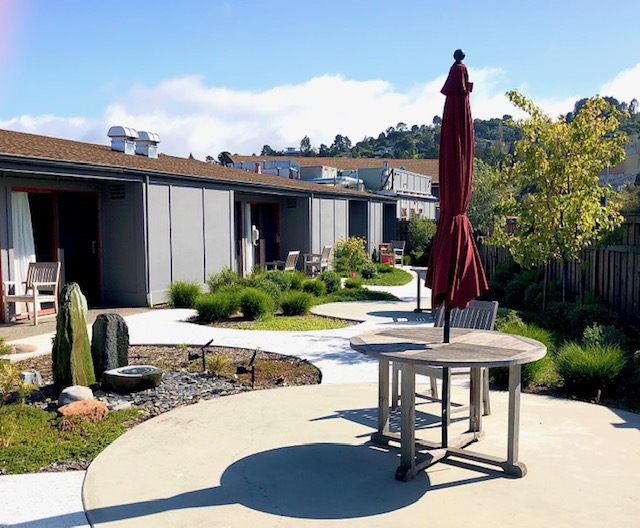
Who Owns and Operates The Redwoods, A Community Of Seniors?

THE REDWOODS, A COMMUNITY OF SENIORS is owned by a non-profit organization. Non-profit facilities reinvest revenue into operations rather than distributing to shareholders. The facility operates independently rather than as part of a larger chain. With 58 certified beds and approximately 45 residents (about 78% occupancy), it is a smaller facility located in MILL VALLEY, California.
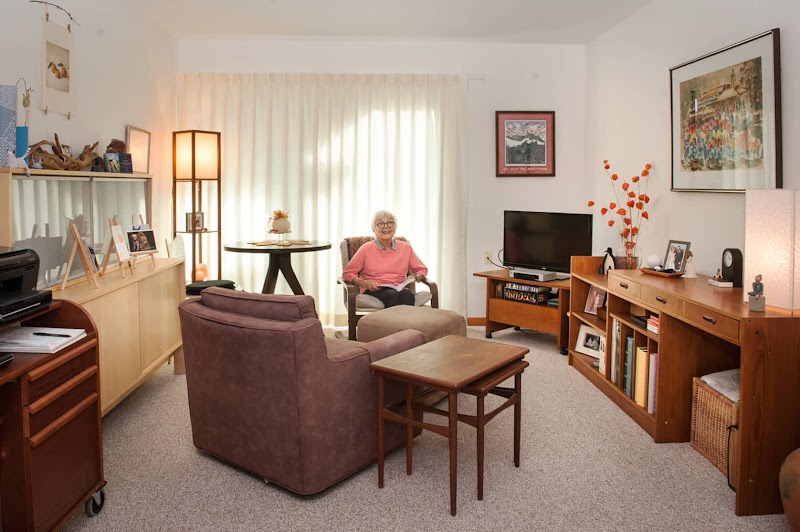
How Does The Redwoods, A Community Of Seniors Compare to Other California Nursing Homes?

Compared to the 100 nursing homes in California, THE REDWOODS, A COMMUNITY OF SENIORS's overall rating (2 stars) is below the state average of 3.1, staff turnover (36%) is significantly lower than the state average of 46%, and health inspection rating (1 stars) is much below the national benchmark.

What Should Families Ask When Visiting The Redwoods, A Community Of Seniors?

Based on this facility's data, families visiting should ask: "Can I visit during a mealtime to observe dining assistance and food quality?" "How do you handle medical emergencies, and what is your hospital transfer rate?" "Can I speak with family members of current residents about their experience?"

Is The Redwoods, A Community Of Seniors Safe?

Based on CMS inspection data, THE REDWOODS, A COMMUNITY OF SENIORS has a clean safety record: no substantiated abuse findings (meaning no confirmed cases of resident harm), no Immediate Jeopardy citations (the most serious violation level indicating risk of serious injury or death), and is not on the Special Focus Facility watch list (a federal program monitoring the lowest-performing 1% of nursing homes). The facility has a 2-star overall rating and ranks #100 of 100 nursing homes in California. While no facility is perfect, families should still ask about staff-to-resident ratios and recent inspection results during their visit.

Do Nurses at The Redwoods, A Community Of Seniors Stick Around?

THE REDWOODS, A COMMUNITY OF SENIORS has a staff turnover rate of 36%, which is about average for California nursing homes (state average: 46%). Moderate turnover is common in nursing homes, but families should still ask about staff tenure and how the facility maintains care continuity when employees leave.

Was The Redwoods, A Community Of Seniors Ever Fined?

THE REDWOODS, A COMMUNITY OF SENIORS has been fined $133,365 across 3 penalty actions. This is 3.9x the California average of $34,413. Fines at this level are uncommon and typically indicate a pattern of serious deficiencies, repeated violations, or failure to correct problems promptly. CMS reserves penalties of this magnitude for facilities that pose significant, documented risk to resident health or safety. Families should request specific documentation of what issues led to these fines and what systemic changes have been implemented.

Is The Redwoods, A Community Of Seniors on Any Federal Watch List?

THE REDWOODS, A COMMUNITY OF SENIORS is not on any federal watch list. The most significant is the Special Focus Facility (SFF) program, which identifies the bottom 1% of nursing homes nationally based on persistent, serious quality problems. Not being on this list means the facility has avoided the pattern of deficiencies that triggers enhanced federal oversight. This is a positive indicator, though families should still review the facility's inspection history directly.