MILPITAS CARE CENTER
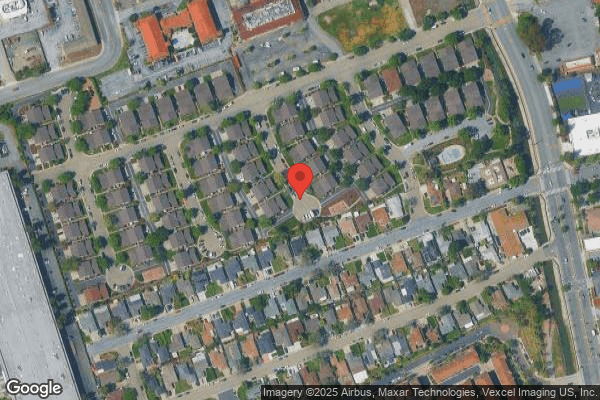
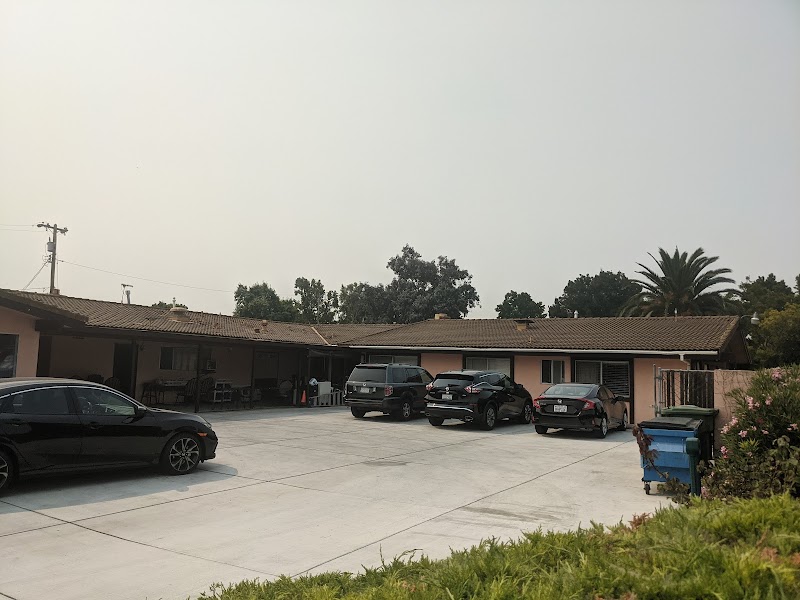
120 CORNING AVENUE, MILPITAS, CA 95035 (408) 262-0217
For profit - Corporation 35 Beds Independent Data: November 2025
Trust Grade
40/100
#855 of 1155 in CA
Last Inspection: June 2025

Inspected within the last 6 months. Data reflects current conditions.

Overview

Milpitas Care Center has a Trust Grade of D, indicating below-average quality with some significant concerns. It ranks #855 out of 1155 facilities in California, placing it in the bottom half statewide, and #41 out of 50 in Santa Clara County, meaning there are only a few local options that perform better. The facility is worsening, with issues increasing from 13 in 2024 to 17 in 2025. Staffing is a strength, rated 4 out of 5 stars, with a turnover rate of 39%, which is close to the state average. However, the center has accumulated $48,288 in fines, which is concerning as it is higher than 94% of California facilities, suggesting ongoing compliance issues. Specific incidents include a resident experiencing a significant weight loss of nearly 10% over six months, raising alarms about their nutritional status and overall health. Additionally, there were failures in food safety practices, such as staff not washing hands between assisting residents with meals and poor conditions in food storage areas, which could lead to contamination. While the facility has some strengths, such as good RN coverage, these weaknesses highlight serious areas for improvement that families should consider when researching care options.

Trust Score
D
40/100
In California
#855/1155
Bottom 26%
Safety Record
Moderate
Needs review
Inspections
Getting Worse
13 → 17 violations
Staff Stability
○ Average
39% turnover. Near California's 48% average. Typical for the industry.
Penalties
⚠ Watch
$48,288 in fines. Higher than 89% of California facilities, suggesting repeated compliance issues.
Skilled Nurses
○ Average
Each resident gets 39 minutes of Registered Nurse (RN) attention daily — about average for California. RNs are the most trained staff who monitor for health changes.
Violations
⚠ Watch
51 deficiencies on record. Higher than average. Multiple issues found across inspections.
★★☆☆☆
2.0
Overall Rating
★★★★☆
4.0
Staff Levels
★★★★☆
4.0
Care Quality
★★☆☆☆
2.0
Inspection Score
Stable
2024: 13 issues
2025: 17 issues

The Good

  • 4-Star Staffing Rating · Above-average nurse staffing levels
  • 4-Star Quality Measures · Strong clinical quality outcomes
  • Full Sprinkler Coverage · Fire safety systems throughout facility
  • No fines on record
  • Staff turnover below average (39%)

    9 points below California average of 48%

Facility shows strength in staffing levels, quality measures, fire safety.

The Bad

2-Star Overall Rating

Below California average (3.1)

Below average - review inspection findings carefully

Staff Turnover: 39%

Near California avg (46%)

Typical for the industry

Federal Fines: $48,288

Above median ($33,413)

Moderate penalties - review what triggered them

The Ugly 51 deficiencies on record

1 actual harm
Jun 2025 16 deficiencies 1 Harm
SERIOUS (G)

Actual Harm - a resident was hurt due to facility failures

Deficiency F0692 (Tag F0692)

A resident was harmed · This affected 1 resident

**NOTE- TERMS IN BRACKETS HAVE BEEN EDITED TO PROTECT CONFIDENTIALITY** Based on observation, interview, and facility document review, the facility failed to ensure acceptable parameters of nutritiona...

Read full inspector narrative →
**NOTE- TERMS IN BRACKETS HAVE BEEN EDITED TO PROTECT CONFIDENTIALITY** Based on observation, interview, and facility document review, the facility failed to ensure acceptable parameters of nutritional status were maintained for one of 18 sampled residents (Resident 12) when Resident 12 experienced an unplanned insidious weight loss of 10 pounds, 6.8% in three months and 16 pounds 9.8% weight loss in six months. This had the potential to result in muscle wasting, loss of independence, decreased quality of life, and increased disease complications. Findings: A professional reference review of the National Library of Medicine titled, An approach to the management of unintentional weight loss in elderly people, dated March 15, 2005, showed in part, Unintentional weight loss, or the involuntary decline in total body weight over time, is common among elderly people who live at home. Weight loss in elderly people can have a deleterious effect on the ability to function and on quality of life and is associated with an increase in mortality over a 12-month period .Unintentional weight loss is the involuntary decline in total body weight over time. In clinical practice, it is encountered in up to 8% of all adult outpatients and 27% of frail people 65 years and older. Weight loss is an important risk factor in elderly patients. It is associated with increased mortality, which can range from 9% to as high as 38% within 1 to 2.5 years after weight loss has occurred .Weight loss of 4%-5% or more of body weight within 1 year, or 10% or more over 5-10 years or longer, is associated with increased mortality or morbidity or both. https://www.ncbi.nlm.nih.gov/pmc/articles/PMC552892/ Involuntary weight loss can lead to muscle wasting . depression and an increased rate of disease complications. Various studies demonstrated a strong correlation between weight loss and morbidity and mortality. (February 15, 2002/Volume 65, Number 4 www.aafp.org/afp American Family Physician). A publication titled Nutrition Care of the Older Adult from the Academy of Nutrition and Dietetics, dated 2016, indicated the goal of Medical Nutrition Therapy is to maintain or restore the individual's usual body weight. A publication from the Academy of Nutrition and Dietetics titled What Resources Are Available to Assist in Assessing Body Weight in Older Adults. July 1, 2025, indicated usual body weight (UBW), an individual's weight throughout adult life or a stable weight over time, is the preferred standard for older adults. Any recent weight changes, especially unintentional weight loss, would also need to be addressed in a care plan. UBW is considered more appropriate than desirable body weight or ideal body weight for weight-related interventions in older adults. During a review of the Academy of Nutrition and Dietetics Evidence Analysis Library regarding Unintended Weight Loss for Older Adults Evidence-Based Nutrition Practice Guidelines (2007-2009), indicated the Registered Dietitian (RD) should monitor and evaluate weekly body weights of older adults with unintended weight loss, until body weight has stabilized, to determine effectiveness of medical nutrition therapy (MNT). The State Operations Manual (SOM) provides a definition for insidious weight loss: Gradual unintended weight loss over time is known as insidious weight loss. This can be where an older adult loses only 1-2 pounds per month, but for a continued period. When addressing unintentional weight loss, one needs to figure out why, if possible, the root cause of unintended weight loss (Geriatric Dietitian, 3/31/22). Review of the facility Policy and Procedure (P&P) titled Weight Assessment and Intervention dated 2001, showed resident weights are monitored for undesirable or unintended weight loss or gain. Residents are weighed upon admission and at intervals established by the interdisciplinary team. Unless notified of significant weight change, the dietitian will review the unit weight record monthly to follow individual weight trends over time. The threshold for significant unplanned and undesired weight loss will be based on the following criteria: a. 1 month - 5% weight loss is significant; greater than 5% is severe; b. 3 months- 7.5 % weight loss is significant; greater than 7.5% is severe; c. 6 months - 10% weight loss is significant; greater than 10% is severe. Undesirable weight change is evaluated by the treatment team whether or not the criteria for significant weight change has been met. The evaluation includes but is not limited to the resident's target weight range and the resident's calorie, protein, and other nutrient needs compared with the resident's current intake and the relationship between current medical condition or clinical situation and recent fluctuations in weight; and whether and to what extent weight stabilization or improvement can be anticipated. The physician and the multidisciplinary team identify conditions and medications that may be causing anorexia (an eating disorder characterized by a restriction of food intake leading to low body weight), weight loss or increasing risk of weight loss. Interventions for undesirable weight loss are based on careful consideration of the following including but not limited to: Resident choice and preferences; nutrition and hydration needs; the use of supplementation. Review of the admission Record (a document containing the most pertinent information for a resident) for Resident 12, indicated Resident 12 was [AGE] years old. Resident 12 was initially admitted on [DATE] and readmitted on [DATE]. Diagnoses included but were not limited to: acute chronic congestive heart failure (worsening of an existing heart failure symptoms), type 2 diabetes (a condition in which the body has trouble controlling blood sugar), hypothyroidism (a condition in which the thyroid gland does not produce enough thyroid hormone which can disrupt things such as heart rate, body temperature, and metabolism), Alzheimer's disease (a progressive disease that destroys memory and other important functions), and dementia (a group of thinking and social symptoms that interfere with daily functioning). A record review of Minimum Data Set (MDS, an assessment used to plan care) Section K - Swallowing/Nutritional Status from 5/24/24 to 4/3/25 created for Resident 12 showed: 5/24/24 Quarterly Assessment: Weight 170 pounds, no weight loss of 5% in 1 month or 10% in 6 months; no swallowing issues, received a therapeutic diet. 8/24/24: Quarterly Assessment: Weight 165 pounds, no weight loss of 5% in 1 month or 10% in 6 months; no swallowing issues, received a therapeutic diet. 11/24/24 Quarterly Assessment: Weight 164 pounds, no weight loss of 5% in 1 month or 10% in 6 months; no swallowing issues, received a therapeutic diet. 2/22/25 Annual Assessment: Weight 160 pounds, no weight loss or weight gain of 5% in 1 month or 10% in 6 months, no swallowing issues, received a therapeutic diet. 3/12/25 Significant Change Assessment: Weight 158 pounds, no weight loss of 5% in 1 month or 10% in 6 months, no swallowing issues, received a therapeutic diet. 3/21/25 Discharge Assessment: Weight 158 pounds, no weight loss of 5% in 1 month or 10% in 6 months, no swallowing issues, received a therapeutic diet. 4/3/25 readmission Assessment: Weight 154 pounds, no weight loss of 5% in 1 month or 10% in 6 months, no swallowing issues, received a therapeutic diet. During a record review of Resident 12's Weights and Vitals Summary from 4/3/24 to 6/23/24, the following monthly weights for Resident 12 were shown: 4/3/24: 175 lbs 5/3/24: 163 lbs (6.9 %, - 12 lb weight loss in 30 days [comparison weight 4/3/24 175 lbs]) 6/8/24 164.2 lbs 7/12/24 167.2 lbs 8/5/24 165 lbs 9/2/24 164 lbs 9/30/24 163 lbs 11/11/24 164 lbs 12/4/24: 164 lbs 1/2/25: 162 lbs 2/4/25: 160 lbs 3/3/25: 158 lbs 3/27/25: 154.6 lbs 5/1/25: 154 lbs 6/2/25: 148 lbs Resident 12's documented weights represented an insidious loss in body weight of 16 pounds/9.8% from 12/4/24 to 6/2/24, and 10 pounds, 6.8% in three months from 3/3/25 to 6/2/25. A record review showed on 12/18/24, Resident 12 was prescribed MedPass Sugar Free 90 ml, QD. (MedPass Sugar Free is a nutrition supplement providing extra calories and protein and typically provided during the medication pass. It provides approximately 160 - 180 calories per 90 ml). RD recommended MedPass to be discontinued on 2/20/25 due to resident refusals. The Medication Administration Record [MAR] dated 1/1/25-1/31/25 showed out of 31 days Resident 12 was offered MedPass, he consumed 10% two (2) days, 20% one (1) day, 25% three (3) days, 50% four (4) days, and 100% 7 days. The MAR dated 2/1/25-2/28/25, showed out of the 21 days Resident 12 was offered MedPass, he consumed 100% two (2) days, and 50% three (3) days. A record review for orders showed on 6/19/24 Add snacks BID [twice a day], Document % intake. This order was discontinued on 3/24/24 and was not started again after readmission on [DATE]. On 6/5/25, the RD recommended adding snacks BID. A record review showed Resident 12 was prescribed a No added Salt, Consistent Carbohydrate (CCHO; a diet typically prescribed to maintain blood sugar) diet from 6/8/24 to 3/27/25. A record review showed when Resident 12 was readmitted on [DATE], his diet order was a Cardiac - Low Fat Low Cholesterol, Low Salt, Diabetic No Concentrated Sweets (NCS) diet (a diet restricting foods and drinks with added sugars and simple carbohydrates; According to a progress note dated 6/5/25 RD recommended to change NCS diet to CCHO in house diet). A professional review titled, Management of Diabetes in Long-term Care and Skilled Nursing Facilities: A Position Statement of the America Diabetes Association, Diabetes Care 2016 showed, Liberal diets have been associated with improvement in food and beverage intake in the LTC population to better meet caloric and nutrient requirements. While carbohydrate intake should be taken into consideration, no concentrated sweets or no sugar diet orders are ineffective for glycemic management and should not be recommended. Instead, a consistent carbohydrate meal plan that allows for a wide variety of food choices may be more beneficial for both nutritional needs and glycemic control in patients with type 1 diabetes or type 2 diabetes on mealtime insulin. Review of the facility's 2023 Diet Manual for Long Term Care Facilities showed the CCHO diet provided 1900 - 2000 calories per day; and the Low Fat/Low Cholesterol Diet provided 1800 - 2000 calories per day. Calculations in accordance with the Diet Manual show a CCHO diet provided (the combination of a CCHO diet and Low Fat/Low Cholesterol may have provided fewer calories according to the diet manual): 1444- 2000 calories with an intake of 76-100%. 969 - 1500 calories with an intake of 51-75% 494 - 900 calories with an intake of 26-75% Review of Resident 12's record included a physician Progress Note dated 3/30/25, showed Resident 12 was transferred out on 3/21/25 for chest pain and was readmitted to the facility on [DATE]. A record review from December 2024 to June 2025 showed the following RD Nutrition Progress Notes and Assessments: Nutrition Assessment dated 2/20/25 showed Resident 12's weight was 160 pounds, estimated caloric needs were 1818 - 2181 kcals (kilocalories, often referred to as calories), meal intake was 76-100% on average, supplement MedPass Sugar Free 90 ml (milliliters) QD (every day), refusing MedPass supplement on average. No significant weight changes in the last 30, 90, and 180 days. PO intake is meeting ENN [estimated nutrition needs include caloric intake and protein intake]. RD's only recommendation in this assessment was to discontinue the nutritional supplement MedPass due to the resident refusing the supplement. Although the RD documented Resident 12's intake was meeting his ENN in her 2/20/25 Nutrition Assessment, no additional interventions were implemented to address the insidious weight loss of 164 to 160 pounds from 12/4/24 to 2/25. While the RD documented in her 2/20/25 Nutrition Assessment, Resident 12's average meal intake was 76-100%, no time frame was specified. A record review of the Meal intake Documentation Nutrition - Amount Eaten for Resident 12, from 12/1/24 to 2/19/25, showed: from 12/21/24-12/31/24, Resident 12 consumed 76-100% for 62% of meals (56 out of 90 meals); from 1/1/25 to 1/31/25, Resident 12 consumed 76-100% for 59% of meals (54 out of 92 meals); and from 2/1/25 to 2/19/25, Resident 12 consumed 76-100 % for 58% of meals (32 out of 55 meals). Progress Note dated 3/20/25 showed Resident 12 weighed 158 pounds, average meal intake was 84%, average snack intake was 50%. No significant weight changes in the last 30, 90, 180 days. PO (by mouth) intake meeting ENN . no new recommendations at this time . Although the RD stated Resident 12 was meeting his ENN in her 3/20/25 progress note, Resident 12 experienced an insidious weight loss of 6 pounds between 12/4/24 and 3/3/25. While RD documented in her 3/20/25 progress note, Resident 12's average meal intake was 84%, no time frame was specified. A record review of the Meal intake Documentation Nutrition - Amount Eaten for Resident 12, from 2/21/25 to 3/19/25 (dates between RD nutrition assessment on 2/20/25 and RD progress note on 3/20/25), showed: from 2/21/25-2/28/25, Resident 12 consumed 76-100% for 67% of meals (16 out of 28 meals); and from 3/1/25 to 3/19/25; Resident 12 consumed 76-1 00% for 48% of meals (25 out of 52 meals). Nutrition Assessment dated 4/3/25 showed Resident 12 weighed 154 pounds, estimated caloric needs were 1750 - 2100, average meal intake was 50-75%, and no supplements. PO intake meeting ENN. No new recommendations at this time. While RD documented Resident 12's intake was meeting ENN in her 4/3/35 Nutrition Assessment, calculations including percent intake and calories provided by the diet manual, showed Resident 12 did not meet ENN. RD stated Resident 12's average meal intake was 50-75%, but no time frame was specified. RD did not show how many calories 50-75% intake provided. According to the diet manual 50-75% intake of a CCHO diet provided [PHONE NUMBER] calories which did not meet Resident 12's ENN of 1750-2100 calories per RD's assessment dated [DATE]. Resident 12 experienced insidious weight loss of 9.4 pounds between 12/4/24 and 3/27/25. Progress Note dated 6/5/25, showed Weight changes: -3.9%/-6# x 30 days, -6.3%/-10# x 90 days, -9.8%/-16# x 180 days . [AGE] year old male noted with significant weight loss of -6 # [pounds] x 30 days . Weight loss is undesirable as resident is meeting only 93% of IBW [Ideal Body Weight] . Resident may benefit from resuming snacks BID to increase calorie and protein intake and monitor on weekly weights x 4 weeks. RD did not recommend interventions to address weight loss until Resident 12 experienced an unplanned weight loss of 6 pounds between 5/1/25 and 6/2/25, 10 pounds between 3/3/25 and 6/2/25, and 16 pounds between 12/4/24 and 6/2/25. During a concurrent phone interview and record review with Registered Dietitian (RD) on 6/25/25 at 9:53 a.m., Resident 12's weight log, progress notes, assessments, and physicians' orders from 3/5/2024 to present, were reviewed. RD stated she began working at the facility in January 2025. RD confirmed Resident 12 continuously lost weight from 12/4/24 to 6/2/25. RD stated she considered Resident 12's weight loss to be insidious. RD stated insidious weight loss was a weight loss that was slowly down trending. RD stated she did not consider interventions for weight loss from January to June 2025 because Resident 12's meal intake was meeting his estimated nutrient needs (ENN) according to PO nutrition intake documentation. RD confirmed she did not recommend an intervention for weight loss until 6/5/25 when she documented Resident 12 had significant weight loss of 6 pounds between 5/1/25 and 6/2/25. In addition, RD stated she was not involved with Interdisciplinary Team (IDT) meetings. RD stated she did not know what was discussed in the IDT meetings. RD also stated she did not speak to resident representatives (RPs), it was up to the dietary manager to speak with RPs to determine resident weight goals, and she did not attend IDT meetings since she worked at the facility only four hours a week. During a meal observation on 6/25/25 at 11:54 p.m., Resident 12 ate his lunch in the dining room. Resident 12 consumed 50% of his milk (8 ounce cup), 100% his juice (6 ounce cup), 100% of his dessert (which he ate first), less than 25% of his vegetables, and 25% of his fish filet. Resident 12 appeared agitated and yelled at staff no when staff asked if he wanted anything else to eat. In an interview on 6/25/25 at 12:01 p.m., Licensed Vocational Nurse (LVN) D stated Resident 12 ate in his room or the dining room depending on his mood. LVN D stated his food intake at meals was inconsistent. During an interview on 6/25/25 at 2:30 p.m., RD stated weight loss was discussed with nursing only when residents trigger for significant weight loss. During an interview with the Interim Director of Nursing (IDON) on 6/25/25 at 3:02 p.m., IDON stated RD came into the facility weekly and reviewed resident weights. Resident weights were discussed in weight variance IDT meetings only when there is a significant weight change. IDON confirmed the RD was not present in the IDT meetings. During a consecutive interview and document review with IDON on 6/26/25 at 9:59 a.m., weight variance IDT meeting documentation was reviewed. From 12/2024 to 6/2025, weight variance IDT meeting documentation showed there were no weight variance IDT meetings to address Resident 12's insidious weight loss of 10 pounds from 12/4/24 to 5/1/25. An IDT meeting was not held until 6/6/2025 after the RD documented Resident 12 had a significant weight loss of 6 pounds from 5/1/25 and 6/2/25. The documentation showed the only staff present in the meeting were the Certified Dietary Manager (CDM), IDON, and a Minimum Data Set (MDS) staff. Only information repeated from RD 6/5/25 progress was documented in the weight variance IDT meeting minutes, such as Resident 12's weight at 148 pounds, a weight loss of 6 pounds in a month, recommend snacks twice a day, and start weekly weights. IDON confirmed the RD was not present for IDT meetings. IDON stated dietary manager presents the RD recommendations from the RD assessments/progress notes, but possible causes of weight loss were not discussed. IDON confirmed she could not find documentation to show the Resident 12 was on a planned/prescribed weight loss program. During an interview and concurrent record review on 6/26/25 at 10:43 a.m., the MDS Coordinator (MDSC) reviewed MDS Section K - Swallowing/Nutritional Status dated 5/24/24 for Resident 12. MDSC confirmed stated Resident 12's significant weight loss of 6.9% in one month (4/3/24 to 5/3/24) was not reflected on the 5/24/24 MDS section K but the weight loss should have been reflected. MDSC stated a Registered Nurse (RN) reviewed section K for accuracy. During an interview and concurrent document review on 6/26/25 at 11:19 a.m., IDON reviewed MDS Section K - Swallowing/Nutritional Status dated 5/24/24 for Resident 12. IDON confirmed an RN was to review section K of the MDS for accuracy. IDON confirmed Resident 12's 5/24/24 MDS section K should show Yes [loss of 5% or more in the last month .] not on a physician-prescribed weight-loss regimen because Resident 12 lost more than 5% weight in one month from 4/3/24 to 5/3/34 and he was not on a physician prescribed weight loss program. On 6/26/25 at 11:40 a.m., Resident 12's Responsible Party (RP) was interviewed. RP stated his father (Resident 12) was always overweight before he was admitted to the facility. RP stated his father began losing weight when he was admitted to the facility. RP stated he visited the facility on the weekends, and his father expressed he did not like the facility food, that it had no taste. RP stated his father mainly liked Filipino food. During a dining observation on 6/26/25 at 12 p.m., Resident 12 at lunch in his room. Resident 12 consumed 100% of his milk, 80% of his juice, 25% of rice, 75% of chicken, 100% of dessert, did not eat any vegetables, and did not eat his bread. During an interview and concurrent record review with RD on 6/26/25 at 12:21 p.m., RD confirmed weight maintenance was her goal for Resident 12. RD stated weight loss due to PO intake was not desirable for Resident 12. RD stated weight loss can be caused by other things other than food intake, such as skin breakdown and medication. RD confirmed she did not discuss possible causes of weight loss with IDT. RD also stated prescribed snacks equal about 100 to 150 calories, so snacks BID would add about 200 to 300 calories a day. During an interview on 6/26/25 at 2:04 pm., CDM stated she did not talk to family members or RP regarding Resident 12's food preferences, instead she spoke to Resident 12. CDM stated Resident 12 was not picky with food and liked coffee. CDM stated currently Filipino food was not served at the facility. While CDM stated she could speak to Resident 12, a record review of the MDS for Resident 12, dated 4/3/25, indicated Resident 12 had a score of 4 on the Brief Interview for Mental Status (BIMS, an assessment of a resident's cognition skills; a score of 0-7 indicates severe cognitive impairment).
CONCERN (D)

Potential for Harm - no one hurt, but risky conditions existed

Deficiency F0578 (Tag F0578)

Could have caused harm · This affected 1 resident

**NOTE- TERMS IN BRACKETS HAVE BEEN EDITED TO PROTECT CONFIDENTIALITY** Based on interview and record review, the facility failed to inform and provide written information to one of 5 residents (5), r...

Read full inspector narrative →
**NOTE- TERMS IN BRACKETS HAVE BEEN EDITED TO PROTECT CONFIDENTIALITY** Based on interview and record review, the facility failed to inform and provide written information to one of 5 residents (5), regarding the rights to formulate an advance directive (a legal document that explains how a resident wants medical decisions about him/her to be made if he/she cannot make the decisions himself/herself. It is used to guide the health care team and loved ones when they need to make these decisions or to decide who will make decisions for the resident when he/she can't). This failure had the potential for the facility to provide treatment and services against the residents' wishes. Findings: Review of Resident 5's admission Record indicated she was admitted to the facility on [DATE]. Review of Resident 5's clinical record indicated she did not have an advance directive and did not have an Advanced Directive Acknowledgement that an advance directive was addressed or if the resident/resident representative was helped in formulating an advance directive. During an interview with registered nurse A (RN A) on 6/25/25, at 3:50 p.m., RN A reviewed Resident 5's clinical record and confirmed that Resident 5 did not have an advance directive and did not have an Advanced Directive Acknowledgement that an advance directive was addressed or if the resident/resident representative was helped in formulating an advance directive. Review of the facility's policy, Advance Directives, dated 9/2022, indicated . If the resident or representative indicates that he or she had not established advance directives, the facility staff will offer assistance in establishing advance directives. The resident or representative is given the option to accept or decline assistance .
CONCERN (D)

Potential for Harm - no one hurt, but risky conditions existed

Deficiency F0582 (Tag F0582)

Could have caused harm · This affected 1 resident

Based on interview and record review, the facility failed to provide that one of 3 residents (Resident 132) reviewed for the SNF Beneficiary Protection Notification Review received a written copy of t...

Read full inspector narrative →
Based on interview and record review, the facility failed to provide that one of 3 residents (Resident 132) reviewed for the SNF Beneficiary Protection Notification Review received a written copy of the Notice of Medicare Non-Coverage (NOMNC) at least two calendar days before the end of Medicare Part A coverage. This failure denied Resident 132 the knowledge to appeal the discharge. Findings: Record review of Resident 132's NOMNC indicated that it was issued to Resident 132's representative on 5/3/25, the date of Resident 132's discharge. Resident 132's last Medicare Part A covered day was also 5/2/25. The NOMNC was issued one day late. During an interview on 6/26/25 at 11:27 a.m., the Social Services Director (SSD) stated that the NOMNC should have been issued at least 72 hours before the last covered day, to allow the resident or representative time to appeal. The SSD acknowledged that the notification was not issued timely and that she did not inform Resident 132 or the representative about the last Medicare covered day prior to discharge. Review of an undated facility's policy titled Form Instructions for the Notice of Medicare Non-Coverage (NOMNC) CMS-10095, indicated, A Medicare health provider must give in advance, completed copy of the Notice of Medicare Non Coverage (NOMNC) to enrollees receiving skilled nursing, home health (including psychiatric home health), or comprehensive outpatient rehabilitation facility services, no later than two days before the termination of services .
CONCERN (D)

Potential for Harm - no one hurt, but risky conditions existed

Deficiency F0645 (Tag F0645)

Could have caused harm · This affected 1 resident

**NOTE- TERMS IN BRACKETS HAVE BEEN EDITED TO PROTECT CONFIDENTIALITY** 2. Review of Resident 10's admission Record indicated she was admitted to the facility on [DATE] with schizophrenia diagnosis. R...

Read full inspector narrative →
**NOTE- TERMS IN BRACKETS HAVE BEEN EDITED TO PROTECT CONFIDENTIALITY** 2. Review of Resident 10's admission Record indicated she was admitted to the facility on [DATE] with schizophrenia diagnosis. Review of Resident 10's PASARR Level I Screening, dated 11/22/22, indicated that Resident 10 did not have a serious diagnosed mental disorder such as schizophrenia. During an interview with registered nurse A (RN A) on 6/25/25, at 3:53 p.m., she reviewed Resident 10's 11/22/22 PASARR Level I Screening and confirmed that Resident 10's PASARR Level I Screening should have indicated she had a serious diagnosed mental disorder such as schizophrenia. Review of facility's policy and procedure (P&P) entitled admission Criteria dated 2001, the P&P indicated, .9. All new admissions and readmissions are screened for mental disorders (MD), intellectual disabilities (ID) or related disorders (RD) per the Medicaid Pre-admission Screening and Resident Review (PASARR) process b. If the level I screen indicates that the individual may meet the criteria for a MD, ID, or RD, he or she is referred to the state PASARR representative for the Level II (evaluation and determination) screening process . Based on interview and record review, the facility failed to accurately complete the Preadmission Screening and Resident Review (PASARR, a federally mandated program ensures individuals are not inappropriately placed in nursing homes for long-term care) for two (Resident 21 and Resident 10) out of 14 sampled residents when Resident 21's and Resident 10's mental illness diagnoses were not indicated in PASARR. These failures had the potential to result in the residents not receiving the appropriate PASARR level 2 evaluation (used to confirm mental illness and assess whether the resident requires specialized services). Findings: 1. A review of Resident 21's PASARR, dated 4/9/23 indicated, Level 1- Negative .Reason Code: No Serious mental illness .resolution: LII [level 2]: Not Required The individual who completed the PASARR answered No when asked if Resident 21 had a serious diagnosed mental disorder. A review of Resident 21's admission Record indicated Resident 21 was admitted on [DATE] with diagnoses including Schizophrenia (a severe mental illness that disrupts a person's ability to think, feel, and behave clearly). During a concurrent interview and record review on 6/24/25 at 4:51 p.m. with Registered Nurse (RN) A, RN A verified she completed PASARR Level 1 for Resident 21 on 4/9/23. RN A stated that Resident 21 came from a hospital prior to admission in the facility. RN A verified Resident 21's Hospital Discharge Summary prior to admission indicated a diagnosis of Schizophrenia. RN A verified Resident 21's PASARR Level 1 should have indicated the diagnosis of Schizophrenia.
CONCERN (D)

Potential for Harm - no one hurt, but risky conditions existed

Deficiency F0658 (Tag F0658)

Could have caused harm · This affected 1 resident

Based on observation, interview, and record review, the facility failed to provide services that meet professional standards of quality for two of 14 sampled residents (Residents 4 and Resident 1) whe...

Read full inspector narrative →
Based on observation, interview, and record review, the facility failed to provide services that meet professional standards of quality for two of 14 sampled residents (Residents 4 and Resident 1) when: 1. For Resident 4, the facility staff did not document the apical pulse (the pulse that is felt at the bottom of the heart) before administering Digoxin (a medication used to treat certain heart conditions); and 2. Resident 1 was given the medication Carvedilol (used to treat high blood pressure) when her diastolic blood pressure (the bottom number in a blood pressure reading, representing the pressure in your arteries when your heart is at rest between beats) was low (a diastolic pressure reading below 60 is considered low) at 50 mmhg (millimeters of mercury, a unit of measurement). These failures had the potential to compromise the residents' care and could cause health complications. Findings: Review of Resident 4's admission record indicated that the resident had a diagnosis of unspecified atrial fibrillation (an irregular and often rapid heart rhythm that can lead to poor blood flow and increase the risk of stroke or heart failure). Review of Resident 4's active Order Summary Report indicated an order date of 1/24/24, for Digoxin 125 micrograms (mcg, unit of measurement) by mouth once daily for arrhythmia (an abnormal heart rhythm) and hold the dose if the heart rate (HR, the number of times the heart beats per minute) is less than 55 beats per minute. Review of Resident 4's Medication Administration Record (MAR) for June 2025 indicated Digoxin was administered at 9:00 a.m. every day, but no apical pulse reading recorded in the MAR prior to administration of Digoxin. Further review of the MAR showed that the apical pulse was recorded twice daily (BID) on the day and evening shifts. However, the readings were not taken during the 9:00 a.m. Digoxin dose and does not confirm the apical pulse was checked immediately before Digoxin administration. During a concurrent interview and record review with the Interim Director of Nursing (IDON) on 6/25/25 at 1:30 p.m., the IDON acknowledged that there was no documentation of an apical pulse recorded before giving Digoxin. She stated that it was the facility's practice for nurses to check the apical pulse before administering Digoxin and that the result should have been documented in the MAR next to the administration time. The IDON acknowledged that the BID monitoring of apical pulse does not confirm whether the apical pulse was taken during the 9:00 a.m. Digoxin dose. Review of the Lippincott Nursing Drug Guide (2024 edition) indicated standard nursing practice for Digoxin includes auscultating the apical pulse for one full minute before each dose and withholding the dose if the pulse is below the ordered threshold (typically less than 60 beats per minute). 2. During a medication pass observation on 6/26/25 at 9:36 a.m., Licensed Vocational Nurse (LVN) D administered Carvedilol 3.125 mg (milligram, a unit of measurement) tablet orally to Resident 1. A review of Resident 1's Physician Order indicated, Carvedilol Oral Tablet 3.125 mg give 1 tablet by mouth two times a day for Hypertension [high blood pressure] hold SBP [systolic blood pressure, the top number in a blood pressure reading, and it measures the pressure in your arteries when your heart beats and pumps blood] < 105 Pulse < 55 A review of Resident 1's vital signs dated 6/26/25 at 7:47 a.m. indicated a blood pressure reading of 116/50 mmhg. During a concurrent interview and record review on 6/26/25 at 1:22 p.m. with the Interim Director of Nursing (IDON), the IDON verified Resident 1's physician order for carvedilol and the blood pressure reading of 116/50 mmhg prior to administration of the medication carvedilol by LVN D. The IDON stated Resident 1 was at risk for hypotension (low blood pressure). The IDON also stated that LVN D should have rechecked the blood pressure prior to administering the medication or notified the doctor if it was okay to give carvedilol with a blood pressure of 116/50 mmhg. A review of facility's policy and procedure (P&P) entitled Administering Medications revised April 2019, the P&P indicated, .11. The following information is checked/verified for each resident prior to administering medications: .b. Vital signs, if necessary .
CONCERN (D)

Potential for Harm - no one hurt, but risky conditions existed

Quality of Care (Tag F0684)

Could have caused harm · This affected 1 resident

**NOTE- TERMS IN BRACKETS HAVE BEEN EDITED TO PROTECT CONFIDENTIALITY** Based on observation, interview, and record review, the facility failed to ensure the residents received the necessary care and ...

Read full inspector narrative →
**NOTE- TERMS IN BRACKETS HAVE BEEN EDITED TO PROTECT CONFIDENTIALITY** Based on observation, interview, and record review, the facility failed to ensure the residents received the necessary care and services for one of 14 residents (15) when Resident 15 did not receive weekly weight and one-to-one feeding assistance with all meals as ordered by the physician. This failure had the potential to negatively affect the resident's nutritional status, health, and well-being. Findings: Review of Resident 15's admission Record indicated she was admitted to the facility on [DATE]. Review of Resident 15's Nutritional Assessment, dated 2/12/24, indicated she had insidious weight loss since 10/2023, and Resident 15 may benefit from one-to-one feeding assistance with all meals to promote intake and gradual weight gain. Review of Resident 15's physician orders indicated she had orders for one-to-one feeding assistance with all meals, started on 2/13/24, and weekly weight in the morning every Tuesday, started on 5/21/24. Review of Resident 15's weight document, from 5/17/24 to 6/2/25, indicated she was weighed about every month, not every week. During observations on 6/24/25, at 11:54 a.m., on 6/26/25, at 5:43 p.m., and on 6/27/25, at 11:54 a.m., Resident 15 was eating her meals herself with no one-to-one feeding assistance. During an interview with the interim director of nursing (IDON) on 6/27/25, at 2:31 p.m., she reviewed Resident 15's physician orders and confirmed that Resident 15 should have been weighed every week and have one-to-one feeding assistance with all meals as ordered by the physician. Review of the facility's undated job description, Registered Nurse, indicated Duties and Responsibilities: . Ensure direct resident care is always provided by licensed and certified nurses.
CONCERN (D)

Potential for Harm - no one hurt, but risky conditions existed

Deficiency F0730 (Tag F0730)

Could have caused harm · This affected 1 resident

Based on interview and record review, the facility failed to conduct performance review at least once every 12 months for one of 4 certified nursing assistants (CNA F) and one of two licensed vocation...

Read full inspector narrative →
Based on interview and record review, the facility failed to conduct performance review at least once every 12 months for one of 4 certified nursing assistants (CNA F) and one of two licensed vocational nurses (LVN G). This failure resulted in unidentified training needed for the CNA and the LVN to improve their skills in resident care every year. Findings: Review of CNA F's personal file indicated she was hired on 9/26/22, and she did not have a performance review done in 2023. Review of LVN G's personal file indicated she was hired on 8/18/22, and she did not have any performance review done. During an interview with the director of staff development (DSD) on 6/26/25, at 3:05 p.m., she reviewed CNA F's and LVN G's personal files and confirmed that CNA F did not have a performance review done in 2023, and LVN G did not have any performance review done since 8/18/22 when she was hired. The DSD acknowledged that staff performance review should be done every year. Review of the facility's policy, Performance Evaluations, dated 9/2020, indicated The job performance of each employee shall be reviewed and evaluated at least annually.
CONCERN (D)

Potential for Harm - no one hurt, but risky conditions existed

Pharmacy Services (Tag F0755)

Could have caused harm · This affected 1 resident

Based on observation, interview, and record review, the facility failed to ensure an accurate record of medication disposition when number of counted Lorazepam (medication that helps calm the brain an...

Read full inspector narrative →
Based on observation, interview, and record review, the facility failed to ensure an accurate record of medication disposition when number of counted Lorazepam (medication that helps calm the brain and nervous system) tablets for destruction was not correctly documented. This failure had the potential for misuse or diversion of controlled medications. Findings: During a concurrent observation, interview, and record review on 6/24/25 at 10:20 a.m. with the Interim Director of Nursing (IDON), and the Administrator (ADM), a random audit of medications for destruction was done. The IDON verified a bottle of lorazepam 0.5 mg (milligram, a unit of measurement) tablets for destruction contained 24.5 tablets. The IDON and ADM verified the record sheet indicated 14.5 tablets were to be destructed. The IDON stated it should have been recorded as 24 tablets. The IDON also stated she counted the medications with Licensed Vocational Nurse (LVN) B prior to documentation. During a concurrent observation, interview, and record review on 6/24/25 at 10:28 a.m. with LVN B, LVN B verified there were 24.5 tablets of lorazepam to be destructed. LVN B also stated, she counted the lorazepam tablets with the IDON prior to documentation. A review of facility's policy and procedure (P&P) entitled Discarding and Destroying Medications revised November 2022, the P&P indicated, 10. The medication disposition record contains, as a minimum, the following information: .f. The quantity destroyed .
CONCERN (D)

Potential for Harm - no one hurt, but risky conditions existed

Deficiency F0757 (Tag F0757)

Could have caused harm · This affected 1 resident

**NOTE- TERMS IN BRACKETS HAVE BEEN EDITED TO PROTECT CONFIDENTIALITY** Based on interview and record review, the facility failed to ensure two of 6 residents (25 and 79) were free from unnecessary me...

Read full inspector narrative →
**NOTE- TERMS IN BRACKETS HAVE BEEN EDITED TO PROTECT CONFIDENTIALITY** Based on interview and record review, the facility failed to ensure two of 6 residents (25 and 79) were free from unnecessary medications when Resident 25 and Resident 79 received apixaban (a blood thinner to prevent blood clots) but were not monitored for the side effects and not care-planned on the use of the medication. This failure had the potential for the residents to experience unrecognized adverse effects. Findings: 1. Review of Resident 25's admission Record indicated she was admitted to the facility on [DATE]. Review of Resident 25's physician order, dated 6/4/25, indicated she had an order for apixaban 2.5 milligrams (mg, a metric unit of mass) two times a day. However, review of Resident 25's clinical record did not indicate that Resident 25 was monitored for the side effects and care-planned on the use of the medication. During an interview with the interim director of nursing (IDON) on 6/27/25, at 2:44 p.m., she reviewed Resident 25's clinical record and confirmed that Resident 25 was not monitored for the side effects and was not care-planned on the use of apixaban. 2. Review of Resident 79's admission Record indicated she was admitted to the facility on [DATE]. Review of Resident 79's physician order, dated 6/20/25, indicated she had an order for apixaban 2.5 mg two times a day. However, review of Resident 79's clinical record did not indicate that Resident 79 was monitored for the side effects and care-planned on the use of the medication. During an interview with the IDON on 6/27/25, at 2:06 p.m., she reviewed Resident 79's clinical record and confirmed that Resident 79 was not monitored for the side effects and was not care-planned on the use of apixaban. The IDON stated the residents should be monitored for the side effects and care-planned on the use of apixaban. Review of the facility's policy, Anticoagulation - Clinical Protocol, dated 11/2018, indicated 1. a. Assess for any signs or symptoms related to adverse drug reactions due to the medication alone or in combination with other medications.
CONCERN (D)

Potential for Harm - no one hurt, but risky conditions existed

Unnecessary Medications (Tag F0759)

Could have caused harm · This affected 1 resident

Based on observation, interview, and record review, the facility had a medication error rate of 8% when two medication errors occurred out of 25 opportunities during medication administration for 1 ou...

Read full inspector narrative →
Based on observation, interview, and record review, the facility had a medication error rate of 8% when two medication errors occurred out of 25 opportunities during medication administration for 1 out of seven residents (Residents 129) when Resident 129's medications, Metformin (medication primarily used to a condition where the body doesn't use insulin properly to control blood sugar levels) and Insulin Lispro (a rapid-acting form of insulin used for the treatment of high blood sugar) were not given according to the Physician's Orders. The deficient practice resulted in medications not given in accordance with the prescriber's orders and/or manufacturer's specifications, which may result in residents not receiving the full therapeutic effect of the medications. Findings: During a medication pass observation on 6/24/25 at 4:25 p.m. with Licensed Vocational Nurse (LVN) C, LVN C administered the medications Metformin 1000 mg (milligram, a unit of measurement) tablet orally and insulin lispro 4 units injected subcutaneously (into the tissue layer between the skin and the muscle) to Resident 129. There were no observed snacks or food on Resident 129's bedside. During an interview on 6/24/25 at 5:10 p.m. with Registered Nurse (RN) A, RN A stated dinner was served at 5:30 p.m. A review of Resident 129's Physician Orders indicated, Metformin Hcl [hydrochloride] Oral Tablet 1000 mg give 1 tablet by mouth two times a day for DM [diabetes mellitus, condition where your blood sugar levels are too high] give with meals and Admelog Injection Solution 100 unit/ml [milliliter, unit of measurement] (Insulin Lispro) Inject 4 units subcutaneously with meals for DM2 [Diabetes mellitus Type 2] management. During a concurrent interview and record review on 6/26/25 at 12:17 p.m. with the Interim Director of Nursing (IDON), the IDON verified Resident 129's physician orders for the medications Metformin and Insulin Lispro. The DON stated it should have been given with food. A review of facility's policy and procedure (P&P) entitled Administering Medications revised 2019, the P&P indicated, .4. Medications are administered in accordance with prescriber orders, including any required time frame .5. Medication administration times are determined by resident need and benefit, not staff convenience. Factors that are considered include: a. enhancing optimal therapeutic effect of the medication; .
CONCERN (D)

Potential for Harm - no one hurt, but risky conditions existed

Deficiency F0761 (Tag F0761)

Could have caused harm · This affected 1 resident

Based on observation, interview, and record review, the facility failed to ensure proper medication storage and labeling of medications when an opened lorazepam oral concentrate (medication that helps...

Read full inspector narrative →
Based on observation, interview, and record review, the facility failed to ensure proper medication storage and labeling of medications when an opened lorazepam oral concentrate (medication that helps calm the brain and nervous system) was found inside the refrigerator without an open-date label. The deficient practice had a potential for residents to receive medications with unsafe and reduced potency which could lead to unsafe and ineffective medications for the residents. Findings: During a concurrent observation and interview on 6/23/25 at 9:01 a.m. with the Interim Director of Nursing (IDON) in the Medication Room, the IDON verified an opened box of used lorazepam oral concentrate inside the refrigerator. The IDON also verified there was no label for its open-date. The IDON stated it should have been labeled when it was opened. A review of facility's policy and procedure (P&P) entitled Medication Labeling and Storage dated 2001, the P&P indicated, .6. Medications requiring refrigeration are stored in a refrigerator located in the medication room at the nurses' station or other secured location. Medications are stored separately from food and are labeled accordingly .
CONCERN (D)

Potential for Harm - no one hurt, but risky conditions existed

Deficiency F0887 (Tag F0887)

Could have caused harm · This affected 1 resident

**NOTE- TERMS IN BRACKETS HAVE BEEN EDITED TO PROTECT CONFIDENTIALITY** Based on interview and record review, the facility failed to obtain consent (permission or agreement from someone having authori...

Read full inspector narrative →
**NOTE- TERMS IN BRACKETS HAVE BEEN EDITED TO PROTECT CONFIDENTIALITY** Based on interview and record review, the facility failed to obtain consent (permission or agreement from someone having authority or power) for Coronavirus Disease (COVID-19, a mild to severe respiratory illness that is airborne and is spread from person to person or by contact with infectious material such as respiratory droplets in the air and to a lesser degree on high touch surfaces in the environment) vaccination for one of 5 residents (4). This failure had the potential to result in Resident 4's responsible party (RP, the party responsible to making health care decisions when the principal party is unable to make) not being aware of the risks and benefits of COVID-19 vaccine, and therefore unable to make an informed healthcare decision regarding the vaccine. Findings: Review of Resident 4's admission Record indicated he was admitted to the facility on [DATE], and he had one of his sons as his RP. Review of Resident 4's COVID-19 Immunization Record indicated on 10/30/24, Resident 4's family refused for him to have COVID-19 vaccine. During an interview with the infection preventionist (IP) on 6/26/25, at 5:17 p.m., she reviewed Resident 4's clinical record and was unable to locate the consent from Resident 4's RP on COVID-19 vaccine refusal on 10/30/24. The IP stated the consent should have been obtained for the residents' vaccinations. Review of the facility's policy, Coronavirus Disease (COVID-19) - Vaccination of Residents, dated 5/2023, indicated . 9. Residents must sign a consent to vaccinate form prior to receiving the vaccine. The form is provided to the resident in a language and format understood by the resident or representative.
CONCERN (E)

Potential for Harm - no one hurt, but risky conditions existed

Deficiency F0605 (Tag F0605)

Could have caused harm · This affected multiple residents

**NOTE- TERMS IN BRACKETS HAVE BEEN EDITED TO PROTECT CONFIDENTIALITY** Based on interview and record review, the facility failed to ensure 3 of 6 residents (5, 11, and 79) were free from unnecessary ...

Read full inspector narrative →
**NOTE- TERMS IN BRACKETS HAVE BEEN EDITED TO PROTECT CONFIDENTIALITY** Based on interview and record review, the facility failed to ensure 3 of 6 residents (5, 11, and 79) were free from unnecessary psychotropic medications (drugs that affect brain activities associated with mental processes and behaviors) when: 1. Resident 5 received Depakote (used to treat manic depressive illness) without monitoring for side effects and quarterly assessment; 2. Resident 11 received Depakote without quarterly assessment; and 3. Resident 79 received quetiapine (used to treat depressive and manic episodes), lorazepam (used to treat disorders that involve more than occasional worry or fear), haloperidol (used to treat nervous, emotional, and mental conditions), and bupropion (used to treat major depressive disorder) without monitoring for manifested behaviors. These failures resulted in unnecessary medications for the residents, which had the potential for increased risks associated with psychotropic medication use that include but not limited to sedation, respiratory depression, falls, constipation, anxiety, agitation, abnormal involuntary movements, and memory loss. Findings: 1. Review of Resident 5's admission Record indicated she was admitted to the facility on [DATE]. Review of Resident 5's physician order, dated 11/8/23, indicated she received two capsules of Depakote 125 milligrams (mg, a metric unit of mass) two times a day for mood stabilizer. Review of Resident 5's clinical record indicated she was not monitored for the side effects and was not quarterly assessed for the use of Depakote. During an interview with the interim director of nursing (IDON) on 6/27/25, at 2:52 p.m., she reviewed Resident 5's clinical record and confirmed that Resident 5 was not monitored for side effects and was not quarterly assessed for the use of Depakote. The IDON stated Resident 5 should be monitored for side effects and quarterly assessed for the use of Depakote. 2. Review of Resident 11's admission Record indicated she was admitted to the facility on [DATE]. Review of Resident 11's physician order, dated 1/13/25, indicated she received Depakote 250 mg in the evening for mood stabilization. Review of Resident 11's clinical record indicated she was not quarterly assessed for the use of Depakote. During an interview with the IDON on 6/27/25, at 2:49 p.m., she reviewed Resident 11's clinical record and confirmed that Resident 11 was not quarterly assessed for the use of Depakote. 3. Review of Resident 79's admission Record indicated she was admitted to the facility on [DATE]. Review of Resident 79's physician orders, dated 6/20/25, indicated she had orders for bupropion 150 mg every day for low mood or sadness; haloperidol 2 mg/milliliters (ml, a metric unit of volume) give 0.25 ml, 0.5 ml, or 1 ml every 4 hours as needed for mild restlessness/nausea/vomiting, moderate restlessness/nausea/vomiting, or severe restlessness/nausea/vomiting; Lorazepam 2 mg/ml give 0.25 ml, 0.5 ml, or 0.75 ml every 2 hours as needed for mild nervousness, moderate nervousness, or severe nervousness; and quetiapine 25 mg at bedtime for continuous crying out/screaming. However, there was no monitoring on these behaviors for Resident 79. During an interview with the IDON on 6/27/25, at 2:18 p.m., she reviewed Resident 79's clinical record and confirmed that there was no monitoring on the behaviors for the use of bupropion, haloperidol, Lorazepam, and quetiapine for Resident 79. The IDON stated Resident 79's behaviors for the use of bupropion, haloperidol, Lorazepam, and quetiapine should be monitored. Review of the facility's policy, Psychotropic Medication Use, dated 7/2022, indicated . 3. Psychotropic medication management includes: . d. adequate monitoring for efficacy and adverse consequences; . 8. Consideration of the use of any psychotropic medication is based on comprehensive review of the resident. This includes an evaluation of the resident's signs and symptoms in order to identify underlying causes.
CONCERN (E)

Potential for Harm - no one hurt, but risky conditions existed

Deficiency F0804 (Tag F0804)

Could have caused harm · This affected multiple residents

**NOTE- TERMS IN BRACKETS HAVE BEEN EDITED TO PROTECT CONFIDENTIALITY** Based on observation, interview, and record review, the facility failed to ensure food that was regular and pureed potatoes were...

Read full inspector narrative →
**NOTE- TERMS IN BRACKETS HAVE BEEN EDITED TO PROTECT CONFIDENTIALITY** Based on observation, interview, and record review, the facility failed to ensure food that was regular and pureed potatoes were flavorful and served at a palatable temperature. These failures had the potential for residents who received potatoes to eat less and have a decreased amount of nutrient intake. Findings: During a concurrent test-tray observation and interview with the The Certified Dietary Manager (CDM) on 6/23/25 at 12:14 p.m., the temperature of a regular diced potatoes was measured with a calibrated thermometer by CDM at 100 degrees Fahrenheit (F). The CDM mentioned that there was always issues with potatoes temperature. When the potatoes were tasted, they barely felt warm in the mouth. During a concurrent test-tray observation and interview with the CDM on 6/23/25 at 12:20 p.m., when potatoes were tasted, the regular diced potatoes did not have much flavor (bland), and the pureed potato were even more bland. The CDM verified the taste and described the pureed potatoes as milky-bland; and the regular potatoes did not have much flavor. During an interview with the CDM on 6/23/25 at 1:43 p.m., the CDM stated that the service temperature of the food delivered to resident should have been 110 to 120 degrees F. A review of facility's policy and procedure (P&P) titled Meal Service, dated 2023, indicated, the temperature of the food when the resident receives it is based on palatability. The goal is to serve cold food cold and hot food hot. The recommended temperature at delivery to resident for hot entrée, waffles/pancakes, French toast starch, vegetables is equal to or greater than 120 degrees F. In addition, the P&P titled Food Preparation, dated 2023 indicated, prepared food will be sampled to be sure the food has a satisfactory flavor. Increased amounts of herbs and spices (not salt) may be added. It is the position of the American Dietetic Association (ADA; currently known as the Academy of Nutrition and Dietetics) that the quality of life and nutritional status of older residents in long-term care facilities may be enhanced by a liberalized diet. A diet that is not palatable or acceptable to the individual can lead to poor food and fluid intake, which results in weight loss and undernutrition, followed by a spiral of negative health effects. [NAME], B., [NAME] K. C., & [NAME] P.K. (2002). Position of the American Dietetic Association: Liberalized Diets for Older Adults in Long-Term Care. Journal of the American Dietetic Association 102(9), 1316-1323. https://doi.org/10.1016/S0002-8223(02)90289-0
CONCERN (F)

Potential for Harm - no one hurt, but risky conditions existed

Food Safety (Tag F0812)

Could have caused harm · This affected most or all residents

Based on observation, interview, and record review, the facility failed to ensure food was stored, prepared, distributed, and served in accordance with professional standards for food safety when: 1. ...

Read full inspector narrative →
Based on observation, interview, and record review, the facility failed to ensure food was stored, prepared, distributed, and served in accordance with professional standards for food safety when: 1. While feeding the two residents (Residents 25 and 3) certified nursing assistant (CNA) E touched the resident cups without conducting hand hygiene between helping the residents; 2. While assisting a resident (Resident 25) with feeding, CNA E handled the drinking surface of resident's cup; 3. The dry food storage shelves were in poor condition; and 4. Certified Nursing Assistant H (CNA H) walked out of Resident 6's room, did not sanitize her hands, and shifted residents' lunch trays in the meal cart up and down. These failures had the potential to result in bacterial or physical contamination of residents food which could lead to foodborne illness further compromising the health status of 26 residents who received meals. Findings: 4. During an observation on 6/24/25, at 11:50 a.m., certified nursing assistant H (CNA H) walked out of Resident 6's room and did not sanitize her hands. CNA H went to the meal cart which was parked in the hallway and shifted residents' lunch trays up and down. During a concurrent interview with CNA H, she stated she should sanitize her hands went walking out of the residents' rooms and before touching the residents' lunch trays. During an interview with the infection preventionist (IP) on 6/27/25, at 1:59 p.m., she stated the staff should sanitize their hands went walking out of the residents' rooms and before picking up the residents' lunch trays. Review of the facility's policy, Handwashing/Hand Hygiene, dated 10/2023, indicated This facility considers hand hygiene the primary means to prevent the spread of healthcare-associated infections. 2. All personnel are expected to adhere to hand hygiene policies and practices to help prevent the spread of infections to other personnel, residents, and visitors. 1. On 6/24/25 at 11:48 a.m., during a dining observation in the dining room, CNA E assisted Resident 25 with drinking juice. CNA E handled the cup to place in the resident's hand. Then CNA E then helped another resident, Resident 3, who was seated across from Resident 25. CNA E handled resident 3's cup to place it closer to her. Resident 3 picked up the cup to drink from. CNA E did not perform hand hygiene between touching Resident 25 and Resident 3 cups. During an interview with the Interim Director of Nursing (IDON) on 6/24/25 at 1:35 p.m., the IDON stated when a staff assist a resident, the staff was expected to perform hand hygiene prior to attending to another resident. A review of the facility's policy and procedure (P&P) titled, Handwashing/Hand Hygiene, dated October 2023, the P&P revealed, Hand hygiene is indicated: immediately before touching a resident; after touching a resident; after touching the resident's environment. 2. On 6/24/25 at 11:48 p.m., during a dining observation in the dining area, Certified Nursing Assistant (CNA) E assisted Resident 25 drinking juice. CNA E handled Resident 25's drinking cup by the rim where Resident 25's mouth came in contact to drink. During an interview with the Interim Director of Nursing (IDON) on 6/24/25 at 1:35 p.m., the IDON stated the staff should have grasp the cup by the lower portion rather than the top to prevent cross contamination and ensure infection control. According to FDA Food Code 2022 indicated, cleaned and sanitized utensils are to be handled so that lip-contact surfaces is prevented. 3. During a concurrent kitchen observation and interview with the Certified Dietary Manager (CDM) on 6/23/25 at 8:55 a.m., it was observed that the shelving in the storeroom, where shelf-stable items and produce were stored, had peeling paint. The shelves had a rough texture due to layers of paint, some of which was coming off. Additionally, a black residue was noted on the surfaces of the shelves. The CDM acknowledged the rough condition of the surfaces and the peeling paint present on the shelving. According to FDA Food Code 2022, physical facilities shall be maintained in good repair. In addition, food is to be protected from contamination by storing the food in a clean location. Materials used in food contact surfaces of equipment may not allow the migration of deleterious substances and under normal conditions are to be durable, corrosion-resistant, finished to have a smooth, easily cleanable surface.
MINOR (B)

Minor Issue - procedural, no safety impact

Deficiency F0912 (Tag F0912)

Minor procedural issue · This affected multiple residents

Based on observation, interview and record review, the following multi-resident rooms provided less than 80 square feet per resident: Findings: Room Total Sq. Ft. Sq. Ft./Bed No. of Beds 6 287.86 71...

Read full inspector narrative →
Based on observation, interview and record review, the following multi-resident rooms provided less than 80 square feet per resident: Findings: Room Total Sq. Ft. Sq. Ft./Bed No. of Beds 6 287.86 71.965 4 7 287.86 71.965 4 10 286.66 71.665 4 During observations throughout the survey, none of the rooms were observed to inhibit the staff from providing care or the residents from receiving adequate care. The staff and the residents moved freely in the rooms. The residents and staff verbalized no complaints or concerns regarding space and privacy. Continuance of the room waiver is recommended.
Jan 2025 1 deficiency
CONCERN (E) 📢 Someone Reported This

A family member, employee, or ombudsman was alarmed enough to file a formal complaint

Potential for Harm - no one hurt, but risky conditions existed

Infection Control (Tag F0880)

Could have caused harm · This affected multiple residents

Based on interview and record review, the facility failed to follow it's Policy and Procedure titled Isolation-Initiating Transmission- Based Precautions, when the facility failed to implement the tra...

Read full inspector narrative →
Based on interview and record review, the facility failed to follow it's Policy and Procedure titled Isolation-Initiating Transmission- Based Precautions, when the facility failed to implement the transmission-based precautions for isolation precaution (process of creating barriers between people and germs to help prevent the spread of infectious microbes) when residents develop signs and symptoms of productive cough and suspected of respiratory illness during the outbreak for five of five sampled residents (Resident 1, Resident 2, Resident 3, Resident 4, and Resident 5). This failure had the potential to spread infectious disease to other residents and staff at the facility. Findings: During an interview on 12/10/24 at 10:08 a.m., with the Infection Prevention Nurse (IP), the IP stated in March 2024 about eight to nine residents with symptoms of runny nose and cough were reported. The IP stated they notified the doctor to get an order for cough and an order for isolation precaution related to respiratory illness outbreak then placed residents on isolation. During a review of the Long-Term Care Respiratory line list (an excel spreadsheet of all persons involved in the outbreak) the spreadsheet indicated, nine (9) residents had respiratory symptoms (runny nose and cough) from 3/5/24 to 3/7/24 during the respiratory illness outbreak. The spreadsheet indicated 1 staff member had respiratory related symptoms on 2/24/24. 1. During a review of Resident 1's SBAR communication (a structured communication tool that stands for Situation, Background, Assessment, and Recommendation.) dated 3/04/24, the SBAR indicated, Resident was noted to have a persistent cough, non-productive. During a review of Resident 1's physician's order dated 3/11/24, physician's order indicated, guaifenesin (used to relieve chest congestion) oral liquid 100 milligram (mg, unit of measure)/5 milliliter (ml) give 10 ml by mouth every 4 hours as needed for cough/congestion for 14 days. There was no documented evidence for Resident 1 was on isolation precautions during respiratory illness outbreak. During a review of Resident 1's Care plan dated 3/05/24, Care plan indicated, Resident has persistent non-productive cough. During a concurrent interview and record review on 12/10/24 at 11:20 a.m., with the IP, she stated there was no physician order of isolation precaution related to respiratory illness outbreak for Resident 1. IP stated there should have a physician order for isolation precaution. The IP stated, there was no evidence documenting Resident 1 was placed on isolation during the respiratory illness outbreak. 2. During a review of Resident 2's SBAR communication dated 3/06/24, the SBAR indicated, Resident was noted with productive cough. During a review of Resident 2's physician's order dated 3/06/24, physician's order indicated, guaifenesin liquid 100 mg/5 ml give 10 ml by mouth every 4 hours as needed for cough/congestion for 14 days. There was no documented evidence for Resident 2 was on isolation precautions during respiratory illness outbreak. During a review of Resident 2's Care plan dated 3/06/24, Care plan indicated, Resident has productive cough. During a concurrent interview and record review on 12/10/24 at 11:21 a.m., with the IP, she stated there was no physician order of isolation precaution related to respiratory illness outbreak for Resident 2. IP stated there should have an order for isolation precaution. The IP stated there was no documented evidence for Resident 2 was placed on isolation during the respiratory illness outbreak. 3. During a review of Resident 3's SBAR communication dated 3/07/24, the SBAR indicated, Resident was noted with productive cough. During a review of Resident 3's physician's order dated 3/07/24, physician's order indicated, guaifenesin liquid 100 mg/5 ml give 10 ml by mouth every 4 hours as needed for cough/congestion for 14 days. There was no documented evidence for Resident 3 was on isolation precautions during respiratory illness outbreak. During a review of Resident 3's Care plan dated 3/07/24, Care plan indicated, Resident has productive cough. During a concurrent interview and record review on 12/10/24 at 11:22 a.m., with the IP, she stated there was no physician order of isolation precaution related to respiratory illness outbreak for Resident 3. IP stated there should have an order for isolation precaution. The IP stated, there was no documented evidence Resident 3 was placed on isolation during the respiratory illness outbreak. 4. During a review of Resident 4's SBAR communication dated 3/07/24, the SBAR indicated, Resident was noted with productive cough. During a review of Resident 4's physician's order dated 3/07/24, physician's order indicated, guaifenesin oral liquid 100 mg/5ml give 10 ml by mouth every 4 hours as needed for cough/congestion for 14 days. There was no documented evidence for Resident 4 was on isolation precautions during respiratory illness outbreak. During a review of Resident 4's Care plan dated 3/07/24, Care plan indicated, Resident has productive cough. During a concurrent interview and record review on 12/10/24 at 11:23 a.m., with the IP, she stated there was no physician order of isolation precaution related to respiratory illness outbreak for Resident 4. IP stated there should have an order for isolation precaution. The IP stated there was no documented evidence Resident 4 was placed on isolation during the respiratory illness outbreak. 5.During a review of Resident 5's SBAR communication dated 3/07/24, the SBAR indicated, Resident noted with productive cough during shift. During a review of Resident 5's physician's order dated 3/07/24, physician's order indicated, guaifenesin liquid 100 mg/5 ml give 10 ml by mouth every 4 hours as needed for cough/congestion for 14 days. There was no documented evidence for Resident 5 was on isolation precautions during respiratory illness outbreak. During a review of Resident 5's Care plan dated 3/07/24, Care plan indicated, Resident has productive cough. During a concurrent interview and record review on 12/10/24 at 11:24 a.m., with the IP, she stated there was no physician order of isolation precaution related to respiratory illness outbreak for Resident 5. IP stated there should have an order for isolation precaution. The IP stated, there was no documented evidence Resident 5 was placed on isolation during the respiratory illness outbreak. During a review of the facility's Policy & Procedure (P&P) titled, Infection Prevention and Control Program, dated 2001, the P&P indicated, 6. Outbreak management a. Outbreak management is a process that consists of: . (3) preventing the spread to other residents . During a review of the facility's P&P titled, Isolation-Initiating Transmission- Based Precautions, the P&P indicated, Transmission-Based Precautions are initiated when a resident develops signs and symptoms of a transmissible infection .1. If the resident is suspected of, or identified as, having a communicable disease, the charge nurse or nursing supervisor notifies the infection preventionist and the resident's attending physician for evaluation of appropriate transmission-based precautions .
Jun 2024 1 deficiency
CONCERN (D) 📢 Someone Reported This

A family member, employee, or ombudsman was alarmed enough to file a formal complaint

Potential for Harm - no one hurt, but risky conditions existed

Accident Prevention (Tag F0689)

Could have caused harm · This affected 1 resident

**NOTE- TERMS IN BRACKETS HAVE BEEN EDITED TO PROTECT CONFIDENTIALITY** Based on interview and record review, the facility failed to provide supervision to prevent one of two residents (Resident 1) wh...

Read full inspector narrative →
**NOTE- TERMS IN BRACKETS HAVE BEEN EDITED TO PROTECT CONFIDENTIALITY** Based on interview and record review, the facility failed to provide supervision to prevent one of two residents (Resident 1) who were at risk for elopement from leaving the facility without staffs' knowledge and permission when Resident 1's wander guard (device used to keep track of residents), was not checked for functionality and staff did not provide Resident 1 with supervision or assistance. These failures compromised Resident 1's safety, as she was found outside of the facility. Findings: Review of Resident 1's admission record indicated, Resident 1 was readmitted to the facility on [DATE] with diagnoses including unspecified dementia (loss of memory), unspecified severity, with other behavioral disturbance, essential primary hypertension (occurs when the abnormally high blood pressure was not a result of a medical condition), mixed hyperlipidemia (high levels of fat particles in the blood), and history of falling. Review of Resident 1's interdisciplinary team (IDT, brings together knowledge from different health care disciplines to help residents with their needs) note dated 4/5/24, indicated, Resident 1 had episode of elopement on 3/31/24. Review of Resident 1's IDT note dated 4/10/24, Resident 1 had episode of elopement on 4/7/24 and was found in the street outside of the facility. Review of Resident 1's minimum data set (MDS, a standardized assessment tool that measures health status in nursing home residents), dated 1/26/24, indicated, Resident 1 needed supervision or assistance with walking and her activities of daily living (ADL, activities related to personal care). Review of Resident 1's post elopement care plan interventions, initiated on 4/1/24, indicated, to monitor wander guard placement every shift to left wrist and to monitor Resident 1's whereabouts frequently. During an interview with licensed vocational nurse A (LVN A) on 5/1/24 at 7:46 a.m., LVN A verified that the wander guard bracelet of Resident 1 was not checked that was the reason the staff did not notice Resident 1 went out of the facility. LVN A further verified that the whereabouts of Resident 1 was not regularly checked. During an interview with the certified nursing assistant B (CNA B) on 6/20/24 at 2:51 p.m., CNA B verified that she was not able to check if the wander guard bracelet of Resident 1 was working, when Resident 1 eloped on 4/7/24 because CNA B was changing another resident that time. CNA B further verified that she was not also able to check the whereabout of Resident 1 that time, because she was busy with another resident. Review of the facility's undated policy and procedure titled, Elopement, indicated, Staff shall investigate and report all cases of missing residents. Staff shall promptly report any resident who tries to leave the premises or is suspected of being missing to the charge nurse or director of nursing. Review of the facility's Elopement Summary of Content document dated, 4/8/24, indicated, Checking all wander guard doors and their back up alarms to make sure they are working . Know where the residents are at all times .
Mar 2024 12 deficiencies
CONCERN (D)

Potential for Harm - no one hurt, but risky conditions existed

Resident Rights (Tag F0550)

Could have caused harm · This affected 1 resident

Based on observation, interview and record review, the facility failed to ensure respect and dignity for two of 12 sampled residents (Resident 17 & Resident 19) during mealtime. These failures had the...

Read full inspector narrative →
Based on observation, interview and record review, the facility failed to ensure respect and dignity for two of 12 sampled residents (Resident 17 & Resident 19) during mealtime. These failures had the potential to negatively affect Resident 17 & Resident 19's emotional health. Findings: During an observation on 2/26/24, at 12:00 p.m., Certified Nursing Assistant (CNA) D assisted Resident 17 while eating lunch. CNA E was standing over Resident 17, who was sitting in bed in an upright position. During an observation on 2/26/24, at 12:00 p.m., CNA C assisted Resident 19 while eating lunch. CNA C was standing over Resident 19 and Resident 19 who was sitting on bed in an upright position. During an interview on 2/26/24, at 12:11 p.m., with CNA D, CNA D stated, she assisted Resident 17 while eating lunch. CNA D stated she was standing and she was supposed to sit down while assisting Resident 17. During an interview on 2/26/24, at 12:15 p.m., with CNA C, CNA C stated she assisted Resident 19 while eating lunch and she was standing over him. CNA C stated she was supposed to sit down while assisting Resident 19. During a review of the facilities policy and procedure (P&P) titled, Dignity, dated (2021), the P&P indicated, 5. When assisting with care, residents are supported in exercising their rights. For example, residents are: . e. provided with a dignified dining experience.
CONCERN (D)

Potential for Harm - no one hurt, but risky conditions existed

Deficiency F0582 (Tag F0582)

Could have caused harm · This affected 1 resident

**NOTE- TERMS IN BRACKETS HAVE BEEN EDITED TO PROTECT CONFIDENTIALITY** Based on interview and record review, the facility failed to provide the Skilled Nursing Facility Advance Beneficiary Notice (SN...

Read full inspector narrative →
**NOTE- TERMS IN BRACKETS HAVE BEEN EDITED TO PROTECT CONFIDENTIALITY** Based on interview and record review, the facility failed to provide the Skilled Nursing Facility Advance Beneficiary Notice (SNF ABN, a financial liability notice) for one of three sampled residents (Resident 27). This failure could lead the resident unknowingly assume financial liability for receiving services that were not covered by Medicare (federal health insurance for anyone age [AGE] and older, and some people under 65 with certain disabilities) . Findings: During a review of Resident 27's face sheet (a document that contains a summary of a resident's personal and demographic information), it was indicated Resident 27 was admitted to the facility on [DATE] and her stay was paid by Medicare until 9/29/23. Resident 27 was currently resided at the facility. During a concurrent interview and record review on 2/28/24 at 11:51 a.m. with the Social Services (SS), Resident 27's Notice of Medicare Non-Coverage (NOMNC, a notice that indicates when a resident's stay at a SNF is no longer covered by Medicare) was reviewed, the NOMNC indicated Resident 27's Medicare last cover date was 9/29/23. The SS stated the facility did not issue a SNF ABN when Resident 27's Medicare was terminated, the resident and her daughter were only provided SNF ABN upon admission on [DATE]. During a review of the facility's policy and procedure (P&P) titled Medicare Advance Beneficiary and Medicare Non-Coverage Notices, revised September 2022. The P&P indicated, 2. The facility issues the Skilled Nursing Facility Advance Beneficiary Notice (CMS form 10055) for the following triggering events: [ .] c. Termination - In the situation in which the facility proposes to stop furnishing all extended care items or services to a beneficiary because it expects that Medicare will not continue to pay for the items or services that a physician has ordered and the beneficiary would like to continue receiving the care, the SNF ABN is issued to the beneficiary before such extended care items or services are terminated. 3. The resident (or representative) informed that they may choose to continue receiving the skilled services that may not be paid for by Medicare, and assume financial responsibility.
CONCERN (D)

Potential for Harm - no one hurt, but risky conditions existed

Deficiency F0730 (Tag F0730)

Could have caused harm · This affected 1 resident

Based on interview and record review, the facility failed complete annual performance reviews for 2 of 4 sampled staff (Certified Nursing Assistant [CNA] E and CNA C). These failures had the potential...

Read full inspector narrative →
Based on interview and record review, the facility failed complete annual performance reviews for 2 of 4 sampled staff (Certified Nursing Assistant [CNA] E and CNA C). These failures had the potential to negatively affect patient care. Findings: During a review of CNA E's employee record (undated), the employee record indicated, CNA E was hired on 11/8/22. During a review of CNA C's employee record (undated), the employee record indicated, CNA C was hired on 2/6/23. During a concurrent interview and record review on 2/28/24, at 1:48 p.m., with Director of Staff Development (DSD), CNA E's employee record was reviewed. The employee record indicated, no performance reviews since start date. DSD stated, CNA E had no performance review since she started working in 2022. CNAs are supposed to have a performance review annually. During a concurrent interview and record review on 2/28/24, at 1:50 p.m., with DSD, CNA C's employee record was reviewed. The employee record indicated, no performance reviews since start date. DSD stated, CNA C had no performance review for February 2024. During a review of the facility's policy and procedure (P&P) titled, Performance Evaluations dated 2020, indicated, The job performance of each employee shall be reviewed and evaluated at least annually.
CONCERN (D)

Potential for Harm - no one hurt, but risky conditions existed

Deficiency F0761 (Tag F0761)

Could have caused harm · This affected 1 resident

Based on observation, interview and record review, the facility failed to store temperature sensitive medications appropriately. This failure had the potential for residents to receive medications wit...

Read full inspector narrative →
Based on observation, interview and record review, the facility failed to store temperature sensitive medications appropriately. This failure had the potential for residents to receive medications with limited effectiveness. Findings: During a concurrent observation and interview on 2/26/24, at 11:47 a.m., with Licensed Vocational Nurse (LVN) F, in Medication Storage Room, the medication refrigerator's internal temperature read 52 degrees Fahrenheit. The internal temperature probe had a Safe Range of 10 degrees Fahrenheit to 40 degrees Fahrenheit. Two medications were noted on first shelf to be Basaglar Kwikpen 10 unit/1mL Insulin Pen [medication used to control blood sugar] both medications were unopened, packaging on medication read, Refrigerate until opened. LVN F stated, the internal temperature of the medication refrigerator is higher than 50 degrees Fahrenheit, it is too warm, we store our unopened insulin in there. During a concurrent observation and interview on 2/27/24, at 2:03p.m., with LVN F, in Medication Storage Room, a new medication refrigerator was placed in spot where the refrigerator observed yesterday. LVN F stated, our maintenance staff replaced the other refrigerator because there was something wrong with the back of it when he inspected it and it was too warm inside. During a review of Basaglar Kwikpen 10 unit/1mL Insulin Pen medication storage instructions, (undated), instruction indicated, Prefilled pens: Store unopened prefilled pens under refrigeration between 2°C and 8°C (36°F and 46°F) until expiration date. During a review of the facility's Policy and Procedure (P&P) titled, Storage of Medication, dated 2020, the P&P indicated, The facility stores all drug and biologicals in a safe, secure, and orderly manner.
CONCERN (D)

Potential for Harm - no one hurt, but risky conditions existed

Medical Records (Tag F0842)

Could have caused harm · This affected 1 resident

Based on observation, interview and record review, the facility failed to document repositioning for one out of 12 sampled residents (Resident 3) while in bed. This failure had the potential to result...

Read full inspector narrative →
Based on observation, interview and record review, the facility failed to document repositioning for one out of 12 sampled residents (Resident 3) while in bed. This failure had the potential to result in inaccurate provision of care. Findings: During an observation on 02/29/24 at 9:32 a.m., Resident 3 was in bed lying on his back. During an interview on 2/29/24 at 9:42 a.m. with Certified Nursing Assistant (CNA) A, CNA A stated, Resident 3 was turned every hour. CNA A stated there was no evidence documentation when turning was completed. CNA A stated, there should have been a documentation for the turning. During an observation on 02/29/24 at 11:13 a.m., Resident 3 was lying in bed and was facing the right side. During a concurrent interview and record review on 2/29/24 at 11:14 a.m. with Licensed Vocational Nurse (LVN) B, Treatment Administration Record (TAR) dated 2/1/24- 2/29/24 was reviewed. The TAR indicated, Turn and reposition q1h (every one hour) every shift. Start date 2/16/24 1500 (3:00 p.m.). The TAR indicated check marks with initials three times daily for the rows labeled Day, Eveni, and Night. The TAR indicated check marks started on 2/16/24 for the row Eveni. LVN B stated, the turning every one hour was ordered. LVN B stated, there was no documentation when turning was done since it was ordered on 2/16/24. During a review of Resident 3's Order Summary Report dated 2/16/24 at 3:00 p.m., Order Summary Report indicated, Turn and reposition q1h (every one hour). During an interview on 2/29/24 at 3:11 p.m. with Director of Nursing (DON), DON stated, they do not have a log for turning or repositioning Resident 3. DON stated, they do not have a policy for CNA flow sheet (a record of patient care provided for each resident).
CONCERN (D)

Potential for Harm - no one hurt, but risky conditions existed

Infection Control (Tag F0880)

Could have caused harm · This affected 1 resident

Based on observation, interview and record review, the facility failed to implement proper infection control measures when: 1. The Infection Preventionist (IP) did not put on a pair of disposable glov...

Read full inspector narrative →
Based on observation, interview and record review, the facility failed to implement proper infection control measures when: 1. The Infection Preventionist (IP) did not put on a pair of disposable gloves prior to handling a urine bag. 2. Licensed Vocational Nurse (LVN) G did not perform hand hygiene during medication administration. These failures had the potential to result in spread of infection and compromise the health and safety of the residents in the facility. Findings: 1. During a concurrent observation and interview on 2/28/24 at 10:48 a.m., with Infection Preventionist (IP), in Resident 3's room, IP handled Resident 3's urine bag and tubing with bare hands. Resident 3's urine bag and tubing both visibly contained urine. Upon leaving Resident 3's room, IP touched and pressed the top of the hand sanitizer by the door to dispense product. IP stated, I should have worn gloves prior to touching the urine bag. 2. During a concurrent observation and interview on 2/28/24, at 3:36 p.m., with LVN G, in hallway by Resident 19's room, LVN G began preparing Resident 19's medication without performing hand hygiene. LVN G gave Resident 19 his medication and returned to hallway to begin preparing the next residents medication. LVN G did not perform hand hygiene after exiting Resident 19's room. LVN G stated, she forgot to use hand sanitizer before preparing medications and after exiting the room. During a review of facility's policy and procedure (P&P) titled, Handwashing/Hand Hygiene date revised August 2019, the P&P indicated, 7. Use an alcohol-based hand rub containing at least 62% alcohol;or alternatively, soap and water for the following. c. before preparing or handling medications.Integration of glove use along with routine hand hygiene is recognized as the best practice for preventing healthcare-associated infections. Single-use disposable gloves should be used .when anticipating contact with blood or body fluids.
CONCERN (D)

Potential for Harm - no one hurt, but risky conditions existed

Deficiency F0947 (Tag F0947)

Could have caused harm · This affected 1 resident

Based on interview and record review, the facility failed to ensure nurse aides (Certified Nursing Assistants: CNAs) received 12 hours of annual in-service which included dementia management and abuse...

Read full inspector narrative →
Based on interview and record review, the facility failed to ensure nurse aides (Certified Nursing Assistants: CNAs) received 12 hours of annual in-service which included dementia management and abuse prevention training for a census of 28 when documentation of the nurse aide in-services could not be provided for 2 of 4 sampled staff. This failure had the potential to affect the quality of care and services provided to the residents. Findings: During a review of CNA E's employee record (undated), the employee record indicated, CNA E was hired on 11/8/22. During a review of CNA C's employee record (undated), the employee record indicated, CNA C was hired on 2/6/23. During a concurrent interview and record review on 2/28/24, at 1:48 p.m., with Director of Staff Development (DSD), CNA E's employee record was reviewed. The employee record indicated, no competencies or in-services since start date. DSD stated, CNA E has not had any competencies or in-services since she started working in 2022. They should have competencies and in-services annually and as needed. During a concurrent interview and record review on 2/28/24, at 1:50 p.m., with DSD, CNA C's employee record was reviewed. The employee record indicated, no competencies or in-services since start date. DSD stated, CNA C had no competencies or in-services since she started working in 2023. They should have competencies and in-services annually and as needed.
CONCERN (E)

Potential for Harm - no one hurt, but risky conditions existed

Deficiency F0700 (Tag F0700)

Could have caused harm · This affected multiple residents

Based on observation, interview, and record review, the facility failed to review the risks and benefits of bed rails (adjustable metal or rigid plastic bars that attach to the bed) with the resident,...

Read full inspector narrative →
Based on observation, interview, and record review, the facility failed to review the risks and benefits of bed rails (adjustable metal or rigid plastic bars that attach to the bed) with the resident, or resident representative, document the use of alternatives prior to installation of bed rails for three of 23 residents (Resident 23, Resident 25, and Resident 131), and obtain informed consent prior to the use of bed rails for three of 23 residents (Resident 4, Resident 6, and Resident 18). These failures had the potential to put the residents at risk for entrapment and serious injury due to not being aware of the risks and benefits of bed rails. Findings: During an observation on 02/26/24, at 09:05 a.m., Residents 4, 6, 18, 23, 25, and 131 had side rails up and installed on their beds. During an interview on 2/27/24, at 1:45 p.m., with Certified Nursing Assistant (CNA) C, CNA C stated, Residents 4, 6, 18, 23, 25, and 131 have side rails up on their beds. During a record review of Residents 4, 6, and 18's Medical Records (undated), it was indicated there was no signed informed consent for the use of bed rails. During a record review of Resident 23, 25 and 131's Medical Records (undated), it was indicated there was no documentation of the use of alternatives prior to installing bed rails, and no documentation of the resident risk assessment for bed rails. During an interview on 3/1/24, at 10 a.m., with Director of Nursing (DON), the DON stated there was no documentation of Resident 23, Resident 25, and Resident 131' regarding the use of alternatives prior to installing bed rails. DON stated, there was no documentation of Resident 4, Resident 6, and Resident 18's informed consent for the use of side rails. During a review of the facility's Policy and Procedure (P&P) titled, Bed Safety and Bed Rails, dated 2022, the P&P indicated, 3. The use of bed rails or side rails (including temporarily raising the side rails for episodic use during care) was prohibited unless the criteria for use of bed rails have been met, including attempts to use alternatives, interdisciplinary evaluation, resident assessment, and informed consent.
CONCERN (E)

Potential for Harm - no one hurt, but risky conditions existed

Food Safety (Tag F0812)

Could have caused harm · This affected multiple residents

Based on observation, interview, and record review the facility failed to ensure safe and sanitary food service operations were carried out according to standards of practice when: 1. A wet rice cooke...

Read full inspector narrative →
Based on observation, interview, and record review the facility failed to ensure safe and sanitary food service operations were carried out according to standards of practice when: 1. A wet rice cooker pot was stored in the rice cooker without being air dried; and 2. The dry storage room bottom shelf was under six inches (a unit of length) off the floor. These failures had the potential to expose 27of 28 residents to harmful contaminants that could cause foodborne illness. Findings: 1. During a concurrent observation and interview on 2/26/24 at 8:42 a.m. with the Certified Dietary Manager (CDM) in the kitchen, there was a wet rice cooker pot stored inside of the rice cooker. The CDM took out the pot and stated they would wash the pot again, and it should have been air dried before storing in the rice cooker. During a review of the facility's policy and procedure (P&P) titled Dishwashing undated. The P&P indicated, 5. Dishes are to be air dried in racks before stacking and storing. 2. During a concurrent observation and interview on 2/27/24 at 10:20 a.m. with the CDM in the dry storage room. Onions and other dry goods were stored on the bottom shelf, and the bottom shelf to the floor was measured as three and half inches. The CDM stated the shelf should have been six inches above ground to prevent contamination. During a review of the facility's P&P titled Food Receiving and Storage revised November 2022. The P&P indicated, Dry food storage - 5. Food in designated dry storage areas are kept at least six (6) inches off the floor (unless packaged for case lot handling, for example, dollies, pallets, racks and skids) and clear of sprinkler heads, sewage/waste disposal pipes and vents.
CONCERN (E)

Potential for Harm - no one hurt, but risky conditions existed

Garbage Disposal (Tag F0814)

Could have caused harm · This affected multiple residents

Based on observation, interview, and record review, the facility failed to properly dispose the garbage and did not follow the facility's policy and procedures (P&P) for Covering receptacles when one ...

Read full inspector narrative →
Based on observation, interview, and record review, the facility failed to properly dispose the garbage and did not follow the facility's policy and procedures (P&P) for Covering receptacles when one of two dumpsters did not have lids closed properly. This failure had the potential to attract pests and rodents which could lead to unsanitary conditions and spread of disease. Findings: During an observation on 2/26/24 at 12:20 p.m. at the facility's outside dumpsters area, there was one dumpster with the lid left open. During an observation on 2/27/24 at 11:15 a.m., the same dumpster had overflowing garbage, and the lid was not closed tightly. During an interview on 2/28/24 at 3:33 p.m. with the Maintenance Supervisor (MS), the MS stated dumpsters should have been closed to prevent rodents and pests, and dumpsters were emptied every Monday, Wednesday, and Friday. During a review of the facility's policy and procedure (P&P) titled Miscellaneous Areas undated. The P&P indicated, Trash procedure: 2. Garbage and trashcans must be inspected daily that no debris is on the ground or surrounding area, and that the lids are closed. According to the Food and Drug Administration (FDA) Food Code 2022, section 5-501.113 titled, Covering Receptacles, and section 5-501.115 titled, Maintaining Refuse Areas and Enclosures, it indicated, Outside receptacles must be constructed with tight-fitting lids or covers to prevent the scattering of the garbage or refuse by birds, the breeding of flies, or the entry of rodents.
CONCERN (E)

Potential for Harm - no one hurt, but risky conditions existed

Deficiency F0883 (Tag F0883)

Could have caused harm · This affected multiple residents

**NOTE- TERMS IN BRACKETS HAVE BEEN EDITED TO PROTECT CONFIDENTIALITY** Based on interview and record review, the facility failed to ensure pneumococcal vaccine (vaccine to prevent bacterial pneumonia...

Read full inspector narrative →
**NOTE- TERMS IN BRACKETS HAVE BEEN EDITED TO PROTECT CONFIDENTIALITY** Based on interview and record review, the facility failed to ensure pneumococcal vaccine (vaccine to prevent bacterial pneumonia [infection of the lungs]) up to date for 10 of 15 sampled residents (Resident 3, 4, 9, 11, 12, 13, 16, 17, 19, and 27) per the Centers for Disease Control and Prevention (CDC)'s pneumococcal vaccine schedule guidelines. This failure had the potential to place residents at a high risk of acquiring and transmitting pneumonia in the facility. Findings: Review of Resident 3, 4, 9, 11, 12, 13, 16, 17, 19, and 27 medical records, indicated all 10 residents were over [AGE] years old and their admission dates and pneumococcal vaccination statuses as follows: - Resident 3 was admitted on [DATE], the resident received Prevnar 13 (PCV13, a type of pneumococcal vaccine) on 6/17/15. - Resident 4 was admitted on [DATE], the resident received Pneumovax 23 (PPV23, a type of pneumococcal vaccine) on 5/27/11. - Resident 9 was admitted on [DATE], the resident received PCV13 on 3/3/22. - Resident 11 was admitted on [DATE], the resident received PPV23 on 1/1/17. - Resident 12 was admitted on [DATE], the resident received PPV23 on 1/1/15. - Resident 13 was admitted on [DATE], the resident received PPV23 on 4/14/22. - Resident 16 was admitted on [DATE], the resident received PPV23 on 9/11/15. - Resident 17 was admitted on [DATE], the resident received PPV23 on 3/9/21. - Resident 19 was admitted on [DATE], the resident received PPV23 on 10/20/20. - Resident 27 was admitted on [DATE], the resident received PPV23 on 10/15/15. During an interview on 2/29/24 at 1:05 p.m. with the Director of Nursing (DON) and the Infection Preventionist (IP), the DON stated those residents' were due for their pneumococcal vaccines, the IP did not administer the vaccines to those residents per CDC's schedule guidelines. The IP confirmed those residents were supposed to receive Prevnar 20 [PCV20, the most up to date pneumococcal vaccine], and the facility did not offer the vaccine to them. Review of CDC's Pneumococcal Vaccine Timing for Adults dated 3/15/23, indicated if a resident only Received PPV23, then give 1 dose of PCV15 (Prevnar 15, a type of Pneumococcal vaccine) or PCV20 at least 1 year after the most recent PPV23 vaccination. If a resident only received PCV13, then give 1 dose of PCV20 or PPV23 at least 1 year after PCV13. [Please refer to CDC website for the complete information] During a review of the facility's policy and procedure (P&P) titled Pneumococcal Vaccine revised March 2022, the P&P indicated, All residents are offered pneumococcal vaccines to aid in preventing pneumonia/pneumococcal infection. 1. Prior to or upon admission, resident are assessed for eligibility to receive the pneumococcal vaccine series, and when indicated, are offered the vaccine series within thirty (30) days of admission to the facility unless medically contraindicated or the resident has already vaccinated. [ .] 7. Administration of the pneumococcal vaccines are made in accordance with current Center for Disease Control and Prevention (CDC) recommendations at the time of the vaccination.
MINOR (B)

Minor Issue - procedural, no safety impact

Deficiency F0912 (Tag F0912)

Minor procedural issue · This affected multiple residents

Based on observation, interview and record review, the following multi-resident rooms provided less than 80 square feet per resident: Findings: Room Total Sq. Ft. Sq. Ft./Bed No. of Beds 6 287.86 71...

Read full inspector narrative →
Based on observation, interview and record review, the following multi-resident rooms provided less than 80 square feet per resident: Findings: Room Total Sq. Ft. Sq. Ft./Bed No. of Beds 6 287.86 71.965 4 7 287.86 71.965 4 10 286.66 71.665 4 During observations throughout the survey, none of the rooms were observed to inhibit the staff from providing care or the residents from receiving adequate care. The staff and the residents moved freely in the rooms. The residents and staff verbalized no complaints or concerns regarding space and privacy. Continuance of the room waiver is recommended.
Dec 2023 1 deficiency
CONCERN (D) 📢 Someone Reported This

A family member, employee, or ombudsman was alarmed enough to file a formal complaint

Potential for Harm - no one hurt, but risky conditions existed

Resident Rights (Tag F0550)

Could have caused harm · This affected 1 resident

Based on interview and record review the facility failed to exercise the resident's right as a resident of the facility for one out of three resident (Resident 1) when Resident 1 was not allowed to le...

Read full inspector narrative →
Based on interview and record review the facility failed to exercise the resident's right as a resident of the facility for one out of three resident (Resident 1) when Resident 1 was not allowed to leave out on pass to get her Covid-19 (Covid-19: a sickness caused by virus called severe acute respiratory syndrome coronavirus 2) booster vaccine (lessens the severity of Covid-19 by teaching the person's immune system to recognize and fight the virus that causes the disease) outside the facility. This failure had the potential to effect on health and well-being to Resident 1 Findings: During record review of Resident 1's face sheet (a document that gives a resident's information at a quick glance) indicated, Resident 1 admitted to facility on 11/8/2021 and discharged home on 1/3/2022. Resident 1's admission diagnoses including compression fracture of T11-T12 vertebra (broken bones of the spine[Spine: column of bones running from head down to the lower back]), osteoporosis (a bone disease that develops when bone mineral density and bone mass decreases, or when quality or structure of bone changes), and bronchiectasis (a condition in which the lungs' airways become damaged, making it hard to clear mucus). Review of Resident's minimum data set (MDS: clinical and functional assessment tool) dated 11/4/2021 indicated, Resident 1's brief interview for mental status (BIMS) indicated Resident 1 had short-term (forgetting information to which the subject has been recently exposed) and long- term (trouble recalling the information previously learned) memory problem. Review of Resident1's immunization record from acute hospital (a level of healthcare wherein a resident receives immediate yet brief treatment) dated 11/4/2021 indicated, Resident 1 received Covid-19 vaccine o 1/28/2021 and 3/11/2021. Review of Resident 1's electronic medical record (digital version of resident's health record) for psychological note dated 12/22/2021 indicated, Resident 1's family member requested for resident to be taken out of the facility to get Covid-19 booster vaccine at healthcare clinic in local community. This note further indicated facility staff explained to family member that Resident 1 was on Medicare (the federal health insurance program covers in-patient care in skilled nursing facilities [SNF: an in-patient rehabilitation and medical treatment center staffed with trained medical professionals), and family were not supposed to go on leave of absence unless it was an emergency, and Resident 1 was not able to receive her Covid-19 booster vaccine during her stay in facility. During an interview with facility's infection preventionist (IP) on 12/1/2023 at 2:08 p.m., IP confirmed Resident 1 received initial Covid-19 vaccine on 3/11/2021 more than 6 months ago and she was eligible to take Covid-19 booster vaccine on 12/22/2021 based on guidance from all facilities letter (AFL: a letter from Center for Health Care Quality [CHCQ: the largest center in California Department of Public Health to protect the quality and safety of health care for all Californians], licensing and certification[L&C: responsible for the oversight of licensed healthcare facilities and agencies] program to health facilities that are licensed or certified by L&C with information contained in the AFL may include changes in requirements in healthcare, enforcement, new technologies, scope of practice or general information that affects the health facility) 21-42 dated 11/12/2021. IP also confirmed AFL21-42 indicated residents were encouraged to use local community vaccination sites to get vaccinated. IP stated facility should have followed the AFL 21-42 and allowed Resident 1 to go to a healthcare clinic with her family member to get her booster vaccine 12/22/2021. During an interview with facility's social service director (SSD) on 12/1/2023 at 3:06 p.m., SSD stated the facility should have not stopped resident's family member to get her Covid-19 booster vaccine. SSD also stated Resident 1's should have exercise her rights and allowed her to get her booster vaccine. During concurrent interview and record review of Resident 1 with director of Nursing (DON) on 12/1/2023 at 3:18 p.m., DON stated facility should have followed the AFL 21-42 for Covid-19 booster vaccine guidance for all residents. DON also stated Resident 1 was eligible to get his Covid-19 booster vaccine and facility should have allowed Resident 1's family member to took Resident 1 to the outside clinic to get her Covid-19 booster vaccine on 12/22/2021. During a review of AFL 21-42, titled, Coronavirus Disease 2019 (Covid-19) Vaccination and Booster Dose Guidance, dated 11/12/2021, the AFL21-42 indicated, Vaccine recipients are eligible for a booster vaccine at least 6 months after completing their initial series. Vaccination appointments in Nearby Pharmacies or Healthcare Provider ' s offices: SNF residents and HCP (healthcare personnel) who are willing and able to travel to a vaccination site are encouraged to use vaccination sites in their local community (i.e., nearby pharmacies or healthcare provider ' s office); this may be the fastest way to get vaccinated. There are multiple online resources to locate and schedule an appointment. During a review of facility's policy and procedure (P&P) titled, Resident Rights, revised 12/2016, the P&P indicated, communication with and access to people and services, both inside and outside the facility. Equal access to quality care, regardless of source of payment.
Sept 2023 1 deficiency
CONCERN (E) 📢 Someone Reported This

A family member, employee, or ombudsman was alarmed enough to file a formal complaint

Potential for Harm - no one hurt, but risky conditions existed

Deficiency F0727 (Tag F0727)

Could have caused harm · This affected multiple residents

Based on interview and record review, the facility failed to ensure a Registered Nurse (RN) was on duty for 8 consecutive hours, for seven days (7/15/23, 7/16/23, 7/22/23, 7/30/23, 8/13/23, 8/19/23, a...

Read full inspector narrative →
Based on interview and record review, the facility failed to ensure a Registered Nurse (RN) was on duty for 8 consecutive hours, for seven days (7/15/23, 7/16/23, 7/22/23, 7/30/23, 8/13/23, 8/19/23, and 8/20/23) out of 62 sampled days. This failure had the potential to negatively affect all 27 residents at the facility. Findings: During an interview on 9/5/23 at 10:15 a.m. with Director of Nursing (DON), DON stated she works Monday through Friday for 8 hours each day, and the facility schedules an RN for Saturday and Sunday. DON stated, she serves as the RN on duty for Monday through Friday as the census is always below 60 residents at the facility. During a review of [Facility] Licensed Nurse Schedule, dated July 2023, the Schedule indicated, no RN was scheduled on 7/15/23, 7/16/23, 7/22/23, or 7/30/23. During a review of [Facility] Licensed Nurse Schedule, dated August 2023, the Schedule indicated, no RN was scheduled on 8/13/23, 8/19/23, or 8/20/23. During an interview on 9/5/23 at 11:30 a.m. with DON, DON stated no RN was on duty at the facility on 8/13/23, 8/19/23, or 8/20/23. During an interview on 9/5/23 at 12:34 p.m. with DON, DON stated the facility was unable to provide evidence an RN was on duty at the facility on 7/15/23, 7/16/23, 7/22/23, or 7/30/23.
Jul 2023 3 deficiencies
CONCERN (E) 📢 Someone Reported This

A family member, employee, or ombudsman was alarmed enough to file a formal complaint

Potential for Harm - no one hurt, but risky conditions existed

Deficiency F0565 (Tag F0565)

Could have caused harm · This affected multiple residents

Based on observation, interview, and record review the facility failed to provide a designated staff person for residents to assist, organize, and participate in resident council meeting (RCM, a resid...

Read full inspector narrative →
Based on observation, interview, and record review the facility failed to provide a designated staff person for residents to assist, organize, and participate in resident council meeting (RCM, a residents meeting to voice their concerns, exercise their rights, and make decision within their own home) for about 8 months to promote resident rights. This failure resulted with no RCM for 8 monthsto discuss views, grievances, and recommendations for resident's care, treatment, and quality of life for 30 residents who were currently residing in the facility. Findings: Review of facility's document for last resident council minutes dated 10/20/2022. There were no resident council minutes after this date. Review of Resident 5's face sheet (a document that gives a resident's information at a quick glance) indicated Resident 5 admitted to facility on 2/12/2021 with diagnoses including diabetes type 2 (a chronic condition that affects the way the body processes blood sugar), cerebral infarction (occurs as a result of disrupted blood flow to the brain), and epilepsy (chronic neurological disorder by repeated sudden uncontrolled burst of electrical activity in the brain). Resident 5's minimum date set (MDS-clinical and functional assessment tool) dated 7/2/2023 indicated her brief interview for mental status (BIMS) score of 15 of 15 (13-15 score means a intact cognition). During an interview with Resident 5 on 6/13/2023 at 3:05 p.m., Resident 5 was the resident council president and stated the AD stopped assisting to organize their RCM even before AD left the job. She also stated no facility staff assist, organize, and participate for RCM. She further stated the last RCM was on October 2022 and the resident rights was not address. During an interview with certified nursing assistant A (CNA A) on 5/18/2023 at 12:30 p.m., CNA A stated nursing staff are providing activities to residents after activity director (AD) walked out of the job in April/2023, and RCM not happening even before AD left. She also stated she did not recall when the last RCM. During an interview with licensed vocational nurse B (LVN B) on 5/18/2023 at 3:10 p.m., LVN B stated currently there was no AD working in facility and she was not sure who was assisting residents to organize the RCM. During an interview with director of staff development/minimum data set coordinator (DSD/MDSC) on 6/13/2023 at 3:30 p.m., DSD/MDSC confirmed there was no assigned staff to assist residents for RCM. She stated AD walked out of the job on 4/15/2023 since then there was no AD. She also stated AA was not trained to assist residents to organize RCM. She further stated last RCM was in October last year. During a concurrent review and interview with administrator (ADMN) on 6/13/2023 at 3:35 p.m., ADMN confirmed last RCM was on 10/20/2022. He stated activity staff should have followed facility's policy to assist, organize, and participate in RCM every month. Review of facility's policy and procedure (P&P) titled, Resident Council, undated, the P&P indicated, The facility's policy was to implement a resident council meeting that will convene for a minimum for one hour on a monthly basis. organize, schedule, and assist each council meeting.
CONCERN (E) 📢 Someone Reported This

A family member, employee, or ombudsman was alarmed enough to file a formal complaint

Potential for Harm - no one hurt, but risky conditions existed

Deficiency F0679 (Tag F0679)

Could have caused harm · This affected multiple residents

**NOTE- TERMS IN BRACKETS HAVE BEEN EDITED TO PROTECT CONFIDENTIALITY** Based on observation, interview and record review, the facility failed to ensure to follow their policy and procedure for activi...

Read full inspector narrative →
**NOTE- TERMS IN BRACKETS HAVE BEEN EDITED TO PROTECT CONFIDENTIALITY** Based on observation, interview and record review, the facility failed to ensure to follow their policy and procedure for activities when: 1. There were no scheduled adequate ongoing sensory stimulation activities provided to residents; 2. There were no one to one room visits provided to meet resident's centered activities for Resident 1,2,3, and 4; 3. Incomplete comprehensive activity assessment for Resident 4; 4. There was no person-centered care plan for activities for Resident 4. This failure had the potential to prevent 39 residents (currently residing in facility) from receiving meaningful activities to enhance their physical, cognitive, and emotional health, assessment for activities and person-centered care plan to meet Resident's individual needs for activities. Findings: 1.Review of facility's monthly calendar for activities for May/2023 indicated, scheduled group activities on 5/18/2023 including flag arts at 2:30 p.m., card games at 3:30 p.m., and Elvis [NAME] songs at 4:30 p.m. During multiple observations on 5/18/2023 at 2:30 p.m., 2:45 p.m., 3:30 p.m., and 3:40 p.m., group activities not provided to residents as scheduled at 2:30 p.m., and 3:30 p.m., in activity room. Review of Resident 2's face sheet (a document that gives a resident's information at a quick glance) indicated Resident 2 admitted to facility on 9/12/2017 with diagnoses including cerebral infraction (a medical condition where the blood circulation in the brain suddenly disrupted), hypertension (blood pressure that is higher than normal), and psoriasis (a skin disease that causes a rash with itchy, and scaly patches). Resident 2 was her own responsible for decision making. Review of her MDS assessment dated [DATE] indicated BIMS score of 15/15, intact cognition. During an interview with Resident 2 on 5/18/2023 at 1:00 pm., Resident 2 stated activities in dining room were not provided as scheduled on daily basis. Review of Resident 5's (resident council president) face sheet indicated Resident 5 admitted to facility on 2/12/2021 with diagnoses including diabetes type 2 (a chronic condition that affects the way the body processes blood sugar), cerebral infarction (occurs as a result of disrupted blood flow to the brain), and epilepsy (chronic neurological disorder by repeated sudden uncontrolled burst of electrical activity in the brain). Resident 5's minimum date set (MDS-clinical and functional assessment tool) dated 7/2/2023 indicated her brief interview for mental status (BIMS) score of 15 of 15 (13-15: intact cognition). During an interview with Resident 5 on 6/13/2023 at 1:15 p.m., Resident 5 stated scheduled group activities were not providing to residents routinely. Resident 5 also stated staff were providing activities in the facility on hit and miss basis. During an interview with certified nursing assistant A (CNA A) on 5/18/2023 at 12:30 p.m., she confirmed scheduled activities were not providing to residents on a regular basis. She stated currently there was no activity director and activity assistant working 5 days a week. She also stated residents were watching TV in their rooms or in the activity room most of the time. During an interview with licensed vocational nurse B (LVN B) on 5/18/2023 at 3:10 p.m., LVN B confirmed there was no flag arts activity provided to resident today at 2:30 p.m., as scheduled. During an interview with director of staff development/minimum date set coordinator (DSD/MDSC) on 5/18/2023 at 3:45 p.m., DSD/MDSC confirmed scheduled group activities for 5/18/2023 at 2:30 p.m., and 3:30 p.m., were not provided to residents. She also stated activity director walked out from job on 4/14/2023, and activity assistant (AA) not working today to provide these activities to residents. She further stated activity staff should have provided group activities to residents as scheduled. During an interview with AA on 6/13/2023 at 12:30 p.m., AA confirmed stated group activities were not provided to residents as scheduled on routine basis. He also stated when he was off for two days a week, there was no activity staff in facility to do activities for residents. He further stated should be provided activities to residents 7 days a week as scheduled. 2.Review of Resident 1's face sheet indicated Resident 1 admitted to facility on 5/27/2017 with diagnoses including diabetes type 2 (a chronic condition that affects the way the body processes blood sugar), adult failure to thrive (a general state of decline), schizophrenia (a disorder that affects a person's ability to think, feel, and behave clearly), and dementia (loss of memory, language, problem-solving and other thinking abilities that are severe enough to interfere with daily life). Resident 1 was her own responsible for decision making. Review of her minimum date set (MDS-clinical assessment tool) assessment dated [DATE] indicated her brief interview for mental status (BIMS) score of 13/15 (13-15: intact cognition). Review of Resident 1's activity participation notes indicated there were two one to one visit notes for period of three-week period on 5/9/2023, and 5/13/2023. During an interview with Resident 1 on 5/18/2023 at 12:50 p.m., Resident 1 stated activity staff comes to her room to do one to one activity sometimes not on regular basis. She also stated not interested to go to activity room, she liked to stay in room. Review of Resident 2's activity notes indicated there was one note for one-to-one visit on 5/13/2023 for past three- weeks period. During an interview with Resident 2 on 5/18/2023 at 1:00 p.m., she stated activity person came to her room once to deliver flowers on Mother ' s Day. She also stated activity director (AD) used to come to her room to play bingo with her often in the past. Review of Resident 3's face sheet indicated Resident 3 admitted to facility on 5/10/2023 with diagnoses including left femur fracture (broken left thigh bone), right bimalleolar fracture (broken right ankle bones), osteoporosis (a condition in which bones becomes weak and brittle) and hypertension. Resident 3 had assigned resident representative (RP) for decision making. Her MDS assessment dated [DATE] indicated BIMS score of 13/15, intact cognition. Review of Resident 3's activity notes indicated there was one note for one-to-one visit on 5/13/2023 for one week period. During an interview with Resident 3 on 6/13/2023 at 12:58 p.m., she stated activity person came once to her room to deliver flowers to celebrate Mother's Day. She also stated currently she was focusing on getting better to go home, not bothered for activities. Review of Resident 4's face sheet indicated Resident 4 admitted to facility on 5/2/2023 with diagnoses including hepatic failure (loss of liver function), diabetes type 2, depression (a mood disorder that causes a persistent feeling of sadness and loss of interest), and adult failure to thrive. Resident 3 was her own decision maker. Her MDS assessment dated [DATE] indicated her BIMS score of 15/15, intact cognition. Resident was discharged home on 6/8/2023. Review of Resident 4's activity notes indicated there were three one-to-one visit notes on 5/13/2023, 5/16/2023, and 5/26/2023 for past six weeks period. During an interview with CNA A on 5/18/2023 at 12:30 p.m., CNA confirmed there were no one to one activity for residents as needed on routinely. CNA A stated AA working five days a week, he was by himself, trying his best to provide activities to residents when he was here. During in interview with AA on 6/13/2023 at 3:15 p.m., AA confirmed he did not provide one to one activity for Resident 1,2,3, and 4. AA stated he was providing few in room activities for residents in a week. AA also stated he should have offered one to one in room activity for these residents three times per week. During a concurrent review and interview with DSD/MDSC on 6/13/2023 at 3 3:25 p.m., DSD/MDSC confirmed one to one in room activity notes for Resident 1,2,3, and 4. DSD/MDSC stated activity staff should have provided one on one activity for these residents three times per week. 3.Review of Resident 4's activities - initial review assessment dated [DATE] indicated, incomplete assessment. During an interview with AA on 6/13/2023 at 3:15 p.m., AA confirmed initial activity assessment for Resident 4's was incomplete. AA stated he should have completed the initial assessment for Resident 4 upon her admission. During a concurrent review and interview with DSD/MDSC on 6/13/2023 at 3:25 p.m., DSD/MDSC confirmed Resident 4's initial activity assessment was incomplete. DSD/MDSC stated activity staff should have completed initial activity assessment for Resident 4. 4.Review of Resident 4's care plans indicated there was no comprehensive care plan for activities. During an interview with AA on 6/13/2023 at 3:15 p.m., AA confirmed there was no care plan for activities for Resident 4. He stated he should have completed care plan for Resident 4. During a concurrent review and interview with DSD/MDSC on 6/13/2023 at 3 3:25 p.m., DSD/MDSC confirmed there was no care plan for activities for Resident 4. She stated activity staff should have completed care plan for activities for Resident 4. Review of facility's policy and procedure (P&P) titled, Group Activity Planning, undated, the P&P indicated, Activity programs will provide opportunities for each resident to meet their social, physical, cognitive, and emotional needs/interest through a variety of group, individual or independent participation. Activity programs will be provided seven days a week. Review of facility's P&P titled, One-on-one and /or in-room cart, undated, the P&P indicated, A resident who can not come to the activity room to join the group or preferred to stay inside the room should be provided activities at least 2X-3X a week. Review of facility's P&P titled, Documentation, Activities, revised January 2020, the P&P indicated, The following records, at a minimum, are maintained by activity department personnel: a. Activities evaluation e. Individualized activities care plan or activities portion of the comprehensive care plan.
CONCERN (E) 📢 Someone Reported This

A family member, employee, or ombudsman was alarmed enough to file a formal complaint

Potential for Harm - no one hurt, but risky conditions existed

Deficiency F0680 (Tag F0680)

Could have caused harm · This affected multiple residents

Based on observation, interview and record review, the facility failed to ensure the activity program directed by a qualified therapeutic recreation specialist. This failure had resulted in all thirty...

Read full inspector narrative →
Based on observation, interview and record review, the facility failed to ensure the activity program directed by a qualified therapeutic recreation specialist. This failure had resulted in all thirty residents not received meaningful activity to enhance their physical, cognitive, and emotional well-being. Findings: During facility visit on 5/18/2023 from 11:34 a.m., to 4:40 p.m., there were no activity director (AD), or activity assistant (AA) working in facility. During facility visit on 6/13/2023 from 10:15 a.m., to 3:47 p.m., there was no AD working in facility. Review of Resident 5's undated face sheet, indicated Resident 5 admitted to facility on 2/12/2021 with diagnoses including diabetes type 2 (a chronic condition that affects the way the body processes blood sugar), cerebral infarction (occurs as a result of disrupted blood flow to the brain), and epilepsy (chronic neurological disorder by repeated sudden uncontrolled burst of electrical activity in the brain). Resident 5's minimum date set (MDS-clinical and functional assessment tool) dated 7/2/2023 indicated her brief interview for mental status (BIMS) score of 15 of 15 (13-15: intact cognition). During an interview with Resident 5 on 6/3/2023 at 3:05 p.m., Resident 5 stated she was the resident council president and she stated there was no activity director. She also stated CNA staff and AA were providing activities in the facility on a hit and miss basis. During an interview with certified nursing assistant A (CNA A) on 5/18/2023 at 12:30 p.m., CNA A confirmed currently there was no AD working in facility. CNA A stated there was no AD since April/2023 and AA comes to work five days a week. CNA A also stated scheduled group and one to one room visit activities for residents were not offered when AA was off. During an interview with licensed vocational nurse B (LVN B) on 5/18/2023 at 3:10 p.m., LVN B stated currently there was no AD working in facility. LVN B stated no scheduled activities were providing to residents since AD left the job. During an interview with AA on 6/13/2023 at 12:30 p.m., AA confirmed there was no AD. He stated he was not a certified activity professional. He also stated currently he was enrolled in certification course. During an interview with director of staff development/minimum data set coordinator (DSD/MDSC) on 6/13/2023 at 1:12 p.m., DSD/MDSC confirmed currently there was no AD working in the facility. She also stated AA was not a certified activity staff and he was currently attending activity certification course and working five days a week in the facility. During an interview with administrator (ADMN) on 6/13/2023 at 2:47 p.m., ADMN confirmed currently there was no AD working in the facility. He stated AA was not qualified and certified for a activity director position as required. The AA currently enrolled in activity certification program to become AD. Review of facility's policy and procedure (P&P) titled, Activity Director, undated indicated, To ensure the coordination, development and implementation of activity services and programs using staff experience, family, and community resources. The Activity Director needs possess the educational and experience requirements.
Jan 2023 1 deficiency
CONCERN (F) 📢 Someone Reported This

A family member, employee, or ombudsman was alarmed enough to file a formal complaint

Potential for Harm - no one hurt, but risky conditions existed

Infection Control (Tag F0880)

Could have caused harm · This affected most or all residents

**NOTE- TERMS IN BRACKETS HAVE BEEN EDITED TO PROTECT CONFIDENTIALITY** Based on observation, interview and record review, the facility failed to implement infection control measures when: 1. One lice...

Read full inspector narrative →
**NOTE- TERMS IN BRACKETS HAVE BEEN EDITED TO PROTECT CONFIDENTIALITY** Based on observation, interview and record review, the facility failed to implement infection control measures when: 1. One licensed nurse was assigned to the facility ' s red zone (COVID unit - dedicated area for residents with Coronavirus infection [COVID-19, a disease caused by a contagious virus]) and to green zone (dedicated area for residents negative for the virus) 2. The certified nursing assistant A (CNA A) assigned to the red zone was found at the green zone nurse station. 3. The housekeeper (HK) did not perform hand hygiene after cleaning room AA, before entering room BB, before donning (putting on) gloves and after leaving room BB. These failures had the potential to result in transmission and spread of infection throughout the facility. Findings: 1. During a concurrent observation and interview on 11/29/2022 at 10:15 a.m., the licensed vocational B (LVN B) was the only one assigned to the red and green zone. There was a plastic cover at the red zone hallway to separate from the green zone. The LVN B confirmed she was assigned to all 24 residents in the facility. The LVN B stated there should have been a dedicated nurse assigned just to the red zone. The LVN B further stated, there is a risk of spreading the infection, going in and out of the red zone. During an interview with the infection preventionist (IP) trainee on 11/29/2022 at 2:14 p.m., the IP trainee stated there should have been a dedicated staff assigned to the red zone to prevent spreading of the infection. A review of the facility ' s Nursing Staffing Assignment and sign-in sheet, dated 11/2-11/18, indicated only one licensed nurse was assigned to all residents (green and red) in all three shifts (days, evening, and night shifts) in the facility and providing care. A review of the facility ' s Daily Group Assignment, dated 11/21, 11/22, 11/23, 11/24, 11/25, 11/26, 11/27, 11/28, and 11/29/2022, indicated, there was only one licensed nurse assigned to all residents (green and red zone) in all three shifts (days, evening, and night shifts). A review of the facility ' s list of staff and residents who tested positive with COVID-19 infection, dated 11/2-11/21/22, indicated there were three staff and 15 residents who were positive with the infection. A review of Santa [NAME] County Public Health Department ' s guidance titled, Infection Prevention of COVID-19 in Long Term Facilities, date updated 10/5/2022, indicated, COVID unit is designated for residents with confirmed COVID-19. This unit could be a dedicated floor, unit, or wing in the facility. Dedicated staff should be assigned to work only in this area. These staff should be physically separated from other staff by having a separate entrance, exit, breakroom, and restroom. 2. During a concurrent observation and interview with LVN B on 11/29/2022 at 10:22 a.m., the CNA A who was assigned to the red zone was observed standing at the green zone nurse station talking to one of the staff. The LVN B confirmed the CNA A was assigned to the red zone. During an interview with registered nurse C (RN C) on 11/29/2022 at 10:52 a.m., the RN C stated CNA A was assigned to the red zone and CNA A should have not been at the nurse station. During an interview with the IP trainee on 11/29/2022 at 2:14 p.m., the IP trainee stated staff assigned to red zone should stay inside. The IP trainee further stated the dedicated red zone staff could use the available room for breaks and have a separate exit door. 3. The following were observed on 11/29/2022 at 12:45 pm, the HK came out of room AA, did not perform hand hygiene, and entered room BB without performing hand hygiene. At 12:48, the HK was observed sweeping room BB ' s floor until he reached the doorway. The HK grabbed a clean plastic bag from the cart and entered the room again. Further observation at 12:50 p.m., the HK came out of room BB, donned a new pair of gloves without hand hygiene and entered back to room BB. At 12:55, the HK was observed mopping inside room BB ' s bathroom floor, and once done mopping, the HK left the room without performing hand hygiene. During an interview with the HK on 11/29/2022 at 1:02 p.m., the HK stated he forgot to perform hand hygiene when he went out of room AA, before he entered room BB, prior to donning gloves and after mopping the bathroom floor. The HK further stated he should have washed his hands every time he went in and out of resident ' s room and before putting on gloves. During an interview with CNA D on 11/29/2022 at 1:10 p.m., the CNA D stated staff should have always wash hands or use hand hygiene every time they come out of each room, before wearing, and after removal of gloves to prevent spread of infection. During an interview with the IP trainee on 11/29/2022 at 2:14 p.m., the IP trainee confirmed staff should perform hand hygiene before and after entering rooms, prior to donning and after doffing (removal) of gloves. During a review of the facility ' s policy and procedure titled, Handwashing/Hand Hygiene, date revised August 2019, indicated, This facility considers hand hygiene the primary means to prevent the spread of infection .2. All personnel shall follow the handwashing/hand hygiene procedures to help prevent the spread of infections to other personnel, residents, and visitors. A further review of the same policy and procedure indicated, Applying and Removing Gloves: 1. Perform hand hygiene before applying non-sterile gloves. 2. When applying, remove one glove from the dispensing box at a time, touching only the top of the cuff. 3. When removing gloves, pinch the glove at the wrist and peel away from the hand, turning the glove inside out. 4. Hold the removed glove in the gloved hand and remove the other glove by rolling it down the hand and folding it into the first glove. 5 Perform hand hygiene.
Jul 2022 15 deficiencies
CONCERN (D)

Potential for Harm - no one hurt, but risky conditions existed

Deficiency F0552 (Tag F0552)

Could have caused harm · This affected 1 resident

**NOTE- TERMS IN BRACKETS HAVE BEEN EDITED TO PROTECT CONFIDENTIALITY** Based on interview and record review, the facility failed to ensure Escitalopram Oxalate (a psychotropic medication used to trea...

Read full inspector narrative →
**NOTE- TERMS IN BRACKETS HAVE BEEN EDITED TO PROTECT CONFIDENTIALITY** Based on interview and record review, the facility failed to ensure Escitalopram Oxalate (a psychotropic medication used to treat depression and certain anxiety disorders) was administered with consent of Resident 25. This failure had the potential of not honoring resident's rights to be informed about his treatment. Review of the clinical record indicated Resident 25 was admitted to the facility on [DATE] with diagnosis of multiple sclerosis (chronic disease affecting the central nervous system, depression (a mental health problem that involves a low mood and a loss of interest in activities). Review of Resident 25's Order Summary Report, indicated the physician order dated on 6/13/2022 to give Escitalopram Oxalate 20 milligrams (mg, unit of measurement) one tablet by mouth once a day for major depression. During a concurrent interview and record review with Registered Nurse I (RN I) on 7/20/2022 at 4:00 p.m., RN I confirmed that there was no record of informed consent for Escitalopram Oxalate 20mg for Resident 25's medical record. During a concurrent interview and record review with the Infection Preventionist (IP) on 7/22/2022 at 9:58 a.m., IP confirmed that theres's no record of informed consent in Resident 25's chart. IP further stated that informed consent should be obtained prior to administering psychotropic medications. Review of facility's policy, Medication Administration, General, undated, Provide education/information and obtain written consent prior to initiation of psychoactive medications
CONCERN (D)

Potential for Harm - no one hurt, but risky conditions existed

Deficiency F0679 (Tag F0679)

Could have caused harm · This affected 1 resident

Based on observation, interview, and record review, the facility staff failed to provide to one of 12 sampled residents (Resident 25) his preferred foreign television channel. This failure had the pot...

Read full inspector narrative →
Based on observation, interview, and record review, the facility staff failed to provide to one of 12 sampled residents (Resident 25) his preferred foreign television channel. This failure had the potential to affect the physical and mental well-being of Resident 25. Findings: Review of Resident 25's clinical record indicated, resident had diagnoses including Multiple Sclerosis (disabling disease of the brain and spinal cord), sepsis (life-threatening condition that occurs when the body's response to an infection damages its own tissues), hydroneprosis with uteropelvic junction obstruction (condition where blockage occurs at the junction where the ureter attaches to the kidney), depression (a mental health problem that involves a low mood and a loss of interest in activities). Review of Resident 25's Care Plan, dated 6/16/2022, indicated the resident was dependent on staff for meeting emotional, intellectual, physical, social needs related to cognitive deficits, disease process, immobility, and physical limitations. Resident 25's care plan prefers to watch television with a foreign channel. During a concurrent observation and interview on 7/18/2022, at 9:09 a.m., while in resident's room. Resident 25 was in bed, watching television. Resident 25 stated he prefers to watch his favorite television channel and it was not available. Resident 25 further stated that facility was aware. During an interview with Activity Director (AD) and Business Office Manager (BOM) on 7/18/2022, at 11:55 a.m., BOM stated that they are waiting for the cable company to set up Resident 25's preferred foreign television channel. BOM stated the facility used to have a foreign channel and changed cable company. AD further stated the facility will provide a mobile device for Resident 25 to access his shows as a back up plan for now. AD stated that they have available mobile device for Resident 25. During a follow up interview with Resident 25 on 7/21/2022 at 9:30 a.m., Resident 25 stated the facilityi did not provide him with an mobile device to watch his preferred television channel. During an interview with AD on 7/21/2022 at 10:00 a.m., AD stated that he did not provide an mobile device to Resident 25. AD stated that during the night shift, a facility staff was able to access the foreign television channel. AD stated he does not know how to access the channel and will provide Resident with a mobile device today. Review of facility's undated policy and procedure, indicated, It is the policy of the facility to accomodate the needs and preferences of the resident that are essential to creating an individualized, home-like environment.
CONCERN (D)

Potential for Harm - no one hurt, but risky conditions existed

Incontinence Care (Tag F0690)

Could have caused harm · This affected 1 resident

Based on observation, interview, and record review, the facility failed to provide nephrostomy tube (a catheter that's inserted through your skin and into your kidney. The tube helps to drain urine fr...

Read full inspector narrative →
Based on observation, interview, and record review, the facility failed to provide nephrostomy tube (a catheter that's inserted through your skin and into your kidney. The tube helps to drain urine from your body) care to one of 12 sampled residents (Resident 25). This failure had the potential to affect the health and well-being of Resident 25. Findings: Review of Resident 25's clinical record indicated, resident had diagnoses including Multiple Sclerosis (disabling disease of the brain and spinal cord), sepsis (life-threatening condition that occurs when the body's response to an infection damages its own tissues), urinary tract infection (UTI, bladder infection), hydroneprosis with uteropelvic junction obstruction (condition where blockage occurs at the junction where the ureter attaches to the kidney). During a concurrent observation and interview on 7/18/2022 at 9:10 a.m., while inside Resident 25's room. Resident was lying in bed, awake and alert. Observed a catheter bag (urine drainage bag) positioned at the left side of the bed. Review of Resident 25's Plan of Care, indicated, The resident has Nephrostomy tube realted to obstruction of right uretero pelvic junction due to stone. The intervention was to monitor/record/report for signs and symptoms of UTI (pain, burning, blood tinged urine, cloudiness, no output, deepening of urine color, increased pulse, increased temp, urinary frequency, foul smelling urine, fever, chills, altered mental status, change in behavior, change in eating patterns.) Review of Resident 25's Discharge Summary Order, dated 6/11/2022, indicated, Please flush nephrostomy tube twice a day with 7-10 cc (cubic centimeter, measure of volume) of saline (a mixture of sodium chloride (salt) and water). During a concurrent interview and record review with licensed vocational nurse A (LVN A), on 7/21/2022 at 10:25 a.m., LVN A reviewed Resident 25's Treatment Administration Record (TAR) and confirmed there was no nephrostomy care being provided or record that Resident 25 was being monitored for any signs and symptoms of UTI. During an interview and record review with registered nurse I (RN I) on 7/20/2022 at 2:10 p.m., RN I stated she's not aware of the discharge summary order from the hospital. RN I also stated Resident 25 was admitted and she reviewed the after visit summary from the hospital, but not the discharge summary order.
CONCERN (D)

Potential for Harm - no one hurt, but risky conditions existed

Deficiency F0804 (Tag F0804)

Could have caused harm · This affected 1 resident

Based on observations, interview, and record reviews, the facility failed to provide foods at an appetizing temperature for three of 24 residents (Resident 21, 11, 15) receiving food from the kitchen....

Read full inspector narrative →
Based on observations, interview, and record reviews, the facility failed to provide foods at an appetizing temperature for three of 24 residents (Resident 21, 11, 15) receiving food from the kitchen. This failure had the potential to result in decreased intake thus further compromising the nutritional status of these residents. Findings: During an interview on 7/18/22 at 9:31 am, Resident 21 stated the food was sometimes not warm and it was cold. Further interview at lunch meal service on 7/19/22 at 11:55 am, Resident 21 stated the food was never hot. During an interview on 7/18/22 at 10:30 am, Resident 15 stated the food was cold and that he mentioned it to the staff and the food was cold. Further interview at the lunch meal service on 7/19/22 at 11:40 am, Resident 15 stated the food was cold again. During an interview on 7/19/22 at 9:45 AM, Resident 11 stated the food was cold. Review of facility menu titled Summer Menus Week 3 Wednesday indicated for lunch on 7/20/22 Taco Casserole, Seasoned Fresh Zucchini, Fiesta Salad, and Tangy Glazed Fresh Fruit. As a result of the resident complaints about the food, a test tray of regular and puree diets was requested on 7/20/22 at 11:24 am. On 7/20/22 starting at 12:04 pm after the last resident was served, an evaluation of the test tray was conducted with Registered Dietitian (RD). RD took temperatures of the foods on the test tray with a facility thermometer: Puree zucchini 115°F (degrees Fahrenheit), Puree taco casserole 116°F, Zucchini 112°F, and Taco Casserole 115°F. The regular zucchini tasted cold and the casserole tasted cool to surveyors. During an interview with RD at that time, RD stated the temperatures were good for her. She further stated her expectation for temperatures for food at service depend on policy, but she would like to see at least 110°F. She stated she is not aware of any complaints about cold food. She stated if a resident complains about the food temperatures a nurse would reheat the foods. Overall, RD stated she likes the food and thinks it was pretty decent. When informed that surveyors heard several complaints from residents about cold food, RD stated they need to fix it. During an interview on 7/20/22 at 12:30 pm, RD stated the facility does not have a policy on food temperatures at service.
CONCERN (D)

Potential for Harm - no one hurt, but risky conditions existed

Deficiency F0808 (Tag F0808)

Could have caused harm · This affected 1 resident

Based on observation, interview and facility document review, the facility failed to provide a therapeutic diet as prescribed by a physician for one resident (Resident 17) out of 24 residents when Res...

Read full inspector narrative →
Based on observation, interview and facility document review, the facility failed to provide a therapeutic diet as prescribed by a physician for one resident (Resident 17) out of 24 residents when Resident 17 received regular texture meat instead of Mechanical soft (a modified diet that restricts foods that are difficult to chew or swallow). This failure had the potential to result in the resident not being able to chew the food possibly leading to choking. Findings: Review of the facility's Cooking Spreadsheet Week 3 Lunch 7/18/22 under Mechanical soft indicated French Dip Roast beef Grd (ground) #10 (3/8 cup) moisten with broth. During a concurrent observation and interview of the lunch meal service with Food Service Worker D (FSW D) on 7/18/22 at 11:38 a.m., Resident 17's tray had French dip Roast beef with regular sliced roast beef on a soft sandwich roll, French fries, corn coleslaw, Cappuccino mousse and milk ready for distribution. A review of Resident 17's tray ticket indicated Mechanical soft, NCS (No concentrated Sweets), NAS (No Added Salt), low fat, low cholesterol diet. Other trays were observed to have ground meat when their diet order was Mechanical soft. A review of Resident 17's diet orders dated 5/01/19 indicated, Cardiac NCS diet Mechanical Soft Ground texture, Regular thin liquid consistency, low fat, low cholesterol, no added salt During an interview with Registered Dietitian (RD) on 7/20/22 at 10:09 a.m., RD stated food service workers should follow diet card and confirmed Resident 17 should have gotten ground meat as resident could choke if served regular meat instead of ground meat. Kitchen staff or nurses cannot just change diet unless doctor orders a change of diet. RD further stated she was not aware of this change and did not know when kitchen staff started serving regular meats to Resident 17. Review of the facility's policy and procedure (P&P) titled Regular Mechanical Soft Diet dated 2020, the P&P indicated Avoid whole or chopped meat. Review of the facility's policy and procedure (P&P) titled Therapeutic Diets dated 10/17, the P&P indicated A therapeutic diet is considered a diet ordered by a physician, practitioner or dietitian as part of treatment for a disease or clinical condition, to modify specific nutrients in the diet, or to alter the texture of a diet.
CONCERN (D)

Potential for Harm - no one hurt, but risky conditions existed

Infection Control (Tag F0880)

Could have caused harm · This affected 1 resident

Based on observation, interview and facility's document review, the facility failed to implement infection control measures when: 1. The certified nurse assistant H (CNA H) did not perform hand hygien...

Read full inspector narrative →
Based on observation, interview and facility's document review, the facility failed to implement infection control measures when: 1. The certified nurse assistant H (CNA H) did not perform hand hygiene after touching dirty carts and placed a clean bag of towels and gowns on top of Resident 126's four wheeled walker; 2. The Infection Preventionist (IP) did not perform hand hygiene prior to donning (putting on) a pair of gloves to flush a peripheral intravenous catheter (a thin, flexible tube inserted into a vein); 3. The licensed vocational nurse A (LVN A) did not perform hand hygiene in between tasks during Resident 126's wound care; and 4. The licensed vocational nurse A (LVN A) did not perform hand hygiene in between tasks and pulled out a handful of gloves for use during Resident 24's wound care. These failures had the potential to result in the spread of infection and compromise the health and safety of the residents in the facility. Findings: 1. During an observation on 7/18/2022 at 9:43 a.m., the certified nurse assistant H (CNA H) was observed coming out from room AA (RM AA), started pushing both trash and soiled linen carts while carrying one bag of clean towels, and gowns along the hallway. CNA H went into room BB (RM BB) to answer the call light without performing hand hygiene. The CNA H was observed placing the clean bag of towels and gowns on top of Resident 126's four wheeled walker. The CNA H took out Resident 126's breakfast tray to warm them up per request. No hand hygiene was observed. During a concurrent observation and interview with CNA H on 7/18/2022 at 9:57 a.m., the CNA H returned to RM BB with warm breakfast. The CNA H took back the clean towels and gowns out of RM BB. The CNA H confirmed she did not perform hand hygiene when she answered the call light. The CNA H stated she should have performed hand hygiene prior to entry into RM BB and she should not have left the bag of clean towels and gowns inside RM BB unless they were for Resident 126. During an interview with the infection preventionist (IP) on 7/22/2022 at 8:37 a.m., the IP confirmed staff should perform hand hygiene after touching dirty carts and prior to entering the room. During a review of the facility's policy and procedure titled, Handwashing/Hand Hygiene, date revised August 2019, indicated, This facility considers hand hygiene the primary means to prevent the spread of infections. 2. During an observation on 7/18/2022 at 10:40 a.m., the IP went inside Resident 128's room to flush the peripheral IV catheter and disconnect the IV tubing. The IP was observed donning (putting on) a pair of gloves without performing hand hygiene. During an interview on 7/18/2022 at 10:47 a.m., the IP confirmed she did not perform hand hygiene prior to donning a pair of gloves. During a review of the facility's undated policy and procedure titled, Intravenous Fluids (I.V.), Administration of, indicated, 21. When I.V. is completed, wash your hands and put on gloves. 3. A review of Resident 126's clinical record indicated, Resident 126 was admitted with diagnoses including, hypertensive heart and chronic kidney disease with heart failure and with stage 5 chronic kidney disease, or end stage renal disease (a condition when kidneys are damage due to high blood pressure), and unspecified open wound, right foot. During an observation on 7/21/2022 at 9:37 a.m., the licensed vocational nurse A (LVN A) was preparing the materials needed for Resident 126's wound care. The LVN A pulled out a pile of gauze from the package coming from the treatment cart without performing hand hygiene. At 9:40 a.m., the LVN A removed the dirty dressing from Resident 126's right heel wound, then touched the privacy curtain to adjust and cleansed the wound. The LVN A did not removed her dirty gloves and did not perform hand hygiene in between tasks. The LVN A applied gauze wrap to Resident 126's right foot, removed gloves, applied tape onto the dressing and donned another pair of gloves. No hand hygiene was observed after removal and before donning gloves. During an interview with the LVN A on 7/21/2022 at 10:15 a.m., the LVN A confirmed she should have performed hand hygiene before donning and after removing gloves. The LVN A stated she should have performed hand hygiene prior to pulling out a pile of gauze from the package and should have changed her gloves after touching the dirty gauze. 4. A Review of Resident 24's clinical record indicated, Resident 24 was admitted with diagnoses including, other diabetes mellitus (a condition which affects the way the body processes blood sugar), and unspecified dementia without behavioral disturbance (a group of symptoms affecting thinking and social abilities interfering with daily functioning). During an observation on 7/21/2022 at 10:00 a.m., the LVN A pulled out a handful of gloves from the box and placed them on top of the overbed table. The LVN A performed hand hygiene and donned a pair of gloves and then removed the right-hand glove to get an ointment out of the treatment cart. The LVN A was observed still wearing the same left-hand glove. The LVN returned to Resident 24's bedside and donned another glove for her right hand, removed the dirty dressings on Resident 24's left lateral foot and the left plantar part of the heel. The LVN A was observed not changing the contaminated gloves and not performing hand hygiene and continued to clean the wounds. During an interview with the LVN A on 7/21/2022 at 10:15 a.m., the LVN A confirmed she pulled out a handful of gloves and placed them on the overbed table, did not remove dirty gloves after removal of dirty dressings, did not perform hand hygiene upon removal and before donning of gloves. During a review of the facility's policy and procedure titled, Handwashing/Hand Hygiene, date revised, August 2019, indicated, 7. Use an alcohol-based hand rub containing at least 62% alcohol; or, alternatively, soap (antimicrobial or non-antimicrobial) and water for the following situations: .f. Before donning sterile gloves; g. Before handling clean or soiled dressings, gauze pads, etc.; .k. After handling used dressings, contaminated equipment, etc.; .m. After removing gloves; .9. The use of gloves does not replace hand washing/hand hygiene. Integration of glove use along with routine hand hygiene was recognized as the best practice for preventing healthcare-associated infections.
CONCERN (D)

Potential for Harm - no one hurt, but risky conditions existed

Deficiency F0888 (Tag F0888)

Could have caused harm · This affected 1 resident

Based on interview and record review, the facility failed to implement its policy and procedure to ensure all staff were fully vaccinated for COVID-19 (a new infectious viral disease that can cause re...

Read full inspector narrative →
Based on interview and record review, the facility failed to implement its policy and procedure to ensure all staff were fully vaccinated for COVID-19 (a new infectious viral disease that can cause respiratory illness) when there were no evidence of proof of vaccination or medical waiver for one of 43 staff (BOM-business office manager). As a result, the facility's COVID-19 staff vaccination rate was 97.67% on 7/22/2022. This failure had the potential to spread COVID-19 infection to staff, residents, and visitors. Findings: During an interview with the facility's infection preventionist (IP) on 7/22/2022 at 9:31 a.m., the IP stated the BOM declined to have the COVID-19 vaccine. The IP confirmed the BOM did not have any medical waiver. During an interview with the BOM on 7/22/2022 at 9:58 a.m., the BOM confirmed the declination of the COVID-19 vaccine due to having vascular problems. The BOM stated her personal physician did not sign the medical waiver because the physician required the BOM to get vaccinated. The BOM further stated, I am looking for a doctor to sign my medical waiver. The BOM stated, the facility's medical director (MD) also declined signing the medical waiver because the BOM needed the vaccine. During a review of the facility's policy and procedure titled, Coronavirus Disease (COVID-19) - Vaccination of Staff, dated, November 2021, indicated, All staff are required to be fully vaccinated for COVID-19 in accordance with 483.80(i) . It further indicated, 1. The facility recognizes that certain allergies, recognized medical conditions, and some religious beliefs, observances or practices may provide lawful grounds for exemption. 2. Requests for medical exemptions based on clinical contraindications to receiving the COVID-19 vaccine must include the following documentation: a. All information specifying which of the authorized COVID-19 vaccines are clinically contraindicated for the staff member to receive and the recognized clinical reasons for the contraindications; and b. A statement by the authenticating practitioner recommending that the staff member be exempted from the facility's COVID-19 vaccination requirements for staff based on the recognized clinical contraindications.
CONCERN (D)

Potential for Harm - no one hurt, but risky conditions existed

Safe Environment (Tag F0921)

Could have caused harm · This affected 1 resident

Based on observation, interview, and record review, the facility failed to provide a safe and functional environment for staff when a kitchen cabinet door was broken at the hinge. This failure could r...

Read full inspector narrative →
Based on observation, interview, and record review, the facility failed to provide a safe and functional environment for staff when a kitchen cabinet door was broken at the hinge. This failure could result an injury to the staff when working in the kitchen. Findings: During the initial tour of the kitchen on 07/18/22 starting at 8:49 a.m., the cabinet door below the food preparation sink was broken at the hinge and was difficult to open and close. During a concurrent interview with the Food Service Worker D (FSW D) she stated the broken door was reported to maintenance. During an interview on 07/19/22 at 8:26 a.m., Maintenance Supervisor (MS) stated there were no issues in the kitchen reported to him yesterday. He further stated the maintenance issues was reported to him verbally. There was no maintence log to track regarding the issues and repairs if he was able to fix the problem. During an observation and concurrent interview on 7/19/22 at 8:53 a.m. in the kitchen while looking at the broken cabinet door, MS confirmed it was broken and needs fixing for safety reasons. During an interview on 7/20/22 at 10:09 a.m., Registered Dietitian (RD) stated kitchen staff should notify maintenance to fix items such as a broken cabinet door. According to the 2017 Food and Drug Administration (FDA) Food Code Section 4-202.11, physical facilities should have been maintained in good repair.
CONCERN (D)

Potential for Harm - no one hurt, but risky conditions existed

Deficiency F0925 (Tag F0925)

Could have caused harm · This affected 1 resident

Based on observation, interview and record review, the facility failed to ensure the environment was free of pests as evidenced by flying insects seen in the kitchen, and conference room. This failure...

Read full inspector narrative →
Based on observation, interview and record review, the facility failed to ensure the environment was free of pests as evidenced by flying insects seen in the kitchen, and conference room. This failure had the potential to cause a health hazard to the residents and staff. Findings: During an observation on 7/18/22 at 2:57 p.m., a black insect was flying inside the conference room. During a follow up observation and interview with Maintenance Supervisor (MS) on 7/20/22 at 9:43 a.m., a black insect was flying inside the kitchen during the food preparation. MS confirmed the observation and stated an insect should have never been inside the kitchen and the insect would land on the food. During an interview with Registered Dietitian (RD) on 7/20/22 at 10:09 a.m., RD stated insects in the kitchen may cause potential contamination of food. During a review of the facility's policy and procedure (P&P) titled, Pest Control, dated 2007, the P&P indicated Pest Control is important in preventing the spread of disease.
CONCERN (E)

Potential for Harm - no one hurt, but risky conditions existed

Deficiency F0676 (Tag F0676)

Could have caused harm · This affected multiple residents

Based on observation, interview and record review, the facility failed to provide care and services for effective communication when the facility did not provide language assistance or other communica...

Read full inspector narrative →
Based on observation, interview and record review, the facility failed to provide care and services for effective communication when the facility did not provide language assistance or other communication aid for four of five sampled residents (Residents 6, 24, 127 and 128) with language barrier (speaking in foreign language). This failure had the potential to affect the psychosocial well-being of the resident and a decline in the activities of daily living. Findings: 1) A review of Resident 6's Quarterly, minimum data set (MDS, an assessment tool), dated 4/26/2022, indicated Resident 6 needed an interpreter because the Preferred Language was a foreign language. During an observation on 7/18/2022 at 12:21 p.m., Resident 6 was observed sitting on a chair eating lunch. Resident 6 was observed trying to communicate speaking her language. There was no communication aid observed near the bed or on the overbed table. During a concurrent observation and interview with certified nurse assistant E (CNA E) on 7/19/2022 at 8:54 a.m., the CNA E confirmed there was no communication aid for Resident 6. During a concurrent observation and interview with the activity director (AD) on 7/19/2022 at 9:09 a.m., the AD looked for the communication aid and found it inside Resident 6's drawer. The AD confirmed nobody was aware the communication aid was inside the drawer. A review of Resident 6 care plan with problem titled, The resident has a communication problem related to language barrier and impaired thought processes due to disease process such as dementia (a decline in mental capacity affecting daily function), date on 11/06/2016. Resident 6's care plan intervention was to communicate by writing, using communication board, gestures, translator. 2) A review of Resident 24's Quarterly Minimum Data Set (MDS, an assessmenmt tool) dated 6/8/2022, indicated Resident 24 needed an interpreter. The MDS indicated Resident 24's preferred to speak a foreign language. During an initial observation on 7/18/2022 at 9:24 a.m., Resident 24 was lying in bed, and there was no communication aid available on site. During a concurrent observation and interview with CNA E on 7/19/2022 at 8:54 a.m., the CNA E confirmed there was no communication aid available. During a concurrent observation and interview with the activity director (activity director) on 7/19/2022 at 9:09 a.m., the AD found the Resident 24's communication folder inside the drawer. The AD confirmed nobody was aware where the communication aid was placed. 3) A review of Resident 127's admission MDS assessment, dated 7/17/2022, indicated Resident 127 needed an interpreter related to Preferred Language was a foreign language. During an observation on 7/19/2022 at 8:46 a.m., Resident 127 was lying in bed, and there was no communication aid found inside the room. During a concurrent observation and interview with CNA E on 7/19/2022 at 8:54 a.m., the CNA E confirmed she did not find a communication aid inside Resident 127's room. During a concurrent observation and interview with AD on 7/19/2022 at 9:09 a.m., the AD found Resident 127's communication folder inside the drawer. During a concurrent interview and record review of Resident 127's care plan on 7/21/2022 at 2:30 p.m., the Infection Preventionist (IP) confirmed there was no care plan related to language barrier. The IP stated there should be a care plan for language barrier. 4) During an observation on 7/18/2022 at 10:18 a.m., Resident 128 was lying in bed. Resident 128 tried to talk and she spoke a foreign language. There was no communication aid available for use. During a concurrent observation and interview with CNA E on 7/19/2022 at 8:54 a.m., the CNA E confirmed there was no communication aid available for Resident 128. During an interview with licensed vocational nurse B (LVN B) on 7/19/2022 at 9:02 a.m., the LVN B stated the residents should have a communication binder. The LVN B also stated she used my phone but it's not always clear. The LVN B mentioned the management suggested a gadget they could use to serve as a language interpreter. The LVN B confirmed the plan to have the gadget never happened. During a concurrent observation and interview with the AD on 7/19/2022 at 9:09 a.m., the AD confirmed Resident 128 did not have the communication aid. The AD stated the staff seldom used the communication aid even when they were available. During a concurrent interview and record review on 7/21/2022 at 2:37 p.m., the IP reviewed Resident 128's care plan. The IP confirmed there was no care plan developed for Resident 128 related to language barrier. The IP stated there should be a care plan initiated related to language barrier. During a review of the facility's undated policy and procedure titled, Policy And Procedures For Communication With Persons With Limited English Proficiency, indicated the facility will take reasonable steps to ensure that persons with limited english proficiency (LEP) have meaningful access and an equal opportunity to participate in our services, activities, programs and other benefits .All interpreters, translators, and other aids needed to comply with this policy shall be provided without cost to the person being served, and patients/clients and their families will be informed of the availability of such assistance free of charge.
CONCERN (E)

Potential for Harm - no one hurt, but risky conditions existed

Quality of Care (Tag F0684)

Could have caused harm · This affected multiple residents

3) A review of Resident 128's clinical record indicated, Resident 128 was admitted with diagnoses including calculus of bile duct with acute and chronic cholangitis with obstruction (infection of the ...

Read full inspector narrative →
3) A review of Resident 128's clinical record indicated, Resident 128 was admitted with diagnoses including calculus of bile duct with acute and chronic cholangitis with obstruction (infection of the liver's passageway due to stone formation), unspecified jaundice (yellow discoloration of the skin), chronic atrial fibrillation, unspecified (abnormal heart rhythm), and dysphagia (difficulty in swallowing). A review of Resident 128's medication administration record (MAR) for July 2022, indicated an order on 7/15/2022, Potassium Chloride in NaCl (sodium chloride) Solution 20-0.45 meq/l (milliequivalent/liter- unit of measurement) percent. Use 60 cc (cubic centimeter -unit of volume) intravenously every 16 hours for Hydrations (to replace fluid loss). During an observation on 7/18/2022 at 10:18 a.m., Resident 128 was on right side lying position in her bed, with peripheral venous catheter (a thin, flexible tube inserted into a vein) to right wrist, connected to an empty IV bag of 1 liter (L - unit of volume measurement) of 0.45% of NaCL with 20 meqs of Potassium Chloride. The drip chamber (where the fluid drips down into the IV tubing) was also observed empty. During a concurrent observation and interview with licensed vocational nurse B (LVN B) on 7/18/2022 at 10:26 a.m., the LVN B confirmed Resident 128's IV bag was empty and the IV tubing was half empty with fluids. The LVN B stated the dial flow IV tubing did not have an alarm to alert them if the IV was empty. During an interview with the infection preventionist (IP) on 7/18/2022 at 10:47 a.m., the IP confirmed there was no proper monitoring performed during the IV hydration therapy. During a review of the facility's undated policy and procedure titled, Intravenous Fluids (I.V.), Administration of, indicated in general care the resident should be under close observation by a licensed nurse as long as the solution was administered in order to prevent infiltration into the tissues and to reassure the resident. The elderly and/or residents with condition affecting the heart, lungs or arteries, the rate of administration must be carefully monitored. The resident was monitored for signs of fluid volume overload, such as congestion or edema. Based on observation, interview, and record review, the facility failed to ensure three of 12 sampled residents (Resident 11, 2, and 128) received the appropriate care and services when: 1. For Resident 11, licensed vocational nurse A (LVN A) did not administer Metformin (a drug that helps to control the amount of glucose (sugar) in your blood) as ordered; 2. For Resident 2, facility staff did not follow physician's order of administering resident's tube feeding (giving medicines and liquids through a small tube placed through the nose or mouth into the stomach or small intestine) and did not monitor signs and symptoms while on anticoagulant (medicines that help prevent blood clots) medication; and 3. For Resident 128, facility staff did not properly monitor resident's intravenous (IV, into or within a vein) therapy. These failures have the potential to affect resident's health and medical condition. Findings: 1. Review of Resident 11's clinical record indicated, resident had diagnoses including Type 2 diabetes mellitus (characterized by high levels of sugar in the blood), chronic pancreatitis (inflammation of the pancreas (organ in the abdomen) that impairs the body's ability to digest food and regulate blood sugar). Review of Resident 11's Medication Administration Record (MAR), dated 7/2022, indicated, Metformin HCL tablet 500 milligrams (mg, unit of measurement) two times a day for diabetes mellitus with breakfast and dinner (0800 & 1700). During a medication observation on 7/20/2022 at 9:32 a.m., LVN A administered Resident 11's Metformin without breakfast or any food. During an interview with certified nurse assistant G (CNA G) on 7/20/2022 at 1:00 p.m., CNA G stated Resident 11 refused breakfast this morning. During a follow up interview and record review with LVN A on 7/21/2022 at 10:30 p.m., acknowledged the above observation. LVN A reviewed Resident 11's meal intake which indicated resident refused his breakfast on 7/20/2022 and 7/21/2022 as well. LVN A stated that she should have given the Metformin with food as ordered by the physician. During a phone interview with the Pharmacy Consultant (PC) on 7/22/2022 at 11:08 a.m., made aware of the above observation. PC stated that Metformin has the potential to cause gastric irritation and that its important to be taken as prescribed. 2a. Review of Resident 2's clinical record indicated, resident had diagnoses including acute respiratory failure with hypoxia (oxygen in a person's blood), atrial fibrillation (irregular and rapid heart rhythm (arrhythmia) that can lead to blood clots in the heart), gastrostomy (procedure in which a gastrostomy tube is placed into your stomach for nutritional support). Review of Resident 2's Order Summary Report, indicated, Glytrol (a nutritionally complete tube feeding formula for people with diabetes) 80 ml/hr (milliliter per hour, fluid volume) x 20 hours, ON at 9AM, OFF at 5AM. During an observation on 7/19/2022 at 11:40 a.m., at 2:00 p.m., and 7/20/2022 at 10:00 p.m., at 2:40 p.m. Resident 2's tube feeding was off. During an interview with LVN A on 7/20/2022 at 3:30 pm, LVN A was informed of the above observation. LVN A stated Resident 2's tube feeding was supposed to be ON. During a concurrent interview and record review with registered nurse I (RN I) on 7/20/2022 at 3:45 p.m., RN I stated the tube feeding should have been ON at 9 AM, OFF at 5AM as indicated on Resident 2's physician's order. Review of facility's undated policy and procedure, Enteral Feeding, indicated, It was the policy of the facility to provide adequate nutrition and hydration to ensure that residents attain or maintain the highest practicable physical, mental, and psychosocial well-being in accordance to State and Federal regulation. 2b. Review of Resident 2's Order Summary Report, indicated, Order date: Rivaroxaban (prevent blood clot) 20 mg in the morning for atrial fibrillation. Review of Resident 2's Care Plan, indicated the resident was on anticoagulant therapy related to atrial fibrillation and administer anticoagulant medications as ordered by physician. Monitor for side-effects and effectiveness every shift. During a concurrent interview and record review with the infection preventionist (IP) on 7/20/2022, at 4:28 p.m., IP confirmed there was no record of anticoagulant therapy monitoring in Resident 2's chart. IP stated Rivaroxaban should be monitored as indicated on Resident 2's care plan. Review of facility's undated policy, Policy and Procedure for Residents on Anticoagulant Therapy, indicated, it was the policy of the facility that residents on anticoagulant therapy will be monitored .other symptoms to watch out for: discolored urine, black tarry stools, sudden severe headache, nausea, vomiting, oozing, sudden changes in mental status, and nose bleeding.
CONCERN (E)

Potential for Harm - no one hurt, but risky conditions existed

Deficiency F0761 (Tag F0761)

Could have caused harm · This affected multiple residents

Based on observation, interview, and record review , the facility staff failed to ensure drugs and biologicals were safely stored and discarded per facility's policy and manufacturer's recommendations...

Read full inspector narrative →
Based on observation, interview, and record review , the facility staff failed to ensure drugs and biologicals were safely stored and discarded per facility's policy and manufacturer's recommendations when; 1. a multi-dose vial of Tuberculin solution (injected under the skin to aid diagnosis of tuberculosis (infectious disease that usually affects the lungs) had no opened date; 2. one eyedrop and one insulin (medication to treat high blood sugar) vial for Resident 24 and an insulin pen for Resident 11 was being used past the discard date; and controlled medications (controlled by the government because it may be abused or cause addiction) for 5 discharged residents were not removed from the medication cart in a timely manner. These failures had the potential for residents to receive medications with reduced potency and unsafe access to controlled medications in the facility. Findings: 1. During a concurrent observation and interview with licensed vocational nurse B (LVN B) on 7/18/2022, at 9:42 a.m., while in the medication storage room, there was one opened multi-dose vial Tuberculin solution with no open date. LVN B stated that it should be dated upon opening. 2. On 7/18/2022 at 12:15 p.m., during an inspection of the medication cart with LVN B, identified the following: a. There was a Latanoprost eyedrop (used to treat high pressure inside the eye), which indicated on the label the date opened was 6/14/2022, and discard after 7/12/2022. A vial of Glargine (long acting insulin), which indicated on the label the date opened was 6/16/2022, and discard date 7/15/2022. LVN B confirmed they belong to Resident 24. LVN B further stated that they should have been discarded after 28 days. b. There was a Basaglar Kwikpen (a long-acting prefilled insulin pen) for Resident 11, indicated on the label the date opened was 6/10/2022, and discard after 7/8/2022. LVN B acknowledged that it has been more than 28 days and should have been discarded. c. There were controlled medications inside the narcotic box of the medication cart. LVN B stated they belong to residents that have been discharged . There was a total of five residents and some had been discharged last May 2022. There were bottles of Morphine Sulfate (used to help relieve moderate to severe pain) 20 mg/ml (milligrams per milliliter (mg/mL) was a measurement of a solution's concentration), Oxycodone 5 mg/ml (used to help relieve moderate to severe pain), tramadol tablets (used for moderate to severe pain) 50 mg (milligram, a unit of measurement of mass), Tylenol with Codeine 300mg-30mg (used for mild to moderate pain), Lorazepam 0.5 mg (used to treat anxiety), Norco 5 mg-325 mg (used to relieve moderate to severe pain). LVN B stated that the medications should have been given to the director of nursing (DON) and not kept inside the medication cart. During a concurrent observation and interview on 7/20/2022 at 3:35 p.m., the controlled medications were still inside the medication cart. Surveyor did not observe the controlled medications were counted during shift change. LVN C confirmed the observation and stated they should have been given to the DON and not kept in the medication cart. LVN C also stated the controlled medications should have been counted during shift change. During another observation and interview with registered nurse I (RN I) on 7/21/2022 at 4:21 p.m., RN I stated the controlled medications for discharged residents are stored in the medication room storage. Review of faciliy's policy, Medication Storage in the Facility, revised 2013, Outdated, contaminated, or deteriorated medications and those in the containers that are cracked, soiled, or without secure closures are immediately removed from inventory, disposed of according to procedures for medication disposal. The nurse shall place a date opened sticker on the medication and the new date of expiration . The expiration date of the vial or container will be 30 days unless the manufacturer's the manufacturer recommends another date
CONCERN (E)

Potential for Harm - no one hurt, but risky conditions existed

Menu Adequacy (Tag F0803)

Could have caused harm · This affected multiple residents

Based on observation, interview, and facility document review, the facility failed to ensure the planned menu was followed when 1. Three of three residents (Residents 126, 20, and 76) on renal diets, ...

Read full inspector narrative →
Based on observation, interview, and facility document review, the facility failed to ensure the planned menu was followed when 1. Three of three residents (Residents 126, 20, and 76) on renal diets, (diets that are designed for people with kidney function that slowly gets worse with time) were served potatoes and chocolate mousse. 2. Four of four residents (Residents 128,13, 3, and 12) on puree diets (texture modified diets for people with chewing or swallowing difficulties) when they were served pureed foods different from regular foods. 3. Ketchup was not served according to the menu. These failures had the potential to result in not meeting the nutritional needs thus further compromising the nutritional status of these residents. Findings: 1. Review of the facility menu titled Cooks Spreadsheet for week 3 Monday Lunch (7/18/22) indicated French fries and Chocolate Mousse for all types of diet except Renal which was to get Pineapple Ring and Sugar Cookies. During an observation of the lunch meal service on 7/18/22 at 11:27 a.m., French fries and chocolate mousse were on Resident 126, Resident 20 and Resident 76 meal trays in the food cart ready for delivery. Review of Resident 126, Resident 20 and Resident 76 tray tickets indicated Renal diet. During a concurrent interview and review of the spreadsheet with Food Service Worker D (FSW D) on 7/19/22 at 9:07 a.m., FSW D stated pineapple rings and sugar cookies should have been served to residents on renal diets for lunch Monday but they were not served. During an interview with RD on 7/20/22 at 10:09 a.m., RD stated food service workers should follow menu for residents on renal diet. A review of the facility's Renal diet manual dated 2020 indicated Renal diet regulates the dietary intake of sodium, potassium and protein to lighten the work of the diseased kidney, and avoid potatoes. 2. Review of the facility menu titled Cooks Spreadsheet for week 3 Monday Lunch (7/18/22) indicated for the Puree diets, the following items #8 scoop (1/2 cup) Puree French dip Roast Beef, #12 (1/3 cup) Puree soft sandwich roll no seeds, and #12 Puree Corn Coleslaw. Tray cards for Resident128, Resident 13, Resident 3, and Resident 12 indicated pureed diet. During a concurrent observation and interview with FSW D on 7/18/22 at 8:49 a.m., a corn coleslaw was seen in the refrigerator and was verified by FSW D that it was just put in the refrigerator for lunch. FSW D summarized the ingredients used in making the corn coleslaw that included: purple cabbage, green cabbage, peeled carrots, onion, garlic, powder, salt, mayonnaise. During a concurrent observation and interview with FSW D on 7/18/22 at 11:23 a.m., FSW D was preparing pureed corn for the lunch meal and stated she made it from cooked frozen corn with a little milk and butter. During an interview with FSW D on 7/19/22 at 9:22 a.m., FSW D stated residents on pureed diet should have been served pureed corn coleslaw. A review of the facility Recipe: Corn Coleslaw indicated under Special Diets: Pureed: Puree #12 (1/3 cup) of the corn coleslaw. Review of the facility menu titled Cooks Spreadsheet for week 3 Wednesday Lunch (7/20/22) indicated for the Pureed diets the following items:3/4 cup or heaping #6 scoop (2/3 cup) Puree Taco Casserole, #12 (1/3 cup) Puree Seasoned Fresh Zucchini, #12 Puree Fiesta Salad, #12 Puree Tangy glazed Fresh Fruit. During an observation with FSW D on 7/20/22 at 9:29 a.m., FSW D prepared the pureed taco casserole using the ground meat and bean mixture from a stovetop then added a tortilla into a blender. During an observation with FSW D on 7/20/22 at 9:31 a.m., FSW D started to make taco casserole for Regular diet residents. Ground beef mixture, tortillas and shredded cheese were all put in a baking dish and FSW D stated she would bake it for 30 minutes. During an interview with RD on 7/20/22 at 9:44 a.m., RD verified staff should make the regular taco casserole first then portion out the regular food to make the puree taco casserole. Review of the facility recipe Taco Casserole indicated under Special Diets: Pureed: Serve 6 oz or ¾ cup from cooked Taco Casserole. 3. Review of the facility menu titled 'Cooks Spreadsheet' for week 3 Monday Lunch (7/18/22) indicated for Residents on Regular diet, Mechanical soft diet (type of texture modified diet for people who have difficulty chewing and swallowing), Puree diet (pudding like consistency diet), CCHO (consistent carbohydrate diet - diet to manage people with high amount of sugars in the blood), Low fat, low cholesterol and finger foods(foods that can be eaten by fingers) should get: 1 Tbsp (tablespoon) of ketchup. During an observation of the lunch meal service on 7/18/22 starting at 11:15 a.m., no ketchup was served by Foodservice worker D (FSW D). During an interview with FSW D on 7/19/22 at 9:07 a.m., FSW D stated ketchup was available, and she failed to put the ketchup on the plates for lunch Monday. She acknowledged the ketchup should have been served as it was part of the menu. During an interview with Registered Dietitian (RD) on 7/20/22 at 10:09 a.m., RD stated food service workers should follow the menu. During a review of the facility's policy and procedure titled Food Preparation, dated 2007, the P&P indicated on item number 7 The cook or designated employee uses standardized recipes in the preparation and of items for both regular and therapeutic diets.
CONCERN (F)

Potential for Harm - no one hurt, but risky conditions existed

Food Safety (Tag F0812)

Could have caused harm · This affected most or all residents

Based on observation, interview, and record review, the facility failed to ensure food was stored, prepared, distributed and served in accordance with professional standards for food safety when: 1. T...

Read full inspector narrative →
Based on observation, interview, and record review, the facility failed to ensure food was stored, prepared, distributed and served in accordance with professional standards for food safety when: 1. Time Temperature Control for Safety Foods (TCS=food requires time/temperature control for safety to limit the growth of pathogens (i.e., bacterial or viral organisms capable of causing a disease or toxin formation) were above 41°F (°F, a temperature scale) in the Residents' refrigerator, and refrigerator and freezer temperatures were not monitored, 2. Residents' food items were not monitored for expiration dates, 3. Staff did not perform proper hand hygiene while dishwashing, 4. A can opener was not kept in sanitary condition, 5. Freezer gaskets had blackish substance in the crevices, 6. Supply closet had staff's personal belongings with the cleaning equipment, and food equipment; and 7. Food preparation sink had no air gap. These failures had the potential to cause cross contamination of food (cross contamination occurs when unclean surfaces or utensils spread germs to food and can potentially cause foodborne illness), the growth of microorganisms, and foodborne illness for the 24 residents receiving food from the kitchen at the facility. Findings: 1. During a concurrent observation and interview with Licensed Vocational Nurse A (LVN A) on 7/18/22 at 1:45 p.m., the residents' refrigerator and freezer did not have thermometers (an instrument measuring temperature) and temperature monitoring sheet. LVN A validated there was no thermometer in the refrigerator and freezer and there was no monitoring log. LVN A further confirmed there should be temperature monitoring log sheet. During an observation on 7/18/22 at 1:59 p.m., the surveyors used a State provided thermometer was left inside the refrigerator for 10 minutes to measure the residents' refrigerator temperature which had a reading of 52.3°F. Temperatures of Resident 17's foods in the refrigerator were checked consisting of opened guacamole 47.1°F, opened hummus 47.5F, and opened applesauce 49.3°F. During a follow up observation with LVN B on 7/18/22 at 3:25 p.m. a facility thermometer was used to check the refrigerator temperature read 45°F. LVN B confirmed this reading. LVN B did not know the desired refrigerator and food temperatures. During an observation and interview on 7/18/22 at 3:57 PM in the kitchen, Food Service Worker D (FSW D) demonstrated calibrating thermometers with ice water (a process to determine a thermometer was reading temperatures accurately) and confirmed surveyor's thermometer (used to measure the temperatures of the resident refrigerator and foods) was correctly calibrated. During a follow up observation and interview with Maintenance Supervisor (MS) on 7/19/22 at 8:19 a.m., MS stated he did not know what the refrigerator setting should be and just sets the setting to full blast. MS confirmed there should have a thermometer or gauge in the refrigerator and freezer to monitor the temperature. MS further validated there should a refrigerator/freezer temperature log. During an interview with Infection Preventionist (IP) on 7/19/22 at 8:40 a.m., IP stated facility was not monitoring refrigerator temperatures, facility should have a temperature monitoring log. IP further stated refrigerator temperature should not be greater than 40°F. Refrigerator temperatures should be monitored twice a day and if refrigerator temperature is above 45°F then this should be reported to maintenance. During an interview with RD on 7/20/22 at 10:09 a.m., RD stated residents' refrigerators and freezers need to have thermometers to monitor temperatures. During a review of the facility's Policy and Procedure (P&P) titled Refrigerator and Freezers dated 12/14, the P&P indicated, 1. Acceptable temperature ranges are 35°F to 40°F for refrigerators. 2. Monthly tracking sheets for all refrigerators and freezers will be posted to record temperatures. According to the 2017 Food and Drug Administration (FDA) Food Code, Section 3-501.16, TCS foods shall be maintained at 41°F or less. 2. During a concurrent observation and interview with LVN A on 7/18/22 at 2:04 p.m. Resident 17's hummus garlic roasted container was inside the residents' refrigerator had a best by date (date indicates when a product will be of best flavor or quality) of 7/17/22. Handwritten date was dated 7/1/22 which was the opened date as validated by LVN A. LVN A confirmed the hummus container should be thrown out. LVN A further stated expired food should be thrown out 48 hours after opening or by manufacturer's expiration date if unopened. During an interview with RD on 7/20/22 at 10:09 a.m., RD stated food inside the refrigerator should be thrown out if expired. During a review of the facility's Policy and Procedure (P&P) titled Food Receiving and Storage indicated, All food items belonging to residents must be labeled with the resident's name, the item and the 'use by' date. 3. During an observation on 7/19/22 at 12:27 p.m., Food Service Worker F (FSW F) was assigned on the clean side of dishwashing, wearing gloves. FSW F took dirty domes from cart, handled dirty plates to be placed on the dirty side, cleaned dirty carts, then picked up clean domes and placed in rack to dry. During an interview with FSW F on 7/19/22 at 1:00 p.m., FSW F stated she should have taken dirty gloves off and should have washed her hands, wear new gloves before touching clean domes. During an interview with RD on 7/20/22 at 10:09 a.m., RD stated food workers should wash hands after cleaning dirty carts or after touching dirty dome lids before touching clean stuff again. During a review of the facility's Policy and Procedure (P&P) titled Dietetic Services Hand Washing dated 1/07, the P&P indicated Hands must be washed after handling soiled equipment or utensils to prevent cross contamination of food supplies or equipment. 4. During a concurrent observation and interview with Food Service Worker D (FSW D) on 7/18/22 at 8:49 a.m., the can opener in the kitchen had a black piece of substance came off. FSW D confirmed the can opener was used in the morning and had not been washed yet and needed to be cleaned. During an interview with Registered Dietitian (RD) on 7/20/22 at 10:09 a.m., RD confirmed the can opener should be cleaned after each use, risk is dirt could go in the food. During a review of the facility's Policy and Procedure (P&P) titled, Operating and Cleaning Bench Can Opener, dated 1/07, the P&P indicated 'Remove stand from base one to two times daily. It is the standard of practice to ensure food contact surfaces of equipment shall be cleaned at any time during the operation when contamination may have occurred. (FDA Food Code, 2017 4-602.11). 5.During a concurrent observation and interview with FSW D on 7/18/22 at 9:46 a.m., the reach-in freezer's gasket had blackish substance in the crevices. FSW D acknowledged gaskets were black. During a follow up observation and interview with Maintenance Supervisor (MS) on 7/19/22 at 2:33 p.m., a white paper towel was used to wipe off black substance from the freezer gasket. MS confirmed this observation. MS stated freezer gaskets need to be cleaned and if cannot be cleaned freezer gaskets need to be replaced to prevent contamination of food inside the freezer. During an interview with RD on 7/20/22 at 10:09 a.m., RD stated freezer gaskets should be cleaned and should have not black stains on it. During a review of the facility's Policy and Procedure (P&P) titled, Refrigerators and Freezers, dated December 2014, the P&P indicated Refrigerators and freezers will be kept clean, free of debris and mopped with sanitizing solution on a scheduled basis and more often as necessary. 6.During a concurrent observation and interview with FSW D on 7/18/22 at 10:00 a.m., the supply closet in the kitchen had FSW D's purse on a shelf. There was a janitor sink, mop, mop bucket, broom, dust pan, disposable food covers, open aluminum foil, dome covers and pitchers in the closet. FSW D acknowledged personal items should not be in the supply closet. During an observation of the supply closet on 7/19/22 at 2:41 p.m., a different purse was on a shelf up against the sleeves of disposable lids. During an interview with R.D on 7/20/22 at 10:09 a.m., RD stated food equipment should not be kept in one room with cleaning materials to prevent cross-contamination. During a review of the facility's Policy and Procedure (P&P) titled Storage Areas Maintenance dated 12/09, the P&P indicated Cleaning supplies, etc., must be stored in areas separate from storage rooms. According to the 2017 Food and Drug Administration (FDA) Food Code, Section 6-501.110 Using Dressing Rooms and Lockers and 6-403.11 Designated Areas, lockers or other suitable facilities shall be used for the orderly storage of employee clothing and other possessions; and lockers or other suitable facilities shall be located in a designated room or area where contamination of food, equipment, utensils, linens, and single service and single use articles cannot occur. According to the 2017 Food and Drug Administration (FDA) Food Code, Section 6-501.113 Storing Maintenance Tools, maintenance tools such as brooms, mops, vacuum cleaners, and similar items shall be stored so they do not contaminate food, equipment, utensils, linens, single-service and single use articles. 7. During a concurrent observation and interview with FSW D on 7/18/22 at 9:06 a.m., the food preparation sink did not have an air gap. FSW D verified there was no air gap and the drain goes into the floor. During a follow up observation and interview with MS on 7/19/22 at 9:02 a.m., MS confirmed there was no air gap under the food preparation sink. MS acknowledged he did not know an air gap is needed under food preparation sink. During an interview with RD on 7/20/22 at 10:09 a.m., RD stated there should be an air gap under the food preparation sink. According to the 2017 Food and Drug Administration (FDA) Food Code, Section 5-402.11 Backflow Prevention, a direct connection may not exist between the sewage system and a drain originating from equipment in which food, portable equipment or utensils are placed.
MINOR (B)

Minor Issue - procedural, no safety impact

Deficiency F0912 (Tag F0912)

Minor procedural issue · This affected multiple residents

**NOTE- TERMS IN BRACKETS HAVE BEEN EDITED TO PROTECT CONFIDENTIALITY** Based on observation, interview and record review, the following multi-resident rooms provided less than 80 square feet per resi...

Read full inspector narrative →
**NOTE- TERMS IN BRACKETS HAVE BEEN EDITED TO PROTECT CONFIDENTIALITY** Based on observation, interview and record review, the following multi-resident rooms provided less than 80 square feet per resident. Findings: Room Total Sq. Ft. Sq. Ft/Bed No. of Beds 6 287.86 71.965 4 7 287.86 71.965 4 10 286.66 71.665 4 During an interview with certified nurse assistant J (CNA J) on 7/20/2022 at 10:00 a.m., the CNA J stated there was no problem in performing activities of daily living (ADL - bed mobility, transfer, walking, toileting, eating) with residents in rooms [ROOM NUMBER]. The CNA J confirmed each rooms had 4 beds. During an interview with CNA E on 7/20/2022 at 10:05 a.m., the CNA E stated there was no concern about the space in rooms [ROOM NUMBER]. The CNA E further stated she could still provide care with the residents in rooms [ROOM NUMBER]. During observations throughout the survey, none of the rooms were observed to inhibit the staff from providing care or the residents from receiving adequate care. The staff and the residents moved freely in the rooms. The residents and staff verbalized no complaints or concerns regarding space and privacy. Continuance of the room waiver is recommended.
Understanding Severity Codes (click to expand)
Life-Threatening (Immediate Jeopardy)
J - Isolated K - Pattern L - Widespread
Actual Harm
G - Isolated H - Pattern I - Widespread
Potential for Harm
D - Isolated E - Pattern F - Widespread
No Harm (Minor)
A - Isolated B - Pattern C - Widespread

Questions to Ask on Your Visit

  • "Can I speak with families of current residents?"
  • "What's your RN coverage like on weekends and overnight?"

Our Honest Assessment

Strengths
  • • 39% turnover. Below California's 48% average. Good staff retention means consistent care.
Concerns
  • • Multiple safety concerns identified: 1 harm violation(s), $48,288 in fines, Payment denial on record. Review inspection reports carefully.
  • • 51 deficiencies on record, including 1 serious (caused harm) violation. Ask about corrective actions taken.
  • • $48,288 in fines. Higher than 94% of California facilities, suggesting repeated compliance issues.
  • • Grade D (40/100). Below average facility with significant concerns.
Bottom line: Trust Score of 40/100 indicates significant concerns. Thoroughly evaluate alternatives.

About This Facility

What is Milpitas's CMS Rating?

CMS assigns MILPITAS CARE CENTER an overall rating of 2 out of 5 stars, which is considered below average nationally. Within California, this rating places the facility higher than 0% of the state's 100 nursing homes. A rating at this level reflects concerns identified through health inspections, staffing assessments, or quality measures that families should carefully consider.
How is Milpitas Staffed?

CMS rates MILPITAS CARE CENTER's staffing level at 4 out of 5 stars, which is above average compared to other nursing homes. Staff turnover is 39%, compared to the California average of 46%. This relatively stable workforce can support continuity of care.

What Have Inspectors Found at Milpitas?

State health inspectors documented 51 deficiencies at MILPITAS CARE CENTER during 2022 to 2025. These included: 1 that caused actual resident harm, 47 with potential for harm, and 3 minor or isolated issues. Deficiencies causing actual harm indicate documented cases where residents experienced negative health consequences.

Who Owns and Operates Milpitas?

MILPITAS CARE CENTER is owned by a for-profit company. For-profit facilities operate as businesses with obligations to shareholders or private owners. The facility operates independently rather than as part of a larger chain. With 35 certified beds and approximately 26 residents (about 74% occupancy), it is a smaller facility located in MILPITAS, California.
How Does Milpitas Compare to Other California Nursing Homes?

Compared to the 100 nursing homes in California, MILPITAS CARE CENTER's overall rating (2 stars) is below the state average of 3.1, staff turnover (39%) is near the state average of 46%, and health inspection rating (2 stars) is below the national benchmark.

What Should Families Ask When Visiting Milpitas?

Based on this facility's data, families visiting should ask: "Can I visit during a mealtime to observe dining assistance and food quality?" "How do you handle medical emergencies, and what is your hospital transfer rate?" "Can I speak with family members of current residents about their experience?"

Is Milpitas Safe?

Based on CMS inspection data, MILPITAS CARE CENTER has a clean safety record: no substantiated abuse findings (meaning no confirmed cases of resident harm), no Immediate Jeopardy citations (the most serious violation level indicating risk of serious injury or death), and is not on the Special Focus Facility watch list (a federal program monitoring the lowest-performing 1% of nursing homes). The facility has a 2-star overall rating and ranks #100 of 100 nursing homes in California. While no facility is perfect, families should still ask about staff-to-resident ratios and recent inspection results during their visit.

Do Nurses at Milpitas Stick Around?

MILPITAS CARE CENTER has a staff turnover rate of 39%, which is about average for California nursing homes (state average: 46%). Moderate turnover is common in nursing homes, but families should still ask about staff tenure and how the facility maintains care continuity when employees leave.

Was Milpitas Ever Fined?

MILPITAS CARE CENTER has been fined $48,288 across 6 penalty actions. The California average is $33,562. While any fine indicates a compliance issue, fines under $50,000 are relatively common and typically reflect isolated problems that were subsequently corrected. Families should ask what specific issues led to these fines and confirm they've been resolved.

Is Milpitas on Any Federal Watch List?

MILPITAS CARE CENTER is not on any federal watch list. The most significant is the Special Focus Facility (SFF) program, which identifies the bottom 1% of nursing homes nationally based on persistent, serious quality problems. Not being on this list means the facility has avoided the pattern of deficiencies that triggers enhanced federal oversight. This is a positive indicator, though families should still review the facility's inspection history directly.