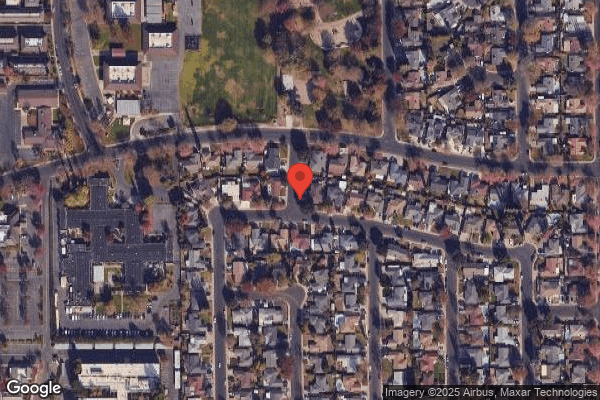
CRESTWOOD MANOR

1400 CELESTE DR., MODESTO, CA 95355 (209) 526-8050
For profit - Corporation 194 Beds Independent Data: November 2025
Trust Grade
63/100
#324 of 1155 in CA
Last Inspection: August 2024

Within standard 12-15 month inspection cycle. Federal law requires annual inspections.

Overview

Crestwood Manor in Modesto, California, has a Trust Grade of C+, indicating it is slightly above average but not without its concerns. It ranks #324 out of 1155 facilities in California, placing it in the top half, and it is #4 out of 17 in Stanislaus County, suggesting there are few better local options. The facility is improving, with a decrease in reported issues from 6 in 2024 to 1 in 2025. Staffing is a strength, rated 4 out of 5 stars with a turnover rate of 25%, significantly lower than the state average, indicating that staff tend to stay longer and build relationships with residents. However, there have been serious incidents, including a resident falling due to inadequate supervision and another receiving incorrect medications, both resulting in hospital transfers. While there are strengths in staffing and a clean fine record, families should weigh these against the serious care issues identified in inspections.

Trust Score
C+
63/100
In California
#324/1155
Top 28%
Safety Record
High Risk
Review needed
Inspections
Getting Better
6 → 1 violations
Staff Stability
✓ Good
25% annual turnover. Excellent stability, 23 points below California's 48% average. Staff who stay learn residents' needs.
Penalties
✓ Good
No fines on record. Clean compliance history, better than most California facilities.
Skilled Nurses
⚠ Watch
Each resident gets only 13 minutes of Registered Nurse (RN) attention daily — below average for California. Fewer RN minutes means fewer trained eyes watching for problems.
Violations
⚠ Watch
20 deficiencies on record. Higher than average. Multiple issues found across inspections.
★★★★☆
4.0
Overall Rating
★★★★☆
4.0
Staff Levels
★★★☆☆
3.0
Care Quality
★★★★☆
4.0
Inspection Score
Stable
2024: 6 issues
2025: 1 issues

The Good

  • 4-Star Staffing Rating · Above-average nurse staffing levels
  • Low Staff Turnover (25%) · Staff stability means consistent care
  • Full Sprinkler Coverage · Fire safety systems throughout facility
  • No fines on record
  • Staff turnover is low (25%)

    23 points below California average of 48%

Facility shows strength in staffing levels, staff retention, fire safety.

The Bad

No Significant Concerns Identified

This facility shows no red flags. Among California's 100 nursing homes, only 1% achieve this.

The Ugly 20 deficiencies on record

3 actual harm
May 2025 1 deficiency 1 Harm
SERIOUS (G) 📢 Someone Reported This

A family member, employee, or ombudsman was alarmed enough to file a formal complaint

Actual Harm - a resident was hurt due to facility failures

Accident Prevention (Tag F0689)

A resident was harmed · This affected 1 resident

**NOTE- TERMS IN BRACKETS HAVE BEEN EDITED TO PROTECT CONFIDENTIALITY** Based on observation, interview and record review, the facility failed to ensure adequate supervision was provided to prevent ac...

Read full inspector narrative →
**NOTE- TERMS IN BRACKETS HAVE BEEN EDITED TO PROTECT CONFIDENTIALITY** Based on observation, interview and record review, the facility failed to ensure adequate supervision was provided to prevent accidents for one of three sampled residents (Resident 1) when Resident 1 was assessed to be a high risk for falls and had a history of falls and effective interventions were not implemented to prevent a fall on [DATE]. Resident 1 was assessed to have an unsteady gait, educated on the need to call for assistance, had falls on [DATE], [DATE], [DATE]and fell on [DATE]. On [DATE], Resident 1 went to the bathroom unassisted, staff became aware of her presence in the bathroom alone, did not assist her with toileting, left her alone in the bathroom and Resident 1 fell and injured her right ankle. These failures resulted in Resident 1 not being provided with the level of assistance and supervision needed to prevent a fall, suffered an ankle injury requiring emergency transport to an acute care hospital for care and services and diagnosed with a fracture to the distal fibula [the lower, outer ankle area] and medial malleolus [the lower, inner ankle area]. Resident 1 was provided with a stabilizing splint, sent back to the Skilled Nursing Facility (SNF) with pain medication, new use of a Hoyer lift (an assistive device used to lift patients to transfer between a bed, chair or similar resting place) for transferring and required surgery on [DATE] in order to provide Resident 1 with the chance to walk again. Findings: During a review of Resident 1 ' s admission Record (AR- a document that provides resident contact details, a brief medical history), dated [DATE], the AR indicated, Resident 1 had diagnoses which included .SCHIZOAFFECTIVE DISORDER, BIPOLAR TYPE [a mental illness which can affect thoughts, mood and behavior] .METABOLIC ENCEPHALOPATHY [a change in how the brain works due to a chemical imbalance in the blood which causes confusion, memory loss and loss of consciousness] .DIFFICULTY IN WALKING .UNSTEADINESS ON FEET .ABNORMAL POSTURE .REPEATED FALLS .VERTIGO OF CENTRAL ORIGIN [spinning sensation or dizziness caused by problems within the brain] . During a review of Resident 1's Minimum Data Set (MDS- a standardized assessment and care screening tool), dated [DATE], the MDS indicated, Resident 1's Brief Interview for Mental Status (BIMS- an evaluation of attention, orientation and memory recall) indicated a score of 10 (0-7 severe cognitive impairment (an intense inability to think, remember, use judgement and make decisions), 8-12 moderate cognitive impairment (lessened ability to think, remember, use judgement and make decisions), 13-15 no cognitive impairment), which indicated Resident 1 had moderate cognitive impairment. During a concurrent observation and interview on [DATE] at 10:15 a.m. with Resident 1 in the Administrator ' s (ADM) office, Resident 1 was sitting on top of a Hoyer sling in her wheelchair and had a splint (a rigid material used for supporting a broken bone) with a tan bandage wrapped around her right ankle. Resident 1 stated, she fell in her bathroom alone the other day and broke her ankle badly. Resident 1 stated, she called out in a loud voice for help because she needed assistance using the bathroom. Resident 1 stated, staff did not respond in a prompt manner, so she used her wheelchair to go to the bathroom. Resident 1 stated, she used a wheelchair to ambulate because she is usually unsteady and shakes when walking. Resident 1 stated, there was a pressure alarm to her wheelchair which sounded an alarm noise when she stood up from her wheelchair. Resident 1 stated, she did not remember if the alarm went off when she stood up from her wheelchair to use the bathroom. Resident 1 stated, she slipped, hit a rail in the bathroom with her ankle, screamed in pain and fell down. During an interview on [DATE] at 10:23 a.m. with Certified Nursing Assistant (CNA) 1, CNA 1 stated, Resident 1 required one staff member to assist her with Activities of Daily Living (ADLs- activities such as bathing, dressing, and toileting a person performs daily). CNA 1 stated, Resident 1 experienced shakiness which required two staff members to assist Resident 1 with ADLs. CNA 1 stated, Resident 1 had fallen in the facility before and was a known fall risk resident. CNA 1 stated, there were stars next to Resident 1 ' s name tag outside Resident 1 ' s room so staff were aware Resident 1 was a fall risk. CNA 1 stated, Resident 1 had an alarm on her bed and wheelchair to alert staff when she attempted to get up. During an observation on [DATE] at 10:47 a.m. in Resident 1 ' s bathroom, an emergency call button was observed on the wall next to the toilet with the words Push For Help on the button. During an interview on [DATE] at 10:54 a.m. with Licensed Vocational Nurse (LVN) 1, LVN 1 stated, she was alerted by staff Resident 1 was on the floor. LVN 1 stated, Resident 1 told LVN 1 she fell when she was attempting to pull up her pants. LVN 1 stated, Resident 1 screamed her ankle hurt badly. LVN 1 stated, Resident 1 ' s ankle visually looked broken, when assessed by LVN 1. LVN 1 stated, Resident 1 ' s physician was called and a call for an ambulance was made. LVN 1 stated, it was important to provide residents with adequate supervision to prevent accidents because Resident 1 ' s safety was the staff ' s priority, and she should have had access to the help she needed. During an interview on [DATE] at 11:12 a.m. with CNA 2, CNA 2 stated, on [DATE], she heard Resident 1 was found on the floor so she went to Resident 1 ' s bathroom to help. CNA 2 stated, she heard Resident 1 say, Ouch! Ouch! and saw Resident 1 ' s ankle was damaged. CNA 2 stated, prior to the fall, the AM[CE1] (daytime shift) Program Manager (AMPM) had responded to Resident 1 ' s wheelchair alarm ringing. CNA 2 stated, Resident 1 declined help from the AMPM so the AMPM left Resident 1 in the bathroom. CNA 2 stated, the AMPM returned to Resident 1 and found Resident 1 on the floor. CNA 2 stated, the AMPM should have pushed the emergency call light in the bathroom and stayed with Resident 1 until another staff member arrived to help. CNA 2 stated, Resident 1 had fallen in the past. CNA 2 stated, she reminded Resident 1 to use the call light because staff did not want Resident 1 to fall and get hurt causing unnecessary pain. During an interview on [DATE] at 11:40 a.m. with the AMPM, the AMPM stated, on [DATE], she had checked on Resident 1 because she heard Resident 1 ' s wheelchair alarm going off. The AMPM stated, Resident 1 was using the bathroom and declined help from the AMPM. The AMPM stated, she left Resident 1 on the toilet, turned off the wheelchair alarm, and went back to her office. The AMPM stated, she did not notify any other staff member Resident 1 was still on the toilet. The AMPM stated, she heard Resident 1 yell out shortly after, went to check on Resident 1 and found her on the floor. During a concurrent interview and record review on [DATE] at 11:53 a.m. with the Director of Nursing (DON), Resident 1 ' s Care Plan Report (CPR), dated [DATE], and Resident 1 ' s MORSE FALL SCALE [CE2] (MFS- An assessment tool that predicts the likelihood that a resident will fall), dated [DATE] were reviewed. The CPR indicated, .[Resident 1] is a high fall risk [as evidenced by] .Repeated falls .Unsteadiness on feet .Abnormal posture .Difficulty in walking .Psychoactive [affecting the mind] drug use .Vertigo of central origin .age related osteoporosis [weak and brittle bones due to lack of calcium and Vitamin D] .right ankle fracture [DATE] due to fall XXX[DATE] Witnessed fall with [Head Injury Protocol (HIP)- facility protocol in which staff assesses and monitors the resident after a suspected or identified head injury] .Fall with HIP [DATE] .Unwitnessed Fall [DATE] without HIP, [DATE] with no HIP .Interventions XXX[DATE]: intervention will be to educate staff and resident about assisting resident fully when resident is using the restroom and ensure their safety when transferring .Anticipate and meet [Resident 1] ' s needs .Follow facility fall protocol .Interventions is to communicate with [Resident 1], encourage her to ask for assistance when attempting to ambulate, utilize the call lights, and make sure her wheelchair is locked before attempting to sit in or get out of it . The MFS indicated, .Score: 50 .High Risk for Falling .Has the Resident ever fallen before? .Yes . The DON stated, on [DATE], Resident 1 ' s wheelchair alarm was going off so the AMPM went to help Resident 1. The DON stated, Resident 1 declined help from the AMPM, the AMPM left and did not notify patient care staff Resident 1 was in the bathroom. The DON stated, Resident 1 fell after the AMPM had left Resident 1 in the bathroom. The DON stated, Resident 1 was not being actively supervised every time she went to the bathroom. The DON stated, Resident 1 ' s CPR included the intervention to educate staff and Resident 1 about assisting Resident 1 fully when Resident 1 used the restroom and ensured her safety when transferring. The DON stated, Resident 1 ' s MFS indicated she was a high risk for falls with a score of 50. The DON stated, Resident 1 was in the Falling Star Program (a program where staff could identify and intervene for residents who have had a fall within the last 30 days). The DON stated, Resident 1 had stars next to her name tag by her room doorway which alerted staff she was in the Falling Star Program. The DON stated the AMPM knew Resident 1 was a high risk for falls. The DON stated, it was important to provide Resident 1 with adequate supervision to prevent accidents to avoid any risk of falls and injuries. During a concurrent phone interview and record review on [DATE] at 1:37 p.m. with the Assistant Director of Nursing (ADON), Resident 1 ' s MDS Section GG- Functional Status (MDSGG), dated [DATE] was reviewed. The MDSGG indicated, .Self-Care .Coding: .Supervision or touching assistance- Helper provides verbal cues and/or touching/steading and/or contact guard assistance as resident completes activity. Assistance may be provided throughout the activity or intermittently .[Resident 1] .Toileting hygiene: The ability to maintain perineal [area between the genitals and anus] hygiene, adjust clothes before and after voiding or having a bowel movement Signed .on [March] 4, 2025 .Supervision or touching assistance . The ADON stated, according to the MDS Section GG, Resident 1 required supervision or touching assistance with toileting. The ADON stated, this meant Resident 1 required assistance with cleaning or help with anything else while toileting. The ADON stated, a staff member responded to Resident 1 ' s wheelchair alarm ringing and found Resident 1 using the bathroom. The ADON stated the staff member left Resident 1 alone in the bathroom then Resident 1 had an unwitnessed fall. The ADON stated, Resident 1 was sent to the emergency room because her ankle was misaligned and was screaming. The ADON stated, Resident 1 was diagnosed with a right ankle fracture at the emergency department [ED]. The ADON stated the staff member who responded to Resident 1 should have pushed the emergency call button in the bathroom to alert more staff to come to assist the resident instead of leaving Resident 1 unassisted in the bathroom. The ADON stated Resident 1 ' s care plan indicated to educate staff and Resident 1 about calling for staff assistance and to ensure safety when transferring. The ADON stated, Resident 1 needed constant reminders for safety and had a history of falls. The ADON stated, Resident 1 had prior falls on [DATE], [DATE] and [DATE]. The ADON stated, Resident 1 was on the Falling Star program which meant there were stars on the name tag by Resident 1 ' s room door so all staff recognized Resident 1 had a fall within the last 30 days. The ADON stated, it was important to provide Resident 1 with adequate supervision to prevent falls. During a phone interview on [DATE] at 10:45 a.m. with the DON, the DON stated, Resident 1 ' s fall was avoidable. During a phone interview on [DATE] at 2:37 p.m. with the DON, the DON stated, Resident 1 returned from the hospital ED with an oxycodone/acetaminophen (pain medication) prescription to alleviate her pain. The DON stated, Resident 1 had an open reduction internal fixation (ORIF) surgery (surgical procedure used to repair broken bones) of the right ankle on [DATE]. During a review of Resident 1 ' s Progress Notes (PN), dated [DATE], the PN indicated, .At [1:25 p.m.], Staff alerted me that [Resident 1] was on the floor in her bathroom. Upon arrival to resident ' s bathroom, I was informed that this was an unwitnessed fall and that [Resident 1] did not hit her head. [Resident 1] reported having pain in her right foot, and upon assessment, [Resident 1] ankle appeared to be displaced. I asked another nurse to assist with contacting [ambulance company name] to send [Resident 1] to the hospital [Resident 1] claimed that her pain was 9/10 [a numerical pain scale assessment tool used to quantify the intensity of pain by having an individual rate their pain on a numbered scale, with 1-3 typically representing mild pain, 4-6 moderate pain, and 7-10 severe pain] . [Resident 1] stated that she was trying to pull up her pants and transfer herself back to her wheelchair, but the wheels were not locked, and she fell. Initially, [Resident 1] stated that only her Right Foot/leg area were in pain, but when [ambulance company name] showed up at [1:45 p.m.], She told them that her back was also hurt during the fall. [Ambulance company name] splinted her Right Ankle/Foot with a pillow .Author: [LVN] . During a review of Resident 1 ' s Post Fall Assessment (PFA), dated [DATE], the PFA indicated, .Date and Time of Fall: [DATE] [1:25 p.m.] .Where was the resident when they fell? Residents ' bathroom .What was the resident doing when they fell? Transferring from toilet to wheelchair .[wheelchair] brakes were unlocked . [Resident 1] stated that she was trying to pull up her pants and transfer herself back to her wheelchair but the wheels were not locked and she fell .Was this fall observed? No .possible ankle fracture .Sent to acute facility .Date of most recent prior fall XXX[DATE] . During a review of Resident 1 ' s PN, dated [DATE], the PN indicated, .[7:00 p.m.] [Resident 1] returned from acute [diagnosis] right ankle [fracture] .Right ankle in splint. [Resident] able to move toes on right foot with .complaints of discomfort .Reports pain level 8/10 [severe pain according to the numerical pain scale assessment tool] to right ankle . During a review of Resident 1 ' s Hospital Patient Education & Visit Summary (PEVS), dated [DATE], the PEVS indicated, .[Resident 1] .[brought in by ambulance] from [Skilled Nursing Facility (SNF) facility] reporting unwitnessed [ground level fall] .right ankle deformity observed upon arrival .Patient Diagnosis .Ankle fracture, right .PATIENT EDUCATION INSTRUCTIONS .After an ankle fracture, you can lose ankle mobility and muscle strength and endurance . During a review of Resident 1 ' s Hospital Orthopedic [pertaining to the bones and muscles] Consultation Note (OCN), dated [DATE], the OCN indicated, REASON FOR CONSULTATION: Right ankle fracture .presents to the emergency department via ambulance from [facility] status post [after] unwitnessed ground-level fall .on the ground after an unwitnessed fall, complained of right ankle pain and was noted to have a deformity of the right ankle .ED workup revealed right ankle fracture and orthopedic surgery was consulted .ground level fall with closed right bimalleolar ankle fracture [type of fracture where both the inner and outer ankle are fractured] .leave splint in place until [follow up (f/u)] .closed reduction [a procedure to realign a fractured bone by manipulating it back into its correct position without surgery] and splinting performed in the ED .Patient is stable for discharge home from an orthopedic standpoint with outpatient follow up .in 7-10 days .[X-RAY (XR)- a form of medical imaging to take pictures of the inside of the body] Ankle Complete .Right .IMPRESSION .Acute [sudden onset] displaced [to move from the original position] fractures [breaks] of the distal fibula and medial malleolus .Orthopedic surgery consultation recommended . During a review of Resident 1 ' s PN, dated [DATE], the PN indicated, .I accompanied [Resident 1] to her .[orthopedic] appointment today .After reviewing the notes from her [emergency room (ER)] visit on [DATE] and the x-ray images taken that day, [Orthopedic Surgery Doctor of Medicine (OSMD)] asked [Resident 1] if she ' [wanted] to be able to walk again ' , to which [Resident 1] replied that she want the option to try walking again. [OSMD] then explained that she would need surgery if she wanted the opportunity to walk and that is she did not care to walk again, then nothing needed to be done other than to let her ankle heal naturally. [Resident 1] then stated her desire for surgery and agreed with [OSMD] ' s Plan of Care. [OSMD] then stated that [Resident 1] ' s surgery would be ' next Thursday ' . During a review of Resident 1 ' s PN, dated [DATE], the PN indicated, .Resident returned from surgery .with Orthopedics. Resident had an Open- Reduction- Internal- Fixation of Right Ankle and a Popliteal Nerve block [a technique used to numb the leg, foot, and ankle for procedures like surgery] . During a review of Resident 1 ' s Hospital Encounter Summary (ES), dated [DATE], the ES indicated, .Diagnoses .RIGHT ANKLE BIMALLEOLAR FRACTURE XXX[DATE] .Surgery .RIGHT ANKLE OPEN REDUCTION INTERNAL FIXATION .Medications at Time of Discharge .HYDROcodone/acetaminophen [pain medication] .10 [milligrams- unit of measurement (mg)]/325mg [tablet (tab)] .Take one Tab by mouth every 6 hours as needed .Indications: Closed displaced bimalleolar fracture of right ankle .HISTORY OF PRESENT ILLNESS: [Resident 1] .presents today with right ankle fracture .She reports sustaining the injury in the bathroom. Reduction was done .on [DATE]. She reports pain and rates the pain at 10/10 [severe pain according to the numerical pain scale assessment tool] .After discussion, she is interested in proceeding with surgical intervention . During a review of the facility ' s policy and procedure (P&P) titled, FALL PREVENTION & MANAGEMENT, dated [DATE], the P&P indicated, .It is the goal of this facility to prevent or reduce the occurrence of falls and severity of fall-related injuries while improving the quality of life for our residents and clients .Upon admission, each resident is assessed using a Fall Risk Assessment tool to determine possible risk for sustaining a fall .Residents scoring high per the risk assessment process, have strategies implemented to reduce the potential for falls outlined in their plan of care .Resident who have actively sustained a fall, will be placed on the facility ' s heightened awareness program (i.e., Falling Star), designed to alert staff of a resident who has actively fell in the presence of standard fall prevention interventions .Visual identifiers will be used to identify residents on the program. Those identifiers may be placed on the nameplate outside the resident ' s room . During a professional reference review retrieved from https://rn-journal.com/journal-of-nursing/preventing-falls-in-the-elderly-long-term-care-facilities, titled Preventing Falls in the Elderly Long Term Care Facilities, undated, .The elderly long-term care population is at increased risk for falls and fall related injuries. The implementation of a fall prevention program is important for ensuring resident safety. Systematically assessing residents ' risk for falls and implementing appropriate fall prevention interventions can reduce the number of falls in the elderly long-term care residents .Falls can cause serious injuries and accidental death, in older people .The elderly in long-term care facilities are predisposed to falling and may fall for a variety of reasons. Predisposing factors include, unsteady gait [a person ' s manner of walking] and balance, weak muscles .Staff should be educated about predisposing [to give a tendency to beforehand] and precipitating [to bring something on] factors for falls and related prevention strategies and interventions . Staff needs to understand the different interventions available to them, in order to apply them when caring for patients .
Aug 2024 3 deficiencies
CONCERN (D)

Potential for Harm - no one hurt, but risky conditions existed

Deficiency F0583 (Tag F0583)

Could have caused harm · This affected 1 resident

Based on observation, interview, record review, facility document review, and facility policy review, the facility failed to ensure a written consent was obtained for in-room camera monitoring for 2 (...

Read full inspector narrative →
Based on observation, interview, record review, facility document review, and facility policy review, the facility failed to ensure a written consent was obtained for in-room camera monitoring for 2 (Resident #103 and Resident #124) of 2 sampled residents reviewed for privacy. Findings included: An undated facility document titled, Consent for Identification Photograph, specified, [Facility name] may utilize audio or video recording and telecommunication if face-to-face services are not available and/or if the treatment team determines this to be an appropriate form of communication. A facility policy titled, Resident Rights, revised 10/2012, specified, 11. To be treated with consideration, respect and full recognition of dignity and individuality, including privacy in treatment and in care of personal needs. 1. An admission Record revealed the facility admitted Resident #103 on 10/12/2017. According to the admission Record, the resident had a medical history that included diagnoses of schizophrenia and adverse effects of unspecified antipsychotics and neuroleptics. A significant change in status Minimum Data Set (MDS), with an Assessment Reference Date (ARD) of 05/20/2024, revealed Resident #103 had a Staff Assessment for Mental Status (SAMS), which indicated the resident had moderately impaired cognitive skills for daily decision making. The MDS indicated the resident had one fall since admission or the prior assessment. Resident #104's care plan, included a focus revised 08/07/2024, that indicated the resident had a potential for falls and/or injuries related to falls. On 08/12/2024 at 12:35 PM, a monitor was observed outside of Resident #103's room. During an interview on 08/12/2024 at 12:36 PM, Certified Nursing Assistant #10 stated the monitor was for Resident #103. On 08/13/2024 at 10:46 AM, a monitor was observed in use outside of Resident #103's room. 2. An admission Record revealed the facility admitted Resident #124 on 05/16/2022. According to the admission Record, the resident had a medical history that included diagnoses of delusional disorders, mild cognitive impairment, and other specified disorders of bone density and structure. A quarterly Minimum Data Set (MDS), with an Assessment Reference Date (ARD) of 06/27/2024, revealed Resident #124 had a Brief Interview for Mental Status (BIMS) score of 15, which indicated the resident had intact cognition. The MDS indicated the resident had not had any falls since admission or the prior assessment. Resident #124's care plan included a focus initiated 07/04/2024, that indicated the resident was a moderate risk for falls. On 08/12/2024 at 12:47 PM, a monitor was observed outside Resident #124's room. During an interview on 08/12/2024 at 12:48 PM, Certified Nursing Assistant #11 stated the monitor was for Resident #124 so that staff could watch the resident for falls. On 08/12/2024 at 12:59 PM, the surveyor attempted an interview with Resident #124; however, the resident told the surveyor to leave their room. On 08/13/2024 at 10:46 AM, a monitor was observed in use outside of Resident #124's room. During an interview on 08/13/2024 at 3:16 PM, the Administrator stated the facility did not have a consent for the cameras (monitor). The Administrator stated the cameras were used to prevent falls. During an interview on 08/15/2024 at 12:46 PM with the Director of Nursing and the Administrator, the Administrator stated there needed to be a written consent for the use of the camera for the residents' privacy.
CONCERN (D)

Potential for Harm - no one hurt, but risky conditions existed

Comprehensive Care Plan (Tag F0656)

Could have caused harm · This affected 1 resident

Based on observation, interview, record review, and facility policy review, the facility failed to ensure a care plan was implemented for in-room camera monitoring for 2 (Resident #103 and Resident #1...

Read full inspector narrative →
Based on observation, interview, record review, and facility policy review, the facility failed to ensure a care plan was implemented for in-room camera monitoring for 2 (Resident #103 and Resident #124) of 2 sampled residents reviewed for privacy. Findings included: A facility policy titled, Care Planning, revised 10/28/2017, specified, Policy A person-centered care plan to meet the individual needs of residents/clients is prepared by an Interdisciplinary Team, which is periodically reviewed and revised after subsequent assessments. 1. An admission Record revealed the facility admitted Resident #103 on 10/12/2017. According to the admission Record, the resident had a medical history that included diagnoses of schizophrenia and adverse effects of unspecified antipsychotics and neuroleptics. A significant change in status Minimum Data Set (MDS), with an Assessment Reference Date (ARD) of 05/20/2024, revealed Resident #103 had a Staff Assessment for Mental Status (SAMS), which indicated the resident had moderately impaired cognitive skills for daily decision making. The MDS indicated the resident had one fall since admission or the prior assessment. Resident #104's care plan, included a focus revised 08/07/2024, that indicated the resident had a potential for falls and/or injuries related to falls. There was no documented intervention for the use a camera monitor. On 08/12/2024 at 12:35 PM, a monitor was observed outside of Resident #103's room. During an interview on 08/12/2024 at 12:36 PM, Certified Nursing Assistant #10 stated the monitor was for Resident #103. On 08/13/2024 at 10:46 AM, a monitor was observed in use outside of Resident #103's room. 2. An admission Record revealed the facility admitted Resident #124 on 05/16/2022. According to the admission Record, the resident had a medical history that included diagnoses of delusional disorders, mild cognitive impairment, and other specified disorders of bone density and structure. A quarterly Minimum Data Set (MDS), with an Assessment Reference Date (ARD) of 06/27/2024, revealed Resident #124 had a Brief Interview for Mental Status (BIMS) score of 15, which indicated the resident had intact cognition. The MDS indicated the resident had not had any falls since admission or the prior assessment. Resident #124's care plan included a focus initiated 07/04/2024, that indicated the resident was a moderate risk for falls. There was no documented intervention for the use a camera monitor. On 08/12/2024 at 12:47 PM, a monitor was observed outside Resident #124's room. During an interview on 08/12/2024 at 12:48 PM, Certified Nursing Assistant #11 stated the monitor was for Resident #124 so that staff could watch the resident for falls. On 08/12/2024 at 12:59 PM, the surveyor attempted an interview with Resident #124; however, the resident told the surveyor to leave their room. On 08/13/2024 at 10:46 AM, a monitor was observed in use outside of Resident #124's room. During an interview on 08/14/2024 at 10:57 AM, the Administrator stated there were no care plans for the use of the cameras for Resident #103 and Resident #124. During an interview on 08/14/2024 at 1:58 PM, the Assistant Director of Nursing (ADON) stated care plans were in place to inform the staff what the resident's plan of care was. The ADON stated there were no care plans for the cameras that monitored Resident #103 and Resident #124. During an interview on 08/14/2024 at 2:10 PM, the Director of Nursing (DON)stated the cameras were put in place to monitor the residents for falls and safety. During an interview on 08/15/2024 at 12:46 PM with the DON and the Administrator, the DON stated there needed to a care plan for the use of the cameras for Resident #103 and Resident #124.
CONCERN (D)

Potential for Harm - no one hurt, but risky conditions existed

Infection Control (Tag F0880)

Could have caused harm · This affected 1 resident

Based on observation, interview, record review, and facility policy review, the facility failed to ensure staff implemented enhanced barrier precautions when they performed wound care for 1 (Resident ...

Read full inspector narrative →
Based on observation, interview, record review, and facility policy review, the facility failed to ensure staff implemented enhanced barrier precautions when they performed wound care for 1 (Resident #113) of 1 sampled resident reviewed for pressure ulcer/injury. Findings included: A facility policy titled, Enhanced Barrier Precautions, revised 05/21/2024, indicated, 1. Identify residents at high risk for MDRO [multiple-drug resistant organisms] colonization and transmission. Use ESP [Enhanced Standard Precautions], primarily gowns and gloves for specific high contact care activities, based on the resident's characteristics that are associated with a high risk of MDRO colonization and transmission. *Presence of indwelling devices *Wounds or presence of pressure ulcer (unhealed). An admission Record indicated the facility admitted Resident #113 on 02/25/2020. According to the admission Record, the resident had a medical history that included diagnoses of urinary incontinence and non-pressure chronic ulcer of the right ankle. A quarterly Minimum Data Set (MDS), with an Assessment Reference Date (ARD) of 07/13/2024, revealed Resident #113 had a Staff Assessment for Mental Status (SAMS), which indicated the resident had severely impaired cognitive skills for daily decision making. The MDS indicated the resident had one stage 2 pressure ulcer. Resident #113s care plan included a focus area revised 07/02/2024 that indicated the resident had impaired skin integrity as described as a stage 2 pressure ulcer to their left gluteal cleft. Interventions directed staff to clean the open area to the left gluteal cleft with normal saline, pat dry, then apply hydrogel and cover with a waterproof dressing daily (initiated 07/23/2024). Resident #113's Order Summary Report, with active orders as of 08/15/2024, contained an order dated 08/08/2024 that directed staff to clean the open area to left gluteal cleft with normal saline, apply hydrogel, and cover with waterproof dressing daily for 14 days. During an observation on 08/15/2024 at 10:13 AM, Certified Nursing Assistant (CNA) #6 and Licensed Vocational Nurse (LVN) #1 provided wound care for Resident #113. The CNA and the LVN did not implement enhanced barrier precaution (EBP) and wore only gloves and masks during the provision of wound care. During an interview on 08/15/2024 at 10:30 AM, LVN #1 stated staff were to use a gown, gloves, and a mask as EBP for resident safety and during wound care for any resident who had an opened area. LVN #1 stated Resident #113 had an opened area and that she should have worn a gown when she provided wound care to prevent the spread of infection. During an interview on 08/15/2024 at 12:55 PM, the Infection Preventionist (IP) stated EBPs included the use of a gown and gloves should be worn to provide care for a resident with MDRO, open wounds, or indwelling medical devices. The IP stated EBPs were used to prevent the spread of anything like germs, parasites, or fungus to a resident. The IP stated that based on EBP criteria, CNA #6 and LVN #1 should have worn all personal protective equipment (PPE) to provide wound care to Resident #113. During an interview on 08/15/2024 at 1:11 PM, the Director of Nursing stated she expected for staff to be aware of EBPs, and if it was not understood, they were to receive more training. The DON stated she expected EBP to be utilized for resident safety. The DON stated she expected staff to wear the appropriate PPE if the resident required EBPs. During an interview on 08/15/2024 at 1:18 PM, the Administrator stated the facility would in-service staff on the requirements for EBPs and to use EBP when required.
Mar 2024 3 deficiencies 2 Harm
SERIOUS (G) 📢 Someone Reported This

A family member, employee, or ombudsman was alarmed enough to file a formal complaint

Actual Harm - a resident was hurt due to facility failures

Deficiency F0658 (Tag F0658)

A resident was harmed · This affected 1 resident

**NOTE- TERMS IN BRACKETS HAVE BEEN EDITED TO PROTECT CONFIDENTIALITY** Based on observation, interview, and record review, the facility failed to ensure one of four sampled residents (Resident 1) rec...

Read full inspector narrative →
**NOTE- TERMS IN BRACKETS HAVE BEEN EDITED TO PROTECT CONFIDENTIALITY** Based on observation, interview, and record review, the facility failed to ensure one of four sampled residents (Resident 1) received treatment and care in accordance with professional standards of practice when Licensed Vocational Nurse (LVN) 1 administered psychoactive (medication that changes brain function and results in alterations in perception, mood, consciousness, cognition [pertaining to reasoning, memory and judgement], or behavior) medications not prescribed to Resident 1 in error. This failure resulted in Resident 1's transfer to the emergency department (ED) and admission to the general acute care hospital (GACH) for decreased mental status and treatment of an accidental overdose (dangerous and excessive dose of a drug). (Cross reference F 726, F 760) Findings: During a concurrent observation and interview on 3/11/24 at 11:39 a.m. with Resident 1 in the dining room, Resident 1 finished her meal, stood without assistance and walked down the hallway. Resident 1's gait (a person's manner of walking) was slow and steady. Resident 1 stated a male nurse had given her another resident's medications and she was sent to the hospital but did not remember the exact day. Resident 1 stated the nurse handed her a medication cup. Resident 1 stated she looked at the medication and told the nurse they were not hers. Resident 1 stated, he [LVN 1] was saying nonchalantly [casually] they were my meds. Resident 1 stated she knew the medicine was not hers because they were different shapes and sizes than what she usually took. Resident 1 stated she swallowed the pills and the nurse suddenly realized he had given her the wrong medication. Resident 1 stated she became sleepy and was transferred to the hospital but did not remember anything for the rest of the day. During a review of Resident 1's admission Record (AR-a document with person identifiable and medical information), undated, the AR indicated, Resident 1 was admitted to the facility on [DATE] with diagnoses which included anemia (blood produces lower than normal amount of healthy red blood cells), rheumatoid arthritis (inflammatory disorder affecting the joints), schizoaffective disorder-bipolar type (mental illness that can affect your thoughts, mood and behavior) and tachycardia (rapid heart rate). During a review of Residents 1's Minimum Data Set (MDS- a resident assessment tool used to identify resident cognitive and physical function) assessment dated [DATE], indicated Resident 1's Brief Interview of Mental status assessment (BIMS - assessment of cognitive status for memory and judgement) scored 14 of 15 (a score of 13-15 indicates cognitively intact, 08-12 indicates moderately impaired, and 00-07 indicates severe impairment). The BIMS assessment indicated Resident 1 was cognitively intact. During a review of Resident 1's Nurses Note, dated 3/6/24 at 11:54 a.m., by Unit Manager (UM) 1, the nurses note indicated, . During 0800 [8:00 a.m.] med [medication] pass Charge nurse made me aware that [Resident 1] had received peers [Resident 4's] medications in error . [Resident 1] received Carbamazepine [used to treat bipolar disorder] 200 mg [milligram-unit of measurement], [brand name for Divalproex Sodium (used to treat bipolar disorder)] 125 mg, [brand name for haloperidol (antipsychotic medication)] 0.5 mg, [brand name for quetiapine (antipsychotic medication)] 400 mg, Vitamin D [nutritional supplement] 1000 un [units (unit of measurement)], Multi vit [multiple vitamin] and oxybutynin [used to treat an overactive bladder] . During a review of Resident 4's Order Summary Report, (OSR) dated 3/2024, the OSR indicated, . CarBAMazepine Oral [by mouth] Tablet . Give 200 mg by mouth one time a day for anger/mood . [brand name] Oral Tablet Delayed Release (Divalproex Sodium) give 125 mg by mouth one time a day . Haloperidol Oral Tablet . Give 0.5 mg by mouth one time a day . multiple vitamin tablet give 1 tablet by mouth one time a day . oxyBUTYnin Chloride Oral Tablet . Give 5 mg by mouth two times a day . QUEtiapine Fumarate Oral Tablet . Give 400 mg one time a day . vitamin D3 oral tablet . Give 1000 IU [international unit-unit of measurement for vitamins and other medical products] by mouth one time a day . During an interview on 3/11/24 at 12:13 p.m. with Certified Nursing Assistant (CNA) 1, CNA 1 stated she had worked at the facility for approximately one year and was familiar with Resident 1. CNA 1 stated Resident 1's baseline was alert, oriented and ambulatory (walking) without assistance. During an interview on 3/11/24 at 12:23 p.m. with CNA 2, CNA 2 stated last Wednesday (3/6/24) LVN 1 had asked for her help identifying residents during the medication pass. CNA 2 stated LVN 1 was new and not familiar with the residents. CNA 2 stated LVN 1 had asked her who Resident 1 was and she replied with Resident 1's first and last name. CNA 2 stated she had repeated Resident 1's first and last name to LVN 1 at least four times while he administered the medication to make sure he had the correct resident. CNA 2 stated LVN 1 administered the medications to Resident 1 and then pulled out an inhaler. CNA 2 stated she notified LVN 1 Resident 1 did not use an inhaler. CNA 2 stated LVN 1 asked her, this isn't [Resident 4's name]? CNA 2 stated LVN 1 walked away and spoke with Unit Manager (UM) 1. CNA 2 stated she was later notified Resident 1 had received Resident 4's medication and Resident 1's vital sign had to be checked every 30 minutes. CNA 2 stated when she took Resident 1 a snack around 10:00 a.m. and Resident 1 was drowsy. CNA 2 stated Resident 1 was sent to the hospital around 11:05 a.m. because she was groggy, and her respirations (action of breathing) were slower than normal. During an interview on 3/11/24 at 12:50 p.m. with Resident 4, Resident 4 stated the staff confused her with Resident 1 sometimes because their last names were similar. During a concurrent interview and record review on 3/11/24 at 1:37 p.m. with the Director of Staff Development (DSD), the DSD stated LVN 1 had worked at the facility since 10/2023. The DSD stated she met with LVN 1 after the medication error on 3/6/24. The DSD stated LVN 1 reported he had given Resident 1's medication to Resident 4. The DSD stated Resident 1 was transferred to the emergency department (ED) as a result of the medication error. The DSD stated LVN 1's medication pass competency had been performed by one of the DSD Assistants in February 2024. LVN 1's competency titled, Medication Pass Observation Worksheet, dated 2/21/24 was reviewed, the observation indicated, . Medication Administration . Hands washed/sanitized using appropriate technique [No] . Label checked times three (including expiration, description) [No] . MAR [Medication Administration Record] initialed immediately after administration [No] . Number of errors [0] . The DSD stated the facility required 100% on the medication pass observation competency. The DSD stated since LVN 1 did not check the medication label correctly or initial the MAR timely the form should not indicate there were zero errors. The DSD stated she or a DSD Assistant should have followed up on LVN 1's medication pass competency. The DSD stated a repeat observation was not done and there was no documentation of training performed at the time of the observation. The DSD stated the expectation was for the nurses to follow the rights of medication administration, verifying the right person, right medication, right time, right dose and right documentation. During a telephone interview on 3/11/24 at 2:45 p.m. with LVN 1, LVN 1 stated he worked the Station 3 I hallway on 3/6/24. LVN 1 stated he was not familiar with the residents, so he took a CNA to help identify the residents. LVN 1 stated there were two residents with similar last names. LVN 1 stated he asked the CNA who a resident was, and she stated the resident was Resident 1. LVN 1 stated he heard Resident 4's last name in error and gave Resident 4's medication to Resident 1. LVN 1 stated when he took Resident 4's inhaler out of the med cart and handed it to Resident 1, Resident 1 said she did not use an inhaler. LVN 1 stated he asked the CNA if there was another resident with a similar name and the CNA told him Resident 4. LVN 1 stated he realized he gave Resident 4's medication to Resident 1 in error. LVN 1 stated, she [Resident 1] went from being fine to not fine. Her [Resident 1's] respirations dropped from 17 to 13 per minute. LVN 1 stated, she became very sedated [calm or to make drowsy by administering a sedating drug] because she got the wrong meds. LVN 1 stated Resident 1's mental status had changed, and the physician ordered for her to be transferred to the ED. LVN 1 stated he believed the medication error was caused because he was not familiar with the residents and the residents' similar names. During a concurrent interview and record review on 3/11/24 at 4:55 p.m. with the Director of Nursing (DON), LVN 1's Medication Pass Observation Worksheet, dated 2/21/24 was reviewed. The Medication Pass Observation Worksheet, indicated LVN 1 failed to check the label three times and initial the MAR immediately after administration. The DON stated it was her understanding the DSD assistant had addressed the medication pass observation issues at the time of the observation but was unable to provide documentation it had occurred. The DON stated it was her expectation the number of errors would not be zero on the observation and there should have been a repeat medication pass observation done. During a telephone interview on 3/12/24 at 9:49 a.m. with LVN Unit Manager (UM) 1, UM 1 stated on 3/6/24 at approximately 8:00 a.m. LVN 1 notified her he had made a medication error. UM 1 stated LVN 1 reported he administered Resident 4's medication to Resident 1. UM 1 stated she had assessed Resident 1 shortly after the medication error and notified the physician. UM 1 stated the physician saw Resident 1 later in the morning and sent her to the ED because she was sedated. UM 1 stated Resident 1 was a little bit tired and had her eyes closed but was able to answer questions. The UM stated the medication error was caused by LVN 1 failing to do his three checks of resident identification during the medication pass. During a telephone interview on 3/12/24 at 11:23 a.m. with the Pharmacy Consultant (PC), the PC stated she had been the facility's consultant since 2022. The PC stated she was at the facility on 3/6/24 for the quarterly medication pass observations. The PC stated LVN 1 was passing medication when she arrived, so she observed him. The PC stated LVN 1 did not properly identify the residents during the medication pass and continued to rely on the CNAs. The PC stated LVN 1 was new and could have avoided the medication error by asking Resident 1 her name and date of birth instead of relying on a coworker. During a telephone interview on 3/13/24 at 10:40 a.m. with UM 2, UM 2 stated he was doing rounds with Resident 1's physician on the morning of 3/6/24. UM 2 stated Resident 1's physician assessed Resident 1 and she was speaking slowly and not alert. UM 2 stated the physician was later contacted and notified Resident 1's respiratory rate had dropped to 13 per minute and the physician ordered Resident 1's transfer to the ED. During a review of Resident 1's Physician's Progress Note, dated 3/6/24 at 11:58 a.m., written by the physician (PHY), the note indicated, . 77 yo [year old] . presents for monthly visit . seen secondary to pt [patient] getting NOTHER [another] Patients meds . carbamazepine 200 [mg] . [brand name for divalproex sodium] 125 [mg] . [brand name for haloperidol] 0.5 [mg] . oxybutynin 5 [mg] . [brand name for quetiapine] 400 [mg] . vit [vitamin] D 1000 IU [international units] pt barely arousable-follow commands RR [respiratory rate] low 13 [breaths per minute] sent to hospital . During a review of the GACH's document titled, ED Provider Notes, dated 3/6/24, the ED notes indicated, . Patient presents with . Altered mental status [decreased level of consciousness] . Physical Exam . Gen [general]: Very somnolent [state of feeling drowsy, ready to fall asleep] . Neuro [neurological-pertaining to the nervous system (brain, nerves and spinal cord)]: Initial exam: Somnolent, but arousable to voice. Unable to speak full sentences . [Resident 1's name] is a [AGE] year old female . who presents with somnolence, near obtundation (diminished responsiveness to stimuli [anything that can trigger a physical or behavioral change], often due to a state of reduced consciousness) after receiving multiple sedating [drugs that calm] and psychotropic medications [drugs that affect a person's mental state] due to medication error at her SNF [skilled nursing facility] . Poison control [specialized unit that advises on and assists in the prevention and management of poisoning] consulted, the recommend monitoring until somnolence resolved . ED Diagnosis . Accidental overdose . During a review of the GACH's document titled, Hospitalist [physician who cares for hospitalized patients] Discharge Summary, dated 3/8/24, the discharge summary indicated, . admit date [DATE] . discharge date [DATE] . Reason for admission . Altered mental status (BIBA [brought in by ambulance] from [name of facility] for being lethargic after receiving the wrong medications (carbamazepine 200 mg, [brand name for divalproex sodium] 125 mg, [brand name for haloperidol] 0.5 mg, [brand name for quetiapine] 400 mg) none of which are her routine medications.) . presented with AMS [altered mental status], lethargy [lack of energy], and difficulty ambulating [walking] after being given the wrong medications in error . only [brand name for divalproex sodium] is her normal medication . Poison control recommended cardiac monitoring [records heart rate and rhythm], supportive care and to washout the meds from body systems . In ED, pt became more arousable but still having difficulty ambulating . Patient was admitted for Accidental CNS [central nervous system-brain and spinal cord which controls all of the body's functions] meds overdose , on 3/07/24 . Discharge Diagnoses . Accidental overdose . During a review of a professional reference retrieved from https://www.mayoclinic.org/drugs-supplements/carbamazepine-oral-route/side-effects/drg-20062739 titled, Carbamazepine (Oral Route), dated 3/1/2024, the reference indicated, . Side Effects . confusion, agitation, or hostility (especially in elderly) . loss of balance control . tiredness . unusual drowsiness . During a review of a professional reference retrieved fromhttps://www.mayoclinic.org/drugs-supplements/divalproex-sodium-oral-route/side-effects/drg-20072886 titled, Divalproex Sodium (Oral Route), dated 3/1/2024, the reference indicated, . Side Effects . problems with memory or speech . shakiness in the legs, arms, hands, or feet . sleepiness or unusual drowsiness . During a review of a professional reference retrieved from https://www.mayoclinic.org/drugs-supplements/haloperidol-oral-route/side-effects/drg-20064173 titled, Haloperidol (Oral Route), dated 3/1/2024, the reference indicated . Side Effects . loss of balance . weakness of the arms and legs . dizziness . During a review of a professional reference retrieved from https://www.mayoclinic.org/drugs-supplements/quetiapine-oral-route/side-effects/drg-20066912?p=1 titled, Quetiapine, dated 3/1/2024, the reference indicated, . Side Effects . confusion . sleepiness or unusual drowsiness . During a review of the facility's policy and procedure (P&P) titled Med Pass, Medication Administration Essentials, dated 9/1/13 and revised on 9/18/23, the P&P indicated, . Medications are administered by a licensed nurse in a safe and dignified manner . Medications and treatments are to be administered as prescribed . The licensed nurse shall check the resident's identity by armband, photo or other means of identification prior to administering medication . Medication Errors . The nurse shall notify the physician immediately after a medication error has been noted . The nurse will assess and monitor the resident closely for any adverse effects from medication error . The nurse shall document in resident's record what medication was administered and observations .The Director of Nursing Service/designee shall complete follow-up for medication errors and take necessary corrective action . During a review of a professional reference retrieved from https://www.ncbi.nlm.nih.gov/books/NBK560654/#:~:text=It%20is%20crucial%20that%20nurses,do%20so%20in%20clinical%20practice. titled, Nursing Rights of Medication Administration, dated 9/4/2023, the reference indicated, . Nurses have a unique role and responsibility in medication administration, in that they are frequently the final person to check to see that the medication is correctly prescribed and dispensed before administration . It is standard during nursing education to receive instruction on a guide to clinical medication administration and upholding patient safety known as the ' five rights' . of medications administration . ' Right Patient' . ascertaining that a patient being treated is, in fact, the correct recipient for whom medication was prescribed . this is best practiced by nurses directly asking a patient to provide his or her full name aloud . It is advisable not to address patients by first name or surname [last name] alone, in the event, there are two or more patients with identical or similar names in a unit . nurses are advised to confirm a patient's identity through alternative means with appropriate due diligence .
SERIOUS (G) 📢 Someone Reported This

A family member, employee, or ombudsman was alarmed enough to file a formal complaint

Actual Harm - a resident was hurt due to facility failures

Deficiency F0760 (Tag F0760)

A resident was harmed · This affected 1 resident

**NOTE- TERMS IN BRACKETS HAVE BEEN EDITED TO PROTECT CONFIDENTIALITY** Based on observation, interview, and record review, the facility failed to ensure one of four sampled residents (Resident 1) was...

Read full inspector narrative →
**NOTE- TERMS IN BRACKETS HAVE BEEN EDITED TO PROTECT CONFIDENTIALITY** Based on observation, interview, and record review, the facility failed to ensure one of four sampled residents (Resident 1) was free of significant medication errors when Licensed Vocational Nurse (LVN) 1 did not correctly identify Resident 1 and administered Resident 4's psychoactive (medication that changes brain function and results in alterations in perception, mood, consciousness, cognition [pertaining to reasoning, memory and judgement], or behavior) medications to her in error. This failure resulted in Resident 1 experiencing a change in mental status which required a transfer to the emergency department (ED) and admission to the general acute care hospital (GACH) for an accidental overdose (dangerous and excessive dose of a drug) of medication. (Cross reference F 658, F 726) Findings: During a concurrent observation and interview on 3/11/24 at 11:39 a.m. with Resident 1 in the dining room, Resident 1 finished her meal, stood without assistance and walked down the hallway. Resident 1's gait (a person's manner of walking) was slow and steady. Resident 1 stated a male nurse had given her another resident's medications and she was sent to the hospital but did not remember the exact day. Resident 1 stated the nurse handed her a medication cup. Resident 1 stated she looked at the medication and told the nurse they were not hers. Resident 1 stated, he was saying nonchalantly [casually] they were my meds. Resident 1 stated she knew the medicine was not hers because they were different shapes and sizes than what she usually took. Resident 1 stated she swallowed the pills and the nurse suddenly realized he had given her the wrong medication. Resident 1 stated she became sleepy and was transferred to the hospital but did not remember anything for the rest of the day. During a review of Resident 1's admission Record (AR-a document with person identifiable and medical information), undated, the AR indicated, Resident 1 was admitted to the facility on [DATE] with diagnoses which included anemia (blood produces lower than normal amount of healthy red blood cells), rheumatoid arthritis (inflammatory disorder affecting the joints), schizoaffective disorder-bipolar type (mental illness that can affect your thoughts, mood and behavior) and tachycardia (rapid heart rate). During a review of Residents 1's Minimum Data Set (MDS- a resident assessment tool used to identify resident cognitive and physical function) assessment dated [DATE], indicated Resident 1's Brief Interview of Mental status assessment (BIMS – assessment of cognitive status for memory and judgement) scored 14 of 15 (a score of 13-15 indicates cognitively intact, 08-12 indicates moderately impaired, and 00-07 indicates severe impairment). The BIMS assessment indicated Resident 1 was cognitively intact. During a review of Resident 1's Nurses Note, dated 3/6/24 at 11:54 a.m., by Unit Manager (UM) 1, the nurses note indicated, . During 0800 [8:00 a.m.] med [medication] pass Charge nurse made me aware that [Resident 1] had received peers [Resident 4's] medications in error . [Resident 1] received Carbamazepine [used to treat bipolar disorder] 200 mg [milligram-unit of measurement], [brand name for Divalproex Sodium (used to treat bipolar disorder)] 125 mg, [brand name for haloperidol (antipsychotic medication)] 0.5 mg, [brand name for quetiapine (antipsychotic medication)] 400 mg, Vitamin D [nutritional supplement] 1000 un [units (unit of measurement)], Multi vit [multiple vitamin] and oxybutynin [used to treat an overactive bladder] . During a review of Resident 4's Order Summary Report, (OSR) dated 3/2024, the OSR indicated, . CarBAMazepine Oral [by mouth] Tablet . Give 200 mg by mouth one time a day for anger/mood . [brand name] Oral Tablet Delayed Release (Divalproex Sodium) give 125 mg by mouth one time a day . Haloperidol Oral Tablet . Give 0.5 mg by mouth one time a day . multiple vitamin tablet give 1 tablet by mouth one time a day . oxyBUTYnin Chloride Oral Tablet . Give 5 mg by mouth two times a day . QUEtiapine Fumarate Oral Tablet . Give 400 mg one time a day . vitamin D3 oral tablet . Give 1000 IU [international unit-unit of measurement for vitamins and other medical products] by mouth one time a day . During an interview on 3/11/24 at 12:13 p.m. with Certified Nursing Assistant (CNA) 1, CNA 1 stated she had worked at the facility for approximately one year and was familiar with Resident 1. CNA 1 stated Resident 1's baseline was alert, oriented and ambulatory without assistance. During an interview on 3/11/24 at 12:23 p.m. with CNA 2, CNA 2 stated last Wednesday (3/6/24) LVN 1 had asked for her help identifying residents during the medication pass. CNA 2 stated LVN 1 was new and not familiar with the residents. CNA 2 stated LVN 1 had asked her who Resident 1 was and she replied with Resident 1's first and last name. CNA 2 stated she had repeated Resident 1's first and last name to LVN 1 at least four times while he administered the medication to make sure he had the correct resident. CNA 2 stated LVN 1 administered the medications to Resident 1 and then pulled out an inhaler. CNA 2 stated she notified LVN 1 Resident 1 did not use an inhaler. CNA 2 stated LVN 1 asked her, this isn't [Resident 4's name]? CNA 2 stated LVN 1 walked away and spoke with Unit Manager (UM) 1. CNA 2 stated she was later notified Resident 1 had received Resident 4's medication and Resident 1's vital sign had to be checked every 30 minutes. CNA 2 stated when she took Resident 1 a snack around 10:00 a.m. and Resident 1 was drowsy. CNA 2 stated Resident 1 was sent to the hospital around 11:05 a.m. because she was groggy, and her respirations (action of breathing) were slower than normal. During an interview on 3/11/24 at 12:50 p.m. with Resident 4, Resident 4 stated the staff confused her with Resident 1 sometimes because their last names were similar. During a concurrent interview and record review on 3/11/24 at 1:37 p.m. with the Director of Staff Development (DSD), the DSD stated LVN 1 had worked at the facility since 10/2023. The DSD stated she met with LVN 1 after the medication error on 3/6/24. The DSD stated LVN 1 reported he had given Resident 1's medication to Resident 4. The DSD stated Resident 1 was transferred to the emergency department (ED) as a result of the medication error. The DSD stated LVN 1's medication pass competency had been performed by one of the DSD Assistants in February 2024. LVN 1's competency titled, Medication Pass Observation Worksheet, dated 2/21/24 was reviewed, the observation indicated, . Medication Administration . Hands washed/sanitized using appropriate technique [No] . Label checked times three (including expiration, description) [No] . MAR [Medication Administration Record] initialed immediately after administration [No] . Number of errors [0] . The DSD stated the facility required 100% on the medication pass observation competency. The DSD stated since LVN 1 did not check the medication label correctly or initial the MAR timely the form should not indicate there were zero errors. The DSD stated she or a DSD Assistant should have followed up on LVN 1's medication pass competency. The DSD stated a repeat observation was not done and there was no documentation of training performed at the time of the observation. The DSD stated the expectation was for the nurses to follow the rights of medication administration, verifying the right person, right medication, right time, right dose and right documentation. During a telephone interview on 3/11/24 at 2:45 p.m. with LVN 1, LVN 1 stated he worked the Station 3 I hallway on 3/6/24. LVN 1 stated he was not familiar with the residents, so he took a CNA to help identify the residents. LVN 1 stated there were two residents with similar last names. LVN 1 stated he asked the CNA who a resident was, and she stated the resident was Resident 1. LVN 1 stated he heard Resident 4's last name in error and gave Resident 4's medication to Resident 1. LVN 1 stated when he took Resident 4's inhaler out of the med cart and handed it to Resident 1, Resident 1 said she did not use an inhaler. LVN 1 stated he asked the CNA if there was another resident with a similar name and the CNA told him Resident 4. LVN 1 stated he realized he gave Resident 4's medication to Resident 1 in error. LVN 1 stated, she [Resident 1] went from being fine to not fine. Her [Resident 1's] respirations dropped from 17 to 13 per minute. LVN 1 stated, she became very sedated [calm or to make drowsy by administering a sedating drug] because she got the wrong meds. LVN 1 stated Resident 1's mental status had changed, and the physician ordered for her to be transferred to the ED. LVN 1 stated he believed the medication error was caused because he was not familiar with the residents and the residents' similar names. During a concurrent interview on 3/11/24 at 4:55 p.m. with the Director of Nursing (DON), the Assistant Director of Nursing (ADON), and Administrator (ADM), the ADON stated, I think it [the medication error] was caused by the inexperience of a new nurse not knowing the patients. The ADON stated the medication error caused Resident 1 to have a change in condition including a lowered heart rate and being a little shaky. The ADON stated Resident 1 was transferred to the hospital and they flushed her system due to the amount of medications she had received. The ADON stated the medication error caused Resident 1's change in condition and she was admitted to the hospital from [DATE] until 3/8/24. The DON stated Resident 1 was not prescribed Quetiapine and was closely monitored because of potential side effects from the medication. During a concurrent interview and record review on 3/11/24 at 4:55 p.m. with the DON, LVN 1's Medication Pass Observation Worksheet, dated 2/21/24 was reviewed. The Medication Pass Observation Worksheet, indicated LVN 1 failed to check the label three times and initial the MAR immediately after administration. The DON stated it was her understanding the DSD assistant had addressed the medication pass observation issues at the time of the observation but was unable to provide documentation it had occurred. The DON stated it was her expectation the number of errors would not be zero on the observation and there should have been a repeat medication pass observation done. During a telephone interview on 3/12/24 at 9:49 a.m. with LVN Unit Manager (UM) 1, UM 1 stated on 3/6/24 at approximately 8:00 a.m. LVN 1 notified her he had made a medication error. UM 1 stated LVN 1 reported he administered Resident 4's medication to Resident 1. UM 1 stated she had assessed Resident 1 shortly after the medication error and notified the physician. UM 1 stated the physician saw Resident 1 later in the morning and sent her to the ED because she was sedated. UM 1 stated Resident 1 was a little bit tired and had her eyes closed but was able to answer questions. The UM stated the medication error was caused by LVN 1 failing to do his three checks of resident identification during the medication pass. During a telephone interview on 3/12/24 at 11:23 a.m. with the Pharmacy Consultant (PC), the PC stated she had been the facility's consultant since 2022. The PC stated she was at the facility on 3/6/24 for the quarterly medication pass observations. The PC stated LVN 1 was passing medication when she arrived, so she observed him. The PC stated during LVN 1 did not properly identify the residents during the medication pass and continued to rely on the CNAs. The PC stated LVN 1 was new and could have avoided the medication error by asking Resident 1 her name and date of birth instead of relying on a coworker. During a telephone interview on 3/13/24 at 10:40 a.m. with UM 2, UM 2 stated he was doing rounds with Resident 1's physician on the morning of 3/6/24. UM 2 stated Resident 1's physician assessed Resident 1 and she was speaking slowly and not alert. UM 2 stated the physician was later contacted and notified Resident 1's respiratory rate had dropped to 13 per minute and the physician ordered Resident 1's transfer to the ED. During a review of Resident 1's Physician's Progress Note, dated 3/6/24 at 11:58 a.m., written by the physician (PHY), the note indicated, . 77 yo [year old] . presents for monthly visit . seen secondary to pt getting NOTHER [another] Patients meds . carbamazepine 200 [mg] . [brand name for divalproex sodium] 125 [mg] . [brand name for haloperidol] 0.5 [mg] . oxybutynin 5 [mg] . [brand name for quetiapine] 400 [mg] . vit [vitamin] D 1000 IU [international units] pt [patient] barely arousable-follow commands RR [respiratory rate] low 13 [breaths per minute] sent to hospital . During a review of the GACH's document titled, ED Provider Notes, dated 3/6/24, the ED notes indicated, . Patient presents with . Altered mental status [decreased level of consciousness] . Physical Exam . Gen [general]: Very somnolent [state of feeling drowsy, ready to fall asleep] . Neuro [neurological- pertaining to the nervous system (brain, nerves and spinal cord)]: Initial exam: Somnolent, but arousable to voice. Unable to speak full sentences . [Resident 1's name] is a [AGE] year old female . who presents with somnolence, near obtundation (diminished responsiveness to stimuli [anything that can trigger a physical or behavioral change], often due to a state of reduced consciousness) after receiving multiple sedating [drugs that calm] and psychotropic medications [drugs that affect a person's mental state] due to medication error at her SNF [skilled nursing facility] . Poison control [specialized unit that advises on and assists in the prevention and management of poisoning] consulted, the recommend monitoring until somnolence resolved . ED Diagnosis . Accidental overdose . During a review of the GACH's document titled, Hospitalist [physician who cares for hospitalized patients] Discharge Summary, dated 3/8/24, the discharge summary indicated, . admit date [DATE] . discharge date [DATE] . Reason for admission . Altered mental status (BIBA [brought in by ambulance] from [name of facility] for being lethargic after receiving the wrong medications (carbamazepine 200 mg, [brand name for divalproex sodium] 125 mg, [brand name for haloperidol] 0.5 mg, [brand name for quetiapine] 400 mg) none of which are her routine medications.) . presented with AMS [altered mental status], lethargy [lack of energy], and difficulty ambulating [walking] after being given the wrong medications in error . only [brand name for divalproex sodium] is her normal medication . Poison control recommended cardiac monitoring [records heart rate and rhythm], supportive care and to washout the meds from body systems . In ED, pt became more arousable but still having difficulty ambulating . Patient was admitted for Accidental CNS [central nervous system-brain and spinal cord which controls all of the body's functions] meds overdose , on 3/07/24 . Discharge Diagnoses . Accidental overdose . During a review of a professional reference retrieved from https://www.mayoclinic.org/drugs-supplements/carbamazepine-oral-route/side-effects/drg-20062739 titled, Carbamazepine (Oral Route), dated 3/1/2024, the reference indicated, . Side Effects . confusion, agitation, or hostility (especially in elderly) . loss of balance control . tiredness . unusual drowsiness . During a review of a professional reference retrieved fromhttps://www.mayoclinic.org/drugs-supplements/divalproex-sodium-oral-route/side-effects/drg-20072886 titled, Divalproex Sodium (Oral Route), dated 3/1/2024, the reference indicated, . Side Effects . problems with memory or speech . shakiness in the legs, arms, hands, or feet . sleepiness or unusual drowsiness . During a review of a professional reference retrieved from https://www.mayoclinic.org/drugs-supplements/haloperidol-oral-route/side-effects/drg-20064173 titled, Haloperidol (Oral Route), dated 3/1/2024, the reference indicated . Side Effects . loss of balance . weakness of the arms and legs . dizziness . During a review of a professional reference retrieved from https://www.mayoclinic.org/drugs-supplements/quetiapine-oral-route/side-effects/drg-20066912?p=1 titled, Quetiapine, dated 3/1/2024, the reference indicated, . Side Effects . confusion . sleepiness or unusual drowsiness . During a review of the facility's policy and procedure (P&P) titled Med Pass, Medication Administration Essentials, dated 9/1/13 and revised on 9/18/23, the P&P indicated, . Medications are administered by a licensed nurse in a safe and dignified manner . Medications and treatments are to be administered as prescribed . The licensed nurse shall check the resident's identity by armband, photo or other means of identification prior to administering medication . Medication Errors . The nurse shall notify the physician immediately after a medication error has been noted . The nurse will assess and monitor the resident closely for any adverse effects from medication error . The nurse shall document in resident's record what medication was administered and observations .The Director of Nursing Service/designee shall complete follow-up for medication errors and take necessary corrective action . During a review of a professional reference retrieved from https://www.ncbi.nlm.nih.gov/books/NBK560654/#:~:text=It%20is%20crucial%20that%20nurses,do%20so%20in%20clinical%20practice. titled, Nursing Rights of Medication Administration, dated 9/4/2023, the reference indicated, . Nurses have a unique role and responsibility in medication administration, in that they are frequently the final person to check to see that the medication is correctly prescribed and dispensed before administration . It is standard during nursing education to receive instruction on a guide to clinical medication administration and upholding patient safety known as the ' five rights' . of medications administration . ' Right Patient' . ascertaining that a patient being treated is, in fact, the correct recipient for whom medication was prescribed . this is best practiced by nurses directly asking a patient to provide his or her full name aloud . It is advisable not to address patients by first name or surname [last name] alone, in the event, there are two or more patients with identical or similar names in a unit . nurses are advised to confirm a patient's identity through alternative means with appropriate due diligence .
CONCERN (E) 📢 Someone Reported This

A family member, employee, or ombudsman was alarmed enough to file a formal complaint

Potential for Harm - no one hurt, but risky conditions existed

Deficiency F0726 (Tag F0726)

Could have caused harm · This affected multiple residents

**NOTE- TERMS IN BRACKETS HAVE BEEN EDITED TO PROTECT CONFIDENTIALITY** Based on observation, interview, and record review, the facility failed to ensure licensed nurses have the specific competencies...

Read full inspector narrative →
**NOTE- TERMS IN BRACKETS HAVE BEEN EDITED TO PROTECT CONFIDENTIALITY** Based on observation, interview, and record review, the facility failed to ensure licensed nurses have the specific competencies and skill sets necessary to assure residents maintained their highest practicable physical, mental, and psychosocial well-being when one of three Licensed Vocational Nurses (LVN 1) did not correctly identify one of four sampled residents (Resident 1) during medication administration. This failure resulted in Resident 1 receiving Resident 4's medication and experiencing a change in mental status which required a transfer to the emergency department (ED) and admission to the general acute care hospital (GACH) for an accidental overdose (dangerous and excessive dose of a drug) of medication. (Cross reference F 658, F 760) Findings: During a concurrent observation and interview on 3/11/24 at 11:39 a.m. with Resident 1 in the dining room, Resident 1 finished her meal, stood without assistance and walked down the hallway. Resident 1's gait (a person's manner of walking) was slow and steady. Resident 1 stated a male nurse had given her another resident's medications and she was sent to the hospital but did not remember the exact day. Resident 1 stated the nurse handed her a medication cup. Resident 1 stated she looked at the medication and told the nurse they were not hers. Resident 1 stated, he was saying nonchalantly [casually]they were my meds. Resident 1 stated she knew the medicine was not hers because they were different shapes and sizes than what she usually took. Resident 1 stated she swallowed the pills and the nurse suddenly realized he had given her the wrong medication. Resident 1 stated she became sleepy and was transferred to the hospital but did not remember anything for the rest of the day. During a review of Resident 1's admission Record (AR-a document with person identifiable and medical information), undated, the AR indicated, Resident 1 was admitted to the facility on [DATE] with diagnoses which included anemia (blood produces lower than normal amount of healthy red blood cells), rheumatoid arthritis (inflammatory disorder affecting the joints), schizoaffective disorder-bipolar type (mental illness that can affect your thoughts, mood and behavior) and tachycardia (rapid heart rate). During a review of Residents 1's Minimum Data Set (MDS- a resident assessment tool used to identify resident cognitive and physical function) assessment dated [DATE], indicated Resident 1's Brief Interview of Mental status assessment (BIMS – assessment of cognitive status for memory and judgement) scored 14 of 15 (a score of 13-15 indicates cognitively intact, 08-12 indicates moderately impaired, and 00-07 indicates severe impairment). The BIMS assessment indicated Resident 1 was cognitively intact. During a review of Resident 1's Nurses Note, dated 3/6/24 at 11:54 a.m., by Unit Manager (UM) 1, the nurses note indicated, . During 0800 [8:00 a.m.] med [medication] pass Charge nurse made me aware that [Resident 1] had received peers [Resident 4's] medications in error . [Resident 1] received Carbamazepine [used to treat bipolar disorder] 200 mg [milligram-unit of measurement], [brand name for Divalproex Sodium (used to treat bipolar disorder)] 125 mg, [brand name for haloperidol (antipsychotic medication)] 0.5 mg, [brand name for quetiapine (antipsychotic medication)] 400 mg, Vitamin D [nutritional supplement] 1000 un [units (unit of measurement)], Multi vit [multiple vitamin] and oxybutynin [used to treat an overactive bladder] . During a review of Resident 4's Order Summary Report, (OSR) dated 3/2024, the OSR indicated, . CarBAMazepine Oral [by mouth] Tablet . Give 200 mg by mouth one time a day for anger/mood . [brand name] Oral Tablet Delayed Release (Divalproex Sodium) give 125 mg by mouth one time a day . Haloperidol Oral Tablet . Give 0.5 mg by mouth one time a day . multiple vitamin tablet give 1 tablet by mouth one time a day . oxyBUTYnin Chloride Oral Tablet . Give 5 mg by mouth two times a day . QUEtiapine Fumarate Oral Tablet . Give 400 mg one time a day . vitamin D3 oral tablet . Give 1000 IU by mouth one time a day . During an interview on 3/11/24 at 12:23 p.m. with CNA 2, CNA 2 stated last Wednesday (3/6/24) LVN 1 had asked for her help identifying residents during the medication pass. CNA 2 stated LVN 1 was new and not familiar with the residents. CNA 2 stated LVN 1 had asked her who Resident 1 was and she replied with Resident 1's first and last name. CNA 2 stated she had repeated Resident 1's first and last name to LVN 1 at least four times while he administered the medication to make sure he had the correct resident. CNA 2 stated LVN 1 administered the medications to Resident 1 and then pulled out an inhaler. CNA 2 stated she notified LVN 1 Resident 1 did not use an inhaler. CNA 2 stated LVN 1 asked her, this isn't [Resident 4's name]? CNA 2 stated LVN 1 walked away and spoke with Unit Manager (UM) 1. CNA 2 stated she was later notified Resident 1 had received Resident 4's medication and Resident 1's vital sign had to be checked every 30 minutes. CNA 2 stated when she took Resident 1 a snack around 10:00 a.m . and Resident 1 was drowsy. CNA 2 stated Resident 1 was sent to the hospital around 11:05 a.m. because she was groggy, and her respirations (action of breathing) were slower than normal. During a concurrent interview and record review on 3/11/24 at 1:37 p.m. with the Director of Staff Development (DSD), the DSD stated LVN 1 had worked at the facility since 10/2023. The DSD stated she met with LVN 1 after the medication error on 3/6/24. The DSD stated LVN 1 reported he had given Resident 1's medication to Resident 4. The DSD stated Resident 1 was transferred to the emergency department (ED) as a result of the medication error. The DSD stated LVN 1's medication pass competency had been performed by one of the DSD Assistants in February 2024. LVN 1's competency titled, Medication Pass Observation Worksheet, dated 2/21/24 was reviewed, the observation indicated, . Medication Administration . Hands washed/sanitized using appropriate technique [No] . Label checked times three (including expiration, description) [No] . MAR [Medication Administration Record] initialed immediately after administration [No] . Number of errors [0] . The DSD stated the facility required 100% on the medication pass observation competency. The DSD stated since LVN 1 did not check the medication label correctly or initial the MAR timely the form should not indicate there were zero errors. The DSD stated she or a DSD Assistant should have followed up on LVN 1's medication pass competency. The DSD stated a repeat observation was not done and there was no documentation of training performed at the time of the observation. The DSD stated the expectation was for the nurses to follow the rights of medication administration, verifying the right person, right medication, right time, right dose and right documentation. During a telephone interview on 3/11/24 at 2:45 p.m. with LVN 1, LVN 1 stated he worked the Station 3 I hallway on 3/6/24. LVN 1 stated he felt overwhelmed when he arrived at work and realized he was scheduled in the I hallway because he trained for the hallway once, in 10/2023. LVN 1 stated, I wish I had trained in that hall more, I think it would have helped this [the medication error] to not happen . LVN 1 stated he was not familiar with the residents in the I hallway, so he took a CNA to help identify the residents. LVN 1 stated there were two residents with similar last names. LVN 1 stated he asked the CNA who a resident was, and she stated the resident was Resident 1. LVN 1 stated he heard Resident 4's last name in error and gave Resident 4's medication to Resident 1. LVN 1 stated when he took Resident 4's inhaler out of the med cart and handed it to Resident 1, Resident 1 said she did not use an inhaler. LVN 1 stated he asked the CNA if there was another resident with a similar name and the CNA told him Resident 4. LVN 1 stated he realized he gave Resident 4's medication to Resident 1 in error. LVN 1 stated, she [Resident 1] went from being fine to not fine. Her [Resident 1's] respirations dropped from 17 to 13 per minute. LVN 1 stated, she became very sedated [calm or to make drowsy by administering a sedating drug] because she got the wrong meds. LVN 1 stated Resident 1's mental status had changed, and the physician ordered for her to be transferred to the ED. LVN 1 stated he believed the medication error was caused because he was not familiar with the residents and the residents' similar names. During a concurrent interview on 3/11/24 at 4:55 p.m. with the Director of Nursing (DON), the Assistant Director of Nursing (ADON), and Administrator (ADM), the ADON stated, I think it [the medication error] was caused by the inexperience of a new nurse not knowing the patients. The ADON stated the medication error caused Resident 1 to have a change in condition including a lowered heart rate and being a little shaky. The ADON stated Resident 1 was transferred to the hospital and they flushed her system due to the amount of medications she had received. The ADON stated the medication error caused Resident 1's change in condition and she was admitted to the hospital from [DATE] until 3/8/24. The DON stated Resident 1 was not prescribed Quetiapine and was closely monitored because of potential side effects from the medication. During a concurrent interview and record review on 3/11/24 at 4:55 p.m. with the DON, LVN 1's Medication Pass Observation Worksheet, dated 2/21/24 was reviewed. The Medication Pass Observation Worksheet, indicated LVN 1 failed to check the label three times and initial the MAR immediately after administration. The DON stated it was her understanding the DSD assistant had addressed the medication pass observation issues at the time of the observation but was unable to provide documentation it had occurred. The DON stated it was her expectation the number of errors would not be zero on the observation and there should have been a repeat medication pass observation done. During a telephone interview on 3/12/24 at 9:49 a.m. with LVN Unit Manager (UM) 1, UM 1 stated on 3/6/24 at approximately 8:00 a.m. LVN 1 notified her he had made a medication error. UM 1 stated LVN 1 reported he administered Resident 4's medication to Resident 1. UM 1 stated she had assessed Resident 1 shortly after the medication error and notified the physician. UM 1 stated the physician saw Resident 1 later in the morning and sent her to the ED because she was sedated. UM 1 stated Resident 1 was a little bit tired and had her eyes closed but was able to answer questions. The UM stated the medication error was caused by LVN 1 failing to do his three checks of resident identification during the medication pass. During a telephone interview on 3/12/24 at 11:23 a.m. with the Pharmacy Consultant (PC), the PC stated she had been the facility's consultant since 2022. The PC stated she was at the facility on 3/6/24 for the quarterly medication pass observations. The PC stated LVN 1 was passing medication when she arrived, so she observed him. The PC stated during LVN 1 did not properly identify the residents during the medication pass and continued to rely on the CNAs. The PC stated LVN 1 was new and could have avoided the medication error by asking Resident 1 her name and date of birth instead of relying on a coworker. During a review of Resident 1's Physician's Progress Note, dated 3/6/24 at 11:58 a.m., written by the physician (PHY), the note indicated, . 77 yo [year old] . presents for monthly visit . seen secondary to pt getting NOTHER [another] Patients meds . carbamazepine 200 [mg] . [brand name for divalproex sodium] 125 [mg] . [brand name for haloperidol] 0.5 [mg] . oxybutynin 5 [mg] . [brand name for quetiapine] 400 [mg] . vit [vitamin] D 1000 IU [international units] pt barely arousable-follow commands RR [respiratory rate] low 13 [breaths per minute] sent to hospital . During a review of the GACH's document titled, ED Provider Notes, dated 3/6/24, the ED notes indicated, . Patient presents with . Altered mental status [decreased level of consciousness] . Physical Exam . Gen [general]: Very somnolent [state of feeling drowsy, ready to fall asleep] . Neuro [neurological]: Initial exam: Somnolent, but arousable to voice. Unable to speak full sentences . [Resident 1's name] is a [AGE] year old female . who presents with somnolence, near obtundation (diminished responsiveness to stimuli, often due to a state of reduced consciousness)after receiving multiple sedating [drugs that calm] and psychotropic medications [drugs that affect a person's mental state] due to medication error at her SNF [skilled nursing facility] . Poison control [specialized unit that advises on and assists in the prevention and management of poisoning] consulted, the recommend monitoring until somnolence resolved . ED Diagnosis . Accidental overdose . During a review of the GACH's document titled, Hospitalist Discharge Summary, dated 3/8/24, the discharge summary indicated, . admit date [DATE] . discharge date [DATE] . Reason for admission . Altered mental status (BIBA [brought in by ambulance] from [name of facility] for being lethargic after receiving the wrong medications (carbamazepine 200 mg, [brand name for divalproex sodium] 125 mg, [brand name for haloperidol] 0.5 mg, [brand name for quetiapine] 400 mg) none of which are her routine medications.) . presented with AMS [altered mental status], lethargy [lack of energy], and difficulty ambulating [walking] after being given the wrong medications in error . only [brand name for divalproex sodium] is her normal medication . Poison control recommended cardiac monitoring [records heart rate and rhythm], supportive care and to washout the meds from body systems . In ED, pt became more arousable but still having difficulty ambulating . Patient was admitted for Accidental CNS [central nervous system-brain and spinal cord which controls all of the body's functions] meds overdose , on 3/07/24 . Discharge Diagnoses . Accidental overdose . During a review of a professional reference retrieved from https://www.mayoclinic.org/drugs-supplements/carbamazepine-oral-route/side-effects/drg-20062739titled, Carbamazepine (Oral Route), dated 3/1/2024, the reference indicated, . Side Effects . confusion, agitation, or hostility (especially in elderly) . loss of balance control . tiredness . unusual drowsiness . During a review of a professional reference retrieved fromhttps://www.mayoclinic.org/drugs-supplements/divalproex-sodium-oral-route/side-effects/drg-20072886titled, Divalproex Sodium (Oral Route), dated 3/1/2024, the reference indicated, . Side Effects . problems with memory or speech . shakiness in the legs, arms, hands, or feet . sleepiness or unusual drowsiness . During a review of a professional reference retrieved from https://www.mayoclinic.org/drugs-supplements/haloperidol-oral-route/side-effects/drg-20064173titled, Haloperidol (Oral Route), dated 3/1/2024, the reference indicated . Side Effects . loss of balance . weakness of the arms and legs . dizziness . During a review of a professional reference retrieved from https://www.mayoclinic.org/drugs-supplements/quetiapine-oral-route/side-effects/drg-20066912?p=1titled, Quetiapine, dated 3/1/2024, the reference indicated, . Side Effects . confusion . sleepiness or unusual drowsiness . During a review of the facility's policy and procedure (P&P) titled Med Pass, Medication Administration Essentials, dated 9/1/13 and revised on 9/18/23, the P&P indicated, . Medications are administered by a licensed nurse in a safe and dignified manner . Medications and treatments are to be administered as prescribed . The licensed nurse shall check the resident's identity by armband, photo or other means of identification prior to administering medication . Medication Errors . The nurse shall notify the physician immediately after a medication error has been noted . The nurse will assess and monitor the resident closely for any adverse effects from medication error . The nurse shall document in resident's record what medication was administered and observations .The Director of Nursing Service/designee shall complete follow-up for medication errors and take necessary corrective action . During a review of a professional reference retrieved from https://www.ncbi.nlm.nih.gov/books/NBK560654/#:~:text=It%20is%20crucial%20that%20nurses,do%20so%20in%20clinical%20practice. titled, Nursing Rights of Medication Administration, dated 9/4/2023, the reference indicated, . Nurses have a unique role and responsibility in medication administration, in that they are frequently the final person to check to see that the medication is correctly prescribed and dispensed before administration . It is standard during nursing education to receive instruction on a guide to clinical medication administration and upholding patient safety known as the ' five rights' . of medications administration . ' Right Patient' . ascertaining that a patient being treated is, in fact, the correct recipient for whom medication was prescribed . this is best practiced by nurses directly asking a patient to provide his or her full name aloud . It is advisable not to address patients by first name or surname [last name] alone, in the event, there are two or more patients with identical or similar names in a unit . nurses are advised to confirm a patient's identity through alternative means with appropriate due diligence .
Oct 2023 1 deficiency
CONCERN (D) 📢 Someone Reported This

A family member, employee, or ombudsman was alarmed enough to file a formal complaint

Potential for Harm - no one hurt, but risky conditions existed

Abuse Prevention Policies (Tag F0607)

Could have caused harm · This affected 1 resident

**NOTE- TERMS IN BRACKETS HAVE BEEN EDITED TO PROTECT CONFIDENTIALITY** Based on interview and record review, the facility failed to report an alleged employee to resident physical abuse per their Pol...

Read full inspector narrative →
**NOTE- TERMS IN BRACKETS HAVE BEEN EDITED TO PROTECT CONFIDENTIALITY** Based on interview and record review, the facility failed to report an alleged employee to resident physical abuse per their Policy and Procedure (P&P), Resident Allegations of Abuse by Staff for one of three sampled residents (Resident 1), when: 1. The facility did not notify the local law enforcement within 24 hours of the alleged abuse. 2. The facility did not perform a physical assessment of Resident 1 and did not notify a Physician, nor Psychiatrist of the alleged abuse incident. This failure placed Resident 1's safety at risk. Findings: During a review of Resident 1's Face Sheet (a summary of important information regarding a patient which include patient identification, past medical history, insurance status, care providers, family contact information and other pertinent information), the face sheet indicated, Resident 1 was admitted to the facility on [DATE] with the following diagnoses, BIPOLAR DISORDER (disorder associated with episodes of mood swings), ANXIETY DISORDER (feelings of worry, anxiety or fear that are strong enough to interfere with one ' s daily activities) and VASCULAR DEMENTIA (forgetfulness, limited social skills and thinking that interferes with daily functioning). During a review of Resident 1's Minimum Data Set (MDS - a resident assessment tool used to identify resident cognitive and physical function) assessment dated [DATE], Resident 1's MDS assessment indicated Resident 1's Brief Interview for Mental Status (BIMS -assessment of cognitive status for memory and judgment) assessment score was 99 out of 15 (a score of 13-15 indicates cognitively intact, 08-12 indicates moderately impaired, and 00-07 indicates severe impairment). A score of 99 indicated the resident was unable to complete the interview. The BIMS assessment indicated Resident 1 had a severe cognitive impairment (a person that has trouble remembering, learning new things, concentrating, or making decisions that affect their everyday life). During a review of Resident 1 ' s Behavior Note (BN), dated 10/14/23 at 4:35 p.m., the BN indicated, . (Resident 1) ' s conservator called regarding something that (Resident 1) ' s sister shared with her. (Resident 1) had told his sister that he had gotten assaulted by a staff member here. He did not specify a day or time, but just told his sister that he was assaulted by a staff member . (Resident 1) said that he was assaulted and the staff member who assaulted him was a ' dirty Mexican ' .asked him when this happened and he said that this happened 5 days ago, during mid-morning shift . He then said that contents of a urine bag were dumped over him and his bed. He then pointed to the window by his room and said that him and the staff member were standing there when (Resident 1) was punched and cussed at . During an interview on 10/26/23, at 12:45 p.m., with the Assistant Director of Nursing (ADON), the ADON stated, she was notified of the abuse allegation on 10/14/23 by staff at the facility. The ADON stated she notified the Facility Administrator and started an investigation into the allegation. The ADON stated for the investigation she reviewed video footage, Resident 1 ' s Electronic Medical Record and interviewed all the parties involved, which included: Resident 1, Resident 1 ' s roommates, nurse responsible for Resident 1's care and the staff member that was alleged to have committed the abuse. The ADON stated she completed the investigation into Resident 1 ' s allegation and it was concluded to be unsubstantiated on 10/17/23. During a concurrent interview and record review on 10/26/23, at 1:05 p.m., with the ADON, Resident 1 ' s Electronic Medical Record (EMR), dated 10/26/23 was reviewed. The EMR indicated there was not a notification to the local police department, a physical assessment for Resident 1 completed, or a notification to the Medical Doctor or Psychiatrist in regard to the abuse allegation. The ADON stated staff should have charted these tasks but they were not completed. During an interview on 10/26/23, at 5 p.m., with Licensed Vocational Nurse (LVN) 1, LVN 1 stated that she was notified on 10/14/23, in the afternoon, by Resident 1 ' s Conservator that Resident 1 had allegedly been abused by a staff member. LVN 1 stated she did not document a physical assessment after she was notified of Resident 1 ' s abuse allegation. LVN 1 stated that she could not remember if she notified Resident 1 ' s Physician or Psychiatrist in regard to the alleged abuse. LVN 1 stated she did not document a notification to the Physician or Psychiatrist in Resident 1 ' s EMR. LVN 1 stated she did not document notification of local law enforcement in regard to Resident 1 ' s abuse allegation in the EMR. During a concurrent interview and record review on 10/26/23, at 5:30 p.m., with the ADON, the P&P (Facility Name) Internal Step by Step: Resident Allegations of Abuse by Staff, dated 11/2016, was reviewed. The ADON stated that facility staff did not follow the P&P. The ADON stated that staff were trained annually in regards to abuse and there was a binder on the unit with the P&P and instructions on what to do at the time when the incident was reported. During a concurrent interview and record review on 10/26/23, at 5:40 p.m., with the Administrator (ADM), the P&P (Facility Name) Internal Step by Step: Resident Allegations of Abuse by Staff, dated 11/2016, was reviewed. The ADM stated documentation was not present in the EMR for Physician or Psychiatrist notification, physical assessment and local law enforcement notification, in regard to Resident 1 ' s abuse allegation. The ADM stated the facility did not follow the P&P and steps were missed. The ADM stated the P&P was important because they give staff guidance on what needs to be done for resident safety. The ADM stated the safety of the resident was compromised when staff did not follow the P&P. During a review of the facility ' s P&P titled, (Facility Name) Internal Step by Step: Resident Allegations of Abuse by Staff, dated 11/2016, the P&P indicated, If abuse is reasonably suspected or unable to determine: Complaint Investigation Check List: .Reporting .notify the Local Law Enforcement by telephone .within 24 hours for no serious bodily injury .Immediately notify the Charge nurse for physical assessment of the resident .Notify resident ' s .Physician/Psychiatrist .
Feb 2023 1 deficiency
CONCERN (D) 📢 Someone Reported This

A family member, employee, or ombudsman was alarmed enough to file a formal complaint

Potential for Harm - no one hurt, but risky conditions existed

Deficiency F0919 (Tag F0919)

Could have caused harm · This affected 1 resident

**NOTE- TERMS IN BRACKETS HAVE BEEN EDITED TO PROTECT CONFIDENTIALITY** Based on observation, interview and record review, the facility failed to allow residents to call for staff assistance through a...

Read full inspector narrative →
**NOTE- TERMS IN BRACKETS HAVE BEEN EDITED TO PROTECT CONFIDENTIALITY** Based on observation, interview and record review, the facility failed to allow residents to call for staff assistance through a communication system for one of three sampled residents (Resident 1) when Resident 1 did not have a call bell (a replacement of call light when facility staff removed the call light on 10/5/22 to keep Resident 1 safe) available to her on 12/27/22. This failure did not allow Resident 1 to call out for assistance, and placed Resident 1 at risk for accidents and injuries. Findings: During a review of Resident 1 ' s admission RECORD, undated, indicated Resident 1 was admitted to the facility on [DATE], with diagnoses including Type 2 Diabetes Mellitus (a metabolic disorder in which body has high sugar levels for prolonged periods of time), chronic viral hepatitis C (a viral infection that causes inflammation of liver that leads to liver inflammation), unspecified cataract ( a condition affecting the eye that causes clouding of the lens) and schizoaffective (mental) disorder, bipolar (a mental health condition that causes extreme mood swings that include emotional highs and lows) type. During a review of Resident 1 ' s minimum data set(MDS, a core set of screening, clinical and functional status elements of comprehensive assessment), dated 10/7/22, the MDS indicated, Resident 1 ' s Brief Interview Mental Status (BIMS, a structured evaluation aimed at evaluating aspects of cognition in elderly) was 6 out of 15 (6, severe cognitive impact) and Resident 1's functional mobility to use the toilet was limited requiring a one-person physical assistance (requires assistance from staff). During an observation on 12/27/22, at 3:25 p.m., in Resident 1 ' s room, Resident 1 was observed sitting in her wheelchair near the door to the hallway. Resident 1 was observed resting her both elbows on the bedside table. Resident 1 was observed independently getting out of her wheelchair and the wheelchair alarm went off. Resident 1 started walking with her socks towards the bathroom, which was located at the end of the private room. Resident 1 arrived in the bathroom by herself. Certified Nursing Assistant (CNA) 1 arrived to respond to the sound of alarm when Resident 1 was already in the bathroom. During a concurrent observation and interview on 12/27/22, at 3:30 p.m., with Resident 1, Resident 1 was observed awake and alert and did not have any difficulty communicating verbally. Resident 1 was asked if she was told to call staff prior to going to the bathroom after her recent fall on 12/20/22. Resident 1 stated, I don ' t remember what happened. I don ' t remember if staff told me to call for help. I just go bathroom without calling the nurse. I don ' t have a call light. I don ' t know how to use it. I can ' t call anyone. It is hard to use my wheelchair to go to the nurse station each time I need help. I have to yell and sometimes someone comes and sometimes someone does not come. During an observation on 12/27/22, at 3:35 p.m., with Certified Nursing Assistant (CNA) 2, in Resident 1 ' s room, CNA 2 approached the bedside and searched the area but was unable to locate a call light or a call bell. During an interview on 12/27/22, at 3:46 p.m., with Representative Staff (RS) 1, in Resident 1's room, RS 1 stated, She used to have a doorbell/push bell. It ' s not here [Resident 1 ' s room]. During an interview on 12/27/22, at 3:40 p.m., with CNA 1, CNA 1 stated, when she came in for her shift at 2 p.m., she did not ensure Resident 1 had her call bell within her reach. CNA 1 stated, it was her responsibility to ensure Resident 1 had a call bell at the beginning of her shift. CNA 1 stated, it slipped her mind since Resident 1 had a wheelchair alarm and bed alarm. During an interview on 12/27/22, at 3:50 p.m., with the Assistant Director of Staff Development (ADSD), the ADSD stated, her expectation was at the beginning of every shift CNAs are to ensure resident call lights were within reach and call lights are working. The ADSD stated, Resident 1 ' s call light was removed due to being a safety hazard about two months ago and Resident 1 was provided with a call bell. The ADSD stated, the staff could not locate Resident 1 ' s call bell in her room. The ADSD stated, CNA 1 should not rely on Resident 1 ' s chair alarm or bed alarm to respond her needs. The ADSD stated, it was the facility ' s responsibility to provide a functioning call light or call bell to each resident. During an interview on 12/27/22, at 4 p.m., with Licensed Vocational Nurse (LVN) 1, LVN 1 stated, she expected CNA 1 to ensure Resident 1 had a call light within reach and for Resident 1 to use her call bell for assistance before she tried to go to the bathroom by herself. LVN 1 stated, she was not sure why Resident 1 ' s call light was removed. LVN 1 stated, Resident 1 ' s alarms for bed and wheelchair were not a call light or a call bell. LVN 1 stated, a functional call light or call bell was essential for residents. LVN 1 stated, she did not know what happened to Resident 1 ' s call bell. LVN 1 stated it was very important to Resident 1 to have a call bell to let staff know when she had to go to the bathroom. During an interview on 12/27/22, at 4:30 p.m., with the Assistant Director of Nursing (ADON), the ADON stated, Resident 1 ' s call light was removed due to her suicidal thoughts and to prevent her from wrapping the cord around her neck. The ADON stated, she was not sure exactly when the call light was removed and when Resident 1 was provided a call bell as an alternative. The ADON stated she knew Resident 1 did not have a call light. During a review of Resident 1 ' s care plan titled Focus -suicide watch dated 10/5/22, the listed interventions for suicide watch did not contain removing Resident 1 ' s call light or providing Resident 1 a call bell. During a review of Resident 1 ' s care plan titled Focus-actual fall dated 10/31/22, the listed interventions indicated, .Educated resident to pull call light on for assistance . During a review of the facility ' s policy and procedure (P&P) titled Call Lights, dated 9/1/13, the P&P indicated, .Obtain a specialty call light device (i.e. paddle type, doorbell) or other call system if the resident/client is unable to physically use the standard call light cord/button or has been deem unsafe to have a call light attached to a cord .Place the call light within reach of the resident/client upon leaving the room .
Dec 2019 1 deficiency
CONCERN (E)

Potential for Harm - no one hurt, but risky conditions existed

Deficiency F0658 (Tag F0658)

Could have caused harm · This affected multiple residents

**NOTE- TERMS IN BRACKETS HAVE BEEN EDITED TO PROTECT CONFIDENTIALITY** Based on interview and record review, the facility failed to ensure residents and their Responsible Party (RP) were informed of ...

Read full inspector narrative →
**NOTE- TERMS IN BRACKETS HAVE BEEN EDITED TO PROTECT CONFIDENTIALITY** Based on interview and record review, the facility failed to ensure residents and their Responsible Party (RP) were informed of psychotropic (affecting mental activity, behaviors, and perceptions) medications dosages and frequency in accordance with the facility policy and procedure and professional standards of quality for three of seven sampled residents (Resident 146, Resident 148, and Resident 471) when: 1. Resident 146 and the Responsible Party (RP) were not informed of the dosage amount and frequency duration of Resident 146's three psychotropic medications: paliperidone (a medication used to treat schizophrenia) (a disorder characterized by thoughts or experiences that seem out of touch with reality, disorganized speech or behavior, and decreased participation in daily activities), lithium carbonate (a medication to treat bipolar disorder) (a mental health condition that causes extreme mood swings), and mirtazapine (a medication to treat depression) (a mood disorder characterized by feelings of sadness and loss of interest) and Resident 146 and RP were not informed of dosage increase of paliperidone on 12/17/19. 2. Resident 148 and the RP was not informed of the dosage amounts and frequency duration of lorazepam (a medication used to treat anxiety) (feeling of fear) and olanzapine (a medication to treat schizophrenia). 3. Resident 471 and the RP was not informed of the dosage amount and frequency duration of risperidone (a medication to treat schizophrenia). These failures resulted in Resident 146, 148, 471 and their RP not being fully informed of the risks and benefits of the psychotropic (affecting mental activity, behaviors, and perceptions) medications being administered. Findings: 1. During a review of Resident 146's Face Sheet (resident profile information) undated, indicated Resident 146 was admitted to the facility on [DATE] with diagnoses which included, schizoaffective disorder. During a review of Resident 146's Order Summary Report dated 12/18/19, indicated, [paliperidone] Extended-Release [ER] Give 9 mg (milligrams - unit of measure) by mouth one time a day for psychotic Sxs [symptoms]/hallucinations m/b [manifested by] .Give at [8 am] [Diagnosis] SCHIZOAFFECTIVE DISORDER, UNSPECIFIED . start date of 12/17/19. During a review of the clinical record for Resident 146, the Psychotropic medication consent form, dated 10/17/19 indicated, Paliperidone was signed by Resident 146's RP and the prescribing physician on 10/17/19. Resident 146's informed consent for paliperidone did not indicate dosage amount and frequency of the medication administration. During a review of Resident 146's Physician Orders dated 12/17/19, indicated paliperidone was increased to 9 mg daily and given every morning. During a review of Resident 146's Order Summary dated 12/18/19, indicated, Lithium carbonate ER Give 300 mg by mouth at bedtime for mood stabilization and suicidal ideation related to SCHIZOAFFECTIVE DISORDER .Give at [8 pm] . start date 10/18/19. During a review of Resident 146's Psychotropic medication consent dated 10/17/19, indicated, Lithium carbonate was signed by Resident 146's RP and the prescribing physician on 10/17/19. Resident 146's informed consent for lithium carbonate did not indicate dosage amount and frequency of medication administration. During a review of Resident 146's Order Summary dated 11/17, indicated, Mirtazapine tablet Give 30 mg by mouth at bedtime for mood and poor appetite m/b lack of motivation related to SCHIZOAFFECTIVE DISORDER, UNSPECIFIED . start date 8/15/19. During a review of Resident 146's Psychotropic medication informed consent dated 10/17/19, indicated, Mirtazapine was signed by Resident 146's RP and the prescribing physician. Resident 146's informed consent for mirtazapine did not indicate medication dosage amount and frequency of medication administration. During an interview with Unit Manager (UM), on 12/18/19, at 9:42 a.m., she stated Resident 146's informed consents for paliperidone, lithium carbonate, and mirtazapine did not indicate dosage amount and frequency duration of the medications. UM stated dosage amount and frequency duration of psychotropic medications should have been part of Resident 146's informed consents for Resident 146's RP to be fully and accurately aware of the dosages and frequency of psychotropic medications. During an interview with Licensed Vocational Nurse (LVN) 1, on 12/18/19 at 2:33 p.m., he stated Resident 146's informed consents should have contained medication dosages and frequency of psychotropic medications administration. LVN 1 stated medication dosages and frequencies were important to be part of informed consents for Resident 146's RP to be made aware of how much and how often Resident 146 was getting. During an interview with Resident 146, on 12/19/19 at 9:14 a.m., Resident 146 stated she did not know the medication dosage amounts or frequency of her medications [paliperidone, lithium carbonate, and mirtazapine]. She stated, No one [facility staff] informed me of the dosage amounts of my medications. She stated medications dosages and frequencies of her psychotropic medications were not discussed in the Inter-Disciplinary meetings (IDT - a facility group composed of a physician, a registered nurse, a social worker and additional appointed facility staff) meetings. Resident 146's stated she was not notified of the dosage increase of paliperidone on 12/17/19. During a review of Resident 146's Minimum Data Set (MDS - a resident assessment tool which indicates physical and cognitive abilities] dated 7/8/18, indicated Resident 146's Brief Interview for Mental Status (an assessment of a resident's cognitive status) scored 15 of 15, which indicated Resident 146 was cognitively intact. During an interview with Director of Social Services (DSS), on 12/19/19 at 9:16 a.m., she stated, Yes, she has to know the dosages of her [Resident 146] medications she was taking . The DSS stated the Licensed Nurse (LN) was the one responsible in notifying the Resident 146 and RP of the psychotropic medication dosage and frequencies. During an interview with Director of Nursing (DON), on 12/19/19 at 9:27 a.m., she stated Resident 146 and RP should have been informed of the dosages and frequencies of her psychotropic medications and licensed nurses should have made Resident 146 and RP aware of the increased dosage of psychotropic medication [paliperidone]. 2. During a review of Resident 148'sFace sheet indicated Resident 148 was readmitted to the facility on [DATE] with diagnoses which included, schizoaffective disorder. During a review of Resident 148's Order Summary Report dated 12/18/19, indicated, [lorazapem] Tablet 0.5 mg Give 0.25 mg by mouth in the evening for anxiety m/b irritability .Give at [6pm] related to SCHIZOAFFECTIVE DISORDER, UNSPECIFIED .start date 11/13/19. During a review of Resident 148's Psychotropic medication consent form dated 11/6/19, indicated, lorazepam signed by Resident 148's RP and the prescribing physician. Resident 148's informed consent for lorazepam did not indicate dosage amount and frequency duration of the medication. During a review of Resident 148's Order Summary Report dated 12/18/19, indicated, [lithium carbonate] ER [extended release] Tablet 900 mg by mouth at bedtime for mood m/b Rapid mood swings .Give at [8 pm] related to SCHIZOAFFECTIVE DISORDER, UNSPECIFIED . start date 11/15/19. During a review of Resident 148's Psychotropic medication consent dated 11/6/19, indicated, [lithium carbonate] was signed by Resident 148's RP and the prescribing physician. Resident 148's informed consent for lithium carbonate did not indicate dosage amount and frequency duration of the medication. During a review of Resident 148's Order Summary Report dated 12/18/19, indicated, [olanzapine] Tablet Give 20 g by mouth BID [twice a day] [at 12:00 pm and 8 pm] for delusions .related to SCHIZOAFFECTIVE DISORDER, UNSPECIFIED . start date 11/15/19. During a review of Resident 148's Psychotropic medication consent form dated 11/6/19, indicated, olanzapine was signed by Resident 148's RP and the prescribing physician on 11/6/19. Resident 148's informed consent for olanzapine did not indicate dosage amount and frequency duration of the medication. During an interview with Resident 148, on 12/19/19 at 9:18 a.m., Resident 148 stated she did not know the dosages and frequencies of her medication's lorazepam, lithium carbonate, and olanzapine. During a review of Resident 148's MDS dated 7/8/18, indicated Resident 148's BIMS scored was 13 of 15, which indicated the resident was cognitively intact. 3. During a review of Resident 471's Face sheet indicated Resident 471 was readmitted to the facility on [DATE] with diagnoses which included, schizoaffective disorder. During a review of Resident 471's Order Summary Report dated 12/18/19, indicated, [risperidone] Tablet Give 2 mg by mouth in the evening for hallucinations . related to SCHIZOPHRENIA, UNSPECIFIED start date 12/03/19. During a review of Resident 471's Psychotropic medication informed consent form dated 11/27/19, indicated, [risperidone] was signed by Resident 471's RP and the prescribing physician on 11/27/19. Resident 471's informed consent for risperidone did not indicate dosage amount and frequency duration of the medication. During an interview with Resident 471, on 12/19/19 at 9:24 a.m., Resident 471 stated she felt she has the right and the need to know the medication dosages and frequency durations of her psychotropic medications and she did not know. Resident 471 stated the nurse did not inform her. During a review of Resident 471's MDS dated 7/8/18, indicated Resident 471's BIMS scored 15 of 15, which indicated the resident was cognitively intact. During an interview with the Pharmacy Consultant (PC), on 12/19/19 at 8:53 am, he stated Resident's informed consents for psychotropic medications should have clearly indicated dosage amount and frequency duration written on the consent forms. The PC stated residents and resident's RP were not be fully informed when the dosages and frequency of every psychotropic medication residents were receiving was left out of the informed consent form. During a concurrent interview and record with DON, on 12/18/19 at 3:20 p.m., she reviewed the facility policy and procedure Informed Consent dated 9/1/13 and indicated, .2. Material information to be disclosed by the physician . b. Nature of the procedures to be used in the treatment including their probable frequency and duration . The DON stated Resident 148, Resident 146, and Resident 471's informed consents for psychotropic medications should have contained medication dosages amount and frequency durations written as part of their informed consents and that did not occur. She stated Resident 146, 148, and 471 were actively involved in IDT meetings and should have been made aware of the dosages and frequencies of psychotropic medications they were receiving. The DON stated licensed nurses were responsible for notifying Resident 146 on medication dosages and changes in medication dosages and that did not occur. During a review of the facility policy and procedure titled Informed Consent dated 9/1/13, indicated, .2. Material information to be disclosed by the physician . b. Nature of the procedures to be used in the treatment including their probable frequency and duration .4. Informed consent is not required every time a treatment or procedure is administered unless .risks change, or there is an increase in the dosage of an antipsychotic medication.
Dec 2018 10 deficiencies
CONCERN (E)

Potential for Harm - no one hurt, but risky conditions existed

Deficiency F0658 (Tag F0658)

Could have caused harm · This affected multiple residents

**NOTE- TERMS IN BRACKETS HAVE BEEN EDITED TO PROTECT CONFIDENTIALITY** Based on observation, interview, and record review, the facility failed to meet professional standards of quality when: 1. Lice...

Read full inspector narrative →
**NOTE- TERMS IN BRACKETS HAVE BEEN EDITED TO PROTECT CONFIDENTIALITY** Based on observation, interview, and record review, the facility failed to meet professional standards of quality when: 1. Licensed Vocational Nurse (LVN) 7 did not have appropriate resident identifiers on liquid medications prepared for four of 27 sampled residents (Resident 15, Resident 64, Resident 68, and Resident 156). This failure had the potential for medications to be given to the wrong resident. 2. Resident 11's physician was not informed of Resident 11 not receiving her cardiac (heart - blood pressure) medication due to her refusals to have her blood pressure taken before administering a cardiac medication 24 times in November and 12 times in December. This failure had the potential to result in uncontrolled blood pressure and place Resident 11's health and safety at risk for cardiovascular complications. Findings: 1. On 12/12/18 at 7:24 a.m., during a medication observation in station two, LVN 7 prepared medications for Resident 15. LVN 7 measured 130 ml (milliliters, unit of measurement) of Lactulose solution (medication to treat liver damage or disease by decreasing ammonia levels [a gas produced by the body- high ammonia levels can cause confusion, tiredness, and possibly coma or death]) by using a 30 ml measurement cup. LVN 7 poured the Lactulose solution into a large plastic cup. LVN 7 labeled the front of the cup with the first initial of Resident 15's last name. LVN 7 placed the cup of medication into the second drawer of the medication cart. On 12/12/18 at 7:36 a.m., during a medication observation in station two, LVN 7 prepared medications for Resident 64. LVN 7 measured 30 ml of Lactulose solution using a 30 ml measurement cup. LVN 7 poured the Lactulose solution into a larger plastic cup. LVN 7 labeled the front of the cup with the first initial of Resident 64's last name. LVN 7 placed the cup of medication into the second drawer of the medication cart. On 12/12/18 at 7:55 a.m., during a medication observation in station two, LVN 7 prepared medications for Resident 156. LVN 7 measured 70 ml of Generlac (brand name for Lactulose) using a 30 ml measurement cup. LVN 7 poured the Generlac solution into a larger plastic up. LVN 7 labeled the front of the cup with the first initial of Resident 156's last name. LVN 7 placed the cup of medication into the second drawer of the medication cart. On 12/12/18 at 8:24 a.m., during a medication observation in station two, LVN 7 prepared medications for Resident 68. LVN 7 measured 80 ml of Lactulose using a 30 ml measurement cup. LVN 7 poured the Lactulose solution into a larger plastic cup. LVN 7 labeled the front of the cup with the first initial of Resident 68's first name. LVN 7 placed the cup of medication into the second drawer of the mediation cart. On 12/12/18 at 2:03 p.m., during an interview, LVN 7 stated he did write names of the residents on the cups containing the liquid medications because of resident confidentiality. LVN 7 stated the Director of Staff Development (DSD) provided an in-service training regarding not writing the residents names on the medication cups. LVN 7 stated if he left and another nurse had to complete his medication administration, the licensed nurses should be able to identify the medication in the cup by the color of the medication. LVN 7 stated the safe standard of practice would be to write the residents full name on the cup containing liquid medication and erase the resident name after administering the medication. On 12/12/18 at 4:20 p.m., during an interview, the DSD stated the licensed nurses were expected to write residents full name on the cup with a dry erase marker that can be removed when discarding the medication cup. The DSD stated if the licensed nurse only wrote one letter to identify the resident on the medication cup, the potential of the medication to be given to the wrong resident was high. https://www.ncbi.nlm.nih.gov/books/NBK2656/ titled, Patient Safety and Quality: An Evidence-Based Handbook for Nurses dated 4/08, indicated, . Nurses can also be involved in both the dispensing and preparation of medications (in a similar role to pharmacists), such as crushing pills and drawing up a measured amount for injections. Early research on medication administration errors ([NAME]) reported an error rate of 60 percent, 34 mainly in the form of wrong time, wrong rate, or wrong dose . In a study of deaths caused by medication errors reported to the FDA from 1993 to 1998 . the second most common type of error was administering the wrong drug to a patient. The 583 causes of the 469 deaths were categorized as miscommunication, name confusion, similar or misleading labeling, human factors (e.g., knowledge or performance deficits), and inappropriate packaging or device design . 2. On 12/12/18 at 3:15 p.m., during a concurrent medication administration observation and interview in station one, LVN 9 removed Amlodipine Besylate tablet (cardiac medication) from the prepared medications in a cup. LVN 9 stated Resident 11 refused to have blood pressure (BP) taken by a Certified Nursing Assistant. LVN 9 did not attempt to retake Resident 11's BP and did not administer the BP medication. Review of Resident 11's physician's order dated 12/18, indicated, Amlodipine Besylate tablet Give 10 mg [milligrams, unit of measurement] by mouth in the evening (1600) related to ESSENTIAL (PRIMARY) HYPERTENSION [high blood pressure] . Hold if pulse < [less than] 60 & [and] if BP <100/60 [physician order date] 10/31/18. On 12/13/18 at 5:45 p.m., during a review of Resident 11's medication administration record (MAR) with LVN 9. The MAR dated 11/18 indicated Resident 11 was not administered her cardiac medication 24 times due to refusals to have her BP and pulse taken and resident refused the medication two times [26 out of 30 times of Resident 11 not receiving cardiac medications]. The MAR dated 12/1/18 to 12/13/18, Resident 11 did not receive her cardiac medication 12 times due to refusals to have her BP and pulse taken. On 12/13/18 at 5:55 p.m., during a concurrent interview and record review, LVN 9 reviewed Resident 11's progress notes and the fax communication binder dated 11/1/18 to 12/13/18 and was unable to find documented evidence of physician notification of Resident 11's not receiving her cardiac medication. LVN 9 stated the licensed nurses did not communicate with Resident 11's physician regarding Resident 11's not receiving her cardiac medication and the physician should have been notified. On 12/14/18 at 8:55 a.m., during an interview, the Unit Manager stated Resident 11's physician should have been notified of Resident 11's not receiving her cardiac medication. The facility's policy and procedure titled, MED PASS, MEDICATION ADMINISTRATION ESSENTIALS dated 5/24/16, indicated, PROCEDURE . B. Holding medications . 3. The following criteria must be met in order to hold ordered medications: . For cardiovascular drugs, BP or outside the MD established parameters . 4. The responsible nurse shall notify the physician of any medication held or refused for three consecutive days . G. Refusing Medication . the licensed nurse notifies the physician if the resident continues to refuse a significant medication for three consecutive days .
CONCERN (E)

Potential for Harm - no one hurt, but risky conditions existed

Unnecessary Medications (Tag F0759)

Could have caused harm · This affected multiple residents

**NOTE- TERMS IN BRACKETS HAVE BEEN EDITED TO PROTECT CONFIDENTIALITY** Based on observation, interview, and record review, the facility failed to ensure the medication error rate was five percent or ...

Read full inspector narrative →
**NOTE- TERMS IN BRACKETS HAVE BEEN EDITED TO PROTECT CONFIDENTIALITY** Based on observation, interview, and record review, the facility failed to ensure the medication error rate was five percent or lower for 12 of 52 sampled residents (Resident 24, Resident 39, Resident 43, Resident 53, Resident 59, Resident 60, Resident 103, Resident 107, Resident 121, Resident 125, Resident 146, and Resident 164) when: 1. Licensed Vocational Nurse (LVN) 9 did not follow the manufacturer's guideline for the administration of the inhalation medication for Resident 39. 2. LVN 9 administered expired Vitamin B6 on seven times to Resident 43. 3. LVN 5 administered medications past the physician prescribed medication administration time for Resident 24, Resident 59, and Resident 121. 4. LVN 6 administered medications past the physician prescribed medication administration time for Resident 53, Resident 60, Resident 103, Resident 107, Resident 125, Resident 146, and Resident 164. These failures resulted in a medication error rate of 7.33% and placed the residents' health and safety at risk when the medications were not administered in accordance with the manufacturer's specification, the prescriber's order or accepted professional standards and principles which apply to professionals providing services. Findings: 1. On [DATE] at 3:20 p.m., during the medication administration observation, LVN 9 handed Resident 39 her inhaler diskus (inhaler medication). Resident 39 self-administered one puff and inhaled orally, then returned the inhaler diskus to LVN 9. LVN 9 did not offer Resident 39 a glass of water nor an empty cup for resident to rinse her mouth after inhalation administration. Resident 39's physician's order dated 12/18, indicated,Flovent Diskus Aerosol Powder [medication to control and prevent symptoms (such as wheezing and shortness of breath)] breath activated 250 MCG (microgram, unit of measurement)/BLIST (actuation blister powder) 1 puff inhale orally 2 x/day [two a day] related to Obstructive Pulmonary Disease (COPD) (a chronic inflammatory lung disease that causes obstructed airflow from the lungs). On [DATE] at 4:15 p.m., during a concurrent observation and interview in station one medication room, LVN 9 reviewed the pharmacy labeling on the inhaler diskus which indicated, . Rinse mouth after each use. LVN 9 stated she should have offered Resident 39 a glass of water and an empty cup and instructed the resident to rinse her mouth after inhalation administration and did not do that. On [DATE] at 8:47 a.m., during an interview, the Unit Manager stated the facility's expectation was for the licensed nurses to follow manufacturer's specification on inhalation medication administration. The facility's policy and procedure titled, Medication-Related Errors dated [DATE], indicated, . Examples of administration errors include, but are not limited to: . 4:10 Administration technique error: Facility administers a medication dose via the correct route and site but improper technique is used. htpps:www.mayoclinic.org/drugs-supplements/fluticasone-inhalation-route/proper use/drg20067663 titled, Fluticasone [Inhalation Route] dated [DATE], indicated, Proper Use . To use the Flovent Diskus . Rinse your mouth with water after breathing in the medicine. Do not swallow . 2. On [DATE] at 3:20 p.m., during a medication administration observation in station one, LVN 9 prepared medications for Resident 43's scheduled at 4 p.m. LVN 9 placed six tablets in a medication cup, included in the medications was a Vitamin (Vit) B6 (supplement) 50 mg with an expiration date of 10/18. LVN 9 had the expired medication ready for administration for Resident 43. LVN 9 was asked about the expired Vit B6, LVN 9 removed the expired tablet from the medication cup. On [DATE] at 4:30 p.m., during a concurrent observation and interview, LVN 9 reviewed the bottle of Vit B6 and confirmed that Vit B6 was expired. LVN 9 stated she was expected to check the expiration date of the medication when preparing but she did not do that. LVN 9 stated when the Vit B6 expired it should have been discarded. On [DATE] at 4:15 p.m., during a concurrent interview and record review, LVN 9 reviewed the MAR and stated she had administered the expired Vit B6 on [DATE] to [DATE]; [DATE] to [DATE]; and [DATE]. LVN 9 confirmed she obtained Vit B6 from the bottle with an expiration date of 10/18. On [DATE] at 5:51 p.m., during an interview, the Unit Manager (UM) stated the expectation was for the licensed nurses to check the expiration dates of medications prior to administration. The UM stated LVN 9 should have checked the expiration date of Vit B6 before preparation and administration of medications for Resident 43. The facility's policy and procedure titled, Medication-Related Errors dated [DATE], indicated, . Examples of administration errors include, but are not limited to: . 3.11 Expired medication error: Dispensing to the resident a medication that expires prior to administration . The facility policy and procedure titled, Storage and Expiration dating of medications, Biological's, syringes, and Needles revision date [DATE] indicated, . 5.2. Medications with a manufacturer's expiration date expressed in month and year will expire on the last day of the month .16. Facility should destroy or return .outdated/expired . medications .in accordance with Pharmacy return/destruction guidelines and other Applicable Law . 3. On [DATE] at 2:46 p.m., during a concurrent observation and interview in station three medication room, LVN 5 stated she was preparing medications in advance for the medication administration scheduled at 4 p.m. On [DATE] at 5:02 p.m., during an observation in station three, LVN 5 administered Levothyroxine (Thyroid medication) 125 mcg PO (by mouth) to Resident 24. On [DATE] at 5:04 p.m., during an observation in station three, LVN 5 administered docusate sodium (medication to prevent constipation) 100 mg PO, Depakote Sprinkles (medication to prevent seizures) 125 mg PO, Oscal (calcium supplements) 500mg/200units PO to Resident 121. On [DATE] at 5:06 p.m., during an observation in station three, LVN 5 administered Atrovent HFA (medication to open airways in the lungs) two puffs 17 mcg via inhalation, Carafate (medication to treat ulcers) 1 gm (gram) PO, docusate sodium 250 mg PO, Duoneb (medication to open airways in the lungs) 0.5-2.5mg/3ml (milliliter) 1 applicator via inhalation, Lamictal (medication to control seizures) 50 mg PO, ranitidine (medication to treat ulcers) HCL (hydrochloride) 150 mg PO, Synthroid 150 mcg PO to Resident 59. On [DATE] at 10:37 a.m., during an interview, the Director of Nursing (DON) stated the expectation for medication administration was for licensed nurses to prepare and administer within two hours, one hour before or one hour after the ordered medication administration time. The DON stated it would not be appropriate to administer medications later than one hour after the medication administration time. The DON stated there was a potential for harm to residents receiving medications late such as respiratory and blood pressure medications. On [DATE] at 3:24 p.m., during an interview, LVN 5 stated she knew the potential harm of medications being administered late such as shortness of breath for a resident receiving inhalation medications. 4. On [DATE] at 2:47 p.m., during a concurrent medication administration observation and interview in station three medication room, LVN 6 stated she was preparing medications in advance for the scheduled medication administration at 4 p.m. On [DATE] at 5:04 p.m., during a medication administration observation in station three, LVN 6 administered Lactulose (medication to treat liver damage or disease) 80 ml PO, and Prazosin (medication to treat high blood pressure) HCL 1 mg capsule PO to Resident 53. On [DATE] at 5:10 p.m., during a medication administration observation in station three, LVN 6 administered Lasix (medication to remove excess water in the body) 80 mg PO, Oscal 500mg/200units PO, potassium (supplement) 20 mEq PO, rifaximin (an antibiotic) 550 mg PO, Synthroid 100 mcg PO to Resident 164. On [DATE] at 5:13 p.m., during a medication administration observation in station three, LVN 6 administered docusate sodium 250 mg PO, Dulcolax (medication to treat constipation) 10 mg PO, Lactulose 40 ml PO, Senna (medication to treat liver damage or disease) 8.6 mg PO to Resident 125. On [DATE] at 5:14 p.m., during a medication administration observation in station three, LVN 6 administered Risperidone (medication to treat schizophrenia) (a mental disorder characterized by delusions, hallucinations, disorganized speech and behavior) 3 mg PO, Tramadol (pain reliever) 50 mg PO to Resident 60. On [DATE] at 5:15 p.m., during a medication administration observation in station three, LVN 6 administered Symbicort (medication to treat asthma) (a condition in which the airways (the tubes that carry air in and out of the lungs) aerosol 1 puff via inhalation to Resident 146. On [DATE] at 5:17 p.m., during a medication administration observation in station three, LVN 6 administered Valproate Sodium (medication to treat seizures) 500 mg PO to Resident 103. On [DATE] at 5:19 p.m., during a medication administration observation in station three, LVN 6 administered Depakote Sprinkles 500 mg PO, docusate sodium 250 mg PO, Metformin (medication to control blood sugar level) 250 mg PO, Olanzapine (medication to treat schizophrenia) 15 mg PO, Synthroid 125 mcg PO, Zoloft (medication to treat depression) 50 mg PO to Resident 107. On [DATE] at 10:46 a.m., during an interview, LVN 6 stated she was aware of the medications that were administered late. LVN 6 stated it was not appropriate to administer medications late as there can be adverse consequences such as psychotic medications that can compromise behaviors. The facility's policy and procedure titled, Medication-Related Errors dated [DATE], indicated, . Administration time error: Facility administers to the resident a medication dose greater than sixty (60) minutes from its scheduled administration time or if administration exceeds the time in relation to meals .
CONCERN (E)

Potential for Harm - no one hurt, but risky conditions existed

Deficiency F0761 (Tag F0761)

Could have caused harm · This affected multiple residents

3. On 12/12/18 at 11:20 a.m., during a concurrent observation and interview in Station Three's medication room with the Director of Staff Development (DSD), a bottle of Lithium 300 milligrams in 5 mil...

Read full inspector narrative →
3. On 12/12/18 at 11:20 a.m., during a concurrent observation and interview in Station Three's medication room with the Director of Staff Development (DSD), a bottle of Lithium 300 milligrams in 5 milliliters for Resident 32 did not have an expiration date. The DSD examined the bottle and stated, .the label was removed. There is no date on it. LVN 4 examined the bottle and stated there was no expiration date on bottle. LVN 4 stated the label with the date had been removed for reordering. LVN 4 stated she gave Resident 32 his Lithium this morning from that bottle and did not notice it did not have an expiration date. The facility's policy and procedure titled, Storage and Expiration Dating of Medications , Biologicals, Syringes and Needles dated 10/31/16, indicated, . PROCEDURE . 5.2. Medication with a manufacturer's expiration date expressed in month and year (e.g. May 2019) will expire on the last day of the month . 2. On 12/12/18 at 6:39 a.m., during an observation in the medication room on Station Two, LVN 7 walked out of the medication room with one of two medication carts unlocked. LVN 7 was observed to be not in sight of the medication cart. On 12/12/18 at 6:42 a.m., during an interview, LVN 7 observed the medication cart and stated the medication carts should be locked. The medications in the cart could be missing if the cart was not locked. On 12/14/18 at 10 a.m. during an interview, the UM stated licensed nurses assigned to a nurses station have keys to their medication cart and medication room only. The UM stated licensed nurses should close the medication room door when not in the room. The UM stated licensed nurses should lock the medication cart when not in view of the cart. The UM stated any unauthorized person could get into the medication room and could tamper with the medications in the room and cart. The facility policy and procedure titled, Storage and Expiration Dating of Medications, Biologicals, Syringes, and Needled dated 5/10/10, indicated, .9. Facility should ensure that resident medication and biological storage areas are locked and do not contain non-medication/biological items . Based on observation, interview, and record review, the facility failed to store and label drugs in accordance with currently accepted professional principles when: 1. A bottle of Vitamin B6 was stored with other over the counter drugs with an expiration date of 10/18. This failure placed the Resident 43 at risk of lowered efficacy with the potential use of expired drugs. 2. Licensed Vocational Nurse (LVN) 7 failed to appropriately secure medications when an unlocked medication cart was left unattended and out of sight of the licensed nurse. This failure had the potential for medications to be taken by residents, visitors, or staff and the potential for adverse effects if consumed. 3. Resident 32's medication, Lithium (a medication used to treat certain psychiatric illnesses) did not have an expiration date label on the bottle. This failure had the potential for Resident 32 to receive an expired medication with less efficacy to treat a psychiatric illness. Findings: 1. On 12/12/18 at 3:20 p.m., during a medication administration observation in Station One, LVN 9 prepared Resident 43's scheduled medication at 4 p.m. LVN 9 obtained a house supply of Vitamin (Vit) B6 (supplement) 50 milligrams (mg-unit dose) with an expiration date of 10/18. There was one expired bottle of Vit B6 in the medication room. On 12/12/18 at 4:30 p.m., during an interview, LVN 9 stated the expired medication should have been removed and stored separately from other medications until it was destroyed. On 12/13/18 at 5:51 p.m., during an interview, the Unit Manager (UM) stated the expectation was for the licensed nurses to check the expiration dates of medications. The UM stated LVN 9 should have checked the expiration date of Vit B6 before preparation for Resident 43.
CONCERN (E)

Potential for Harm - no one hurt, but risky conditions existed

Deficiency F0808 (Tag F0808)

Could have caused harm · This affected multiple residents

Based on observation, interview, and record review, the facility failed to ensure physician ordered diets were followed for two of three residents (Resident 95 and Resident 126) when salt packets were...

Read full inspector narrative →
Based on observation, interview, and record review, the facility failed to ensure physician ordered diets were followed for two of three residents (Resident 95 and Resident 126) when salt packets were included on the residents' meal trays for residents ordered a no added salt (NAS) prescribed diet. This failure to follow physician ordered diets had the potential to further compromise the medical status of residents. Findings: On 12/11/18 at 11:30 a.m., during a concurrent observation and record review in Station Three dining room, there were four tables each with two to three residents seated, eating their lunch. In one of the four round tables, Resident 95 was eating. The tray card (contained the resident name, prescribed diet, and food & beverage preferences) indicated a regular diet, no added salt. Resident 95's meal tray was observed to have one packet of salt. Resident 126 was eating at the table and her tray card indicated a mechanical soft, no added salt diet. Resident 126's meal tray was observed to have one packet of opened salt. Resident 126 stated she put the salt on her salad. On 12/11/18 at 11:40 a.m., during an interview, the Activity Behavior Specialist (ABS) reviewed the tray cards and stated Resident 126 and Resident 95 should not have had salt on their trays. On 12/11/18 at 11:42 a.m., during a concurrent interview and record review, the Director of Nursing (DON) stated Resident 126 and Resident 95 should not have had salt on their meal tray. On 12/12/18 at 7:32 a.m., during an interview in Station Three dining room, CNA 3 stated no licensed nurses checked the lunch meal trays on 12/11/18 to ensure the meal matched the tray card items. On 12/12/18 at 7:38 a.m., during an interview, CNA 2 stated Licensed Vocational Nurse (LVN)s did not normally check the meal trays for accuracy in their ordered diets. On 12/12/18 at 7:46 a.m., during an interview, Licensed Vocational Nurse LVN 4 stated she usually checked the meal trays served to the residents before the tray was served to the resident, but at times this was done randomly. On 12/12/18 at 8 a.m., during an interview, the DON stated the facility did not have a policy and procedure on the steps nursing staff were required to take to verify therapeutic diets were being served. Resident 95's physician's diet order dated 12/12/18, indicated, NAS diet Regular texture, Regular consistency, small portions, chopped/ground meats. Resident 126's physician's diet order dated 12/12/18, indicated, No Concentrated Sweet, mechanical soft texture, regular consistency, NAS, Protein enhanced meals and snacks.
CONCERN (E)

Potential for Harm - no one hurt, but risky conditions existed

Infection Control (Tag F0880)

Could have caused harm · This affected multiple residents

Based on observation, interview, and record review, the facility failed to maintain an infection prevention and control program affecting seven of seven sampled residents (Resident 10, Resident 46, Re...

Read full inspector narrative →
Based on observation, interview, and record review, the facility failed to maintain an infection prevention and control program affecting seven of seven sampled residents (Resident 10, Resident 46, Resident 49, Resident 73, Resident 112, Resident 115, and Resident 132) when the residents' hands were not washed nor sanitized before breakfast and lunch were served. This failure placed the residents' health and safety at risk for cross contamination and/or spread of infectious diseases. Findings: On 12/1/18 at 8:10 a.m., during a breakfast observation in the large dining room, Resident 10 entered the dining room using a walker. Resident 132 and Resident 112 propelled their wheelchairs toward one of the dining tables. The large dining room was observed with a sanitizer installed on the wall next to the dining room entrance. On 12/11/18 at 8:22 a.m., during an observation in the large dining room, Resident 10 and Resident 132 were served breakfast by Activity Assistant (AA) 2. Resident 10 and Resident 132 were not offered to sanitize their hands prior to eating breakfast. Resident 10 and Resident 132 were observed to hold wheat toast bread in their hands and ate the bread with unwashed hands. On 12/11/18 at 8:26 a.m., during an observation in the large dining room, Resident 112 was served breakfast by Certified Nurse Assistant (CNA) 6. Resident 112 was observed to hold wheat toast bread in her hands and ate the bread with unwashed hands. On 12/11/18 at 11:30 a.m., during a lunch observation in the large dining room, Resident 46, Resident 49, Resident 73, and Resident 115 were brought in by the staff. Each resident was not provided nor offered hand hygiene prior to eating their meals. Each residents held breadsticks in their hands and ate the breadsticks with unwashed hands. On 12/11/18 at 2:30 p.m., during an interview, Program Director (PD) 2 stated the residents attended different activity groups before lunch. PD 2 stated Resident 46, Resident 115, and Resident 73 attended group activities prior to lunch. On 12/12/13 at 8:17 a.m., during an interview, CNA 6 stated she should have reminded the residents to use the hand sanitizer installed on the right corner of the dining room on their way to the food counter before and after meals. CNA 6 stated residents' on wheelchairs should have been offered hand hygiene before meals. On 12/12/18 at 8:22 a.m., during an interview, the Assistant Director of Staff Development (ADSD) stated the staff were trained to provide or offer hand hygiene to residents prior to meals. The ADSD stated CNAs should have provided hand hygiene to the residents prior to meals. On 12/12/18 at 8:57 a.m., during an interview, the Director of Staff Development (DSD) stated washing and/or sanitizing of hands of the residents' before and after meals should have been done to prevent cross contamination and spread of infection. On 12/12/18 at 4 p.m., during an interview, AA 2 stated all residents should have been encouraged to use the hand sanitizer before and after meals. The facility's policy and procedure titled, Dining Program dated 9/1/13, indicated, . PROCEDURE . 3. Hygiene: Hand washing should be completed for the residents and staff prior to and after meal time . The Center for Disease Control and Prevention titled Hand Hygiene in Health Care Settings dated 12/19/18, indicated, Practicing hand hygiene is a simple yet effective way to prevent infections. Cleaning your hands can prevent the spread of germs, including those that are resistant to antibiotics and are becoming difficult if not impossible to treat The Center for Disease Control and Prevention titled Wash your Hands dated 12/19/18, indicated, When should you wash your hands? .Before eating food .
CONCERN (E)

Potential for Harm - no one hurt, but risky conditions existed

Room Equipment (Tag F0908)

Could have caused harm · This affected multiple residents

Based on observation, interview, and record review, the facility failed to maintain equipment in operating condition when ice build-up was in the walk in freezer. This failure had the potential for th...

Read full inspector narrative →
Based on observation, interview, and record review, the facility failed to maintain equipment in operating condition when ice build-up was in the walk in freezer. This failure had the potential for the quality of food to be compromised for the residents. Findings: On 12/11/18 at 8:25 a.m., during an observation in the walk in freezer, the temperature in the freezer was negative 20 F (Fahrenheit). There was ice build-up along the entire inside edge of the freezer door. There was hardened ice build-up attached to the left upper corner of the shelf located on the right side of the freezer. There was hardened ice build-up on two aluminum trays containing frozen cookies. On 12/11/18 at 8:54 a.m., during an interview with the Maintenance Supervisor (MS) and the Kitchen Manager (KM), the MS stated the reason for the ice build-up in the freezer could be due to many reasons. The KM stated ice-build up could potentially lead to bad tasting food for the residents. The KM stated the quality of food could be compromised. The facility's undated policy and procedure titled, Sanitation and Infection Control . Cleaning and Defrosting Freezers indicated, . Freezers will be defrosted as per manufacturer's instructions or as ice build-up occurs .
CONCERN (F)

Potential for Harm - no one hurt, but risky conditions existed

Deficiency F0577 (Tag F0577)

Could have caused harm · This affected most or all residents

Based on observation, interview, and record review, the facility failed to ensure the results of the Recertification, Abbreviated surveys and State agency (Department of Public Health Licensing and Ce...

Read full inspector narrative →
Based on observation, interview, and record review, the facility failed to ensure the results of the Recertification, Abbreviated surveys and State agency (Department of Public Health Licensing and Certification -CDPHL&C) hotline phone number were located in a place readily accessible to the residents and the public for two of two sampled residents (Resident 16 and Resident 63). This failure denied residents and the public the right to be aware of Recertification, Abbreviated survey investigation results and access to the State agency hotline phone number. Findings: On 12/12/18 at 2:08 p.m., during an interview at the Resident Council meeting, Resident 16 and Resident 63 both stated they were not aware they could contact the State agency (Department of Public Health Licensing and Certification -CDPH L&C) for information, questions, concerns, and to submit complaints. Resident 16 and Resident 63 stated they did not know the hotline number for the State agency and the facility did not have the phone number posted for resident to access. On 12/12/18 at 2:10 p.m., during an interview at the Resident Council meeting, Resident 16 and Resident 63 stated the results of the State agency recertification and abbreviated survey were not made available for residents to review. On 12/12/18 at 2:12 p.m. to 2:20 p.m., during a concurrent observation and interview in the nurses' station one, two, three and four, the Program Manager (PM) looked for the posting of the State agency hotline number, and for postings of the facility's recertification and abbreviated survey results and was unable to find postings. The PM stated the facility had not posted the State agency hotline number and the facility's recertification/abbreviated survey results. On 12/12/18 at 2:30 p.m., during an interview, the Administrator stated the survey results and the State agency hotline should have been posted. The Administrator stated the survey results and the State hotline should have been posted where individuals wishing to examine the survey results and to contact the State agency do not have to ask to see the survey result or to ask for the State number. The facility's policy and procedure titled, Resident's Rights dated 11/15/16, indicated, This policy respects and supports residents' rights as stated under OBRA (The Omnibus Budget Reconciliation Act) per Federal regulation . Resident's Right to Information and Communication ( .Required Posting) . 4. The facility post in a manner accessible and understandable to residents and their representatives a list of names, addresses (mailing and email) and telephone number of: A. State Survey agency, B. State Licensure Office .
CONCERN (F)

Potential for Harm - no one hurt, but risky conditions existed

Deficiency F0655 (Tag F0655)

Could have caused harm · This affected most or all residents

Based on interview and record review, the facility failed to ensure a baseline resident-centered care plans were developed and implemented to address residents' preference and safety while smoking for...

Read full inspector narrative →
Based on interview and record review, the facility failed to ensure a baseline resident-centered care plans were developed and implemented to address residents' preference and safety while smoking for 14 of 14 sampled residents (Resident 14, Resident 22, Resident 70, Resident 75, Resident 90, Resident 100, Resident 105, Resident 116, Resident 127, Resident 146, Resident 150, Resident 151, Resident 156, and Resident 162) when residents' smoking care plans were not developed within 48 hours of admission. This failure had the potential to negatively affect residents quality of care by not addressing the resident's smoking preference and safety while smoking. Findings: On 12/12/18 at 8:12 a.m., during a concurrent observation and interview with the Assistant Director of Nursing (ADON), Resident 70, Resident 105, Resident 15, Resident 162, Resident 75, Resident 116, Resident 146, and Resident 156 were smoking in the facility patio. The ADON stated smoking was allowed in designated areas and residents were supervised by Certified Nursing Assistants' (CNA). Review of facility residents smoking list dated 12/11/18, indicated Resident 14, Resident 22, Resident 70, Resident 75, Resident 90, Resident 100, Resident 105, Resident 116, Resident 127, Resident 146, Resident 150, Resident 151, Resident 156, and Resident 162 were smokers. The ADON validated the smoking list. On 12/12/18 at 6:16 p.m., during a concurrent interview and record review, the Medical Records Supervisor (MRS) reviewed resident clinical records for Resident 14, Resident 22, Resident 70, Resident 75, Resident 90, Resident 100, Resident 105, Resident 116, Resident 127, Resident 146, Resident 150, Resident 151, Resident 156, and Resident 162 and was unable to find documented evidence a baseline care plan for smoking was developed within 48 hours of admission. The MRS stated smoking was the residents' personal preference and there should be a baseline care plan for smokers on admission to meet the resident's immediate care needs. Review of Minimum Data Set (MDS) assessment (resident assessment tool which indicates physical and cognitive abilities) indicated Resident 22 dated 4/20/18, Resident 70 dated 7/6/18, Resident 75 dated 7/11/18, Resident 90 dated 10/14/18, Resident 100 dated 4/27/18, Resident 105 dated 10/31/18, Resident 116 dated 5/7/18, Resident 127 dated 5/12/18, Resident 146 dated 8/22/18, Resident 150 dated 1/29/17, Resident 151 dated 8/21/18, Resident 156 dated 11/24/18 and Resident 162 dated 8/29/18, Section J: Health Conditions . Section J1300: current Tobacco Use reflected 1 [Yes]. On 12/12/18 at 2:45 p.m., during an interview, the Director of Nursing (DON) stated all residents who smoke were identified through visual assessment and care plans that should be developed based on the resident's history of dangerous smoking behaviors. On 12/13/18 at 5:37 p.m., during an interview, the Unit Manager (UM) stated baseline care plans should be completed by licensed nurses on admission to meet residents immediate care needs and to evaluate the residents smoking safety awareness. On 12/13/18 at 5:38 p.m., during an interview, the UM stated smoking was considered a personal preference of the resident and must be included in resident care plans. The UM stated there should be a care plan for all residents who smoke to ensure resident who smoke were safe. On 12/13/18 at 5:49 p.m., during an interview, the Social Service Director (SSD) stated she screened all residents through interview for preference on smoking upon admission. The SSD stated the facility must develop a smoking care plan on admission to ensure residents safety. On 12/13/18 at 6 p.m., during an interview, the Assistant Program Director (APD) stated, There should be an assessment tool to show the staff [licensed nurses and certified nursing assistants] of any changes for smoking preferences and interventions for residents who wished to quit smoking. On 12/14/18 at 9:27 a.m., during a concurrent interview and record review, the Minimum Data Set Coordinator (MDSC) reviewed the 14 residents' clinical record and was unable to find documentation of residents' baseline care plan for smoking. The MDSC stated, The facility did not care plan residents on smoking unless it was a problem. On 12/14/18 at 9:29 a.m., during an interview, the MDSC stated there should be a baseline care plan to identify risk factors that can prevent the residents from smoking hazards. The facility's policy and procedure titled Care Planning dated 10/28/17, indicated, .1. Licensed Nurses and other IDT members will develop a baseline care plan to meet the resident's immediate care needs within 48 hours of admission. The baseline care plan includes .g. personal or cultural preferences of the resident.
CONCERN (F)

Potential for Harm - no one hurt, but risky conditions existed

Comprehensive Care Plan (Tag F0656)

Could have caused harm · This affected most or all residents

Based on interview and record review, the facility failed to ensure comprehensive resident-centered care plans (a plan that provides direction for individualized care of the resident) were developed a...

Read full inspector narrative →
Based on interview and record review, the facility failed to ensure comprehensive resident-centered care plans (a plan that provides direction for individualized care of the resident) were developed and implemented to address residents' preference and safety while smoking for 14 of 14 sampled residents (Resident 14, Resident 22, Resident 70, Resident 75, Resident 90, Resident 100, Resident 105, Resident 116, Resident 127, Resident 146, Resident 150, Resident 151, Resident 156, and Resident 162) when 14 sampled residents did not have an individualized smoking care plan. This failure had the potential for residents smoking safety needs to go unmet. Findings: On 12/12/18 at 8:12 a.m., during a concurrent observation and interview with the Assistant Director of Nursing (ADON), Resident 70, Resident 105, Resident 15, Resident 162, Resident 75, Resident 116, Resident 146, and Resident 156 were smoking in the facility patio. The ADON stated smoking was allowed in designated areas and residents were supervised by Certified Nursing Assistants' (CNA). Review of facility's residents smoking list dated 12/11/18, indicated Resident 14, Resident 22, Resident 70, Resident 75, Resident 90, Resident 100, Resident 105, Resident 116, Resident 127, Resident 146, Resident 150, Resident 151, Resident 156, and Resident 162 were smokers. The ADON validated the smoking list. On 12/12/18 at 6:16 p.m., during a concurrent interview and record review, there was no evidence a care plan for smoking was developed for Resident 14, Resident 22, Resident 70, Resident 75, Resident 90, Resident 100, Resident 105, Resident 116, Resident 127, Resident 146, Resident 150, Resident 151, Resident 156, and Resident 162. The Medical Records Supervisor stated smoking was the residents' personal preference and there should be a care plan for smokers on admission to meet the resident's immediate care needs. Review of Minimum Data Set (MDS) assessment (resident assessment tool which indicates physical and cognitive abilities) indicated, Resident 22 dated 4/20/18, Resident 70 dated 7/6/18, Resident 75 dated 7/11/18, Resident 90 dated 10/14/18, Resident 100 dated 4/27/18, Resident 105 dated 10/31/18, Resident 116 dated 5/7/18, Resident 127 dated 5/12/18, Resident 146 dated 8/22/18, Resident 150 dated 1/29/17, Resident 151 dated 8/21/18, Resident 156 dated 11/24/18 and Resident 162 dated 8/29/18, indicated, Section J Health Conditions . Section J1300. Current Tobacco Use reflected 1 [Yes]. On 12/12/18 at 2:45 p.m., during an interview, the Director of Nursing (DON) stated all residents who smoke were identified through visual assessment and that care plan should be developed based on the resident's history of dangerous smoking behaviors. On 12/13/18 at 5:37 p.m., during an interview, the Unit Manager (UM) stated care plans should be completed by licensed nurses on admission to meet resident's immediate care needs and to evaluate the resident's condition. On 12/13/18 at 5:38 p.m., during an interview, the UM stated smoking was considered a personal preference of the resident and must be included in resident's care plan. The UM stated there should be a care plan for all residents who smoke to prevent smoking hazards. On 12/13/18 at 5:49 p.m., during an interview, the Social Service Director (SSD) stated she screened all residents through interview for preference on smoking upon admission. The SSD stated the facility must develop a smoking care plan on admission to ensure resident's safety. On 12/13/18 at 6 p.m., during an interview, the Assistant Program Director (APD) stated, There should be an assessment tool to show the staff [licensed nurses and certified nursing assistants] of any changes for smoking preferences and interventions for residents who wished to quit smoking. On 12/14/18 at 9:27 a.m., during a concurrent interview and record review, the Minimum Data Set Coordinator (MDSC) reviewed residents' clinical records and was unable to find documentation of resident's care plan for smoking. The MDSC stated, The facility did not care plan residents on smoking unless it was a problem. On 12/14/18 at 9:29 a.m., during an interview, the MDSC stated there should be a baseline care plan to identify risk factors that can prevent the residents from smoking hazards. The facility's policy and procedure titled Care Planning dated 10/28/17, indicated, .3. The IDT completes a person-centered comprehensive care plan within seven (7) days of completion of the comprehensive assessment (MDS) .4. The comprehensive care plan is reviewed .and quarterly assessment.
CONCERN (F)

Potential for Harm - no one hurt, but risky conditions existed

Food Safety (Tag F0812)

Could have caused harm · This affected most or all residents

3. On 12/11/18 at 8:04 a.m., during a concurrent observation and interview in the kitchen, there were two steel pans with water drops stacked in the dishware storage area. The Assistant Dietary Superv...

Read full inspector narrative →
3. On 12/11/18 at 8:04 a.m., during a concurrent observation and interview in the kitchen, there were two steel pans with water drops stacked in the dishware storage area. The Assistant Dietary Supervisor (ADS) stated the steel pans should be air dried before they were stacked. The facility's undated policy and procedure titled, Sanitation and Infection Control .Dishwashing Procedures (Dishmachine) indicated, . Allow racks of dishes/trays/utensils to air dry . Do not use towels to dry dishes . Do not rack and stack wet dishes or trays . 4. On 12/11/18 at 8:05 a.m., during a kitchen observation, there was brown rusted colored substance on the inside lid hinge of the ice machine. On 12/12/18 at 8:30 a.m., during an interview, the Plant Maintenance Assistant (PM) stated he cleaned the ice machine using diluted bleach or vinegar. The PM stated if the inside hinge of the ice machine was brown, it was dirty. On 12/12/18 at 8:40 a.m., during a concurrent observation and interview in the kitchen, a brown substance was on the inside lid hinge of the ice machine. The PM stated he used a disinfectant solution to sanitize the ice machine's water tray and cover. The PM stated the process of disinfecting the ice machine was to spray the inside of the ice machine with diluted bleach and sprayed with hot water. The PM stated he did not dry the inside of the ice machine with towels. On 12/12/18 at 9:36 a.m., during an interview, the Maintenance Supervisor (MS) stated drying inside the ice machine with towels has not been done. The MS stated the facility has been using both the manufacturer's guidelines and the facility's policy for sanitizing the ice machine. The facility's undated policy and procedure titled, ICE Machine Handling and Storage Ice indicated, . Scrub all surfaces using a clean cloth and detergent/disinfection solution . The manufacturer's manual titled, Manitowoc S Model Ice Machines Installation Use and Care Manual dated 4/06, indicated, . Use the sanitizing solution and a sponge or cloth to sanitize (wipe) all parts and interior surfaces of the ice machine . 5. On 12/11/18 at 8:06 a.m., during a concurrent observation and interview in the walk in refrigerator, there was a three quarter full bottle of opened lemon juice. The bottle had no opened date. The KM stated the bottle of lemon juice was opened and needed to have an opened date. The KM stated she would discard it from the refrigerator. On 12/13/18 at 4:40 p.m., during an interview, the Dietary Supervisor (DS) stated all open foods should have open dates on them. The facility's undated policy and procedure titled, Food Receiving and Storage of Cold Foods indicated, . All Open food Items will have an open date and use-by-date per manufacturer's guidelines . 6. On 12/11/18 at 8:18 a.m., during a concurrent observation and interview in the walk in refrigerator, there was a plastic container dated 11/30/18 with three of 16 lemons containing a white/green colored coating around the lemons. The KM stated the lemons appeared to be going bad [spoiled]. The facility's undated policy and procedure titled, Food Receiving and Storage of Cold Foods indicated, . Fresh fruits and vegetables should be washed and stored in designated bins or containers in a designated area of refrigerator . Based on observation, interview, and record review, the facility failed to ensure food was stored, prepared, distributed and served in accordance with professional standards for food services when: 1. Dietary [NAME] (DC) 1 served ready to eat food using gloved hands that had touched objects and surfaces outside of the trayline. 2. DC 2 did not perform hand hygiene before placing gloves on hands during lunch trayline service. 3. There were two steel pans not properly air dried in the dishware storage area. 4. The ice machine lid hinge was found dirty. 5. There was no open date on a lemon juice bottle. 6. There were spoiled lemons in the walk in refrigerator. These failures placed the residents at risk for consumption of unsafe food handling and storage of receptacles used for food preparation. Findings: 1. On 12/11/18 at 11:30 a.m., during a lunch meal observation, DC 1 and DC 2 serviced the food counter in the large dining room. The food service area was equipped with a washing sink and a box of gloves available for the staff use. DC 1 was observed placing on a pair of gloves without first washing hands and proceeded to scoop food for the tray line. DC 1 was observed to push a food cart and opened a refrigerator door with the same gloved hands. DC 1 picked up garlic sticks with her right gloved hand and placed one on each residents' food trays without first washing hands. On 12/12/18 at 11:22 a.m., during a telephone interview, DC 1 stated she should have changed her gloves, washed her hands, and put on a new pair of gloves before continuing with the trayline. DC 1 stated she should not have used the gloves she had used in handling other objects and surfaces in the food service counter in picking up ready-to-eat food for the residents. 2. On 12/11/18 at 11:43 a.m., during a lunch meal observation, DC 2 donned a pair of gloves without washing his hands and proceeded to scoop food from the trayline. DC 2 removed his gloves and discarded the gloves without washing his hands. On 12/12/18 at 7:45 a.m., during an interview, DC 2 stated he should have washed his hands before and after the use of gloves. On 12/13/18 at 10:09 a.m., during an interview, the Kitchen Manager (KM) stated the expectation was for the DCs to wash their hands in-between glove changes or after touching other items. The KM stated the DCs should have served ready-to-eat food with the use of clean gloves. On 12/13/18 at 10:20 a.m., during an interview, the Registered Dietician (RD) stated the DCs should have washed hands before and after the use of gloves at the three water sinks available in the service food counter or in the kitchen to prevent cross contamination or spread of infection. The RD stated the DCs were expected to do proper hand washing, to use clean gloves, and to use serving utensils for the ready-to-eat food during trayline. The RD stated the DCs who were serving trayline should not have done any other task while serving. The facility's menu dated 12/11/18, indicated, Breakfast, included .Whole Wheat Toast .; Lunch .included Garlic Stick . The facility's policy and procedure titled, Food Preparation, dated 2018, indicated, . PROCEDURES: 1. Hands should be properly washed prior to food preparation . Hands must be washed prior to putting on gloves and any glove changes .
Understanding Severity Codes (click to expand)
Life-Threatening (Immediate Jeopardy)
J - Isolated K - Pattern L - Widespread
Actual Harm
G - Isolated H - Pattern I - Widespread
Potential for Harm
D - Isolated E - Pattern F - Widespread
No Harm (Minor)
A - Isolated B - Pattern C - Widespread

Questions to Ask on Your Visit

  • "Can I speak with families of current residents?"
  • "What's your RN coverage like on weekends and overnight?"

Our Honest Assessment

Strengths
  • • No fines on record. Clean compliance history, better than most California facilities.
  • • 25% annual turnover. Excellent stability, 23 points below California's 48% average. Staff who stay learn residents' needs.
Concerns
  • • Multiple safety concerns identified: 3 harm violation(s). Review inspection reports carefully.
  • • 20 deficiencies on record, including 3 serious (caused harm) violations. Ask about corrective actions taken.
Bottom line: Mixed indicators with Trust Score of 63/100. Visit in person and ask pointed questions.

About This Facility

What is Crestwood Manor's CMS Rating?

CMS assigns CRESTWOOD MANOR an overall rating of 4 out of 5 stars, which is considered above average nationally. Within California, this rating places the facility higher than 99% of the state's 100 nursing homes. This rating reflects solid performance across the metrics CMS uses to evaluate nursing home quality.

How is Crestwood Manor Staffed?

CMS rates CRESTWOOD MANOR's staffing level at 4 out of 5 stars, which is above average compared to other nursing homes. Staff turnover is 25%, compared to the California average of 46%. This relatively stable workforce can support continuity of care.

What Have Inspectors Found at Crestwood Manor?

State health inspectors documented 20 deficiencies at CRESTWOOD MANOR during 2018 to 2025. These included: 3 that caused actual resident harm and 17 with potential for harm. Deficiencies causing actual harm indicate documented cases where residents experienced negative health consequences.

Who Owns and Operates Crestwood Manor?

CRESTWOOD MANOR is owned by a for-profit company. For-profit facilities operate as businesses with obligations to shareholders or private owners. The facility operates independently rather than as part of a larger chain. With 194 certified beds and approximately 154 residents (about 79% occupancy), it is a mid-sized facility located in MODESTO, California.

How Does Crestwood Manor Compare to Other California Nursing Homes?

Compared to the 100 nursing homes in California, CRESTWOOD MANOR's overall rating (4 stars) is above the state average of 3.2, staff turnover (25%) is significantly lower than the state average of 46%, and health inspection rating (4 stars) is above the national benchmark.

What Should Families Ask When Visiting Crestwood Manor?

Based on this facility's data, families visiting should ask: "Can I visit during a mealtime to observe dining assistance and food quality?" "How do you handle medical emergencies, and what is your hospital transfer rate?" "Can I speak with family members of current residents about their experience?"

Is Crestwood Manor Safe?

Based on CMS inspection data, CRESTWOOD MANOR has a clean safety record: no substantiated abuse findings (meaning no confirmed cases of resident harm), no Immediate Jeopardy citations (the most serious violation level indicating risk of serious injury or death), and is not on the Special Focus Facility watch list (a federal program monitoring the lowest-performing 1% of nursing homes). The facility has a 4-star overall rating and ranks #1 of 100 nursing homes in California. While no facility is perfect, families should still ask about staff-to-resident ratios and recent inspection results during their visit.

Do Nurses at Crestwood Manor Stick Around?

Staff at CRESTWOOD MANOR tend to stick around. With a turnover rate of 25%, the facility is 20 percentage points below the California average of 46%. Low turnover is a positive sign. It means caregivers have time to learn each resident's needs, medications, and personal preferences. Consistent staff also notice subtle changes in a resident's condition more quickly.

Was Crestwood Manor Ever Fined?

CRESTWOOD MANOR has no federal fines on record. CMS issues fines when nursing homes fail to meet care standards or don't correct problems found during inspections. The absence of fines suggests the facility has either maintained compliance or corrected any issues before penalties were assessed. This is a positive indicator, though families should still review recent inspection reports for the full picture.

Is Crestwood Manor on Any Federal Watch List?

CRESTWOOD MANOR is not on any federal watch list. The most significant is the Special Focus Facility (SFF) program, which identifies the bottom 1% of nursing homes nationally based on persistent, serious quality problems. Not being on this list means the facility has avoided the pattern of deficiencies that triggers enhanced federal oversight. This is a positive indicator, though families should still review the facility's inspection history directly.