GARDEN CITY HEALTHCARE CENTER

1310 WEST GRANGER, MODESTO, CA 95350 (209) 524-4817
For profit - Limited Liability company 104 Beds PACS GROUP Data: November 2025 1 Immediate Jeopardy citation
Trust Grade
1/100
#1022 of 1155 in CA
Last Inspection: October 2024

Within standard 12-15 month inspection cycle. Federal law requires annual inspections.

Overview

Garden City Healthcare Center in Modesto, California, has received a Trust Grade of F, indicating significant concerns about the quality of care provided. They rank #1022 out of 1155 facilities in California, placing them in the bottom half of all nursing homes in the state, and #16 out of 17 in Stanislaus County, suggesting that only one local option is better. While the facility shows a trend of improvement, going from 21 issues in 2024 to 5 in 2025, the overall situation remains troubling with 60 issues found during inspections, including critical concerns about resident rights and safety. Staffing is rated average at 3 out of 5 stars, but the turnover rate is high at 60%, significantly above the California average of 38%. They have incurred $23,963 in fines, which is concerning but considered average in the state context. The facility provides more RN coverage than many others in California, which is a positive aspect since RNs can identify issues that CNAs might miss. However, specific incidents, such as failing to protect residents from potential abuse and neglect, as well as not using safe lifting techniques that led to serious injury, highlight serious weaknesses in care. Additionally, there were concerns over food safety practices that could risk residents' health. Overall, families should weigh these strengths and weaknesses carefully when considering this facility for their loved ones.

Trust Score
F
1/100
In California
#1022/1155
Bottom 12%
Safety Record
High Risk
Review needed
Inspections
Getting Better
21 → 5 violations
Staff Stability
⚠ Watch
60% turnover. Above average. Higher turnover means staff may not know residents' routines.
Penalties
✓ Good
$23,963 in fines. Lower than most California facilities. Relatively clean record.
Skilled Nurses
○ Average
Each resident gets 32 minutes of Registered Nurse (RN) attention daily — about average for California. RNs are the most trained staff who monitor for health changes.
Violations
⚠ Watch
60 deficiencies on record. Higher than average. Multiple issues found across inspections.
★☆☆☆☆
1.0
Overall Rating
★★★☆☆
3.0
Staff Levels
★★★☆☆
3.0
Care Quality
★☆☆☆☆
1.0
Inspection Score
Stable
2024: 21 issues
2025: 5 issues

The Good

  • Full Sprinkler Coverage · Fire safety systems throughout facility
  • No fines on record

Facility shows strength in fire safety.

The Bad

1-Star Overall Rating

Below California average (3.1)

Significant quality concerns identified by CMS

Staff Turnover: 60%

13pts above California avg (46%)

Frequent staff changes - ask about care continuity

Federal Fines: $23,963

Below median ($33,413)

Minor penalties assessed

Chain: PACS GROUP

Part of a multi-facility chain

Ask about local staffing decisions and management

Staff turnover is elevated (60%)

12 points above California average of 48%

The Ugly 60 deficiencies on record

1 life-threatening 1 actual harm
Jul 2025 1 deficiency 1 Harm
SERIOUS (G) 📢 Someone Reported This

A family member, employee, or ombudsman was alarmed enough to file a formal complaint

Actual Harm - a resident was hurt due to facility failures

Accident Prevention (Tag F0689)

A resident was harmed · This affected 1 resident

**NOTE- TERMS IN BRACKETS HAVE BEEN EDITED TO PROTECT CONFIDENTIALITY** Based on interview and record review, the facility failed to use safe lifting technique to move one of two sampled residents (Re...

Read full inspector narrative →
**NOTE- TERMS IN BRACKETS HAVE BEEN EDITED TO PROTECT CONFIDENTIALITY** Based on interview and record review, the facility failed to use safe lifting technique to move one of two sampled residents (Resident 1) from the wheelchair to the bed on 7/5/25, after Resident 1 had an assisted fall (a situation where a resident begins to fall but is supported or guided by another person to minimize the impact of the fall) to the ground.This failure resulted in Resident 1 sustaining a left distal femoral fracture (broken bone in the lower part of the left thigh bone near the knee).Findings:Review of Resident 1's admission RECORD, indicated Resident 1 was admitted to the facility with diagnosis of dementia (a general term for loss of memory, language, problem-solving and other thinking abilities that are severe enough to interfere with daily life) and repeated falls. Review of Resident 1's Brief Interview for Mental Status (BIMS, an assessment tool), dated 5/9/25, indicated Resident 1 scored three out of fifteen points total. A score of three indicated that Resident 1 had severe cognitive impairment (when a person is likely to experience significant difficulties with mental tasks and may require substantial assistance with daily activities).Review of Resident 1's Progress Notes, dated 7/5/25, indicated, .Resident was not like himself this shift, wasn't talking and looking weak. When CNA [certified nursing assistant] went to get him ready she alerted writer that his left leg was at an weird angle and his knees were stuck together and it was hard hold them apart without resident screaming in pain. Sent out to [name of emergency department] around 1645 [4:45 p.m.].Review of Resident 1's Progress Notes, dated 7/6/25, the document indicated, Licensed Nurse (LN) 2 received a call from the emergency room staff who informed her that Resident 1 .has been admitted [to the hospital] and that he has a shattered knee.A review of Resident 1's hospital record titled, History and Physical/admission Notes, dated 7/6/25, indicated the following: Resident 1 was admitted to the hospital on [DATE], a Computed Tomography (CT) scan (a special x-ray that takes detailed pictures inside your body) of Resident 1's left knee was conducted on 7/6/25, with the following reported findings, .Displaced fracture centered at the distal femoral metaphysis, with intra-articular extension at the level of the anterior medial femoral condyle [a broken bone near the bottom of the thighbone (femur), close to the knee joint. The pieces of bone are out of place (displaced), and the break goes into the knee joint itself].During a concurrent observation and interview on 7/15/25, at 2:04 PM, the Restorative Nursing Aide (RNA) stated that on 7/5/25 between 1 PM to 1:30 PM, she offered Resident 1 to attend the RNA Program and Resident 1 agreed. RNA 1 explained, at that time, she assisted Resident 1 to sit on the edge of the bed, however, Resident 1 was unable to stand like he used to and began sliding off the bed. The RNA stated she then sought assistance from CNA 1, who happened to be inside Resident 1's room. The RNA stated, both herself and CNA 1 were unable to help Resident 1 to stand. The RNA stated they then assisted Resident 1 slowly to the floor. The RNA stated, once Resident 1 was on the floor, CNA 1 and herself transferred Resident 1 to the wheelchair using a gait belt (a safety device used by caregivers to assist patients with mobility and transfers, such as walking or rising from a chair) while supporting Resident 1 under both armpits. The RNA explained, from the wheelchair, they transferred Resident 1 back to the bed using a towel transfer technique. The RNA explained and demonstrated that she placed a towel behind Resident 1's leg, just above the backs of his knees. The RNA stated CNA 1 and herself then positioned themselves on each side of the resident. The RNA further explained, with one arm, each of them supported Resident 1 under his armpits while holding the gait belt; with the other arm, each held one end of the towel. The RNA stated they then lifted and swung Resident 1 back onto the bed. The RNA stated that she taught CNA 1 how to execute the towel transfer on 7/5/25 - at the time of said towel transfer. The RNA stated that she did not document the incident because she had told the nurse in-charge of Resident 1 on that day about what happened. The RNA stated FM 1 went to the facility on 7/6/25 and was able to speak with her regarding what happened.During an interview on 7/15/25 at 4:06 PM, the RNA stated that on 7/5/25, she did not think of using a mechanical lift (a device used to safely transfer individuals who cannot bear weight or have limited mobility, from one place to another) or requesting assistance from a physical therapist (a person qualified to treat disease, injury, or deformity by physical methods such as massage, heat treatment, and exercise) to assist Resident 1 off the ground. RNA 1 stated she used the towel transfer technique and manually transferred Resident 1 from the wheelchair to the bed. The RNA stated that she believed a therapy order was required to use the mechanical lift.During an interview with the Director of Nursing (DON) and Administrator (ADM) on 7/15/25 at 4:50 PM, the DON stated when a resident was heavy or considered dead weight or unable to assist during transfers, the expected practice was to use a mechanical lift. When asked about the use of the towel transfer technique, the DON stated that the facility primarily uses gait belts and mechanical lifts but depending on the situation, the facility would use what was appropriate for a safe resident transfer. During the interview, the Administrator contacted the RNA by phone to confirm how the towel transfer had been performed. The RNA explained that Resident 1 had been sliding off the edge of bed. She asked CNA 1 for help repositioning him, but they were unable to move him back up. As a result, they laid him down on the floor. The RNA stated that she and CNA 1 then used a gait belt - holding Resident 1 by the gait belt and under each armpit, to lift him up from the floor into the wheelchair. From the wheelchair they transferred Resident 1 to the bed by lifting him into the air - ensuring he did not touch the floor - using a towel placed under the back of his legs and holding by each arm, swinging him onto the bed.During an interview on 7/15/25, at 12:42 PM, the Director of Nursing (DON) stated Resident 1 was transferred to the emergency room on 7/5/25 due to an Altered baseline and was admitted to the hospital due to a shattered knee. The DON explained that Resident 1 used to be talkative. The DON explained, on 7/5/25, although Resident 1 was not confused, he was notably quiet. The DON stated Resident 1 complained of left leg pain during repositioning by a Certified Nursing Assistant (CNA) and that his knees were together and staff were unable to separate them due to his pain. The DON stated Resident 1 did not fall on 7/5/25; rather, Resident 1 was assisted by both the Restorative Nursing Assistant (RNA) and CNA 1 to the floor sometime between 1 PM and 1:30PM. The DON stated it was unclear what happened because Resident 1 was a one-person assist with transfers (movement from one place to another) according to the therapy department (a group of healthcare professionals who help residents perform physical movements). During an interview on 7/15/25 at 1:26 PM, Family Member (FM) 1 stated he was notified by a facility staff around 5 PM on 7/5/25 that Resident 1 had been sent to the hospital. FM 1 stated he was told that Resident 1's leg appeared crooked. FM 1 stated, the next day, on 7/6/25, he visited the facility because he wanted to find out what happened to Resident 1. FM 1 stated he spoke with the RNA who informed him that Resident 1 began to fall but facility staff were able to assist Resident 1 to the floor, facility staff then used a towel to pick up Resident 1, and Resident 1 said, it hurts, and his leg appeared crooked. FM 1 stated he was also told by the RNA that Resident 1 was put back to bed and refused lunch. FM 1 stated the RNA told him that Resident 1 told her, I think you broke my leg. During an interview on 7/15/25 at 1:54 PM, the Director of Staff Development (DSD) stated that Resident 1's RNA program (a range of treatments and approaches aimed at helping residents regain, maintain, or improve their physical functioning) was ordered three times per week, although the specific days were inconsistent. The DSD also stated that Resident 1 had never refused the RNA program and, although he cannot walk, he can stand up and pivot (to turn or rotate on the foot) with the assistance of one person.During an interview on 7/15/25 at 2:25 PM, with Licensed Nurse (LN) 1, LN 1 stated that she was the nurse assigned to Resident 1 on 7/5/25 for the afternoon shift and was also the one who arranged his transfer to the hospital. LN 1 stated, although Resident 1 was alert, she transferred him out to the hospital because, Resident 1 did not seem like himself and was a bit different from his normal. LN 1 further explained that CNA 2 had alerted her to check on Resident 1's left leg. LN 1 stated, upon assessment, LN 1 observed that Resident 1's left knee was swollen, Resident 1 was complaining of pain, and Resident 1's left leg appeared misaligned or not straight. LN 1 stated that she was not aware of any fall involving Resident 1 but had heard that he had been lowered to the floor. During an interview on 7/15/25 at 3:33PM, CNA 2 stated that she was the CNA in charge of Resident 1 on 7/5/25 and that she was very familiar with him. CNA 2 stated she took Resident 1's vital signs and observed that he was non-verbal and appeared as though he was dying, noting that his eyes looked sleepy. CNA 2 stated after reporting her concerns regarding Resident 1 to LN 1, LN 1 decided to transfer Resident 1 to the hospital. CNA 2 stated before the transfer, CNA 2 intended to change Resident 1's briefs to ensure he was clean and dry. CNA 2 stated when she removed Resident 1's blanket, she noticed that his left leg appeared crooked. CNA 2 stated that when she attempted to reposition Resident 1, he screamed in pain. During an interview on 7/15/25 at 4:02 PM, the DSD stated that the facility's protocol for transferring a heavy or non-weight bearing (one who should not put any weight at all on the injured leg, foot or ankle) resident is to use a mechanical lift. The DSD clarified that they do not require an order to use the mechanical lift. The DSD stated that her expectation was for all resident transfers to be conducted safely and without causing pain.During an interview on 7/17/25 at 9:03AM, the RNA explained that the facility did not provide training on the towel transfer technique. The RNA explained she learned the towel transfer method through years of experience and from working at other facilities. The RNA stated the towel should be placed under the resident's leg - not under the buttocks or hips - According to the RNA, she was holding one side of the towel, which was placed on the resident's leg just above the knee. With her other arm, she was supporting one side of the resident's armpit. She added that placing an arm under the armpit also allows you to hold the gait belt. CNA 1 was positioned on the other side of the resident, using the same technique. When asked whether there are any medical conditions that would make the towel transfer inappropriate, the RNA said she did not know. During an interview on 7/17/25 at 9:15AM, the Physical Therapist (PT) stated that the facility does not offer towel transfer technique (also known as, towel lift transfer or towel lift) training. The PT stated the facility recommended the following lifting transfer methods: Stand and Pivot Transfers (Helping one move from seated position to another by assisting them to stand up, turn and then sit down again), slide board transfers (Way to move a person with limited mobility from one sitting surface to another, use of a Hoyer lift (A special machine to help move someone who cannot get up or move on their own, safely and gently), and use of a Stand-up Hoyer Lift (A special machine that helps a person stand up from sitting position when they cannot do it on their own but still have some strength in legs and can hold on). The PT explained that the towel transfer technique was not typically used at the facility, though it may be considered depending on the specific case. The PT explained that she found it safer not to use a towel transfer technique. The PT explained, with the towel transfer technique, the towel was placed around the buttock/low waist to gain control of the pelvis (hips). The PT stated the towel lift technique was not appropriate for certain residents including residents without lower body strength, residents with general weakness, and residents with neurological conditions (a problem with the brain, spinal cord, or nerves that affect how your body moves, feels, or functions) due to lack of lower extremity control and stability. The PT stated that a resident must be stable before considering a towel lift transfer.During a phone interview with the Director of Nursing (DON) and Licensed Nurse (LN) 3 on 7/17/25 at 10:43 a.m., the DON confirmed that LN 3 was the assigned nurse for Resident 1 during the morning shift on 7/5/25. The DON stated that she was unable to find any documentation of the incident involving Resident 1. LN 3 stated she was caring for Resident 1 during her morning shift on 7/5/25. LN 3 explained that she did not document the incident because she only saw the RNA and CNA 1 transferring Resident 1 to a wheelchair and was not informed that Resident 1 had been lowered to the floor. A review of the facility's policy titled, Safe Lifting and Movements of Residents, dated 7/17, the policy indicated, .Resident safety, dignity, comfort and condition will be incorporated into goals and decisions regarding the safe lifting and moving of residents.Manual lifting of residents shall be eliminated when feasible.Nursing staff, in conjunction with the rehabilitation staff, shall assess individual residents' needs for transfer assistance on an ongoing basis.assessment shall include.Resident's mobility (degree of dependency).weight-bearing ability. Staff responsible for direct resident care will be trained in the use of manual (gait/transfer belts, lateral boards) and mechanical lifting devices.Mechanical lifting devices shall be used for heavy lifting, including lifting and moving of residents when necessary.Only staff with documented training on the safe use and care of the machines and equipment used in this facility will be allowed to lift or move residents.Staff will be observed from competency in using mechanical lifts and observed periodically for adherence to policies and procedures regarding use of equipment and safe lifting techniques.Mechanical lifts shall be made readily available and accessible to staff 24 hours a day.A review of the facility's policy titled, Fall and Fall Risk, Managing, dated 3/18, the policy indicated, .A fall is defined as: Unintentional coming to rest on the ground, floor or other level.An episode where a resident lost his/her balance and would have fallen, if not for another person or if he or she had not caught him/herself, is considered a fall.Medical factors that contribute to the risk of falls include.neurological disorder; and balance and gait disorders; etc.Monitoring Subsequent Falls and Fall risk.staff will re-evaluate the situation and whether it is appropriate to continue or change current interventions. As needed, the attending physician will help the staff reconsider possible causes that may not previously have been identified.
Feb 2025 2 deficiencies
CONCERN (D) 📢 Someone Reported This

A family member, employee, or ombudsman was alarmed enough to file a formal complaint

Potential for Harm - no one hurt, but risky conditions existed

Deficiency F0554 (Tag F0554)

Could have caused harm · This affected 1 resident

Based on observation, interview, and record review the facility failed to ensure self-administration of medication was clinically safe and appropriate for one of three residents (Resident 1), when Res...

Read full inspector narrative →
Based on observation, interview, and record review the facility failed to ensure self-administration of medication was clinically safe and appropriate for one of three residents (Resident 1), when Resident 1 was not assessed for self- administration of his medications prior to being provided his medications to self-administer while out on pass. This failure had the potential to contribute to unsafe medication use by Resident 1 and could have led to Resident 1 experiencing adverse health consequences. Findings: Review of Resident 1 ' s admission RECORD, indicated Resident 1 was initially admitted to the facility with diagnoses of osteomyelitis (an infection of the bone that causes inflammation and destruction of bone tissue), paraplegia (inability to voluntarily move the lower parts of the body), and chronic pain (persistent pain that lasts for over three months) among other diagnoses. Review of Resident 1 ' s Medication Administration Note, dated 10/17/24, at 3:30 p.m., written by Licensed Nurse (LN) 4, indicated, .Norco [medication used to treat moderate to severe pain, classified as opioid which can slow breathing, cause drowsiness, and be addictive] Oral Tablet .Give 1 tablet by mouth every 4 hours as needed for PAIN .Sent with patient when he went out on pass to school . Review of Resident 1 ' s Medication Administration Note, dated 11/21/24, at 8:00 p.m., written by LN 3, indicated, .Norco Oral Tablet .Give 1 tablet by mouth every 4 hours as needed for PAIN .pt [patient] had taken medication with him while out on pass, pt was given medication by the AM shift [morning shift staff] . Review of Resident 1 ' s Medication Administration Note, dated 2/7/25, at 1:51 p.m., written by LN 1, indicated, .Gabapentin [medication used to treat nerve pain] Oral Capsule .Give 1 capsule by mouth three times a day for neuropathy [nerve pain] .sent with resident out on pass . Review of Resident 1 ' s Medication Administration Note, dated 2/10/25, at 12:55 p.m., written by LN 1, indicated, .Sivextro [antibiotic] Oral Tablet .1 tablet by mouth one time a day for Osteomyelitis of left hip infection Take 1 tablet PO [by mouth] daily sent with resident on pass at 0940am [9:40 a.m.] . During an interview on 2/13/25, at 10:31 a.m., Resident 1 stated he began taking his medications with him to school in the summer of 2024 and the nurses would put his medication in an envelope to take with him. Resident 1 stated he was no longer prescribed Norco and currently the nurses were giving him Sivextro and gabapentin in an envelope to take with him to school. Resident 1 stated he had not received training from facility staff on how to take his medication while at school. During an interview on 2/13/25, at 1:57 p.m. LN 1 stated she gave Resident 1 his scheduled medications of Sivextro and gabapentin in a baggie to take with him when he leaves the facility to go to school. LN 1 stated she has been giving Resident 1 his medications to take with him to school as long as she has been taking care of him at the facility. LN 1 stated she had not asked administration if it was okay to give medications to a resident prior to going on pass and was not sure if there was a policy regarding it. During an interview on 2/13/25, at 2:44 p.m., LN 2 stated she had seen other nurses give Resident 1 his medication to take with him when he leaves on pass, and she followed their process which included placing his scheduled medications in little baggies. LN 2 stated she had not received training regarding giving Resident 1 his medications to self-administer and she had just copied what the other nurses did. During a concurrent interview and record review on 2/13/25, at 4:20 p.m., with the DON and the ADON, the DON stated she was not aware Resident 1 was going out on pass until last week, or that Resident 1 was taking his scheduled medications with him to self-administer. The DON confirmed there was no Inter-Disciplinary Team (IDT, group of health care professions from different fields who work together to care for a patient) meeting held for Resident 1 to discuss the risk and benefit of him self-administering his medications which would include a measure of his ability to safely self-administer his medications while on pass. The ADON stated the purpose of the IDT meeting was to make sure it was safe for Resident 1 to take his medications out on pass and to discuss with the resident expectations, safe handling, when to take the medications including the timing of the medication administration. The ADON explained this would include teaching the importance of taking his antibiotic on time every day and include the indication for the medication regarding his diagnosis. Through record review the DON confirmed there was no note in Resident 1 ' s chart regarding teachings on safe handling of his medication or self-administration. The DON stated this was important due to possible harm to the resident if they did not take their scheduled medication on time. Review of the facility ' s Policy & Procedure (P&P) titled Self-Administration of Medications, dated 2/2021, indicated, .Residents have the right to self-administer medications if the interdisciplinary team has determined that it is clinically appropriate and safe for the resident to do so .As part of the evaluation comprehensive assessment, the interdisciplinary team (IDT) assesses each resident ' s cognitive and physical abilities to determine whether self-administering medications is safe and clinically appropriate for the resident .The IDT considers the following factors when determining whether self-administration of medications is safe and appropriate for the resident .The medication is appropriate for self-administration .The resident is able to read and understand medication labels .The resident can follow directions and tell time to know when to take the medication .The resident comprehends the medication ' s purpose, proper dosage, timing, signs of side effects and when to report these to the staff .If it is deemed safe and appropriate for a resident to self-administer medications, this is documented in the medical record and the care plan .
CONCERN (D) 📢 Someone Reported This

A family member, employee, or ombudsman was alarmed enough to file a formal complaint

Potential for Harm - no one hurt, but risky conditions existed

Comprehensive Care Plan (Tag F0656)

Could have caused harm · This affected 1 resident

Based on interview and record review, the facility failed to develop a comprehensive care plan (a plan to address initial goals on admission and physician orders to ensure safety and well-being of a r...

Read full inspector narrative →
Based on interview and record review, the facility failed to develop a comprehensive care plan (a plan to address initial goals on admission and physician orders to ensure safety and well-being of a resident) for self-administration of medication for one of three sampled residents (Resident 1) when, Resident 1 was self-administering his multiple medications given to him by facility staff while out on pass from the facility. This failure resulted in a person-centered care plan with individualized interventions not being developed for Resident 1 and had the potential for Resident 1 to not properly self-administer his medications which could have led to subsequent adverse health events. Findings: Review of Resident 1 ' s admission RECORD, indicated Resident 1 was initially admitted to the facility with diagnoses of osteomyelitis (an infection of the bone that causes inflammation and destruction of bone tissue), paraplegia (inability to voluntarily move the lower parts of the body), and chronic pain (persistent pain that lasts for over three months) among other diagnoses. Review of Resident 1 ' s Medication Administration Note, dated 10/17/24, at 3:30 p.m., written by Licensed Nurse (LN) 4, indicated, .Norco [medication used to treat moderate to severe pain, classified as opioid which can slow breathing, cause drowsiness, and be addictive] Oral Tablet .Give 1 tablet by mouth every 4 hours as needed for PAIN .Sent with patient when he went out on pass to school . Review of Resident 1 ' s Medication Administration Note, dated 11/21/24, at 8:00 p.m., written by LN 3, indicated, .Norco Oral Tablet .Give 1 tablet by mouth every 4 hours as needed for PAIN .pt [patient] had taken medication with him while out on pass, pt was given medication by the AM shift [morning shift staff] . Review of Resident 1 ' s Medication Administration Note, dated 2/7/25, at 1:51p.m., written by LN 1, indicated, .Gabapentin [medication used to treat nerve pain] Oral Capsule .Give 1 capsule by mouth three times a day for neuropathy [nerve pain] .sent with resident out on pass . Review of Resident 1 ' s Medication Administration Note, dated 2/10/25, at 12:55 p.m., written by LN 1, indicated, .Sivextro [antibiotic] Oral Tablet .1 tablet by mouth one time a day for Osteomyelitis of left hip infection Take 1 tablet PO [by mouth] daily sent with resident on pass at 0940am [9:40 a.m.] . During an interview on 2/13/25, at 10:31 a.m., Resident 1 stated he began taking his medications with him to school in the summer of 2024 and the nurses would put his medication in an envelope to take with him. Resident 1 stated he was no longer prescribed Norco and currently the nurses were giving him Sivextro and gabapentin in an envelope to take with him to school. Resident 1 stated he had not received training from facility staff on how to take his medication while at school. During an interview on 2/13/25, at 1:57 p.m. LN 1 stated she gave Resident 1 his scheduled medications of Sivextro and gabapentin in a baggie to take with him when he leaves the facility to go to school. LN 1 stated she has been giving Resident 1 his medications to take with him to school as long as she has been taking care of him at the facility. LN 1 stated she had not asked administration if it was okay to give medications to a resident prior to going on pass and was not sure if there was a policy regarding it. During a concurrent interview and record review on 2/13/25, at 5:07 p.m., the Director of Nursing (DON) stated Resident 1 required a care plan for self-administration of his medications. Through record review of Resident 1 care plans the DON confirmed Resident 1 did not have a care plan for self-administering medications. The DON stated the care plan should have an identified problem, interventions and goals. The DON explained care plans help to teach the patient, and interventions were important for staff and the resident as they provided guidance and would have helped with explaining the risks. The DON further explained the care plan should have been developed prior to Resident 1 self-administering his medications while on pass Review of Policy & Procedure (P & P) titled Self-Administration of Medications, dated 2/2021, indicated, .Residents have the right to self-administer medications if the interdisciplinary team [IDT – a group of health care professions from different fields who work together to care for a patient] has determined that it is clinically appropriate and safe for the resident to do so . Review of P & P titled Care Plans, Comprehensive Person-Centered, revised 3/2022, indicated, . A comprehensive, person-centered care plan that includes measurable objectives and timetables to meet the resident ' s physical, psychosocial and functional needs is developed and implemented for each resident .The interdisciplinary team (IDT), in conjunction with the resident .develops and implements a comprehensive, person-centered care plan for each resident .The comprehensive, person-centered care plan .includes measurable objectives and timeframes .describes the services that are to be furnished to attain or maintain the resident ' s highest practicable physical, mental, and psychosocial well-being, including .builds on the resident ' s strengths .reflects currently recognized standards of practice for problem areas and conditions .Assessments of residents are ongoing and care plans are revised as information about the residents and the residents ' conditions change .The interdisciplinary team reviews and updates the care plan .
Jan 2025 2 deficiencies
CONCERN (D) 📢 Someone Reported This

A family member, employee, or ombudsman was alarmed enough to file a formal complaint

Potential for Harm - no one hurt, but risky conditions existed

Accident Prevention (Tag F0689)

Could have caused harm · This affected 1 resident

Based on interview and record review, the facility failed to provide care and services after an unwitnessed fall for one of three sampled residents (Resident 1) when: 1. Resident 1 was found on the fl...

Read full inspector narrative →
Based on interview and record review, the facility failed to provide care and services after an unwitnessed fall for one of three sampled residents (Resident 1) when: 1. Resident 1 was found on the floor next to his bed on 12/5/24 at 1:25 a.m., with signs of delirium (a sudden, severe change in mental state which can include confusion, disorientation, and an inability to think clearly) and Licensed Nurse (LN) 1 delayed notifying the physician until 7:00 a.m. on 12/5/24; and, 2. LN 1 documented Resident 1 was experiencing signs of delirium after an unwitnessed fall but did not document a neurological (to evaluate level of alertness, orientation, mood), pain, or skin evaluation (to evaluate for trauma, scratches, bruising) was completed. These failures had the potential for Resident 1 to experience pain, suffering, and an increased length of recovery and rehabilitation. Findings: Review of Resident 1's admission RECORD, indicated Resident 1 was admitted to the facility with diagnoses including but not limited to dehiscence of an amputation stump (surgical site of an amputated limb reopens), muscle weakness, cirrhosis of the liver (chronic liver disease which can cause a buildup of toxins in the brain), Disseminated Coccidioidomycosis Infection (also known as Valley Fever, a fungal infection that infects the lungs and can affect breathing), and metabolic encephalopathy (disorder of the brain and can cause confusion). A review of Resident 1's NURSING-ADMISSION/readmission EVALUATION/ASSESSMENT, dated 12/3/24, indicated, .Level of Consciousness .Alert [marked] .Mood and behavior patterns .Calm/Cooperative [marked] .admission Summary Note .Resident was admitted from [Hospital A] .Resident is alert and orientated x3 [oriented to person, place, time]. Is here for therapy . A review of Resident 1's Nurse's Note, written by LN 1 and dated 12/5/24 at 2:08 a.m., indicated, at 1325 [1:25 a.m.] found resident sitting up on floor next to bed . assessed for injury .slight confusion . Review of Resident 1's SBAR Communication Form [SBAR, Situation-Background-Assessment-Recommendation, technique which provides a framework for communication between members of the health care team about a patient's condition], dated 12/5/24 and unsigned by a nurse, indicated, .SITUATION .The change in condition, symptoms, or signs observed and evaluated is/are: falls .This started on: 12/05/24 .Mental Status Evaluation . delirium (inability to pay attention disorganized thinking) [marked] .Skin Evaluation .Not clinically applicable to the change in condition being reported [marked] .Pain Evaluation . Not clinically applicable to the change in condition being reported [marked] .Neurological Evaluation . Not clinically applicable to the change in condition being reported [marked] .REVIEW AND NOTIFY .Primary Care Clinician Notified .Yes [marked] Date .12/5/2024 .Time .7:00 AM . A review of Resident 1's Liver Cirrhosis Care Plan, initiated on 12/4/24, indicated, .[Resident 1] has Liver Cirrhosis .Monitor/document/report to MD [medical doctor] s/sx [signs/symptoms] of delirium: Changes in behavior, Altered mental status . A review of Resident 1's Disseminated Coccidioidomycosis Infection (also known as Valley Fever, is a fungal infection that infects the lungs and can affect breathing) Care Plan, initiated on 12/4/24, indicated, .[Resident 1] has DESSEMINATED COCCIDIOIDOMYCOSIS infection .[Resident 1] will be free from complications related to infection through the review date .Monitor/document/report to MD s/sx of delirium: Changes in behavior, Altered mental status . A review of Resident 1's Fall Care Plan, initiated on 12/4/24 and revised on 12/6/24, indicated, .Falls: Resident is at risk for falls with or without injury related to altered balance while standing and/or walking . During a concurrent interview and record review on 1/2/25, at 4:15 p.m., the Assistant Director of Nursing (ADON) stated the Resident 1's SBAR Communication Form was not signed and submitted by LN 1 and was in a draft form. During a review of the document titled SBAR Communication Form , the ADON confirmed the document was dated 12/5/24 and initiated at 1:48 a.m. by LN 1. The ADON confirmed Resident 1's physician was notified of the change in condition on 12/5/24 at 7:00 a.m. The ADON confirmed the document included a Mental Status Evaluation which indicated other symptoms or signs of delirium and Functional Status Evaluation of Falls was marked by LN 1. The ADON confirmed there was no evaluation or assessment performed for Resident 1 indicated on the document for neurological checks, pain, and skin. The ADON stated her expectation was for a resident who has a fall should be immediately assessed for any injuries and for an unwitnessed fall, such as was the case for Resident 1, neurological checks were to be performed. The ADON stated this was especially important for Resident 1 who had a BIMS score of 9 (Brief Interview for Mental Status, a test that measures cognition, a BIMS score of 0–7 indicates severe cognitive impairment, 8–12 indicates moderate cognitive impairment, 13–15 indicates intact cognition) and was sometimes confused. The ADON stated the risk to Resident 1 if the LN did not perform the assessments would be delayed treatment and not catching a potential problem. The ADON stated once a resident was in a safe place the physician should be notified, followed by family and management. The ADON stated it was the facility's protocol to notify the physician within thirty minutes of the event. The ADON stated the importance of notifying the physician was so the physician can decide if there were new orders needed including x-rays and additional monitoring. The ADON stated the risk to the resident if the physician was not notified would be delay of treatment. During a phone interview on 12/31/24, at 10:09 a.m., Family Member 1 stated Resident 1 was currently in the hospital after being transferred to the hospital from the facility on 12/11/24. FM 1 stated this was due to increased confusion and his doctor was concerned his ammonia levels (the amount of ammonia in your blood. High ammonia levels can cause serious brain damage) were too high and/or he had a possible infection. FM 1 stated (Resident 1) had his leg amputated in July of 2024. FM 1 stated after he goes to dialysis (a procedure to remove toxins/waste from the blood when the kidneys do not function well), he gets confused and disoriented and forgets he does not have a leg and will try to get out of bed. FM 1 stated on the evening of 12/4/24 she visited Resident 1 after he returned from dialysis. FM 1 stated she left the facility around 9:20 p.m. and prior to leaving had spoken to the LN regarding (Resident 1's) confused state and told the LN he was more confused than normal. FM 1 stated Resident 1 called her with his cell at 11:27 p.m. on 12/4/24 and told her he was in pain. FM 1 stated the nurse told her (Resident 1) had fallen out of his bed and was found on the floor. FM 1 stated when she went to visit (Resident 1) on 12/5/24 he had a lot of bruises and his side and on his back from the fall. During an interview on 12/31/24 3:18 p.m., Certified Nurse Assistant (CNA) 1 stated on the night of 12/4/24, she was the CNA assigned to Resident 1. CNA 1 stated there was another CNA translating for Resident 1 (CNA 2) and stated they were letting the nurses know he was in super pain and stated the pain was in his stomach, he was upset, and his stomach was bloated. CNA 1 stated Resident 1 was moaning and groaning in pain, and explained he never sounded like this before. CNA 1 stated a staff member went into Resident 1's room at 1:45 a.m. and found him on the ground in his room. CNA 1 stated Resident 1 had a scratch on his back from his bed frame and the bar on his bed. During a phone interview on 1/2/25, at 3:40 p.m., LN 1 stated after a resident falls, the expectation was to follow up with the doctor within thirty minutes to one hour of the fall and inform them of the resident's condition. LN 1 stated it was important to inform the doctor of the residents' condition in case follow-up orders were needed. During a phone interview on 1/2/24, at 1:56 p.m., LN 2 stated she recalled Resident 1 and remembered his fall on 1/5/25. LN 2 explained he was on the floor and she and other staff assisted in getting him back into his bed. LN 2 stated one of the CNA's found him on the floor could not remember if he hit his head. LN 2 stated the protocol for a resident who has a fall was resident safety first, and then to get them back to their bed safely, perform neurological checks, inform the doctor, assess for pain, and to complete a head-to-toe assessment. LN 2 stated the expectation was to contact the doctor immediately and stated if the resident was experiencing confusion or delirium, it would be important to know if this was a new onset and unusual for the resident. LN 2 explained informing the doctor, allows them to decide on treatment and perform interventions for the resident. During a phone interview on 1/7/24, at 12:21 p.m., the Medical Doctor (MD) 1 stated he was familiar with Resident 1 and stated he examined Resident 1 on 12/5/24. MD 1 stated Resident 1 was a complicated patient with a lot of health problems including liver, kidney, and stomach problems, and was admitted with a lot of pain. MD 1 stated for a fall and/or change of condition including a mental status change his expectation was for the nurse to call the doctor. MD 1 stated for a resident who has a fall accompanied with delirium as Resident 1 experienced, his expectation was the LN would have called to inform him after the incident. MD 1 stated this was important due to the possibility of the resident having an infection and he would have wanted to send him to the hospital immediately. MD 1 stated the LN should have conducted a pain, neurological, and skin evaluation for Resident 1 after his fall. MD 1 stated the risk to the resident experiencing a fall with changes such as delirium would be the resident could be experiencing bleeding to the brain. MD 1 stated for something important such as a fall the nurses can call him at any time. Review of a facility policy and procedure (P&P) titled, Change in a Resident's Condition or Status, revised 2/21, indicated, .Our facility promptly notifies the resident, his or her attending physician, and the resident representative of changes in the resident's medical/mental condition and/or status .The nurse will notify the resident's attending physician or physician on call when there has been a(an): accident or incident involving the resident .significant change in the resident's . physical/emotional/mental condition .need to alter the resident's medical treatment significantly .A significant change of condition is a major decline or improvement in the resident's status that: will not normally resolve itself without intervention by staff or by implementing standard disease- related clinical interventions (is not self-limiting ); impacts more than one area of the resident's health status; requires interdisciplinary review and/or revision to the care plan .Prior to notifying the physician or healthcare provider, the nurse will make detailed observations and gather relevant and pertinent information for the provider, including (for example) information prompted by the Interact SBAR Communication Form .Except in medical emergencies, notifications will be made within twenty-four (24) hours of a change occurring in the resident's medical/mental condition or status. The nurse will record in the resident's medical record information relative to changes in the resident's medical/mental condition or status . During a review of a facility P&P titled, Falls-Clinical Protocol, revised 3/18, indicated, .Assessment and Recognition .The nurse shall assess and document/report the following: Vital signs .Recent injury .or head injury . Change in cognition or level of consciousness .Neurological status .Pain .Precipitating factors, details on how fall occurred .All current medications, especially those associated with dizziness or lethargy [feeling tired] .All active diagnoses .Falls should also be identified as witnessed or unwitnessed events .Monitoring and Assessment .The staff, with the physician's guidance, will follow up on any fall with associated injury until the resident is stable and delayed complications such as late fracture or subdural hematoma [brain bleed] have been ruled out or resolved . The staff and physician will monitor and document the individual's response to interventions intended to reduce falling or the consequences of falling .
CONCERN (D) 📢 Someone Reported This

A family member, employee, or ombudsman was alarmed enough to file a formal complaint

Potential for Harm - no one hurt, but risky conditions existed

Deficiency F0697 (Tag F0697)

Could have caused harm · This affected 1 resident

Based on interview and record review, the facility failed to provide comprehensive and effective pain management, for one out of three sampled residents (Resident 1) when Resident 1's pain assessment ...

Read full inspector narrative →
Based on interview and record review, the facility failed to provide comprehensive and effective pain management, for one out of three sampled residents (Resident 1) when Resident 1's pain assessment scale (a tool used to assess the level of pain) indicated moderate pain, and Resident 1 was administered a pain medication intended for mild pain. This failure had the potential for Resident 1's pain not being effectively managed. Findings: Review of Resident 1's admission RECORD, indicated Resident 1 was admitted to the facility with diagnoses including but not limited to dehiscence of an amputation stump (surgical site of an amputated limb reopens), cirrhosis of the liver (chronic liver disease which can cause a buildup of toxins in the brain), end-stage renal disease(kidney disease which leads to an ability to remove waste from the blood), and ascites (excess fluid accumulates in the belly). A review of Resident 1's NURSING-ADMISSION/readmission EVALUATION/ASSESSMENT, dated 12/3/24, indicated, .Level of Consciousness .Alert [marked] .Mood and behavior patterns .Calm/Cooperative [marked] .admission Summary Note .Resident was admitted from [Hospital A] .Resident is alert and orientated x3 [oriented to person, place, time]. Is here for therapy . A review of Resident 1's Nurse's Note, written by Licensed Nurse (LN) 1 and dated 12/5/24 at 2:08 a.m., indicated, .at 1325 [1:25 a.m.] found resident sitting up on floor next to bed .he states, he slid down in bed and pressed the call light wanting to go to bathroom .Assist patient back to bed with the help of staff .resident provided prn [as needed] pain medication prior . A review of Resident 1's Medication Administration Record (MAR), dated 12/2024, indicated Resident 1 had the following orders: .Pain- Monitor For Presence Of Pain Every Shift Using Scale 0-10. 0= No Pain 1-2= Least Pain 3-4= Mild Pain 5-6= Moderate Pain 7-8= Severe Pain 9-10 Very Severe/Horrible/Worst Pain every shift for Monitoring Level of Comfort . Further review of Resident 1's MAR, dated 12/2024, indicated Resident 1 had the following medications ordered for pain: 1. Acetaminophen [pain medication] Give 2 tablets by mouth every 4 hours as needed for mild pain. 2. Hydrocodone-Acetaminophen [a strong pain medication used to treat moderate to severe pain] Give 1 tablet by mouth every 4 hours as needed for Pain management. Resident 1's 12/2024 MAR indicated the following pain medications were administered to Resident 1 as follows: 1. Acetaminophen on 12/4/24 at 1:39 a.m. for a pain rating of 6 2. Hydrocodone-Acetaminophen on 12/4/25 at 6:48 a.m. for a pain rating of 8 3. Hydrocodone-Acetaminophen on 12/4/24 at 8:45 p.m. for a pain rating of 8 (severe pain) 4. Acetaminophen on 12/5/24 at 12:34 a.m. for a pain rating of 5 (moderate pain) The MAR indicated LN 1 administered acetaminophen prior to Resident 1's fall, on 12/5/24 at 12:34 a.m. for a pain level of 5 which was in the moderate pain category. During a review of Resident 1's IDT Fall (Interdisciplinary Team, group of health care professionals with various areas of expertise who work together toward the goals for resident), dated 12/6/24, indicated, .On 12/5/24 around 0140 [1:40 a.m.] [Resident 1] had an unwitnessed fall in his room stating he slid to the floor when he tried to get up to use the restroom .Root Cause: Poor safety awareness .Risk Factors .per hospital records easily agitated secondary to pain .New interventions implemented . Request Pain medication routine BID [given twice a day on a physician ordered schedule] . A review of Resident 1's Case Management Note, dated 12/7/24, indicated .Per hospitalization the patient presented with Suicidal Ideations [when you think about or consider death or suicide] .It appears the primary reasoning was pain . During a phone interview on 12/31/24, at 10:09 a.m., Family Member (FM) 1 stated Resident 1 had his leg amputated in July of 2024. FM 1 stated on the evening of 12/4/24 she visited Resident 1 after he returned from an appointment and left the facility around 9:20 p.m. FM 1 stated Resident 1 called her with his cell phone at 11:27 p.m. on 12/4/24 and told her he was in pain. FM 1 stated at 11:49 p.m. (12/4/24), while still on the phone with Resident 1, staff came into his room, and she was able to speak with them. FM 1 stated the staff member (certified nursing assistant (CNA) 1) told her she would ask his nurse to get him some medication for his pain. FM 1 stated while still on the phone with Resident 1 via his cell phone, a nurse came into his room. FM 1 stated she explained to the nurse (acetaminophen) does not do anything for (Resident 1's) pain, and he received (hydromorphone) at the hospital (hydromorphone-a very strong pain medication). FM 1 stated at 6:27 a.m., (12/5/24), she called the facility, and the nurse told her (Resident 1) had fallen out of his bed and was found on the floor. During an interview on 12/31/25 at 3:18 p.m., CNA 1 stated on the night of 12/4/24, she was the CNA assigned to Resident 1's care. CNA 1 stated there was another CNA translating for Resident 1 (CNA 2) and stated they were letting the nurses know he was in super pain and stated the pain was in his stomach, he was upset, and his stomach was bloated. CNA 1 stated on 1/4/25, around 11:00 p.m., she informed the LN (LN 1) of Resident 1's pain. CNA 1 stated Resident 1 was moaning and groaning in pain and explained Resident 1 never sounded like that before. CNA 1 stated a staff member went into Resident 1's room at 1:45 a.m. and found him on the ground in his room. CNA 1 stated she was in Resident 1's room six or seven times before his fall and stated she told the nurse (LN 1) nine times that he was in pain before the fall. During a phone interview on 1/2/25, at 3:40 p.m., LN 1 stated she could not recall taking care of Resident 1. LN 1 stated if a resident had signs or symptoms of pain, or complained of pain, she would assess where the pain was and review the MAR to see if the resident had pain medication ordered. LN 1 stated the medication she would administer would depend on the resident's pain level and medication order. LN 1 stated a pain level of five or six would be considered moderate pain, and she would give the pain medication which was ordered for moderate pain. LN 1 stated she would follow the medication orders. During a concurrent interview and record review on 12/2/24 at 1:45 p.m., Resident 1's record was reviewed. Through record review of Resident 1's MAR , LN 3 confirmed Resident 1 was experiencing moderate pain for both doses of administered acetaminophen on 12/4/24 at 1:39 p.m., and at 12/5/24 at 12:34 a.m., with a pain rating of 6 and 5 respectfully. LN 3 stated the acetaminophen was only indicated for mild pain and stated Resident 1 was complaining of moderate pain. LN 3 stated Resident 1 should have been given the stronger pain pill Hydrocodone-Acetaminophen and stated she wants her patients to be relieved of pain. During a concurrent interview and record review on 1/2/25, at 4:15 p.m., the Assistant Director of Nursing (ADON) stated her expectation for a resident in pain was the CNA or other staff member should notify the resident's LN so the LN can provide something according to the current orders. The ADON stated the expectation was for Resident 1 to be assessed for his pain timely within 15 minutes of a staff member becoming aware. The ADON confirmed Resident 1 was medicated on 1/4/25 at 8:45 p.m., with Hydrocodone-Acetaminophen for a pain level of 8. The ADON confirmed Resident 1 was medicated on 1/5/25 at 12:34 a.m., with acetaminophen for a pain level of 5. The ADON stated the acetaminophen was indicated for mild pain per the physician's order. The ADON stated the expectation was the nurse should always follow the medical doctor's orders. The ADON confirmed Resident 1 could have been given the Hydrocodone-Acetaminophen and was within the timing guidelines of four hours as stated in the physician's order. The ADON confirmed a pain level of 5 was categorized as moderate pain and confirmed Acetaminophen was indicated for mild pain per the medication order. The ADON stated her expectation was for the nurse to use her judgment and to follow doctor's orders. The ADON stated the risk for the resident if they were not medicated with the proper pain medication would be the resident would be in pain for longer than necessary. During a phone interview on 1/7/24, at 12:21 p.m., the Medical Doctor (MD) 1 stated he was familiar with Resident 1 and was the medical director of the facility and stated he first examined Resident 1 on 12/5/24. MD 1 stated Resident 1 was a complicated patient with a lot of health problems including liver issues, kidney issues, stomach problems, and explained he was admitted with a lot of pain. MD 1 stated if Resident 1 had orders for Hydrocodone-Acetaminophen he should have been given the medication to relieve his pain. Review of a facility policy and procedure (P&P) titled, Administering Medications, revised 4/19, indicated, .Medications are administered in a safe and timely manner, and as prescribed .Medications are administered in accordance with prescriber orders, including any required time frame .Medication administration times are determined by resident need and benefit, not staff convenience .Factors that are considered include .enhancing optimal therapeutic effect of the medication . During a review of a facility document titled Pain-Clinical Protocol, revised 10/22, indicated, .Assessment and Recognition .The physician and staff will identify individuals who have pain or who are at risk for having pain .The staff and physician will evaluate how pain is affecting mood, activities of daily living, sleep, and the resident's quality of life, as well as how pain may be contributing to complications such as .falls .The physician will order appropriate non-pharmacologic and medication interventions to address the individual's pain .
Oct 2024 15 deficiencies 1 IJ
CRITICAL (J)

Immediate Jeopardy (IJ) - the most serious Medicare violation

Free from Abuse/Neglect (Tag F0600)

Someone could have died · This affected 1 resident

**NOTE- TERMS IN BRACKETS HAVE BEEN EDITED TO PROTECT CONFIDENTIALITY** Based on observation, interview, and record review, the facility failed to protect resident rights to be free from abuse (verbal...

Read full inspector narrative →
**NOTE- TERMS IN BRACKETS HAVE BEEN EDITED TO PROTECT CONFIDENTIALITY** Based on observation, interview, and record review, the facility failed to protect resident rights to be free from abuse (verbal, mental, sexual, or physical abuse) and neglect (failure to provide goods and services necessary to avoid physical harm or mental anguish) for two of twenty-one sampled residents (Resident 32 and Resident 38) when the facility was aware that Resident 32 and Resident 38 were continuing to engage in sexual activity which began on or around [DATE] and: 1. The facility did not determine if Resident 32 and Resident 38 had the capacity for sexual consent (physical and psychological actions that involve sexual arousal, desire, and satisfaction); 2. The facility failed to notify the medical doctor and/or psychiatrist regarding the sexual relationship between Resident 32 and Resident 38 to assist in determining if both residents were able to consent to the sexual relationship; and, 3. The facility did not put protective measures in place to prevent potential sexual abuse for Resident 32 and Resident 38 until it was determined if both residents had the ability to give sexual consent. This failure had the potential to result in psychosocial, sexual and/or physical harm to Resident 32 and Resident 38 when it was undetermined if either resident was able to consent to a sexual relationship. This failure also caused Resident 32 and Resident 38 to feel upset and confused due to some staff allowing them to engage in sexual activity and other staff preventing the sexual activity. The failure also placed other vulnerable residents in the facility at risk of sexual abuse due to the facility's lack of a process to evaluate residents' capacity to consent to sexual activity. This created a likelihood of serious physical and/or psychosocial harm (negative impact on physical, emotional, and/or mental wellness) to occur, if not corrected immediately. The Immediate Jeopardy (IJ-a threat to resident health or safety which requires immediate corrective action due to the likelihood of serious injury or harm) began on or around [DATE] when the facility failed to assess Resident 32's and Resident 38's ability to consent to sexual activity and did not identify the sexual contact as potential abuse. The Administrator (ADM) was notified of the IJ on [DATE], at 4:30 PM. On [DATE], at 6:08 PM, a removal plan was provided by the facility. The State Agency verified the facility's implementation of the removal plan while onsite at the facility. On [DATE], at 6:30 PM, the ADM was notified the IJ immediacy was removed. There was no non-compliance identified at a lower level upon removal. Findings: 1. Review of Resident 32's admission RECORD, indicated Resident 32 was admitted to the facility with a diagnosis including but not limited to cerebral infarction (blood supply to brain is blocked or reduced and can cause brain cell damage), hypertension (heart has to work harder to pump blood), and non-ST elevation myocardial infarction (a type of heart attack when your heart's need for oxygen cannot be met). Resident 32's admission record had a Resident Representative (RP) identified as RP 2. Review of Resident 32's Order Summary Report (document which includes all medication, tests, and non-medication orders), dated [DATE], indicated, .Resident is not capable Of Understanding Right, Responsibilities, And Informed Consent [process of communication between you and your health care provider that often leads to agreement or permission for care, treatment, or services]. Review of Resident 32's BRIEF INTERVIEW FOR MENTAL STATUS (BIMS) (a tool that healthcare providers use to assess a person's cognitive function), dated [DATE], indicated, Resident 32 had a BIMS score of 10, which indicated moderately impaired cognition (when a person has some trouble remembering, learning new things, concentrating, or making decisions that affect their everyday life). Review of Resident 32's BIMS, dated [DATE], indicated, Resident 32 had a BIMS score of 8, which indicated moderately impaired cognition. Review of Resident's 32's Cognitive Impairment Care Plan (a document that outlines a patient's care needs, diagnosis, treatment goals, and nursing orders), dated [DATE], indicated, . [Resident 32] exhibits cognitive loss related to altered cognitive performance with BIMS Score of 9/15 indicating moderately impaired and hx [history] of TIA [transient ischemic attack, or TIA, is a temporary blockage of blood flow to the brain] . [Resident 32] will continue to recognize family [Resident 32] will communicate basic needs to the extent possible . Communicate with resident and [RP 2], regarding residents capabilities and needs . Identify yourself at each interaction. Face [Resident 32] when speaking and make eye contact. Reduce any distractions- turn off TV, radio, close door etc .[Resident 32] understands consistent, simple, directive sentences. Provide [Resident 32] with approaches that maximize involvement in daily decision making and activity (limit choices, ask yes or no questions, use cueing, instructions)- stop and return if agitated . Monitor for changes in cognitive status. Observe for indicators of clinical changes . behavior changes. Notify physician if occurs . Review of Resident 32's Activities Note, dated [DATE], indicated, .(Late Entry) on [DATE] at approximately 3pm, [Resident 32] was found in [Resident 38's] bed, when asked what he was doing he explained that she invited him to lie down with her and watch a movie, writer explained to him and her that, that isn't allowed, then writer escorted him out of the room. Writer returned a few minutes later and he was back in her bed . writer again escorted him back to his room and again explained to him the facility rules, he seemed to understand . Review of Resident 32's Nurse's Note, dated [DATE], indicated, .Resident has became [sic; used after a copied or quoted word that appears odd or erroneous to show that the word is quoted exactly as it stands in the original] very affectionate with [Resident 38]. Reported to [staff name redacted] in S.S. [Social Services] . Review of Resident 32's Nurse's Note, dated [DATE], indicated, .resident is being monitored with being affectionate towards [Resident 38] in room [Resident 38's room], but was easily redirected, endorsed behavior to noc [night shift] nurse. will continue to monitor . Review of Resident 32's Social Service Note, dated [DATE], written by the Social Services Director (SSD), indicated, .I had a lengthy meeting with the patient and their peer [Resident 38], during which they referred to each other as boyfriend and girlfriend. They expressed their desire to be discharged from the skilled nursing facility (SNF) and to live in the female resident's apartment .The male party [Resident 32] needed reminders about the purpose of our meeting .overall it was determined and expressed by both, they wish to have private intimateness together. This appears to be the primary motive for wishing to discharge from the SNF . Review of Resident 32's Case Management Note dated [DATE], written by the SSD, indicated, .A female resident [Resident 38] and this patient [Resident 32] have openly expressed their relationship and love for each other .Both residents express their decide to engage in sexual relations and intimate experiences such as holding hands, snuggling, kissing, and fondling .The male resident's responsible party has been informed of this relationship, while the female resident is her own responsible party .The Ombudsman [OMB, representatives who assist residents in long-term care facilities with issues related to day-to-day care, health, safety, and personal preferences] has been notified and has met with both parties. A care plan will be developed to respect the resident's dignity and autonomy while ensuring safety and minimizing the risk of harm . Review of Resident 32's Behavior Note, dated [DATE], indicated, .resident is being monitored with being affectionate towards a female resident in room [Resident 38's room number], but was easily redirected. endorsed behavior to noc [night] nurse. will continue to monitor . Review of Resident 32's Intimate Behavior Care Plan, dated [DATE], indicated, .Resident displays intimate behavior towards another resident. Both residents consent to these mutual feelings .Goal . Resident will safely act on his feeling with both residents consenting .Interventions/Tasks . Educate/in-service staff regarding mutual feelings as being consented . Encourage residents to act on their intimate desires in privacy and respecting other residents . Encourage safe intimacy practices Invite Psychologist . Provide private space/time . Review of the document did not indicate any communication the facility had with Resident 32's psychologist. Review of Resident 32's Summary for Providers dated [DATE], written by the Director of Nurses (DON), indicated, .the Change in Condition/s reported .Nursing observations, evaluation, and recommendation are: Patient was last seen walking toward the front lobby when this writer asked where he was going he sounded upset prior to that and he wanted to be with his partner .Cna [CNA, Certified Nurse Assistant] stated he was sitting in front of lobby. Then this cna [CNA] went back to front he wasn't to be found immediately made staff aware to look for patient. Housekeeping found him outside by the water shut off .Primary Care Provider responded with the following feedback .apply wander guard frequent visual checks . Review of Resident 32's IDT Note (Interdisciplinary Team, a group of healthcare professionals who work together to assess, coordinate, and manage a resident's care), dated [DATE], written by the SSD, indicated, LATE ENTRY .Elopement Risk On [DATE] around 2030 [8:30 p.m.] [Resident 32] was found outside, within facility grounds and assisted back into the facility. Resident got upset of not spending enough time with another resident. Resident displays intimate behavior towards another resident . New Interventions Implemented .Invite the Psychologist . Note text . [names redacted: SSD, ADM (Administrator), DON, CM (Case Manager) 1] . Review of Resident 32's Nurse's Note, dated [DATE], indicated, .Resident was told to go to his room multiple times he is in room [Resident 38's room number] unable to redirect making roommates uncomfortable . Review of Resident 32's Nurse's Note, dated [DATE], indicated, .resident found with female resident having sex in female resident room. after separating the two residents, both residents refused medication and assessments for am shift; no adverse s/s [signs and symptoms] of missed dose of medications; plan of care ongoing . Review of Resident 32's Physician Progress Note, dated [DATE], written by the Nurse Practitioner (NP), indicated, .Assessment .Dementia [loss of memory, language, problem-solving and other thinking abilities that are severe enough to interfere with daily life] .Plan .Monitor neuro and mental status . Review of Resident 32's physician progress notes through [DATE] did not indicate or mention Resident 32 engaging in sexual activity with another resident or Resident 32's ability to consent to sexual activity. During a phone interview on [DATE], at 12:14 p.m., RP 2 stated Resident 32 had a girlfriend (Resident 38), and she was dragging him around all over the facility. RP 2 stated Resident 32 will lay down in her [Resident 38's] bed and she was not sure if it was still going on as this was a few months ago. RP 2 stated when visiting, she saw Resident 32 with his pants off, wearing no undergarments, and he was laying in Resident 38's bed. The RP 2 stated she told him to go to his room. RP 2 stated the night Licensed Nurse (LN) told her he was always in Resident 38's room. RP 2 stated the night LN would call her on her phone at 9:00p.m. or 10:00 p.m. and inform her he would not leave Resident 38's room and would ask RP 2 for help in getting him to leave her room. RP 2 stated she was not aware of Resident 32 and Resident 38 engaging in any type of sexual behavior and the SSD had never informed her of this. RP 2 stated Resident 38 was not able to consent to sexual touching due to his dementia. RP 2 stated she would have wanted to be informed by the facility and she stated she would not want him to engage in sexual activity with Resident 38 or other residents. 2. Review of Resident 38's admission RECORD, indicated, Resident 38 was admitted to the facility with diagnoses including but not limited to dementia, bipolar disorder (mental health condition which causes extreme mood swings), obsessive compulsive disorder (lasting and unwanted thoughts that keeping coming back or urges or images that are intrusive and cause distress or anxiety), anxiety disorder (excessive fear or worry about a specific situation), major depressive disorder (affects how you feel, think and behave and can lead to a variety of emotional and physical problems), attention-deficit hyperactivity disorder (combination of persistent problems, such as difficulty sustaining attention, hyperactivity and impulsive behavior), and herpes viral vesicular dermatitis (a skin infection caused by a virus and spread by skin-to-skin contact). Resident 38's admission record indicated she was her own RP (she made her own medical decisions). Review of Resident 38's Order Summary Report, indicated, physician orders written on [DATE], for the medication Valacyclovir 500 mg [an antiviral medication] to be taken two times a day orally, as follows, .Give 1 tablet by mouth two times a day for HSV [herpes simplex virus] prophylaxis [prevention] If you get an outbreak increase to 4 tablets (BID) [twice a day] ONLY FOR 24 HOURS AFTER THAT RETURN TO 1 TABLET BID . Review of Resident 38's Mood Care Plan, dated [DATE], indicated, .[Resident 38] is a risk for decreased psychosocial well-being and adjustment issues, emotional distress and ineffective coping skills, poor impulse control, adverse effects on function, mental, physical, social .Being fidgety or restless, moving around a lot more than usual, feeling down, depressed, or hopeless .observe for signs and symptoms of depression/emotional distress and notify physician as needed .Review medications as a possible cause or contributing factor to mood .Social services to visit and evaluate as needed . Review of Resident 38's Antidepressant Medication (prescription medicines to treat depression. Depression is more than feeling a little sad or blue for a few days) Care Plan, dated [DATE], indicated, . [Resident 38] uses antidepressant medication r/t [related to] Depression .Monitor/document/report to MD [medical doctor] prn [as needed] .fear of being alone or with others, attention seeking, concern with body functions, anxiety, constant reassurance . Review of Resident 38's Order Summary Report, indicated physician orders written on [DATE], as follows, .Resident does not have the capacity to make her own decisions related to: DEMENTIA, MAJOR NEUROCOGNITIVE DISORDER DUE TO MULTIPLE ETIOLOGIES [decreased mental function and loss of ability to do daily tasks] . Review of Resident 38's Nurse's Note, dated [DATE], indicated, .Resident noted with unappropriated [sic] sexual behavior. Found performing sexual act with male patient in his room. Staffing intervened and separated both patients. SBAR [Situation, Background, Assessment, and Recommendation-a method used to communicate important information] sent to MD. Social service, administrator, and Ombudsman aware . Review of the clinical record did not indicate communication with Resident's 38's medical physician or psychiatrist. Review of Resident 38's Nurse's Note, dated [DATE], written by the Case Manager (CM) 1, indicated, .This writer met today with the local county ombudsman to address a recent incident involving a resident [Resident 38] and another custodial member [Resident 32]. The resident had contacted the ombudsman expressing concerns about needing her cell phone, purse, clothing from her apartment, and the desire to engage in sexual activity with a companion. During this meeting, the writer and the ombudsman extensively discussed the resident's current major neurocognitive disorders as documented by the doctor. The resident's previous living and functional levels, her ongoing treatment plan, RNA [Restorative Nurse Aide; provides assistance with walking, mobility, dressing, and grooming to prevent decline in activities of daily living] services, and discharge plan was also discussed in length. The most recent recommendation for the resident's transition to custodial care was to provide 24/7 [24 hours a day, 7 days a week] caregiver support upon discharge due to her functional and progressive cognition conditions. The ombudsman agreed to allow sexual activities within the facility's protocol, ensuring privacy and dignity for others. All parties involved were in agreement with the plan, and the IDT (Interdisciplinary Team) was notified . Review of Resident 38's Behavior Note, dated [DATE], indicated, .Resident was found laying in [Resident 32's] bed next to [Resident 32]. Resident stated that she was sleeping. Resident was convinced by registered dietitian to leave the bed as it was unsafe. Resident agreed and was assisted into wheelchair by LN and CNA and escorted out of room . Review of Resident 38's Social Service Note, dated [DATE], indicated, .RESIDENT REQUESTED TO SPEAK WITH SOCIAL SERVICES ABOUT THE POSSIBILITY OF HER AND ANOTHER RESIDENT MOVING INTO HER APARTMENT; ENDORSED TO SOCIAL SERVICES . Review of Resident 38's Case Management progress note, written by the SSD, dated [DATE], indicated .I had a lengthy meeting with the patient and their peer, during which they referred to each other as boyfriend and girlfriend. They expressed their desire to be discharged from the skilled nursing facility (SNF) and live together in the female resident's apartment. We extensively discussed the necessary coordination that would need to take place for this to realistically happen. This included securing a 24-hour caregiver, addressing financial matters, involving both families, planning for a safe discharge .We also contacted the apartment complex where the female resident resides. However, we were informed that she has been evicted and her whereabouts are unknown. Additionally, her rent has not been paid since [DATE], and her . assistance has expired. The female resident was unaware of these circumstances and believed her rent was being paid automatically. It seems that returning to this apartment, even with a safe discharge plan, is no longer an option .Both parties expressed their love for each other and their desire to leave the SNF together. However, the male party needed reminders about the purpose of our meeting. I emphasized the importance of involving the male resident's responsible party (RP) in this discussion, and both parties agreed to speak with her. I subsequently spoke with the male resident's RP [RP 2] and informed her about everything discussed, including the ongoing relationship between the two. [RP 2] expressed strong disagreement with the male resident's desires to discharge from Garden City. She said she would be speaking with both parties to discuss. Overall it was determined and expressed by both, they wish to have private intimateness together. This appears to be the primary motive for wishing to discharge from SNF. Writer explained to both remaining in the SNF would allow them to be together, as they wish and continue to do safely as they have the care they currently require . Review of Resident 38's Behavior Note, dated [DATE], indicated .resident is being monitored with being affectionate towards a male resident in room [Resident 32's room number], but was easily redirected. endorsed behavior to noc nurse. will continue to monitor . Review of Resident 38's IDT NOTE, dated [DATE], written by the SSD, indicated, .It has been brought to our attention of IDT that this female patient and a male patient are in a romantic relationship and have expressed their desire to engage in sexual intimacy and pursue a relationship Review of the document indicated in attendance at the meeting was the ADM, and the DON amongst others. Review of Resident 38's Nurse's Note, dated [DATE], indicated, Resident kept going in [Resident 32's] room . Tried to redirect but patient won't listen. Finally patient in room [Resident 32's room number] came out she woke him up. She wanted him in her room. Then later she came to nurse station trying to get all her medication she wanted to check out. Will continue to monitor . Review of Resident 38's BRIEF INTERVIEW FOR MENTAL STATUS (BIMS), dated [DATE], indicated, Resident 32 had a BIMS score of 12, which indicated she had moderately impaired cognition. Review of Resident 38's Nurse's Note, dated [DATE], indicated, . Patient's boyfriend came to nurse station saying someone was on floor. When this writer went to evaluate patient she was sitting on floor next to partner's bed. She was able to move upper and lower extremities. No injuries . Review of Resident 38's IDT NOTE, dated [DATE], written by the SSD, indicated, .On [DATE] around 2331 [11:31 p.m.] . [Resident 38] had an unwitnessed fall in her partners room, refused to answer what led to fall. Resident status prior to event: The patient was attempting to visit peer in his room Risk Factors .dementia, muscle weakness .bipolar disorder, OCD, anxiety, depression, ADHD, herpes viral vesicular dermatitis, hx [history] of falls .Cognitive impairment . Review of the document indicated the SSD, Assistant Director of Nursing (ADON), and the Administrator (ADM) were in attendance. Review of Resident 38's Nurse's Note, dated [DATE], indicated, . Resident found with male resident having sex in female resident's room. after separating the two residents, both residents refused medication and assessments for am [morning] shift; no adverse s/s of missed dose of medications; plan of care ongoing . During an interview on [DATE], 3:55 p.m., the Activities Assistant (AA) stated staff had reported to her that Resident 32 and Resident 38 were known to have sex together. The AA stated staff were aware and Resident 38's roommate (Resident 49) had complained about their loud sex and stated she must turn up her television loud. The AA stated Resident 32 and Resident 38 needed their own spot to have sexual activities but stated she did not know what to do about it. the AA stated she had been working at the facility for twelve years and was unsure if there was a policy regarding two residents having a sexual relationship. The AA stated they could not stop their behavior and staff tell the residents to be respectful because they share rooms. The AA stated both families were aware. The AA stated Resident 32 had a responsible party, RP 2 who stated Resident 32 could not consent to the sexual relationship. The AA stated Resident 38 can be persistent and stated she was in charge of the relationship. The AA stated RP 2 was not happy about Resident 32 and Resident 38's relationship. The AA stated their relationship had been going on since January of 2024. During a concurrent observation and interview on [DATE], at 4:02 p.m., Resident 32 and Resident 38 entered Resident 38's room. Resident 32 then sat at the edge of Resident 38's bed. Resident 38 stated she and Resident 32 would like to be together and have privacy. Resident 38 stated it was impossible for them to be alone. Resident 38 stated her roommates did not want them to have sexual partners. Resident 38 stated she spoke to the Administrator (ADM) and asked for their own room to share and was told the facility was not set up to have couples in a room together or cohabitating. Resident 38 stated Resident 32's family was not for it. Resident 38 stated they were going to contact the senior advocacy to get Resident 32's house back and Resident 32 did not remember signing his house away. During a concurrent interview and observation on [DATE], at 8:23 a.m., Resident 32 stated he did not know what day or year it was and stated since his stroke he had become forgetful. Resident 32 stated he cannot remember anything, and RP 2 made all his decisions for him. Resident 32 stated he had a girlfriend but could not remember her name and stated her room was close to his room, but he cannot recall what room she was in. Resident 32 stated he visits with her in the hallway, and he does not visit with her in her room nor was she allowed to visit him in his room. Resident 32 stated he likes to kiss her, but staff do not like them being together. Resident 32 stated he wanted privacy with her, but staff did not give them privacy. Resident 32 stated they just wanted to be together by themselves and stated he was never allowed to be alone with her. It was observed that Resident 32's room was next door to Resident 38's room. As Resident 32 was walking to the dining room, Resident 38 was heard calling Resident 32's name and asking him to come into her room. After leaving the dining room Resident 32 stated he did not remember where his room was. Staff then assisted Resident 32 back to his room. During an interview on [DATE], at 8:51 a.m., Resident 38 stated she wanted to move out of the facility, and she had a boyfriend who lived here, and he owned a home and she wanted to move out of here into his home and get married to him (Resident 32). Resident 38 stated it was hard for them to get together and she could not consistently see him. Resident 38 stated some of the Certified Nursing Assistants (CNA) did not allow her to be with Resident 32 and stated it depended on what staff member was working. Resident 38 stated sometimes her boyfriend (Resident 32) came to her room and sat on or would lay on her bed. Resident 38 stated they talked and hugged and had intimate touching. Resident 38 stated Resident 32 touched her breasts and her vagina. Resident 38 stated she touched Resident 32's private parts. Resident 38 stated the CNAs were aware of what they were doing. Resident 38 stated Resident 32 had a stroke three to four year ago and he was now very forgetful. Resident 38 stated it was very difficult to visit each other, they love each other, and they wanted to be with each other. Resident 38 stated she started seeing a memory doctor recently and she had been seeing a psychiatrist for over 20 years, but since being in the facility she could not make an appointment with her psychiatrist. During an interview on [DATE], at 9:05 a.m., CNA 1 stated Resident 38 and Resident 32 were boyfriend and girlfriend and were always together. CNA 1 stated the nurses told her they cannot be together in their rooms alone due to privacy for the other roommates. During an interview on [DATE], at 9:11 a.m., CNA 2 stated Resident 38 had days where she was more confused, and stated she will try to go in Resident 32's room and hold his hand and they kissed each other. CNA 2 stated Resident 38 was not allowed to go in Resident 32's room because they will want to touch each other. CNA 2 stated she had not been instructed by the LN's that Resident 32 and Resident 38 could not be together but had been told by nurses to watch them, so they are not sexually intimate. During an interview on [DATE], at 9:17 a.m., the Rehabilitation Technician (RT) 1 stated she worked with Resident 38 and helped her get dressed in the morning. RT 1 stated last week she observed Resident 32 sitting on Resident 38's bed. RT 1 stated about a month ago she opened Resident 38's bedroom curtain and both Resident 38 and Resident 32 were laying naked in her bed together. RT 1 stated she closed the curtain, spoke to the Director of Rehabilitation (DOR), and was told the residents had a right to privacy and just to close their curtain. RT 1 stated the licensed nurses were aware of the situation and instructed her to respect Resident 32 and Resident 38's privacy and allow them to be intimate together. RT 1 stated she thought staff had an in-service more than a month ago regarding sexual intimacy among residents. During an interview on [DATE], at 9:26 a.m., LN 4 stated Resident 38 and Resident 32 were very close and try to be intimate together. LN 4 stated they were entitled to have intimate relations and they like to be naked. LN 4 stated she had asked questions to administration, and it was up in the air whether it was okay for them to be intimate together. LN 4 stated Resident 32 was confused and had a RP. LN 4 stated Resident 38 was her own RP but did seem confused at times. LN 4 stated she had not heard from management on whether the resident's sexual activity was allowed or not allowed, and she had spoken with social services, and it was up in the air. During a concurrent interview and record review on [DATE], at 1:52 p.m., the Administrator (ADM) stated Resident 38 and Resident 32 were both here for long term care, and they had taken a liking to each other and had established an intimate relationship. The ADM stated his understanding was the relationship included holding hands, kissing, and potentially a sexual relationship. The ADM stated he became aware of their sexual relationships over the last couple of months. The ADM stated he wanted to make sure it was safe and consensual but was not sure if they had met for an IDT regarding their sexual relationship. The ADM stated Resident 32 had a BIMS score of 10 on [DATE], which falls into the category of moderately impaired cognition. The ADM stated Resident 32's RP was not okay with the sexual relationship. The ADM stated if the resident's BIM's score indicates moderately impaired, we should be notifying the RP. The ADM stated so far Resident 32 had not shown distress as far as their relationship. The ADM stated as a facility the IDT approaches residents engaging in sexual activity by asking the family member or RP, and reviewing with their physician was an important step to determine if the moderate impairment was in that area as well, or if they were able to give sexual consent with a BIM's score indicating moderately impaired and lack of medical capacity. The ADM stated he would want to get Resident 38's psychiatrist or psychologist involved in the IDT as well. The ADM stated he was not aware of Resident 38's not having medical capacity. In a record review of Resident 38's clinical record, the ADM confirmed the order dated [DATE] and stated the resident did not have medical capacity to make decisions. The ADM stated the physician order limiting capacity is from a cognition standpoint and stated the RP and the Ombudsman would participate in the IDT meeting to determine what next steps to take and what safeguards should be placed to prevent the residents engaging in sexual activity. In a record review of the Resident 32 and Resident 38's clinical record, the ADM confirmed there were currently no safeguards put in place to prevent Resident 32 and Resident 38 from engaging in sexual contact. The ADM stated the IDT team had not determined if Resident 32 or Resident 38 had capacity to give sexual consent. The ADM stated the risk to residents if safeguards were not in place to prevent sexual activity was for unwanted sexual contact and other behaviors and stated their sexual contact could be considered sexual abuse. The ADM stated he was aware Resident 32 and Resident 38 had sexual intercou[TRUNCATED]
CONCERN (D)

Potential for Harm - no one hurt, but risky conditions existed

Deficiency F0558 (Tag F0558)

Could have caused harm · This affected 1 resident

Based on observation, interview, and record review, the facility failed to ensure one of 21 sampled residents (Resident 37) had her call light (a handheld device that allowed Resident 37 to communicat...

Read full inspector narrative →
Based on observation, interview, and record review, the facility failed to ensure one of 21 sampled residents (Resident 37) had her call light (a handheld device that allowed Resident 37 to communicate with nurses and caregivers in the facility setting) within reach. This failure resulted in Resident 37 not being able to reach staff when she needed assistance on 10/21/24 and could have resulted in injury due to her needs not being met in a timely manner. Findings: During a review of Resident 37's clinical record titled, admission Record (a document that contained Resident 37's demographic information), indicated Resident 37's diagnosis included epilepsy (a brain disorder that can cause seizures/uncontrolled body movements), osteoporosis (a bone disease that caused bones to become weak and more likely to break), and dementia (a chronic condition that caused a decline in mental abilities, such as thinking, remembering, and reasoning, that interferes with daily life). During an observation on 10/21/24, at 9:20 a.m., Resident 37 was in her bed and her right hand was contracted (a permanent or temporary tightening of muscles, tendons, skin, and nearby tissues that limits the normal movement of a joint or body part of all extremities). The call light was hanging off the right side of the upper bed side rail and out of Resident 37's reach. Resident 37 attempted to grab the call light string but was not able to do so because her hand was contracted. Resident 37 requested that the State Agency notify facility staff that she needed assistance. During a concurrent observation an interview on 10/21/24, at 9:51 a.m., Licensed Nurse (LN) 1 verified Resident 37 was not able to reach the call light. LN 1 stated Resident 37 was dependent on staff to meet all her physical needs and she was a high fall risk. LN 1 stated the call light should have been placed near her left hand or an adaptive (different/specialized) call light should have been implemented. During an interview on 10/21/24, at 9:55 a.m., with Certified Nursing Assistant (CNA 1), CNA 1 stated it was all the staff's responsibility to ensure Resident 37's call light was in reach and that she had the ability to use the call light that was in place. CNA 1 stated Resident 37 was unable to walk, and take care of her physical needs. A review of Resident 37's clinical record titled, Care Plan (a document that indicated Resident 37's problems, goals, and interventions), dated 10/20/23, indicated Resident 37 had an alteration in musculoskeletal (bones and muscles) status related to contracture. Additionally, Resident 37 had severe cognitive (mental health) impairment. An intervention included to anticipate Resident 37's needs and meet them promptly. A review of Resident 37's clinical record titled, Care Plan, dated 7/20/23, indicated Resident 37 was at risk for falls and an intervention included to keep the call bell in reach and answer promptly. A review of Resident 37's clinical record titled, Fall Risk Observation/Assessment (an assessment that indicated Resident 37's contributing factors to a fall and risk for falls), indicated Resident 37 was a high risk for falls (score 20) related to Resident 37's inability to walk, change in metal status in the past 90 days, being incontinent (unable to control bowel and bladder), and was on medications that contributed to falls. A review of Resident 37's clinical record titled, Section GG - Functional Abilities and Goals (an assessment that indicated Resident 37's admission and discharge self-care and mobility performance data), dated 9/26/24, indicated Resident 37 was dependent on staff for eating, oral hygiene, toileting hygiene, shower/bathe, dressing, and transferring from bed to chair. During a concurrent interview and record reviews on 10/23/24, at 9:087 a.m., with the Director of Nursing (DON), the facility's Policies and Procedure (P&Ps) titled, Accommodation of Needs, dated 3/21, and Answering the Call Light, dated 4/16, were reviewed. The P&P titled, Accommodation of Needs, indicated, . Our facility's environment and staff behaviors are directed toward assisting and resident in maintaining and/or achieving safe independent functioning, dignity and well-being . 2. The resident's individual needs and preferences, including the need for adaptive devices and modifications to the physical environment, are evaluated upon admission and reviewed on an ongoing basis . The P&P titled, Answering the Call Light, indicated, . 4. When the resident is in bed or confined to a chair be sure the call light is within easy reach of the resident . The DON acknowledged Resident 37 may have been a candidate for an adaptive call light and that the P&Ps were not followed.
CONCERN (D)

Potential for Harm - no one hurt, but risky conditions existed

Report Alleged Abuse (Tag F0609)

Could have caused harm · This affected 1 resident

**NOTE- TERMS IN BRACKETS HAVE BEEN EDITED TO PROTECT CONFIDENTIALITY** Based on interview and record review, the facility failed to ensure allegations of abuse were reported to the state survey agenc...

Read full inspector narrative →
**NOTE- TERMS IN BRACKETS HAVE BEEN EDITED TO PROTECT CONFIDENTIALITY** Based on interview and record review, the facility failed to ensure allegations of abuse were reported to the state survey agency after the allegations of abuse were witnessed by staff and reported to facility administration involving four of twenty-one sampled residents (Resident 32, Resident 38, Resident 25, and Resident 311) when; 1. Resident 32 and Resident 38 engaged in sexual activity, but neither Resident 32 or Resident 38 had the decision-making capacity (the ability of a patient to understand the benefits and risks of, and the alternatives to, a proposed treatment or intervention) to consent to the sexual activity; and, 2. Resident 311 was involved in a verbal altercation, which included threats of physical violence and racial derogatory remarks, with her roommate, Resident 25, in their room, on 10/6/24. These failures resulted in a delay of the state survey agency investigating the allegations of abuse, which had the potential to put residents' psychosocial and physical health and safety at risk. Findings: 1. Review of Resident 32's admission RECORD, indicated Resident 32 was admitted to the facility with diagnoses which included cerebral infarction (blood supply to brain is blocked or reduced and can cause brain cell damage), hypertension (heart has to work harder to pump blood), and myocardial infarction (a type of heart attack when your heart's need for oxygen cannot be met). Resident 32's admission record had a Resident Representative (RP, a person who makes decisions for another) identified as RP 2. Review of Resident 32's Order Summary Report (a document which includes all medication, tests, and non-medication orders), dated 9/26/24, indicated, .Resident is not capable of Understanding Rights, Responsibilities, And Informed Consent [process of communication between you and your health care provider that often leads to agreement or permission for care, treatment, or services]. Review of Resident's 32's Cognitive Impairment Care Plan (a plan of care that outlines a patient's care needs related to understanding and thought), dated 5/15/23, indicated, . [Resident 32] exhibits cognitive loss .[Resident 32] will continue to recognize family .[Resident 32] will communicate basic needs .Communicate with resident and [RP 2], regarding residents capabilities and needs .Identify yourself at each interaction. Face [Resident 32] when speaking and make eye contact. Reduce any distractions- turn off TV, radio, close door etc .[Resident 32] understands consistent, simple, directive sentences. Provide [Resident 32] with approaches that maximize involvement in daily decision making and activity (limit choices, ask yes or no questions, use cueing, instructions)- stop and return if agitated . Monitor for changes in cognitive status. Observe for indicators of clinical changes . behavior changes. Notify physician if occurs . Review of Resident 32's Activities Note, dated 5/27/24, indicated, .(Late Entry) on 5/26/2024 at approximately 3pm, [Resident 32] was found in [Resident 38's] bed, when asked what he was doing he explained that she invited him to lie down with her and watch a movie, writer explained to him and her that, that isn't allowed, then writer escorted him out of the room. Writer returned a few minutes later and he was back in her bed . writer again escorted him back to his room and again explained to him the facility rules, he seemed to understand . Review of Resident 32's Nurse's Note, dated 6/21/24, indicated, .Resident has became [sic] very affectionate with [Resident 38]. Reported to [staff name] in S.S. [Social Services] . Review of Resident 32's Social Service Note, dated 6/24/24, written by the Social Services Director (SSD), indicated, .I had a lengthy meeting with the patient and their peer [Resident 38], during which they referred to each other as boyfriend and girlfriend. They expressed their desire to be discharged from the skilled nursing facility (SNF) and to live in the female resident's apartment .The male party [Resident 32] needed reminders about the purpose of our meeting .overall it was determined and expressed by both, they wish to have private intimateness together. This appears to be the primary motive for wishing to discharge from the SNF . Review of Resident 32's Case Management progress note, dated 6/28/24, written by the SSD, indicated, .A female resident [Resident 38] and this patient [Resident 32] have openly expressed their relationship and love for each other .Both residents express their decision to engage in sexual relations and intimate experiences such as holding hands, snuggling, kissing, and fondling .The male resident's responsible party has been informed of this relationship, while the female resident is her own responsible party .The Ombudsman [OMB, patient advocate] has been notified and has met with both parties. A care plan will be developed to respect the resident's dignity and autonomy while ensuring safety and minimizing the risk of harm . Review of Resident 32's Behavior Note, dated 7/5/24, indicated, .resident is being monitored with being affectionate towards a female resident in room [Resident 38's room number], but was easily redirected. endorsed behavior to noc [night] nurse. will continue to monitor . Review of Resident 32's Intimate Behavior Care Plan, dated 7/17/24, indicated, .Resident displays intimate behavior towards another resident. Both residents consent to these mutual feelings .Goal . Resident will safely act on his feeling with both residents consenting .Interventions/Tasks . Educate .staff regarding mutual feelings as being consented . Encourage residents to act on their intimate desires in privacy and respecting other residents . Encourage safe intimacy practices Invite Psychologist . Provide private space/time . Review of the document did not indicate any communication the facility had with Resident 32's psychologist. Review of Resident 32's Nurse's Note, dated 8/8/24, indicated, .Resident was told to go to his room multiple times he is in room [Resident 38's room number] unable to redirect making roommates uncomfortable . Review of Resident 32's Nurse's Note, dated 9/7/24, indicated, .[Resident 32] found with [Resident 38] having sex in female resident room. after separating the two residents, both residents refused medication and assessments . During a phone interview on 10/22/24, at 12:14 p.m., RP 2 stated (Resident 32) had a girlfriend (Resident 38), and she was dragging him around all over the facility. RP 2 stated (Resident 32) will lay down in her [Resident 38's] bed but she was unsure if it was still going on as this was a few months ago. RP 2 stated when visiting, she saw (Resident 32) with his pants off, wearing no undergarments, and he was laying in (Resident 38's) bed. RP 2 stated she told him to go to his room. RP 2 stated the night Licensed Nurse (LN) told her he was always in (Resident 38's) room. RP 2 stated at night an LN would call her on the phone at 9:00 p.m. or 10:00 p.m. and inform her he would not leave (Resident 38's) room and would ask RP 2 for help in getting him to leave her room. RP 2 stated she was not aware of (Resident 32) and (Resident 38) engaging in any type of sexual behavior and the SSD had never informed her of this. RP 2 stated (Resident 38) was not able to consent to sexual touching due to his dementia. RP 2 stated she would have wanted to be informed by the facility and she stated she would not want him to engage in sexual activity with (Resident 38) or any other residents. Review of Resident 38's admission RECORD, indicated, Resident 38 was admitted to the facility with diagnoses including dementia, bipolar disorder (mental health condition which causes extreme mood swings), obsessive compulsive disorder (lasting and unwanted thoughts that keep coming back or urges or images that are intrusive and cause distress or anxiety), anxiety disorder (excessive fear or worry about a specific situation), depression (affects how you feel, think and behave and can lead to a variety of emotional and physical problems), attention-deficit hyperactivity disorder (combination of persistent problems, such as difficulty sustaining attention, hyperactivity and impulsive behavior), and herpes viral vesicular dermatitis (a skin infection caused by a virus and spread by skin-to-skin contact). Review of Resident 38's Order Summary Report, indicated physician orders written on 4/26/24, as follows, .Resident does not have the capacity to make her own decisions related to: DEMENTIA, MAJOR NEUROCOGNITIVE DISORDER [the ability to think and reason] DUE TO MULTIPLE ETIOLOGIES [decreased mental function and loss of ability to do daily tasks] . Review of Resident 38's Nurse's Note, dated 5/30/24, indicated, .Resident noted with unappropriated [sic] sexual behavior. Found performing sexual act with male patient in his room. Staffing intervened and separated both patients. SBAR [Situation, Background, Assessment, and Recommendation-a method used to communicate important information] sent to MD [medical doctor]. Social service .and Ombudsman aware . Review of the clinical record did not indicate further communication with Resident's 38's medical doctor. Review of Resident 38's Nurse's Note, dated 5/30/24, written by CM 1, indicated, .This writer met today with the local county ombudsman to address a recent incident involving a resident [Resident 38] and another custodial member [Resident 32]. The resident had contacted the ombudsman expressing concerns about needing her cell phone, purse, clothing from her apartment, and the desire to engage in sexual activity with a companion. During this meeting, the writer and the ombudsman extensively discussed the resident's current major neurocognitive disorders as documented by the doctor .The ombudsman agreed to allow sexual activities within the facility's protocol, ensuring privacy and dignity for others. All parties involved were in agreement with the plan, and the IDT (Interdisciplinary Team) was notified . Review of Resident 38's Behavior Note, dated 6/19/24, indicated, .Resident was found laying in [Resident 32's] bed next to [Resident 38]. Resident stated that she was sleeping. Resident was convinced by registered dietitian to leave the bed as it was unsafe. Resident agreed and was assisted into wheelchair by LN and CNA and escorted out of room . Review of Resident 38's Case Management progress note, written by the SSD, dated 6/24/24, indicated .I had a lengthy meeting with the patient and their peer, during which they referred to each other as boyfriend and girlfriend. They expressed their desire to be discharged from the skilled nursing facility [SNF] and live together in the female resident's apartment .Both parties expressed their love for each other and their desire to leave the SNF together. However, the male party needed reminders about the purpose of our meeting. I emphasized the importance of involving the male resident's responsible party (RP) in this discussion, and both parties agreed to speak with her. I subsequently spoke with the male resident's RP [RP 2] and informed her about everything discussed, including the ongoing relationship between the two .Overall it was determined and expressed by both, they wish to have private intimateness together. This appears to be the primary motive for wishing to discharge from SNF. Writer explained to both remaining in the SNF would allow them to be together, as they wish and continue to do safely as they have the care they currently require . Review of Resident 38's IDT NOTE, dated 7/19/24, written by the SSD, indicated, .It has been brought to our attention of IDT that this female patient and a male patient are in a romantic relationship and have expressed their desire to engage in sexual intimacy and pursue a relationship Review of the document indicated in attendance at the meeting was the ADM, and the DON amongst others. During an interview on 10/21/24, 3:55 p.m., the Activities Assistant (AA) stated staff had reported to her that Resident 32 and Resident 38 were known to have sex together. The AA stated staff were aware and Resident 38's roommate (Resident 49) had complained about their loud sex and stated she must turn up her television to drown out the noise. The AA stated Resident 32 and Resident 38 needed their own spot to have sexual activities but stated she did not know what to do about it. The AA stated she was unsure if there was a policy regarding two residents having a sexual relationship. The AA stated they could not stop their behavior and staff tell Resident 32 and Resident 38 to be respectful because they share rooms. The AA stated both families were aware. The AA stated Resident 32 had a responsible party (RP 2) who stated Resident 32 could not consent to the sexual relationship. The AA stated Resident 38 can be persistent and stated she was in charge of the relationship. The AA stated RP 2 was not happy about Resident 32 and Resident 38's relationship. The AA stated their relationship had been going on since January of 2024. During a concurrent observation and interview on 10/21/24, at 4:02 p.m., Resident 32 and Resident 38 entered Resident 38's room and Resident 32 sat at the edge of Resident 38's bed. Resident 38 stated she and Resident 32 would like to be together and have privacy. Resident 38 stated it was impossible for them to be alone. Resident 38 stated her roommates did not want them to have sexual partners. Resident 38 stated she spoke to the Administrator (ADM) and asked for their own room to share and was told the facility was not set up to have couples in a room together. Resident 38 stated Resident 32's family was not for the relationship. Resident 38 stated they were going to contact the senior advocacy to get Resident 32's house back because Resident 32 did not remember signing his house away. During a concurrent interview and observation on 10/22/24, at 8:23 a.m., Resident 32 stated he did not know what day or year it was and stated since his stroke he had become forgetful. Resident 32 stated he cannot remember anything, and RP 2 made all his decisions for him. Resident 32 stated he had a girlfriend but could not remember her name and stated her room was close to his room, but he cannot recall what room she was in. Resident 32 stated he visits with her in the hallway, and he does not visit with her in her room nor was she allowed to visit him in his room. Resident 32 stated he likes to kiss her, but staff do not like them being together. Resident 32 stated he wanted privacy with her, but staff did not give them privacy. Resident 32 stated they just wanted to be together by themselves and stated he was never allowed to be alone with her. It was observed that Resident 32's room was next door to Resident 38's room. As Resident 32 was walking to the dining room, Resident 38 was heard calling Resident 32's name and asking him to come into her room. During an interview on 10/22/24, at 8:51 a.m., Resident 38 stated she wanted to move out of the facility with her boyfriend who currently lived at the facility with her. Resident 38 stated some of the CNA's did not allow her to be with Resident 32 and stated it depended on what staff member was working. Resident 38 stated sometimes her boyfriend (Resident 32) came to her room and sat on or would lay on her bed. Resident 38 stated they talked and hugged and had intimate touching. Resident 38 stated Resident 32 touched her (private parts). Resident 38 stated she touched Resident 32's (private parts). Resident 38 stated she started seeing a memory doctor recently and she had been seeing a psychiatrist for over 20 years, but since being in the facility she could not make an appointment with her psychiatrist. During an interview on 10/22/24, at 9:05 a.m., CNA 1 stated Resident 38 and Resident 32 were boyfriend and girlfriend and were always together. CNA 1 stated the nurses told her they cannot be together in their rooms alone due to privacy for the other roommates. During an interview on 10/22/24, at 9:11 a.m., CNA 2 stated Resident 38 had days where she was more confused, and stated she will try to go in Resident 32's room and hold his hand and they kissed each other. CNA 2 stated Resident 38 was not allowed to go in Resident 32's room because they will want to touch each other. CNA 2 stated she had not been instructed by the LN's that Resident 32 and Resident 38 could not be together but had been told by nurses to watch them, so they are not sexually intimate. During an interview on 10/22/24, at 9:26 a.m., LN 4 stated Resident 38 and Resident 32 were very close and try to be intimate together. LN 4 stated they were entitled to have intimate relations and they liked to be naked. LN 4 stated she had asked questions to administration, and it was up in the air whether it was okay for them to be intimate together. LN 4 stated Resident 32 was confused and had a RP. LN 4 stated Resident 38 was her own RP but did seem confused at times. LN 4 stated she had not heard from management on whether the resident's sexual activity was allowed or not. During a concurrent interview and record review on 10/22/24, at 1:52 p.m., the Administrator (ADM) stated Resident 38 and Resident 32 had taken a liking to each other and had established an intimate relationship. The ADM stated his understanding was the relationship included holding hands, kissing, and potentially a sexual relationship. The ADM stated Resident 32's RP was not okay with the sexual relationship. In a record review of Resident 38's clinical record, the ADM confirmed Resident 38 did not have capacity to make medical decisions. In a record review of Resident 32 and Resident 38's clinical record, the ADM confirmed there were currently no safeguards in place to prevent Resident 32 and Resident 38 from engaging in sexual contact. The ADM stated the risk to residents if safeguards were not in place to prevent sexual activity was for unwanted sexual contact and other behaviors and stated their sexual contact could be considered sexual abuse. During a concurrent interview and record review on 10/24/24 at 2:44 p.m., Resident 38 and Resident 32's medical record was reviewed with the Director of Nurses (DON). Through record review of Resident 32's clinical record, the DON confirmed there was no note from the SSD or any other form of documentation the RP or medical provider was notified regarding Resident 32's ability to give consent for sexual activity or to understand the risks for him contracting a contagious skin disease. During a phone interview on 10/25/24, at 9:41 a.m., MD 1 stated he was familiar with Resident 32, and stated the resident had dementia and was forgetful. MD 1 stated he examined Resident 32 yesterday (10/24/24) to determine if he could give sexual consent. MD 1 stated Resident 32 did not have the ability to give medical consent and stated sexual consent would need to be determined separately. MD 1 stated the facility should have called him once they became aware of the residents engaging in physical sexual activity. MD 1 stated he would have wanted to determine sexual capacity prior to Resident 32 engaging in sexual activity especially since there was a risk of him being exposed to a contagious skin disease from Resident 38. MD 1 stated it complicated matters, in terms of Resident 32's ability to understand the risks of his exposure and possibility of contracting a disease through contact. MD 1 stated he would have to explain the risks to Resident 32 and was not sure if he would understand those risks. During a phone interview on 10/25/24, at 2:28 p.m., MD 2 stated he was Resident 38's psychiatrist and stated the resident had not seen by him since 8/2023. The MD 2 stated Resident 38 did have an appointment scheduled with him in 1/2025 and was not aware of the sexual activity or relationship between Resident 38 and another facility resident. MD 2 stated regarding capacity, there were different kinds of capacity for residents including the ability to give medical consent, sexual consent, or financial consent. MD 2 stated he assesses the specific type of capacity separately by asking patients specific related questions. MD 2 stated Resident 38 does not have medical capacity to give consent and would have needed to be assessed for sexual consent separately. MD 2 stated if Resident 38 was engaging in sexual relations with another resident at the facility, he would have expected the facility to inform him of the situation. MD 2 stated it would of have been important for him to be aware, as her psychiatrist, especially with Resident 38's history of dementia. 2. Review of Resident 25's admission RECORD, indicated, Resident 25, was admitted to the facility in the summer of 2024, with diagnoses including but not limited to anxiety disorder (excessive fear or worry about a specific situation), and depression (affects how you feel, think and behave and can lead to a variety of emotional and physical problems). Review of Resident 311's admission RECORD, indicated, Resident 311 was admitted to the facility on [DATE], with diagnoses including but not limited to, bipolar disorder (mental health condition which causes extreme mood swings), anxiety disorder, and major depressive disorder. Review of Resident 311's Case Management [note], written by CM 1, dated 10/7/24, indicated, .The writer met with a resident today [Resident 311], as she had concerns about her roommate and wanted her roommate to move to a different room. The writer explained the policy on room changes and assured the resident her request could be honored. However, the writer clarified she couldn't request for the roommate to move. The resident was hesitant to move rooms as she preferred to have her roommate move, instead of herself. To address this, the writer offered to show the resident a room which was available for her to move into. The resident liked her new room and agreed to the move . Review of Resident 311's Case Management [note], written by CM 1, dated 10/8/24, indicated, .The writer met with [FM 2] this day, as she was upset about the recent conflicts between a resident [Resident 311] and her roommate [Resident 25] over the weekend. She was concerned about the facility's response to the situation and wanted to know what steps were being taken to address the resident's concerns. The resident felt the staff was favoring her roommate over her, making it seem like she was being forced to move. The writer offered to have a conversation between the resident and [FM 2] to help resolve the issues together . Review of Resident 311's Case Management [note], written by CM 1, dated 10/10/24, indicated, .This writer met with [Case Worker (CW) 1] .as she came to writers' office to inquire about why the resident [Resident 311] had to move to a new room instead of another resident. The writer offered to help resolve the issue by meeting with the resident and [CW 1] the writer was concerned about the previous meeting, where the resident had thanked the writer for resolving the issue, in which the writer seemed to think the matter was fully resolved .The writer took the opportunity to explain the policy behind room changes when there are conflicts . In a concurrent observation and interview on 10/21/24, at 11:56 a.m., Resident 311 stated she had an altercation recently with a roommate and was upset because of the way staff handled the situation and felt like they were discriminating against her. Resident 311 stated during the altercation, Resident 25 had called her a dirty [racial slur, an insulting remark] and she had told staff this, including the Case Manager (CM 1). Resident 311 stated the (CM 1) told her if she did not move out of her room she would call the police on her. Resident 311 stated (CM 1) told her if she was not happy with her care she could leave the facility. In a concurrent interview and record review on 10/24/24, at 11:06 a.m., Case Manager (CM) 1 stated she was a LN and had worked with Resident 311 since her admission. The CM 1 stated, Resident 311 had placed a call to the Ombudsman (OMB) regarding her recent room change and the verbal altercation that had occurred on 10/6/24 with her former roommate, Resident 25. The CM 1 stated Resident 311 had come to her office on the morning of 10/7/24, regarding a room change and wanted to know why no one was moving Resident 25 out of her room. The CM 1 stated Resident 311 asked her what would happen if they were to get in a fight. The CM 1 stated Resident 311 told her they could possibly get in a fight. The CM 1 stated she offered Resident 311 to move rooms for her safety. The CM 1 stated she told Resident 311 she would have to call the authority's or law enforcement when it became a danger for Resident 311 and Resident 25 to be in the same room. The CM 1 stated she thought the previous fight occurred over a bathroom issue. The CM 1 stated Resident 311 told her she felt she should not have to move rooms, and the roommate should have to move rooms. The CM 1 stated Resident 311's sister came to the facility to meet with the CM 1 the next day because Resident 311 was upset about the room change and altercation. The CM 1 stated the following day she met with Resident 311 and Resident 311's Case Worker (CW 1) regarding the altercation and the subsequent room change of Resident 311. When asked if there was an IDT meeting held for Resident 311 regarding the altercation, the CM 1 stated they usually do IDTs for cases like this such as when a resident felt threatened by another resident. Through a record review of Resident 311's clinical record, CM 1 confirmed there was not an IDT meeting held for Resident 311. The CM 1 stated it was important to create an action plan and interventions regarding Resident 311's concerns, and the IDT meeting allows various disciplines to meet so they are all aware of the issue. The CM 1 stated there was a group message sent out after the altercation on 10/6/24, and the ADM received the message as well as other managers. In a concurrent interview and record review on 10/24/24, 12:19 p.m., LN 7 stated she was Resident 311's and Resident 25's LN on 10/6/24, when CNA 4 alerted her there was a verbal altercation occurring between the two residents in their room. LN 7 stated Resident 25 was threatening to go outside and fight Resident 311. LN 7 stated Resident 311 asked Resident 25 to just leave her alone and stated Resident 311 had felt threatened by Resident 25. LN 7 stated Resident 311 stated she did not feel safe. LN 7 stated the manager on duty for the facility that day was the Registered Dietician (RD) and she called her to speak with Resident 311. LN 7 stated Resident 311 told the RD she felt like staff was being discriminatory towards her because she was expected to change rooms and Resident 25 was not. Through review of Resident 311's clinical record, LN 7 confirmed she did not write a nursing note in her chart and stated she was not sure why she did not do it and stated she must have gotten busy. LN 7 stated it was important to document the incident in Resident 311's clinical record for patient care and to help advise other staff, including LNs of the event. LN 7 stated the RD placed a message out to alert administration of the altercation between the residents and stated this was important because she did not want Resident 311 and Resident 25 to hurt each other or lead to a physical altercation. In an interview on 10/24/24, at 1:51 p.m., CNA 4 stated on 10/6/24, which was a Sunday, she walked in Resident 311's room and witnessed her and roommate, Resident 25, engaged in an altercation. CNA 4 stated Resident 25 was upset there was a smell of Resident 311's commode (a portable toilet) and gave Resident 311 a pack of briefs (disposable underwear for lack of control of the bowel and bladder). CNA 4 stated Resident 311 called Resident 25 a (derogatory name) and stated she did not want the briefs and tried to give them back to Resident 25. CNA 4 stated they were using violent words towards each other and threatening each other. CNA 4 stated they were telling each other they were going to meet outside with boys to take care of the situation, so she called LN 7 for assistance. CNA 7 stated LN 7 entered the room and Resident 311 and Resident 25 continued to threaten each other. CNA 7 stated Resident 311 stated it was not fair they were asking her to change rooms and felt staff were siding with Resident 25. In a concurrent interview and record review on 10/24/24, at 2:04 p.m., the ADM stated he was aware of Resident 311 and her roommate, Resident 25, were not getting along. The ADM stated he had spoken to the SSD regarding the altercation that occurred in their room on 10/6/24, since most issues regarding conflicts amongst residents go through the SSD. The ADM stated the expectation was if there was an altercation between two residents which included fighting and threatening of each other then they determine if the situation needs to be investigated or reported to the state agency. The ADM stated it was important to investigate resident to resident altercations for resident safety and to have resolution between the residents. The ADM stated he was notified using tiger texts phone messaging regarding both Resident 311 and Resident 25, since the altercation occurred on the weekend. The ADM stated his understanding of the altercation was the residents had an argument over the smell of the commode and Resident 311 agreed to move to another room. The ADM stated typically there would have been an IDT collaboration meeting to ensure there was a multidisciplinary approach. The ADM stated there should have been monitoring of the residents, including 72-hour charting by staff. The ADM stated this would have been effective to ensure whatever actions taken were effective for the residents involved in the altercation. Through record review of Resident 311's clinical record, the ADM confirmed, there was no follow-up or investigation into the altercation which occurred between Resident 311 and Resident 25 nor was the altercation reported to the state agency. During a review of a facility policy and procedure (P&P) titled Abuse, Neglect, Exploitation and Misappropriation Prevention Program, revised 4/2021, the document indicated, .Residents have the right to be free abuse .This includes but is not limited to .verbal, mental, sexual or physical abuse .Identify and investigate all possible incidents of abuse .mistreatment .Investigate and report any allegations within timeframes required by federal requirements .Protect residents from further harm during investigations . During a review of a facility policy and procedure (P&P) titled Abuse, Neglect, Exploitation or Misappropriation-Reporting and Investigating, revised 9/2022, the document indicated, .All reports of resident abuse .neglect, exploitation .of resident are reported to local, state and federal agencies (as required by current regulations) and thoroughly investigated by facility management. Findings are documented and reported .If resident abuse, neglect, exploitation .the suspicion must be reported immediately to the administrator and to other officials according to state law .The administrator or the individual making the allegation immediate reports his or her suspicion to the following persons or agencies .The stated licensing/certification agency responsible for surveying/licensing the facility .The local/state ombudsmen .The resident's representative .Adult protective services .Law enforcement officials .The resident's attending physician .The facility medical director
CONCERN (D)

Potential for Harm - no one hurt, but risky conditions existed

Deficiency F0645 (Tag F0645)

Could have caused harm · This affected 1 resident

Based on interview and record review, the facility failed to ensure one of 21 sampled resident's (Resident 20) Preadmission Screening and Resident Review (PASARR - an assessment tool that evaluated Re...

Read full inspector narrative →
Based on interview and record review, the facility failed to ensure one of 21 sampled resident's (Resident 20) Preadmission Screening and Resident Review (PASARR - an assessment tool that evaluated Resident 20 for serious mental illness (SMI) and/or intellectual disability (ID), prior to admission to the facility) was completed accurately. This failure could have resulted in Resident 20 not receiving additional psychological services that could have assisted her in living her highest quality of life. Findings: During a review of Resident 20's clinical record titled, admission Record (a document that contained Resident 20's demographic information), indicated Resident 20's diagnoses included schizoaffective disorder (a mental health condition that is marked by hallucinations (seeing things that are not there) and mood disorders) and Bipolar Disorder (a mental illness that caused extreme shifts in mood, energy, and activity levels). A review of Resident 20's clinical record titled, Progress Note, dated 10/2/24, at 11:13 p.m., by the Licensed Nurse (LN) 9, indicated, Resident refused shower x 3 [three times]. Offered multiple times, continues to refuse .resident started becoming physically combative. A review of Resident 20's clinical record titled, Progress Note, dated 10/15/24, at 9:50 p.m., by LN 8, indicated, Physical Aggression. Resident threw her dinner tray on the floor and will try to hit staff. A review of Resident 20's clinical record titled Care Plan (a document that reviewed Resident 20's problems, goals, and interventions), dated 8/14/24, indicated Resident 20 had psychosocial behavior such as yelling, verbally abusive, and cursing. During a concurrent interview and record review on 10/22/24, at 3:53 p.m., with the Medical Records (MR) staff, Resident 20's clinical record titled, Preadmission Screening and Resident Review (PASRR) Level 1 Screening, dated 11/18/22, was reviewed. The document indicated, . Section III - Serious Mental Illness - Definition 10. Does the Individual have a serious diagnosed mental disorder such as .Schizophrenia/Schizoaffective Disorder, or symptoms of . delusions, and/or Mood Disturbance . The document indicated Resident 20 did not meet the criteria of a severe mental illness and the results of the level I PASRR was negative. MR stated Resident 20's PASRR should have indicated Resident 20 had a positive level 1 screening because of her diagnoses of Schizoaffective Disorder and Bipolar Disorder. MR stated the level I PASRR needed to be redone. The MR stated the importance of a PASRR level I being completed accurately was to ensure Resident 20 received the mental health services required to treat her mental health care needs. During a phone interview on 10/22/24, at 4:40 p.m., with Responsible Party (RP, a person who make decisions for another) 3, RP 3 verified Resident 20's diagnoses included Schizoaffective Disorder and Bipolar Disorder. RP 3 stated Resident 20 had delusions (holding false beliefs) that staff were trying to poison her. During a concurrent interview and record review 10/23/24, at 9:08 a.m., with the Director of Nursing (DON), the facility's Policy and Procedure (P&P) titled, admission Criteria - PASRR, dated 3/2019, was reviewed. The P&P indicated, Our facility admits only residents whose medical and nursing care needs can be met . 9. All new admissions and readmissions are screened for mental disorders (MD), intellectual disabilities (ID) or related disorders (RD) per the Medicaid Pre-admission Screening and Resident Review (PASARR) . a. the facility conducts a Level 1 PASARR screen for all potential admissions . b. If the level 1 screen indicated that individual may meet the criteria for a MD, ID or RD, he or she is referred to the state PASARR representative for the Level II (evaluation and determination) screening process. 1). The admitting nurse notifies the social services department when a resident is identified as having a possible (or evident) MD, ID, or RD. 2) The social worker is responsible for making referrals to the appropriate state-designated authority . The DON stated the PASRR level I was not completed correctly for Resident 20 and the P&P was not followed.
CONCERN (D)

Potential for Harm - no one hurt, but risky conditions existed

Comprehensive Care Plan (Tag F0656)

Could have caused harm · This affected 1 resident

**NOTE- TERMS IN BRACKETS HAVE BEEN EDITED TO PROTECT CONFIDENTIALITY** Based on interview and record review, the facility failed to ensure one of 21 sampled residents (Resident 96), received neurolog...

Read full inspector narrative →
**NOTE- TERMS IN BRACKETS HAVE BEEN EDITED TO PROTECT CONFIDENTIALITY** Based on interview and record review, the facility failed to ensure one of 21 sampled residents (Resident 96), received neurological (brain) assessments (assessment of mental status, strength, and sensation) following a fall, per the implemented care plan (a list of Resident 96's problems, goals, and interventions), and the facility policy. This failure could have resulted in a delay in identification of neurological changes prior to Resident 96's death. Findings: During a review of Resident 96's clinical record titled, admission Record (a document that contained Resident 96's demographic information), indicated Resident 96's diagnoses included muscle wasting and weakness, cognitive (mental) impairment, and Parkinson's disease (a degenerative brain condition that caused tremors (shaking), stiffness, slowed movement, and memory and thinking problems). A review of Resident 96's clinical record titled, EMERGENCY DEPARTMENT NOTE, dated [DATE], at 10:04 p.m., by the Medical Doctor (MD) 3, indicated Resident 96 had frequent falls at home since [DATE]. Resident 96 was discharged from [ACUTE CARE HOSPITAL NAME] and admitted to the facility. A review of Resident 96's clinical record titled, Change in Condition Evaluation, dated [DATE], at 4:16 p.m., by Licensed Nurse (LN) 8, indicated LN 8 heard a noise and went to Resident 96's room. Resident 96 was found on the ground by his bed and became incontinent of stool (poop). Resident 96 stated he had hit his head and there was discoloration to his buttocks and left knee. A review of Resident 96's clinical record titled, Situation, Background, Assessment, and Recommendation (SBAR-a structured communication framework that assisted in sharing information about the condition of a resident) Summary for Providers, dated [DATE], at 4:16 p.m., by LN 8, indicated the primary care provider ordered staff to monitor Resident 96 and placed him on scheduled neurological assessment checks. A review of Resident 96's clinical record titled, Neurological Assessment Flowsheet, dated [DATE] through [DATE], indicated neurological checks were supposed to be completed every 15 minutes (four times), then every 30 minutes (two times), then every hour (two times), then every two hours (two times), then every four hours (four times), and then every eight hours (six times). Assessments were not fully completed on [DATE] at 12:01 a.m., and [DATE] at 5:01 a.m. A review of Resident 96's clinical record titled, Progress Notes, dated [DATE], at 12:29 a.m., by LN 10, indicated, Notified by Certified Nursing Assistant [CNA] at approximately 11:05 p.m., that patient was found not breathing. Writer went to assess patient and found patient foaming at the mouth at approximately 11:15 p.m., we stopped Cardio Pulmonary Resuscitation [CPR -chest compressions to attempt to restart the heart] . A review of Resident 96's clinical record titled, Progress Notes, dated [DATE], at 8:12 a.m., by LN 10, indicated Resident 96 died on [DATE], at 11:15 p.m. A review of Resident 96's clinical record titled, Care Plan, dated [DATE], indicated Resident 96 was a high risk for falls, related to balance problems, poor communication, and dementia (a condition that caused confusion). Interventions included to anticipate the needs of Resident 96. A review of Resident 96's fall care plan, dated [DATE], indicated Resident 96 had an actual fall and the staff were supposed to assess for post fall injuries and conduct neurological checks per facility policy. A review of Resident 96's clinical record titled, Fall Risk Observation/Assessment (an evaluation that assessed Resident 96's risk for falls), indicated Resident 96 was a high risk for falls (score 18), related to past falls in the last 90 days, problems with walking, needed assistance to the bathroom, and took medication that contributed to falls. During an interview on [DATE], at 10:40 a.m., with LN 11, LN 11 stated neurological assessments were supposed to all be completed for Resident 96 post fall to assess for possible signs of bleeding inside the brain (as evidenced by deviations from there neurological baseline status). LN 11 stated all the ordered neurological checks should have been completed in order to avoid missing a possible change in condition. During a concurrent interview and record review, on [DATE], at 9:24 a.m., with the Director of Nursing (DON), the facility's Policy and Procedure (P&P) titled, Neurological Assessment, dated 10/10, was reviewed. The P&P indicated, . The purpose of this procedure is to provide guidelines for a neurological assessment; . upon physician order; . when following an unwitnessed fall; . subsequent to a fall with a suspected head injury . information should be recorded in the resident's medical record . the date and time the procedure was performed All assessment data obtained during the procedure . The DON confirmed there were missing Neurological assessments. The DON stated the risks for not completing all of Resident 96's neurological checks was that the staff could have missed possible neurological changes and not acted on the changes in a timely manner. The DON stated the P&P was not followed.
CONCERN (D)

Potential for Harm - no one hurt, but risky conditions existed

Deficiency F0676 (Tag F0676)

Could have caused harm · This affected 1 resident

Based on observation, interview, and record review, the facility failed to ensure one of 21 sampled residents (Resident 45) received daily communication in Resident 45's preferred spoken language (Gre...

Read full inspector narrative →
Based on observation, interview, and record review, the facility failed to ensure one of 21 sampled residents (Resident 45) received daily communication in Resident 45's preferred spoken language (Greek). This failure could have resulted in Resident 45's not being able to maintain or improve her ability to communicate with staff. Finding: During a concurrent observation and attempted interview on 10/21/24, at 10:00 a.m., with Resident 45, Resident 45 looked at State Agency and did not respond when asked if Resident 45 had any concerns regarding her care at the facility. Several attempts were made to communicate with Resident 45 in English, without success. During a concurrent observation and interview on 10/21/24, at 10:01 a.m., with the Licensed Nurse (LN) 1, LN 1 asked Resident 45 how she was doing and if she was in any pain. Resident 45 did not respond but looked at LN 1. LN 1 stated Resident 45 was unable to speak fluent English and her preferred spoken language was Greek. LN 1 stated Resident 45 pointed at objects that she wanted and said a few words in English to make her needs known. During an interview on 10/21/24, at 10:05 a.m., with the Certified Nursing Assistant (CNA) 1, CNA 1 stated Resident 45 did not speak a lot of English but communicated by pointing at objects and could say a couple words in English. CNA 1 stated Resident 45 was unable to walk and was dependent on staff for all her care. During a follow-up concurrent observation and attempted interview on 10/22/24, at 1:40 p.m., Resident 45 was unable to answer the question if she was in any pain. During a follow-up concurrent interview, and record review on 10/22/24, at 1:43 p.m., with LN 1, the document titled, Care Plan (a document that contained Resident 45's problems, goals, and interventions), dated 9/12/23, was reviewed. The care plan indicated, . impaired communication related to preference to speak primary language of Greek . Interventions . Use interpreter services as needed . LN 1 stated she was not aware that facility had access to interpreter services. During a follow-up interview on 10/22/24, at 1:50 p.m., with CNA 1, CNA 1 stated the facility did not have any staff members that spoke Greek that could translate for Resident 45, and CNA 1 was not aware the facility offered language interpreter services. CNA 1 stated there was a language barrier between the staff and Resident 45. During a concurrent observation and interview on 10/22/24, at 1:59 p.m., with LN 2, LN 2 asked Resident 45 if she was in any pain and if she liked her lunch. Resident 45 was unable to verbalize an answer. LN 2 stated she had never used a language communication services to communicate with Resident 45 or any other residents. LN 2 stated there were not any staff members that spoke Greek at the facility that could interpret for Resident 45. LN 2 stated Resident 45 was only able to give one-word answers in English. During an interview on 10/22/24, at 2:10 p.m., with the Director of Nursing (DON), DON stated she was unsure if the facility had an interpreter service that could be utilized to communicate with Resident 45. DON stated if there were said services, it was her expectation that staff would utilize interpreter services to effectively communicate with Resident 45 During an interview on 10/22/24, at 2:15 p.m., with LN 3, LN 3 stated Resident 45 did not speak English fluently and Resident 45's preferred language was Greek. LN 3 stated she had never used an interpreter service at the facility to communicate with Resident 45. During an interview on 10/22/24, at 2:25 p.m., with Resident 45's Responsible Party (RP 1), RP 1 stated Resident 45 used to be able to speak English fluently but had lost the ability to do so. During a follow-up concurrent interview and record review on 10/23/24, at 8:51 a.m., with the DON, the Policies and Procedures (P&P) titled, Effective Communication, dated 2/2018 and Notice or Resident Rights and Responsibilities, dated 3/2017, were reviewed. Effective Communication indicated, . staff will assist residents . with language barriers to maintain effective communication . Notice of Resident Rights and Responsibilities, indicated, . Our facility will inform the resident of his or her rights . in a language that is understandable to the resident . The DON acknowledged the P&Ps were not followed and the staff could have been utilizing [LANGUAGE LINE COMPANY NAME - interpreter services].
CONCERN (D)

Potential for Harm - no one hurt, but risky conditions existed

Accident Prevention (Tag F0689)

Could have caused harm · This affected 1 resident

Based on observation, interview, and record review, the facility failed to ensure an environment free of accidents and hazards for one of 21 sampled residents (Resident 84) when Resident 84 left cigar...

Read full inspector narrative →
Based on observation, interview, and record review, the facility failed to ensure an environment free of accidents and hazards for one of 21 sampled residents (Resident 84) when Resident 84 left cigarettes and a cigarette lighter accessible to other residents outdoors on a patio. This failure had the potential for an accidental injury to occur to other residents in the facility. Findings: A review of Resident 84's admission Record indicated that Resident 84 was admitted to the facility in 2024. Resident 84's admission Record indicated Resident 84 was admitted with diagnoses which included but were not limited to wedge compression fracture of third lumbar vertebra (the broken bone in the lower back collapses causing the front part of the spine to form a wedge shape), neuropathy (damage to nerves causing pain, numbness, muscle twitching, weakness and swelling), and chronic obstructive pulmonary disease (COPD, a long-term lung disease that cause airflow blockage and breathing related problems, shortness of breath, and cough). A review of Resident 84's Smoking Acknowledgement and Agreement, signed 9/21/24 indicated that Resident 84 was assessed by facility staff to be safe to maintain and use smoking products. Resident 84's Smoking Acknowledgement and Agreement further stated that Resident 84 agreed to not provide smoking materials or lighters/matches to any other residents for any reason or at any time. A review of Resident 84's Care Plan initiated 9/21/24, indicated that Resident 84's cigarettes and cigarette lighter would be stored at the nurses' station. During an observation on 10/22/24 at 1:49 p.m., Resident 84 was observed smoking on the patio outside of her room. Resident 84 put out the cigarette on the ground on the patio and went inside her room. Resident 84 left her cigarettes, cigarette lighter, and cigarette butt on the patio outside her room. During an interview on 10/22/24 at 2:50 p.m. with Resident 84 in her room, Resident 84 confirmed that she smoked and left her cigarettes and her cigarette lighter on the patio outside of her room. Resident 84 confirmed that other residents had access to her cigarettes and her cigarette lighter. Resident 84 stated she thought other residents might take her cigarettes and her lighter. During an interview on 10/23/24 at 9:25 a.m. with Licensed Nurse (LN) 5 and the Assistant Director of Nursing (ADON), LN 5 stated that residents went to assigned areas to smoke. LN 5 stated that staff kept residents' cigarettes and cigarette lighters locked in the medication carts. The ADON stated that staff kept residents' cigarettes and cigarette lighters in the medication carts even if the resident signed a waiver (a signed statement voluntarily giving up a privilege or right). LN 5 stated that residents smoked on the designated smoking patio and were not allowed to smoke on the patio outside their room. The ADON stated that residents must wear a smoking vest (a loose-fitting garment designed to protect clothing from ashes that may cause burns) unless the resident signed a waiver. During an interview on 10/23/24 at 9:30 a.m. with the Director of Nursing (DON), the DON stated that her expectation was that nurses assessed residents to see if it was safe for them to smoke. The DON stated that residents followed the facility smoking schedule and smoked in designated smoking areas only. The DON stated that residents could not smoke on patio areas outside their rooms due to it being a safety risk as some residents were on oxygen. The DON stated that nurses or Activity staff kept residents' cigarettes and cigarette lighters until residents smoked, unless residents were assessed to be safe with those items. The DON confirmed it was unsafe for residents to keep cigarettes and cigarette lighters on the patio outside the resident rooms where other residents had access to those items. The DON confirmed that the facility policy was not followed. A review of a facility P&P titled, Smoking Policy-Residents, revised October 2023, the P&P indicated .1. Prior to, and upon admission, residents are informed of the facility smoking policy, including designated smoking areas, and the extent to which the facility can accommodate their smoking or non-smoking preferences. 2. Smoking is only permitted in designated resident smoking areas .13. Residents who have independent smoking privileges are permitted to keep cigarettes, electronic-cigarettes, pipes, tobacco, and other smoking items in their possession .
CONCERN (D)

Potential for Harm - no one hurt, but risky conditions existed

Deficiency F0757 (Tag F0757)

Could have caused harm · This affected 1 resident

**NOTE- TERMS IN BRACKETS HAVE BEEN EDITED TO PROTECT CONFIDENTIALITY** Based on interview and record review the facility failed to monitor the use of high-risk medications (medications that pose a he...

Read full inspector narrative →
**NOTE- TERMS IN BRACKETS HAVE BEEN EDITED TO PROTECT CONFIDENTIALITY** Based on interview and record review the facility failed to monitor the use of high-risk medications (medications that pose a health risk if not monitored closely) for two out of 21 sampled residents (Resident 70 and Resident 306) when: 1. Resident 70's hold parameters (a set of numbers that guide the nursing staff to hold and not give medication for safety reasons) for use of blood pressure medication (medication use to lower pressure in arteries) were not followed. 2. Resident 306's blood sugar was not monitored while on two insulin products (insulin an injectable drug used to treat blood sugar disease or diabetes). These failed practices could put Resident 70 and Resident 306 at risk of adverse drug effects. Findings: 1. During a review of Resident 70's medical record, titled Medication Administration Record (or MAR, a document that list medications administered with nursing monitoring parameters), dated 10/2024, the record indicated Resident 70 was receiving a medication to counter low blood pressure as follow: Fludrocortisone Acetate Oral Tablet 0.1 MG (or Florinef; drug used to raise blood pressure, mg is milligram a unit of measure); Give 1 tablet by mouth one time a day for Hypotension (low blood pressure) Hold if SBP>130 (hold if Systolic Blood Pressure is more than 130; Systolic is the pressure in arteries when heart contracts and pumps blood) -Start Date- 5/24/24 Further review of the MAR record indicated Florinef was administrated 7 times during the first 3 weeks of October 2024 despite a physician order to hold the medications on 10/1/24, 10/7/24, 10/9/24, 10/15/24, 10/16/24, 10/17/24 and 10/19/24. During a concurrent interview and record review with Licensed Nurse (LN) 7 of Resident 70's MAR record, at North station, on 10/24/24, at 2:20 PM, the order for Florinef was reviewed and LN 7 confirmed that Florinef was not withheld when Resident 70's documented blood pressure numbers indicated to hold (Hold if SBP>130) the medication (Florinef). In an interview with the Director of Nursing (DON), in her office, on 10/24/24, at 3:59 PM, the DON stated the nursing staff should follow the doctor's order and the listed parameters for safe medication use. Review of the facility's policy, titled Medication Administration, dated 4/2019, the policy indicated Medications are administered in accordance with prescriber orders, including any required timeframe. 2. During a record review of Resident 306's medical record, titled Medication Administration Record (or MAR), dated 10/2024, the MAR record indicated Resident 306 had two Insulin orders to treat diabetes (a blood sugar disease) as follows: i. Insulin Glargine Solution 100 Units/mL (A long-acting insulin used to treat diabetes (Units/mL is amount of insulin unit in a milliliter- a measure of quantity); Inject 25 units subcutaneously (inject under the skin) in the morning for diabetes. Start date: 10/16/24. ii. Humalog KwikPen Subcutaneous Solution Pen-Injector 100 Units/mL (or Insulin Lispro, a quick acting insulin given as a shot; in a pen form for easy use); Inject 5 units subcutaneously before meals for DM (Diabetes Mellitus- Blood sugar disease); Start Date: 10/16/24. Further review of the MAR record indicated the nursing staff were measuring FSBG (or FSBG; when finger is poked to get blood and measure the sugar in the blood by a device called a glucometer) with each insulin dose without a physicians order, or guide on how to manage blood sugar numbers if they were too high or too low. During a concurrent interview and record review with LN 7 of Resident 306's MAR record, at North station, on 10/24/24, at 2:25 PM, the insulin orders for Resident 306 were reviewed and LN 7 confirmed that there was no order to measure the blood sugar when Resident 70 was readmitted from the hospital on [DATE]. LN 7 stated nursing staff were measuring the blood sugar without an order and there were no parameters or guide on how to address the low or high blood sugar levels. LN 7 stated not having parameters and an order for blood sugar testing could have created confusion and lack of consistency on how to treat the resident's blood sugar irregularities. In an interview with DON, in her office, on 10/24/24, at 4 PM, the DON stated the FSBG monitoring and having parameters on how to handle blood sugar irregularities should have been addressed upon readmission. Review of the facility's policy, titled Administering Medications, dated 4/2019, the policy indicated Medications are administered in a safe and timely manner, and as prescribed. The policy further indicated The director of nursing services supervises and direct all personnel who administer medications and/or have related functions.
CONCERN (D)

Potential for Harm - no one hurt, but risky conditions existed

Antibiotic Stewardship (Tag F0881)

Could have caused harm · This affected 1 resident

Based on interview and record review the facility failed to ensure the Antibiotic Stewardship Program (or ASP- a federally mandated program with goals of monitoring, optimizing antibiotic use, and red...

Read full inspector narrative →
Based on interview and record review the facility failed to ensure the Antibiotic Stewardship Program (or ASP- a federally mandated program with goals of monitoring, optimizing antibiotic use, and reducing misuse of antibiotics) tracked and assessed antibiotic use based on facility policy for a resident census of 98. This failure could contribute to unsafe antibiotic use, monitoring, and increases the risk of developing resistance to germs that cause infections [when germs are not killed by an antibiotic] in the facility. Findings: During an interview with Infection Prevention nurse (IP), at facility's South station, on 10/24/24, at 9:49 AM, the IP stated when a new antibiotic was ordered, or a resident was admitted to the facility with an antibiotic order he was notified via the computer system or a text from the admitting staff. The IP stated he would then enter the antibiotic order and resident information into a spread sheet for tracking purposes. During a concurrent interview and record review with the IP of an ASP spread sheet, titled Infection Prevention and Control Surveillance log, at the facility's South station, on 10/24/24, at 10:19 AM, the IP stated the spread sheet was maintained by adding the residents who are on antibiotics to the sheet. The spread sheet logged the name of resident, admit date (date resident admitted to the facility), onset date (the date infection was noticed), site of infection (where the infection was), diagnosis, and the antibiotic name. The log did not include the duration of the antibiotic (or total days of antibiotic therapy), did not include date of culture (a sample sent to a lab to determine the type of germ causing the infection, if indicated), and did not include an outcome or stop date for the drug. The log's onset date and start date of antibiotic was not specified. The IP stated he documented the antibiotics started within the facility or from the hospital admission. The IP stated the duration of therapy was not documented and no follow up was done as the duration was ordered by a doctor. The IP stated the empiric use of antibiotics (empiric antibiotic use means the administration of antibiotics before lab results confirm the type of infection/germ) was not tracked and there was no follow up to de-escalate (Antibiotic de-escalation, a treatment strategy that involved reducing the use of antibiotics or switching to a narrower spectrum [less strong] antibiotic with a goal to provide effective treatment while avoiding the unnecessary use of antibiotics that could lead to resistance of the antibiotic use once the test results were available). The IP stated the criteria to assess development of an infection by nursing staff before calling the doctor was not used as noted on the spread sheet for LEOB criteria (Loeb's criteria, a set of minimum signs and symptoms that could be used in long-term care to help pinpoint the likliehood of an infection that may need antibiotics). During a concurrent interview and record review with the IP of laboratory reports on germs isolated from a sample sent to the laboratory, for date range of 6/24 to 8/24, the report indicated a total of 22 urine cultures (urine was tested for infection) and 9 blood cultures (blood was tested for infection) with infectious germs isolated. The IP stated the culture results were not documented in the antibiotic use tracking record and log. The IP stated the individual physician antibiotic prescribing patterns and data were not tracked or shared with other health care providers. In an interview with Director of Nursing, in her office on 10/24/24, at 3:45 PM, the DON stated the facility served a number of residents with post hospital long term IV (Intravenous; Into the Vein) antibiotic use. The DON stated it was important to monitor inhouse antibiotic use and work with doctors to optimize appropriate antibiotic use. Review of the facility's policy, titled Antibiotic Stewardship- Review and surveillance of antibiotic Use and Outcomes, last revised on 12/2016, indicated Antibiotic usage and outcome data will be collected and documented using a facility-approved antibiotic surveillance tracking form. The data will be used to guide decisions for improvement of individual resident antibiotic prescribing practices and facility-wide antibiotic stewardship. The policy indicated .As part of facility Antibiotic Stewardship Program, all clinical infections treated with antibiotics will undergo review by the infection preventionist or designee .The IP or designee will review antibiotic utilization as a part of antibiotic stewardship program and identify specific situations that are not consistent with appropriate use of antibiotic. Therapy may require further review and possible change if: the organism [germ] is not susceptible to antibiotic chosen; The organism is susceptible to narrower spectrum antibiotic .Therapy was started awaiting culture, but the culture results and clinical findings do not indicate continued need for antibiotics . The policy further indicated .All residents antibiotic regimen will be documented on the facility-approved antibiotic surveillance tracking form. The information gathered will include .date symptom appeared .Start date of antibiotic; Pathogen [germ] identified; Site of infection; Date of culture; The stop date; Total days of therapy; Outcome; and Adverse events .
CONCERN (E)

Potential for Harm - no one hurt, but risky conditions existed

Resident Rights (Tag F0550)

Could have caused harm · This affected multiple residents

Based on interview and record review, the facility failed to ensure a resident's right to a dignified existence when one resident (Resident 49) in a sample of 21 was exposed to hearing her roommate an...

Read full inspector narrative →
Based on interview and record review, the facility failed to ensure a resident's right to a dignified existence when one resident (Resident 49) in a sample of 21 was exposed to hearing her roommate and another resident engage in sexual activity in their shared room at the facility. The facility was aware of the situation, yet failed to address the issue. This failure led to Resident 49 feeling humiliated and embarrassed and had the potential to negatively impact her psychosocial well-being. Findings: A review of Resident 49's admission Record indicated that Resident 49 was admitted to the facility in 2023. The admission Record further indicated that Resident 49 had diagnoses which included but were not limited to arthritis (painful inflammation and stiffness of the joints), and depression (a persistent feeling of sadness and loss of interest that can interfere with activities of daily living). A review of Resident 49's Minimum Data Set (MDS, a comprehensive care assessment tool), indicated that Resident 49 required maximum assistance with transfers from her bed to a wheelchair, bathing, dressing, and personal hygiene. During an interview with Resident 49 on 10/21/24 at 3:44 p.m. in her room, Resident 49 stated that her roommate had sex with her boyfriend in their room, sometimes at night, and that she had to listen to it because she couldn't leave the room without help. Resident 49 stated that listening to her roommate and her roommates boyfriend engage in sexual activity was embarrassing and humiliating. Resident 49 stated that she complained to staff, but staff did not listen to her. During an interview on 10/21/24 at 3:55 p.m. with the facility Activity Assistant (AA), the AA stated that facility staff were well-aware that Resident 49's roommate and her boyfriend engaged in sexual activity together in Resident 49's room. AA stated that Resident 49's roommate and her boyfriend needed their own spot, as they were loud. AA stated that she had worked at the facility for 12 years but did not know if there was a policy regarding residents engaging in sexual activity in the facility. AA stated that it had been going on since January (2024). During an interview with the Director of Nursing (DON) on 10/24/24 at 4:20 p.m., the DON stated that the facility was aware that Resident 49's roommate and her boyfriend were engaging in sexual activity in the facility. The DON confirmed that Resident 49 was not able to leave the room without assistance. The DON acknowledged that residents who could not leave the room without assistance while the roommate and her boyfriend engaged in sexual activity could have suffered a negative psychological effect. A review of a facility policy and procedure (P&P) titled, Dignity, revised February 2021, indicated, .Policy Statement .Each resident shall be cared for in a manner that promotes and enhances his or her sense of well-being, level of satisfaction with life, and feelings of self-worth and self-esteem .2. The facility culture supports dignity and respect for residents by honoring resident goals, choices, preferences, values, and beliefs . A review of a facility P&P titled, Resident Rights, Revised December 2016, the P&P indicated, Federal and state laws guarantee certain basic rights to all residents of this facility. These rights include the resident's right to: .b. be treated with respect, kindness, and dignity .g. exercise his or her rights as a resident of the facility .
CONCERN (E)

Potential for Harm - no one hurt, but risky conditions existed

Investigate Abuse (Tag F0610)

Could have caused harm · This affected multiple residents

Based on interview and record review, the facility failed to ensure allegations of abuse were investigated and safeguards were implemented to prevent further abuse for two of 21 sampled residents (Res...

Read full inspector narrative →
Based on interview and record review, the facility failed to ensure allegations of abuse were investigated and safeguards were implemented to prevent further abuse for two of 21 sampled residents (Resident 25, and Resident 311) after the facility was made aware of an allegation of verbal abuse and the threat of physical violence involving Resident 311 and Resident 25. These failures placed Resident 311 and Resident 25 at risk for unidentified and ongoing abuse. Findings: A review of Resident 311's admission Record indicated Resident 311 was admitted to the facility with diagnoses which included, but were not limited to, cellulitis (bacterial skin infection that causes redness, swelling, and pain in the infected area of the skin), anxiety, and depression (a persistent feeling of sadness and loss of interest that can interfere with activities of daily living). During an interview with the Ombudsman (Omb) on 10/22/24 at 11:40 a.m. at the facility, the Omb stated that Resident 311 reported to her that she was harassed and called a (racial slur) by her roommate. The Omb stated that Resident 311 stated that the roommate had been discharged from the facility. The Omb stated that the incident was a resident-to-resident verbal altercation and that Resident 311 stated she was asked to move to a different room. The Omb stated that Resident 311 stated she felt the resident who called her a (racial slur) should be the one to move to another room. The Omb stated it seemed the Case Manager (CM) 1 sided with the other resident, so she spoke with the Social Worker Director and requested that a different CM to investigate the incident. During an interview with Resident 311 on 10/23/24 at 10:39 a.m. in her room, Resident 311 stated that she reported to CM 1 that her roommate called her a (racial slur). Resident 311 stated that CM 1 told her she needed to move to another room. Resident 311 stated that she asked CM 1 why, since her roommate was the one that was verbally abusive to her. Resident 311 stated that CM 1 stated that if she did not move out of the room the police would be called. Resident 311 stated that CM 1 also stated to her that if she was not happy with her care, she could leave the facility. In an interview on 10/24/24, at 1:51 p.m., Certified Nursing Assistant (CNA) 4 stated on 10/6/24, which was a Sunday, she walked in Resident 311's room and witnessed her and her roommate, Resident 25, engaged in an altercation. CNA 4 stated Resident 25 was upset there was a smell of Resident 311's commode (a portable toilet) and gave Resident 311 a pack of briefs (disposable underwear for lack of control of the bowel and bladder). CNA 4 stated Resident 311 called Resident 25 a (derogatory name) and stated she did not want the briefs and tried to give them back to Resident 25. CNA 4 stated they were using violent words towards each other and threatening each other. CNA 4 stated they were telling each other they were going to meet outside with boys to take care of the situation, so she called LN 7 for assistance. CNA 7 stated Licensed Nurse (LN) 7 entered the room and Resident 311 and Resident 25 continued to threaten each other. CNA 7 stated Resident 311 stated it was not fair they were asking her to change rooms and felt staff were siding with Resident 25. In a concurrent interview and record review on 10/24/24, at 2:04 p.m., the Administrator (ADM) stated he was aware of Resident 311 and her roommate, Resident 25, were not getting along. The ADM stated he had spoken to the Social Service Director (SSD) regarding the altercation that occurred in their room on 10/6/24, since most issues regarding conflicts amongst residents go through the SSD. The ADM stated the expectation was if there was an altercation between two residents which included fighting and threatening of each other then they determine if the situation needs to be investigated or reported to the state agency. The ADM stated it was important to investigate resident to resident altercations for resident safety and to have resolution between the residents. The ADM stated he was notified using phone messaging regarding both Resident 311 and Resident 25, since the altercation occurred on the weekend. The ADM stated his understanding of the altercation was the residents had an argument over the smell of the commode and Resident 311 agreed to move to another room. The ADM stated typically there would have been an IDT collaboration meeting to ensure there was a multidisciplinary approach. The ADM stated there should have been monitoring of the residents, including 72-hour charting by staff. The ADM stated this would have been effective to ensure whatever actions taken were effective for the residents involved in the altercation. Through record review of Resident 311's clinical record, the ADM confirmed, there was no follow-up or investigation into the altercation which occurred between Resident 311 and Resident 25 nor was the altercation reported to the state agency. A review of a facility policy and procedure (P&P) titled Abuse, Neglect, Exploitation and Misappropriation Prevention Program, revised 4/2021, indicated, .Residents have the right to be free from abuse .This includes but is not limited to .verbal, mental, sexual or physical abuse .Protect residents from abuse .by anyone including .other residents .develop and implement policies and protocols to prevent and identify .abuse or mistreatment of residents .Implement measures to address factors that may lead to abusive situations .adequately prepare staff for caregiving responsibilities .Identify and investigate all possible incidents of abuse .Investigate and report any allegations within timeframes required by federal requirements .Protect residents from further harm during investigations . A review of a facility P&P titled, Abuse, Neglect, Exploitation or Misappropriation - Reporting and Investigating, revised September 2022, indicated, .All reports of resident abuse .are reported to local, state, and federal agencies (as required by current regulations) and thoroughly investigated by facility management. Finding of all investigations are documented and reported .1. If resident abuse .is suspected, the suspicion must be reported immediately to the administrator and to other officials according to state law .6. Upon receiving any allegations of abuse .the administrator is responsible for determining what actions (if any) are needed for the protection of residents .All allegations are thoroughly investigated. The administrator initiates investigations .
CONCERN (E)

Potential for Harm - no one hurt, but risky conditions existed

Pharmacy Services (Tag F0755)

Could have caused harm · This affected multiple residents

Based on observation, interview, and record review, the facility failed to ensure safe use and storage of Emergency kits (or Ekit, a collection of emergency medications) for a census of 98 residents w...

Read full inspector narrative →
Based on observation, interview, and record review, the facility failed to ensure safe use and storage of Emergency kits (or Ekit, a collection of emergency medications) for a census of 98 residents when: 1. Three Emergency kits (Ekit) for IV (Intravenous, Into the Vein) medications at facility's North Station were open and/or unsealed with no documentation on when it was opened, what was removed, or the medications used for specific residents. 2. Two Emergency kits (Ekit) for refrigerated medications containing a controlled drug called lorazepam (or Ativan, a restricted medication in injectable form used for anxiety or seizure- uncontrolled brain activity) were opened, used, and unsealed with no documentation on when or who it was used for. These failures could contribute to unsafe medication use, lack of accountability and risk of drug diversion (the illegal distribution or abuse of prescription drugs or their use for purposes not intended by the prescriber). Findings: 1. During a concurrent observation and interview, at facility's North station, accompanied by Licensed Nurse (LN) 3, on 10/21/24, at 9:45 AM, LN 3 stated the Utility Room at the North station stored the IV supplies. The Utility Room IV section was observed to have two open, unsealed IV Ekits sitting on the floor with several plastic buckets of supplies for IV drug administration. A third opened and resealed IV Ekit was located outside of the Utility Room sitting on the floor next to the Automated Dispensing Machine (or ADM; an electronic medication storage and dispensing machine). LN 3 was not sure why the two Ekits were left open and unsealed and did not know why a third opened/resealed Ekit was not in a locked room or when they were used or opened as follows: i. The first Ekits had an outer green sticker marked as [Pharmacy Name] Kit #138 did not have a content list of items. The Ekit #138 contained IV medications, premixed antibiotics, IV solutions and supplies in a disorganized manner. Ekit #138 stored opened and unwrapped IV solution medication for antibiotic mixing in 50 mL and 100 mL (mL stands for milliliter, a unit of volume) sizes with no beyond use date (the date after which the IV bag should not be used after removal from outer protective cover based on manufacturer instruction.) ii. The second Ekit labeled as Ekit #101 was opened, unsealed and contained IV solution, supplies, and premixed antibiotics plus supplies in a disorganized manner. The Ekit content list indicated it was prepared by the pharmacy on 8/11/24. iii. The third Ekit labeled as Ekit #118 was opened, resealed by a yellow tag and the content list indicated it was last prepared by the pharmacy on 10/11/24. Further inspection of the Utility Room indicated several Ziplock bags of supplies for residents that were no longer in the facility. LN 3 acknowledged the findings and used a yellow color tag to re-seal the Ekits. LN 3 could not find any recent documentation on when these Ekits were opened and why the Ekits were not replaced. During a concurrent interview and record review with LN 3 of a binder, titled . Emergency Kit IV infusion Log, at North nursing station, on 10/21/24 at 10 AM, the record indicated pages of IV medication and supply use in July 2024, August 2024, one single resident entry for 9/19/24 and one single resident entry on 10/7/24. The written instruction on the binder indicated For new IV hydration or IV medication orders, continue with the process in taking the supplies and IVF [IV fluid] from Ekit, complete the charge form and fax to pharmacy to request Ekit change .Any medication, IV fluids or supplies taken from house stock Ekit should be documented and logged, complete the charge form and fax to pharmacy. LN 3 confirmed that any medication or supplies taken from Ekits should have been faxed to pharmacy for billing purposes and replacement. LN 3 was not sure how and when pharmacy exchanged the Ekits. 2. During a concurrent observation and interview, at facility's North station, accompanied by LN 2 and LN 3, on 10/21/24, at 10:15 AM, the medication refrigerator was located in a closet across from the North nursing station. The Locked room had a refrigerator which stored refrigerated drugs. The refrigerator stored two opened, unsealed Ekits, in a clear plastic box, with refrigerated drugs such as insulin (drug used to treat blood sugar disease) and lorazepam (Ativan) for emergency use as follow: i. The first opened and unsealed refrigerated Ekit was labeled by Pharmacy as Kit #3065 with Date Sealed of 7/23/24. The opened Ekit contained Compazine suppository (rectal medication used to treat nausea) and a special needle for Insulin pen injection. The Kit was missing Ativan and the three insulin products. There was no documentation of medication removal inside the Ekit. ii. The second opened and unsealed refrigerated Ekit was labeled by Pharmacy as Kit #2017 with Date Sealed of 8/27/24. The opened Ekit was missing insulin vials. There was no documentation of medication removal inside the Ekit. LN 2 acknowledged the findings and stated she will look into why the Ekits were unsealed and not replaced. LN 2 stated the staff should fax the usage slip to pharmacy for kit replacement. LN 3 stated any controlled medication should have had a pharmacy code/approval before removal. In an interview with the Director of Nursing (DON), in her office, on 10/22/24, at 2:11 PM, the DON stated the nursing staff should use the Ekit when there was a new physician order that required immediate use of the medication. The DON stated the staff should document any medication or supplies removed from the Ekit and fax it to pharmacy for replacement. The DON stated the staff should have re-sealed the Ekit with the yellow color sealer stored inside each Ekit. The DON stated the Ekit should have been replaced based on facility's policy within 72 hours. The DON stated the controlled drugs required calling the pharmacy for an authorization code before removing the controlled drug. The DON stated she will look into the Ekit medication removal process and the staff may have not followed the facility's policy. Review of the facility's policy, titled . Practice standards for Long term Care Pharmacy, dated 2019, the policy on section 8 indicated . Only authorized individuals who have been trained in the appropriate use of emergency kit may obtain medications from it in accordance with state and federal laws and regulation and subject to the following requirements: . Emergency kits shall be provided complete and sealed by a pharmacist . The emergency kit shall be stored in a secured area such as a locked cabinet, medication room or other enclosures to prevent unauthorized access, and to ensure a proper environment for preservation of medications contained within. A list of emergency kit contents must be readily accessible and include at least the following information: name (trade and/or generic), strength, and quantity of medication. A mechanism must be in place to ensure that emergency kit shall be properly labeled with name, strength, and expiration date. Removal of any drug from emergency kit, pursuant to a valid prescription drug order, must be documented to indicate patients name, name of the drug, strength, amount, date, time, and identification of the authorized individual removing the drug. The policy did not address how the Ekit replacement and medication removal including controlled drugs should be handled by nursing staff.
CONCERN (E)

Potential for Harm - no one hurt, but risky conditions existed

Deficiency F0761 (Tag F0761)

Could have caused harm · This affected multiple residents

**NOTE- TERMS IN BRACKETS HAVE BEEN EDITED TO PROTECT CONFIDENTIALITY** Based on observation, interview, and record review, the facility failed to ensure safe medication storage practices in medicatio...

Read full inspector narrative →
**NOTE- TERMS IN BRACKETS HAVE BEEN EDITED TO PROTECT CONFIDENTIALITY** Based on observation, interview, and record review, the facility failed to ensure safe medication storage practices in medications carts for a census of 98 when: 1. Hazardous medications (drugs that can cause harm to the body when handled unsafely) were stored in the medication cart at North station with no warning label on how to be handled by nursing staff and without being in a protective bag. 2. A cart designed as an extra IV medication cart (IV is Intravenous, Into the Vein) stored a large supply of prescription IV medications bags with no patient specific label in the facility's North station and without a way to track each IV medication bag and what it was used for. 3. The IV medication cart at North station stored resident specific IV medications that were outdated, undated, or for residents no longer in the facility or no longer receiving IV medications, with medication and supplies co-mingled in a cluttered way. 4. The medication Cart and refrigerator at South station stored undated, unlabeled, and outdated medications and included a missing emergency drug kit (Ekit, medications used with a physician order if needed quickly). 5. The medication cart in North station stored undated medications and stored a medication that should have been refrigerated. These failed practices may contribute to unsafe medication use and risk of residents receiving spoiled or unusable medications. Findings: 1. During a concurrent interview and inspection of medication cart #2, at North station hallway, accompanied by Licensed Nurse (LN) 7, on [DATE], at 1:49 PM, the cart stored three bottles of a medication in liquid form called Megestrol (or Megace, a drug used for cancer treatment and/or increase the appetite). The label on the Megace liquid bottle did not have any auxiliary information for it being a hazardous drug and how it should have been handled by nursing staff. The Megace bottles additionally were not stored in a Ziplock bag to prevent hand contamination during storage. LN 7 was not aware of safe handling and did not know this medication should have been labeled for safe handling. In an interview with Director of Nursing (DON), in her office, on [DATE], at 3:59 PM, the DON stated if a medication is hazardous, it should have been marked by pharmacy so the nurses would safely handle it. The DON stated the MAR record should also alert the nurse to use gloves when handling during administration or storage. Review of the facility policy, titled Material Safety Data Sheets ( or MSDS, a document that provides information on how to safely handle and work with a chemical or substance), dated 2019, the policy indicated .The pharmacy will provide a set of material safety data sheets for all hazardous medications dispensed by the dispensing pharmacy as defined by the Occupational Safety and Health Administration (or OSHA, a U.S. federal agency that ensures safe and healthy working conditions for employees) . The policy further indicated the common medications that are considered hazardous included Megestrol (or Megace). The policy did not provide any information or guide on how the nursing staff should handle the hazardous drugs, drug use, storage, or drug administration. Review of the drug information for Megace (Megestrol), last accessed via Lexicomp (an online drug information resource) on 10/2024, the drug information indicated the following: .Hazardous Drugs Handling Considerations: Hazardous agent (NIOSH .) .Use appropriate precautions for receiving handling, storage, preparation, dispensing, transporting, administration, and disposal . Review of the Center for Disease Control's National Institute for Occupational Safety and Health (CDC, and NIOSH, a federal agency sets standard of safety in health care) document, titled Managing Hazardous Drug Exposures: Information for Healthcare Settings, dated 4/2023, the document indicated .Many . drugs intended for individual use can be hazardous to healthcare workers with potential occupational exposure to those who handle, prepare, dispense, administer, or dispose of these drugs. Workplace exposure to hazardous drugs can result in negative acute and chronic health effects in healthcare workers including adverse reproductive outcomes .PPE (or Personal Protective Equipment, items like glove or mask) provides worker protection to reduce exposure to hazardous drugs .Efforts should be made to reduce all worker exposures to hazardous drugs. Occupational exposure to hazardous drugs merits serious consideration, as workers may be exposed daily to multiple hazardous drugs over many years. NIOSH suggests careful precautions and safeguards to protect workers, fetuses, and breastfed infants . Further review of the document indicated to use a single glove for handling an intact tablets and double glove for handling oral liquid of the hazardous medications as directed. 2. During a concurrent interview and inspection of a mobile cart that stored extra IV medication and supplies, in the North station hallway, accompanied by LN 3, on [DATE], at 2:20 PM, LN 3 stated the content of the cart was used as a backup when the IV Ekit (Emergency Kit- a box with emergency medications and IV fluids) did not provide the needed IV medication. The Cart stored multiple bags of IV fluids as follows: Dextrose 5% Solution 1 liter and 0.45% Sodium Chloride 1 Liter (% is percent, a measure of concentration, dextrose is same as Sugar; Both IV solution bags) with no resident specific label. LN 3 stated the IV bags and supplies were supplied by the provider pharmacy and were not resident specific. LN 3 could not find a list that listed the quantity of items and medications stored in the cart. In an interview with the DON, in her office, on [DATE], at 2:11 PM, the DON stated the Smaller IV Cart contained supplies and IV solution bags provided by the pharmacy and it was a back up to the Ekit with different types of IV fluids. The DON acknowledged that the bags were considered prescription items and needed accountability for use per a physician order. 3. During a concurrent interview and inspection of a mobile IV cart, in the North station hallway, accompanied by LN 3 and the ADON, on [DATE], at 2:30 PM, the cart stored resident specific IV medications including antibiotics and IV solutions and supplies to administer the IV medications. The cart content and drawers were cluttered and included discontinued and active medications in the same drawer. LN 3 confirmed three sets of labeled IV medications belonged to residents that were discharged or no longer on IV medications. Further inspection of the IV cart content indicated opened and unwrapped IV solution medication in 50 mL, 100 mL and one- liter bags (mL stands for milliliter, a unit of volume, Liter a unit of volume) with no beyond use date (the date after which the IV bag should not be used after removal from outer protective cover based on manufacturer instruction) or markings. The ADON stated she needed to check with the pharmacy provider for a beyond use date and she removed the discontinued IV medication from the active storage areas. 4a. During a concurrent interview and inspection of facility medication cart #4, located at South station hallway, on [DATE], at 10:54 AM, accompanied by LN 4, the cart stored outdated, undated medications and unsafe storage practices as follows: i. Opened Bottle of Acidophilus Probiotic (a medication supplement) was stored at room temperature inside the cart when the product label indicated Refrigerate After Opening. ii. Opened and undated foil pouch for an inhalation medication called Ipratropium and Albuterol (or Duoneb, a breathing medication for shortness of breath) when the label on the pouch indicated Once removed from the foil pouch, the individual vials should be used within one week. iii. Opened and undated eye drop bottle called latanoprost (known as Xalatan, used to treat an eye disease called glaucoma) when the label indicated to discard 6 weeks after opening. iv. Two expired insulin pens called Novolog Flexpen (same as Lispro Insulin; in pen-like shape, an injectable drug used to treat diabetes or blood sugar disease) when the product label indicated to discard 28 days after opening and was marked with open dates of [DATE] which was more than 28 days of beyond use date. v. The narcotic bin stored a bottle with pills stashed in two plastic pouches and the outer label on the bottle was faded and unrecognizable with a handwritten marking [Resident's first name] lorazepam. LN 4 stated the facility had a Controlled Drug Record (or CDR) sheet that kept track of the count although the label and drug name was unrecognizable. The CDR indicated the medication was last used on [DATE]. LN 4 stated the bottle of pills was most likely resident's own pills that were brought to facility on [DATE]. LN 4 acknowledged the label did not clearly identify the pills and did not include any beyond use dates. 4b. During a concurrent interview and inspection of facility's medication refrigerator, located at South nursing station, on [DATE], at 11:35 AM, accompanied by LN 1, the medication refrigerator stored outdated, undated medications and unaccounted for controlled medication (medications that can cause physical and mental dependence) called Lorazepam (or Ativan, a medication used for anxiety or seizure) injection (Inj, or injection) vial as follows: i. There were three boxes of Hydrocortisone Acetate Suppositories (or Anusol-HC; used to treat hemorrhoids and itching/swelling in the rectum and anus) with expiration date of 5/2024. ii. There were three opened bottles of lorazepam in liquid form and no marking on when they were opened. The label on lorazepam box indicated Discard opened bottle after 90 days. iii. One single vial of Lorazepam Inj in a Ziplock bag had a label indicating EKIT EMC [facility name] . RX [redacted] . [DATE] . The vial did not have a resident name and there was no Emergency kit (Ekit) inside the refrigerator. Inside the refrigerator was a paper label, titled Refrigerated Emergency Drug Supply indicating Kit# 2092 and date sealed [DATE] with the whereabouts of the Refrigerated Ekit #2092 unknown. LN 1 acknowledged the findings and stated the single Ativan (lorazepam) vial most likely belonged to an EKit and she was not sure what happed to the kit and its other contents. LN 1 stated lorazepam liquid bottles were from hospice and the bottles were not dated when first opened. LN 1 stated to remove a controlled drug from an Ekit, the nursing staff should have called the pharmacy for a code before removing a controlled drug from the Ekit. LN 1 could not locate a document for Ekit removal. 5. During a concurrent interview and inspection of facility medication cart #2, located at North station hallway, on [DATE], at 1: 49 PM, accompanied by LN 7, the following unsafe storage practices were noted: i. Opened Bottle of Acidophilus Probiotic (a probiotic medication supplement) was stored at room temperature inside the cart when the product label indicated Refrigerate After Opening. ii. Two opened and undated foil pouches for an inhalation medication called Ipratropium and Albuterol (or Duoneb, a breathing medication for shortness of breath) when the label on the pouch indicated Once removed from the foil pouch, the individual vials should be used within one week. iii. One opened and undated eye drop bottle called latanoprost (known as Xalatan, used to treat an eye disease called glaucoma) when the label indicated to discard 6 weeks after opening. LN 7 acknowledged the findings and stated she was not sure when these products were opened. LN 7 stated she did not realize the probiotic label read to keep it in the refrigerator after opening. In an interview with DON, in her office, on [DATE], at 2:41 PM, the DON stated the facility's policy on use of Ekits was not followed. DON stated lorazepam, a controlled drug, required pharmacy permission for use and removal from Ekit. The DON stated the lorazepam pills with no label should have been disposed of and a fresh and accurate supply should have been provided to the resident with a doctor's order. The DON stated the storage areas and beyond use dates and the expiration dating should have been looked at and followed. A review of the facility's policy, titled Controlled Medications, dated 2019, the policy indicated .Medications included in the Drug Enforcement Administration (DEA, a federal agency that regulate and monitor drug use and abuse) classification as controlled substances are subject to special handling, storage, disposal, and record keeping in the facility, in accordance with federal and state laws and regulations . A review of the facility's policy, titled Infusion Therapy Products-General Information, dated 2019, the policy indicated .The infusion therapy products provider is contacted for information about the stability, storage, and/ or dilutent, If not available from . [ Manufacturer package insert and Labeling, the handbook of injectable drugs] . A review of the facility's policy, titled Storage of Medications, dated 2019, the policy indicated .medications and biologicals are stored safely, securely, and properly following manufacturers recommendation or those of the supplier . The policy on section N indicated .Outdated, contaminated or deteriorated medications . are immediately removed from stock, disposed of according to procedures for medication disposal . Insulin bottles/Pens are to be dated when opened and discarded as per manufacturers recommendations . All ophthalmic and otic (ear medicine) medication to be dated upon opening and discarded 60 days after opening. Date open stickers can be attached to container that the medication is stored in .
CONCERN (E)

Potential for Harm - no one hurt, but risky conditions existed

Infection Control (Tag F0880)

Could have caused harm · This affected multiple residents

**NOTE- TERMS IN BRACKETS HAVE BEEN EDITED TO PROTECT CONFIDENTIALITY** Based on observation, interview, and record review, the facility failed to provide infection prevention and control measures to ...

Read full inspector narrative →
**NOTE- TERMS IN BRACKETS HAVE BEEN EDITED TO PROTECT CONFIDENTIALITY** Based on observation, interview, and record review, the facility failed to provide infection prevention and control measures to prevent the possible spread infection for a census of 98 when: 1. Appropriate Enhanced Barrier Precautions (EBP-infection control interventions to reduce the spread of germs through gown and glove use during high contact resident care activities) were not followed for Resident 300 and Resident 60 when accessing Peripherally Inserted Central Catheter (PICC-a tube inserted into a vein and guided into a large vein above the heart, used to administer intravenous medication ) lines for intravenous (IV- an apparatus used to administer a fluid such as medication) antibiotics (medication used to treat bacterial infections); and, 2. Aseptic (free from contamination) technique was not used when reconstituting (adding a liquid diluent to a dry ingredient to make a specific concentration of liquid) IV antibiotics for Resident 300 and Resident 60; and, 3. Dirty cups were placed on the coffee cart with clean cups. These failures exposed residents in the facility to germs with the potential of causing illness or death. Findings: 1. During an observation on 10/22/24 at 1:57 p.m., Licensed Nurse (LN) 1 entered Resident 300's room with an IV antibiotic medication bag wearing only a facemask and gloves. An EBP precaution sign was posted outside the doorway of Resident 300's room. During an observation on 10/23/24 at 12:50 p.m., LN 1 entered Resident 60's room with an IV antibiotic medication bag wearing only a facemask and gloves. An EBP precaution sign was posted outside the doorway of Resident 60's room. During a concurrent interview and document review on 10/23/24 at 12:50 p.m., with LN 1, the Center for Disease Control and Prevention (CDC) Enhanced Barrier Precautions sign posted outside of Resident 60's room was reviewed. LN 1 read the sign out loud and stated the sign indicated the following: .Providers and staff must also: wear gloves and a gown for the following high contact resident care activites .Device care or use . LN 1 paused and then continued reading the sign aloud: .Central line . LN 1 confirmed a gown was not worn for Resident 60 on 10/22/24 nor for Resident 300 on 10/23/24, when the PICC line was accessed. LN 1 stated the risk of not wearing the correct PPE would be potential to spread infection to other residents. During an Interview on 10/24/24 9:54 a.m., with the Infection Preventionist (IP), the IP stated EBP's were in place to prevent the potential spread of infection from one resident to another. The IP stated when staff saw the EBP sign they were supposed to follow the guidelines. The IP stated when a gown was not put on by staff, the EBP Policy was not followed, and therefore expectations were not met for Resident 300 and Resident 60 who received IV medication through a PICC line. During an interview on 10/22/24 at 2:09 p.m. with the Director of Nursing (DON), the DON stated for residents in EBP rooms with signage outside the door, a nurse was to wear gown and gloves when accessing a PICC line. The DON stated, if the required personal protective equipment (PPE) was not worn, the Policy for EBP was not followed. During a review of a facility Policy and Procedure (P&P) titled Enhanced Barrier Precautions Policy Statement, dated 2001, indicated Enhanced barrier precautions (EBP's) are utilized to reduce the transmission of multi-drug resistant organisms (MDRO's) to residents .EBP's employ targeted gown and glove use .Gloves and gown are applied prior to performing the high contact resident care activity .Examples of high-contact resident care activities requiring the use of gown and gloves for EBP's include: .device care or use (central line .). 2. During an observation on 10/23/24 at 12:50 p.m., LN 1 flipped the plastic top cap off the glass vial of a powdered medication. LN 1 then connected the vial of powdered medication to a bag of normal saline (a mixture of salt and water). LN 1 did not wipe the rubber stopper on the top of the glass medication vial with an alcohol wipe prior to connecting it to the bag of normal saline to reconstitute the medication. During an interview on 12/23/24 at 1:00 p.m., with LN 1, LN 1 confirmed she did not wipe the top of the vial that contained powdered medication prior to connecting it to the bag of normal saline. LN 1 stated she did not need to wipe the rubber stopper on the top of the medication vial after popping the disk off as it was sterile and a closed system. LN 1 confirmed an alcohol wipe was not used on the rubber stopper when reconstituting medication for Resident 300 on 10/22/24 or for Resident 60 on 10/23/24. During an interview on 10/24/24 4:04 p.m. with the DON, the DON stated the expectation was to use alcohol wipes when accessing vials through a rubber stopper for medication to be administered through an IV line. The DON stated the use of an alcohol wipe prior to accessing a medication vial was a standard of practice. Review of the CDC's online article titled Chemical Disinfectants Guideline for Disinfection and Sterilization in Healthcare Facilities (2008), dated 11/28/23, indicated, . Alcohol towelettes have been used for years to disinfect small surfaces such as rubber stoppers . (https://www.cdc.gov/infection-control/hcp/disinfection-sterilization/chemical-disinfectants.html) 3. During a concurrent observation and interview on 10/24/24 at 7:51 a.m., a coffee cart in the resident hallway near room [ROOM NUMBER] had dirty cups stacked on the coffee cart shelf near the clean cups and the coffee pot. Certified Nursing Assistant (CNA) 3 stated that the dirty cups should not be on the clean coffee cart. CNA 3 stated that the risk was the spread of infection. During an interview on 10/24/24 at 7:52 a.m. with LN 6, LN 6 stated that dirty cups should not be on the coffee cart. LN 6 stated that the risk was that a resident could grab a dirty cup to use for coffee. During an interview on 10/24/24 at 12:45 p.m. with the Director of Nursing (DON) in the office, the DON stated that the expectation was that when the coffee cart was on the nursing units, dirty dishes were not placed on the coffee cart with the coffee pot and clean coffee cups. The DON stated that staff should place dirty cups on a separate cart. The DON stated that the risk was cross contamination (physical movement or transfer of harmful germs from one person, object, or place to another). The DON confirmed that the procedure was not followed. During a review of a facility policy and procedure (P&P) titled, Infection Prevention and Control Program, revised December 2023, indicated, .Policy Statement: An infection prevention and control program (IPCP) is established and maintained to provide a safe, sanitary, and comfortable environment and to help prevent the development and transmission of communicable diseases and infections .7. Prevention of infection .communicating the importance of standard precautions (the minimum infection prevention practices that apply to all patient care settings where health care is delivered, including hand hygiene, use of personal protective equipment [gloves, mask, gown, eyewear] .clean and disinfected environmental surfaces .) A review of an online document published by the United States Department of Agriculture (USDA) titled, Keep Food Safe! Food Safety Basics, last review dated 1/5/2024, indicated, .guidelines to keep food safe: clean - wash hands and surfaces often, separate - don't cross-contaminate .
CONCERN (F)

Potential for Harm - no one hurt, but risky conditions existed

Food Safety (Tag F0812)

Could have caused harm · This affected most or all residents

Based on observation, interview, and record review, the facility failed to ensure the kitchen's commercial can opener blade was clean and free from metal shavings. This failure could have resulted in...

Read full inspector narrative →
Based on observation, interview, and record review, the facility failed to ensure the kitchen's commercial can opener blade was clean and free from metal shavings. This failure could have resulted in food borne illness (vomiting, diarrhea, nausea) for 98 residents who ate food from the kitchen. Findings: During a concurrent observation and interview on 10/21/24, at 11:40 a.m., with the Dietary Director (DD), the commercial can opener was observed to have old metal shavings on the blade of the can opener. DD acknowledged the commercial can opener was not clean and it appeared to have curled up metal shavings on the blade that occurred after a can of food was opened. DD stated the can opener was supposed to be cleaned after each use and deep cleaned (ran through the dishwasher) once a week, although there was not a log in place to track the cleanings. DD stated the dirty can opener was a risk for infection and could have led to food borne illnesses for the residents. During an interview on 10/21/24, at 1:00 p.m., the COOK stated the commercial can opener should have been cleaned after each use and it was not acceptable to have metal shavings on the can opener blade because the bacteria (germs) could have built up on the blade and could have led to food borne illnesses. During a concurrent interview and record review on 10/22/24, at 8:52 a.m., with the Registered Dietitian (RD), the facility's Policy and Procedure (P&P) titled, Can Opener and Base, dated 2023, was reviewed. The P&P indicated, . the can opener must by thoroughly cleaned each work shift and, when necessary, more frequently . RD stated it was her expectation that the can opener was cleaned after each use and ran through the dishwasher after each shift (day and night shift). RD stated the metal pieces left on the can opener blade could have led to bacteria build up and caused residents to get sick. RD stated the P&P was not followed.
Sept 2024 2 deficiencies
CONCERN (D) 📢 Someone Reported This

A family member, employee, or ombudsman was alarmed enough to file a formal complaint

Potential for Harm - no one hurt, but risky conditions existed

Quality of Care (Tag F0684)

Could have caused harm · This affected 1 resident

Based on interview, and record review, the facility failed to ensure professional standards of care were met for three out three sampled residents (Resident 1, Resident 2, and Resident 3) who sustaine...

Read full inspector narrative →
Based on interview, and record review, the facility failed to ensure professional standards of care were met for three out three sampled residents (Resident 1, Resident 2, and Resident 3) who sustained falls, when post fall charting (documentation of assessments and observations) was not documented for Resident 1, Resident 2 or Resident 3. This failure had the potential for Resident 1, Resident 2, and Resident 3 to have unassessed injuries, untreated pain, and/or underlying illnesses. Findings: 1a. A review of Resident 1's admission RECORD, indicated she was admitted to the facility in mid-2024 with diagnoses which included dementia (a progressive state of decline in mental abilities). A review of Resident 1's Progress Notes, indicated, .09/07/2024 03:35 .Outcomes of Physical Assessment .Nursing observations, evaluation, and recommendations are: CNA went to answer call light in [Resident 1's room number]. Resident was found on the floor between B and C bed .Resident has an injury to back of head and an old scab on her left wrist opened up, some redness on her right cheek noted. Resident c/o [complains of] pain . The next note in sequence in Resident 1's Progress Notes, indicated, .9/9/2024 10:15 .IDT [ interdisciplinary team, a group of healthcare professionals who assess and coordinate care] NOTE: On 9/7/24 around 0330 [3:30 AM] [Resident 1] had an unwitnessed fall in her room, old scab to L [left] wrist opened and injury back of head sustained. Root Cause: Resident is confused . During an interview on 9/27/24, at 2:47 PM, the Director of Nurses (DON) stated licensed staff should monitor residents on every shift for 72 hours after a fall for any late injuries or changes in neurological status (nerve and motor responses) and document their findings. The DON confirmed there was no 72-hour post fall documentation in Resident 1's chart and there should have been. 1b. A review of Resident 2's admission RECORD, indicated he was admitted to the facility in mid-2024 with diagnoses which included muscle weakness and left below the knee amputation. A review of Resident 2's Progress Notes, indicated, .09/13/2024 09:07 .Outcomes of Physical Assessment .Nursing observations, evaluation, and recommendations are: Around 00:40am [12:40 AM] resident was found sitting on the floor in his bathroom near toilet seat .was trying to use the toilet and slipped . The next note in sequence, related to the fall, in Resident 2's Progress Notes, indicated, .09/16/2024 10:17 .IDT NOTE: On 9/13/24 around 0040 [Resident 2] had an unwitnessed fall in his bathroom stating he was trying to use the bathroom and slipped. Root Cause: Patient outbalanced while self toileting without assistance. Patient overestimated ability . A review of Resident 2's care plan initiated 9/14/24, indicated, .[Resident 2] had an unwitnessed fall .Monitor for signs and symptoms of delayed injuries including pain and notify MD if abnormalities noted . During an interview on 9/27/24, at 1:15 PM, Licensed Nurse (LN) 1 stated after a resident falls the licensed staff perform a head-to-toe assessment for any injuries and continue to assess the resident and perform post fall documentation for three days after the fall. LN 1 confirmed there was no post fall documentation in Resident 2's chart and there should have been. 1c. A review of Resident 3's admission RECORD, indicated she was admitted to the facility in mid- 2023 with diagnoses which included history of falling and Alzheimer's disease (a progressive disease that affects the parts of the brain that control thought, memory, and language). A review of Resident 3's Progress Notes, indicated, .09/01/2024 17:10 [5:10 PM] Outcomes of Physical Assessment .Functional status evaluation: Fall .Skin Status Evaluation: Laceration . The next note in sequence, related to the fall, in Resident 3's Progress Notes, indicated, .09/03/2024 10:17 .IDT NOTE: On 9/21/24 around 1100 [11 AM] [Resident 3] had an unwitnessed fall in her room from w/c [wheelchair]. Bleeding noted from R [right] eyebrow .Risk Factors .wrist fx [fracture] .muscle weakness, seizures .hx of mx [history of multiple] falls . A review of Resident 3's care plan initiated 9/2/24, indicated, .Episode of fall with injury skin tear to left eyebrow .First aide applied to eyebrow. Monitor q [every] shift for healing or worsening . During an interview on 9/27/24, at 1:48 PM, LN 2 stated after a resident falls a full assessment is performed including neurological checks. LN 2 further stated the assessments are done for 72 hours after the fall to monitor for injuries. LN 2 confirmed there was no 72 -hour post fall documentation in Resident 3's chart after her fall and there should have been. During an interview on 9/27/24, at 2:47 PM, the Director of Nurses (DON) confirmed there was no post fall documentation in Resident 1, Resident 2, or Resident 3's charts. The DON further stated it was her expectation that all residents would have post fall documentation to monitor for late injuries. A review of a facility policy and procedure titled, Falls-Clinical Protocol, dated 2001, indicated, .Monitoring and Follow-Up .The staff, with the physician's guidance, will follow up on any fall with associated injury until the resident is stable and delayed complications such as late fracture or subdural hematoma have been ruled out or resolved . Delayed complications such as late fractures and major bruising may occur hours or days after a fall, while signs of subdural hematomas or other intracranial bleeding could occur up to sev-eral [sic] weeks after a fall .The staff and physician will monitor and document the individual's response to interventions in-tended [sic] to reduce falling or the consequences of falling .Frail elderly individuals are often at greater risk for serious adverse consequences of falls .
CONCERN (E) 📢 Someone Reported This

A family member, employee, or ombudsman was alarmed enough to file a formal complaint

Potential for Harm - no one hurt, but risky conditions existed

Infection Control (Tag F0880)

Could have caused harm · This affected multiple residents

Based on observation, interview, and record review the facility failed to maintain standards of infection prevention and control for a census of 99 when the freestanding air conditioning (AC) units on...

Read full inspector narrative →
Based on observation, interview, and record review the facility failed to maintain standards of infection prevention and control for a census of 99 when the freestanding air conditioning (AC) units on each hallway contained air filters that were caked with dust and debris. This failure had the potential to spread infection to the 99 residents residing in the facility. Findings: During an observation on 9/27/24, at 11:19 AM, in the North long hall, the air filter in the freestanding air conditioning unit at the end of the hall was observed to be caked with dust and debris. During an observation on 9/27/24, at 11:21 AM, in the North short hall, the air filter in the freestanding air conditioning unit at the end of the hall was observed to be caked with dust and debris. During an observation on 9/27/24, at 11:27 AM, in the South long hall, the air filter in the freestanding air conditioning unit at the end of the hall was observed to be caked with dust and debris. During an observation on 9/27/24, at 11:30 AM, in the South short hall, the air filters in the freestanding air conditioning unit at the end of the hall were observed to be caked with dust and debris. During a concurrent interview and record review on 9/27/24, at 12:16 PM, in the South short hall, the Maintenance Director (MDir) stated the AC units were placed at the end of each hallway at the beginning of summer. The MDir further stated the air filters on the units should be changed monthly and as needed. The MDir confirmed there was no documentation in the maintenance logs to indicate the filters had been changed in July, August, or September of 2024. The MDir stated the filters should have been changed to prevent the residents from breathing dirty air. During an interview on 9/27/24, at 3:45 PM, the Administrator confirmed the filters did not appear to have been changed and looked ready to be changed. A review of a facility policy and procedure titled, Departmental (Maintenance)- Plumbing, HVAC and Related Systems, dated June 2011, indicated, .the purpose of this procedure is to guide the sanitary handling of the plumbing, heating, ventilation, air conditioning, and related systems within the facility .General guidelines .Inspect air conditioning unit drains and filters weekly. Change filters at least monthly during use. Discard soiled filters . A review of an online document, CDC [Center for Disease Control] December 21, 2023, Infection Control Guidelines for Environmental Infection Control in Health-Care Facilities (2003) retrieved September 30, 2024, from https://www.cdc.gov/infection-control/hcp/environmental-control/air.html, indicated, .Decreased performance of healthcare facility HVAC systems, filter inefficiencies, improper installation, and poor maintenance can contribute to the spread of health-care associated airborne infections . A review of an online operation manual for the model AC unit observed in the facility, MOVINCOOL OPERATION MANUAL CLASSIC PLUS 14 AND CLASSIC PLUS 26, retrieved September 30, 2024, from https://www.movincool.com/downloads/?selection=units&product_id=9&category_id=4&lang=en, indicated, .Cleaning the air filters .Clean the air filters once a week. If the unit is in a dusty environment, more frequent cleaning may be required .
Mar 2024 3 deficiencies
CONCERN (D) 📢 Someone Reported This

A family member, employee, or ombudsman was alarmed enough to file a formal complaint

Potential for Harm - no one hurt, but risky conditions existed

Transfer Requirements (Tag F0622)

Could have caused harm · This affected 1 resident

Based on interview, and record review, the facility failed to ensure accurate and complete documentation for one of three residents sampled (Resident 2) when Resident 2 was transferred to an acute car...

Read full inspector narrative →
Based on interview, and record review, the facility failed to ensure accurate and complete documentation for one of three residents sampled (Resident 2) when Resident 2 was transferred to an acute care hospital and the facility did not document the date and time of her transfer, where she transferred to, how she was transported, or the disposition of her personal effects and her medications. This failure had the potential to negatively impact resident 2's continuity of care and had the potential risk of her receiving inadequate care or services. Findings: A review of Resident 2's admission RECORD, indicated she was re-admitted to the facility in February of 2024 with diagnoses which included chronic obstructive pulmonary disease (COPD-long term lung disease that causes shortness of breath and cough) and urinary tract infection. A review of Resident 2's Progress Notes, indicated, 2/11/2024 19:09 [7:09 PM] .resident receiving acute care outside of facility . on 2/12/24, at 12:51 AM the notes indicated, .Sent out to hospital. A review of Resident 2's SBAR [Situation, Background, Appearance, Review and Notify] Communication Form, dated 2/11/24, at 6:15 PM, indicated, .resident was shaking uncontrollably when asked to grab fingers tightly; resident receiving acute care outside of facility .Recommendations of Primary Clinicians .did not receive response, sent SBAR at 1930 [7:30 PM] did not receive a fax receipt; sent again around 2130 [ 9:30 PM] . During a concurrent interview and record review on 3/21/24, at 3:16 PM, the Director of Nurses (DON) confirmed Resident 2's health record did not contain a physician's order for transfer to the hospital. The DON further confirmed a transfer form, or other documentation was not completed to indicate when resident 2 was transferred to the hospital, how she was transferred or which hospital she was transferred to. The DON stated the documentation should have been completed. A review of a facility policy and procedure titled, Transfer or Discharge, Emergency, revised August 2018, indicated, .should it become necessary to make an emergency transfer or discharge to a hospital .our facility will implement the following procedures .Notify the resident's Attending Physician .Notify the receiving facility that a transfer is being made .Prepare a transfer form to send with the resident .
CONCERN (D) 📢 Someone Reported This

A family member, employee, or ombudsman was alarmed enough to file a formal complaint

Potential for Harm - no one hurt, but risky conditions existed

Deficiency F0658 (Tag F0658)

Could have caused harm · This affected 1 resident

**NOTE- TERMS IN BRACKETS HAVE BEEN EDITED TO PROTECT CONFIDENTIALITY** Based on interview, and record review, the facility failed to ensure professional standards of practice were followed for one of...

Read full inspector narrative →
**NOTE- TERMS IN BRACKETS HAVE BEEN EDITED TO PROTECT CONFIDENTIALITY** Based on interview, and record review, the facility failed to ensure professional standards of practice were followed for one of three sampled Residents (Resident 1) when Resident 1 did not receive her medication as prescribed, and the physician was not informed the medication was unavailable for administration. This failure had the potential to negatively impact the health and well-being of Resident 1. Findings: Resident 1 was admitted to the facility in March of 2024 with diagnoses which included chronic obstructive respiratory disease (COPD, long term lung disease that causes shortness of breath and cough). A review of Resident 1's Order Summary Report, indicated, .Trelegy Ellipta inhalation [medication used to make breathing easier and improve lung function] .1 puff inhale orally [by mouth] one time a day for dyspnea [shortness of breath] .start date 3/14/24 . A review of Resident 1's progress notes indicated the medication was unavailable on 3/16/24, 3/17/24, 3/18/24, 3/19/24, and 3/20/24. During an interview on 3/20/24, at 10:33 AM, Resident 1 stated the facility did not have her Trelegy inhaler yet. Resident 1 further stated sometimes her breathing was worse because she did not receive the medication. During a concurrent interview and record review on 3/20/24, at 1:21 PM, licensed nurse (LN) 1 stated today was his first day working with Resident 1 and he noticed the inhaler was missing during his medication pass. LN 1 further stated when a medication was not available, he called the pharmacy. LN 1 stated if the medication was unavailable on the second day, the issue was elevated to a pharmacist to have the medication delivered as soon as possible. LN 1 stated if the medication continued to be unavailable, he would contact the Director of Nurses (DON). A review of Resident 1's progress notes dated 3/16/24, at 2:10 PM, indicated, .Trelegy Ellipta .pharm [pharmacy] was notified about med not in cart, spoke to [name] .who stated meds are delivered on 3/14/24.staff unable to find med in all med cart. Spoke to [pharmacy] and requested a refill to [sic] soon form to be send to facility . During a concurrent interview and record review of Resident 1's progress notes on 3/20/24, at 2:04 PM, the DON confirmed the Trelegy inhaler for Resident 1 had been documented as not available on 3/16, 3/17, 3/18, 3/19, and 3/20/24. The DON stated Resident 1 was at risk of experiencing increased respiratory symptoms when she did not receive her inhaler as ordered. The DON further stated when a medication was unavailable for administration the physician should be informed. The DON stated the physician could readjust the orders to meet the resident needs. The DON confirmed there was no documentation to indicate the physician was informed that several doses of the inhaler were missed. During an interview on 3/21/24, at 12:01 PM, the DON stated the Trelegy inhaler had been delivered to the facility by the pharmacy on 3/14/24 at midnight. The DON further stated the inhaler may have accidently been placed in the medication destruction pile in the medication room. During a concurrent interview and record review on 3/21/24, at 3:02 PM, the DON confirmed the inhaler was documented as destroyed on the medication destruction form dated 3/17/24. A review of a facility provided pharmacy policy titled Medication Administration-General Guidelines, revised 10/2017, indicated, .Medications are administered as prescribed in accordance with good nursing principles and practices .If a vital medication is withheld, refused, or not available the physician is notified. Nursing documents the notification and the physician response .
CONCERN (D) 📢 Someone Reported This

A family member, employee, or ombudsman was alarmed enough to file a formal complaint

Potential for Harm - no one hurt, but risky conditions existed

Accident Prevention (Tag F0689)

Could have caused harm · This affected 1 resident

Based on interview, and record review, the facility failed to provide a safe environment for one of three sampled residents (Resident 2) when Resident 2 fell from bed while her fitted sheet was being ...

Read full inspector narrative →
Based on interview, and record review, the facility failed to provide a safe environment for one of three sampled residents (Resident 2) when Resident 2 fell from bed while her fitted sheet was being replaced. This failure resulted in Resident 2 receiving lacerations (deep cut or tear of skin) to her left great toe, right knee, a nosebleed, and a hematoma (pooling of blood from ruptured vessels, causing a bump under the skin) to her forehead. Findings: A review of Resident 2's admission RECORD, indicated she was admitted to the facility in the fall of 2007 with diagnoses which included chronic obstructive pulmonary disease (COPD-long term lung disease that causes shortness of breath and cough) and morbid obesity (being 80 - 100 pounds above an individuals recommended weight). A review of Resident 2's Progress Notes, dated 2/10/24, at 10:21 PM, indicated, .pt [patient] fell out of bed, the CNA [certified nurse assistant] stated that CNA was giving a bed bath and turned pt over to put a fitted sheet on bed, pt was holding on to side rail and let go, pt fell face first with injuries to the nose and hematoma to the forehead, big left toe has laceration, right knee has laceration, and nose was bleeding . During an interview on 3/21/24, at 11:09 AM, CNA 1 stated on the day of the fall he had completed Resident 2's bed bath and was changing the fitted sheet underneath her. CNA 1 further stated Resident 2 was turned on her side facing away from him, she was holding on to the short rail, similar to a handlebar, with two hands. CNA 1 stated the sheet was under Resident 2 on her side and he was pulling it toward him. CNA 1 stated he was not sure if Resident 2 had lost focus, but she suddenly let go of the rail and he was unable to hold on to her and prevent the fall. CNA 1 further stated Resident 2 was on an air mattress and it may have been too soft. A review of Resident 2's Minimum Data Set (MDS, a resident assessment and screening tool) Section GG, dated 12/7/2023, indicated, .Roll left and right: The ability to roll from lying on back to left and right side, and return to lying on back on bed . the section was coded 02 which indicated, .Substantial/maximal assistance- Helper does MORE THAN HALF the effort. Helper lifts or holds trunk or limbs and provides more than half the effort . A review of Resident 2's care plan initiated 1/5/2023, indicated, .[Resident 2] has a self care ADL [Activities of Daily Living, activities related to personal care] deficit r/t [related to] weakness, SOB [shortness of breath], .Obesity .Interventions/Tasks .needs 2 person limited to extensive assist with bed mobility . A review of Resident 2's care plan initiated 1/5/2023, indicated, .[Resident 2] is at risk for falls .Interventions/Tasks .Follow facility fall protocols . During a concurrent interview and record review on 3/21/24, at 2:34 PM, the Director of Nurses (DON) stated the CNA's could view the residents care plans on their electronic charting system. The DON further stated the system indicated information detailing how many staff were needed to provide care for the residents. The DON further stated the CNA's should review their residents care information. A review of a facility policy and procedure (P&P) titled, Repositioning, revised May 2013, indicated, .Repositioning the Resident in Bed .Check the care plan .to determine resident's specific positioning needs including .resident level of participation and the number of staff required to complete the procedure . A review of a facility P&P titled, Fall Risk Assessment, revised March 2018, indicated, .The nursing staff .and others, will seek to identify and document resident risk factors for falls and establish a resident- centered falls prevention plan based on relevant assessment and findings .The staff .will evaluate .factors that may increase fall risk, including ambulation, mobility .
Jan 2024 1 deficiency
CONCERN (D) 📢 Someone Reported This

A family member, employee, or ombudsman was alarmed enough to file a formal complaint

Potential for Harm - no one hurt, but risky conditions existed

Respiratory Care (Tag F0695)

Could have caused harm · This affected 1 resident

Based on observation, interview, and record review, the facility failed to ensure respiratory care was provided in accordance with professional standards of practice for 1 of 2 sampled residents (Resi...

Read full inspector narrative →
Based on observation, interview, and record review, the facility failed to ensure respiratory care was provided in accordance with professional standards of practice for 1 of 2 sampled residents (Resident 1) when; 1. Resident 1's as needed breathing treatment was not provided in a timely manner; and 2. Resident 1's oxygen concentrator (a machine used to deliver extra oxygen to a person) filter was covered in dust/debris. These failures resulted in delayed breathing treatment being provided to Resident 1 and had the potential for Resident 1's oxygen concentrator to not function as intended. Findings: 1. Review of Resident 1's admission record indicated Resident 1 was admitted to the facility with diagnoses of chronic obstructive pulmonary disease (COPD; a disease of the lungs that blocks airflow and makes it difficult to breath), shortness of breath (SOB), pulmonary edema (excess fluid in the lungs), and respiratory failure (a serious condition that makes it difficult to breathe on your own). During an interview on 1/18/24, at 12:16 p.m., Resident 1 stated she had to wait for over an hour to receive a breathing treatment that day. Resident 1 stated she informed staff before breakfast she needed a breathing treatment. Resident 1 stated because she had COPD and breathing problems when she called for assistance, she needed help right away. During an interview on 1/18/24, at 12:38 p.m., Certified Nurse Assistant (CNA) 1 stated Resident 1 requested a breathing treatment around 6:45 in the morning. CNA 1 stated he informed Licensed Nurse (LN) 2 of Resident 1's request for a breathing treatment. During an interview on 1/18/24, at 1:24 p.m., LN 2 stated CNA 1 informed her that Resident 1 requested a breathing treatment a little before seven in the morning. LN 2 stated the Infection Preventionist (IP) provided the breathing treatment to Resident 1. During an interview on 1/18/24, at 1:30 p.m., the IP stated he administered a breathing treatment to Resident 1 around 8 to 8:30 in the morning. During an interview on 1/18/24, at 1:38 p.m., LN 2 stated it was too long for Resident 1 to wait until 8:30 a.m. to receive the breathing treatment. LN 2 explained the risk of delayed breathing treatment could result in Resident 1's oxygen saturations (amount of oxygen circulating in your blood) dropping, decreased blood flow to the brain, and could result in Resident 1 being sent to the hospital. During an interview on 1/18/24, at 1:39 p.m., the Director of Nursing (DON) stated, as needed medications should be administered as soon as possible. The DON explained if medication was not given as soon as possible there was a risk of respiratory symptoms getting worse. Review of Resident 1's respiratory care plan, initiated on 1/5/23, in the section titled Interventions/Tasks, indicated, .Administer medications as ordered .Monitor for s/c [sp; signs and symptoms] SOB . Review of Resident 1's Medication Administration Record (MAR), dated 1/2024, indicated, .Ipratropium-Albuterol .every 6 hours as needed for prn [as needed] sob/wheezing . Resident 1's MAR indicated the Ipratropium-Albuterol breathing treatment was documented as given on 1/18/24 at 8:30 in the morning. 2. During an interview on 1/18/24, at 12:16 p.m., Resident 1 stated the oxygen concentrator filter was dirty and covered with gray dust. Resident 1 stated the staff usually cleaned the filter every week. During a concurrent observation and interview on 1/18/24, at 1:39 p.m., the DON reviewed a picture (taken on 1/18/24) of Resident 1's oxygen concentrator filter. The DON confirmed the filter was not clean and should be. The DON stated the oxygen concentrator filters should be cleaned every Sunday.
Sept 2023 16 deficiencies
CONCERN (D)

Potential for Harm - no one hurt, but risky conditions existed

Deficiency F0554 (Tag F0554)

Could have caused harm · This affected 1 resident

Based on observation, interview, and record review the facility failed to ensure self-administration of medication was clinically safe and appropriate for one of 13 residents observed for medication a...

Read full inspector narrative →
Based on observation, interview, and record review the facility failed to ensure self-administration of medication was clinically safe and appropriate for one of 13 residents observed for medication administration (Resident 13). This failure had potential to contribute to unsafe medication use by the resident and other residents including Resident 13's roommates. Findings: During a medication administration observation, with Licensed Nurse (LN) 5, on 9/11/23, at 12:40 PM, LN 5 prepared five different medications in the pill form for Resident 13 in a small medication cup and went inside the resident's room. LN 5 then placed the medication cup on Resident 13's food tray and left the room to the medication cart just outside the room. In an interview with Resident 13, in her room, on 9/11/23, at 12:45 PM, Resident 13 stated she preferred to take the medications on her time frame since she took them slowly. Resident 13 further stated, she would take the small pills first and then after her lunch will take the bigger pills. Resident 13 stated the nurse would leave the meds with her and let her take them all the time. In an interview with LN 5, on 9/12/23, at 2:59 PM, LN 5 stated she respected Resident 13's choices but leaving the meds at bedside in a cup should be a safe practice. LN 5 further acknowledged the risks of not observing the medication administration could result in the resident choking while taking the pill, other residents my take them, or even the pills may drop on the floor and not be taken. LN 5 stated, she will contact the medical doctor to adjust the timing of the medications based on the resident's wishes. In an interview with Director of Nursing (DON), in her office, on 9/13/23, at 3 PM, the DON stated the nursing staff should not leave the pills at bed side and should observe the administration. DON stated if the resident was not ready to take the pill, the nurse should go back to the room and try it three times before documenting refusal. DON stated the nurse should notify the doctor if the resident refuses the pills 2-3 times. Review of Resident 13's medical record, titled Care Plan (or plan of care by nursing staff), accessed on 9/11/23, last revised on 5/18/23, the plan of care indicated Patient prefers to keep personal items .at bedside. The plan of care did not address any assessment of self-administration. Review of Resident 13's medical record titled Physician Progress Notes, dated 9/6/23, the record did not indicate any request to assess self-administration. The physician note indicated Nursing notes reviewed, and no acute issues noted . Review of Resident 13's medical record titled Progress Notes, with date range of 8/15/23 to 9/12/23, the daily nursing notes and weekly summary notes did not address the safety of self-administration of medications. Review of the facility's policy, titled Medication Administration- General Guidelines, dated 8/2014, the policy indicated the person who prepares the dose for administration is the person who administer the dose .Residents are allowed to self-administer medications when specifically authorized by the attending physician and in accordance with procedures for self-administration of medications. The policy further indicated, .the resident is always observed after administration to ensure that the dose was completely ingested .
CONCERN (D)

Potential for Harm - no one hurt, but risky conditions existed

Deficiency F0558 (Tag F0558)

Could have caused harm · This affected 1 resident

Based on observation and interview the facility failed to ensure reasonable accommodation of needs were honored for 1 of 24 sampled residents (Resident 83) when Resident 83 was not provided with an ap...

Read full inspector narrative →
Based on observation and interview the facility failed to ensure reasonable accommodation of needs were honored for 1 of 24 sampled residents (Resident 83) when Resident 83 was not provided with an appropriate call light to meet her needs. This failure resulted in Resident 83's needs to be unmet with the potential to cause physical and psychosocial harm. Findings: A review of Resident 83's admission RECORD, indicated Resident 83 was admitted to the facility in mid 2023 with diagnoses which included osteoarthritis (disease that causes joint pain and stiffness) and weakness. During a concurrent observation and interview on 9/11/23, at 10:14 AM, in Resident 83's room, Resident 83 was observed lying in bed with a frown on her face. Resident 83 stated staff just leave her, and she had been waiting two hours to be changed. When asked if she called for help, Resident 83 stated she turned on her call light. The call light was not observed to be on. Resident 83 demonstrated how she turned on the call light. Resident 83 reached her left arm out to the left bedrail, put her elbow up in the air and her hand on the call light and pressed the button. The light did not turn on. Resident 83's hands were observed with arthritic deformities; Resident 83 stated she had arthritis since she was a child. During a concurrent observation and interview on 9/11/23, at 10:16 AM, Resident 83 demonstrated turning on the call light in Licensed Nurse (LN) 4's presence. When she was unable to turn it on. LN 4 moved the call light to the right side of the bed. Resident 83 held the call light in her hand and pressed the button. The light did not turn on. LN 4 pressed the button and it turned on. LN 4 stated when Resident 83 was admitted she was able to turn on the call light. LN 4 further stated that sometimes Resident 83 could not turn it on. LN 4 stated if Resident 83 could not use the call light she would be unable to get the help she needed. During an interview on 9/14/23, at 7:45 AM, the Director of Nurses (DON) stated, residents are evaluated for call light use on admission, mobility was a factor in determining the appropriate call light. The DON further stated it was her expectation if staff were aware of a resident's inability to use the existing call light that an appropriate call light would be provided. The DON stated if Resident 83 could not use her call light there was the risk of her needs, such as incontinence care, not being met and the potential for her to experience stress due to waiting long periods of time for assistance. A review of a facility policy and procedure (P&P) titled, Answering the Call Light, dated October 2010, indicated, .The purpose of this procedure is to respond to the residents needs and requests .Demonstrate the use of the call light .Ask the resident to return the demonstration so you will be sure the resident can operate the system . A review of a facility P&P titled, Accommodation of Needs, dated March 2021, indicated, .The residents individual needs and preferences, including the need for adaptive devices and modifications to the physical environment, are evaluated upon admission and reviewed on an ongoing basis .
CONCERN (D)

Potential for Harm - no one hurt, but risky conditions existed

Transfer Notice (Tag F0623)

Could have caused harm · This affected 1 resident

Based on interview and record review the facility failed to notify the local long-term care (LTC) Ombudsman (an official advocate who represents the interests of the residents residing in a LTC facili...

Read full inspector narrative →
Based on interview and record review the facility failed to notify the local long-term care (LTC) Ombudsman (an official advocate who represents the interests of the residents residing in a LTC facility) for two of three closed record sampled residents (Resident 82 and Resident 90) who transferred out of the facility. This failure placed Resident 82 and Resident 90 at risk of not receiving the necessary protections and support of the Ombudsman. Findings: 1. A review of Resident 82's clinical record indicated Resident 82 was transferred to an acute care hospital on 8/26/23. There was no documented evidence in resident 82's clinical record to indicate the Ombudsman received notification of the transfer. 2. A review of Resident 90's clinical record indicated Resident 90 was transferred to an acute care hospital on 7/25/23. There was no documented evidence in resident 90's clinical record to indicate the Ombudsman received notification of the transfer. During a concurrent interview and record review on 09/14/23, at 10:24 AM, the Social Services Director (SSD) stated the Ombudsman was not informed of Resident 82's or Resident 90's hospital transfers. The SSD stated at the beginning of every month she generated a report of transfers and discharges from the prior month for the Ombudsman. The SSD stated the Ombudsman was provided the report to ensure she was aware of all transfers. The SSD created the monthly report from the electronic health record system using the codes DD (discharge date ) and TO (transfer out) to access the transfer information. The SSD explained when residents were transferred out of the facility, they were coded in the electronic health record by the business office. The SSD stated Resident 82 was not on the August report because he was coded as a bed hold (when a nursing home holds a bed for you when you go into the hospital for up to seven days) instead of a transfer, the discharge date would show up as 9/2/23 instead of 8/26/23. The SSD further stated Resident 82 should have been listed on the August report. The SSD stated Resident 90 did not show up on the July report because he was coded as DH (death in hospital). The SSD further stated she was unaware of the DH code and did not use it to create her report. During an interview on 09/14/23, at 10:52 AM, the DON (Director of Nurses) stated the facility was required to notify the Ombudsman when residents were transferred and discharged . The DON further stated if they are not notified there was a risk for the resident to not receive Ombudsman advocacy. During an interview on 9/14/23, at 2:10 PM, the Ombudsman stated their purpose was to be a resident advocate and to follow-up with any issues that arise. A review of a facility policy and procedure titled, Transfer or Discharge Notice, dated March 2021, indicated, .Under the following circumstances, the notice is given as soon as practicable but before the transfer or discharge .an immediate transfer or discharge is required by the resident's urgent medical needs .a copy of the notice is sent to the Office of the State Long-Term Care Ombudsman at the same time the notice of transfer or discharge is provided to the resident and representative .
CONCERN (D)

Potential for Harm - no one hurt, but risky conditions existed

Deficiency F0645 (Tag F0645)

Could have caused harm · This affected 1 resident

Based on interview and record review, the facility failed to ensure a Preadmission Screening and Resident Review (PASARR, a federal requirement to help ensure that individuals are not inappropriately ...

Read full inspector narrative →
Based on interview and record review, the facility failed to ensure a Preadmission Screening and Resident Review (PASARR, a federal requirement to help ensure that individuals are not inappropriately placed in nursing homes for long term care) screening was accurate for one resident (Resident 75) in a sample of 24, when Resident 75's intellectual disability was not indicated on the PASARR. This failure had the potential for Resident 75's care and intellectual needs to be unmet due to the facility being unaware of Resident 75's intellectual disability. Findings: A review of Resident 75's admission RECORD, indicated Resident 75 was admitted in early 2023 with diagnoses which included, developmental disorder of scholastic skills (a disturbance in the normal patterns of skill acquisition evident from early stages of development). A review of Resident 75's PASARR, dated 4/25/23, in Section II - Intellectual or Developmental Disability (ID)/(DD), all questions were marked as no regarding diagnosis, age of onset, if Resident 75 had ever received services, and types of services. During an interview with family member (FM) 1 on 9/12/23, at 2:23 PM, FM 1 stated Resident 75 did not have have a work history due to being mentally disabled, further stating Resident 75 had been mentally disabled his entire life. During a concurrent interview and record review with the Medical Records Director (MRD) on 9/12/23, at 3:27 PM, the MRD stated she reviews the PASARR for mental delay and if there were any discrepancies she submits a new one. A review of Resident 75's PASARR with the MRD, the MRD confirmed she now saw the diagnoses for scholastic delay. The MRD explained the importance of having an accurate PASARR was if any additional services were required the facility could provide them. During a concurrent interview and record review with the Director of Nursing (DON) on 9/12/23, at 3:47 PM, the DON stated admission coordinators from the facility make sure that the hospital sends the PASARR and were responsible for making sure it was correct. The DON reviewed Resident 75's PASARR and confirmed in Section II for developmental delay no was checked. The DON confirmed it should have been checked yes. The DON explained the importance of an accurate PASARR was so residents could get the appropriate treatment or care that they need. A review of the facility policy titled, admission Criteria PASARR, revised March 2019, indicated, .All new admissions and readmissions are screened for mental disorders (MD), intellectual disabilities (ID) or related disorders (RD) per the .Pre-admission Screening and Resident Review (PASARR) process .The facility conducts a Level 1 PASARR screen for all potential admissions .to determine if the individual meets the criteria for MD, ID or RD .If the level 1 screen indicates that the individual may meet the criteria for MD, ID, or RD, he or she is referred to the state PASARR representatives for the Level II (evaluations and determination) screening process .The admitting nurse notifies the social services department when a resident is identified as having a possible (or evident) MD, ID or RD .The social worker is responsible for making referrals to the appropriate stated-designated authority .Upon completion of the Level II evaluation, the State PASARR representative determines if the individual has a physical or mental condition, what specialized or rehabilitative services he or she needs, and whether placement in the facility is appropriate .
CONCERN (D)

Potential for Harm - no one hurt, but risky conditions existed

Medication Errors (Tag F0758)

Could have caused harm · This affected 1 resident

Based on interview and record review, the facility failed to ensure duration of PRN (as needed medication use) psychotropic (medication used to treat mental health) medications used were clarified wit...

Read full inspector narrative →
Based on interview and record review, the facility failed to ensure duration of PRN (as needed medication use) psychotropic (medication used to treat mental health) medications used were clarified with a medical doctor for two out of 24 sampled residents (Resident 22 and Resident 58) when: 1. Resident 22 was prescribed PRN anxiety medication called lorazepam (or Ativan, a nerve pill) with no duration of use or re-assessment. 2. Resident 58 was prescribed PRN anxiety medication called lorazepam with no duration of use or re-assessment. These failures had the potential for unnecessary medication use without assessment resulting in a negative impact on resident's health. Findings: 1. During a review of Resident 22's medical record, titled Medication Administration Record (or MAR, a document that listed medication administration and monitoring), dated 9/2023, the MAR indicated the following order: Lorazepam Oral Tablet 0.5 MG (anxiety pill; MG is a unit of measure); Give 1 tablet by mouth every 4 hours as needed (same as PRN) for Anxiety -Start Date- 8/4/23. Further review of the MAR did not show duration and assessment of lorazepam use and no side effect monitoring. Review of Resident 22's medical record, titled Progress Notes, dated 9/11/23 at 5:38 PM, the progress note indicated Resident 22 had a fall and at 4:30 PM was found lying on the floor on his knees. Further review of the progess notes indicated Resident 22 received a lorazepam pill two hours earlier at 2:18 PM on 9/11/23. Review of Resident 22's medical record, titled Plan of Care, last accessed on 9/13/23, with revision date of 8/24/23, indicated a history of fall and hip fracture as follows: .Resident 22 is at risk for falls .: h/o (history of) fall w/fx (with fracture), gait/balance impairment, medication s/e (side effects); Date Initiated: 7/17/23. In a telephone interview with the Clinical Nurse (CN) working for Medical Doctor (MD) 3, on 9/14/23, at 3:27 PM, the CN stated they worked with the facility's nursing team to re-assess resident's needs and reviewed the medication use. The CN stated the duration of use and re-assessment of lorazepam use was missed for Resident 22. 2. During a review of Resident 58's medical record, titled Medication Administration Record, dated 9/2023, the MAR indicated the following ongoing PRN order for lorazepam: LORazepam Oral Tablet 0.5 MG; (Lorazepam same as Ativan); Give 1 tablet by mouth every 4 hours as needed (same as PRN) for Anxiety/SOB (SOB means Shortness of Breath)-Start Date- 5/2/23. Monitor S/E (Side effects) of Anti-Anxiety Drug: Sedation, Drowsiness, Lethargy, Confusion, Memory Impairment, .Dizziness, .Impaired Coordination, Possible Falls, . every shift for LORAZEPAM. Further review of the MAR did not show any restriction on how long the lorazepam should have been used on a PRN basis and when to assess its effectiveness in helping the resident. Review of the Resident 58's medical record, titled Plan of Care, last accessed on 9/13/23, with revision date of 6/4/23, the care plan indicated the history of multiple falls as follows: [redacted] Resident 58 has multiple fall s/t (secondary to) to refusal to comply to safety, weakness and impaired balance and gait, impaired cognition (poor insight to safety). Witnessed fall on 4/3/23 . Unwitnessed 5/2/23 . Witnessed fall on 5/5/23 . Unwitnessed fall 6/3/23 . Date Initiated: 5/6/23. [redacted] Resident 58 Will not exhibit signs of drug-related side effects. Date Initiated: 7/17/23. In an interview with the Director of Nursing (DON), in her office, on 9/13/23, at 3:37 PM, the DON stated PRN lorazepam should be tried for 14 days then re-assessed by the medical team to see if it should be continued or not. DON stated both the medical doctor and hospice doctor (doctor who manages end of life care) could have made that assessment with the help of nursing team. In a telephone interview with Medical Doctor 2 (MD 2), on 9/14/23, at 1:30 PM, the MD 2 stated he had received notes form the pharmacist to re-assess PRN Ativan use after 2 weeks and extend the duration of use if indicated. MD 2 stated he extended the duration of use to 90 days as resident would benefit considering risks versus benefits. Review of the facility's policy, titled Hospice Program, dated 7/2017, the policy indicated it is the responsibility of the facility to meet the Resident's personal care and nursing needs in coordination with the hospice representatives and ensure that the level of care provided is appropriately based on the individual resident's needs. the coordinated care plan shall be revised and updated as necessary to reflect the resident's current status . Review of the facility policy, titled Physician Services, dated 2/2021, the policy indicated Supervising the medical care of residents includes .participating in the resident's assessment and care planning . monitoring changes in resident's medical status .prescribing medication and therapy . Review of the facility's policy, titled Antipsychotic Medication Use, dated 7/22, the policy on section 16 indicated The duration of the PRN order will be indicated in the order.
CONCERN (D)

Potential for Harm - no one hurt, but risky conditions existed

Unnecessary Medications (Tag F0759)

Could have caused harm · This affected 1 resident

Based on observation, interview, and record review the facility failed to ensure safe medication administration practices when the medication error rate was more than 5% (% or percentage- number or ra...

Read full inspector narrative →
Based on observation, interview, and record review the facility failed to ensure safe medication administration practices when the medication error rate was more than 5% (% or percentage- number or ratio that expressed as a fraction of 100) for a census of 91 residents. The facility had a total of four errors out of 46 opportunities which resulted in a facility wide medication error rate of 8.7 %. Medication administration observations were conducted over multiple days, at varied times, in random locations throughout the facility. These failures had the potential to result in unsafe medications use, not following the doctor's orders, and the potential to cause complications accessing a Gastrostomy tube (or G-tube; a tube that is surgically inserted into the resident's stomach to allow access for food, fluids, and medications). Findings: During a medication administration observation, for Resident 7, in the North Station of the facility, with Licensed Nurse (LN) 7 and a trainee nurse, LN 10, on 9/12/23, from 9:34 AM to 9:58 AM, the following observations were noted with medication administration: 1. LN 7 prepared Resident 7's medications that were due at 9 AM on 9/12/23, and crushed a total of three pills together in a plastic pouch based on the following orders: Amiodarone HCl Tablet 100 MG (MG a unit of measure; pill to control heart rhythm); Give 2 tablet via PEG-Tube (same as G-tube) two times a day for A fib -Start Date-12/04/22. Aspirin Tablet Chewable 81 MG (a blood thinner pill); Give 1 tablet via G-Tube one time a day .-Start Date- 12/05/22. Enteral Feed Order every shift (tube feeding); Flush G-Tube With 50 ML Of H2O ( ML a measure of volume, H2O means water) Before & After Medication Administration as Indicated -Start Date- 12/4/22. LN 7, using a syringe, poured 10 mL of water into the G-tube prior to medication administration; LN 7 administered two liquid medications first and in-between flushed the tube with about 5mL water. LN 7 was observed mixing the crushed pill mixture with about 10mL of water and pouring the mixuture into the syringe attached to the G-tube. LN 7 noted the cloudy medication mixture was not going through the tube and she kept squeezing the tubing to make it flow via gravity into the G-tube. LN 7 added more water (10-15 mL) to the mixture twice to help the medication mixture flow into the G-tube. At the end of the medication administration, LN 7 flushed the G-tube with about 15mL of water. In an interview with LN 7, in the North station, on 9/12/23, at 2:40 PM, LN 7 stated that she should have given each crushed pill separately and she did not flush the G-tube per physician's order before and after medication administration. 2. Review of Resident 7's medical record, titled Medication Administration Record (or MAR; listed medications and times for the nurse to administer per doctor's order), dated 9/2023, the MAR indicated two medication laxatives were due at 9 AM on 9/12/23 as follows: Senna Oral Table 8.6 MG (Sennosides, a laxative); Give 2 tablet via PEG-Tube (same as G-tube) in the morning for BOWEL REGULARITY -Start Date- 2/16/23. Docusate Sodium Capsule 250 MG (stool softner); Give 1 capsule via PEG-Tube one time a day for Constipation Hold for Loose Stools. -Start Date- 3/06/23. Further review of the MAR and the nursing notes indicated that the LN 7 marked and signed off on these two laxatives as being given, when they were not observed to be given, along with the other medications that were due at 9 AM. In an interview with LN 7, in the North station, on 9/12/23, at 2:40 PM, LN 7 stated she did not administer the two laxatives because Resident 7 had loose stool. LN 7 quickly logged into the computer and acknowledged that she documented the medications as given with no documentation for loose stool. In an interview with Director of Nursing (DON), in her office, on 9/13/23, at 3 PM, the DON stated the nurse should have administered the crushed pills one at a time and flush it well with water before and after per doctor's order. The DON stated the nursing staff should follow the instructions on the MAR. Review of the facility's policy, titled Medication Administration- General Guidelines, dated 12/2017, the policy indicated Medications should be crushed and administered individually if administered via tube .IF the resident is tube-fed, tablets should be crushed to fine powder to prevent clogging the tube . The policy further indicated, .The individual who administers the medication dose records the administration on the resident's MAR directly after the medication is given . Review of the facility's policy, titled Administering Medication through an Enteral Tube, dated 11/2018, the policy indicated Dilute crushed (powdered) medication with at least 30mL of purified water (or prescribed amount) . Administer each medication separately .If administrating more than one medication, flush with 15 mL warm purified water (or prescribed amount) between medications.
CONCERN (D)

Potential for Harm - no one hurt, but risky conditions existed

Deficiency F0761 (Tag F0761)

Could have caused harm · This affected 1 resident

Based on observation, interview, and record review the facility failed to ensure safe medication storage practices in one out of four medication carts (a mobile cart that contains medications for dail...

Read full inspector narrative →
Based on observation, interview, and record review the facility failed to ensure safe medication storage practices in one out of four medication carts (a mobile cart that contains medications for daily administration) when the medication cart for the South-3 station stored undated (medications with limited potency after opening per manufacturer labeling) and expired medications (medications that should not be used after its beyond use date) and the medication refrigerator at the South Station contained undated medications. These failures had the potential for residents to receive medications that were expired and/or with unsafe or reduced potency. Findings: During inspection of the medication cart for the South-3 station, accompanied by Licensed Nurse (LN) 12, on 9/11/23, from 2:30 PM to 3:10 PM, the following irregularities were noted: 1. An eye drop medication called latanoprost (an eye drop used for an eye disease called glaucoma) for three different residents did not have a date indicating when the eye drops were first opened. Review of the eye drop label on the box indicated Once bottle is opened for use, it may be stored at room temperature .for 6 weeks. LN 12 confirmed the finding and removed the products from the active storage area. 2. An unopened bottle of Insulin glargine (a injectable medication used to treat too much sugar in the blood) bottle was stored at room temperature without a date indicating when it was removed from the refrigerator. The label on the bottle noted, Unopened Insulin glargine injection vials should be stored in a refrigerator .use within 28 days after initial opening. LN 12 confirmed the finding and removed the product from the active storage area. 3. Multiple packages of an inhalation medication called Ipratropium and Albuterol (a medication used to treat shortness of breath or asthma) was noted to be open, out of the foil pouch with date indicating when they were opened. The label on the container and the pouch indicated, Once removed from the foil pouch, the individual vials should be used within one week. LN 12 confirmed the findings and removed the products from the active storage area. 4. One inhalation product called Fluticasone and Vilanterol (an inhalation powdered medication for asthma or lung disease) was open without a date indicating when it was first opened and used. The label on the container indicated Discard the inhaler 6 weeks after opening the moisture-protective foil tray . LN 12 confirmed the finding and removed the product from the active storage area. 5. An inhalation product called fluticasone and salmeterol inhalation powder (an inhalation device filled with medicine to treat asthma and other breathing problems) had the open date of 6/19 [6/19/23] marked on the outer box which had exceeded its beyond use date. The label on the outer box indicated Discard the INHUB 1 month after removal from the foil pouch . LN 12 confirmed the finding and removed the product from the active storage area. 6. During the inspection of the medication refrigerator in the South station, on 9/11/23, at 3:10 PM, accompanied by LN 12, the refrigerator stored an undated, opened vial of a testing agent called Tuberculin Purified Protein (an injectable testing agent used to test for tuberculosis or TB, a contagious lung disease). LN 12 confirmed the finding and removed the product from the active storage area. In an interview with facility's consultant Pharmacist (CP), on 9/14/23, at 10:41 AM, the CP stated he performed a storage inspection audit of one medication cart per month and the report was shared with facility. In an interview with the Director of Nursing (DON) on 9/14/23, at 2:46 PM, the DON stated she had started a process to work one on one with nursing staff to assess their medication pass skills including medication storage tasks. The DON added the pharmacist and pharmacy services also had in-services on proper medication storage issues and they had provided a list of drugs that required special handling. Review of the facility's policy, titled Medication Storage in the facility, dated 11/2018, the policy indicated Medications and biologicals are stored safely, securely, and properly, following manufacturer's recommendations or those of the supplier. The policy further indicated Certain medications .once opened, require an expiration date shorter than the manufacturer's expiration date to insure medication purity and potency .
CONCERN (E)

Potential for Harm - no one hurt, but risky conditions existed

Comprehensive Care Plan (Tag F0656)

Could have caused harm · This affected multiple residents

3. A review of Resident 48's clinical record titled, [FACILITY NAME] Progress Notes *New*, dated 4/18/23, indicated Resident 48 reported tenderness on the right side of his jaw and requested pain medi...

Read full inspector narrative →
3. A review of Resident 48's clinical record titled, [FACILITY NAME] Progress Notes *New*, dated 4/18/23, indicated Resident 48 reported tenderness on the right side of his jaw and requested pain medication because the pain was unbearable. The document further indicated Resident 48's gums were red on the right side of his mouth. A review of Resident 48's clinical record titled, Order Details, dated 4/20/23, indicated Resident 48 was to receive Vancomycin (a strong antibiotic medication used to kill bacteria) two times a day for seven days, due to severe dental and gum infection. Further review of Resident 48's clinical record titled, Order Details, dated 4/20/23, indicated Resident 48 was to receive Cefepime (a strong antibiotic medication used to kill bacteria) two times a day for seven days, due to severe dental and gum infection. During a review of Resident 48's clinical record titled, Medical Consultation Request, dated 5/10/23, Dentist 1 indicated Resident 48 had 15 non restorable teeth that needed to be removed. During an interview with Resident 48 on 9/11/23, at 12:15 PM, Resident 48 stated he only had two teeth left and the other teeth were ground down to the gumline. Resident 48 stated he needed oral surgery and dentures (false teeth). During a concurrent observation and interview on 9/12/23, at 2:20 PM, with the DON in Resident 48's room, the DON was observed examining the inside of Resident 48's mouth. The DON stated Resident 48 has broken and missing teeth, with red and swollen gums. During an interview with LN 8 on 9/13/23, at 8:43 AM, LN 8 stated Resident 48 has been complaining of dental pain in the past week. LN 8 stated because Resident 48 has a significant problem with his teeth, a dental care plan should have been started to monitor for pain or infection. LN 8 stated there was not a current dental care plan in place. During a concurrent interview and record review on 9/13/23, at 2:35 PM, with the DON, the Policy and Procedure (P&P) titled, Care Plans, Comprehensive Person-Center, dated March 2022, was reviewed. The P&P indicated, A .person-centered care plan should include measurable objectives and timetables to meet the resident's physical, psychosocial, and function needs .Interpretation and Implementation .8. The interdisciplinary team should review and updates (sic) the care plan: a. When there has been a significant change in the resident's condition . The DON stated a licensed nurse should have created and implemented an episodic (for a time) or short-term dental care plan when Resident 48's dental pain was first identified. The DON stated the P&P was not followed. During a concurrent interview and record on 9/13/23, at 2:45 PM, with the DON, the Job Description (JD) titled, Job Description LPN (Licensed Practical Nurse)/LVN, undated, was reviewed. The JD indicated, .Care Plan and Assessment Functions - Review care plans daily to ensure that appropriate care is being rendered. Review resident care plans for appropriate resident goals, problems approaches, and revisions based on nursing needs . The DON stated, the JD was not followed in its entirety. During a concurrent interview and record review of 9/13/23, at 2:48 PM, with the DON, the JD titled, Job Description: Registered Nurse (RN), undated, was reviewed. The JD indicated, .Care Plan and Assessment Functions - Participate in the development of a written plan of care .for each resident that identifies the problems/needs of the resident, indicates the care to be given, goals to be accomplished, and which professional services is responsible for each element of care .Review resident care plans for appropriate resident goals, problem, approaches, and revisions, based on nursing needs . The DON stated the JD was not followed in its entirety. Based on observation, interview and record review the facility failed to develop a comprehensive person-centered care plan for 3 of 24 sampled residents (Resident 193, Resident 58, and Resident 48), when: 1. An indwelling catheter (a tube which is inserted into the bladder and left in place in order to drain urine) care plan was not developed for Resident 193, 2. An oxygen care plan was not developed for Resident 58, and, 3. A dental care plan was not developed for Resident 48. This failure placed Resident 193, Resident 58, and Resident 48 at risk of not having their care needs met. Findings: 1. Review of an admission record indicated Resident 193 was admitted to the facility in late 2023 with multiple diagnoses including retention of urine. Review of a physician order, dated 9/5/23, indicated Resident 193 was capable of understanding rights and responsibilities and able to participate in the treatment plan. During an observation on 9/11/23, at 11:14 a.m., Resident 193 was observed to have an indwelling catheter. Review of Resident 193's medical record failed to show a care plan was developed for indwelling catheter use. During a concurrent interview and record review on 9/12/23 at 10:50 a.m., Licensed Nurse (LN) 1 verified Resident 193 had an indwelling catheter and did not have a catheter care plan developed. LN 1 stated a care plan should have been developed to ensure catheter use was monitored and no complications occured. During a concurrent interview and record review on 9/14/23 at 11:42 a.m., the Director of Nursing (DON) stated if a resident had an indwelling catheter, then a catheter care plan should be developed. The DON verified a catheter care plan was not developed for Resident 193. The DON stated a catheter care plan should have been initiated so that staff would know how to care for the catheter, plan Resident 193's care, and to prevent catheter associated complications. 2. A review of Resident 58's admission RECORD indicated Resident 58 was admitted to the facility in early 2023. During a concurrent observation and interview with LN 5 on 9/11/23, at 12:13 PM, in Resident 58's room, LN 5 confirmed Resident 58's oxygen, via nasal canula (prongs in the nose to deliver a flow of oxygen), was at 3.5 liters per minute (LPM - measure of oxygen flow rate.) During a record review of Resident 58's care plans, there was no evidence of an oxygen care plan in place for Resident 58. During an interview with the DON on 9/14/23, at 2:12 PM, the DON acknowledged Resident 58 did not have an oxygen care plan in place and confirmed there should have been an oxygen care plan in place for Resident 58. The DON explained the importance of the oxygen care plan was so that staff knew how to care for Resident 58.
CONCERN (E)

Potential for Harm - no one hurt, but risky conditions existed

Deficiency F0658 (Tag F0658)

Could have caused harm · This affected multiple residents

Based on observation, interview and record review, the facility failed to ensure care services provided met professional standards of quality for 3 of 24 sampled residents (Resident 191, Resident 12, ...

Read full inspector narrative →
Based on observation, interview and record review, the facility failed to ensure care services provided met professional standards of quality for 3 of 24 sampled residents (Resident 191, Resident 12, and Resident 58), when: 1. A PICC line (peripherally inserted central catheter: a long, thin, flexible tube that is put into a vein in the upper arm to access the large veins in the chest to administer long term intravenous (IV) medications or nutrition) dressing was not changed per physician order and the PICC line site (insertion point on the body) was not monitored for Resident 191, 2. A licensed nurse (LN) signed off a PICC line dressing was changed without changing the dressing for Resident 12; and, 3. Resident 58's medical record did not reflect an accurate documentation of the medical diagnosis Bipolar disease (a mental health disease that causes extreme mood swings). These failures placed Resident 191 and Resident 12 at risk of infection, resulted in inaccurate medical records for Resident 12 and Resident 58, and had the potential of care needs being unmet for Resident 191, Resident 12, and Resident 58. Findings: 1. Review of an admission Record indicated Resident 191 was admitted to the facility in late 2023 with multiple diagnoses including an infection and inflammatory reaction due to an internal right knee prosthesis (artificial body part). Review of the MDS (Minimum Data Set: a standardized assessment tool that measures health status in nursing home residents) assessment, dated 9/8/23, indicated Resident 191 had intact cognition. Review of Resident 191's physician order, dated 9/6/23, indicated, IV - Change (PICC) Dressing site: _R [right] ARM_Cleanse With PICC Dressing Kit F/B [followed by] Biopatch (small antibacterial foam disk to prevent infection) & Waterproof Transparent Dressing Every Week .every 7 day(s) for (IV Therapy) . Review of Resident 191's Medication Administration Record (MAR) for September 2023, indicated the PICC line dressing was due to be changed on 9/7/23 and was not done as indicated by a missing LN signature. Further review of Resident 191's medical record failed to show the PICC line site was being monitored by a LN. During an interview on 9/13/23 at 2:58 p.m., LN 3 stated PICC line dressings were changed every 7 days. LN 3 stated PICC line dressings were dated when changed and was documented in the residents' MAR when completed. LN 3 added the PICC line site was also monitored every shift for signs and symptoms of infection and redness. LN 3 stated they used a PICC line dressing kit with a biopatch and clear transparent dressing for the dressing changes. LN 3 further stated the biopatch should be visible under the clear dressing. During a concurrent observation and interview on 9/13/23 at 3:15 p.m., Resident 191's PICC line site at the right upper arm was covered with a piece of gauze (solid white dressing) and then a clear dressing. Resident 191's PICC line dressing was not dated. LN 3 stated, This looks unusual. Resident 191 stated another nurse put the gauze and clear dressing on top of the previous dressing. Resident 191 stated the nurse did not take off the previous dressing or clean the insertion site. During a subsequent interview and record review outside Resident 191's room, LN 3 stated, That didn't look good. I would never put a gauze on top like that. LN 3 stated she could not tell when the last time Resident 191's PICC line dressing was changed. LN 3 stated it should be dated. LN 3 added it should be changed every 7 days to prevent infection. LN 3 verified there was no record of Resident 191's PICC line dressing change. LN 3 verified Resident 191's MAR indicated the PICC line dressing should have been changed on 9/7/23 but was not. LN 3 verified there was no record that Resident 191's PICC line site was monitored for signs and symptoms of infection. LN 3 stated, with that gauze on you can't even see it. LN 3 added there might have been an infection already. LN 3 stated there was risk of infection going unnoticed and could cause a more serious infection including sepsis (the body's extreme reaction to an infection. Without prompt treatment, it can lead to organ failure, tissue damage and death) when Resident 191's PICC line dressing was not changed and the insertion site was not monitored. During an interview on 9/14/23, at 12:09 p.m., the Director of Nursing (DON) stated a PICC line dressing should be changed every week and as needed. The DON stated it should be documented when changed. The DON stated if it was blank, not documented in the MAR, then it was not done. The DON further stated a PICC line dressing should be dated when changed so that they know when it was changed and to be compliant with the physician's orders. The DON stated they used PICC line dressing change kits with a biopatch and a clear dressing and were not to use a gauze dressing. The DON further stated a gauze dressing did not provide antibacterial protection and would need to be changed every 2-3 days. The DON stated if a gauze dressing was not changed every 2 days and the biopatch every 7 days, then it could cause an IV site infection. The DON stated a PICC line site should be monitored for signs and symptoms of infection every shift including redness, swelling, and discharge. 3. During a review of Resident 58's medical record, titled Medication Administration Record, the record indicated Resident 58 received two medications used for Bipolar disease as follows: QUEtiapine Fumarate Oral Tablet 100 MG [ .known as Seroquel, a nerve pill used to help with mental issues; MG is a unit of measure]; Give 1 tablet by mouth at bedtime for Bipolar MB (Manifested BY) Yelling, Combativeness -Start Date- 3/25/23 RisperiDONE Oral Tablet 1 MG [Also known as Risperidal, a nerve pill used to help with mental health issues]; Give 1 tablet by mouth two times a day for Bipolar MB combativeness -Start Date- 3/25/23. Further review of the MAR indicated the facility was monitoring Resident 58's behavior for episodes of bipolar manifested by combativeness every shift. Review of Resident 58's medical record, titled, History and Physical (H&P a history of physical and mental health written by a physician), dated 3/13/23, the record did not indicate a diagnosis for bipolar disease. Review of Resident 58's medical record, titled Hospital Discharge Summary, dated 3/9/23, the record did not indicate a diagnosis or past medical history of bipolar disease. Review of Resident 58's medical record, titled Minimum Data Set, dated 8/2/23, section I, did not show bipolar disorder as a diagnosis being reported to the regulatory agency overseeing nursing home care through MDS submission. In a telephone interview with Medical Doctor (MD) 2, on 9/14/23, at 1:30 PM, MD 2 was not aware of Resident 58's bipolar diagnosis from the medical record and could not confirm the accuracy of the diagnosis. During an interview with LN 3, on 9/14/23, at 2:17 PM, LN 3 stated that new orders upon resident admission were entered by the unit clerk into the facility's computer system and accuracy was verified by a LN using the transfer documents or the paper copy of the orders. LN 3 stated an MD signed the orders via an online signature (computerized signature) and the H&P was handwritten when the MD visited the facility. During an interview with the DON, in her office, on 9/14/23, at 2:32 PM, the DON stated the bipolar diagnosis could have been a transcription error or the nurse may have confused depression and anxiety with bipolar disease. Review of the facility's policy, titled Antipsychotic Medication Use, dated 7/2022, the policy indicated The attending physician and facility staff will identify acute psychiatric episodes, and will differentiate them from enduring psychiatric condition. The policy further indicated Diagnosis of a specific condition for which antipsychotic medication are necessary to treat, will be based on a comprehensive assessment of the resident .Resident diagnosis is based on a comprehensive and evidence-based criteria and is consistent with professional standards . 2. A review of Resident 12's admission RECORD, indicated Resident 12 was admitted to the facility with diagnoses which included resistance to multiple antimicrobial (antibiotics) drugs. A review of Resident 12's physician order, dated 9/6/23, at 9:20 PM, indicated, IV-Change (PICC) Dressing .every evening shift every Wed [Wednesday] for (IV Therapy). The PICC line dressing was due to be changed on 9/13/23. A review of Resident 12's MAR, dated 9/1/23 through 9/30/23, indicated the PICC line dressing change had been changed on 9/13/23, and was signed off as completed by LN 6. During an observation on 9/13/23, at 5:25 PM, in Resident 12's room, Resident 12's PICC line dressing was labeled 9/6/23, indicating it was last changed on 9/6/23. A review of Resident 12's clinical document titled, EMAR [electronic medication administration record] - Resident Details, indicated, IV Change (PICC) Dressing ., indicated LN 6 signed off the PICC line dressing change as being completed on 9/13/23, at 5:10 PM. During an interview with LN 6 on 9/13/23, at 5:29 PM, LN 6 stated she should not have signed off the PICC line dressing change prior to changing the dressing. LN 6 explained the dressing change may not be done if it was signed off as being done when the PICC line dressing change was not completed. LN 6 further explained the importance of changing the PICC line dressing was to prevent infection. During an interview with the Director of Nursing (DON) on 9/13/23, at 5:57 PM, the DON stated the nurse should sign off the PICC line dressing change after completion. The DON explained the importance of signing off after doing the PICC line dressing change was so the dressing change was not forgotten if the nurse got busy. Review of the facility policy titled, Central Venous Catheter Care and Dressing Changes revised March 2022, indicated, .The purpose of this procedure is to prevent complications associated with intravenous therapy, including catheter-related infections that are associated with contaminated, loosened, soiled or wet dressings .Change the dressing if it becomes damp, loosened or visibly soiled and: a. at least every 7 days for TSM [transparent semi-permeable membrane] dressing; b. at least every 2 days for sterile gauze dressing (including gauze under a TSM .Assess central venous access devices with each infusion and at least daily .Palpate [touch] and inspect the skin, dressing and securement device for signs of complications, including: (1) dislodgement; (2) redness; (3) tenderness; (4) swelling; (5) infiltration; [fluid leaks out under skin] (6) induration; [lump] (7) elevated body temperature; or (8) drainage .Apply sterile dressing (TSM or gauze) .Label with initials, date and time .The following information should be recorded in the resident's medical record .Date and time dressing was changed .Location and objective description of insertion site .Any complications, interventions that were done .Signature and title of the person recording the data .Report any signs and symptoms of complications to physician, supervisor and oncoming shift .
CONCERN (E)

Potential for Harm - no one hurt, but risky conditions existed

Deficiency F0688 (Tag F0688)

Could have caused harm · This affected multiple residents

3. A review of Resident 83's admission RECORD, indicated she was admitted to the facility in August of 2023 with diagnoses which included unspecified osteoarthritis (disease that causes joint pain and...

Read full inspector narrative →
3. A review of Resident 83's admission RECORD, indicated she was admitted to the facility in August of 2023 with diagnoses which included unspecified osteoarthritis (disease that causes joint pain and stiffness), weakness, and difficulty in walking. A review of Resident 83's RESTORATIVE NURSING PROGRAM REFERRAL, dated 8/26/23, indicated .Active ROM [range of motion-the full movement potential of a joint] .10-20 reps [repetitions], all sites, upper and lower extremities [arms and legs], 3xwk [3 times per week] . A review of a clinical document titled, Order Listing Report, dated 9/11/23, indicated Resident 83 had an order for RNA 3xwk, ongoing, as tolerated for ROM program which started on 8/27/23. A review of Resident 83's ADL [activities of daily living- activities related to personal care]/Mobility care plan, indicated, Resident 83 .is at risk for ADL/mobility decline and requires assistance related to anticipated declines in condition .Will have no significant declines in ADL's or mobility .RNA 3xwk, ongoing, as tolerated ROM program . During a concurrent interview and record review of Resident 83's clinical documents on 9/13/23, at 7:22 AM, RNA 1 stated documentation was completed in the electronic health record every time a resident received treatment. If something had changed, or treatment was refused, the RNA documented the refusal and informed the nurse, DSD, or the rehabilitation department. RNA 1 reviewed Resident 83's notes in the electronic health record. RNA 1 stated Resident 83 had documentation for RNA program services on 9/1/23 only. RNA 1 stated if Resident 83 received services any other time they would have been documented. During a concurrent interview and record review on 9/13/23, at 9:20 AM, The DSD stated RNA's documented their treatments in the electronic health record. The DSD reviewed Resident 83's notes and confirmed the only RNA documentation was dated 9/1/23. The DSD stated there should have been notes three times per week. The DSD further stated if a resident refused treatment, it should have been documented. The DSD stated if a treatment was not charted it was not done. The DSD further stated the expectation was that RNA's would complete their documentation daily. The DSD stated the risk to Resident 83 of not receiving RNA services was the possibility of increased weakness and a potential for contractures (shortening or hardening of muscles, tendons or other tissue leading to deformity and rigidity of joints). During an interview with Resident 83 in her room on 9/13/23, at 10:27 AM, Resident 83 stated the RNA's provided therapy when they were not busy. Resident 83 further stated she exercised more often at home. Resident 83 stated the RNA came yesterday and she thought that had been the first time. During an interview on 9/14/23, at 7:39 AM, the DON stated the RNA program was managed by the DSD and overseen by the DON and ADON (assistant director of nurses). The rehabilitation department gave the recommendation and trained the RNA's, the DSD obtained the orders. The DON stated her expectation was that the RNA's would document after each treatment program whether the resident participated, was unable to participate, or refused. The DON further stated if the RNA did not document the treatment, it was not done. The DON stated if a resident did not receive ordered RNA services there was the possibility of increased weakness and loss of ability to function at their highest level. If a resident refused the program or was unable to participate the MD and rehabilitation department should be informed so they could adjust the program. A review of a facility policy and procedure (P&P) titled, Resident Mobility and Range of Motion, dated July 2017, indicated, .Residents with limited range of motion will receive treatment and services to increase and/or prevent a further decrease in ROM .Interventions may include therapies .and/or exercises and will be based on professional standards of practice . A review of a facility P&P titled, Restorative Nursing Services, dated July 2017, indicated, .Residents will receive restorative nursing care as needed to help promote optimal safety and independence .Restorative goals and objectives are individualized and resident-centered, and are outlined in the residents plan of care . Based on interview and record review the facility failed to provide restorative nursing assistant (RNA) services (interventions to increase or maintain residents' mobility and to prevent decline in mobility) for 3 of 24 sampled residents (Resident 46, Resident 48, and Resident 83) when: 1. Resident 46 had an order for RNA services three times a week beginning on 4/7/23. Resident 46's RNA documentation indicated she received services six times during the period of 8/13/23 through 9/13/23. 2. Resident 48 had an order for RNA services three times per week beginning on 5/9/23. Resident 48's RNA documentation indicated she received services two times during the period of 8/13/23 through 9/13/23. 3. Resident 83 had an order for RNA services three times per week beginning 8/27/23. Resident 83's RNA documentation indicated she received services one time during the period of 8/27/23-9/11/23. These failures had the potential risk for Resident 46, Resident 48, and Resident 83 to not improve or maintain their current level of mobility and the potential to suffer a decline in functional mobility. 1.A review of Residnet 46's clinical record titled, Resident Information indicated, Resident 46 had a history of cerebral infarction (stroke: decreased oxygen to the brain causing a loss of brain function), resulting in weakness on the right side of the body. A review of Resident 46's clinical record titled, Order Details, dated 4/7/23, indicated Resident 46 was to have RNA services three (3) times a week on an ongoing basis, to improve upper body strength. During an interview on 9/13/23, at 10:47 AM, RNA 1 stated Resident 46's RNA services were not being completed three times a week on an ongoing basis as evidenced by a lack of documentation in Resident 46's record. RNA 1 stated when the RNA services were not documented, it was difficult to know if the services had been completed. RNA 1 stated, she was unsure why RNA documentation was not completed. During a concurrent observation and interview on 9/13/23, at 12:24 PM, Resident 46 was observed sitting in a wheelchair. Resident 46 stated she had a stroke and was unable to walk, however; the staff assist her with upper body exercises. Resident 46 further stated, it had been a long time since she received RNA therapy. During an interview on 9/14/23, at 10:36 AM, Physical Therapist Assistant (PTA) 1 stated the process for beginning the RNA sessions was the PTA informs the RNA of the resident's functional level (amount of assistance needed and exercises recommended). PTA 1 stated the information was placed in the resident's closet (on an orange sheet inside the closet), for easy reference. PTA 1 stated the goal of the RNA sessions was to keep the resident moving to maintain their level of function. During a concurrent interview and record review, on 9/13/23, at 10:30 AM, with the Director of Staff Development (DSD), Resident 46's RNA notes from 8/13/23, through 9/13/23, were reviewed. The notes indicated Resident 46 participated in the RNA program six out of the 12 ordered sessions for the month. The DSD stated she oversees the RNA program and acknowledged the RNA services were not being completed and documented per Physician's order. The DSD stated Resident 46 was at risk for losing functional ability when RNA sessions were not completed at the frequency ordered. 2. A review of Resident 48's clinical record titled, admission Record indicated Resident 48 had a history of chronic (long term) pain and morbid obesity (severely overweight that could result in death). A review of Resident 48's clinical record titled, Order Details, dated 5/9/23, indicated Resident 48 was ordered to receive RNA services three times a week on an ongoing basis for ambulation (walking) services. During a concurrent interview and record review with the RNA 1 on 9/13/23, at 9:21 AM, Resident 48's RNA notes from 8/13/23, through 9/13/23, were reviewed. RNA 1 verified Resident 48 was not receiving the ordered amount of RNA services per week as evidenced by a lack of documentation in Resident 48's record. RNA 1 verified Resident 48 received two RNA sessions out of the 12 ordered sessions for the month. During a concurrent interview and record review on 9/14/23, at 1:48 PM, with the Director of Nursing (DON), the Policy and Procedure (P&P) titled, Restorative Nursing Services, dated 2017, was reviewed. The P&P indicated, Policy Statement Residents will receive restorative nursing care as needed to help promote optimal safety and independence . 5. Restorative goals may include but are not limited to supporting and assisting the resident; a. Adjusting or adapting to changing abilities; b. Developing, maintaining or strengthening his/her physiological and psychological resources; c. Maintaining his/her dignity, independence and self-esteem . The DON stated, the problem with the RNA services not being completed and/or documented was identified last week. The DON stated, the P&P was not followed. During concurrent interview and record review on 9/14/23, at 1:49 PM, with the DON, the Job Description (JD) titled, Restorative Nursing Aides, dated 2017, was reviewed. The document indicated, General Purpose A Restorative Nursing Aide (RNA) is to provide residents routine restorative nursing care. Essential Duties Assist residents with exercise to improve or maintain mobility and independence in the resident .Assist residents with transfers, ambulation and range of motion .complete charting of care . The DON stated, the RNAs were not documenting therapies, and when it was not documented, there was no way to ensure the RNA services were completed. The DON stated, the JD was not followed in its entirety.
CONCERN (E)

Potential for Harm - no one hurt, but risky conditions existed

Incontinence Care (Tag F0690)

Could have caused harm · This affected multiple residents

**NOTE- TERMS IN BRACKETS HAVE BEEN EDITED TO PROTECT CONFIDENTIALITY** Based on observation, interview, and record review, the facility failed to provide appropriate care and services on the use of a...

Read full inspector narrative →
**NOTE- TERMS IN BRACKETS HAVE BEEN EDITED TO PROTECT CONFIDENTIALITY** Based on observation, interview, and record review, the facility failed to provide appropriate care and services on the use of an indwelling catheter (tube which is inserted into the bladder and left in place in order to drain urine) for 1 of 24 sampled residents (Resident 193), when 1. There was no physician order for Resident 193 indicating use of an indwelling catheter, 2. There was no record of catheter care being provided to Resident 193, and 3. Resident 193's urine output was not monitored. This deficient practice had the potential for inaccurate clinical use of an indwelling catheter and had the potential to result in catheter related complications such as urinary tract infection (UTI) for Resident 193. Findings: Review of an admission record indicated Resident 193 was admitted to the facility in late 2023. Review of a physician order, dated 9/5/23, indicated Resident 193 was capable of understanding rights and responsibilities and able to participate in her treatment plan. During an observation on 9/11/23, at 11:14 a.m., Resident 193 was observed to have an indwelling catheter. Review of Resident 193's medical record failed to show a physician order for use of an indwelling catheter. Further review of Resident 193's medical record failed to show catheter care was being provided and urine output was being monitored. Review of Resident 193's admission assessment, dated 9/3/23, indicated incontinence of the bladder (no control of the ability to urinate), no urinary catheter. Review of Resident 193's nurses' progress note, dated 9/8/23, indicated, bladder scan done but not equate reading.pt [patient] continue discomfort to bladder . per dr [doctor] [name] order foley cath [catheter] 16 fr [French: unit of measurement] /10 ml [milliliter: unit of measurement] [NAME] [sic] inserted with sterile technique .pt tolerated well .600 ml dark yellow urine out put noted. fluid encouraged continue to observe. During an interview on 9/12/23, at 10:41 a.m., Resident 193 stated she did not know why she had an indwelling catheter. During a concurrent interview and record review on 9/12/23, at 10:50 a.m., Licensed Nurse (LN) 1 stated there should be a valid medical diagnosis for indwelling catheter use. LN 1 stated she did not know what the medical indication was for Resident 193's indwelling catheter. LN 1 verified there was no physician order for Resident 193's indwelling catheter use. LN 1 added, There should be [a physician order] but there's not. LN 1 stated without an order technically there should not be a catheter. LN 1 further stated there should also be orders for catheter care, to monitor fluid intake and output, and signs and symptoms of infection. LN 1 verified there were no orders for Resident 193's catheter care or to monitor fluid intake and output. LN 1 confirmed Resident 193's urine output was not monitored. LN 1 stated Resident 193 was not monitored for signs and symptoms of infection related to catheter use. During a concurrent interview and record review on 9/14/23 at 11:42 a.m., the Director of Nursing (DON) stated if a resident had an indwelling catheter, then it should be reflected in the physician orders including an appropriate diagnosis. The DON further stated there should be other orders such as prn (as needed) flushing if catheter was clogged, daily catheter care, and to monitor intake and output. The DON verified Resident 193 did not have a physician order for catheter use. The DON stated there had to be an order for indwelling catheter use so the facility could monitor and do all the necessary care to ensure the catheter was patent (working) and to prevent complications. The DON stated there had to be an adequate diagnosis for catheter use. The DON stated when the nurse obtained the order, she should have transcribed it in the physician orders including the medical indication for catheter use to prevent unnecessary catheterization and complications such as urinary tract infection. The DON verified there was no record that Resident 193 received catheter care. The DON verified Resident 193's urine output was not monitored. The DON stated it was important to monitor urine output to ensure a resident was not retaining urine despite having a cathether, and to monitor characteristics of the urine for blood or crystals which would indicate an infection or other medical condition. Review of the facility policy titled Verbal Orders revised February 2014, indicated, .The individual receiving the verbal order must write it on the physician's order sheet as v.o. (verbal order) or t.o. (telephone order) . Review of the facility policy titled, Catheter Care, Urinary revised August 2022, indicated, .The purpose of this procedure is to prevent urinary catheter-associated complications, including urinary tract infections .Review and document the clinical indications for catheter use prior to inserting .assess and document the ongoing need for a catheter that is in place .Observe the resident's urine level for noticeable increases or decreases .Follow the facility procedure for measuring and documenting input and output .Observe the resident for complications associated with urinary catheters. Report unusual findings to the physician or supervisor immediately .The following information should be recorded in the resident's medical record .The date and time that catheter care was given .All assessment data obtained when giving catheter care .Character of urine such as color .clarity .and odor .
CONCERN (E)

Potential for Harm - no one hurt, but risky conditions existed

Respiratory Care (Tag F0695)

Could have caused harm · This affected multiple residents

2. Review of an admission record indicated Resident 194 was admitted to the facility in August 2023 with multiple diagnoses including respiratory failure with hypoxia (a medical condition when there i...

Read full inspector narrative →
2. Review of an admission record indicated Resident 194 was admitted to the facility in August 2023 with multiple diagnoses including respiratory failure with hypoxia (a medical condition when there is not enough oxygen in the body) and chronic obstructive pulmonary disease (COPD: a chronic lung disease that causes airflow blockage and breathing-related problems). During an observation on 9/11/23 at 2:50 p.m., Resident 194 was in her bed and had a nebulizer treatment running. There was no licensed staff present in her room. During a concurrent observation and interview on 9/11/23 at 3:03 p.m., LN 2 came into Resident 194's room. LN 2 turned Resident 194's nebulizer treatment off and took her nebulizer mask off. LN 2 stated a nebulizer treatment usually took 15-20 minutes to complete. LN 2 stated she usually put the nebulizer mask on the resident, turned the treatment on, left the room and came back to turn the treatment off when completed. LN 2 stated she did not stay with the resident for the entire 15-20 minutes of the breathing treatment. Review of Resident 194's physician order dated 8/25/23, indicated, Sodium Chloride inhalation Nebulization Solution 0.9% .3 ml [milliliter, a unit of measure] inhale orally via nebulizer three times a day for COPD. Review of Resident 194's undated care plan indicated, Resident has altered respiratory status r/t [related to] ACUTE AND CHRONIC RESPIRATORY FAILURE WITH HYPOXIA, CHRONIC OBSTRUCTIVE PULMONARY DISEASE .Administer medication/puffers [inhaler, hand held misting medication] as ordered. Monitor for effectiveness and side effects . During an interview on 9/14/23 at 12:02 p.m., the Director of Nursing (DON) stated licensed nurses needed to remain with the resident for the entire duration of the nebulizer treatment to make sure the resident received the breathing treatment completely to achieve therapeutic medicine level and to assess for any side effects. Review of a facility policy titled Administering Medications through a Small Volume (Handheld) Nebulizer revised October 2010, indicated, .The purpose of this procedure is to safely and aseptically administer aerosolized particles of medication into the resident's airway .Assemble equipment and supplies on the resident's overbed table .Turn on the nebulizer and check the outflow port for visible mist .apply facemask .Instruct the resident to take a deep breath, pause briefly and then exhale normally .Encourage the resident to repeat the above breathing pattern until the medication is completely nebulized, or until the designated time of treatment has been reached .Remain with the resident for the treatment .Approximately five minutes after treatment begins (or sooner if clinical judgement indicates) obtain the resident's pulse .Monitor for medication side effects .When treatment is complete, turn off nebulizer . 3. During an observation on 9/11/23 at 2:50 p.m., Resident 194's nebulizer mask and tubing was not dated. A black bag that was used to store the nebulizer mask when not in use was dated 8/25/23. During a concurrent observation and interview on 9/11/23 at 3:03 p.m., LN 2 stated the nebulizer mask along with the tubing was supposed to be changed weekly on Sunday nights and was to be dated when changed. LN 2 stated she did not know when the last time Resident 194's nebulizer mask was changed since it was not dated. LN 2 stated the date on the black bag probably indicated the date the black bag was changed, nor the nebulizer mask. LN 2 stated the nebulizer mask along with tubing should be changed weekly to prevent bacterial growth and risk of infection. During an interview on 9/14/23 at 12:02 p.m., the DON stated the nebulizer mask, the whole set along with tubing should be changed weekly and should be dated. The DON stated the process was to attach a sticker/tape with the date on the nebulizer mask tubing when changed. The DON stated if the nebulizer mask was not dated, then staff did not know when it was changed last and it was possible the items would not be changed weekly. The DON stated the nebulizer mask along with the tubing should be changed weekly to prevent bacterial growth and infection. Review of a facility policy titled Administering Medications through a Small Volume (Handheld) Nebulizer revised October 2010, indicated, .The purpose of this procedure is to safely and aseptically administer aerosolized particles of medication into the resident's airway .When treatment is complete, turn off nebulizer .When equipment is completely dry, store in a plastic bag with the resident's name and the date on it .Change equipment and tubing every seven days . Based on observation, interview, and record review, the facility failed to ensure respiratory care provided was consistent with professional standards of practice for 2 residents (Resident 58 and 194) who received oxygen and respiratory treatment in a sample of 24 when: 1. Oxygen therapy was provided without a physician order for Resident 58, 2. Resident 194's nebulizer treatment (a small machine that turns liquid medicine into a mist) was not monitored during administration; and, 3. Resident 194's nebulizer mask was not dated and changed weekly. These failures placed Resident 58 and Resident 194 at risk for respiratory distress and inadequate treatment. Findings: 1. During a concurrent observation and interview with licensed nurse (LN) 5 on 9/11/23, at 12:13 PM, in Resident 58's room, LN 5 confirmed Resident 58's oxygen, via nasal canula (prongs in the nose to deliver a flow of oxygen), was being delivered at 3.5 Liters per minute (LPM - measure of flow rate). LN 5 confirmed Resident 58 did not have a physician's order for oxygen and there should be an order in place. During an interview with LN 5 on 9/12/23, at 8:09 AM, LN 5 stated Resident 58 had been on oxygen since moved to her present room sometime in June 2023. LN 5 further explained she had spoken to the hospice (care provided for the sick or terminally ill) case manager and the hospice case manager could not find an order for oxygen. LN 5 further explained an oxygen order should have been in place and should have been clarified sooner. During an interview with the Director of Nursing (DON) on 9/12/23, at 8:13 AM, the DON confirmed there should have been an order in place for Resident 58's oxygen. The DON confirmed an oxygen order should have been clarified and put into the system. The DON explained it was important to have a physician's order. The DON added if there was not an order, medications and procedures could not be done, stating oxygen was considered a procedure. During a record review of Resident 58's hospice orders, there was no indication of a hospice order for oxygen for Resident 58. During an interview with the Hospice Clinical Manager (HCM) on 9/14/23, at 12:21 PM, the HCM confirmed there should have been an oxygen order in place and there was not. The HCM further stated Resident 58 had been with their service since 5/1/23. During an interview with the Hospice Licensed Nurse (HLN) 1 on 9/14/23, at 1:02 PM, HLN 1 confirmed Resident 58 had been on oxygen for a while and further confirmed there was not an oxygen order in place and there should have been. HLN 1 further stated the importance of having an oxygen order was so that everyone would be aware Resident 58 was on oxygen. A review of the facility document titled, Oxygen Administration, revised October 2010, indicated, Purpose: The purpose of this procedure is to provide guidelines for safe oxygen administration .Verify that there is a physician's order for this procedure. Review the physician's orders or facility protocol for oxygen administration .
CONCERN (E)

Potential for Harm - no one hurt, but risky conditions existed

Pharmacy Services (Tag F0755)

Could have caused harm · This affected multiple residents

Based on interview and record review, the facility failed to ensure accountability of the delivery documents for prescription and narcotic medications (drugs with abuse potential) into the facility wi...

Read full inspector narrative →
Based on interview and record review, the facility failed to ensure accountability of the delivery documents for prescription and narcotic medications (drugs with abuse potential) into the facility with a census of 91 residents. This failure had the potential for drug diversion and could contribute to unsafe medication handling. Findings: During a concurrent interview and inspection of the facility's pharmaceutical services for medication delivery, titled Packing Slip (or delivery document, a paper document with listed medication delivered for residents), accompanied by Licensed Nurse (LN) 9, at the North station, on 9/12/23, at 9:32 AM, LN 9 stated the late shifts often received the medication delivery from the pharmacy. LN 9 stated the delivery slips were saved in a file at the nursing station. LN 9 was not sure why the documents were not signed and dated upon delivery of the medications. LN 9 stated the delivery driver required a signature for the delivery on their paper or electronic device. LN 9 acknowledged the Packing slip pages did not have any signature of receiving staff. Review of the facility's Packing Slip, with date range of 8/31/23 to 9/9/23, revealed the documents included both controlled medication (drugs with abuse potential) and non-controlled prescription medications for multiple residents delivered to the facility. The Packing slip pages indicated a section for name/signature of receiving licensed staff and a supervisor. The delivery document further noted By Signing Below You Acknowledged that the Items Above Have Been Received. The Packing slip pages reviewed, did not have the signature of a licensed staff. In an interview with the Director of Nursing (DON), in her office, on 9/12/23, at 4:37 PM, the DON stated the delivery slips should be signed and dated for assuring accuracy of medication delivery. The DON stated there should have been a better way to track accountability of the prescription medication delivery to the facility. The DON stated the delivery slips were saved by medical records and if they found an issue, they would ask for the pharmacy records. Review of the facility's policy, titled Medication Ordering and Receiving from Pharmacy, dated 8/2014, the policy on section for Pharmacy Delivery, indicated Upon receiving a delivery of medication from the pharmacy, the nurse receiving the medication should verify: .The date and time received, Sign courier delivery receipt document. The policy further indicated At time of delivery, the nurse receiving the medication should open any bag or box containing controlled substances; verify the content immediately. The delivery person does not have to be present during this process .All packing Slips must be signed by the nurse, or designee, checking in the order .The policy on section titled Receiving Medication from the Pharmacy, indicated a licensed nurse: receives medication delivered to the facility and documents that delivery was received and was secure [on the medication delivery receipt .] .Delivery records are retained for a minimum of one year or as per applicable state law.
CONCERN (E)

Potential for Harm - no one hurt, but risky conditions existed

Deficiency F0847 (Tag F0847)

Could have caused harm · This affected multiple residents

**NOTE- TERMS IN BRACKETS HAVE BEEN EDITED TO PROTECT CONFIDENTIALITY** Based on interview and record review, the facility failed to ensure that the terms and conditions of a binding arbitration agree...

Read full inspector narrative →
**NOTE- TERMS IN BRACKETS HAVE BEEN EDITED TO PROTECT CONFIDENTIALITY** Based on interview and record review, the facility failed to ensure that the terms and conditions of a binding arbitration agreement (a contract between two or more parties that requires them to resolve contract disputes before an arbitrator, neutral third party rather than through the court system) were clearly explained to five of five residents (Resident 32, Resident 48, Resident 58, Resident 196 and Resident 197) whose arbitration agreements were reviewed, in a form and manner that they understood, when Resident 32, Resident 48, Resident 58, Resident 196 and Resident 197 were not informed that a binding arbitration agreement was optional and not an admission requirement, by signing it they would be giving up their right to litigation in a court proceeding, and that they had the right to rescind the arbitration agreement within 30 calendar days of signing it. This failure resulted in Resident 32, Resident 48, Resident 58, Resident 196, and Resident 197 signing the binding arbitration agreement without fully understanding that they were giving up their right to litigation in a court proceeding should a dispute ensue and their right to make informed decisions and choices about important aspects of their health, safety, and welfare was not honored. Findings: Review of an undated list of residents who had entered into a binding arbitration agreement included Resident 32, Resident 48, and Resident 58. Review of an admission Record indicated Resident 32 was admitted to the facility in late 2023. Review of the MDS (Minimum Data Set: a standardized assessment tool that measures health status in nursing home residents) assessment, dated 8/29/23, indicated Resident 32 had intact cognition. Review of Resident 32's admission documents indicated Resident 32 signed a binding arbitration agreement on 8/29/23. During an interview on 9/13/23 at 10:48 a.m., Resident 32 stated he did not remember signing a binding arbitration agreement. Review of an admission Record indicated Resident 58 was admitted to the facility in early 2023. Review of the MDS assessment dated [DATE], indicated Resident 58 had intact cognition. Review of Resident 58's admission documents indicated Resident 58 signed a binding arbitration agreement on 3/10/23. During an interview on 9/13/23 at 10:57 a.m., Resident 58 stated she did not remember signing a binding arbitration agreement. Resident 58 stated she had no understanding of an arbitration agreement. Resident 58 stated nobody explained it to her. Review of an admission Record indicated Resident 48 was admitted to the facility in early 2023. Review of the MDS assessment dated [DATE], indicated Resident 48 had intact cognition. Review of Resident 48's admission documents indicated Resident 48 signed a binding arbitration agreement on 3/10/23. During an interview on 9/13/23 at 11:02 a.m., Resident 48 stated he was familiar with the arbitration process before coming to the facility, it was an opportunity for both sides to get together before legal processes started. Resident 48 stated the facility never talked about a binding arbitration agreement. Resident 48 further stated he did not remember that conversation ever came up. Resident 48 stated he came to the facility in March of this year and did not remember reading and signing a binding arbitration agreement. Resident 48 stated he was given a lot of papers to sign upon admission. Resident 48 added no one explained anything to him. Resident 48 stated he was never told that he would be giving up his right to litigation in a court proceeding/legal service. During a concurrent interview with the Director of Admissions (DOA) and the Admissions Coordinator (AC) on 9/13/23 at 12:08 p.m., the DOA stated the AC was the primary person to explain the binding arbitration agreement process to the residents upon admission. The AC stated the binding arbitration agreement was in the admission packet, the last couple pages. The AC stated she asked residents to sign the binding arbitration agreement upon admission to the facility when she had them sign the admission packet. The AC stated she explained the arbitration agreement to the residents as follows; if there were any concerns or complaints not resolved by the facility administrator or the director of nursing and if they wanted to go to court then the resident and the facility would appoint a judge, it would be a court without a jury, and would come to a resolution within 30 days, and that was their process. When asked if there was anything else she informed or explained to the residents about the binding arbitration agreement when she had them sign it, the AC stated, That's pretty much what I tell them. When the AC was asked what her understanding of the arbitration agreement was, the AC replied she tried to read the whole arbitration agreement to the residents first, but residents usually asked her to summarize it for them. The AC stated if a resident would look at her like she was trying to bind them to something then she would tell them that it was not mandatory, it was optional. The AC further stated most of her residents signed it, nine out of ten times. The AC added if residents would not sign it then she would tell them that they did not have to. The AC stated she did not inform them that they were giving up their right to go to the court because they can go to court, but it's a court without Jury. When asked if she informed the residents that they could rescind from the agreement and within how many days, the AC replied she would get back with that information. The DOA stated residents could rescind within 30 days. The AC agreed with the DOA and stated she did inform the residents that they had 30 days to rescind from the agreement. The AC stated she did not inform the residents how to rescind, or what to do if they decided to rescind the agreement. The DOA stated none of the residents declined the binding arbitration agreement to her knowledge. During an interview on 9/13/23 at 2:11 p.m., the DOA stated residents signed the binding arbitration agreement electronically on the tablet along with the admission packet. The DOA stated there were a few new admissions in the last couple days who signed the binding arbitration agreement including Resident 196 and Resident 197. Review of an admission Record indicated Resident 197 was admitted to the facility in late 2023. Review of Resident 197's admission documents indicated Resident 197 signed the binding arbitration agreement on 9/11/23. Review of Resident 197's untitled medical document dated 9/12/23 indicated Resident 197 had the mental capacity to make his own medical decisions. During an interview on 9/13/23 at 2:17 p.m., Resident 197 stated the facility staff had him sign papers upon admission. Resident 197 stated they mentioned arbitration to him and that if there were any kind of problems then they would sit down and go over it, and someone might be getting a lawyer for him. Resident 197 stated he was not informed that by signing the arbitration agreement he was giving up his right to seek legal services against the facility if needed. Resident 197 stated he was not informed that it was optional and he was not required to sign it to be admitted to the facility or to receive the services in the facility. Resident 197 stated he did not remember if he signed something like that, it was not explained to him. Resident 197 further stated he might not have signed that. Resident 197 stated they had him sign the forms on the tablet but nobody explained to him that he had to give up his right to litigation in a court proceeding when signed. Resident 197 further stated they just had him sign the forms and he thought he was required to sign them. Resident 197 added, If I did not have to I might not have signed it. Resident 197 stated he was not informed that he had 30 days to rescind the binding arbitration agreement. Resident 197 stated he wanted to rescind but did not know how. Review of an admission Record indicated Resident 196 was admitted to the facility on in late 2023. Review of Resident 196's admission documents indicated Resident 196 signed an arbitration agreement on 9/11/23. Review of Resident 196's untitled medical document dated 9/12/23 indicated Resident 196 had the mental capacity to make her own medical decisions. During an interview on 9/13/23 at 2:38 p.m., Resident 196 stated the facility had her sign a lot of papers. Resident 196 stated she did not know if they had her sign a binding arbitration agreement. Resident 196 stated she was not informed that a binding arbitration agreement was about giving up her right to litigation in a court proceeding. Resident 196 stated she felt like she had to sign all the forms that they had her sign. Resident 196 stated she did not read the forms she signed. Resident 196 further stated she relied on the lady who was explaining the forms to her and pointing out to her where to sign. When asked if she would have known it was optional and not mandatory then would she have signed it, Resident 196 replied, Maybe not. Resident 196 stated she was not informed that she could rescind the arbitration agreement within 30 days after it being signed. Resident 196 stated she was not offered a copy of the forms she signed. Resident 196 stated she did not want to give up her right to the litigation process. Resident 196 further stated she wanted to rescind her arbitration agreement but did not know how to do so. During an interview on 9/14/23 at 10:47 a.m., the DOA stated 99% of the time the AC explained the binding arbitration agreement to the residents and had them sign it. The DOA stated the binding arbitration agreement was offered to all the residents upon admission at the same as their admission packet. The DOA stated the binding arbitration agreement was explained to the residents after the admission packet was reviewed. The DOA verified that based on the information the AC provided yesterday it did not reflect that the binding arbitration agreement was explained to the residents in clear simple words and to their understanding. The DOA stated the way the AC explained it yesterday it did not indicate that the residents were informed clearly that they were giving up their rights. The DOA stated it should have been explained in clear simple words to the residents that they were giving up their right to sue the facility. The DOA verified the AC did not know how residents could rescind the binding arbitration agreement and the residents were not informed. During an interview on 9/14/23 at 11:14 a.m., the Administrator (ADM) stated the residents should be informed of the binding arbitration agreement in clear simple language that they were giving up their right to sue the facility, would settle issues outside the court, it was optional and not required for admission, and that they had 30 days to revoke it. The ADM stated admissions staff go over the binding arbitration agreement along with the admission packet. The ADM stated upon admission residents came from the hospital and were disoriented. The ADM further stated residents might not read the whole binding arbitration agreement and were given a summary by the staff. Review of the facility policy titled admission Agreement & Arbitration Agreement revised August 2018, indicated, .At the time of the admission, the resident (or his/her representative) must sign an admission Agreement (contract). The resident or his/her representative is not required to enter into the arbitration agreement as a condition of admission to the facility or as a requirement to continue to receive care .The resident or his or her representative has the right to rescind the arbitration agreement within 30 calendar days of signing it .A copy of the admission Agreement & Arbitration Agreement is provided to the resident or his/her representative (sponsor), and a copy placed in the resident's permanent file .
CONCERN (E)

Potential for Harm - no one hurt, but risky conditions existed

Infection Control (Tag F0880)

Could have caused harm · This affected multiple residents

Based on observation, interview, and record review the facility failed to ensure safe infection control practices for 3 residents (Resident 39, Resident 15, and Resident 30) during a medication pass o...

Read full inspector narrative →
Based on observation, interview, and record review the facility failed to ensure safe infection control practices for 3 residents (Resident 39, Resident 15, and Resident 30) during a medication pass observation when the facility failed to clean and disinfect shared glucometers (a device used to measure the amount of sugar in the blood) in-between resident care. This failure could pose health and safety risks and cause the spread of infection in the facility. Findings: 1. During a medication administration observation with Licensed Nurse (LN) 5 and her trainee, LN 11, on 9/11/23, at approximately 11:50 AM, at the South station, LN 5 used a glucometer to measure Resident 39's blood sugar. LN 5 with gloved hands, poked Resident 39's finger with a lancet (small, sharp objects that are used to prick the skin) to get drops of blood, put the drop of blood on the test strip, and then put the blood-soaked test strip in the glucometer to measure the blood sugar. Afterward, LN 5 exited the room and placed the glucometer on top of the mobile medication cart just outside Resident 39's room. LN 5 was observed using a small alcohol pad to quickly clean the outer surface of the glucometer and then placed the meter on top of a tissue. During a subsequent medication administration observation with LN 5 and her trainee, LN 11, on 9/11/23, at 11:58 AM, at the South station, LN 5 used another glucometer to measure Resident 15's blood sugar. LN 5 with gloved hands, poked Resident 15's finger with a lancet to get drops of blood, the blood was put onto the test strip, and then put the blood-soaked test strip in the glucometer to measure the blood sugar. Afterward, LN 5 exited the room and placed the glucometer on top of the mobile medication cart just outside Resident 15's room. LN 5 was observed using the same gloves used during resident care and grabbed a small alcohol pad to quickly clean the outer surface of the glucometer, and then placed the meter on top of a tissue. During the next medication administration observation for glucometer use, with LN 5 and her trainee LN 11, on 9/11/23, at 12:31 PM, at the South station, LN 5 used the first glucometer to measure Resident 30's blood sugar. LN 5 with gloved hands, poked Resident 30's right finger with a lancet to get drops of blood, the blood was put onto the test strip, and then put the blood-soaked test strip in the glucometer to measure the blood sugar. Afterward, LN 5 exited the room and placed the glucometer on top of the mobile medication cart just outside Resident 30's room. LN 5 was observed using the same gloves used during resident care and removed one sanitizing wipe (labelled as Bleach Germicidal Wipes) from a bottle on top of the hand sanitizer in the hallway to quickly, less than 10 seconds, clean the outer surface of the glucometer and then placed the meter on top of a tissue. In an interview with LN 5, on 9/12/23, at 2:47 PM, at the South Station, LN 5 stated she realized that she should have used the bleach wipes to clean the glucometer after each use. LN 5 stated the bleach wipe bottle was not on top of the medication cart but instead was located outside the isolation rooms and was unavailable at the time. LN 5 stated the alcohol wipe would not cover all the bugs (germs) that may contaminate the glucometer in-between resident use. LN 5 acknowledged that the cleaning and sanitizing should have 3 minutes of contact time (3 minutes of the sanitizing wipe touching the surface of the item being cleaned) to thoroughly sanitize the glucometer's outer surface. In an interview with the Director of Nursing (DON) on 9/13/23, at 3:27 PM, in her office, the DON stated the nursing staff were instructed to follow facility's policy and the manufacturer's guidelines. The DON stated the alcohol pad was not acceptable and the nursing staff should use two wipes, one to clean and the other to sanitize the glucometer and keep it wet for 3 minutes. Review of the undated glucometer manufacturer instruction sheet, provided by the facility, for the [Brand Name] Blood Glucose Monitoring System, the information sheet indicated Healthcare professionals should wear gloves when cleaning the [Brand Name] meter .We suggest cleaning and disinfecting the meter between patient use .Cleaning and disinfecting can be completed by using a commercially available .disinfectant .Use one wipe to clean and a second wipe to disinfect. Review of the label on the container for the Bleach Germicidal Wipes indicated, To clean and disinfect .hard, nonporous surfaces: wipe surface to be disinfected .Pre-clean hard, nonporous surfaces .Wipe surfaces to be disinfected .Use enough wipes for treated surface to remain visibly wet for the contact time listed on the label .3 minutes Contact time to kill C. Diff [a dangerous germ that could cause severe diarrhea]. Review of the facility's undated document titled, Cleaning of Glucometer, located in a binder on the medication carts, indicated, Put new gloves on .Place clean surface down (paper towel) .Cleanse each side of the glucometer with Clorox Germicidal Bleach wipe .Get another Clorox Germicidal Bleach wipe and wrap the entire glucometer .allow the glucometer to sit in the wipe for 3 minutes (contact time) .ensure that the glucometer stays wet for the contact time (3 minutes) .
CONCERN (F)

Potential for Harm - no one hurt, but risky conditions existed

Food Safety (Tag F0812)

Could have caused harm · This affected most or all residents

Based on observation, interview, and record review, the facility failed to ensure professional standards for food service safety were maintained for 91 of 91 residents who received food from the kitch...

Read full inspector narrative →
Based on observation, interview, and record review, the facility failed to ensure professional standards for food service safety were maintained for 91 of 91 residents who received food from the kitchen, when Dietary Aide (DA) 1 was preparing food for the facility while not wearing a beard net/restraint (used to prevent facial hair from falling into food). This failure had the potential to result in DA 1's facial hair to be introduced to the food being prepared resulting in physical and bacterial contamination. Findings: During a concurrent observation and interview with the Certified Dietary Manager (CDM), in the kitchen on 9/11/23, at 9:31 AM, DA 1 was observed preparing food in individual bowls without wearing a beard net/restraint. The CDM stated he was not certain of the length of facial hair allowed while working in the kitchen. During an interview with the CDM on 9/13/23, at 12:09 PM, the CDM confirmed any facial hair requires a beard net/restraint according to facility policy. A review of the FDA (Food and Drug Administration) Food Code 2017, indicated in section 2-402.11, FOOD EMPLOYEES shall wear hair restraints such as .beard restraints .that are designed and worn to effectively keep their hair from contacting exposed FOOD . A review of the FDA Food Code 2017, in the section titled, Annex 3-Public Health Reason/Administrative Guidelines, indicated, Hair Restraints 2-402.11 Effectiveness: Consumers are particularly sensitive to food contaminated by hair. Hair can be both a direct and indirect vehicle of contamination .A hair restraint keeps dislodged hair from ending up in the food . A review of the facility document titled, Dress Code, dated 2023, indicated, PURPOSE: Appropriate dress in the Food & Nutrition Services Department .PROPER DRESS: .beards and mustaches (any facial hair) must wear beard restraint .
Sept 2023 3 deficiencies
CONCERN (D) 📢 Someone Reported This

A family member, employee, or ombudsman was alarmed enough to file a formal complaint

Potential for Harm - no one hurt, but risky conditions existed

Deficiency F0658 (Tag F0658)

Could have caused harm · This affected 1 resident

**NOTE- TERMS IN BRACKETS HAVE BEEN EDITED TO PROTECT CONFIDENTIALITY** Based on interview and record review the facility failed to ensure professional standards of practice were followed, when the fa...

Read full inspector narrative →
**NOTE- TERMS IN BRACKETS HAVE BEEN EDITED TO PROTECT CONFIDENTIALITY** Based on interview and record review the facility failed to ensure professional standards of practice were followed, when the facility did not notify Resident 1's Primary Care Provider (PCP) of urinalysis (UA-checks urine for urinary tract infection) and culture and sensitivity (C&S - A culture is a test to find germs such as bacteria or a fungus that can cause an infection, and sensitivity indicates which medicine will work best to treat the infection) results received following Resident 1's discharge. This failure resulted in Resident 1 not receiving timely follow up care for a urinary tract infection (UTI). Findings: A review of Resident 1's admission RECORD, indicated Resident 1 was admitted with diagnoses which included hypothyroidism (a condition where the thyroid does not create and release enough thyroid hormone into your body) and a pelvic fracture. A review of Resident 1's Discharge Summary ., dated 7/31/23, at 12:43 PM, indicated Resident 1 was discharged from the facility on 7/31/23, at 1pm. The Discharge Summary, did not contain information about Resident 1's UTI symptoms, and pending UA and C&S. A review of Resident 1's laboratory result in her clinical record indicated, URINALYSIS, reported 7/31/23, at 3:05 PM, indicated the following abnormal values, .BLOOD = 1+ [indicates there was blood in the urine]; NITRITE [bacteria change nitrate (a normal chemical in urine) into nitrite indicating a urinary tract infection] = POSITIVE; LEUKOCYTE [ a white blood cell that could be a sign of infection] . The lab report indicated the urine specimen was collected on 7/30/23. The above results could indicate a UTI according the Mayo Clinic (a nonprofit organization committed to clinical practice, education, and research) website, .Either nitrites or leukocyte esterase - a product of white blood cells - in your urine might indicate a urinary tract infection . https://www.mayoclinic.org/tests-procedures/urinalysis/about/pac-20384907#:~:text=Either%20nitrites%20or%20leukocyte%20esterase,indicate%20a%20urinary%20tract%20infection. A review of Resident 1's laboratory result in her clinical record, URINE CULTURE, dated 8/3/23, at 9:34 AM, indicated, .[bacteria] isolated. Colony count > [greater than] 100,000 . During an interview with the facility Medical Doctor (MD) 1 on 8/21/23, at 3:20 PM, MD 1 stated after a resident was discharged he usually told the nurses to fax any laboratory results to the Primary Care Physician (PCP) or Home Health (HH). During an interview with the Nurse Practitioner (NP) on 8/22/23, at 2:18 PM, the NP stated if the urine culture contained greater than 100,000 bacteria the facility would treat this as an infection. During an interview with the Home Health Licensed Nurse (HHLN) on 8/22/23, at 9:30 AM, the HHLN stated they never received UA and culture results from the facility. The HHLN explained if there were lab results they should have been faxed to the home health agency. During a follow-up telephone interview with the NP on 8/23/23, at 11:04 AM, the NP stated the urinalysis and the urine culture results should have been faxed by nursing staff to the home health agency and Resident 1's PCP. The NP explained it was the protocol to fax those results, further explaining it may have prevented Resident 1's subsequent hospitalization for a urinary tract infection. During an interview with Resident 1's PCP on 8/23/23, at 2:56 PM, the PCP stated Resident 1 was compromised due to her Rheumatoid Arthritis. The PCP further stated Resident 1 was hospitalized on [DATE] with a UTI. The PCP stated the bacteria found in the hospital were the same as those found while she was in the facility. The PCP explained his expectation would have been to have the discharge summary from the facility faxed to him, indicating any pending lab results and have the subsequent lab reports faxed to him as well. During an interview with the Director of Nurses (DON) on 8/23/23, at 4:15 PM, the DON stated someone should have reviewed the lab results and sent them to the PCP. The DON further stated she could not locate any documentation the results were sent to the PCP. The DON explained the importance of sending the lab results to the PCP was because if the infection was not treated, the infection would get worse.
CONCERN (D) 📢 Someone Reported This

A family member, employee, or ombudsman was alarmed enough to file a formal complaint

Potential for Harm - no one hurt, but risky conditions existed

Deficiency F0661 (Tag F0661)

Could have caused harm · This affected 1 resident

**NOTE- TERMS IN BRACKETS HAVE BEEN EDITED TO PROTECT CONFIDENTIALITY** Based on interview and record review the facility failed to ensure one of five sampled resident's (Resident 1), Discharge Summar...

Read full inspector narrative →
**NOTE- TERMS IN BRACKETS HAVE BEEN EDITED TO PROTECT CONFIDENTIALITY** Based on interview and record review the facility failed to ensure one of five sampled resident's (Resident 1), Discharge Summary contained all the required information for continuity of care when: 1a. Information regarding Resident 1's signs and symptoms of a urinary tract infection (UTI-when bacteria cause infection in the urinary tract), a urinalysis (UA) with culture and sensitivity (C&S) was completed, and pending lab results for the UTI were not included in the Discharge Summary; and, 1b. The medication reconciliation list provided to Resident 1 was not complete. These failures resulted in Resident 1's primary care provider (PCP) and home health agency (HHA) not being aware of the need to follow up on Resident 1's signs and symptoms of a UTI, the results of the UA C&S that was done, and Resident 1 not receiving education on a medication that was prescribed to her. Findings: 1a. A review of Resident 1's admission RECORD, indicated Resident 1 was admitted with diagnoses which included hypothyroidism (a condition where the thyroid does not create and release enough thyroid hormone into your body) and a pelvic fracture. A review of Resident 1 Progress Note, dated 7/28/23 at 3:24 AM, indicated, PT. [patient] COMPLAINED TO WRITER ABOUT FEELING URGENCY, AND LEFT LOWER BACK PAIN. PT. STATED THAT SHE HAS HAD UTI'S BEFORE AND FEELS LIKE SHE MIGHT HAVE ONE AT THE MOMENT. SBAR [Situation, Background, Assessment, Recommendation - report describing residents condition] WAS SENT TO [NP - Nurse Practitioner] FOR A UA ORDER. WILL ENDORSE TO ONCOMING SHIFT TO FOLLOW UP. A review of Resident 1 Progress Note, dated 7/28/23 at 12:50 PM, indicated NP ordered UA C and S . A review of Resident 1's laboratory result in her clinical record indicated, URINALYSIS, reported 7/31/23, at 3:05 PM, indicated the following abnormal values, .BLOOD = 1+ [indicates there was blood in the urine]; NITRITE [bacteria change nitrate (a normal chemical in urine) into nitrite indicating a urinary tract infection] = POSITIVE; LEUKOCYTE [ a white blood cell that could be a sign of infection] . The lab report indicated the urine specimen was collected on 7/30/23. The above results could indicate a UTI according the Mayo Clinic (a nonprofit organization committed to clinical practice, education, and research) website, .Either nitrites or leukocyte esterase - a product of white blood cells - in your urine might indicate a urinary tract infection . https://www.mayoclinic.org/tests-procedures/urinalysis/about/pac-20384907#:~:text=Either%20nitrites%20or%20leukocyte%20esterase,indicate%20a%20urinary%20tract%20infection. A review of Resident 1's Discharge Summary, dated 7/31/23, at 12:43 PM, indicated Resident 1 was discharged from the facility on 7/31/23, at 1pm. The discharge summary did not indicate Resident 1 had signs and symptoms of a UTI during her stay in the facility, did not include information on the UA and C&S performed by the facility on 7/30/23, and did not reflect any pending laboratory test results for Resident 1. A review of Resident 1's URINE CULTURE, dated 8/3/23, at 9:34 AM, indicated, .[bacteria] isolated. Colony count > [greater than] 100,000 . During an interview with Home Health Licensed Nurse (HHLN) on 8/22/23, at 9:30 AM, the HHLN stated there was no indication on the discharge summary of pending lab results. During an interview with the NP on 8/22/23, at 2:18 PM, the NP stated if the urine culture (a test to check for bacteria in the urine) contained greater than 100,000 bacteria the facility would treat this as an infection. During an interview with Resident 1's PCP on 8/23/23, at 2:56 PM, the PCP stated Resident 1 was compromised due to her Rheumatoid Arthritis. The PCP further stated Resident 1 was hospitalized on [DATE] with a UTI. The PCP stated the bacteria found in the hospital were the same as those found while she was in the facility. The PCP explained his expectation would have been to have the discharge summary from the facility faxed to him, indicating any pending lab results and have the subsequent lab reports faxed to him as well. 1b. A review of an outside physician's order (MD) 2, dated 7/24/23, indicated, Liothyronine 25 mcg (mcg - a unit of measure) tablet .Age-related Osteoporosis (a bone disease that develops when bone mineral density and bone mass decreases, or when the quality or structure of bone changes) with current .fracture .1 po [orally] q [every] day. During an interview with Family Member (FM) 1, on 8/16/23, at 4:37 PM, FM 1 stated Resident 1 was sent home with the Liothyronine tablets. The medication was not on the medication list and Resident 1 was not aware she should be taking it. A review of Resident 1's Discharge Pharmacy Sheet, dated 7/31/23, did not include Liothyronine as a prescribed medication. During a follow up interview with the Director of Nursing (DON) on 9/8/23, at 11:07 AM, the DON stated the facility received MD 2's visit notes on 7/25/23, and confirmed the facility received the medication Liothyronine from the pharmacy. A review of the facility policy titled, Discharge Medications, revised March 2022, the policy indicated, .The charge nurse shall verify that the medications are labeled consistent with current physician orders including instructions for use .The nurse shall complete the medication disposition record, including: .the name and prescription (Rx) number of each medication .the quantity or amount of each medication .the strength of each medication . A review of the facility policy titled, Discharge Summary and Plan, revised October 2022, indicated, .The discharge summary include a recapitulation of the resident's stay at the facility and a final summary of the resident's status at the time of the discharge in accordance with established regulations .The discharge summary shall include .current laboratory .test results .medication therapy (all prescription and over-the-counter medications taken by the resident including dosage, frequency of administration, and recognition of significant side effects that would be most likely to occur in the resident) .
CONCERN (D) 📢 Someone Reported This

A family member, employee, or ombudsman was alarmed enough to file a formal complaint

Potential for Harm - no one hurt, but risky conditions existed

Deficiency F0760 (Tag F0760)

Could have caused harm · This affected 1 resident

Based on observation, interview, and record review the facility failed to ensure one resident (Resident 1), in a sample of five, was free of significant medications errors when Resident 1's physician ...

Read full inspector narrative →
Based on observation, interview, and record review the facility failed to ensure one resident (Resident 1), in a sample of five, was free of significant medications errors when Resident 1's physician order for Liothyronine (a medication used to treat hypothyroidism, a condition where the thyroid gland does not produce enough thyroid hormone), was ordered by an outside orthopedist (bone doctor) (MD) 2 and was sent electronically to and filled by the pharmacy. The facility received the medication but did not follow-up on the medication to ensure the medication was entered into Resident 1's electronic health record (EHR). This failure resulted in Resident 1 not being administered the Liothyronine from the time it was ordered on 7/24/23 until 7/31/23 when Resident 1 was discharged . Findings: A review of Resident 1's admission RECORD, indicated Resident 1 was admitted with diagnoses which included hypothyroidism (a condition where the thyroid does not create and release enough thyroid hormone into your body) and a pelvic fracture. A review of Resident 1's Visit Notes, dated 7/24/23, from MD 2 indicated, Resident 1 was seen by MD 2 on 7/24/23. A review of a physician's order received from the facility pharmacy, written by MD 2, dated 7/24/23, indicated, Liothyronine 25 mcg (mcg - a unit of measure) tablet .Age-related Osteoporosis (a bone disease that develops when bone mineral density and bone mass decreases, or when the quality or structure of bone changes) with current .fracture .1 po (orally) q (every) day. A review of Physician's Orders indicated there were no orders for Liothyronine in Resident 1's clinical record at anytime during her stay at in facility. A review of Resident 1's Medication Administration Record (MAR) did not include Liothyronine as an ordered medication, and there was no documented evidence it was administered to Resident 1 during her stay at the facility. During a telephone interview with the DON on 8/23/23, at 4:15 PM, the DON stated the Liothyronine should have been followed up on, further stating she could not find any documentation that it was followed up on. The DON explained the importance of following up was that if the resident did not receive the medication the therapeutic importance of that medication would not be provided to the resident. During a telephone interview with the DON on 9/8/23, at 11:07 AM, the DON stated the facility received the visit summary notes from MD 2 on 7/25/23. The DON further stated the person who transcribed the visit summary notes did not transcribe the order for Liothryonine and they should have. The DON stated the bubble pack of Liothyronine was delived to the facility for Resident 1 on 7/25/23. The DON explained when the facility received a bubble pack of medication for a resident that the facility physician did not write an order for, staff were supposed to follow up and call the pharmacy for additional information, and call the ordering physician. The DON confirmed neither of those processes happened, resulting in Resident 1 not being administered a prescribed medication for seven days. During an E-mail communication with Pharmacist (Pharm) 1, on 9/8/23, at 8:22 AM, Pharm 1 wrote, I do not show any communication from the facility to the pharmacy, to clarify the order and any prescribing and communications for the following medication for: [Resident 1] .Liothyronine 25mcg order date 7/24/23 . A review of the facility policy titled, Medication and Treatment Orders, revised July 2016, the policy indicated, .Orders for medications and treatment will be consistent with principles of safe and effective order writing .Drugs and biological orders must be recorded on the Physician's Order Sheet in the resident's chart . A review of the facility policy titled, Medication Orders, revised November 2016, the policy indicated, .The purpose of this procedure is to establish uniform guidelines in the receiving and recording of medication orders .A current list of orders must be maintained in the clinical record of each resident .Medication Orders - When recording orders for medications, specify the type, route, dosage, frequency and strength of the medication ordered .
Mar 2023 1 deficiency
CONCERN (D) 📢 Someone Reported This

A family member, employee, or ombudsman was alarmed enough to file a formal complaint

Potential for Harm - no one hurt, but risky conditions existed

Comprehensive Care Plan (Tag F0656)

Could have caused harm · This affected 1 resident

**NOTE- TERMS IN BRACKETS HAVE BEEN EDITED TO PROTECT CONFIDENTIALITY** Based on interview and record review, the facility failed to develop and implement a resident-centered care plan for one of thre...

Read full inspector narrative →
**NOTE- TERMS IN BRACKETS HAVE BEEN EDITED TO PROTECT CONFIDENTIALITY** Based on interview and record review, the facility failed to develop and implement a resident-centered care plan for one of three sampled residents (Resident 3), when licensed nurses did not initiate a care plan after Resident 3 was ordered Lorazepam (medication used to treat the symptoms of anxiety disorders) and Resident 3 was not monitored for behaviors or side effects for this medication. This failure placed Resident 3 at risk for not receiving the care and services required to maintain the resident's highest practicable physical, mental, and psychosocial well-being. Findings: During a record review of Resident 3's admission Record (AR), dated 2/8/23, the AR indicated, Resident 3 was admitted to the facility on [DATE] for encephalopathy (any disease of the brain that alters brain function or structure), epilepsy (a condition that affects the brain and causes frequent sudden, uncontrolled body movements), and mood disorder (a mental health condition that mainly affects one's emotional state). During concurrent interview and record review on 3/3/23, at 9:40 a.m., with the Minimum Data Set Coordinator (MDSC), Resident 3's Care Plans (CP), undated, the CP indicated, Resident 3 did not have a care plan for Lorazepam. The MDSC stated Lorazepam should have had its own care plan. The MDSC stated the importance of having a care plan was so the staff would know what to do in case of an emergency and follow the plan of care for each resident. During a phone interview on 3/3/23, at 1:45 p.m., with the Assistant Director of Nursing (ADON), the ADON stated, her expectations when creating care plans were; care plans should be resident specific and reflect the plan of care the facility was providing to the resident. The ADON stated, the care plan should be created or revised as soon as possible. The ADON stated the importance of having a care plan was for all direct care staff to have knowledge of how to care for each resident and the care reflects the resident's plan of care. The ADON stated, if a care plan was not created, there was a possibility that the direct care staff caring for the resident would not provide the care required to meet the resident's needs. During a review of Resident 3's Medication Review Report (MRR), dated 2/8/23, the MRR indicated, Resident 3 was ordered, .1/20/23-1/21/23 Lorazepam 2mg/ml [a measure of volume in the metric system] inject 1 mg IM [intramuscular-in the muscle] q[every]2mins as needed for anxiety/seizure [epilepsy] administer 1st injection, and wait 1-2 mins if seizures persist, administer 2nd injection .1/31/23-2/2/23 Lorazepam 2mg/ml inject 1 mg IM q2mins as needed for seizure and administer 1st injection, wait 1-2 mins, if seizure persists admin 2nd injection .2/7/23 Lorazepam 0.5mg Oral tablet give 1 tablet PO q6h as needed for anxiety for 14 days. During a concurrent phone interview and record review on 3/7/23, at 2:15 p.m., with LVN 2, Resident 3's Electronic Health Record (EHR), undated was reviewed. The EHR indicated, Resident 3 did not have a care plan for Lorazepam. LVN 2 stated Resident 3 should have a care plan for Lorazepam. LVN 2 stated the licensed nurses (LN) were responsible for initiating care plans when the resident warranted a new care plan and social services (SS) followed up on the care plans. LVN 2 stated a Lorazepam care plan should include monitoring for side effects, notification of physician and responsible party, include nonpharmacological interventions (non-medication treatments), and monitoring for behaviors. LVN 2 stated the importance of having a care plan was to provide direct care staff with directions on how to care for the resident. During a concurrent phone interview and record review on 3/7/23, at 2:30 p.m., with LVN 2, Resident 3's Medication Administration Record (MAR), dated 1/23 and 2/23 were reviewed. The MAR indicated, Resident 3 received doses of Lorazepam on 1/31/23 and 2/3/23. LVN 2 stated Resident 3 was ordered Lorazepam for anxiety and epilepsy and there should have been monitoring for behaviors and side effects of Lorazepam. LVN 2 stated some examples of behaviors of anxiety included restlessness, getting angry, yelling, continual agitation after redirection, and throwing stuff. LVN 2 stated the importance of monitoring behaviors and side effects was to determine if the medication was effective or by the number of episodes of behaviors which was not monitored and determine if the resident was having side effects specific to Lorazepam. During a review of the facility's policy and procedure (P&P) titled, Care Plans, Comprehensive Person-Centered, dated 12/16, the P&P indicated, .A comprehensive, person-centered care plan that includes measurable objectives and timetables to meet the resident's physical, psychosocial and functional needs is developed and implemented for each resident .The comprehensive, person-centered care plan will .include measurable objectives and timeframes .Describe the services that are to be furnished to attain or maintain the resident's highest practicable physical, mental, and psychosocial well-being .
Mar 2023 1 deficiency
CONCERN (D) 📢 Someone Reported This

A family member, employee, or ombudsman was alarmed enough to file a formal complaint

Potential for Harm - no one hurt, but risky conditions existed

Safe Environment (Tag F0921)

Could have caused harm · This affected 1 resident

Based on observation, interview and record review, the facility failed to provide a sanitary environment for one of three sampled residents (Resident 1), when two red plastic trash bags marked hazardo...

Read full inspector narrative →
Based on observation, interview and record review, the facility failed to provide a sanitary environment for one of three sampled residents (Resident 1), when two red plastic trash bags marked hazardous were located near the patio of Resident 1's room and not in the garbage disposal container in accordance with the facility policy and procedure and facility practice. This failure had a potential harm of exposing Resident 1 to the hazardous material contained in the red bags and possible transmission of disease. Findings: During a concurrent observation and interview on 9/23/21, at 2 p.m., with the Environmental Supervisor/Housekeeping Supervisor (ES/HS) at the outside patio near Resident 1's room, two large red plastic trash bags marked hazardous were found. The ES/HS stated, Should be taken out to enclosed bin. This is not ok. Shouldn't be like this. During an interview on 9/23/21, at 2:05 p.m., with the infection preventionist (IP- professionals who make sure healthcare workers and patients are doing all the things they should to prevent infections), the IP stated the ES/HS oversaw sanitary environment. The IP stated the ES/HS oversaw safe disposal of trash. During an interview on 9/23/21, at 2:10 p.m., with Licensed Vocational Nurse (LVN) 1, in Resident 1's room, LVN 1 stated Resident 1 was in isolation who had wound requiring dressing change. LVN 1 stated all waste from Resident 1's room was infectious and required placing in a red bag for precaution. LVN 1 stated the normal practice of handling Resident 1's trash was the Certified Nursing Assistants (CNAs) places trash in the red bag and leave outside of room till picked up by the janitors. During an interview on 9/23/21, at 2:30 p.m., with the Director of Nursing (DON), the DON stated leaving infectious trash outside unattended was not acceptable. The plastic trash must be kept in a receptacle with lid until they were properly disposed by janitors to prevent any breakage of plastic bag by pest, animals or by any unexpected force. During a review of the facility's job description for Housekeeping Supervisor dated 3/1/14 indicated Practice and ensure compliance of infection control policies and procedures of the department and facility. During a review of the facility's policy and procedure (P&P) dated 5/2012 titled Medical Waste Handling, dated 5/2012 indicated, Disposable items contaminated with excretions or secretions from residents believed to be infectious must be placed in plastic bags and sealed .stored in appropriate container until removal from the premises.
Sept 2019 13 deficiencies
CONCERN (D)

Potential for Harm - no one hurt, but risky conditions existed

Deficiency F0582 (Tag F0582)

Could have caused harm · This affected 1 resident

Based on interview and record review, the facility failed to complete and provide the Advance Beneficiary Notice (ABN) for discontinued Medicare part A services with the appeal contact information pri...

Read full inspector narrative →
Based on interview and record review, the facility failed to complete and provide the Advance Beneficiary Notice (ABN) for discontinued Medicare part A services with the appeal contact information prior to discontinuing Medicare part A services for one of three sampled residents (Resident 37). This practice resulted in the failure to advise Resident 37 of her appeal rights and potential accrued costs for services provided after Medicare Part A benefits were discontinued. Findings: During a concurrent interview with Social Services Director (SSD) and record review for Resident 37, on 9/5/19, at 8:23 a.m., she stated the first day of Medicare part A services (services covered by plan) for Resident 37 was on 4/1/19. The SSD stated the facility initiated Resident 37's discontinuation from Medicare part A services prior to exhausting Medicare benefits. The SSD stated Resident 37's plan was to stay in the facility for long term care after the discontinuation from Medicare part A. The SSD stated the last meeting to discuss Resident 37's discharge from Medicare part A services was on 4/16/19. The SSD stated the ABN form was not completed when the Notice for Medicare Non-Coverage (NOMNC) was signed on 4/16/19. The SSD stated she did not know why the ABN form was not issued nor signed at the time the NOMNC was provided to Resident 37, and it should have been. During a review of Resident 37's NOMNC form dated 4/18/19, indicated Resident 37 signed and dated the form on 4/16/19. During a concurrent interview with the case manager (CM) 1 and document review, on 9/5/19, at 8:29 a.m., she stated she issued the NOMNC form to Resident 37. CM 1 stated the ABN form provided the resident notice and reason for ending Medicare part A benefits. CM 1 stated the notice informed the resident what their cost would be if they continued to receive skilled services. CM 1 reviewed the facility form titled Medicare Denial Quick Reference Guide undated, which indicated .Part A Stay will end because: Beneficiary no longer requires daily skilled services but will remain in the SNF [skilled nursing facility] . Issue SNF ABN . Issue NOMNC . CM 1 stated the ABN form should have been given with the NOMNC form and was not given.
CONCERN (D)

Potential for Harm - no one hurt, but risky conditions existed

Comprehensive Care Plan (Tag F0656)

Could have caused harm · This affected 1 resident

**NOTE- TERMS IN BRACKETS HAVE BEEN EDITED TO PROTECT CONFIDENTIALITY** Based on observation, interview, and record review, the facility failed to develop and implement a resident-centered care plan f...

Read full inspector narrative →
**NOTE- TERMS IN BRACKETS HAVE BEEN EDITED TO PROTECT CONFIDENTIALITY** Based on observation, interview, and record review, the facility failed to develop and implement a resident-centered care plan for one of eight sampled residents (Resident 70) when licensed nurses did not initiate a care plan after Resident 70 twisted her ankle on 8/25/19 and continued to experience discomfort and pain 10 days later. This failure placed Resident 70 at risk of not having the care needed to address her injury and pain met. Findings: During a concurrent observation and interview with Resident 70, on 9/4/19, at 9:35 a.m., Resident 70 laid in bed, with her right leg wrapped in a bandage, elevated with a pillow for support. Resident 70 verbalized pain in her twisted ankle with a pain scale of six out of 10. Resident 70 stated she hurt her ankle more than a week ago when a Certified Nursing Assistant (CNA) assisted her during the transfer from bed to wheelchair. During an interview with the CNA 4, on 9/5/19, at 1:16 p.m., CNA 4 stated he was assigned to Resident 70 on 8/25/19 the day of the ankle injury. CNA 4 stated he had assisted Resident 70 to be transferred from bed to wheelchair. CNA 4 stated when Resident 70 stood up and turned to sit in the wheelchair, Resident 70 suddenly felt pain in her right ankle. CNA 4 stated he asked Resident 70 if she was in pain and Resident 70 responded she was ok. CNA 4 stated he did not report to the licensed nurse about the incident because Resident 70 was not verbalizing discomfort to her right ankle. During a concurrent interview and record review with Licensed Vocational Nurse (LVN) 4, on 9/5/19, at 3:43 p.m., LVN 4 reviewed the care plan for Resident 70 and stated there was no care plan developed when Resident 70 twisted her ankle on 8/25/19. LVN 4 stated the care plan should have been initiated by the licensed nurse assigned the day of the incident. LVN 4 stated all licensed nurses were trained and responsible for the development and implementation of care plans for all resident care concerns. During a concurrent interview and record review with Registered Nurse (RN) 1, on 9/5/19 at 4:38 p.m., he reviewed Resident 70's care plans and stated there were no care plans to address the twisted ankle. RN 1 stated I missed that. I could have done it. RN 1 stated a care plan was important to identify residents needed care and specific interventions, and would help determine what was working or not. During a review of the clinical record for Resident 70, the Minimum Data Set (MDS- assessment of healthcare and functional needs) assessment dated [DATE], indicated Resident 70 had no cognitive impairment with a Brief Interview for Mental Status (BIMS- assessment of cognitive status) score of 15 of 15 possible points. During review of the facility policy and procedure titled, Care Plans dated 5/09, indicated, Policy Statement Care plans shall incorporate goals and objectives that lead to the resident's highest obtainable level of independence. Policy Interpretation and implementation 1. Care plans goals and objectives are defined as the desired outcome for a specific resident problem. 2. Care plans are developed to address and manage the resident overall health conditions .
CONCERN (D)

Potential for Harm - no one hurt, but risky conditions existed

Deficiency F0761 (Tag F0761)

Could have caused harm · This affected 1 resident

Based on observation, interview, and record review, the facility failed to store medications in accordance with current accepted professional standards when one of six medication carts had expired med...

Read full inspector narrative →
Based on observation, interview, and record review, the facility failed to store medications in accordance with current accepted professional standards when one of six medication carts had expired medications. This failure placed residents at risk of receiving medications that may not have their intended affect and/or potency. Findings: During a concurrent observation of a medication cart and interview with Licensed Vocational Nurse (LVN) 1, on 9/5/19, at 2:10 p.m., a bottle of Vitamin A 8000 international Unit (iU-unit of measurement) was stored inside the north side medication cart with an expiration date of 8/19. LVN 1 stated the bottle of Vitamin A was expired. LVN 1 stated, If you give an expired medication to the resident, it will not be effective. LVN 1 stated the bottle of Vitamin A should have been removed from the cart. During a concurrent interview and record review with the Director of Nursing (DON), on 9/6/19, at 11:56 a.m., she stated the potency and effectiveness of the Vitamin A could be lost after the expiration date. During a review of the facility policy and procedure titled, Storage of Medications dated 4/07, indicated .4. The facility shall not use .outdated drugs .all such drugs shall be .destroyed.
CONCERN (D)

Potential for Harm - no one hurt, but risky conditions existed

Garbage Disposal (Tag F0814)

Could have caused harm · This affected 1 resident

Based on observation, interview and record review, the facility failed to properly dispose of garbage when garbage was found on the ground around the outdoor garbage bins. This failure had the potent...

Read full inspector narrative →
Based on observation, interview and record review, the facility failed to properly dispose of garbage when garbage was found on the ground around the outdoor garbage bins. This failure had the potential to attract pests and the spread of disease. Findings: During a concurrent observation and interview with Dietary Aide (DA) 3, on 9/5/19, at 9:04 a.m., DA 3 confirmed trash such as food containers, opened chip bags, and dirty gloves were visible on the floor around the outside trash dumpster. DA 3 stated the kitchen staff usually cleaned the trash dumpster area but had not cleaned the area leaving the trash on the floor. During an interview with the Housekeeping Staff (HS), on 9/5/19, at 9:10 a.m., HS stated he was responsible for keeping the outdoor trash area clean. HS stated he had not cleaned the area for today. During a review of the facility policy and procedures titled, Pest Control dated 2001, indicated .Garbage and trash are not permitted to accumulate and are removed from the facility daily .
CONCERN (D)

Potential for Harm - no one hurt, but risky conditions existed

Infection Control (Tag F0880)

Could have caused harm · This affected 1 resident

2. During a concurrent observation in Resident 2's isolation room and interview with CNA 6, on 9/3/19, at 11:03 a.m., she stated Resident 2's garbage can was overfilled with disposable soiled gowns an...

Read full inspector narrative →
2. During a concurrent observation in Resident 2's isolation room and interview with CNA 6, on 9/3/19, at 11:03 a.m., she stated Resident 2's garbage can was overfilled with disposable soiled gowns and the lid was falling off the can. CNA 6 stated Resident 2 was under isolation precautions because she had shingles (a viral infection that causes a painful rash) on her buttocks. CNA 6 stated the overfilled garbage can could cause cross contamination. CNA 6 stated Resident 2's garbage can should have been empties and not allowed to be overfilled. During a concurrent observation in Resident 2's isolation room and interview with Restorative Nursing Assistant (RNA), on 9/4/19, at 9:10 a.m., she stated the garbage can was overfilled with disposable soiled gowns and the lid was falling off the garbage can. The RNA stated the overfilled garbage can could cause cross contamination and was an infection control issue. The RNA stated housekeeping should have emptied the garbage can in the early morning. During an interview with Housekeeping (HK) 1 and HK 2, on 9/4/19, at 9:35 a.m., HK 1 stated all rooms, toilets, and trash cans were cleaned every morning. HK 1stated isolation rooms were cleaned last to prevent cross contaminations to other rooms. HK 2 stated he was called on 9/3/19 in the morning to empty an overfilled garbage can with soiled isolation gowns in Resident 2's room. HK stated nursing staff should call housekeeping for over filled garbage can before the garbage can becomes overfilled and the staff does not do that. HK stated nursing staff will wait until the garbage can was overfilled and spilling over to call for housekeeping to empty the garbage. During a review of the facility policy and procedure titled Infection Prevention and Control Program dated 10/18, indicated .an infection prevention and control program (IPCP) is established and maintained to provide a safe, sanitary and comfortable environment and to help prevent the development and transmission of communicable diseases and infections. Based on observation, interview, and record review, the facility failed to maintain an effective infection prevention and control program when: 1. Certified Nursing Assistant (CNA) 1ddid not performi hand hygiene before, in between, and after assisting Resident 71 and Resident 343 with their lunch meal. 2. Resident 2's isolation room garbage can was overfilled with disposable soiled gowns that hung over the garbage can. These failures had the potential to place the residents at risk for cross contamination and exposure to infectious organisms. Findings: 1. During a lunch meal observation, on 9/3/19, at 12:20 p.m., in the north dining room, CNA 1 was observed sitting between two residents. CNA 1 would provide Resident 343 cues to eat and hold his hand to pick up the spoon. CNA 1 would perform hand on hand spoon holding techniques to scoop the food from the plate and cue Resident 343 to put the spoon of food in his mouth while she held residents hand. CNA 1 would then turn around and without performing hand hygiene would spoon-feed Resident 14. CNA 1 would alternate in between the two residents feeding Resident 14, and would have hand to hand contact with Resident 343 without washing her hands in between assisting the two residents during the lunch meal. During an interview with CNA 1, on 9/3/19, at 1:05 p.m., CNA 1 stated she should have washed her hands in between assisting Resident 14 and Resident 343 during the lunch meal because she was touching both residents and resident. During an interview with Director of Staff Development (DSD), on 9/3/19, at 3:30 p.m., she stated CNA 1 should have washed her hands when she touched the resident to prevent cross contamination. During a review of the facility policy and procedure titled Handwashing/Hand Hygiene dated 8/15, indicated .Use an alcohol-based hand rub containing at least 62% alcohol; or, alternatively, soap .and water for .p. Before and after assisting a resident with meals . During a review of the facility policy and procedure titled Assistance with Meals date 7/17, indicated .All residents: .3. All employees who provide resident assistance with meals will be trained .including personal hygiene practices .
CONCERN (E)

Potential for Harm - no one hurt, but risky conditions existed

Resident Rights (Tag F0550)

Could have caused harm · This affected multiple residents

Based on observation, interview, and record review, the facility failed to provide three of six sampled residents (Resident 14, Resident 71, and Resident 343) with a dignified dining experience in acc...

Read full inspector narrative →
Based on observation, interview, and record review, the facility failed to provide three of six sampled residents (Resident 14, Resident 71, and Resident 343) with a dignified dining experience in accordance with their policy and procedure when the Minimum Data Set Assistant (MDSA) and a Certified Nursing Assistant (CNA) 1 assisted with meals in a standing position instead of at eye level. This practice placed Resident 14, Resident 71, and Resident 343 at risk for feeling disrespected while they received assistance with their meals. Findings: During a lunch meal observation, on 9/3/19, at 12:20 p.m., in the dining room, Resident 71, Resident 14 and Resident 343 sat around their dining room tables and were assisted by staff with their lunch meals. The MDSA fed Resident 71 in a standing positon. CNA 1 fed Resident 14 and Resident 343 while standing next to them. During an interview with the MDSA, on 9/3/19, at 12:50 p.m., she stated she stood next to Resident 71 because Resident 71's wheelchair was too tall. The MDSA stated she could not reach Resident 71 if she sat down. The MDSA stated an adjustable stool was available in the room and she should have used and adjusted the sitting stool so that she could assist Resident 71 at eye level. During an interview with CNA 1, on 9/3/19, at 1:05 p.m., CNA 1 stated she fed Resident 14 and Resident 343 while standing. CNA 1 stated residents should be treated with dignity and respect by assisting the residents with their meals at eye level. During an interview with the Director of Staff Development (DSD), on 9/3/19, at 3:30 p.m., she stated the staff should be respectful and treat the residents with dignity. The DSD stated staff needed to sit down next to the residents and be at eye level while assisting them with their meals. The facility policy and procedure titled Assistance with Meal dated 7/17, indicated . Dining Room Residents .3. Residents who cannot feed themselves will be fed with attention to safety, comfort and dignity .a. Not standing over residents while assisting them with meals . The facility policy and procedure tilted Resident Rights dated 1/11, indicated Policy .Employees shall treat all residents with kindness, respect and dignity . 3. Our facility will make effort to assist each resident . always treated with respect, kindness and dignity .
CONCERN (E)

Potential for Harm - no one hurt, but risky conditions existed

Transfer Notice (Tag F0623)

Could have caused harm · This affected multiple residents

**NOTE- TERMS IN BRACKETS HAVE BEEN EDITED TO PROTECT CONFIDENTIALITY** Based on interview and record review, the facility failed to send a copy of the notice of transfer and/or discharge (T/D) to the...

Read full inspector narrative →
**NOTE- TERMS IN BRACKETS HAVE BEEN EDITED TO PROTECT CONFIDENTIALITY** Based on interview and record review, the facility failed to send a copy of the notice of transfer and/or discharge (T/D) to the Office of the State Long-Term Care Ombudsman for 24 of 69 sampled residents (Residents 6, 33, 52, 56, 68, 69, 74, 90, 91, 396, 397, 398, 399, 400, 401, 402, 403, 404, 405, 406, 407, 408, 409, and 410) when the Social Service designee did not make the notifications of the residents' T/D from the facility to the Ombudsman office. This failure resulted in Residents 6, 33, 52, 56, 68, 69, 74, 90, 91, 396, 397, 398, 399, 400, 401, 402, 403, 404, 405, 406, 407, 408, 409, and 410 not being provided the benefit of having the ombudsman be an advocate for their appropriate T/D. Findings: During a review of the clinical record for Resident 91, the face sheet (a document with personal identifiable information) dated 9/6/19, indicated Resident 91 was admitted on [DATE] and discharged home from the facility on 6/26/19. During an interview with the Social Services Director (SSD), on 9/5/19, at 8:04 a.m., the SSD stated she was responsible for notifying the ombudsman when a resident discharged home. The SSD stated she would send a notification to the ombudsman office once the resident signed the Notice for Medicare Non-Coverage form. The SSD reviewed the clinical record for Resident 91 and stated there was no ombudsman notification for Resident 91 when he discharged home and should have been done when he discharged . During a concurrent interview with the SSD and facility document review, on 9/5/19, on 8:14 a.m., the SSD stated she did not notify the Ombudsman office when residents were being discharged to the hospital. The SSD stated she sent the Ombudsman office notification when residents were discharged home. The SSD reviewed the facility document titled, Admit/Discharge Report 08/01/2019 - 08/30/2019 dated 9/5/19, and reviewed discharges that took place in August 2019. The SSD stated Residents' 396, 6, 56, 69, 397, 398, 399, 400, 68, 33 and 401 were discharged to the hospital and a notice of discharge was not submitted to the Ombudsman office. The SSD reviewed the facility document titled, Admit/Discharge Report 07/01/2019 - 07/30/2019 dated 9/5/19, and reviewed discharges that took place in July 2019. The SSD stated Residents' 69, 402, 403, 74, 404, and 405 were discharged to the hospital and a notice of discharge was not submitted to the Ombudsman office. The SSD reviewed the facility document titled, Admit/Discharge Report: 06/01/2019 - 06/30/2019 dated 9/5/19, and reviewed discharges that took place in June 2019. The SSD stated Residents' 52, 406, 407, 408, 409, and 410 were discharged to the hospital and a notice was not submitted to the Ombudsman office. During an interview with the Director of Nursing (DON), on 9/5/19, at 8:43 a.m., she stated the facility was to notify the Ombudsman office of all discharges. The DON stated the former Ombudsman told her the facility could notify their office once a month of discharges that took place. The DON stated the SSD should have notified the Ombudsman office of the residents discharged to the hospital. During an interview with the SSD, on 9/5/19, at 12:55 p.m., the SSD stated she did not follow up with residents transferred to the hospital. The SSD stated she was aware of Resident 90's transfers to the hospital and stated she did not report the transfer to the Ombudsman office. During review he facility policy and procedure titled, Documentation of Transfers/Discharges dated 5/18/17, indicated, . When a resident is transferred or discharged , his or her medical records shall be documented as to the reasons why such action was taken . Notice of Transfer or Discharge . The facility must also . send a copy of the notice to a representative of the Office of the State Long-Term Care Ombudsman. Sending a copy of the notice to a representative of the Office of the State Long-Term Care (LTC) Ombudsman provides added protection to residents and ensures the Office of the State LTC Ombudsman is aware of facility practices and activities related to transfers and discharges.
CONCERN (E)

Potential for Harm - no one hurt, but risky conditions existed

Accident Prevention (Tag F0689)

Could have caused harm · This affected multiple residents

**NOTE- TERMS IN BRACKETS HAVE BEEN EDITED TO PROTECT CONFIDENTIALITY** Based on observation, interview, and record review, the facility failed to ensure a hazard free environment when the front main ...

Read full inspector narrative →
**NOTE- TERMS IN BRACKETS HAVE BEEN EDITED TO PROTECT CONFIDENTIALITY** Based on observation, interview, and record review, the facility failed to ensure a hazard free environment when the front main entrance door for the facility was disabled from automatically opening as intended. The front main entrance door was the main exit for emergencies. This failure had the potential risk to cause harm and injury to residents, staff and visitors in the event of an emergency. Findings: During an observation of the facility front doors on 9/3/19, at 10:35 a.m., there were two signs posted on the glass doors of the facility which indicated, GLASS DOORS ARE OPENED ONLY FOR AMBULANCES NEW ADMITS DISCHARGES and Glass Door Entrance is CLOSED Please use Employee Entrance. The front doors did not open automatically upon walking up automatic door. The Front receptionist (FR) 1 walked up towards the front door, accessed a switch and activated the doors to open. During an interview with FR 1, on 9/3/19, at 11:06 a.m., FR 1 stated she sat in the reception desk five days per week during normal business hours and enabled the switch on to open the doors. FR 1 stated the automatic entrance and exit from the front doors was disabled when the temperatures outside were over 100 degrees Fahrenheit. FR 1 stated this was a measure to keep the facility cooler. FR 1 stated she was responsible to enable the switch on for the doors to open when ambulances and new admissions were coming in. FR 1 stated the automatic switch was left off during the night time. During a concurrent observation of the front doors and interview with FR 1, on 9/3/19, at 1:30 p.m., the front doors did not automatically open to exit the facility and there was no staff member to enable the switch for the front doors to open for exit. FR 1 walked from the south side nursing station to the receptionist's desk. FR 1 stated she was at the front desk almost always and staff was here in the facility to open the front doors. During a concurrent interview with the Administrator (ADM) and facility document review, on 9/5/19, at 5:27 p.m., he reviewed the facility document titled, Floor Plan & [and] Evacuation Routes undated which indicated the evacuation routes and exit to outdoors located in the lobby, near room [ROOM NUMBER], and near room [ROOM NUMBER]. The ADM stated the decision to disable the automatic glass doors from automatic opening was made by the previous administrator.
CONCERN (E)

Potential for Harm - no one hurt, but risky conditions existed

Deficiency F0802 (Tag F0802)

Could have caused harm · This affected multiple residents

Based on observation, interview and record review, the facility failed to ensure that staff safely and effectively carried out the functions of food and nutrition services when: 1. Dietary Aide (DA) ...

Read full inspector narrative →
Based on observation, interview and record review, the facility failed to ensure that staff safely and effectively carried out the functions of food and nutrition services when: 1. Dietary Aide (DA) 1 used two slices of cheese for a cheese sandwich instead of three slices that the recipe indicated. 2. [NAME] 1 did not follow the recipe for Roasted Potatoes. These failures had the potential to result in food being less palatable and not having the nutritive value from the approved recipes. Findings: 1. During an observation on 9/10/19, at 11:54 a.m., DA 1 prepared a mustard and cheese sandwich as an alternate meal for a Resident 65. DA 1 spread mustard on one side of two slices of bread and added two slices of American cheese. During a review of facility documents titled Production Recipe for Sandwich Cheese dated 9/4/19, indicated place three slices of cheese between two slices of bread. During an interview with the Registered Dietitian (RD), on 9/5/19, at 10:01 a.m., the RD stated she expected staff to follow recipes. During a review of facility documents titled Standardized Recipes dated 2001, indicated . standardized recipes shall be developed and used in the preparation of foods . During a review of facility documents titled Food and Nutrition Annual Competencydated 11/9/18, indicated DA 1 was competent in consistently follows recipes. While the facility provided a competency regarding DA 1 in following recipes consistently, DA 1 was observed not following procedures. The verification of competencies included a list of core competency/skills with a Met Yes or No. DA 1's competency sheet had a Yes written at the top and a line to the bottom indicating that all the of competencies on that list were a Yes. The next column showed competency = ability to do something successfully (accurately). Additional training provided if indicated, this column was left blank. 2. During a concurrent kitchen observation and interview with [NAME] 1, on 9/3/19, at 4:24 p.m., [NAME] 1 prepared roasted potatoes for dinner. [NAME] 1 chopped the potatoes and separated them onto three sheet pans. [NAME] 1 combined an unmeasured amount of salt and granulated garlic in a one third hotel pan and sprinkled it on the three sheet pans of chopped potatoes. [NAME] 1 stated he would add the butter after the potatoes were roasted. During a review of facility documents titled Production Recipe for Potatoes Oven Roasted (fresh) dated 9/6/2019, indicated to use 2 tablespoons garlic powder and 1 tablespoon salt for 10 pounds of potatoes. The directions indicated to melt margarine with garlic and salt. Toss potatoes with seasoned margarine. During an interview with the RD, on 9/5/2019, at 10:01 a.m., the RD stated she expected staff to follow recipes. During a review of facility documents titled Standardized Recipes dated 2001, indicated . standardized recipes shall be developed and used in the preparation of foods. During a review of facility documents titled Verification of Job Competency Demonstration- Cooks dated 2019, indicated [NAME] 1 Demo competency in use of recipes, spreadsheets and record substitutions. While the facility provided a competency regarding [NAME] 1 in use of recipes, DA 1 was observed not following procedures.
CONCERN (E)

Potential for Harm - no one hurt, but risky conditions existed

Medical Records (Tag F0842)

Could have caused harm · This affected multiple residents

**NOTE- TERMS IN BRACKETS HAVE BEEN EDITED TO PROTECT CONFIDENTIALITY** 2. During an observation on south side nursing station, on 9/5/19, at 3:11 p.m., Licensed Vocational Nurse (LVN) 5 and LVN 6 wer...

Read full inspector narrative →
**NOTE- TERMS IN BRACKETS HAVE BEEN EDITED TO PROTECT CONFIDENTIALITY** 2. During an observation on south side nursing station, on 9/5/19, at 3:11 p.m., Licensed Vocational Nurse (LVN) 5 and LVN 6 were completing the narcotic reconciliation count for the medication cart. LVN 5 read the count on the narcotic sheet for Resident 6 and Resident 70 to LVN 6. LVN 6 checked the count of the medications with the medication in the bubble pack (pharmacy medication packaging) for Resident 6 and Resident 70. There were three narcotic count sheets for Resident 6 and two narcotic count sheets for Resident 70 observed during the reconciliation. Two of three narcotic count sheets did not have Resident 6's name, medication strength and prescription directions. One of two narcotic count sheets did not have Resident 70's name, medication name, medication strength and prescription directions. During a concurrent interview and record review with LVN 5, on 9/6/19, at 2:55 p.m., she reviewed Resident 6's Controlled Substance Accountability Sheet and stated two of three narcotic count sheets did not have proper identification including the name of the resident, medication strength, and prescription directions and they should have all of that information to ensure medications were administered safely. LVN 5 stated the narcotic count sheets were taped together and she had not noticed the identifying and prescription information was missing. LVN 5 reviewed Resident 70's Controlled Substance Accountability Sheet and stated one of two sheets did not have proper identification including the name of the resident, medication strength, and prescription directions. LVN 5 stated the narcotic count sheets were taped together and she had overlooked the information was missing. LVN 5 stated licensed nurses should have placed the proper identification on all the narcotic count sheets. LVN 5 stated the narcotic count sheet could be misplaced or placed with another resident medication reconciliation documents and that would be unsafe. During an interview with LVN 6, on 9/6/19, at 3:15 p.m., she stated Resident 6 and Resident 70 controlled narcotics sheets should have been accurately labeled and completed to prevent potential loss of documents and discrepancies during narcotic reconciliation. During an interview with the Director of Nursing (DON), on 9/6/19, at 11 a.m., she stated the licensed nurses should have placed the proper identification on the narcotic count sheets. During a review of the facility policy and procedure titled Medical Records: Charting and Documentation dated 7/17, indicated, . all services provided to the resident, progress toward the care plan goals, or any changes in the resident's medical, physical, functions or psychosocial condition, shall be documented in the resident's medical record .Policy interpretation and Implementation .3. Documentation in the medical record will be objective ., complete, and accurate . During a review of the facility policy and procedure titled Medical Records: Controlled Substances dated 7/17, indicated, . the facility shall comply with all laws, regulations, and other requirements related to handling, storage, disposal, and documentation of Schedule II and other controlled substances . Based on observation, interview and record review, the facility failed to maintain complete and accurate medical records in accordance with the facility policy and procedure when: 1. One of three sampled resident's (Resident 90) clinical record did not contain the attending physician's notification of Resident 90's transfer and discharge. This failure resulted in an incomplete medical record for Resident 90. 2. Two of 20 sampled residents (Residents 6 and 70) did not have complete resident information on controlled narcotic count sheets. This failed practice lead to important clinical information not being properly documented in the clinical record and the potential for misplaced and lost clinical documents to occur. Findings: 1. During a review of the clinical record for Resident 90, the face sheet (personal identifiable information) indicated Resident 90 was admitted to the facility on [DATE] and transferred to the hospital on 7/8/19 from the dialysis center. During a review of the clinical record for Resident 90, the progress note dated 7/8/19, at 10:31 a.m., indicated Resident 90's family approached the Registered Nurse (RN) 1 informing Resident 90 had a stroke during dialysis treatment in the morning and was transferred to the hospital for treatment. During a concurrent interview with the Medical Records Director (MRD) and record review for Resident 90, on 9/5/19, at 11:05 a.m., she reviewed the clinical record and stated the clinical record did not contain documentation indicating the attending physician was notified of Resident 90's transfers to the hospital. MRD was unable to find documentation of a discharge summary for Resident 90's overall medical, physical and mental condition. MRD was unable to find documentation of disposition of medications. MRD stated the clinical should have had documentation of physician notification when Resident 2 was transferred to the hospital and should have had a discharge summary. MRD stated the clinical record was incomplete. During a concurrent interview with MRD and record review for Resident 90, on 9/5/19, at 1:15 p.m., MRD reviewed Resident 2's clinical record and stated Resident 2 was at a dialysis center when Resident 2 was transferred to the hospital. MRD was unable to locate a doctor's order for the transfer of Resident 90 on 7/8/19 to the hospital. During a review of the facility policy and procedure titled Documentation of Transfers/Discharges dated 4/07, indicated, .Policy Interpretation and Implementation 1. All documentation concerning the transfer or discharge of a resident must be recorded in the resident's medical record .4. Documentation from the social services, nursing and/or interdisciplinary team concerning all transfers or discharges must include .a. reason(s) for the transfer or discharge; d. the date and time of the transfer or discharge .G. A summary of the resident's overall medical, physical and mental condition .Disposition of medications . During a review of the facility policy and procedure titled Transfer or Discharge, Emergency dated 12/16, indicated, .4. Should it become necessary to make an emergency transfer or discharge to a hospital .a. Notify the resident's Attending Physician .
CONCERN (E)

Potential for Harm - no one hurt, but risky conditions existed

Safe Environment (Tag F0921)

Could have caused harm · This affected multiple residents

**NOTE- TERMS IN BRACKETS HAVE BEEN EDITED TO PROTECT CONFIDENTIALITY** Based on observation, interview, and record review, the facility failed to maintain seven sliding glass doors and screens in a f...

Read full inspector narrative →
**NOTE- TERMS IN BRACKETS HAVE BEEN EDITED TO PROTECT CONFIDENTIALITY** Based on observation, interview, and record review, the facility failed to maintain seven sliding glass doors and screens in a functional safe manner when sliding glass doors had broken door locks, were difficult to slide open and had sliding screens that were ripped and off the door track. This practice failed to provide a comfortable and safe environment. Findings: During a concurrent observation and interview with Resident 9, on 9/3/19, at 11:21 a.m., in Resident 9's room, the sliding door in her room did not have an available latch to lock the sliding door. Resident 9 stated the sliding door to her room could not be locked and was hard to slide open. Resident 9 stated, I would like the [sliding door] to be locked at night. I am scared that anybody can jump over the fence and come into my room. Resident 9 stated the facility staff never locked the sliding door since her admission to the facility on 8/11/17. During a concurrent observation and interview with Certified Nursing Assistant (CNA) 4, on 9/3/19, at 11:28 a.m., in Resident 70's room, CNA 4 checked the sliding door and stated the door was hard to open. CNA 4 stated the sliding door was difficult to open and it had no latch to lock the sliding door. CNA 4 stated a defective sliding door should had been reported to the maintenance department. During a concurrent observation in Resident 9's room and interview with Maintenance Assistant (MA), on 9/4/19, at 8 a.m., the MA inspected the sliding door and stated the sliding door was hard to slide open and the door lock was broken. The MA stated the sliding screen door was ripped off measuring approximately 30 inches long. The MA stated the sliding door needed lubrication to slide freely. The MA stated the sliding doors had to be checked regularly for maintenance. The MA stated the broken screen and door lock had to be replaced. The MA stated the sliding door without a door lock compromised the safety of residents. The MA stated the sliding glass door should have been easy to open and close and was not. During a concurrent interview with the Maintenance Supervisor (MS), and record review, on 9/4/19, at 11:11 a.m., he stated inspection of the sliding doors and screen doors were done every month and documented in the monthly log. The MS stated the ripped screen door, the broken door locks, and the dirty derailed sliding screen tracks in Resident 9 's and Resident 30's room were not communicated to him and were no documented in the facility monthly log. During a facility tour of the south side nursing station with the MS, on 9/4/19, at 11:45 a.m., the MS validated seven sliding glass doors were hard to open in room [ROOM NUMBER], room [ROOM NUMBER], room [ROOM NUMBER], room [ROOM NUMBER], room [ROOM NUMBER], and room [ROOM NUMBER]. The MS stated rooms 29, 30, 34 had broken sliding door locks. The MS stated room [ROOM NUMBER], room [ROOM NUMBER], 35 and 38 had dirty derailed screen doors with deposits of dried leaves and grass throughout the door track. The MS stated the poor condition of the sliding glass doors and screens were a potential safety hazard that needed to be addressed immediately. During an interview with CNA 3, on 9/5/19, at 10:03 a.m., she stated sliding doors and screen doors should be easy to slide open for easy access for staff and to wheel residents outside. CNA 3 stated sliding doors and screen doors should be free from hazards for residents, staff and visitors. During an interview with Resident 8, on 9/5/19, at 10:06 a.m., in Residents 8's room, she stated, I use the patio door to get fresh air and I call the staff to open the patio door for me because it is [hard to slide open]. During an interview with Resident 70, on 9/5/19, at 10:06 a.m., in Resident 70's room, she stated, I want my room sliding door and screen door opened so I can feed the birds. I call the staff to open because the [sliding door and screen door] are hard to open by myself. During a review of the facility maintenance record, titled Sliding Door Inspection dated 9/1/19, indicated . Screen doors room [ROOM NUMBER] Hard to open room [ROOM NUMBER] screen door hard to open room [ROOM NUMBER] sliding door hard to open . room [ROOM NUMBER] screen door hard to open room [ROOM NUMBER] sliding door hard to open . The policy and procedure titled, Maintenance Service dated 12/09, indicated Policy Statement Maintenance service shall be provided to all areas of the building, ground, and equipment. Policy Interpretation and Implementation 1. The Maintenance Department is responsible for maintaining the buildings, grounds, and equipment in a safe and operable manner at all times. 2. Functions of maintenance personnel include, but are not limited to: a. Maintaining the building in compliance with current federal, state, and local laws, regulations and guidelines. b. Maintaining the building in good repair and free of hazard . f. Establishing priorities in providing repair service. i. Providing routinely scheduled maintenance service to all areas .
CONCERN (F)

Potential for Harm - no one hurt, but risky conditions existed

Menu Adequacy (Tag F0803)

Could have caused harm · This affected most or all residents

Based on observation, interview, and record review, the facility failed to ensure that menus were followed for lunch on 9/3/19 when: 1. Forty-two residents on the regular diet did not receive the cor...

Read full inspector narrative →
Based on observation, interview, and record review, the facility failed to ensure that menus were followed for lunch on 9/3/19 when: 1. Forty-two residents on the regular diet did not receive the correct portion of protein. 2. Twenty-four residents on renal (diet low in sodium, phosphorus and protein), CCHO (consistent carbohydrate) and cardiac (heart healthy) diets did not receive the correct entrée. 3. Nine residents on puree (foods are blended and do not require chewing) diets did not receive the correct portion for the starch and no puree bread for the barbeque (BBQ) chicken sandwich. 4. 16 residents on mechanical soft (foods have a smoother consistency and require very little or no chewing to swallow) diets did not receive the correct portion of starch. These failures had the potential for residents to receive the wrong caloric intake when not following the menu, which could result in over nutrition or under nutrition and further compromise the medical status of the 92 residents who received food from the kitchen. Findings: 1. During an observation on 9/3/19, at 11:31 a.m., [NAME] 2 served residents on the regular diet a number (#) eight (size of scoop equals four ounces (oz.) scoop of chicken for the BBQ Chicken Sandwich. During a concurrent interview with [NAME] 2 and review of facility documents titled Production Recipe for Sandwich BBQ Chicken indicated Place a #10 ([size of scoop equals] 3.2 oz.) scoop of meat on each hamburger bun. [NAME] 2 stated residents on a regular diet received four oz. of BBQ chicken instead of 3.2 oz. During a review of facility documents titled Diet Spreadsheet, dated 9/3/19, for week three day three, indicated for the regular diet the portion size is one sandwich. During a review of facility documents titled Standardized Recipes, dated 2001, indicated . standardized recipes shall be developed and used in the preparation of foods. During a review of facility documents titled Resident Listing Report dated 9/3/19 indicated 42 residents received a regular diet. 2. During an observation on 9/3/19, at 11:31 a.m., [NAME] 2 served residents on the renal, CCHO and cardiac diets a BBQ chicken sandwich. During an interview with [NAME] 2 on 9/3/19, at 1:10 p.m., [NAME] 2 reviewed the menu and stated she did not make or serve the chicken breast sandwiches. [NAME] 2 stated instead of serving residents on renal, CCHO and cardiac diets the chicken breast sandwiches she served those residents a BBQ chicken sandwich. During a review of facility documents titled Diet Spreadsheet dated 9/3/19, for week three, day three, indicated the renal, CCHO and cardiac diets should receive a chicken breast sandwich. During a review of facility documents titled Resident Listing Report dated 9/3/19, indicated 24 residents received a renal, CCHO and cardiac diets. 3. During an observation on 9/3/19, at 11:31 a.m., [NAME] 2 served residents on a puree diet a #12 (size of scoop equals one third cup) scoop of puree sweet potato fries, a #10 scoop (size of scoop equals three-eighths cup) of puree BBQ chicken and no puree bread with the BBQ chicken sandwich. During an interview on 9/3/19, at 1:10 p.m., [NAME] 2 stated she pureed the chicken and bread together. [NAME] 2 stated resident on puree diets did not receive correct amount of puree bread. During a review of facility documents titled Diet Spreadsheet dated 9/3/19, for week three, day three, indicated the puree diet should receive a #8 (size of scoop equals one-half cup) scoop puree sweet potato fries, a #10 scoop of chicken and two #20 (size of scoop equals one to two oz.) scoops puree bread. During a review of facility documents titled Resident Listing Report dated 9/3/19, indicated 9 residents received a puree diet. 4. During an observation on 9/3/19, at 11:31 a.m., [NAME] 2 served residents on a mechanical soft diet a #12 (size of scoop equals one-third cup) scoop whipped sweet potatoes. During a review of facility documents titled Diet Spreadsheet dated 9/3/19, for week three, day three, indicated the mechanical soft diet should receive #8 (one-half cup) scoop whipped sweet potatoes. During a review of facility documents titled Resident Listing Report dated 9/3/19, indicated 16 residents received a mechanical soft diet. During an interview with the Registered Dietitian (RD), on 9/5/19, at 10:01 a.m., she stated the last person putting the tray on the cart should be checking the tray for accuracy. The RD stated her expectation was that staff follow production sheets, follow the menu, and use correct portion sizes and that did not occur. During a review of facility documents titled Following Menu as Posted dated 4/19, indicated staff were in-serviced on the following topics: 1. Menus must be followed per recipe and spreadsheet. 2. If changes must be made it has to be approved by the RD 3. Sample spreadsheets available as needed 4. If menus are not followed and the RD is not notified if changes need to be made discipline action may occur. A list of names who attended this in-service were attached. There is no documentation of an evaluation done after the in-service to verify that information was retained.
CONCERN (F)

Potential for Harm - no one hurt, but risky conditions existed

Food Safety (Tag F0812)

Could have caused harm · This affected most or all residents

Based on observation, interview, and record review, the facility failed to store, prepare and serve food and ice in accordance with professional standards for food service safety when: 1. The ice mach...

Read full inspector narrative →
Based on observation, interview, and record review, the facility failed to store, prepare and serve food and ice in accordance with professional standards for food service safety when: 1. The ice machine had a black and slimy yellow substance on the hose where ice was being made. 2. Clean utensils were stored and ready for use in a bin and drawer that had dried food debris. 3. The cool down log was not completed for Tuna Salad that was prepared on 9/2/19. 4. Two peanut butter sandwiches dated 9/1/19 were stored and available to eat in Resident 52's bedside stand on 9/3/19. These failures had the potential to cause the growth of microorganisms which could result in food borne illness in a medically compromised population of 92 residents. Findings: 1. During an observation of the ice machine on 9/4/19, at 9:26 a.m., with the Maintenance Supervisor (MS), the ice machine had a black substance on the hose that went through the water trough where ice was made. The MS acknowledged the black substance. During an observation on 9/4/19, at 11:14 a.m., in the presence of the Certified Dietary Manager (CDM) and the Facility Contractor (FC) 1 who maintained the ice machine, a slimy yellow substance was observed in the trough area where the water gathered to create ice. FC 1 verified the black substance that was identified earlier in the water hose and the slimy yellow substance. FC 1 stated he had recently cleaned the ice machine and the facility practice was to clean on a quarterly basis. FC 1 stated the black and yellow substances should not be in the ice machine. During a review of facility documents titled (name of company) Invoice, indicated the last cleaning and sanitizing to the ice machine was done on 7/30/19. During a review of facility documents titled Ice Machine Cleaning Procedures dated 2018, indicated The ice machine (bin and internal components), needs to be cleaned monthly and the dated recorded when cleaned. 2. During a concurrent kitchen observation and interview with the CDM, on 9/3/19, at 10:58 a.m., serving utensils were observed stored ready for use in a drawer and a bin with dried food particles. The CDM confirmed the dirty utensils, drawer, and bin. The CDM stated the utensils should have been stored in a clean storage area. The CDM stated the drawer and bin should have been clean and they were not. During a review of facility documents titled Sanitization dated 2001, indicated All kitchens, kitchen areas . shall be kept clean, free from litter and rubbish and protected from rodents, roaches, flies and other insects and all utensils . shall be kept clean. 3. During the initial kitchen tour observation on 9/3/19, at 11:23 a.m., in the walk in refrigerator, there was a container with tuna salad dated 9/2/19 with a temperature of 36.1 degrees Fahrenheit (F). During an interview with Dietary Aide (DA) 2, on 9/3/19, at 4:13 p.m., DA 2 stated when he cools down the tuna salad, it has to cool to 41 degrees F in two hours and if not it needed to be thrown out. DA 2 review the temperature log and stated he forgot to log the final temperature of the tuna salad on yesterday's 9/2/19 temperature log. During a review of the facility document titled Special Cool Down Log dated 9/2/19 indicated, .tuna salad was made . temperature . measured at 75 degrees F at 2:30 p.m. The log did not contain documentation of a temperature taken to verify the tuna salad was cooled to a safe temperature within four hours. During a review of the professional reference titled FDA Food Code 2017 indicated, Time/Temperature control for safety food shall be cooled within 4 hours to 41 degrees Fahrenheit or less if prepared from ingredients at ambient temperature, such as . canned tuna. This is important because if the food is not cooled in accordance with this Code (FDA Food Code 2017) requirement, pathogens may grow to sufficient numbers to cause foodborne illness. 4. During an observation on 9/3/19, at 11:05 a.m., in Resident 52's room, two peanut butter sandwiches enclosed in a sandwich bag dated 9/1/19, were stored in Resident 52's bedside table. During an interview with Certified Nursing Assistant (CNA) 2, on 9/3/19, at 11:10 a.m. in Resident 52's room, CNA 2 stated she had seen the sandwiches in the bedside table when she started her shift at 7 a.m., on 9/3/19. CNA 2 stated she did not know how long the sandwiches had been on the bedside table. During an interview with the Director of Staff Development (DSD), on 9/3/19, at 11:24 a.m., in Resident 52's room, she stated the peanut butter sandwiches were only safe to eat for 24 hours if not refrigerated and if they were refrigerated, the sandwiches were safe to eat for three days. The DSD stated the sandwiches were dated 9/1/19 but she did not know how long the peanut butter sandwiches had been stored in Resident 52's bedside table. The DSD stated the sandwiches would cause foodborne illness to Resident 52 if he were to eat them because they had been left unrefrigerated. During an interview with the CDM, on 9/6/19, at 8:09 a.m., she stated the dietary staff prepared the two peanut butter sandwiches and labeled with the date 9/1/19 the sandwiches were prepared. The CDM stated they served the sandwiches as evening snack and were good for 24 hours not refrigerated and three days if kept in the refrigerator. During a review of the facility policy and procedure titled, Food Preparations dated 2018, indicated, Left over foods . Storage of leftovers . Use refrigerated leftovers within 72 hours . Usage . same day snack . a leftover can be used only once and then must be discarded .
Understanding Severity Codes (click to expand)
Life-Threatening (Immediate Jeopardy)
J - Isolated K - Pattern L - Widespread
Actual Harm
G - Isolated H - Pattern I - Widespread
Potential for Harm
D - Isolated E - Pattern F - Widespread
No Harm (Minor)
A - Isolated B - Pattern C - Widespread

Questions to Ask on Your Visit

  • "What changes have you made since the serious inspection findings?"
  • "What safeguards are in place to prevent abuse and neglect?"
  • "Why is there high staff turnover? How do you retain staff?"
  • "Can I speak with families of current residents?"
  • "What's your RN coverage like on weekends and overnight?"

Our Honest Assessment

Strengths
  • • Licensed and certified facility. Meets minimum state requirements.
Concerns
  • • Multiple safety concerns identified: Federal abuse finding, 1 life-threatening violation(s), 1 harm violation(s). Review inspection reports carefully.
  • • 60 deficiencies on record, including 1 critical (life-threatening) violation. These warrant careful review before choosing this facility.
  • • $23,963 in fines. Higher than 94% of California facilities, suggesting repeated compliance issues.
  • • Grade F (1/100). Below average facility with significant concerns.
Bottom line: This facility has a substantiated abuse finding. Extreme caution advised. Explore alternatives.

About This Facility

What is Garden City Healthcare Center's CMS Rating?

CMS assigns GARDEN CITY HEALTHCARE CENTER an overall rating of 1 out of 5 stars, which is considered much below average nationally. Within California, this rating places the facility higher than 0% of the state's 100 nursing homes. A rating at this level reflects concerns identified through health inspections, staffing assessments, or quality measures that families should carefully consider.

How is Garden City Healthcare Center Staffed?

CMS rates GARDEN CITY HEALTHCARE CENTER's staffing level at 3 out of 5 stars, which is average compared to other nursing homes. Staff turnover is 60%, which is 13 percentage points above the California average of 46%. High turnover can affect care consistency as new staff learn residents' individual needs. RN turnover specifically is 64%, which is notably high. RNs provide skilled clinical oversight, so turnover in this role can affect medical care quality.

What Have Inspectors Found at Garden City Healthcare Center?

State health inspectors documented 60 deficiencies at GARDEN CITY HEALTHCARE CENTER during 2019 to 2025. These included: 1 Immediate Jeopardy (the most serious level, indicating potential for serious harm or death), 1 that caused actual resident harm, and 58 with potential for harm. Immediate Jeopardy findings are rare and represent the most serious regulatory concerns. They require immediate corrective action.

Who Owns and Operates Garden City Healthcare Center?

GARDEN CITY HEALTHCARE CENTER is owned by a for-profit company. For-profit facilities operate as businesses with obligations to shareholders or private owners. The facility is operated by PACS GROUP, a chain that manages multiple nursing homes. With 104 certified beds and approximately 95 residents (about 91% occupancy), it is a mid-sized facility located in MODESTO, California.
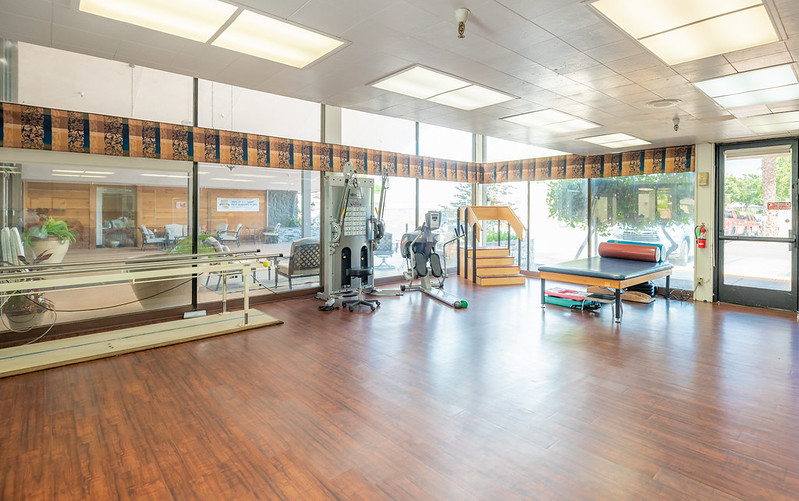
How Does Garden City Healthcare Center Compare to Other California Nursing Homes?

Compared to the 100 nursing homes in California, GARDEN CITY HEALTHCARE CENTER's overall rating (1 stars) is below the state average of 3.1, staff turnover (60%) is significantly higher than the state average of 46%, and health inspection rating (1 stars) is much below the national benchmark.

What Should Families Ask When Visiting Garden City Healthcare Center?

Based on this facility's data, families visiting should ask: "What changes have been made since the serious inspection findings, and how are you preventing similar issues?" "What safeguards and monitoring systems are in place to protect residents from abuse or neglect?" "How do you ensure continuity of care given staff turnover, and what is your staff retention strategy?" "Can I visit during a mealtime to observe dining assistance and food quality?" These questions are particularly relevant given the facility's Immediate Jeopardy citations, the substantiated abuse finding on record, and the facility's high staff turnover rate.

Is Garden City Healthcare Center Safe?

Based on CMS inspection data, GARDEN CITY HEALTHCARE CENTER has documented safety concerns. The facility has 1 substantiated abuse finding (meaning confirmed case of resident harm by staff or other residents). Inspectors have issued 1 Immediate Jeopardy citation (the most serious violation level indicating risk of serious injury or death). The facility has a 1-star overall rating and ranks #100 of 100 nursing homes in California. Families considering this facility should ask detailed questions about what corrective actions have been taken since these incidents.

Do Nurses at Garden City Healthcare Center Stick Around?

Staff turnover at GARDEN CITY HEALTHCARE CENTER is high. At 60%, the facility is 13 percentage points above the California average of 46%. Registered Nurse turnover is particularly concerning at 64%. RNs handle complex medical decisions and coordinate care — frequent RN changes can directly impact care quality. High turnover means new staff may not know residents' individual needs, medications, or preferences. It can also be disorienting for residents, especially those with dementia who rely on familiar faces. Families should ask: What is causing the turnover? What retention programs are in place? How do you ensure care continuity during staff transitions?

Was Garden City Healthcare Center Ever Fined?

GARDEN CITY HEALTHCARE CENTER has been fined $23,963 across 2 penalty actions. This is below the California average of $33,318. While any fine indicates a compliance issue, fines under $50,000 are relatively common and typically reflect isolated problems that were subsequently corrected. Families should ask what specific issues led to these fines and confirm they've been resolved.

Is Garden City Healthcare Center on Any Federal Watch List?

GARDEN CITY HEALTHCARE CENTER is not on any federal watch list. The most significant is the Special Focus Facility (SFF) program, which identifies the bottom 1% of nursing homes nationally based on persistent, serious quality problems. Not being on this list means the facility has avoided the pattern of deficiencies that triggers enhanced federal oversight. This is a positive indicator, though families should still review the facility's inspection history directly.