GOLDEN MODESTO CARE CENTER
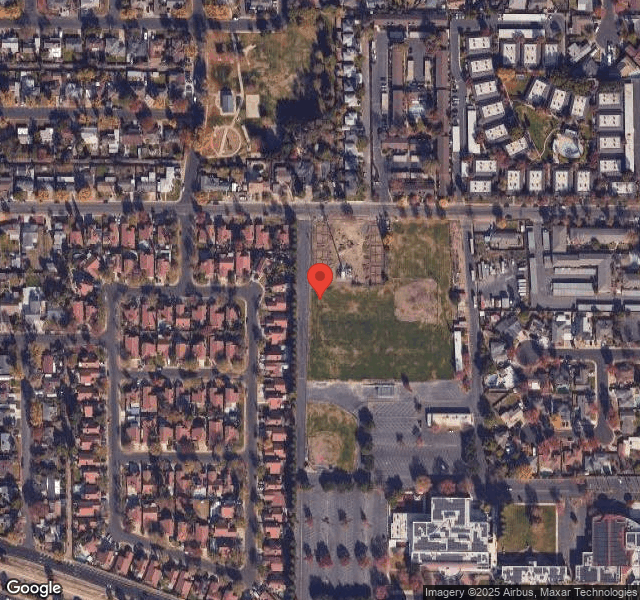
1900 COFFEE ROAD, MODESTO, CA 95355 (209) 526-1775
For profit - Limited Liability company 120 Beds GOLDEN SNF OPERATIONS Data: November 2025
Trust Grade
0/100
#806 of 1155 in CA
Last Inspection: September 2024

Within standard 12-15 month inspection cycle. Federal law requires annual inspections.

Overview

Golden Modesto Care Center has received a Trust Grade of F, indicating significant concerns about the quality of care provided. Ranking #806 out of 1155 facilities in California places them in the bottom half of the state, and #13 out of 17 in Stanislaus County means that only a few local options are available that are rated higher. The facility is showing an improving trend, reducing the number of issues from 12 in 2024 to 6 in 2025. Staffing is rated average with a 40% turnover rate, which is close to the state average, while RN coverage is also average. However, the facility has incurred $311,719 in fines, higher than 98% of California facilities, suggesting ongoing compliance issues. Specific incidents of concern include several avoidable falls where residents sustained serious injuries, including one resident who suffered a worsening fracture and another who experienced a traumatic brain injury. Overall, while there are some signs of improvement and average staffing levels, the high fines and serious incidents warrant careful consideration for families exploring care options for their loved ones.

Trust Score
F
0/100
In California
#806/1155
Bottom 31%
Safety Record
High Risk
Review needed
Inspections
Getting Better
12 → 6 violations
Staff Stability
○ Average
40% turnover. Near California's 48% average. Typical for the industry.
Penalties
✓ Good
$311,719 in fines. Lower than most California facilities. Relatively clean record.
Skilled Nurses
⚠ Watch
Each resident gets only 25 minutes of Registered Nurse (RN) attention daily — below average for California. Fewer RN minutes means fewer trained eyes watching for problems.
Violations
⚠ Watch
77 deficiencies on record. Higher than average. Multiple issues found across inspections.
★★☆☆☆
2.0
Overall Rating
★★★☆☆
3.0
Staff Levels
★★★★☆
4.0
Care Quality
★★☆☆☆
2.0
Inspection Score
Stable
2024: 12 issues
2025: 6 issues

The Good

  • 4-Star Quality Measures · Strong clinical quality outcomes
  • Full Sprinkler Coverage · Fire safety systems throughout facility
  • No fines on record
  • Staff turnover below average (40%)

    8 points below California average of 48%

Facility shows strength in quality measures, fire safety.

The Bad

2-Star Overall Rating

Below California average (3.1)

Below average - review inspection findings carefully

Staff Turnover: 40%

Near California avg (46%)

Typical for the industry

Federal Fines: $311,719

Well above median ($33,413)

Significant penalties indicating serious issues

Chain: GOLDEN SNF OPERATIONS

Part of a multi-facility chain

Ask about local staffing decisions and management

The Ugly 77 deficiencies on record

10 actual harm
Aug 2025 3 deficiencies 1 Harm
SERIOUS (G) 📢 Someone Reported This

A family member, employee, or ombudsman was alarmed enough to file a formal complaint

Actual Harm - a resident was hurt due to facility failures

Deficiency F0692 (Tag F0692)

A resident was harmed · This affected 1 resident

**NOTE- TERMS IN BRACKETS HAVE BEEN EDITED TO PROTECT CONFIDENTIALITY** Based on observation, interview and record review, the facility failed to implement a comprehensive systemic approach to ensure ...

Read full inspector narrative →
**NOTE- TERMS IN BRACKETS HAVE BEEN EDITED TO PROTECT CONFIDENTIALITY** Based on observation, interview and record review, the facility failed to implement a comprehensive systemic approach to ensure effective monitoring and systems to maintain acceptable parameters of nutritional status for one of five sampled residents (Resident 1), when Resident 1 had one documented weight on 6/6/25 since being admitted to the facility on [DATE]. Staff did not complete a weight on admission and weekly as ordered by the physician, Resident 1 was not consuming meals to its entirety or refused meals, the facility was aware of Resident 1's refusal to be weighed and the Restorative Nursing Assistant (RNA) did not follow up with the licensed nurses.This failure resulted in a 16% weight loss of 21.2 pounds (lbs.) in two (2) months placing Resident 1 at risk for unmonitored significant weight loss that could have worsened Resident 1's diagnosed heart condition and placed her at risk for inadequate nutritional intake.During a review of Resident 1's admission Record (AR- a summary of information regarding a resident which includes patient identification, past medical history, insurance status, care providers, family contact information and other pertinent information), the AR indicated, Resident 1 was admitted to the facility on [DATE] with diagnosis of congestive heart failure (condition in which the heart doesn't pump blood as it should), Dementia (loss of memory, language and other thinking abilities), osteomyelitis (inflammation of a bone caused by infection), Diabetes Mellitus (DM- increased sugar in the blood).During a review of Resident 1's Minimum Data Set [MDS a resident assessment tool used to identify cognitive (mental processes) and physical functional level assessment] dated 5/20/2025, the MDS indicated, Resident 1's Brief Interview for Mental Status (BIMS screening tool used to assess resident cognitive level) score was 15 out of 15 (0 - 7 indicated severe cognitive impairment [memory loss, poor decision making skills] 8-12 moderate cognitive impairment, (13 -15) cognitively intact) which indicated Resident 1 was cognitively intact.During a telephone interview on 8/12/25 at 12:00 p.m. with family member (FM) 1, FM 1 stated, there were concerns regarding Resident 1 refusing meals and possible weight loss. FM 1 stated, Resident 1 had expressed that the facility food did not taste good and therefore Resident 1 did not consume her meals. FM 1 stated Resident 1 appeared to have lost weight since admission to the facility but was unaware how much weight she had lost.During a concurrent observation and interview on 8/12/25 at 1:01 p.m. with Resident 1, in Resident 1's room, Resident 1 was observed lying in bed appearing thin and frail. Resident 1 stated she had resided in the facility for a few months. Resident 1 stated she disliked the food in the facility and would consume a small portion or none of the food served during mealtimes. Resident 1 stated she was unaware if the facility staff had noticed weight loss or weight gain since admission and stated she was unaware if she had experienced weight loss during her stay.During a review of Resident 1's, Nutrition Evaluation, dated 5/18/25, the evaluation indicated, . At risk for weight fluctuations r/t PO [related to by mouth] intake, DM, and diuretic (medication used to eliminate excess fluid buildup in the body) therapy. Resident with obesity which can have a negative effect on their health, including but not limited to altered cardiac output, fluid retention, altered blood sugars, ineffective breathing patterns. estimated total daily 1544-1930 calories, protein intake daily 77-93 gram (g). The evaluation indicated the nutritional evaluation was completed by the Registered Dietitian (RD) and documented risks for weight fluctuations after review of Resident 1's evaluation.During a record review of Resident 1's, Order Summary, dated 8/19/2025, the order summary indicated, . Weekly Weights one time a day every Fri (Friday) for Admission.During a review of Resident 1's Electronic Medical Record (EMR) titled, Weights, the EMR indicated, Resident 1 had a documented weight of 130 pounds on 6/6/2025. The document indicated there were no other weights documented on the EMR since admission on [DATE].During a review of the facility's handwritten document titled, Daily weights, dated 5/15/25 for Resident 1, the document indicated, Resident 1 had refused weights from 5/15/25 to 6/3/25, 6/5/25, 6/26/25 to 7/7/25. The document did not indicate any further attempts for weight check after 7/7/25. The document did not indicate if the nurse or physician was made aware of Resident 1's refusals. Concurrent review of the document and Resident 1's EMR indicated there was no documentation or evidence indicating the nurse and the physician were made aware of Resident 1's refusals and multiple attempts to re weigh.During a concurrent interview and record review on 8/12/25 at 1:40 p.m. with licensed vocational nurse (LVN) 1, Resident 1's electronic medical record (EMR) was reviewed, including document titled Weights. The document indicated Resident 1 was only weighed on 6/6/2025 since the admission to the facility and there were no other weights documented in the EMR. The EMR indicated there was no documentation indicating Resident 1 had refused to be weighed by the restorative nursing assistant (RNA). LVN 1 stated Resident 1 should have documented weight checks monthly. LVN 1 stated if Resident 1 had refused to be weighed, the RNA who was assigned to weigh all residents, should have notified the nurse. LVN 1 stated the facility process included documentation of missed weights, physician and resident representative notification.During an interview on 8/12/25 at 2:43 p.m. with RNA 1, RNA 1 stated, part of the RNA duties was to complete weekly and monthly weights for every resident in the facility. RNA 1 stated the RNAs' would receive a list of all residents who needed to be weighed monthly and weekly from the MDS nurse. RNA 1 stated, once the weights were completed and recorded on the list provided by the MDS nurse, the completed list was given back to the MDS nurse who would document the weights obtained in the residents EMR. RNA 1 stated there had been no resident refusals for the month of August 2025 and all residents including Resident 1, should have been weighed. RNA 1 stated, if a resident refused to be weighed, it should have been documented on the list and notified the MDS nurse. RNA 1 stated the facility process was for every resident to be weighed on admission, 24 hours after admission, weekly for four weeks after admission, then monthly unless the physician orders otherwise.During a concurrent interview and record review on 8/12/25 at 2:51 p.m. with the director of staff development (DSD), Resident 1's document titled, Weights, dated 6/6/25 and Resident 1's electronic medical record (EMR) were reviewed. The document indicated Resident had a documented weight of 130 pounds on 6/6/2025 and no other documented weights since admission. The EMR indicated there was no documentation indicating Resident 1 had refused to be weighed by the RNA. The DSD stated all residents should have been weighed in the facility on admission, 24 hours after admission, weekly for four weeks after admission, then monthly unless the physician orders otherwise. The DSD stated if Resident 1 had refused to be weighed by staff, the nurse should have documented the refusal in the EMR. The DSD stated, based on the lack of documentation indicating Resident 1 had refused to be weighed by the RNA in Resident 1's EMR, there was no way to definitively say if Resident 1 had weight loss or weight gain since admission.During a concurrent telephone interview and record review on 8/12/25 at 2:58 p.m. with the Registered Dietitian (RD), Resident 1's document titled, Weights, dated 6/6/25, and Resident 1's, Nutrition Evaluation, dated 5/18/25 were reviewed. The document weights indicated Resident 1 had a documented weight of 130 pounds on 6/6/2025. The document Weights indicated there were no other documented weights since admission. The evaluation indicated, . At risk for weight fluctuations r/t PO intake, DM, and diuretic therapy. Resident with obesity which can have a negative effect on their health, including but not limited to altered cardiac output, fluid retention, altered blood sugars, ineffective breathing patterns. The RD stated Resident 1's nutrition evaluation was completed on admission and resident was weighed to reflect the current weight status at the time of assessment. The RD stated nutrition assessments were completed every three months and as needed if there were changes. The RD stated the facility process was for the nursing staff to identify any weight loss, meal preference changes or refusal of meals. The RD stated if there was a concern, the nursing staff would notify the dietary supervisor. The RD stated the facility process was for the staff to offer resident alternatives and communicate with the dietary supervisor of the changes in meal consumption. The RD stated if Resident 1 was refusing meals and weight checks, the nursing staff should have documented the occurrences and attempted to trigger an alert for all staff to be made aware that there was a potential problem. The RD stated there was no documentation reflecting refusals of weight checks and meals from the record review at this time. The RD stated the facility process was to identify residents who were experiencing weight loss and include them in the weekly weight committee where residents would be monitored closely to avoid weight changes if possible.During an interview on 8/12/25 at 3:14 p.m. with the dietary services manager (DSM), the DSM stated the facility process was for the nursing staff to monitor Resident 1's meal intake and weight checks. The DSM stated if there was a change in food preferences or changes in meal consumption, it was the nursing department's responsibility to inform the DSM of the changes. The DSM stated she had not received any complaints or reports indicating Resident 1 was refusing meals and losing weight. The DSM stated she was part of the weight loss committee that met on a weekly basis to discuss residents who were at risk for weight fluctuations. The DSM stated Resident 1 was not part of the group of Residents that were being monitored for weight and nutrition concerns. The DSM stated Resident 1 should have been monitored and staff should have documented the refusal of weight checks and meals to incorporate Resident 1 into the weight loss committee to monitor her weight loss closely.During a review of Resident 1's, Nutrition Care Plan, dated 5/16/25, the care plan indicated, . [Resident 1] has a diet order. Controlled Carbohydrate Diet (CCD) Soft and Bite sized texture, Thin Liquid consistency, Goal: The resident will maintain adequate nutritional status as evidenced by maintaining weight, no signs and symptoms of malnutrition. Interventions: Provide, serve diet as ordered. Monitor intake and record q meal.During a review of Resident 1's, Noncompliance Care Plan, dated 5/16/25, the care plan indicated, . [Resident 1] is resistive to care noncompliant. being weighed r/t adjustment to nursing home. Goal: [Resident 1] needs will be met by staff daily.During an interview on 8/12/25 at 3:37 p.m. with the director of nursing (DON), the DON stated the facility process was for all residents to have been weighed on admission and then monthly, unless the physician ordered residents to be weighed more often. The DON stated Resident 1 should have been weighed as ordered and if Resident 1 had refused to be weighed by staff, the nurse should have documented the refusal in the EMR. The DON stated the problem was the staff were writing the weights on a list provided by the MDS nurse, but the refusals were not being documented in the EMR to reflect the attempts. The DON stated as a result, staff were not aware if Resident 1 had gained or lost weight. The DON stated there should have been progress notes or a documented refusal to alert the staff to monitor Resident 1 closely. The DON stated, moving forward, the facility will be implementing a new system to assist with documenting all weights and refusals by the residents.During a telephone interview on 8/12/25 at 3:43 p.m. with the MDS nurse, the MDS nurse stated the list of residents to be weighed was provided to the RNAs. The MDS nurse stated once the RNA completed the weights, the list would be given back to the MDS nurse to be reviewed. The MDS nurse stated it was the RNA's responsibility to document and inform the nurse of residents' weights and refusals. The MDS nurse stated, once the list of completed weights was reviewed, the list would be discarded, and there were no other paper records for the weights that were completed. The MDS nurse stated it was the nurse's responsibility to ensure weights were documented in the EMR and all refusals were addressed. The MDS nurse stated it was also the nurse's responsibility to document the refusal and attempts to re-weigh the resident. The MDS nurse stated that the monthly weights were reviewed for the month of August 2025, but there were no refusals to be weighed by any resident. The MDS nurse stated she was not aware of Resident 1's refusal to be weighed every month.During a telephone interview on 8/22/25 at 3:30 p.m. with the DON, the DON stated the facility obtained a current weight for Resident 1 on 8/21/25. The DON stated Resident 1's current weight was 108.8 lbs. The DON stated Resident 1 had a physician order for weekly weight checks that was initiated on admission but was not completed. The DON stated Resident 1 had a significant weight loss of 16% from the previous weight checked on 6/6/25 of 21.2 lbs.During a review of the Resident 1's, Diet Order, dated 5/23/25, the order indicated, . Consistent Carbohydrate (CCD) diet soft and bite sized texture, thin liquid consistency.During a review of the document titled, Diet Average Detail Report- Averages for days 1-28), dated 4/18/25, the document indicated, . CCD diet. Protein 91.175 g (gram- unit of measure), and Energy kCal (calories) 2, 066.76 kCal . The document indicated that Resident 1 should have consumed the amount of nutrition listed on a daily average, when Resident 1 consumed 75-100% of all meals.During a review of Resident 1's document titled, Documentation Survey Report-Nutrition- Meal intake, dated 5/2025, 6/2025, 7/2025 and 8/2025. The report indicated the meal intake percentage (0%- Refused meals completely or consumed one or two bites, 25%-a small amount was consumed, 50% approximately half of food is consumed, 75%- Majority of the food is consumed but one or more items are left, 100%- all meal is consumed) for breakfast, lunch and dinner. The document indicated Resident 1 consumed: May 16th-31st 2025: Resident 1 ate 25% or less, approximately 258 calories and 11 grams of protein for 10 meals out of 45 with four of those meals' resident refused. Resident 1 ate 25 to 50% and approximately 775 calories and 34 grams of protein for 17 meals (38% of the time). Resident 1 ate 51 to 75%, approximately 1300 calories and 56 grams of protein for 18 meals (40% of the time). June 1st- 30th 2025: Resident 1 ate 26 to 50% and approximately 775 calories and 34 grams of protein for 48 meals (53% of the month). Resident ate 0 to 25% and approximately 258 calories and 11 grams protein for 9 meals. Resident 1 refused meals 18 times and ate 0 to 25% for 9 meals. Resident 1 ate between 51 to 75%, approximately 1300 calories and 56 grams of protein for 12 meals out of 90 in the month. July 1st- 31st 2025: Resident 1 ate 0 to 25%, approximately 258 calories and 11 grams of protein for 28 meals in the month or 30% of the time. Resident 1 ate 26 to 50%, approximately 775 calories and 34 grams of protein for 31 meals in the month or 33% of the time and refused meals 20 times. Resident 1 ate 51 to 75% for 9 meals (9.7% of the time) in the month. August 1st- 31st 2025: Resident 1 refused meals 43 times (46% of the time). Resident 1 ate 0 to 25%, approximately 258 calories and 11 grams of protein for 20 meals (21.5% of the time). Resident 1 ate 26 to 50%, approximately 775 calories and 34 grams of protein for 20 meals in the month of August. Resident 1 ate 51 to 75 % for 5 meals. The document indicated there was no documented meal intake recorded for breakfast on 5/29/25 & 6/4/25, lunch on 5/25/25, 5/29/25, 6/4/25, & 8/9/25, dinner on 7/9/25 & 7/31/25, therefore there was no indication of the nutritional intake Resident 1 received for the undocumented dates. During a record review of the facility's policy and procedure (P&P) titled, Weights, dated 8/28/2020, the P&P indicated, . The Center uses weights as one component of data collection needed to evaluate resident's nutritional status, fluid retention, or diuresis. Weighing Criteria, New Admits, weigh the day of admission then weekly for one month, if weights and nutritional status are stable after one month, weigh the resident monthly. Weekly Weights, the following are guidelines for residents who may need to be weighed weekly (not all inclusive): Food intake has declined and persisted, Slow trending of weight loss/gain. New or altered diuretic schedule (unless physician orders more frequently). Multiple Stage II and any Stage III or IV pressure ulcers. Significant change of condition. Re-weigh. When the Nutrition Hydration Skin Committee or designee reviews the weights, the Committee determines which residents are evaluated. The team or designee reviews the resident's status and makes recommendations. Obtaining and Recording Weights: Weights are obtained by nursing personnel designated by the Director of Nursing Services. The staff member weighing the resident records the weight on the Weight Worksheet. The nurse reviews the current weight and compares it to prior weight on Weight Worksheet. The nurse requests a re-weigh in accordance with the re-weigh definition outlined above. The nurse records validated weights on the Weight Record in the resident's medical record. Licensed nurses will notify physician, resident/responsible party of significant change in weight and document notification in progress notes. Progress note to include responses.During a professional reference review retrieved from https://www.ncbi.nlm.nih.gov/pmc/articles/PMC2892745/pdf/nihms156446.pdf, Patterns of Weight Change Preceding Hospitalization for Heart, dated October 2007, indicated, . Increases in body weight are associated with hospitalization for heart failure and begin at least [one] week before admission. Daily information about patients' body weight identifies a high-risk period during which interventions to avert decompensated heart failure that necessitate hospitalization for Heart Failure . Frequent monitoring of heart failure patients' clinical status, specifically their body weights, can alert clinicians to the early stages of heart failure decompensation. By focusing on weight changes, clinicians would be well positioned to implement interventions that could prevent decompensation of heart failure that necessitates hospitalization .During a review of professional reference titled, Practice Paper of the American Dietetic Association, dated 2010, indicated, . In older adults, a 5% or more unplanned weight loss in 30 days often results in protein-energy undernutrition as critical lean body mass is lost . that may trigger sarcopenia [a condition characterized by loss of skeletal muscle mass and function] and functional decline [a loss of independence in self-care capabilities and deterioration in mobility and in activities of daily living]. (Practice Paper of the American Dietetic Association: Individualized Nutrition Approaches for Older Adults in Health Care Communities, October 2010 Journal of the American Dietetic Association). During a review of a professional reference publication titled, Nutrition Care of the Older Adult from the Academy of Nutrition and Dietetics, dated 2016, indicated, . The goal of Medical Nutrition Therapy is to maintain or restore the individual's usual body weight .
CONCERN (D) 📢 Someone Reported This

A family member, employee, or ombudsman was alarmed enough to file a formal complaint

Potential for Harm - no one hurt, but risky conditions existed

Deficiency F0557 (Tag F0557)

Could have caused harm · This affected 1 resident

**NOTE- TERMS IN BRACKETS HAVE BEEN EDITED TO PROTECT CONFIDENTIALITY** Based on interview and record review the facility failed to ensure residents' rights to be treated with respect and dignity were...

Read full inspector narrative →
**NOTE- TERMS IN BRACKETS HAVE BEEN EDITED TO PROTECT CONFIDENTIALITY** Based on interview and record review the facility failed to ensure residents' rights to be treated with respect and dignity were followed for one of seven sampled residents (Resident 7), when Resident 7 did not receive scheduled showers on 7/18/25, 7/25/25, and 7/29/25 while in the facility.This failure placed Resident 7 at risk for an undignified existence that could have resulted in poor hygiene and cleanliness.During a review of Resident 7's admission Record (AR- a summary of information regarding a resident which includes patient identification, past medical history, insurance status, care providers, family contact information and other pertinent information), the AR indicated, Resident 7 was admitted to the facility on [DATE] with diagnosis for Diabetes Mellitus (DM- increased sugar in the blood), bacterial infections, kidney failure, obesity, muscle weakness, hypertension (high blood pressure), heart failure, bradycardia (slow heart rate).During a review of Resident 7's Minimum Data Set [MDS a resident assessment tool used to identify cognitive (mental processes) and physical functional level assessment] dated 5/20/2025, the MDS indicated, Resident 7's Brief Interview for Mental Status (BIMS screening tool used to assess resident cognitive level) score was 15 out of 15 (0 - 7 indicated severe cognitive impairment [memory loss, poor decision making skills] 8-12 moderate cognitive impairment, (13 -15) cognitively intact) which indicated Resident 7 was cognitively intact.During a telephone interview on 8/21/25 at 10:40 a.m. with family member (FM), the FM stated that while Resident 7 resided in the facility, she had only three showers during her stay. FM stated the facility staff was unaware that Resident 7 had not been receiving her weekly showers. During a review of Resident 7's, Shower Schedule, dated 6/25/25, the shower schedule indicated that Resident 7 should have received scheduled weekly showers on Tuesdays and Fridays.During a review of Resident 7's, Certified Nursing Assistant (CNA) Shower Review Forms, dated 7/15/25 and 7/22/25, were reviewed. The forms indicated Resident 7 received a total of two showers for the month of July. The forms indicated Resident 7 had not received a scheduled shower on 7/18/25, 7/25/25, 7/29/25.During an interview on 8/21/25 at 12:54 p.m. with licensed vocational nurse (LVN) 3, LVN 3 stated it was the facility expectations that all showers and baths be completed for all residents on their scheduled date, any deviation from the schedule should have been communicated to the nurse. LVN 3 stated if a resident refused a shower, the expectation was for the CNA to attempt and offer a shower or bed bath throughout the shift in case the resident changed their mind. LVN 3 stated the expectation was to inform the nurse if the resident continued to refuse and for the CNA to document the refusal to alert staff that the resident had not received their shower. LVN 3 stated that the CNAs would document a shower or refusal on the residents' Electronic Medical Record (EMR) and Shower Review Form should have been written, completed and signed by the CNAs and the nurse. LVN 3 stated if the resident requested a different day or time to have a shower, the expectation was for the CNA to document the refusal and request from the resident. LVN 3 stated all residents have the right to a dignified existence that included dressing, grooming and showering.During a concurrent interview and record review on 8/21/25 at 1:12 p.m. with CNA 3, Resident 7's, Point of Care (POC)-Showers, dated 7/1/25-7/31/25, was reviewed. The POC indicated there were no documented refusals or changes in Resident 7's schedule to move showers to a different date, shift or time. CNA 3 stated the facility process was to give all resident showers on the scheduled date, document the shower, refusal to shower or any changes in the schedule on the residents POC. CNA 3 validated Resident 7 had not received a scheduled shower on 7/18/25, 7/25/25 and 7/29/25. CNA 3 stated all residents have the right to shower and live with dignity and respect.During a concurrent interview and record review on 8/21/25 at 1:40 p.m. with the director of staff development (DSD), Resident 7's, CNA Shower Review Forms, dated 7/15/25 and 7/22/25, were reviewed. The forms indicated Resident 7 received a total of two showers for the month of July. The forms indicated Resident 7 had not received a scheduled shower on 7/18/25, 7/25/25, and 7/29/25. The DSD stated the facility expectation was for the CNAs to follow the shower schedule for each resident and to document the showers, baths or refusals on the POC and notify the nurse. The DSD stated it was not acceptable to have a resident refuse a shower and not document it to alert the nurse and other staff. The DSD stated Resident 7 had not received a shower on 7/18/25, 7/25/25 and 7/29/25 after review of all CNA documentation.During an interview on 8/21/25 at 2:12 p.m. with the director of nursing (DON), the DON stated the facility expectation was for all residents to receive their scheduled showers on the scheduled dates. The DON stated if the resident was refusing the showers, the CNA should have alerted the nurse and completed documentation in the POC and on the shower forms. The DON stated, the facility did not have a policy and procedure (P&P) on showers or Activity of Daily Living (ADL).During a review of the facility's policy and procedure (P&P) titled, Notice of Resident Rights, dated 7/2015, the P&P indicated, . Each resident of a skilled nursing facility has the rights. The Center will seek to ensure that those rights are not violated. The Center will establish and implement written policies and procedures that include these rights and will make a copy of these policies available to the Resident, Resident's Representatives, or the public upon request. General rights. To be encouraged and assisted throughout the period of stay to exercise rights as a resident. To be treated with consideration, respect and full recognition of dignity and individuality, including privacy in treatment and in care of personal needs.
CONCERN (D) 📢 Someone Reported This

A family member, employee, or ombudsman was alarmed enough to file a formal complaint

Potential for Harm - no one hurt, but risky conditions existed

Deficiency F0655 (Tag F0655)

Could have caused harm · This affected 1 resident

**NOTE- TERMS IN BRACKETS HAVE BEEN EDITED TO PROTECT CONFIDENTIALITY** Based on interview and record review the facility failed to develop and implement a baseline care plan (included initial goals b...

Read full inspector narrative →
**NOTE- TERMS IN BRACKETS HAVE BEEN EDITED TO PROTECT CONFIDENTIALITY** Based on interview and record review the facility failed to develop and implement a baseline care plan (included initial goals based on admission orders, physician orders, summary of residents medication, services and treatments to be administered by the facility, and conditions and risks affecting the residents health and safety) within 48 hours of residents admission according to the facility's policy and procedure (P&P) titled, Baseline Care Plan, for one of seven sampled residents (Resident 7) when Resident 7 did not have a baseline care plan for diagnosis and treatment for Chronic Kidney failure (a condition where the kidneys gradually lose their ability to filter waste products and excess fluid from the blood), heart failure (condition where the heart muscle cannot pump blood effectively enough to meet the body's needs) and hypertension (condition characterized by persistently elevated blood pressure readings).This failure placed Resident 7 at risk of delay in care and needs going unmet upon admission and during her stay in the facility.During a review of Resident 7's admission Record (AR- a summary of information regarding a resident which includes patient identification, past medical history, insurance status, care providers, family contact information and other pertinent information), the AR indicated, Resident 7 was admitted to the facility on [DATE] with diagnosis for Diabetes Mellitus (DM- increased sugar in the blood), bacterial infections, kidney failure, obesity, muscle weakness, hypertension (high blood pressure), heart failure, bradycardia (slow heart rate).During a review of Resident 7's Minimum Data Set [MDS a resident assessment tool used to identify cognitive (mental processes) and physical functional level assessment] dated 5/20/2025, the MDS indicated, Resident 7's Brief Interview for Mental Status (BIMS screening tool used to assess resident cognitive level) score was 15 out of 15 (0 - 7 indicated severe cognitive impairment [memory loss, poor decision making skills] 8-12 moderate cognitive impairment, (13 -15) cognitively intact) which indicated Resident 7 was cognitively intact.During a concurrent interview and record review on 8/21/25 at 11:05 a.m. with the minimum data set (MDS) nurse, Resident 7's electronic medical record (EMR) for care plans was reviewed. The EMR indicated the baseline care plan was not completed for Resident 7. The MDS stated the process was to initiate the baseline care plans on admission to the facility by the admitting nurse. The MDS stated the importance of the baseline care plans was to establish a plan of care based on Resident 7's needs upon admission. The MDS stated it was important to have a plan of care established to ensure all staff were meeting Resident 7's needs.During an interview on 8/21/25 at 12:58 p.m. with licensed vocational nurse (LVN) 4, LVN 4 stated it was the facility process to ensure all care plans were complete and accurate according to the residents' needs. LVN 4 stated it was important to complete a baseline care plan upon admission to ensure all residents' needs were met and to know how to properly care for each individual resident.During an interview on 8/21/25 at 1:40 p.m. with the director of staff development (DSD), the DSD stated the facility process was for the admitting nurse to initiate the baseline care plan upon resident admission. The DSD stated the baseline care should have been completed within 48 hours from admission for Resident 7. The DSD stated that there should have been a care plan initiated for every diagnosis Resident 7 was being admitted to the facility with. The DSD stated it was important to establish a baseline care plan to ensure residents were being treated with the appropriate interventions. The DSD stated every resident was different and had different needs therefore the care plan was used to ensure all resident needs and preferences were met. The DSD stated if there was no baseline care plan created upon admission, there was a risk that the residents needs would not be met and staff would not be aware of the appropriate interventions to assist them.During an interview on 8/21/25 at 2:12 p.m. with the director of nursing (DON), the DON stated there was no expectation for the facility staff to initiate a baseline care plan. The DON stated the baseline care plan should not have included every diagnosis residents had upon admission if the diagnosis was being treated with medications or other services. The DON stated the baseline care plan should have consisted of new diagnosis or changes in condition while in the facility.During a review of the facility's policy and procedure (P&P) titled, Baseline Care Plan, dated 7/2025, the P&P indicated, .A baseline plan of care (BPOC) is developed and provided to each resident and/or his/her Representative, following admission. The facility develops the baseline plan of care for each resident, within 48 hours of admission. The baseline plan of care includes information regarding care and services sufficient to promote safe delivery of care. The baseline plan of care consists of the following, Physician Orders, Dietary Orders, Therapy Services, Applicable Social Services Intervention, Applicable PASARR Recommendations, Initial Goals.
Apr 2025 1 deficiency
CONCERN (D) 📢 Someone Reported This

A family member, employee, or ombudsman was alarmed enough to file a formal complaint

Potential for Harm - no one hurt, but risky conditions existed

Deficiency F0573 (Tag F0573)

Could have caused harm · This affected 1 resident

**NOTE- TERMS IN BRACKETS HAVE BEEN EDITED TO PROTECT CONFIDENTIALITY** Based on interview and record review the facility failed to ensure residents' rights to access and obtain medical records was ho...

Read full inspector narrative →
**NOTE- TERMS IN BRACKETS HAVE BEEN EDITED TO PROTECT CONFIDENTIALITY** Based on interview and record review the facility failed to ensure residents' rights to access and obtain medical records was honored for one of four sampled residents (Resident 1), when Resident 1' s representative requested medical records on 1/8/25 and the facility did not provided records within 30-60 days according to their policy and procedure (P&P). This failure resulted in Resident 1's representative not being provided medical records needed and not respecting Resident 1's right to access and obtain medical records. Findings: Resident 1's admission Record (a summary of information regarding a patient which includes patient identification, past medical history, insurance status, care providers, family contact information and other pertinent information), indicated Resident 1 was admitted to the facility on [DATE] and discharged from the facility on 4/11/2024. During an interview on 4/9/25 at 12:31 p.m. with the director of nursing (DON), the DON stated the facility did not have a medical records director (MRD) since 1/23/2025. The DON stated the facility did not have a medical records assistant or a designated staff member to assist with medical record requests. The DON stated she was not aware of a request for records for Resident 1 and was not informed by the MRD prior to 1/23/25 that a request had been made. The DON stated the former administrator (FADM) had not made her aware of the request for records prior to the ADM 's exit from the facility and therefore the record request was not completed. During a concurrent interview and record review on 4/9/25 at 12:02 p.m. with the DON, the facility ' s form titled, . Authorization For Release Of Health Information, dated 3/2013 was reviewed. The form indicated, . I understand to the extent I am a current resident, I must provide the center with two working days advance notice to make any copies of the records that I would like to pick up at the center . The DON stated this form was to be completed and signed by the person or resident requesting records. The DON stated the facility process for current residents was to provide the requested records within two business days of submitted request. The DON stated she was not aware what the process or timeframe was for resident record requests when the resident was discharged . During an interview on 4/9/25 at 12:17 p.m. with the Administrator (ADM), the ADM stated the facility did not have a MRD. The ADM stated all requests for records submitted to the facility were fulfilled by the ADM or the DON. The ADM stated he was not aware of the record request submitted for Resident 1's records and therefore was not completed following the MRD and FADM's leave from the facility. The ADM stated the expectation was for the facility to provide medical records to the resident or representative within five business days of the request. The ADM stated the facility followed the policy and regulations in place for medical record requests. During a record review of the facility ' s policy and procedure (P&P) titled, Protected Health Information (PHI), Residents ' Rights Relative to, dated 3/2014, the P&P indicated, . Residents have the right to access and copy their protected health information (PHI) and any other information in their medical records maintained/retained by this facility . our facility will act upon a resident ' s request for access to his/her medical records or other information no later than thirty days after receipt of such request, unless the time period is extended as described . if the information to be accessed is not maintained or accessible on premises, our facility will act upon such request within 60 days of receipt of such request. If the facility is unable to act on the request within applicable 30- or 60-day period, the facility may extend the time for response by 30 days, provided that the resident is given a written notice of the reason(s) for the delay and the date by which a responsive action will be taken . During a record review of the facility's P&P titled, Resident Rights, dated 12/2021, the P&P indicated, . Federal and state laws guarantee certain rights to all residents of this facility. The rights include the resident's right to .q. access personal and medical records pertaining to him or herself .
Mar 2025 2 deficiencies
CONCERN (D) 📢 Someone Reported This

A family member, employee, or ombudsman was alarmed enough to file a formal complaint

Potential for Harm - no one hurt, but risky conditions existed

Accident Prevention (Tag F0689)

Could have caused harm · This affected 1 resident

**NOTE- TERMS IN BRACKETS HAVE BEEN EDITED TO PROTECT CONFIDENTIALITY** Based on interview and record review the facility failed to ensure residents were free from accidents for one of five sampled re...

Read full inspector narrative →
**NOTE- TERMS IN BRACKETS HAVE BEEN EDITED TO PROTECT CONFIDENTIALITY** Based on interview and record review the facility failed to ensure residents were free from accidents for one of five sampled residents (Resident 1) when on 2/20/25, Resident 1 was served a meal tray with a regular consistency (diet with no alterations) and was ordered a full liquid diet with nectar thick consistency. This failure resulted in Resident 1 experiencing episode of coughing and emesis (vomit) and had the potential to cause choking, aspiration and death. Findings: During a review of Resident 1's admission Record (AR- a summary of information regarding a resident which includes patient identification, past medical history, insurance status, care providers, family contact information and other pertinent information), the AR indicated, Resident 1 was admitted to the facility on [DATE] with diagnosis for acute respiratory failure (lungs are unable to get enough oxygen), shortness of breath (difficult or labored breathing), dementia (disorder that causes decline in ability to think, memory and judgment), altered mental status (change in mental function). During a review of Resident 1's Minimum Data Set [MDS a resident assessment tool used to identify cognitive (mental processes) and physical functional level assessment] dated 2/24/25, the MDS indicated, Resident 1's Brief Interview for Mental Status (BIMS screening tool used to assess resident cognitive level) score was 0 out of 15 (0 - 7 indicated severe cognitive impairment [memory loss, poor decision making skills] 8-12 moderate cognitive impairment, (13 -15) cognitively intact) which indicated Resident 1 was severely cognitively impaired. During a review of Resident 1 ' s, Interdisciplinary Team (IDT) post incident meeting, dated 2/24/25, the IDT indicated, . Resident is dependent with [activities of daily living] and requires assistance with meals . on 2/20/25 the [charge nurse] noted resident was sitting upright in bed, eating his meal and was noted to have difficulty swallowing with cough. [charge nurse] noted resident was able to spit out food content from mouth with verbal cues preventing chocking incident. [charge nurse] also noted that resident had a small emesis (vomit) of undigested food post coughing episode. No respiratory distress, no decline in [oxygen] saturation, no loss of consciousness during or after episode. Resident recovered rapidly and spontaneously without medical intervention needed. as a precautionary measure resident was sent to [emergency room] to [rule out] aspiration or other complications . During a review of Resident 1 ' s, Situation, background, appearance, review (SBAR), dated 2/20/25, the SBAR indicated, . Resident received dinner tray that was incorrect from his diet order. No signs and symptoms (s/sx) of respiratory or abdominal distress. Vital signs(VS) within normal limits. [physician] notified . During a review of Resident 1 ' s, Meal tray Ticket, dated 2/19/24, the meal tray ticket indicated, . [Resident 1] Regular, mildly thick, full liquids . Italian sausage sub w/pepper and onion- 1 sandwich, French fries . capri vegetable blend . tropical fruit salad . milk mildly thick . During a review of Resident 1 ' s, Dietary- Diet order, dated 2/19/25, the order indicated, . Full liquid diet full liquid texture, nectar thick consistency, for as tolerated . During an interview on 3/18/25 at 11:46 a.m. with licensed vocational nurse (LVN)1, LVN 1 stated the facility process was for the nurse on shift to check the meal trays before the meals trays were served to the residents. LVN 1 stated the purpose for checking the trays was to ensure the meal tray ticket indicated the ordered resident diet and to ensure the meal matched the ordered diet. LVN 1 stated it was important for all nurses to check the meal trays to prevent any resident from being served the wrong diet or wrong texture. LVN 1 stated the facility expectation was for the facility ' s certified nursing assistant (CNA)s to wait until the nurses checked the meal trays to serve them to the residents. During an interview on 3/18/25 at 12:24 p.m. with CNA 1, CNA 1 stated the facility process was for the nurse on shift to check the meal trays before they were given to the residents. CNA 1 stated it was important for the nurses to check the meal trays to ensure they were for the right resident and their diet. During a concurrent interview and record review on 3/18/24 at 1:10 p.m. with the director of staff development (DSD), Resident 1's diet slip was reviewed. The DSD stated Resident 1 ' s diet slip had the incorrect diet listed. The DSD stated the dietary staff had served Resident 1, a regular diet when Resident 1 had a physician order for a full liquid diet. The DSD stated the facility expectation was for the nurses on shift to print, review and compare the diet order summary to the meal tray ticket and the food being served. The DSD stated all facility staff had been educated on the meal tray ticket process and how to check for inconsistencies to identify any errors prior to serving meal trays to all residents. The DSD it was important to follow the facility process to avoid giving the residents the wrong meal tray and identify mistakes made in the serving process. During an interview on 3/18/24 at 2:00 pm with the director of nursing (DON), the DON stated the facility process was for all nurses on shift to print the diet order summary daily and compare them to the meal trays when they were served from the kitchen prior to CNAs serving them to the residents. During an interview on 3/26/24 at 4:59 p.m. with LVN 2, LVN 2 stated on 2/20/25 while working her shift, there was an incident regarding Resident 1 receiving the incorrect meal tray. LVN 2 stated the facility process was for all nurses on shift to print the diet order summary for all residents and compare them to the meal tray prior to the CNAs serving the trays to the residents. LVN 2 stated, on 2/20/25, the CNAs served all residents in Resident 1 ' s hallway, their meal trays without waiting for the nurses to check the trays. LVN 2 stated the purpose for checking the meal trays was avoid accidently serving the residents the wrong meal tray and to ensure they were receiving the correct diet ordered. During an interview on 3/26/25 at 5:04 p.m. with LVN 3, LVN 3 stated on 2/20/25 while working her shift, there was an incident regarding Resident 1 receiving the incorrect meal tray. LVN 3 stated the facility process was for the nurse on shift to print the diet order summary, check all the diet slips on the meal tray and check each individual tray for accuracy of the diet ordered. LVN 3 stated on 2/20/25, she had noticed the CNAs on shift had served all meal trays in Resident 1 ' s hallway prior to allowing the nurses on shift to check them for accuracy. LVN 2 stated she had provided all CNAs on shift with education on the importance of allowing the nurse to check all meal trays first prior to serving the residents. LVN 3 stated it was important to check each meal tray to prevent accidently serving residents with the wrong diet or to identify allergies. During a review of the facility ' s, Lesson Plan- Basic Nutrition, dated 2/20/25, the lesson plan indicated, . Objective, upon completion of this program the participant will be able to understand basic nutrition needs for residents . [licensed nurse] to ensure diet order matches tray ticket of food being served, [licensed nurse] to print diet order listing report prior to each meal, prior to meals being distributed [licensed nurse] to ensure diet order matches the ticket on the tray and the food on the plate . During a review of the facility ' s policy and procedure (P&P) titled, Therapeutic Diets, dated 10/2022, the P&P indicated, . All residents have a diet order, including regular, therapeutic, and texture modification, that is prescribed by the attending physician, physician extender, or credentialed practitioner in accordance with applicable regulatory guidelines . therapeutic diet is defined as a diet ordered by a physician, or delegated registered or licensed dietitian, as part of the treatment for a disease or clinical condition. The purpose of a therapeutic diet . to provide food that a resident is able to eat . mechanically altered diet means one in which the texture of the diet is altered. When the texture is modified, the type of texture must be specific and part of the physician ' s or delegated registered or licensed dietitian ' s order . diets are prepared in accordance with the guidelines in the approved diet manual and the individualized plan of care . Based on interview and record review the facility failed to ensure residents were free from accidents for one of five sampled residents (Resident 1) when on 2/20/25, Resident 1 was served a meal tray with a regular consistency (diet with no alterations) and was ordered a full liquid diet with nectar thick consistency. This failure resulted in Resident 1 experiencing episode of coughing and emesis (vomit) and had the potential to cause choking, aspiration and death. Findings: During a review of Resident 1's admission Record (AR- a summary of information regarding a resident which includes patient identification, past medical history, insurance status, care providers, family contact information and other pertinent information), the AR indicated, Resident 1 was admitted to the facility on [DATE] with diagnosis for acute respiratory failure (lungs are unable to get enough oxygen), shortness of breath (difficult or labored breathing), dementia (disorder that causes decline in ability to think, memory and judgment), altered mental status (change in mental function). During a review of Resident 1's Minimum Data Set [MDS a resident assessment tool used to identify cognitive (mental processes) and physical functional level assessment] dated 2/24/25, the MDS indicated, Resident 1's Brief Interview for Mental Status (BIMS screening tool used to assess resident cognitive level) score was 0 out of 15 (0 - 7 indicated severe cognitive impairment [memory loss, poor decision making skills] 8-12 moderate cognitive impairment, (13 -15) cognitively intact) which indicated Resident 1 was severely cognitively impaired. During a review of Resident 1's, Interdisciplinary Team (IDT) post incident meeting , dated 2/24/25, the IDT indicated, . Resident is dependent with [activities of daily living] and requires assistance with meals . on 2/20/25 the [charge nurse] noted resident was sitting upright in bed, eating his meal and was noted to have difficulty swallowing with cough. [charge nurse] noted resident was able to spit out food content from mouth with verbal cues preventing chocking incident. [charge nurse] also noted that resident had a small emesis (vomit) of undigested food post coughing episode. No respiratory distress, no decline in [oxygen] saturation, no loss of consciousness during or after episode. Resident recovered rapidly and spontaneously without medical intervention needed. as a precautionary measure resident was sent to [emergency room] to [rule out] aspiration or other complications . During a review of Resident 1's, Situation, background, appearance, review (SBAR) , dated 2/20/25, the SBAR indicated, . Resident received dinner tray that was incorrect from his diet order. No signs and symptoms (s/sx) of respiratory or abdominal distress. Vital signs(VS) within normal limits. [physician] notified . During a review of Resident 1's, Meal tray Ticket , dated 2/19/24, the meal tray ticket indicated, . [Resident 1] Regular, mildly thick, full liquids . Italian sausage sub w/pepper and onion- 1 sandwich, French fries . capri vegetable blend . tropical fruit salad . milk mildly thick . During a review of Resident 1's, Dietary- Diet order , dated 2/19/25, the order indicated, . Full liquid diet full liquid texture, nectar thick consistency, for as tolerated . During an interview on 3/18/25 at 11:46 a.m. with licensed vocational nurse (LVN)1, LVN 1 stated the facility process was for the nurse on shift to check the meal trays before the meals trays were served to the residents. LVN 1 stated the purpose for checking the trays was to ensure the meal tray ticket indicated the ordered resident diet and to ensure the meal matched the ordered diet. LVN 1 stated it was important for all nurses to check the meal trays to prevent any resident from being served the wrong diet or wrong texture. LVN 1 stated the facility expectation was for the facility's certified nursing assistant (CNA)s to wait until the nurses checked the meal trays to serve them to the residents. During an interview on 3/18/25 at 12:24 p.m. with CNA 1, CNA 1 stated the facility process was for the nurse on shift to check the meal trays before they were given to the residents. CNA 1 stated it was important for the nurses to check the meal trays to ensure they were for the right resident and their diet. During a concurrent interview and record review on 3/18/24 at 1:10 p.m. with the director of staff development (DSD), Resident 1's diet slip was reviewed. The DSD stated Resident 1's diet slip had the incorrect diet listed. The DSD stated the dietary staff had served Resident 1, a regular diet when Resident 1 had a physician order for a full liquid diet. The DSD stated the facility expectation was for the nurses on shift to print, review and compare the diet order summary to the meal tray ticket and the food being served. The DSD stated all facility staff had been educated on the meal tray ticket process and how to check for inconsistencies to identify any errors prior to serving meal trays to all residents. The DSD it was important to follow the facility process to avoid giving the residents the wrong meal tray and identify mistakes made in the serving process. During an interview on 3/18/24 at 2:00 pm with the director of nursing (DON), the DON stated the facility process was for all nurses on shift to print the diet order summary daily and compare them to the meal trays when they were served from the kitchen prior to CNAs serving them to the residents. During an interview on 3/26/24 at 4:59 p.m. with LVN 2, LVN 2 stated on 2/20/25 while working her shift, there was an incident regarding Resident 1 receiving the incorrect meal tray. LVN 2 stated the facility process was for all nurses on shift to print the diet order summary for all residents and compare them to the meal tray prior to the CNAs serving the trays to the residents. LVN 2 stated, on 2/20/25, the CNAs served all residents in Resident 1's hallway, their meal trays without waiting for the nurses to check the trays. LVN 2 stated the purpose for checking the meal trays was avoid accidently serving the residents the wrong meal tray and to ensure they were receiving the correct diet ordered. During an interview on 3/26/25 at 5:04 p.m. with LVN 3, LVN 3 stated on 2/20/25 while working her shift, there was an incident regarding Resident 1 receiving the incorrect meal tray. LVN 3 stated the facility process was for the nurse on shift to print the diet order summary, check all the diet slips on the meal tray and check each individual tray for accuracy of the diet ordered. LVN 3 stated on 2/20/25, she had noticed the CNAs on shift had served all meal trays in Resident 1's hallway prior to allowing the nurses on shift to check them for accuracy. LVN 2 stated she had provided all CNAs on shift with education on the importance of allowing the nurse to check all meal trays first prior to serving the residents. LVN 3 stated it was important to check each meal tray to prevent accidently serving residents with the wrong diet or to identify allergies. During a review of the facility's, Lesson Plan- Basic Nutrition , dated 2/20/25, the lesson plan indicated, . Objective, upon completion of this program the participant will be able to understand basic nutrition needs for residents . [licensed nurse] to ensure diet order matches tray ticket of food being served, [licensed nurse] to print diet order listing report prior to each meal, prior to meals being distributed [licensed nurse] to ensure diet order matches the ticket on the tray and the food on the plate . During a review of the facility's policy and procedure (P&P) titled, Therapeutic Diets , dated 10/2022, the P&P indicated, . All residents have a diet order, including regular, therapeutic, and texture modification, that is prescribed by the attending physician, physician extender, or credentialed practitioner in accordance with applicable regulatory guidelines . therapeutic diet is defined as a diet ordered by a physician, or delegated registered or licensed dietitian, as part of the treatment for a disease or clinical condition. The purpose of a therapeutic diet . to provide food that a resident is able to eat . mechanically altered diet means one in which the texture of the diet is altered. When the texture is modified, the type of texture must be specific and part of the physician's or delegated registered or licensed dietitian's order . diets are prepared in accordance with the guidelines in the approved diet manual and the individualized plan of care .
CONCERN (D) 📢 Someone Reported This

A family member, employee, or ombudsman was alarmed enough to file a formal complaint

Potential for Harm - no one hurt, but risky conditions existed

Deficiency F0808 (Tag F0808)

Could have caused harm · This affected 1 resident

**NOTE- TERMS IN BRACKETS HAVE BEEN EDITED TO PROTECT CONFIDENTIALITY** Based on interview and record review the facility failed to ensure therapeutic diets were followed according to physician orders...

Read full inspector narrative →
**NOTE- TERMS IN BRACKETS HAVE BEEN EDITED TO PROTECT CONFIDENTIALITY** Based on interview and record review the facility failed to ensure therapeutic diets were followed according to physician orders for one of five sampled residents (Resident 1) when on 2/20/25, Resident 1 was served a meal tray with a regular consistency (diet with no alterations) and had physician orders for a full liquid diet with nectar thick consistency (liquid slightly thicker than water). This failure resulted in Resident 1 experiencing an episode of coughing and emesis (vomit) and had the potential to cause choking, aspiration, and death. Findings: During a review of Resident 1's admission Record (AR- a summary of information regarding a resident which includes patient identification, past medical history, insurance status, care providers, family contact information and other pertinent information), the AR indicated, Resident 1 was admitted to the facility on [DATE] with diagnosis for acute respiratory failure (lungs are unable to get enough oxygen), shortness of breath (difficult or labored breathing), dementia (disorder that causes decline in ability to think, memory and judgment), altered mental status (change in mental function). During a review of Resident 1's Minimum Data Set (MDS a resident assessment tool used to identify cognitive [mental processes] and physical functional level assessment) dated 2/24/25, the MDS indicated, Resident 1's Brief Interview for Mental Status (BIMS- screening tool used to assess resident cognitive level) score was 0 out of 15 (0 - 7 indicated severe cognitive impairment [memory loss, poor decision making skills], 8-12 moderate cognitive impairment, 13 -15 cognitively intact) which indicated Resident 1 ' s cognition was severely impaired. During a review of Resident 1 ' s, Interdisciplinary Team (IDT) post incident meeting, dated 2/24/25, the IDT indicated, . Resident is dependent with [activities of daily living] and requires assistance with meals . on 2/20/25 the [charge nurse] noted resident was sitting upright in bed, eating his meal and was noted to have difficulty swallowing with cough. [charge nurse] noted resident was able to spit out food content from mouth with verbal cues preventing chocking incident. [charge nurse] also noted that resident had a small emesis (vomit) of undigested food post coughing episode. No respiratory distress, no decline in [oxygen] saturation, no loss of consciousness during or after episode. Resident recovered rapidly and spontaneously without medical intervention needed. as a precautionary measure resident was sent to [emergency room] to [rule out] aspiration or other complications . During a review of Resident 1 ' s, Situation, background, appearance, review (SBAR), dated 2/20/25, the SBAR indicated, . Resident received dinner tray that was incorrect from his diet order. No signs and symptoms (s/sx) of respiratory or abdominal distress. Vital signs(VS) within normal limits. [physician] notified . During a review of Resident 1 ' s, Meal tray Ticket, dated 2/19/24, the meal tray ticket indicated, . [Resident 1] Regular, mildly thick, full liquids . Italian sausage sub w/pepper and onion- 1 sandwich, French fries . capri vegetable blend . tropical fruit salad . milk mildly thick . During a review of Resident 1 ' s, Dietary- Diet order, dated 2/19/25, the order indicated, . Full liquid diet full liquid texture, nectar thick consistency, for as tolerated . During an interview on 3/18/25 at 1:10 p.m. with the director of staff development (DSD), the DSD stated the process for meal trays began in the facility kitchen where the dietary cook would have been the first to see the meal tray ticket, then continued with the dietary aid, the nurse in charge and finally the CNA serving the tray to the resident. The DSD stated the meal tray ticket indicated Resident 1 had an order for a regular diet and the food listed was for regular food. The DSD stated the meal tray ticket had the full liquid diet printed in small letters under the Regular diet, but was missed by all staff due to the printing error. The DSD stated it was important for all staff who were serving meal trays, to check the meal tray tickets and orders to prevent accidents of residents being served the wrong meal tray. During a telephone interview on 3/26/25 at 3:51 p.m. with the certified dietary manager (CDM), the CDM stated there was an incident that had occurred with Resident 1 on 2/20/25 in which Resident 1 was served the incorrect diet tray during dinner. The CDM stated there was an error in the facility ' s meal tracking system used for resident diets. The CDM stated the meal tray ticket was printed with the incorrect diet ordered but once they found out about the mistake, the correct diet order was added to the system. The CDM stated the meal tray ticket indicated a regular diet but Resident 1 ' s physician ordered diet was for a full liquid diet which had also been printed in the same meal tray ticket. The CDM stated the process was for the dietary cooks to recheck the meal tray ticket to ensure the correct texture and amount of food was correct. During a telephone interview on 3/27/25 at 10:07 a.m. with cook 1 (CK 1), CK 1 stated she could not recall the incident that occurred on 2/20/25 involving Resident 1. CK 1 stated she could not recall the meal tray ticket used to serve Resident 1 ' s meal tray. CK 1 stated the process was for the CDM to print the meal tray tickets for the day and to have them ready before meals for the staff in the kitchen. CK 1 stated the process was to look at the diet listed on the top of the meal tray ticket and then look at the bottom of the ticket to begin serving the meal ordered. CK 1 stated the incident should not have happened as the meal tray tickets should have been completed and was accurate prior to serving Resident 1 ' s meal. During a review of the facility ' s policy and procedure (P&P) titled, Therapeutic Diets, dated 10/2022, the P&P indicated, . All residents have a diet order, including regular, therapeutic, and texture modification, that is prescribed by the attending physician, physician extender, or credentialed practitioner in accordance with applicable regulatory guidelines . therapeutic diet is defined as a diet ordered by a physician, or delegated registered or licensed dietitian, as part of the treatment for a disease or clinical condition. The purpose of a therapeutic diet . to provide food that a resident is able to eat . mechanically altered diet means one in which the texture of the diet is altered. When the texture is modified, the type of texture must be specific and part of the physician ' s or delegated registered or licensed dietitian ' s order . diets are prepared in accordance with the guidelines in the approved diet manual and the individualized plan of care . Based on interview and record review the facility failed to ensure therapeutic diets were followed according to physician orders for one of five sampled residents (Resident 1) when on 2/20/25, Resident 1 was served a meal tray with a regular consistency (diet with no alterations) and had physician orders for a full liquid diet with nectar thick consistency (liquid slightly thicker than water). This failure resulted in Resident 1 experiencing an episode of coughing and emesis (vomit) and had the potential to cause choking, aspiration, and death. Findings: During a review of Resident 1's admission Record (AR- a summary of information regarding a resident which includes patient identification, past medical history, insurance status, care providers, family contact information and other pertinent information), the AR indicated, Resident 1 was admitted to the facility on [DATE] with diagnosis for acute respiratory failure (lungs are unable to get enough oxygen), shortness of breath (difficult or labored breathing), dementia (disorder that causes decline in ability to think, memory and judgment), altered mental status (change in mental function). During a review of Resident 1's Minimum Data Set (MDS a resident assessment tool used to identify cognitive [mental processes] and physical functional level assessment) dated 2/24/25, the MDS indicated, Resident 1's Brief Interview for Mental Status (BIMS- screening tool used to assess resident cognitive level) score was 0 out of 15 (0 - 7 indicated severe cognitive impairment [memory loss, poor decision making skills], 8-12 moderate cognitive impairment, 13 -15 cognitively intact) which indicated Resident 1's cognition was severely impaired. During a review of Resident 1's, Interdisciplinary Team (IDT) post incident meeting , dated 2/24/25, the IDT indicated, . Resident is dependent with [activities of daily living] and requires assistance with meals . on 2/20/25 the [charge nurse] noted resident was sitting upright in bed, eating his meal and was noted to have difficulty swallowing with cough. [charge nurse] noted resident was able to spit out food content from mouth with verbal cues preventing chocking incident. [charge nurse] also noted that resident had a small emesis (vomit) of undigested food post coughing episode. No respiratory distress, no decline in [oxygen] saturation, no loss of consciousness during or after episode. Resident recovered rapidly and spontaneously without medical intervention needed. as a precautionary measure resident was sent to [emergency room] to [rule out] aspiration or other complications . During a review of Resident 1's, Situation, background, appearance, review (SBAR) , dated 2/20/25, the SBAR indicated, . Resident received dinner tray that was incorrect from his diet order. No signs and symptoms (s/sx) of respiratory or abdominal distress. Vital signs(VS) within normal limits. [physician] notified . During a review of Resident 1's, Meal tray Ticket , dated 2/19/24, the meal tray ticket indicated, . [Resident 1] Regular, mildly thick, full liquids . Italian sausage sub w/pepper and onion- 1 sandwich, French fries . capri vegetable blend . tropical fruit salad . milk mildly thick . During a review of Resident 1's, Dietary- Diet order , dated 2/19/25, the order indicated, . Full liquid diet full liquid texture, nectar thick consistency, for as tolerated . During an interview on 3/18/25 at 1:10 p.m. with the director of staff development (DSD), the DSD stated the process for meal trays began in the facility kitchen where the dietary cook would have been the first to see the meal tray ticket, then continued with the dietary aid, the nurse in charge and finally the CNA serving the tray to the resident. The DSD stated the meal tray ticket indicated Resident 1 had an order for a regular diet and the food listed was for regular food. The DSD stated the meal tray ticket had the full liquid diet printed in small letters under the Regular diet, but was missed by all staff due to the printing error. The DSD stated it was important for all staff who were serving meal trays, to check the meal tray tickets and orders to prevent accidents of residents being served the wrong meal tray. During a telephone interview on 3/26/25 at 3:51 p.m. with the certified dietary manager (CDM), the CDM stated there was an incident that had occurred with Resident 1 on 2/20/25 in which Resident 1 was served the incorrect diet tray during dinner. The CDM stated there was an error in the facility's meal tracking system used for resident diets. The CDM stated the meal tray ticket was printed with the incorrect diet ordered but once they found out about the mistake, the correct diet order was added to the system. The CDM stated the meal tray ticket indicated a regular diet but Resident 1's physician ordered diet was for a full liquid diet which had also been printed in the same meal tray ticket. The CDM stated the process was for the dietary cooks to recheck the meal tray ticket to ensure the correct texture and amount of food was correct. During a telephone interview on 3/27/25 at 10:07 a.m. with cook 1 (CK 1), CK 1 stated she could not recall the incident that occurred on 2/20/25 involving Resident 1. CK 1 stated she could not recall the meal tray ticket used to serve Resident 1's meal tray. CK 1 stated the process was for the CDM to print the meal tray tickets for the day and to have them ready before meals for the staff in the kitchen. CK 1 stated the process was to look at the diet listed on the top of the meal tray ticket and then look at the bottom of the ticket to begin serving the meal ordered. CK 1 stated the incident should not have happened as the meal tray tickets should have been completed and was accurate prior to serving Resident 1's meal. During a review of the facility's policy and procedure (P&P) titled, Therapeutic Diets , dated 10/2022, the P&P indicated, . All residents have a diet order, including regular, therapeutic, and texture modification, that is prescribed by the attending physician, physician extender, or credentialed practitioner in accordance with applicable regulatory guidelines . therapeutic diet is defined as a diet ordered by a physician, or delegated registered or licensed dietitian, as part of the treatment for a disease or clinical condition. The purpose of a therapeutic diet . to provide food that a resident is able to eat . mechanically altered diet means one in which the texture of the diet is altered. When the texture is modified, the type of texture must be specific and part of the physician's or delegated registered or licensed dietitian's order . diets are prepared in accordance with the guidelines in the approved diet manual and the individualized plan of care .
Dec 2024 2 deficiencies 1 Harm
SERIOUS (G) 📢 Someone Reported This

A family member, employee, or ombudsman was alarmed enough to file a formal complaint

Actual Harm - a resident was hurt due to facility failures

Accident Prevention (Tag F0689)

A resident was harmed · This affected 1 resident

**NOTE- TERMS IN BRACKETS HAVE BEEN EDITED TO PROTECT CONFIDENTIALITY** Based on interview and record review, the facility failed to ensure residents received adequate supervision to prevent accidents...

Read full inspector narrative →
**NOTE- TERMS IN BRACKETS HAVE BEEN EDITED TO PROTECT CONFIDENTIALITY** Based on interview and record review, the facility failed to ensure residents received adequate supervision to prevent accidents for one of three residents, (Resident 1), when Resident 1 was admitted on [DATE] with history of abnormalities of gait and mobility, assessed with severe cognitive impairment and the need for assistance with mobility, and experienced falls on 11/7/24, 11/8/24, 11/11/24, 11/14/24 and 11/15/24 and did not provide supervision and effective interventions to prevent falls in accordance with policies and procedures and professional standards of practice. These failures failure resulted in Resident 1 obtaining an acute, mildly displaced left intertrochanteric and subtrochanteric fractures (type of break in the bones near the hip) following the 11/15/24 fall and causing Resident 1 to undergo open reduction and external fixation (ORIF- surgical procedure that treats broken bones by inserting implants), avoidable pain and suffering, hospitalization from 11/15/24-11/18/24 and ongoing physical therapy (PT) to regain strength and balance. Findings : During a review of Resident 1's admission Record (AR- a summary of information regarding a patient which includes patient identification, past medical history, insurance status, care providers, family contact information and other pertinent information), the AR indicated, Resident 1 was admitted to the facility on [DATE] with diagnosis for syncope (fainting), repeated falls, orthostatic hypotension (low blood pressure that occurs when standing or sitting), Parkinson ' s disease (disorder that causes nerve cells in the brain to weaken or die), abnormalities of gait (walking) & mobility , bradycardia (slow heart beat), dizziness, muscle weakness, gout (causes joint pain and swelling due to uric acid build up), mood disorder, shortness of breath, hyperuricemia (condition of too much uric acid in the blood), hypertension (high blood pressure), cerebral aneurysm (a bulge in a blood vessel in the brain), arthritis (painful inflammation and stiffness of the joints). During a review of Resident 1's Minimum Data Set [MDS a resident assessment tool used to identify cognitive (mental processes) and physical functional level assessment] dated 11/11/24, the MDS indicated, Resident 1's Brief Interview for Mental Status (BIMS screening tool used to assess resident cognitive level) score was 4 out of 15 (0 - 7 indicated severe cognitive impairment [memory loss, poor decision making skills] 8 12 moderate cognitive impairment, (13 -15) cognitively intact) which indicated Resident 1 had severe cognitive impairment. During a review of Resident 1 ' s document titled, Incident by Incident Type- Falls, dated 12/4/24, the document indicated, Resident 1 had documented falls on 11/7/24, 11/8/24, 11/11/24, 11/14/24 and 11/15/24. During a record review of Resident 1 ' s, Fall Care Plan, dated 11/7/24, the CP indicated, .At risk for fall or injury due to impaired balance, weakness, orthostatic hypotension . During a record review of Resident 1 ' s, Fall Risk Evaluation, dated 11/8/24, the record indicated, Resident 1 had a documented fall risk score of 31 (a score 10 or higher indicates high risk for falls). During a record review of Resident 1 ' s Interdisciplinary Team (IDT- team that consists of various staff that are involved with resident ' s care) Post Fall Meeting, dated 11/8/24, the record indicated, . Resident had two unwitnessed falls that occurred on 11/8/2024 at approximately 2134 (9:34 p.m.) and 0440 (4:40 a.m.) . IDT recommendations fall mat to right side of bed- room change closer to nursing station for visibility- placed of fall program 11/8 . During a record review of Resident 1 ' s, Behavior Care Plan (CP), dated 11/8/24, the CP indicated, . behavior symptoms, non-compliance continuously removing brief, impulsive behavior continuously attempting to self-transfer, crawling out of bed and preferring to lay on floor . During a record review of Resident 1 ' s, Functional abilities section-GG, dated 11/11/24, the record indicated, Resident 1 required moderate assistance (helper lifts, holds, or supports trunk or limbs, but provides less than half the effort) to maximal assistance (helper does more than half the effort. Helper lifts or holds trunk or limbs and provides more than half the effort) for toileting, dressing, lying/sitting on side of bed, sit to stand and transfers wheelchair/bed. During a record review of Resident 1 ' s, IDT Post Fall Meeting, dated 11/14/24, the record indicated, . Resident had a witnessed fall that occurred 11/14/24 . continue with 30-minute checks, staff to assist resident with toileting after meals and at bedtime. Continue on fall program . During a review of Resident 1 ' s, Fall Care Plan, dated 11/14/24, the record indicated, . witnessed fall on 11/14/24 . interventions, 1 on 1 (staff member assigned to care for resident at all times) staff observation . During a record review of Resident 1 ' s, Post Fall Risk Evaluation, dated 11/14/24, the record indicated Resident 1 ' s fall risk score was 26 (Score 10 or higher indicated the resident is at high risk of fall). During a record review of Resident 1 ' s Clinical Alert, dated 11/15/24, the record indicated, CNA come at 7:30 a.m. went to the nurse got report what patient was on 1 on 1 CNA went to the doorway and saw the patient getting up and witness the patient fall . During a record review of Resident 1 ' s, Nurses Note, dated 11/15/24, the note indicated, . Resident was attempting to sit on her wheelchair when she slipped and fall hitting her head on the wall as per the CNA that witnessed the fall. Resident helped off the floor to the bed. An assessment was done with no visible cut to the head . Resident later transferred to the hospital . During a record review of Resident 1 ' s, Post Fall Risk Evaluation, dated 11/15/24, the record indicated Resident 1 ' s fall risk score was 17 (Score 10 or higher indicated the resident is at high risk of fall). During a record review of Resident 1 ' s, Emergency department Results, dated 11/15/24, the record indicated, . there is an acute, mildly displaced left intertrochanteric and subtrochanteric fractures . During a review of Resident 1 ' s, Emergency Department Note, dated 11/15/24, the note indicated, . brought in by ambulance (BIBA) from [facility name] for fall. Patient got up to use the restroom using her walker and tripped fell to left side striking left side of head. Patient main complaint is left leg pain . During a review of Resident 1 ' s, Operative Report, dated 11/16/24, the report indicated, . procedure performed open treatment of left intertrochanteric femur fracture with cephalomedullary nailing (form of fixation that restores length, alignment and rotation of the femur) . During a review of Resident 1 ' s, Orthopedic Trauma Progress Note, dated 11/17/24, the note indicated, . post operation day 1 status post left hip ORIF. Plan weight bearing as tolerated to left lower extremity, physical therapy and occupational therapy evaluation and treatment . During an interview on 12/4/24 at 1:04 p.m. with certified nursing assistant (CNA) 1, CNA 1 stated the facility process was for residents who had two or more falls within a 24-hour period, would have been placed on one -to-one care until further notice. CNA 1 stated the purpose of the one-to-one care was to prevent falls and to keep the residents safe. CNA 1 stated when a resident was assigned a one-on-one care, it indicated a staff member was expected to be with the resident at all times. During an interview on 12/4/24 at 1:15 p.m. with licensed vocational nurse (LVN) 1, LVN 1 stated it was the facility process to assign one to one care for residents who had two or more falls in a 24-hour period. LVN 1 stated the one-on-one care was implemented to prevent further falls and for resident safety. During a concurrent interview and record review on 12/4/24 at 2:03 p.m. with the director of nursing (DON), Resident 1 ' s, Fall Care Plan, dated 11/14/24 was reviewed. The Fall Care Plan indicated, . Witnessed fall on 11/14/24 . interventions, 1 on 1 staff observation . The DON stated on 11/14/24, Resident 1 was assigned a one-to-one care that began on the afternoon shift from 2 p.m. to 10:30 p.m. The DON stated on the night shift of 11/14/24-11-15/24 from 10:30 p.m. to 7:30 p.m., there was no staff assigned for one-on-one care for Resident 1 until 7:30 a.m. on 11/15/24. The DON stated Resident 1 had a fall on 11/15/24 during shift change at 7:30 a.m. when the night shift staff left and the morning staff began their shift. The DON stated Resident 1 was confused, non-compliant with care and had behaviors that included attempting to get out of bed without assistance. The DON stated Resident 1 had a total of five falls in the facility since admission. The DON stated the facility process was for residents to be put on one-to-one care when the resident had two or more falls in 24-hour period. The DON stated, a staff sould have been assigned 1:1 care to monitor Resident 1 and prevent an avoidable fall on 11/15/2024. During a telephone interview on 12/5/24 at 12:40 p.m. with LVN 4, LVN 4 stated on 11/14/24, Resident 1 was supposed to have a staff member assigned to a one on one care. LVN 4 stated, Resident 1 did not have a staff member assigned prior to Resident 1 ' s fall on 11/15/24. LVN 4 stated the facility process was for a resident who had two or more falls in a 24-hour period, be assigned a staff member for one-to-one care. LVN 2 stated according to the facility policy, Resident 1 should have had a staff member assigned for one on one due to multiple falls and had behaviors that included attempting to self transfer and noncompliance with asking for assistance. LVN 4 stated Resident 1, should have had a staff member present during an avoidable fall that occurred on 11/15/24. During a telephone interview on 12/10/24 at 10:45 a.m. with family member (FM 1), FM 1 stated Resident 1 was able to complete all task while at home including walking and transferring prior to admitting to the facility. FM 1 stated it was not normal for Resident 1 to have had five falls in the facility as Resident 1 was only in the facility for short term rehabilitation. During an interview on 12/11/24 at 10:55 a.m. with registered nurse (RN) 1, RN 1 stated the facility process was for residents with or more falls in 24 hours to have been placed on one-to-one care. RN 1 stated that the process was to inform the DON of all falls and the DON determined when a resident was placed on one-to-one care, 30-minute monitoring or 15-minute monitoring. RN 1 stated apart from the DON, the charge nurse and nurse assigned to resident could have assigned a one-on-one care as needed for the Resident 1's safety. During an interview on 12/11/24 at 11:11 a.m. with LVN 3, LVN 3 stated the facility process for falls was for residents who experience two or more falls in 24 hours be placed on one-on-one care. LVN 3 stated the process was to inform the DON of all falls and the DON would decide who and when would be placed on one-to-one care. LVN 3 stated the one-to-one care could have benefited residents by preventing falls and ensuring safety. During an interview on 12/11/24 at 11:34 a.m. with the administrator (ADM), the ADM stated there was a new fall program implemented for the facility that included revision of the policy. The ADM stated it was the facility expectation for all staff to follow the new implementations related to falls. During a telephone interview on 12/18/24 at 9:01 a.m. with CNA 2, CNA 2 stated that on the morning of 11/15/24, she was called to the facility for a 1 on 1 care for Resident 1. CNA 2 stated she had arrived to the facility between 7:30 a.m. and 8:00 a.m., when CNA 2 arrived she reported to LVN 4 for report and update on Resident 1. CNA 2 stated the morning shift had begun at 6:00 a.m. that morning and when she arrived there was no one assigned to Resident 1. CNA 2 stated after receiving report from LVN 4, she entered Resident 1 ' s room and observed Resident 1 standing and then falling to the floor. CNA 2 stated Resident 1 had behaviors of transferring without assistance, noncompliance and attempting to walk without supervision. CNA 2 stated, Resident 1 ' s fall would have been avoidable if there was a staff member present for 1 on 1 care as assigned. During a review of the facility ' s policy and procedure (P&P) titled, Falls and Fall Risk, Managing, dated 11/2024, the P&P indicated, . Based on previous evaluations and current data, the staff will identify interventions related to the resident's specific risks and causes to try to prevent the resident from falling and to try to minimize complications from falling . The facility recognizes frequent falling to be 2 falls in 30 days. If a resident falls 2 or more times within 24 hours they will be placed one on one supervision for 72 hours and will be reevaluated by IDT for further interventions, if needed .
CONCERN (D) 📢 Someone Reported This

A family member, employee, or ombudsman was alarmed enough to file a formal complaint

Potential for Harm - no one hurt, but risky conditions existed

Deficiency F0760 (Tag F0760)

Could have caused harm · This affected 1 resident

**NOTE- TERMS IN BRACKETS HAVE BEEN EDITED TO PROTECT CONFIDENTIALITY** Based on interview and record review the facility failed to ensure residents were free of significant medication error for one o...

Read full inspector narrative →
**NOTE- TERMS IN BRACKETS HAVE BEEN EDITED TO PROTECT CONFIDENTIALITY** Based on interview and record review the facility failed to ensure residents were free of significant medication error for one of four sampled residents (Resident 1), when Resident 1 was administered the Insulin (a hormone that helps regulate blood sugar level) without a physician order and diagnosis. This failure had the potential to result in Resident 1 experiencing a hypoglycemic event (occurs when the body ' s sugar levels drop too low) causing trembling or shaking, weakness, sweating or chills, dizziness or lightheadedness, confusion or trouble concentrating, irritability, tingling or numbness of the lips, tongue or cheeks and had the potential to result in death. Findings: During a review of Resident 1's admission Record (AR- a summary of information regarding a patient which includes patient identification, past medical history, insurance status, care providers, family contact information and other pertinent information), the AR indicated, Resident 1 was admitted to the facility on [DATE] with diagnosis for syncope (fainting), repeated falls, orthostatic hypotension (low blood pressure that occurs when standing or sitting), Parkinson ' s disease (disorder that causes nerve cells in the brain to weaken or die), abnormalities of gait (walking) & mobility, bradycardia (slow heart beat), dizziness, muscle weakness, gout (causes joint pain and swelling due to uric acid build up), mood disorder, shortness of breath, hyperuricemia (condition of too much uric acid in the blood), hypertension (high blood pressure), cerebral aneurysm (a bulge filled with blood in the brain), arthritis (painful inflammation and stiffness of the joints). During a review of Resident 1's Minimum Data Set [MDS a resident assessment tool used to identify cognitive (mental processes) and physical functional level assessment] dated 11/11/24, the MDS indicated, Resident 1's Brief Interview for Mental Status (BIMS screening tool used to assess resident cognitive level) score was 4 out of 15 (0 - 7 indicated severe cognitive impairment [memory loss, poor decision making skills] 8 12 moderate cognitive impairment, (13 -15) cognitively intact) which indicated Resident 1 had severe cognitive impairment. During an interview on 12/4/24 at 1:44 p.m. with licensed vocational nurse (LVN) 1, LVN 1 stated it was important to accurately document physician orders to avoid administration of the wrong medication to the wrong resident. LVN 1 stated Resident 1 had a potential for harm when the medication for insulin was administered. During a concurrent interview and record review on 12/4/24 at 2:03 p.m. with the director of nursing (DON), Resident 1 ' s, Physician Order (PO), dated 11/10/24, and Medication Administration Record (MAR), dated 11/2024 were reviewed. The PO indicated, . Insulin Lispro injection solution . inject 5 unit (unit of measure) subcutaneously (beneath the skin) before meals for hyperglycemia (high blood sugar) . The MAR indicated, Resident was administered insulin lispro (type of insulin) on 11/10/24. The DON stated Resident was administered insulin medication on 11/10/24 as a result of a medication error. The DON stated on 11/11/24, LVN 3 received a PO for another resident in the facility for insulin. The DON stated LVN 3 incorrectly documented the PO on Resident 1 ' s electronic medical record (EMR). The DON stated LVN 3 identified the medication error the next morning on 11/11/24 and contacted the physician. The DON stated Resident 1 was placed on 72 hour monitoring for signs and symptoms of low blood sugar and any side effects resulting from the medication error. The DON stated Resident 1 ' s blood sugar was monitored every four hours for one day. During a record review of Resident 1 ' s, PO, dated 11/10/24, the PO indicated, . Insulin Lispro injection solution . inject 5 unit (unit of measure) subcutaneously (beneath the skin) before meals for hyperglycemia (high blood sugar) . During a record review of Resident 1 ' s, Medication Administration Record (MAR), dated 11/2024, the record indicated, Resident was administered medication (insulin lispro) on 11/10/24. During a review of Resident 1 ' s, MAR-fasting blood sugar, dated 11/24, the MAR indicated, . fasting blood sugar (FSBS) every four hours for one day . The MAR indicated Resident 1 ' s blood sugar was checked from 11/11/24-11/12/24. During concurrent telephone interview and record review on 12/5/24 at 12:40 p.m. with LVN 3, LVN 3 stated she had documented the incorrect PO on Resident 1 ' s EMR. LVN 3 stated she had identified the medication error when she arrived the next morning on 11/11/24. LVN 3 stated she contacted the physician to report the medication error and physician gave new order for blood sugar check every four hours for one day. LVN 3 stated Resident 1 did not have a history of diabetes and was not receiving blood sugar checks prior to medication error. LVN 3 stated when Resident 1 was administered the medication (insulin lispro) in error, there was a possibility of hypoglycemia (low blood sugar) and death. During an interview on 12/11/24 at 10:55 a.m. with registered nurse (RN) 1, RN 1 stated it was important to ensure the right medication was administered to the right resident. RN 1 stated when Resident 1 was administered the incorrect medication (insulin lispro) there was a risk for hypoglycemia. During an interview on 12/11/24 at 11:11 a.m. with LVN 4, LVN 4 stated the expectation was to ensure the right medication was administered to the right resident. LVN 4 stated, when Resident 1 received incorrect medication (insulin lispro), there was potential for hypoglycemia or death. During a review of the facility ' s policy and procedure (P&P) titled, Administering Medications, dated 4/2019, the P&P indicated, . Medications are administered in a safe and timely manner, and as prescribed . medications ordered for a particular resident may not be administered to another resident, unless permitted by state law and facility policy, and approved by the director of nursing services . During a review of the facility ' s P&P titled, Adverse Consequences and Medication Errors, dated 4/2014, the P&P indicated, . The interdisciplinary team evaluates medication usage in order to prevent and detect adverse consequences and medication-related problems such as adverse drug reactions (ADRs) and side effects. Adverse consequences shall be reported to the attending physician and pharmacist, and to federal agencies as appropriate . Residents receiving any medication that has a potential for an adverse consequence will be monitored to ensure that any such consequences are promptly identified and reported . An adverse drug reaction (ADR), a form of adverse consequences, is defined as a secondary and usually undesirable effect of a drug and is different from the therapeutic and helpful effects of the drug . A medication error is defined as the preparation or administration of drugs or biological which is not in accordance with physician's orders, manufacturer specifications, or accepted professional standards and principles of the professional(s) providing services . Examples of medications errors include . unauthorized drug - a drug is administered without a physician's order .
Oct 2024 1 deficiency
CONCERN (D) 📢 Someone Reported This

A family member, employee, or ombudsman was alarmed enough to file a formal complaint

Potential for Harm - no one hurt, but risky conditions existed

Free from Abuse/Neglect (Tag F0600)

Could have caused harm · This affected 1 resident

**NOTE- TERMS IN BRACKETS HAVE BEEN EDITED TO PROTECT CONFIDENTIALITY** Based on observation interview and record review, the facility failed to ensure residents were free from abuse and neglect for o...

Read full inspector narrative →
**NOTE- TERMS IN BRACKETS HAVE BEEN EDITED TO PROTECT CONFIDENTIALITY** Based on observation interview and record review, the facility failed to ensure residents were free from abuse and neglect for one of three sampled residents (Resident 2) when Resident 2 did not receive assistance to go to the restroom and was told by CNA 1 to soil herself while in bed. This failure resulted in Resident 2 feeling humiliated and neglected by CNA 1 when Resident 2 held her urine until her stomach was in pain and urinated on herself. Findings: During a concurrent observation and interview on 10/25/24 at 11:00 a.m. with Resident 1, in Resident 1 ' s room, Resident 1 was observed communicating using a notepad. Resident 1 stated that on the night of 10/14/24, Resident 2 asked certified nursing assistant (CNA) 1 for assistance to the restroom. Resident 1 stated CNA 1 told Resident 2, to wet her brief in bed because CNA 1 did not have time to take her to the restroom. Resident 1 stated Resident 2 was a nice person and heard Resident 2 tell CNA 1 that she was sorry, she would try harder and be a better resident. Resident 1 stated she felt angry and helpless because of the incident. During a review of Resident 1's admission Record (a summary of information regarding a patient which includes patient identification, past medical history, insurance status, care providers, family contact information and other pertinent information), the AR indicated Resident 1 was admitted to the facility on [DATE]. During a review of Resident 1's Minimum Data Set [MDS a resident assessment tool used to identify cognitive (mental processes) and physical functional level assessment] dated 9/5/24, the MDS indicated, Resident 1's Brief Interview for Mental Status (BIMS screening tool used to assess resident cognitive level) score was 15 out of 15 (0 - 7 indicated severe cognitive impairment [memory loss, poor decision making skills] 8-12 moderate cognitive impairment, (13 -15) cognitively intact) which indicated Resident 1 was cognitively intact. During a review of Resident 2's AR, the AR indicated Resident 2 was admitted to the facility on [DATE] with diagnoses of dementia (mental disorder with loss of reasoning, thinking and remembering), muscle weakness, abnormalities of gait (walking) and mobility, urinary calculi (hard masses that form in the urinary tract), falls . During a review of Resident 2's MDS dated [DATE], the MDS indicated, Resident 2's BIMS score was 8 out of 15 which indicated Resident 2 had moderate cognitive impairment. During an observation on 10/25/24 at 11:02 a.m. with Resident 2 in Resident 2 ' s room, Resident 2 was observed assisted to the restroom by CNA 2. During an interview on 10/25/24 at 11:17 a.m. with Resident 2, Resident 2 stated she recalled that during the night she had requested to go to the restroom. Resident 2 stated she was told by the staff member to wet her bed because the staff member was not going to assist her to the restroom. Resident 2 stated she held the urge to urinate because she could not soil herself and laid in bed until her stomach hurt and was forced to urinate on her bed. Resident 2 stated she felt demeaned, humiliated and felt like she was wrong for wanting assistance to the restroom. Resident 2 stated she told the staff member that she was sorry, I know I could do better. During an interview on 10/25/24 at 11:22 a.m. with CNA 2, CNA 2 stated Resident 2 was continent of bowel and bladder and would use the restroom as needed. CNA 2 stated Resident 2 would stand, pivot and transfer to the restroom and to bed without any issues and requiring one-person moderate assistance. CNA 2 stated it was the facility expectation that assigned staff would assist residents when they requested to go to the restroom. CNA 2 stated it was not acceptable for a staff member to refuse to assist Resident 2 to the restroom. During a review of Resident 2 ' s, Activities of Daily Living (ADL) care plan (CP), dated 10/8/24, the CP indicated, . requires assistance with ADLs . call light within reach and answered promptly . transfers partial to moderate assist . During an interview on 10/25/24 at 11:39 a.m. with CNA 3, CNA 3 stated it was the facility ' s expectation for CNAs to assist residents with care, especially residents such as Resident 2 who used the restroom. CNA 3 stated it was important to maintain the resident ' s ability to transfer and use the restroom to keep residents from declining in physical function. CNA 3 stated, when CNA 1 refused to assist Resident 2 to the restroom, it was a form of neglect. During an interview on 10/25/24 at 11:47 a.m. with CNA 4, CNA 4 stated it was the facility expectation that staff assist all residents in the facility. CNA 4 stated staff could not refuse to assist a continent resident, such as Resident 2, to the restroom because it was the residents right. CNA 4 stated it was considered neglect, when CNA 1 refused to assist Resident 2 to the restroom. CNA 4 stated Resident 2 was put at risk for falls, and episodes of incontinence when she was not assisted. During an interview on 10/25/24 at 12:05 p.m. with Licensed Vocational Nurse (LVN) 1, LVN 1 stated it was the facility expectation for staff to assist residents to the restroom if they are continent. LVN 1 stated it was not acceptable for any staff members to refuse to assist residents to the restroom and ask them to soil themselves. LVN 1 stated it as considered neglect when CNA 1 refused to assist Resident 2 to the restroom. LVN 1 stated Resident 2 was at risk for urinary tract infection, pain and falls when not assisted to the restroom. During an interview on 10/25/24 at 12:27 p.m. with the Director of Staff Development (DSD), the DSD stated it was the facility ' s expectation for staff to assist all residents with their needs. The DSD stated it was considered neglect and abuse when CNA 1 did not assist Resident 2 to the restroom. During an interview on 10/25/24 at 1:06 p.m. with the administrator (ADM), the ADM stated it was the facility ' s expectation that all staff will ensure residents were safe. The ADM stated CNA 1 had been removed from the facility and no longer working pending investigation. The ADM stated the facility was ensuring all residents were safe and free from abuse. During a telephone interview on 10/30/24 at 9:57 a.m. with CNA 1, CNA 1 stated she was no longer employed by the facility following incident on 10/14/24. CNA 1 stated she could not recall any incident involving residents the night of 10/14/24 and did not recall refusing to take any resident to the restroom. CNA 1 stated during her employment in the facility she was in serviced and trained on abuse and neglect. During a review of the facility ' s policy and procedure (P&P) titled, Abuse, neglect, exploitation and misappropriation prevention program dated 2/2021, the P&P indicated, . Residents have the right to be free from abuse, neglect, misappropriation of resident property and exploitation. This includes but.is not limited to freedom from corporal punishment, involuntary seclusion, verbal, mental, sexual or physical abuse, and physical or chemical restraint not required to treat the resident's symptoms . Protect residents from abuse, neglect, exploitation or misappropriation of property by anyone including, but not necessarily limited to, facility staff, other residents . During a review of the facility ' s P&P titled, Resident Rights, dated 2/2021, the P&P indicated, . Employees shall treat all residents with kindness, respect, and dignity . free from abuse, neglect, misappropriation of property, and exploitation .
Oct 2024 2 deficiencies 1 Harm
SERIOUS (G) 📢 Someone Reported This

A family member, employee, or ombudsman was alarmed enough to file a formal complaint

Actual Harm - a resident was hurt due to facility failures

Accident Prevention (Tag F0689)

A resident was harmed · This affected 1 resident

**NOTE- TERMS IN BRACKETS HAVE BEEN EDITED TO PROTECT CONFIDENTIALITY** Based on interview and record review the facility failed to ensure residents received adequate supervision to prevent accidents ...

Read full inspector narrative →
**NOTE- TERMS IN BRACKETS HAVE BEEN EDITED TO PROTECT CONFIDENTIALITY** Based on interview and record review the facility failed to ensure residents received adequate supervision to prevent accidents according to the facility' s policy and procedure (P&P) for one of three sampled residents (Resident 1), when the facility had knowledge of Resident 1' s history of falls and Parkinson's disease (brain disorder that causes uncontrollable movements, such as shaking, stiffness, and difficulty with balance and coordination) on admission and did not provide interventions and supervision to prevent an unwitnessed fall with injury on [DATE] and an unwitnessed fall with injury on [DATE]. These failures resulted in Resident 1 sustaining injuries including dislocation (move from its proper place or position) of the fifth finger of the left hand , Right posterior (back) parafalcine subdural hematoma (collection of blood or bleeding that forms between the brain ' s surface and the covering that occurs after a head injury) a collection of blood), laceration (tearing) to the posterior head and intracranial bleed (bleeding within the skull) with hospitalization in the intensive care unit due to a traumatic brain injury (injury caused by force) and could have contributed to Resident 1's death on [DATE]. Findings: During a review of Resident 1's admission Record (AR- a summary of information regarding a patient which includes patient identification, past medical history, insurance status, care providers, family contact information and other pertinent information), the AR indicated Resident 1 was admitted to the facility on [DATE] with diagnosis for . abnormalities of gait (walking) and mobility (movement), muscle weakness, encephalopathy (damage or disease that affects the brain), history of falling, Parkinson ' s disease , sleep apnea (disorder that causes your breathing to stop or get very shallow), hypertension (condition in which the blood vessels have persistently raised pressure) . During a review of Resident 1's Minimum Data Set [MDS a resident assessment tool used to identify cognitive (mental processes) and physical functional level assessment] dated [DATE], the MDS indicated, Resident 1's Brief Interview for Mental Status (BIMS screening tool used to assess resident cognitive level) score was 12 out of 15 (0 - 7 indicated severe cognitive impairment [memory loss, poor decision making skills] 8-12 moderate cognitive impairment, (13 -15) cognitively intact) which indicated Resident 1 had moderate cognitive impairment. During a record review of Resident 1 ' s Fall Risk Evaluation dated [DATE], the assessment indicated, . If the total score is 10 or greater, the resident should be considered at High risk for potential falls. Prevention protocol should be initiated immediately and documented on the care plan . The evaluation indicated Resident 1 ' s fall risk score was 21. During a review of Resident 1 ' s At risk for Falls Care plan (CP) dated [DATE], the CP indicated, . At risk for fall or injury due to impaired balance, impaired mobility, impaired safety awareness, weakness . assist with activities of daily living (ADL) and mobility needs, ongoing as needed . Fall assessment to be completed on admission, quarterly and as needed, low bed . During a review of Resident 1 ' s Nursing Note dated [DATE], the nursing note indicated, . Patient continues to climb out of bed, refusing to listen to being redirected. Patient appears to be agitated and saying he wants to go home and will go home . During a record review of Resident 1's Nursing Note dated [DATE], the nursing note indicated, .At 0235 (2:35 a.m.) the writer was walking the hall to clock in after lunch the resident kneeling to floor near the door for asking for phone the writer made him to sit on floor called for help by the time he hold the door to stand by himself and slipped out but did not hit the head or anywhere but patient complains of pain on left little finger and stating that it is broken so informed supervisor . send him to the hospital . During a concurrent interview and record review on [DATE] at 11:29 a.m. with Licensed Vocational Nurse (LVN) 1, Resident 1 ' s Nursing Note dated [DATE], was reviewed. The nursing note indicated, .At 0235 the writer was walking the hall to clock in after lunch the resident kneeling to floor near the door for asking for phone the writer made him to sit on floor called for help by the time he hold the door to stand by himself and slipped out but did not hit the head or anywhere but patient complains of pain on left little finger and stating that it is broken so informed supervisor . send him to the hospital . LVN 1 stated Resident 1 had an unwitnessed fall on [DATE] causing a dislocation of the left-hand pinky. LVN 1 stated there was no other documentation regarding the fall on [DATE]. LVN 1 stated it was the facility process to document a change of condition, complete a skin assessment and initiate neuro checks for an unwitnessed fall. During a review of Resident 1 ' s Fall Care Plan dated [DATE], the CP indicated, . Fall on [DATE] with injury due to poor safety awareness, non-compliance as evidenced by continuously self-ambulating (walking) without calling for assistance . interventions, neuro-checks every shift for 72 hours from initial occurrence . placed in fall program . The care plan indicated the facility staff did not implement the intervention for neuro checks following Resident 1 ' s fall on [DATE] as documented in the care plan. During a review of Resident 1 ' s Fall Program Care Plan dated [DATE], the CP indicated, . Fall program . blue bracelet, blue fall intervention sign above the head of bed, blue name sign by the door, Non-skid footwear, low bed . During a review of Resident 1 ' s Interdisciplinary Team Note (IDT- team that consists of various staff that are involved with resident ' s care), dated [DATE], the note indicated, . Resident has had episodes of confusion after wife has gone home including non-compliance with care, impulsivity as evidenced by self-transferring and ambulation (walking) without assistance and making false accusations towards staff since admission . During a review of Resident 1 ' s Order Summary Report, dated [DATE], the order summary indicated, . Fall interventions in place: nonskid footwear, low bed every shift . The order summary indicated the facility staff did not implement intervention for nonskid footwear and low bed until three days after the creation of the fall care plan. During a review of Resident 1 ' s Nursing Note dated [DATE], the note indicated, . resident had unwitnessed fall . resident has left side head injury. Pressure applied to the injury. Medical doctor (MD) notified and received order to send to hospital . During an interview on [DATE] at 12:08 p.m. with LVN 2, LVN 2 stated the facility process was to identify residents were a fall risk upon admission and initiate fall precautions, which included bed in low position, non-slip socks and frequent monitoring. Resident 1 ' s fall program was not initiated until 11 days after admission to the facility. LVN 2 stated the facility process for falls was for the charge nurse (CN) to assess the resident for injury, initiate neurological checks, complete a post fall assessment, change of condition assessment, and monitor resident for delayed injury for 72 hours. LVN 2 stated when Resident 1 was exhibiting behaviors that included attempting to self-transfer or ambulating without assistance, it was expected that a 15-minute monitoring would have been initiated or a staff member assigned to monitor Resident 1, but there was no order for these interventions. LVN 2 stated there were interventions that could have been initiated that included floor mats next to bed, redirecting Resident 1 by providing activities or talking, taking Resident 1 to the nurse ' s station for supervision and a one on one for safety. During an interview on [DATE] at 12: 21 p.m. with Certified Nursing Assistant (CNA) 1, CNA 1 stated Resident 1 was confused, attempted to self-transfer, unable to use his call light and difficult to re-direct. CNA 1 stated that Resident 1 ' s spouse would visit with Resident 1 approximately 8-10 hours a day and during this time, Resident 1 ' s spouse alerted staff if Resident needed assistance. CNA 1 stated when Resident 1 ' s spouse was in the facility, Resident 1 was calm with no behaviors. CNA 1 stated that when Resident 1 ' s spouse would leave the facility, Resident 1 would exhibit behaviors. CNA 1 stated it would have been beneficial for Resident 1 to have been assigned a one-on-one staff member for his safety. CNA 1 stated it was important to monitor all residents who are a high risk for falls and who exhibit behaviors such as Resident 1, to ensure they are not falling or injuring themselves. During an interview on [DATE] at 12:28 p.m. with CNA 2, CNA 2 stated Resident 1 was confused, unsteady when attempting to stand or walk and at risk for falls. CNA 2 stated that when she was assigned Resident 1, she was afraid he was going to fall due to behaviors of self-transferring and unsteadiness. CNA 2 stated, Resident 1 was wheeled to sit with CNA 2 during most of the morning shift to monitor Resident 1. CNA 2 stated it would have been beneficial for Resident 1 to have had a one-on-one staff member after Resident 1 ' s spouse left the facility, to monitor Resident 1 for his safety. CNA 2 stated it was important to monitor Resident 1 because he had a history of falls. During a concurrent interview and record review on [DATE] at 12:31 p.m. with the Director of Nursing (DON), Resident 1 ' s Fall Risk Evaluation dated [DATE], Nursing Note dated [DATE], Fall Program Care Plan dated [DATE], and Nursing Note dated [DATE] were reviewed. The fall risk evaluation indicated, . if the total score is 10 or greater, the resident should be considered at High risk for potential falls. Prevention protocol should be initiated immediately and documented on the care plan . The evaluation indicated Resident 1 ' s fall risk score was 21. The nursing note dated [DATE] indicated, . patient continues to climb out of bed, refusing to listen to being redirected. Patient appears to be agitated and saying he wants to go home and will go home . The nursing note dated [DATE], .at 2:35 a.m. the writer was walking the hall to clock in after lunch the resident kneeling to floor near the door for asking for phone the writer made him to sit on floor called for help by the time he hold the door to stand by himself and slipped out but did not hit the head or anywhere but patient complains of pain on left little finger and stating that it is broken so informed supervisor . send him to the hospital . The Fall program CP indicated, . Fall program . blue bracelet, blue fall intervention sign above the head of bed, blue name sign by the door, Non-skid footwear, low bed . The care plan was created until five days after Resident 1 ' s fall on [DATE]. The intervention for nonskid footwear and low bed was initiated 8 days after Resident 1 ' s fall on [DATE], when the physician order was documented. The DON stated Resident 1 ' s fall risk score was at 21 on admission, indicating Resident 1 was a high risk for falls. The DON stated Resident 1 had an unwitnessed fall [DATE], was sent to the acute care hospital and diagnosed with a dislocated left-hand pinky. The DON stated there was no change of condition assessment completed, no post fall assessment or skin assessment and there were no neurological checks initiated by the nurse on shift the day of the fall on [DATE]. The DON stated it was the facility process for all documentation to be completed and to properly assess Resident 1 for possible injury. The DON stated, as a result, she was not made aware of Resident 1 ' s fall with injury until [DATE], 4 days later. The DON stated that the fall program which included, a blue bracelet, blue sign above Resident 1 ' s bed, blue name band at the door and low bed, was initiated on [DATE] for Resident 1. The DON stated the fall program should have been initiated upon admission but, was not initiated until after the fall on [DATE] due to DON not being aware Resident 1 had a history of falls. The DON stated Resident 1 would exhibit behaviors manifested by attempting to self-transfer, non-compliant with personal care and non-compliant with using the call light for assistance when his spouse would leave the facility. During a concurrent interview and record review on [DATE] at 12:47 p.m., with the DON, Resident 1 ' s Change of Condition (COC) assessment dated [DATE] and Nursing Note dated [DATE], were reviewed. The COC indicated Resident 1 had an unwitnessed fall on [DATE] with injury. The nursing note indicated, . Resident had unwitnessed fall . resident has left side head injury. Pressure applied to the injury. Medical doctor (MD) notified and received order to send to hospital . The DON stated Resident 1 was found lying on the floor in his room with a left side abrasion to the head. The DON stated she was not aware of the details of the fall as they were not documented and did not know if bed was in a low position at the time of Resident 1 ' s fall on [DATE]. The DON stated there were no floor mats and there was no monitoring protocol put in place for Resident 1. The DON stated Resident 1 ' s intervention was to initiate the fall program to help staff identify Resident 1 as a fall risk. The DON stated she was aware Resident 1 was attempting to walk without assistance but did not identify a pattern of behaviors until after Resident 1 ' s fall on [DATE]. During a phone interview on [DATE] at 2:15 p.m. with LVN 3, LVN 3 stated Resident 1 had an unwitnessed fall on [DATE] and was transferred to the acute care hospital. LVN 3 stated Resident 1 was exhibiting behaviors that included attempts to self-transfer. LVN 3 stated Resident 1 was a high risk for falls and was taken to the nurse ' s station for a one-on-one monitoring. LVN 3 stated the one-on-one monitoring was an intervention that was implemented for that night shift while behaviors were present. LVN 3 stated Resident 1 requested to go back to bed and was taken by CNA 3 to his room. LVN 3 stated Resident 1 was assisted back to bed and was left in his room without monitoring. LVN 3 stated that approximately 30 minutes later, CNA 3 reported Resident 1 had an unwitnessed fall and was found lying on the floor. LVN 3 stated when Resident 1 was experiencing behaviors manifested by attempts to self-transfer, confusion, or restlessness, it was important to monitor Resident 1 for safety and not left alone while the behaviors were present. LVN 3 stated when a resident was admitted to the facility with a history of falls, the fall program should have been initiated immediately for prevention of falls. Resident 1 ' s fall program was initiated on [DATE], eight days after admission to the facility. During a telephone interview on [DATE] at 2:26 p.m. with Registered Nurse (RN) 1, RN 1 stated Resident 1 had an unwitnessed fall on [DATE]. RN 1 stated Resident 1 had behaviors manifested by attempting to self-transfer from the bed to wheelchair. RN 1 stated Resident 1 required frequent re-orientation after Resident 1 ' s spouse would leave the facility. RN 1 stated Resident 1 was at a high risk for falls and was concerned that Resident 1 ' s room was too far from the nurse ' s station. RN 1 stated Resident 1 had episodes of being confused, was oriented to self and situation at times. RN 1 stated that when a resident is admitted to the facility with a history of falls, the fall program should be initiated immediately for resident safety. Resident 1 ' s fall program was initiated on [DATE], eight days after admission to the facility. During a review of Resident 1 ' s Emergency Department Note dated [DATE], the note indicated, . unwitnessed, patient found on ground (in facility), positive for head strike with laceration to left head, patient reports loss of consciousness . Glasgow Coma Scale (GCS- 13 a clinical scale used to measure a person ' s level of consciousness after a brain injury. Score levels 3-8 are sever traumatic brain injury [TBI], 9-12 moderate TBI, and 13-25 mild TBI) 14 per emergency medical systems patient is at baseline . 3 centimeter (unit of measure) laceration to posterior (back) scalp . Computed tomography scan (CT- diagnostic imaging procedure produces images of the inside of the body) impression: Right posterior parafalcine subdural hematoma measures up to 5 millimeters (unit of measure) . will be admitted to the trauma service for ground level fall causing intracranial bleed . During a record review of Resident 1 ' s critical Care Note, dated [DATE], the note indicated, . Patient is seen and examined at bedside. Alert and following commands. Appear slightly confused with garbled speech. Close to baseline per family at bedside. Does not recall falling . considering patient has had multiple falls over the past few weeks as well as his underlying Parkinson ' s and other comorbidities (the condition of having two or more diseases at the same time), I have recommended a palliative care evaluation . During a review of Resident 1 ' s Palliative Care Consultation Note, dated [DATE], the note indicated, . met with [Family] . at baseline they feel he (Resident 1) experiences hallucinations at times. [Family member] expressed concerns about patient having dementia . he has had several falls .that other issues such as his impulsiveness and falling might be his undoing . During a review of Resident 1 ' s hospital Trauma Surgery Discharge Summary, dated [DATE], the summary indicated, . Closed head injury, Palliative care patient, Syncope (fainting), Scalp laceration, Subdural hematoma, Ground-level fall, traumatic brain injury (TBI) . Injuries were found to be non-operative. He remained neurologically intact to baseline until [DATE] when he became unresponsive . On [DATE], patient reported dyspnea (difficulty breathing) to the CNA at bedside after mobilizing with physical therapy (PT). CNA called staff and rapid response. Patient was unresponsive, pale, cyanotic(blue) with agonal (not getting enough oxygen and gasping for air) breathing in pulseless electrical activity (PEA- condition when there is no pulse, no heartbeat, and no breathing). During a review of the facility ' s policy and procedure (P&P) titled, Falls and Fall Risk, Managing, dated 9/2023, the P&P indicated, . Based on previous evaluations and current data, the staff will identify interventions related to the residents specific risks and causes to try to prevent the resident from falling and to try to minimize complications from falling . once a review is completed resident may be placed on the fall program. The individuals that have two or more falls in 90 days or fall with injury will be automatically placed on the fall program . the facility can use the following interventions but not limited to these interventions for the resident. falling matt, 1:1, bed in lowest position, moving resident closer to the nurse ' s station, call lights within reach . or any other interventions that are resident centered . During a review of the facility ' s P&P titled, Safety and Supervision of Residents, dated 7/2017, the P&P indicated, . Resident safety and supervision and assistance to prevent accidents are facility-wide priorities .our individualized, resident-centered approach to safety addresses safety and accident hazards for individual residents .the care team shall target interventions to reduce individual risks related to hazards in the environment, including adequate supervision and assistive devices . resident supervision is a core component of the systems approach to safety. The type and frequency of resident supervision is determined by the individual residents assessed needs and identified hazards in environment. The type of frequency of resident supervision may vary among residents and over time for the same resident .
CONCERN (D) 📢 Someone Reported This

A family member, employee, or ombudsman was alarmed enough to file a formal complaint

Potential for Harm - no one hurt, but risky conditions existed

Deficiency F0658 (Tag F0658)

Could have caused harm · This affected 1 resident

**NOTE- TERMS IN BRACKETS HAVE BEEN EDITED TO PROTECT CONFIDENTIALITY** Based on interview and record review the facility failed to follow facility's policies and procedures and meet professional stan...

Read full inspector narrative →
**NOTE- TERMS IN BRACKETS HAVE BEEN EDITED TO PROTECT CONFIDENTIALITY** Based on interview and record review the facility failed to follow facility's policies and procedures and meet professional standards of quality for one of three sampled Residents (Resident 1), when staff did not document Resident 1's change of condition and post fall assessment for unwitnessed fall with injury on 9/26/24. This failure had the potential to result in the inaccurate assessment of Resident 1 and had the potential for falls and delay in care. Findings: During a review of Resident 1's admission Record (a summary of information regarding a patient which includes patient identification, past medical history, insurance status, care providers, family contact information and other pertinent information), the AR indicated Resident 1 was admitted to the facility on [DATE] with diagnoses for acute gastroenteropathy (Inflammation of the lining of the stomach and the intestines), abnormalities of gait (walking) and mobility (movement), muscle weakness, encephalopathy (damage or disease that affects the brain), diarrhea, history of falling, depression (condition that causes a persistent feeling of sadness and loss of interest in activities), nausea, hyperlipidemia (high levels of fats in the blood), Parkinson's disease (brain disorder that causes uncontrollable movements, such as shaking, stiffness, and difficulty with balance and coordination), sleep apnea (disorder that causes your breathing to stop or get very shallow), hypertension (condition in which the blood vessels have persistently raised pressure), atherosclerotic heart disease (thickening or hardening of the arteries), gastro-esophageal reflux disease (GERD- digestive disorder that occurs when stomach contents flow back into the esophagus), Barrett's esophagus (condition where the lining of the lower esophagus is damaged by stomach acid) and benign prostatic hyperplasia (a noncancerous condition that causes the prostate gland to enlarge). During a review of Resident 1's Minimum Data Set [MDS a resident assessment tool used to identify cognitive (mental processes) and physical functional level assessment] dated 10/2/24, the MDS indicated, Resident 1's Brief Interview for Mental Status (BIMS screening tool used to assess resident cognitive level) score was 12 out of 15 (0 - 7 indicated severe cognitive impairment [memory loss, poor decision making skills] 8-12 moderate cognitive impairment, (13 -15) cognitively intact) which indicated Resident 1 had moderate cognitive impairment. During a record review of Resident 1's Nursing Note dated 9/26/24, the nursing note indicated, .at 0235 the writer was walking the hall to clock in after lunch the resident kneeling to floor near the door for asking for phone the writer made him to sit on floor called for help by the time he hold the door to stand by himself and slipped out but did not hit the head or anywhere but patient complains of pain on left little finger and stating that it is broken so informed supervisor . send him to the hospital . During a concurrent interview and record review on 10/10/24 at 11:29 a.m. with Licensed Vocational Nurse (LVN) 1, Resident 1's Nursing Note dated 9/26/24, was reviewed. The nursing note indicated, .at 0235 the writer was walking the hall to clock in after lunch the resident kneeling to floor near the door for asking for phone the writer made him to sit on floor called for help by the time he hold the door to stand by himself and slipped out but did not hit the head or anywhere but patient complains of pain on left little finger and stating that it is broken so informed supervisor . send him to the hospital . LVN 1 stated Resident 1 had an unwitnessed fall on 9/26/24 with injury causing dislocation of the left-hand pinky. LVN 1 stated there was no other documentation regarding the fall on 9/26/24. LVN 1 stated it was the facility process to document a change of condition, complete a skin assessment and initiate neuro checks for an unwitnessed fall. During an interview on 10/10/24 at 12:08 p.m. with LVN 2, LVN 2 stated the facility process for falls was for the charge nurse (CN) to document and assess the resident for injury, initiate neurological checks, complete a post fall assessment, change of condition assessment, and monitor resident for delayed injury for 72 hours. LVN 2 stated complete and accurate documentation was important to know what happened and what interventions were initiated. LVN 2 stated complete documentation was used to provide a safe environment and initiate the proper plan of care for Resident 1. During a concurrent interview and record review on 10/10/24 at 12:31 p.m. with Director of Nursing (DON), Resident 1's Nursing Note dated 9/26/24 was reviewed. The nursing note dated 9/26/24, .at 0235 the writer was walking the hall to clock in after lunch the resident kneeling to floor near the door for asking for phone the writer made him to sit on floor called for help by the time he hold the door to stand by himself and slipped out but did not hit the head or anywhere but patient complains of pain on left little finger and stating that it is broken so informed supervisor . send him to the hospital . The DON stated Resident 1 had an unwitnessed fall 9/26/24, was sent to the acute care hospital and diagnosed with a dislocated left-hand pinky. The DON stated there was no change of condition assessment completed, no post fall assessment or skin assessment and there were no neurological checks initiated by the nurse on shift the day of the fall on 9/26/24. The DON stated it was the facility process for all documentation to be completed and to properly assess Resident 1 for possible injury. The DON stated complete and accurate documentation was important, to paint a picture of what happened, what was initiated and how to treat Resident 1. The DON stated when the documentation was not completed, there was a risk for inaccurate assessment of Resident 1 to accurately initiate a plan of care. During an interview on 10/10/24 at 2:14 p.m. with the Administrator (ADM), the ADM stated it was important to have thorough documentation to complete an accurate assessment and treat residents appropriately. During a review of the facility's policy and procedure (P&P) titled, Charting and Documentation, dated 7/2017, the P&P indicated, . all services provided to the resident, progress toward the care plan goals, or any changes in the resident's medical, physical, functional, or psychosocial condition, shall be documented in the resident's medical record. The medical record should facilitate communication between the interdisciplinary team regarding the resident's condition and response to care . the following information is to be documented in the resident medical record . treatments or services performed, changes in the resident's condition, events incidents or accidents involving the resident . documentation in the medical record will be objective, not opinionated, or speculative, complete, and accurate . During a professional reference review titled, Lippincott Manual of Nursing Practice 11th Edition dated 2020, pages 15 indicated, . Standards of Practice . General Principles . These standards describe what nursing is, what nurses do, and the responsibilities for which nurses are accountable . A deviation from the protocol should be documented in the patient's chart with clear, concise statements of the nurse's decisions, actions, and reasons for the care provided, including any apparent deviation. This should be done at the time the care is rendered because passage of time may lead to a less than accurate recollection of the specific events . Common Departures from the Standards of Nursing Care . Legal claims most commonly made against professional nurses include the following departures from appropriate care: .follow physician orders, follow appropriate nursing measures, communicate information about the patient . document appropriate information in the medical record . and follow physician's orders that should have been questioned or not followed . Common Legal Claims for Departure from Standards of Care . Failure to implement a physician's . order properly .
Sept 2024 6 deficiencies
CONCERN (D)

Potential for Harm - no one hurt, but risky conditions existed

PASARR Coordination (Tag F0644)

Could have caused harm · This affected 1 resident

Based on interview, record review, and facility policy review, the facility failed to submit a status change to a Level I Pre-admission Screening and Resident Review (PASARR) following a new mental he...

Read full inspector narrative →
Based on interview, record review, and facility policy review, the facility failed to submit a status change to a Level I Pre-admission Screening and Resident Review (PASARR) following a new mental health diagnosis for 1 (Resident #62) of 3 residents reviewed for PASARR. Specifically, Resident #62 had a positive Level I PASARR and was later diagnosed with a new mental health disorder and the facility failed to submit a status change to the resident's Level 1 PASARR evaluation. Findings included: A facility policy titled, admission Criteria, revised in March 2019, indicated, 9. All new admissions and readmissions are screened for mental disorders (MD), intellectual disabilities (ID) or related disorders (RD) per the Medicaid Pre-admission Screening and Resident Review (PASARR) process. a. The facility conducts a Level I PASARR screen for all potential admissions, regardless of payer source, to determine if the individual meets the criteria for a MD, ID, or RD. An admission Record revealed the facility admitted Resident #62 on 06/12/2020. According to the admission Record, the resident had a medical history that included diagnoses of bipolar type schizoaffective disorder (onset date 04/14/2024), bipolar disorder (onset date 06/12/2020), major depressive disorder (onset date 06/12/2020), and anxiety disorder (onset date 06/12/2020). An annual Minimum Data Set (MDS), with an Assessment Reference Date (ARD) of 05/29/2024, revealed Resident #62 had a Brief Interview for Mental Status (BIMS) score of 15, which indicated the resident had intact cognition. The MDS revealed the resident received antipsychotic and antidepressant medications during the assessment period. Resident #62's care plan included a focus area revised on 10/12/2023 that indicated the resident received an antipsychotic medication of aripiprazole related to a bipolar disorder diagnosis manifested by mood swings. Interventions directed staff to administer psychotropic medications as ordered and to monitor and document episodes of bipolar depression daily. Resident #62's care plan included a focus area revised on 10/12/2023 that indicated the resident received an antidepressant medication of sertraline related to depression. Interventions directed staff to administer antidepressant medications as ordered by the physician and to monitor and document side effects and effectiveness every shift. Resident #62's Order Summary Report, with active orders as of 09/19/2024, contained an order, dated 08/23/2024, for aripiprazole (antipsychotic) 5 milligrams (mg) by mouth every other day for rapid, alternating changes in mood related to bipolar schizoaffective disorder. Resident #62's Order Summary Report, contained an order, dated 08/23/2024, for sertraline hydrochloric acid (HCl) (antidepressant) 12.5 mg by mouth one time a day for sad facial expressions and flat affect related to major depressive disorder. Resident #62's Order Summary Report, contained an order, dated 08/22/2024, for valproic acid 250 mg by mouth every 12 hours for audio/visual hallucinations related to bipolar disorder. Resident #62's Preadmission Screening and Resident Review (PASRR) Level I Screening, dated 11/16/2022, revealed the screening was positive for suspected MI. Further review revealed a mental disorder diagnosis of major depressive disorder. Review of Resident #62's medical record during the recertification survey from 09/16/2024 to 09/19/2024 revealed another Level I PASARR had not been completed since 11/16/2022. During an interview on 09/19/2024 at 8:33 AM, the MDS Director stated Level I PASARR screenings were completed at the hospital and he reviewed them for any discrepancies upon admission. The MDS Director further stated when a resident obtained a new mental health diagnosis after admission, a new Level I PASARR should be completed to capture that diagnosis and when Resident #62 obtained their schizoaffective disorder diagnosis, a new Level I PASARR should have been completed. During an interview on 09/19/2024 at 8:40 AM, Medical Records (MR) stated Level I PASARR screenings were completed at the hospital prior to admission and an updated Level I PASARR should be completed with a new mental health diagnosis. MR further stated Resident #62's new diagnosis of schizoaffective disorder was probably missed and that was why a new Level I PASARR had not been completed. During an interview on 09/19/2024 at 10:07 AM, the Director of Nursing (DON) stated the Level I PASARR process screened residents with mental illness to determine if they would benefit from additional services. The DON further stated when a resident received a new mental health diagnosis, staff should complete an updated Level I PASARR to see if the resident qualified for those additional services. During an interview on 09/19/2024 at 10:26 AM, the [NAME] President (VP) of Clinical Operations stated the Level I PASARR screenings were completed prior to admission. The VP of Clinical Operations further stated a new Level I PASARR should be completed with a new mental health disorder to ensure that resident received the care they need for their new diagnosis.
CONCERN (D)

Potential for Harm - no one hurt, but risky conditions existed

Deficiency F0645 (Tag F0645)

Could have caused harm · This affected 1 resident

**NOTE- TERMS IN BRACKETS HAVE BEEN EDITED TO PROTECT CONFIDENTIALITY** 2. An admission Record specified the facility originally admitted Resident #12 on 12/20/2017 with a readmission on [DATE]. Accor...

Read full inspector narrative →
**NOTE- TERMS IN BRACKETS HAVE BEEN EDITED TO PROTECT CONFIDENTIALITY** 2. An admission Record specified the facility originally admitted Resident #12 on 12/20/2017 with a readmission on [DATE]. According to the admission Record, the resident had a medical history that included diagnoses of delusional disorder (onset date 12/20/2017), psychosis (onset date 12/20/2017), single episode major depressive disorder (onset date 12/20/2017), recurrent depressive disorders (onset date 12/20/2017), and hallucinations (onset date 12/20/2017). A quarterly Minimum Data Set (MDS), with an Assessment Reference Date (ARD) of 08/08/2024, revealed Resident #12 had a Brief Interview for Mental Status (BIMS) score of 15, which indicated the resident had intact cognition. The MDS revealed the resident had diagnoses of depression and psychotic disorder. Resident #12's Preadmission Screening and Resident Review (PASRR) Level I Screening dated 11/10/2021 indicated the resident had no diagnosed mental disorder. Resident #12's Level I PASRR letter dated 11/10/2021 specified the Level I PASRR submitted on 11/10/2021 was negative due to no mental illness. During an interview on 09/19/2024 at 8:33 AM, the MDS Director stated a new admission PASRR was completed at the hospital and was reviewed for discrepancies. The MDS Director stated any changes to psychotropics medications, significant change, a cognitive decline, or a new psychiatric diagnosis indicated for another PASRR screen to be completed. The MDS Director stated Resident #12's PASRR screen was inaccurate without the diagnoses addressed. During an interview on 09/19/2024 at 8:40 AM, Medical Records (MR) stated Resident #12's PASRR was inaccurate when it was not marked with all the diagnoses the resident had. During an interview on 09/19/2024 at 10:07 AM, the Director of Nursing (DON) stated the PASRR process screened residents for mental illness to determine if additional psychiatric care would be needed. The DON stated Resident #12 had mental health diagnoses, so the screening form was not accurate. During an interview on 09/19/2024 at 10:26 AM, the [NAME] President (VP) of Clinical Operations stated the PASRR needed to be reviewed when a resident was admitted to make sure it was accurate with diagnoses, medications, and resident history, and they should complete a new one if it was inaccurate. The VP of Clinical Operations stated Resident #12's PASRR was inaccurate without the diagnoses identified. Based on interview, record review, and facility policy review, the facility failed to ensure a Level I Pre-admission Screening and Resident Review (PASARR) was complete and accurate for 2 (Resident #62 and Resident #12) of 3 residents reviewed for PASARR. Specifically, Resident #62 and Resident #12 had a Level I PASARR completed that did not capture all their mental health diagnoses. Findings included: A facility policy titled, admission Criteria, revised in March 2019, indicated, 9. All new admissions and readmissions are screened for mental disorders (MD), intellectual disabilities (ID) or related disorders (RD) per the Medicaid Pre-admission Screening and Resident Review (PASARR) process. a. The facility conducts a Level I PASARR screen for all potential admissions, regardless of payer source, to determine if the individual meets the criteria for a MD, ID, or RD. 1. An admission Record revealed the facility admitted Resident #62 on 06/12/2020. According to the admission Record, the resident had a medical history that included diagnoses of bipolar type schizoaffective disorder (onset date 04/14/2024), bipolar disorder (onset date 06/12/2020), major depressive disorder (onset date 06/12/2020), and anxiety disorder (onset date 06/12/2020). An annual Minimum Data Set (MDS), with an Assessment Reference Date (ARD) of 05/29/2024, revealed Resident #62 had a Brief Interview for Mental Status (BIMS) score of 15, which indicated the resident had intact cognition. The MDS revealed the resident received antipsychotic and antidepressant medications during the assessment period. Resident #62's care plan included a focus area revised on 10/12/2023 that indicated the resident received an antipsychotic medication of aripiprazole related to a bipolar disorder diagnosis manifested by mood swings. Interventions directed staff to administer psychotropic medications as ordered and to monitor and document episodes of bipolar depression daily. Resident #62's care plan included a focus area revised on 10/12/2023 that indicated the resident received an antidepressant medication of sertraline related to depression. Interventions directed staff to administer antidepressant medications as ordered by the physician and to monitor and document side effects and effectiveness every shift. Resident #62's Order Summary Report, with active orders as of 09/19/2024, contained an order, dated 08/23/2024, for aripiprazole (antipsychotic) 5 milligrams (mg) by mouth every other day for rapid, alternating changes in mood related to bipolar schizoaffective disorder. Resident #62's Order Summary Report, contained an order, dated 08/23/2024, for sertraline hydrochloric acid (HCl) (antidepressant) 12.5 mg by mouth one time a day for sad facial expressions and flat affect related to major depressive disorder. Resident #62's Order Summary Report, contained an order, dated 08/22/2024, for valproic acid 250 mg by mouth every 12 hours for audio/visual hallucinations related to bipolar disorder. Resident #62's Preadmission Screening and Resident Review (PASRR) Level I Screening, dated 11/16/2022, revealed the screening was positive for suspected MI. Further review revealed a mental disorder diagnosis of major depressive disorder; the diagnoses of anxiety and bipolar disorders were not listed. During an interview on 09/19/2024 at 8:33 AM, the MDS Director stated Level I PASARR screenings were completed at the hospital and he reviewed them for any discrepancies upon admission. The MDS Director further stated Resident #62's Level I PASARR was inaccurate because it did not include the resident's diagnoses of bipolar and anxiety disorder. During an interview on 09/19/2024 at 8:40 AM, Medical Records (MR) stated Level I PASARR screenings were completed at the hospital prior to admission and that Resident #62's PASARR was inaccurate because it did not capture all the resident's mental health diagnoses. During an interview on 09/19/2024 at 10:07 AM, the Director of Nursing (DON) stated the Level I PASARR process screened residents with mental illness to determine if they would benefit from additional services. The DON further stated Resident #62's Level I PASARR should have captured the resident's bipolar and anxiety disorder diagnoses. During an interview on 09/19/2024 at 10:26 AM, the [NAME] President (VP) of Clinical Operations stated the Level I PASARR screenings were completed prior to admission. The VP of Clinical Operations further stated bipolar and anxiety disorder diagnoses should have been captured on Resident #62's Level I PASARR.
CONCERN (D)

Potential for Harm - no one hurt, but risky conditions existed

Drug Regimen Review (Tag F0756)

Could have caused harm · This affected 1 resident

Based on interview, record review, and facility policy review, the facility failed to follow pharmacy recommendations for 1 (Resident #19) of 5 residents reviewed for unnecessary medications. Specific...

Read full inspector narrative →
Based on interview, record review, and facility policy review, the facility failed to follow pharmacy recommendations for 1 (Resident #19) of 5 residents reviewed for unnecessary medications. Specifically, the facility failed to respond to May and June 2024 pharmacy recommendations for an AIMS (abnormal involuntary movement scale) assessment for Resident #19. Findings included: A facility policy titled, Antipsychotic Medication Use, revised 12/2016, indicated, 17. Nursing staff shall monitor for and report any of the following side effects and adverse consequences of antipsychotic medications to the attending physician: a. General/anticholinergic: constipation, blurred vision, dry mouth, urinary retention, sedation; b. Cardiovascular: orthostatic hypotension, arrhythmias; c. Metabolic: increase in total cholesterol/triglycerides, unstable or poorly controlled blood sugar, weight gain; or d. Neurologic: akathisia, dystonia, extrapyramidal effects, akinesia, or tardive dyskinesia, stroke or TIA [transient ischemic attack]. A facility policy titled, Medication Regimen Reviews, revised 05/2019, indicated, 9. An 'irregularity' refers to the use of medication that is inconsistent with accepted pharmaceutical services standards of practice; is not supported by medical evidence; and/or impedes or interferes with achieving the intended outcomes of pharmaceutical services. It may also include the use of medication without indication, without adequate monitoring, in excessive doses, and or in the presence of adverse consequences. The policy revealed, 11. If the physician does not provide a timely or adequate response, or the consultant pharmacist identifies that no action has been taken, he/she contacts the medical director or (if the medical director is the physician of record) the administrator. 12. The attending physician documents in the medical record that the irregularity has been reviewed and what (if any) action was taken to address it. An admission Record revealed the facility admitted Resident #19 on 03/29/2017. According to the admission Record, the resident had a medical history that included diagnoses of unspecified dementia, restlessness and agitation, and major depressive disorder. An annual Minimum Data Set (MDS), with an Assessment Reference Date (ARD) of 09/06/2024, revealed Resident #19 had a Brief Interview for Mental Status (BIMS) score of 5, which indicated the resident had severe cognitive impairment. The MDS revealed the resident received antipsychotic and antidepressant medications during the assessment period. Resident #19's care plan included a focus area initiated 10/03/2022, that indicated the resident used antipsychotic medication for agitation manifested by picking at their brief and smearing stool. Interventions directed staff to administer antipsychotic medications as ordered by the physician, monitor for side effects and effectiveness every shift, monitor for adverse reactions of psychotropic medications, and to consult with the pharmacy. Resident #19's Order Summary Report, with active orders as of 09/19/2024, revealed an order dated 09/13/2024 for quetiapine fumarate oral tablet 75 milligrams (mg) by mouth at bedtime. The Order Summary Report revealed an order dated 09/13/2024 for quetiapine fumarate oral tablet 75 mg by mouth one time a day. Resident #19's Consultant Pharmacist's Medication Regimen Review, dated 05/31/2024, revealed a recommendation that included Resident is due for an AIMS assessment due to antipsychotic medication use. It should be done every 3 months. Resident #19's Consultant Pharmacist's Medication Regimen Review, dated 06/28/2024, revealed a recommendation that included Resident is due for an AIMS assessment due to antipsychotic medication use. It should be done every 3 months. Resident #19's Abnormal Involuntary Movement Scale (AIMS), dated 12/05/2023, revealed a score of 1, which indicated the resident had a low risk of movement disorder. Further review revealed the AIMS dated 12/05/2023 was the most recent AIMS score in the resident's record. During an interview on 09/18/2024 at 10:48 AM, Licensed Practical Nurse (LPN) #6 stated she did not know how often AIMS assessments were done for residents. LPN #6 stated if the pharmacist recommended an AIMS assessment for a resident, it was the responsibility of the registered nurse (RN) supervisor or the Director of Nursing (DON) to complete the assessment. During an interview on 09/18/2024 at 12:14 PM, LPN #1 stated the RN on the floor did the AIMS assessment if the pharmacist recommended it. During an interview on 09/18/2024 at 12:51 PM, RN #7 stated the AIMS assessment was done for residents on psychotropic medications every six months. RN #7 stated if the pharmacy made the recommendation for an AIMS assessment, then the specific instructions came down to the floor where they could be implemented. He stated he was not sure why Resident #19 had not received an AIMS assessment in response to the pharmacy recommendation, nor had he seen the recommendation. During an interview on 09/19/2024 at 10:16 AM, the DON stated that staff should follow the medication regimen review recommendations and do the psychotropic monitoring as recommended. The DON stated the facility did not do the AIMS assessment, and she expected staff to do the monitoring recommended by the pharmacist. During an interview on 09/19/2024 at 10:34 AM, the [NAME] President (VP) of Clinical Operations stated that she expected staff to go over the pharmacy recommendations and implement that recommendation. She stated the nursing recommendations are put in with an order that would notify nurses to implement the recommendation. The VP of Clinical Operations stated when the facility transitioned from their old electronic medical record system to a new one, the AIMS assessment changed, and this was likely why Resident #19's AIMS assessment was not done.
CONCERN (D)

Potential for Harm - no one hurt, but risky conditions existed

Unnecessary Medications (Tag F0759)

Could have caused harm · This affected 1 resident

Based on observation, interview, record review, and facility policy review, the facility failed to ensure a medication error rate less than 5 percent (%). There were 2 errors out of 32 opportunities, ...

Read full inspector narrative →
Based on observation, interview, record review, and facility policy review, the facility failed to ensure a medication error rate less than 5 percent (%). There were 2 errors out of 32 opportunities, which resulted in a 6.25% medication error rate for 2 (Resident #5 and Resident #86) of 4 residents observed for medication administration. Findings included: A facility policy titled, Administering Medications, revised 04/2019, specified, 4. Medications are administered in accordance with prescriber orders, including any required time frame. 1. An admission Record revealed the facility admitted Resident #5 on 10/17/2022. According to the admission Record, the resident had a medical history that included diagnoses of constipation and rectal prolapse. A quarterly Minimum Data Set (MDS), with an Assessment Reference Date (ARD) of 07/18/2024, revealed Resident #5 had a Brief Interview for Mental Status (BIMS) score of 15, which indicated the resident had intact cognition. Resident #5's Order Summary Report, with active orders as of 09/18/2024, revealed an order dated 10/26/2021 for docusate sodium with instructions to give 250 milligrams (mg) by mouth in the evening for constipation. During an observation of medication pass on 09/17/2024 at 8:26 AM, Licensed Practical Nurse (LPN) #2 prepared and administered docusate sodium 100 mg to Resident #5. During an interview on 09/18/2024 at 12:19 PM, LPN #2 stated she had administered the docusate sodium to Resident #5. LPN #2 reviewed Resident #5's physician orders and stated the docusate sodium was not due at the time she administered it, and it was not ordered to be given as needed. 2. An admission Record revealed the facility admitted Resident #86 on 02/16/2024. According to the admission Record, the resident had a medical history that included a diagnosis of type 2 diabetes mellitus. An admission Minimum Data Set (MDS), with an Assessment Reference Date (ARD) of 08/08/2024, revealed Resident #86 had a Brief Interview for Mental Status (BIMS) score of 15, which indicated the resident had intact cognition. Resident #86's Order Summary Report, with active orders as of 09/18/2024, revealed an order dated 08/02/2024 for insulin lispro injection solution 100 unit/milliliters (mL) with instructions to inject 12 units subcutaneously before meals. During an observation of medication pass on 09/17/2024 at 10:59 AM, Licensed Practical Nurse (LPN) #3 prepared insulin lispro to be administered to Resident #86. LPN #3 applied the needle to a Humalog (insulin lispro) KwikPen, then turned the dial to 2 units, then continued to roll the dial to 14 units and stated, I am priming the insulin. LPN #3 went to enter Resident #86's room and the surveyor stopped her and asked about the 2 units to prime. LPN #3 stated again she was priming the insulin. During the observation the [NAME] President (VP) of Clinical Operations was asked to help explain what LPN #3 was communicating. The VP of Clinical Operations asked LPN #3 about the two extra units and LPN #3 stated she guessed the resident would get extra units if administered. The VP of Clinical Operations stated LPN #3 would be retrained immediately. During an interview on 09/18/2024 at 6:58 AM, LPN #4 stated the process for insulin administration was to prepare the needle, prime the needle with two units, then turn the dial to the amount the physician ordered. During an interview on 09/18/2024 at 12:27 PM, LPN #1 stated the process for insulin administration was to prime the pen with two units. She stated after it was primed with two units, then turn the dial on the pen to the physician-ordered dose. During a telephone interview on 09/18/2024 at 1:30 PM, the Pharmacy Consultant stated the insulin needle had to be primed to ensure the correct dose was administered. The Pharmacy Consultant stated a couple of units difference in the insulin could make a difference. The Pharmacy Consultant stated if the dial was turned to 14 units without priming the needle, the dose was not correct. The Pharmacy Consultant stated they needed to prime the insulin needle first, then the dial would go back to zero, then turn the dial to the physician-ordered dose to administer the insulin. During an interview on 09/19/2024 at 10:07 AM, the Director of Nursing (DON) stated she expected the nurses to read the physician orders, follow physician orders, and follow all the rights to medication administration. The DON stated she did not want any medications errors; she expected the medication error rate to be less than 5%. During an interview on 09/19/2024 at 10:26 AM, the VP of Clinical Operations stated she expected staff to be educated to prevent medication errors. The VP of Clinical Operations stated the medication error rate was not acceptable and additional training was needed to prevent errors.
CONCERN (D)

Potential for Harm - no one hurt, but risky conditions existed

Deficiency F0760 (Tag F0760)

Could have caused harm · This affected 1 resident

Based on observation, interview, record review, facility document review, and facility policy review, the facility failed to ensure 1 (Resident #86) of 4 residents observed for medication administrati...

Read full inspector narrative →
Based on observation, interview, record review, facility document review, and facility policy review, the facility failed to ensure 1 (Resident #86) of 4 residents observed for medication administration was free from a significant medication error and failed to follow vital sign parameters when administering medications for 1 (Resident #62) of 5 residents reviewed for unnecessary medications. Findings included: 1. A facility policy titled, Administering Medications, revised 04/2019, specified, 4. Medications are administered in accordance with prescriber orders, including any required time frame. An Instructions for Use for a Humalog (insulin lispro) KwikPen revised by the manufacturer on 07/2023, specified, Prime before each injection. Priming your Pen means removing the air from the Needle and Cartridge that may collect during normal use and ensure that the Pen is working correctly. If you do not prime before each injection, you may get too much or too little insulin. Step 6: To prime your Pen, turn the Dose Knob to select 2 units. Step 7: Hold your Pen with the Needle pointing up. Tap the Cartridge Holder gently to collect air bubbles at the top. Step 8: Continue holding your Pen with needle pointing up. Push the Dose Knob in until it stops, and '0' is seen in the Dose Window. Hold the Dose Knob in and count to 5 slowly. You should see insulin at the tip of the needle. If you do not see insulin, repeat priming steps 6 to 8, no more than 4 times. An admission Record revealed the facility admitted Resident #86 on 02/16/2024. According to the admission Record, the resident had a medical history that included a diagnosis of type 2 diabetes mellitus. An admission Minimum Data Set (MDS), with an Assessment Reference Date (ARD) of 08/08/2024, revealed Resident #86 had a Brief Interview for Mental Status (BIMS) score of 15, which indicated the resident had intact cognition. Resident #86's Order Summary Report, with active orders as of 09/18/2024, revealed an order dated 08/02/2024 for insulin lispro injection solution 100 unit/milliliters (mL) with instructions to inject 12 units subcutaneously before meals. During an observation of medication pass on 09/17/2024 at 10:59 AM, Licensed Practical Nurse (LPN) #3 prepared insulin lispro to be administered to Resident #86. LPN #3 applied the needle to a Humalog (insulin lispro) KwikPen, then turned the dial to 2 units, then continued to roll the dial to 14 units and stated, I am priming the insulin. LPN #3 went to enter Resident #86's room and the surveyor stopped her and asked about the 2 units to prime. LPN #3 stated again she was priming the insulin. During the observation the [NAME] President (VP) of Clinical Operations was asked to help explain what LPN #3 was communicating. The VP of Clinical Operations asked LPN #3 about the two extra units and LPN #3 stated she guessed the resident would get extra units if administered. The VP of Clinical Operations stated LPN #3 would be retrained immediately. During an interview on 09/18/2024 at 6:58 AM, LPN #4 stated the process for insulin administration was to prepare the needle, prime the needle with two units, then turn the dial to the amount the physician ordered. During an interview on 09/18/2024 at 12:27 PM, LPN #1 stated the process for insulin administration was to prime the pen with two units. She stated after it was primed with two units, then turn the dial on the pen to the physician-ordered dose. During a telephone interview on 09/18/2024 at 1:30 PM, the Pharmacy Consultant stated the insulin needle had to be primed to ensure the correct dose was administered. The Pharmacy Consultant stated a couple of units difference in the insulin could make a difference. The Pharmacy Consultant stated if the dial was turned to 14 units without priming the needle, the dose was not correct. The Pharmacy Consultant stated they needed to prime the insulin needle first, then the dial would go back to zero, then turn the dial to the physician-ordered dose to administer the insulin. During an interview on 09/19/2024 at 10:07 AM, the Director of Nursing (DON) stated she expected the nurses to read the physician orders, follow physician orders, and follow all the rights to medication administration. During an interview on 09/19/2024 at 10:26 AM, the VP of Clinical Operations stated she expected staff to be educated to prevent medication errors. The VP of Clinical Operations stated additional training was needed to prevent errors. 2. A facility policy titled, Administering Medications, revised in April 2019, indicated, Medications are administered in a safe and timely manner, and as prescribed. An admission Record revealed the facility admitted Resident #62 on 06/12/2020. According to the admission Record, the resident had a medical history that included diagnoses of congestive heart failure (CHF) and hypertension (HTN). A quarterly Minimum Data Set (MDS), with an Assessment Reference Date (ARD) of 08/29/2024, revealed Resident #62 had a Brief Interview for Mental Status (BIMS) score of 12, which indicated the resident had moderate cognitive impairment. The MDS also indicated the resident received a diuretic in the seven days prior to the assessment. Resident #62's care plan included a focus area revised on 05/29/2024 that indicated the resident had a risk for decreased cardiac output related to the presence of a pacemaker. Resident #62's Order Summary Report, with active orders as of 09/18/2024, contained an order, dated 11/15/2022, for amlodipine besylate oral tablet (anti-hypertensive) 10 milligrams (mg) by mouth one time a day for HTN, with instructions to hold if the resident's systolic blood pressure (SBP, the top number of a blood pressure reading) was less than (<) 100 millimeters mercury (mmHg) or heart rate (HR) < 60 beats per minute (bpm). Resident #62's Order Summary Report, contained an order, dated 07/22/2024, for furosemide oral tablet (diuretic) 20 mg by mouth two times a day for CHF, with instructions to hold if SBP < 100 mmHg or HR < 60 bpm. Resident #62's Medication Administration Record [MAR], for the timeframe from 09/01/2024 through 09/17/2024, reveal a transcription on an order for amlodipine besylate oral tablet 10 mg by mouth one time a day for HTN, hold if SBP < 100 mmHg or HR < 60 bpm. Further review revealed staff documented that the medication was administered when the resident's HR was below the prescribed parameters on: - 09/02/2024: 55 bpm - 09/08/2024: 58 bpm - 09/13/2024: 59 bpm Resident #62's MAR for the timeframe from 09/01/2024 through 09/17/2024 reveal a transcription on an order for furosemide oral tablet 20 mg by mouth two times a day for CHF, hold if SBP < 100 mmHg or HR < 60 bpm. Further review revealed staff documented that the medication was administered when the resident's HR was below the prescribed parameters on: - 09/02/2024: 55 bpm - 09/08/2024: 58 bpm - 09/13/2024: 59 bpm Resident #62's August 2024 MAR reveal a transcription on an order for amlodipine besylate oral tablet 10 mg by mouth one time a day for HTN, hold if SBP < 100 mmHg or HR < 60 bpm. Further review revealed staff documented that the medication was administered on 08/23/2024 when the resident's HR was 59 bpm. Resident #62's August 2024 MAR reveal a transcription on an order for furosemide oral tablet 20 mg by mouth two times a day for CHF, hold if SBP < 100 mmHg or HR < 60 bpm. Further review revealed staff documented that the medication was administered on 08/23/2024 when the resident's HR was 59 bpm. Resident #62's July 2024 MAR reveal a transcription on an order for amlodipine besylate oral tablet 10 mg by mouth one time a day for HTN, hold if SBP < 100 mmHg or HR < 60 bpm. Further review revealed staff documented that the medication was administered on 07/23/2024 when the resident's HR was 59 bpm. Resident #62's July 2024 MAR reveal a transcription on an order for furosemide oral tablet 20 mg by mouth two times a day for CHF, hold if SBP < 100 mmHg or HR < 60 bpm. Further review revealed staff documented that the medication was administered on 07/23/2024 when the resident's HR was 59 bpm. During an interview on 09/18/2024 at 1:00 PM, Licensed Practical Nurse (LPN) #2 stated it was important to follow vital sign parameters if a medication order specified it. Per LPN #2, Resident #62's HR ran on the lower side and if a resident's HR was below 60 bpm, staff did not want to give a medication that could further lower it. LPN #2 then stated she administered the medications when Resident #62's HR was below the specified parameter because she did not want to stop a daily medication just because their HR was a couple points below the prescribed parameter. During an interview on 09/18/2024 at 1:30 PM, the Pharmacy Consultant stated nursing should not administer medications that lowered a resident's blood pressure or HR if those vital sign readings were already low. The Pharmacy Consultant stated this could cause the resident to become dizzy, increased their fall risk, and could cause heart problems if a resident's HR was too low. During an interview on 09/18/2024 at 3:05 PM, the Nurse Practitioner (NP) stated vital sign parameters were included in the orders to instruct the nurses on when to administer or hold furosemide and amlodipine. The NP stated these medications lowered blood pressure and HR, and nursing should hold the medications if the HR was already low. Per the NP, these medications would further lower the HR causing the resident to become dizzy and increased their fall risk. During an interview on 09/19/2024 at 10:07 AM, the Director of Nursing (DON) stated she expected the nurses to follow the physician's orders and to know the importance of following vital sign parameters when administering medications. The DON then stated she expected the nurses to hold a medication that lowered a resident's HR when it was already low; it could cause the resident's HR to lower further causing adverse effects. During an interview on 09/19/2024 at 10:26 AM, the [NAME] President (VP) of Clinical Operations stated she expected the nurses to hold a medication if there were parameters outlined in the medication order. The VP of Clinical Operations further stated if the physician included parameters on when to hold a medication that affected a resident's HR in the medication order, that medication should be held if a resident's HR was already too low to prevent any adverse effects.
CONCERN (E)

Potential for Harm - no one hurt, but risky conditions existed

Infection Control (Tag F0880)

Could have caused harm · This affected multiple residents

2. An admission Record indicated the facility admitted Resident #22 on 04/28/2021. According to the admission Record, the resident had a medical history that included a diagnosis of type 2 diabetes me...

Read full inspector narrative →
2. An admission Record indicated the facility admitted Resident #22 on 04/28/2021. According to the admission Record, the resident had a medical history that included a diagnosis of type 2 diabetes mellitus. An annual Minimum Data Set (MDS), with an Assessment Reference Date (ARD) of 06/20/2024, revealed Resident #22 had severe impairment in cognitive skills for daily decision making and had short-term and long-term memory problems per a staff assessment of mental status (SAMS). Resident #22's care plan included a focus area revised on 08/01/2024 that indicated the resident had the potential for impairment in skin integrity. Resident #22's Order Summary Report, with active orders as of 09/18/2024, contained an order dated 08/24/2024 for betadine-soaked gauze and dry gauze over the left big toe daily until resolved. During an observation on 09/18/2024 at 9:58 AM, Licensed Practical Nurse (LPN) #1 provided wound care for Resident #22. A small open area was noted to the resident's left hallux. LPN #1 did not implement enhanced barrier precautions and wore only gloves during the provision of wound care. During an interview on 09/18/2024 at 10:10 AM, LPN #1 stated she was not familiar with enhanced barrier precautions and did not know to wear a gown and gloves when providing wound care. During an interview on 09/18/2024 at 2:11 PM, the Infection Preventionist (IP) stated she did know the specifics about enhanced barrier precautions. The IP stated the facility had not implemented enhanced barrier precautions. Based on observation, interview, record review, and facility policy review, the facility failed to implement enhanced barrier precautions (EBP) during high-contact resident care activities for 2 (Residents #81 and Resident #22) of 2 residents observed during wound care. Findings included: A facility policy titled, Enhanced Barrier Precautions, dated 08/2024, indicated, 1. Enhanced barrier precautions (EBPs) are used as an infection prevention and control intervention to reduce the transmission of multi-drug resistant [sic] organisms (MDROs) to residents. 2. EBPs employ targeted gown and glove use in addition to standard precautions during high contact resident care activities when contact precautions do not otherwise apply. The policy revealed, 3. Examples of high-contact resident care activities requiring the use of gown and gloves for EBPs included: h. wound care (any skin opening requiring a dressing). The policy further indicated, 5. EBPs are indicated (when contact precautions do not otherwise apply) for residents with wounds and/or indwelling medical devices regardless of MDRO colonization. 1. An admission Record revealed that the facility admitted Resident #81 on 09/03/2024. According to the admission Record, the resident had a medical history that included diagnoses of type 2 diabetes mellitus with diabetic neuropathy, cellulitis, unspecified open wound on the right foot, and acquired absence of other right toe(s). An admission Minimum Data Set (MDS), with an Assessment Reference Date (ARD) of 09/07/2024, revealed Resident #81 had a Brief Interview for Mental Status (BIMS) score of 15, which indicated the resident had intact cognition. The MDS also indicated Resident #81 had an infection of the foot, diabetic foot ulcer(s), and surgical wound(s). Resident #81's care plan included a focus area initiated 09/04/2024 that indicated the resident had an actual infection caused by methicillin-susceptible staphylococcus aureus. Interventions directed staff to administer antibiotics per order, monitor intravenous site for signs and symptoms of infection, and provide treatment(s) as ordered. Further review revealed the resident had a peripherally inserted central catheter to their right upper extremity. The care plan also included a focus area initiated 09/04/2024 that indicated the resident had an alteration in skin integrity due to an open wound to their right lower extremity. Interventions directed staff to provide treatment as ordered. Resident #81's Order Summary Report, with active orders as of 09/19/2024, contained an order, dated 09/18/2024, to cleanse distal diabetic foot ulcer to the right plantar foot with normal saline, pat dry, apply a wet to dry betadine dressing, wrap with kerlix, and secure with ace bandage every day and evening shift. The Order Summary Report also contained an order, dated 09/18/2024 to cleanse incision site to right plantar foot with normal saline, pat dry, apply a wet to dry betadine dressing, wrap with kerlix, and secure with ace bandage every day and evening shift. During an observation of wound care for Resident #81 on 09/18/2024 at 1:58 PM, Licensed Practical Nurse (LPN) #5 was observed using standard precautions, not enhanced barrier precautions. LPN #5 did not have on a gown during wound care. During an interview on 09/18/2024 at 2:11 PM, LPN #5 stated that she did not know about enhanced barrier precautions. During an interview on 09/19/2024 at 10:16 PM, the Director of Nursing (DON) stated that EBP was meant to decrease the spread of MDROs in nursing homes. The DON stated direct hands-on care with residents increased the risk of transmission, so full personal protective equipment (PPE), was meant to reduce that risk. The DON stated she expected going forward that staff use a gown and gloves when providing high-contact care. During an interview on 09/19/2024 at 10:34 PM, the [NAME] President of Clinical Operations stated that EBP was meant to protect residents from MDROs. The VP of Clinical Operations stated it was important to protect residents and staff, so nobody transmitted those infections to someone else. The VP of Clinical Operations stated it was her expectation that staff use EBP.
Apr 2024 1 deficiency 1 Harm
SERIOUS (G) 📢 Someone Reported This

A family member, employee, or ombudsman was alarmed enough to file a formal complaint

Actual Harm - a resident was hurt due to facility failures

Accident Prevention (Tag F0689)

A resident was harmed · This affected 1 resident

**NOTE- TERMS IN BRACKETS HAVE BEEN EDITED TO PROTECT CONFIDENTIALITY** Based on interview and record review, the facility failed to provide supervision and services for the prevention of accidents fo...

Read full inspector narrative →
**NOTE- TERMS IN BRACKETS HAVE BEEN EDITED TO PROTECT CONFIDENTIALITY** Based on interview and record review, the facility failed to provide supervision and services for the prevention of accidents for two of five sampled residents (Resident 1 and Resident 2) when Resident 1 and Resident 2 were both admitted with diagnoses that included dysphagia (difficulty swallowing or chewing) and were not evaluated or treated in accordance with professional standards of practice and the comprehensive care plan. Speech Therapy was not consulted, swallow evaluations (to determine the presence and severity of dysphagia as well as to determine the need for further testing) not conducted, meals were not supervised, modified meals to prevent the risk of choking and risk of aspiration (sucking food into the airway) were not served. These failures resulted in the risk of choking and aspiration for both Residents 1 and 2; and for Resident 1 could have contributed to the event on 4/11/24 where Resident 2 was found pulseless while eating and coroner's preliminary report indicated cause of death as asphyxia (condition caused by an injury or obstruction of the airway passages like choking) due to aspiration from food. Findings: 1. During a review of Resident 1's admission Record (a summary of information regarding a patient which includes patient identification, past medical history, insurance status, care providers, family contact information and other pertinent information), indicated Resident 1 was admitted to the facility on [DATE] with diagnosis, Dysphagia. During a review of Resident 1's Minimum Data Set [MDS a resident assessment tool used to identify cognitive (mental processes) and physical functional level assessment] dated 3/8/24, the MDS indicated, Resident 1's Brief Interview for Mental Status (BIMS screening tool used to assess resident cognitive level) score was 2 out of 15 (0 7 indicated severe cognitive impairment [memory loss, poor decision making skills] 8 12 moderate cognitive impairment, (13 15) cognitively intact) which indicated Resident 1 was cognitively impaired. During a review of Resident 1's Nursing Situation, Background, Assessment and Recommendation (SBAR) dated 4/11/24, the SBAR indicated, . Resident found unresponsive in his wheelchair (w/c) . Resident had food in his mouth and airway had to be cleared out . During a review of Resident 1's Meal Tray Ticket (MTT), dated 4/11/24, the MTT indicated, . Lunch . consistent carbohydrate diet (CCD) Dysphagia advanced . Italian sausage . brown gravy . parmesan noodles . sauteed spinach with garlic . dinner roll/bread . sliced pears . 8 oz skim milk . During a review of Resident 1's nutritional Care plan (CP) dated 2/20/23, the CP indicated, . monitor/document/report when needed (PRN) any s/sx (sign/symptoms) of dysphagia: pocketing, choking, coughing, drooling, holding food in mouth, several attempts at swallowing, refusing to eat, appears concerned during meals . During an interview on 4/17/24 at 11:51 a.m. with Licensed Vocational Nurse (LVN) 1, LVN 1 stated she responded to Resident 1's room on 4/11/24 due to a call for help from CNA 1. LVN 1 stated that upon entering Resident 1's room, Resident 1 was observed sitting up in his wheelchair, head tilted backward, arms resting on arm rest, facing his bed with back turned to roommate and bedside table was positioned to the front of Resident 1. LVN 1 stated Resident 1's meal tray was on top of the bedside table, there was no food on the plate, and it appeared Resident 1 had consumed the entire lunch meal. LVN 1 stated Resident 1's head was straightened up and carotid pulse (pulse felt on the front of the neck below the angle of the jaw) was checked and LVN 1 determined Resident 1 did not have a pulse. LVN 1 stated CPR was initiated. During an interview on 4/17/24 at 12:18 p.m. with the Assistant Director of Nursing (ADON), the ADON stated on 4/11/24 there was a code (life threatening emergency) called for Resident 1. The ADON stated upon entering Resident 1's room LVN 2 was observed performing chest compressions (also called cardiopulmonary resuscitation [CPR] action used to push down hard and fast in a specific way on the person's chest) on Resident 1 who was lying on his back on the floor. The ADON stated the artificial manual breathing unit bag (ambu bag a device used to provide respiratory support) was placed over Resident 1's nose and mouth. The ADON stated when the ambu bag was compressed to assist with respirations it was noted, the ambu bag was not delivering oxygen appropriately as Resident 1's chest, because Resident 1's chest did not rise. The ADON stated Resident 1's head was repositioned and Resident 1's tongue was observed hanging to the side of his mouth. The ADON stated she inserted two fingers into Resident 1's mouth to feel for any residual food and felt tongue was swollen. The ADON stated there was no food felt in Resident 1's mouth but observed the DON scooping Resident 1's bilateral cheeks. The ADON stated she observed the Director of Nursing (DON) scoop out pocketed food from Resident 1's cheek which was size of a quarter, the food appeared to be spinach and pasta. The ADON stated the suction machine was used to remove remaining food particles from Resident 1's mouth. The ADON stated once the food was removed from Resident 1's mouth, the ambu bag was repositioned and Resident 1's chest began to rise when oxygen was delivered. The ADON stated Resident 1 required set up help for meals and did not have previous concerns with meal consumption. During an interview on 4/17/24 at 12:50 p.m. with the Registered Nurse Supervisor (RNS), the RNS stated he was called to Resident 1's room for a Code. The RNS stated that upon entering the room he observed the DON using the ambu bag and LVN 2 delivering compressions to Resident 1. The RNS stated when the ambu bag was used it was noted not delivering oxygen appropriately as Resident 1's chest was not rising. The RNS stated the DON scooped Resident 1's bilateral cheek and removed approximately 30 mL's (unit of measure) of food from Resident 1's mouth. The RNS stated the suction machine was used to remove remaining food particles from Resident 1's mouth. The RNS stated the food appeared chewed and looked like spinach mixed with an unknown white substance. The RNS stated there were no known food or drug allergies for Resident 1. The RNS stated, when the food was removed from Resident 1's mouth, the ambu bag was repositioned and oxygen was delivered effectively. During an interview on 4/17/24 at 1:11 p.m. with the DON, the DON stated she was called to Resident 1's room for a code. The DON stated when she entered Resident 1's room, LVN 2 was observed administering chest compressions to Resident 1 who was observed lying on the floor on his back. The DON stated Resident 1's skin appeared pale, he was fully dressed, eyes were open, and body was flaccid. The DON stated she assessed Resident 1's carotid pulse and concluded there was no pulse. The DON stated she was in charge of the ambu bag during cardiopulmonary resuscitation and noted there was a leak in the ambu bag seal when Resident 1's chest did not rise. The DON stated she removed the ambu bag and proceeded to scoop Resident 1's bilateral cheek for food. The DON stated there was food removed from the left cheek that appeared to have been spinach and there was food removed from the right cheek that appeared as ground meat. The DON stated she was unsure how much food was removed from Resident 1's mouth but that it was a small amount. The DON stated Resident 1 had an unusually heavy tongue that required for it to be pulled out of Resident 1's mouth to suction the back of the throat for remaining food particles. The DON stated once Resident 1's mouth was cleared of food, the ambu bag was repositioned and effectively delivered oxygen when Resident 1's chest was observed to rise. The DON stated Resident 1 required set up help only for meals and had a diagnosis of dysphagia without prior complications. During an interview on 4/17/24 at 1:39 p.m. with the Regional Director of Rehab (RDR), the RDR stated Resident 1 was not evaluated or treated in the facility since admission by the Speech Therapy department. The RDR stated there were no speech therapy notes in Resident 1's electronic medical record (EMR). During a concurrent interview and record review on 4/17/24 at 1:43 pm with the DON, Resident 1's EMR and nutritional care plan dated 2/20/23, were reviewed. The EMR indicated Resident 1 was not evaluated or treated by a speech therapist (ST) since admission to the facility on 2/17/23. The CP indicated, . monitor/document/report when needed (PRN) any s/sx of dysphagia: pocketing, choking, coughing, drooling, holding food in mouth, several attempts at swallowing, refusing to eat, appears concerned during meals . The DON stated the facility staff was not monitoring Resident 1 specifically for pocketed food or choking. The DON stated the expectation was for a monitoring order to have been put in place to monitor Resident 1 during and after meals as there was a potential for pocketing food to become a choking hazard. During an interview on 4/17/24 at 1:52 pm with CNA 1, CNA 1 stated she was assigned to care for Resident 1 on 4/11/24. CNA 1 stated Resident 1 was served his lunch tray in his room while he sat in his wheelchair with bedside table positioned in front of him and then she exited the room. CNA 1 stated when she entered Resident 1's room to retrieve the lunch tray, Resident 1 was observed sitting in wheelchair with head tilted back, eyes open but wasn't responding to verbal stimuli. CNA 1 stated she was not aware that Resident 1 had a history of pocketing or choking on food. CNA 1 stated it was important to monitor Resident 1 as there was a potential for choking during meals. During a review of Resident 1's dietary profile dated 3/16/23, the dietary profile indicated, . Resident does not speak English, so his Family Member (FM) was called for preferencing interview. She said her father has a hard time chewing some meals due to dental issues. Will tell speech therapist about it . During a concurrent interview and record review on 4/18/24 at 9:29 a.m. with the speech therapist (ST), Resident 1's EMR and nutritional care plan dated 2/20/23, were reviewed. The EMR indicated Resident 1 was not evaluated or treated by a ST since admission to the facility on 2/17/23. The CP indicated, . monitor/document/report when needed (PRN) any s/sx of dysphagia: pocketing, choking, coughing, drooling, holding food in mouth, several attempts at swallowing, refusing to eat, appears concerned during meals . The ST stated that based on Resident 1's history, the facility should have downgraded Resident 1's diet to a puree texture and should have referred to ST services to ensure resident was given the appropriate diet. The ST stated that based on Resident 1's history, diagnosis and care plan it was her professional opinion that Resident 1 should have been referred, evaluated and treated as indicated by a ST. During a concurrent interview and record review on 4/18/24 at 10:18 a.m. with the facility's registered dietitian (RD), Resident 1's diet order dated, 2/19/23, and dietary profile dated 3/16/23, were reviewed. The diet order indicated, Consistent Carb Diet dysphagia advanced texture thin liquids. The dietary profile indicated, . Resident does not speak English, so his daughter was called for preferencing interview. She said her father has a hard time chewing some meals due to dental issues. Will tell speech therapist about it . The RD stated Resident 1 was admitted to the facility with a diet order for Dysphagia advanced texture and continued without a diet change until Resident's death on 4/11/24. The RD stated that a dysphagia advanced texture consisted of finely chopped foods, dinner rolls and pasta and should have been soft and did not require chopping. The RD stated the dietary manager (DM) in the facility at the time of the documented dietary profile was no longer an employee of the facility. The RD stated the process was for the dietary manager to attend all resident's interdisciplinary team (IDT team of healthcare professionals who work together toward the goals of their clients) meetings and report any findings. The RD stated the DM should have notified the ST and the IDT team of the family's concern at the time of the dietary profile to evaluate Resident 1's diet. During a telephone interview on 4/24/24 at 3:10 p.m. with the coroner's office sheriff (COS), the COS stated, Resident 1's preliminary report indicated cause of death was asphyxia due to Aspiration of food. During a telephone interview on 4/24/24 at 2:50 pm with the family member (FM) 1, the FM 1 stated Resident 1 had a history of dysphagia that presented by difficulty swallowing foods. FM 1 stated Resident 1 had episodes of pocketing food during meals and required supervision and redirection during meals. FM 1 stated the facility staff was informed that Resident 1 was pocketing food and FM1 requested staff follow up with Resident 1 during meals. During a telephone interview on 4/24/24 at 3:38 p.m. with LVN 3, LVN 3 stated Resident 1 had a diagnosis of dysphagia since admission. LVN 3stated dysphagia was interpreted as trouble swallowing food. LVN 3 stated the facility process was for the admitting nurse to look at Resident's history and determine which diet order was in place and notify the physician. LVN 3 stated Resident 1 was administered crushed medications in applesauce during medication administration because Resident 1 had a hard time swallowing. LVN 3 stated Resident 1 did not have a physician order in place to crush medications. LVN 3 stated the facility process was for the facility nurses to notify MD and speech therapy if Resident 1 was having trouble swallowing and this was not done for Resident 1 . During a review of Resident 1's Emergency Medical Services (EMS) Patient Care Report, dated 4/11/2024. The EMS report indicated, . Oropharyngeal Airway (OPA device used to maintain an open airway by assisting in moving the tongue or other possible obstructions and improving the airway, placed, but rejected by patient due to intact gag reflex. Initial video laryngoscopy (procedure in which a fiberoptic camera is used to visualize the upper airway for intubation) utilized for use in clearing airway, where bits of noodle and greens were removed. 2. During a review of Resident 2's admission Record indicated Resident 2 was admitted to the facility on [DATE]. Resident 2's diagnoses included Dysphagia. During a review of Resident 2's Minimum Data Set (MDS a resident assessment tool used to identify cognitive and physical functional level assessment) dated 3/21/24, the MDS indicated Resident 2's BIMS score was 13 out of 15 which indicated Resident 2 was cognitively intact. During a review of Resident 2's Dietary Order, dated 12/16/2020, the Diet order indicated, . Regular diet, regular texture, thin consistency . During a review of Resident 2's Dental Consult, dated 11/13/23, the dental consult indicated, . Resident strongly refusing extractions today, stated why pull them if they don't hurt me, patient does not want extractions . During a concurrent interview and record review on 4/24/24 at 1:20 p.m. with the DON, Residents 2's EMR was reviewed. The EMR indicated Resident 2 was not evaluated or treated by ST since admission to the facility. The DON stated that upon review of the EMR, Resident 2 had no documented history of speech therapy services. During a concurrent observation and interview on 4/26/24 at 12:05 p.m. with Resident 2 in Resident 2's room, Resident 2 was observed lying in bed. Resident 2 stated the facility speech therapist, as far as she was aware, had not evaluated her. 2 stated she was not having issues chewing or swallowing food at the time of the interview but was experiencing facial nerve pain. Resident 2 stated the facial nerve pain was located on her left side of the face. Resident 2 stated that there were times when she had to put her head up to swallow food due to the nerve pain. Resident 2 was observed lifting head backward to show position for swallowing. During an interview on 4/26/24 at 12:33 p.m. with the physical therapy assistant (PTA), the PTA stated after review of Resident 2's physical therapy documentation, Resident 2 had not been evaluated or treated by speech therapy since admission. During a concurrent interview and record review on 4/26/24 at 12:55 p.m. with the social services assistant (SSA), Resident 2's dental consult, dated 11/13/24 was reviewed. The dental consult indicated, . Resident strongly refusing extractions today, stated why pull them if they don't hurt me, patient does not want extractions . The SSA stated Resident 2 was last seen by the dentist on 11/13/23 and had refused any further treatment. The SSA stated Resident 2 had a lot of dental issues that needed to be addressed including multiple tooth extractions. During a concurrent telephone interview and record review on 5/6/24 at 9:22 a.m. with the facility ST, Resident 2's EMR, diet order dated 12/16/2020 and dental consult dated 11/13/2023 were reviewed. The EMR indicated Resident 2 had not been referred, evaluated, or treated by a ST since admission to the facility. The Diet order indicated, . Regular diet, regular texture, thin consistency . The ST stated, it was her professional opinion that based on Resident 2's diagnosis of dysphagia, resident reports of left sided facial pain, inability to swallow and documented dental issues, Resident 2 should have been referred to ST for an evaluation, MD notified of concern and diet changed. During a telephone interview on 4/24/24 at 4:24 p.m. with Registered Nurse Manager (RNM), the RNM stated the facility process for residents with dysphagia was for the admitting nurse to notify the physician and refer to speech therapy for evaluation. The RNM stated all residents with dysphagia should have been monitored and referred to speech therapy services for an evaluation. The RNM stated if Resident 2 had a history of difficulty swallowing, it was expected that Resident 2 be referred to speech therapy. During a telephone interview on 4/24/24 at 4:26 p.m. with the DON, the DON stated it was the facility process when a resident is admitted with a diagnosis of dysphagia, to request a speech therapy evaluation. The DON stated it was the expectation for the admitting nurse to clarify with physician and follow the diet orders sent from the hospital upon admission. The DON stated it was the expectation that nursing staff monitor the resident for any changes in eating habits. The DON stated it was not an acceptable practice to not monitor a resident with a diagnosis of dysphagia including Resident 1 and Resident 2. During a telephone interview on 4/24/24 at 4:28 p.m. with the facility administrator (ADM), the ADM stated it was the expectation that the admitting nurse notify MD and obtain an order for speech therapy services for residents with dysphagia upon admission. The ADM stated if the facility staff identified difficulty with eating or swallowing it was the expectation that the charge nurse evaluate and asses the resident and refer to speech therapy for evaluation. During a review of the facility's policy and procedure (P&P) titled, Speech Therapy, dated 5/2013. The P&P indicated, . The purpose of this procedure is to identify, assess and treat speech and language problems including swallowing disorders . Speech therapists treat . Dysphagia difficulty in chewing or swallowing . the speech therapists work to provide a comprehensive evaluation and treatment plan for residents . the speech therapists complete an evaluation of the following speech and language skills . ability to swallow . During a review of the facility's policy and procedure (P&P) titled, Dysphagia, dated 9/2017, the P&P indicated, . the staff and the physician will identify individuals with a history of swallowing difficulties or related diagnosis such as dysphagia . based on the information collected and correlated by various disciplines, the staff and practitioner, in conjunction with the SLP (speech language pathologist), will define the situation carefully . and whether the situation needs additional evaluation and clarification . if a swallowing problem is identified or suspected, a healthcare practitioner, in conjunction with nursing and SLP, will identify and document pertinent information, including the resident's level of consciousness, ability to swallow 3 ounces of water without drooling, coughing, or choking . previous and recent history of swallowing capability and difficulty . it is important to clarify the symptoms and the history in detail in order to help identify causes, since symptoms related to chewing or swallowing may have modifiable causes .
Dec 2023 1 deficiency
CONCERN (D) 📢 Someone Reported This

A family member, employee, or ombudsman was alarmed enough to file a formal complaint

Potential for Harm - no one hurt, but risky conditions existed

Deficiency F0655 (Tag F0655)

Could have caused harm · This affected 1 resident

**NOTE- TERMS IN BRACKETS HAVE BEEN EDITED TO PROTECT CONFIDENTIALITY** Based on interview and record review, the facility failed to ensure a baseline care plan was written and implemented within 48 h...

Read full inspector narrative →
**NOTE- TERMS IN BRACKETS HAVE BEEN EDITED TO PROTECT CONFIDENTIALITY** Based on interview and record review, the facility failed to ensure a baseline care plan was written and implemented within 48 hours for 1 of 3 sampled residents (Resident 9) when Resident 9 was admitted to the facility with a broken left hip on 12/16/23 with no documented care plan for Resident 9 ' s broken left hip. This failure had the potential for Resident 9 to have unmet care needs for her broken left hip. Findings: During a review of the facility document titled, admission Record, for Resident 9, dated 12/22/23, it did not indicate a diagnosis of a fractured hip. The .admission Record indicated Resident 9 had diagnoses that included altered mental status, history of stroke resulting in inability for Resident 9 to move parts of her body . During a review of document titled, Progress Notes, dated 12/16/23, at 10:58 a.m., for Resident 9, the Progress Notes indicated, .patient arrived [admitted back into the facility] via gurney accompanied by 2 emts [emergency medical technicians] and husband .hospice [health care providers who specialize in end-of-life care] RN at bedside.readmit with hospice DNR [Do Not Resuscitate] .continuing with care plan . During a review of the document titled Care Plan for Resident 9, there was no care plan documented for Resident 9 ' s fractured hip. During a concurrent interview and record review on 12/21/23, at 4:00 p.m., with the Assistant Director of Nursing (ADON), Resident 9 ' s clinical record was reviewed. The ADON verified that the General Acute Care Hospital (GACH) forwarded documentation of Resident 9 ' s fractured left hip to the facility. The ADON verified there was no documentation in the Progress Notes or Care Plan entries for Resident 9 ' s fractured hip during her stay at the facility. The ADON stated there should be a care plan that addressed Resident 9 ' s fractured hip including aftercare instructions and pain management, but there were none found in Resident 9 ' s clinical record. The ADON stated the facility was also aware of Resident 9 ' s fractured hip because a family member had called the facility and informed them. During an interview with Licensed Vocational Nurse (LVN) 1, on 1/2/24, at 2:30 p.m., LVN 1 stated she recalled when Resident 9 was admitted to the facility on [DATE]. LVN 1 stated she and a hospice Registered Nurse (RN) conducted the new admission assessment. LVN 1 stated she was aware Resident 9 had a broken left hip upon admission. LVN 1 stated the hospice RN also had told her about this information during their assessment of Resident 9. LVN 1 stated she did not document Resident 9 ' s fractured left hip in her progress notes and Care Plan. LVN 1 stated, My mistake. I forgot to write down and document that (broken left hip). We have to update the care plan for any change of condition. I don ' t remember doing that. During a review of the facility ' s policy and procedure (P&P) titled, Charting and Documentation dated 7/17, the P&P indicated, .All services provided to the resident, progress toward the care plan goals, or any changes in the resident ' s medical, physical, functional, or psychosocial condition, shall be documented in the resident ' s medical record. The medical records should facilitate communication between the interdisciplinary team regarding the resident ' s condition and response to care. The following information is to be documented in the resident medical record: Changes in the resident ' s condition; Events, incidents or accidents involving the resident. During a review of the facility ' s policy and procedure (P&P) titled, Care Plans, Comprehensive Person-Centered dated 3/23, the P&P indicated, A comprehensive, person-centered care plan that includes measurable objectives and timetables to meet the resident ' s physical, psychosocial and functional needs is developed and implemented for each resident .1.The interdisciplinary team (IDT), in conjunction with the resident and his/her family or legal representative, develops and implements a comprehensive, person-centered care plan for each resident .2. The comprehensive, person-centered care plan is developed within seven (7) days of the completion of the required MDS assessment (Admission, Annual or Significant Change in Status), and no more than 21 days after admission .
Nov 2023 1 deficiency
CONCERN (D) 📢 Someone Reported This

A family member, employee, or ombudsman was alarmed enough to file a formal complaint

Potential for Harm - no one hurt, but risky conditions existed

Deficiency F0658 (Tag F0658)

Could have caused harm · This affected 1 resident

**NOTE- TERMS IN BRACKETS HAVE BEEN EDITED TO PROTECT CONFIDENTIALITY** Based on observation, interview and record review, the facility failed to provide services which meet professional standards of ...

Read full inspector narrative →
**NOTE- TERMS IN BRACKETS HAVE BEEN EDITED TO PROTECT CONFIDENTIALITY** Based on observation, interview and record review, the facility failed to provide services which meet professional standards of quality for one of three sampled residents (Resident 1) when the facility did not provide Resident 1 ' s Metformin (medication used to control blood sugar) for 17 days. This failure placed Resident 1 at risk for a hyperglycemic (too much sugar in the blood) event which could lead to serious medical conditions including kidney damage, vision loss, nerve problems, loss of limbs, coma, and possibly death. Findings: During a review of Resident 1 ' s clinical record dated 5/10/2022, the admission record (AR), indicated Resident 1 was transferred to the facility from a general acute care hospital (GACH), on 5/10/2022 with a diagnosis of encephalopathy (inflammation of the active tissues of the brain), transient cerebral ischemic attack (TIA- blood supply is briefly interrupted), Alzheimer ' s Disease (brain disease that slowly destroys memories and thinking skills), and (Diabetes Mellitus, (DM) with Hyperglycemia, (a disorder in which the body does not produce enough or respond normally to insulin, causing blood sugar levels to abnormally high). During a review of Resident 1 ' s brief interview for mental status (BIMS-an assessment tool to identify a resident ' s cognitive function) dated 5/10/2022, the BIMS indicated Resident 1 had BIMS score of 4 indicating severe impairment. (13-15 intact cognitive response, 8-12 moderate impairment, 0-7 severe cognitive impact). During a review of Resident 1 ' s Order Summery Report, (OS) dated 5/31/2022, the OS indicated Resident 1 admitted on [DATE] and did not have an order placed for Metformin until 5/26/2022 and Resident 1 had no other medication ordered to control her blood sugar. During an interview on 6/14/22 at 2:05 p.m., with Resident 1 ' s daughter, daughter stated, Resident 1 received injections with insulin pen to control her blood sugar when Resident 1 was in GACH. The daughter stated, during a visit from Resident 1 ' s son on 5/23/2022, the nurse told the son that Resident 1 was not receiving any medication to control her blood sugar. Resident 1 ' s son requested to have her blood sugar tested. Resident 1 ' s blood sugar was greater than 200 (72 to 108 normal). On 5/24/2022, Resident 1 had an A1C blood test (measures the average amount of glucose (sugar) in your blood over the past three months), Resident 1 ' s A1C level was 9.4%. (<5.7% is normal). The daughter stated, Resident 1 did not receive a dose of Metformin until 05/27/2022. During an interview on 6/17/22 at 10:45 a.m. with Director of Nurses (DON), DON stated she did not have documentation confirming admission Co-Ordinator (AC), informed Resident 1 ' s primary care physician (PCP) she did not have any medication prescribed for her diagnosis of DM. DON stated that it was the AC ' s responsibility to review the medication of all newly admitted residents. DON stated, it was the AC ' s responsibility to inform PCP of any missing medications, and to input any new orders received from PCP. DON stated the AC was to document time, date, and discussion. DON stated, the AC should have informed PCP that Resident 1 did not have Metformin ordered and had no other medication to control blood sugar. DON stated, AC did not perform to policy and procedure for admission of new residents and medication reconciliation. DON stated, without medication to control blood sugar, the resident can experience very high blood sugar which could lead to blindness, kidney failure, and a diabetic coma (a life-threatening disorder that causes unconsciousness). During a concurrent interview and record review on 6/17/23 at 12:10 pm with DON, Resident 1 ' s medication administration record (MAR), was reviewed. The MAR indicated, Resident 1 admitted on [DATE] and did not receive Metformin until the morning of 5/27/22. During a review of the facilities policy for Reconciliation of Medications on Admission dated July 2017, the Reconciliation of Medications of Admissions indicated .6. if there is a discrepancy or conflict in medications, dose, route, or frequency . contact the nurse from the referring facility .the resident or family . and/or attending physician . During a review of the facilities Diabetes-Clinical Protocol dated November 2020, the Diabetes-Clinical Protocol indicated . 3. For residents with confirmed diabetes, the nurse assesses and document/report the following during the initial assessment: . c. Dose and time of most recent anti-hyperglycemic given; d. All other current medications; . During concurrent interview and record review on 11/21/2023 with DON and Administrator (ADM), MARs were reviewed for Resident 1 dated 5/1/2022 to 5/31/2022, indicated, Metformin started on 5/27/2023 and was administered from 5/27/2023 till resident was discharged . DON and the ADM stated, the physician was notified of resident not receiving Metformin, new order was obtained for Metformin. Received medication on 5/27/2023 and was administered to Resident 1 on 5/27/2023. Records were reviewed for three other residents who are receiving Metformin at this time. The MARs indicated the Residents have been receiving metformin as ordered by the physicians. The facility also provided the plan of correction on 11/21/2023 which indicated the correction were made to ensure the deficient practice does not recur, including in services and educating staff. Plan was put in place to ensure the admitting nurse ensure all medications are transcribed and sent to the PCP for review. Any medication that has been stopped the PCP is aware at the time of admission. According to the interviews and records review, the facility is in compliance with the deficient practice and do not need to submit a plan of correction for this 2567.
Nov 2023 1 deficiency
CONCERN (D) 📢 Someone Reported This

A family member, employee, or ombudsman was alarmed enough to file a formal complaint

Potential for Harm - no one hurt, but risky conditions existed

Deficiency F0583 (Tag F0583)

Could have caused harm · This affected 1 resident

**NOTE- TERMS IN BRACKETS HAVE BEEN EDITED TO PROTECT CONFIDENTIALITY** Based on observation, interview, and record review, the facility failed to ensure personal privacy and confidentiality rights wa...

Read full inspector narrative →
**NOTE- TERMS IN BRACKETS HAVE BEEN EDITED TO PROTECT CONFIDENTIALITY** Based on observation, interview, and record review, the facility failed to ensure personal privacy and confidentiality rights was honored for one of three sampled resident (Resident 2) when CNA 1 used her personal phone on video, while providing bathing care and turned her phone to show Resident 1 ' s face during a bed bath. This failure resulted in the violation of the Resident 1 ' s right to privacy and confidentiality. Findings: During a review of Resident 2 ' s, admission Record (document containing resident demographic information and medical diagnosis), dated 3/9/23, the admission record indicated Resident 2 was admitted to the facility on [DATE]. Resident ' s diagnoses included .Covid-19 (A respiratory disease caused by a virus) .Cerebral Infarction unspecified (lack of blood supply to the brain) .Type 2 Diabetes Mellitus with Hyperglycemia (High blood sugar levels) . During a review of Resident 2 ' s Minimum Data Set (MDS-tool for implementing standardized assessment), dated 2/23/23, the MDS indicated, Resident 2 ' s Brief Interview for Mental Status (BIMS-an evaluation of attention, orientation and memory recall) score of 15 (0-7 sever cognitive impairment, 8-12 moderate cognitive impairment, 13-15 no cognitive impairment), indicating Resident 2 had no cognitive impairment. During a concurrent observation and interview on 3/9/23, at 12:34 am, with Resident 2 (Res 2) at bedside, Resident 2 was observed clean, no foul odor, resting under a blanket in bed. Res 2 stated on 2/20/23, Certified Nursing Assistant (CNA) 2 was giving him a bed bath while talking on her cell phone. Res 2 stated CNA 2 was on Facetime (face-to-face conversation over the internet using smart phone mobile device), CNA 2 turned her cell phone around to show the individual she was speaking with Resident 2 ' s face after she gave him a shave. Res 2 stated he was confused as to why she wanted to show his face. During an interview on 3/9/23 at 12:50 p.m., with CNA 1, the CNA 1 stated use of personal cell phone on the floor (facility) was not allowed. CNA 1 stated use of personal cell phone during resident care was a violation of resident rights. During an interview on 3/9/23 at 12:51 p.m., with Licensed Vocational Nurse (LVN) 1, the LVN 1 stated there was no personal cell phone use while providing resident care. LVN 1 stated use of personal cell phone during resident care would violate resident privacy and their rights. During an interview on 3/9/23 at 11:30 a.m., with the Administrator (ADM), ADM stated CNA 2 used her cell phone via facetime while giving Resident 2 a bed bath. CNA 2 turned her cellphone around to show the individual on the phone call, Resident 2 ' s face. ADM stated staff should not use their cell phone or social media while providing resident care. ADM stated use of personal cell phone during resident care violated resident rights and privacy. During a review of Resident 2 ' s Facility Event Report (FER), dated 2/20/23, the FER indicated, .Situation: Employee CNA 2 (Certified Nurse Assistants) was giving a bed bath to resident (Res 2) while on cell phone. During this time, the employee was noted as turning the phone toward the resident during the facial shave. The phone was on Facetime. The employee was placed on Administrative Leave during the investigation .Investigation: Upon speaking to the resident, he stated the CNA was engaged in a phone conversation on FaceTime. She told the party on the other end she was giving a bed bath. She turned the phone toward him showing his face while she was on FaceTime. She was on the phone most of the time during the bed bath, only turning the phone toward the resident during the saving time . During a review of the facility ' s policy and procedure (P&P) tilted, Freedom from Abuse, Neglect and Exploitation-Abuse, dated 11/17, the P&P indicated, .Purpose: To keep residents free from abuse, neglect, and corporal punishment of any kind by any person. Policy: The facility will provide a safe resident environment and protect residents from abuse. The facility will keep residents free from abuse, neglect, misappropriation of resident property and exploitation .Types of Abuse .3. Mental and Verbal Abuse .d. Photographs, videos, or recordings of residents made using any type of equipment (e.g., smartphones, cameras, any electronic device) with or without valid consent that are used, shared or pasted in any manner, including all forms of social media, that demeans or humiliates a resident(s) or violate the resident ' s right to privacy .f. Staff will not sue cameras, smart phones, other electronic devices .during .provision of care, treatments or any other types of activities . During concurrent interview and record review on 11/21/2023 with DON and Administrator (ADM), records were reviewed that including the internal investigation regarding this incident. All staff were educated and in-serviced on the policy and procedure on residents ' rights and confidentiality to ensure the deficient practice did not recur. DON and the ADM stated, the facility developed a plan and made systemic changes to ensure that the staff is receiving the training on resident rights and personal confidentiality on new staff orientation and annually thereafter to ensure the deficient practice does not recure. The facility also provided the plan of correction on 11/21/2023 which indicated the corrections were made to ensure the deficient practice does not recur, including in services and educating staff. Plan was put in place to ensure the cell phones are not allowed during providing care to residents. According to the interviews and records review, the facility is in compliance with the deficient practice and do not need to submit a plan of correction for this 2567.
Nov 2023 2 deficiencies
CONCERN (D) 📢 Someone Reported This

A family member, employee, or ombudsman was alarmed enough to file a formal complaint

Potential for Harm - no one hurt, but risky conditions existed

Deficiency F0624 (Tag F0624)

Could have caused harm · This affected 1 resident

Based on observations, interviews, and record reviews, the facility failed to ensure safe and orderly discharge from the facility for one of five sampled residents (Resident 1) when Resident 1 was dis...

Read full inspector narrative →
Based on observations, interviews, and record reviews, the facility failed to ensure safe and orderly discharge from the facility for one of five sampled residents (Resident 1) when Resident 1 was discharged home with no discharge orders, no discharge summary, no home health referral set up, no Durable Medical Equipment (DME) and no medications were sent home with Resident 1. This failure had the potential to cause health complications for Resident 1 from the lack of equipment, follow up care and experience difficulties in managing their condition. Findings: During a concurrent interview and record review on 11/8/23 at 2:00 p.m. with the Social Services Assistant (SSA), Resident 1 ' s Order Summary Report (OSR), dated 10/30/23, was reviewed. The OSR indicated, there were no records of a discharge order and was validated by the SSD. The SSD stated, Resident 1 did not sign an AMA (against medical advice-a document that is signed by a resident if they want to leave without a doctor ' s orders) paperwork. During a concurrent interview and record review on 11/8/23 at 2:15 p.m. with the SSA, Resident 1 ' s IDT (interdisciplinary team-team of healthcare professional working together to set goals) discharge and planning summary (DPS) was reviewed. The SSA stated, the DPS was not done. The SSA stated, the IDT discharge summary should be done every time a resident was discharged . SSA stated because the medication list was part of the discharge summary, Resident 1 ' s medication were not sent home. During a concurrent interview and record review on 11/8/23 at 2:30 p.m. with the Assistant Director of Nurses (ADON), Resident 2 ' s OSR, dated 10/30/23 was reviewed. The ADON stated, she did not see a discharge order for Resident 1 in the OSR. The ADON stated, she did not see an AMA uploaded either. The ADON stated, she did not know what happened to the physician ' s order, but he should have had one. During a concurrent interview and record review on 11/8/23 at 2:30 p.m. with the Assistant Director of Nurses (ADON), Resident 2 ' s Minimum Data Set Section GG (MDS- a standardized assessment tool that measures health status in nursing home residents) dated 10/30/2023 was reviewed. The ADON stated, on GG0130 Self Care, a code of (88) was usedNot attempted due to medical condition or safety concern. The ADON stated, GG0170 Mobility, a code of (88) was used, Not attempted due to medical condition or safety concern. During an interview on 11/8/23 at 2:45 p.m., with the DON, the DON stated, in order for a discharge to be safe, home health services (HHS- service available at home to help with activities and other needs) must be set up, and DME supplies available, medications given at the time of discharge, family notified, a physician ' s orders signed, other education and instructions given and a place to go to. During an interview on 11/8/23 at 3:15 p.m. with the Social Services Director (SSD), the SSD stated, Resident 1 wanted to go home no matter what. The SSD stated, she talked to Resident 1 and Resident 1 stated there was running water at his home and whoever said it was not working was not true. During a concurrent interview and record review on 11/8/23 at 3:20 p.m. with the SSD, Resident 1 ' s OSR dated 10/30/23 was reviewed. The SSD stated, she did not see physician ' s orders or an AMA paperwork. During an interview on 11/8/23 at 3:30 p.m. with the SSD, the SSD stated, they did have a discharge telephone order from the MD (medical doctor). The SSD stated, the order should have been at the nurses ' station for the doctor to sign. The SSD stated, it should have been uploaded when signed. SSD stated, I didn ' t see one uploaded. During an interview on 11/8/23 at 4:00 p.m. with the Director of Nurses (DON), the DON states, a safe discharge started at admission; information such as the resident ' s goals for discharge, date and time of planned discharge, evaluation if resident was clinically stable, HHS and/or DME, home medications, and a follow-up with a primary care physician (PCP) must be set up. During a concurrent interview and record review on 11/8/23 at 4:20 p.m. with the DON, Resident 1 ' s OSR were reviewed. The DON stated, it ' s (discharge orders) not in PCC (Point Click Care-a system used for medical records). DON stated she did not find an order in PCC. DON stated I don ' t know if there was an actual order for that, if we had, we would have to make sure it went to nursing and nursing should put into the system. If he did not have it, would have to find a way to get it signed. The DON stated, there was no record of Resident 1 signing AMA. The DON stated, All discharge orders must have an MD order. The DON stated the signed discharge order was a must, so that the DME and HHS and other therapies could be set up. The DON stated, the orders must be signed within 48 hours. The DON stated, a DME and HHS required a wet signature (signed with ink) from the MD. The DON stated, this was not a safe discharge because there was no MD order for discharge, and no follow-up services set up for the Resident 1. During an interview on 11/8/23 at 4:50 p.m. with the ADM, the ADM stated she spoke to the MD today and notified him that the orders were not signed. The ADM stated the discharge orders were in the MD ' s box at the nursing station but neither he nor the NP (Nurse Practitioner) had signed it. The ADM validated the un-signed orders and will be faxed to the MD to get his signature. During a telephone interview on 11/9/23 at 1:50 p.m. with the SSD, the SSD stated, she was not able to find the HHS referral print out. During a review of the facility ' s policy and procedure (P&P), titled, Transfer or discharge, preparing a Resident for dated 12/16, the P&P indicated, .nursing services is responsible for .obtaining orders for discharge .as well as the recommended discharge services and equipment .preparing the discharge summary and post-discharge plan .preparing the medications to be discharged with the resident . During a review of the facility ' s P&P, titled, Discharge Summary and Plan dated 12/16????, the P&P indicated, .When the facility anticipates a resident ' s discharge to a private residence .a discharge summary and a post-discharge plan will be developed which will assist the resident to adjust to his .new living environment . Based on observations, interviews, and record reviews, the facility failed to ensure safe and orderly discharge from the facility for one of five sampled residents (Resident 1) when Resident 1 was discharged home with no discharge orders, no discharge summary, no home health referral set up, no Durable Medical Equipment (DME) and no medications were sent home with Resident 1. This failure had the potential to cause health complications for Resident 1 from the lack of equipment, follow up care and experience difficulties in managing their condition. Findings: During a concurrent interview and record review on 11/8/23 at 2:00 p.m. with the Social Services Assistant (SSA), Resident 1's Order Summary Report (OSR) , dated 10/30/23, was reviewed. The OSR indicated, there were no records of a discharge order and was validated by the SSD. The SSD stated, Resident 1 did not sign an AMA (against medical advice-a document that is signed by a resident if they want to leave without a doctor's orders) paperwork. During a concurrent interview and record review on 11/8/23 at 2:15 p.m. with the SSA, Resident 1's IDT (interdisciplinary team-team of healthcare professional working together to set goals) discharge and planning summary (DPS) was reviewed. The SSA stated, the DPS was not done. The SSA stated, the IDT discharge summary should be done every time a resident was discharged . SSA stated because the medication list was part of the discharge summary, Resident 1's medication were not sent home. During a concurrent interview and record review on 11/8/23 at 2:30 p.m. with the Assistant Director of Nurses (ADON), Resident 2's OSR , dated 10/30/23 was reviewed. The ADON stated, she did not see a discharge order for Resident 1 in the OSR. The ADON stated, she did not see an AMA uploaded either. The ADON stated, she did not know what happened to the physician's order, but he should have had one. During a concurrent interview and record review on 11/8/23 at 2:30 p.m. with the Assistant Director of Nurses (ADON), Resident 2's Minimum Data Set Section GG (MDS- a standardized assessment tool that measures health status in nursing home residents) dated 10/30/2023 was reviewed. The ADON stated, on GG0130 Self Care, a code of (88) was usedNot attempted due to medical condition or safety concern. The ADON stated, GG0170 Mobility, a code of (88) was used, Not attempted due to medical condition or safety concern. During an interview on 11/8/23 at 2:45 p.m., with the DON, the DON stated, in order for a discharge to be safe, home health services (HHS- service available at home to help with activities and other needs) must be set up, and DME supplies available, medications given at the time of discharge, family notified, a physician's orders signed, other education and instructions given and a place to go to. During an interview on 11/8/23 at 3:15 p.m. with the Social Services Director (SSD), the SSD stated, Resident 1 wanted to go home no matter what. The SSD stated, she talked to Resident 1 and Resident 1 stated there was running water at his home and whoever said it was not working was not true. During a concurrent interview and record review on 11/8/23 at 3:20 p.m. with the SSD, Resident 1's OSR dated 10/30/23 was reviewed. The SSD stated, she did not see physician's orders or an AMA paperwork. During an interview on 11/8/23 at 3:30 p.m. with the SSD, the SSD stated, they did have a discharge telephone order from the MD (medical doctor). The SSD stated, the order should have been at the nurses' station for the doctor to sign. The SSD stated, it should have been uploaded when signed. SSD stated, I didn't see one uploaded. During an interview on 11/8/23 at 4:00 p.m. with the Director of Nurses (DON), the DON states, a safe discharge started at admission; information such as the resident's goals for discharge, date and time of planned discharge, evaluation if resident was clinically stable, HHS and/or DME, home medications, and a follow-up with a primary care physician (PCP) must be set up. During a concurrent interview and record review on 11/8/23 at 4:20 p.m. with the DON, Resident 1's OSR were reviewed. The DON stated, it's (discharge orders) not in PCC (Point Click Care-a system used for medical records). DON stated she did not find an order in PCC. DON stated I don't know if there was an actual order for that, if we had, we would have to make sure it went to nursing and nursing should put into the system. If he did not have it, would have to find a way to get it signed. The DON stated, there was no record of Resident 1 signing AMA. The DON stated, All discharge orders must have an MD order. The DON stated the signed discharge order was a must, so that the DME and HHS and other therapies could be set up. The DON stated, the orders must be signed within 48 hours. The DON stated, a DME and HHS required a wet signature (signed with ink) from the MD. The DON stated, this was not a safe discharge because there was no MD order for discharge, and no follow-up services set up for the Resident 1. During an interview on 11/8/23 at 4:50 p.m. with the ADM, the ADM stated she spoke to the MD today and notified him that the orders were not signed. The ADM stated the discharge orders were in the MD's box at the nursing station but neither he nor the NP (Nurse Practitioner) had signed it. The ADM validated the un-signed orders and will be faxed to the MD to get his signature. During a telephone interview on 11/9/23 at 1:50 p.m. with the SSD, the SSD stated, she was not able to find the HHS referral print out. During a review of the facility's policy and procedure (P&P), titled, Transfer or discharge, preparing a Resident for dated 12/16, the P&P indicated, .nursing services is responsible for .obtaining orders for discharge .as well as the recommended discharge services and equipment .preparing the discharge summary and post-discharge plan .preparing the medications to be discharged with the resident . During a review of the facility's P&P, titled, Discharge Summary and Plan dated 12/16????, the P&P indicated, .When the facility anticipates a resident's discharge to a private residence .a discharge summary and a post-discharge plan will be developed which will assist the resident to adjust to his .new living environment .
CONCERN (D) 📢 Someone Reported This

A family member, employee, or ombudsman was alarmed enough to file a formal complaint

Potential for Harm - no one hurt, but risky conditions existed

Deficiency F0658 (Tag F0658)

Could have caused harm · This affected 1 resident

Based on observation, interview, and record review, the facility failed to meet professional standards of quality for one of five sampled residents (Resident 2) when One of the medication for Resident...

Read full inspector narrative →
Based on observation, interview, and record review, the facility failed to meet professional standards of quality for one of five sampled residents (Resident 2) when One of the medication for Resident 2 was left un-attended on top of a medication cart. This failure had the potential for Resident 2's medication being stolen or taken by another resident who may take it accidentally leading to harm. Findings: During an observation on 11/8/23 at 11:30 a.m., on North C Hallway, a bottle of Gabapentin (a medication to treat seizures and nerve pain) belong to Resident 2 was observed on top of a medication cart unattended. During an interview on 11/8/23 at 11:3 a.m. with Licensed Vocational Nurse (LVN) 2, LVN 2 stated, medications should not be left alone. LVN 2 stated, as soon as we give it, we should put it away. During an interview on 11/8/23 at 2:20 p.m. with the Assistant Director of Nurses (ADON), the ADON stated, when nurses walked away from the medication cart, there should not be any medications left on top of medication cart. The ADON stated, after preparing the medications, the medications must be put away, no pills or any other medications should be left on the medication cart unsupervised. The ADON stated, a confused resident or anyone else could take the medications that was not theirs. During an interview on 11/8/23 at 4:00 p.m. with the Director of Nurses (DON), the DON stated, Meds should never be left unattended on top of the cart or anywhere for that matter. The DON stated any medication could be taken by anyone when it was left unsupervised. During a review of the facility ' s policy and procedure (P&P) titled, Administering Medications dated, 04/2019, the P&P indicated, .No medication are kept on top of the cart. The cart must be clearly visible to the personnel administering medications . Based on observation, interview, and record review, the facility failed to meet professional standards of quality for one of five sampled residents (Resident 2) when One of the medication for Resident 2 was left un-attended on top of a medication cart. This failure had the potential for Resident 2's medication being stolen or taken by another resident who may take it accidentally leading to harm. Findings: During an observation on 11/8/23 at 11:30 a.m., on North C Hallway, a bottle of Gabapentin (a medication to treat seizures and nerve pain) belong to Resident 2 was observed on top of a medication cart unattended. During an interview on 11/8/23 at 11:3 a.m. with Licensed Vocational Nurse (LVN) 2, LVN 2 stated, medications should not be left alone. LVN 2 stated, as soon as we give it, we should put it away. During an interview on 11/8/23 at 2:20 p.m. with the Assistant Director of Nurses (ADON), the ADON stated, when nurses walked away from the medication cart, there should not be any medications left on top of medication cart. The ADON stated, after preparing the medications, the medications must be put away, no pills or any other medications should be left on the medication cart unsupervised. The ADON stated, a confused resident or anyone else could take the medications that was not theirs. During an interview on 11/8/23 at 4:00 p.m. with the Director of Nurses (DON), the DON stated, Meds should never be left unattended on top of the cart or anywhere for that matter. The DON stated any medication could be taken by anyone when it was left unsupervised. During a review of the facility's policy and procedure (P&P) titled, Administering Medications dated, 04/2019, the P&P indicated, .No medication are kept on top of the cart. The cart must be clearly visible to the personnel administering medications .
Oct 2023 1 deficiency
CONCERN (E) 📢 Someone Reported This

A family member, employee, or ombudsman was alarmed enough to file a formal complaint

Potential for Harm - no one hurt, but risky conditions existed

Deficiency F0808 (Tag F0808)

Could have caused harm · This affected multiple residents

Based on interview and record review, the facility failed to ensure four of four residents (Resident 1, 2, 3, and 4) received therapeutic diets when Resident 1, 2, 3, and 4's diets were altered withou...

Read full inspector narrative →
Based on interview and record review, the facility failed to ensure four of four residents (Resident 1, 2, 3, and 4) received therapeutic diets when Resident 1, 2, 3, and 4's diets were altered without consulting with the prescribing physician or registered dietitian (RD). This failure was not the standard of practice according to the facility's policy and procedure (P&P), titled Therapeutic Diets and had the potential to negatively affect the nutritional health of Resident 1, 2, 3, and 4. Findings: During an interview on 10/10/23 2:53 p.m. with Registered Dietitian (RD), RD stated he assessed, developed, evaluated, and monitored the nutritional health needs of residents at the facility. RD stated residents with CHF (congestive heart failure: a long-term condition in which your heart can't pump blood well enough to meet your body's needs), MI (myocardial infarction; heart attack), and Renal (kidney) Disease were on strict diets to regulate phosphorus (a mineral that naturally occurs in many foods and is also available as a supplement), potassium (a mineral that your body needs to work properly), sodium (an essential nutrient involved in the maintenance of normal cellular homeostasis and in the regulation of fluid and electrolyte balance and blood pressure (BP), and protein (large molecules composed of one or more chains of amino acids required for the structure, function, and regulation of the body's cells, tissues, and organs). RD stated changing the resident's diet order without consulting with the physician or RD was unacceptable and risked endangering the health of residents. During an interview on 10/10/23 at 3:29 p.m., with Minimum Data Set Registered Nurse (MDS RN), MDS RN stated he altered Resident 1, 2, 3, and 4's diet to be consistent with the hospital's discharge diet orders. MDS RN stated only the physician or RD can prescribe a diet or make changes to the diet. MDS RN stated he should not have altered diets without consulting with the physician or RD first. During a review of Resident 1's Order Audit Report (OAR), dated 10/12/23, Resident 1's OAR indicated, on 7/8/23 Resident 1's diet order was, CCD (consistent carb diet: eating the same amount of carbohydrates every day.) 2 Gram (unit of measurement) Sodium (salt) diet Dysphagia (difficulty swallowing) Advanced texture (nearly regular textures with the exception of very hard, sticky, or crunchy foods), Thin consistency (any liquid and is considered non-restrictive for an individual's intake). Ordered by [name of physician]. The OAR indicated, the diet order was a prescriber written order entered by Licensed Vocational Nurse (LVN) 1. The OAR indicated, on 8/21/23 Resident 1's diet order was altered to, Consistent Carb/NAS (consistent carbohydrate/no added salt; a diet for diabetics to keep blood sugar levels stable with the same amount of carbohydrates every day) diet Dysphagia Advanced texture, Thin consistency. The diet order was a telephone ordered by [name of physician] entered by MDS RN. The OAR indicated [name of physician] did not co-sign the diet order. During a review of Resident 1's admission Record (AR), dated 10/11/23, the AR indicated, Resident 1 had a diagnosis (the identification of the nature of an illness or other problem by examination of the symptoms) of Type 2 Diabetes Mellitus (elevated blood sugar), Hypertension (high blood pressure), Atherosclerotic Heart Disease (the buildup of fats, cholesterol and other substances in and on the blood vessels), and Dysphagia (swallowing difficulty). During a review of Resident 1's IDT (Interdisciplinary Team) Weight Meeting (IWM), dated 9/5/23, the IWM indicated, .IDT RECOMMENDATIONS 1. Resident triggered significant weight fluctuation. CCD NAS (consistent carbohydrate no added salt), dysphagia advanced, thin liquids diet. [brand name]; a nutritional supplement and removal of NAS from IDT Weight meeting & RD assessment recommendations not updated by nursing. Diet upgraded to CCD NAS from CCD 2 g NA by MDS w/o (without) RD approval . Planned weight loss is beneficial for resident. Recommend: 1) remove NAS restriction 3) [brand name] BID (twice a day) L/D (Lunch/Dinner). During a review of Resident 2's Order Audit Report (OAR), dated 10/12/23, Resident 2's OAR indicated, on 8/15/23 Resident 2's diet order was Consistent Carb diet Regular texture, Thin Liquid consistency, Ordered by [name of physician]. The OAR indicated, the diet order was a prescriber written order entered by Licensed Vocational Nurse (LVN) 2. The OAR indicated, on 8/18/23 at 1:15 p.m., Resident 2's diet was altered to, Heart Healthy (low fat, Low Chol (cholesterol), 2-3 GM (grams; unit of measurement) Na+ (sodium) diet Regular texture, Thin liquid consistency. The diet order was a telephone ordered by [name of physician] entered by MDS/RN. The OAR indicated [name of physician] did not co-sign the diet order. The OAR indicated, on 8/18/23 at 2:58 p.m., Resident 2's diet was altered to, Therapeutic Lifestyle Changes (TLC; limiting serving sizes or replacing foods high in saturated fat and cholesterol with healthier options) Regular texture, Thin Liquid consistency. The diet order was a telephone ordered by [name of physician] entered by MDS RN. The OAR indicated [name of physician] did not co-sign the diet order. The OAR indicated, on 8/18/23 at 5:29 p.m., Resident 2's diet was altered to, NAS diet Regular texture, Thin Liquid consistency. The diet order was a telephone ordered by [name of physician] entered by MDS RN. The OAR indicated [name of physician] did not co-sign the diet order. During a review of Resident 2's admission Record (AR), dated 10/11/23, the AR indicated, Resident 2 had a diagnosis of Acute Kidney Failure (when kidneys suddenly become unable to filter waste products from the blood), Chronic Kidney Disease (progressive damage and loss of function in the kidneys), Paroxysmal Atrial Fibrillation (when a rapid, erratic heart rate begins suddenly and then stops on its own within 7 days), Chronic Systolic Heart Failure (progressive failure of the left side of the heart to pump blood efficiently), Hyperlipidemia (elevated levels of fat in the blood), and Hypertension. During a review of Resident 2's IDT (Interdisciplinary Team) Weight Meeting (IWM), dated 8/22/23, the IWM indicated, IDT RECOMMENDATIONS 1. Resident triggered for significant weight fluctuations . r/t scheduled diuretic therapy (treatment usually with medications to reduce the circulating blood volume) . Recommend: 1) Premeal FSBG (fingerstick blood sugar) checks 2) Change diet to CCD. During a review of Resident 3's Order Audit Report (OAR), dated 10/12/23, Resident 3's OAR indicated, on 8/9/23 Resident 3's diet order was Regular diet Regular texture, Thin consistency. On 8/18/23 at 2:48 p.m., Resident 3's diet order was altered to, Therapeutic Lifestyle Changes (TLC) diet (limiting serving sizes or replacing foods high in saturated fat and cholesterol with healthier options). Regular texture, Thin consistency. The diet order was a telephone ordered by [name of physician] entered by MDS RN. The OAR indicated [name of physician] did not co-sign the diet order. The OAR indicated, on 8/18/23 at 5:30 p.m., Resident 3's diet order was altered to, NAS diet Regular texture, Thin consistency. The diet order was a telephone ordered by [name of physician] entered by MDS RN. The OAR indicated [name of physician] did not co-sign the diet order. During a review of Resident 3's admission Record (AR), dated 10/11/23, the AR indicated, Resident 3 had a diagnosis of Acute and Chronic Respiratory Failure with Hypoxia (sudden and progressive impairment of gas exchange between the lungs and the blood), Dysphagia, Constipation (condition in which a person has uncomfortable or infrequent bowel movements), Heartburn (painful burning feeling just below or behind the breastbone associated with elevated stomach acid), Anemia (low levels of red blood), and Hypothyroidism (when the thyroid gland doesn't make enough thyroid hormones to meet the body's needs). During a review of Resident 3's IDT (Interdisciplinary Team) Weight Meeting (IWM), dated 8/29/23, the IWM indicated, IDT RECOMMENDATIONS 1. Resident triggered for significant weight loss . RD fortified diet (addition of nutrition to food) or weight management, however nursing & MDS changed diet without RD knowledge or approval. Recommend: 1) Fortify diet, Regular textures, Thin liquids. During a review of Resident 4's Order Audit Report (OAR), dated 10/12/23, Resident 4's OAR indicated, on 8/28/23 Resident 4's diet order was Heart Healthy (Low Fat, Low Chol, 2-3 GM NA+) diet Regular texture, Thin Liquid consistency, 1.5 fluid restriction. On 8/29/23 at 7:45 a.m., Resident 4's diet order was altered to, NAS diet Regular texture, Thin consistency. The diet order was a prescriber written ordered by [name of physician] entered by MDS RN. During a review of Resident 4's admission Record (AR), dated 10/11/23, the AR indicated, Resident 4 had a diagnosis of Acute and Chronic Systolic Heart Failure (sudden and progressive failure of the left side of the heart to pump blood efficiently), Coronary Angioplasty Implant and Graft (a treatment used to widen and open up narrowed or blocked arteries supplying your heart muscle), Atherosclerotic Heart Disease. During a review of Resident 4's IDT (Interdisciplinary Team) Weight Meeting (IWM), dated 9/11/23, the IWM indicated, IDT RECOMMENDATIONS 1. Resident triggered for significant w/t (weight) fluctuation, + 16.2 lbs (pounds) x7 days (in 7 days), this is an unavoidable and undesired wight gain. Hx (history of CHF (congestive heart failure), at risk for fluid overload, on scheduled diuretic therapy . Recommend 1) continue monitoring for s/s (signs and symptoms) of fluid overload and notify MD (Medical Doctor). During an interview on 10/10/23 at 6:17 a.m. with Director of Nursing (DON), DON stated licensed staff were required to consult with the physician or RD in order to alter the diet. DON stated too much, or too little sodium intake could affect the health of residents with fluid overload, increase edema (swelling), and cause cardiac failure. During an interview on 10/10/23 at 6:21 p.m. with Administrator (ADM), ADM stated the standard of practice to order a diet for a resident was to have the physician order the diet order or consult with the RD to ensure residents were provided the proper diet. ADM stated an incorrect diet could have negative effects for a resident with health issues (disorders such as kidney disease and heart disease. During an interview on 11/7/23 at 9:26 a.m. with RD, RD stated nutritional assessments made on the IDT (Interdisciplinary Team) Weight Meeting (IWM) was a weekly report with RD's recommendation to implement diet orders by nursing staff. RD stated, Resident 1's diet ordered by MDS RN on 8/21/23 was not appropriate. RD stated he recommended to remove 2 g sodium restriction on 8/8/23. RD stated Resident 2's diet ordered by MDS RN on 8/18/23 was not appropriate. RD stated Resident 2 needed to be on consistent carb diet since Resident 2 was diabetic. RD stated Resident 3's diet ordered by MDS RN on 8/18/23 was not appropriate. RD stated Resident 3 should have been on a fortified diet since Resident 3 had significant weight loss. RD stated Resident 4's diet ordered by MDS RN on 8/29/23 was not appropriate because Resident 4 had CHF. During a review of the facility's policy and procedure (P&P) titled, Therapeutic Diets, dated 9/2017, the P&P indicated, .Policy Statement: All residents have a diet order, including regular, therapeutic, and texture modification, that is prescribed by the attending physician, physician extender, or credentialed practitioner in accordance with applicable regulatory guidelines . Definitions: Therapeutic diet is defined as a diet ordered by a physician, or delegated registered or licensed dietitian, as part of the treatment for a disease or clinical condition. The purpose of a therapeutic diet is to eliminate or decrease specific nutrients in the diet (e.g., sodium), or to increase specific nutrients in the diet (e.g., potassium), or to provide food that a resident is able to eat (e.g. mechanically altered diet) . During a profession reference review retrieved from https://www.cdss.ca.gov/agedblinddisabled/res/VPTC2/9%20Food%20Nutrition%20and%20Preparation/Types_of_Therapeutic_Diets.pdf titled, Types of Therapeutic Diets, undated, the professional reference indicated, A therapeutic diet is a meal plan that controls the intake of certain foods or nutrients. It is part of the treatment of a medical condition and are normally prescribed by a physician and planned by a dietician. A therapeutic diet is usually a modification of a regular diet. It is modified or tailored to fit the nutrition needs of a particular person. Based on interview and record review, the facility failed to ensure four of four residents (Resident 1, 2, 3, and 4) received therapeutic diets when Minimum Data Set Registered Nurse (MDS RN) altered Resident 1, 2, 3, and 4's diets without consulting with the prescribing physician or registered dietitian (RD). This failure was not the standard of practice according to the facility's policy and procedure (P&P), titled Therapeutic Diets and had the potential to negatively affect the nutritional health of Resident 1, 2, 3, and 4. Findings: During an interview on 10/10/23 at 2:53 p.m. with Registered Dietitian (RD), the RD stated he assessed, developed, evaluated, and monitored the nutritional health needs of residents at the facility. RD stated residents with CHF (congestive heart failure: a long-term condition in which your heart can't pump blood well enough to meet your body's needs), MI (myocardial infarction; heart attack), and Renal (kidney) Disease were on strict diets to regulate phosphorus (a mineral that naturally occurs in many foods and is also available as a supplement), potassium (a mineral that your body needs to work properly), sodium (a mineral found in many food), and protein (required for the structure, function, and regulation of the body's cells, tissues, and organs). RD stated changing the resident's diet order without consulting with the physician or RD was unacceptable and risked endangering the health of residents. During an interview on 10/10/23 at 3:29 p.m. with Minimum Data Set/Registered Nurse (MDS/RN), the MDS/RN stated he altered Resident 1, 2, 3, and 4's diet to be consistent with the hospital's discharge diet orders. MDS/RN stated only the physician or RD can prescribe a diet or make changes to the diet. MDS/RN stated he should not have altered diets without consulting with the physician or RD first. During a review of Resident 1's Order Audit Report (OAR), dated 10/12/23, Resident 1's OAR indicated, on 7/8/23 Resident 1's diet order was, .CCD (consistent carbohydrate diet: eating the same amount of carbohydrates every day.) 2 Gram (unit of measurement) Sodium (salt) diet Dysphagia (difficulty swallowing) Advanced texture (nearly regular textures with the exception of very hard, sticky, or crunchy foods), Thin consistency (any liquid and is considered non-restrictive for an individual's intake) . Ordered by [name of physician] . The OAR indicated, the diet order was a prescriber written order entered by Licensed Vocational Nurse (LVN) 1. The OAR indicated, on 8/21/23 Resident 1's diet order was altered to, .Consistent Carb/NAS (consistent carbohydrate/no added salt; a diet to keep blood sugar levels stable) diet, Dysphagia Advanced texture, Thin consistency . The diet order was a telephone ordered by [name of physician] entered by MDS/RN. The OAR indicated [name of physician] did not co-sign the diet order. During a review of Resident 1's admission Record (AR), dated 10/11/23, the AR indicated, Resident 1 had a diagnosis (the identification of the nature of an illness or other problem by examination of the symptoms) of Type 2 Diabetes Mellitus (elevated blood sugar), Hypertension (high blood pressure), Atherosclerotic Heart Disease (the buildup of fats, cholesterol and other substances in and on the blood vessels), and Dysphagia (swallowing difficulty). During a review of Resident 1's IDT (Interdisciplinary Team) Weight Meeting (IWM), dated 9/5/23, the IWM indicated, .IDT RECOMMENDATIONS 1: CCD NAS, dysphagia advanced, thin liquids diet. [brand name]; a nutritional supplement and removal of NAS from IDT Weight meeting & RD assessment recommendations not updated by nursing. Diet upgraded to CCD NAS from CCD 2 g NA by MDS w/o (without) RD approval . Recommend: 1) remove NAS restriction 3) [brand name] BID (twice a day) L/D (Lunch/Dinner) . During a review of Resident 2's Order Audit Report (OAR), dated 10/12/23, Resident 2's OAR indicated, on 8/15/23 Resident 2's diet order was .Consistent Carb diet Regular texture, Thin Liquid consistency . Ordered by [name of physician] . The OAR indicated, the diet order was a prescriber written order entered by Licensed Vocational Nurse (LVN) 2. The OAR indicated, on 8/18/23 at 1:15 p.m., Resident 2's diet was altered to, .Heart Healthy (low fat, Low Chol (cholesterol), 2-3 GM (grams; unit of measurement) Na+ (sodium) diet, Regular texture, Thin liquid consistency . The diet order was a telephone ordered by [name of physician] entered by MDS/RN. The OAR indicated [name of physician] did not co-sign the diet order. The OAR indicated, on 8/18/23 at 2:58 p.m., Resident 2's diet was altered to, .Therapeutic Lifestyle Changes (TLC; limiting serving sizes or replacing foods high in saturated fat and cholesterol with healthier options) Regular texture, Thin Liquid consistency . The diet order was a telephone ordered by [name of physician] entered by MDS/RN. The OAR indicated [name of physician] did not co-sign the diet order. The OAR indicated, on 8/18/23 at 5:29 p.m., Resident 2's diet was altered to, NAS diet Regular texture, Thin Liquid consistency. The diet order was a telephone ordered by [name of physician] entered by MDS/RN. The OAR indicated [name of physician] did not co-sign the diet order. During a review of Resident 2's admission Record (AR), dated 10/11/23, the AR indicated, Resident 2 had a diagnosis of Acute Kidney Failure (when kidneys suddenly become unable to filter waste products from the blood), Chronic Kidney Disease (progressive damage and loss of function in the kidneys), Paroxysmal Atrial Fibrillation (when a rapid, erratic heart rate begins suddenly and then stops on its own within 7 days), Chronic Systolic Heart Failure (progressive failure of the left side of the heart to pump blood efficiently), Hyperlipidemia (elevated levels of fat in the blood), and Hypertension. During a review of Resident 2's IDT (Interdisciplinary Team-is a team of healthcare professionals from different professional disciplines who work together to manage the physical, psychological and spiritual needs of the resident) Weight Meeting (IWM), dated 8/22/23, the IWM indicated, .IDT RECOMMENDATIONS 1. Resident triggered for significant weight fluctuations . r/t scheduled diuretic therapy (treatment usually with medications to reduce the circulating blood volume) . Recommend: 1) Premeal FSBG (fingerstick blood sugar) checks 2) Change diet to CCD . During a review of Resident 3's Order Audit Report (OAR), dated 10/12/23, Resident 3's OAR indicated, on 8/9/23 Resident 3's diet order was Regular diet Regular texture, Thin consistency. On 8/18/23 at 2:48 p.m., Resident 3's diet order was altered to, TLC diet, Regular texture, Thin consistency. The diet order was a telephone ordered by [name of physician] entered by MDS/RN. The OAR indicated [name of physician] did not co-sign the diet order. The OAR indicated, on 8/18/23 at 5:30 p.m., Resident 3's diet order was altered to, NAS diet Regular texture, Thin consistency. The diet order was a telephone ordered by [name of physician] entered by MDS/RN. The OAR indicated [name of physician] did not co-sign the diet order. During a review of Resident 3's admission Record (AR), dated 10/11/23, the AR indicated, Resident 3 had a diagnosis of Acute and Chronic Respiratory Failure with Hypoxia (sudden and progressive impairment of gas exchange between the lungs and the blood), Dysphagia, Constipation (condition in which a person has uncomfortable or infrequent bowel movements), Heartburn (painful burning feeling just below or behind the breastbone associated with elevated stomach acid), Anemia (low levels of red blood), and Hypothyroidism (when the thyroid gland doesn't make enough thyroid hormones to meet the body's needs). During a review of Resident 3's IDT Weight Meeting (IWM), dated 8/29/23, the IWM indicated, .IDT RECOMMENDATIONS 1. Resident triggered for significant weight loss . RD fortified diet (addition of nutrition to food) or weight management, however nursing & MDS changed diet without RD knowledge or approval. Recommend: 1) Fortify diet, Regular textures, Thin liquids . During a review of Resident 4's Order Audit Report (OAR), dated 10/12/23, Resident 4's OAR indicated, on 8/28/23 Resident 4's diet order was Heart Healthy (Low Fat, Low Chol, 2-3 GM NA+) diet Regular texture, Thin Liquid consistency, 1.5 fluid restriction. On 8/29/23 at 7:45 a.m., Resident 4's diet order was altered to, NAS diet Regular texture, Thin consistency. The diet order was a prescriber written ordered by [name of physician] entered by MDS/RN. During a review of Resident 4's admission Record (AR), dated 10/11/23, the AR indicated, Resident 4 had a diagnosis of Acute and Chronic Systolic Heart Failure (sudden and progressive failure of the left side of the heart to pump blood efficiently), Coronary Angioplasty Implant and Graft (a treatment used to widen and open up narrowed or blocked blood vessels supplying your heart muscle), Atherosclerotic Heart Disease. During a review of Resident 4's IDT Weight Meeting (IWM), dated 9/11/23, the IWM indicated, .IDT RECOMMENDATIONS 1. Resident triggered for significant w/t (weight) fluctuation, + 16.2 lbs (pounds) x7 days (in 7 days), this is an unavoidable and undesired weight gain. Hx (history of CHF (congestive heart failure), at risk for fluid overload, on scheduled diuretic therapy . Recommend 1) continue monitoring for s/s (signs and symptoms) of fluid overload and notify MD (Medical Doctor) . During an interview on 10/10/23 at 6:17 a.m. with Director of Nursing (DON), DON stated licensed staff were required to consult with the physician or RD in order to alter the diet. DON stated too much, or too little sodium intake could affect the health of residents with fluid overload, increase edema (swelling), and cause cardiac failure. During an interview on 10/10/23 at 6:21 p.m. with Administrator (ADM), ADM stated the standard of practice to order a diet for a resident was to have the physician approve the diet order or consult with the RD to ensure residents were provided the proper diet. ADM stated an incorrect diet could have negative effects for a resident with health issues (disorders such as kidney disease and heart disease). During an interview on 11/7/23 at 9:26 a.m. with RD, the RD stated nutritional assessments made on the IWM was a weekly report with RD's recommendation to implement diet orders by nursing staff. RD stated, Resident 1's diet ordered by MDS/RN on 8/21/23 was not appropriate. RD stated he recommended to remove 2 g sodium restriction on 8/8/23. RD stated Resident 2's diet ordered by MDS/RN on 8/18/23 was not appropriate. RD stated Resident 2 needed to be on consistent carb diet since Resident 2 was diabetic. RD stated Resident 3's diet ordered by MDS/RN on 8/18/23 was not appropriate. RD stated Resident 3 should have been on a fortified diet since Resident 3 had significant weight loss. RD stated Resident 4's diet ordered by MDS/RN on 8/29/23 was not appropriate since Resident 4 had CHF. During a review of the facility's policy and procedure (P&P) titled, Therapeutic Diets, dated 9/2017, the P&P indicated, .Policy Statement: All residents have a diet order, including regular, therapeutic, and texture modification, that is prescribed by the attending physician, physician extender, or credentialed practitioner in accordance with applicable regulatory guidelines . Definitions: Therapeutic diet is defined as a diet ordered by a physician, or delegated registered or licensed dietitian, as part of the treatment for a disease or clinical condition. The purpose of a therapeutic diet is to eliminate or decrease specific nutrients in the diet (e.g., sodium), or to increase specific nutrients in the diet (e.g., potassium), or to provide food that a resident is able to eat (e.g. mechanically altered diet) . During a profession reference review retrieved from https://www.cdss.ca.gov/agedblinddisabled/res/VPTC2/9%20Food%20Nutrition%20and%20Preparation/Types_of_Therapeutic_Diets.pdftitled Types of Therapeutic Diets, undated, the professional reference indicated, .A therapeutic diet is a meal plan that controls the intake of certain foods or nutrients. It is part of the treatment of a medical condition and are normally prescribed by a physician and planned by a dietician. A therapeutic diet is usually a modification of a regular diet. It is modified or tailored to fit the nutrition needs of a particular person .
Sept 2023 2 deficiencies
CONCERN (D) 📢 Someone Reported This

A family member, employee, or ombudsman was alarmed enough to file a formal complaint

Potential for Harm - no one hurt, but risky conditions existed

Resident Rights (Tag F0550)

Could have caused harm · This affected 1 resident

**NOTE- TERMS IN BRACKETS HAVE BEEN EDITED TO PROTECT CONFIDENTIALITY** Based on observation, interview and record review the facility failed to provide services inside and outside the facility for on...

Read full inspector narrative →
**NOTE- TERMS IN BRACKETS HAVE BEEN EDITED TO PROTECT CONFIDENTIALITY** Based on observation, interview and record review the facility failed to provide services inside and outside the facility for one of three sampled residents (Resident 2) when multiple physician ' s orders for Resident 2 were not completed. This failure caused Resident 2 to feel frustrated and helpless and not receive services per physician ' s orders. Findings: During a concurrent observation and interview on 8/4/23, at 10:56 a.m., Resident 2 was seen exiting his bathroom grabbing onto the door, wall, then his wheelchair, and stepping towards his bed which he dropped himself into and then put his legs up and covered them with a blanket. Resident 2 stated he was admitted on [DATE], stating he needed help, I kept falling and spent 22 days in the hospital before [he came here]. Resident 2 stated he was supposed to be here for short term rehab and the facility did do physical and occupational therapy in the beginning, but it did not feel like very much. Resident 2 stated he was supposed to have a Neurology (a branch of medicine that deals with the diagnosis and treatment of disorders of the nerves) appointment but that the facility was supposed to get the authorization and Medical Doctor (MD) 1 refused to sign it, so he had not seen a Neurologist (a medical specialist in the diagnosis and treatment of disorders of the nervous system) yet for his neuropathy (damage of the peripheral nerves where cause cannot be determined, often affect the feet). Resident 2 stated he went and saw his primary care doctor (Nurse Practitioner – NP 1) on 7/6/23, when he came back from the appointment, he gave the facility the orders from that doctor ' s office which included orders for x-rays (images done showing bone structures) of his bilateral (both) knees and bilateral ankles. Resident 2 stated, they won ' t get me in (to get the x-rays done). Resident 2 stated he spends 90 percent of his time in bed and when he is not in bed, he is up in a wheelchair, he has neuropathy in both of his legs that has been getting worse over the last year. Resident 2 stated he felt his knees and ankles will give out on him. Resident 2 stated the facility had not helped him and they were trying to discharge him. During a review of Resident 2 ' s admission Record (AR), dated 8/4/23, the AR indicated Resident 2 was admitted on [DATE] with the following diagnosis ' s: Idiopathic peripheral autonomic neuropathy (damage of the peripheral nerves where cause can not be determined), difficulty in walking, muscle weakness generalized, alcohol dependence (chronic medical condition that typically includes a current or past history of excessive drinking), anxiety disorder (mental health disorder characterized by feelings of worry, anxiety, or fear that are strong enough to interfere with one's daily activities), and essential hypertension (high blood pressure that is not due to another medical condition). During a concurrent interview and record review on 8/29/23, at 12:34 p.m., with the Physical Therapy Assistant (PTA), Resident 2 ' s Physical Therapy Treatment Encounter Note(s), dated 2/20/23, was reviewed. The PTA stated he remembered working with Resident 2, Resident 2 was a little bit unstable when he walked but was able to manage with his walker. Resident was able to transfer himself independently to his wheelchair and back to bed. Resident 2 was able to sit up in bed and stand up independently, walk with a front wheeled walker and had a pretty steady gait with no loss of balance. The PTA stated in the beginning Resident 2 walked very fast and we had to encourage him to slow down and pace himself. During a concurrent interview and record review on 8/4/23, at 2:40 p.m., with the Director of Nursing (DON), Resident 2 ' s Electronic Health Records (EHR) were reviewed for Resident 2 ' s admission. The DON stated she was not able to locate the paperwork brought back from NP 1 ' s office for Resident 2 ' s visit on 7/6/23 and did not see any orders for x-rays for his knees or ankles. The DON continued to look through Resident 2 EHR to see if she could locate a referral to the neurologist but was not able to locate the referral. The DON stated Resident 2 had an eye appointment scheduled for 8/7/23 and an appointment with his primary care doctor on 8/30/23. The DON stated their transportation person (TR) sets up the doctor appointments and the nurses can do this as well. During a review of Resident 2 ' s Order Summary, dated 6/13/23, the Order Summary indicated the following orders, .Follow up with Neurology/Neurosurgeon Evaluation will need outpatient Neuromuscular Evaluation with EMG (Electromyography- a test to measure muscle response or electrical activity when a nerve in the muscle is stimulated) by NCS Skin Biopsy (tissue removed to determine type of disease) Motorsensorineuropath (disorder of the nerves that branch out from the brain and spinal cord) Serum Panel (lab to determine what type of neuropathy one has) Order Active Order Date 02/07/2023 . Get ortho (Orthopedic – dealing with bones) appt. (appointment) for pain injection to knees for knee pain, every shift Order Active Order Date 05/09/2023 .Pharmacy Order Summary .Gabapentin Oral Tablet 600 MG (milligrams- unit of measurement) (Gabapentin- medication used for nerve pain) Give 1 tablet by mouth every 8 hours for neuropathy Order Status Active Order Date 02/03/2023 . No orders seen for bilateral knee and bilateral ankle x-rays. During a review of Resident 2 ' s records from the Nurse Practitioner ' s office, dated 8/15/23, the records indicated, Resident 2 had an Office Visit on 7/6/23 to Establish Care. The Office Visit note dated 7/6/23 indicated, .Resident 2 presented with Bilateral Chronic Knee and ankle pain; mentioned he had a neurologist appt on the 27th; Will refer to Orthopedic once with X-Ray results; Orders XR knee 4+ views bilateral, XR ankle 2 views right, XR ankle 2 views left . The records were electronically signed by NP 1. During an interview on 8/9/23, at 11:47 a.m., with the Transportation person (TR), TR stated her job was to take residents to appointments, set up appointments for residents, contact doctors ' offices for the resident ' s discharge paperwork and get referral for residents. TR stated Resident 2 had a neurology appointment but did not go because he needed an insurance authorization form to be sent out to get authorization for this appointment. TR stated she gave the insurance authorization form for Resident 2 to the Unit Manager on that day. TR stated Resident 2 had a primary care appointment and when Resident 2 came back, he was told to give the paperwork to his nurse. During an interview on 8/9/23, at 12:05 p.m., with the Social Services Assistant (SSA), the SSA stated she knew Resident 2 had an order to see a neurologist and needed authorization. SSA stated the order would have been given to the nurses to have MD 1 sign. The SSA stated she was aware that Resident 2 saw his primary care doctor and the primary care doctor had said Resident 2 had an order for the x-rays, but she had not seen the physical order. During a review of Resident 2 ' s records sent from his primary care doctors office on 8/15/23, at 10:26 a.m., the records indicated Resident 2 was seen on 7/6/23 by the NP ' s office and there was an order by this NP for x-rays 4+ views bil knees and x-ray for 2 view right and left ankles. The records also indicated refer to Orthopedic once x-rays results are in and reviewed. During an interview on 8/28/23, at 11:48 am, with the Front Office Scheduler ([NAME]) and the Authorization Coordinator (AC) for MD 2 ' s office, the [NAME] stated Resident 2 had the following three appointment: 7/5/23, 7/26/23, and 8/29/23 and all have been cancelled or pushed back because the facility has not provided the authorization for the visit. The AC stated she has a hard time getting ahold of staff who do the authorizations at that facility. The AC stated the form was called Healthnet Outpatient California Healthnet Medi-cal authorization form. The AC stated it was not a difficult process. [NAME] stated the facility fills in the form then would fax it to the number on the form with supporting documentation and the order from the MD to see the neurologist. [NAME] stated the Healthnet will fax them back an authorization on a different form and that form needed to be sent to us in order for Resident 2 to be seen. The AC stated she has completely cancelled Resident 2 ' s appointment because they have tried multiple times to get the approval form from the facility. During an interview on 8/29/23, at 12:02 p.m., with MD 1, MD 1 state he was familiar with Resident 2 and had told him that his primary care will have to get him authorization for his Neurology appointment. MD 1 sated it was the facility ' s responsibility to follow through on the orders for the x-rays and the Ortho appointment, they had the orders. During a review of the facility ' s policy and procedure titled Resident Rights, dated 2/2021, the policy indicated, .Employees shall treat all residents with kindness, respect, and dignity . 1. Federal and state laws guarantee certain basic rights to all residents of this facility. These rights include the resident ' s right to: a. a dignified existence; b. be treated with respect, kindness, and dignity; c. be free from abuse, neglect, misappropriation of property, and exploitation . According to a document titled, Nursing Home Care Standards dated 5/29/20219, retrieved from: https://canhr.org/nursing-home-care-standards, indicated, .certified nursing homes agree to give each resident the best possible care. Specifically, they are required to help each resident attain or maintain the highest practicable physical, mental and psychosocial well–being, Unless it is medically unavoidable, nursing homes must ensure that a resident ' s condition does not decline, Care, treatment and therapies must be used to maintain and improve health to the extent possible, subject to the resident ' s right to choose and refuse services .care standards are government expectations .Nursing homes must carry out doctors ' orders and arrange all necessary diagnostic and therapeutic services recommended by the resident ' s physician, podiatrist, dentist or clinical psychologist. If the services cannot be brought into the facility, the nursing home must help the resident arrange transportation to and from the service location .
CONCERN (D) 📢 Someone Reported This

A family member, employee, or ombudsman was alarmed enough to file a formal complaint

Potential for Harm - no one hurt, but risky conditions existed

Free from Abuse/Neglect (Tag F0600)

Could have caused harm · This affected 1 resident

**NOTE- TERMS IN BRACKETS HAVE BEEN EDITED TO PROTECT CONFIDENTIALITY** Based on observation, interview and record review the facility failed to keep residents safe from verbal abuse for one of three ...

Read full inspector narrative →
**NOTE- TERMS IN BRACKETS HAVE BEEN EDITED TO PROTECT CONFIDENTIALITY** Based on observation, interview and record review the facility failed to keep residents safe from verbal abuse for one of three sampled residents (Resident 1), when Resident 1 was placed in a room with Resident 3 who was a known verbal abuser of staff and residents. This failure placed Resident 1 and any other residents that would be placed with Resident 3 in the future at risk of verbal abuse. Findings: During a concurrent observation and interview on 8/4/23, at 11:59 a.m., Resident 1 was seen in his room lying in Bed 2 closest to the window and Resident 3 was heard behind his privacy curtain in bed 1 closest to the door. Resident 1 stated he could not walk and spent 100% of his time in bed. Resident 1 stated he had been in this room for about two months with his current roommate. Resident 1 stated Resident 3 touched his leg and he felt it was inappropriate but when he asked him to remove it, he did. Resident 1 stated Resident 3 had verbal outbursts and said inappropriate things to him about wanting to see his Ass. Resident 1 had informed staff and they had spoken to Resident 3 but Resident 3 refused to change rooms. During a concurrent observation and interview on 8/4/23, at 12:09 p.m., Resident 3 was heard behind his privacy curtain in bed 1 closest to the door. Resident 3 stated he was not available to talk and currently had no clothing on behind his privacy curtain. During a review of Resident 1 ' s admission Record (AR) dated 8/4/23, the AR indicated Resident 1 ' s admission Date was 4/12/23. Resident 1 ' s AR indicated, he was admitted with the following diagnosis ' s Urinary Tract Infection (infection in the urine), Acute Kidney Failure (kidney not functioning appropriately), Morbid (severe) obesity, abnormal posture, unsteadiness on feet, and muscle weakness. During a review of Resident 1 ' s Minimum Data Set (MDS- standardized assessment tool that measures health status in nursing home residents), dated 5/24/23, the MDS indicated Resident 1 had a Brief interview for Mental Status (BIMS-used to get a quick snapshot of how a resident is functioning right now; score of 13-15 suggests the resident is cognitively intact, 8-12 suggest moderately impaired, and 0-7 suggest severe impairment) completed with a score of 13 indicating that he was cognitively intact. Resident 1 ' s MDS section G named Functional Status indicated Resident 1 was totally dependent on staff for Activities of Daily living (ADL- related to bed mobility, transfers, dressing and personal hygiene) and need extensive assistance with toileting. During a review of Resident 3 ' s AR, dated 8/4/23, the AR indicated Resident 3 ' s admission Date was on 4/15/17. Resident 3 ' s AR indicated, he was admitted with the following diagnosis ' s of Osteomyelitis (inflammation of bone or bone marrow, usually due to infection), Diabetes Mellitus type 1 (chronic condition in which the pancreas produces little or no insulin), Paraplegia (loss of muscle function in the lower half of the body, including both legs), Chronic Obstructive Pulmonary Disease (COPD- chronic inflammatory lung disease that causes obstructed airflow from the lungs), pressure ulcer sacrum and other sites (Injury to skin and underlying tissue resulting from prolonged pressure on the skin), and personal history of other specified conditions. During a review of Resident 3 ' s MDS, dated [DATE], the MDS indicated Resident 3 had a BIMS score of 15, indicating he was cognitively intact. Resident 3 ' s MDS Section G named Functional Status indicated Resident 3 was either independent or needed supervision for bed mobility, transfer, locomotion on unit, dressing, eating, toilet use and personal hygiene. Resident 3 ' s MDS also indicated Resident 3 used a wheelchair as his mobility device. During a review of Resident 3 ' s Care Plan (CP), dated 5/19/22, the CP indicated, Focus .2 person care at all times r/t (related to) inappropriate sexual behavior towards staff Date Initiated . 5/19/2022 Goal . patient will not display any inappropriate physical or verbal behavior towards staff x(times) 90 days . Date Initiated: 5/19/2022 . Revision on: 5/08/2023 . Target Date: 8/06/2023 . Interventions staff to provide care in sets of 2 Date Initiated . 5/19/2022 Revision on . 3/08/2023 staff to report any inappropriate behavior to charge nurse and document thoroughly as they occur Date: 5/19/2022 Revised on: 3/08/2023 During a review of Resident 3 ' s CP, dated 6/14/22, the CP indicated, .Focus: Patient has been known to be verbally sexually inappropriate with other male and female residents, patient has no remorse for making statements and is of the opinion it is acceptable conversation Date Initiated: 06/14/2022 Revision on: 09/07/2022 Goal patient will not purposely engage in conversation that can be considered verbal sexual harassment with other residents by review date . Date Initiated: 06/14/2022 . Revision on: 05/08/2023 Target Date: 08/06/2023 . Interventions if conversation is overheard remove other resident from patient area. Conduct interview with resident regarding continued need to speak inappropriate to other residents. Notify ombudsman of patient inappropriate behavior. Staff to keep visual tabs on patient when he is near other residents. Date Initiated: 06/14/2022 Revision on: 03/08/2023 . During a concurrent interview and record review of Resident 3 ' s Social Services Note (SSN), dated 9/7/22, the SSN indicated, .DON (Director of Nursing) and SSD (Social Services Director) met with [Resident 3 ' s name] at his bedside to discuss his making sexually inappropriate statements towards both male and female residents as well as towards staff. [Resident 3 ' s name] verbalized understanding. Offered to purchase materials (magazines, etc.) to help him satisfy his personal needs and he replied No, I don ' t need anything. I ' m just doing my best. Explained that for safety and well-being of peers and staff, this behavior cannot continue and that if it persists, efforts may possibly need to be made to find alternative placement. [Resident 3 ' s name] also verbalized understanding to this information. SSD also has reached out to facility ombudsman to inform. During an interview on 8/4/23, at 10:30 a.m., with Certified Nursing Assistant 1 (CNA), CNA 1 stated Resident 3 is extremely inappropriate . he is very mouthy, he throws stuff at staff and is verbally abusive. During an interview on 8/4/23, at 11:48 a.m., with CNA 2, CNA 2 stated she was aware that Resident 3 could be inappropriate, and staff was required to go in two at a time to protect staff. CNA 2 stated Resident 1 had complained about Resident 3, and she was constantly in the room checking on them, she stated social services also checked on them. During an interview on 8/4/23, at 12:11 p.m., with the Director of Nursing (DON), the DON stated Resident 1 and Resident 3 have a long history of not getting along, both have been offered room changes and both refuse to move. The DON stated Resident 3 has lived here for over six years and has a psychiatric diagnosis. The DON stated Resident 1 and Resident 3 have been in the same room since April 2023. During a concurrent interview and record review on 8/4/23, at 1:19 p.m., with the Assistant Director of Nursing (ADON) and the DON, Resident 3 ' s care plans were reviewed. The DON stated it would be the Inter Disciplinary Team (IDT) decision to make sure residents are safe to be in a room with each other. The DON stated she was not aware that Resident 3 had been saying sexually inappropriate things to Resident 1. During a review of the facility ' s policy and procedure titled Resident Rights, dated 2/21, the policy indicated, Employees shall treat all residents with kindness, respect, and dignity . 1. Federal and state laws guarantee certain basic rights to all residents of this facility. These rights include the resident ' s right to: a. a dignified existence; b. be treated with respect, kindness, and dignity; c. be free from abuse, neglect, misappropriation of property, and exploitation .
Sept 2023 1 deficiency
CONCERN (D) 📢 Someone Reported This

A family member, employee, or ombudsman was alarmed enough to file a formal complaint

Potential for Harm - no one hurt, but risky conditions existed

Deficiency F0602 (Tag F0602)

Could have caused harm · This affected 1 resident

**NOTE- TERMS IN BRACKETS HAVE BEEN EDITED TO PROTECT CONFIDENTIALITY** Based on interview and record review, the facility failed to follow Policy and Procedure and provide adequate training for Misap...

Read full inspector narrative →
**NOTE- TERMS IN BRACKETS HAVE BEEN EDITED TO PROTECT CONFIDENTIALITY** Based on interview and record review, the facility failed to follow Policy and Procedure and provide adequate training for Misappropriation of Resident Property for one of three sampled residents (Resident 1), when Certified Nursing Assistant (CNA) 1 did not report suspected misappropriation of resident property and agreed to be a witness in the signing of legal documents while Resident 1 was sedated and unable to consent to changes to her financial assets on [DATE]. This failure had potential for Resident 1's financial assets to go unprotected. Findings: During an interview on [DATE], at 11:00 a.m., with Director of Nursing (DON), the DON stated she was notified that CNA 1 had been a witness to Resident 1's change in trustee legal documents. DON stated CNA 1 should not have been a witness for legal documents. DON stated CNA 1 should have reported the issue to the Licensed Vocational Nurse (LVN) or social services as soon as possible. DON stated staff should have been educated on being a witness to signing of legal documents. During an interview on [DATE] at 11:43 a.m., with CNA 1, the CNA 1 stated Resident 1's family friend (FF) asked her to be a witness when FF's wife signed paperwork. CNA 1 stated Resident 1 was sedated and unable to sign documents. CNA 1 stated she was not sure what document she was signing; however, agreed to be a witness for signatures. CNA 1 stated she had no training regarding being a witness to sign legal documents. CNA 1 stated she should not have been a witness for legal documents. CNA 1 stated she should have informed social services. CNA 1 stated Resident 1 passed away on [DATE]. During an interview on [DATE] at 12:28 p.m., with Director of Staff Development (DSD), the DSD stated CNA 1 was asked by Resident 1's FF to enter room to be a witness to signing of legal documents and had agreed. DSD stated, CNA 1 should not have been a witness. DSD stated the expectation for CNA 1 was to refer FF to Social Services. DSD stated there was no training regarding signing legal documents during CNA orientation. DSD stated there should be training regarding signing of legal documents during CNA orientation. DSD stated the risk for Resident 1 could be financial devastation. During an interview on [DATE], at 12:39 p.m., with Administrator (ADM), the ADM stated she was notified by Social Services Director (SSD) that CNA 1 had been a witness to the signing of legal documents. ADM stated staff should not be a witness for legal documents. ADM stated CNA 1 should have notified LVN, involve social services and the ombudsman (is a person who assist residents in long-term care facilities with issues related to day-to-day care, health, safety, and personal preferences. Problems can include violation of residents' rights or dignity. Physical, verbal, mental, or financial abuse). ADM stated education should have been provided to CNA staff regarding not being a witness for legal documents. ADM stated the risk for Resident 1 could be financial abuse. During an interview on [DATE], at 4:01 p.m., with LVN 1, the LVN 1 stated Resident 1 had been at the facility for approximately 4 days, was on hospice, and expired on [DATE]. LVN 1 stated she was informed a staff member was witness to Resident 1's legal documents. LVN 1 stated Resident 1 was confused. LVN stated there was no way she could sign or agree to anything. LVN 1 stated nursing staff should not be a witness to legal documents. LVN 1 stated CNA staff should report concerns immediately to Social Services, ADM, or DON. LVN 1 stated CNAs should be educated to not be a witness for legal documents. During an interview on [DATE], at 4:29 p.m., with LVN 2, the LVN 2 stated CNA staff acted as a witness to Resident 1's signing the legal documents. LVN 2 stated staff should not be witness to a resident's legal documents. LVN 2 stated CNAs should have directed FF to social services for legal matters. LVN 2 stated the risk for Resident 1 could be legal conflict. LVN 2 stated education should be completed at orientation regarding the appropriate steps in handling legal documents. During an interview on [DATE], at 11:51 a.m., with SSD, the SSD stated she was called to Resident 1's room on [DATE] at 4:15 p.m. SSD stated she observed Resident 1 as confused. SSD stated FF informed her, that he was able to get Resident 1 to sign a document for change in trustee with an attorney and nursing staff. SSD stated Resident 1 was in no condition to sign any legal documents. SSD stated nursing staff should not be a witness to any legal documents. SSD stated the facility should have educated staff regarding not being a witness to signing of legal documents. SSD stated staff should have reported to SSD, DON or Registered Nurse (RN) Supervisor when attorney was present and when CNA 1 was asked to witness signature. SSD stated Resident 1's legal documents could be considered invalid due to FF not following proper process to notify SSD of plans to sign legal documents in the facility. During a review of the facility's policy and procedure (P&P) titled, Coordinating/Implementing Abuse, Neglect and Exploitation Policy and Procedures , dated [DATE], indicated, .Policy statement: The administrator is responsible for the overall coordination and implementation of our facility's policies and procedures against abuse, neglect, exploitation, and misappropriation of resident property .1. Policies are in place that: implement staff training During a review of the facility's P&P tilted, Identifying Exploitation, Theft and Misappropriation of Resident Property , dated [DATE], indicated, .Policy statement: As part of the abuse prevention strategy, volunteers, employees and contractors hired by this facility are expected to be able to recognize exploitation of residents and misappropriation of resident property 1. Exploitation, theft and misappropriation of resident property are strictly prohibited 2. It is understood by the leadership in this facility that preventing these occurrences requires staff education and training 3. Exploitation means taking advantage of a resident for personal gain, through the use of manipulation, intimidation, threats or coercion .6. Staff and providers are expected to report suspected exploitation, theft or misappropriation of resident property .
Aug 2023 1 deficiency
CONCERN (D) 📢 Someone Reported This

A family member, employee, or ombudsman was alarmed enough to file a formal complaint

Potential for Harm - no one hurt, but risky conditions existed

Comprehensive Care Plan (Tag F0656)

Could have caused harm · This affected 1 resident

**NOTE- TERMS IN BRACKETS HAVE BEEN EDITED TO PROTECT CONFIDENTIALITY** Based on observation, interview, and record review, the facility failed to ensure a comprehensive, person-centered care plan (a ...

Read full inspector narrative →
**NOTE- TERMS IN BRACKETS HAVE BEEN EDITED TO PROTECT CONFIDENTIALITY** Based on observation, interview, and record review, the facility failed to ensure a comprehensive, person-centered care plan (a plan that provides direction for individualized care of resident) was developed and implemented to meet the identified needs for one of three sampled residents (Resident 2), when Resident 2 did not have a resident-centered care plan developed with interventions that would monitor for psychosocial effects from the alleged abuse incident. The deficient practice had the potential to result in resident 2 ' s identified care needs, to go unmet. Findings: During an interview on 7/13/23 at 11:20 a.m. with Resident 2. Resident 2 stated the alleged abuse incident occurred on 5/20/2023. Resident 2 stated while he was asleep, he was rudely interrupted by a Certified Nursing Assistant (CNA), when he awoke, the CNA had her hands down Resident 2 ' s pants. Resident 2 stated the CNA exited the room when Resident 2 awakened. Resident 2 stated a few nights later another CNA entered his room and wanted to check Resident 2 ' s brief, Resident 2 stated he was continent (ability to control bladder) of bowel and bladder and used a commode (portable toilet) for elimination. Resident 2 stated that since incident occurred, at times he felt afraid and did not feel safe as he did not want anyone touching him or interrupting him. Review of Statement document received by resident undated, indicated resident reported .I have been having chest pain ever since the incident .when someone comes up and taps me on the shoulder, I want to hit them . Makes me a little jumpy now. Resident 2 stated no one has discussed a plan of care following the incident. During a review of Resident 2's Minimum Data Set (MDS- a resident assessment tool used to identify cognitive (mental processes) and physical functional level assessment dated [DATE], the MDS indicated Resident 2's Brief Interview for Mental Status (BIMS - screening tool used to assess resident cognitive level) score was 13 out of 15 (0-7 indicated severe cognitive impairment - [memory loss, poor decision making-skills] 8-12 moderate cognitive impairment, 13-15 cognitively intact) which indicated he was cognitively intact. During a review of Resident 2 ' s Nursing Note, dated 7/2/2023, the Nurses note indicated, .Resident is very upset this morning, stated, He doesn ' t care and is wanting this to be over with . He stated about one month or one month in a half ago he was inappropriately touched by a CNA who (stepped her hand down his pants) without being asked and it made him feel uncomfortable. He wanted to know if there was an incident report on it. He also stated he was deep asleep when this happened with CNA. Resident is lying in bed currently, call light within reach . During a concurrent interview and record review on 7/13/23 at 12:01 p.m. with Licensed Vocational Nurse (LVN) 3, Resident 2 ' s electronic medical record was reviewed. LVN 3 stated there was no care plan developed or implemented for Resident 2 ' s alleged abuse incident. LVN 3 stated, part of the abuse reporting process in the facility was to develop/update and implement an individualized care plan to meet resident needs. LVN 3 stated if an incident of alleged abuse was reported and process was not followed, the resident was at risk for neglect. During an interview on 7/13/23 at 2:06 p.m. with CNA 2, CNA 2 stated the process of the facility was for the Charge Nurse (CN) to notify staff of changes or special requirements to meet Resident 2 ' s needs. CNA 2 stated, she was not informed of any interventions or special request pertaining to the alleged abuse from the CN for Resident 2 ' s care. During concurrent interview and record review on 7/13/23 at 3:20 p.m. with Director of Nursing (DON), the DON stated the facility process for an alleged abuse incident includes developing/updating and implementing an individualized care plan for Resident 2 following incident. Review of Resident 2 ' s Care Plan, the DON stated there was no individualized care plan for Resident 2 that was developed or implemented for the alleged abuse incident that occurred on 5/20/23. The DON was asked on the importance of developing a care plan to monitor for any psychosocial harm following the reported alleged abuse, DON did not respond. During an interview on 7/13/23 at 4:09 p.m. with the Administrator (ADM), the ADM stated the expectations from facility staff was to follow the facility Manual when an alleged abuse incident occurs. The ADM stated part of the Manual process includes creating and implementing an individualized care plan for Resident 2. The ADM stated the importance of creating a care plan for Resident 2 was to implement psychosocial interventions and safety awareness. During a review of the facility ' s policy and procedure titled, Resident Rights, dated February 2021, indicated, .Resident ' s right to . be informed of, and participate in, his or her care planning and treatment . During a review of the facility ' s abuse reporting manual titled FORM 2, undated, indicated, .Complete thorough internal investigation of incident .Update Care Plan .
Aug 2023 3 deficiencies 1 Harm
SERIOUS (H) 📢 Someone Reported This

A family member, employee, or ombudsman was alarmed enough to file a formal complaint

Actual Harm - a resident was hurt due to facility failures

Accident Prevention (Tag F0689)

A resident was harmed · This affected multiple residents

**NOTE- TERMS IN BRACKETS HAVE BEEN EDITED TO PROTECT CONFIDENTIALITY** Based on observation, interview and record review, the facility failed to provide adequate supervision to ensure the resident en...

Read full inspector narrative →
**NOTE- TERMS IN BRACKETS HAVE BEEN EDITED TO PROTECT CONFIDENTIALITY** Based on observation, interview and record review, the facility failed to provide adequate supervision to ensure the resident environment was accident-free for four of ten sampled residents (Residents 2, 3, 7, and 8) when Licensed Nurses failed to follow facility policy and procedures and professional standards in developing and implementing resident-specific and comprehensive care plan interventions meant to prevent falls for Residents 2, 3, 7 and 8. These failures resulted in avoidable falls for Residents 2, 3, 7 and 8. Each resident suffered an injury requiring transport, assessment, and healthcare services at a General Acute Care Hospital (GACH). Resident 2 experienced an avoidable fall on 2/25/2023 and suffered a worsening to an already existing left proximal femur fracture (broken thigh bone), decreased ability to function, decreased mobility, disruption of healing, and increased pain. Resident 3 experienced two avoidable falls on 3/20/2023 and was diagnosed with a Traumatic Brain Injury (TBI- a sudden injury that causes damage to the brain), decreased ability to function, decreased mobility and pain. Resident 4 experienced an avoidable fall on 4/28/2023 and was diagnosed with a ground level fall .traumatic hematoma [a collection of blood outside of blood vessel commonly caused by an injury] to the left head, decreased ability to function, decreased mobility. Resident 7 experienced an avoidable fall on 3/17/2023 and was diagnosed with a right closed femur fracture, decreased ability to function, decreased mobility pain. Resident 8 experienced an avoidable fall on 2/4/2023 and was diagnosed with a right occipital bone fracture, (broken skull bone) and laceration (cut). Findings: 1. During a review of Resident 2's Nursing SBAR [Situation-Background-Assessment-Recommendation- a standardized way for members of the health care team to report about a patient's condition.] dated 2/25/2023 indicated Resident 2 was transferred to the GACH for a complaint of left knee pain after an unwitnessed fall from bed, in his room, at 10:00 p.m. During a review of Resident 2's Face Sheet (FS- a document containing resident profile information) dated 4/13/2023, the FS indicated, Resident 2 is a [AGE] year old initially admitted to the facility on [DATE] for rehabilitation with diagnoses which included .Major Depressive disorder (mental health disorder characterized by persistently depressed mood or loss of interest in activities, causing significant impairment in daily life) . Type 2 Diabetes Mellitus (Diabetes) with hyperglycemia (high blood sugar), .hypertension (high blood pressure) . Dementia (a chronic or persistent disorder of the mental processes caused by brain disease or injury and marked by memory disorders, personality changes, and impaired reasoning) .with behavioral disturbance, psychotic disturbance, mood disturbance, and anxiety .Fall .need for assistance with personal care . Fracture of left femur (broken thigh bone) .Muscle weakness .difficulty walking . During a review of Resident 2's Avalon Fall Risk Evaluation (AFRE), dated 2/17/2023 (before the fall with injury on 2/25/2023), the AFRE indicated, .Score: 16 (which indicated Resident 2 was a medium risk for falls) . the AFRE .dated 3/3/2023 (after the fall with injury on 2/25/2023) indicated, .Score: 14 (which indicated Resident 2 was a medium risk for falls) . During a concurrent interview and record review, on 4/14/2023, at 9:00 a.m., with MDSC 1, Resident 2's Care Plan was reviewed. Resident 2's Care Plan indicated Focus [Resident 2] has had an actual fall .Date Initiated: 3/9/2023 .Goal [Resident 2} will resume usual activities without further incident through the review date .Interventions .frequent room check for pt safety .keep bed locked and in low position .fall mat in place . The MDSC 1 stated Resident 2's care plan did not include interventions specific enough to minimize the potential for accidents specific to Resident 2's admission diagnoses. The MDSC 1 stated that examples of interventions that could have been implemented instead of frequent room check for pt safety, licensed nurses could have planned scheduled rounding by CNA every 30 minutes and nurse every 60 minutes, keeping personal items within reach, and answering call light within a specific timeframe (under 5 minutes) and to remove clutter, keep belongings at bedside within resident reach. Ensure that call lights are answered right away and to stay alert to any unexpected noises. The MDSC 1 stated these interventions would help keep the resident safe because the resident forgets has Dementia and Resident 2 does not always call for help with ADL's. The MDSC 1 stated Resident 2 does not always remember not to raise the bed height when he has access to the remote control, staff should anticipate that the bed height could be a problem and during rounding should inspect the current height of the bed, lower the bed as needed and keep the remote control out of sight to prevent the resident from accidentally raising the bed height. The MDSC 1 stated that planning for fall mat should include the location where (right or left) the mat is to be placed. The MSDC 1 stated that Resident 2's Care Plan did not include a pain management focus. The MDSC 1 began to modify the Care Plan as the interview was underway to include the specifics he mentioned. MDSC 1 stated that as the facility MDSC and RN, he has the responsibility to update and modify resident Care Plans as appropriate. The MDSC 1 stated the purpose of a care plan is to meet the specific needs of each resident if there isn't a good plan the result could be harm, like in this case Resident 2 suffered a re-injury and had to have a second operation on his left leg. The MDSC 1 stated as a Registered Nurse (RN) it is his expectation that licensed nurses update the care plan anytime the resident has a new or change in condition. During a concurrent interview and record review on 4/14/2023 at 9:15 a.m., of Resident 2's Minimum Data Set (MDS- a resident assessment tool used to identify cognitive and physical functional status assessment) Section C dated 2/23/2023, with the MDS Coordinator (MDSC) 1, the MDSC 1 stated Resident 2's Brief Interview for Mental Status (BIMS- assessment of cognitive [pertaining to reason, memory and judgement] status) was 10 of 15 points (indicating moderate cognitive impairment in decision making during Activities of Daily Living [ADL's- bathing, toileting, transferring] and required cues and supervision). Resident 2's MDS Section G, dated 2/23/2023 indicated Resident 2 required .extensive assistance of two, plus staff members to transfer from one surface to another . During a concurrent observation and interview on 4/14/2023, at 10:46 a.m., with Resident 2, in Resident 2's room, Resident 2's environment was observed to have a privacy curtain was drawn around his bed in the semi-private room. Resident 2 was lying in bed, eyes open, alert, relaxed, television was on and bedside table approximately two feet away from resident's reach. Resident 2 stated that sometimes staff leave his bedside table too far away where he is unable to reach his glasses and something to drink. Resident 2 was observed to not have soft floor mats on the floor at his bedside. Resident 2 was not wearing a fall risk armband and there was no fall risk sign present to alert staff to Resident 2's fall risk. Resident 2 stated that he did not recall what he was doing at the time of the fall, or exactly when the fall happened. Resident 2 says he remembered being told he had a broken foot. Resident 2 stated that he went to the hospital and had to have his foot operated again after he slipped and fell. Resident 2's call bell was located at the head of the bed, near Resident 2's right shoulder. Resident 2 stated the call bell wasn't working, it was missing the red button. Resident 2 stated when the call bell is at his right side, he can't press it because his right arm doesn't work. Resident 2 pointed, with his left hand, to his right arm which was lying on top of Resident 2's lap to demonstrate the flaccid (a body part hanging loosely or limp) condition of his right arm. During a concurrent observation and interview on 4/14/2023, at 10:53 a.m., with Resident 2 and Certified Nursing Assistant (CNA) 1, in Resident 2's room, CNA 1 responded to a request for assistance. It was brought to CNA's attention that the call light was on Resident 2's right side. CNA 1 placed the call button in Resident 2's left hand. Resident 2 pressed the call button; the call light did not alarm. Resident 2 stated that when the call light does work, staff do not respond right away. Resident 2 stated he has waited over 30-minutes for help. CNA 1 stated she was not aware that the call light wasn't working. CNA 1 stated that she would try to fix the call bell by either taking a working call bell from another room or by entering a report for maintenance to fix it if she could not fix the problem. CNA 1 stated she did not understand why the privacy curtain was closed. CNA 1 stated that Resident 2 sometimes called out or waved to staff if he needed help. CNA 1 stated that with the privacy curtain is drawn, when care wasn't actively being provided, Resident 2 did not have a way to alert staff he needed help and staff could not see resident from the hallway. During a concurrent interview and record review on 4/17/2023 at 4:20 p.m., with MDSC 1 in the facility conference room, Resident 2's Inter-Disciplinary Team Meeting (IDT- [interdisciplinary team-approach to healthcare that integrates multiple disciplines through collaboration]) note, dated 4/17/2023 was reviewed. The MDSC 1 stated Resident 2 was hospitalized from [DATE] to 3/3/2023 (six days) with no new falls reported since his return from the GACH. The MDSC 1 stated that the IDT Note was not entered into the system directly after the IDT met to review the fall event. The MDSC 1 stated it was entered as a late entry on 4/17/2023.; The meeting was held on 3/6/2023 at 11:00 a.m. The IDT Note indicated .IDT met to discuss recent unwitnessed fall on 2/25/23 which caused an injury to a pre-existing left femur fx [fracture]. According to charge nurse assessment, LLE [left lower extremity] was swollen and pt [patient] complained of 10 out 10 pain and requested to be sent to acute [GACH]. Pt returned to facility on 3/3/23 after hardware revision on the L [left] femur fx, with current weight bearing order of touch toe (no weight bearing, only toe touches floor). Care plan (direction on the type of nursing care the individual may need) updated regarding fall precautions. IDT Present: Administrator (ADM), Social Services Director (SSD), Physical Therapist (PT) Occupational Therapist (OT), Restorative Nursing Assistant (RNA) Director of Staff Development (DSD), Infection Prevention/Unit Manager (IP/UM), MDSC 1 . The MDSC 1 stated Resident 2 experienced a decline in mobility and increased pain and suffering due to the fall and re-injury of the left lower extremity (limb). During a review of Resident 2's Order Summary Report, (OSR) dated 4/13/2023, the OSR indicated, . [Generic Name] opioid (a class of drug used to reduce moderate to severe pain) pain medication 5 mg .give 1 tablet by mouth every 4 hours as needed for pain . During a review of the Medication Administration Record (MAR) dated 3/1/2023 indicated, on 3/22/2023 Resident 2's pain level was a 10 (physician's order dated 2/17/2023 indicated, monitor for pain using 0-10 scale. 0 for no pain, 10 for worst pain possible .) and Ibuprofen (pain reliever) 400 milligrams (mg- a unit of measurement) was administered, 3/24/2023. Resident 2 reported a pain level of 6 and Ibuprofen 400 milligrams was administered, 3/28/2023 Resident 2 reported a pain level of 6 and Ibuprofen 400 milligrams was administered, 3/29/2023 Resident 2 reported a pain level of 6 and Ibuprofen 400 milligrams was administered. During an observation and interview on 5/25/2023 at 1:20 p.m., on the unit, with Resident 2, in Resident 2's room, Resident 2 stated feels so-so, pain medication given but doesn't seem to help (Ibuprofen). Resident 2 was wearing gray nonslip socks, no fall mat on either side of bed present. Resident 2 stated that call light doesn't work will call for assistance and the light will ring and ring and no one answers. Resident pressed call light and a Call Light Attendant (CLA) 1 responded within three minutes. During a review of Resident 2's Emergency Department (ED) Note/History and Physical (H&P) dated 2/25/2023, the ED Note/H&P indicated, .Left thigh pain with associated shortness of breath .reports that he was transferring from his bed to his bathroom when he fell. No head strike or loss of consciousness reported .Final Diagnosis .closed fracture of proximal end of left femur (broken thigh bone) .ED MD consulted Orthopedic Surgeon. The ED Note/H&P indicated .spoke to [Orthopedic Surgeon] who says that [Resident 2] would need to be admitted for a revision . Consult to Orthopedic Surgery .Left femur peri implant fracture .HPI . [Resident 2] is a [AGE] year-old male with left femur peri implant fracture. He was seen and evaluated at [local GACH] sometime in January when [Resident 2] was treated with a short intramedullary nail to the left femur. Apparently, [Resident 2] sustained recurrent injury while in rehabilitation that resulted in a peri implant femur fracture [break(s) around joint replacement prostheses (artificial body part, such as a leg, a heart or a breast implant) are commonly called periprosthetic fractures whereas fractures around plates, rods, or prostheses]. [Resident 2's] fracture began at the distal aspect of the intramedullary nail and has resulted in shortening and mechanical failure of the current implant. During a review of Resident 2's hospital records of Resident 2's [X-Ray] (picture through the body to see bones) Femur Left Final Result (XR [X-ray] femur 2 or more views), dated 2/25/2023, the XR femur indicated, .Reason for exam .Left femur pain status post (after) femur fracture .Finding/Impression .ORIF [Open reduction and internal fixation- a surgical procedure for repairing fractured bone using either plates, screws or a rod to stabilize the bone changes] of the left femur. 2.During a review of Resident 3's Progress Note dated 3/20/2023 at 12:35 a.m., (fall event number one). The Progress Note indicated the Registered Nurse (RN) was called to resident's room approximately 12:30 a.m. on entering room, resident was found lying on the floor on the right side of his bed on his back. Upon assessment [Resident 3] was noted to be bleeding from the back of his head and his left eyebrow where he sustained a laceration no loss of consciousness noted alert with confusion, pressure applied to bleeding laceration, 911 was called and pt [patient] was taken to the Emergency Department (ED) at a [local GACH] . During a review of Resident 3's Progress Note dated 3/20/2023 2:45 a.m. (fall event number two) the Progress Note indicated Pt had an unwitnessed fall at [1:00 a.m.]. Pt was yelling help from his room, call light had just turned on per assigned CNA. [Two] CNAs responded to room, at this time, pt was found lying face down with blood on floor. Pt was lying on floor right hand side of bed, with chair between window and bed staff immediately called out for RN charge nurse to respond to room for further assessment. [Two] X2 nurses responded and found patient on his back, with large amounts of blood on floor and surrounding patient. Pt had a laceration to left elbow, under L (left) eye L eyebrow and back of head. UTD [Unable to Determine] size of lacerations, bed was in lowest position, pt was unable to state how he fell or what caused him to fall. [Ambulance] was called immediately, arrived within just a couple of minutes, pt was refusing to allow staff to apply pressure drsg [dressing] to wound laceration, continuously rips drsg off. Pt repeating I'm ok pt awake, responsive verbally with forgetfulness. Pt was lifted by four CNA's and the paramedics onto gurney pt to be assessed at [GACH] During a review on 4/13/2023 of Resident 3's Face Sheet (FS) dated 4/13/2023, the FS indicated, Resident 3 is a [AGE] year-old and was initially admitted to the facility on [DATE], with a history of falls .Polycythemia Vera (a disease in which there are too many red blood cells in the bone marrow and blood, causing the blood to thicken) .muscle weakness .Wernicke's Encephalopathy (a neurological disorder caused by thiamine (a nutrient in the vitamin B complex that the body needs in small amounts to function and stay healthy) deficiency, typically from chronic alcoholism or persistent vomiting, and marked by mental confusion, abnormal eye movements, and unsteady gait) .cognitive communication deficit (difficulty with thinking and how someone uses language) .Type 2 Diabetes Mellitus (diabetes- a disease of too much sugar in the blood) .difficulty walking . Resident 3 was re-admitted to the facility on [DATE], (after a hospital stay from 3/20/2023 to 3/27/2023 or seven days), with diagnoses which included .Intracranial Injury (injury to the skull following a head strike) with Loss of Consciousness (fainting) .Traumatic Subdural hemorrhage (bleeding in the area between the brain and the skull) with loss of consciousness .fall .Fracture .cervical vertebra [bone] .base of skull .orbit, . Laceration (cut) of head . During a concurrent interview and record review on 4/14/2023 at 9:15 a.m., with MDSC 1 of Resident 3's Risk History report (history of reported events (such as falls, injury or behavioral)) dated 4/14/2023, the MDSC 1 stated Resident 3 had a long history of both witnessed and unwitnessed falls. MDSC 1 stated the last reported fall (unwitnessed) was on 12/2/2022. The Risk History report indicated Resident 3 had an unwitnessed fall on 12/2/2022, 1/15/2022, 12/6/2021, 6/15/2021, 6/7/2021, 1/30/2021, 1/29/2021, 1/28/2021, 1/27/2021, 9/2/2017, 4/21/2017. The report indicated Resident 3 had a witnessed fall on 10/30/2021- with head injury, 1/27/2021, 11/23/2019- with head injury, 9/25/2017- with head injury. During a concurrent interview and record review on 4/14/2023 at 09:15 a.m., with the MDSC 1, of Resident 3's MDS dated [DATE], the MDSC 1 stated Resident 3's MDS Section C- BIMS was 6 of 15 points (indicating severe cognitive impairment in decision making .). The MDS Section G indicated Resident 3 needed one-person physical assist for all ADL's . During an observation on 4/14/2023, at 10:20 a.m., in Resident 3's room, Resident 3 was lying in bed, on his back; the bed was in low position (close to the floor). Resident 3 had eyes open, responded to name, nodded, and smiled, but did not speak. Resident 3 held a brown ball, about the size of a golf ball, in his right hand. This ball was presumed to be feces as there was a strong mal odor in the room and brown substance smeared on Resident 3's hands, clothing, and sheets. Facility staff was immediately alerted to this observation. During a review of Resident 3's AFRE, dated 12/2/2022 (before the fall with injury on 3/20/2023), the AFRE indicated, .Score: 8 (which indicated Resident 2 was a low risk for falls) .resident had an unwitnessed fall while attempting to transfer self to the restroom without assistance. Resident was in wheelchair and did not lock the breaks when transferring resulting in a head injury to the right side of head, x-ray has been ordered. Resident also has skin tear on the right elbow. Resident also has complained of pain to the left knee no skin tear noted . During a review of Resident 3's AFRE .dated 3/27/2023 (after the fall with injury on 3/20/2023), indicated, a .Score: 15 (which indicated Resident 2 was a moderate to high risk for falls) . During a concurrent interview and record review on 4/14/2023 at 9:15 a.m., with the MDSC 1 of Resident 3's Care Plan (CP), dated 3/27/2023, the CP indicated, .Resident had an unwitnessed fall with injury 3/20/2023 .Date initiated: 3/20/2023 .Goal [Resident 3] will have no further complications r/t [related to] fall until next review date . Date Initiated: 3/20/2023 .Target Date: 4/11/2023 .Interventions .frequent room check for safety . prompt response to call light for assistance . The MDSC 1 stated the problem with these interventions was they were not specific enough. The MDSC 1 stated that as written, the current care plan interventions indicating frequent, and prompt left the timing open to individual interpretation versus clear instruction for how often the staff should be checking for safety. The MDSC 1 stated that what frequent or prompt means to one person may not be the same to another. The MDSC 1 stated that Resident 3's history and risk of falls in the facility both witnessed and unwitnessed, was known to licensed nurses. The MDSC 1 stated that Resident 3's CP did not address this history and risk for falls before the 3/20/2023 fall with injury . The MDSC 1 provided an electronic version of Resident 3's CP for Focus .Long Term/Custodial Placement, initiated 1/13/2022, which indicated history of falls with fracture to right hip but did not address fall prevention/safety interventions. The facility was not able to provide any documentation of care planned fall prevention interventions prior to 3/20/2023. During a record review of Resident 3's Progress Notes dated 4/27/2023, the Progress Note indicated the . resident had an unwitnessed fall .4/27/2023 2:00 a.m.attempting to self-transfer to wheelchair .orders . send to ER (Emergency Room) . sustained an unwitnessed fall sustaining multiple skin tears to right arm . per staff there is a change in baseline mentation . 4/27/2023 7:55 a.m.he stated he was trying to get to his wheelchair. During an interview on 5/25/2023 at 11:37 a.m. with CNA 1, CNA 1 stated Resident 3 had two falls on 4/27/23 and was taken to GACH for evaluation. CNA 1 stated Resident 3 was readmitted later that day with a neck brace. CNA 1 stated Resident 3 has been at the facility for approximately six years and has recently declined. CNA 1 stated he was able to walk but now he keeps falling. During a concurrent observation and interview on 5/25/2023 at 11:58 a.m., with Resident 3 in Resident 3's room, Resident 3 was lying on his back in his bed with a brace on his neck. The privacy curtain was pulled around Resident 3 blocking him from view to staff at Nurse's Station and in the hall. Resident 3 appeared to be confused and when asked if he remembered falling, he pointed to the floor. Resident 3 did not speak or communicate by nodding his head. During an interview and record review on 5/25/2023 at 12:53 p.m., with the MDSC 1 The Fall Check List was reviewed. The Fall Check List indicated; the steps required after each resident falls. Risk Management Entry . Fall Evaluation .: Care Plan with Immediate Fall Intervention . The MDSC 1 stated the facility was not following the facility's Fall P&P or the Care Plan P&P. The MDSC 1 stated there were no new planned interventions put into place for Resident 3 following the falls on 4/27/2023. 3. During a review of Resident 7's Nursing Situation-Background-Assessment-Recommedation (document which provides a framework for communication between members of the health care team about a patient's condition) dated 3/17/2023, indicated, Resident 7 .was seen falling in the bathroom. Patient was toileting and was trying to close the door to the bathroom. Patient c/o [complained of] pain in the hip . this started on: 3/17/2023 [12:10 a.m.] .Patient was sent out to hospital due to the hip pain possible fracture . During a review of Resident 7's General Acute Care Hospital (GACH) Medical Records, the Emergency Department History and Physical (H&P) indicated resident 7's Chief Complaint was due to a fall with resultant hip pain. Resident 7 was admitted to the GACH for right hip fracture and taken to surgery on 3/18/2023 for an .Open Reduction Internal Fixation (ORIF) right proximal (situated near the point of attachment) femur (large bone in the lower extremity). Resident 7's hospital stay was from 3/17/2023 to 3/20/2023 for three days and was readmitted to the facility on [DATE]. During a review of Resident 7's admission Record (AR- a document containing resident profile information), dated 4/13/2023, indicated, Resident 7 a [AGE] year-old was initially admitted to the facility on [DATE] .dementia (memory loss, poor decision making-skills) .difficulty in walking .muscle weakness .cognitive communication deficit .fall .hypertension (high blood pressure) .macular degeneration (a distortion or loss of central vision) . Resident 7's AR indicated she was readmitted to the facility on [DATE] with a diagnosis of right femur fracture (broken thigh bone). During a review of Resident 7's Minimum Data Set (MDS) assessment, dated 4/13/2023, Section C, indicated, Resident 7's Brief Interview of Mental Status (BIMS) was 3 of 15 points (indicating severe cognitive impairment) .Section G (functional status), and ADL (Activities of Daily Living) Assistance indicated Resident 7 needed .one-person physical assist . for all ADL's. During a review of Resident 7's {name of facility coorporation] Fall Risk Evaluation (AFRE) dated 10/16/2022, (before the fall with injury on 3/17/2023) indicated, .Score: 11 (which indicated Resident 7 was at a medium risk for falls) . During a review of Resident 7's AFRE dated 3/20/2023 (after the fall with injury on 3/17/2023), indicated a .Score: 18 (which indicated Resident 7 was a high risk for falls) . During a review of Resident 7's IDT [interdisciplinary team] Note dated 3/21/2023 indicated .Created Date [Late Entry] 4/17/2023 by SSD [Social Service Department] .IDT met to discuss Resident's fall in bathroom on 3/17/2023 . ambulated with front wheel walker to bathroom. After [Resident 7] used the toilet, nurse witnessed her pull pants up without difficulty.Nurse observed as [Resident 7] attempted to close bathroom door with only one hand on her walker in front of her. [Resident 7] lost her balance and fell onto her right side and slightly backwards landing on right hip . IDT recommends that staff assist all toileting activities . During a concurrent interview and record review on 4/14/2023 at 9:15 a.m., with MDSC 1 of Resident 7's Care Plan (CP), dated 4/14/2023, the CP indicated .Focus [Resident 7] has a right hip fracture r/t fall .Date initiated: 3/20/2023 .Goal [Resident 7] will remain free from complications r/t fracture until next review date . Date Initiated: 3/20/2023 .Revision on 3/22/23 .Target Date: 4/9/2023 .Interventions .Give medications as ordered. Monitor/document for side effects and effectiveness .Monitor/document/report PRN [as needed] s/sx [signs/symptoms] or complications related to fracture .Reposition as necessary to prevent skin breakdown. Prevent 90-degree flexion to prevent circulation problems . Focus [Resident 7] has an ADL self-care performance deficit r/t [related to] muscle weakness, advanced Dementia . Date initiated: 5/11/2022 .Revision on 5/28/2022 .Target Date: 4/9/2023 .Interventions .Toilet use: The resident requires limited to extensive assist of (1) staff for toilet use .Focus [Resident 7] is at risk for falls r/t Deconditioning, Gait/balance problems, impaired balance, highly impaired vision, Dementia, ambulatory, wandering behavior .Date initiated: 5/13/2022 .Goal [Resident 7] will be free of minor injury through the review date . Date Initiated: 5/13/2022 .Revision on 5/28/2023 .Target Date: 4/9/2023 .Interventions .Anticipate and meet the resident's needs .Be sure the resident's call light is within reach and encourage the resident to use it for assistance as needed. The resident needs prompt response to all requests for assistance .Encourage the resident to participate in activities that promote exercise, physical activity for strengthening and improved mobility .Ensure commonly used items (ice water, glasses if applicable, call light, phone, remote) are within reach of resident prior to leaving room .Monitor the resident to ensure use of walker when ambulating to aid in fall prevention .Non slid strips to left side of bed [date initiated 10/17/2022] . PT evaluate and treat as ordered or PRN . The MDSC 1 stated that there was no documentation in the EMR of an IDT meeting or notes. MDSC 1 stated a weekly nurse assessment was done on 3/5/2023 but not after injury. The MDSC 1 stated another weekly nurse assessment should have been done by the licensed nurse on 3/12/2023 but was not done possibly due to hospitalization. The MDSC 1 stated that he was unable to find documentation of any nursing weekly notes after the fall. The MDSC 1 stated it is his expectation that licensed nurses perform weekly assessments for all residents and that any event such as an accident or fall would trigger a head-to-toe assessment be completed. The MDSC1 stated that a fall risk assessment should be completed on admission, and as needed if there is a change in condition and after any falls with a report made to the ADM or DON. The MDSC 1 stated Resident 7's CP did not reflect the IDT recommendations discussed on 3/21/2023. The MDSC 1 stated that the fall could have been prevented if licensed nurses had followed the care plan intervention that indicated that Resident 7 required 1 person assistance during toileting. During a review of the Medication Administration Record (MAR) dated 3/1/2023, the MAR indicated, on 3/20/2023 Resident 7's pain level was a 3 (physician's order dated 5/11/2022 indicated, monitor for pain using 0-10 scale. 0 for no pain, 10 for worst pain possible .) and Acetaminophen (pain reliever) 650 milligrams was administered. Resident 7 reported a pain level of 5 and Acetaminophen 650 milligrams was administered, 3/23/2023 Resident 7 reported a pain level of 4 and Acetaminophen 650 milligrams was administered, 3/25/2023. Resident 7 reported a pain level of 8 and Acetaminophen 650 milligrams was administered, 3/29/2023. Resident 7 reported a pain level of 7 and Acetaminophen 650 milligrams was administered, 3/30/2023. During a review of the Medication Administration Record (MAR) dated 3/1/2023, the MAR indicated, on 3/25/2023 Resident 7's pain level was a 6 (physician's order dated 3/25/2023 indicated, monitor for pain using 0-10 scale. 0 for no pain, 10 for worst pain possible .) and Ibuprofen (pain reliever) 400 milligrams was administered. Resident 7 reported a pain level of 5 and Ibuprofen 400 milligrams was administered, 3/28/2023. Resident 7 reported a pain level of 6 and Ibuprofen 400 milligrams was administered, 3/29/2023. Resident 7 reported a pain level of 8 and Ibuprofen 400 milligrams was administered, 3/31/2023. During a review of the Medication Administration Record (MAR) dated 4/1/2023, the MAR indicated, on 4/4/2023 Resident 7's pain level was a 9 (physician's order dated 5/11/2022 indicated, monitor for pain using 0-10 scale. 0 for no pain, 10 for worst pain possible .) and Tramadol (pain reliever) 50 milligrams was administered. Resident 7 reported a pain level of 9 and Tramadol 50 milligrams was administered, 4/4/2023. Resident 7 reported a pain level of 9 and Tramadol 50 milligrams was administered, 4/5/2023. Resident 7 reported a pain level of 5 and Tramadol 50 milligrams was administered, 4/7/2023. Re[TRUNCATED]
CONCERN (E) 📢 Someone Reported This

A family member, employee, or ombudsman was alarmed enough to file a formal complaint

Potential for Harm - no one hurt, but risky conditions existed

Deficiency F0944 (Tag F0944)

Could have caused harm · This affected multiple residents

Based interview and record review, the facility failed to communicate and provide mandatory Quality Assurance and Performance Improvement (QAPI) training to 71 of 152 staff when they were not informed...

Read full inspector narrative →
Based interview and record review, the facility failed to communicate and provide mandatory Quality Assurance and Performance Improvement (QAPI) training to 71 of 152 staff when they were not informed of the facility goal to implement a Falling Star Program to reduce the risk of falls. This failure led to nursing staff being unable to verbalize an understanding of the facility's active performance improvement goals aimed at successfully implementing a program to reduce the risk of falls and improve resident safety. Findings: During an interview and record review on 8/17/2023 at 11:45 a.m. with the Director of Nursing (DON) and the Regional Director of Clinical Operations (RDCO), the RDCO stated her expectation is that the facility Administrator (ADM), who is responsible for ensuring that the QAPI program is executed, would communicate the facility plan and progress of the facility improvement projects to staff. The RDCO stated that when it became evident that expectations for QAPI Program activities had not been met, the ADM was dismissed. The RDCO stated that she believes that the increase in resident falls can be directly tied to the failure of the ADM to implement and oversee the elements of an effective QAPI program. The RDCO stated that an example of failure to meet this expectation, the former Administrator (ADM) was provided with a complete Falling Star Program education packet and that the former ADM chose parts of the program to implement instead of implementing the complete program. The RDCO stated that she and the DON will have to start the process of training staff all over again because the training introduced in April was not effective. The RDCO stated that going forward the new ADM will be expected to provide regular reporting of QA/PI activities directly to their supervisor. The RDCO stated that this additional reporting expectation will ensure that future QA/PI Program activities are implemented per organization expectation for this facility. During a review of the facility document Fall List Within the Last 90-days (from 8/16/2023), undated, the Fall List indicated that between 5/20/2023 and 8/15/2023, there were 32 resident fall events. The Fall List indicated that of the 32 fall events, 17 were an Un-witnessed fall, 1 was a Witnessed Fall- head injury, 12 were a Witnessed Fall- no head injury, 1 was a Fall During Staff Assist, and 1 was a Fall. During an interview on 8/16/2023 at 2:15 p.m., with Licensed Vocational Nurse (LVN) 1, LVN 1 stated she has not attended any meetings where performance improvement activities are discussed. LVN 1 stated she was not aware of any current process improvement projects. LVN 1 stated she did not remember having any training on the facility's QAPI Program. During an interview on 8/16/2023 at 2:18 p.m., with LVN 2, LVN 2 stated she is not aware of any specific process improvement projects. LVN 2 stated they have received some training on falls because there has been a lot of resident falls lately. LVN 2 stated she did not recall receiving education about the facility Quality Assurance/Performance Improvement Program. During an interview on 8/16/2023 at 2:25 p.m., with the Director of Staff Development (DSD), the DSD stated that during new hire orientation, she mentions the facility has a QAPI program. The DSD stated staff are not provided with education specific to the performance improvement projects that the facility is actively working on. During an interview and record review with the DSD on 8/16/2023 at 2:25 p.m., a review of in-service sign in sheets from April to present, indicated, 71 of 152 or 50% of active nursing staff (Licensed Nurses (LNs) and Certified Nurse Assistants (CNAs)) did not attend the Falling Star Program in-service training in April 2023. The DSD stated that outside of the in-service provided in April 2023 to nursing staff, there had been no other in-service training dates offered. During a review of the facility policy and procedure (P&P) titled, Quality Assurance and Performance Improvement, dated February 2020, the P&P indicated, This facility shall develop, implement, and maintain an ongoing, facility-wide, data driven QAPI program that is focused on indicators of the outcomes of care and quality of life for our residents .The objectives of the QAPI program are to: 1. Provide a means to measure current and potential indicators for outcomes of care and quality of life .3. Reinforce and build upon effective systems and processes related to the delivery of quality care and services .Implementation .2. The QAPI plan describes the process for identifying and correcting quality deficiencies. Key components of this process include: a. tracking and measuring performance; b. establishing goals and thresholds for performance measurement; c. identifying and prioritizing quality deficiencies; d. systematically analyzing underlying causes of systemic quality deficiencies; e. developing and implementing corrective action or performance improvement activities; and f. monitoring or evaluation the effectiveness of corrective action/performance improvement activities, and revising as needed. During a review of the facility 2023 Quality Assurance and Performance Improvement Plan, undated, indicated, .Guiding Principles .Guiding Principle #2: The outcome of QAPI in our organization is to improve the quality of care and the quality of life of our residents .Guiding Principle #4: QAPI focuses on systems and processes, rather than individuals. The emphasis is on identifying opportunities for systemic improvement, and to educate individuals in facility processes and systems .Training and Orientation .5. Ongoing training includes mandatory all-staff competency updates addressing topics such as changes in policies and procedures and regulatory requirements .The Leadership Team and QAPI Committee have the responsibility for planning, designing, implementing, and coordinating care, services, and selecting QAPI activities to address opportunities in meeting the needs of residents and families .2023 Goals for [facility name] Goal 1: Reduction of Falls .Feedback, Data and Monitoring QAPI team members will establish performance indicators for QAPI-designated goals. These indicators can be a combination of process and outcome measures
CONCERN (F) 📢 Someone Reported This

A family member, employee, or ombudsman was alarmed enough to file a formal complaint

Potential for Harm - no one hurt, but risky conditions existed

QAPI Program (Tag F0867)

Could have caused harm · This affected most or all residents

Based on interview and record review, the facility failed to implement an effective QAPI program (Quality Assurance and Performance Improvement-is a data driven and proactive approach to quality impro...

Read full inspector narrative →
Based on interview and record review, the facility failed to implement an effective QAPI program (Quality Assurance and Performance Improvement-is a data driven and proactive approach to quality improvement. It is a process used to ensure services are meeting quality standards and assuring care reaches a certain level) when the facility did not implement performance improvement activities in accordance with facility QAPI policies and procedures related to resident safety and reducing the risk of falls after four of 10 residents (Resident 2, 3, 7, and 8) had avoidable falls from 2/25/23 to 4/28/23. Reference F689. This failure had the potential to result in nursing staff not implementing effective fall risk prevention interventions (nursing actions taken to reduce the risk of a resident falling while in their own environment) to all residents with fall risk potential and could result in additional residents experiencing harm and serious injuries from avoidable falls. Findings: During a concurrent interview and record review on 8/17/23, at 12 p.m., with the Regional Director of Clinical Operations (RDCO), and the Director of Nursing (DON, the QAPI program binder was reviewed. The RDCO stated the QAPI program was required to look at opportunities to fix specific areas of concern in the facility that involved resident care, staffing needs, dietary needs, therapy services etc. The RDCO stated the facility was aware staff needed to improve their awareness and the ability to conduct resident fall risk interventions. The RDCO stated the facility had planned to implement a Falling Star Program (assessing patients or residents for their risk of falls and then identifying those at high risk with a visible symbol, usually a falling star graphic placed on the patient's door, and implementing interventions that would aide in helping to prevent further falls from occurring for residents) but was not implemented with the nursing staff. The RDCO stated the previous Administrator (PADM) had not implemented the QAPI program activities for resident fall risk prevention after designing a plan back in April 2023. The RDCO stated the QAPI program needed to be implemented to provide nursing staff with education on fall risk interventions, and care planning. The RDCO stated education to staff would be rolled out through in-services and training. The RDCO stated the facility needed to correct issues with resident fall risk interventions and needed to start with QAPI activities to improve in those care areas. The RDCO stated training on fall risk prevention started with QAPI. The RDCO stated the QAPI program did not have any data to show if the facility had improved, as it was not rolled out with the PADM. The RDCO stated the PADM was ultimately responsible for the implementation of QAPI activities to improve fall risk intervention implementation. The RDCO stated the QAPI program was broken and did not carry out as it should have been to improve resident fall risk prevention. During a review of the facility policy and procedure (P&P) titled, Quality Assurance and Performance Improvement, dated February 2020, the P&P indicated, This facility shall develop, implement, and maintain an ongoing, facility-wide, data driven QAPI program that is focused on indicators of the outcomes of care and quality of life for our residents .The objectives of the QAPI program are to: 1. Provide a means to measure current and potential indicators for outcomes of care and quality of life .3. Reinforce and build upon effective systems and processes related to the delivery of quality care and services .Implementation .2. The QAPI plan describes the process for identifying and correcting quality deficiencies. Key components of this process include: a. tracking and measuring performance; b. establishing goals and thresholds for performance measurement; c. identifying and prioritizing quality deficiencies; d. systematically analyzing underlying causes of systemic quality deficiencies; e. developing and implementing corrective action or performance improvement activities; and f. monitoring or evaluation the effectiveness of corrective action/performance improvement activities, and revising as needed. During a review of the facility P&P titled, Quality Assurance and Performance Improvement-Governance and Leadership, dated March 2020, the P&P indicated, .1. The administrator, whether a member of the QAPI committee or not, is ultimately responsible for the QAPI program, and for interpreting its results and findings to the governing body .4. The responsibilities of the QAPI committee are to .b. identify, evaluate, monitor and improve facility systems and processes that support the delivery of care and services .d. utilize root cause analysis to help identify where identified problems point to underlying systematic problems .g. coordinate the development, implementation, monitoring, and evaluation of performance improvement projects to achieve specific goals; and .b. Choosing and implementing tools that best capture and measure data about the chosen indicators 6. The following individuals serve on the committee: a. Administrator, or designee who is in a leadership role . During a review of the facility 2023 Quality Assurance and Performance Improvement Plan, undated, indicated, .Guiding Principles .Guiding Principle #2: The outcome of QAPI in our organization is to improve the quality of care and the quality of life of our residents .Guiding Principle #4: QAPI focuses on systems and processes, rather than individuals. The emphasis is on identifying opportunities for systemic improvement, and to educate individuals in facility processes and systems .Training and Orientation .5. Ongoing training includes mandatory all-staff competency updates addressing topics such as changes in policies and procedures and regulatory requirements .The Leadership Team and QAPI Committee have the responsibility for planning, designing, implementing, and coordinating care, services, and selecting QAPI activities to address opportunities in meeting the needs of residents and families .2023 Goals for [facility name] Goal 1: Reduction of Falls .Feedback, Data and Monitoring QAPI team members will establish performance indicators for QAPI-designated goals. These indicators can be a combination of process and outcome measures During a review of the facility job description titled, Administrator dated October 2020, indicated, The primary purpose of this position is to direct the day-to-day functions of the facility in accordance with current federal, state, and local standards, guidelines and regulations that govern nursing facilities to assure that the highest degree of quality care can be provided to residents at all times .Duties and Responsibilities Plan, develop, organize, implement, evaluate and direct the facility's programs and activities in accordance with guidelines issued by the governing body. Assume the administrative authority, responsibility, and accountability for all programs in the facility .
May 2023 1 deficiency
CONCERN (D) 📢 Someone Reported This

A family member, employee, or ombudsman was alarmed enough to file a formal complaint

Potential for Harm - no one hurt, but risky conditions existed

Medical Records (Tag F0842)

Could have caused harm · This affected 1 resident

**NOTE- TERMS IN BRACKETS HAVE BEEN EDITED TO PROTECT CONFIDENTIALITY** Based on interview and record review, the facility failed to maintain medical records on each resident was accurate and complete...

Read full inspector narrative →
**NOTE- TERMS IN BRACKETS HAVE BEEN EDITED TO PROTECT CONFIDENTIALITY** Based on interview and record review, the facility failed to maintain medical records on each resident was accurate and completed in accordance with accepted professional standards for one of six sampled residents (Resident 1), when Resident 1 ' s Bathing Records were left blank from [DATE] to [DATE]. This failure resulted in incomplete medical records for Resident 1 and had the potential for facility staff to not provide the necessary care and services to meet the residents' individualized needs. Findings: During a concurrent interview and record review on [DATE], at 10:45 a.m., with the Infection Preventionist (IP-professionals who make sure healthcare workers and patients are doing all the things they should to prevent infections.), the facility ' s Census dated [DATE] was reviewed. IP stated Resident 1 died on [DATE]. During a concurrent interview and record review on [DATE], at 1:00 p.m., with LVN 3, Resident 1 ' s ADLs (Activities of Daily Living) dated [DATE] to [DATE], was reviewed. The ADLs indicated no documentation for baths or showers from [DATE] to [DATE]. LVN 3 stated blank documentation would indicate that the activity was not done. During an interview on [DATE] at 5:05 p.m., with Registered Nurse (RN), RN stated, If something is not documented would mean not done. During an interview on [DATE], at 5:50 p.m., with the Administrator (ADM), the ADM stated the expectation would be to give baths/showers at least twice a week. The ADM stated blank documentation would be an indication of a task that was not completed. During (RR) of the facility ' s policy and procedure (P&P) titled, Quality of Life: Activities of Daily Living (ADLs)/Maintain Abilities, dated 11/17, The P&P indicated, .1. A resident is given appropriate treatment and services to maintain or improve his/her ability to carry out the activities of daily living .3. Clinical Diagnoses are not used solely as the basis for justifying a decline in the residents ' ability to perform ADLs . During a professional reference review titled CNA Duties: Eleven Golden Rules of Documentations retrieved from https://cna.plus/cna-duties-documentation/, dated [DATE], the professional reference indicated, .One of the most critical responsibilities of all health care professionals is producing proper documentation .1. If you didn ' t write it down, it didn ' t happen .2. Date, time, and sing every entry .Chart care as soon as possible after you give it . During a professional reference review titled, Documentation in the Long-Term care Record, retrieved from http://ahimaltcguidelines.pbworks.com/w/page/46508844/Documentation%20in%20the%20Long%20Term%20Care%20Record, dated [DATE], the professional reference indicated, .A complete record contains an accurate and functional representation of the actual experience of the individual in the facility. It must contain enough information to show that the facility knows the status of the individual, has plans of care identified to meet the resident ' s identified condition/s, and provides sufficient documentation of the effects of the care provided .
Jan 2023 1 deficiency
CONCERN (D) 📢 Someone Reported This

A family member, employee, or ombudsman was alarmed enough to file a formal complaint

Potential for Harm - no one hurt, but risky conditions existed

Deficiency F0697 (Tag F0697)

Could have caused harm · This affected 1 resident

**NOTE- TERMS IN BRACKETS HAVE BEEN EDITED TO PROTECT CONFIDENTIALITY** Based on observation, interview and record review, the facility failed to provide pain management that met professional standard...

Read full inspector narrative →
**NOTE- TERMS IN BRACKETS HAVE BEEN EDITED TO PROTECT CONFIDENTIALITY** Based on observation, interview and record review, the facility failed to provide pain management that met professional standards of practice for one of two sampled residents (Resident 1), when Resident 1 ' s physician ' s orders for pain control were not followed, and Resident 1 was administered double dose of pain medications than prescribed by the physician. These failures had the potential for Resident 1 to have adverse effects of pain medications such as sedation, severe (possibly fatal) breathing problems including death. Findings: During an observation on 7/28/22 at 5:12 p.m., Resident 1 was seen asleep in her bed with her head of bed elevated, she had a fall matt on the left side of her bed and her bed was in a low position. Resident 1 had oxygen (life supporting element of the air we breathe) tubing (used for oxygen delivery to the resident) on at 2 liters (unit of measure). During a review of Resident 1 ' s Face sheet (document that provides demographics of the resident to include, name, date of birth , admission date, physicians, emergency contacts, diagnoses .) dated 12/28/22, the face sheet indicated, Resident 1 was admitted on [DATE] with diagnoses of Chronic Obstructive Pulmonary Disease (COPD- condition causing constriction of airways and difficulty or discomfort in breathing), Bipolar disorder (is a mental illness that causes unusual shifts in mood), Type 2 Diabetes (impairment in the way the body regulates sugar), Major Depressive Disorder (a mental condition with persistent depressed mood), Anxiety Disorder (more than temporary fear or worry, anxiety that does not go away and can get worse over time), Essential Hypertension (abnormally high blood pressure that is not a result of a medical condition), and pain. During a concurrent interview and record review on 1/3/22, at 3:29 p.m., with the Director of Nursing (DON), Resident 1 ' s Medication Administration Record (MAR) dated July 2022 was reviewed. The MAR indicated, Resident 1 had the following two orders for pain management and doses given: - Morphine Sulfate (Concentrate- strong pain medication) Solution 20 MG/ML (units of measure MG-Milligram per ML-Milliliter) Give 0.5 ml by mouth every 4 hours as needed for moderate pain 4-7 Hold for S/SX (signs and symptoms) of sedation (a state of calm or sleep) -Start Date- 05/27/2022 1445 -D/C (discontinue) Date- 07/22/2022 2200 . - Morphine Sulfate (Concentrate) Solution 20 MG/ML Give 1 ml by mouth every 4 hours as needed for severe pain 8-10 Hold for S/SX of sedation -Start Date- 05/27/2022 1445 -D/C Date- 07/22/2022 2200 . The MAR indicated, Resident 1 received Morphine Sulfate solution 1 ml (20MG/ML) for pain level of 4 -7 for following dates: 7/2/22, Pain level 5 [check marked as given at] 1058. 7/3/22, Pain level 4 [check marked as given at] 1911. 7/4/22, Pain level 5 [check marked as given at] 0913. 7/5/22, Pain level 7 [check marked as given at] 2046 . The DON stated the nurses did not follow the order for Morphine based on the pain scores given by Resident 1. DON stated Resident 1 should have given the lower dose (0.5ml) of the Morphine. The DON stated one of the side effects of Morphine was sedation. During a concurrent interview and record review on 1/19/23, at 12:33 p.m., with the Regional Director of Quality (RDQ), Resident 1 ' s Hospice Note (HN) dated 6/30/22, was reviewed. The RDQ stated the Hospice note indicated the (name of Licensed Vocational nurse- LVN 1) reported giving a double dose of methadone (strong pain medication) at 4 p.m. to Resident 1 and wanted to know who calls the family. The RDQ stated the nurse (LVN 1) was advised that the facility was responsible for reporting their med error to the family. During a concurrent interview and record review on 1/19/23, at 1:55 p.m., with LVN 1, Resident 1 ' s HN dated 6/30/22 was reviewed. The LVN 1 stated she contacted hospice and notified them that she had given Resident 1 a double dose of methadone at 4 p.m. the day before and wanted to know who calls the family. LVN 1 stated she was informed by the hospice that it was the facility ' s responsibility to call the family. LVN 1 stated Resident 1 was her own responsible party, but she also called and left a message for her granddaughter about this incident. During a review of Resident 1 ' s HN dated 7/21/22, at 6:26 a.m., the HN indicated, . Narrative 1. Type of visit: routine visit 2. Appearance: patient resting in bed, HOB (head of bed) elevated, repeatedly saying MOM 3. Level of Consciousness: somewhat moaning and talking at the same time, would stop and answer writer on occasion, words were clear . 16. family member wanting methadone discontinued . within the last several days pt (patient) has not been getting OOB (out of bed), staff believes its over-sedation . During a review of Resident 1 ' s Nursing Note(NN) dated 6/29/22, the NN indicated, .Resident is on methadone 2.5 mg dose by accident given methadone 5 mg . During a review of the facility ' s policy and Procedure (P&P) titled, Quality of Care Pain Management dated 11/2017, the P&P indicated, PURPOSE: Residents are assessed and evaluated to identify pain and manage pain/symptoms with appropriate non-pharmacologic and pharmacologic interventions to assist the resident to attain or maintain his/her highest practicable level of well-being . Pain Management 1. The resident be monitored for the presence of pain and be evaluated when there is a change in condition . c. Identify and implement resident specific strategies for preventing or minimizing resident-specific assessment, preferences and choices, a pertinent clinical rationale, and the resident ' s goals and; using pain medications judiciously to balance the resident ' s desired level of pain relief with the avoidance of unacceptable adverse consequences; d. Monitor appropriately for effectiveness and /or adverse consequences (e.g., constipation, sedation) including defining how and when to monitor the resident ' s symptoms and degree of pain relief . Review of a professional reference for Morphine by the National Library of Medicine Medline Plus undated, indicated, IMPORTANT WARNING: Morphine may be habit forming, especially with prolonged use. Take morphine exactly as directed. Do not take more of it, take it more often, or take it in a different way than directed by your doctor. While you are taking morphine, discuss with your healthcare provider your pain treatment goals, length of treatment, and other ways to manage your pain . Morphine may cause serious or life-threatening breathing problems . Also tell your doctor if you have or have ever had lung disease such as chronic pulmonary disease . The risk that you will develop breathing problems may be higher if you are an older adult or are weakened or malnourished due to disease . Review of a professional reference for Methadone by the National Library of Medicine Medline Plus undated, indicated, IMPORTANT WARNING: Methadone may be habit forming. Take methadone exactly as directed. Do not take a larger dose, take it more often, or take it for a longer period of time or in a different way than prescribed by your doctor . Methadone may cause serious or life-threatening breathing problems .
Jan 2023 1 deficiency
CONCERN (D) 📢 Someone Reported This

A family member, employee, or ombudsman was alarmed enough to file a formal complaint

Potential for Harm - no one hurt, but risky conditions existed

Deficiency F0658 (Tag F0658)

Could have caused harm · This affected 1 resident

**NOTE- TERMS IN BRACKETS HAVE BEEN EDITED TO PROTECT CONFIDENTIALITY** Based on observation, interview, and record review, the facility failed to ensure services provided met professional standards o...

Read full inspector narrative →
**NOTE- TERMS IN BRACKETS HAVE BEEN EDITED TO PROTECT CONFIDENTIALITY** Based on observation, interview, and record review, the facility failed to ensure services provided met professional standards of quality for one out of three sampled residents (Resident 1) when Resident 1 ' s Meropenem (medication given to treat multidrug resistant urinary tract infections) intravenous (IV-medical technique that administers medications, fluids and nutrients directly into a person ' s vein) medication was given late on 4/4/22. This failure placed Resident 1 at risk for developing urinary tract complications like confusion, hospitalization, and sepsis (chemicals released in the bloodstream to fight an infection trigger inflammation throughout the body. This can cause a cascade of changes that damage multiple organ systems, leading them to fail, sometimes even resulting in death). Findings: During an interview on 4/12/22, at 5:11 p.m., with Resident 1, Resident 1 stated she had not received her IV Meropenem on time. Resident 1 stated her medication was due at 12:00 p.m. and she had not gotten it until 4:00 p.m. on 4/4/22. During a review of Resident 1 ' s Diagnosis Information (Face sheet), dated 4/13/22, the Face sheet indicated, Resident 1 had a personal history of methicillin resistant staphylococcus aureus on 3/16/22. During a concurrent interview and record review, on 4/13/22, at 1:44 p.m., with Registered Nurse (RN) 1, Resident 1 ' s Nursing Care for Midline Record, dated 4/4/22 was reviewed. The midline record indicated, on 4/4/22, [[NAME] the PICC] nurse started placement of line 4/4/22 at 12:45 p.m. and got the line inserted at 13:34 p.m. RN 1 stated Resident 1 ' s IV antibiotic was delayed because Resident 1 refused a peripheral IV. RN 1 stated Resident 1 requested a midline catheter insertion (is inserted through the upper arm or the elbow region) for the antibiotics because she was a difficult IV start. During a review of Resident 1 ' s Order Listing Report (OLR), dated 4/13/22, at 2:04 p.m., the OLR indicated, .Meropenem-Sodium Chloride Solution Reconstituted 500 milligrams (mg-unit of measurement)/50 Milliliters (ml-unit of measurement). Use 500 mg intravenously every 8 hours for multidrug resistant bacteria in UTI for 10 days. Start date 4/3/22 . During a review of Resident 1 ' s Medication Administration Audit (MAA), dated 4/13/22, the MAA indicated, Resident 1 ' s Meropenem was given late nine times since starting the medication. During a concurrent interview and record review, on 4/13/22, at 3:20 p.m., with the Director of Nursing (DON), the DON stated midline catheter or Peripherally Inserted Central Catheter (PICC- is applied through a vein located in one arm. This is then guided along the larger vein to your chest) lines are put in by an outside company. Resident 1 ' s IV and antibiotic physician orders were faxed to [[NAME] the PICC]. The DON stated the company would send out a nurse. The DON stated antibiotics should be started within four hours of the physician orders. During a concurrent observation and interview, on 4/13/22, at 4:00 p.m., with RN 2, in the medication room, Resident 1 ' s IV antibiotic could not be found in the designated cubby. RN 2 stated she would give Resident 3 ' s IV antibiotic first. RN 2 stated medications should be given to residents up to one hour before and one hour after the medication is ordered. RN 2 stated medications would be considered late if a medication was given after an hour of the ordered time. RN 2 stated medications given late could make the medication not as effective as it should be for the resident. During an interview, on 4/13/22, at 5:03 p.m., with the Administrator (ADM), the ADM stated the medication was late because the company for inserting the midline did not arrive until the next day. The ADM stated the company told her there were no nurses available. During an interview, on 4/14/22, at 5:00 p.m., with RN 3, RN 3 stated Resident 1 ' s orders and resident consent for treatment were obtained and faxed to [[NAME] the PICC]. RN 3 stated [[NAME] the PICC] nurse would be able to come to the facility until the next day. RN 3 stated Resident 1 agreed to allow one stick to get a peripheral line until the PICC line could be placed. RN 3 stated night nurse would attempt since he had more IV start experience. During a telephone interview, on 4/22/22, at 12:33 p.m., with the Director of Clinical Nursing DCN, the DCN stated the pharmacy for the facility holds the contract to offer vascular access services. The DCN stated the contract indicated a vascular access nurse should be at the facility within four hours. The DCN stated if the vascular access nurse could not be at the facility within that time, the ADM should have escalated the problem to the pharmacy ' s general manager or to send Resident 1 to the hospital to get the vascular access for the IV antibiotics. During a review of Resident 1 ' s Nurses Notes, dated 4/3/22, at 12:43 a.m., the notes indicated, .Resident is refusing IV at this time, stated she is a hard stick, and will wait for PICC line, [[NAME] the PICC] to call in am for ETA. Resident informed and consents to waiting for IV. Resident consented for x1 attempt on right hand, unsuccessful. Gauze applied. Resident was upset and screaming during procedure stating stop it hurts too much. Sent message to NP [NAME] via pcc (secure messaging to practitioners) . During a review of Resident 1 ' s Physician Phone Order (PPO), dated 4/3/22, at 5:02 p.m., the PPO indicated, .Insert PICC line for IV antibiotics one time only for IV antibiotics for 1 day . During a review of Resident 4 ' s Medication Administration Record (MAR), dated 4/4/22, the MAR indicated, Resident 1 received the medication called Meropenem on 4/4/22, at 4:00 p.m. and had been due 4/3/22 at 5:20 p.m. During a review of the facility ' s policy and procedure (P&P) titled, Medication Administration, dated 8/18, the P&P indicated, .Medications will be administered within one (1) hour before or after the scheduled administration time . During a review of the professional reference titled, Lippincott procedures retrieved from the website, https://procedures.lww.com/lnp/view.do?pId=3027879&hits=administration,medication,medications&a=true&ad=false&q=medication%20administration, dated 11/18/21 indicated, .Be sure to administer medications that require more frequent administration than daily but not more frequently than every 4 hours (two or three times per day, for example) withing 1 hours of their scheduled administrations time .
Jan 2023 2 deficiencies
CONCERN (D) 📢 Someone Reported This

A family member, employee, or ombudsman was alarmed enough to file a formal complaint

Potential for Harm - no one hurt, but risky conditions existed

Pharmacy Services (Tag F0755)

Could have caused harm · This affected 1 resident

**NOTE- TERMS IN BRACKETS HAVE BEEN EDITED TO PROTECT CONFIDENTIALITY** Based on interview and record review the facility failed to procure a medication for one of three sampled residents, (Resident 5...

Read full inspector narrative →
**NOTE- TERMS IN BRACKETS HAVE BEEN EDITED TO PROTECT CONFIDENTIALITY** Based on interview and record review the facility failed to procure a medication for one of three sampled residents, (Resident 5), when Resident 5 had an order for Breztri Aerosphere Aerosol an inhaler [inhaled medication) for her Chronic Obstructive Pulmonary Disease (COPD - condition that causes the constriction of the airways and difficulty or discomfort in breathing)] ordered in June 2022 and 16 doses were missed in July 2022 due to the medication not being available. This placed the resident at risk of not having the benefit of using her medication routinely and possible exacerbation of COPD and respiratory difficulty. Findings: During an interview on 7/28/22, at 3:50 p.m., with Resident 5, Resident 5 stated she was not given her inhaler for four to five days during the month of July 2022. Resident 5 stated she has COPD and needed her inhaler. During a review of Resident 5 ' s Face Sheet (form that has resident name, date of birth , admission date, physicians, and diagnoses) dated 12/28/22, indicated Resident 5 was admitted on [DATE], is her own responsible party with diagnoses of urinary tract infection (infection in the urine), muscle weakness, diabetes mellitus (impairment in the way the body regulates and uses sugar) with diabetic chronic kidney disease (kidneys are damaged and cannot filter properly), chronic obstructive pulmonary disease (COPD). During a concurrent interview and record review on 12/20/22, at 10 a.m., with the Unit Mamager (UM), Resident 5 ' s Medication Administration Record (MAR) dated July 2022 was reviewed. The MAR indicated Resident 5 had an order for Breztri Aerosphere Aerosol 160-9-4.8 MCG/ACT (Budesonide-Glycopyrrolate-Formoterol- medications used for COPD) 2 puffs inhale orally two times a day for COPD – Start Date- 06/25/2022 0800 -D/C Date- 11/29/2022; to be given at 8 am and 4 pm. Further review of the MAR for July 2022 for this medication indicated on 16 different occasions Resident 5 did not receive this medication and the nurse coded a 9 meaning to see progress notes. The UM stated the medical record indicated Resident 5 was not getting this medication and it was not being followed up properly by the nursing staff. The UM reviewed the Administration notes which indicated the following: During a review of Resident 5 ' s Orders- Administration Note dated 7/5/22 at 3:29 p.m., indicated, Breztri . not available; awaiting delivery from pharmacy During a review of Resident 5 ' s Orders- Administration Noted dated 7/7/22 at 4:27 p.m., indicated, Breztri .medication on order During a review of Resident 5 ' s Orders- Administration Noted dated 7/8/22 at 4:25 p.m., indicated, Breztri . Medication on order During a review of Resident 5 ' s Orders- Administration Noted dated 7/9/22 at 3:10 p.m., indicated, Breztri . not available; awaiting delivery from pharmacy During a review of Resident 5 ' s Orders- Administration Noted dated 7/10/22 at 3:18 p.m., indicated, Breztri . not available; awaiting delivery from pharmacy During a review of Resident 5 ' s Orders- Administration Noted dated 7/11/22 at 9:11 a.m., indicated, Breztri . not available; awaiting delivery from pharmacy During a review of Resident 5 ' s Orders- Administration Noted dated 7/13/22 at 4:56 p.m., indicated, Breztri . medication on order During a review of Resident 5 ' s Orders- Administration Noted dated 7/14/22 at 3:33 p.m., indicated, Breztri . not available will contact rx (medication prescription) During a review of Resident 5 ' s Orders- Administration Noted dated 7/17/22 at 4:28 a.m., indicated, Breztri . awaiting delivery from pharmacy During a review of Resident 5 ' s Orders- Administration Noted dated 7/18/22 at 4:50 p.m., indicated, Breztri . on order During a review of Resident 5 ' s Orders- Administration Noted dated 7/19/22 at 9:04 a.m., indicated, Breztri . awaiting delivery During a review of Resident 5 ' s Orders- Administration Noted dated 7/31/22 at 4:27 p.m., indicated, Breztri . medication on order During a review of Resident 5 ' s Orders- Administration Noted dated 8/2/22 at 12:01 p.m., indicated, Breztri . awaiting delivery The UM stated there was no policy on missing medication, but the facility does have a protocol they follow. The UM stated first they contact the doctor to let him/her know of missing medication and then they would contact the pharmacy. The UM stated if the facility needed to reorder the medication, nursing staff would place the resident on 72-hour monitoring and endorse the missing medication onto the next oncoming nurse so it doesn ' t get missed or forgotten. The UM stated it did not look like the facility followed the protocol because there were no nursing notes to indicate the physician was contacted about this missing medication for Resident 5. During a review of documents provided by the Pharmacy Account Manager for Resident 5 indicate the pharmacy provided Proof of Delivery Shipment Summary for Resident 5 for the medication Breztri Aerosphere Aerosol 160-9-4.8 MCG/ACT Date received: 6/25/22 at 3:36 a.m. The next Proof of Delivery Shipment Summary of Breztri for Resident 5 Date received: 7/18/22 11:05 PM; next Proof of Delivery Shipment Summary of Breztri for Resident 5 Date Received: 8/2/22 10:00 PM. Review of professional reference for Breztri Aerosphere Aerosol 160-9-4.8 MCG/ACT (Budesonide-Glycopyrrolate-Formoterol), dated 1/22, indicated, FULL PRESCRIBING INFORMATION: CONTENTS 1 INDICATIONS AND USAGE . indicated for the maintenance treatment of patients with chronic obstructive pulmonary disease (COPD) . 2 DOSAGE AND ADMINISTRATION . 2 inhalations of BREZTRI . twice daily, in the morning and in the evening, by oral inhalation . 2.3 Dose counter BREZTRI . canister has an attached dose indicator . which indicates how many inhalations (puffs) remain. The dose indicator display has a pointer which will move after every actuation. When nearing the end of the usable inhalations, the pointe is in the yellow zone . should be discarded when the pointer is at zero which is in the red zone . Retrieved from: https://den8dhaj6zs0e.cloudfront.net/50fd68b9-106b-4550-b5d0-12b045f8b184/9d44f9af-438a-448b-bb5c-dae506e17e49/9d44f9af-438a-448b-bb5c-dae506e17e49_viewable_rendition__v.pdf
CONCERN (E) 📢 Someone Reported This

A family member, employee, or ombudsman was alarmed enough to file a formal complaint

Potential for Harm - no one hurt, but risky conditions existed

Accident Prevention (Tag F0689)

Could have caused harm · This affected multiple residents

Based on observation, interview, and record review, the facility failed to ensure an environment free from accident hazards for four of four sampled residents (Residents 1, 2, 3 and 5) when staff perm...

Read full inspector narrative →
Based on observation, interview, and record review, the facility failed to ensure an environment free from accident hazards for four of four sampled residents (Residents 1, 2, 3 and 5) when staff permitted Residents 1, 2, 3 and 5 to store cigarettes and lighters in full view an at bedside tables and nightstands and not in a locked individual box in a secure area in accordance with the facility policy and procedure. These failures resulted in the risk of injury to residents, staff and fire risk to the building structure. Findings: During a concurrent observation and interview on 7/28/22, at 11:30 a.m., while in Resident 1 ' s room, Resident 1 was sitting up in bed with oxygen tubing (plastic tube placed in the nose to provide supplemental oxygen to the patient) on. On Resident 1 ' s bedside table on the right side of her bed she had five packs of cigarettes and two disposable lighters. On Resident 1 ' s nightstand to the left she had two additional packs of cigarettes. Resident 1 stated she would out to smoke two to three times a day and just would get herself into her wheelchair and took herself outside to the smoking area and that staff was not out there when she smoked. During an interview on 7/28/22, at 11:43 a.m. with Certified Nursing Assistant (CNA), CNA 1 stated smokers went out by themselves at any time. CNA 1 stated the facility had a policy with specific times for smoking and supervision of residents that smoke. CNA 1 stated Resident 2 is a smoker, she independently wheeled herself around to the smoking area and just needs assistance to hold the door open. During a concurrent observation and interview on 7/28/22, at 11:54 a.m., with Resident 2, Resident 2 was seen sitting in her wheelchair outside by herself on the inner patio in the smoking section of the facility. Seen on the ground and in the tree, roots were cigarette butts and close by was a black container used for disposing cigarettes. Resident 2 stated she had lived here since last November and she was allowed to smoke any time she wanted. Resident stated, They used to have times for smokers to come out and supervise us . I have a pack of cigarettes. I go to the nursing station in the morning and the nurse gives them to me in the morning and I keep them with me the rest of the day . Resident 2 was showed her little purse that she kept her cigarettes in along with her lighter. During a concurrent interview and record review on 7/28/22, at 2:26 p.m., with the Unit Manager (UM), Resident 1 ' s electronic health records (EHR) were reviewed for her current admission. The UM stated she was not able to locate a care plan that addressed Resident 1 ' s smoking. Upon further review Resident 1 had a Smoking screen done on 4/29/22 that indicated she did not smoke. The UM stated she was aware that Resident 1 was a smoker, and the expectation would be that once it was determined she was smoking then a new screening should have been done to make sure she was safe to smoke, and this does not look like it was done. During a concurrent interview and record review on 7/28/22, at 3:50 p.m., with Resident 5, Resident 5 was seen sitting in her room with her call light within reach and snacks and drinks on her bedside table along with her cigarettes and disposable lighter. Resident 5 stated she was a smoker, and she has complained to the Administrator that the door to the smoking patio was too heavy for them to open by themselves, she goes out four to five times a day to smoke. Resident 5 stated, they just leave me out there and don ' t check on me. They know I have a hard time with the door because it is so heavy. During an interview on 7/28/22, at 5:14 p.m., with Licensed Vocational Nurse (LVN 1), LVN 1 stated Resident 3 is a smoker, and the resident keeps her cigarettes and lighter in her purse at bedside and usually a nursing assistant will go out with her to smoke. During a review of the facility ' s policy titled, PHYSICAL ENVIRONMENT Facility with Independent and Supervised Smokers, dated 5/2018, indicated, .PURPOSE: To provide a safe environment for residents. POLICY: The facility shall establish and maintain safe practices in an effort to keep residents safe while smoking. GUIDELINES: 1. Smoking will occur in designated areas only . 3. Residents who wish to smoke will be assessed for smoking safety by nursing. 4. Smoking assessments will be completed on admission, quarterly, with significant change of condition and as needed for residents who wish to smoke. Smoking assessment will include a return demonstration of ability to safely manage smoking paraphernalia. 5. Residents deemed safe to be independent in smoking will be provided an individual storage box for their personal smoking paraphernalia. The individual storage box will be maintained in a secure area, not in the resident's room.6. Residents who are independent smokers will obtain their box from staff upon request and remove the desired items. Staff will secure the individual storage box once resident has removed needed items. Resident will return items for storage after smoking. 7. Residents who are independent smokers are instructed not to share smoking paraphernalia with other residents or staff.
Dec 2022 1 deficiency
CONCERN (E) 📢 Someone Reported This

A family member, employee, or ombudsman was alarmed enough to file a formal complaint

Potential for Harm - no one hurt, but risky conditions existed

Safe Environment (Tag F0584)

Could have caused harm · This affected multiple residents

Based on observation, interview, and record review, the facility failed to maintain a safe, clean, and homelike environment to reasonable care for the protection of the resident's property from loss o...

Read full inspector narrative →
Based on observation, interview, and record review, the facility failed to maintain a safe, clean, and homelike environment to reasonable care for the protection of the resident's property from loss or theft for two of four sampled residents (Residents 1 and 2) when: 1. Resident 1's clothes were sent to laundry and were not returned and received other residents clothing to wear. This failure resulted in Resident 1 's basic need and preferences not met when Resident 1 did not receive his personal clothing from the laundry, instead received other resident clothing to wear. 2. Resident 2 did not receive a Christmas gift that a friend left at the front desk. This failure resulted in not meeting Resident 2's basic needs and preferences when she did not receive gift from her friend. Findings: 1. During an interview on 12/29/2021, at 11:38 a.m., with Resident 1, Resident 1 stated clothes that he received at Christmas were gone. Resident 1 stated he sent his clothes to the facility's laundry and his clothes were not returned to him. Resident 1 stated he sent his clothes to the facility's laundry last week and he received another resident's sweatshirt and underwear. Resident 1 stated he told the housekeeping supervisor (HSKS), and she laughed at him. Resident 1 stated the encounter made me feel bad. During an interview on 12/29/2021, at 12:05 p.m., with Certified Nursing Assistant (CNA) 1, CNA 1 stated the Licensed Vocational Nurse (LVN) would be responsible to document gifts or clothes brought in for the residents on their personal inventory sheet. CNA 1 stated, Resident 1's clothes did disappear. The clothes were marked, but most of the time did not return to Resident 1. During an interview on 12/29/2021, at 2:42 p.m., with the HSKS, the HSKS stated laundry department should fill out a grievance form and notify social services if a resident's clothes are missing. The HSKS stated clothes should have a label with the resident's name, and the name should be visible to laundry staff. The HSKS stated the facility does not have policy for management of resident clothes from laundry. During a concurrent interview and record review on 12/29/2021, at 2:55 p.m., with the Social Services Director (SSD), Resident 1's Inventory of Personal Items, dated 4/16/2021, was reviewed. The Inventory of Personal Items indicated, Resident 1 had 1 sweater, 3 Tee shirts and 1 pair of pants. The SSD stated Resident 1's Inventory of Personal Items had not been updated since 4/16/2021. The SSD stated Resident 1 received another resident's underwear, sweatshirt, and sweatpants from the laundry. The SSD stated residents would give their verbal grievances about missing clothes, then the SSD would let the HSKS know about the missing clothes. During an interview on 12/29/2021, at 3:43 p.m., with the Director of Nursing (DON), the DON stated missing clothes or gifts were investigated by the SSD. The DON stated the facility does not have a policy on management of personal clothing from laundry. During an interview on 1/4/2022, at 3:30 p.m., with Laundry Service (LS) 2, LS 2 stated Resident 1's clothes come to laundry labeled. LS 2 stated the nurse was responsible to label and inventory residents' clothes. LS 2 stated clothes without labels would be set aside. LS 2 stated the unlabeled clothes would go to lost and found if the resident had not claimed them. During an interview on 1/5/2022, at 8:36 a.m., with LS 1, LS 1 stated around Christmas many clothes come to laundry without labels. LS 1 stated unlabeled clothes would be set aside in the laundry room to be claimed. LS 1 stated the unclaimed (clothes that are not claimed) clothes would go to lost and found after a month. LS 1 stated there should be a standard process for labeling residents' clothes to ensure items would not be misplaced. During an interview on 12/29/2021, at 3:51 p.m., with the Administrator (ADM), the ADM stated the process of missing items and laundry had been a concern for him. ADM stated there should be a different process of labeling residents' clothes to ensure items were not misplaced and the laundry items were returned to residents. The ADM stated the facility did not have a policy for the management of missing clothes from laundry. During a record review of facility's policy and procedure (P&P) titled, Resident Rights-Respect and Dignity dated 9/20/22, the P&P indicated, .2.The resident has the right to retain personal possessions, including furnishing and clothing .4. Right to retain and use personal possessions promote a homelike environment and supports each resident in maintaining their independence . During a review of professional reference from Crown Linen Services, titled Preventing Loss in a Residential Facility retrieved from https://www.crownlinen.com/blog/preventing-linen-loss-residential-facilities/ dated 2022, indicated, .Labeling is more than just an indication of ownership. It is an essential tool in your infection control efforts . 2. During an interview on 12/29/2021, at 12:09 p.m., with Resident 2, Resident 2 stated her best friend dropped off a Christmas gift at the front desk and she did not receive it. Resident 2 stated she had her clothes go to facility laundry and not return to her. Resident 2 stated her clothes were in personal inventory and her clothes were labeled with her name. During an interview on 12/29/2021, at 3:43 p.m., with the DON, the DON stated missing clothes or gifts are investigated by the SSD. The DON stated the facility does not have a policy on management of personal clothing from laundry. During an interview on 12/29/2021, at 3:51 p.m., with the Administrator (ADM), the ADM stated the facility would replace or reimburse clothes or gifts that have been lost, once he received the receipt for the missing items. The ADM stated the process of missing items and laundry had been a concern for him. ADM stated there should be a different process of labeling residents' clothes to ensure items were not misplaced and the laundry items were returned to residents. The ADM stated the facility did not have a policy for the management of missing clothes from laundry. During a record review of facility's policy and procedure (P&P) titled, Resident Rights-Respect and Dignity dated 9/20/22, the P&P indicated, .2.The resident has the right to retain personal possessions, including furnishing and clothing .4. Right to retain and use personal possessions promote a homelike environment and supports each resident in maintaining their independence .
Dec 2022 2 deficiencies
CONCERN (D) 📢 Someone Reported This

A family member, employee, or ombudsman was alarmed enough to file a formal complaint

Potential for Harm - no one hurt, but risky conditions existed

Comprehensive Care Plan (Tag F0656)

Could have caused harm · This affected 1 resident

Based on observation, interview, and record review the facility failed to develop and implement a comprehensive resident centered care plan for one of three sampled residents (Resident 2) when Residen...

Read full inspector narrative →
Based on observation, interview, and record review the facility failed to develop and implement a comprehensive resident centered care plan for one of three sampled residents (Resident 2) when Resident 2 did not have a person-centered care plan to address goals and interventions for antipsychotic [medications used to treat bipolar disorder (characterized by extreme mood swings that include emotional highs (mania or hypomania) and lows (depression)], antidepressant (medications used to treat major depressive disorder-mental health disorder characterized by persistent feeling of sadness and loss of interest) and anti-anxiety [medications used to treat anxiety disorder (characterized by feelings of worry, anxiety, or fear that are strong enough to interfere with one's daily activities)] medication use. These failures had the potential to place Resident 2 at risk for not meeting the goals and interventions for bipolar, anti-depressant, anti-anxiety medication use that could lead to further depression and anxiety for Resident 2. Findings: During a review of Resident 2's admission Record (AR- a document that provides resident contact details, a brief medical history, level of functioning, preferences, and wishes), dated 2/1/22, the AR indicated, .Original admission Date 5/17/21 .Diagnosis Information .Dementia (a mental disorder in which a person loses the ability to think, remember, learn, make decisions, and solve problems) with Behavioral Disturbance .Bipolar Disorder .Major Depressive Disorder .Anxiety Disorder . During a review of Resident 2's Order Summary Report, dated 2/1/22, the Order Summary Report indicated, . Quetiapine Fumarate (medication used to treat bipolar disorder) Tablet 25 milligrams (mg-unit of measure). Give 1 tablet by mouth two times a day related to bipolar disorder .Citalopram Hydrobromide (medication used to treat major depressive disorder) Tablet 10 mg. Give one tablet by mouth one time a day related to Major Depressive Disorder .Diazepam (medication used to treat anxiety disorders) Tablet 2 mg, Give 2 mg by mouth every 24 hours as needed for episodes of agitation manifested by verbally lashing out towards staff related to anxiety disorder . During a concurrent interview and record review, on 2/1/22, at 11:16 a.m., with Licensed Vocational Nurse (LVN) 1, Resident 2's Care Plan, dated 11/13/21 was reviewed. The LVN 2 stated the care plan was not personalized to Resident 2's needs. LVN 2 stated Resident 2's care plan did not have written interventions that had worked to calm her down, and the goals written was not reassessed since they were developed. LVN 2 stated a person-centered care plan was important to know what interventions and goals had worked or not worked for Resident 2. LVN 1 stated interventions and goals should have a specific short-term timeframe written. LVN 1 stated interventions and goals should be reassessed and changed if Resident 2 had not met them. During a concurrent interview and record review, on 2/1/22, at 5:13 p.m., with the Director of Nursing (DON), Resident 2's Care Plan, dated 11/13/2021, indicated, .Resident 2 uses psychotropic medications Seroquel r/t (related to) Bi-polar Disorder Date Initiated: 11/13/21. Revision on 11/13/21 .Resident will be/remain free of psychotropic drug related complications .Administer PSYCHOTROPIC medications as ordered by physician .Resident 2 uses antidepressant medication Citalopram r/t Depression .Resident 2 will be free from discomfort or adverse reactions related to antidepressant therapy through the review date .Administer ANTIDEPRESSANT medications as ordered by the physician. Monitor/document side effects and effectiveness Q-SHIFT (every shift) .Resident 2 uses anti-anxiety medications Diazepam r/t Anxiety disorder. Date Initiated: 5/17/21. Revision on 5/17/21. Resident 2 will be free from discomfort or adverse reactions related to anti-anxiety therapy through review date. Date Initiated: 5/17/21. Revision on 5/31/21.Target Date: 2/15/22. Administer ANTI-ANXIETY medications as ordered by physician. Monitor for side effects and effectiveness Q-SHIFT. Date Initiated: 5/18/21 . The DON stated Resident 2's Care Plan was not person centered for bipolar, antianxiety and antidepressant medication use. The DON stated Resident 's Care Plan should have been person centered to give Resident 2 the best care possible to meet the residents' specific needs. During a review of the facility policy and procedure (P&P) titled, Comprehensive Person-Centered Care Plan, dated December 2016, indicated, A comprehensive, person-centered care plan that includes measurable objectives and timetables to meet the resident's physical, psychosocial and functional needs is developed and implemented for each resident . During a professional reference review of the Centers for Medicare and Medicaid Services (CMS- a federal agency that administers the nation's major healthcare programs including Medicare and Medicaid), retrieved from https://downloads.cms.gov/files/mds-3.0-rai-manual-v1.17.1_october_2019.pdf, titled Long-term care facility Resident Assessment Instrument (RAI) 3.0 user's manual pg. 4-8, dated 10/19, indicated .the comprehensive care plan is an interdisciplinary communication tool. It must include measurable objectives and time frames and must describe the services that are to be furnished to attain or maintain the resident's highest practicable physical, mental, and psychosocial well-being. The care plan must be reviewed and revised periodically, and the services provided or arranged must be consistent with each resident's written plan of care .
CONCERN (E) 📢 Someone Reported This

A family member, employee, or ombudsman was alarmed enough to file a formal complaint

Potential for Harm - no one hurt, but risky conditions existed

Deficiency F0658 (Tag F0658)

Could have caused harm · This affected multiple residents

Based on observation, interview, and record review, the facility failed to ensure services provided met professional standards of quality for five of eleven sampled residents (Resident 4, 7, 8, 9 and ...

Read full inspector narrative →
Based on observation, interview, and record review, the facility failed to ensure services provided met professional standards of quality for five of eleven sampled residents (Resident 4, 7, 8, 9 and 10) when: 1. Licensed Vocational Nurse (LVN) 4 gave Resident 4's Trelegy (inhaler medication given to treat chronic lung disease) inhaler medication late on 2/4/22. This failure resulted in Resident 4 feeling short of breath. 2. LVN 2 gave Residents 7's Advair (steroid inhaler medication used to prevent asthma attacks), Ipratropium (medication used to help control symptoms of lung diseases), and Memantine HCl [A medication used for Alzheimer's dementia (A progressive disease that destroys memory and other important mental functions)]late during the morning medication pass observation on 2/8/22. These failures placed Resident 7 at risk for developing symptoms of shortness of breath and the potential for the medications to not work as ordered. 3. LVN 2 gave Residents 8's Midodrine HCl (medication used to treat symptoms of low blood pressure) and Xtampza ER (medication used to manage severe ongoing pain over an extended time) late during the morning medication pass observation on 2/8/22. These failures placed Resident 8 at risk for developing low blood pressure and pain. 4. LVN 2 gave Residents 9's Keppra [medication to treat seizures (a sudden, uncontrolled electrical disturbance in the brain)] and Lorazepam (medication used to treat anxiety, and sleep difficulties) late during the morning medication pass observation on 2/8/22. These failures placed Resident 9 at risk for having a seizure and increase anxiety. 5. LVN 2 gave Residents 10's Fluvoxamine Maleate (medication used to decrease persistent/unwanted thoughts and urges to perform repeated tasks) and Lyrica (medication used to treat pain caused by nerve damage) late during the morning medication pass observation on 2/8/22. These failures place Resident 10 at risk for developing persistent, unwanted thoughts and pain. Findings: 1. During a telephone interview on 2/4/22, at 12:15 p.m., with Resident 4, Resident 4 stated she had not received her medication and was having trouble breathing. Resident 4 stated she received her medication five minutes ago. During a telephone interview on 2/4/22, at 12:30 p.m., with Resident 4, Resident 4 stated she felt better and was not short of breath. During a telephone interview on 2/4/22, at 1:00 p.m., with the Director of Nursing (DON), the DON stated Resident 4's medication was due at 10:00 a.m. and was given at 11:30 a.m. The DON stated LVN 4 had another resident that had blood sugar problems. During a telephone interview on 2/4/22, at 1:40 p.m., with LVN 5, LVN 5 stated medications would be late if it was given outside of the window of one hour before and one hour after a medication was due. LVN 5 stated residents who were diagnosed with Chronic Obstructive Pulmonary Disease (COPD- a group of lung diseases that make it hard to breathe and get worse over time) should receive their medications on time because of their breathing problems. During a telephone interview on 2/4/22, at 1:47 p.m., with LVN 4, LVN 4 stated she was late giving Resident 4's medication called Trelegy because Resident 6 had high blood sugars of more than 600 and gave several doses of insulin (hormone- regulatory substance made by the body to control blood sugar production) and had rechecked blood sugars. LVN 4 stated Resident 4 had a pulse oximeter (a noninvasive test that measures the oxygen level in blood) reading of 98 percent (unit of measure for oxygen level. 96-99 percent is an ideal level) before the inhaler was given. LVN 5 stated medications for COPD residents are important because of their breathing problems. LVN 4 stated Resident 4 did not display any signs of respiratory distress. LVN 4 stated, I was late, and I own that, but I had an emergency. During a review of Resident 4's Diagnosis Information (Face sheet), dated 2/1/22, the Face sheet indicated, Resident 4 was diagnosed with COPD on 1/8/19. During a review of Resident 4's Order Summary Record (OSR), dated 2/1/22, the OSR indicated, .Trelegy Ellipta Aerosol Powder Breath Activated 100-62.5-25 micrograms [mcg- unit of measurement]/inhaler (Fluticasone-Umeclidin-Vilant) one puff inhale orally every 24 hours for COPD rinse mouth with water after each dose. Do not swallow . During a review of Resident 4's Medication Administration Record (MAR), dated 2/4/22, the MAR indicated, Resident 4 received the medication called Trelegy on 2/4/22, at 11:55 a.m. and had been due at 10:00 a.m. During a review of the facility's policy and procedure (P&P) titled, Medication Administration, dated 8/18, the P&P indicated, .Medications will be administered within one (1) hour before or after the scheduled administration time . During an interview on 2/8/22, at 2:58 p.m., with LVN 6, LVN 6 stated if a medication would be late, the expectation would be to notify the physician. LVN 6 stated the physician would decide if the resident's medications times should change or not. During an interview on 2/8/22, at 5:15 p.m., with the Administrator (ADM) 2, ADM 2 stated the expectation would be if a nurse was getting late on her medication pass, that she would call her manager for help. ADM 2 stated LVN 2 would be provided further education on medication pass. During an interview on 2/8/22, at 6:20 p.m., with the DON, the DON stated LVN 2 and LVN 4 had not used their chain of command to notify her about Resident 4, 7, 8, 9 & 10's medications being given late. The DON stated the root cause was poor time management for LVN 2 and LVN 4. The LVNs would need more training, education, and communication to their manager. During a review of the professional reference titled, Lippincott procedures retrieved from the website, https://procedures.lww.com/lnp/view.do?pId=3027879&hits=administration,medication,medications&a=true&ad=false&q=medication%20administration, dated 11/18/21 indicated, .Be sure to administer medications that require more frequent administration than daily but not more frequently than every 4 hours (two or three times per day, for example) within 1 hours of their scheduled administrations time . 2. During a concurrent medication pass observation and interview on 2/8/22, at 10:18 a.m., with LVN 2, in Resident 7's room, LVN 2 was observed giving Resident 7's 8:00 a.m. medications to her. LVN 2 stated Resident 7 should have received her medications at 8:00 a.m. LVN 2 stated giving Resident 7's [Advair] late could cause problems with her breathing. During a review of Resident 7's Medication Administration Record (MAR), dated 2/8/22, the MAR indicated, Resident 7 received the medications called [Advair] and [Memantine HCl] on 2/8/22 at 10:30 a.m. During a review of Resident 7's Diagnosis Information (Face sheet), dated 2/8/22, the Face sheet indicated, Resident 7 was diagnosed with COPD on 6/9/17 and unspecified Dementia with behavioral disturbance (a mental disorder in which a person loses the ability to think, remember, learn, make decisions, and solve problems) on 1/6/20. During a review of Resident 7's Order Summary Record (OSR), dated 2/8/22, the OSR indicated, .Advair Diskus Aerosol Powder Breath Activated 250-50 mcg/dose (Fluticasone-Salmeterol) one puff inhale orally every 12 hours related to Chronic Obstructive Pulmonary Disease .Memantine HCl Tablet 5 milligrams [MG-unit of measurement]. Give 1 tablet by mouth two times a day for dementia. During a review of the facility's policy and procedure (P&P) titled, Medication Administration, dated 8/18, the P&P indicated, .Medications will be administered within one (1) hour before or after the scheduled administration time . During an interview on 2/8/22, at 2:58 p.m., with LVN 6, LVN 6 stated if a medication would be late the expectation would be to notify the physician. LVN 6 stated the physician would decide if the resident's medications times should change or not. During an interview on 2/8/22, at 5:15 p.m., with the Administrator (ADM) 2, ADM 2 stated the expectation would be if a nurse was getting late on her medication pass, that she would call her manager for help. ADM 2 stated LVN 2 would be provided further education on medication pass. During an interview on 2/8/22, at 6:20 p.m., with the DON, the DON stated LVN 2 and LVN 4 had not used their chain of command to notify her about Resident 4, 7, 8, 9 & 10's medications being given late. The DON stated the root cause was poor time management for LVN 2 and LVN 4. The LVNs would need more training, education, and communication to their manager. During a review of the professional reference titled, Lippincott procedures retrieved from the website, https://procedures.lww.com/lnp/view.do?pId=3027879&hits=administration,medication,medications&a=true&ad=false&q=medication%20administration, dated 11/18/21 indicated, .Be sure to administer medications that require more frequent administration than daily but not more frequently than every 4 hours (two or three times per day, for example) within 1 hours of their scheduled administrations time . 3. During a concurrent medication pass observation and interview on 2/8/22, at 10:07 a.m., with LVN 2, in Resident 8's room, LVN 2 was observed giving Resident 8's 8:00 a.m. medications to her. LVN 2 stated Resident 8 should have received her medications at 8:00 a.m. and had been running late. During a review of Resident 8's Medication Administration Record (MAR), dated 2/8/22, the MAR indicated, Resident 8 received the medications called [Midodrine HCl] was given 2/8/22 at 10:42 a.m. and [Xtampza ER] was given on 2/8/22 at 10:08 a.m. During a review of Resident 8's Diagnosis Information (Face sheet), dated 2/8/22, the Face sheet indicated, Resident 8 was diagnosed with Orthostatic Hypotension (is a form of low blood pressure that happens when you stand up from sitting or lying down) and migraines (a headache that can cause severe throbbing pain or a pulsing sensation, usually on one side of the head. It's often accompanied by nausea, vomiting, and extreme sensitivity to light and sound) on 4/4/19 and chronic pain syndrome on 5/16/19. During a review of Resident 8's Order Summary Record (OSR), dated 2/8/22, the OSR indicated, .Midodrine HCl Tablet 10 MG. Give one tablet by mouth three times a day for hypotension related to orthostatic hypotension. Hold if systolic blood pressure [pressure exerted when the heart beats and blood is ejected into the arteries- top number of a blood pressure] is greater than 140 .Xtampza Extended Release [ER] Capsule ER 12 hours abuse-deterrent 13.5 MG (oxycodone ER) Give 13.5 mg by mouth every 12 hours for pain . During a review of the facility's policy and procedure (P&P) titled, Medication Administration, dated 8/18, the P&P indicated, .Medications will be administered within one (1) hour before or after the scheduled administration time . During an interview on 2/8/22, at 2:58 p.m., with LVN 6, LVN 6 stated if a medication would be late the expectation would be to notify the physician. LVN 6 stated the physician would decide if the resident's medications times should change or not. During an interview on 2/8/22, at 5:15 p.m., with the Administrator (ADM) 2, ADM 2 stated the expectation would be if a nurse was getting late on her medication pass, that she would call her manager for help. ADM 2 stated LVN 2 would be provided further education on medication pass. During an interview on 2/8/22, at 6:20 p.m., with the DON, the DON stated LVN 2 and LVN 4 had not used their chain of command to notify her about Resident 4, 7, 8, 9 & 10's medications being given late. The DON stated the root cause was poor time management for LVN 2 and LVN 4. The LVNs would need more training, education, and communication to their manager. During a review of the professional reference titled, Lippincott procedures retrieved from the website, https://procedures.lww.com/lnp/view.do?pId=3027879&hits=administration,medication,medications&a=true&ad=false&q=medication%20administration, dated 11/18/21 indicated, .Be sure to administer medications that require more frequent administration than daily but not more frequently than every 4 hours (two or three times per day, for example) within 1 hours of their scheduled administrations time . 4. During a concurrent medication pass observation and interview on 2/8/22, at 10:58 a.m., with LVN 2, in Resident 9's room, LVN 2 was observed giving Resident 9's 8:00 a.m. medications to her. LVN 2 stated Resident 9 should have received her medications at 8:00 a.m. During a review of Resident 9's Medication Administration Record (MAR), dated 2/8/22, the MAR indicated, Resident 9 received medications called Keppra and Lorazepam on 2/8/22, at 11:09 a.m. During a review of Resident 9's Diagnosis Information (Face sheet), dated 2/8/22, the Face sheet indicated, Resident 9 was diagnosed with Epilepsy (a disorder in which nerve cell activity in the brain is disturbed, causing seizures) and anxiety disorder on 12/18/18. During a review of Resident 9's Order Summary Record (OSR), dated 2/8/22, the OSR indicated, .Keppra Tablet 500 MG (LevETIRAcetam) Give one tablet by mouth every 12 hours for seizures related to epilepsy .LORazepam Concentrate 2 MG/Milliliters [mL-unit of liquid measurement] Give 0.25 ml by mouth every eight hours for anxiety . During a review of the facility's policy and procedure (P&P) titled, Medication Administration, dated 8/18, the P&P indicated, .Medications will be administered within one (1) hour before or after the scheduled administration time . During an interview on 2/8/22, at 2:58 p.m., with LVN 6, LVN 6 stated if a medication would be late the expectation would be to notify the physician. LVN 6 stated the physician would decide if the resident's medications times should change or not. During an interview on 2/8/22, at 5:15 p.m., with the Administrator (ADM) 2, ADM 2 stated the expectation would be if a nurse was getting late on her medication pass, that she would call her manager for help. ADM 2 stated LVN 2 would be provided further education on medication pass. During an interview on 2/8/22, at 6:20 p.m., with the DON, the DON stated LVN 2 and LVN 4 had not used their chain of command to notify her about Resident 4, 7, 8, 9 & 10's medications being given late. The DON stated the root cause was poor time management for LVN 2 and LVN 4. The LVNs would need more training, education, and communication to their manager. During a review of the professional reference titled, Lippincott procedures retrieved from the website, https://procedures.lww.com/lnp/view.do?pId=3027879&hits=administration,medication,medications&a=true&ad=false&q=medication%20administration, dated 11/18/21 indicated, .Be sure to administer medications that require more frequent administration than daily but not more frequently than every 4 hours (two or three times per day, for example) within 1 hours of their scheduled administrations time . 5. During a concurrent medication pass observation and interview on 2/8/22, at 10:50 a.m., with LVN 2, in Resident 10's room, LVN 2 was observed giving Resident 10's 8:00 a.m. medications to her. LVN 2 stated Resident 10 should have received her medications at 8:00 a.m. During a review of Resident 10's Medication Administration Record (MAR), dated 2/8/22, the MAR indicated, Resident 10 received the medications called Fluvoxamine Maleate and Lyrica on 2/8/22, at 10:57 a.m. During an interview on 2/8/22, at 2:58 p.m., with LVN 6, LVN 6 stated if a medication would be late the expectation would be to notify the physician. LVN 6 stated the physician would decide if the resident's medications times should change or not. During an interview on 2/8/22, at 5:15 p.m., with the Administrator (ADM) 2, ADM 2 stated the expectation would be if a nurse was getting late on her medication pass, that she would call her manager for help. ADM 2 stated LVN 2 would be provided further education on medication pass. During an interview on 2/8/22, at 6:20 p.m., with the DON, the DON stated LVN 2 and LVN 4 had not used their chain of command to notify her about Resident 4, 7, 8, 9 & 10's medications being given late. The DON stated the root cause was poor time management for LVN 2 and LVN 4. The LVNs would need more training, education, and communication to their manager. During a review of Resident 10's Diagnosis Information (Face sheet), dated 2/8/22, the Face sheet indicated, Resident 10 was diagnosed with Obsessive-Compulsive Personality Disorder (OCD) on 1/8/20 and lower back pain on 10/1/21. During a review of Resident 10's Order Summary Record (OSR), dated 2/8/22, the OSR indicated, .fluvoxamine Maleate Tablet 100 MG Give 100 mg by mouth two times a day for OCD related to bipolar disorder .Lyrica Capsule 75 MG (Pregabalin) Give 75 mg every 8 hours for back pain . During a review of the facility's policy and procedure (P&P) titled, Medication Administration, dated 8/18, the P&P indicated, .Medications will be administered within one (1) hour before or after the scheduled administration time . During a review of the professional reference titled, Lippincott procedures retrieved from the website, https://procedures.lww.com/lnp/view.do?pId=3027879&hits=administration,medication,medications&a=true&ad=false&q=medication%20administration, dated 11/18/21 indicated, .Be sure to administer medications that require more frequent administration than daily but not more frequently than every 4 hours (two or three times per day, for example) within 1 hours of their scheduled administrations time .
Aug 2019 12 deficiencies 4 Harm
SERIOUS (G)

Actual Harm - a resident was hurt due to facility failures

Quality of Care (Tag F0684)

A resident was harmed · This affected 1 resident

**NOTE- TERMS IN BRACKETS HAVE BEEN EDITED TO PROTECT CONFIDENTIALITY** Based on observation, interview, and record review, the facility failed to ensure pain management measures were maintained and i...

Read full inspector narrative →
**NOTE- TERMS IN BRACKETS HAVE BEEN EDITED TO PROTECT CONFIDENTIALITY** Based on observation, interview, and record review, the facility failed to ensure pain management measures were maintained and implemented for one of three sampled residents (Resident 454) when Resident 454 yelled and moaned in pain and staff did not respond when he was calling for help; pain medication was not available upon his admission. This failure resulted in Resident 454 experiencing pain and suffering for prolonged periods of time. Findings: During a concurrent observation and interview with the Unit Manager (UM), on 8/6/19, at 8:15 a.m., through 8:30 a.m., Resident 454's call light was audible and visible out in facility hallway while Registered Nurse (RN) 1, License Vocational Nurse (LVN) 4 and Certified Nursing Assistant (CNA) 4 passed by Resident 454's room and did not respond to Resident 454's call for help. Registered Nurse (RN) 1 was pushing his medication cart in the hallway and passed by Resident 454's room while the call light was sounding and did not respond to Resident 454's call for help. Resident 454 was heard out in the hallway screaming out for help and was loudly moaning in pain. The UM stated Resident 454's call light was on and Resident 454 was clearly heard screaming and moaning in pain out in the hallway and the staff did not respond. The UM stated staff should have answered Resident 454's call for help. During a concurrent observation and interview with the UM, in Resident 454's room, on 8/6/19, at 8:33 a.m., the UM responded to Resident 454's call for help. Resident 454 stated, I have nine out of 10 pain in my stomach. Resident 454 pointed to his abdominal (stomach) binder (a wide compression belt around the abdomen to help improve blood circulation to the surgical location) and stated he had an incision from an abdominal surgery. Resident 454 stated he was upset because the licensed nurses had not given him his pain medication and he was in severe pain. Resident 454 rated his pain as 9 of 10 (a pain scale which indicated a 1 was the mildest pain and a 10 was the worse imaginable). Resident 454 stated, I want to talk to the Administrator (ADM). I want out of this place. I turned the call light on for 30 minutes and nobody is answering my calls for help. I am in so much pain. The UM stated, [Resident 454's] call light should have been answered promptly by staff. The staff that passed by the room should have answered the call light timely especially since [Resident 454] was moaning and complaining of nine out of 10 pain . The facility policy and procedure titled, Answering the Call Light dated 10/2010, indicated, Purpose: The purpose of this procedure is to respond to the resident's requests and needs . 8. Answer the resident's call as soon as possible . Steps in the Procedure . 3. Listen to the resident's request. 4. Do what the resident asks of you, if permitted. If you are uncertain as to whether or not a request can be fulfilled or if you cannot fulfill the resident's request, ask the nurse supervisor for assistance . During a concurrent observation and interview with RN 1, on 8/6/19, at 8:38 a.m., RN 1 stood next to the medication cart across from Resident 454's room. RN 1 stated he was the nurse assigned to Resident 454. RN 1 stated he walked by Resident 454's room and had not noticed Resident 454's call light was turned on (for 15 minutes). RN 1 stated he should have noticed and responded to Resident 454's call for help. During a review of the clinical record for Resident 454, the face sheet (a document containing resident profile information and medical diagnosis) dated 8/3/19, indicated Resident 454 was admitted to the facility on [DATE] with diagnoses which included t-cell lymphoma (a rare type of cancer affecting specialized white cells called lymphocytes), low back pain, prostate cancer (cancer that affects the prostate gland of the male) intra-abdominal (within the stomach) and pelvic swelling, mass and lump and Infection and inflammatory (swelling) reaction due to cystostomy (surgical creation of an opening into the bladder) catheter (a flexible tube inserted through a narrow opening into a body cavity into the bladder for removing fluid). During a review of the facility document titled, Job Description: Registered Nurse dated 6/2018, indicated, Job Summary: Responsible for the independent supervision of the delivery of care to a group of residents in a nursing unit. Assess resident needs . administer nursing care, evaluate nursing care, and supervise Certified Nursing Assistants and other personnel in the delivery of nursing care . Delivers Resident Care . Promptly respond to call lights and other resident needs . During a concurrent interview with the UM and clinical record review for Resident 454, on 8/6/19, at 8:44 a.m., she reviewed Resident 454's medical diagnosis and stated Resident 454 was admitted to the facility on [DATE] with a diagnosis of abdominal mass and recent surgical removal of a tumor in the abdomen (stomach). The UM reviewed Resident 454's Medication Administration Record (MAR) dated 8/6/19 and stated Resident 454 was administered Norco (narcotic pain medication) on 8/6/19 at 3:53 a.m. The UM reviewed Resident 454's nurse's progress notes dated 8/6/19 at 3:53 a.m. which indicated, . Norco Tablet 5-325 milligrams (mg- a unit of dry measurement) Give 1 tablet by mouth every 4 hours related to Enteropathy (a disease of the small intestine) type T-Cell Lymphoma . low back pain . carcinoma in situ of prostate . The UM stated the nurses note did not have documentation of Resident 454's pain level being re-assessed to make sure the pain medication was effective one hour after Norco was administered at 3:53 a.m. The UM stated, [Licensed Nurses] should have re-assess if the pain medication was effective .it was not done. The UM stated Resident 454 needed his medication for pain and the staff did not respond to his need. During an interview with Resident 454, on 8/6/19, at 10:15 a.m., Resident 454 stated he was admitted to the facility on Saturday, 8/3/19 from the hospital and began to have pain right after his admission to the facility. Resident 454 stated he was in pain for 24 hours until he received his morphine (narcotic pain medication) dose the next day on 8/4/19. Resident 454 stated he received his last dose of morphine at the hospital at 8 a.m. on 8/3/19 and he was supposed to receive a another dose at 8 p.m. when he was admitted to the facility. Resident 454 stated he was in 10 out of 10 pain from 9 p.m. to the time he received a morphine tablet on 8/4/19. Resident 454 stated the morphine medication worked best to relieve his pain. Resident 454 stated I felt like I was being tortured. I wanted to die. It was stabbing pain in my [surgical] incision. Resident 454 stated he can tolerate pain at a seven out of 10 but not 10 out of 10. Resident 454 stated I told the nurses about the pain, but they told me that they did not have the script [written prescription] from the hospital. Resident 454 stated he wanted to be admitted to hospice services [end of life care] because the pain was so bad. Resident 454 stated he did not want to deal with this pain anymore. During a review of the Hospital Medication Administration Record (MAR) for Resident 454, the MAR, dated 8/9/19, indicated morphine sulfate (a controlled narcotic pain medication) 30 mg one tablet was last given in the hospital on 8/3/19 at 8:18 a.m. The Hospital MAR also indicated Norco 5 mg-325 mg two tablets was last given in the hospital on 8/3/19 at 11:27 a.m. During a concurrent interview with LVN 1 and review of the physician orders dated 8/2019 for Resident 454, on 8/7/19, at 9:18 a.m., LVN 1 stated Resident 454 was admitted to the facility on [DATE] at 4 p.m. from the hospital with an admitting diagnosis of an abdominal mass and surgical aftercare for a stomach tumor removal. LVN 1 reviewed the pain medication orders which indicated Norco Tablet 5-325 mg . Give 1 tablet by mouth every 6 hours as needed for T Cell Lymphoma, low back pain . carcinoma in situ [originating from] of prostate . for 14 days and Morphine Sulfate Tablet 30 mg Give 1 tablet by mouth every 12 hours . for chronic pain. LVN 1 stated Resident 454 was admitted to the facility with a triplicate (a written order for controlled narcotic medications) for Norco 5-325 mg and triplicate was faxed to the facility's pharmacy to be filled the prescription. LVN 1 stated the facility had Norco 5-325 mg and 10-325 mg doses available in the emergency kit (a container filled with medications used for new admissions or when routine supply for a resident is not available) for resident use. LVN 1 reviewed the [Nursing] Pain Assessment dated 8/3/19. She stated, when Resident 454 was admitted on [DATE] at 4 p.m., he complained of four out of 10 pain level. Resident 454 complained that he did not receive his pain medication during his admission. LVN 1 stated LVN 1 stated she received authorization from the pharmacy to remove one dose of Norco 5-325 mg from the e-kit during shift change after 9:30 p.m. LVN 1 reviewed the Medication Administration Record (MAR) for August 2019 and stated Resident 454 received Norco 5-325 mg at 10:45 p.m. administered by RN 2 from the e-kit. LVN 1 reviewed the Nurse Note dated 8/3/19 at 8:17 p.m., which indicated, Morphine sulfate ER [extended release] 30 mg tablet . med[ication] not avail[able]. LVN 1 stated Resident 454 did not receive his morphine pain medication on 8/3/19. LVN 1 stated Resident 454 requested hospice care because he did not want to have pain anymore. During a document review titled, [Pharmacy name] Controlled Substance Withdrawal Log dated 8/3/19 at 10:36 p.m., indicated .Item Description . Norco 5-325 [mg] .Quantity Dispensed [one] . During a review of the pharmacy document titled, Proof of [medication] Delivery . dated 8/8/19, indicated Norco 5-325 mg tablet and Morphine sulfate ER 30 mg tablet were delivered to the facility on 8/4/19 at 1:38 a.m. and were available for Resident 454. During a concurrent observation of the Emergency kit (e-kit) on South nursing station, interview with RN 1, and record review for Resident 454, on 8/8/19, at 10:37 a.m., he reviewed the progress note dated 8/3/19 at 8:17 p.m. which indicated morphine sulfate was not available for Resident 454 on admission. RN 1 stated morphine sulfate 30 mg was not available in the e-kit. RN 1 reviewed the e-kit medications and stated the e-kit did contain the medications morphine sulfate 15 mg ER and was available for Resident 454 but RN 1 did not administer the prescribed medication. During a concurrent interview with LVN 1 and record review for Resident 454, on 8/8/19, at 11:11 a.m., LVN 1 stated she was the admission nurse for Resident 454 on 8/3/19. LVN 1 reviewed the progress note dated 8/3/19 at 8:17 p.m. and morphine was not available for Resident 454 on the day of admission. LVN 1 stated after transcribing Resident 454' prescribed medications into and sending the prescribed orders to the pharmacy, the medications would not be delivered until the next day 8/4/19. LVN 1 stated morphine sulfate 30 mg was not available in the e-kit. LVN 1 stated on admission, Resident 454 expressed pain level of four out of 10. LVN 1 stated she checked for his pain during the shift and his pain was changing from eight out of 10 to 10 out of 10. LVN 1 stated she did not document in Resident 454's progress notes of his increased pain level during the shift. LVN 1 stated when she finished her medication pass at around 9:30 p.m., Resident 454 stated his pain was getting worse and was now at a pain level of 10 out of 10. LVN 1 stated she did not call the doctor to ask for a prescription for pain medications to relieve the resident's pain because it would take longer to receive a response from the doctor. LVN 1 stated she had reported the pain issue and informed the RN that Norco could be used to resolve Resident 454's pain medication to the oncoming shift nurse RN 2. LVN 1 stated she should have resolved the Resident 454's pain issues and not left it for the oncoming shift nurse. LVN 1 review the e-kit and stated the medication morphine was available in the e-kit but was not given to Resident 454. LVN 1 stated she should have called the hospital to have the physician write a Triplicate for the medication that was available in the facility e-kit or call the facility physician and asked if they could give the available morphine pain medication one time from the e-kit until the prescription was filled to control the Resident 454's pain. During an interview with CNA 4, on 8/7/19, at 1:16 p.m., she stated, CNA 4 stated Resident 454 was a new resident in the facility and she was informed that he suffered with chronic pain. CNA 4 stated, It's very busy on this side because it's the short term [rehabilitation (rehab- physical therapy)] area. The residents have more needs, they have more pain, we were very busy yesterday [8/6/19]. There was only four CNA's and I had 12 residents yesterday. We are short staff even though we are not full census because the resident acuity [level of severity of an illness] and the needs of all these residents are very high. I was doing care with another resident and somebody told me [Resident 454] was on the [call] light for 15 minutes. Whoever was in the hallway should have answered the call light immediately especially since he (Resident 454) has a lot of pain. During an interview with LVN 4, on 8/7/19, at 2:24 p.m., she stated As soon as the [call] light goes on, everybody should answer the call light. Even nurses have to be aware of call lights and answer it immediately. [Resident 454 waiting for] fifteen minutes is a long time to wait. The call light should have been answered immediately because resident [454] might be in pain . LVN 4 stated she had walked past Resident 454's room on 8/6/19, at around 8:15 a.m., through 8:32 a.m., but did not notice Resident 454's call light was on when she passed by his room. LVN 4 stated she should be watching for call lights and respond to those residents that were calling for help and she did not do that. During an interview with RN 1, on 8/7/19, at 2:28 pm, RN 1 stated, [Resident 454] is in the short term rehab area of the facility. It's always busy there because it's the short term rehab side and residents have more needs. RN 1 stated he should have been aware of call lights and answer call lights promptly especially Resident 454's who was always in pain. RN 1 stated Resident 454 waited 15 minutes before the call light was answered by staff so Resident 454 was very upset. RN 1 stated Resident 454 was in a lot of pain and waiting for pain medication to be administered. During an interview with Resident 454, on 8/7/19, at 3:22 p.m., he stated, When I turned my [call] light on yesterday, it took [staff] one hour to answer my call light. I told her [UM], I was in a lot pain. I told her to tell my nurse I need a pain medication but the nurse did not come back so I turned on the call light and nobody came in. When you saw me yesterday, I was in horrible, horrible pain and waiting for a long time to answer the call light made my pain horrible. I wanted to die at that moment. I have [Clostridioides difficile (C. diff.)- a bacterium that can cause symptoms ranging from diarrhea to life-threatening inflammation of the colon.] and the cramping from the C. diff is really horrible. They took out a big tumor mass in my stomach so I have an incision too that's why I have an abdominal binder too it's just too much pain for me. I am in so much pain and the cramping made it worse. Why did it take them so long to answer the call light? Don't they hear me moaning? I shouldn't have to wait that long for them to help me with my pain. It's horrible pain. I can't take the pain and they did not answer my call light right away; it made the pain really horrible. I had nine out of 10 stomach pain. They should answer my light so they could check me or give me my pain pill. It was time for another pain medication. It was not right for me to wait for such a long time. I shouldn't have to suffer in so much pain if they answered my call light and not wait for a long time. My pain could have been better but they ignored me. During a review of Resident 454's clinical record, the nurse's progress notes dated 8/7/19, at 4:16 a.m., indicated, . Call received from [laboratory] confirming stool positive for C. diff. result faxed to MD [Medical Doctor] . contact precautions in place . During a review of the professional reference titled, C. difficile infection dated 2019 retrieved from https://www.mayoclinic.org/diseases-conditions/c-difficile/symptoms-causes/, indicated C. diff .symptoms include abdomen swelling and pain . During a concurrent interview and record review with the DON, on 8/8/19, at 9:34 a.m., she reviewed Resident 454's MAR dated 8/6/19 and the DON stated Resident 454 was administered Norco 5-325 mg at 3:53 a.m. and he was due to be given another dose at 7:53 a.m. but did not receive that dose. The DON stated Resident 454 was admitted to the facility on [DATE] with a diagnosis of pain so licensed nurses should assess and evaluate Resident 454's pain to evaluate whether the pain medication regimen was effective or not. The DON stated RN 1 should have made his initial rounds to assess Resident 454 for pain so he could medicate him with Norco 5-325 mg. The DON stated, If [Resident 454] was assessed for pain, he could have gotten the pain medication at 7:53 a.m. and he did not. [Resident 454] was in pain and he should have been assessed for pain at the start of the shift [6 a.m.] instead of waiting for the resident to be already in pain. During a review of the clinical record for Resident 454, the care plan dated 8/3/19, indicated, . [Resident 454] has pain related to Prostate [cancer], T-cell lymphoma . Interventions . Administer analgesia [pain medication] as per orders. Give ½ hour before treatments or care . Monitor/document for probable cause of each pain episode. Remove/limit causes of pain where possible . During an interview with the DON, on 8/8/19, at 3:57 p.m., the DON stated she expected the licensed nurses to assess and provide pain medications to residents experiencing pain. The DON stated pain was the fifth vital sign and needed to be addressed by the licensed nurse for Resident 454 once he complained of pain. The DON stated the licensed nurse should have called the doctor to get an order for the morphine that was available in the e-kit and notified the pharmacy of the urgency for the pain medication authorization and did not occur. The DON stated the licensed nurses need to critically think of options to treat and pain management for newly admitted residents. The DON stated the licensed nurse should have acted on the pain issue immediately and they did not. During a telephone interview with RN 2, on 8/9/19, at 9:56 a.m., RN 2 stated when he came on shift at 10 p.m. on 8/3/19, the licensed nurse reported to him Resident 454 was in pain. RN 2 stated Resident 454 had complained to him about pain and not receiving his dose of morphine sulfate on 8/3/19. RN 2 stated the [LVN 1] told him there was an order for Norco 5-325 mg for pain. RN 2 stated when the licensed nurse requests e-kit medication, the licensed nurse would fax the pharmacy requesting authorization to open the e-kit and should follow up within 15 minutes to 20 minutes to the pharmacy to get authorization to access e-kit medications. RN 2 stated the licensed nurse should have checked what was available in the e-kit and notified the doctor for a new order for an emergency dose to relieve pain but no one did that. During a telephone interview with the facility's pharmacist (FP), on 8/9/19, at 11:53 a.m., he stated the pharmacy received Resident 454's admission packet with ordered medications and an emergency request authorization for Norco 5-325 mg one tablet at 4:10 p.m. on 8/3/19. The FP stated the facility sent the triplicate orders for Norco 5-325 mg and morphine sulfate 30 mg. The FP stated there was one request to access the e-kit on 8/3/19 at 4:10 p.m. for Norco 5-325 mg for Resident 454 and one request to access the e-kit on 8/4/19 at 12:12 a.m. also for Norco 5-325 mg for Resident 454. The FP stated the first authorization was given through fax on 8/3/19 at 8:51 p.m. The FP stated the second request was not given due to the routine medication and as needed medication for pain was delivered on 8/4/19 at 1:38 a.m. The FP stated the pharmacy did not receive an authorization request for the medication Morphine on 8/3/19. The facility policy and procedure titled, . Pain Management dated 11/2017, indicated, Purpose: Residents are assessed and evaluated to identify pain and manage pain/symptoms . assist the resident to attain or maintain his/her highest practicable level of well-being . Policy: Quality of care is a fundamental principle that applies to the treatment and care provided to residents. Based on comprehensive assessment of a resident, the facility coordinates care and treatment that are in accordance with evidence based standards of practice, the comprehensive person-centered care plan, the resident's choices as it relates to pain relief or pain management . Guidelines .resident's care plan reflects their individual need and resident choices and preferences in order to help the resident attain or maintain his or her highest practicable level of well-being and to prevent or manage pain . Recognizes when the resident is experiencing pain and identifies circumstances when pain can be anticipated. B. Evaluates the existing pain and the cause(s), and c. Manages or prevents pain, consistent with the comprehensive assessment and plan of care, current professional standards of practice, and the resident's goals and preferences . Pain Recognition . Expressions of pain .verbal or nonverbal .evaluate residents through complaints of pain, non-verbal indicators, physical symptoms, change in behaviors or loss of function or ADLs . Pain Management . c. Identify and implement resident specific strategies for preventing or minimizing different levels or sources of pain or pain-related symptoms based on resident-specific assessment, preferences and choices, a pertinent clinical rationale, and the resident's goals and; using pain medications judiciously to balance the resident's desired level of pain relief with the avoidance of unacceptable adverse consequences. D. Monitor appropriately for effectiveness and/or adverse consequences . including defining how and when to monitor the resident's symptoms and degree of pain relief; and modify the approaches as necessary .
SERIOUS (G)

Actual Harm - a resident was hurt due to facility failures

Pressure Ulcer Prevention (Tag F0686)

A resident was harmed · This affected 1 resident

Based on observation, interview, and record review, the facility failed to ensure one of seven residents (Resident 960) did not develop pressure ulcers (localized injury to the skin and/or underlying ...

Read full inspector narrative →
Based on observation, interview, and record review, the facility failed to ensure one of seven residents (Resident 960) did not develop pressure ulcers (localized injury to the skin and/or underlying tissue usually over a bony prominence, as a result of pressure, or pressure in combination with shear and/or friction) when preventive measures were not put into place when Resident 960 was assessed as a high risk for developing pressure ulcers and he was not turned and repositioned for more than two hours. Resident 960 was not provided a pressure relief cushion and ongoing skin assessments were not conducted. These failures resulted in Resident 960 developing a preventable Stage 2 (partial-thickness skin loss into but no deeper than the dermis) pressure ulcer to the coccyx (tailbone) area. Findings: During a concurrent observation and interview in Resident 960's room, on 8/6/19, at 8:43 a.m., Resident 960 was lying in bed grimacing and stated, My butt is sore. Resident 960 pressed the call light and the Director Of Nursing (DON) immediately responded and entered Resident 960's room. Resident 960 stated to the DON that his buttocks hurt and the DON repositioned Resident 960. Resident 960's coccyx (tailbone) appeared to have an open wound. The DON assessed the coccyx wound and stated it was a stage 2 pressure ulcer (partial-thickness skin loss caused by pressure over a bony prominence into but no deeper than the dermis). During an observation on 8/6/19, at 9:48 a.m., in Resident 960's room, Resident 960 was transferred (moved) by nursing staff into his wheelchair and left sitting in his room. During an observation on 8/6/19, at 12:11 p.m., in Resident 960's room, Resident 960 remained sitting in his wheelchair with his eyes closed. During an observation on 8/6/19, at 3:45 p.m., in Resident 960's room, Resident 960 remained sitting in the wheelchair and in the same position. During an interview with Licensed Vocational Nurse (LVN) 4, on 8/6/19, at 4:02 p.m., she stated Resident 960 sat in the wheelchair for longer than two hours without being repositioned (off of his tailbone). LVN 4 stated Resident 960 refused to be transferred back to bed. LVN 4 stated Resident 960 should have been repositioned and not left in the same sitting position for such a long time. During an observation on 8/6/19, at 6 p.m., in Resident 960's room, Resident 960 remained sitting in the wheelchair watching television. During an interview with Certified Nurses Aide (CNA) 4, on 8/7/19, at 1:56 p.m., CNA 4 stated Resident 960 sat in the wheelchair for longer than two hours without being repositioned. CNA 4 stated Resident 960 should have been repositioned at least every two hours to prevent the formation of pressure ulcers. CNA 4 stated Resident 960 did not want to go back to bed and the licensed nurse was notified. CNA 4 stated she did not document Resident 960's wishes to remain up in the wheelchair and not be repositioned every 2 hours in Resident 960's clinical record. During a concurrent interview and record review with LVN 4, on 8/7/19, at 2:24 p.m., she reviewed Resident 960's clinical record titled NSG [Nursing] Admission/readmission Evaluation dated 7/8/19, which indicated Resident 960's Braden Score (a tool for predicting pressure ulcer risk) was 17 (at risk for pressure ulcers). LVN 4 stated Resident 960 was at risk to develop pressure ulcers, was incontinent of bowel and bladder and required extensive assistance with one person to turn and reposition in bed. LVN 4 stated Resident 960 should not have sat in the wheelchair for longer than two hours without being repositioned. LVN 4 stated Resident 960 should have been encouraged to transfer back into bed. During a concurrent interview and record review with LVN 4, on 8/7/19, at 2:28 p.m., she reviewed Resident 960's care plan titled, Potential for impairment to skin integrity dated 7/16/19, which indicated Resident 960 would maintain or develop clean and intact skin which included the following interventions to avoid scratching to keep body parts from exposure to excessive moisture ., and to use draw sheet or lifting device to move Resident 960. LVN 4 stated Resident 960's care plan did not address measures to prevent pressure ulcers. LVN 4 stated the care plan should have included repositioning every two hours to prevent pressure ulcers. During a review of the clinical record for Resident 960, the NSG Admission/readmission Evaluation dated 7/8/19, indicated, . Skin . is a skin issue present? Yes . redness to coccyx/buttocks . Bed mobility . The resident requires extensive assistance by (1) staff to turn and repositioning in bed . Transferring . The resident requires Mechanical lift with (2) staff assistance for transfers . During a review of the clinical record for Resident 960, the BRADEN SCALE FOR PREDICTING PRESSURE ULCER RISK dated 7/8/19, at 6:42 p.m., indicated, . MOBILITY . Slightly Limited: Makes frequent slight changes in body or extremity position independently . FRICTION & [and] SHEAR . Potential Problem: Moves feebly or requires minimum assistance . Scoring 17 . AT RISK 15-18 . During a review of the clinical record for Resident 960, the Minimum Data Set (MDS) assessment (an evaluation of the resident's cognitive and functional needs) dated 7/15/19, indicated the Resident 960 required two staff members for transfers and was at risk of pressure ulcer development. During a review of professional reference document titled, Pressure Injury Prevention Points dated 2016, retrieved from https://npuap.org/page/PreventionPoints, indicated, Consider bedfast and chairfast individuals to be at risk for development of pressure injury . Develop a plan of care based on the areas of risk, rather than on the total risk assessment score. For example, if the risk stems from immobility, address, repositioning, and support surfaces . During a concurrent interview and record review with LVN 4, on 8/7/19, at 2:32 p.m., she reviewed Resident 960's care plan titled, Pressure ulcer to stage 2 to coccyx r/t [related to] Immobility, and incontinent of bowel and bladder dated 8/6/19, which indicated Resident 960 needed to be turned and/or repositioned frequently. LVN 4 stated the care plan intervention for frequent repositioning should have been initiated on admission when Resident 960 was assessed as at risk to develop pressure ulcers and when the stage 2 pressure ulcer to coccyx area was found on 8/6/19. During an interview with LVN 4, on 8/7/19, at 2:35 p.m., she stated Physical Therapy was not consulted for a pressure relieving wheelchair cushion. LVN 4 stated, I thought Physical Therapy was only for rehab[ilitation]. During an interview with Occupational Therapist (OT) 1, on 8/7/19, at 2:51 p.m., she stated the licensed nurses should have made a referral to OT for a pressure relieving wheelchair cushion. OT 1 stated residents who are at risk to develop pressure ulcer should be repositioned every two hours. During a concurrent interview and record review with the DON, on 8/7/19, at 3:08 p.m., she reviewed Resident 960's clinical record titled, NSG Admission/readmission Evaluation dated 7/8/19, which indicated Resident 960's Braden Score was 17 (high score indicated at risk for pressure ulcer development). The DON stated Resident 960 was at risk to develop pressure ulcers. During a concurrent interview and record review with the DON, on 8/7/19, at 3:15 p.m., she reviewed Resident 960's care plan titled, Potential for impairment to skin integrity dated 7/16/19, which indicated Resident 960 would maintain or develop clean and intact skin. The DON stated the care plan included the use of a draw (half sheet often used to assist with repositioning in bed) sheet or lifting device to move Resident 960. The DON stated the care plan should have included interventions like repositioning every two hours to prevent pressure ulcers and it did not. During a concurrent interview and record review with the DON, on 8/7/19, at 3:20 p.m., she reviewed Resident 960's care plan titled, Pressure ulcer to stage 2 to coccyx r/t Immobility, and incontinent of bowel and bladder, dated 8/6/19, which indicated Resident 960 needed to be turned and repositioned frequently or as often as needed. The DON stated the care plan intervention for repositioning should have been initiated on admission when Resident 960 was assessed as at risk to develop pressure ulcers and when the stage 2 pressure ulcer to coccyx area was found on 8/6/19. The DON stated she forgot to include the intervention for repositioning every two hours in the care plan. During an interview with the DON, on 8/7/19, at 3:25 p.m., she stated Resident 960 sat in the wheelchair for longer than two hours without being repositioned. The DON stated she did not consult Physical Therapy for a pressure relieving wheelchair cushion. The DON stated she did not consider utilizing a pressure relieving wheelchair cushion to reduce the risk for developing pressure ulcers. During a concurrent interview and record review with the Minimum Data Set Coordinator (MDSC), on 8/7/19 at 4:02 p.m., she reviewed the clinical record for Resident 960's. The Minimum Data Set (MDS- a resident assessment tool used to identify healthcare needs) dated 7/15/19, indicated Resident 960 needed extensive two-person physical assist with bed mobility and transfer, was incontinent with bladder and bowel and was at risk to develop pressure ulcers. The MDSC stated Resident 960 was at risk to develop pressure ulcer. The MDSC reviewed Resident 960's care plan for skin impairment dated 7/8/19 and stated the care plan had not addressed interventions for pressure ulcer prevention. The MDSC stated frequent repositioning should be in the care plan. The MDSC stated, I should have reviewed the care plan. I should have done better [document interventions]. During a concurrent interview and record review with the MDSC, on 8/8/19, at 1:54 p.m., she reviewed Resident 960's clinical record titled LTC [Long Term Care] Weekly Assessment. The MDSC stated she was unable to find documentation of a weekly skin assessment. The MDSC stated Resident 960 was admitted with redness to his coccyx area. The MDSC stated the licensed nurses should have documented weekly skin assessment to monitor and assess Resident 960's coccyx area. During a telephone interview with LVN 5, on 8/9/19 at 9 a.m., LVN 5 stated she did the admission assessment for Resident 960 on 7/8/19. LVN 5 stated Resident 960 had redness to his coccyx. LVN 5 stated the licensed nurse should have documented a weekly skin assessment to monitor and assess Resident 960 's coccyx area. During a concurrent interview and record review with the DON, on 8/9/19, at 9:40 a.m., she reviewed Resident 960's clinical record titled LTC Weekly Assessment and was unable to find documentation of weekly skin assessments for Resident 960. The DON reviewed the facility policy and procedure titled Quality of Care dated 8/18, which indicated, . The facility will assess resident upon admission, and thereafter, to identify if the resident is at risk for developing or has a PU [Pressure Ulcer]/PI [Pressure Injury], or has pre-existing sign suggesting that tissue damage has already occurred . The DON stated Resident 960 was assessed with redness to his coccyx area on admission and licensed nurse should have done a weekly skin assessment to monitor and assess Resident 960's coccyx area. The DON stated the stage 2 pressure ulcer was new and had not been identified prior to 8/6/19. The DON stated the staff should have performed assessments to ensure the redness did not worsen but no one did that. During a concurrent interview and record review with the DON, on 8/9/19, at 9:50 a.m., she reviewed Resident 960's clinical record titled Care Plan dated 7/8/19, and was unable to find a care plan for redness to coccyx area. The DON stated Resident 960's redness to coccyx area should have been care plan. The DON stated if the redness was care planned the staff would have implemented measures to try to prevent pressure ulcers but they did not do that. The DON stated the stage 2 pressure ulcer was new and could have been prevented if the staff would have addressed the redness. The facility policy and procedure titled QUALITY OF CARE dated 8/18, indicated, To promote the prevention of avoidable pressure ulcers . and provide care and services consistent with professional standards of practice . The facility will implement, monitor and modify interventions to attempt to stabilized, reduce or removed underlying factors . A resident identified as at risk of developing PU [Pressure Ulcer]/PI [Pressure Injuries] will have individualized interventions implemented to prevent PU/PI from developing . The resident's care plan will reflect the interventions . The resident's care plan will reflect the preventative strategies for residents identified as having a PU/PI . The resident's care plan will reflect the treatment strategies for residents identified as having a PU/PI . Prevention and treatment plans will be individualized and consistently provided . Based on the comprehensive assessment and the resident's clinical condition . identified needs . interventions may include . provision of pressure-redistributing support surfaces . if the resident is refusing care . the facility will attempt to identify potential alternatives, as indicated . Repositioning or relieving constant pressure is an effective intervention for treatment or prevention of PU/PIs. Repositioning plans will be addressed in the resident's comprehensive care plan . Repositioning needs to maintain the resident's skin integrity will be considered for residents who are . seated in a chair or wheelchair, as well as for residents who are lying in bed. Repositioning needs/plan will be reflected in the care plan . Pressure redistribution involves both pressure reduction and pressure relief . Pressure redistribution devices (support surfaces/devices) . Facility staff will monitor residents skin condition and be alert to potential changes in the resident's skin condition. Identified changes will be reported . The IDT will develop a relevant care plan that includes measurable goals and interventions for prevention and management of PU/PIs. Identified interventions will be implemented . A weekly evaluation of the PU/PIs will be documented . During a review of professional reference document titled Pressure Injury Prevention Points dated 2016, retrieved from https://npuap.org/page/PreventionPoints, indicated, Consider bedfast and chairfast individuals to be at risk for development of pressure injury . Develop a plan of care based on the areas of risk, rather than on the total risk assessment score. For example, if the risk stems from immobility, address, repositioning, and support surfaces . Inspect the skin at least daily for signs of pressure injury . Assess pressure points, such as the sacrum, coccyx, buttocks . Turn and reposition all individuals at risk for pressure injury . Continue to reposition an individual when placed on any support surfaces . Use a pressure redistributing chair cushion for individuals sitting in chairs or wheelchairs . Reposition weak or immobile .
SERIOUS (H)

Actual Harm - a resident was hurt due to facility failures

Comprehensive Care Plan (Tag F0656)

A resident was harmed · This affected multiple residents

**NOTE- TERMS IN BRACKETS HAVE BEEN EDITED TO PROTECT CONFIDENTIALITY** 3. During a review of the clinical record for Resident 101, the Nursing Progress Note dated [DATE], at 3:14 p.m., indicated, Aro...

Read full inspector narrative →
**NOTE- TERMS IN BRACKETS HAVE BEEN EDITED TO PROTECT CONFIDENTIALITY** 3. During a review of the clinical record for Resident 101, the Nursing Progress Note dated [DATE], at 3:14 p.m., indicated, Around [1:45p.m.] was notified by CNA that Resident [101] had fell out of his wheelchair in the hallway while being taken to his dialysis [appointment]. When went to assess, saw Resident [101] laying [sic] face down in the hallway wheelchair. Upon assessment noted Resident [101] bleeding from a laceration [A torn or jagged wound] to left forehead. Pressure to forehead applied. Resident awake but was not responding to writer. When asked what happened, transportation driver [TD] stated, He leaned forward and fell, I tried to grab him from his sweater but couldn't. The record indicated Resident 101 was sent to the hospital emergency room (ER) for evaluation and treatment. The progress note indicated Resident 101 was unable to answer questions when assessed by the nurse. Resident 101 was found lying facedown on the floor with the wheelchair behind him. During an interview with CNA 1, on [DATE], at 11:40 a.m., she stated Resident 101 used a regular wheelchair and had a tendency to lean forward while sitting in the chair. CNA 1 stated Resident 101 always needed to be reminded to sit back in his chair because he would lean forward and he was at risk of falling. CNA 1 stated prior to transportation to the dialysis center, Resident 1 was taken to the nurses' station to be picked up by the transport driver (TD). CNA 1 stated normally a licensed nurse would give a report to the TD before sending Resident 101 to the dialysis center. During an interview with CNA 2, on [DATE], at 12:00 p.m., she stated Resident 1 required a 2 person assist, total transfer and used a mechanical lift (used to move resident who are unable to stand on their own or whose weight makes it unsafe to move) for transfer from the bed to the wheelchair. CNA 2 stated Resident 1 was placed in an upright position and would suddenly move into a slouch position (a gait or posture characterize by an ungainly stooping of the head and shoulder). CNA 2 stated Resident 101 needed assistance to lift himself up because he was unable to do it on his own. CNA 2 stated Resident 101 was taken to the nurses' station on [DATE] when he was ready for transport and waited for the TD to arrive. During a telephone interview with the TD, on [DATE], at 12:50 p.m., the TD stated she arrived to the facility at around 1:20 p.m. on [DATE], to pick up Resident 101 to transport him to the dialysis center. The TD stated she had been picking up Resident 101 to transport to the dialysis unit three times a week for the past two weeks. The TD stated Resident 101 used his own regular wheelchair. The TD stated she saw Resident 101 at the nurses' station awake, but he didn't seem to be his normal self on [DATE] because he would, even when in pain, talk to her about his family. The TD stated the only response she got from Resident 101 was in a low tone ah. The TD stated Resident 1 was sitting in a wheelchair leaning forward wearing an oxygen cannula (tubing placed in the nares connected to an oxygen source). The TD asked for help from the staff to reposition Resident 101 in the wheelchair because he was leaning too far forward, but no one came to assist her. The TD stated when she asked the nurses in the nurses' station if Resident 101 was ready to go to the dialysis center the nurse said yes. The TD stated she told the nurses Resident 101 was leaning too far forward in the chair and a nurse responded, He [Resident 101] always does that. The TD stated she was not trained to reposition residents and would be unable to reposition the resident safely. The TD stated she was only the transport driver. The TD stated she had asked Resident 101 to sit back but Resident 101 did not respond. The TD stated as she wheeled Resident 101 out of the facility, approximately 5 yards from the nurses' station, Resident 101 leaned forward and fell out of the wheelchair. The TD stated she was not fast enough to catch Resident 101. The TD stated when she called for help two nurses arrived and picked up Resident 101. The TD stated Resident 101's face was covered in blood. During an interview with the DON, on [DATE], at 3:00 p.m., she stated, Resident [101] does not lean forward. It was not reported to TD because positioning was not an issue. The DON stated she was not notified about Resident 101's leaning forward while sitting in his wheelchair on [DATE]. During a review of the clinical record for Resident 101, the Face sheet dated [DATE], indicated Resident 101 was admitted to the facility [DATE] with diagnoses which included End Stage Renal Disease (ESRD) (a person's kidneys cease functioning on a permanent basis), hypertension, anemia, transient ischemic attack, type two diabetes mellitus (a chronic condition that affects the way the body processes blood sugar), and dependence on renal dialysis (mechanical removal of waste, salt, and extra water to prevent them from building up in the body). During a review of the clinical record for Resident 101, the MDS assessment dated [DATE], indicated Resident 101's BIMS score was 14 of 15 points, which indicated Resident 101 was cognitively intact (pertaining to memory, judgement, and reasoning). The MDS assessment indicated Resident 101 required extensive assistance in bed mobility, movement on unit and off unit, dressing, and personal hygiene. The MDS assessment indicated Resident 101 required total staff assistance with transfer from bed to chair and on and off the toilet. The MDS assessment indicated Resident 101 was unsteady when moving from one surface to another and was only able to stabilize with staff assistance. During a telephone interview with TD, on [DATE], at 6:13 p.m., she stated I was not given report about Resident 101's condition and proper positioning. TD stated she should have waited for the nurses to help her position Resident 101 in his wheelchair. TD stated she should have waited for the nurses to give a proper report about Resident 101's health condition before taking Resident 101 down the hallway. TD stated the fall could have been avoided If the staff would have made sure Resident 101 was checked and made sure he was safe to take to his dialysis appointment. TD stated no one came to help Resident 101 when she asked the staff for help him sit right or to check him to make sure he was okay to go to dialysis. During a concurrent interview and record review with Licensed Vocational Nurse (LVN) 2, on [DATE], at 3:45 p.m., LVN 2 stated she was the nurse assigned to Resident 101 on [DATE]. LVN 2 stated at around 1:38 pm she was notified by a CNA that Resident 101 fell out of his wheelchair in the hallway while being taken to dialysis unit. LVN 2 stated when she arrived, Resident 101 was lying face down in front of his wheelchair and bleeding profusely from a laceration to his left forehead. LVN 2 applied a pressure dressing to his forehead. LVN 2 stated Resident 101 was awake but not responding when asked a question. The Unit Manager (UM) had also arrived and was assisting. The UM directed LVN 2 to call EMS (emergency medical services- emergency services which treats illnesses and injuries that requires an urgent medical response). LVN 2 stated she notified the doctor and attempted to contact all emergency contacts of Resident 101's family but no response, so she left a voice message. LVN2 stated vital signs (pulse rate, body temperature, respiration rate, and blood pressure,) at 1:03 showed a (blood pressure of (the pressure caused by your heart contract and the pressure when your heart relaxes and fills with blood )149/79, pulse rate at (the number of times your heart beats in one minute) 61 beats per minute and temperature at 97.8 Fahrenheit which was taken before TD wheeled the patient out of the facility. LVN 2 stated she saw the TD twice in the facility to pick up Resident 101 and assumed she knew the condition of Resident 101 because she was the regular driver who had transported Resident 101 to dialysis in the past. LVN 2 stated she did communicate with the driver to give report on Resident 101. LVN 2 stated she did not have a conversation with the driver prior to incident. She spoke with the driver after the incident and asked the driver what had happened. LVN 2 stated TD told her that Resident 101 leaned forward and fell out of the wheelchair. TD tried to grab him from his sweater but was unable to catch him. LVN 2 stated the nurse only gave TD report if it was a new driver who was not familiar with the resident. LVN 2 stated the TD who came to pick up residents for appointments usually communicates with the licensed nurse and asks about behavior and mental status of the resident. During a review of the hospital clinical record for Resident 101, the Hospital History and Physical dated [DATE], indicated, [Resident 101] sustained a fall at [facility] . Pt [patient] was in a chair and fell flat on to his face. Most likely syncopal episode .Pt came to ER [Emergency Room] as trauma. Had a large laceration above L [left] eyebrow s/p [status post] repair in ER During a review of the Hospital clinical record for Resident 101, the CT [Computed tomography-Detailed images of internal organs [brain] obtained by this type of X-ray device] dated [DATE], indicated FINDINGS: Brain: there is a 3 mm [millimeter- unit of measurement] acute/subacute [sudden onset or rapid change] subdural hematoma [ a condition in which blood collects on the brain's surface beneath the skull] along the right aspect of the falx [brain] . During an interview with LVN 2, on [DATE], at 3:55 p.m., LVN 2 stated Resident 101 had a history of falls and on [DATE] Resident 101 he had a fall at the dialysis center which required resident to be hospitalized . LVN 2 stated Resident 101 returned from the hospital to the facility on [DATE] with a new diagnosis of Syncope (temporary loss of consciousness caused by a fall in blood pressure) and Anemia (low levels of healthy red blood cells to carry oxygen throughout the body). LVN 2 reviewed Resident 101's clinical record and stated the new diagnosis were not added to the existing conditions. LVN 2 reviewed Resident 101's care plans and stated care plans for leaning forward, syncope or anemia were not developed. LVN 2 stated Resident 101 had a known high risk for falls and a care plan was very important to identify care needs and person centered interventions that could have prevented Resident 101 from falling again. LVN 2 stated the new diagnosis would add to Resident 101's risk for falls and should have been added to the fall care plan with interventions to minimize the risk for further falls. LVN 2 stated no one added the diagnosis to the care plan. LVN 2 stated she did not remember if she referred Resident 101 back to physical and occupational therapy for evaluation for leaning forward while sitting in the wheelchair to evaluate possible positioning devices. LVN 2 stated, There are days when I see him lean forward and other days when he does not. I do not remember if he leaned forward on that date [[DATE]]. During a concurrent interview and record review with Occupational Therapist (OT) 1, on [DATE], at 10:15 p.m., she reviewed the facility clinical record titled Occupational Therapy Treatment Encounter note(s) dated [DATE], which indicated Resident 101 presented with poor sitting balance to the left side. OT 1 stated Resident 101 was encouraged to sit straight and the goal was to sit upright while in his wheelchair. OT 1 stated interventions to promote proper upright sitting were trunk control exercises and placing a pillow on his left side. OT 1 stated Resident 101 was unable to continue his therapy treatment because he had experienced dizziness spells on [DATE], [DATE], and [DATE] and the licensed nurse in charge of Resident 101 was notified. OT 1 stated she notified nursing multiple about the poor body posture and episodes of dizziness either verbally or in a written note. OT 1 stated Resident 101's health condition was declining and he was not making progress in occupational therapy, so he was referred to restorative nursing services for strengthening exercises on [DATE]. During a review of the clinical record for Resident 101, the Occupational Therapy OT Evaluation & [and] Plan of Treatment dated [DATE], indicated .Diagnoses . Abnormal Posture . Initial Assessment . Cognitive-Communicative assessment . other cognitive function Safety Awareness . impaired . Reason for Therapy . facilitate sitting tolerance and postural control . During a review of the clinical record for Resident 101, the Physical Therapy PT Evaluation & Plan of Treatment dated [DATE], indicated .Neuromuscular Assessment Sitting Balance Static Sitting = [equal] Poor + [positive], Dynamic Sitting = Poor During a review of the clinical record for Resident 101, the Occupational Therapy OT Evaluation & Plan of Treatment dated [DATE], indicated .Summary of Daily Skilled Services . [Resident 101] presenting with poor sitting balance leaning to left side . fell to left side with max [maximum] assist needed to reposition to midline . During a review of the clinical record for Resident 101, the Occupational Therapy OT Evaluation & Plan of Treatment dated [DATE], indicated .Summary of Daily Skilled Services . [Resident 101] reporting being very dizzy and unable to sit up W/C [wheelchair] level longer than 15 min [minutes] due to increasing dizziness .charge nurse notified and in room attending to [Resident 101] . During a review of the clinical record for Resident 101, the Physical Therapy Treatment Encounter Note(s) dated [DATE], indicated .Summary of Daily Skilled Services . Pt [Patient] with increased dizziness when up in wc [wheelchair] BP [blood pressure] unable to assessed and pt [patient] returned to bed. Transfer with max. A [maximum Assist] . During a review of the clinical record for Resident 101, the Physical Therapy Treatment Encounter Note(s) dated [DATE], indicated .Summary of Daily Skilled Services . Pt [Patient] did not have the strength to hold himself using the chair and was very disappointed in himself and the realization that he has gotten so much weaker I believe has finally hit him as he made the comment how come I can't sit up anymore by myself and why can't I transfer like I used too . During a concurrent interview and record review with Director of Rehabilitation (DOR), on [DATE], at 11:10 a.m., she stated Resident 101's poor sitting posture and dizziness was discussed during their daily stand up meeting with the IDT. The DOR was unable to recall if she reported the leaning to the sides while sitting in a wheelchair. The DOR was unable to find IDT notes in Resident 101's clinical record regarding Resident 101 leaning to the sides while sitting in a wheelchair. During a concurrent interview and record review with the Unit Manager (UM), on [DATE], at 2:40 p.m., UM reviewed Resident 101's nurses notes and stated Resident 101 had previously had multiple falls and the staff knew he was a risk for falls. she reviewed the progress notes regarding Resident 101's fall that occurred on [DATE]. The UM stated Resident 101 was sitting in a chair in the dialysis center lobby when he fell. The UM stated there was no communication with the dialysis center to get details on how he fell. The UM stated Resident 101 was sent to the hospital on [DATE] from the dialysis center and was hospitalized from [DATE] to [DATE]. The UM stated Resident 101 was admitted back to the facility on [DATE] with new diagnoses of syncope and anemia. The UM stated IDT did not meet to discuss the fall nor to find the root cause of the fall and implement new interventions to prevent further falls. The UM stated IDT did not meet to discuss the new diagnoses of syncope and anemia and did not update the care plan with new interventions. The UM stated there should have been an IDT meeting to analyze the fall and new diagnoses of syncope and anemia. The UM stated she would expect the fall at the dialysis center to be care planned to document his history of falls. The UM stated the diagnoses of syncope and anemia placed the resident at high risk for additional falls. During a telephone interview with the Dialysis Registered Nurse (DRN), on [DATE], at 3:05 p.m., she stated on [DATE], while Resident 101 was waiting in the dialysis lobby, the unit clerk saw the resident doubled over (suddenly bend forward) with his chest against his lap and head down. The DRN stated the unit clerk observed Resident 101 falling onto the floor. During an interview with the Administrator (ADM), UM, and DON, on [DATE], 3:54 p.m., the ADM stated IDT did not discuss Resident 101's dizziness nor leaning posture during daily clinical meetings with the DOR. The ADM stated if it was not documented in the IDT progress note, then it was not discussed during the meeting. The UM stated the licensed nurses have access to view therapy documentation a couple of days after the therapy session was completed. The UM stated the licensed nurses should use the daily therapy documentation to be informed on how the resident was progressing or if there were changes in condition from the resident's baseline. The DON stated Resident 101 had previous falls and staff were aware of his fall risk. The DON stated the IDT should have reviewed the fall that occurred at the dialysis center to discuss the new diagnoses of syncope and anemia and implement interventions to reduce the risk from falling related to syncope but the IDT did not meet and interventions were not implemented. The facility policy and procedure titled, Quality of Care Accident Hazards/ Supervision/Devices dated 7/17, indicated . 6. Efforts to minimize risk to residents will include individualized, resident-centered interventions .8. Individualized interventions will be developed to reduce the potential for accidents. 9 . a. Identification . b. Evaluation . c. Analysis to identify the root causes .Falls . 2. When a resident experiences a fall, the facility will evaluate potential causal factors to aid in the development and implementation of relevant, consistent and individualized interventions to reduce the likelihood of future occurrences. 3. The facility will initiate and implement a comprehensive, resident-centered fall prevention plan for residents at risk for falls or with a history of falls . Based on observation, interview, and record review, the facility failed to develop and implement a comprehensive person centered care plan for four of 10 sampled residents (Residents 46, 460, 101, and 60) when: 1. Resident 46 had a total of 21 falls between [DATE] and [DATE] and licensed nursing staff did not develop an individualized fall prevention care plan and implement effective interventions after each fall to prevent additional falls. These failures led to Resident 46's twenty-first fall on [DATE] which resulted in a nondisplaced fracture (the bone breaks either part or all of the way through but maintains its proper alignment) of distal nasal bone and uncontrolled nasal bleeding for a three-hour period. 2. Resident 460 was assessed as having impulsive behaviors, with poor safety awareness. Resident 460 was assessed as requiring two-person assistance with transfers, extensive assistance of one staff with dressing and toileting, and limited assistance with ambulation. Resident 460 had a total of 21 falls between [DATE] through [DATE]. Fall risk prevention interventions for Resident 460's assessed needs were not developed and implemented on the care plan. This failure resulted in Resident 460 sustaining a skin tear to his nose and bleeding from the right knee after the 14th fall and a skin tear on top of the left hand after the 19th fall. 3. Resident 101 was admitted to the facility on [DATE] with diagnoses of syncope (temporary loss of consciousness) and anemia (low red blood cells) and care plan interventions were not developed to prevent falls. This failure resulted in Resident 101 falling on [DATE], transported to the hospital for treatment of the head injuries and died after 5 days ([DATE]). 4. Resident 60's medication, nitroglycerin (treat and prevent chest pain), did not have an individualized care plan. This failure had the potential for Resident 60 to not receive appropriate care and needs to be able to attain the highest well-being. Findings: 1. During a review of the clinical record for Resident 46, the Face sheet (a document with personal identifiable information) dated [DATE], indicated Resident 46 was admitted to the facility on [DATE] with medical diagnoses of dementia (a chronic or persistent disorder of the mental processes marked by memory disorder, personality changes, and impaired reasoning), repeated falls, Parkinson's disease (a progressive disease of the nervous system marked by tremor, muscular rigidity, and slow, imprecise movement), hypertension (high blood pressure), and transient ischemic disease (a brief episode of neurological dysfunction resulting from an interruption in the blood supply to the brain). During a review of the clinical record for Resident 46, the Minimum Data Set (MDS) assessment (a resident assessment tool used to develop a plan of care) dated [DATE], indicated Resident 46's Brief Interview for Mental Status (BIMS) (an assessment of a resident's cognitive status) score was 5 of 15 points, which indicated severe cognitive (pertaining to memory, judgement, and reasoning) impairment. The MDS assessment indicated Resident 46 required extensive assistance (staff provided weight-bearing support) to transfer from bed to chair. The MDS assessment indicated Resident 46 was unsteady when moving from one surface to another and was only stabilized with staff assistance. During an observation on [DATE], at 8:10 a.m., Resident 46 propelled himself in a wheelchair between two rooms across from the nurses' station. During an interview with Certified Nursing Assistant (CNA) 8, on [DATE], at 8:15 a.m., he stated Resident 46 was at high risk for falls and fell two weeks ago. During an interview with CNA 9, on [DATE], at 8:24 a.m., she stated Resident 46 had more than one fall. Resident 46 had poor balance and was unsteady when he walked. Resident 46 required assistance of one person when transferring from the bed to the wheelchair and to the toilet. During an interview with Resident 46, with non-English speaking staff present, (CNA 9), on [DATE] at 8:30 a.m., Resident 46 stated he did not use the call light but yelled for help if assistance was needed. CNA 9 stated Resident 46 did not use his call light to ask for help when needed because he had confusion and did not know how to use the call light. During an interview with CNA 9, on [DATE], at 8:43 a.m., she stated Resident 46 had a short term memory problem and had difficulty following direction. Resident 46 had multiple episodes of attempting to transfer himself from the bed without assistance. CNA 9 stated Resident 46 could take short steps but was unable to walk independently and used a wheelchair to move around. Resident 46 was able to hold his weight while standing beside the toilet when assisted by one person. During an interview with the Unit Manager (UM), on [DATE], at 8:51 a.m., she stated Resident 46 was pleasantly confused and was unable follow directions due to his confusion. During an interview with the Director of Nursing (DON), on [DATE], at 8:55 a.m., she stated after Resident 46's last fall on [DATE], a shorter wheelchair was provided, and dycem (a non-slip material) was placed on Resident 46's seat cushion. During a concurrent observation and interview with CNA 10, on [DATE], at 10 a.m., she stated, I can't remember when the dycem was in place. Right now he [Resident 46] doesn't have one. CNA 10 stated most of the falls happened during transfers. During a concurrent interview and record review with the DON on [DATE], at 10:36 a.m., she stated Resident 46 had 21 falls between [DATE] and [DATE]. Twelve of 21 falls happened when the resident fell from the wheelchair on the following dates: [DATE], [DATE], [DATE], [DATE], [DATE], [DATE], [DATE], [DATE], [DATE], [DATE] (x2), and [DATE]. Eight of 21 falls occurred from the bed on the following dates: [DATE], [DATE], [DATE], [DATE], [DATE], [DATE], [DATE], and [DATE]. One of the 21 falls happened ([DATE]) when Resident 46 was ambulating. During a concurrent interview with the DON and the Minimum Data Set Coordinator (MDSC), on [DATE], at 10:40 a.m., the DON stated each of Resident 46's falls should have had a new intervention written on the care plan to attempt prevention of further falls. The DON stated the care plan did not have fall prevention interventions after each fall. During an interview with LVN 8, on [DATE] at 11:04 a.m., he stated each fall should have a short term care plan with individualized goals and interventions. LVN 8 stated when the short term care plan was resolved the applicable intervention would then be added to the long term care plan. LVN 8 reviewed the fall care plan and stated interventions after each fall were not implemented to prevent additional falls. LVN 8 stated the interventions that were added to the care plan would not prevent falls. During an interview with LVN 8, on [DATE], at 11:19 a.m., LVN 8 stated he had been providing care to Resident 46 for less than a year. LVN 8 stated Resident 46 required one staff to assist with activities of daily living (ADLs). LVN 8 stated it was not safe for Resident 46 to transfer without assistance as he was confused most of the time. LVN 8 stated Resident 46 called for help verbally when in the wheelchair and bed, and waved at staff for help. LVN 8 stated, Not even one moment that he [Resident 46] used his call light to my knowledge. LVN 8 stated a new intervention that was not previously used should have been added to the fall care plan after every fall. LVN 8 stated new interventions were added to the fall care plan but none of the interventions added would prevent falls. During a concurrent interview and record review with the DON on [DATE], at 1:53 p.m., she provided a fall care plan in which the interventions listed were marked with the date when the fall happened. The care plan intervention indicated, Be sure the resident's call light is within reach and encourage the resident to use it for assistance as needed . Date Initiated [DATE]. During a review of the facility policy and procedure titled, Falls and Fall Risk, Managing dated 12/07, indicated, Policy Statement [:] Based on previous evaluations and current data, the staff will identify interventions related to resident's specific risks and causes to try to prevent the resident from falling and try to minimize complications from falling . Prioritizing Approaches to Managing Falls and Fall Risk . 1, The staff . will identify appropriate interventions to reduce the risk of fall . 4. If falling recurs despite initial interventions, staff will implement additional of different interventions . 5. staff will try various interventions . until falling is reduced or stopped, or until the reason for continuation of falling is identified as unavoidable . During an interview with the DON, on [DATE], at 2:20 p.m., the DON stated, The resident has the potential to sustain a new injury without a new intervention in place. The DON was asked if the care planning policy was followed for falls that occurred without new documented interventions. The DON responded, No. During an interview with the DON on [DATE], at 11:04 a.m., the DON stated Resident 46 was assessed as having a BIMS score of 5 (cognitive impairment). The DON stated the intervention to encourage the usage of the call light was not appropriate for Resident 46 as he was unable to remember the instruction. The DON stated using this intervention alone would not prevent a fall and was not safe for the resident. The DON stated if an appropriate intervention were developed and implemented after each fall, succeeding falls could have decreased. The DON stated an intervention should be patient-centered and focused on the resident's specific needs and that did not occur. During a concurrent interview and record review with the DON on [DATE], at 12:15 p.m., she stated on [DATE] (Fall # 10) Resident 46 fell from the wheelchair. The care plan intervention following this fall, indicated, Demonstrated to resident how to use the call light and had resident demonstrated back. Make sure call light is within reach. The DON stated using a call light or demonstrating the use of a call light was a generic intervention and not a patient-centered intervention that would not prevent falls. During a concurrent interview and record review with the DON, on [DATE], at 12:30 p.m., she stated on [DATE] (Fall #11) Resident 46 fell from the bed. The care plan intervention indicated, Continues to educate the importance of calling for assistance to prevent further falls. The DON stated the intervention listed was not appropriate because Resident 46 had difficulty following direction, making his needs known and was confused. The DON stated the intervention would not prevent falls. During a concurrent interview and record review with the DON, on [DATE], at 2:05 p.m., the DON reviewed the care plan for falls and stated on [DATE] (Fall #11) Resident 46 fell from his bed. The DON stated, I don't know why there was no intervention developed for this fall. During a concurrent interview and record review with the DON, on [DATE], at 2:07 p.m., she stated on [DATE] (Fall #13) Resident 46 fell from a wheelchair. The fall care plan intervention indicated, Continue to encourage resident to use call light or to call for help and until help is arrive. The DON stated the use of a call light had been the intervention used repeatedly on previous falls and would not prevent additional falls. During a concurrent interview and record review with the DON, on [DATE], at 2:10 p.m., she stated on [DATE] (Fall #14) Resident 46 fell from the wheelchair. The fall care plan intervention indicated, Notify MD [Medical Doctor] for acute changes. The DON stated, No, it [new intervention added] does not prevent a fall from happening. During a concurrent interview and record review with the DON, on [DATE], at 2:20 p.m., she stated on [DATE] (Fall #16) Resident 46 fell from the bed. The intervention added to the care plan at that time was frequent monitoring. The DON stated, Frequent monitoring has been used [before]. No, it's not a new intervention. During a concurrent interview and record review with the DON, on [DATE], at 2:23 p.m., she stated on [DATE] (Fall #17 & 18) Resident 46 fell from the wheelchair twice on this date. The fall care plan intervention dated [DATE] indicated, Reinforce and replace dycem as needed. The DON stated Resident 46 kept removing the dycem from the wheelchair. The dycem was used during the first fall on [DATE], and no intervention was added after the falls of [DATE]. During a concurrent interview and record review with the DON, on [DATE], at 2:23 p.m., she stated on [DATE] (Fall #20) Resident 46 fell from the bed. The care plan for falls indicated, Continue interventions on at risk care plan. The DON stated there were no new interventions developed or added to the care plan. The DON stated not all falls have a new intervention. During a concurrent interview and record review with the DON, on [DATE], at 2:35 pm, she stated on [DATE] Resident 46 fell from bed while trying to reach for his wheelchair across the room. A nas[TRUNCATED]
SERIOUS (H)

Actual Harm - a resident was hurt due to facility failures

Accident Prevention (Tag F0689)

A resident was harmed · This affected multiple residents

**NOTE- TERMS IN BRACKETS HAVE BEEN EDITED TO PROTECT CONFIDENTIALITY** 3. During a review of the clinical record for Resident 101, the Nursing Progress Note dated 5/16/19, at 3:14 p.m., indicated, Ar...

Read full inspector narrative →
**NOTE- TERMS IN BRACKETS HAVE BEEN EDITED TO PROTECT CONFIDENTIALITY** 3. During a review of the clinical record for Resident 101, the Nursing Progress Note dated 5/16/19, at 3:14 p.m., indicated, Around [1:45 p.m.] was notified by CNA that Resident [101] had fell out of his wheelchair in the hallway while being taken to Dialysis [process of removing waste products and excess fluid from the body] .saw Resident [101] laying [sic] face down in the hallway wheelchair. Upon assessment noted Resident [101] bleeding from a laceration [A torn or jagged wound] to left forehead. Pressure to forehead applied. Resident awake but was not responding to writer. When asked what happened, transportation driver [TD] stated he leaned forward and fell, I tried to grab him from his sweater but couldn't. MD [Medical Doctor] notified of incident. Resident sent out to ER [Emergency Room] for further evaluation . During a review of the clinical record for Resident 101, the Nursing Progress Note dated 5/16/19, at 3:32 p.m., indicated, .writer was called to front hallway by staff for assistance with a fall around [1:48 p.m.] .approached Resident [101] he was lying face down wheelchair behind him. Resident [101] seemed to have lost consciousness while on the floor . This writer was asking resident questions, he was not able to answer, but able to open eyes when calling his name .had laceration with blood coming from top of left eyebrow . EMS [Emergency Medical Services] arrived . apply neck collar and transfer onto a back board . During an interview with CNA 1, on 6/21/19, at 11:40 a.m., she stated Resident 101 used a regular wheelchair and had a tendency to lean forward. CNA 1 stated Resident 101 always needed to be reminded to sit back in his chair because he would lean forward and was at risk for falling. CNA 1 stated prior to transportation to the dialysis center, Resident 1 was taken to the nurses' station to be picked up by the transport driver (TD). CNA 1 stated, A licensed nurse gives a report to [TD] before sending [Resident 101] to the dialysis center. During an interview with CNA 2, on 6/21/19, at 12:00 p.m., she stated Resident 1 required 2-person physical assistance with transfers and used the mechanical lift (device used to move resident who are unable to stand on their own or whose weight makes it unsafe to move) for transfer from bed to wheelchair. CNA 2 stated Resident 1 was placed in an upright position and would suddenly move into a slouch position (a posture characterized by an stooping of the head and shoulder). CNA 2 stated Resident 101 needed assistance to lift himself up because he was unable to do it on his own. CNA 2 stated Resident 101 was always taken to the nurses' station when he was ready for dialysis transport and waited for the TD to arrive. During a telephone interview with the TD, on 6/21/19, at 12:50 p.m., TD stated she arrived to the facility at around 1:20 p.m. on 5/16/19, to pick up Resident 101 to go for his dialysis treatment. TD stated she had been picking up Resident 101 from the facility to transport to the dialysis unit three times a week for the last two weeks. TD stated Resident 101 used his own regular wheelchair. TD stated she saw Resident 101 at the nurses' station awake, but didn't seem to be his normal self because Resident 101 usually talks to her about his family even if he was in pain. This time, his responses were a low tone ah. TD stated when she asked how he was doing he responded with an ah which was not his normal self. TD stated Resident 1 was sitting in a wheelchair leaning forward with oxygen connected through nasal cannula (oxygen tubing connected to resident nose). TD asked for help from the staff to position Resident 101 in the wheelchair because he las leaning forward too far, but no one came to help her. TD stated she asked the nurses in the nurses' station (TD did not know the nurses name) if Resident 101 was ready to go to the dialysis unit and the nurse responded yes. TD stated she told the nurses that Resident 101 was leaning forward too far and a nurse responded, He [Resident 101] always does that. TD stated she was not trained to reposition residents and would be unable to reposition Resident 101 safely. TD asked the resident to sit back but Resident 101 did not respond. TD stated her main responsibility was to make sure resident [101] arrived to his dialysis appointment on time. TD sated she saw a binder and lunch bag at the back of the wheelchair and knew Resident 101 was ready to go. TD stated as she wheeled Resident 101 out of the facility, approximately 5 yards from the nurses' station, Resident 101 leaned forward and fell out of the wheelchair. TD stated she was not fast enough to catch Resident 101. TD stated she asked for help and two nurses came and picked up Resident 101 with his face covered in blood. After the fall TD stated she was instructed by the nurse to leave the facility because Resident 101 was not going to dialysis During a telephone interview with Transportation Company Supervisor (TCS), on 6/21/19 at 1:05 p.m., he stated the facility staff should have checked Resident 101 and should have given a proper report to the driver. TCO stated My driver (TD) has no medial background to know if Resident 101 was well enough to be transported to the dialysis center. During an interview with DON, on 6/21/19, at 3:00 p.m., she stated Resident 101's CNA checked the appointment book and Resident 101 was scheduled for dialysis treatment on 5/16/19. DON stated the CNA prepared Resident 101 for his dialysis appointment and placed him in front of the nurses' station while waiting for transport. CNA placed the lunch bag, cell phone and the communication binder (a record that provides communication between the facility and the dialysis center) on the back of his wheelchair indicating Resident 101 was ready for transport to dialysis. DON stated, We do not give verbal reports to the TD because the communication binder for dialysis is already in the bag. DON stated Resident [101] does not lean forward. It was not reported to TD because positioning was not an issue. DON stated she was not notified about Resident 101's leaning forward issue while sitting on his wheelchair. During a review of the clinical record for Resident 101, the Face sheet dated 6/21/19, indicated Resident 101 was admitted to the facility 3/29/19 with diagnoses which included End Stage Renal Disease (ESRD) (a person's kidneys cease functioning on a permanent basis), hypertension, anemia, transient ischemic attack, type two diabetes mellitus (a chronic condition that affects the way the body processes blood sugar), and dependence on renal dialysis (mechanical removal of waste, salt, and extra water to prevent them from building up in the body). During a review of the clinical record for Resident 101, the MDS assessment dated [DATE], indicated Resident 101's BIMS score was 14 of 15 points, which indicated Resident 101 was cognitively intact (pertaining to memory, judgement, and reasoning). The MDS assessment indicated Resident 101 required extensive assistance in bed mobility, movement on unit and off unit, dressing, and personal hygiene. The MDS assessment indicated Resident 101 required total staff assistance with transfer from bed to chair and on and off the toilet. The MDS assessment indicated Resident 101 was unsteady when moving from one surface to another and was only able to stabilize with staff assistance. During a telephone interview with TD, on 7/8/19, at 6:13 p.m., she stated I was not given report about Resident 101's condition and proper positioning. TD stated she should have waited for the nurses to help her position Resident 101 in his wheelchair. TD stated she should have waited for the nurses to give a proper report about Resident 101's health condition before taking Resident 101 down the hallway. TD stated the fall could have been avoided if the staff would have made sure Resident 101 was checked and made sure he was safe to take to his dialysis appointment. TD stated no one came to help Resident 101 when she asked the staff for help. During a concurrent interview and record review with LVN 2, on 8/6/19, at 3:45 p.m., LVN 2 stated she was the nurse assigned to Resident 101 on 5/16/19. LVN 2 stated at around 1:38 pm she was notified by a CNA that Resident 101 fell out of his wheelchair in the hallway while being taken to dialysis unit. LVN 2 stated when she arrived, Resident 101 was lying face down in front of his wheelchair and bleeding profusely from a laceration to his left forehead. LVN 2 applied a pressure dressing to his forehead. LVN 2 stated Resident 101 was awake but not responding when asked a question. The Unit Manager (UM) had also arrived to help with the fall and was assisting. The UM directed LVN 2 to call EMS (emergency medical services- transport service which transports and treats illnesses and injuries that requires an urgent medical response). LVN 2 stated she notified the doctor and attempted to contact all emergency contacts of Resident 101's family but no response, so she left a voice message. LVN2 stated vital signs (pulse rate, body temperature, respiration rate, and blood pressure,) at 1:03 showed a (blood pressure of (the pressure caused by your heart contract and the pressure when your heart relaxes and fills with blood )149/79, pulse rate at (the number of times your heart beats in one minute) 61 beats per minute and temperature at 97.8 Fahrenheit which was taken before TD wheeled the patient out of the facility. LVN 2 stated she saw the TD twice in the facility to transport Resident 101 and assumed she knew the condition of Resident 101 because she was the regular driver who had transported Resident 101 to dialysis in the past. LVN 2 stated she did communicate with the driver to give report on Resident 101. LVN 2 stated she did not have a conversation with the driver prior to the incident. She spoke with the driver after the incident and asked the driver what had happened. LVN 2 stated TD told her that Resident 101 leaned forward and fell out of the wheelchair. LVN 2 stated TD tried to grab him from his sweater but was unable to catch him. LVN 2 stated nurses would give report to transport drivers only if the driver was not familiar with the resident. During a review of the hospital clinical record for Resident 101, the Hospital History and Physical dated 5/16/19, indicated, [Resident 101] sustained a fall at [facility] . Pt [patient] was in a chair and fell flat on to his face. Most likely syncopal episode .Pt came to ER [Emergency Room] as trauma. Had a large laceration above L [left] eyebrow s/p [status post] repair in ER During a review of the Hospital clinical record for Resident 101, the CT [Computed tomography-Detailed images of internal organs [brain] obtained by this type of X-ray device] dated 5/16/19, indicated FINDINGS: Brain: there is a 3 mm [millimeter- unit of measurement] acute/subacute [sudden onset or rapid change] subdural hematoma [ a condition in which blood collects on the brain's surface beneath the skull] along the right aspect of the falx [brain] . During an interview with LVN 2, on 8/7/19, at 3:55 p.m., LVN 2 stated Resident 101 had a history of falls and on 5/7/19 Resident 101 had a fall at the dialysis center which required resident to be hospitalized . LVN 2 stated Resident 101 returned from the hospital to the facility on 5/13/19 with a new diagnosis of Syncope (temporary loss of consciousness caused by decreased blood flow to the brain) and Anemia (low levels of healthy red blood cells to carry oxygen throughout the body). LVN 2 reviewed Resident 101's clinical record and stated the new diagnosis was not added to the existing medical diagnosis. LVN 2 reviewed Resident 101's care plans and stated care plans for leaning forward, syncope or anemia were not developed and should have been developed to prevent falls. LVN 2 stated Resident 101 had a known high risk for falls and a care plan was important to identify care needs and person centered interventions that could have prevented Resident 101 from falling. LVN 2 stated the new diagnosis would add to Resident 101's risk for falls and should have been added to the fall care plan with interventions to minimize the risk for further falls. During a concurrent interview and record review with OT 1, on 8/7/19, at 10:15 p.m., she reviewed the facility clinical record titled Occupational Therapy Treatment Encounter note(s) dated 4/18/19, which indicated Resident 101 had a history of poor sitting balance to the left side. OT 1 stated Resident 101 was encouraged to sit straight and the goal was to sit upright while in his wheelchair. OT 1 stated interventions to promote proper upright sitting were trunk control exercises and placing a pillow on his left side. OT 1 stated Resident 101 was unable to continue his therapy treatment because he had experienced dizziness spells on 4/11/19, 4/14/19, and 4/19/19 and the licensed nurse in charge of Resident 101 was notified. OT 1 stated she notified nursing multiple times about Resident 101's poor body posture while sitting in the wheelchair and episodes of dizziness either verbally or in a written note. OT 1 stated Resident 101's health condition was declining and he was not making progress in occupational therapy, so he was referred to restorative nursing services for strengthening exercises on 4/22/19. During a review of the clinical record for Resident 101, the Occupational Therapy Evaluation & [and] Plan of Treatment dated 4/11/19, indicated .Diagnoses . Abnormal Posture . Initial Assessment . Cognitive-Communicative assessment . other cognitive function Safety Awareness . impaired . Reason for Therapy . facilitate sitting tolerance and postural control . During a review of the clinical record for Resident 101, the Physical Therapy [PT] Evaluation & Plan of Treatment dated 4/12/19, indicated .Neuromuscular Assessment Sitting Balance Static Sitting = [equal] Poor + [positive], Dynamic Sitting = Poor During a review of the clinical record for Resident 101, the Occupational Therapy Evaluation & Plan of Treatment dated 4/18/19, indicated .Summary of Daily Skilled Services . [Resident 101] presenting with poor sitting balance leaning to left side . fell to left side with max [maximum] assist needed to reposition to midline . During a review of the clinical record for Resident 101, the Occupational Therapy Evaluation & Plan of Treatment dated 4/19/19, indicated .Summary of Daily Skilled Services . [Resident 101] reporting being very dizzy and unable to sit up W/C [wheelchair] level longer than 15 min [minutes] due to increasing dizziness .charge nurse notified and in room attending to [Resident 101] . During a review of the clinical record for Resident 101, the Physical Therapy Treatment Encounter Note(s) dated 4/19/19, indicated .Summary of Daily Skilled Services . Pt [Patient] with increased dizziness when up in wc [wheelchair] BP [blood pressure] unable to assessed and pt [patient] returned to bed. Transfer with max. A [maximum Assist] . During a review of the clinical record for Resident 101, the Physical Therapy Treatment Encounter Note(s) dated 4/23/19, indicated .Summary of Daily Skilled Services . Pt [Patient] did not have the strength to hold himself using the chair and was very disappointed in himself and the realization that he has gotten so much weaker I believe has finally hit him as he made the comment how come I can't sit up anymore by myself and why can't I transfer like I used too? . During a concurrent interview and record review with Director of Rehabilitation (DOR), on 8/7/19, at 11:10 a.m., she stated Resident 101's poor sitting posture and dizziness was discussed during their daily stand up meeting with the IDT. The DOR was unable to recall if she reported the leaning to the sides while sitting in a wheelchair. The DOR was unable to find IDT notes in Resident 101's clinical record regarding Resident 101 leaning to the sides while sitting in a wheelchair. During a concurrent interview and record review with the UM, on 8/7/19, at 2:40 p.m., UM reviewed Resident 101's nurses notes and stated Resident 101 had previously had multiple falls and the staff knew he was a risk for falls. she reviewed the progress notes regarding Resident 101's fall that occurred on 5/7/19. The UM stated Resident 101 was sitting in a chair in the dialysis center lobby when he fell. The UM stated there was no communication with the dialysis center to get details on how he fell. The UM stated Resident 101 was sent to the hospital on 5/7/19 from the dialysis center and was hospitalized from [DATE] to 5/13/19. The UM stated Resident 101 was admitted back to the facility on 5/13/19 with new diagnoses of syncope and anemia. The UM stated IDT did not meet to discuss the fall nor to find the root cause of the fall and implement new interventions to prevent further falls. The UM stated IDT did not meet to discuss the new diagnoses of syncope and anemia and did not update the care plan with new interventions. The UM stated there should have been an IDT meeting to analyze the fall and new diagnoses of syncope and anemia. The UM stated she would expect the fall at the dialysis center to be care planned to document his history of falls. The UM stated the diagnoses of syncope and anemia placed the resident at high risk for additional falls. During a telephone interview with the Dialysis Registered Nurse (DRN), on 8/7/19, at 3:05 p.m., she stated on 5/7/19, while Resident 101 was waiting in the dialysis lobby, the unit clerk saw the resident doubled over (suddenly bend forward) with his chest against his lap and head down. The DRN stated the unit clerk observed Resident 101 falling onto the floor. During an interview with the Administrator (ADM), UM, and DON, on 8/7/19, 3:54 p.m., the ADM stated IDT did not discuss Resident 101's dizziness nor leaning posture during daily clinical meetings with the DOR. The ADM stated if it was not documented in the IDT progress note, then it was not discussed during the meeting. The UM stated the licensed nurses should use the daily therapy documentation to be informed on how the resident was progressing or if there were changes in condition from the resident's baseline. The DON stated Resident 101 had previous falls and staff were aware of his fall risk. The DON stated the IDT should have reviewed the fall that occurred at the dialysis center to discuss the new diagnoses of syncope and anemia and implement interventions in the care plan to reduce the risk from falling related to syncope but the IDT did not meet and interventions were not implemented in the care plan. The facility policy and procedure titled, Quality of Care Accident Hazards/ Supervision/Devices dated 7/17, indicated . 6. Efforts to minimize risk to residents will include individualized, resident-centered interventions .8. Individualized interventions will be developed to reduce the potential for accidents. 9 . a. Identification . b. Evaluation . c. Analysis to identify the root causes .Falls . 2. When a resident experiences a fall, the facility will evaluate potential causal factors to aid in the development and implementation of relevant, consistent and individualized interventions to reduce the likelihood of future occurrences. 3. The facility will initiate and implement a comprehensive, resident-centered fall prevention plan for residents at risk for falls or with a history of falls . The facility policy and procedure titled, Comprehensive Care Plans dated 11/17, indicated, Purpose: To provide each resident with a person-centered, comprehensive care plan to address the resident's medical, nursing, physical, mental and psychological need . The facility Interdisciplinary Team (IDT) will develop and implement a comprehensive, person centered care plan for each resident . Guidelines: 1. The care plan . It will drive the typical care and services that a resident receives and will describe the resident's . needs and preferences; as well as how the facility will assist in meeting these needs and preferences . 7. The care plan will be person-specific with measurable objectives, interventions, and timeframe. It will address goals, preferences, needs, and strengths of the resident. The services the facility will provide to assist the resident to attain or maintain the highest practicable physical, mental, and psychosocial well-being . The facility policy and procedure titled, Comprehensive Care Plans dated 11/17, indicated, Purpose: To provide each resident with a person-centered, comprehensive care plan to address the resident's medical, nursing, physical, mental and psychological need . The facility Interdisciplinary Team (IDT) will develop and implement a comprehensive, person centered care plan for each resident . Guidelines: 1. The care plan . It will drive the typical care and services that a resident receives and will describe the resident's . needs and preferences; as well as how the facility will assist in meeting these needs and preferences . 7. The care plan will be person-specific with measurable objectives, interventions, and timeframe. It will address goals, preferences, needs, and strengths of the resident. The services the facility will provide to assist the resident to attain or maintain the highest practicable physical, mental, and psychosocial well-being . 2. During a concurrent observation and interview with Family Member (FM) 1, in Resident 29's room, on 4/24/19, at 12:25 p.m., Resident 29 was lying in bed and was unable to answer questions or greetings. Resident 29's FM 1 was sitting at his bed side. FM stated she was visiting her husband on 4/22/19 and the staff told her that her husband spilled his coffee on himself and burned his legs. FM 1 pulled back the covers exposing Resident 29's legs. Resident 29's right and left upper thighs were wrapped in white gauze. FM 1 became tearful stated The burns [to the right and left thigh] are bad. FM 1 stated Resident 29 got the burns while he was in the activity room on 4/22/19 at 10 a.m. FM 1 stated Resident 29 was given a cup of hot coffee and he spilled it on his legs. FM 1 stated I come every day to see [Resident 29] and help him eat .he shakes . FM 1 stated the staff told her Resident 29 was in the activity room and was given a cup of hot coffee in a regular one handled cup and spilled the coffee on his thighs. FM 1 stated she did not remember who told her she was so warried about her husband. During a review of the clinical record for Resident 29, the face sheet indicated Resident 29 was admitted to the facility on [DATE] with diagnoses which included Parkinson's disease, muscle wasting, muscle weakness, dysarthria (difficult or unclear articulation of speech). During a review of the clinical record for Resident 29, the MDS assessment dated [DATE], indicated Resident 29 's BIMS score was two out of 15 which indicated Resident 29 suffered from severe cognitive impairment. The MDS assessment section G indicated Resident 29 required one-person physical assistance from staff for mobility, and eating. During an interview with CNA 13, on 4/24/19, at 12:45 p.m., she stated I have been caring for Resident 29 for two years and [I] am familiar with his care and needs. Resident 29 is able to feed himself at times, but needs supervision and assistance. CNA 13 stated Resident 29's shake and he cannot move. CNA 13 stated Resident 29 should have a two handled spill proof sippy cup for all drinks (hot or cold) because Resident 29's hands are unsteady and shake all the time. CNA 13 stated all residents with adaptive equipment cups were to be provided the correct cups to prevent injuries. During a concurrent interview with LVN 9 and review of Resident 29's clinical record, on 4/24/19, at 1:20 p.m., LVN 9 stated reviewed Resident 29's progress notes dated 4/22/19 at 10:30 a.m., and stated CNA 13 came to her to report Resident 29 had marks to his thighs and was sitting in his wheelchair in his room. LVN 9 stated when she entered Resident 29's room, Occupational Therapist (OT) 2 was with Resident 29. LVN 9 stated OT 2 informed her that Resident 29 had spilled his hot coffee on himself in the dining room. LVN 9 stated she conducted an assessment of the Resident 29's thighs. LVN 9 stated Resident 29's thighs had burns to large areas of both of his thighs. LVN 9 reviewed Resident 29's progress note and stated she documented her findings in Resident 29's progress note on 4/22/19 at 11:33 a.m. which indicated Resident 29 had red areas on right upper thigh measuring 26 centimeters (cm - unit of measure) x (by) 17.5 cm with blister (a small bubble on the skin filled with serum and caused by friction, burning, or other damage). LVN 9 stated Resident 29 had a red area on the right inner thigh measuring 12 cm x 6.5 cm, a red area on top of the thigh with blister measuring 2 cm. x 4 cm., and a red area to left upper thigh measuring 12 cm x 10 cm with a blister measuring 5 cm x 2 cm. During an interview with the DON, on 4/24/19, at 2:55 p.m., she stated, I was alerted to the hot coffee spill injury by [LVN 9] on 4/22/19 at 9:30 a.m. The DON stated I did not go see Resident 29 or see his injuries and I should have . The DON stated LVN 9 had informed her that Resident 29 had burns to his thighs. The DON stated she did not conduct an assessment or investigated how the accident occurred. During an interview with Activities Assistant (AA), on 4/25/19, at 1:30 p.m., she stated I provide refreshments for residents who come to activities. The AA stated Resident 29 was brought to activities by staff three to four times a week. The AA stated Resident 29 has minimal participation during activities because he is unable to talk to others and his movements are stiff. The AA stated Resident 29 preferred to drink hot coffee or hot chocolate in the activity/dining room. AA stated the kitchen staff gave her a pot of hot water and a pot of hot coffee. AA stated she prepared the drinks for the resident sin the activities room. AA stated she poured Resident 29's hot coffee into a two handled cup. During a telephone interview with Occupational Therapist (OT) 2, on 4/26/19, at 11:36 a.m., she stated Resident 29 was on her caseload for therapy services and was looking for Resident 29 on 4/22/19. OT 2 stated walked into the activity room and saw Resident 29 at a corner end of the room trying to stand from his wheelchair. OT 2 stated she alerted AA to help Resident 29 before he fell. OT 2 stated she and AA walked toward Resident 29 and saw Resident 29 with his shirt and pants wet. OT 2 stated Resident 29 seemed agitated and was trying to stand up which was something Resident 29 was unable to normally do. OT 2 stated due to Resident 29's diagnosis of Parkinson's masked face (loss of facial expressions, loss of motor control in facial muscles) he was unable to make expressions or speak clearly. OT 2 stated she took Resident 29 back to his room by wheelchair to be changed. OT 2 stated CNA 13 helped her remove Resident 29's pants and saw his legs were really red and blistered. OT 2 stated both her and CNA 13 were surprised and CNA 13 rushed to go get the nurse for Resident 29. OT 2 stated she remained with Resident 29 until the nurse arrived to the room and then she left Resident 29 under the care of his nurse. During a telephone interview with the Activities Director (AD), on 4/26/19, at 11:48 a.m., she stated I did not see the incident when [Resident 29] spilled his coffee because I was in a meeting. The AD stated she spoke with the Activities Assistant (AA) who was present at the time of the incident. The AD stated the AA served Resident 29 hot coffee in a two handled sippy cup with a few pieces of ice. The AD stated the two handled sippy cup had a big hole where Resident 29 could drink from. The AD stated AA informed her that AA left the two handled sippy cup with hot coffee on the table next to Resident 1 and walked away to serve other residents in the activity room. The AD stated the AA informed her that she had added a few pieces of ice in the hot coffee because the coffee was really hot. During an interview with AA, on 4/29/19, at 18:15 a.m., The AA stated on 4/22/18 Resident 29 was sitting alone at a table when she served Resident 29 coffee in a two handled sippy cup because Resident 29 has tremors to both of his hands. AA stated after she served Resident 29 his coffee she walked away and continued to serve all other resident in the activity room their drinks. AA stated her back was turned toward Resident 29 as she was interacting and serving other residents. AA stated the OT 2 walked into the activity room and told her to look at Resident 29 because he was trying to stand up from his wheelchair. AA stated Resident 29 was not able to stand on his own so she was surprised. AA stated she and OT 2 ran to help Resident 29 sit back down and noticed Resident 29's shirt and pants were wet. AA stated Resident 29 was not able to tell her what happened but he was very anxious and his eyes were wide open like he was surprised. AA stated she touched Resident 29's pants and they were hot from the spilled coffee. AA stated I found the two handled sippy cup under the table where [Resident 29] sitting at with the lid on and empty. AA stated the two handled sippy cup could hold six ounces of fluid. AA stated, The coffee I served him was really hot .I have been burned myself with the hot coffee in the past. AA stated OT 2 took Resident 29 to his room to change him. AA stated she knew he had spilled his hot coffee on himself. AA stated she did not call the nurse for help when she and OT 2 found Resident 29 wet with hot coffee spilled on him in the activity room. AA stated she knew he was hurting because of the look on his face and she knew the coffee she served him was very hot. AA stated she should have called the nurse to the activity room and immediately got help for Resident 29 but she did not do that. AA stated she panicked. AA stated she did not know Resident 29 needed help drinking his hot coffee. AA stated she was the only staff member in the activity room and she had to continue serving all of the other residents in the activity room. AA stated she did not have anyone to help her. AA stated she was the only person in the activity room providing supervision and serving all of the residents. AA stated no one had informed her that she had to serve Resident 29 in a none spilled sippy cup. During a concurrent interview and demonstration with AA, on 5/1/19, at 9:15 a.m., AA demonstrated the two handled sippy cup she used to serve coffee 's coffee for Resident 29 on 4/22/19. AA stated This is the cup used for Resident 29 on 4/22/19. AA filled the two handled sippy cup with water and poured the water out of the spout into the sink. AA stated This cup is not a non-drip cup. During the demonstration a large amount of water freely flowed out of the two handled sippy cup pout. During a review of the clinical record for Resident 29, the care plan titled Potential Nutritional Problem dated 7/30/16, indicated Beverages are served in [a] 2-handled spill proof cups .Eats in Assisted dining room . During a review of the facility policy and procedure titled Assistive Devices dated 9/2017, indicated, Appropriate assistive devices/utensils will be provided as indicated in the individualized plan of care to maintain or improve a resident's/patient's ability to .drink independently . During an interview with LVN 2, on 5/1/19, at 9:35 a.m. she stated Resident 29 should have had supervision at all times when eating and drinking. LVN 2 stated staff should have stood by to assist Resident 29 while he was drink[TRUNCATED]
CONCERN (D)

Potential for Harm - no one hurt, but risky conditions existed

Assessment Accuracy (Tag F0641)

Could have caused harm · This affected 1 resident

Based on observation, interview, and record review, the facility failed to ensure the Minimum Data Set (MDS- evaluation of memory recall, mood and functional abilities) assessment accurately reflected...

Read full inspector narrative →
Based on observation, interview, and record review, the facility failed to ensure the Minimum Data Set (MDS- evaluation of memory recall, mood and functional abilities) assessment accurately reflected the resident's current hearing status for one of five sampled residents (Resident 26) when Resident 26's hearing loss was not accurately documented on the MDS assessment. This failure resulted in Resident 26's hearing needs going unmet. Findings: During a concurrent observation and interview with Resident 26, on 8/6/19, at 8:04 a.m., in Resident 26's room, Resident 26 sat on her bed while having breakfast. When Resident 26 was asked questions, she stated, What? I can't hear you. Resident 26 stated she had been in the facility for a year and she was hard of hearing. Resident 26 stated, I am very hard of hearing. I used to have a hearing aid. My hearing aid has been in the office for eight months. I want my hearing aid so I can hear better. I have never been to a hearing doctor. I have not seen a doctor. I want to go to a doctor for my hearing [consult]. During a review of Resident 26's clinical record, the face sheet (a document containing resident profile information) dated 6/9/17, indicated Resident 26 was admitted to the facility with diagnosis which included bilateral (right and left) hearing loss. During an interview with Certified Nursing Assistant (CNA) 3, on 8/7/19, at 9:12 a.m., she stated Resident 26 was alert and was able to make her needs known. CNA 3 stated Resident 26 was very hard of hearing. CNA 3 stated, I have to get really close to her ear so she could understand what I'm saying. CNA 3 stated Resident 26 did not wear a hearing aid. During an interview with Licensed Vocational Nurse (LVN) 3, on 8/7/19, at 9:17 a.m., she stated Resident 26 was very hard of hearing and did not wear a hearing aid. LVN 3 stated she had been working in the facility since June 2019 and she did not notice any hearing aid on Resident 26. During an interview with LVN 4, on 8/7/19, at 9:18 a.m., she stated Resident 26 was very hard of hearing and was a lip reader. LVN 4 stated Resident 26 refused to wear her hearing aid. During a concurrent interview and record review with the Minimum Data Set Coordinator (MDSC), on 8/8/19, at 8:36 a.m., she reviewed Resident 26's annual MDS assessment section B (hearing) dated 5/16/19 and stated it was coded Resident 26 had adequate hearing with the use of a hearing aid. The MDSC stated, I don't know why it's coded as adequate. [Resident 26] refused to wear her hearing aid. It should have been coded as not adequate in hearing. The MDSC reviewed Resident 26's nurse's progress notes dated 5/10/19, 5/11/19, 5/12/19, 5/13/19, 5/14/19, 5/15/19 and 5/16/19 and stated there was no documented assessment on Resident 26's hearing status and needs. The MDSC stated the MDS assessment was based on observation, interview, and record review so she should have observed and interviewed Resident 26 to ensure accuracy of the MDS assessment. The MDSC stated licensed nurses should be documenting in the weekly progress notes Resident 26's hearing status and needs and did not. During a concurrent interview and record review with the MDSC on 8/8/19, at 8:38 a.m., she reviewed Resident 26's quarterly MDS assessment under section B dated 2/18/19 and stated Resident 26's hearing was coded adequate without the use of a hearing aid. The MDSC stated the MDS assessment was inaccurate because Resident 26 was hard of hearing. During a concurrent interview and record review with the MDSC on 8/8/19, at 8:40 a.m., she reviewed Resident 26's quarterly MDS assessment under section B dated 11/23/18 and stated Resident 26's hearing was coded adequate with the use of a hearing aid. The MDSC stated the MDS assessment was inaccurate because Resident 26 was hard of hearing. The facility policy and procedure titled, Resident Assessment dated 11/17, indicated, Purpose: To utilize the Resident Assessment Instrument (RAI) to conduct comprehensive, significant change of condition and quarterly assessments, and others as required, to reflect the resident's status and identify the resident's preference and goals of care . Guidelines . 2. The facility will use resident observation and communication as the primary source when completing the RAI. Additionally, record review, communication with staff and other sources which may include the resident's physician, resident's representative, family members or others, as needed, will be used . 7. The results of the assessment will be used to develop, review and revise the resident's comprehensive care plan . CMS (Centers for Medicare and Medicaid Services) Professional reference titled, Resident Assessment Instrument dated 10/18 (found at www.cms.gov) indicated, . Providing care to residents with post-hospital and long-term care needs is complex and challenging work. Clinical competence, observational, interviewing and critical thinking skills, and assessment expertise from all disciplined are required to develop individualized care plans . The RAI helps nursing home staff to look at residents holistically as individuals for whom quality of life and quality of care are mutually significant and necessary . B0200 Hearing . Problems with hearing can contribute to sensory deprivation, social isolation, and mood and behavior disorders. Unaddressed communication problems related to hearing impairment can be mistaken for confusion or cognitive impairment . B0300 Hearing Aid . Planning for Care . Residents who do not have adequate hearing despite wearing a hearing aid might benefit from a re-evaluation of the device or assessment for new causes of hearing impairment .
CONCERN (D)

Potential for Harm - no one hurt, but risky conditions existed

Deficiency F0698 (Tag F0698)

Could have caused harm · This affected 1 resident

Based on interview and record review, the facility failed to ensure residents receiving hemodialysis (medical procedure of removing waste products and excess fluid from the blood through an artificial...

Read full inspector narrative →
Based on interview and record review, the facility failed to ensure residents receiving hemodialysis (medical procedure of removing waste products and excess fluid from the blood through an artificial kidney) treatment received care consistent with professional standards for one of two sampled residents (Resident 53) when licensed nurses did not monitor Resident 53's arteriovenous fistula (AV- is a catheter inserted into the artery and vein to provide dialysis treatment) site in the left upper arm for bruit (a sound heard through a stethoscope generated by turbulent flow of blood in an artery indicating patency) and thrill (vascular thrill) every shift. This failure had the potential to result in Resident 53's AV fistula to clog and malfunction and placed Resident 53 at risk of delay in his dialysis treatment in the event his AV fistula could not be accessed for patency. Findings: During a concurrent interview and record review with Licensed Vocational Nurse (LVN) 1, on 8/8/19, at 9:41 a.m., she reviewed Resident 53's face sheet (a document containing personal and medical information) dated 5/10/17 and stated Resident 53 had a diagnosis of End Stage Renal Disease (ESRD- is the final permanent stage of chronic kidney disease where kidney function has declined to the point that kidneys can no longer function on their own and the resident would need dialysis or a kidney transplant). LVN 1 stated Resident 53 received dialysis treatment every Tuesday, Thursday and Saturday. LVN 1 reviewed Resident 53's care plan dated 9/19/18 and stated Resident 53's AV fistula was located on his left upper arm. LVN 1 reviewed Resident 53's physician's orders dated 8/19 and stated there was no physician's order in place to monitor Resident 53's AV fistula site for bruit and thrill every shift. LVN 1 reviewed Resident 53's Medication Administration Record (MAR) dated 7/2019 and 8/2019 and was unable to provide documented assessment licensed nurses were monitoring Resident 53's AV fistula site for bruit and thrill every shift. LVN 1 stated it was important to monitor for bruit and thrill every shift to ensure patency of the AV fistula site for dialysis treatment. LVN 1 stated, It should be in the monitors that will be in the MAR so nurses could document it every shift even if it's not dialysis days. The nurses need to be monitoring every shift for patency of the [AV fistula site] for bruit and thrill and if there's any changes to notify the dialysis clinic or physician. It was missed. It was not included in the care plan and it should have been included. During an interview with the Director of Nursing (DON), on 8/8/19, at 9:53 a.m., she stated Resident 53's AV fistula was located on his left upper arm and the licensed nurses need to monitor the AV fistula site every shift for bruit or thrill because it might be clotted and the dialysis center would not be able to access the AV fistula site for dialysis treatment. The facility policy and procedure titled, Quality of Care Dialysis dated 4/18, indicated, Purpose: To provide residents with hemodialysis . that is consistent with professional standards of practice and consistent with the individual's assessment and goals. Policy: The facility will provide residents, who require dialysis, care and service consistent with professional standards of practice, a comprehensive person-centered care plan, and inclusive of the residents' goals and preferences . 4. The facility and the dialysis center will collaborate to assure that resident's needs related to dialysis treatments are being met. 5. There will be ongoing communication and collaboration between the nursing home and dialysis staff for the development and implementation of the dialysis care plan . 8. The facility will assess the resident's condition and monitor for complications before and after dialysis treatments received at a certified dialysis facility . The facility policy and procedure titled, Comprehensive Care Plans dated 11/17, indicated, Purpose: To provide each resident with a person-centered, comprehensive care plan to address the resident's medical, nursing, physical, mental and psychological need. Guidelines: 1. The care plan . It will drive the typical care and services that a resident receives and will describe the resident's . needs and preferences; as well as how the facility will assist in meeting these needs and preferences . 7. The care plan will be person-specific with measurable objectives, interventions, and timeframe. It will address goals, preferences, needs, and strengths of the resident. The services the facility will provide to assist the resident to attain or maintain the highest practicable physical, mental, and psychosocial well-being .
CONCERN (D)

Potential for Harm - no one hurt, but risky conditions existed

Food Safety (Tag F0812)

Could have caused harm · This affected 1 resident

Based on interview and record review, the facility failed to ensure dietary staff followed their food thermometer (instrument for measuring and indicating temperature) calibration (check or standardiz...

Read full inspector narrative →
Based on interview and record review, the facility failed to ensure dietary staff followed their food thermometer (instrument for measuring and indicating temperature) calibration (check or standardize a measuring instrument) policy and procedure when the kitchen staff did not document the food thermometer temperature calibrations. This failure had the potential to result in inaccurate food temperature and potentially result in food borne illness (food poisoning) for all residents, staff and visitors who were served meals from the kitchen. Findings: During an interview with the Dietary Aide (DA) 1, on 8/7/19, at 10:27 a.m., DA 1 stated the process for food thermometer calibration was as followed: she would get a glass of water with ice, dip the thermometer until the temperature indicator stopped moving and read 32 degrees Fahrenheit (F). The DA 1 stated the kitchen did not have a process that required the staff to document the calibration results. The DA 1 stated she had never documented thermometer calibrations. DA 1 stated since the thermometer calibrations were not documented the kitchen did not have a way to determine if the food thermometers were taking accurate temperatures. During an interview with [NAME] 2, on 8/7/19, at 10:37 a.m., regarding food thermometer calibration, [NAME] 2 stated she dipped the thermometer in a glass of ice water until temperature read 32 degrees F. [NAME] 2 stated she did thermometer calibration before every tray line. [NAME] 2 stated documentation of the calibration results was not required and therefore she did not document the results of the food thermometer calibrations. During an interview with [NAME] 1 and the Certified Dietary Manager (CDM), on 8/7/19, at 11:19 a.m., [NAME] 1 stated They [kitchen staff] don't log [document] when they calibrate the food thermometer every day. [NAME] 1 stated she used the digital thermometer for hot food and used the analog (mercury) thermometer for cold food. The CDM stated reviewed the kitchen logs and was unable to locate a log sheet for the food thermometer calibration results. During an interview with the CDM on 8/7/19, at 11:26 a.m., the CDM stated If they [kitchen staff] use the analog thermometer, they should log it and if they used the digital thermometer, they don't need to log it. The facility document titled How to Calibrate a stem-type Thermometer (Ice Point method) undated, indicated . 3. Put the thermometer into ice water .6. Thermometer will be calibrated before beginning of each meal service. 7. Documentation of calibration will be entered into log with any corrective actions taken .
CONCERN (E)

Potential for Harm - no one hurt, but risky conditions existed

Transfer Notice (Tag F0623)

Could have caused harm · This affected multiple residents

**NOTE- TERMS IN BRACKETS HAVE BEEN EDITED TO PROTECT CONFIDENTIALITY** Based on interview and record review, the facility failed to send a copy of the resident transfer and discharge notification to ...

Read full inspector narrative →
**NOTE- TERMS IN BRACKETS HAVE BEEN EDITED TO PROTECT CONFIDENTIALITY** Based on interview and record review, the facility failed to send a copy of the resident transfer and discharge notification to a representative of the Office of the State Long-Term Care Ombudsman (an official appointed to represent the elderly and frail's rights under public authorities) for 10 of 10 sampled residents (Residents 463, 53, 357, 72, 16, 8, 62, 87, 34, and 506). These failures had the potential to result in inappropriate resident transfer and discharge practices for Residents 463, 53, 357, 72, 16, 8, 62, 87, 34, and 506. Findings: During an interview with the Director of Nursing (DON), on 8/07/19, at 11:56 a.m., the DON stated the ombudsman was not notified for all the residents that were discharged to the hospital. During a concurrent interview and record review with the Social Services Director (SSD), on 8/07/19, at 2:12 p.m., she reviewed the list of residents who were discharged to the hospital for the last three months. SSD stated I did not notify the Ombudsman on all the residents who got discharged to a hospital for the last 3 months. I don't know why we have to notify the ombudsman, maybe because it's in the regulation. During a review of Resident 463's face sheet (a document containing resident profile information) undated, indicated Resident 463 was admitted to the facility on [DATE]. During a review of the clinical record for Resident 463, the Progress Notes dated 5/29/19 at 5 p.m., indicated Resident 463 was transferred to acute care hospital for being a danger to himself and others. During a review of Resident 53's face sheet, undated, indicated Resident 53 was admitted to the facility on [DATE]. During a review of the clinical record for Resident 53, the Progress Notes dated 5/2/19 at 1:38 p.m., indicated Resident 53 was transferred to acute care hospital for suspected fluid volume overload (too much fluid in the blood). During a review of Resident 357's face sheet, undated, indicated Resident 357 was admitted to the facility on [DATE]. During a review of the clinical record for Resident 357, the Progress Notes dated 6/10/19 at 7:33 p.m., indicated Resident 357 was transferred to acute care hospital for fall with injury. During a review of Resident 72's face sheet, undated, indicated Resident 72 was admitted to the facility on [DATE]. During a review of the clinical record for Resident 72, the Progress Notes dated 4/29/19 at 6:06 p.m., indicated Resident 72 was transferred to acute care hospital for left wrist fracture. During a review of Resident 16's face sheet, undated, indicated Resident 16 was admitted to the facility on [DATE]. During a review of the clinical record for Resident 16, the Progress Notes dated 6/4/19 at 9:50 p.m., indicated Resident 16 was transferred to acute care hospital for evaluation. During a review of Resident 8's face sheet, undated, indicated Resident 8 was admitted to the facility on [DATE]. During a review of the clinical record for Resident 8, the Progress Notes dated 5/1/19 at 9:11 p.m., indicated Resident 8 was transferred to acute care hospital for nephrostomy tube placement. During a review of Resident 62's face sheet, undated, indicated Resident 62 was admitted to the facility on [DATE]. During a review of the clinical record for Resident 62, the Progress Notes dated 8/5/19 at 4:34 a.m., indicated Resident 62 was transferred to acute care hospital for aggressive behavior. During a review of Resident 87's face sheet, undated, indicated Resident 87 was admitted to the facility on [DATE]. During a review of the clinical record for Resident 87, the Progress Notes date 6/9/19, indicated Resident 87 was transferred to acute care hospital for hypoxia (decreased oxygen supply to body). During a review of Resident 34's face sheet, undated, indicated Resident 34 was admitted to the facility on [DATE]. During a review of the clinical record for Resident 34, the Progress Notes dated 4/29/19, indicated Resident 34 was transferred to acute care hospital for aggressive behavior. During a review of Resident 506's face sheet, undated, indicated Resident 506 was admitted to the facility on [DATE]. During a review of the clinical record for Resident 506, the HOSPITAL DISCHARGE SUMMARY date 5/21/19, indicated Resident 506 was admitted to acute care hospital on 5/16/19 for Gastrointestinal bleed and syncopal episodes (fainting spells). The facility policy and procedure titled ADMISSION, TRANSFER AND DISCHARGE dated 7/2018, indicated . To provide information prior to, or at the time of, an emergent or non-permanent transfer or discharge to a resident/representative to minimize anxiety or depression related to transfer or discharge . The facility policy and procedure did not have the requirement to notify the local Ombudsman of resident transfer / discharges.
CONCERN (E)

Potential for Harm - no one hurt, but risky conditions existed

Deficiency F0802 (Tag F0802)

Could have caused harm · This affected multiple residents

Based on interview and record review, the facility failed to ensure the food services staff had appropriate competencies for food safety and to effectively carry out the functions of food services whe...

Read full inspector narrative →
Based on interview and record review, the facility failed to ensure the food services staff had appropriate competencies for food safety and to effectively carry out the functions of food services when [NAME] 1, [NAME] 2, and dietary aide (DA)1 were unable to verbalize the cool down food process (a safe way to cool down food safely). This failure had the potential for untrained staff to place residents at risk for exposure to foodborne illness (food poisoning). Findings: During an interview with DA 1 and the Certified Dietary Manager (CDM), on 8/7/19, at 10:27 a.m., in the kitchen regarding cool down food process, the DA 1 stated the way she would perform the cool down process would be as follows: she had four hours to cool down the food to 70 degrees Fahrenheit (F). The CDM stated DA 1 did not know the cool down food process and needed additional training to ensure the DA 1 performed the cool down process safely. During an interview with [NAME] 2, on 8/7/19, at 10:37 a.m., [NAME] 2 verbalized the cool down food process, [NAME] 2 stated food at 135 degrees F temperature should be cooled down to 71 degrees F in four hours and two more hours to cool down to 41 degrees F. [NAME] 2 was unable to describe the food cool down process when food did not meet 70 degrees F after cooling for two hours. During an interview with [NAME] 1 and the CDM, on 8/7/19, at 10:43 a.m., regarding cool down food process, [NAME] 1 stated food at 135 degrees F should be cooled down to 70 degrees F for two hours and then proceed to an additional four hours to cooled down to 41 degrees F. [NAME] 1 stated she would re-heat food to 165 degrees F for an hour if the food did not cool down did not occur within the two hours. The CDM stated the cool down process began when food was at a temperature of 135 degrees F to 70 degrees F within two hours, then after additional four more hours, food should reach to 41 degrees F. The CDM stated if food temperature had not reached 70 degrees F in two hours, it must be reheated to 165 degrees F for 15 seconds before the cooling process can begin all over again. The CDM stated the reheating in the microwave can be done once, otherwise the food must be discard if the food had not reached the cooled down to temperature of 41 degrees F within the four hours. The CDM stated both cooks and the DA 1 were unable to verbalized the cool down food process and needed additional training. The facility policy and procedure titled Policy for Safe Cooling Process undated, indicated, . Policy: Food will be cooled in a safe manner that minimizes the risk of food borne illness. Meat will be cooled rapidly from 135 degrees within two hours.from 70 degrees to 41 degrees within the next four hours .Procedure .5 .If temperature has not reached 70 degrees in two hours .reheated to 165 degrees for 15 seconds before the cooling process can begin .done once . Professional Reference Food Code U.S. Public Health Services, FDA [Federal Food and Drug Administration] U.S. food & Drug administration dated 2017, indicated, Using improper cooling and holding temperature activities, directly relate to food safety concerns and food borne illness risk factors. To effectively reduce the occurrence of food-borne risk factors, food service operators develop and implement food safety management systems to prevent, eliminate or reduce the occurrence of food-borne illness risk factors. The FDA Food Code identified a preventative rather than a reactive approach to food safety through a continuous system of monitoring and verification. Control measures essential to food safety, such as proper cooking, cooling, refrigeration, includes time/temperature control for foods. For example, within two hours of cooking, the internal food temperature shall reach 70 degrees Fahrenheit or less and 41 degrees F or less after an additional four hours.
CONCERN (E)

Potential for Harm - no one hurt, but risky conditions existed

QAPI Program (Tag F0867)

Could have caused harm · This affected multiple residents

Based on interview and record review, the facility failed to have an effective Quality Assessment and Performance Improvement (QAPI- a program that enables the facility to evaluate and improve the qua...

Read full inspector narrative →
Based on interview and record review, the facility failed to have an effective Quality Assessment and Performance Improvement (QAPI- a program that enables the facility to evaluate and improve the quality of Resident care and services through data collection, staff input, and other information) program when care planning issues were not identified with appropriate plans of actions developed to correct the identified deficient practice (cross reference F 656). This failure resulted in an ineffective QAPI program necessary to improve implementation of individualized resident centered care plans. Findings: During an interview with the ADM and DON, on 8/9/19, at 11:17 a.m., the ADM stated the quality assurance committee meets monthly to review past and current issues in the facility. The ADM stated the current QAPI projects in the facility were falls, restructuring the facility's infection control program, activities department resident assessments and activity care plans, and preventing drug diversion. The ADM stated the current QAPI projects were reviewed each quarter to evaluate the projects' effectiveness. The ADM stated care plan issues had been an ongoing issue in nursing. The DON stated care planning interventions after falls had been an on-going educational process to reinforce the need to improve on implementing individualized resident care plans. The ADM and DON stated they did not consider adding care planning issue in QAPI and they should have. The facility policy and procedure titled Quality Assurance and Performance Improvement (QAPI) Program, Analysis and Committee Membership dated 8/18, indicated .The facility will develop a program that describes the process for conducting QAPI activities, such as identifying and correcting quality deficiencies as well as opportunities for improvement, which will lead to improvement in the lives of residents, through continuous attention to quality of care, quality of life, and resident safety . Policy: The facility will develop, implement and maintain and effective, comprehensive, data-driven QAPI program that focuses outcomes of care and quality of life. The program should address the full range of care and services provided by the facility. The program identified and prioritizes opportunities that reflect organizational process, functions and services to residents based on performance indicators, resident and staff input, and other informational data .
CONCERN (E)

Potential for Harm - no one hurt, but risky conditions existed

Room Equipment (Tag F0908)

Could have caused harm · This affected multiple residents

Based on observation, interview, and record review, the facility failed to ensure kitchen equipment was safely maintained when excess ice build-up was found inside the walk-in freezer. This failure ha...

Read full inspector narrative →
Based on observation, interview, and record review, the facility failed to ensure kitchen equipment was safely maintained when excess ice build-up was found inside the walk-in freezer. This failure had the potential to impact the ability of dietary staff to prepare, store, and serve food in a safe and sanitary manner for all resident, staff and visitors who were served meals from the kitchen. Findings: During a concurrent observation and interview with the Dietary Manager in training (DMIT), on 8/6/19, at 8:35 a.m. in the walk-in freezer, there was multiple small icicles around the evaporator fans and on the evaporator unit. The DMIT stated she would notify the Director of Maintenance (DM) to check on it. The DMIT stated if the freezer continued building up ice, freezer burn could potentially lead to bad taste on the food and the quality of food could be compromised. During an interview with the DM, on 8/7/19, at 8:22 a.m., he stated the dietary staff notified him about the build-up icicles on the fans and evaporator of the walk-in freezer. The DM stated he checked the walk-in freezer and found multiple small icicles on the evaporator unit. The DM stated he called the commercial refrigeration and they checked the freezer and recommend to put a curtain by the freezer door to attempt to resolve the icicle build-up. The facility policy and procedure titled Equipment dated 9/17, indicated, . Policy all food service equipment will be .in proper working . The facility policy and procedure titled Maintenance of Kitchen Equipment undated, indicated, . Policy: Maintain all major kitchen equipment in good working condition .Procedures .Provide maintenance on all equipment on an as needed basis to ensure the equipment is maintained in good working condition .
CONCERN (E)

Potential for Harm - no one hurt, but risky conditions existed

Safe Environment (Tag F0921)

Could have caused harm · This affected multiple residents

Based on observation and interview, the facility failed to provide a safe, functional, and sanitary environment in the kitchen when staff left the floor near the dishwasher area saturated with water. ...

Read full inspector narrative →
Based on observation and interview, the facility failed to provide a safe, functional, and sanitary environment in the kitchen when staff left the floor near the dishwasher area saturated with water. This failure had potential to create an unsanitary, and unsafe environment for, residents who receive meals from the kitchen, dietary staff and interfere with food services to residents. Findings: During concurrent observation in the kitchen and interview with the Certified Dietary Manager (CDM), on 8/9/19, at 9 a.m., the floor near the dishwasher area was found saturated with water without a wet floor sign. The CDM stated the dietary staff had sprayed the dishwasher floor with water to clean. The CDM stated the dishwasher floor was saturated with water without placing a wet floor sign and leaving the water stagnant on the floor could cause an unsanitary environment. The CDM stated the staff should squeegee (a flat smooth rubber blade used to remove the flow of liquid on a flat surface) the dishwasher floor area before leaving and not leave the floor saturated with water. The CDM stated there was a potential to cause injury to dietary staff and cause unsanitary conditions in the kitchen. The facility policy and procedure titled Safety dated 9/17, indicated . Procedures . 8 . wet floor signs will be used, as appropriate .
May 2018 26 deficiencies 1 Harm
SERIOUS (G)

Actual Harm - a resident was hurt due to facility failures

Deficiency F0660 (Tag F0660)

A resident was harmed · This affected 1 resident

**NOTE- TERMS IN BRACKETS HAVE BEEN EDITED TO PROTECT CONFIDENTIALITY** Based on interview and record review, the facility failed to identify discharge needs and develop a discharge care plan for one ...

Read full inspector narrative →
**NOTE- TERMS IN BRACKETS HAVE BEEN EDITED TO PROTECT CONFIDENTIALITY** Based on interview and record review, the facility failed to identify discharge needs and develop a discharge care plan for one of 31 sampled residents, (Resident 565) when Resident 565 was discharged to a board and care home without ensuring the board and care home was capable of meeting Resident 565's needs. The facility Interdisciplinary Team (IDT, a team of healthcare providers who meet to plan resident care) did not meet to evaluate Resident 565's need for a safe discharge. Resident 565 was discharged to the board and care home which could not provide Resident 565 with required assistance for bathing and grooming. Resident 565 was transferred without adequate discharge planning, discharge teaching or emotional preparation. As a result of these failures, Resident 565 was not provided with necessary assistance to meet her hygiene and bathing needs and suffered from emotional distress from lack of planning and preparation. Findings: Resident 565's clinical record titled, Face Sheet (record containing resident personal information) indicated Resident 565 was a [AGE] year old female who was admitted to the Skilled Nursing Facility (SNF) on 10/18/17. The Face Sheet indicated Resident 565 had diagnoses that included Hemiplegia (paralysis of one side of the body) affecting the left side, Pain and Weakness. The Face Sheet indicated Resident 565 was discharged on 3/26/18 to Private home/apt. Resident 565's clinical record titled, Minimum Data Set (MDS, an assessment tool used to plan resident care) Assessment dated 3/26/18 (date of discharge), indicated Resident 565 had moderate cognitive (pertaining to memory, reasoning and judgement) impairment and required extensive staff assistance for bed mobility (turning side to side and repositioning), dressing, toilet use, personal hygiene (combing hair, brushing teeth) and was totally dependent on staff assistance for bathing. The MDS indicated Resident 565 had not walked in her room in the 7 days prior to discharge. On 4/19/18 at 9:10 a.m., during an interview, the facility Administrator (Adm) stated the facility was notified by Medi-Cal that Resident 565 would no longer be covered [Medi-Cal would no longer pay for Resident 565's stay in the SNF] effective November 2018. The Adm stated the facility used a placement agency (PA) to find a facility that would accept Resident 565 and the PA arranged placement at the board and care home. The Adm stated the maintenance staff and social services staff drove Resident 565 to the board and care home on 3/26/18 in the facility bus. The Adm stated she thought Resident 565 would do fine in the board and care home. The Adm stated, I did not know that she needs help with hygiene and showers. On 4/19/18 at 9:23 a.m., during an interview, the Assistant Social Services Director (ASSD) stated, Medi-Cal will not renew [Resident 565] benefit so we needed to find her a place. Her coverage ends in November of this year. The ASSD stated shortly after the facility found out Resident 565's Medi-Cal coverage would end, the PA notified the facility that a board and care was available and someone would come out to speak to Resident 565. The ASSD stated, I guess a guy came in and evaluated [Resident 565]. I didn't get to meet the guy from that board and care place. [Resident 565] and her roommate both said a guy came in. The ASSD stated, I didn't have a good feeling about it [the discharge to board and care]. [Resident 565] had a stroke and so I can see why she would need help with her shower. [Resident 565] was surprised she was accepted [by the board and care] with her left sided paralysis. She was low income. She was getting $800 monthly so she didn't have many options for places to go to. On 4/19/18 at 10:13 a.m., during an interview, Certified Nursing Assistant (CNA) 6 stated she was the CNA regularly assigned to provide care to Resident 565 while she was in the SNF. CNA 6 stated Resident 565 was wheelchair bound most of the time, but could walk short distances with assistance wearing a leg brace and using a special walker. CNA 6 stated, She needs help to fasten her briefs (adult garment for incontinence). She definitely needs help with her shower. On 4/25/18 at 10:04 a.m., during an interview, the PA Senior Care Coordinator (SCC) stated she had worked as an in-home care giver for one year and three months before going to the PA as a care coordinator. The SCC stated the PA usually assesses a resident before they attempt to find placement. The SCC stated she and two other PA employees were at the SNF a few days before Resident 565 was discharged . The SCC stated, [Resident 565] was in the activity room so we were unable to talk to her or assess her. [The ASSD] told us not to bother [Resident 565] when she was playing bingo. No, we didn't get to talk to [Resident 565] prior to her discharge. On 4/25/18 at 4:18 p.m., during an interview, the ASSD stated she did not see the PA staff go into Resident 565's room, but the Licensed Nurse Care Coordinator (LNCC) with the PA contacted her and said the board and care home was available for Resident 565. The ASSD stated, In a matter of four days the discharge happened. The nurse called for the discharge order, the Medical Director (MD), and that was that. The ASSD stated the MD ordered home health to follow Resident 565 after discharge. Resident 565's clinical record titled, Physician's Orders dated 3/22/18, indicated, Pt [patient] to D/C [discharge] to [name of facility] board and care on 3/26/18. Will need home health RN [registered nurse] PT [physical therapy] for medication management, progressive strengthening and mobility. D/C with meds [medication]. F/U [follow-up] with PCP [primary care provider] in one week. Will need standard wheelchair for 99 + days. The order was signed by the MD. Resident 565's clinical record titled, Progress Notes dated 3/19/18 indicated, [PA] in today to attempt to find placement for [Resident 565]. Medi-Cal will not pay for her stay. Information provided and [PA] will follow up in finding placement if possible. Resident 565's Progress Note dated 3/22/18, indicated, [PA] a facility Board and Care will accept [Resident 565]. Resident 565's Progress Note dated 3/26/18 at 4 p.m., indicated [Resident 565] was transported to [board and care] today. Transported by the facility bus. Social Service assisted and helped with all personal items. Helped [Resident 565] settle into her new room, helped with clothing. The Progress Note was signed by the ASSD. On 4/25/18 at 4:51 p.m., during a telephone interview, board and care staff member (BCSM) stated he lived at the board and care home with his girlfriend. The BCSM stated, What we do for each person: we cook three meals, clean the bathrooms, wash clothes once a week. This is independent living. We are not caregivers. I went to [the SNF] and talked to [Resident 565]. I told her that our place is for independent living. I asked her to check it out first before she decides. The [facility staff] brought [Resident 565] the same day I came to visit her. I was actually surprised. We are not caregivers here so I like the potential client to check first. The BCSM stated the ASSD accompanied Resident 565 on 3/26/18 when she was transferred to the board and care home. The BCSM stated, After bringing in [Resident 565]'s belongings, [the ASSD] left when [Resident 565] was busy talking to other residents. Around dinner time [Resident 565] was looking for [the ASSD]. She said she was getting hungry and needed to go back to [the SNF]. I told her [the ASSD] left earlier and she was not coming back, that [Resident 565] would be living here now. She got very upset and teary. She was going on and on saying, She dumped me. She dumped me. On 4/25/18 at 5:10 p.m., during a telephone interview, Resident 565 stated, That day [3/26/18] [the ASSD] packed up my belongings, I thought I was going to be moved to a different room or a different part of [the SNF]. The paper that I signed and everything they did and asked me to do were all for the move to a different part [of the SNF]. Later in the day [the ASSD] took me here [board and care home]. I thought we were just checking the place out because [the BCSM] told me that I needed to check this place first because he said it is for independent living. I told him I need help getting cleaned. That's when he said to check it out to see if it would work for me. Before I knew it, [the ASSD] dumped me. I did not get any teachings. She dumped me here. The [ASSD] told me home health will be coming over to help me; but nobody has come. I've had one shower in three weeks because my son came to visit with his wife so my daughter-in-law helped me. Then I have this powder medication that I don't know anything about. Nobody told me anything about it so I'm not taking it. I am so confused because the bottle has my name on it but there is also the word pediatric on it and I know pediatric means children and I am not one. I can't get ahold of my son and it's always like that with him. I can't depend on him to help me. Resident 565 stated she had a stroke in 1998 and could get up for a short distance wearing a leg brace and using a cane. Resident 565 stated when she resided at the SNF the CNAs would wake her up at 2:15 a.m. every day, help her put on her leg brace and walk her to the bathroom. Resident 565 stated at the board and care home she was unable to get her leg brace on by herself quickly. Resident 565 stated, By the time I get it [the leg brace] on I already wet myself. Resident 565 stated she did not have any incontinence briefs available the first two days she resided at the board and care. Resident 565 stated, [The ASSD] didn't tell me that she was going to dump me here. She told me that we were just checking out the place, then she left. I was looking for her around dinner time to go back to [the SNF]. [The BCSM] told me she left and I'm staying. I was so upset. She tricked me. I can't shower by myself. I am not prepared to come here at all yet. I am not even able to wheel myself to the store because it is a dangerous area. [The ASSD] keeps telling me that they will take care of me but that's not what they do here. They can't. They are not caregivers. On 4/25/18 at 5:22 p.m., during a telephone interview, the home health agency account executive (HHA) stated, We have not started our service with [Resident 565] because we do not have updated doctor's orders. The HHA stated they could not accept orders from the facility medical director, the order for home health services had to come from the resident's primary physician and those orders were not received. On 4/25/18 at 7:28 p.m., during a telephone interview, the PA Owner ([NAME]) stated, Our assessment [for placement of a resident] is basically an interview, not a physical assessment. We sit down with the patient, social worker and discharge planner to come up to a decision what's the best placement for the patient. I remember we were told that [Resident 565] was independent and limited income. That's why she was referred to room and board [board and care]. The final decision is up to the [SNF] administrator. On 4/26/18 at 10:36 a.m., during a telephone interview, the Director of Nursing (DON) stated, I didn't know that [the PA] did not assess [Resident 565]. I did know after the fact that the [home health agency] had not gone out to visit yet. There was not a lot of teaching needed for [Resident 565]. Placement was set up, transportation was arranged. There was nothing to teach her or nothing else. The nurse went over the medications and made sure she understood. The ASSD did [Resident 565]'s discharge. She did it within seven days. I did not know that the nurse who discharged [Resident 565] did not do a return demonstration when she went over the medications. Return demonstration is necessary to be sure that what you taught the resident or what you were discussing with that resident was understood clearly. On 4/26/18 at 10:50 a.m., during a telephone interview, Licensed Nurse (LN) 6 stated she was the nurse who discharged Resident 565 on 3/26/18. LN 6 stated, I went over her medications .No I did not have her do it [show how to set up her medications]. I should have done a return demonstration. On 4/26/18 at 11:02 a.m., during a telephone interview the Social Services Director (SSD) stated, I spoke with home health this morning. She said finally they got their paperwork .for [Resident 565]'s in-home support [one month after the discharge]. On 4/26/18 at 2:48 p.m., during a telephone interview, the DON stated the facility IDT did not meet to plan Resident 565's discharge. The DON stated, It happened pretty quickly, the discharge. I admit we probably didn't do all the necessary steps. I did not check the regulations on discharge. The DON stated the SNF had IDT meetings on a daily basis, but had not met to plan a safe discharge for Resident 565. Resident 565's clinical record titled Post Discharge Plan dated 3/26/18, indicated under Social Services Information: Family/Resident Involved with discharge planning: a box indicating no was checked. The Sections of the Post Discharge Plan for nutritional notes, immunization information, home exercises, doctor in charge of resident's care after discharge, follow-up doctor's appointments, resident training for home and notification of the Long Term Care Ombudsman (resident advocate who by regulation should be notified of all facility initiated discharges) were all left blank. Review of the facility Policy titled Care Planning - Interdisciplinary Team dated Revised September 2013, indicated Our facility's Care Planning/Interdisciplinary Team is responsible for the development of an individualized comprehensive care plan for each resident .2. The care plan is based on the resident's comprehensive assessment and is developed by a Care Planning/Interdisciplinary Team which includes, but is not necessarily limited to the following personnel: a. The resident's Attending Physician; b. The Registered Nurse who has responsibility for the resident; c. The Dietary Manager/Dietitian; d. The Social Services Worker; e. The Activity Director/Coordinator; f. Therapists; g. Consultants; h. The Director of Nursing; i. The Charge Nurse; j. Nursing Assistants; k. Others as appropriate or necessary to meet the needs of the resident. 3. The resident, the resident's family .are encouraged to participate in the development of and revisions to the resident's care plan. The facility policy titled, Comprehensive Care Plans dated 11/20/17 indicated, Purpose: To provide each resident with a person-centered, comprehensive care plan to address the resident's medical, nursing, physical, mental and psychosocial needs. Policy: The facility Interdisciplinary Team (IDT) will develop and implement a comprehensive, person-centered care plan for each resident that includes measurable objectives and timeframes to meet a resident's medical, nursing, physical, mental, and psychosocial needs that are identified in the comprehensive assessment .8. Care plan will include: d. ii. The resident's preference and potential for discharge to the community. NOTE: Facility will document assessments related to return to community and referrals to local agencies. The facility policy titled, Discharging the Resident dated December 2016, indicated .Preparation: 1. The resident should be consulted about the discharge .4. If discharging the resident to another long-term care facility tell the resident: d. Who will be providing the resident's care .f. Why the discharge is necessary .7. Assess and document resident's condition at discharge .
CONCERN (D)

Potential for Harm - no one hurt, but risky conditions existed

Notification of Changes (Tag F0580)

Could have caused harm · This affected 1 resident

**NOTE- TERMS IN BRACKETS HAVE BEEN EDITED TO PROTECT CONFIDENTIALITY** Based on interview, and record review, the facility failed to ensure resident's change of condition (COC), transfer to the hospi...

Read full inspector narrative →
**NOTE- TERMS IN BRACKETS HAVE BEEN EDITED TO PROTECT CONFIDENTIALITY** Based on interview, and record review, the facility failed to ensure resident's change of condition (COC), transfer to the hospital and death was immediately informed to the attending physician for 1 of 31 sampled resident (Resident 115). When Resident 115 was seen at 2 a.m. in his wheelchair, unresponsive, no palpable pulse and not breathing. This failure resulted in Resident 115's physician not being fully informed of his resident's medication condition. Findings: Resident 115's clinical record indicated , the resident was admitted to the facility on [DATE] with an admitting diagnosis of Hypoxemia (an abnormally low concentration of oxygen in the blood), Congestive Heart Failure (a heart condition that causes symptoms of shortness of breath, weakness, fatigue, and swelling of the legs, ankles, and feet) . Resident 115's progress notes dated [DATE] at 2:50 a.m., indicated the Resident 115 had no SOB ( Shortness of breath) and verbalized he would take his duoneb (inhalation solution used to prevent bronchospasm in people with chronic obstructive pulmonary disease). The progress note indicated the nurse was not administering the duoneb because the nurse believed the medication was making the resident nervous. The resident was seen at 1 a.m., in his bed with Bilevel Positive Airway Pressure Bipap (a type of ventilator-a device that helps with breathing in place connected to the oxygen concentrator at 3 L/M (unit of measure). Resident 115 was seen at 2 a.m. in his wheelchair, unresponsive, no palpable pulse and not breathing. Nine one one (911) was notified, Cardio - Pulmonary Resuscitation (CPR) was initiated. Paramedics arrived at approximately 2:10 a.m. and CPR was continued and the resident was sent to the hospital at approximately 2:45 a.m. The resident's daughter and son were immediately notified and updated on the resident's medical status. At 3:30 a.m., the facility received a call from the hospital that the resident had expired. Resident 115's clinical record, indicated the resident's attending physician was not notified of the resident's change of condition (COC) on [DATE] or updated on the resident's subsequent hospitalization and death. On [DATE] at 9:30 a.m., during a concurrent record review and interview, the Medical Information Director (MID) reviewed the clinical record and was unable to find documentation of Resident 115's attending physician notification of Resident 115's COC and transfer to the hospital. The MID stated, there was no transfer discharge to the hospital documented in the resident's clinical record. The MID stated, there was no transfer discharge documented in this case because the 911 personnel were doing CPR and the resident was transferred immediately to the hospital. On [DATE] at 10 a.m., during an interview, the Director of Nursing (DON) stated when there is a change of condition of a resident or there is a need to transfer a resident to a hospital, the expectation would be that the RN would notify the resident's attending physician. On [DATE] at 10:43 a.m., during an interview, the Medical Director (MD- Resident 115's primary physician) stated he had expected the facility to have informed him of Resident 115's COC, transfer to the hospital and of the death. The MD stated, since he was not informed of the client's COC, hospitalization and death, there was no transfer discharge documented or included in the resident's clinical records. The facility's policy and procedure titled Transfer or Discharge, Emergency, dated 9/2012 indicated, Our facility shall make an emergency transfer or discharge when it is in the best interest of the resident . 1. Should it become necessary to make an emergency transfer or discharge to a hospital or other related institution, our facility will implement the following procedures: a. Notify the resident's Attending Physician .
CONCERN (D)

Potential for Harm - no one hurt, but risky conditions existed

Deficiency F0583 (Tag F0583)

Could have caused harm · This affected 1 resident

Based on observation, staff interview and record review, the facility failed to ensure the facility did not violate the right of the resident to personal privacy of his physical body and during the pr...

Read full inspector narrative →
Based on observation, staff interview and record review, the facility failed to ensure the facility did not violate the right of the resident to personal privacy of his physical body and during the provision of his personal care for 1 of 10 random sampled residents (Resident 64) when: 1. Certified Nurse Assistant ( CNA) 5 exposed Resident 64's uncovered body in the hallway after his shower and dressing resident in front of the staff, residents passing by and a visitor watching. For Resident 64 , the facility failed to respect the resident's right to privacy during the provision of care and services which had resulted in the violation of the resident's right to be cared for in a manner and in an environment that honors the resident's privacy. Findings: On 5/15/18 at 9:02 a.m.,during an observation at the facility south hallway, Certified Nurse Assistant ( CNA) 5 wheeled Resident 64's wheelchair in the hallway and into his room with the resident's gown loosely tied up, exposing approximately 6-8 inches of the resident's back. On 5/15/18 at 9:32 a.m., during an interview, CNA 5 stated, the resident just had a shower and came out of the shower room. When CNA 5's attention was directed to the resident's exposed back, CNA 5 stated she should have placed another gown on the resident's back to keep the resident covered. On 5/15/18 at 9:34 a.m., during an observation, CNA 5 then, wheeled the resident's wheelchair inside the resident's room to dress the resident and closed the curtain. CNA 5 then, opened the curtain and wheeled and parked the resident's wheelchair in the resident's doorway. CNA 5 left the resident and came back, then put a pair of socks on the resident's feet in front of the staff, residents passing by and a visitor watching. On 5/15/18 at 9:45 a.m., during an interview, CNA 5 stated she should have put the resident's sock behind a closed curtain or she should have closed the resident's door to provide the resident with privacy. On 5/15/18 at 12:25 p.m., during an interview, Licensed Nurse (LN) 1 stated CNA 5 was expected to properly cover the resident's body after shower and during transport of the resident passing common areas and the public. LN 1 stated CNA 5 should have gathered all the resident's clothing prior to the resident's shower and putting the resident's socks or any of the resident's clothing in the privacy of the resident's room. On 5/15/18 at 12:35 p.m., during an interview, the Registered Nurse (RN) 1 stated she expected CNA 5 to bring the resident all the way back to his room and to finish providing care to the resident with privacy. The facility's policy and procedure titled,Quality of Life-Dignity dated 8/2009 indicated, 10. Staff shall promote, maintain and protect resident privacy, including bodily privacy during assistance with personal care and during treatment procedures. The facility's policy and procedure titled,Confidentiality of Information and Personal Privacy,dated 4/2017 indicated,Our facility will protect and safeguard resident . personal privacy.
CONCERN (D)

Potential for Harm - no one hurt, but risky conditions existed

Assessment Accuracy (Tag F0641)

Could have caused harm · This affected 1 resident

**NOTE- TERMS IN BRACKETS HAVE BEEN EDITED TO PROTECT CONFIDENTIALITY** Based on observation, interview and record review, the facility failed to ensure the Minimum Data Set (MDS) (a resident assessme...

Read full inspector narrative →
**NOTE- TERMS IN BRACKETS HAVE BEEN EDITED TO PROTECT CONFIDENTIALITY** Based on observation, interview and record review, the facility failed to ensure the Minimum Data Set (MDS) (a resident assessment tool used to identify resident care needs) assessment accurately reflected the resident's status for one of 31 sampled residents (Resident 89) when the use of a wheelchair alarm was not coded in Section P (section for alarms and restraint use) of Resident 89's admission and quarterly assessment. This failure resulted in an inaccurate assessment of Resident 89's MDS assessment and had the potential to result in Resident 89's care needs to not be met. Findings: Resident 89's face sheet (a document containing resident profile information) indicated Resident 89 was admitted to the facility on [DATE] with diagnoses of muscle weakness and difficulty in walking. Review of Resident 89's admission MDS assessment dated [DATE], indicated Resident 89's Brief Interview for Mental Status (BIMS) (assessment of cognitive status) score of 15 out of 15, which indicated no cognitive impairment. The admission MDS assessment section P did not indicate any restraints or alarms used for Resident 89. Review of Resident 89's quarterly MDS assessment section P dated 4/16/18, did not indicate any alarms or restraints used for Resident 89. On 5/15/18 at 10:00 a.m., during an observation in the north hallway, Resident 89 was sitting in his wheelchair with a wheelchair alarm in place. On 5/16/18 at 8:43 a.m., during a concurrent observation and interview, Resident 89 was sitting in his wheelchair with a wheelchair alarm in place. Resident 89 stated, I don't know why I have this machine that beeps. It makes a lot of noise. I feel like I want to get it and take it off. They did not even tell me what it's for. They just put it there. It makes me irritated. On 5/17/18 at 9:10 a.m., during an interview, Certified Nursing Assistant (CNA) 3 stated, He has been here for quite some time. He always had that chair alarm. On 5/17/18 at 9:14 a.m., during a concurrent interview and record review, Licensed Nurse (LN) 10 stated, He [Resident 89] always had it since he transferred from the other side. He [Resident 89] gets up by himself and had fallen that's why he has the alarm. Nursing determines if they fall, we talk to the family and the resident that they need an alarm. It should be in the care plan, I don't know why its not and the doctor should be notified to get an order for the alarm. On 5/17/18 at 9:35 a.m., during an interview, LNUM stated, [The alarm] it is not coded in the MDS. I don't know why but it should be [coded] in the MDS. I don't why I did not code it. On 5/17/18 at 11:39 a.m., during an interview, the MDS coordinator stated, I went back today at the resident's [Resident 89] progress notes. I did see one progress note that there was a chair alarm. I didn't see it [chair alarm]. I didn't heard it went off that's why its not coded. On 5/18/18 at 8:20 a.m., during an interview, the Director of Nursing stated, I expect her [MDS Coordinator] to see and assess the resident, that's why it's call an assessment not chart review because you are gathering data. The facility policy and procedure titled, Resident Assessment dated 11/17, indicated . 2. The facility will use resident observation and communication as the primary source when completing the RAI [Resident Assessment Instrument, MDS]. Additionally, record review, communication with staff and other sources may include the resident's physician, resident's representative, family members or others, as needed, will be used . 7. The results of the assessment will be used to develop, review and revise the resident's comprehensive care plan .
CONCERN (D)

Potential for Harm - no one hurt, but risky conditions existed

Deficiency F0661 (Tag F0661)

Could have caused harm · This affected 1 resident

**NOTE- TERMS IN BRACKETS HAVE BEEN EDITED TO PROTECT CONFIDENTIALITY** Based on staff interview and record review, the facility failed to ensure that the resident's Discharge Summary was documented b...

Read full inspector narrative →
**NOTE- TERMS IN BRACKETS HAVE BEEN EDITED TO PROTECT CONFIDENTIALITY** Based on staff interview and record review, the facility failed to ensure that the resident's Discharge Summary was documented by the attending physician and included in the resident's clinical record after the resident's death for one of 15 sampled residents (Resident 115). The facility failed to provide a recapitulation of Resident 115's stay at the facility and a final summary of Resident 115's status at the time of the discharge in the closed record which had the potential to result in the inavailability of the Discharge Summary information. Findings: Resident 115's clinical record indicated, Resident 115 was admitted to the facility on [DATE] with an admitting diagnosis of Hypoxemia (an abnormally low concentration of oxygen in the blood), Congestive Heart Failure (a heart condition that causes symptoms of shortness of breath, weakness, fatigue, and swelling of the legs, ankles, and feet). Resident 115's progress note dated [DATE] at 2:50 a.m., indicated the resident was then seen at 1 a.m. in his bed with Bi-level Positive Airway Pressure [Bipap (a type of ventilator-a device that helps with breathing)] in place connected to Oxygen concentrator at 3 L (liter)/M (minute). Resident 115 was seen at 2 a.m. in his wheelchair, unresponsive, no palpable pulse, not breathing. Emergency services was notified, Cardiopulmonary Resuscitation (CPR) was initiated. Paramedics arrived at approximately 2:10 a.m. and CPR was continued and the resident was sent to hospital at approximately 2:45 a.m. At 3:30 a.m., the facility received a call from the hospital that the resident had expired. On [DATE] at 9:30 a.m., during an interview and concurrent record review, the Medical Information Director (MID) reviewed the clinical record and was unable to find a Discharge Summary documentation included in the resident's clinical closed record. On [DATE] at 10 a.m., during an interview, the Director of Nursing (DON) stated the expectation would be that a Discharge Summary should have been documented by the resident's attending physician and included in the resident's clinical closed record. On [DATE] at 10:43 a.m., during an interview, the Medical Director (MD) stated since he was not informed of the client's change of condition, hospitalization and death, a Discharge Summary was also not documented and included in the resident's clinical closed records. The facility's policy and procedure titled Transfer or Discharge Documentation, dated 8/2014 . 2. Should the resident be transferred or discharged for the following reasons, the basis for the transfer or discharge must be documented in the resident's clinical record by the resident's Attending Physician: a. The transfer or discharge is necessary for the resident's welfare, and the resident's needs cannot be met in the facility; or b. The transfer or discharge is appropriate because the resident's health has improved sufficiently so that the resident no longer needs the services provided by the facility.
CONCERN (D)

Potential for Harm - no one hurt, but risky conditions existed

Incontinence Care (Tag F0690)

Could have caused harm · This affected 1 resident

Based on observation, interview and record review, the facility failed to provide care and assistance to maintain continency of urine to one of 31 sampled residents (Resident 417) when there was no st...

Read full inspector narrative →
Based on observation, interview and record review, the facility failed to provide care and assistance to maintain continency of urine to one of 31 sampled residents (Resident 417) when there was no staff available timely to assist Resident 417 to use the restroom. This failure resulted to Resident 417 urinating in bed two times in one day. Findngs: On 5/15/18 at 11:32 a.m., during an interview, Resident 417 stated, I came in on Friday . and I think it was Sunday night . I kept pushing my buzzer [call light] and no one came to my room . I had to pee in my bed, it is very upsetting . I am an independent person, I got so frustrated I wanted to scream. Resident 417's husband stated, I came in Monday the 14th and she told me she had to pee in bed because no one can answer the call light to take her to the bathroom and it all happened in the same night . On 5/17/18 at 8:10 a.m., during an interview regarding Resident 417, Licensed Nurse (LN) 6 stated Resident 417 was continent of urine and used the bedpan with assistance. On 5/17/18 at 8:18 a.m., during an interview regarding Resident 417, Certified Nursing Assistant (CNA) 4 stated, She (Resident 417) had a neck surgery. She is continent and uses the bed pan. If she doesn't call I will go in every two hours because she goes [to the restroom] with help. When asked if she was able to check on Resident 417 every two hours, CNA 4 stated, Sometimes it can be awhile, we [staff] get busy answering the call lights. When asked if any residents experience accidents due to waiting, CNA 4 stated, Yes, and they do get upset. The facility document titled, Bladder Elimination dated 5/11/18- 5/17/18, indicated Resident (417) was incontinent on 5/13/18 on two occasions. On 5/18/18 at 10:28 a.m., during a telephone interview regarding Resident 417, CNA 13 stated, She knows how to use her call light . She is continent and she uses a bedpan. When asked about the charted incontinence on 5/13/18 [a Sunday], CNA 13 stated he did not get to Resident 417 in time. CNA 13 stated, I may have been answering other call lights . The facility policy and procedure titled, Urinary Incontinence dated 11/2017, indicated, . POLICY: A resident will receive the necessary care and services to maintain continence .
CONCERN (D)

Potential for Harm - no one hurt, but risky conditions existed

Deficiency F0800 (Tag F0800)

Could have caused harm · This affected 1 resident

**NOTE- TERMS IN BRACKETS HAVE BEEN EDITED TO PROTECT CONFIDENTIALITY** Based on interview and record review, the facility failed to ensure facility staff supported the nutritional well-being for one ...

Read full inspector narrative →
**NOTE- TERMS IN BRACKETS HAVE BEEN EDITED TO PROTECT CONFIDENTIALITY** Based on interview and record review, the facility failed to ensure facility staff supported the nutritional well-being for one of 31 sampled residents (Resident 417) when the admitting staff did not fill out and submit a Diet Requisition (meal ticket) for Resident 417. This failure resulted in (Resident 417) not receiving meal trays for five (5) meals which had the potential to compromise her nutritional status and result in weight loss. Findings: On 5/14/17 at 11:32 a.m., during an interview, Resident 417 stated, When I came in on Friday afternoon, I was served no dinner and my husband had to go to the nurses' station and request one. Saturday morning - no breakfast, Saturday - no lunch, Saturday night - yes, received dinner. Sunday morning - no breakfast, Sunday - no lunch, Sunday night - yes, received dinner. Resident 417's husband stated, We met with Food Services and told them about what had happened over the weekend. On 5/16/18 at 8:57 a.m., during an interview, the Registered Dietitian (RD) stated when she received a new admit she screens the resident within 7 days. The RD stated, . not sure who would handle the weekends, but the dietary manager would see resident within a couple of days. On 5/16/17 at 12:18 p.m., during an interview when asked how new residents are provided meal trays, the Certified Nursing Assistant (CNA) 10 stated, The charge nurse admits them and passes it along to the kitchen. When asked how new admits are done on weekends, CNA 10 stated, The same way, but I was here Saturday when the Resident did not receive her breakfast tray, I went and got her one, but this happens sometimes with new people [residents], because they are hand written cards, and sometimes they don't get trays. On 5/17/18 at 8:03 a.m., during an interview, the Dietary Supervisor (DS) stated, I look in PCC [Point Click Care - Facility Electronic Charting/Documentation] to find the doctor ordered diet and allergies. If they come in late night or weekend admit - it is the nurse on duty's responsibility to order food for the new admit. If they do not get a dietary order the resident does not get a tray 'til (until) there's a diet order. The cook on the weekend, cannot look at PCC to see the diet the doctor placed, the cook relies on the nurse to report new residents. When asked who sets up the meals for the residents that come on Saturday or Sunday, the DS stated, The AM (morning) cook sets up the meals with the new resident. In order for the weekend cook to know there's a new admit they (cooks) would have to receive a diet order form nursing . If they come in on the weekend, I would follow up on Monday. The DS stated the kitchen did not receive a diet order for Resident 417 and meals were not served to Resident 417. On 5/17/17 at 3:43 p.m., during an interview regarding Resident 417's Diet Requisition, the DS stated, She may not have one, if nursing did not do one . On 5/17/18 at 3:44 p.m., during an interview regarding the new admits process, CNA 11 stated, The admit nurse fills out all the paperwork . The nurse fills out the diet form and we take it the kitchen and get the tray for the resident. On 5/17/18 at 3:46 p.m., during an interview regarding the new admits process, Licensed Nurse (LN) 2 stated, The admitting nurse admits residents . she would look at all doctor's orders and she would fill out the form for dietary and then gets it to the kitchen. When asked if there were times when the resident don't get meal trays, LN 2 stated, Yes it has happened . but when we notice it's missing then we try and fill out the diet paper and fix it. On 5/17/18 at 4:10 p.m., during an interview regarding Resident 417's Diet Requisition, the DS stated, Nope, I have nothing on that resident (Resident 417) because the nurse did not fill one (Diet Requisition) out on the weekend and give to the kitchen . I told the Resident 417's husband that it's all my fault, and he said no its not. You weren't here. The facility admission record indicated that Resident 417 was admitted on [DATE]. The facility policy and procedure titled, Therapeutic Diets dated 9/2017, indicated . All residents have a diet order . that is prescribed by the attending physician . 1. The Licensed nurse accepts the diet order from the authorized prescriber. 2. The Licensed Nurse completes and signs the Diet Requisition Form, Including the full diet order, food allergies, and specific food preferences requests. 3. Diets are prepared in accordance with the guidelines in the approved Diet Manual and the individualized plan of care.
CONCERN (D)

Potential for Harm - no one hurt, but risky conditions existed

Medical Records (Tag F0842)

Could have caused harm · This affected 1 resident

**NOTE- TERMS IN BRACKETS HAVE BEEN EDITED TO PROTECT CONFIDENTIALITY** Based on interview and record review, the facility failed to accurately document the physician order for life-sustaining treatme...

Read full inspector narrative →
**NOTE- TERMS IN BRACKETS HAVE BEEN EDITED TO PROTECT CONFIDENTIALITY** Based on interview and record review, the facility failed to accurately document the physician order for life-sustaining treatment (POLST, a medical order for the specific medical treatments for a resident during a medical emergency form) in the medical records for one of 31 sampled residents (Resident 56). This failure had the potential risk for Resident 56's life-sustaining orders not being followed. Findings: On [DATE] at 4:02 p.m., during an interview and concurrent record review with Licensed Nurse (LN) 6. Resident 56's POLST, dated [DATE], indicated Do Not Resuscitate (DNR) status. LN 6 stated the doctor signed the form on [DATE]. LN 6 stated there is a binder with the POLST forms at the nurses' station. LN 6 stated the binder was labeled Master POLST binder. The original POLST form was observed in the binder. LN 6 stated there was an MD (medical doctor) order for the code status. LN 6 located the physician's order in the computer. The physician order indicated a full code status. She stated she was unsure why the order and POLST form were different. On [DATE] at 4:07 p.m., during an interview and concurrent record review, the Director of Nursing (DON) stated the POLST form was only updated when the resident changes his mind. The DON was unable to locate a new POLST form which indicated a full code status. The DON stated the admission nurse would put in the code status upon admission. The DON stated the full code status MD order was dated [DATE] and the POLST form was signed by the MD on [DATE] for Do Not Resuscitate (DNR). The DON stated medical records was responsible for checking the accuracy of documentation and scanning the POLST form. The DON stated the nurse on the floor should have been reviewing the form. The DON stated the risk of not having accurate documentation for code status was Resident 56 could get Cardio Pulmonary Resusittion (CPR) when he did not want it. The facility policy and procedure titled, Medical Record Control System Audit Systems-Physician Order Audit undated, indicated Purpose: To ensure that the professional staff receiving the Physicians order completed the necessary documentation in each required part of the health record. This will ensure proper coordination of the information from one part of the health record to the other.
CONCERN (E)

Potential for Harm - no one hurt, but risky conditions existed

Resident Rights (Tag F0550)

Could have caused harm · This affected multiple residents

Based on observation, interview and record review, the facility failed to ensure residents were treated with dignity and respect consistent with enhancing each resident's quality of life for two of 31...

Read full inspector narrative →
Based on observation, interview and record review, the facility failed to ensure residents were treated with dignity and respect consistent with enhancing each resident's quality of life for two of 31 sampled residents (Residents 20 and 417) and four random residents (Residents 122, 11, 85 and 53) when: 1. On 5/16/18 staff dressed a cognitively impaired resident, Resident 20, in mismatched colored shoelaces on her shoes against the facility policy to care for vulnerable and cognitively impaired residents with dignity and respect. 2. Staff did not respond in a timely manner to Resident 417's request for assistance to the bathroom and as a consequence urinated in the bed. Resident 417 expressed extreme frustration and felt disrespected because of this occurrence. 3. Staff did not address Resident 122's need for assistance with her breakfast tray and did not remove the plastic wrapping. Resident 122 was physically incapable to remove the plastic wrap, did not eat her breakfast and felt disrespected and helpless. 4. On 5/15/18 staff seated Residents 53, 85 and 11 at the same table in the Assisted Dining Room and did not serve and feed the residents at the same time against the facility policy to serve and feed residents who sit at the same table at the same time. These failures resulted in the facility not promoting the rights of residents to a dignified and respectful existence consistent with enhancing their quality of life. Findings: 1. On 5/16/18 at 10:20 a.m., during an observation, Resident 20 was seated in a wheelchair in the North Lobby of the facility. Resident 20's tennis shoes were observed to have mismatched shoelaces: the right shoe had white laces and the left shoe had black laces. Resident 20 was asked if she minded her shoelaces were of different colors, but Resident 20 did not respond. The Minimum Data Set (MDS - an assessment tool that measures resident characteristics) for Resident 20 indicated a Brief Interview for Mental Status (BIMS - an assessment tool to measure cognitive status) score of 4 (a score of 0-7 indicates severe cognitive impairment) and had diagnoses of Aphasia (an impairment characterized by the inability to speak or comprehend speech) and Hemiplegia (paralysis of one side of the body). On 5/16/18 at 3:14 p.m., during an interview, the Licensed Nurse (LN) 5 stated the night staff had gotten Resident 20 dressed early in the morning for her dialysis treatment which was located outside of the facility. LN 5 stated the night staff should have not dressed Resident 20 in tennis shoes with mismatched shoelaces. On 5/16/18 at 3:14 p.m., during an interview, the Licensed Nurse Unit Manager (LNUM) stated she was aware Resident 20 was dressed with mismatched shoelaces on her tennis shoes. LNUM did not respond when asked whether or not mismatched shoelaces were appropriate for Resident 20. LNUM was unaware Resident 20 was incapable of making the decision to wear mismatched shoelaces because LNUM stated that perhaps Resident 20 chose to wear mismatched shoelaces. On 5/16/18 at 3:30 p.m., during an interview, the Social Services Director (SSD) stated mismatched shoelaces on Resident 20 was a dignity issue because Resident 20 relied on staff to dress and place shoes on her. On 5/17/18 at 8:03 a.m., during an interview regarding the mismatched shoelaces, the Director of Nursing (DON) stated, It should have been rectified once she returned from dialysis. Probably when she came back, it must have slipped their (staff) mind. On 5/17/18 at 8:05 a.m., during an interview regarding the mismatched shoelaces, the Administrator stated, It should have been fixed. The facility's policy and procedure titled, Quality of Life-Dignity dated 8/2009 indicated Each resident shall be cared for in a manner that promotes and enhances the quality of life, dignity, respect and individuality 11. Demeaning practices and standard of care that compromise dignity are prohibited. Staff shall promote dignity and assist resident as needed 12. Staff shall treat cognitively impaired residents with dignity and sensitivity . 2. On 5/15/18 at 11:32 a.m., during an interview, Resident 417 stated, I came in on Friday [5/11/18]. I think it was Sunday [5/13/18] night. I kept pushing my buzzer [call light] and no one came to my room. I had to pee in my bed, it was very upsetting. I am an independent person. I got so frustrated that I wanted to scream. Resident 417's husband stated, I came in Monday the 14th [May] and she told me she had to pee in the bed because no one can answer the call light to take her to the bathroom and it all happened in the same night. Resident 417's husband stated, I have talked to the nurses, CNA [certified nursing assistant], and Administrator about what happened . On 5/17/18 at 8.10 a.m., during an interview, License Nurse (LN) 6 stated Resident 417 was continent, wore briefs and used the bedpan with assistance. When asked if the resident had been incontinent, LN 6 stated that she was not aware of the resident being incontinent, but she could ask the CNA. The facility document titled Bladder Elimination dated 5/11/18 - 5/17/18, indicated Resident 417 was incontinent on 5/13/18 on two occasions. On 5/18/18 at 10:28 a.m. during a telephone interview, CNA 13 stated Resident 417 knew how to use the call light. CNA 13 stated he charted on 5/13/18 the resident was incontinent because he was not able to go to the resident in time. CNA 13 stated he was answering other call lights. The facility policy and procedure titled Quality of Life- Dignity dated 8/2009, indicated resident shall be cared for in a manner that promotes and enhances the quality of life, dignity, respect and individuality .11. Demeaning practices and standard of care that compromise dignity are prohibited. Staff shall promote dignity and assist resident as needed by . b. promptly responding to the president's request for toileting assistance. 3. On 5/17/18 at 8:10 a.m., during a concurrent observation and interview, Resident 122 stated CNA 5 brought her breakfast tray in her room. The lids of the food dishes were wrapped in plastic and Resident 122 stated she requested CNA 5 to peel off the plastic wraps because she was unable to do it. Resident 122 showed both of her hands with contractures and stated, I could not use my arthritic hands. Resident 122 stated CNA 5 left in a hurry without helping her. Resident 122 pointed at the call light on the floor and stated, I could not even use it [call light]. Resident 122 stated, that she did not eat her breakfast meal. Resident 122 stated CNA 5 came later and retrieved the untouched breakfast tray. On 5/17/18 at 8:30 a.m., during an interview, CNA 5 stated she brought the breakfast tray to Resident 122. CNA 5 stated the resident did not request the plastic wrappings to be removed, otherwise she would have helped Resident 122. CNA 5 was unable to answer if she noticed Resident 122 had not eaten her breakfast. CNA 5 stated she should have been concerned about Resident 122 not eating her meal. On 5/17/18 at 3:15 p.m., during an interview, LN 3 stated the expectation would be that CNA 5 should have given the resident her full attention in order for her to anticipate the resident's needs. LN 3 stated the resident did not have to ask for help because CNA 5 would be expected to remove the plastic wrappings of the food containers and set food in front of the Resident 122. CNA 5 would be expected to ensure Resident 122 had all that she needed before she left the resident's room. On 5/17/18 at 3:25 p.m., during an interview, Registered Nurse Supervisor (RNS) stated CNA 5 would be expected to pay attention to what the Resident 122 had said and wanted to be compassionate in doing her job. 4. On 5/15/18 at 12:41 p.m., during an observation in the Assisted Dining Room, table 6 had three residents. Staff served Resident 53 her lunch meal and started feeding her. Resident 85 was served his lunch meal at 12:45 p.m., and he started eating. Resident 11 was served her lunch last at 12:49 p.m. On 5/18/18 at 10:08 a.m., during an interview, the Director of Staff Development (DSD) stated the facility had a new dining program they followed which had a resident seating chart. The DSD stated, All CNA's were in-serviced for this (new dining program) . Feeders are seated here [pointed to diagram- table 6] . the feeder table with 4 feeders, may have 3 staff . [we] want everybody to be served at the same time. It would be unfair to not have food at the same time. One resident may say where is my food? I want to eat too. The DSD stated, They [staff] should have fed them [the three residents] at the same time. Residents not served at the same time . should not have happened. On 5/18/18 at 10:39 a.m., during an interview, the RNA stated, Table 6 is a feeder table .everybody in that table needs assistance. She stated, [The staff must] serve everybody at the same time. I would start with [Resident 11] first because her daughter can start feeding her then serve [Resident 85] because he can feed himself then serve [Resident 53], sit with her and feed her. RNA stated not serving each resident at a different time was wrong and should not occur. On 5/18/18 at 11:11 a.m., during an interview, the DON stated, Serve everybody on the table at the same time . That was how I trained them [staff]. Feed the residents at the same time. The facility policy and procedure titled, Quality of Life-Dignity dated 9/2009, indicated Each resident would be cared for in a manner that promotes and enhances the quality of life, dignity, respect and individuality .1. Residents shall be treated with dignity and respect at all times. 2. Treated with dignity means the resident will be assisted in maintaining and enhancing his or her self-esteem and self worth .
CONCERN (E)

Potential for Harm - no one hurt, but risky conditions existed

Deficiency F0565 (Tag F0565)

Could have caused harm · This affected multiple residents

Based on interview, and record review, the facility failed to make prompt efforts to resolve the residents grievances and to keep the residents informed of progress towards a resolution through the fa...

Read full inspector narrative →
Based on interview, and record review, the facility failed to make prompt efforts to resolve the residents grievances and to keep the residents informed of progress towards a resolution through the facility designated Grievance Officer for six of 15 random residents(Resident 14, Resident 31, Resident 55, Resident 79, Resident 81 and Resident 86) and two of 31 sampled residents (Resident 29 and Resident 77) when resident Council members complained regarding the facility food, soup was cold, food coming out cold to the social dining room, and hot food not being served hot enough. For Resident 14, Resident 29, Resident 31, Resident 55, Resident 77, Resident 79, Resident 81 and Resident 86, these failures placed the residents at risk of not having their grievances resolved that could of improved the residents' quality of life and services received from the facility. Findings: On 5/16/18 at 10:09 a.m., The Resident Council Meeting was held at the Pinion Vineyard Room in the presence of 8 council members. On 5/16/18 at 10:20 a.m., during an interview, the Resident Council Minutes dated 4/23/18, 3/27/18 and 2/20/18, were discussed with the residents. The discussion included complaints regarding the food, soup was cold, food coming out cold to the social dining room, and hot food not being served hot enough. When asked, if these complaints for the last three months were already resolved, the group stated No, nothing has changed. When residents were asked if the facility had given them a time frame the resident stated No. Residents were asked, could you expect a complete review of the grievances' made to the facility?, the group stated No. When asked if they knew about or had worked with the Grievance Officer who was responsible for the complaints, the group answered, No. On 5/16/18 at 3:00 p.m., an interview with the Administrator(ADM)and the Activity Director (AD). AD stated, she was in charge of taking the minutes for the meetings and attended with the administrator, as preferred by the council for support. However, the Social Director (SD) stated, the meetings were held 3/27/18 and 4/23/18, were attended by the Recreational Services Assistant (RSA). The ADM stated, the facility has a Grievance Officer. When ADM was asked if the residents were apprised of progress of the investigations toward a resolution of the residents' complaints, the ADM provided no further information. On 5/17/18 at 7:35 a.m., during an interview, the Dietary Supervisor (DS)was informed of the residents' complaints about the food served to the residents documented in the Resident Council minutes of the meetings dated 2/20/18, 3/27/18 and 4/23/18. The DS stated, she knew of the complaints last February and they tried to address the issue. If there were still complaints about the food temperature last March and April, their department was not informed about it. The DS stated she thought there were no more problems about the food temperature. On 5/17/18 at 7:50 a.m. during an interview, the RSA validated she was the one who attended the resident's last two month's council meeting in the absence of the AD. When informed that the DS did not receive the food complaints on the last two months of the Resident Council Meetings, the RSA stated, food complaints from the council meetings should have been forwarded to the dietary department so that the issue could be dealt with. The facility's undated policy and procedure titled, Filing Grievance / Complaints indicated, Our Grievance Officer is responsible to oversee the grievance process and track grievances through to their conclusions and coordinate with state or federal officials as necessary. You can expect a final action or a status report on your grievance within 10 business days .
CONCERN (E)

Potential for Harm - no one hurt, but risky conditions existed

Safe Environment (Tag F0584)

Could have caused harm · This affected multiple residents

**NOTE- TERMS IN BRACKETS HAVE BEEN EDITED TO PROTECT CONFIDENTIALITY** Based on observation, interview and record review, the facility failed to maintain an orderly environment for four of 52 bedroom...

Read full inspector narrative →
**NOTE- TERMS IN BRACKETS HAVE BEEN EDITED TO PROTECT CONFIDENTIALITY** Based on observation, interview and record review, the facility failed to maintain an orderly environment for four of 52 bedrooms (Rooms 42, 43, 44 and 45) when: 1. room [ROOM NUMBER]'s bedroom trash can was without a liner. 2. Peri Wipes laid on top of the bedside table and the residents bed in Rooms 42, 43, 44 and 45. These failures resulted in a disorderly and un-homelike environment for the residents. Findings: 1. On 5/15/18 at 8:09 a.m., during an observation in room [ROOM NUMBER], a trash can did not have a liner and had trash inside. On 5/15/18 at 8:11 a.m., during a concurrent observation and interview in room [ROOM NUMBER], Certified Nursing Assistant (CNA) 14 stated, There should be a liner in every trash container. On 5/15/18 at 11:32 a.m., during an interview, the Director of Staff Development (DSD) stated, The liners in the trash is housekeeping responsibility. On 5/18/18 at 11:57 a.m., during an interview, the License Nurse Unit Manager stated, when housekeeping leaves, it is the CNA's [Certified Nursing Assistants] duty to put a liner in the trash can. 2. On 5/15/18 at 8:10 a.m., during an observation in room [ROOM NUMBER], there was an open peri wipes container that laid on top of the bedside table. On 5/15/18 at 8:10 a.m., during an observation in room [ROOM NUMBER], there were two open peri wipes containers that laid on top of the night stand. On 5/15/18 at 8:11 a.m., during a concurrent observation and interview, peri wipes laid on top of the night stand. CNA 14 stated, The wipes should be in the closet. I don't know why it's in here [on top of the night stand]. On 5/15/18 at 8:15 a.m., during an observation in room [ROOM NUMBER], there were two open peri wipes container that laid on top of the bedside table. CNA 15 stated, It (the Peri-Wipes) should be inside the closet, not outside. On 5/15/18 at 11:32 a.m., during an interview, the DSD stated, The wipes should be put back in the closet right away, after they use it. The facility policy and procedure titled, Quality of Life- Homelike Environment dated 5/17, indicated Policy Statement: Residents are provided with a safe, clean, comfortable and homelike environment . 2. The facility staff and management shall maximize, to the extent possible, the characteristics of the facility that reflect a personalized, homelike setting. These characteristics include: a. Clean, sanitary and orderly environment .
CONCERN (E)

Potential for Harm - no one hurt, but risky conditions existed

Deficiency F0604 (Tag F0604)

Could have caused harm · This affected multiple residents

**NOTE- TERMS IN BRACKETS HAVE BEEN EDITED TO PROTECT CONFIDENTIALITY** Based on observation, interview and record review, the facility failed to ensure four of 31 sampled residents (Resident 29, Resi...

Read full inspector narrative →
**NOTE- TERMS IN BRACKETS HAVE BEEN EDITED TO PROTECT CONFIDENTIALITY** Based on observation, interview and record review, the facility failed to ensure four of 31 sampled residents (Resident 29, Resident 89, Resident 42 and Resident 71) and one of 15 random residents (Resident 4) were free from physical restraints when: 1. Resident 29, Resident 89, Resident 42, Resident 71, and Resident 4 had a position change alarm (wheelchair alarm) (alerting devices intended to monitor a resident's movement that emits an audible loud sound when the resident moves) in place without a physician's order, no medical justification, no consent was obtained from the resident or resident's responsible party and no assessment or evaluation was done to determine the need for the wheelchair alarm. These failures resulted in: 1. Resident 29 felt angry when the position change alarm [wheelchair alarm] emitted a loud audible sound every time she moved which restricted her movement. 2. Resident 89 felt irritated when the position change alarm [wheelchair alarm] emitted a loud audible sound every time he moved. 3. Resident 42 felt irritated when the position change alarm [wheelchair alarm] emitted a loud audible sound every time she moved. 4. Resident 71 to have a position change alarm [bed alarm] without assessment or evaluation of the need to have a bed alarm. 5. Resident 4 relied on the position change alarm [bed alarm] to seek assistance from staff members. Findings: 1. Resident 29's Minimum Data Set (MDS- an assessment tool used to identify resident function and needs) dated 3/1/18, indicated Resident 29 required extensive assistance from one staff member to transfer from one surface to another. The MDS also indicated on the Brief Interview Mental Status, (BIMS- assessment of cognitive status) a score of 6 out of 15 which indicated severe cognitive impairment. On 5/15/18 at 10:30 a.m., during an observation in Resident 29's room, Resident 29 was sitting on her wheelchair with a wheelchair alarm in place. On 5/15/18 at 3:42 p.m., during an interview, the Minimum Data Set (MDS) coordinator stated, The consultant said that we don't need an order for alarms. It's just a nursing measure. On 5/16/18 at 8:30 a.m., during a concurrent observation and interview, Resident 29 sat in her wheelchair with the wheelchair alarm placed on the back of the wheelchair in the on position. Resident 29 stated, I hear it all the time. It makes me so nervous. I don't like it. The staff tells me I need it. What can I do. It goes off all the time. Every time I move, it makes a noisy sound. They [facility staff] did not explain to me what it was for. They just put it in there [at the back of the wheelchair]. It makes me feel angry. I feel like I can't move. This thing [wheelchair alarm] has been here for a long time as far as I can remember. On 5/16/18 at 9:11 a.m., during an interview, LN 1 stated, I have been working here for a year and a half. The admit [admission] nurse determines if they have a fall, we give them an alarm. I will notify the CNA's [Certified Nursing Assistants] if the resident needs an alarm. The bed alarm and the wheelchair alarm notify us if they want to get up or if they need help. They [the residents] get agitated. I see it limits their movement then it becomes a restraint. The DSD [Director of Staff Development] gives us [facility staff] inservice on bed alarms but she did not tell us it is a restraint. On 5/16/18 at 9:21 a.m., during an interview, LN 9 stated, The IDT [Interdisciplinary Team] determines [when residents have a history of falls] if a resident requires a bed alarm. The nurse in the IDT or the nurse assigned to the resident will notify the doctor and get a doctor's order for the alarm. I did not get inserviced by the DSD about alarms [wheelchair and bed alarm]. I don't know about the others [staff]. If it inhibits the resident's movement then it will be considered as a mental restraint. On 5/16/18 at 9:30 a.m., during an interview, Registered Nurse (RN) 1 stated, Nursing is responsible for notifying the doctor if residents needs alarm [wheelchair and bed alarm]. For the staff, the alarms tell us if the resident is ambulating or out of wheelchair. It tells the resident they are not supposed to stand up. If the resident feels annoyed with the sound [the bed and chair alarms emitting a loud sound] then it's a possible restraint. Review of Resident 29's clinical record indicated a physician's order was not obtained prior to placement of the wheelchair alarm. No consent was obtained from the resident or her responsible party and no assessment or evaluation was done to determine the need for Resident 29's wheelchair alarm. 2. Resident 89's face sheet (a document containing resident profile information) indicated Resident 89 was admitted to the facility on [DATE], with diagnoses of muscle weakness and difficulty in walking. Resident 89's admission MDS assessment dated [DATE], indicated Resident 89's BIMS score of 15 out of 15, which indicated no cognitive impairment. On 5/15/18 at 10:00 a.m., during an observation in the north hallway, Resident 89 was sitting in his wheelchair with a wheelchair alarm in place. On 5/15/18 at 3:42 p.m., during an interview, the MDS coordinator stated, The consultant said that we don't need an order for alarms. It's just a nursing measure. On 5/16/18 at 8:43 a.m., during a concurrent observation and interview, Resident 89 was sitting in his wheelchair with a wheelchair alarm in place. Resident 89 stated, I don't know why I have this machine that beeps. It makes a lot of noise. I feel like I want to get it and take it off. They did not even tell me what it's for. They just put it there. It makes me irritated. On 5/16/18 at 9:11 a.m., during an interview, LN 1 stated, I have been working here for a year and a half. The admit [admission] nurse determines if they have a fall, we give them an alarm. I will notify the CNA's [Certified Nursing Assistants] if the resident needs an alarm. The bed alarm and the wheelchair alarm notify us if they want to get up or if they need help. They [the residents] get agitated. I see it limits their movement then it becomes a restraint. The DSD [Director of Staff Development] gives us [facility staff] inservice on bed alarms but she did not tell us it is a restraint. On 5/16/18 at 9:21 a.m., during an interview, LN 9 stated, The IDT [Interdisciplinary Team] determines if a resident requires a bed alarm. The nurse in the IDT or the nurse assigned to the resident will notify the doctor and get a doctor's order for the alarm. I did not get inserviced by the DSD about alarms [wheelchair and bed alarm]. I don't know about the others [staff]. If it inhibits the resident's movement then it will be considered as a mental restraint. On 5/16/18 at 9:30 a.m., during an interview, RN 1 stated, Nursing is responsible for notifying the doctor if resident's needs alarm [wheelchair and bed alarm]. For the staff, the alarms tell us if the resident is ambulating or out of wheelchair. It tells the resident they are not supposed to stand up. If the resident feels annoyed with the sound [the bed and chair alarms emitting a loud sound] then it's a possible restraint. Review of Resident 89's clinical record indicated no physician's order was obtained prior to placement of the wheelchair alarm. No consent was obtained from the resident or her responsible party and no assessment or evaluation was done to determine the need for Resident 89's wheelchair alarm. 3. Resident 42's face sheet indicated Resident 42 was admitted to the facility on [DATE] with diagnoses of schizophrenia (mental illness characterized by illogical thoughts, bizarre behavior and speech, and delusions or hallucinations, such as hearing voices) and history of falling. Review of Resident 42's admission MDS assessment dated [DATE] indicated a BIMS score of 12 out of 15 points which indicated resident has moderate cognitive impairment. The MDS also indicated Resident 42 required extensive assistance of one staff member to transfer from one surface to another. On 5/15/18 at 8:00 a.m., during an observation in Resident 42's room, Resident 42 was sitting in her wheelchair and the wheelchair alarm was at the back of Resident 42's wheelchair. On 5/16/18 at 8:42 a.m., during a concurrent observation and interview in Resident 42's room, Resident 42 stated, I don't like this [wheelchair alarm]. It makes a lot of noise. On 5/15/18 at 3:42 p.m., during an interview, the MDS coordinator stated, The consultant said that we don't need an order for alarms. It's just a nursing measure. On 5/16/18 at 9:11 a.m., during an interview, LN 1 stated, I have been working here for a year and a half. The admit [admission] nurse determines if they have a fall, we give them an alarm. I will notify the CNA's [Certified Nursing Assistants] if the resident needs an alarm. The bed alarm and the wheelchair alarm notify us if they want to get up or if they need help. They [the residents] get agitated. I see it limits their movement then it becomes a restraint. The DSD [Director of Staff Development] gives us [facility staff] inservice on bed alarms but she did not tell us it is a restraint. On 5/16/18 at 9:21 a.m., during an interview, LN 9 stated, The IDT [Interdisciplinary Team] determines if a resident requires a bed alarm. The nurse in the IDT or the nurse assigned to the resident will notify the doctor and get a doctor's order for the alarm. I did not get inserviced by the DSD about alarms [wheelchair and bed alarm]. I don't know about the others [staff]. If it inhibits the resident's movement then it will be considered as a mental restraint. On 5/16/18 at 9:30 a.m., during an interview, RN 1 stated, Nursing is responsible for notifying the doctor if residents needs alarm [wheelchair and bed alarm]. For the staff, the alarms tell us if the resident is ambulating or out of wheelchair. It tells the resident they are not supposed to stand up. If the resident feels annoyed with the sound [the bed and chair alarms emitting a loud signal] then it's a possible restraint. Review of Resident 42's clinical record indicated no physician's order was obtained prior to placement of the wheelchair alarm. No consent was obtained from the resident or her responsible party and no assessment or evaluation was done to determine the need for Resident 42's wheelchair alarm. 4. Resident 71's face sheet indicated Resident 71 was admitted to the facility on [DATE] with diagnoses of difficulty in walking, muscle weakness and anxiety disorder. Review of Resident 71's MDS assessment dated [DATE], indicated a BIMS score of 2 out of 15 points which indicated Resident 71 had severe cognitive impairment. The MDS also indicated Resident 71 required extensive assistance of one staff member to transfer from one surface to another. On 5/15/18 at 3:28 p.m., during a concurrent observation and interview in Resident 71's room, Resident 71 was sleeping and a bed alarm was in place and was in the on position. Certified Nursing Assistant (CNA) 16 stated, She [Resident 71] will try to get up before. She [Resident 71] fell before. She always had an alarm [bed alarm]. On 5/15/18 at 3:24 p.m., during a concurrent interview and record review, LN 5 stated, She [Resident 71] tries to get up. She [Resident 71] has an alarm in the bed and wheelchair. Usually we do a fall risk assessment and care plan. I could not find an order for a bed alarm. There should be an order for a bed alarm. On 5/15/18 at 3:42 p.m., during an interview, the MDS coordinator stated, The consultant said that we don't need an order for alarms. It's just a nursing measure. On 5/16/18 at 9:11 a.m., during an interview, LN 1 stated, I have been working here for a year and a half. The admit [admission] nurse determines if they have a fall, we give them an alarm. I will notify the CNA's [Certified Nursing Assistants] if the resident needs an alarm. The bed alarm and the wheelchair alarm notify us if they want to get up or if they need help. They [the residents] get agitated. I see it limits their movement then it becomes a restraint. The DSD [Director of Staff Development] gives us [facility staff] inservice on bed alarms but she did not tell us it is a restraint. On 5/16/18 at 9:21 a.m., during an interview, LN 9 stated, The IDT [Interdisciplinary Team] determines if a resident requires a bed alarm. The nurse in the IDT or the nurse assigned to the resident will notify the doctor and get a doctor's order for the alarm. I did not get inserviced by the DSD about alarms [wheelchair and bed alarm]. I don't know about the others [staff]. If it inhibits the resident's movement then it will be considered as a mental restraint. On 5/16/18 at 9:30 a.m., during an interview, RN 1 stated, Nursing is responsible for notifying the doctor if residents needs alarm [wheelchair and bed alarm]. For the staff, the alarms tell us if the resident is ambulating or out of wheelchair. It tells the resident they are not supposed to stand up. If the resident feels annoyed with the sound [the bed and chair alarms emitting a loud signal] then it's a possible restraint. Review of Resident 71's clinical record indicated no physician's order was obtained prior to placement of the wheelchair alarm. No consent was obtained from the resident or her responsible party and no assessment or evaluation was done to determine the need for Resident 71's bed alarm. Review of Resident 71's progress notes dated 5/16/18, indicated Resident 71 had an unwitnessed fall. The progress notes also indicated, .The alarm is not reducing her falls nor is it helping her not to fall . 5. Resident 4's face sheet indicated Resident 4 was admitted to the facility on [DATE] with diagnoses of repeated falls and muscle weakness. Review of Resident 4's MDS assessment dated [DATE] indicated a BIMS score of 4 out of 15 points which indicated Resident 4 had severe cognitive impairment. The MDS also indicated Resident 4 required extensive assistance of two staff members to transfer from one surface to another. On 5/15/18 at 10:30 a.m., during an observation in Resident 4's room, Resident 4 laid on her bed and the bed alarm was in the on position. On 5/15/18 at 3:42 p.m., during an interview, the MDS coordinator stated, The consultant said that we don't need an order for alarms. It's just a nursing measure. On 5/15/18 at 3:58 p.m., during an interview, the Director of Nursing (DON) stated she did not know alarms could be considered a restraint. The DON was unable to provide documentation of a physician's order, no medical justification, no consent was obtained from the resident or resident's responsible party and no assessment for the alarms. On 5/15/18 at 3:58 p.m., during an interview, the Administrator (ADM) stated, We don't consider alarms a restraint. We consider it as safety. On 5/16/18 at 3:03 a.m., during a concurrent observation and interview, Resident 4 laid on her bed and a bed alarm was in place and was in the on position. Resident 4 stated, This beeping device [bed alarm] that makes a really loud sound, I know I am gonna get help that's what I know so I try to get up to get their attention. If they don't hear this sound I won't get the help I need. I use the alarm to get help. They don't do rounds. On 5/16/18 at 8:14 a.m., during an interview, CNA 14 stated, She [Resident 4] yells hey, hey if she needs help. She [Resident 4] never uses the call light. She [Resident 4] tries to stand up then her alarm will sound then we go to her room. She does that to get our attention. Review of Resident 4's clinical record indicated no physician's order was obtained prior to placement of the wheelchair alarm. No consent was obtained from the resident or her responsible party and no assessment or evaluation was done to determine the need for Resident 4's bed alarm. On 5/16/18 at 9:11 a.m., during an interview, LN 1 stated, I have been working here for a year and a half. The admit [admission] nurse determines if they have a fall, we give them an alarm. I will notify the CNA's [Certified Nursing Assistants] if the resident needs an alarm. The bed alarm and the wheelchair alarm notify us if they want to get up or if they need help. They [the residents] get agitated. I see it limits their movement then it becomes a restraint. The DSD [Director of Staff Development] gives us [facility staff] inservice on bed alarms but she did not tell us it is a restraint. On 5/16/18 at 9:21 a.m., during an interview, LN 9 stated, The IDT [Interdisciplinary Team] determines if a resident requires a bed alarm. The nurse in the IDT or the nurse assigned to the resident will notify the doctor and get a doctor's order for the alarm. I did not get inserviced by the DSD about alarms [wheelchair and bed alarm]. I don't know about the others [staff]. If it inhibits the resident's movement then it will be considered as a mental restraint. On 5/16/18 at 9:30 a.m., during an interview, RN 1 stated, Nursing is responsible for notifying the doctor if residents needs alarm [wheelchair and bed alarm]. For the staff, the alarms tell us if the resident is ambulating or out of wheelchair. It tells the resident they are not supposed to stand up. If the resident feels annoyed with the sound [the bed and chair alarms emitting a loud signal] then it's a possible restraint. On 5/16/18 at 10:00 a.m., during an interview, the DSD stated, It [bed and chair alarms] reminds them not to get up without assistance. It's for safety. How are we going to make sure residents are safe if we don't put alarms. The DSD was unable to provide documentation of ongoing evaluation for the use of the alarms. On 5/16/18 at 11:00 a.m., during an interview, the Regional Nurse Consultant (RNC) stated, Alarms are not consider restraints . it could potentially be a restraint. It's not a restraint. It does not need a doctor's orders. It's use for safety. The RNC was unable to find documentaion of a physician's order, no medical justification, no consent was obtained from the resident or resident's responsible party and no assessment for the use of the alarms. The facility policy and procedure titled, Use of Restraints dated 10/07, indicated . 1. Physical Restraints are defined as any manual method or physical or mechanical device, material or equipment attached or adjacent to the resident's body that the individual cannot remove easily, which restricts freedom of movement . 5. Restraints may only be used if/when the resident has a specific medical symptom that cannot be addressed by another less restrictive intervention and a restraint is required to: a. Treat the medical symptom . 6. Prior to placing a resident is restraints, there shall be a pre-restraining assessment and review to determine the need for restraints. The assessment shall be used to determine possible underlying causes of the problematic medical symptom and to determine the possible underlying causes of the problematic medical symptom .9. Restraints shall only be used upon the written order of a physician and after obtaining consent from the resident and/or representative (sponsor). The order shall include the following: 1. The specific reason for the restraint (as it relates to the resident's medical symptom); b. How the restraint will be used to benefit the resident's medical symptom; and c. The type of restraint, and period of time for the use of restraint . 11. Orders for restraints will not be enforced for longer than twelve (12) hours, unless the resident's condition requires continues treatment . The facility policy and procedure titled Resident Rights dated 12/16, indicated . 1. Federal and state laws guarantee certain basic rights to all residents of this facility. These rights include the resident's right to .d. be free from .physical .restraints not required to treat the resident's symptoms .
CONCERN (E)

Potential for Harm - no one hurt, but risky conditions existed

Comprehensive Care Plan (Tag F0656)

Could have caused harm · This affected multiple residents

**NOTE- TERMS IN BRACKETS HAVE BEEN EDITED TO PROTECT CONFIDENTIALITY** Based on observation, interview and record review, the facility failed to develop and implement a comprehensive person centered ...

Read full inspector narrative →
**NOTE- TERMS IN BRACKETS HAVE BEEN EDITED TO PROTECT CONFIDENTIALITY** Based on observation, interview and record review, the facility failed to develop and implement a comprehensive person centered care plan for two of 31 sampled residents (Resident 33 and Resident 89) when: 1. Resident 33 did not have an individualized activities care plan to identify listening to music as his activity preference. 2. Resident 89's wheelchair alarm was not identified in the care plan. These failures placed Resident 33 at risk of inappropriate activities resulting in possible decreased psychosocial well being and Resident 89's care needs to not be met. Findings: 1. Resident 33's face sheet (a document containing resident profile information) indicated Resident 33 was admitted to the facility on [DATE] with diagnoses of major depressive disorder (a mental health disorder characterized by depressed mood or loss of interest in activities), single episode, unspecified and schizophrenia (a disorder that affects a person's ability to think, feel, and behave clearly), unspecified. On 5/16/18 at 8:20 a.m., during an interview, Resident 33 stated he likes to listen to music. Resident 33 stated he did not like to go to activities. On 5/17/18 at 9:34 a.m., during an interview and concurrent record review, the AD stated activities is reviewed during care conferences on 3/7/18. The AD stated she was aware of the music he enjoys, but it was not on the care plan. The AD stated not putting the resident's likes can result in the CNA's (Certified Nursing Assistants) not knowing what to do for the resident when he is in his room. The AD reviewed the activities care plan dated 6/16/17, The resident is independent/dependent on staff for meeting emotional, intellectual, physical, and social needs r/t Schizophrenia (a mental disorder that affects how a person thinks, feels, and behaves). The AD stated there was no care plan interventions indicating resident's music preferences for activities. 2. Resident 89's face sheet indicated Resident 89 was admitted to the facility on [DATE] with diagnoses of muscle weakness and difficulty in walking. Resident 89's admission Minimum Data Set (MDS- an assessment tool used to identify resident function and needs) assessment dated [DATE] indicated Resident 89's Brief Interview for Mental Status (BIMS) (assessment of cognitive status) score of 15 out of 15, which indicated no cognitive impairment. On 5/15/18 at 10:00 a.m., during an observation in the north hallway, Resident 89 was sitting in his wheelchair with a wheelchair alarm in place. On 5/16/18 at 8:43 a.m., during a concurrent observation and interview, Resident 89 was sitting in his wheelchair with a wheelchair alarm in place. Resident 89 stated, I don't know why I have this machine that beeps. It makes a lot of noise. I feel like I want to get it and take it off. They did not even tell me what it's for. They just put it there. It makes me irritated. On 5/17/18 at 9:10 a.m., during an interview, Certified Nursing Assistant (CNA) 3 stated, He has been here for quite some time. He always had that chair alarm. On 5/17/18 at 9:14 a.m., during a concurrent interview and record review, Licensed Nurse (LN) 10 stated, He [Resident 89] always had it since he transferred from the other side. He [Resident 89] gets up by himself and had fallen that's why he has the alarm. Nursing determines if they fall, we talk to the family and the resident that they need an alarm. It should be in the care plan, I don't know why it's not. On 5/17/18 at 9:35 a.m., during an interview, LNUM stated, There is no care plan for the alarm. I don't know why but it should be in the care plan. The facility policy and procedure titled, Comprehensive Care Plans dated 11/17, indicated Purpose: To provide each resident with a person-centered, comprehensive care plan to address the resident's medical, nursing, physical, mental and psychosocial needs. Policy: The facility Interdisciplinary Team (IDT) will develop and implement a comprehensive, person-centered care plan for each resident that includes measurable objectives and timeframes to meet a resident's medical, nursing, physical, mental, and psychosocial needs that are identified in the comprehensive assessment. Guidelines: 1. The care plan will be comprehensive and person-centered. It will drive the type of care and services that a resident receives and will describe the resident's medical, nursing, physical, mental and psychosocial needs and preferences; as well as how the facility will assist in meeting these needs and preferences . 3. The comprehensive care plan will be reviewed and revised by the IDT following both comprehensive and quarterly review assessments . 9. The MDS will be used to assess the resident's clinical condition, cognitive and functional status and use of services in developing the comprehensive care plan .
CONCERN (E)

Potential for Harm - no one hurt, but risky conditions existed

Deficiency F0657 (Tag F0657)

Could have caused harm · This affected multiple residents

Based on observation, interview, and record review, the facility failed to timely revise and implement a person centered comprehensive care plan for two of 31 sampled residents (Resident 71 and Reside...

Read full inspector narrative →
Based on observation, interview, and record review, the facility failed to timely revise and implement a person centered comprehensive care plan for two of 31 sampled residents (Resident 71 and Resident 72) when: 1. Resident 72's enteral nutrition (nutrition provided through a feeding tube into the stomach) care plan interventions indicating the feeding times did not match the physician's order. 2. Resident 71 sustained a fall and no new interventions were documented in the care plan. These failures had the potential to result in Resident 72 to receive inaccurate doses of his enteral nutrition and for Resident 71 to sustain reoccurring falls and at risk for not having her care needs met. Findings: 1. On 5/17/18 at 2:27 p.m., during a concurrent interview and record review, Licensed Nurse (LN) 3 stated the enteral nutrition order for Resident 72 was for Fibersource HN 1.2 at 90 cc (cubic centimeter)/hr (hour) x 20 hours. LN 3 stated the enteral feeding is turned off at 8 a.m. and turned on at 12 p.m. LN 3 stated the timing is on her nursing notes she uses during report. LN 3 stated she is not able to find the on and off timings for the enteral nutrition in the order. LN 3 stated she did not know why the timings are not in the order and it should be. On 5/17/18 at 2:39 p.m., during an interview and concurrent record review, LN 4 reviewed the enteral nutrition order. LN 4 stated, It's not here. It should be on the orders. If it doesn't show on the eMAR (electronic medication administration record), the nurses wouldn't know. LN 4 stated the care plan was not updated to specify the total amount of hours the enteral nutrition should be given to Resident 72. On 5/17/18 at 3:28 p.m., during an interview and concurrent record review, the Director of Nursing (DON) stated the on and off times for the enteral nutrition was not in the physician's order. The DON reviewed the care plan for the enteral nutrition and stated the care plan was initiated on 1/14/18. The DON stated, I did that care plan. The care plan intervention dated 1/14/18, indicated Enteral Nutrition: Fibersource HN 1.2 formula @ 90 mL/Hr. x 20 hrs/day via pump via PEG (Percutaneous Endoscopic Gastrostomy, a flexible feeding tube placed in the stomach for nutrition) to administer 1800mL/2160 kcals in 24 hours. On @ 1400 Off @ 1000 or until daily dosage is met. The DON stated if the nurse had seen the care plan, it would have been done at a wrong time. Review of the MAR dated 5/1/2018-5/31/2018, indicated Enteral Feed Order every shift Fibersourc[e] HN 1.2 @ 90cc/hr x 20 hours with total volume 1800cc & flush with 100cc H2o Q 4hours with start date 4/9/18 at 1400. The facility policy and procedure titled Enteral Tube Feeding via Continuous Pump dated March 2015, indicated Preparation 1. Verify that there is a physician's order for this procedure. 2. Review the resident's care plan and provide for any special needs for resident .General Guidelines 5. Refer to facility procedures for hang times and administration set changes. 2. Resident 71's Progress Notes dated 5/17/18, at 3:50 p.m., indicated Resident [71] was hollering out and crying and trying to climb out of bed. Resident has been agitated and very confused. Staff was able to calm her down and resident was sleeping in her bed . staff had left the room for 3-5 minutes and when [staff] returned, resident was on her knees, on the floor next to the bed .No visible injuries and no complaints of pain. On 05/18/18 at 7:52 a.m., during a concurrent observation and interview, Resident 71 laid in her bed and was asleep. The Hospice Home Health Aide (HHHA) stated, She always had those [landing pad]. You can call it a landing pad and landing strip. She always had it since she started falling. The HHHA stated she was not aware of a new intervention to help prevent Resident 71 from falling. On 5/18/18 at 7:53 a.m., during a concurrent observation and interview, Certified Nursing Assistant (CNA) 14 stated, She [Resident 71] always had it. Landing pad and landing strip is the same. She always had it because she keeps falling. CNA 14 stated Resident 71 did not have new interventions to help prevent her from falling. On 5/18/18 at 7:52 a.m., during a concurrent interview and record review, the License Nurse Unit Manager stated, There is no new intervention. The nurse is responsible if the resident falls on her shift to update the care plan. IDT [Interdisciplinary team] will go over the fall the next day but we haven't had a chance to have an IDT meeting. On 5/18/18 at 8:20 a.m., during an interview, the Director of Nursing stated, The nurses need to do an actual fall care plan, update the fall assessment, update the care plan with new interventions. I don't know why she did not update the care plan. The facility policy and procedure titled, Comprehensive Care Plans dated 11/17 indicated, Purpose: To provide each resident with a person-centered, comprehensive care plan to address the resident's medical, nursing, physical, mental and psychosocial needs.
CONCERN (E)

Potential for Harm - no one hurt, but risky conditions existed

Deficiency F0658 (Tag F0658)

Could have caused harm · This affected multiple residents

Based on observation, interview and record review, the facility failed to provide services which met professional standards of quality when Licensed Nurse (LN) 13 did not follow the facility's Adminis...

Read full inspector narrative →
Based on observation, interview and record review, the facility failed to provide services which met professional standards of quality when Licensed Nurse (LN) 13 did not follow the facility's Administering Medications policy and procedure, when LN 13 stored the medication inside the medication cart after Resident 77 refused the medications and documented in the medication administration record that Resident 77 took the medications. This failure had the potential to result in medications being administered to the wrong resident and the medications not being administered in a timely manner. Findings: On 5/15/18 at 11:11 a.m., during a concurrent observation, interview and record review at the facility's south medication cart, Licensed Nurse (LN) 1 opened the medication cart and several pills were in a plastic medication cup with resident's name (Resident 77) written. LN 13 stated, It's for the Resident [Resident 77]. She refused her meds [medications] this morning. She usually takes it [medications]. She only took the Zofran [a medication to prevent nausea and vomiting] and Buspar [a medication to treat anxiety]. LN 13 opened the medication administration record (MAR) in the computer and indicated that all 8 a.m. medications were signed indicating Resident 77 took it. LN 13 stated Resident 77 did not take her medications and she documented in the MAR that Resident 77 took all her medication which was wrong for her to do. LN 13 stated I should have discarded it [medications] a while ago. On 5/15/18 at 11:32 a.m., during an interview, the Director of Nursing stated, That's not the practice. They [Licensed Nurses] should not be keeping meds [medications] in cart [medication cart]. When you sign it, that means you administer it. She [LN 13] has to notify the physician after 9:00 a.m. [that the medications were refused by the resident]. The DON stated the medications ordered to be administered at 8 a.m. and are considered late administration if given after 9 a.m. She stated LN 13 did not follow the facility medication administration policy. The facility policy and procedure titled Administering Medications dated 12/12 indicated, Policy Statement: Medications shall be administered in a safe and timely manner, and as prescribed .3. Medications must be administered in accordance with the orders, including any required time frame .18. If a drug is withheld, refused, or given at a time other than the scheduled time, the individual administering the medication shall initial and circle the MAR space provided for that drug and dose .20. As required or indicated for a medication, the individual administering the medication will record in the resident's medical record: a. The date and time the medication was administered .
CONCERN (E)

Potential for Harm - no one hurt, but risky conditions existed

Deficiency F0692 (Tag F0692)

Could have caused harm · This affected multiple residents

**NOTE- TERMS IN BRACKETS HAVE BEEN EDITED TO PROTECT CONFIDENTIALITY** 2. On 5/16/18 at 10:54 a.m., during an observation and concurrent interview with Resident 16, the bed side table was next to the...

Read full inspector narrative →
**NOTE- TERMS IN BRACKETS HAVE BEEN EDITED TO PROTECT CONFIDENTIALITY** 2. On 5/16/18 at 10:54 a.m., during an observation and concurrent interview with Resident 16, the bed side table was next to the middle curtain dividing Resident 16 from roommate. No water pitcher was observed on the bed side table or nightstand table located on the left side of Resident 16. Resident 16 stated, The water pitcher was over there and gestured with his arm to the center table across the room. Resident 16 stated that was his pitcher. Resident 16 stated he wanted water. On 5/16/18 at 11:04 a.m., during an interview, Licensed Nurse (LN) 1 stated, The water pitcher should be on the table that rolls, not the center one. The CNA [Certified Nursing Assistant] should replace the entire water pitcher due to not knowing if the water pitcher belongs to which resident. LN 1 stated, The resident could become dehydrated not having the water pitcher in reach. On 5/16/18 at 11:07 a.m., during an interview, CNA 9 stated Resident 16 could get dehydrated if the water pitcher is not close to the resident. CNA 9 stated the water pitcher was empty when he opened the lid. CNA 9 placed the pitcher back on the bed side table and moved the table over Resident 16 and left the room and did not fill the pitcher. The facility policy and procedure titled, Hydration- Clinical Protocol dated 9/12 indicated, .The staff will provide supportive measures such as providing fluids . Based on observation, interview and record review, the facility failed to maintain proper hydration for two of 31 sampled residents (Resident 16 and Resident 29) when: 1. Resident 29 did not have a water pitcher at her bedside table. 2. Resident 16's water pitcher was not within reach. Resident 29 did not have a water pitcher at her bedside table. These failures placed residents at risk of not having sufficient fluid intake to maintain proper hydration and placed Resident 29 and Resident 16 at risk of dehydration. Findings: 1. On 5/16/18 at 8:30 a.m., during a concurrent observation in Resident 29's room and interview, Resident 29 was sitting in a wheelchair facing the window. Resident 29 was eating cheetos chips. Resident 29 stated, I am thirsty. I don't have water until they bring me one. It has always been like that. That means I don't get to drink. I don't even know where my light is. Resident 29's call light lay on top of her stripped bed and Resident 29 was unable to see or reach it from where she sat. On 5/16/18 at 8:38 a.m., during a concurrent observation in Resident 29's room and interview, CNA 15 stated, There is no water here. That's right she can't drink water if there is no water here. Her [Resident 29] call light should not be there [on top of the bedside]. It should be near her. Resident 29's MDS assessment dated [DATE], indicated a BIMS (Brief Interview for Mental Status) score of 6 of 15 which indicated Resident 29 had severe cognitive impairment in memory. The MDS assessment indicated Resident 29 required extensive assistance of one staff member to transfer from one surface to another. On 5/17/18 at 7:57 a.m.,during an interview, the Director of Nursing stated, The bedside table should be within reach and will have their remote, water and everything they need prior to staff leaving the room. Call light should be within reach. If they are in bed, it should be within easy access or their preference. On 5/18/18 at 11:53 a.m., during an interview, the Director of Staff Development (DSD) stated, The CNA's [Certified Nursing Assistants] are responsible during their first rounds to make sure resident has everything they need then nurses also check. Everybody is responsible to take care of it [residents having water at their bedside]. On 5/18/18 at 11:57 a.m., during an interview, the License Nurse Unit Manager (LNUM) stated, The CNA's are responsible during their initial rounds to make sure residents have what they need. The bedside table should be within reach with resident's water, call light, remote and everything they need. A lot of things could happen if they don't get water. They could get dehydrated or could get something stuck in their throat.
CONCERN (E)

Potential for Harm - no one hurt, but risky conditions existed

Menu Adequacy (Tag F0803)

Could have caused harm · This affected multiple residents

Based on observation, interview and record review, the facility failed to ensure the menus were followed when the pork loin was cooked for four hours instead of the indicated [NAME] Time of - 1-1 &fra...

Read full inspector narrative →
Based on observation, interview and record review, the facility failed to ensure the menus were followed when the pork loin was cooked for four hours instead of the indicated [NAME] Time of - 1-1 ½ Hrs (hours) and incorrect portion size was served. These failures had the potential for residents to receive inadequate protein and nutrients in their meals. Findings: On 5/16/18 at 12:00 p.m., during an observation in the kitchen of the lunch meal service, a tray of pork loin contained a row of bigger slices and a row of smaller slices of pork loin. On 5/16/18 at 12:08 p.m., during an observation and concurrent interview with the Dietary Supervisor (DS) and the Dietary [NAME] (DC) 1, the DS weighed a piece of pork loin served for 3 oz. meal - weighing 2.5 oz. (ounces). The Dietary [NAME] stated, That is a small portion. The DS weighed another piece of pork loin weighing 2.8 oz. When asked about the Pork Loin weight, DS stated, It is really not 3 oz. DC 1 stated, It shrank in the oven. The Facility document titled, hcsgwest 2018 Diet Guide Sheet indicated . Lunch Day 4 (Week:1 - Wednesday) [serving size] Regular . Pork Loin 3 oz . Small . Pork Loin 2 oz . On 5/16/18 at 12:35 p.m., during an interview, the Registered Dietitian (RD) stated the protein amount in resident's diet is prescribed to meet the nutritional requirement and caloric requirement of each resident. RD stated, I calculate their requirements. It should be served according to the therapeutic menu. On 5/16/18 at 12:50 p.m., during an interview regarding the pork loin, DC 1 stated she sliced 65 portions of pork loin. DC 1 stated, I cooked it [pork loin] then sliced it then put it back in the oven to get it to heat up . The pork loin is long, then the middle part is fat. DC 1 stated that she used the middle part for the regular size, the outer part for small size and the end part of the pork loin for purees and mechanicals (ground up food). DC 1 stated, I weighed it (a slice of pork loin), it was 3 oz. I don't know what happened. The DC 1 stated the portion size of 3 ounces was not served. On 5/17/18 at 8:56 a.m., during an interview on how the pork loin was cooked, DC 1 stated, It was cooked at 5 a.m. I took it out of the oven at 9 a.m . at 350°F [degrees Fahrenheit - temperature scale], cooked for 4 hours. It was 165°F when it was taken out of the oven . I sliced it and put it back in the oven at 10 a.m. When I took it out after heating it up, it was 180°F. The facility document used by DC 1 titled, Production Counts (Day 4: Wk [Week] 1-Wednesday - 5/16/18) indicated . Pork Loin 3 oz . Total 61 (servings) On 5/18/18 at 8:31 a.m., during an interview, the DS stated, Pork Loin should take about a couple of hours (to cook). When asked about the incorrect portions of the pork loin, DS stated, I don't really have a problem with that. DS stated 2.8 oz. is not much less than 3 oz. but it did not follow the menu. The facility recipe titled Pork Loin indicated . [NAME] Time - 1-1 ½ Hrs (hours) . [NAME] Temp - 325°F . Portion Size: 3 oz . The Facility document titled, Menus dated 9/2017, indicated . Menus will be planned in advance to meet the nutritional needs of the residents/patients in accordance with established national guidelines . Menu cycles will include standardized recipes . Menus will be served as written .
CONCERN (E)

Potential for Harm - no one hurt, but risky conditions existed

Deficiency F0804 (Tag F0804)

Could have caused harm · This affected multiple residents

Based on observation, interview and record review, the facility failed to ensure that food is palatable and served at an appetizing temperature when residents complained of food being bland and being ...

Read full inspector narrative →
Based on observation, interview and record review, the facility failed to ensure that food is palatable and served at an appetizing temperature when residents complained of food being bland and being served cold. This failure had the potential to result in residents not eating their food which could compromise their nutritional status and result in weight loss. Findings: On 5/15/18 at 8:20 a.m., during an observation in Resident 109's room and concurrent interview, Resident 109's plate was still full of breakfast food. Only half of the slice of coffee cake was eaten. Resident 109 stated, The food is very bland. I like food with taste . Everyday is the same thing. On 5/15/18 at 11:36 a.m., during an observation in the kitchen, the Dietary Aide (DA) was warming up 2 plate bases (base to keep plate warm) on a base warmer. At 11:40 a.m. tray line (meal service) started staffed with one Dietary [NAME] (DC) assembling the food on plate and one DA to arrange the food on trays and put them (trays) into the carts. The DC assembled three plates with food and waited for the dietary aide to set-up the food on the trays. The set-up included the base with the plate of food, the dome (cover), the salad, the drinks, the napkin, the utensils and the meal ticket. On 5/15/18 at 11:48 a.m., during an observation in the kitchen, the base on top of the warming machine was not warm to the touch. The facility document titled, Resident Council Minutes dated 2/20/18, indicated . FOOD . Food coming out cold - Social Dining Room & on Floor . It also indicated that Dietary personnel were approved to attend the meeting. The facility document titled, Resident Council Minutes dated 3/27/18, indicated food is cold and hot food not really hot. The facility document titled, Resident Council Minutes dated 4/23/18, indicated . FOOD . poorly seasoned, sandwiches made poorly . On 5/16/18 at 10:09 a.m., the Resident Council Meeting was held at the Pinions Vinyard with eight residents (Resident 81, 79, 31, 77, 29, 86, 55, 14) in attendance. On 5/16/18 at 10:20 a.m., during the resident council meeting, when asked if the complaints presented during the last three council meetings were resolved, the group (eight residents in attendance) stated, No, nothing has changed. When asked if the facility had given them a time frame of when they will start working on the food complaints, the group stated, No. On 5/17/18 at 7:35 a.m., during an interview, the Dietary Supervisor (DS) stated she knew of the complaints last February and they tried to address the issue. The DS stated if there were still complaints about the food temperature in the past two months their department did not know about it. The DS stated, I thought there was no more problem about the food temperature. On 5/17/18 at 9:42 a.m., during an observation in the kitchen, a pile of plates on the lowerator (plate warmer) were not warm. The facility document titled, Service Line Checklist dated 5/18/18, indicated the initial temperatures of the foods being served for lunch. The temperatures of the regular diet indicated Fish 185°F, Tomato sauce 180°F, Orzo 182°F, Apple juice 32°F and Peach slices 32°F. The temperatures of the puree diet indicated Fish 175°F, Tomato soup 32°F, Mashed Potatoes 181°F, pureed bread 126°F, milk 32°F and pureed peach slices 32°F. On 5/18/18 at 12:45 p.m., during an interview regarding the test tray, the DS stated she has tasted their (facility) food and it was good. The DS stated, I can never taste pureed food. I just can't do it. On 5/18/18 at 12:55 p.m., during an observation of the test tray going into the cart, the DS went into the office (small room in the kitchen) and never came out for the test tray tasting. The RD was also in the office. The last cart arrived in South B area at 1:01 p.m. and the food trays served to residents. On 5/18/18 at 1:05 p.m., during an observation of the test tray testing, the temperatures on the Regular Diet: Fish 147°F, Tomato sauce 130°F, Orzo 140.2°F, Apple juice 52°F, Peach slices 65°F. Puree Diet: Fish 112°F, Tomato soup 66°F, Mashed Potatoes 135°F, pureed bread 126°F, milk 53.8°F, pureed peach slices 68.1°F. No staff from dietary or management participated in tasting the test tray. Tasting revealed poorly seasoned and bland tasting food. On 5/18/18 at 1:26 p.m., Test tray temps (temperature) were presented to the RD. The RD stated, show it to the Dietary Supervisor. The facility policy and procedure titled, Meal Distribution dated 9/2107, indicated . Meals are transported to the dining locations in a manner that ensures proper temperature maintenance . All food items will be transported promptly for appropriate temperature maintenance . Proper food handling techniques . temperature maintenance controls will be used for point of service dining.
CONCERN (E)

Potential for Harm - no one hurt, but risky conditions existed

Deficiency F0806 (Tag F0806)

Could have caused harm · This affected multiple residents

Based on observation, interview and record review, the facility failed to accommodate the food allergies for one of 31 sampled residents (Resident 417) when Resident 417 was allergic to tangerines and...

Read full inspector narrative →
Based on observation, interview and record review, the facility failed to accommodate the food allergies for one of 31 sampled residents (Resident 417) when Resident 417 was allergic to tangerines and was served tangerines on her meal tray. This failure had the potential to result in an allergic reaction and negative outcome to Resident 417. Findings: On 5/16/18 at 12:31 p.m., during an observation in Resident 417's room and concurrent interview, Resident 417's husband stated, My wife is allergic to oranges, orange juice and tangerines . Look at her lunch tray it has a cup of tangerines and I told them she's allergic to them. Resident 417's lunch tray was on the bedside table with a cup of tangerines. There was no allergies noted on the meal ticket. Resident 417's husband stated, I told the dietary manager Monday the 14th, and they are still getting it wrong. The facility document titled, Dietary Profile dated 5/14/18, indicated . E. Food Allergies/Intolerances - nkfa [No known Food Allergy] . K. Likes/ Dislikes - oranges . The facility document titled, Activity Log Report dated 5/14/2018 3:56 p.m., indicated . Added Mandarin Oranges to [Resident 417's name] . Dislikes . The facility document titled, Activity Log Report dated 5/16/2018 6:13 p.m., indicated .Added Mandarin Oranges and Orange Juice to [Resident 417's name] . Allergies . On 5/17/17 at 3:43 p.m., during an interview regarding Resident 417's Diet Requisition, DS stated, She may not have one, if nursing did not do one . I will check. On 5/17/18 at 4:10 p.m., during an interview regarding Resident 417's Diet Requisition, DS stated, Nope, I have nothing on that resident (Resident 417) because the nurse did not fill one (Diet Requisition) out on the weekend and give to the kitchen . I told Resident's 417 husband It's all my fault, and he said no it's not. You weren't here. On 5/18/18 at 7:58 a.m., during an interview regarding resident food allergies, the Certified Nursing Assistant (CNA) 12 stated, To look for allergies . it's on the meal tag. On 5/18/18 at 8:13 a.m., during an interview regarding the process of admitting patients, the Unit Manager (LNUM) stated, I would admit into the system admissions orders . The admission nurse hands the diet form to the kitchen staff . allergies would be noted on the form. On 5/18/18 at 8:20 a.m., during an interview regarding weekend admissions, the Director of Nursing (DON) stated, The admitting nurse is responsible to communicate the diet and allergies to the kitchen . They transcribe the diet from the hospital . On 5/18/18 at 9:38 a.m., during an interview regarding her reaction to eating oranges, tangerines or orange juice, Resident 417 stated, My mouth breaks out in canker sores [mouth sores] almost immediately and it's so painful. On 5/18/18 at 11:00 a.m., during an interview regarding resident food allergies, DON stated If it's a true allergy, they [residents] can have an allergic reaction. The facility policy and procedure titled, Dining and Food Preferences dated 9/2017, indicated . 1.The diet requisition form will notify the dining services department of food allergies upon admission and prior to meals being served . 4. Food allergies, food intolerances . will be entered into the resident profile . 7. The individual tray assembly ticket will identify all food items appropriate for the resident/patient based on diet order, allergies & intolerances . The facility policy and procedure titled, Meal Distribution dated 9/2017, indicated . All meals will be assembled in accordance with the individualized diet order . and preferences .
CONCERN (E)

Potential for Harm - no one hurt, but risky conditions existed

Food Safety (Tag F0812)

Could have caused harm · This affected multiple residents

**NOTE- TERMS IN BRACKETS HAVE BEEN EDITED TO PROTECT CONFIDENTIALITY** Based on observation, interview and record review, the facility failed to store, prepare and serve food safely when: 1. Half a t...

Read full inspector narrative →
**NOTE- TERMS IN BRACKETS HAVE BEEN EDITED TO PROTECT CONFIDENTIALITY** Based on observation, interview and record review, the facility failed to store, prepare and serve food safely when: 1. Half a tray of bread got contaminated by a drain fly. 2. There was a 15 day old opened bag of spinach in the walk-in refrigerator. 3. One (8 pounds) and a half of turkey breast was found submerged in a basin of water. 4. Unlabeled sandwiches were laying on two food prep (preparation) tables. 5. Three frozen boxes of dough had the wrong dates (date received) on them. These failures had the potential to result in unsafe food storage and handling practices that could lead to negative outcomes to the residents. Findings: 1. On 5/15/18 at 12:22 p.m., during an observation in the kitchen, there were four flying insects by the steam table. A flying insect landed and roamed on the tray of bread that was half full and was continuously being served in the tray line (meal service). On 5/16/18 at 9:30 a.m., during an interview regarding the flying insects, the Registered Dietitian (RD) stated it had been four weeks that she had noticed the flies. The facility pest control report from Insect IQ dated 4/26/18' indicated . Technician Comments: I sprayed . 2 drains in the kitchen by the sink - The drain by the cone is where the phorid flies [drain flies] are coming from . On 5/17/18 at 9:07 a.m., during an observation in the kitchen and concurrent interview, there were three drain flies observed by the back entrance of the kitchen. The Dietary [NAME] (DC) 1 stated, I have no idea what they are. But I noticed them flying around. I noticed it about 2 weeks ago . On 5/17/18 at 9:20 a.m., during an interview regarding the drain flies, DC 1 stated, If it lands on cooked food, we have to toss the food. The flies would contaminate the food. On 5/17/18 at 3:47 p.m., during an interview about the flying insects in the kitchen, the District Manager (DM) stated, They (kitchen staff) have talked to Maintenance about it, to get pest control . It is drain flies. When told about the drain fly landing and roaming on the food, the DM stated, The food should be tossed. On 5/18/18 at 8:34 a.m., during an observation in the Dietary office in the kitchen and concurrent interview regarding the drain flies, two drain flies were observed flying in the office. The Dietary Supervisor (DS) stated, I don't know what they are . I have never seen them before . It's been going on about a month . When they first came out they were a lot. The DS stated, If flies touch the food . what happens is flies carry a lot of diseases . germs . We throw the food away. They (drain flies) contaminate . If they (staff) saw it (drain flies touching the food) they would throw the food away. The facility policy and procedure titled, Preventing Foodborne Illness - Food Handling dated July 2014, indicated . Food will be stored, handled and served so that the risk of foodborne illness is minimized . The facility policy and procedure titled, Meal Distribution dated 9/2017, indicated . Proper food handling techniques to prevent contamination . 2. On 5/15/18 at 10:08 a.m., during an observation in the walk-in refrigerator (fridge) in the kitchen, there was a half a bag of spinach dated 5/1/18 (opened/received date). There were two more unopened bags of spinach that were also dated 5/1/18 (received date). On 5/15/18 at 10:15 a.m., during an interview regarding the bags of spinach, DC 2 stated, We will use it today and then throw it away. On 5/15/18 at 10:20 a.m., during an interview, the DS stated, For fresh vegetables it's good for 10 days from opening. On 5/17/18 at 9:04 a.m., during an interview, the DC 1 stated, For spinach, I think it is good for 7 days. Past 7 days we don't use it. We have to toss it. When asked about a bag of spinach that was opened on 5/1/18 that was still in the fridge, DC 1 stated the spinach is not good anymore. On 5/18/18 at 8:17 a.m., during an interview regarding the spinach, the DS stated, It was in the menu a week ago. I opened. It was an oversight for me. I do the inventory but it was just an oversight . It (spinach) is past our expiration date per policy. The facility document titled, Storage Periods for Retaining Food Quality and Safety indicated greens (spinach) stored in the refrigerator at 40°F is good for three to five days. The facility policy and procedure titled, Preventing Foodborne Illness - Food Handling dated July 2014, indicated . Food will be stored, handled and served so that the risk of foodborne illness is minimized . 3. On 5/16/18 at 11:50 a.m., during an observation in the kitchen and concurrent interview, one and a half turkey breast was being thawed submerged in a basin of water. DC 3 stated, I put it there a few minutes ago. DC 3 stated the thawing process should be in running water. On 5/17/18 at 9:06 a.m., during an interview about the thawing process, DC 1 stated, We leave it in the walk-in fridge to thaw for 3 days. If we thaw in the sink, we have to keep the water running. When asked about the turkey breast submerged in a basin of water, DC 1 stated the turkey breast submerged in the basin of water is not how to thaw. The DC 1 stated when DC 3 cut the turkey breast, it was not thawed very well. On 5/18/18 at 8:15 a.m., during an interview about thawing meats, DS stated, We take it out of the freezer and into the fridge for about 3 days. We also thaw it in the sink under running cool water. When asked what happens if meats were not thawed properly, DS stated, Bacteria starts setting in if it's not thawed right then we have to throw it out. The facility policy and procedure titled, Food Preparation dated 9/2107, indicated . The Cook(s) thaws frozen items that requires defrosting . using one of the following methods . Completely submerging the item under cold water (at a temperature of 70°F or below) that is running fast enough to agitate and float off loose ice particles; . 4. On 5/15/18 at 7:51 a.m., during an observation in the kitchen, three unlabeled and undated sandwiches were on the counter by the steam table. Two unlabeled and undated sandwiches were on the food prep table by the robot coupe (a commercial food processor). On 5/15/18 at 9:47 a.m., during an interview, DC 1 stated, The peanut butter & jelly sandwiches were made around 7 am. When asked about the process of preparing sandwiches, DC 1 stated, We have to label and date everything . I make two to three peanut butter and jelly sandwiches with extra everyday . It (sandwiches) stays on the table . residents come and ask for it. On 5/17/18 at 9:02 a.m., during an interview, DC 1 stated, We have to label it (sandwiches) before putting it away . I just didn't get to label it right away On 5/18/18 at 8:10 a.m., during an interview regarding the peanut butter and jelly sandwich, the DS stated, They (staff) have a certain amount they make per day. They use it for tray line She should have put a date on it. The facility policy and procedure titled, Food Storage: Cold Foods dated 4/2018, indicated . All foods will be stored wrapped . covered, labeled and dated . 5. On 5/15/18 at 7:59 a.m., during an observation in the walk-in freezer in the kitchen, there were three boxes of [NAME] House Roll Dough in freezer dated June 11/18. On 5/15/18 at 1030 a.m., during an interview, DS stated, The sticker date is the date it comes in. On 5/17/18 at 9:20 a.m., during an interview, DC 1 stated, The sticker date is the received date [date item was received]. We write the opened date [date the item was opened]. So that we can use whichever one came in first. It is important for the date to be correct. If the date is wrong then we won't be able to follow the first in - first out [process]. On 5/18/18 at 8:20 a.m., during an interview regarding the sticker date on items, the DS stated, The date received is put on everything. If we don't put a date there will be a product sitting there and you don't know when it came in . So we know how long to keep it . it helps us track [food delivery] first in, first out. The facility policy and procedure titled, Receiving dated 9/2017, indicated . 5. All food items will be appropriately labeled and dated either through manufacturer packaging or staff notation. 6. All food items will be stored in a manner that ensures appropriate and timely utilization based on the principles of first in - first out (FIFO) inventory management .
CONCERN (E)

Potential for Harm - no one hurt, but risky conditions existed

Infection Control (Tag F0880)

Could have caused harm · This affected multiple residents

**NOTE- TERMS IN BRACKETS HAVE BEEN EDITED TO PROTECT CONFIDENTIALITY** On 5/15/18 at 12:36 p.m., during a lunch observation in the Assisted Dining room, the restorative nursing assistance (RNA) walke...

Read full inspector narrative →
**NOTE- TERMS IN BRACKETS HAVE BEEN EDITED TO PROTECT CONFIDENTIALITY** On 5/15/18 at 12:36 p.m., during a lunch observation in the Assisted Dining room, the restorative nursing assistance (RNA) walked into the Assisted Dining room from the outside patio. The RNA walked to table one and sat down next to Resident 103. The RNA started to assist Resident 103 with the meal without performing hand hygiene. On 5/15/18 at 12:59 p.m., during an interview, the RNA stated she did not wash her hands. The RNA stated not washing her hands can spread germs and should have washed her hands before opening the door. On 5/18/18 at 10:26 a.m., during an interview and concurrent record review with the Director of Staff Development (DSD) stated , CNAs [certified nurse assistants] are expected to perform hand hygiene before assisting with meals and after each tray pass. The DSD stated not doing hand hygiene is an infection control issue. The DSD stated an in-service was done in February on hand hygiene. The DSD provided the in-service list. The facility document titled, Infection Control - Importance of Hand Washing and Proper Technique dated 2/7/18, indicated RNA was not in attendance during the in-service. The facility policy and procedure titled, Handwashing/Hand Hygiene dated 8/2015, indicated . 7. Use an alcohol-based hand rub containing at least 62% alcohol; or alternatively, soap (antimicrobial or non-antimicrobial) and water for the following situations: . b. Before and after direct contact with with residents . i. After contact with a resident's intact skin . 4. On 5/15/18 at 8 a.m., during an observation in Resident 121's room, an uncovered oxygen facial mask was on top of the oxygen machine, the humidifier bottle was undated and oxygen tubing was on the floor. On 5/15/18 at 8:30 a.m., during an interview, RN 1 stated bad things could happen such as bacteria growth, infections. RN 1 stated, Its ok the oxygen tubings are on the floor as long as the mask was not. RN 1 stated the oxygen mask, tubings, and humidifier should have been changed by NOC (night) shift on Sunday. The facility policy and procedure titled, Infection Control Guidelines for all Nursing Procedures dated 8/2012, indicated General Guidelines . 2. Transmission-Based Precaution will be used whenever measures more stringent than the Standard Precaution are needed to prevent the spread of infection. 5. On 5/15/18 at 8:44 a.m., during an observation, CNA 9 was pushing a soiled linen cart down the hall. CNA 9 went into room [ROOM NUMBER] and left the soiled linen cart blocking the doorway. CNA 9 came out of room [ROOM NUMBER], lifted the lid of the soiled linen cart, and discarded her soiled gloves. CNA 9 walked to the nurse's station and placed her hands on the counter. CNA 9 then proceeded to room [ROOM NUMBER] to help CNA 8 with resident care. On 5/15/18 at 8:50 a.m., during an interview, CNA 9 stated, We do not wear gloves to push the soiled linen cart and we have to gel or wash our hands after touching or pushing the cart. CNA 9 stated, No, I didn't gel or wash my hands. CNA 9 stated she should have washed her hands before touching any place after she handled the soiled linen cart. On 5/15/18 at 8:55 a.m., during an interview, CNA 8 stated, We could not block door ways with the cart [linen], we could not wear gloves in the hall pushing it, and we should wash hands every time we touch the soiled linen cart. The facility policy and procedure titled, Departmental (Environmental Services)-Laundry and Linen dated 1/2014, indicated General Guidelines . 3. Consider all soiled linen to be potentially infectious and handle with standard precautions . The facility policy and procedure titled, Handwashing/Hand Hygiene dated 8/2015, indicated . 7. Use an alcohol-based hand rub containing at least 62% alcohol; or alternatively, soap (antimicrobial or non-antimicrobial) and water for the following situations: . b. Before and after direct contact with with residents . i. After contact with a resident's intact skin . The document titled, Infection Control Guidelines for all Nursing Procedures dated 8/2012, indicated General Guidelines . 2. Transmission-Based Precaution will be used whenever measures more stringent than the Standard Precaution are needed to prevent the spread of infection. 3. On 5/15/18 at 09:03 a.m., during an observation and concurent interview in Resident's 34's room, the oxygen canula (tube used to administer oxygen and placed into the nostrils) was wrapped around the small oxygen tank attached to an empty wheelchair unbaged. Licensed Nurse (LN) 5 stated it should be stored in a bag and marked with room number and date. LN 5 stated the cannula could get bacteria on it and the resident could get sick. On 5/15/18 at 11:36 a.m., during an interview in Resident's 34 room, Director of Staff Development (DSD) stated, The oxygen tubing, nasal cannulas and humidifier tubing masks are changed weekly on Sundays and the masks and cannulas should be in a bag that have a date and residents' name so they know who it belongs to. On 5/15/18 at 4:10 p.m., during an observation and interview in Resident 45's room, the oxygen cannula connected to oxygen concentrator was set at 2 L/M (Liters Per Minute). An uncovered cannula was lying on Resident 45's unmade bed. Resident 45 was in a gurney, she had just had a shower. Certified Nursing Assistant (CNA) 1 stated she had to leave in a hurry because the resident was agitated and she had to give her a bath. CNA 1 stated, .that's why the oxygen had not been turned off or the tubing placed in a bag. On 5/16/18 at 9:40 a.m., during an interview, LN 7 stated. It [canula] should have been turned off and placed in a bag it could become dirty. It was bad hygiene to be left uncovered. The cannula could grow bacteria. The resident could get a bacterial infection. Resident 45 stated, I already have pneumonia. The facility document titled, Infection Control Guidelines for All Nursing Procedures dated August 2012, indicated . 2. Transmission-Based Precautions will be used whenever measures more stringent than Standard Precautions are needed to prevent the spread of infection . Based on observation, interview and record review, the facility failed to ensure facility infection control practices were followed and implemented when: 1. Licensed Nurse (LN)1 did not perform handwashing after resident direct contact. 2. Certified Nursing Assistant (CNA) 5 did not perform proper hand hygiene before, in between, and after resident care and failed to follow transmission-based precaution when handling a resident with a diagnosis of MRSA (Methicillin-resistant staphylococcus aureus) and after disposal of soiled linens for sampled residents (Resident 16 and 56), and one of 15 random residents (Resident 87). 3. Two of 31 sampled residents (Resident 34 and Resident 45) oxygen tubing was not properly stored after use. 4. Resident 121's oxygen tubing was laying on the floor. 5. CNA 9 did not perform hand hygiene after handling and pushing soiled linen carts and before providing resident care. 6. Restorative Nursing Assistant (RNA) did not perfom hand hygiene for one of 15 random residents (Resident 103) during assistive dining for lunch prior to assisting resident with the meal. These failures placed the residents at risk for cross contamination and spread of infectious diseases. Findings: 1. On 5/15/18 at 9:02 a.m., during an observation in the south hall, Resident 87 who was sliding down on her wheelchair was wheeled out of her room by a CNA. LN 1 who was doing medication pass, was asked by the CNA to assist in sitting up Resident 87. After the resident was repositioned, LN 1 did not wash hands then, continued working on the medication cart and gathered residents' empty medication bubble packs and bottles for disposal. On 5/15/18 at 9:10 a.m., during an interview, LN 1 stated she should have washed her hands after direct contact with Resident 87 and her bedding before working on the medication cart to prevent cross contamination. On 5/16/18 at 12:06 p.m., during an interview, the Registered Nurse (RN) 1 stated she would have expected the LN to sanitize her hands before resuming her work in the medication cart. The facility's policy and procedure titled, Handwashing/Hand Hygiene dated 8/2015, indicated . Use an alcohol-based hand rub containing at least 62% alcohol; or alternatively, soap (antimicrobial or non-antimicrobial) and water for the following situations: . Before and after direct contact with with residents; . After contact with a resident's intact skin . 2. On 5/15/18 at 9:15 a.m., during an observation outside of room [ROOM NUMBER], CNA 5 came out of the room with two bags of linens. CNA 5 discarded the bags of soiled linens in a soiled linen cart by using her right hand to open and close the cart lid. CNA 5 proceeded to get an Apex (used to transfer residents) from the shower/storage room without washing her hands and entered room [ROOM NUMBER]. CNA 5 went out of the room [ROOM NUMBER] and returned the Apex in the shower/storage room. CNA 5 entered room [ROOM NUMBER] without washing hands. room [ROOM NUMBER] had a sign of STOP - Check with the Nurse before entering. CNA 5 came out of room [ROOM NUMBER] and did not wash hands. On 5/15/18 at 9:32 a.m., during an interview, CNA 5 stated she helped Resident 56 in room [ROOM NUMBER] get dressed. CNA 5 stated she changed Resident 16's brief in room [ROOM NUMBER]. CNA 5 stated she should have washed her hands before, after and in-between resident's care. CNA 5 stated she did not wash her hands. On 5/15/18 at 12:25 p.m., during an interview, LN 1 stated CNAs were expected to wash hands before, after and in between resident care. LN 1 stated for transmission-based precaution rooms, the CNA should wash hands before and after resident's care. On 5/16/18 at 12:06 p.m., during an interview, RN 1 stated the expectation was CNAs should wash hands, put gloves and gown on, then discard the used protective materials and wash their hands. RN 1 stated CNA 5 should be re-educated on the procedure on infection control. On 5/17/18 at 3:45 p.m., during an interview, the Director of Staff Development (DSD) stated CNA 5 had undergone training in handwashing technique and she should have applied what she had learned. The facility policy and procedure titled, MRSA - Management of Recurrent Skin and Soft Tissue Infection dated 7/2013, indicated . 2. CDC recommends contact precaution .The components of contact precaution . 2. Utilize standard precaution at all times for all resident care The facility document titled, Infection Control Guidelines for all Nursing Procedures dated 8/2012, indicated, General Guidelines .2. Transmission-Based Precaution will be used whenever measures more stringent than the Standard Precaution are needed to prevent the spread of infection. The facility policy and procedure titled, Handwashing/Hand Hygiene dated 8/2015, indicated . Use an alcohol-based hand rub containing at least 62% alcohol; or alternatively, soap (antimicrobial or non-antimicrobial) and water for the following situations: . Before and after direct contact with with residents . After contact with a resident's intact skin . The facility policy and procedure titled, Departmental (Environmental Services)-Laundry and Linen dated 1/2014, indicated General Guidelines . 3. Consider all soiled linen to be potentially infectious and handle with standard precautions .
CONCERN (E)

Potential for Harm - no one hurt, but risky conditions existed

Deficiency F0919 (Tag F0919)

Could have caused harm · This affected multiple residents

**NOTE- TERMS IN BRACKETS HAVE BEEN EDITED TO PROTECT CONFIDENTIALITY** Based on observation, interview and record review, the facility failed to ensure call lights were within reach for three of 31 s...

Read full inspector narrative →
**NOTE- TERMS IN BRACKETS HAVE BEEN EDITED TO PROTECT CONFIDENTIALITY** Based on observation, interview and record review, the facility failed to ensure call lights were within reach for three of 31 sampled residents (Resident 76, Resident 29 and Resident 420) when: 1. Resident 420's call light lay on the floor and was out of reach. 2. Resident 76's call light lay on top of the bed while resident was sitting on her wheelchair and was out of reach. 3. Resident 29's call light lay on top of the bed while resident was sitting on her wheelchair and was out of reach. These failures resulted in the potential harm of Resident 122, Resident 76 and Resident 29 to not be able to call for assistance by using the call light in the event of need or in an emergency. Findings: 1. On 5/17/18 at 8:10 a.m., during a concurrent observation and interview in Resident 420's room, Resident 420 stated Certified Nursing Assistant (CNA) 5 brought her breakfast tray in her room. The lids of the food dishes were wrapped in plastic and she requested CNA 5 to peel off the plastic wrap because she would not be able to do so. Resident 420 showed her contractured hands and stated I could not use my arthritic hands. Resident 420 stated CNA 5 left in a hurry without helping her. Resident 420 pointed at the call light on the floor and stated, I could not even use it. Resident 420 stated that she did not eat her breakfast meal. On 5/7/18 at 8:20 a.m. during a concurrent observation and interview in Resident 420's room, Licensed Nurse (LN) 3 stated the call light should always be within reach of the resident but it was not. On 5/18/18 at 11:57 a.m., during an interview, the License Nurse Unit Manager stated, The CNA's [Certified Nursing Assistants] are responsible during their initial rounds to make sure residents have what they need. The bedside table should be within reach with resident's water, call light, remote and everything they need. The facility policy and procedure titled, Answering the Call Light dated 10/10, indicated The purpose of this procedure is to respond to the resident's request and needs . 5. When the resident is in bed or confined to a chair be sure the call light is within easy reach of the resident . The facility policy and procedure titled, Dignity, dated 9/2009, indicated Each resident would be cared for in a manner that promotes and enhances the quality of life , dignity, respect and individuality . 1. Residents shall be treated with dignity and respect at all times. 2. Treated with dignity, means the resident will be assisted in maintaining and enhancing his or her self-esteem and self worth . 2. Resident 76's Minimum Data Set (MDS) (a resident assessment tool used to identify resident function and care needs) dated 5/9/18, indicated a Brief Interview for Mental Status (BIMS) (assessment of cognitive status) score of 6 out of 15 which indicated moderate cognitive impairment. On 5/15/18 at 8:46 a.m., during a concurrent observation and interview, Resident 76 was sitting on her wheelchair at the front of her bed. Resident 76's bed was elevated. Resident 76 stated, Ayuda [help]. Resident 76's call light was observed laying on top of her bed and the resident was unable to see and reach it. On 5/15/18 at 8:47 a.m., during an interview, CNA 15 stated, The call light should not be there [laying on top of the bed]. It should be within reach. On 5/17/18 at 7:57 a.m., during an interview, the Director of Nursing (DON) stated, Call lights should be within reach. If they are in bed, it should be within easy access and preference. The facility policy and procedure titled, Answering the Call Light dated 10/10 indicated, The purpose of this procedure is to respond to the resident's request and needs .5. When the resident is in bed or confined to a chair be sure the call light is within easy reach of the resident . 3. Resident 29's MDS assessment dated [DATE], indicated a BIMS score of 6 out of 15 which indicated Resident 29 had moderate cognitive impairment. The MDS also indicated, Resident 29 required extensive assistance of one staff member to transfer from one surface to another. On 5/16/18 at 8:30 a.m., during a concurrent observation and interview, Resident 29 was sitting in her wheelchair facing the window. Resident was eating chips. Resident 29 stated, I am thirsty. I don't have water until they bring me one. It has always been like that. That means I don't get to drink. I don't even know where my light is. Resident 29's call light lay on top of her stripped bed and Resident 29 was unable to see or reach it. On 5/16/18 at 8:38 a.m., during a concurrent observation and interview, CNA 15 stated, There is no water here. That's right she can't drink water if there is no water here. Her call light should not be there [on top of the bedside]. It should be near her. On 5/17/18 at 7:57 a.m., during an interview, the Director of Nursing (DON) stated, Call lights should be within reach. If they are in bed, it should be within easy access and preference. On 5/18/18 at 11:57 a.m., during an interview, the License Nurse Unit Manager stated, The CNA's [Certified Nursing Assistants] are responsible during their initial rounds to make sure residents have what they need. The bedside table should be within reach with resident's water, call light, remote and everything they need. The facility policy and procedure titled, Answering the Call Light dated 10/10 indicated, The purpose of this procedure is to respond to the resident's request and needs .5. When the resident is in bed or confined to a chair be sure the call light is within easy reach of the resident .
CONCERN (E)

Potential for Harm - no one hurt, but risky conditions existed

Deficiency F0925 (Tag F0925)

Could have caused harm · This affected multiple residents

Based on observation, interview, and record review, the facility failed to maintain an environment free of pest when drain flies were seen flying in the kitchen and landed on a tray of bread. This fai...

Read full inspector narrative →
Based on observation, interview, and record review, the facility failed to maintain an environment free of pest when drain flies were seen flying in the kitchen and landed on a tray of bread. This failure had the potential to result in foodborne illness to the residents from drain flies contaminating the food. Findings: On 5/15/18 at 7:54 a.m., during an observation in the kitchen, an insect was flying by the metal food preparation table. On 5/15/18 at 8:08 a.m., during an observation in the kitchen and concurrent interview, there were seven flying insects that landed on newly washed bowls. When asked what the insects were, The Dietary Aide (DA) 1 stated did not know what kind of insect. The DA stated, We just sprayed last week, Friday. On 5/15/18 at 12:22 p.m., during an observation in the kitchen, there were four flying insect by the steam table. A flying insect landed and roamed on the tray of bread that was half full and was continuously being served in the tray line during meal service. On 5/16/18 at 9:30 a.m., during an interview regarding the flying insects, the Registered Dietitian (RD) stated it had been four weeks since she had noticed the flies. On 5/16/18 at 12:31 p.m., during an observation in the kitchen, a flying insect was noted roaming on the floor by the sink. The facility pest control report dated 4/26/18, indicated . Technician Comments: I sprayed . 2 drains in the kitchen by the sink - The drain by the cone is where the phorid flies [drain flies] are coming from . On 5/17/18 at 8:55 a.m., during an observation in the kitchen, one drain fly was roaming by the hand washing sink. On 5/17/18 at 9:07 a.m., during an observation in the kitchen and concurrent interview, there were three drain flies observed by the back entrance of the kitchen. The Dietary [NAME] (DC) 1 stated, I have no idea what they are. But I noticed them flying around. I noticed it about 2 weeks ago. On 5/17/18 at 9:20 a.m., during an interview regarding the drain flies, DC 1 stated, If it lands on cooked food, we have to toss the food. The flies would contaminate the food. On 5/17/18 at 9:22 a.m., during an observation of the steam table, one drain fly was flying by the food preparation table close to the steam table. On 5/17/18 at 3:47 p.m., during an interview about the flying insects in the kitchen, the District Manager (DM) stated, They [kitchen staff] have talked to maintenance about it, to get pest control. It is drain flies. The DM stated, The food should be tossed. On 5/18/18 at 8:34 a.m., during an observation in the Dietary office in the kitchen and concurrent interview regarding the drain flies, two drain flies were observed flying in the office. The Dietary Supervisor (DS) stated, I don't know what they are. I have never seen them before. They look like a baby fly. It's been going on about a month. When they first came out they were a lot. The DS stated flies carry diseases and germs. The DS stated If they [staff] saw it [drain flies touching the food] they would throw the food away. The facility policy and procedure titled, Pest Control dated 9/2017, indicated .1. The Dining Services Director coordinates with the Director of Maintenance to arrange pest control services on a monthly basis, or as needed. 2. All food preparation, service, and storage areas will be monitored regularly for any signs of pest/vermin .
CONCERN (F)

Potential for Harm - no one hurt, but risky conditions existed

Deficiency F0801 (Tag F0801)

Could have caused harm · This affected most or all residents

Based on observation, interview, and record review, the facility failed to ensure the Registered Dietitian (RD) provided frequently scheduled consultations to the Dietary Supervisor when a lapse in th...

Read full inspector narrative →
Based on observation, interview, and record review, the facility failed to ensure the Registered Dietitian (RD) provided frequently scheduled consultations to the Dietary Supervisor when a lapse in the delivery of food services associated with diet provision (Cross Reference F800), following of menus (Cross Reference F803), meal temperatures (Cross Reference F804), accommodating resident allergies (Cross reference F806) and food safety (Cross Reference F812 and F925)occurred. This failure to ensure food and nutrition services systems are accurately and effectively delivered have the potential to result in compromising the nutritional status of residents through the potential transmission of foodborne illness, incorrect plating of physician ordered diets, and/or decreased nutritional intake due to residents' poor acceptance of meals. Findings: On 5/15/18 at 10:13 a.m., during an interview regarding consultations with the Dietary Supervisor (DS), the Registered Dietitian (RD) stated, I leave my recommendations for the DS. I get consults (resident consults) and I address them on my own. On 5/16/18 at 9:00 a.m., during an interview about her role, the RD stated, I review all residents for malnutrition . I review with DS for appropriate diet for resident . I assess the resident's ability to chew & swallow . try to figure out eating issues . interventions for weight loss. It's centered on resident I follow-up the nutritional assessment quarterly (every 3 months) . The Nutritional assessment is done on admission then 3 months then annual . The Dietary manager does food preferences and makes resident aware of food options/preferences. When asked if she gets to work with the kitchen staff, the RD stated, I don't do a whole lot for the staff. I work with the dietary manager [DS] . Not too much contact with staff . I have not observed the cook prepare or serve food. On 5/16/18 at 9:15 a.m, during a follow-up interview regarding consultations with the DS, the RD stated, I do not do any formal consultations. If we have questions, we have no problem getting in touch with each other. Our consults are separate. I do resident consults, mainly resident consults from the floor, from the staff. She (DS) can ask me questions about the menu. Our communications is very as needed . Nothing written . no formal documentation. When asked when the menu was implemented, the RD stated it was a question for the DS. When asked about the processes (Puree) and functions (dishwasher) in the kitchen, the RD stated she would know if she was actively involved. The RD also stated the drain flies were first noticed four weeks ago. On 5/16/18 at 11:58 a.m., during an observation in the kitchen office and concurrent interview, two pieces of paper were on the table by the computer keyboard, the RD stated, I put it (2 documents) face down on DS desk and she will see it in the morning. I also give a copy to the unit manager. A copy of the RD documents titled Registered Dietitian Consultant Report and Clinical Recommendations were provided. On 5/16/18 at 3:34 p.m., during an interview about QAPI (Quality Assurance Program Improvement) involvement, the RD stated, I do not participate in QAPI. On 5/16/18 at 3:40 p.m., during an interview, the District Manager (DM - [HSG] Healthcare Services Group) stated, The DS is the one doing ongoing training for the staff. RD is here to do the clinical part. RD is contracted [part-time]. On 5/18/18 at 8:09 a.m., during an interview about RD role, the DS stated, I don't know what her role is. She does assessments, skin and weights, recommendations, progress reports, admits, family consultations, assessment with the resident . No formal consultation with RD. The DS stated anything kitchen related is done by DS and DM. The facility document titled, JOB DESCRIPTION indicated TITLE: Registered Dietitian . JOB FUNCTION: Administrative duties . Provides oversight and guidance to the Dining Services Director [DS] regarding dining service operations . Reviews and makes recommendations for an ongoing quality assurance program for the Dining Services Department . Provides consultation to the Director of Dining Services . on federal, state and local regulations pertaining to dining service operations . The contract document titled, DIETITIAN SERVICE AGREEMENT dated 10/15/17, indicated . 2. DIETARY CONSULTING SERVICES . Consultants shall maintain Facility's dietary functions through Healthcare [HSG] in compliance with applicable laws and regulations . shall provide guidance and training to the Food Service Director [DS] and dietary staff . shall participate, as requested, in meetings of Facility's quality assurance committee . shall inspect all areas of the dietary department, including but not limited to, sanitation, equipment functioning, food service operations, and compliance with pertinent federal, state and local laws. Consultants shall be available at various mealtimes to observe dining operations .
CONCERN (F)

Potential for Harm - no one hurt, but risky conditions existed

Deficiency F0813 (Tag F0813)

Could have caused harm · This affected most or all residents

Based on observation, interview and record review, the facility failed to implement their policy regarding food brought by family and visitors when: 1. Residents, family, and visitors were not provide...

Read full inspector narrative →
Based on observation, interview and record review, the facility failed to implement their policy regarding food brought by family and visitors when: 1. Residents, family, and visitors were not provided a copy of the facility policy on food brought by Family/Visitors. 2. Staff was not aware that there was a policy and was not trained in safe food handling practices. This failure resulted in the residents, family, and visitors not being aware of the facility's policy and staff not aware of the process of handling resident's food from home safely which had the potential to result in foodborne illness. Findings: 1. On 5/17/18 at 9:26 a.m., during an interview, the Dietary [NAME] (DC) 1 stated food from home does not come to the kitchen. The DC 1 stated it goes to the nursing station. On 5/17/18 at 2:31 p.m., during an observation of the refrigerator in the North station medication room (med room) and concurrent interview, there were 2 yogurt cups labeled 35B, 8 Ensure cartons labeled 44A and 2 Ensure bottles labeled [Resident 11's last name]. Licensed Nurse (LN) 11 stated, We verbally say it that it is only good for 3 days. We don't give [family and residents] the policy. On 5/17/18 at 2:38 p.m., during an interview, the Licensed Nurse Unit Manager (LNUM) stated, They [residents] can keep them [food] on bedside. There is a fridge for residents in the med room. They check it with nursing and they give it to us [staff] to keep in fridge. The LNUM stated anything opened, you only keep for 3 days. On 5/17/18 3:36 p.m., the LNUM also stated, We [staff] inform them [residents] upon receipt of food that it is only good for 3 days. They don't get the policy. On 5/17/18 at 4:01 p.m., during an interview, Resident 43 stated, It is okay to bring food from outside. I get Ensure. My daughter brings a carton. I didn't get any policy for food brought in. I don't know if my daughter got one. The facility policy and procedure titled, Foods brought by Family/Visitors dated July 2017, indicated . 2. Nursing staff will provide family/visitors who wish to bring foods to the facility with a copy of this policy. Residents will also be provided a copy . 2. On 5/17/18 at 3:56 p.m., during an interview, Certified Nursing Assistant (CNA) 13 stated, Residents' food from family should have their name, date and room number. I have been here for 5 years. It has always been like that. There is a fridge in the med room. The stuff [food] they can't finish, they can eat it the next day. CNA 13 stated she was not aware of a policy. On 5/17/18 at 4:27 p.m., during an interview, the LNUM stated, We label it [food] with name or room number. On 5/18/18 at 9:18 a.m., during an interview regarding the residents' food in the fridge, LN 12 stated, It's food that the family brought in. If it's closed, we keep it. If opened we throw it after a day or 2. LN 12 stated, Policy? Not that I know of . You are supposed to put, name and room number . There is no log for the residents' food in the fridge . With just the resident room number, if the resident transfers a room, then it would probably end up being forgotten. On 5/18/18 at 10:02 a.m., during an interview regarding CNA in-services for food handling and food brought by family or visitors, the Director of Staff Development (DSD) stated, I don't know if we have Safe Food Handling in-service. The DSD also stated there is no in-service for food brought from home. When asked about the process for food brought in by family, DSD stated, The CNA checks their (resident's) diet with nurse and make sure it is okay for resident to eat . They (staff) put food in the refrigerator in the med room with their (resident's) name and date on it. When asked if there is a policy for food brought from home, the DSD stated, I don't know if there is a policy but I do know that that is a nursing practice. On 5/18/18 at 11:01 a.m., during an interview, the Admissions Director (AD) stated, There is nothing about food from home on the admissions packet. We do let them know verbally that they can bring food from home. On 5/18/18 at 11:06 a.m., during an interview regarding food brought by family or visitors, the Director of Nursing stated, I am not sure if there is one (policy) . If they bring it hot they give it directly. If it's refrigerated stuff, we keep it 3 days . We put the patient's room #, name and date you received it because if they get a room change then nobody knows whose it is . We try not to hold it for them coz (because) it might get forgotten and lost . I haven't done an in-service for it. The facility policy and procedure titled, Foods brought by Family/Visitors dated July 2017, indicated . 5. All personnel involved in preparing, handling, serving or assisting the resident with meals or snacks will be trained in safe food handling practices . Food brought by family/visitors . will be stored in re-sealable containers with tight-fitting lids . Containers will be labeled with resident's name, the item and the use by date.
MINOR (C)

Minor Issue - procedural, no safety impact

Deficiency F0577 (Tag F0577)

Minor procedural issue · This affected most or all residents

Based on observation, interview and record review, the facility failed to post the results of the most recent abbreviated survey document titled, Statement of Deficiencies in a place readily accessibl...

Read full inspector narrative →
Based on observation, interview and record review, the facility failed to post the results of the most recent abbreviated survey document titled, Statement of Deficiencies in a place readily accessible to residents and their representatives. This failure had the potential to violate the rights of the residents and their representatives to be informed of abbreviated survey deficiencies and the facility's plan of correction. Findings: On 5/15/18 at 9:20 a.m., during an observation, a labeled Survey Inspection binder was located in a holder on the wall in the hallway. The binder contained the health recertification survey deficiencies and the life safety recertification survey deficiencies. There was no abbreviated survey document available. On 5/15/18 at 9:25 a.m., during a concurrent interview and record review, the Director of Nursing (DON) stated, I don't see the complaint results in the binder. I would think it should be there. The facility policy and procedure titled, Survey Results, Examination of dated 4/07, indicated .1. Copies of all survey reports (e.g., complaint .) along with approved plans of correction for noted deficiencies, are on file in the administrative office . The facility policy and procedure titled, Resident Rights dated 12/16, indicated .1. Federal and state laws guarantee certain basic rights to all residents of this facility. These rights include the resident's right to .w. examine survey results .
Understanding Severity Codes (click to expand)
Life-Threatening (Immediate Jeopardy)
J - Isolated K - Pattern L - Widespread
Actual Harm
G - Isolated H - Pattern I - Widespread
Potential for Harm
D - Isolated E - Pattern F - Widespread
No Harm (Minor)
A - Isolated B - Pattern C - Widespread

Questions to Ask on Your Visit

  • "Can I speak with families of current residents?"
  • "What's your RN coverage like on weekends and overnight?"

Our Honest Assessment

Strengths
  • • 40% turnover. Below California's 48% average. Good staff retention means consistent care.
Concerns
  • • Multiple safety concerns identified: 10 harm violation(s), $311,719 in fines, Payment denial on record. Review inspection reports carefully.
  • • 77 deficiencies on record, including 10 serious (caused harm) violations. Ask about corrective actions taken.
  • • $311,719 in fines. Extremely high, among the most fined facilities in California. Major compliance failures.
  • • Grade F (0/100). Below average facility with significant concerns.
Bottom line: Trust Score of 0/100 indicates significant concerns. Thoroughly evaluate alternatives.

About This Facility

What is Golden Modesto's CMS Rating?

CMS assigns GOLDEN MODESTO CARE CENTER an overall rating of 2 out of 5 stars, which is considered below average nationally. Within California, this rating places the facility higher than 0% of the state's 100 nursing homes. A rating at this level reflects concerns identified through health inspections, staffing assessments, or quality measures that families should carefully consider.
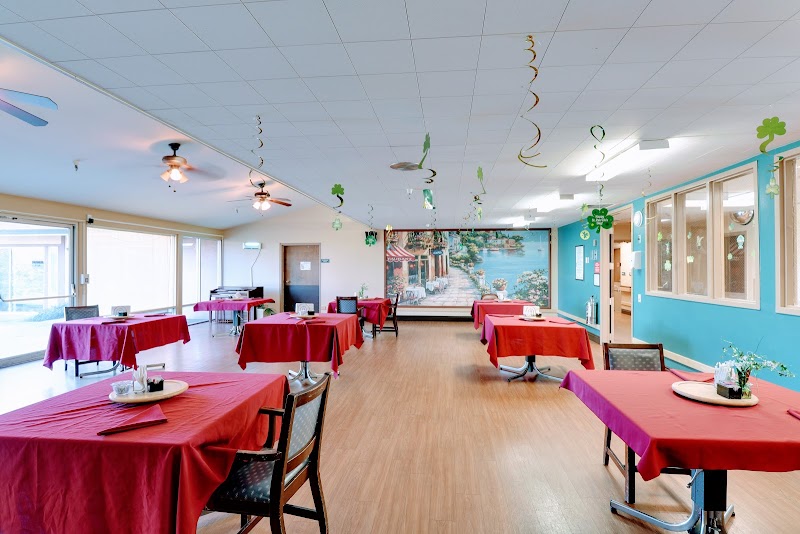
How is Golden Modesto Staffed?

CMS rates GOLDEN MODESTO CARE CENTER's staffing level at 3 out of 5 stars, which is average compared to other nursing homes. Staff turnover is 40%, compared to the California average of 46%. This relatively stable workforce can support continuity of care.

What Have Inspectors Found at Golden Modesto?

State health inspectors documented 77 deficiencies at GOLDEN MODESTO CARE CENTER during 2018 to 2025. These included: 10 that caused actual resident harm, 66 with potential for harm, and 1 minor or isolated issues. Deficiencies causing actual harm indicate documented cases where residents experienced negative health consequences.
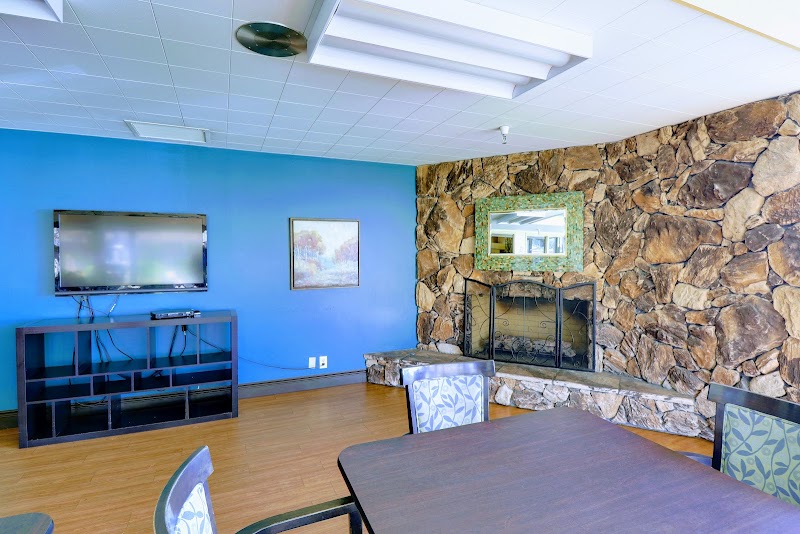
Who Owns and Operates Golden Modesto?

GOLDEN MODESTO CARE CENTER is owned by a for-profit company. For-profit facilities operate as businesses with obligations to shareholders or private owners. The facility is operated by GOLDEN SNF OPERATIONS, a chain that manages multiple nursing homes. With 120 certified beds and approximately 107 residents (about 89% occupancy), it is a mid-sized facility located in MODESTO, California.
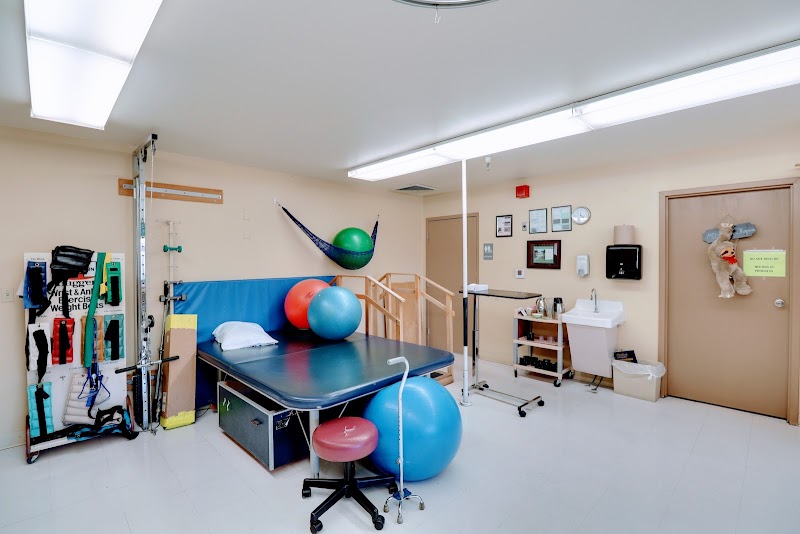
How Does Golden Modesto Compare to Other California Nursing Homes?

Compared to the 100 nursing homes in California, GOLDEN MODESTO CARE CENTER's overall rating (2 stars) is below the state average of 3.1, staff turnover (40%) is near the state average of 46%, and health inspection rating (2 stars) is below the national benchmark.

What Should Families Ask When Visiting Golden Modesto?

Based on this facility's data, families visiting should ask: "Can I visit during a mealtime to observe dining assistance and food quality?" "How do you handle medical emergencies, and what is your hospital transfer rate?" "Can I speak with family members of current residents about their experience?"

Is Golden Modesto Safe?

Based on CMS inspection data, GOLDEN MODESTO CARE CENTER has a clean safety record: no substantiated abuse findings (meaning no confirmed cases of resident harm), no Immediate Jeopardy citations (the most serious violation level indicating risk of serious injury or death), and is not on the Special Focus Facility watch list (a federal program monitoring the lowest-performing 1% of nursing homes). The facility has a 2-star overall rating and ranks #100 of 100 nursing homes in California. While no facility is perfect, families should still ask about staff-to-resident ratios and recent inspection results during their visit.

Do Nurses at Golden Modesto Stick Around?

GOLDEN MODESTO CARE CENTER has a staff turnover rate of 40%, which is about average for California nursing homes (state average: 46%). Moderate turnover is common in nursing homes, but families should still ask about staff tenure and how the facility maintains care continuity when employees leave.

Was Golden Modesto Ever Fined?

GOLDEN MODESTO CARE CENTER has been fined $311,719 across 14 penalty actions. This is 8.6x the California average of $36,196. Fines at this level are uncommon and typically indicate a pattern of serious deficiencies, repeated violations, or failure to correct problems promptly. CMS reserves penalties of this magnitude for facilities that pose significant, documented risk to resident health or safety. Families should request specific documentation of what issues led to these fines and what systemic changes have been implemented.

Is Golden Modesto on Any Federal Watch List?

GOLDEN MODESTO CARE CENTER is not on any federal watch list. The most significant is the Special Focus Facility (SFF) program, which identifies the bottom 1% of nursing homes nationally based on persistent, serious quality problems. Not being on this list means the facility has avoided the pattern of deficiencies that triggers enhanced federal oversight. This is a positive indicator, though families should still review the facility's inspection history directly.