RIVER VIEW POST ACUTE
1611 SCENIC DRIVE, MODESTO, CA 95355 (209) 523-5667
For profit - Limited Liability company 99 Beds KALESTA HEALTHCARE GROUP Data: November 2025
Trust Grade
45/100
#891 of 1155 in CA
Last Inspection: August 2024

Within standard 12-15 month inspection cycle. Federal law requires annual inspections.

Overview

River View Post Acute in Modesto, California has a Trust Grade of D, indicating below-average performance and some concerns that families should be aware of. The facility ranks #891 out of 1155 in California, placing it in the bottom half of nursing homes in the state, and #14 out of 17 in Stanislaus County, meaning only a few local options are rated higher. While the facility is improving, with issues decreasing from 22 in 2024 to 9 in 2025, it still reported a total of 70 issues, including a serious incident where a resident fell and sustained fractures due to unsafe transportation practices. Staffing is average, with a turnover rate of 44%, while no fines have been issued, which is a positive sign. However, there are concerns regarding food safety and nutrition oversight, as a dietary manager was not employed, potentially compromising the health of residents receiving meals from the kitchen.

Trust Score
D
45/100
In California
#891/1155
Bottom 23%
Safety Record
Moderate
Needs review
Inspections
Getting Better
22 → 9 violations
Staff Stability
○ Average
44% turnover. Near California's 48% average. Typical for the industry.
Penalties
✓ Good
No fines on record. Clean compliance history, better than most California facilities.
Skilled Nurses
⚠ Watch
Each resident gets only 27 minutes of Registered Nurse (RN) attention daily — below average for California. Fewer RN minutes means fewer trained eyes watching for problems.
Violations
⚠ Watch
70 deficiencies on record. Higher than average. Multiple issues found across inspections.
★★☆☆☆
2.0
Overall Rating
★★★☆☆
3.0
Staff Levels
★★★★☆
4.0
Care Quality
★★☆☆☆
2.0
Inspection Score
Stable
2024: 22 issues
2025: 9 issues

The Good

  • 4-Star Quality Measures · Strong clinical quality outcomes
  • Full Sprinkler Coverage · Fire safety systems throughout facility
  • No fines on record
  • Staff turnover below average (44%)

    4 points below California average of 48%

Facility shows strength in quality measures, fire safety.

The Bad

2-Star Overall Rating

Below California average (3.1)

Below average - review inspection findings carefully

Staff Turnover: 44%

Near California avg (46%)

Typical for the industry

Chain: KALESTA HEALTHCARE GROUP

Part of a multi-facility chain

Ask about local staffing decisions and management

The Ugly 70 deficiencies on record

1 actual harm
Sept 2025 2 deficiencies
CONCERN (D) 📢 Someone Reported This

A family member, employee, or ombudsman was alarmed enough to file a formal complaint

Potential for Harm - no one hurt, but risky conditions existed

Deficiency F0558 (Tag F0558)

Could have caused harm · This affected 1 resident

Based on interview and record review, the facility failed to ensure a reasonable accommodation of needs were honored for one of four sampled residents (Resident 2) when the facility did not have a mec...

Read full inspector narrative →
Based on interview and record review, the facility failed to ensure a reasonable accommodation of needs were honored for one of four sampled residents (Resident 2) when the facility did not have a mechanical lift sling (soft fabric padded sling that wraps around the body and attaches to a mechanical lift to assist in a transfer from one location to another) available to transfer Resident 2 out of bed.This failure caused Resident 2 to not attend the activities of her choice and had the potential to negatively impact Resident 2's quality of life and psychosocial well-being.A review of Resident 2's admission RECORD, indicated, she was admitted to the facility in mid 2022.A review of Resident 2's clinical document titled, Care Plan Report, initiated, 7/4/22, indicated, .The resident has an ADL [Activities of Daily Living, personal care tasks which include bathing, dressing, eating, and transferring in and out of bed] self-care deficit.TRANSFER: Mechanical Lift and (X2) [two] staff for transferring.During an interview on 9/2/25, at 9:46 AM, with Family Friend (FF) 1, FF 1 stated Resident 2 had asked to attend morning activities on several days, including 8/18/25, and staff had not honored the request to get her out of bed.A review of the facility activity calendar for September 2025, indicated, morning activities were scheduled for 9 AM, 9:30 AM, 10 AM ,and 11:45 AM daily.A review of Resident 2's clinical documentation of care provided, titled, .Task.CHAIR/BED-TO CHAIR TRANSFER. indicated, Resident 2 was transferred out of bed on the dates and times as follows:8/6/25 at 12:02 PM8/11/25 at 6:29 PM8/15/25 at 2:34 PM8/18/25 at 12:26 PM8/20/25 at 2:10 PM8/24/25 at 1:41 PM8/27/25 at 3:42 PM8/28/25 at 2:34 PM8/29/25 at 6:14 PMDuring an interview on 9/3/25, at 10 AM, with certified nurse assistant (CNA) 2, CNA 2 stated there were three to four mechanical lifts in the facility and occasionally it was hard to find a lift or sling for transferring residents. CNA 2 further stated uncharged lift batteries and a lack of slings sometimes delayed resident care, causing Resident 2 to miss scheduled activities.During an interview on 9/3/25, at 11:26 AM, in the circle dining area, with Resident 2, Resident 2 stated she had planned to attend activities yesterday and was told there were not enough slings. Resident 2 further stated due to a shortage of regular slings she was required to use a shower sling (a sling made of mesh for easy access to skin during bathing) which irritated her skin, in order to get out of bed today.During an interview on 9/3/25, at 12:29 PM, with CNA 2, CNA 2 confirmed there were no slings available on 9/2/25, during the am shift (6 am - 6:30 PM) to transfer Resident 2 out of bed. During an interview on 9/3/25, at 12:43 PM, with the Director of Nurses (DON), the DON stated the facility should have the equipment available to meet Resident 2's needs. The DON further stated Resident 2's psychosocial well-being could be negatively affected if she was unable to attend activity programs.A review of a facility policy titled, Resident Self Determination and Participation, revised 8/2022, indicated, .Our facility respects and promotes the right of each resident to exercise his or her autonomy regarding what the resident considers to be important facets of his or her life.Each resident is allowed to choose activities.that are consistent with his or her interests, values, assessments and plans of care, including.daily routine.activities.residents are provided assistance as needed to engage in their preferred activities on a routine basis.A review of a facility policy titled, Dignity, revised 2021, indicated, .Each resident shall be cared for in a manner that promotes and enhances his or her sense of well-being, level of satisfaction with life, and feelings of self-worth and self-esteem.When assisting with care, residents are supported in exercising their rights. For example, residents are.encouraged to attend the activities of their choice.
CONCERN (D) 📢 Someone Reported This

A family member, employee, or ombudsman was alarmed enough to file a formal complaint

Potential for Harm - no one hurt, but risky conditions existed

Report Alleged Abuse (Tag F0609)

Could have caused harm · This affected 1 resident

Based on observation, interview, and record review, the facility failed to ensure an allegation of abuse was reported to the Department timely for one of three sampled residents (Resident 1) when Resi...

Read full inspector narrative →
Based on observation, interview, and record review, the facility failed to ensure an allegation of abuse was reported to the Department timely for one of three sampled residents (Resident 1) when Resident 1 alleged certified nursing assistant (CNA) 3 forcefully grabbed her legs on 8/2/25 but the incident was not reported to the Department until 8/7/25. This failure resulted in a delay in the abuse investigation process and decreased the facility's potential to protect Resident 1 and other residents in the facility from physical and psychosocial harm.A review of Resident 1's admission RECORD, indicated, she was admitted to the facility in late 2024 with diagnoses which included bipolar disorder (a mental health condition that causes changes in a person mood, energy, and ability to function). A review of Resident 1's minimum data set (MDS, a federally mandated resident assessment and screening tool which identifies care needs) dated 7/29/25, indicated, .Section C-Cognitive Patterns. Brief Interview for Mental Status (BIMS) [a tool used to screen for cognitive impairment]. indicated, a score of 14 points which suggested cognition/thinking/decision making was intact. A review of Resident 1's clinical document, written by the Administrator in Training (AIT), titled, Progress Notes, dated 8/7/25, at 5 PM, indicated, .At around 4:30pm, resident informed writer that a CNA had hurt her legs over a week ago and was concerned why the same CNA was scheduled to work the night shift with her again.[Resident 1] explained.the saturday [sic] before (on the evening of 7/26/25).CNA, forcefully grabbed her behind the ankles and squeezed while trying to drag her off the bed. She was very upset and crying at this time.A review of Resident 1's clinical document, written by the AIT, titled, Progress Notes, dated 8/7/25, at 10:41 PM, indicated, .when resident was interviewed by officer [police].she added to her report that the CNA started the altercation by throwing her resident's arms around before grabbing her legs. She [Resident 1] also stated that she is starting to believe that it could have been last Saturday (8/2/25).During a telephone interview on 9/3/25, at 7:34 AM, with licensed nurse (LN) 2, LN 2 stated, on 8/2/25, Resident 1 reported CNA 3 grabbed her by the ankles and pulled on her. LN 2 further stated she assessed Resident 1's ankles and no redness or marks were observed.During an interview on 9/3/25, at 9:05 AM, in Resident 1's room, Resident 1 stated when she had needed help to go to the bathroom CNA 3 flung her arms over and then grabbed her by the back of the ankles and squeezed hard. Resident 1 stated CNA 3 caused her pain and made bruises like finger marks on her left ankle. During a telephone interview on 9/3/25, at 10:39 AM, with LN 4, LN 4 stated the incident with Resident 1 occurred on Saturday 8/2/25, at approximately 6 PM. LN 4 further stated CNA 3 had reported that Resident 1 was angry and asked LN 4 to check on her. LN 4 stated Resident 1 was agitated when they went to check on her and asked LN 4 and CNA 3 to leave her room. LN 4 stated she had assumed the other nurse (LN 2) would document the incident. LN 4 further stated after the incident happened, training on abuse reporting was conducted and now she understood the reporting process and what should have been done because it was a serious issue. During a telephone interview on 9/3/25, at 10:48 AM, with LN 2, LN 2 confirmed she had not documented or reported Resident 1's allegation of abuse, but she should have. LN 2 further stated she should have made sure the allegation was documented and reported for the safety of Resident 1, the facility, and everyone.During an interview on 9/3/25 at 12:11 PM, the AIT confirmed two LN's and CNA 3 were aware of Resident 1's allegations of abuse on 8/2/25, but the incident did not come to his attention until 8/7/25. The AIT confirmed because he did not learn about the incident until five days later, the report to the Department was delayed.During an interview on 9/3/25, at 2:54 PM, with the Director of Nurses (DON), the DON stated it was her expectation that allegations of abuse would be reported to the Department within two hours of the occurrence. The DON further stated it was important to report abuse for the safety of the residents.A review of a facility policy titled, Abuse, Neglect, Exploitation or Misappropriation-Reporting and Investigating, revised 9/22, indicated, .If resident abuse.is suspected, the suspicion must be reported immediately to the administrator and to other officials according to state law.Immediately is defined as.within two hours of an allegation involving abuse.or within 24 hours of an allegation that does not involve abuse.
Jul 2025 2 deficiencies
CONCERN (D) 📢 Someone Reported This

A family member, employee, or ombudsman was alarmed enough to file a formal complaint

Potential for Harm - no one hurt, but risky conditions existed

Deficiency F0552 (Tag F0552)

Could have caused harm · This affected 1 resident

Based on interview and record review, the facility failed to ensure appropriate notification was provided for one of four sampled residents (Resident 1) when, Resident 1's responsible party (RP, healt...

Read full inspector narrative →
Based on interview and record review, the facility failed to ensure appropriate notification was provided for one of four sampled residents (Resident 1) when, Resident 1's responsible party (RP, health care decision maker) was not informed of Resident 1's allegation of abuse.This failure had the potential to affect the ability of the RP to be informed of and participate in Resident 1's plan of care.Findings:A review of Resident 1's admission RECORD, indicated, she was admitted to the facility with diagnoses which included schizophrenia (a serious mental illness that affects how a person thinks, feels, and behaves).A review of Resident 1's clinical document titled, Progress Notes, dated 7/21/25, at 1:43 PM, indicated, .DON [director of nurses] NOTE.Report received that resident claimed she was hit on the head early this morning. Resident stated that around 2 AM, a tall man hit him with a stick.stated I have lumps and bumps up here on my head.A review of Resident 1' s clinical document titled, Care Plan Report, initiated 7/21/25, indicated, .The resident has a potential psychosocial well-being problem r/t [related to] claim of someone hitting my head.Goal .The resident will have no psychosocial well being problem.Interventions.Increase communication between resident/family/caregivers.During a concurrent interview and record review on 7/30/25, at 2:31 PM, with the DON, the DON confirmed there was no documentation in Resident 1's clinical record to indicate the RP had been informed of the allegation of abuse and there should have been. The DON stated it was important to inform the RP and to keep them updated on what was happening with the resident.A review of a facility policy titled, Abuse, Neglect, Exploitation or Misappropriation-Reporting and Investigating, dated 9/22, indicated, .All reports of resident abuse.are reported.and thoroughly investigated.The administrator or the individual making the allegation immediately reports his or her suspicion to.The resident's representative.the resident and/or representative are notified of the outcome immediately upon conclusion of the investigation.
CONCERN (D) 📢 Someone Reported This

A family member, employee, or ombudsman was alarmed enough to file a formal complaint

Potential for Harm - no one hurt, but risky conditions existed

Comprehensive Care Plan (Tag F0656)

Could have caused harm · This affected 1 resident

Based on interview and record review, the facility failed to ensure care plan interventions were implemented for two out of three sampled residents (Resident 1 and Resident 2) when, Resident 1 and Res...

Read full inspector narrative →
Based on interview and record review, the facility failed to ensure care plan interventions were implemented for two out of three sampled residents (Resident 1 and Resident 2) when, Resident 1 and Resident 2's care plan intervention of alert charting (documentation of assessments completed after an incident occurs to monitor for negative affects to health or well-being) was not completed for Resident 1 after an allegation of abuse was made and for Resident 2 after a verbal altercation occurred.This failure had the potential for Resident 1 and Resident 2 to have unassessed care needs that could negatively impact their health and well-being.Findings:A review of Resident 1's admission RECORD, indicated, she was admitted to the facility with diagnoses which included schizophrenia (a serious mental illness that affects how a person thinks, feels, and behaves).A review of Resident 1's clinical document titled, Progress Notes, dated 7/21/25, at 1:43 PM, indicated, .DON [director of nurses] NOTE.Report received that resident claimed she was hit on the head early this morning. Resident stated that around 2 AM, a tall man hit him with a stick.stated I have lumps and bumps up here on my head.A review of Resident 1' s clinical document titled, Care Plan Report, initiated 7/21/25, indicated, .The resident has a potential psychosocial well-being problem r/t [related to] claim of someone hitting my head.Goal .The resident will have no indications of psychosocial well being problem.Interventions.Alert charting x 72 hours for possible psychosocial effect of reported incident.A review of Resident 1's clinical document titled, Order Audit Report, dated 7/21/25, indicated, .Alert Charting x 72 hours for report of alleged physical harm.During a concurrent interview and record review on 7/30/25, at 2:14 PM, the DON confirmed alert charting was not completed by the licensed nurse's for Resident 1 on 7/22/25 and 7/23/25 and it should have been.A review of Resident 2's clinical document titled, Progress Notes, dated 7/19/25, at 6 PM, indicated, .Around 1710 [5:10 PM] [Resident 3] was observed sitting in W/C [wheelchair] in the hallway.yelling and mentioning name of [Resident 2] with inappropriate names. Then [Resident 2] .responded back by yelling similar offensive language.Educated staff to monitor both patients for any behaviors.A review of Resident 2' s clinical document titled, Care Plan Report, initiated 7/21/25, indicated, .Potential impaired Social Interaction r/t [related to] verbal altercation.Goal.Will not have any adverse psychosocial effect r/t verbal altercation.Interventions.Alert Charting per nursing x 72 hours for psychosocial effect.A review of Resident 2's clinical document titled, Order Audit Report, dated 7/21/25, indicated, .Alert Charting x 72 hours r/t verbal altercation.During a concurrent interview and record review on 7/30/25, at 2:14 PM, the DON confirmed there was no alert charting by the licensed nurse's in Resident 2's clinical record for 7/21/25 and 7/23/25 and there should have been. The DON further stated the documentation should have been completed for both Resident 1 and Resident 2 to make sure they did not have delayed adverse effects from the incidents.A review of a facility policy titled, Resident-to -Resident Altercations, dated 9/22, the policy indicated, .All altercations, shall be .investigated.document the occurrence and subsequent care in the residents clinical record every shift along with new interventions and their effectiveness for no less than 72 hours.
Jun 2025 2 deficiencies
CONCERN (D) 📢 Someone Reported This

A family member, employee, or ombudsman was alarmed enough to file a formal complaint

Potential for Harm - no one hurt, but risky conditions existed

Safe Environment (Tag F0584)

Could have caused harm · This affected 1 resident

Based on observation, interview, and record review, the facility failed to provide a safe and comfortable homelike environment for two of seven sampled residents (Resident 6 and Resident 7) when:1. Re...

Read full inspector narrative →
Based on observation, interview, and record review, the facility failed to provide a safe and comfortable homelike environment for two of seven sampled residents (Resident 6 and Resident 7) when:1. Resident 6 and Resident 7 requested their room doors be kept closed due to the disruptive behavior of another resident (Resident 3) in the hallway outside of their rooms; and2. Resident 7 did not stay in the activities room for activities due to another Resident (Resident 3) yelling and cussing at everyone. These failures removed Resident 6 and Resident 7's right to a dignified homelike environment, with the potential to result in a negative psychosocial outcome.Findings:A review of Resident 3's admission Record indicated Resident 3 was admitted to the facility with diagnoses which included bipolar disorder (a serious mental illness that causes unusual shifts in mood, ranging from extreme highs (mania or manic episodes) to extreme lows (depression or depressive episode).A review of Resident 6's admission Record indicated Resident 6 was admitted to the facility with diagnoses which included depression.A review of Resident 7's admission Record indicated Resident 7 was admitted to the facility with diagnoses which included depression.During an interview on 6/12/25, at 11:54 a.m., Resident 6 stated Resident 3 was crazy and liked his room door to be kept closed.During an interview on 6/12/25, at 11:54 a.m., Resident 7 stated he kept his room door closed because of Resident 3. Resident 7 stated he had seen Resident 3 wandering in the hallway outside his room and cussing at everyone. Resident 7 stated he had turned around from the activities room and went back to his room because Resident 3 was cussing and yelling at everyone in the activities room. Resident 7 stated he was not able to do activities in the activities room with Resident 3 present. Resident 7 further stated he did not like it when Resident 3 cussed and yelled at someone and wanted the cussing and yelling to stop.During an interview on 6/12/25, at 12:39 p.m., Certified Nurse Assistant (CNA) 1 stated Resident 3 had cussed and yelled at residents in the hallway. CNA 1 further stated she felt bad for the residents that Resident 3 had cussed and yelled at. CNA 1 stated Resident 6 had asked for his room door to be kept closed because it was too noisy outside his room due to Resident 3's disruptive behavior.During an interview on 6/12/25, at 1:10 p.m., CNA 2 stated Resident 3 was aggressive and Resident 3 had cussed at another resident in the hallway. CNA 2 further stated it was not good, and she felt sad when Resident 3 cussed at other residents. CNA 2 stated the other residents should not have been treated like that. CNA 2 stated Resident 7 had asked for his room door to be kept closed due to Resident 3's disruptive behavior.During an interview on 6/12/25, at 1:39 p.m., CNA 3 stated Resident 3 had screamed at other residents in the hallway. CNA 3 confirmed Resident 6 and Resident 7 had asked for their room doors to be kept closed because it was too loud outside their rooms due to Resident 3's disruptive behavior. During an interview on 6/12/25, at 2:31 p.m., Licensed Nurse (LN) 1 stated, Resident 3 had yelled at residents. LN 1 stated she had told Resident 3 it was not ok for her to yell at other residents. LN 1 further stated she felt it made other residents feel uncomfortable and unsafe when Resident 3 yelled and cussed at them.During an interview on 6/12/25, at 4:52 p.m., the Director of Nursing (DON) stated screaming at another resident was considered to be a verbal altercation and it could cause psychosocial and emotional stress to the other resident. The DON further stated Resident 3 had a raised tone to her voice at times depending on her bad days.During an interview on 6/16/25, at 8:13 a.m., LN 2 stated Resident 3 yelled and cussed at other residents. LN 2 stated it was not the other resident's fault. LN 2 further stated she felt irritated when she saw Resident 3 yell and cuss at other residents.Review of Resident 3's Care Plan, initiated on 8/2/24, indicated, .Goal: .will not become aggressive with other residents during activities.Review of Resident 3's Care Plan, initiated on 1/23/23, indicated, .Focus.has behaviors that impact others.sudden and abrupt episodes of verbal and or physical aggression towards others without precursors [warning].Review of Resident 3's Progress Note, dated 12/18/24, indicated, .resident was yelling at other residents for no apparent reason when in the hallway at 10:45 AM.Review of Resident 3's Progress Note, dated 12/17/24, indicated, .yelling at staff and other residents when pacing hallway at 0852 [8:52 a.m.] .A review of a facility policy and procedure (P&P) titled Homelike Environment, revised 2/21, the document indicated, .Residents are provided with a safe, clean, comfortable and homelike environment . 2. The facility staff and management maximizes, to the extent possible, the characteristics of the facility that reflect a personalized, homelike setting. These characteristics include: .i. comfortable sound levels.
CONCERN (D) 📢 Someone Reported This

A family member, employee, or ombudsman was alarmed enough to file a formal complaint

Potential for Harm - no one hurt, but risky conditions existed

Accident Prevention (Tag F0689)

Could have caused harm · This affected 1 resident

Based on interview and record review, the facility failed to provide a safe environment and adequate supervision for one of seven sampled residents (Resident 1) when Resident 1 fell from her wheelchai...

Read full inspector narrative →
Based on interview and record review, the facility failed to provide a safe environment and adequate supervision for one of seven sampled residents (Resident 1) when Resident 1 fell from her wheelchair in the facility's smoking area, unsupervised, at 12:25 a.m. on 12/11/25. This failure resulted in a broken nasal bone (broken nose), a nosebleed, and subarachnoid hemorrhage (bleeding in the area between the brain and the thin tissues that cover and protect it) for Resident 1.Findings:A review of Resident 1's admission Record indicated Resident 1 was admitted to the facility with diagnoses which included muscle weakness and osteoarthritis (a degenerative joint disease in which the tissues in the joint break down over time).During an interview on 6/12/25, at 10:15 a.m., Resident 1 stated, . my nose got hurt, there was blood on my nose, my nose broke. I was outside in the smoking area. I was sitting on my wheelchair.I think I fell. I was trying to have a cigarette.During an interview on 6/12/25, at 12:39 p.m., Certified Nurse Assistant (CNA) 1 stated Resident 1 used to be a smoker. CNA 1 further stated the expectation was to have a staff always present when a resident smoked in the smoking area.During an interview on 6/12/25, at 12:39 p.m., CNA 2 stated Resident 1 had tried to get out of her wheelchair in the past. CNA 2 further stated, staff were expected to keep an eye on Resident 1, to prevent Resident 1 from falling. CNA 2 stated Resident 1 should not have been alone outside.During an interview on 6/12/25, at 2:31 p.m., Licensed Nurse (LN) 1 stated Resident 1 had tried to go outside on her own before. LN 1 stated she had reminded Resident 1 not to go outside on her own as she could fall. LN 1 stated Resident 1 should have been supervised when she went outside.During an interview on 6/12/25, at 4:52 p.m., the Director of Nursing (DON) stated Resident 1 had an unwitnessed fall approximately twenty-five minutes after midnight. The DON further stated Resident 1 should not have been alone. The DON stated accidents like falls could happen when residents were left alone.During an interview on 6/16/25, at 8:13 a.m., LN 2 stated Resident 1 had tried to elope (leave the facility without informing anyone) in the past and staff had to keep an eye on Resident 1. LN 2 stated, Resident 1 should not have been left alone in the smoking area. LN 2 stated Residents could fall when they were left alone. LN 2 further stated Resident 1 had wheeled her wheelchair past the nurse's station and went outside into the smoking area without anybody seeing her. LN 2 stated the door to the smoking area was not locked and there was no active alarm when the door was opened. LN 2 stated she heard Resident 1 cry for help and when she went outside to the smoking area, she found Resident 1 on the ground in front of her wheelchair. LN 2 stated Resident 1 was alone in the smoking area. LN 2 stated Resident 1 had blood on her forehead and on her face. LN 2 stated Resident 1 stated she was trying to reach for something on the ground. LN 2 stated the door to the smoking area was left unlocked at night as staff used the same area to smoke and use the vending machine.During an interview on 6/16/25, at 11:02 a.m., Resident 1's Responsible Party (RP) stated Resident 1 had swelling that blocked both her eyes and she had a broken nose as a result of the fall. The RP stated it would have been nice if someone was with Resident 1 since Resident 1 had safety and mobility concerns. The RP stated the fall would not have happened if a staff was there to help Resident 1 pick the stuff up from the ground that she was trying to get. During an interview on 6/17/25, at 3:24 p.m., the Assistant Maintenance Director (AMD) stated the door to the smoking area had always been left unlocked from inside the facility and the alarm was inactive. The AMD stated staff used the smoking area to smoke. The AMD further stated the expectation was to have nurses keep an eye on residents to prevent residents from falling and getting hurt. The AMD stated he had reviewed the camera when Resident 1 fell. The AMD stated the video showed Resident 1 was alone in the smoking area and she was trying to reach for something on the ground when she fell.Review of Resident 1's Progress Note, dated 12/11/24, at 1:15 a.m., indicated, .resident had an unwitnessed fall. Resident went outside to back patio and fell to the floor from her wheelchair and landed on her face. Possible nose fracture and scraped left knee.Review of Resident 1's Progress Note, dated 12/11/24, at 6:43 a.m., indicated, .patient being sent to [hospital name] for unwitnessed fall on 12/11/24. per ER [emergency room] RN [registered nurse] patient has broken nose that has packing to one side and minimal subarachnoid hemorrhage.Review of Resident 1's Progress Note, dated 12/11/24, at 11:04 a.m., indicated, .pt is noted to have purplish discoloration to right side of face and eye related to fall.Review of Resident 1's IDT NOTE, dated 12/11/24, at 12:41 p.m., indicated, .Resident was found on the patio floor. Resident noted with a bloody nose and scraped left knee. Per resident, she was wanting to smoke, was reaching for item on ground and fell out of wheelchair.Review of Resident 1's (hospital name) visit summary dated 12/11/24 at 1:06 a.m., indicated, .Patient Diagnosis.1. Fall, 2. Nasal bone fracture, 3. Epistaxis [nosebleed] .fracture of nasal bone, subarachnoid hemorrhage.Review of Resident 1's Procedure of CT (a computerized tomography scan, a type of imaging that uses a form of electromagnetic radiation techniques to create detailed images of the body) Head or Brain W/O Contrast (without substances often injected through a vein using a needle that help visualize certain tissues and structures more clearly in medical images) , dated 12/11/24 at 2:12 a.m., indicated, . Findings: Brain: In the left .lobe there is a small focus .suspicious for a small amount of subarachnoid hemorrhage.Review of Resident 1's Procedure of CT Maxillofacial (jaw and face) W/O Contrast, dated 12/11/24 at 2:15 a.m., indicated, .Findings: Bones .nasal bone fracture.Review of Resident 1's Care Plan, initiated on 8/14/24, indicated, .Goals.will be able to participate in safe smoking practices.Review of Resident 1's Care Plan, initiated on 8/15/24, indicated, .Focus.Resident is able to smoke independently with supervision.Goal - Resident will not suffer injury from unsafe smoking practices.Interventions.Supervise smoke break according to smoke schedule.Review of Resident 1's Care Plan, initiated on 7/26/23, indicated, .Focus.The resident is at risk for falls.Goal.The resident will not sustain serious injury.Interventions.Anticipate and meet the resident's needs.A review of a facility policy and procedure (P&P) titled Smoking Policy - Residents, revised 8/22, indicated, .Any resident with smoking privileges requiring monitoring shall have the direct supervision of a staff member, family member, visitor or volunteer worker at all times while smoking.2.residents are permitted to use e-cigarettes with supervision and in designated smoking area only.A review of a facility P&P titled Falls and Fall Risk, Managing, revised 3/18, indicated, .staff will identify interventions related to the resident's specific risks and causes to try to prevent resident from falling.
Apr 2025 3 deficiencies
CONCERN (D) 📢 Someone Reported This

A family member, employee, or ombudsman was alarmed enough to file a formal complaint

Potential for Harm - no one hurt, but risky conditions existed

Resident Rights (Tag F0550)

Could have caused harm · This affected 1 resident

Based on interview and record review the facility failed to protect the rights of one of three residents (Resident 1) when Resident 1 was not provided routine showers. This failure caused Resident 1 t...

Read full inspector narrative →
Based on interview and record review the facility failed to protect the rights of one of three residents (Resident 1) when Resident 1 was not provided routine showers. This failure caused Resident 1 to feel upset with not having his care needs met and had the potential to negatively impact his psychosocial well -being. Findings: A review of Resident 1 ' s admission RECORD, indicated, he was admitted to the facility in early 2024 with diagnoses which included muscle weakness. A review of Resident 1 ' s Brief Interview for Mental Status (BIMS) Evaluation, (a tool used to screen for cognitive impairment) indicated, a score of 15, 13-15 points: Intact cognitive response. A review of Resident 1 ' s Minimum Data Set (MDS, a federally mandated resident assessment and screening tool which identifies care needs) Section GG-Functional Abilities Self -Care Shower/bathe self: The ability to bathe self, including washing, rinsing, and drying self. The area was coded 03. Mobility Tub/shower transfer: The ability to get in and out of a tub/shower. The area was coded 02. The legend indicated, Coding 03. Partial/moderate assistance- Helper does LESS THAN HALF the effort. Helper lifts or holds trunk or limbs and provides less than half the effort .02. Substantial/maximal assistance- Helper does MORE THAN HALF the effort. Helper lifts or holds trunk or limbs and provides more than half the effort. During an interview on 4/25/25, at 2:07 PM, Resident 1 stated he was scheduled to receive showers on Tuesday and Fridays and did not. Resident 1 pointed to a container of disposable wipes on his bedside table and stated he wiped himself with those since he was not offered showers. Resident 1 stated he never refused showers. Resident 1 further stated staff declined to provide him a shower on non-scheduled days because it wasn ' t his shower day. A review of a facility document titled, Resident shower schedule, revised 7/17/24, indicated, Tuesday/Friday night shift [6 PM-6 AM] staff were assigned to provide Resident 1 ' s showers. A review of Resident 1 ' s Certified Nurse Assistant (CNA) documentation titled, Task: Did the resident receive a bath or shower? contained the headings: Shower- Bed Bath-Resident not Available-Resident Refused-Not Applicable. The document indicated: 4/8/25-not applicable for 4/15/25 there was no documentation, and 4/22/25 bed bath. During a concurrent interview and record review on 4/25/25, at 2:32 PM, the Director of Staff Development (DSD) confirmed the CNA documentation did not indicate Resident 1 received a shower on 4/8/25, 4/15/25, and 4/22/25. The DSD stated Resident 1 had the right to have showers twice weekly. The DSD further stated there was the potential for Resident 1 to have skin breakdown if he did not receive showers. During an interview on 4/29/25, at 3:22 PM, CNA 4 stated he documented incorrectly when he indicated non-applicable for Resident 1 ' s shower on 4/8/25. CNA 4 further stated Resident 1 preferred a female CNA and would decline when CNA 4 offered him a shower. CNA 4 stated he had reported Resident 1 ' s request for a female CNA to the licensed nurse several times. During an interview on 4/30/25, at 8:50 AM, Licensed Nurse (LN) 2 stated if Resident 1 preferred female staff instead of male staff to perform his showers, the assignment should have been changed to accommodate his needs and make him more comfortable. During an interview on 4/30/25, at 9:45 AM, the ADM verified Resident 1 did not have a care plan to indicate his shower preferences or any special accommodations. The ADM stated Resident 1 ' s shower preferences should have been accommodated to meet his needs. A review of a facility policy titled, Dignity, dated 2/2021, indicated, Each resident shall be cared for in a manner that promotes and enhances his or her sense of well-being, level of satisfaction with life, and feelings of self-worth and self-esteem. The facility culture supports dignity and respect for residents by honoring resident goals, choices, preferences, values and beliefs. When assisting with care, residents are supported in exercising their rights allowed to choose when to sleep, eat and conduct activities of daily living [ ADLs, activities related to personal care, ex. showering] A review of a facility job description titled, Certified Nurse Assistant (CNA), dated 3/1/14, indicated, Provide care in a manner that protects and promotes resident rights, dignity, self-determination and active participation. Offer and respect resident choices in matters of daily routine. Demonstrate knowledge of, respect for, the rights, dignity and individuality of each resident in all interactions.
CONCERN (D) 📢 Someone Reported This

A family member, employee, or ombudsman was alarmed enough to file a formal complaint

Potential for Harm - no one hurt, but risky conditions existed

Safe Environment (Tag F0584)

Could have caused harm · This affected 1 resident

Based on observation and interview the facility failed to maintain a safe, clean, comfortable, sanitary and homelike environment for the two unsampled residents (Resident 4 and Resident 5) who shared ...

Read full inspector narrative →
Based on observation and interview the facility failed to maintain a safe, clean, comfortable, sanitary and homelike environment for the two unsampled residents (Resident 4 and Resident 5) who shared a bathroom, when their toilet seat was contaminated with residue from a bowel movement (BM). This failure created an unsanitary environment and placed the residents at risk of injury and/or infection. Findings. During an observation on 4/25/25, at 10:24 AM, in the bathroom between Resident 4 and Resident 5 ' s rooms, a clump of brown bowel movement was observed smeared on the toilet seat. During an observation on 4/25/25, at 11:05 AM, housekeeper (HSK) 1 was observed mopping the floor of Resident 4 ' s room. During a concurrent observation and interview on 4/25/25, at 12:04 PM, Housekeeper (HSK) 1 confirmed the toilet in the bathroom shared by Resident 4 and Resident 5 contained smeared BM and there was urine in the toilet bowl. HSK 1 stated she cleaned Resident 4 ' s room earlier in her shift but had not cleaned the bathroom. HSK 1 stated she had planned on cleaning the bathroom later in her shift. During an interview on 4/25/25, at 2:32 PM, the Director of Staff Development (DSD) stated, the toilet in the bathroom shared by Resident 4 and Resident 5 should not have been left soiled. The DSD further stated the toilet should have been cleaned to prevent injury or transmission of infection to the residents who used the bathroom. A review of a facility policy titled, Homelike Environment, revised 2/21, indicated, Residents are provided with a safe, clean, comfortable and homelike environment. The facility staff and management maximizes, to the extent possible, the characteristics of the facility that reflect a personalized, homelike setting. These characteristics include clean, sanitary, and orderly environment. A review of a facility policy titled, Policies and Practices-Infection Control, revised 10/18, indicated, This facilities infection control policies and practices are intended to facilitate maintaining safe, sanitary and comfortable environment and to help prevent and manage transmission of diseases and infections.
CONCERN (D) 📢 Someone Reported This

A family member, employee, or ombudsman was alarmed enough to file a formal complaint

Potential for Harm - no one hurt, but risky conditions existed

Accident Prevention (Tag F0689)

Could have caused harm · This affected 1 resident

Based on observation and interview the facility failed to provide a safe and hazard free environment for one of three sampled residents (Resident 2) when wheelchairs, a recliner, and an overbed table ...

Read full inspector narrative →
Based on observation and interview the facility failed to provide a safe and hazard free environment for one of three sampled residents (Resident 2) when wheelchairs, a recliner, and an overbed table were stored in Resident 2 ' s bedroom. These failures had the potential to obstruct Resident 2 ' s access to his room, personal belongings, and created a potential risk of fall or injury to Resident 2. Findings: A review of Resident 2 ' s admission RECORD, indicated, he was admitted to the facility in early 2023 with diagnoses which included repeated falls. A review of Resident 2 ' s care plan, revised 12/16/24, indicated, [Resident 2] is at risk for falls r/t [related to] poor safety awareness. If Resident is a fall risk, initiate fall risk precautions. During a concurrent observation and interview on 4/25/25, at 11:34 AM, three standard wheelchairs, one high back wheelchair, an overbed table, and a reclining medical chair were observed inside Resident 2 ' s room on the side closest to the door. Resident 2 ' s bed and belongings were observed on the opposite side of the room. Resident 2 stated the items had been there for a few days to get them out of the hallway. During an observation and interview on 4/25/25, at 2:32 PM, the Director of Staff Development (DSD) confirmed the wheelchairs, and other items should not be stored in Resident 2 ' s room. The DSD stated the items could create a trip or fall hazard for Resident 2. A review of a facility policy titled Safety and Supervision of Residents, dated 4/21, indicated, Our facility strives to make the environment as free from accident hazards as possible. The facility- oriented and resident-oriented approaches to safety are used together to implement a systems approach to safety, which consists of hazards identified in the environment and individual resident risk factors. A review of a facility policy titled, Homelike Environment, revised 2/21, indicated, , Residents are provided with a safe, clean, comfortable and homelike environment. The facility staff and management maximizes, to the extent possible, the characteristics of the facility that reflect a personalized, homelike setting. These characteristics include clean, sanitary, and orderly environment.
Dec 2024 1 deficiency
CONCERN (E) 📢 Someone Reported This

A family member, employee, or ombudsman was alarmed enough to file a formal complaint

Potential for Harm - no one hurt, but risky conditions existed

Infection Control (Tag F0880)

Could have caused harm · This affected multiple residents

Based on observation, interview, and record review, the facility failed to maintain infection prevention and control practices for a census of 91 residents when: Urinals (a urine collection container)...

Read full inspector narrative →
Based on observation, interview, and record review, the facility failed to maintain infection prevention and control practices for a census of 91 residents when: Urinals (a urine collection container), wash basins, kidney basins (used for tooth brushing), personal grooming items, and bedpans (a container to collect stool and/or urine for a person while in bed), were not labeled and stored in a sanitary manner. This failure increased the risk of infectious diseases to spread for residents in the facility. Findings: During an observation of a shared bathroom on 12/12/24 at 11:24 AM, there were two cups, one placed into the other, with a toothbrush and a small tube of toothpaste on the side of the faucet not labeled to identify which resident it belonged to. During an observation of a shared bathroom on 12/12/24 at 11:26 AM there was a kidney basin with a toothbrush wrapped in paper towel with no labeling placed on top of the paper towel dispenser. During an observation of a shared bathroom on 12/12/24 at 11:29 AM, there was a wash basin on the floor, not labeled to identify which resident it belonged to. During an observation of a shared bathroom on 12/12/24 at 11:30 AM, there was a kidney basin with a toothbrush, toothpaste, and other items without labeling, placed on top of the paper towel dispenser. During an observation of a shared bathroom on 12/12/24 at 11:31 AM, there was a wash basin on the floor, and a kidney basin on the paper towel dispenser both unlabeled. During an observation of a shared bathroom on 12/12/24, at 11:56 AM, there were two urinals one placed into the other with a kidney basin placed on top of them. All three items were placed on top of the paper towel dispenser. In the same bathroom there was a bedpan on the floor with a piece of paper towel inside of it. All items were unlabeled. During an observation of a shared bathroom on 12/12/24 at 12:45 PM, there was a wash basin in a clear bag on the floor with a kidney basin inside of the wash basin. There was no labeling to identify which resident these belonged to. During an observation on 12/12/24 at 12:47 PM, there was a kidney basin on top of the paper towel dispenser and a kidney basin placed next to the sink faucet with items in it, and both basins were unlabeled. During a concurrent observation and interview on 12/12/24, at 1:27 PM with Certified Nurses Assistant (CNA) 1, and CNA 2, in a shared bathroom on the [NAME] side of the facility, there was a commode bucket on the floor under the sink. A bedpan was on top of the bucket and a wash basin was placed partially inside and on top of the bedpan. CNA 1 stated the items were not labeled and CNA 1 did not know who they belonged to. CNA 1 stated not labeling these items placed residents at risk for cross contamination. CNA 2 stated the facility ' s process was to label the items, clean them after use, and place them in a bag in the resident ' s personal area. During an interview on 12/12/24, at 2:45 PM, with the Infection Preventionist (IP), when asked about the facility ' s process with bedpans, urinals, and personal care items, the IP stated prior to using the item the staff were expected to write the resident ' s room number, first name, and last initial on it. After the item was used, the staff were to clean it, and place it in a bag where the resident ' s personal belongings were kept, not in shared bathroom spaces. The IP stated the condition of the bathrooms did not meet her expectations and the items not being labeled or stored appropriately placed the residents at risk for infection and cross contamination from urine and/or stool. During an interview on 12/12/24, at 3:08 PM with the Director of Nursing (DON), the DON stated the used bedpans, urinals, wash basins, and kidney basins should be cleaned, dried, placed in a bag, and stored in the resident ' s personal area. The DON also indicated the condition these items were found in affected the cleanliness of the resident ' s room. The DON explained it was important that the items were labeled so that staff knew who they belonged to and used them for the correct resident. During an interview on 12/12/24, at 3:44PM, with the Administrator (ADM), the ADM stated the bathrooms had a dirty physical appearance and posed a significant infection control risk to the residents. The ADM expressed the condition of the bathrooms did not meet the facility ' s expectations. A review of a facility provided document titled, Infection and Prevention Control Program, dated 10/2018, indicated, Policy .The elements of the infection prevention control program consist of coordination/oversight policies/procedures .prevention of infection .The infection prevention control committee .review will include .assessment of staff compliance with existing policies and regulations. A review of a facility provided document titled, Bedpan/urinal/offering/Removing, dated 2/2018, indicated, After Assisting the Resident .Clean the bedpan or urinal. Wipe dry with a clean paper towel. Discard the paper towel .store the bedpan or urinal per facility policy. Do not leave it in the bathroom or on the floor.
Oct 2024 1 deficiency
CONCERN (D) 📢 Someone Reported This

A family member, employee, or ombudsman was alarmed enough to file a formal complaint

Potential for Harm - no one hurt, but risky conditions existed

Quality of Care (Tag F0684)

Could have caused harm · This affected 1 resident

**NOTE- TERMS IN BRACKETS HAVE BEEN EDITED TO PROTECT CONFIDENTIALITY** Based on interview and record review, the facility failed to ensure treatment was provided to meet the needs of one of five resi...

Read full inspector narrative →
**NOTE- TERMS IN BRACKETS HAVE BEEN EDITED TO PROTECT CONFIDENTIALITY** Based on interview and record review, the facility failed to ensure treatment was provided to meet the needs of one of five residents (Resident 1), receiving wound care when: 1. Resident 1 was to be evaluated by a podiatrist (specializes in foot disorders) and interventional radiology (studies and treats disease) within 1-2 weeks following his discharge from the hospital to the facility, and the facility did not arrange for this; 2. The facility did not consult with the physician regarding removal of Resident 1's right foot surgical sutures, which were in place from his admission on [DATE] to discharge on [DATE]; and, 3. The facility did not follow up on a recommendation Resident 1 required an evaluation for further surgery, and Resident 1 was discharged without this communicated. These failures may have contributed to Resident 1 experiencing an infection to his wound and subsequent amputation of his right leg below the knee. Findings: A review of Resident 1's discharge summary from Hospital A indicated, .date of admission: [DATE] .discharge date : [DATE] .Hospital course .presented to ER [emergency room] with one month history of right big toe and right fifth toe blackish discoloration with associated drainage [liquid which comes out of a wound] admission diagnosis: Right foot gangrene [death of body tissue due to a lack of blood flow or serious infection] .PAD [peripheral artery disease-when blood vessels become blocked, reducing blood flow] .Discharge diagnosis: Right foot gangrene .partial amputation [Resident 1 had all toes on the right foot removed] .PAD .D/C [discharge] to SNF [skilled nursing facility] .f/u [follow up] with IR [Interventional Radiology] and podiatrist. Further review of Resident 1's discharge summary from Hospital A indicated, .Discharge instructions .Follow up appointments .consulting provider .[IR physician name and number] Specialty: Interventional Radiology .consulting provider .[podiatrist name and number] .follow up in 1-2 weeks . A review of Resident 1's facility admission progress note, by licensed nurse (LN) 4, dated 6/7/24, indicated, .Pain .right foot .Pain score: 5 [on a scale of 1 meaning little pain to 10 meaning the worst pain] Vocal complaints of pain .Skin Issue .Surgical wound. Location: Right foot . There was no description of the wound to Resident 1's right foot in the admission note (measurement, description, color of the skin/wound, if there was an odor, temperature of the skin, or if there were sutures [stitches] present). Review of Resident 1's medical record, Nurse's Notes, by the facility's wound care nurse (LN 1), dated 6/10/24, indicated, .Right foot surgical site has sutures, no s/s [signs and symptoms] of infection noted . There was no description of the wound to Resident 1's right foot in LN 1's nurse's note. Further review of Resident 1's Medication Review Report, dated 6/7/24-8/1/24, indicated, .wound consultation .order date 6/13 . A review of Resident 1's medical record, Wound Physician Consultation Note by wound doctor (WD) 1 dated 6/14/24, indicated, .right foot surgical wound .eschar [dead tissue that forms over wounds and can prevent healing] covered .76-100% [of the wound] .not healed .measurements 10x 11x 0 (length, width, depth, in centimeters), exudate [drainage] .none .Right Foot .Orders .Apply: Betadine [liquid-provides infection protection and rapidly kills bacteria commonly responsible for wound and skin infections].Dressing Change .Daily and as needed . Review of Resident 1's medical record, Risk for Infection Care Plan, dated 6/13/24, indicated, .Risk for Infection .Goal .Evaluation for surgical incision . Review of Resident 1's medical record, Skin Wound Note, by LN 3, dated 6/25/24, indicated, .Patient on monitoring for ATB [antibiotic-used to treat infection] medication for .gangrene on R [right] toes. Patient irritable, due to pain, unable to participate in PT [physical therapy] session. Pain medication effective. Patient toes tender to touch, foul smelling odor and moderate drainage observed . Review of Resident 1's medical record, Physician Progress Note, by the Medical Director (MD), dated 7/27/24, indicated .Patient was seen for follow up on pain and multiple issues. Currently maintained on Norco [narcotic pain medication] .appears to be stable .Wound Care is on consult .Monitor vitals .Assessment and Plan .Pain: we will monitor .and adjust pain medication on as needed basis .Wounds: patient is not in .distress, his pain is under control, wound care physician is onboard, continue to follow recommendation, patient has poor wound healing due to multiple different issues . Review of Resident 1's medical record, Wound Physician Consultation Note, by WD 1, dated 7/27/24, indicated, .Visit Report for 7/27/2024 .Right Foot .Surgical Wound .Wound Status .Not Healed .Assessment Notes: Patient needs surgical examination for revision of Right TMA stump . [Trans metatarsal Amputation, surgical removal of part of foot which includes all toes] .Wound Orders .Right Foot .Follow-Up .Re-evaluation in 1-2 weeks .Dressing Change . Daily .and as needed .Consults (recommended) .General Surgery .Plan of care discussed with facility nursing staff .Education provided to facility nursing staff . Review of Resident 1's nursing progress note, dated 7/27/24, indicated .Seen by [WD 1], new orders received for .appt [appointment] with DPM [Podiatrist] when discharged . Review of Resident 1's MD/NP (medical doctor/nurse practitioner) Progress Note, dated 8/1/24, indicated, .Surgical History: none stated . physical Exam: [no entry] .FOLLOW UP AFTER discharge: PCP [Primary Care Physician] 1 to 4 weeks. Home health to follow-up care. Care Plan: Continue with the current treatment plan .Patient Instructions: [no entry] . Review of Resident 1's Notice of Proposed Transfer or Discharge, dated 8/1/24, indicated .Reason for Discharge .The Resident's health has improved sufficiently that the resident no longer needs services provided by the facility . Review of the record indicated the document was signed by the Director of Nursing (DON) and the Social Services Director (SSD) on 8/1/24. Review of Resident 1's medical record, .Skilled Evaluation, dated 8/1/24, indicated, .Right Pedal Pulse .+1 weak/thready [indicates diminished circulation] .Number of Sutures .11 .Painful .Yes-episodic pain . Review of Resident 1's medical record, Nurse's Note, dated 8/1/24, indicated, .Resident discharged home at 1600 (4:00 p.m.) via transport, writer gave patient teaching regarding medication and discharge orders . In a concurrent interview and record review on 9/11/24, at 3:04 p.m., the Social Services Director (SSD) stated if a resident needed podiatry to see them regarding wounds, then the nursing staff would be responsible for scheduling and follow-up. The referral would come in from the admission orders or the MD, and then was communicated to nursing administration and the Assistant Director of Nurses (ADON). The SSD stated the ADON was responsible for ensuring residents received follow-up appointments. The SSD stated she had told Family Member (FM) 1, Resident 1 had met his goals, and the plan was home health. The SSD stated FM 1 felt Resident 1 still required someone to care for him and FM 1 stated he would need to be completely capable of self-care because his mom was not able to help him with his care. The SSD stated she knew he was seen by a wound doctor at the facility and stated there was no referral for follow up for surgery or a podiatry consult made for him on discharge. The SSD stated her part was to make sure everything was in place for residents for discharge and for their continuity of care. The SSD stated it would have been important for her to know that Resident 1 needed a follow-up for surgical revision. The SSD stated she was not aware Residents 1's wound doctor recommended a surgical consult and stated it should have been noted on the home health packet and on the discharge plan of care which went home with Resident 1. The SSD stated this was important, so the resident was aware of their follow-up needs. In a concurrent interview and record review on 9/11/24 at 4:04 p.m., the ADON reviewed Resident 1's hospital discharge orders and stated the hospital discharge orders dated 6/7/24 indicated Resident 1 was to be seen by a podiatrist and have IR within one to two weeks from his discharge from the hospital but this was not done. The ADON stated Resident 1 had a wound doctor, but this was not the same as a Doctor of Podiatry. The ADON stated the risk to Resident 1 not receiving care from a podiatrist would be further damage to his foot. The ADON stated it was her expectation the order for podiatry follow up should have been placed in Resident 1's orders and he should have been seen within 1-2 weeks. During a continued interview and record review, the ADON reviewed the wound doctor's progress note, dated 7/27/24, and acknowledged Resident 1 needed a surgical consult for revision of his right foot. The ADON stated LN 1 should have followed up with the NP (Nurse Practitioner) or the MD and inform them of WD 1's recommendation and added it should also have been communicated with the administrative team such as herself or the DON. The ADON stated LN 1 should have received an order from the NP or MD based on WD 1's recommendation and placed the order in Resident 1's record. The ADON confirmed there was no record to show LN 1 placed a call to the MD or NP. The ADON stated the doctor and facility should review wound doctor progress notes prior to discharge, and stated it was necessary to explain all instructions to the resident at discharge so family could follow up. The ADON stated if she had known about the wound doctor's recommendation, she would have met with social services to discuss whether it was appropriate for him to be discharged . In an interview on 9/11/24, at 4:55 p.m., with the [NAME] Clerk (WC), the WC stated she puts orders in resident's electronic record and helps to make medical follow-up appointments such as podiatry appointments. The WC stated there were no notes in Resident 1's profile regarding a referral for any doctor's appointments and stated she did not make any follow-up podiatry or surgical consult appointments for him. In a concurrent phone interview and record review on 9/12/12, at 12:11 p.m., the NP confirmed Resident 1 had stitches on his wound, and it was covered in black eschar. The NP stated she did not look at or assess Resident 1's surgical wound during his discharge assessment on 8/1/24. The NP stated she went over Resident 1's discharge paperwork but did not look at his foot. The NP stated if stitches were not addressed and left in the wound, they would get embedded in the skin and skin would grow on top of the stitches and it could impact healing. The NP stated she thought WD 1 was taking care of Resident 1's stitches as part of his wound care. In a phone interview on 9/12/24, at 12:33 p.m., the Podiatrist Surgeon (PS) stated he performed Resident 1's surgery at Hospital A on 5/31/24, for removal of all toes on his right foot due to gangrene. The PS stated he expected Resident 1's follow up to be arranged in his local area and the facility should have contacted the surgeon for clarification. The PS stated the crucial time to follow up was a week after discharge from the hospital, and explained this was important for Resident 1 due to his compromised condition. In a phone interview on 9/12/24 at 1:22 p.m., the PS stated he had no record of the facility ever contacting his office regarding follow up care for Resident 1. In a concurrent interview and record review on 9/12/24 at 2:26 p.m., LN 1 stated he was with WD 1 when he saw Resident 1 on 7/27/24 and confirmed he did not notify Resident 1's physician or NP about the recommendation for surgical revision. LN 1 stated he did not call them because they would be at the facility the next day. In a concurrent phone interview and record review on 9/12/24, at 3:27 p.m., the NP stated she checked Resident 1's discharge orders from Hospital A and confirmed he had orders for follow up for IR and podiatry. The NP stated her expectation was for facility staff to schedule his IR and podiatry follow-up appointments. The NP stated she would have considered the need for a .surgical revision of right TMA stump . a change of condition for Resident 1 and would have wanted to be notified by the LN. The NP stated if she had known she would have done something about it such as labs, and x-rays, and stated she would have held Resident 1's discharge, assessed his surgical wound, and consulted with the MD. In a concurrent interview and record review on 9/12/24, at 4:05 p.m., the MD stated he was told by the nurse that Resident 1 had declined a podiatry appointment. The MD stated he did not remember looking at Resident 1's surgical wound. The MD stated he was not sure if Resident 1 was given the option to be seen by any podiatrist and stated the wound doctor was managing his sutures, and he deferred to whatever the wound doctor recommended. The MD stated he was not aware of the recommendation made by WD 1 for surgical revision of Resident 1's foot. The MD stated he would have expected to be informed, as that was a possible change of condition. The MD stated he would have wanted to follow up with the wound doctor to clarify the urgency and stated depending on how WD 1 replied, he would have sent Resident 1 back to the hospital right away. Review of a facility Job Description, titled Treatment Nurse -SNF or Sub -acute Department: Nursing,, dated 3/1/14, indicated, . The primary function of the Treatment Nurse is to insure effective and efficient nursing care is provided as prescribed by the physician and as required by the facility's policies and procedures . Must possess the ability to plan, organize, develop, implement and interpret the programs, goals, objectives and policies and procedures that are necessary for providing quality care .Make written and oral reports/recommendations to the attending physician, Medical Director or the DON concerning the status and care of the residents .Initiate requests for consultation or referral .Examine the resident and his/her records and chart and discriminate between normal and abnormal findings in order to know when to refer resident to physician for evaluation .Confer with the DON and/or other licensed personnel regarding skin disorders .Consult with IDT team concerning assessment evaluations and assist in planning and developing the skin care treatment .
Oct 2024 1 deficiency
CONCERN (D) 📢 Someone Reported This

A family member, employee, or ombudsman was alarmed enough to file a formal complaint

Potential for Harm - no one hurt, but risky conditions existed

Infection Control (Tag F0880)

Could have caused harm · This affected 1 resident

**NOTE- TERMS IN BRACKETS HAVE BEEN EDITED TO PROTECT CONFIDENTIALITY** Based on observation, interview, and record review the facility failed to maintain standards of infection prevention and control...

Read full inspector narrative →
**NOTE- TERMS IN BRACKETS HAVE BEEN EDITED TO PROTECT CONFIDENTIALITY** Based on observation, interview, and record review the facility failed to maintain standards of infection prevention and control for 9 out of 89 residents residing in the facility when the Certified Nursing Assistant (CNA) assigned to their care wore a loosened gauze dressing on her right hand. This failure had the potential to spread infection to the nine residents in her care and those residents who were not assigned to her but were assisted by the CNA . Findings: During an observation on 10/1/24, at 1:30 PM, CNA 1 was observed in the hallway of Station 1 wearing a gauze dressing on her right hand. During an observation and interview, with the Director of Staff Development (DSD), on 10/1/24, at 1:40 PM, CNA 1 was observed on Station 1 wearing a gauze dressing partially covered with an occlusive dressing (air and watertight dressing) on her right hand. CNA 1 ' s dressing was observed to be dislodged near the thumb and the top of the hand. CNA 1 stated she had burned her hand at home over the weekend and covered her hand with a dressing because she did not want to call in sick . CNA 1 further stated she washed her hands with the dressing on and changed the dressing three times during her shift. A review of a facility document titled, DAY SHIFT DATE : 10-1-24 0600-1830 [6 AM- 6:30 PM], indicated, CNA 1 ' s resident care assignment as room [ROOM NUMBER]b through 10a. The assignment consisted of nine residents. A review of CNA 1 ' s CNA SKILLS COMPETENCY CHECKLIST, DATED 4/8/24, indicated, .Infection Control .Hand Hygiene/Hand Washing .S [satisfactory] . During an interview on 10/1/24, at 1:45 PM, the DSD confirmed the dressing on CNA 1 ' s hand was only partially covered with an occlusive dressing and was peeling away from her hand. The DSD stated the staff are trained to wash their entire hands with soap and water or with foam sanitizer. The DSD stated CNA 1 should not be washing the loosened dressing on her hand. The DSD stated the loosened dressing posed a risk of spreading infection. During an interview on 10/1/24, at 1:54 PM, the Administrator (ADM) stated CNA 1 should change the dressing on her hand every time she washed her hands. The ADM further stated during hand washing the dressing would become wet and could spread infection. A review of a facility policy and procedure (P&P) titled, Handwashing/Hand Hygiene, revised August 2019, indicated, .The facility considers hand hygiene the primary means to prevent the spread of infection .All personnel shall follow the hand washing/hand hygiene procedures to help prevent the spread of infection to other personnel, residents, and visitors . A review of a facility P&P titled, Policies and Practices-Infection Control, revised October 2018, indicated, . this facilities infection control policies and practices are intended to facilitate maintaining a safe, sanitary and comfortable environment and to help prevent and manage transmission of diseases and infections . The facilities infection control policies and practices apply equally to all personnel . The objectives of our infection control policies and practices are to . Maintain a safe, sanitary, and comfortable environment for personnel, residents, visitors, and the general public .
Aug 2024 17 deficiencies
CONCERN (D)

Potential for Harm - no one hurt, but risky conditions existed

Deficiency F0557 (Tag F0557)

Could have caused harm · This affected 1 resident

**NOTE- TERMS IN BRACKETS HAVE BEEN EDITED TO PROTECT CONFIDENTIALITY** Based on observation, interview, and record review, the facility failed to ensure 1 of 29 sampled residents (Resident 1) was pro...

Read full inspector narrative →
**NOTE- TERMS IN BRACKETS HAVE BEEN EDITED TO PROTECT CONFIDENTIALITY** Based on observation, interview, and record review, the facility failed to ensure 1 of 29 sampled residents (Resident 1) was provided with alternate methods of communication and entertainment when Resident 1's physical limitations prevented the use of a cell phone or tablet device. This failure had the potential to negatively impact Resident 1's psychosocial well-being. Findings: A review of Resident 1's admission RECORD, indicated Resident 1 was readmitted to the facility in early 2024 with diagnoses which included, spastic diplegic cerebral palsy (a chronic neuromuscular condition that causes muscle stiffness and spasms in a person's legs and sometimes arms) and adjustment disorder with mixed anxiety and depressed mood (a mood disorder with symptoms of nervousness, worry, difficulty concentrating, and feeling overwhelmed). During an interview on 8/13/24, at 2:53 PM, family member (FM) 1 stated due to the limited movement of Resident 1's arms the family had provided Resident 1 with an [NAME] device to allow her to receive phone calls and listen to music. FM 1 further stated Resident 1 loved to hear her music. FM 1 stated the facility repeatedly unplugged the device and stated Resident 1 was not allowed to use it. A review of Resident 1's Minimum Data Set (MDS, a resident assessment and screening tool which identifies care needs) dated 6/25/24, indicated, .Section F- Preferences for Customary Routine and Activities .How important is it to you to be able to use the phone in private . the document indicated, .2 - Somewhat important .How important is it to listen to music you like . the document indicated, .1- Very important . During an observation on 8/15/24, at 3:09 PM, in Resident 1's room, the [NAME] device was observed unplugged on Resident 1's bedside cabinet. During an interview on 8/15/24, at 3:10 PM, Licensed Nurse (LN) 3 stated Resident 1's family brought in the [NAME] device because Resident 1 liked to listen to white sounds (a constant background noise that [NAME] out other sounds). LN 3 further stated the staff were informed to unplug the device to prevent it from bothering Resident 1's roommate. LN 3 stated it was unfortunate because listening to the device calmed Resident 1. LN 3 stated at times Resident 1 felt lonely and enjoyed listening to the device, but staff were told to unplug it, no other device was provided. During an interview on 8/15/24, at 3:34 PM, the Director of Nursing (DON) stated Resident 1 had the right to use her [NAME] device, especially if it helped her to relax or sleep well. During an interview on 8/15/24, at 3:59 PM, the Administrator (ADM) stated the [NAME] device allowed the family to instantly connect with it at any time without the facility knowing. The ADM further stated Resident 1 had not been allowed to use her electronic device due to a concern that Resident 1's family members may overhear the roommate's conversations. The ADM stated he was unaware that Resident 1 enjoyed listening to white noise and music. A review of a facility policy titled, Personal Property, revised August 2022, indicated, .Residents are permitted to retain and use personal possessions .Residents are encouraged to use personal belongings to maintain a homelike environment and foster independence . A review of a facility policy titled, Homelike Environment, revised February 2021, indicated, . Residents are provided with a .comfortable and homelike environment and encouraged to use their personal belongings to the extent possible .Staff provides person-centered care that emphasizes the residents' comfort, independence, and personal needs and preferences .
CONCERN (D)

Potential for Harm - no one hurt, but risky conditions existed

Deficiency F0558 (Tag F0558)

Could have caused harm · This affected 1 resident

Based on observation and interview, the facility failed to accommodate the needs of 1 of 29 sampled residents (Resident 1) when Resident 1's call light (device used to contact staff for assistance) wa...

Read full inspector narrative →
Based on observation and interview, the facility failed to accommodate the needs of 1 of 29 sampled residents (Resident 1) when Resident 1's call light (device used to contact staff for assistance) was not within her reach. This failure placed Resident 1 at risk of falls and unmet care needs. Findings: A review of Resident 1's admission RECORD, indicated Resident 1 was readmitted to the facility in early 2024 with diagnoses which included, spastic diplegic cerebral palsy ( a chronic neuromuscular condition that causes muscle stiffness and spasms in a person's legs and sometimes arms) and adjustment disorder with mixed anxiety and depressed mood (a mood disorder with symptoms of nervousness, worry, difficulty concentrating, and feeling overwhelmed). During a concurrent observation and interview on 8/13/24, at 9:03 AM, with Resident 1 in Resident 1's room, Resident 1 was observed with contractures (shortening or hardening of muscles, tendons or other tissue leading to deformity and rigidity of joints) of both arms and hands which were held against her chest. Resident 1's call light was observed lying on the lower right side of her abdomen. Resident 1 attempted to reach her call light but was unable to extend her arms enough to access it. Resident 1 stated if she could not reach the call light she would yell for help. During a concurrent observation and interview on 8/13/24, at 9:25 AM, with Licensed Nurse (LN) 2 in Resident 1's room, LN 2 confirmed Resident 1 was unable to reach her call light. LN 2 stated Resident 1's call light should be in reach. A review of Resident 1's care plan revised 7/8/24, indicated, .The resident is at risk for falls r/t [related to] Confusion .The resident will be free of falls .Be sure the resident's call light is within reach and encourage the resident to use it for assistance as needed. The resident needs prompt response to all requests for assistance . During an interview on 8/14/24, at 8:28 AM, LN 2 stated Resident 1 should have her call light in reach to voice any concerns that she may have such as requesting to be changed, a drink, or any kind of help. LN 2 further stated if Resident 1's call light was not in reach she was at risk of not having her needs met. During an interview on 8/14/24, at 8:30 AM, the Director of Nursing (DON) stated it was her expectation that residents call lights would be in reach at all times. The DON further stated if Resident 1's call light was not in reach there was the potential for staff to be unaware of Resident 1's needs. A review of a facility policy and procedure titled, Answering the Call Light, revised September 2022, indicated, .The purpose of this procedure is to ensure timely responses to the resident's requests and needs .Ensure the call light is accessible to the resident when in bed .answer the resident call system immediately .
CONCERN (D) 📢 Someone Reported This

A family member, employee, or ombudsman was alarmed enough to file a formal complaint

Potential for Harm - no one hurt, but risky conditions existed

Free from Abuse/Neglect (Tag F0600)

Could have caused harm · This affected 1 resident

**NOTE- TERMS IN BRACKETS HAVE BEEN EDITED TO PROTECT CONFIDENTIALITY** Based on observation, interview, and record review, the facility failed to ensure a resident's right to be free from physical ab...

Read full inspector narrative →
**NOTE- TERMS IN BRACKETS HAVE BEEN EDITED TO PROTECT CONFIDENTIALITY** Based on observation, interview, and record review, the facility failed to ensure a resident's right to be free from physical abuse for 1 of 29 sampled residents (Resident 33) when Resident 33 was assaulted by Resident 20 and witnessed by Certified Nurse Assistant (CNA) 7 on 8/3/24. This failure had the potential to cause physical injury, and could negatively affect Resident 33's psychosocial well-being. Findings: On 8/5/24, the Department received a report from the facility regarding an alleged resident to resident physical altercation when Resident 20 pinched Resident 33 on the right arm and hit Resident 33 on the right side of her face, on 8/3/24. The investigation was conducted during the facility's unannounced annual recertification survey. A review of Resident 33's admission RECORD, indicated Resident 33 was admitted to the facility in early 2023 with diagnoses which included Alzheimers Disease (AD, brain disorder that slowly destroys memory and thinking skills and, eventually, the ability to carry out the simplest tasks). A review of Resident 33's Minimum Data Set (MDS, an assessment tool) dated 6/26/24, indicated Resident 33's BIMS (Brief Interview for Mental Status) score was 0 out of 15 suggesting a severe cognitive impairment. A review of Resident 20's admission RECORD, indicated Resident 20 was admitted to the facility in early 2023 with diagnoses which included adjustment disorder with mixed anxiety and depressed mood and bipolar disorder (a mental illness that causes unusual shifts in person's mood, energy, activity levels, and concentration making it difficult to carry out day-to-day tasks). A review of Resident 20's MDS dated [DATE], indicated Resident 20's BIMS score was 5 out of 15 suggesting a severe cognitive impairment. The MDS also indicated presence of verbal behavioral symptoms directed toward others. During a review of Resident 20's behavior care plan, date initiated 1/23/23, the care plan indicated Resident 20 had sudden episodes of physical aggression toward others without precursors and to anticipate and meet resident's needs. Another behavior care plan, date initiated 9/21/23, indicated Resident 20 had the potential to be physically aggressive related to history of harming others and poor impulse control. This care plan also indicated to assess and anticipate resident's needs. During a concurrent interview and record review on 8/16/24, at 9:38 a.m., with the Social Service Director (SSD), Resident 20's Interdisciplinary Team [IDT- group of healthcare professionals with different disciplines] Progress Notes, dated 11/28/23 was reviewed. The IDT notes indicated to monitor Resident 20's whereabouts. Another IDT Progress Notes, dated 12/21/23 was reviewed. The IDT notes indicated to monitor Resident 20's whereabouts and to monitor for mood changes. The SSD confirmed the IDT notes indicated Resident 20 had a history of physical aggression and to monitor her whereabouts. The SSD stated Resident 33 and Resident 20 would spend most of their time in the Circle (a space in the facility for residents to gather) and staff were in the Circle or around the Circle supervising and watching the residents because Resident 20 could strike anyone at anytime. During a telephone interview on 8/16/24, at 10:27 a.m., with CNA 7, CNA 7 stated on the day of the incident she saw Resident 33 and Resident 20 at the Circle sitting next to each other by themselves. CNA 7 further stated she then saw Resident 20 grab Resident 33's right arm and slap her on the right cheek. CNA 7 stated she could not get to Resident 20 because she was attending to another resident. She then called the attention of the licensed nurse who was at the nurses' station at that time. During an interview on 8/16/24, at 12:38 p.m., with the Director of Nursing (DON), the DON stated she expected the interventions to monitor Resident 20's whereabouts to be followed. The DON further stated staff should have been more watchful and should have been closely monitoring Resident 20. During a review of the facility's policy titled, Resident Rights, revised February 2022, indicated, .Federal and state laws guarantee certain basic rights to all residents of this facility. These rights include the resident's right to .be free from abuse . During a review of the facility's policy titled, Resident-to-Resident Altercations, revised February 2021, indicated, .Facility staff will monitor residents for aggressive .behavior towards other residents . During a review of the facility's policy titled, Abuse Prevention Program, revised February 2022, indicated, .As part of the resident abuse prevention, the administration will protect our residents from abuse by anyone including, but not necessarily limited to .other residents .
CONCERN (D)

Potential for Harm - no one hurt, but risky conditions existed

Deficiency F0604 (Tag F0604)

Could have caused harm · This affected 1 resident

Based on observation, interview, and record review, the facility failed to ensure 1 of 29 sampled residents (Resident 19) was free of restraints (any method, physical or chemical, or mechanical device...

Read full inspector narrative →
Based on observation, interview, and record review, the facility failed to ensure 1 of 29 sampled residents (Resident 19) was free of restraints (any method, physical or chemical, or mechanical device, material, or equipment that immobilizes or reduces the ability of a patient to move or access any part of his/her body) when; Resident 19 was observed trying to get up from his Geri chair (geriatric wheelchair, a comfortable, fully reclining chair with wheels) which was reclined with the chair footrest placed in an elevated position, and Resident 19 could not freely get out of the chair. This failure resulted in Resident 19 not being able to move freely and had the potential to affect Resident 19's dignity, and to cause an avoidable injury to him. Findings: Review of Resident 19's admission RECORD, indicated Resident 19 was admitted to the facility in 2023 with a diagnosis of history of falling, fracture of left acetabulum (break of the hip joint), fracture of the left femur (break of thigh bone) and altered mental status. Review of Resident 19's physician progress notes dated 6/20/24, indicated, .[Resident 19] is alert however not oriented. Sitting comfortably in the Geri chair at the time of interaction. Patient makes frequent attempts to get out of the chair requiring frequent redirection. Patient has advanced dementia [impaired ability to remember, think, or make decisions] .completely dependent on nursing staff to achieve ADL's [activities of daily living related to activities of personal care] . During an observation on 8/13/24, at 9:05 a.m., in the hall outside of Resident 19's room, Resident 19 was observed sitting in a Geri chair. The Geri chair was noted to be reclined and the foot of the chair was in an elevated position. Resident 19 was awake, and he was observed mumbling words, and pointing to his left leg that appeared to have scratches on it. During an observation on 8/13/24, at 2:18 p.m., Resident 19 was observed in his room, sitting in a Geri chair, with the chair reclined and the foot of the chair was elevated. Resident 19 was further observed attempting to get out of the chair. During a subsequent observation on 8/13/24, at 2:21 p.m., the Director of Staff Development (DSD) and Certified Nurse Assistant (CNA) 1 were observed running into Resident's 19's room and attempted to help Resident 19 get out of the Geri chair. During a concurrent observation and interview on 8/13/24, at 2:31 p.m., outside of Resident 19's room, the DSD confirmed Resident 19 was in his room sitting in a Geri chair that was reclined with the foot of the chair elevated. The DSD further confirmed Resident 19 was awake and trying to get out of the Geri chair. The DSD stated the Geri chair should be upright with the foot of the chair in a down position if the resident was awake. The DSD further stated if the foot of the Geri chair was in an up position and the resident was awake then the chair would be considered a restraint. The DSD stated the risk to the resident if the chair was used in this manner would be a fall. The DSD further stated if the Geri chair was used as a restraint, then the resident would not have free will and their freedom would be taken away. The DSD explained residents could not be restrained. During an interview on 8/16/24, at 12:21 p.m., the Director of Nursing (DON) stated CNAs and licensed nurses (LN)s received training on the use of Geri chairs. The DON further stated Geri chairs provided a more comfortable chair for residents to sit in. The DON stated the expectation for the use of the Geri chair was that the footrest should be down in case residents wanted to get out of the chair. The DON explained it was easier for residents to get in and out of the chair if the footrest was in the down position. The DON stated the risk to the resident if the footrest was elevated would be skin injury and fall. The DON further stated if staff were using the Geri chair to keep residents in the chair this would be seen as a restraint. The DON explained this would be due to the Geri chair impeding the resident's movement or from doing what the residents want to do and the chair was not intended to restrict movements. Review of a facility policy titled, Resident Rights, revised February 2022, indicated, .Employees shall treat all residents with kindness, respect, and dignity .Federal and state laws guarantee certain basic rights to all residents of this facility. These rights include the resident's right to .a dignified experience .be free from physical or chemical restraints . Review of a facility policy titled, Use of Restraints, revised April 2022, indicated, .Restraints shall only be used to treat the residents medical symptom (s) and never for discipline or staff convenience, or for the prevention of falls .Physical Restraints .are defined as any manual method or physical or mechanical device, material or equipment attached or adjacent to the resident's body that the individual cannot remove easily, which restricts freedom of movement or restricts normal access to one's body .Examples of devices that are/may be considered physical restraints include leg restraints .geri-chairs .that the resident cannot remove .Practices that inappropriately utilize equipment to prevent resident mobility are considered restraints and are not permitted, including .placing a resident in a chair that prevents the resident from rising .
CONCERN (D)

Potential for Harm - no one hurt, but risky conditions existed

Comprehensive Care Plan (Tag F0656)

Could have caused harm · This affected 1 resident

**NOTE- TERMS IN BRACKETS HAVE BEEN EDITED TO PROTECT CONFIDENTIALITY** 3. Review of Resident 46's admission RECORD indicated Resident 46 was admitted to the facility in 2022 with diagnoses including ...

Read full inspector narrative →
**NOTE- TERMS IN BRACKETS HAVE BEEN EDITED TO PROTECT CONFIDENTIALITY** 3. Review of Resident 46's admission RECORD indicated Resident 46 was admitted to the facility in 2022 with diagnoses including palliative care (providing relief from pain and other symptoms of a serious illness), major depressive disorder (persistent feeling of sadness and loss of interest), and anxiety disorder (experience fear and worry that is both intense and excessive). Review of Resident 46's clinical record, Progress Note, dated 7/29/24, indicated, .resident is on 72 hour monitoring for anger outburst and found in another resident room yelling at him, resident was upset and stated she threw water on him, she was escorted out of his room by staff. will cont [continue] to monitor . Review of Resident 46's clinical record, Progress Note, dated 8/13/24, indicated, .L/E [late entry] for 8/12/24. Resident came into office to discuss another Resident who she believes is being aggressive to her and statements of made [sic] of resident hitting her in the back. Resident in question denies these allegations, both parties are when [sic] monitored when out on the patio, no reports of any incidents have been reported. Hospice was called to update on Resident, will be coming out to visit . During a concurrent observation and interview on 8/13/24, at 10:01 a.m., Resident 46 stated she has lived at the facility for four years and stated Resident 23 harassed her for the last two and a half years. Resident 46 stated the latest altercation involving Resident 23 was on 8/10/24 outside on the patio where they went for smoke breaks. Resident 46 explained they were yelling at each other outside on the patio and staff was helping other residents exiting the patio. Resident 46 stated a few weeks ago, after the smoke break, Resident 23 was blocking her with his wheelchair from walking in the hallway inside the facility, and she was so upset she threw water on him. Resident 46 stated the Director of Nurses (DON) met with her regarding the incident and told her not to throw water. Resident 46 stated, I don't like the way he uses people; he will go up to little [resident name] and take the cigarette right out of her hand and will grab her cigarette, and he does it to some of the men too, where he takes their cigarette out of their hands. Staff don't say anything to him. It makes me mad because there is no one protecting the weaker people out there. During an interview on 8/14/24, at 8:48 a.m., Activity Assistant (AA) 1 stated Resident 46 has been angry with Resident 23, and felt he was after her. AA 1 stated on 8/10/24, Resident 46 and Resident 23 were arguing outside on the patio. AA 1 stated she separated them. During a concurrent interview and record review on 8/15/24, at 8:40 a.m., the AD stated Resident 46 gets mad at Resident 23. The AD reviewed Resident 46's smoking care plan and confirmed it was last updated on 4/30/24 and did not address her conflict with other residents or Resident 23. The AD explained it was important for other staff to know how to deal with residents and the conflict strategies that work to redirect them. The AD stated the elements of a care plan included the focus, goal, and intervention. The AD explained care plans were important for other staff to refer to because Resident 46 and Resident 23 behaviors occur in the building as well as outside. The AD confirmed during a clinical record review, Resident 46 did not have a behavior care plan. The AD stated it would have been important because in the last month Resident 46 had been more worked up regarding Resident 23. During a concurrent interview and record review on 8/15/24, at 12:20 p.m., the Social Services Director (SSD) stated she was responsible for behavioral health care for residents. The SSD stated if a nurse or staff member was aware of an incident involving residents quarreling, she expected them to let her know. The SSD stated this was important so she could check in with both residents and care plan the incident. The SSD stated it was important to share the incident with all staff to prevent similar or worse circumstances from occurring, and stated the residents could experience physical and/or mental anguish. The SSD explained the purpose of the care plan was to give a good snapshot of the resident including addressing psychosocial needs and provide ways to mitigate the issues and conflicts. The SSD confirmed through record review there was no behavioral care plan in place for Resident 46 regarding the tension and behaviors between her and Resident 23. During an interview on 8/16/24, at 11:30 a.m., the Director of Nursing (DON) stated she was aware of the altercation between Resident 46 and Resident 23. The DON stated if staff became aware of a situation, they needed to let the nurse know so they can check on the resident. The DON explained any changes with a resident should be care planned, to ensure monitoring. The DON explained the care plan would include interventions for the resident, and stated if the behaviors were not care planned, there could be escalation of the problem. Review of a facility policy titled Resident-to-Resident Altercation, revised February 2021, indicated, .If two residents are involved in an altercation, staff will .Make necessary changes in the care plan approaches to any or all of the involved individuals; Document in the resident's clinical record all interventions and their effectiveness; Consult psychiatric services as needed for assistance in assessing the resident, identifying causes, and developing a care plan for intervention and management as necessary or as may be recommended by the Attending Physician . Review of a facility policy titled Care Plans, Comprehensive Person-Centered, revised March 2022, indicated, .A comprehensive, person-centered care plan that includes measurable objectives and timetables to meet the resident's physical, psychosocial and functional needs is developed and implemented for each resident .Assessments of residents are ongoing and care plans are revised as information about the residents and the residents' change of condition .the interdisciplinary team reviews and updates the care plan .where there is a significant change in the resident's condition . Based on observation, interview, and record review, the facility failed to develop and implement a resident specific care plan (provides direction on the type of nursing care the resident may need based on their health, medication, behavioral, and psychosocial needs) for 3 of 29 sampled residents when: 1. Resident 32 did not have a care plan developed for the dialysis (procedure to remove waste products and excess fluid from the blood when the kidneys stop working properly) services she was receiving, 2. Resident 197 did not have a care plan developed for splint care to the left arm; and, 3. Resident 46 did not have a care plan developed after an altercation involving Resident 23 (unsampled). These failures had the potential for care needs not being met for Resident 32, Resident 46, and Resident 197. Failure to address behavioral health needs placed Resident 46 and Resident 23 at risk for psychosocial harm and injury. Findings: 1. A review of Resident 32s admission RECORD, indicated Resident 32 was admitted to the facility in early 2024 with diagnoses which included end stage renal disease (ESRD- the last stage of long-term kidney disease when the kidneys can no longer support the body's needs) and dependence on renal dialysis (procedure to remove waste products and excess fluid from the blood when the kidneys stop working). During a review of Resident 32's Minimum Data Set, (MDS- an assessment tool) dated 5/13/24, the MDS indicated Resident 32 was receiving dialysis treatment in a dialysis center while residing in the facility. A review of Resident 32's Order Summary Report, indicated Resident 32 had dialysis treatment three times a week. During a concurrent interview and record review on 8/16/24, at 11:47 a.m., with Licensed Nurse (LN) 1, Resident 32's care plan dated 2/12/24 was reviewed. LN 1 stated she did not see a care plan for dialysis. LN 1 confirmed there was no care plan developed related to Resident 32's dialysis treatment and services. During an interview on 8/16/24, at 1:55 p.m., with LN 1, LN 1 stated there should be a dialysis care plan for Resident 32 to properly care for and to meet all her dialysis needs. LN 1 further stated there would be an increased risk for the interventions to not be implemented and therefore goals related to dialysis care would not be met. During a review of the facility's policy titled, End-Stage Renal Disease, Care of a Resident with, revised September 2010, indicated, .Agreements between the facility and the contracted ESRD facility include all aspects of how the resident's care will be managed, including .how the care plan will be developed and implemented .The resident's comprehensive care plan will reflect the resident's needs related to ESRD/dialysis care . 2. A review of Resident 197's admission RECORD, indicated Resident 197 was admitted to the facility in early 2024 with diagnoses which included chronic pain syndrome. During a review of Resident 197's MDS, dated [DATE], the MDS indicated a BIMS (Brief Interview for Mental Status) score of 15 out of 15 indicating an intact cognitive functioning. During an interview on 8/14/24, at 8:30 a.m., with Resident 197, Resident 197 stated she was admitted to this facility with a splint (brace) to her left arm down to her wrist and wrapped with ace bandage due to complaint of pain. During an interview on 8/15/24, at 10:05 a.m., with LN 8, LN 8 confirmed Resident 197 was admitted to the facility with a splint (brace). A review of Resident 197's clinical record, Progress Notes, dated 4/8/24, indicated Resident 197 had a left wrist splint (brace) from a previous injury sustained while at a previous facility. During a concurrent interview and record review on 8/16/24, at 8:43 a.m., with the Director of Nursing (DON), the DON confirmed there was no documented evidence a care plan for the left arm and wrist splint (brace) was developed. The DON stated there should be a care plan to meet the specific care needs of Resident 197. The DON further stated without a care plan, there would be no interventions for staff to follow, the splint (brace) would not be monitored, and there would be an increased risk for skin problems under and surrounding the splint (brace). During a review of an undated facility policy titled, Splinting, indicated, .Provide guidelines for .monitoring, and management of splints .and reviewed regularly as part of the resident's care plan . During a review of the facility's policy titled, Care Plans, Comprehensive Person-Centered, revised March 2022, indicated, .A comprehensive, person-centered care plan that includes measurable objectives and timetables to meet the resident's physical, psychosocial and functional needs is developed and implemented for each resident .
CONCERN (D)

Potential for Harm - no one hurt, but risky conditions existed

Deficiency F0657 (Tag F0657)

Could have caused harm · This affected 1 resident

Based on interview, and record review, the facility failed to update or revise the comprehensive care plan for 2 of 29 sampled residents (Resident 83 and Resident 71) when: 1. Resident 83 had a docume...

Read full inspector narrative →
Based on interview, and record review, the facility failed to update or revise the comprehensive care plan for 2 of 29 sampled residents (Resident 83 and Resident 71) when: 1. Resident 83 had a documented change in condition related to a skin wound or ulcer (an open sore caused by a break in the skin); and, 2. Resident 71's smoking care plan was not updated. This failure had the potential to result in Resident 83 and Resident 71 not receiving adequate and appropriate care and services necessary to reach their highest practical physical, mental, and psychosocial well-being. Findings: 1. During a review of Resident 83's SBAR (Situation, Background, Assessment, and Recommendation- a written communication tool used in healthcare) Summary for Providers Record, dated 7/23/24, the SBAR indicated Resident 83 had a change in condition related to a skin wound or ulcer. Further review of the record indicated, .Resident noted to have new wounds to right knee measuring 0.7 x 0.5, left knee 2.5 x 1.5, left foot 2x1, left heel 2.3x3. MD [physician] notified and ordered wound care consult . During a concurrent interview and record review on 8/15/24, at 4:08 PM, with the Director of Nursing (DON), the DON acknowledged no care plan was initiated for Resident 83's change of condition related to pressure ulcer or wounds. The DON further stated the risk for not care planning would include staff not knowing if something needed to be reviewed, re-evaluated, or if the resident's condition was worsening. The DON stated her expectation for care plans were to be revised or updated with any change or doctor's orders. During a review of the facility's policy and procedure titled, Care Plans, Comprehensive Person-Centered, revised March 2022, indicated, The interdisciplinary [IDT- group of professionals from different disciplines] team review and updates the care plan, when there has been a significant change in the resident's condition . 2. A review of Resident 71's admission Record, indicated Resident 71 was admitted to the facility in the winter of 2022 with multiple diagnoses including but not limited to chronic obstructive pulmonary disease (COPD- a common lung disease causing restricted airflow and breathing problems) and centrilobular emphysema (a chronic obstructive lung disease that occurs when there is damage to the center of the lungs). During a review of Resident 71's Smoking and Safety, record dated 6/27/24, tobacco was the only product listed which she was able to use. During a review of Resident 71's Smoking and Safety, record dated 8/14/24, tobacco and vape (an electronic cigarette for the delivery of nicotine in a vapor) products were listed which she was able to use. During a review of Resident 71's care plan initiated on 8/14/24 indicated, Focus .[Resident 71] is able to use her vape . In the section titled, Interventions, indicated, .Observe [Resident 71] for changes in her ability to use her vape . During an interview on 8/15/24, at 12:19 PM, with the Activity Director (AD), the AD stated Resident 71 started to smoke vapes around the end of June or early July. The AD further stated Resident 71 had her smoking privileges revoked as she had violated the smoking policy four times. The AD stated Resident 71 was allowed to smoke at the facility if she switched over to vape products instead of tobacco products. The AD further stated she was not sure if she had updated the smoking care plan for Resident 71. The AD stated maybe she should have made a vaping care plan for Resident 71. During an interview on 8/16/24, at 8:58 AM, with the Director of Staff Development (DSD), the DSD stated any changes to smoking care plans should be updated immediately. The DSD stated not having a vaping care plan in place for Resident 71 could lead to confusion as to what Resident 71 could or could not do. During an interview on 8/16/24, at 9:46 AM, with Licensed Nurse (LN) 8, LN 8 stated smoking care plans were important to make sure staff knew what residents were allowed to smoke. LN 8 further stated that having smoking care plans in place allowed staff to know the smoking preferences for individual residents. LN 8 stated the risks of not having a smoking care plan in place would be that staff would not be aware of what precautions to take and what effects may come up. LN 8 further stated it would be more of a risk if staff were not aware of the most updated smoking care plans for residents. During an interview on 8/16/24, at 9:57 AM, with the Director of Nursing (DON), the DON confirmed the smoking care plan for Resident 71 was not updated until 8/14/24. The DON stated staff may not know which smoking products would be okay to give to Resident 71 without having an updated smoking care plan in place. During an interview on 8/16/24, at 11:03 AM, with the AD, the AD stated he had forgotten to make the vaping care plan for Resident 71 when she first started vaping about a month and half ago. The AD further stated the risk of not having an updated smoking care would be that other staff would not know Resident 71's smoking preferences. The AD stated Resident 71 could get angry if staff did not know what the most current interventions were for her. During a review of the facility's document titled, Care Plans, Comprehensive Person-Centered, dated 3/2022, the Policy and Procedure indicated, 2. The comprehensive, person-centered care plan is developed within seven (7) days of the completion of the required MDS assessment (Admission, Annual, or Significant Change in Status) .a. includes measurable objectives and timeframes c. includes the resident's stated goals upon admission and desired outcomes .11. Assessments of residents are ongoing and care plans are revised as information about the residents and the residents' conditions change .
CONCERN (D)

Potential for Harm - no one hurt, but risky conditions existed

Quality of Care (Tag F0684)

Could have caused harm · This affected 1 resident

Based on observation, interview, and record review, the facility failed to follow a physician's order for 1 of 29 sampled residents (Resident 197) when Resident 197's orthopedic referral was not carri...

Read full inspector narrative →
Based on observation, interview, and record review, the facility failed to follow a physician's order for 1 of 29 sampled residents (Resident 197) when Resident 197's orthopedic referral was not carried out in a timely manner. This failure placed Resident 197 at risk to not receive immediate and appropriate treatment. Findings: During a review of Resident 197's admission RECORD, indicated Resident 197 was admitted to the facility in early 2024 with diagnoses which included chronic pain syndrome and history of falling. Resident 197's Minimum Data Set (MDS- an assessment tool) dated 5/10/24 revealed a BIMS (Brief Interview for Mental Status) score of 15 out of 15 indicating an intact cognitive functioning. During an interview on 8/14/24, at 8:30 a.m., with Resident 197, Resident 197 stated she was admitted to the facility with a splint (brace) to her left arm down to her wrist and was wrapped with an ace bandage due to complaint of pain. Resident 197 further stated she had the splint (brace) due to an injury she suffered while at another facility. Resident 197 explained she received a referral from the facility's Medical Director (MD) to be seen by an orthopedist (doctor who specializes in the surgery of bones, joints, and muscles) due to persistent pain to her left arm. Resident 197 stated it had been six months till now and she still had not seen an orthopedist for her left arm and the sling (brace) had not been removed nor replaced since she was admitted to the facility. During a record review of Resident 197's clinical record titled, Progress Notes, dated 11/4/23, the record indicated Resident 197 was seen at the acute hospital emergency room (ER) for concerns of a left arm injury while showering. Further review of the document indicated Resident 197 was placed on a fiberglass splint wrapped with an ace bandage to the left wrist and a follow-up orthopedic appointment was requested due to complaint of pain. During a record review of Resident 197's Order Summary, dated 3/9/24, indicated Resident 197 had a referral to see an orthopedist for a consultation for the left elbow. During a record review of Resident 197's Progress Notes, dated 4/8/24, indicated Resident 197 had a left wrist brace from a previous injury. During a record review of Resident 197's Radiology Interpretation Report, dated 5/20/24, indicated a written order by the facility MD dated 5/23/24 to refer to orthopedics due to complaint of pain to the left shoulder and left elbow. During an interview on 8/15/24, at 10:05 a.m., with licensed nurse (LN) 8, LN 8 confirmed Resident 197 was admitted to the facility with a splint (brace) to the left wrist and a referral to see an orthopedist for consultation was ordered. LN 8 further stated she did not know what had happened to the referral and stated the order had not been carried out. During a concurrent observation and interview on 8/15/24, at 10:15 a.m., with the Social Service Director (SSD) and the Director of Nursing (DON), the SSD stated Resident 197 had not been seen by an orthopedist because there were no transport that would take her to an orthopedic clinic due to her wheelchair exceeding the transport's capacity, and the clinic would not accommodate a resident in a gurney if taken by an ambulance. The DON confirmed the splint had brown spots and brown debris in the area against the skin and a foul odor was also noted coming from Resident 197's splint. The DON stated Resident 197 may have not needed the splint and could possibly have affected her functional mobility, and a potential risk for skin issues under the splint and the surrounding areas. The DON confirmed Resident 197's orthopedic referral order had not been done and Resident 197 had the splint on to the left wrist since admission. During an interview on 8/16/24, at 10:53 a.m., with the MD, the MD explained that he gave the orthopedic referral order because he wanted Resident 197 to be seen by a specialist. The MD stated that he did not discontinue the referral order considering that he might have missed something that could be possibly causing the pain to Resident 197's left arm. The MD explained Resident 197's splint to the left wrist should have been removed given that Resident 197 was non-compliant to splint care. The MD further explained Resident 197 should have been sent to the ER if no transport would take her or no orthopedic clinic would see her. A review of the facility's job description titled, Licensed Vocational Nurse (LVN), dated 3/1/14, indicated, .Correctly .intervenes in accordance with clinical standards of practice and per physician orders .Follow through on resident care services needed to meet the individualized needs of each resident .
CONCERN (D)

Potential for Harm - no one hurt, but risky conditions existed

Deficiency F0685 (Tag F0685)

Could have caused harm · This affected 1 resident

Based on observation, interview, and record review, the facility failed to ensure vision care was provided to 1 of 29 sampled residents (Resident 46) when, Resident 46 complained of worsening eyesight...

Read full inspector narrative →
Based on observation, interview, and record review, the facility failed to ensure vision care was provided to 1 of 29 sampled residents (Resident 46) when, Resident 46 complained of worsening eyesight and requested to be seen by an ophthalmologist (physician who specializes in eye and vision care), and the facility did not assist her in obtaining vision appointments. This failure had the potential for Resident 46 to develop worsening eyesight and had the potential to negatively impact her activities of daily living and quality of life. Findings: Review of Resident 46's admission RECORD indicated Resident 46 was initially admitted to the facility in 2022 with diagnoses including palliative care (providing relief from pain and other symptoms of a serious illness), history of falling, major depressive disorder (persistent feeling of sadness and loss of interest), and anxiety disorder (experience fear and worry that is both intense and excessive). Review of Resident 46's Medication Review Report, indicated, .MAY HAVE PODIATRY/DENTAL/EYE/HEARING EVAL AND TX [treat] .Order date .11/01/2022 . Review of Resident 46's Medication Review Report, indicated, .REQUEST FOR EYE-HEALTH AND VISION CONSULT WITH FOLLOW-UP TREATMENT AS INDICATED .Order date .03/05/2023 . Review of Resident 46's care plan, initiated on 1/17/24, indicated, Focus .[Resident 46] expressed vision as worsening and reports ophthalmology referral is needed .Interventions/Tasks .SS [social services] will make referral for ophthalmology/optometry [healthcare provider who specializes in caring for your eyes] .Created by .Social Services Director . During a concurrent observation and interview on 8/13/24, at 10:01 a.m., Resident 46 stated an optometrist came to the facility a year ago and he told her she needed to be immediately seen by an ophthalmologist. Resident 46 explained she was still waiting for an appointment and had not been seen by an ophthalmologist. Resident 46 stated two SS staff were aware she needed to be seen by the ophthalmologist. During an interview on 8/15/24, at 11:06 a.m., Resident 46 stated she had spoken to the social services department many times trying to get a vision appointment. Resident 46 explained her right eye faded to black and then faded to nothing for 5-20 minutes, then came back with lightening flicks appearing, During a concurrent interview and record review on 8/15/24 at 12:20 p.m., the Social Services Director (SSD) stated she was responsible for ancillary care (providing necessary support to primary activities including vision care) for residents at the facility. The SSD stated Resident 46 mentioned needing an ophthalmology appointment to her earlier in the year. The SSD confirmed through review of Resident 46's vision care plan dated 1/17/24, an intervention listed for her to be seen by an optometrist or ophthalmologist for follow-up. The SSD stated an appointment should have been made for Resident 46 within a couple of weeks of the creation of the care plan. The SSD explained the risk to Resident 46 not seeing the ophthalmologist included increased risk for falls and diminished quality of life. The SSD confirmed there was no progress note in the Resident 46's clinical record regarding her vision concerns nor optometrist/ophthalmologist visits. During a concurrent interview and record review on 8/16/24, at 11:30 a.m., the Director of Nursing (DON) stated the SSD was responsible for follow-up and making necessary vision appointments for residents. The DON explained the expectation was the SSD should place a note in the residents' medical record so the issue can be documented and followed-up on. The DON confirmed through record review of Resident 46's medical record there was no social service note regarding vision complaints from Resident 46 and confirmed Resident 46's vision care plan indicated she needed follow up vision appointments. The DON stated the risk to Resident 46 was continued decline in vision, which could affect her mobility and placed her at risk for falling. Review of a facility policy titled Visually Impaired Resident, Care of, revised March 2021, indicated, .Residents with visual impairment will be assisted with activities of daily living as appropriate .it is our responsibility to assist the resident and representatives in locating available resources .scheduling appointment and arranging transportation to obtain needed services .
CONCERN (D)

Potential for Harm - no one hurt, but risky conditions existed

Pressure Ulcer Prevention (Tag F0686)

Could have caused harm · This affected 1 resident

Based on observation, interview, and record review, the facility failed to ensure 1 of 29 sampled residents, (Resident 83) received consistent treatment to promote the healing and prevention of pressu...

Read full inspector narrative →
Based on observation, interview, and record review, the facility failed to ensure 1 of 29 sampled residents, (Resident 83) received consistent treatment to promote the healing and prevention of pressure ulcers (localized damage to the skin and/or underlying tissue, as a result of pressure or pressure in combination with friction) when Resident 83's physician order for heel protectors (devices that help reduce the risk of pressure damage to the heels of patients by completely offloading the heel) was not followed. This deficient practice placed Resident 83 at risk for worsening his current pressure ulcer and increased the chance for the development of new pressure ulcers. Findings: Review of Resident 83's admission Record indicated Resident 83 was admitted to the facility in 2024 with diagnoses including pressure ulcer to the sacral region (portion of the spine between lower back and tailbone) and pressure ulcer to the left heel. During a review of Resident 83's Treatment Administration Record, (TAR, a written record of treatments ordered by the physician) dated August 2024, indicated, Heel protectors to bilateral (both) feet, every shift for Pressure Ulcer Prevention. During a concurrent observation and interview on 8/13/24, at 4:27 PM, with Certified Nurse Assistant (CNA) 4, Resident 83's feet were observed, CNA 4 confirmed Resident 83's feet and heels were bare, and without protection. During a concurrent observation, interview, and record review on 8/14/24, at 4:44 PM, with the Director of Staff Development (DSD) in Resident 83's room, the DSD observed Resident 83's heels. The DSD confirmed there was nothing on Resident 83's heels. Further review of Resident 83's August TAR, indicated a treatment order for heel protectors to be worn by the resident. The DSD stated the treatment order for Resident 83's heel protectors should have been followed. During an interview on 8/14/24, at 4:52 PM, with the Director of Nursing (DON), the DON acknowledged Resident 83's treatment order for heel protectors was not followed. The DON stated heel protectors were usually blue foam and attached to the heels with velcro (nylon fabric that can be fastened to itself). The DON further stated the risk of not doing the treatment could cause further skin to break down. During a review of the facility's policy and procedure titled, Wound Care, revised October 2010, indicated, .The purpose of this procedure is to provide guidelines for the care of wounds to promote healing .Apply treatments as indicated .Use supportive devices as instructed .
CONCERN (D)

Potential for Harm - no one hurt, but risky conditions existed

Deficiency F0688 (Tag F0688)

Could have caused harm · This affected 1 resident

Based on observation, interview, and record review, the facility failed to ensure the provision of care and services to assure 1 of 29 sampled residents (Resident 74) maintained his highest level of r...

Read full inspector narrative →
Based on observation, interview, and record review, the facility failed to ensure the provision of care and services to assure 1 of 29 sampled residents (Resident 74) maintained his highest level of range of motion (ROM, the full movement potential of a joint) when: 1. Resident 74's order for Restorative Nurse Assistant (RNA) services (care to improve or maintain the functional mobility of residents) was not implemented; and, 2. Resident 74 did not have a care plan developed for his arm and hand contractures (shortening or hardening of muscles, tendons or other tissue leading to deformity and rigidity of joints). These failures placed Resident 74 at risk of a decline in ROM and worsening contractures. Findings: 1. A review of Resident 74's admission RECORD, indicated he was admitted to the facility in mid-2024 with diagnoses which included quadriplegia (loss of movement that affects all limbs and the body from the neck down). During an observation on 8/13/24, at 11:22 AM, in Resident 74's room, Resident 74 stated he had not had therapy in two weeks. Resident 74 further stated he had just received a hand roll for his right hand that morning. A review of Resident 74's Medication Review Report, indicated, .RNA 3 x [times] week x 12 weeks for donning [putting on]/ doffing [taking off] bilateral [both sides] orthotics [a device made to support, or align a weakened or damaged part of the body] .PROM [passive range of motion, movement of a joint through the range of motion with no effort from the patient] to BUE [bilateral upper extremities, arms] and BLE [bilateral lower extremities, legs] .Order Date 07/31/2024 . A review of Resident 74's Restorative Nursing Assistant Referral, dated 7/31/24, indicated, .Referral date .7/31/2024 .RNA Goal .donning/doffing bilateral orthotics with patient to wear no more than 2 hours with nursing to monitor .PROM to BUE and BLE as tolerated . A review of Resident 74's Occupational Therapy OT Discharge Summary, dated 7/31/24, indicated, .Prognosis [doctor's judgement] to maintain CLOF [current level of function] = Good with consistent staff follow through .Restorative Program Established/Trained .Prosthetic Mgmt. Program Established /Trained: bilateral orthotics .Range of Motion Program Established / Trained: PROM BUE . During a concurrent interview and record review on 8/15/24, at 9:20 AM, RNA 1 stated when a resident was referred to the RNA program the orders were handed to the RNAs to review and sign and then returned to the therapy department. RNA 1 further stated there was no order in her RNA binder for Resident 74 to participate in the RNA program. RNA 1 confirmed Resident 74 had not received RNA services. RNA 1 stated she was not aware Resident 74 required hand orthotics. During an interview on 8/15/24, at 9:24 AM, the Occupational Therapy Director (OTD) stated she did not know what happened to the referral for Resident 74. The OTD further stated the purpose of communicating referrals was to ensure the RNAs were aware of the services to provide. The OTD stated Certified Nurse Assistants (CNA) and RNAs were trained to apply splints or hand rolls when residents required the use of them to ensure both were aware of their use. During an interview on 8/15/24, at 9:29 AM, CNA 5, who was caring for Resident 74, stated she did not know anything about Resident 74's hand splints and she was not sure if she was supposed to perform range of motion exercises with him. During an interview on 8/15/24, at 9:31 AM, Licensed Nurse (LN) 3, who was caring for Resident 74, stated she did not know anything about Resident 74's hand splints. LN 3 further stated she just gave Resident 74 his medications. During an interview on 8/15/24, at 9:44 AM, Resident 74 stated he did not take off the left-hand splint because his hand would fold up. Resident 74 further stated his mother came in at night and removed the splint and cleaned his hand. During an interview on 8/15/24, at 3:38 PM, the Director of Nursing (DON) stated it was her expectation that RNA program referrals would be communicated to the RNAs and nursing staff to inform them of the resident's needs. The DON further stated Resident 74 was at risk of increased contractures and further decline if the RNA orders were not implemented. 2. During a concurrent interview and record review on 8/15/24, at 12:30 PM, the Medical Records (MR) staff confirmed Resident 74 did not have a care plan developed for his contractures. During an interview on 8/15/24, at 3:38 PM, the DON stated it was her expectation that Resident 74 would have a care plan in place for his contractures. The DON further stated a care plan was necessary to communicate Resident 74's care needs and ensure staff were aware of those needs. A review of a facility policy titled, Specialized Rehabilitative Services, revised December 2009, indicated, .Once a resident has met his/her care plan goals, a licensed professional can .initiate a maintenance program which either Nursing or Restorative Aides will implement to assure that the resident maintains his/her functional and physical status . A review of an undated facility provided document titled, RESTORATIVE NURSING PROGRAM FLOW CHART, indicated, .Restorative Nursing Program candidate .Therapy trains RNA .Resident discharged from skilled therapy .Therapy completes .referral form, which includes setting goals and establishing resident care plan .RNA notified of start date .Resident status discussed regularly (e.g. [for example] weekly) . A review of a facility policy titled, Restorative Nursing Services, revised July 2017, indicated, .Restorative goals and objectives are individualized and resident-centered, and are outlined in the resident's plan of care .
CONCERN (D)

Potential for Harm - no one hurt, but risky conditions existed

Accident Prevention (Tag F0689)

Could have caused harm · This affected 1 resident

Based on interview, observation, and record review, the facility failed to ensure 1 of 29 residents (Resident 12) had appropriate fall precaution measures in place when, Residents 12's bedside table w...

Read full inspector narrative →
Based on interview, observation, and record review, the facility failed to ensure 1 of 29 residents (Resident 12) had appropriate fall precaution measures in place when, Residents 12's bedside table was not in reach and two fall mats (used to cushion a fall) were not in place next to Resident 12's bed and were not included in Resident 12's care plan. This failure had the potential for Resident 12 to be injured during a fall. Findings: A review of Resident 12's admission RECORD indicated Resident 12 was admitted into the facility in 2015 with diagnoses including muscle weakness, low back pain, and Alzheimer disease (a brain disorder which gets worse over time and affects memory, thinking, and behavior). During a concurrent observation and interview on 8/13/24 at 9:27 a.m., in Resident 12's room, Certified Nurse Assistant (CNA) 1 confirmed there was one fall mat folded up and resting against the wall of Resident 12's room, there was a second fall mat located directly under Resident 12's bed, and Resident 12's bedside table was out of reach. CNA 1 stated Resident 12 needed fall mats and stated sometimes staff moved them while assisting with feeding. CNA 1 stated the fall mats should have been placed back where they belonged on either side of Resident 12's bed. CNA 1 stated the fall mats were used to prevent Resident 12 from being hurt in a fall. CNA 1 stated Residents' 12 bedside table was away from her bed, and she could not reach her drinks. CNA 1 stated Resident 12 might try to reach the table and fall. During an interview on 8/13/24, at 9:47 a.m., Licensed Nurse (LN) 2 stated Resident 12 was at risk for falling and should have falls mats on either side of her bed, as well as padded side rails because she was at risk for seizures. LN 2 stated if the fall mats were not used appropriately, the risk would be fall with possible injury, including fracture. During a concurrent interview and record review on 8/16/24 at 8:25 a.m., LN 1 stated the need for fall mats should be documented in the medical record for staff on other shifts to be aware. LN 1 confirmed Resident 12 had a fall on 7/11/24 and stated as far as the post fall evaluation and post fall note dated 7/11/24, there was no mention of fall mats for Resident 12. LN 1 confirmed Resident 12's fall care plan did not include fall mats as an intervention. LN 1 stated items should be within reach to help prevent a fall. During a concurrent interview and record review on 8/16/24, at 12:11 p.m., the Director of Nurses (DON) stated residents with continued falls should have fall mats in place. The DON stated fall mats lessened the risk of injury to the resident. The DON stated an important part of care planning was education of staff, so they are aware of the resident's plan of care and so the interventions which are needed can be put in place. The DON confirmed Resident 12's Fall Risk Evaluation document dated 5/22/24, indicated a score of 15. The DON stated this score indicated a high fall risk for Resident 12. The DON confirmed Resident 12 had a care plan, dated 6/28/24, which was created for her after her last fall with a focus of . [Resident 19] has had an actual fall with no injury, Poor Balance, Poor communication/comprehension, Unsteady gait . The DON confirmed the document did not include falls mats as an intervention for Resident 12. The DON stated due to Resident 12's likelihood of possible injury from a fall, Resident's 12's use of fall mats should have been documented on her care plan.
CONCERN (D)

Potential for Harm - no one hurt, but risky conditions existed

Incontinence Care (Tag F0690)

Could have caused harm · This affected 1 resident

Based on observation, interview, and record review, the facility failed to obtain a physician's order for an indwelling foley catheter (a flexible, sterile tube inserted externally into the bladder to...

Read full inspector narrative →
Based on observation, interview, and record review, the facility failed to obtain a physician's order for an indwelling foley catheter (a flexible, sterile tube inserted externally into the bladder to drain urine in a collection bag outside of the body) for one of three sampled residents (Resident 1) with an indwelling foley catheter. This failure placed Resident 1 at risk of a catheter- associated urinary tract infection (CAUTI- infection caused when germs enter the body through a urinary catheter), skin breakdown, and discomfort. Findings: A review of Resident 1's admission RECORD, indicated Resident 1 was admitted to the facility in early 2024 with diagnoses which included urinary tract infection (UTI), acute kidney failure (condition in which kidneys suddenly stop filtering waste from the blood), and retention of urine. A review of Resident 1's Minimum Data Set (MDS, a resident assessment and screening tool which identifies care needs) dated 7/12/24, indicated, .Section H- Bladder and Bowel .Appliances .Indwelling catheter . A review of Resident 1's care plan revised 11/16/23, indicated, .Presence of indwelling catheter .Resident is at risk for urinary tract infection, urethral irritation, discomfort/pain due to presence of urinary appliance .F/C [foley catheter] as ordered .F/C care QS [every shift] & PRN [as needed] .observe for any s/s [signs and symptoms] of infection . A review of Resident 1's NURSES WEEKLY SUMMARY, (a comprehensive review of the resident care needs over the past week) dated 8/7/24, indicated, .BLADDER FUNCTION .CATHETER .N/A [not applicable] . A review of Resident 1's NURSES WEEKLY SUMMARY, dated 8/14/24, indicated, .BLADDER FUNCTION .CATHETER .N/A [not applicable] . During an interview on 8/13/24, at 2:48 PM, family member (FM) 1 stated she was concerned because Resident 1 had suffered from worsening kidney damage and frequent UTI's to the point of sepsis (a serious condition in which the body responds improperly to an infection). During an observation on 8/16/24, at 7:45 AM, Resident 1 was observed lying in bed in her room. Resident 1's foley catheter tubing was observed at the bedside, the tubing appeared cloudy, and no urine was visible. During a concurrent interview and record review on 8/16/24, at 7:56 AM, the Assistant Director of Nurses (ADON) confirmed there was no physician order in Resident 1's clinical record for foley catheter use and there should have been. The ADON stated the importance of a physician's order was to ensure the nurses who cared for Resident 1 and the Infection Preventionist were aware a catheter was in use. The ADON stated the nursing staff should have been monitoring Resident 1's catheter for urine color, clarity, odor, amount of urine output and for signs and symptoms of infection. During an interview on 8/16/24, at 11:04 AM, the Director of Nursing (DON) stated Resident 1's clinical record should have indicated a foley catheter order to ensure staff were aware of Resident 1's care needs. The DON further stated not having an order for the foley catheter, which would include an order to routinely change the catheter and to irrigate as needed for clogging, put Resident 1 at risk of infection. The DON further stated it was her expectation that the nursing staff's assessments would accurately match their residents. A review of a facility job description titled, Licensed Vocational Nurse (LVN), dated 3/1/14, indicated, .Perform assigned duties in a manner that provides for the physical, psychosocial .needs of the chronically ill .Provide treatment administration in a proficient manner .which includes .indwelling catheter care .Maintain knowledge of, and implement resident care activities to promote, maintain, and/or restore health for assigned residents . A review of a facility policy and procedure titled, Policies and Practices- Infection Control, revised October 2018, indicated, .The objectives or our infection control policies and practices are to .Prevent, detect, investigate, and control infections in the facility .Maintain a safe, sanitary, and comfortable environment .
CONCERN (D)

Potential for Harm - no one hurt, but risky conditions existed

Deficiency F0694 (Tag F0694)

Could have caused harm · This affected 1 resident

**NOTE- TERMS IN BRACKETS HAVE BEEN EDITED TO PROTECT CONFIDENTIALITY** Based on observation, interview, and record review, the facility failed to ensure one of three sampled residents (Resident 297) ...

Read full inspector narrative →
**NOTE- TERMS IN BRACKETS HAVE BEEN EDITED TO PROTECT CONFIDENTIALITY** Based on observation, interview, and record review, the facility failed to ensure one of three sampled residents (Resident 297) who received intravenous (IV) therapy (infusion of liquid medication directly into the vein) was provided services consistent with professional standards of practice when Resident 297's IV tubing (thin flexible plastic tubing that connects the IV infusion bag to the residents IV access site) was lying on the floor during administration of the medication and Resident 297's IV infusion bag was not labeled with the date, time, and initials of the staff who administered the medication. These failures had the potential to adversely affect Resident 297's health and safety, including an increased risk of developing a new or worsening infection. Findings: A review of Resident 297's admission RECORD, indicated she was admitted to the facility in mid- 2024 with diagnoses which included methicillin resistant staphylococcus aureus infection (MRSA, a type of germ that is resistant to many commonly used antibiotics). A review of Resident 297's Order Summary, dated [DATE], indicated, .Vancomycin HCL [antibiotic] Intravenous Solution .intravenously two times a day for MRSA . A review of Resident 297's care plan revised [DATE], indicated, .The resident has potential/actual impairment to skin integrity of the (right hand) r/t [related to] infection (MRSA) .The resident will have no complications r/t (Right hand infection) . During a concurrent observation and interview on [DATE], at 8:25 AM, Resident 297 was observed lying in bed with IV medication infusing through her IV access site. The Assistant Director of Nurses (ADON) confirmed the IV tubing connected to Resident 297's access site was lying on floor. The ADON further confirmed the IV infusion bag was not labeled with the date or time the infusion was started or the initials of the nurse who started the infusion. The ADON stated it was important for the bag to be labeled to inform staff when it was administered, who administered it and to make sure it was not expired. The ADON further stated the tubing lying on the floor created a risk of infection, a potential risk for Resident 297 to trip over the tubing and fall, or for the tubing to become tangled in the furniture in the room and cause Resident 297's IV access to become dislodged. During an interview on [DATE], at 3:47 PM, the Director of Nursing (DON) stated it was her expectation that IV infusion bags would be labeled with the date, time, and initials of the staff who administered them. The DON further stated IV tubing lying on the floor created a potential for infection and it was her expectation that tubing would not be on the floor. A review of a facility policy and procedure (P&P) titled, Guidelines for Preventing Intravenous Catheter -Related Infections, revised [DATE], indicated .The purpose of this procedure is to maximally reduce the risk of infection associated with indwelling intravenous (IV) catheters . Administration set replacement .Change intermittent sets .immediately upon suspected contamination . A review of a facility P&P titled, Safety and Supervision of Residents, revised [DATE], indicated, .Our facility strives to make the environment as free from accident hazards as possible. Resident safety and supervision and assistance to prevent accidents are facility-wide priorities .Our individualized, resident-centered approach to safety addresses safety and accident hazards for individual residents . A review of a facility P&P titled, Legal Aspects of Infusion Therapy for Nurses, dated 2009, indicated, .Nursing Responsibilities in Infusion Therapy .Performing functions and procedures that are consistent with current standards of care .
CONCERN (D)

Potential for Harm - no one hurt, but risky conditions existed

Infection Control (Tag F0880)

Could have caused harm · This affected 1 resident

Based on observation, interview, and record review, the facility failed to practice appropriate infection prevention and control measures for a census of 93, when 1 of 29 sampled resident's (Resident ...

Read full inspector narrative →
Based on observation, interview, and record review, the facility failed to practice appropriate infection prevention and control measures for a census of 93, when 1 of 29 sampled resident's (Resident 90) urinal was unlabeled. This failure had the potential for spread of infection if Resident 90's urinal was used by another resident. A review of Resident 90's admission Record, indicated Resident 90 was admitted to the facility in the spring of 2024 with multiple diagnoses including end stage renal disease (a condition in which the kidneys lose the ability to remove waste and balance fluids), dependance on renal dialysis (a type of treatment that helps your body remove extra fluid and waste products from your blood when the kidneys are not able to), and anemia (a problem of not having enough healthy red blood cells or hemoglobin to carry oxygen to the body's tissues) in chronic kidney disease. During an observation on 8/13/24, at 11:34 AM, Resident 90 was observed resting in bed. Resident 90's unlabeled urinal was placed on his bedside table. During a concurrent observation and interview on 8/13/24, at 11:37 AM, with Certified Nurse Assistant (CNA) 4, CNA 4 confirmed that an unlabeled urinal was placed on Resident 90's bedside table. CNA 4 stated urinals should be labeled so people were not confused as to who it belonged to. CNA 4 further stated it was the CNA's job to make sure urinals were labeled correctly. During a concurrent observation and interview on 8/13/24, at 11:40 AM, with Licensed Nurse (LN) 4, LN 4 confirmed that an unlabeled urinal was placed on Resident 90's bedside table. LN 4 stated that he would have liked for the urinal to be labeled. During an interview on 8/14/24, at 3:30 PM, with the Infection Preventionist (IP), the IP stated urinals should be labeled with the resident's room number, last name, or initials at the very least. The IP further stated if urinals were not labeled, they could get mixed up and used by the wrong person. The IP explained the mix- up of resident urinals could lead to an infection. The IP stated each urinal should be labeled individually. During an interview on 8/15/24, at 9:45 AM, with the Director of Nursing (DON), the DON stated urinals should be labeled at least with the initials of the resident. During a review of the facility's document titled, Policies and Practices - Infection Control, dated 10/2018, indicated, .Maintain a safe, sanitary, and comfortable environment for personnel, residents, visitors, and the general public .
CONCERN (E)

Potential for Harm - no one hurt, but risky conditions existed

Respiratory Care (Tag F0695)

Could have caused harm · This affected multiple residents

**NOTE- TERMS IN BRACKETS HAVE BEEN EDITED TO PROTECT CONFIDENTIALITY** 3. A review of Resident 30's admission RECORD indicated Resident 30 was admitted into the facility on [DATE]. Resident 30 had an...

Read full inspector narrative →
**NOTE- TERMS IN BRACKETS HAVE BEEN EDITED TO PROTECT CONFIDENTIALITY** 3. A review of Resident 30's admission RECORD indicated Resident 30 was admitted into the facility on [DATE]. Resident 30 had an admitting diagnosis which included but not limited to chronic obstructive pulmonary disease (a condition caused by damage to the airways or other parts of the lung that blocks airflow and makes it hard to breathe). Review of Resident 30's Medication Review Report, indicated, .O2 (oxygen) VIA NASAL CANNULA 3.5 liter in both nostrils every shift for SOB (shortness of breath) 3-4 liters, based on Resident preference to be administered at all times 24H (hours) day .Change O2 tubing, nasal cannula Q 7 days and PRN (as needed) every Sun for preventative Change O2 tubing, nasal cannula Q 7 days and PRN . During a concurrent observation and interview on [DATE], at 10:44 a.m. in Resident 30's room, Licensed Nurse (LN) 1 confirmed Resident 30 was receiving oxygen via nasal canula tubing and the tubing was attached to water for humidification. LN 1 stated the NC tubing was dated [DATE] and there was no label on the humidification water canister. LN 1 stated the tubing was nine days old, and it was expired. LN 1 stated oxygen tubing and the water used for humidification should be changed out every seven days. LN 1 confirmed Resident 30's tubing was 9 days old and expired. LN 1 stated the tubing and water was changed every seven days for cleanliness, and to ensure tubing does not get clogged and impede the flow of oxygen, and to reduce infection. During a concurrent observation and interview on [DATE], at 12:02 a.m. in Resident 30's room, Resident 30 stated she had pneumonia a month ago and she gets pneumonia often. During an interview on [DATE], at 12:26 p.m., the Director of Nurses (DON) stated oxygen tubing should be labeled with the date and changed out weekly or every seven days. The DON stated the risk to the resident if this was not done would be infection. During an interview on [DATE], at 2:20 p.m., the Infection Preventionist (IP) stated for residents receiving oxygen, the tubing should be dated and changed weekly or every seven days. The IP stated the risk to the resident if the tubing was to be used for more than seven days was risk for infection and damage to the tubing and the tubing not working properly. The IP stated the water used for humidification should be changed out every seven days and labeled. Based on observation, interview, and record review the facility failed to ensure respiratory care was provided in accordance with professional standards of practice for three of eleven sampled residents (Resident 53, Resident 90, and Resident 30) receiving oxygen therapy when: 1. Resident 53 received oxygen therapy without a physician's order, 2. Resident 53 and Resident 90 did not have a care plan developed for oxygen use; and, 3. Resident 30's nasal cannula (NC- flexible tubing that sits inside the nostrils and delivers oxygen) was labeled with a date which was expired and Resident 30's oxygen humidifier bottle (a plastic bottle filled with water which moistens the oxygen) was not labeled with a date of when it was changed. These failures had the potential to result in negative health impacts for the residents. Resident 53 and Resident 90 were at risk of ineffective oxygen therapy and respiratory distress. Resident 30 was placed at risk for infection. Findings: 1. A review of Resident 53's admission RECORD, indicated Resident 53 was admitted to the facility in mid-2024 with diagnoses which included chronic kidney disease stage 4 (severe loss of kidney function which can cause symptoms of nausea, increased urination, fatigue, muscle cramps, and shortness of breath) and obstructive sleep apnea (a sleep disorder that involves a blockage in the airway that keeps air from moving through the windpipe while asleep). During an observation on [DATE], at 11:13 AM, Resident 53 was observed lying in bed with oxygen in use via nasal cannula at 3 liters per minute (LPM, flow rate of oxygen). A review of Resident 53's Minimum Data Set, (MDS, a resident assessment and screening tool which identifies care needs) dated [DATE], indicated, .Section O - Special Treatments, Procedures, and Programs .Oxygen therapy .On admission .Continuous .On admission . During a concurrent interview and record review on [DATE], at 1:48 PM, Licensed Nurse (LN) 6 confirmed Resident 53 did not have a physician order for oxygen administration in her electronic health record (EHR) and she should have. LN 6 stated without an order there was no way of knowing the correct oxygen administration flow rate. LN 6 further stated Resident 53's oxygen flow rate was set at 3 LPM when LN 6 came on duty, and she did not check for an order. LN 6 stated she was not sure why Resident 53 received oxygen therapy. During an interview on [DATE], at 8:31 AM, the Director of Nursing (DON) stated it was her expectation that a physician's order would be in place for oxygen administration. The DON further stated an order was necessary to supply oxygen at the correct flow rate and to monitor the oxygen saturation levels (a measurement of how much oxygen is circulating in the blood). A review of a facility policy titled, Oxygen Administration, dated, [DATE], indicated, .The purpose of this procedure is to provide guidelines for safe oxygen administration .Verify there is a physician's order for this procedure. Review the physician's orders or facility protocol for oxygen administration . 2a. During a concurrent interview and record review on [DATE], at 1:48 PM, LN 6 confirmed there was no care plan in Resident 53's EHR for oxygen administration and there should have been. LN 6 stated there should be a care plan to inform staff why Resident 53 needed oxygen. During an interview on [DATE], at 8:31 AM, the DON stated it was her expectation that a care plan would be in place for Resident 53's oxygen therapy to alert staff to her care needs. 2b. During a review of Resident 90's admission Record, indicated Resident 90 was admitted to the facility in the spring of 2024 with multiple diagnoses including but not limited to chronic obstructive pulmonary disease (COPD- a common lung disease causing restricted airflow and breathing problems). During an observation on [DATE], at 9:05 AM, Resident 90 was resting in bed with his nasal cannula in his nose. Resident 90's oxygen concentrator (a medical device that separates nitrogen from the air around you so you can breathe up to 95% pure oxygen) was running at a rate of 2 LPM. During a review of Resident 90's EHR in the care plans section, there were no care plans noted that addressed the need for Resident 90's oxygen usage. During an interview on [DATE], at 8:50 AM, with the Director of Staff Development (DSD), the DSD stated it was important to have care plans in place for residents who are on oxygen. The DSD stated that having a care plan in place would allow the nurses to know what the plan was for that specific resident. During an interview on [DATE], at 9:52 AM, with the DON, the DON stated care plans were important to make sure the staff were meeting the needs of the residents. The DON further stated residents who were on oxygen should have orders and care plans in place for them. The DON confirmed Resident 90 did not have a care plan in place for his oxygen needs. The DON stated the nurses may not monitor correctly or know what the needs of the residents were with no care plan in place. During a review of the facility's policy titled, Oxygen Administration, dated 10/2010, indicated, 2. Review the resident's care plan to assess for any special needs of the resident . During a review of the facility's policy titled, Care Plans, Comprehensive Person-Centered, dated 3/2022, indicated, .a. includes measurable objectives and timeframes .c. includes the resident's stated goals upon admission and desired outcomes .
CONCERN (E)

Potential for Harm - no one hurt, but risky conditions existed

Deficiency F0761 (Tag F0761)

Could have caused harm · This affected multiple residents

**NOTE- TERMS IN BRACKETS HAVE BEEN EDITED TO PROTECT CONFIDENTIALITY** Based on observation, interview, and record review, the facility failed to ensure safe medication storage practices in two out o...

Read full inspector narrative →
**NOTE- TERMS IN BRACKETS HAVE BEEN EDITED TO PROTECT CONFIDENTIALITY** Based on observation, interview, and record review, the facility failed to ensure safe medication storage practices in two out of four medication carts and two out of two medication storage rooms when: 1. Expired, unlabeled, and undated prescription medications were stored in the active storage areas of medication cart 2, 2. Undated prescription medications were stored in the active storage areas of medication cart 4, 3. Undated and discontinued prescription medications were stored in the active storage areas of the two medication storage rooms; and, 4. Containers of over the counter (OTC) liquid medications with dry, crusty debris around their rims and sides were stored in the active storage areas of medication carts 2 and 4. These failures had the potential for the use of discontinued medications, possible medication ineffectiveness, and the possibility for a medication to be administered to the wrong resident. Findings: 1. During a concurrent observation and inspection of medication cart 2, on [DATE], at 1:59 PM, accompanied by Licensed Nurse (LN) 6, the following medications were found expired, undated, or unlabeled: a. A vial of opened Atropine Sulfate Ophthalmic Solution (prescription eye drops) was dated as opened on 4/9, no year was indicated. b. A container of Latanoprost Ophthalmic Solution (prescription eye drops) was dated as opened on 5/29 no year was indicated. The label on the box indicated, .Once bottle is opened for use, it may be stored at room temperature .for 6 weeks . c. A vial of Latanoprost Ophthalmic Solution was found opened with no open date. d. An opened vial of Latanoprost Ophthalmic Solution was found with no prescription label indicating the resident name or date it was filled and no open date. LN 6 stated the vials should be labeled, dated when opened, and disposed of after 30 days of opening. 2. During a concurrent observation and inspection of medication cart 4, on [DATE], at 9:48 AM, accompanied by LN 5, a foil package containing Ipratropium Bromide and Albuterol Sulfate inhalation Solution (a prescription medication used to treat shortness of breath) was found opened and undated. The label on the box indicated, .Once removed from the foil pouch, the individual vials should be used within one week . LN 5 confirmed the foil pack should have been dated when opened and the medication disposed of after seven days. 3a. During a concurrent observation and inspection in the Station 1 medication room with LN 2, on [DATE], at 10:16 AM, an open foil package of Albuterol Sulfate Inhalation Solution (a prescription medication used to treat shortness of breath) was found undated. LN 2 stated the medication should have been dated when opened and disposed of after one week. 3b. During a concurrent observation and inspection in the Station 2 medication room with LN 7, on [DATE], at 10:28 AM, a vial of liquid Lorazepam (a prescription anti-anxiety medication), belonging to a resident who had been discharged , was found in the locked refrigerator. LN 7 confirmed medications should be removed from the storage area once a resident had been discharged . 4a. During a concurrent observation and inspection of medication cart 2, on [DATE], at 1:59 PM, accompanied by LN 6, LN 6 confirmed an opened bottle of OTC cough syrup had dry caked on liquid dripping down the sides of the bottle and it should not. 4b. During a concurrent observation and inspection of medication cart 4, on [DATE], at 9:48 AM, with LN 5, LN 5 confirmed an opened bottle of OTC cough syrup had dry caked on liquid dripping down the sides of the bottle and needed to be cleaned. During an interview on [DATE], at 3:42 PM, the Director of Nursing (DON) stated it was her expectation that medications would be pulled for destruction when expired, undated when opened, unlabeled, or belonged to discharged residents. The DON further stated if they were not removed from use there was the potential risk of expired or ineffective medications to be administered to the residents. A review of a facility policy and procedure titled, Medication labeling and Storage, revised February 2023, indicated, .The nursing staff is responsible for maintaining medication storage and preparation areas in a clean, safe, and sanitary manner .If the facility has discontinued, outdated, or deteriorated medications or biologicals, the dispensing pharmacy is contacted for instructions regarding returning or destroying these items .If medication containers have missing, incomplete, improper, or incorrect labels, contact the dispensing pharmacy for instructions regarding returning or destroying these items .
CONCERN (E)

Potential for Harm - no one hurt, but risky conditions existed

Food Safety (Tag F0812)

Could have caused harm · This affected multiple residents

Based on observation, interview, and record review, the facility failed to ensure safe food production in accordance with professional standards for food safety for the 91 residents who received facil...

Read full inspector narrative →
Based on observation, interview, and record review, the facility failed to ensure safe food production in accordance with professional standards for food safety for the 91 residents who received facility prepared meals when: 1. Opened food packages and/or containers were not labeled with an open date, 2. Spoiled and expired food products were not removed, 3. Kitchen equipment and food contact surfaces were not cleaned; and, 4. A partially consumed bottle of drinking water was found on a shelf with food items in the dry food storage area. These failures had the potential to put residents eating facility prepared meals at risk for foodborne illnesses. Findings: On 8/13/24, at 8:30 a.m., during an initial tour of the kitchen accompanied by the Dietary Director (DD), the following findings were observed: 1a. During a concurrent observation and interview on 8/13/24, at 8:32 a.m., with the DD in the kitchen food prep area. The DD confirmed an open container of ground mustard had an illegible label with no open date. 1b. During a concurrent observation and interview on 8/13/24, at 8:33 a.m., with the DD in the kitchen food prep area. The DD confirmed an opened container of rubbed sage spice was unlabeled. 1c. During a concurrent observation and interview on 8/13/24, at 8:36 a.m., with the DD in the kitchen food prep area. The DD confirmed an opened container of baking powder was unlabeled. 1d. During a concurrent observation and interview on 8/13/24, at 8:49 a.m., with the DD in the dry food storage area. The DD confirmed opened containers of parsley flakes and oregano leaves noted on a shelf were unlabeled. 1e. During a concurrent observation and interview on 8/13/24, at 8:49 a.m., with the DD in the dry food storage area. The DD confirmed an opened box of cream of wheat dry cereal noted on a shelf was unlabeled. 1f. During a concurrent observation and interview on 8/13/24, at 8:50 a.m., with the DD in the dry food storage area. The DD confirmed an opened bin containing a white substance was found unlabeled on a shelf. 1g. During a concurrent observation and interview on 8/13/24, at 8:50 a.m., with the DD in the dry food storage area. The DD confirmed an opened bag of dry cereal was noted on a shelf and was unlabeled. A review of an undated facility policy and procedure (P&P) titled, Labeling and Dating of Foods, indicated, .All food items in the storeroom, refrigerator, and freezer need to be labeled and dated .Procedure .Food delivered to facility needs to be marked with a received date .Newly opened food items will need to be closed and labeled with an open date and use by the date . A review of a facility P&P titled, Storage of Foods and Supplies, dated 2023, indicated, .Procedures for Dry Storage .6. Dry bulk foods (flour, sugar, dry beans, food thickener, spices, etc.) should be stored in seamless metal or plastic containers with tight covers, or in bins which are easily sanitized .Bins/containers are to be labeled, covered and dated .All food will be dated - month, day, year . A review of the FDA Food Code 2022, section 3-501.17 (A) (B) (C) (D) indicated, .required food labeling and dating .the day the original container is opened in the food establishment shall be counted as Day 1 .The date marked shall not exceed a manufacturer's use-by date .mark the date or day of preparation, with a procedure to discard the food on or before the last date . 2a. During a concurrent observation and interview on 8/13/24, at 8:33 a.m., with the DD in the kitchen food prep area. An opened container of Italian seasoning was noted. The DD confirmed the label date indicated the seasoning was expired. 2b. During a concurrent observation and interview on 8/13/24, at 8:37 a.m., with the DD in the kitchen food prep area. The DD confirmed a red onion with mold growth was noted on a tray with loaves of bread. 2c. During a concurrent observation and interview on 8/13/24, at 8:37 a.m., with the DD in the kitchen food prep area. The DD confirmed loaves of bread on a tray in the kitchen food prep area were expired. 2d. During a concurrent observation and interview on 8/13/24, at 8:45 a.m., with the DD in the walk-in refrigerator. The DD confirmed a flat of eggs was noted with a cracked egg in it. A review of an undated facility P&P titled, General Receiving of Delivery of Foods and Supplies, indicated, .Produce is to be fresh and free of any wilting or spoilage . A review of a facility P&P titled, Storage of Food and Supplies, dated 2023, indicated, .13. Bread will be delivered frequently and used in the order that it is delivered to assure freshness . A review of the FDA 2022 Food Code Section 3-202.13, indicated, .Eggs shall be received clean and sound . A review of an article titled, Salmonella and Eggs What You Need to Know, accessed 8/20/24 from www.foodsafety.gov indicated, .Salmonella can get on the shells of eggs .to reduce the chance of getting sick from eggs .buy eggs from stores or suppliers that keep eggs refrigerated .discard cracked eggs . 3a. During a concurrent observation and interview on 8/13/24, at 8:39 a.m., with the DD, in the food prep area. The DD confirmed a can opener was noted with a dried grayish substance build-up on the blade. A review of a facility P&P titled, Can Opener and Base, dated 2023, indicated, .Proper sanitation and maintenance of the can opener and base is important to sanitary food preparation .Cleaning Procedure .1. The can opener must be thoroughly cleaned each work shift and, when necessary, more frequently . 3b. During a concurrent observation and interview on 8/13/24, at 8:40 a.m., with the DD in the walk-in refrigerator. The DD confirmed areas of rust, black, and whitish substances were noted on walls near where the internal digital thermometer was mounted in the walk-in refrigerator. The DD stated that staff did not use the digital thermometer mounted on the wall and instead; staff used the mercury thermometer mounted on the shelf in the walk-in refrigerator. A review of a facility P&P titled, Procedure for Refrigerated Storage, dated 2023, indicated, .2. Two thermometers, placed to be easily visible for checking, should be inside all walk-in, reach in refrigerators. The second thermometer is a check against the first thermometer for accuracy. A temperature will be logged twice daily by a designated employee upon opening of the kitchen and upon closing of the kitchen .3. Refrigeration equipment should be routinely cleaned . A review of the FDA 2022 Food Code, section 4-601.11, titled, Equipment, Food-Contact Surfaces, Nonfood-Contact Surfaces, and Utensils, dated 1/18/23, indicated, .(C) Non-Food Contact Surfaces of Equipment shall be kept free of an accumulation of dust, dirt, food residue, and other debris . 3c. During a concurrent observation and interview on 8/14/24, at 9:51 a.m., with the DD in the kitchen. The DD confirmed there was black, grimy build-up noted to the inside of the oven doors, inside bottoms of the oven cavities, and back walls of the oven cavities. A review of a facility P&P titled, Ranges and Ovens, dated 2023, indicated, .Ovens .Cleaning Procedure .2. Weekly, and as often as necessary, racks and shelves should be removed and cleaned in a warm detergent solution following manufactures instructions .3. Use a blunt scraper or wire brush to remove encrusted material from oven surface . 3d. During a concurrent observation and interview on 8/13/24, at 8:52 a.m., with the DD in the kitchen. The DD confirmed a metal strainer was noted with a discoloration and dried brownish substance while stored on a rack with clean pots and pans. 3e. During a concurrent observation and interview on 8/13/24, at 9:02 a.m., with the DD in the kitchen. The DD confirmed the toaster oven was noted with a crusted brownish and black build-up on the inside walls and the bottom inside rack of the toaster. The DD further confirmed there was a crusted brown stain on the outer front top edge of the toaster. 3f. During a concurrent observation and interview on 8/13/24, at 9:49 a.m. with the DD in the food prep area. The DD confirmed a commercial mixer was noted with a dried whitish material in the mixer pitcher. 3g. During a concurrent observation and interview on 8/14/24, at 9:53 a.m., with the DD in the kitchen. The DD confirmed a muffin tin was noted with a dried brown flaky substance while being stored on a rack with clean pots and pans. 3h. During a concurrent observation and interview on 8/14/24, at 12:20 p.m., with the DD in the kitchen. The DD confirmed a metal rack was noted with a brown flaky substance on it. The DD further confirmed the rack was being used to store clean pots and pans. A review of the FDA 2022 Food Code, section 4-601.11, titled, Clean - Food Contact Surfaces, indicated, It is the standard of practice to ensure food contact surfaces of equipment shall be cleaned at any time during the operation . A review of the FDA Food Code 2022, section 4-601.11, titled, Equipment, Food Contact Surfaces, Nonfood-Contact Surfaces and Utensils, indicated, (A) Equipment food-contact surfaces and utensils shall be clean to sight and touch. 4. During a concurrent observation and interview on 8/13/24, at 8:51 a.m., with the DD in the dry food storage area. The DD confirmed a partially consumed water bottle was noted on the shelf with other food items and removed the water bottle. A review of the FDA Food Code 2022, section 6-403.11(A), titled, Designated Areas, indicated, .Areas designated for EMPLOYEES to eat, drink, and use TOBACCO PRODUCTS shall be located so that FOOD, EQUIPMENT, LINENS, and SINGLE-SERVICE and SINGLE-USE ARTICLES are protected from contamination .
Jul 2024 1 deficiency 1 Harm
SERIOUS (G) 📢 Someone Reported This

A family member, employee, or ombudsman was alarmed enough to file a formal complaint

Actual Harm - a resident was hurt due to facility failures

Accident Prevention (Tag F0689)

A resident was harmed · This affected 1 resident

Based on interview and record review, the facility failed to provide a safe environment for one of three sampled residents (Resident 2), when a blanket was caught in the wheel of a chair used to trans...

Read full inspector narrative →
Based on interview and record review, the facility failed to provide a safe environment for one of three sampled residents (Resident 2), when a blanket was caught in the wheel of a chair used to transport Resident 2 from the shower, causing the chair to stop abruptly and tip forward. This failure resulted in Resident 2's fall on 7/25/24, with a fracture to her left medial malleolus (bony bump on the inner side of the ankle) and left fibula (leg bone between the knee and ankle), increased pain, and decreased mobility, with the potential for skin breakdown and other negative health outcomes. Findings: A review of Resident 2's clinical record, admission RECORD, indicated Resident 2 was admitted to the facility in 2022 with diagnoses which included bilateral (affecting both sides) osteoarthritis of the knee (disease that causes joint pain and stiffness) and age-related osteoporosis (a condition in which bones become weak and brittle). A review of Resident 2's clinical record, Minimum Data Set [MDS-a resident assessment tool which identifies care needs] dated 6/13/24, indicated, .Section J- Health Conditions .Pain Management .at any time in the last 5 days, has the resident .A. Received a scheduled pain medication regimen? . The documentation indicated, 0 [for No] .B. Received PRN pain medication OR was offered and declined? . The documentation indicated, 0 [for No] .C. Received non- medication intervention for pain? . The documentation indicated, 0 [for No] .Pain Presence .Have you had pain or hurting at any time in the last 5 days? . The documentation indicated, 0 [for No]. A review of Resident 2's clinical record, MDS dated 6/14/24, in section C, Brief Interview for Mental Status (BIMS) Evaluation, indicated a score of 15, which suggested Resident 2's memory was intact. A review of Resident 2's clinical record, Progress Notes, dated 7/25/24, at 3:35 PM, indicated .resident had a fall on hallway during transport on shower chair to room after shower around 1530 [3:30 PM]. Per CNA [Certified Nurse Assistant] she saw resident going forward and she grabbed her upper body and assisted her to the ground meanwhile her left leg got cough [sic] on the shower chair, another staff member helped to get leg down, writer hear the yelling of resident and assisted resident and assessed, per resident her left knee down to her ankle were in pain, with the assistance of other staff members patient was assisted to her wheelchair and taken to room . A call was made to MD [Medical Doctor] who gave order for stat [urgent] X-ray . A review of Resident 2's clinical record, Progress Notes, dated 7/25/24, at 8:04 PM, indicated, .Post Fall Evaluation .Fall Details: Date/Time of Fall: 07/25/2024 3:15 PM Fall was witnessed .Activity at time of fall: being transported in shower chair [transport chair] Reason for fall was evident. Reason for fall: shower blanket got wrapped in transport chair and caused resident to fall forward .Pain: Vocal complaints of pain .left knee. Pain score 8 [a scale of 0-10 used to measure pain. 7-10 is considered severe] . A review of Resident 2's care plan dated 7/25/24, indicated . [Resident 2] has had an actual fall with serious injury .contributing factors .During transport in shower chair with bath blankets possibly dragging on floor .Monitor/document/report .to MD for s/sx [signs and symptoms] Pain, bruises, Change in mental status, New onset: confusion, sleepiness, inability to maintain posture, agitation . A review of resident 2's clinical record, Progress Notes, dated 7/25/2024, at 9:59 PM, indicated .resident arrived back from [hospital name] . At approximately 2110 [9:10 PM] . Discharge diagnosis closed fracture [fracture where the skin remains intact with no protrusion of bone] of proximal [upper] end of left fibula . sprain of left ankle . Resident arrived to facility with a left knee immobilizer in place as well as an ace bandage [stretchable cloth used to wrap around a sprain to provide gentle pressure and reduce swelling] wrapped around left ankle . Resident stated her pain remains at an 8 . A review of Resident 2's care plan dated 7/26/2024, indicated . [Resident 2] has actual/potential for acute pain r/t [related to] Closed fracture of proximal left fibula .Sprain of left ankle .Residents pain will be alleviated with interventions .Administer . norco [a narcotic pain reliever] .as per orders .give ½ hour before treatments or care . A review of Resident 2's care plan dated 7/26/2024, indicated .The resident has potential for impairment to skin integrity of the (left leg) r/t immobilizer use .Monitor left leg skin for any changes . A review of Resident 2's x-ray reports dated 7/29/24, indicated .Subacute [beginning to heal] fracture of the proximal left fibula .Avulsion fracture [occurs when a small chunk of bone attached to a tendon or ligament gets pulled away from the main part of the bone] of the left medial malleolus. The age of the fracture is indeterminate (not clearly known) . During an interview on 7/30/2024, at 11:42 AM, in Resident 2's room, Resident 2 stated at the time of the fall she was being transferred in a shower chair, from the shower room to her bedroom. Resident 2 further stated she had a blanket covering her and the blanket became caught under a wheel which caused the chair to stop abruptly and pitch her forward. Resident 2 stated she landed on her knees and hands. During an interview on 7/30/24, at 2:50 PM, CNA 2 stated at the time of the fall she had been transferring Resident 2 in the shower chair, from the shower room to her bedroom. CNA 2 further stated she had placed bath blankets over the front and the back of Resident 2. CNA 2 stated during transport the chair suddenly tilted forward, and CNA 2 reached out to catch Resident 2 who fell onto her knees. A review of Resident 2's clinical record, Order Listing Report, indicated: .Norco Oral Tablet 5-325 MG [milligrams-a unit of measure] .Give 1 tablet by mouth every 6 hours as needed for pain management .Order Date 7/18/24 DC [discontinued] Date 7/26/2024 . .HYDROcodone [narcotic pain reliever]-Acetaminophen [non-narcotic pain reliever] Tablet [brand name for norco] 5-325 MG .Give 1 tablet by mouth every 6 hours as needed for pain management .Order Date 7/25/24 DC Date 7/26/2024 . .Norco Oral Tablet 5-325 MG .Give 1 tablet by mouth every 6 hours for pain management .Order Date 7/26/24 DC Date 7/29/2024 . .Norco Oral Tablet 5-325 MG Give 1 tablet by mouth every 8 hours .Order Date 7/29/24 .DC Date 7/30/2024 . .tramadol HCL [narcotic pain reliever] Oral Tablet 50 MG Give 1 tablet by mouth every 8 hours as needed for breakthrough pain/moderate pain .Order Date 7/29/2024 . A review of Resident 2's Medication Administration Record (MAR) for July 2024 indicated .MONITOR FOR PAIN 0-3 = MILD 4-6=MODERATE 7-10=SEVERE every shift-Order Date-3/10/2023 . The pain levels were documented as follows: From July 1-18 the MAR indicated pain levels of zero on both AM (day shift) and PM (evening) shift (12-hour shifts) On July 19 the AM shift documented a pain level of 7. From July 19 PM shift- July 23, the MAR indicated levels of zero On July 24 the MAR indicated a level of 8 on the PM shift On July 25 the MAR indicated a level of 8 on PM shift On July 26 the MAR indicated a level of 6 on the AM shift and 4 on the PM shift. On July 27 the MAR indicated a level of 5 on the AM shift and an 8 on the PM shift On July 28 the MAR indicated a level of 6 on the AM shift and a 7 on PM shift On July 29 the MAR indicated a level of 7 on the AM shift and of 8 on the PM shift On July 30 the MAR indicated a level of 8 on the AM shift and 7 on the PM shift. A review of Resident 2's MAR for July 2024, indicated medication administration as follows: 7/25/24 Norco 5-325 mg was administered at 4:10 PM for a pain level of 9. 7/26/24 Norco 5-325 was administered at 12:07 AM for a pain level of 8 and at 6:31 AM for a pain level of 9. 7/26/24 hydrocodone -APAP 5-325 mg was administered at 1:52 PM for a pain level of 9. 7/26/24 Norco 5-325 was administered at 6 PM for a pain level of 9. 7/27/24 Norco 5-325 mg was administered on a routine schedule per a change in physician orders, at 12 AM, 6 AM, 12 PM and 6 PM. All pain levels were recorded as 5. 7/28/24 Norco 5-325 mg was administered on a schedule at 12 AM, 6 AM, 12 PM and 6 PM. Pain levels were recorded as 12 AM = 9, 6 AM = 9, 12 PM = 6, and 6 PM = 7. 7/29/24 Norco 5-325 mg was administered on a schedule at 12 AM, 6 AM, and 12 PM. All pain levels were recorded as 7. 7/29/24 Norco 5-325 mg was administered on a revised schedule at 8 PM. The pain level was recorded as 8. 7/30/24 Norco 5-325 mg was administered on a schedule at 4 AM and 12 PM. Pain levels were recorded at 4 AM as 8 and at 12 PM as 5. During an interview on 7/30/24, at 4:36 PM, the Director of Nurses (DON) confirmed Resident 2's fall and subsequent injuries were due to the bath blanket becoming caught in the wheel of the shower chair. The DON stated it was her expectation that staff would ensure blankets were tucked in and not hanging below the resident's knees when they were transported in shower chairs. During a telephone interview on 8/1/24, at 8:22 AM, the Medical Director (MDir) stated Resident 2's fall was an unfortunate event and could have been prevented. The MDir further stated the fall affected Resident 2's lower extremity mobility and caused her increased pain. The MDir stated the pain medications prescribed were not enough at first. The MDir further stated he had to change Resident 2's pain medication to be given on a schedule. The MDir stated the scheduled medication was not enough and Resident 2 began to experience confusion and due to Resident 2's confusion, he ordered a different pain medication. The MDir stated it still was not enough. Resident 2 was uncomfortable and too confused. The MDir stated Resident 2 was transferred to the hospital on 7/31/24 due to confusion. A review of a facility policy titled, Safety and Supervision for Residents, Revised April 2021, indicated .Our facility strives to make the environment as free from accident hazards as possible. Resident safety and supervision and assistance to prevent accidents are facility-wide priorities .The facility-oriented and resident-oriented approaches to safety are used together to implement a systems approach to safety, which considers hazards identified in the environment and individual resident risk factors, and then adjusts interventions accordingly . A review of a facility policy titled Accidents and Incidents-Investigating and Reporting, dated July 2017, indicated .All accidents or incidents involving residents .shall be investigated and reported to the Administrator .supervisor shall promptly initiate and document investigation of the accident or incident .Incident/Accident reports will be reviewed by the Safety Committee for trends related to accident or safety hazards in the facility and to analyze any individual resident vulnerabilities . Based on interview and record review, the facility failed to provide a safe environment for one of three sampled residents (Resident 2) when a blanket was caught in the wheel of a chair used to transport Resident 2 from the shower, causing the chair to stop abruptly and tip forward. This failure resulted in Resident 2's fall on 7/25/24, with a fracture to her left medial malleolus (bony bump on the inner side of the ankle) and left fibula (leg bone between the knee and ankle), increased pain, and decreased mobility, with the potential for skin breakdown and other negative health outcomes. Findings: A review of Resident 2's clinical record, admission RECORD, indicated Resident 2 was admitted to the facility in 2022 with diagnoses which included bilateral (affecting both sides) osteoarthritis of the knee (disease that causes joint pain and stiffness) and age-related osteoporosis (a condition in which bones become weak and brittle). A review of Resident 2's clinical record, Minimum Data Set [MDS-a resident assessment tool which identifies care needs] dated 6/13/24, indicated, .Section J- Health Conditions .Pain Management .at any time in the last 5 days, has the resident .A. Received a scheduled pain medication regimen? . The documentation indicated, 0 [for No] .B. Received PRN pain medication OR was offered and declined? . The documentation indicated, 0 [for No] .C. Received non- medication intervention for pain? . The documentation indicated, 0 [for No] .Pain Presence .Have you had pain or hurting at any time in the last 5 days? . The documentation indicated, 0 [for No]. A review of Resident 2's clinical record, MDS dated 6/14/24, in section C, Brief Interview for Mental Status (BIMS) Evaluation, indicated a score of 15, which suggested Resident 2's memory was intact. A review of Resident 2's clinical record, Progress Notes, dated 7/25/24, at 3:35 PM, indicated .resident had a fall on hallway during transport on shower chair to room after shower around 1530 [3:30 PM]. Per CNA [Certified Nurse Assistant] she saw resident going forward and she grabbed her upper body and assisted her to the ground meanwhile her left leg got cough [sic] on the shower chair, another staff member helped to get leg down, writer hear the yelling of resident and assisted resident and assessed, per resident her left knee down to her ankle were in pain, with the assistance of other staff members patient was assisted to her wheelchair and taken to room . A call was made to MD [Medical Doctor] who gave order for stat [urgent] X-ray . A review of Resident 2's clinical record, Progress Notes, dated 7/25/24, at 8:04 PM, indicated, .Post Fall Evaluation .Fall Details: Date/Time of Fall: 07/25/2024 3:15 PM Fall was witnessed .Activity at time of fall: being transported in shower chair [transport chair] Reason for fall was evident. Reason for fall: shower blanket got wrapped in transport chair and caused resident to fall forward .Pain: Vocal complaints of pain .left knee. Pain score 8 [a scale of 0-10 used to measure pain. 7-10 is considered severe] . A review of Resident 2's care plan dated 7/25/24, indicated . [Resident 2] has had an actual fall with serious injury .contributing factors .During transport in shower chair with bath blankets possibly dragging on floor .Monitor/document/report .to MD for s/sx [signs and symptoms] Pain, bruises, Change in mental status, New onset: confusion, sleepiness, inability to maintain posture, agitation . A review of resident 2's clinical record, Progress Notes, dated 7/25/2024, at 9:59 PM, indicated .resident arrived back from [hospital name] . At approximately 2110 [9:10 PM] . Discharge diagnosis closed fracture [fracture where the skin remains intact with no protrusion of bone] of proximal [upper] end of left fibula . sprain of left ankle . Resident arrived to facility with a left knee immobilizer in place as well as an ace bandage [stretchable cloth used to wrap around a sprain to provide gentle pressure and reduce swelling] wrapped around left ankle . Resident stated her pain remains at an 8 . A review of Resident 2's care plan dated 7/26/2024, indicated . [Resident 2] has actual/potential for acute pain r/t [related to] Closed fracture of proximal left fibula .Sprain of left ankle .Residents pain will be alleviated with interventions .Administer . norco [a narcotic pain reliever] .as per orders .give ½ hour before treatments or care . A review of Resident 2's care plan dated 7/26/2024, indicated .The resident has potential for impairment to skin integrity of the (left leg) r/t immobilizer use .Monitor left leg skin for any changes . A review of Resident 2's x-ray reports dated 7/29/24, indicated .Subacute fracture of the proximal left fibula .Avulsion fracture [occurs when a small chunk of bone attached to a tendon or ligament gets pulled away from the main part of the bone] of the left medial malleolus [inner ankle]. The age of the fracture is indeterminate (not clearly known) . During an interview on 7/30/2024, at 11:42 AM, in Resident 2's room, Resident 2 stated at the time of the fall she was being transferred in a shower chair, from the shower room to her bedroom. Resident 2 further stated she had a blanket covering her and the blanket became caught under a wheel which caused the chair to stop abruptly and pitch her forward. Resident 2 stated she landed on her knees and hands. During an interview on 7/30/24, at 2:50 PM, CNA 2 stated at the time of the fall she had been transferring Resident 2 in the shower chair, from the shower room to her bedroom. CNA 2 further stated she had placed bath blankets over the front and the back of Resident 2. CNA 2 stated during transport the chair suddenly tilted forward, and CNA 2 reached out to catch Resident 2 who fell onto her knees. A review of Resident 2's clinical record, Order Listing Report, indicated: .Norco Oral Tablet 5-325 MG [milligrams-a unit of measure] .Give 1 tablet by mouth every 6 hours as needed for pain management .Order Date 7/18/24 DC [discontinued] Date 7/26/2024 . .HYDROcodone [narcotic pain reliever]-Acetaminophen [non-narcotic pain reliever] Tablet [brand name for norco] 5-325 MG .Give 1 tablet by mouth every 6 hours as needed for pain management .Order Date 7/25/24 DC Date 7/26/2024 . .Norco Oral Tablet 5-325 MG .Give 1 tablet by mouth every 6 hours for pain management .Order Date 7/26/24 DC Date 7/29/2024 . .Norco Oral Tablet 5-325 MG Give 1 tablet by mouth every 8 hours .Order Date 7/29/24 .DC Date 7/30/2024 . .tramadol HCL [narcotic pain reliever] Oral Tablet 50 MG Give 1 tablet by mouth every 8 hours as needed for breakthrough pain/moderate pain .Order Date 7/29/2024 . A review of Resident 2's Medication Administration Record (MAR) for July 2024 indicated .MONITOR FOR PAIN 0-3 = MILD 4-6=MODERATE 7-10=SEVERE every shift-Order Date-3/10/2023 . The pain levels were documented as follows: From July 1-18 the MAR indicated pain levels of zero on both AM (day shift) and PM (evening) shift (12-hour shifts) On July 19 the AM shift documented a pain level of 7. From July 19 PM shift- July 23, the MAR indicated levels of zero On July 24 the MAR indicated a level of 8 on the PM shift On July 25 the MAR indicated a level of 8 on PM shift On July 26 the MAR indicated a level of 6 on the AM shift and 4 on the PM shift. On July 27 the MAR indicated a level of 5 on the AM shift and an 8 on the PM shift On July 28 the MAR indicated a level of 6 on the AM shift and a 7 on PM shift On July 29 the MAR indicated a level of 7 on the AM shift and of 8 on the PM shift On July 30 the MAR indicated a level of 8 on the AM shift and 7 on the PM shift. A review of Resident 2's MAR for July 2024, indicated medication administration as follows: 7/25/24 Norco 5-325 mg was administered at 4:10 PM for a pain level of 9. 7/26/24 Norco 5-325 was administered at 12:07 AM for a pain level of 8 and at 6:31 AM for a pain level of 9. 7/26/24 hydrocodone -APAP 5-325 mg was administered at 1:52 PM for a pain level of 9. 7/26/24 Norco 5-325 was administered at 6 PM for a pain level of 9. 7/27/24 Norco 5-325 mg was administered on a routine schedule per a change in physician orders, at 12 AM, 6 AM, 12 PM and 6 PM. All pain levels were recorded as 5. 7/28/24 Norco 5-325 mg was administered on a schedule at 12 AM, 6 AM, 12 PM and 6 PM. Pain levels were recorded as 12 AM = 9, 6 AM = 9, 12 PM = 6, and 6 PM = 7. 7/29/24 Norco 5-325 mg was administered on a schedule at 12 AM, 6 AM, and 12 PM. All pain levels were recorded as 7. 7/29/24 Norco 5-325 mg was administered on a revised schedule at 8 PM. The pain level was recorded as 8. 7/30/24 Norco 5-325 mg was administered on a schedule at 4 AM and 12 PM. Pain levels were recorded at 4 AM as 8 and at 12 PM as 5. During an interview on 7/30/24, at 4:36 PM, the Director of Nurses (DON) confirmed Resident 2's fall and subsequent injuries were due to the bath blanket becoming caught in the wheel of the shower chair. The DON stated it was her expectation that staff would ensure blankets were tucked in and not hanging below the resident's knees when they were transported in shower chairs. During a telephone interview on 8/1/24, at 8:22 AM, the Medical Director (MDir) stated Resident 2's fall was an unfortunate event and could have been prevented. The MDir further stated the fall affected Resident 2's lower extremity mobility and caused her increased pain. The MDir stated the pain medications prescribed were not enough at first. The MDir further stated he had to change Resident 2's pain medication to be given on a schedule. The MDir stated the scheduled medication was not enough and Resident 2 began to experience confusion and due to Resident 2's confusion, he ordered a different pain medication. The MDir stated it still was not enough. Resident 2 was uncomfortable and too confused. The MDir stated Resident 2 was transferred to the hospital on 7/31/24 due to confusion. A review of a facility policy titled, Safety and Supervision for Residents, Revised April 2021, indicated .Our facility strives to make the environment as free from accident hazards as possible. Resident safety and supervision and assistance to prevent accidents are facility-wide priorities .The facility-oriented and resident-oriented approaches to safety are used together to implement a systems approach to safety, which considers hazards identified in the environment and individual resident risk factors, and then adjusts interventions accordingly .
May 2024 1 deficiency
CONCERN (D) 📢 Someone Reported This

A family member, employee, or ombudsman was alarmed enough to file a formal complaint

Potential for Harm - no one hurt, but risky conditions existed

Deficiency F0658 (Tag F0658)

Could have caused harm · This affected 1 resident

Based on interview and record review, the facility failed to ensure professional standards of practice were followed for one of seven sampled residents (Resident 1) when Resident 1 did not receive his...

Read full inspector narrative →
Based on interview and record review, the facility failed to ensure professional standards of practice were followed for one of seven sampled residents (Resident 1) when Resident 1 did not receive his medication as prescribed, and the physician was not informed the medication was unavailable for administration. This failure may have contributed to Resident 1 ' s increased seizure activity and hospitalization. Findings: A review of Resident 1 ' s admission RECORD, indicated he was admitted to the facility early 2024, with diagnoses which included epilepsy (a condition involving the brain that makes people more susceptible to having recurrent unprovoked seizures). A review of Resident 1 ' s care plan initiated 3/1/2024, indicated, .The resident has a seizure disorder r/t [related to] epilepsy .Give seizure medication as ordered by doctor . A review of Resident 1 ' s medication administration record (MAR) for May 2024, indicated, .clobazam oral suspension (liquid seizure medication) 2.5 milligrams (mg, unit of weight) per ml (milliliter, unit of measure) give 8 ml by mouth every 12 hours for seizures . The MAR further indicated the number 9 in the boxes for medication administration for the dates of 5/1/24, 5/2/24, 5/3/24, 5/4/24 and the morning dose on 5/5/24. The legend on the MAR indicated 9 = other, see progress notes A review of Resident 1 ' s Progress Notes from 5/1/24 through 5/4/24, indicated: 5/1/2024, at 9:56 AM, .cloBAZam .pending delivery . 5/1/24, at 11 PM, .cloBAZam not on hand, ordered . 5/2/24 at 3:05 AM, .This writer called pharmacy about clobazam, pharmacist said we need a signature from DON [Director of Nurses} as med is a high-cost drug, paperwork left under DON door for signature . 5/2/24, 9:38 AM, .cloBAZam .not available, pending delivery . 5/2/24, 7:12 PM, .cloBAZam .pending pharmacy . 5/3/24, 8:58 AM, .cloBAZam .awaiting delivery from pharmacy . 5/3/2024, 7:19 PM, .cloBAZam .pending pharmacy . 5/4/2024, 7:05 AM, .cloBAZam .pending delivery . 5/4/2024, 7:09 PM, .cloBAZam .pending delivery . A review of Resident 1 ' s Progress Notes, dated, 5/5/24, at 7:30 PM, indicated, .resident was seen by CNA [certified nurse assistant] have [sic] an active seizure at 1900 [7 PM] MD [medical doctor] was made aware was told to monitor resident if any more seizures occurred to send out to [hospital] for further evaluation. At 1910 [7:10 PM] resident had second seizure [ambulance] was called so resident could be sent out to [hospital] at 1918 [7:18 PM] while waiting for [ambulance] to arrive resident had third seizure active bleeding was noted from residence [sic] mouth resident 02 [oxygen] was at 89 [ambulance] arrived and resident left building at 1928 [7:28 PM] . During an interview on 5/22/24, at 12:29 PM, licensed nurse (LN) 1 stated Resident 1 ' s clobazam was not available due to an insurance issue. LN 1 further stated she did not contact the physician when the medication was unavailable because she knew someone was taking care of it. During a concurrent interview and record review on 5/22/24, at 1:51 PM, the Director of Nurses (DON) confirmed Resident 1 ' s progress notes indicated the clobazam was unavailable and the MD was not notified. The DON further stated nursing staff should have contacted the MD the first time the medication was unavailable and followed up due to Resident 1 ' s increased risk of seizure activity. A review of a facility policy and procedure titled, UNAVAILABLE MEDICATIONS, dated 12/2017, indicated, .The facility must make every effort to ensure that medications are available to meet the needs of each resident .Nursing staff shall: .Notify the physician of the situation and explain the circumstances .If the facility nurse is unable to obtain a response from the attending physician, the nurse should notify the nursing supervisor and contact the facility medical director for orders and/or direction . Obtain a new order and cancel/discontinue the order for the non-available medication .
Dec 2023 1 deficiency
CONCERN (D) 📢 Someone Reported This

A family member, employee, or ombudsman was alarmed enough to file a formal complaint

Potential for Harm - no one hurt, but risky conditions existed

Investigate Abuse (Tag F0610)

Could have caused harm · This affected 1 resident

Based on observation, interview, and record review, the facility failed to ensure one of three sampled residents (Resident 1) was evaluated promptly for injury following an incident of alleged abuse b...

Read full inspector narrative →
Based on observation, interview, and record review, the facility failed to ensure one of three sampled residents (Resident 1) was evaluated promptly for injury following an incident of alleged abuse by Resident 2. This failure placed the victim, Resident 1, at risk for physical injury and/or psychosocial harm to not be identified and treated timely and appropriately by facility staff. Findings: During a review of Resident 1's medical record, CARE PLAN, initiated on 11/28/23, indicated, .Resident to resident altercation on 11/27/23 in the facility activity room .Resident will be free of further altercations through review period .monitor for delayed s/s (signs and symptoms) of distress .monitor for safe whereabouts . Review of Resident 1's medical record, IDT Review, dated 11/28/23, indicated, .Resident (1) was struck in the chest by another resident, no injuries noted .IDT recommendations: monitor whereabouts . Upon further review of Resident 1's medical record, no documentation of a nursing assessment to identify physical injuries or mental distress following the physical altercation was located. Upon further review of Resident 1's care plan, dated 4/12/23, the care plan indicated Resident 1, .has poor verbal skills and inability to express self in more appropriate ways .being challenged by mental illness (Schizophrenia, a serious mental disorder in which people interpret reality abnormally) .being challenged by dementia related illness (impaired ability to remember, think, or make decisions that interferes with doing everyday activities) . During an interview on 12/7/23, at 11 a.m., the Director of Nursing (DON) stated she was not able to locate documentation of a nursing assessment of Resident 1 and Resident 2 following the resident-to-resident altercation that occurred on 11/27/23. During a concurrent observation and interview on 12/7/23, at 11:15 a.m., with Resident 1, Resident 1 spoke in short sentences of a few words. Resident 1 stated, Yes, when asked if he was avoiding the aggressor. Resident 1 stated, Yes when asked if he was spending more time in his room since the incident. Upon further questioning of Resident 1, Resident 1 stated, She [Resident 2] hit me. Resident 1 stated, No, when asked if he had been checked for injuries by nursing staff following the incident. During an interview on 12/7/23, at 12:15 p.m., with Licensed Nurse (LN) 1, LN 1 stated she received abuse training when hired by the facility. LN 1 further stated she was trained to separate fighting residents and to assess involved residents for injuries following a resident-to-resident altercation. During a concurrent interview and record review on 12/7/23, at 3:40 p.m., with the DON, the DON reviewed Resident 1's medical record for documentation of nursing assessments and progress notes, social services notes, and updated care plans. The DON confirmed there were no entries of monitoring Resident 1 for safe whereabouts or a nursing assessment for signs and symptoms of delayed distress, as indicated in Resident 1's care plan. The DON stated it was the expectation that all facility staff will respond appropriately to resident-to-resident altercations. The DON confirmed nursing staff responsibilities following a resident-to-resident altercation included physically assessing the involved residents for injuries. The DON stated the nursing staff were expected to implement change of condition charting for 72 hours following a resident-to-resident altercation and document findings in the progress notes every shift, as well as updating the care plan. The DON further stated that staff not following Resident 1's care plan interventions of monitoring for signs and symptom of distress, such as isolating behaviors, could negatively affect Resident 1's psychosocial well-being. The DON confirmed all staff were expected to follow facility policies. Review of facility policy, CHANGE IN A RESIDENT'S CONDITION OR STATUS, revised 2/2021, indicated, .the nurse will record in the resident's medical record information relative to changes in the resident's medical/mental condition or status .
Jul 2023 19 deficiencies
CONCERN (D)

Potential for Harm - no one hurt, but risky conditions existed

Deficiency F0558 (Tag F0558)

Could have caused harm · This affected 1 resident

2b. During a concurrent observation and interview in Resident 33's room on 07/10/23, at 2 PM, Resident 33 was observed crying and grimacing. Resident 33 stated, .I need pain medicine, everything hurts...

Read full inspector narrative →
2b. During a concurrent observation and interview in Resident 33's room on 07/10/23, at 2 PM, Resident 33 was observed crying and grimacing. Resident 33 stated, .I need pain medicine, everything hurts . Resident 33 's call light was observed lying on the floor. During a concurrent observation and interview on 07/10/23, at 2:03 PM, certified nurse assistant (CNA) 2 stated, Resident 33's call light was on the floor. CNA 2 stated the call light should be within reach. If Resident 33 could not reach the call light, she was at risk of not getting help when needed. Resident 33 could fall or be in pain. Resident 33's needs would not be met. During an interview on 07/10/23, at 2:09 PM, licensed nurse (LN) 2 stated, if Resident 33 could not reach her call light there was the potential for a fall. LN 2 stated there would be a lack of responsive care and anything she needed would not be responded to. LN 2 stated all residents needed to be responded to in a timely manner. A review of a facility policy and procedure titled, Answering the Call Light, revised September 2022, indicated, Purpose .The purpose of this procedure is to ensure timely responses to the resident's requests and needs .General Guidelines .4. Be sure the call light is plugged in and functioning at all times. 5. Ensure the call light is accessible to the resident when in bed . Based on observation, interview, and record review, the facility failed to ensure reasonable accommodation of needs were honored for two of twenty-eight sampled residents (Resident 16 and Resident 33) when: 1. Resident 16 was not provided with an appropriate call light device per resident need; and 2. Resident 16 and Resident 33's call lights were not within reach. These failures had the potential for Resident 16's and Resident 33's needs to go unmet with the potential to cause physical and/or psychosocial harm. Findings: 1. Review of Resident 16's admission RECORD indicated Resident 16 was admitted to the facilty with a diagnosis of Rheumatoid arthritis (a chronic inflammatory disease affecting the hand joints and leading to impairment in hand functions). During a concurrent observation and interview on 7/11/23, at 9:13 AM, Resident 16 stated she could not use her call light and then said, Look at my hands. Resident 16's fingers on both hands were bent inwards and she was unable to move them when asked. Resident 16 demonstrated slight movement of both thumbs. Resident 16 stated she would just yell out for help when she needed assistance. During a concurrent observation and interview on 7/11/23, at 9:16 AM, Restorative Nurse Aide (RNA) 1 confirmed Resident 16 had a regular push button call light. RNA 1 stated he had never seen a soft touch call light (allows residents to request assistance of a caregiver with a slight touch to the rounded pad) in Resident 16's room before. RNA 1 stated he did not believe that a soft touch call light would make a difference as Resident 16 just liked to call out for help when she needed assistance. During an interview on 7/13/23, at 7:57 AM, RNA 2 stated a soft touch call light would be best for Resident 16. RNA 2 stated Resident 16 has not had a soft touch call light in the past. During an interview on 7/13/23, at 9:21 AM, the Director of Nursing (DON) stated residents should be assessed to see if they could use the regular call light or if it needed to be replaced with a call light that would be better for the resident. The DON explained a soft touch call light would be more appropriate for a resident with contracted hands. The DON stated the soft touch call light could be placed near their hand and a resident could turn the call light on with their palm. During an interview on 7/13/23, at 3:50 PM, Resident 16 stated her new call light (soft touch) worked a lot better than the old one and she was able to use it. Review of a facility policy titled Accommodation of Needs, dated 3/2021, indicated, .The resident's individual needs and preferences are accommodated to the extent possible .The resident's individual needs and preferences, including the need for adaptive devices and modifications to the physical environment, are evaluated upon admission and reviewed on an ongoing basis . 2a. During a concurrent observation and interview on 7/11/23, at 9:13 AM, in Resident 16's room, Resident 16 was lying in bed with the call light clipped to a pillow and was resting under a chucks pad (an absorbent pad to protect bedding and sheets from urinary accidents) that Resident 16 was laying on top of. The call light was above Resident 16's right shoulder. When asked if Resident 16 could access her call light, Resident 16 looked around for it and could not locate it. When pointed out where the call light was located at, Resident 16 stated she could not reach her call light where it was placed at. During a concurrent observation and interview on 7/11/23, at 9:16 AM, RNA 1 confirmed the call light for Resident 16 was located above Resident 16's shoulder. During an interview on 7/13/23, at 7:57 AM, RNA 3 stated she did not think that Resident 16 could reach up and over her shoulder to access the call light if it was placed above her shoulder. RNA 3 stated a residents call light should be kept across them so a resident would be able to reach it. RNA 3 stated she was unaware if Resident 16 was able to use the regular push button call light. RNA 3 stated Resident 16 called out for help when she needed assistance. During an interview on 7/13/23, at 9:21 AM, the DON stated call lights should be placed within a residents reach so resident can use it and make staff aware when they needed something or needed help. The DON stated when a call light was not within reach there was a potential for resident needs to not be met. Review of Resident 16's fall care plan, initiated on 8/20/19, in the section titled Interventions, indicated, .Be sure The resident's call light is within reach .The resident needs prompt response to all requests for assistance .
CONCERN (D)

Potential for Harm - no one hurt, but risky conditions existed

Assessment Accuracy (Tag F0641)

Could have caused harm · This affected 1 resident

Based on interview and record review, the facility failed to accurately code the Minimum Data Set (MDS- a resident assessment tool used to guide care) for one of twenty-eight sampled residents (Reside...

Read full inspector narrative →
Based on interview and record review, the facility failed to accurately code the Minimum Data Set (MDS- a resident assessment tool used to guide care) for one of twenty-eight sampled residents (Resident 5) when, Resident 5's MDS Section I for Active Diagnoses dated 6/15/23 was marked with schizophrenia (a serious mental illness that affects how a person thinks, feels, behaves, and relates to others) but did not have a schizophrenia diagnosis on admission. This failure had the potential for Resident 5 to receive inappropriate care due to an inaccurate diagnosis. Findings: Review of Resident 5's admission RECORD (a document that contains demographic and clinical data) indicated Resident 5 was admitted to the facility with a diagnosis of unspecified hallucinations (an experience involving the apparent perception of something not present). During a concurrent interview and record review, on 7/13/23, at 8:35 a.m., the MDS Coordinator (MDSC) confirmed Resident 5's MDS Section I-Active Diagnoses dated 6/15/23 indicated schizophrenia was coded as one of Resident 5's diagnosis. The MDSC stated that Resident 5 was not admitted with a diagnosis of schizophrenia. The MDSC stated Resident 5's MDS was coded inaccurately. When MDSC was asked where the schizophrenia diagnosis originated, the MDSC responded that the information was from a list of diagnoses from another resident that was mistakenly uploaded to Resident 5's electronic file or chart. The MDSC stated inaccurately coded MDS would not reflect an accurate assessment of the resident's health status, care and needs. During an interview on 7/13/23, at 9:47 a.m., the Director of Nursing (DON) acknowledged inaccurate MDS assessments would potentially miss identifying a resident's care needs. Review of the facility's Policy and Procedure titled, Electronic Transmission of the MDS, revised November 2019 indicated, .All MDS assessments .are completed .All staff members responsible for completion of the MDS receive training .The MDS Coordinator is responsible for ensuring that appropriate edits are made prior to transmitting MDS data .
CONCERN (D)

Potential for Harm - no one hurt, but risky conditions existed

Deficiency F0655 (Tag F0655)

Could have caused harm · This affected 1 resident

**NOTE- TERMS IN BRACKETS HAVE BEEN EDITED TO PROTECT CONFIDENTIALITY** 2a. A review of Resident 50's admission RECORD, indicated, she was admitted to the facility on [DATE] with diagnoses which inclu...

Read full inspector narrative →
**NOTE- TERMS IN BRACKETS HAVE BEEN EDITED TO PROTECT CONFIDENTIALITY** 2a. A review of Resident 50's admission RECORD, indicated, she was admitted to the facility on [DATE] with diagnoses which included, dysphagia (difficulty swallowing), cerebral infarction (stroke-damage to the brain from interruption of its blood supply) and schizophrenia (a disorder that affects a person's ability to think, feel and behave clearly). A review of Resident 50's Medication Review Report, indicated, Enteral Feed [nutrition provided as a liquid] Order every 6 hours Flush G-tube [gastric tube, a tube inserted through the abdomen that brings nutrition directly to the stomach] with 150 cc [cubic centimeter, unit of measure] H2O [water] before and after each feeding administration for a total of 600 ml [milliliter, unit of measure]/day Order Date 1/25/2023. During a concurrent interview and record review on 7/13/23, at 7 AM, licensed nurse (LN) 2 reviewed Resident 50's clinical record and stated he was unable to locate a care plan for the tube feeding. During a concurrent interview and record review on 7/13/23, at 8:43 AM, the DON reviewed Resident 50's clinical record and stated Resident 50 had been on tube feedings since her admission date. The DON confirmed a baseline care plan was not developed for the tube feedings. The DON further stated the potential risk of Resident 50 not having a baseline care plan was that staff would be unaware of the necessary interventions related to her tube feedings. The care plan would alert staff to monitor for weight fluctuations, dehydration and/or fluid overload. 2b. A review of Resident 50's Medication Review Report indicated, risperidone [medication used to treat schizophrenia] Oral Tablet 1 MG [milligram, unit of measure] (Risperidone) Give 1 tablet via G-tube at bedtime for schizophrenia start date 1/25/23 and ZyPREXA [medication used to treat schizophrenia] Oral Tablet 10 MG (Olanzapine [generic name for zyprexa]) Give 1 tablet via G-tube one time a day for schizophrenia start date 1/26/23. During concurrent interview and record review on 7/13/23, at 8:49 AM, the DON reviewed Resident 50's clinical record and confirmed no base line care plan had been developed for Resident 50's schizophrenia treatment since her admission. The DON further stated the care plans were necessary to inform staff of the diagnoses, appropriate interventions, and specific behaviors to monitor. Without a care plan there was the risk of Resident 50 not receiving the proper treatment and interventions. Review of a facility policy titled Care Plans - Baseline, dated 3/2022, indicated, .A baseline plan of care to meet the resident's immediate health and safety needs is developed for each resident within forty-eight (48) hours of admission .The baseline care plan includes instructions needed to provide effective, person-centered care of the resident that meet professional standards of quality care and must include the minimum healthcare information necessary to properly care for the resident including, but not limited to the following .Initial goals based on admission orders and discussion with the resident/representative .Physician orders .Dietary orders . Based on interview and record review, the facility failed to develop all of the identified components of a baseline care plan, within 48 hours of admission as required, to address resident-specific care needs for two of twenty-eight sampled residents (Resident 288 and Resident 50) when; 1. Resident 288's oxygen use care plan was not created; and 2. Resident 50's tube feeding (used to provide nutrition to people who cannot obtain nutrition by mouth) and psychiatric behavior care plans were not created. This failure had the potential to results in unmet oxygen use needs for Resident 288 and unmet psychiatric behavior monitoring and tube feeding needs for Resident 50. Findings: Review of Resident 288's admission RECORD indicated Resident 288 was admitted to the facility on [DATE] with diagnoses of acute respiratory failure (inability of the respiratory system to meet the oxygen needs of the body), pneumonia (an infection of one or both of the lungs caused by germs), and dependent on supplemental oxygen (when there is not enough oxygen in your bloodstream to supply your tissues and cells). Review of Resident 233's .admission Care Conference and Baseline Care Plan, dated 7/5/23, indicated, .Health Conditions / Special Treatments 1. Special Treatments, Procedures, and Programs .Oxygen therapy - while a resident [box was checked] .Baseline Interventions to meet Health Conditions / Special Treamtnes [sp] Resident is on o2 [sp, oxygen] at 2 LPM [liters per minute] via NC [nasal cannula; small plastic tubing inserted into the nostrils to provide additional oxygen] . During a concurrent observation and interview on 7/11/23, at 2:17 PM, Resident 288 was laying in bed and was recieving oxygen therapy via a nasal cannula. Resident 288 stated she used oxygen at home prior to coming to the facility. During an interview on 7/13/23, at 8:30 AM, Resident 233's care plans and admission record were reviewed with the Director of Nursing (DON). The DON confirmed there was no oxygen use care plan created for Resident 233. The DON stated baseline care plans were created with in 48 hours of a residents admission to the facility to make staff aware of a residents plan of care. The DON explained baseline care plans were based off of admission diagnoses and assessments made by staff. The DON confirmed Resident 233's primary admission diagnosis included acute respiratory failure. The DON stated the risk to the resident when a care plan with interventions was not created could result in something being missed or a risk for a care area to not be looked at if needed. Review of a facility policy and procedure titled Oxygen Administration, dated 10/2010, indicated, .The purpose of this procedure is to provide guidelines for safe oxygen administration .Review the resident's care plan to assess for any special needs of the resident .
CONCERN (D)

Potential for Harm - no one hurt, but risky conditions existed

Deficiency F0679 (Tag F0679)

Could have caused harm · This affected 1 resident

Based on interview and record review, the facility failed to provide ongoing activities based on resident needs and preferences for one of twenty-eight sampled residents' (Resident 16) when, Resident ...

Read full inspector narrative →
Based on interview and record review, the facility failed to provide ongoing activities based on resident needs and preferences for one of twenty-eight sampled residents' (Resident 16) when, Resident 16 was not provided with in room activities at least three times a week. This failure had the potential to effect Resident 16's psychosocial well-being. Findings: During an interview on 7/10/23, at 3:11 PM, Resident 16 stated she was not offered any activities. Resident 16 stated it was hard for her to get out of bed because of her pain in her joints from rheumatoid arthritis (A chronic inflammatory disorder affecting many joints, including those in the hands and feet). Resident 16 stated she liked to do activities such as reading, drawing, gardening, and enjoyed cooking, but those things were not offered to her. Resident 16 stated that she did not like to be read to. Resident 16 stated she had a subscription to a newspaper, that she read but it did not last very long because she was a fast reader. During a concurrent interview and record review on 7/13/23, at 2:03 PM, Resident 16's progress notes were reviewed with Activities Assistance (AA) 1. AA 1 confirmed there were only seven documented in-room activity visits with Resident 16 between the dates of 6/1/23 and 7/13/23. AA 1 stated there should be at least eight to twelve in-room activity visits documented as completed or attempted per month. AA 1 explained the activities department had a list of residents that were provided with in room activities and in room activities were done two to three times a week. AA 1 explained the activities department tried to see residents at least three times a week. AA 1 stated activities were important to help residents socialize and to make them not feel secluded. AA 1 confirmed there were activity notes which indicated that a piece of mail was delivered to Resident 16 but stated that it did not count as an in-room activity because it was not an engaging activity. AA 1 stated if a resident refused activities, then it would be documented in the resident's medical record in a progress note. AA 1 stated Resident 16 was supplied with a notebook and recieved magaizines in the mail as well. Review of a facility document titled In Room Lists, dated 7/10/23, listed Resident 16's name and had a space to document three visits for the week, listed as Visit 1, Visit 2, and Visit 3. During an interview on 7/13/23, at 2:51 PM, the Director of Nursing (DON) stated residents should be provided activities at least three times a week to provide some type of interaction and to prevent feelings of loneliness for the resident. The DON stated if the facility policy indicated for activities to be provided three times a week, then the care plan should also reflect that. The DON stated without documentation of the in-room activities being provided they could not confirm if an activity was offered or not. Review of Resident 16's care plans, dated 8/11/17, in the section titled Focus, indicated, The resident is dependent on staff for meeting emotional, intellectual, physical, and social needs . In the section titled Goal, indicated, The resident will receive in room visit 2.3 times weekly . In the section titled Interventions, indicated, .The resident needs 1:1 [one on one] bedside/in-room visits and activities if unable to attend out of room events . Review of a facility policy titled Individual Activities and Room Visit Program, dated 6/2018, indicated, .Individual activities will be provided for those residents whose situation or condition prevents participation in other types of activities .Individualized activities offered are reflective of resident's activity interests, as identified in the Activity Assessment .It is recommended that residents with in-room activity programs receive, at a minimum, three in-room visits per week. A typical in-room visit is ten to fifteen minutes in length .
CONCERN (D)

Potential for Harm - no one hurt, but risky conditions existed

Deficiency F0688 (Tag F0688)

Could have caused harm · This affected 1 resident

Based on interview and record review, the facility failed to ensure one of three sampled residents (Resident 16) with limited range of motion (ROM) received care and services to maintain or improve mo...

Read full inspector narrative →
Based on interview and record review, the facility failed to ensure one of three sampled residents (Resident 16) with limited range of motion (ROM) received care and services to maintain or improve mobility when; 1. Resident 16 was not provided with all ordered ROM services; and 2. ROM services were not documented as completed over a three-week period for Resident 16. These failures removed the opportunity to potentially improve ROM and had the potential to result in a decline of ROM for Resident 16. Findings: During an interview on 7/13/23, at 7:34 AM, Restorative Nursing Assistant (RNA) 3 stated Resident 16 received ROM services three times a week. RNA 3 stated ROM services provided to Resident 16 included upper (arms) and lower body (legs) ROM. RNA 3 stated she did not offer for Resident 16 to sit up on the edge of the bed as indicated in the ROM order. During an interview on 7/13/23, at 7:57 AM, RNA 2 stated when she worked with Resident 16, she provided upper and lower body ROM services. RNA 2 stated she did not provide or offer for Resident 16 to sit up on the side of the bed because she was not aware that her physical therapy referral for ROM services included that. RNA 2 stated sitting on the edge of the bed was likely added to work on Resident 16's core and trunk control. During an interview on 7/13/23, at 8:57 AM, the Director of Nursing (DON) stated RNAs were responsible for all RNA treatments as ordered. Review of Resident 16's .Restorative Nursing Assistant Referral, dated 5/31/23, indicated, .ROM BLE [bilateral lower extremities], bed mob [mobility], & trnfrs [transfers] .RNA Goal ROM to B LE sit at EOB [edge of bed] with up to 6 minutes sitting or as tol [tolerated] .to prevent contractures and maintain current functional mobility .Frequency and Duration 3 - 5 x/wk [times a week] x 12 weeks . Review of Resident 16's order, dated 5/31/23, indicated, .Order Summary: RNA to assist patient with ROM to B LE .sit at EOB with up to 5 minutes sitting tolerance or as tolerated .until 8/23/23 . Review of Resident 16's ADL (Activities of Daily Living) care plan, initiated on 8/17/18, indicated, Interventions .RNA program as per orders . 2. During a concurrent interview and record review on 7/13/23, at 8:57 AM, all of Resident 16's Restorative Nursing Weekly Summary for the month of May 2023, were reviewed with the DON. The DON confirmed there was no Nursing Weekly Summaries over a three-week period (5/17/23, 5/24/23, and 5/31/23) located in Resident 16's medical record. The DON confirmed there was no other documentation in Resident 16's medical record to confirm if the services had been provided over that three-week period. The DON stated sometimes RNAs were pulled from the RNA program to take over a CNA assignment or go to an appointment with a resident. The DON stated that occurred about one time a week. The DON stated the expectation was if the ROM services were provided or offered then it would be documented in the resident's medical record. The DON stated ROM was important for residents to help the residents stay mobile, so they do not get stiff, to keep them moving to prevent wounds from pressure, and to prevent a resident from declining in physical function. During an interview on 7/13/23, at 7:34 AM, RNA 3 stated Resident 16's weekly summaries were completed each week on Wednesday. RNA 3 explained this was the only place they document in the medical record to indicate the RNA services provided for the week. RNA 3 stated about two to three months ago the RNAs were being pulled to go with residents to appointments and there were not any RNAs to provide the ROM services for residents. RNA 3 confirmed there were no weekly summaries completed for Resident 16 for the weeks of 5/17/23, 5/24/23, and 5/31/23. RNA 3 stated she would have documented that the resident refused had she refused. RNA 3 stated, without documentation she could not say if RNA services were provided those weeks or not to Resident 16. Review of an undated document titled Restorative Nursing Assistant (RNA) Roles and responsibilities, indicated, .The purpose of the RNA is to interact with the resident and provide skill practice in such activities as walking and mobility .in order to improve and maintain function in physical abilities and ADLs and prevent further impairment . In the section titled Recommended responsibilities include, indicated, Administer restorative activities specific to resident needs Document per treatment activity and summarize progress for each resident .
CONCERN (D)

Potential for Harm - no one hurt, but risky conditions existed

Deficiency F0692 (Tag F0692)

Could have caused harm · This affected 1 resident

Based on interview and record review, the facility failed to assess the nutritional status for one of twenty-eight sampled residents (Resident 50), when Resident 50's nutritional assessment was not co...

Read full inspector narrative →
Based on interview and record review, the facility failed to assess the nutritional status for one of twenty-eight sampled residents (Resident 50), when Resident 50's nutritional assessment was not completed by the registered dietitian (RD). This failure had the potential for Resident 50 to lose weight, become dehydrated, or develop skin breakdown which could result in a decline of health status for Resident 50. A review of Resident 50's admission RECORD, indicated, she was admitted to the facility in early 2023 with diagnoses which included, dysphagia (difficulty swallowing), cerebral infarction (stroke-damage to the brain from interruption of its blood supply). A review of Resident 50's, Medication Review Report, indicated, Enteral Feed [nutrition provided as a liquid through a tube] Order every 6 hours Flush G-tube [gastric tube, a tube inserted through the abdomen that brings nutrition directly to the stomach] with 150 cc [cubic centimeter, unit of measure] H2O [water] before and after each feeding administration for a total of 600 ml [milliliter, unit of measure]/day Order Date 1/25/2023 and Enteral Feed Order two times a day via pump-via G-Tube: Jevity [liquid food product] 1.5 at 65ml [milliliters, unit of measure] per hour for a total of 20 hours . order date 5/1/23. During an interview and record review on 7/13/23, at 8:43 AM, the director of nurse (DON) reviewed Resident 50's clinical record and confirmed there were no nutritional assessments completed by RD. The DON further stated it was her expectation that a nutritional assessment was completed on admission and ongoing assessments would be completed to ensure Resident 50's nutritional needs were being met. During an interview on 7/13/23, at 10:03 AM, the RD stated she completed initial, quarterly and annual assessments for residents with tube feedings. She stated she started working for the facility in March and was on vacation in April and did not complete an assessment for resident 50. She further stated the risks of not completing a nutritional assessment included the potential of unrecognized weight gain or loss and a potential for the resident to develop pressure ulcers if they are not receiving enough nutrients. A review of a facility policy and procedure titled, Nutritional Assessment, revised October 2017, indicated, Policy Statement As part of the comprehensive assessment, a nutritional assessment, including current nutritional status and risk factors for impaired nutrition, shall be conducted for each resident .1. The dietitian .will conduct a nutritional assessment for each resident upon admission .and as indicated by a change in condition .3d. Dietitian: (1) an estimate of calorie, protein, nutrient and fluid needs; (2) Whether the resident's current intake is adequate to meet his or her nutritional needs .9e. the need for enteral or parenteral nutrition shall be periodically reassessed for appropriateness and effectiveness (at least quarterly for enteral nutrition) . A review of the Registered Dietitian Nutritionist, job description, revised November 2017, indicated, POSITION: The Registered Dietitian Nutritionist provides nutritional analysis and guidance to individual residents to treat and prevent disease .ESSENTIAL JOB FUNCTIONS: Assess the nutritional needs of residents .Provides nutritional services for the facility's residents in order to maximize their nutritional status and improve clinical outcomes .
CONCERN (D)

Potential for Harm - no one hurt, but risky conditions existed

Staffing Information (Tag F0732)

Could have caused harm · This affected 1 resident

Based on observation and interview, the facility failed to ensure direct care staffing information was posted in a prominent place as required for a census of 85. This failure prevented the residents ...

Read full inspector narrative →
Based on observation and interview, the facility failed to ensure direct care staffing information was posted in a prominent place as required for a census of 85. This failure prevented the residents and visitors to view the hours and number of direct care staff providing care to the residents of the facility on a daily basis. Findings: During a concurrent interview and record review on 7/13/23, at 2:40 p.m., Staffing Coordinator (SC) stated she completes the facility's Direct Care Service Hours Per Patient Day (DHPPD-the total number of hours worked per patient/day divided by the average daily resident census to determine the amount of nursing hours allotted per day) on a daily basis. When asked if the DHPPD information was posted daily, the SC responded the DHPPD information had not been posted since the middle of June and there were no DHPPD hours posted today. The SC also stated she did not know the reason the facility stopped posting the DHPPD information. The SC acknowledged the DHPPD information should have been posted. During a subsequent observation and interview on 7/13/23, at 2:40 p.m., the SC further stated the DHPPD information was normally posted on a bulletin board that was on the wall which was covered with glass and hung across the nursing station in the front lobby. The SC pointed to an empty space on the board and stated the DHPPD information should have been posted at that space. During an interview on 7/13/24, at 2:49 p.m., the Administrator (ADM) stated posting of the facility's DHPPD information had stopped because the bulletin board was broken and did not want to tape the DHPPD information on the wall. The Nurse Consultant (NC), who was in the room with the ADM, took the DHPPD information for 7/13/23 and stated it should be posted.
CONCERN (D)

Potential for Harm - no one hurt, but risky conditions existed

Deficiency F0745 (Tag F0745)

Could have caused harm · This affected 1 resident

Based on interview and record review, the facility failed to provide appropriate social services support following a grievance made about treatment for one of twenty-eight sampled residents (Resident ...

Read full inspector narrative →
Based on interview and record review, the facility failed to provide appropriate social services support following a grievance made about treatment for one of twenty-eight sampled residents (Resident 57) when, there was no social services follow-up provided for Resident 57 after Resident 57 reported a concern with treatment provided by a staff person. This failure had the potential for Resident 57 to not achieve the highest practicable mental and psychosocial well-being. Findings: During an interview on 7/11/23, at 8:17 AM, Resident 57 stated she was at therapy and had an accident in her brief. Resident 57 stated she was brought back to her room and put on her call light. Resident 57 stated CNA 3 answered the call light, closed the privacy curtain in a manner that was rude, and asked her to pick out clothes to change into. Resident 57 stated she was trying to tell CNA 3 that she still needed to use the bathroom, but CNA 3 was not listening. Resident 57 stated she had been physically abused in the past and the incident brought her back to that spot. Resident 57 stated CNA 3 had a bad attitude and always had an excuse as to why he could not help them when asked. Resident 57 stated she reported the incident to social services and to the nurse on duty. During an interview on 7/13/23, at 11:43 AM, Social Services Assistant (SSA) 1 stated Resident 57 told her about a week ago that CNA 3 was being rough with her during care. SSD 1 stated she informed the ADM about Resident 57's complaint. SSA 1 stated Resident 57 complained that CNA 3 would raise his voice to her and make her go to the restroom when she did not want to. SSA 1 explained, Resident 57 was in therapy and therapy told her that she had an accident. Then CNA 3 walked into the bathroom and told Resident 57 that she had to go to the bathroom now. SSA 1 stated it was Resident 57's right not to use the restroom at that time, it was her choice, and it was her home. SSD 1 stated she did not follow up with Resident 57 after the reported grievance until yesterday (7/12/23). During an interview on 7/13/23, at 11:43 AM, Resident 57's medical record was reviewed with the Social Services Director (SSD). The SSD confirmed there was no progress note in Resident 57's medical record in reference to the verbal grievance she made about CNA 3. The SSD stated that would have been something that a progress note should have been written on so the social services department can keep track. The SSD stated after a reported grievance the social services department would follow-up with the resident for several days after the reported incident to see if things were better and to determine if the resident needed to be referred for psychological services. The SSD stated a PHQ-9 (PATIENT HEALTH QUESTIONNAIRE-9; a depression assessment) would also be administered to the resident and a care plan would be created. The SSD confirmed there was no care plan related to the resident's grievance created. The SSD stated the risk to the resident could be if something were to happen to the resident and it was not given the attention that it should have been given. The SSD stated it could result in mental distress for the resident. During an interview on 7/13/23, at 12:05 PM, the Administrator (ADM) stated when a resident made a complaint then staff would follow up with the resident. The ADM stated that was a part of the Social Services Directors role. The ADM stated resident complaints were followed up on because the facility wanted to ensure that residents felt safe and comfortable in their home. The ADM stated he was unsure of the date that the incident occurred or when he was informed. The ADM stated the expectation would be for reported complaints about staff treatment of residents to be documented in the resident's medical record. The ADM stated he thought he had asked another staff person to assist in obtaining a referral for Resident 57 post the reported incident. Review of a facility policy titled Social Services, dated 9/2021, indicated, .Our facility provides medically-related social services to assure that each resident can attain or maintain his/her highest practicable physical, mental, or psychosocial well-being .The director of social services .is responsible for .providing for social and emotional needs of the resident .maintain records related to social services .meeting or assisting with the medically-related social service needs of residents .The facility staff is able to identify and address factors that have a potentially negative effect on psychosocial function of a resident, for example .situations that impede the resident's dignity and sense of control .assisting residents in voicing and obtaining resolution to grievance about treatment .making referrals and obtaining needed services .
CONCERN (D)

Potential for Harm - no one hurt, but risky conditions existed

Deficiency F0757 (Tag F0757)

Could have caused harm · This affected 1 resident

Based on interview, and record review, the facility failed to ensure monitoring for a high-risk blood thinning medication (A medication used to prevent blood clots with potential side effects of abnor...

Read full inspector narrative →
Based on interview, and record review, the facility failed to ensure monitoring for a high-risk blood thinning medication (A medication used to prevent blood clots with potential side effects of abnormal bleeding) was completed daily for 1 of 19 residents (Resident 32) who received blood thinning medication. This failure had the potential to result in undetected adverse effects that could occur when blood thinning medications were administered. Findings: A review of Resident 32's admission Record indicated Resident 32 was admitted to the facility in 2023 with diagnoses which included atrial fibrillation (an irregular heart rhythm that can lead to blood clots in the heart). A review of Resident 32's clinical record, titled, Order Summary Report, indicated, .Apixaban [blood thinner] Tablet 5 MG [milligram, unit of measurement] Give 1 tablet by mouth every 12 hours .Order Date .11/1/22 . During a concurrent interview and record review on 7/13/23, at 2:37 p.m., Resident 39's clinical record was reviewed with licensed nurse (LN) 3. LN 3 confirmed there was no documentation for monitoring side effects for Resident 39's blood thinning medication in the record. LN 3 stated blood thinning medications needed to be monitored because there was a risk for bleeding and bruising. During an interview on 7/13/23, at 2:37 p.m., the Director of Nursing (DON) acknowledged side effects from Resident 32's blood thinning medication were not monitored daily. The DON stated licensed nurses needed to check every shift for any side effects. The DON stated there was a batch order (pre-set orders) for blood thinning medications and it should have been initiated. The DON explained the batch order included the daily monitoring of side effects in the medication administration record (MAR). The DON stated the risk would be not recognizing or addressing any adverse effects of the blood thinning medication. Review of the FDA's (Food and Drug Administration, a federal agency that approves safe drug use) drug information site called DailyMed (provides trustworthy information about marketed drugs and the official provider of FDA label information), last accessed on 7/19/23, the record indicated bleeding as the main adverse effect and warning for apixaban use and further indicated ELIQUIS (apixaban) increases the risk of bleeding and can cause serious, potentially fatal, bleeding. Review of the Institute for Safe Medication Practices (or ISMP, advocate for patient safety and promote safe medication practices) guideline titled, High-Alert Medications in Long-Term Care (LTC or nursing home) Settings, dated 2021, indicated high-alert medications are drugs that bear a heightened risk of causing significant patient or resident harm .including direct oral anticoagulants e.g., [such as] .apixaban .
CONCERN (D)

Potential for Harm - no one hurt, but risky conditions existed

Medication Errors (Tag F0758)

Could have caused harm · This affected 1 resident

Based on interview and record review the facility failed to ensure one of four sampled residents (Resident 50) antipsychotic (medication used to treat mental distress) medication regimen was safely ma...

Read full inspector narrative →
Based on interview and record review the facility failed to ensure one of four sampled residents (Resident 50) antipsychotic (medication used to treat mental distress) medication regimen was safely managed when the facility failed to monitor Resident 50 for behaviors related to her schizophrenia (a disorder that affects a person's ability to think, feel and behave clearly) diagnosis. This failure had the potential for Resident 50 to receive unnecessary antipsychotic medications with potential side effects. Findings: A review of Resident 50's admission RECORD, indicated Resident 50 was admitted in early 2023, with diagnoses which included schizophrenia. A review of Resident 50's Medication Review Report, indicated, risperidone [medication used to treat schizophrenia] Oral Tablet 1 MG [milligram, unit of measure] (Risperidone) Give 1 tablet via G-tube at bedtime for schizophrenia order date 1/23/23 and ZyPREXA [medication used to treat schizophrenia] Oral Tablet 10 MG (Olanzapine [generic name for Zyprexa]) Give 1 tablet via G-tube one time a day for schizophrenia order date 1/23/23. A review of Resident 50's Consultant Pharmacist Medication Regimen Review, dated 5/9/23, indicated, .CURRENT ORDERS: 1. ZyPREXA .2. risperiDONE .RECOMMENDATION: Please enter orders in PCC [Point Click Care, electronic health record] to monitor target behaviors and side effects for the medication listed above. During a concurrent interview and record review on 7/13/23, at 8:49 AM, the director of nurses (DON) reviewed Resident 50's clinical record. The DON confirmed there were no behavior monitors for Resident 50's schizophrenia diagnosis. Staff should know what behaviors to look for and the reason for administering antipsychotic medications. The DON further stated behavior monitoring was necessary to determine if Resident 50 needed her medication adjusted to appropriately manage her schizophrenia. If behaviors were not documented there would be no data available to determine if a gradual dose reduction was indicated. A review of a facility policy and procedure titled, Tapering Medications and Gradual Dose Reduction, Revised July 2022, indicated, Policy Statement 1. After medications are ordered for a resident, the staff and practitioner shall seek an appropriate dose and duration for each medication that also minimizes the risk of adverse consequences .Policy Interpretation and Implementation .2. The attending physician and staff will identify target symptoms for which a resident is receiving various medications. The staff will monitor for improvement in those target symptoms and provide the physician with that information .3. The staff and practitioner will consider tapering of medications as one approach to finding an optimal dose or determining whether continued use of a medication is benefiting a resident .
CONCERN (D)

Potential for Harm - no one hurt, but risky conditions existed

Deficiency F0802 (Tag F0802)

Could have caused harm · This affected 1 resident

Based on observation, interview, and record review the facility failed to ensure that dietary assistant (DA) 1 had the appropriate competencies and skills to carry out the duties of the kitchen when D...

Read full inspector narrative →
Based on observation, interview, and record review the facility failed to ensure that dietary assistant (DA) 1 had the appropriate competencies and skills to carry out the duties of the kitchen when DA 1 incorrectly monitored the water temperature of the dishwasher and did not follow the instructions on the dishwashing temperature log. This failure had the potential to spread food born illness to the 82 residents who received meals from the kitchen. Findings: During a concurrent observation and interview on 7/12/23, at 9:03 AM, DA 1 was observed operating the dishwasher. DA 1 stated it was a low temperature machine and the temperature should be between 120-140 degrees Fahrenheit (F) (a scale of temperature). DA 1 stated she checked the temperature of the water with strips. DA 1 put a test strip in the wash water (The strip DA 1 used actually tested the chlorine level of the water). When asked to look at the dishwashers water temperature gauge DA 1 confirmed the water temperature was between 100 -110 degrees Fahrenheit. During a concurrent interview and observation on 7/12/23, at 9:14 AM, the certified dietary manager (CDM) confirmed the wash water temperature reading was 110 degrees (F) and the rinse/sanitize cycle was 120 (F). During an interview on 7/12/23, at 10:24 AM, the Vendor Representative (VR for the dishwasher) stated, .the water temperature should be 120 degrees during the wash and rinse cycle . During a concurrent interview and record review, on 7/12/23, at 9:39 AM, the CDM confirmed the dishwashing temperature log the staff documented on was for a high temperature dishwasher. The instructions indicated .wash temperatures must be at least 150-165 (F) and rinse temperatures must be at least 180 (F) .Alert the FNS [Food and Nutritional Services] Director if temperatures are not at correct levels . The recorded temperatures for the month of July indicated the wash temperatures were 120 (F) and the rinse temperatures were 140 (F) every day, three times daily. The CDM stated, the log instructions were inaccurate, and staff should have informed the supervisor if the temperatures were low. During an interview on 7/12/23, at 11:25 AM, DA 1 stated, the dishwasher never got to 140 (F), she wrote 140 (F) on the log because that was what she was supposed to do. DA 1 stated if the temperature was not 140(F), she was supposed to let maintenance know but she had not. During an interview on 07/13/23, at 9:50 AM, the CDM stated, DA 1 was not in-serviced on the dishwashing machine in the past year. The most recent in-service was on 10/19/22, the topic was diets. The CDM further stated the purpose of trainings were to ensure staff were well trained, knew the regulations and knew how to do things the right way to minimize the potential risk of harm to the residents. A review of the facility policy and procedure (P&P) titled, Dish Washing, dated 2018, indicated, .the dishwasher will run the dish machine until the temperature is within the manufacturers recommendations .if you cannot achieve this temperature, alert the dietetic supervisor or cook who will alert the maintenance personnel . A review of a facility P&P titled, Dishwashing Machine Use, revised 2010, indicated, .7. The operator will check the temperatures using the machine gauge with each dishwashing machine cycle and will record the results in a facility approved log. The operator will monitor the gauge frequently during dishwashing machine cycle. Inadequate temperatures will be reported to the supervisor and corrected immediately .9. If hot water temperatures or chemical sanitation concentrations do not meet requirements, cease use of dishwashing machine immediately until temperatures or PPM [parts per million] are adjusted. A review of the Director of Food and Nutrition, job description, dated February 2018, indicated, .plan and conduct staff meetings and in-service education programs on dietary policies and procedures .Provide instruction, supervision, counseling and written evaluations to dietary employees .instruct staff in correct procedures to be followed in the dietary department .
CONCERN (D)

Potential for Harm - no one hurt, but risky conditions existed

Medical Records (Tag F0842)

Could have caused harm · This affected 1 resident

Based on interview, and record review, the facility failed to maintain complete and accurate medical records for two of twenty- eight sampled residents (Resident 10 and Resident 39) when the hospice (...

Read full inspector narrative →
Based on interview, and record review, the facility failed to maintain complete and accurate medical records for two of twenty- eight sampled residents (Resident 10 and Resident 39) when the hospice (specialized end-of-life care for all residents with an advanced, life-limiting illness) agency's nurse progress notes were not contained in the clinical record. This failure had the potential to not provide sufficient information that reflected the condition, care and services provided for Resident 10 and Resident 39. Findings: 1. A review of Resident 10's hospice IDT [Interdisciplinary Team, a team of professional staff from different disciplines] note, dated 2/8/2023, indicated a primary diagnosis of hypertensive heart disease (disease caused by high blood pressure) with heart failure. Under the heading changed visit frequency orders, the note indicated, SN [skilled nurse] 1x/wk [1 time per week] . A review of a document in Resident 10's hospice binder titled, FACILITY VISIT RECORD, indicated a licensed nurse (LN) visited Resident 10 on:1/4/23, 1/31/23, 2/16/23, 3/16/23, 3/27/23, and 3/30/23. The binder did not contain documentation of the visits. During an interview and record review on 7/13/23, at 9:39 AM, the director of nurses (DON) reviewed Resident 10's clinical documents and confirmed the only documentation from hospice nursing staff was the IDT note dated 2/8/2023. The DON stated hospice nurses visited Resident 10 weekly and reviewed his medications and updated facility staff of any changes in his care needs. During an interview and record review on 7/13/23, at 9:10 AM, the health information services (HIS) reviewed Resident 10's hospice binder and clinical records. The HIS confirmed hospice nursing notes were not available after 2/8/23. During an interview on 7/13/23, at 9:39 AM, hospice nurse (HN) 1 stated, Resident 10 was visited weekly by a licensed nurse. The registered nurse (RN) must see the resident every 14 days. The licensed staff documentation is placed in the binder or handed in to the DON. HN 1 further stated, sometimes documentation was faxed to the facility and was lost. HN 1 stated, the purpose of RN visits were to ensure that plans of care were working, that medications were effective, to identify any issues, concerns, or declines in status, and to update any changes in the resident's care needs. 2. A review of Resident 39's admission Record indicated Resident 39 was admitted to the facility in 2022 with diagnoses which included metabolic encephalopathy (a disorder that affects brain function caused by a chemical imbalance in the blood), sepsis (life-threatening complication of an infection) and senile degeneration of the brain (a decrease in cognitive abilities or mental decline). A review of Resident 39's Medication Review Report, indicated, .Admit to .Hospice Services: Senile Degeneration of the Brain .Order date .6/2/23 . A review of Resident 39's hospice staff sign-in sheet indicated there were twenty entries made by hospice staff visiting Resident 39 in the facility for the months of June and July of 2023. During a concurrent interview and record review on 7/13/23, at 9:29 a.m., the Assistant Director of Nursing (ADON), confirmed Resident 39's hospice binder stored at the nurses' station and her electronic clinical record contained no progress notes from the hospice nurse. The ADON stated the hospice nurses were coming weekly to assess Resident 39 and the progress notes should have been available in Resident 39's clinical record or hospice binder. The ADON further stated there was a risk for miscommunication between the facility and hospice agency. The ADON explained the facility would not be aware if the hospice nurse had suggested any treatments or medications for Resident 39. During an interview on 7/13/23, at 2:31 p.m., the DON acknowledged Resident 39's nurse progress notes from the hospice agency were not available in the electronic health record and were not found in the resident's hospice binder. The DON further confirmed the facility did not have an accurate record for Resident 39. The DON stated it was the responsibility of medical records and nursing to make sure the facility had Resident 39's hospice records. The DON further stated the risk would include staff not being able to address any changes to Resident 39's care. A review of an undated facility document titled, Hospice Service Agreement, indicated, .Hospice Responsibilities 1. Hospice is responsible for providing all hospice services including ongoing assessment, care planning, monitoring, coordination, and provision of care by the hospice interdisciplinary team .Communication .Documentation in all providers' clinical records, or other means to ensure continuity of communication and easy access to ongoing information . A review of a facility document titled, HOSPICE-SKILLED NURSING FACILITY AGREEMENT, dated May 4, 2022, indicated, .As frequently as required by the hospice patients' condition, but no less than every fifteen (15) days, the Hospice Interdisciplinary Committee (in collaboration with the patients Attending Physician) shall review, revise, and document the hospice plan of care to include information from updated patient assessments, and progress toward outcomes and goals specified in the Hospice Plan of Care. All such updates shall be communicated to Nursing Home .Maintenance and Retention of Records. Nursing Home and Hospice shall each prepare and maintain complete and appropriate clinical records concerning each Hospice Patient in Nursing Home .Content. The clinical record shall contain past and current findings for each Hospice Patient .
CONCERN (D) 📢 Someone Reported This

A family member, employee, or ombudsman was alarmed enough to file a formal complaint

Potential for Harm - no one hurt, but risky conditions existed

Infection Control (Tag F0880)

Could have caused harm · This affected 1 resident

Based on observation, interview, and record review, the facility failed to maintain infection prevention and control practices for one of four residents (Resident 65) with an indwelling urinary cathet...

Read full inspector narrative →
Based on observation, interview, and record review, the facility failed to maintain infection prevention and control practices for one of four residents (Resident 65) with an indwelling urinary catheter (a tube inserted into the bladder to drain or collect urine) when Resident 65's indwelling urinary catheter bag was placed on the floor. This failure had the potential for Resident 65 to have complications related to indwelling urinary catheter use and/or risk for infections. Findings: A review of Resident 65's admission Record indicated Resident 65 was admitted to the facility in 2022 with diagnoses which included acute kidney failure (when kidneys suddenly become unable to filter waste products from the blood), urinary retention (inability to empty all the urine from the bladder), and urinary tract infection (UTI, an infection in any part of the urinary system including the kidneys, bladder, or urethra). During a concurrent observation and interview on 7/10/23, at 1:32 p.m., with licensed nurse (LN) 3 in Resident 65's room, LN 3 confirmed Resident 65's indwelling urinary catheter bag was placed on the floor. LN 3 stated the urinary catheter bag should have been off the floor and hung on the side of the bed. LN 3 further stated the resident had a history of UTI's and was at risk for an infection. During an interview on 7/13/23, at 2:22 p.m., the Director of Nursing (DON) acknowledged Resident 65's urinary catheter bag was placed on the floor. The DON stated it was not acceptable to have a urinary catheter bag on the floor and it should have been off the floor. The DON further stated there was a risk for infection. Review of the facility policy titled, Catheter Care, Urinary, dated August 2022, indicated, .The purpose of this procedure is to prevent catheter- associated complications, including urinary tract infections .Be sure the catheter tubing and drainage bag are kept off the floor .
CONCERN (E)

Potential for Harm - no one hurt, but risky conditions existed

Resident Rights (Tag F0550)

Could have caused harm · This affected multiple residents

Based on observation, interview, and record review, the facility failed to ensure resident's rights to be treated with dignity were honored for three of twenty-eight sampled residents (Resident 36, Re...

Read full inspector narrative →
Based on observation, interview, and record review, the facility failed to ensure resident's rights to be treated with dignity were honored for three of twenty-eight sampled residents (Resident 36, Resident 57, and Resident 186) when: 1. Certified Nursing Assistant (CNA) 3 did not provide professional care to Resident 36, Resident 57, and Resident 186, 2. CNA 3 limited their availability to provide care to Resident 57; and, 3. Staff was unaware that Resident 39 preferred only female staff to care for her. These failures had the potential to negatively impact the residents' psychosocial well-being and physical health. Findings: 1a. During an interview on 7/11/23, at 8:17 AM, Resident 57 stated she was at therapy and had an accident in her brief. Resident 57 stated she was brought back to her room and put on her call light. Resident 57 stated CNA 3 answered the call light, closed the privacy curtain in a manner that was rude, and asked me to pick out clothes to change into. Resident 57 stated she was trying to tell him that she still needed to use the bathroom, but CNA 3 was not listening. Resident 57 stated she had been physically abused in the past and the incident brought her back to that spot. Resident 57 stated CNA 3 had a bad attitude and always had an excuse as to why he could not help them when asked. Resident 57 stated she reported the incident to social services and to the nurse on duty. During an interview on 7/13/23, at 9:31 AM, the Staffing Coordinator (SC) stated that she was not told to not assign CNA 3 to Resident 57. The SC stated CNA 3 worked with Resident 57 last on 7/7/23. During an interview on 7/13/23, at 9:28 AM, the Director of Nursing (DON) stated she was not aware of Resident 57's complaint about the care she received from CNA 3. The DON stated we would inform the staffing person not to assign a CNA to a specific resident if they had a complaint about the care that was provided. The DON stated the complaint would be investigated to determine what was going on. During an interview on 7/13/23, at 11:43 AM, Social Services Assistant (SSA) 1 stated Resident 57 told her about a week ago that CNA 3 was being rough with her during care. SSD 1 stated she informed the ADM about Resident 57's complaint. SSA 1 stated Resident 57 complained that CNA 3 would raise his voice to her and make her go to the restroom when she did not want to. SSA 1 explained, Resident 57 was in therapy and therapy told her that she had an accident. Then CNA 3 walked into the bathroom and told Resident 57 that she had to go to the bathroom now. SSA 1 stated it was Resident 57's right not to use the restroom at that time, it was her choice, and it was her home. 1b. During an interview on 7/13/23, at 11:14 AM, Resident 36 stated he had a specific routine he completed each morning. Resident 36 stated he had a bowel movement around the same time every morning. Resident 36 stated CNA 3 came into his room and stated that he would be back in 15 minutes. Resident 36 stated he then put on his call light and CNA 3 told him he needed another 15 minutes to assist him. Resident 36 stated 15 minutes was already pushing it for his bowel care. Resident 36 stated he had to wait a total of 30 minutes before being provided care by CNA 3. Resident 36 explained he could not lay on his back for long as it would result in back spasms and was concerned with when CNA 3 would return to assist him. Resident 36 stated another time CNA 3 came into his room and removed some chucks (a pad to collect urine) from his closet. Resident 36 stated CNA 3 did not ask or tell him what he was doing. Resident 36 said he would have been fine with it had he asked, but how did he know that he was not taking his other personal belongings out of the closet too. Resident 36 stated after that occurred, he asked for CNA 3 not to be assigned to him anymore. During an interview on 7/13/23, at 11:35 AM, CNA 1 stated Resident 36 had a specific morning routine. CNA 1 stated Resident 36 had a bowel movement everyday around 10 am. CNA 1 stated Resident 36 would put on his call light and inform you that he would be having a bowel movement at a specific time. CNA 1 explained, after he was finished having his bowel movement, he would then need assistance to be cleaned up. CNA 1 stated Resident 36 did not put his call light on very often and Resident 36's morning routine could be accommodated. During an interview on 7/13/23, at 9:31 AM, the SC stated she was instructed to not assign CNA 3 to Resident 36. The SC stated CNA 3 last worked with Resident 36 on 7/2/23. 1c. Review of Resident 186's admission RECORD indicated she was admitted to the facility in 2023 with diagnoses which included chronic obstructive pulmonary disease (COPD-refers to a group of diseases that cause airflow blockage and breathing-related problems). During an interview on 7/10/23, at 9:45 a.m., Resident 186 stated she had an issue with a male CNA. Resident 186 stated this male CNA was not nice at all. When asked the name of the male CNA, Resident 186 stated it was [CNA 3]. Resident 186 stated she asked for CNA 3's assistance to be transferred to a wheelchair. Resident 186 stated CNA 3 was rushing to transfer her to the wheelchair and in the process Resident 186 hurt her toes. During a subsequent interview with the DON, she stated she was not aware of this incident with Resident 186 and CNA 3. The DON stated she would look into it. 2. During the Resident Council Meeting on 7/11/23, at 10:06 a.m., Resident 57 expressed that a nurse named [CNA 3] told her she was not supposed to ask for help during meals between the hours of 7 p.m. to 9 p.m. when staff were passing dinner trays. Resident 57 stated she felt intimidated by the way CNA 3 spoke to her. During an interview with the Administrator (ADM) on 7/13/23, at 4:07 p.m., the ADM was made aware of the residents who expressed their concerns during the Resident Council Meeting. The ADM stated he would take care of the residents concerns and Resident 57's concern with CNA 3. 3. A review of Resident 39's admission Record indicated Resident 39 was admitted to the facility in 2022. A review of Resident 39's Medication Review Report, indicated, .Admit to .Hospice Services: Senile Degeneration of the Brain [a decrease in cognitive abilities or mental decline] .Order Date .6/2/23 . A review of Resident 39's hospice staff sign-in sheet indicated there were ten entries made by male hospice staff visiting Resident 39 in the facility for the months of June and July of 2023. A review of Resident 39's electronic clinical record titled, Progress Notes, dated, 7/9/23, indicated, .Hospice notified that family requests female only care staff for patient comfort. Hospice will now send female care giver for bed baths and care . During an interview on 7/11/23, at 8:21 a.m., family member (FM) 1 stated Resident 39 did not appreciate care from male staff from the facility or the hospice agency. FM 1 further stated Resident 39 had a personal preference for only female staff and the facility was made aware of her wishes. During an interview on 7/13/23, at 9:45 a.m., licensed nurse (LN) 3 stated she did not know of any special preferences for Resident 39's care. During a concurrent interview and record review on 7/13/23, at 9:46 a.m., Resident 39's electronic clinical record was reviewed with LN 3, LN 3 confirmed she was unaware that resident 39 preferred only female staff. LN 3 stated no one had communicated with her and it should have been reported by the licensed nurse. LN 3 further stated the risk was Resident 39's wishes being unmet. During an interview on 7/13/23, at 2:28 p.m., the Director of Nursing (DON) stated she was not aware of Resident 39's preference and acknowledged staff were also unaware of Resident 39's preference for only female staff. The DON stated the risk was having a male staff provide care for Resident 39 against her wishes. The DON confirmed Resident 39's wishes were not being followed. Review of facility policy titled, Dignity, dated, February 2021, indicated, .The facility culture supports dignity and respect for residents by honoring resident goals, choices, preferences, values, and beliefs .
CONCERN (E)

Potential for Harm - no one hurt, but risky conditions existed

Comprehensive Care Plan (Tag F0656)

Could have caused harm · This affected multiple residents

3. A review of Resident 33's admission RECORD, indicated, Resident 33 was admitted in spring of 2022 with diagnoses which included, chronic kidney disease and retention of urine. During a concurrent i...

Read full inspector narrative →
3. A review of Resident 33's admission RECORD, indicated, Resident 33 was admitted in spring of 2022 with diagnoses which included, chronic kidney disease and retention of urine. During a concurrent interview and record review on 7/12/23, at 2:30 PM, the assistant director of nurses (ADON) reviewed Resident 33's clinical record. The ADON stated on 7/8/23 an antibiotic was ordered for Resident 33 for a UTI (urinary tract infection). The ADON confirmed a UTI care plan had not been developed. The ADON further stated the risk of not having a care plan was that the interventions would not be carried through. During an interview on 7/13/23, at 8:30 AM, the ADON stated he created a UTI care plan for Resident 33 on 7/12/23 and documented the date initiated as 7/8/23 to match the antibiotic order date. During an interview on 7/13/23, at 8:31 AM, the director of nurses (DON) stated, the purpose of a care plan is to make staff aware of the residents care needs and any changes in resident status. Comprehensive care plans cover the overall care of the resident including input from all departments. The risk of a resident not having a care plan was the potential that treatments, interventions, and specific care areas would not be addressed. A review of a facility policy and procedure, titled Care Plans, Comprehensive Person- Centered, revised March 2022, indicated, .A comprehensive person- centered care plan that includes measurable objectives and timetables to meet the residents physical, psychosocial, and functional needs is developed and implemented for each resident .The comprehensive person-centered care plan: a. includes measurable and objective time frames; b. describes the services that are to be furnished to attain or maintain the residents' highest practicable physical, mental, and psychosocial well-being .11. Assessments of residents are ongoing and care plans are revised as information about the residents and the residents' condition change . 2a. A review of Resident 32's admission Record indicated Resident 32 was admitted to the facility in 2023 with diagnoses which included atrial fibrillation (an irregular heart rhythm that can lead to blood clots in the heart). A review of Resident 32's clinical record, titled, Order Summary Report, indicated, .Apixaban [medication to prevent blood clots] Tablet 5 MG [milligram, unit of measurement] Give 1 tablet by mouth every 12 hours .Order Date .11/1/22 . During a concurrent interview and record review on 7/13/23, at 12:04 p.m., Resident 32's care plan was reviewed with LN 3. LN 3 confirmed there was no care plan to address Resident 32's anticoagulant medicine. LN 3 stated the purpose of the care plan was to address how to monitor for side effects of the medicine such as risk for bleeding or bruising and it should have been done. During an interview on 7/13/23, 2:37 p.m., the DON acknowledged Resident 32 had no care plan for her anticoagulant medication. The DON stated there should have been a care plan to address any special precautions for the medicine and monitor its side effects such as bleeding. 2b. A review of Resident 39's admission Record indicated Resident 39 was admitted to the facility in 2022. A review of Resident 39's Medication Review Report, indicated, .Admit to .Hospice Services: Senile Degeneration of the Brain [a decrease in cognitive abilities or mental decline] .Order Date .6/2/23 . A review of Resident 39's electronic clinical record titled, Progress Notes, dated, 7/9/23, indicated, .Hospice notified that family requests female only care staff for patient comfort. Hospice will now send female care giver for bed baths and care . During an interview on 7/11/23, at 8:21 a.m., family member (FM) 1 stated Resident 39 did not appreciate care from male staff from the facility or the hospice agency. FM 1 further stated Resident 39 had a personal preference for only female staff and the facility was made aware of her wishes. During an interview on 7/13/23, at 9:45 a.m., LN 3 stated she did not know of any special preferences for Resident 39's care. During a concurrent interview and record review on 7/13/23, at 9:46 a.m., Resident 39's electronic clinical record was reviewed with LN 3. LN 3 confirmed the preference of a female caregiver in the progress note but stated she was unaware that resident 39 preferred only female staff. During a concurrent interview and record review on 7/13/23, at 9:47 a.m., Resident 39's care plan was reviewed with LN 3. LN 3 confirmed there was no care plan for Resident 39's preference for only female staff. LN 3 stated Resident 39's preference should have been care planned. LN 3 stated the risk was Resident 39 would be cared for by a male staff member and her wishes would not be followed. During an interview on 7/13/23, at 2:28 p.m., the DON acknowledged Resident 39's preference for female staff was not care planned. The DON stated it should have been part of the resident's care plan so the facility could follow her wishes. 2c. A review of Resident 43's admission Record indicated Resident 43 was admitted to the facility in 2023 with diagnoses which included pulmonary edema (a condition caused by too much fluid in the lung making it difficult to breathe). During a concurrent interview and record review on 7/13/23, at 12 p.m., Resident 43's care plan was reviewed with LN 3. LN 3 confirmed there was no care plan to address Resident 43's use of oxygen. LN 3 stated she forgot to initiate the oxygen care plan and it should have been done. During an interview on 7/13/23, at 2:27 p.m., the DON acknowledged Resident 43 had no oxygen care plan. The DON stated the care plan should have been initiated.Based on observation, interview, and record review, the facility failed to develop a comprehensive person-centered care plan (tool that outlines the plan of action that will be implemented during a patients' care) for six of twenty-eight sampled residents (Resident 25, Resident 28, Resident 32, Resident 39, Resident 43, and Resident 33) when: 1a. Multiple pressure injuries (PI-injuries to skin and underlying tissue resulting from prolonged pressure on the skin) that were identified did not have their own separate or dedicated care plan developed for Resident 25, 1b. An activities of daily living (ADL-refer to people's daily self-care activities) care plan was not developed for Resident 28, 2a. An anticoagulant (medication to prevent blood clots) care plan was not developed for Resident 32 to address monitoring side-effects of the medication, 2b. A care plan was not developed for Resident 39's preference for only female staff to care for her, 2c. Resident 43 did not have a care plan developed for oxygen use; and, 3. A Urinary tract Infection care plan was not developed for Resident 33. These failures had the potential for Resident 25, Resident 28, Resident 32, Resident 39, Resident 43, and Resident 33 to not receive adequate and their care and needs going unmet. Findings: 1a. Review of Resident 25's admission RECORD indicated Resident 25 was admitted to the facility in 2023 with diagnoses which included cerebrovascular disease (affects blood flow to the brain), and chronic obstructive pulmonary disease (COPD-refers to a group of diseases that cause airflow blockage and breathing-related problems). During a concurrent observation and interview on 7/11/23, at 1:47 p.m., in Resident 25's room, Resident 25 was noted lying on a low air loss mattress (a mattress designed to distribute body weight over a broad surface to prevent pressure injuries). There were red spots noted on both of Resident 25's feet, wound dressings were also noted on both feet, on his right hip, and on both his lower legs. The Treatment Nurse (TN) stated Resident 25's PI's had developed while he was a resident in the facility. The TN explained the right hip started as a Stage 4 PI (full thickness tissue loss with exposed bone, tendon, or muscle), the left hip was unstageable (UTD-full thickness tissue loss in which the base of the wound is covered with black dead tissues), the left heel was a Stage 3 PI (full thickness tissue loss fatty tissues exposed), and the lateral left foot was UTD. During a concurrent interview and record review on 7/12/23, at 11:13 a.m., Resident 25's SKIN OBSERVATION TOOL, effective date 6/29/23 was reviewed with the TN. The Skin Observation Tool indicated PI as follows: Right hip 10 x 0.9 x 0.3 cm at Stage 4, (cm-centimeter, unit of measurement) Right lower leg 10 x 3 cm UTD, Left lower leg 5 x 3 cm UTD, Left heel 2 x 1.3 x 0.3 cm at Stage 3. PI to the left elbow at 2.4 x 2 cm, was a identified on 7/11/23 Review of Resident 25's Medication Review Report, dated 7/13/23 the Physician's treatment orders for PI were indicated as follows: .Clean left hip PI/UTD with wound cleaner, pat dry. Apply foam dressing every day shift .[and] as needed for wound care . .Clean left leg PI/UTD with wound cleaner, pat dry. Apply Ca. [calcium] Alginate and cover with a dry dressing every day shift .[and] as needed for wound care . .Clean right hip stage 4 with wound cleaner, pack with Silver alginate and cover with a dry dressing every day shift .[and] as needed for wound care . .Clean right leg PI/UTD with wound cleaner, pat dry. Apply Ca. Alginate and cover with a dry dressing every day shift .[and] as needed for wound care . .Clean left elbow PI/UTD with wound cleaner, pat dry. Apply Ca. Alginate and cover with a dry dressing every day shift .[and] as needed for wound care . Review of Resident 25's skin care plan under the title, Focus initiated 7/11/23 indicated, The resident has (multiple sites) pressure ulcer development r/t [related to] disease process .Hx [history] of ulcers [pressure ulcers], Immobility, severe protein malnutrition . There was no documented evidence a care plan was developed for each of Resident 25's PI's. During a concurrent interview and record review on 7/13/23, at 10:25 a.m., Resident 25's skin care plan was reviewed with the Director of Nursing (DON). The DON confirmed a skin care plan was not developed for every PI Resident 25 had. The DON explained the purpose of having a care plan for each of Resident 25's PI was to keep track of improvement or decline such as changes in size, and to monitor the effectiveness of the treatment ordered. The DON stated there should be an individual care plan for each PI and PI's should not be grouped into one skin care plan. 1b. Review of Resident 28's admission RECORD indicated Resident 28 was admitted to the facility in 2023 with diagnoses which included cerebral infarction (stroke), and repeated falls. During a concurrent observation and interview on 7/10/23, at 9:45 a.m., Resident 28 was in his room still in bed and had a wet wash cloth in his hand wiping his face. Resident 28 had indicated he was stuck in bed. Resident 28 stated he was not allowed to go to the bathroom because staff told him it was not safe. Resident 28 also stated he needed assistance with his ADLs. During a concurrent interview and record review on 7/12/23, at 2:57 p.m., Resident 28's Minimum Data Set (MDS-an assessment tool) Section G-Functional Status was reviewed with the MDS Coordinator (MDSC). The MDS Section G dated 4/20/23 indicated the functional status as follows: Bed mobility - extensive assistance (resident involved in activity, staff provide weight-bearing support) with two or more persons physical assist, Transfer - total dependence (full staff performance every time) with two or more persons physical assist, Dressing - extensive assistance with two or more persons physical assist, Toilet use - total dependence with two or more persons physical assist. The MDSC explained Resident 28's functional status would trigger an ADL care plan. The MDSC acknowledged there should always be a care plan for ADLs. Upon further review of Resident 28's care plan, the MDSC confirmed the ADL care plan was not developed for Resident 28. She stated there should be an ADL care plan. The MDSC also stated she did not know why an ADL care plan was not created. The MDSC further explained the importance of an ADL care plan was to communicate to staff members on how to care for the resident. She went on to say without an ADL care plan, staff would not be able to implement the care that the resident needed. During a concurrent interview and record review on 7/13/23, at 10:54 a.m., Resident 28's care plan was reviewed with the DON. The DON confirmed Resident 28's ADL care plan was not developed. The DON stated she did not see an ADL care plan and stated there should be one. The DON further stated without a care plan, staff may not provide proper care that Resident 28 needed. The DON also stated she would have expected the staff to create an ADL care plan to determine Resident 28's needs.
CONCERN (E)

Potential for Harm - no one hurt, but risky conditions existed

Respiratory Care (Tag F0695)

Could have caused harm · This affected multiple residents

Based on observation, interview, and record review, the facility failed to ensure respiratory care provided was consistent with professional standards of practice for three of twenty-eight sampled res...

Read full inspector narrative →
Based on observation, interview, and record review, the facility failed to ensure respiratory care provided was consistent with professional standards of practice for three of twenty-eight sampled residents (Resident 32, Resident 43, and Resident 288) when: 1. Oxygen therapy was provided without a physician order for Resident 43; and, 2. The oxygen flow rate was not followed per physician order for Resident 32 and Resident 288. These failures placed Resident 32, Resident 43, and Resident 288 at risk for respiratory distress and inadequate treatment. Findings: 1. A review of Resident 43's admission Record indicated Resident 43 was admitted to the facility in 2023 with diagnoses which included pulmonary edema (a condition caused by too much fluids in the lung making it difficult to breathe). During a concurrent observation and interview on 7/10/23, at 1:43 p.m., with licensed nurse (LN) 3 in Resident 43's room, LN 3 confirmed Resident 43 was using oxygen and the oxygen concentrator was on and running at 4 liters per minute (LPM, a unit of measurement for oxygen delivery) via nasal cannula (a small flexible tube that contains two open prongs intended to sit just inside the nostrils). During a concurrent interview and record review with LN 3 on 7/10/23, at 1:47 p.m., LN 3 confirmed there was no current oxygen order for Resident 43. LN 3 stated there should have been an oxygen order for the resident. During an interview on 7/13/23, at 2:24 p.m., the Director of Nursing (DON) acknowledged Resident 43 used oxygen without an order. The DON stated there should be an order for any resident using oxygen. 2a. A review of Resident 32's admission Record indicated Resident 32 was admitted to the facility in 2023 with diagnoses which included chronic obstructive pulmonary disease (COPD, group of diseases that cause airflow blockage and breathing-related problems). According to the Minimum Data Set (MDS, an assessment tool) dated 6/13/23, Resident 32 used oxygen therapy. A review of Resident 32's electronic health record titled, Order Summary Report, indicated, .O2 [oxygen] via nasal cannula 3 liter in both nostrils every shift for SOB [shortness of breath] . A review of Resident 32's care plan initiated on 6/13/23, under the section titled, Focus, indicated, .The resident has oxygen therapy . Further review of the care plan under the section titled, Interventions, indicated, .Give medications as ordered by physician . During a concurrent observation and interview on 7/10/23, at 1:49 p.m., with LN 3 in Resident 32's room, LN 3 confirmed Resident 32's oxygen concentrator was on and running at a flow rate of 3.5 LPM via NC. LN 3 stated the oxygen concentrator setting was incorrect and it should have been set at 3 LPM as ordered. LN 3 further stated the oxygen order should have been followed. LN 3 explained Resident 32 was on oxygen for COPD and the risk for not following an oxygen order included Resident 32 getting too much oxygen. During an interview on 7/13/23, at 2:24 p.m., the DON acknowledged Resident 32's oxygen order was not followed. The DON stated licensed nurses were responsible for making sure the oxygen concentrator setting matched the physician's oxygen order. The DON further stated the oxygen order should have been followed, The DON explained the risk would be respiratory problems. 2b. Review of Resident 288's admission RECORD indicated Resident 288 was admitted to the facility with diagnoses of acute respiratory failure (inability of the respiratory system to meet the oxygen needs of the body), pneumonia (an infection of one or both lungs caused by germs), and dependent on supplemental oxygen (when there is not enough oxygen in the bloodstream to supply the body's tissues and cells). Review of Resident 288's .admission Care Conference and Baseline Care Plan, dated 7/5/23, indicated, .Health Conditions / Special Treatments 1. Special Treatments, Procedures, and Programs .Oxygen therapy - while a resident [box was checked] .Baseline Interventions to meet Health Conditions / Special Treamtnes [sp] Resident is on o2 [sp, oxygen] at 2 LPM [liters per minute] via NC [nasal cannula] . During a concurrent observation and interview on 7/11/23, at 2:17 PM, Resident 288 was lying in bed and was receiving oxygen therapy via NC the oxygen flow rate was set to three LPM. Resident 288 stated she used oxygen at home prior to coming to the facility at 2.5 LPM. Resident 288 stated that the facility staff set the oxygen liters per minute for her. During a concurrent observation, interview, and record review on 7/11/23, at 2:21 PM, (LN 1 confirmed Resident 288's oxygen concentrator (machine used to provide additional oxygen) was set to three LPM. LN 1 reviewed Resident 288's order for oxygen, dated 7/10/23, and confirmed the order indicated 2 LPM as needed (PRN). LN 1 stated the order should not indicate PRN because Resident 288 was a chronic oxygen user. LN 1 stated Resident 288 was on three LPM of oxygen when she had arrived at the facility, and it had been passed on in report that Resident 288 was on three LPM of oxygen. LN 1 stated she looked at the LPM on Resident 288's oxygen concentrator this morning but did not review the oxygen order to ensure it was set at the correct ordered amount. LN 1 stated it was her responsibility to check the orders herself to verify accuracy of the oxygen amount to be delivered to the resident. LN 1 stated Resident 288's oxygen saturations were between 96 percent and 97 percent this morning when she had checked. LN 1 stated Resident 288 probably would have been fine at the ordered 2 LPM. During an interview on 7/13/23, at 8:39 AM, the DON stated nursing staff should assess the amount of oxygen a resident was receiving and check the ordered amount every shift to ensure the oxygen LPM was set at the correct amount. The DON stated if a resident received too much oxygen it could cause issues with a resident's respiratory status and could cause the resident to retain carbon dioxide (Your blood carries carbon dioxide to your lungs. When you exhale, you breathe out carbon dioxide; an odorless, colorless, gas). Review of a facility policy and procedure titled Oxygen Administration, dated 10/2010, indicated, .The purpose of this procedure is to provide guidance for safe oxygen administration .Verify that there is a physician's order for this procedure. Review the physician's orders or facility protocol for oxygen administration .
CONCERN (E)

Potential for Harm - no one hurt, but risky conditions existed

Deficiency F0761 (Tag F0761)

Could have caused harm · This affected multiple residents

**NOTE- TERMS IN BRACKETS HAVE BEEN EDITED TO PROTECT CONFIDENTIALITY** Based on observation, interview, and record review, the facility failed to ensure safe medication storage practices for a census...

Read full inspector narrative →
**NOTE- TERMS IN BRACKETS HAVE BEEN EDITED TO PROTECT CONFIDENTIALITY** Based on observation, interview, and record review, the facility failed to ensure safe medication storage practices for a census of 85 when: 1. One of two treatment carts was left unlocked, 2. Staff's personal belongings were stored in two of two medication storage rooms, 3. Opened and unlabeled multi-dose medication vials were stored in one of two medication rooms, 4. Opened and unlabeled medications were stored in two of four medication carts; and, 5. An expired ointment medication was stored in one of two treatment carts. These failures had the potential to contribute to medication error, unsafe medication use, and storage. Findings: 1. During a concurrent observation and interview with central supply (CS) on 7/10/23, at 8:36 a.m., an unlocked treatment cart (a mobile cart used by nurses to store supplies for the prevention and treatment of skin issues) was observed to be parked next to the copy machine against the wall. CS confirmed treatment cart 1 was unlocked. CS stated she did not know who left it unlocked, but it should be locked. CS then proceeded to lock the cart by pushing in the key slot. During an interview on 7/13/23, at 2:21 p.m., the Director of Nursing (DON) stated the treatment cart should have been locked. The DON further stated the risk was anyone could get into the treatment cart and residents would also be able to take anything from the treatment cart. 2. During a concurrent observation and interview with licensed nurse (LN) 3 on 7/12/23, at 10:53 a.m., medication storage room [ROOM NUMBER] was inspected with LN 3, two personal bags were observed to be stored in the upper cabinet above the sink and a jacket was observed hanging on the wall. LN 3 confirmed the two personal bags and jacket belonged to staff but did not know who. LN 3 stated the personal items should not be stored in the medication room. During an interview on 7/12/23, at 11:11 a.m., the DON acknowledged staff's personal belongings were stored in medication room [ROOM NUMBER]. The DON stated it was not acceptable to store personal items in the medication storage room. During an interview on 7/12/23, at 11:17 a.m., the clinical pharmacist (CP) acknowledged staff's personal belongings were stored in the medication room. The CP stated he would not recommend staff to store personal belongings because there was a risk for diversion due to the storage of narcotics (controlled medications) in the medication room. During a concurrent observation and interview with the DON on 7/12/23, at 11:42 a.m., medication storage room [ROOM NUMBER] was inspected with the DON, two water bottles and a jacket were observed to be stored in the cabinet. The DON confirmed the observed items were staff's personal belongings. The DON stated the personal belongings did not belong in the medication room. 3. During a concurrent observation and interview with the DON in medication room [ROOM NUMBER] on 7/12/23, at 11:35 a.m., four opened and unlabeled vials of Tuberculin (a sterile liquid that contains proteins which is used to test for Tuberculosis or TB, a lung infection) were stored in the narcotic fridge. The manufacturer's label indicated, .Discard opened product after 30 days . The DON confirmed all four vials were open and had no open date labeled on them. The DON stated she expected nurses to label the medication with an open date once the vial was opened. The DON further stated open vials needed to be discarded after 28 days. The DON explained she did not know how old the four vials were so there was a risk of an expired medication being used and also being ineffective. 4. During a concurrent observation and interview with LN 3 on 7/12/23, at 2:13 p.m., medication cart 1 was inspected with LN 3, one opened box of over-the-counter (OTC) cough drops was observed with no open date. LN 3 confirmed the opened OTC cough drop box had no expiration date. LN 3 stated she followed the manufacturer's expiration date for OTC products, but someone had ripped off the label with the expiration date. LN 3 further stated she did not know how old the cough drops were and they could be expired. During a concurrent observation and interview with LN 4 on 7/12/23, at 2:23 p.m., medication cart 3 was inspected with LN 4, one opened foil pouch containing one vial of ipratropium bromide and albuterol sulfate inhalation solution (a combination medication used to treat breathing difficulty) was observed with no open date. The manufacturer's instructions on the foil pouch indicated, .Once removed from the pouch, the individual vials should be used within one week . LN 4 confirmed the opened and unlabeled foil pouch was Resident 72's medication. LN 4 stated she did not know the opened foil pouch was good for only seven days. LN 4 further stated she could not determine how long the foil pouch had been opened since there was no open date, and the medicine could be expired. 5. During a concurrent observation and interview with the treatment nurse (TN) on 7/12/23, at 2:48 p.m., treatment cart 2 was inspected. One opened and expired triple antibiotic ointment (medication used to treat small cuts and prevent minor skin infections) was observed to be stored on the treatment cart. The TN confirmed the opened ointment was expired and the expiration date was 12/2022. The TN stated the ointment should not have been in the treatment cart and stated he did not know how the ointment got in the cart. During an interview on 2/13/23, at 2:16 p.m., the DON acknowledged opened, unlabeled, and expired medications were found in the medication and treatment carts. The DON stated it was the nurses' responsibility to check their carts and discard any expired medications. The DON stated the risk was the use of ineffective medications. Review of facility policy titled, Medication Labeling and Storage, dated February 2023, indicated, .The nursing staff is responsible for maintaining medication storage and preparation areas in a clean, safe, and sanitary manner .For over the counter (OTC) medications in bulk containers .the label contains .expiration date .Multi- dose vials that have been opened or accessed .are dated and discarded within 28 days . Review of facility policy titled, Storage of Medications, dated November 2020, indicated, .Unlocked medication carts are not left unattended . Review of facility policy titled, Administering Medications, dated April 2019, indicated, .The expiration/beyond use date on the medication label is checked prior to administering. When opening a multi-dose container, the date opened is recorded on the container .
CONCERN (F)

Potential for Harm - no one hurt, but risky conditions existed

Deficiency F0801 (Tag F0801)

Could have caused harm · This affected most or all residents

Based on observation, interview and record review, the facility failed to ensure: 1. A full-time, qualified Certified Dietary Manager (CDM) or Registered Dietician (RD) was employed to oversee the dai...

Read full inspector narrative →
Based on observation, interview and record review, the facility failed to ensure: 1. A full-time, qualified Certified Dietary Manager (CDM) or Registered Dietician (RD) was employed to oversee the daily operations of the kitchen and food preparation for 82 residents who received food from the kitchen. 2. One of 28 Residents sampled (Resident 50) received nutritional assessments on admission and quarterly from the RD. These failures had the potential to effect food safety and sanitation for the 82 residents receiving facility prepared food and placed Resident 50 at risk of impaired nutritional status which could further compromise her medical status. Findings: 1. During the initial kitchen tour on 7/10/23, at 8:17 AM, with the dietary supervisor (DS), the tour revealed an unsanitary ice machine, cutting boards that were gouged and stored wet, stained pitchers and cups, and undated, unlabeled, expired and freezer burned food items. [cross reference 812] During an interview on 7/12/23, at 8:53 AM, the DS stated he began training for CDM certification in May 2023. He passed the first test and anticipated completing the training in June 2024. He further stated the CDM who oversees his work is on site approximately 20 hours per week. When on site the CDM reviewed paperwork, his clinical work, and monitored staff. During a concurrent interview and record review on 7/12/23, at 10 AM, the Administrator (ADM) stated the facility was not in the process of hiring a CDM. The DS was in training and would become the CDM when he finished. The ADM further stated, there was a CDM providing oversight. The ADM reviewed the CDM's timecard, which indicated she worked less than 20 hours in the month of June and stated that was not enough oversight. During a concurrent interview and review of the CDMs timecard on 7/12/23, at 11:15 AM, the CDM confirmed she worked the following dates and times for the month of June: Tuesday 6/6/23 from 8:26 AM - 12:19 PM Tuesday 6/13/23 from 9:23 AM - 1:25 PM Tuesday 6/20/23 from 7:30 AM - 11:30 AM Wednesday 6/21/23 from 2:13 PM - 3:20 PM Tuesday 6/27/23 PM from 1:07 PM - 4: 39 PM A total of 16.56 hours for the month The CDM stated when she was in the facility she helped the DS, reviewed weights, and answered any questions the DS had. The CDM further stated that 3-4 hours per week was not sufficient oversight for the kitchen. Oversight was important to make sure everything was up to code and done the right way to prevent potential harm to residents. During an interview on 7/13/23, at 10:03 AM, the RD stated she worked 10-15 hours during the week, usually in the evenings. She did assessments, reviewed menus and resident weights. She had not provided any staff trainings. The RD further stated she provided no oversight in the kitchen regarding day-to-day functions. The RD could not state what qualifications the DS had.I am hoping he is qualified . A review of the RD timecard for the month of June indicated she worked the following dates and times: 6/4/23 from 1:11PM - 4:45 PM 6/6/23 from6:42 PM - 7:46 PM 6/8/23 from 6:18 PM - 7:24 PM 6/11/23 from 4:34 PM - 6:39 PM 6/1/423 from 6:03 PM - 8:29 PM 6/17/23 from 1:18 PM - 5:35 PM 6/20/23 from 6:03 - 8 PM 6/23/23 from 6:59 - 8:47 PM 6/25/23 from 12:07 PM - 7:06 PM 6/28/23 from 6:33 PM - 8:31 PM A total of 26 hours for the month A review of the Director of Food and Nutrition, job description, dated February 2018, indicated, ' .License: Completion of Certified Dietary Manager certificate .effectively manage the Dietary Department to assure that food service to residents is safe, appetizing and provides for their nutritional need .oversee and ensure that all food items are correctly stored, including rotation of supplies, labeling and dating .prepare cleaning schedule and oversee that proper levels of cleanliness and sanitation within the department . A review of the facility policy titled, Dietitian, revised November 2022, indicated .1. A qualified dietitian or other clinically qualified nutrition professional will help oversee food and nutrition services provided to the residents .if a dietitian is not employed fulltime .a director of food services will be designated. This individual will: a. be a certified dietary manager; or b. be a certified food service manager . A review of a facility document titled, PERSONNEL MANAGEMENT, dated 2018, indicated, .A qualified FNS [food and nutritional services] Director .is responsible for the total operation of the Food & Nutrition Services Department. All food and nutrition service is performed under their direction The dietitian will provide staff development programs, (in servicing) for FNS and nursing staff .sanitation inspections .meal service accuracy and enforcement /education of State, County and Federal regulations . 2. A review of Resident 50's admission RECORD, indicated, she was admitted to the facility in early 2023 with diagnoses which included, dysphagia (difficulty swallowing), and cerebral infarction (stroke-damage to the brain from interruption of its blood supply). A review of Resident 50's, Medication Review Report, indicated, Enteral Feed [nutrition provided as a liquid] Order every 6 hours Flush G-tube [gastric tube, a tube inserted through the abdomen that brings nutrition directly to the stomach] with 150 cc [cubic centimeter, unit of measure] H2O [water] before and after each feeding administration for a total of 600 ml [milliliter, unit of measure]/day Order Date 1/25/2023 and Enteral Feed Order two times a day via pump-via G-Tube: Jevity [liquid food product] 1.5 at 65ml [milliliters, unit of measure] per hour for a total of 20 hours . order date 5/1/23. During an interview and record review on 7/13/23, at 8:43 AM, the director of nursing (DON) reviewed Resident 50's clinical record and confirmed there were no nutritional assessments completed by RD. The DON further stated it was her expectation that a nutritional assessment was completed on admission and ongoing assessments would be done to ensure Resident 50's nutritional needs were being met. During an interview on 7/13/23, at 10:03 AM, the RD stated she completed new admission assessments and quarterly and annual assessments for residents with tube feedings. She stated she started working for the facility in March and was on vacation in April. She did not complete an assessment for resident 50. She further stated the risks of not completing a nutritional assessment included the potential of unrecognized weight gain or loss and a potential for the resident to develop pressure ulcers (an injury that breaks down the skin) if they are not receiving enough nutrients. A review of a facility policy and procedure titled, Nutritional Assessment, revised October 2017, indicated, Policy Statement As part of the comprehensive assessment, a nutritional assessment, including current nutritional status and risk factors for impaired nutrition, shall be conducted for each resident .1. The dietitian .will conduct a nutritional assessment for each resident upon admission .and as indicated by a change in condition .3d. Dietitian: (1) an estimate of calorie, protein, nutrient and fluid needs; (2) Whether the resident's current intake is adequate to meet his or her nutritional needs .9e. the need for enteral or parenteral nutrition shall be periodically reassessed for appropriateness and effectiveness (at least quarterly for enteral nutrition) . A review of the Registered Dietitian Nutritionist, job description, revised November 2017, indicated, POSITION: The Registered Dietitian Nutritionist provides nutritional analysis and guidance to individual residents to treat and prevent disease .ESSENTIAL JOB FUNCTIONS: Assess the nutritional needs of residents .Provides nutritional services for the facility's residents in order to maximize their nutritional status and improve clinical outcomes .
CONCERN (F)

Potential for Harm - no one hurt, but risky conditions existed

Food Safety (Tag F0812)

Could have caused harm · This affected most or all residents

**NOTE- TERMS IN BRACKETS HAVE BEEN EDITED TO PROTECT CONFIDENTIALITY** 2. During a concurrent observation and interview in the kitchen on 7/12/23, at 9:03 AM, dietary assistant (DA) 1 confirmed the t...

Read full inspector narrative →
**NOTE- TERMS IN BRACKETS HAVE BEEN EDITED TO PROTECT CONFIDENTIALITY** 2. During a concurrent observation and interview in the kitchen on 7/12/23, at 9:03 AM, dietary assistant (DA) 1 confirmed the temperature gauge on the low temperature dishwasher indicated the water temperature was between 100 -110 degrees Fahrenheit. DA 1 stated the temperature should be between 120-140 degrees. During a concurrent interview and observation on 7/12/23, at 9:14 AM, the CDM stated staff should check the temperature to see where it was during the wash cycle then wait a few seconds and check the rinse. The CDM confirmed the temperature reading was 110 degrees Fahrenheit. After another cycle she stated, .now its 120 .should be 100 for wash and 120 for rinse . During an interview on 7/12/23, at 10:24 AM, the Vendor Representative, (VR for the dishwasher), stated the water temperature should be 120 degrees during the wash and rinse cycle.that is a concern if it doesn't reach specifications .the dishwasher does not have its own heat source. Their water heater does not heat enough .dishes are being sanitized but not meeting rating . A review of the facility policy and procedure (P&P) titled, Dish Washing, dated 2018, indicated, .the dishwasher will run the dish machine until the temperature is within the manufacturers recommendations .if you cannot achieve this temperature, alert the dietetic supervisor or cook who will alert the maintenance personnel .Low temperature machine: if you do not have the manufacturers recommendations use the machine at a range of 120-140 F . 3. During a concurrent observation and interview in the kitchen on 7/12/23, at 9:03 AM, DA 1 confirmed a plastic bag was tied around the dishwasher sprayer handle. The bag contained a small amount of yellow colored fluid. DA 1 stated, it had been there for several months to hold the handle in place, the metal ring that usually held it was too small. She further stated they are waiting for it to be fixed. During a concurrent observation and interview on 7/12/23, at 9:15 AM, the CDM stated there was the potential for bacteria to grow in the bag tied around the sprayer. The CDM further stated there was the potential to spread infection. A review of the Food and Drug Administration (FDA) document titled Food Code, dated 2022, in the section 4-501.14 Warewashing Equipment, Cleaning Frequency. During operation, warewashing equipment is subject to the accumulation of food wastes and other soils or sources of contamination. In order to ensure the proper cleaning and sanitization of equipment and utensils, it is necessary to clean the surface of warewashing equipment before use and periodically throughout the day. (https://www.fda.gov/media/164194/download) A review of the Food and Drug Administration (FDA) document titled Food Code, dated 2022, in the section 6-501.11 Repairing, indicated, Poor repair and maintenance compromise the functionality of the physical facilities. This requirement is intended to ensure that the physical facilities are properly maintained in order to serve their intended purpose (https://www.fda.gov/media/164194/download) 4. During a concurrent observation and interview in the kitchen on 7/10/23, at 8:17 AM, the CDM confirmed the cutting boards used during food preparation were stacked on the shelf wet. The red cutting board (used for raw meat) the green cutting board (used for vegetables), and the brown cutting board (used for cooked meat), were observed with deep scratches and gouges. The CDM stated they should be replaced.When they look like that, they can be difficult to clean, which can allow bacteria to grow. The DS stated if the cutting boards are stored wet, mildew and organisms can grow which can cause illness and health issues. A review of the Food and Drug Administration (FDA) document titled Food Code, dated 2022, in the section, Annex 3-Drying 4-901.11 Equipment and Utensils, Air-Drying Required, indicated, Items must be allowed to drain and to air-dry before being stacked or stored. Stacking wet items such as pans prevents them from drying and may allow an environment where microorganisms can begin to grow . https://www.fda.gov/media/164194/download) A review of the Food and Drug Administration (FDA) document titled Food Code, dated 2022, in the section 4-501.12 Cutting Surfaces, indicated, Surfaces such as cutting blocks and boards that are subject to scratching and scoring shall be resurfaced if they can no longer be effectively cleaned and sanitized, or discarded if they are not capable of being resurfaced. (https://www.fda.gov/media/164194/download) 5. During a concurrent observation and interview in the kitchen on 7/10/23, at 10:13 AM, The DS confirmed several cups and pitchers were stained with a white filmy substance, one cup was stained brown. The DS stated .I wouldn't want to drink from those cups, the staff knows better than to use those . The CDM stated they would be replaced. A review of the Food and Drug Administration (FDA) document titled Food Code, dated 2022, in section, 4-601.11 Equipment, Food-Contact Surfaces, Nonfood-Contact Surfaces, and Utensils, indicated, (A) EQUIPMENT FOOD-CONTACT SURFACES and UTENSILS shall be clean to sight and touch . (https://www.fda.gov/media/164194/download) 6. During a concurrent observation and interview in the kitchen on 7/10/23, at 8:17 AM, the DS confirmed the following undated/expired items should have been discarded: A container of dried rosemary - undated. A container of cumin had an open date of 3/23/21. A bag of brown rice was unlabeled and undated. In the dry storage room, a bag of cereal was in a clear plastic bag with no date. Sloppy [NAME] mix had a use by date of 5/6/23. Two single use condiment bins containing mayonnaise and ketchup were undated. Seven bottles of ketchup had a use by date of 6/23/23. In the refrigerator area a container of tomato sauce was dated 6/27/23. Black beans were dated 6/24/23. A box of bell peppers had a received date of 6/24/23 and a use by date of 6/30/23. A package of pork loin in the freezer had a use by date of 7/7/23. A package of hotdogs in the freezer was undated. The DS stated the refrigerated items should be used within 7 days of being received. The risk to residents of receiving expired foods are the potential for gastric issues, including food poisoning; '' . our residents deserve the best quality food . A review of a facility P & P titled, Storage of Food and Supplies, dated, 2020, indicated, .dry bulk foods .spices, etc .are to be labeled, covered, and dated . A review of a facility P&P titled, Food Receiving and Storage, revised November 2022, indicated, .Refrigerated/Frozen Storage .1.all foods in the refrigerator or freezer are covered, labeled, and dated (use by date) .7. Refrigerated foods are labeled, dated, and monitored so they are used by their use -by date, frozen, or discarded . 7. During a concurrent observation and interview in the walk-in freezer on 7/10/23, at 8:17 AM, the DS confirmed a package of pork loin had a use by date of 7/7/23, it was covered in thick white ice. A package of hotdogs was undated with ice particles present. The DS stated it looked like freezer burn. He further stated freezer burn affects the taste and quality of the food. During a concurrent observation and interview in the kitchen on 7/12/23, at 8:11 AM, the DS confirmed a thick layer of ice was present on the wall between the walk-in refrigerator and freezer. The DS stated, .it needs to be defrosted .the ice makes the refrigerator not up to par, could block vents and prevent food from being properly cooled. Since it is outside the freezer door, it could be a leak from the freezer. The DS opened the freezer door and observed the torn gasket around the door frame. The DS stated, .this is probably the issue, its not sealing the door properly. During a concurrent observation and interview in the kitchen on 7/12/23, at 10:50 AM, the Regional Director of Plant Operations (RDPO) stated, .ice penetration in the refrigerator is from the freezer gasket that needs to be replaced. The freezer temperature could rise to an unsafe level for food safety. A review of the Food and Drug Administration (FDA) document titled Food Code, dated 2022, in section, 4-501.11 Good Repair and Proper Adjustment, indicated, (A) EQUIPMENT shall be maintained in a state of repair and condition that meets the requirements specified under Parts 4-1 and 4-2. (B) EQUIPMENT components such as doors, seals, hinges, fasteners, and kick plates shall be kept intact, tight, and adjusted in accordance with manufacturer's specifications . (https://www.fda.gov/media/164194/download) An article published by the United States Department of Agriculture (USDA) titled Freezing and Food Safety, dated 6/15/13, indicated, .Freezer Burn .Heavily freezer-burned foods may have to be discarded for quality reasons . (https://www.fsis.usda.gov/food-safety/safe-food-handling-and-preparation/food-safety-basics/freezing-and-food-safety) 8. During a concurrent observation and interview in the kitchen on 7/12/23, at 8:14 AM, The DS confirmed there were dried food stains on the wall behind the food preparation table and a thick layer of brown grime on the outlet cover. The DS further confirmed there was black colored debris on the ceiling near the steam table area. The DS stated the light fixture was there a couple of weeks ago, it went out and got removed.It looks like there is dirt on the ceiling, it should not be there, it could drop down into the food and contaminate it . The DS further stated, the dirty wall could attract pests and potentially lead to infection. During a concurrent observation and interview on 7/12/23, at 10:50 AM, the RDPO stated, .there is no excuse for the light fixture, it just has not been done yet . The RDPO further stated the expectation for repairs are that they should be put on high priority and done after hours. He further stated, .the kitchen is high priority due to food safety . A review of the Food and Drug Administration (FDA) document titled Food Code, dated 2022, in section 4-601.11 Equipment, Food-Contact Surfaces, Nonfood-Contact Surfaces, and Utensils, indicated, (C) Non FOOD-CONTACT SURFACES of EQUIPMENT shall be kept free of an accumulation of dust, dirt, FOOD residue, and other debris . (https://www.fda.gov/media/164194/download) A review of the Food and Drug Administration (FDA) document titled Food Code, dated 2022, in section 6-501.12 Cleaning, Frequency and Restrictions, indicated, .Cleaning of the physical facilities is an important measure in ensuring the protection and sanitary preparation of food. A regular cleaning schedule should be established and followed to maintain the facility in a clean and sanitary manner. Primary cleaning should be done at times when foods are in protected storage and when food is not being served or prepared . (https://www.fda.gov/media/164194/download) 9. During an observation and interview on 7/12/23, at 8:14 AM, the DS confirmed there were two holes in the ceiling near the food prep area, a hole above an outlet cover and a large square opening in the ceiling that vented cool air from the swamp cooler. The DS stated the holes could allow rodents and debris to get in and contaminate the food. During a concurrent observation and interview on 7/12/23, at 10:50 AM, the RDPO stated the swamp cooler vent in the ceiling was uncovered and air was blowing down. He further stated it could bring dust and debris from outside that could get on the food, . it needs to have a filter and a cover . A review of a facility P& P titled, Maintenance Service, dated December 2009, indicated .1. The maintenance department is responsible for maintaining the buildings, grounds, and equipment in a safe and operable manner at all times . A review of the Food and Drug Administration (FDA) document titled Food Code, dated 2022, in section 6-202.12 Heating, Ventilating, Air Conditioning System Vents, indicated, Heating and air conditioning system vents that are not properly designed and located may be difficult to clean and result in the contamination of food, food preparation surfaces, equipment, or utensils by dust or other accumulated soil from the exhaust vents. (https://www.fda.gov/media/164194/download) Based on observation, interview, and record review the facility failed to store, prepare, and distribute food in accordance with professional standards for food service safety for a total of 82 residents who received facility prepared foods when: 1. The ice machine contained a yellow substance around the ice chute area (where prepared ice comes out and lands in an ice storage bin), a pink substance was found on the lip of the ice bin (held prepared ice), specks of a black and pink substance were found inside the upper portion of the ice machine (contained the mechanical working parts), the ice machine filter was covered with a thick layer of a gray colored debris, and the ice machine was not cleaned correctly and at regular intervals (last cleaned 3/20/23); 2. The dishwasher temperature was below the required 120 degrees Fahrenheit (F, a unit of temperature measurement) for proper cleaning and sanitization; 3. A plastic bag was tied around the dishwashing sprayer handle; 4. Three cutting boards found with gauges in them and were stored wet; 5. Stained cups and pitchers placed in use; 6. Food items found undated, unlabeled and/or expired in the dry storage area (foods that do not require to be kept cold), refrigerator, and freezer; 7. The freezer gasket needed repair, frost and ice was built-up outside of the freezer door, and freezer burn was found on frozen food; 8. The wall behind the food preparation counter was dirty with food debris and there was black colored debris found on the ceiling near the steam table (used to keep foods hot while serving); and 9. There were two holes in the ceiling near the steam table, there was a hole in the wall around the outlet cover, and there was no filter or cover over the large square opening in the ceiling that was used to vent cool air from the swamp cooler (a type of air conditioner). The cumulative effects of these failures placed an increased risk to residents being exposed to mold and/or bacteria, potentially causing serious food borne illnesses. Findings: 1. During a concurrent interview and record review on 7/10/23, at 8:20 a.m., an undated facility document titled MONTHLY INTERNAL CLEANING OF ICE MACHINES BY MAINTENANCE, was reviewed with the DS. The DS confirmed the last documented time the ice machine was cleaned was on 3/20/23. The DS stated the ice machine was cleaned once a month by maintenance. During a concurrent observation and interview on 7/10/23, at 9:30 a.m., in the kitchen, with the DS, the filter was removed from the ice machine and was noted to be covered with a thick layer of a gray colored debris. The DS stated the ice machine filter Looks like I don't want any ice out of the machine. The DS confirmed the filter did not appear as if it had been cleaned a month prior. A clean paper towel was used to wipe the lip located inside of the ice machine where the ice was stored and there was a pink substance noted on the paper towel. During an interview on 7/10/23, at 9:38 a.m., the Certified Dietary Manager (CDM; from a sister facility) stated the ice machine and filter should be cleaned monthly. The CDM stated if it was noted that the ice machine needed to be cleaned sooner then staff would inform the maintenance department. The CDM stated all residents in the facility received ice from the ice machine. During a concurrent observation and interview on 7/10/23, at 9:33 a.m., in the kitchen, the Maintenance Assistant (MA) stated the ice machine was last cleaned in March of this year. The MA stated he scooped the ice out of the ice bin, scrubbed around in there, and then turned the machine back on to make new ice. The MA stated that the filter was also cleaned at that time. The MA stated these steps were done to prevent mold and bacteria growth. The MA removed the cover from the ice machine and noted multiple black specs and a pink substance located inside the ice machine where the mechanical parts were located. Visual inspection on the inside of the ice machine where the ice was stored revealed a thick white and yellow substance surrounding a rectangular ice chute. During a follow-up interview on 7/10/23, at 10:08 a.m., the MA stated he was self-taught on the methods of cleaning the ice machine. The MA stated he took a bristled brush and water to scrub the ice bin out. The MA stated he was unaware of any specific cleaning chemicals to be used in the cleaning process. During an interview on 7/10/23, at 10:13 a.m., with the CDM and the DS, the CDM stated the buildup of material on the ice chute did not look good and could pose a risk to residents because mold and bacteria could grow there. The DS stated it was very unhealthy and could lead to underlying health issues and effect the residents in many adverse ways. During an observation on 7/10/23, at 1:10 p.m., facility staff removed ice pitchers full of ice and water from the medication carts that was used by nursing staff during medication pass. During an observation on 7/10/23, at 1:45 p.m., ice pitchers that were in resident rooms had been removed and bottled water was passed out to the residents. During an interview on 7/10/23, at 1:17 p.m., Resident 82 stated that he received ice water from the facility in the evening. During an interview on 7/13/23, at 11:35 a.m., Certified Nursing Assistant (CNA) 1 stated Resident 36 had a usual morning routine. CNA 1 stated every morning after Resident 36 used the bathroom staff retrieved ice from the kitchen for Resident 36. During a concurrent observation and interview on 7/13/23, at 9:52 AM, Licensed Nurse (LN) 2 stated if a resident wanted ice water they could get it from the water pitcher located on the nurses medication cart or from the large water jug located on the counter at the nurses station. LN 2 stated the water pitchers on the cart were changed twice a day by the kitchen staff. A water pitcher full of ice and water was observed on top of the medication cart and a large container of ice water was observed at nurses station one. Review of a facility policy and procedure titled ICE MACHINE CLEANING PROCEDURES, dated 2020, indicated, .The ice machine needs to be cleaned and sanitized monthly. The internal components cleaned monthly or per manufacture recommendations, and the date recorded when cleaned .PROCEDURE .Clean the inside of the ice machine with a sanitizing agent per the manufacturer's instructions . Review of a facility policy titled Ice Machines and Ice Storage Chests, revised 1/2012, indicated, .Ice machines and ice storage/distribution containers will be used and maintained to assure a safe and sanitary supply of ice .Ice-making machines, ice storage chests/containers and ice can all become contaminated by .Waterborne microorganisms naturally occurring in the water source .colonization by microorganisms; and/or .Improper storage or handling of ice . Review of a document titled [name brand] Ice Systems Installation and User's Manual for Modular Cuber [brand of ice machine used at the facility], dated 7/2018, in the section titled Cleaning, Sanitation and Maintenance, indicated, .This ice system requires three types of maintenance: Remove the build up of mineral scale from the ice machine's water system and sensors. Sanitize the ice machine's water system and the ice storage bin or dispenser. Clean or replace the air filter . It is the User's responsibility to keep the ice machine and ice storage bin in a sanitary condition. Without human intervention, sanitation will not be maintained. Ice machines also require occasional cleaning of their water systems with a specifically designed chemical. This chemical dissolves mineral build up that forms during the ice making process. Sanitize the ice storage bin as frequently as local health codes require, and every time the ice machine is cleaned and sanitized . Clean air filters when they become visibly dirty. They will need cleaning more often than the other items . Review of the Center for Disease and Controls (CDC) online article titled Guidelines for Environmental Infection Control in Health-Care Facilities (2003), dated 11/5/15, in the section titled Modes of Transmission of Waterborne Diseases, indicated, .Moist environments and aqueous solutions [water that contains one or more dissolved substance] in health-care settings have the potential to serve as reservoirs for waterborne microorganisms [germs] . Modes of transmission for waterborne infections include . b. ingestion of water [e.g., through consuming contaminated ice] . In the section titled Waterborne Infectious Diseases in Health-Care Facilities, indicated, Legionnaires disease .Clinical syndromes and diseases . Pontiac fever [a milder, influenza-like illness]; and progressive pneumonia that may be accompanied by cardiac, renal, and gastrointestinal involvement .Patient populations at greatest risk . Immunosuppressed patients (e.g., transplant patients, cancer patients, and patients receiving corticosteroid therapy); Immunocompromised patients (e.g., surgical patients, patients with underlying chronic lung disease, and dialysis patients); Elderly persons; and Patients who smoke .Occurrence Proportion of community-acquired pneumonia caused by Legionella spp. ranges from 1%-5%; estimated annual incidence among the general population is 8,000-18,000 cases in the United States .Mortality rate . Mortality declined markedly during 1980-1998, from 34% to 12% for all cases; the mortality rate is higher among persons with health-care associated pneumonia compared with the rate among community-acquired pneumonia patients (14% for health-care associated pneumonia versus 10% for community-acquired pneumonia In the section titled Other Gram-Negative Bacterial Infections, indicated, .Measures to prevent the spread of these organisms and other waterborne, gram-negative bacteria include hand hygiene, glove use, barrier precautions, and eliminating potentially contaminated environmental reservoirs . Review of the table titled Table 15. Water and point-of-use fixtures as sources and reservoirs of waterborne pathogens*, indicated, .Reservoir . Ice and ice machines .Associated Pathogens . NTM [non-tuberculosis mycobacteria], Enterobacter, Pseudomonas, Cryptosporidium Legionella .Transmission . Ingestion, contact .Prevention and control . Clean periodically; use automatic dispenser (avoid open chest storage compartments in patient areas) . (https://www.cdc.gov/infectioncontrol/guidelines/environmental/background/water.html#) Review of a facility document titled FACILITY ASSESSMENT, dated 2/2023, indicated, .CLINICAL CONDITIONS OVER THE LAST 12 MONTHS (predominantly admitted with or developed in house) a. Surgical After Care . Review of the facility census, dated 7/9/23, indicated the facility had ten residents recieving hospice care (focuses on the care, comfort, and quality of life of a person with a serious illness who is approaching the end of life). The facility supplied a list of current residents who smoked, which included at total of thirteen residents. Review of an online article created by the CDC titled Environmental Infection Control Guidelines, dated 7/23/19, in the section titled Ice Machines and Ice, indicated, .Clean, disinfect, and maintain ice-storage chests on a regular basis . Follow the manufacturer's instructions for cleaning . (https://www.cdc.gov/infectioncontrol/guidelines/environmental/index.html#)
Jun 2023 3 deficiencies
CONCERN (D) 📢 Someone Reported This

A family member, employee, or ombudsman was alarmed enough to file a formal complaint

Potential for Harm - no one hurt, but risky conditions existed

Deficiency F0552 (Tag F0552)

Could have caused harm · This affected 1 resident

Based on interview and record review, the facility failed to ensure resident's right to be informed of, and participate in, his or her treatment was honored for one of three sampled residents (Residen...

Read full inspector narrative →
Based on interview and record review, the facility failed to ensure resident's right to be informed of, and participate in, his or her treatment was honored for one of three sampled residents (Resident 1) when Resident 1's RP (Resident Representative) was not notified of change in Resident 1's condition, abnormal lab results, new medication and treatment orders, and change in medication orders. This failure resulted in Resident 1's RP not being aware of the change in Resident 1's condition, medications and treatment plans and had the potential for the RP not being able to participate in Resident 1's care planning, and resulting in possible unresolved concerns. Findings: Review of an admission Record indicated Resident 1 was admitted to the facility in 2018 with multiple diagnoses including Dementia (a group of conditions characterized by impairment of at least two brain functions, such as memory loss and judgment, that interferes with daily functioning), Alzheimer's disease (a progressive disease that destroys memory and other important mental functions), Chronic Obstructive Pulmonary Disease (COPD: a chronic inflammatory lung disease that blocks airflow and makes it difficult to breathe), major depressive disorder (a mental health disorder characterized by persistently depressed mood or loss of interest in activities, causing significant impairment in daily life). Further review of the admission Record indicated Resident 1's daughter was her power of attorney (POA) and RP. Review of Resident 1's nurses' progress note dated 12/21/22, indicated, MD [Medical Doctor] is doing GDR [Gradual Dose Reduction] for Paxil [ medicine used to treat depression] 10 mg[milligram: unit of measurement] Q[every] Day decreased to 5 mg Q Day. Orders noted and carried out. Further review of Resident 1's nurses' progress notes failed to show that Resident 1's RP was notified of the change in medication dose on 12/21/22. Review of Resident 1's nurses' progress note dated 1/15/23, indicated, MD . was present in the facility and received new orders: Albuterol Sulfate Nebulization Solution [breathing treatment used to treat or prevent shortness of breath [SOB] (2.5 MG/3ML) 0.083% 3 ml inhale orally via nebulizer [a small machine that turns liquid medicine into a mist that can be easily inhaled] every 8 hours as needed for Shortness of Breath, Albuterol Sulfate Nebulization Solution (2.5 MG/3ML) 0.083% 3 ml inhale orally via nebulizer three times a day for SOB for 2 Days then q 8 hrs [hours] PRN [as needed], Lidocaine External Patch [used to relieve the pain] . Apply to Left Shoulder topically one time a day for Left shoulder pain radiates to arm ., O2 [Oxygen] VIA NASAL CANNULA [a small, flexible tube that contains two open prongs and used to deliver supplemental oxygen] 2 liter [a unit of measure] in both nostrils every shift for maintain oxygen sat [amount of oxygen in the blood] above 92%. Orders noted and carried out. Further review of Resident 1's nurses' progress notes failed to show that Resident 1's RP was notified of the new medication orders on 1/15/23. Review of Resident 1's nurses' progress note dated 6/8/23, indicated, Dr. [Doctor] . notified by text message that the patient had a large dark brown emesis [vomiting]. Awaiting Dr . response . Further review of nurses' progress notes failed to show that Resident 1's RP was notified of this change in Resident 1's condition. Review of Resident 1's nurses progress note dated 6/13/23, indicated, Received new order for UA [urine test to evaluate kidney and urinary tract infection] C/S [culture and sensitivity: test to identify the bacteria causing an infection and an antibiotic most likely to kill that particular bacteria] order carried out, resident has chills and LGT [low grade fever], Tylenol given as ordered and helpful, will cont. [continue] to monitor. Further review of nurses' progress notes failed to show that Resident 1's RP was notified of this change in Resident 1's condition and new lab test orders. Review of Resident 1's nurses progress note dated 6/15/23, indicated, Labs received with abnormal findings indicating UTI [Urinary Tract Infection]. MD notified. Macrobid [antibiotic used to treat infection] 100mg BID [twice a day] x 5 days ordered. Resident with elevated temp. [temperature] 99.2, general malaise [feeling tired] noted. Fluids encouraged, offered and taken. PRN Tylenol administered with good result. WCM [will continue to monitor] Further review of nurses' progress notes failed to show that Resident 1's RP was notified of Resident 1's abnormal lab result, urinary tract infection, or the new medication order. Review of Resident 1's nurses' progress note dated 6/19/23, indicated, Resident is resistant to Macrobid, C/S sent to NP [Nurse Practitioner] awaiting response .New order to dc [discontinue] Macrobid and start Ertapenem [antibiotic] 1gm [gram: unit of measurement] IM [Intramuscular: IM injection is a technique used to deliver a medication deep into the muscles] daily x 10days, order carried out. Further review of nurses' progress notes failed to show that Resident 1's RP was notified of Resident 1's C&S lab result and new medication orders to stop Macrobid antibiotic and to start IM antibiotic Ertapenem. During an interview on 6/21/23, at 2:21 p.m., Resident 1 stated she had burning with urination and informed the staff. Resident 1 stated she did not remember what staff did about that. Resident 1 stated she was getting an injection but did not know what it was for. Resident 1 stated she did not recall if facility staff informed her of any changes in her medications. Resident 1 stated she would like staff to inform her daughter of any changes in her condition, medications, and treatment plans. During a concurrent interview and record review on 6/21/23, at 3:45 p.m., Licensed Nurse (LN) 1 stated a resident's RP was to be notified if there was a change in resident's condition, medications, or treatment plan unless the resident was self-responsible. LN 1 stated Resident 1's daughter was Resident 1's RP. Resident 1's nurses' progress notes were reviewed with LN 1. LN 1 verified Resident 1's RP was not notified of the reduction of Paxil on 12/21/22 or of the new medication orders of albuterol solution, initiation of oxygen therapy and lidocaine patch on 1/15/23. LN 1 confirmed Resident 1 had a change in condition on 6/8/23 when she had an episode of vomiting and on 6/13/23 had chills and fever. LN 1 verified Resident 1's RP was not notified of these changes in Resident 1's condition or the new order for a UA and C&S on 6/13/23. LN 1 stated Resident 1's UA result came back abnormal, and Resident 1 was started on the oral antibiotic Macrobid on 6/15/23 for a urinary tract infection which was later changed to the IM antibiotic ertapenem on 6/19/23. LN 1 verified Resident 1's RP was not notified of the abnormal UA result or the new antibiotic orders. LN 1 stated Resident 1's RP should have been notified of Resident 1's change in conditions, abnormal lab results, change in medications, and new MD orders to ensure the RP was informed of treatment changes, gave consent, wishes were met, concerns were taken care of, and for their peace of mind. During a concurrent interview and record review on 6/21/23, at 4:27 p.m., the Director of Nursing (DON) stated a resident's RP should be notified of any change in a resident's condition, or any new orders. Resident 1's records were reviewed with the DON. The DON verified resident 1's RP was her daughter and she was not notified of Resident 1's medication Paxil dose reduction, change in Resident 1's condition, signs and symptoms of a urinary tract infection, abnormal lab results, new orders for medications including oxygen, and antibiotics. The DON stated she expected staff to notify the resident's RP the same day and at the same time to ensure they were updated on the resident's condition, aware of their treatment plan, aware of what was being given to the resident, and to allow for any concerns the RP may have to be addressed. During an interview on 7/5/23, at 4:01 p.m., Resident 1's RP stated the facility never informed her of Resident 1's Paxil dose reduction, the start of oxygen, the breathing treatment, the lidocaine patch, the change in Resident 1's condition when she exhibited signs and symptoms of a urinary tract infection, the new lab orders, the abnormal lab results, or the start of the antibiotic or the change in antibiotic. Resident 1's RP stated she had to find out of changes in Resident 1's condition, medications and treatment plans on her own when she inquired over the phone or visited Resident 1. Resident 1's RP stated she was not able to visit Resident 1 often due to living far away. Resident 1's RP stated she was not happy with Resident 1's Paxil dose reduction and continuous oxygen therapy. Resident 1's RP further stated she did not want Resident 1's Paxil dose to be decreased due to her self-destructive behavior and the continuous use of oxygen was making her tired. Resident 1's RP stated it was very hard to get Resident 1's Paxil dose back up. Resident 1's RP added, I was getting so frustrated with the whole situation. Review of the facility policy titled Change in a Resident ' s Condition or Status revised 2/2021, indicated, Our facility promptly notifies the resident, his or her attending physician, and the resident representative of changes in the resident ' s medical/mental condition and/or status (e.g., changes in level of care, billing/payments, resident rights, etc.) .Unless otherwise instructed by the resident, a nurse will notify the resident ' s representative when .there is a significant change in the resident ' s physical, mental, or psychosocial status .Except in medical emergencies, notifications will be made within twenty-four (24) hours of a change occurring in the resident ' s medical/mental condition or status .Regardless of the resident ' s current mental or physical condition, a nurse or healthcare provider will inform the resident of any changes in his/her medical care or nursing treatments .
CONCERN (D) 📢 Someone Reported This

A family member, employee, or ombudsman was alarmed enough to file a formal complaint

Potential for Harm - no one hurt, but risky conditions existed

Comprehensive Care Plan (Tag F0656)

Could have caused harm · This affected 1 resident

Based on interview and record review, the facility failed to ensure a comprehensive person-centered care plan was developed and implemented for one of three sampled residents (Resident 1), when a care...

Read full inspector narrative →
Based on interview and record review, the facility failed to ensure a comprehensive person-centered care plan was developed and implemented for one of three sampled residents (Resident 1), when a care plan was not developed for Resident 1's urinary tract infection and antibiotic use. This failure had the potential for Resident 1's care needs not being met. Findings: Review of an admission Record indicated Resident 1 was admitted to the facility in 2018 with multiple diagnoses which included an overactive bladder and the need for assistance with personal care. Review of Resident 1's active physician order dated 6/19/23, indicated, Ertapenem Sodium [an antibiotic used to treat infections] Injection Solution .Inject 1 gram [a unit of measure] intramuscularly [into the muscle with a needle] one time a day for UTI [Urinary Tract Infection] . for 10 Days. Review of Resident 1's care plans failed to show that a care plan was developed for the UTI and antibiotic use. During a concurrent interview and record review on 6/21/23, at 4:27 p.m., the Director of Nursing (DON) stated any time a new order was received, staff should update the care plan. The DON verified Resident 1 had an active UTI and was being treated with an antibiotic. The DON confirmed a care plan was not developed for Resident 1's UTI and antibiotic use. The DON stated a care plan should have been initiated to update and match Resident 1's care The DON went on to say the care plan was a roadmap to prevent complications, and to resolve or promote a resident's condition. Review of the facility policy titled Care Plans, Comprehensive Person-Centered revised March 2022, A comprehensive, person-centered care plan that includes measurable objectives and timetables to meet the resident's physical, psychosocial and functional needs is developed and implemented for each resident .The comprehensive, person-centered care plan .includes measurable objectives and timeframes .reflects currently recognized standards of practice for problem areas and conditions .Assessments of residents are ongoing and care plans are revised as information about the residents and the residents' conditions change .
CONCERN (D) 📢 Someone Reported This

A family member, employee, or ombudsman was alarmed enough to file a formal complaint

Potential for Harm - no one hurt, but risky conditions existed

Deficiency F0658 (Tag F0658)

Could have caused harm · This affected 1 resident

Based on interview and record review, the facility failed to provide services which meet professional standards of quality for one of three sampled residents (Resident 1) when a change in Resident 1's...

Read full inspector narrative →
Based on interview and record review, the facility failed to provide services which meet professional standards of quality for one of three sampled residents (Resident 1) when a change in Resident 1's oxygen order to PRN (as needed) was not reflected in her active physician orders. This failure had the potential for Resident 1 to receive more oxygen than was needed which could cause health complications. Findings: Review of an admission Record indicated Resident 1 was admitted to the facility in 2018 with multiple diagnoses including Chronic Obstructive Pulmonary Disease (COPD: a chronic inflammatory lung disease that blocks airflow and makes it difficult to breathe). Review of Resident 1's NP [Nurse Practitioner] Progress Note dated 5/23/23, indicated, .called patient daughter to discuss health condition and prognosis - discussed COPD -need for oxygen PRN and to keep sats [the amount of oxygen in the blood] greater than 90%, generally her sats are greater than 95% .We will continue to monitor patient's respiratory status closely, we will use supplemental oxygen if needed to keep the oxygen saturation above ninety percent. medications on as needed basis . Review of Resident 1's current active order dated 5/23/23, indicated, O2 [Oxygen] @ 2 lpm [liters per minute, a unit of measure] via nasal cannula [two soft plastic prongs in the nose to deliver oxygen] to keep SpO2 [oxygen saturation level] above 90-93%. every shift During a concurrent interview and record review on 6/21/23, at 3:45 p.m., Licensed Nurse (LN) 1 stated Resident 1 used to be on continuous oxygen, but her oxygen order had been changed to PRN. LN 1 verified Resident 1's current active oxygen order dated 5/23/23 indicated Resident 1 was to be on continuous oxygen. LN 1 stated, It should be PRN. LN 1 verified the NP note from 5/23/23 indicated to change Resident 1's oxygen order from continuous to prn. LN 1 stated, it's a med [medication] error. LN 1 stated it was important that Resident 1's active physician orders accurately reflect the change in oxygen order otherwise Resident 1 could have been placed on oxygen even when it was not needed, Resident 1 had COPD and giving more oxygen than needed could cause oxygen toxicity and could collapse a resident's lungs. LN 1 stated Resident 1's oxygen level was usually 95-96% without the use of supplemental oxygen. During a concurrent interview and record review on 6/21/23, at 4:27 p.m., the Director of Nursing (DON) stated any time a new order was received, staff should note and carry out the order. The DON verified Resident 1's active physician orders did not reflect the change in Resident 1's oxygen order to PRN as ordered by the NP. The DON stated if active physician orders did not reflect the change in oxygen order from continuous to PRN then it would be medication error, the resident could get too much oxygen, the body could overcompensate, and could cause oxygen toxicity. Review of the facility policy titled Medication and Treatment Orders revised July 2016, indicated, Orders for medications and treatments will be consistent with principles of safe and effective order writing .Drug and biological orders must be recorded on the Physician's Order Sheet in the resident's chart .
Jun 2023 1 deficiency
CONCERN (D) 📢 Someone Reported This

A family member, employee, or ombudsman was alarmed enough to file a formal complaint

Potential for Harm - no one hurt, but risky conditions existed

Accident Prevention (Tag F0689)

Could have caused harm · This affected 1 resident

Based on observation, interview, and record review, the facility failed to ensure fall prevention interventions were in place for one of three sampled residents (Resident 1), when the facility failed ...

Read full inspector narrative →
Based on observation, interview, and record review, the facility failed to ensure fall prevention interventions were in place for one of three sampled residents (Resident 1), when the facility failed to apply a non-skid border to Resident 1's bedside rug. This failure increased the risk for Resident 1 to sustain further falls and injuries. Findings: A review of Resident 1's admission Record indicated Resident 1 was admitted to the facility in 2021, with diagnoses which included, chronic obstructive pulmonary disease (long term lung disease that causes shortness of breath and cough), cerebral infarction (stroke-damage to the brain from interruption of its blood supply), Rheumatoid arthritis (long term disease that causes swelling and pain in joints), hemiplegia (paralysis of one side of the body) and hemiparesis (weakness or inability to move one side of the body). A review of Resident 1's clinical record, Progress Notes, dated 5/16/23, indicated Resident 1 had an unwitnessed fall from bed on 5/10/23 at approximately 12:03 PM. Resident 1 .was found on the floor next to bed face down near foot of bed . A review of Resident 1's fall care plan initiated on 5/10/23, indicated, .actual fall on 5/10/23 .call light in reach .date initiated 5/10/23 .put non-skid boarder[sic] under rug . date initiated 5/18/23 . During a concurrent observation and interview on 6/1/23, at 2:43 PM, Resident 1 demonstrated how she sat on the edge of the bed. She pulled herself up using the rail at the head of bed and sat on the right side of the bed. She put her feet on the rug beside her bed with the blankets wrapped around her feet. Resident 1 stated on the day of the fall she tried to scoot herself further towards the middle of the bed, the rug under her feet slipped and she slid out of bed. During a concurrent observation and interview in Resident 1's room on 6/1/23, at 3:07 PM, Licensed Nurse (LN) 1 stated when Resident 1 fell she was found .next to her bed face down. She said she was trying to stand up which she doesn't usually do .She said she was trying to get up and get ready . LN 1 further stated, Resident 1 .had a family outing that day .It is possible that [Resident 1] was trying to get herself out of bed to get ready for the outing . LN 1 further stated, The rug is a safety issue. She also has blankets around her feet, she gets cold, then hot, and she doesn't want to put her feet on the floor . LN 1 was aware of the care plan intervention to add an anti-skid border to the rug at Resident 1's bedside. LN 1 lifted the rug at Resident 1's bedside and confirmed an anti-skid border was not present. LN 1 stated, .it should be there. It will get done . During a concurrent interview and record review on 6/1/23, at 3:17 PM, the Administrator (ADM) reviewed Resident 1's fall care plan and confirmed the intervention of a non-skid border. The ADM stated a non-skid border should have been added to Resident 1's rug and was not. His expectation was that all care plan interventions would be implemented. If interventions were not implemented there was a further risk of falls and injuries to the resident. Review of a facility document titled, Falls-Clinical Protocol revised March 2018, indicated, .staff and physician will identify pertinent interventions to try to prevent subsequent falls and to address the risks of clinically significant consequences of falling .staff will try various relevant interventions, based on assessment of fall .frail elderly individuals are often at greater risk for serious adverse consequences of falls .if interventions have been successful in fall prevention, the staff will continue current approaches .
May 2023 3 deficiencies
CONCERN (D) 📢 Someone Reported This

A family member, employee, or ombudsman was alarmed enough to file a formal complaint

Potential for Harm - no one hurt, but risky conditions existed

Free from Abuse/Neglect (Tag F0600)

Could have caused harm · This affected 1 resident

Based on interview and record review the facility failed to ensure one of four sampled residents (Resident 1) remained free from abuse (verbal, mental, sexual, or physical abuse) when Resident 1 repor...

Read full inspector narrative →
Based on interview and record review the facility failed to ensure one of four sampled residents (Resident 1) remained free from abuse (verbal, mental, sexual, or physical abuse) when Resident 1 reported that Resident 2 touched her breast and grabbed her arms during an encounter which occurred on 4/4/23. This failure caused Resident 1 to feel upset and had the potential to result in emotional distress and ongoing fear. Findings: During an interview on 5/2/23, at 10:20 a.m., Resident 1 stated one morning she was sitting on the side of her bed and Resident 2 entered her room and they had a conversation. Resident 1 stated the facility staff started to pass meal trays and Resident 2 told her he was going to give her a hug. Resident 1 stated she leaned in to give Resident 2 a hug and Resident 2 grabbed her right breast. Resident 1 stated she then attempted to push Resident 2 off of her which resulted in Resident 2 grabbing at her wrists. Resident 1 reported she had bruising to her arms due to the incident. Resident 1 stated she wished her room was not so close to Resident 2's room. Resident 1 stated she asked the facility if Resident 2 could be moved to a different room, so he was not so close to her (there were two rooms between Resident 1's and Resident 2's rooms), but was told no because of COVID-19 reasons. Resident 1 stated she felt safe at the facility most of the time, but because of the incident between her and Resident 2 she felt scared at night because of the darkness, and she could not see what was going on. Resident 1 stated she felt fearful of the other men here in the facility because of what happened between her and Resident 2. During an interview on 5/2/23, at 11:07 a.m., Certified Nursing Assistant (CNA) 1 stated the morning of 4/4/23 she saw Resident 2 in Resident 1's room. CNA 1 stated she went into Resident 1's room later on that day and noted that Resident 1 was very tense. CNA 1 stated when she asked Resident 1 what was wrong, Resident 1 told her Resident 2 had grabbed her breast. CNA 1 stated when she took Resident 1 out of her room for a shower, Resident 1 asked to go around the circle (rooms aligned in a circular pattern with a dining/activity area located in the middle), so as to not pass by Resident 2's room. CNA 1 stated Resident 2 had rubbed her (CNA 1's) upper arm in the past. During an interview on 5/2/23, at 10:34 a.m., Resident 2 stated he was friends with Resident 1. Resident 2 confirmed he was in Resident 1's room on that day (4/4/23) and confirmed that he did give Resident 1 a hug. Resident 2 stated that Resident 1 accused him of touching her breast, but he denied doing so. During an interview on 5/2/23, at 2:05 p.m., the Administrator (ADM) stated it was a resident's right to be free from abuse, including sexual abuse. Review of Resident 2's Nurse's Notes, dated 2/28/23, indicated, During medication pass at about 1600 [4 p.m.], LN [licensed nurse] was administering meds to [Resident 2's roommate] and [Resident 2] was saying something to get LN's attention. LN heard resident say after resident repeated it 2 times, bring your ass over here. After LN was done administering meds to bed B, LN went to resident and asked if resident needed something and he said, your breast and your nipples and LN asked him to restate what resident was trying to say to get clarification and again resident said, i want your nipples. LN walked out of the room and felt very uncomfortable to going back into that resident's room . During an interview on 5/8/23, at 1:18 p.m., the Social Services Director (SSD) reviewed Resident 2's Nurse's Note, dated 2/28/23, and stated had the incident of the inappropriate comments made by Resident 2 to the nurse been reported to her a behavior care plan with interventions could had been created. The SSD confirmed Resident 2 did not have a behavior care plan prior to the allegation of sexual abuse that occurred on 4/4/23. Review of Resident 1's Nurse's Notes, dated 4/5/23, indicated, .At 1330 [1:30 p.m.], [Resident 1] reported to staff that [Resident 2] inappropriately touched her on her right breast after a brief hug and then grabbed her by both arms. Per [Resident 1], he routinely visits her in room, and never had any issues before, she considered him a friend. [Resident 1's] arms assessed, slight discoloration noted to both arms, no on [sp] or discoloration noted to right breast . Review of Resident 1's Social Services Notes, dated 4/5/23, indicated, [Resident 1] reported to nursing staff today that [Resident 2], a male resident here was in her room yesterday, 4/4/23 and that he suddenly grabbed both of her arms and inappropriately groped her R [right] breast. She stated that he visited her regularly and there was never a problem before . Review of Resident 1's Social Services Notes, dated 4/6/23, indicated, I went to speak to [Resident 1] this AM. She was in bed working on some art she was coloring. I asked her how she was feeling and if she slept well last night. She stated she felt fine but last night she was a little worried to go to bed. Then she said that staff had assured her that Male resident [Resident 2], was being closely monitored and was not allowed to come into rooms to visit. He needed to socialize in public areas only. She stated that she felt better for that and was able to sleep well . Review of Resident 1's care plan initiated on 4/5/23, in the section titled Focus, indicated, .The resident has potential for Emotional distress R/T [related to] being inappropriately touched by a male Resident . In the section titled Interventions/Tasks, indicated, .Analyze of key times, places, circumstances, triggers, and what de-escalates behavior and document .Assess resident's coping skills and support system . Review of Resident 2's behavior care plan initiated on 4/4/23, in the section titled Focus, indicated, [Resident 2] has exhibited sexually inappropriate bx [behavior] symptoms r/t [related to]: - Hx [history] substance abuse -Strong need for additional attention -Feeling angry and out of control, attempting to manipulate others by having himself exert control over others, especially female residents. Symptoms are M/B: -Physical touching, grabbing -Sexual bx in public areas (hand holding, kissing) . Review of a facility policy titled Abuse, Neglect, Exploitation and Misappropriation Prevention Program, dated 4/2021, indicated, .Residents have the right to be free from abuse, neglect, misappropriation of resident property and exploitation. This includes but is not limited to freedom from corporal punishment, involuntary seclusion, verbal, mental, sexual or physical abuse, and physical or chemical restraint not required to treat the resident ' s symptoms .Protect residents from abuse, neglect, exploitation or misappropriation of property by anyone including, but not necessarily limited to .other residents .
CONCERN (D) 📢 Someone Reported This

A family member, employee, or ombudsman was alarmed enough to file a formal complaint

Potential for Harm - no one hurt, but risky conditions existed

Investigate Abuse (Tag F0610)

Could have caused harm · This affected 1 resident

Based on interview and record review, the facility failed to ensure two of two allegations of abuse were investigated, the findings of the investigations were reported to the appropriate parties, and ...

Read full inspector narrative →
Based on interview and record review, the facility failed to ensure two of two allegations of abuse were investigated, the findings of the investigations were reported to the appropriate parties, and protective measures were put in place when; 1. The facility did not have evidence that the alleged allegation of sexual abuse that occurred on 4/4/23 between Resident 1 and Resident 2 and the alleged allegation of physical abuse that occurred on 4/15/23 between Resident 3 and Resident 4 were investigated thoroughly; 2. The results of the investigations of the alleged allegations of abuse that occurred on 4/4/23 and 4/15/23 were not reported to the Department; and, 3. Resident 2 remained in a room near Resident 1's room after Resident 1 reported an allegation of sexual abuse by Resident 2. These failures increased the potential for further abuse to occur and to ensure that the appropriate corrective action was taken as the result of the investigation. Findings: 1. Review of Resident 1's Nurse's Notes, dated 4/5/23, indicated, .At 1330 [1:30 p.m.], [Resident 1] reported to staff that [Resident 2] inappropriately touched her on her right breast after a brief hug and then grabbed her by both arms. Per [Resident 1], he routinely visits her in room, and never had any issues before, she considered him a friend. [Resident 1's] arms assessed, slight discoloration noted to both arms, no on [sp] or discoloration noted to right breast . Review of Resident 1's Social Services Notes, dated 4/5/23, indicated, [Resident 1] reported to nursing staff today that [Resident 2], a male resident here was in her room yesterday, 4/4/23 and that he suddenly grabbed both of her arms and inappropriately groped her R [right] breast. She stated that he visited her regularly and there was never a problem before . Review of Resident 3's Nurse's Notes, dated 4/15/23, indicated, .At approx [approximately] 1118 yelling was heard from resident common area by nursing station 1. When looking around to see who was yelling [Resident 3] was standing infront [sic] of [Resident 4] yelling at him to give her a cup back. When going to situation [Resident 3] was seen slapping [Resident 4] on the L side of face. [Resident 4] swung back at [Resident 3] with arm while holding empty coffee cup. This nurse separated both residents and other nurse was at situation assessing for injuries. Administrator and other personnel approached situation once residents were separated. [Resident 3] was redirected away from common circle. No injuries noted to either resident at time of altercation . During an interview on 5/1/23, at 9:50 a.m., the Director of Nursing (DON) confirmed there was no interdisciplinary team (IDT; designed to allow team members to review and discuss information and make recommendations that are relevant to the resident needs) note in Resident 1's or Resident 2's medical record to indicate that the allegation of sexual abuse (reported on 4/5/23) was discussed as a team. The DON stated after allegations of abuse occurred IDT would meet to discuss the incident. During an interview on 5/1/23, at 12:17 p.m., the DON confirmed that she did not have any documented evidence to show that an investigation occurred following the incidents which occurred between Resident 1 and Resident 2 on 4/4/23, and Resident 3 and Resident 4 on 4/15/23. The DON stated she conducted interviews but did not have any documented witness statements. The DON explained she was not in the building from 4/12/23 through 4/18/23 and the expectation would be that either the Assistant Director of Nursing or the Administrator would conduct and complete the investigations related to allegations of abuse. During an interview on 5/1/23, at 11:38 a.m., the Administrator (ADM) stated the purpose of the five-day follow-up investigation was to show that the proper steps were taken, that everything was completed, and to show what was being done to keep the residents safe after allegations of abuse were reported. 2. During an interview on 5/1/23, at 9:50 a.m., the Director of Nursing (DON) stated the five-day follow-up investigation regarding the allegation of abuse between Resident 1 and Resident 2 should have been sent to the Department on 4/10/23. The DON stated the five-day follow-up investigation regarding the allegation of abuse between Resident 3 and Resident 4 should have been sent to the Department on 4/20/23. The DON confirmed neither investigation report was sent to the Department. During an interview on 5/1/23, at 11:38 a.m., the Administrator (ADM) stated the results of the investigation following an allegation of abuse were to be faxed to the Department within five days and this was not done. Review of a facility policy titled Abuse, neglect, Exploitation or Misappropriation - Reporting and Investigating, revised 9/2022, indicated, .All reports of resident abuse (including injuries of unknown origin), neglect, exploitation, or theft/misappropriation of resident property are .thoroughly investigated by facility management. Findings of all investigations are documented and reported .Upon receiving any allegations of abuse .the administrator is responsible for determining what actions (if any) are needed for the protection of residents .All allegations are thoroughly investigated. The administrator initiates investigations .The following guidelines are used when conducting interviews .Witness statements are obtained in writing, signed and dated .Upon conclusion of the investigation, the investigator records the findings of the investigation on approved documentation forms and provides the completed documentation to the administrator .Follow-Up Report .Within five (5) business days of the incident, the administrator will provide a follow-up investigation report .The follow-up investigation report will provide sufficient information to describe the results of the investigation .The follow-up investigation report will provide as much information as possible at the time of submission of the report . 3. During an interview on 5/2/23, at 10:20 a.m., Resident 1 stated one morning she was sitting on the side of her bed and Resident 2 entered her room and they had a conversation. Resident 1 stated the facility staff started to pass meal trays and Resident 2 told her he was going to give her a hug. Resident 1 stated she leaned in to give Resident 2 a hug and Resident 2 grabbed her right breast. Resident 1 stated she then attempted to push Resident 2 off her which resulted in Resident 2 grabbing at her wrists. Resident 1 reported that she had bruising to her arms due to the incident. Resident 1 stated she wished that her room was not so close to Resident 2's room. Resident 1 stated she had asked the facility if Resident 2 could be moved to a different room, so he was not so close to her (there were two rooms in-between Resident 1's and Resident 2's rooms) but was told no because of COVID-19 reasons. Resident 1 stated she felt safe at the facility most of the time, but because of the incident between her and Resident 2 she felt scared at night because of the darkness, and she could not see what was going on. Resident 1 stated she felt fearful of the other men here in the facility because of what happened between her and Resident 2. During an interview on 5/2/23, at 11:07 a.m., Certified Nursing Assistant (CNA) 1 stated the morning of 4/4/23 she saw Resident 2 in Resident 1's room. CNA 1 stated she went into Resident 1's room later that day and noted Resident 1 was very tense. CNA 1 stated when she asked Resident 1 what was wrong, Resident 1 told her that Resident 2 had grabbed her breast. CNA 1 stated when she would take Resident 1 out of her room for a shower after the incident occurred, Resident 1 asked to go around the circle (rooms aligned in a circular pattern with a dinning/activity area located in the middle), as to not pass by Resident 2's room. During an interview on 5/2/23, at 11:38 a.m., the Administrator (ADM) stated after the allegation of sexual abuse was reported, both Resident 1 and Resident 2 were offered to change rooms, but neither resident wanted to move. The ADM stated incidents such as allegations of abuse were talked about post incident to determine if something could be done to prevent the event from re-occurring and to ensure the incident was addressed appropriately. The ADM stated the discussion included a potential to move Resident 2 to a different room or what else needed to be done so Resident 1 felt safe as it was her home. During an interview on 5/2/23, at 12:17 p.m., the Director of Nursing (DON) stated she did not ask Resident 2 to change rooms after the allegation of abuse occurred. The DON confirmed there was no record in Resident 1's or Resident 2's medical record to indicate that a room change was discussed or offered to either resident. The DON stated the expectation would be for any communication with the resident to be documented in the record to show that it had happened. During an interview on 5/8/23, at 1:18 p.m., the Social Services Director (SSD) stated that she had not discussed a potential room change for Resident 1 or Resident 2 after the allegation of sexual abuse was reported. The SSD stated the expectation would be for staff to report any changes in behavior for either resident post incident to administrative staff. The SSD stated had the certified nursing assistant reported Resident 1 not wanting to be pushed past Resident 2's room could have meant an earlier room change for Resident 2. Review of Resident 1's care plan, initiated on 4/5/23, in the section titled Focus, indicated, .The resident has potential for Emotional distress R/T being inappropriately touched by a male Resident . In the section titled Interventions/Tasks, indicated, .Analyze of key times, places, circumstances, triggers, and what de-escalates behavior and document . Review of Resident 1's care plan, initiated on 4/5/23, in the section titled, Focus, indicated, Resident was allegedly mistreated by another resident . In the section titled Interventions/Tasks, indicated, .Monitor resident for any changes in mood, bx [behavior], social or sleep pattern or appetite . Review of a facility policy titled Resident-to-Resident Altercations, dated 9/2022, indicated, .make any necessary changes in the care plan approached to any or all of the involved individuals .document in the resident's clinical record all interventions and their effectiveness .document the incident, findings, and any corrective measure taken in the resident's medical/clinical record .
CONCERN (D) 📢 Someone Reported This

A family member, employee, or ombudsman was alarmed enough to file a formal complaint

Potential for Harm - no one hurt, but risky conditions existed

Quality of Care (Tag F0684)

Could have caused harm · This affected 1 resident

Based on interview and record review, the facility failed to ensure one of four sampled residents (Resident 2) received treatment and care when, psychotherapy was recommended for Resident 2 on a weekl...

Read full inspector narrative →
Based on interview and record review, the facility failed to ensure one of four sampled residents (Resident 2) received treatment and care when, psychotherapy was recommended for Resident 2 on a weekly basis, but Resident 2 was not provided the psychotherapy services on a weekly basis. This failure had the potential to affect Resident 2's psychosocial well-being. Findings: Review of Resident 2's Psychotherapy Progress Note, dated 2/9/23, indicated, .Plan Patient may benefit from psychotherapy to decrease symptoms of anxiety and to help with adjustment to medical conditions. functional limitations, and increased need for assistance. Prognosis is guarded due to medical conditions. Prescribed frequency of treatment: Weekly Recommendation: Continue current therapeutic focus . Review of Resident 2's Psychotherapy Progress Note, dated 3/2/23, indicated, .Patient may benefit from psychotherapy to decrease symptoms of anxiety and to help with adjustment to medical conditions .Prescribed frequency of treatment: Weekly . Review of Resident 2's Psychotherapy Progress Note, dated 3/31/23, indicated, .Prescribed frequency of treatment: Weekly . Review of Resident 2's Psychotherapy Intake Note, dated 4/7/23, indicated, .Patient may benefit from psychotherapy to decrease symptoms of anxiety and to help with adjustment to medical conditions, functional limitations, and increased need for assistance . No other psychotherapy notes were provided for Resident 2. During an interview on 5/2/23, at 4 p.m., the Director of Nursing (DON) stated the Clinical Psychologist (CP) did not always visit with Resident 2 on a weekly basis because when she came to the facility Resident 2 was not in his room, was outside smoking, or was receiving ADL (activities of daily living) care. The DON confirmed Resident 2's medical record did not show documented attempts of weekly psychotherapy visits (for the weeks of 2/13/23, 2/20/23, 3/6/23, 3/13/23, 3/20/23, 4/10/23, 4/17/23, and 4/24/23). During an interview on 5/2/23, at 11:38 p.m., the Administrator (ADM) stated when a provider made a recommendation the clinical team would follow through with the recommendation. The ADM stated that the expectation would be that someone from the facility would follow-up with the recommendation and that the provider would then come to the facility and provide those services to the resident. The ADM stated he was unsure if the recommendation for weekly psychotherapy for Resident 2 was followed up on. The ADM stated the risk to the resident when the services were not provided as recommended included worsening of a resident's condition, worsening behaviors, and a potential for a resident to harm others. Review of Resident 2's behavior care plan, initiated on 4/4/23, in the section titled Focus, indicated, [Resident 2] has exhibited sexually inappropriate bx [behavior] symptoms r/t [related to]: - Hx [history] substance abuse -Strong need for additional attention -Feeling angry and out of control, attempting to manipulate others by having himself exert control over others, especially female residents. Symptoms are M/B: -Physical touching, grabbing -Sexual bx in public areas (hand holding, kissing) . In the section Interventions/Tasks, indicated, .Refer [Resident 2] for psychiatric eval .
Apr 2023 1 deficiency
CONCERN (D) 📢 Someone Reported This

A family member, employee, or ombudsman was alarmed enough to file a formal complaint

Potential for Harm - no one hurt, but risky conditions existed

Report Alleged Abuse (Tag F0609)

Could have caused harm · This affected 1 resident

Based on interview, record review, and facility policy and procedure (P&P) review, the facility failed to ensure notification was made to the appropriate authorities within the required 24 hours, rela...

Read full inspector narrative →
Based on interview, record review, and facility policy and procedure (P&P) review, the facility failed to ensure notification was made to the appropriate authorities within the required 24 hours, related to a resident-to-resident altercation between Resident 1 and Resident 2, when the Long-term Care Ombudsman (LTC Ombud-an advocate who assists in protecting rights of residents) and the Resident Representatives (RP) did not receive notification of the altercation. This failure resulted in a delay of the opportunity of the LTC Ombud to advocate for and protect the residents right if needed, and a delay in the RPs ability to participate in care planning and to advocate for their family members. Findings: A review of Resident 1's admission Record (a document containing clinical and demographic data), the admission Record indicated Resident 1 was admitted to the facility in Spring 2021, with diagnoses which included autism (a developmental disability caused by differences in the brain often causing problems with social communication and interaction, and restricted or repetitive behaviors or interests) and bipolar disorder (a condition with extreme mood swings that include emotional highs (mania or hypomania) and lows (depression). A review of Resident 1 ' s clinical record, Nurse's Notes dated 3/25/23, at 12:49 p.m., indicated, .[Resident 2] approached resident [Resident 1] and .hit him multiple times . A review of Resident 2's admission Record, the admission Record indicated Resident 2 was admitted to the facility in the Summer of 2022, with diagnoses which included, schizophrenia (a serious mental disorder in which people interpret reality abnormally) and anxiety disorder (symptoms of intense anxiety or panic). A review of Resident 2 ' s clinical record, Nurse ' s Notes dated 3/25/23, at 1:26 p.m., indicated, .Resident was seen hitting another pt [patient] with a closed fist . During an interview on 4/6/23, at 10 a.m., with the Case Manager Assistant (CMA), the CMA stated she completed a report of the incident but did not fax it to the LTC Ombud. A review of a facility document containing a report of the incident, dated March 25, 2023, indicated the report of the incident was not faxed to the LTC Ombud. During an interview on 4/6/23, at 10:38 a.m., with the Social Services Director (SSD), when asked what the process was for notifications following a resident-to-resident altercation, the SSD stated the RP and MD get notified the day of the altercation and the LTC Ombud gets notified within 24 hours via a faxed report of the incident. During an interview on 4/6/23, at 12:55 p.m., with the LTC Ombud, when asked if they received notification of the resident-to-resident altercation that occurred on 3/25/23 between Resident 1 and Resident 2, the LTC Ombud stated they received an incident report on 3/29/23. The LTC Ombud further stated the resident-to-resident altercation should have been reported within 24 hours. During an interview on 4/6/23, at 1:45 p.m., with the Director of Nursing (DON) when asked if there was any documentation of the RP's being notified of the altercation between Resident 1 and Resident 2, the DON stated, No, I'm not seeing it. During an interview on 4/6/23, at 2:28 p.m., with the DON, when asked what the process was for notifying the LTC Ombud, the DON stated within 24 hours. During a telephone interview, conducted by the DON with the Department present, on 4/6/23, at 2:36 p.m., with RP 1 for Resident 1, when asked if they received notification of the altercation between Resident 1 and Resident 2 on 3/25/23, RP 1 stated, No. During a telephone interview, conducted by the DON with the Department present, on 4/6/23, at 2:42 p.m., with RP 2 for Resident 2, when asked if they received notification of the altercation between Resident 1 and Resident 2 on 3/25/23, RP 2 stated, no she was not notified. A review of the facility policy and procedure (P&P) titled, Abuse, Neglect, Exploitation or Misappropriation - Reporting and Investigating, revised September 2022, indicated, .All reports of resident abuse (including injuries of unknown origin) .are reported to local, state and federal agencies (as required by current regulations) .If resident abuse, neglect, exploitation, misappropriation of resident property or injury of unknown source is suspected, the suspicion must be reported immediately to the administrator and to other officials according to state law. 2. The administrator or the individual making the allegation immediately reports his or her suspicion to the following persons or agencies .The local/state ombudsman .The resident's representative .Immediately is defined as .within 24 hours of an allegation that does not involve abuse or result in serious bodily injury.
Mar 2023 1 deficiency
CONCERN (D) 📢 Someone Reported This

A family member, employee, or ombudsman was alarmed enough to file a formal complaint

Potential for Harm - no one hurt, but risky conditions existed

Free from Abuse/Neglect (Tag F0600)

Could have caused harm · This affected 1 resident

Based on observation, interview, and record review, the facility failed to ensure the right to be free from abuse for one of four sampled residents (Resident 1) when Certified Nursing Assistant (CNA) ...

Read full inspector narrative →
Based on observation, interview, and record review, the facility failed to ensure the right to be free from abuse for one of four sampled residents (Resident 1) when Certified Nursing Assistant (CNA) 1 struck Resident 1 with the call light on the left leg and left arm. This failure placed Resident 1 at risk for increased anxiety, fear, and mental anguish due to a physical assault by a facility caregiver. Findings: During a record review of Resident 1's clinical record titled, admission Record (a document containing resident's personal information), dated 2/11/2023, the record indicated, Resident 1 was admitted to the skilled nursing facility (SNF) on 9/4/2020 with diagnoses that included hemiplegia (paralysis on one side of the body), muscle weakness, diabetes mellitus (metabolic disease involving blood sugar levels), and polyneuropathy (malfunction of various nerves throughout the body). During a record review of Resident 1's Minimum Data Set (MDS) (a resident assessment tool used to identify resident care needs) Assessment of Brief Interview for Mental Status, dated 6/20/22, indicated Resident 1 was cognitively intact. During an interview with the Director of Nursing (DON), on 2/28/23, at 1:15 p.m., the DON stated family of resident 1 showed video of CNA 1 hitting Resident 1 with the call light on 2/7/2023. DON 1 stated when she interviewed Resident 1, he stated he was struck by CNA 1. DON stated she suspended CNA 1 and started an investigation. After the investigation, CNA 1 was terminated. DON stated Resident 1 had a history of being aggressive with staff. During a concurrent observation and interview with Resident 1, on 2/28/23, at 1:20 p.m., in the resident ' s room, Resident 1 stated he remembered the incident from about two weeks ago and he had been hit by the CNA. Resident 1 stated he did not have any incidents with the CNA that he knew of for her to hit him. Resident 1 observed in bed with left arm on a pillow and hand holding a washcloth. Resident 1 did not have any observed bruises or lacerations on left arm or left leg. Resident 1 stated he is doing okay now with no pain and observed to be in no apparent distress. During a concurrent observation and interviews, on 2/28/23, @ 2:10 p.m., in the DON's office, with the administrator (ADM), DON, Assistant Director of Nursing 1 (ADON 1), and ADON 2, the DON played the recorded video. During the video CNA 1 was standing on the left side to the bed, wearing gloves and preparing to change the brief of Resident 1. Resident 1 was seen laying in the bed. CNA observed on cellphone during the event. CNA 1 put bed in flat position and prepared pad and linen to go under Resident 1. CNA 1 moved Resident 1 ' s leg and arm to center of his body. Resident 1 kicked his left leg and CNA 1 aggressively pushed down on his left leg, attempting to prevent kicking. CNA 1 held Resident 1 over to his left side and placed pad under Resident 1. CNA 1 moved Resident 1 to his back and adjusted his brief. CNA 1 observed stepping back and looking at her right hand after something (not observed on video) happened. CNA 1 again pushing Resident 1 ' s legs down and adjusting his gown. CNA 1 takes the call light and adjusts the legs of the bed to come up. CNA 1 was seen slapping Resident 1 ' s left leg with the call light and then hitting Resident 1 ' s left arm with the call light. During an interview with ADON 1, on 2/28/23, at 2:10 p.m., in the DON ' s office, the ADON 1 stated CNA 1 should have walked away if she was upset and what CNA 1 did was not right. During an interview with ADON 2, on 2/28/23, at 2:10 p.m., in the DON ' s office, the ADON 2 stated what she saw on the video was disgusting and not appropriate. During an interview with the facility ADM, on 2/28/23, at 2:10 p.m., in the DON's office, the Adm stated, It is obvious she [CNA 1] is hitting the resident and She [CNA 1] is hitting the resident with the call light. ADM stated video was shown to CNA 1, who did not say anything. ADM stated CNA 1 was terminated, reported to the CNA state board and a reported to the local police. During a review of Residents 1 ' s clinical record titled, [Care plan] –Focus, dated 12/20/21, the record indicated The resident demonstrates behavioral distress r/t [related to]: Ineffective coping mechanisms, . Problems are M/B [Manifested by] . Verbally abusive bx [behavior] when agitated . Use of profanity, demeaning statements, verbal threats, . Attempting to push, shove, slap, hit or scratch staff during care . Displays Inappropriate sexual behavior towards CNA . Interventions: Emphasize soothing, calm, kind and slow and compassionate speech. Do not rush or hurry the resident. Use body language that communicates patience. If resident becomes abusive during care, assure resident is safe, calmly inform resident you will come back to continue care when he has calmed down, then walk away. Do not engage resident in an argument or scold him. During a review of Residents 1 ' s clinical record titled, Nurse ' s Notes, dated 2/11/23, at 5:59 p.m., the record indicated .Resident is not in any emotional distress and there is no signs of resident being afraid. Currently resident is resting comfortably in his bed . During a review of Resident 1's clinical record titled, Social Services Notes, dated 2/13/23, at 9:29 p.m., the record indicated On 2/11/23, Resident ' s family reported [Resident 1] has been mistreated by a CNA.Interviewed [Resident 1] today and his responses were spontaneous, his attitude relaxed and social. I asked [Resident 1] if he wanted to get up for activity programs and he said yes. During a review of the Facility ' s Policy and Procedure titled, Abuse Prevention Program, dated revised February 2022, indicated, Policy Statement: Our residents have the right to be free from abuse, neglect, misappropriation of resident property and exploitation. This includes but is not limited to freedom from corporal punishment, involuntary seclusion, verbal, mental, sexual or physical abuse .Policy Interpretation and Implementation: As part of the resident abuse prevention, the administration will: 1. Protect our residents from abuse by anyone including, but not necessarily limited to: facility staff .
Feb 2023 1 deficiency
CONCERN (E) 📢 Someone Reported This

A family member, employee, or ombudsman was alarmed enough to file a formal complaint

Potential for Harm - no one hurt, but risky conditions existed

Deficiency F0919 (Tag F0919)

Could have caused harm · This affected multiple residents

**NOTE- TERMS IN BRACKETS HAVE BEEN EDITED TO PROTECT CONFIDENTIALITY** Based on observation, interview, and record review, the facility failed to follow its policy and procedure titled, Call Systems,...

Read full inspector narrative →
**NOTE- TERMS IN BRACKETS HAVE BEEN EDITED TO PROTECT CONFIDENTIALITY** Based on observation, interview, and record review, the facility failed to follow its policy and procedure titled, Call Systems, Residents to adequately provide two of ten sampled residents (Resident 1 and 2) accessible and functional call lights (a communication system which relay calls to staff by pressing a button) when the call lights in room [ROOM NUMBER] bed A and bed B of Resident 1 and 2 were hung on the wall between bed A and bed B, and bed B's call light cord was broken and did not function properly when activated. These failures resulted in the call light being out of reach to Residents 1 and 2 and the potential harm of not addressing the needs of the residents in a timely manner. Findings: During an observation and interview on 2/21/23, at 10:45 a.m., in room [ROOM NUMBER], Resident 2 was sitting on bed B at the side of the bed with his feet dangling. Resident 2 attempted to get out of bed. Resident 2 answered simple questions with yes and no. Resident 2 stated, he wanted to get up. Resident 2 stated, he has a wheelchair. No wheelchair was observed in the room. Resident 2 stated, he did not know where his wheelchair was. Resident 2 was instructed to use his call light to call staff for assistance. Resident 2 was unable to locate the call light. Bed A and bed B's call lights were hanging on the wall between bed A and bed B. Resident 2 was given the call light and instructed to press the button to call staff for assistance. Bed B's call light did not activate the light above room [ROOM NUMBER]. Bed A's call light was activated at 10:48 a.m. and was answered by Restorative Nursing Assistant (RNA) at 10:52 a.m. During an interview on 2/21/23 at 10:52 a.m., with Restorative Nursing Assistant (RNA), RNA stated, Resident 2 was not ambulatory (not able to walk) and required his wheelchair for mobility. RNA stated, Resident 2's wheelchair was in the dining room. RNA stated, Resident 1 and Resident 2's call light should not be hanging on the wall. RNA stated, call lights should be on the bed or within the resident's reach. During a concurrent observation and interview on 2/21/23, at 10:55 a.m., with RNA, bed B's call light was assessed. Bed B's call light cord was broken at the base to the outlet. RNA stated, the cord needed to be replaced for proper function. During a concurrent interview and record review on 2/21/23, at 11:13 a.m., with the Maintenance Director (MD), the call light maintenance log from 8/2022 through 1/2023 was reviewed. MD stated, the maintenance department was required to check the function of the call lights once a week and document the function of the call lights monthly. MD stated, room [ROOM NUMBER]'s call light was functional the day before. The call light maintenance log indicated room [ROOM NUMBER]'s call lights passed function check in 8/2022, 9/2022, and 11/2022. MD stated, it was important to check call lights for proper function so residents can call for assistance. During an interview on 2/21/23, at 12:03 p.m., with Certified Nursing Assistant (CNA), CNA stated, it was not acceptable to have call lights hanging on the wall. CNA stated, call lights should be clipped onto the bed within reach of the residents. CNA stated, call lights should be available to residents regardless of the resident's cognition (mental ability) and call lights should be functional at all times. During an interview on 2/21/23, at 12:09 p.m., Licensed Vocational Nurse (LVN), LVN stated, Resident 1 and 2 were cognitively impaired but mobile (able to move) with functional upper extremities (arms). LVN stated, Resident 1 and 2 should have access to call lights and call lights should be within reach regardless of cognitive ability. LVN stated, call lights should not be hanging on the wall where it was not easily accessible and call lights should be functional at all times. LVN stated, it was important to have functional call lights within reach so residents can call for assistance when needed. During an interview on 2/21/23, at 12:14 p.m., with the Director of Nursing (DON), DON stated, call lights should be within reach for all residents including those who are cognitively impaired. DON stated, call lights should be functional at all times, and maintenance staff was required to ensure call lights were working properly. During a review of the facility's P&P titled, Call Systems, Residents, dated 9/2022, the P&P indicated, Policy Interpretation and Implementation 1. Each resident is provided with a means to call staff directly for assistance from his/her bed, from toileting/bathing facilities and from the floor . 3. The resident call system remains functional at all times. If audible communication is used, the volume is maintained at an audible level that can be easily heard. If visual communication is used, the lights remain functional . 5. The resident call system is routinely maintained and tested by the maintenance department .
Feb 2023 2 deficiencies
CONCERN (D) 📢 Someone Reported This

A family member, employee, or ombudsman was alarmed enough to file a formal complaint

Potential for Harm - no one hurt, but risky conditions existed

Food Safety (Tag F0812)

Could have caused harm · This affected 1 resident

Based on observation, interview, and record review, the facility failed to ensure food was prepared and served in accordance with professional standards for food service safety when the beet and carro...

Read full inspector narrative →
Based on observation, interview, and record review, the facility failed to ensure food was prepared and served in accordance with professional standards for food service safety when the beet and carrot salad's internal temperature was not served 41 degrees Fahrenheit ([F] scale used to measure temperature) or less in accordance with Food Code 2022 and the facility's policy and procedure. This failure had the potential to place residents at risk for serious complications from foodborne illness (disease or period of sickness caused by food contamination). Findings: During a concurrent observation and interview on 2/1/23, at 12:44 p.m., with the Dietary Supervisor (DS), the last lunch tray served from the lunch cart was observed. Using a food thermometer the beet and carrot salad's internal temperature reading was 47 degrees F. DS stated, the beet and carrot salad should have been be served chilled and the temperature should be below 41 degrees F. DS stated, food outside the temperature range can cause foodborne illness. During a review of the facility's policy and procedure (P&P) titled, Food Preparation and Service, dated, 11/2022, the P&P indicated, Policy Statement: Food and nutrition services employees prepare, distribute and serve food in a manner that complies with safe food handling practices . 1. Danger Zone means temperatures above 41 degrees F and below 135 degrees F that allow the rapid growth of pathogenic microorganisms that can cause foodborne illness . Food Preparation, Cooking Holding Time/Temperatures . 3. The longer the foods remain in the danger zone the greater the risk for growth of harmful pathogens. Therefore, PHF (Potential Hazard Food), must be maintained at or below 41 degrees F or at or above 135 degrees F . During a professional reference review retrieved from https://www.fda.gov/food/fda-food-code/food-code-2022titled, FDA Food Code 2022 section 3-501.16, dated 2022, the professional reference indicated, .Time/Temperature Control for Safety Food, Hot and Cold Holding. Bacterial growth and/or toxin production can occur if time/temperature control for safety food remains in the temperature Danger Zone of 5oC to 57oC (41oF to 135oF) too long. Up to a point, the rate of growth increases with an increase in temperature within this zone. Beyond the upper limit of the optimal temperature range for a particular organism, the rate of growth decreases. Operations requiring heating or cooling of food should be performed as rapidly as possible to avoid the possibility of bacterial growth .
CONCERN (E) 📢 Someone Reported This

A family member, employee, or ombudsman was alarmed enough to file a formal complaint

Potential for Harm - no one hurt, but risky conditions existed

Deficiency F0806 (Tag F0806)

Could have caused harm · This affected multiple residents

Based on observation, interview, and record review, the facility failed to ensure two of five sampled residents' (Resident 6 and 7) food preferences were honored when kitchen staff did not serve food ...

Read full inspector narrative →
Based on observation, interview, and record review, the facility failed to ensure two of five sampled residents' (Resident 6 and 7) food preferences were honored when kitchen staff did not serve food according to Resident 6 and 7's Meal Ticket ([MT] a slip containing the food preferences of each resident). The facility's policy and procedure Food and Nutrition Services was not implemented in regards to ensuring food preferences were served to Residents 6 and 7. This failure resulted in Resident 6 and 7 food preferences not being honored and could potentially affect their nutritive health. Findings: During an observation on 2/1/23, at 11:53 a.m., in the facility's kitchen, Resident 6's lunch tray was served by [NAME] 1. On the tray was one plate with one scoop of broccoli, one scoop of rice, and one whole piece of fish fillet. During a concurrent interview and record review on 2/1/23, at 11:53 a.m., with [NAME] 1, Resident 6's Meal Ticket (MT), was reviewed. Dated 2/1/23 the MT indicated, cut up meats. [NAME] 1 stated the fish fillet was not cut up as indicated on Resident's 6 MT and should have been cut up according to Resident 6's preference. During an observation on 2/1/23, at 12:00 p.m., in the facility's kitchen, Resident 7's lunch tray was served by [NAME] 1. On the tray was one plate with one scoop of broccoli, one scoop of rice, one whole piece of fish fillet, one cup of juice, one cup of milk, and one cup of cherry cream square (a type of dessert). During a concurrent interview and record review on 2/1/23, at 12:00 p.m., with [NAME] 1, Resident 7's Meal Ticket (MT), was reviewed. Dated 2/1/23 the MT indicated, add hot sauce to tray. [NAME] 1 stated the hot sauce individual packets were not placed on Resident 7's tray and should have been according to Resident 7's preference. During a concurrent observation and interview on 2/1/23, at 12:27 p.m., with Resident 7, in Resident 7's room, Resident 7 was sitting in a chair eating his lunch. Resident 7 stated, The food is good but I like my food spicey. I always have hot sauce with my food. Resident 7 stated, the kitchen did not always provide hot sauce packets and Resident 7 would have to save the hot sauce packets when served. During a concurrent observation and interview on 2/1/23, at 12:32 p.m., with the Dietary Supervisor (DS), Resident 6 was observed in her room sitting in bed eating lunch. Resident 6's fingers were deformed (abnormally bent) in both hands. Resident 6 stated she could not use her hands properly due to arthritis (inflammation of the joints causing deformity). Resident 6 stated she was unable to cut food with her hands. Resident 6 stated, she preferred soft cut up foods. DS stated, Resident 6 would not be able to cut up food due to the condition of her fingers. DS stated, kitchen staff should have served food as indicated on resident's Meal Tickets. DS stated, the expectation was that kitchen staff serve food accurately to honor the resident's preference so maximum nutritional intake can be achieved. DS stated, it was important to uphold resident's preference to preserve their rights and dignity. During a review of the facility's policy and procedure (P&P) titled, Food and Nutritional Services, dated 10/2017, the P&P indicated, Policy Statement: Each resident is provided with a nourishing, palatable, well-balanced diet that meets his or her daily nutritional and special dietary needs, taking into consideration the preferences of each resident . Policy Interpretation and Implementation 4. Reasonable efforts will be made to accommodate resident choices and preferences .
Mar 2020 7 deficiencies
CONCERN (D)

Potential for Harm - no one hurt, but risky conditions existed

Deficiency F0558 (Tag F0558)

Could have caused harm · This affected 1 resident

Based on observation, interview, and record review, the facility failed to ensure one of 16 sampled residents (Resident 39) needs and preferences were accommodated when the facility did not replace Re...

Read full inspector narrative →
Based on observation, interview, and record review, the facility failed to ensure one of 16 sampled residents (Resident 39) needs and preferences were accommodated when the facility did not replace Resident 39's missing television remote control. This failure affected Resident 39's independence and resulted in a fall when he got up unassisted from bed to turn his television on. Findings: During an interview on 3/10/2020, at 9:48 a.m., with Resident 39's family member (FM )1, FM 1 stated Resident 39 was admitted to the facility with his own TV and remote control on 11/3/2011. FM 1 stated over the years Resident 39 had experienced losing his television remote control which the facility replaced. FM 1 stated Resident 39 lost his television's remote control sometime in December 2019. FM 1 stated he made a request for the facility to replace Resident 39's remote control which had not yet been done. FM 1 stated Resident 39 sustained a fall after getting up alone and unassisted from bed to turn his television on during the night shift on 2/22/2020. FM 1 stated Resident 39 would not have fallen if his television remote control would have been accessible. During a review of Resident 39's progress notes dated 2/22/2020 at 1:20 a.m., indicated, Upon hearing calling out or help from resident's room . [Resident 39] found .kneeling on the floor and notified the [nurse] .the resident said, I was trying to get down to put my [television] TV on. During a concurrent interview and record review on 3/11/2020, at 11:49 a.m., with the Maintenance Director (MD), the Maintenance Repair Notification (MRN) log dated 12/8/2019, indicated, Location: (Resident 39's Room Number); TV remote is missing, family request one. The MD stated he did not provide the remote control to Resident 39 as requested. During an interview on 3/11/2020, at 2:40 p.m., with the Director of Nursing (DON), the DON stated she did not know Resident 39's TV remote control was missing. The DON stated she expected the MD to act on the family's request for a remote control for Resident 39's use as soon as possible. The DON stated if the remote control was not available, the MD was expected to inform the DON or the Administrator about it. During a review of the facility's policy and procedure titled, Quality of Life - Accommodation of Needs dated 8/09, indicated, Our facility's environment and staff behaviors are directed toward assisting the resident in maintaining and/or achieving independent functioning, dignity and well-being .The resident's individual needs and preferences shall be accommodated to the extent possible .
CONCERN (D)

Potential for Harm - no one hurt, but risky conditions existed

Assessment Accuracy (Tag F0641)

Could have caused harm · This affected 1 resident

**NOTE- TERMS IN BRACKETS HAVE BEEN EDITED TO PROTECT CONFIDENTIALITY** Based on observation, interview, and record review, the facility failed to accurately assess one of 16 sampled residents (Reside...

Read full inspector narrative →
**NOTE- TERMS IN BRACKETS HAVE BEEN EDITED TO PROTECT CONFIDENTIALITY** Based on observation, interview, and record review, the facility failed to accurately assess one of 16 sampled residents (Resident 31) when Residents 31's Minimum Data Set (MDS) (an evaluation of a resident's cognitive, function, behavioral, and care needs) was inaccurately coded as having a fall with major injury. This failure resulted in inaccurate information being sent to the Center for Medicaid Services (CMS) and possibly not providing needed services to the resident. Findings: 1.During a concurrent observation and interview on 3/10/2020, at 1:52 a.m., with Resident 31, Resident 31 was laying in her bed in her room. Resident 31's bed was in the lowest position with two-inch-thick soft mats placed on both sides of the bed. Resident 31 stated she did not remember having any falls in the past. During a review of Resident 31's Minimum Data Set (MDS-assessment of memory and functional needs) dated 1/6/2020, indicated Resident 31 had moderate cognitive impairment with a Brief Interview for Mental Status (BIMS-assessment of memory and recall) score of 11 (0-7 severe impairment, 8-12 moderate impairment, 13-15 no impairment). Section J of the MDS assessment indicated Resident 31 had fallen once with no injury and one fall with major injury since her last assessment dated 10/2019. During a review of Resident 31's Nurse's Notes (NN) dated 11/25/19, indicated Resident 31 had been yelling from her room, a certified nurse assistant (CNA) found Resident 31 on the floor/mat, Resident 31 stated she slid off the bed, and an assessment was completed which showed no injury. During an interview on 3/12/2020, at 3:06 p.m., with the Administrator (ADM) and the Assistant Director of Nursing (ADON), both stated Resident 31 did not have a history of falls with major injury. During a concurrent interview and record review on 3/13/2020, at 8:39 a.m., with the Minimum Data Set Coordinator (MDSC), Resident 31's MDS assessment dated [DATE] was reviewed. The MDSC stated Resident 31's MDS Section J, indicated Resident 31 had a fall with major injury since her last assessment in 10/19. The MDSC reviewed the NN, dated 11/25/19 and stated Resident 31 had fallen but was assessed to have no injury from the fall. The MDSC reviewed Resident 31's paper chart, assessments, and post fall assessments, and stated, she was unable to find anything in Resident 31's chart indicating she had had a major injury from a fall while in the facility. The MDSC stated Resident 31's MDS dated [DATE] was coded incorrectly.
CONCERN (D)

Potential for Harm - no one hurt, but risky conditions existed

Deficiency F0658 (Tag F0658)

Could have caused harm · This affected 1 resident

Based on observation, interview and record review, the facility failed to administer a metered dose inhaler (MDI-pressurized canister of medicine in a plastic holder with a mouthpiece used to administ...

Read full inspector narrative →
Based on observation, interview and record review, the facility failed to administer a metered dose inhaler (MDI-pressurized canister of medicine in a plastic holder with a mouthpiece used to administer a consistent dose of medication) in accordance with professional standards to one of three sampled residents (Resident 55) when Licensed Vocational Nurse (LVN) 3 administered two puffs of a MDI without waiting one minute between each puff. This failure potentially placed Resident 55 at risk to not receive the maximum effectiveness of the MDI. Findings: During an observation on 3/12/2020, at 8:33 a.m., in Resident 55's room, Resident 55 was lying in her bed and on continuous supplemental oxygen by way of a nasal cannula. Resident 55 requested LVN 3 provide her with an administration of her MDI. LVN 3 retrieved Resident 55's MDI from a medication cart and entered Resident 55's room. LVN 3 stated, I have your [MDI]. LVN 3 gave Resident 55 one puff of medication from the MDI, waited two seconds, and gave Resident 55 another puff of the medication. During an interview on 3/12/2020, at 8:40 a.m., with LVN 3, LVN 3 stated she was supposed to wait two minutes before the second puff was administered. During a concurrent interview and record review on 3/12/2020, at 8:45 a.m., with Assistant Director of Nursing (ADON), reviewed Resident 55's physician orders dated 3/2020. The ADON stated nurses were supposed to wait two to three minutes between the first and second puff of a MDI. The ADON reviewed Resident 55's physician order for Resident 55's MDI and stated it indicated, Two puff inhale orally every six hours as needed for [shortness of breath related to chronic obstructive pulmonary disease]. The ADON stated there were no special instructions to give the two puffs in rapid succession and the nurse should have followed policy and waited two to three minutes between each puff of medication. During an interview on 3/12/2020, at 8:47 a.m., with the Pharmacist (PharmD), PharmD stated research indicated the most effective administration of a MDI was to wait one to two minutes after administering the first puff and before administering the second puff. During a concurrent interview and record review on 3/12/2020, at 9:18 a.m., with LVN 3, reviewed the facility's policy and procedure (P&P) titled Administering Medications through a Metered Dose Inhaler, dated 10/2010. LVN 3 stated the P&P indicated, .11. 14. Administer medication .15. Repeat inhalation, if ordered. Allow at least one (1) minute between inhalations of the same medication and at least two (2) minutes between inhalations of different medications . LVN 3 stated she administered the second puff of medication without waiting one minute. During a review of the professional standard titled, Lippincott Manual of Nursing Practice 10th Edition dated 2014, page 16-17 indicated, Standards of practice General Principles . 1 b. These standards provide patients with a means of measuring the quality of care they receive. Common Departures from the Standards of Nursing Care . failure to monitor or observe a change in a patient's clinical status .failure to perform a nursing treatment or procedure properly . failure to implements a physician's order properly or in a timely fashion .Failure to administer medications properly and in a timely fashion .Failure to observe a medication's action or adverse effect .Failure to adhere to facility policy or procedural guidelines .
CONCERN (D)

Potential for Harm - no one hurt, but risky conditions existed

Deficiency F0688 (Tag F0688)

Could have caused harm · This affected 1 resident

**NOTE- TERMS IN BRACKETS HAVE BEEN EDITED TO PROTECT CONFIDENTIALITY** Based on observation, interview, and record review, the facility failed to ensure one of 16 sampled residents (Resident 35) rece...

Read full inspector narrative →
**NOTE- TERMS IN BRACKETS HAVE BEEN EDITED TO PROTECT CONFIDENTIALITY** Based on observation, interview, and record review, the facility failed to ensure one of 16 sampled residents (Resident 35) received treatment and services to increase range of motion and or to prevent further decrease in range of motion when Resident 35's care plan interventions for the management of his right hand contracture (a condition of shortening and hardening of muscles, tendons, or other tissue, often leading to deformity and rigidity of joints) were not followed. This failure potentially placed Resident 35 at risk for further complications to his right hand contracture. Findings: During a review of Resident 35's Face Sheet (a document containing resident profile information) indicated Resident 35 was admitted to the facility on [DATE], with diagnoses which included contracture (a loss of motion over time due to the shortening of soft tissue) of hand, generalized muscle weakness and hemiplegia (paralysis of one side of the body) affecting right side. During a review of Resident 35's physician's order dated 3/2020, indicated, Contracture, Right Hand . During a review of Resident 35's care plan dated 5/15/18, indicated, Impaired mobility positioning related to generalized muscle weakness .Interventions .Resting hand splint (brace used to keep a limb in a neutral position of rest to prevent pain and muscle contracture) place splint 5 [times per week] 4-6 hours a day . During a review of Resident 35's Minimum Data Set (MDS- a resident assessment tool used to plan care) dated 1/9/2020, the MDS assessment on Functional Limitation in Range of Motion indicated Resident 35 had impairment of upper and lower extremity. During an observation of Resident 35's contracted right hand on 3/10/2020, at 10 a.m., and 4 p.m., Resident 35's contracted right hand was resting on top of the bed cover without the use of a hand splint. During an observation of Resident 35's contracted right on 3/11/2020, at 11 a.m. and 3 p.m., Resident 35's contracted right hand was resting on top of the bed cover without the use of a hand splint. During an observation on 3/13/2020, at 10:36 a.m., Resident 35 was in his room with Licensed Vocational Nurse (LVN) 3. LVN 3 requested Resident 35 remove his covers and show his right hand. Resident 35's right hands was contracted with a closed fist and without the use of a hand splint. Resident 35 nodded no when asked if a hand splint was applied to lessen the contracture of his right hand. During a concurrent interview and record review on 3/13/2020, at 11:01 a.m., with Restorative Nursing Assistant (RNA) 1, RNA 1 stated Resident 35's splint application schedule indicated a resting splint should be applied on Resident 35's right hand every Tuesday, Wednesday, Friday, Saturday and Sunday (five times a week) 4-6 hours a day. RNA 1 stated she did not apply the resting hand splint on Resident 35 on 3/11/2020 or on 3/13/2020. During a concurrent interview and record review on 3/13/2020, at 11:16 a.m. with the Occupational Therapist (OT), the OT stated Resident 35 was referred to a restorative nursing program (RNA) for the management of his right hand contracture. The OT reviewed the RNA referral dated 2/17/2020, which indicated, .RNA (Restorative Nursing Assistant: Instruction: . Hand splint Management . regular skin check 3x/week x 6 months as tolerated. Resident Goal: . Prevent contractures . The OT stated Resident 35's hand splint management should have been implemented as ordered. During a review of the facility's policy and procedure titled, Restorative Nursing Services dated 7/2017, indicated, Policy Statement. Residents will receive restorative nursing care as needed to help promote optimal safety and independence .
CONCERN (E)

Potential for Harm - no one hurt, but risky conditions existed

Resident Rights (Tag F0550)

Could have caused harm · This affected multiple residents

**NOTE- TERMS IN BRACKETS HAVE BEEN EDITED TO PROTECT CONFIDENTIALITY** Based on observation, interview, and record review, the facility failed to treat residents with respect and dignity when License...

Read full inspector narrative →
**NOTE- TERMS IN BRACKETS HAVE BEEN EDITED TO PROTECT CONFIDENTIALITY** Based on observation, interview, and record review, the facility failed to treat residents with respect and dignity when Licensed Vocational Nurse (LVN) 2 failed to address two of three sampled residents (Resident 46 and 59) by their given name and instead referred to them by the term, Honey. This practice made Resident 46 and 59 feel disrespected. Findings: During a medication administration observation on 3/11/2020, at 3:23 p.m., with LVN 2, LVN 2 addressed Resident 46 by the term, Honey and administered her medication. LVN 2 proceeded with Resident 59 and referred to Resident 59 by the term, Honey. During an interview on 3/12/2020, at 9:05 a.m., with Resident 46 in her room, she stated, . I do not want to be called Honey my husband calls me honey and I do not want the nurse or others to call me that. I like to be called by my first name or by my married name because that is respectful. During a review of Resident 46's Minimum Data Set (MDS- a resident assessment tool used to plan care) dated 1/23/2020, the MDS assessment indicated Resident 46 was cognitively impaired with a Brief Interview for Mental Status (BIMS- an evaluation of attention, orientation and memory recall) score of 9 (0-7 - severely impaired; 8-12 moderately impaired; and 13-15- cognitively intact). During an interview on 3/12/2020, at 9:13 a.m., with Resident 59, she stated, I want to be called by my first name . Resident 59 stated she did not like to be called, Honey. During a review of Resident 59's MDS dated [DATE], the MDS assessment indicated Resident 59 was cognitively intact with a BIMS score of 13. During an interview on 3/12/20, at 2:01 p.m., with LVN 2, LVN 2 stated she should have called the residents by their given names in order to remain professional and to demonstrate respect towards the residents. During an interview on 3/12/20, at 2:10 p.m., with the Director of Nursing (DON), the DON stated LVN 2 was expected to call the residents by their given names to ensure a respectful encounter with each resident. During a review of the facility's policy and procedure titled, Quality of Life-Dignity dated 8/09 indicated each resident shall be cared for in a manner that promotes and enhances quality of life, dignity, respect and individuality. Policy Interpretation and Implementation. 1. Resident shall be treated with dignity and respect at all times .7. Staff should speak respectfully to residents at all times, including addressing the resident by his or her name of choice and not labeling or referring to the resident by his or her room number, diagnosis, or care needs .
CONCERN (E)

Potential for Harm - no one hurt, but risky conditions existed

Room Equipment (Tag F0908)

Could have caused harm · This affected multiple residents

Based on observation, interview and record review, the facility failed to ensure kitchen equipment was safely maintained when a thick layer of ice buildup was found inside the walk-in freezer door. Th...

Read full inspector narrative →
Based on observation, interview and record review, the facility failed to ensure kitchen equipment was safely maintained when a thick layer of ice buildup was found inside the walk-in freezer door. This failure had the potential to impact the ability of dietary staff to store food in a safe and sanitary manner to all residents who received meals from the kitchen. Findings: During a concurrent observation and interview on 3/10/20, at 8:05 a.m., in the facility's Dietary Department, the Head [NAME] (HC) stated the facility had one walk in refrigerator and one walk in freezer. During a concurrent observation and interview on 3/10/20, at 8:41 a.m. the walk in freezer temperature was zero degree and the freezer door was observed with a thick layer of ice formed around the inside door. The Dietary Manager (DM) confirmed the walk-in freezer had a thick layer of ice buildup inside the freezer door. The DM stated, I will have the maintenance clean the ice. During an interview on 3/11/20, at 9:30 a.m., with the DM, the DM stated the ice built-up around the walk-in freezer door had been ongoing since she started working at the facility six years ago. The DM stated, It has gotten worse in the last two years. The DM stated the contracted repair company had recommended to have a portable freezer outside in case the freezer stopped operating. During an interview on 3/11/20 at 9:38 a.m., with the Registered Dietician (RD), the RD stated the walk-in freezer door was repaired two years ago. The RD stated she was aware and had observed the issue with the freezer door that resulted in formation of thick ice around. The RD stated she reported the ice buildup problem to administration and had discussed her concerns of the freezer not functioning properly with the MS. The RD stated the last time she checked the walk-in freezer was two weeks ago for her monthly inspection and had noticed the increased amount of ice build-up. The RD stated at that time she had reported her concern again to the facility administrator. During a concurrent observation and interview on 3/11/20, at 10:30 a.m., The DM measured the ice build up around the door of the walk-in freezer which indicated left corner had 6 1/2 feet in length, 4 1/2/ inches wide, 1 inch thick ice build-up; above the door to the freezer had ice buildup of 7 inches in length, 2 inches wide and 1 1/2 inches thick. The right side of the door had scattered ice build-ups, on top 4 inches in length, 4 inches wide and 1/2 inch thick. The bottom part had 6 1/2 inches in length, 5 1/2 inches wide and 3 1/2 inches thick. The DM stated, the MS Will get the ice scraped off tonight. During an interview on 3/11/20, at 11:55 a.m., with a Maintenance Company Staff (MCF) for the facility's walk-in freezer, he stated that he had recently conducted an inspection and checked the Freezer and did not find any issues. The MCF inspected the freezer door and stated that he was not concern about the ice buildup on the door because both the refrigerator and the freezer were keeping appropriate temperatures. He stated the ice buildup could have been caused when the freezer door was being opened many times. The MCF stated the freezer door should not have ice build-up. During an interview on 3/11/20, at 12:30 p.m., with the Administrator (ADM), the ADM submitted a copy of previous reports from the contracted refrigeration company regarding ice buildup around the walk-in freezer. The ADM stated, the MS Will be scraping off the ice buildup tonight. The ADM stated the facility did not have plans to replace the freezer unit and the food stored in the freezer would be okay because the freezer temperatures were okay. During a review of Service Order/Invoice dated 2/15/19, indicated Found the cooling coil was iced up, manually defrost all the ice (twice) . During a review of Service Order/Invoice dated 3/11/20, indicated found ice buildup around the door and corners of freezer body, because of air leak or bad insulation. recommend replacing entire freezer box. During a review of the facility's Policy and Procedures, dated 2018, the Section 8 Sanitation indicated Policy: The Food and Nutrition Services Department shall have equipment of the type and in the amount necessary for the proper preparation, serving and storing of food. There shall be adequate equipment for cleaning, disposal of waste and general storage. All equipment shall be maintained as necessary and kept in working order.
CONCERN (F)

Potential for Harm - no one hurt, but risky conditions existed

Infection Control (Tag F0880)

Could have caused harm · This affected most or all residents

Based on observation, interview, and record review, the facility failed to implement an effective infection control program when: 1. One of 12 staff members who declined a flu shot did not properly we...

Read full inspector narrative →
Based on observation, interview, and record review, the facility failed to implement an effective infection control program when: 1. One of 12 staff members who declined a flu shot did not properly wear a face mask to cover her mouth and nose. 2. Licensed Vocational Nurse (LVN) 1 failed to perform hand hygiene between provisions of care for three of three sampled residents (Resident 3, 7 and 70). 3. One of one ice machine's was dirty and visibly soiled. These failures placed residents at risk for acquiring infections by cross contamination (spread of bacteria from one place to another). Findings: 1. During a concurrent observation and interview on 3/11/2020, at 2:57 p.m., with LVN 2, LVN 2 prepared medications and interacted with residents while she wore a surgical face mask without covering her mouth and nose. LVN 2's nose was exposed above the face mask. LVN 2 stated she wore the face mask because she did not receive the annual flu shot. LVN 2 stated the face mask was only effective if it covered her mouth and nose. During a concurrent observation and interview on 3/11/2020, at 3:01 p.m., with the Infection Preventionist (IP), the IP observed LVN 2 in the hallway with her mask under her nose and stated the mask needed to be over LVN 2's nose and mouth to protect residents from possible infections. During a concurrent interview and record review on 3/12/20, at 8:55 a.m., with the IP, the IP reviewed a letter from the County Health Department titled, Mandatory Influenza Vaccination or Masking of Health Care Workers During Influenza Season dated 9/9/19, which indicated, .Mandatory masking of unvaccinated healthcare personnel remains essential to influenza prevention .all acute care hospitals and long-term facilities in [county name] HCWs are both at risk for influenza and can transmit the virus to their vulnerable patients . The IP reviewed the facility's P&P titled, Example of Safe Donning and Removal of Personal Protective Equipment (PPE), [undated], and stated the P&P indicated, Masks should be placed with the flexible band (top) to the nose bridge and (the bottom of the mask) below the chin. 2. During a medication administration observation on 3/11/2020, at 7:17 a.m. with LVN 1, LVN 1 applied a pair of gloves without sanitizing hands and proceeded to performed a finger stick (prick of a finger with the lancet to get a small drop of blood) on Resident 3. LVN 1 removed and discarded the used gloves, then donned a new pair of gloves without sanitizing her hands and administered the scheduled morning medication for Resident 3. LVN 1 proceeded to prepare and administer morning medications to Resident 7 and 40 without performing hand hygiene in between each resident. During an interview on 3/12/2020, at 10:56 a.m.,with LVN 1, LVN 1 stated he should have performed hand hygiene before and after the use of gloves, after performing a finger stick and after direct contact with a resident. LVN 1 stated this was necessary in order to prevent the spread of bacteria from one person to another. During a review of the facility's policy and procedure titled, Administering Medications dated 12/12, indicated, Policy Statement. Medication shall be administered in a safe and timely manner, and as prescribed. Policy Interpretation and Implementation . 22. Staff shall follow established facility infection control procedures (e,g, hand washing, antiseptic technique, gloves, isolation precaution, etc.), for the administration of medications, as applicable . During a review of the facility's policy and procedure titled, Handwashing/Hand- Hygiene dated 8/15 indicated,Policy Statement: This facility considers hand hygiene the primary means to prevent the spread of infections. Policy Interpretation and Implementation . 7. Use an alcohol-based hand rub containing at least 62% alcohol; or alternatively, soap (antimicrobial or non- antimicrobial) and water for the following situations: b. Before and after direct contact with he patient; c. Before preparing or handling medications; i. after contact with the resident's intact skin; l. After contact with objects ( e.g. medical equipment) in the immediate vicinity of the resident; m. After removing glove; 8. Hand hygiene is the final step after removing and disposing of personal protective equipment. 9 The use of gloves does not replace hand washing/hand hygiene. Integration of gloves use along with the routine hand hygiene is recognized as the best practice for preventing health care- associated infections . During a review of the facility's policy and procedure titled, Standard Precautions dated 12/07, indicated Standard Precaution will be used in the care of all residents regardless of their diagnosis, or suspected or confirmed infection status. Policy Interpretation and Implementation. Standard Precautions include the following practices:1. Hand hygiene a. refers to hand washing with soap . or using alcohol; based hands rub (gels, foams, rinses) that do not require access to water . d. Wash hands after removing gloves (see below) 2. Gloves: Remove gloves promptly after use, before touching non- contaminated items and environmental surfaces, and before going to another residents and wash hands immediately to avoid transfer of microorganism to another residents or environments . 3. During an observation on 03/10/2020 at 8:05 a.m., in the facility's Dietary Department, the Head [NAME] (HC) stated the facility had one ice machine that was located in the kitchen. A collection of water on the floor behind the ice machine was observed. The HC validated observation. During a concurrent observation and interview on 3/11/2020 at 8:08 a.m., with the Maintenance Supervisor (MS), in the kitchen, the MS opened the ice machine door and accessed the inside areas of the ice machine. Once the door was open the inner compartment of the ice machine was visible and water condensation dripped down the ice supply down below. The left and right side of the door was visibly soiled with a brown and black colored substance. The MS validated the observation and wiped the areas with a white paper towel. The MS stated the ice machine was soiled and could have fallen down into the ice being served to the residents. During a review of the facility's Policy and Procedure dated 2018, indicated, Policy: The Food and Nutrition Services Department shall have equipment of the type and in the amount necessary for the proper preparation, serving and storing of food. There shall be adequate equipment for cleaning, disposal of waste and general storage. All equipment shall be maintained as necessary and kept in working order.
Understanding Severity Codes (click to expand)
Life-Threatening (Immediate Jeopardy)
J - Isolated K - Pattern L - Widespread
Actual Harm
G - Isolated H - Pattern I - Widespread
Potential for Harm
D - Isolated E - Pattern F - Widespread
No Harm (Minor)
A - Isolated B - Pattern C - Widespread

Questions to Ask on Your Visit

  • "Can I speak with families of current residents?"
  • "What's your RN coverage like on weekends and overnight?"

Our Honest Assessment

Strengths
  • • No fines on record. Clean compliance history, better than most California facilities.
  • • 44% turnover. Below California's 48% average. Good staff retention means consistent care.
Concerns
  • • 70 deficiencies on record, including 1 serious (caused harm) violation. Ask about corrective actions taken.
  • • Grade D (45/100). Below average facility with significant concerns.
Bottom line: Trust Score of 45/100 indicates significant concerns. Thoroughly evaluate alternatives.

About This Facility

What is River View Post Acute's CMS Rating?

CMS assigns RIVER VIEW POST ACUTE an overall rating of 2 out of 5 stars, which is considered below average nationally. Within California, this rating places the facility higher than 0% of the state's 100 nursing homes. A rating at this level reflects concerns identified through health inspections, staffing assessments, or quality measures that families should carefully consider.
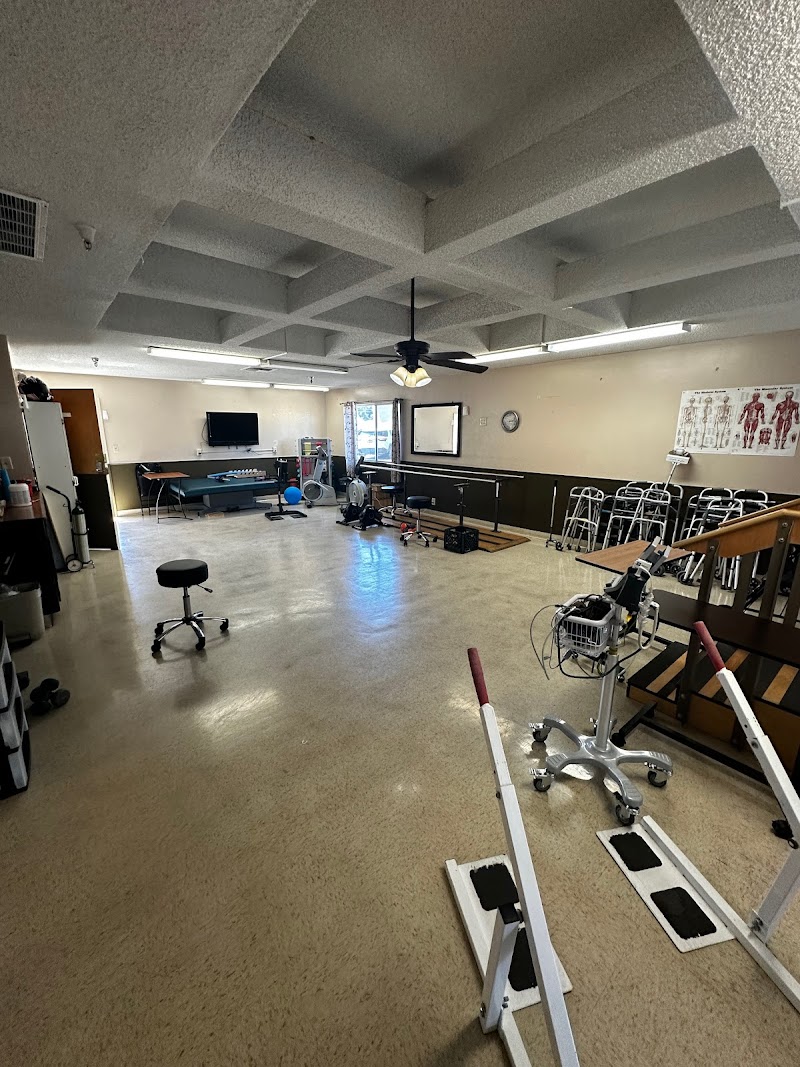
How is River View Post Acute Staffed?

CMS rates RIVER VIEW POST ACUTE's staffing level at 3 out of 5 stars, which is average compared to other nursing homes. Staff turnover is 44%, compared to the California average of 46%. This relatively stable workforce can support continuity of care.

What Have Inspectors Found at River View Post Acute?

State health inspectors documented 70 deficiencies at RIVER VIEW POST ACUTE during 2020 to 2025. These included: 1 that caused actual resident harm and 69 with potential for harm. Deficiencies causing actual harm indicate documented cases where residents experienced negative health consequences.
Who Owns and Operates River View Post Acute?

RIVER VIEW POST ACUTE is owned by a for-profit company. For-profit facilities operate as businesses with obligations to shareholders or private owners. The facility is operated by KALESTA HEALTHCARE GROUP, a chain that manages multiple nursing homes. With 99 certified beds and approximately 87 residents (about 88% occupancy), it is a smaller facility located in MODESTO, California.
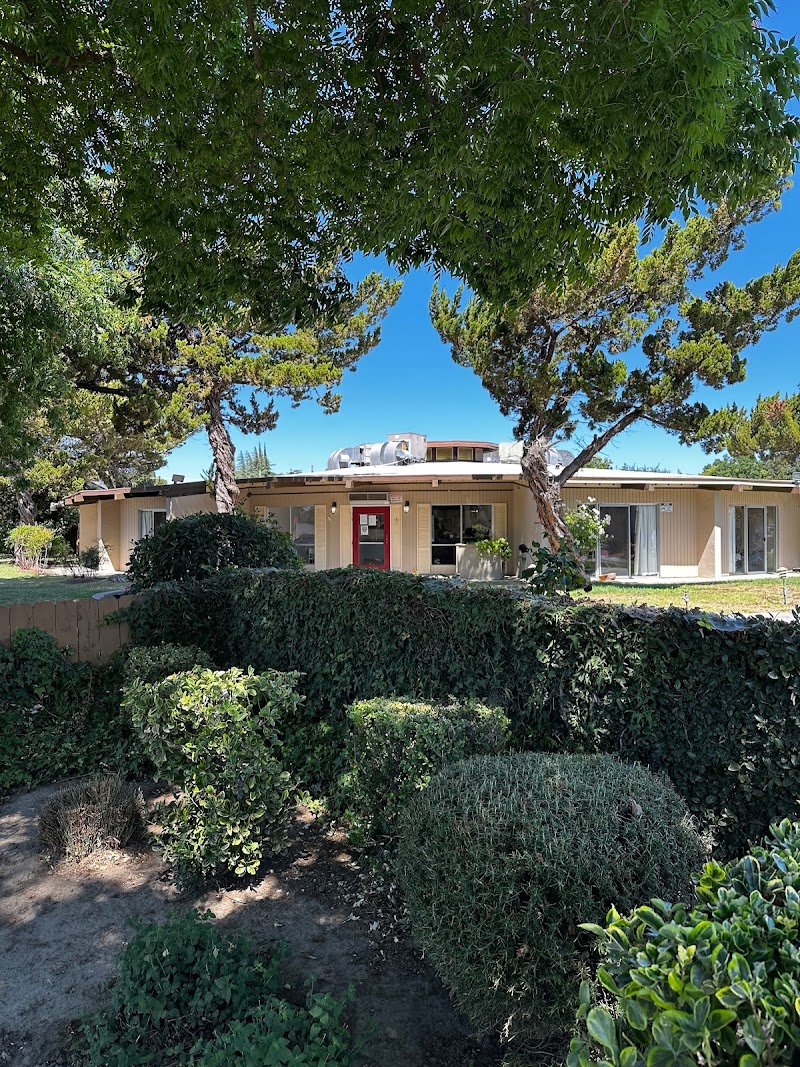
How Does River View Post Acute Compare to Other California Nursing Homes?

Compared to the 100 nursing homes in California, RIVER VIEW POST ACUTE's overall rating (2 stars) is below the state average of 3.1, staff turnover (44%) is near the state average of 46%, and health inspection rating (2 stars) is below the national benchmark.

What Should Families Ask When Visiting River View Post Acute?

Based on this facility's data, families visiting should ask: "Can I visit during a mealtime to observe dining assistance and food quality?" "How do you handle medical emergencies, and what is your hospital transfer rate?" "Can I speak with family members of current residents about their experience?"

Is River View Post Acute Safe?

Based on CMS inspection data, RIVER VIEW POST ACUTE has a clean safety record: no substantiated abuse findings (meaning no confirmed cases of resident harm), no Immediate Jeopardy citations (the most serious violation level indicating risk of serious injury or death), and is not on the Special Focus Facility watch list (a federal program monitoring the lowest-performing 1% of nursing homes). The facility has a 2-star overall rating and ranks #100 of 100 nursing homes in California. While no facility is perfect, families should still ask about staff-to-resident ratios and recent inspection results during their visit.

Do Nurses at River View Post Acute Stick Around?

RIVER VIEW POST ACUTE has a staff turnover rate of 44%, which is about average for California nursing homes (state average: 46%). Moderate turnover is common in nursing homes, but families should still ask about staff tenure and how the facility maintains care continuity when employees leave.

Was River View Post Acute Ever Fined?

RIVER VIEW POST ACUTE has no federal fines on record. CMS issues fines when nursing homes fail to meet care standards or don't correct problems found during inspections. The absence of fines suggests the facility has either maintained compliance or corrected any issues before penalties were assessed. This is a positive indicator, though families should still review recent inspection reports for the full picture.

Is River View Post Acute on Any Federal Watch List?

RIVER VIEW POST ACUTE is not on any federal watch list. The most significant is the Special Focus Facility (SFF) program, which identifies the bottom 1% of nursing homes nationally based on persistent, serious quality problems. Not being on this list means the facility has avoided the pattern of deficiencies that triggers enhanced federal oversight. This is a positive indicator, though families should still review the facility's inspection history directly.