GRANT CUESTA SUB-ACUTE AND REHABILITATION CENTER
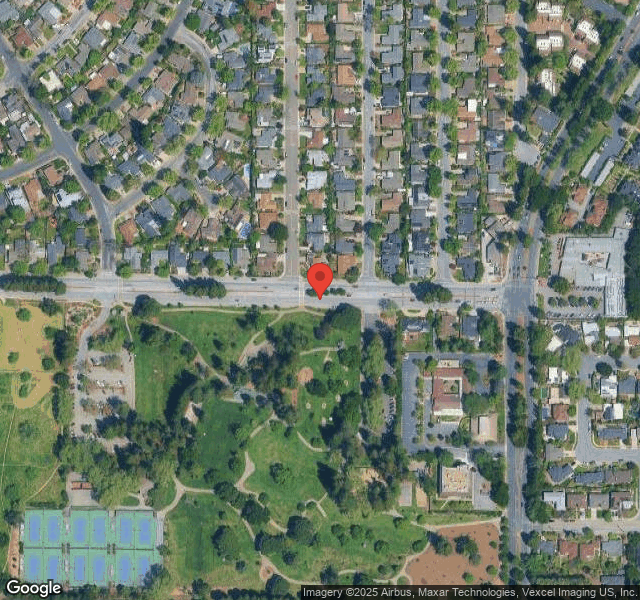

1949 GRANT ROAD, MOUNTAIN VIEW, CA 94040 (650) 968-2990
For profit - Limited Liability company 102 Beds COVENANT CARE Data: November 2025
Trust Grade
40/100
#814 of 1155 in CA
Last Inspection: March 2025

Within standard 12-15 month inspection cycle. Federal law requires annual inspections.

Overview

Grant Cuesta Sub-Acute and Rehabilitation Center has received a Trust Grade of D, indicating below-average performance with some concerns. Ranking #814 out of 1155 facilities in California places them in the bottom half, and #40 out of 50 in Santa Clara County means there are only a few local options that perform better. The facility is worsening, as the number of issues identified has increased significantly from 7 in 2024 to 28 in 2025. Staffing is a notable strength, earning a 5-star rating with a turnover rate of 34%, which is lower than the state average, indicating a stable workforce. However, there are serious concerns, including a failure to ensure safe discharges for residents and inadequate fall prevention measures, leading to serious incidents like a resident suffering a broken hip from an unwitnessed fall.

Trust Score
D
40/100
In California
#814/1155
Bottom 30%
Safety Record
Moderate
Needs review
Inspections
Getting Worse
7 → 28 violations
Staff Stability
○ Average
34% turnover. Near California's 48% average. Typical for the industry.
Penalties
✓ Good
No fines on record. Clean compliance history, better than most California facilities.
Skilled Nurses
✓ Good
Each resident gets 59 minutes of Registered Nurse (RN) attention daily — more than average for California. RNs are trained to catch health problems early.
Violations
⚠ Watch
78 deficiencies on record. Higher than average. Multiple issues found across inspections.
★★☆☆☆
2.0
Overall Rating
★★★★★
5.0
Staff Levels
★★★★★
5.0
Care Quality
★☆☆☆☆
1.0
Inspection Score
Stable
2024: 7 issues
2025: 28 issues

The Good

  • 5-Star Staffing Rating · Excellent nurse staffing levels
  • 5-Star Quality Measures · Strong clinical quality outcomes
  • Full Sprinkler Coverage · Fire safety systems throughout facility
  • No fines on record
  • Staff turnover below average (34%)

    14 points below California average of 48%

Facility shows strength in staffing levels, quality measures, fire safety.

The Bad

2-Star Overall Rating

Below California average (3.1)

Below average - review inspection findings carefully

Staff Turnover: 34%

12pts below California avg (46%)

Typical for the industry

Chain: COVENANT CARE

Part of a multi-facility chain

Ask about local staffing decisions and management

The Ugly 78 deficiencies on record

2 actual harm
Sept 2025 1 deficiency 1 Harm
SERIOUS (G) 📢 Someone Reported This

A family member, employee, or ombudsman was alarmed enough to file a formal complaint

Actual Harm - a resident was hurt due to facility failures

Deficiency F0627 (Tag F0627)

A resident was harmed · This affected 1 resident

**NOTE- TERMS IN BRACKETS HAVE BEEN EDITED TO PROTECT CONFIDENTIALITY** Based on interview and record review, the facility failed to prepare and ensure a safe and appropriate discharge for one of thre...

Read full inspector narrative →
**NOTE- TERMS IN BRACKETS HAVE BEEN EDITED TO PROTECT CONFIDENTIALITY** Based on interview and record review, the facility failed to prepare and ensure a safe and appropriate discharge for one of three residents (Resident 1) when:1. Resident 1's fall risk level was not updated;2. Resident 1's discharge minimum data set (MDS, a clinical assessment tool) was not accurately coded;3. The facility did not provide discharge notice (a written notice in advance to the resident and the resident's representative in a language and manner they understand and an opportunity to appeal) to Resident 1 and/or her son (Resident 1's co-health care decision maker). Resident 1 also did not have a discharge care plan and did not have discharge notes on the day of her discharge; and4. The facility did not verify the license and the care capabilities of the discharge placement facility.These failures resulted in Resident 1 who had severe cognitive impairment (a significant decline in a person's ability to think, learn, remember, use judgement, and make decisions that can lead to a point where the individual is incapable of living independently because of the inability to plan and carry out activities of daily living [ADL, the tasks of everyday life] and apply judgment), poor recent memory, poor insight and judgment, mental illness, required a Preadmission Screening and Resident Review Level 2 (PASRR Level 2, a comprehensive, person-centered evaluation conducted for individuals identified by a Level 1 screening as having or potentially having a Serious Mental Illness [SMI], Intellectual Disability [ID, a condition that involves limitations on intelligence, learning and everyday abilities necessary to live independently], Developmental Disability [DD, a group of conditions due to an impairment in physical, learning, language, or behavior areas], or related condition), and required moderate to maximal assistance or dependent on the staff for ADL was discharged to an unlicensed Room and Board (Independent Living, living accommodations and dining services) on 5/22/25. Resident 1 fell at the discharge placement facility and was sent to acute care on 6/11/25. Findings:1. Review of Resident 1's admission Record indicated she was admitted to the facility on [DATE] with diagnoses including malignant neoplasm (cancer, an abnormal growth of cells) of left breast, diabetes (high blood sugar levels), protein-calorie malnutrition (an imbalance between the nutrients the body needs to function and the nutrients it gets), hyperlipidemia (high level of fats in the blood), hypertension (HTN, high blood pressure), reduced mobility (limitations in movement), muscle weakness, osteoporosis (a disease that weakens the bones; it makes the bones thinner and less dense than they should be), and depression (a persistent feeling of sadness and loss of interest and can interfere with the daily life).Review of Resident 1's clinical record indicated she did not have quarterly fall risk assessments from 8/22/24 to the day of her discharge on [DATE] (two quarterly assessments).During an interview with the director of nursing (DON) on 7/28/25, at 4:10 p.m., he reviewed Resident 1's clinical record and confirmed that Resident 1 did not have quarterly fall risk assessments from 8/22/24 to the day of her discharge on [DATE]. The DON stated the resident fall risk assessment should be done every quarter.2. During an interview with certified nursing assistant A (CNA A) on 7/30/25, at 1:40 p.m., CNA A stated before the discharge of Resident 1 was dependent on staff for shower and upper and lower body dressing and needed maximal assistance (the helper does more than half the effort) for personal hygiene.During an interview with certified nursing assistant B (CNA B) on 7/30/25, at 2 p.m., CNA B stated before the discharge Resident 1 was dependent on staff for shower, upper and lower body dressing, and personal hygiene.During an interview with certified nursing assistant C (CNA C) on 7/30/25, at 2:15 p.m., CNA C stated before the discharge Resident 1 was dependent on staff for shower and upper and lower body dressing and needed maximal assistance for personal hygiene.During an interview with certified nursing assistant D (CNA D) on 7/30/25, at 3:20 p.m., CNA D stated before the discharge Resident 1 needed moderate assistance (the helper does less than half the effort) for upper and lower body dressing and needed maximal assistance for shower and personal hygiene.During an interview with certified nursing assistant E (CNA E) on 7/30/25, at 3:50 p.m., CNA E stated before the discharge Resident 1 needed a lot of help; Resident 1 was dependent on staff for shower, upper and lower body dressing, and personal hygiene.Review of Resident 1's 5/2025 Document Survey Report V2 (Resident 1's Daily ADL status reported by the CNAs) indicated that for the last three days of her stay (from 5/20/25 to 5/22/25) at the facility she needed maximal assistance for bathing and needed moderate to maximal assistance for upper and lower body dressing and personal hygiene.However, review of Resident 1's discharge MDS on 5/22/25 indicated it was coded that Resident 1 needed moderate assistance for bathing and supervision for upper and lower body dressing and personal hygiene.During an interview with the MDS director (MDSD) on 7/30/25, at 2:45 p.m., she reviewed Resident 1's 5/2025 Document Survey Report V2 and discharge MDS dated [DATE] and confirmed that Resident 1's discharge MDS on 5/22/25 was not accurately coded.3. Review of Resident 1's clinical record indicated she did not have a discharge notice and discharge care plan before her discharge, and there were no discharge notes on the day of her discharge.During an interview with the social service director (SSD) on 7/30/25, at 4:10 p.m., she confirmed that Resident 1 did not have a discharge care plan. The SSD stated the discharge notice was for short-term residents. Resident 1 was a long-term resident, so she did not have discharge notice.During an interview with the director of nursing (DON) on 7/30/25, at 4:50 p.m., he reviewed Resident 1's clinical record and confirmed that there were no discharge notes on the day of her discharge. The DON stated when the residents were discharged , there should be notes on how the residents were, the residents discharged with whom and to where, and what had been done during discharge.4. Review of Resident 1's MDS, dated [DATE], indicated her cognition was severely impaired.Review of Resident 1's Che Behavioral Health Note (Che-Outside Consultant Note), dated 2/14/25, indicated her recent memory and her insight/judgment were poor.Review of Resident 1's result of PASRR Level 1 Screening (the initial screening tool), dated 7/23/23, indicated it was positive (requires Level 2 evaluation), and a PASRR Level 2 Screening was required for her.Review of Resident 1's admission Record indicated Resident 1 and her son, both were health care decision makers for her.Review of Resident 1's Social Services Notes, dated 5/6/25, indicated that Resident 1's son stated that he didn't remember having any conversation on wanting to move Resident 1 out of the facility.Review of Resident 1's Lease Agreement that the facility asked Resident 1 to sign and not her son on the day of her discharge, 5/22/25, indicated the discharge placement was to provide medication assistance to Resident 1 by medication reminder.Review of Resident 1's Physician's Orders Upon Discharge, dated 5/21/25, indicated her discharge medications were acetaminophen (for left knee pain) 325 milligrams (mg, a metric unit of mass) two tablets every 6 hours as needed, anastrozole (for breast cancer treatment) 1 mg one time day, aspirin (blood thinner) 81 mg one time a day, atorvastatin (for hyperlipidemia) 40 mg one time a day, docusate sodium (for bowel management) 250 mg two times a day, loratadine (for itching) 10 mg one time a day, melatonin (for supplement to maintain the natural 24-hour cycle) 3 mg at bedtime, metformin (for diabetes) 500 mg two times a day, optic-Vites with lutein (for eye health) one tablet one time a day.Review of Resident 1's Physician's Report (Resident 1's primary physician's report/notes for referral to the placement agency) for Residential Care Facilities for the Elderly (RCFE, a non-medical facility that provides housing, meals, supervision, and personal assistance with daily activities to seniors who need help but not 24-hour nursing care; these facilities, also known as assisted living or board and care homes, to help seniors maintain independence in a homelike setting, with services like help with bathing, dressing, and medication management), dated 2/17/25, the physician indicated that Resident 1 could not administer own prescription medications.During an interview with the SSD on 7/28/25, at 3 p.m., she stated she asked the placement agency (an organization that helps to find suitable residential care options for seniors, such as independent living, assisted living, memory care, or skilled nursing facilities) for the license of Resident 1's discharge placement, but she didn't receive it, and she did not verify it. The SSD stated she thought Resident 1's discharge placement was a Board and Care (a small, residential facility, that provides room, board, and assistance with daily living activities for individuals who need non-medical supervision but cannot live independently). She did not know Resident 1's discharge placement was a Room and Board (Independent Living, living accommodations and dining services) until Resident 1 was brought to acute care after her fall.During an interview with the SSD on 8/19/25, at 12:25 p.m., she stated the placement agency came to the facility, assessed Resident 1, and determined that they could provide care to her at their place. The SSD stated she would look for that document or request from the placement agency for that document.During an interview with the SSD on 9/11/25, at 11:45 a.m., she confirmed that she could not find the document on Resident 1's assessment by the placement agency. The SSD also confirmed that she requested it, but the placement agency didn't provide it for her.Review of Resident 1's Social Services Notes, dated 6/11/25, indicated on 5/29/25 Resident 1 had an unwitnessed fall in the bathroom at the discharge placement.Review of Resident 1's acute care History and Physical, dated 6/11/25, indicated Resident 1 was found on the floor sitting against her bed at the discharge placement and was brought into the acute care by ambulance. It also indicated that Resident 1's discharge placement was an unlicensed Room and Board (Independent Living).Review of Resident 1's acute care History and Physical, dated 6/11/25, indicated Resident 1's discharge placement refused to take her back. The acute care also determined that they didn't want to send Resident 1 back to her discharge placement, an unlicensed Room and Board (Independent Living), because it was not appropriate for Resident 1, and it would be liability on them if they sent her back there. The acute care determined that Resident 1 would be appropriate for skilled nursing home placement.Review of the facility's policy, Fall Prevention and Response, dated 8/2023, indicated . 1. Utilizing the Resident Assessment Instrument (RAI- a guide that facility staff use for coding and transmission) 3.0 User's Manual Version 1.19.1, dated October 2024) process, facility will identify and address potential for fall accidents, environmental factors, individual risk factors, need for supervision, care, and assistive devices.Review of the Long-Term Care Facility Resident Assessment Instrument (RAI), indicated, It is important to note that information obtained should be validated for accuracy, what the resident's actual status was during the observation period.Review of the facility's policy, Admissions, Transfer, Discharge and Bed-Holds, dated 12/2016, indicated . Transfer and discharge: . Before a resident is transferred or discharged , the facility will notify the resident and the resident's representative of the transfer or discharge and the reasons for the move in writing and in a language and manner they understand. Notice will be made at least 30-days prior to transfer or discharge, or as soon as practical . The facility will provide sufficient preparation and orientation to residents and resident representatives in order to ensure a safe and orderly discharge from the facility.
Jul 2025 3 deficiencies
CONCERN (D) 📢 Someone Reported This

A family member, employee, or ombudsman was alarmed enough to file a formal complaint

Potential for Harm - no one hurt, but risky conditions existed

Deficiency F0554 (Tag F0554)

Could have caused harm · This affected 1 resident

**NOTE- TERMS IN BRACKETS HAVE BEEN EDITED TO PROTECT CONFIDENTIALITY** Based on observation, interview, and record review, the facility failed to ensure an assessment for self-administration of medic...

Read full inspector narrative →
**NOTE- TERMS IN BRACKETS HAVE BEEN EDITED TO PROTECT CONFIDENTIALITY** Based on observation, interview, and record review, the facility failed to ensure an assessment for self-administration of medications was completed for one of 3 residents (1) when Resident 1 administered lidocaine (used to relieve pain) liquid to his right hip himself and did not have a self-administration of medication assessment and did not have an order from the physician to do so. This failure resulted in duplication of administered medications and had the potential for improper, unsafe medication administration and not addressing the clinical condition of the resident. Findings:Review of Resident 1's admission Record indicated he was admitted to the facility on [DATE].Review of Resident 1's Minimum Data Set (MDS, a clinical assessment tool), dated 3/25/25, indicated his cognition was intact.During an observation with registered nurse A (RN A) on 6/17/25, at 4:15 p.m., an Aspercreme Lidocaine Liquid Roll-On applicator was on the floor at the foot of the bed of Resident 1.During a concurrent interview with Resident 1, he stated the Aspercreme Lidocaine Liquid Roll-On applicator was his, and he applied it to his right hip himself.During an interview with RN A on 6/17/25, at 4:20 p.m., she reviewed Resident 1's clinical record and confirmed that Resident 1 did not have physician orders for Lidocaine Liquid Roll-On applicator and for self-administration of medication. RN A also confirmed that currently Resident 1 had a physician order for Aspercreme Lidocaine Patch 4% apply to right hip topically every day, on for 12 hours, off for 12 hours.During an interview with the director of nursing (DON) on 6/17/25, at 4:25 p.m., he stated he would keep Resident 1's Lidocaine Liquid Roll-On applicator and would talk with the physician about Resident 1's self-administration of it.Review of Resident 1's clinical record indicated he did not have an assessment on self-administration of medication.During an interview and review record with the DON on 7/14/25, at 11:35 a.m., the DON reviewed Resident 1's clinical record and confirmed that currently Resident 1 had a physician order for self-administration of Lidocaine External Cream 4% to right hip topically one time a day, starting on 6/18/25, but Resident 1 still did not have an assessment on self-administration of medication.Review of the facility's policy, Resident Self-Administration of Medication, dated 6/26/24, indicated . A resident may only self-administration medications after the facility's interdisciplinary team has determined which medications may be self-administered safely. 4. The results of the interdisciplinary team assessment are recorded on the Medication Self-Administration Assessment Form, which is placed in the resident's medical record.
CONCERN (E) 📢 Someone Reported This

A family member, employee, or ombudsman was alarmed enough to file a formal complaint

Potential for Harm - no one hurt, but risky conditions existed

Safe Environment (Tag F0584)

Could have caused harm · This affected multiple residents

**NOTE- TERMS IN BRACKETS HAVE BEEN EDITED TO PROTECT CONFIDENTIALITY** Based on observation, interview, and policy review, the facility failed to provide the residents with a safe environment when on...

Read full inspector narrative →
**NOTE- TERMS IN BRACKETS HAVE BEEN EDITED TO PROTECT CONFIDENTIALITY** Based on observation, interview, and policy review, the facility failed to provide the residents with a safe environment when one of 8 resident beds was not stable; 5 of 8 toilet seats were not stable as it was wubly; 5 of 6 toilet-seat risers were not stable; and the toilet tank in room [ROOM NUMBER] did not have a proper size and shape lid. These failures had the potential to compromise the health and safety of the residents.Findings:During an observation with the maintenance director (MD) on 6/17/25, at 1:30 p.m., the following were observed:a. The bed in room [ROOM NUMBER]A was still movable even though its wheels were braked.b. The toilet seats in Rooms 18, 20, 28, 31, and 34 were not stable.c. The toilet-seat risers in Rooms 2, 18, 20, 28, and 40 were not stable.d. A smaller and different shaped lid was lying on top of the open toilet tank in room [ROOM NUMBER].During an interview with Resident 2 on 6/17/25, at 1:50 p.m., she stated her portable toilet-seat riser was not stable. She had to carefully position it again and again to make sure it was stable before she sat down on it.During an interview with the MD on 6/17/25, at 1:55 p.m., he stated the smaller and different shaped lid which was lying on top of the open toilet tank in room [ROOM NUMBER] was an accident hazard for the residents and staff, and it should not be there.During an interview with the MD on 6/17/25, at 2:20 p.m., he acknowledged that unstable bed, unstable toilet seats, and unstable toilet-seat risers were not safe for the residents, and he would fix them.Review of the facility's policy, Safe, Clean, Comfortable, and Homelike Environment, dated 6/2023, indicated In accordance with residents' rights, the facility will strive to provide a safe, clean, comfortable, and homelike environment .Review of the facility's policy, Toileting Equipment Policy, dated 6/11/25, indicated Toilet risers and other adaptive toileting devices . must be maintained in safe working condition, . 5. All equipment must be inspected for cracks, corrosion, loose fittings, or other hazards.Review of the facility's policy, Bed Wheel Locking Policy, dated 6/11/25, indicated To ensure resident safety and prevent falls or unintended bed movement by requiring all beds to be locked (wheel brakes engaged) when not being actively relocated.
CONCERN (E) 📢 Someone Reported This

A family member, employee, or ombudsman was alarmed enough to file a formal complaint

Potential for Harm - no one hurt, but risky conditions existed

Infection Control (Tag F0880)

Could have caused harm · This affected multiple residents

**NOTE- TERMS IN BRACKETS HAVE BEEN EDITED TO PROTECT CONFIDENTIALITY** Based on observation, interview, and record review, the facility failed to implement infection control practices when:1. Certifi...

Read full inspector narrative →
**NOTE- TERMS IN BRACKETS HAVE BEEN EDITED TO PROTECT CONFIDENTIALITY** Based on observation, interview, and record review, the facility failed to implement infection control practices when:1. Certified nursing assistant B (CNA B) did not remove her gloves and carried Resident 3's soiled linen out of her room and in the hallway;2. A soiled pillowcase was left on the floor in room [ROOM NUMBER]; and3. Certified nursing assistant C (CNA C) did not put on a gown when doing incontinent care for Resident 4 who was on Enhance Barrier Precautions (EBP, an infection control intervention designed to reduce transmission of multidrug-resistant organisms [MDROs, a germ that is resistant to many antibiotics] in nursing homes).These failures had the potential to spread the infection to residents, staff, visitors, and throughout the facility.Findings:1. During an observation on 6/16/25, at 1:15 p.m., CNA B carried soiled linens out of Resident 3's room with her gloved hands and walked in the hallway. One piece of the soiled linens dropped down on the hallway floor. CNA B picked it up and continued walking in the hallway to the double door beside Resident 5's room, opened the double door to throw the soiled linen in the hamper which was parked outside.During a concurrent interview with CNA B, she stated she should remove her gloves in the resident room and should not carry soiled linens out of the resident room and in the hallway. CNA B stated she should place the soiled linens in a plastic bag and throw the bag in the hamper. 2. During an observation with the maintenance director (MD) on 6/17/25, at 1:45 p.m., a soiled pillowcase was on the floor behind the open door in room [ROOM NUMBER].During a concurrent interview with registered nurse D (RN D), she stated one of the residents in room [ROOM NUMBER] was moved to a different room, and the other resident was discharged . RN D stated the staff prepared the room for new residents this morning, and the soiled pillowcase should not be left on the floor.Review of the facility's undated policy, Glove Use, indicated . B. Used gloves should be discarded into the nearest waste receptacle inside the room.Review of the facility's policy, Handling Soiled Linen, dated 6/11/25, indicated . 3. Linen should not be allowed to touch the uniform or floor . 4. Used or soiled linen shall be collected at the bedside or point of use and placed in a linen bag or designated lined receptacle. 3. During an observation on 6/17/25, at 3:45 p.m., CNA C was cleansing Resident 4 who was on EBP and did not wear a gown. CNA C only had gloves on.During an interview with CNA C on 6/17/25, at 3:50 p.m., he stated Resident 4 had bowel movement, so he cleansed her and changed her brief. CNA C observed the EBP sign that was posted on Resident 4's room door and stated he should put on a gown and gloves when cleansing Resident 4 and changing her brief.During an interview with the infection preventionist (IP) on 6/20/25, at 9:20 a.m., she stated the staff should remove their gloves in the resident room and should not carry soiled linens out of the resident room and in the hallway. The IP stated soiled linens should not be let touch the floor, and the CNAs should put on gowns and gloves when providing incontinent care to residents who were on EBP.Review of the facility's posting sign, Enhanced Barrier Precautions, indicated . Providers and staff must also wear gloves and a gown for the following high-contact resident care activities: . Changing briefs or assisting with toileting .
Mar 2025 24 deficiencies
CONCERN (D)

Potential for Harm - no one hurt, but risky conditions existed

Resident Rights (Tag F0550)

Could have caused harm · This affected 1 resident

Based on observation, interview, and record review, the facility failed to promote and maintain resident dignity during mealtime for one out of two residents (Resident 49) when Certified Nursing Assis...

Read full inspector narrative →
Based on observation, interview, and record review, the facility failed to promote and maintain resident dignity during mealtime for one out of two residents (Resident 49) when Certified Nursing Assistant B (CNA B) was standing while providing feeding assistance to Resident 49 during meal. This failure had the potential for violation of the resident's dignity. During an observation in Resident 49's room on 3/24/25 at 12:33 p.m., with Certified Nursing Assistant B (CNA B), during lunch, CNA B was observed standing while providing feeding assistance to Resident 49. Resident 49 was lying on his bed, the head of the bed was elevated, the meal tray was on top of bedside table across the bed, Resident 49 was not at eye level with CNA B. CNA B was standing, holding the spoon with food and bringing to Resident 49's mouth. During an interview on 3/24/25 at 1:03 p.m., with CNA B, she confirmed the observation. CNA B stated she was standing because there was no chair inside Resident 49's room. During a review of Resident 49's clinical record indicated Resident 49 was admitted to the facility with diagnoses including Dementia (a group of symptoms affecting thinking and social abilities interfering with daily functioning). During a review of Resident 49's clinical record Task GG (a standardized functional assessment used in post-acute care settings to measure self-care and mobility abilities): eating, Question 1 ability to use utensils to bring food and/or liquid to the mouth . indicated, Resident 49 was dependent on 18 occasions from 3/1/25 to 3/26/25. During an interview on 3/26/25 at 4:26 p.m., with the Director of Nursing (DON), the DON was asked in terms of dignity during meals for resident with feeding assistance. The DON stated they [staff] should be sitting when feeding the patients [residents], and should be at eye level. During a review of facility's Polciy & Procedure (P&P) titled, Promoting/Maintaining Resident Dignity During mealtimes, revised date 10/21/2024, the P&P indicated, . 1. All staff members involved in providing feeding assistance to residents promote and maintain resident dignity during meals .5. All staff will be seated, if possible, while feeding resident .
CONCERN (D)

Potential for Harm - no one hurt, but risky conditions existed

Deficiency F0637 (Tag F0637)

Could have caused harm · This affected 1 resident

Based on observation, interview, and record review, the facility failed to ensure a significant change in status assessment (SCSA) was completed within 14 days after a significant change in the reside...

Read full inspector narrative →
Based on observation, interview, and record review, the facility failed to ensure a significant change in status assessment (SCSA) was completed within 14 days after a significant change in the resident's physical or mental condition had been determined for one of 18 sampled residents (Resident 11). This failure had the potential of not providing the appropriate care and services to Resident 11. Findings: Review of Resident 11's clinical record titled, admission Record, dated 3/27/2025, indicated Resident 11 was admitted to the facility with diagnoses of nondisplaced supracondylar fracture without intracondylar extension of lower end of left femur (broken thigh bone [femur] just above the knee, where the bone is broken but remains in its normal alignment, and the fracture doesn't extend into the knee joint), type 2 diabetes mellitus (a condition which affects the way the body processes blood sugar), dementia(a group of symptoms affecting thinking and social abilities interfering with daily functioning), other chronic (something that continues over an extended period of time) pain, and retention of urine (a condition in which the patient is unable to empty all the urine from the bladder). Review of Resident 11's clinical record titled, SBAR [Situation, Background, Assessment, Recommendation - an assessment tool used to facilitate prompt and appropriate communication of a problem]-Fall Report, dated 1/11/2025, it indicated Resident 11 had an un-witnessed fall. Further review, there was an interdisciplinary (IDT, team composed of members from different departments involved in resident's care) follow up which revealed, Resident found lying on the floor inside his room. He said he is trying to get his wallet. Denies hitting head. No injury noted. Review of Resident 11's clinical record titled, ED [emergency department] Provider Notes, dated 1/16/2025, it indicated, Resident 11 was transferred to ED. Further review indicated, BIBA [brought in by ambulance] for c/o [complained of] bilateral [both] femur fractures. Both fractures above the knee Per EMS [emergency medical services] report .Pt [patient] had a fall on Saturday and noted swelling and pain the next morning (Sunday) Xray showed fractures per EMS report . Resident 11 was transferred back to the facility on 1/17/2025 with diagnoses including closed nondisplaced supracondylar fracture of distal end of left and right femur without intracondylar extension and acute (severe, or intense) pain of both knees. During a concurrent observation and interview with Resident 11 inside his room on 3/24/2025 at 9:08 a.m., Resident 11 was in bed, with urine bag hanged at the lower part of the bed, and a floor mat was located at the left side of his bed. Resident 11's bed was positioned in a regular height. Resident 11 stated he was okay. During another observation on 3/25/2025 at 8:33 a.m., inside Resident 11's room, Resident 11 was in bed, asleep, urine bag was hanged at the lower part of the bed, floor mat was located at the left side of the bed, and the bed was positioned in a regular height. During an interview with licensed vocational nurse E (LVN E) on 3/25/2025 at 8:35 a.m., LVN E confirmed Resident 11 used to attend group activities prior to his diagnosis of fracture. LVN E stated they allowed Resident 11 to stay in bed for comfort. During an observation on 3/26/2025 at 1:36 p.m., inside Resident 11's room, Resident l1 was in bed, intermittently (on and off) screaming with eyes closed. Resident 11's bed was positioned about this writer's waist level. During an interview with certified nursing assistant J (CNA J) on 3/26/2025 at 1:39 p.m., CNA J stated Resident 11 used to attend activities in the social dining room. CNA J further stated Resident 11 preferred to stay in bed after the fall. During a concurrent interview with the director of nursing (DON) and record review on 3/27/2025 at 9:43 a.m., the DON reviewed Resident 11's SBAR on 1/11/2025, ED report, and 1/2025 medication administration record (MAR). DON confirmed Resident 11 had a fall on 1/11/2025 and sustained fractures to bilateral lower part of his femur. The DON further confirmed on 1/28/2025, there was an increased in Resident 11's Methadone (an opioid to treat moderate to severe pain) order from 2.5 milligram (mg - unit of measurement) twice daily to 5 mg twice daily and new order of hydrocodone-acetaminophen (a potent controlled medication for pain) 10-325 mg one tablet every 6 hours due to pain on his knees. During an interview with therapy director (TD) on 3/27/2025 at 10:19 a.m., TD stated Resident 11 was totally dependent with most of activities of daily living (ADLs- routine tasks/activities such as bathing, dressing and toileting a person performs daily to care for themselves) even prior to the fall. TD confirmed Resident 11 required a hoyer lift (a mechanical device used to lift and/or transfer a person from place to place) transfer prior to the fall and could tolerate sitting up on a wheelchair. During a concurrent interview with the minimum data set coordinator (MDSC) and record review on 3/28/2025 at 10:30 a.m., the MDSC reviewed Resident 11's list of minimum data set (MDS - a federally mandated resident assessment tool) assessments and confirmed there was no SCSA completed since January 11, 2025. The MDSC stated they would complete a SCSA if there were at least 2 or more decline or improvement in resident's mobility or status. MDSC stated Resident 11 had no change in his functional mobility but due to his new fractures in January, increased pain and inability to attend group activities, the MDSC confirmed they should have completed a SCSA. The MDSC further stated, Resident 11's changes should have been discussed with the IDT when he came back from the hospital. During an interview with the activity assistant (AA) on 3/28/2025 at 1:11 p.m., the AA confirmed Resident 11 used to attend their morning activities but lately, they were just doing room visits. The AA stated Resident 11 couldn't tolerate when seated on a wheelchair. Review of Center for Medicare and Medicaid Services' Long-Term Care Facility Resident Assessment Instrument (CMS's LTCF RAI - a guide for facility staff to existing coding and transmission) Manual 3.0 Version 1.19.1, dated 10/2024, indicated, The SCSA is a comprehensive assessment for a resident that must be completed when the IDT has determined that a resident meets the significant change guidelines for either major improvement or decline .A significant change is a major decline or improvement in a resident's status that: 1. Will not normally resolve itself without intervention by staff or by implementing standard disease-related clinical interventions, the decline is not considered self-limiting; 2. Impacts more than one area of the resident's health status; and 3. Requires interdisciplinary review and/or revision of the care plan .When a resident's status changes and it is not clear whether the resident meets the SCSA guidelines, the nursing home may take up to 14 days to determine whether the criteria are met. After the IDT has determined that the resident meets the significant change guidelines, the nursing home should document the initial identification of a significant change in the resident's status in the clinical record.
CONCERN (D)

Potential for Harm - no one hurt, but risky conditions existed

Deficiency F0655 (Tag F0655)

Could have caused harm · This affected 1 resident

**NOTE- TERMS IN BRACKETS HAVE BEEN EDITED TO PROTECT CONFIDENTIALITY** Based on interview and record review, the facility failed to ensure a baseline care plan was completed within 48 hours of admiss...

Read full inspector narrative →
**NOTE- TERMS IN BRACKETS HAVE BEEN EDITED TO PROTECT CONFIDENTIALITY** Based on interview and record review, the facility failed to ensure a baseline care plan was completed within 48 hours of admission for one of two residents (Resident 50). This failure had the potential for the resident and/or responsible party (RP) to be unaware of the plan of care. Findings: During a review of Resident 50's clinical record, it indicated Resident 50 was admitted to the facility on [DATE] with diagnoses including Parkinson's Disease (a disease that include symptoms of slowness of movements, muscle rigidity, involuntary tremors/shaking and impaired balance and posture) and history of falling. During a review of Resident 50's care plan admission Baseline it was initiated on 3/25/25. The admission baseline care plan was developed six days after Resident 50 was admitted to the facility on [DATE]. During a review of Resident 50's interdisciplinary team (IDT- a group of health care professionals from diverse fields who work toward a common goal for residents) admission assessment dated , 3/20/25 was incomplete, there were missing Resident signature, and representative signature. During a concurrent interview and record review on 3/28/25 at 2:43 p.m., with the Director of Nursing (DON), the DON reviewed Resident 50's care plan admission Baseline and IDT admission assessment. The DON confirmed admission Baseline was initiated on 3/25/25, 6 days after Resident 50 was admitted and the IDT admission assessment was incomplete. The DON stated baseline care plan or admission baseline plan should be done within 48 hours upon admission. During a review of the facility's policy and procedure (P&P) titled, Baseline Care Plan, revised date 9/18/2024, the P&P indicated, 1. The baseline care plan will: a. Be developed within 48 hours of resident's admission .3. A supervising nurse shall verify within 48 hours that a baseline care plan has been developed .6. The person providing the written summary of the baseline care plan shall: a. Obtain a signature from the resident/representative to verify that the summary was provided .
CONCERN (D)

Potential for Harm - no one hurt, but risky conditions existed

Deficiency F0657 (Tag F0657)

Could have caused harm · This affected 1 resident

Based on observation, interview, and record review, the facility failed to ensure care plans were reviewed and updated by the interdisciplinary team (IDT, a group of health care professionals from div...

Read full inspector narrative →
Based on observation, interview, and record review, the facility failed to ensure care plans were reviewed and updated by the interdisciplinary team (IDT, a group of health care professionals from diverse fields who work in a coordinated fashion toward the common goal for the resident for two of 18 sampled residents (Residents 11 and 68) when: 1. Resident 11's fall, activity and pain care plans were not updated after a significant change in status; and 2. Resident 68's care plan for antipsychotic (a type of drug used to treat symptoms of psychosis) use was not updated. This deficient practice had the potential to compromise resident's health, safety and psychosocial well-being. Findings: 1. Review of Resident 11's clinical record titled, admission Record, dated 3/27/2025, indicated Resident 11 was admitted to the facility with diagnoses of nondisplaced supracondylar fracture without intracondylar extension of lower end of left femur (broken thigh bone [femur] just above the knee, where the bone is broken but remains in its normal alignment, and the fracture doesn't extend into the knee joint), type 2 diabetes mellitus (a condition which affects the way the body processes blood sugar), dementia(a group of symptoms affecting thinking and social abilities interfering with daily functioning), other chronic (something that continues over an extended period of time) pain, and retention of urine (a condition in which the patient is unable to empty all the urine from the bladder). Review of Resident 11's clinical record titled, SBAR [Situation, Background, Assessment, Recommendation - an assessment tool used to facilitate prompt and appropriate communication of a problem]-Fall Report, dated 1/11/2025, it indicated Resident 11 had an un-witnessed fall. Further review, there was an interdisciplinary (IDT, team composed of members from different departments involved in resident's care) follow up which revealed, Resident found lying on the floor inside his room. He said he is trying to get his wallet. Denies hitting head. No injury noted. Review of Resident 11's clinical record titled, ED [emergency department] Provider Notes, dated 1/16/2025, it indicated, Resident 11 was transferred to ED. Further review indicated, BIBA [brought in by ambulance] for c/o [complained of] bilateral [both] femur fractures. Both fractures above the knee Per EMS [emergency medical services] report .Pt [patient] had a fall on Saturday and noted swelling and pain the next morning (Sunday) Xray showed fractures per EMS report . Resident 11 was transferred back to the facility on 1/17/2025 with diagnoses including closed nondisplaced supracondylar fracture of distal end of left and right femur without intracondylar extension and acute (severe, or intense) pain of both knees. During a concurrent observation and interview with Resident 11 inside his room on 3/24/2025 at 9:08 a.m., Resident 11 was in bed, with urine bag hanged at the lower part of the bed, and a floor mat was located at the left side of his bed. Resident 11's bed was positioned in a regular height. Resident 11 stated he was okay. During another observation on 3/25/2025 at 8:33 a.m., inside Resident 11's room, Resident 11 was in bed, asleep, urine bag was hanged at the lower part of the bed, floor mat was located at the left side of the bed, and the bed was positioned in a regular height. During an interview with licensed vocational nurse E (LVN E) on 3/25/2025 at 8:35 a.m., LVN E confirmed Resident 11 used to attend group activities prior to his diagnosis of fracture. LVN E stated they allowed Resident 11 to stay in bed for comfort. During an observation on 3/26/2025 at 1:36 p.m., inside Resident 11's room, Resident 11 was in bed, intermittently (on and off) screaming with eyes closed. Resident 11's bed was positioned about this writer's waist level. During an interview with certified nursing assistant J (CNA J) on 3/26/2025 at 1:39 p.m., CNA J stated Resident 11 used to attend activities in the social dining room. CNA J further stated Resident 11 preferred to stay in bed after the fall. During a concurrent interview with the director of nursing (DON) and record review on 3/27/2025 at 9:43 a.m., the DON reviewed Resident 11's SBAR on 1/11/2025, ED report, list of care plans and 1/2025 medication administration record (MAR). the DON confirmed Resident 11 had a fall on 1/11/2025 and sustained fractures to bilateral lower part of his femur. The DON further confirmed on 1/28/2025, there was an increased in Resident 11's Methadone (an opioid to treat moderate to severe pain) order from 2.5 milligram (mg - unit of measurement) twice daily to 5 mg twice daily and new order of hydrocodone-acetaminophen (a potent controlled medication for pain) 10-325 mg one tablet every 6 hours due to pain on his knees. The DON confirmed Resident 11's fall and pain care plans were not reviewed and updated. The DON stated the mentioned care plans should have been revised or updated based on Resident 11's changed in condition. During an interview with the therapy director (TD) on 3/27/2025 at 10:19 a.m., The TD stated Resident 11 was totally dependent with most of activities of daily living (ADLs- routine tasks/activities such as bathing, dressing and toileting a person performs daily to care for themselves) even prior to the fall. TD confirmed Resident 11 required a hoyer lift (a mechanical device used to lift and/or transfer a person from place to place) transfer prior to the fall and could tolerate sitting up on a wheelchair. During a concurrent interview with the minimum data set coordinator (MDSC) and record review on 3/28/2025 at 10:30 a.m., the MDSC reviewed Resident 11's fall, pain and activity care plans and confirmed they were not updated. The MDSC stated these were missed because they (IDT) missed to discussed Resident 11's condition when he came back from the hospital. During an interview with the activity assistant (AA) on 3/28/2025 at 1:11 p.m., the AA confirmed Resident 11 used to attend their morning activities but lately, they were just doing room visits. The AA stated Resident 11 couldn't tolerate when seated on a wheelchair. During an interview with activity manager (AM) from another facility on 3/28/2025 at 2:58 p.m., AM stated the activity care plan should have been revised especially Resident 11 was unable to attend the group activities anymore. During a review of Resident 11's activity care plan, it indicated an intervention initiated on 12/20/2016 and revised on 2/27/2020, revealed, Will encourage and assist resident to be out of bed at least 2x a week to attend the group activity. 2. Review of Resident 68's clinical record titled, admission Record, dated 3/26/2025, indicated Resident 68 was readmitted to the facility with diagnoses including dementia, severe, with other behavioral disturbance (unusual, disruptive, or problematic behaviors that deviate from typical patterns and cause distress or impairment in daily functioning), epilepsy (a brain disorder characterized by recurrent, unprovoked seizures) , and delusional disorders (a type of mental health condition in which a person can't tell what's real from what's imagined). During an observation inside Resident 68's room on 3/24/2025 at 9:37 a.m., Resident 68 was seated on a wheelchair, and was talking to self. Another observation and concurrent interview with Resident 68's family member (FM) at 12:38 p.m., Resident 68 was eating lunch with FM's assistance and supervision. FM stated, my mom has grade 7 dementia, During a concurrent observation and interview with certified nursing assistant L (CNA L) on 3/25/2025 at 8:50 a.m., inside Resident 68's room, Resident 68 was seated on a wheelchair and continuously talking. CNA L was observed seated on a chair in front of Resident 68. CNA L stated she was the sitter (a caregiver who provides companionship and supervision to patients who need constant observation or assistance, often due to medical conditions or behavioral issues that could pose a risk) for Resident 68 because she was at risk of falling. During an interview with licensed vocational nurse E (LVN E) on 3/26/2025 at 8:41 a.m., LVN E stated Resident 68 had an aggressive behavior and used to wander at the facility. LVN E confirmed Resident 68 had a sitter to prevent her from wandering and elopement (the act of a patient leaving a healthcare facility without authorization or supervision). Review of Resident 68's clinical record titled Order Summary Report, date ordered 3/10/2025, indicated, QUEtiapine Fumarate [an antipsychotic drug] Tablet 50 MG Give 1 tablet by mouth two times a day for Mood disorder m/b [manifested by] yelling, striking out. Review of Resident 68's care plan for use of quetiapine, date initiated 11/9/2024, indicated an intervention, Monitor behavior for anti-psychotic Seroquel [brand name of quetiapine] for dx [diagnosis] mood/behavior M/B: aggressive behavior, getting out of bed and Tally Q [every] Shift. During a concurrent interview with DON and record review of Resident 68's order summary report and care plan for quetiapine use on 3/26/2025 at 2:17 p.m., DON confirmed the care plan for quetiapine use was not updated when the order was changed on 3/10/2025. DON stated Resident 68's target behavior should also reflect in the care plan. During a review of the facility's policy and procedure titled, Care Plan, Comprehensive, dated 12/2017, indicated, Plans are reviewed and revised by the IDT at least quarterly, following completion of the MDS [minimum data set - federally mandated resident assessment tool] assessment or following an assessment for a significant change of condition .Resident progress is regularly evaluated, and approaches revised or updated as appropriate.
CONCERN (D)

Potential for Harm - no one hurt, but risky conditions existed

Unnecessary Medications (Tag F0759)

Could have caused harm · This affected 1 resident

Based on observation, interview, and record review, the facility had a medication error rate of 6.67% when two medication errors occurred out of 30 opportunities during the medication administration f...

Read full inspector narrative →
Based on observation, interview, and record review, the facility had a medication error rate of 6.67% when two medication errors occurred out of 30 opportunities during the medication administration for two out of nine residents (Resident 26 and Resident 155). The failures resulted in the nursing staff not following physician's orders and the facility's policy and procedures (P&P), which had the potential for the residents not receiving the medications full therapeutic effects, and could also result to complications of the medications. Findings: 1. During the medication administration observation on 3/24/25 at 4:42 p.m., Registered Nurse H (RN H) was observed preparing and administering 2 medications, tablet and one liquid supplement to Resident 26. Included in the medications was carvedilol (class of medications called beta-blockers. It works by relaxing blood vessels and slowing heart rate to improve blood flow and decrease blood pressure) 3.125 mg (milligram, unit of measurement). RN H checked the blood pressure (BP) on Resident 26's right arm using manual BP apparatus (a machine that measures blood pressure) after checking, RN H handed the medication to Resident 26 then Resident 26 took the medications with water. RN H did not check Resident 26's pulse rate (PR) prior to medication administration. During a concurrent interview and record review shortly after the observation, on 3/24/25 at 9:53 p.m., RN H clicked the carvedilol on Resident 26's Medication Administration Record (MAR), it indicated a requirement for BP and PR. When RN H was asked if the PR was checked for Resident 26, RN H stated the PR was not checked before administering the carvedilol. RN H confirmed carvedilol has the requirements on the MAR to check the BP and PR before administering. Review of Resident 26's March 2025 MAR, it indicated a physician order, dated 7/27/24, for carvedilol 3.125 mg 1 tablet by mouth BID (two times a day) with meals for hypertension (high blood pressure) and also indicated on the MAR, BP and PR were being checked. During an interview on 3/28/25 at 9:54 a.m., with the Director of Nursing (DON), the DON stated for BP medications the nurse should have checked the BP and PR prior to administering medications. The DON further stated it's a standard of practice. During a review of facility's P&P titled, Medication Administration, revised date 3/38/2025, the P&P indicated, Medication are administered by licensed nurses, or other staff who are legally authorized to do so in this state, as ordered by the physician and in accordance with the professional standards of practice .8. Obtain and records vital signs, when applicable . 2. During the medication administration observation on 3/24/25 at 4:42 p.m., Registered Nurse G (RN G) was observed preparing and administering 5 medications including Breo Ellipta (medication to treat breathing problems) inhaler to Resident 155. RN G took the box of Breo Ellipta inhaler from the medication cart. RN G stated the Breo Ellipta inhaler had no open date. RN G stated it should have an open date. RN G further stated the pharmacy needed to be called to make sure it was still okay to administer the Breo Ellipta inhaler to Resident 155. During a follow interview on 3/26/25 at 3:28 p.m., with RN G, RN G stated the Breo Ellipta inhaler was not given to Resident 155. RN G further stated the medication would be delivered by the pharmacy. During a review of Resident 155's Medication Administration Record (MAR) for March 2025 indicated and order dated 3/17/25, for Breo Ellipta inhalation 200-25 mcg/act (measured in micrograms (mcg) per actuation) 1 puff inhale orally in the morning (0900) for COPD (Chronic obstructive pulmonary disease is a group of lung diseases that cause ongoing inflammation and damage to the airways and air sacs in the lungs, making it difficult to breathe). RN G signed the MAR with the code 9= Other/See Progress Notes. Review of Resident 155's progress notes dated, 3/26/25 at 17:17 indicated RG G documented Breo not given and awaiting for pharmacy to deliver. During an interview on 03/26/25 at 4:30 pm., with the Director of Nursing (DON), the DON stated, the inhaler was delivered on 3/17/25 and that Resident 155 should have received the Breo Ellipta inhaler. During a review of facility's P&P titled, Medication Administration, revised date 3/38/2025, the P&P indicated, Medication are administered by licensed nurses, or other staff who are legally authorized to do so in this state, as ordered by the physician and in accordance with the professional standards of practice .10. Ensure that the six right of medication administration are followed: .e. Right time . 12 .b. Administer within 60 minutes prior to or after scheduled time unless otherwise ordered by physician .
CONCERN (D)

Potential for Harm - no one hurt, but risky conditions existed

Deficiency F0761 (Tag F0761)

Could have caused harm · This affected 1 resident

**NOTE- TERMS IN BRACKETS HAVE BEEN EDITED TO PROTECT CONFIDENTIALITY** Based on observation, interview, and record review, the facility failed to ensure proper medication storage and labeling of medi...

Read full inspector narrative →
**NOTE- TERMS IN BRACKETS HAVE BEEN EDITED TO PROTECT CONFIDENTIALITY** Based on observation, interview, and record review, the facility failed to ensure proper medication storage and labeling of medications when one expired insulin vial was not removed from active stock and opened multi-dose vials/inhalers had no open date. These failures had the potential for residents to receive medications with reduced efficacy. Findings: 1. On [DATE] at 11:39 a.m., an inspection of the medication cart 1 with Licensed Vocational Nurse C (LVN C) identified one opened multi dose vial of insulin dated [DATE]. LVN C confirmed this finding and stated the insulin vial opened date [DATE] should be discarded after 28 days. A review of the manufacturer's label for the insulin Novolin N vial indicated Storage conditions and expiration dates, in-use (opened) room temperature 42 days. During an interview on [DATE] at 4:03 p.m., with the Director of Nursing (DON), the DON stated, the insulin opened, date [DATE] should not be used and should be discarded because of the effectiveness. During a review of the facility's P&P titled 5.3 Storage and Expiration Dating of Medications, Biologicals, Syringes and Needles, Revision date [DATE], the P&P indicated, .10. Facility should ensure that medications and biologicals that: (1) have an expired date on the label; (2) have been retained longer than recommended by manufacturer/supplier; . are stored separate from other medications until destroyed or returned to the pharmacy or supplier . 2. During a medication administration observation in medication cart 4 on [DATE] at 10:22 a.m., with Registered Nurse G (RN G), identified a fluticasone furoate (medication to treat breathing problems) Ellipta was undated with the open date. RN G stated it should have an open date and stated the pharmacy would be called to confirm if the fluticasone furoate could still be given. A review of the manufacturer's label indicated to discard 6 weeks after opening the tray. During an interview on [DATE] at 3:45 p.m., with the DON, the DON stated fluticasone should have an open date and stated some inhalers are discard after 6 weeks of opening. During a review of the facility's Policy & Procedure (P&P) titled 5.3 Storage and Expiration Dating of Medications, Biologicals, Syringes and Needles, Revision date [DATE], the P&P indicated, .11. Once any medication or biological package is opened, facility should follow manufacturer/supplier guidelines with respect to expiration dates for opened medications. Facility staff should record the date opened on the primary medication container (i.e , vial, bottle, inhaler) when the medication has a shortened expiration date once opened or opened.
CONCERN (D)

Potential for Harm - no one hurt, but risky conditions existed

Antibiotic Stewardship (Tag F0881)

Could have caused harm · This affected 1 resident

Based on observation, interview, and record review, the facility failed to follow their Antibiotic Stewardship Program for two of 18 sampled residents (Residents 68 and 301) when: 1.Resident 68 recei...

Read full inspector narrative →
Based on observation, interview, and record review, the facility failed to follow their Antibiotic Stewardship Program for two of 18 sampled residents (Residents 68 and 301) when: 1.Resident 68 received two different antibiotics (medications that kill or inhibit the growth of bacteria) to treat pneumonia (an infection/inflammation in the lungs) and urinary tract infection (UTI- an infection in the bladder/urinary tract) without provider's full assessment and the diagnostic test performed indicated Resident 68 was negative for the mentioned infections; and 2. Resident 301 was prescribed with topical (medication or treatment applied directly to the skin or body surfaces) antibiotics without a stop date. These failures had the potential to increase the prevalence of multi-drug resistance organism or bacteria. Findings: 1.Review of Resident 68's clinical record titled, admission Record, dated 3/26/2025, indicated Resident 68 was readmitted to the facility with diagnoses including dementia, severe, with other behavioral disturbance (unusual, disruptive, or problematic behaviors that deviate from typical patterns and cause distress or impairment in daily functioning), epilepsy (a brain disorder characterized by recurrent, unprovoked seizures , and delusional disorders (a type of mental health condition in which a person can't tell what's real from what's imagined). During observations inside Resident 68's room on 3/24/2025 at 9:37 a.m., Resident 68 was seated on a wheelchair, and was talking to self. Another observation and concurrent interview with Resident 68's family member (FM) at 12:38 p.m., Resident 68 was eating lunch with FM's assistance and supervision. FM stated, my mom has grade 7 dementia, During a concurrent observation and interview with certified nursing assistant L (CNA L) on 3/25/2025 at 8:50 a.m., inside Resident 68's room, Resident 68 was seated on a wheelchair and continuously talking. CNA L was observed seated on a chair in front of Resident 68. CNA L stated she was a sitter (a caregiver who provides companionship and supervision to patients who need constant observation or assistance, often due to medical conditions or behavioral issues that could pose a risk) for Resident 68 because she was at risk of falling. During an interview with licensed vocational nurse E (LVN E) on 3/26/2025 at 8:41 a.m., LVN E stated Resident 68 had an aggressive behavior and used to wander at the facility. LVN E confirmed Resident 68 had a sitter to prevent her from wandering and elopement (the act of a patient leaving a healthcare facility without authorization or supervision). Review of Resident 68's medication administration record (MAR - a daily documentation record used by a licensed nurse to document medications and treatments given to a resident), dated 3/2025, it indicated Resident 68 received Levofloxacin (an antibiotic medication) 500 milligram (mg - unit of measurement) on 3/1, 3/2, and 3/3/2025 for pneumonia. Further review indicated, Resident 68 received nitrofurantoin (an antibiotic medication) 100 mg twice a day from 3/4/2025 to 3/17/2025 for UTI. During an interview with LVN E on 3/27/2025 at 1:21 p.m., LVN E confirmed Resident 68 had antibiotics for UTI due to her increased aggressiveness, but there was no fever. LVN E stated they did not follow any checklist regarding a possible infection before they called the doctor. LVN E further stated they only have the SBAR (situation, background, assessment, recommendation-a communication tool used by healthcare workers when there is a change of condition among the residents). LVN E confirmed Resident 68 received levofloxacin for pneumonia. LVN E stated Resident 68 had dry cough and no fever when she was prescribed with levofloxacin. During an interview with the infection preventionist (IP) on 3/27/2025 at 1:43 p.m., the IP confirmed Resident 68 did not meet the McGeer (a standard surveillance used in long-term care to identify UTI [look for signs like suprapubic pain, new or increased incontinence, urgency, or frequency, along with fever] and respiratory tract infections [look for fever, chills, new or increased cough, sore throat, and muscle pain] ) and Loeb Minimum Criteria (a set of minimum standards for initiating antibiotics in long-term care settings) and received both levofloxacin and nitrofurantoin. The IP further confirmed Resident 68's chest x-ray (a diagnostic test used to generate images of tissues and structures inside the body) result was negative for pneumonia and there was no urine culture performed to confirm the diagnosis of UTI. The IP stated she did not communicate these concerns to the provider who prescribed the antibiotics. During a review of the facility's policy and procedure titled, Antibiotic Stewardship Program, date revised 6/2023, indicated, The purpose of the program is to optimize the treatment of infections while reducing the adverse events associated with antibiotic use. Attending Physicians - prescribe appropriate antibiotics in accordance with standard of practice and facility protocols .4. The program includes antibiotic use protocols and a system to monitor antibiotic use. A. Antibiotic use protocols: i. Nursing staff shall assess residents who are suspected to have an infection prior to notifying the physician. Ii. Laboratory testing shall be in accordance with current standards of practice. Iii. The facility uses the McGeer criteria to define infections. Iv. The Loeb Minimum Criteria may be used to determine whether to treat an infection with antibiotics. 2. Record review of Resident 301's clinical record titled, admission Record, indicated, Resident 301 was admitted to the facility with diagnosis of skin graft (a surgical procedure where a piece of healthy skin is taken from one area of the body (the donor site) and transplanted to another area to cover damaged or missing skin) infection. Review of Resident 301's Order Summary Report, indicated an order dated 3/17/2025, Neosporin Original Ointment [topical antibiotic] .Apply to left flap wound topically in the morning for wound care. Further review of the order indicated there was no stop date and revealed the duration of the medication was indefinitely. During a concurrent interview with the IP and record review of Resident 301's Order Summary Report on 3/27/2025 at 2:49 p.m., the IP confirmed there was no stop date for Resident 301's topical antibiotic use. The IP stated nurses should have asked the doctor for the stop date of the antibiotics prescribed. During a review of the facility's policy and procedure titled, Antibiotic Stewardship Program, date revised 6/20/23, indicated, v. Prescriptions for antibiotics shall specify the dose, duration, and indication for use.
CONCERN (D)

Potential for Harm - no one hurt, but risky conditions existed

Deficiency F0883 (Tag F0883)

Could have caused harm · This affected 1 resident

**NOTE- TERMS IN BRACKETS HAVE BEEN EDITED TO PROTECT CONFIDENTIALITY** Based on interview and record review, the facility failed to ensure one of five sampled residents (Resident 91) received pneumoc...

Read full inspector narrative →
**NOTE- TERMS IN BRACKETS HAVE BEEN EDITED TO PROTECT CONFIDENTIALITY** Based on interview and record review, the facility failed to ensure one of five sampled residents (Resident 91) received pneumococcal (common bacteria that can affect different parts of the body) vaccination. This failure resulted in Resident 91's positive chest x-ray (a diagnostic test used to generate images of tissues and structures inside the body) result of pneumonia (an infection/inflammation in the lungs) during the facility stay. Findings: Review of Resident 91's clinical record titled, admission Record, dated 3/27/2025, indicated Resident 91 was admitted to the facility on [DATE] with diagnoses including end stage renal disease (ESRD - irreversible kidney failure), type 2 DM with diabetic neuropathy (with nerve damage), congestive heart failure (CHF-a heart disorder which causes the heart to not pump the blood efficiently, sometimes resulting in leg swelling), and dependence on dialysis (a procedure to remove waste products and excess fluid from the blood when the kidneys stop working properly). Review of Resident 91's clinical record titled, Immunization Report, dated 3/28/2025, if indicated Resident 91's last pneumococcal vaccination was on 12/28/2021 with pneumococcal polysaccharide vaccine (PPSV23 - a type of pneumococcal vaccination). Review of Resident 91's clinical record titled, Immunization Informed Consent Record-Resident, dated 1/11/2025, indicated Resident 91 had provided a consent to accept a pneumococcal vaccine which was PCV20 (Prevnar20 - another type of pneumococcal vaccination). Further review indicated, the consent was signed and dated by Resident 91 and a nurse on 1/11/2025. Review of Resident 91's clinical record titled, Medication Administration Record (MAR - a daily documentation record used by a licensed nurse to document medications and treatments given to a resident), dated 1/2025, 2/2025, and 3/2025 revealed, Resident 91 did not receive the pneumococcal vaccine. Review of Resident 91's clinical record titled, Change in Condition Evaluation, dated 3/15/2025, indicated Resident 91 had dry cough with crackles (also known as rales, sounds heard in a lung field characterized by popping or rattling sounds and can indicate fluid in the lungs or other lung condition) at the left lower part of the chest. Further review indicated, Resident 91's physician was notified and had ordered a cough medication and a STAT (comes from Latin word, STATim which translate immediately and it means that the order should be prioritized first as it is needed urgently) chest x-ray. Review of Resident 91's chest x-ray result dated 3/16/2025, indicated Resident 91 had pneumonia in the right lower lobe of the lungs. Review of Resident 91's 3/2025 MAR indicated Resident 91 received antibiotics from 3/17/2025 to 3/24/2025 for pneumonia. During an interview with the infection preventionist (IP) on 3/27/2025 at 3:00 p.m., the IP confirmed Resident 91 did not receive pneumococcal vaccine since January 2025, had pneumonia in March 2025 and completed a full course of antibiotics for pneumonia. The IP stated they had a vaccination clinic (VC) and Resident 91 did not receive the vaccine because VC did not provide the pneumococcal vaccine due to Resident 91's insurance, which was not funded by Health Services Advisory Group (HSAG - a Medicare Quality Improvement Organization [QIO] in California, working to improve the quality and safety for beneficiaries and providers). The IP confirmed she did not contact Resident 91's insurance case manager or physician to obtain an order for administration of Resident 91's pneumococcal vaccine and for the insurance to provide the vaccine. During an interview with the director of nursing (DON) on 3/28/2025 at 8:42 a.m., the DON stated resident's insurance should not stop them from providing the pneumococcal vaccines to residents. The DON further stated they only needed to obtain resident's consent, and a physician's order of resident's vaccine. The DON confirmed they have a house supply of pneumococcal vaccines, and they did not have to wait for the VC's schedule to administer resident's vaccine. During a review of the facility's policy and procedure titled, Pneumococcal Vaccine (Series), date revised 8/2023, indicated, It is our policy to offer Residents immunization against pneumococcal disease in accordance with current CDC (Centers for Disease Control and Prevention - the nation's leading science-based, data driven, service organization that protects the public's health) guidelines and recommendations. Each Resident will be assessed for pneumococcal immunization upon admission .the immunization may be administered in accordance with physician's order .A consent form shall be signed prior to administration of vaccine and filed in the individual's medical record. Type of pneumococcal vaccine .offered will depend upon the recipient's age and susceptibility to pneumonia, in accordance with current CDC recommendations.
CONCERN (D)

Potential for Harm - no one hurt, but risky conditions existed

Deficiency F0887 (Tag F0887)

Could have caused harm · This affected 1 resident

**NOTE- TERMS IN BRACKETS HAVE BEEN EDITED TO PROTECT CONFIDENTIALITY** Based on interview and record review, the facility failed to ensure updated Coronavirus Disease 2019 (COVID-19, a highly contagi...

Read full inspector narrative →
**NOTE- TERMS IN BRACKETS HAVE BEEN EDITED TO PROTECT CONFIDENTIALITY** Based on interview and record review, the facility failed to ensure updated Coronavirus Disease 2019 (COVID-19, a highly contagious respiratory illness in humans capable of producing severe symptoms) 2024-2025 vaccination (a way to create immunity to [protection from] diseases) was offered to two of five sampled residents (Residents 15 and 35). This deficient practice placed Resident 15 and Resident 35 at risk for COVID-19 infection and had the potential to result in the spread of infection placing residents, staff, and visitors at risk to be infected with COVID-19. Findings: 1.Review of Resident 15's clinical record titled, admission Record, dated 3/26/2025, indicated Resident 15 was re-admitted to the facility on [DATE] with diagnoses including paraplegia (the inability to voluntarily move the lower parts of the body), type 2 diabetes mellitus (DM-a disorder characterized by difficulty in blood sugar control and poor wound healing) with other diabetic kidney complication, essential hypertension (HTN-high blood pressure), and schizophrenia (a mental illness that is characterized by disturbances in thought). Review of Resident 15's clinical record titled, Immunization Report, date ranged 12/28/202-3/31/2025, indicated Resident 15's latest COVID-19 vaccine was administered on 9/19/2024. Further review indicated the vaccine Resident 15 received was Comirnaty COVID-19 2023 Vaccine. During a concurrent interview with the infection preventionist (IP) and record review of Resident 15's Immunization report on 3/27/2025 at 2:26 p.m., the IP confirmed she missed to get a consent from Resident 15 which resulted to Resident 15's inability to received the COVID 19 2024-2025 vaccine. The IP further confirmed, the facility had a vaccination clinic (VC) held on 3/19/2025 where they provided the COVID-19 2024-2025 vaccine. During a review of the Centers for Disease Control and Prevention's (CDC - the nation's leading science-based, data driven, service organization that protects the public's health) guidelines titled, Staying Up to Date with COVID-19 Vaccines, dated 1/7/2025, indicated, WHAT TO KNOW The COVID-19 vaccine helps protect you from severe illness, hospitalization, and death .Vaccine protection decreases over time, so it is important to get your 2024-2025 COVID-19 vaccine .People ages 12-64 years - You are up to date when you have received: *1 dose of the 2024-2025 .COVID-19 vaccine. 2. Review of Resident 35's clinical record titled, admission Record, indicated Resident 35 was admitted to the facility on [DATE] with diagnoses including hemiplegia (total paralysis of the arm, leg, and trunk on the same side of the body) and hemiparesis (a condition that causes partial paralysis or weakness on one side of the body) following cerebral infarction (also called stroke - loss of blood flow to a part of the brain) affecting left non-dominant side (the part of the body [like hand, foot or eye] that is less preferred nor used for tasks compared to its paired counterpart, which is the dominant side), type 2 DM, paroxysmal atrial fibrillation (a fast, irregular heartbeat that only lasts a few hours or days), and hyperlipidemia (high cholesterol - an excess of lipids or fats in the blood). Review of Resident 35's clinical record titled, 'Immunization Report, date ranged 2/9/2022 - 3/31/2025, indicated Resident 35's latest COVID-19 vaccine was administered on 9/19/2024. Further review indicated the vaccine Resident 35 received was Comirnaty COVID-19 2023 Vaccine. During a concurrent interview with the infection preventionist (IP) and record review of Resident 35's Immunization report on 3/27/2025 at 2:39 p.m., the IP confirmed Resident 35 did not receive the COVID 19 2024-2025 vaccine during their VC on 3/19/2025. The IP stated she ran out of time collecting consents for the VC on 3/19/2025 and Resident 35 was one of the residents she missed. During a review of CDC's guidelines titled, Staying Up to Date with COVID-19 Vaccines, dated 1/7/2025, indicated, It is especially important to get your 2024-2025 COVID-19 vaccine if you are ages 65 and older, are at risk for severe COVID-19, or have never received a COVID-19 vaccine .People ages 65 years and older - You are up to date when you have received: * 2 doses of any 2024-2025 COVID-19 vaccine 6 months apart. While it is the recommended to get 2024-2025 COVID-19 vaccine doses 6 months apart, the minimum time is 2 months apart, which allows flexibility to get the second dose prior to typical COVID-19 surges, travel, life events, and healthcare visits.
CONCERN (E)

Potential for Harm - no one hurt, but risky conditions existed

Deficiency F0583 (Tag F0583)

Could have caused harm · This affected multiple residents

Based on observation, interview, and facility's document review, the facility failed to maintain resident's rights to privacy and confidentiality to four of 18 sampled residents when Residents 35, 56,...

Read full inspector narrative →
Based on observation, interview, and facility's document review, the facility failed to maintain resident's rights to privacy and confidentiality to four of 18 sampled residents when Residents 35, 56, 91 and 2's personal information and care instructions were posted in the room visible to their roommate's visitors. This failure had the potential to compromise resident's rights. Findings: 1. During an observation on 3/24/2025 at 9:12 a.m., inside Resident 35's room, Resident 35 was sharing a room with two other residents. Resident 35 was asleep and there were two care instructions posted at the wall: a. one care instruction was posted at the wall above Resident 35's head of bed (HOB) indicated, Mr. [Resident 35's initials] PLEASE HAVE HIM SIT UP IN WHEELCHAIR DAILY FROM 2 - 4 PM IN ACTIVITIES b. and the second care instruction was posted at the wall located to the left side of Resident 35's bed beside his picture indicated, Attention Staff:) Please assist resident down to Activities on the following days. >Tuesday at 2 pm for social & movie & popcorn. > Fridays at 9:30am for morning social Thank you, Activity Staff:) During a concurrent observation and interview with licensed vocational nurse E (LVN E) on 3/25/2025 at 8:40 a.m., inside Resident 35's room, the care instructions were still posted. LVN E confirmed above observation and stated the postings of Resident 35's care instruction should be covered. 2. During an observation on 3/24/2025 at 9:16 a.m., inside Resident 56's room, Resident 56 was in bed asleep, and observed a posting of his care instruction at the wall above his HOB. The posting indicated, Please Remove the ACE wrap when patient is ready for sleep. Thank you! Treatment Nurses. Resident 56 was sharing a room with two other residents. During a concurrent observation and interview with registered nurse H (RN H) on 3/24/2025 at 12:50 p.m., in Resident 56's room entrance, the posting above his HOB could easily be seen just at his room entrance. RN H confirmed above observation and stated she was not the one who posted the care instruction. RN H further stated the care instruction posted above Resident 56's HOB should be covered. 3. During an observation on 3/24/2025 at 11:25 a.m., inside Resident 91's room, Resident 91 was sharing the room with one resident. Resident 91 was seated on his wheelchair and observed a posting of his care instruction posted at the wall above his HOB. It indicated, [Resident 91's room number and full name], FLUID RESTRICTION. During a concurrent observation and interview with certified nursing assistant I (CNA I) on 3/25/2025 at 8:58 a.m., inside Resident 91's room, Resident 91 was in bed, and CNA I was providing Resident 91's morning care to get him ready for dialysis (a procedure to remove waste products and excess fluid from the blood when the kidneys stop working properly). CNA I confirmed the care instruction posted and stated, should it be there? During an interview with the director of nursing (DON) on 3/28/2025 at 8:39 a.m., the DON stated resident's care instruction should be covered to provide resident's privacy. 4. During an observation on 3/24/2025 at 11:10 a.m., inside Resident 2's room, Resident 2 was awake and sitting in the wheelchair next to her bed. Resident 2 was sharing a room with two other residents. There were two pink sheets of paper labeled, Care Instructions, posted on the wall above Resident 2's head of bed. There were no care instructions located underneath both pink sheets of paper. There were two white sheets of paper posted on the wall on the right side of Resident 2's bed. One sheet indicated care instructions for enteral tube feedings (deliverance of liquid nutrition directly to the stomach through a tube) for Resident 2 and the second sheet indicated care instructions for positioning of Resident 2 while sitting in the wheelchair. During a concurrent observation and interview on 3/27/25 at 11:11 a.m., in Resident 2's room with the DON, the DON stated it was best practice to cover all care instructions for all residents to protect their privacy. During a review of the facility's policy and procedure titled, Dignity-Promoting/Maintaining Dignity, dated 10/2022, indicated, It is the practice of this facility to protect and promote resident rights and treat each resident with respect and dignity .13. Maintain resident privacy .
CONCERN (E)

Potential for Harm - no one hurt, but risky conditions existed

Comprehensive Assessments (Tag F0636)

Could have caused harm · This affected multiple residents

**NOTE- TERMS IN BRACKETS HAVE BEEN EDITED TO PROTECT CONFIDENTIALITY** Based on interview, and record review, the facility failed to complete a comprehensive minimum data set (MDS - a federally manda...

Read full inspector narrative →
**NOTE- TERMS IN BRACKETS HAVE BEEN EDITED TO PROTECT CONFIDENTIALITY** Based on interview, and record review, the facility failed to complete a comprehensive minimum data set (MDS - a federally mandated resident assessment tool) admission assessment and the required discharge (DC) assessment in a timely manner for two of two residents (Residents 39 and 81). This failure resulted in Residents 39 and 81's admission and discharge assessment not completed within the time requirement and had a potential to result in inappropriate care planning and intervention. Findings: 1.Review of Resident 39's clinical record titled, admission Record, dated 3/27/2025, indicated Resident 39 was admitted to the facility on [DATE] with diagnoses including encephalopathy (a medical condition that affects brain function, leading to a wide range of symptoms like confusion, drowsiness, difficulty concentrating, seizures, and muscle weakness), type 2 diabetes mellitus (a condition which affects the way the body processes blood sugar), and unspecified dementia (decline in mental capacity affecting daily function), severe, with other behavioral disturbance. Review of Resident 39's list of MDS assessments indicated the following: - Admission/5-day assessment dated [DATE], indicated it was completed and signed by registered nurse (RN) on 12/4/2024; and - DC assessment-return anticipated dated 11/18/2024, indicated it was completed and signed by RN on 12/8/2024. During a concurrent interview with the minimum data set coordinator (MDSC) and record review on 3/26/2025 at 10:23 a.m., the MDSC reviewed Resident 39's Admission/5-day assessment and DC assessment return anticipated. MDSC confirmed both assessments were completed late. The MDSC stated Resident 39's Admission/5-day assessment should have been completed on 11/27/2024, which was the thirteenth day from Resident 39's admission. The MDSC confirmed she should have just completed a combined 5-day and DC assessment return anticipated instead of completing them separately since Resident 39 stayed at the facility for only 5 days. The MDSC stated the DC assessment should have been completed on 12/2/2024, which was the fourteenth day of Resident 39's DC. The MDSC further stated, she was on vacation on November 2024, and it was the other MDS nurse who completed both assessments. 2. Review of Resident 81's clinical record titled, admission Record, dated 3/27/2025, indicated, Resident 81 was admitted to the facility on [DATE] with diagnoses including hypo-osmolality (refers to a low concentration of solutes [a substance that is dissolved in a solution] in the body's fluids, particularly the blood ), and hyponatremia (when the amount of sodium in the blood is too low), and parkinsonism (a disease that include symptoms of slowness of movements, muscle rigidity, involuntary tremors/shaking and impaired balance and posture). Review of Resident 81's list of MDS assessments indicated the following: - There was no DC MDS assessment completed for Resident 81 when Resident 81 discharged on 11/25/2024. - admission assessment dated [DATE] was completed and signed by RN on 11/28/2024. During a concurrent interview with MDSC and record review on 3/25/2025 at 10:31 a.m., MDSC reviewed the list of Resident 81's MDS assessments and confirmed there was no DC MDS assessment completed. MDSC stated there should have been a DC assessment completed and it should be dated on 11/25/2024. MDSC continued to review Resident 81's admission assessment and confirmed it was completed late. MDSC stated the admission assessment should have been completed on 11/20/2024 which was the thirteenth day from Resident 81's admission date. MDSC stated she was on vacation in November and came back on December 2024. Review of Center for Medicare and Medicaid Services' Long-Term Care Facility Resident Assessment Instrument (CMS's LTCF RAI - a guide for facility staff to existing coding and transmission) Manual 3.0 Version 1.19.1, dated 10/2024, indicated, admission (Comprehensive) - MDS Completion Date No Later Than - 14th calendar day of the resident's admission (admission date + 13 calendar days) . Discharge Assessment-return anticipated - MDS Completion Date No Later Than - discharge date + 14 calendar days.
CONCERN (E)

Potential for Harm - no one hurt, but risky conditions existed

Comprehensive Care Plan (Tag F0656)

Could have caused harm · This affected multiple residents

**NOTE- TERMS IN BRACKETS HAVE BEEN EDITED TO PROTECT CONFIDENTIALITY** Based on observation, interview, and record review, the facility failed to develop and implement individualized, resident-center...

Read full inspector narrative →
**NOTE- TERMS IN BRACKETS HAVE BEEN EDITED TO PROTECT CONFIDENTIALITY** Based on observation, interview, and record review, the facility failed to develop and implement individualized, resident-centered, care plans for seven of 18 sampled residents (Residents 62, 11, 68, 91, 40, 59, and 98) when: 1. Resident 62's diagnosis of Post Traumatic Stress Disorder was not addressed; 2. Resident 11's new diagnosis of closed nondisplaced supracondylar fracture of distal end of left and right femur without intracondylar extension (broken thigh bone [femur] just above the knee, where the bone is broken but remains in its normal alignment, and the fracture doesn't extend into the knee joint), was not developed and implemented since 1/17/2025, and fall care plan intervention was not implemented; 3. Bed rail (also known as side rail, a barrier attached to the side of bed, designed to prevent falls or assist with mobility) care plan used for Resident 68 was not developed; 4. Resident 91's fall care plan intervention was not implemented; 5. Resident 40's Left and Right heel pressure injury (also known as bedsores, pressure sores, or pressure ulcers, are areas of skin and underlying tissue damage caused by prolonged pressure, often occurring over bony prominences.) care plans were not developed; 6. Resident 59's care plan for pressure injury was not patient centered; and 7. Resident 98's MASD (MASD (Moisture-Associated Skin Damage, a term referring to inflammation and/or erosion of the skin caused by prolonged exposure to moisture sources) care plan were not developed. These failures had the potential to result in the inability to identify the resident's individualized care issues and implement person-centered care plans to address their respective identified needs. Findings: 1. A review of Resident 62's clinical record indicated she was admitted on [DATE] with diagnosis including Post Traumatic Stress Disorder (PTSD). A review of Resident 62's Minimum Data Assessment (MDS - an assessment tool) dated 3/3/25, indicated PTSD under Psychiatric/Mood Disorder in Section I - Active Diagnoses. A review of Resident 62's care plans indicated there was no care plan developed to address the diagnosis of PTSD. During an interview and concurrent record review with the minimum data set coordinator (MDSC) on 3/8/25 at 1:25 p.m., Resident 62's MDS was reviewed. The MDSC confirmed that Resident 62 had a PTSD diagnosis listed on her admission record facesheet (document containing resident's key information.) The MDSC reviewed Resident 62's care plans and confirmed a PTSD care plan had not been developed and she stated a care plan should have been created. The MDSC stated a care plan should be developed to implement actions and interventions to address Resident 62's psychological needs. 2a. Review of Resident 11's clinical record titled, admission Record, dated 3/27/2025, indicated Resident 11 was admitted to the facility with diagnoses of nondisplaced supracondylar fracture without intracondylar extension of lower end of left femur, type 2 diabetes mellitus (DM - a condition which affects the way the body processes blood sugar), dementia (a group of symptoms affecting thinking and social abilities interfering with daily functioning), other chronic (something that continues over an extended period of time) pain, and retention of urine (a condition in which the patient is unable to empty all the urine from the bladder). Review of Resident 11's clinical record titled, SBAR [Situation, Background, Assessment, Recommendation - an assessment tool used to facilitate prompt and appropriate communication of a problem]-Fall Report of Incident, dated 1/11/2025, it indicated Resident 11 had an un-witnessed fall. Further review, there was an interdisciplinary (IDT, team composed of members from different departments involved in resident's care) follow up which revealed, Resident found lying on the floor inside his room. He said he is trying to get his wallet. Denies hitting head. No injury noted. Review of Resident 11's clinical record titled, ED [emergency department] Provider Notes, dated 1/16/2025, it indicated, Resident 11 was transferred to ED. Further review indicated, BIBA [brought in by ambulance] for c/o [complained of] bilateral [both] femur fractures. Both fractures above the knee Per EMS [emergency medical services] report .Pt [patient] had a fall on Saturday and noted swelling and pain the next morning (Sunday) Xray showed fractures per EMS report . Resident 11 was transferred back to the facility on 1/17/2025 with diagnoses including closed nondisplaced supracondylar fracture of distal end of left and right femur without intracondylar extension and acute (severe, or intense) pain of both knees. During an interview with licensed vocational nurse E (LVN E) on 3/25/2025 at 8:35 a.m., LVN E confirmed Resident 11 used to attend group activities prior to his diagnosis of fracture. LVN E stated they allowed Resident 11 to stay in bed for comfort. During an interview with certified nursing assistant J (CNA J) on 3/26/2025 at 1:39 p.m., CNA J stated Resident 11 used to attend activities in the social dining room. CNA J further stated Resident 11 preferred to stay in bed after the fall. During a concurrent interview with the director of nursing (DON) and record review on 3/27/2025 at 9:43 a.m., the DON reviewed Resident 11's SBAR on 1/11/2025, ED report, and list of care plans. The DON confirmed Resident 11 had a fall on 1/11/2025 and sustained fractures to bilateral lower part of his femur. Further review, the DON confirmed there was no care plan developed for the new diagnosis of fracture when Resident 11 came back from the hospital on 1/17/2025. The DON stated there should have been a new care plan developed for staff to know how to manage Resident 11's new condition. During a concurrent interview with the minimum data set coordinator (MDSC) and record review on 3/28/2025 at 10:30 a.m., the MDSC reviewed Resident 11's list of minimum data set (MDS - a federally mandated resident assessment tool) assessments and care plans. The MDSC confirmed there was no care plan developed for Resident 11's new fracture since 1/17/2025. The MDSC stated the IDT should have discussed Resident 11's new condition when he came back from the hospital for them to develop the care plan. 2b. During a concurrent observation and interview with Resident 11 inside his room on 3/24/2025 at 9:08 a.m., Resident 11 was in bed, with urine bag hanged at the lower part of the bed, and a floor mat was located at the left side of his bed. Resident 11's bed was positioned in a regular height. Resident 11 stated he was okay. During another observation on 3/25/2025 at 8:33 a.m., inside Resident 11's room, Resident 11 was in bed, asleep, urine bag was hanged at the lower part of the bed, floor mat was located at the left side of the bed, and the bed was positioned in a regular height level. During an observation on 3/26/2025 at 1:36 p.m., inside Resident 11's room, Resident 11 was in bed, intermittently (on and off) screaming with eyes closed. Resident 11's bed was positioned about this writer's waist level. During a concurrent observation and interview with registered nurse K (RN K) on 3/28/2025 at 3:32 p.m., inside Resident 11's room, Resident 11's bed was positioned in a regular height level. RN K confirmed above observation and stated Resident 11's bed was not in the lowest level. RN K stated Resident 11 was a fall risk and his bed should always be positioned in the lowest level as planned. During a review of Resident 11's actual fall care plan dated 9/19/2019, one intervention indicated, Bed in the lowest position. 3. Review of Resident 68's clinical record titled, admission Record, dated 3/26/2025, indicated Resident 68 was readmitted to the facility with diagnoses including dementia, severe, with other behavioral disturbance (unusual, disruptive, or problematic behaviors that deviate from typical patterns and cause distress or impairment in daily functioning), epilepsy (a brain disorder characterized by recurrent, unprovoked seizures) , and delusional disorders (a type of mental health condition in which a person can't tell what's real from what's imagined). Review of Resident 68's clinical record titled, Bed Rail Safety Assessment, dated 11/8/2024, revealed Resident 68 had an indication for bed rail use. During observations inside Resident 68's room on 3/24/2025 at 9:37 a.m., Resident 68 was seated on a wheelchair, and her bed was observed with two upper bed rails installed and in upright position. During a concurrent observation and interview with LVN E on 3/26/2025 at 8:41 a.m., inside Resident 68's room, Resident 68 was in bed with two upper bed rails in upright position. LVN E confirmed above observation and stated Resident 68 used the bed rails for repositioning. During a concurrent interview with DON and record review of Resident 68's list of care plans on 3/28/2025 at 8:24 a.m., DON confirmed there was no care plan developed for Resident 68's bed rail used. DON stated there should have been a care plan developed for Resident 68's bed rail use since it was determined it was indicated to assist in repositioning. 4.Review of Resident 91's clinical record titled, admission Record, dated 3/27/2025, indicated Resident 91 was admitted to the facility on [DATE] with diagnoses including end stage renal disease (ESRD - irreversible kidney failure), type 2 DM with diabetic neuropathy (with nerve damage), congestive heart failure (CHF-a heart disorder which causes the heart to not pump the blood efficiently, sometimes resulting in leg swelling), and dependence on dialysis (a treatment to cleanse the blood of wastes and extra fluids artificially through a machine when the kidney(s) have failed). Review of Resident 91's clinical record titled, Fall Risk Assessment, dated 1/11/2025, it indicated Resident 91 had a score of 55 (Morse Fall Scoring: High Risk 45 and higher; Moderate Risk 25-44 and Low Risk 0-24). Review of Resident 91's clinical record titled, SBAR-Fall Report of Incident, dated 3/5/2025, it indicated Resident 91 had an un-witnessed fall in his room. Further review revealed Resident 91 was found sitting on the floor next to his bed and did not sustain any injury. During a concurrent observation and interview with Resident 91 on 3/28/2025 at 10:50 a.m., inside Resident 91's room, Resident 91 was in bed and was observed he wearing a yellow band to his left wrist which indicated, FALL RISK. Resident 91's bed was positioned in a regular height level, which was about this writer's waist level. Resident 91 stated he fell one time, and he was okay. During a concurrent observation and interview with registered nurse H (RN H) on 3/28/2025 at 11:01 a.m., inside Resident 91's room, RN H confirmed above observation and stated Resident 91's bed should be in a lowest position. RN H confirmed Resident 91 was a fall risk resident. During a review of Resident 91's care plan titled, At risk for falls and injuries . dated 1/11/2025, one of the interventions indicated, Low Bed. Date Initiated: 03/25/2025. During a review of the facility's policy and procedure titled, Care Plan, Comprehensive, dated 12/2017, indicated, It is the policy of this facility to develop, in conjunction with the resident and/or representative, the Comprehensive Resident Care Plan. The care plan is directed toward achieving and maintaining optimal status of health, functional ability, and quality of life .Care Plans are individualized through the identification of resident concerns, unique characteristics, strengths and individual needs. 5. During a review of Resident 40's clinical record indicated Resident 40 was admitted to the facility with diagnosis including Peripheral artery disease (PAD a condition where the arteries that carry blood away from the heart to the limbs (usually the legs) become narrowed or blocked). During a review of Resident 40's physician's order, it indicated an order for Left heel stage 4: Cleanse w/ Dakins (wound care products ), pat dry, apply Santyl (used to remove damaged tissue from chronic skin ulcers and severely burned areas )to wound bed, cover the eschar w/ betadine soaked gauze and cover the heel with gauze Kerlex (bulky gauze bandage primarily used for wound dressing ) daily, dated 2/27/25 During a review of Resident 40's physician's order, it indicated an order for Right heel stage 4 dressing: Cleanse w/ Dakins, apply Santyl to wound bed, cover w/ ca (calcium) alginate (a water-insoluble, gelatinous substance used in various applications, including wound dressing) wound and eschar area, and pad, kerlex roll daily, dated 2/27/25. During a review of Resident 40's clinical record, it indicated there were no care plans developed for Resident 40's left and right heel pressure injury stage 4. During a concurrent interview and record review on 3/26/25 at 4:11 p.m., with the Director of Nursing (DON), the DON reviewed Resident 40's care plan. The DON confirmed there were no care plan develop for Resident 40's left and right heel stage 4 pressure injury. The DON further stated, Resident 40 should have care plans for left and right heel stage 4 pressure injury. During a review of facility's P&P titled, Care Plan, Comprehensive, dated 12/2017, the P&P indicated, . PROCEDURE; 1. Care Plans are individualized through the identification of resident concerns, unique characteristics, strengths and individual needs .5. Each plan should include measurable goals and associated time-frames and responsibility.6. Individualized Care Plans should be accessible to all caregivers . 6.During a review of Resident 59's clinical record indicated Resident 59 was admitted to the facility with diagnoses including malignant neoplasm (abnormal growth of cells that invade and spread to other parts of the body) and muscle weakness. During a review of Resident 59's physician's order, it indicated an order for Stage 2 pressure injury to R (right) buttock: cleanse w/ (with) NSS (normal saline), part dry and apply triad (Wound Dressing is for the local management of pressure) paste then cover with foam dressing, dated 3/10/25. During a review of Resident 59's clinical record, it indicated a care plan, dated 3/10/25, The resident has stage 2 pressure injury to R buttock the intervention indicated, Treatment per order. During a concurrent interview and record review on 3/28/25 at 9:31 a.m., with the Director of Nursing (DON), the DON reviewed Resident 59's care plan. The DON confirmed there is only one intervention for Resident 59's stage 2 pressure injury to right buttock. The DON stated it's not a patient centered, there should have more interventions on care plan for Resident 59's stage 2 pressure injury to right buttock. During a review of facility's P&P titled, Care Plan, Comprehensive, dated 12/2017, the P&P indicated, . PROCEDURE; 1. Care Plans are individualized through the identification of resident concerns, unique characteristics, strengths and individual needs .5. Each plan should include measurable goals and associated time-frames and responsibility.6. Individualized Care Plans should be accessible to all caregivers . DOCUMENTATION GUIDELINES, Document may include: . Resident specific focus, goals and interventions . 7. During a review of Resident 98's clinical record indicated Resident 98 was admitted to the facility with diagnoses including type 2 diabetes mellitus (a condition which affects the way the body processes blood sugar). During a review of Resident 98's physician's order indicated an order for Sacrococcyx (The sacrum and coccyx are two bones located at the base of the spine) scattered MASD Cleanse w/ NS (normal saline), apply Triad and foam dressing daily, dated 3/13/25. During a review of Resident 98's clinical record indicated there were no care plans developed and implemented for Resident 98's Sacrococcyx scattered MASD. During a concurrent interview and record review on 3/28/25 at 9:34 a.m., with the DON, the DON reviewed Resident 98's care plan. The DON confirmed there was no care plan develop for Resident 98's Sacrococcyx scattered MASD. The DON further stated there should have care plan develop for Resident 59's Sacrococcyx scattered MASD. During a review of facility's P&P titled, Care Plan, Comprehensive, dated 12/2017, the P&P indicated, . PROCEDURE; 1. Care Plans are individualized through the identification of resident concerns, unique characteristics, strengths and individual needs .5. Each plan should include measurable goals and associated time-frames and responsibility.6. Individualized Care Plans should be accessible to all caregivers .
CONCERN (E)

Potential for Harm - no one hurt, but risky conditions existed

Quality of Care (Tag F0684)

Could have caused harm · This affected multiple residents

**NOTE- TERMS IN BRACKETS HAVE BEEN EDITED TO PROTECT CONFIDENTIALITY** Based on observation, interview and record review, the facility failed to ensure care and services were provided in accordance w...

Read full inspector narrative →
**NOTE- TERMS IN BRACKETS HAVE BEEN EDITED TO PROTECT CONFIDENTIALITY** Based on observation, interview and record review, the facility failed to ensure care and services were provided in accordance with professional standards of practice when: 1. Resident 89 did not have documentation for the care of her cast (is a device used to support healing by surrounding and immobilizing the area of the fracture) located in her extremity. 2. Resident 54 and Resident 156 did not have physician orders for PICC ((PICC, a thin, soft, long catheter [tube] that is inserted into a vein in arm, leg or neck and the tip of the catheter is positioned in a large vein that carries blood into the heart) line managment; 3. Residents 62, 73, 89, 153, and 156 did not have physician orders for use of side rails; 4. Resident 68's physician was not notified of resident's phenytoin test (to measure and monitor phenytoin [a drug used to treat or prevent seizures or convulsions that may be caused by epilepsy, brain surgery, or treatment for brain cancer] in the blood and to determine whether drug concentations are in the therapeutic range) result; 5.Resident 68 and Resident 91 did not have physician orders for bed/side rails used; 6. Residents 40, 38, 50, and 98 - did not have physician orders for side rails prior to use; 7. Resident 64 did not have a physician order for side rails. These failures had the potential to compromise the residents' health and well-being. Findings: 1. Review of Resident 89's clinical record indicated she was admitted to the facility on [DATE] with diagnoses including fracture of the lower end of the radius (one of the 2 bones that make up the forearm, located on the thumb side), closed fracture (broken bone does not penetrate the skin) with routine healing, dementia (a decline in mental capacity affecting daily function). During an observation on 3/25/25 at 12:34 p.m., a hard cast was noted on Resident 89's right forearm. The cast extended from Resident 89's right hand, just below the fingers, to her right elbow. The integrity of the cast was compromised with shredded gauze visible, protruding from the edges of the cast along the length of the forearm. Review of Resident 89's Order Summary Report indicated there was no physician order for care and treatment of Resident 89's right forearm cast. Review of Resident 89's clinical record indicated there was no documentation addressing Resident 89's right forearm arm, and there was no care plan developed for the fractured radius and the presence of a cast on Resident 89's forearm. During an interview and concurrent record review with registered nurse G (RN G) on 3/26/25 at 8:30 a.m., she stated Resident 89 has a cast on her right forearm. RN G stated licensed nurses should check circulation, sensation, and color of an extremity that is casted. RN G reviewed Resident 89's physician orders, medication and treatment records and stated there were no orders to monitor Resident 89's casted right forearm. RN G reviewed Resident 89's care plans and stated there was no care plan addressing Resident 89's fractured right radius and presence of a cast. RN G stated there should be physician orders and a care plan for Resident 89's casted right forearm During an observation, interview and concurrent record review with the director of nursing (DON) on 3/26/25 at 8:30 a.m., he inspected Resident 89's casted right forearm and confirmed the cast integrity was compromised with shredded gauze visible protruding from the edges of the cast. The DON stated licensed nurses should monitor the casted extremity for sensation, color, signs and symptoms of impaired circulation and infection. The DON reviewed Residents 89's clinical record and confirmed there was no documentation related to resident's casted right arm: no care plan, no monitoring of the cast, no physician orders for cast care and treatment. The DON stated there should be orders and monitoring in place and a care plan addressing Resident 89's fracture right radius and presence of a cast. Review of the facility policy titled Cast Care, of Resident with Plaster Cast dated 2006, indicated documentation guidelines that included observations for circulation, irritation, pain and edema and notification of physician for any untoward signs or symptoms. The policy further indicated care plan documentation guidelines that included identifying the problem that necessitated application of a cast, indicating infection prevention measures, instructions for care of the cast, and type and frequency of peripheral circulation monitoring. 2a. During an observation on 3/27/25 at 2:48 p.m., Resident 54 had a PICC line with a transparent dressing on her right upper arm that was dated 3/21/25. A review of Resident 54's medication administration record (MAR), it indicated Resident 54 received intravenous Meropenem Solution (antibiotic used to treat infections caused by bacteria) twice a day in February from 2/19/25 to 2/2/25 and twice a day in March from 3/11/25 to 3/25/25. During an observation and concurrent interview with the director of nursing (DON) on 03/27/25 at 3:15 p.m., the DON confirmed the presence of a PICC line in Resident 54's upper right arm. The DON stated residents who have PICC lines require physician orders for insertion and care of the PICC line, and a care plan developed for PICC line care. The DON stated PICC line management included physician orders for changing the dressing every 7 days, monitoring the site for signs and symptoms of infection, and flushing the catheter before and after medications were given. During a concurrent record review of Resident 54's clinical record, the DON confirmed Resident 54 had received intravenous antibiotic as stated on the above dates in February and March. The DON confirmed there was no physician orders in place for Resident 54's PICC line. The DON further stated there were no physician orders for dressing changes, monitoring signs and symptoms of infection, or flushing the PICC line, and no care plan had been developed for Resident 54's PICC line. 2b. During an observation on 3/24/25 at 2:08 p.m., Resident 156 was observed with a PICC line in the right upper arm. The PICC line had a transparent dressing dated 3/23/25. Resident stated she was receiving intravenous antibiotic (drug used to treat infection) one time a day for an infection in her left foot. Review of Resident 156's clinical record indicated she was admitted on [DATE] with diagnoses including surgical amputation with acquired absence of left foot, acute osteomyelitis (infection in the bone) of left ankle and left foot, diabetes mellitus (inadequate control of blood levels of glucose). Review of Resident 156's physician orders indicated ceftriaxone sodium (antibiotic used to treat infections caused by bacteria) 2 Gram (unit of measure) intravenously in the evening for osteomyelitis until 4/11/25. Another physician order indicated to flush PICC with 10 milliliters (ml, a unit of measure) NS (normal saline) after med every shift. Catheter patency must be verified prior to each access. Resident 156's 3/2025 intravenous administration record (IAR) was reviewed. The IAR indicated the physician order to flush the PICC line was not documented as completed for 31 occasions during the month of March. There were no licensed nurse's initials on the IAR: 12 times on the day shift, 15 times on the evening shift, and 4 times on the night shift when the IAR was left blank for the flushing Resident 156's PICC line. During an interview with the DON on 3/27/25 at 2:00 p.m., he reviewed Resident 156's IAR and confirmed the PICC line flushes were not documented as completed on the above dates. The DON confirmed if the nurses performed the flushes, they should have documented in Resident 156's IAR. The DON acknowledged that if the flushes were not documented, they were not done. Review of Resident 156's clinical record indicated she had a PICC line in her right upper arm. There was no physician order to change the PICC line dressing. There was no documentation in Resident 156's clinical record to indicate dressing changes were being done. During an interview and concurrent record review with the DON on 3/27/25 at 2:00 p.m., he stated residents who have PICC lines require physician orders for care of the PICC line which includes changing the PICC line dressing every 7 days. The DON confirmed there were no physician orders to change Resident 156's PICC line dressing every 7 days, and he stated there should be dressing change orders. 3. During initial tour observations on 3/24/25 from 9:25 a.m. to 10:08 a.m., Residents 62, 73, 89, 153, and 156 were observed with upper quarter-length side rails (cover a portion of the bed, typically one fouth the length) on the bed. The side rails were fixed in the upright position. Review of Resident 62's, 73's, 89's, 153's, and 156's clinical records indicated there were no physician orders for the use of side rails. During an interview and concurrent record review with the director of nursing (DON) on 3/28/25 at 8:00 a.m., he confirmed Residents 62, 73, 89, 153, and 156 were using side rails on their beds. The DON confirmed there were no physician orders for the use of quarter-length side rails for Residents 62, 73, 89, 153, and 156 and he stated residents who have side rails in use should have a physician order. 4. Review of Resident 68's clinical record titled, admission Record, dated 3/26/2025, indicated Resident 68 was readmitted to the facility with diagnoses including dementia, severe, with other behavioral disturbance (unusual, disruptive, or problematic behaviors that deviate from typical patterns and cause distress or impairment in daily functioning), epilepsy (a brain disorder characterized by recurrent, unprovoked seizures[a sudden, uncontrolled electrical disturbance in the brain which can cause uncontrolled jerking, blank stares, and loss of consciousness]) , and delusional disorders (a type of mental health condition in which a person can't tell what's real from what's imagined). Review of Resident 68's clinical record titled, Order Summary Report, date ordered 11/8/2024, indicated an order of Phenytoin Sodium 100 milligrams (mg - unit of measurement) two capsules in the morning and one capsule at bedtime for seizure. Review of Resident 68's recent diagnostic test results, dated 3/17/2025, it indicated Resident 68's phenytoin level was 3.0 (normal value 10.0-20.0) which was low. During a concurrent interview with the DON and record review of Resident 68's phenytoin level on 3/17/2025 and nursing progress notes on 3/26/2025 at 2:17 p.m., the DON confirmed Resident 68's phenytoin level was low and there was no documentation from nurses that the physician was notified. The DON stated nurses should have documented they notified the physician about Resident 68's low phenytoin level and the physician's answer or order, if any. During a review of the facility's policy and procedure titled, Provision of Physician Ordered Services, dated 2/5/2025, indicated, Qualified nursing personnel will receive and review the diagnostic test reports or consults and communicate the results to the ordering Physician, physician assistant, nurse practitioner or clinical nurse specialist within 24 hours of receipt unless the reports fall outside of clinical reference ranges in accordance with facility policies and procedures for notification of a practitioner or per the ordering physician's orders. Ordering Provider will be notified or results upon receipt if deemed critical and/or require immediate attention. Documentation of consultations, diagnostic tests, the results, and date/time of Physician notification will be maintained in the resident's clinical record. 5a. During an observation inside Resident 68's room on 3/24/2025 at 9:37 a.m., Resident 68 was seated on a wheelchair, and her bed was observed with two upper bed rails installed and in upright position. During a concurrent observation and interview with licensed vocational nurse E (LVN E) on 3/26/2025 at 8:41 a.m., inside Resident 68's room, Resident 68 was in bed with two upper bed rails in upright position. LVN E confirmed above observation and stated Resident 68 used the bed rails for repositioning. During a concurrent interview with the DON and record review of Resident 68's list of care plans and physician's order on 3/28/2025 at 8:24 a.m., the DON confirmed there was no physician's order for Resident 68's bed rail used. The DON stated the nurses should have obtained an order from Resident 68's physician prior to installation and used of bed rails. 5b. During an observation inside Resident 91's room on 3/24/2025 at 11:25 a.m., Resident 91 was seated on a wheelchair and his bed was observed with two upper bed rails installed and in upright position. During a concurrent observation and interview with certified nursing assistant I (CNA I) on 3/25/2025 at 8:58 a.m., inside Resident 91's room, Resident 91 was in bed, and CNA I was providing Resident 91's morning care to get him ready for dialysis (a procedure to remove waste products and excess fluid from the blood when the kidneys stop working properly). Resident 91's bed had two upper bed rails installed and in upright position. CNA I confirmed observation and stated Resident 91 held on to the bed rails when she cleaned him. During a concurrent interview with the DON and record review of Resident 91's physician's order on 3/28/2025 at 8:38 a.m., the DON confirmed there was no physician's order for Resident 91's bed rail used. The DON stated there should have been a physician's order obtained first prior to installation and bed rail used. 7. During an observation on 3/24/25 at 9:45 a.m., inside Resident 64's room, ¼ bilateral side rails were observed on the bed of Resident 64. Medical record review for Resident 64 indicated Resident 64's initial admission to the facility was on 12/19/22 and readmitted on [DATE]. During a concurrent interview and record review on 3/27/25 at 11:35 a.m., with the DON, the DON reviewed Resident 64's physician order and confirmed Resident 64 did not have an order for the use of bed rails prior to installation and use. The DON stated Resident 64 had been hospitalized a several times and the physician orders were not updated upon readmission to the facility. During an interview on 3/28/25 at 1:32 p.m., with the DON, the DON stated residents must be offered alternatives to bedrails, an informed consent for use of bedrails, a care plan, an assessment and a physician's order before bedrails are installed. During a review of the facility's policy and procedure titled Proper Use of Bed Rails, dated October 2022, indicated, Policy Explanation and Compliance Guidelines: .8 .the facility will obtain a physician's order for the use of the specified bed rail and medical diagnosis, condition, symptom, or functional reason for the use of the bed rail. 6a. During an observation in Resident 40's room on 3/24/25 at 10:51 a.m., Resident 40 was in bed. Resident 40's bed had bilateral (both) upper quarter side rails. During a review of Resident 40's clinical record indicated Resident 40 was admitted to the facility on [DATE]. During a review of Resident 40's order summary report, dated 3/27/25 at 09:52 PT (Pacific Time Zone) indicated there were no order for bilateral upper quarter side rails. During a concurrent interview and record review on 3/28/25 at 2:46 p.m., with the Director of Nursing (DON), the DON confirmed Resident 40 was using bilateral side rails. The DON reviewed Resident 40's order summary report and he stated there were no order for bilateral upper quarter side rails. The DON further stated Resident 40 should have a physician's order prior to use of side rails. 6b. During an observation in Resident 38's room on 3/24/25 at 12:23 p.m., Resident 38 was in bed. Resident 38's bed had bilateral upper quarter side rails. During a review of Resident 38's clinical record indicated Resident 38 was admitted to the facility on [DATE]. Review of Resident 38's order summary report dated 3/27/25 at 09:41 PT indicated there were no order for bilateral upper quarter side rails. During a concurrent interview and record review on 3/28/25 at 2:48 p.m., with the Director of Nursing (DON), the DON confirmed Resident 38 has bilateral side rails in bed. The DON reviewed Resident 38's order summary report and he stated there is an order for bilateral upper quarter side rails, dated 3/28/25. The DON stated Resident 38 side rails order was just today. The DON further stated Resident 38 should have a physician's order prior to use of side rails. 6c. During an observation in Resident 50's room on 3/24/25 at 3:57 p.m., Resident 50 was lying in bed. Resident 50's bed had both upper quarter side rails. During a review of Resident 50's clinical record indicated Resident 50 was admitted to the facility on [DATE]. Review of Resident 50's order summary report dated, 3/28/25 at 14:13 PT indicated there were no order for bilateral upper quarter side rails. During a concurrent interview and record review on 3/28/25 at 2:39 p.m., with the Director of Nursing (DON), the DON confirmed Resident 50 has bilateral side rails in bed. The DON reviewed Resident 50's order summary report and he stated there is an order for bilateral upper quarter side rails, dated 3/28/25. The DON stated Resident 50 side rails order was just today. The DON further stated Resident 50's side rails should be in physician's order upon admission. 6d. During an observation in Resident 98's room on 3/25/25 at 9:38 a.m., Resident 98 was lying in bed. Resident 98's bed had bilateral upper quarter side rails. During a review of Resident 98's clinical record indicated Resident 98 was admitted to the facility on [DATE]. Review of Resident 98's order summary report, dated 3/27/25 at 08:52 PT indicated there were no order for bilateral upper quarter side rails. During a concurrent interview and record review on 3/28/25 at 2:44 p.m., with the Director of Nursing (DON), the DON confirmed Resident 98 has bilateral side rails in bed. The DON reviewed Resident 98's order summary report and he stated there is an order for bilateral upper quarter side rails, dated 3/28/25. The DON stated Resident 98 side rails order was just today. The DON further stated the physician's order for Resident 98's side rails should be upon admission.
CONCERN (E)

Potential for Harm - no one hurt, but risky conditions existed

Accident Prevention (Tag F0689)

Could have caused harm · This affected multiple residents

**NOTE- TERMS IN BRACKETS HAVE BEEN EDITED TO PROTECT CONFIDENTIALITY** Based on observation, interview, and record review, the facility failed to inspect and ensure the Sharps container (a puncture-r...

Read full inspector narrative →
**NOTE- TERMS IN BRACKETS HAVE BEEN EDITED TO PROTECT CONFIDENTIALITY** Based on observation, interview, and record review, the facility failed to inspect and ensure the Sharps container (a puncture-resistant container designed for the safe disposal of sharp medical instruments like needles, syringes, and scalpels, to prevent accidental injuries and ensure proper waste management.) were not overfilled for one of four medication carts (medication cart 4). When medication cart 4 was overfilled with syringes. This failure has the potential to cause injury to staff and residents in the facility. Finding: During an observation on 3/25/25 at 9:49 a.m., medication cart 4 was parked outside in the hallway near room [ROOM NUMBER], where residents were observed walking in the hallway. Medication cart 4's Sharps container was observed overfilled. Two used syringes with needles attached were outside the Sharps container door and the lid was open. During a concurrent observation and interview on 3/25/25 at 9:50 a.m., with Registered Nurse G (RN G), RN G was asked if the Sharps container was overfilled on medication cart 4. RN G checked the Sharps container, tried to close the Sharps container lid, but couldn't close the lid and the used syringes were not falling inside the Sharps container. RN G confirmed the Sharps container was overfilled. During a concurrent observation and interview on 3/25/25 at 9:54 a.m., with the Director of Nursing (DON), in the hallway. The DON checked the Sharps container on medication cart 4, and confirmed it was full of used syringes. The DON stated it is the routine of the medication nurse to check the level of the Sharps container. The DON stated that when the objects inside the Sharps container reaches the indicator line on the container it should be replaced. The DON further stated the Sharps container should not be overfilled. The DON stated this is to protect the staff and residents from needle pricks (a puncture made by a needle or similar sharp object, potentially causing pain or, in the case of a needlestick injury, a risk of infection from bloodborne diseases), especially those residents with dementia who might come in contact with the Sharps container. During a review of the facility's Policy & Procedure (P&P) titled HANDLING OF BIOHAZARDOUS WASTE, Revision date 1/1/14, the P&P indicated, .Containers used for biohazard waste shall be so secured as to deny access to unauthorized persons The following items shall be considered biohazardous and disposed of according to this procedure:. Three-quarters (3/4) full needle and syringe rigid impervious collection containers .
CONCERN (E)

Potential for Harm - no one hurt, but risky conditions existed

Respiratory Care (Tag F0695)

Could have caused harm · This affected multiple residents

**NOTE- TERMS IN BRACKETS HAVE BEEN EDITED TO PROTECT CONFIDENTIALITY** Based on observation, interview and record review, the facility failed to ensure the proper care and treatment services for oxyg...

Read full inspector narrative →
**NOTE- TERMS IN BRACKETS HAVE BEEN EDITED TO PROTECT CONFIDENTIALITY** Based on observation, interview and record review, the facility failed to ensure the proper care and treatment services for oxygen (O2, a colorless, odorless gas) use was provided for four of seven sampled residents (Residents 42, 155, 303, and 40) when: 1. Resident 42's O2 concentrator's (a device which concentrates the oxygen from ambient air) filter had a grayish substance build-up and there was no Oxygen in Use/No Smoking sign posted at the entrance or door of Resident 42's room; 2. Resident 155's oxygen concentrator's filters were dusty; 3. Resident 303's door or entance there was no sign posted for Oxygen in Use/No Smoking; and 4. Resident 40's door or entance there was no sign posted for Oxygen in Use/No Smoking. These deficient practices had the potential for the residents to have complication related to improper treatment while receiving O2 therapy. Findings: 1. Review of Resident 42's clinical record titled, admission Record, dated 3/28/2025, indicated Resident 42 was admitted to the facility with diagnoses including parkinsonism (a disease that include symptoms of slowness of movements, muscle rigidity, involuntary tremors/shaking and impaired balance and posture), sleep apnea (a sleep disorder characterized by pauses in breathing during sleep), heart failure (HF - a heart disorder which causes the heart to not pump the blood efficiently, sometimes resulting in leg swelling), unspecified, and shortness of breath. During a concurrent observation and interview with certified nursing assistant M (CNA M) on 3/25/2025 at 9:11 a.m., at Resident 42's bed side, Resident 42 was in bed, receiving O2 therapy at 2 liters per minute (lpm) thru a nasal cannula (a device used to deliver supplemental oxygen or airflow) connected to an O2 concentrator. The O2 concentrator's filter located at the right lower side, was observed to have a grayish substance build-up. CNA M confirmed the observation, and her eyes opened wide when she saw the build-up in the O2 filter. Both this writer and CNA M walked towards Resident 42's entrance door and observed there was no Oxygen in Use/No Smoking sign posted. CNA M confirmed the observation. During a concurrent interview with registered nurse F (RN F) and record review of Resident 42's physician order for O2 use on 3/25/2025 at 9:22 a.m., RN F confirmed Resident 42 had an order for oxygen use, as needed only. RN F stated the O2 filter had to be changed at night shift every 72 hours or as needed. During an interview with the director of nursing (DON) on 3/26/2025 at 2:30 p.m., the DON stated the O2 filter should be changed or washed weekly, or at least every Sunday. The DON confirmed there should be a sign posted by the door indicating, Oxygen in Use for those residents receiving O2 therapy. The DON further confirmed they have smokers (residents). During a review of the facility's policy and procedure titled, Oxygen Safety, date revised 3/19/2025, indicated, It is the policy of this facility to provide a safe environment for residents, staff, and the public. Further review indicated, No Smoking signs will be utilized to clearly identify oxygen is in use before connecting the oxygen supply, and will remain in place until oxygen administration has been discontinued. 2. Review of Resident 155's clinical record indicated she was admitted to the facility on [DATE] with diagnoses including chronic obstructive pulmonary disease (COPD, a disease that causes airflow blockage and breathing-related problems) and dependence on supplemental oxygen. Review of Resident 155's physician order, dated 3/22/25, it indicated she had an order for oxygen at 2 liters per minute continuously. During an observation on 3/25/25 at 1:55 p.m., Resident 155 was receiving oxygen via nasal cannula (a tubing used to deliver oxygen) being delivered via an oxygen concentrator (a medical device that concentrates oxygen from environmental air and delivers it to a resident in need of supplemental oxygen). The filters on both sides of the concentrator machine were dusty, with an accumulation of whitish gray substances on the filter sponge. During an observation and concurrent interview with registered nurse G (RN G) on 3/25/25 at 2:05 p.m., she confirmed both filters on Resident 155's concentrator were dirty, and she stated the filters should be changed. During an interview with the director of nursing (DON) on 3/26/25 at 8:30 a.m., he stated the concentrator filter should be cleaned every week and replaced as needed. Review of the facility's policy Oxygen Concentrator dated 12/3/24, indicated Care of the Concentrator: a. Follow manufacturer recommendations for the frequency of cleaning filters . Review of the Platinum Series XL, 5, 10 operator's manual indicated the following for routine maintenance of the cabinet filters: Remove each filter and clean at least once a week. 3. During an observation on 3/24/25 at 9:12 a.m., Resident 303 was lying in bed with oxygen concentrator in use at 2L/min (L, metric unit of volume) /minutes via nasal cannula (NC, device placed in the nostril used to deliver oxygen) at the bedside. There was no oxygen signage posted on Resident 303's door. During a review of Resident 303's physician's order, it indicated an order, dated 3/24/25 May give O2 @ (at) 1LPM (Liter per minute) via nasal cannula for SOB (shortness of breath), chest pain, Oxygen saturation (the percentage of oxygen in the blood) less than 90% as needed May titrate up to 4LPM to keep O2 saturation 90% and Notify MD (Medical Doctor). During an interview on 3/25/25 at 4:08 p.m., with the Director of Nursing (DON), the DON confirmed there was no Oxygen in use or No smoking sign posted outside Resident 303's door. The DON further stated they should have sign outside the door if they have oxygen concentrator is inside the room even the order for oxygen is as needed for safety. 4. During an observation on 3/24/25 at 10:51 a.m., Resident 40 was lying in bed with oxygen concentrator in used at 2 LPM via nasal cannula at the bedside. There was no oxygen signage posted on Resident 40's door. During a review of Resident 40's physician's order, dated 3/22/25 indicated Start Oxygen at 2L/min (Liter per minute) for SOB, Chest Pain, O2 sat (saturation) < (less than) 90% and Notify MD. During an interview on 3/25/25 at 4:10 p.m., with the Director of Nursing (DON), the DON confirmed there was no Oxygen in use or No smoking sign posted outside Resident 40's door. The DON further stated there should be a sign outside the door if they have oxygen concentrator is inside the room even the order for oxygen is as needed for safety. During a review of the facility's policy and procedure titled, Oxygen Safety, date revised 3/19/2025, indicated, It is the policy of this facility to provide a safe environment for residents, staff, and the public. Further review indicated, No Smoking signs will be utilized to clearly identify oxygen is in use before connecting the oxygen supply, and will remain in place until oxygen administration has been discontinued.
CONCERN (E)

Potential for Harm - no one hurt, but risky conditions existed

Deficiency F0698 (Tag F0698)

Could have caused harm · This affected multiple residents

**NOTE- TERMS IN BRACKETS HAVE BEEN EDITED TO PROTECT CONFIDENTIALITY** Based on observation, interview, and record review, the facility failed to ensure one of two residents (Resident 91) who receive...

Read full inspector narrative →
**NOTE- TERMS IN BRACKETS HAVE BEEN EDITED TO PROTECT CONFIDENTIALITY** Based on observation, interview, and record review, the facility failed to ensure one of two residents (Resident 91) who received dialysis (a treatment to cleanse the blood of wastes and extra fluids artificially through a machine when the kidney(s) have failed) treatment received care in accordance with professional standards of practice when: 1. Staff did not follow Resident 91's fluid restriction (limiting liquids) order; 2. There was no documentation of Resident 91's fluid intake each shift for staff to determine if Resident 91 have met the fluid restriction order; and 3. There was no record of Resident 91's intake and output (I&O - the measurement of the fluids and food that enter [intake] and leave [output] the body) monitoring. This deficient practice had the potential to result in Resident 91's fluid overload (a condition where there is an excessive amount of fluid in the body) or dehydration (a condition that occurs when the body loses more fluids than it takes in, resulting in a lack of water in the body). Findings: 1. Review of Resident 91's clinical record titled, admission Record, dated 3/27/2025, indicated Resident 91 was admitted to the facility on [DATE] with diagnoses including end stage renal disease (ESRD - irreversible kidney failure), type 2 DM with diabetic neuropathy (with nerve damage), congestive heart failure (CHF-a heart disorder which causes the heart to not pump the blood efficiently, sometimes resulting in leg swelling), and dependence on dialysis (a procedure to remove waste products and excess fluid from the blood when the kidneys stop working properly). Review of Resident 91's admission minimum data set (MDS - a federally mandated resident assessment tool) assessment dated [DATE], it indicated Resident 91's brief interview for mental status (BIMS - an assessment tool used by facilities to screen and identify memory, orientation, and judgement status of the resident) score was 13 (a score of 0 to 7 indicates severe cognitive impairment, 8-12 moderate impairment, 13-15 patient is cognitively intact). During an observation on 3/24/2025 at 11:25 a.m., inside Resident 91's room, Resident 91 was sharing the room with one resident. Resident 91 was seated on his wheelchair and observed a posting of his care instruction posted at the wall above his HOB. It indicated, [Resident 91's room number and full name], FLUID RESTRICTION. During a concurrent observation and interviews with certified nursing assistant I (CNA I) and Resident 91 on 3/25/2025 at 8:58 a.m., inside Resident 91's room, Resident 91 was in bed, and CNA I was providing his morning care to get him ready for dialysis. A pitcher of water about 3/4 full and a cup of water were observed on top of Resident 91's overbed table. CNA I confirmed the observation and stated she was aware of Resident 91's fluid restriction order, but it was night shift staff who left the pitcher of water on the overbed table. Resident 91 stated he could reach the pitcher of water if he needed to drink. 2. Review of Resident 91's clinical records, titled Medication Administration Record [MAR - a daily documentation record used by a licensed nurse to document medications and treatments given to a resident), for 3/2025, it indicated an order on 1/17/2025, Fluid Restriction 1200 ml [milliliters - volume of measurement] Total per 24 hrs. as follows: Dietary Dept: 600 ml on meal trays: (BKFT [breakfast], 240 ml, Lunch 120 ml, Dinner 240 ml) Nursing Dept: 480 ml: (Days 250 ml, PM's [evening shift] 250 ml, Noc [night shift]100 ml) every shift. Further review indicated nurses would just initial their names in each shift without documentation of the exact amount of fluids Resident 91 consumed in each shift. 3. Review of Resident 91's clinical records, titled Order Summary Report, date ordered 1/11/2025, indicated, Bumetanide (a diuretic [medicine that help reduce fluid buildup in the body] medicine) Tablet 2 MG (milligrams - unit of measurement) Give 1 tablet by mouth two times a day for fluid retention (it occurs when part of the body swell due to a build-up of trapped fluid). Further review indicated Resident 91 had an order for dialysis every Tuesday, Thursday and Saturday. During a concurrent interview with the registered dietitian (RD) and record review on 3/26/2025 at 3:25 p.m., the RD reviewed Resident 91's dietary notes and the order summary report and confirmed Resident 91 had an order for fluid restriction, dialysis three days a week and was on bumetanide. The RD admitted Resident 91 was at risk of dehydration and confirmed there was no documentation I&O were being monitored. The RD stated it was not his responsibility to recommend I&O monitoring for residents on dialysis, fluid restriction and taking diuretics. The RD further stated his role was just to let the nurses know about the fluid breakdown of fluid restriction. During a concurrent interview with the director of nursing (DON) and record review on 3/28/2025 at 8:42 a.m., the DON reviewed Resident 91's order summary report, assessments, progress notes, and 3/2025 MAR. The DON confirmed Resident 91 was on dialysis three days a week, fluid restriction and on diuretics. The DON stated Resident 91 should not have a pitcher of water on top of the overbed table and nursing staff should follow the allowed fluids each shift to prevent fluid overload. The DON confirmed nurses did not document the exact amount of fluids Resident 91 consumed on each shift. The DON stated the amount of fluids Resident 91 had consumed should be documented in the MAR. The DON admitted Resident 91 was at risk of dehydration and the I&O should have been monitored and documented. The DON stated RD can recommend getting an order for I&O monitoring during his dietary review on Resident 91 if resident did not have one. During a review of the facility's policy and procedure titled, Hemodialysis, dated 12/2/2024, indicated, This facility will provide the necessary care and treatment, consistent with professional standards of practice, physician orders, the comprehensive person-centered care plan .to meet the special medical, nursing .needs of resident receiving hemodialysis. During a review of the facility's policy and procedure titled, Fluid Restriction, dated 3/26/2024, indicated, The nurse will obtain and verify the physician's order for the fluid restriction and an order written to include the breakdown of the amount of fluids per 24 hours to be distributed between the food and nutrition department and nursing department, and will be recorded on the medication record or other format as per facility protocol .Water will not be provided at the bedside unless calculated into the daily total fluid restriction. During a review of the facility's policy and procedure titled, Intake and Output (I&O), dated 8/2014, indicated, BASIC RESPONSIBILITY Nursing Staff POLICY * It is the policy of this facility to monitor intake and output and accurately document when it is determined that monitoring is necessary to evaluate hydration status, compliance with fluid restrictions, or to assist in the assessing and managing fluid needs. Potential resident may include (but are not limited to) .b. Residents who are determined to be at risk for dehydration. c. Residents on fluid restriction .
CONCERN (E)

Potential for Harm - no one hurt, but risky conditions existed

Deficiency F0726 (Tag F0726)

Could have caused harm · This affected multiple residents

**NOTE- TERMS IN BRACKETS HAVE BEEN EDITED TO PROTECT CONFIDENTIALITY** Based on interview, and document review, the facility failed to ensure the licensed nursing staff employed at the facility had a...

Read full inspector narrative →
**NOTE- TERMS IN BRACKETS HAVE BEEN EDITED TO PROTECT CONFIDENTIALITY** Based on interview, and document review, the facility failed to ensure the licensed nursing staff employed at the facility had appropriate competencies, and skill sets related to intravenous (IV, to deliver a medication into a vein) therapy to ensure the residents with peripherally inserted central catheter (PICC, a long, thin tube that's inserted through a vein in the arm and passed through to the larger veins near the heart, used for long term IV medication administration) lines received safe and appropriate medical care to attain or maintain the highest practicable physical, mental, and psychosocial well-being. There were 2 residents with PICC lines admitted to the facility at the time of the survey. This failure could compromise the safety and quality of care for the two residents. Findings: During an interview on 3/28/25 at 9:07 a.m., the DON stated he had been working at the facility for five weeks. The DON stated he was responsible for competency evaluations and the ongoing education program through in-services for licensed nurses at the facility. However, he had not completed any in-services or competency evaluations regarding IV and PICC line care since he started working at the facility. He also stated there were a few residents with PICC lines at the facility and residents were occasionally admitted to the facility from hospitals to complete their medication therapy. The DON stated it was important and beneficial to evaluate nurses' performance for best nursing practice in providing quality resident care. During a review of the in-service binder titled In-services 2024, indicated that discussions and trainings were provided for the facility's licensed nursing staff. There were no records found to indicate in-services for IV and PICC line management and care were conducted, or any evaluations of the facility staff's competencies and skills sets for these special care treatments. During an interview on 3/28/25 at 10:31 a.m., with the Regional Director of Clinical Operations (RDCO), the RDCO stated the Director of Nursing (DON) was responsible for conducting licensed nurses' competency/skills evaluations and in-services since the Director of Staff Development (DSD) had retired and a new DSD had not been hired at the facility. The RDCO stated she conducted an in-service for the licensed nursing staff a few months prior but did not provide any documentation of in-services, training or competency skills validation for PICC line management/care. During an interview on 3/28/25 at 3:00 p.m., with Registered Nurse O (RN O)), RN O stated she had experience caring for residents with PICC lines from her previous employment but did not have a competency skills validation by the DON or the Director of Staff Development (DSD) when hired at the facility. RN O stated she had not attended any in-services for PICC management since being hired. Review of the facility's assessment policy, titled, Grant [NAME] Nursing and Rehab Center Facility Assessment Policy, revised 1/2025, indicated, .4. The Facility Assessment will be used to: a. Inform staffing decisions to facilitate sufficient numbers of staff with the appropriate competencies and skill sets necessary to care for resident needs as identified through resident assessment and plan of care . 2.4 Staff training/education and competencies: California training requirements for Licensed Nurses upon hire; offered annually; PRN (as needed) based on changes in clinical guidance or staff performance evaluations- PICC line management (site care, dressing changes, flushing, aseptic technique, infection prevention).
CONCERN (E)

Potential for Harm - no one hurt, but risky conditions existed

Pharmacy Services (Tag F0755)

Could have caused harm · This affected multiple residents

Based on interview and record review, the facility failed to ensure accurate accountability of controlled drugs (medications that can be easily abused and are under strict government control) and docu...

Read full inspector narrative →
Based on interview and record review, the facility failed to ensure accurate accountability of controlled drugs (medications that can be easily abused and are under strict government control) and document medication administration in accordance with the facility policy and procedures (P&P) for three out of four residents (Resident 38, Resident 56, and Resident 59). This failure had the potential for medication errors and controlled drug abuse or diversion (when healthcare providers obtain or use prescription medicines illegally). Findings: 1. During a review of Resident 38's clinical record, it indicated Resident 38 was admitted to the facility with diagnoses including bipolar disorder (mental disorder characterized by periods of elevated mood and depression, often with poor decision-making). During a review of Resident 38's physician's order, dated 2/18/25, it inlcuded order for morphine sulfate (controlled medication for pain) tablet 15 mg (milligram, unit of measurement), 1 tablet by mouth every 12 hours as needed for severe pain. During a concurrent interview and record review on 3/26/25 at 3:51 p.m., with the Director of Nursing (DON), a review of Resident 38's Controlled Drug Record (CDR) for morphine sulfate 15 mg tablet and the March 2025 Medication Administration Record (MAR) indicated, on 3/15/25 at 10:18 and 3/23/25 at 2:51 p.m., the nursing staff signed out one tablet on CDR but did not document their administration on the MAR. The DON confirmed the findings and stated the nurse should sign the MAR after the medication administration. 2. During a review of Resident 56's clinical record, it indicated Resident 56 was admitted to the facility with diagnoses including malignant neoplasm of thymus (a cancerous tumor that originates in the thymus gland, located in the upper chest behind the breastbone). During a review of Resident 56's physician's order, dated 7/4/24, it included Percocet (controlled medication for pain) 5-325 mg (milligram, unit of measurement), 1 tablet by mouth every 8 hours as needed for severe pain. During a concurrent interview and record review on 3/26/25 at 3::56 p.m., with the Director of Nursing (DON), a review of Resident 56's Controlled Drug Record (CDR) for Percocet 5-325 mg and the March 2025 Medication Administration Record (MAR) indicated, on 3/16/25 at 10:00 a.m. and 3/23/25 at 8:00 a.m., the nursing staff signed out one tablet on CDR but did not document their administration on the MAR. The DON confirmed the findings and stated the nurse should sign the MAR and CDR after medication administration. 3. During a review of Resident 59's clinical record indicated Resident 59 was admitted to the facility with diagnoses including malignant neoplasm (abnormal growth of cells that invade and spread to other parts of the body) and muscle weakness. During a review of Resident 59's physician's order dated 2/20/2025, it included oxycodone (a potent controlled medication for pain)5 mg (milligram, unit of measurement), 1 tablet by mouth every 4 hours as needed for severe pain During a concurrent interview and record review on 3/26/25 at 4:00 p.m., with the DON, a review of Resident 59's Controlled Drug Record (CDR) for oxycodone and the February and March 2025 Medication Administration Record (MAR) indicated, on 2/26/25 at 0000, 3/2/25 at 2330, and 3/23/25 at 0560, the nursing staff signed out one tablet on CDR but did not document their administration on the MAR. The DON confirmed these findings and stated the nurse should sign the MAR and CDR after medication administration. During a review of facility's Policy & Procedure (P&P) titled, Inventory of Controlled Substances, revised 8/1/24, the P&P indicated, 1 .1.3 .1.3.3 The facility should routinely reconcile the number of doses remaining in the package to the number of doses recorded on the Controlled Substance Verification/shift Count Sheet to the medication administration record.
CONCERN (E)

Potential for Harm - no one hurt, but risky conditions existed

Drug Regimen Review (Tag F0756)

Could have caused harm · This affected multiple residents

**NOTE- TERMS IN BRACKETS HAVE BEEN EDITED TO PROTECT CONFIDENTIALITY** Based on interview and record review, the facility failed to act upon the facility's Consultant Pharmacist's (CP) recommendation...

Read full inspector narrative →
**NOTE- TERMS IN BRACKETS HAVE BEEN EDITED TO PROTECT CONFIDENTIALITY** Based on interview and record review, the facility failed to act upon the facility's Consultant Pharmacist's (CP) recommendations during the Medication Regimen Review (MRR, a monthly thorough evaluation by the consulting pharmacist of a resident's medication regimen, with the goal of promoting positive outcomes and minimizing adverse consequences and potential risks associated with medication) to address the recommendation/ irregularities for the month of December 1, 2024 to January 31, 2025's MRR for 2 of 4 sampled residents (Resident 2 and 32). This deficient practice had the potential to result in adverse medication outcomes and for potential unnecessary medications for Resident 2 and Resident 32. Findings: 1. During a review of Resident 2's medical record, it indicated Resident 2 was initially admitted to the facility on [DATE] and readmitted on [DATE] with diagnoses including bipolar disorder (mental disorder characterized by periods of elevated mood and depression, often with poor decision-making), gout (painful form of arthritis), hyperlipidemia (high levels of fat particles [lipids] in the blood), and atrial flutter (a very fast heart rhythm that can lead to an increased risk of stroke due to blood clot formation). Review of Resident 2's physician order dated 1/1/25 indicated an order for risperidone (drug used to treat bipolar disorder) oral tablet 0.5 mg (milligram-unit of measurement), give 1 tablet at bedtime, and orders dated 12/2/24 for allopurinol (used to treat gout) oral tablet 100 mg give one tablet by mouth in the morning, and atorvastatin calcium (medication used to lower fat levels in the blood) oral tablet 40 mg give one tablet by mouth at bedtime. On 12/2/24 Resident 2 was also prescribed Eliquis (used to prevent and treat blood clots) oral tablet 2.5 mg give 1 tablet by mouth two times a day. During a review of the MRR for Resident 2, dated 12/1/24-1/31/25, the MRR indicated the CP's acknowledgment of Resident 2 receiving risperidone and its association with dyslipidemia (abnormally high levels of fats in the blood) but did not have documentation of a fasting (not eating food or drink for a period of time) lipid panel (a blood test that measures levels of fats in the bloodstream) recorded in the medical records within the previous twelve months. The CP noted the physician's orders for atorvastatin and allopurinol with a fasting lipid panel was last monitored in October 2023. The CP's recommendation for monitoring of uric acid (a waste product left over from normal chemical process in the body), and fasting lipid panel was signed off by the facility's physician but not dated. The CP requested clarification of concerns about the medication administration record, prescriber order sheets and recommendation to monitor bleeding for Resident 2 were also not signed and dated by the facility's physician and/or nursing staff. 2. Review of Resident 32's medical record indicated Resident 32 was admitted on [DATE] with diagnoses including depression disorder (a mood disorder that causes persistent feelings of sadness or loss of interest), and dysphagia (difficulty swallowing food or liquids). Further review of the record indicated Resident 32 had a physician's order dated 2/6/25, for duloxetine (medication used to treat depression) 30 mg one capsule by mouth one time a day. Review of the MRR for Resident 32, dated 12/1/24-1/31/25, it indicated a recommendation to the attending physician to discontinue duplicate orders of glycolax and Miralax, to clarify items on the medication administration record (MAR) and prescriber order sheet, to identify and monitor side effects and target behaviors for duloxetine. The facility's physician and nursing staff did not provide a response to the recommendations. The portions of the report designated for the physician and nursing staff to provide a response were left blank. During an interview and concurrent record review on 3/26/25 at 12:12 p.m. with the Director of Nursing (DON), the DON reviewed the MRR's dated 12/1/24-1/31/25 for Resident 2 and Resident 32. The DON stated the physician and nursing staff did not complete the documents in response to the CP's recommendations. The DON stated the CP's reports are forwarded to the physician for review, but the physician failed to sign and date the reports for both residents. The DON could not provide a MRR binder for the year 2024/2025 for review and stated paper copies of the MRR for 2024 and monthly visits by the CP could not be located anywhere in the facility. The DON also verified CP reports were uploaded into the electronic medical records periodically for residents at the facility during the year of 2024. During an interview on 3/26/25 at 12:30 p.m., with the Regional Director of Clinical Operation (RDCO), the RDCO stated the MRR binder and all the documents of the CP's monthly visits for the year 2024 and previous years were somewhere in the facility but could not find them. During a telephone interview on 3/28/2025 at 1:45 p.m., with the facility's CP, the CP stated medication record reviews and visits were done monthly. The CP stated reports were faxed to the DON and recommended the facility review the monthly MRR report and notify resident's physician of any irregularities and recommendations as indicated on the monthly MRR report. During a review of the facility Policy and Procedure titled, Medication Regimen Review, revised 6/5/2024, indicated: .9. Facility should encourage physician/prescriber or other responsible parties receiving the MRR and the director of nursing to act upon the recommendations contained in the MRR. 9.1. For those issues that require physician/prescriber intervention, facility should encourage physician/prescriber to either accept and act upon the recommendations contained within the MRR or reject all or some of the recommendations contained in the MRR and provide an explanation as to why the recommendation was rejected, as outlined by the State Operations Manual Appendix PP. 9.2 The attending physician should document in the resident's health record that the identified irregularity has been reviewed and what, if any, action has been taken to address it. 9.2.1. If the attending physician/prescriber has decided to make no change in the medication, the attending physician should document the rationale in the residents' health record . 13. The attending physician/prescriber should address the consultant pharmacist's recommendations no later than their next scheduled visit to the facility to assess the resident, per facility policy and state or federal regulations. 14. Facility should maintain readily available copies of MRRs on file in Facility as part of the residents' permanent health record and should be readily available for review. 15. If documentation of the consultant pharmacist's findings is not in the active record, it is maintained within the facility and is readily available for review.
CONCERN (E)

Potential for Harm - no one hurt, but risky conditions existed

Medication Errors (Tag F0758)

Could have caused harm · This affected multiple residents

**NOTE- TERMS IN BRACKETS HAVE BEEN EDITED TO PROTECT CONFIDENTIALITY** Based on observation, interviews, and record review, the facility failed to ensure two out of 18 sampled residents (Resident 68 ...

Read full inspector narrative →
**NOTE- TERMS IN BRACKETS HAVE BEEN EDITED TO PROTECT CONFIDENTIALITY** Based on observation, interviews, and record review, the facility failed to ensure two out of 18 sampled residents (Resident 68 and Resident 38) were free from unnecessary psychotropic (drugs that affects brain activities associated with mental processes and behavior) medications when: 1. Resident 68 continued to receive Quetiapine (a type of drug [antipsychotic] used to treat symptoms of psychosis) without an updated abnormal involuntary movement scale (AIMS - a clinical rating scale used to assess the severity and frequency of involuntary movements, such as those that can occur as a side effect of certain medications, such as antipsychotics) completed, and there were no non-pharmacological interventions (treatments or strategies that aim to improve health or manage conditions without using medications, focusing instead on physical, psychological, or behavioral approaches) implemented for Resident 68's Quetiapine use; and 2. Resident 38 received Quetiapine without target behavior monitoring. These failures had the potential for increased risks associated with the use of antipsychotic medications that could negatively affect the residents physical, mental, and psychosocial well-being. Findings: 1a. Review of Resident 68's clinical record titled, admission Record, dated 3/26/2025, indicated Resident 68 was readmitted to the facility with diagnoses including dementia, severe, with other behavioral disturbance (unusual, disruptive, or problematic behaviors that deviate from typical patterns and cause distress or impairment in daily functioning), epilepsy (a brain disorder characterized by recurrent, unprovoked seizures[a sudden, uncontrolled electrical disturbance in the brain which can cause uncontrolled jerking, blank stares, and loss of consciousness]) , and delusional disorders (a type of mental health condition in which a person can't tell what's real from what's imagined). Review of Resident 68's quarterly minimum data set (MDS - a federally mandated resident assessment tool) assessment dated [DATE], it indicated Resident 68 had memory problems with long-term (memory that involves the storage and recall of information over a long period of time [as days, weeks, or years] and short-term memory (capacity to keep a small amount of information in mind in an active, readily available state for a short period of time). Review of Resident 68's clinical record titled Order Summary Report, date ordered 3/10/2025, indicated, QUEtiapine Fumarate Tablet 50 MG Give 1 tablet by mouth two times a day for Mood disorder m/b [manifested by] yelling, striking out. During observations inside Resident 68's room on 3/24/2025 at 9:37 a.m., Resident 68 was seated on a wheelchair, and was talking to self. Another observation and concurrent interview with Resident 68's family member (FM) at 12:38 p.m., Resident 68 was eating lunch with FM's assistance and supervision. FM stated, my mom has grade 7 dementia, During a concurrent observation and interview with certified nursing assistant L (CNA L) on 3/25/2025 at 8:50 a.m., inside Resident 68's room, Resident 68 was seated on a wheelchair and continuously talking. CNA L was observed seated on a chair in front of Resident 68. CNA L stated she was a sitter (a caregiver who provides companionship and supervision to patients who need constant observation or assistance, often due to medical conditions or behavioral issues that could pose a risk) for Resident 68 because she was at risk of falling. During an interview with licensed vocational nurse E (LVN E) on 3/26/2025 at 8:41 a.m., LVN E stated Resident 68 had an aggressive behavior and used to wander at the facility. LVN E confirmed Resident 68 had a sitter to prevent her from wandering and elopement (the act of a patient leaving a healthcare facility without authorization or supervision). Review of Resident 68's assessment titled, Abnormal Involuntary Movement Scale (AIMS) Evaluation, indicated these assessments were completed on 1/31/2023 and 8/3/2024. During a concurrent interview with the director of nursing (DON) and record review of Resident 68's AIMS Evaluation on 3/26/2025 at 2:17 p.m., the DON confirmed Resident 68's latest AIMS Evaluation was completed on 1/31/2023 and 8/3/2024. The DON stated AIMS evaluation should have been completed following the MDS assessment, which was quarterly. The DON confirmed there were no AIMS Evaluation completed in between 1/31/2023 and 8/3/2024 and after 8/3/2024. During a review of the facility's policy and procedure titled, Psychotropic Medication [used to treat mental health disorders like antidepressants, anti-anxiety, anti-psychotic, stimulants, and mood stabilizers] Management, dated 12/2017, indicated, If antipsychotic medications are used, an AIMS assessment will be completed upon admission, at the onset of a new order, every six months, and if medication dose is increased. 1b. Review of Resident 68's clinical records like medication administration record (MAR - a daily documentation record used by a licensed nurse to document medications and treatments given to a resident) and nursing progress notes, indicated no documentation that Resident 68 received any non-pharmacological interventions to help managed her behaviors. During a concurrent interview with the DON and record review of Resident 68's MAR and nursing progress notes on 3/27/2025 at 9:15 a.m., the DON confirmed there were no documented non-pharmacological interventions provided to Resident 68. The DON stated non-pharmacological interventions should have been provided to Resident 68 to manage her behavior and it should have been documented in the MAR. During a review of the facility's policy and procedure titled, Use of Psychotropic Medication, dated 8/2024, indicated, Residents who use psychotropic drugs shall also receive non-pharmacological interventions to facilitate reduction or discontinuation of the psychotropic drugs. 2. A review of Resident 38's clinical record indicated Resident 38 was admitted to the facility with diagnosis including bipolar disorder (mental disorder characterized by periods of elevated mood and depression, often with poor decision-making). Review of Resident 38's physician's order dated 2/19/2025 included an order for Quetiapine 200 milligram (mg, unit of measure), give 1 tablet by mouth at bedtime for bipolar. Review of Resident 38's clinical record indicated there was no monitoring for the target behavior of bipolar disorder. During a concurrent interview and record review on 3/26/25 at 4:14 p.m., with the DON, the DON reviewed Resident 38's clinical record and he confirmed there was no target behavior monitoring for Quetiapine use. The DON further stated Resident 38 should have monitoring for the behavior. During a review of facility's P&P titled, Psychotropic Medication Management revised date 8/2024, the P&P indicated, . 3. When psychoactive medications are prescribed, the clinical records should reflect the diagnosis and specific condition, or targeted behavior being treated .
CONCERN (E)

Potential for Harm - no one hurt, but risky conditions existed

Food Safety (Tag F0812)

Could have caused harm · This affected multiple residents

Based on observation, interview and record review, the facility failed to ensure food was stored, prepared, distributed, and served in accordance with professional standards for food safety when: 1. I...

Read full inspector narrative →
Based on observation, interview and record review, the facility failed to ensure food was stored, prepared, distributed, and served in accordance with professional standards for food safety when: 1. Insulated food covers used for food service were stacked and stored wet; 2. There were unlabeled and undated food items in the reach-in refrigerator. These failures had the potential to cause food contamination and food-borne illness to 89 of 90 residents who received their food from the kitchen. Findings: 1. During an initial tour of the kitchen on 3/24/25 at 9:15 a.m., accompanied by the dietary manager (DM), there were 36 insulated plate covers observed to be stacked on a metal wire rack. The insulated plate covers were stacked inside of one another and were wet inside and outside of the plate covers' surfaces. The DM confirmed the insulated plate covers were wet and she stated they should have been air dried before being stacked and stored. According to the 2022 Food and Drug Administration (FDA) Food Code, Section 4-901.11 Equipment and Utensils, Air-Drying Required, After cleaning and sanitizing, equipment and utensils: shall be air-dried . According to the FDA Food Code 2022 4-903 Storing, Clean equipment and utensils shall be stored in a self-draining position that allows air drying. 2. During an observation on 3/24/25 at 9:29 a.m., accompanied by the DM, there were 3 brown bags that were unlabeled and undated in the reach-in refrigerator. There was the word Tuna marked on the outside of each bag and a blank label affixed to the bags. The bags each contained a tuna sandwich wrapped in plastic wrap with no identified markings or date. The DM stated the lunches were prepared in the morning for dialysis residents who are not in the facility over the lunch meal service. The DM confirmed the label was blank and stated the bag lunch and the tuna sandwich should be dated and labelled. A review of the facility policy titled Food Safety in Receiving and Storage indicated food that is repackaged will be labeled with the name of the contents and dated with the date it was transferred to the new container.
CONCERN (E)

Potential for Harm - no one hurt, but risky conditions existed

Infection Control (Tag F0880)

Could have caused harm · This affected multiple residents

**NOTE- TERMS IN BRACKETS HAVE BEEN EDITED TO PROTECT CONFIDENTIALITY** Based on observation, interview and facility's document review, the facility failed to implement infection control measures when...

Read full inspector narrative →
**NOTE- TERMS IN BRACKETS HAVE BEEN EDITED TO PROTECT CONFIDENTIALITY** Based on observation, interview and facility's document review, the facility failed to implement infection control measures when: 1. Resident 73's nebulizer equipment was left uncovered and undated; 2. Certified nursing assistant L (CNA L) was wearing gloves in the hallway after resident care; 3. Certified nursing assistant N (CNA N) was wearing gloves in the hallway after resident care; 4. Resident's used basins were unlabeled and stored on top of bathroom toilet's tank; 5. There was no enhance barrier precautions (EBP - an infection control strategy, focusing on the targeted use of gown and gloves during high-contact resident care activities [such as dressing, bathing, transferring, changing linens, etc.] to reduce the spread of multidrug-resistant organisms [MDROs] in nursing homes) signage by the door and no isolation cart right outside Resident 11's door entrance; 6. Resident 15's urine bag (also called urine drainage bag, is a bag connected to a catheter or sheath that collects urine drained from the bladder) was found on the floor; 7. The Restorative nursing assistant (RNA - a healthcare professional who helps residents maintain or regain functional abilities and independence through restorative care programs) did not follow the contact precaution (measures taken in healthcare settings to prevent the spread of infections that can be transmitted through direct or indirect contact with a patient or their environment, such as touching contaminated surfaces or body fluids) posted in Resident 301 and Resident 98's door; 8. Certified Nursing Assistant A (CNA) was wearing gloves in hallway after resident care; 9. Two Nurses did not place barrier on table before placing glucometer tray and did not sanitize the tray after performing finger stick blood sugar (FSBS-a test where a small amount of blood is pricked from the fingertip to measure blood sugar levels.); and 10. CNA N did not follow Resident 2's EBP. These failures had the potential to result in the spread of infection and compromise the health and safety of the residents and staff in the facility. Findings: 1. Review of Resident 73's clinical record indicated he was admitted to the facility on [DATE] with diagnoses including pneumonitis (inflammation of the lungs). Review of Resident 73's physician order, dated 3/18/25, it indicated an order for albuterol sulfate inhalation nebulization solution (opens the airways) 2.5 milligrams (mg, a metric unit of mass)/3 milliliters (ml, a metric unit of volume) via nebulizer (a machine that turns liquid medicine into a fine mist inhaled into the lungs, mist comes through a tube that is attached to a facemask) The physician order indicated to inhale orally every six hours prn (as needed) for cough. During an observation and interview with registered nurse (RN F) on 3/24/25 at 1:12 p.m., Resident 73's nebulizer was laying on top of the bedside cabinet, uncovered and undated. RN F confirmed the nebulizer was uncovered and the tubing was not dated. RN F stated the nebulizer and tubing should be dated and covered. RN F further stated staff should wash the nebulizer after each use, air dry it and then store it in a plastic bag. Review of the facility policy titled Respiratory Services - Aerosol Delivery Device, dated 1/1/2014, indicated Respiratory Care Practitioner Responsibilities: . proper use, maintenance and cleaning of equipment . 2a. During an observation on 3/24/2025 at 9:10 a.m., in the facility's hallway, CNA L stepped out of Room AA, wearing gloves on both hands and was carrying one plastic filled with garbage to left hand and one plastic of dirty linens to right hand. CNA L lifted the lid of the garbage bin at the hallway with used gloves and dumped the plastic of garbage. CNA L went forward to go to the laundry basket at the hallway, lifted the laundry basket lid with used gloves and dumped the bag of dirty linen to the laundry basket. 2b. Another observation on 3/24/2025 at 11:10 a.m., in the same facility hallway, CNA L stepped out of Room BB, wearing gloves on both hands and was carrying a plastic of dirty linens, walked towards Shower room [ROOM NUMBER], touched the shower room's doorknob with used gloves, and went inside the shower room. CNA L stepped out of Shower room [ROOM NUMBER] not wearing gloves anymore. During a follow-up interview with CNA L on 3/24/2025 at 11:11 a.m., CNA L confirmed above observations and stated she should have removed the used gloves prior to exiting Rooms AA and BB and performed hand hygiene (the practice of cleaning hands to prevent the spread of germs and infections, which can be achieved through washing hands with soap and water or using alcohol-based sanitizers). 3. During an observation on 3/24/2025 at 11:12 a.m., in the facility's hallway, certified nursing assistant N (CNA N) stepped out of Room CC wearing gloves and carrying a bag of dirty linens with right hand. CNA N removed the glove in the left hand while walking towards Shower room [ROOM NUMBER], did not perform hand hygiene before touching the shower room's doorknob with left hand to open the door. CNA N went inside Shower room [ROOM NUMBER]. During a follow-up interview with CNA N on 3/24/2025 at 11:15 a.m., CNA N confirmed above observation, and stated she should have discarded the used gloves before she exited Room CC. CNA N further stated she should not wear gloves in the hallway. During an interview with the director of nursing (DON) on 3/28/2025 at 8:42 a.m., the DON stated gloves should not be worn at the hallway. 4a. During an observation on 3/24/2025 at 9:22 a.m., inside Room DD's bathroom, there were two used unlabeled basins seen on top of the toilet's tank. Room DD's bathroom was being shared by three residents. During a concurrent observation and interview with the infection preventionist (IP) on 3/24/2025 at 9:33 a.m., inside Room DD's bathroom, two unlabeled basins were still on top of the toilet's tank, the IP confirmed above observation and stated resident's used basins should be labeled. The IP was not able to state where to store the used basins and what should be written on it. 4b. During a concurrent observation and interview with CNA L on 3/24/2025, inside Room EE's bathroom, there were basins stocked up on top of the toilet's tank. CNA L confirmed there were four basins stocked up on top of the toilet's tank, two of them were labeled with resident's room number and bed, and the two were unlabeled. Room EE's bathroom was being shared by three residents. CNA L stated the used basins should be labeled and stored under the resident's bedside drawer. During an interview with the DON on 3/28/2025 at 8:56 a.m.,the DON stated resident's used basins should be labeled with resident's name and should have been stored inside the resident's bedside drawer. During a review of the facility's undated policy and procedure titled, Labeling Critical and Non-Critical Personal Belongings, indicated, All personal belongings of residents as well as items supplied by the facility (such as urinals, bedpan, etc.) will be labeled .Store all items in appropriate place. 5. During a concurrent observation and interview with Resident 11 inside his room on 3/24/2025 at 9:08 a.m., Resident 11 was in bed, with urine bag hanged at the lower part of the bed, and a floor mat was located at the left side of his bed. Resident 11's bed was positioned in a regular height. Resident 11 stated he was okay. Further observation at Resident 11's door, there was no EBP sign posted and there was no isolation cart available. During a concurrent observation and interview with IP on 3/24/2025 at 9:30 a.m., in front of Resident 11's door, there was no EBP sign posted, and no isolation cart was observed. IP confirmed above observation. IP confirmed Resident 11 had foley catheter (a catheter which is inserted into the bladder, thru the urethra and remains in place to drain urine) and he was at risk of infection. IP stated Resident 11 should have been on EBP, and a sign should be posted at his door for staff to be aware about the precaution and should have implemented it. IP confirmed they did not have enough isolation cart and would purchase more of it soon. During an interview with the DON on 3/28/2025 at 8:54 a.m., the DON confirmed Resident 11 should have EBP signage because of his foley catheter use. The DON stated Resident 11 was at risk for infection related to foley catheter use. During a review of the facility's policy and procedure titled, Enhanced Barrier Precautions, dated revised 2/5/2025, indicated, It is the policy of this facility to implement enhanced barrier precautions for the prevention of transmission of multi-drug-resistant organisms .3. Implementation of Enhanced Barrier Precautions: a. Make gowns and gloves available immediately near or outside of the resident's room. Note: face protection may also be needed if performing activity with risk of splash or spray (i.e. wound irrigation, tracheostomy care). Review of Centers for Disease Control and Prevention's (CDC - a federal agency under the United States Department of Health and Human Services that focuses on protecting public health by preventing and controlling diseases, injuries, and disabilities) undated letter to facilities titled, Help Keep Our Residents Safe - Enhanced Barrier Precautions in Nursing Homes, indicated, Enhanced Barrier Precautions requires staff to wear a gown and gloves while performing high-contact care activities with all residents who are at higher risk of acquiring or spreading an MDRO. These include the following residents: .Residents with indwelling medical device including central venous catheter, urinary catheter .HOW will I know when to use Enhanced Barrier Precautions? We will be posting signs on the doors of residents for whom EBP are recommended. The signs will also include reminders of the activities during which a gown and gloves should be worn. 6. During an observation on 3/24/2025 at 9:07 a.m., inside Resident 15's room, Resident 15 was asleep in bed, and his urine bag was on the floor. Resident 15's urinary tubing was observed filled with urine not fully drained to the urine bag. During a concurrent observation and interview with the IP on 3/24/2025 at 9:27 a.m., inside Resident 15's room, the urine bag was still on the floor. The IP confirmed above observation and stated she was sorry; the urine bag should not be on the floor. The IP stated the urine bag should be hanged at the lower part of Resident 15's bed frame. The IP confirmed Resident 15 was also on EBP. During an interview with the DON on 3/28/2025 at 8:51 a.m., the DON confirmed resident's urine bag should not be placed on the floor to prevent contamination or infection. During a review of Resident 15's care plan titled, Resident is at risk for Urinary Tract Infection [UTI - an infection in the bladder/urinary tract] due to: indwelling urinary catheter (Foley) . date initiated 2/28/2020, indicated in one of the interventions, Ensure catheter tubing and drainage bag are properly positioned to prevent urinary back-flow or contamination. Further review of the care plan's intervention, date initiated 8/28/2023, indicated, Keep foley catheter bag off the floor. During a review of the facility's policy and procedure titled, Catheter Care, date revised 12/2/2024, indicated, It is the policy of this facility to ensure that resident s with indwelling catheters receive appropriate catheter care . 7. Record review of Resident 301's admission Record and Order Summary Report indicated, Resident 301 was admitted to the facility on [DATE] and readmitted on [DATE] with diagnosis of skin graft (a surgical procedure where a piece of healthy skin is taken from one area of the body (the donor site) and transplanted to another area to cover damaged or missing skin) infection, with peripherally inserted central catheter (PICC - a long, thin tube that's inserted through a vein in the arm and passed through to the larger veins near the heart) line, on EBP for wound care management and had wounds located in the right upper thigh (donor site), left lower extremity (LLE) and mid part of the abdomen. Resident 301 was on two different antibiotics (medications that kill or inhibit the growth of bacteria) for the LLE Methicillin-resistant Staphylococcus aureus (MRSA - a type of bacteria that is resistant to the antibiotic methicillin and other similar antibiotics) infection until 4/22/2025. Record review of Resident 98's admission Record and Order Summary Report indicated, Resident 98 was admitted to the facility on [DATE] with diagnosis of cellulitis (a common bacterial infection of the skin and underlying tissues) of left and right lower limb. Further review of Resident 98's Order Summary Report, it indicated Resident 98 was on antibiotics for MRSA infection until 4/4/2025 and it revealed an order dated 3/22/2025, Contact Precautions for MRSA infection until antibiotic therapy completed. During an observation on 3/26/2025 at 9:20 a.m., outside Resident 301 and Resident 98's shared room, a sign was posted at the room door that showed Contact Precautions, with a large red stop sign and A and B were written and circled at the top of the sign. The sign showed, Everyone must clean hands, including before entering and when leaving the room. Providers and staff must also: put on gloves before room entry. Discard gloves before room exit. Put on gown before room entry. Discard gown before room exit. Do not wear the same gown and gloves for the care of more than one person. Use dedicated or disposable equipment. Clean and disinfect resuable equipment before use for another person. Another sign was observed posted on the door and showed a table with the column heading of A with orange colored cell in the row below and another column heading for B with yellow colored cell below. During an observation on 3/26/2025 at 9:31 a.m., in front of Resident 301 and Resident 91's room, RNA opened the room door, put on a gown while talking to Resident 301. RNA removed her gloves, stepped out of the room and performed hand hygiene. While RNA was outside the room, the call light (a device, typically a button or switch near a patient's bed, that patients use to signal staff when they need assistance) turned on. RNA re-entered the shared room of Resident 301 and Resident 98 without donning (putting on) gloves or gown and went to Resident 98's bedside. RNA turned off the call light and moved Resident 98's clothing from closet to bed, and touched Resident 98's wheelchair, RNA's personal walker, and Resident 98's overbed table. During an interview with certified nursing assistant A (CNA A) on 3/26/2025 at 9:36 a.m., CNA A stated the staff should wear a gown and gloves whenever they entered Resident 301 and Resident 98's room and removed their gown and gloves when they exited the room. When asked about the table with the orange for A and yellow for B, CNA A stated orange meant staff should need to wear gown and gloves to provide care, and yellow meant staff should wear gown and gloves whenever they enter the room, but since both residents were sharing one room, staff should wear both gown and gloves whenever they enter the room. During a concurrent interview with the RNA and IP on 3/26/2025 at 10:16 a.m., the RNA stated gown, and gloves should be worn before entering Resident 301 and Resident 98's shared room. When asked if this was needed for both residents in the room, The RNA stated gown and gloves were needed for Resident 301 only, but stated that this was the first time she saw the signs on residents' door. The IP stated the orange and yellow cell posted at the door shouldn't be there because it was confusing staff. IP stated that both residents were on contact precautions and staff should be wearing gown and gloves when they entered the room and removed when exiting. The RNA stated that she needed to wear gown and gloves for Resident 301 whenever she entered the room but she only needed to wear gown and gloves for Resdient 98 whenever care was provided. The IP stated staff should not have to wear gown or gloves if they would only see Resident 98 as long as they did not touch the resident or her belongings. The RNA confirmed she moved Resident 98's clothing and turned off her call light but was not aware that she touched Resident 98's wheelchair and overbed table. The IP stated that since the RNA touched Resident 98's things in the room, the RNA should have worn gown and gloves at that time. The IP clarified and stated that gown and gloves should be worn whenever staff would enter into the room. The RNA apologized and stated that she didn't know she was supposed to do that. During a review of CDC's Infection Control Basics titled, Transmission-Based Precautions, dated 4/3/2024, indicated, Use Contact Precautions for patients with known or suspected infections that represent an increased risk for contact transmission .Use personal protective equipment (PPE) appropriately, including gloves and gown. Wear a gown and gloves for all interactions that may involve contact with the patient or the patient's environment. Donning PPE upon entry and properly discarding before exiting the patient room is done to contain pathogens. 10. Review of Resident 2's clinical record indicated she was admitted on [DATE] with diagnoses including dysphagia (difficulty swallowing food or liquids), gastrostomy tube (GT tube, a surgical opening into the stomach for administration of nutrition and medications directly into the stomach) status, and diabetes (a condition which affects the way the body processes blood sugar). Review of Resident 2's physician's order, dated 1/24/24, it indicated enteral feed (supplying nutrition directly into the stomach or intestines through a tube) every 6 hours. Further review of the order dated 3/24/25, it indicated Resident 2 was to be on enhanced barrier precaution (EBP) for GT feeding. During an observation on 3/24/25 at 11:10 a.m., in the room of Resident 2, Certified Nurse Assistant N (CNA N) was observed finishing with the placement and positioning of Resident 2 into a wheelchair without wearing a gown or gloves. An orange poster was observed on Resident 2's room door. The orange poster read, ENHANCE BARRIER PRECAUTIONS . PROVIDERS AND STAFF MUST ALSO: Wear gloves and a gown for the following High-Contact Resident Care Activities . Dressing . Bathing/Showering .Transferring .Changing Linens . CNA N left the room briefly and returned without performing hand hygiene and not wearing a gown and gloves. CNA N proceeded to change the bed linens of Resident 2's bed. During the interview on 3/24/25 at 12:48 p.m., after being shown the poster on the door of Resident 2, CNA N confirmed she should have cleaned her hands and worn a gown and gloves before entering the resident's room if she was going to provide care to the resident and while changing the bed linens. During an interview on 3/27/25 at 11:11 a.m., in the room of Resident 2 with the Director of Nursing (DON), the DON stated, for residents on EBP, the staff providing care, such as bathing, transferring and bed linen changes, must wear a gown and gloves before entering the room. A review of the facility's P&P titled Enhanced Barrier Precautions, revision date 2/5/2025, indicated, 3. Implementation of Enhanced Barrier Precautions: b. Personal Protective Equipment (PPE) for enhanced barrier precautions is only necessary when performing high-contact care activities . 4. High-contact resident care activities include . b. Bathing c. Transferring . e. Changing linens. 8. During an observation on 03/24/25 at 10:00 a.m. outside room [ROOM NUMBER], CNA A was observed coming out of room [ROOM NUMBER] wearing pair of gloves on both hands and walking in the hallway holding the linen inside a plastic bag and putting the plastic bag inside a hamper located next to room [ROOM NUMBER]. CNA A went back inside room [ROOM NUMBER] wearing the same pair of gloves. During an interview on 3/24/25 at 10:02 a.m., with CNA A, CNA A confirmed wearing gloves in the hallway when placing dirty linen in the hamper outside the room. CNA A stated the gloves should not have been worn in the hallway and should have been removed before leaving the room and put a clean pair of gloves on before re-entering the room. During an interview on 3/25/25 at 11:55 a.m., with the Infection preventionist (IP), the IP stated, no gloves are allowed in the hallway and the staff should not wear gloves in the hallway. The IP further stated the gloves might be contaminated and possibly spread infection. During a review of facility's Policy and Procedure (P&P) titled, Infection Prevention Manual for Long Term Care Center revised date 10/2022, the P&P indicated, Enhanced Standard Precautions . Gowns and gloves should always be removed inside the room when the care activity is complete. Gowns and gloves should not be worn outside of the room when resident care is not being performed . 9a. During the medication administration observation on 3/25/225 at 11:41 a.m., Licensed Vocational Nurse D (LVN D), was observed doing the fasting blood sugar (FBS, measurement of sugar levels in the blood after a period of not eating food or drinking fluid except water) check for Resident 86. When finished, LVN D placed the glucometer (an instrument for measuring blood sugar) on Resident 86's overbed table without placing a barrier (such as a clean paper towel) first and did not clean the table afterwards. During an interview shortly after the observation, on 3/25/25 at 11:45 a.m., LVN D was asked if a barrier should have been placed on the table before placing the glucometer machine on it and if Resident 86's overbed table should have been cleaned after use. LVN D confirmed a barrier was not placed on the overbed table before placing the medication tray and glucometer machine on it and not cleaning the table after use. During an interview on 3/25/25 at 11:52 a.m., with the Infection Preventionist (IP), the IP stated they [nurse] should use a medication tray and barrier on the table or sanitize the table before placement of the medication tray and glucometer. During a review of facility's P&P titled, Infection Prevention Manual for Long Term Care Center revised date 10/2022, the P&P indicated, .10. Equipment Protocol: a. All reusable items and equipment requiring special cleaning, disinfection, or sterilization shall be cleaned in accordance with our current procedures governing the cleaning and sterilization of soiled or contaminated equipment . 9b. During the medication administration observation on 3/26/225 at 11:36 a.m., Licensed Vocational Nurse E (LVN E), was observed doing the FBS check for Resident 86. LVN E placed the medication tray containing a glucometer on Resident 86's overbed table without placing a barrier then placed the medication tray on top of medication cart 1 when finished. LVN E proceeded to place the medication tray inside medication cart 1 without sanitizing the tray. During a concurrent observation and interview on 3/26/25 at 11:42 a.m., LVN E was observed placing the medication tray inside the medication cart 1. LVN E was asked if he placed a barrier and sanitized the glucometer tray afterwards. LVN E stated a barrier was not used and the medication tray was not sanitized before placing it back inside the medication cart . LVN E stated the medication tray should have been sanitized for infection control. During an interview on 3/28/25 at 9:52 a.m., with the Director of Nursing (DON), the DON stated they [nurses] should sanitize the edication tray before putting it back in the cart to prevent the spread of infection. During a review of facility's P&P titled, Infection Prevention Manual for Long Term Care Center revised date 10/2022, the P&P indicated, .10. Equipment Protocol: a. All reusable items and equipment requiring special cleaning, disinfection, or sterilization shall be cleaned in accordance with our current procedures governing the cleaning and sterilization of soiled or contaminated equipment .
CONCERN (F)

Potential for Harm - no one hurt, but risky conditions existed

Deficiency F0882 (Tag F0882)

Could have caused harm · This affected most or all residents

Based on interview, and document review, the facility failed to ensure the designated Infection Preventionist (IP - infection control nurse) had completed the required specialized training in infectio...

Read full inspector narrative →
Based on interview, and document review, the facility failed to ensure the designated Infection Preventionist (IP - infection control nurse) had completed the required specialized training in infection prevention and control. This deficient practice had the potential for inadequate infection control measures and could result in mismanagement of infections among residents, staff, and community. Findings: During a review of IP's credentials titled, CDC TRAIN (a Centers for Disease Control and Prevention accredited program for Nursing Home Infection Preventionist Training Course), it indicated the IP completed Module 1 (Infection Prevention & Control Program) and 2 (The Infection Preventionist) on 12/26/2024 and Module 3 (Integrating Infection Prevention and Control into the Quality Assurance Performance Improvement Program) on 12/27/2024. During a concurrent interview with the IP and document review of the IP's CDC Train certificates on 3/27/2025 at 8:30 a.m., the IP confirmed she only completed three modules of the 15 modules to be certified as an IP. The IP stated she was busy with her orientation at the facility and was not able to complete the whole course of the IP certification. The IP further stated she stopped the training course after she completed Module 3 in 12/2024. The IP confirmed she did not have any other trainings related to her role as an IP. During an interview with the director of nursing (DON) on 3/28/2025 at 8:58 a.m., the DON confirmed he did not know the IP did not complete the training requirements before she assumed the position as the facility's IP. During a review of the facility's undated job description job title, Infection Preventionist, indicated, Must have training in infection prevention and control in accordance with federal requirements. During a review of CDC TRAIN titled, Nursing Home Infection Preventionist Training Course, indicated, Program Description: This course will provide infection prevention and control (IPC) training for individuals responsible for IPC programs in nursing homes so they can effectively implement their programs and ensure adherence to recommended practices by front-line staff. The course will include information about the core activities of an effective IPC program, with a detailed explanation of recommended IPC practices to prevent pathogen transmission and reduce healthcare-associated infections and antibiotic resistance in nursing homes. Additionally, this course will provide helpful implementation resources (e.g., training tools, checklists, signs, and policy and procedure templates) .What Topics Are Addressed? The Nursing Home Infection Preventionist Training Course is made up of 24 modules and submodules addressing a variety of topics including an overview of the IPC program and the role of the infection preventionist, infection surveillance and outbreak management, infection prevention practices such as hand hygiene, and antibiotic stewardship.
MINOR (B)

Minor Issue - procedural, no safety impact

Deficiency F0911 (Tag F0911)

Minor procedural issue · This affected multiple residents

**NOTE- TERMS IN BRACKETS HAVE BEEN EDITED TO PROTECT CONFIDENTIALITY** Based on observation and interview, the facility failed to meet the requirement of having no more than four residents per room, ...

Read full inspector narrative →
**NOTE- TERMS IN BRACKETS HAVE BEEN EDITED TO PROTECT CONFIDENTIALITY** Based on observation and interview, the facility failed to meet the requirement of having no more than four residents per room, when room [ROOM NUMBER] had six residents in the room. Having more than four residents in a room could potentially compromise the quality of life, care and services the residents receive. Findings: During observations on 3/24/2025 at 10:22 a.m. and 3/25/2025 at 9:10 a.m., room [ROOM NUMBER] was observed to accommodate six residents. room [ROOM NUMBER] was 800 square feet, and each resident had 133 square feet. The room had adequate space for the residents to move about and for care to be given. Each resident had a bed, privacy curtain, nightstand, and a closet. The bed did not block any closets, bathrooms, or exits. Two residents were observed to be able to wheel themselves inside the room without difficulty. One resident had an oxygen concentrator (a device which concentrates the oxygen from ambient air) at bedside and still observed to have enough space. There was no safety hazard or privacy concerns. During the survey, residents and staff were interviewed to determine if there were any concerns or issues with residing in room [ROOM NUMBER]. The residents and staff verbalized no complaints or concerns regarding six residents in room [ROOM NUMBER]. No quality of care or quality of life concerns were identified during resident and staff interviews regarding room size and number of resident occupants.
Mar 2024 1 deficiency
CONCERN (E) 📢 Someone Reported This

A family member, employee, or ombudsman was alarmed enough to file a formal complaint

Potential for Harm - no one hurt, but risky conditions existed

Abuse Prevention Policies (Tag F0607)

Could have caused harm · This affected multiple residents

Based on interview and record review, the facility failed to follow their abuse policy for five of seven allegations of abuse: 1. Resident 1 had altercations with three residents (Residents 2, 3, and ...

Read full inspector narrative →
Based on interview and record review, the facility failed to follow their abuse policy for five of seven allegations of abuse: 1. Resident 1 had altercations with three residents (Residents 2, 3, and 4) over a four-month period. After Resident 1 and Resident 2 had an altercation on 11/16/23, the residents' care plans were not revised and there were no documented interventions to prevent future occurrences. After Resident 1 and Resident 4 had a verbal altercation on 2/15/24, the residents' care plans were not revised and there were no documented interventions to prevent recurrence between the two residents. On 2/17/24, Resident 1 and Resident 4 had a physical altercation, which caused injury to Resident 4's leg. 2. After Resident 5 allegedly hit Resident 6's hand, Resident 5's care plan was not revised and there was no documentation that indicated the interventions implemented to prevent possible future altercations. 3. The facility's investigative report regarding Resident 7's allegation of abuse was not sent to the California Department of Public Health (CDPH) within five working days of the incident. These failures had the potential to put other residents' safety at risk and resulted in repeated altercations involving Resident 1 and resulted in an abrasion on Resident 4's lower leg. Findings: 1. On 11/20/23 at 8:56 a.m., California Department of Public Health (CDPH) received a faxed report containing form SOC 341, Report of Suspected Dependent Adult/Elder Abuse. The report indicated on 11/16/23, Facility staff reported the witnessed verbal and possible physical altercation between [Resident 2] and [Resident 1]. Review of Resident 1's medical record indicated he was admitted to the facility with diagnoses including hemiplegia and hemiparesis (complete paralysis, partial paralysis or muscle weakness on one side of the body) following cerebral infarction (stroke, damage to the brain due to lack of oxygen) affecting right dominant side. Review of Resident 2's medical record indicated he was admitted to the facility with diagnoses including encounter for surgical aftercare following surgery on the skin and subcutaneous tissue (deepest layer of tissue in the skin). Review of Resident 1's care plan indicated there was no care plan that addressed Resident 1's altercation with Resident 2. There was no documentation that indicated Resident 1 was supervised to prevent future incidents and protect other residents. There was no documentation in the care plan that indicated the interventions implemented to prevent Resident 1's possible future altercations. Review of Resident 2's care plan indicated there was no care plan that addressed Resident 2's altercation with Resident 1. There were no documented interventions that addressed Resident 2's psychosocial needs after the altercation with Resident 1. On 1/16/24 at 9:23 a.m., CDPH received a faxed report containing form SOC 341, Report of Suspected Dependent Adult/Elder Abuse. The report indicated on 1/13/24, [Resident 3] alleged that his roommate [Resident 1] jumped on top of [Resident 3] who was in bed, and hit [Resident 3] in the face, chest with his fist. Review of Resident 1's SBAR (Situation, Background, Assessment, and Recommendation) - Alleged Abuse Report of Incident, dated 1/13/24 indicated, Upon arrival into the room, [Resident 1] was on top of his roommate holding his neck [with] his left hand and punching continuously with his opposite arm. Immediately separated the scuffle. On 2/16/24 at 4:10 p.m., CDPH received a faxed report containing form SOC 341, Report of Suspected Dependent Adult/Elder Abuse. The report indicated on 2/15/24, Facility staff responded to the verbal altercation in resident room, observed residents [Resident 1 and 4] were engaging in a heated conversation with raised voices. Review of Resident 4's medical record indicated he was admitted to the facility with diagnoses including Type 2 diabetes mellitus (a condition which affects the way the body processes blood sugar) and peripheral vascular disease (a blood vessel disorder that affects blood circulation). Review of Resident 4's minimum data set (MDS, an assessment tool), dated 2/29/24 indicated his Brief Interview for Mental Status (test for cognition level) was 15, meaning the resident was cognitively intact. Review of Resident 4's social services notes, dated 2/16/24 indicated, Checked up on [Resident 4] after altercation with roommate and [Resident 4] is doing well and is fine sharing rooms with roommate still. Review of Resident 1's care plan indicated there was no care plan that addressed Resident 1's altercation with Resident 4. There was no documentation that indicated Resident 1 was supervised to prevent future incidents and protect other residents. There was no documentation in the care plan that indicated the interventions implemented to prevent Resident 1's possible future altercations. Review of Resident 4's care plan indicated there was no care plan that addressed Resident 4's altercation with Resident 1. Review of Resident 4's SBAR-Physical Injury Report of Incident, dated 2/17/24 indicated, [Resident 4] was the receiver of a res to res [resident to resident] physical altercation. The two residents were separated by staff. [Resident 4] noted with abrasion to right lower leg after the BS [bedside] table was pushed into his leg. Review of Resident 4's care plan indicated there was no care plan that addressed Resident 4's second altercation with Resident 1. There were no documented interventions in the care plan that addressed Resident 4's psychosocial needs after the second altercation with Resident 1. During an interview on 2/26/24 at 1:40 p.m., the administrator (ADM) stated the facility tried to move Resident 1 and Resident 4 apart after the 2/15/24 altercation. The ADM stated the facility kept Resident 1 and Resident 4 in same room and on 2/17/24, they got into another altercation. During an interview on 2/26/24 at 2 p.m., Resident 4 stated Resident 1 came into the room and started an argument. He stated Resident 1 pushed the bedside table and the table hit his leg. During an interview on 3/21/24 at 2:41 p.m., the ADM stated nurses definitely should have done a care plan for Resident 1. He stated nurses were on high alert, but there is no documentation to prove nurses were monitoring Resident 1. During a telephone interview on 3/25/24 at 3:29 p.m. with the director of nursing (DON) and ADM, the DON stated the facility will provide missing documentation as soon as possible. On 3/26/24, documentation was provided to CDPH. The documentation included Resident 1's Timeline which indicated social services notes and medication changes for Resident 1 on 1/25/24 and 2/22/24. The documentation also included Resident 1's Medication Administration Record for March 2024, which indicated nurses monitored Resident 1 for episodes of striking out, cursing at staff, irritability, and angry outbursts. There was no documentation that indicated nurses monitored Resident 1 of these behaviors prior to 3/8/24. There was no documentation that indicated Resident 1's care plan was revised with interventions implemented to prevent future altercations with residents. There was no documentation that indicated an intervention was implemented to prevent Resident 1 and Resident 4 from having another altercation. 2. On 1/26/24 at 3:50 p.m., CDPH received a faxed report containing form SOC 341, Report of Suspected Dependent Adult/Elder Abuse. The report indicated on 1/25/24 [Resident 6] reported that her roommate [Resident 5] hit the back of her hand resting on the overbed table. Review of Resident 5's medical record indicated she was admitted to the facility with diagnoses including dementia (a group of symptoms affecting thinking and social abilities interfering with daily functioning) and bipolar disorder (mental disorder characterized by periods of elevated mood and depression, often with poor decision-making). Review of Resident 5's social services notes, dated 1/26/24 indicated, [Resident 6] hit her roommate because [Resident 6] wanted roommate to turn her light off. Review of Resident 6's medical record indicated she was admitted to the facility with diagnoses including multiple fractures of ribs and asthma (inflammatory disease of the airway that often causes wheezing, coughing, and shortness of breath). Review of Resident 6's SBAR - Alleged Abuse Report of Incident, dated 1/25/24 indicated Resident 6 complained that her roommate, Resident 5, slapped her on her hand. Review of Resident 5's care plan indicated there was no care plan that addressed Resident 5's alleged physical altercation with Resident 6. There was no documentation that indicated Resident 5 was supervised to prevent future incidents and protect other residents. There was no documentation in the care plan that indicated the interventions implemented to prevent Resident 5's possible future altercations. During an interview on 3/21/24 at 10:35 a.m., the ADM confirmed Resident 5 did not have a care plan regarding her altercation with Resident 6. The ADM stated the interdisciplinary team discussed all incidents during their daily stand-up meetings, but did not document what was discussed. During an interview on 3/21/24 at 10:40 a.m., the DON stated an SBAR was supposed to be done in both residents' charts. She stated the process for resident to resident altercations was not very clear to staff prior to January 2024 when she started working in the facility. The DON stated the issue was identified and the facility needs to better their process and educate staff. 3. On 10/27/23 at 4:19 p.m., CDPH received a faxed report containing form SOC 341, Report of Suspected Dependent Adult/Elder Abuse and the facility's Summary of Investigation. The Summary of Investigation indicated, On 10/27/23, [Resident 7] reported to staff that she had received rough treatment during personal care and that she felt violated during care. The investigation also indicated the conclusion was Tbd [to be determined]. Review of Resident 7's medical record indicated she was admitted to the facility with diagnoses including encounter for orthopedic aftercare following surgical amputation (removal of all or part of a limb [arm or leg] or extremity [hands or feet]) and osteomyelitis (infection in a bone). Review of Resident 7's social services notes, dated 10/27/23 indicated, [Resident 7] reported CNA [certified nursing assistant] didn't listen to her during personal care. [Resident 7] asked CNA to stop care, but CNA didn't listen, and [Resident 7] said she felt violated. During an interview and concurrent record review on 2/26/24 at 2:10 p.m., the ADM stated the allegation was investigated by the previous administrator. When asked whether he could provide the an updated investigation conclusion, the ADM stated, I don't think so. On 3/26/24, CDPH received documentation that included a form Verification of Incident Investigation/Administrative Summary, regarding Resident 7's allegation of rough treatment. The form was signed on 3/25/24 approximately five months after the allegation that happened on 10/27/23. Review of the facility's policy, Alleged or Suspected Abuse and Crime Reporting, revised 10/2022 indicated, The facility will monitor the adequacy of assessment, care planning and monitoring of residents with needs or behaviors that may likely lead to conflict, altercation, abuse, neglect, exploitation and misappropriation and mistreatment such as: Physical aggressive or self-injurious behaviors; Verbally abusive behavior towards others; socially inappropriate or disruptive behaviors; wandering into the rooms or person space of others; Those requiring heavy nursing care and/or are fully dependent on staff. The policy indicated, To protect residents and employees from harm or retaliation during an investigation, the facility shall: Take reasonable measures to separate residents involved in abuse or altercations; Examine alleged victim for signs of physical injury or psychosocial assessment if needed; Increased supervision of the alleged victim and residents as indicated; . Provide emotional support and counseling to the resident during and after investigation, as needed; Revise resident's care plan if the resident's medical, nursing, physical, mental, or psychosocial needs or preferences change as a result of an incident of abuse. The policy also indicated, The facility will take necessary actions that are appropriate based on the nature of allegation and results of investigation, which may include, but are not limited to, the following: a. Analyzing occurrence(s) to determine why abuse, neglect, misappropriation of resident property or exploitation occurred, and what changes are needed to prevent further occurrences . The Facility Administrator, or designee, shall report investigative findings to officials in accordance with state law, including State Licensing & Certification agency [CDPH], within five working days of incident.
Feb 2024 5 deficiencies
CONCERN (D) 📢 Someone Reported This

A family member, employee, or ombudsman was alarmed enough to file a formal complaint

Potential for Harm - no one hurt, but risky conditions existed

Resident Rights (Tag F0550)

Could have caused harm · This affected 1 resident

**NOTE- TERMS IN BRACKETS HAVE BEEN EDITED TO PROTECT CONFIDENTIALITY** Based on interview and record review, the facility failed to promote care in a manner that maintain resident dignity and respect...

Read full inspector narrative →
**NOTE- TERMS IN BRACKETS HAVE BEEN EDITED TO PROTECT CONFIDENTIALITY** Based on interview and record review, the facility failed to promote care in a manner that maintain resident dignity and respect for one of two residents (Resident 1) when certified nursing assistant C (CNA C) told Resident 1 to urinate in diaper instead of assisting her to the bathroom. This failure had the potential to affect Resident 1's self-esteem and feel less self-worth that may lead to emotional distress. Findings: Review of Resident 1's medical record indicated diagnoses that included compression fracture of fourth lumbar vertebrae, radiculopathy (lumbar region), sciatica, low back pain, calculus of gall bladder with chronic cholecystitis, diaphragmatic hernia, diabetes mellitus, neuralgia, neuritis, and depression. Review of Resident 1's minimum data set (MDS, a resident comprehensive assessment and care screening tool) dated 9/28/23 indicated her brief interview for mantal status' (BIMS) score was 8 (a score of 8-12, means resident cognition is moderately impaired). She can understand others and make herself understood by others. Review of Resident 1's bladder and bowel assessment dated [DATE] indicated she is alert and oriented and sometimes aware of need to toilet. She needed one-person assistance to go to bathroom. Resident 1 is potential for scheduled toileting. Review of Resident 1's nursing care plan dated 4/1/23 indicated, toilet Resident 1 upon rising and before or after meals, at bedtime and as needed as tolerated. Scheduled toileting plan and reinforce habit training. During an interview with CNA C on 1/3/24 at 7 :05 a.m., she stated she told Resident 1 to urinate in her diaper so CNA C can easily change Resident 1 in bed on 12/21/23 prior the episode of fall at 5:00 p.m. CNA C stated Resident 1 still insisted on going to the bathroom and urinated in the toilet. During an interview with the assistant director of nursing (ADON) on 1/24/24 at 11:46 a.m., ADON stated CNA C should have not encouraged Resident 1 to urinate in the diaper. ADON stated CNA C should have promoted Resident 1's dignity. During an interview with the director of nursing (DON) 2/22/24 at 10:52 a.m., DON stated it is not acceptable for CNA C to tell Resident 1 to urinate in diaper. The DON acknowledged CNA C should have promoted and maintained Resident 1's independence and dignity. Review of the revised facility's policy and procedure dated 11/13/17 titled Certified Nursing Assistant (CNA)-Key Job Function: General Care indicated, . Maintains privacy and dignity while providing care and services . Review of the facility's policy and procedures dated 2023, Promoting/Maintaining Resident Dignity indicated All staff members are involved in providing care to residents to promote and maintain resident dignity and respect resident rights .
CONCERN (D) 📢 Someone Reported This

A family member, employee, or ombudsman was alarmed enough to file a formal complaint

Potential for Harm - no one hurt, but risky conditions existed

Notification of Changes (Tag F0580)

Could have caused harm · This affected 1 resident

**NOTE- TERMS IN BRACKETS HAVE BEEN EDITED TO PROTECT CONFIDENTIALITY** Based on interview and record review, the facility failed to notify the responsible party (RP, a person who makes healthcare dec...

Read full inspector narrative →
**NOTE- TERMS IN BRACKETS HAVE BEEN EDITED TO PROTECT CONFIDENTIALITY** Based on interview and record review, the facility failed to notify the responsible party (RP, a person who makes healthcare decisions on patient's behalf) as soon as practicable of the hospital transfers due to fall for one of three residents (Resident 1). This failure resulted in Resident 1's RP not being informed and had the potential for Resident 1's RP's non-involvement in the urgent healthcare decision that may compromise Resident 1's health and safety. Findings: Review of Resident 1's medical record indicated, Resident 1 had an incident of witnessed fall on her room on 12/21/23 at 5:00 p.m. Resident 1 claimed she hit her head on the floor. Resident 1's physician was notified on 12/21/23 at 7:00 p.m. Resident 1 was transferred to the hospital for further evaluation and treatment as ordered by the physician. Resident 1 came back to the facility same day on 12/21/23. Further review of the Resident 1's medical record on 1/24/24 at 10:32 a.m. indicated, Resident 1's RP was notified the next day on 12/22/23 at 6:00 a.m. During an interview with the LN B on 1/24/24 at 1:42 p.m., LN B stated he did not notify Resident 1's RP via phone on 12/21/23. The LN B stated he notified the Resident 1's RP in person on 12/22/23 at 6:00 a.m. when she visited Resident 1 at the facility when Resident 1 was already back from the hospital. During an interview with the DON on 2/21/24 at 2:40 p.m., DON stated LN B should have notified Resident 1's RP as soon as the Resident 1 was transferred out to hospital on [DATE]. Review of the facility's policy and procedures dated 2010 Falls Management: Procedure for Responding to a fall indicated . Notify the .responsible party as soon as practicable following the fall .
CONCERN (D) 📢 Someone Reported This

A family member, employee, or ombudsman was alarmed enough to file a formal complaint

Potential for Harm - no one hurt, but risky conditions existed

Assessment Accuracy (Tag F0641)

Could have caused harm · This affected 1 resident

**NOTE- TERMS IN BRACKETS HAVE BEEN EDITED TO PROTECT CONFIDENTIALITY** Based on interview and record review, the facility failed to ensure the resident's minimum data set (MDS, a resident comprehensi...

Read full inspector narrative →
**NOTE- TERMS IN BRACKETS HAVE BEEN EDITED TO PROTECT CONFIDENTIALITY** Based on interview and record review, the facility failed to ensure the resident's minimum data set (MDS, a resident comprehensive assessment and care screening tool) accurately reflected the actual resident's condition status for one of two residents (Resident 1) on two MDS assessments completed. This failure had the potential to affect the care provided for Resident 1. Findings: Review of Resident 1's medical record indicated diagnoses that included legal blindness (a level of visual impairment that limits the activities performed by individuals without assistance). Review of the MDS on 1/24/24 indicated Resident 1's vision status was coded adequate on 6/28/23 and 9/28/23. During an interview with the certified nursing assistant D (CNA D) on 2/20/24 at 2:23 a.m., she stated Resident 1 cannot see well and sometimes needed verbal cueing during activities of daily living (ADLs). During an interview with licensed nurse E (LN E) on 2/21/24 at 2:10 p.m., he stated Resident 1's vision was impaired. During an interview with the social service staff F (SSS F) on 2/21/24 at 2:34 p.m., SSS F stated she made mistakes in entering the vision status for Resident 1. The SSS F acknowledged she should have entered severely impaired vision instead of adequate in MDS dated [DATE] and 9/28/23. During a concurrent interview and record review with the MDS coordinator G (MDSC G) on 2/22/24 at 9:15 a.m., MDSC G confirmed the Resident 1's vision status was incorrectly entered by SSS F in MDS dated [DATE] and 9/28/23. The MDSC G acknowledged it should have been entered as severely impaired instead of adequate and would make the necessary MDS corrections. Review of the revised facility's policy and procedure dated 11/13/17 titled MDS Coordinator: Key/Essential Duties indicated, . Supervises additional department staff to ensure completion and accuracy of MDS completion and assigned tasks . Review of the revised facility's policy and procedure dated 11/13/17 titled Social Worker: Key/Essential Duties indicated Understand the MDS process and accurately assesses, documents, and provides interventions for assigned case load.
CONCERN (D) 📢 Someone Reported This

A family member, employee, or ombudsman was alarmed enough to file a formal complaint

Potential for Harm - no one hurt, but risky conditions existed

Incontinence Care (Tag F0690)

Could have caused harm · This affected 1 resident

**NOTE- TERMS IN BRACKETS HAVE BEEN EDITED TO PROTECT CONFIDENTIALITY** Based on interview and record review, the facility failed to promote appropriate services to achieve or maintain as much as norm...

Read full inspector narrative →
**NOTE- TERMS IN BRACKETS HAVE BEEN EDITED TO PROTECT CONFIDENTIALITY** Based on interview and record review, the facility failed to promote appropriate services to achieve or maintain as much as normal bladder function as possible when certified nursing assistant C (CNA C) encouraged one of two sampled residents (Resident 1) to urinate in diaper. This failure had the potential to result in losing and declining the current bladder function for Resident 1 that may lead to skin breakdown and urinary infection. (Cross reference to tag F550) Review of Resident 1's medical record indicated diagnoses that included diabetes mellitus (a group of diseases that result in too much sugar in the blood), compression fracture of fourth vertebrae (one or more bones weaken and crumple in the spine), and radiculopathy of lumbar region (inflammation of the nerve root in the lower back). Review of the Resident 1's minimum data set (MDS, a resident comprehensive assessment and care screening tool) dated 6/28/23 and 9/28/28 indicated Resident 1 is frequently incontinent of bladder function. During an interview with certified nursing assistant H (CNA H) on 1/24/24 at 11:40 a.m., he stated Resident 1 is sometimes continent and incontinent of urinary function. During an interview with licensed nurse I (LN I) on 2/22/24 at 3:55 p.m., she stated Resident 1 sometimes incontinent and continent of urinary bladder function. Review of Resident bowel and bladder assessment dated [DATE] indicated Resident is occasionally incontinent of bladder function. Resident 1 is alert and oriented and sometimes aware of need to toilet. She needed one- person assistance to go to bathroom. Resident 1 potential for scheduled toileting. Review of Resident 1's nursing care plan dated 4/1/23 indicated, toilet Resident 1 upon rising and before or after meals, at bedtime and as needed as tolerated. Scheduled toileting plan and reinforce habit training. During an interview with CNA C on 1/3/24 at 7 :05 a.m., CNA C stated she told Resident 1 to urinate in her diaper so CNA C can easily change Resident 1 in bed on 12/21/23 prior to the episode of fall at 5:00 p.m. CNA C stated Resident 1 insisted on going to the bathroom and urinated in the toilet. Review of the revised facility's policy and procedure dated 11/13/17 titled Certified Nursing Assistant (CNA)-Key Job Function: General Care indicated . Toilet and utilize .incontinent care per plan of care (including assistance to promote continence) . Review of the revised facility's policy and procedure dated 6/2012 Continence Maintenance Program indicated, For Scheduled Toileting (Habit Training) . Toilet resident at regular intervals throughout the day to promote continent episodes through habit training at the following pre-planned times: Upon waking in the morning (prior to breakfast); after bathing and dressing activity; just prior to lunch delivery; just prior to dinner delivery; and just prior to bedtime at hour of sleep .
CONCERN (E) 📢 Someone Reported This

A family member, employee, or ombudsman was alarmed enough to file a formal complaint

Potential for Harm - no one hurt, but risky conditions existed

Deficiency F0658 (Tag F0658)

Could have caused harm · This affected multiple residents

**NOTE- TERMS IN BRACKETS HAVE BEEN EDITED TO PROTECT CONFIDENTIALITY** Based on interview and record review, the facility failed to ensure services were provided to meet professional standard of prac...

Read full inspector narrative →
**NOTE- TERMS IN BRACKETS HAVE BEEN EDITED TO PROTECT CONFIDENTIALITY** Based on interview and record review, the facility failed to ensure services were provided to meet professional standard of practice for one of three residents (Resident 1) when: 1. Licensed nurse A (LN A) did not check the vital signs and document the characteristics of the pain for Resident 1's during pain assessment, 2. LN A did not follow-up with Resident 1's physician regarding request for the order for pain medication, 3. Facility LNs did clarify with physician regarding Resident 1's pain management plan, and 4. Resident 1's nursing weekly summaries were not done consistently. These failures had the potential to compromise Resident 1's health and safety. Findings: 1. Review of Resident 1's medical record indicated diagnoses that included compression fracture of fourth lumbar vertebrae (one or more bones weaken and crumple in the spine), radiculopathy lumbar region (inflammation of the nerve root in the lower back), sciatica (compression of a spinal nerve root in the lower back), low back pain, calculus of gallbladder (blockage of the main opening of the gall bladder, an organ located under the liver that stores and releases the bile) with chronic cholecystitis (inflammation of gallbladder) , diaphragmatic hernia (abnormal opening in the diaphragm, a muscle between the lungs and stomach), diabetes mellitus (a group of diseases that result in too much sugar in the blood), neuralgia (pain due to nerve that's irritated od damaged) , and neuritis (inflammation of the nerve). Review of Resident 1's nursing interdisciplinary team (IDT, a group of healthcare professionals and direct care staff that have primary responsibility for the development of resident's plan of care) assessment and progress notes dated 9/28/23 and 12/15/23 indicated Resident 1's pain level was zero and frequency was none or rarely exhibiting pain. Review of Resident 1's progress notes dated 12/26/23 at 3:00 a.m. indicated Resident 1 complained of back pain but no current physician's order for pain medication to be given as needed. LN A notified Resident 1's physician to request for an order for Tylenol (medication for pain). Further review of Resident 1's medical record indicated there were no evidence of record that Resident 1's vital signs were checked and documented when the LN A assessed Resident 1 for the complaint of back pain on 12/26/23 at 3:00 a.m. Resident 1's clinical record indicated his pain level and location of pain; however, there was no documentation as to the characteristics of the pain (type of pain whether chronic or acute, location of pain was it localized or generalized,, aggravating factors to pain (what triggers the pain) etc. During an interview with the LN A on 1/24/24 10:56 a.m., LN A confirmed he did not check the vital signs when Resident 1 complaint of back pain on 12/26/23 just before 3:00 a.m. During a concurrent interview and record review with the assistant director of nursing (ADON) on 1/24/24 at 11:46 a.m., ADON reviewed Resident 1's medical record and confirmed there was no evidence in Resident 1's medical record that LN A checked Resident 1's vital signs when LN A did pain assessment for Resident 1 on 12/26/23 at around 3:00 a.m. The ADON acknowledged LN A should have checked the vital signs and record it to know Resident 1's condition status. During an interview with the director of nursing (DON) on 2/22/24 at 10:52 a.m., she acknowledged LN A should have checked the vital signs when LN A assessed Resident 1 for complaint of back pain on 12/26/23 at 3:00 a.m. Review of facility's policy and procedures dated 2016, Change of Condition indicated Purpose: To appropriately assess, document and communicate changes of condition . to the primary care provider. To provide treatment and services to address changes in accordance with the resident needs . Assessment guidelines may include, but not limited to vital signs . Review of the revised facility's policy and procedure dated 11/13/17 titled LVN/LPN: Key Job Function indicated .Utilizes professional standards in performing basic assessment and clinical monitoring in accordance with the scope of licensure . 2. Review of Resident 1's progress notes dated 12/26/23 at 3:00 a.m. indicated Resident 1's complained of back pain, but no PRN (as needed) pain medication included in the physician orders. LN A notified Resident 1's physician and requested for an order of Tylenol as needed for pain. During an interview with LN A on 1/24/24 10:56 a.m., LN A stated he notified Resident 1's physician regarding Resident 1's complaint of pain and requested for pain medication via text on 12/26/23 around 3:00 a.m. but Resident 1's physician did not call or text back until in the morning before Resident 1 was transferred to the hospital on [DATE] at 7:30 a.m. LN A confirmed he did not call again or follow up with Resident 1's physician regarding a request for pain medication after he first texted Resident 1's physician on 12/26/23 at 3:00 a.m. Reord review on 2/22/24 indicated Resident 1's progress notes dated 12/26/23 indicated there was no evidence that LN A made a follow up call with Resident 1's physician for the request of pain medication when Resident 1's complaint of pain on 12/26/23 at 3:00 a.m. There was no documentation that the Medical Director had been called or notified when the primary physician did not call back or respond when LN A requested for pain medication to address Resident 1's back pain. During an interview with the DON on 2/22/24 at 10:52 a.m., DON acknowledged LN A should have called or followed up again with the Resident 1's physician regarding complaint of pain and request for pain medication by calling through telephone and not by text after the Resident 1's physician did not call back or text back after the first notification on 12/23/23 at 3:00a.m. Review of the facility's policy and procedures dated 2016, Change of Condition indicated . Notify physician . of assessment findings. If unable to communicate with the patient's attending/on call physician, contact the facility Medical Director. 3. Review of Resident 1's medical record indicated diagnoses that included compression fracture of fourth lumbar vertebrae. Review of Resident 1's medical doctor/nurse practitioner (MD/NP) progress notes dated 12/8/23 and 12/21/23 indicated pain management plan with Norco (pain medication) and Pregabalin (pain medication) for compression fracture. Review of Resident 1's physician's order summary on 2/22/24 for December 2023 indicated no order for Norco and Pregabalin. Review of Resident 1's progress notes on 2/22/24 for December 2023 indicated no evidence of documentations that facility's LNs clarified the MD/NP's pain management plan of Norco and Pregabalin for Resident 1. During an interview with the DON on 2/22/24 at 10:52 a.m., she stated whenever the MD entered notes in resident's medical records, the nurse supervisor or case manager were responsible for reviewing MD progress notes. The nurse supervisor and/or case amanger should have reviewed MD's notes for accuracy, and clarify and discuss with MD for any discrepancy or issue. The DON acknowledged the facility's nurse supervisor or case manager should have clarified pain management plan of Norco and Pregabalin for Resident 1. Review of the revised facility's policy and procedure dated 11/13/17 titled Nursing Supervisor: Key Job Function indicated .Daily management and follow-up of changes-of-condition and other identified issues . 4. Review of Resident 1's medical record on 2/22/24 revealed there were no nursing weekly summaries done after 11/21/23. During a concurrent interview and record review with the DON on 2/22/24 at 1:36 p.m., she confirmed there were no nurses' weekly summaries done since 11/22/23 until 12/26/23. The DON expectations were facility's LN's to complete nurses' weekly summaries after 11/21/23 through 12/26/23, to monitor Resident 1's condition and determine if Resident 1 still needed 24-hour-care at the facility. Review of the revised facility's policy and procedure dated 11/13/17 titled LVN/LPN: Charting and documentation Functions: indicated Completes required documentation and assessments timely .
Jan 2024 1 deficiency
CONCERN (D) 📢 Someone Reported This

A family member, employee, or ombudsman was alarmed enough to file a formal complaint

Potential for Harm - no one hurt, but risky conditions existed

Deficiency F0573 (Tag F0573)

Could have caused harm · This affected 1 resident

**NOTE- TERMS IN BRACKETS HAVE BEEN EDITED TO PROTECT CONFIDENTIALITY** Based on interview and record review, the facility failed to ensure a request for documents was fulfilled in a timely manner whe...

Read full inspector narrative →
**NOTE- TERMS IN BRACKETS HAVE BEEN EDITED TO PROTECT CONFIDENTIALITY** Based on interview and record review, the facility failed to ensure a request for documents was fulfilled in a timely manner when the facility did not provide the requested documents to Resident 1's responsible party (RP, the individual that make medical and healthcare decision on behalf of the client) within the timeframes specified in their policies. This failure had the potential to cause undue concern and anxiety on behalf of the Resident 1 ' RP. Findings: Review of Resident 1 ' s medical record indicated he was originally admitted to the facility on [DATE] and was discharged on 5/11/23. Review of the Resident 1 ' s interdisciplinary team (IDT, professional disciplines, as appropriate, will work together to provide the greatest benefit for the resident) meetings dated 9/20/20, 12/27/21, 3/29/22 and 6/29/22 indicated Resident 1 ' s daughter is the RP. During an interview with the facility ' s business office personnel (BOP) on 11/21/23 at 9:42 a.m., the BOP confirmed receiving an e-mail message around first week of November 2023 from Resident 1 ' s RP regarding request for Resident 1 ' s facility financial bill. The BOP further stated she e-mailed a statement of facility ' s balance bill to Resident 1 ' s RP but not the itemized bills on 11/6/23. The BOP stated she did not know that the Resident 1 ' s RP wanted the complete itemized facility bill balance instead of the summary of bill statement for Resident 1. The BOP also confirmed she received a telephone message from Resident 1's relative A (RLA) requesting the complete itemized bills balance for Resident 1 approximately two weeks ago. The BOP stated she will e-mail the Resident 1 ' s facility complete itemized bill balance to Resident 1 ' s RP and mail a complete itemized hard copy of facility bill balance to Resident 1 ' s RLA once the facility ' s Wi-Fi is fixed. During a follow up visit and an interview with the BOP on 12/28/23 at 10:38 a.m., the BOP stated she have not yet e-mailed the complete itemized bill balance to Resident 1 ' s RP and have not yet mailed a printed copy of Resident 1 ' s facility complete itemized bills balance to Resident 1 ' s RLA as requested. During an interview with the administrator (ADM) on 12/28/23 at 3:45 p.m., he stated the facility ' s Wi-Fi was already fixed by the end of 11/2023. During an interview with the ADM on 1/2/24 at 3:44 p.m., he confirmed the Resident 1 ' s daughter is the RP. Review of the facility ' s policy and procedures dated 2023 Billing Statement and Resident Collections indicated .The billing statement includes an itemized listing of services and charges for: a. Private room rates (if applicable) b. medical supplies not covered under the facility ' s basic Medicare/Medicaid daily reimbursement rate c. Medication not provided under the facility ' s basic Medicare/Medicaid daily reimbursement rate d. and other personal services requested by the resident that are not included in the resident ' s Medicare/Medicaid benefits (i.e., barber/beauty shop, cosmetics, etc.) . Review of the facility ' s policy and procedures dated 2023 Release of Medical Records indicated .Upon a receipt of a request for medical record copies, the facility should notify the requesting party, in writing, of the cost for obtaining records and that record are available 2 days after receipt of payment for the copies .
Oct 2023 20 deficiencies
CONCERN (D)

Potential for Harm - no one hurt, but risky conditions existed

Deficiency F0554 (Tag F0554)

Could have caused harm · This affected 1 resident

**NOTE- TERMS IN BRACKETS HAVE BEEN EDITED TO PROTECT CONFIDENTIALITY** 2. During a review of Resident 297's admission Record dated 10/26/23, it indicated Resident 297 was admitted on [DATE] with diag...

Read full inspector narrative →
**NOTE- TERMS IN BRACKETS HAVE BEEN EDITED TO PROTECT CONFIDENTIALITY** 2. During a review of Resident 297's admission Record dated 10/26/23, it indicated Resident 297 was admitted on [DATE] with diagnosis of asthma (a chronic condition that inflames and narrows the airways in the lungs). During a review of Resident 297's physician orders dated 10/4/23, it indicated the resident had below inhaler (a medical device used for delivering medicines into the lungs through the work of a person's breathing) orders: - Alvesco Inhalation Aerosol Solution (a breathing treatment) 160 MCG/ACT [microgram/actuation, a unit of mass] (Ciclesonide) 2 puff inhale orally two times a day for asthma. - ProAir HFA Inhalation Aerosol Solution (a breathing treatment)108 (90 Base) MCG/ACT (Albuterol Sulfate) 2 puff inhale orally every 4 hours as needed for quick relief of asthma symptoms. During a concurrent observation and interview on 10/24/23 at 10:30 p.m. in Resident 297's room with Resident 297, there were two inhalers on Resident 297's overbed table, they were Alvesco and ProAir inhalers. Resident 297 stated she had been using the two inhalers on her own twice a day since she was admitted to the facility, and she would prefer to take them by herself. During a concurrent interview and record review on 10/24/23 at 11:20 a.m. with LVN G, LVN G stated she could not find the Self-Administration Assessment (a tool used to assess ability of a resident to self-administer medications) for Resident 297, also there were no physician order and care plan for self-administration in the resident's clinical record. She further stated medications should have not left at bedside until the resident was assessed, and a physician order and care plan should have been in placed. During a concurrent interview and record review on 10/26/23 at 1:42 p.m. with the DON, Resident 297's Medication Administration Record (MAR) dated October 2023 was reviewed, there was no documented evidence indicated ProAir inhaler was administered since admission. The DON stated if a resident wanted to use the medication on their own, an IDT (interdisciplinary team, a group of healthcare professionals with various expertise) assessment needed to be done prior to self-administering or as soon as possible when the facility staff noticed the resident had brought any medications to the facility, staffs would have monitor the administration of the medication and document in MAR. She confirmed there was no assessment, physician order, or care plan for self-administration for Resident 297. During a review of the facility's P&P titled, Self-Administration of Medication, dated 2008, the P&P indicated, 2. If a resident expresses a desire to self-administer their medications, or a physician orders self-administration, the facility would not allow the resident to self-administer meds until the following procedures are done: a. a Licensed Nurse would complete the Self-Administration Assessment Review which includes the resident's physical and cognitive ability to safely administer and store their medication(s). b. The assessment would then be routed to the Director of Nursing/designee to review with the Interdisciplinary Team (IDT) for approval. [ .] 4. If the IDT approves self-administration, the following steps would have been taken before self-administration can begin: a. The resident's physician would have been contacted for approval. b. bedside storage that prevents other residents from accessing the medication will be put in place (ie: lockable drawer/cabinets). 5. The following steps would have been taken to monitor the resident's and other resident's safety and would have been included on the care plan related to self-administration: c. The self-administering of the drug will be charted on the M.A.R. by the Licensed Nurse. During a review of the facility's P&P titled, Storage and Expiration Date of Medications, Biologicals, Syringes and Needles, the P&P indicated, 15.1 Fcility should not administer/provide bedside medications or biologicals without a Physician/Prescriber order and approval by the Interdisciplinary Care Team and Facility administration. 15.2 Facility should store bedside mediations or biologicals in a locked compartment within the resident's room. Based on observation, interview, and record review, the facility failed to implement their policy on self-administration of medication (resident takes medication without staff assistance) and bedside medication storage for two of 20 sampled residents (Resident 7 and 297) when: 1. For Resident 7, the facility did not ensure self-administered medications were stored in a safe and secure place; 2. For Resident 297 the facility did not determine that the resident was clinically appropriate and safe to self-administer medications; did not obtain a physician's order to self-administer medications; and did not develop care plans to address self-administration of medications or bedside storage of medications. These failures had the potential for unsafe and improper administration of medications. Findings : 1. Review of Resident 7's clinical record indicated, he was admitted to the facility with diagnoses including kidney failure and dependance on renal dialysis (removal of waste products from the blood when the kidneys stop working properly) Review of Resident 7's Minimum Data Set (MDS, an assessment tool) dated 12/15/22, indicated he had a brief interview for mental status (BIMS) score of 15 (a score of 13 to 15 indicates the resident is cognitively intact). During an observation on 10/23/23 at 9:05 a.m. in Resident 7's room, two blister packs (a card that packages doses of medication within plastic bubbles) containing 43 white oval tablets were found on Resident 7's bedside tray table. The pharmacy label on the two cards identified the medication as Renvella (controls blood levels of phosphorus). Resident 7 was not in his room and there was no staff present. During an observation and concurrent interview with Licensed Vocational Nurse (LVN) G on 10/23/23 at 9:39 a.m., LVN G entered Resident 7's room and confirmed the resident had the above-listed medication on the bedside table. She stated the resident had a physician order that permitted Resident 7 to self-administer the Renvella. When asked if the medication should be left on the bedside tray table LVN G stated I think we could put them somewhere else for safety During an interview with the Director of Nursing (DON) on 10/27/23 at 10:13 a.m., she reviewed the facility's procedure for self-administration of medications. The DON stated the facility needs to provide a method for Resident 7's medications to be locked and stored safely at his bedside if he was self-administering the Renvella. During a review of the facility's policy and procedure (P&P) titled, Self-Administration of Medication, dated 2008, the P&P indicated, The facility would not allow the resident to self-administer medications until the following procedures are done 4.b. bedside storage that prevents other residents from accessing the medication would have been put in place (ie: lockable drawer/cabinets).
CONCERN (D)

Potential for Harm - no one hurt, but risky conditions existed

Safe Environment (Tag F0584)

Could have caused harm · This affected 1 resident

Based on observation, interview, and record review, the facility failed to maintain safe and comfortable temperature of 71 to 81 degrees Fahrenheit for two of three common residents' area (Room A and ...

Read full inspector narrative →
Based on observation, interview, and record review, the facility failed to maintain safe and comfortable temperature of 71 to 81 degrees Fahrenheit for two of three common residents' area (Room A and B), one hallway and dining area. The failure resulted in the residents exposed to cold and uncomfortable environment. Findings: During an observation and interview on 10/23/23 at 11:27 a.m. with Resident 22, Resident 22 was in her bed with fleece blanket over him. Resident 22 stated the room gets cold in the morning. During an interview on 10/24/23 at 8:56 a.m. with Resident 39, Resident 39 stated that the room gets cold in the morning. During a concurrent environmental tour and interview on 10/25/23 at 12:58 p.m. with Assistant Maintenance (AM), AM measured the temperatures of three resident rooms (Room A: 69.6, Room B: 68, and Room C: 72.5 degrees Fahrenheit), 3 hallways (71.6, 69-, and 73.3-degrees Fahrenheit) and dining area (68.5 degrees Fahrenheit). AM stated that room temperatures should have been between 75 to 80 degrees Fahrenheit. During an interview on 10/26/23 at 10:40 a.m. with Director of Nursing (DON), DON stated maintaining comfortable temperatures depends on the weather and will adjust 10 degrees less if hot and 10 degrees more if cold and based on resident preference. Review of facility's Safe, Clean, Comfortable, and Homelike Environment policy, dated 6/2023, indicated facility should have strive to keep temperature in common areas between 71 to 81 degrees Fahrenheit.
CONCERN (D)

Potential for Harm - no one hurt, but risky conditions existed

Transfer Notice (Tag F0623)

Could have caused harm · This affected 1 resident

**NOTE- TERMS IN BRACKETS HAVE BEEN EDITED TO PROTECT CONFIDENTIALITY** Based on interview and record review, the facility failed to follow their policy and procedure to notify the Office of the State...

Read full inspector narrative →
**NOTE- TERMS IN BRACKETS HAVE BEEN EDITED TO PROTECT CONFIDENTIALITY** Based on interview and record review, the facility failed to follow their policy and procedure to notify the Office of the State Long-Term Care Ombudsman (organization that advocates for the residents) when two of 20 sampled residents (Residents 6 and 67) were transferred to the acute care hospital from the facility without notifying the Ombudsman. This failure had the potential to compromise the residents' admission, transfer, and discharge rights. Findings: Review of Resident 6's clinical record indicated she was admitted to the facility on [DATE]. Resident 6 was transferred to the acute hospital from the facility on 10/10/23. Resident 6's family was concerned about Resident 6 not eating and wanted further evaluation and requested the hospital transfer. Resident 6 was admitted to the hospital and did not return to the facility. Review of Resident 67's clinical record indicated he was admitted to the facility on [DATE]. Resident 67 was transferred to the acute care hospital on 7/22/23 due to difficulty breathing, lethargy and weakness. Resident 67 was admitted to the acute care hospital and returned to the facility on 7/31/23. During an interview with the administrator R (ADM R) on 10/24/23 at 3:12 p.m., he stated the facility has not been doing the hospital transfer notifications to the ombudsman. The ADM R further stated the facility policy does indicate a copy of the notice of transfer will be sent to the ombudsman. He stated Going forward we will address this and ensure it is done. During a phone interview with the ombudsman (OMB) on 10/25/23 at 8:40 a.m., she stated the facility does not notify her when residents are transferred to the acute hospitals. She stated the facility should have informed her about hospital transfers. Review of the facility's policy, Admission, Transfer, Discharge and Bed-Holds, dated 12/2016, indicated the facility will notify the resident and the resident's representative of the transfer or discharge and the reasons for the move in writing. The policy further stated The facility will send a copy of the notice to the Office of the State Long-Term Ombudsman. All Facilities Letter (AFL) 17-27, dated 12/26/17 and addressed to long-term care facilities, indicated, Effective January 1, 2018, AB 940 requires a LTC facility to notify the local LTC Ombudsman at the same time notice is provided to the resident or the resident's representatives when a facility-initiated transfer or discharge occurs. The facility must send notice to the local LTC Ombudsman for any transfer or discharge that is initiated by the facility, whether or not the resident agrees with the facility's decision. AFL 17-27 further indicated, The facility was required to provide a copy of the notice to the LTC Ombudsman as soon as practicable if a resident is subject to a facility-initiated transfer to a general acute care hospital on an emergency basis.
CONCERN (D)

Potential for Harm - no one hurt, but risky conditions existed

Accident Prevention (Tag F0689)

Could have caused harm · This affected 1 resident

Based on observation, interview, and record review, the facility failed to ensure environment remains as free of accident hazards for one of 20 sampled residents (Resident 66) when Resident 66 was usi...

Read full inspector narrative →
Based on observation, interview, and record review, the facility failed to ensure environment remains as free of accident hazards for one of 20 sampled residents (Resident 66) when Resident 66 was using an electric hot water kettle unsupervised inside his room. This failure had the potential to increase the risk for accident to occur. Findings: During a review of Resident 66's care plan dated 10/17/23, the care plan indicated Resident 66 required partial/moderate assistance with ADLs (activities of daily living) related to reduced mobility and muscle weakness. During a concurrent observation and interview on 10/24/23 at 9:52 a.m. with Resident 66 in the resident's room, Resident 66 had an electric hot water kettle was boiling hot water on the nightstand. Resident 66 stated he did not like cold water and he preferred hot water. He had been using the kettle since he was admitted to the facility, and he had been using it on his own. During an interview on 10/25/23 at 12:36 p.m. with the Dietary Consultant (DC), the DC stated there was hot water dispenser in the front lobby, the resident could also ask the CNA (Certified Nursing Assistant) to get hot water from the kitchen. Usually small appliances were not allowed at the bedside, because a water kettle needed to be cleaned regularly for food safety. DC also stated there was safety concerns, because hot water could burn the resident. During an interview on 10/25/23 at 12:45p Registered Nurse (RN) D, RN D stated Resident 66 had been using the hot water kettle since admission, and potentially the resident could get burnt. During an interview on 10/25/23 at 4:17 p.m. with the Director of Maintenance (DOM), the DM stated an electric hot water kettle could cause an accident hazard. During an interview on 10/26/23 at 11:33 a.m. with Administrator (ADM) Q, ADM Q stated the facility would not recommend leaving a small appliance at the bedside due to safety concerns, and staffs should have notified the resident or the family to remove it. During a review of the facility's Resident Handbook, dated 12-2017, the handbook indicated, For safety reasons, the facility must approve any addition or rearrangement of furniture, hanging of pictures or posters, electrical appliances or other items not listed in the previous section. Due to fire and other safety concerns, electrical appliances may not be brought into the facility without prior written permission from the facility.
CONCERN (D)

Potential for Harm - no one hurt, but risky conditions existed

Tube Feeding (Tag F0693)

Could have caused harm · This affected 1 resident

Based on observation, interview, and record review, the facility failed to ensure the correct enteral formula (liquid food products that are specially formulated to increase the amount of nutrients th...

Read full inspector narrative →
Based on observation, interview, and record review, the facility failed to ensure the correct enteral formula (liquid food products that are specially formulated to increase the amount of nutrients that will maintain proper function of the body) as prescribed by the physician for one of one sampled resident (Resident 2). This failure could result to resident's discomfort and further complications. Findings: Review of Resident 2's clinical record indicated Resident 2 have dementia (condition affecting memory, thinking and social abilities), dysphagia (difficulty swallowing) and receiving tube feeding via gastrostomy tube (tube inserted through the stomach for feeding and hydration). The physician on 7/17/23 ordered Jevity 1.5 (high calorie therapeutic nutrition formula) at 40 milliliter per hour. During an observation on 10/23/23 at 2:55 p.m. with Registered Nurse (RN) J, RN J was starting a new tube feeding (liquid nutrients given through a tube inserted in the stomach) formula to Resident 2. During a concurrent observation and interview on 10/23/23 at 3:36 p.m. with RN J, RN J confirmed Glucerna (therapeutic nutrition formula for people with diabetes) was administered. RN J went to his computer to check the order. RN J stated it was the wrong formula that was given. RN J verified it should have been Jevity 1.5 and should have followed the physician order. During an interview on 10/25/23 at 1:45 p.m. with Dietary Consultant (DC), DC stated that Jevity 1.5 was the formula ordered and Resident 2 was not tolerating Glucerna causing bloating, poor absorption, and continued weight loss. During a concurrent interview and record review on 10/27/23 at 8:57 a.m. with Director of Nursing (DON), Resident 2's Progress Notes, dated 10/23/23, indicated RN J hang Glucerna instead of Jevity 1.5. DON stated RN J informed her of the wrong tube feeding formula that was given to Resident 2. DON also stated that nurses should have double check the physician order before starting the tube feeding to make sure the formula was correct. Review of the facility's undated Enteral Nutritional Therapy (Tube Feeding)policy, indicated Gastrostomy tube feeding was the responsibility of Licensed Nurse to provide hydration through a tube inserted into the stomach with formula as prescribed. Review of facility's Processing Physician Orders policy, dated August 2017, indicated Verify and maintain accuracy of physician orders to provide appropriate care and services and reduce medication related patient risk.
CONCERN (D)

Potential for Harm - no one hurt, but risky conditions existed

Deficiency F0694 (Tag F0694)

Could have caused harm · This affected 1 resident

**NOTE- TERMS IN BRACKETS HAVE BEEN EDITED TO PROTECT CONFIDENTIALITY** Based on observation, interview, and record review, the facility failed to administer parenteral fluids (the delivery of fluid o...

Read full inspector narrative →
**NOTE- TERMS IN BRACKETS HAVE BEEN EDITED TO PROTECT CONFIDENTIALITY** Based on observation, interview, and record review, the facility failed to administer parenteral fluids (the delivery of fluid or medication through an intravenous, subcutaneous, intramuscular, or mucosal route) consistent with professional standards of practice and in accordance with physician orders to one of one sampled resident (Resident 37) when: 1. The facility failed to clarify the physician order; 2. The facility failed to ensure Resident 37 received the Total Parenteral Nutrition (TPN) as ordered by the physician; 3. The facility failed to perform an aseptic technique during maintenance of the peripherally inserted central catheter line (PICC line, a long, thin tube that's inserted through a vein in your arm and passed through to the larger veins near your heart) during therapy. These deficient practices placed Resident 37 at risk for malnutrition, dehydration, and PICC line infection. Findings: 1. A review of Resident 37's clinical record indicated she was readmitted to the facility on [DATE] with diagnoses including Crohn's disease (an inflammatory bowel disease that causes chronic inflammation of the Gastrointestinal tract, unspecified protein- calories malnutrition, immunodeficiency (disorders involve malfunction of the immune system, resulting in infections that develop and recur more frequently, are more severe). A review of 37's physician order summary of 10/2023 indicated TPN- Administer 1800 milliliters (ml, one-thousandth of a liter) of TPN Rate 105 milliliters per hour (ml/hr) x 16 hours Dextrose 13%, Amino Acid 5.5%, 50g lipids) Sodium Chloride 50meq, Sodium Acetate 40meq, Potassium Phosphate 40 MMOL, Calcium Gluconate 10 MEQ, Magnesium Sulfate 5 MeQ, Tralement 1mL Goal provides 1692 kcal, 99g PRO, 234g CHO, 50g lipids. Start at 6:00 a.m. and STOP at 12:00 a.m. the following day, starting 10/25/2023. During an interview and concurrent record with the nurse supervisor (NS) C on 10/26/2023 at 9:22 a.m., the NS C reviewed the TPN physician order to run 16 hours did not match starting at 6:00 a.m. and stopping at 12:00 a.m. TheNS also stated the following days which were 18 hours. He stated the order was confused and needed to be clarified. 2. During an observation in Resident 37's room on 10/26/2023 at 9:22 a.m., Resident 37 was sitting in her bed, and the TPN infusion pump was running at a rate of 60 ml/hr at the bedside. During an interview with NS C on 10/26/2023 at 9:33 a.m., NS C confirmed the above observation and stated the running rate should be 105ml/hr, as per the physician's order. NS C stated that he had clarified the order with the dietitian. The infusion should have to start at 6:00 a.m., running at 60 ml/hr for the first hour, followed by 105 ml/hr for the subsequent 16 hours, and concluding with a final hour at 60 ml/hr, totaling 18 hours. 3. During an observation and concurrent interview with Registered Nurse (RN) F on 10/25/2023 at 10:22 a.m., the following actions were noted when RN F removed her gloves without sanitizing or washing her hands, wore a pair of gloves from her pocket, adjusted the TPN infusion pump setting first, without glove change, then used an alcohol pad to clean a PICC injection port, and connected it to the TPN infusion tube. RN F confirmed the above observation and acknowledged she should not have used the gloves from her pocket, as they were already contaminated. She further acknowledged the importance of hand sanitization between glove changes and the necessity to change gloves between different tasks to minimize the risk of infection. During an interview with the Assistant Director of Nursing (ADON) on 10/27/2023 at 1:57 p.m., the ADON stated the licensed nurses should have contact the physician to clarify the TPN order and follow the physician's order to administer TPN. The infusion rate should be 105ml per hour after running 2-3 hours. She further stated nursing staff should have performed hand hygiene, use clean gloves, and change gloves between tasks to maintain aseptic technique during PICC line care to prevent infection. During a review of the facility's policy and procedure (P&P) titled Medication Administration dated August 2017, the P&P indicated, Prior to saving orders to patients record, LN'S are to clarify orders with the attending physician, including communications of any system identified contraindications . During a review of the facility's policy and procedure (P&P) titled Processing Physician Orders dated December 2012, the P&P indicated, .administer medications using the 5 rights: Right resident, Right medication, Right dosage, Right time, and Right route . During a review of the facility's P&P titled Hand Hygiene revised in November 2017, the P&P indicated, To decrease the risk of transmission of infection by appropriate hand hygiene .staff must perform hand hygiene (even if gloves are used) at minimum .after contact with object in residents' room .after removing personal equipment(e.g., gloves, gown, facemasks) .
CONCERN (D)

Potential for Harm - no one hurt, but risky conditions existed

Deficiency F0698 (Tag F0698)

Could have caused harm · This affected 1 resident

**NOTE- TERMS IN BRACKETS HAVE BEEN EDITED TO PROTECT CONFIDENTIALITY** Based on interview and record review, the facility failed to ensure one of five sampled residents (Resident 20) received care an...

Read full inspector narrative →
**NOTE- TERMS IN BRACKETS HAVE BEEN EDITED TO PROTECT CONFIDENTIALITY** Based on interview and record review, the facility failed to ensure one of five sampled residents (Resident 20) received care and services for provision of hemodialysis (HD, the process of removing excess water, substances, and waste products from the blood in people whose kidneys could no longer perform these functions) consistent with the professional standards of practice, physician orders, and the facility's policies and procedures when 1.The facility failed to implement the physician order for fluid restriction; 2.The facility failed to monitor intake and output (I &O) measurements when Resident 20 was on fluid restriction. These failures had the potential for Resident 20 to have fluid overload and the possibility of medical complications. Findings: 1. A review of Resident 20's clinical record indicated he was admitted to the facility with diagnoses including hyperparathyroidism (excess of the hormone made by four small glands in the neck [parathyroid glands]), end-stage kidney disease, kidney dialysis (a treatment to filter wastes and water from the blood), and pancreatic insufficiency (pancreas does not make enough of a specific enzyme the body uses to digest food in the small intestine). A review of Resident 20's Order Summary Report from period 8/1/2023-10/26/2023 indicated the physician's order on 8/28/2023 for the resident to have fluid restriction of 1500 milliliter (ml, a unit used to measure capacity) total per 24 hours as followings: Dietary department: 840 ml on meal tray (breakfast 360ml, Lunch 240ml, dinner 240ml) Nursing department: 660ml (days shift 350ml, evening shift 200ml and night shift 110ml) a. During an observation and concurrent interview with Licensed Vocational Nurse (LVN) M in Resident 20's room on 10/27/2023 at 9:53 a.m., there were several items on Resident 20's bedside table, including an almost empty water cup, an empty teacup, and a pitcher filled with water. LVN M confirmed the above observation and acknowledged that Resident 20 had a fluid restriction order due to being a dialysis resident. LVN M stated that Resident 20 had a fluid allowance of 350 ml in the morning, and staff should not place water on his bedside table. During an observation and concurrent interview with the Dietary Consultant (DC) in Resident 20's room on 10/27/2023 at 10:04 a.m., The DC confirmed the above observation and stated a cup of water was about 120ml, a cup of tea was about 236ml, and a pitcher of water was 944ml. b. During an observation and concurrent interview with Certified Nursing Assistant (CNA) P in Resident 20's room on 10/27/2023 at 10:10 a.m., it was observed that CNA P provided a cup of tea to Resident 20, and Resident 20 consumed the entire cup. CNA P admitted to this action and stated that Resident 20 had requested the tea. CNA P acknowledged that she was unaware of Resident 20's fluid restriction and she did not checked with nurses before offering the tea. 2. During an interview and concurrent record with the Medical Record (MR) staff on 10/27/2023 at 2:00 p.m., the MR staff verified that there was no documented evidence of monitoring Resident 20's intake and output (I & O) since his admission on [DATE]. She stated that the Director of Nursing had placed the order for monitoring on 10/27/2023. During an interview with the Assistant Director of Nursing (ADON) on 10/27/2023 at 1:57 p.m., the ADON clarified that Resident 20 was under fluid restriction and emphasized that the water pitcher should not be kept on the bedside table. During an interview with the ADON on 10/27/2023 at 2:29 p.m., The ADON stated Resident 20 had been placed under a fluid restriction order and staff should have monitored his I &O. During a review of the facility's policy and procedure (P&P) titled Fluid Restriction, date implemented 2/6/2023, the P&P indicated, .water will not be provided at the bedside unless calculated into the daily total fluid restriction . the risk and benefit of the fluid restriction will be explained to the resident and/ representative . During a review of the facility's P&P titled, Hemodialysis date implemented 2/6/2023, the P&P indicated, .nutritional/fluid management including documentation of weights, resident compliance with food/fluid restriction or the provision of meals before, during and/or after dialysis and monitoring intake and output measurement as ordered . During a review of the facility's P&P titled, Intake and Output, dated August 2014, the P&P indicated, place resident on intake and output monitoring as necessary to evaluate hydration status, compliance with fluid restrictions, or to assist in the assessing and managing fluid needs, potential residents may include .Resident on fluid restriction .
CONCERN (D) 📢 Someone Reported This

A family member, employee, or ombudsman was alarmed enough to file a formal complaint

Potential for Harm - no one hurt, but risky conditions existed

Deficiency F0745 (Tag F0745)

Could have caused harm · This affected 1 resident

Based on interview and record review, the facility failed to provide medically-related social services (services provided by the facility's staff to assist residents in attaining or maintaining their ...

Read full inspector narrative →
Based on interview and record review, the facility failed to provide medically-related social services (services provided by the facility's staff to assist residents in attaining or maintaining their mental and psychosocial health) when 72 hour monitoring was not done after an abuse allegation incident for two of three residents (Resident 7 and Resident 397). The failure had the potential to affect the mental and psychosocial well-being of the residents. Findings: During a concurrent interview and record review on 10/26/23 at 11:16 a.m. with Assistant Director of Nursing (ADON), Resident 7's Progress Notes (part of a medical record where healthcare professionals' documents details of a patient's clinical status), dated 12/25/22 was reviewed. ADON confirmed there was no documentation on the Social Services progress notes and Social Services should have monitored Resident 7 for any change in mood, behavior, and socialization. During a concurrent interview and record review on 10/27/23 at 8:57 a.m., with Director of Nursing (DON), Resident 7 and Resident 397's Progress Notes and SBAR (a communication tool used to share information about the condition of the residents), dated 12/25/22, were reviewed. DON confirmed there was no documentation on the Social Services progress notes and SBAR that indicated Social Services monitored the residents. Review of the facility's The SSD's (Social Services Director) Role in an Alleged Abuse Investigation policy, dated February 2016, indicated Document your observations of the resident's mood, behavior, and socialization pattern. Review of facility's Event Management for Alleged Abuse policy, dated February 2016, indicated The SSD's primary responsibility with documentation was to assess and comment on the resident's psychosocial well-being since the event. The documentation needs to reflect whether or not the resident has had any change in mood, behavior, socialization, since the occurrence.
CONCERN (D)

Potential for Harm - no one hurt, but risky conditions existed

Deficiency F0757 (Tag F0757)

Could have caused harm · This affected 1 resident

Based on observation, interview, and record review, the facility failed to ensure a non-sampled resident (Resident 350) was free from unnecessary medications when she received three medications with i...

Read full inspector narrative →
Based on observation, interview, and record review, the facility failed to ensure a non-sampled resident (Resident 350) was free from unnecessary medications when she received three medications with incorrect indications for use. As a result, one of the three medications, the spironolactone (a diuretic, medication to remove fluid from the body and also for high blood pressure [BP]), was held seven times in a 12-day period from 10/12 to 10/23/23. The failure had the potential for worsening of the resident's medical conditions such as excessive fluid retention, high blood pressure, and electrolyte imbalance in the blood due to fluid retention. Findings: During a medication administration observation on 10/23/23 at 9:17 a.m., Licensed Vocational Nurse (LVN) G was observed administering six medications to Resident 350. The medications included a tablet of furosemide (a diuretic) 40 milligrams (mg, unit of measurement) and 5 tablets of midodrine (medication to treat low BP) 2.5 mg. She stated she will hold the BP medications even though there's no hold parameters. She stated the resident's BP was 96/66 (normal BP is less than 120 over 80 or 120/80), which was obtained earlier. A review of Resident 350's hospital History and Physical (H&P), dated 9/25/23, indicated she was presented to the emergency room with significant cirrhosis [severe scarring of the liver] with ascites [fluid build-up in the abdomen, as a result of cirrhosis]. The H&P indicated furosemide and spironolactone were prescribed for Ascites and Acute liver decompensation (an acute deterioration in liver function in a patient with cirrhosis). A review of Resident 350's clinical record indicated the following physician's orders: - Spironolactone 25 mg, give 3 tablets by mouth one time a day for HTN [hypertension or high BP], dated 10/16/23. There was no hold parameters for this order. - Furosemide 40 mg, Give 1 tablet by mouth in the morning for DVT [deep vein thrombosis - a blood clot forms in one or more of the deep veins in the body], dated 10/11/23. - Midodrine 2.5 mg, give 5 tablets by mouth three times a day for HTN, dated 10/11/23. A review of Resident 350's 10/2023 medication administration record (MAR) indicated the spironolactone was scheduled to be administered daily at 9 a.m., and was held (not given) seven times: on 10/13, 10/16, 10/17, 10/19, 10/20, 10/21 and on 10/23/23. During an interview on 10/24/23 at 8:55 a.m., LVN G stated she did not give the spironolactone during the morning medication administration on the previous day because the patient's blood pressure was low. During a concurrent interview and record review with LVN G and the Assistant Director of Nursing (ADON) on 10/24/23 at 2:17 p.m., they acknowledged the written indication of DVT for furosemide was incorrect. For the midodrine, LVN G stated it was to increase the resident's BP and not for hypertension. Regarding the spironolactone, LVN G confirmed she held Resident 350's spironolactone because the resident's BP was low. She stated, We use nursing judgment to hold the medication but we have to let the doctor know. When asked whether she informed the doctor yet, LVN G stated, Not yet. Both nurses reviewed Resident 350's hospital admission records and stated the furosemide and spironolactone were in prescribed in the hospital for ascites and acute liver decompensation, and not for HTN. A review of the General Note, written by ADON on 10/24/23 at 3:05 p.m., indicated, Writer Contacted SNF [skilled nursing facility] MD for clarification and correction of medical diagnosis for the following medications: Midodrine, Spironlactone, and Furosemide. Writer also asked MD if there needs to be parameters added for Midodrine. SNF MD stated to add in additional directions to 'Hold if SBP is greater than 140' and to add parameters for Spironlactone to 'Hold SBP if less than 90.' Additional directions added and corrected indications. During a follow-up interview on 10/24/23 at 3:35 p.m., the ADON stated she clarified the orders with the physician, and both the furosemide and spironolactone were for ascites, not HTN. A review of the revised orders, dated 10/25/23, reflected the furosemide and spironolactone were indicated for ascites and the midodrine was for hypotension [low BP]. A review of the facility's policy and procedures titled Processing Physician's Orders, dated 8/2017, indicated, Prior to saving orders to the patient record, LN's [licensed nurses] are to clarify orders with the attending physician, including communication of any system identified contraindications . as well as a summary of patient diagnoses.
CONCERN (D)

Potential for Harm - no one hurt, but risky conditions existed

Deficiency F0760 (Tag F0760)

Could have caused harm · This affected 1 resident

Based on observation, interviews, and record review, the facility failed to ensure one non-sampled resident (Resident 298) was free from a significant medication error when Resident 298 did not receiv...

Read full inspector narrative →
Based on observation, interviews, and record review, the facility failed to ensure one non-sampled resident (Resident 298) was free from a significant medication error when Resident 298 did not receive her digoxin (medication to treat some heart problems, such as irregular heartbeats), as prescribed, for six days. The failure had the potential to cause complications, such as too fast heartbeats or worsening of heart failure, for the resident. Findings: During a medication administration observation with Registered Nurse (RN) F on 10/23/23 at 8:21 a.m., she was observed preparing seven medications for Resident 298. She stated she did not have two of the medications and needed to check to see if they were in the emergency kit (e-kit, a kit containing medications and supplies for emergency use). On 10/23/23 at 8:29 a.m., RN F returned to the medication cart and stated they were not available in the e-kit. On 10/23/23 at 8:34 a.m., RN F stated she was missing another medication for Resident 298. On 10/23/23 at 8:40 a.m., at Resident 298's bedside, RN F informed the resident she did not have three of her medications. During an interview with RN F on 10/23/23 at 8:40 a.m., she stated the three missing medications were digoxin (a medication to treat irregular heart beats), colchicine (medication to treat gout), and solifenacin (to treat overactive bladder). RN F stated there was some follow-up issues with the pharmacy, and the resident has not been receiving these three medications since she came in on 10/17/23. A review of Resident 298's clinical record she was admitted to the facility the evening of 10/17/23 with diagnoses including heart failure (condition that develops when your heart doesn't pump enough blood for your body's needs), mild-to-moderate mitral regurgitation (heart valve condition in which the flaps of the mitral valve do not close properly, causing a backward flow of blood back to the heart), hypertension, and chronic atrial fibrillation (an irregular and often very rapid heart rhythm). She had a physician's order, dated 10/17/23, for digoxin 125 micrograms (mcg, unit of measurement), give 1 tablet by mouth one time a day for heart failure Hold if apical pulse <60. A review of Resident 298's 10/2023 Medication Administration Record (MAR) indicated it was not administered for 6 days, from 10/18/23 to 10/23/23. During an interview with Nursing Supervisor (NS) C and the Infection Control Preventionist (IP) on 10/23/23 at 2:04 p.m., they stated they were just made aware today that the resident was missing three of her medications. NS C stated he was not sure why the digoxin was not delivered. NS C stated the physician had not been notified yet but should have been because it is a heart medication. A review of Resident 298's heart rate (HR) readings (normal HR = 60 - 100 beats per minute -bpm) indicated the initial HR, taken on 10/18/23 at 2:36 a.m., was 66 bpm; and they ranged between 60s to 80s from 10/18/23 to 10/20/23. However, on 10/21/23 at midnight and 4 a.m., her HR reading was 96 bpm respectively. On 10/21/23 at 8 a.m., her HR was 116 bpm (higher than normal). During a concurrent interview and record review with the Director of Nursing (DON) on 10/23/23 at 3:51 p.m., she stated NS C called the pharmacy and they did not have a reason why the digoxin was not delivered. She verified the resident did not receive it for six days, from 10/18 to 10/23/23. She reviewed Resident 298's HR readings and acknowledged the HR went up in the 90s and one time over 100 during this period. She stated the facility staff should have been followed up with the pharmacy sooner to ensure the resident received the digoxin. During a telephone interview with Resident 298's medical doctor (MD) on 10/27/23 at 11:38 a.m., he stated the facility staff should have called him and let him know they did not receive the digoxin. A review of the facility's policy and procedure titled MEDICATION ADMINISTRATION OPERATING STANDARD GUIDELINE dated 12/2022, indicated, Medications will be given in a manner which will prevent error related to .administration .of a drug . Routine and emergency medications will be administered as ordered .
CONCERN (D)

Potential for Harm - no one hurt, but risky conditions existed

Deficiency F0761 (Tag F0761)

Could have caused harm · This affected 1 resident

**NOTE- TERMS IN BRACKETS HAVE BEEN EDITED TO PROTECT CONFIDENTIALITY** 3. A review of Resident 20's clinical record indicated he was admitted to the facility on [DATE] with diagnoses including end-st...

Read full inspector narrative →
**NOTE- TERMS IN BRACKETS HAVE BEEN EDITED TO PROTECT CONFIDENTIALITY** 3. A review of Resident 20's clinical record indicated he was admitted to the facility on [DATE] with diagnoses including end-stage renal disease and dependence on renal dialysis (removal of waste products from the blood when the kidneys stop working properly) and long-term (current) use of insulin (an essential hormone helps the human body turn food into energy and controls blood sugar levels). During a medication administration observation with Licensed Vocational Nurse (LVN) M in front of Resident 20's Room on 10/27/23 at 9:37 a.m., Resident 20's insulin pen was identified without an open date. LVN M confirmed there was no open date and stated the nurses should have labeled the insulin pen with open date to prevent the use of insulin pen beyond the 28-days after opening. A review of the facility's policy and procedures titled Storage and Expiration Dating of Medications, Biologicals, Syringes and Needles, revision date 4/1/22, indicated: Once any medication or biological package is opened, Facility should follow manufacturer/supplier guidelines with respect to expiration dates for opened medications. Facility staff should record the date opened on the medication container when the medication has a shorted expiration date once opened. Based on observation, interview, and record review, the facility failed to ensure two insulin pens (pre-filled, multi-dose pens containing medication to lower blood sugar) and six (6) oral inhalers (medications to treat breathing problems) were dated with an open date in two of two medication carts inspected. The failure had the potential for these medications to be given beyond its expiration date, which would be ineffective for the residents. Findings: 1. During an inspection of the Station 4 Medication Cart with Registered Nurse (RN) D on 10/24/23 at 12:01 p.m., a fluticasone/vilanterol ellipta Inhaler (a hand-held inhaler for breathing conditions) was identified inside an opened foil tray. There was no written open date anywhere on the inhaler, tray, or the medication box. A review of the manufacturer's labeling on the medication box with RN D indicated, Discard the inhaler 6 weeks after opening the moisture-protective foil tray or when the counter reads 0 (after all blisters have been used), whichever comes first. RN D confirmed it should have an open date to prevent it being used past the 6-week expiration date. 2. On 10/24/23 at 12:30 p.m., an inspection of the Station 2 Medication Cart with Licensed Vocational Nurse (LVN) E identified an opened Basaglar Kwikpen (a long-acting insulin used to control high blood sugar) without a written open date. LVN E confirmed there was no written open date; and it was good for 28 days after opening. A review of the pharmacy label, which was affixed on the pen, indicated, Refrigerate till open then room temperature. Discard unused med aft[er] 28 days . The medication cart inspection with LVN E also identified: 5 opened oral inhalers in opened foil trays without written open dates: one Anoro Ellipta, one fluticasone/vilanterol, one Trelegy Ellipta, and two Breo Ellipta inhalers. The respective manufacturer's instructions on each medication box indicated to discard the inhaler 6 weeks after opening the foil tray, or when the dose counter reads 0, whichever comes first. LVN E confirmed they should have been written with the open date to prevent them being used past the 6-week expiration date.
CONCERN (D)

Potential for Harm - no one hurt, but risky conditions existed

Menu Adequacy (Tag F0803)

Could have caused harm · This affected 1 resident

**NOTE- TERMS IN BRACKETS HAVE BEEN EDITED TO PROTECT CONFIDENTIALITY** Based on observation, interviews and facility document review, the facility failed to ensure the diet spreadsheet was followed f...

Read full inspector narrative →
**NOTE- TERMS IN BRACKETS HAVE BEEN EDITED TO PROTECT CONFIDENTIALITY** Based on observation, interviews and facility document review, the facility failed to ensure the diet spreadsheet was followed for one of 44 residents (Resident 18) who received a controlled carbohydrate diet (CCHO, the focus of the diet is eating the same amount of carbohydrates every day. This helps keep the blood sugar, or glucose levels stable). This failure had the potential to result in the resident to not be able to maintain her blood sugar in the therapeutic range. Findings: During a review of Resident 18's admission Record dated 10/26/23, the record indicated Resident 18 was admitted to the facility on [DATE], with diagnosis of type 2 diabetes mellitus (a chronic condition that affects the way the body processes blood sugar). During a review of Resident 18's physician order dated 9/19/18, Resident 18 was on CCHO diet. During the tray line (a system of food preparation, used in healthcare setting, in which trays move along an assembly line) observation on 10/25/23 at 12:10 p.m., Dietary Aide (DA) K prepared Resident 18's lunch plate as follow: sweet and sour meatballs, white rice, and sauteed onions and peppers. During a concurrent interview and record review on 10/25/23 at 12:15 p.m. with the Dietary Consultant (DC), the facility's Diet Spreadsheet dated 10/25/23 was reviewed. The spreadsheet indicated the lunch plate for the CCHO diet included: beef patty 3 oz (ounce, a unit of weight), white rice, and broccoli; for the regular diet included: sweet and sour meatballs 8 oz, and white rice. The DC confirmed DA K did not follow the spreadsheet while preparing the plate. During an interview on 10/27/23 at 8:56 a.m. with the DC, the DC further stated the CCHO diet contained lower carbs compared to the regular diet, and staff should have followed the spreadsheet during the tray line process. During a review of the facility's policy and procedure (P&P), titled Therapeutic Diets, dated 2/2009, the P&P indicated, Therapeutic Diets 1. A physician's order was written for all therapeutic and mechanically-altered diets. 2. All physician-ordered therapeutic and mechanically-altered diets are planned in writing. [ .] 7. The facility prepares and serves all special diets as planned.
CONCERN (D)

Potential for Harm - no one hurt, but risky conditions existed

Garbage Disposal (Tag F0814)

Could have caused harm · This affected 1 resident

Based on observation, interview, and record review, the facility failed to properly dispose the garbage and did not follow the facility's policy and procedures (P&P) for Covering receptacles when two ...

Read full inspector narrative →
Based on observation, interview, and record review, the facility failed to properly dispose the garbage and did not follow the facility's policy and procedures (P&P) for Covering receptacles when two of five dumpsters did not have lids closed properly. This failure had the potential to attract pests and rodents which could lead to unsanitary conditions and spread of disease. Findings: During an observation on 10/23/23 at 8:00 a.m. at the facility's outside dumpsters area, there was one dumpster with the lid open, and two other dumpsters with overflowing garbage which caused dumpster lids were not fully closed. During a concurrent observation and interview on 10/24/23 at 2:41 p.m. with the Director of Maintenance (DOM), there were two dumpsters with lids open, one of the open dumpsters had overflowing garbage. The DM stated dumpsters were supposed to be always closed to prevent rodents and wild animals. The garbage pickup company came every Tuesday but had not showed up today. During a review of the facility's P&P titled, Garbage and Rubbish Disposal, dated 2/2009, the P&P indicated, Outside dumpsters provided by garbage pickup services must be kept closed and free of litter around the dumpster area. According to the Food and Drug Administration (FDA) Food Code 2022, section 5-501.113 titled, Covering Receptacles, and section 5-501.115 titled, Maintaining Refuse Areas and Enclosures, it indicated, Outside receptacles must be constructed with tight-fitting lids or covers to prevent the scattering of the garbage or refuse by birds, the breeding of flies, or the entry of rodents.
CONCERN (E)

Potential for Harm - no one hurt, but risky conditions existed

Deficiency F0658 (Tag F0658)

Could have caused harm · This affected multiple residents

**NOTE- TERMS IN BRACKETS HAVE BEEN EDITED TO PROTECT CONFIDENTIALITY** 6. A review of Resident 34's clinical record indicated he was admitted to the facility on [DATE] with diagnoses including chroni...

Read full inspector narrative →
**NOTE- TERMS IN BRACKETS HAVE BEEN EDITED TO PROTECT CONFIDENTIALITY** 6. A review of Resident 34's clinical record indicated he was admitted to the facility on [DATE] with diagnoses including chronic obstructive pulmonary disease with acute exacerbation (a chronic illness that can be periodically punctuated by acute worsening of symptoms characterized clinically by increased dyspnea, cough, sputum production and sputum purulence), pneumonia ( an infection that affects one or both lungs ),type 2 diabetes mellitus (high levels of sugar in the blood) and wheezing (a high-pitched whistling sound made while breathing and it was often associated with difficulty breathing). During an observation on 10/23/23 at 8:18 a.m., Resident 34 was lying in bed. An oxygen concentrator (device that delivers oxygen) next to resident 34's bed was set to deliver oxygen at a rate of 6 LPM. During an observation on 10/25/23 at 10:53 a.m., Resident 34 was lying in bed. An oxygen concentrator (device that delivers oxygen) next to resident 34's bed was set to deliver oxygen at a rate of 7 LPM by means of nasal cannula. Review of Resident 34's Order Summary Report from 8/2/2023 to 10/25/2023 indicated he did not have a physician's order for oxygen. During an interview and concurrent record review with LVN E on 10/25/23 at 11:31 a.m., LVN E confirmed Resident 34 was receiving oxygen at 7 LPM. LVN E reviewed Resident 34's physician orders and confirmed Resident 34 did not have an order for oxygen. LVN E stated nurses needed to obtain a physician's order before administering oxygen to a resident. A review of the facility's procedure, Oxygen Administration, dated 8/2014, indicated to check physician's order for liter flow and method of administration. 7. During an interview on 10/26/23 at 3:30 p.m. with Resident 311's Responsible Party (RP), the RP stated the facility staff did not notify the family that a PPD skin test was performed, and Resident 311 had positive PPD skin test in the past. During an interview on 10/26/23 at 3:37 p.m. with RN I, RN I stated the PPD skin test was usually performed on the first day of admission, when she performed the skin test, she did not notify the family but she should have let the family know before performing the injection. She further stated if a resident had a positive PPD skin test in the past, the facility staff should notify the Infection Preventionist (IP) and the IP would order a chest X-ray (an imaging test to look at the structures and organs in the chest) to rule out tuberculosis infection. During an interview on 10/26/23 at 3:53 p.m. with the Resident Assessment Director (RAD), the RAD stated the nurse should have informed the resident or the family before performing any procedure. During an interview on 10/26/23 at 3:58 p.m. with Administrator (ADM) Q, ADM Q stated the nurse should have notified the family before performing the PPD skin test. During a review of the facility's P&P titled, Infection Prevention Manual for Long Term Care - Tuberculosis, dated 2012, the P&P indicated, Resident with a history of skin test positivity will be screened by a chest x-ray and if indicated, a physician's clinical assessment with proper documentation will be included in the admission progress notes. During a review of the facility's P&P titled, MEDICATION ADMINISTRATION OPERATING STANDARD GUIDELINE, dated 12/2022, the P&P indicated, Do not give medication which contradict the resident's condition or medical diagnosis without first verifying with the resident's MD. 5. During an observation on 10/23/23 at 9:08 a.m., Resident 67 was lying in bed. An oxygen concentrator (device that delivers oxygen) next to resident 67's bed was set to deliver oxygen at a rate of 2.5 liters per minute (LPM, a measurement of the velocity at which air flows into the sample probe) by means of nasal cannula (flexible tubing that is inserted into the nostrils and attached to an oxygen source). Review of Resident 67's Order Summary Report, dated 10/23/23, indicated he did not have a physician's order for oxygen. During an interview and concurrent record review with LVN G on 10/23/23 at 11:46 a.m., LVN G confirmed Resident 67 was receiving oxygen at 2.5 LPM. When asked how she would know if Resident 67 was receiving the correct amount of oxygen, LVN G explained the oxygen order should have been in the resident's record. LVN G reviewed Resident 67's record and confirmed he did not have an order for oxygen. LVN G stated nurses needed to obtain a physician's order before administering oxygen to a resident. A review of the facility's procedure, Oxygen Administration, dated 8/2014, indicated to check physician's order for liter flow and method of administration. Based on observation, interview, and record review, the facility failed to provide care and services in accordance with the facility's policy and procedures (P&Ps) for four of 20 sampled residents (Residents 20, 34, 67, and 311) and four non-sampled residents (Residents 298, 305, 310, and 350) when: 1. Nursing staff failed to inform the physician when medications were not available for Resident 20 and Resident 298; 2. The nursing staff documented they administered the calcium acetate (medication to prevent high blood phosphate levels in patients who are on dialysis due to severe kidney disease) to Resident 20 when they did not have the medication available to administer; 3. For Resident 350, the nursing staff held the medication seven times while there was no physician's order to hold, and did not inform the physician of the held medication; 4. A nursing staff prepared Residents 305 and 310's medications for administration at the same time; 5. Resident 67 received oxygen administration without a physician's order; 6. Resident 34 received oxygen administration without a physician's order; and 7. Resident 311 received a purified protein derivative (PPD) skin test (a method to test for tuberculosis) without the Responsible Party (RP) being informed. These failures had the potential to cause medication errors, false documentation, and complications such as worsening of the residents' medical conditions. Findings: 1a. During a medication administration observation with Registered Nurse (RN) F on 10/23/23 at 8:21 a.m., she was observed preparing seven medications for Resident 298. RN F stated she did not have two of the medications and needed to check if they were in the emergency kit (e-kit). On 10/23/23 at 8:29 a.m., RN F returned to the medication cart and stated they were not available in the e-kit. On 10/23/23 at 8:34 a.m., RN F stated she was missing another medication for Resident 298. On 10/23/23 at 8:40 a.m., at Resident 298's bedside, RN F informed the resident she did not have three of her medications. During an interview with RN F on 10/23/23 at 8:40 a.m., she stated the three missing medications were digoxin (a medication to treat irregular heart beats), colchicine (medication to treat gout), and solifenacin (to treat overactive bladder). RN F stated there were some follow-up issues with the pharmacy, and the resident has not been receiving these three medications since she came in on 10/17/23. A review of Resident 298's clinical record indicated the following physician's orders: - Solifenacin 5 milligrams (mg), give 1 tablet by mouth in the morning for overactive bladder, dated 10/18/23. - Colchicine 0.6 mg, give 1 tablet by mouth one time a day for Gout for 7 days, dated 10/17/23. - Digoxin 125 micrograms (mcg), give 1 tablet by mouth one time a day for heart failure Hold if apical pulse <60, dated 10/17/2023. A review of Resident 298's 10/2023 MAR indicated the nursing staff documented the majority of the administration entries with a MN (medication not available) for these medications from 10/18/23 to 10/23/23. During an interview with Nursing Supervisor (NS) C and the Infection Preventionist (IP) on 10/23/23 at 2:04 p.m., they stated they were just made aware today that the resident was missing these three medications. The IP stated the pharmacy informed her there was a drug-drug interaction between colchicine and a cholesterol medication that needed the physician's clarification before the pharmacy could send it; and regarding the solifenacin, it was not covered by her insurance, so the pharmacy will send an alternative today. NS C stated he was not sure why the digoxin was not delivered. NS C stated the physician had not been notified yet but should have been especially one of the medications was a heart medication. During a concurrent interview and record review with the Director of Nursing (DON) on 10/23/23 at 3:51 p.m., she stated NS C called the pharmacy and they did not have a reason why the digoxin was not delivered. She acknowledged the physician should have been informed when the medications were not available for administration. During a telephone interview with Resident 298's medical doctor (MD) on 10/27/23 at 11:38 a.m., he stated the facility staff should have called him and let him know they did not receive the digoxin. 1b. A review of Resident 20's clinical record indicated he was admitted to the facility with diagnoses including hyperparathyroidism (excess of the hormone made by four small glands in the neck [parathyroid glands]), end stage kidney disease, kidney dialysis (a treatment to filter wastes and water from the blood), and pancreatic insufficiency (pancreas does not make enough of a specific enzyme the body uses to digest food in the small intestine). A review of Resident 20's physician's orders indicated: - Creon (a pancreatic enzyme replacement therapy for patients with pancreatic problems) capsule 36000-114000 unit (unit of measurement), give 2 capsules by mouth with meals for exocrine pancreatic insufficiency, dated 8/1/23. - Calcium acetate capsule 667 mg, give 1 capsule by mouth with meals for high phosphorous levels, dated 8/29/23. During a concurrent interview and record review with the DON and the assistant DON (ADON) on 10/26/23 at 3:02 p.m., they reviewed Resident 20's August - October 2023 MARs which showed the Creon was not administered for 12 days, from 9/7 to 9/14/23 and 9/26 to 9/29/23; and calcium acetate was not administered from 8/29/23 (date ordered) to 8/31/23; 29 out of 30 days in September; and 25 out of 26 days in October 2023. The MARs indicated the majority of the administration entries was documented with a MN (medication not available) as the reason for no administration. They stated it is not acceptable for nurses to just to document on the MAR the medication is not available. They could not find any documentation the physician was informed, and stated the physician should have been informed. During a follow-up interview with the ADON, in the presence of Consultant Pharmacist A (CP A), on 10/27/23 at 9:41 a.m., the ADON stated she called the pharmacy and was advised it was held up (not sent) because there was a drug-disease interaction between calcium acetate and the resident's diagnosis of hyperparathyroidism with hypercalcemia (high calcium in the blood). She stated the nurses, who she interviewed, did not have the answer if they called the pharmacy to follow up on the medications. The ADON acknowledged Resident 20 did not receive his Creon for 12 days in September, and calcium acetate for almost 2 months, from 8/29/23 to 10/26/23. During a telephone interview with Resident 20's Medical Doctor (MD) on 10/27/23 at 11:38 a.m., he stated, They didn't tell me they didn't have the medication until yesterday. The MD stated the facility should have informed him earlier when the medication was first ordered. A review of the facility's P&P titled Medication Shortages/Unavailable Medications, revised 4/1/22, indicated: Upon discovery that Facility has an inadequate supply of a medication to administer to a resident, Facility staff should immediately initiate action to obtain the medication from Pharmacy. If the medication shortage is discovered at the time of medication administration, Facility staff should immediately take action to notify the Pharmacy . If the medication is unavailable from Pharmacy due to formulary coverage, contraindication, drug-drug interaction, drug-disease interaction . Facility should collaborate with Pharmacy and Physician/Prescriber to determine a suitable therapeutic alternative. A review of the facility's policy and procedures (P&P) titled Processing Physician Orders, dated 8/2017, indicated: Facility still will review all Drug-Drug . and Drug-to-Disease monographs from the pharmacy and communicate information to prescribing physician. 2. A review of Resident 20's September and October 2023 MARs indicated the nursing staff documented they administered the calcium acetate during the morning shift on certain days such as on 9/1, 9/8, 9/15, 9/16, 9/20, 9/22, 9/23, 9/24, 9/25, 9/27, 10/2, 10/5, 10/6, 10/7, 10/8, 10/9, 10/15, 10/22, and 10/26/23. On 10/26/23 at 1:44 p.m., a concurrent observation and interview was conducted with RN J who documented he administered the calcium acetate dose on 10/26/23 at 7 a.m. When asked to show the calcium acetate supply for Resident 20, RN J looked inside the medication cart and stated he did not have it. He stated he documented he gave it this morning by mistake. During a follow-up interview with the ADON, in the presence of Consultant Pharmacist A (CP A), on 10/27/23 at 9:41 a.m., the ADON acknowledged the nursing staff documented they gave the medication without receiving the medication from the pharmacy. During an interview with with LVN O on 10/27/23 at 10:18 a.m., she reviewed Resident 20's MAR and confirmed she documented she administered the calcium acetate during the morning shift on 9/15, 9/16, 9/20, 9/22, 9/24, 9/25, 9/27 and 9/30/23. When asked how she got the medication to administer when the pharmacy did not send it, she stated, It was a mistake. She confirmed she did not have the medication and just clicked administered in the electronic health record. During a telephone interview with Pharmacist N on 10/27/23 at 11:05 a.m., she stated the pharmacy did not send Resident 20's calcium acetate since it was ordered on 8/29/23 because of reasons indicated above. 3. During a medication administration observation on 10/23/23 at 9:25 a.m., Licensed Vocational Nurse (LVN) G was observed administering six medications to Resident 350. She stated she will hold the BP medications even though there's no hold parameters. She stated the resident's BP was 96/66 (normal BP is less than 120 over 80 or 120/80), which was obtained earlier. A review of Resident 350's clinical record indicated the following physician's order, dated 10/16/23 for spironolactone 25 mg, give 3 tablets by mouth one time a day for HTN [hypertension or high BP]. There was no hold parameters for this order. A review of Resident 350's 10/2023 medication administration record (MAR) indicated spironolactone was scheduled to be administered daily at 9 a.m., and was held (not given) seven times: on 10/13, 10/16, 10/17, 10/19, 10/20, 10/21 and on 10/23/23. During a concurrent interview and record review with LVN G and the ADON on 10/24/23 at 2:17 p.m., LVN G stated she held Resident 350's spironolactone because the resident's BP was low. She stated, We use nursing judgment to hold the medication but we have to let the doctor know. When asked whether she informed the doctor yet, LVN G stated, Not yet. Both nurses reviewed Resident 350's hospital admission records and stated the spironolactone was in prescribed in the hospital for ascites (fluid build-up in the abdomen) and acute liver decompensation (an acute deterioration in liver function in a patient with cirrhosis), and not for HTN. During a follow-up interview on 10/24/23 at 3:35 p.m., the ADON stated she clarified the orders with the physician, and the spironolactone was for ascites, not HTN. When asked whether the nurses should have held the medication or informed the doctor of the held medication, ADON stated the nurses held the medications but we tiger text [a secure texting system] the doctors to inform them but I'm not sure if they did. She agreed there should have been parameters included in the order. A review of the facility's P&P titled Processing Physician's Orders, dated 8/2017, indicated, Prior to saving orders to the patient record, LN's [licensed nurses] are to clarify orders with the attending physician , including communication of any system identified contraindications . as well as a summary of patient diagnoses. 4. During a concurrent observation and interview with RN I on 10/23/23 at 4:37 p.m., at Station 4 Medication Cart, two clear medication cups were observed inside the plastic medication tray on top of the medication cart. Each cup had a medication inside, and hand-written resident's name on the outside. RN I stated she had prepared medications for Resident 305 and Resident 310 (who were in separate rooms) and was about to bring them to each resident. In an interview on 10/23/23 at 4:41 p.m., RN I stated she was supposed to prepare medications for one resident at a time because pulling medications for multiple residents at a time could cause mix-up errors, such as one resident's medications given to another resident by mistake. During an interview with NS C on 10/23/32 at 5:15 p.m., he stated nurses are supposed to prepare medications for one resident at a time to avoid medication errors. A review of the facility's P&P titled MEDICATION ADMINISTRATION OPERATING STANDARD GUIDELINE dated 12/2022, indicated, Administer medication to one resident at a time. Do not 'pre-pour' multiple residents' medications.
CONCERN (E)

Potential for Harm - no one hurt, but risky conditions existed

Pharmacy Services (Tag F0755)

Could have caused harm · This affected multiple residents

**NOTE- TERMS IN BRACKETS HAVE BEEN EDITED TO PROTECT CONFIDENTIALITY** 4. A review of Resident 34's clinical record indicated he was admitted to the facility on [DATE] with diagnoses including chroni...

Read full inspector narrative →
**NOTE- TERMS IN BRACKETS HAVE BEEN EDITED TO PROTECT CONFIDENTIALITY** 4. A review of Resident 34's clinical record indicated he was admitted to the facility on [DATE] with diagnoses including chronic obstructive pulmonary disease with acute exacerbation (COPD, a chronic illness that can be periodically punctuated by acute worsening of symptoms characterized clinically by increased dyspnea, cough, sputum production and sputum purulence.), pneumonia (an infection that affects one or both lungs ), type 2 diabetes mellitus (high levels of sugar in the blood) and wheezing (a high-pitched whistling sound made while breathing and it is often associated with difficulty breathing). A review of 34's physician orders indicated the following: 1). Spiriva Resplmat inhalation Aerosol Solution 2.5 MCG (a unit of mass equal to one-millionth of a gram)/ACT: 2 puff inhale orally one time a day for COPD with acute exacerbation started on 10/17/2023. 2). Trelegy Ellipta inhalation Aerosol powder breath activated 200-62.6-25MCG/ACT: 1puff inhale orally one time a day for wheezing started on 8/2/2023. During a medication administration observation with Licensed Vocational Nurse (LVN) M in front of Resident 34's Room on 10/27/23 at 9:30 a.m., Resident 34's Spiriva inhaler was not in the medication cart. LVN M confirmed there was no Spiriva inhaler available for Resident 34. During a telephone interview with Pharmacist N on 10/27/23 at 11:24 a.m., Pharmacist N stated the pharmacy did not send Resident 34's Spiriva inhaler because the order needed clarification for duplication with the Trelegy. She further stated the pharmacy communicated with the facility via fax and spoke to a nurse on 10/17. A review of the 10/2023 Medication Administration Record (MAR) indicated the nursing staff documented MN (medication not available) for these medications on 10/18,10/19,10/20 and 10/26, and documented administered on 10/17, 10/21, 10/22, 10/23,10/24 and 10/25. During an interview and concurrent record review with the Assistant Director of Nursing (ADON) on October 27, 2023, at 1:34 p.m., the ADON reviewed Resident 34's 10/2023 MAR and stated that nurses had incorrectly documented the administration of Spiriva because there was no available Spiriva inhaler for Resident 34 for 11 days from 10/17/2023 to 10/27/2023. During a review of the facility's policy and procedure (P&P) titled, Medication Shortages/Unavailable Medications, dated April 2022, the P&P indicated, .If the medication is unavailable from pharmacy due to formulary coverage, contraindication, drug-drug interaction, drug-disease interaction, allergy or other clinical reason, Facility should collaborate with Pharmacy and physician/Prescriber to determine a suitable therapeutic alternative . Based on observation, interview, and record review, the facility failed to ensure routine medications were available for administration for two of 20 sampled residents (Residents 20 and 34) and one non-sampled resident (Resident 298); and failed to ensure accurate accountability of controlled medications (those with high potential for abuse and addiction) for three of four random sampled residents (Residents 39, 74, and 80), when: 1. Resident 298 did not receive three of her routine medications, as prescribed, for six days; 2. Resident 20 did not receive Creon (a pancreatic enzyme replacement therapy for patients with pancreatic problems) for 12 days, and calcium acetate (medication to prevent high blood phosphate levels in patients who are on dialysis due to severe kidney disease), as prescribed, for almost two months; 3. Random controlled medication audit for Residents 39, 74, and 80 did not reconcile. The medications were signed out of the Count Sheet (a controlled drug record, an inventory sheet that keeps record of the usage of controlled medications) but not documented on the Medication Administration Records (MAR) to indicate they were administered to the residents; and 4. Resident 34 did not receive the prescribed Spiriva (in inhaled medication to treat breathing problems) for 11 days. The failure resulted in medications not given to the residents to meet their therapeutic needs and potential for worsening of their medical conditions; and inaccurate accountability of controlled medications, which had the potential for misuse or diversion. Findings: 1. During a medication administration observation with Registered Nurse (RN) F on 10/23/23 at 8:21 a.m., she was observed preparing seven medications for Resident 298. RN F stated she did not have two of the medications and needed to check if they were in the emergency kit (e-kit). On 10/23/23 at 8:29 a.m., RN F returned to the medication cart and stated they were not available in the e-kit. On 10/23/23 at 8:34 a.m., RN F stated she was missing another medication for Resident 298. On 10/23/23 at 8:40 a.m., at Resident 298's bedside, RN F informed the resident she did not have three of her medications. During an interview with RN F on 10/23/23 at 8:40 a.m., she stated the three missing medications were digoxin (a medication to treat irregular heart beats), colchicine (medication to treat gout), and solifenacin (to treat overactive bladder). RN F stated there were some follow-up issues with the pharmacy, and the resident has not been receiving these three medications since she was admitted on [DATE]. A review of Resident 298's clinical record indicated the following physician's orders: - Solifenacin 5 milligrams (mg), give 1 tablet by mouth in the morning for overactive bladder, dated 10/18/23. - Colchicine 0.6 mg, give 1 tablet by mouth one time a day for Gout for 7 days, dated 10/17/23. - Digoxin 125 micrograms (mcg), give 1 tablet by mouth one time a day for heart failure Hold if apical pulse <60, dated 10/17/2023. A review of Resident 298's 10/2023 MAR indicated the nursing staff documented the majority of the administration entries with a MN (medication not available) for these medications from 10/18/23 to 10/23/23. During an interview with Nursing Supervisor (NS) C and the Infection Preventionist (IP) on 10/23/23 at 2:04 p.m., they stated they were just made aware today that the resident was missing these three medications. The IP stated the pharmacy informed her there was a drug-drug interaction between colchicine and a cholesterol medication that needed the physician's clarification before the pharmacy could send it; and regarding the solifenacin, it was not covered by her insurance, so the pharmacy will send an alternative today. NS C stated he was not sure why the digoxin was not delivered. During a concurrent interview and record review with the Director of Nursing (DON) on 10/23/23 at 3:51 p.m., she stated NS C called the pharmacy, and they did not have a reason why the digoxin was not delivered. She reviewed Resident 298's 10/2023 MAR and confirmed the resident did not receive these three medications for six days, from 10/18/23 to 10/23/23. 2. A review of Resident 20's clinical record indicated he was admitted to the facility with diagnoses including hyperparathyroidism (excess of the hormone made by four small glands in the neck [parathyroid glands]), end stage kidney disease, kidney dialysis (a treatment to filter wastes and water from the blood), and pancreatic insufficiency (pancreas does not make enough of a specific enzyme the body uses to digest food in the small intestine). A review of Resident 20's physician's orders indicated: - Creon oral capsule 36000-114000 unit (unit of measurement), give 2 capsules by mouth with meals for exocrine pancreatic insufficiency, dated 8/1/23. It was scheduled to be given at 7 a.m., 12 p.m., and 5 p.m. - Calcium acetate capsule 667 mg, give 1 capsule by mouth with meals for high phosphorous levels, dated 8/29/23. It was scheduled to be given at 7 a.m., 12 p.m., and 5 p.m. Resident 20's clinical record indicated he was receiving dialysis three times a week on Monday, Wednesday, and Friday. A review of the laboratory results indicated his phosphate (or phosphorous) level was: - On 8/22/23: 5.2 (High; normal range: 2.5 to 4.9 milligrams/deciLiter) - On 8/29/23: 5.1 (High) A review of Resident 20's August - October 2023 MARs indicated: - Creon was not administered for 12 days, from 9/7 to 9/14/23 and 9/26 to 9/29/23. - Calcium acetate was not administered from 8/29/23 (date ordered) to 8/31/23; 29 out of 30 days in September; and 25 out of 26 days in October 2023. The MAR indicated the majority of the administration entries was documented with a MN as the reason for no administration. On 10/26/23 at 1:44 p.m.,at Station 2 Medication Cart, RN J was asked to show the calcium acetate supply for Resident 20, he looked inside the medication cart and stated he did not have it to give today, and he did not know how long it has been missing. During a concurrent interview and record review with the DON and the assistant DON (ADON) on 10/26/23 at 3:02 p.m., they reviewed the above-mentioned MARs and confirmed the lack of administration. They said it was not acceptable for the resident to be missing the medications so many days. The ADON stated the nurses can not assume the medication was ordered in the electronic health record, and they have to call the pharmacy and ensure they will deliver. A review of the nursing progress notes showed, from 8/29/23 to 10/25/23, the nursing staff wrote calcium acetate not available 22 times. During a follow-up interview with the ADON, in the presence of Consultant Pharmacist A (CP A), on 10/27/23 at 9:41 a.m., the ADON stated she called the pharmacy and was advised it was held up (not sent) because there was a drug-disease interaction between calcium acetate and the resident's diagnosis of hyperparathyroidism with hypercalcemia (high calcium in the blood). She stated the nurses, who she interviewed, did not have the answer if they called the pharmacy to follow up on the medications. The ADON acknowledged Resident 20 did not receive his Creon for 12 days in September, and calcium acetate for almost 2 months, from 8/29/23 to 10/26/23. During a telephone interview with Pharmacist N on 10/27/23 at 11:05 a.m., she stated the pharmacy did not send Resident 20's calcium acetate because the order needed clarification, as the resident also had the diagnosis of hypercalcemia. She stated, generally the pharmacy would make multiple attempts to contact the facility when a clarification is needed. She said the pharmacy communicated with the facility via fax on 8/29, 8/30, and again on 9/7, and 9/12/23. She stated the final attempts to contact the facility was on 10/25 and 10/26/23. During a telephone interview with Resident 20's Medical Doctor (MD) on 10/27/23 at 11:38 a.m., he stated he got the pharmacy communication regarding the drug-disease interaction about a month ago but did not know what to do with it. He stated, I got the pharmacy recommendation, but they didn't tell me they didn't have the medication until yesterday. The MD stated the facility should have informed him earlier when the medication was first ordered. A review of the facility's policy and procedure (P&P) titled MEDICATION ADMINISTRATION OPERATING STANDARD GUIDELINE dated 12/2022, indicated, Routine and emergency medications will be administered as ordered within the timeframes indicated per facility practice. A review of the facility's P&P titled Providing Pharmacy Products and Services, revised 4/1/2022, indicated, The pharmacy will provide new routine .medication orders on the same day, unless the medication would be started until the next day. A review of the facility's P&P titled Medication Shortages/Unavailable Medications, revised 4/1/22, indicated: Upon discovery that Facility has an inadequate supply of a medication to administer to a resident, Facility staff should immediately initiate action to obtain the medication from Pharmacy. If the medication shortage is discovered at the time of medication administration, Facility staff should immediately take action to notify the Pharmacy . A Facility nurse should call Pharmacy to determine the status of the order . If the next available delivery causes delay or a missed dose in the resident's medication schedule, Facility nurse should obtain the medication from the Emergency Medication supply to administer the dose. If the medication is not available in the Emergency Medication Supply, Facility staff should notify Pharmacy and arrange for an emergency delivery . If an emergency delivery is unavailable, Facility nurse should contact the attending physician to obtain orders or directions . If the medication is unavailable from Pharmacy due to formulary coverage, contraindication, drug-drug interaction, drug-disease interaction . Facility should collaborate with Pharmacy and Physician/Prescriber to determine a suitable therapeutic alternative. 3a. During an interview with the DON and ADON on 10/25/23 at 1:20 p.m., the ADON stated when a resident requested a controlled medication, the nurse removes the medication from the locked box, signs it out of the count sheet, administers the medication to the resident, and documents the administration on the resident's MAR. A review of Resident 80's clinical record indicated the following physician's orders: - Oxycodone (a potent controlled medication for moderate to severe pain) 5 mg, 1 tablet every 6 hours as needed for moderate pain, dated 8/12/23; - Oxycodone 10 mg, give 1 tablet by mouth every 6 hours as needed for severe pain, dated 9/28/23. During a concurrent interview and record review with the ADON on 10/25/23 at 1:26 p.m., a review of the Resident 80's Count Sheets for oxycodone 5 mg and 10 mg, and the September and October 2023 MARs, indicated the nursing staff signed out 1 tablet on the following dates and times but did not document the administration on the MAR: For oxycodone 5 mg: - 9/17/23 at 9:30 a.m. - 9/21/23 at 9:17 a.m. For oxycodone 10 mg: - 10/4/23 at 10:55 p.m. - 10/6/23 at 10 a.m. - 10/23/23 at 9:27 a.m. During this review and record review, the ADON confirmed the finding and acknowledged 5 oxycodone tablets for Resident 80 were not accounted for. 3b. A review of Resident 74's clinical record indicated a physician's order, dated 2/9/23, for oxycodone 5 mg, give 1 tablet every 4 hours as needed for moderate pain, and 2 tablets every 4 hours as needed for severe pain. During a concurrent interview and record review with the DON on 10/25/23 at 1:33 p.m., a review of Resident 74's Count Sheet for oxycodone 5 mg and the June and July 2023 MARs indicated, on two occasions, on 6/25/23 at 1:30 p.m. and 6/29/23 at 9:52 a.m., the nurse staff signed out 2 tablets on the Count Sheet but documented they administered 1 tablet; and signed out 1 tablet on 7/12/23 at 9 a.m. but did not document the administration on the MAR. The DON acknowledged 3 oxycodone 5 mg tablets were not accounted for. 3c. A review of Resident 39's clinical record indicated a physician's order, dated 7/25/23, for oxycodone 5 mg, 1 tablet every 6 hours as needed for moderate pain. During a concurrent interview and record review with the ADON on 10/26/23 at 9:26 a.m., a review of Resident 39's Count Sheet for oxycodone and the September and October 2023 MARs indicated the nursing staff signed out 1 tablet on the following dates and times but did not document the administration on the MAR: - 9/18/23 at 5:56 p.m. - 9/23/23 at 7:51 p.m. - 9/24/23 at 4:30 p.m. - 10/9/23 at 5:12 p.m. - 10/11/23 at 8:30 a.m. - 10/11/23 at 5 p.m. - 10/15/23 at 5 p.m. During the interview and record review above, the ADON confirmed 7 oxycodone tablets for Resident 39 were not accounted for. She stated, If not documented, it's not accounted for. A review of the facility's P&P titled MEDICATION ADMINISTRATION OPERATING STANDARD GUIDELINE dated 12/2022, indicated, Controlled medication will be reconciled accurately per facility practice. Document on MAR and control sheet. A review of the facility's P&P titled Safeguarding Controlled Substances, dated 1/2009, indicated: Following removal and administration, the nurses is to document on the residents MAR the date, time, and reasons (if PRN [meaning as needed]) a controlled substance had been given.
CONCERN (E)

Potential for Harm - no one hurt, but risky conditions existed

Medication Errors (Tag F0758)

Could have caused harm · This affected multiple residents

**NOTE- TERMS IN BRACKETS HAVE BEEN EDITED TO PROTECT CONFIDENTIALITY** Based on interviews and record review, the facility failed to ensure three of 20 sampled residents (Residents 20, 22, and 67) we...

Read full inspector narrative →
**NOTE- TERMS IN BRACKETS HAVE BEEN EDITED TO PROTECT CONFIDENTIALITY** Based on interviews and record review, the facility failed to ensure three of 20 sampled residents (Residents 20, 22, and 67) were free from unnecessary psychotropic medications (drugs that affect brain activities associated with mental processes and behaviors). Resident 67 received an antipsychotic medication and medication to treat high cholesterol without monitoring for lipid panel; Resident 22 received clozapine (an antipsychotic medication) which requires monthly blood count monitoring but did not get one for almost two months; and Resident 20 received medications for bipolar disorder (disorder associated with episodes of mood swings ranging from depressive lows to manic highs) and depression without monitoring for specific target behaviors for these conditions. The failure resulted inadequate monitoring for potential adverse consequences (such as side effects) and effectiveness of the medications for the residents. Findings: 1. A review of Resident 67's clinical record indicated he was admitted to the facility with diagnoses including unspecified dementia and hyperlipidemia (high lipids or cholesterol in the blood). Resident 67's clinical record indicated he had been receiving risperidone (an antipsychotic medication), in various doses, since 12/19/22. The current physician's order was risperidone 0.5 milligrams (mg, unit of measurement) by mouth at each bedtime for psychotic behavior, dated 9/13/23. Resident 67 was also receiving atorvastatin (medication to treat high cholesterol and triglycerides levels) 40 mg at bedtime since 5/15/23. A review of Lexicomp, a nationally recognized drug information resource, indicated risperidone can cause changes in blood lipids. It indicated to monitor lipid panel 12 weeks after initiation and dose change; annually and Check more frequently than annually if abnormal. Follow lipid guidelines. For atorvastatin, Lexicomp indicated to monitor Lipid profile (fasting or nonfasting) before initiating treatment. Fasting lipid profile should be rechecked 4 to 12 weeks after starting therapy and every 3 to 12 months thereafter. A review of Resident 67's clinical record indicated there was no lipid panel monitoring since the resident came into the facility in May 2023. During a concurrent interview and record review with the Director of Nursing (DON) and the Assitant DON (ADON) on 10/25/23 at 12:57 p.m., they reviewed Resident 67's clinical record and stated they could not find any laboratory monitoring for lipid panel in the record. They acknowledged there should be a baseline lipid panel done to monitor for use of atorvastatin and risperidone. During a follow-up interview on 10/26/23 at 9:25 a.m., the ADON stated there was no lipid panel done for Resident 67 since he came into the facility. 2. A review of Resident 22's clinical record indicated he was admitted to the facility with diagnoses including schizophrenia (chronic, severe mental disorder that affects the way a person thinks, acts, expresses emotions, perceives reality, and relates to others). Resident 22's physician orders included: Clozapine oral tablet 225 mg at each bedtime for schizophrenia manifested by auditory hallucination/paranoia people are talking about him, dated 11/16/22. A review of the Prescribing Information (PI), from maker of clozapine, indicated it has a Black Box Warning (strongest warning put in the labeling of a prescription drug by the Food and Drug Administration (FDA)) indicating: Severe Neutropenia [low absolute neutrophil count or ANC]: Clozapine can cause severe neutropenia, which can lead to serious and fatal infections. Patients initiating and continuing treatment with Clozapine must have a baseline blood absolute neutrophil count (ANC) measured before treatment initiation and regular ANC monitoring during treatment. The PI indicated to monitor ANC weekly from initiation of medication to 6 months, every 2 weeks from 6 to 12 months, and monthly after 12 months being on the medication. A review of Resident 22's clinical record indicated the ANC was obtained at least on a monthly basis from January to October 2023; however, there was no ANC laboratory test conducted in July 2023. During a concurrent interview and record review with the DON and ADON on 10/25/23 at 1:11 p.m., they stated the ANC was done monthly on first Tuesday of each month, and the pharmacy would not send the medication without the ANC labs. They both reviewed the lab results and could not find one for July; and acknowledged the ANC monitoring was not between 6/6/23 and 8/1/23, a period of almost 2 months. During a follow-up interview on 10/26/23 at 9:25 a.m., the ADON stated the person who did the monthly lab draws missed the July lab for Resident 22. 3. A review of Resident 20's clinical record indicated he was admitted to the facility on [DATE] with diagnoses including bipolar disorder and depression. His medication orders included: - Divalproex sodium (Depakote - medication to treat mood disorders) extended release 500 mg, give 2 tablets by mouth two times a day for bipolar disorder, dated 8/2/23. - Escitalopram (an antidepressant) 10 mg, give 1 tablet by mouth one time a day for depression, dated 8/1/23. A review of Resident 20's clinical record did not indicate what specific behavioral symptoms related to bipolar disorder (such as yelling, screaming, being angry, etc.) or depression (such as crying, self isolation, insomnia, etc.) the staff was monitoring for. During a concurrent interview and record review with RN J on 10/26/23 at 1:44 p.m., when asked what specific symptoms or behaviors the nursing staff was monitoring for the Depakote use, RN J stated, Something like scare, or angry, or sadness. He reviewed the resident's MAR and said there were no specific symptoms or behaviors related to bipolar disorder that he could find. During a concurrent interview and record review with the DON and ADON on 10/26/23 at 3:02 p.m., they reviewed Resident 20's clinical record and confirmed the facility did not identify or monitor for the specific target symptoms or behaviors for the use of Depakote and escitalopram since they were ordered. Both acknowledged they should have been identified and monitored. A review of the facility's policy and procedure (P&P) titled Psychotropic Medication Management, dated 11/2017, indicated: Newly admitted residents receiving psychoactive [drugs affecting the mind] medications are evaluated through a comprehensive assessment process to determine historical usage and confirm appropriate indications . When psychoactive medications are prescribed, the clinical record should reflect the diagnosis and specific condition, or targeted behavior being treated . Observed or reported behaviors . and monitoring of medication side effects are to be documented in the EHR [electronic health record]. A review of the facility's P&P titled Psychotropic Medication Use, revised 10/24/22, indicated all medications used to treat behaviors should be monitored for efficacy, risks, benefits, and harm or adverse consequences.
CONCERN (E)

Potential for Harm - no one hurt, but risky conditions existed

Unnecessary Medications (Tag F0759)

Could have caused harm · This affected multiple residents

Based on observation, interview, and record review, the facility had a medication error rate of 15.22% when seven medication errors occurred out of 46 opportunities during the medication administratio...

Read full inspector narrative →
Based on observation, interview, and record review, the facility had a medication error rate of 15.22% when seven medication errors occurred out of 46 opportunities during the medication administration observation for three of seven residents (Residents 71, 298, and 350). Resident 298 did not receive three routine medications as prescribed, and a wrong dose of docusate sodium (DSS, medication to regulate bowel movement). Resident 350's spironolactone (a diuretic to remove fluid from the body) was held (not given) without a prescribed hold parameter, and received levothyroxine (a thyroid medication) not in accordance with the manufacturer's guidelines. Resident 71 received iron sulfate (to treat iron deficiency anemia) not in accordance with the doctor's order and accepted professional standards of practice. The failure had the potential for the residents not receiving the full therapeutic effect of medications or adverse affects, compromising the residents' health. Findings: 1. During a medication administration observation with Registered Nurse (RN) F on 10/23/23 at 8:21 a.m., she was observed preparing seven medications for Resident 298. The medications included a tablet of docusate sodium 250 milligrams (mg, unit of measurement). RN F stated she did not have two of the medications and needed to check if they were in the emergency kit (e-kit). On 10/23/23 at 8:29 a.m., RN F returned to the medication cart and stated they were not available in the e-kit, and will inform the director of nursing. On 10/23/23 at 8:34 a.m., RN F stated she was missing another medication for Resident 298. On 10/23/23 at 8:40 a.m., at Resident 298's bedside, RN F informed the resident she did not have three of her medications. During an interview with RN F on 10/23/23 at 8:40 a.m., she stated the three missing medications were digoxin (a medication to treat irregular heart beats), colchicine (medication to treat gout), and solifenacin (to treat overactive bladder). RN F stated there were some follow-up issues with the pharmacy, and the resident has not been receiving these three medications since she came in on 10/17/23. A review of Resident 298's clinical record indicated the following physician's orders: a. Docusate sodium 100 mg, give 1 tablet by mouth two times a day for constipation hold for loose bowel movement, dated 10/22/23. b. Solifenacin 5 mg, give 1 tablet by mouth in the morning for overactive bladder, dated 10/18/23. c. Colchicine 0.6 mg, give 1 tablet by mouth one time a day for Gout for 7 days, dated 10/17/23. d. Digoxin 125 micrograms (mcg), give 1 tablet by mouth one time a day for heart failure Hold if apical pulse <60, dated 10/17/2023. During a concurrent interview and record review with RN F on 10/23/23 at 1:58 p.m., she confirmed she administered one tablet of DSS 250 mg tablet. She provided the bottle from which she obtained the tablet. Its label indicated docusate sodium 250 mg. RN B reviewed the physician's order and stated the order was for 100 mg, not 250 mg. 2a. During a medication administration observation on 10/23/23 at 9:17 a.m., Licensed Vocational Nurse (LVN) G was observed preparing six medications for Resident 350. The medications included a tablet of levothyroxine 137 mcg and 5 tablets of midodrine (medication to treat low blood pressure [BP]) 2.5 mg. She stated she will hold the BP medications even though there's no hold parameters. She stated the resident's BP was 96/66 (normal BP is less than 120 over 80 or 120/80), which was obtained earlier. On 10/23/23 at 9:25 a.m., at Resident 350's bedside, LVN G administered all six medications to the resident. During an interview on 10/23/23 at 9:29 a.m., LVN G stated breakfast was brought out at 7:30 a.m. this morning, and the levothyroxine was scheduled to be given daily at 9 a.m. When asked whether the levothyroxine should be administered before food, LVN G stated the resident was also receiving pantoprazole (medication to treat stomach reflux) daily; and she remembered from nursing school that levothyroxine and pantoprazole should not be taken together, so the pantoprazole was scheduled to be administered at 6:30 a.m., and the levothyroxine at 9 a.m. A review of Resident 350's physician orders reflected a physician's order for levothyroxine 137 mcg, give 1 tablet by mouth in the morning for hypothyroidism (underactive thyroid), dated 10/11/23. A review of Lexi-comp, a nationally recognized drug information resource, indicated to give levothyroxine consistently in the morning on an empty stomach, at least 30 to 60 minutes before food. Alternatively, may consistently administer at night 3 to 4 hours after the last meal. During an interview with LVN G and Consultant Pharmacist (CP) B on 10/23/23 at 1:55 p.m., CP B stated the levothyroxine should be given on an empty stomach, before food. LVN G confirmed it was given after food and inconsistent with the manufacturer's specifications. 2b. A review of Resident 350's clinical record also reflected a physician's order for spironolactone 25 mg, give 3 tablets by mouth one time a day for HTN [hypertension or high BP], dated 10/16/23. There was no hold parameters for this order. A review of the 10/2023 medication administration record (MAR) indicated it was scheduled to be administered daily at 9 a.m. During an interview on 10/24/23 at 8:55 a.m., LVN G stated she did not give the spironolactone during the morning medication administration on the previous day because the patient's blood pressure was low. During a concurrent interview and record review with LVN G and the Assistant Director of Nursing (ADON) on 10/24/23 at 2:17 p.m., LVN G confirmed she held Resident 350's spironolactone because the resident's BP was low. She stated, We use nursing judgment to hold the medication but we have to let the doctor know. When asked whether she informed the doctor yet, LVN G stated, Not yet. Both nurses reviewed Resident 350's hospital admission records and stated the spironolactone was prescribed for ascites(accumulation of fluid in the abdominal cavity) and acute liver decompensation (an acute deterioration in liver function in a patient with cirrhosis), and not for HTN. Both nurses acknowledged: 1. The spironolactone was held even though there was no prescribed parameters to hold, and 2. It was indicated for HTN while the hospital records showed it was for ascites. During a follow-up interview on 10/24/23 at 3:35 p.m., the ADON stated she clarified the orders with the physician, and spironolactone was for ascites, not for HTN; and there was no order to hold it during the administration on 10/23/23. A review of the physician's revised order, dated 10/25/23, indicated the spironolactone was for ascites. 3. During a medication administration observation on 10/23/23 at 11:04 a.m., RN H was observed preparing 12 medications, including a tablet of iron sulfate 325 mg tablet and a tablet of Tums antacid (calcium carbonate) 750 mg, for Resident 71. On 10/23/23 at 11:20 a.m., Resident 71 was observed taking all her medications together with water. During an interview on 10/23/23 at 11:30 a.m., RN H stated both the antacid and iron were scheduled to be given daily at 9 a.m. and have been given together. A review of Resident 71's physician's orders indicated the following: - Ferrous (iron) sulfate 325 mg, Give 1 tablet by mouth one time a day for supplementation Give 2 hours apart from Calcium, dated 9/29/23. - Tums E-X 750 mg (calcium carbonate antacid), give 1 tablet by mouth after meals for indigestion, dated 10/23/23. A review of Lexicomp indicated the following regarding the co-administration of iron sulfate and calcium carbonate: The absorption of ferrous sulfate has been shown to be reduced by 15% to 24% with calcium carbonate. It indicated to consider separating doses of oral iron preparations and calcium by as much time as possible in patients who require chronic use of both agents and monitor for decreased therapeutic effects of oral iron preparations. During a follow-up interview with RN H on 10/23/23 at 1:21 p.m., she stated she called pharmacy and was advised the two medications should not be administered together because the antacid/calcium would cause decreased absorption of the iron. During an interview with CP B on 10/23/23 at 2:50 p.m., she stated iron and Tums should not be given together and should be spaced out by 2 hours. A review of the facility's policy and procedure (P&P) titled MEDICATION ADMINISTRATION OPERATING STANDARD GUIDELINE dated 12/2022, indicated, Medications will be given in a manner which will prevent error related to . administration .of a drug . Routine and emergency medications will be administered as ordered within the timeframes indicated per facility practice . Ensure that AC [before meals] . medications are given at the proper times surrounding meals . Medications must be given within one hour of the time stated on the MAR.
CONCERN (E)

Potential for Harm - no one hurt, but risky conditions existed

Food Safety (Tag F0812)

Could have caused harm · This affected multiple residents

Based on observation, interview, and record review the facility failed to ensure safe and sanitary food service operations were carried out according to standards of practice when: 1. Expired foods we...

Read full inspector narrative →
Based on observation, interview, and record review the facility failed to ensure safe and sanitary food service operations were carried out according to standards of practice when: 1. Expired foods were found in one of the kitchen refrigerators and the dry storage room; 2. The food preparation sink and the dishwashing sink drains did not have air gaps (an unobstructed vertical space between the water outlet and the flood level of a fixture), and food preparation sink drain was leaking; and 3. Multiple cutting boards with dust and stains stored under the food preparation sink. These failures had the potential to expose 96 of 97 residents to harmful contaminants that could cause foodborne illness. Findings: 1. During a concurrent observation and interview on 10/23/23 at 8:09 a.m. with the Dietary Consultant (DC) in the kitchen, there was a pitcher of iced tea with use by date of 10/22/23 in the refrigerator that stored milk and juice. The DC confirmed the use by date, and stated the iced tea should have been removed from the refrigerator. During a concurrent observation and interview on 10/23/23 at 8:15 a.m. with the DC in the dry storage room, there were three bottles of reconstituted lemon juice with use by date of 10/16/23. The DC stated the bottles should have been removed. During an interview on 10/26/23 at 2:43 p.m. with the Dietary Manager (DM), the DM stated the lead cook should have check the refrigerators and the dry storage weekly and remove expired food. During a review the facility's policy and procedure (P&P) titled, Food Safety in Receiving and Storage, dated 2/2009, the P&P indicated, Expiration date and use-by date will be checked to assure the dates are within acceptable parameters. 2. During a concurrent observation and interview on 10/23/23 at 8:25 a.m. with the DC in the kitchen, the dishwashing sink drain and the ice machine drain were connected together and the drain was extended into the wall without an air gap; the food preparation sink was also draining directly into the wall without an air gap, the drain was leaking, a water pitcher was placed under the leak. The DC stated she was not sure about the air gap. During an interview on 10/23/23 at 8:30 a.m. with Dietary Aide (DA) K, DA K stated the leaking drain was reported to the maintenance department two weeks ago. During an interview on 10/24/23 at 2:15 p.m. with the Director of Maintenance (DOM), the DOM stated the kitchen drains had no air gap currently, but the air gaps would be installed by Friday, the leaking drain under the food preparation sink would be fixed when installing the air gap. He confirmed all sinks with drains in the kitchen should have air gaps to prevent backflow. During an interview on 10/27/23 at 10:40 a.m. with the Administrator (ADM), the ADM stated the draining system in the kitchen was always a closed system, but there should have an air gap for all the drains. During a review of the facility's P&P titled, Manual Cleaning and Sanitizing, dated 2/2017. The P&P indicated, Indirect direct waste pipe by means of an air gap not less than 1 inch. During a review of the Food and Drug Administration (FDA) Food Code 2022, section 5-202.13, titled, Backflow Prevention, Air Gap, it indicated, An air gap between the water supply inlet and the flood level rim of the plumbing fixture, equipment, or nonfood equipment shall be at least twice the diameter of the water supply inlet and may not be less than 25 mm (1 inch). And section 5-202.14, titled, Backflow Prevention Device, Design Standard, it indicated, A backflow or back siphonage prevention device installed on a water supply system shall meet American Society of Sanitary Engineering (A.S.S.E.) standards for construction, installation, maintenance, inspection, and testing for that specific application and type of device. According to 2023 CA Retail Food Code, section 114193. (a), indicated, All steam tables, ice machines and bins, food preparation sinks, warewashing sinks, display cases, walk-in refrigeration units, and other similar equipment that discharge liquid waste shall be drained by means of indirect waste pipes, and all wastes drained by them shall discharge through an airgap into a floor sink or other approved type of receptor. And section 114193.1, indicated, Backflow prevention methods an air gap between the water supply inlet and the flood level rim of the plumbing fixture, equipment, or nonfood equipment shall be at least twice the diameter of the water supply inlet and may not be less than one inch. Accoring to 2019 CA Plumbing Code Title 24, section 801.3.3, titled Food-Handling Fixtures, it indicated, Food-preparation sinks, steam kettles, potato peelers, ice cream dipper wells, and similar equipment shall be indirectly connected to the drainage system by means of an air gap. Bins, sinks, and other equipment having drainage connections and used for the storage of unpackaged ice used for human ingestion, or used in direct contact with ready-to-eat food, shall be indirectly connected to the drainage system by means of an air gap. Each indirect waste pipe from food-handling fixtures or equipment shall be separately piped to the indirect waste receptor and shall not combine with other indirect waste pipes. The piping from the equipment to the receptor shall be not less than the drain on the unit and in no case less than 1/2 of an inch (15 mm). 3. During a concurrent observation and interview on 10/23/23 at 8:36 a.m. with DA K and the DC, there was a rack of cutting boards stored under the food preparation sink. One blue cutting board had dust on the edges and removable stains on the cutting surface, four other cutting boards had removable stains on the cutting surfaces, and one green cutting board had scratches and cuts on both sides of the board. DA K confirmed the cutting boards were actively in use but they were dirty. She further stated the cutting boards on the rack should be clean and ready to use, they should be cleaned every time after use. The DC stated the green cutting board should be replaced. According to the FDA Food Code 2022, Section 4-501.12, titled Cutting Surfaces, indicated, Surfaces such as cutting blocks and boards that are subject to scratching and scoring shall be resurfaced if they can no longer be effectively cleaned and sanitized, or discarded if they are not capable of being resurfaced . Cutting surfaces such as cutting boards and blocks that become scratched and scored may be difficult to clean and sanitize . As a result, pathogenic microorganisms transmissible through food may build up or accumulate . These microorganisms may be transferred to foods that are prepared on such surfaces. And section 4-601.11, titled Equipment, Food-Contact Surfaces, Nonfood-Contact Surfaces, and Utensils, indicated, (A) Equipment food-contact surfaces and utensils shall be clean to sight and touch. [ .] (C) Nonfood-contact surfaces of equipment shall be kept free of an accumulation of dust, dirt, food residue, and other debris.
CONCERN (E)

Potential for Harm - no one hurt, but risky conditions existed

Infection Control (Tag F0880)

Could have caused harm · This affected multiple residents

**NOTE- TERMS IN BRACKETS HAVE BEEN EDITED TO PROTECT CONFIDENTIALITY** Based on observation, interview, and record review, the facility failed to ensure infection control practices were implemented w...

Read full inspector narrative →
**NOTE- TERMS IN BRACKETS HAVE BEEN EDITED TO PROTECT CONFIDENTIALITY** Based on observation, interview, and record review, the facility failed to ensure infection control practices were implemented when: 1. A Certified Nursing Assistant failed to perform hand hygiene when entering different residents' rooms to place and set up lunch trays, 2. A licensed nurse used unclean gloves to inject insulin for Resident 20, 3. A licensed nurses did not perform hand hygiene between glove changes during medication administration for Resident 34, These failures could result in the spread of infection and cross-contamination that could affect the 97 residents in the facility. Findings: 1. During an observation and concurrent interview with Certified Nursing Assistant (CNA) L in Station 2 on 10/23/2023 at 12:12 p.m., CNA L was observed entering five different residents' rooms to place and set up lunch trays without performing hand hygiene between rooms and residents. CNA L confirmed the above observation and acknowledged that she should have sanitized her hands to prevent infections. 2. A review of Resident 20's clinical record indicated he was admitted to the facility on [DATE] with diagnoses including end-stage renal disease and dependence on renal dialysis (removal of waste products from the blood when the kidneys stop working properly) and long-term (current) use of insulin (an essential hormone helps the human body turn food into energy and controls blood sugar levels). During an observation and concurrent interview with Licensed Vocational Nurse (LVN) E in Resident 20's room on 10/25/2023 at 11:20 a.m., LVN E was observed placing a pair of clean gloves and an insulin pen on Resident 20's bed and using those gloves to inject insulin. LVN E confirmed the above observation and acknowledged that he should not have used the glove on resident 20's bed to inject the insulin because unclean gloves could introduce contaminants into the injection site and potentially lead to infections. 3. A review of Resident 34's clinical record indicated he was admitted to the facility on [DATE] with diagnoses including chronic obstructive pulmonary disease with acute exacerbation (a chronic illness that can be periodically punctuated by acute worsening of symptoms characterized clinically by increased dyspnea, cough, sputum production and sputum purulence.), pneumonia ( an infection that affects one or both lungs ) and type 2 diabetes mellitus (high levels of sugar in the blood). During an observation and concurrent interview with LVN M in resident 34's room on 10/27/2023 at 9:41 a.m., LVN M was observed not to perform hand hygiene between glove changes during medication administration. LVN M confirmed the above observation and acknowledged that she should have sanitized her hands between glove changes to prevent infections. During an interview with the Assistant Director of Nursing (ADON) on 10/27/2023 at 1:57 p.m., the ADON stated staff should perform hand hygiene between providing care to different residents and between changing gloves to protect both the residents and staff from potential infections. During a review of the facility's policy and procedure (P&P) titled Hand Hygiene revised in November 2017, the P&P indicated, To decrease the risk of transmission of infection by appropriate hand hygiene .staff must perform hand hygiene (even if gloves are used) at minimum .after contact with the object in residents' room .after removing personal equipment(e.g., gloves, gown, facemasks) . During a review of the facility's undated policy and procedure (P&P) titled Glove Use, the P&P indicated, used gloves should be discarded into the nearest waster receptacles .perform hand hygiene after removing gloves .disposable (single use) gloves must be replaced as soon as practical when contaminated, torn, punctured .
MINOR (B)

Minor Issue - procedural, no safety impact

Deficiency F0911 (Tag F0911)

Minor procedural issue · This affected multiple residents

**NOTE- TERMS IN BRACKETS HAVE BEEN EDITED TO PROTECT CONFIDENTIALITY** Based on observation and interview the facility failed to meet the requirement of having no more than four residents per room wh...

Read full inspector narrative →
**NOTE- TERMS IN BRACKETS HAVE BEEN EDITED TO PROTECT CONFIDENTIALITY** Based on observation and interview the facility failed to meet the requirement of having no more than four residents per room when room [ROOM NUMBER] had six residents in the room. Having more than four residents in a room could potentially compromise the quality of life, and care and services the residents receive. Findings: During multiple observations from 10/23/23 through 10/27/23, room [ROOM NUMBER] was observed to accommodate six residents. room [ROOM NUMBER] was 800 square feet and each resident had 133 square feet. The room had adequate space for the residents to move about and for care to be given. Each resident had a bed, a privacy curtain, a nightstand, and a closet. The beds did not block any closets, bathrooms, or exits. There was no safety hazard or privacy concerns. During the survey, residents and staff were interviewed to determine if there were any concerns or issues with residing in room [ROOM NUMBER]. The residents and staff verbalized no complaints or concerns regarding six residents residing in room [ROOM NUMBER]. No quality or care or quality of life concerns were identified during resident and staff interviews regarding room size and number of resident occupants. Recommend continuance of room waiver.
Aug 2023 1 deficiency
CONCERN (D) 📢 Someone Reported This

A family member, employee, or ombudsman was alarmed enough to file a formal complaint

Potential for Harm - no one hurt, but risky conditions existed

Pressure Ulcer Prevention (Tag F0686)

Could have caused harm · This affected 1 resident

**NOTE- TERMS IN BRACKETS HAVE BEEN EDITED TO PROTECT CONFIDENTIALITY** Based on interview and record review, the facility failed to ensure one of three residents (1) received necessary treatments for...

Read full inspector narrative →
**NOTE- TERMS IN BRACKETS HAVE BEEN EDITED TO PROTECT CONFIDENTIALITY** Based on interview and record review, the facility failed to ensure one of three residents (1) received necessary treatments for pressure ulcers (injuries to skin and underlying tissue resulting from prolonged pressure on the skin) when Resident 1 was admitted to the facility with pressure ulcers on his left, right heel, and coccyx (the bony structure at the bottom of the spine), but there were no treatment orders for his pressure injuries until two weeks later. This failure had the potential to delay the wound healing and to cause the wounds getting worse or infected. Findings: Review of Resident 1's admission Record indicated he was admitted to the facility on [DATE] with diagnoses including dementia (the loss of cognitive functioning such as thinking, remembering, and reasoning, to such an extent that it interferes with a person's daily life and activities), pressure ulcer of right heel, pressure ulcer of left heel, mixed incontinence, and reduced mobility. Review of Resident 1's Interagency Discharge Summary and Orders from the acute care when Resident 1 was transferred to the facility on 4/12/23 indicated Resident 1 had pressure ulcers on his left, right heel, and coccyx. Review of Resident 1's admission Nursing Assessment, dated 4/12/23, indicated Resident 1 was admitted to the facility with unstageable pressure ulcers (UTD, full thickness tissue loss in which actual depth of the ulcer is completely obscured by dead tissue) on his left heel and right heel, and stage I pressure ulcer (intact skin with non-blanchable redness) on his coccyx. However, review of Resident 1's 4/2023 Treatment Administration Record (TAR) indicated there were no treatment orders for Resident 1's pressure ulcers on his left, right heel, and coccyx until 4/26/23 which was two weeks after his admission. During an interview with the director of nursing (DON) on 8/21/23 at 4 p.m., she reviewed Resident 1's clinical record and confirmed Resident 1 was admitted to the facility on [DATE] with UTD pressure ulcers on his left, right heel, and stage 1 PU on the coccyx, but Resident 1 did not have the treatment orders for the pressure ulcers on his left, right heel, and coccyx until 4/26/23 which was two weeks after his admission. The DON stated the treatment orders for the pressure ulcers on Resident 1's left, right heel, and coccyx should have been established, and the treatments should have been provided to Resident 1's pressure ulcers the next day after his admission. Review of the facility's 2022 policy, Wound Treatment Management, indicated Policy: To promote wound healing of various types of wounds, it is the policy of this facility to provide evidence-based treatments in accordance with current standards of practice and physician orders. Policy Explanation and Compliance Guidelines: . 2. In the absence of treatment orders, the licensed nurse will notify physician to obtain treatment orders. This may be the treatment nurse, or the assigned licensed nurse in the absence of the treatment nurse.
Aug 2023 1 deficiency
CONCERN (D) 📢 Someone Reported This

A family member, employee, or ombudsman was alarmed enough to file a formal complaint

Potential for Harm - no one hurt, but risky conditions existed

Notification of Changes (Tag F0580)

Could have caused harm · This affected 1 resident

**NOTE- TERMS IN BRACKETS HAVE BEEN EDITED TO PROTECT CONFIDENTIALITY** Based on interview and record review, the facility failed to notify the responsible party (RP, an individual authorized by the r...

Read full inspector narrative →
**NOTE- TERMS IN BRACKETS HAVE BEEN EDITED TO PROTECT CONFIDENTIALITY** Based on interview and record review, the facility failed to notify the responsible party (RP, an individual authorized by the resident to act for him as an official delegate or agent) about change of condition for one of three residents when Resident 1 fell, and his RP was not notified. This failure resulted in Resident 1's RP being uninformed and unaware of his condition. Findings: Review of Resident 1's admission Record indicated he was admitted to the facility on [DATE] with dementia (the impaired ability to remember, think, or make decisions that interferes with doing everyday activities) diagnosis, and he had a RP. Review of Resident 1's Fall Report of Incidents, dated 5/13/22 and 10/15/22, indicated Resident 1 fell, and 'self-responsible' was indicated for Responsible Party Notified. During an interview with the director of nursing (DON) on 8/7/23 at 10:40 a.m., the DON reviewed Resident 1's 5/13/22 and 10/15/22 Fall Report of Incidents and confirmed that the licensed nurse did not notify Resident 1's RP about the falls because he thought Resident 1 was self-responsible. The DON stated Resident 1's RP should have been informed of the incidents. Review of the facility's 2016 policy, Change of Condition, indicated Procedure: For emergent life-threatening events: . 5. Notify the responsible party. If the change of condition does not require an immediate 911 transfer, the following steps may be followed: . 2. Notify physician and responsible party of assessment findings . 4. Notify the patient and/or responsible party of current status and subsequent actions/orders.
May 2023 1 deficiency 1 Harm
SERIOUS (G) 📢 Someone Reported This

A family member, employee, or ombudsman was alarmed enough to file a formal complaint

Actual Harm - a resident was hurt due to facility failures

Accident Prevention (Tag F0689)

A resident was harmed · This affected 1 resident

**NOTE- TERMS IN BRACKETS HAVE BEEN EDITED TO PROTECT CONFIDENTIALITY** Based on observation, interview, and record review, the facility failed to ensure residents were free of accidents and hazards f...

Read full inspector narrative →
**NOTE- TERMS IN BRACKETS HAVE BEEN EDITED TO PROTECT CONFIDENTIALITY** Based on observation, interview, and record review, the facility failed to ensure residents were free of accidents and hazards for one of three sampled residents (Resident 1) when: 1. Resident 1 was not accurately assessed for Fall Risk Assessment and Intradisciplinary team (IDT, a coordinated group of experts from several different fields who work together toward a common business goal) admission Assessment; 2. Staff did not develop and/or implement individualized interventions to prevent falls; and 3. Staff did not assist Resident 1 during toileting and left Resident 1 unsupervised inside the resident restroom. These failures resulted in Resident 1's unwitnessed fall with left femoral neck fracture (broken hip bone). Findings: Review of Resident 1's clinical record indicated Resident 1 was admitted on [DATE] and had diagnoses including left humerus fracture (broken upper arm bone), unspecified altered mental status, muscle weakness, difficulty in walking, abnormalities of gait and mobility, lack of coordination, reduced mobility, and repeated falls. Review of Resident 1's Minimum Data Set (MDS, an assessment tool) dated 1/26/23, indicated a brief interview for mental status (BIMS, a structured cognitive test) was not conducted because the resident was rarely/never understood. Resident 1 required extensive assistance (staff provide weight-bearing support) with one-person physical assist for bed mobility, transfer, and toileting. The MDS also indicated Resident 1 was not steady and was only able to stabilize with staff assistance for moving from seated to standing position, moving on and off toilet, and surface to surface transfers. Resident 1 had a fall with fracture prior to admission to the facility. Review of Resident 1's Fall Risk Assessment, dated 1/24/23, indicated Morse Fall Score of 25 (Moderate Risk). The assessment had a section that asked, Does the resident have more than one diagnosis on the chart? The answer No was marked in response to this question. The question that asked, What type of gait does the resident exhibit? The answer Normal was marked in response to this question. The question that asked, Does the resident ' s response to the above indicated they know the limits of their abilities to ambulate safely? The answer Knows own limits was marked in response to this question. The IDT admission assessment dated [DATE], indicated Review for past 100 days: Fall related injury and Resident is: Fall risk were not marked. Review of Resident 1's admission Note from the physician, dated 1/24/23, indicated She was admitted to the hospital status post fall with left humerus fracture. Resident is high risk of fall. Review of Resident 1's Occupational therapy progress report, dated 2/21/23, indicated, Resident will safely perform toileting tasks . with stand by assist (SBA, being there to help when help needed) and occasional tactile cues (a physical touch to guide) for clothing management . The report included impairments: body awareness deficits, decreased functional capacity, decreased safety awareness, and deficits in judgment. Review of Resident 1's fall risk care plan, dated 1/25/23, indicated she was at risk for falls and injuries related to pain, weakness, advanced age, reduced mobility, history of falling, repeated fall and dizziness. Some interventions on the care plan included keeping the resident's call light within reach, encouraging the resident to use the call light, and instructing the resident to avoid sudden position changes. Review of Resident 1's self-care deficit care plan, dated 1/25/23, indicated she required one-person physical assist with bed mobility, transfer, dressing, and toilet use. Review of Resident 1's SBAR (Situation, Background, Assessment, Recommendation)-Fall Report of Incident, effective date 2/22/23, indicated Patient has unwitnessed fall in the bathroom . patient was brought into the bathroom and sat on the toilet. Certified Nursing Assistant A (CNA A) went to arrange the bed. CNA A found the resident on the floor. According to the SBAR, Resident 1 assessed with extremity deformity or misalignment, external head injury, she complained of pain, and she was transferred to the emergency department (ED) for evaluation. Review of Resident 1's Pelvis X-ray report, dated 2/23/23, indicated Findings demonstrate acute left femoral neck fracture. Review of Resident 1's IDT Post Fall Follow Up, signed date 3/06/23, indicated CNA assisted this resident to the toilet and left the resident for privacy. The CNA was in the resident's room arranging the bed sheets. When CNA heard the noise in the toilet, opened the door, resident was on the floor . The IDT Post Fall Follow Up indicated Reassess Fall Risk was marked for potential interventions evaluation. During an interview with the director of staff development (DSD) on 3/16/23 at 11:30 a.m., the DSD stated one-person physical assistance meant staff should stay with resident and provide supervision/assistance. The DSD further stated staff should not leave residents with one-person physical assist alone to do another task during toileting. During an interview and record review with the director of nursing (DON) on 3/16/23 at 11:45 a.m., the DON confirmed Resident 1 was not accurately assessed for the Fall Risk Assessment and the IDT admission Assessment. The DON acknowledged the intervention on the fall risk care plan of providing reminders to Resident 1 was not an appropriate intervention because she would not remember. The DON stated staff should have stayed nearby to provide one-person physical assist. During a phone interview with CNA A on 3/16/23 at 1:38 p.m., CNA A stated he brought Resident 1 into the bathroom, told her to use a call device for assistance, and left her alone to fix her bed. CNA A stated he heard a noise and found the resident on the bathroom floor. CNA A further stated he did not stay outside the resident's bathroom and the resident did not ask for privacy. During Resident 1's room tour with the DON on 3/16/23 at 1:50 p.m., the toilet in the resident bathroom was not visible from the resident bed. The DON confirmed the observation. During a phone interview with LVN B on 3/16/23 at 1:57 p.m., LVN B confirmed she completed Resident 1's Fall Risk assessment dated [DATE]. LVN B stated Resident 1 had more than one diagnosis, her gait was not normal, and the resident didn't know her limits to ambulate safely. LVN B acknowledged Resident 1 was not accurately assessed for the Fall Risk Assessment. LVN B further stated she made mistakes. During an interview and record review with physical therapist C (PT C) on 3/16/23 at 2:56 p.m., she stated Resident 1 required a stand by assist during toileting. PT C further stated Resident 1 had decreased safety awareness and impulsiveness. During an interview and record review with registered nurse D (RN D) on 3/16/23 at 3:45 p.m., she stated CNA A brought Resident 1 into the bathroom, left to arrange bed, and the resident was found on the floor. RN D stated Resident 1's hip was deformed and she was transferred to ED. RN D stated Resident 1 was alert to person only and forgetful. RN C stated when staff reminded Resident 1 to use her call device, she would not remember to do so. RN D stated providing reminders to Resident 1 was not an appropriate intervention because she would not remember. RN D further stated staff should have stayed with the resident or stayed outside the bathroom door to provide one-person physical assist during toileting. Review of facility Fall Management dated 8/2014, indicated Purpose, to evaluate risk factors and provide interventions to minimize risk, injury, and occurrences. Assessment guidelines, may include fall risk factors/ fall history . Review of facility Care Plan, Comprehensive dated 2008, indicated The care plan is individualized by identified resident problems, unique characteristics, strengths, and individual needs. The care plan becomes a comprehensive tool for the IDT to utilize as a reference for resident specific problems and approaches to establish guidance on meeting the individual needs of the resident.
Feb 2023 1 deficiency
CONCERN (D) 📢 Someone Reported This

A family member, employee, or ombudsman was alarmed enough to file a formal complaint

Potential for Harm - no one hurt, but risky conditions existed

Deficiency F0919 (Tag F0919)

Could have caused harm · This affected 1 resident

**NOTE- TERMS IN BRACKETS HAVE BEEN EDITED TO PROTECT CONFIDENTIALITY** Based on observation, interview, and record review, the facility failed to ensure the call light (a communication system placed ...

Read full inspector narrative →
**NOTE- TERMS IN BRACKETS HAVE BEEN EDITED TO PROTECT CONFIDENTIALITY** Based on observation, interview, and record review, the facility failed to ensure the call light (a communication system placed at the resident side and allowed resident in need of assistance to call for help with the push of a button) was within reach and accessible for one of three residents (1). This failure had the potential to result in Resident 1's need not being met and lead to fall or accident. Findings: Review of Resident 1's admission Record indicate she was admitted to the facility on [DATE] with diagnoses including syncope (fainting) and collapse, orthostatic hypotension (a sudden drop in blood pressure upon standing from a sitting or supine position), lack of coordination, weakness, malaise (a sense of unease or a lack of well-being), and fatigue. During an observation and interview with certified nursing assistant A (CNA A) on 2/24/23 at 12 p.m., Resident 1 was lying in bed, and her call light was hung on a carton at the corner of the wall and the curtain between Resident 1's bed and the next bed. CNA A confirmed Resident 1 could not access the call light at that location. CNA A stated it was her fault; Resident 1's call light should be placed within her reach. Review of the facility's policy, Call Lights: Accessibility and Timely Response, dated 10/2022, indicated . Policy Explanation and Compliance Guidelines: . 5. Staff will ensure the call light is within reach of resident and secured, as needed. 6. The call system will be accessible to residents while in their bed or other sleeping accommodations within the resident's room . Based on observation, interview, and record review, the facility failed to ensure the call light (a communication system placed at the resident side and allowed resident in need of assistance to call for help with the push of a button) was within reach and accessible for one of three residents (1). This failure had the potential to result in Resident 1's need not being met and lead to fall or accident. Findings: Review of Resident 1's admission Record indicate she was admitted to the facility on [DATE] with diagnoses including syncope (fainting) and collapse, orthostatic hypotension (a sudden drop in blood pressure upon standing from a sitting or supine position), lack of coordination, weakness, malaise (a sense of unease or a lack of well-being), and fatigue. During an observation and interview with certified nursing assistant A (CNA A) on 2/24/23 at 12 p.m., Resident 1 was lying in bed, and her call light was hung on a carton at the corner of the wall and the curtain between Resident 1's bed and the next bed. CNA A confirmed Resident 1 could not access the call light at that location. CNA A stated it was her fault; Resident 1's call light should be placed within her reach. Review of the facility's policy, Call Lights: Accessibility and Timely Response, dated 10/2022, indicated . Policy Explanation and Compliance Guidelines: . 5. Staff will ensure the call light is within reach of resident and secured, as needed. 6. The call system will be accessible to residents while in their bed or other sleeping accommodations within the resident's room .
Jan 2023 2 deficiencies
CONCERN (D) 📢 Someone Reported This

A family member, employee, or ombudsman was alarmed enough to file a formal complaint

Potential for Harm - no one hurt, but risky conditions existed

Deficiency F0660 (Tag F0660)

Could have caused harm · This affected 1 resident

**NOTE- TERMS IN BRACKETS HAVE BEEN EDITED TO PROTECT CONFIDENTIALITY** Based on interview and record review, the facility failed to properly arrange for continued care of one resident (Resident 1) af...

Read full inspector narrative →
**NOTE- TERMS IN BRACKETS HAVE BEEN EDITED TO PROTECT CONFIDENTIALITY** Based on interview and record review, the facility failed to properly arrange for continued care of one resident (Resident 1) after discharge to the community, when: 1. home health (HH) services were not arranged. 2. recommended equipment was not ordered; and 3. contact information of HH and vendor for equipment was not provided. These failures had the potential of Resident 1 having a decline in well-being. Findings: Review of Resident 1's clinical record indicated she was admitted on [DATE] and had diagnoses of hypertension (high blood pressure), hypothyroidism (a condition in which the thyroid gland doesn't produce enough thyroid hormone), ataxia (impaired coordination), repeated falls, and abnormalities of mobility. During a review of Resident 1's physicians order, there was an order dated 12/13/21, for discharge home on [DATE] with HH RN, PT, OT to follow, and an order dated 12/16/21, for anticipate use of hospital bed and Hoyer lift on discharge. During a review of Resident 1's Discharge information, signed on 12/16/21, indicated Sequoia HH as HH agency and hospital bed, Hoyer lift as recommended equipment. There was no contact information for the HH agency and the vendor for the equipment. During a review of Resident 1's Progress Notes, there was no indication of the facility arranged the HH RN, PT, OT. There was no indication of the recommended equipment was ordered. During an interview and record review with the social service director (SSD) on 1/06/23 at 11:20 a.m., she confirmed there was no documentation of the facility arranged the HH and the recommended equipment was ordered. The SSD was not able to locate a note of contacting HH and ordering the equipment. During an interview and record review with the social service director (SSD) on 1/10/23 at 2:50 p.m., she reviewed Resident 1's discharge information signed on 12/16/21 and confirmed there was no contact information of the HH and vendor for the equipment provided. The SSD stated the facility should have provided the contact information of HH and vendor for in case situation. During an interview with the director of nursing (DON) on 1/10/23 at 3:10 p.m., she stated she was not able to locate any documentation of Resident 1 being referred to HH for post-discharge and Resident 1's recommended equipment being ordered for the discharge. The DON stated the facility should have arranged the HH and the recommended equipment for a safe discharge. Review of the facility's policy and procedure Discharge Planning Positive Practice, dated 11/2008, indicated It is the goal of this facility to facilitate interventions for a resident's safe return to the community. It further indicated, the purpose of the post discharge plan of care form is to provide instructions and continuity of care to the individuals . Pertinent phone numbers to be included are HH agencies, durable medical equipment companies . It is important for all these numbers to be included in case the resident has any issues post discharge.
CONCERN (D) 📢 Someone Reported This

A family member, employee, or ombudsman was alarmed enough to file a formal complaint

Potential for Harm - no one hurt, but risky conditions existed

Pressure Ulcer Prevention (Tag F0686)

Could have caused harm · This affected 1 resident

**NOTE- TERMS IN BRACKETS HAVE BEEN EDITED TO PROTECT CONFIDENTIALITY** Based on interview, and record review, the facility failed to provide appropriate care and treatment for one resident (Resident ...

Read full inspector narrative →
**NOTE- TERMS IN BRACKETS HAVE BEEN EDITED TO PROTECT CONFIDENTIALITY** Based on interview, and record review, the facility failed to provide appropriate care and treatment for one resident (Resident 2) for a pressure ulcer (skin injury caused by unrelieved pressure resulting in damage to the underlying tissues) of the coccyx when: 1. attending physician was not notified upon admission of the pressure ulcer; and 2. no treatment order was obtained until 2/3/22. These failures had the potential to cause worsening of Resident 2's pressure ulcer. Findings: Review of Resident 2's clinical record indicated he was admitted on [DATE] and had diagnoses of prostate (a small gland in men that helps make semen) cancer, hypertension (high blood pressure), osteoporosis (bones become brittle and fragile), chronic obstructive pulmonary disease (COPD, a disease that affects airflow in the lungs and makes it difficult to breathe), and diabetes (high blood sugar). Review of Resident 2's Braden assessment (tool used in wound assessment) dated 1/31/22 indicated, he had a score of 19 (not at risk for developing pressure ulcers). Review of Resident 2's admission nursing assessment dated [DATE], indicated the resident had a pressure wound to the coccyx. Review of Resident 2's wound weekly assessment dated [DATE], indicated the resident had a Stage II pressure wound (partial thickness loss of dermis presenting as a shallow open ulcer with a red, pink wound bed without slough) to the coccyx. Review of Resident 2's wound weekly assessment dated [DATE], indicated the Stage II pressure wound to the coccyx was worsened to an Unstageable wound (full thickness tissue loss, wound is covered by slough and/or eschar). Review of Resident 2's treatment administration record (TAR) indicated there was no physician order for treatment to the pressure ulcer on his coccyx until 2/03/22, three days after the facility identified the pressure ulcer on admission on [DATE]. During a phone interview with the director of nursing (DON) on 1/13/2023 at 1:30 p.m., she acknowledged there was no documentation in Resident 2's clinical record the physician had been notified of Resident 2's pressure ulcer on admission and confirmed there were no treatment orders for the pressure ulcer until 2/03/22. She stated Resident 2's physician should have been notified and orders obtained to treat the pressure ulcer on admission. Review of the facility's policy Clean dressing change revised 10/20/2022, indicated It is the policy of this facility to provide wound care in a manner to decrease potential for infection and/or cross-contamination. Physician's orders will specify type of dressing and frequency of changes.
Jan 2022 17 deficiencies
CONCERN (D)

Potential for Harm - no one hurt, but risky conditions existed

Resident Rights (Tag F0550)

Could have caused harm · This affected 1 resident

Based on observation, interview, and record review, the facility failed to treat four of 18 sampled residents (Residents 44, 31, 196, and 63) with respect and dignity when: 1. The activities assistan...

Read full inspector narrative →
Based on observation, interview, and record review, the facility failed to treat four of 18 sampled residents (Residents 44, 31, 196, and 63) with respect and dignity when: 1. The activities assistant (AA) stood beside the residents to assist with their meals; 2. Resident 31's urine bag (bag that is attached to a tube that is connected to the bladder) was not covered. 3. A certified nursing assistant (CNA) stood while feeding Resident 196, and 4. Resident 63's indwelling catheter was not covered. These failures resulted in not ensuring residents' rights to be treated with respect and dignity and could potentially affect the residents' self-worth. Findings: 1. During a dining observation on 1/4/22 at 11:53 a.m., the AA assisted Resident 44 with her meal. The AA was standing while trying to feed Resident 44. At 11:56 a.m., the AA assisted Resident 3 with her meal. The AA was standing while feeding Resident 3. During an interview with the AA on 1/4/22 at 12:02 p.m., the AA confirmed the above observations and stated she should sit down when providing assistance to residents during meals. 2. During an observation on 1/6/22 at 8:16 a.m., Resident 31's urine bag was uncovered. During a telephone interview with the director of nursing (DON) on 1/7/22 at 4:26 p.m., the DON stated the urine bag should have a dignity cover. 3. During an observation on 1/4/22 at 12:04 p.m, Resident 196 was lying in bed and CNA A was standing while assisting Resident 196 during lunch meal . During an interview with the ADON on 1/7/22 at 11:17 a.m., she stated CNA A should sit while assisting Resident 196 with meals. 4. During an observation and concurrent interview with CNA A on 1/4/22 at 9:29 a.m., Resident 63 was lying in bed and his indwelling catheter was attached to the bed railing with no cover. CNA A stated the indwelling catheter should have a cover. Review of the facility's policy, Residents' Rights dated 06/2015 indicated residents should be treated with dignity.
CONCERN (D)

Potential for Harm - no one hurt, but risky conditions existed

Abuse Prevention Policies (Tag F0607)

Could have caused harm · This affected 1 resident

**NOTE- TERMS IN BRACKETS HAVE BEEN EDITED TO PROTECT CONFIDENTIALITY** Based on interview and record review the facility failed to implement their abuse policy for one of 18 sampled residents (Reside...

Read full inspector narrative →
**NOTE- TERMS IN BRACKETS HAVE BEEN EDITED TO PROTECT CONFIDENTIALITY** Based on interview and record review the facility failed to implement their abuse policy for one of 18 sampled residents (Resident 52) when the facility did not report a suspected financial abuse to the state agency. This failure had the potential to put the resident at risk for possible abuse. Findings: Review of Resident 52's clinical record indicated she was readmitted to the facility on [DATE] with diagnoses including sepsis (a life-threatening complication of an infection). Review of Resident 52's social services notes dated 11/10/21 indicated a suspicion of financial abuse by the DPOA (durable power of attorney, an authorization to a person to act on behalf). During a telephone interview with the social services director (SSD) on 1/10/22 at 2:41 p.m., the SSD stated the suspicion of abuse was not reported to the state agency. The SSD further stated it should be reported to the state agency. Review of the facility's policy, Abuse Prevention, Intervention, Investigation & Crime Reporting Policy dated 11/2016 indicated It is the responsibility of all employees to immediately report to the facility administrator, and to other officials in accordance with Federal and State law, any incident of suspected or alleged abuse . Allegations of abuse should be reported to the State Survey Agency.
CONCERN (D)

Potential for Harm - no one hurt, but risky conditions existed

Quality of Care (Tag F0684)

Could have caused harm · This affected 1 resident

**NOTE- TERMS IN BRACKETS HAVE BEEN EDITED TO PROTECT CONFIDENTIALITY** 5. A review of Resident 344's clinical record indicated he was admitted with multiple diagnoses including surgery on nervous sys...

Read full inspector narrative →
**NOTE- TERMS IN BRACKETS HAVE BEEN EDITED TO PROTECT CONFIDENTIALITY** 5. A review of Resident 344's clinical record indicated he was admitted with multiple diagnoses including surgery on nervous system, pulmonary embolism (blood clot that develops in a blood vessel in the body) and atrial fibrillation (an irregular heartbeat). During an interview on 1/6/22 at 8:08 a.m. with Resident 344, the resident stated he was being treated for pain and took pain medication if needed. The pain is from retaining urine, from a recent surgery. During a concurrent observation and interview on 1/6/22 at 8:16 a.m. with Resident 344, in the residents' room, a urinary catheter bag was hanging on the side of the bed. Resident 344 stated, 'the catheter was placed 2 days ago. A review of Resident 344's care plans indicated, there were no care plans for pain management and urinary catheter care. During an interview on 1/7/22 at 1:45 p.m. with the assistant director of nursing (ADON), the ADON stated Resident 344 should have a care plan for pain management and urinary catheter care. I will add it now. During a review of the facility's policy and procedure titled Care Plan, Comprehensive, dated December 2017 indicated, Baseline care plans are initiated within 48-hours of admission . 3. Review of Resident 52's clinical record indicated she was readmitted to the facility on [DATE] with diagnoses including sepsis (a life-threatening complication of an infection). During an observation on 1/6/22 at 8:19 a.m., in Resident 52's room, there was a thin tubing hanging on Resident 52's right upper arm. Review of Resident 52's physician order provided by the facility on 1/4/22 did not indicate a midline management. During an interview with the minimum data set nurse (MDSN) on 1/7/22 at 2:32 p.m., the MDSN stated Resident 52 had a midline in her right upper arm. During a telephone interview and concurrent record review with the director of nursing (DON) on 1/7/22 at 4:14 p.m., the DON reviewed Resident 52's clinical record and confirmed prior to 1/7/22 there was no physician order for midline care management. The DON further acknowledged the care plan was not person centered. 4. Review of Resident 54's clinical record indicated he was admitted to the facility on [DATE] with the diagnoses including cardiac arrest (unexpected loss of heart function) heart failure (sometimes known as congestive heart failure [CHF]). Review of Resident 54's physician order dated 8/18/21 indicated daily weights for CHF. Review of Resident 54's weights and vitals summary indicated there were no weights recorded on the following: For the month of August 2021: 8/19, 8/20, 8/21, 8/22, 8/24, 8/26 to 8/28, 8/30 and 8/31. For the month of September 2021: 9/1 to 9/4, 9/6 to 9/9, 9/11, 9/12, 9/14 to 9/26, 9/28 and 9/30. For the month of October 2021: 10/1 to 10/3, 10/5 to 10/8, 10/13, 10/16, 10/19, 10/22, 10/23, 10/24, 10/28 to 10/31. For the month of November 2021: 11/5, 11/13, 11/16, 11/19 to 11/23, 11/25, 11/27, 11/28, 11/29. For the month of December 2021: 12/4, 12/6, 12/8, 12/15, 12/16, 12/19 to 12/22, 12/27, and 12/30. During a telephone interview and concurrent record review with licensed vocational nurse I (LVN I) on 1/7/22 at 12:15 p.m., LVN I reviewed Resident 54's weight record and confirmed the weight records were incomplete. Review of the facility's policy, Heart Failure Clinical Protocol Standard dated 10/2015 indicated .d. Weight HF [Heart Failure] patients DAILY prior to breakfast and post-post voiding, when possible. (Daily weights are documented in EMR. Based on observation, interview and record review, the facility failed to ensure care and services were provided in accordance with professional standards of practice for five of 18 sampled residents (194, 84, 52, 54, and 344) when: 1. For Resident 194, facility staff failed to obtain an order for a peripherally inserted central catheter (PICC line, a long, thin tube inserted through a vein in the arm and passed through to the larger veins near the heart) management, there was no assessment of the PICC line upon admission, and the care plan was not implemented. 2. For Resident 84, facility staff failed to ensure oxygen (02, a colorless and odorless gas that people need to breathe) order was administered as specified in the physician's order and the order was not verified with the physician when Resident 84 had two active oxygen orders. 3. For Resident 52, there was no physician order and care plan for midline (thin, soft plastic tube that is put into a small blood vessel, used to administer intaravenous [IV] therapy) management; 4. For Resident 54, physician order for daily weights was not followed; 5. For Resident 344, facility staff failed to ensure the resident received necessary care and services when licensed nurses did not develop a resident-centered care plan (provides direction on the type of nursing care the individual may need) for pain management and urinary catheter care. These failures had the potential to compromise the residents' health and well-being. Findings : 1. Review of Resident 194's admission record indicated he was admitted on [DATE] with a diagnosis including sepsis (a life-threatening condition that arises when the body's response to infection causes injury to its own tissues and organs). Review of Resident 194's physician order indicated an order on 12/20/21 for Daptomycin (a type of antibiotic) Solution 500 milligram (mg, a type of measurement) via PICC line. Review of Resident 194's care plan dated 12/31/21, indicated potential for infection related to PICC Line. The interventions included to change catheter site dressing as ordered, change intravenous (IV, giving medicines or fluids through a needle or tube inserted into a vein), tubing as ordered, change sterile end cap as ordered, monitor IV site every (q) shift for redness, swelling, pain or drainage and notify MD as needed, change dressing to site q 48 hours with gauze dressing, measure external catheter length and upper arm circumference as ordered. During an observation on 1/4/22 at 10:04 a.m., Resident 194 was in bed and had a PICC line covered with mesh dressing on his upper right arm. During an interview and concurrent record review with the assistant director of nursing (ADON) on 1/6/22 at 10:36 a.m., she reviewed Resident 194's physician order, medication administration record (MAR), admission and skin assessment, and care plan. The ADON stated Resident 194's PICC line order set (checklist for the management of PICC line) was not created to reflect an order in the MAR. The ADON acknowledged the admission and skin assessment should have the PICC line documented but it was not done, and Resident 194's care plan was not implemented. 2. Review of Resident 84's admission record indicated she was admitted to the facility on [DATE] with a diagnosis including Unspecifed Diastolic (Congestive) Heart Failure (CHF, condition that affects the pumping power of the heart muscle). Review of Resident 84 physician order indicated the following: a. On 12/25/2021, continue supplemental O2 while patient (pt) sleeping. During daytime when patient is awake, please wean off O2 as tolerates for goal O2 sat (saturation, measures amount of oxygen in the blood ) >92% every shift for weaning oxygen. b. On 12/20/2021, start at 2Liters/minute (l/min) and titration up to 5LPM ( liters per minute) for shortness of breath (SOB), O2 sat less than or equal to 92% and notify MD if patient requires more every shift. Review of Resident 84's December 2021 MAR did not include 02 saturation for the above orders. Review of Resident 84's Vital Signs reading from 1/1/22 to 1/7/22 on different shifts, indicated Resident 84's 02 saturation was between 91% - 98% Room Air. Review of Resident 84's care plan dated 12/20 21, indicated Resident 84 has oxygen therapy related (r/t) CHF. Her interventions included to monitor for signs and symptoms (s/sx) of respiratory distress and report to MD as needed (PRN): Pulse oximeter. During an observation on 1/4/22 at 9:25 a.m., Resident 84's oxygen concentrator was off and the oxygen cannula was on top of the oxygen concentrator. During a telephone interview and concurrent record review with the ADON on 1/7/22 at 5:03 p.m., the ADON acknowledged Resident 84's MAR did not include her 02 saturation reading for weaning off and titrating her oxygen as ordered. The ADON stated both orders were conflicting and should clarify with the physician if Resident 84 need to have oxygen during daytime, every shift, when is sleeping, and to determine what would be the appropriate order. The ADON also stated Resident 84's physician order was not followed when Resident 84 was on Room Air on the Vital Signs reading. Review of the facility's policy Peripheral Needleless Access Device Change , revised on 8/15/2008 , indicated Peripheral catheter needleless access devices are changed: upon admission. Documentation in the medical records includes, but is not limited to: date and time, site assessment, prescribed flushing agent(s). Review of the facility's policy, Oxygen Administration, dated 8/2014, indicated assessment guidelines included but not limited to blood gas measurement, to check physician's order for liter flow and method of administration, monitor resident's response to therapy with pulse oximetry as necessary.
CONCERN (D)

Potential for Harm - no one hurt, but risky conditions existed

Accident Prevention (Tag F0689)

Could have caused harm · This affected 1 resident

**NOTE- TERMS IN BRACKETS HAVE BEEN EDITED TO PROTECT CONFIDENTIALITY** Based on observation, interview and record review, the facility failed to ensure each resident received adequate supervision and...

Read full inspector narrative →
**NOTE- TERMS IN BRACKETS HAVE BEEN EDITED TO PROTECT CONFIDENTIALITY** Based on observation, interview and record review, the facility failed to ensure each resident received adequate supervision and assistance to maintain an environment free of accident hazards for two of 18 sampled residents (Residents 68 and 56). 1. For Resident 68, the nursing staff allowed the resident to smoke outside the patio unsupervised, and without a smoking assessment. 2. For Resident 56, the sitter (person assigned to stay with the resident at all times to keep her safe) left the resident unattended and unsupervised. These failures had the potential to result in harm to residents and staff. Findings: 1. A review of Resident 68's clinical record indicated he was admitted with multiple diagnoses including weakness, abnormalities in gait and mobility, lack of coordination and falling. During an interview on 1/4/22 at 11:05 a.m. with certified nursing assistant G (CNA), CNA G stated, [Resident 68] is on the patio smoking. During a concurrent observation and interview on 1/4/22 at 11:20 a.m. with Resident 68, in the facility's smoking area in the patio, Resident 68 was observed sitting in his wheelchair smoking a cigarette. Staff were not present, and Resident 68 was not wearing a smoking apron (a cover for a seated smoker, helps prevent accidental burns to the skin and/or clothing). Resident 68 stated he comes out to smoke whenever he wants and he does not have supervision. He keeps the cigarettes and lighter in his pocket. During an interview on 01/04/22 at 12:20 a.m. with the administrator, he stated no residents smoke in the facility. During a review of Resident 68's medical record there was no care plan for smoking nor a smoking assessment done for Resident 68. During an interview on 1/6/22 at 10:19 a.m. with registered nurse H (RN), RN H stated there should be a care plan for smoking. RN H added, [Resident 68] will call if he needs help. He is independent most of the time. During a review of the facility's policy and procedure titled, Smoking Policy, revised date February 2018, indicated, It is policy to monitor and evaluate residents for safety related to smoking. 2. Review of Resident 56's clinical record indicated she was admitted on [DATE] and had the diagnoses of cerebral infarction (damage to the brain due to loss of oxygen), encephalopathy (disease that affects brain function), syncope (fainting), dizziness and muscle weakness. Review of Resident 56's Progress Notes, dated 7/6/2021, indicated she had a sitter (person assigned to stay with the resident at all times to keep her safe). Review of Resident 56's Situation, Background, Assessment, Recommendation (SBAR, a tool used to communicate information to the doctor), dated 7/8/2021, indicated she had an unwitnessed fall in the bathroom. The SBAR indicated, Sitter reported leaving patient in bed to go to the restroom and when she returned resident was on her knees in the bathroom floor. During an interview with the director of nursing (DON) on 1/7/2021 at 10:35 a.m., she confirmed the facility assigned a staff member to be Resident 56's sitter. The DON confirmed the sitter should not have left Resident 56 alone in bed. The DON stated if the sitter needed to use the restroom, the sitter should have asked another staff member to take over and watch the resident.
CONCERN (D)

Potential for Harm - no one hurt, but risky conditions existed

Incontinence Care (Tag F0690)

Could have caused harm · This affected 1 resident

**NOTE- TERMS IN BRACKETS HAVE BEEN EDITED TO PROTECT CONFIDENTIALITY** Based on observation, interview, and record review, the facility failed to ensure three of 18 sampled residents (31, 54 and 72) ...

Read full inspector narrative →
**NOTE- TERMS IN BRACKETS HAVE BEEN EDITED TO PROTECT CONFIDENTIALITY** Based on observation, interview, and record review, the facility failed to ensure three of 18 sampled residents (31, 54 and 72) with indwelling catheters (a small, flexible tube that can inserted through the bladder to drain into a urine bag) had an appropriate urinary management when: 1. For Resident 31, there was no documented foley catheter care; 2. For Resident 54, there was no care plan regarding the use of foley catheter and; 3.For Resident 72's suprapubic urinary catheter (a hollow flexible tube inserted through a cut in the abdomen that is used to drain urine from the bladder into a bag) had dark brown urine with sediments in his catheter and the physician was not notified of the resident's dark brown urine with sediments. These deficient practices had the potential to put residents not receiving the interventions necessary to maintain their highest level of well-being and had the potential to put resident at risk of urinary infection. Findings: 1. Review of Resident 31's clinical record indicated he was admitted to the facility on [DATE] with diagnoses including neuromuscular dysfunction of the bladder (lack of bladder control) and unspecified paraplegia (loss of muscle function). Review of Resident 31's care plan dated 8/16/19 indicated Resident 31 had carbapenem-resistant Enterobacterales (CRE, strain of bacteria resistant to an antibiotic class). During an observation in Resident 31's room on 1/6/22 at 9:15 a.m., Resident 31's foley catheter (a flexible tube that is inserted in the urinary bladder to drain urine) tubing had whitish to yellowish particles. During a telephone interview and concurrent record review with the director of nursing (DON) on 1/7/22 at 4:26 p.m., the DON reviewed Resident 31's physician order and confirmed there was no order for urinary catheter management including flushing of the foley. 2. Review of Resident 54's clinical record indicated he was admitted to the facility on [DATE] with diagnoses including cardiac arrest (unexpected loss of heart function) and aphasia (loss of ability to understand or express speech). A review of Resident 54's minimum data set (MDS, an assessment tool) dated 8/21/21 indicated he had a urinary catheter. During a telephone interview and a concurrent record review with licensed vocational nurse I (LVN I) on 1/7/22 at 12:27 p.m., LVN I reviewed Resident 54's clinical record and stated the foley catheter was discontinued 7 days after Resident 54's admission to the facility. LVN I acknowledged there was no care plan regarding the foley catheter. During a telephone interview and concurrent record review with the minimum data set nurse (MDSN) on 1/7/22 at 2:28 p.m., the MDSN confirmed Resident 54 did not have a foley catheter care plan and stated we did miss it. Review of the facility's policy, Care Plan, Comprehensive dated 12/2017 indicated, The care plan is directed toward achieving and maintaining optimal status of health, functional ability, and quality of life. Baseline Care Plans are initiated within 48-hours of admission and completed no latter than seven (7) days after the completion of the RAI. 3. Review of Resident 72's clinical record indicated he was readmitted to the facility on [DATE] with diagnoses including hemiplegia (paralysis of one side of the body) and hemiparesis (weakness on one side of the body) following cerebral infarction (necrotic tissue in the brain resulting from a blockage or narrowing in the arteries supplying blood and oxygen to the brain) affecting left non-dominant side, aphasia (damage or injury to language parts of the brain), vascular dementia (brain damage caused by multiple strokes), presence of urogenital implants, suprapubic urinary catheter for neurogenic bladder (the nerves that carry messages between the bladder and the spinal cord and brain do not work the way they should). A review of Resident 72's Minimum Data Set (MDS, a standardized assessment and care-screening tool), dated 12/15/21, indicated he had short and long-term memory problems. The MDS also indicated he required extensive assistance (staff provide weight bearing support) from one person for toilet use. During an observation on 1/4/2022 at 12:10 p.m., Resident 72 was lying in bed. The urine bag for his suprapubic urinary catheter was hanging on the bed frame at the right side of the bed and had dark brown urine with sediments. During a telephone interview on 1/5/2022 at 2:09 p.m., with Resident 72's Responsible Party (RP, a person empowered to make decisions for the resident), she stated that Resident 72's urinary catheter bag had bloody urine and Resident 72 complained of pain in his private part on 1/4/2022 pm shift. The RP further stated she notified the licensed nurse (LN) in charge. During a concurrent telephone interview and record review on 1/10/2022 at 12:14 p.m., with the director of nursing (DON) and assistant director of nursing (ADON), both reviewed Resident 72's clinical record and confirmed there was no change of condition assessment or documentation about dark brown urine with sediments in his catheter urine bag. They also confirmed there was no documentation that the physician was notified about Resident 72's dark brown urine with sediments. The DON and ADON further stated the LN should have done an assessment based on the complaint of the RP about bloody urine and pain in Resident 72's private part. Review of the facility's policy, Change of Condition dated 12/2016 indicated basic responsibility of licensed nurse is to appropriately assess documents and communicate changes of condition including diagnostic results to the primary care provider to provide treatment and services to address changes in accordance with resident needs and existing Advance Directives If the change in condition does not require an immediate 911 transfer the following steps may be followed: 1. Document assessment findings and communications as soon as practical 2. Notify Physician and Responsible Party of assessment findings Documentation may include Change of Condition SBAR, eInteract change of condition and etc .
CONCERN (D)

Potential for Harm - no one hurt, but risky conditions existed

Deficiency F0698 (Tag F0698)

Could have caused harm · This affected 1 resident

**NOTE- TERMS IN BRACKETS HAVE BEEN EDITED TO PROTECT CONFIDENTIALITY** A review of Resident 68's clinical record indicated Resident 68 was admitted to the facility with multiple diagnoses including a...

Read full inspector narrative →
**NOTE- TERMS IN BRACKETS HAVE BEEN EDITED TO PROTECT CONFIDENTIALITY** A review of Resident 68's clinical record indicated Resident 68 was admitted to the facility with multiple diagnoses including acute kidney failure (occurs when the kidneys suddenly cannot filter waste products from the your blood), dependence on renal (kidney) dialysis and arteriovenous fistula (connection of an artery to a vein, provides good blood flow for dialysis). A review of Resident 68's Dialysis Care Communication Form dated 12/27/21 indicated the communication form was incomplete for the Access site documentation. During an interview on 1/10/22 at 12:46 p.m. with the assistant director of nursing (ADON), ADON stated, the dialysis communication form should be completed including documenting assessment of the site. ADON added, if it is not completed by the dialysis center, we need to call the dialysis center. During a review of the facility's policy and procedure titled, Hemodialysis dated 2021, indicated, The facility will coordinate and collaborate with the dialysis facility . Based on observation, interview, and record review the facility failed to provide dialysis services consistent with professional standards and to ensure staff had coordinated residents' care with the dialysis facilities for two of five sampled residents (Residents 83 and 68) receiving hemodialysis (medical procedure to remove fluid and waste products from the blood and to correct electrolyte i.e., salts and mineral imbalances by using a machine and an artificial kidney) when: 1. Communication with the dialysis clinics were not properly coordinated when dialysis communication records (DCR) were not completed; 2. Staff were not trained on emergency care for residents with renal diseases, dialysis care and there was no emergency dialysis kit available; and, 3. The dialysis care plan was not resident-centered. These failures may affect the quality of dialysis care being provided to the residents. Findings: 1a. Review of Resident 83's clinical record indicated he was readmitted to the facility on [DATE] with diagnoses including end stage renal disease (a condition in which the kidneys no longer function normally to filter waste and excess water from the blood as urine) and dependence on renal dialysis (a process of removing waste and excess water from the blood in those whose kidneys have lost normal function). He was scheduled for dialysis every Monday, Wednesday, and Friday. Review of Resident 83's clinical record revealed dialysis communication records (DCRs) dated 11/1, 8, 10, 15,17, 22, 24, 26/2021, 12/3, 6, 8, 13,17, 21, 22, 24, 27/2021 and 1/3/2022, DCRs pre and post dialysis assessments were not completed by a dialysis clinic. During the concurrent interview and record review with assistant director of nursing (ADON) on 1/6/22 at 9:20 a.m., she confirmed DCRs were incomplete on the above dates and stated licensed nurses should have followed-up with the dialysis clinic and completed the DCRs pre and post dialysis assessments for Resident 83's continuity of dialysis care. ADON further stated that there was no documentations in the nurse's notes indicating the licensed nurse called the dialysis clinic to inquire about Resident 83's missing pre and post assessments, special instructions and condition while at the dialysis clinic. 1b. Resident 68, the facility failed to ensure the assessment of the dialysis (dialysis is the process of removing excess water, solutes, and toxins from the blood in people whose kidneys can no longer perform these functions naturally) access site (a way or means of entering the bloodstream) was completed as indicated on the Dialysis Communication Form. This failure had the potential to result in complications and delay in treatment. 2. During multiple observations on 1/4, 1/5 and 1/6/22 there was no dialysis emergency kit at Resident 83's bedside. During a concurrent observation and interview with the ADON on 1/6/22 at 10:15 a.m., ADON acknowledged the above observations. She stated mome of the dialysis residents in the facility had individual emergency dialysis kits at their bedside, nor did medication carts, treatment carts and medication rooms and was not aware of dialysis emergency kits. ADON further stated there were no in-service to only licensed nurses about emergency care for residents with renal diseases and dialysis care. 3. During multiple observations on 1/4, 1/5 and 1/6/22, Resident 83 had an arteriovenous fistula (AVF, surgically created connection between an artery and vein on a person's limb to allow dialysis to occur) shunt on his right upper arm. Review of Resident 83's Minimum Data Set (MDS, a clinical assessment tool) dated 12/21/21, indicated his BIMS score is 15 and cognitively intact. During a concurrent observation and interview with Resident 83's on 1/6/21 at 11:00 a.m., he stated that his AVF dialysis shunt is on right upper arm. During a concurrent observation, interview, and record review with ADON on 1/6/22 at 10:05 a.m., she reviewed Resident 83's care plan dated 9/8/21. There was no indication of the dialysis access site and ADON stated the care plan was not resident-centered. Review of the physician order dated 12/22/21 indicated check AV shunt right upper arm for color, warmth, and edema every shift. Review of the facility's policy and procedure dated 2021, titled Hemodialysis indicated the facility provide the necessary care and treatment, consistent with professional standards of practice, physician orders, the comprehensive person-centered care plan, and the resident's goals and preferences, to meet the special medical, nursing, mental, and psychosocial needs of residents receiving hemodialysis. The facility will assure that each resident receives care and services for the provision of hemodialysis consistent with professional standards of practice including the ongoing assessment of the resident's condition and monitoring for complication before and after dialysis treatments received at a certified facility, ongoing communication and collaboration with the physician and dialysis facility regarding dialysis care and services, ongoing assessment and oversight of the resident before, and after dialysis treatments including condition monitoring the resident during treatments, monitoring for complications, implementing appropriate interventions and using appropriate infection control practices.
CONCERN (D)

Potential for Harm - no one hurt, but risky conditions existed

Deficiency F0745 (Tag F0745)

Could have caused harm · This affected 1 resident

Based on observation, interview, and record review, the facility failed to provide sufficient social services for one of the eighteen sampled residents (83) needing dental service. This failure had th...

Read full inspector narrative →
Based on observation, interview, and record review, the facility failed to provide sufficient social services for one of the eighteen sampled residents (83) needing dental service. This failure had the potential to result in unmet care needs. During a concurrent observation and interview with Resident 83, on 1/4/22, at 12:24 p.m., Resident 83 stated that he told social services when he lost his upper and lower dentures sometime in October 2021. He further stated that his food has been chopped up because he has no teeth and no dentures. Review of Resident 83's Minimum Data Set (MDS, a clinical assessment tool) dated 12/21/21, indicated his BIMS score is 15 and is cognitively intact. During a concurrent interview and record review on 01/06/22 at 09:49 a.m., with the social service director (SSD) she reviewed Resident 83's clinical record and her social services documentation and was not able to find documentation of a referral to the dental company and no grievance documentation about missing dentures on 10/1/21. The SSD also reviewed the Dental Services documentation and found Resident 83 had not been seen during the facility visit by a dentist on 7/13/21 and 9/5/21. SSD further stated that her social service assistant (SSA) was aware of the missing dentures on 10/1/21 when Resident 83 complained to SSA. She was not able to find documentation of a follow-up regarding Resident 83's missing dentures and no grievance was filed. A review of the facility's policy and procedure titled, Concern/Grievance Policy, dated 2016, indicated the facility was to ensure all residents have the right to voice and file grievances without fear of reprisal and all grievances are address and resolved to the facility's ability in a timely fashion. The receiving department manager will act immediately and begin intervention towards resolution. The receiving department manager must provide documented interventions towards resolution within 72 hours. The completed form will be returned to the grievance coordinator.
CONCERN (D)

Potential for Harm - no one hurt, but risky conditions existed

Pharmacy Services (Tag F0755)

Could have caused harm · This affected 1 resident

Based on interview and record review, the facility failed to reorder one of three emergency medication kits (E-kits) after medications were used. The facility also failed to ensure controlled medicati...

Read full inspector narrative →
Based on interview and record review, the facility failed to reorder one of three emergency medication kits (E-kits) after medications were used. The facility also failed to ensure controlled medications (medications regulated by the government because they may be abused or cause addiction) for two of three residents (Residents 32 and 60) were accounted for. These failures had the potential to result in residents not receiving medications needed to maintain their health and well-being. Failure to account for controlled medications had the potential to result in diversion (transfer for illicit use) of the medications. Findings: 1. During an interview with the assistant director of nursing (ADON) on 1/4/2022 at 9:34 a.m., she explained that when staff use medication from the E-kit, they should order a new E-kit right away. During an observation and concurrent interview with the ADON on 1/4/2022 at 10:00 a.m., an E-kit containing insulin (medication used to lower blood sugar) was inspected. There was a document on the outside of the container that indicated the E-kit should have the following types of insulin: 1. Lantus (long-acting insulin), 2. Levemir (long-acting insulin), 3. Novolin NPH (intermediate-acting insulin), 4. Novolin R (short-acting insulin) and 5. Novolog (rapid-acting insulin). When the E-kit was opened, there was no Lantus or Novolin NPH inside. The ADON confirmed this observation. Review of the facility's Non-Controlled Substance E-kit Withdrawal Forms indicated facility staff removed the Lantus insulin from the E-kit on 8/29/2021, and removed the Novolin NPH insulin from the E-kit on 9/27/2021. During an interview and concurrent record review with the ADON on 1/4/2022 at 11:44 a.m., she confirmed facility staff removed the Lantus and Novolin NPH insulins from the E-kit on the above dates. The ADON also confirmed facility staff never re-ordered the E-kits. The facility's policy titled Emergency Medication Supplies, revised 1/1/2013 indicated, Facility staff should be responsible for replacing the medication in the Emergency Medication Supply. Facility staff should review the Emergency Medication Supply for correct quantity and expiration. Facility should immediately report to Pharmacy any discrepancies in quantity or expiration. 2. Review of Resident 32's clinical record indicated he had a physician's order dated 12/27/2021, for Norco (a controlled medication used to treat pain) 5-325 milligrams (mg, unit of dose measurement) two tablets by mouth every six hours as needed for pain. Review of Resident 32's Controlled Drug Record (document that shows the quantity of a controlled medication the resident has in supply) indicated facility staff removed two tablets of Norco 5-325 mg from Resident 32's supply on 1/3/2022 at 12:00 a.m., and on 1/4/2022 at 6:30 p.m. Review of Resident 32's medication administration record (MAR), dated 1/2022, indicated there was no documentation that facility staff administered Norco 5-325 mg to Resident 32 on the above dates and times. Review of Resident 60's clinical record indicated he had a physician's order, dated 11/24/2021, for Norco 5-325 mg two tablets by mouth every four hours as needed for pain. Review of Resident 60's Controlled Drug Record indicated facility staff removed two tablets of Norco 5-325 mg from Resident 60's supply on 12/25/2021 at 9:00 a.m., 12/28/2021 at 1:45 p.m., 12/30/2021 at 8:11 a.m., 12/30/2021 at 1:30 p.m., 1/1/2022 at 12:41 p.m., 1/2/2022 at 2:00 p.m., and 1/3/2022 at 2:15 p.m. Review of Resident 60's MARs, dated 12/2021 and 1/2022, indicated there was no documentation that facility staff administered Norco 5-325 mg to Resident 60 on the above dates and times. During an interview and concurrent record review with the ADON on 1/6/2022 at 10:18 a.m., she confirmed when facility staff administer controlled medications, they must document it on the MAR. The ADON reviewed Resident 32's and Resident 60's records and confirmed there was no documentation that facility staff administered Norco 5-325 mg to the residents on the above dates and times. Review of the facility's policy titled Safeguarding Controlled Substances, dated 1/2009, indicated following removal and administration of controlled medication, the nurse is to document on the resident's MAR the date, time and reasons the controlled medication was given.
CONCERN (D)

Potential for Harm - no one hurt, but risky conditions existed

Medication Errors (Tag F0758)

Could have caused harm · This affected 1 resident

**NOTE- TERMS IN BRACKETS HAVE BEEN EDITED TO PROTECT CONFIDENTIALITY** Based on observation, interview, and record review the facility failed to ensure two of 18 sampled residents (33 and 63) were fr...

Read full inspector narrative →
**NOTE- TERMS IN BRACKETS HAVE BEEN EDITED TO PROTECT CONFIDENTIALITY** Based on observation, interview, and record review the facility failed to ensure two of 18 sampled residents (33 and 63) were free from unnecessary psychotropic medications (drugs that affects brain activities associated with mental processes and behavior when: 1. For Resident 33, the facility failed to ensure there was a specific duration of use for a PRN (PRN as needed) psychotropic medication that exceeded 14 days and there was no specific target behavior for the use of Ativan (a medication for anxiety [feelings of worry and fears) and, 2. For Resident 63, the facility failed to obtain informed consent for the use of psychotropic medication. These failures could result in lack of adequate monitoring and had the potential for the residents to receive unnecessary medications Findings: 1. Review of Resident 33's clinical record indicated he was admitted to the facility on [DATE] with diagnoses including schizophreniform disorder (a psychotic disorder that affects how a person think, emotions and how a person perceive reality) and major depressive disorder (feeling of sadness and loss of interest). Review of Resident 33's physician order dated 11/19/21 indicated lorazepam (Ativan) tablet 0.5 milligrams (mg, unit of measurement) every four hours PRN for anxiety. During a concurrent interview and record review with the director of nursing (DON) on 1/6/22 at 10:51 a.m., the DON reviewed Resident 33's physician order and stated the resident who was in hospice care (specialized care) comfort kit (medications that includes Ativan) do not have duration. The DON further acknowledged Resident 31's order for the use of Ativan did not have a duration. During a telephone interview and concurrent record review with the minimum data set nurse (MDSN) on 1/7/22 at 9:10 a.m., the MDSN stated Resident 33 had a behavior of constantly getting out of bed, feeling nervous and refuses care. The MDSN reviewed Resident 33's clinical record and confirmed there was no duration for the use of PRN Ativan. The MDSN further confirmed there was no target behavior for the use of Ativan. Review of the facility's policy, Psychotropic Medication Management dated 12/2017 indicated, Clinically necessary PRN psychotropic drug orders are limited to 14 days. If the prescribing practitioner determines a need for continued PRN use beyond the original 14 days, it is accompanied by supporting documentation in the electronic health record (EHR) including the rationale for continue use and duration. Further review of the above policy indicated, When psychoactive medications are prescribed, the clinical record should reflect the diagnosis and specific condition, or targeted behavior being treated. A review of Resident 63's physician order conducted on 12/6/21, indicated Lorazepam Concentrate 2mg/ml (milligram/milliter) give 0.25 ml by mouth every 2 hours as needed for anxiety and order was placed on 12/31/21. During a telephone interview and concurrent record review with the ADON on 1/7/21 at 5:11 p.m., the ADON acknowledged Resident 63 did not have consent on file for Lorazepam and she stated the order should have been discontinued when Resident 63 refused the Lorazepam. Review of the facility's policy, Psychotropic Medication Mannagement , dated 12/2017, indicated informed consent for psychoactive medications must be verified prior to use.
CONCERN (D)

Potential for Harm - no one hurt, but risky conditions existed

Deficiency F0761 (Tag F0761)

Could have caused harm · This affected 1 resident

**NOTE- TERMS IN BRACKETS HAVE BEEN EDITED TO PROTECT CONFIDENTIALITY** Based on observation, interview and document review, the facility failed to ensure medications were stored in a safe manner when...

Read full inspector narrative →
**NOTE- TERMS IN BRACKETS HAVE BEEN EDITED TO PROTECT CONFIDENTIALITY** Based on observation, interview and document review, the facility failed to ensure medications were stored in a safe manner when: 1. The temperatures in two of two medication refrigerators were not within acceptable parameters; and 2. There was expired insulin (medication used to lower blood sugar) in one of three emergency medication kits (E-kits). These failures had the potential to result in residents receiving medications with reduced potency or efficacy. Findings: 1. During an observation on [DATE] at 9:34 a.m., medication refrigerator 1 was inspected. The internal thermometer indicated the temperature inside the medication refrigerator was 30 degrees Fahrenheit (F, unit of temperature measurement). There were various types of medication stored in the refrigerator including insulin. During a concurrent interview with the assistant director of nursing (ADON), she confirmed the above observation and confirmed the temperature was too low. The ADON stated the temperature in the medication refrigerator should be between 35 and 46 degrees F. During an observation on [DATE] at 9:59 a.m., medication refrigerator 2 was inspected. The internal thermometer indicated the temperature inside the medication refrigerator was 52 degrees F. There were various types of medication stored in the refrigerator including insulin. During a concurrent interview with the ADON, she confirmed the above observation and confirmed the temperature was too high. Review of the facility's medication refrigerator temperature log, dated 1/2022, indicated any temperature below 35 degrees F was TOO COLD. The temperature log further indicated any temperature above 46 degrees F was TOO WARM. Review of the facility's document titled Insulin Storage Recommendations, revised 9/2016, indicated insulin should be stored at a temperature between 36 and 46 degrees F when refrigerated. 2. During an observation on [DATE] at 10:00 a.m., there was one vial (small cylindrical container) of NovoLog insulin (a rapid-acting insulin), with an expiration date of [DATE], inside one of the facility's E-kits. During a concurrent interview with the ADON, she confirmed the NovoLog insulin in the E-kit was expired. Review of the facility's policy titled Storage and Expiration of Medications, Biologicals, Syringes and Needles, revised [DATE], indicated the facility should ensure that medications have not been retained longer than recommended by the manufacturer or supplier guidelines. The policy further indicated, Facility should destroy or return all discontinued, outdated/expired, or deteriorated medications or biologicals in accordance with Pharmacy return/destruction guidelines and other Applicable Law . Review of the facility's policy titled Emergency Medication Supplies, revised [DATE] indicated, Facility staff should review the Emergency Medication Supply for correct quantity and expiration. Facility should immediately report to Pharmacy any discrepancies in quantity or expiration.
CONCERN (D)

Potential for Harm - no one hurt, but risky conditions existed

Deficiency F0804 (Tag F0804)

Could have caused harm · This affected 1 resident

**NOTE- TERMS IN BRACKETS HAVE BEEN EDITED TO PROTECT CONFIDENTIALITY** Based on observation, interview, and record review, the facility failed to prepare food that conserved nutritive value and flavo...

Read full inspector narrative →
**NOTE- TERMS IN BRACKETS HAVE BEEN EDITED TO PROTECT CONFIDENTIALITY** Based on observation, interview, and record review, the facility failed to prepare food that conserved nutritive value and flavor when pureed, mechanical soft, and ground foods were prepared hours before serving. This failure had the potential for two residents who received a pureed diet out of 85 residents to receive food with reduced nutrients or flavor. Findings: During a food preparation observation in the kitchen on 1/6/22 at 9:33 a.m., the dietary cook (DC) pureed (puree, a cooking technique that mashes or liquefies food) cooked chicken fajitas and stored the puree in the oven. During an interview with the dietary manager (DM) on 1/6/22 at 9:44 a.m., the DM stated the puree will be stored in the oven until 11 a.m. During an interview with the registered dietitian (RD) on 1/6/22 at 9:47 a.m., the RD was asked if it was okay for the puree to be stored in the oven hours before the tray line. The RD stated the puree can be stored in the oven but will double check with [name]. The tray line started at 11:25 a.m. Review of the facility's policy, Food And Dining Services dated 9/2017 indicated .b. Do not place food in the steam table more than 30 minutes before service .
CONCERN (E)

Potential for Harm - no one hurt, but risky conditions existed

Deficiency F0578 (Tag F0578)

Could have caused harm · This affected multiple residents

**NOTE- TERMS IN BRACKETS HAVE BEEN EDITED TO PROTECT CONFIDENTIALITY** 4. During a record review on 1/5/22 at 12:45 p.m., Resident 31's POLST indicated the decision maker was Resident 31's family mem...

Read full inspector narrative →
**NOTE- TERMS IN BRACKETS HAVE BEEN EDITED TO PROTECT CONFIDENTIALITY** 4. During a record review on 1/5/22 at 12:45 p.m., Resident 31's POLST indicated the decision maker was Resident 31's family member. The POLST did not indicate if there was an advance directive in place or if it was not available. During a concurrent telephone interview and record review with the director of nursing (DON) on 1/10/22 at 11:05 a.m., the DON reviewed Resident 31's POLST and confirmed the above record review. The DON stated the previous POLST was incomplete. 5. Review of Resident 52's POLST dated 6/3/21 indicated she was self responsible. The POLST did not indicate if there was an advance directive in place or it was not available. During a telephone interview with the DON on 1/10/22 at 10:47 a.m., the DON stated the POLST should be completed. 6. Review of Resident 54's clinical record indicated he was admitted to the facility on [DATE] with diagnoses including cardiac arrest (unexpected loss of heart function) and aphasia (loss of ability to understand or express speech). Review of Resident 54's POLST dated 8/19/21 indicated the POLST verbal consent from RP (RP, responsible party) a person who is accountable in making decisions ion behalf of the resident). During an interview with the DON on 1/6/22 at 10:39 a.m., the DON confirmed the above record review and stated the POLST should have been followed-up. Review of the facility's policy, Promoting The Right of Self-Determination For Healthcare Decisions and Advanced Healthcare Directives dated 11/2016 indicated, Residents will be informed upon admission, and periodically, of other rights concerning self-determination of preferred internsity of care and the process for creating and implemeting advanced healthcare directives. Based on interview and record review, the facility failed to ensure an advance directive (AD, a written instruction, such as a living will or durable power of attorney for health care when the individual is incapacitated) or Physician Orders for Life-Sustaining Treatment (POLST, a form designed to improve patient care by creating a portable medical order form that records patients' treatment wishes so that emergency personnel know what treatments the patient wants in the event of a medical emergency) was available, completed, and accurate for 5 of 18 residents (18, 41,194, 52, and 54) reviewed under the advance directive care area. These failures had the potential to result with the inability to make medical decisions when residents cannot make decisions for themselves and could lead to the delivery of unnecessary or inappropriate medical services, which are against the resident's goals and wishes. Findings: 1.Review of Resident 18's admission record indicated he was readmitted on [DATE] with a diagnosis including cellulitis (bacterial infection of skin) and Do Not Resuscitate (DNR, a person states that healthcare providers should not perform cardiopulmonary resuscitation (restarting the heart) if his or her heart or breathing stops) in placed. Review of Resident 18's AD dated 6/18/21, indicated In the event of serious illness or a severe medical condition: I want medical treatments to live as long as possible and do not want to stop treatment even if I were in pain. The form was signed by Resident 18. Review of Resident 18's POLST dated 6/18/21, indicated DNR, and section D of the form indicated AD dated 6/18/21 was available and reviewed. POLST was signed by a licensed staff and Resident 18's family member via phone consent. During an interview and concurrent record review with the social service director (SSD) on 1/6/22 at 9:18 a.m., she reviewed Resident 18's AD and POLST, and stated the forms did not match Resident 18's choice and acknowledged the mistake. SSD stated the facility's process was to make sure AD was available, POLST would be completed by nurses and follow-up during the resident's quarterly meeting. 2. Review of Resident 41's admission record indicated he was admitted on [DATE] with a diagnosis including Infection and Inflammatory reaction due to Indwelling Urethral Catheter (sterile tube inserted into the bladder to drain urine). Review of Resident 41's POLST dated 11/23/21, indicated an incomplete section regarding an AD. Resident 41 did not have an AD on file. During an interview and concurrent record review with the SSD on 1/6/22 at 9:30 a.m, she acknowledged POLST was not completed and there was no AD on file. 3. Review of Resident 194's admission record indicated he was admitted on [DATE] with a diagnosis including sepsis (a life-threatening condition that arises when the body's response to infection causes injury to its own tissues and organs). Resident 194 did not have an AD or POLST in placed. During an interview and concurrent record review with the SSD on 1/6/22 at 9:34 a.m., she was not able to locate Resident 194's AD or POLST, or evidence that AD was offered and discussed with Resident 194.
CONCERN (E)

Potential for Harm - no one hurt, but risky conditions existed

Food Safety (Tag F0812)

Could have caused harm · This affected multiple residents

Based on observation, interview, and record review, the facility failed to ensure food was stored, prepared, and served under sanitary conditions when: 1. Two refrigerators and one ice cream freezer ...

Read full inspector narrative →
Based on observation, interview, and record review, the facility failed to ensure food was stored, prepared, and served under sanitary conditions when: 1. Two refrigerators and one ice cream freezer had wire shelves with yellowish to orange color and; 2. the freezer and chest freezer had ice build-up. These failures had the potential to cause foodborne illness (illness resulting from contaminated food) for 82 of 85 residents who received food from the kitchen. Findings: 1. During a kitchen observation with the dietary manager (DM) on 1/4/22 at 8:55 a.m., the refrigerator (#1) containing pasteurized eggs, tomatoes, vegetables, and milk had six wire shelves that were chipping and had orange to yellowish color. The right side of the refrigerator had yellowish to orange color. During a concurrent interview with the DM, the DM acknowledged the above observation and stated the wire shelves needed to be changed and the right side of the refrigerator needed to be cleaned. During a kitchen observation on 1/4/22 at 9:00 a.m. with the DM, the refrigerator (#2) containing milk, juice, thickened drinks, and assorted snacks had three wire shelves that were chipping and had a yellow to orange color. The DM confirmed this observation. During an additional observation in the kitchen on 1/4/22 at 9:09 a.m., the ice cream freezer had three wire shelves that were chipping. The DM confirmed this observation. According to the Food & Drug Administration (FDA) 2017 Food Code, Section 4-202.16, Nonfood-contact surfaces shall be free of unnecessary ledges, projections, and crevices, and designed and constructed to allow easy cleaning and to facilitate maintenance. 2. During a kitchen observation with the DM on 1/4/22 at 9:05 a.m., the facility's freezer containing frozen lasagna and cream cheeses had ice build-up. During a concurrent interview with the DM, the DM confirmed the above observation and stated there should not be ice build-up in the freezer. During an additional kitchen observation and concurrent interview with the DM on 1/4/22 at 9:13 a.m., the facility's chest freezer (a freezer that opens on the top and not in the front) containing frozen health shakes had ice build-up. The DM confirmed this observation. The FDA 2017 Food Code, Section 4-501.11, indicates equipment must be maintained in a state of repair and condition that meets the requirements specified by the Food Code.
CONCERN (E)

Potential for Harm - no one hurt, but risky conditions existed

Garbage Disposal (Tag F0814)

Could have caused harm · This affected multiple residents

Based on observation, interview, and record review, the facility failed to ensure garbage was disposed properly when four of 5 facility dumpster lids were left opened. This failure had the potential t...

Read full inspector narrative →
Based on observation, interview, and record review, the facility failed to ensure garbage was disposed properly when four of 5 facility dumpster lids were left opened. This failure had the potential to result in the spread of disease from vermin infestation and unsanitary environment for the residents. Findings: During an observation on 1/4/22 at 11:05 a.m., two of the facility's garbage dumpster lids were open. There was a plastic garbage bag hanging in one of the dumpster. During a concurrent observation and interview with the infection preventionist (IP) on 1/4/22 at 11:12 a.m., the IP confirmed the above observation and closed the lids of the dumpster. During an interview with the environmental services manager (ESM) on 1/4/22 at 11:14 a.m., the ESM stated the garbage dumpster lids should be closed. During an observation on 1/6/22 at 8:00 a.m., one of the garbage dumpsters for cardboard was full and the lid was opened. Another garbage dumpster for cardboard had its lid propped open. During an interview with the ESM on 1/6/22 at 10:05 a.m., the ESM stated it was okay for the cardboard dumpster to be full and the lids opened. According to the FDA Food Code 2017 as specified in paragraph 5-501.113 Covering Receptacles indicated waste handling for refuse shall be kept covered.
CONCERN (E)

Potential for Harm - no one hurt, but risky conditions existed

Deficiency F0886 (Tag F0886)

Could have caused harm · This affected multiple residents

**NOTE- TERMS IN BRACKETS HAVE BEEN EDITED TO PROTECT CONFIDENTIALITY** Based on interview and record review, the facility failed to test three out of 4 unvaccinated staff (LN D, LN E, and CNA F) twic...

Read full inspector narrative →
**NOTE- TERMS IN BRACKETS HAVE BEEN EDITED TO PROTECT CONFIDENTIALITY** Based on interview and record review, the facility failed to test three out of 4 unvaccinated staff (LN D, LN E, and CNA F) twice per week and when scheduled to work for Coronavirus disease-2019 (COVID-19, a highly contagious viral infection that can trigger respiratory tract infection) during the sampled period of 11/01/2021 to 12/30/2021. This deficient practice had the potential for unvaccinated staff, who are at higher risk for contracting COVID-19, to spread infection within the facility. Findings: During an interview with the administrator (ADM) on 1/7/22 at 9:59 a.m., he stated the facility provided twice a week testing for unvaccinated staff. During an interview with the assistant director of nursing (ADON) on 1/7/22 at 11:20 a.m., she confirmed four staff were unvaccinated. Review of licensed nurse D (LN D) Individual Employee Time Cards indicated she worked on 11/11/21 and 11/25/21 to 11/27/21. Review of LN D's Testing Dates indicated LN D was not tested on [DATE]. On the week of 11/25/21, LN D was tested on ce on 11/25/21. Review of LN E's Individual Employee Time Cards indicated she worked on 11/8/21, 11/22/21, 11/23/21, 11/28/21, and 11/29/21. Review of LN E's Testing Dates indicated LN E was not tested on [DATE]. The week of 11/22/21 and 11/28/21, LN E was tested on ce on 11/22/21 and 11/28/21. Review of certificed nursing assistant (CNA) F's Individual Employee Time Cards indicated CNA F worked on 12/20/21, 12/21/21, 12/28/29, and 12/29/21. Review of CNA F's Testing Dates indicated the week of 12/20/21 and 12/28/21, CNA F was tested on ce on 12/20/21 and on 12/29/21. During a telephone interview and concurrent record review with the ADON on 1/10/22 at 2:30 p.m., she acknowledged the testing dates for the staff were accurate and twice a week testing was not provided. Review of the facility's Covid-19 Management & Mitigation Policy, updated on 9/2021, indicated unvaccinated or partially vaccinated HCP will be screen tested twice weekly (at a minimum )
CONCERN (F)

Potential for Harm - no one hurt, but risky conditions existed

Infection Control (Tag F0880)

Could have caused harm · This affected most or all residents

**NOTE- TERMS IN BRACKETS HAVE BEEN EDITED TO PROTECT CONFIDENTIALITY** 13. During an observation on 1/4/22 at 1:49 p.m., in Resident 82's room, the oxygen tubing currently in use was not dated or tim...

Read full inspector narrative →
**NOTE- TERMS IN BRACKETS HAVE BEEN EDITED TO PROTECT CONFIDENTIALITY** 13. During an observation on 1/4/22 at 1:49 p.m., in Resident 82's room, the oxygen tubing currently in use was not dated or timed. During an interview on 1/7/22 at 1:49 p.m. with the assistant director of nursing (ADON), the ADON confirmed the oxygen tubing should be labeled, stating, if it is not labeled then we do not know when to change it. It is only to be used for 3 days. During a review of facility's policy and procedure titled, Oxygen Administration dated August 2014, it indicated .g. label humidifier with date and time opened. Change humidifier and tubing per facility procedure. 9. During an observation in the dining room on 1/4/22 at 11:53 a.m., the activities assistant (AA) assisted Resident 44 with her meals. At 11:56 a.m., the AA assisted Resident 3 with her meals without performing hand hygiene in between tasks. During an interview with the AA on 1/4/22 at 12:02 p.m., the AA confirmed the above observation and stated hand hygiene should be performed in between tasks. Review of the CDC website https://www.cdc.gov/handhygiene/providers/index.html indicated, Perform hand hygiene before touching a patient. 10b. During an observation on 1/4/2022 at 9:54 a.m., Resident 72 was lying in bed. The urine bag for his indwelling catheter was hanging on the bed frame at the right side of the bed. The bed was in a low position and the urine bag was touching the floor. During an observation and concurrent interview with licensed vocational nurse K (LVN K) on 1/4/2022 at 9:58 a.m., LVN K confirmed Resident 72's urine bag was touching the floor. LVN K acknowledged the urine bag should not be touching the floor due to infection control issue. 11. During an observation on 1/4/22 at 9:48 a.m., there was a hamper containing soiled linen in the hallway in front of room [ROOM NUMBER] and across from room [ROOM NUMBER]. The hamper was overflowing, exposing the soiled linen to the public. During a concurrent observation and interview with certified nursing assistant J (CNA J) on 1/4/22 at 9:51 a.m., he confirmed the above observation and stated the soiled linen should not be overflowing and exposed. It could be an infection control issue. 12. During an observation on 1/4/22 at 8:03 a.m., there was an uncovered garbage bin containing eight to ten used facial mask and used gloves outside the main entrance door. During a concurrent observation and interview with the infection preventionist (IP) on 1/4/22 at 8:15 a.m., IP confirmed the above observation and stated the garbage bin should have a lid cover in order not to spread the infection. Based on observation, interview and record review, the facility failed to implement their infection control practices when: 1. Nursing stations 1 and 2 has an N95 mask (a type of respirator mask), food and personal drinks on the counter; 2. For Resident 84, the oxygen (02, a colorless and odorless gas that people need to breathe) tubing was not covered and unlabeled on top of the oxygen concentrator; 3. Unlabeled intravenous (IV, used to put fluid or medicines directly into a vein) solution was not discarded after use; 4. For Resident 63, the indwelling catheter (flexible tube inserted and left in the bladder to drain urine) was touching the floor; 5. For Resident 195, staff did not perform hand hygiene prior to exiting the room and discarded gown and gloves in an open trash bin; 6. During the facility reported Covid-19 (an infectious disease caused by the SARS-CoV-2 virus) outbreak, facility did not assign a dedicated licensed nurse and medical equipment for Covid-19 positive residents. This resulted in the staff exposure with non Covid-19 positive residents; 7. A housekeeper staff used an unlabeled cleaning solution to clean residents' rooms'; 8. Personal drinks were located on the railing of the Red Zone (confirmed Covid-19 positive residents) area; 9. For Resident 44, a staff did not perform hand hygiene in between tasks; 10. For Residents 60 and 72, the urinary bags were touching the floor; 11. A hamper containing soiled linen was overflowing; 12. Garbage bin outside the main entrance door was uncovered and 13. For Resident 82, oxygen tubing was not labeled with the date. These failures had the potential to spread infections in the facility. Findings : 1. During an observation and concurrent interview with the Infection Preventionist (IP) on 1/4/22 at 9:25 a.m., Nursing Stations 1 and 2 had an N95 mask, a banana wrapped in brown paper and two canisters on top of the counter. The IP confirmed the observation and stated N95 mask, banana and two canisters should not be stored in open area of nursing station. 2. During an observation and concurrent interview with registered nurse B (RN B) on 1/4/22 at 9:55 a.m., Resident 84 had oxygen tubing attached to the oxygen concentrator. The tubing was left on top of the concentrator unlabeled and not enclosed. RN B stated the tubing should be inside a plastic bag when not in use. 3. During an observation and concurrent interview with RN B on 1/4/22 at 9:55 a.m., an unlabeled and empty 0.9% Sodium Chloride IV solution was hanging on the pole inside room [ROOM NUMBER]. room [ROOM NUMBER] had two current residents. RN B acknowledged the IV solution should have a label with the name and date. During an interview with RN C on 1/4/22 at 12:02 p.m., she stated the IV solution was used by a resident who was discharged on 12/28/21. RN C stated the IV solution should be discarded after use. 4. During an observation and concurrent interview with certified nursing assistant A (CNA A) on 1/4/22 at 9:29 a.m., Resident 63 was lying in bed and his indwelling catheter was attached to the bed railing with no cover and was touching the floor. CNA A stated the indwelling catheter should have a cover. 5 . During an observation on 1/4/22 at 1:15 p.m., Resident 195 had signage by the door indicating Resident 195 was on Transmission Based Precaution (TBP, used to help stop the spread of germs from one person to another). On the STOP sign, it indicated to wash hands upon leaving the room. Physical therapist aide (PTA) and Occupational therapist aide (OTA) were inside Resident 195's room. Neither staff performed hand hygiene prior to exiting the room after removing their gloves. PTA was observed to discard her gown and gloves in a full, open trash bin. Another trash bin had a lid and was situated beside the open trash bin. Resident 195 had his own bathroom. During an interview with PTA and OTA on 1/4/22 at 1:30 p.m., PTA stated she should discard her gown and gloves in the trash bin with lid. The OTA stated she would use the hand sanitizer outside of Resident 195's room to perform hand hygiene. During an interview with the assistant director of nursing (ADON) on 1/7/22 at 11:17 a.m., the ADON stated hand hygiene should be performed prior to exiting a resident room and the trash bin for gowns and gloves should have a lid. The Centers for Disease Control and Prevention's (CDC) Transmission Based Precaution Poster, indicated to clean hands including before entering and when leaving the room. 6 . During an observation and concurrent interview with the administrator (ADM) on 1/6/22 at 8:07 a.m., the ADM stated there were nine residents with Covid-19 positive and isolated. The ADM provided the facility map and indicated Rooms 2, 3, 4, and 5 were Covid-19 positive residents isolating and in between the rooms were none Covid-19 positive. RN C was observed with the medication cart outside of room [ROOM NUMBER] and the room had no TPB signage. RN C stated she gave medications to Rooms 2, 3, 4 and 5 prior to giving medications to room [ROOM NUMBER]. RN C also stated Rooms 2 ,3, 4 and 5 were assigned with Covid -19 positive residents and room [ROOM NUMBER] was not Covid-19 positive. RN C stated medical equipment such as blood pressure cuffs, glucometer, and medication cart were shared with Covid-19 positive and non-Covid-19 residents. During a follow-up interview with the ADON on 1/6/22, the ADON acknowledged RN C exposed herself to non Covid-19 positive resident and stated Covid-19 positive residents should have dedicated equipment and a licensed nurse. 7. During an observation and concurrent interview with the housekeeper (HSK) on 1/7/22 at 10:54 a.m., HSK showed an unlabled cleaning solution and stated it's bleach solution for cleaning residents' room floors. 8. During an observation and concurrent interview with the activity staff (AS) on 1/7/22 at 11:00 a.m. in the Red Zone, two water bottles and personal drinks were on the railing outside of room [ROOM NUMBER]. The AS stated the two water bottles and personal drink belonged to her. During an observation and concurrent interview with the housekeeper (HSK) on 1/7/22 at 10:54 a.m., HSK showed an unlabled cleaning solution and stated it's bleach solution for cleaning residents' room floors. During an interview with the ADON on 1/7/22 at 11:17 a.m., the ADON stated having personal drinks on the Red Zone's railing was not acceptable and the cleaning solution should have a label. 10a. During an observation on 1/6/2022 at 8:22 a.m., Resident 60 was lying in bed. The urine bag for his indwelling catheter (flexible tube inserted and left in the bladder to drain urine) was hanging on the bed frame at the right side of the bed. The bed was in a low position and the urine bag was touching the floor. During an observation and concurrent interview with the treatment nurse (TN) on 1/6/2022 at 8:28 a.m., the TN confirmed Resident 60's urine bag was touching the floor. The TN acknowledged the urine bag should not be touching the floor. The Centers for Disease Control and Prevention's (CDC's) presentation titled Indwelling Urinary Catheter Insertion and Maintenance indicated, Keep the urine bag off the floor.
MINOR (B)

Minor Issue - procedural, no safety impact

Deficiency F0911 (Tag F0911)

Minor procedural issue · This affected multiple residents

**NOTE- TERMS IN BRACKETS HAVE BEEN EDITED TO PROTECT CONFIDENTIALITY** Based on observation and interview the facility failed to meet the requirement of having no more than four residents per room wh...

Read full inspector narrative →
**NOTE- TERMS IN BRACKETS HAVE BEEN EDITED TO PROTECT CONFIDENTIALITY** Based on observation and interview the facility failed to meet the requirement of having no more than four residents per room when room [ROOM NUMBER] had six residents in the room. Having more than four residents in a room could potentially compromise the quality of life and care and services the residents receive. Findings: During multiple observations on 1/4/22, 1/5/22, 1/6/22 and 1/7/22, room [ROOM NUMBER] had six residents in the room. room [ROOM NUMBER] was 800 square feet and each resident had 133 square feet. Residents had adequate space for care rendered, such as transfer from bed to wheelchair and in performing wound dressing change. No quality or care or quality of life concern was identified during staff interview regarding room size and number of resident occupants.
Understanding Severity Codes (click to expand)
Life-Threatening (Immediate Jeopardy)
J - Isolated K - Pattern L - Widespread
Actual Harm
G - Isolated H - Pattern I - Widespread
Potential for Harm
D - Isolated E - Pattern F - Widespread
No Harm (Minor)
A - Isolated B - Pattern C - Widespread

Questions to Ask on Your Visit

  • "Can I speak with families of current residents?"
  • "What's your RN coverage like on weekends and overnight?"

Our Honest Assessment

Strengths
  • • No fines on record. Clean compliance history, better than most California facilities.
  • • 34% turnover. Below California's 48% average. Good staff retention means consistent care.
Concerns
  • • 78 deficiencies on record, including 2 serious (caused harm) violations. Ask about corrective actions taken.
  • • Grade D (40/100). Below average facility with significant concerns.
Bottom line: Trust Score of 40/100 indicates significant concerns. Thoroughly evaluate alternatives.

About This Facility

What is Grant Cuesta Sub-Acute And Rehabilitation Center's CMS Rating?

CMS assigns GRANT CUESTA SUB-ACUTE AND REHABILITATION CENTER an overall rating of 2 out of 5 stars, which is considered below average nationally. Within California, this rating places the facility higher than 0% of the state's 100 nursing homes. A rating at this level reflects concerns identified through health inspections, staffing assessments, or quality measures that families should carefully consider.

How is Grant Cuesta Sub-Acute And Rehabilitation Center Staffed?

CMS rates GRANT CUESTA SUB-ACUTE AND REHABILITATION CENTER's staffing level at 5 out of 5 stars, which is much above average compared to other nursing homes. Staff turnover is 34%, compared to the California average of 46%. This relatively stable workforce can support continuity of care.

What Have Inspectors Found at Grant Cuesta Sub-Acute And Rehabilitation Center?

State health inspectors documented 78 deficiencies at GRANT CUESTA SUB-ACUTE AND REHABILITATION CENTER during 2022 to 2025. These included: 2 that caused actual resident harm, 73 with potential for harm, and 3 minor or isolated issues. Deficiencies causing actual harm indicate documented cases where residents experienced negative health consequences.

Who Owns and Operates Grant Cuesta Sub-Acute And Rehabilitation Center?

GRANT CUESTA SUB-ACUTE AND REHABILITATION CENTER is owned by a for-profit company. For-profit facilities operate as businesses with obligations to shareholders or private owners. The facility is operated by COVENANT CARE, a chain that manages multiple nursing homes. With 102 certified beds and approximately 90 residents (about 88% occupancy), it is a mid-sized facility located in MOUNTAIN VIEW, California.

How Does Grant Cuesta Sub-Acute And Rehabilitation Center Compare to Other California Nursing Homes?

Compared to the 100 nursing homes in California, GRANT CUESTA SUB-ACUTE AND REHABILITATION CENTER's overall rating (2 stars) is below the state average of 3.1, staff turnover (34%) is significantly lower than the state average of 46%, and health inspection rating (1 stars) is much below the national benchmark.

What Should Families Ask When Visiting Grant Cuesta Sub-Acute And Rehabilitation Center?

Based on this facility's data, families visiting should ask: "Can I visit during a mealtime to observe dining assistance and food quality?" "How do you handle medical emergencies, and what is your hospital transfer rate?" "Can I speak with family members of current residents about their experience?"

Is Grant Cuesta Sub-Acute And Rehabilitation Center Safe?

Based on CMS inspection data, GRANT CUESTA SUB-ACUTE AND REHABILITATION CENTER has a clean safety record: no substantiated abuse findings (meaning no confirmed cases of resident harm), no Immediate Jeopardy citations (the most serious violation level indicating risk of serious injury or death), and is not on the Special Focus Facility watch list (a federal program monitoring the lowest-performing 1% of nursing homes). The facility has a 2-star overall rating and ranks #100 of 100 nursing homes in California. While no facility is perfect, families should still ask about staff-to-resident ratios and recent inspection results during their visit.

Do Nurses at Grant Cuesta Sub-Acute And Rehabilitation Center Stick Around?

GRANT CUESTA SUB-ACUTE AND REHABILITATION CENTER has a staff turnover rate of 34%, which is about average for California nursing homes (state average: 46%). Moderate turnover is common in nursing homes, but families should still ask about staff tenure and how the facility maintains care continuity when employees leave.

Was Grant Cuesta Sub-Acute And Rehabilitation Center Ever Fined?

GRANT CUESTA SUB-ACUTE AND REHABILITATION CENTER has no federal fines on record. CMS issues fines when nursing homes fail to meet care standards or don't correct problems found during inspections. The absence of fines suggests the facility has either maintained compliance or corrected any issues before penalties were assessed. This is a positive indicator, though families should still review recent inspection reports for the full picture.

Is Grant Cuesta Sub-Acute And Rehabilitation Center on Any Federal Watch List?

GRANT CUESTA SUB-ACUTE AND REHABILITATION CENTER is not on any federal watch list. The most significant is the Special Focus Facility (SFF) program, which identifies the bottom 1% of nursing homes nationally based on persistent, serious quality problems. Not being on this list means the facility has avoided the pattern of deficiencies that triggers enhanced federal oversight. This is a positive indicator, though families should still review the facility's inspection history directly.